Ford’s Electric Future Previewed

Ford has announced an electric-intensive product lineup with the new range hitting showrooms as soon as next year.

Ford Europe is embarking on a full electric offensive, with an array of both passenger and commercial vehicles hitting dealership floors over the next few years.

Right now, there’s just one electric model that comes to mind when it comes to non-ICE Fords, the Mustang Mach-E. But from 2023, the family will grow substantially. It’s not just passenger vehicles that are going the electrification route, but the commercial range too.

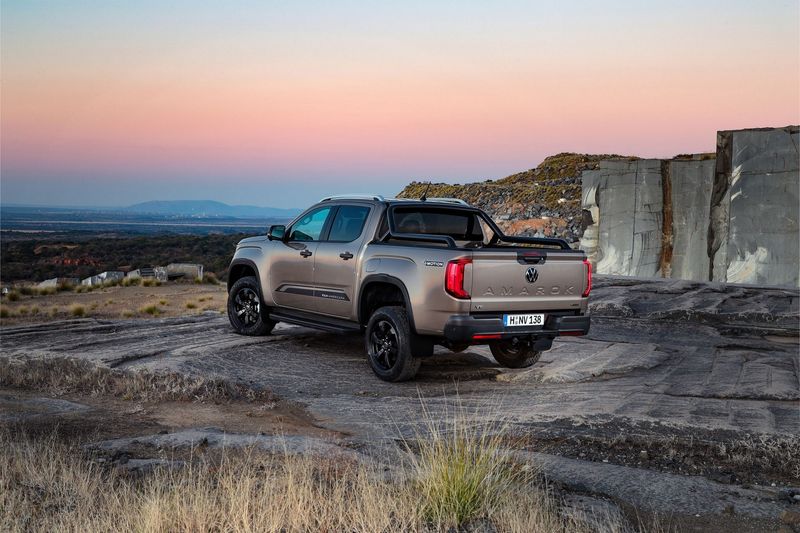
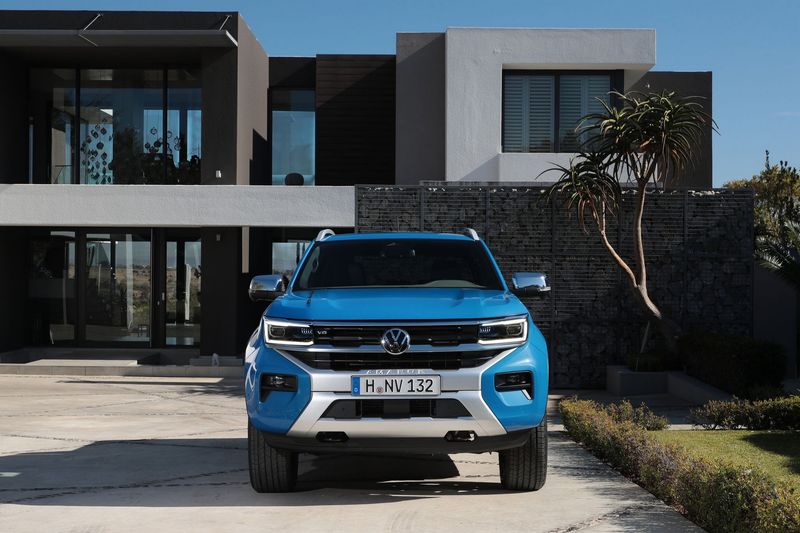
As a reminder, Volkswagen and Ford have signed agreements and are working together. One aspect of this relationship is the Amarok and Ranger sharing a platform, but a less publicised angle is the sharing of small-car electric platforms. Ford will be using the Volkswagen Group’s MEB platform for some of its vehicles.
In today’s announcement, you can expect vehicles like the Puma, Transit, Tourneo to go electric, while some models are yet to be revealed or named.

Interestingly, there’s a new midsize crossover model that will be revealed in 2022 that will go on sale next year. It is said it will be assembled in Cologne, Germany and have a claimed range of 500 km. If it is indeed underpinned by MEB, you could cynically look at this as Ford’s version of the Volkswagen ID.4. There is also an electric sport crossover in the works as well.

Worryingly, there’s no mention of bread-and-butter Ford models like the Focus or Fiesta, and we suspect that their days are numbered. As it stands, Ford Europe will be selling 5 electric commercial vehicles and 4 electric crossovers by 2024.

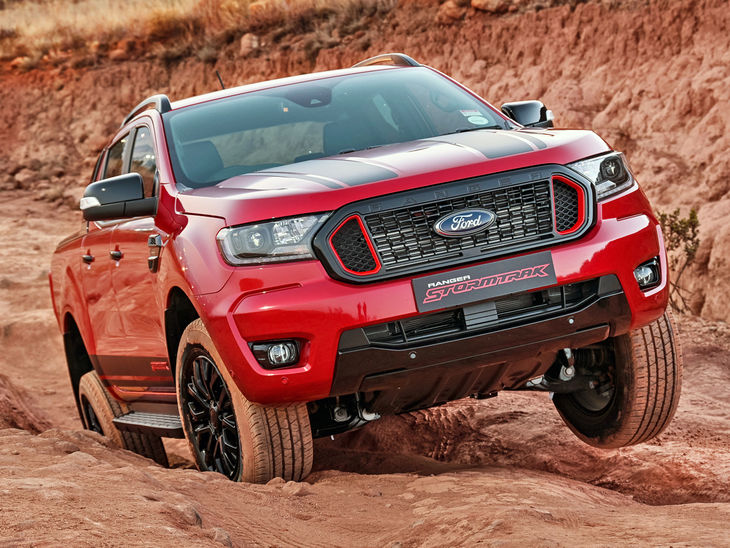
In South Africa, Ford is focused on its commercial operations with the locally-assembled Ranger, Ranger Raptor, and Everest SUV taking priority.

Buyer’s Guide: Small Hatchbacks 

Small hatchbacks, or compact hatchbacks are hugely popular in South Africa despite the current craze for crossovers and SUVs. If you are in the market for a small hatchback then this Buyer’s Guide will help you in making the best buying decision based on your needs and budget.  

Compact, practical, fuel-efficient, affordable and fun-to-drive are but a few words that describe what a compact or small hatchback has to offer (or should offer). Even though the market demand for compact crossovers and SUVs has risen sharply in recent years, there’s still considerable merit for considering a small hatchback. 

This Buyer’s Guide not only lists the current products on offer in South Africa but we will also provide some insight into the individual strengths and weaknesses of each product (based on our experience with the vehicles) so that you can decide which hatchback best suits your personal needs and budget. 

Note that the products are not listed in any particular order and pricing details are accurate as of March 2022. 

Small Hatchbacks in South Africa – What to buy? 

Volkswagen Polo 

VW Polo

The updated, locally-produced Volkswagen Polo was officially launched in South Africa this year and both styling and equipment upgrades have been implemented to enhance the overall buying proposition of the Polo. 

As such, the Polo is likely to remain a popular choice in this segment as it offers capable and efficient engine choices throughout the range as well as something for those buyers seeking more performance which is encapsulated in the range-topping Polo GTI. 

Engine choices include a 3-cylinder, 1.0-litre turbopetrol engine with outputs of either 70 kW and 175 Nm (mated with a 5-speed manual transmission) or 85 kW and 200 Nm (mated with a 7-speed dual-clutch automatic transmission). The Polo GTI is powered by a potent 2.0-itre turbocharged petrol engine offering 147 kW and 320 Nm and is paired with a 6-speed dual-clutch automatic transmission.

More so, the Polo’s ride and handling characteristics are arguably best-in-class and its perceived interior build quality and technological offering is a major highlight. In terms of practicality, Volkswagen claims a generous load bay capacity of 351-litres and rear passengers have sufficient legroom at their disposal too. 

Price Range: R311 800 – R489 400 

Pick of the Range: VW Polo 70 kW Life with more options or go for the VW Polo 85 kW Life with fewer options (budget dependent) 

Reason to Buy: Excellent performance and efficiency balance, ride and handling is arguably best-in-class, technology on offer is impressive

Criticism: The VW Polo is a pricey proposition in this segment and is no longer as accessible as it once was.  

See specification and pricing for the Volkswagen Polo range here

Read our Volkswagen Polo (2022) Launch Review 

Buy a used Volkswagen Polo on Cars.co.za   

Renault Clio

Renault Clio

The all-new Renault Clio 5 has finally arrived in South Africa. There’s no doubt about it, this is a stylish offering from the French marque and the Clio’s interior is a big leap forward from the outgoing model with a more upmarket look and feel. Load bay capacity is very generous at 391 litres and there’s ample space for rear passengers to find comfort. 

As far as engines go, there’s only one engine and gearbox choice currently available and it comes in the form of a 74 kW / 160 Nm, 3-cylinder 1.0-litre turbopetrol engine mated with a 5-speed manual transmission. Fuel consumption is claimed at 5.7 L/100km.  A 1.3-litre turbopetrol engine and a Continuously Variable Transmission (CVT) is expected to arrive later in 2022, however. 

The new Clio’s performance is good overall though we suspect that the forthcoming 1.3-litre engine will be a favourable choice for many buyers. The Clio offers a sporty ride and handling characteristics, especially with 17-inch wheels fitted (Clio Intens), while the 16-inch rims (on the Clio Life and Zen) are likely to be more forgiving. 

Price Range: R309 900 – R349 900  

Pick of the Range: Renault Clio 1.0 turbo Intens

Reason to buy: Stylish choice, upmarket interior, reasonably priced

Criticism: No automatic currently available, could do with some more power 

See specification and pricing for the Renault Clio range 

Read our Renault Clio (2022) Launch Review 

Also see: Volkswagen Polo vs Renault Clio: Which should you buy? 

Buy a used Renault Clio on Cars.co.za 

Peugeot 208

Peugeot 208

The all-new Peugoet 208 is arguably the most stylish compact hatchback currently on offer in South Africa and more notably, it scooped the 2020 European Car Of The Year title

The Peugeot 208 is equipped with a naturally-aspirated or turbocharged 3-cylinder 1.2-litre PureTech engine. The base 208 Active gains the naturally-aspirated 55 kW 1.2-litre engine (with a 6-speed manual transmission ) while the mid-spec 208 Allure gains the 74 kW turbopetrol version in conjunction with a 6-speed manual but there’s also a more powerful 96 kW 208 Allure and GT on offer with a 6-speed automatic transmission.

We will be testing the Peugeot 208 soon and once we have done so we will be able to pass judgement on its performance, ride quality, handling ability and overall buying proposition. 

The style continues inside where the Peugeot 208 benefits from Peugeot’s impressive third-generation i-Cockpit which includes a 3-dimensional digital heads-up instrument cluster and a large 7- or 10-inch infotainment touchscreen which is compatible with Android Auto and Apple CarPlay. The 208 also features Peugeot’s typical compact steering wheel and the interior finishes look and feel upmarket. Boot space is claimed at 311 litres.

Price Range: 302 900 – 443 900 

Pick of the Range: TBC (We suspect the 208 1.2T Allure auto is the one to go for)

Reason to Buy: Styling is arguably best-in-class 

Criticism: TBC 

See specification and pricing details for the Peugeot 208 range here 

Buy a used Peugeot 208 on Cars.co.za 

Hyundai i20

Hyundai i20

A new Hyundai i20 arrived in South Africa in 2021 boasting a larger footprint, sharper styling and a thoroughly modernised interior in an effort to claim a larger share in the segment. 

Perceived interior quality is much-improved over its predecessor and the i20 now features a more modern and sharper-looking cabin. Harder plastics, however, do detract from an otherwise appealing interior. Hyundai claims load bay space at 311 litres and space for rear passenger has also improved markedly over its predecessor. 

The i20 is offered with 3 engine choices including 2 naturally aspirated engines and a 3-cylinder 1.0-litre turbopetrol engine. The range starts with the 61 kW/115Nm 1.2-litre engine (offered in Motion and Fluid trim) and comes mated with a 5-speed manual transmission with a claimed fuel consumption of 5.9 L/100km. A 1.4-litre petrol engine with 74 kW and 133 Nm is also available with a 6-speed automatic transmission and carries a fuel consumption figure of 6.9 L/100km.  

The turbocharged 1.0-litre is the most lively engine on offer in the i20 with outputs of 90 kW and 172 Nm and can it can be matched with a 6-speed manual (6.5L/100km) or 7-speed dual-clutch transmission (6.9 L/100km). 

The new i20 is more agile and nimble than its predecessor and while it offers a generally comfortable ride, the suspension is a bit firmer but not at the expense of overall ride comfort. Hyundai’s 5-year/150 000km warranty, 2-year/50 000km powertrain warranty and 4-year/60 000km is also a strong drawcard for buyers considering the i20. 

Price Range: R281 900 – R362 500 

Pick of the Range: Hyundai i20 1.0T Fluid

Reason to buy: Styling, performance, economical 

Criticisms: Some interior trim is not as premium as its price suggests, driver’s seating position could be better     

See specification and pricing for the Hyundai i20 range here

Read our Hyundai i20 (2022) Review 

Buy a used Hyundai i20 on Cars.co.za 

Ford Fiesta 

Ford Fiesta

The Ford Fiesta is a competent product offering in this segment. However, a facelifted Fiesta was announced last year but Ford SA has not yet confirmed if it will be offered in South Africa as the firm’s focus is squarely on the Light Commercial Vehicle (LCV) segment. 

Nonetheless, the Fiesta is still on sale in South Africa and is offered with a punchy 3-cylinder 1.0-litre turbopetrol engine with 92 kW and 170 Nm and is mated with either a 6-speed manual transmission or a 7-speed dual-clutch. Two trim grades are offered including base Trend and the top-spec Titanium. Note that the 1.5-litre turbodiesel-powered Fiesta is no longer on sale locally. 

The Fiesta is an agile performer with dextrous dynamic handling ability and it offers good levels of overall ride comfort. However, the dual-clutch transmission’s performance is slow to respond to inputs which means the Fiesta is not as engaging to drive as it could be. As far as practicality is concerned, the Fiesta is on the smaller side of the spectrum with a load bay size claimed at 303 litres. Also, rear legroom (for taller passengers) is on the tight side… 

Price Range: R322 500 – R382 900 

Pick of the Range: Ford Fiesta 1.0T Titanium auto 

Reason to buy: Good overall performance and economy

Criticisms: Compromised rear passenger space, the automatic transmission is a letdown, facelifted Fiesta not confirmed for SA 

See pricing and specification for the Ford Fiesta range here

Read our review of the Ford Fiesta 1.0T Automatic 

Buy a used Ford Fiesta on Cars.co.za 

Opel Corsa 

Opel Corsa

The new sixth-generation Opel Corsa arrived in South Africa in 2021 with 2 engines to choose from. The entry-level engine is a naturally-aspirated 1.2-litre petrol engine with 55 kW and 118 Nm and is paired with a 5-speed manual transmission. However, most buyers will be interested in the new 1.2-litre, 3-cylinder turbopetrol engine offered in 2 states of tune, 74 kW and 205 Nm in the Corsa 1.2T Edition with a 6-speed manual transmission or 96 kW and 230 Nm in the range-topping Corsa 1.2T Elegance with a 6-speed automatic transmission. 

During our 2021 test of the range-topping Corsa, we found its engine to deliver excellent performance overall while also returning good fuel economy (Opel claims 6.3L/100km). More so, the Corsa is an agile handler with a ride quality that priorities comfort. 

Where the Corsa falls short is with its middling perceived interior quality. The interior design is rather bland and some of the trim and switchgear is of questionable quality, all of which is disappointing at its price point. Also, it’s worth noting that rear legroom isn’t too generous and taller passengers will struggle to get comfortable in the Corsa and load space is rated at 309 litres which smaller than the 350 litres offered in the VW Polo, for instance. Lastly, the Corsa is ambitiously priced and we suspect many buyers won’t be able to justify the price tag. 

Price: R298 900 – R403 900   

Pick of the Range: Opel Corsa 1.2T Elegance

Reason to Buy: Engine performance

Criticism: Poor interior execution, bland styling, pricey

See specification and pricing details for the Opel Corsa Range here

Read our Opel Corsa (2021) Review 

Buy a used Opel Corsa on Cars.co.za 

Nissan Micra

Nissan Micra

The new Nissan Micra has been on sale in South Africa since 2018 and buyers have the choice between 2 turobcharged petrol engines including a 66 kW / 140 Nm 0.9-litre turbopetrol engine as well as a more powerful 84 kW / 180 Nm 1.0-litre turbopetrol engine. A 5-speed manual transmission is standard across the range and buyers can choose between 3 trim levels including the entry-level Visia, mid-spec accenta and range-topping Tekna and Tekna Plus. 

While the 66kW engine offers average performance at best, it’s the more powerful 84 kW engine that will hold more appeal for potential Micra buyers. It’s a punchy engine with good in-gear acceleration but for those looking for an automatic transmission, you will have to look elsewhere as the Micra range is only offered with a manual shifter. Nissan claims fuel consumption at 5.0 L/100km.

The Micra does handle relatively well with positive steering feedback but ride quality is on the firmer side when riding on 17-inch alloy wheels and a fair amount of road noise does make its way into the cabin. 

Interior fit and finish is good overall and while the infotainment system is Android Auto and Apple CarPlay compatible, it’s not the most responsive or intuitive as other systems on the market. More so, load bay capacity is claimed at 300-litres which is below average and taller rear passengers may find the Micra lacking sufficient rear legroom. 

Price Range: R313 900 – R417 900

Pick of the Range: Nissan Micra 84 kW turbo Acenta Plus 

Reason to Buy: Good performance overall

Criticism: No automatic available, excessive road noise, pricey

See specification and pricing details for the Nissan Micra range here

Read our Nissan Micra 84kW Turbo Tekna Plus (2020) Review 

Buy a used Nissan Micra on Cars.co.za 

Kia Rio 

Kia Rio

The Kia Rio received an update back in late 2020 and buyers currently have 2 engines to choose from, a naturally-aspirated  61 kW / 120 Nm 1.2-litre petrol engine paired with a 5-speed manual transmission or a 73 kW /135 Nm naturally-aspirated 1.4-litre petrol engine that can be had with either a 6-speed manual or 6-speed automatic transmission. Trim levels include the base LS, mid-spec LX and EX and the range-topping Tec. 

The main gripe with the Kia Rio is that its engines are comparatively gutless to what’s offered in this segment. With that said, the 1.4-litre engine does offer better performance than what its 1.2-litre counterpart can muster. More so, the performance of the automatic transmission is average at best but the manual transmission does a good job of changing gears positively and smoothly. The Rio’s ride quality is comfortable and forgiving. As far as handling is concerned, it’s perhaps not as agile and dynamically gifted as some of its rivals but it still returns a reasonably responsive turn of the wheels. 

Perceived interior quality is good overall and rear passenger space is fairly good too. The load bay is claimed at 325-litres, which is better than some of its rivals, such as the Hyundai i20, Ford Fiesta and Opel Corsa, for example. 

Price Range: R283 995 – R367 995 

Pick of the Range: Kia Rio 1.4 Tec manual  

Reason to Buy: Decent value, competitive pricing 

Criticism: Lacks performance punch, automatic transmission is disappointing

See specification and pricing details for the Kia Rio range here

Read our Kia Rio Launch Review 

Buy a used Kia Rio on Cars.co.za 

Mazda2    

Mazda2

An updated Mazda2 arrived locally back in 2019 and even though the Japanese compact hatchback is ageing, it still offers a fair dollop of style in this segment. 

There’s only a single naturally-aspirated 1.5-litre petrol engine available and it offers 85 kW and 148 Nm of torque and can be paired with either a 6-speed manual or 6-speed automatic transmission. Trim grades for the Mazda2 include the entry-level Active, Dynamic, Individual and top-spec Hazumi. 

The Mazda2’s performance, while adequate, lacks the punch offered by its turbocharged rivals. Fuel efficiency is good, however, with Mazda claiming between 5.7- and 6.0- L/100km. Acceleration is linear and the best performance is achieved with moderate throttle inputs. The automatic transmission does a fair job but the Mazda2 isn’t particularly exciting or engaging to drive. With that said, it does what it says on the tin. 

In terms of ride quality, it does offer a pliant and forgiving ride on most surfaces and with its low-slung stance, its handling ability is above average too. Interior fit and finish is good with a minimalist design approach. It’s worth knowing that the load bay is small at 280-litres and while rear space for passengers is average, taller passengers will likely complain that there’s not enough legroom on offer. 

Price Range: 284 800 – 383 900 

Pick of the Range: Mazda2 1.5 Hazumi 

Reason to Buy: Stylish choice, good overall quality

Criticism: Engine lacks punch, practicality might deter some buyers 

See specification and pricing details for the Mazda2 range 

Buy a used Mazda2 on Cars.co.za 

Subaru Confirms Petrol-powered WRX STI is Dead

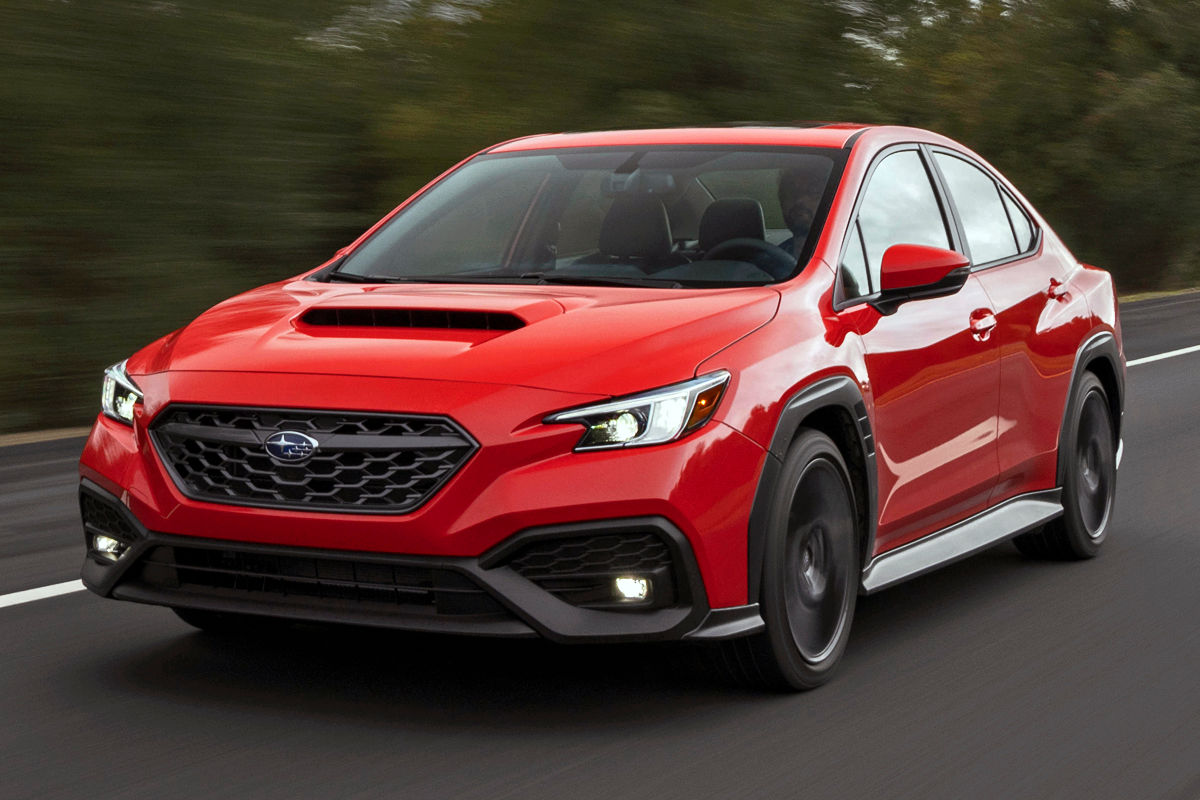
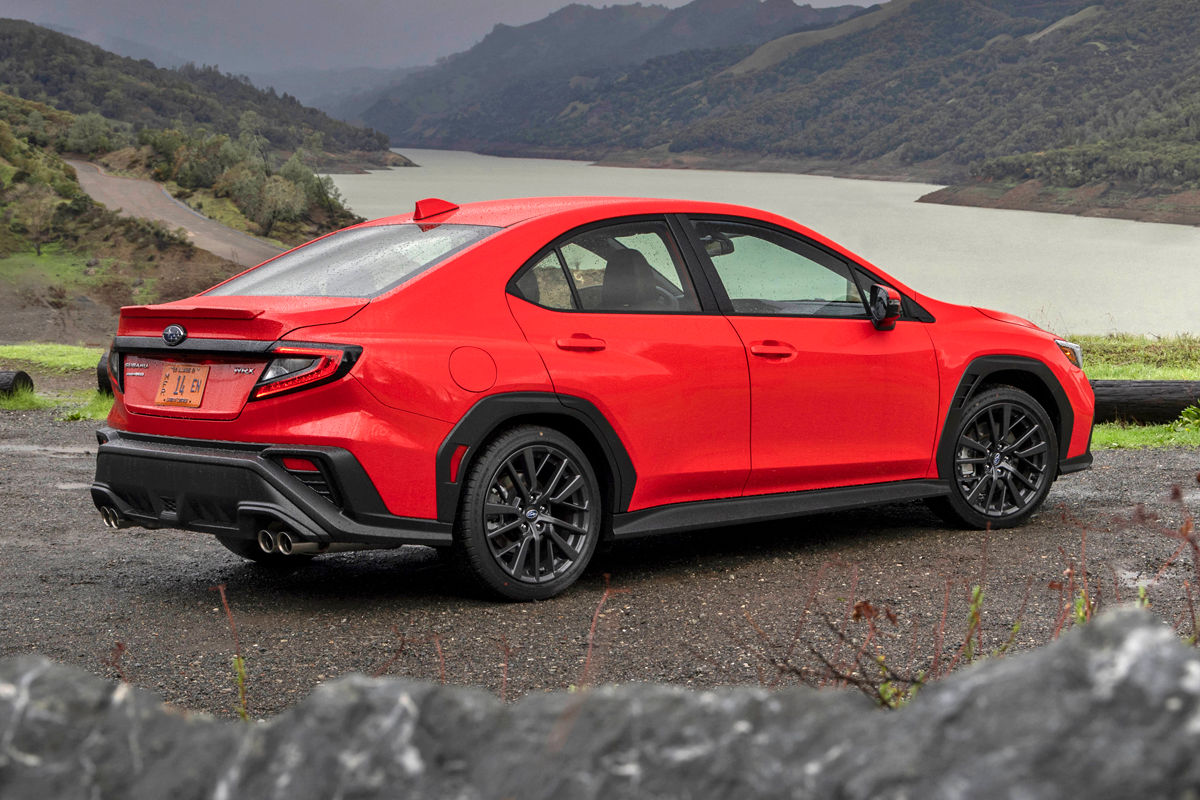
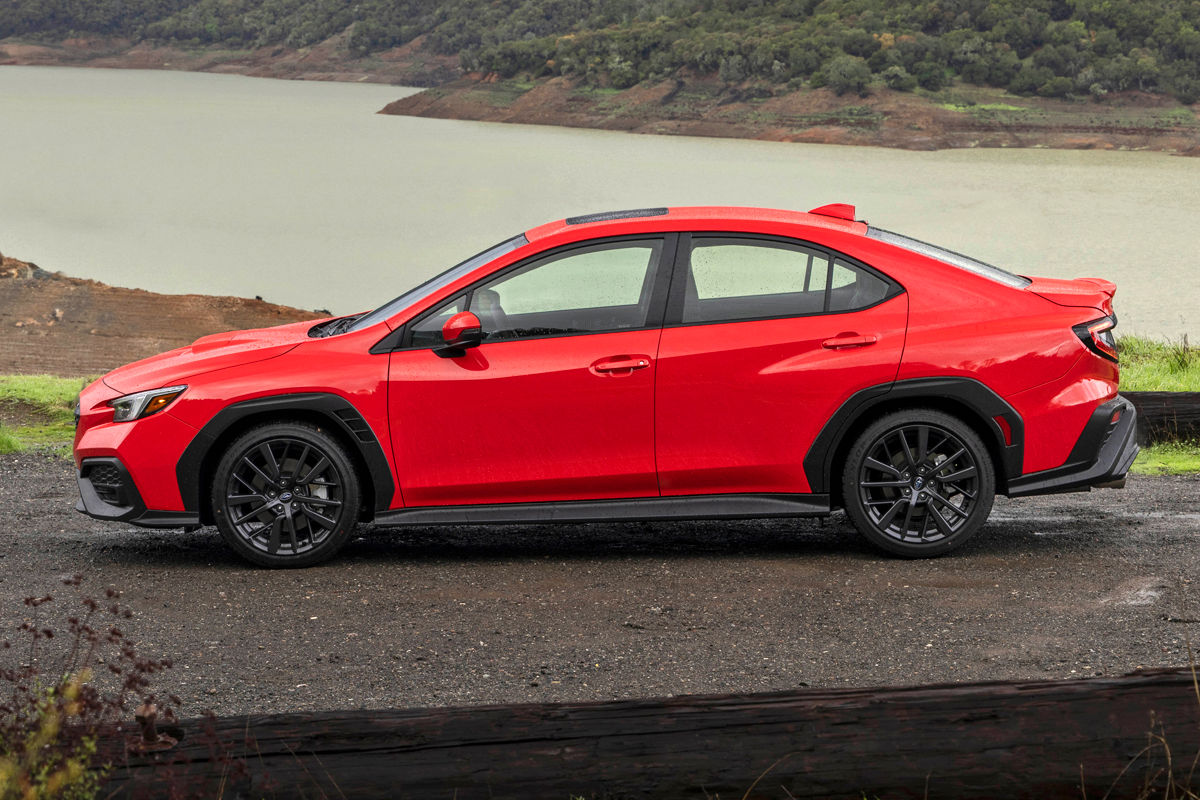
Citing the market’s shift towards electrification, Subaru has confirmed the new WRX will not be given the STI treatment, though hinted the badge could be reserved for a fresh battery-powered performance model down the line…

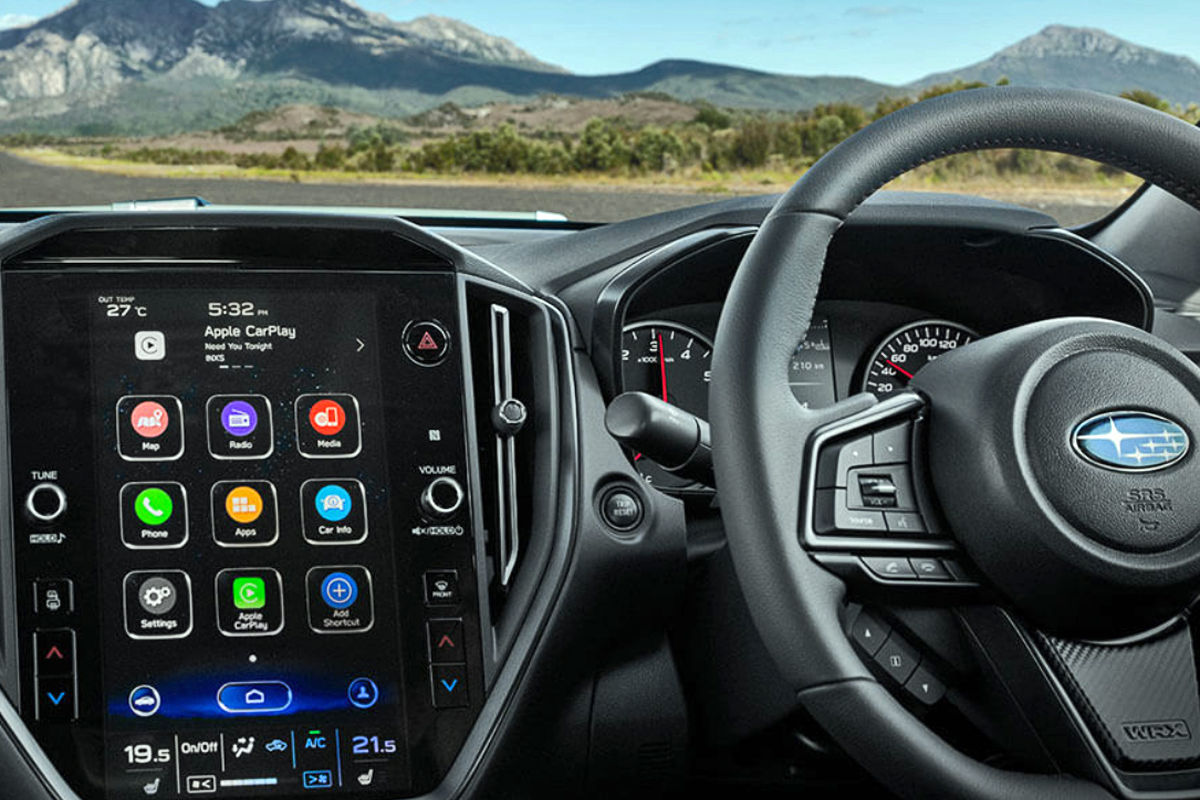
If you’ve been waiting patiently for Subaru to whip the wraps off the new WRX STI, we’ve got some terrible news for you. The Japanese automaker has unexpectedly announced that there won’t be a new petrol-powered STI based on the latest WRX platform.

When the new WRX (which is scheduled to arrive in South Africa towards the middle of 2022) was revealed in September 2021, thoughts immediately turned to the seemingly inevitable STI version, which rumours suggested would retain its trademark towering rear wing but upgrade its peak power output to somewhere in the region of 300 kW. But now, citing the broader industry’s shift towards electrification, the company has made it explicitly clear such a model is not on the cards.

In a statement released via its North American division, Subaru said it was exploring how its performance cars would need to evolve to meet changing market requirements. It confirmed the STI – which the company bills as the “zenith of Subaru’s performance vehicles, exemplifying Subaru’s unique DNA and rally heritage” – would not be part of the latest WRX family

Subaru WRX STI wheels

“As the automotive marketplace continues to move towards electrification, Subaru is focused on how our future sports and performance cars should evolve to meet the needs of the changing marketplace and the regulations and requirements for greenhouse gasses, zero-emissions vehicles and corporate average fuel economy,” the statement read.

“As part of that effort, Subaru Corporation is exploring opportunities for the next-generation Subaru WRX STI, including electrification.  In the meantime, a next-generation internal combustion engine WRX STI will not be produced based upon the new WRX platform,” the company said. 

The Subaru Tecnica International (STI) division was established in 1988 as part of the firm’s involvement in rally racing. By 1992, the STI badge had made its way onto a production vehicle (a limited-production Legacy STI offered in Japan) for the first time, with the original WRX STI following in 1994.

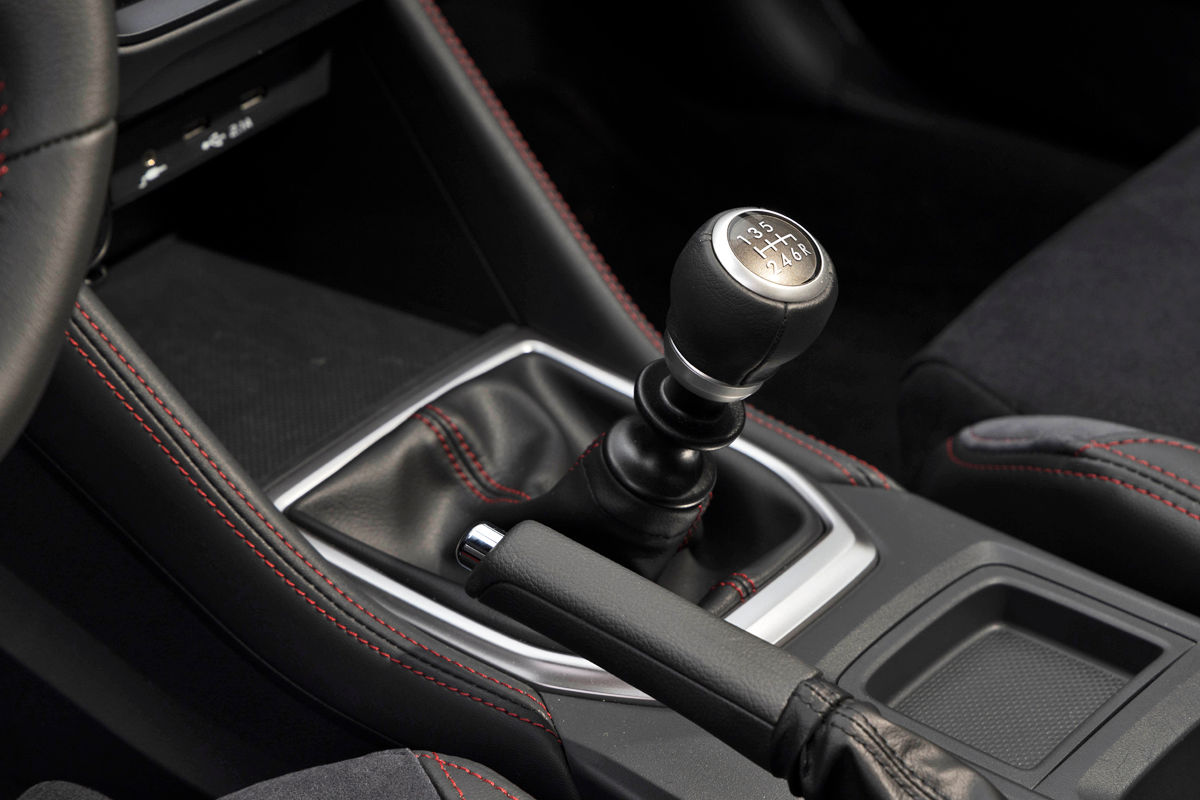
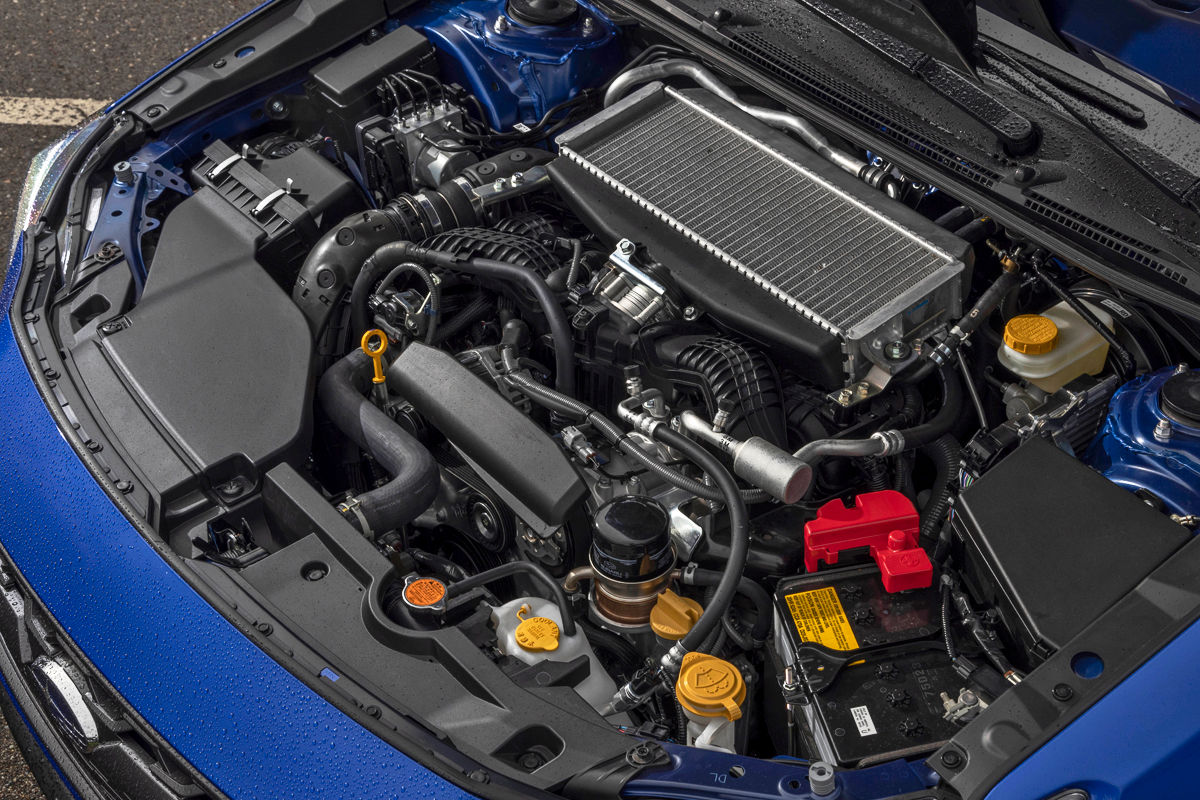
The outgoing WRX STI is still on the market in South Africa, priced from R853 000 and powered by a turbocharged 2.5-litre, horizontally opposed four-cylinder petrol engine delivering 221 kW and 407 Nm to all four wheels via a six-speed manual gearbox. Like the Mitsubishi Lancer Evolution X, will this be the last cry of a rally-inspired icon?

BMW Group Officially Acquires the Alpina Brand

The rights to the Alpina brand have been secured by the BMW Group, though exactly how the name will be used – and particularly how it will be positioned with regards to the M division – remains unclear…

The BMW Group has announced that it has acquired the rights to the Alpina brand in an attempt to “secure the future” of the small-series manufacturer as the industry continues its rapid shift towards electromobility.

While the particulars of the deal – which we should point out is subject to various suspensive conditions – remain under wraps with both parties agreeing not to disclose any financial details, we do know the existing long-standing co-operation agreement will run until the end of 2025, with Alpina likely to retain its focus on combustion-engined BMW models until then. Thereafter, BMW rather cryptically says the co-operation will continue “but in a different form”.

The German giant says the acquisition of the 57-year-old Buchloe-based firm will bring “even greater diversity to its own luxury-car range”, though points out the transfer of trademark rights and the resulting discontinuation of the current Alpina vehicle programme at the end of 2025 will “have implications for existing jobs” at the Buchloe facility.

Alpina lettering

Still, BMW says it plans to support Alpina with the “necessary adjustments to the workforce” over the coming years, before offering any employees not able to continue working at the Buchloe site at the end of 2025 a new position with the BMW Group, suppliers or development partners.

“The automotive industry is in the midst of a far-reaching transformation towards sustainable mobility. For that reason, existing business models need to be re-examined on a regular basis,” said Pieter Nota, member of the BMW Board of Management responsible for Customer, Brands and Sales.

“For over fifty years, the Buchloe firm has demonstrated how to deliver top-quality car cachet through meticulous attention to detail. The BMW Group is also driven by this same passion for cars that capture the imagination. That is why we are now embarking on a new chapter in our long-standing partnership. Acquiring the trademark rights will allow us to shape the long-term course of this brand steeped in tradition. We are delighted to welcome the Alpina brand to the BMW family,” Nota added.

Alpina engine bay

BMW points out that “transformation towards electromobility and increasing regulation worldwide – particularly emissions legislation, software validation and requirements for driver assistance and monitoring systems – [will] result in significantly higher risks for small-series manufacturers”, despite the fact 2021 was the most successful year in the history of Alpina.

Andreas Bovensiepen, Alpina’s co-managing director, says the company “recognised the challenges facing the automotive industry early on and are now setting the right course for Alpina”, adding this “marks the beginning of a new chapter”.  

“We made a conscious decision not to sell Alpina to just any manufacturer, because BMW and Alpina have worked together and trusted one another for decades. That is why it is the right decision strategically for the Alpina brand to be managed by the BMW Group in the future,” said Bovensiepen.

It’s not yet clear how BMW plans to differentiate the Alpina division from its existing high-performance M sub-brand. Still, one possible upside for South Africans is the fact this move could increase the likelihood of Alpina products eventually being officially offered on local shores. After all, the only thing better than one performance division from BMW is two…

The Cape 1000 Diary – Day Two

Touring with vintage cars over long distances always serves up surprises, as Hannes Oosthuizen found out.

Photos by: Devin Paisley, Dieter Pey, Duwyne Aspeling, Stefan Kotze, JoNo Nienaber

The second day of the inaugural Cape 1000 vintage and exotic car rally covered a distance of 474.4km. This is not a distance to be sneezed at – particularly when you’re in a car from the ’50s, without air-conditioning and a roof!

Nevertheless, my co-pilot Greg Marucchi and I set off determined from Hermanus to improve on our seventh place (out of 36 runners), in the Cape 1000, which pays tribute to various classic car regularity rallies from around the world. We started at Gearing’s Point in Hermanus and it was fantastic to see the public support for the event, even in its first year.

Austin Healy working for a change
The day started off hot, but cloud cover provided some protection in the Healey.

Freshly washed, our Healey felt eager in the crisp morning air as we pushed first towards the direction of Gansbaai, and then started heading inland towards Caledon and Riviersonderend. Cloud cover in the early morning meant that the cockpit of the Austin-Healey was a relatively comfy place to be, even though it doesn’t really suit drivers taller than 1.7m.

For the start of the first Regularity section, we headed to Birkenhead Brewery, and decided to forego the suggested comfort break, and instead tackle the first timed session immediately. An unexpected roadworks stop/go played into our favour, and we managed to complete the first regularity section quite comfortably and in good time, but our fellow participants weren’t as lucky. Consequently, the first regularity section was scrapped… a pity, as we think we did quite well.

The route then took us towards Napier (still with plenty of cloud cover) and the Healey was singing along sweetly, driver Greg enjoying the responsiveness of the engine. The cloud cover continued through our regularity section that took us to Swellendam, and we thought we were, as they say, “in the pound seats”.

But then the clouds lifted and the temperatures started rising. Outside of Swellendam, we headed for the Tradouw Pass, a spectacular piece of road that is a must for any driving enthusiast. Greg pushed the Healey hard, and it delivered.

Tradouw Pass
Tradouw Pass, a must-do for any driving enthusiast, just outside Swellendam.

As we reached the Cape 1000 Cafe at the summit of the pass, I got a call from my colleague Ciro (piloting the ’67 Citroën DS19), and my blood froze. He said he had a problem… that the Citroën wouldn’t start. Not being able to assist in person was difficult to accept, but I knew the Cape 1000 crew or, as it turned out, a competitor, would have the solution. The driver of the Porsche 356 competing in the same category as our Healey immediately spotted a disconnected distributor lead, and once that was connected, the DS ran faultlessly for the rest of the day.

Sadly, this was not the destiny of the Healey. On the other side of the Tradouw  Pass, the clouds disappeared and the ambient temperatures rose sharply. We got a notice of troubles to come when the Healey was difficult to start after refuelling in Montagu (which was brought to a standstill when multiple Lamborghinis stopped for fuel at the same time), and as we started the next Regularity section, the Healey started coughing and farting. We could simply not achieve the required average speeds, and it seemed like our steed was slowly “dying”. Near Stettyn Wine Farm, the Healey finally gave up, and ground to a halt, signalling an end to our challenge in the competition… or so we thought.

Citroen DS
Ciro struggled to start the Citroen this morning. A loose baguette was diagnosed as the problem and they were soon on their way.

Given all the symptoms, it seemed like fuel starvation was the most likely cause, but help soon arrived, and we were towed to Kelkiewyn, where the car’s owner replaced the car’s battery and soon sent us on our way again, to our surprise. 

Still, the temperatures kept rising and when we hit the iconic Franschhoek Pass our dream of a fun drive was soon spoilt by the stark reality that our Healey was still suffering. We barely made the summit, the British sportster spluttering and smoking, but we crested and then managed to coast our way down into town and to the Franschhoek Motor Museum to end the day. 

As it stands right now, the Healey has been towed to Cape Town for some serious attention, and we simply don’t know whether we will have a competitive car for tomorrow.

In the other Cars.co.za camp, things were looking better. After the distributor lead was fastened, the DS19 ran faultlessly, and even though driver Ciro de Siena had to stop to chase a bee out of the car (he is allergic), the team (with Duwyne Aspeling) still managed to finish third overall for the day and move up to fourth in the overall standings.

McLaren
New and old enjoyed a day of nearly 500 km of scenic Western Cape roads.

Undoubtedly a hard day, I am however extremely upbeat. This is what I expected classic car rallying to be about, and the tough, hot conditions and the breakdown only added to the overall spectacle. Besides, we were not alone. One of the racing Alfa Romeo GTVs ran out of fuel, and a Porsche 911 also had to be towed at one stage. 

Nearly 500 km later I am rather sunburnt and exhausted but look forward to the challenges that the next day of this incredible event will bring.

You can follow The Cape 1000 on Instagram here. The Cape 1000 is sponsored by Cars.co.za, SCL Travel, Silvercrest Super Car Insurance and Mix 93.8FM.

Hyundai Tucson (2022) Launch Review


With prominent brands either facelifting their models or introducing all-new offerings, the South African medium SUV segment is in for a shakeup in 2022. The 4th generation of the Hyundai Tucson, which has always been a popular choice in Mzansi, has finally arrived. We drove it at its local reveal in the Western Cape.

What’s new on the Hyundai Tucson

It’s clear Hyundai has adopted an entirely new design philosophy. Gone are the days when a Tucson or a Creta had an inoffensive exterior design that was easy to live with, but didn’t deserve a second glance on the driveway just before you made your way inside the house. But things have changed. This new Tucson has creases and zig-zag lines everywhere and the new cascading grille with integrated LEDs makes a real statement. It’s as distinctive an SUV as you’ll find in the segment and, because it’s based on a shortened Santa Fe platform, it’s actually a much bigger car than the model it replaces.


Length-wise, it’s 150 mm longer and its wheelbase has increased by 85 mm. The model’s width and height remain similar, while the ground clearance has been raised by 9 mm. Although the roofline seems to slope quite dramatically towards the tailgate, the load-bay capacity is up by 51 litres (539 litres), which makes the newcomer more practical in every measurable way than the 3rd-generation Tucson.

The engine range has gone through a mild redevelopment to improve efficiency and deliver more usable power, but for now (March 2021), there is only a naturally aspirated 2.0-litre petrol and a 2.0-litre turbodiesel to choose from in the Tucson line-up. Word is Hyundai will look at expanding the range to include a 1.6-turbopetrol at a later date, provided that it wouldn’t make the derivative/s too expensive.

With the introduction of a new platform, Hyundai has taken the opportunity to improve the body rigidity, while including more sound-damping measures, both of which reduce noise, vibration and harshness.

Is the Hyundai Tucson a good family SUV?

2022 Hyundai Tucson seats folded
There is more legroom in the new Tucson and the boot is bigger than the outgoing model.

Over and above offering additional luggage space, the new Tucson also boasts better rear legroom (courtesy of its stretched wheelbase), so most aft occupants will be able to stretch out and relax. The rear seats have ISOfix child-seat anchor points and can fold down flat in a 60/40 split; we look forward to testing the Tucson’s utility space (which we expect to be significant) when we’ll do a full evaluation.

The standard connectivity spec is pretty good with a wireless charger fitted to every derivative, complete with an 8-inch infotainment system. Android Auto and Apple Carplay compatibility is also included on the standard features list, as are heated front seats (the Elite versions also feature a cooling function). Two USB ports are available upfront, with charging ports provided for rear passenngers.

For a full list of specifications, check out this article

The strengthened chassis has also improved the crash structure of the new Tucson, but Hyundai has nonetheless included more safety features in the higher-spec derivatives. Stability control is now available across the range, while the top-spec Elite version includes new features such as blind-spot collision avoidance, lane-keeping assist, main-beam assist and forward-collision avoidance assist. This increase in safety specification is likely a move to keep the model on par with offerings from the Chinese contingent, such as the Haval H6, which offer all the modern safety features at keen price points.

The Tucson may look like it’s from outer space, but inside it’s pure Hyundai, with unimpeachable interior build quality. All the panels feel securely fastened and there’s not a creak to be heard from prodding any of the trim. The materials are mostly soft-touch and durable. It may not quite be as fashionable on the inside as its bold exterior design suggests, but it feels like a top-tier product within its segment.

What are the engines like?

Hyundai Tucson front
The 2.0-litre turbodiesel would definitely be our choice of engine in the current lineup.

We were only afforded the opportunity to drive the 2.0-litre petrol model in Elite guise. For all the talk of development on the 2.0-litre naturally-aspirated engine, including a lighter (all-aluminium) block, an integrated thermal management module and continuously variable oil pump, the engine now produces exactly the same power (115 kW) and less torque (192 Nm vs 196 Nm) than its predecessor.

If there’s something an SUV needs plenty of, it’s torque (or pulling power), because this helps to get heavier cars moving from a standstill and improves in-gear acceleration. Although the 2.0-litre petrol motor’s claimed 8.9 L/100 km consumption figure looks encouraging, the Tucson sits at the bottom of the pile when it comes to power and torque figures compared with its segment rivals.

This engine is fitted with a 6-speed automatic transmission and while the gearbox shifts quickly, we found it constantly hunted for the appropriate ratio to keep the powerplant in the optimal torque zone (at 4 500 rpm). This engine and gearbox combo would best suit in-town (lower-speed) driving, because once you’re out on the freeway or open roads, it can be frustrating to maintain speed or accelerate.

Search for a used Tucson here

The 2.0-litre turbodiesel, on the other hand, has improved power and torque outputs (up 7 kW and 16 Nm) over the previous diesel motor. If your budget can stretch to the flagship turbodiesel derivative, then it’s clearly the better choice for long road trips or holiday excursions. Furthermore, it uses an 8-speed automatic transmission, which is better at keeping the engine in the optimal torque zone.

What’s the Tucson like to drive?

2022 Hyundai Tucson interior
The interior is well-built and features an acceptable level of spec across the range.

The new Tucson certainly rides firmer than the outgoing model and exhibits far less body roll when cornering. The steering is much better weighted and delivers more feedback, which is commendable, seeing as the outgoing model’s ‘wheel was particularly vague and made the car’s handling seem floatier than it actually was.

On bumpier stretches of road, the ride might be a little too firm for the average family car buyer, but the Tucson feels planted if you venture down a dirt road – it seems to settle nicely on washboard gravel.

Hyundai Tucson pricing and after-sales support

Tucson 2.0 petrol Premium R519 900
Tucson 2.0 petrol Executive R569 900
Tucson 2.0 petrol Elite R634 900
Tucson 2.0 diesel Elite R699 900

All Hyundai Tucson derivatives come equipped with a 7-year/200 000 km warranty and a 6-year/90 000 km service plan.

Summary

2022 Hyundai Tucson rear
The new Tucson is a more desirable product than before with better standard spec.

The 2.0 Premium is the star here; Hyundai continues to specify its base-spec Tucson with all the essentials that the majority of family-SUV (medium-SUV) buyers are likely to require. It’s nice to see that with this new model’s introduction, additional active safety features have been made available for our market. Unfortunately, the petrol engine is a little underpowered, but it is there or thereabouts compared with similar units in the segment.

The torquey 2.0-litre turbodiesel is certainly the engine most would want, but it’s only available in the top-spec Elite derivative – Premium or Executive turbodiesels would be very welcome. Unfortunately, the cost of the engines available in Europe, which all feature mild-hybrid tech, would price the Tucson out of the market.

On the positive side, the 4th-generation Tucson is more spacious inside and Hyundai continues to set the segment standard when it comes to interior build quality and after-sales support (consider the 7-year mechanical warranty and 6-year service plan). If the market response to the recent crop of Hyundai SUVs (Creta and Santa Fe) are anything to go by, this model is bound to remain popular in Mzansi.

The Cape 1000 Diary – Day One


The highly-anticipated Cape 1000, a 1000-mile “tribute” to some of the world’s most historic races, has kicked off in Cape Town. Here are some of the highlights from the event’s first day.

Photos by: Devin Paisley, Dieter Pey, Duwyne Aspeling, Stefan Kotze, Jono Nienaber

After a festive registration “celebration” at the V&A Waterfront in Cape Town on Tuesday, which saw nearly 40 dream cars, ranging from a Concours-level restored ’56 Porsche 356 to a modern-day Lamborghini Aventador line up, and participants arriving from across South Africa, The Cape 1000 – which was but a dream a few months ago – finally became a beautiful reality.


I’ve always dreamt of participating in the Mille Miglia, or the Carrera Panamericana, or even the Paris to Peking, so kicking off what will hopefully become a series of petrolhead adventures on home soil is very exciting. The Western Cape definitely has some of the driving roads and scenery in the world, and the organisers of this event, Supercar Lifestyle, have worked them all into the schedule.

The 1 000-mile (approximately 1 600 km) route takes in some of the Western Cape’s best roads, with 60% of the distance being allocated to “Grand Touring” and the remainder being regularity stages, where drivers and their navigators have to work closely together and meticulously follow the stage’s timing and speed instructions to achieve success and, hopefully, accumulate some points.


The best-laid plans…

When Cars.co.za announced its support for the rally, our plan was to run our restored Ford Capri Perana. However, events are hardly ever predictable in the classic-car space, so I can’t say I was completely surprised when that car wasn’t finished on time. It did leave us with a bit of a problem, however…

The Perana (and my colleague, Ciro de Siena, as a driver) was entered into the Pre-1977 Classic category of The Cape 1000, and so his replacement vehicle had to be from that era, too. That ruled out all the other cars in the SentiMETAL Heritage Fleet, and so we had to look beyond our South African Specials and the only fitting vehicle was a 1967 Citroën DS19, part of the greater collection. Now, before you laugh, keep in mind that the DS actually had quite a successful rally career, and won the Monte Carlo Rally twice (in ’59 it was actually the less-complicated ID that won, but still…).


Ciro accepted the challenge and went shopping for berets and USB-powered air-conditioners and fans. You see, it’s a bit hot in the Western Cape at the moment.

Meanwhile, I had my own challenges. The organisers had already secured a beautiful ’57 Austin-Healey 100/6 for the event, but unfortunately (not for me, though), its crew couldn’t make the event, and so I ended up in the navigator’s seat (which is very small) of this iconic British sportscar, with my co-driver being none other than Greg Marucchi, a petrolhead I know well from his involvement in Concours SA.

The start

It truly was a fantastic sight to see such a staggeringly diverse line-up of cars show up at the Silo Hotel for the start. “My” Healey carries the number 102, which meant that we had to start second. Now, I’m not going to give you a full run-down of the specs and history of the Austin-Healey 100/6, but for the purpose of this article, you just need to understand a few things…


Firstly, it has no roof – well it has a roof, but putting it up would be useless (see point nr.2). Secondly, the drivetrain emits a lot of heat through the footwells, so it gets, um, toasty in there very quickly, and if you were to put the roof up, it would essentially turn into a mobile oven. Third, it also has no side windows – again, you can bolt some windows onto it, but that makes the already cramped cabin even smaller, and also keeps more of the heat in the cabin. So, we had to complete the near 400km route in searing heat, with no roof and no windows. Thankfully Ciro bought me a very nice hat in China Town when he went to look for all his mod-cons for the Citroën.

The route started in the Waterfront and wound its way around the Peninsula, taking in the spectacular Chapman’s Peak Drive, before heading for Gordon’s Bay and the stunning Clarence Drive along the coast. Next to the ocean, where the air was cool, it was sheer driving bliss, with the Healey impressing with its torquey power delivery and handling.


A temporary Cape 1000 Cafe was set up on Clarence Drive to give participants the chance to stretch their legs and for engines to cool down, because temperatures were rising.

As we headed inland and started climbing some hills, the higher ambient temperatures, coupled with the heat from the Healey’s engine, made driver and navigator alike sweat… a lot. Twice it looked like the Healey would overheat, but in both instances, Greg managed to get the temperatures back under control. It was touch and go, though!


Another challenge was that the car’s speedometer isn’t functional and that the odometer is marked in miles… while the route book is marked in kilometres. So I had to use an app on my phone to keep us on track (and in the points). Challenging indeed! Or rather… a baptism of fire!

The lunch stop at the Elgin Railway Market included a short gymkhana challenge, after which the convoy moved back towards the picturesque Theewaterskloof dam. The last rest stop was at the beautiful Benguela Cove Lagoon and Wine Estate.


From there, Greg got the opportunity to drive a rare Mercedes-Benz “Pagoda” SL back to the Arabella Estate, which gave me the opportunity to spend some time behind the wheel of the Healey. Gosh, the British car’s gearbox really isn’t very easy to get the hang of!

Given the sheer beauty of the imagery captured on Day 1 alone, The Cape 1000 is poised to become a highlight of South Africa’s annual automotive events calendar, and interest has already been expressed by international petrolheads. Tired but happy, I’m looking forward to Day 2… and praying for cooler temperatures. As does, I’m sure, the Healey.


Oh, and during evening proceedings it was announced that Ciro and Duwyne Aspeling in the DS managed to achieve fifth place in the Regularity Challenge, with me and Greg in 7th in the Austin-Healey. Not bad for first-timers!

You can follow The Cape 1000 on Instagram here. The Cape 1000 is sponsored by Cars.co.za, SCL Travel, Silvercrest Super Car Insurance and Mix 93.8FM.

Related content:

A Suzuki Jimny through Lesotho, your perfect African Alpine retreat

Celebrating 70 years of VW icons

Mitsubishi Triton GL (2022) Specs & Pricing

The Japanese brand has introduced a pocket-friendly version of its bakkie for fleet owners and SMEs. Here are the specifications and pricing for the Mitsubishi Triton GL.

In the highly-competitive double-cab bakkie segment there are many brands jostling for sales. With the majority of sales being snapped by the ever-popular Toyota Hilux, the remaining brands have to fight for the remaining customers.

Mitsubishi is trying the value-added angle, and has launched the Mitsubishi Triton GL, which comes in at a much cheaper price than the rest of the Triton range.

“Fans of the Mitsubishi brand have shown overwhelming interest in a more robust commercial vehicle range, and MMSA is happy to oblige by introducing the Triton Double Cab GL,” explains Jeffrey Allison, General Manager: Marketing at MMSA. “This is but the first step in our intention to offer greater versatility in the commercial vehicle space and will draw more customers into the Mitsubishi fold. This aggressive price point on our Double Cab GL will without doubt also attract lifestyle consumers due to its accessibility, versatility and bold contemporary styling.”

Under the bonnet is a detuned version of the 2.4-litre turbodiesel motor. In GL trim, it has outputs of 100 kW and 324 Nm, and is paired to a 6-speed manual gearbox. There’s no 4-wheel drive here, with the vehicle being a 4×2 model. When it comes to fuel economy, the Mitsubishi Triton GL is said to consume 8L/100 km.

Despite its entry-level designation, features are adequate with a 75-litre fuel tank, 16-inch alloy wheels wrapped in 245/70R16 rubber, fabric seats, anti-lock brakes, halogen headlights, keyless entry, electric windows, and automatic air conditioning. If you want an infotainment system that is Apple CarPlay/Android Auto compatible, you’ll have to pay a bit more as it’s an optional extra.

Want to buy a new or used Mitsubishi Triton? Browse stock for sale here.

Mitsubishi Triton GL

How much is the Mitsubishi Triton GL in South Africa?

The Triton range is sold with a 3-year/100 000 km manufacturer’s warranty as standard, along with a 5-year/90 000 km service plan. Five-year/unlimited km roadside assistance is also included. Service intervals are set at every 10 000 km.

Triton 2.4L DI-DC M/T GL 4×2  R479 995

Triton 2.4L DI-DC M/T 4×2 R594 995

Triton 2.4L DI-DC A/T 4×2 R614 995

Triton 2.4L DI-DC M/T 4×4 R654 995

Triton 2.4L DI-DC A/T 4×4 R674 995

Triton 4.4L DI-DC A/T 4×4 Xtreme R734 995

Further Reading

2024 Mitsubishi Triton Spy Shots

7 best-selling budget sedans in South Africa: February 2022

Is there still a market for a reasonably priced saloon? We’ve sorted through Naamsa’s detailed sales figures to identify the 7 best-selling budget sedans for February 2022…

The reveal of the new Volkswagen Virtus – a booted model that is destined to arrive in South Africa later in 2022 as the new Polo sedan – had us thinking: what’s the current state of the market for budget saloons on local shores?

While bakkies and hatchbacks typically dominate the monthly list of the country’s best-selling new vehicles (with a crossover and SUV appearing here and there), a deeper look at the figures suggests there’s still something of a market for budget-beating sedans, even if it’s not nearly as robust as it once was. A significant slice of that demand, of course, comes courtesy of the ride-hailing (Uber, Bolt etc.) industry, along with the rental and government channels.

So, we sorted through the statistics to pick out South Africa’s 7 best-selling budget saloons for February 2022, with three-box model ranges bearing a starting price of less than R300 000 qualifying for inclusion.

The best-selling budget sedan during the second month of 2022 was the outgoing Volkswagen Polo sedan, with the Indian-built model finishing on an impressive 818 units, almost doubling its January tally. Just under half of those (387 units) were registered as sales to the government, with 83 units coming via the rental channel. 

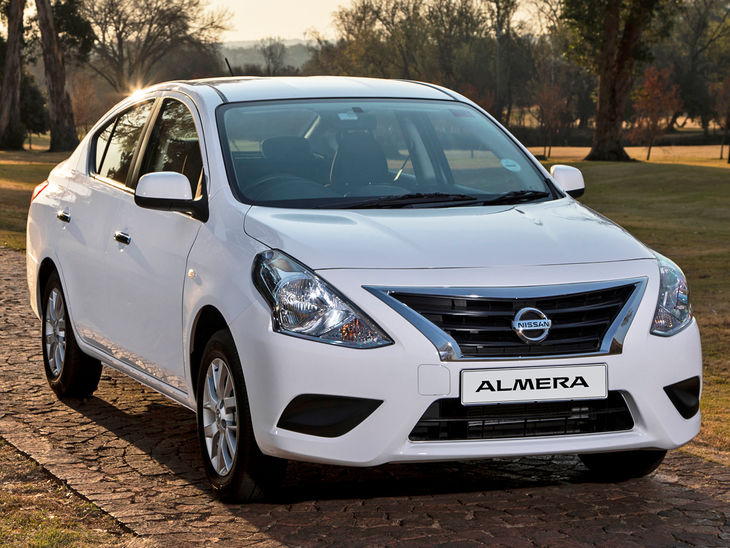
The locally produced Toyota Corolla Quest grabbed second place with 575 units (down 166 units month on month), though 277 of those came courtesy of the rental industry. Despite shedding almost 200 units over January’s effort, third spot went to the seemingly evergreen Nissan Almera (286), with around 45% of its registrations likewise attributed to rental companies. Fascinatingly, the Almera was still Nissan’s top seller for the month, finishing ahead of the Magnite (211 units).

The Chinese-built Kia Pegas (170 units) settled in fourth place, with every single unit interestingly sold through the dealer channel. Fifth went to the Honda Amaze (123 units), which proved the Japanese firm’s best-selling product overall in February 2022 thanks largely to a 50-unit boost from rental buyers.

The Suzuki Ciaz fell just short of three figures (95 units) but still managed to take sixth, while the Suzuki Dzire (65 units) occupied the seventh and final place on the list, having fallen from a more impressive tally of 282 units in January. Interestingly, the Maruti-built Dzire couldn’t come close to matching the popularity of the closely related Swift hatchback, which was the country’s seventh best-selling vehicle overall with 1 313 units.

7 best-selling budget sedans in South Africa for February 2022

1. Volkswagen Polo sedan – 818 units

2. Toyota Corolla Quest – 575 units

3. Nissan Almera – 286 units

4. Kia Pegas – 170 units

5. Honda Amaze – 123 units

6. Suzuki Ciaz – 95 units

7. Suzuki Dzire – 65 units

Old Isuzu D-Max to soldier on alongside new bakkie

Isuzu Motors South Africa has confirmed that five “key models” in the outgoing D-Max range will be retained and offered alongside the long-awaited new version of the Japanese bakkie…

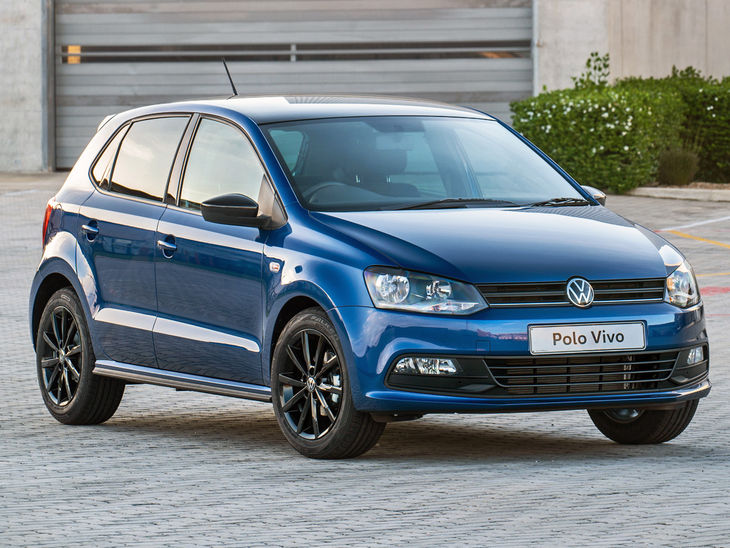
So-called prolonged lifecycle models have a history of great success in South Africa. Volkswagen perfected the recipe with the much-loved Citi Golf and more recently the similarly popular Polo Vivo, while Toyota’s Corolla Quest remains a strong seller. And now Isuzu wants in on the “dual-product strategy” action.

Yes, the Japanese firm’s local division has announced plans to retain “a limited number of key models” from the outgoing D-Max range, which will be sold alongside the soon-to-launch seventh-generation version of the bakkie. Both the sixth- and seventh-generation D-Max will thus be assembled at Isuzu’s Gqeberha facility, which benefitted a R1.2-billion investment back in 2019.

The outgoing version of the bakkie has been renamed the D-Max Gen 6, with the line-up set to comprise five “competitively priced” workhorse models for South Africa, along with four for right-hand-drive export markets and three for left-hand-drive markets. All five models for the local market will feature a rear-wheel-drive configuration, while the majority of the export versions interestingly ship with 4×4.

Isuzu D-Max Gen 6 range

While the new D-Max will be offered with the choice of a revised 3.0-litre turbodiesel mill or a smaller 1.9-litre oil-burner, the D-Max Gen 6 workhorse range will retain two old turbodiesel powertrain options. The basic 2.5-litre unit delivers 58 kW and 176 Nm (with a claimed fuel consumption of 7.9L/100 km), while the high-output version of the same displacement offers 100 kW and 320 Nm (at a claimed 7.6L/100 km in the case of the 5-speed manual and 8.1L/100 km in the case of the 5-speed automatic).

“Our strategy is to support Isuzu’s objectives by retaining Gen 6 models which have performed very well in the workhorse segment of the market. In addition to boosting our fleet business, we intend to increase LCV exports into key left- and right-hand-drive markets within the rest of Africa,” said Dominic Rimmer, Senior Vice President Technical Operations.

“Our customers rely on D-Max Gen 6’s long-standing reputation of reliability, durability and capability, backed by a vehicle with a 50-year history in this market. The D-Max is engineered for the best performance in our unique local conditions and these Gen 6 models remain a valuable proposition for fleet operators who place great importance on running costs and minimum down time,” Rimmer added.

How much does the Isuzu D-Max Gen 6 cost in South Africa?

All D-Max Gen 6 bakkies will come standard with a 5-year/120 000 km warranty and a 5-year/90 000 km service plan, with intervals of 15 000 km or 12 months.

Isuzu D-Max Gen 6 250c Single Cab: R328 400

Isuzu D-Max Gen 6 250c Single Cab Fleetside: R354 900

Isuzu D-Max Gen 6 250 HO Single Cab Fleetside Safety: R380 500

Isuzu D-Max Gen 6 250 HO Double Cab Hi-Ride: R479 900

Isuzu D-Max Gen 6 250 HO Double Cab Hi-Ride AT: R500 000