There is an innate thrill to the car-buying process; from choosing the make and model, to picking the colour, to signing on the dotted line. However, once you fully understand the extra charges that result from purchasing a vehicle, you can make a more considered decision about when the time’s right to buy a car.
PARTNERED CONTENT
It is easy to get wrapped up in the excitement while overlooking the true and total cost of owning a car. Investigating these costs, however, is important to making the best decision for both you and your wallet. Here are some tips from motus.cars to assist you in working out exactly what your new car will cost you in the long run:
1. Once-off costs
In addition to the actual price tag on the vehicle – there are often other once-off costs that you need to consider.
Service and maintenance plans
If the car you are purchasing does not come with a service or maintenance plan – you will also need to consider purchasing these. An upfront payment, which can be financed, will be required. These plans, however, do help to guarantee that your services (based on the plan), are covered and that should you have any issues with faulty parts in the car, you are not liable.
Factory fitted extras
Typically, when purchasing a new car, you will be given the price for the standard vehicle and then offered some factory fitted extras. These normally include options that will offer more comfort, enhanced style, or even technology and safety enhancements. Items like an automatic gearbox, air-conditioning, alloy wheels, navigational systems and new braking technology will all certainly add to your cars comfort and resale value, but they all come with extra price tags. Make sure you only chose optional extras that you really can afford.
2. Periodic costs
As much as we all would love everything on our cars to last forever – there will, unfortunately, be some periodic upkeep that will need to happen. Find out how much things like tyres, batteries and windscreen wiper blades for your chosen vehicle cost and budget for these.
If you have a maintenance and /or service plan – remember that these do come to an end and servicing costs will then fall into your periodic cost budget.
3. Monthly costs
Owning a car means monthly costs, these include:
Fuel
Even though the fuel price fluctuates each month, it is worth estimating what your fuel costs are going to be – this will make up the largest portion of money spent on running your car. To ensure that you can afford the car, calculating your fuel consumption will be beneficial.
Toll fees
Depending on the route you travel to school and work – you could very well be faced with a daily toll fee. Be sure to include these costs in your monthly budget.
Insurance
If your car is financed, you will not be able to take delivery of it unless it’s comprehensively insured. The finance facility that you use to secure the loan to buy your car may well offer you a quote, but you are not compelled to take it and can shop around for the best insurance deal.
Understanding these hidden costs will help you make a wise decision about the car you can afford. Use this handy calculator to work out the total cost of ownership on your dream vehicle.
Here are the Top 5 most-read car reviews published on Cars.co.za for 2021.
It’s been a busy year for the Cars.co.za test team and we have driven and evaluated almost every single new car that has been launched in South Africa in 2021.
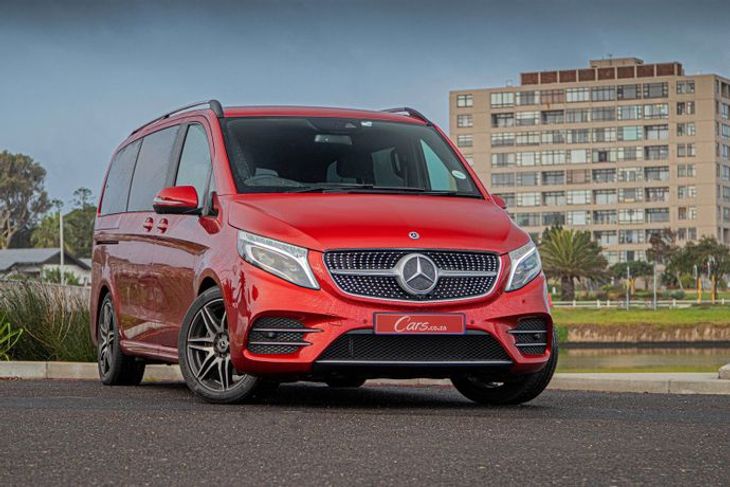
It seems South Africans are madly in love with the Mercedes-Benz V300d. It not only looks fantastic in Hyacinth Red (as seen here) but it also offers strong performance with its 2.1-litre turbodiesel engine thumping out an impressive 176 kW and 500 Nm, impressive numbers for a luxury people mover. The V300d doesn’t come cheap though with the range-topping V300d Exclusive currently priced at R1 799 060 before options.
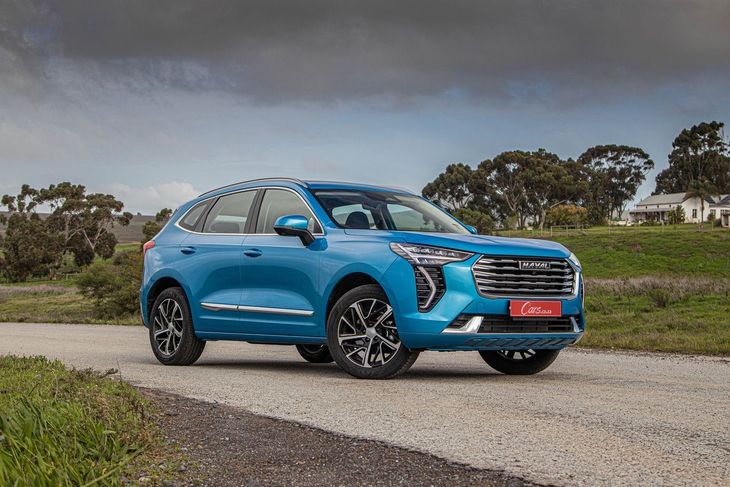
The Haval Jolion rocked the local compact SUV market in 2021. It’s larger than its rivals and it’s packed with standard features that you would typically find on much more expensive cars. More so, it’s so well-priced that buyers have just about snapped up every Jolion that Haval put onto its showroom floors. It’s no surprise that the Jolion is now a common sight on South African roads.
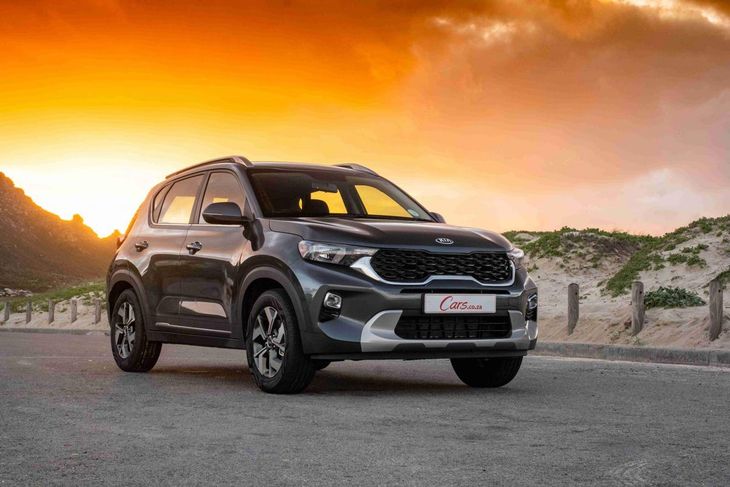
The Kia Sonet is hugely impressive and it’s undoubtedly one of the best offerings in the compact family car segment. The manual Sonet EX represents excellent value-priced at just under R300k (R295 995) and it arguably has the best interior both in terms of styling and perceived build quality. If you are in the market for a well-sorted compact family car under R300k, the Kia Sonet should be on your shortlist.
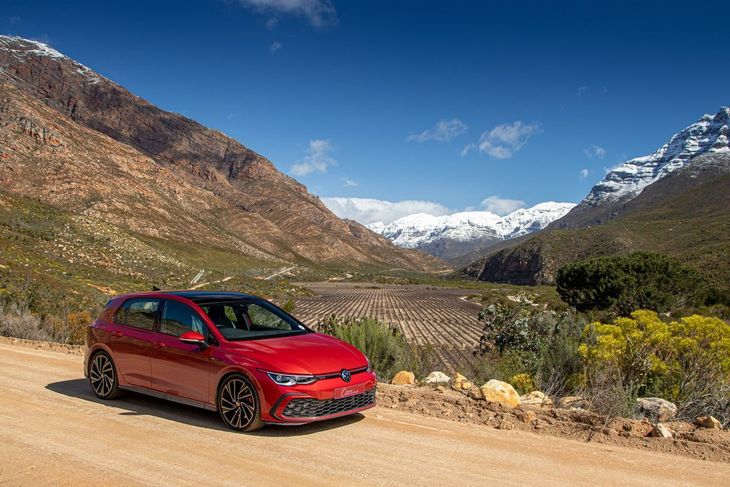
The Volkswagen Golf 8 GTI was one of the most keenly anticipated models of 2021 and for the most part, it really does live up to all the hype. It’s a great all-rounder that delivers strong engine performance and convincing dynamic handling ability to keep the enthusiast entertained. The cabin of the new Golf 8 GTI is also thoroughly modern and well-equipped. There are of course a host of optional features for buyers to choose from too. The Golf 8 GTI is currently priced from R669 300.
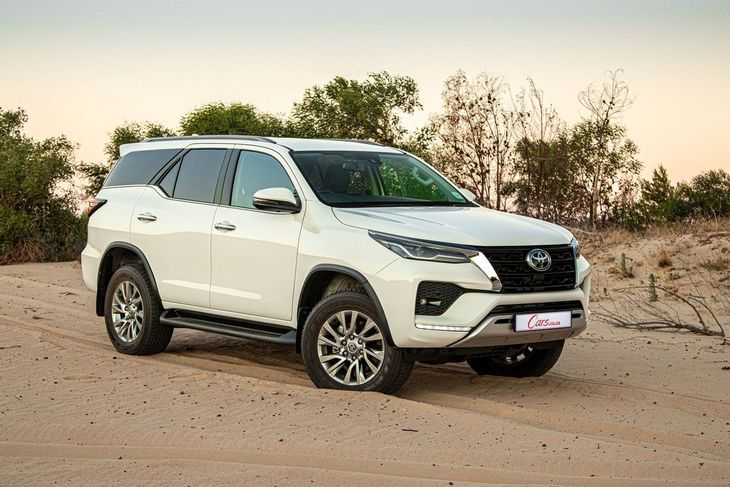
The Toyota Fortuner is hugely popular in South Africa and it’s often the go-to choice for buyers that want a vehicle that’s spacious and practical but also capable of taking the family across any terrain. With its uprated engine, the Fortuner is stronger than ever and the latest updates have rounded off the Fortuner offering well. You can’t go wrong with a Fortuner!
What new car introductions were the most popular during 2021? Here are the Top 5 most-read launch reviews published on Cars.co.za for 2021.
It was a fairly busy year for car manufacturers as a wide range of new products came to market despite the ongoing global chip shortage and other supply delays.
Of all the new car launches that took place during 2021, which ones stood out and got the most attention on Cars.co.za? Here are the most-read launch reviews for 2021!
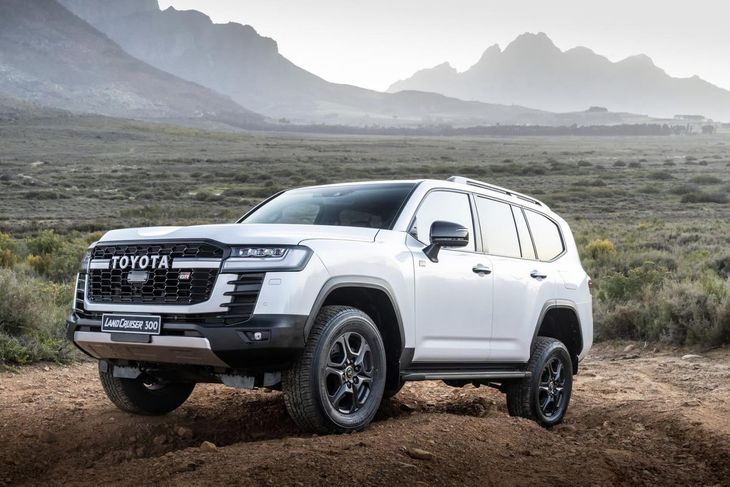
The new Toyota Land Cruiser 300 tops this list and demand for this vehicle is through the roof! Toyota, unfortunately, can’t supply the huge demand because of the semi-conductor chip shortage and if you order an LC 300 today, you will only get delivery in 2023, which is a great pity. Even so, the Land Cruiser 300 is a mightily impressive product from Toyota. Also be sure to watch our video below!
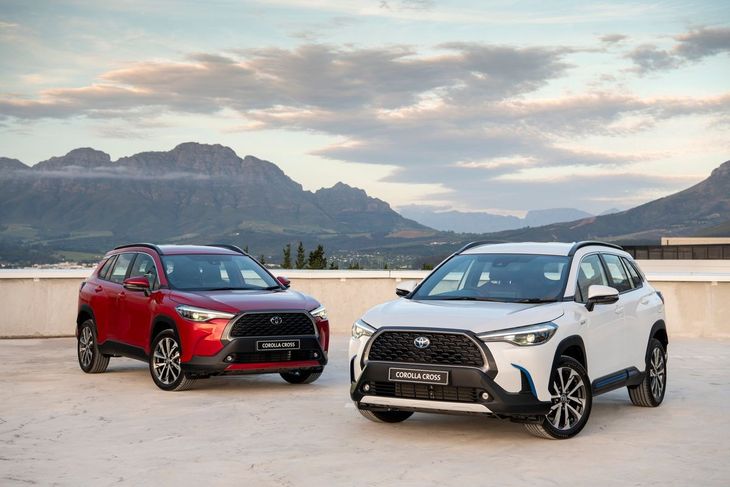
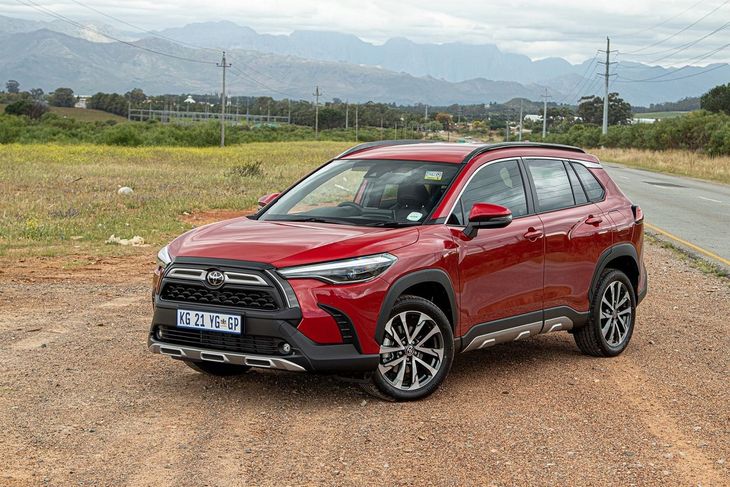
Another popular 2021 introduction was the locally-produced Toyota Corolla Cross which includes a hybrid powertrain in addition to the naturally-aspirated 1.8-litre petrol engine. The Corolla Cross joins a crowded compact family SUV segment but based on public reaction and initial uptake, there’s no doubt that the Corolla Cross’ popularity is on the rise.
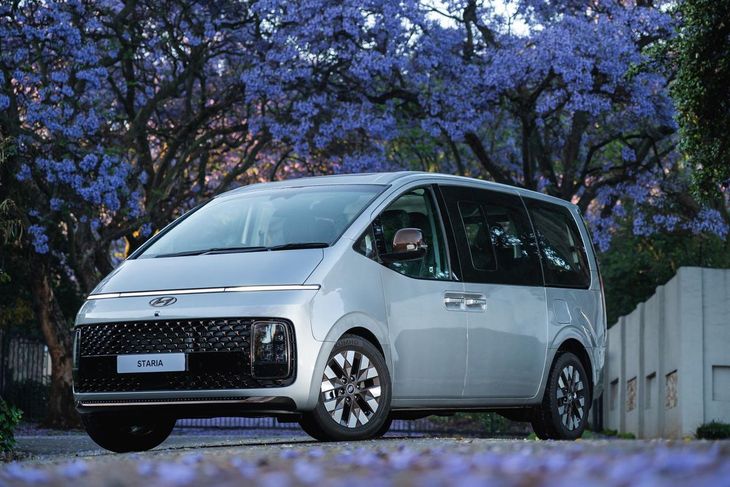
Hyundai’s new Staria people mover replaces the outgoing H1 and brings fresh and futuristic design appeal to this segment. The Staria is offered in 3 trim levels to suit specific needs and is powered by Hyundai’s tried and tested 2.2-litre 4-cylinder turbodiesel with 130 kW and 430 Nm. The best part? The Staria is very competitively priced!
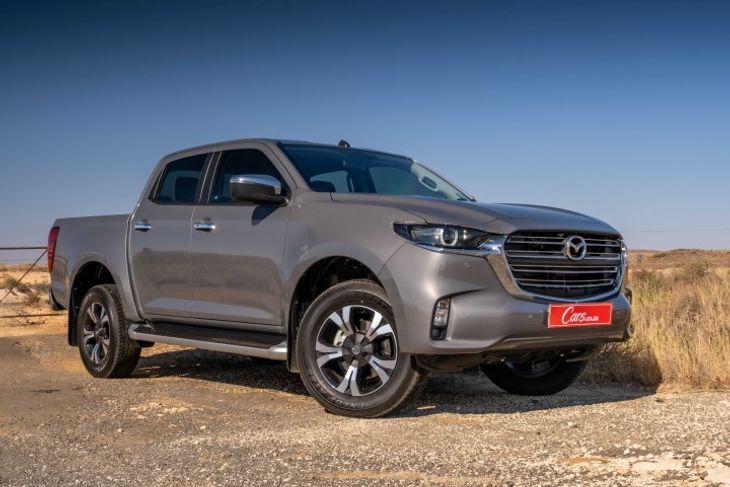
Bakkies are big business in South Africa and Mazda’s new BT-50 wants to be part of the action. The new BT-50, which is based on the forthcoming Isuzu D-Max, boasts sophisticated exterior styling and a 140kW/450Nm 3.0-litre turbodiesel engine (a 1.9-litre turbodiesel is also available) that is far more punchy than its outputs suggest. In fact, the BT-50 is currently the second-fastest double-cab bakkie in South Africa.
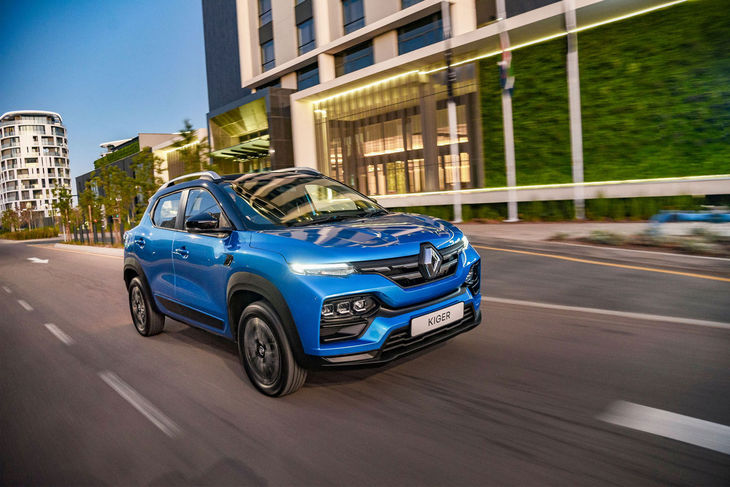
Market appetite for an affordable compact crossover is surging and Renault’s new Kiger fits the bill to a tee. It’s currently the cheapest compact SUV you can buy in South Africa in either manual or automatic guise. The Kiger is also offered with 2 engine choices including a naturally-aspirated 1.0-litre, 3-cylinder engine with 52 kW and 96 Nm as well as a more powerful turbocharged 1.0-litre, 3-cylinder engine with 74 kW and 160 Nm.
Here are the Top 5 most-read articles published on Cars.co.za for 2021.
The Cars.co.za content team has published millions of words on Cars.co.za to keep you informed about all the latest car news, new car introductions, car reviews, consumer interest topics and market trends.
Here are the most-read articles published in 2021.
The Corolla Cross is one of the product highlights for 2021, not only because it’s built right here in South Africa but also because it’s a fairly well-sorted compact family car. Apart from its 1.8-litre naturally-aspirated engine with 103 kW and 173 Nm, the Corolla Cross is also offered as a hybrid with 90 kW and 140 Nm on offer. The Corolla Cross is already finding favour with local buyers and is currently one of the best-selling vehicles in its segment. No surprises here.
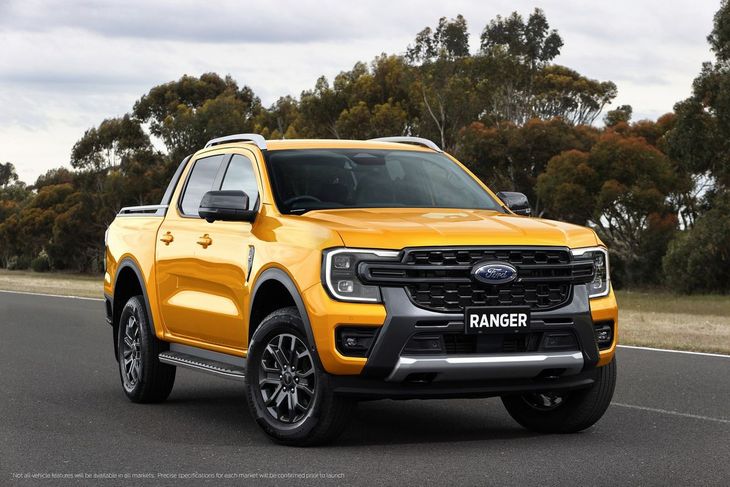
The new Ford Ranger, which will also be produced in South Africa at Ford’s upgraded Silverton production facility in Gauteng, is a highly anticipated new car introduction for 2022. When it was revealed, social media was set alight with mostly positive reaction to the forthcoming Ranger which will feature a more Americanised styling execution that draws from the F-150 and Maverick design. The new Ranger is expected to go on sale in South Africa in the last quarter of 2022.
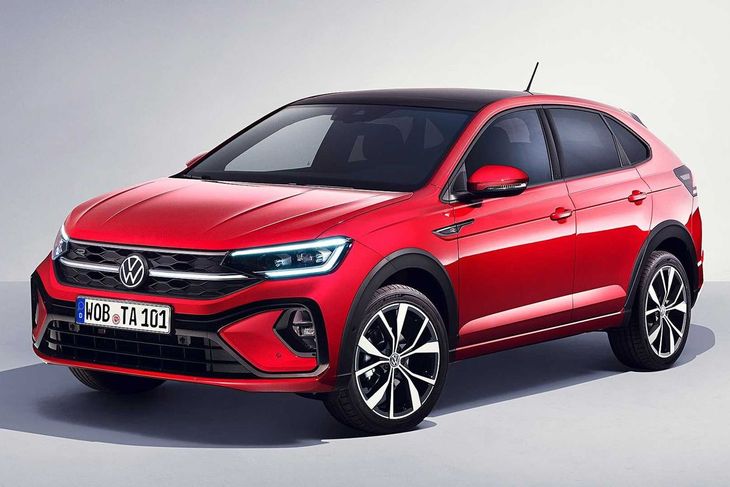
The new Taigo compact crossover will reach South Africa in 2022 and will boast a stylish coupe-like silhouette. The new VW Taigo will be powered by a 1.0-litre, 3-cylinder petrol engine with either 70 kW /175 Nm or 85 kW /200 Nm on tap while a range-topping 110 kW / 250 Nm 1.5-litre turbopetrol engine will also find its way under the bonnet of the Taigo. Buyers will also have the choice between a 6-speed manual or 7-speed dual-clutch transmission.
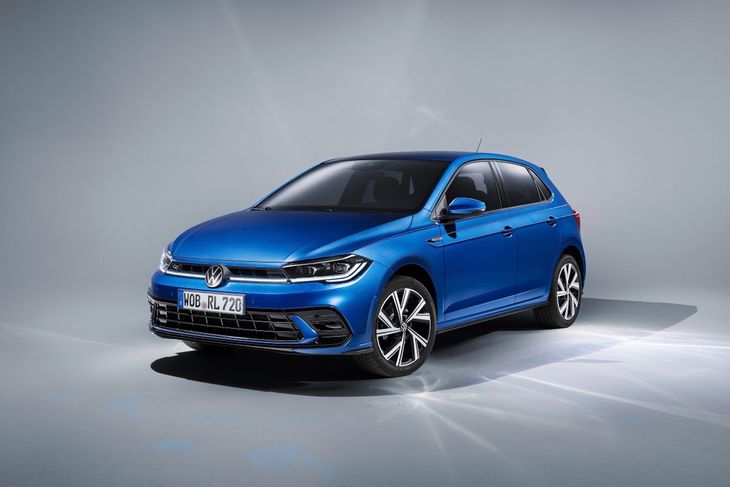
The Volkswagen Polo remains one of South Africa’s most successful passenger cars and the updated Polo will look to build on that success. The Polo benefits from some styling updates inspired by the Golf 8 as well as significant in-car technology upgrades. Polo fans have lots to look forward to!
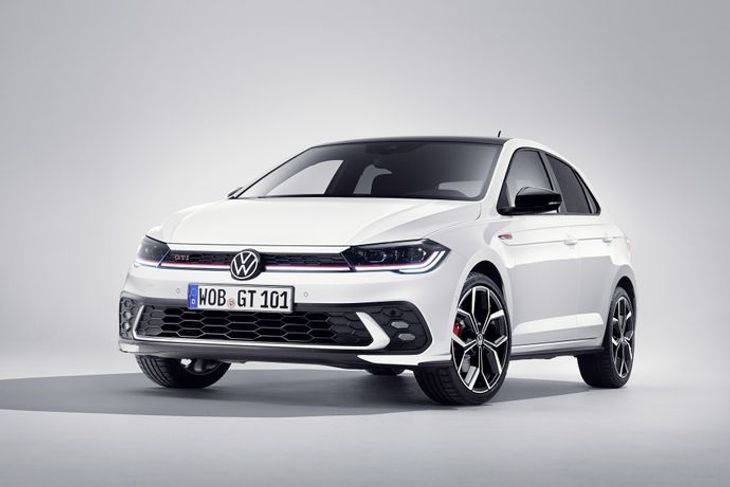
The updated Polo GTI is due after the introduction of the Polo in early 2022 and it will offer some more clout thanks to its uprated 2.0-litre 4-cylinder turbo petrol engine which now delivers 152 kW and 320 Nm of torque but oddly Volkswagen claims the same 6.5 seconds in the zero to 100 kph dash. Nonetheless, the updated Polo GTI gets a lowered suspension and electronic differential. An optional Sport Select suspension with adaptive dampers will also be offered.
Here are the Top 5 performing car videos on our Cars.co.za Youtube channel for 2021! Which one did you enjoy most?
It’s been an absolute cracker of a year for the Cars.co.za video team. Countless early mornings, long days shooting all over South Africa and trillions of gigabytes of awesome footage gathered to make the videos you want to see. All this time and effort is all for you, our fellow South Africans, petrolheads and fans of our brand. We love you!
Thank you so much for showing us the love by watching our video content and for your ongoing support and inspiration. We love what we do and we love you for loving us!
We look forward to bringing you more awesome video content in 2022 but as this year draws to a close, let’s look back at the Top 5 performing videos on our Youtube channel for 2021.
As another busy year draws to a close, Cars.co.za Journalist, Gero Lilleike, reflects on his most memorable driving moments of 2021.
It’s a common misconception to think that a motoring journalist spends the majority of their time driving all the latest cars and having all the fun. Yes, sure, that does happen, sometimes, but not nearly as often as you might think.
The reality is that I spend more time behind my computer thrashing out words than I do thrashing cars. It’s hard work, you know…
I do love driving though and any time out of the office is always welcome, especially when I’m seated in something special. But the memorable drives aren’t always reserved for the expensive, exotic metal. For me, the journey matters, as well as all the memorable experiences and locations along the way, and that can happen in any car.
On that note, here are 6 of my most memorable drives for 2021 (in no particular order).
Gero’s Memorable Drives for 2021
Drag racing a Ford Ranger Thunder in the middle of nowhere
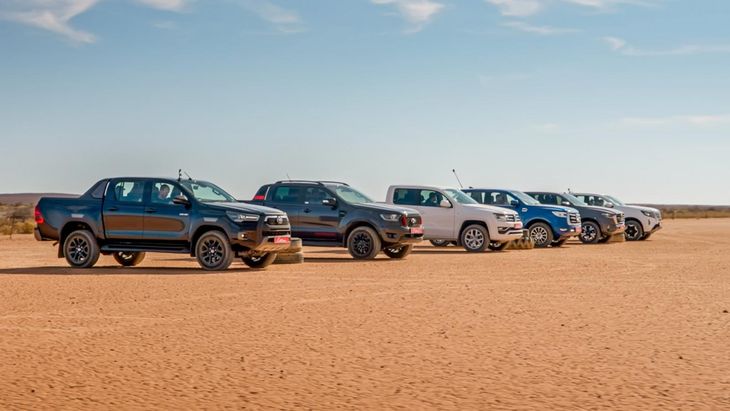
On a dry and dusty salt pan somewhere in the middle of South Africa, I found myself seated in a Ford Ranger Thunder. My heart was pounding in my chest, ready to launch towards the horizon in the biggest bakkie drag race Cars.co.za had ever staged.
3, 2, 1, Go!
It was all over in just a few seconds but the excruciatingly-close battle between the Ford Ranger and Toyota Hilux is clearly etched in my mind. It was a battle for ages!
Also, it’s not often that I get the opportunity to do a video review for Cars.co.za and so this particular test turned out to be both memorable and enjoyable. I hope you enjoy the video too…
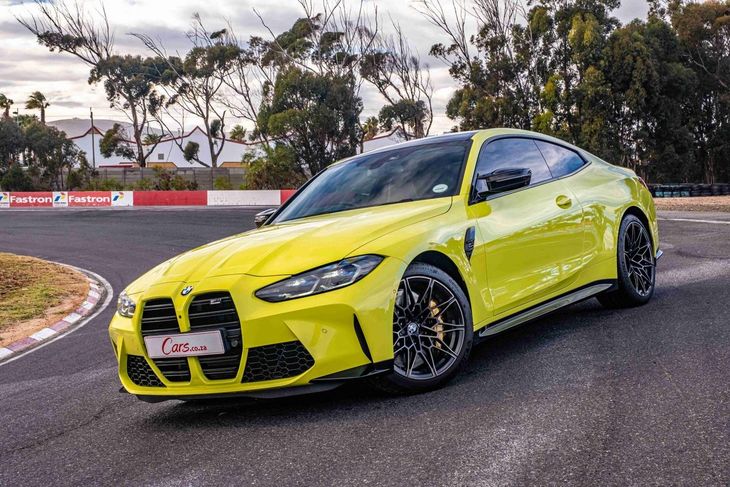
Not only did I enjoy photographing this Sao Paulo Yellow BMW M4 Competition, but it was also an absolute riot to drive.
This M4 Competition just oozes kerb appeal and its stonking performance was definitely a highlight. With its 3.0-litre, 6-cylinder, twin-turbocharged petrol engine developing 375 kW and 650 Nm, there’s plenty guts on offer here and under full bore acceleration, 3.9 seconds is all it takes to rocket from zero to 100 kph.
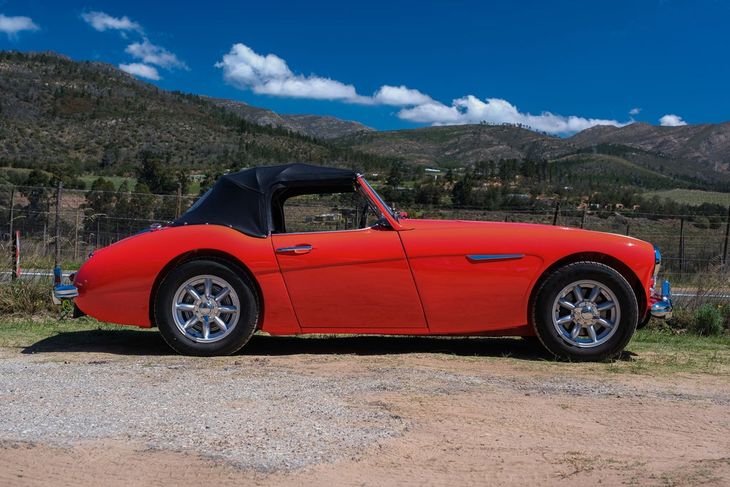
As they say, variety is the spice of life. I’ve spent the last 8 years writing about new cars for Cars.co.za but now that I live on the Garden Route, I have decided to dabble in the wonderful world of classic cars.
My first proper classic car drive took place in Knysna behind the steering wheel of a 1964 Austin-Healey 3000 Mark III Convertible. About 20 km’s into the drive the brakes failed and I hopped into an older 1958 Austin-Healey 100-6 which I piloted over the Outeniqua Pass and back.
This experience was one to remember and I look forward to driving more classic cars in 2022!
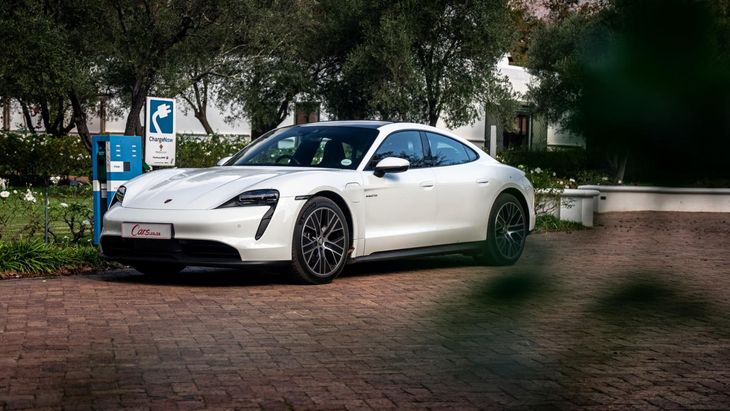
The Porsche Taycan RWD is the first electric car I have driven. Talk about popping my electric car cherry!
It was a short drive but it’s so different to the ICE cars we are accustomed to. The first shock (see what I did there) is the silence of it all and then the futuristic electric swooshing sound when you put your right foot down. It felt like I was driving a spaceship!
Even though this Taycan RWD is the slowest in the range with a claimed zero to 100 kph sprint time of 5.4 seconds, the instantaneous acceleration is still mightily impressive and I can only imagine what it must feel like to drive the range-topping Taycan Turbo S which claims 2.8 seconds.
The real shocker (I did it again) is that the Porsche Taycan is gut-wrenchingly expensive in South Africa with the base Taycan RWD priced from R2 262 000 and going all the way up to R4 061 000 for Taycan Turbo S.
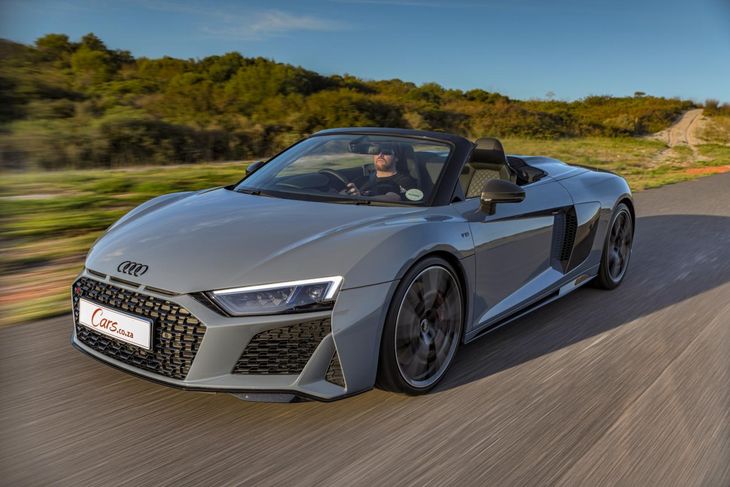
The R8 supercar is perched at the pinnacle of Audi’s performance car range and when the R8 Spyder arrived for just one day, I jumped at the opportunity to drive it. Who wouldn’t, right?
It’s the fastest and most powerful car I have driven in 2021 and by far the most visceral. Equipped with a glorious naturally-aspirated, mid-mounted 5.2-litre V10 engine with no less than 449 kW and 560 Nm on tap and mated with a lightning-fast 7-speed dual-clutch transmission, performance is blisteringly quick! Audi claims 3.3 seconds in the sprint to 100 kph but the R8 Spyder feels much faster.
If I close my eyes, I can still hear that V10 screaming behind me as I rocket to the horizon and into the new year.
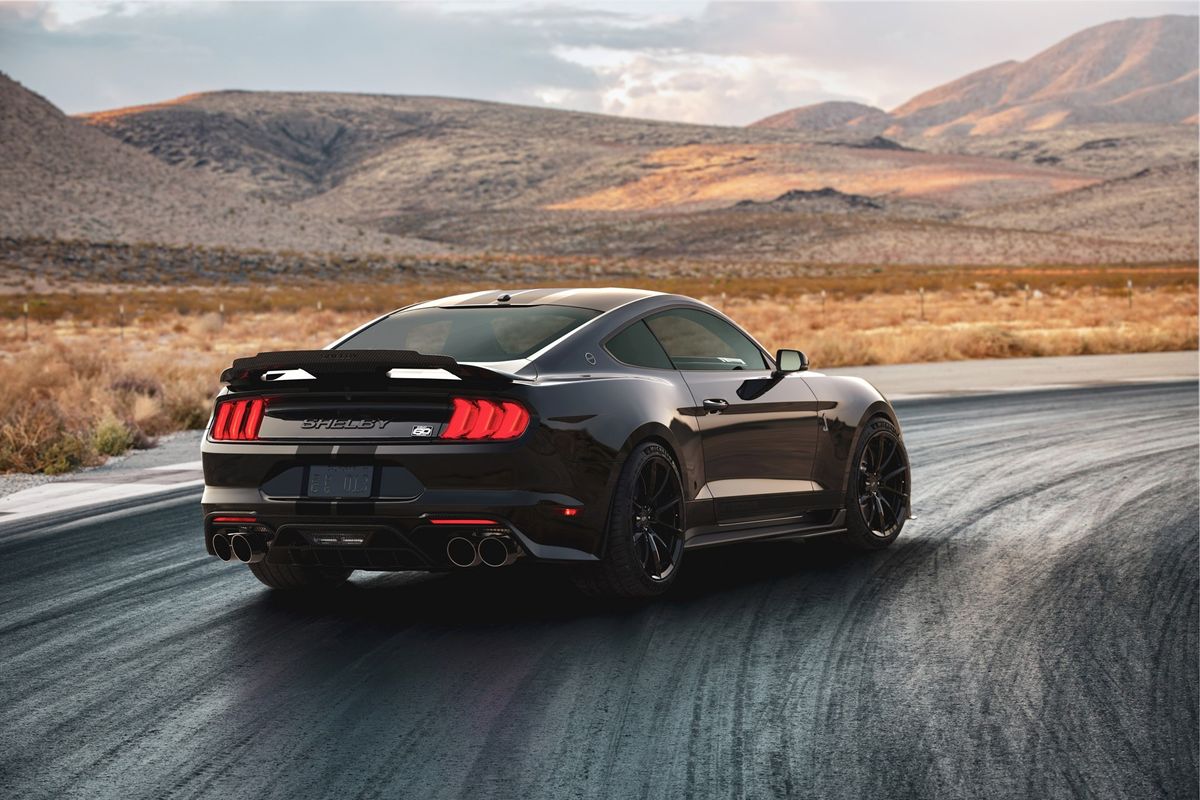
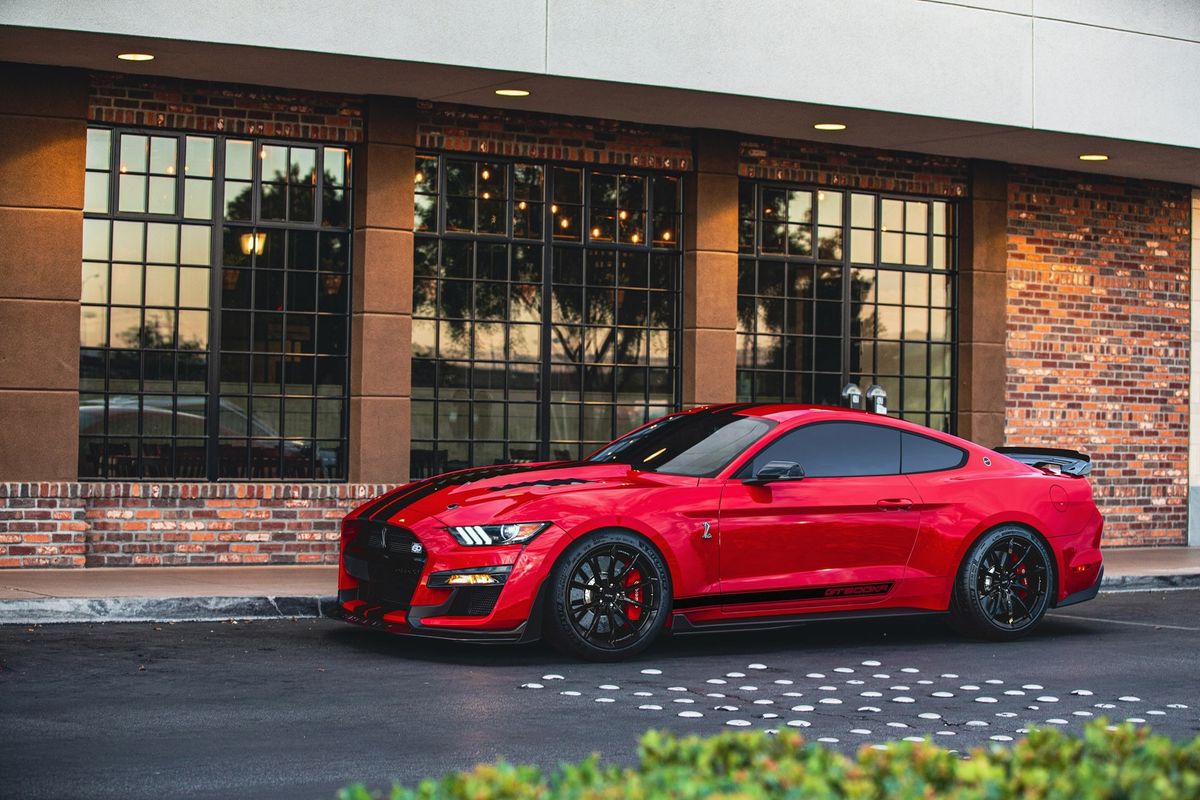
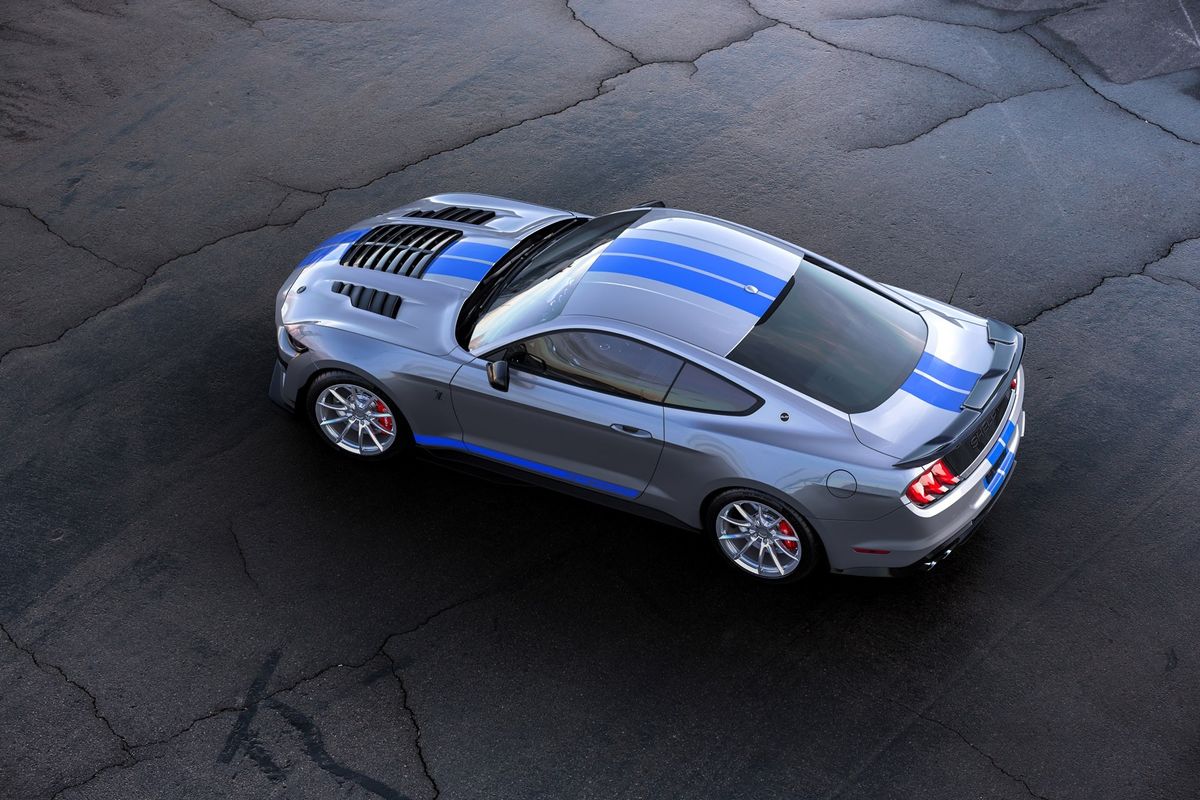
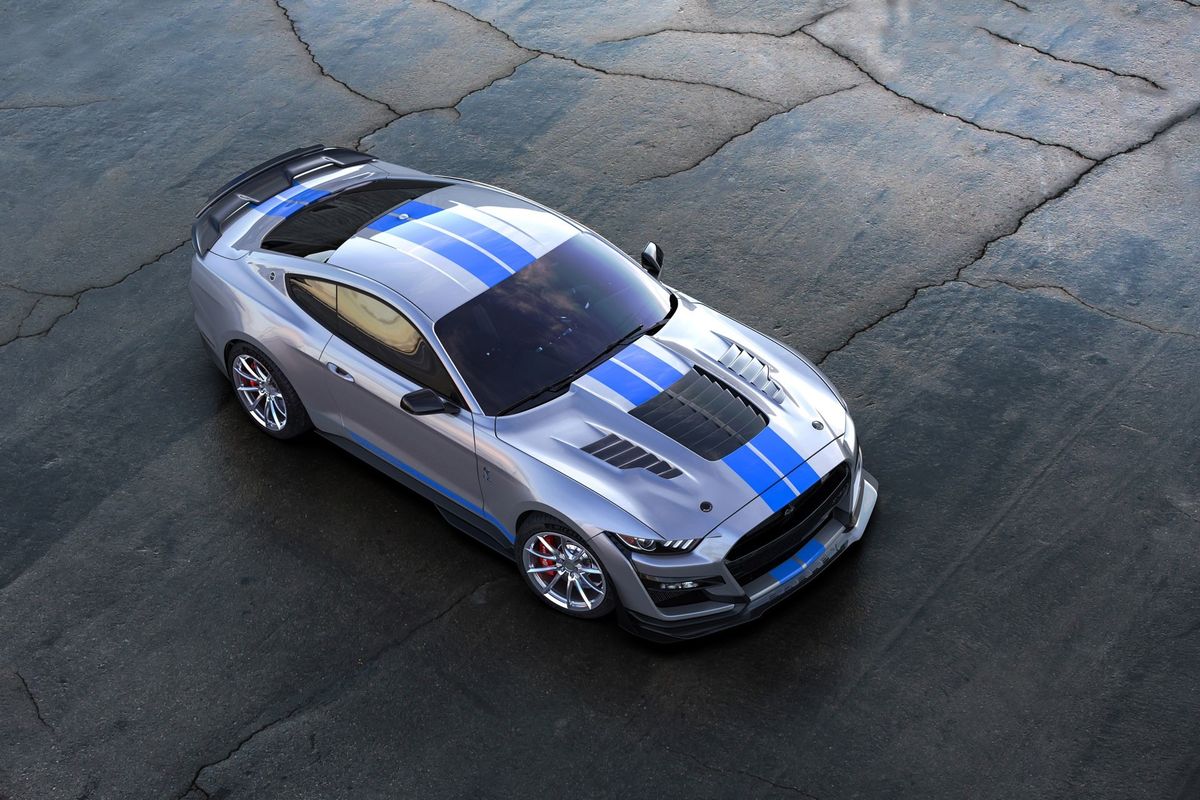
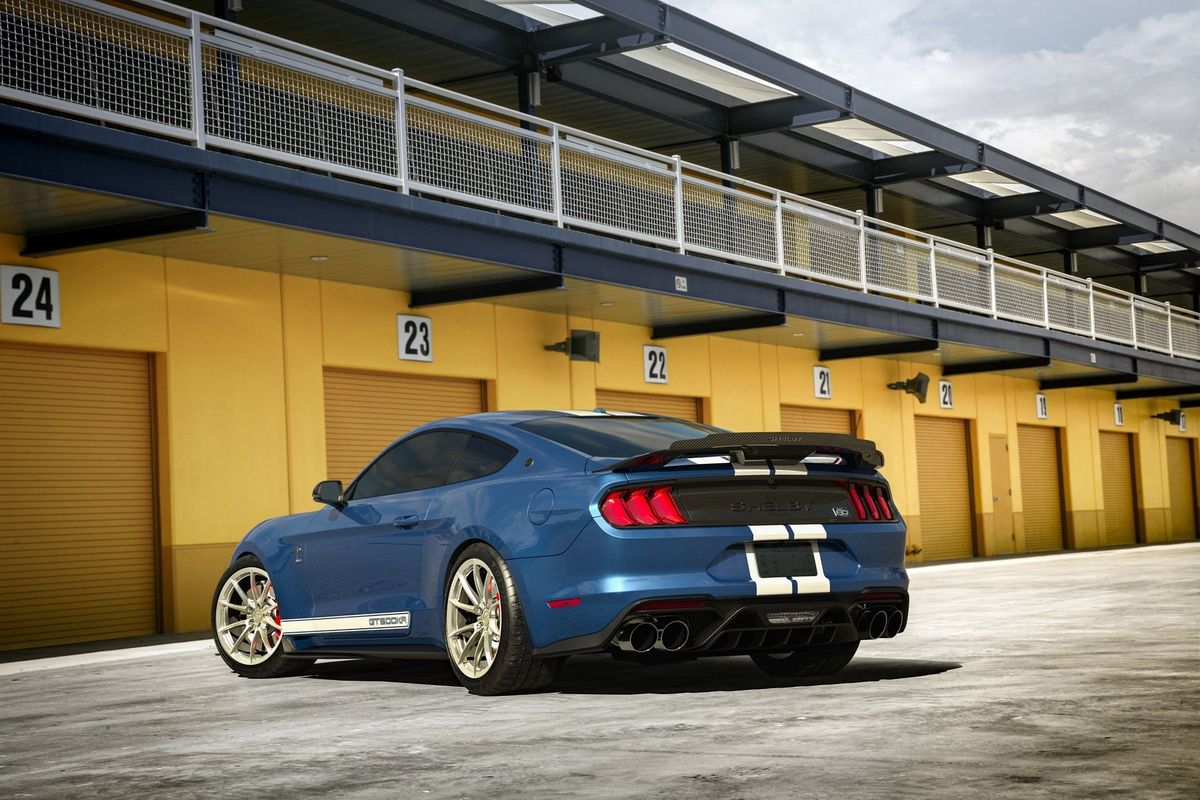
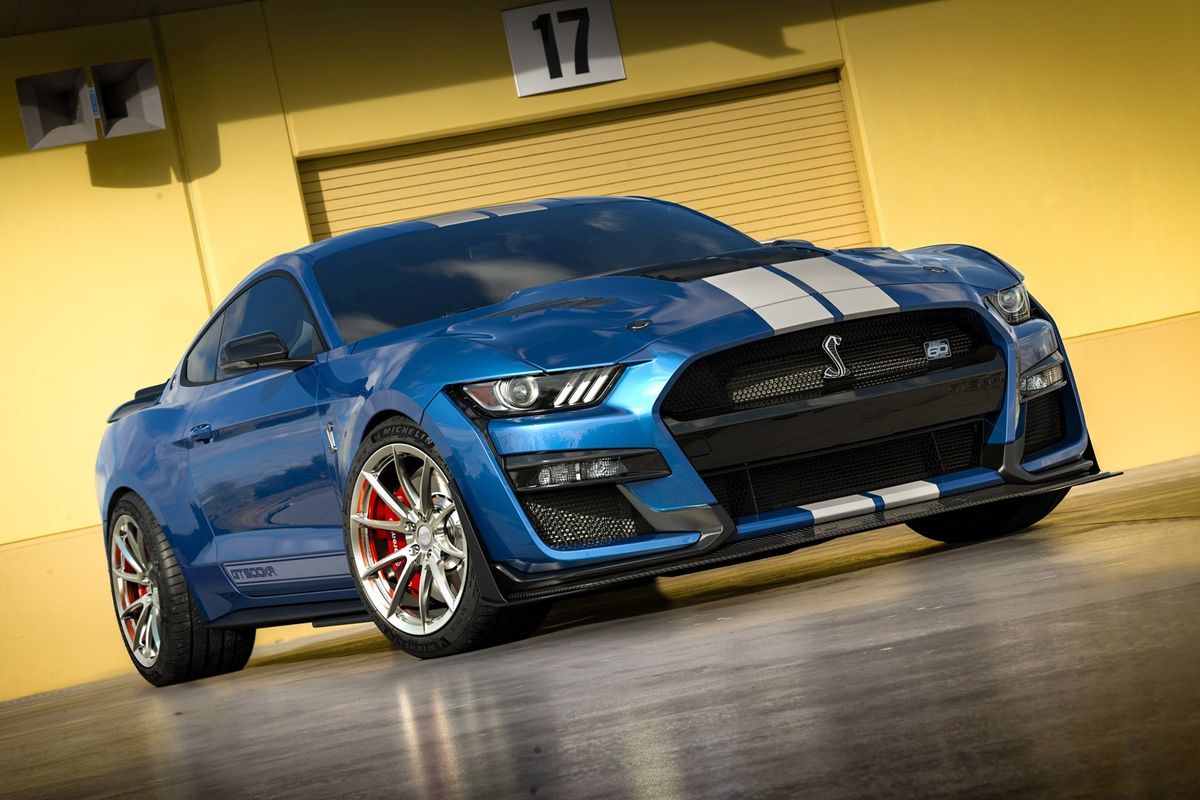
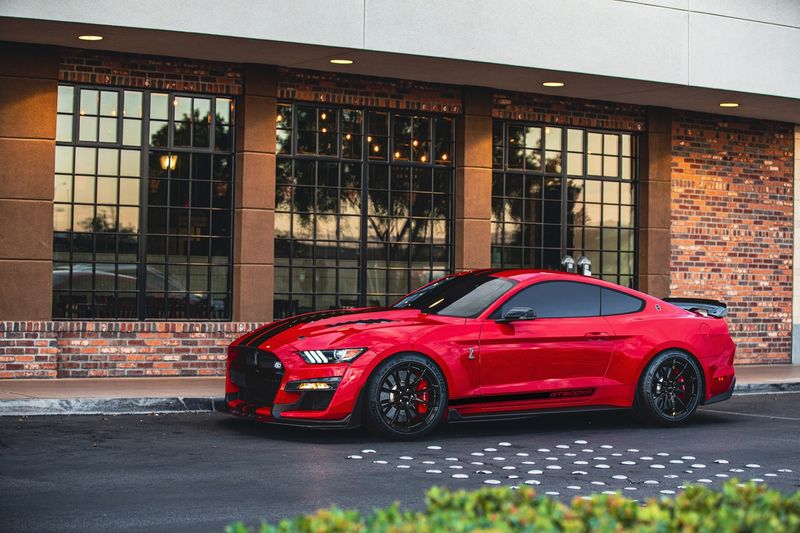
Ford Mustang specialists Shelby have taken the covers off the new 2022 Mustang GT500KR. How does 671 kW grab you?
The 6th-generation of Ford Mustang is not a slow car by any means, but Shelby has a track record of making these fast muscle cars even wilder.
In goes a big supercharger from Whipple, a new cold air intake system and a cat-back exhaust from Borla. The 5.2-litre V8 engine with the added mods now produces 671 kW. In comparison, the most powerful Mustang offered in SA is the Mach 1 with 338 kW.
What’s even more impressive is this Shelby Mustang GT500KR has more power than some big-name supercars like the McLaren 765 LT (563 kW) and Lamborghini Aventador SVJ (566 kW).
Of course, the Mustang GT500KR will need to have some upgrades in other departments to deal with this immense power. Shelby has fitted new front and rear sway bars, revised the MagneRide suspension and the 20-inch tyres have been fitted with high-performance rubber.
Visually, the Shelby Mustang GT500KR gets an aggressive makeover, with a carbon-fibre bonnet with all the vents, a front splitter, rear diffuser and rear spoiler. The cabin gets special seats.
Availability? Highly unlikely in South Africa, but we do know that you can buy other Shelby products that offer similar levels of crazy power. The 2021 Shelby Super Snake (SSS) is on offer and while only 98 of these SSS vehicles will be built globally, you can secure a local version, for R1 575 400. That price does not include the donor car – just so you know.
Having plied his trade in the finance industry for 20 years (during which time he worked for Accenture, Discovery, FNB and Wesbank), Alan Quinn has an intimate understanding of vehicle finance. He uses his invaluable knowledge to offer the best-considered advice to buyers who are looking to purchase their first new car.
If there ever was a time to buy your first car, it’s now… With interest rates at historic lows and the vehicle market struggling due to the economic downturn, there are great deals everywhere you look!
There are many articles on the web that talk about the kinds of cars that “first-time buyers” should consider and whether they should buy new/used, etc. This article isn’t about those topics. It will focus on the small but important detail of HOW YOU ARE GOING PAY FOR YOUR FIRST CAR. If your parents are wealthy and willing to put up the cash for you to buy the car, then WOW! If this is you, then you are in an enviable position and should be eternally thankful to your mum and dad (do not forget Mothers/Fathers Day – like, ever), plus you don’t need to read any further!
If, however, you need to pay for your first car yourself, I’m about to become your “wise uncle” that offers you sage advice you need to listen to and heed… even if it’s not necessarily what you want to hear.
Did you know that, at the moment, only 30% of vehicle finance applications are being approved? That means 70% of them are getting declined. Therefore, following through with your idea to buy a new car may be much more difficult than you first thought. You need a plan with realistic timeframes and goals, so let’s build one.
The first 3 things you need to do before buying a car
Think about it, you’re about to ask a bank to lend you a lot of money over many years to finance the purchase of your car. You might have big dreams to fulfil and ambitious plans for the next few years.
Have you met the people who work in a bank (any bank), however? I am not sure they are going to be as excited about your future plans as you are. Trust me, bank employees are all business – they just want to know whether they can trust you to pay them back. Your credit score is basically a big fancy calculation that a bank gets from a Credit Bureau to work out whether they can trust you.
How do I find out what my credit score is?
Cars.co.za has partnered with a company called Just Money. They will show you your credit score for free.
Okay, now you can see your Just Money Credit Report. On your Dashboard, you will see your score and whether you are rated as Bad, Average or Good. Below that you will see which types of credit you are likely to qualify for. Look on the Dashboard for the icon for ‘Car’… We need a nice green tick on that button!
You know your monthly income, right? Your first decision is how much of your hard-earned cash you want to spend each month on your new wheels. Have you got that figure in your head?
Tip #1: I know you want a cool car, but don’t forget you also need to have a roof over your head, you need to eat, you have other things to spend money on – like that coffee first thing in the morning. PLEASE be realistic and do this properly. If you have a figure in your head and it is more than 20-25% of your income, then you need to have a long and hard think about it.
Tip #2: Now take that figure and start subtracting other necessities from it because, once you have your car, you will need 2 things: Number 1, you will need insurance and because this is your first car, even a small “starter car” (also known as a budget or entry-level car) will cost you an additional R1 000 (or perhaps even more) per month.
Secondly, you will need to budget for fuel consumption. The car does not run on air – every now and again, the friendly petrol station attendant will expect money (and a tip) before he lets you drive off.
Now you have a new figure – the amount of money you can actually spend on the car itself each month. That is the amount you’re planning to pay to the bank each month for the loan. What we need to do now is work out the price of the car that you can afford (when you can only pay the calculated amount per month).
What car can you afford for your budget?
The first step is to find the car you think you want and see what its price is. Now, use the Finance Calculator on the Cars.co.za website to calculate the monthly payments to see if you can afford it.
On the calculator, you will need to put figures for the Vehicle Price, Interest Rate, Deposit, Residual and Repayment Period. Below is what you must think about when you do this:
Vehicle Price: Find a car you want – the price is right here on the Cars.co.za site.
Repayment Period: Easy. It’s up to you, but most people prefer 72 months.
Interest Rate: This one is a bit tougher, because the banks tell you the interest rate they want – you don’t get to decide. You are a first-time buyer and you are very unlikely to get the best rate. The rate you get depends a lot on your Credit Score. As a general rule, an “Average” credit score gets about Prime + 3%. If your credit score is not particularly good, then you will get as high as Prime + 7%.
Deposit: This is even harder. You are a first-time buyer, so banks are very likely to ask you for a Deposit of 10-20% of the value of the vehicle. That is why the next step in the plan is “Start Saving”! For now, work out 10% of the Rand value of the vehicle and put it into the deposit field.
Residual: Another tricky one. Banks will only give big Residuals to successful car loan applicants that have good credit scores. General rules of thumb for this are: if you’ve got a great Credit Score, you can go as high as 30% of the value of the vehicle as a residual. If your credit score is not great, you will be very lucky to get 10%.
Now take a look at the “Monthly Payment” – the value that comes up when you calculate the loan. Is this what you expected? My feeling is that it is probably higher than you expected and higher than your budget. You are about to hate me because my advice here is that you need to look for a less expensive vehicle and then go through the steps above until you find a vehicle that fits your budget.
Do not get all wistful about getting a killer interest rate and a sky-high residual. Please just consider buying a less expensive car that is more within your budget. You will thank me one day!
Start Saving
You are probably thinking I am being such a killjoy at this point. I have told you that you need to start managing your credit score. I have told you banks are tight-fisted and you need to forget that dream car and settle for something more practical. Now I am going to really start to sound like your parents and tell you that you need to start saving money! Unfortunately, I am right. Let me give you a few reasons:
1. Remember that I said the bank will ask for a deposit? You need to save up for that.
2. I told you that you need to think about insurance and fuel. What I didn’t mention was your vehicle licence, your tyres, maybe you will get a speeding fine or incur any number of other hidden costs.
3. Your vehicle might break down or you might have an accident (you’ll need to pay an excess if you claim against your insurance policy); having some cash aside for a “rainy day” is always a good idea.
Basically, when it comes down to it, owning a car is like dating a supermodel… They are pretty BUT they are high-maintenance and they ARE expensive. And the prettier (or more handsome) they are, the more expensive they are to maintain.
Now that I have buried an avalanche of sobering advice – Go forth and BUY!
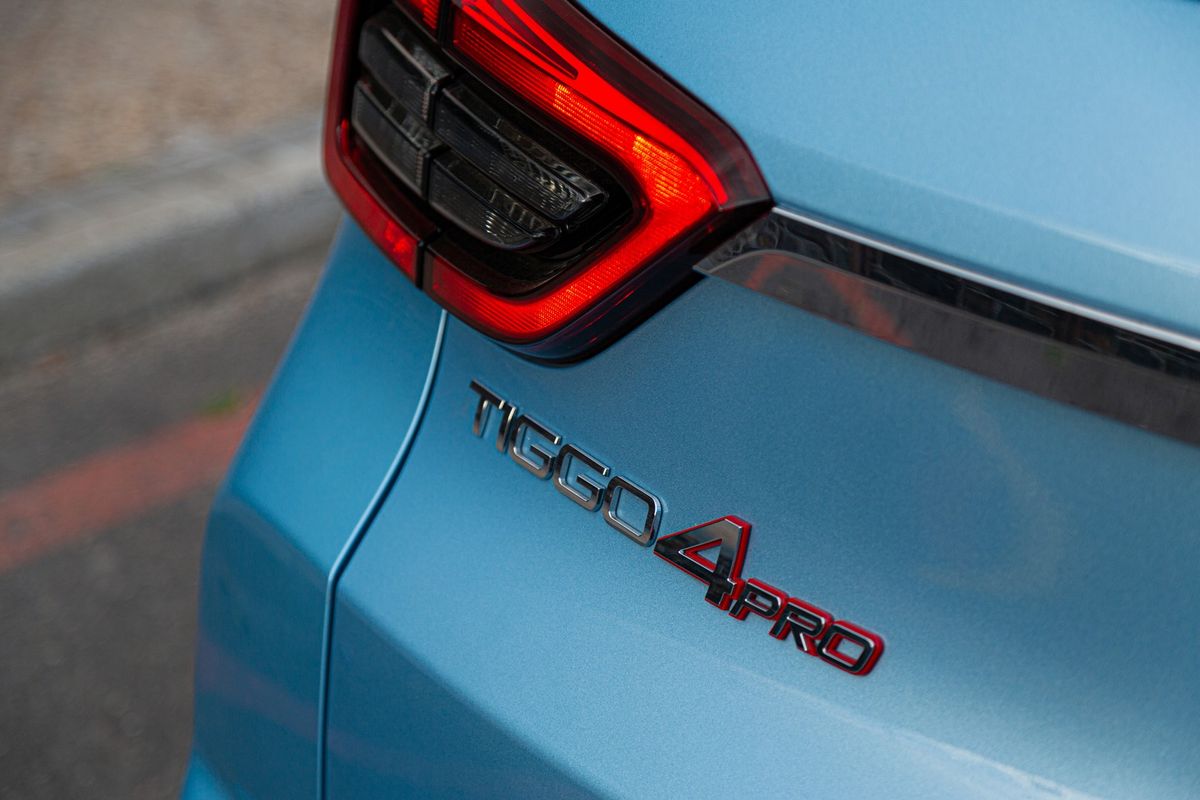
Chery Tiggo 4 Pro (2021) Review
Chery has returned to South Africa – with the Tiggo 4 Pro. While the Chinese brand’s past offerings were less than spectacular, the Chery of 2021 is a different proposition. Will Chery successfully re-establish itself in our market with new, well-priced and -equipped vehicles? We get behind the ‘wheel of its first offering.
We like: Generous level of standard equipment, value for money, warranty, good fit-and-finish.
We don’t like: Heavy fuel consumption, intrusive voice control, CVT drones under full acceleration.
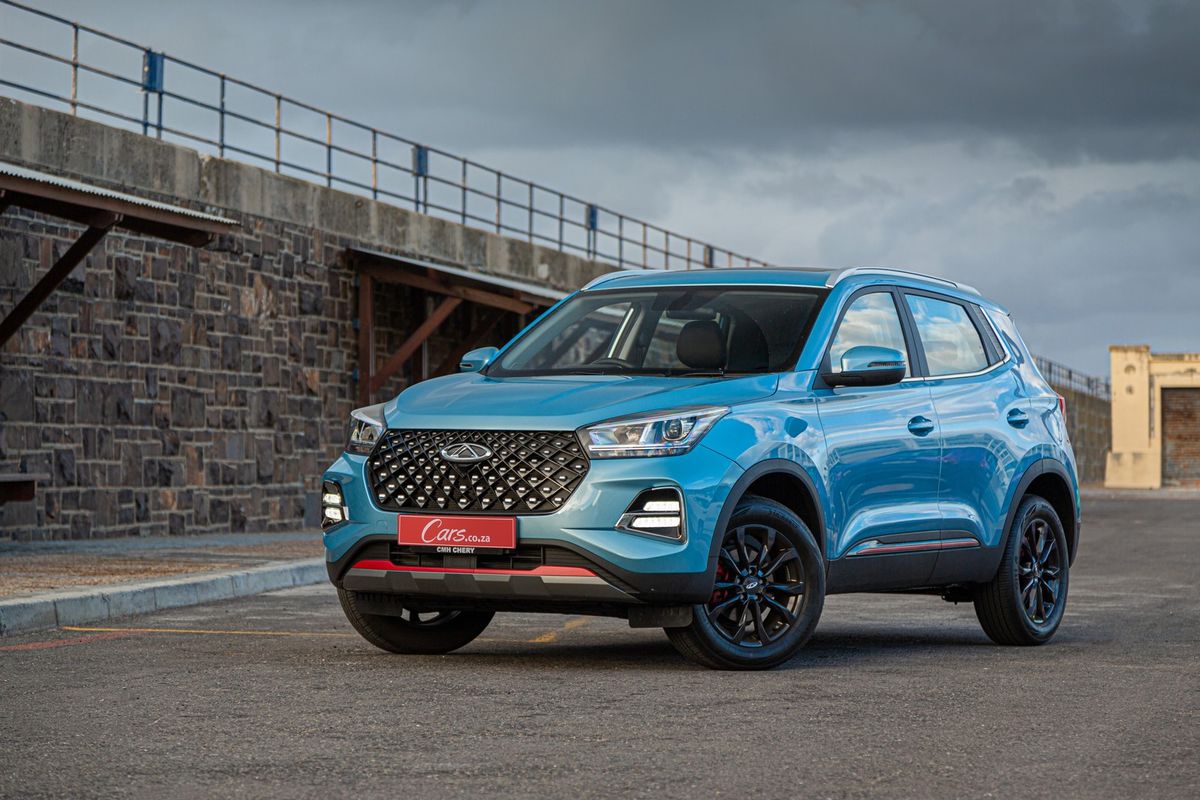
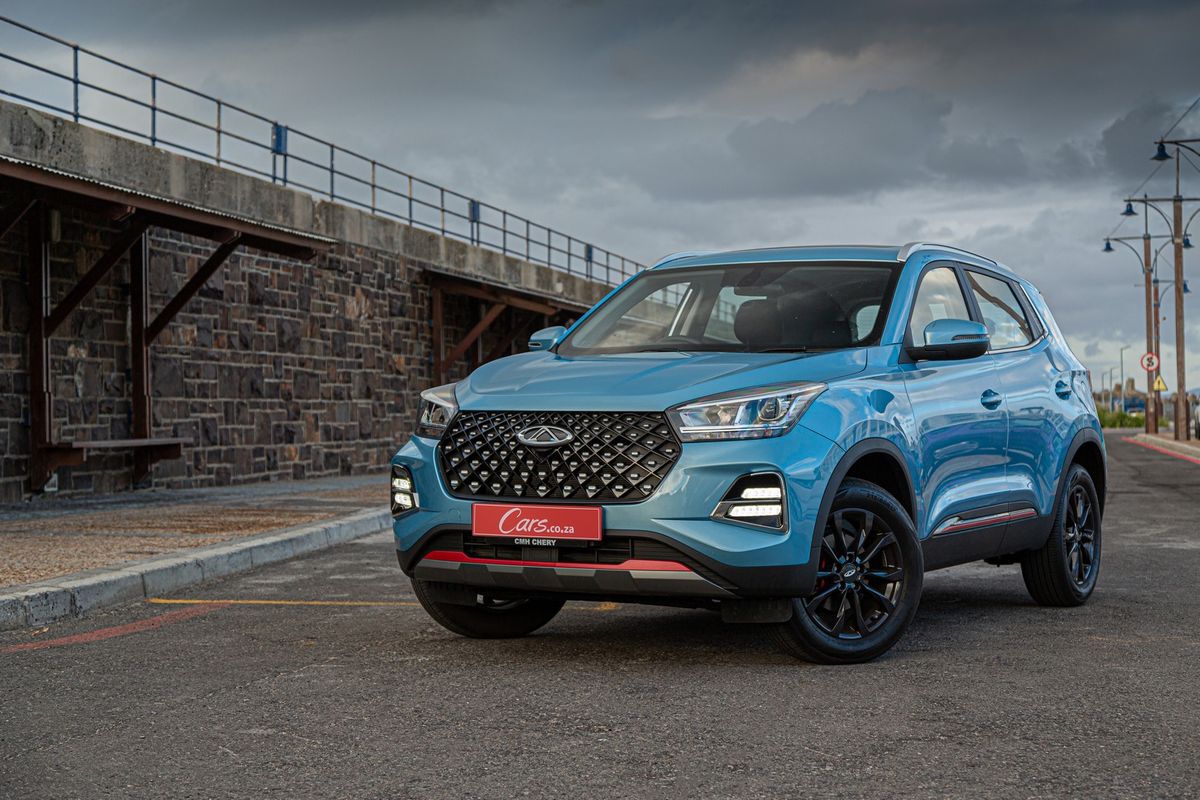
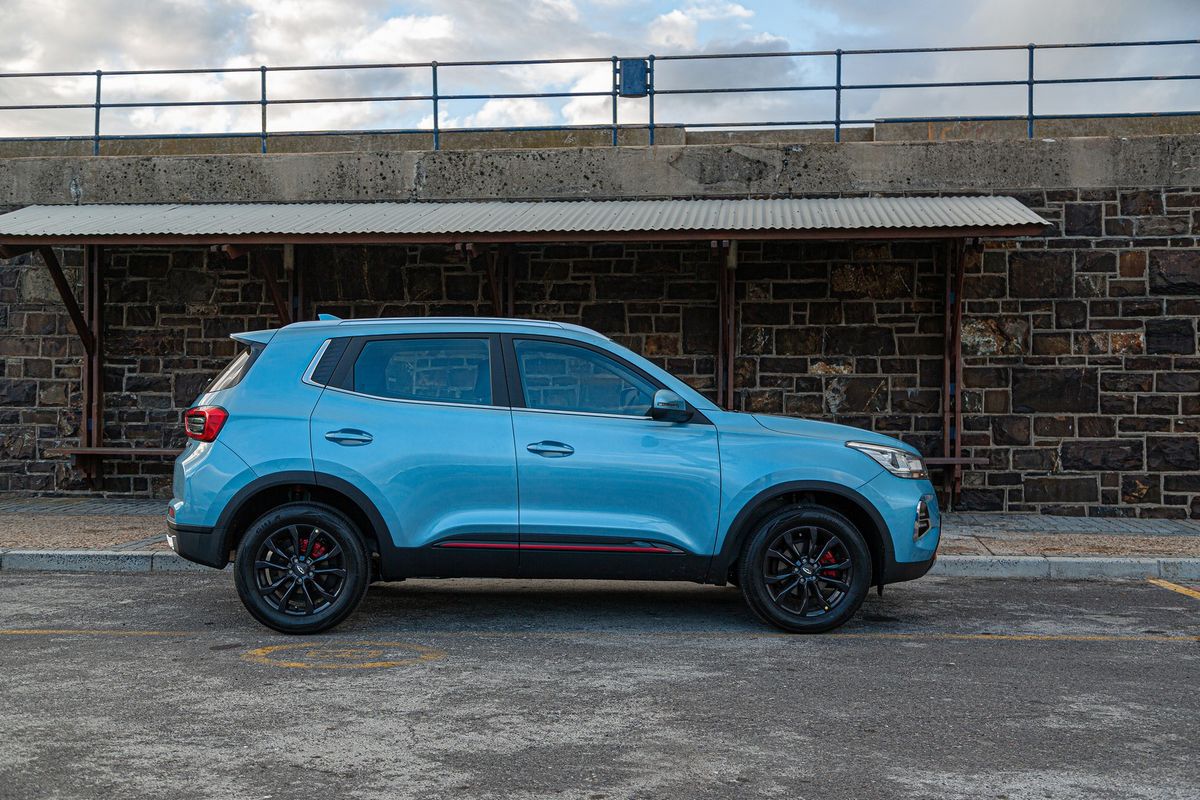
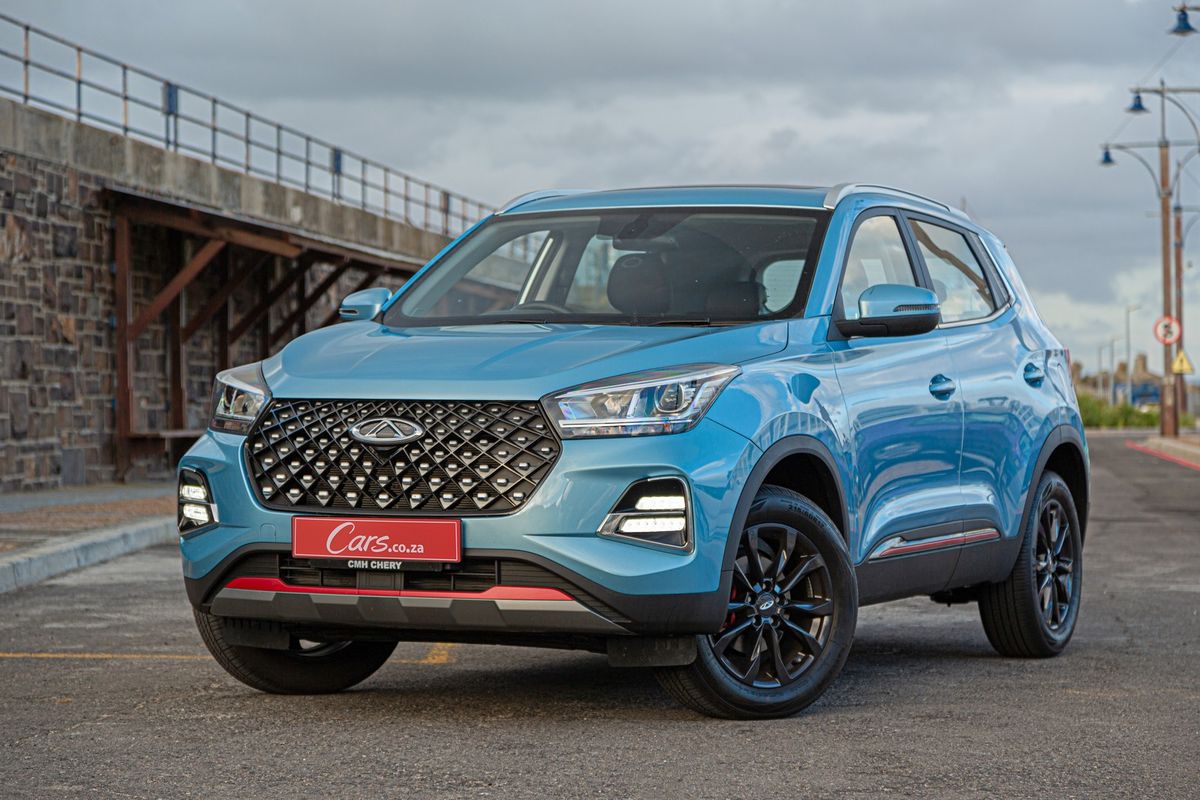
The Chery Tiggo 4 Pro’s handsome and distinctive kerb presence follows the example set by its Chinese countrymen, the Haval Jolion and H6.
If you cast your mind back to the late 2000s, you may recall a tiny city car called the Chery QQ, which was a direct copy of the Daewoo Matiz, which became the Chevrolet Spark. While it offered good value and was South Africa’s cheapest car for many years, cheap didn’t mean cheerful. We can say, without a moment’s hesitation, that it was not a good car… at all.
The good news is the Chery of back then and the Chery of 2021 are entirely different prospects. The cars with sub-par build quality (due to judicious cost-cutting, no doubt) are going – in their place comes a barrage of sharp-looking SUVs that will be launched in Mzansi over the next couple of years. The first model to touch down is the Tiggo 4 Pro, which comes to market with a starting price of about R270k.
The sub-R350k segment of the new-vehicle market is awash with fresh entrants and, given the diversity of models on offer, the real winner is the South African consumer. If you’re looking for a compact family car/small SUV that offers adequate cabin space, some bells and whistles – and is light on fuel, you’ve come to the right place.
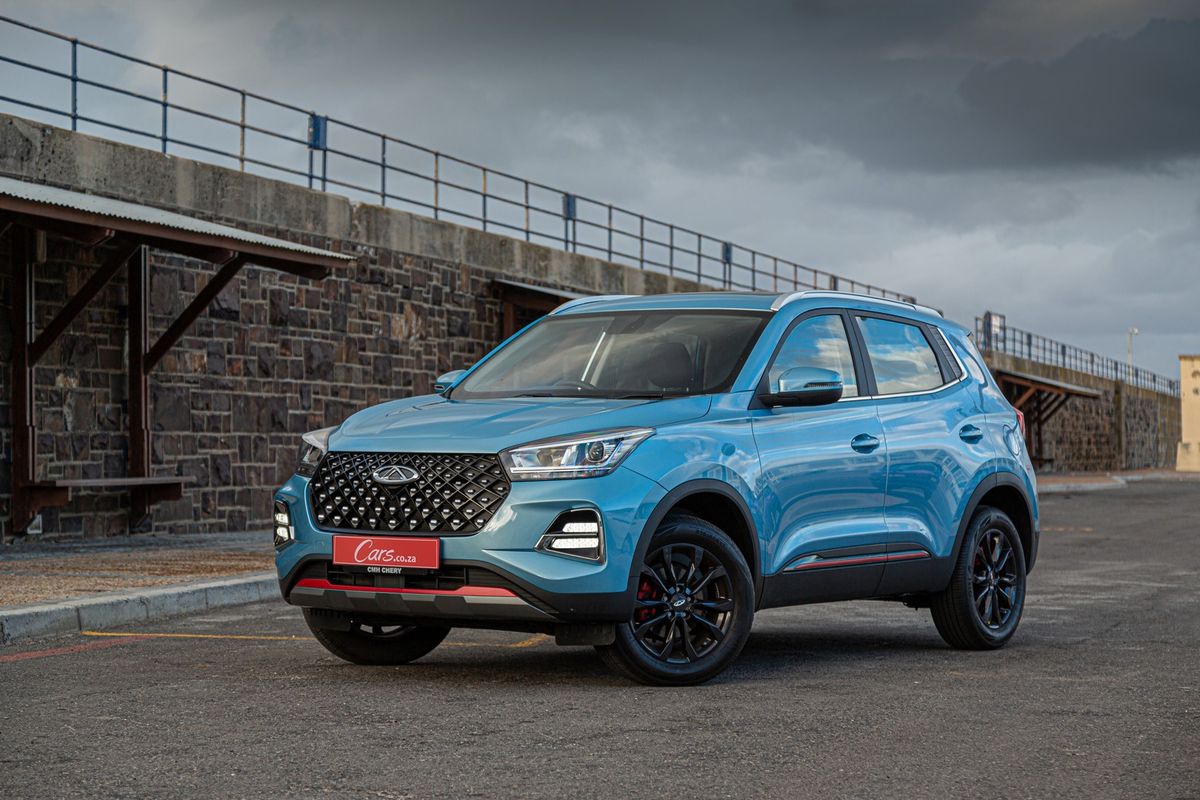
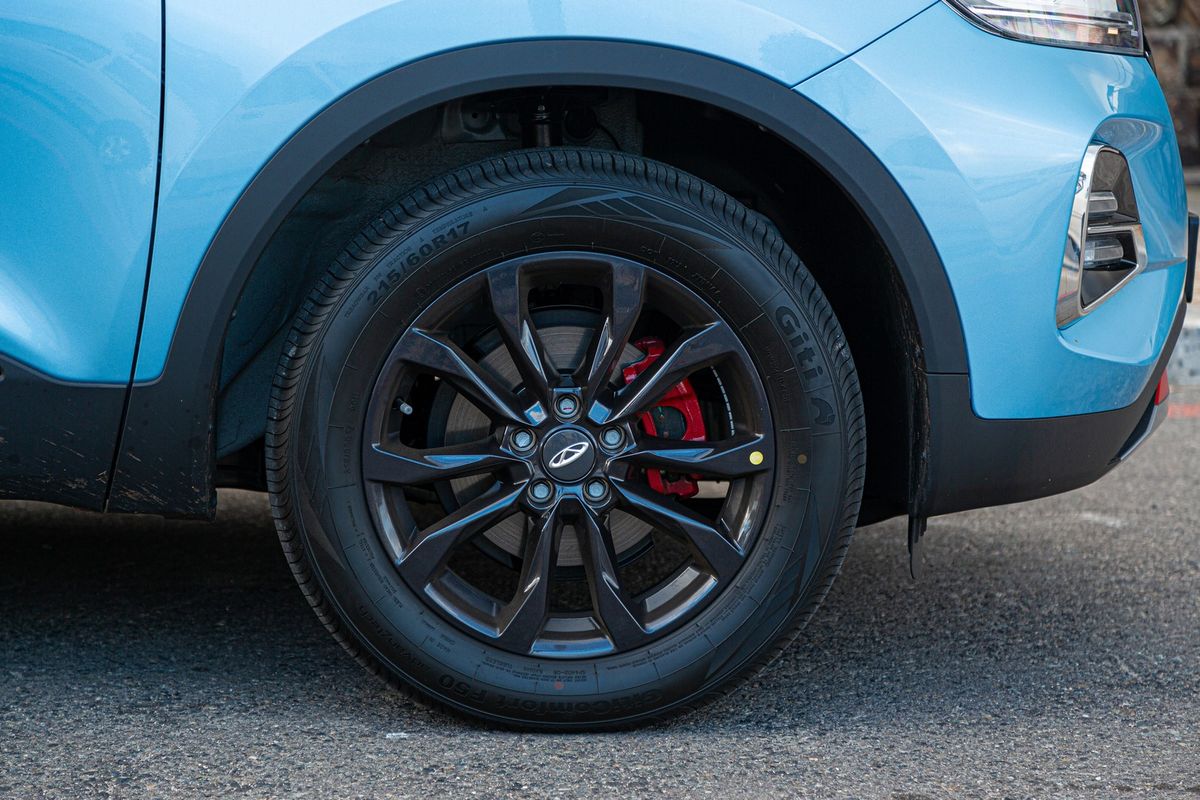
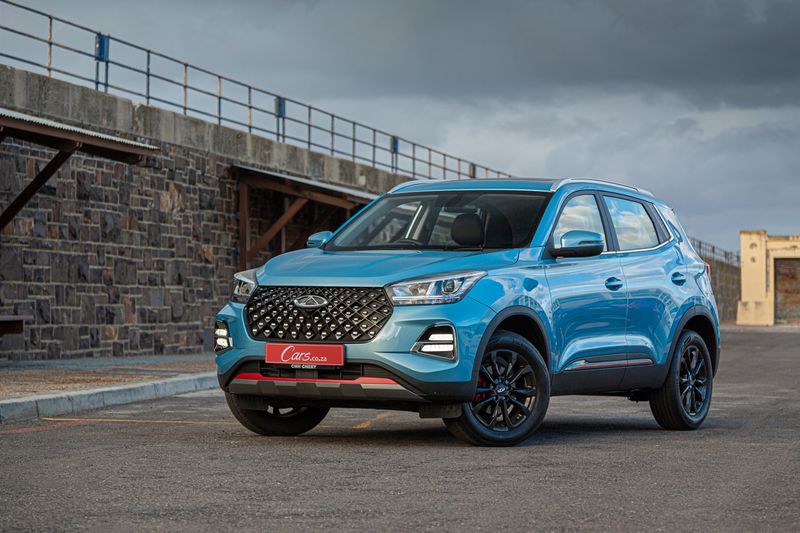
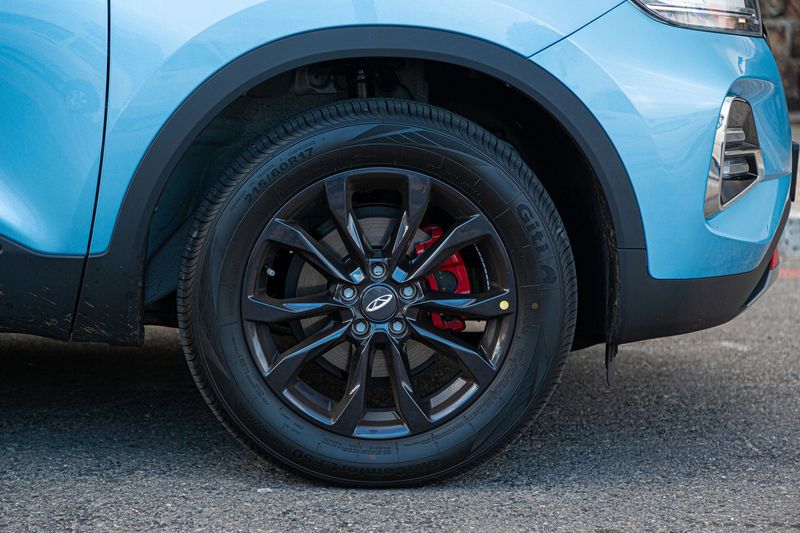
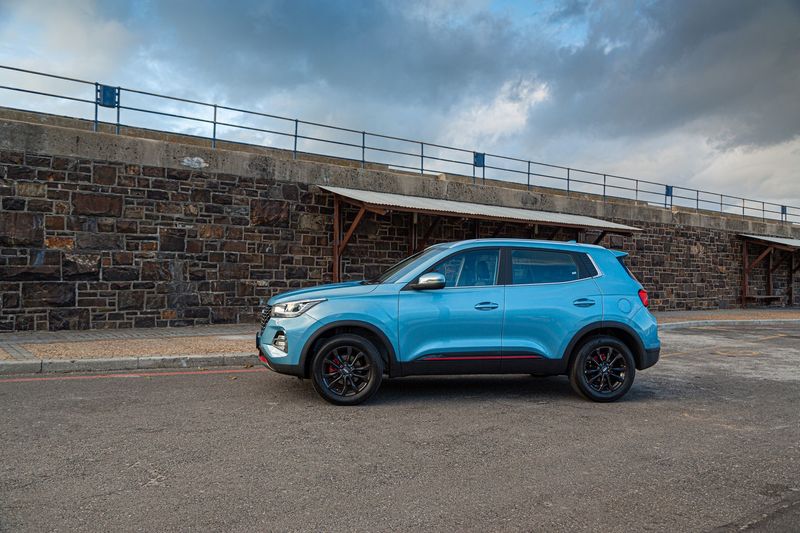
The top-of-the-range SE derivative can be distinguished by its red brake calipers and a host of similarly coloured accents.
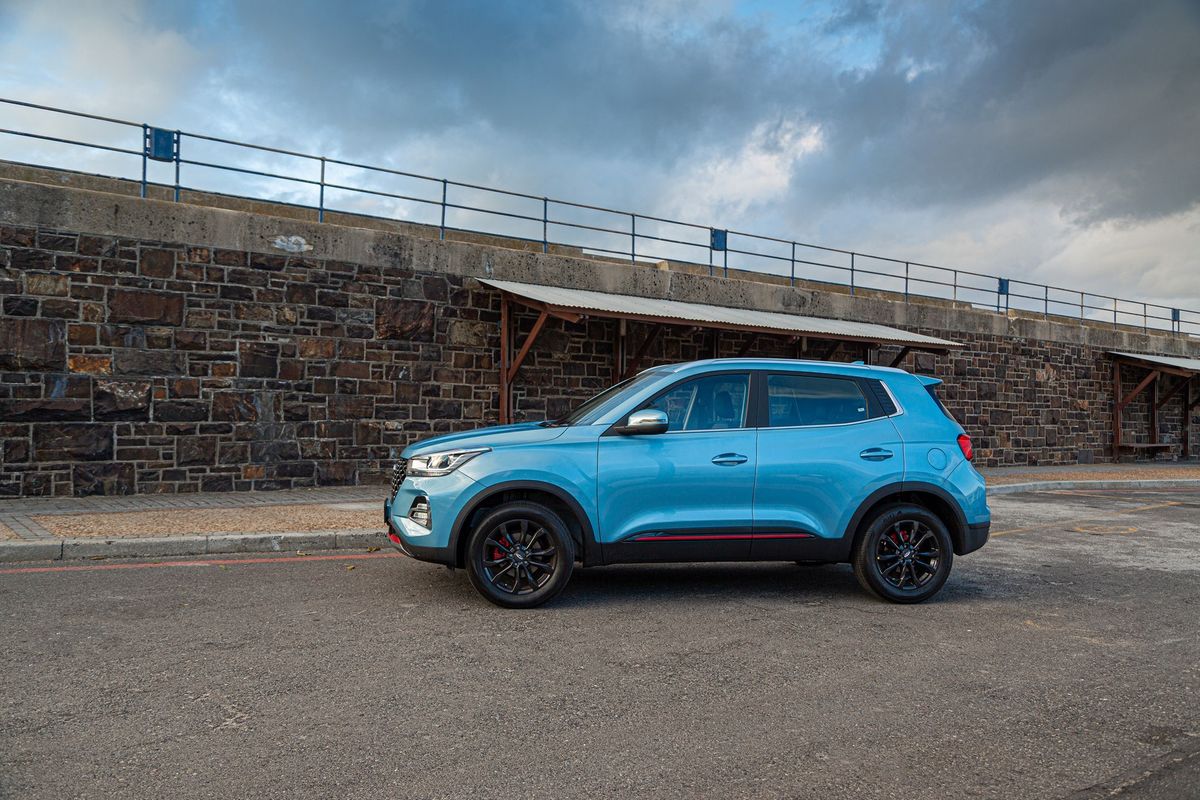
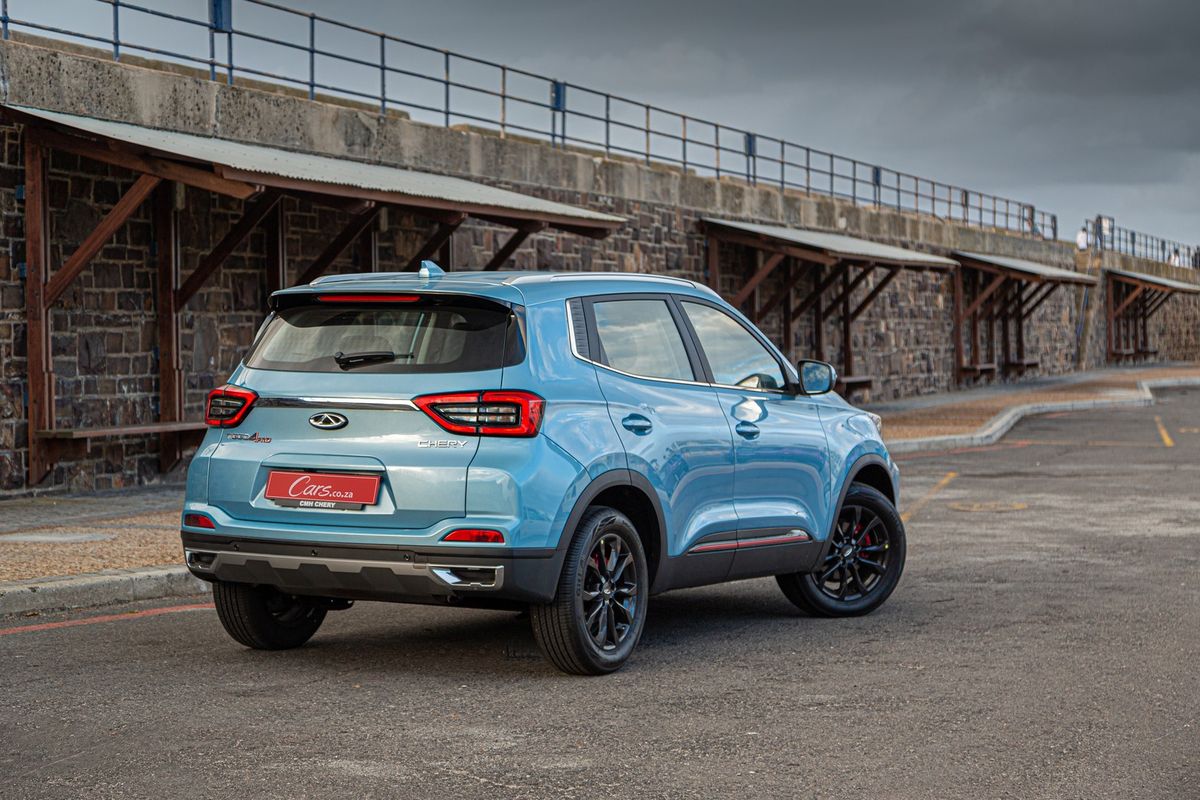
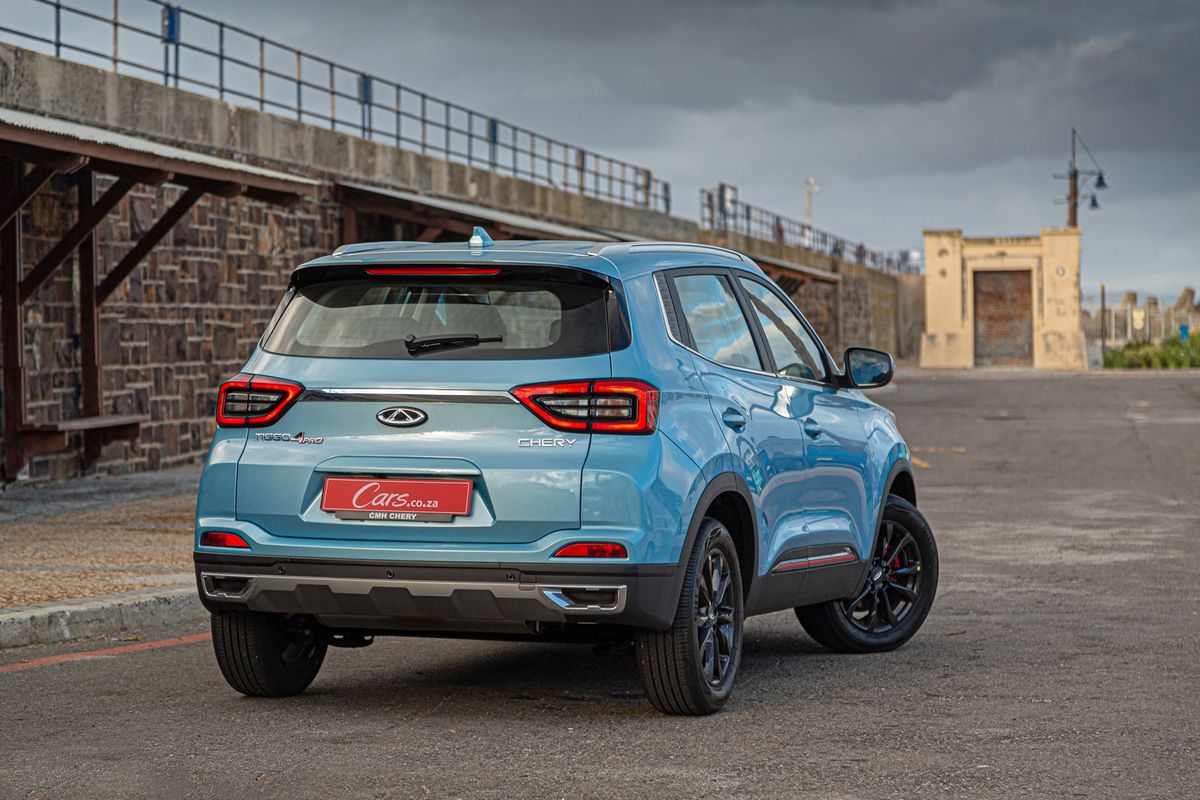
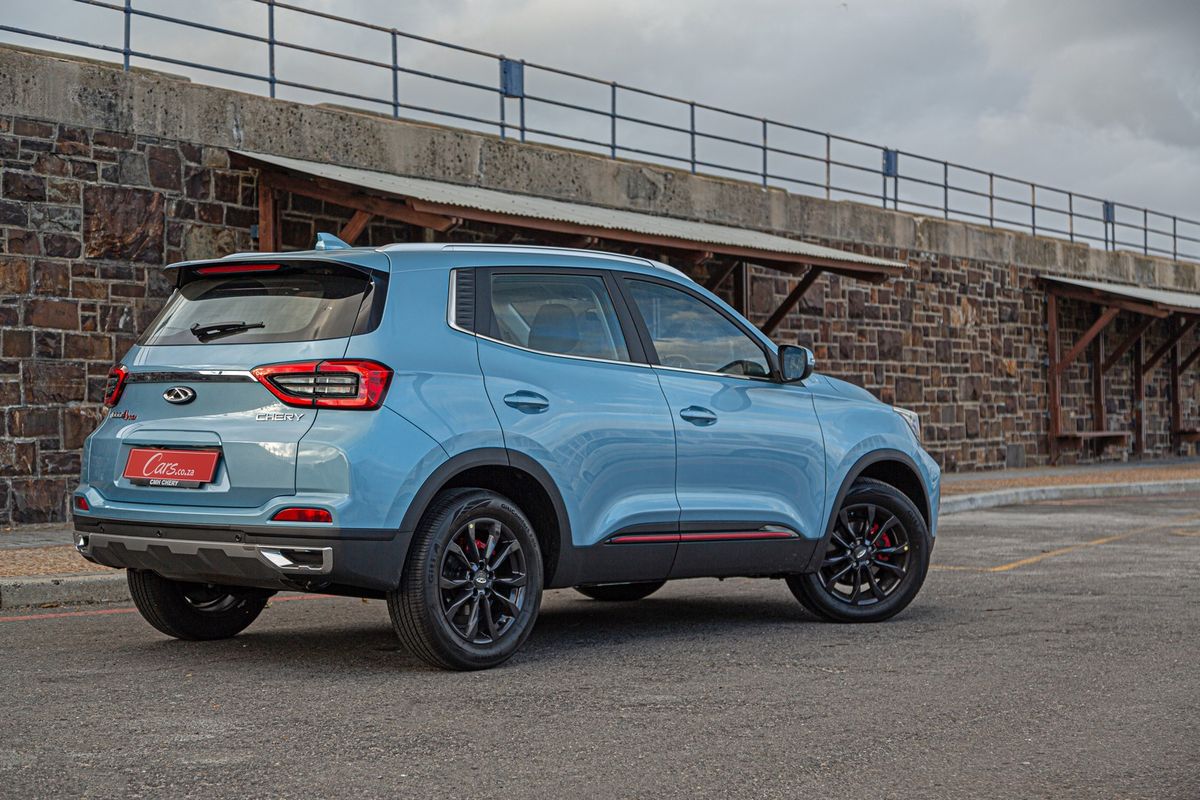
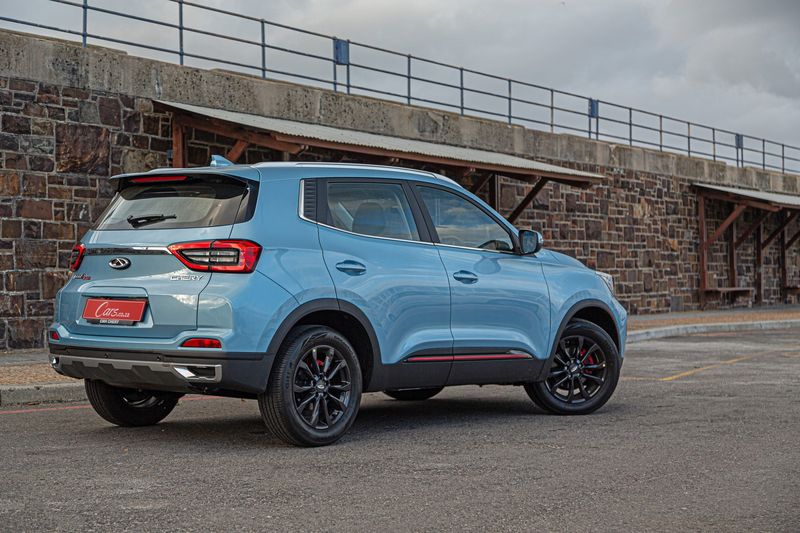
Whereas many of its rivals have safe, inoffensive exterior styling, the Chery Tiggo 4 Pro looks more distinctive and “expensive” by comparison. A bold grille (with diamond detailing) and LED daytime running lights give the Chinese newcomer’s front a modern look. The vehicle comes with either 16 or 17-inch alloys, depending on the trim level. The rear sports some appropriately upmarket touches such as LED tail-lights, a roof spoiler and even a diffuser. Finally, as it’s an SUV, the Tiggo 4 Pro will be called upon to travel on gravel now and again and, to that end, it has a stated ground clearance of 180 mm.
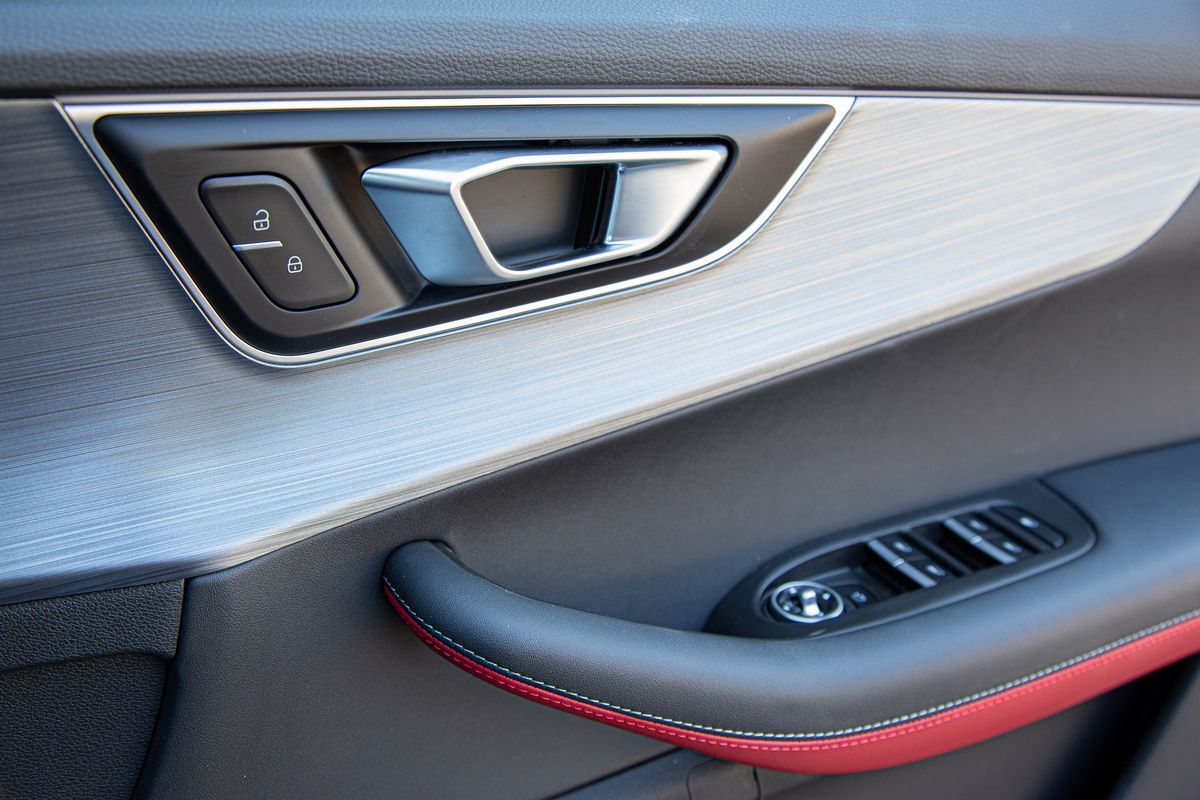
Our test unit was a 1.5T Elite SE (Special Edition). The SE flagship looks different to its sibling derivatives thanks to additional visual appointments. For example, its exterior execution features liberal red detailing, including on the front skid plate, brake callipers and side cladding. Inside, the cabin gets red contrast stitching, multi-colour LED lights and puddle lamps that project “Tiggo” logos below them.
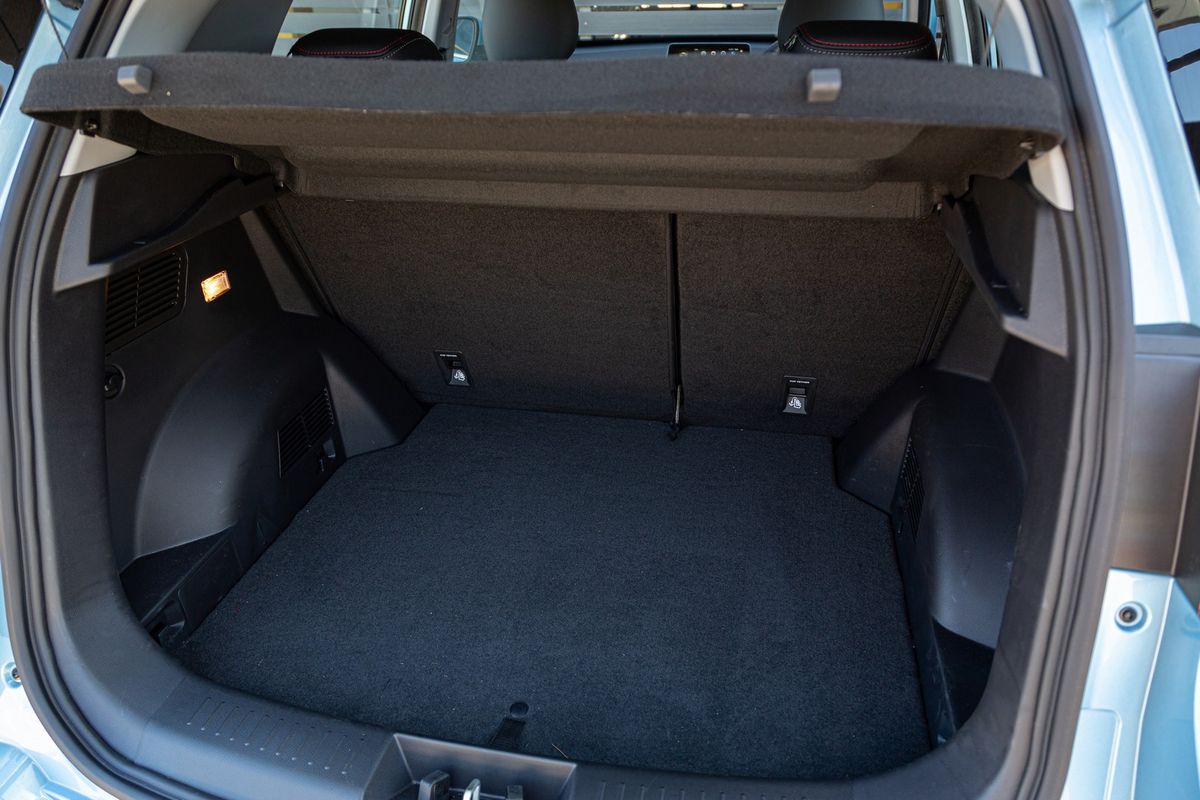
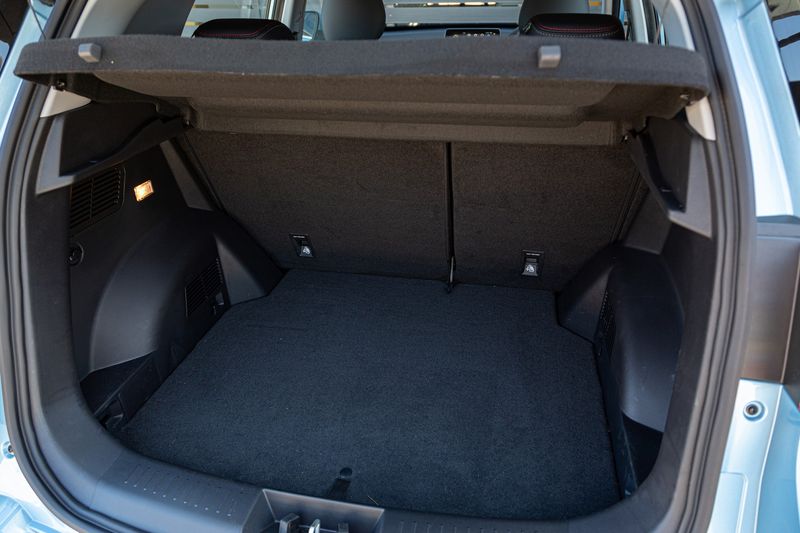
The Tiggo 4 Pro appears to offer one of the largest load bays in the segment.
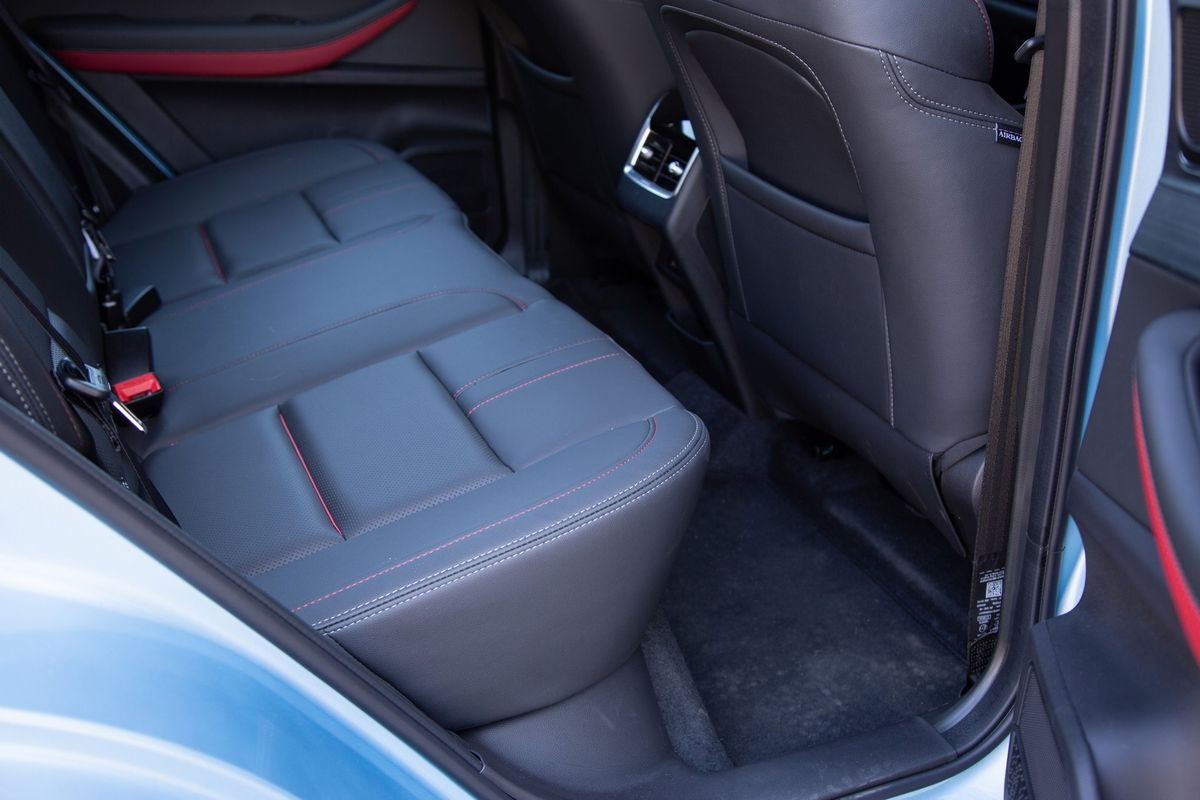
With a wheelbase that’s longer than those of several of its rivals, it is no surprise that the Chery’s cabin is spacious, at least compared with most offerings in the segment. The roomy interior does not come at the expense of luggage space, however. While Chery SA does not quote a maximum capacity, we sense that this model’s load bay is relatively large. Results of an online search suggest that the Tiggo 4 Pro can hold around 340 litres and, bear in mind the SE derivative incorporates a split-folding rear bench. The test unit seated 4 adults in comfort and transported a haul of picnic paraphernalia with ease.
Performance & Efficiency
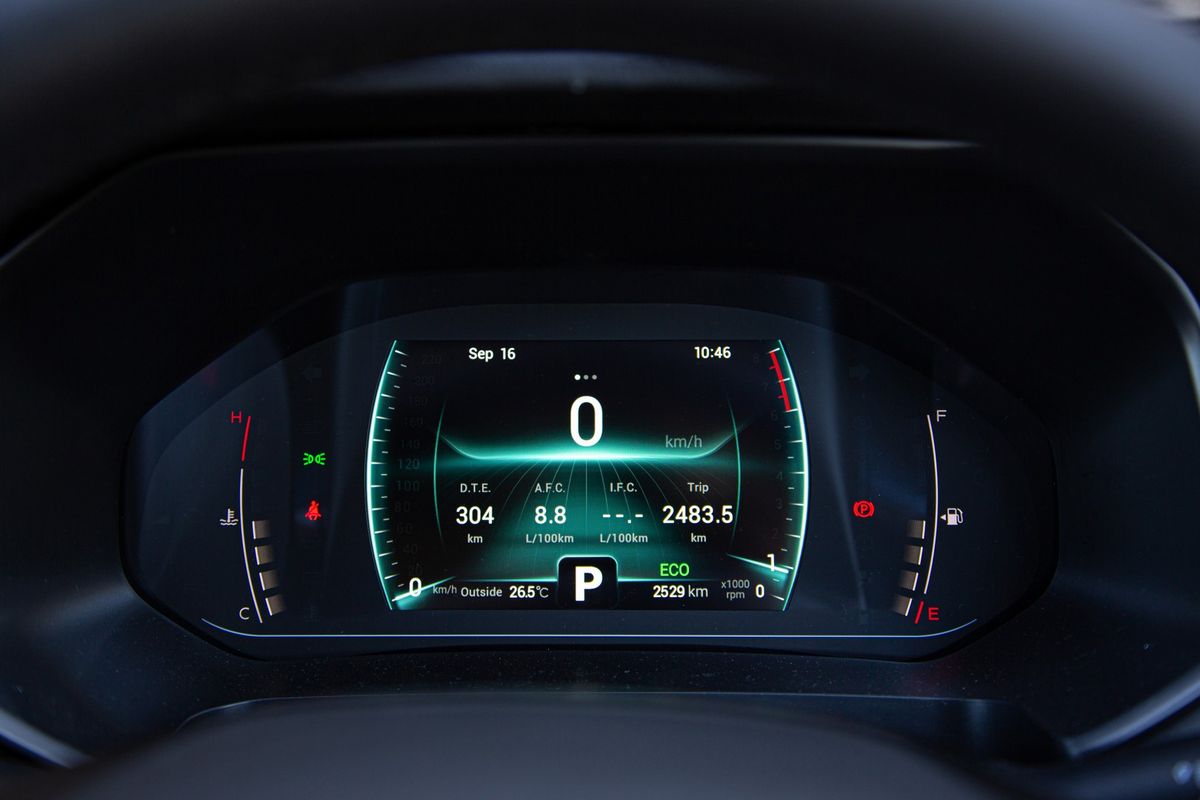
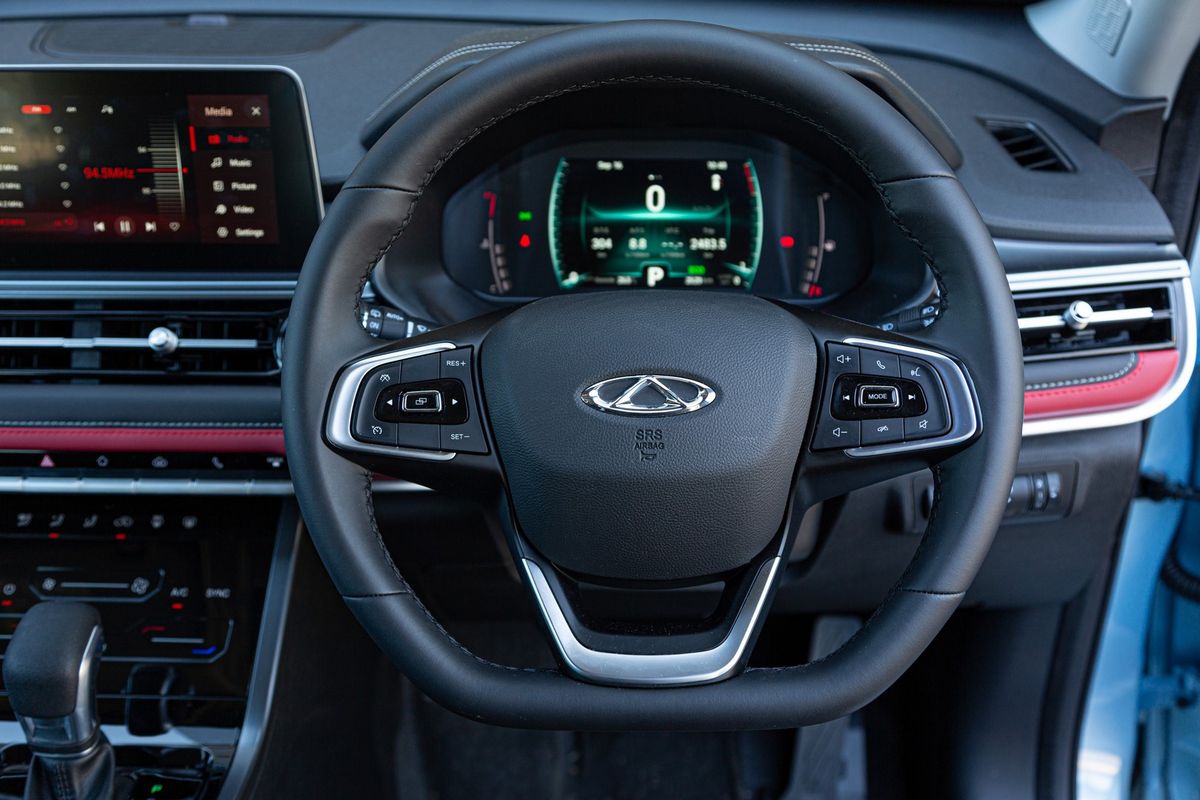
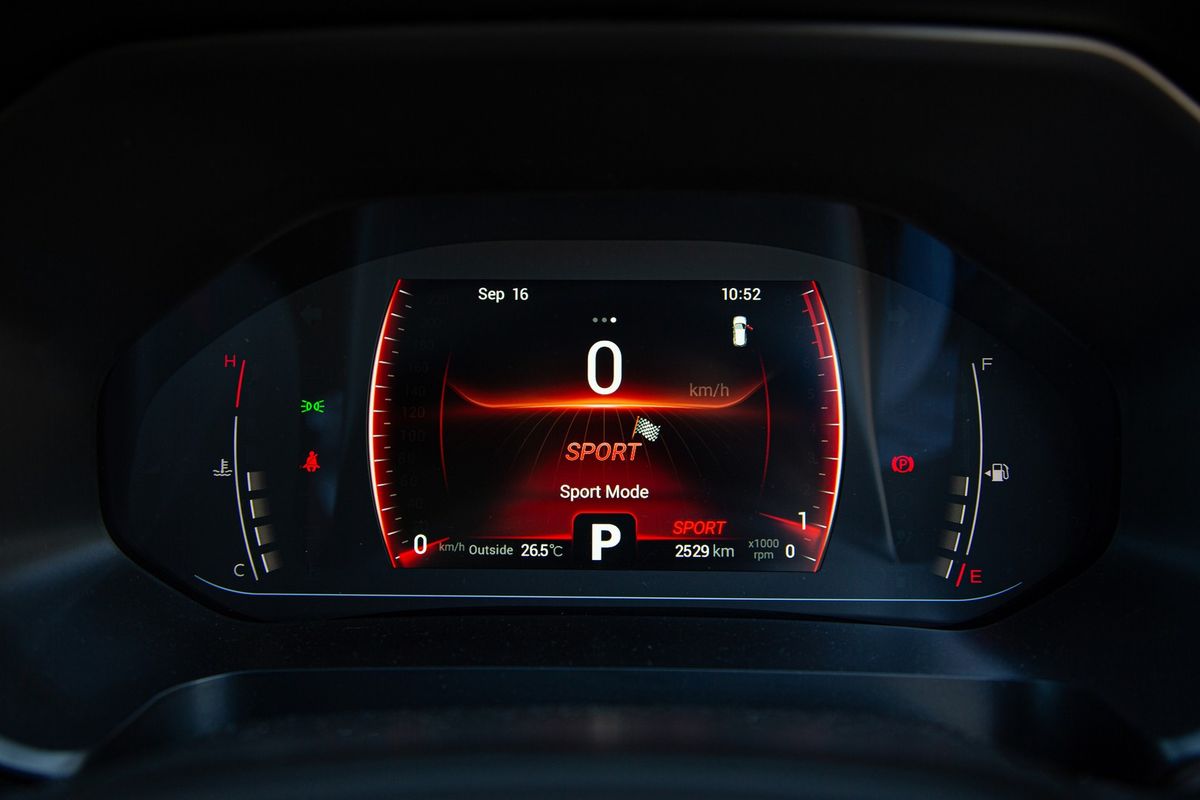
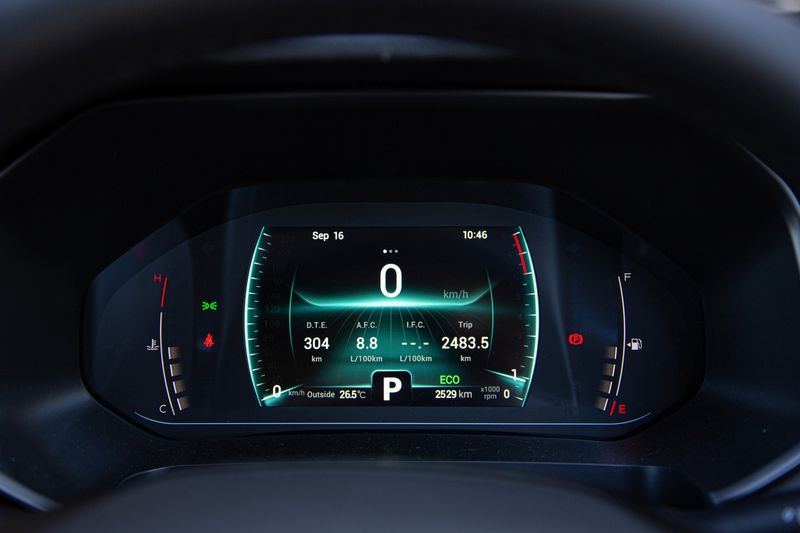
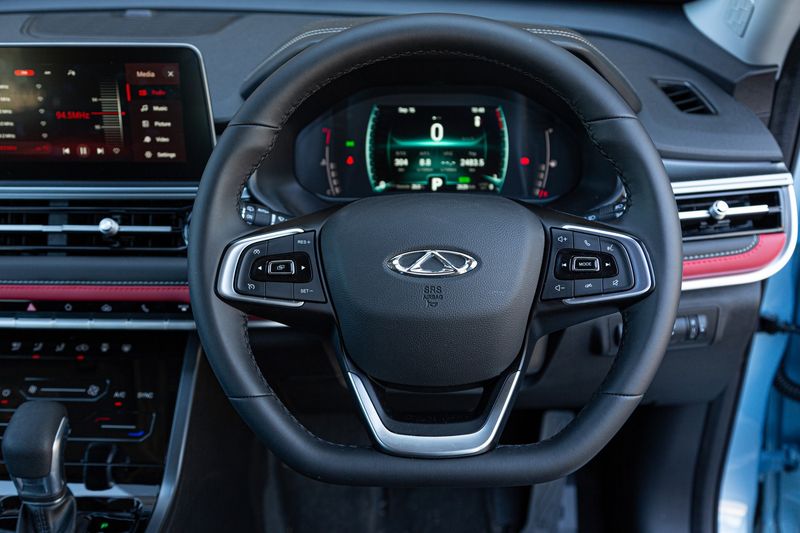
A digital instrument panel is certainly not de rigueur in the compact family-car class. It makes the Chery’s interior feel more sophisticated overall.
Chery Tiggo 4 Pro derivatives are either powered by a 1.5-litre naturally-aspirated- (NA) or turbocharged 4-cylinder petrol engine. Customers have the choice of a manual gearbox and an automatic continuously variable transmission (CVT). The NA model produces 83 kW and 138 Nm, while the turbo version offers up 108 kW and 210 Nm. All Tiggo 4 Pros are front-wheel driven.
Our test unit was the flagship 1.5T Elite SE, which means it had a 1.5-litre turbo and CVT combo. Chery doesn’t quote performance figures, but the derivative’s performance felt neither lethargic nor sporty.
The trick to mastering the powertrain of a small-capacity engine paired with a CVT (less so with a turbocharged motor, but still) is that you need to adjust your driving style to avoid experiencing that notable drone/whine that’s common with cars equipped with this kind of “gear-less” transmission. When increasing speed, try not to treat the accelerator as an on/off switch, rather press it down gradually. You’ll find the car’s acceleration will be a lot smoother; thanks to its reasonably potent motor, the Chery picks up speed briskly. If you use the Sport drive mode, the car feels a bit more responsive, but there’s a price.
That’s because this reasonably eager powertrain is… relatively thirsty. Despite using the vehicle’s Eco drive mode, we could not get achieve a lower figure than 8.8 L/100 km. Incidentally, the Tiggo 4 Pro’s countryman, the Haval Jolion, also suffered from higher-than-expected consumption. We have found that some of the Chery and Haval’s rivals are capable of easily achieving returns of under 7 L/100 km.
Ride & Handling
Our Tiggo 4 Pro test unit rode on 17-inch alloys shod with generously side-walled rubber, but its ride quality was on the firm side of comfortable.
The SE version of the Chery Tiggo 4 Pro rides on 17-inch alloys wrapped in substantial 215/60 R17 tyres – and the Chinese newcomer’s ride quality was generally good on fair surfaces, but on poor quality roads, the vehicle’s ride seemed to suffer from insufficient damping. To put it another way, the suspension didn’t absorb all ruts and bumps in the road and the jolts that ensued made their way into the cabin.
Fortunately, on the majority of the roads we traversed during the test, the Chery rode in a reasonably comfortable and refined manner. The model’s tall stature makes it a touch more susceptible to exhibiting body roll when tasked with cornering quickly – than say, a similarly-sized five-door hatchback. The road-holding also seemed a trifle nervous when the Tiggo 4 Pro strived through a strong South Easter.
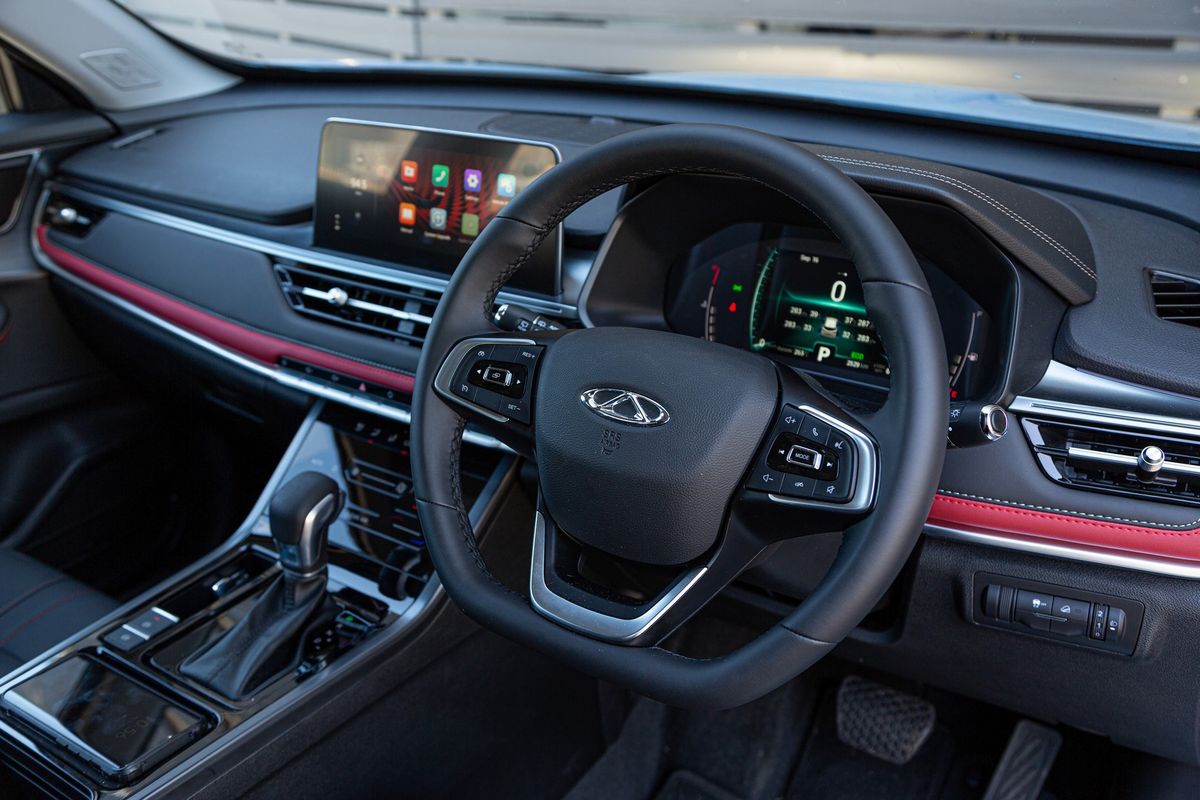
The leather-trimmed interior of the Tiggo 4 Pro creates a very positive first impression.
As for the newcomer’s steering quality, the ‘wheel offers little in terms of feel and feedback and doesn’t respond with much sharpness, but its light action makes up for it. Such an inert setup, to be fair, is typical of compact family cars/small crossovers. It’s certainly a pleasure to execute parallel parking manoeuvres with just one hand on the ‘wheel (that’s all the effort it requires – but always drive safely).
The driver’s seat is pleasingly high-perched and all occupants are afforded excellent views through the front and sides of the vehicle. Having said that, the width of the chunky C-pillars does partly obscure the driver’s view when they need to check the road before making a lane change, for example. Driver comfort is enhanced by a height-adjustable seat and rake-and-reach adjustable steering column.
Comfort & Safety features
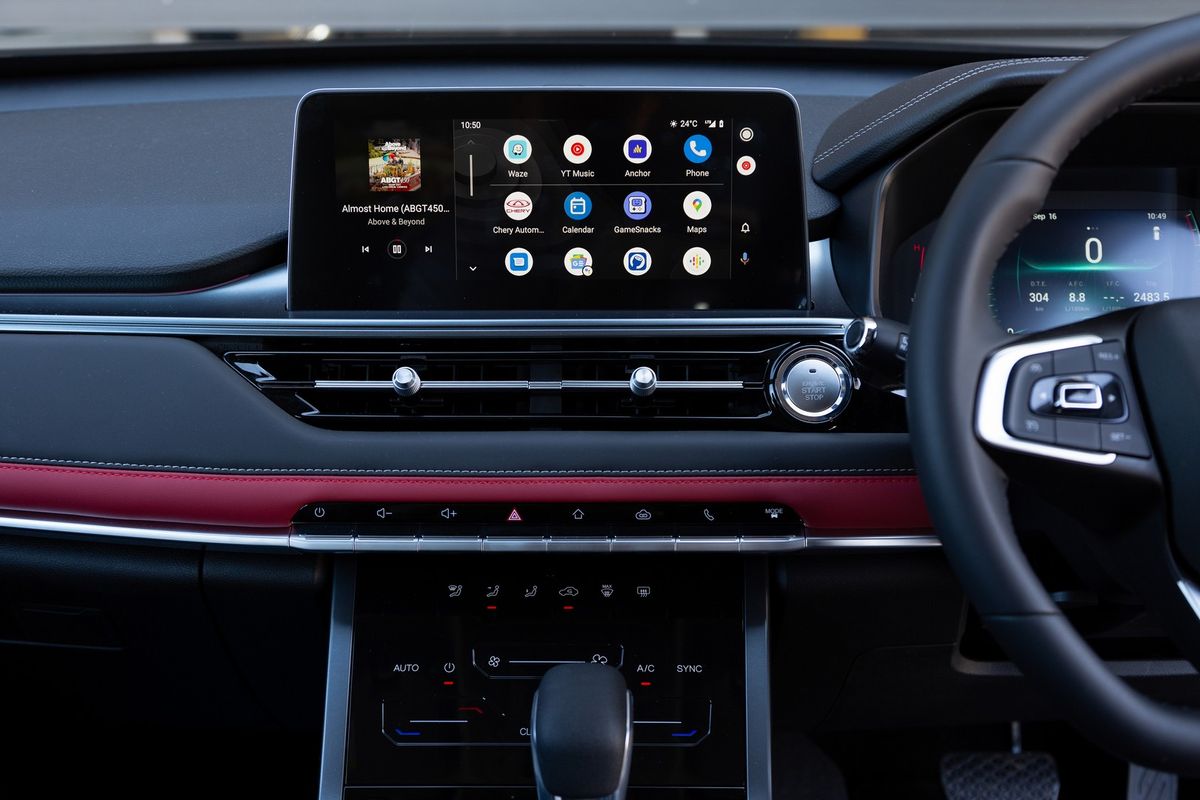
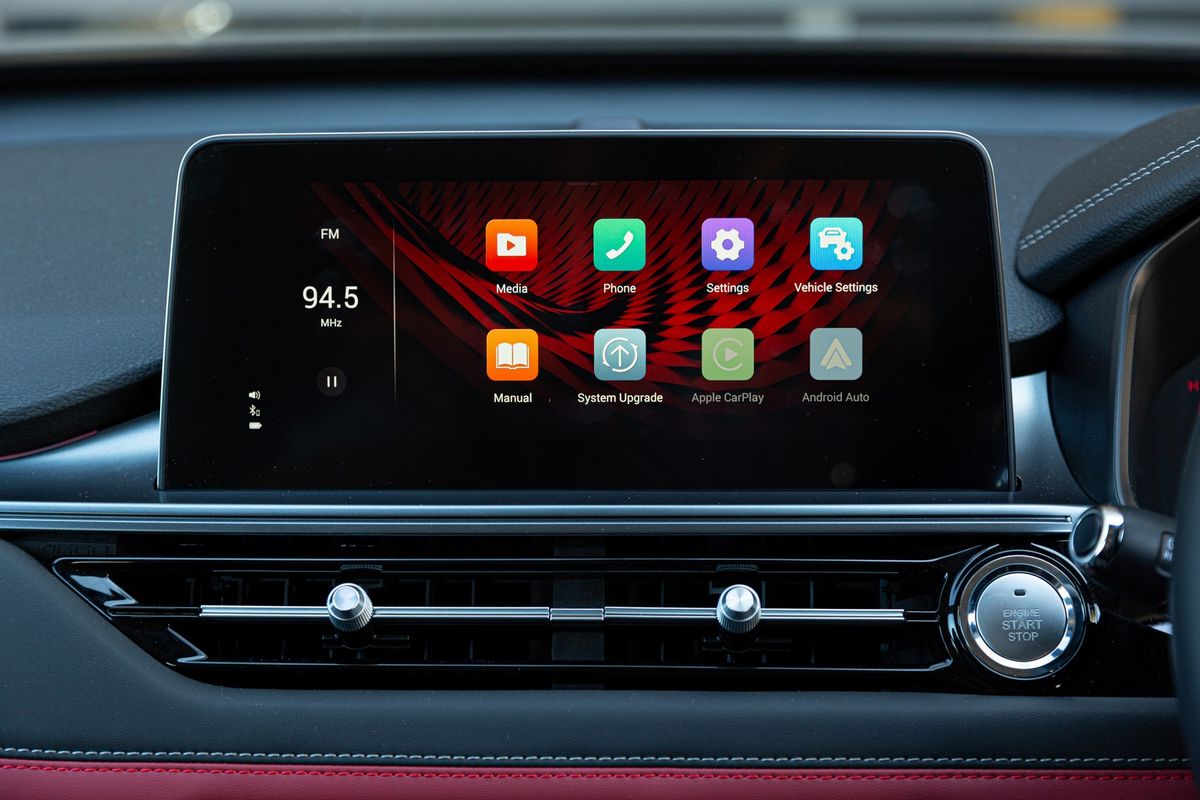
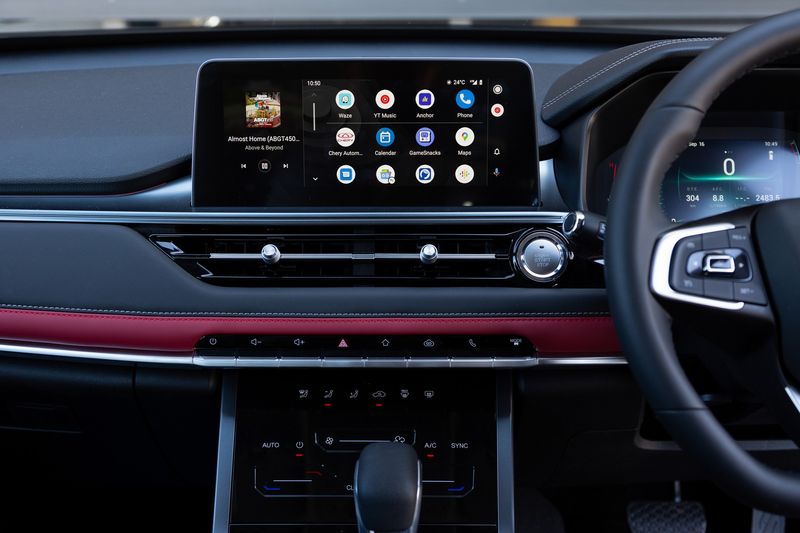
The biggest highlight of the Tiggo 4 Pro’s interior, apart from the high attention to detail, is the slick infotainment system.
Lately, Chinese passenger-car brands have demonstrated an enviable ability to offer comprehensive standard equipment on most of their derivatives. There are no optional extras here and, given what’s on offer, there’s no need for them. All Tiggo 4 Pro derivatives have digital dashboards, even if entry versions “make do” with 3.5-inch screens. The higher-spec derivatives get a 7-inch unit, pictured here.
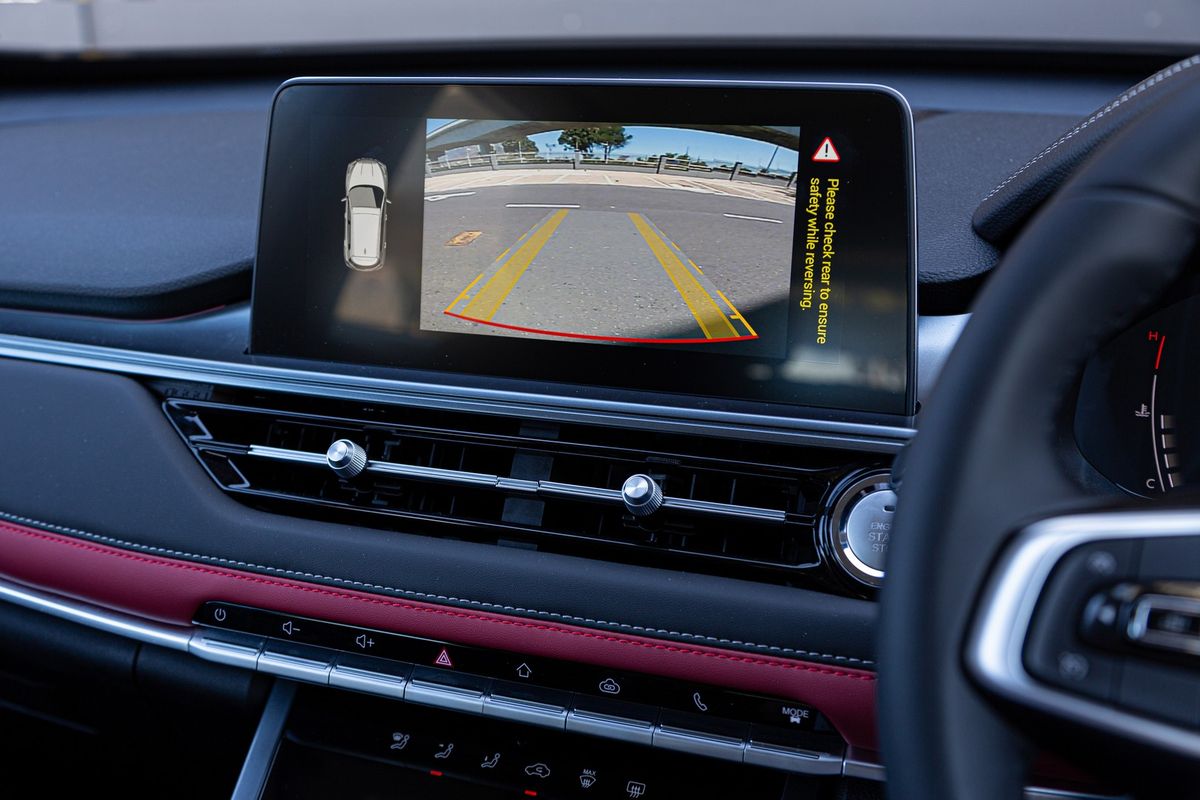
A highlight of the cabin is the 10-inch infotainment system. The graphics are crisp and the interface easy to use, plus the system supports Apple CarPlay and Android Auto connectivity. There are two USB ports in the front and one USB port in the rear.
Fans of fancy car audio setups will be pleased that higher-end Tiggo 4 Pro derivatives have 6 speakers, but moreover, feature a smart voice-control system. We’re usually sceptical about such systems; they tend to require repeated instructions or don’t always respond as hoped. The Chery’s is very good, however. If you issue commands such as “open the sunroof” and “open windows”, the vehicle will comply.
To activate the voice-control system, you can either push a button on the steering wheel or, as we discovered, say Chery. Unfortunately, any word that sounds remotely like “Chery” will spur the car’s system into action. Good luck trying to sing along to Modern Talking’s Cheri Cheri Lady, or UB40’s Cherry Oh Baby.
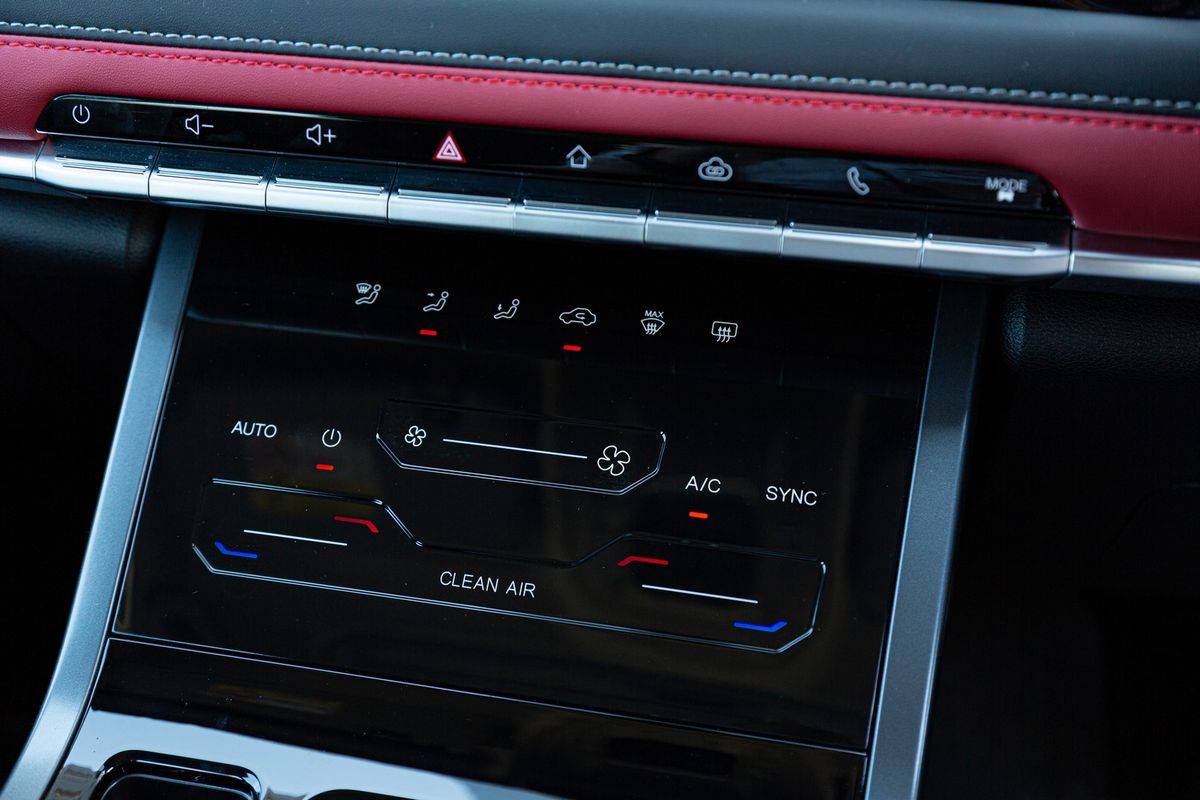
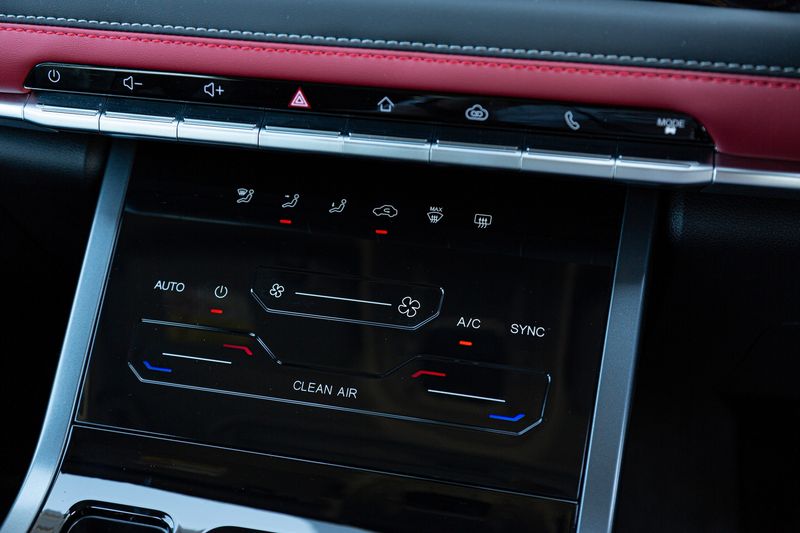
Given the Cape’s hot summers, we were thankful for the strong dual-zone climate control system (entry-level models have manual aircon), sunroof and leather trim, all of which are fitted as stock.
As far as safety is concerned, the Chery Tiggo 4 Pro comes well equipped. Six airbags are standard for the higher-specced models, with lesser derivatives making do with 4. ABS with EBD, electronic stability control, traction control, roll stability control, hill descent control and hill assist are standard across the range. The top-spec versions also come with a tyre-pressure monitoring system.
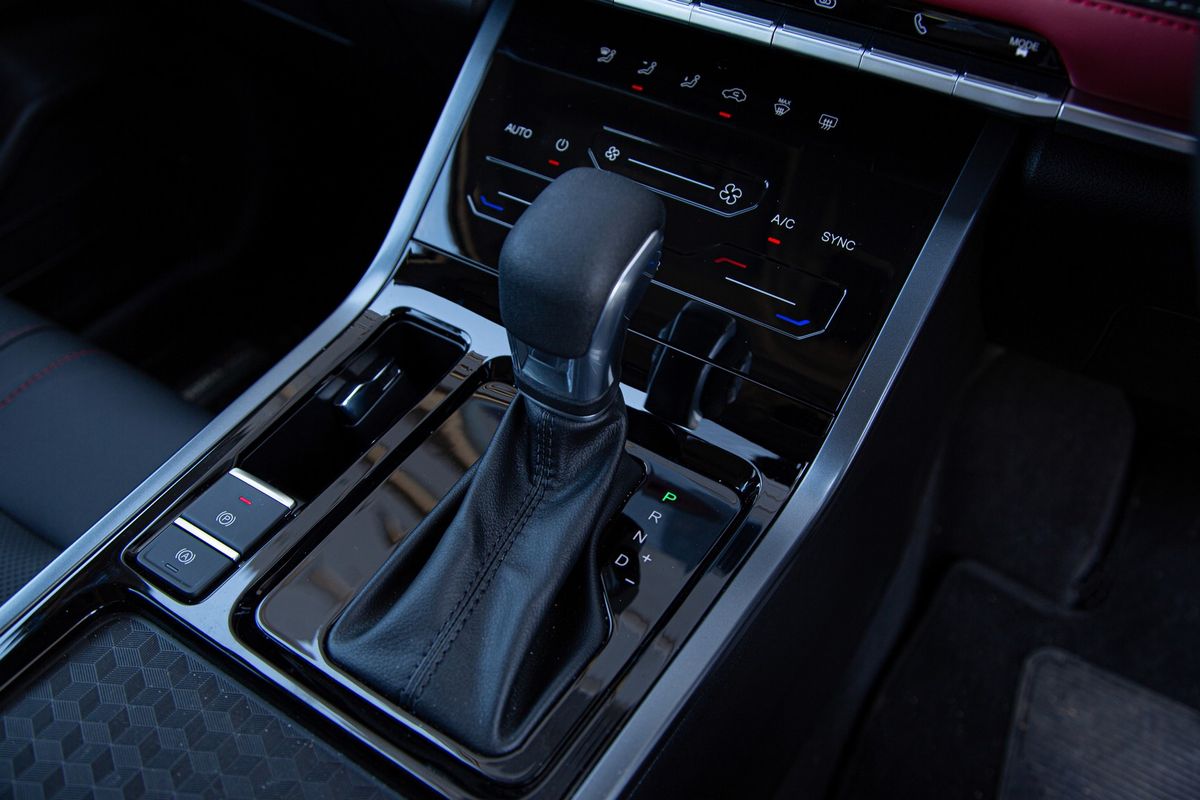
Piano black surfaces abound in the Chery’s interior; it certainly adds a classy finish to the automatic climate control console.
Price and after-sales support
Prices for the Chery Tiggo 4 Pro range begin at R269 900 and go all the way up to R359 900, for the top-of-the-range SE derivative you see here.
Every Tiggo 4 Pro derivative comes with a 5-year/60 000 km service plan, as well as a 5-year/150 000 km warranty and a 1-million km/10-year engine warranty.
Verdict
Just when Haval thought it could disrupt the compact family car segment all on its own, Chery has arrived… and it wants in on the action.
In this highly-competitive segment of the market – one that certainly doesn’t suffer from a lack of demand – does the Tiggo 4 Pro bring enough to the table to steal enough sales from established brands? We’d say yes. First impressions count for so much these days and the Chery’s exterior looks fresh, modern and upmarket. The cabin is plush, feels well-assembled and there are plenty of features fitted.
Is it a knock-out performance? Not quite, but it’s certainly good enough to deserve generous praise. The engine’s thirst may perhaps deter some potential customers, especially considering that the price of petrol is hovering around the R20/litre mark (and who knows for how long?). What’s more, the CVT will drone irritatingly if you really stand on the vehicle’s accelerator pedal. A revision of your driving style may be required for you to get the best out of the package. Finally, there are some little niggles here and there, like the wind noise from around the side mirrors and the firm(ish) ride, but we’re nitpicking.
Should you buy one? There’s no denying Haval has turned the market on its head by offering near-unbeatable value for money (especially in the small crossover/compact family car segment). It shows that customers are prepared to take a chance on a largely unproven product. Should any issues arise, they would test the integrity of the brand’s warranty and the quality of its after-sales support – Haval, for its part, has performed admirably. Chery may prove a success story too – and its ascent might even be quicker than Haval’s; Chery already has more than 30 dealers and its mechanical warranty is compelling.
New Chery Tiggo 4 Pro (2021) Video Review
Ciro De Siena brings you an in-depth review of the new Chery Tiggo 4 Pro as well as how it compares with the rest of the market.
It’s always exciting to sample a brand new car, but it’s a rare and special experience to drive an entirely new brand of car. South Africans now have an extra badge to choose from when shopping for new wheels and it belongs to Chery. It’s not the Chinese brand’s first foray into the local market, but it may as well be…
You may vaguely remember the brand’s name from the late 2000s. The McCarthy dealer group (now known as Bidvest Automotive) used to distribute Chery in South Africa back then, but while the brand’s products were quite competitively priced, they weren’t particularly well-made – or attractive. The Daewoo Matiz clone (known as the QQ) and Tiggo crossover failed to impress and Chery left our market.
Having driven the new Tiggo 4 Pro, I can assure you, however, that today’s Chery models make the QQ seem like it was built in the late 1800s. It’s astonishing how far this brand has come in just 12 years.
In this video, our video guy Ciro De Siena gives you an in-depth tour of the newcomer, and how it compares to the rest of the market.