Ford Everest (2026) Price & Specs
Pricing scoop! Here’s what the revised Ford Everest line-up – which will start some R128 000 lower than before – will cost when it officially launches in South Africa…
- Updated 2.0 SiT engine will replace 2.0 BiT
- New Active grade to come in 4×2 and 4×4
- Starting price will effectively fall R128k
- 2.3T set to be added (though pricing is TBA)
- 3.0TD V6 4WD to be offered in Sport guise
The updated Ford Everest range is scheduled to launch in South Africa soon, complete with a revised engine line-up. But, ahead of this refreshed adventure SUV’s official market introduction, Cars.co.za has unearthed local prices – with our information suggesting a considerable R128 000 drop in the model’s starting price.
As announced late in 2025, Ford will discontinue the 2.0 BiT turbodiesel engine from the Thailand-sourced Everest portfolio, a move it has already completed with the locally built Ranger bakkie line-up. As a reminder, the bi-turbo motor powers 4 of the 6 derivatives in the outgoing Everest range, where it delivers peak outputs of 154 kW and 500 Nm.
Active grade returns (powered by 2.0 SiT engine)
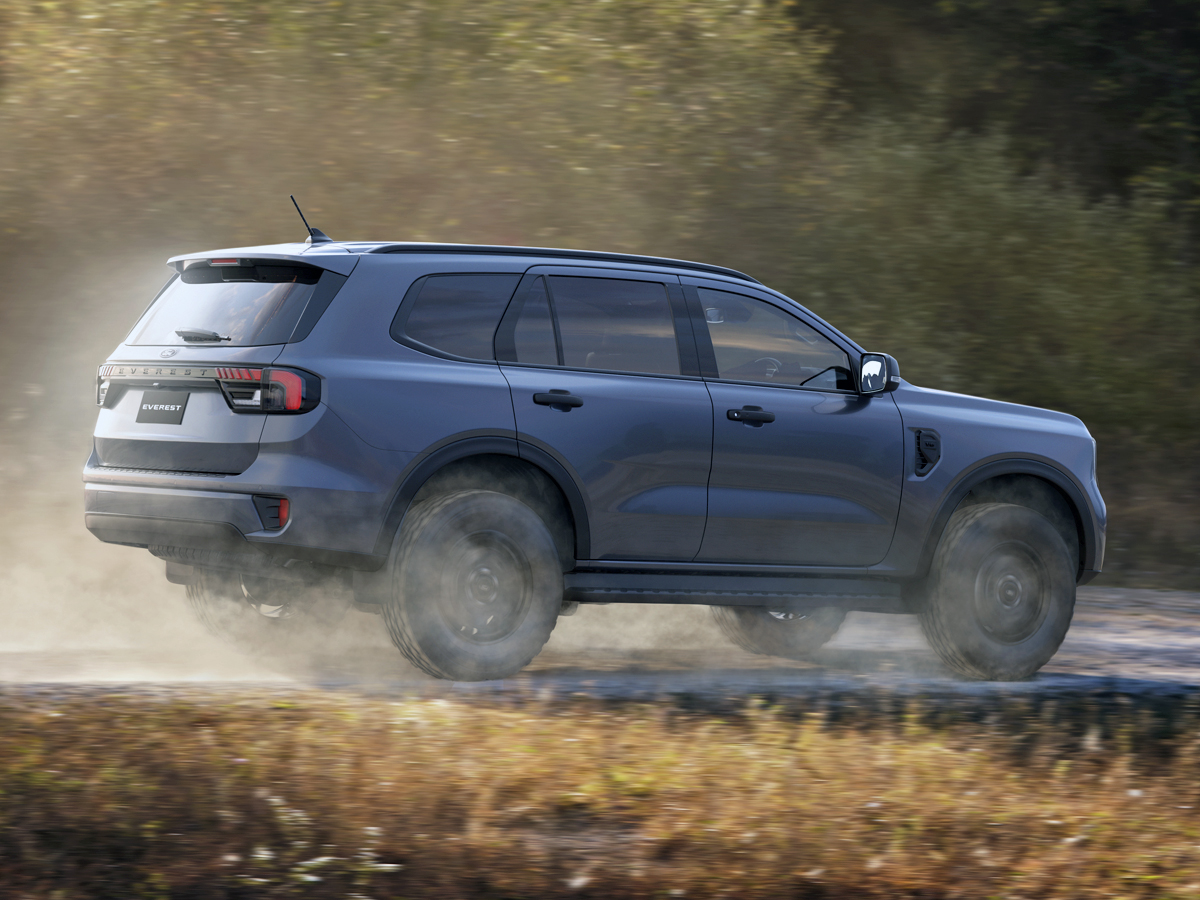
With Ford set to axe the 2.0 BiT engine, the company will instead offer the entry-level derivatives – which will furthermore switch to the Active grade (as the outgoing range’s XLT spec will fall away) – with the single-turbo version of the 4-cylinder oil-burning motor. This mill offers lower outputs of 125 kW and 405 Nm.
As it does in the updated Ranger, this updated 2.0 SiT engine has switched from a wet timing belt to a chain for what Ford describes as “improved durability”. It also upgrades to a 10-speed automatic transmission, which is standard across the revised 7-seater Everest range.
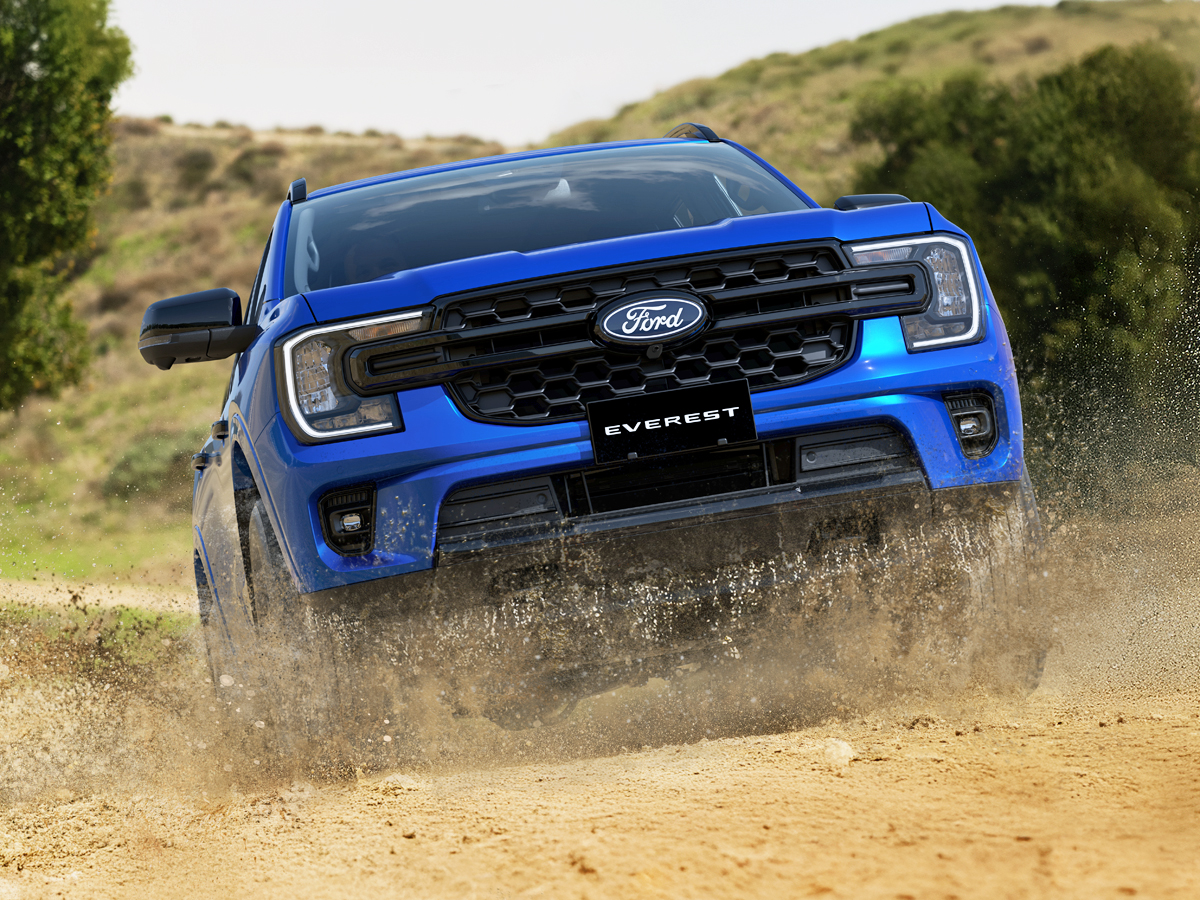
According to our information, the Everest 2.0 SiT Active 4×2 will be priced from R825 000, effectively cutting the ladder-frame SUV’s starting price by a considerable R128 000 (what with the R953 000 Everest 2.0 BiT XLT 4×2 falling away). The Everest 2.0 SiT Active 4×4, meanwhile, will seemingly start at R875 000.
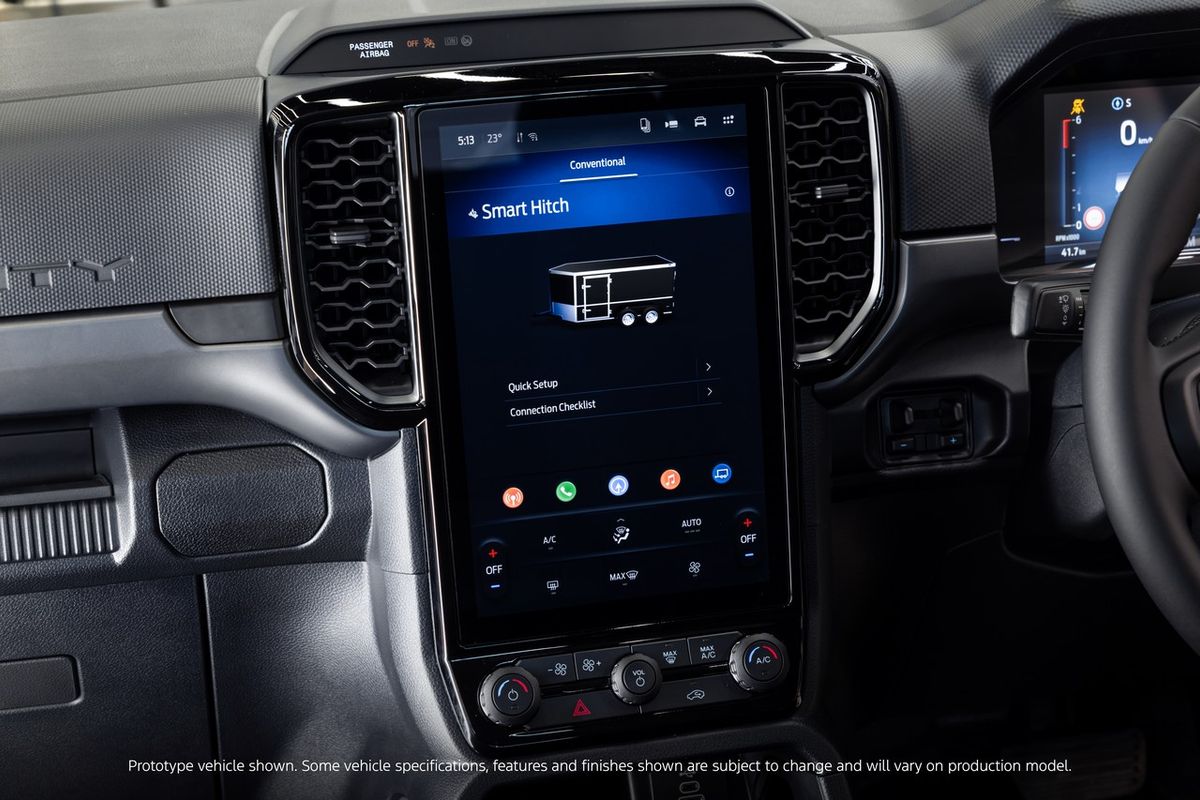
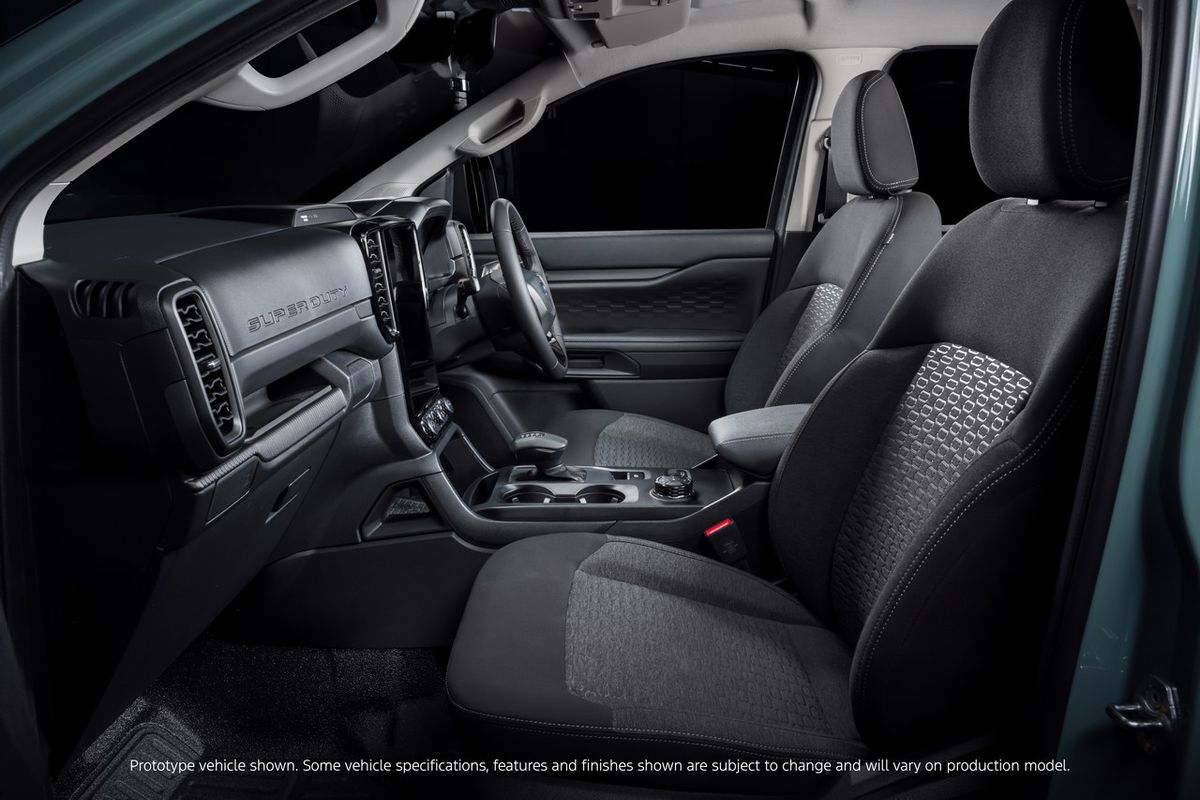
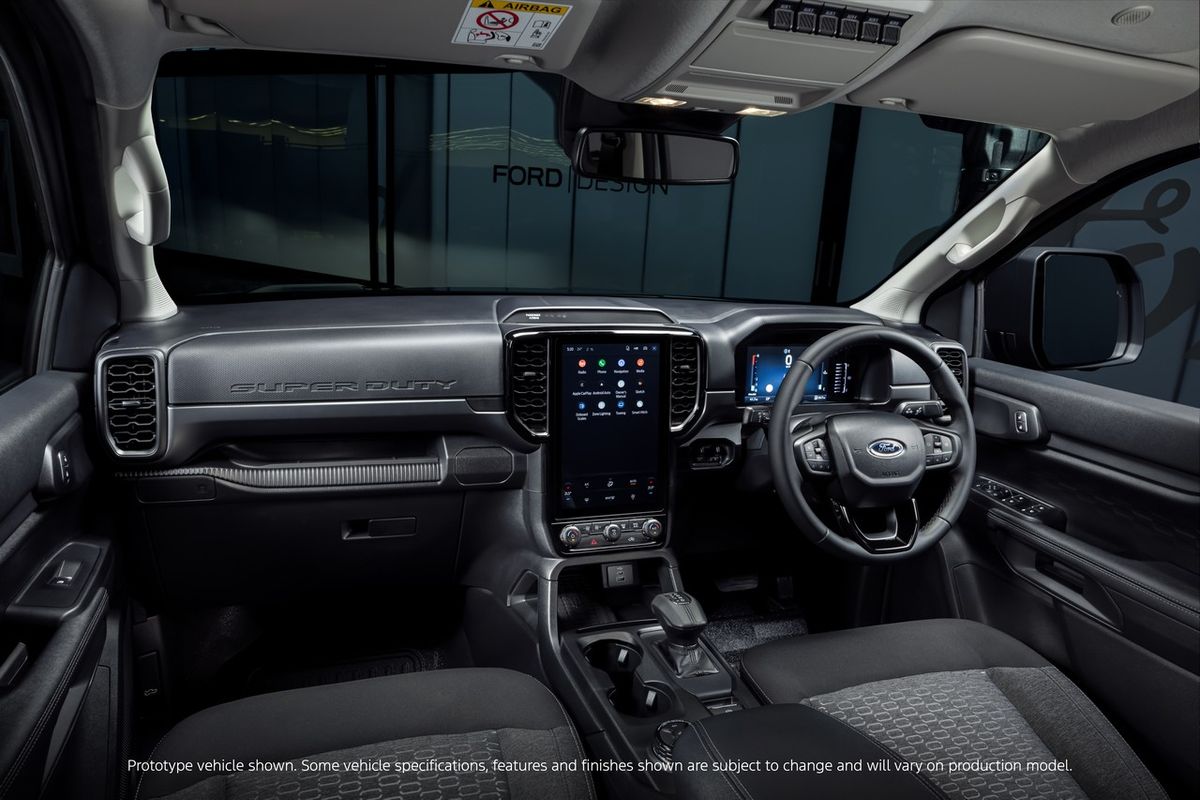
Standard features for the revived Active grade include adaptive cruise control, a lane-keeping system, parking sensors (front and rear), smart keyless entry, cloth seats (with 8-way power adjustment for the driver), a 12-inch touchscreen, wireless smartphone charging, 18-inch alloy wheels, automatic LED headlamps, black roof rails and black side steps.
3.0TD V6 range expands (with 2.3T petrol on the way)
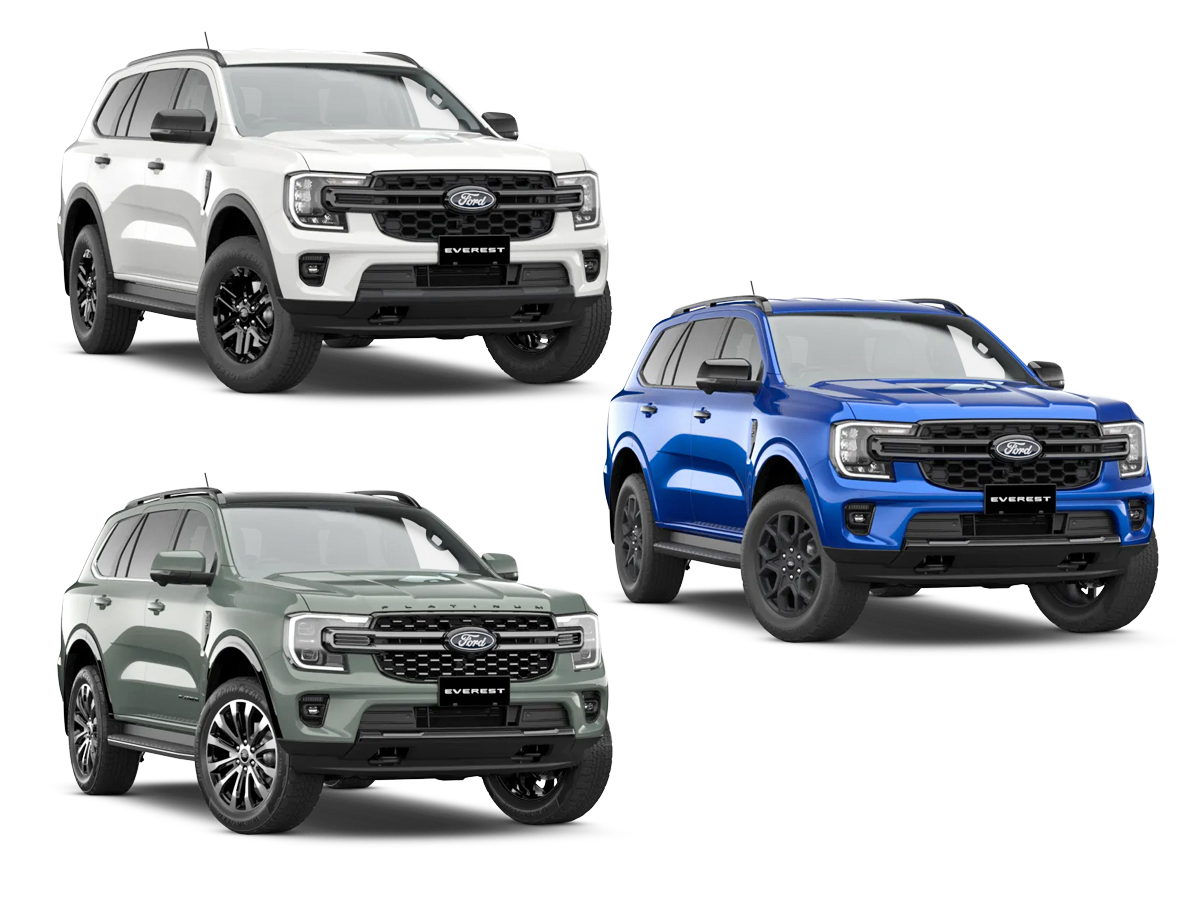
While the Blue Oval brand earlier announced a new Everest 2.3T Sport 4×2 variant – which will employ a 222 kW/452 Nm turbocharged 2.3-litre, 4-cylinder petrol engine, as offered in the Ranger and Volkswagen Amarok line-ups – we’ve yet to confirm pricing for this derivative. That leads us to believe the EcoBoost engine might not be available right from launch.
Meanwhile, the Dearborn-based company will also offer a new Everest 3.0TD V6 Sport 4WD variant (to effectively replace the outgoing Everest 2.0 BiT Sport 4×4), expanding the 6-cylinder turbodiesel engine to a 3rd derivative. It’s our understanding this newcomer will be priced from R1 149 000, offering familiar peak outputs of 184 kW and 600 Nm as well as permanent 4-wheel drive.
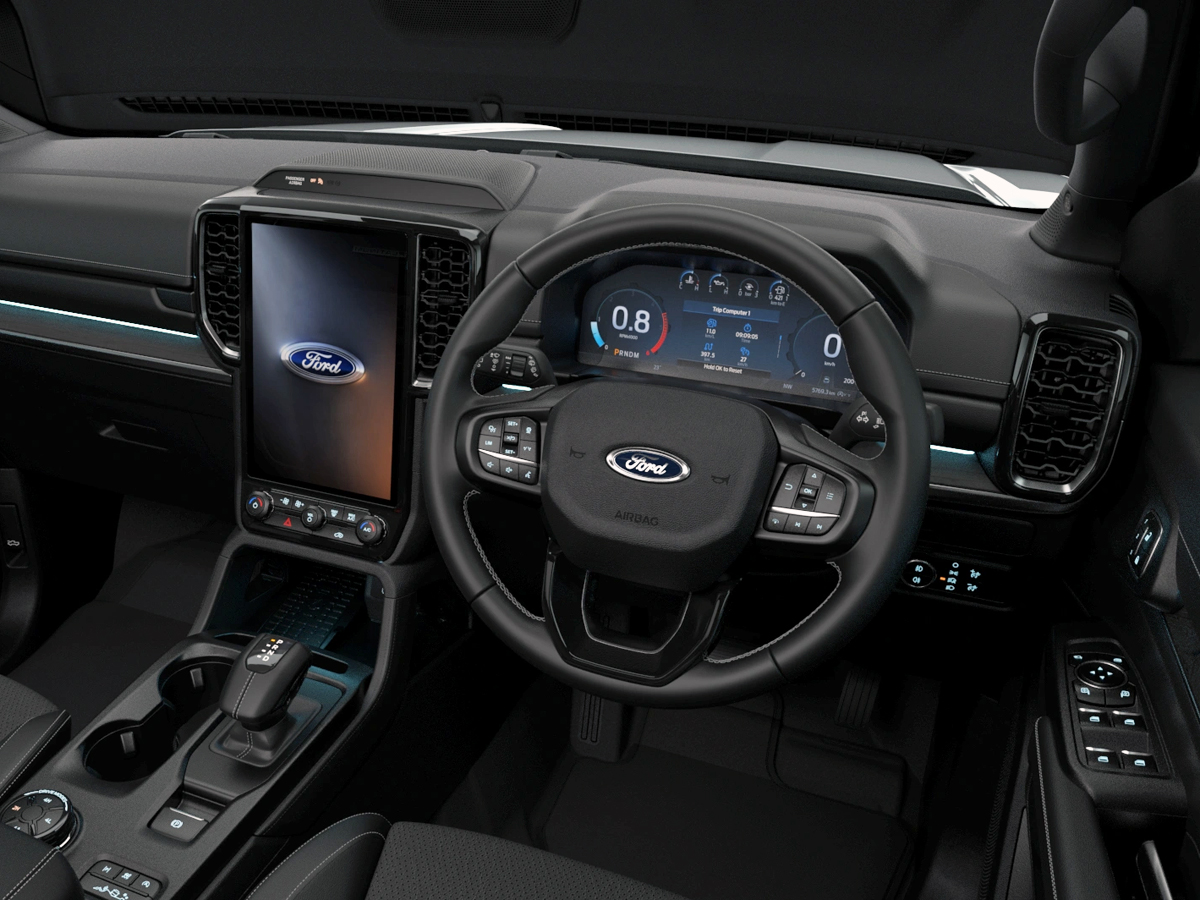
New features for the Sport grade include tyre-pressure monitoring, a 360-degree camera and a blind-spot information system (the latter complete with trailer coverage). Sport derivatives furthermore benefit from a powered tailgate, a 400W inverter, a windscreen-mounted USB port, 8-way power adjustment for the front passenger seat and leather trim for the seats, steering wheel and gear-shift knob.
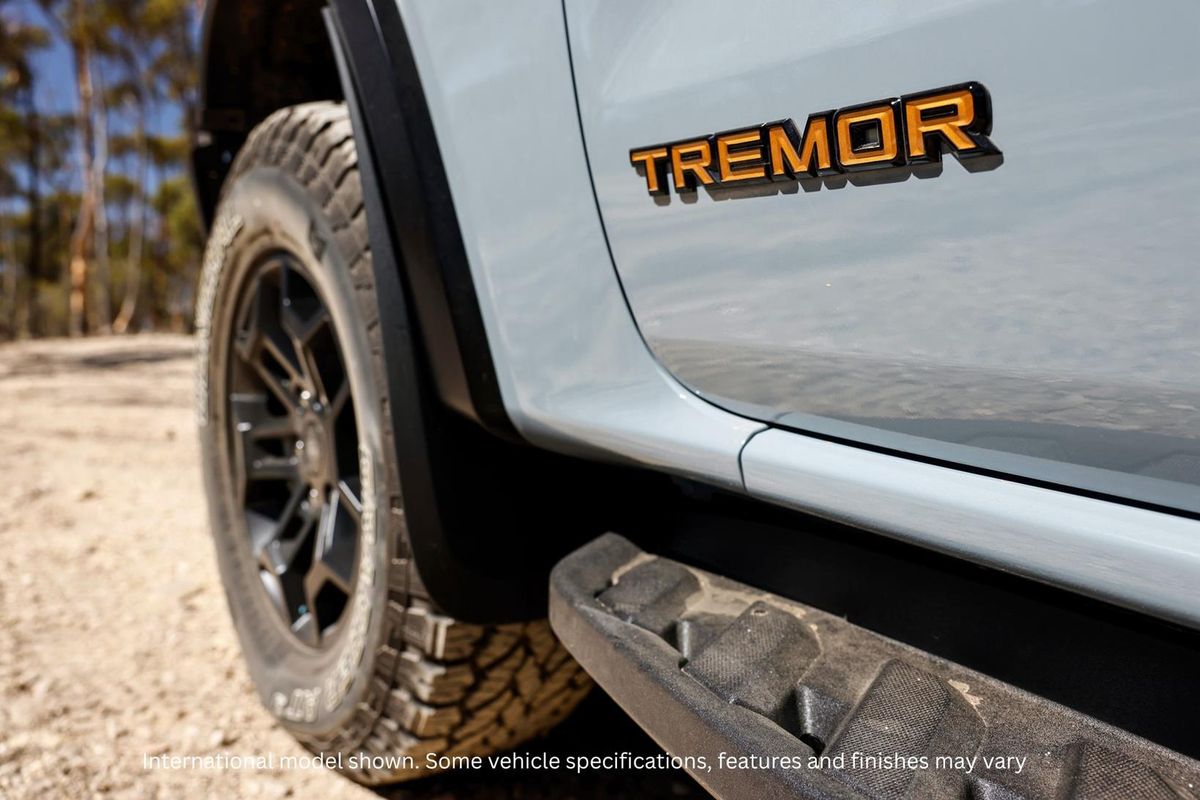
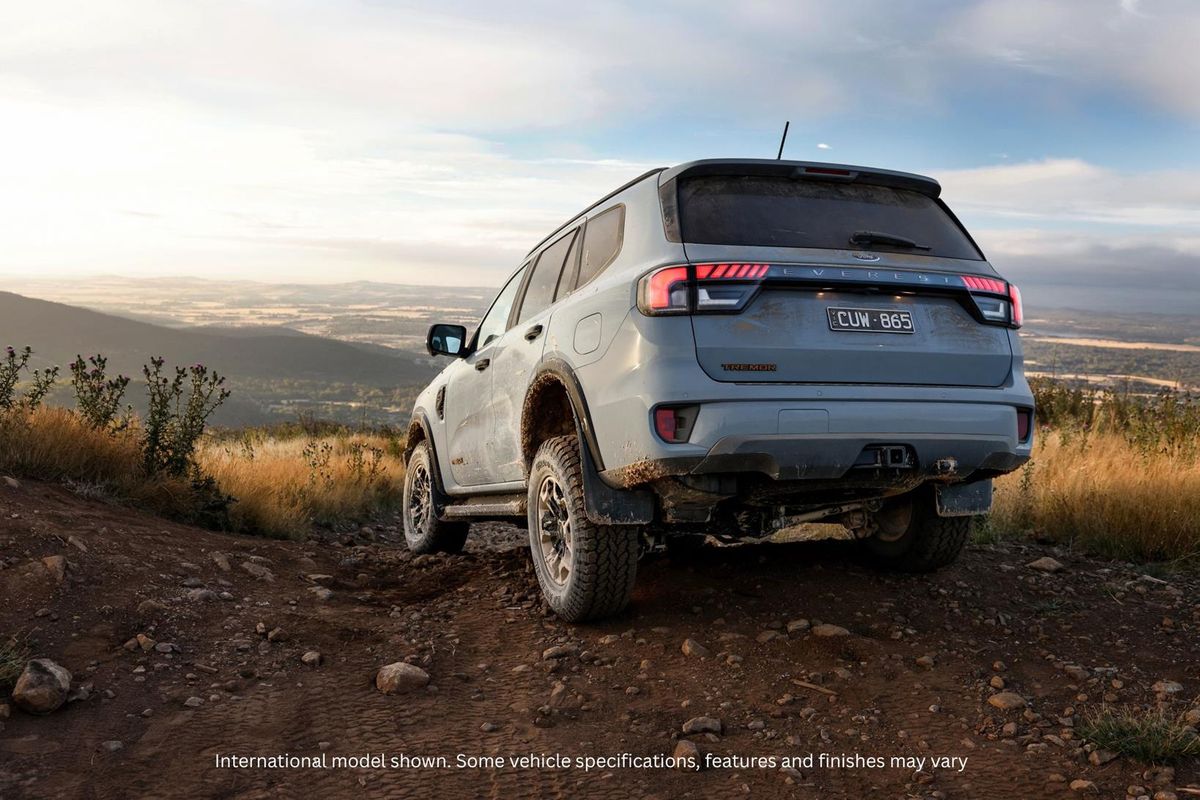
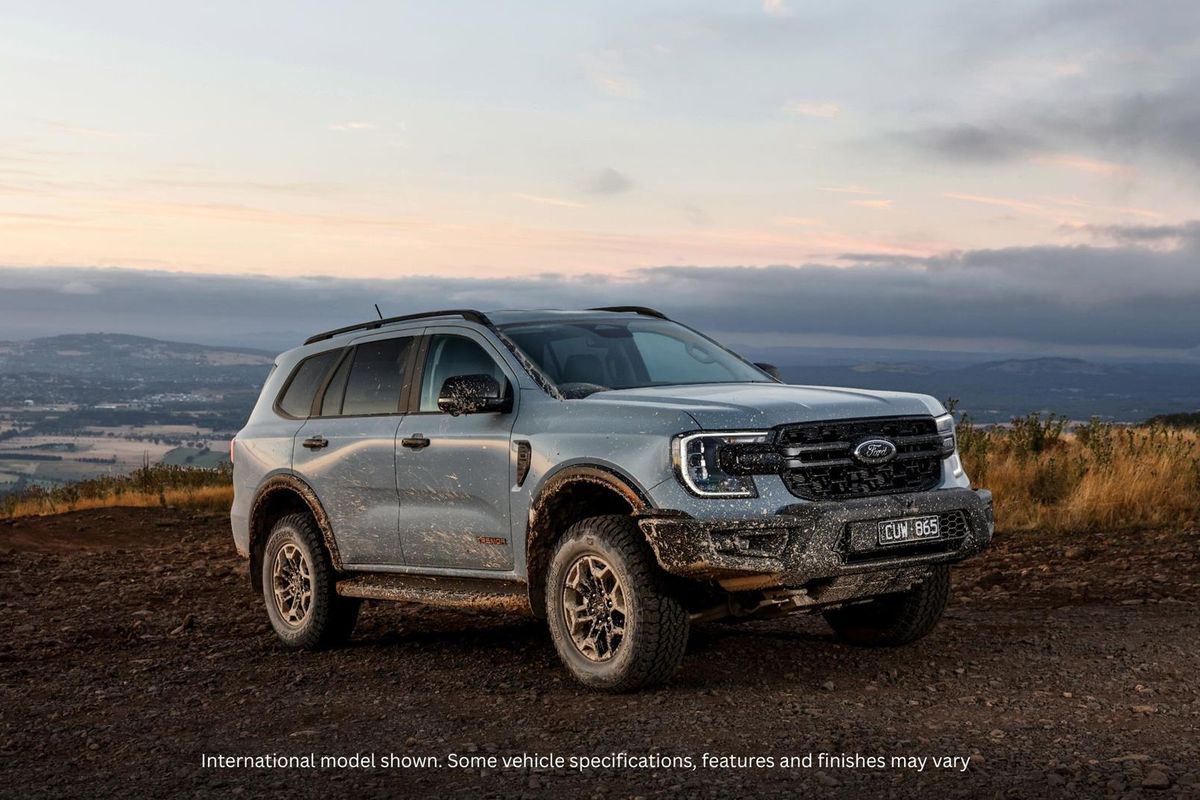
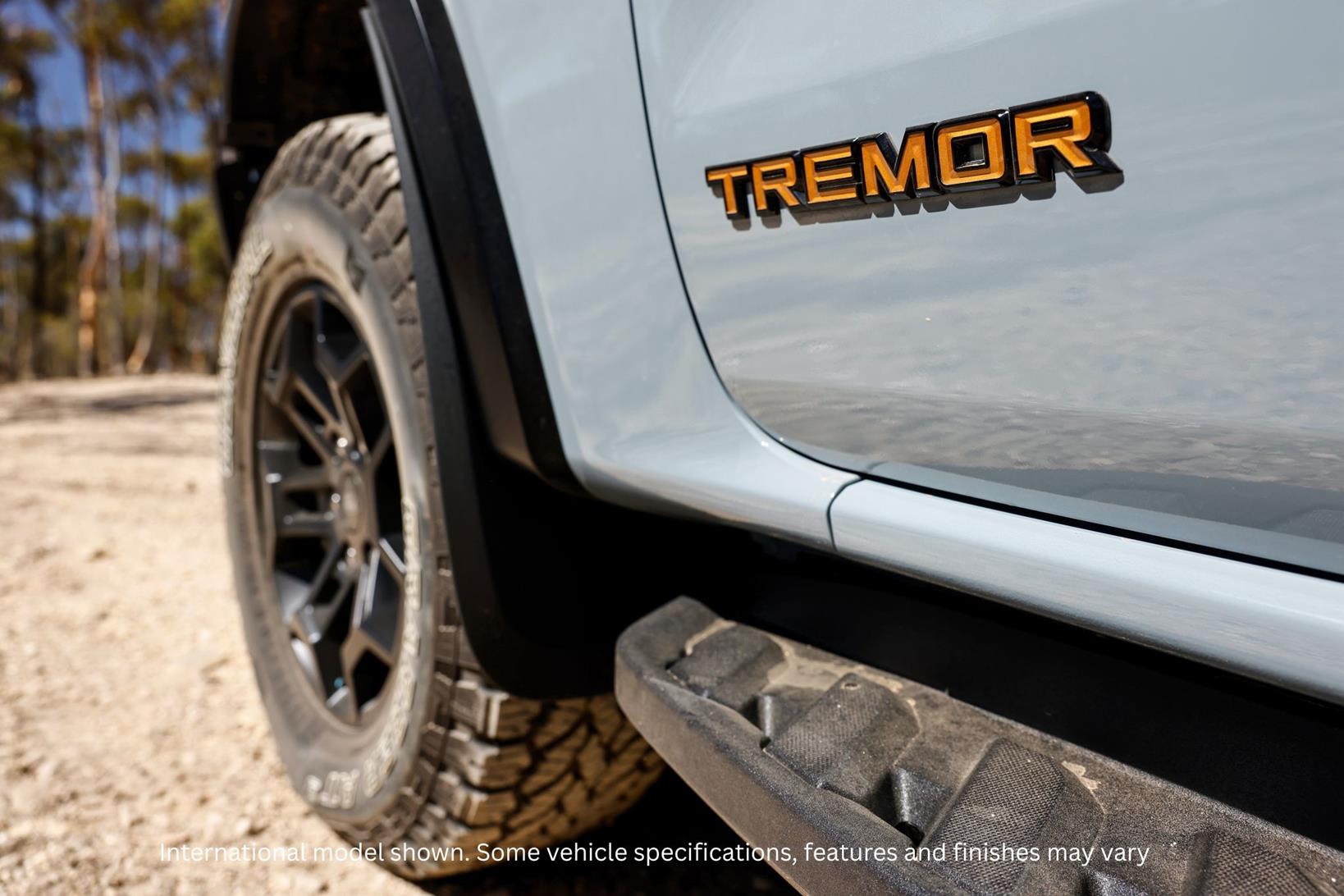
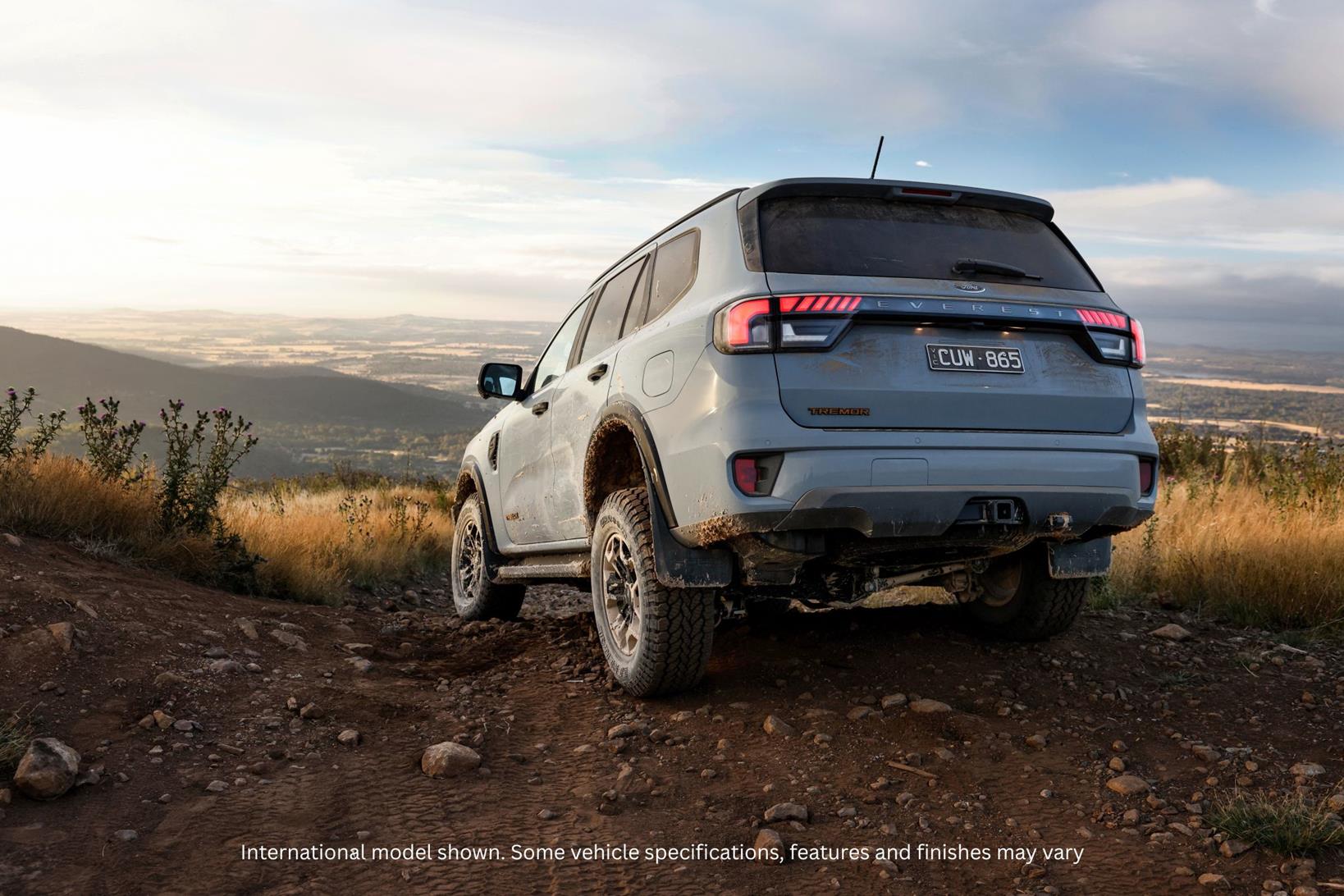
Finally, the Everest 3.0TD V6 Wildtrak 4WD will seemingly carry over at an unchanged price of R1 244 000, while the flagship Everest 3.0TD V6 Platinum 4WD will come in at R1 340 000 (making it some R16 000 more expensive than before), according to our information. Expect the new Tremor derivative (likewise featuring a 3.0TD V6) to join the line-up in the final quarter of 2026.
What does the revised Ford Everest cost in South Africa?
| DERIVATIVE | PRICE |
| Everest 2.0 SiT Active 4×2 | R825 000 (new derivative) |
| Everest 2.0 SiT Active 4×4 | R875 000 (new derivative) |
| Everest 2.3T Sport 4×2 | TBA (new derivative) |
| Everest 3.0TD V6 Sport 4WD | R1 149 000 (new derivative) |
| Everest 3.0TD V6 Wildtrak 4WD | R1 244 000 (price unchanged) |
| Everest 3.0TD V6 Platinum 4WD | R1 340 000 (up R16 000) |
The prices above will likely include Ford’s 4-year/120 000 km warranty and a 6-year/90 000 km service plan (which the buyer can optionally exclude).
Find a Ford Everest on Cars.co.za!
Frequently Asked Questions (FAQ)
Q: Why has the starting price of the Ford Everest dropped so significantly?
A: The starting price of the Everest range has effectively fallen by R128 000 (down to R825 000) due to a restructuring of the entry-level line-up. The previous 2.0 BiT XLT 4×2 has been replaced by a new “Active” trim level, which utilises a single-turbo 2.0-litre diesel engine instead of the more powerful bi-turbo unit.
Q: What are the key mechanical updates to the 2.0-litre diesel engine?
A: Ford has replaced the 2.0-litre bi-turbodiesel with an updated 2.0-litre single-turbo (SiT) engine. For improved durability, this revised motor has switched from a wet timing belt to a timing chain.
Q: Which new engine and trim combinations are joining the Everest range?
A: The revised line-up introduces the Active grade for entry-level models and expands the 3.0-litre V6 turbodiesel to the Sport trim (priced from R1 149 000). Additionally, a 222 kW 2.3-litre EcoBoost petrol engine is set to be added to the Sport 4×2 derivative, though its specific pricing is still to be confirmed.
Related content
Ford Ranger (2026) Price & Specs