EVs Outsell Diesel Cars For the First Time

The demand for Electric Vehicles (EVs) in Europe has risen sharply in recent months and for the first time ever, EVs have outsold diesel cars. 

The shift towards electric mobility is gaining momentum. Rapidly. 

Indeed, South Africa still has a long way to go before mass adoption of electric vehicles becomes a reality. Nonetheless, in other regions of the world, the demand for EVs and plug-in hybrid (PHEVs) cars is skyrocketing.

In 2020, and despite the effects of the Covid 19 pandemic, markets in Europe registered EV (including PHEVs) volume increases of 147% compared to 2019, going from 575 000 units to 1.42 million units. A total 12% of all new passenger cars registered in Europe in 2020 were EVs.   

More recently though, in August 2021, EVs and PHEVs secured record market share in Europe while the overall new car market declined by as much as 18%, the worst decline since 2014.  

The ongoing chip shortage is a key contributor to a drop in sales. However, the sales performance of EVs and PHEVs is booming in Europe, achieving the second-highest market share at 21% for August 2021. 

August EV volumes in Europe at 151 737 represented a year-on-year increase of 61% with total 2021 volumes at 1.32 million units. 

EVs Outsell Diesel Cars For the First Time 


The Volkswagen ID.3 is one of the best-selling EVs in Europe

For the first time ever, EVs have outsold diesel cars on the old continent. In August 2020, diesel registrations exceeded EV registrations by 158 300 units. A year later, EVs outsold diesel cars by 10 100 units. 
Popular EV models in Europe contributing to this success include the electric Fiat 500, Peugeot 208, Hyundai Kona, Opel Corsa, Kia Niro and of course, the Volkswagen ID.3, which is one of Europe’s top-selling EVs. 

Toyota Drives Hybrid Uptake in South Africa

Toyota Corolla Cross
The locally-built Toyota Corolla Cross is the cheapest hybrid you can buy in SA right now. 

The uptake of EVs in South Africa remains slow with prohibitively high pricing, lack of incentives, lack of product choice and range anxiety being some of the main factors preventing widespread adoption.  

Hybrids, however, form the bridge or transition zone between ICE vehicles and EVs and Toyota is playing a growing role in offering affordable hybrids to South African consumers. 

The forthcoming Toyota Corolla Cross Hybrid, which will be locally manufactured at Toyota’s facility in Prospecton, Durban, will soon be the cheapest hybrid car on sale in South Africa priced from R413 000.

We recently drove the Toyota Corolla Cross, see our impressions here

But that’s not all, Toyota also recently introduced the Corolla Hybrid sedan and the RAV4 Hybrid family car in South Africa which has broadened the choice available to local buyers but importantly, at prices that are more reasonable than what the EV market currently offers locally. 

Of course, the updated Toyota Prius Hybrid is still available locally and potential hybrid buyers might also be interested to consider the recently-launched Honda Fit Hybrid.

Buy a used Toyota on Cars.co.za

Kia SA launches Sportage GT-Line

With the current generation of the Sportage now in its run-out phase, Kia South Africa has introduced a high-end GT-Line derivative of its family car powered by a punchy 1.6-litre turbopetrol engine and adorned with sporty accoutrements inside and out.

We recently reported that Kia South Africa was likely to introduce the European-market version of next-generation Sportage next year and, as to be expected, the Korean marque’s local subsidiary has rolled out a fresh derivative to keep the current model top of mind…

Kia Sportage GT-Line

Although GT-Line trim has been in Kia’s global product line-up for a while, it’s relatively new within the South African context. It recently debuted on the Seltos compact family car line-up, in the form of the range-topping 1.4T-GDI GT-Line and now it has debuted on the Sportage, where is also the only turbopetrol derivative, although, in this case, it’s 2nd from the top in the line-up.

The introduction of the 1.6-litre turbopetrol engine, which is mated with a 7-speed dual-clutch automatic transmission (DCT) is quite notable; it’s the 4th powerplant in the Sportage range and the 3rd petrol-fed motor, but compared with the long-serving naturally aspirated 2.0-litre engine, the new forced-induction 1.6-litre 4-cylinder engine produces peak outputs of 130 kW and 265 Nm, which represents improvements of 15 kW and 69 Nm over the previously most powerful petrol motor in the range.

What’s more, given that it’s equipped with the quicker-shifting DCT, the 1.6 T-GDi AWD DCT GT-Line promises to deliver a notably more spirited driving experience than its brethren. Kia claims a 0-100 kph time of 9.1 sec and a 201-kph top speed for the all-wheel-drive newcomer, with CO2 emissions of 178 g/km, which works out to a claimed fuel consumption figure of about 7.7 L/100 km.

The GT-Line’s exterior upgrade is not significant; the most obvious clues are the 19-inch alloys and LED headlamps, but eagle-eyed observers will notice the fog-lamp housings have been blacked out and chrome finishes have been applied to the grille and door handles.

The interior execution, by comparison, is quite bold, thanks to the fitment of 2-tone leather trim to the seats, which offer electrical adjustment at the front and heating fore and aft. Over and above smart entry with push-button start, dual-zone climate control, plus an Apple CarPlay- and Android Auto compatible 8-inch touchscreen infotainment system, Kia SA has also specified a panoramic sunroof, a wireless charging pad and an electrically powered tailgate. A reverse-view camera, plus front and rear PDC are also standard.

The safety specification includes 6 airbags (dual front-, side- and curtain airbags), ABS with EBD and brake assist, electronic stability control, plus hill assist- and downhill brake control.

Price in South Africa

The new Sportage 1.6 T-GDi AWD DCT GT-Line costs R649 995; it slots in between the 2.0CRDi EX AWD (R623 995) and the top-of-the-range 2.0CRDi EX Plus (R651 995) turbodiesel derivatives. The asking price includes a 5-year/unlimited km warranty and 5-year/90 000 km service plan.

We’ll publish a launch review of the new derivative soon.

New Kia Sportage Specs & Prices in South Africa

Related content:

New Kia Sportage: 6 Cool Things

Toyota RAV4- & Corolla Hybrid (2021) Specs & Price

Volkswagen Tiguan (2021) Launch Review

Full reveal: All-new Hyundai Tucson

Mazda CX-5 Updated for 2022

Petrol Price Drops for October 2021

The Department of Minerals and Resources has released fuel price adjustments for October 2021. The petrol is coming down, slightly, while the price of diesel will increase. 

Consumer budgets in South Africa are stretched to the max and fuel prices continue to add further pressure. 

In September 2021, the price of crude oil and petroleum products increased while the Rand / US Dollar exchange rate remained fairly firm. 

As such, movement in the price of petrol is marginal with a 4c per litre decrease for both 93 ULP and LRP grades while the price of 95 ULP and LRP will decrease by a mere 1c per litre. 

The price of diesel, however, is on the up with a 22.8c per litre increase for both 0.05% and 0.005% sulphur grade diesel. The price of illuminating paraffin will increase by 32c per litre. 

Fuel prices will be adjusted as of 6 October 2021. 

Related Content    

Most Fuel Efficient Budget Cars in SA

Most Fuel Efficient Petrol Cars in SA (2021)

Most Fuel Efficient Diesel Cars in SA (2021)

Most Fuel-Efficient Double-Cab Bakkies in SA

Next-Gen Honda Civic Type R Teased

Development of the all-new Honda Civic Type R has begun and the Japanese brand has released the first teaser images.

Petrolheads have a love/hate relationship with the Honda Civic Type R. You can’t argue that the last two generations weren’t a huge leap forward. Gone were the fun naturally-aspirated screamers and in their place came hot hatch goodness that took the fight right back to the Germans, although the French would still maintain they had one of the faster and more engaging offerings…

Thanks to a combination of a sweet 6-speed manual gearbox, a punchy turbocharged engine, communicative chassis and a suspension setup that was out of this world, the Honda Civic Type R thrilled many, including us. A few #CarsAwards titles were proof that this was the real deal – a performance gem.

Dislikes? Well, customers only had the manual gearbox to choose from, a crime in an era where a dual-clutch gearbox has become the norm. Then there was that styling, which we quite liked, but was deemed a bit over the top for mainstream adoption.

Now, attention has turned to the all-new model. Here we see some camouflaged prototypes of the all-new Honda Civic Type R. Honda says its new model will be launched in 2022, but first, there’s some serious dynamic testing to be conducted and the best place for this is obviously the Nurburgring track in Germany.

From what we can see in these crisp and clear photos, the newcomer will feature the traditional rear wing, but it remains to be seen how much of it is functional aero or just for show. We can also see the car is riding on special Michelin Pilot Sport track tyres and we can also see the Brembo performance brakes. We’re happy the triple exhaust in the centre of the rear bumper has been retained.

At this stage, there’s no word on what engine will be doing duty under the bonnet. Some Internet pundits have suggested that Honda will be going all-out with an all-wheel-drive setup and a hybrid engine, but realistically, we think Honda will choose to use the current 2.0-litre turbocharged 4-cylinder engine with a bit more power/torque and stick to the current front-wheel drive. Why change a winning formula?

We’ll be keeping tabs on the development of the all-new Honda Civic Type R. Given its track record for chasing um track records, we suspect it’ll have a go at trying to snatch the current front-wheel-drive record away from its arch-nemesis, the Renault Megane RS Trophy.

Honda Civic Type-R

Further Reading

Drag Race! Honda Civic Type R vs Hyundai i30 N

#CarsAwards – Best hot hatches

Mercedes-Benz Teases Geländewagen Bakkie

A new, more hardcore military-grade Gelandewagen has been revealed with Daytime Running Lights (DRLs) and in single-cab guise…

Never underestimate heritage and the appeal of styling and design.

Mercedes-Benz’s Geländewagen has proven, for decades, that you can make old-school work in evolving markets. It has never gone off-trend and now there is the potential for true contemporary retro gold, with a new version of the W464.

Gelandenwagen enthusiasts who pine for the classic 1980s grille and sand beige colourway might have hope for Mercedes-Benz to provide these design details for private buyers – in time.

A deeply successful but undermarketed part of the Gelandenwagen business is its military and government agency customers. These fleet users are never in the market for a G63 or anything with enormous alloy wheels and elaborate leather cabin trim.

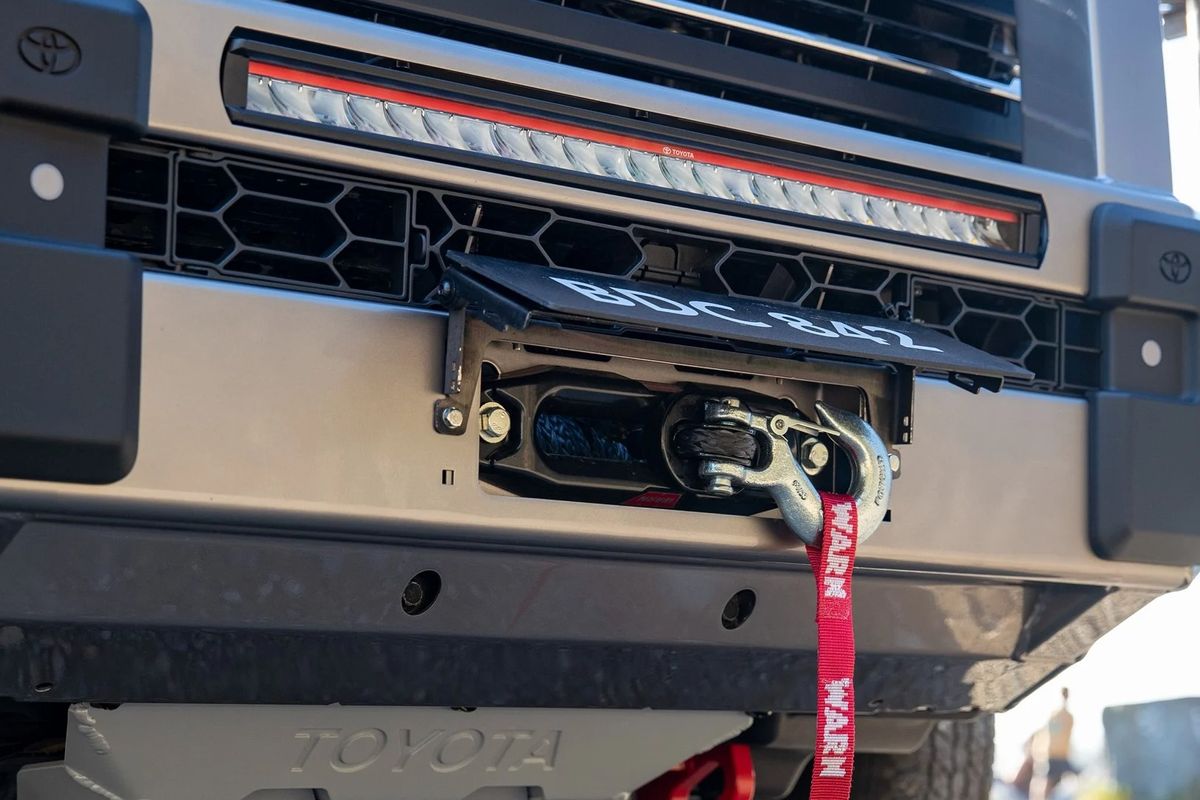
The first images of this new utilitarian W464 have leaked and it shows all those details that make Gelandenwagen followers giddy with excitement. The standard factory snorkel. Large volume tyres. Winch and bullbar mounting point on a steel front bumper.

Recognizing that military and government customers always require superior road surface illumination, especially when Gelandenwagens are used for search and rescue work, the most utilitarian W464 has upgraded to LED headlights with DRLs.

Something noteworthy for South African Gelandenwagen fans, is the presence of a chassis-cab version of the W464, which indicates that single-cab bakkie, could become available.

Mercedes-Benz exported a righthand drive version of the W461 in single-cab form to Australia for many years, making for one of the world’s most iconic 4×4 bakkies and there is no reason why the new W464 platform could not provide a similar bakkie variant.

Powering the more rugged W464 is a potent 2.9-litre in-line six turbodiesel, boosting 183kW and 600Nm.

Although comprehensive technical details have not been released, expect these government order W464s to be more capable off-road than any current G400d, with the possibility of some additional wheel travel and traction aid calibration.

Buy a Mercedes-Benz G-Wagon on Cars.co.za 

Related Content 

Nuts & Bolts – A Properly Useful Review of the new Mercedes-Benz G-Class 400d

Mercedes-Benz EQG is the future of Gelandewagen

BMW M4 Convertible (2021) Specs & Price

The BMW M4 Convertible is about to touch down in SA. Here’s how much you can expect to pay for the pleasure of top-down performance motoring.

If chasing sunrises and sunsets with the top down is your thing, then the new BMW M4 Convertible may be for you. BMW SA has loaded specs and pricing information on its website and we can confirm some details ahead of its showroom arrival.

The BMW M4 Convertible’s party piece is the roof. BMW has switched to a soft-top, as opposed to the folding metal/glass combination which will save weight. The German carmaker says the new roof and its mechanism is 40% lighter than the outgoing setup. With the top down, the boot can hold a claimed 300 litres of luggage, while 385 litres is available with the roof up.

BMW says its open/closing process is one of the quietest and can be activated at speeds of up to 50 kph, so no need to frantically come to an emergency stop if it suddenly starts to rain. The open and closing process takes around 18 seconds.

The M4 Convertible is being offered in Competition xDrive spec only, which means you get all-wheel drive as standard. The engine pumps out 375 kW and 650 Nm, which is paired to an 8-speed automatic. With the launch sequence activated, the M4 Convertible is said to sprint to 100 kph in just 3.7 seconds, before hitting a limited top speed of 250 kph.

A dive into the BMW SA configurator shows options like M carbon exterior package (R100 800), some tasty 19- and 20-inch wheel options (R10 000), 12 colours varying in price, carbon bucket seats (R82 000), and the semi-autonomous driving tech package (R23 800).

The standard specification is generous though, with BMW SA throwing in luxuries like Laserlight headlights, Comfort Access, heated steering wheel, the smart key with the display, heated seats, adaptive dampers, tyre pressure sensors and much more.

How much does the BMW M4 Convertible cost in South Africa?

The vehicle is sold with a 2-year/unlimited-kilometre warranty and a 5-year/100 000 km service plan.

BMW M4 Convertible R2 119 596

Further Reading

BMW M4 Competition (2021) Review

BMW M3 and M4 xDrive Revealed

BMW M3 and M4 Competition (2021) Launch Review

BMW M2 CS Review – Is This The Best Driver’s BMW M Car?

This week’s news you need to know (October 2021, Week 1)


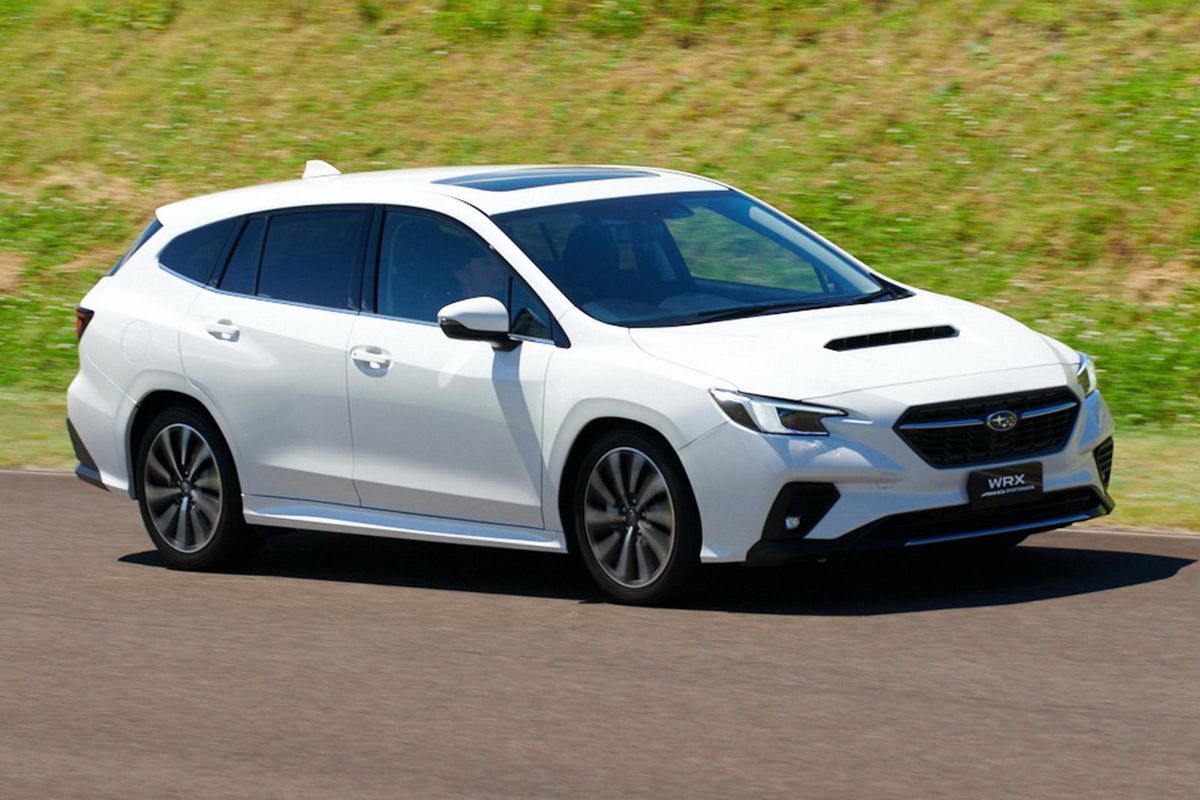
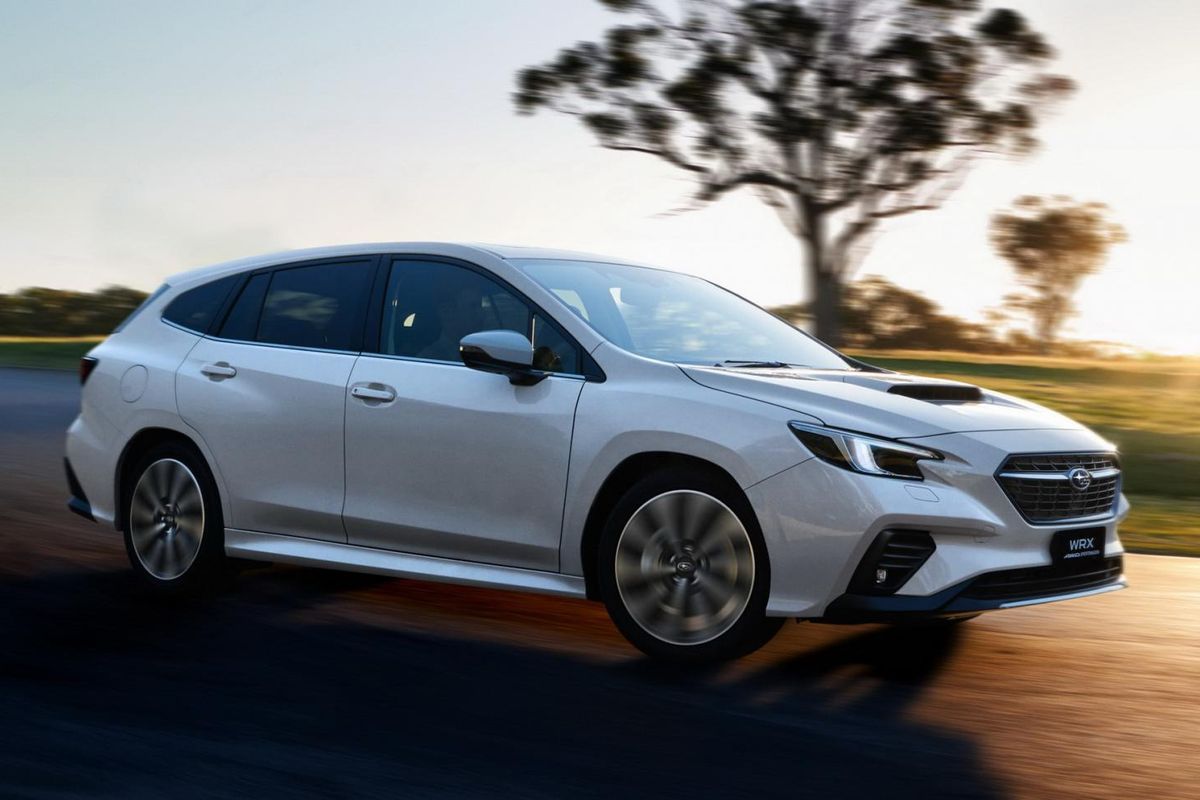
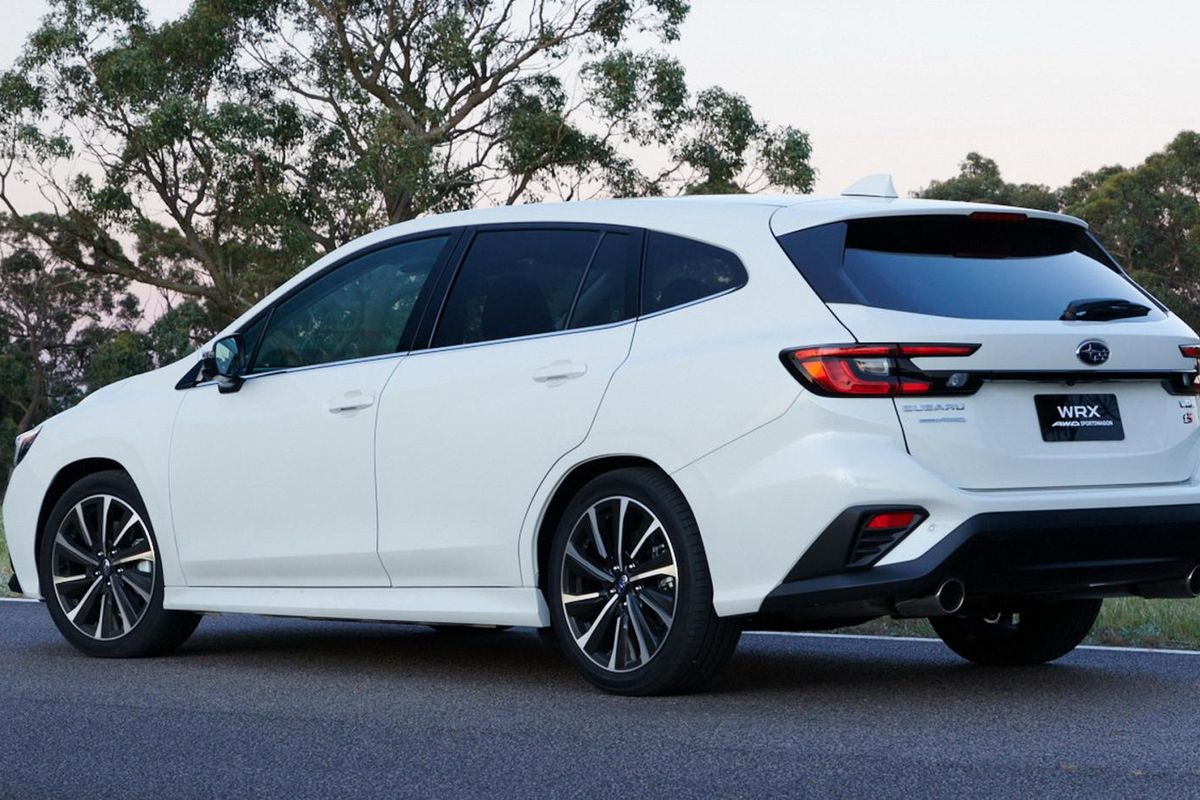
In this week’s automotive news you need to know: GWM produces a Raptor-rivalling bakkie that we hope will be cheap enough for SA buyers to afford, Rolls-Royce plans to make its cars even quieter, Mercedes-Benz extends the life of the V8 and – rejoice! – performance station wagons could be making a comeback.

GWM Raptor Rival – Wishful thinking

GWM Black Bullet

Raptor rival. Ha, if you’re looking for an ambitious title, look no further… and I mean that with the utmost respect. But then again, what are we if not an aspirational species? The world, more specifically the South African bakkie market, needs an affordable alternative to the Ford Ranger Raptor more than we’d like to admit. Which isn’t a bad thing whatsoever. The Raptor has literally dug in its talons as the most capable off-road vehicle in its segment – and it’s something that didn’t occur overnight… it was supported by the Blue Oval’s long history with Fox Shocks.

> Read more: GWM’s Raptor rival is real

Perhaps GWM should shelve the idea of a direct rival (for now) and rather aim to slot in underneath the Raptor and offer the global market a… dare I say it, Raptor-on-a-budget. Such a bakkie, in addition to the impressive P-Series, could see GWM become a formidable player in the SA market. As the middle-income sector gets squeezed harder, buyers will inevitably opt for more cost-conscious bakkie choices.

Electric Roll Royce – Shhh… take my money

Rolls Royce Spectre

As automotive manufacturers the world over strive to overcome (or solve) the problem of current-generation battery packs that add unwanted bulk to otherwise efficient EV models’ kerb weights, there is at least one famous brand that is unlikely to care much about that at all. Let’s face it, in the world of land yachts, weight isn’t an issue and the space to carry additional batteries is abundant. Sure, charge time may be an issue, which Rolls Royce can solve by duplicating the charging ports and, if you can afford a Roller, you can likely afford two charging points at home to speed up the process. Problem solved.

> Read more: Electric Rolls-Royce for 2023

At the end of the day, Rolls-Royce has always aspired to have the quietest engines in the game and what better time to fully embrace the EV revolution than now. Besides, the asking price is hardly the determining factor in whether a Rolls-Royce client buys a car or not. For Rolls Royce, it is the perfect opportunity to cement a sustainable future. “The Rolls is wavering a touch, sir, shall I plug it in?”

Mercedes V8 till 2031 – but not for you, EU

Mercedes-Benz V8

It seems as if the process to pension off the beloved large-capacity internal combustion engine, which has virtually been legislated out of existence by the EU (or so we thought) is becoming a moving goal post. Okay people, is the V8 in or out? Does anyone really know? Mercedes-Benz, like all other European car manufacturers, has been under pressure to phase out its internal combustion engines from big to small, but the latest report about the “V8 continuing until 2031” goes against the grain. That motor is the Chuck Norris of the engine world: unstoppable. We weren’t expecting this at all… or were we?

> Read more: Mercedes-AMG V8 could last to 2031

However, in another example of some of Europe’s finest feats of automotive engineering not being available in the countries where they were achieved, it seems that only markets outside the EU are likely to retain the V8. Besides the romance of the throbbing Benz ‘V8, which even the biggest BMW M fan can’t deny, there’s a business case for it and that is why it will continue to be produced. Money talks. They’ll find a way to keep the V8 alive and thumping well past 2031, which will buy the lab scientists time to come up with that “zero-emissions fuel” by then. The car world needs that more than ever now.

M3 Touring – Pull the trigger already, BMW

BMW M3 Touring

Car makers’ blind fixation with aggregating sufficient market data before they can pluck up the courage to launch new model variants (or not) must stop. Don’t tease an M3 Touring if you’re afraid that it will hurt sales of the M3 sedan, BMW. Enough toying with the hearts of the faithful – just decide already! We’re all grown-ups here. The fact is that cannibalisation is something BMW has been known for (think about the juxtaposition of the 1 Series M Coupe and E92-generation M3 a decade ago). McLaren did the same with the 720S vs the P1 and Volkswagen did it with the Mk3 Scirocco vs the Golf 6 GTI.

> Read more: Don’t expect a manual BMW M3 Touring

Manufacturers must make the play based on a sound business case, of course. What is likely to happen, in a repeat of when the first-gen BMW M2 eventually arrived in 2015 after sales of the (F80) M3 and (F82) M4 had peaked, is that we will probably get to see the potent M3 Touring that we want; it will be rear-wheel-drive, BUT only after BMW has sold enough units of the (G80) M3 and (G82) M4. Perhaps then – at the same time, Stellentis will wake up and realise that the Holy Trinity of ‘wagons should exist and build an Alfa Romeo Giulia GTA ‘wagon to join the Audi RS4 and M3 Touring. Let me manifest this.

New Car Sales in SA: September 2021

The automotive sector showed further signs of recovery in September 2021 as sales improved dramatically in the passenger car sector. Exports however, remain under pressure.

The Automotive Business Council said that the new vehicle market continued its gradual recovery during the month of September but that the knock-on effects of the July 2021 looting disruptions as well as the cyberattack on Transnet operations were still visible on vehicle exports.

New Car Sales in South Africa for September 2021

  • Aggregate new car sales of 43 130 units up by 15.8% (5 893 units) compared to September 2020
  • New passenger car sales of 29 538 units up by 30.5% (6 895 units) compared to September 2020
  • New LCV sales of 10 943 down by 10.9% (762 units) compared to September 2020
  • Export sales of 12 202 units down by 50.7% (16 188 units) compared to September 2020

Best-Selling Car Brands in South Africa for September 2021 

  1. Toyota – 10 936 units
  2. Volkswagen – 7 029 units
  3. Suzuki – 3 134 units
  4. Hyundai – 2 930 units
  5. Renault -2 520 units 
  6. Nissan – 2 330 units 
  7. Kia – 2 230 units
  8. Ford – 2 021 units 
  9. Haval – 1 990 units 
  10. Isuzu – 1 924 units 
  11. BMW Group – 1 114 units 
  12. Mazda – 579 units
  13. Stellantis – 534 units
  14. Mahindra – 461 units
  15. Honda – 438 units

New Car Sales Outlook 

According to Naamsa, “the new vehicle market continued to show further good recovery during the month of September 2021 in line with the country’s return to adjusted level 2 lockdown regulations and overall enhanced business and consumer sentiment. 

New vehicle demand is starting to pick up with consumers, businesses and rental companies returning to the market. However, many Covid-19 disruptive elements remain in play and prevailing market conditions have been hampered by higher logistics costs and supply chain disruptions, such as the global semi-conductor shortages impacting on the availability of certain models. 

Analysts project that vehicle production losses due to the computer chips used in modern vehicles could be between 6.3 and 7.1 million vehicles for 2021 and it is expected that the shortages will spill over until the middle of 2022 before stabilising. However, it is encouraging that new vehicle demand seems to outstrip supply at present and the outlook for the balance of the year looks positive.

As anticipated, the knock-on effects of the economic disruptions caused by the civil unrest in July 2021 and the cyberattack on Transnet operations continued to impact on the industry’s export performance during the month. Much will depend on the last quarter of the year’s export performance on how quickly the industry could return to pre-Covid-19 record vehicle export levels.”

Related Content 

New Cars or Used Cars: What Car Should You Buy?

Factors That Affect the Value of Your Car

What Type of Car Should You Buy?

What is a crossover exactly?


In the greater scheme of things, crossovers have not been part of the South African motoring landscape for very long, but they are now some of the most sought-after models in the new vehicle market. But what exactly makes a crossover, a crossover? This article, brought to you by motus.cars, sheds some light on the matter…

PARTNERED CONTENT

motus.cars, supported by Motus Toyota (previously Imperial Select), describes crossovers as small to medium-sized vehicles that offer increased ground clearance, but which are based on passenger-car underpinnings.

In fact, the easiest way to distinguish a crossover from other compact cars on the market (such as hatchbacks and sedans, for example) is that crossovers, despite their smaller footprints on the road, have purposely tall, blocky styling, are often adorned with chunky bumpers and black or grey side-cladding and, oh, they all have tailgates… Why? Purely for the sake that they can resemble “baby SUVs”.


Best of both worlds

For decades, an increasing number of consumers developed a predilection for driving high-riding SUVs or double-cab bakkies that utilise ladder-frame chassis. They quickly learnt to appreciate SUVs’ commanding perched driving position and the “sensation of safety” created by having additional ride height, as well as the extra practicality afforded by the vehicles’ roomy interiors. However, such “old-school” SUVs tend to have high centres of gravity, which compromises handling dynamics and – ultimately – safety, they are cumbersome/difficult to manoeuvre in town and not particularly fuel-efficient. In short, they’re anything but ideal family cars for city dwellers.

Crossovers, however, offer the best of both worlds, because they are based on the monocoque design that is common to most modern passenger vehicles. They resemble SUVs in terms of appearance and have moderately raised ride heights and spacious cabins by virtue of clever packaging, but, unlike ladder-frame-based vehicles, they are wieldy and comfortable to drive, powered by efficient powertrains and fitted with the latest safety features.

In other words, they offer many of the traditional SUV’s benefits without any of the drawbacks…

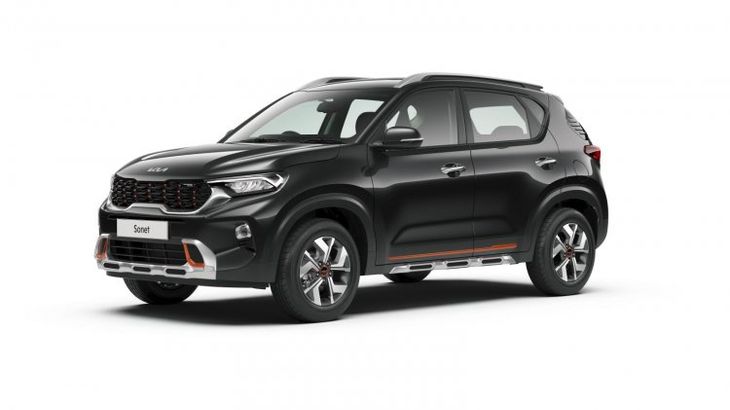
Kia Sonet (2021) Review

Increased ground clearance affords crossovers the ability to traverse gravel roads and, in combination with higher-profile tyres, makes them a popular choice in South Africa, where the quality of our road network is not always ideal, to say the least. This higher stance also means a commanding driving position, which has proven safety benefits such as offering a better view of the traffic and your surroundings.

The benefits of increased ground clearance and a higher stance are well known, and crossovers are able to offer these while still retaining the handling characteristics of a passenger vehicle.

Crossover vehicles tend to be exclusively two-wheel-drive (with the exception of the Subaru XV) and are usually front-wheel driven like the passenger cars (mostly compact hatchbacks) that they are based on. This sets them apart from the aforementioned ladder-frame SUVs and double-cab bakkies, many of which are four-wheel drive. This configuration gives crossovers an advantage of weight and, therefore, better fuel consumption.


As crossovers are often based on hatchbacks, they offer comparable loading practicality insofar as the rear seatback can be folded down to create utility space for luggage or leisure items like bicycles and surfboards.

The more affordable end of the small crossover market (below or just above the R300 000 mark) features models such as the Hyundai VenueKia SonetHaval JolionHonda WR-V, Mahindra XUV300Nissan MagniteRenault Kiger and the Suzuki Vitara Brezza/Toyota Urban Cruiser twins. See also: 8 Cheapest Compact SUVs Under R300k

The next level of crossover is slightly bigger than the budget offerings – vehicles in this category are known as compact family cars; examples of such models include the Citroen C3 Aircross, Ford EcoSport, Haval H6, Honda HR-VHyundai Creta, Kia Seltos, Peugeot 2008, Renault DusterSuzuki VitaraVolkswagen T-Cross and the upcoming Toyota Corolla Cross, to name a few examples.

And, for those who really want to make a style statement, there are a number of boutique crossovers on the market, which are about the same size as the aforementioned compact family cars, but have a premium position in terms of pricing. Vehicles such as these favour style over outright practicality and here are a few examples: Audi Q2, BMW X2Hyundai Kona, Mazda CX-30Mini Countryman, Subaru XV, Toyota C-HRVolkswagen T-Roc and Volvo XC40.

Crossovers are usually offered with service plans ranging from 3- to 5 years, and with manufacturer warranties of up to 5 years (or 7-years/200 000 km, in the case of Hyundai’s drivetrain warranty).

Browse motus.cars‘ range of quality, Motus-certified new, used and demo crossover vehicles for sale here.

If you would like to get your car valued as a trade-in, why not book a test drive, or enquire about your new dream car on motus.cars and get your current car valued at the same time!


Make use of free tools available to further help you decide what the best vehicle finance option is for you. Use these simple affordability and finance calculators to help you determine what you can afford and what finance option will be best for your needs.

Visit motus.cars for more info, or join the conversation on FacebookYouTube and  Twitter.

Related content:

Looking to trade in your car? What you need to know

Top 5 Vehicle Finance Options Explained

How to calculate true cost of car ownership

SA’s Cheapest Cars to Repair based on Parts Pricing

The Automobile Association of SA has compiled its Spare Parts Pricing Guide. With comprehensive costings over 11 vehicle categories, this in-depth guide gives you a great idea of the cost of ownership.

The AA has put in some serious yards compiling this guide. It covers parts pricing for service parts, maintenance parts as well as body repair parts. These figures are important as it gives you an idea of the cost of ownership. Many consumers incorrectly assume that the price of the car is all you’ll pay, forgetting the servicing aspect.

Of course, the cost of ownership of an entry-level vehicle will be radically different from that of a high-end luxury SUV, so the AA has broken things down into categories.

“After careful consideration of the parts needed across these three sub-categories, we identified a number of common parts which consumers may need to consider over the lifetime of their vehicles. Based on this, we collected pricing from dealerships in Gauteng to ensure fairness in the comparisons across each of the different categories of vehicles we selected. In terms of the vehicles themselves, we looked at popular and where possible, similarly priced models in each category,” says the AA.

  1. Entry-Level vehicles
  2. Budget vehicles
  3. Compact Family vehicles
  4. Family SUVs
  5. Executive SUVs
  6. Luxury SUVs
  7. Adventure 4×4 vehicles
  8. LCV Single Cab vehicles
  9. LCV Leisure Double Cab vehicles
  10. Electric Cars

Electric cars have been included, but as the tech and SA takeup is still in its infancy, the AA says it’s just added in some parts for reference purposes.

“The AA Spare Parts Pricing Guide is important research consumers must be made aware of. Buyers often don’t consider the potential lifetime costs of vehicles at the time of purchase, and budgeting for these expenses is critical. Our research shows that more and more people are keeping their vehicles for longer due to prevailing economic conditions and personal financial circumstances; the information in our Guide is a critical component of proper research as part of buying a new or second-hand vehicle,” concludes the AA.

SA’s cheapest cars based on Lowest Rand value of total parts basket per category

As a yardstick, the lowest potential cost of ownership of the vehicles surveyed in each category is listed below. This is based on the cumulative Rand values of the service parts, the maintenance parts, and the body repair parts. It must be noted that the retail price of some vehicles may already include a limited number of services and a selection of service and/or maintenance parts. These are SA’s cheapest cars based on the lowest Rand value of total parts basket per category:

The Alfa Romeo Stelvio won the Executive SUV category.
  • Entry-Level vehicles: Datsun Go – R74 024.80
  • Budget vehicles: Ford Figo 1.5 Titanium – R53 254.55
  • Compact Family vehicles:  Mazda CX3 – R131 920.18
  • Family SUVs: Honda CR-V – R171 790.57
  • Executive SUVs: Alfa Romeo Stelvio – R179 210.39
  • Luxury SUVs: Range Rover Sport – R367 410.19
  • Adventure 4×4 vehicles: Ford Everest 2.0 BiT XLT – R117 037.19
  • LCV Single Cab vehicles: Isuzu D-MAX – R79 038.56
  • LCV Leisure Double Cab vehicles: Ford Ranger 2.0SiT XLT – R96 083.00

SA’s cheapest cars based on Lowest Rand value of service parts basket per category

The Peugeot 1.2 Active proved that not all French parts pricing is expensive

Based purely on the service parts selected, the following vehicles are SA’s cheapest cars to own:

  • Entry-Level vehicles: Renault Kwid 1.0 Dynamique – R4085.84
  • Budget vehicles: Ford Figo 1.5 Titanium – R3347.78
  • Compact Family vehicles: Peugeot 1.2 Active – R6011.94
  • Family SUVs: Toyota Rav 4 – R6183.32
  • Executive SUVs: Alfa Romeo Stelvio – R9538.53
  • Luxury SUVs: Lexus RX – R10 504.97
  • Adventure 4×4 vehicles: Isuzu mu-X – R7 444.50
  • LCV Single Cab vehicles: Ford Ranger 2.2TDCi – R5 747.30
  • LCV Leisure Double Cab vehicles: Ford Ranger 2.0SiT XLT – R5 134.09
  • Electric Cars: BMW i3 – R11 806.33

Overall service parts costs are, predictably, the lowest costs for all vehicles with vehicle body parts the most expensive.

We’ve attached the category costs as images, so you can compare vehicles in their respective segments. To see the actual costings for service and parts pricing, the report is available for viewing here. Alternatively, we have attached it to this article as a downloadable PDF.

Further Reading

Right to Repair – here’s what you need to know

The ABSA Guide to responsible vehicle ownership