The H9 first arrived in South Africa in 2018 boasting a luxurious and well-equipped interior as well as a fair dose of offroad credibility too, all at a reasonable price point.
What’s changed on the updated Haval H9?
Haval is determined to keep its H9 top of mind and as such the model has been refreshed. While the current H9 wears a horizontal slat chrome grille, the latest H9 is easily identified with its thicker vertical slat grille and updated headlight design. A keen eye will also notice that the fog light housings have also been redesigned.
While official specification details for the updated H9 are forthcoming, an Australian report points to a larger infotainment screen being fitted inside the H9 with mild styling revisions being adopted.
As for engine power, it’s likely that Haval will forge ahead with the 2.0-litre turbopetrol engine that’s tuned to deliver 180 kW and 350 Nm in conjunction with an 8-speed automatic transmission driving all four wheels.
This is a developing story and we have reached out to Haval South Africa to find out when we can expect to see the updated H9 in South Africa. So far, the only comment we have received is that the H9 has not been confirmed for right-hand-drive markets yet
The car chip crisis: How do we deal with the semiconductor shortage?
New PlayStation or car? As things stand, you can have one – but not both.
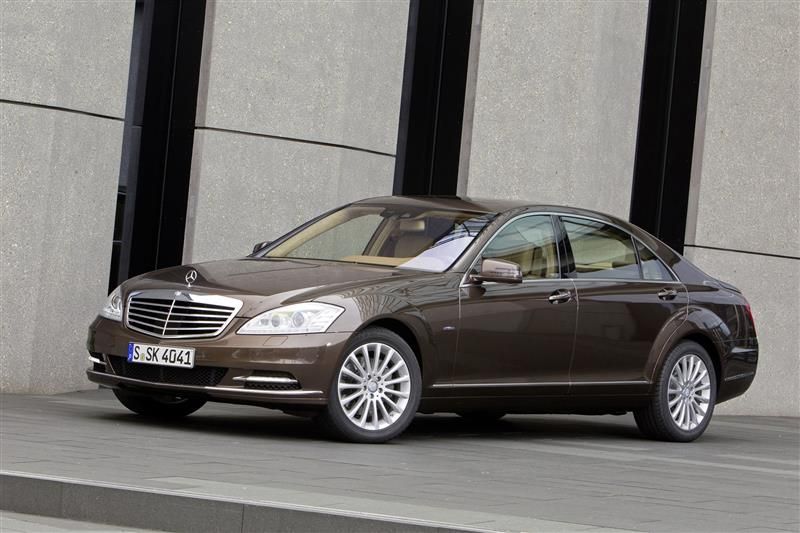
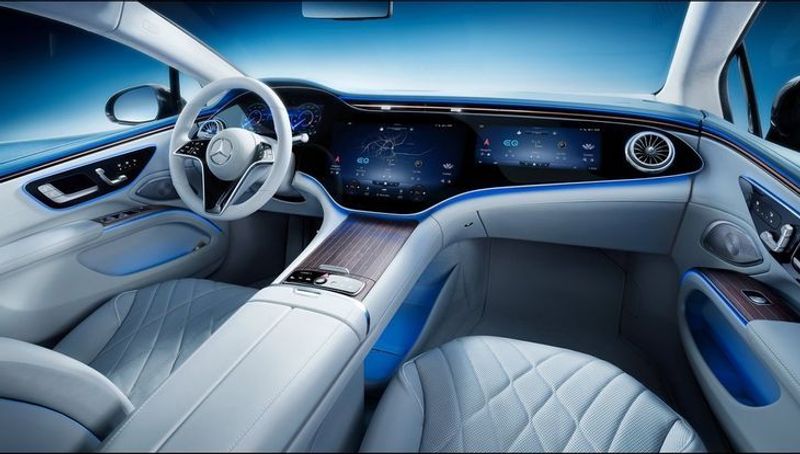
A decade ago, the world’s most advanced car had 100 microprocessors and more computing power than an Airbus A380. In the automotive world, the Mercedes S-Class first-class sedan is regarded as the pinnacle of technological sophistication – in any era – and the 5th-generation model had more lines of code than an equivalent widebody airliner.
Today, the latest Mercedes-Benz’s S-Class has 30 million lines of code. That is seventeen times more than an F-22 Raptor fighter jet.
Virtually all vehicles have been digitised over the past few years… and at a rapid rate. Some of this has been mandated by increasingly strict crash-safety regulations that require more driver-assistance systems. Our addiction to digital connectivity has driven the balance of this increased digitisation and in-car infotainment has trended to a level of capability that was quite unimaginable in the mid-2000s.
Even an S-Class from 2009 requires multiple ‘chips to keep its systems and screens in operation.
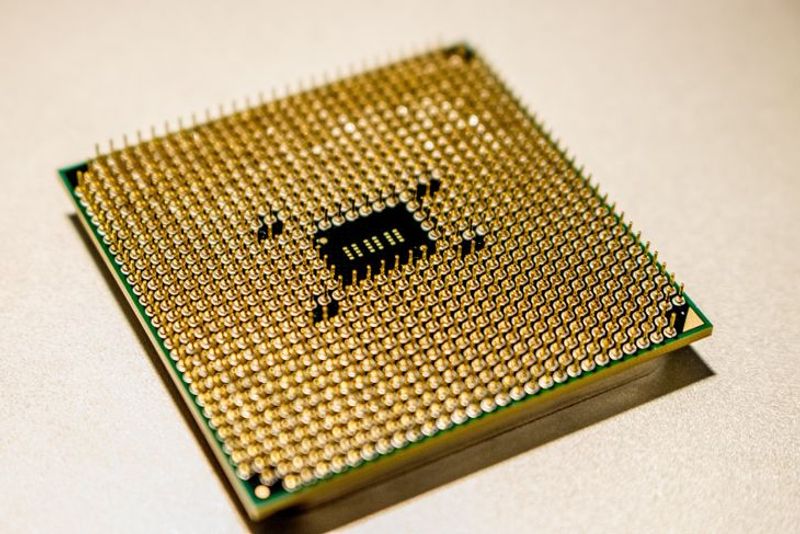
But all of this has relied on the humble microprocessor… That tiny bit of electronic engineering and advanced chemistry has powered the digital revolution. And the world doesn’t have enough of them.
With most new car models increasingly reliant on greater microprocessing integration, any disruption to the supply of those magic little ‘chips could trigger disaster. And it has.
During last year’s peak lockdown, the automotive industry entered a period of unprecedented production stoppages. Uncertainty suffocated forward planning and most car companies made a critical mistake: they overestimated the leverage they had on microchip suppliers.
A hundred years of legacy means nothing in the microchip world
For decades, car companies got what they wanted when they needed it.
With enormous purchasing budgets and the ability to exert great influence on their traditional suppliers, car companies don’t understand being second in line – for anything. But in the realm of microprocessors, companies such as Ford and Volkswagen are, well, unimportant, because the entire automotive demand for microprocessors accounts for as little as 10% of global production.
For those Asian suppliers that keep most of our digital world successfully networked and functional, their most important relationships are with tech companies. Apple and Samsung are customers of preference for semiconductor suppliers, not Ford and Volkswagen.
Automotive manufacturers are not the big players in the chip market; the mobile phone operators get priority.
Remote learning and -working triggered a surge of device upgrades, which accounted for all excess microchip manufacturing capacity. And that has left the car companies very exposed.
You might be wondering how companies with powerful risk analysis software and scenario-planning divisions got it so wrong vis-à-vis the microprocessor supply. The answer is quite simple: money.
Automotive manufacturing is extraordinarily high-risk, with most companies trying to hold as few on-site component supplies as possible. Storing, sorting, and paying for a bulk of components that you’ll only use in a few weeks’ time is very expensive.
With supply agreements stable, the theory of lean manufacturing worked well for everyone. But when the world virtually stopped turning last year, car companies rapidly cancelled their supplier contracts, with the assumption they could easily access an escalation of supply when required. They were wrong. Dead wrong.
Microchips are not easy to make
Semiconductor manufacturing requires precision and cannot be rushed.
Car companies might have idled for a few weeks last year, but the semiconductor industry kept supplying, as personal technology consumers reconfigured their lives to remote learning and -working.
As the car industry rebounded, there was an expectation that microprocessors would be available. They weren’t… and still aren’t.
The customer expectation of fully integrated smartphone functionality, over-the-air updates, Level 3 driver-assistance autonomy and “intuitive cabin mood-lighting” places a heavy burden on a vehicle’s electronic architecture. Without the processors available to operate these features, car companies are forced to idle production for a second consecutive year.
International travel remains limited and some of that spend is being allocated to vehicle upgrades. As new vehicle demand restores, car companies are learning a painful lesson about being too tech-dependent.
Redundancy supply is possible when you need tyres, wheels and metal or plastic parts – because they are not that complicated to manufacture. Many companies specialise in producing these products for the automotive industry.
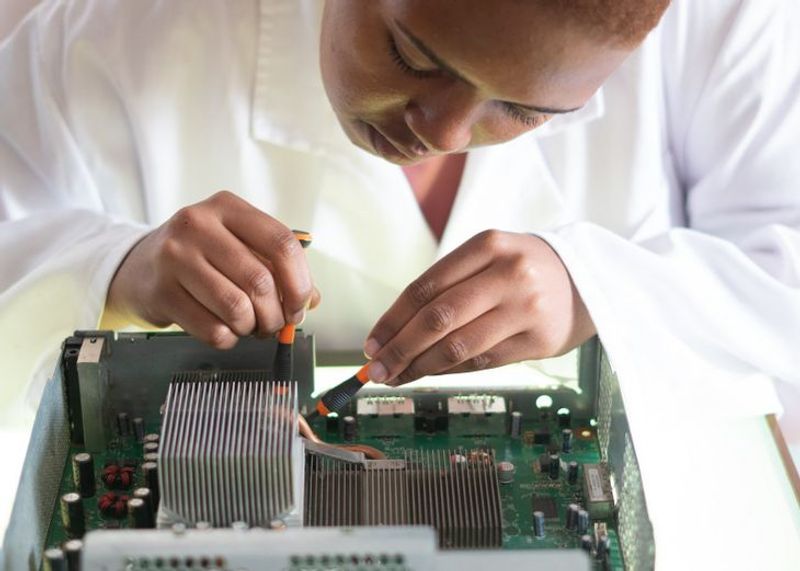
Semiconductor modules, by contrast, are not easy to make. They require exceptional precision and an unrushed production process. The global distribution of companies that can make the quality of semiconductors required in modern cars is very limited – and they aren’t aligned or dependent on the car industry.
Unlike seats or stamped body panels, ‘chips are challenging to make; complex chemistry meets precision engineering and the tolerances are minuscule.
Even Toyota is suffering
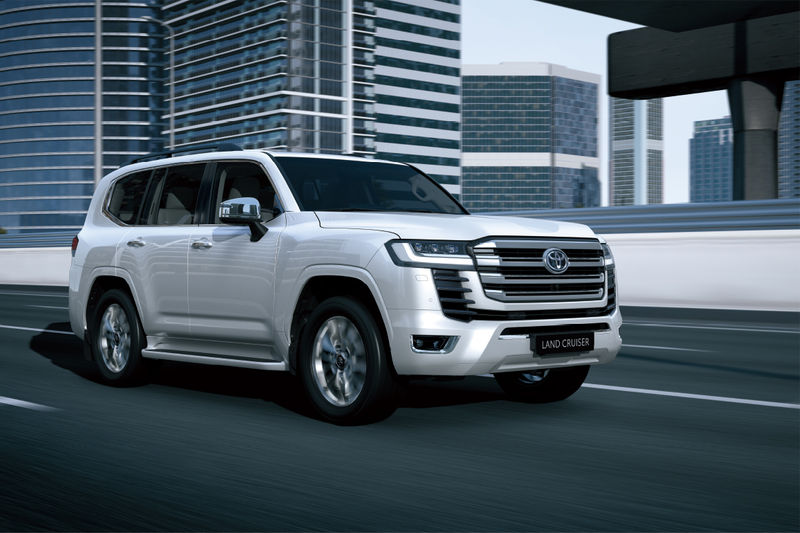
Although Toyota was initially surviving on its supply, it is now also struggling for chip supply.
BMW. Ford. General Motors. VW. Most of the world’s most established car companies are taking huge losses due to the semiconductor shortage. But one name was notably absent, until recently: Toyota.
Japan’s largest car company – and long considered to be the world’s most stable car manufacturer appeared well at ease throughout the crisis. How? Tsunami logic.
Of all the car companies, Toyota should have been struggling the most. It produces huge volumes and is the most intense practitioner of that “just in time” manufacturing system. As its rivals were announcing or attempting to recover from production shutdowns, Toyotas continued to stream out of its factories and roll onto ships for global customer deliveries.
After the 2011 Tsunami impacted Japanese society and industry, Toyota suffered an acute microchip crisis. It decided to learn lessons and initiated a reassessment of its most difficult to source components. The result was that Toyota seemed least affected by the microchip shortage, despite producing many vehicles that are no less technologically involved than those of its rivals.
But now, even Toyota has exhausted its microchip supply chain and announced a 40% reduction in production for September 2021.
The grim reality is that all car companies will see reduced production, customer deliveries and overall sales due to the smallest possible constituent bits – those microchips – being unavailable.
Could we deal with less tech?
More screens and connectivity requires more chips.
The car industry finds itself in an impossible space. Crash safety, driver-assistance systems and smartphone integration require a saturation of digital technology – all driven by interlinked microprocessors.
You could argue that average South African entry-level cars (most of which are produced in India) have a lower burden of microchip risk. But that doesn’t account for even a fraction of the global market – or those luxury vehicles that generate the greatest profits for the various automotive marques.
As we desire more cabin screens and digital features, automotive microchip use will only escalate. Brilliant software coding can help with simplification, but other than Tesla, the automotive industry has a poor record of solving complex coding issues. Don’t expect better code to reduce semiconductor numbers in your car soon – unless it is a Tesla.
Is there an argument for user-interface simplification? Do you need every single feature and app on your Smartphone to sync with your vehicle? The same logic could be applied to cars in the future, where product planners will analyse how many comfort and convenience features are not being used and could, therefore, be deleted.
Vehicles will always have to retain core safety and driver assistance features, but perhaps your car’s cabin would be no poorer for the omission of infinitely adjustable LED cabin mood lighting (to name but one example). It would make your car less complex to produce in terms of microprocessor tech. Then again, you could go buy a Nissan NP300.
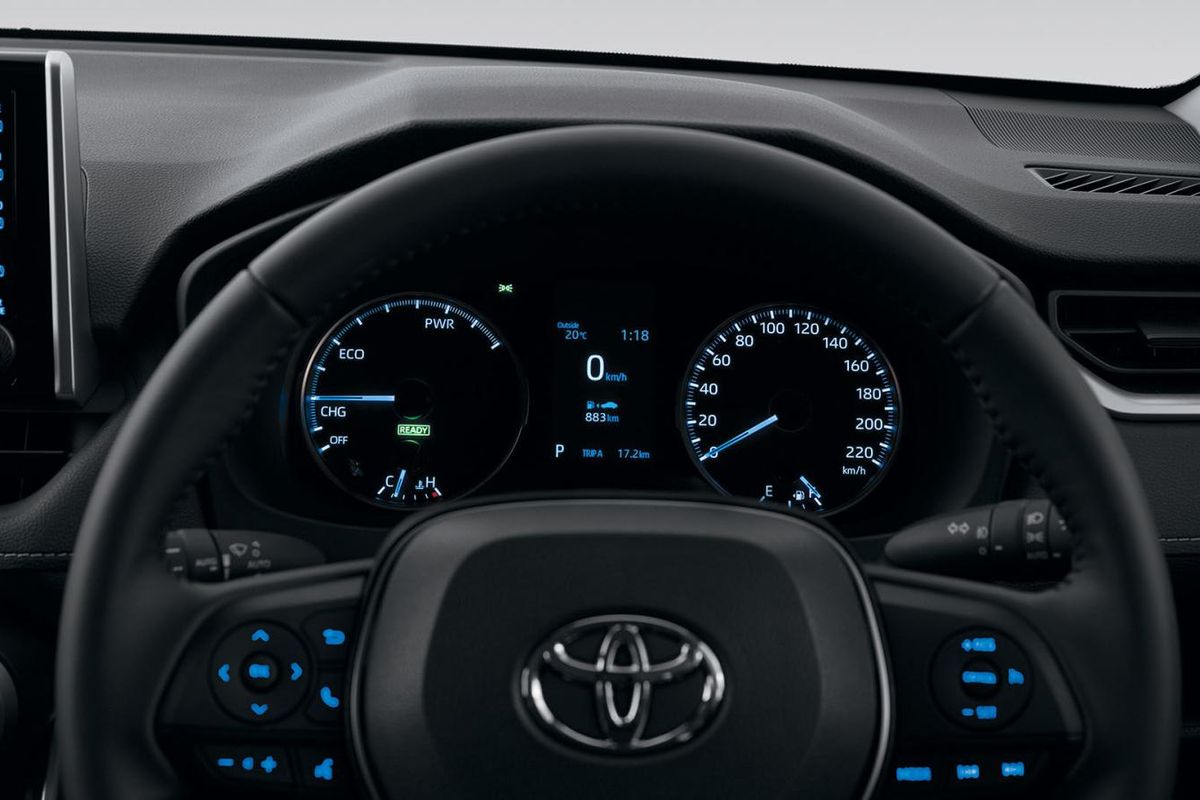
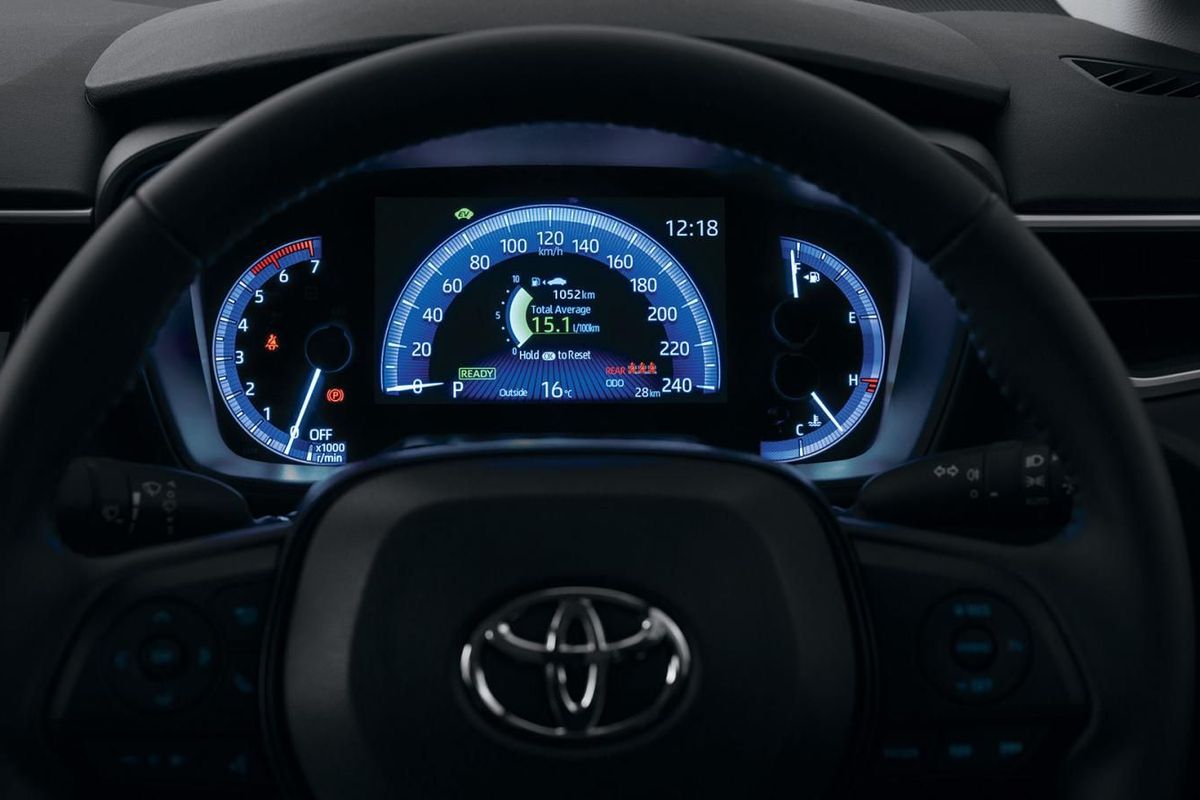
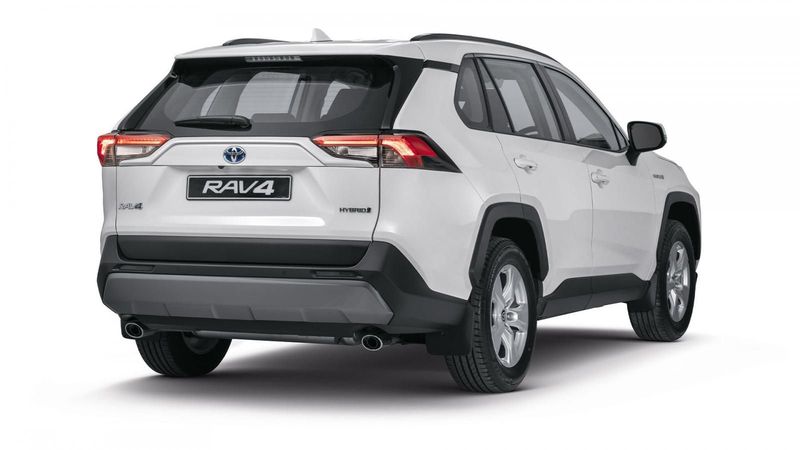
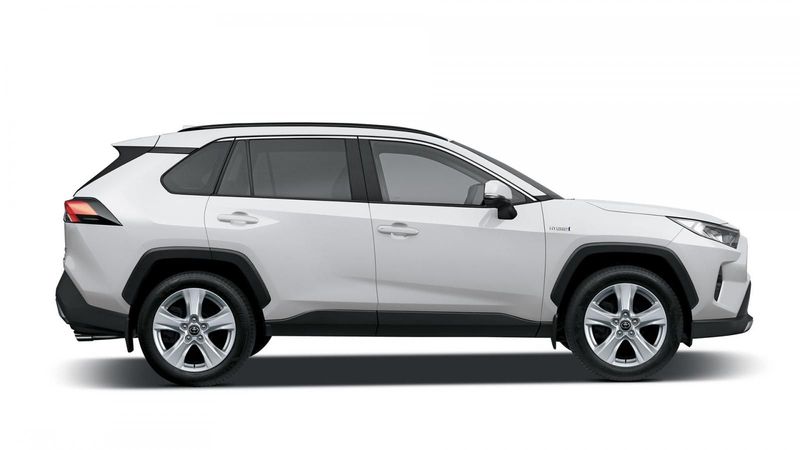
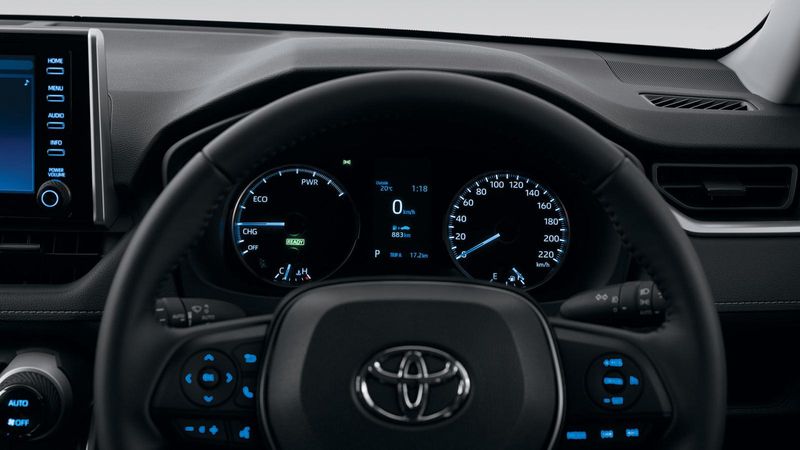
Toyota RAV4- & Corolla Hybrid (2021) Specs & Price
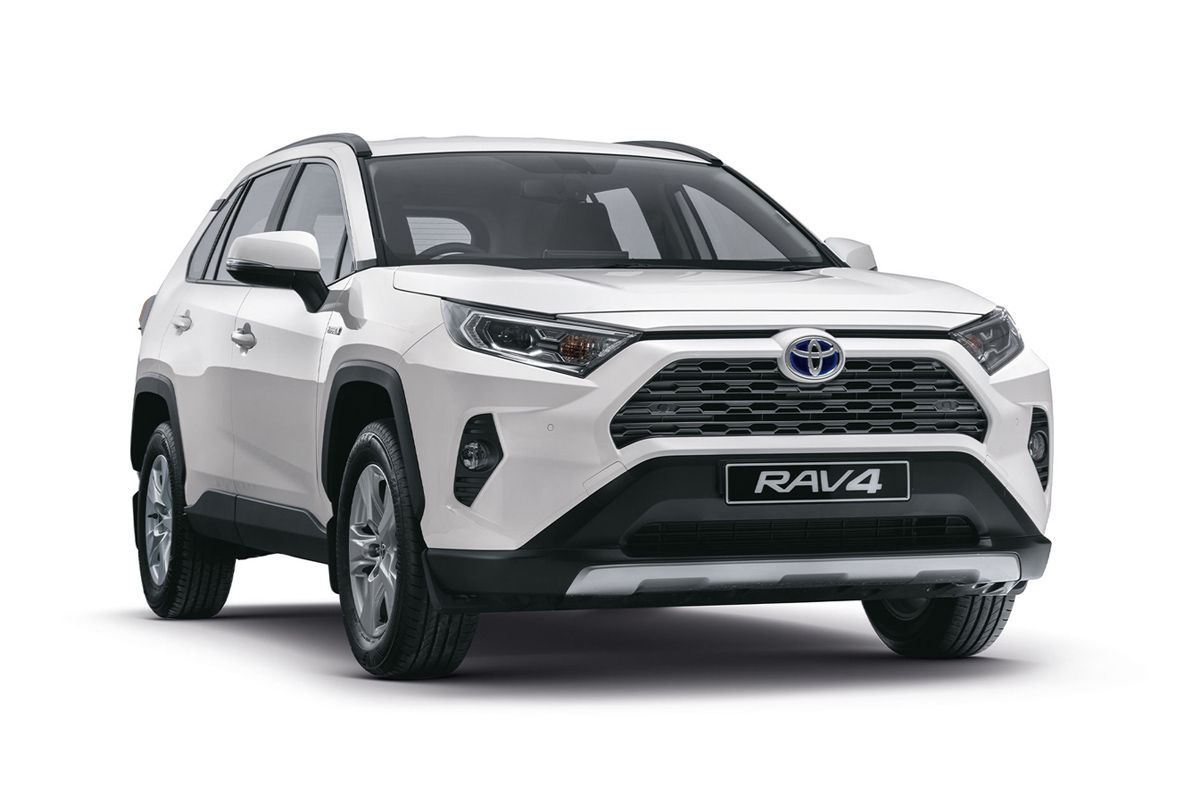
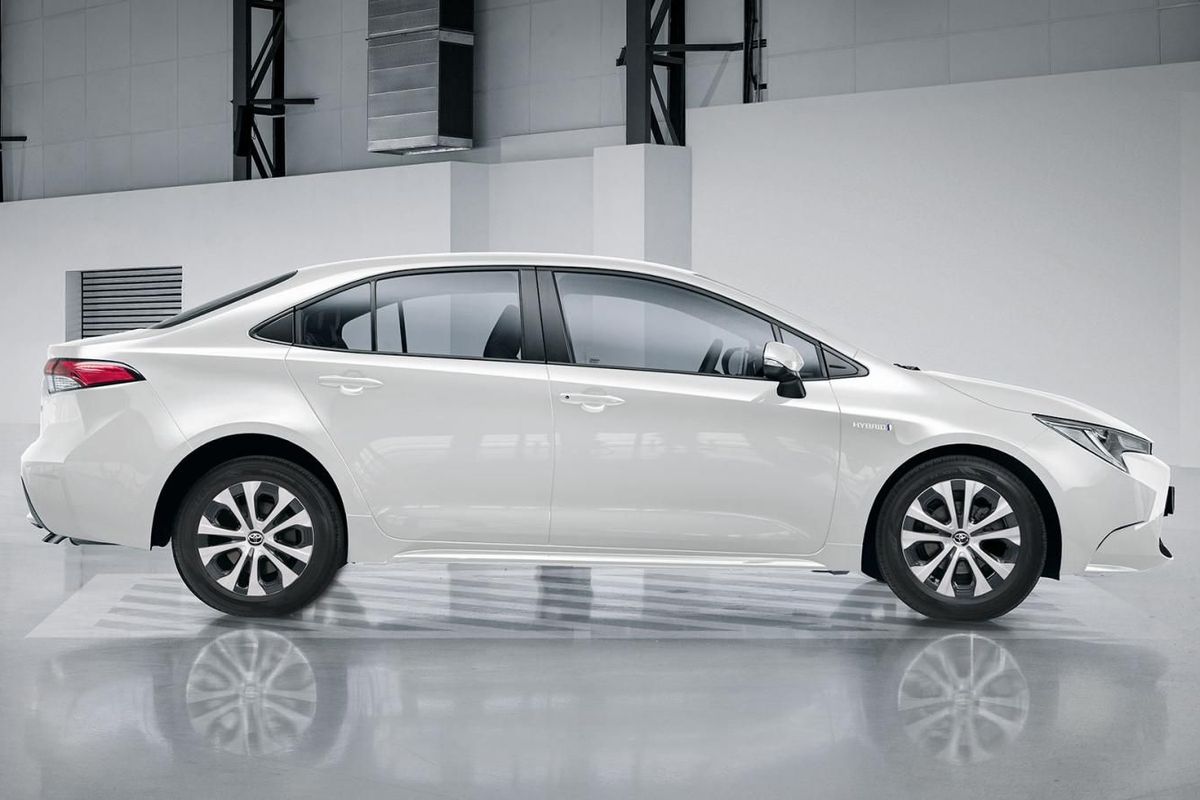
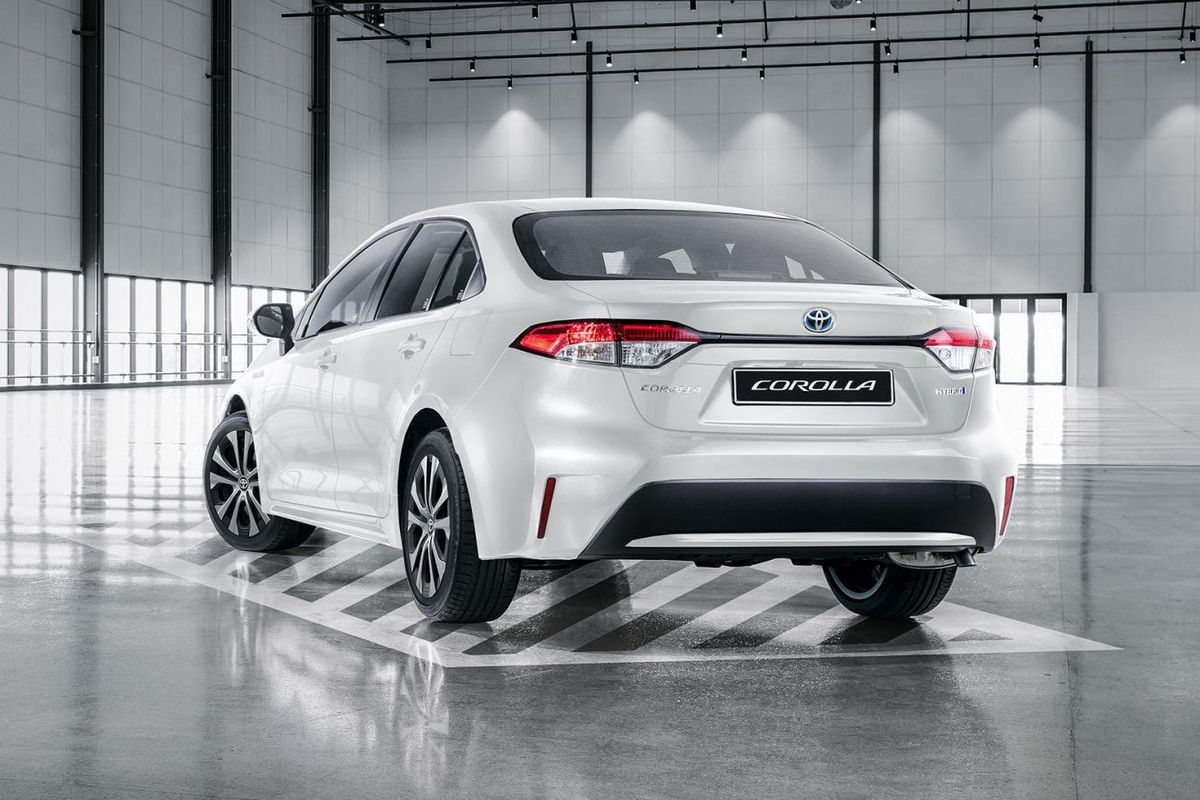
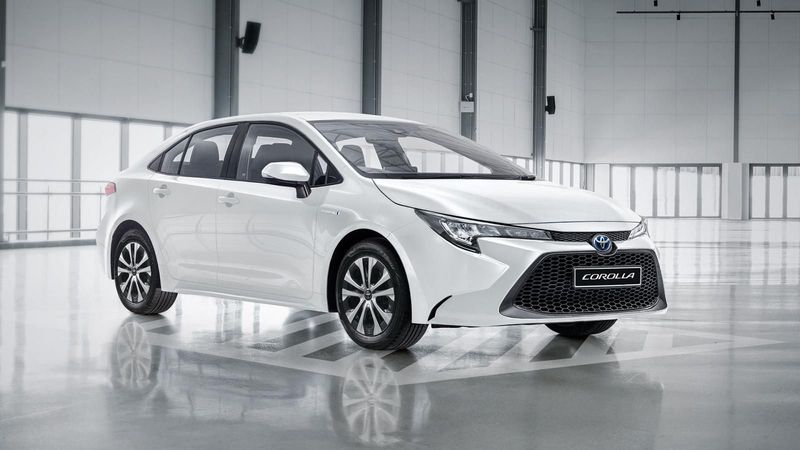
Toyota SA recently previewed a hybrid derivative of the upcoming Corolla Cross, but before that model arrives, the Japanese firm is introducing petrol-electric versions of its RAV4 family car and Corolla compact sedan, the latter of which becomes Mzansi’s most affordable hybrid.
Although hybrids have long formed part of Toyota-owned premium brand Lexus’ local product line-up, Toyota South Africa Motors currently offers only the Prius through the mother brand’s dealer network (although, for the record, the Japanese manufacturer did sell hybrid versions of the Yaris and Auris before)…
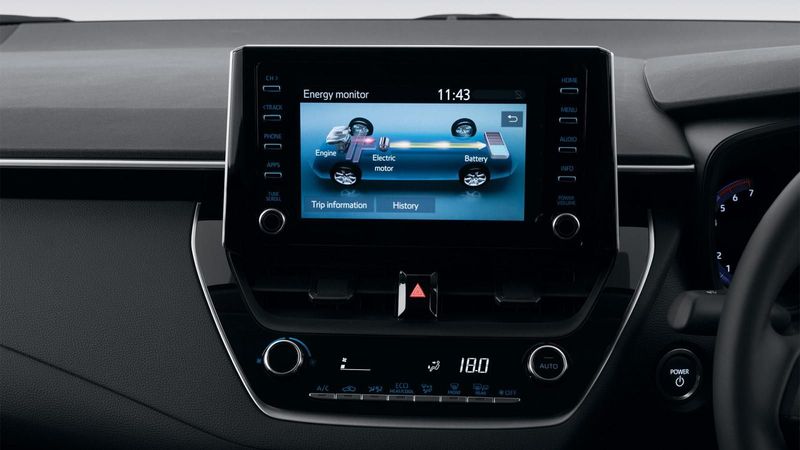
That, however, will change with the introduction of the RAV4 2.5 Hybrid GX and Corolla 1.8 Hybrid XS, which are powered by 2.5-litre and 1.8-litre 4-cylinder petrol engines mated with electric motors and hybrid batteries respectively. Interestingly, while the hybrid version of the upcoming Corolla Cross will be the flagship of the range, these two newcomers are specified in entry-level GX and XS trim; in other words, they’re mid-range offerings!
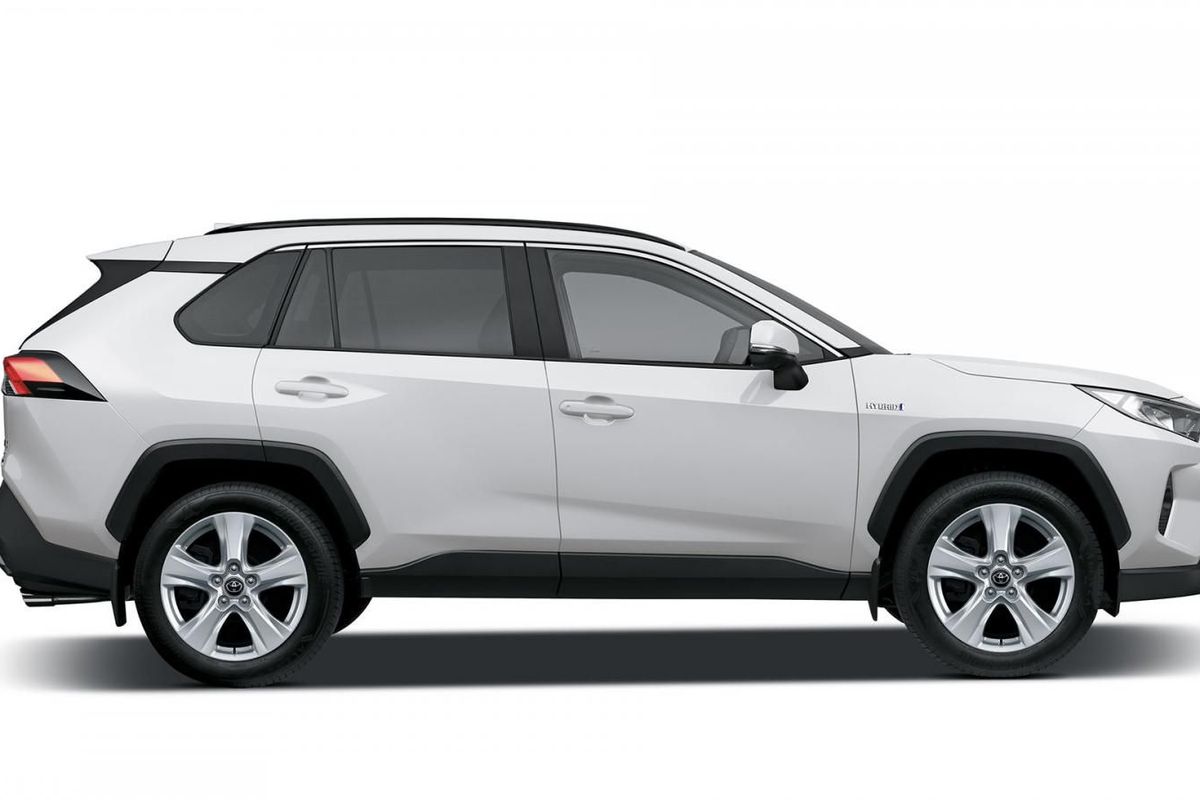
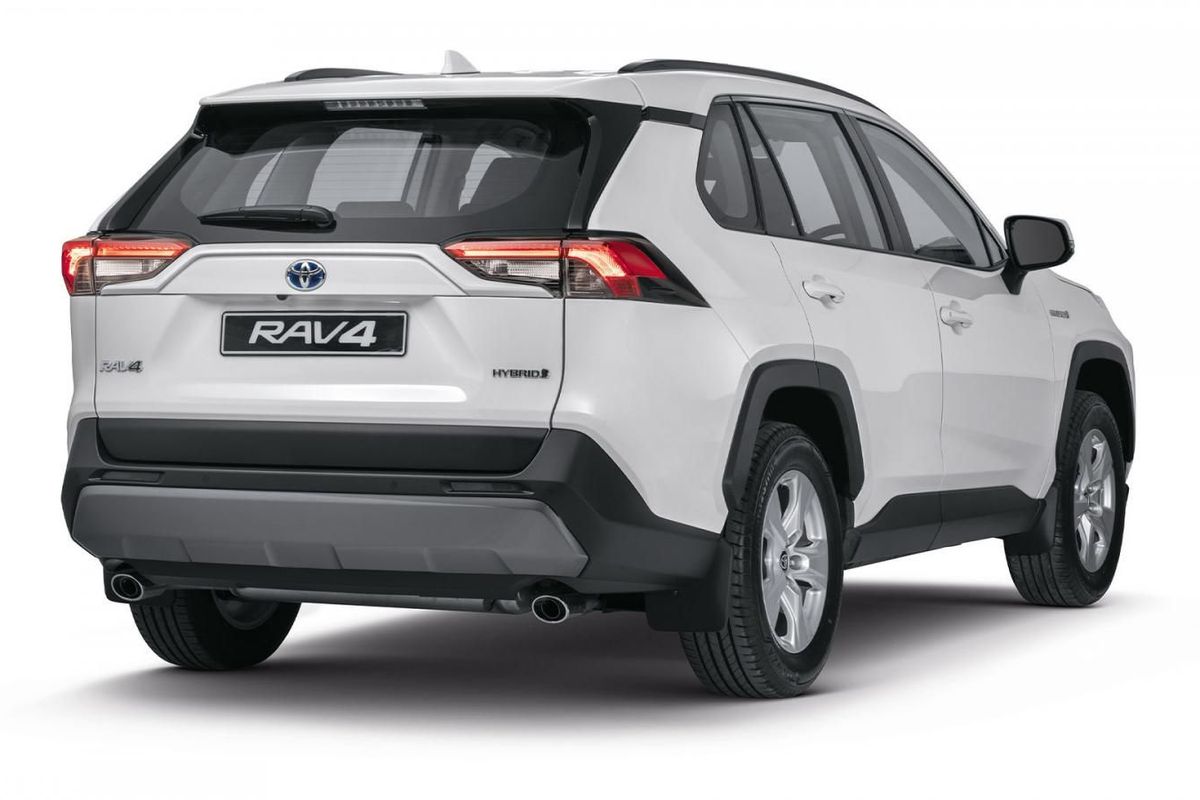
The RAV4 2.5 Hybrid GX, which retails for R555 300 (August 2021), slots in between the new-spec 2.0 GX Auto and the 2.0 VX. Its asking price includes 3-year/100 000 km mechanical- and 8-year/195 000 km hybrid-battery warranties and a 6-services/90 000 km service plan.
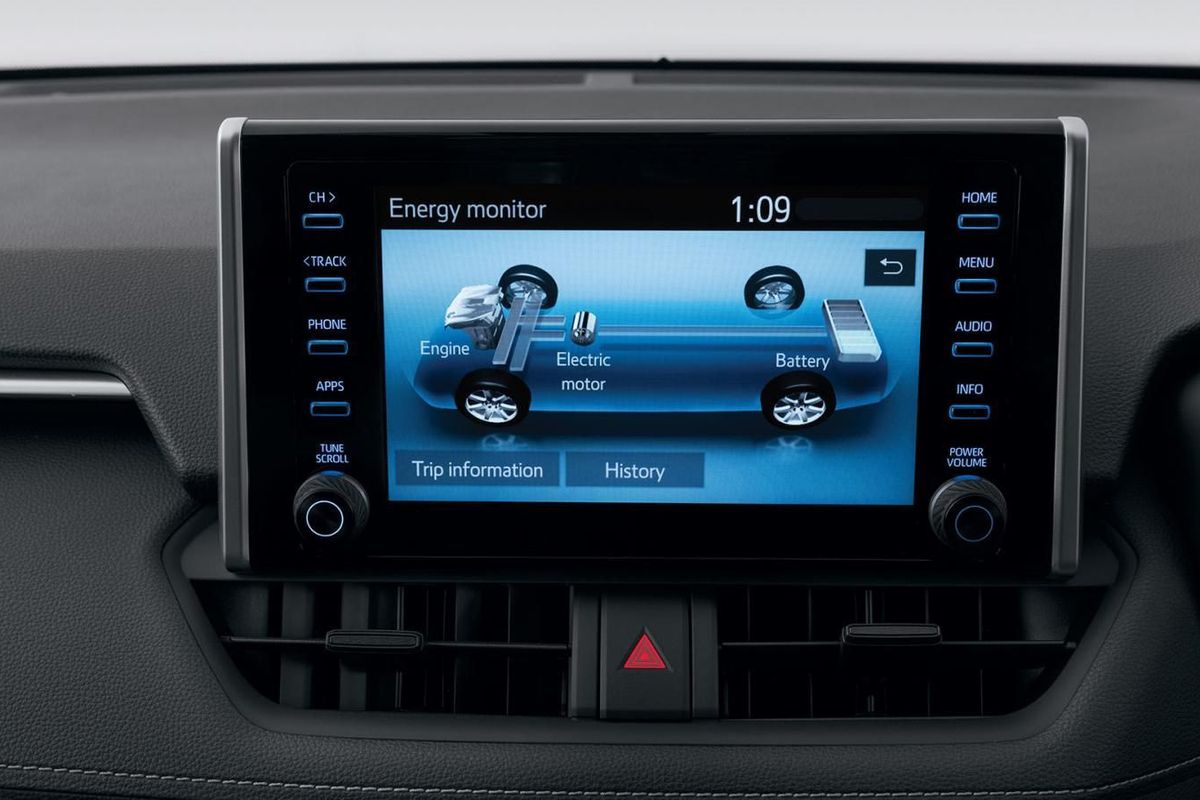
It may not be the most expensive derivative in the RAV4 range, but it is the most powerful offering in the all-petrol line-up… The first half of the powertrain is a direct-injection Atkinson-cycle 2.5-litre 4-cylinder engine (with, inter alia, a 14:1 compression ratio and intelligent dual variable valve timing) that produces 131 kW at 5 700 rpm and 221 Nm of torque at 3 600 – 5 200 rpm. The second half is pair of electric motor-generators (that can produce up to 88 kW/202 Nm) in combination with a nickel-metal hydride (Ni-MH) battery.
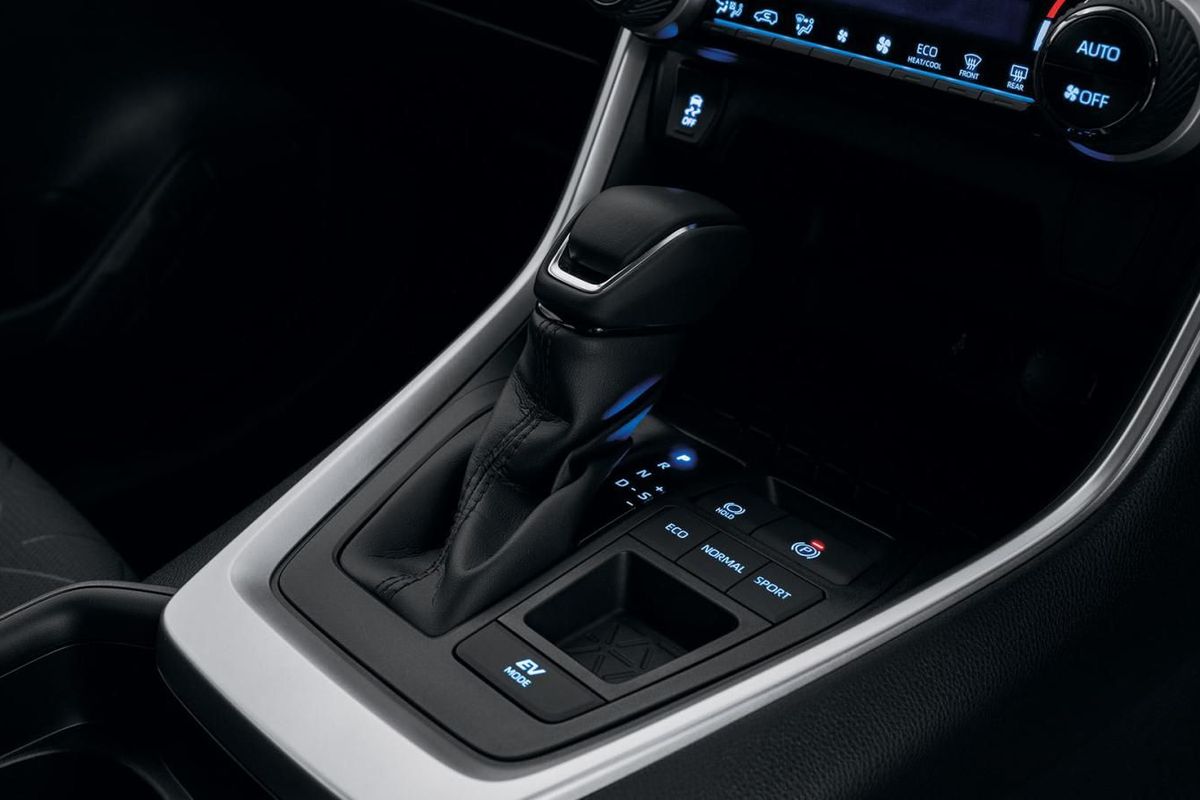
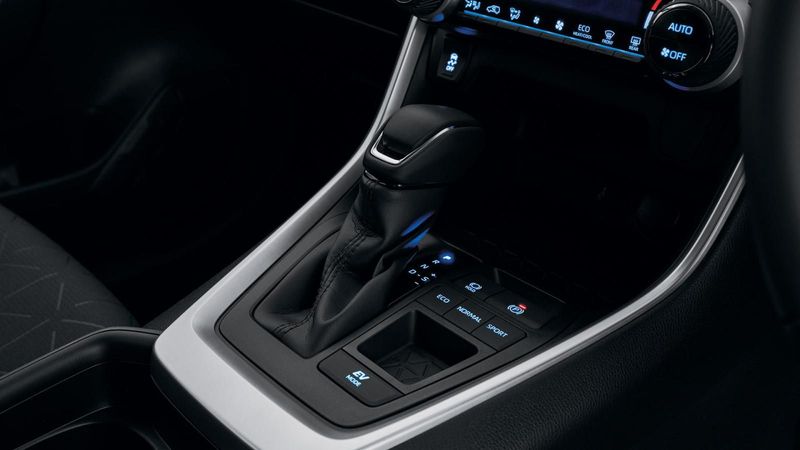
The 2.5 Hybrid GX drives its front wheels via a continuously variable automatic transmission, which incorporates Eco, Normal, Sport and EV modes, the latter of which allows the hybrid to run on electric power only at a limited speed for short distances (battery-charge level permitting).
Although Toyota SA has yet to confirm it, we understand the petrol-electric RAV4 produces a combined power output of 160 kW and has a claimed top speed of 200 kph, while it’s said to consume an average of 4.7 L/100 km and emit emissions-tax-avoiding C02 of 107 g/km. Its theoretical range is 1 170 km (from a full 55-litre tank).
Specification-wise, the newcomer incorporates recent updates to the Toyota RAV4 range, including the addition of a leather-trimmed steering wheel and transmission lever (on GX derivatives), as well as Apple CarPlay and Android Auto-compatible touchscreen infotainment system.
Other highlights include LED headlamps and daytime running lights, 17-inch alloys – and blue-highlighted Toyota badges – on the outside, while the interior, although trimmed in cloth upholstery (not leather), comes equipped with a multifunction steering wheel, cruise control, keyless entry and -start, auto aircon, -lights and wipers, electrically adjustable and heated side mirrors, self-dipping rear-view mirror, PDC (fore and aft) and a reverse-view camera.
The safety and driver support systems in the RAV4 2.5 Hybrid GX consist of driver, front passenger, knee, side and curtain airbags, front and rear Park Distance Control (PDC), Hill-Assist Control (HAC), Vehicle Stability Control (VSC) and Trailer Sway Control (TSC).
The Toyota RAV4 2.0 AWD GX-R is the 2020/21 Cars.co.za Consumer Awards champion in the family car category.
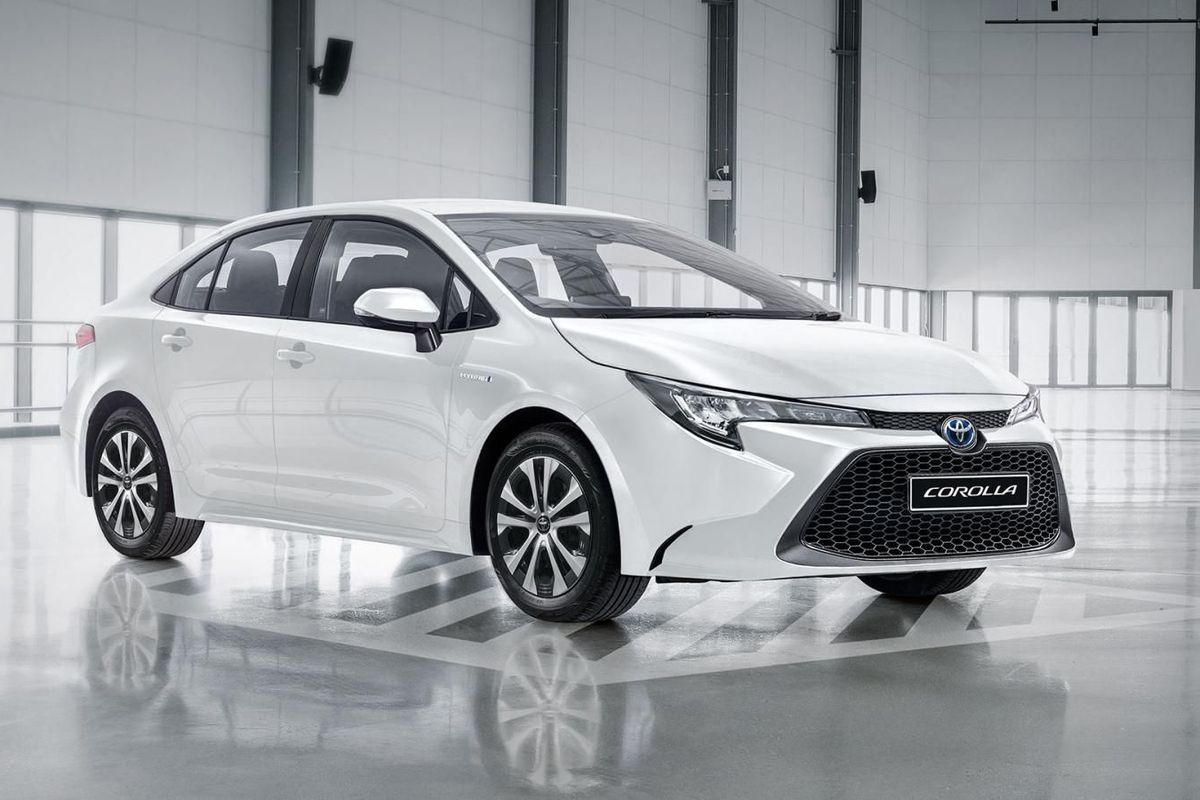
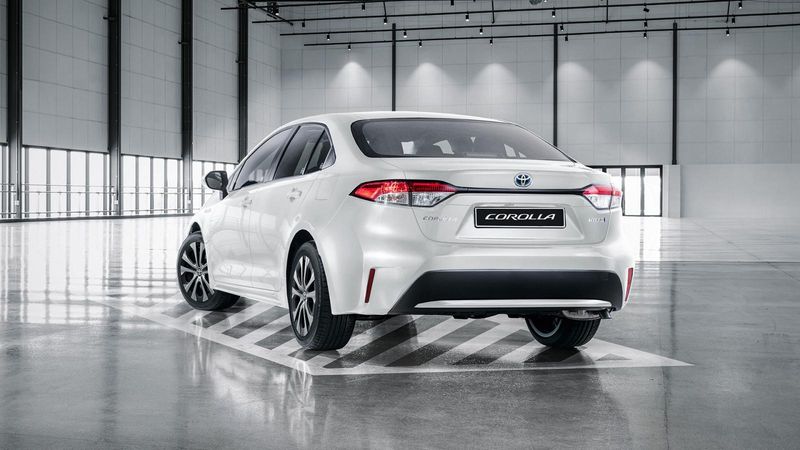
Meanwhile, the Corolla 1.8 Hybrid XS undercuts the recently launched Honda Fit Hybrid compact hatchback (R469 900) to become South Africa’s most affordable petrol-electric offering in the new-vehicle market, well, at least until the specification level of the locally-manufactured Corolla Cross Hybrid is revealed. Suffice to say the newcomer represents a saving of almost R160k (R157 900) over the admittedly much higher-specced Prius hybrid sedan.
The 1.8 Hybrid XS, which retails for R419 900 (August 2021), slots in between the 1.8 XS Auto and 2.0 XR manual derivatives. Its asking price includes 3-year/100 000 km mechanical- and 8 year/195 000 km hybrid-battery warranties and a 6-services/90 000 km service plan.
Performance-wise, it’s not quite in the RAV4 2.5 Hybrid GX’s league, although the Corolla is said to consume even less fuel than its sibling – Toyota claims an average consumption figure of 3.5 L/100 km, with CO2 emissions of 81 g/km and an astonishing theoretical range of 1 229 km (from a full 43-litre tank)!
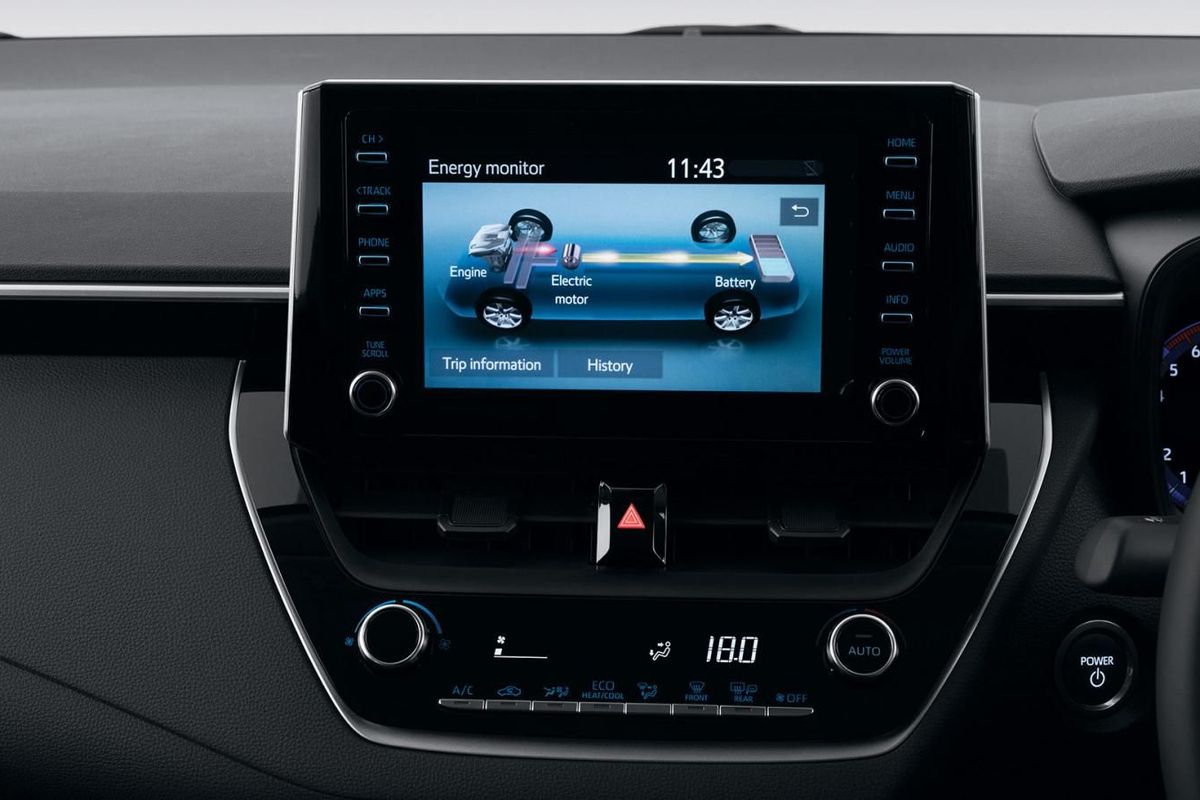
Like the Prius and Corolla Cross Hybrid, the Corolla 1.8 Hybrid XS’ power unit consists of a 72 kW/142 Nm Atkinson-cycle 1.8-litre petrol 4-cylinder petrol engine and a pair of electric motor-generators (that produce 53 kW and 163 Nm) in combination with a nickel-metal hydride (Ni-MH) battery and a continuously variable automatic transmission that drives the sedan’s front wheels. The derivative’s overall system output is 90 kW (note: the combined figure is not an aggregate of the 2 power sources, due to transmission reduction losses).
The derivative is equipped with, inter alia, LED headlamps and daytime running lights, colour-coded bumpers, door handles and side mirrors (the latter of which is electrically adjustable and heated), as well as 15-inch alloys shod with low-resistance tyres and is instantly recognisable by virtue of its blue-highlighted Toyota badges.
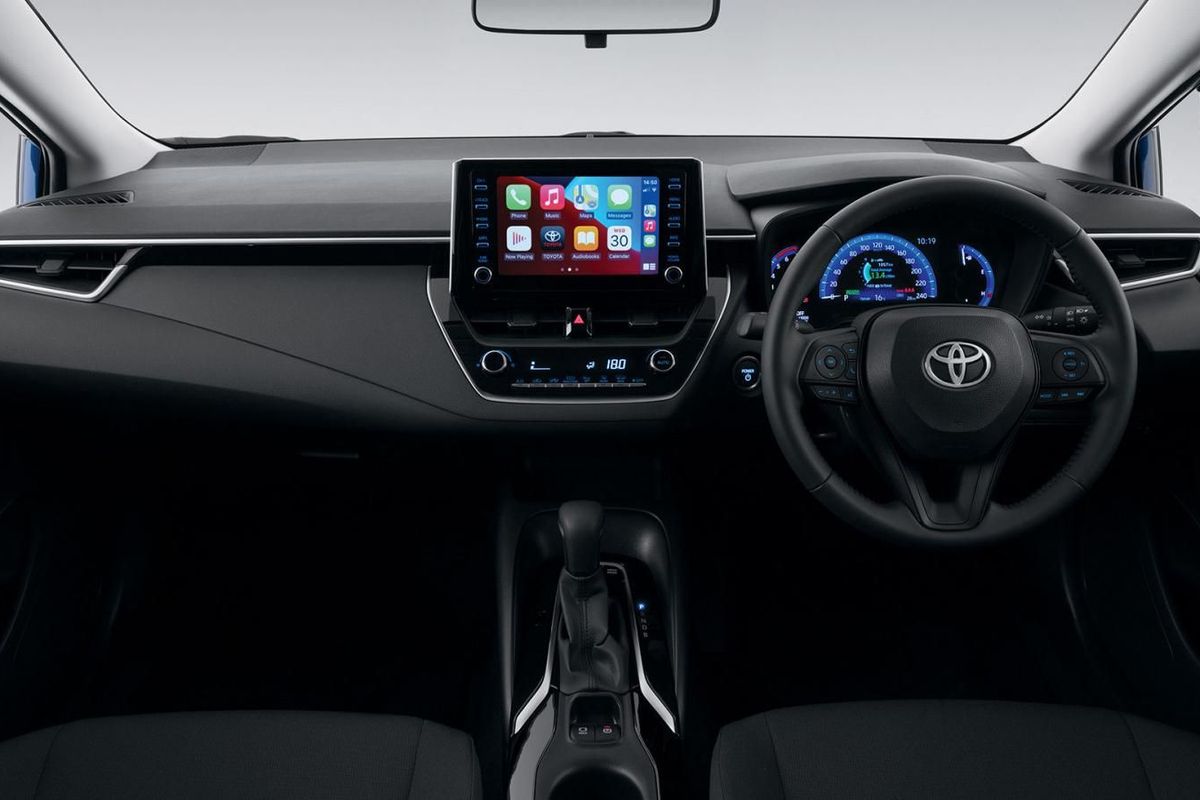
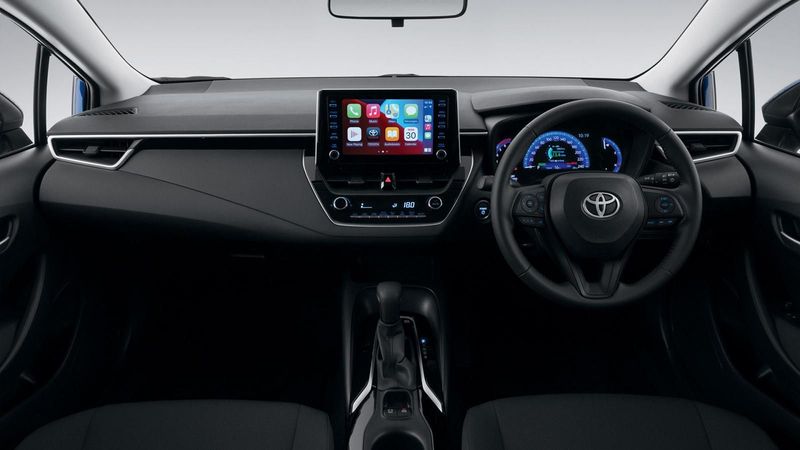
Inside, the cabin is equipped with a leather-trimmed multifunction steering wheel and transmission lever, cruise control, keyless entry and -start, automatically activated lights, touchscreen infotainment with Bluetooth telephony and -audio streaming, as well as Apple CarPlay and Andriod Auto compatibility, auto air-con and a reverse-view camera.
Lastly, the Corolla 1.8 Hybrid XS’s safety and driver support systems consist of driver-, front passenger-, knee, side- and curtain airbags, hill-assist control and vehicle-stability control systems.
We’ll be driving Toyota’s petrol-electric newcomers next week and will bring you launch reviews of the cars then.
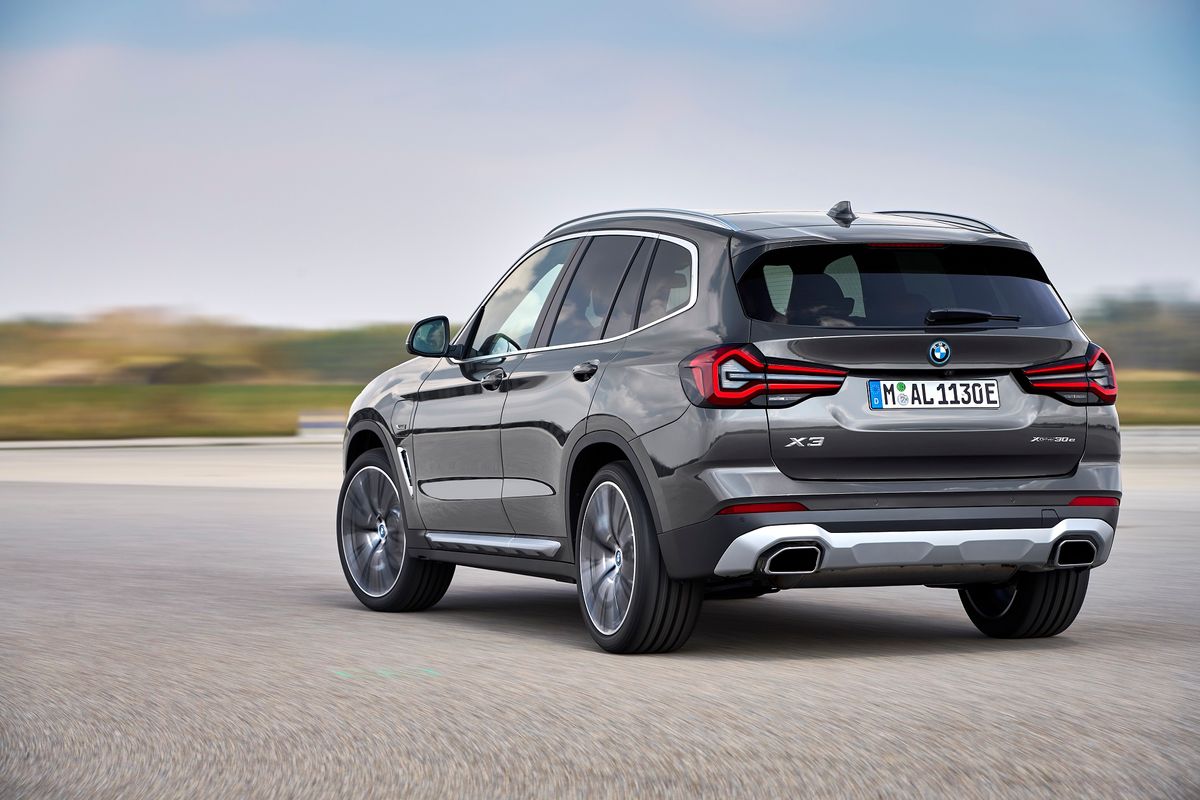
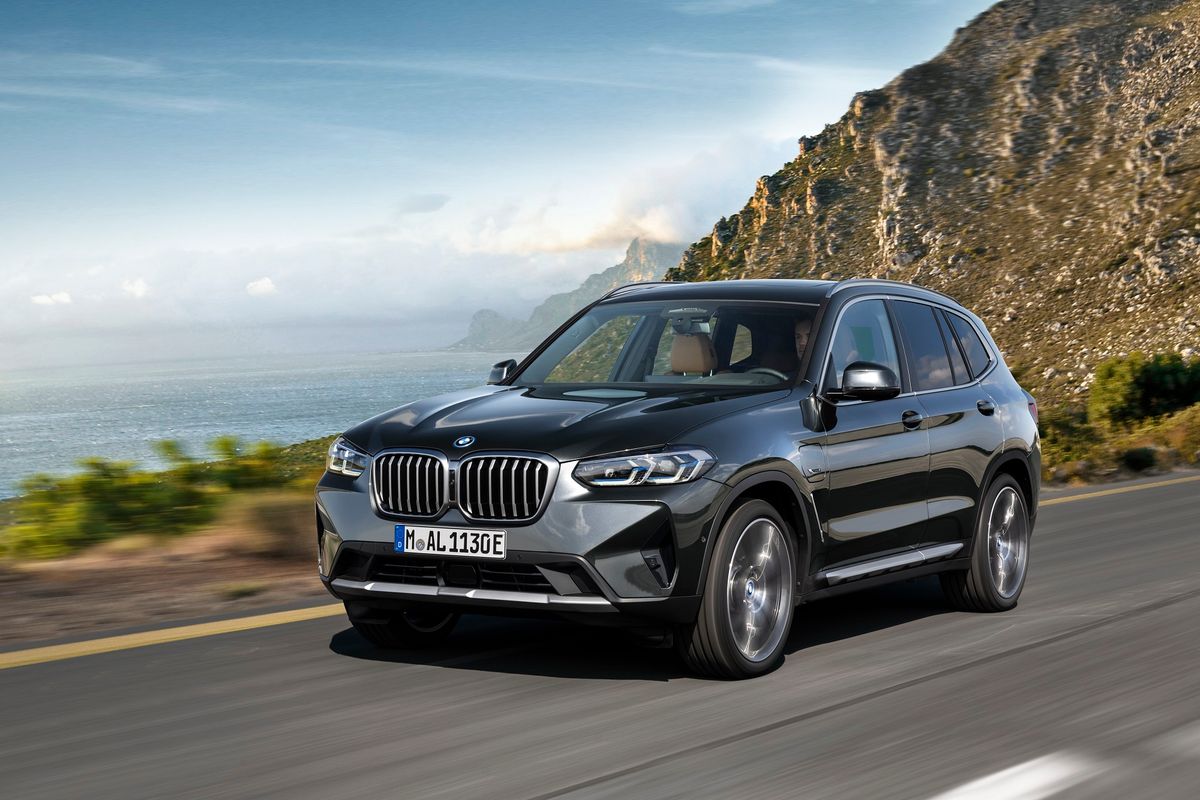
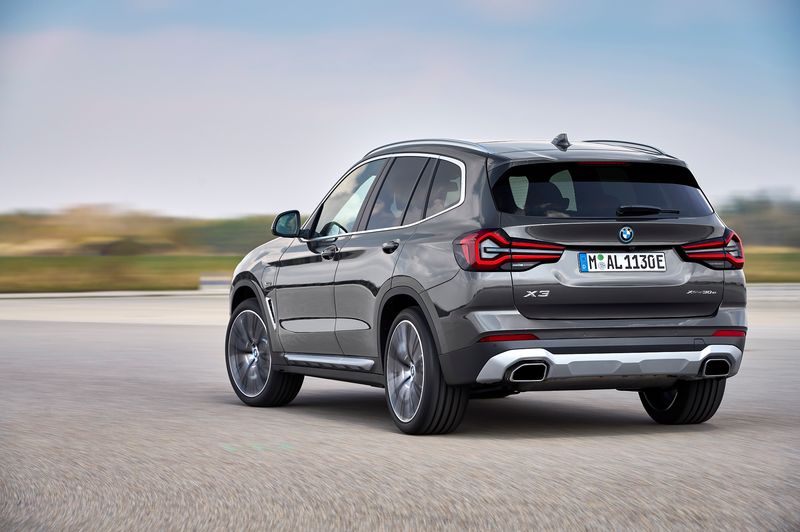
Indicative pricing for the updated BMW X3 has been announced ahead of the vehicle’s showroom debut on the 1st of October 2021.
While it’s always newsworthy when a popular model is updated and there’s pricing, the bigger picture here is BMW’s renewed investment into South Africa.
For those who aren’t aware, BMW has a production facility in Rosslyn, just outside of Pretoria. For many years, it produced the 3 Series sedan for both SA customers and the rest of the world. As the world’s tastes matured into the SUV, this plant shifted production to the X3 SUV.
The first X3 rolled off the line back in April 2018 on the back of BMW’s huge R6.2 billion investment and as of 6th August 2021, 200 000 BMW X3 units had seen the light of the day. Impressively, 95% of the vehicles assembled at the Rosslyn facility are destined for export, with around 30 overseas countries receiving our SA-built X3s.
BMW SA says its X3 is the clear leader in the segment in 2020, which is why the facelifted version or LCI as BMW calls it has to succeed. Impressively, BMW Group SA has claimed segment leadership as the top-selling luxury car brand in South Africa for the past 3 years in a row.
The Rosslyn plant is a vital employer, with more than 40 000 people’s livelihoods being directly and indirectly employed by BMW SA.
How much does the BMW X3 LCI cost in South Africa?
The updated BMW X3 LCI will be built in SA and will be heading to showrooms on the 1st October 2021. The following prices listed below are indicative but include VAT and CO2 tax.
After a repeated hammering, South African motorists will get some relief with the price of diesel set to decrease.
The news comes courtesy of the Automobile Association (AA) who sends out updates based on the unaudited month-end fuel price data released by the Central Energy Fund.
Unfortunately, the AA got the initial details wrong as the Department of Mineral Resources and Energy released the official prices on Tuesday morning. From Wednesday 1 September the price of petrol will rise by 4c per litre, 50ppm diesel will decrease by 14c per litre while the wholesale price of illuminating paraffin will also decrease by 15c per litre.
“International petroleum prices continued their gradual retreat during August, having pulled back by around ten percent since the start of the month. We attribute this mainly to the Organization of Petroleum Exporting Countries (OPEC) cartel, which increased oil production gradually during the first half until previous production restrictions were removed,” the Association says.
Sadly, these price reductions could have been more, but our currency battled against the US Dollar this month.
Worryingly, the AA says it is concerned about the trajectory of the Rand, whose average exchange rate against the US dollar weakened considerably since the 6th July. The Rand slid from around R14.32 on that day to over R14.70, with daily highs peaking in excess of R15.30.
Not wanting to be left behind when it came to the world of performance and sporty bakkies, it appears a Nissan Navara Nismo is on the cards.
It would be an odd week on Cars.co.za if there wasn’t mention of a sporty double-cab bakkie and it appears Nissan is preparing to join the popular party.
With rivals like Toyota and Ford offering the GR and Raptor badges on their flagship bakkies, it was only going to be a matter of time before Nissan suffered from fomo.
Now things are progressing beyond the rumour stage with Nissan’s performance division NISMO telling Automotive News that it’s wanting to expand its portfolio into “utes and SUVs in the US market and beyond.”
“When we look at the USA market and what our competitors are doing there, I think there is a possibility in the crossover and truck segments going forward,” NISMO’s global CEO, Takao Katagiri said in the interview with Automotive News.
The US market is flush with sporty Ford and Toyota offerings, and while the Titan is not offered in SA, the Navara is, although it’s tagged as the Frontier. Now if Nissan shoves in some performance powertrains into its bakkie range, it’ll make for a fascinating comparison against the sporty rivals.
Now this is where things get interesting. Right now, all three brands Toyota, Ford, Nissan all manufacture their wares in South Africa and while there’s no Hilux GR Sport locally yet, we’d bet Toyota SA is working on something to keep pace with the offroad-focused Ford Ranger Raptor.
Right now, the flagship Nissan Navara is the PRO-4X 4×4 and while it looks the part, it’ll need a bit more oomph both in terms of engine performance and offroad capability to match something like the Ranger Raptor. We’ll keep tabs on this project and will update if we hear anything happening locally.
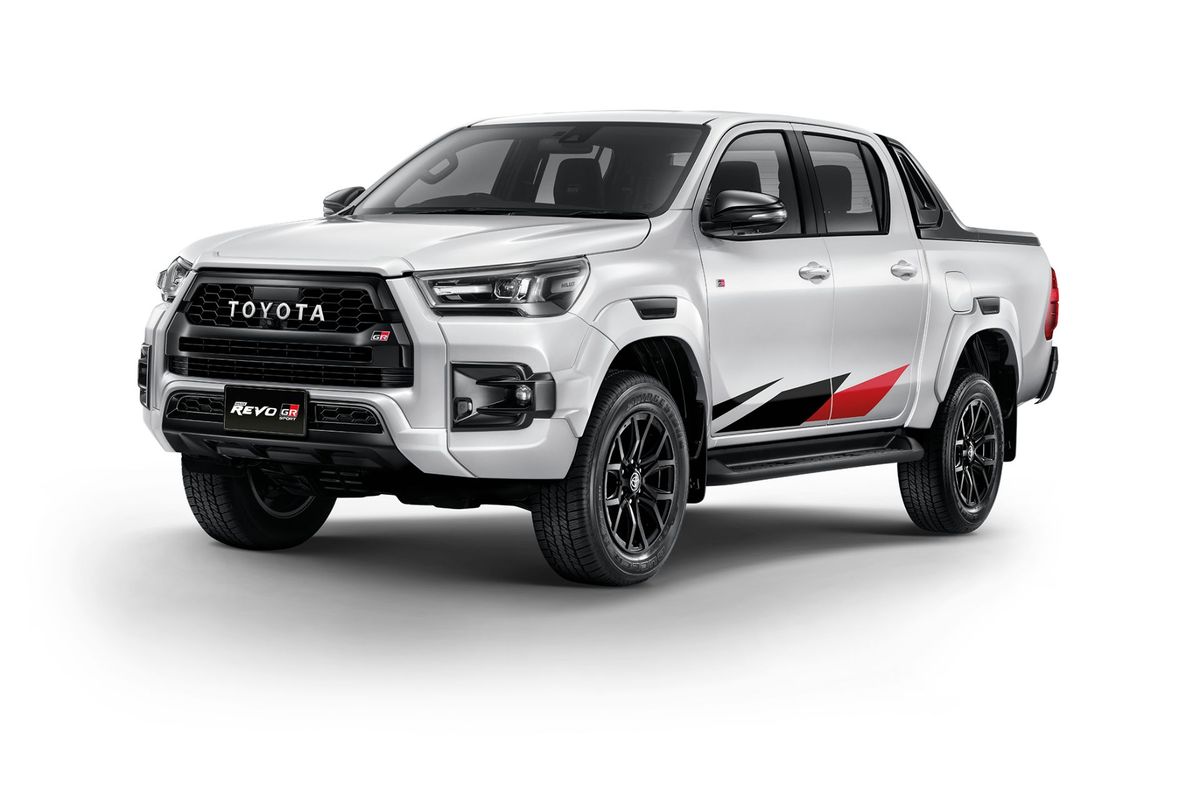
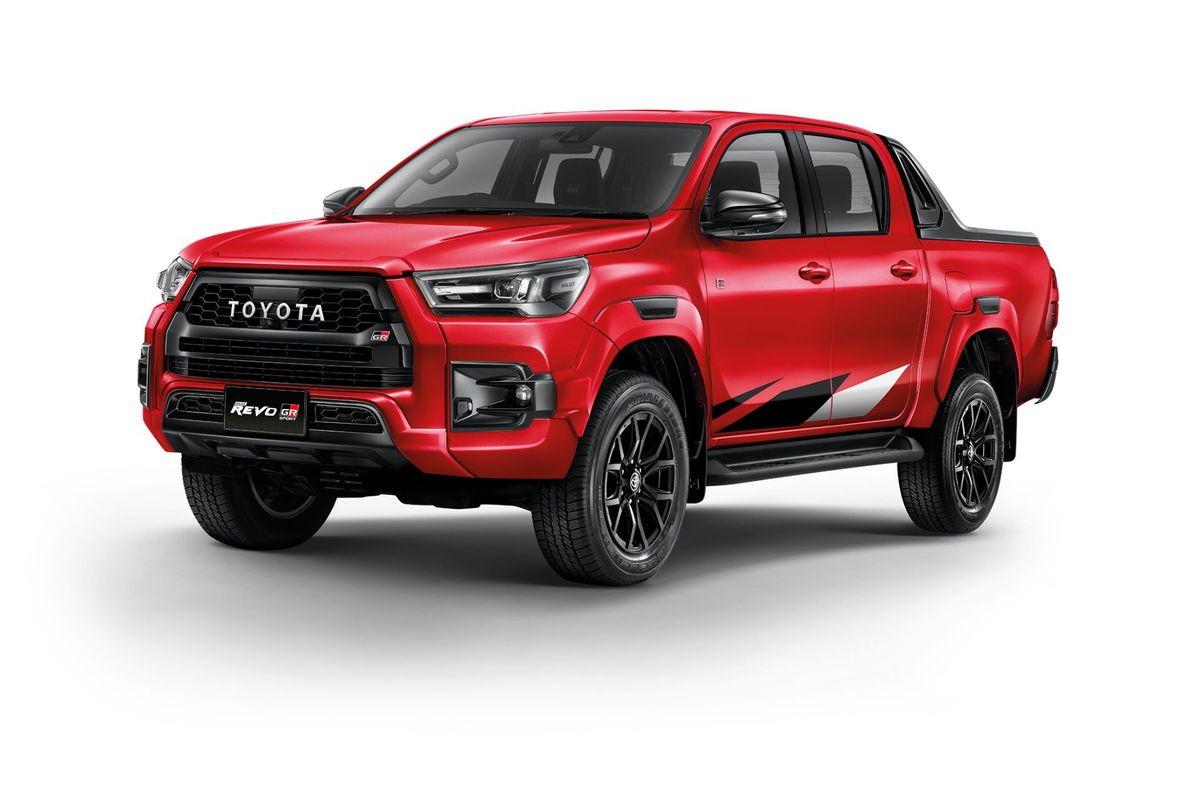
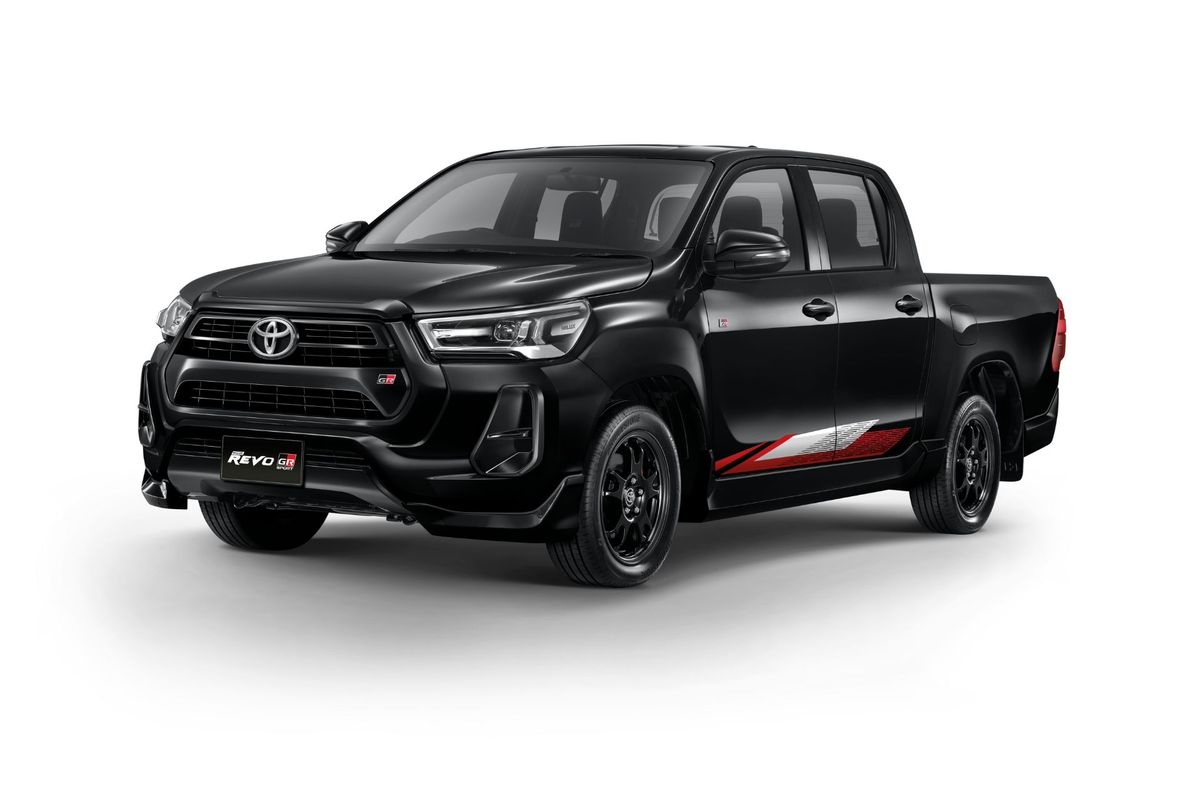
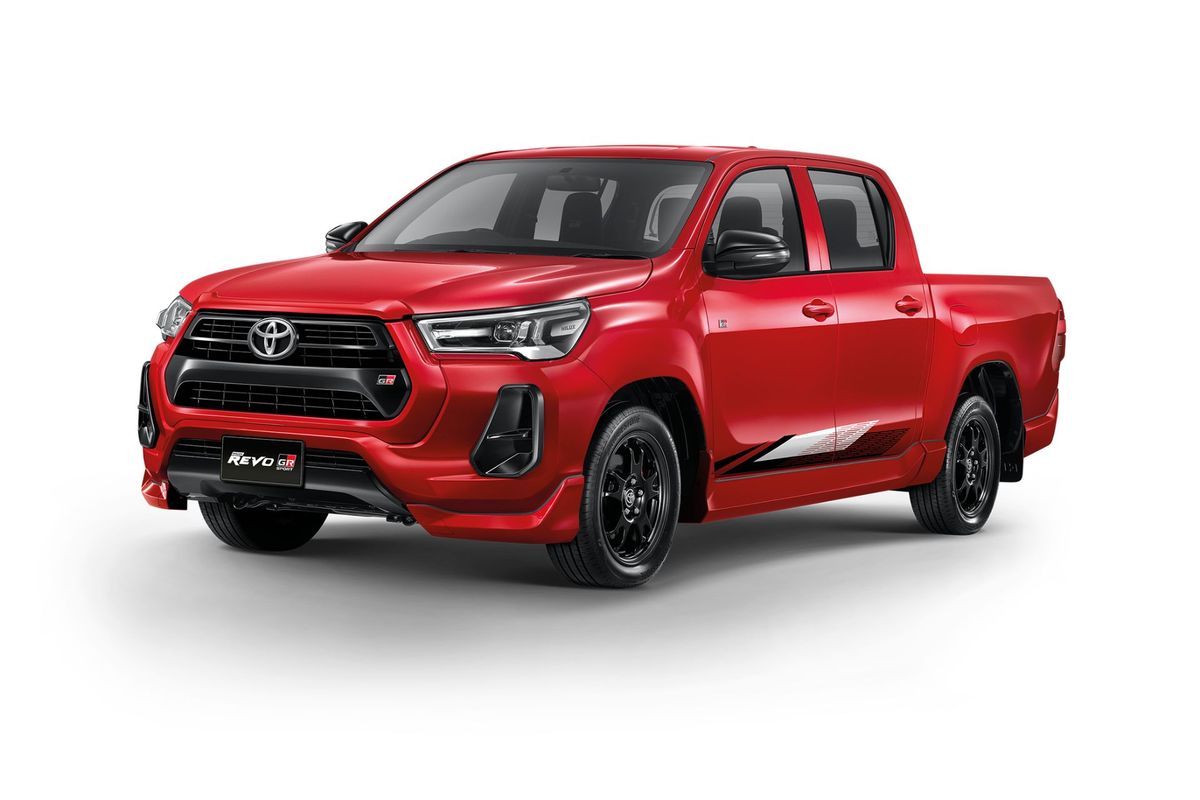
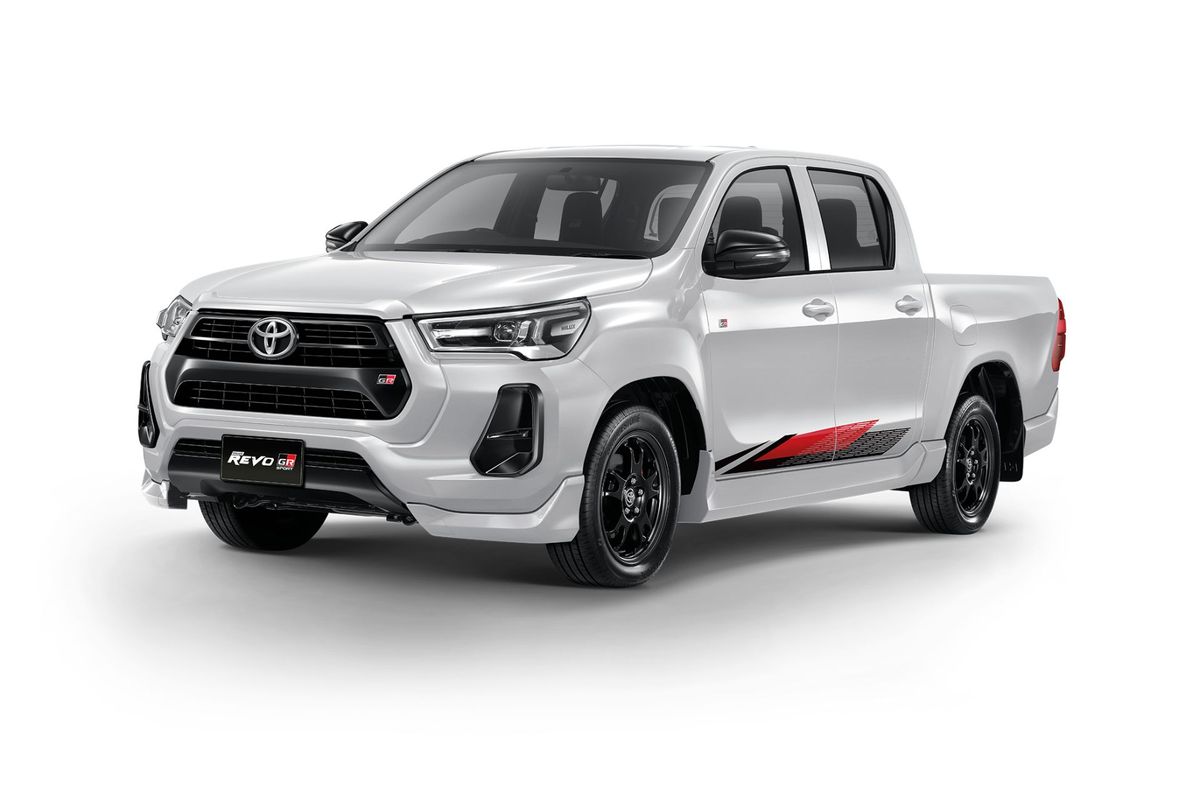
Thai-Built Toyota Hilux Revo GR Sport Shows Potential
Toyota in Thailand has launched the Hilux Revo GR Sport in either high-rider or low-rider guise.
If you think South Africa is crazy about bakkies, perhaps you should visit Thailand. The Toyota Hilux is also produced in Thailand and in that market it’s known as the Hilux Revo and a GR Sport version has now been launched in both high- and low-riding guise.
Earlier this year, we reported that the Toyota Hilux GR Sport was due for reveal in Japan in October 2021 but now the Thai-made Hilux Revo GR Sport has broken cover, showing us what’s possible.
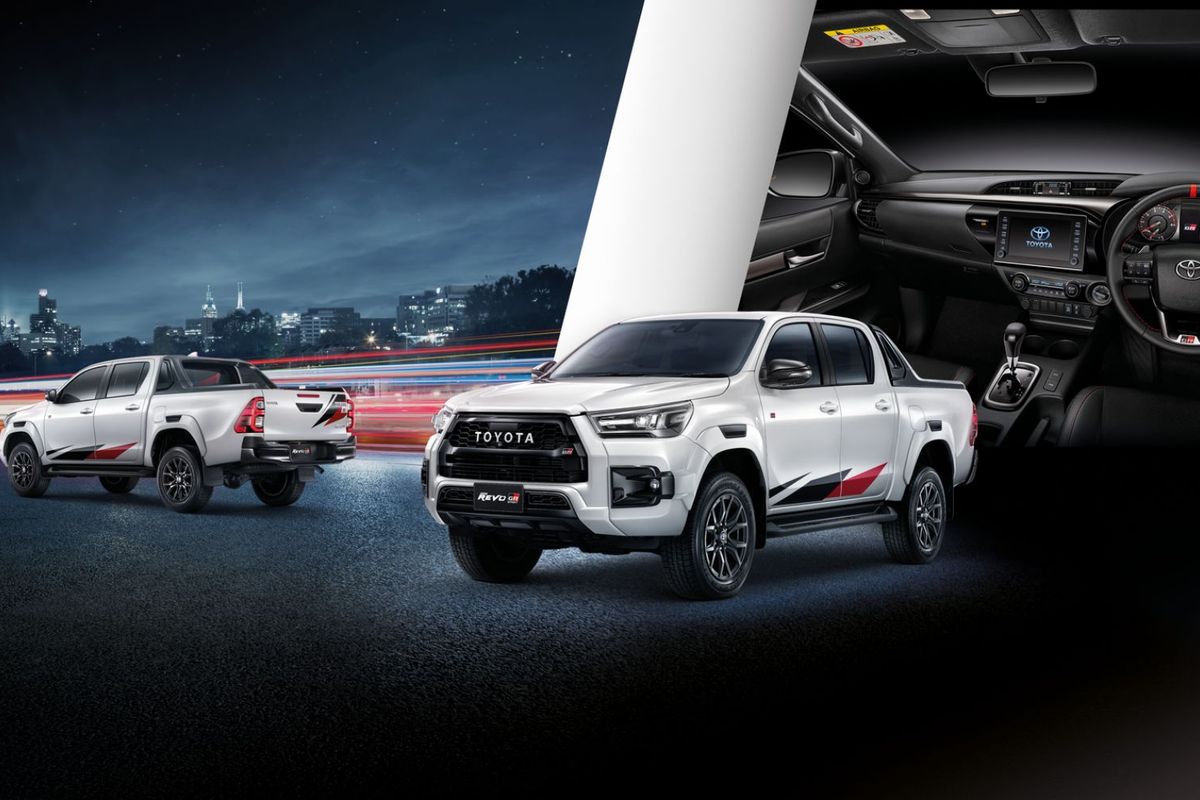
In Thailand, the Hilux Revo GR Sport is offered in both high- and low-riding guise and features the obligatory visual enhancements that a Hilux GR Sport commands.
What’s special about the Hilux Revo GR Sport?
The Hilux Revo GR Sport gains a suspension upgrade as well as beefier styling.
The low-rider Hilux Revo GR Sport is rear-wheel-drive and Toyota has fitted 17-inch wheels with red brake callipers but dropped the suspension by 23 mm to give it that low-rider look. A sporty, beefed-up body kit is fitted with a body-coloured grille surround and a gloss black finish for the air intake surrounds. A GR Sport wouldn’t be complete without its badges and GR Sport decals…
As for the high-riding Hilux Revo GR Sport, it features all-wheel-drive capability with a rear differential lock and its suspension has been upgraded with a reinforced Superflex Suspension which makes it more adept to tackling offroad conditions than its low-riding sibling. IT makes use of larger 18-inch wheels and is also differentiated with a larger grille. The lower bumper also features integrated fog lights and underbody protection while side steps and wheel arch extensions further add to the rugged appeal. Towards the rear, a sports bar is also fitted and the model also gains mud flaps.
Both variants can be had in 3 body colours including black, white and red.
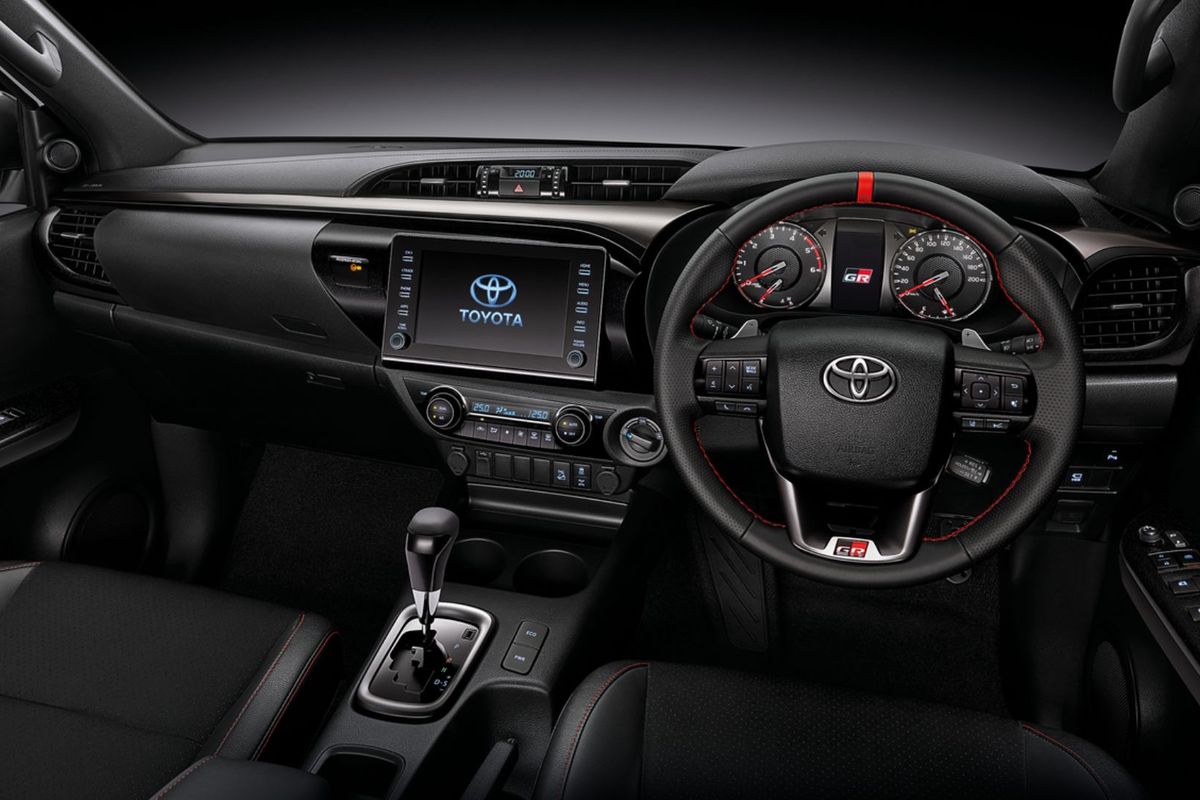
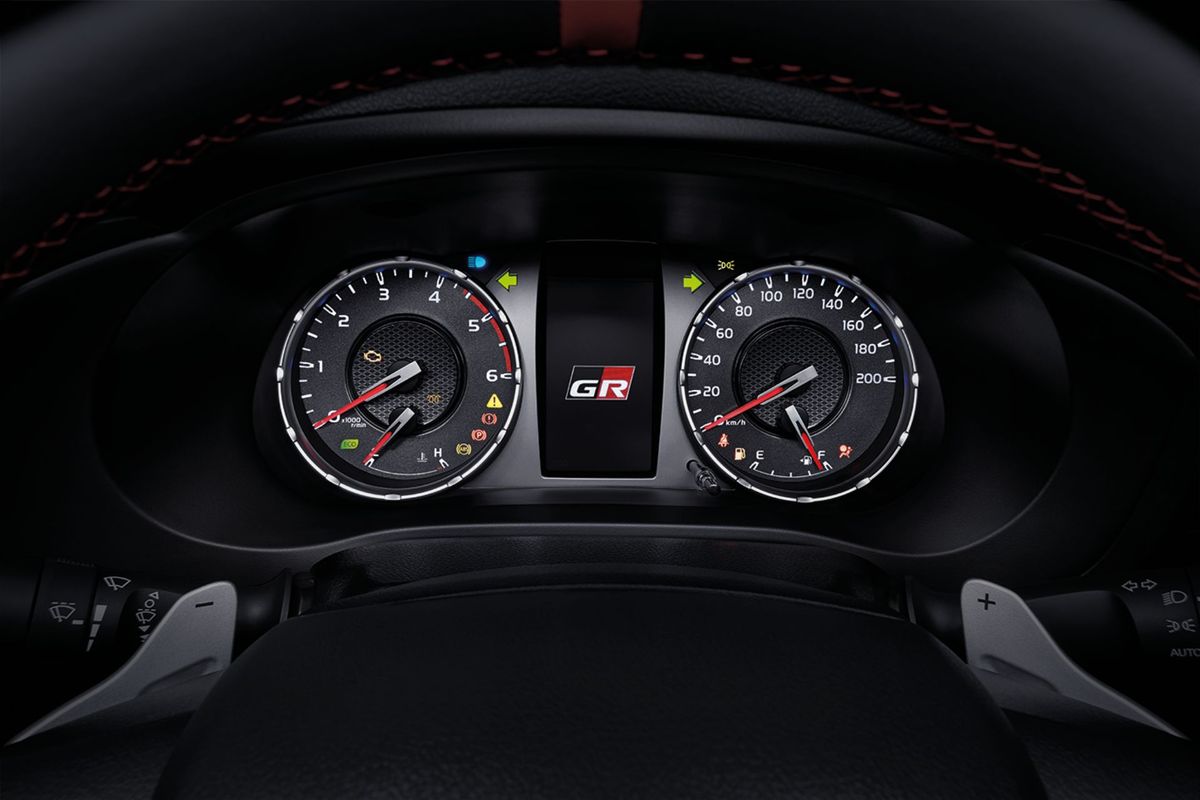
The interior features a sporty look thanks to red stitching seen on the GR-embossed suede-leather combination seats as well as the sports steering wheel with red marking and aluminium pedals The GR start-stop button adds to the interior drama while the familiar 8-inch infotainment screen takes care of entertainment and key in-car functions.
In terms of engine power, the Hilux Revo GR Sport is equipped with Toyota’s updated 2.8-litre turbodiesel engine that now offers 150 kW and 500 Nm and comes mated with a 6-speed automatic transmission.
While the Hilux Revo GR Sport is market-specific for Thailand, it gives us some idea of what to expect from the latest Japanese Hilux GR Sport which is due for reveal in weeks to come. We expect the Hilux GR Sport to come to market in South Africa sometime in 2022. As always, we will keep you updated as soon as more information becomes available.
This week’s news you need to know (August 2021, Week 4)
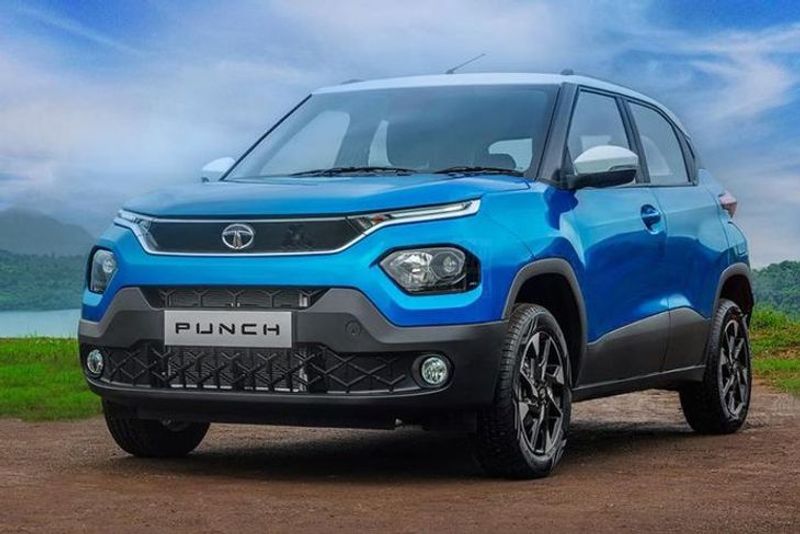
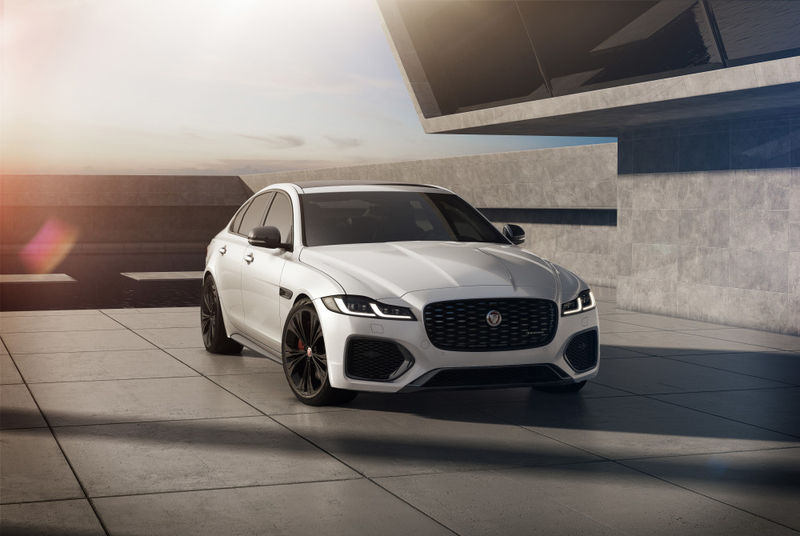
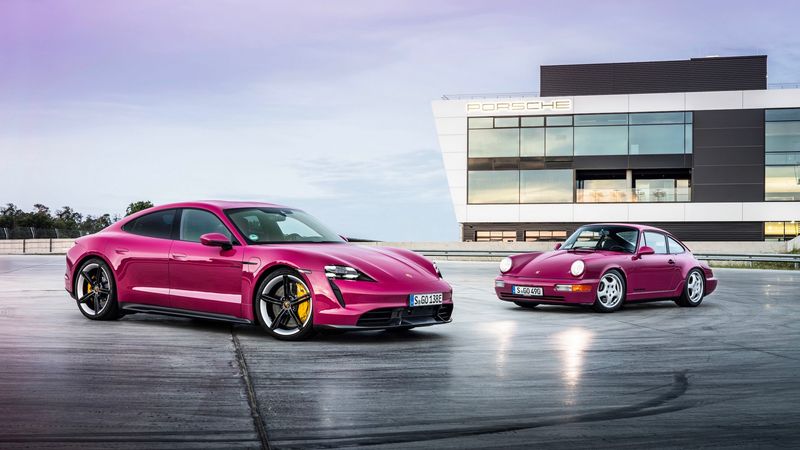
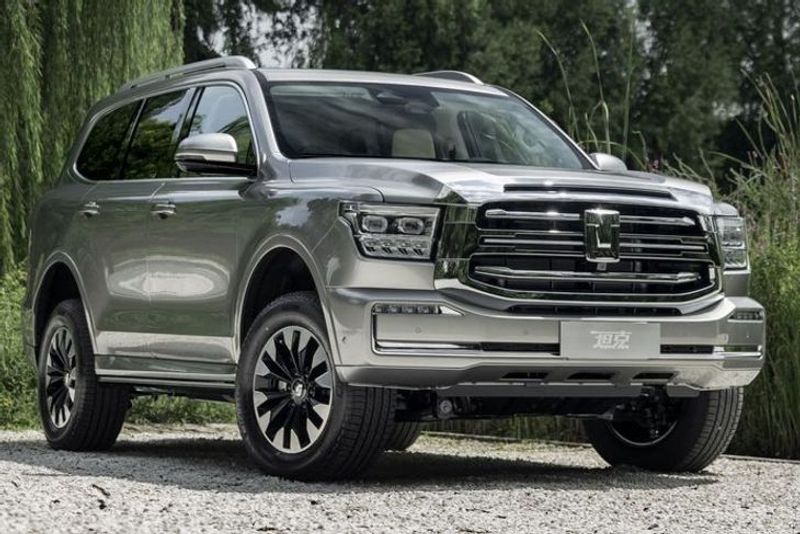
In this week’s automotive news you need to know: Tata prepares to take another chance on the SA market, JLR goes on the special-edition offensive, Porsche sends over-the-air software updates to its Taycan and GWM rolls out a Tank to trample on Toyota’s sales numbers.
The return of Tata – Once bitten… twice shy
It seems a lifetime ago when Indian automotive giant Tata inhabited the Republic’s car market. Who can forget those days? I remember them distinctly. A totally unknown brand (to average South African consumers) wanted to compete in a space dominated by local manufacturers Volkswagen and Toyota. Not much has changed, although there is even more competition in the market now than when Tata arrived.
If you want a short synopsis of how things turned out, here goes… Tata gave it a go for a while, but ultimately left with its tail between its legs. Perhaps Tata’s first time here came a little too soon; its products may have been suitable for the Indian market at the time, but even enticingly cheap products cannot survive in a market where people are so devoted to products made by VW and Toyota that they’d rather buy a used Polo or Corolla than a new Tata passenger car. The bar was set high. Let’s hope that, with the mothership acquiring Jaguar and Land Rover, some degree of quality control has rubbed off on Tata’s models.
South African consumers are always on the hunt for good deals and might take a chance on a fledgling brand if it suits their pockets, but there is certainly a limit to how much they are willing to compromise on quality. Would they even give Tata a reasonable second chance? Consider this a warning, Tata. Best you get your ducks in a row as the second South African campaign will not be easier than the first.
Jaguar Land Rover trying to keep things ‘special’
Speaking of the mothership, it seems that every other week a new iteration of a Jaguar or Range Rover model sees the light. Jaguar Land Rover (JLR) has redoubled its efforts to keep its products relevant and its customer base entertained – and hungry for more. It’s a tough ask for a premium brand (especially a British car manufacturer that’s trying to safeguard its future in a post-Brexit world). Many marques are either tightening their belts or exceedingly cautious about overextending themselves, product-wise, in turbulent economic times. However, in a rapidly evolving marketplace, “staying current” is a must.
One can argue “it gets tired quickly”, but in the world of premium motoring, there is a certain pocket of buyers that thrive on having that “something different”. They live for braai- or bar speak, the bicep flex, showboating… ag, call it what you will. JLR wants those particular “punters” in its pocket and, judging by the number of Range Rover Velars double-parked in the Atlantic Seaboard, they’re getting it right.
Porsche Taycan Updates – Beware… the machine
Gone are the days of mechanical engineering, analogue dials and carburettors that could be tuned by ear. We’re deeply entrenched in a digital world where programming and tech advancements dominate motoring and, with that, comes more complicated product life cycles, because manufacturers must scramble to keep their wares up to date and notably differentiated from what rival brands are offering.
More updates, changes and technological developments… It’s a situation that, if left unchecked, can cause harm to a brand in the long run when “change fatigue” settles in and products are rushed to market (remember the Golf and ID-series’ software issues?). The VW Group has hopefully learnt from that and has enough shared IP and resources to troubleshoot and test before a release (still only up to a point), but for a start-up or smaller brand, there may not be the same backing and a long history of product recalls and warranty issues could ensue. In a world of ever-higher expectations, that could spell disaster.
GWM Tank 600 has Toyota in its sights
Great Wall Motors (GWM) is making its intentions clear: it wants to disrupt Toyota dominance in the off-roader market and steal a piece of the pie, if not all of it. One can’t exactly blame GWM, especially in Mzansi, where 25% of the market is scooped up by Toyota. GWM’s latest offering reaffirms that objective: the Tank 600 is positioned as a direct rival to the Prado, which is much loved by South African upper-middle-class families.
Stealing market share sounds easier said than done – and it is! The Chinese brand is going to need much more than a handful of good products, ridiculously undercut pricing, a few years of solid after-sales support – and a massive own goal by Toyota – to make any sort of dent in the Japanese giant’s market supremacy. But just like we’ve seen with Haval’s recent gains in the local new-vehicle market, for every new H6 that leaves the showroom floor, there may be a Toyota RAV4 that doesn’t. That, my learned readers, is just the fillip GWM/Haval needs to stay the course.
Cars.co.za Fights Plastic Pollution Across SA
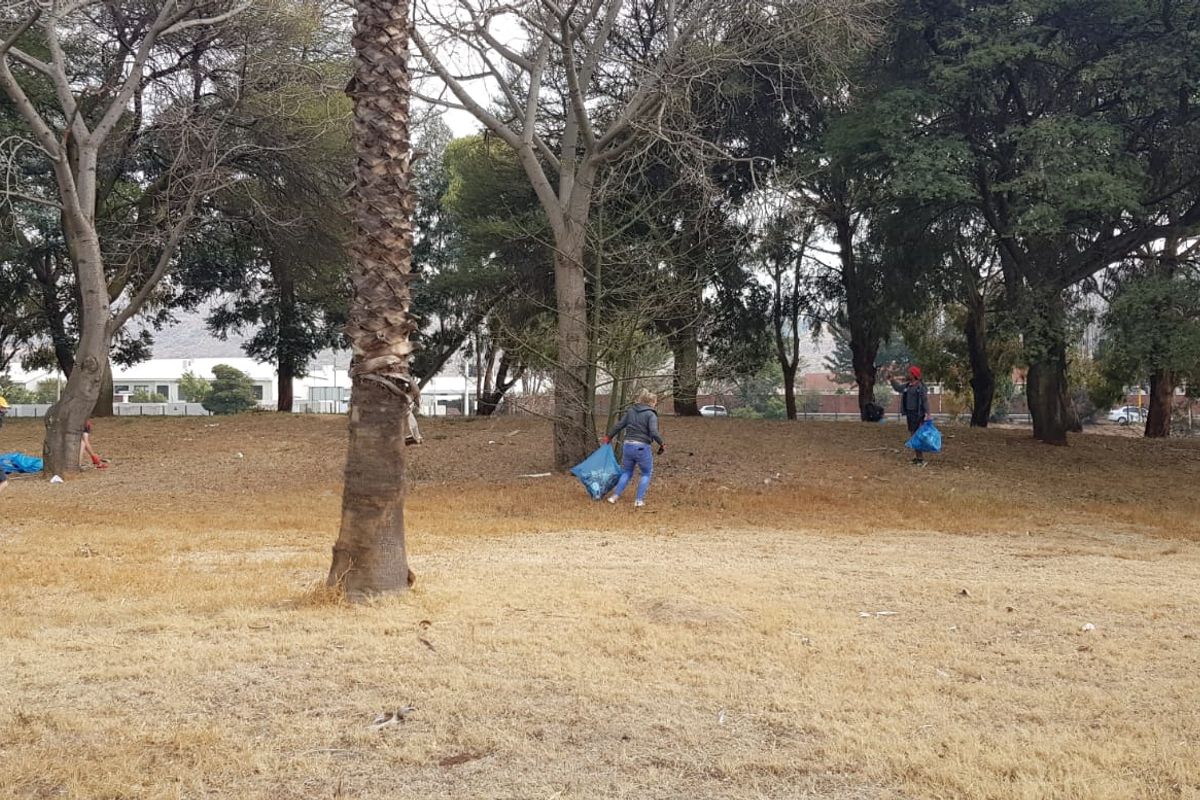
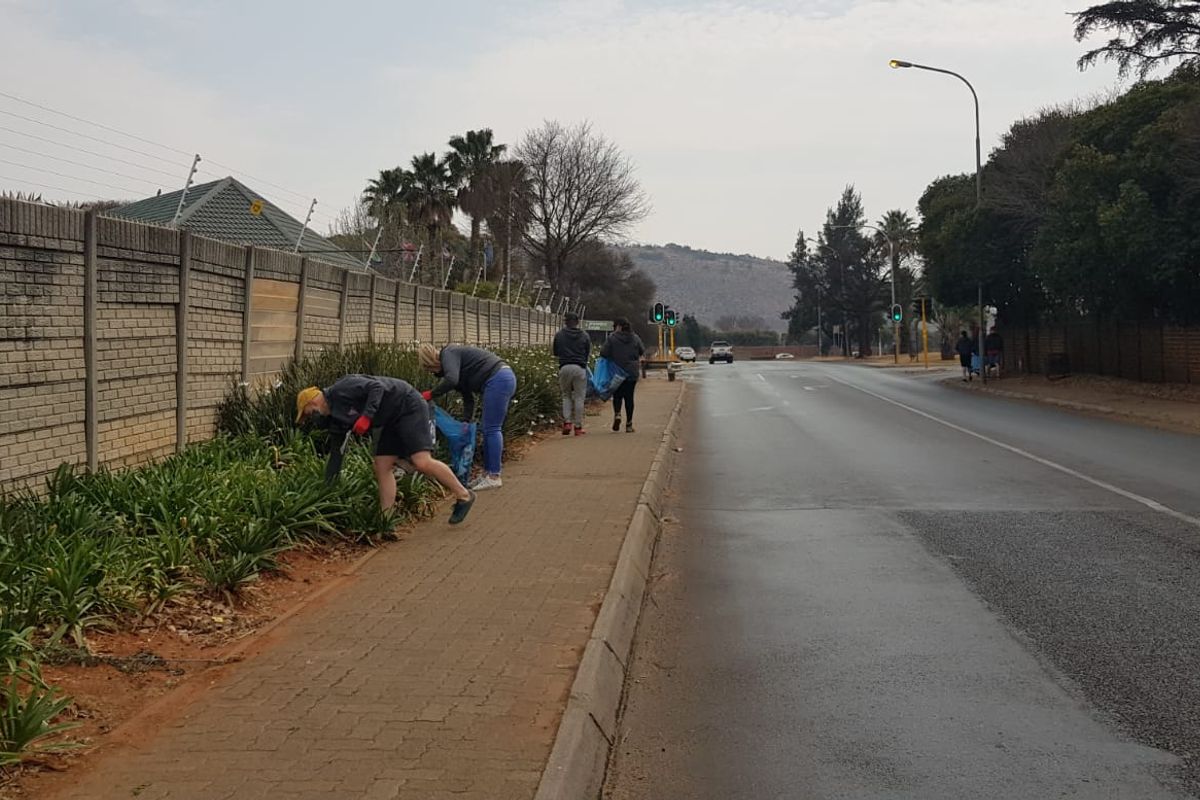
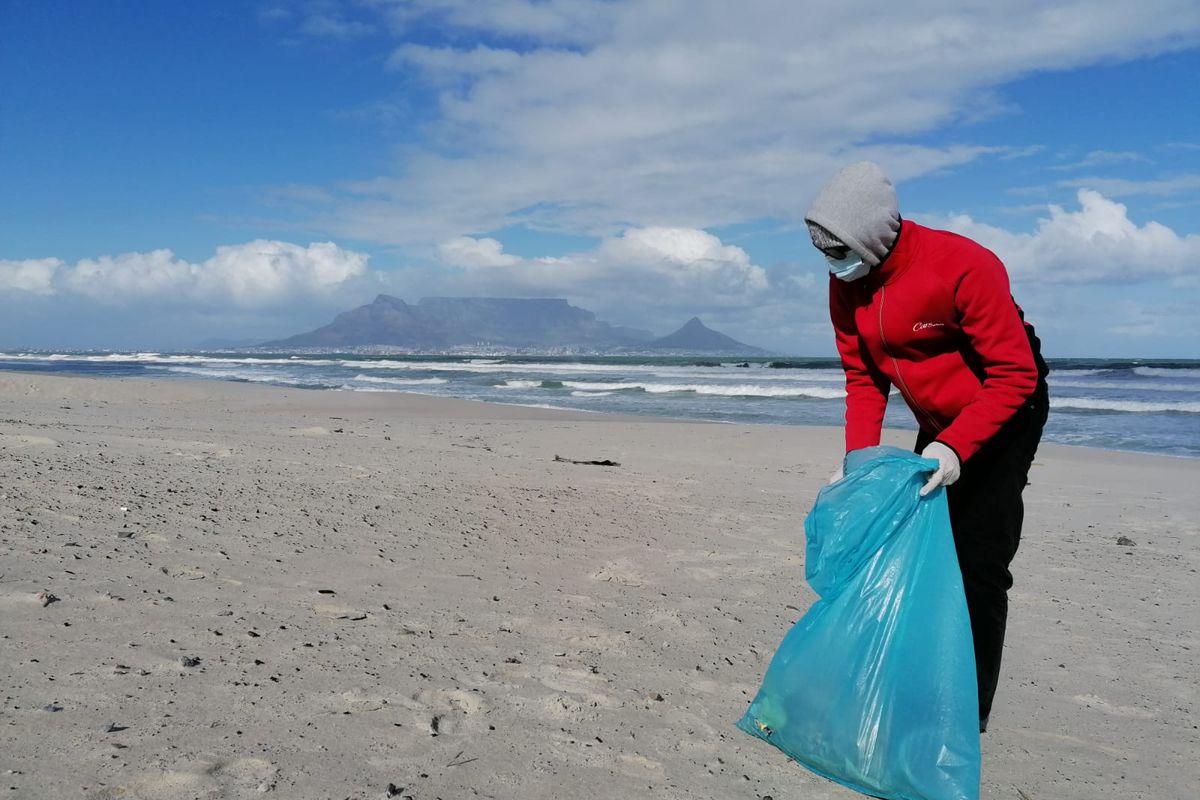
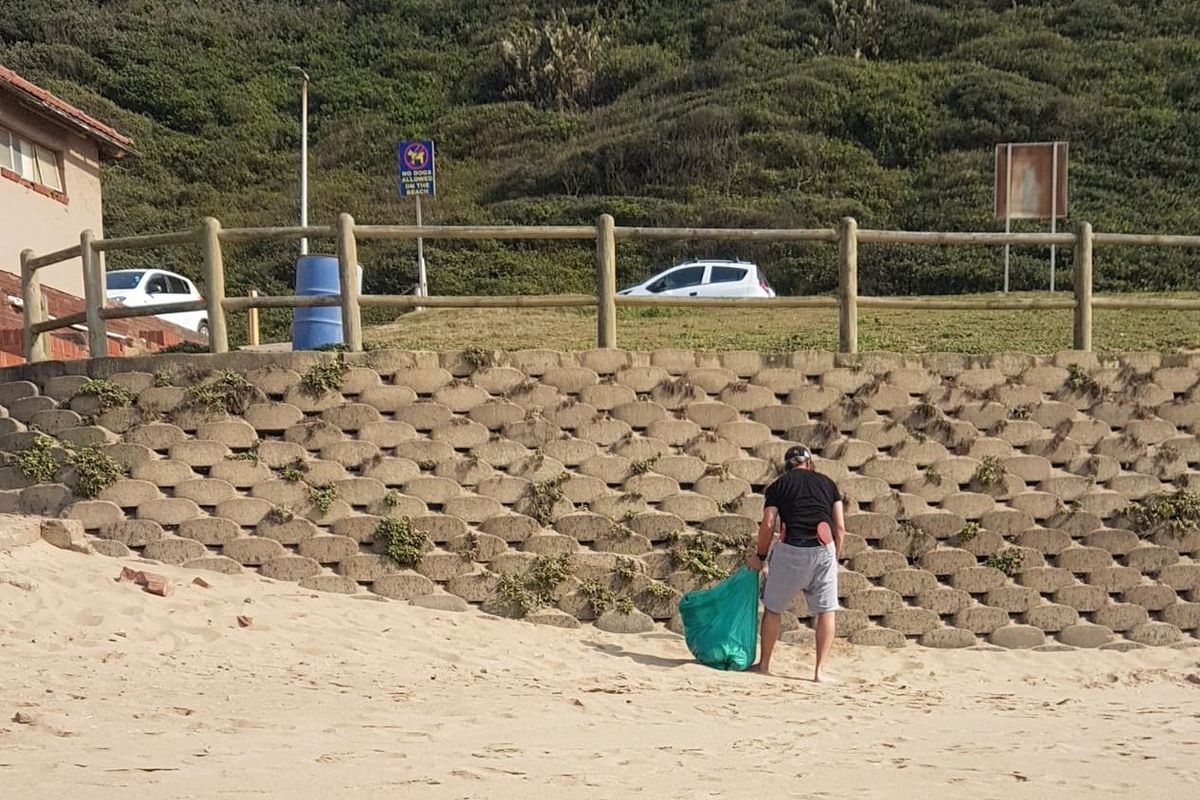
The Cars.co.za team took part in a countrywide environment clean up to raise awareness about plastic pollution. The effort forms part of the global Plastic Hunt which includes a total of 95 teams in 41 countries!
At Cars.co.za, we are not only passionate about cars but we are also passionate about the environment and taking the necessary action to protect it.
The Fight Against Plastic Pollution
Cars.co.za recognises that plastic pollution is one of the major threats to not only planet Earth but also to humanity. We take plastic pollution seriously and that’s why over the years we have implemented a number of initiatives within the spaces that we occupy to reduce the impact that our business has on the greater environment.
These initiatives include an extensive recycling program at our Head Office in Johannesburg as well as our office in Cape Town. More so, in 2021, Cars.co.za took the fight against plastic pollution one step further with the launch of our Ecobrick initiative to further reduce the amount of plastic that’s destined for landfill. Our fight against plastic pollution is ongoing and never-ending.
We believe in being proactive to make a difference and that’s why together with the global Plastic Hunt initiative, we can make a difference and hopefully inspire others to do the same. This year is the second year that the Cars.co.za team has taken part in the global Plastic Hunt and our cleanup efforts for 2021 focussed on areas in Johannesburg, Cape Town, Durban and Qubertha.
Cold winter weather didn’t stop the Cars.co.za team from heading out to clean beaches, parks and other public spaces. We not only salute our own efforts to make a difference but also the efforts of people across South Africa and the rest of the world. The truth is that we can all make a difference and sometimes all that’s required is just a bit of energy and some love for the world that we all share.
How can you make a difference?
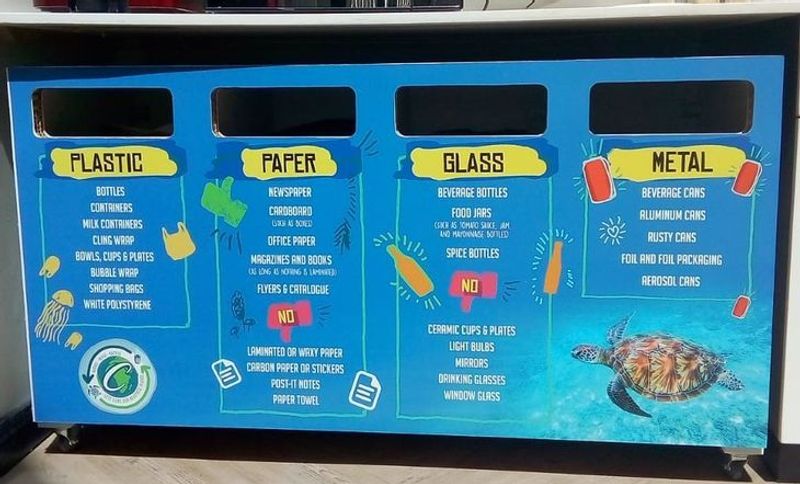
You can join the fight against plastic pollution by taking responsibility for the waste that you and your family accumulate on a daily basis. Sorting your waste into plastic, paper and glass and recycling this waste at a recycling site in your area is an ideal way to get you started on your recycling journey. You can also start making your own Ecobricks to further reduce your waste!
As a consumer of goods, you can also make a concerted effort to make wiser buying decisions by refusing single-use plastics and proactively reducing the amount of plastic you consume i.e. using reusable shopping bags, water bottles, cups, straws etc.
The fight against plastic pollution is a collective effort and it’s all of our responsibility. The effort you make matters, so make it count.
Cars.co.za, Ford South Africa wrap up Winter Blanket Drive to assist Gift of the Givers
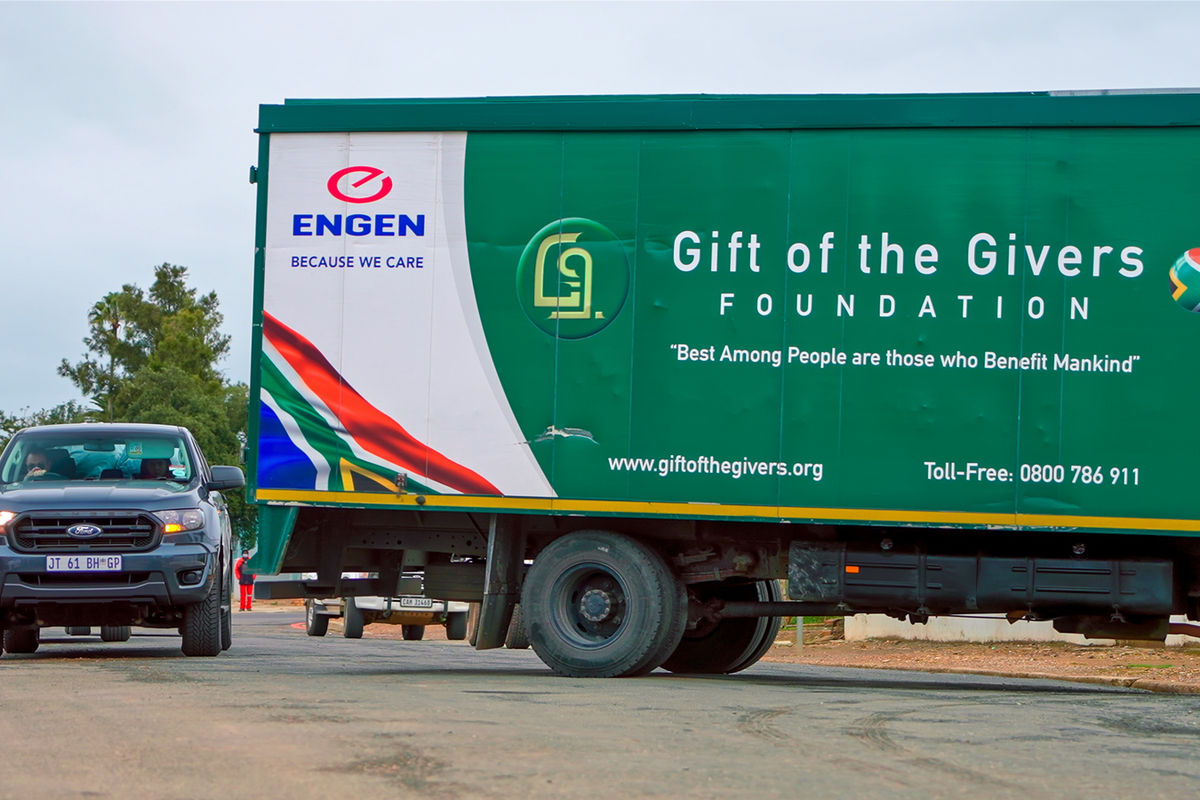
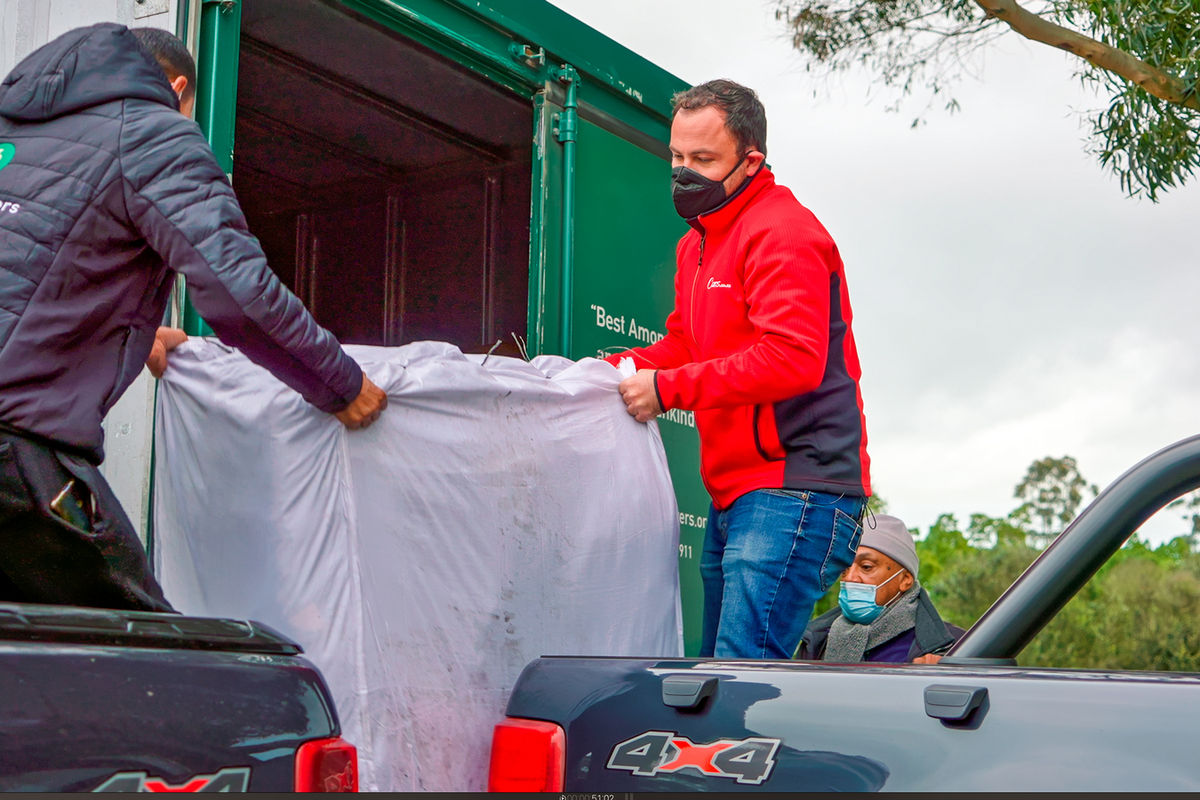
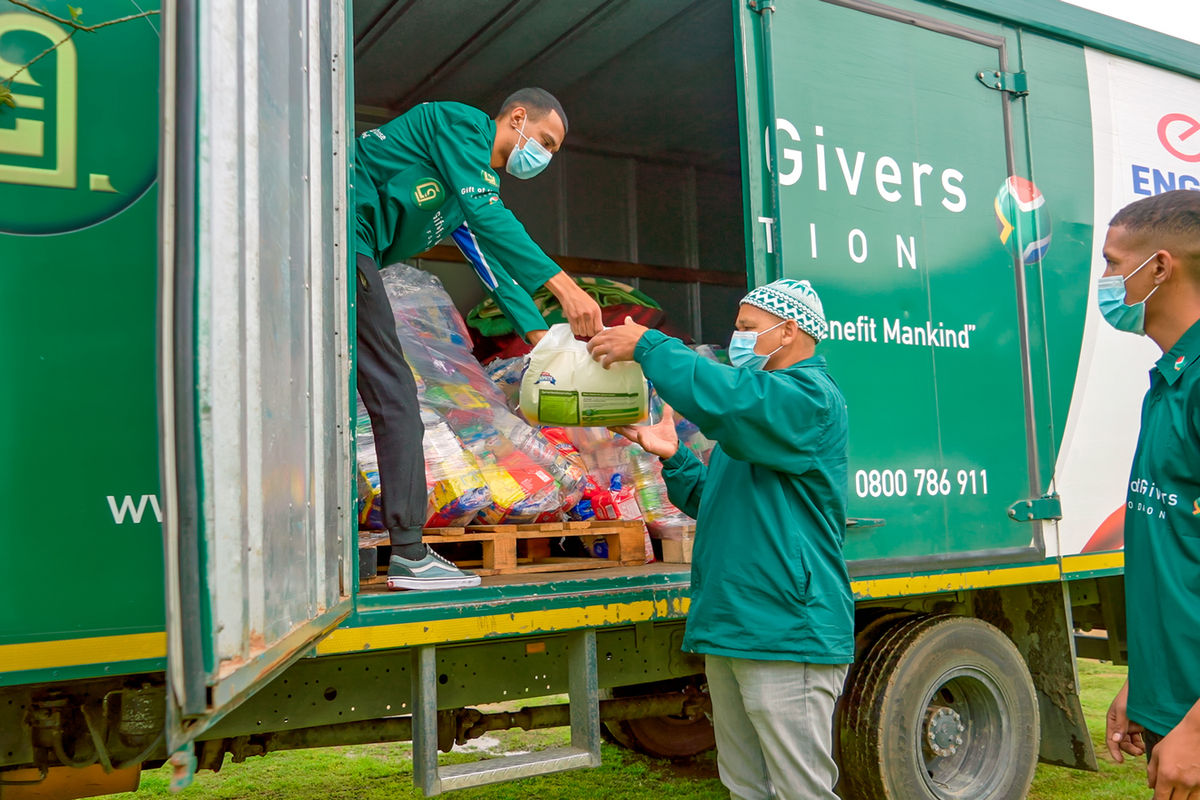
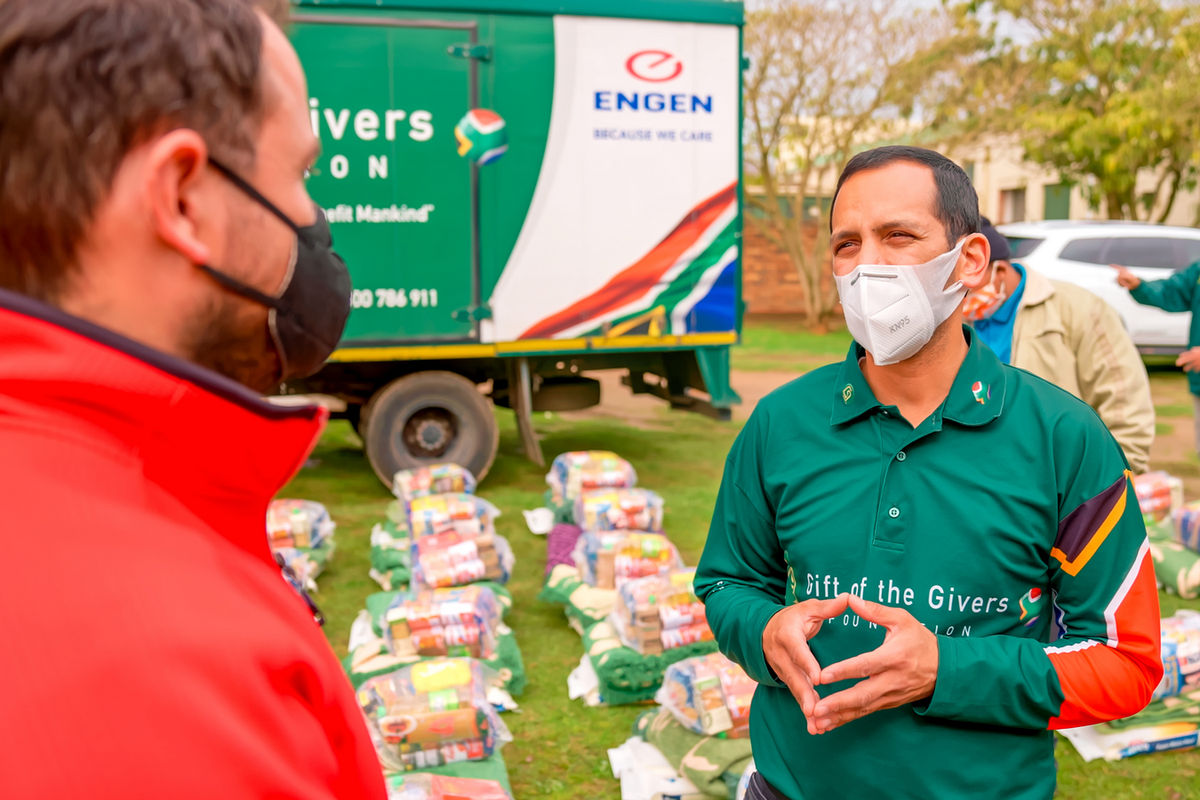
Having helped the Gift of the Givers Foundation deliver 5 tonnes of goods, including blankets, food, care packages and soup-kitchen supplies to the impoverished Western Cape town of Touws River (in in partnership with Ford Motor Company of Southern Africa) in July, leading online motoring portal Cars.co.za initiated a Winter Blanket Drive, which ended on August 6.
Apart from calling on South Africans to make donations to help bring comfort to communities that have been suffering through the impact of the Covid-19 pandemic – not to mention the chilly grip of winter, Cars.co.za kickstarted the fund by pledging to donate all of the 2020 advertising revenue raised by its YouTube channel.
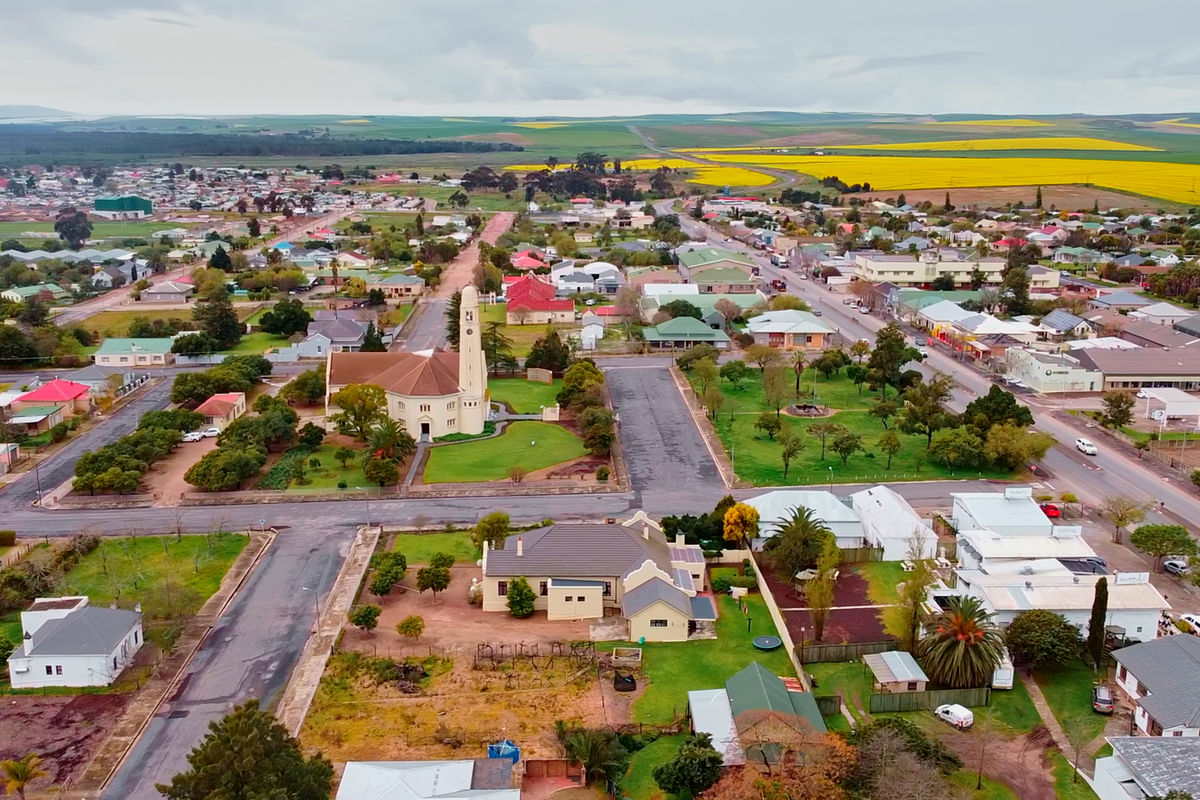
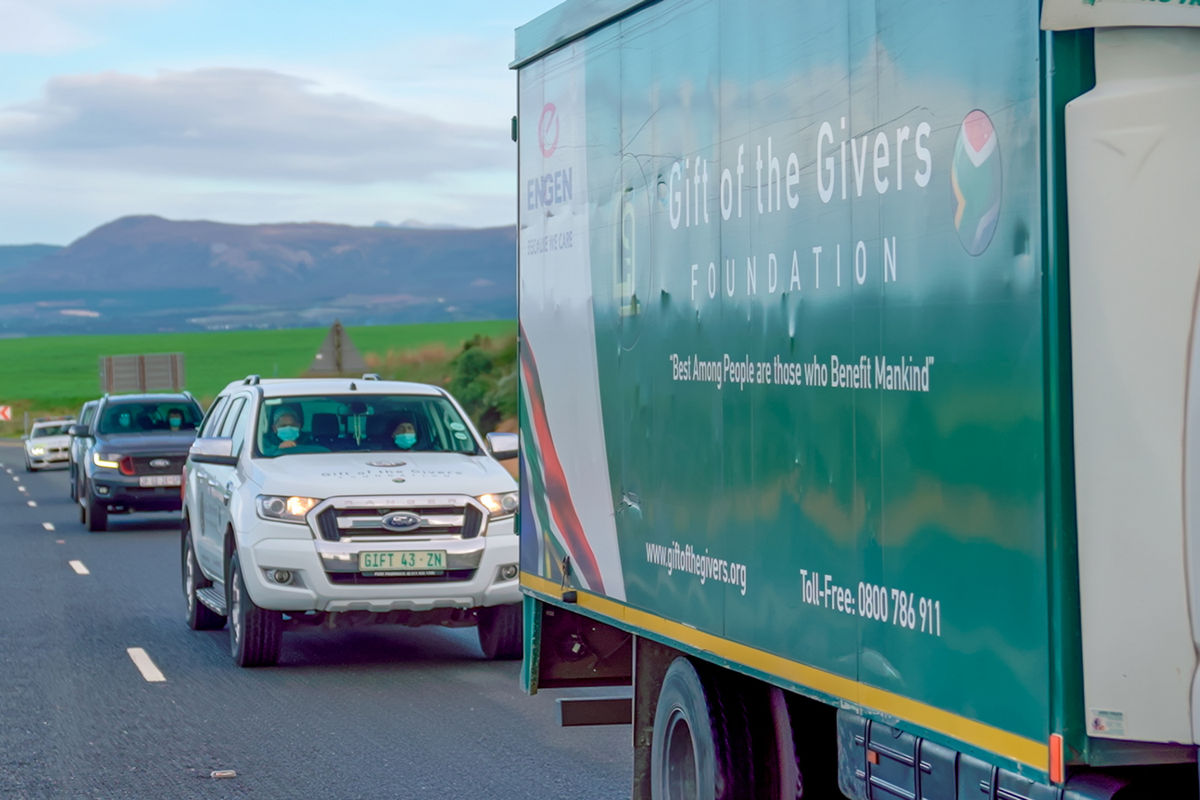
The proceeds of the Cars.co.za Winter Blanket Drive, which was generously supported by the public, enabled the Gift of the Givers Foundation to deliver hundreds of blankets and other relief supplies to communities around the Western Cape, including a delivery made by a convoy of fully-laden Ford Rangers to the town of Riviersonderend in the Overberg area.
“It was a tremendous honour and pleasure for us to join forces with the Gift of the Givers and Ford – two brands that make a positive impact on the lives of many South Africans,” says Cars.co.za‘s Consumer Experience Manager Hannes Oosthuizen. “This is a foundation that deserves the nation’s support, because its efforts benefit all regions of the country.”
Two videos that document the relief effort can be viewed on Cars.co.za’s YouTube channel.
When the Covid-19 pandemic hit South Africa, the ensuing lockdowns impacted many rural towns that depend on revenue derived from tourism (such as Riviersonderend and Touws River). Jobs were lost and several businesses closed, leaving countless people unemployed.
“Riviersonderend, as a town along the Garden Route, was hit particularly hard,” says Ali Sablay of Gift of the Givers. “Community leaders phoned us to say they were concerned about the elderly and children who were going to bed hungry at night. They asked us for urgent assistance and that’s why we wanted to deliver some food aid and relief here.
“The calls keep rolling in for food assistance. In the Western Cape, we visit three communities a day and deliver aid (including food and blankets) to about 60 communities per month.
Drought relief in the Eastern and Northern Cape
“Our other initiative is to help communities endure the devastating drought in the Eastern and the Northern Cape. Every day, our water tanker trucks deliver water to these communities, some of which have not had clean drinking water for the last seven to eight years.
“Water is essential for sanitation and our first target was to ensure that hospitals and schools remain open… To bolster their water supplies, we’ve drilled boreholes where possible.
“We at Gift of the Givers are involved in all the parts of South Africa. We also pride ourselves on supporting healthcare workers – we’ve delivered PPE (personal protective equipment) and CPAP (continuous positive airway pressure) machines to many of the country’s hospitals.
“We’ve also carried out renovations at some of the hospitals in the Eastern Cape so that our healthcare workers can see their fellow South Africans are standing with them,” he concludes.
“Initiatives like this epitomise the ‘Ford For South Africa’ campaign,” says Neale Hill, managing director of FMCSA. “It goes beyond just highlighting Ford’s corporate and product legacy and demonstrates our commitment to this wonderful and vibrant country, and our unwavering dedication to building a promising future for all South Africans.”
“It’s been an absolute highlight of our year working with Gift of the Givers,” says Cars.co.za Head of Video, Ciro De Siena. “Thank you to everyone who helped to make this possible. The Gift of the Givers is an extraordinary foundation and they deserve all of our support.
“So even though our blanket drive has ended for this year, we’d like to encourage you to help this organisation by making a donation – big or small – whenever you can,” he concluded.
Please support the Gift of the Givers Foundation’s ongoing relief efforts by donating into the following bank account – you can indeed make a difference.
Account Name: Gift of the Givers Foundation
Bank: Standard Bank
Account Number: 052137228
Branch Code: 057 525
Branch: Pietermaritzburg, South Africa
The Gift of the Givers Foundation is the largest disaster response, non-governmental organisation of African origin on the African continent. Assistance is provided unconditionally; to the needy, irrespective of human or animal, race, religion, colour, class, political affiliation or geographic location.
This month (August 2021), the organisation celebrates its 29th birthday. Since 1992, Gift of the Givers has delivered life-saving goods and on-the-ground support for innumerable people, collectively valued at some R3.5 billion, in more than 44 countries across the globe.