Two cars in one – from Audi – the brand that knows how to do it best.
Audi might be powering toward an electrified future, but the brand still draws much inspiration from its storied past.
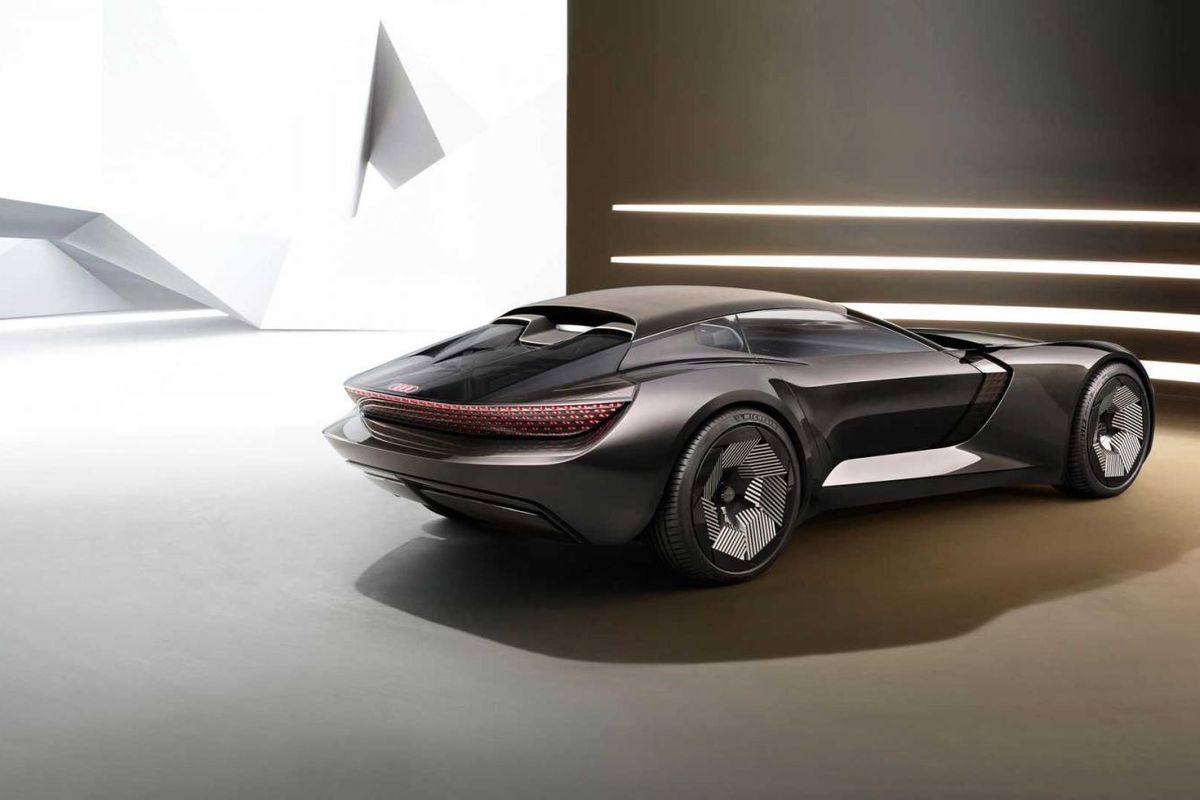
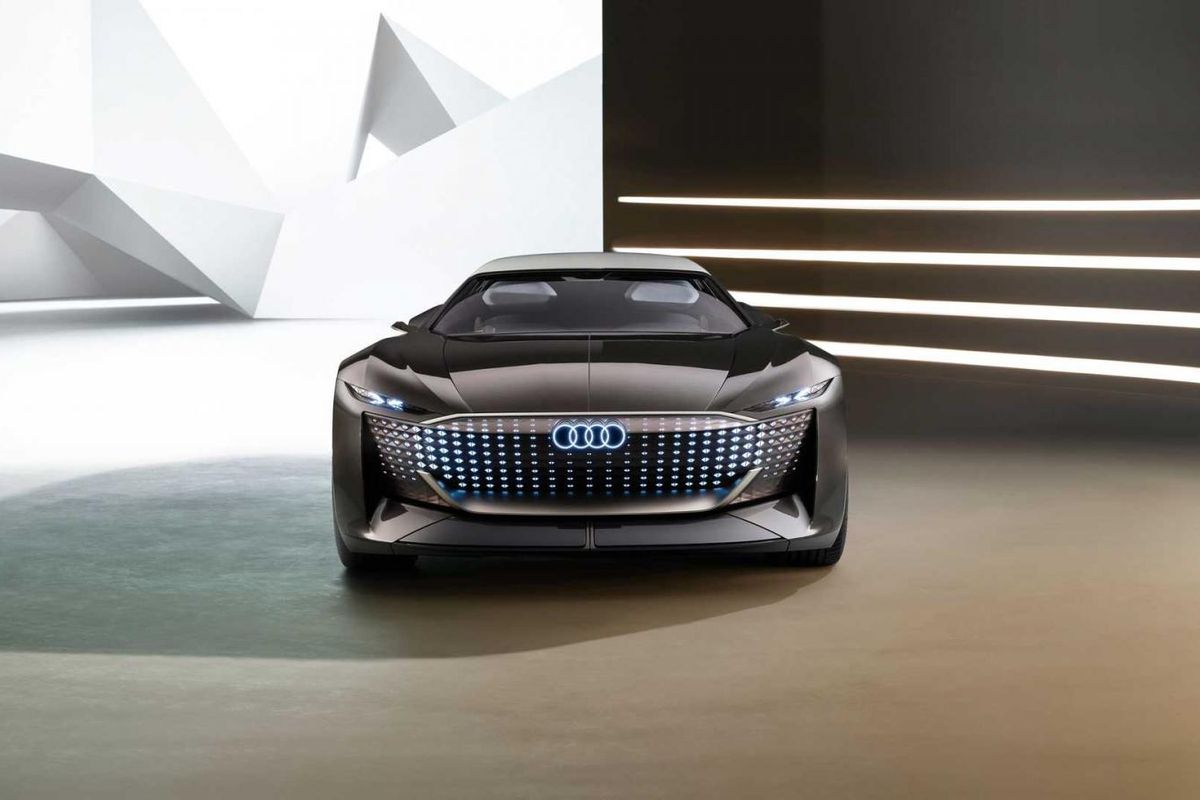
In preparation for the exclusive Pebble Beach concourse this month, Audi has created a radical new battery-powered concept vehicle. It is called the Skysphere and although that sounds like a James Bond movie title, this Audi is a modern interpretation of the brand’s gorgeous 1937 Horch roadster.
Despite the electric drive configuration, Audi’s designers have opted to create a classic long-nose design with Skysphere. It is awash in new design details, showcasing where the brand could be heading with its future styling.
With its internal combustion vehicles, Audi has been one of the champions of oversized grille design, and Skysphere could indicate how the brand is planning to keep a robust identity when the grille becomes non-functional with electric vehicles.
The most impressive technical feature of this Skysphere is its adaptive wheelbase. This allows the car to transform from a hugely stable high-speed cruiser to a nimble city sportscar, at the touch of a button.
Actuators behind the front wheels can shorten the wheelbase by 250 mm, by moving the fore axle rearwards.
Outrageous cabin design sees no animal materials being used. The Skysphere is finished with vegan leather and microfibre everywhere, so if you drop your Smartphone inside, it will probably be cleaner when you pick it up.
Powering the Skysphere is an 80 kWh battery pack, delivering 465 kW. Audi has not claimed a mass rating for the Skysphere, but says the car should be good for 500 km of range and capable of 0-100 kph in only 4 seconds.
Production likelihood? Low. But you can expect to see some of the more minor design elements eventually translating into Audi’s future passenger cars. However, that adaptive wheelbase function could be too heavy, complex and costly to ever become a reality.
Jaguar has introduced a thoroughly updated F-Pace luxury SUV to South Africa with enhanced styling technology and drivetrain choice. See specification and pricing details below.
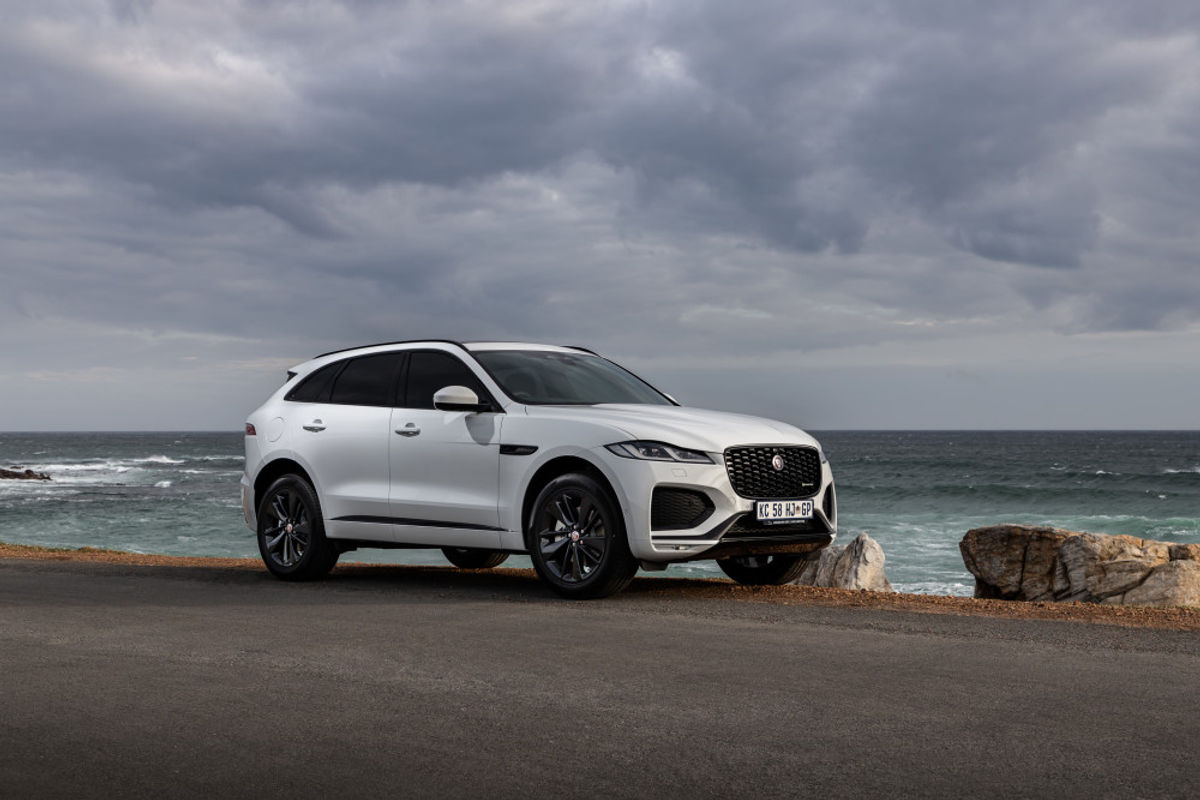
The Jaguar F-Pace is a striking offering in the luxury SUV segment and the model has now received a thorough update to keep it fighting fit to take on rivals such as the BMW X3, Mercedes-Benz GLC and Audi Q5, to name a few.
What’s changed?
The F-Pace’s styling has been refined but the bigger changes are found inside.
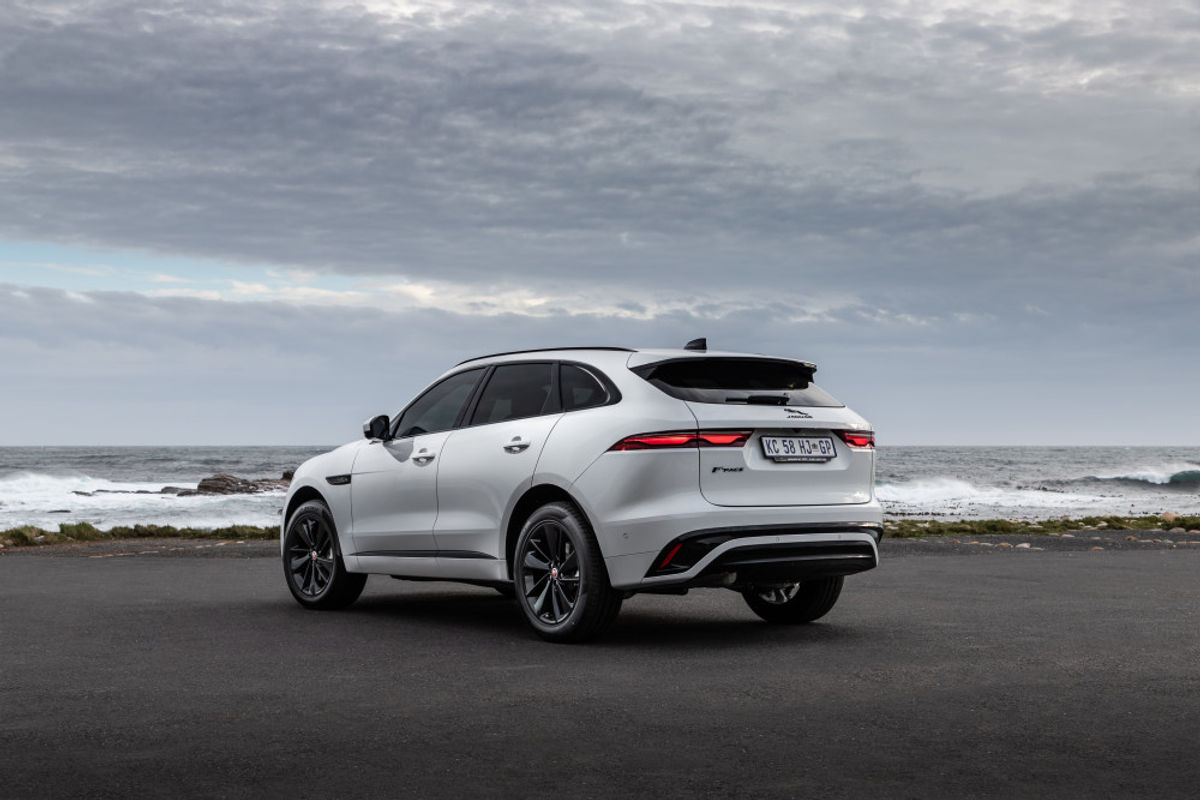
Lots has changed! Starting with the styling, the F-Pace wears a newly sculpted bonnet with a wider power bulge and ‘diamond’ detailing is seen on the grille while the iconic Leaper is seen at the side fender vents. The F-Pace also gains new slim, Premium LED headlights with ‘Double-J’ daytime running lights while Pixel LED technology is optional. If you have a keen eye, you might notice that the air intakes in the front bumper have been revised. At the rear, the new slimline taillights feature the Jaguar’s double-chicane graphic along with a revised rear bumper and restyled tailgate.
Buyers can also opt for a Black Exterior Pack which adds a host of gloss black elements
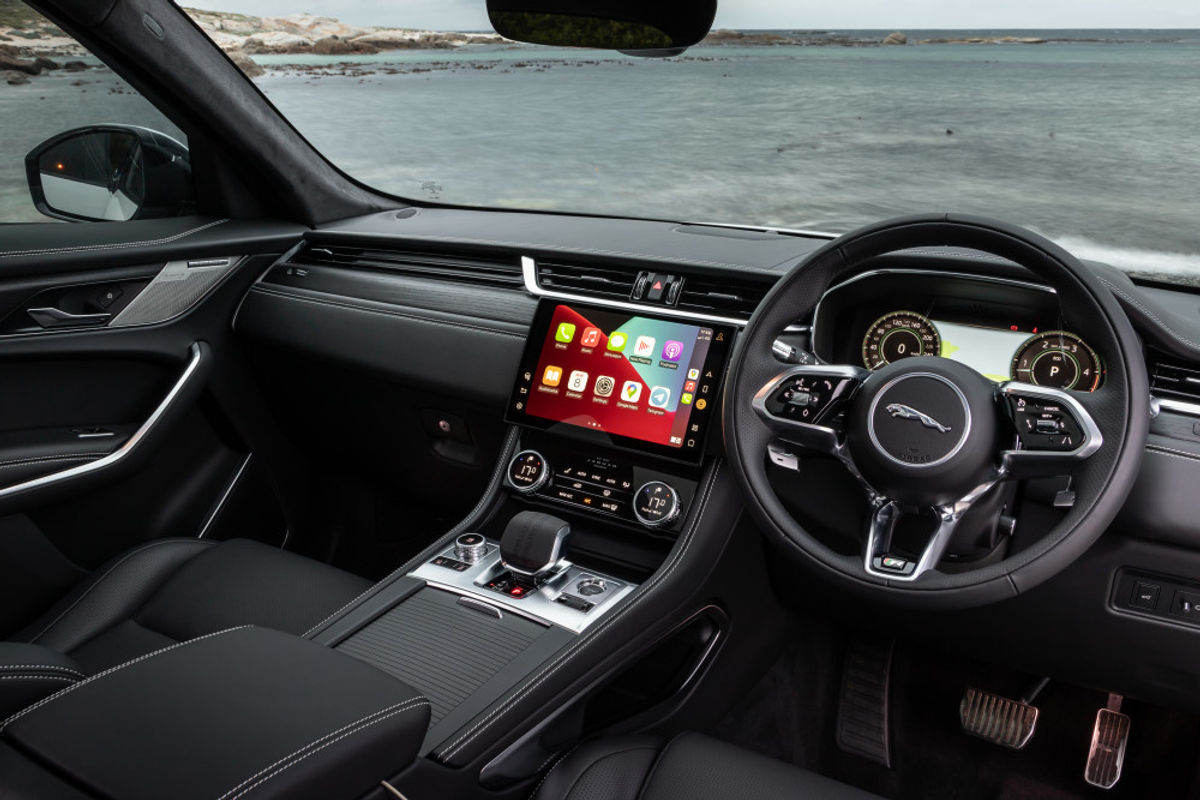
Moving inside, the F-Pace benefits from an updated interior design including a new centre console with wireless charging, new door casings with 360-degree grab handles, new seat designs with wider cushions and additional massage functions. Air quality in the cabin can be optimised with the optional Cabin Air Ionisation and Cabin Air Purification Plus system.
Perhaps the biggest change is the presence of a new centrally-mounted 11.4-inch curved-glass HD Pivi Pro touchscreen finished in a magnesium alloy casing. The new screen is some 48% larger than the outgoing 10-inch unit and now features a simplified menu layout that provides access to up to 90% of common tasks in 2 taps or less. The system is compatible with Android Auto and Apple Carplay and up to 2 smartphones can be connected simultaneously. The driver now also has access to a 12.3-inch HD Interactive Driver Display which can be configured according to preference.
The new system includes Software-Over-The-Air (SOTA) capability, ensuring that software updates are conducted seamlessly without having to visit a dealership. Connectivity is made possible with embedded dual-sim technology with 2 LTE modems.
Other enhancements to the F-Pace include Active Road Noise Cancellation technology, second-generation Activity Key and Jaguar’s latest 3D Surround Camera technology.
In terms of driver assistance, the F-Pace now offers Adaptive Cruise Control with Steering Assist and a Clear Exit Monitor which alerts front and rear occupants to an approaching car or cyclist when opening a door to exit the vehicle.
What engines are available for the Jaguar F-Pace?
A total of 5 powertrain choices are offered for the F-Pace in South Africa.
The F-Pace is available with a choice of 2 diesel engines and 3 petrol engines, all offered with intelligent all-wheel drive and 8-speed automatic transmission.
The diesel range starts with a new-generation 2.0-litre turbodiesel engine (D200) with either 147 kW and 430 Nm while a larger and more powerful 3.0-litre, 6-cylinder (D300) turbodiesel engine offers 221 kW and 700 Nm.
On the petrol front, buyers can opt for a 2.0-litre (P250) Ingenium engine with 184 kW and 365 Nm or the new P400 with a 3.0-litre, 6-cylinder turbopetrol engine with 294 kW and 550 Nm. The P400 boasts a mild-hybrid system with an electric supercharger, twin-scroll turbocharger and Continuously Variable Valve Lift which contributes to enhanced performance and efficiency.
Lastly, the F-Pace can be had as a Plug-in Hybrid Electric Vehicle (PHEV) featuring a 2.0-litre petrol engine and 105 kW electric motor to produce a combined output of 297 kW and 640 Nm. The F-Pace PHEV is equipped with a 17.1 kWh lithium-ion battery which allows for an all-electric range of 53 km. Using a 32 kW DC fast charger, zero to 80% charge can be achieved in 30 minutes while a 7kW domestic wall box will charge zero to 8-% in about 1 hour 40 minutes.
How much does the Jaguar F-Pace cost in South Africa?
Prices include VAT but exclude CO2 tax.
F-PACE D200 – R1 122 500
F-PACE D300 – R1 233 200
F-PACE P250 – R1 214 500
F-PACE P400 – R1 239 400
F-PACE P400e -R1 610 100
F-PACE D200 R-Dynamic – R1 190 500
F-PACE D300 R-Dynamic – R1 301 000
F-PACE P250 R-Dynamic – R1 282 400
F-PACE P400 R-Dynamic – R1 307 300
F-PACE P400e R-Dynamic – R1 672 700
F-PACE D200 R-Dynamic Black – R1 176 600
F-PACE D300 R-Dynamic Black – R1 287 100
F-PACE P250 R-Dynamic Black – R1 268 500
The Jaguar F-Pace is sold with a 5-year/100 000 km warranty and maintenance plan.
The German carmaker has shared details of its updated 2022 BMW iX3, which is basically an all-electric version of the X3 SUV.
Whether we like it or not, the electric car era marches on and BMW SA has confirmed its 2022 BMW iX3 will be arriving in South Africa in the first quarter of 2022. The BMW X3, on which the iX3 is based, is the first BMW model that’s available in either petrol, diesel, plug-in hybrid and electric guise.
The all-electric BMW iX3 was first revealed in the middle of 2020 and while it was initially earmarked for an SA introduction, that appears to have fallen away in favour of the updated 2022 BMW iX3. The updates are significant and while visually, there’s only the smallest of changes with fresh design accents on the nose, a larger kidney grille, revised headlights and 3D LED rear lights. Inside, there’s a new 12.3-inch dashboard, new control panel for the gear selector, new sport seats and customers can give their iX3 the M Sport package.
Internationally, there are 2 trim levels to choose from: Inspiring and Impressive. We’ll have to wait for early 2022 to see what the SA-spec BMW iX3 comes with.
Inspiring Metallic paintwork, adaptive suspension, automatic tailgate operation, a panoramic glass roof, electrically adjustable seats, a sport leather steering wheel, a storage package and a three-zone automatic climate control system with pre-heating and pre-conditioning function.
Impressive The above content, plus acoustic glazing, BMW Head-Up Display, Harman Kardon Surround Sound System and BMW IconicSounds Electric.
The vehicle also comes with impressive levels of semi-autonomous safety kit, which falls under BMW’s Driving Assistant Professional. Tech includes Steering and Lane Control Assistant, Active Cruise Control with Stop&Go function, automatic Speed Limit Assist and route monitoring, along with Parking Assistant with Reversing Assist Camera and Reversing Assistant.
Powering the 2022 BMW iX3 is an electric motor that’s packaged with the gearbox and electronics in one single housing. Outputs are rated at 210 kW and 400 Nm, and BMW says its updated iX3 is good for a 0-100 kph of just 6.8 seconds. Power consumption is said to be 18.9 – 18.5 kWh/100 km and the vehicle has a range of 460 km based on the WLTP cycle. Fast-charging is available and a 10-minute charge from a 150 kW charger will give you around 100 km of range.
When is the 2022 BMW iX3 coming to SA?
The updated BMW iX3 will be touching down in the first quarter of 2022.
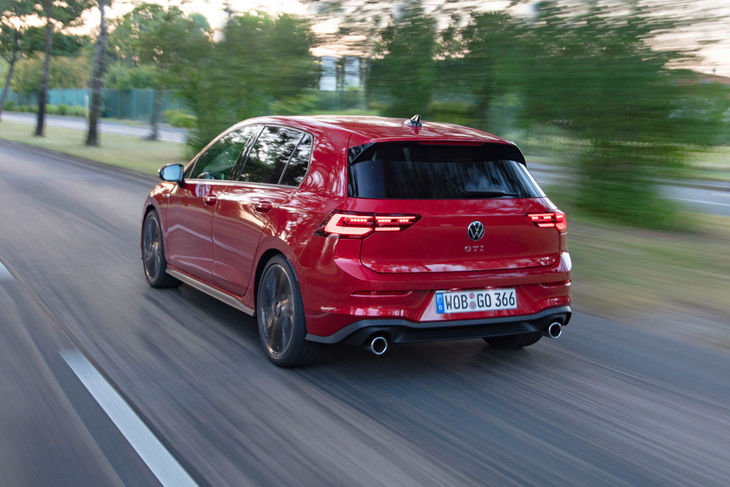
The new Volkswagen Golf 8 GTI is due to officially go on sale from 1 September 2021! Below we have Golf 8 GTI pricing and specifications.
The 8th generation of the iconic hatchback will be in Volkswagen showrooms very soon and following the online reveal last month, Volkswagen will be launching the new Golf 8 GTI to the media this week before the model officially goes on sale from 1 September 2021.
With over 14 252 sales of the current generation in SA alone, it’s easy to see why the GTI 7 and 7.5 have been popular. Blending performance, premium features and practicality into one stylish package, the GTI may not have been the fastest and most enthralling to drive, but it did more things right than its competitors.
What will the new Volkswagen Golf 8 GTI offer?
The all-new Volkswagen Golf 8 GTI will feature a 2.0-litre turbocharged petrol engine that produces more power. Outputs of 180 kW and 370 Nm are quoted, and this is paired to a 7-speed dual-clutch transmission. Performance is brisk, with a claimed 0-100 kph time of just 6.4 seconds. There’ll be just one GTI Golf 8 derivative on sale and standard features including 18-inch Richmond alloy wheels, Lights and Vision Package including high-beam control light assist, Climatronic air conditioning, heated leather-wrapped multi-function sports steering wheel with touch control and shifting paddles, GTI Vienna leather seats, keyless locking and starting system, Composition Media Radio, multi-colour InnoVision Cockpit, App-Connect, Cruise Control with speed limiter, Park Distance Control, mobile phone interface with inductive charging function as well as 30-colour ambient lighting.
The options list is substantial and we have no doubt customers will be making those ticks. There are things like the ever-popular panoramic sunroof (R13 050), mechanically swivelling trailer hitch, IQ Light: LED Matrix Headlights (R10 000), Black Styling Package with black 18-inch Bergamo alloy wheels (R8 000), Head-up Display, Adaptive chassis control including driving profile selection (R14 800), smokers package, 19-inch Adelaide alloy wheels (R10 400), Harmon Kardon sound system (R11 400), Discover Pro Radio ( R16 100 – Satellite Navigation, USB, Wireless App-Connect and Voice Control), Park Assist (parallel parking assistant), Rear Assist with a rearview camera R4 000), Blind spot monitor (Rear Traffic Alert and Lane Assist including Electronically Folding Mirrors), Travel Assist (R11 100- Lane Assist with Adaptive Cruise Control) and Adaptive cruise control with Front Assist and Autonomous Emergency Braking (R9 500).
As far as colours go, there are 3 solid exterior hues (Pure White, Urano Grey, and Moonstone Grey), 4 metallics (Dolphin Grey, Atlantic Blue, Kings Red and Reflex Silver) and 2 pearlescent options (Deep Black Pearl and Oryx White Pearl).
How much does the new VW Golf 8 GTI cost in South Africa?
Pre-orders for the new VW Golf 8 GTI are now open with the launch price starting at R669 300. The Golf GTI will be sold with a 3-year/120 000 km warranty and a 5 year/ 90 000km EasyDrive Service Plan and a 12-year anti-corrosion warranty. Services are scheduled at every 15 000km.
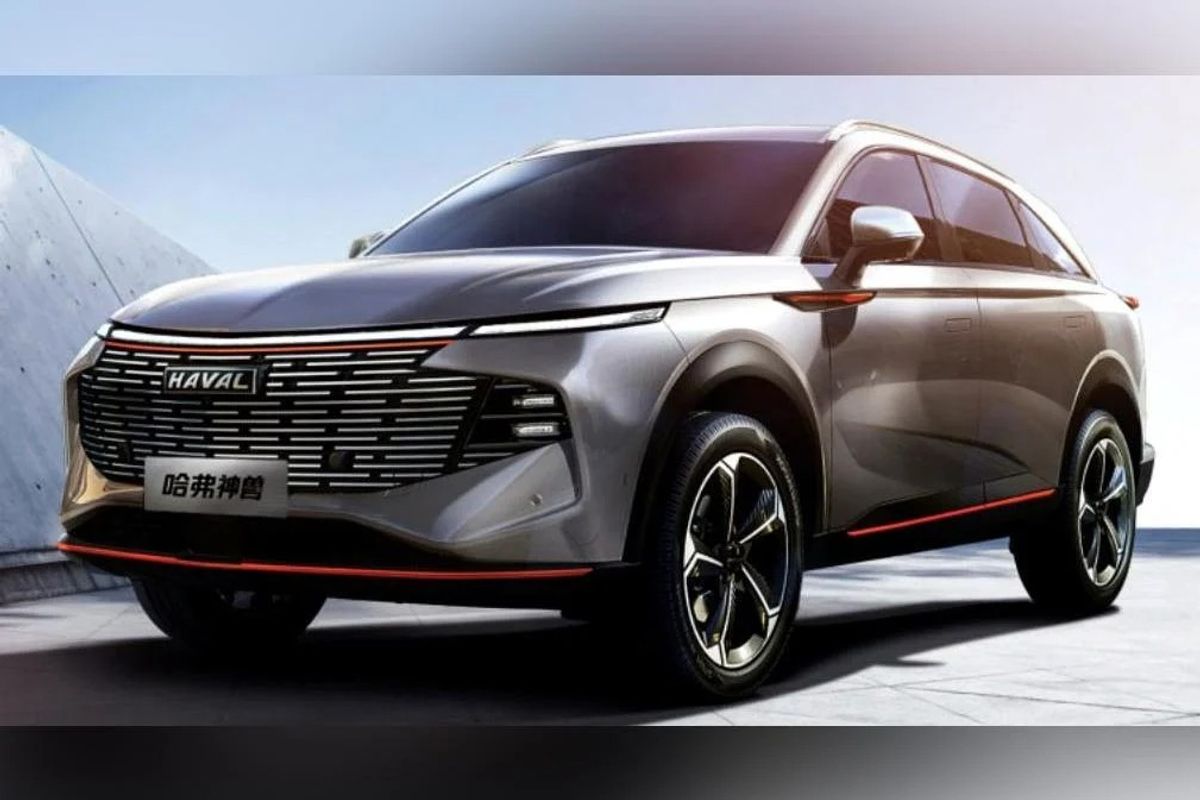
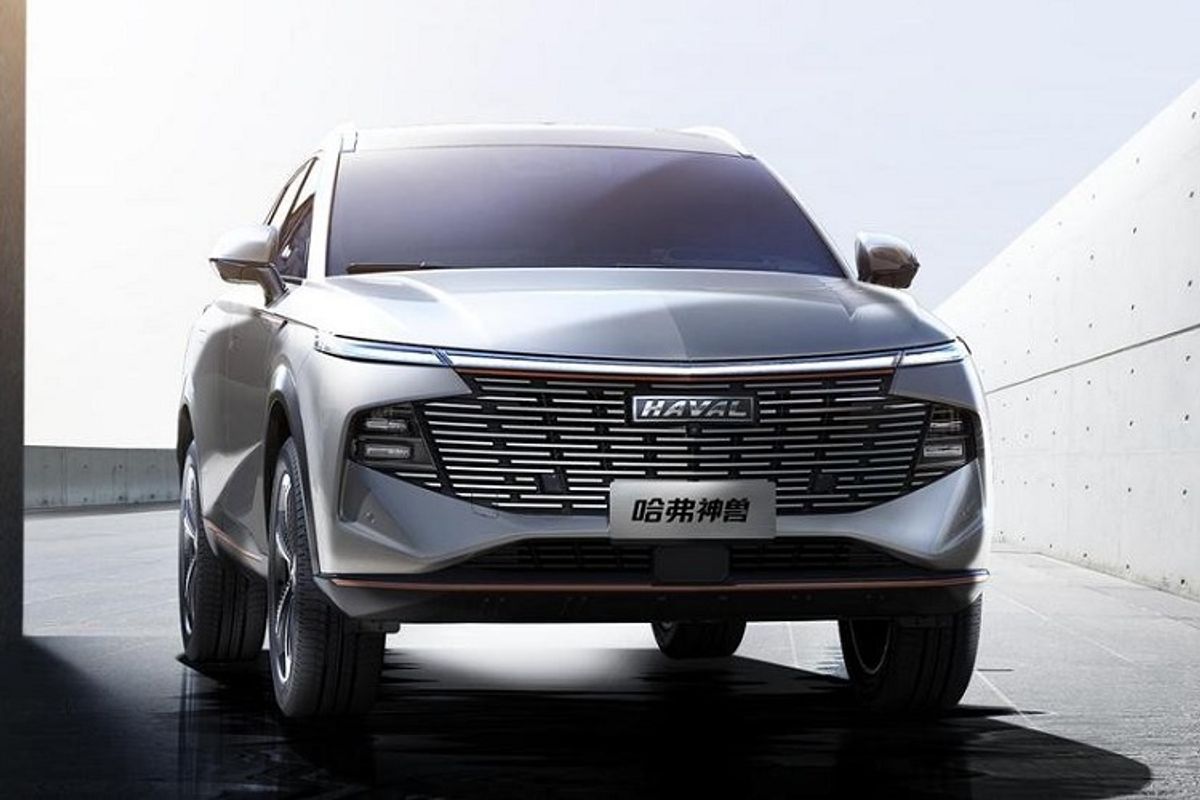
The Chinese car brand has just revealed an all-new family car. Here’s the Haval Shenshou, a production version of the Haval XY Concept.
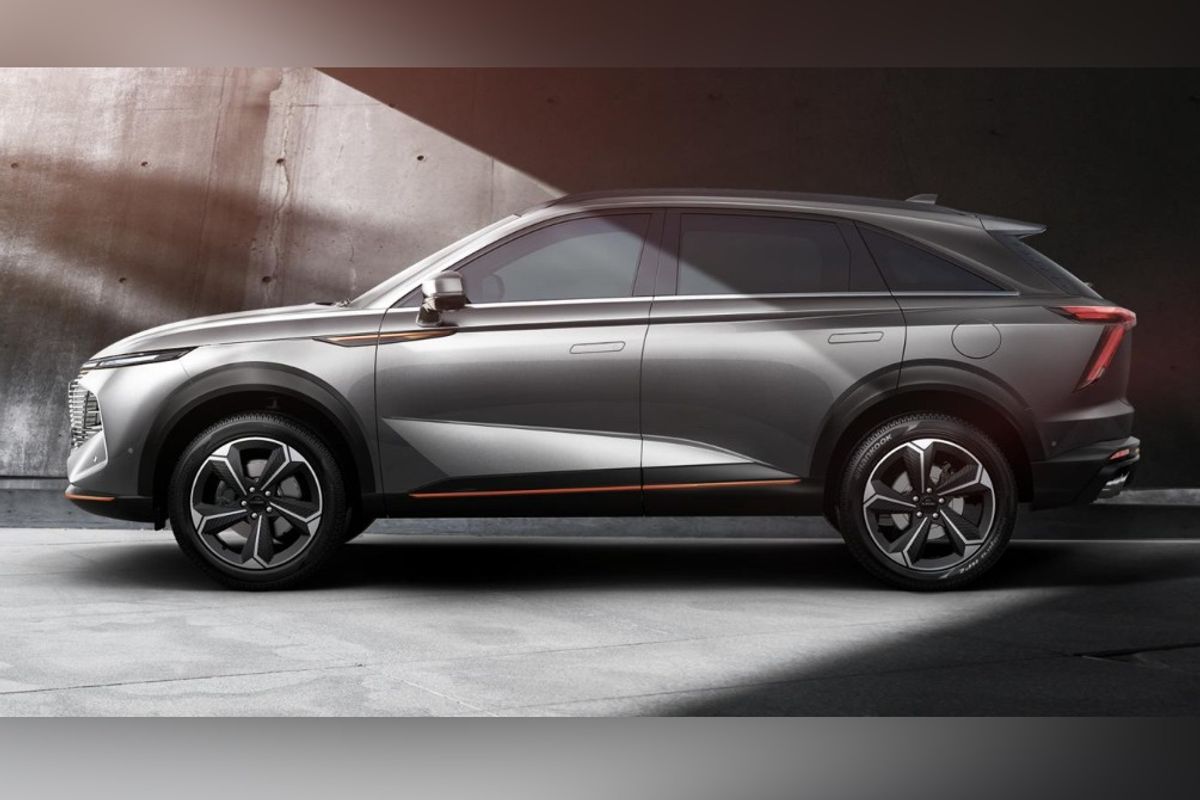
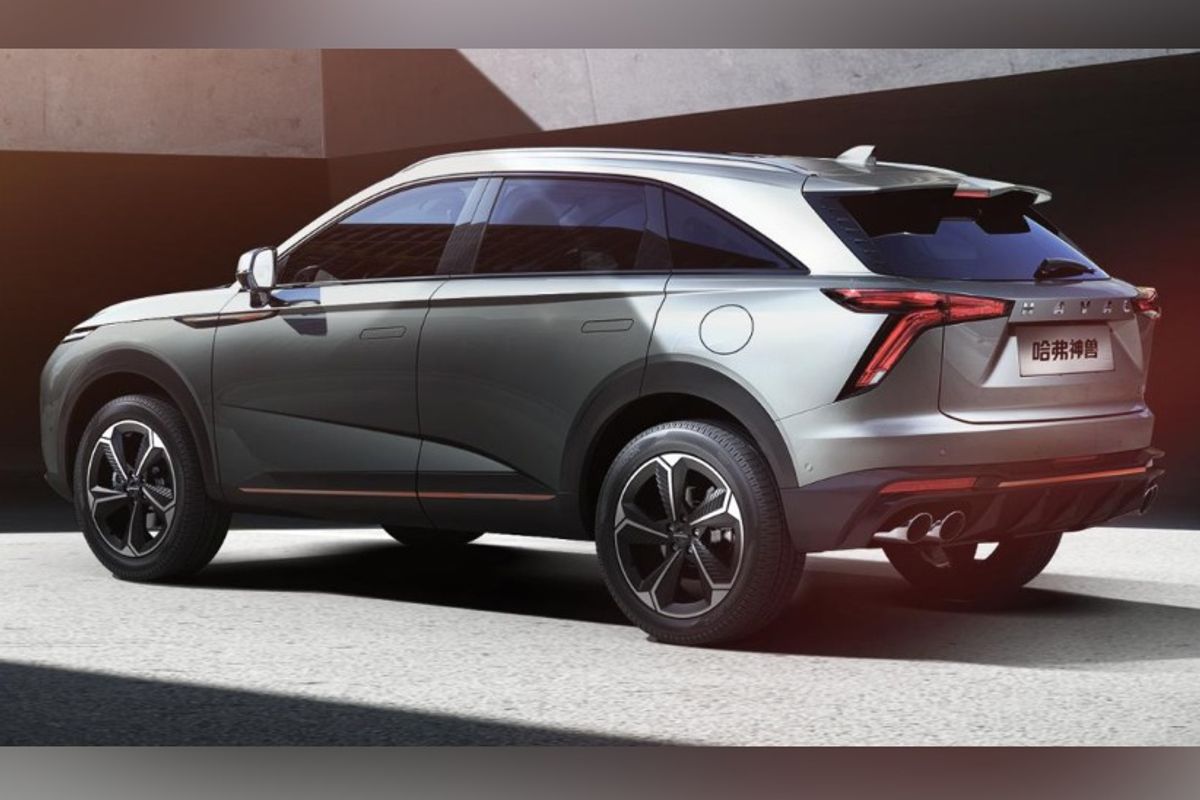
Shenshou translates to Mythical Beast and rides on the same Lemon platform as its Jolion and H6 siblings. It features a sharp and angular design language and from the front three-quarter angle, it really stands out. At the rear are large LED tail lamps, diffuser and 4 exhaust pipes.
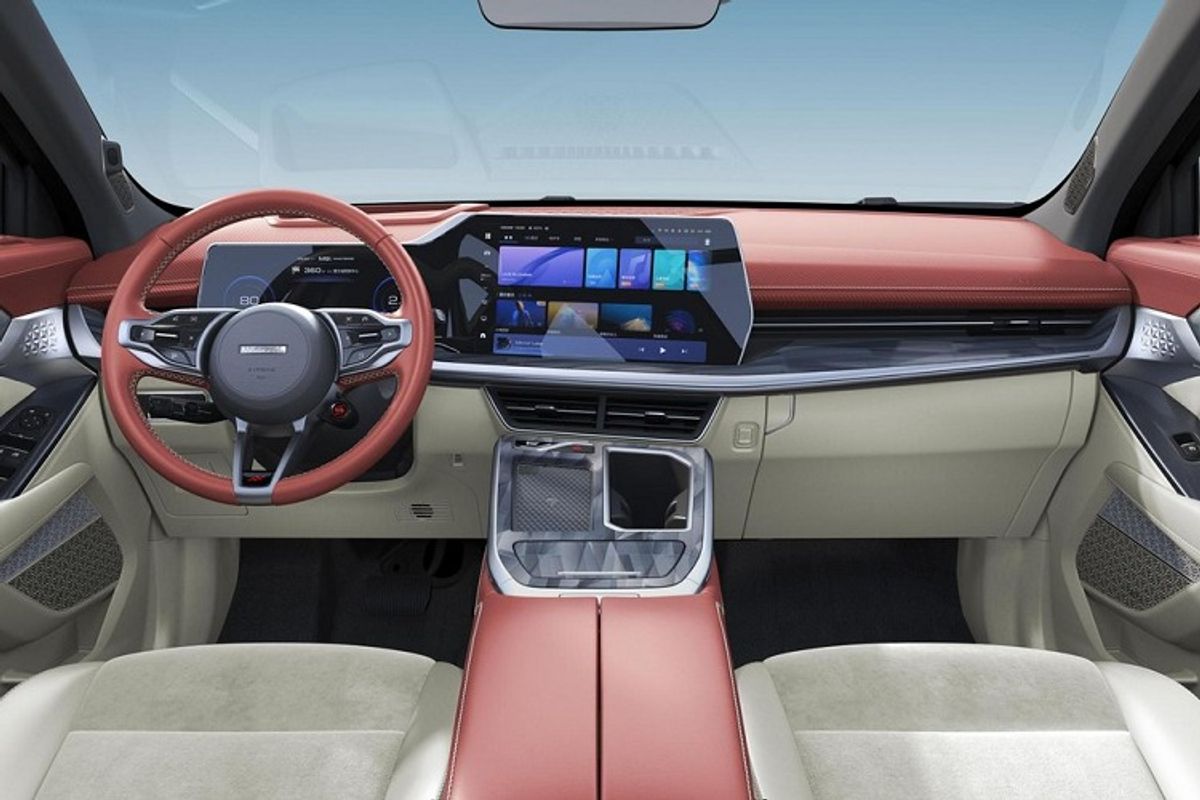
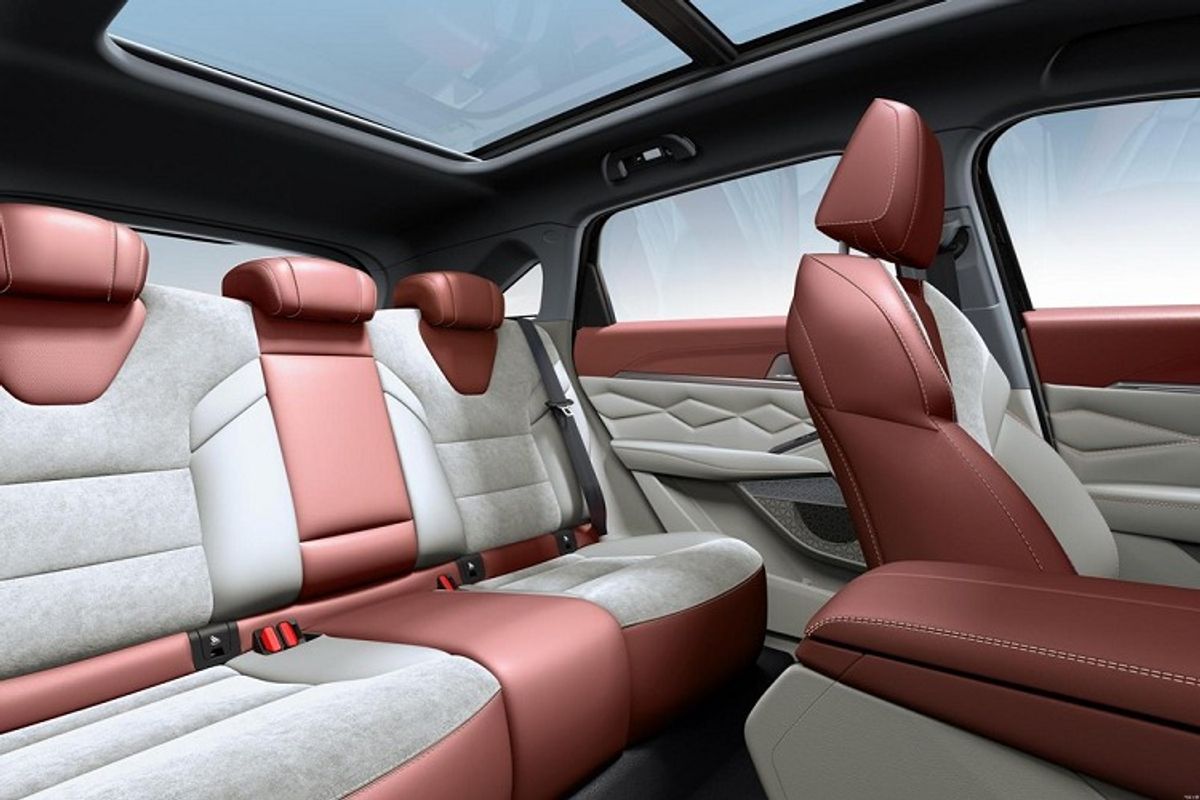
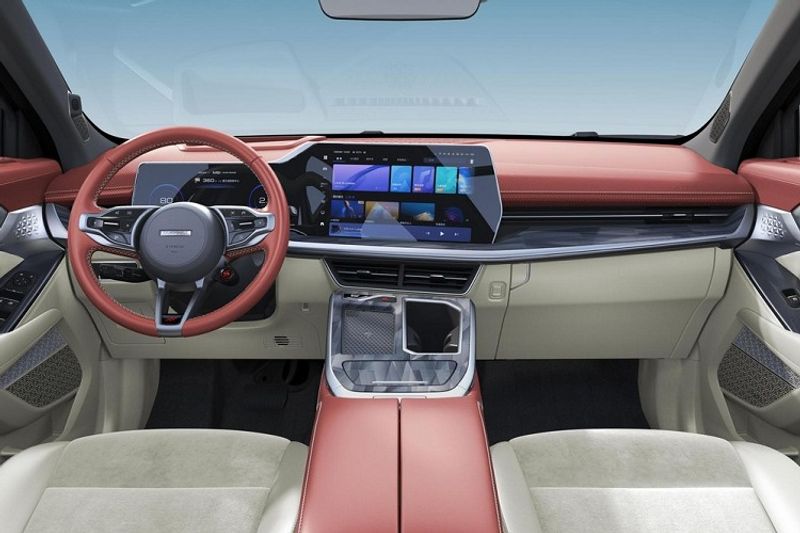
Inside, the Haval Shenshou features an airy and futuristic cabin with a 12.3-inch digital dashboard and a large 14.6-inch infotainment screen. There’s a wireless charging pad and a 3-spoke steering wheel. If you look closely, it appears there are very few physical buttons, with functionality all being controlled by the touchscreen.
The infotainment system is an all-new affair with Haval going with a Qualcomm chipset and a new operating system called Coffee.
Under the bonnet is a 1.5-litre turbocharged 4-cylinder petrol motor that’s producing around 140 kW and 220 Nm, and that’s paired to a 9-speed dual-clutch gearbox. A 2.0-litre and a plug-in hybrid derivative will be available down the line.
Right now it appears the Haval Shenshou is for the Chinese market only, but given the South African market’s appetite for Haval’s products, we suspect a derivative or version of the Shenshou might make its way to our shores. The Haval Jolion has been an instant success for the brand and demand for the product has been high. Outside of China, South Africa is the largest market for Haval products.
Kia has shown the potential of electric crossovers to become more hardcore all-terrain vehicles.
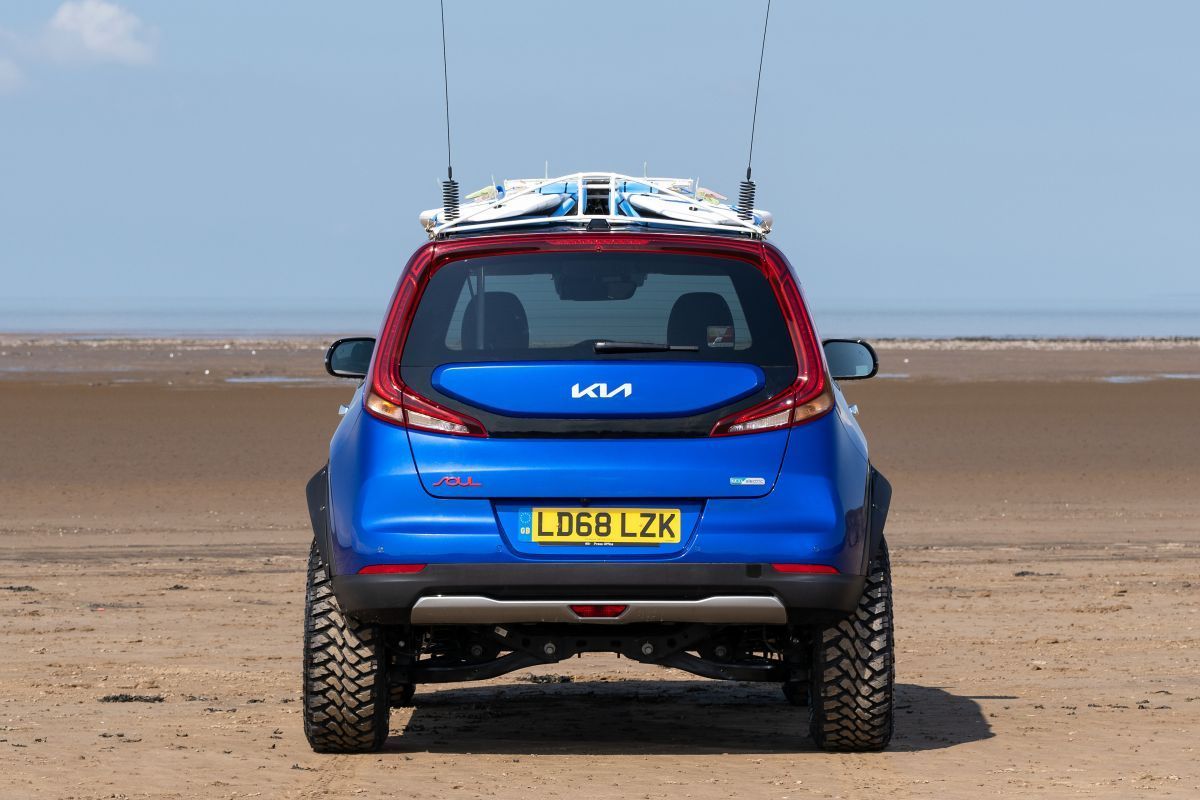
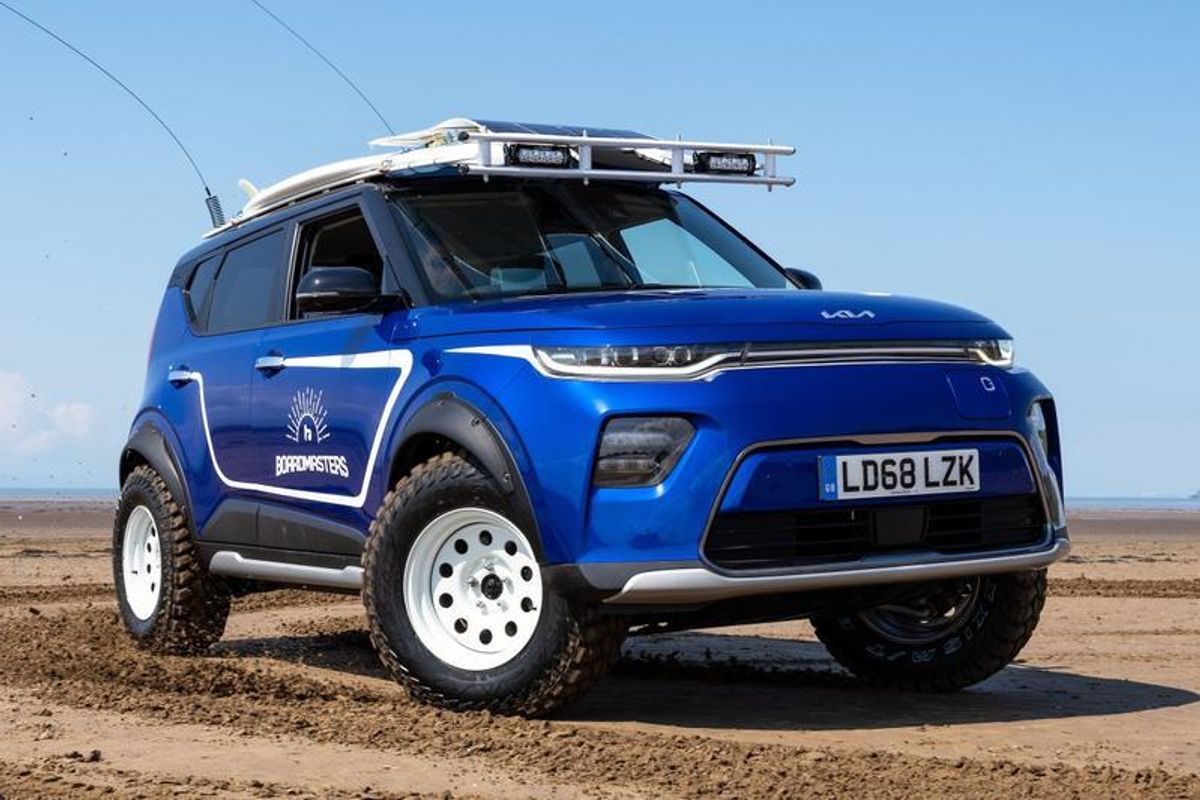
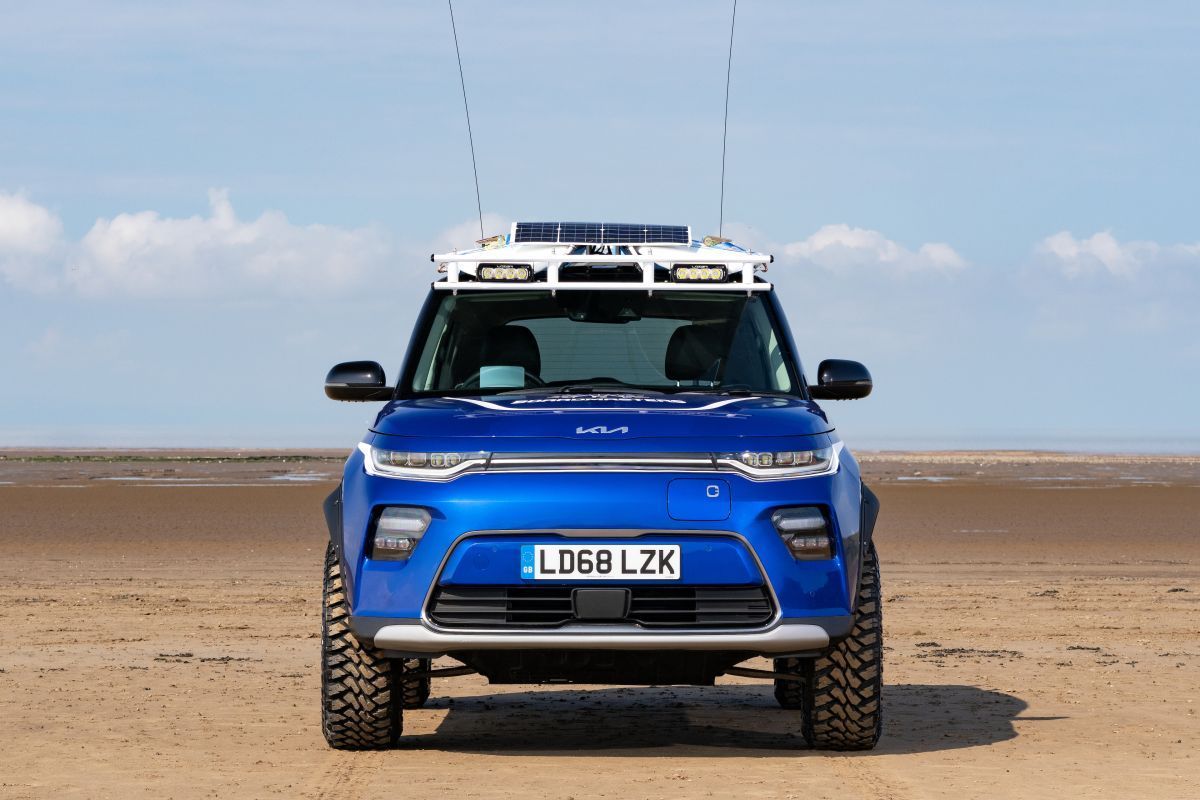
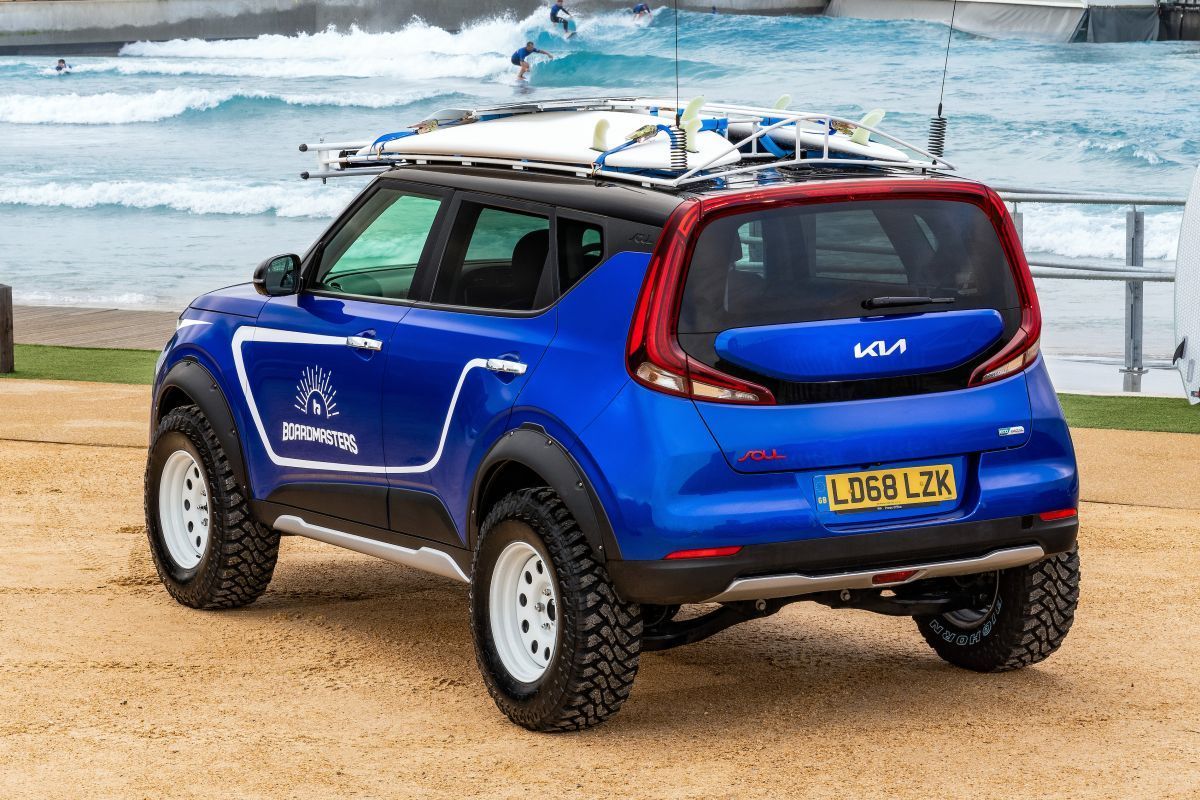
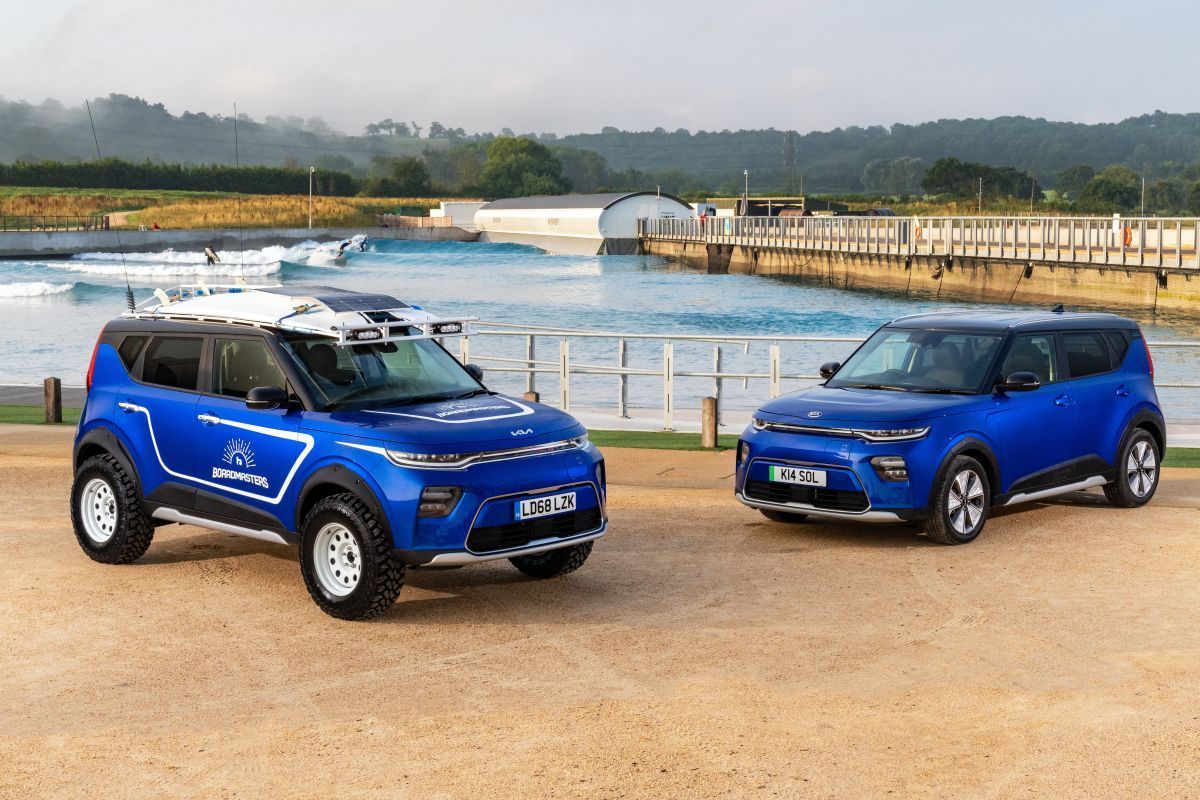
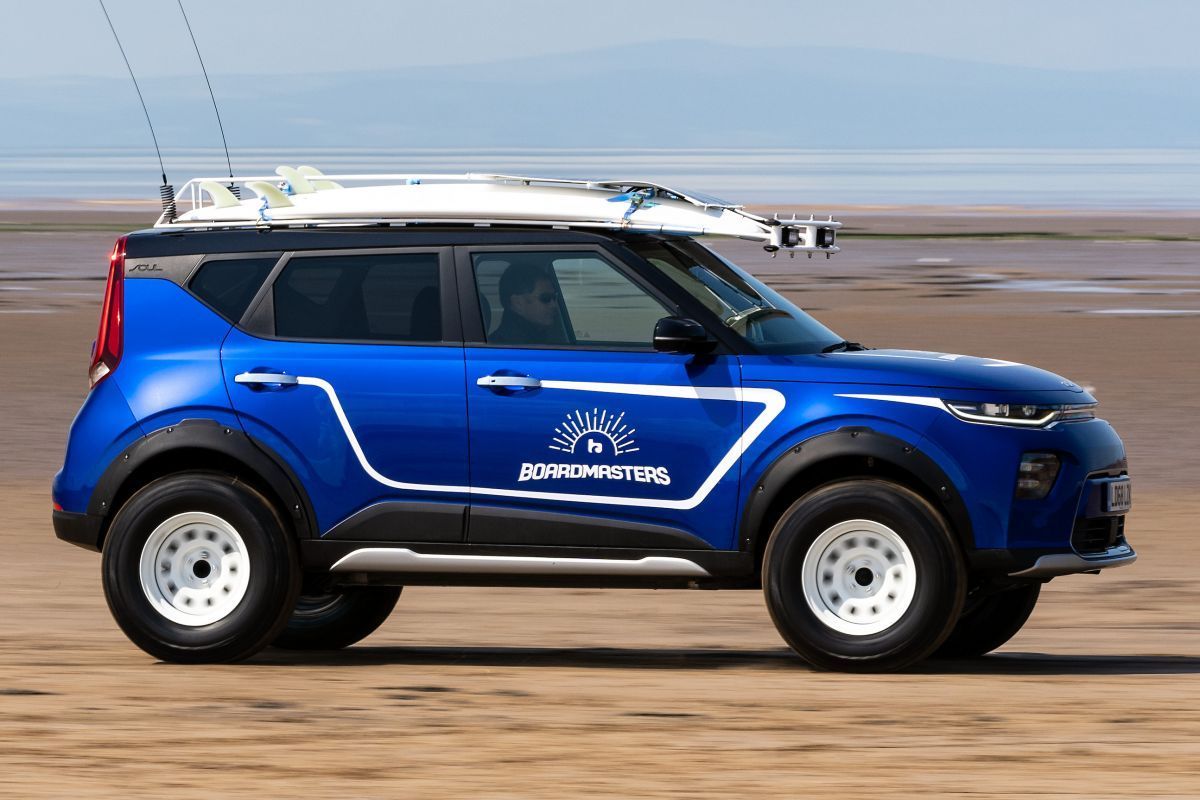
The Korean car company’s UK division had a battery-powered Soul that had served its purpose as a demonstration vehicle. This particular Soul has been converted into an impressive Boardmasters edition.
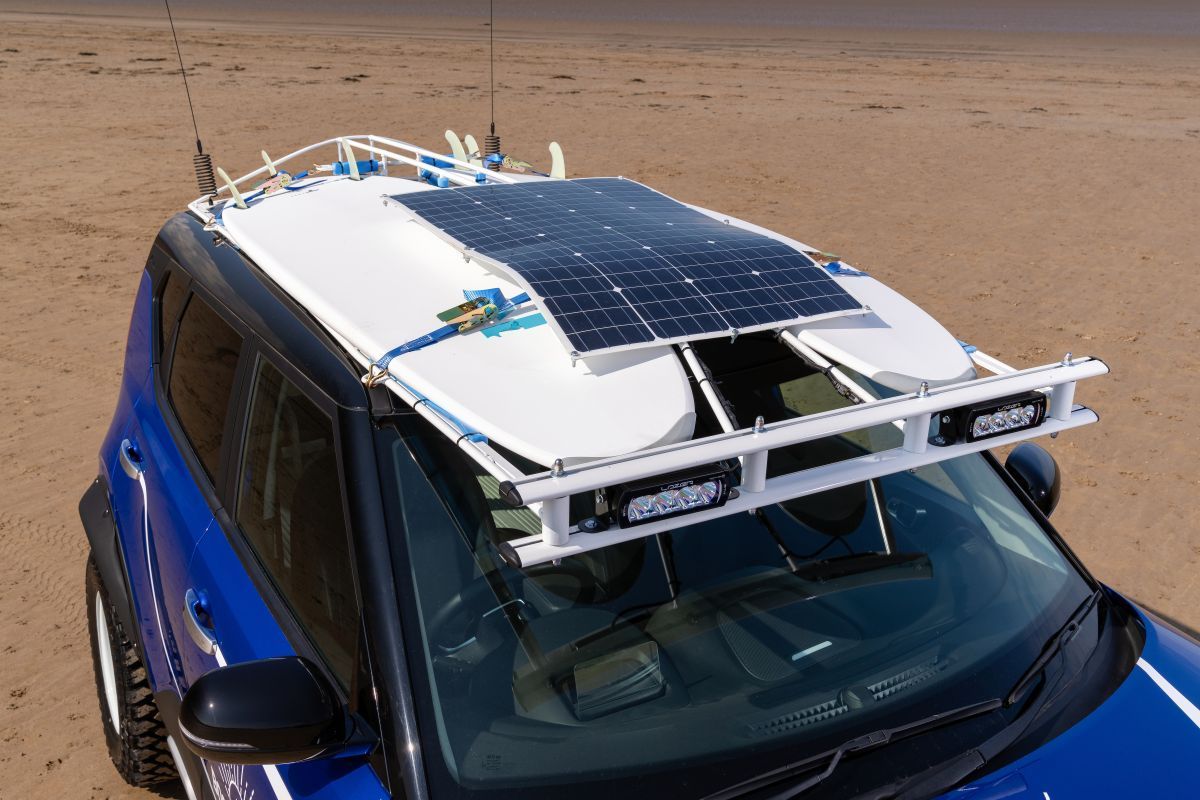
Without a traditional front grille, this Soul is clearly battery-powered. Atop, there is a sturdy roof rack for mounting those surfboards, while long-range radio antennae ensure you can stay in touch, even when venturing into the deepest wilderness.
An LED lightbar adds additional illumination, handy when navigating unchartered coastal routes, to that secret surf spot.
One strange feature is the ratchet straps used to secure those surfboards, featuring metal fastening mechanisms, which are sure to ding and ruin the glassing of any surfboard deck or bottom, they make contact with. We imagine the Kia UK marketing department would be best served, by using traditional soft-straps for tie-down duty.
By far the most impressive aspect of this Kia Boardmasters edition is its stance. It rolls massive 265/75 tyres on 16-inch steel wheels – very uncharacteristic for any Kia, not to mention a Soul.
Although the additional flotation and traction of those huge tyres are beneficial, they also need a lot more room. Kia fitted a lift kit to raise the Boardmasters edition by 70mm, while the tracking width increases both front and rear.
Off-road ability should be way beyond what any Soul owner could imagine. The Soul Boardmasters edition has more ground clearance than a Land Cruiser, at 310mm.
The standard Kia Soul EV powertrain remains in place, which means a 150 kW electric motor, drawing energy from a 64 kWh battery pack.
Range Rover Sport SVR Special South African Edition – “The Midnight Train”
Range Rover is looking to show off the customising capabilities of its SVO division based in the UK. And what better way to do so than creating a paint colour exclusively for South Africa. What you’re looking at is not a wrap. It’s a stunning satin black called Stimela sa Sebusuku, which translates to “Midnight Train” in Zulu.
In this video, Ciro takes you on a guided tour of this ultra-special Range Rover Sport. Watch the video to find out what makes it so special!
This week’s news you need to know (Aug 2021, Week 1)
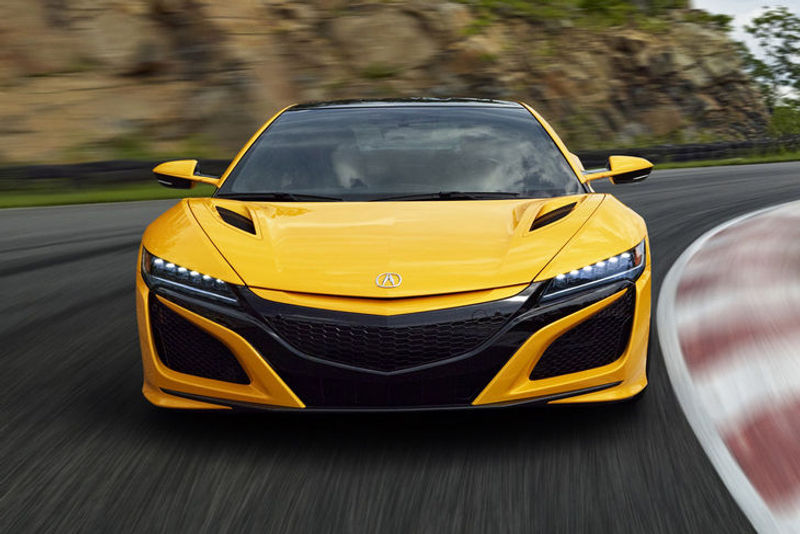
In this week’s news you need to know, Honda promises to produce a hardcore Type S version of its underappreciated NSX supercar (but may need to enlist Max Verstappen’s help to promote it), Toyota is studying diesel-hybrid tech to advance the cause of working bakkies and while Audi has set a new lap record around the famed Nurburgring with the new RS3 sedan, its upcoming South African line-up of e-tron models might not fly out of local showrooms quite as quickly…
Honda NSX – Third time’s a charm?
Originally, the letter X in NSX, Honda’s revered supercar, stood for eXperimental. For the 2nd-generation NSX, which was under development for more than half a decade and finally debuted in 2016, the X stands for eXperience, but the hybridised supercar has never got the credit it deserves. It simply doesn’t have the mystique of its giant-killing predecessor, which was developed to humble Italian exotica – and duly did that, according to the cognoscenti. The Honda’s cult status was assured by a video of (then McLaren-Honda F1 driver) Ayrton Senna heel-toeing (in loafers) while lapping Suzuka in an NSX…
Now Honda hopes to reinvigorate the NSX with the limited-production Type S, but it’ll need a serious injection of something special, not just a few extra kW, a selectable “drift mode”, strategically positioned badges and swathes of carbon fibre and Alcantara to do it. In the original car’s heyday, there weren’t many supercar producers, but now there are several mainstream ones, plus a few boutique brands.
Suffice to say the level of competition is savage in super- and hypercar land. This time, Honda should really pull out the stops: enlist (Red Bull Honda F1 pilot) Max Verstappen to whip the Type S to within an inch of its mechanical life at Suzuka – for the sake of nostalgia he could wear loafers too (clogs might be more in keeping with his Dutch heritage, but then they’ll probably be too clunky for heel-toeing). That, further advancement in Lithium-Ion technology and notable reductions in the kerb weight of the NSX could really change the game. Come on Honda, the world needs a visceral Japanese supercar.
Diesel-hybrid Technology – Bridging the gap
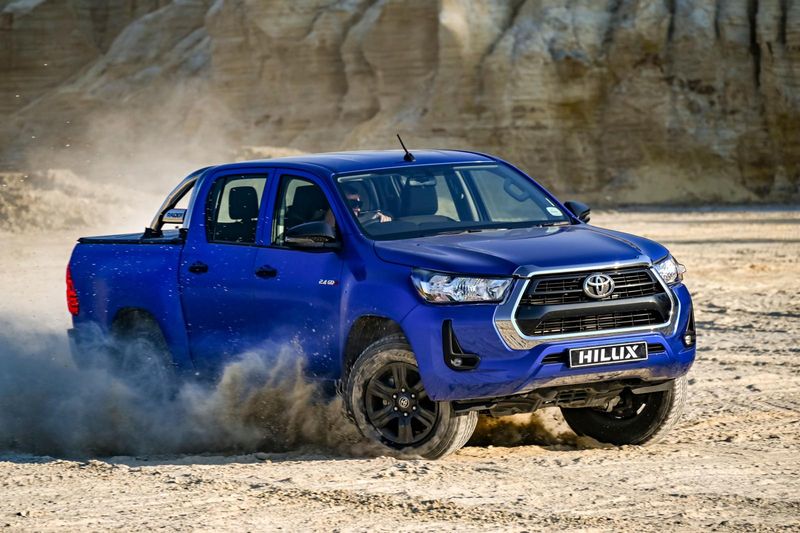
Toyota is a conservative brand – product-wise, it tends to stick to what it does best. If it does depart from the formula, it’s for marketing purposes – the low-volume (but high interest) GR variants are good examples.
Still, the Japanese giant is not afraid of following its own path philosophically… it could, for example, have followed the trend of recent concept trucks and entertained the thought of developing and mass-producing petrol-electric and BEV bakkies. No, instead the typically practically-minded Toyota is taking a hard look at the diesel-hybrid option (in general and especially with developing nations, like South Africa, in mind). With Toyota dominating the bakkie market here, that seems a prudent approach and, besides, they wouldn’t want Ford etc. to catch them off-guard.
Globally, Toyota has been favouring hybrids over battery electric vehicles (BEVs), while also exploring more efficient fuels like hydrogen (as employed by the fuel-cell-powered Mirai). Depending on who you speak to, or which reports you read, Toyota wants solid-state batteries to become sustainable before it will “go full EV”; in the meantime, the Japanese brand sees hybrid technology as the bridge between the ICE engine and the EV age. One can only take a step back and appreciate the complexity that exists in the global world of motoring in our generation. I sure wouldn’t want to be the decision-maker.
Audi RS3 – 5 cylinders and the ‘Ring
Those who’ve seen this video will understand just how seriously hard that new Audi RS3 sedan was driven to achieve that time; the effort involved every inch of concrete (and then some) while going at 13/10ths pace, to the soundtrack that is the now legendary inline 5-cylinder combustion engine… that glorious motor has been turning everyday office workers into Walter Röhrl for more than 4 decades.
I have previously written that manufacturers’ obsession with setting new Nürburgring lap records with road cars is not just silly, but ultimately counterproductive. But I have to make an exception in this case, because Audi set the record with a sedan – not a hot hatch or behemoth SUV, a good, old-fashioned sedan. You remember those, don’t you? The question that remains is whether BMW and Mercedes-Benz will “retaliate”? You can bet your last bite of bratwurst that they won’t back down until the RS3 sedan’s record no longer stands. Will Audi’s 5-pot banger still be in production when that happens, though?
Audi e-tron – 6 new models all dressed up and nowhere to go
Audi SA had planned to introduce its first e-tron (an electric executive SUV) in Mzansi 2 years ago, but, for a variety of reasons, that will now only happen next year, when no fewer than 6 e-trons models will be made available in the Republic! Several (premium) brands are lining up EVs for South Africa in the next few years and kudos to those manufacturers (of which Audi is one) that demonstrate sufficient belief in their products to introduce them in the marketplace even if they’re unlikely to sell very many units in the short term. Apart from lofty prices, range anxiety is likely to scupper a few potential sales…
In developed countries, the private sector recognised that investment in infrastructure was necessary to make battery electric vehicles viable, let alone appealing to buyers. The key was not to sit back and wait for governments to roll out development plans. Jaguar wanted to introduce the iPace in a developing nation like South Africa (where the decision-making process is even slower), so action was needed.
Jaguar Land Rover SA took the initiative to partner up with Gridcars and get a plan into action, plus it proved it could be done on a limited budget. Now, with 84 charging stations and 22 strategically placed between our major cities, the reality of EV inter-city mobility seems to be coming alive. Disappointingly, I expected the powerhouse that is Volkswagen SA (which, of course, includes Audi SA) to do more to drive the local EV transformation process.
Grand new Cargo hatches from Hyundai
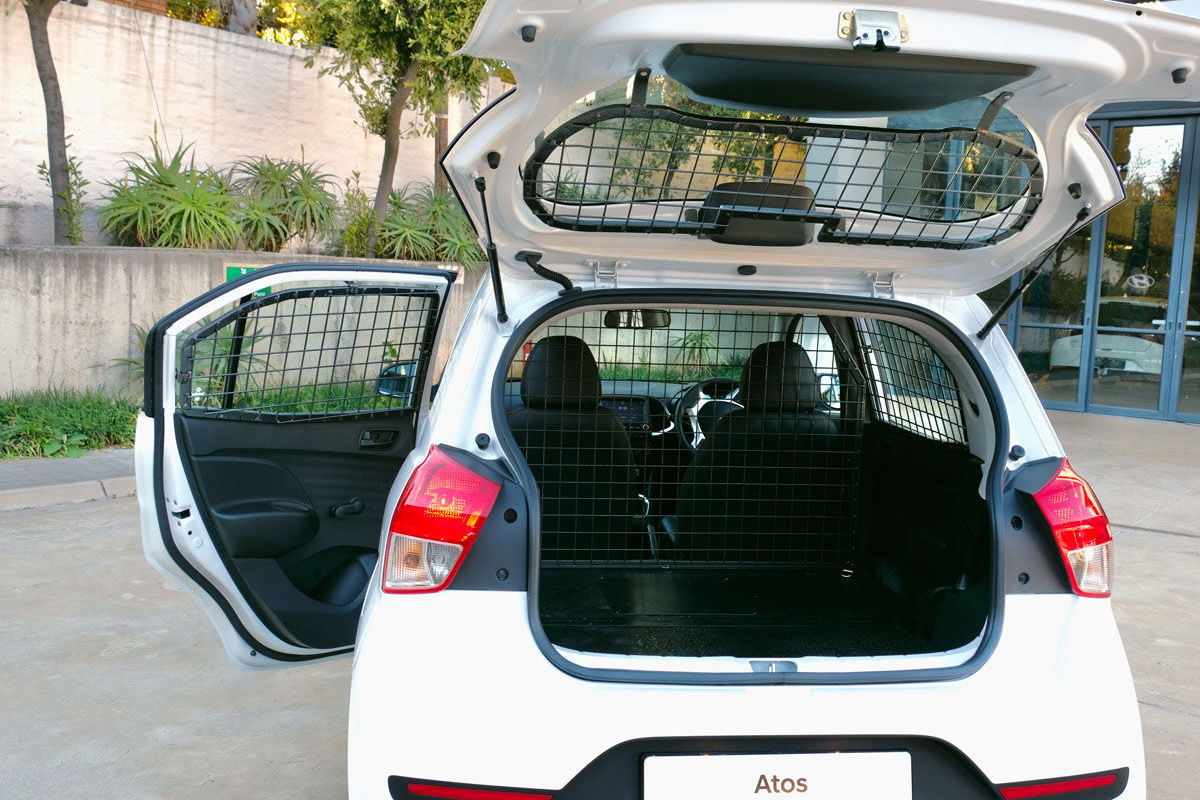
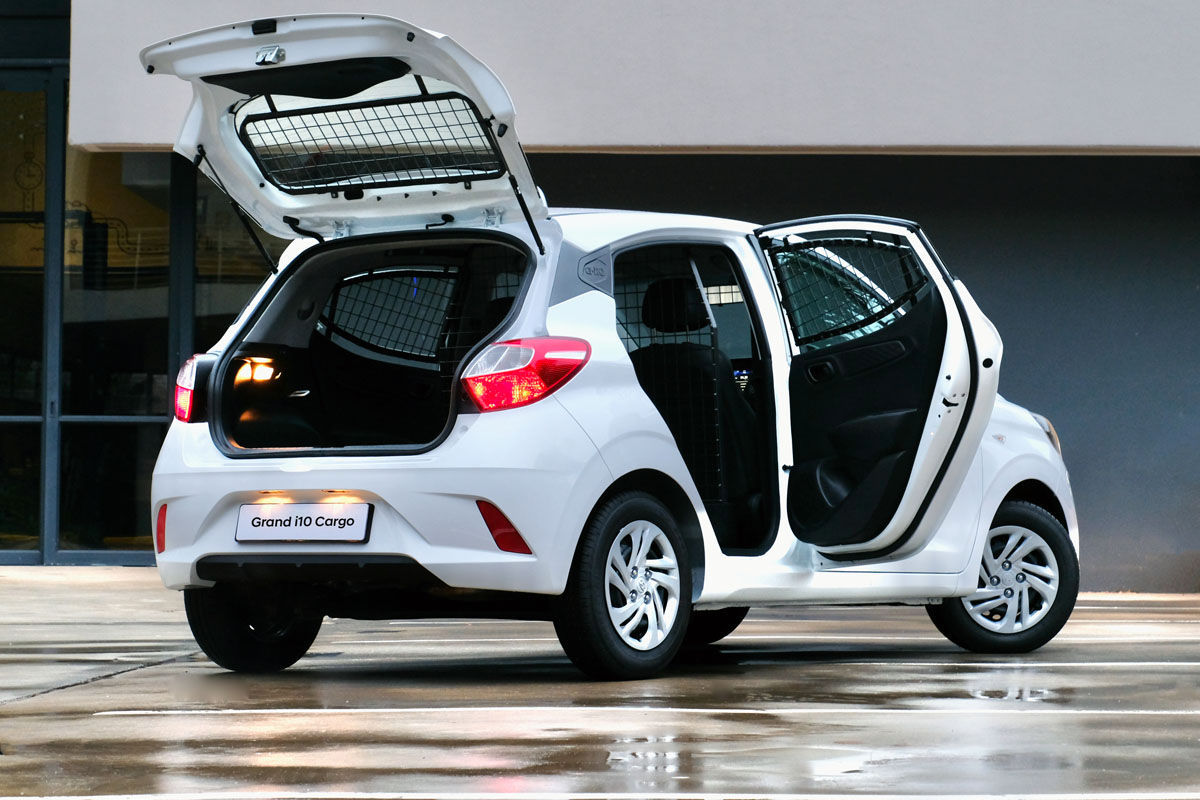
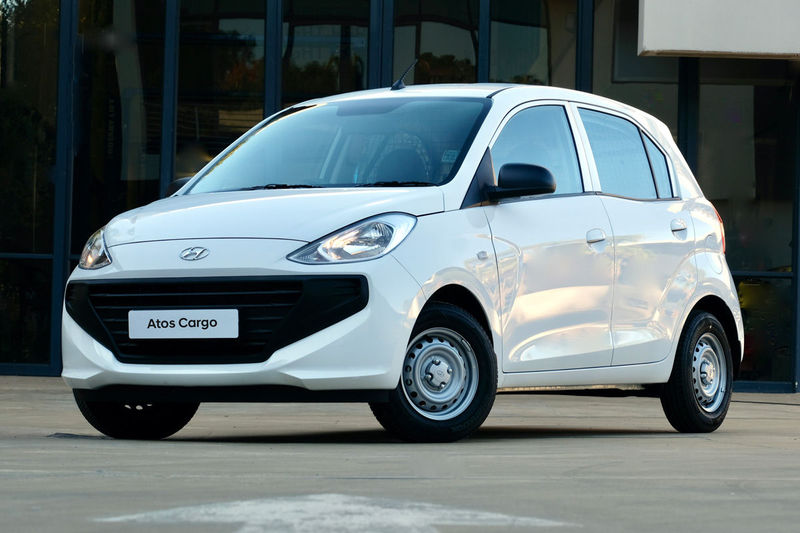
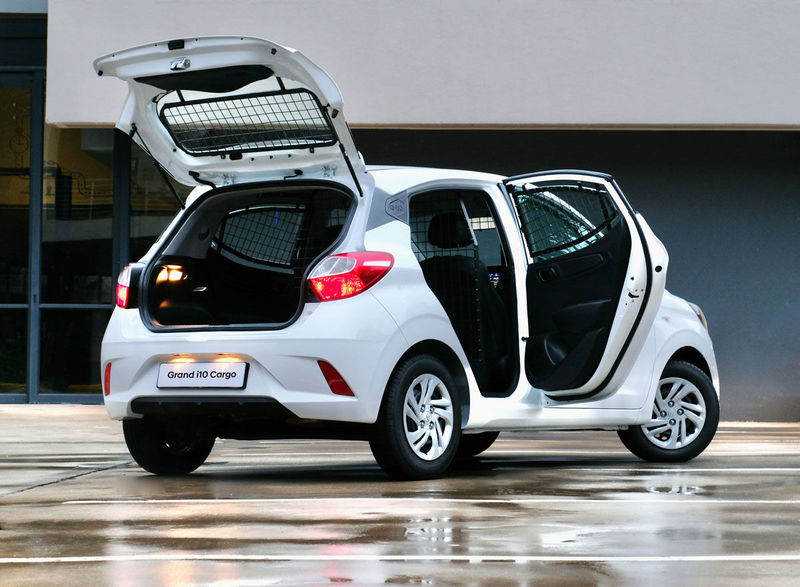
Better than a bakkie, for light loads? Hyundai has expanded its utility vehicle portfolio with two new cargo-carrying hatchbacks – the Atos Cargo and Grand i10 Cargo.
Recognising the increased demand for short-delivery services in South Africa, the Korean brand is now marketing Cargo versions of its Atos and Grand i10 city cars.
Although the NP200 bakkie has traditionally dominated the trade for compact utility vehicles in South Africa, a bakkie remains exposed to weather and cargo theft.
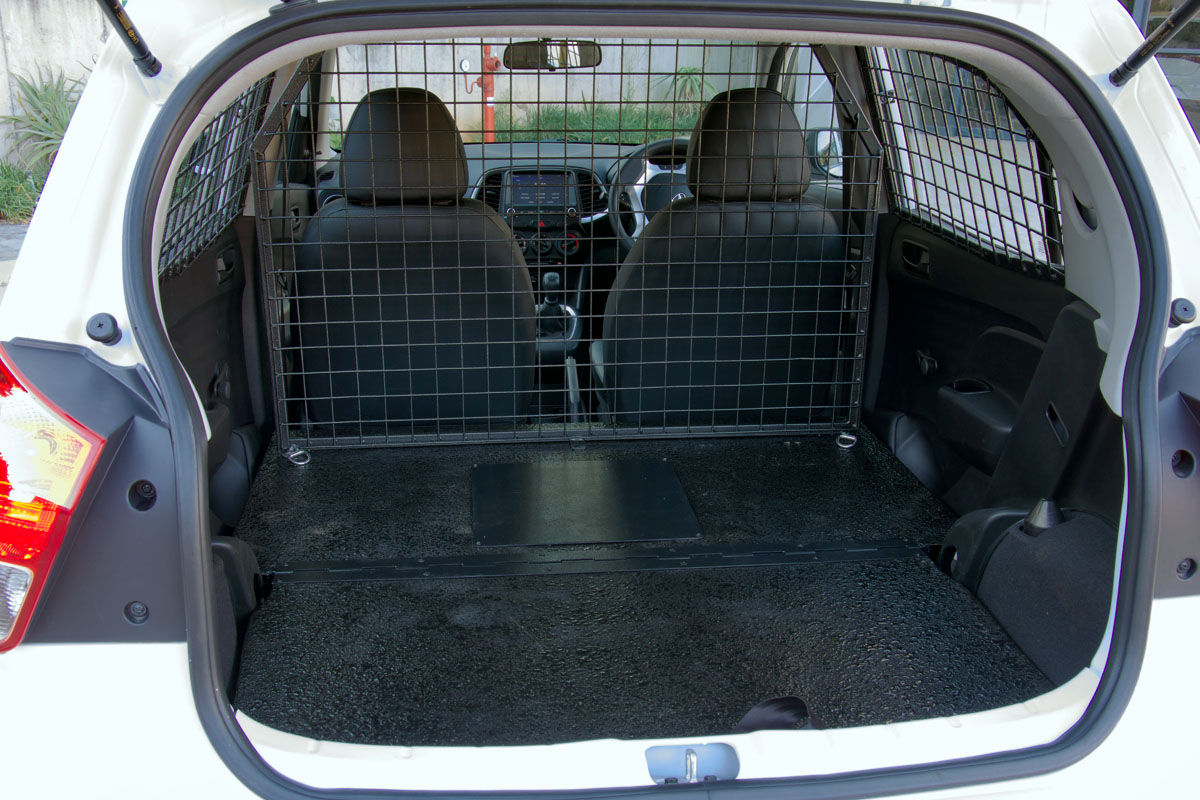
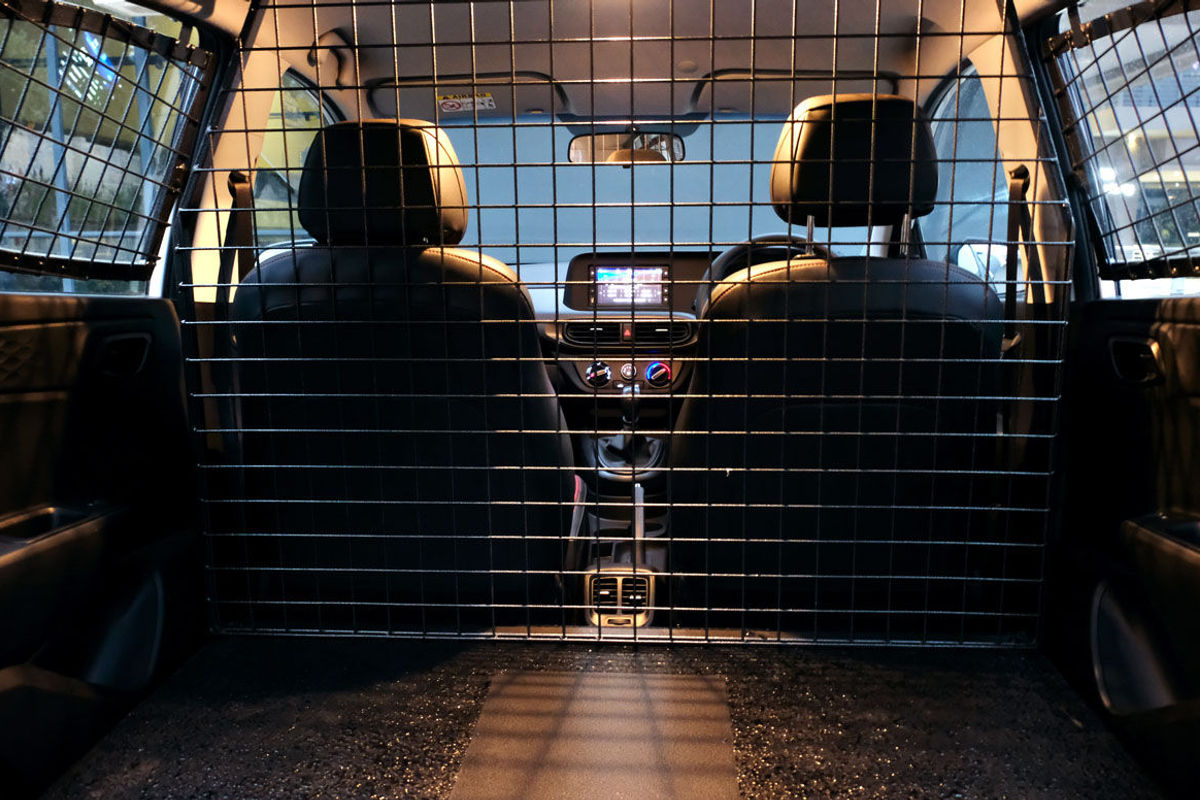
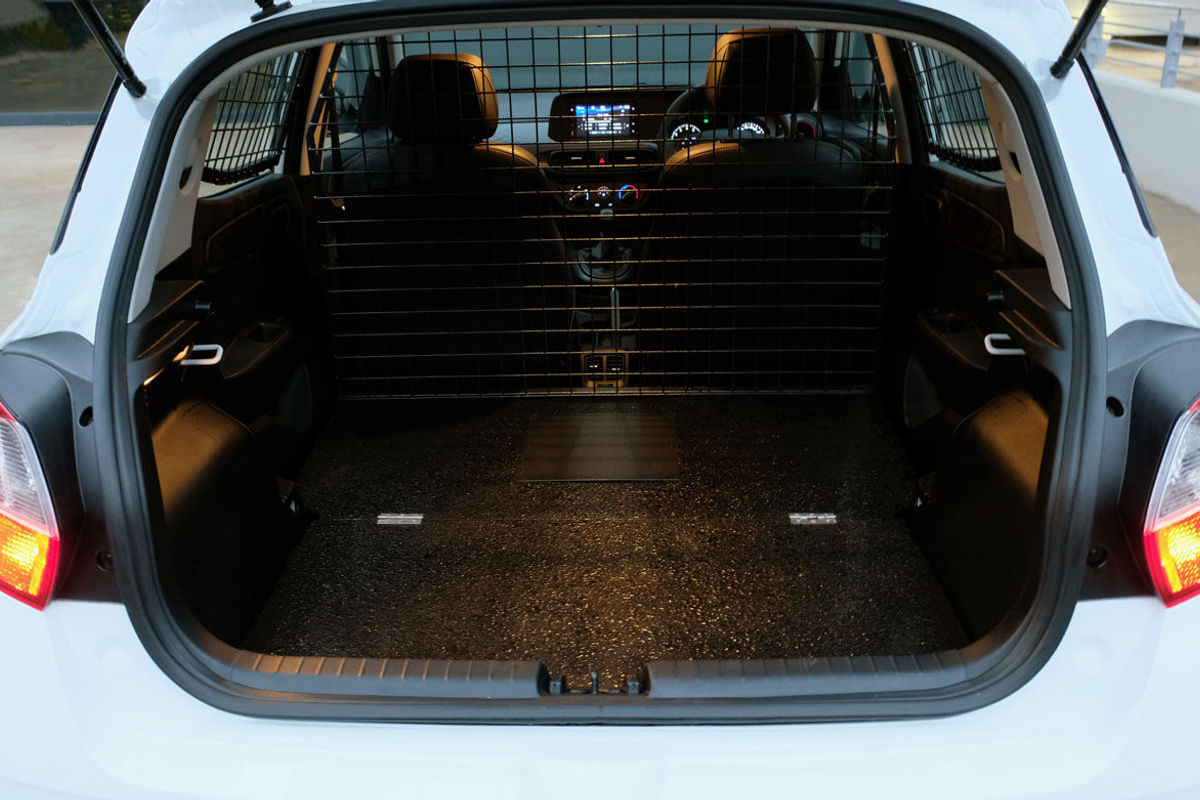
The hatchback configuration of Hyundai’s Atos and Grand i10, allow for secure cargo space. Both vehicles have a similar change in configuration. The rear seats are gone, replaced by a flat floor, to optimise loadability. Wire mesh is clipped into place behind the rear windows to discourage smash-and-grab incidents.
One of the issues with a cargo vehicle conversion of any open-cabin design is the risk of pieces of cargo becoming hazardous projectiles during emergency braking manoeuvres. Hyundai has compensated for this drawback by fitting a metal mesh cargo partition between the derivatives’ rear section and front seats.
How many Takealot packages can these new Hyundais take? The Grand i10 cargo will pack 1 210 litres and carry 488 kg of weight. Atos is slightly smaller, with a corresponding reduction in loadability and weight carrying capacity: 1 170 litres and 444 kg.
The brand’s familiar 1.0- and 1.1-litre petrol engines power these newly released delivery cars from Hyundai.
Atos Cargo runs the more potent 1.1-litre, with 50 kW of peak power and 99 Nm of torque. The 1.0-litre engine in Grand i10 Cargo is even more modest in specification, with 49 kW and 94 Nm. Both models use a 5-speed manual gearbox.
Although the fuel consumption claims are between 5.4- and 5.7 L/100 km, you are unlikely to match those if these new Hyundai Cargo hatches are loaded to purpose.
The base-specification Atos Cargo Motion is priced at R179 900, with the Atos Cargo Fluid costing R189 900. If you want the additional load capacity, the Grand i10 Cargo is R211 900. Prices include a 1-year/15 000 km service plan and a 5-year/150 000 km warranty, with a further 2-year/50 000 km mechanical warranty on top of that.
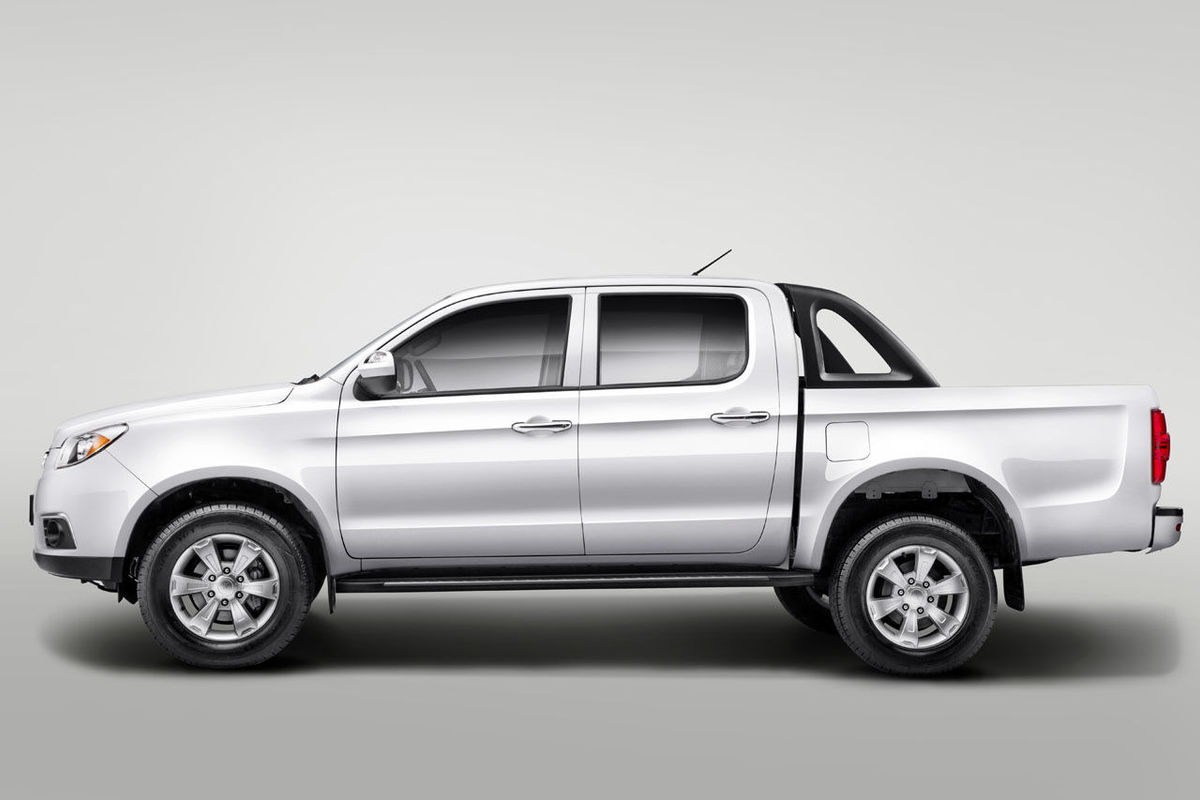
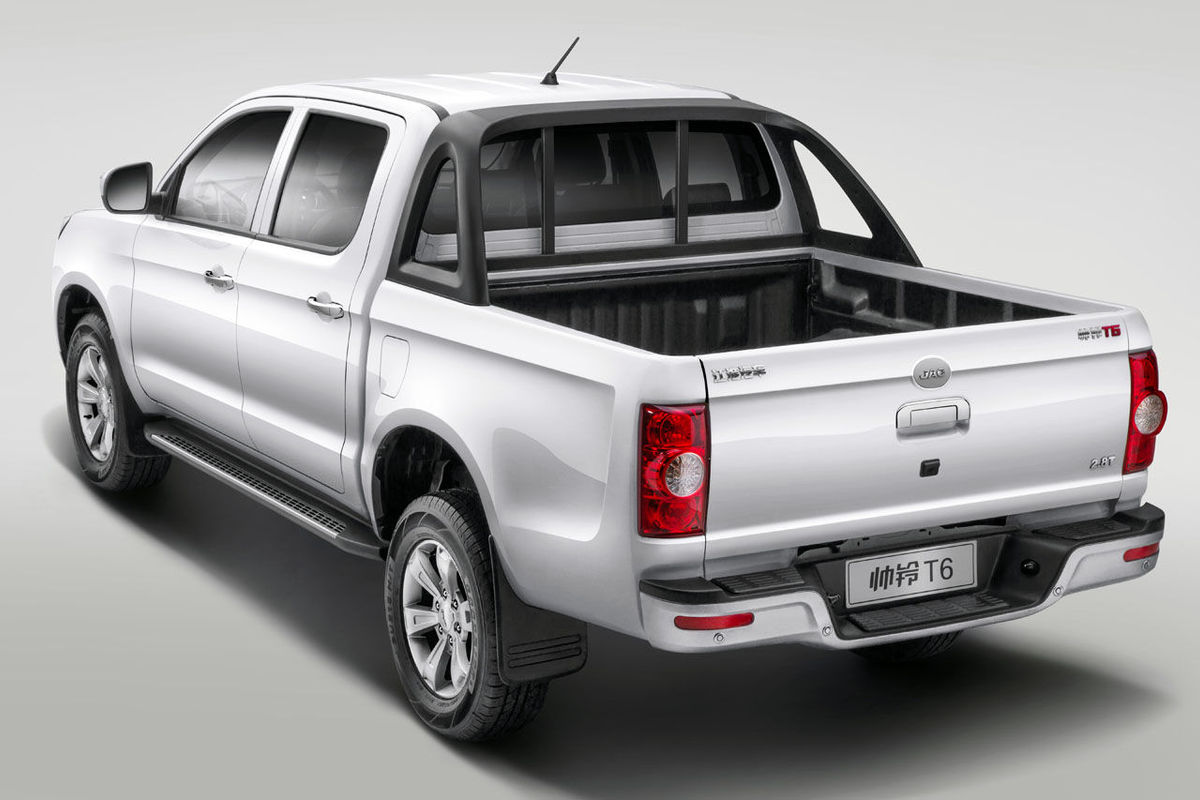
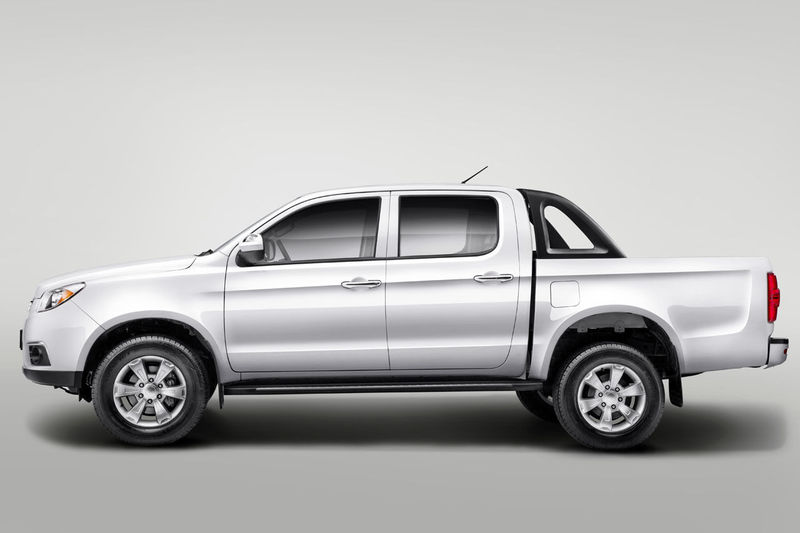
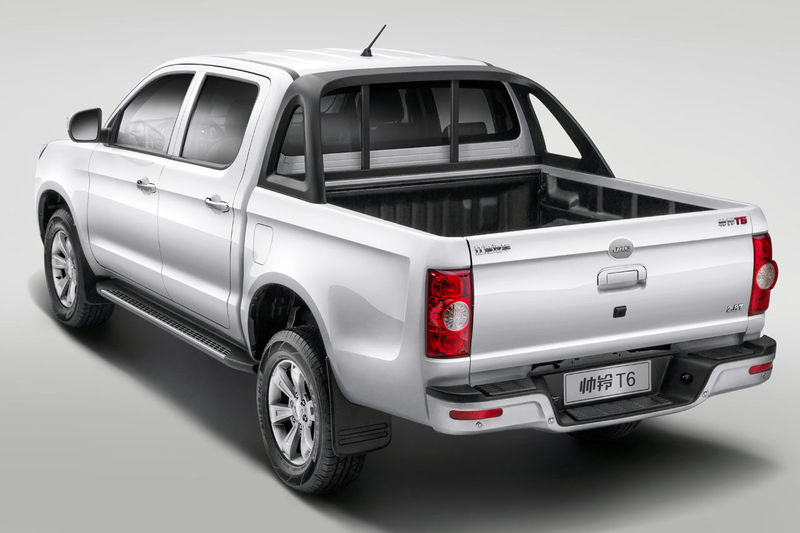
JAC has introduced another bakkie model to bolster its local line-up. Not only does the T6 sport a surprisingly tidy design – it is priced quite affordably.
While we await the arrival of the T9 luxury double-cab, which will top off the JAC bakkie range next year, the Chinese brand has expanded its local line-up by launching the T6 as a complement to the T8.
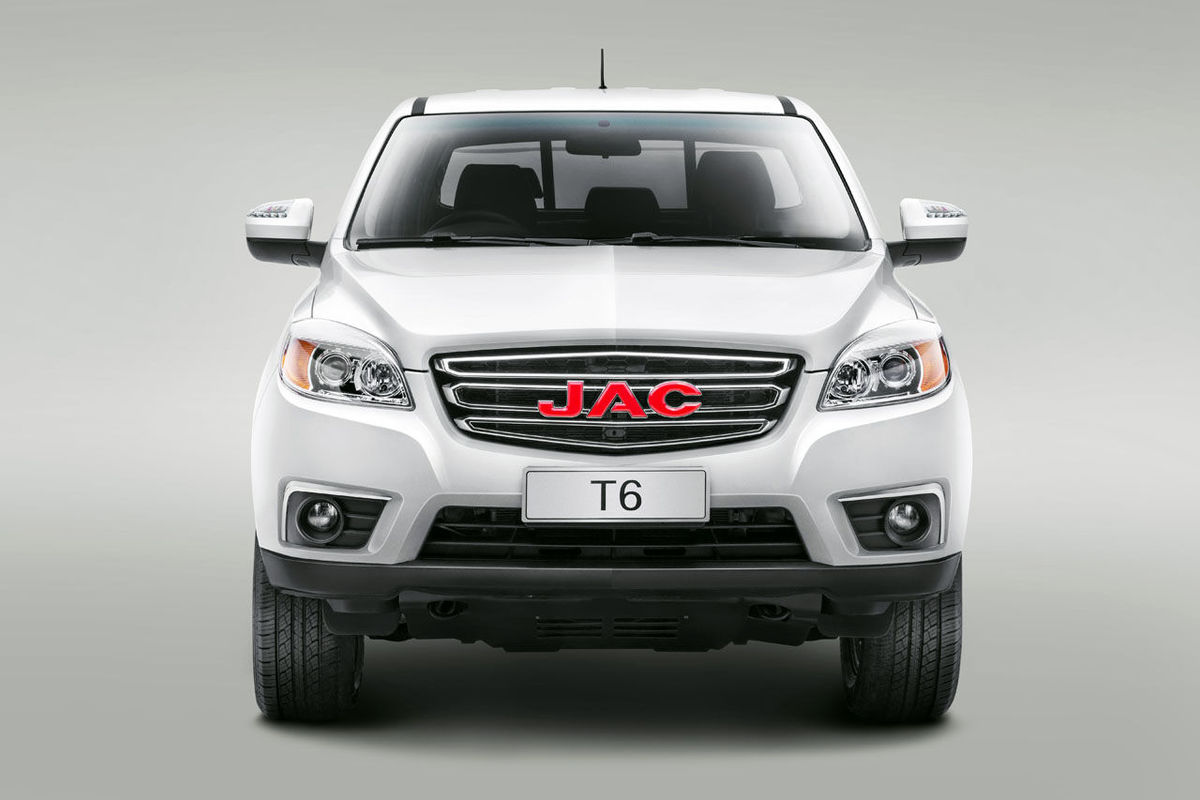
Unlike most other Chinese bakkie designs, which are characterised by huge grilles and abundant chromes finishes, the T6 features understated, mild SUV-like styling. With its small headlamps and a bonnet with distinctive ridgelines, the JAC T6 cuts quite an elegant appearance for a utilitarian workhorse.
How is it possible that the JAC T6 looks so different (and better) than other Chinese double-cab bakkies? Easy. JAC contracted the design work to a studio in Italy with predictably excellent results.
JAC is targeting the sub-R400 000 double-cab market with the T6. It is aimed at commercial operators and small-business buyers, who need the double-cab configuration to safely transport staff or technical teams, while retaining some loadability in the back, for equipment.
The T6 is powered by a 1.9-litre turbodiesel motor, with German engineering input. It only produces 100 kW and 320 Nm, but JAC claims it will consume an average of 8.0 L/100 km. Available exclusively with a 5-speed manual gearbox, it will have to be seen how many local users achieve that ambitious consumption figure!
Load capacity is rated at 900 kg, which is okay, but not quite in the league of rival Japanese and American double-cabs that are available in the South African market. Rolling 245/65 tyres on 17-inch wheels, the JAC T6 should have decent gravel road ride quality.
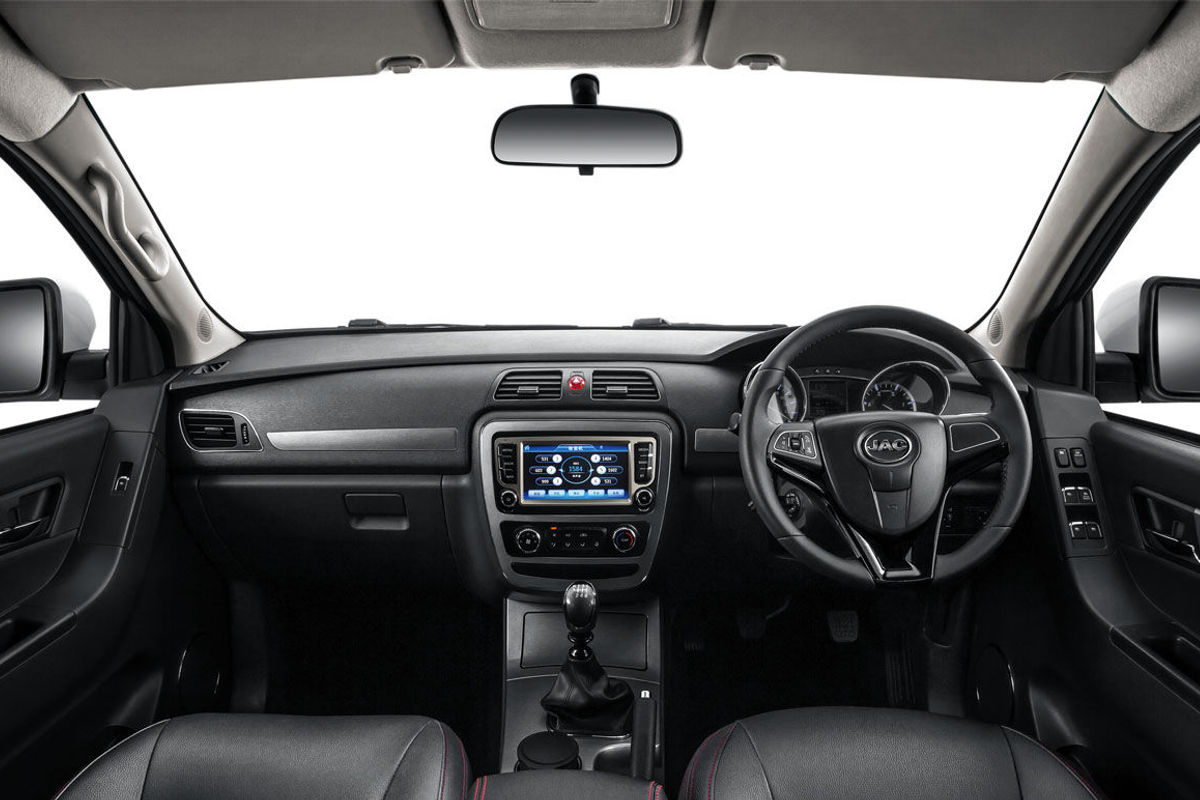
As with many Chinese bakkie offerings, the standard equipment offering is strong. T6 has two airbags and ABS, while comfort and convenience features include automatic central locking, a multifunction steering wheel, a 7-inch touchscreen infotainment centre and a reverse-view camera.
Price is the key product differentiator with JAC’s T6; it enters the local market with a single derivative – 1.9TDi double cab Comfort. Its list price is R332 400, which includes a 5-year/150 000 km warranty and a 5-year/60 000 km service plan.