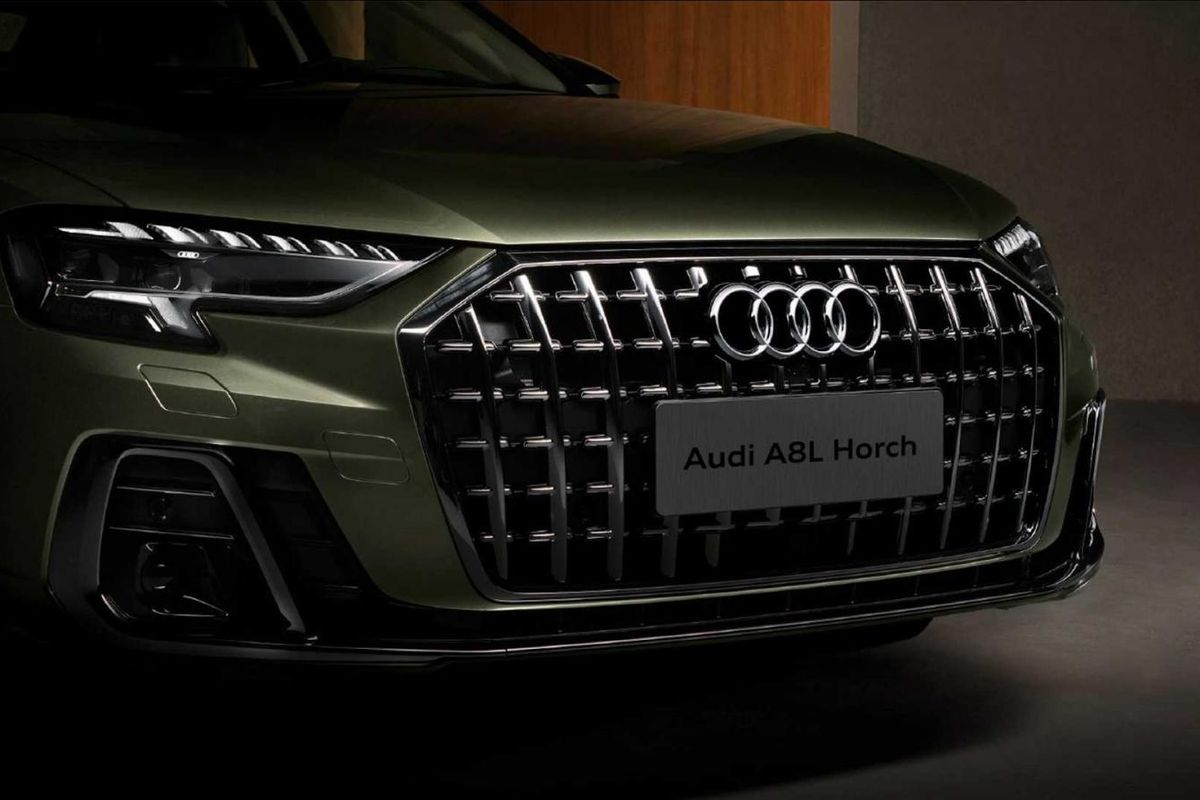
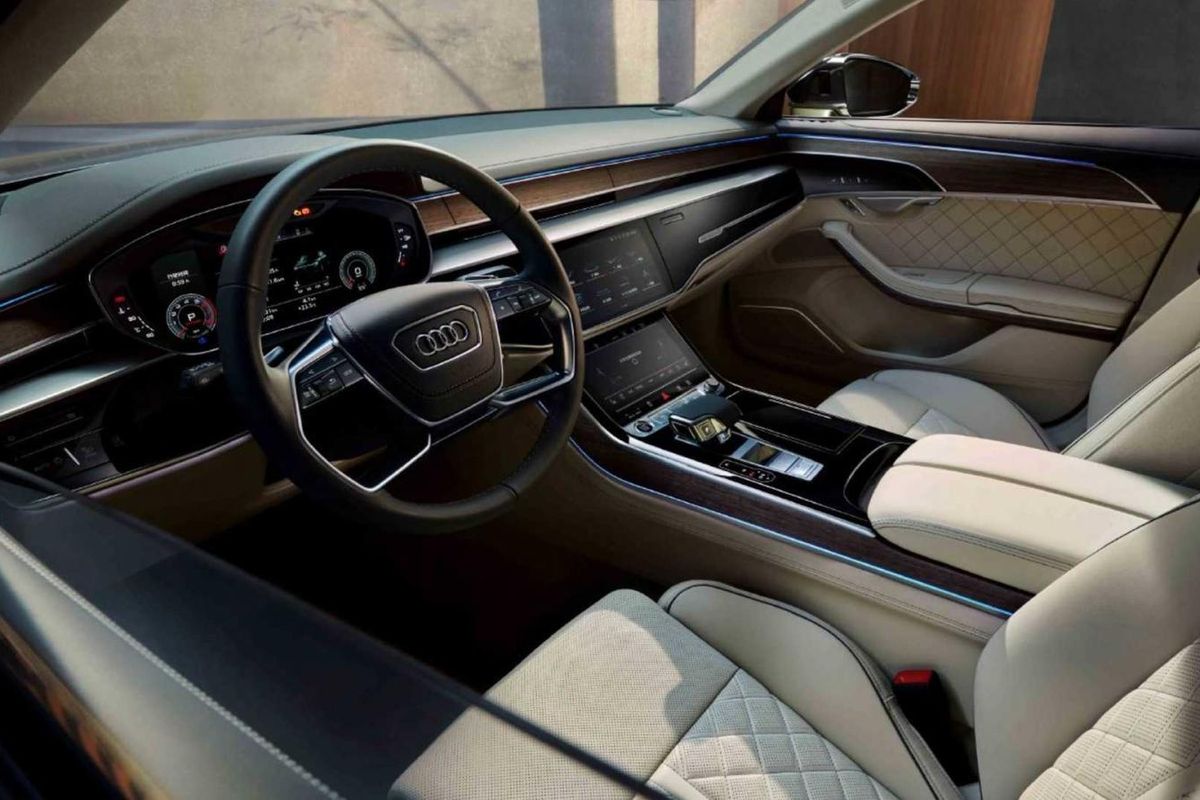
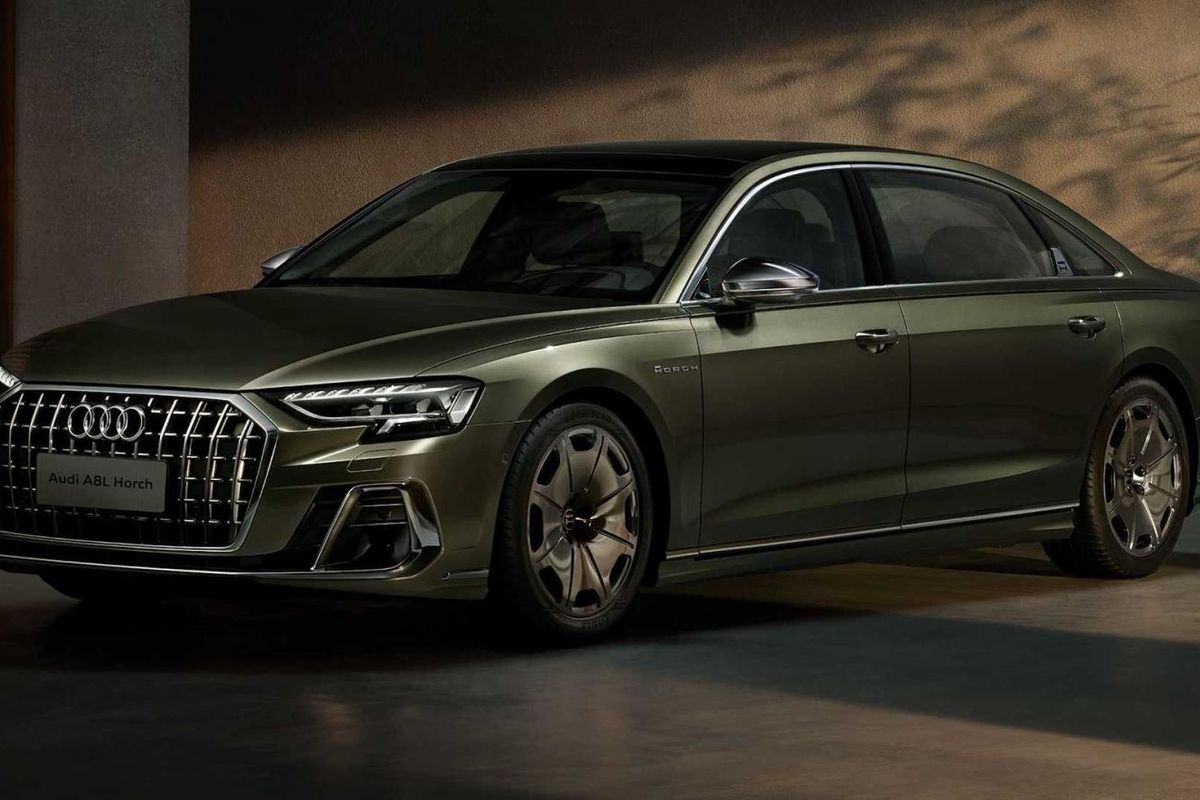
The A8 Horch is a V6 Audi limousine with more room inside.
Is Audi’s standard A8 too subtle for you? What about an A8 Horch, then?
Audi’s limousine platform might not be its most popular luxury vehicle model, but a long-wheelbase sedan is still regarded for its status in some parts of the world.
In an attempt to counter Mercedes-Benz’s S-Class Maybach, in places such as China, Audi has now revealed the A8 L Horch. It’s a pure brand marketing revival of a historic name within the Audi legacy, but if you need legroom, this A8 L Horch most definitely obliges.
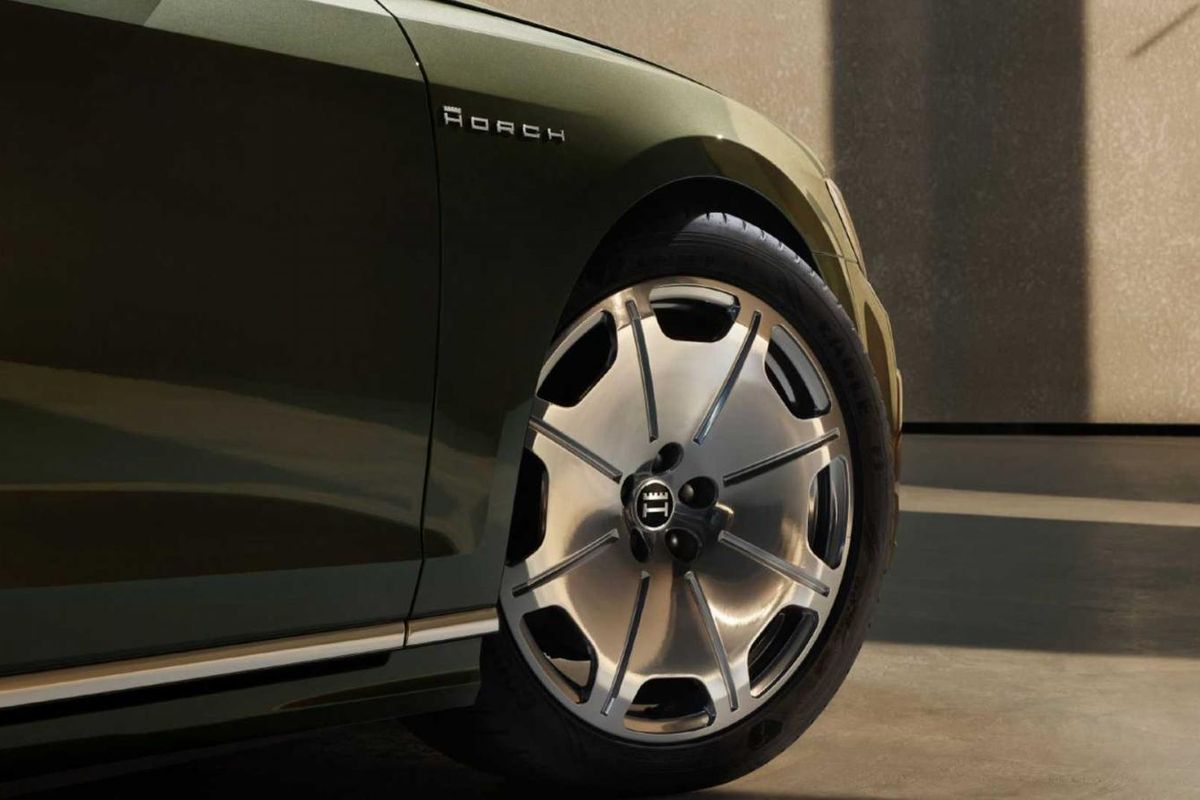
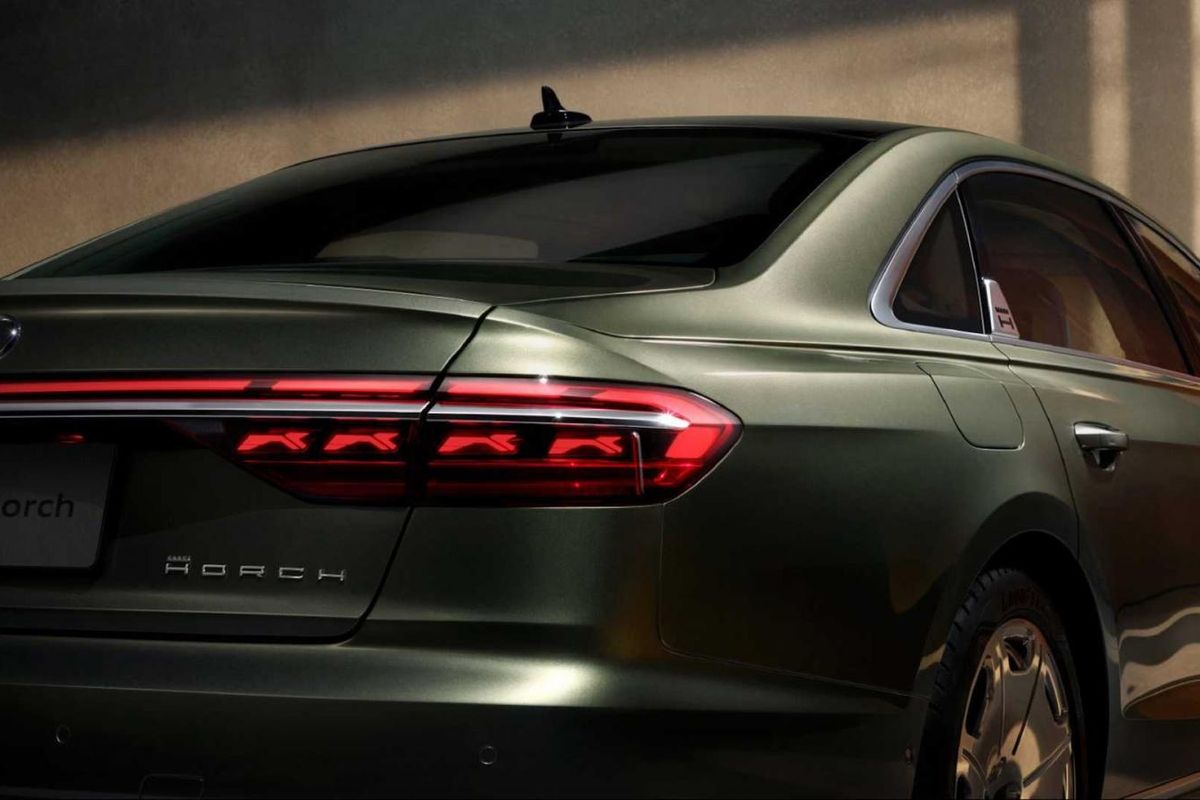
Styling changes are slight. You’ll notice the 20-inch polished wheels (which looks like something out of the Bentley parts catalogue), model-specific Horch badging and intricate Matrix LED headlights matched by OLED taillights.
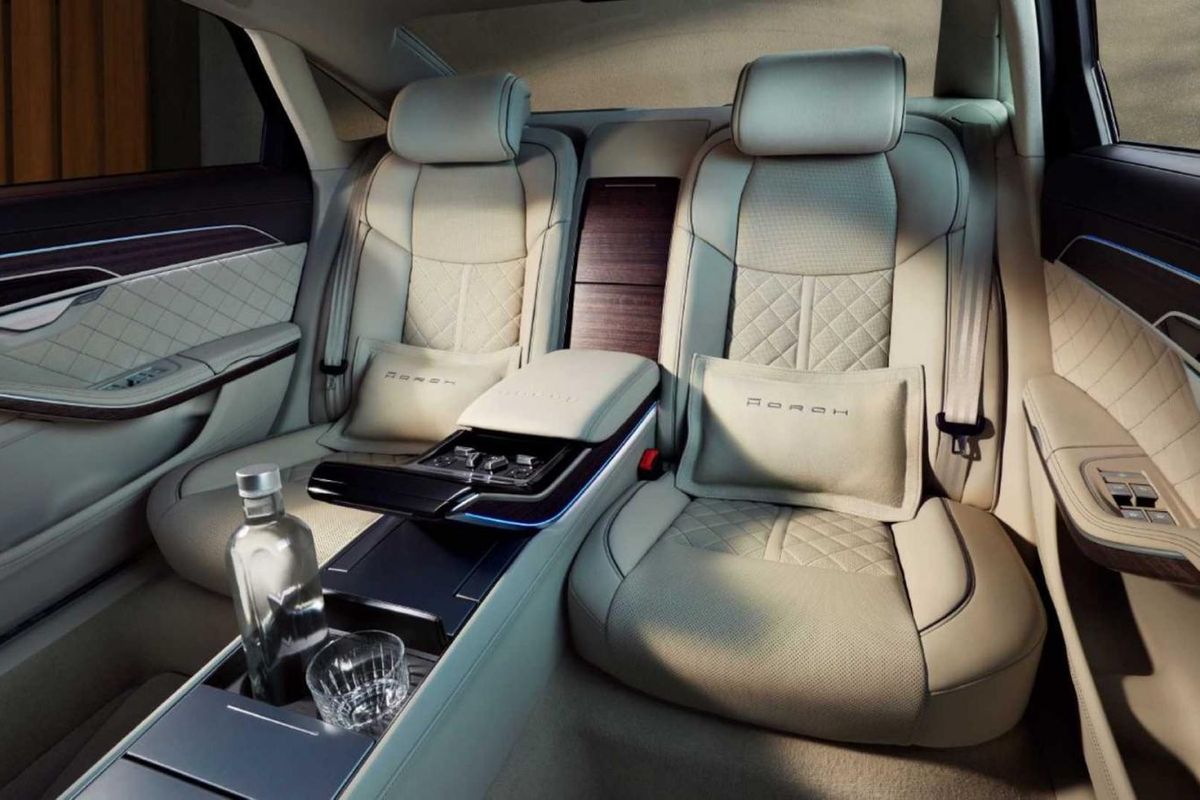
The most significant feature of this new A8 L, is its wheelbase, 130mm longer than a standard A8. This makes the A8 Horch 5.45m long and creates a very spacious cabin environment.
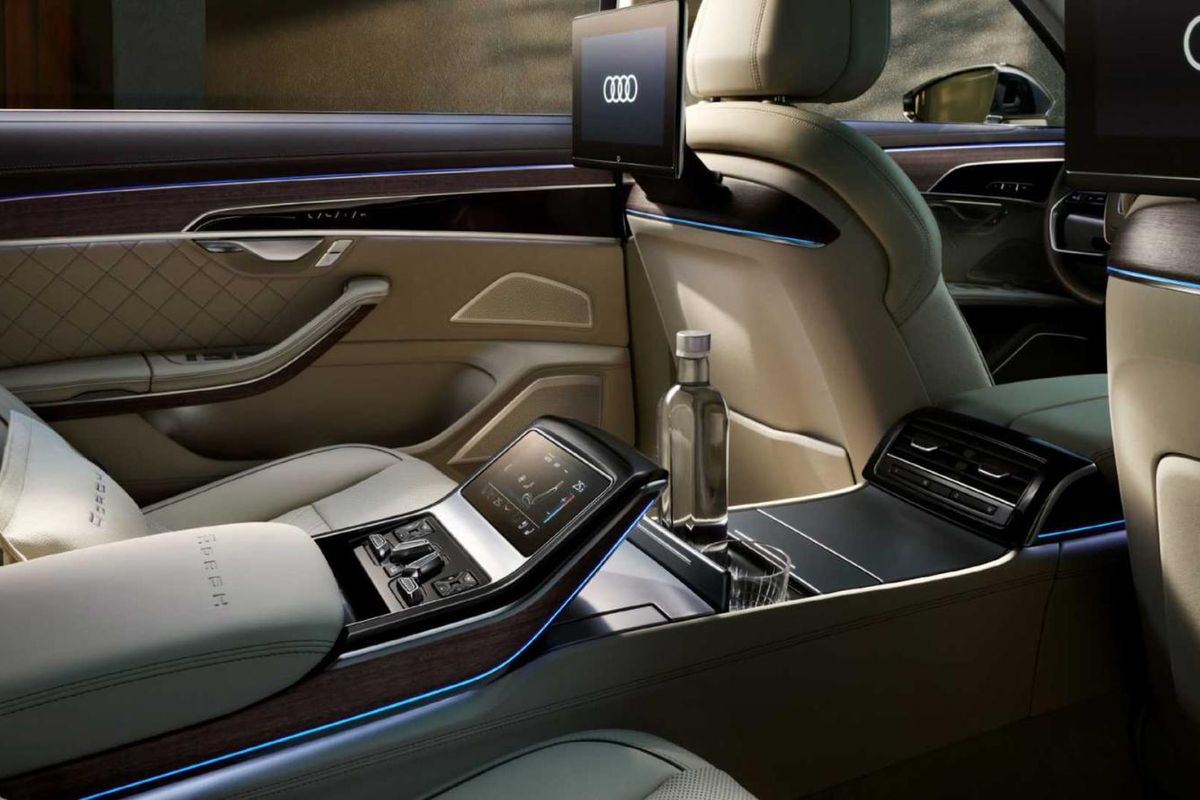
Inside this new Audi limousine, passengers are treated by seats with eight massage modes and the very best B&O 3D-stereo sound system. The rear accommodation tallies two individual seats, with a generous range of adjustment.
There is a fragrancing system and negative ion air purification feature to enhance the Horch’s cabin harmony, the latter especially handy when driving through a particularly polluted city.
Audi is only offering one engine option with this new A8, prioritizing smoothness over performance.
The A8 L Horch is powered by Audi’s 3.0-litre turbopetrol V6, supported by a 48-volt mild-hybrid electrical architecture. Peak engine outputs are 253kW and 500Nm.
An eight-speed automatic transmission sends torque to all four wheels, via the proven Audi Quattro system.
Don’t expect to see the Audi A8 L Horch in South Africa as this is model is only offered in China.
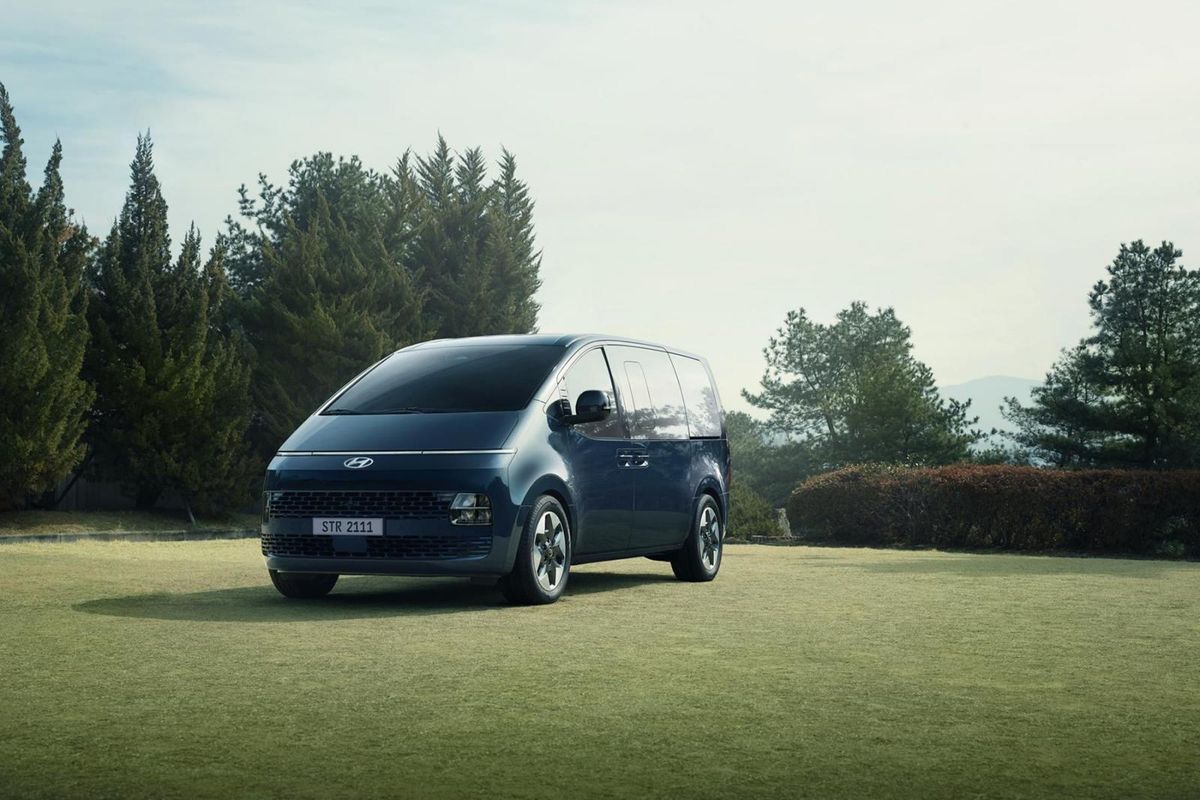
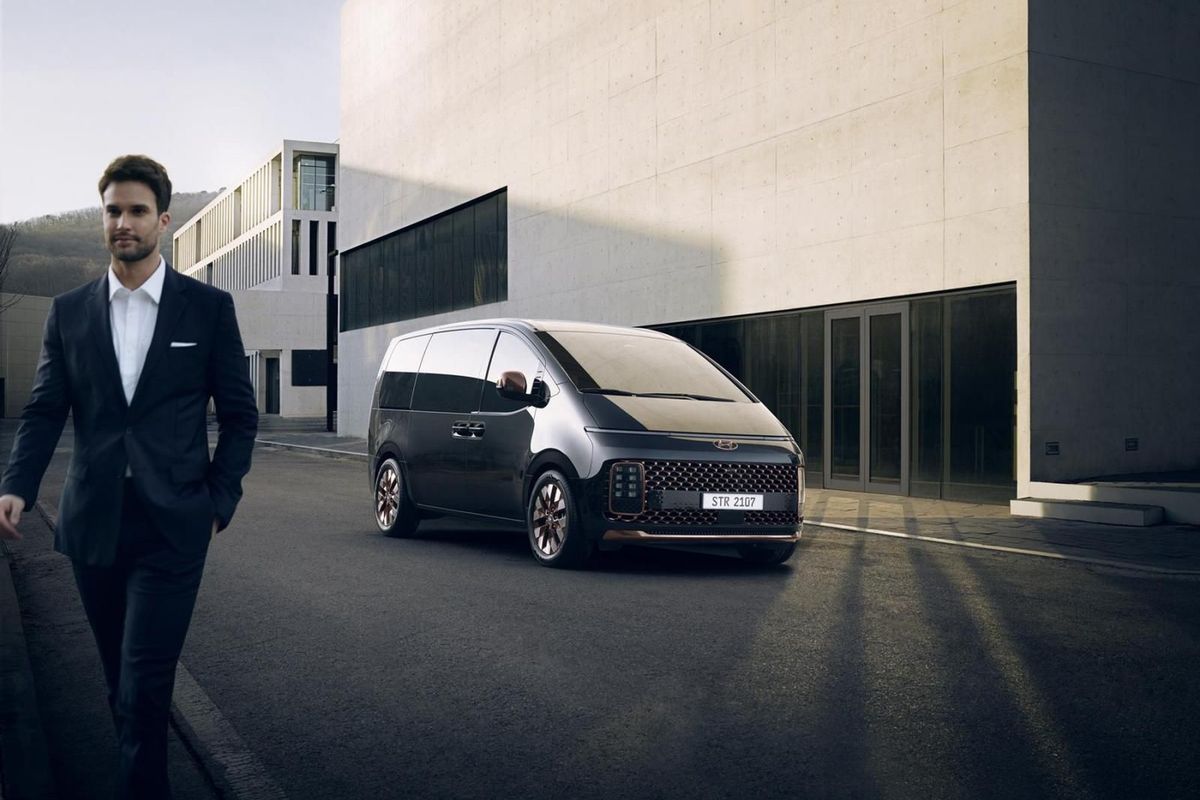
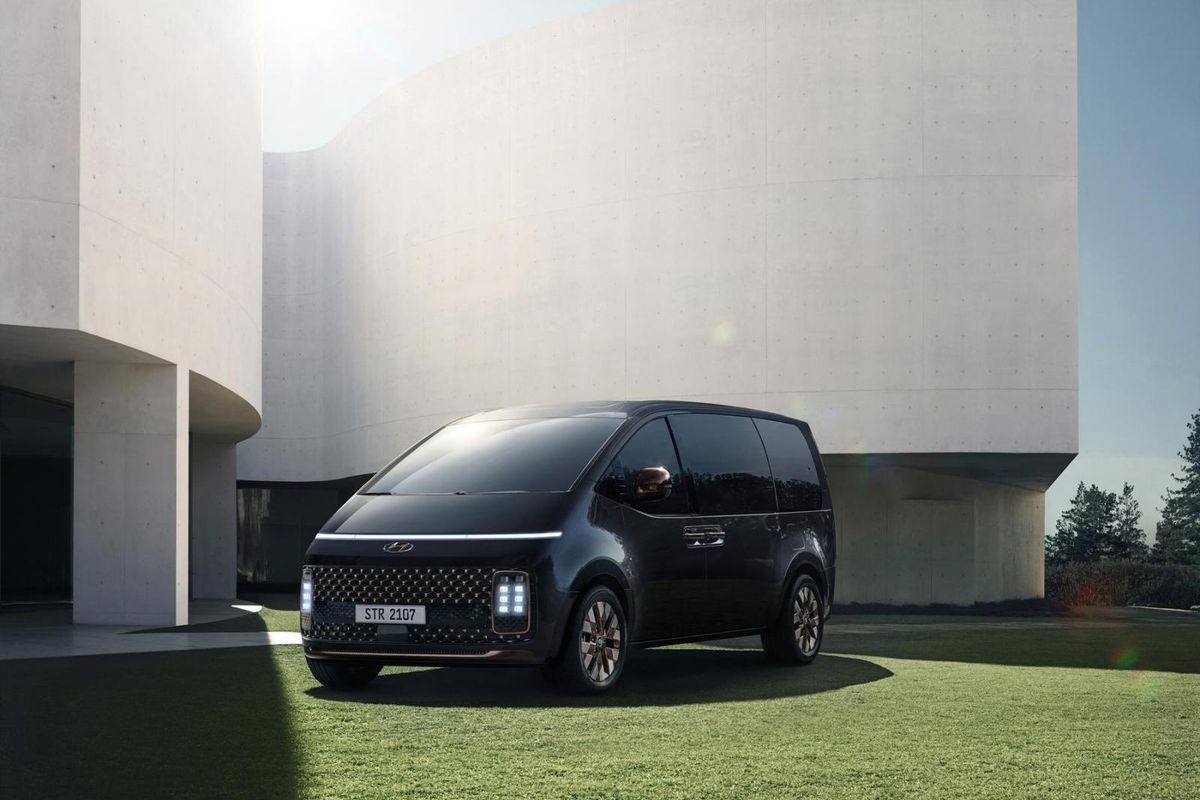
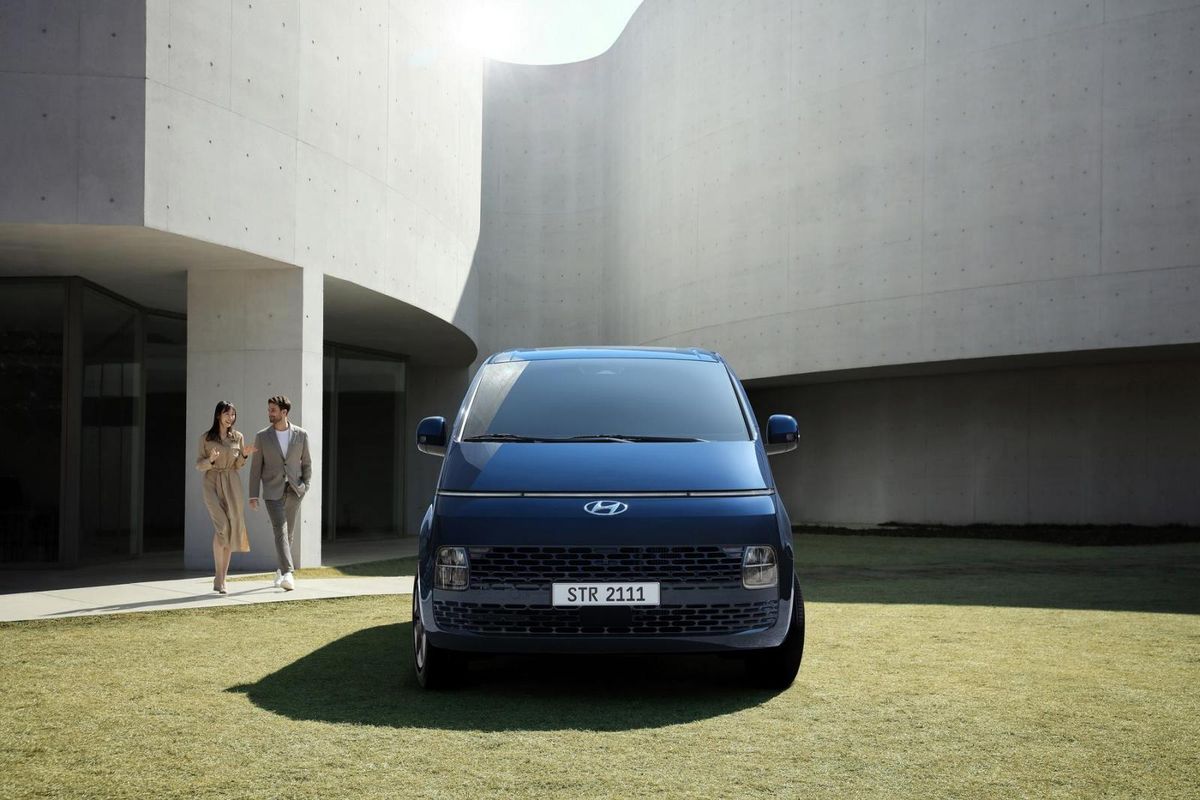
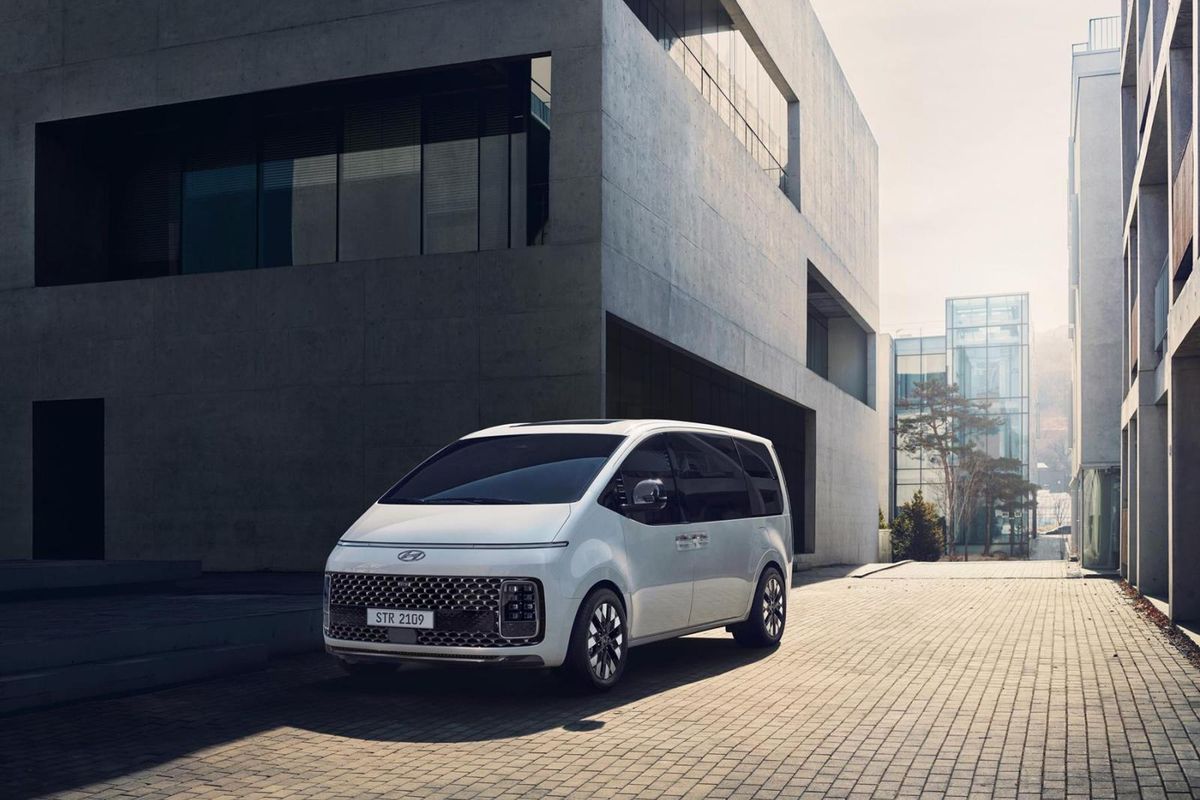
Hyundai has shared more details about its all-new Staria MPV and confirmed the model’s introduction to South Africa.
Hyundai joins other car brands who have shifted their business focus from car maker to smart mobility solution provider, and the Staria is the first model that will come from its future purpose-built vehicles (PBVs).
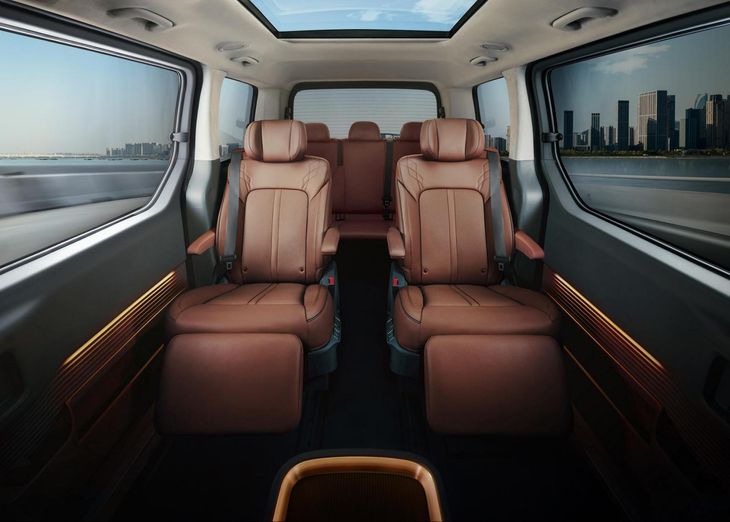
Using this platform, the Hyundai Staria is available 2- to 11-seat configurations and in two variants: Staria and Staria Premium. The premium model makes no secret it wants a slice of the lucrative luxury bus segment and we expect it to rival the Volkswagen Caravelle and Mercedes-Benz V-Class.
“We are thrilled to introduce the Staria, which represents our latest effort to spearhead the evolution of mobility, and to address emerging lifestyle needs as we adapt to new ways of living,” says Thomas Schemera, executive vice president and global chief marketing officer. “The Staria is a step forward in connecting us more closely with our environments so that we can get more out of our everyday lives and do more for ourselves in transit.”
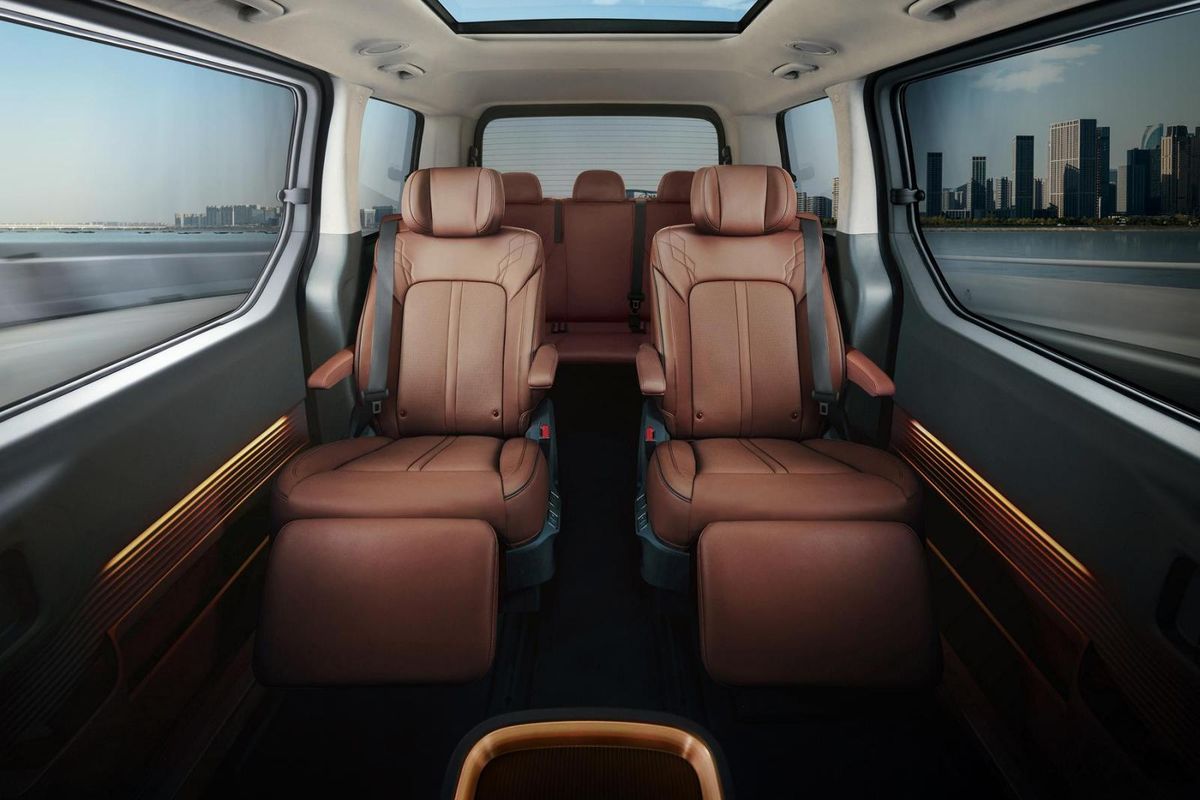
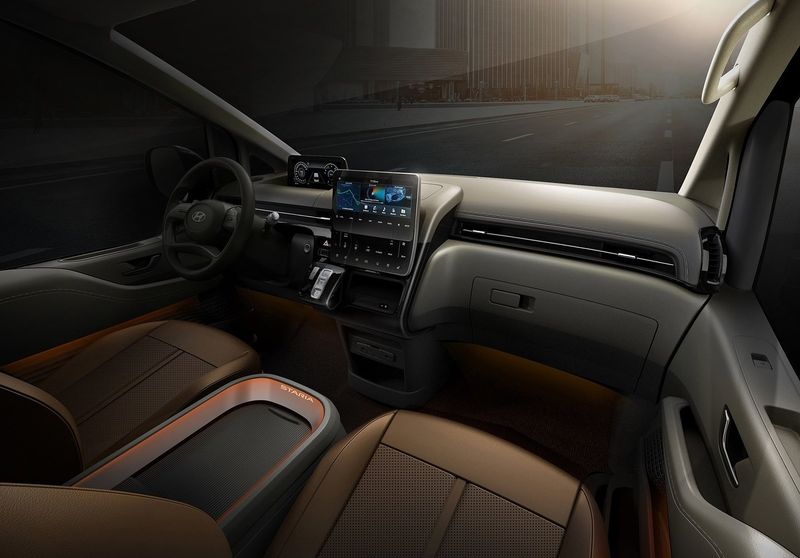
Styling-wise, the Hyundai Staria looks like something out of a science fiction movie. There’s a horizontal daytime running lamp running across the front of the vehicle and the entire Staria appears creaseless. Inside, Hyundai says its Staria’s cabin was inspired by cruise ships and it ‘delivers an open and unique atmosphere through its innovative design architecture. The vehicle’s lower beltlines and panoramic windows create a spacious, stimulating environment for all passengers.’
Hyundai says the driver’s seat has a ‘futuristic high-tech look with a 10.25-inch front display screen and button-type gearshift lever.’ Both the driver and passengers have access to USB ports, cup holders, and additional space to store items. Taking things up a notch is the Staria Premium 7-seater that has reclining relaxation seats. The 9-seat Premium model’s individual seats in the second row can swivel 180 degrees to face passengers in the third row.
When it comes to South Africa, the Hyundai Staria will be powered by a 2.2-litre VGT turbodiesel engine, which also powers the updated Hyundai Santa Fe. Outputs could be around the 149 kW and 441 Nm mark, and the vehicle will have an 8-speed automatic gearbox.
When is the Hyundai Staria coming to South Africa?
Hyundai South Africa is aiming for a local launch of the Staria towards the end of 2021. “We are examining all configurations of the Staria – from the luxury 7-seater to the panel van version – to determine what the range in South Africa will consist of. With the luxury derivative, Hyundai will enter a segment for multi-purpose vehicles in the country where the brand did not compete before,” says Stanley Anderson, sales and operations director of Hyundai Automotive SA. “Further good news is that we shall still have a large people-carrier to offer in the range as a replacement for the popular H-1 9-seater bus that has served many families and businesses well over the years.”
How much does the Hyundai Staria cost in SA?
Thanks to a friendly Hyundai dealer, we were able to secure pricing for this futuristic van. Final specifications will be confirmed in the first week of November 2021 at the vehicle’s launch.
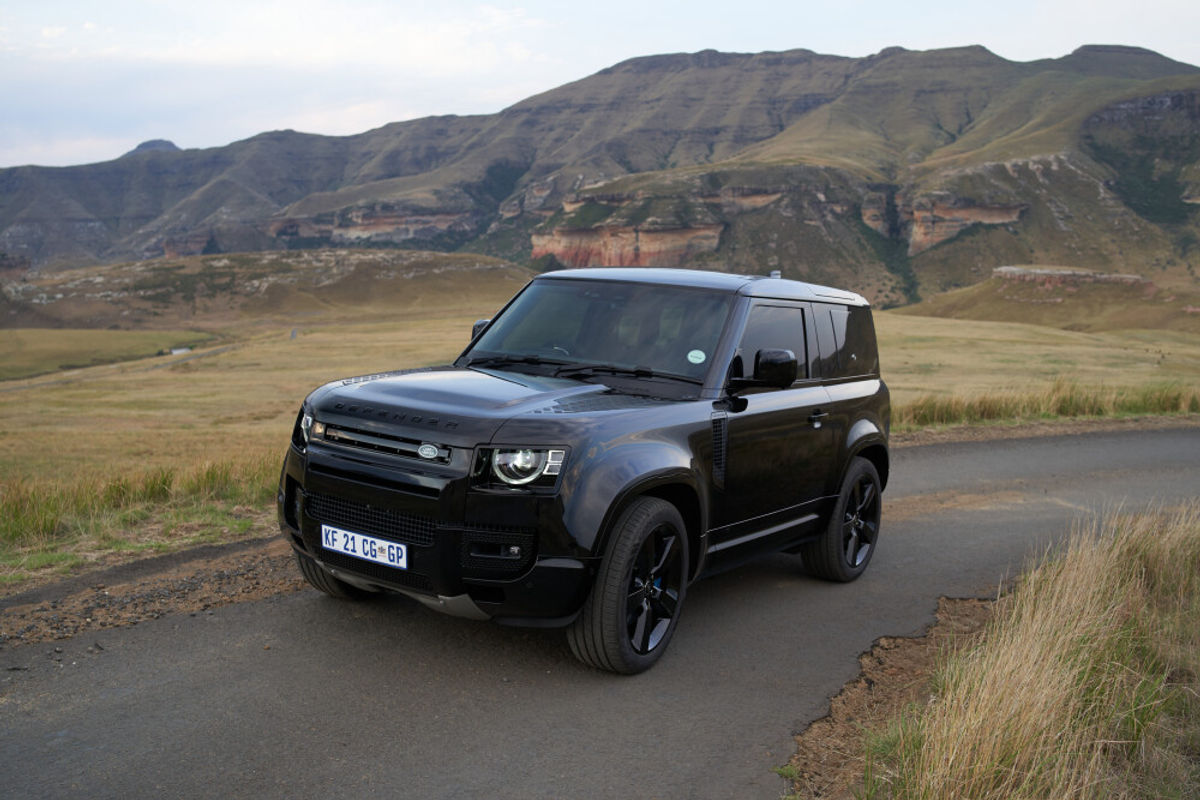
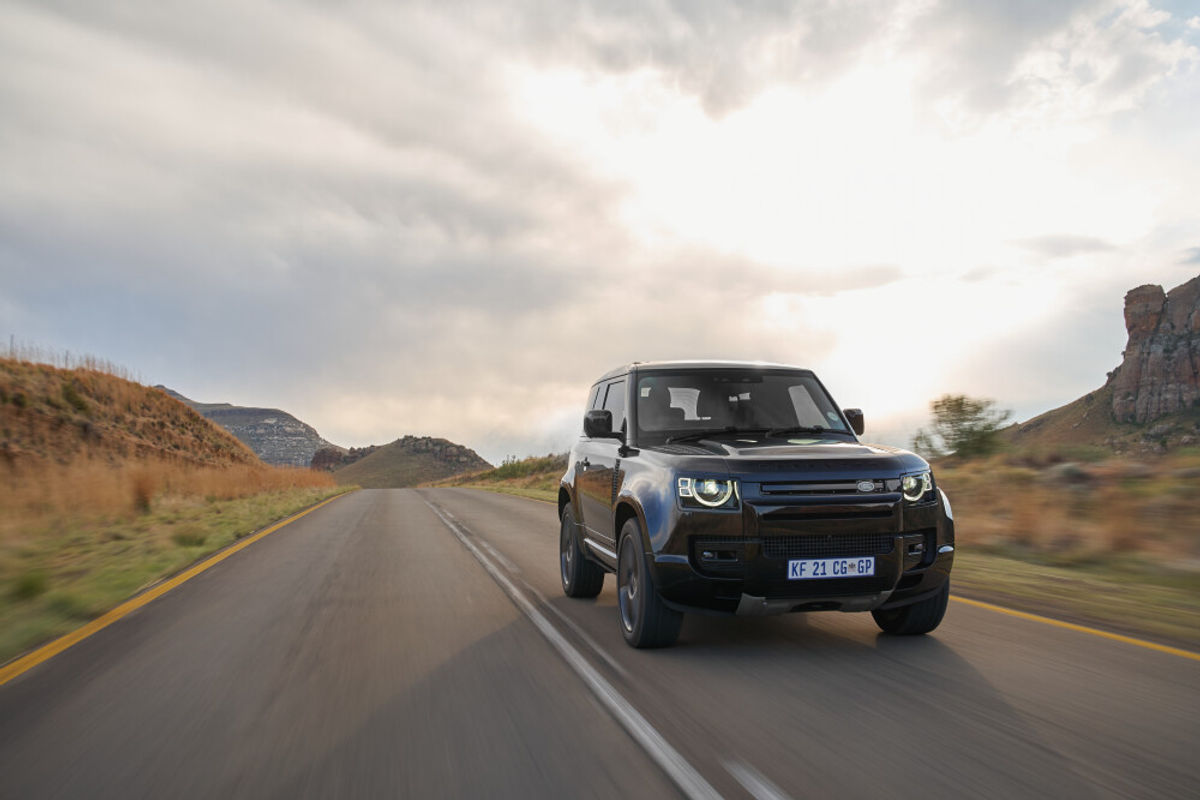
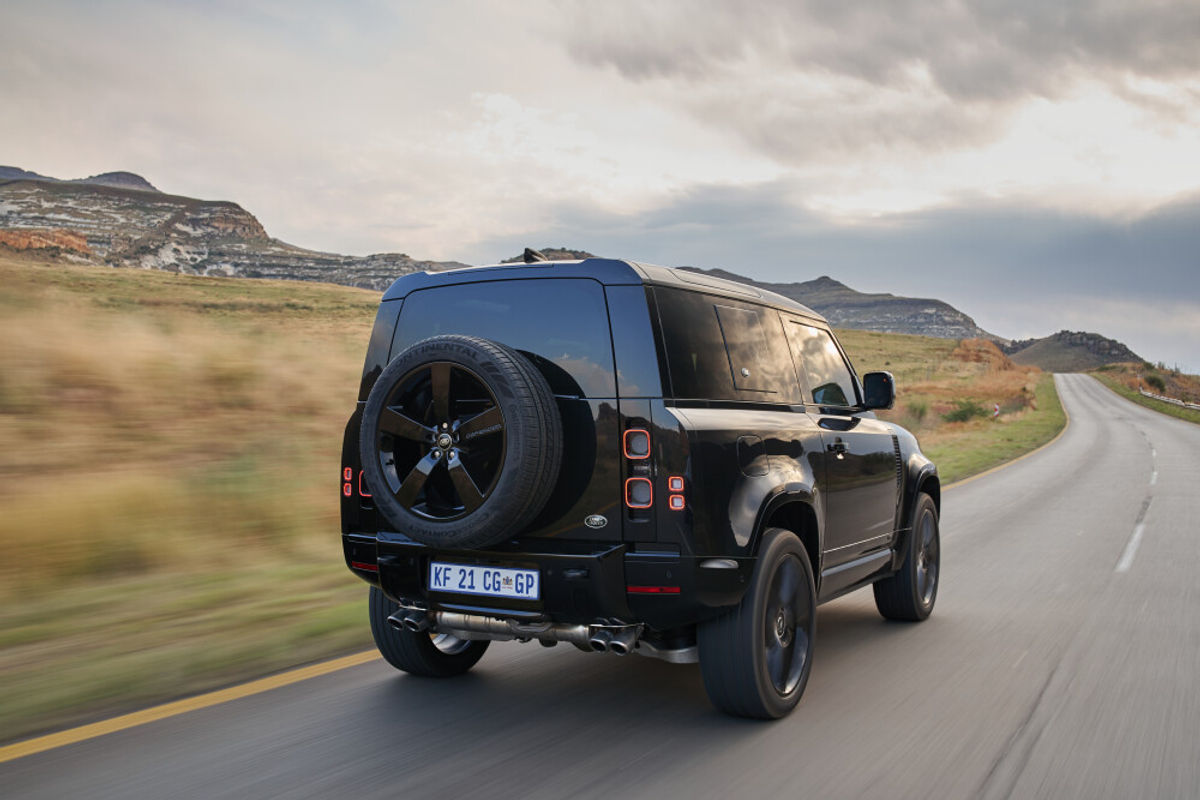
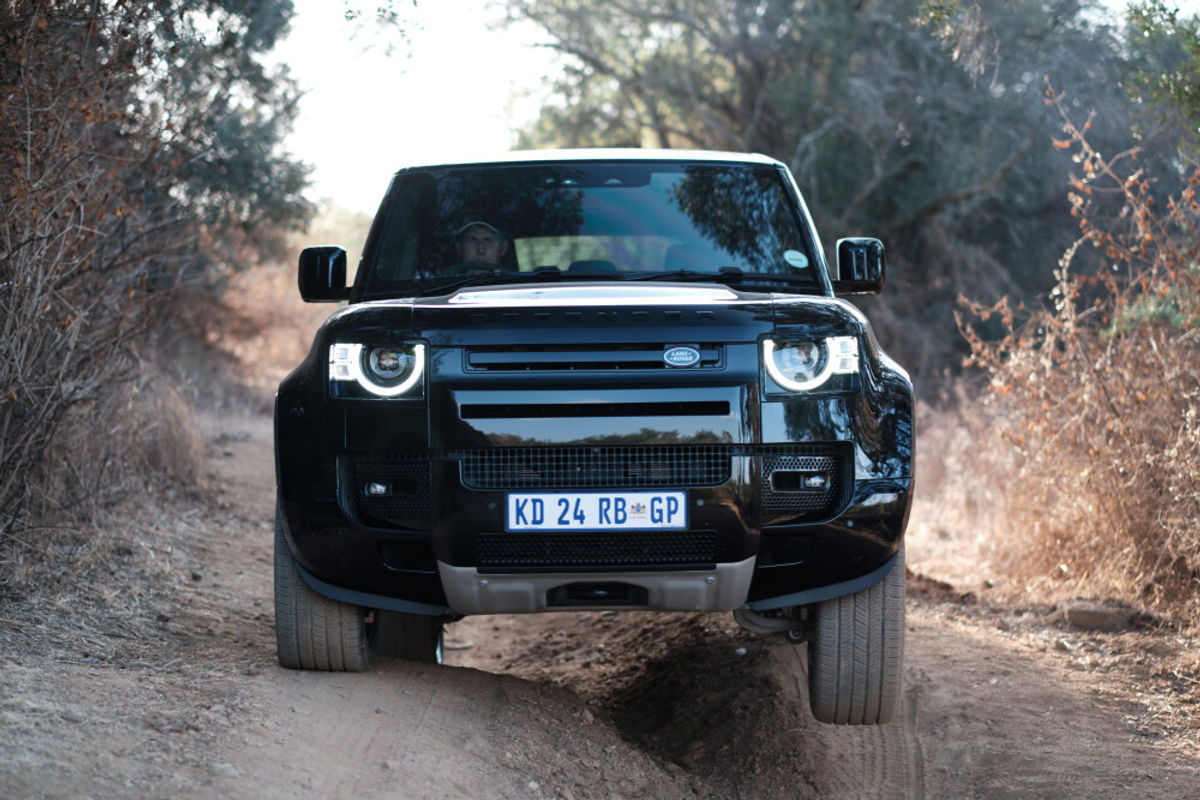
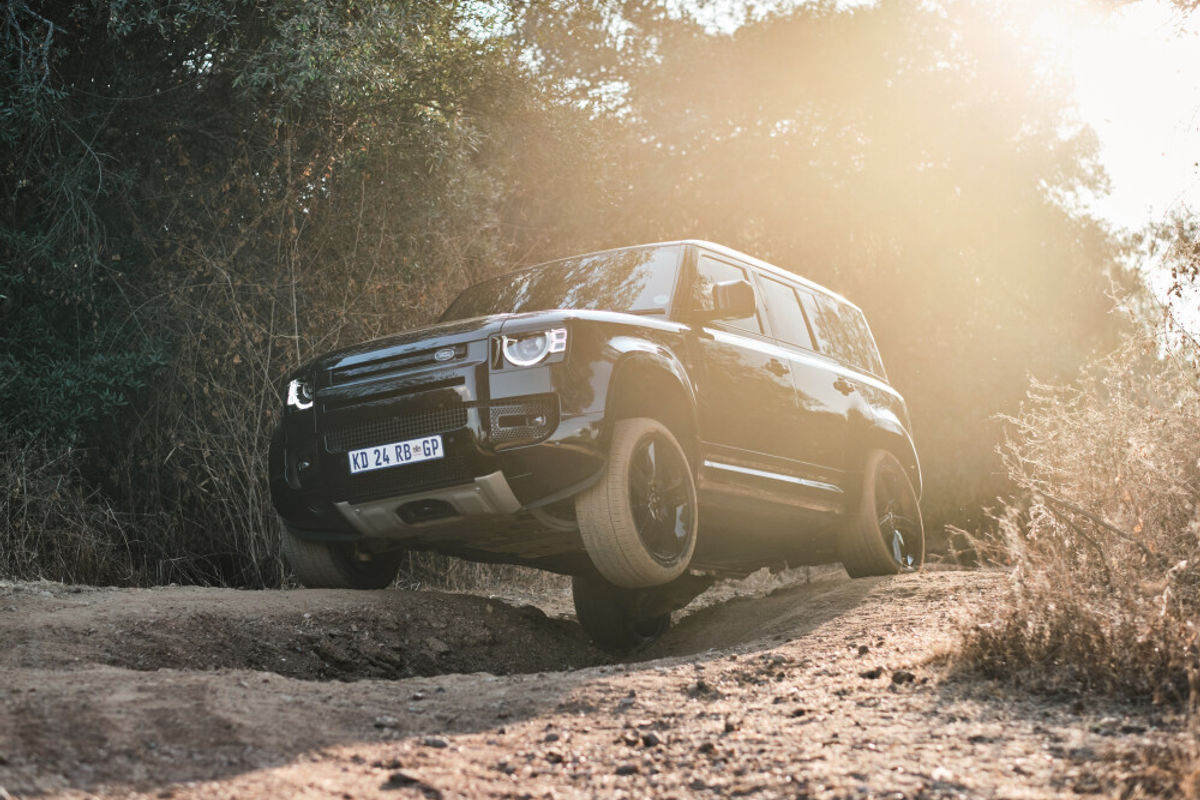
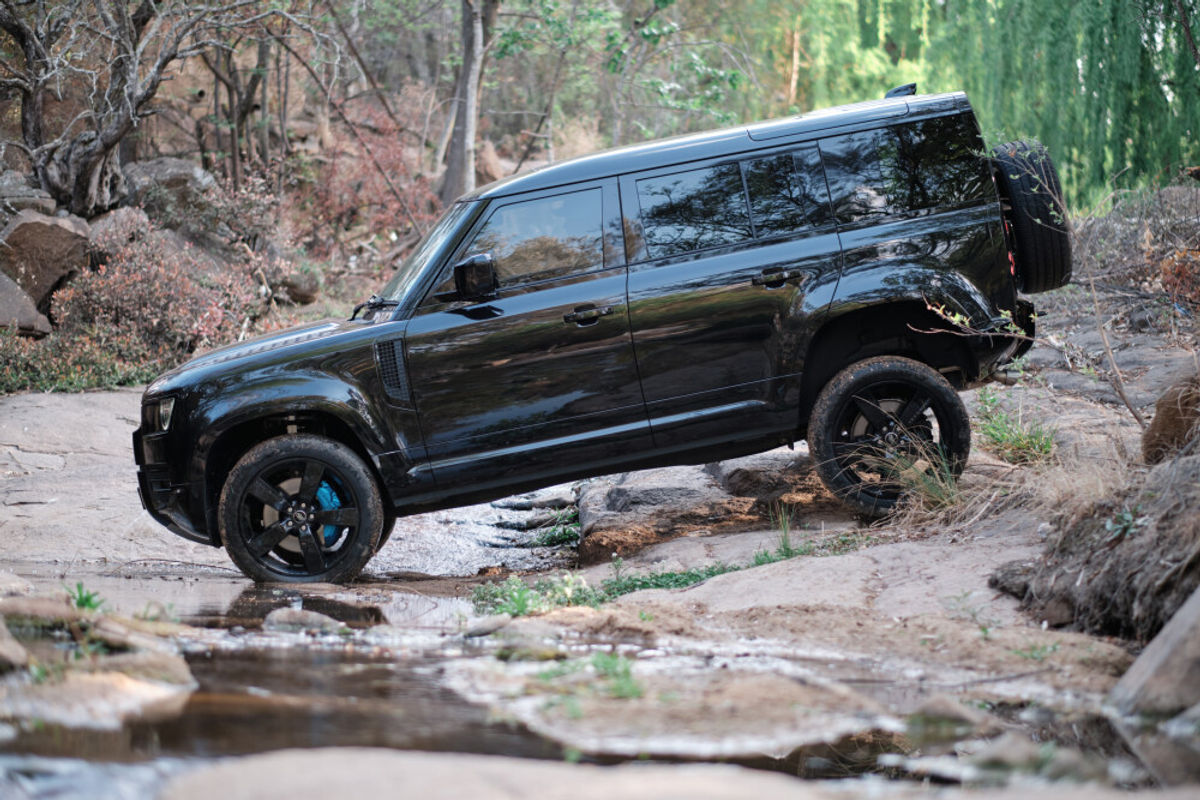
The fastest and most powerful Land Rover Defender V8 is now in South Africa! Take a look at what’s on offer below…
The South African Land Rover Defender range comprises petrol, diesel and plug-in derivatives, but the family just got a new powerful member in the form of a fire-breathing 5.0-litre supercharged V8 flagship.
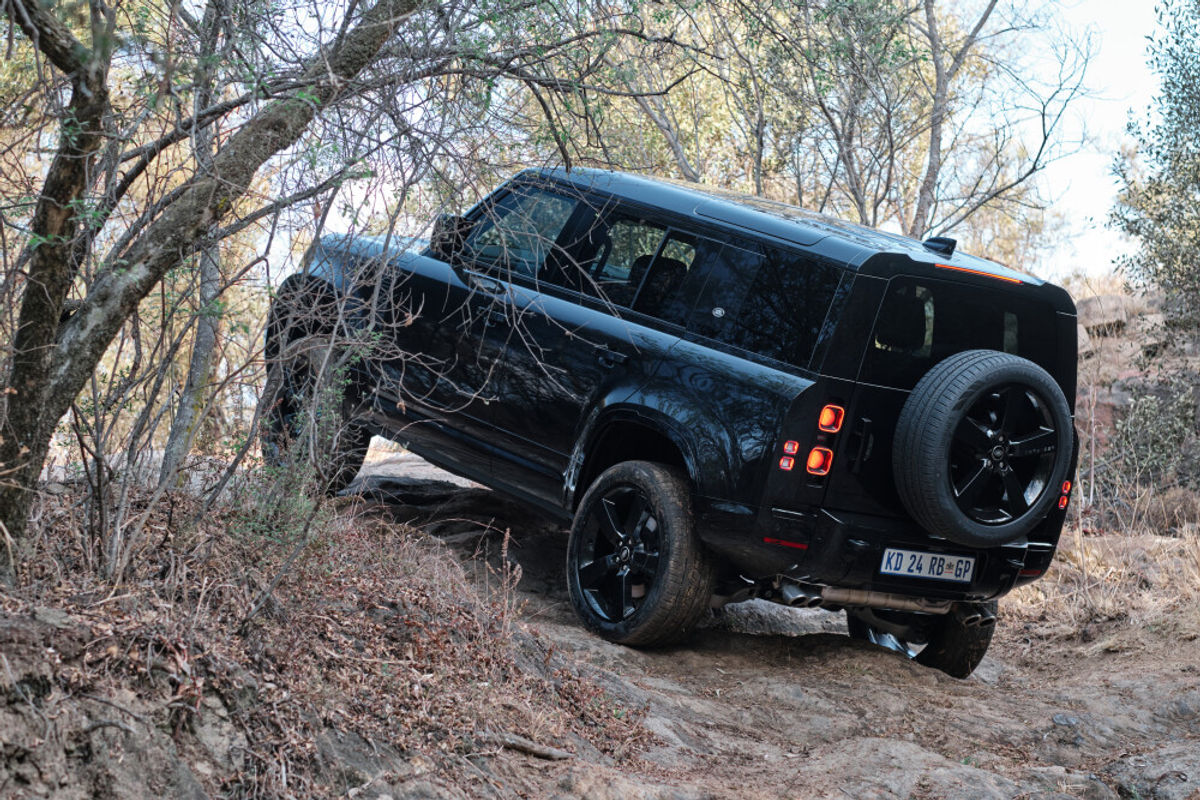
Land Rover South Africa will be introducing its V8-powered Defender in 4 flavours. There’ll be a V8-powered Land Rover Defender 90, a Defender 110 as well as two models badged as Carpathian Edition (in either 90 or 110 guise). This model is said to be the “ultimate expression of Defender design, performance, and capability”. The Defender Carpathian Edition is finished in Carpathian Grey and is fitted with a contrasting Narvik Black roof, bonnet and rear door. Other distinguishing features include V8 Carpathian Edition badges, blue brake callipers and satin black tow eyes.
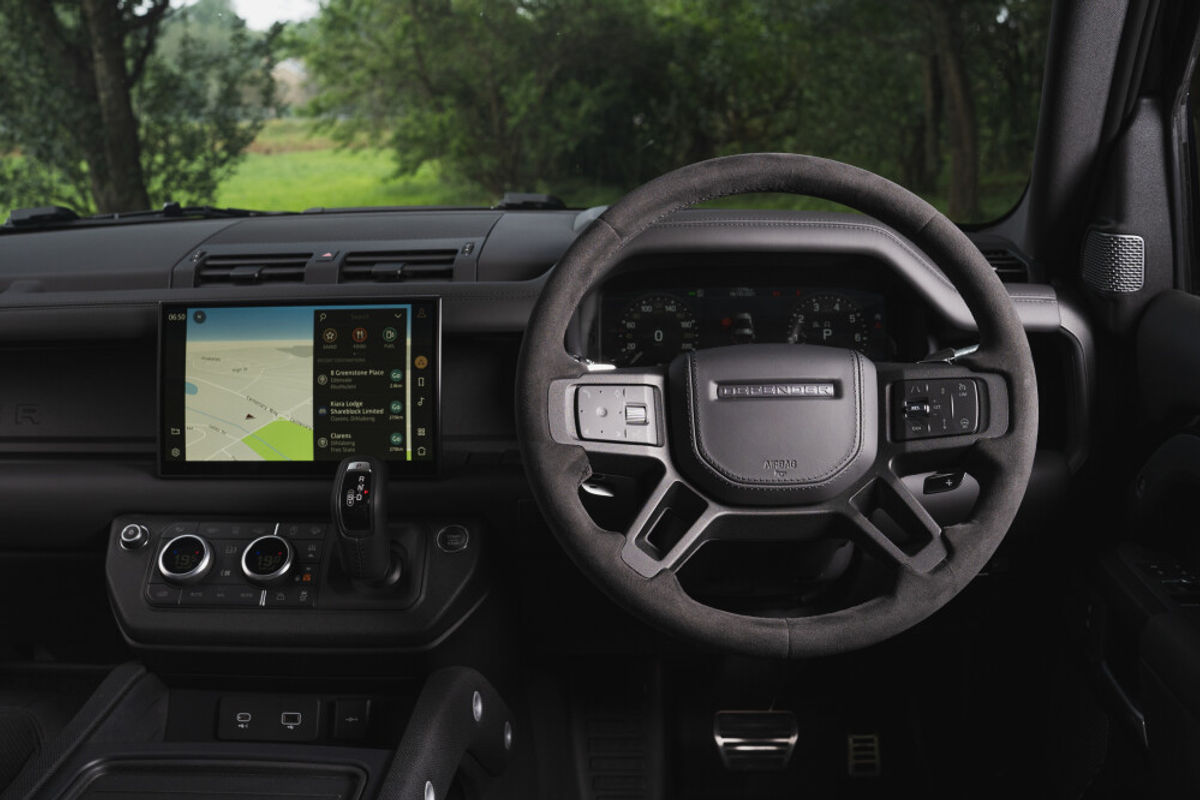
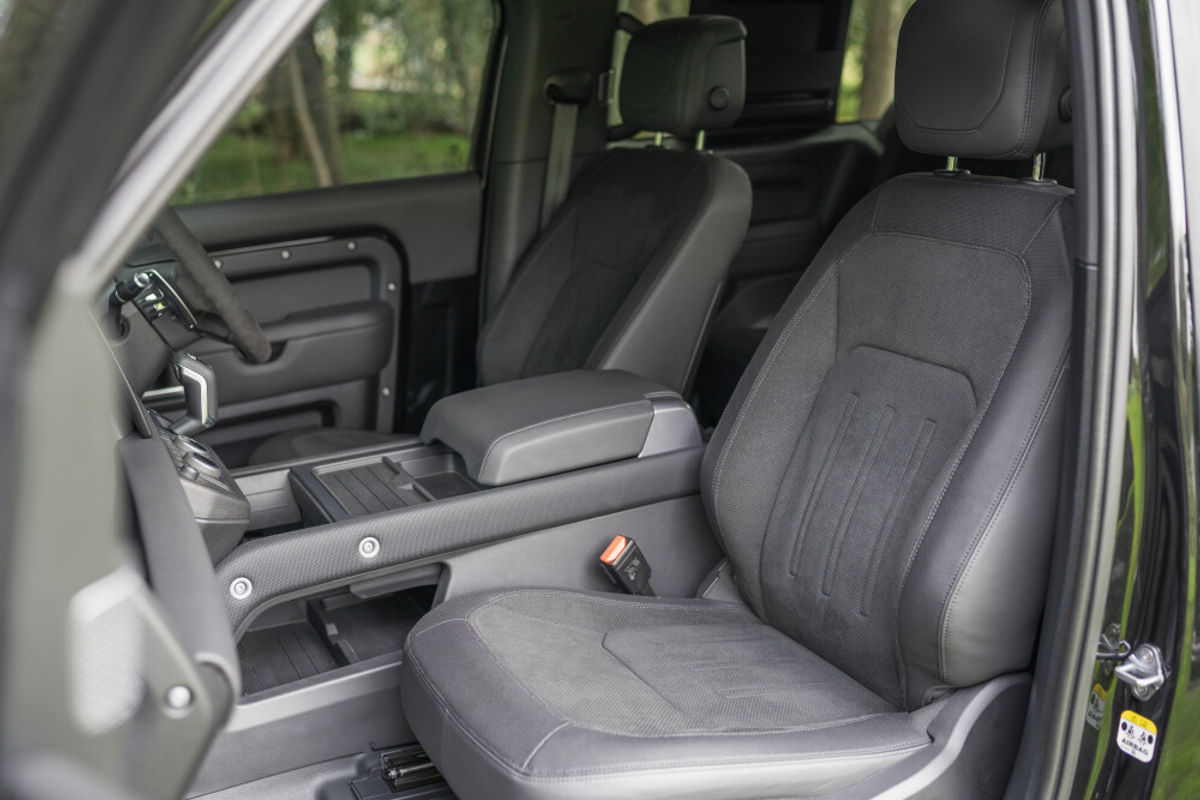
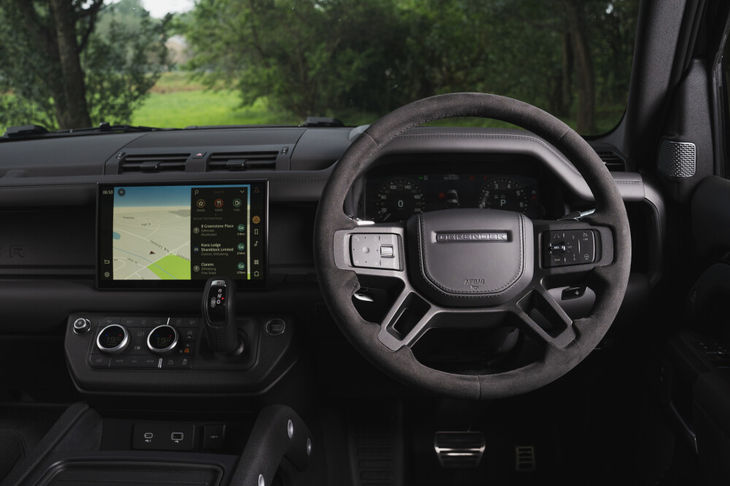
On the inside, the Defender V8’s seats are upholstered in Miko Suedecloth with Robustec accents while the steering wheel is clad in Alcantara. Customers can also opt for an Extended Black Pack which adds a gloss black finish for the front and rear skid plates, grille bar, bonnet finisher, badging, lower body cladding and wheel arches.
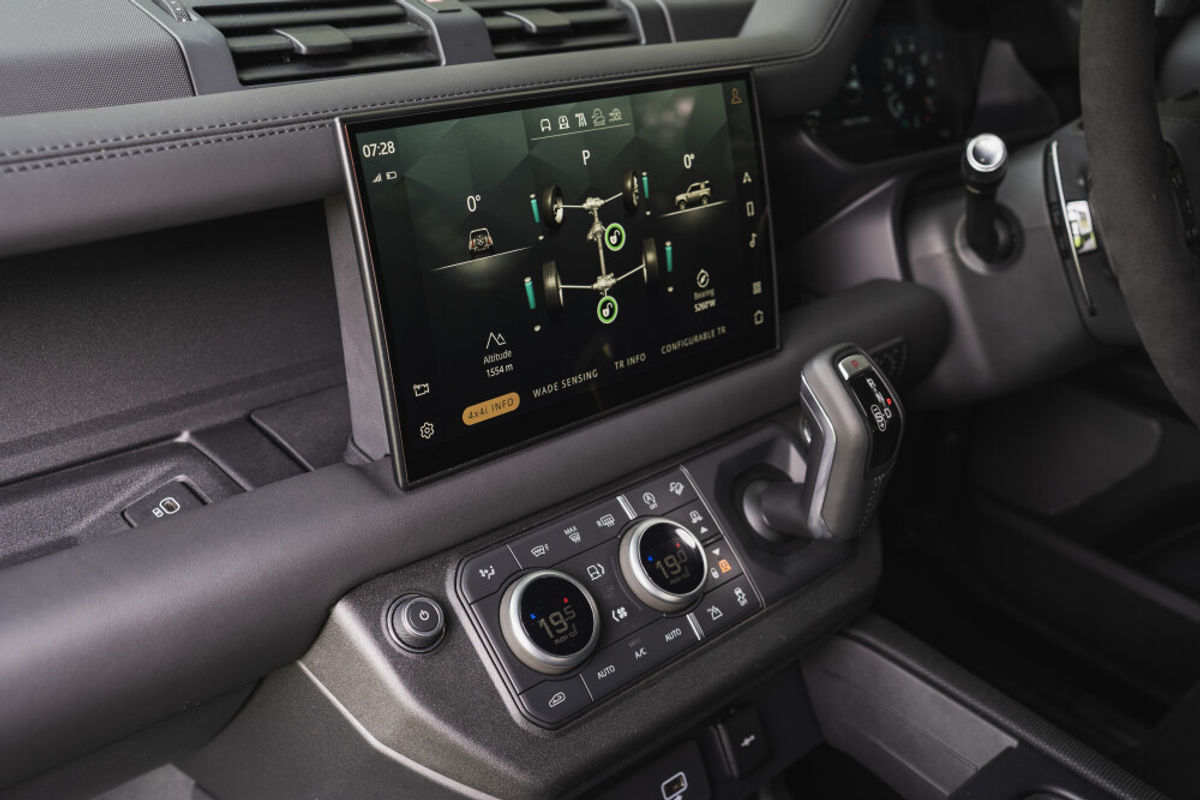
The Land Rover Defender flagship is also available with wireless device charging, which also features a signal booster for better connectivity. Speaking of connectivity, the Defender V8 is also available with an even bigger 11.4-inch touchscreen which is 60% bigger than the standard unit.
V8 Defender Engine
At the heart of the Land Rover Defender flagship model is the JLR 5.0-litre supercharged V8 which gets another lease on life. We know this engine is capable of big power, but it appears the Defender V8 is running a little conservative. That being said, 386 kW and 625 Nm in a Land Rover Defender is going to feel very quick.
Power goes to all 4 wheels via an 8-speed automatic gearbox and performance is brisk, with Land Rover claiming this is the quickest Defender to date. 0-100 kph is dispatched in a claimed 5.2 seconds for the Defender 90 and it’ll run to a top speed of 240 kph. The bigger Defender 110 is fractionally slower with a sprint time of 5.4 seconds. With all that additional performance, the Land Rover Defender has received a unique suspension and transmission tuning, as well as spring and damper rates plus a new electronic active rear differential. In addition, the Defender V8 features a Dynamic program in Terrain Response 2 to fully exploit the vehicles dynamic ability.
How much does the Land Rover Defender V8 cost in South Africa?
Land Rover Defender 90 V8 R2 359 300
Land Rover Defender 110 V8 R2 432 900
Land Rover Defender 90 V8 Carpathian Edition R2 454 700
Land Rover Defender 110 V8 Carpathian Edition R2 528 300
The Land Rover Defender V8 is sold with a 5-year/100 000km warranty and maintenance plan.
South African motorists will suffer a major blow at the pumps as significant fuel price increases are due to take effect on 3 November 2021.
Earlier in October 2021, mid-month fuel price data released by the Central Energy Fund (CEF) predicted significant fuel price increases for November 2021. Now, those predictions have been exceeded and it’s been confirmed that fuel prices will rise sharply as of 3 November 2021.
The fuel price increases make for disturbing reading.
Fuel Price Increase for November 2021
Both grades of petrol (93 ULP and 95 LRP) will increase by R1.21 per litre.
Both grades of diesel (0.05% and 0.005% Sulphur) will increase by R1.48 per litre.
Illuminating Paraffin will see a major increase of R1.93 per litre.
These increases will be a tough pill for consumers to swallow as households are already under considerable financial pressure.
The primary drivers influencing fuel prices is the Rand / US-Dollar exchange rate and the price of petroleum products which is linked to the price of crude oil. In the period of October 2021, international product prices increased while the Rand weakened against the US Dollar. The price of crude oil is also surging, exacerbating the situation even further.
This week’s news you need to know (October 2021, Week 4)
In this week’s automotive news you need to know: SkyActiv science experiments could put Mazda at the forefront of what’s left of new ICE technology, Mister Two is having thoughts of making a comeback (as is the Ford Bantam small bakkie) and Chinese EVs have just got one step closer to making it to Mzansi.
Mazda’s MX-5 & SkyActiv X – Science experiments
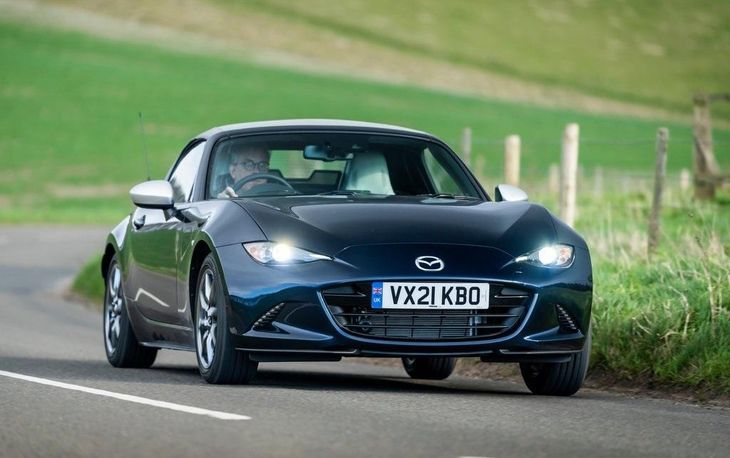
The name SkyActiv may sound like something that Mazda’s brains trust dreamt up one morning after they had gone out to watch a Bond film (and then partied hard thereafter), but, all jokes aside, there is some serious science happening at Mazda’s engine development laboratories. The Hiroshima-based company has always pushed the envelope in terms of powerplant technologies. Even in the modern context, in which the car industry appears fairly single-minded in developing either hybrid or battery-electric vehicles, Mazda continues to wave that ICE flag. For the plucky brand, it’s more of a gamble.
But allow me to dish up food for thought… Let’s say that in the next 5 years, we find out that some very smart men and women in white jackets have developed a zero-emissions fuel for ICE engines. If that happens, Mazda would be ahead of the curve and have an edge on the competition. This ICE engine development game is not over yet – not for Mazda, anyway. There may be one last twist in the tale of the fossil-fuelled engine. Oh, and come on Mazda, when are you showing us the next rotary-engined RX? I just have this sneaking feeling that you have been working on it in secret for several years.
Toyota MR2 – Your Porsche on a budget
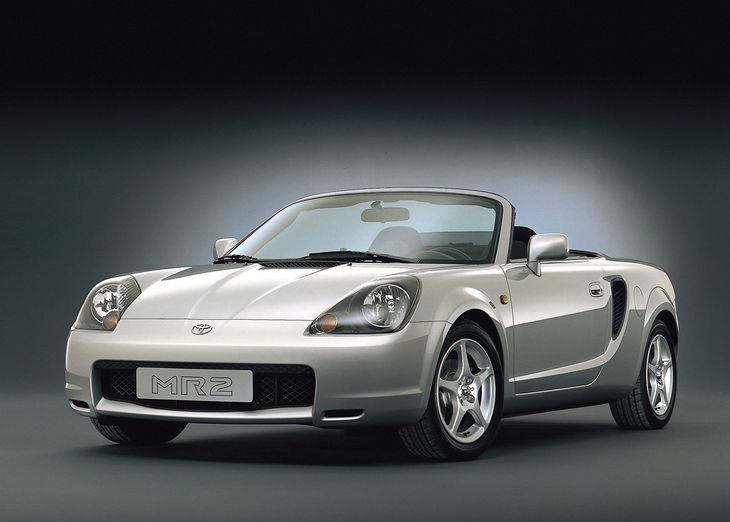
GR Supra, GR Yaris, GR Corolla and, this week, the new GR 86 – Toyota’s performance crusade is showing no signs of losing steam. The Aichi-based manufacturer appears to be leveraging its rather considerable performance heritage wherever it can. In a way, it’s taking advantage of a lull in the motor industry, in which manufacturers seem hell-bent on fast-tracking the EV revolution and building, well, “boring” cars. And just when you thought Toyota “had a full set”, another nameplate has popped up – the Japanese giant’s widely revered mid-engined MR2 sportscar. Yes, keep those surprises coming!
I recall that South African motoring enthusiasts eagerly snapped up the 2nd-generation model twenty years ago and there are a few first-generation cars that are still pottering around, although they are very rarely seen. However, the MR2 certainly does make a blip on the cult-car radar, because it’s the embodiment of an affordable mid-engined sportscar. I anticipate that the next-generation MR2 could slot in perfectly between your hopes of owning a Porsche Cayman and, well, nothing. Perhaps other manufacturers (ahem, Honda) will follow suit and spark another wave of 90s-inspired cult cars. Sigh, if only.
Ford Bantam – Read the signs
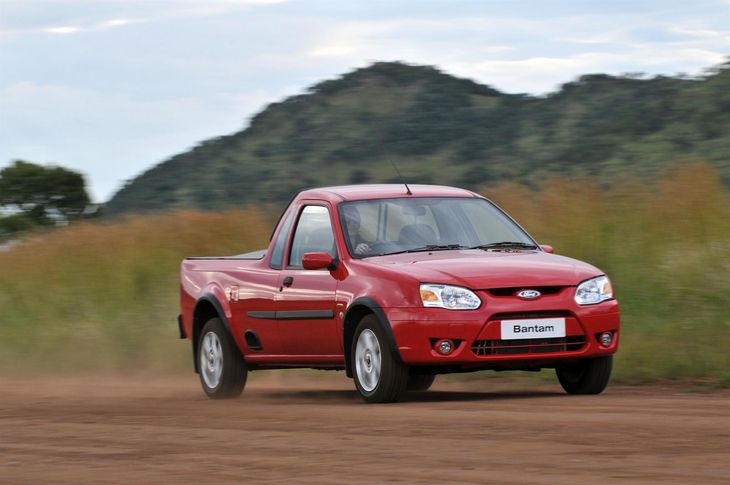
Where did they go… those little “half-tonner” bakkies that zoomed around our towns and cities with the decals of small businesses emblazoned on their doors? Entrepreneurs loved them and so did young drivers, who liked snapping canopies on those bad boys and fitting mattresses in their load bays. Volkswagen’s Golf 1-based Caddy departed first, followed by the Mazda Rustler, Ford Bantam, Fiat Strada and Chevrolet Ute. Only the Nissan NP200 remains, but even that can’t go on forever. They served their duties well and came in at prices that comfortably undercut those of bigger single-cab bakkies.
With the Ford-Volkswagen commercial platform sharing partnership in full swing, the companies may be keen to explore opportunities to provide the market with an affordable small bakkie that could serve the needs of small businesses. The Mexican produced (and Bronco Sport-based) Ford Maverick seems off the table for right-hand-drive markets, but Volkswagen will have to replace its ageing Saveiro in South America at some point (will the Tarok Concept ever evolve into a production model, or has the co-operation put paid to that?). Ford and Volkswagen are certainly working on projects on which they can scale platforms and share components. Whatever they do, I hope they remember the Blue Oval has a factory in Silverton that might be interested in producing more than Rangers and Amaroks.
Zeekr 001 – Budget EV options loading…
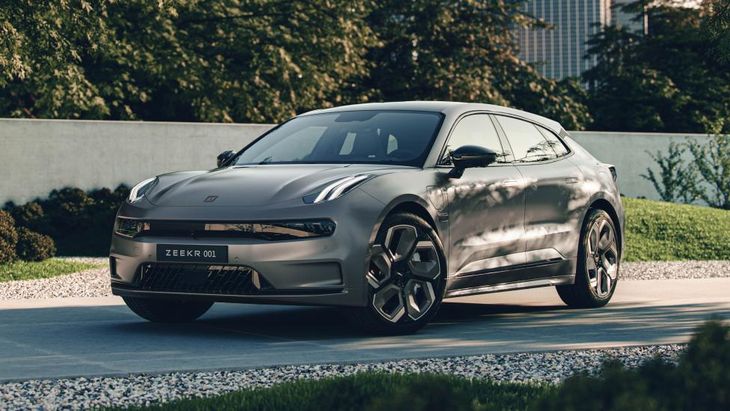
Some Chinese car brands are infamous for inflicting flagrant “Ctrl-C Ctrl-V” designs on the automotive market, while other brands from the Mainland have rolled out subtler “inspired by” designs. When I look at the Zeekr 001, I can see a soupçon of a Polestar and a sprinkling of the Porsche Taycan. Zeekr is, I remind you, Geely’s electric vehicle sub-brand. Over the past few years, the Zhejiang Geely Holding Group has strategically positioned itself to be more than a big player in the Chinese market; it has expanded into Europe and the rest of the world by leveraging its ownership of Volvo and Polestar.
But let’s set design commentary and history lessons aside. If you really want battery-electric vehicles to proliferate in South Africa, then improved affordability is more important than developing additional charging infrastructure to support those cars (even if the spectre of load-shedding seems set to haunt us for a while to come).
While legacy car manufacturers are gradually transforming into fully electrified brands, it will take a while for them to amortise their research and development costs and the numerous investments they’ve made to bring their EV models to market… Electric vehicle brand Zeekr, by contrast, could effectively be a Tesla alternative (or, as things stand, a Tesla substitute) in our beloved Republic.
The Geely Group is certainly “geared” to mass-produce EVs. Considering our country’s strong trade agreements with China, Zeekr could supply units to a local distributor at quite competitive rates. South Africans who dream of owning EVs may feel that their dream is edging a tiny bit closer to being fulfilled. Who would have thought that in 2021, we’d be talking about owning a Chinese EV in South Africa?
2021 Toyota Corolla Hybrid XS Review – Well-priced, sips fuel!
Ciro De Siena gets to grips with the Toyota Corolla Hybrid, one of the most fuel efficient vehicles we’ve driven.
The year is 1994. Toyota launches a new car onto the Japanese market. It has curious looks, but it has an even more curious drivetrain. And with it, a new word is added to the world of motoring: Hybrid.
Yes, the first Prius was launched 27 years ago, and since then, Toyota has constantly refined (and made more affordable) the hybrid tech that made it famous. And now you can buy this tech in a family sedan for close to the price of a top-of-the-range VW Polo.
At R419 900, the Corolla Hybrid immediately feels like very good value; a lot of car for your money, as the saying goes.
In this review, our video guy Ciro De Siena takes some time to explain just how this hybrid technology works, how it will benefit you as a motorist, and how it will benefit the planet. We cover the Corolla Hybrid’s price, fuel consumption, interior and boot (load) space.
But, as good as this offering is, we do expect it to live in the shadow of the upcoming Toyota Corolla Cross Hybrid. The sedan has fallen out of favour in our market; South Africans just love SUVs, and somehow Toyota South Africa have managed to price the equivalent Cross Hybrid model at a more affordable price than the sedan!
Even so, the sedan is still worth a look, and we hope you’ll find this video useful.
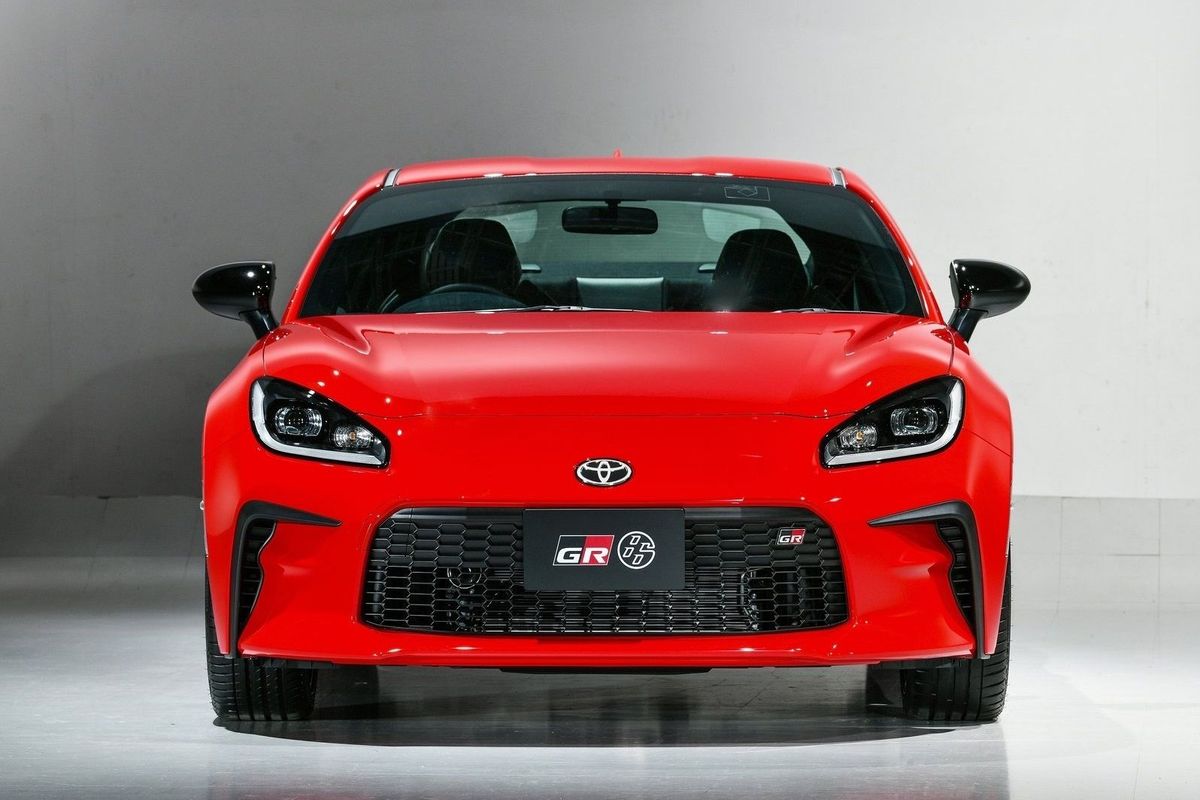
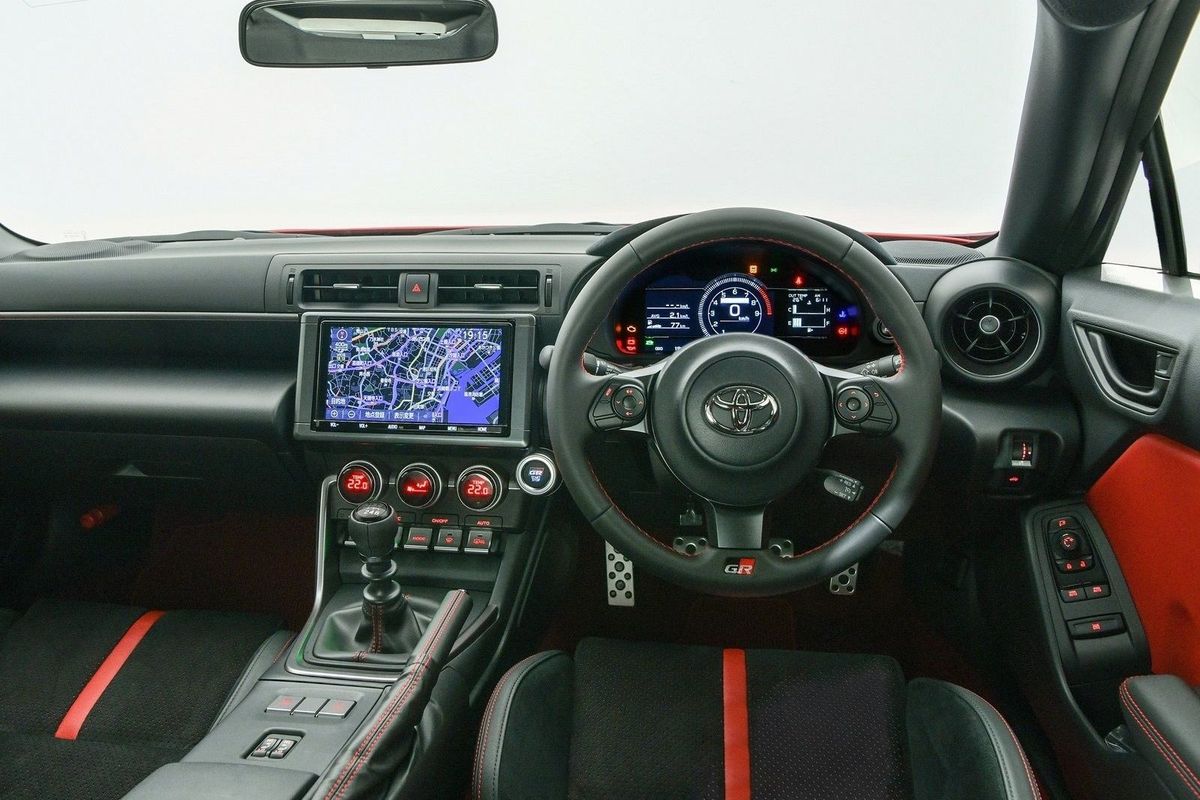
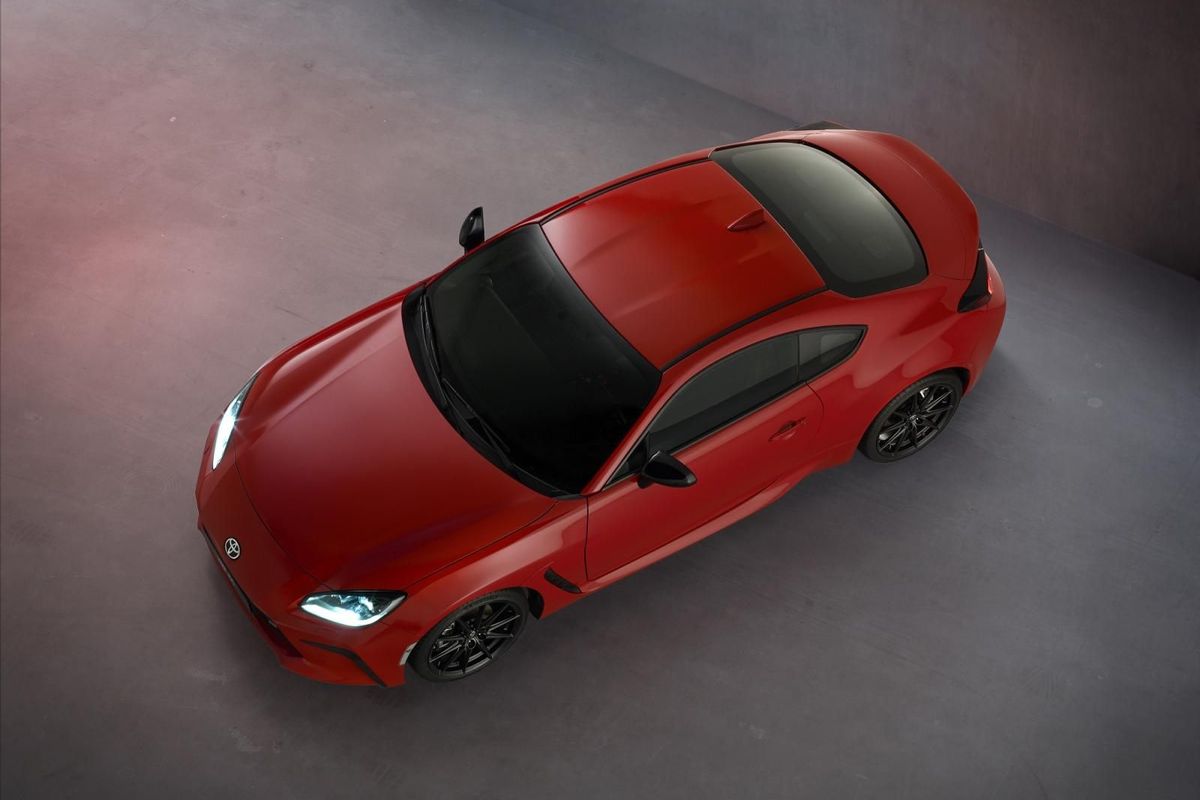
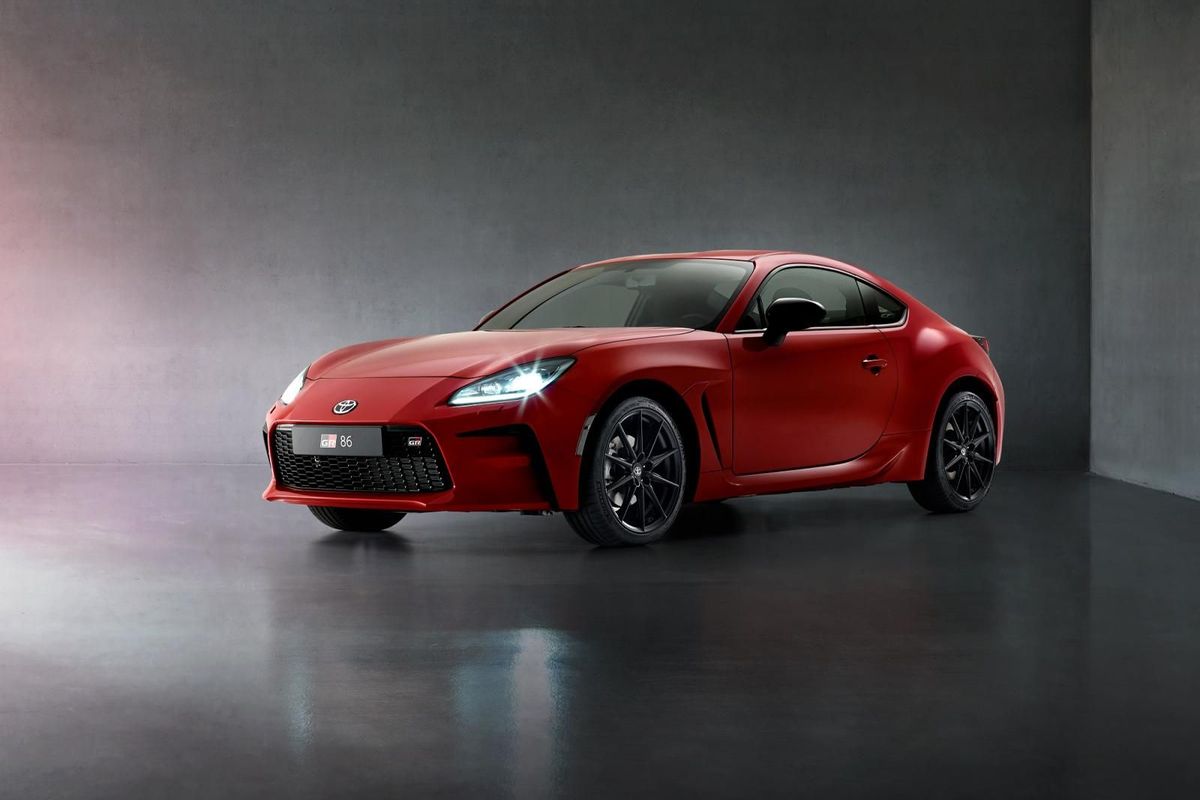
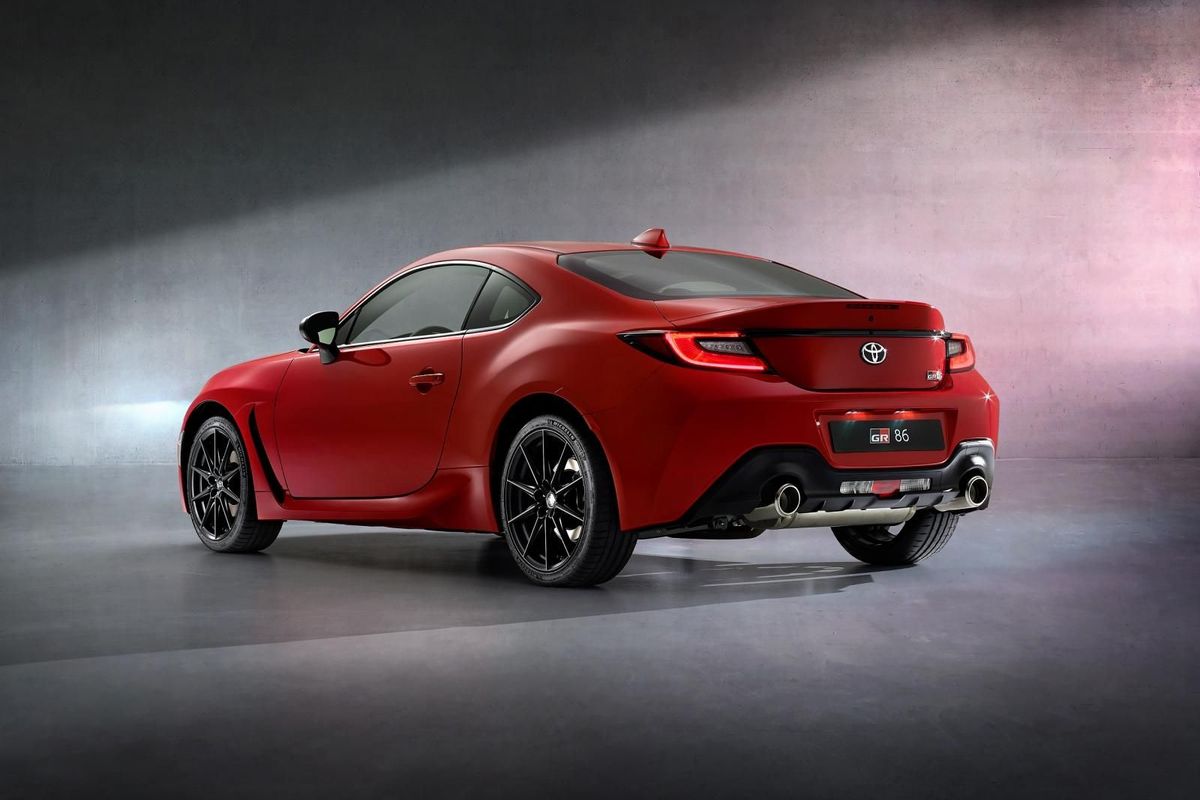
After a long wait, the all-new Toyota GR86 has been revealed. Here are some details about the naturally aspirated rear-wheel-drive coupe.
The Toyota GR86 is a lightweight, rear-wheel-drive coupe that’s been engineered from the ground up to be an enthusiast’s car. It ticks all the boxes for driving engagement; rear-wheel drive, nimble, light, manual gearbox and a rev-happy naturally-aspirated motor. Granted, most modern performance hatchbacks would leave it for dead, but that’s not the point of this car.
As the saying goes, “it’s more fun driving a slow car fast, than a fast car slow” and the GR86’s thrills could be had at 70 kph, with plenty of manageable driving action. It wasn’t without fault though, that engine could have done with a touch more torque and it became surprisingly expensive at the end of its lifespan.
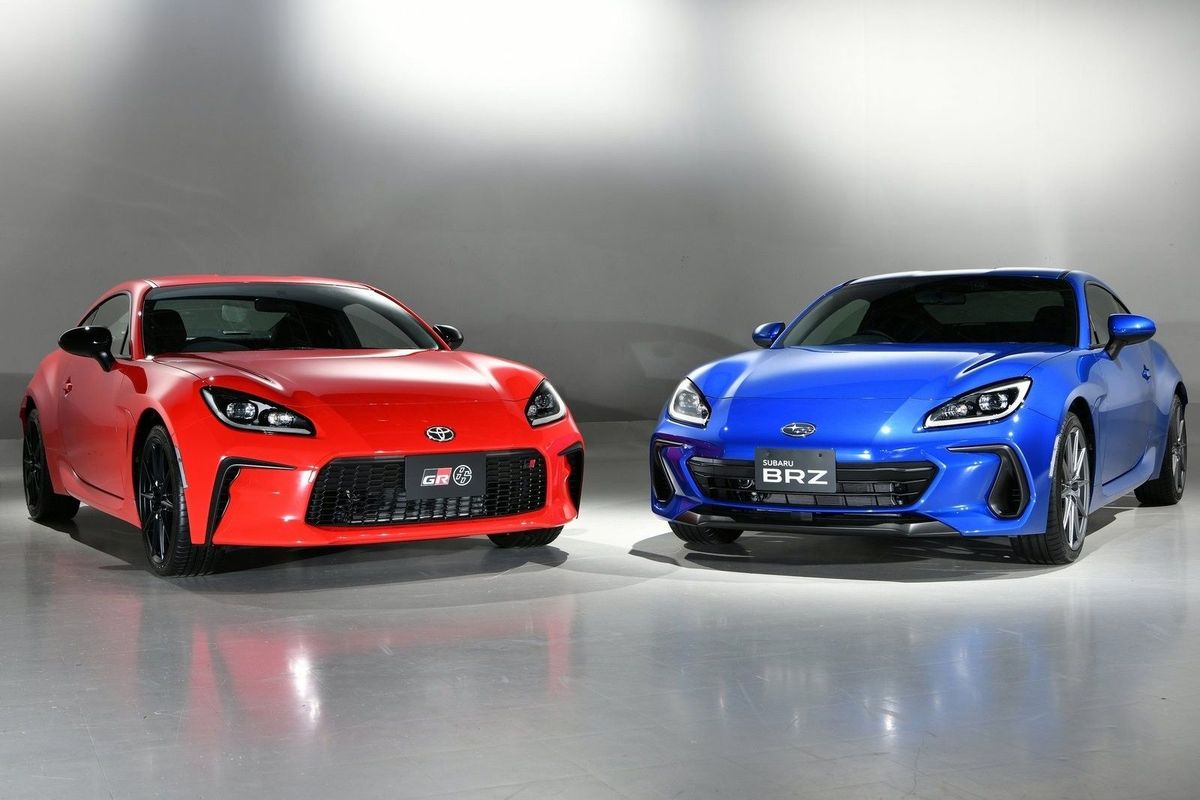
Now for 2021, there’s an all-new Toyota GR86. Again developed in conjunction with Subaru, who revealed its BRZ late in 2020 for the North American and Japanese markets only, the new GR86 brings a new design, new suspension and most importantly, a new engine. The new Toyota ’86 is the third model in the GR portfolio, underlining Toyota’s ambition to shake off its predictable and no-fun image from a few years back. With the Supra GR and the new Yaris GR (due in South Africa in the middle of 2021), Toyota is keen to show it still knows how to build fun and engaging driving machines.
The new engine is again a lightweight, horizontally-opposed 4-cylinder petrol unit, but capacity has been up to 2.4-litre. Power is rated at 173 kW and 250 Nm, which is a big jump from the 147 kW and 205 Nm of the outgoing GR86. Toyota has worked extensively on the car’s weight-saving program and there are lightweight materials across the board, such as aluminium roof and body panels. The work doesn’t stop there though, with torsional rigidity increasing by around 50% and the vehicle tips the scales at 1 270 kg – about the same as a Volkswagen Golf. Toyota claims it will be the lightest 4-seater coupe in its class.
By keeping the weight down and maintaining a low centre of gravity, the Toyota GR86 should be a hands-on driving machine. The previous generation sold more than 200 000 units, proving there’s a case for a back-to-basics analogue sportscar.
When will the new Toyota GR86 come to South Africa?
Toyota South Africa Motors says local timing for launch as well as sales will be confirmed in 2022.
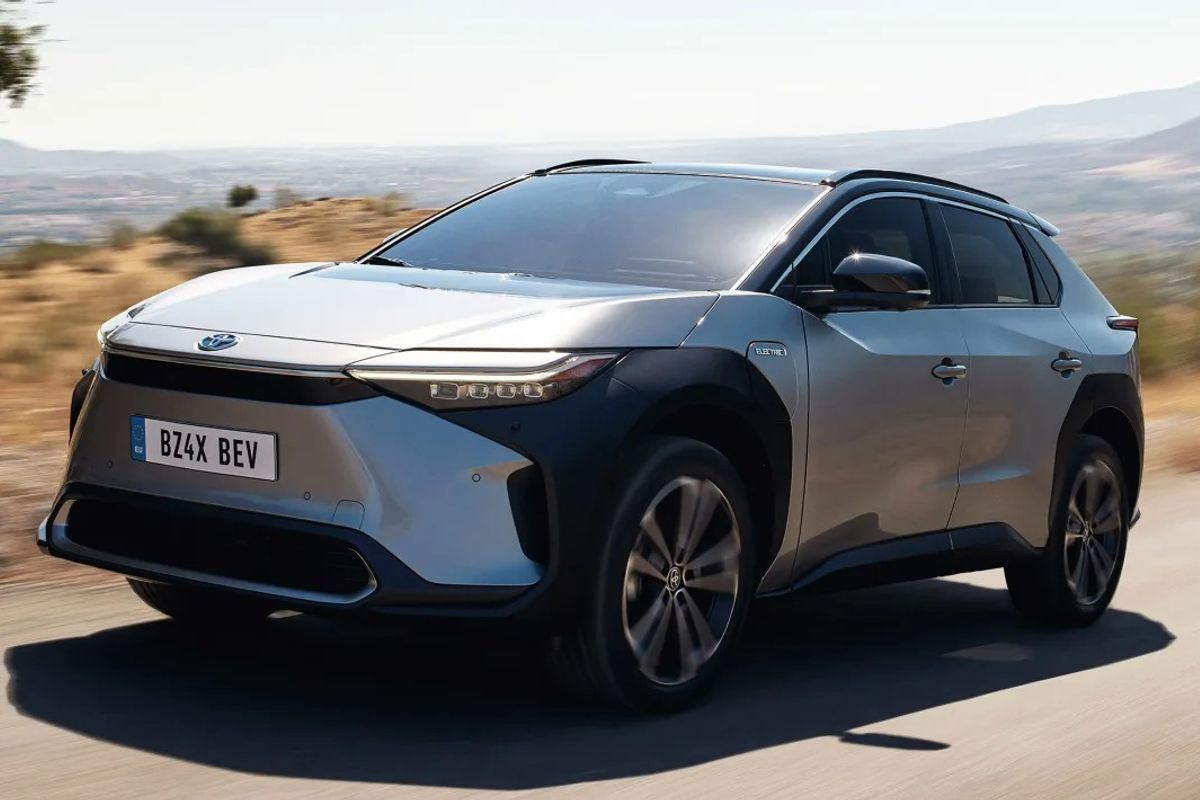
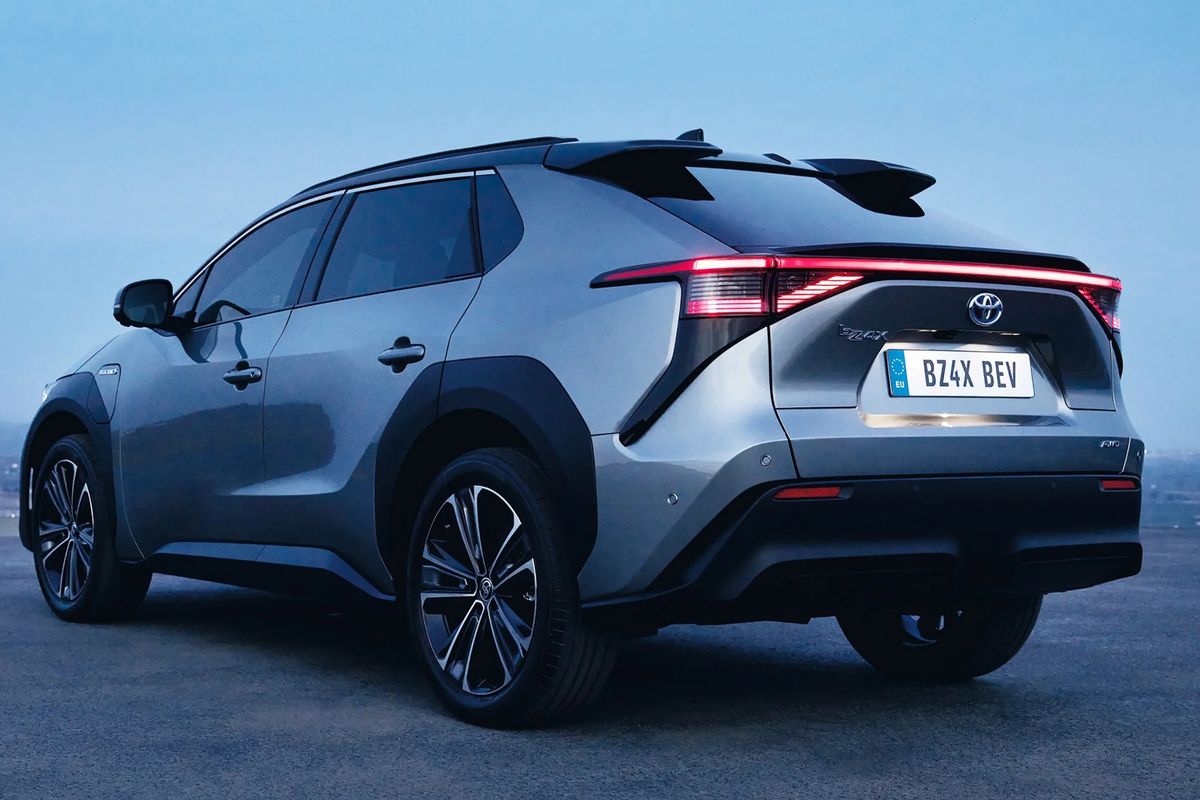
Toyota has joined the all-electric party with this interesting electric SUV. Meet the all-new Toyota bZ4x.
We’ve come to know and admire Toyota for its hybrid strategy and despite other carmakers going the all-electric route, the Japanese brand has been cautious in its approach. Now the first pure electric car has been showcased. This is the Toyota bZ4x, Toyota’s first bespoke electric car and it represents a number of firsts.
This is not a one-off model, with bZ signifying an all-new electric sub-brand and this vehicle is the first Toyota to use the dedicated electrified battery-electric vehicle platform called e-TNGA. On paper at least, the specs look commendable. The Toyota bZ4x features a 71.4 kWh battery which is said to provide a range of 450 km based on the WLTP test cycle. Impressively, Toyota claims the battery will hold 90% of its charge for the first 10 years of its lifespan, thanks to water cooling of the battery cells and active thermal management.
Outputs of 150 kW and 265 Nm are on offer, with a claimed 0-100 kph of 8.4 seconds. This new e-TNGA was co-developed by Subaru so you can expect a version from that brand too. There’ll be a higher-output model too, with 160 kW and 336 Nm, which is said to be good for 7.7 seconds as well as all-wheel drive. Both models allow for rapid charging, so a 150 kW fast charger will give you 80% in 30 minutes.
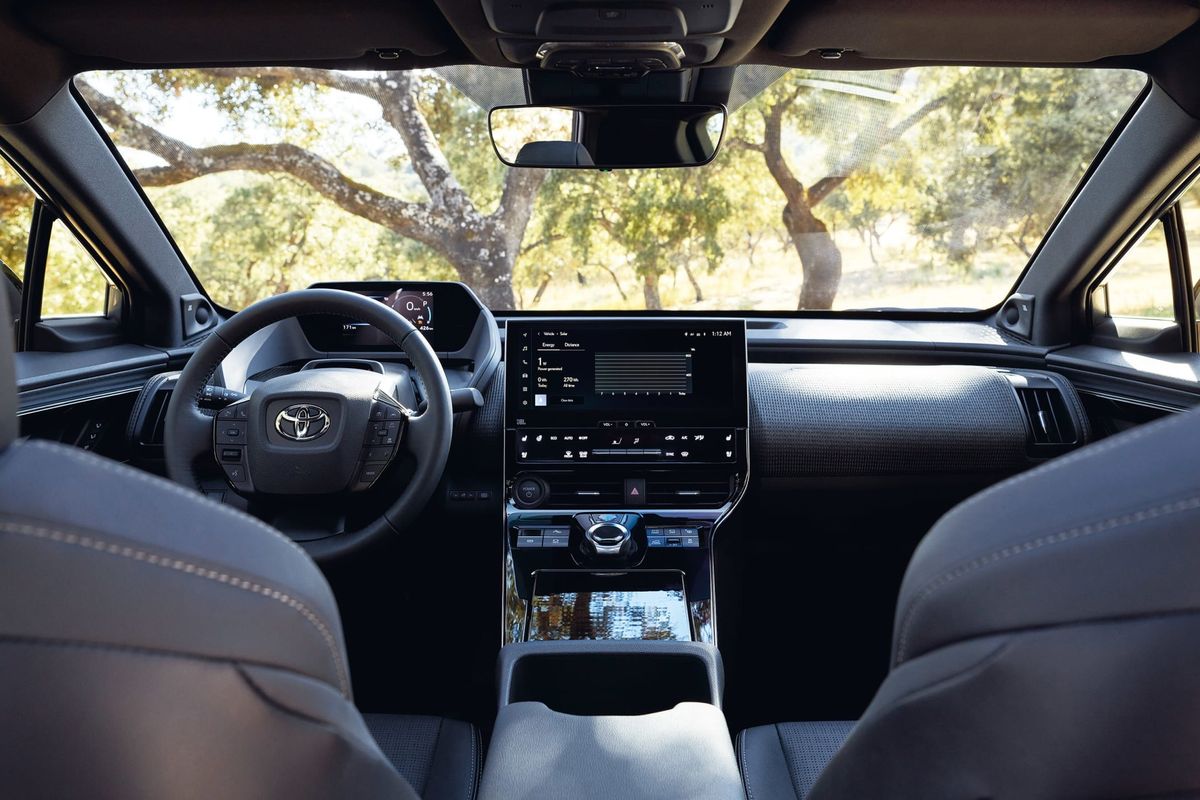
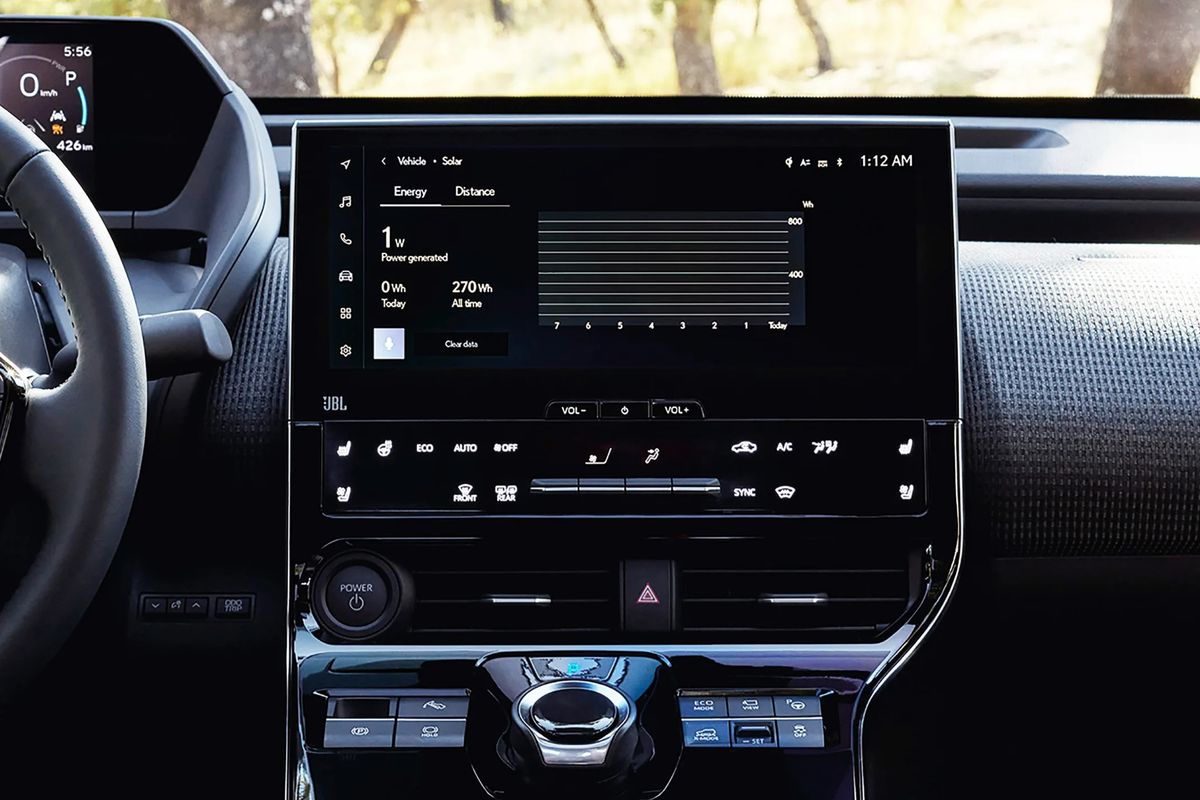
This new e-TNGA platform makes use of a cleverly positioned battery in the floor which improves handling and interior space. Boot space is rated at 452 litres. Toyota has also shown off its new infotainment system and a new-look digital dashboard.
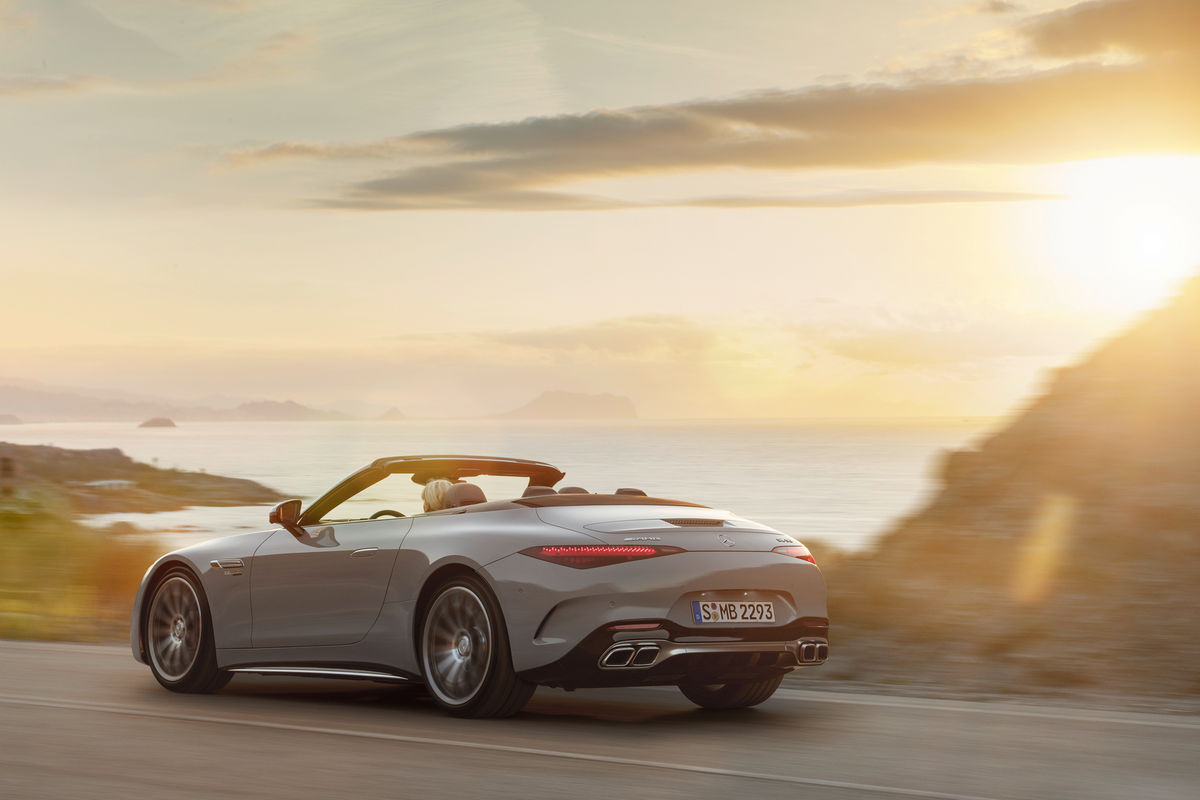
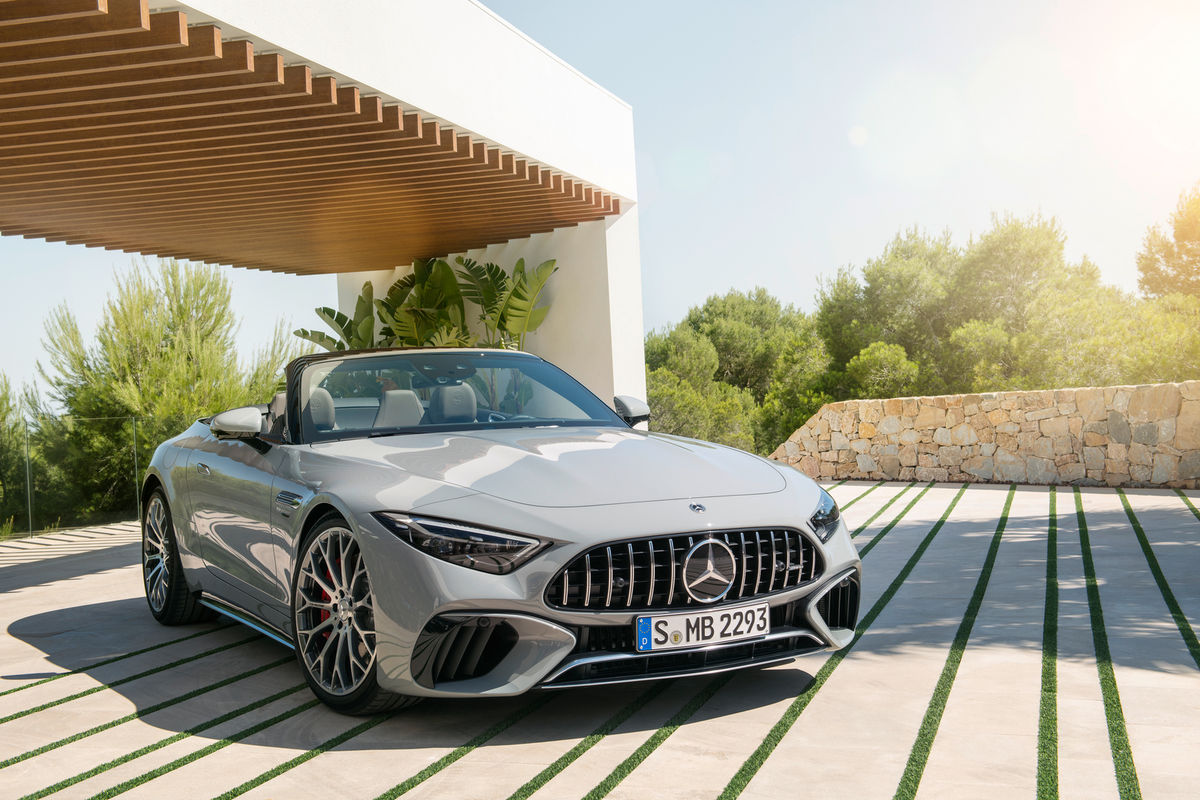
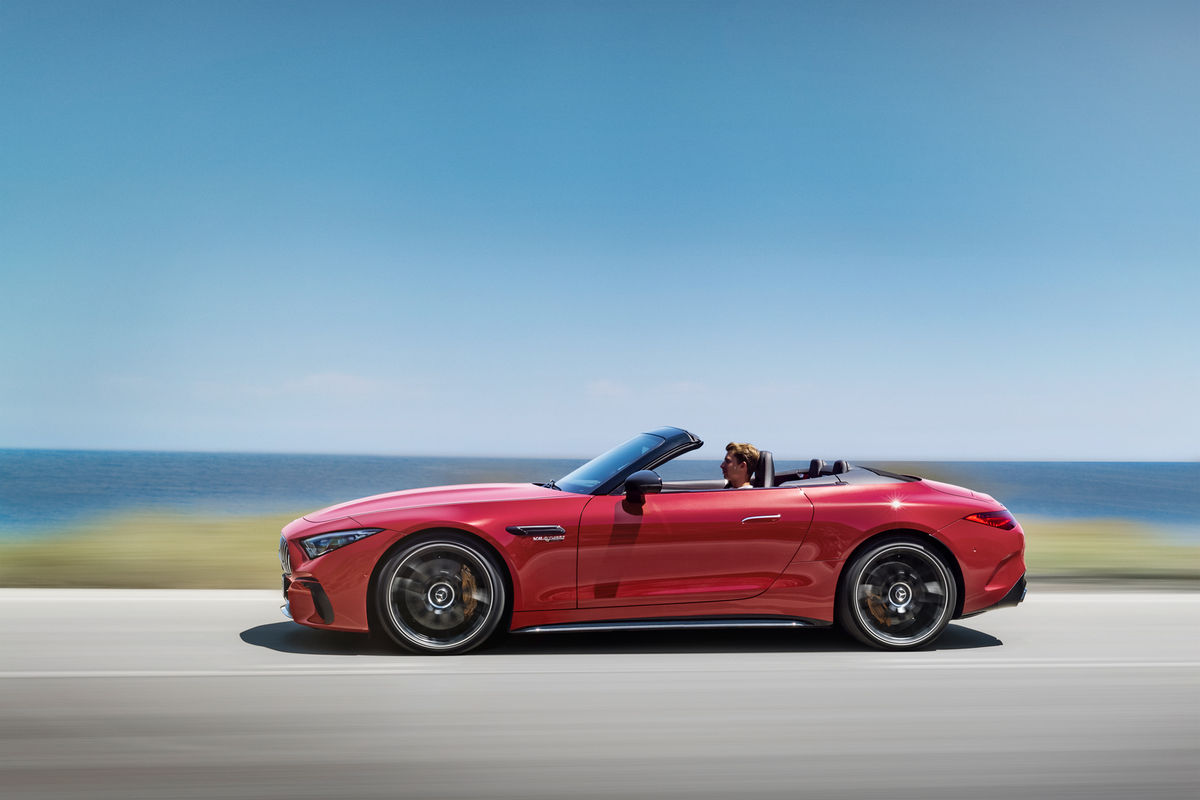
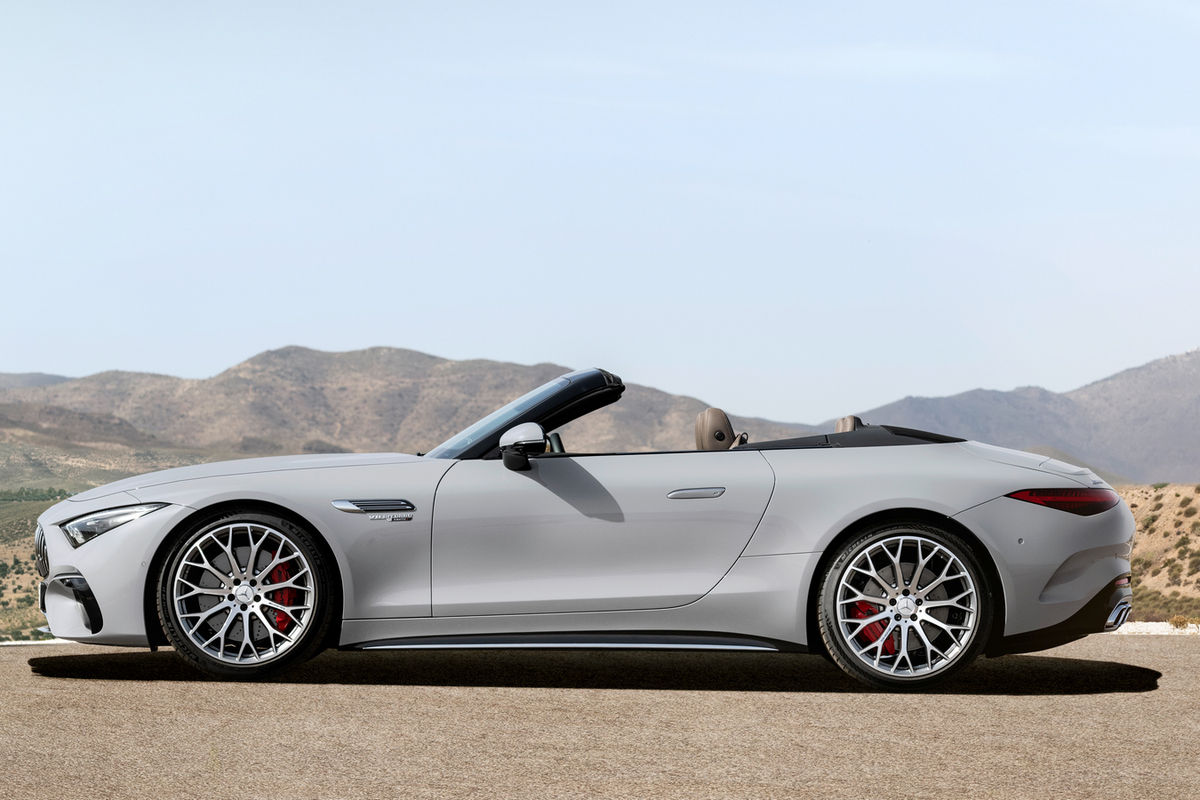
The new Mercedes-AMG SL has been revealed and it looks phenomenal!
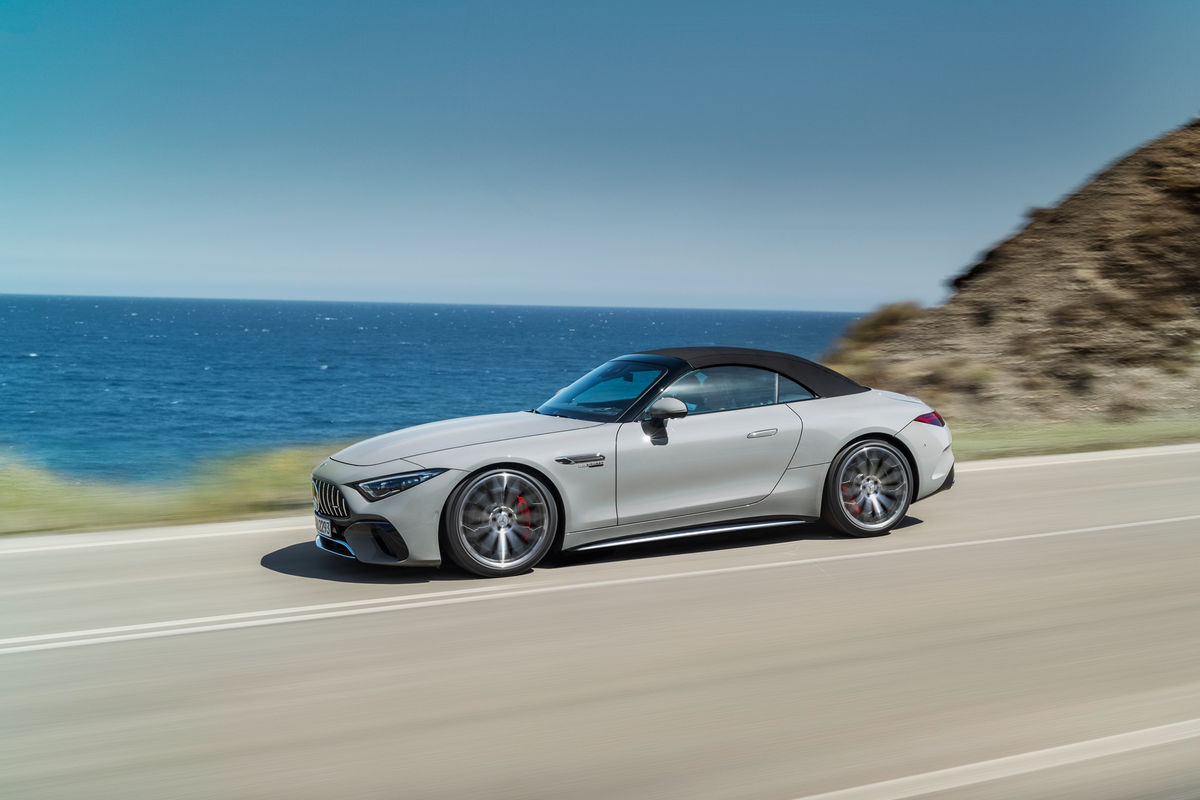
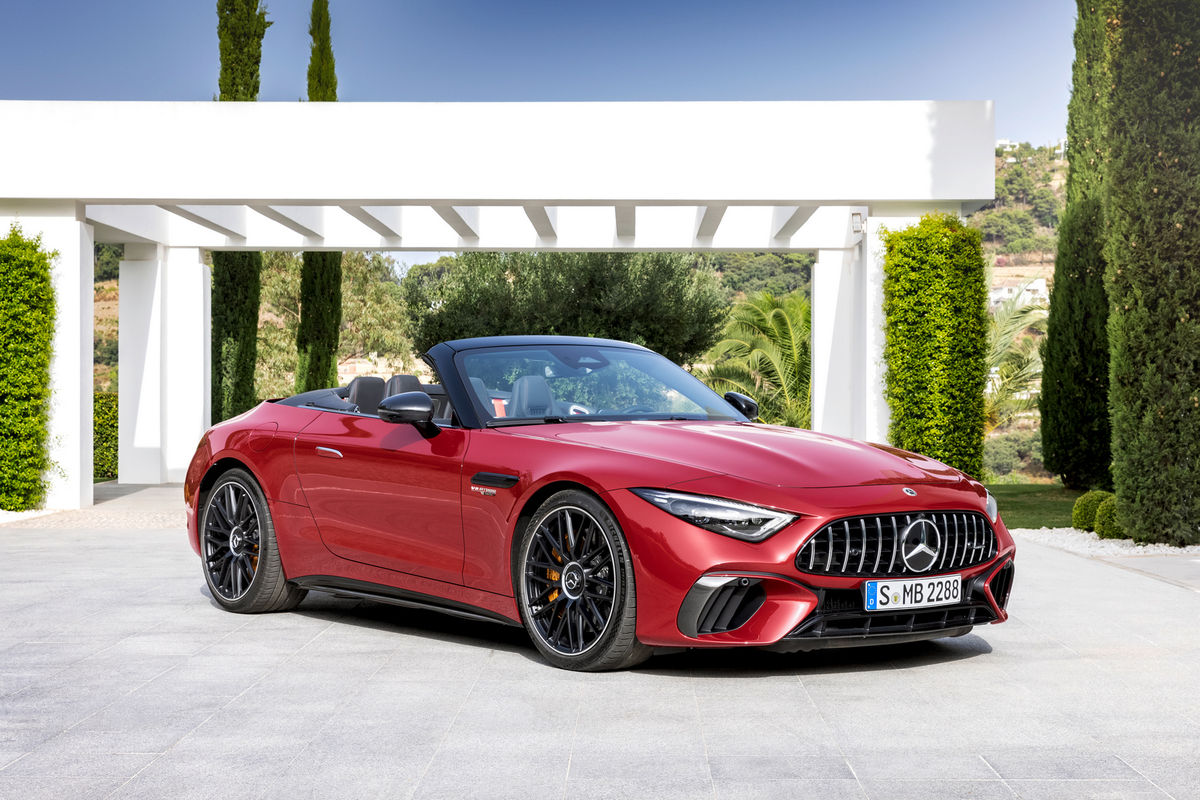
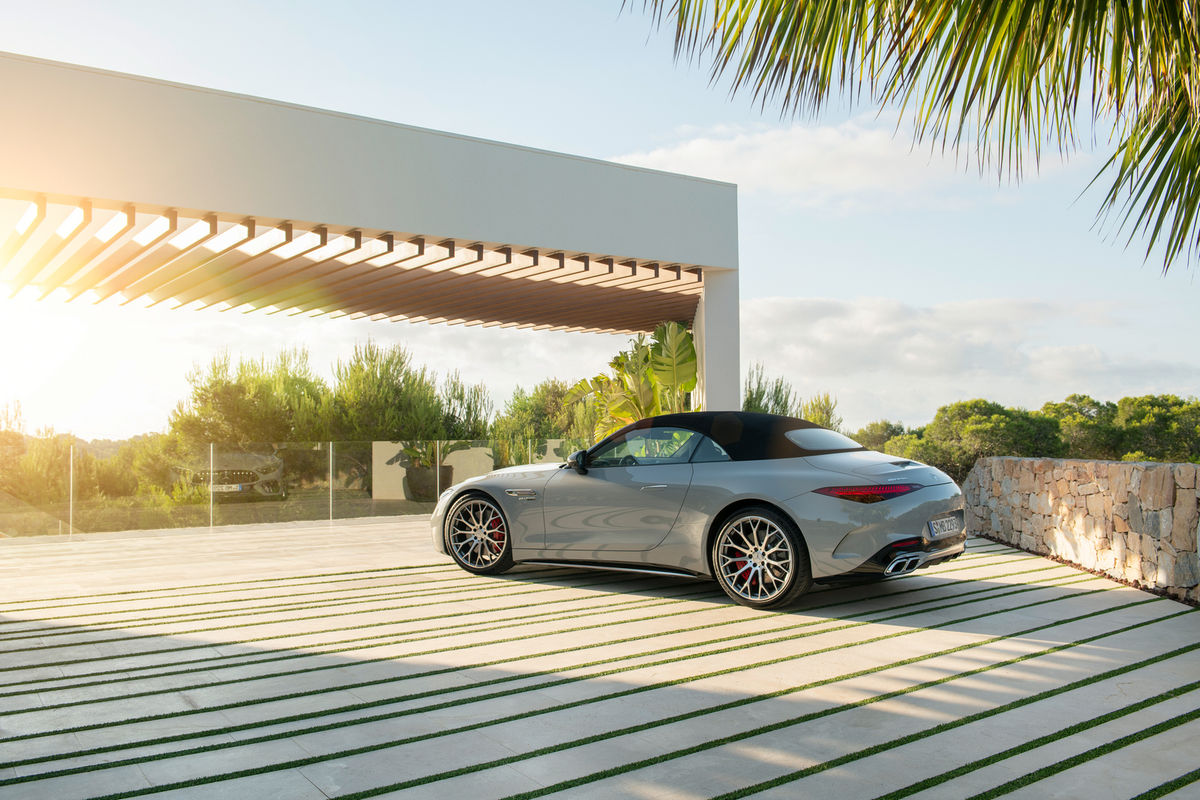
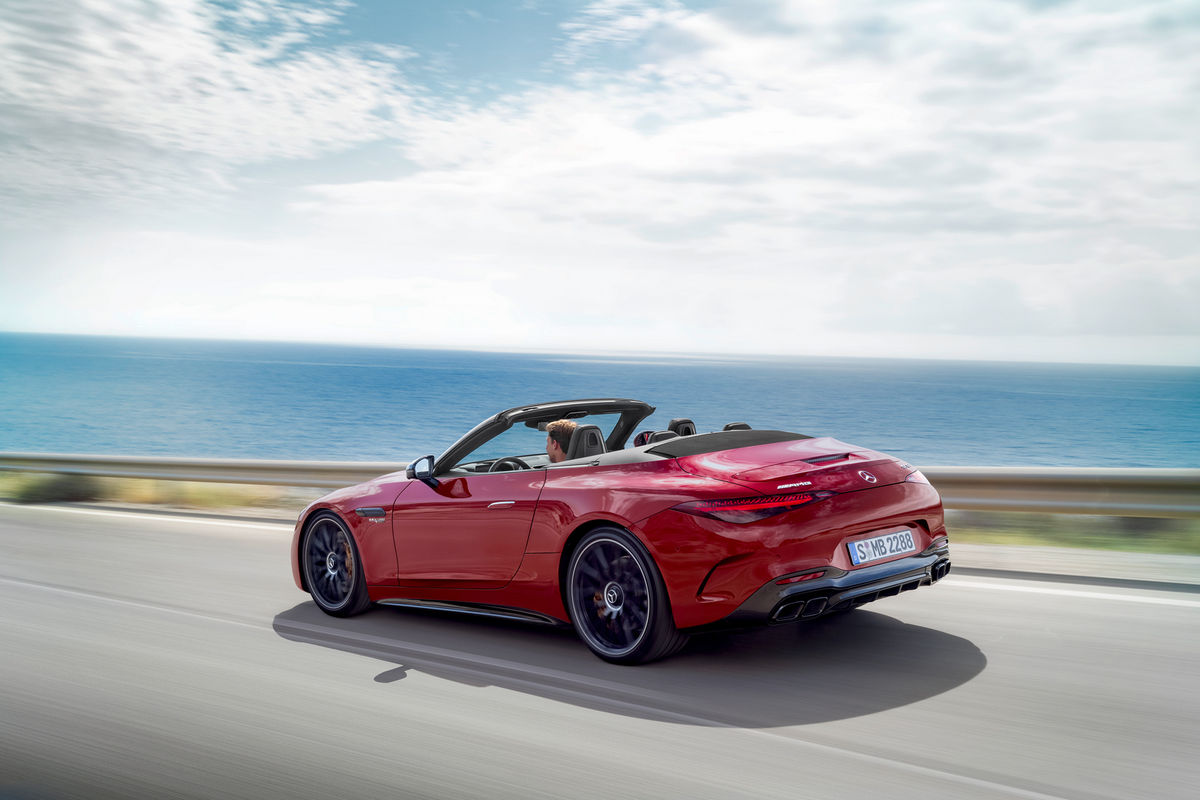
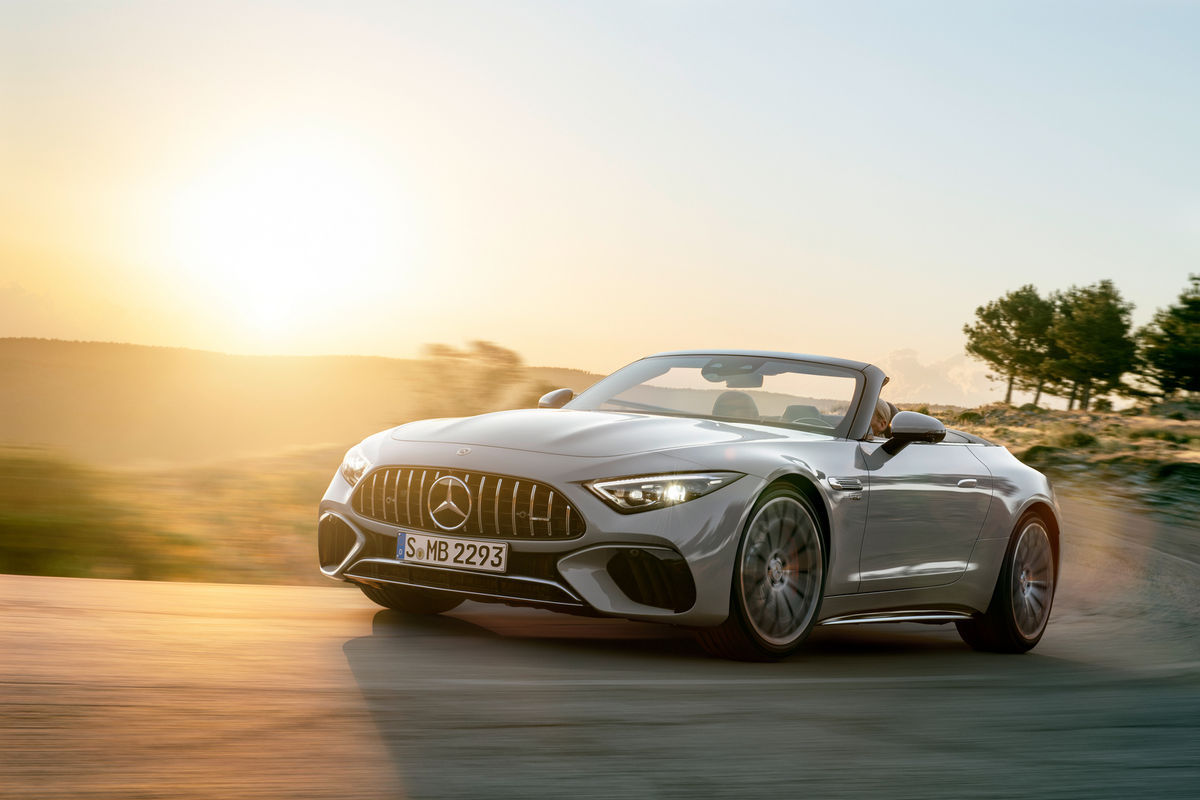
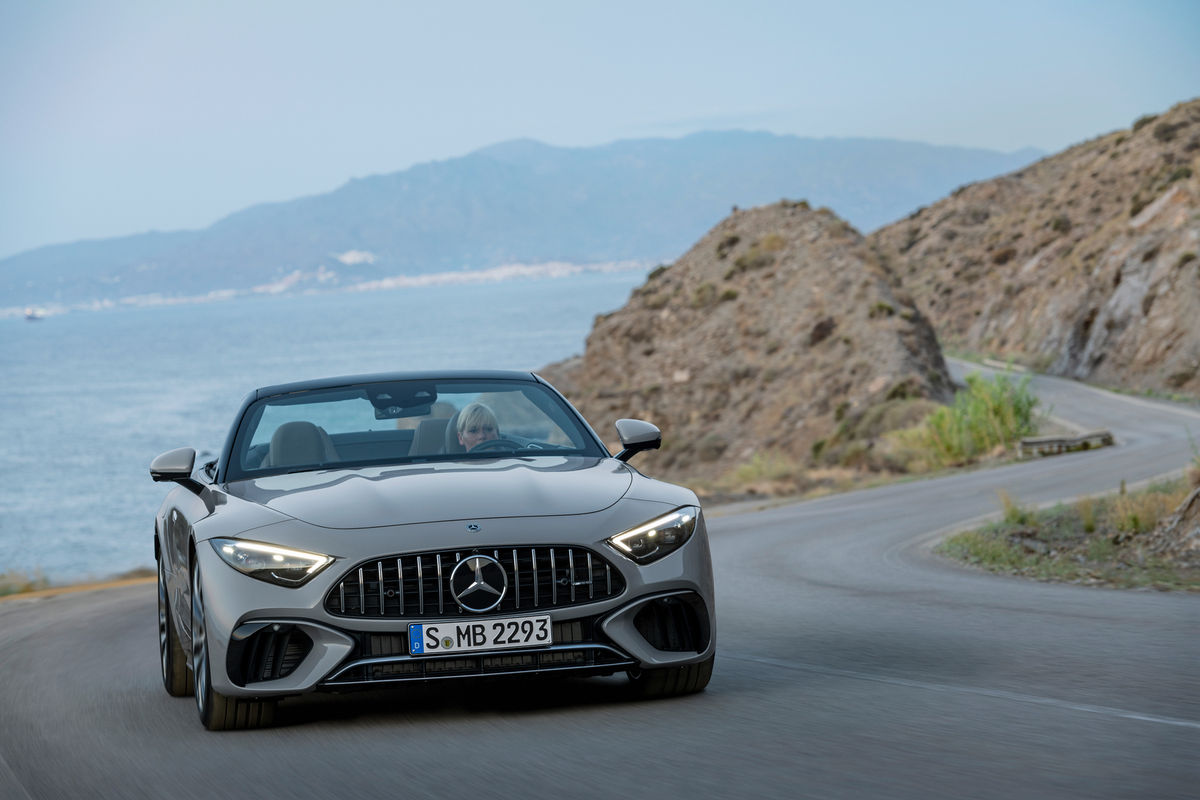
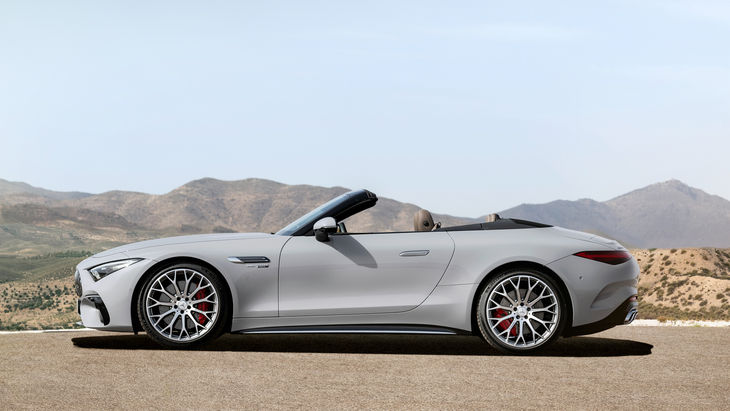
Just look at it! The new sleek and curvaceous Mercedes-AMG SL has arrived, in style, of course and, it’s fair to say that it looks better than ever! It replaces the discontinued GT Roadster and features familiar cues such as the firm’s Panamericana grille with vertical slats which is complemented by angular and elongated headlights units outlined with LED daytime running light strips.
The new Mercedes-AMG SL features a sleek, fluid design with V8 power under the bonnet.
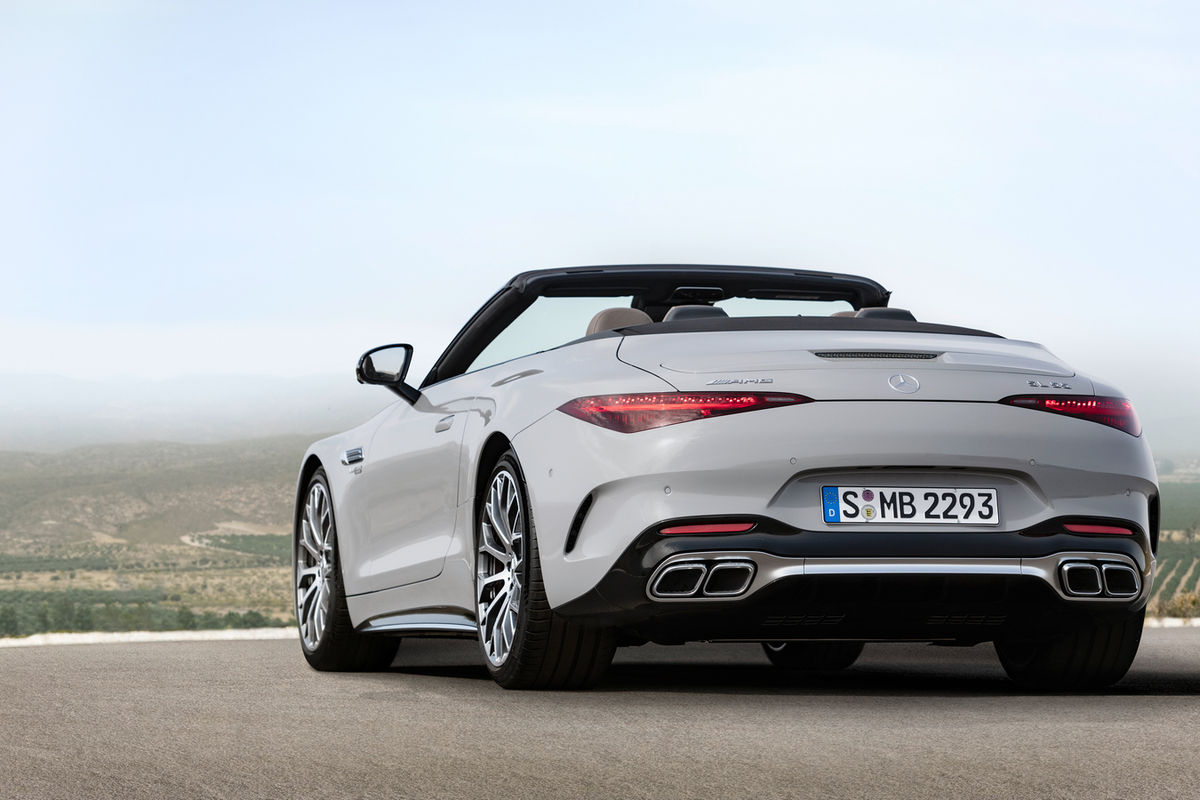
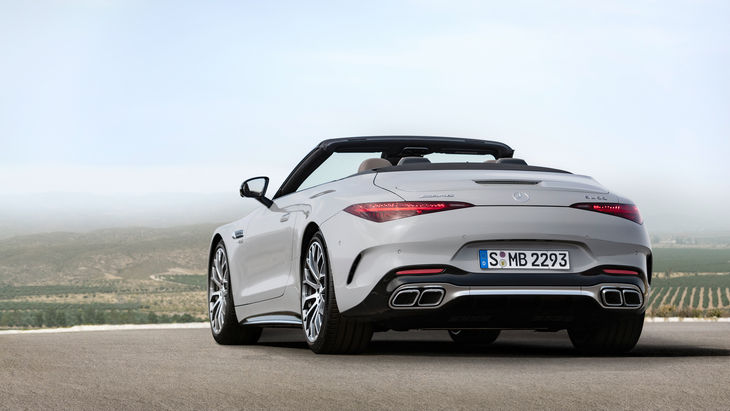
Move towards the rear and the wide, flared hind quarters hint at its performance potential (more on this shortly) but is confirmed with a quad exhaust system. Also, note the flush door handles, as seen on the S-class, which are neatly hidden, giving the SL a clean, sophisticated and uncluttered appearance.
For this latest iteration of the SL, the boffs at Affalterbach have ditched the previous metal roof and instead fitted a 3-layer fabric electronic roof which saves roughly 21kg in weight. The rear window is glass though and it’s heated. The roof itself can be dropped or raised in about 15 seconds at speeds up to 50 kph.
But, if the exterior design of the new Mercedes-AMG SL hasn’t convinced you just yet, perhaps the interior will win you over…
Tech and luxury inside the new Mercedes-AMG SL
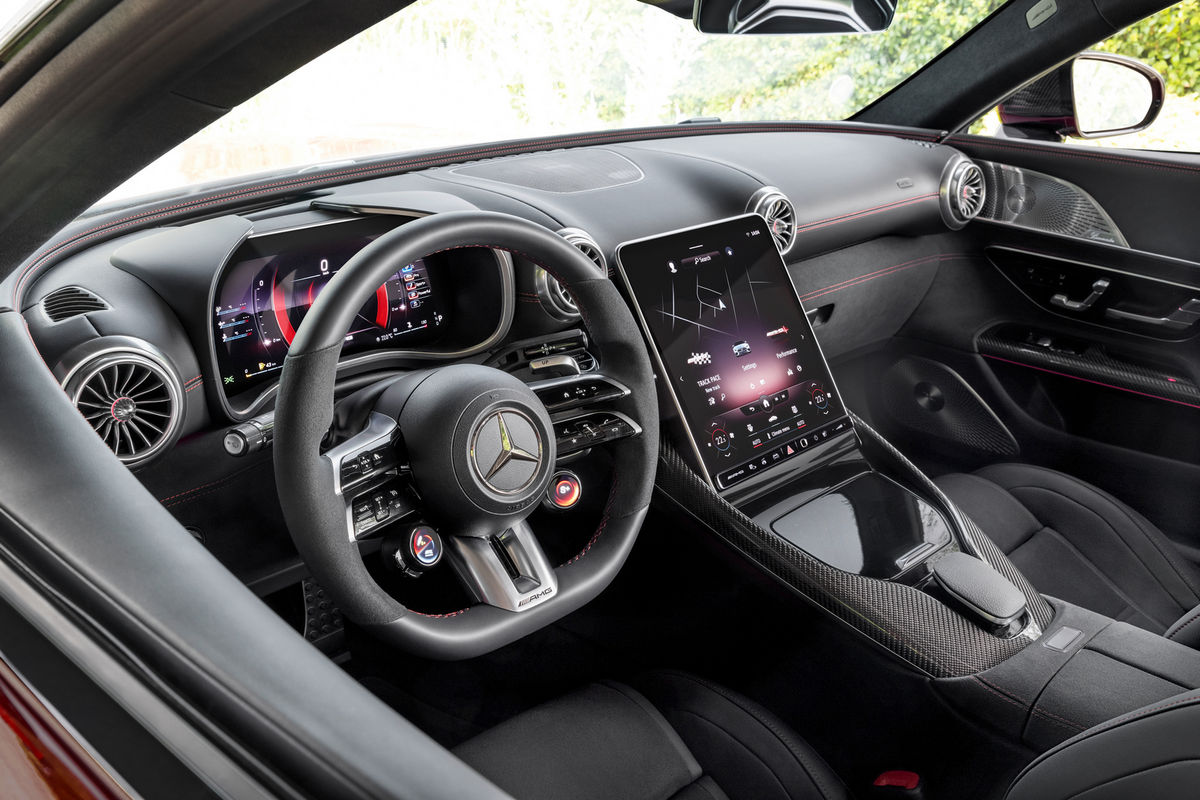
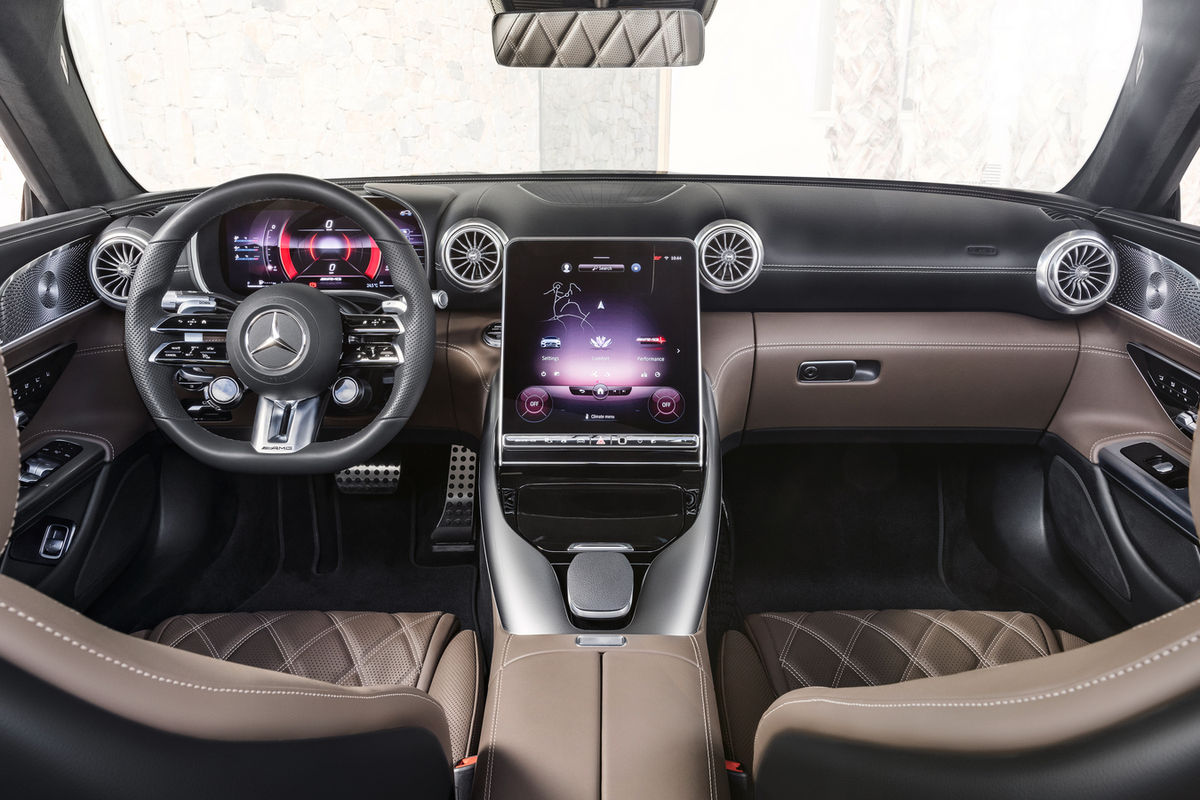
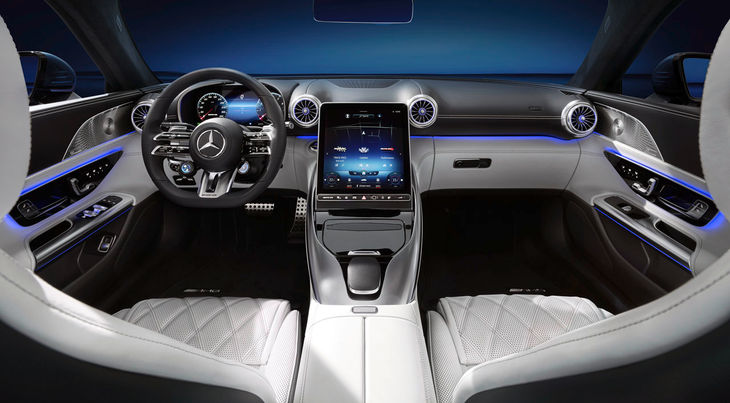
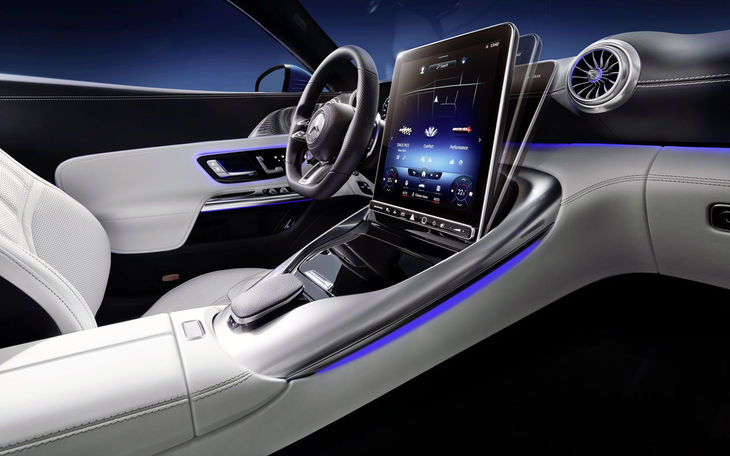
Earlier this year, Mercedes-AMG released images of the interior of the Affalterbach-division’s R232-generation SL. As expected, Benz’s iconic convertible features a 2+2 seating configuration (for the first time since the ‘90s) and its “hyperanalogue” interior is said to blend minimalism with a highly digital user experience. The SL blends analogue geometry with the digital world and, to put it another way, this interior design is not simply a copy-and-paste of the C-Class and S-Class cabins.
An example of this, Mercedes-AMG says, is the new SL’s digital instrument cluster, which comprises a high-resolution 12.3-inch screen integrated into a traditional cowled binnacle (as opposed to other contemporary Benz models, such as the latest C-Class sedan, which utilises a mounted rectangular panel). A head-up display, which matches the instrumentation display schemes, is optional.
Similarly, the 2-tiered dashboard is elegantly curved to incorporate the sensual, um, protrusions of the four galvanised turbine ventilation nozzles, while the almost oval-shaped metallic-trim-framed centre console juts up slightly from the transmission tunnel. The latter houses a 11.9-inch multimedia touchscreen in portrait format (okay, so the tablet is similar to the SL’s aforementioned sedan siblings).
To avoid reflections when the SL’s been driven with its roof down, this ‘screen can be adjusted electrically into a more vertical position and the SL’s infotainment system incorporates the operating structure of the 2nd-generation MBUX system as fitted in the S-Class, but supplemented with (or replaced by) AMG-specific content and displays.
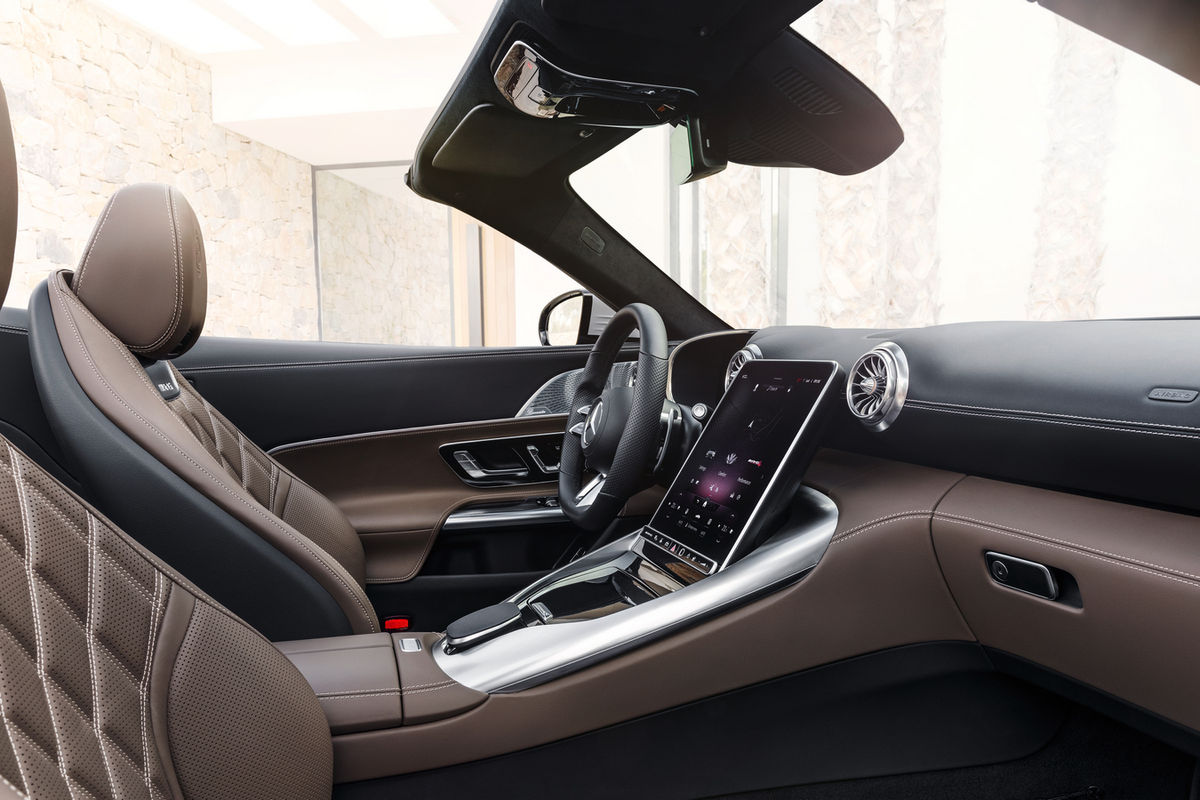
Apart from sporting matching trims and finishes to the rest of the interior (and, of course, premium Burmester speakers with decoratively perforated metal covers, the door linings are concave; their high sills are accented with decorative topstitching and run past the dashboard’s outer turbine ventilation nozzles to effectively “frame” the cockpit.
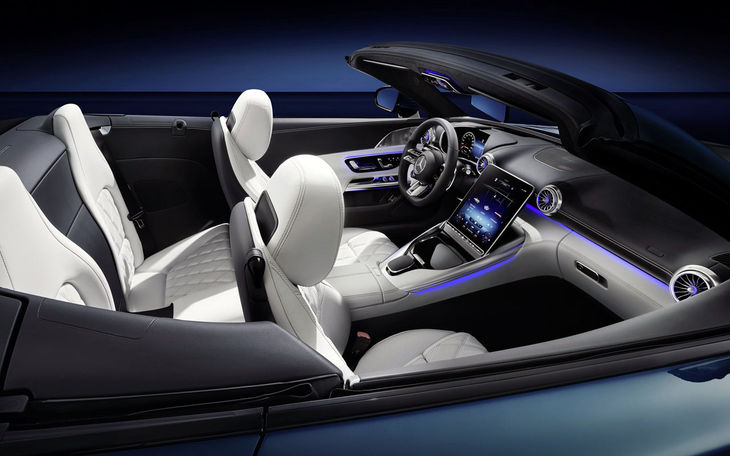
As for the 2+2 seating configuration, which last featured on the R129-generation SL (which, not coincidentally, also featured a folding soft top), Mercedes-AMG says the new SL’s rear seats can accommodate occupants of up to 1.50 metres in height (in other words, small children). It’s more likely the second row will be utilised for additional storage space (Benz says a golf bag would fit back there!) or be covered by a draught-stop to protect the back of front occupants’ necks from wind intrusion. The firm’s familiar Airscarf neck-level heating system adds further comfort.
Sports seats will be standard, while Performance seats will be optional. Customers will be able to choose between single or 2-tone Nappa leather trim (Style leather with diamond stitching is shown here), or a combination of Nappa leather with Dinamica Race microfibre and contrasting topstitching in yellow or red. Last, but not least, occupants can choose from no fewer than 64 colours of ambient lighting.
What engines are offered for the new Mercedes-AMG SL?
Choose your power flavour. SL 55 or SL 63?
A twin-turbocharged 4.0-litre V8 engine will do service under the bonnet of the new SL and it will be offered in 2 states of tune in the form of the SL 55 and the SL 63. Further powertrain options are expected in due course including a Plug-In Hybrid Electric Vehicle (PHEV) and possibly a mild-hybrid V6.
The base SL 55 will offer outputs of 350 kW and 700 Nm while the SL 63 packs more heat with 430 kW and 800 Nm. A 9-speed automatic transmission (with launch control) is, for the first time, linked to Merc’s 4Matic+ all-wheel-drive system with variable torque distribution. An electronically controlled rear limited-slip differential is standard on the SL 63 (optional on the SL 55) which aids traction and stability while rear-wheel steering further enhances handling ability at high speed as well as manoeuvrability at low speed.
As for performance, the SL 55 will sprint from zero to 100 kph in 3.9 seconds while the SL 63 shaves that down to 3.6 seconds.
Local availability of the new Mercedes-AMG SL has yet to be confirmed but 2022 is likely, which is soon…
There are persistent rumours that the Ford Bantam compact single-cab bakkie could be revived.
The South African sub-1-tonne single-cab bakkie market is a shadow of its former self. We can remember multiple entrants across the brands being represented, like the Opel Corsa/Chevrolet Ute, Fiat Strada, Nissan NP200, Mazda Rustler and Ford Bantam. With all of those, but the Nissan NP200, discontinued, SA consumers’ focus has shifted to the larger single-cab bakkie offerings like the Toyota Hilux, Ford Ranger, Nissan Navara, Isuzu D-Max and so on.
However, the world has shown a renewed interest in small-bakkie offerings. While the Fiat Strada and Volkswagen Saveiro soldier on in South America, there have been two significant launches in North America.
With the launch of the Hyundai Santa Cruz and Ford Maverick, interest and demand in the compact bakkie has skyrocketed. We’ve noticed a considerable amount of social media commentary expressing a desire for these products, despite them being left-hand drive only and, therefore, unavailable to our right-hand-drive market.
The Maverick and the Santa Cruz are highly in demand. Hyundai USA says its Santa Cruz was the fastest-selling new car in North America in August 2021, while more than 100 000 buyers have made reservations for the Ford.
So, what does this mean for South Africa? During a press recent conference, Hau Thai-Tang, chief product platform and operations officer at Ford Motor Company said to Muscle Cars and Trucks that the brand needs “an affordable, entry vehicle to bring first-time buyers into the showroom.” When asked about a potential smaller bakkie opportunity, he said “Maybe, there is certainly (possibilities) in other markets like South America and South Africa.”
This is where things get interesting. CarsGuide reported that Ford and Volkswagen would leverage their current commercial relationship to build a new compact SUV, with the Aussie publication suggesting a rebadged Ford version of the all-new Saveiro (the current model is old) based on the 2018 VW Tarok concept was on the cards.
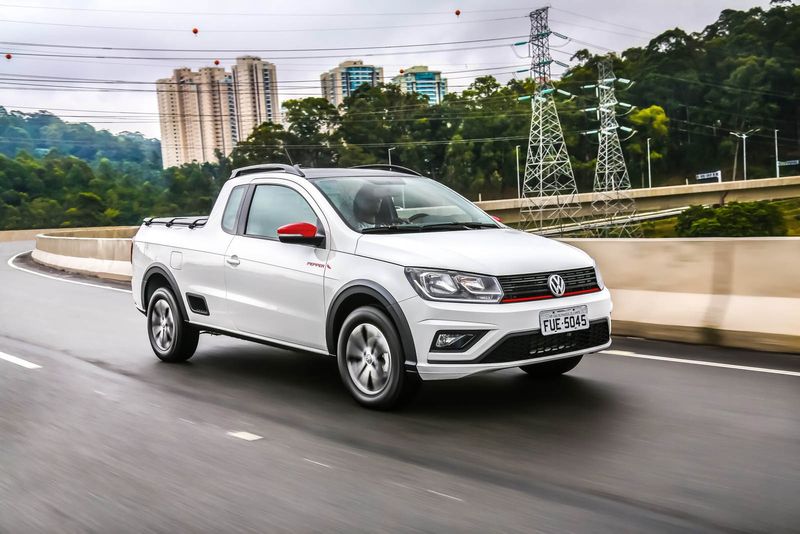
Volkswagen Saveiro. Still not coming.
Volkswagen South Africa has said repeatedly that it would not be bringing the Saveiro to our market, citing left-hand drive conversion and the advanced age of the vehicle. It is built on an old Polo platform, after all.
We know already that Ford and Volkswagen are working closely together on a number of products. It’s common knowledge the all-new Ranger and Amarok will be twins, and we’ve already seen the first production units of the all-new Volkswagen Caddy and Ford Tourneo be revealed.
So, could we see the new Bantam essentially being the Ford production version of the Volkswagen Tarok? The South American media reckon the Saveiro will be replaced in 2024 and we think the Tarok concept previews its replacement. It wouldn’t take too much heavy lifting to get some Ford mechanicals in there along with some Blue Oval badging, and the result would be the 2025 Ford Bantam.
Watch this space as we think a revival of the sub-1-ton bakkie market in South Africa is on the cards.