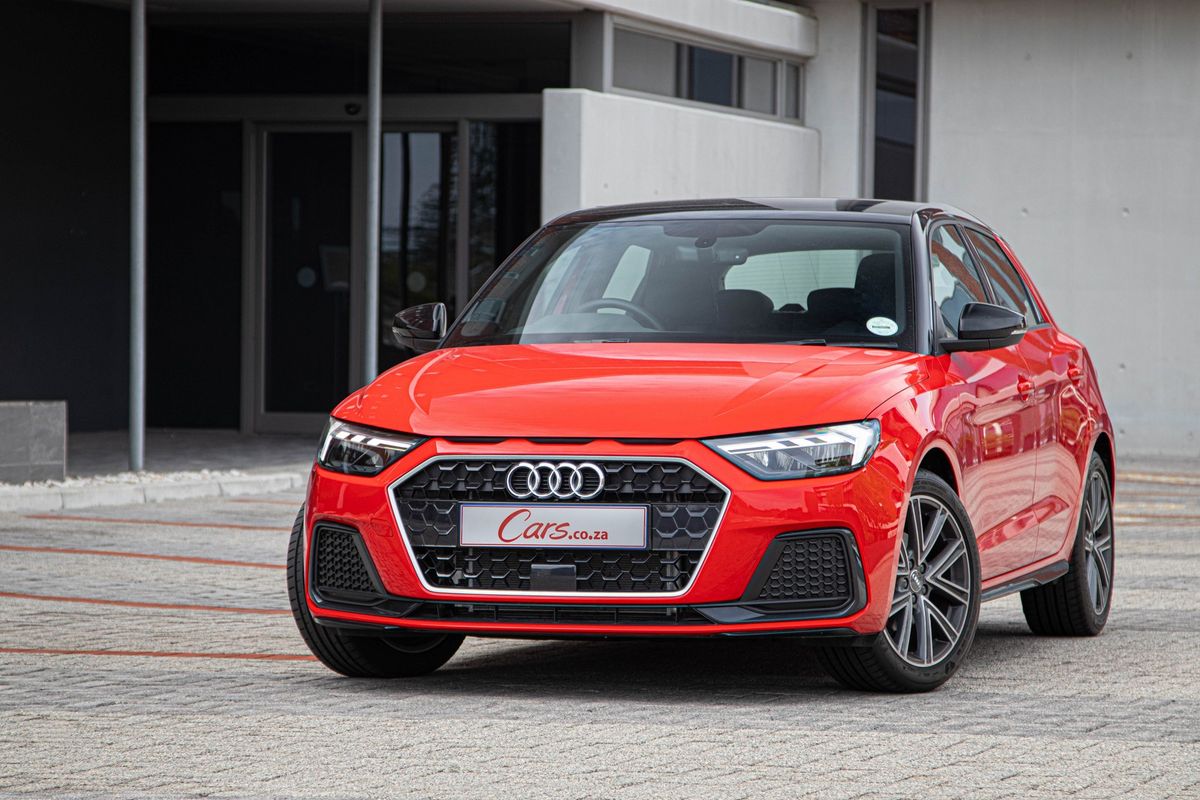
The Audi A1 Sportback is the entry point to a brand that prides itself on innovation, technology and quality. Does the premium hatchback truly embody those traits, or is too small of a step-up over a VW Polo to be regarded as a real Audi? We tested an entry-level 1-litre derivative to see what a base A1 is really like.
We like: Good looks, quality interior and surprising performance.
We don’t like: Poor value for money, lack of standard features.
Fast Facts
Model tested: A1 Sportback 30TFSI Advanced S tronic
Price: R441 000 (July 2021)
Price as tested: R509 620
Engine: 1.0-litre 3-cylinder turbopetrol
Power/Torque: 85 kW/200 Nm
Transmission: 7-spd dual-clutch automatic
Fuel Consumption: 4.8 L/100 km
Load capacity: 335 litres
Acceleration: 0-100 kph in 9.4 sec (claimed)
Audi A1 with a 1-litre engine?
The Audi A1 entry-level features a small, 3-cylinder petrol engine.
Car manufacturers scale production by sharing platforms and powertrains across as broad a range of models as possible. So yes, the A1 Sportback’s 1.0-litre engine and MQB A0 platform is shared with its Volkswagen Polo cousin (Audi is a subdivision of the Volkswagen Group, in case you didn’t know). In a bid to distinguish the models, Audi was tasked with making its premium hatchback’s underpinnings “feel” more upmarket than those of the Polo. It’s like being given the ingredients of a fast-food chain’s mass-produced ‘burger, but told you need to serve up a gourmet meal fit for a luxury hotel.
Nonetheless, the A1 Sportback has proved popular for Audi throughout the years; it’s an attractive option for buyers who are looking for a stylish city car that doesn’t need to be particularly practical.
How does the Audi A1 fare in terms of…
Performance and efficiency
In spite of the small engine, it still performs adequately for a premium hatchback.
Given that the A1 Sportback is larger than the model it replaced (in 2019), the introduction of a 1-litre turbopetrol engine into the package may seem counterintuitive, but it’s an impressive motor. With 85 kW and 200 Nm of torque on tap, there’s enough mid-range shove available to execute quick overtaking manoeuvres at highway speeds. It won’t blow your socks off with its performance (the 9.4-sec 0-100 kph time attests to that), but the diminutive Audis gains speed briskly once on the move. The typical 3-cylinder thrum isn’t as noticeable in this application and the combination of the motor and superb 7-speed S tronic ‘box makes the A1 is easy to drive in traffic. Those stepping up from a manual to an auto to avoid tiresome clutch action in traffic won’t find many better new-car options for the money.
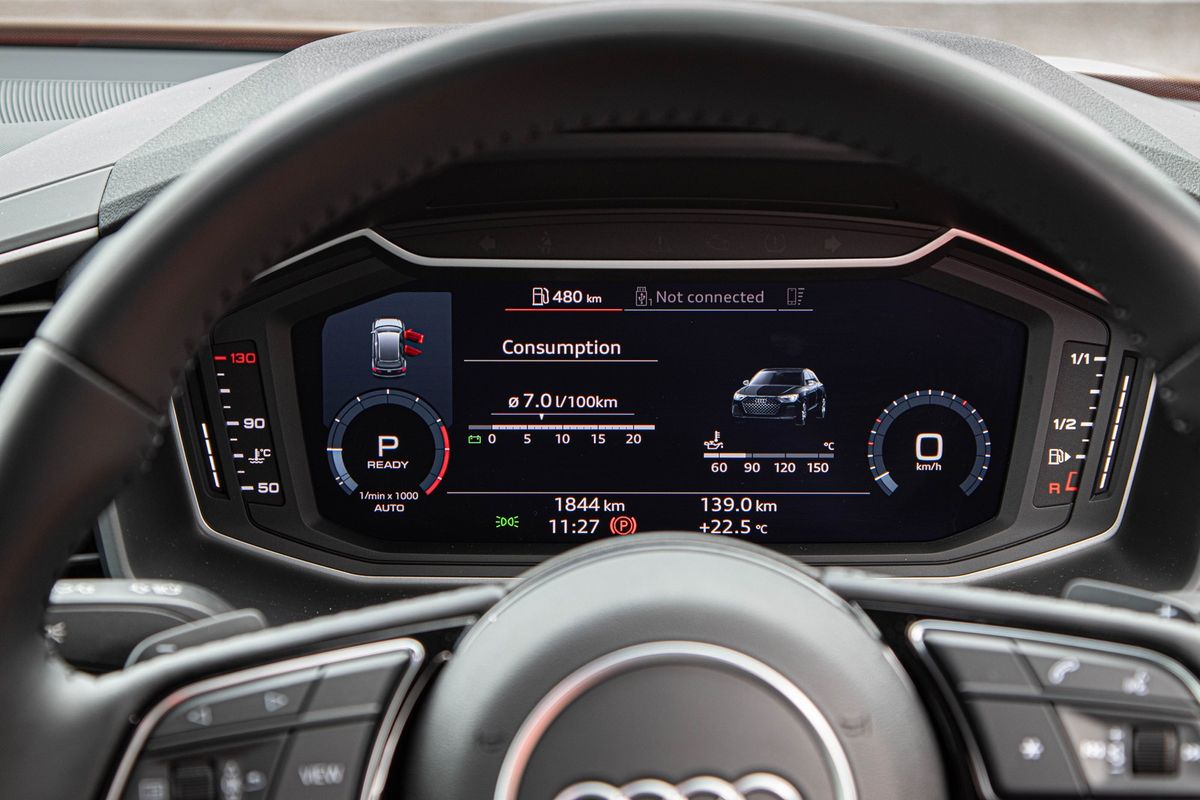
As for the efficiency of the 1.0TFSI, this A1 Sportback derivative ranks among the 10 most fuel efficient petrol cars currently on sale in South Africa (May 2021). Claimed average fuel consumption is 4.8 L/100 km and, after buzzing around in traffic for a few days, the test unit indicated a figure of around 7 L/100 km. After some weekend cruising, however, the overall figure dropped to 5.9 L/100 km.
Features and in-car tech
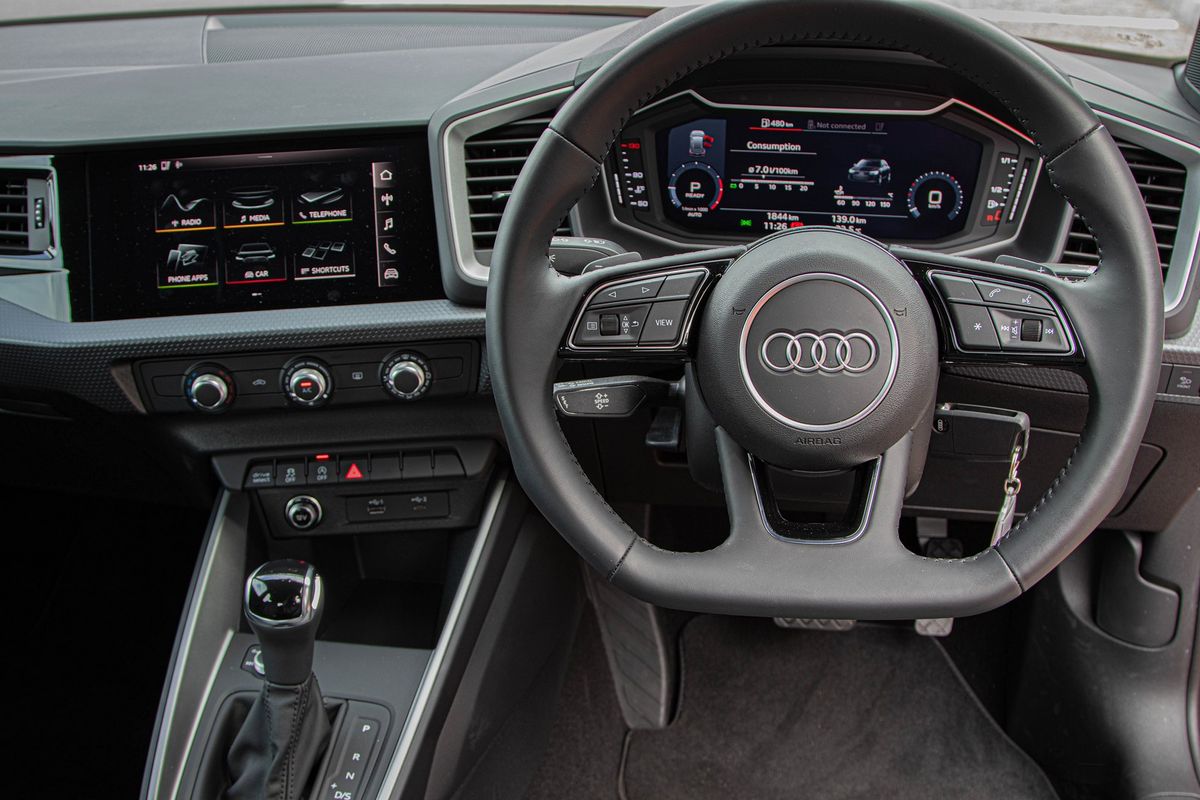
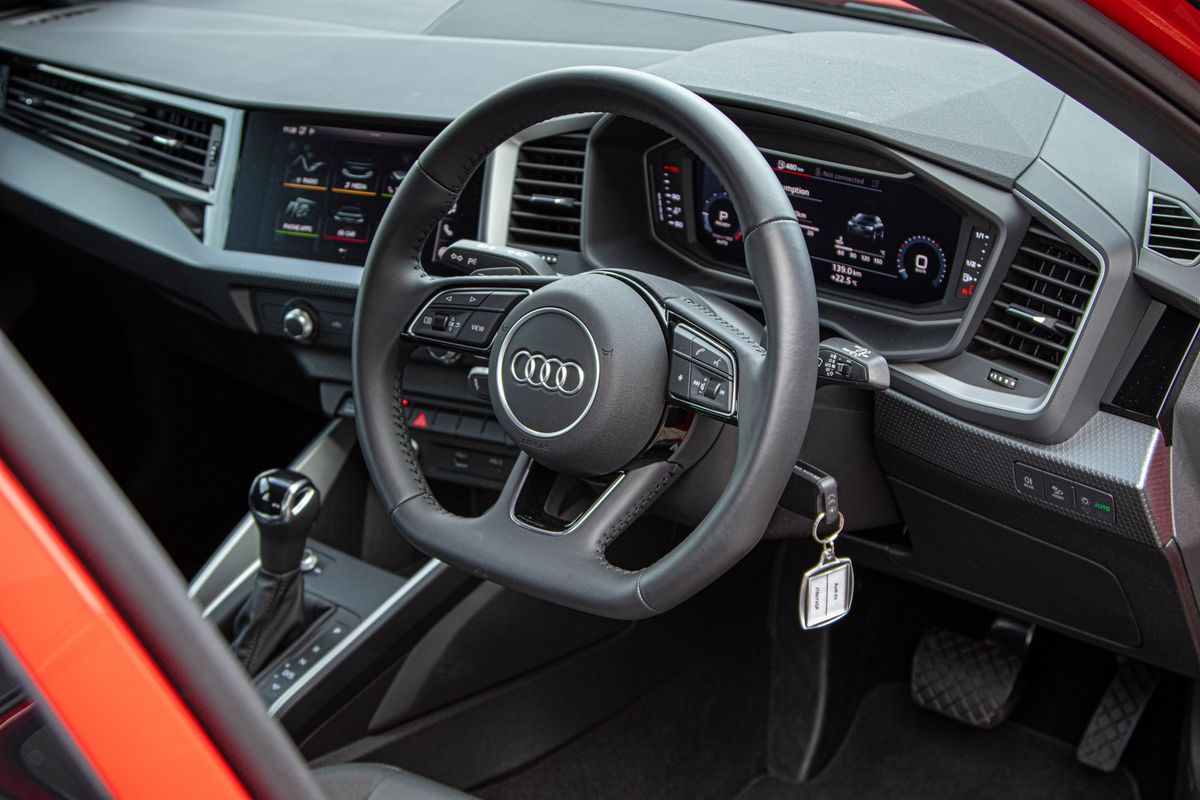
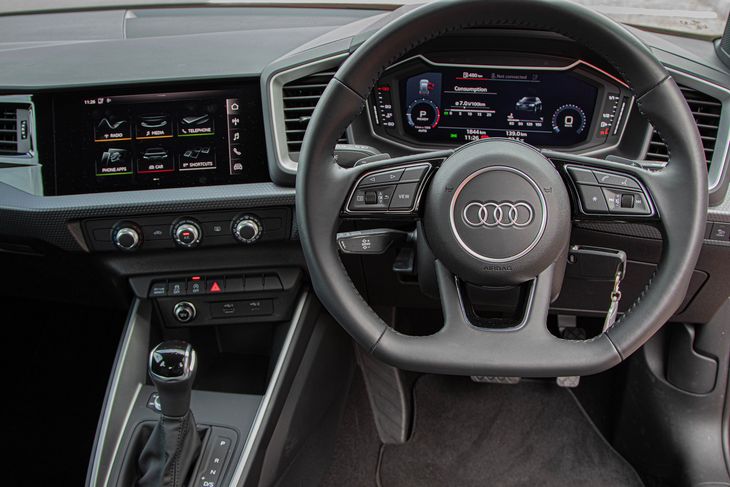
Every Audi should be optionally specced with the Virtual Cockpit instrument cluster layout.
You can quite easily spend close to R100k on tech and audio options on an A1 Sportback, but if you choose wisely and opt for more, well, prudent nice-to-haves, such as phone connectivity, parking sensors, cruise control and climate control you’d increase the asking price by around R21k. It’s a hard pill to swallow as those items are standard on something as entry-level as a Suzuki Swift.
Still, the Audi’s tech- and user interfaces look and feel upmarket in the same way a brand new top-of-the-range smartphone seems a trifle classier than a budget-friendly (but equally capable) example.
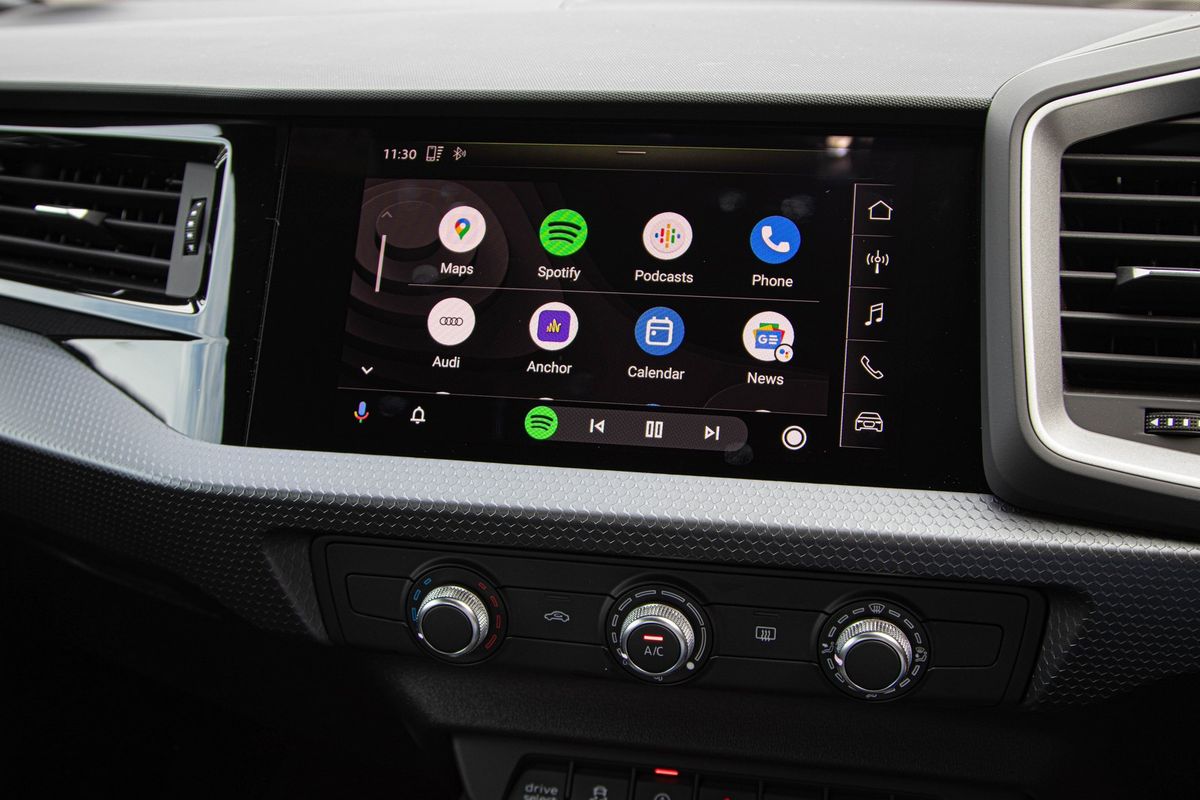
Our test unit was fitted with the Technology package (R10 400), which includes Apple Carplay and Android Auto compatibility, plus Audi’s audio system and Virtual Cockpit (digital instrument cluster – a must-have). The Lights Package (R15 640) added LED head- and tail lights as well as dynamic indicators at the rear. LED interior lighting and an auto-dimming rear-view mirror completed the package.
The options list does allow a buyer to spec a car to their exact preference, which is in keeping with a premium-brand offering and the A1 Sportback’s tech options will not leave you wanting more, but it does seem as if Audi could have added some of the abovementioned modern conveniences to the 30TFSI Advanced S tronic’s standard-features list to add more baseline value…
Design and practicality
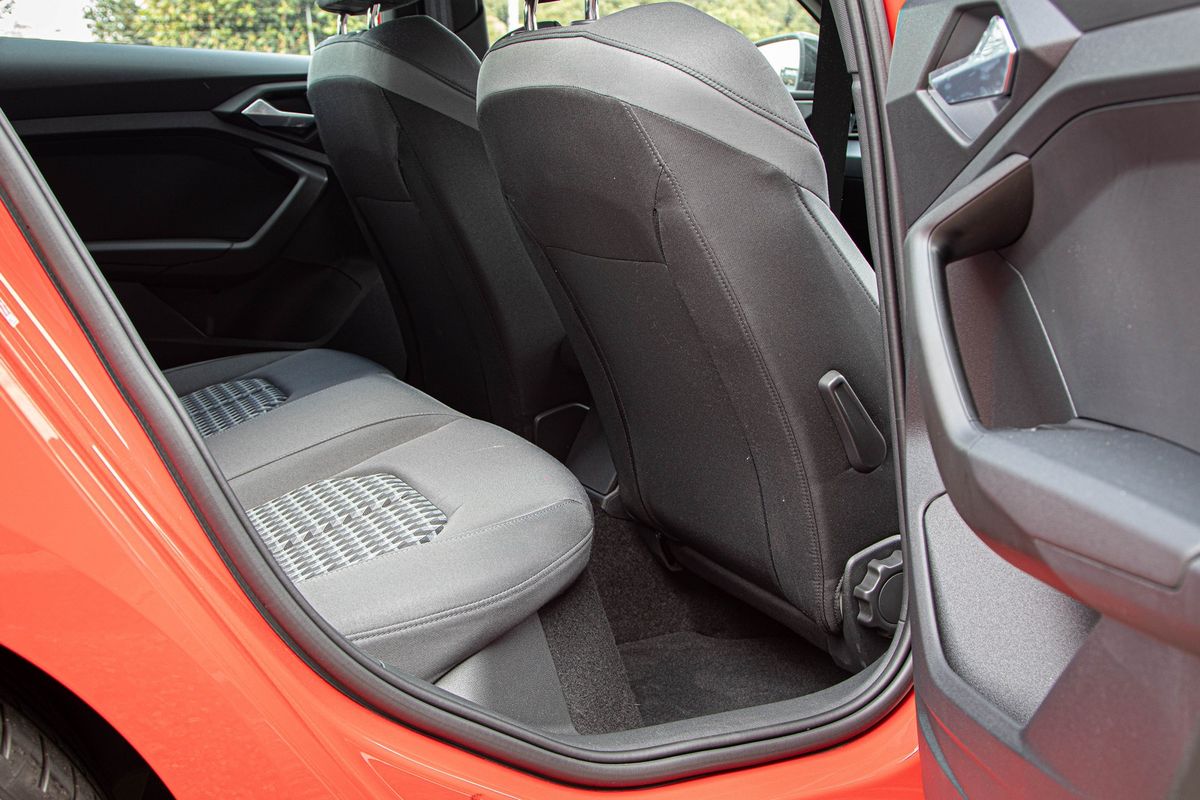
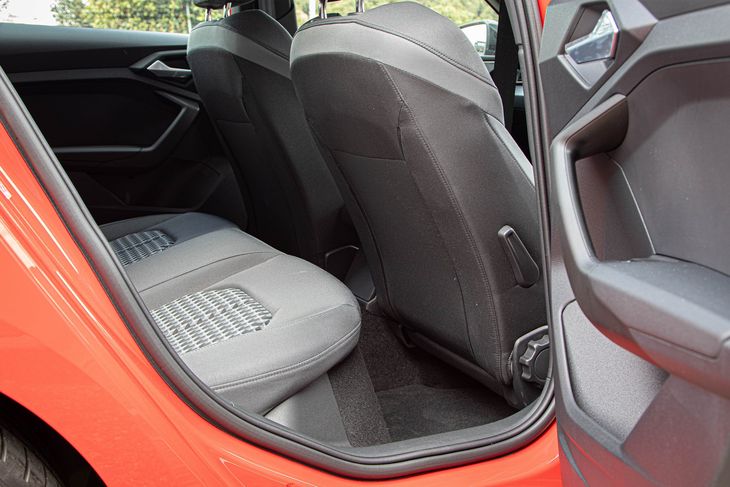
There’s more rear legroom available in the A1 Sportback than you might expect.
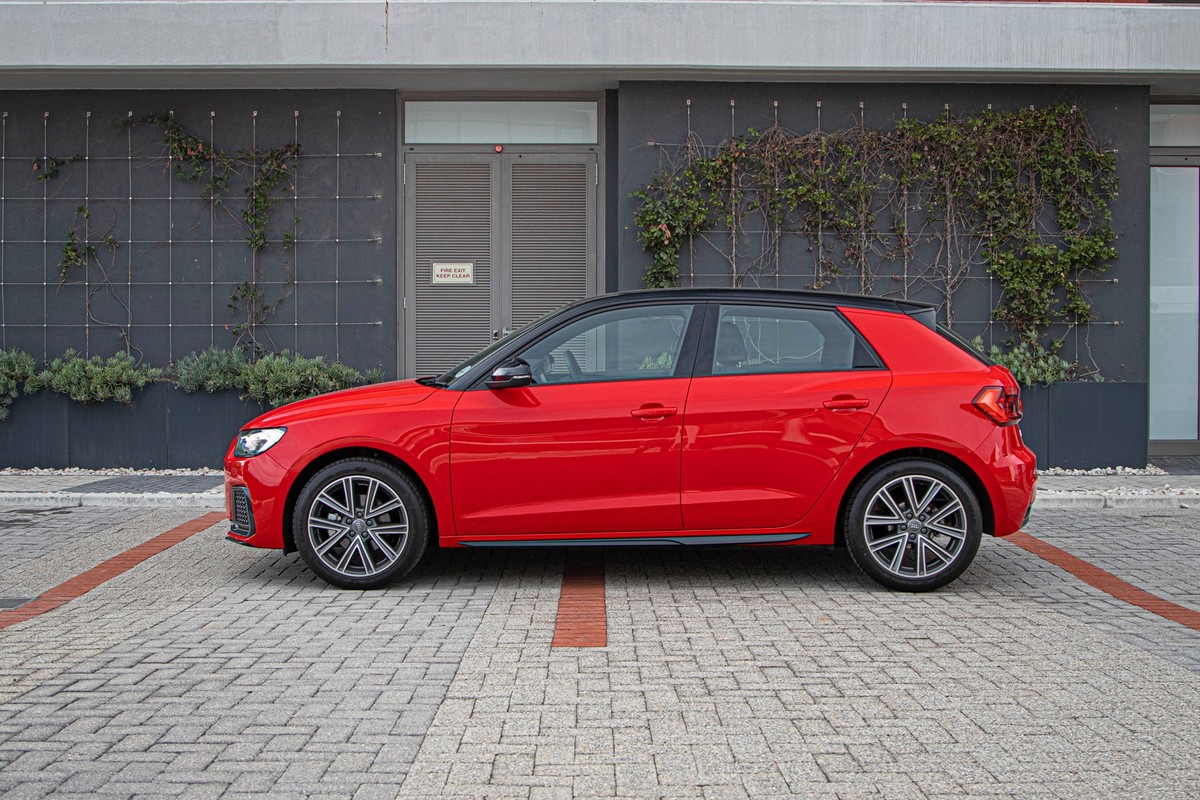
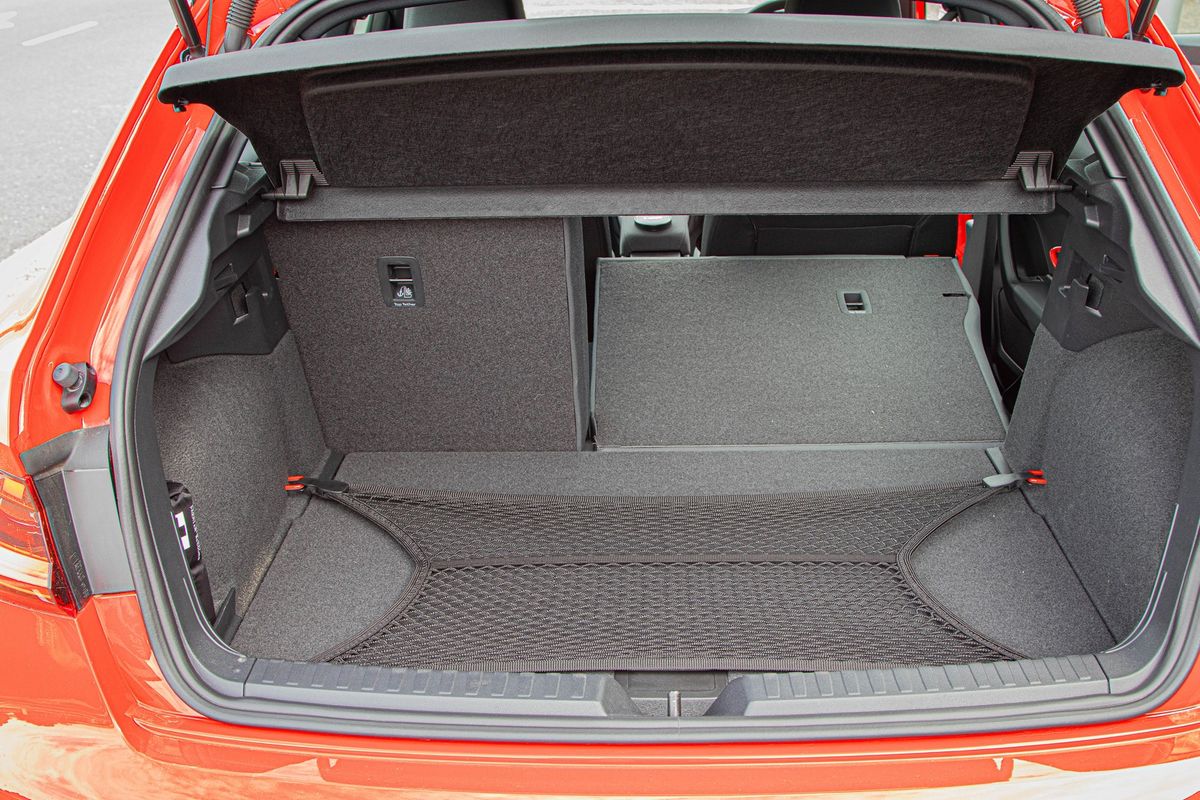
Suffice to say the A1 Sportback is no longer the tiny hatchback it once was. As a result, passenger space is quite acceptable for 4 occupants and while rear legroom is limited for taller people, the aft bench is not unduly uncomfortable to sit on. The load bay, meanwhile, is spacious – Audi claims a 335-litre luggage capacity and, if you need even more space, the rear seats can fold down in a 60/40 split.
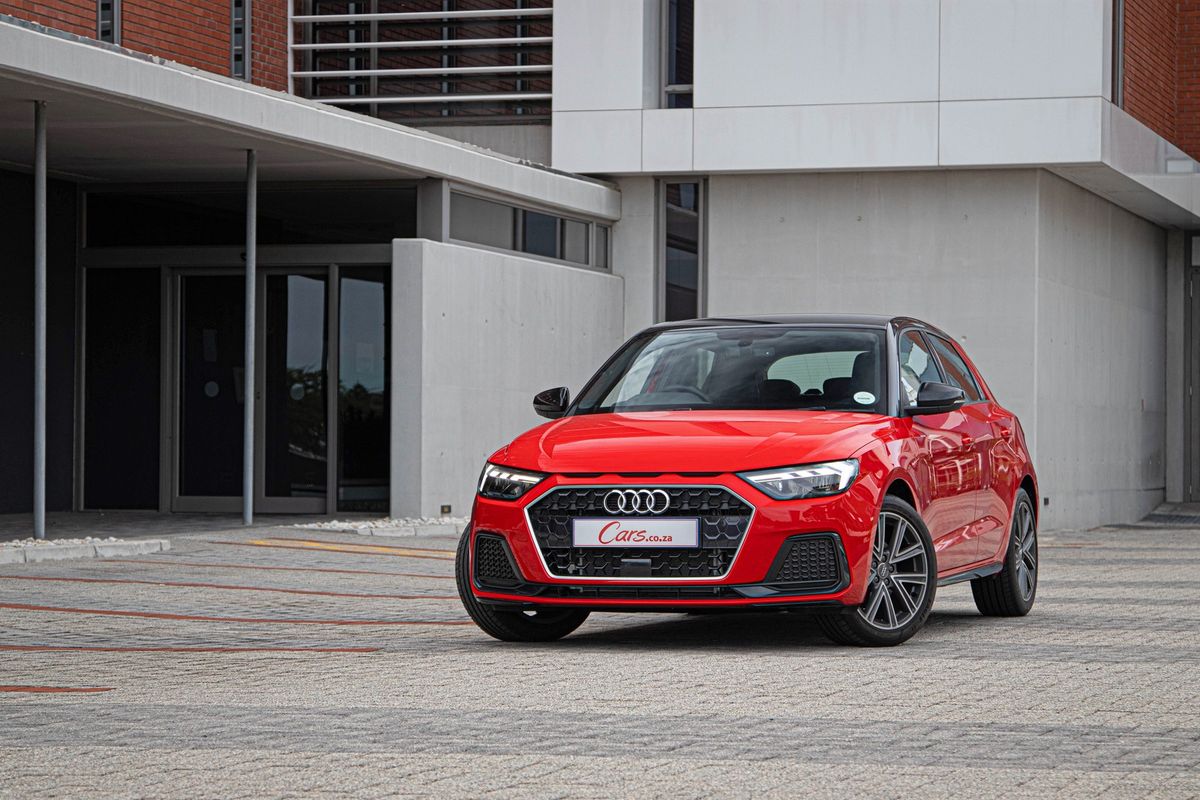
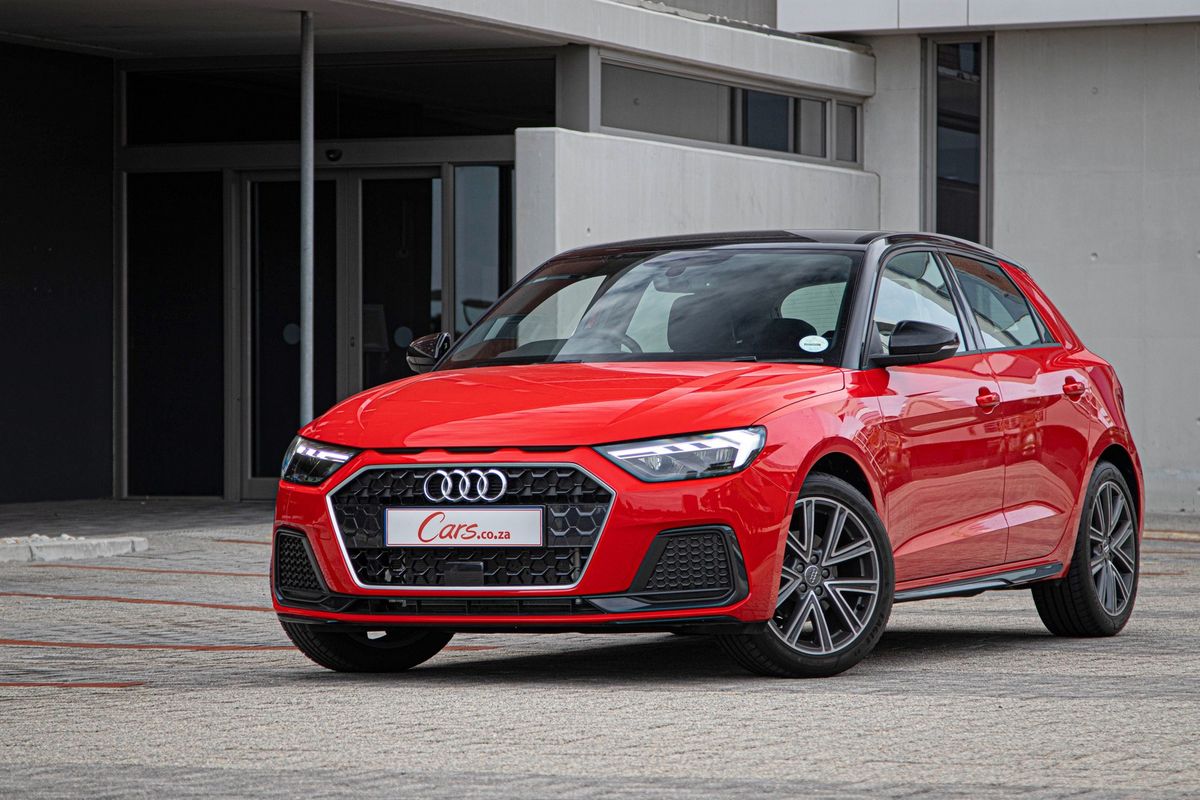
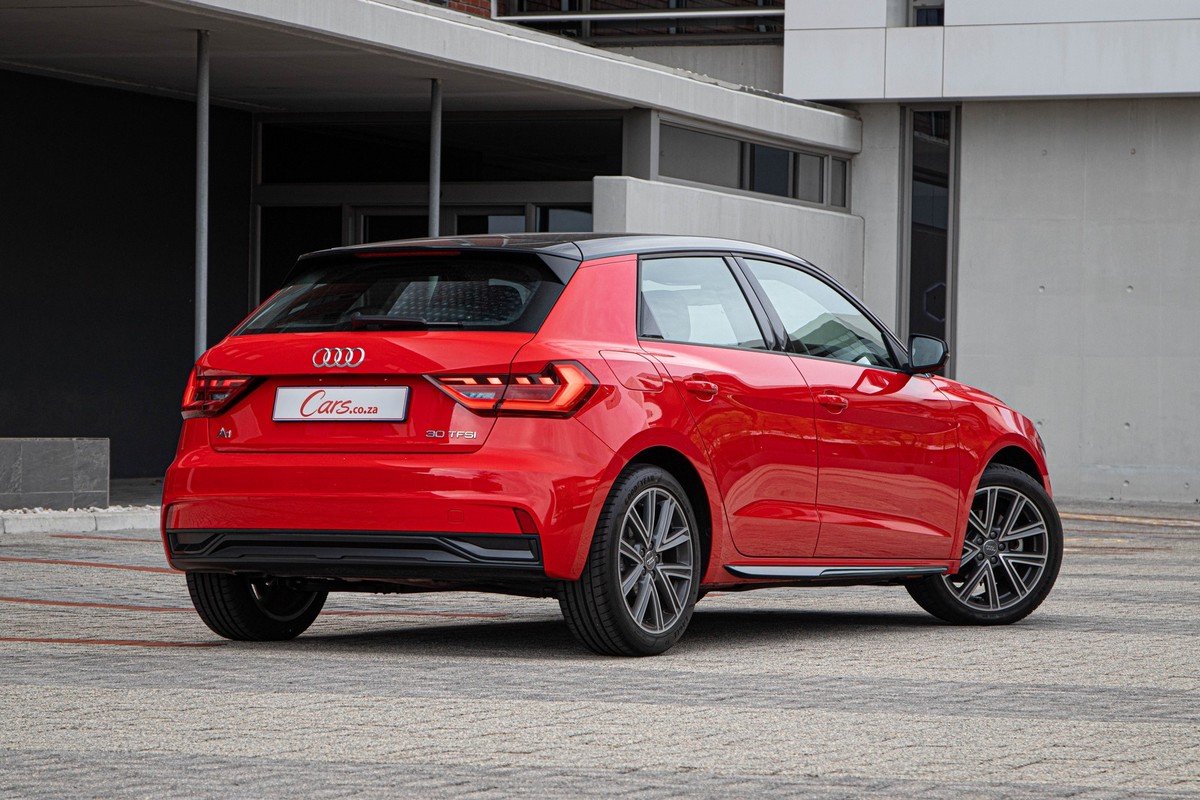
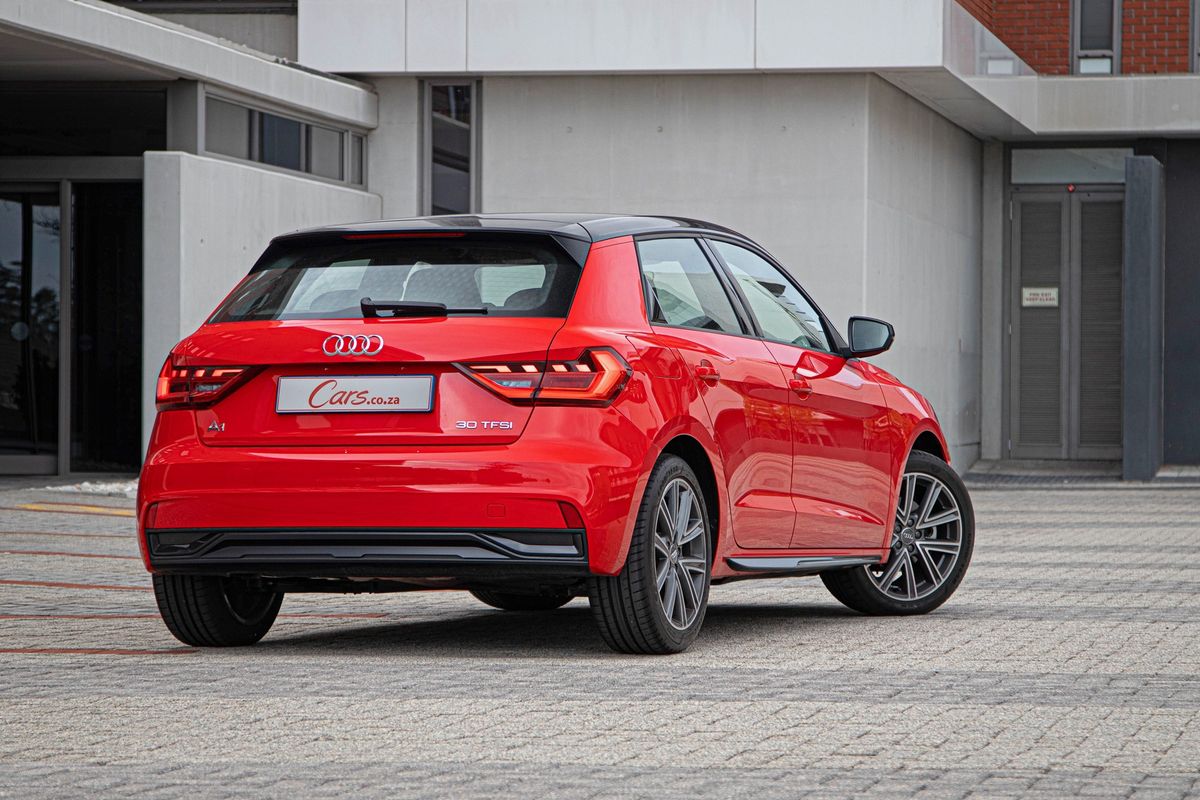
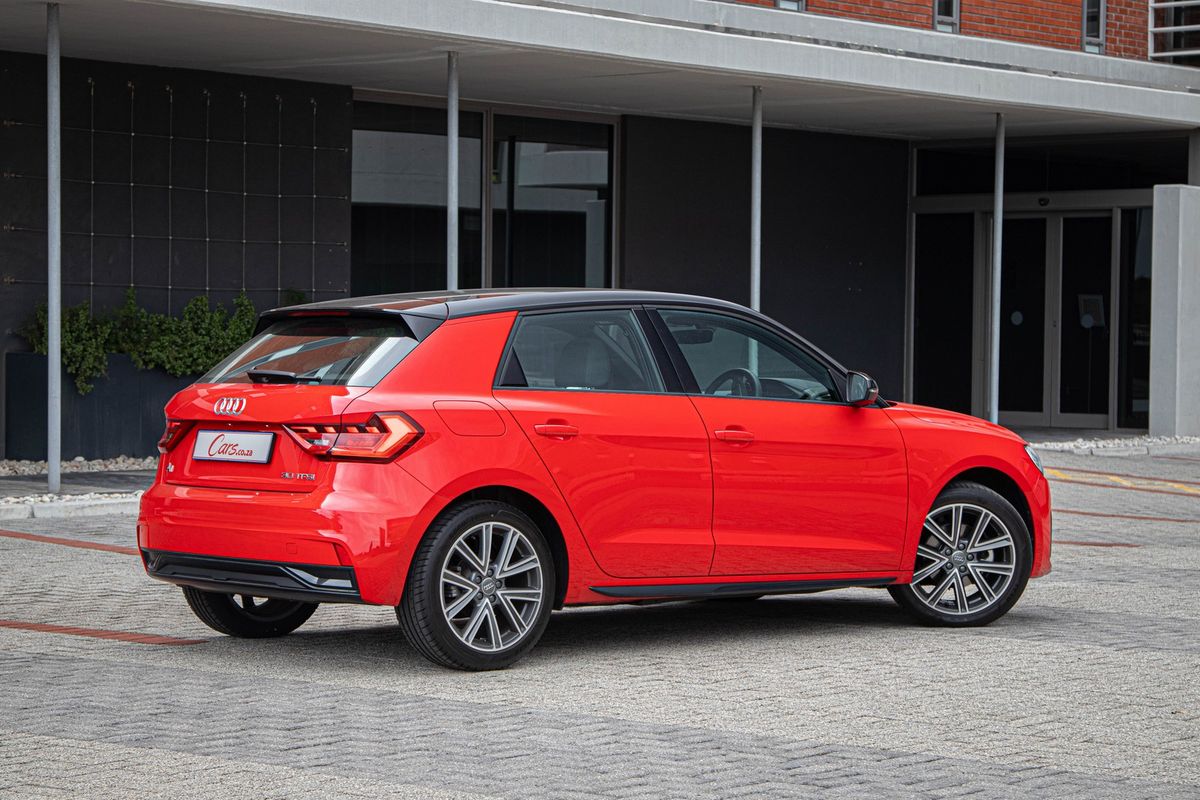
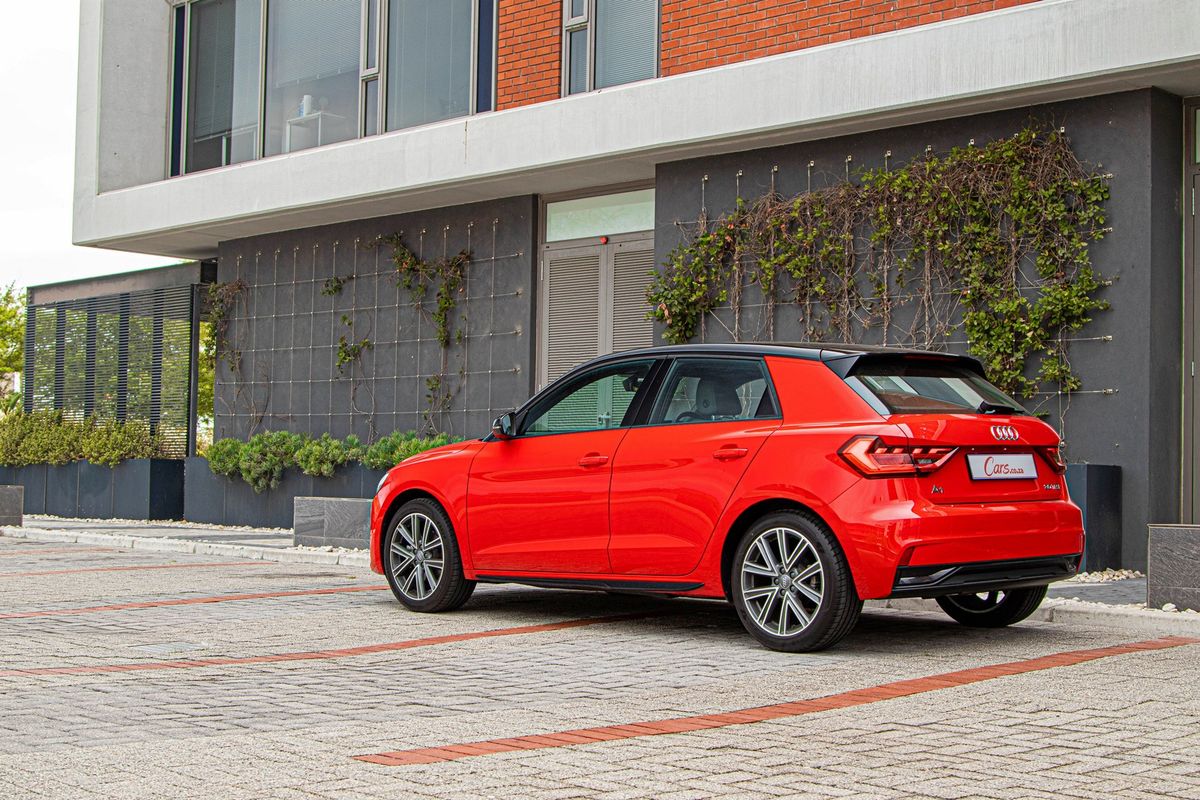
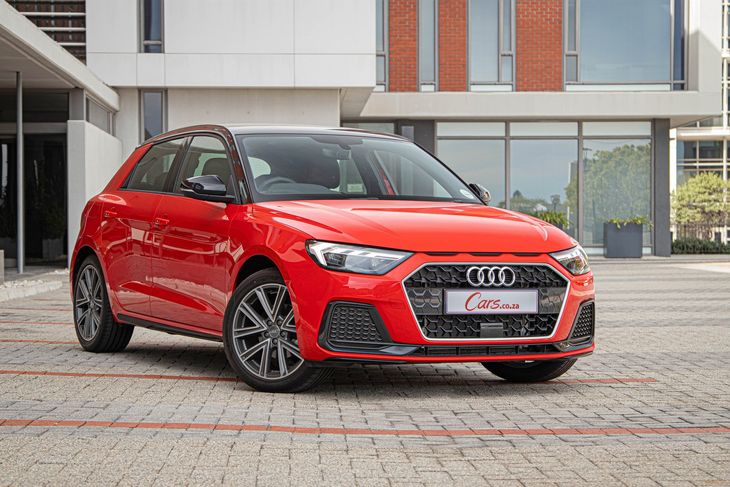
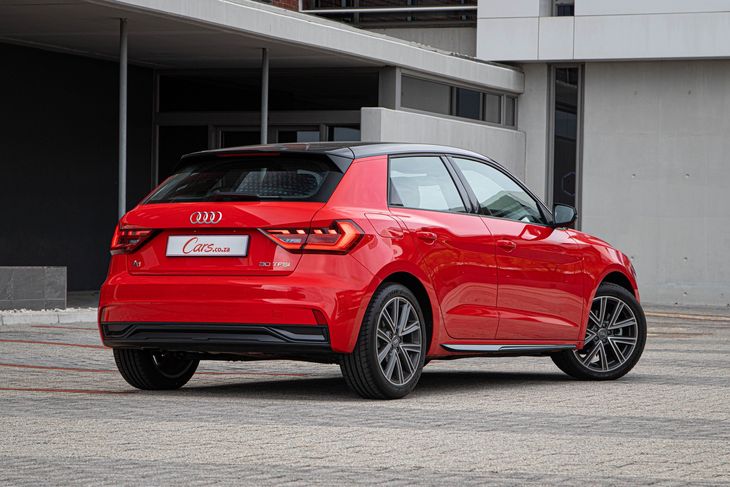
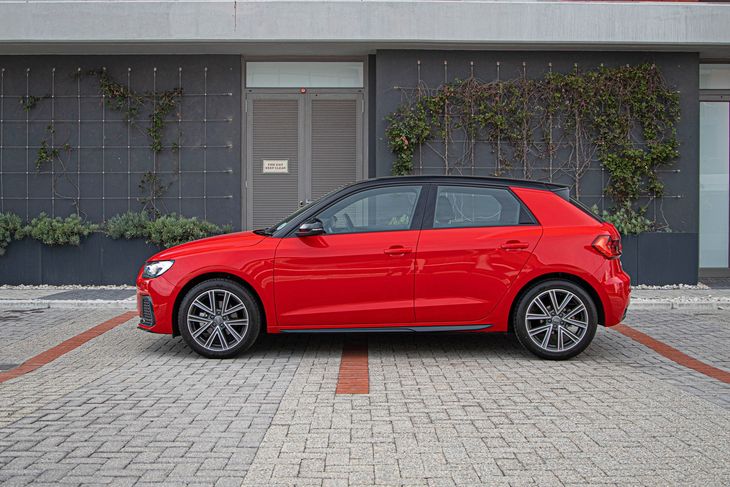
When clad in this Misano red and Mythos black combination, the A1 Sportback stands out smartly in a parking lot. It’s a costly dual-tone combo that costs an extra R2 620 for the metallic paint, though, and to spec the roof in a contrasting colour costs a further R11 130. The 5-spoke 17-inch alloy wheels round off a very stylish look, so kudos to Audi SA for how it specced this test unit’s exterior – it looks just about perfect.
Pricing and after-sales support
The base price for an Audi A1 Sportback is R441 000 (July 2021) and this test unit was specced up to R509 620. It is sold with a 1-year/unlimited km warranty and a 5-year/100 000 km maintenance plan. The maintenance plan can be extended through an Audi’s Freeway Plan Extension.
Verdict
A great design and powertrain might not be enough to net the kind of sales volumes Audi hopes to achieve with its newcomer.
The Audi A1 Sportback distinguishes itself as a premium hatchback that oozes style and interior sophistication. With an asking price of R450k (before options), you certainly have to pay handsomely for the premium badge and sense of occasion that a model from the Ingolstadt-based brand’s stable provides. The newcomer finds itself in a very tricky position in the market; a similarly sized model such as the recently launched Peugeot 208 GT offers a fully-specced car at a lower price, while premium crossovers such as the Volkswagen T-Cross and Kia Seltos seem to be in greater demand at this price level.
The 2nd-generation A1 Sportback appears to be “a hard sell” despite offering good build quality, a perky engine and a balanced blend of sporty driving dynamics and a comfortable ride quality. However, it still represents better value than its direct competition, the Mini, and many buyers are likely to enjoy the peace of mind of a 5-year maintenance plan that comes with such a small car.
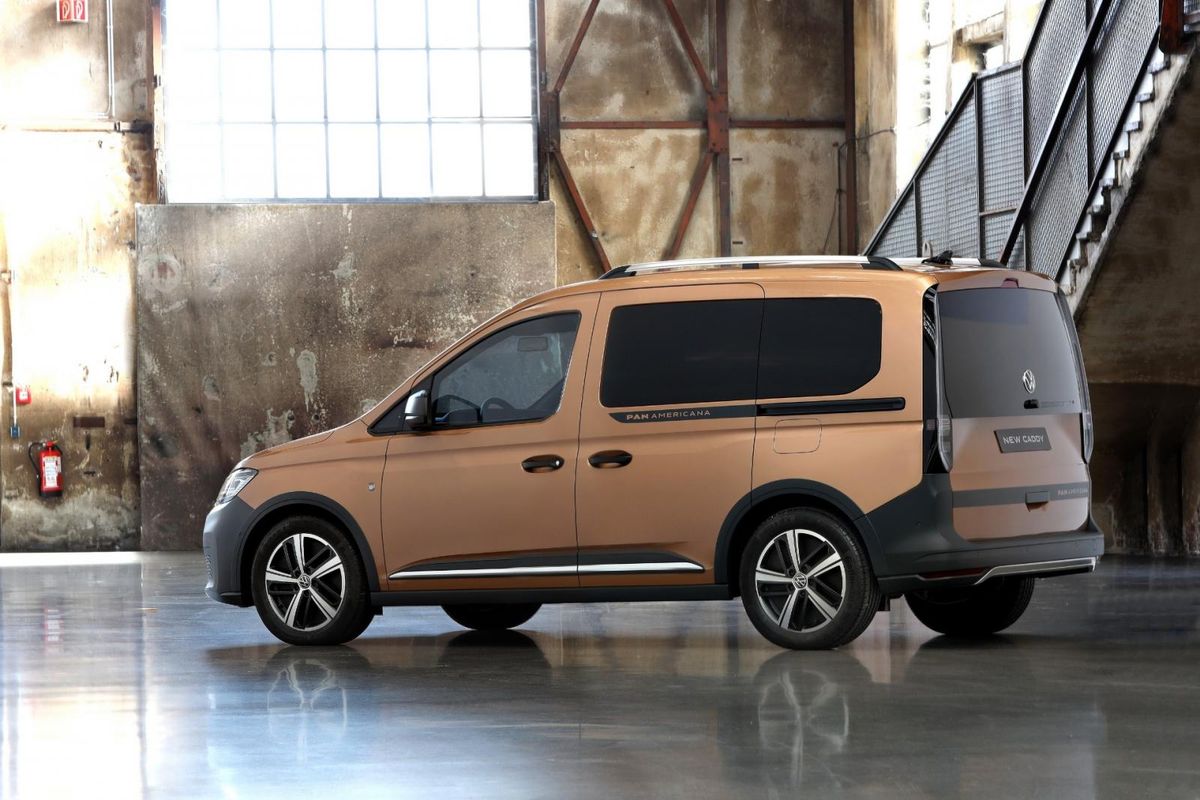
PanAmericana Caddy isn’t an AMG
A name used by Ferrari and AMG, now comes to…Volkswagen.
If a Kombi or Caravelle is too big for your garage or parking space, the Caddy has always been VW’s smaller, but capable, alternative.
For those families who like the idea of a proper minivan, instead of a crossover, the Caddy is a vehicle without many rivals. VW realises that crossovers are popular and to ensure its van customers remain loyal, it has developed a trick variant of the new Caddy, that looks – you guessed it – more like a crossover.
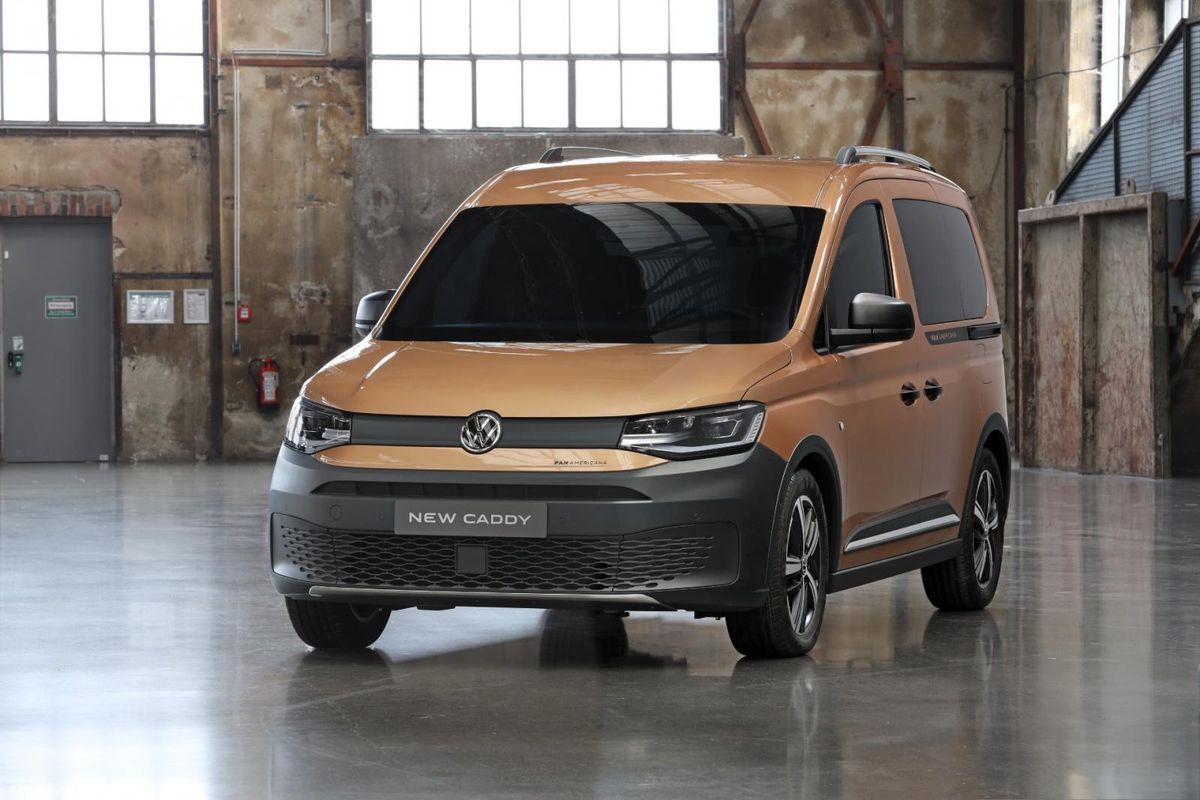
The grandly named Caddy PanAmericana is effectively the replacement of VW’s AllTrack. It follows the same showy design principles with LED lights, roof rails and bit-tone 17-inch alloys that definitely don’t want to see gravel road use.
Strangely, VW has added colour coded plastic cladding to the bumpers, wheel arches and sills. Theoretically, that could lessen stone ship damage and make it better for gravel road use.
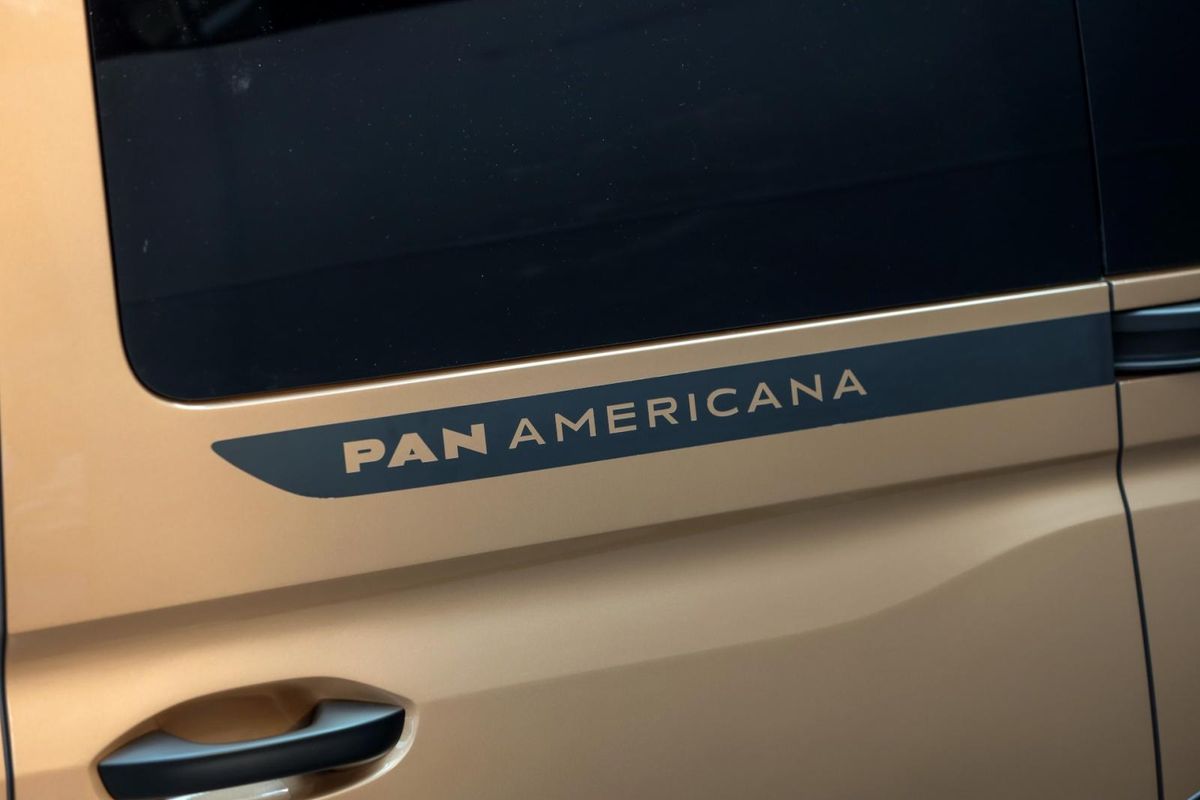
Cabin architecture and design upgrades include pinstripe seat covers, metal pedals and PanAmericana badges. Instrumentation is digitized and you interface with the infotainment system via a 10-inch touchscreen.
Powertrains? The familiar 1.5-litre turbopetrol and 2-litre turbodiesels offerings. With the petrol you only get front-wheel-drive and a six-speed manual transmission.
The 2-litre turbodiesel sends torque to all four wheels, via VW’s 4Motion system and uses the proven 7-speed dual-clutch transmission.
As with any van, even a small one, loadability is a big thing. VW says you can load 525kg in the Caddy PanAmericana and it is rated to tow 1.5t.
There you have it. A stylized new range-topping variant of the VW Caddy van, named after an AMG grille. We are sure, Mercedes-Benz doesn’t mind.
The new Volkswagen Caddy is expected to arrive in South Africa in the third quarter of 2021.
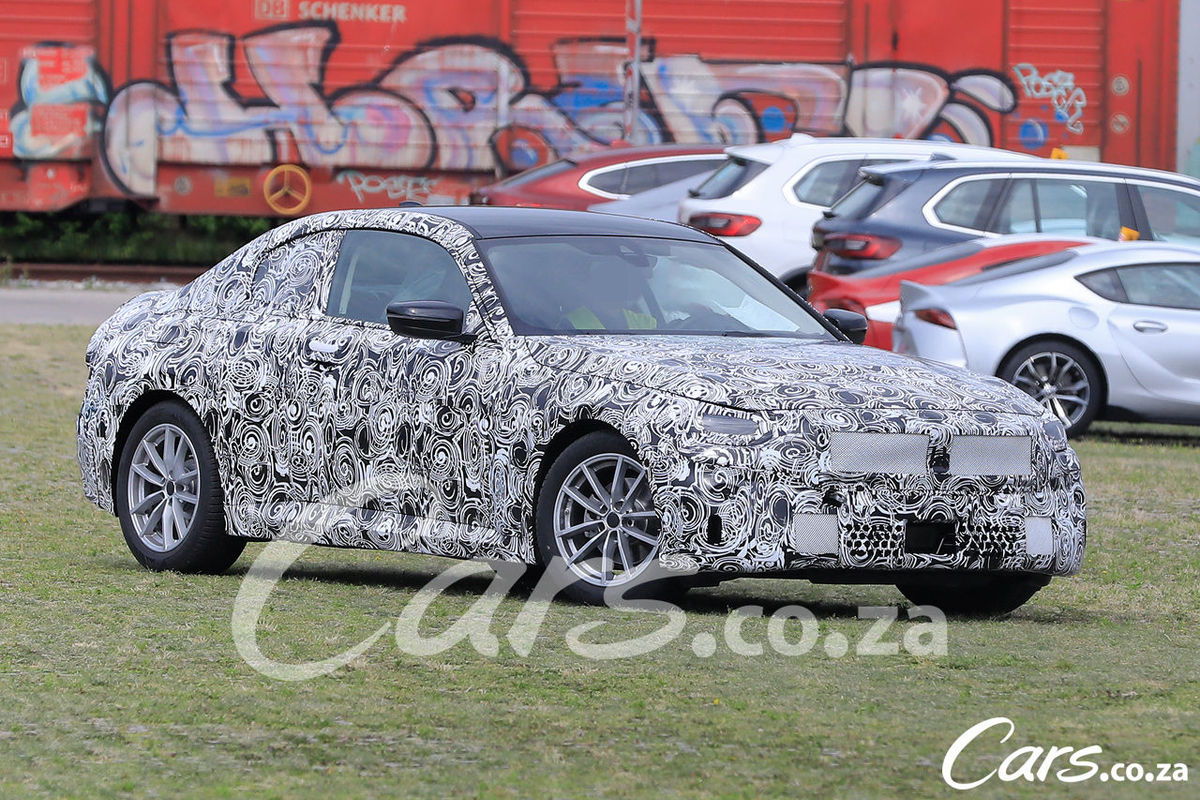
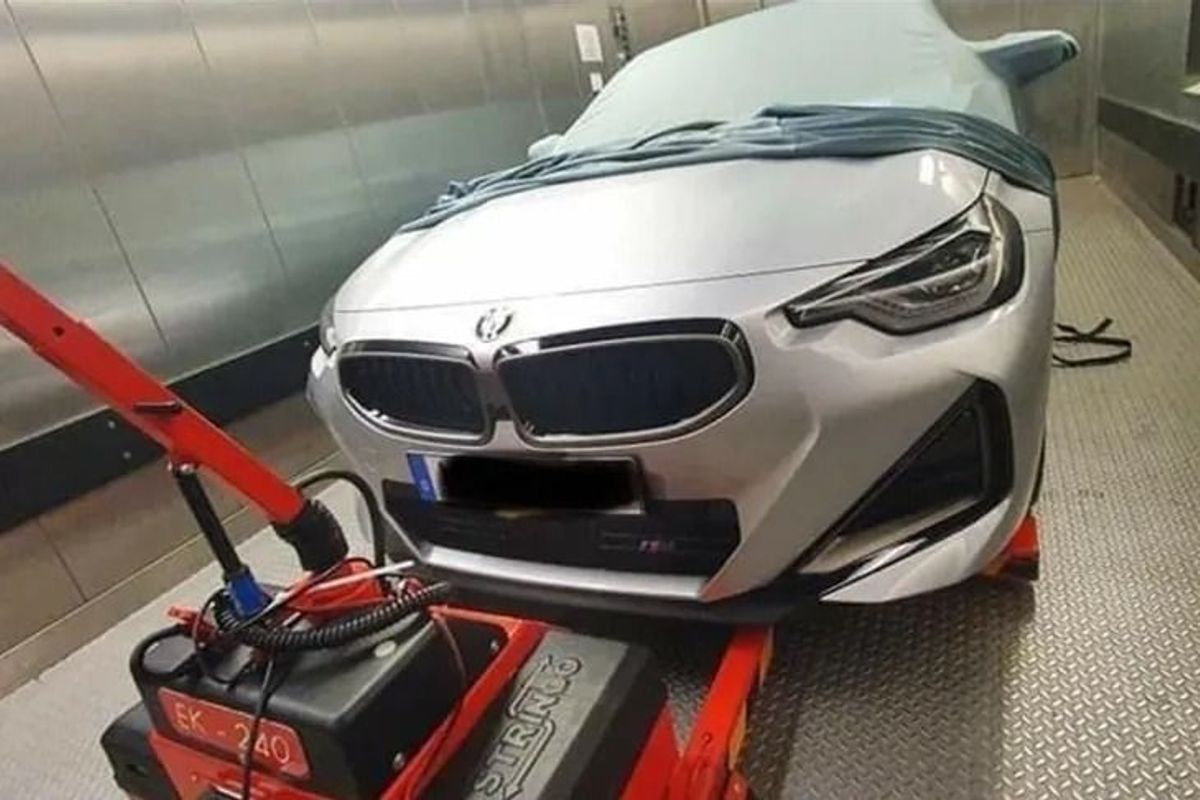
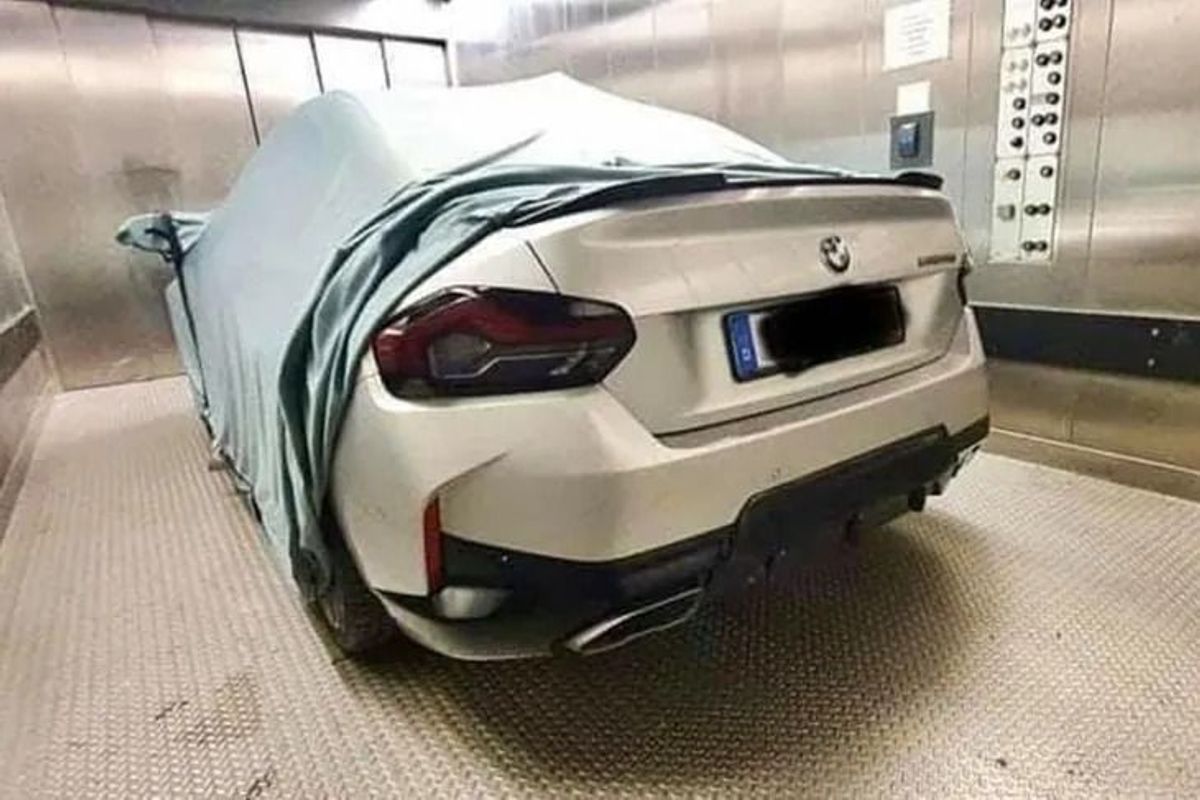
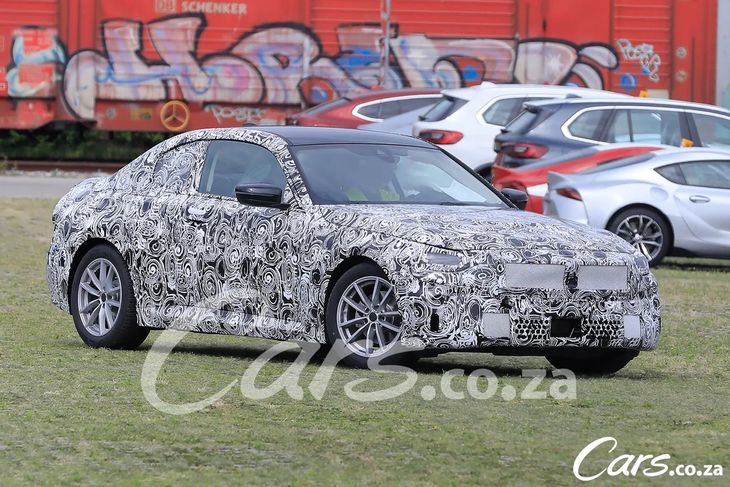
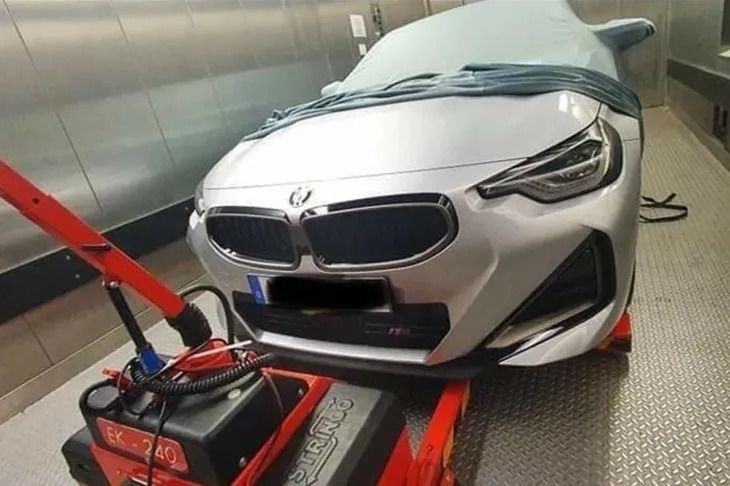
We’ve seen the spy shots, but it appears that an image of the new BMW 2 Series Coupe has leaked online ahead of its official reveal later this week. Is it real?
The image above, shared by Instagram account @wilcoblok, is reportedly a video screenshot of the new BMW 2 Series Coupe which is due to be officially revealed later this week at the Goodwood Festival of Speed. Note that the new BMW 2 Series won’t adopt the oversize kidney grille seen on the M3 and M4 duo.
Earlier this year, a disguised prototype of a next-generation BMW 2 Series Coupe was filmed undergoing testing on a Californian highway. The clip, which includes tantalising close-up tracking footage, reveals a few interesting tidbits (and one or two possible red herrings) about the upcoming model’s design.
Now that the fanfare about the low-volume local introduction of the BMW M2 CS (of which almost the entire consignment of units were sold via an auction) has blown over, enthusiasts have all eyes on the new-generation 2 Series.
What to expect from the new BMW 2 Series Coupe
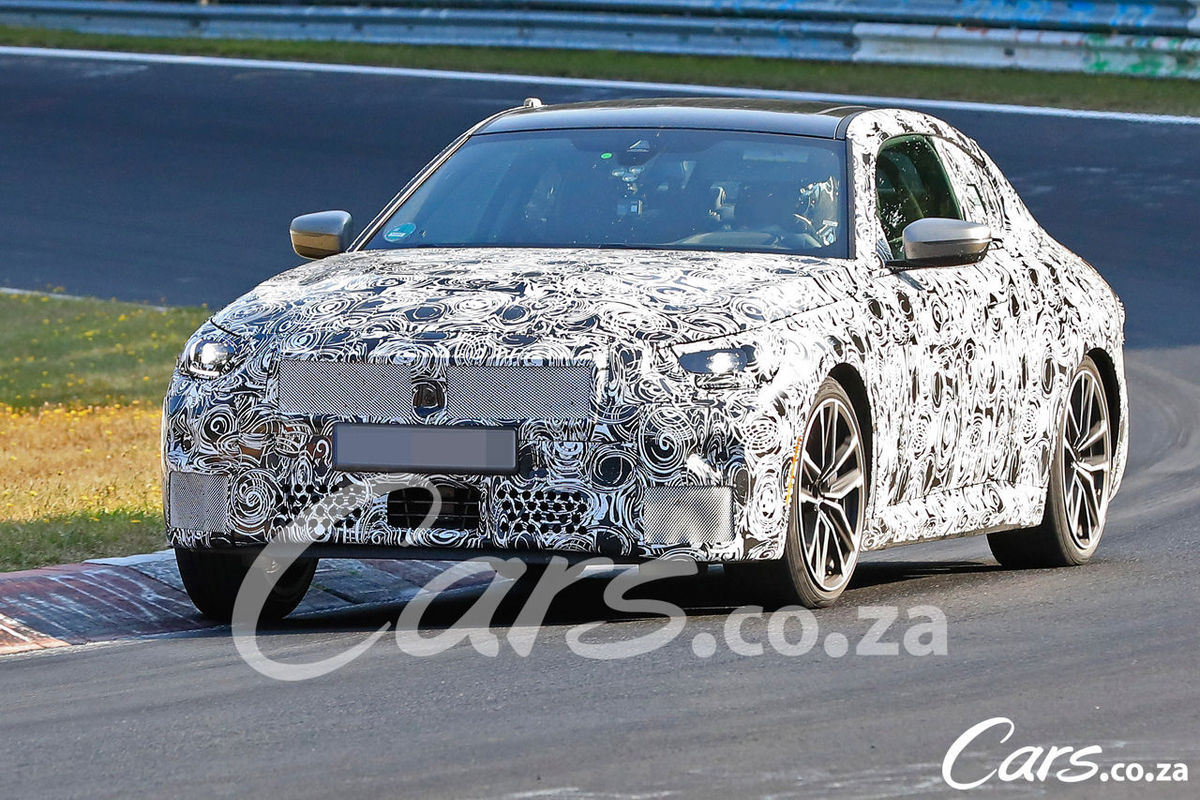
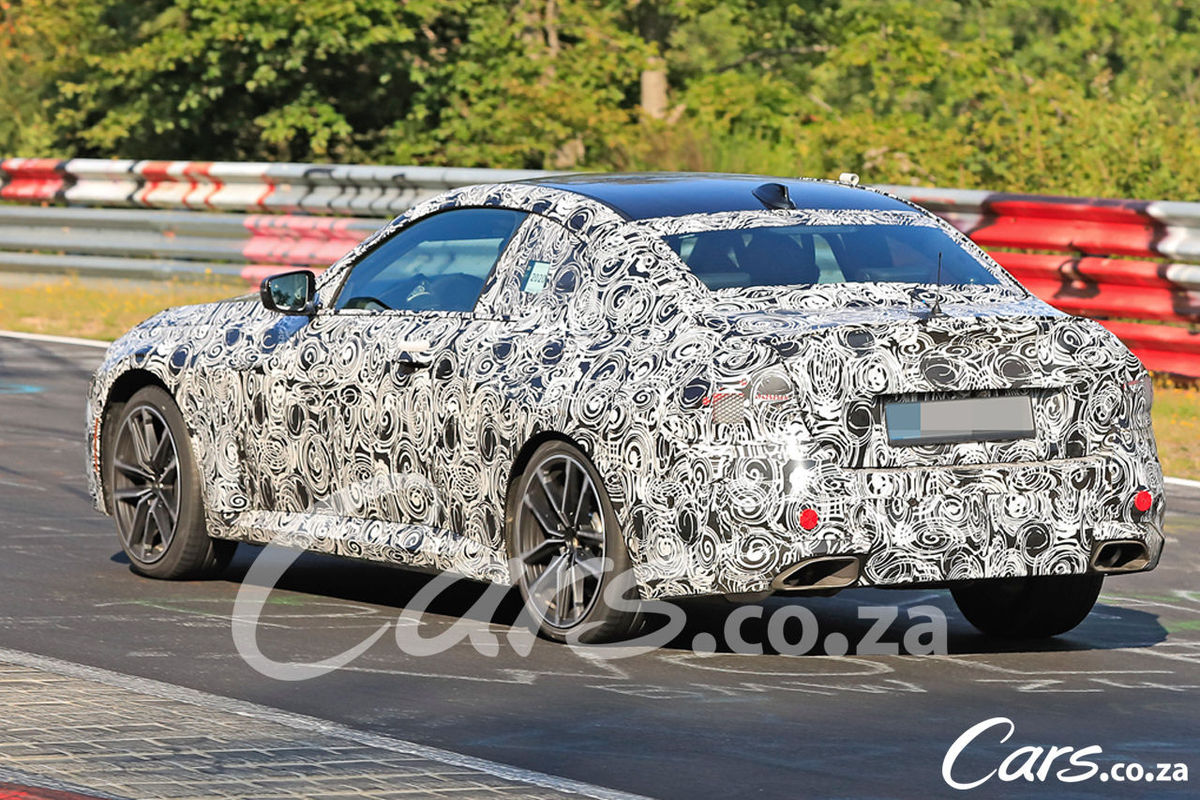
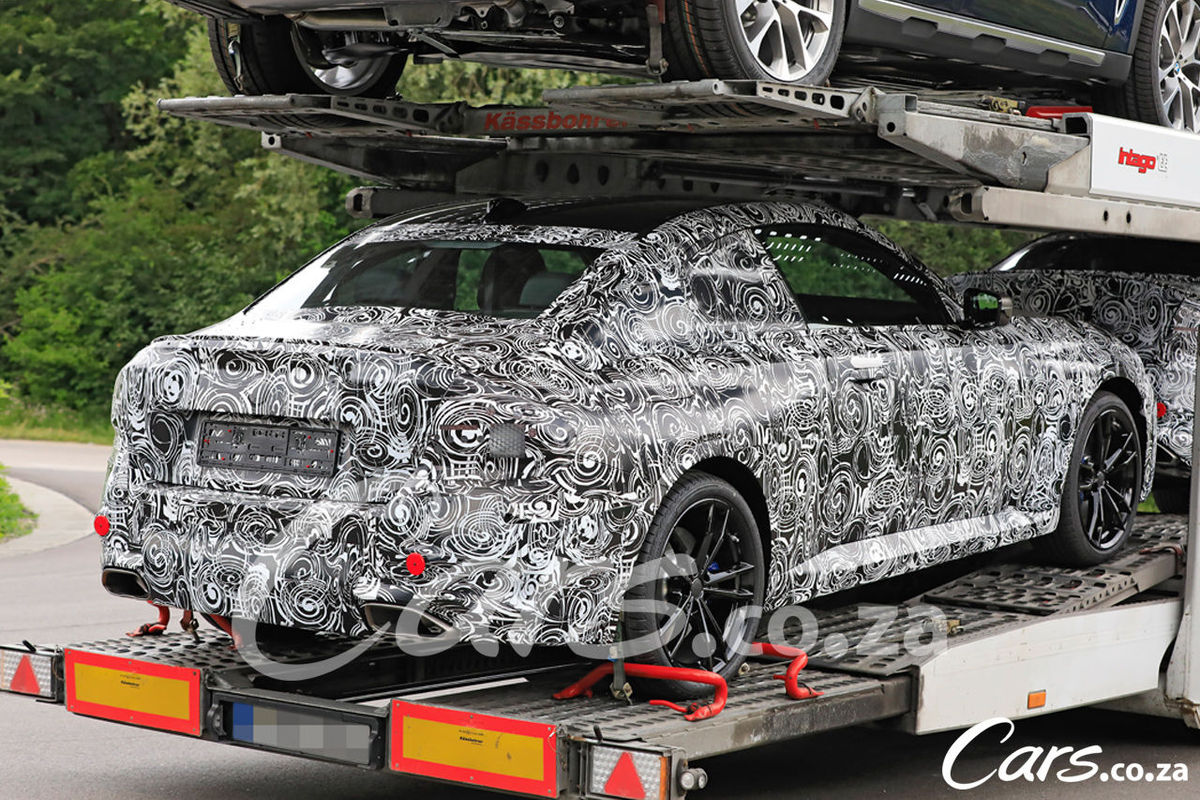
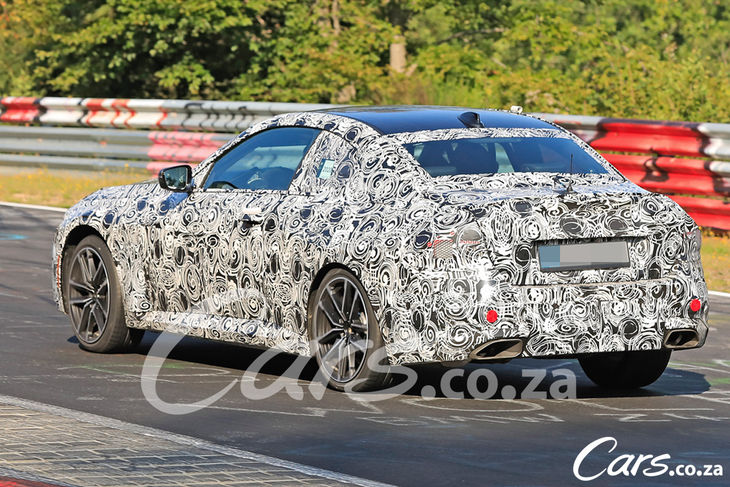
Picture credit: S. Baldauf/SB-Medien. We have paid for these photos and at the photographer’s request, have watermarked them.
Without a doubt, the 2nd-generation 2 Series 2-door is eagerly anticipated, because, unlike its predecessor, it won’t be based on the hatchback’s front-wheel-drive platform (as is the case with the 2 Series Gran Coupe)… Instead of being based on BMW’s Front Architecture platform, the Coupe will adopt an evolution of the brand’s Cluster Architecture (CLAR) platform and be closely based on the Z4 Roadster. This means the compact 2-door coupe will be rear-wheel driven, which will please purists who have been less than convinced by the 2.0-litre 4-cylinder turbopetrol and all-wheel-drive M135i– and M235i xDrive.
The wait for the 2er Coupe has been drawn out; in April last year, a pair of leaked images of (what appeared to be) the upcoming model was posted on a fan forum. The partly obscured silver-grey car in those images drew instant comparisons with the aforementioned roadster, which was famously co-developed with Toyota, especially by virtue of its broad, slim kidney grille and the shape of the tail-light cluster(s).
The BMW 2-Series was leaked earlier in 2020, giving us a glimpse of the new face.
Then, in September, our spy photographer shot a heavily-camouflaged test unit endowed with a pair of two large exhausts. It was undoubtedly a pre-production version of a 2 Series Coupe, however, because it was clearly smaller than the recently-launched 4 Series, but had far more elegant proportions (long nose, cab-rearward configuration and a short, kicked-up boot section) than its FWD/AWD siblings.
The video you see here, published by KindelTechAuto, shows a photographer’s car cruise up to a 2 Series Coupe prototype while it’s travelling on a highway somewhere in the Golden State. Judging from the footage, it’s not the exact same car as we photographed last year. The headlamps indeed look teardrop-shaped and the car’s bonnet features a pronounced power dome, but the videographer noted that the car had retro-looking recessed door handles and that the famous Hofmeister kink in the rear window (which is so subtle in the 4er that you could miss it) had been disguised with padding.
As for which version of the 2 Series Coupe it might be, the chances are that it is, at best, an M Sport or M-flavoured derivative. If the new range carries over the Z4’s powertrains, there should be 145-kW 2.0-litre 4-cylinder turbopetrol (220i), a 285-kW 3.0-litre inline-6 turbopetrol (M240i) and probably the 190-kW 2.0-litre 4-cylinder turbopetrol that does duty in the 330is Edition…
As for the mighty M2, that should only be revealed during 2022. It’s unlikely to be as potent as the M3/M4‘s 353 kW/375 kW twin-turbo 3-litre inline-6, but expect a peak output of well above 300 kW.
Official details for the new BMW 2 Series Coupe (G42) are expected this week, 8 July 2021, following the reveal at the Goodwood Festival of Speed; we expect it to arrive in SA next year. The arrival of the new 2 Series can be expected next year with exact launch dates still to be confirmed.
This week’s news you need to know (July 2021, Week 1)
In this week’s automotive news you need to know: The GR Yaris is priced expensively but fairly, an Audi S1 Quattro is brought back to life with 600 kW, Porsche probably needs to step away from the Nurburgring for a while and South Africa’s ICE engine life is extended to 2050, possibly.
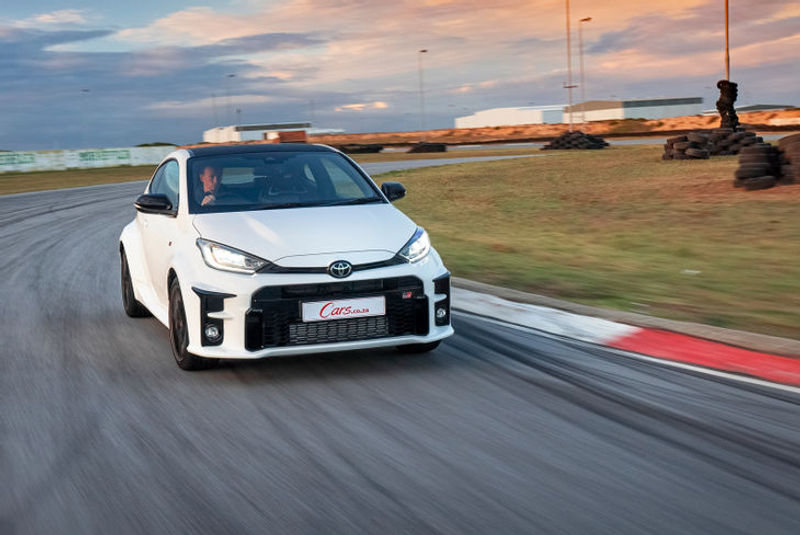
Yaris GR Pricing – Future Investment Loading
By no way should you be taking any investment advice from this, but the writing on the wall says “Toyota GR Yaris is a future investment car”. Toyota, being smart, offers a “more affordable” option to soften the entry and the more purposeful (some would say violent) GR Rally at a premium, which is the one you want anyway. The fact is, after all the rumours about pricing, the real numbers are out and one thing has dawned on me – as I sift through the noise of people who either can’t afford the car or are just having a big ol’ moan – Toyota’s rally homologation special isn’t priced as steeply as everyone expected.
Again, bear in mind that this will be one of the last great fun cars to be sold before we’re all but drowned in EVs and, if you’re comparing this to a Golf GTI, it’s unfair to both cars. This is a far more focused piece of machinery than a conventional hot hatch and should, therefore, be offered at a premium to the VW – that is the world we live in.
Limited numbers, desirability peeking into the stratosphere… hmm… if you take the plunge and buy a GR Yaris, your R700k investment will do things for you in the next few years. Just watch!
Audi E-Legend – the ghosts of Group B
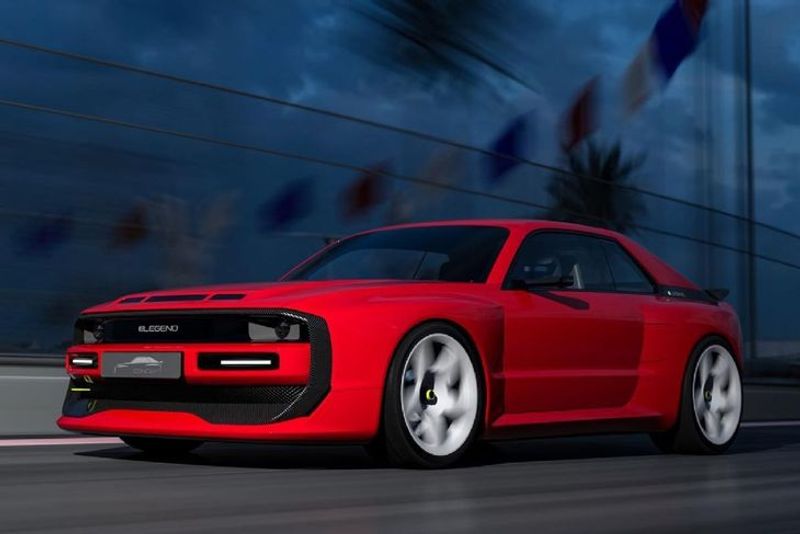
If we’re talking about technological revolutions in motoring, Audi’s quattro system comes sharply to mind. All-wheel-drive technology is now ubiquitous in the Ingolstadt-based firm’s model line-up, but just think back to where it all began, when the most famous world rally car of them all – the legendary Audi Sport Quattro S1 – stoked fervent desires in the hearts of petrolheads all around the globe.
Even though it didn’t win as many rallies as it could have in the era of Group B competition, it showcased what could be achieved and built upon the Ur-Quattro’s game-changing arrival. Four-wheel traction, immense power and, at Pikes Peak, it had an early version of the dual-clutch transmission – long, long before vrrr-pah! was even a thing.
In the cold light of day, the E-Legend presents smaller manufacturers with an opportunity to use the DNA of the Audi Sport Quattro S1 to change the game in the EV industry. It has “come a full 360”, because the E-Legend doesn’t debut anything groundbreaking, which was the objective of (then-fledgling company) Audi with the original S1. This (admittedly handsome) creation is not much more than a vanity project, unfortunately.
Porsche Cayenne Turbo GT – More Nurburgring is not MORE
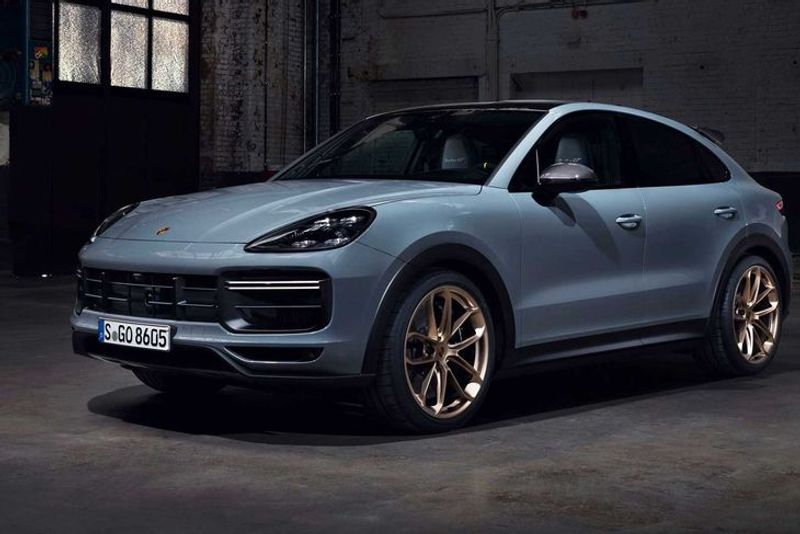
It seems like it has all got a bit out of hand, hasn’t it? Porsche is seemingly a little too obsessed with producing fast SUVs – it’s time to start focusing on other things. To illustrate just how ridiculously fast the brand’s performance SUVs have become, here’s a telling stat: The Porsche Cayenne Turbo can lap the Nürburgring Nordschleife in 7 min 38 sec… which is the same time as set by a Ferrari 458 Italia, albeit not on the same day. Works Porsche driver, Kevin Estre, does a 6 min 53 sec lap in a GT3 race car. A 45-sec difference on a track of that length is paltry.
But truth be told, no matter how amazing it all is (advancing the cause of stupidly fast SUVs; that the Cayenne once rescued Porsche; what a feat it is to tame a track that’s as schizophrenic as one can get), it’s time for the Zuffenhausen-based firm to start focusing on other things with its premium SUV, like off-road capabilities. Why not slap on a few more roof tents to inspire Overlanding adventures? Play to the SUV’s strengths for a change.
VW engines till 2050 for SA – EV wheels turning slowly
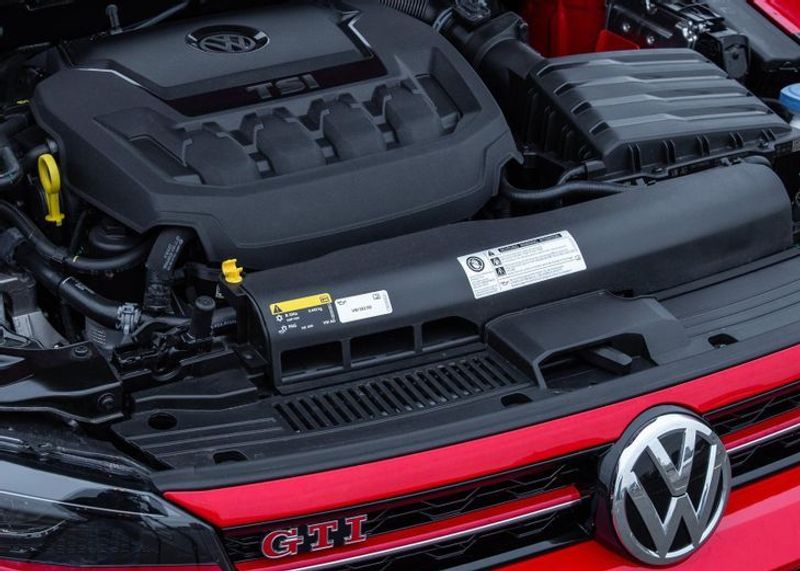
Like a breath of fresh air, Volkswagen AG has extended a lifeline for the ICE engine in Africa… Granted, we may not see massive changes like “camless” cylinder heads in mass-produced road cars any time soon, but there will be more developments and who knows… perhaps a 13th-generation Golf GTI in 2045?
There’s an invisible veil that separates 1st-world countries from Africa, but our continent brims with opportunities. Our policies with regards to the electrification of the automobile are much more “relaxed” than those in Europe.
Even if Volkswagen’s move can be interpreted as a “vote of no confidence” in Africa’s ultimate commitment to EV transformation, it may have a positive spin-off for our local motor industry: there are thousands of keen mechanics and an extensive supply chain that will now have 15 more years to move with the times and get their EV repair skills and service infrastructure in full gear or perhaps even start a restomod side hustle. Let’s wait and see.
Planet42 – New rent-to-buy car subscription service
If you are having trouble getting vehicle finance or don’t want to be tied down to a long contract, a car subscription may be a good option. A Planet42 subscription enables you to get behind the wheel of a new car quickly, plus you can improve your credit score with on-time monthly payments.
PARTNERED CONTENT. Pictured above: Lebo, one of Planet42’s many happy customers!
Owning a car is more than a symbol of freedom; it is a life-changing asset that unlocks better career, educational and recreational opportunities and brings people closer together. However, for most of us, buying a car outright with cash is out of the question, and that is where banks are supposed to help people with financing. But what do you do if the banks reject your application for car financing, as they do for the overwhelming majority of people that apply for a loan in South Africa?
Rent-to-buy car subscription is an emerging model that gained popularity only recently, but has already proven to be extremely successful in countries like Germany, the UK and the US. South Africa is playing catch-up, and there is still a lot of confusion about what exactly a car subscription entails.
Understanding the differences between traditional car finance, renting, and subscribing to a car will help you decide which method is best for your needs.
Car subscriptions started in 2010, when a car dealership in Hawaii started offering a service that allowed customers to pay a monthly fee in exchange for a high degree of flexibility and support in driving a personal vehicle. Customers could, through this subscription service, drive a sports car for a few months and then switch to a minivan for travel with the family for another few months.
As car-sharing services and app-based ride-hailing services began to put pressure on big brand dealerships, many of them scrambled to offer new incentives that would make it easy to stick with one brand. A flat-fee, monthly payment could cover everything from insurance to maintenance to warranty with the added bonus of being able to swap the car with relative ease.
With the onset of the Covid-19 pandemic, consumer habits have gravitated towards flexibility and convenience, which is why the subscription model has become widely adopted by car manufacturers and tech startups. Up until this point, most car subscriptions have focused on offering upper-tier vehicles to people with very high credit scores, and they charge a premium for the added flexibility and luxury features such as being able to swap cars on a regular basis.
What a car subscription is not
A car subscription may sound similar to bank finance, but there are important differences. Bank finance agreements have much less flexibility, locking in the customer for as long as 72 months and typically also have a high “balloon” payment at the end of the contract term, which most customers cannot afford.
Car subscriptions are more flexible. For instance, Planet42 asks for a minimum commitment of 6 months, after which time the customer can return the car at any time for a nominal fee. This means that the customer is not liable to pay the shortfall in the car’s realisation value, which the bank would charge to the customer when the bank sells off a car that has been returned to them.
In addition, bank finance comes with many hidden fees that make the contract more expensive than the headline interest rate implies. Aside from hefty contract origination charges, these hidden fees also include comprehensive insurance, which the customer cannot opt out of. In contrast, car subscriptions usually have insurance included in the monthly subscription payment.
Renting a car may also seem similar to a car subscription, but again, there are significant differences between the two. For starters, getting a rental car usually comes with a very high deposit requirement. Not everyone will be able to put down more than R10 000 on a credit card to get access to a rental car. The deposit for a car subscription is usually much more affordable.
A more fundamental issue is that if you do any significant mileage, then the renting model becomes much more expensive than a car subscription. This is because nearly all rental agreements have a very limited daily kilometre allowance, after which the driver begins racking up fees.
Car subscription models have various allowances when it comes to vehicle usage, with some subscriptions –such as Planet42 – even granting unlimited usage in their terms. Renting is a great choice for the short term if you need a car for a couple of days or weeks. Anything longer than that and a car subscription is likely to be the better choice.
Questions to ask when thinking about a car subscription
Because there are so many different car subscription models and each one has its own terms and conditions, there are a number of questions that you should ask yourself before deciding which one works best for you:
Can I become the owner of the car and if so, on what terms?
What are the activation fees or deposits involved?
Is insurance and maintenance included in the subscription?
Is there a limit to the amount that I can drive?
Is it possible to switch or swap out cars if I want?
Which cars am I able to choose from?
What is the process of getting a car?
In summary, if you are having trouble getting bank approval to finance a vehicle purchase or don’t want to be tied down to a multi-year financing contract, a car subscription might be a good option to consider.
Planet42 says that 93% of their customers had previously been rejected by a bank or simply would not have had any chance at approval. Best of all, a car subscription allows you to get behind the wheel of your own car quickly and begin building good credit immediately by paying your monthly subscription payments on time.
How Planet42 works differently than most car subscriptions
Car subscriptions first began as an extension of luxury dealerships trying to hold on to customers, and from there branched out to an app-based model that was supported by a group of new tech startups. Car subscriptions globally have been targeted at the wealthy and the young, who have no desire to visit a car dealership or hassle with insurance and registration.
Depending on how you want to use the service, Planet42 could be both of those things. But it would be more accurate to describe Planet42 as a new form of car subscription that has the mission of democratizing mobility at its core.
The Planet42 team is passionate about democratizing mobility in South Africa.
Planet42’s approval algorithms provide a fair, quick, and simple picture of the financial situations of people that have been unfairly passed over by banks. Customers are free to choose from thousands of cars at partner dealerships, or, alternatively, they can get pre-approved through the Planet42 website and then shop anywhere for a car within their budget. The approval process takes less than one minute, and the selection of vehicles is unparalleled.
If you have been turned down for vehicle finance and are looking to improve your mobility by getting your own car, you can apply on the Planet42 website right now.
Planet42 has bought cars for more than 3000 South Africans so far. If you’re looking to get behind the wheel quickly, check them out today!
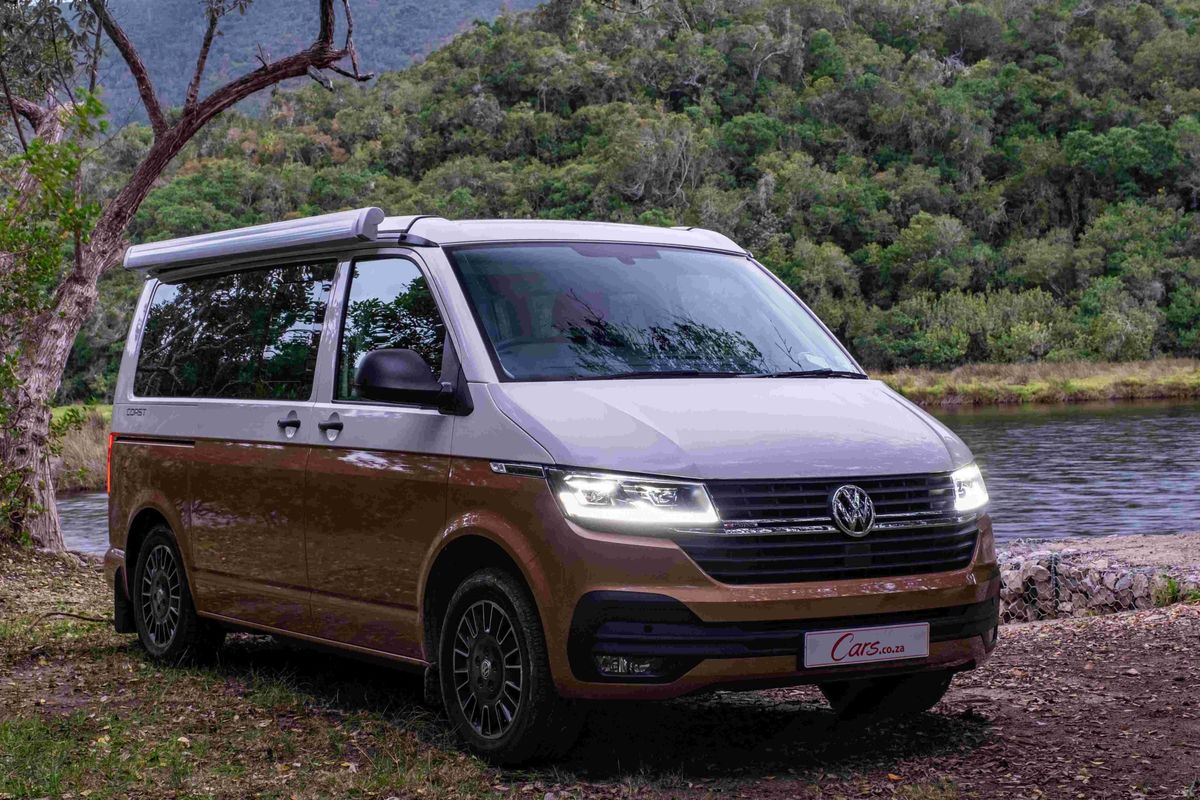
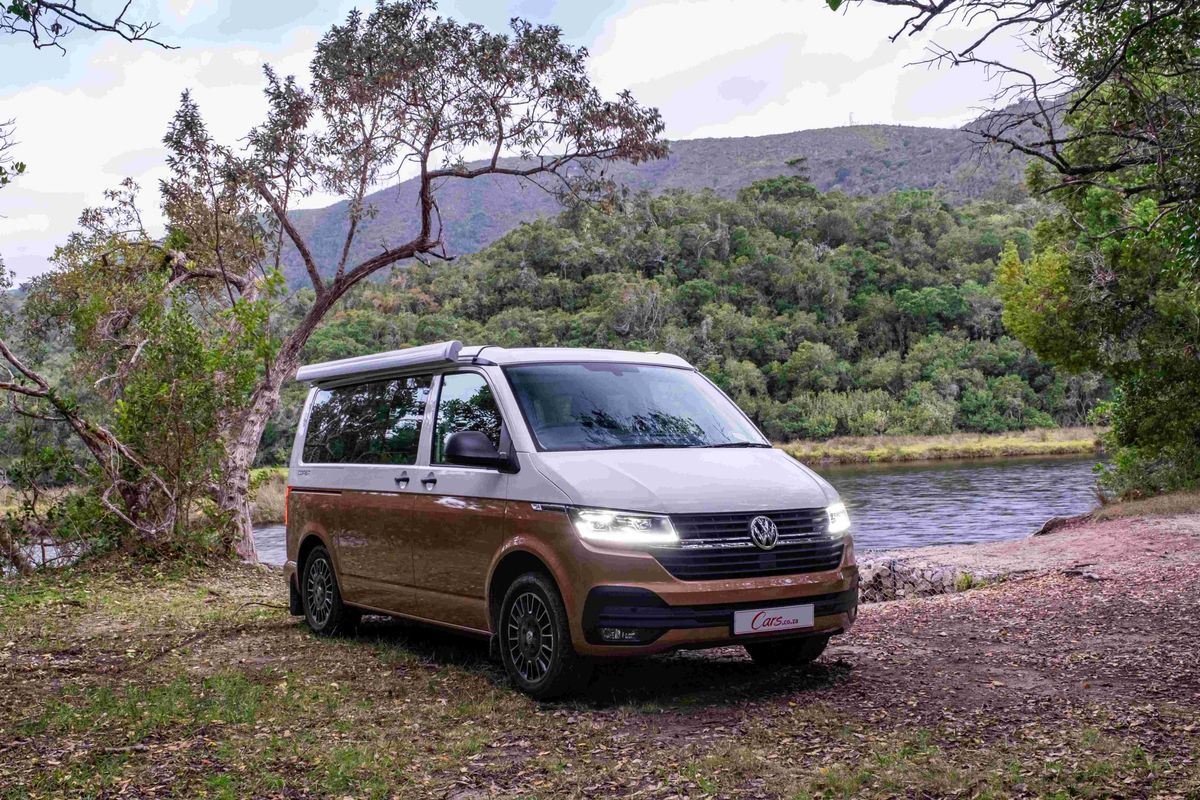
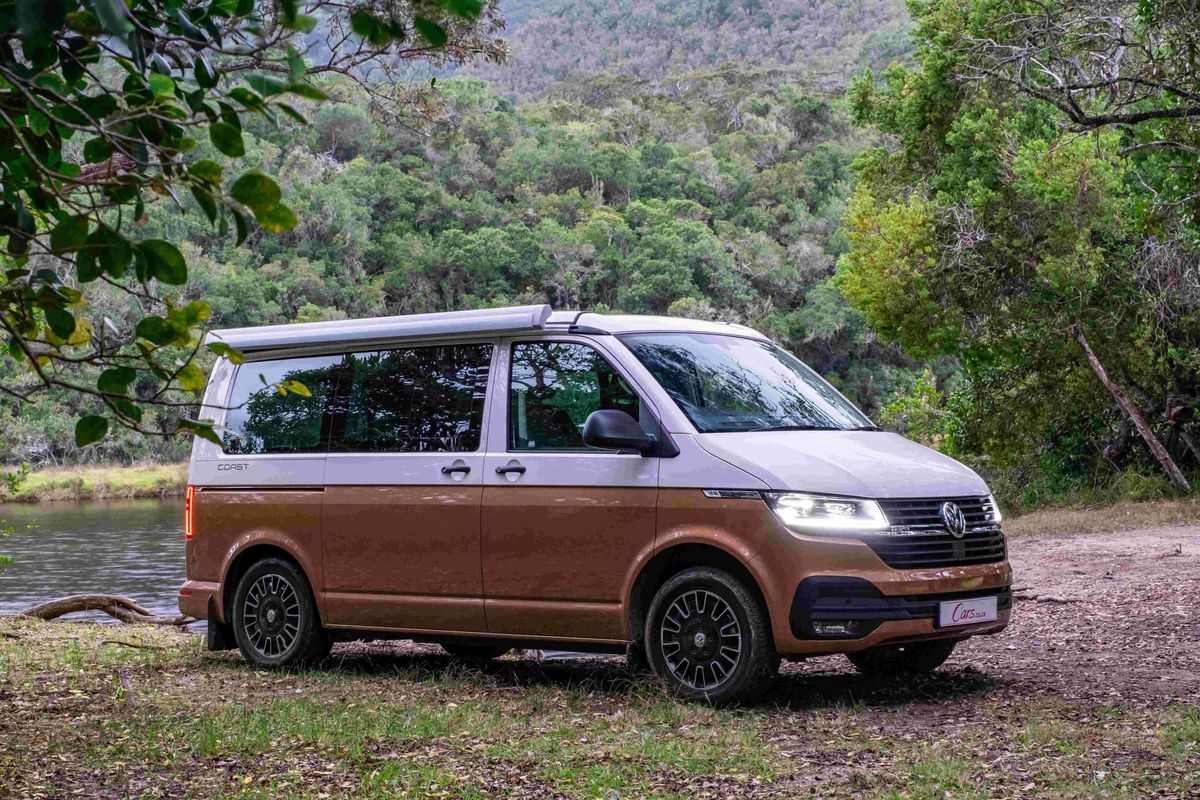
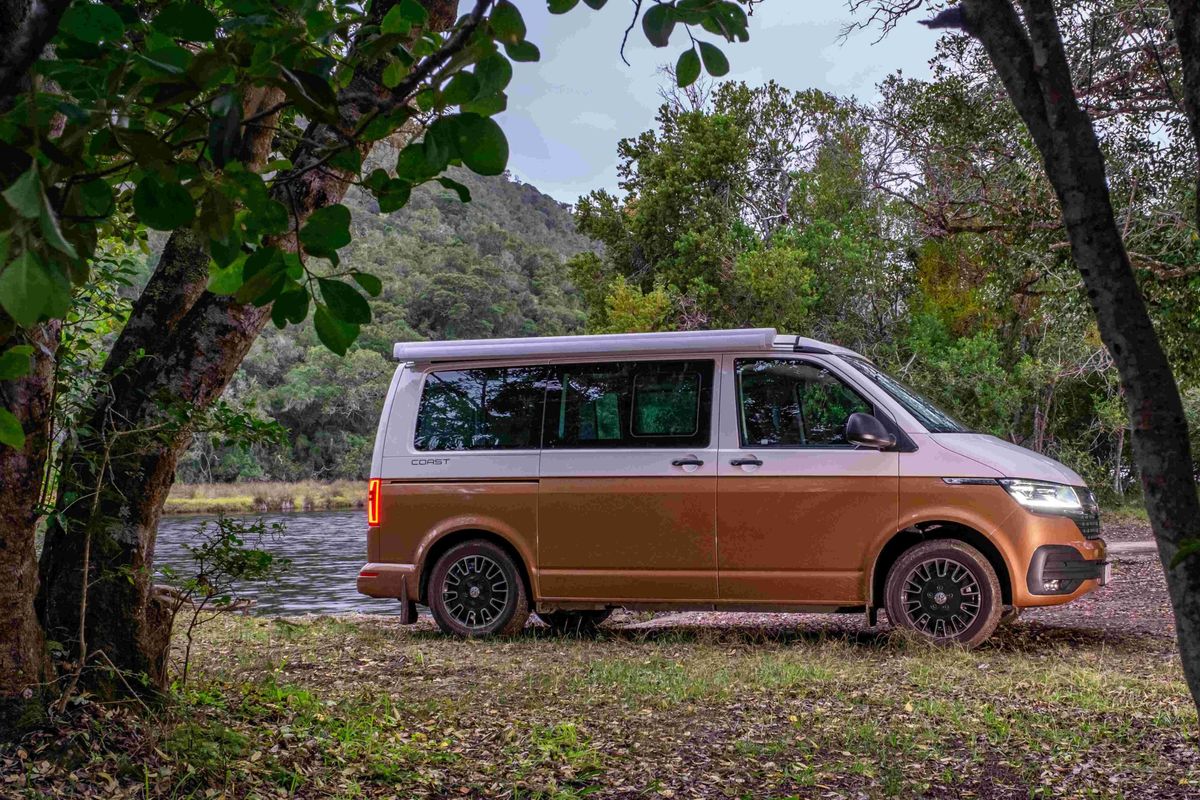
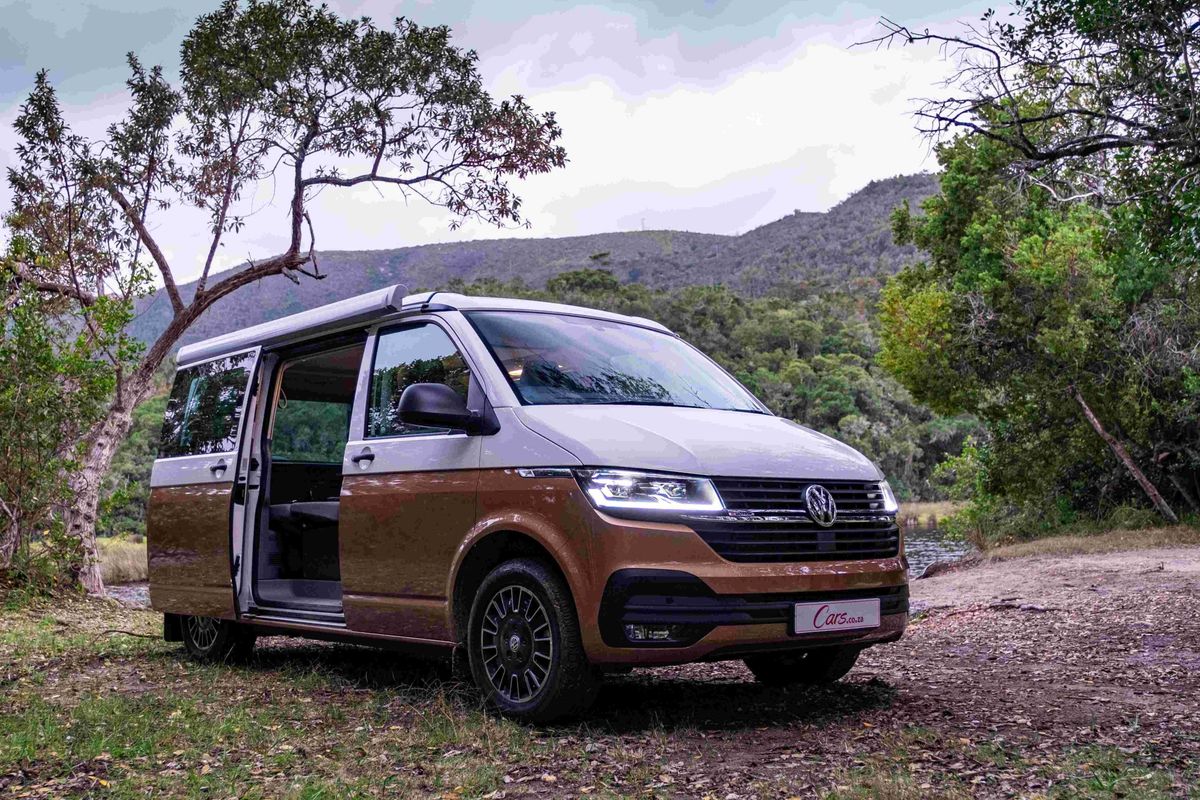
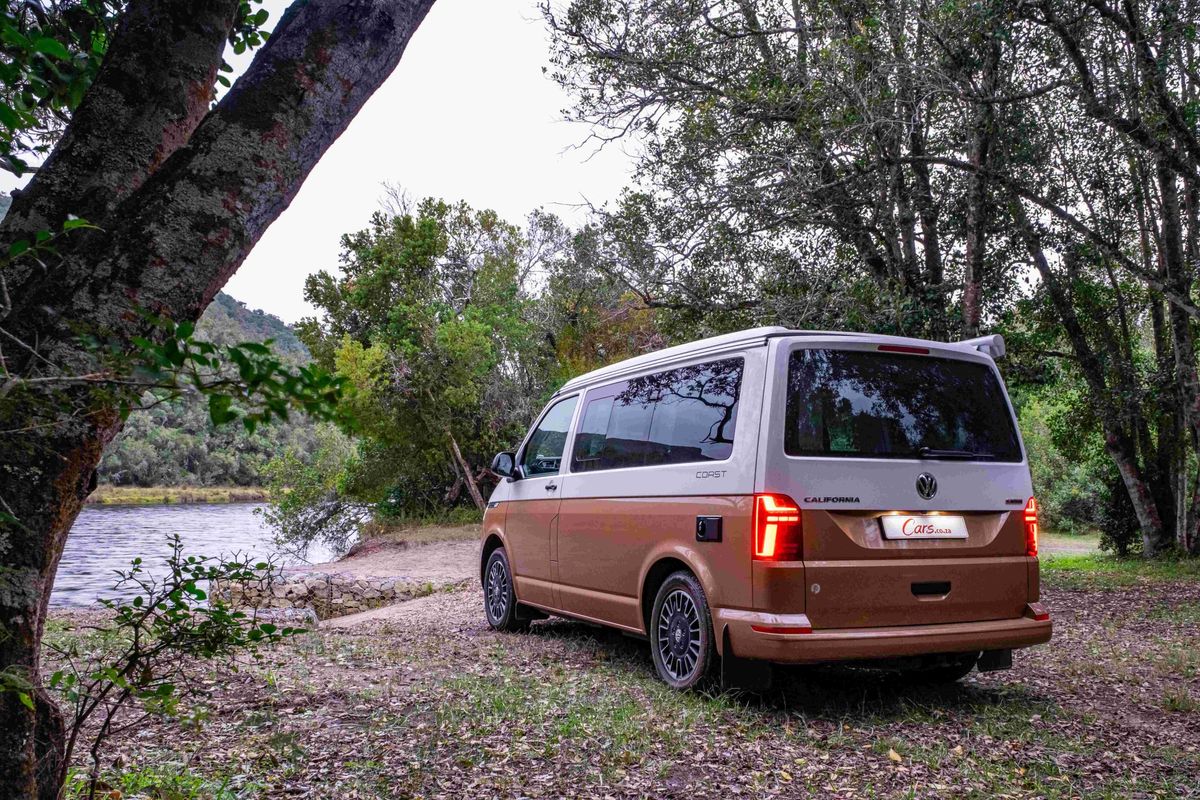
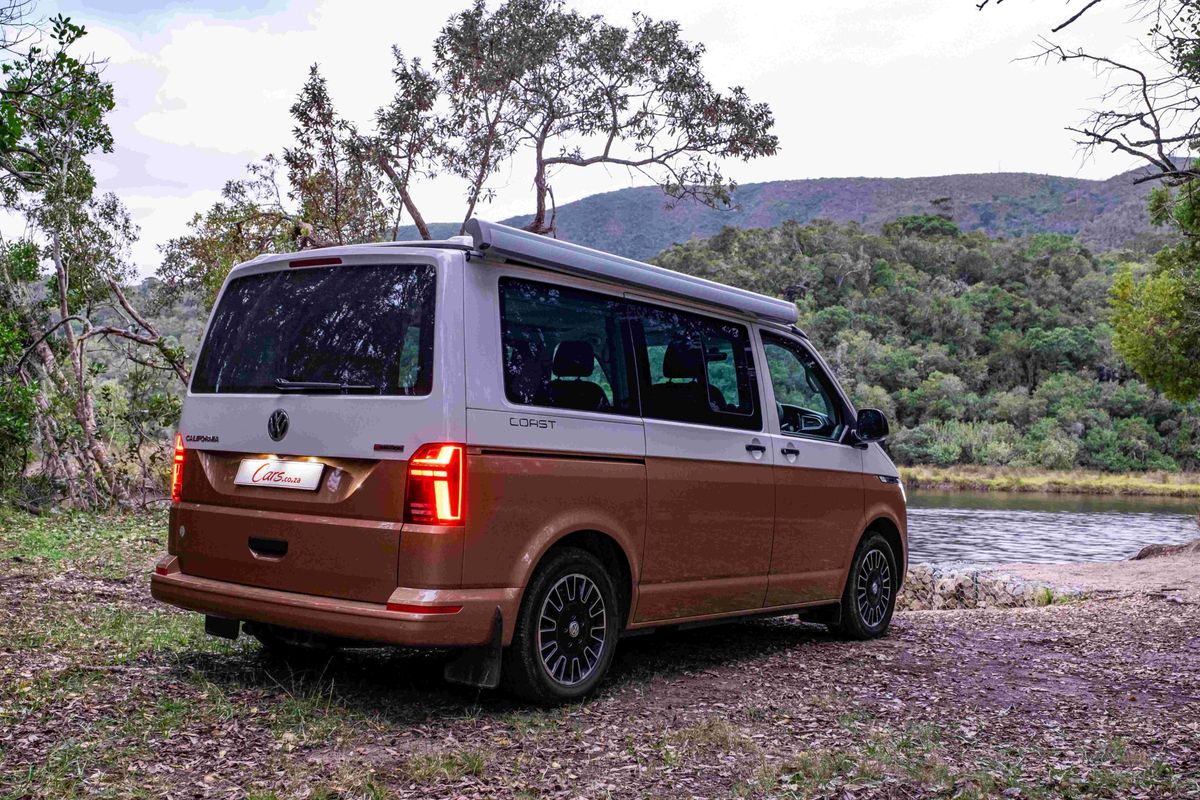
VW California Coast Review: Is this the Ultimate Family Car?
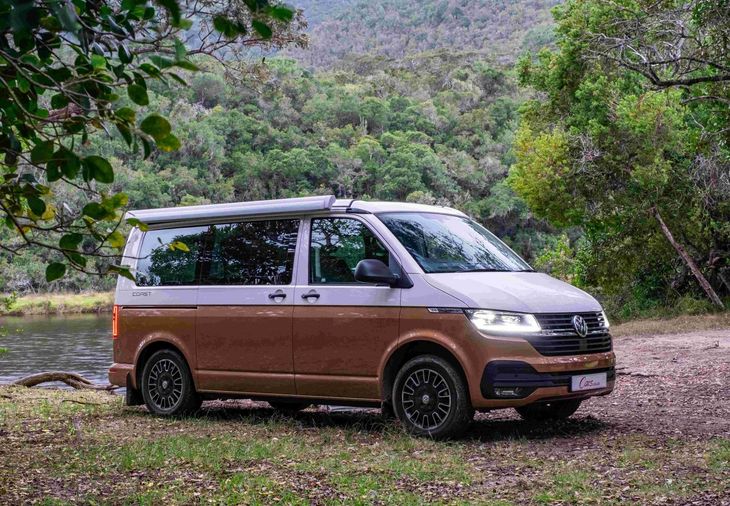
The latest T6.1 Volkswagen California Coast is now available in South Africa and it’s squarely aimed at outdoor enthusiasts. Our resident adventure motoring journalist, Gero Lilleike, drove from Cape Town to the heart of the Garden Route to test the full range of the California’s camping capability in the wilds of the Tsitsikamma forest. Is this the ultimate family car and should you buy it?
The VW California Coast is a fully-equipped family camper van with a host of useful outdoor-orientated features. In fact, in many ways, it’s a home on wheels and a pretty fancy one at that.
Volkswagen sells approximately 18 000 California’s globally every year, making it a top choice in the camper van market.
In an effort to effectively test all the features that the California Coast has to offer, we set off on a camping road trip from Cape Town to Nature’s Valley in the heart of the Garden Route.
It might not be fast, but it can make you rich, depending on the price of Bitcoin.
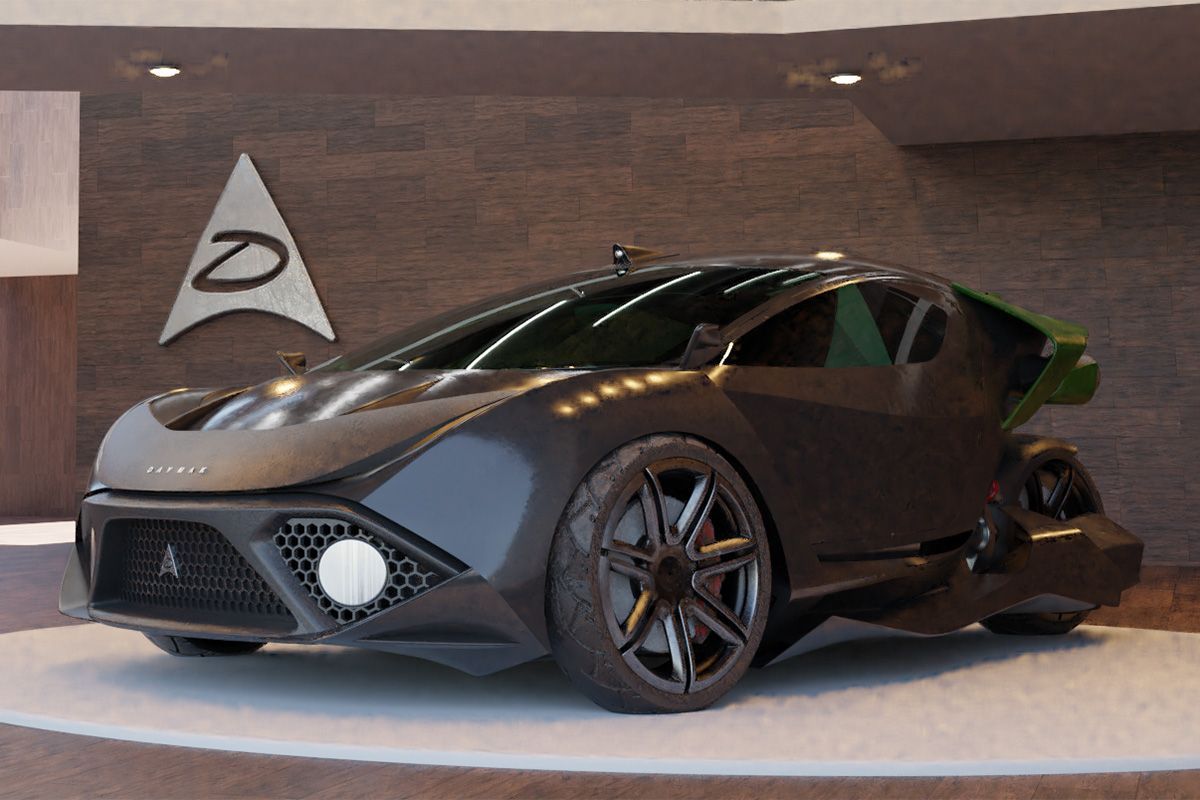
The electric car revolution is underway, but trikes (2 wheels up front, one at the rear) remain unpopular.
For commuting and shorter distances, the trike makes a lot of sense. It can be lighter, with less mechanical drag, and a much smaller turning circle.
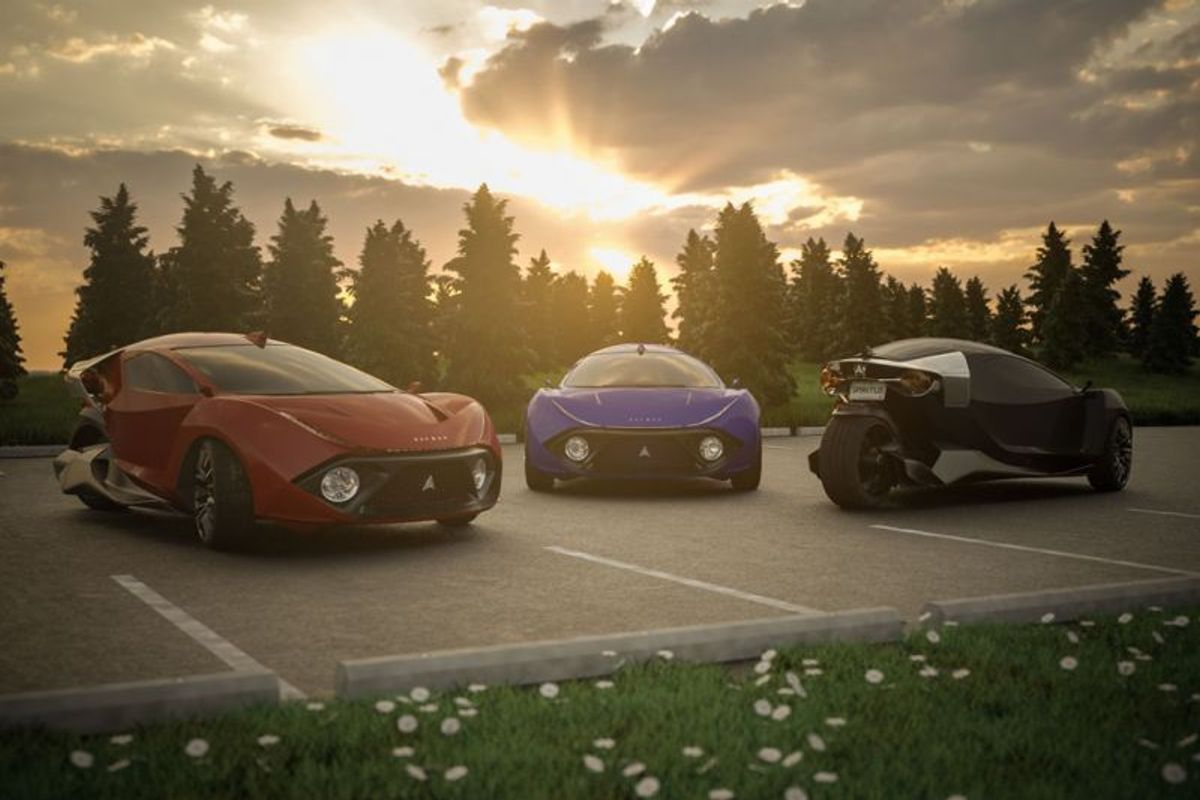
One car brand that has endured with the trike concept, is Daymak. The Canadian company has a proven record of building light electric vehicles, since 2002.
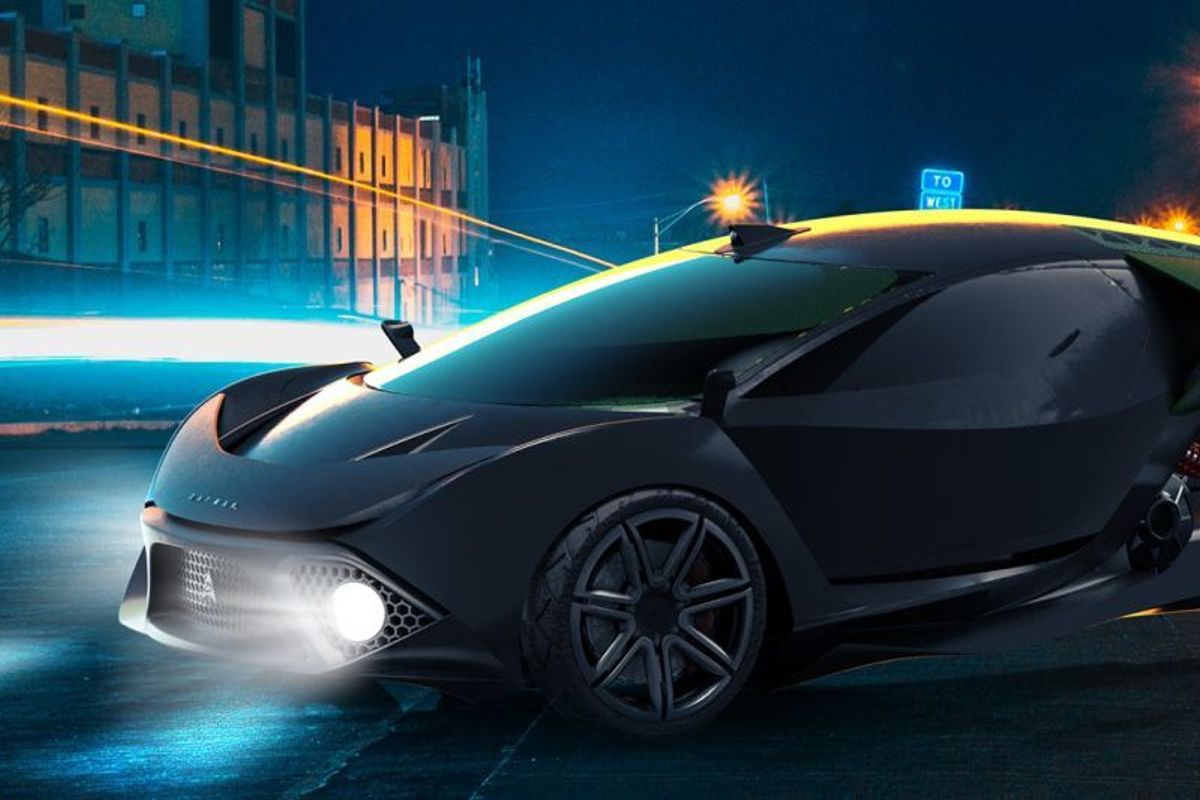
Its latest concept is the Spiritus, due for delivery in 2023. Beyond the Batmobile looks, what makes this three-wheeled electric vehicle so interesting, is its potential to make you money. And we don’t mean, as a two-seater Uber.
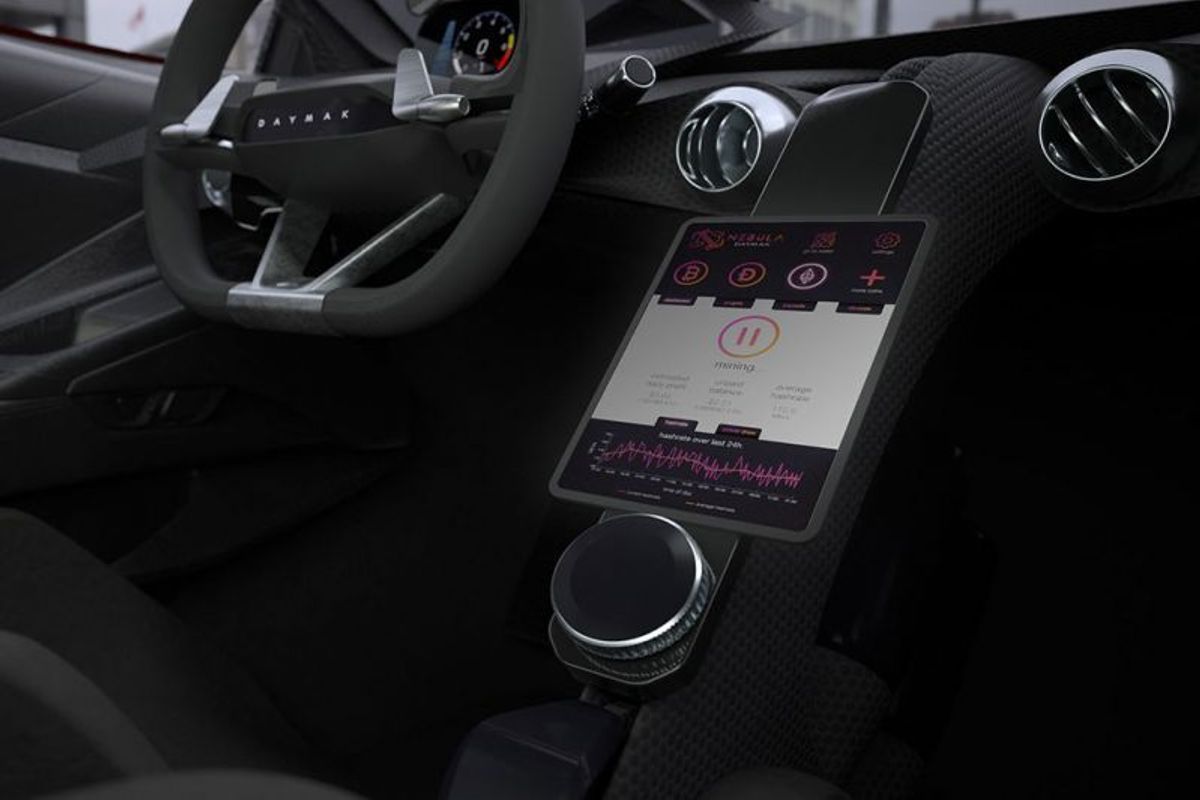
Daymak is all about crypto and realising that technology early adopters like some non-physical currency, the Spiritus can mine for it. Really. It can.
The car is equipped with an RTX 3070 Geoforce GPU or even multiple RTX 3070 and Ge Force 3070 GPUs, This hardware is embedded into the Spiritus to enable its array of autonomous driving functions.
With all that processing power, the Spiritus can also mine for crypto, which it will be configured to do. Daymark promises that its Spiritus will have the ability to operate between 60- to 500MH/s, mining from the best available pools, switching independently – or allowing an owner to direct the digital extraction effort.
Spiritus owners will choose in which cryptocurrency to deposit what they have mined, and Daymark will offer its own Nebula wallet, to help with seamless transactions.
You need a lot of power to mine crypto and the Spiritus has an interesting battery chemistry. It uses a lithium-nickel-manganese-cobalt battery, good for only 36kWh, supplemented by 100W solar roof panels.
Being a small car, the electric motor is rated at 75kW and range is estimated to be 290km. Top speed is conservative, too, at only 140kph.
If you need something more substantial, Daymak is planning to offer an 80kWh battery pack, which might cope better with that cryptocurrency mining venture.
But how much money will your Daymak Spiritus make you?
At the 500MH/s, Daymak reckons you’ll be pocketing R350 per day. What a deal! It makes the R270 000 (estimated) purchase price, seems like a bargain.
VW California Coast (2021) Review w/Video
The California Coast, which is jam-packed with a plethora of outdoor-orientated features, came to market earlier this year. The T6.1-based newcomer is squarely aimed at outdoor enthusiasts and our resident adventurer, Gero Lilleike, drove the family camper van from Cape Town to the heart of the Garden Route to test the full range of its camping capability in the wilds of the Tsitsikamma forest. Would the VW California Coast suit you? Let’s find out!
We like: Engine performance, practicality, features, nothing like it in SA
We don’t like: No electrically-powered tailgate, more front out-of-sight storage needed, interior longevity is a concern.
Fast Facts
Model Tested: Volkswagen California Coast
Price: R1 232 600 (as of July 2021)
Engine: 2.0-litre bi-turbodiesel
Power/Torque: 146 kW /450 Nm
Transmission: 7-speed DSG
Fuel economy: 8.0 L/100km
Fuel tank: 80-litres
What is the VW California Coast?
The California Coast is an outdoor enthusiast’s dream.
Volkswagen AG sells approximately 18 000 units of the California every year, making it a top choice in the camper-van market. In fact, in many ways, it’s a home on wheels and a pretty fancy one at that.
In an effort to effectively test all the features that the VW California Coast has to offer, we set off on a camping road trip from Cape Town to Nature’s Valley in the heart of the Garden Route.
What camping features does the Volkswagen California Coast have?
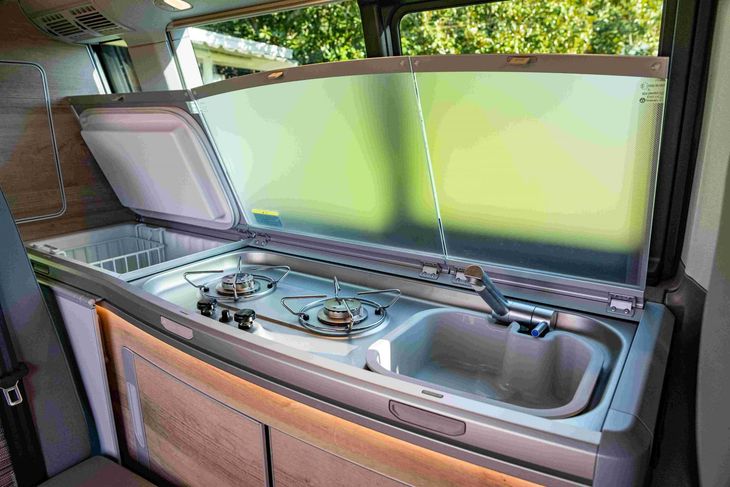
The California Coast is fitted with a fully-equipped kitchen including a basin, gas stove and refrigerator.
Perhaps we should rather ask, what doesn’t it have? The Volkswagen California Coast has a staggering number of features that an outdoor-loving family will appreciate.
Perhaps the coolest feature is the roof tent. It’s accessed via a shutter door above the front seats and the tent itself is easily pushed upwards once you have unlatched the safety buckles and latches. Once up, the roof tent offers sleeping space for 2 people and is fitted with a thin mattress and springs that ensure relative comfort. It’s admittedly not as comfortable as a conventional bed, but it’s better than sleeping on a hard floor! There’s also a 12V socket and a light in the upper compartment for your convenience. In fact, there are numerous 12V sockets and adjustable lights throughout the cabin.
All windows, including the front windows, are equipped with retractable blinds, which not only reduce the amount of light entering the cabin, but provide some privacy.
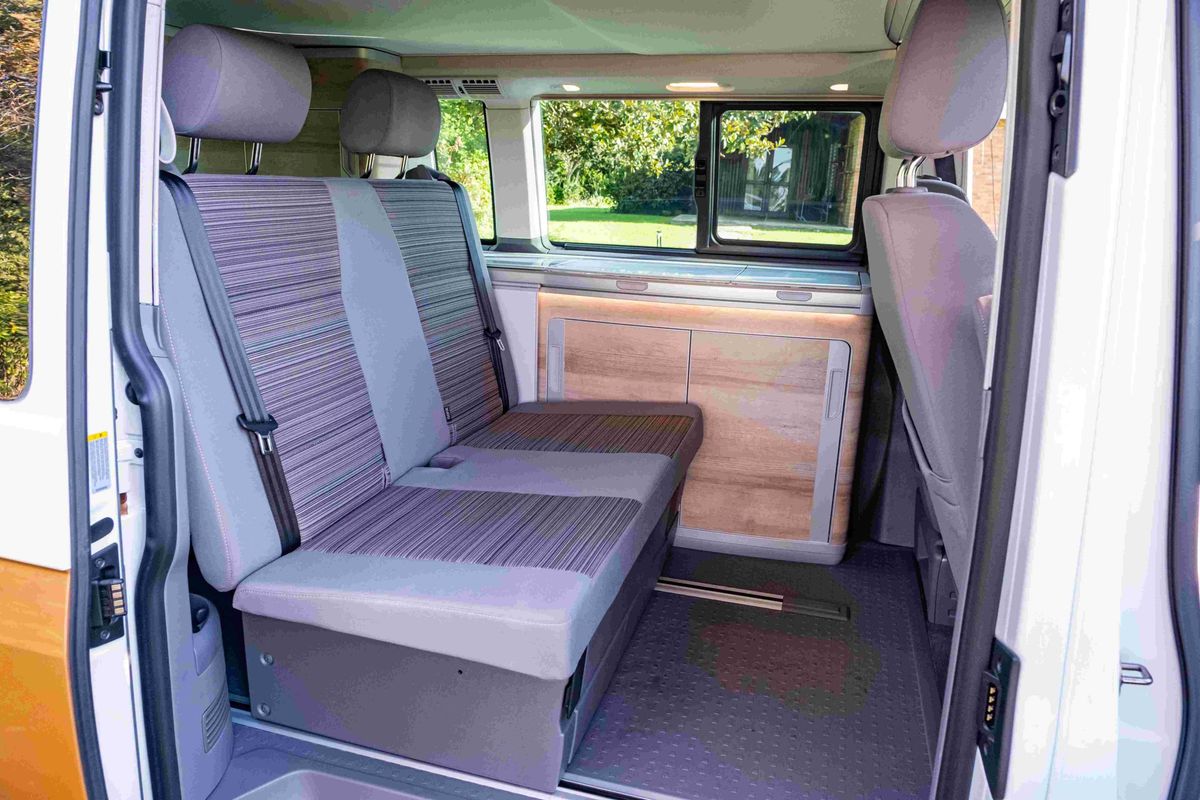
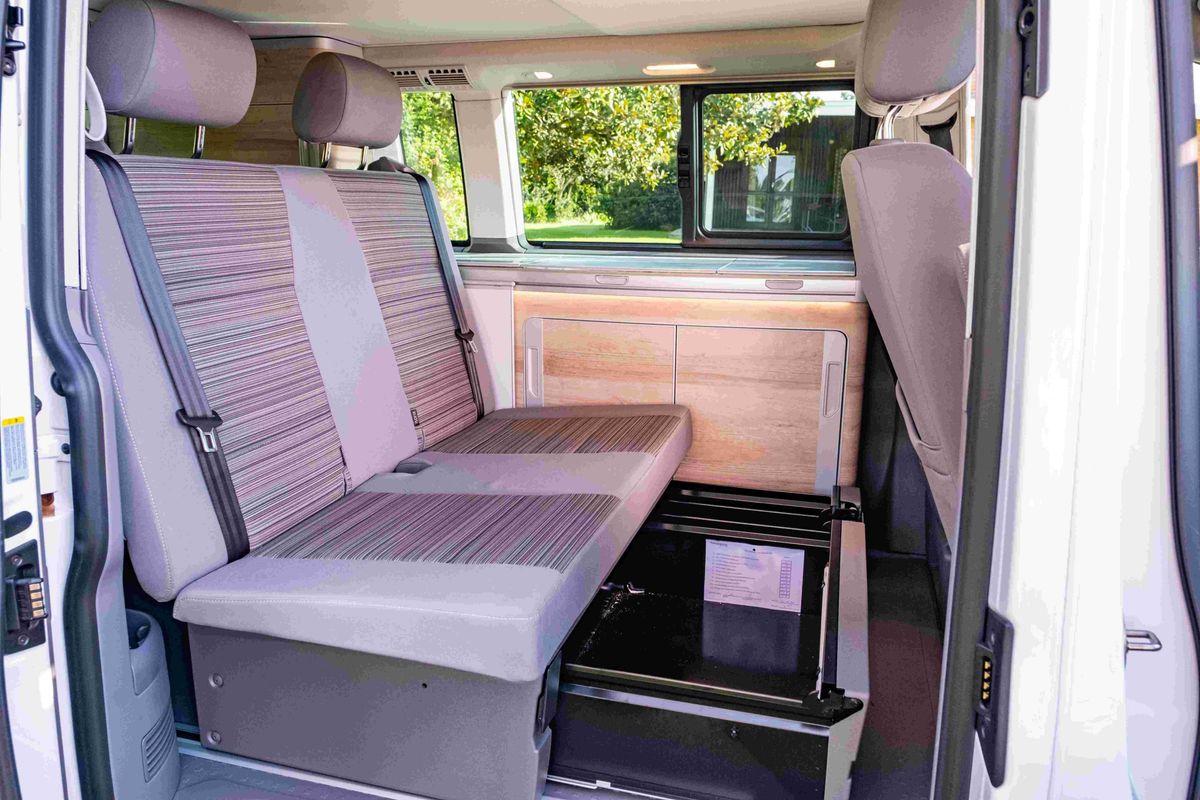
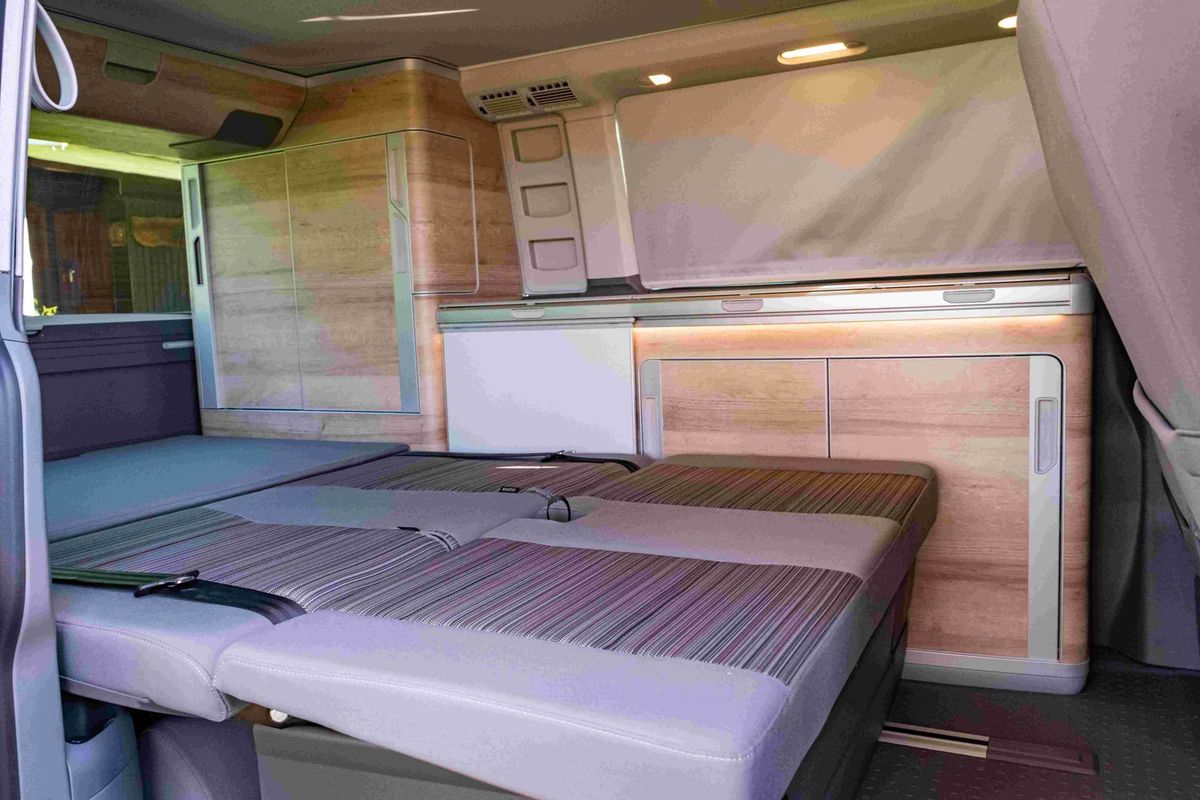
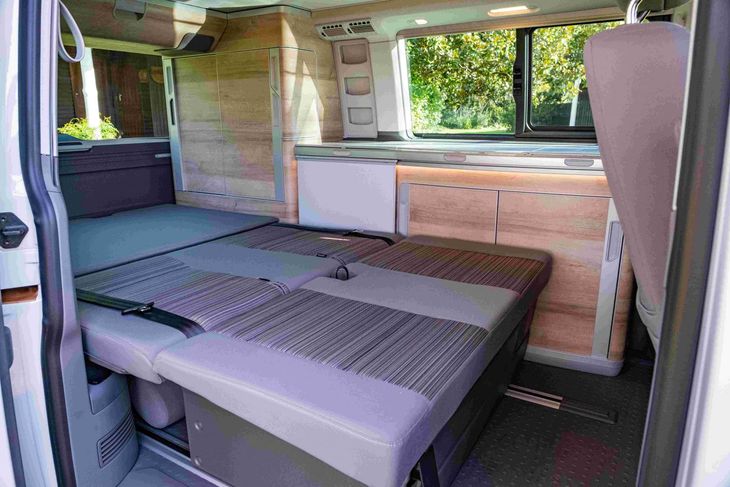
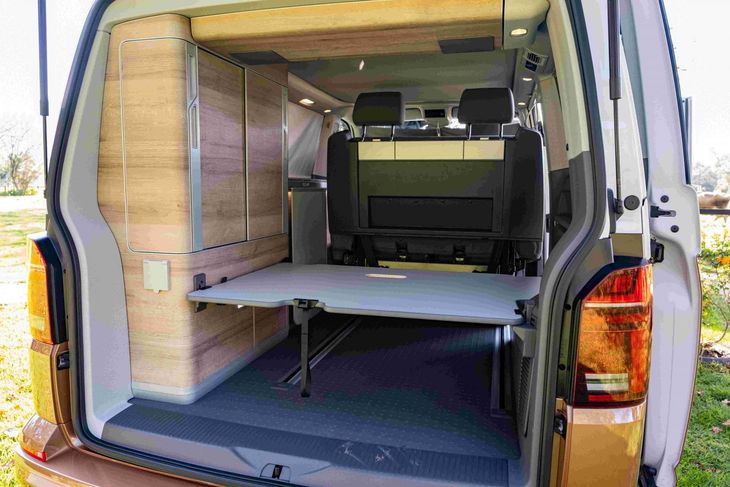
Moving into the rear of the cabin, the VW California Coast offers a seating bench for 2 (with 2 storage trays beneath it), which can be folded flat to create another bed in combination with the rear deck. The rear deck can also be angled upwards to create a lounging effect, which is great if you just want to relax and read a book.
The second-row bench folds down to create a ‘double bed’ and the rear deck can also serve as a recliner.
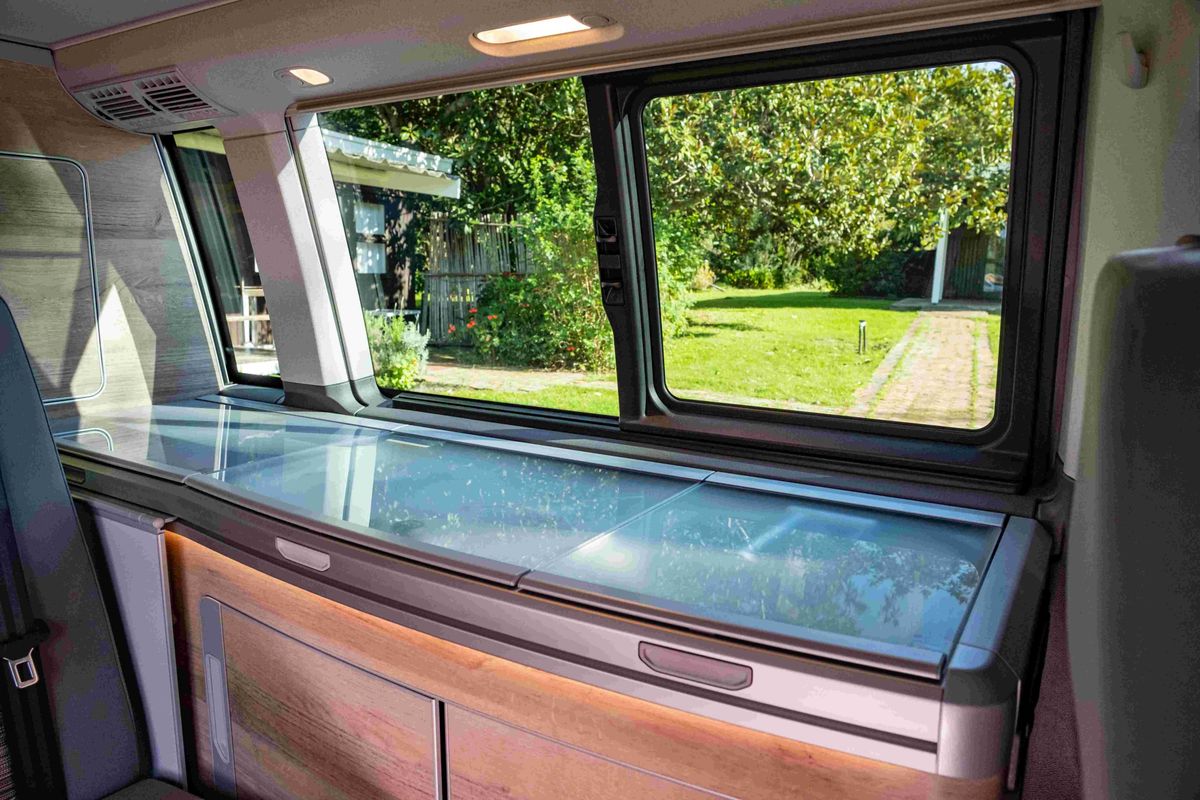
The VW California Coast is also equipped with its own kitchen, which includes cupboards (finished in Bright Oak wood-effect trim) with ample storage space as well as a small washbasin (linked to a grey-water tank), gas stovetop and a 42-litre fridge to keep drinks and other foodstuffs cold. What’s more, a fold-away table is provided that can be neatly stored alongside the storage shelf. It’s worth mentioning that the fit-and-finish of the cupboards and kitchen fittings is of good quality.
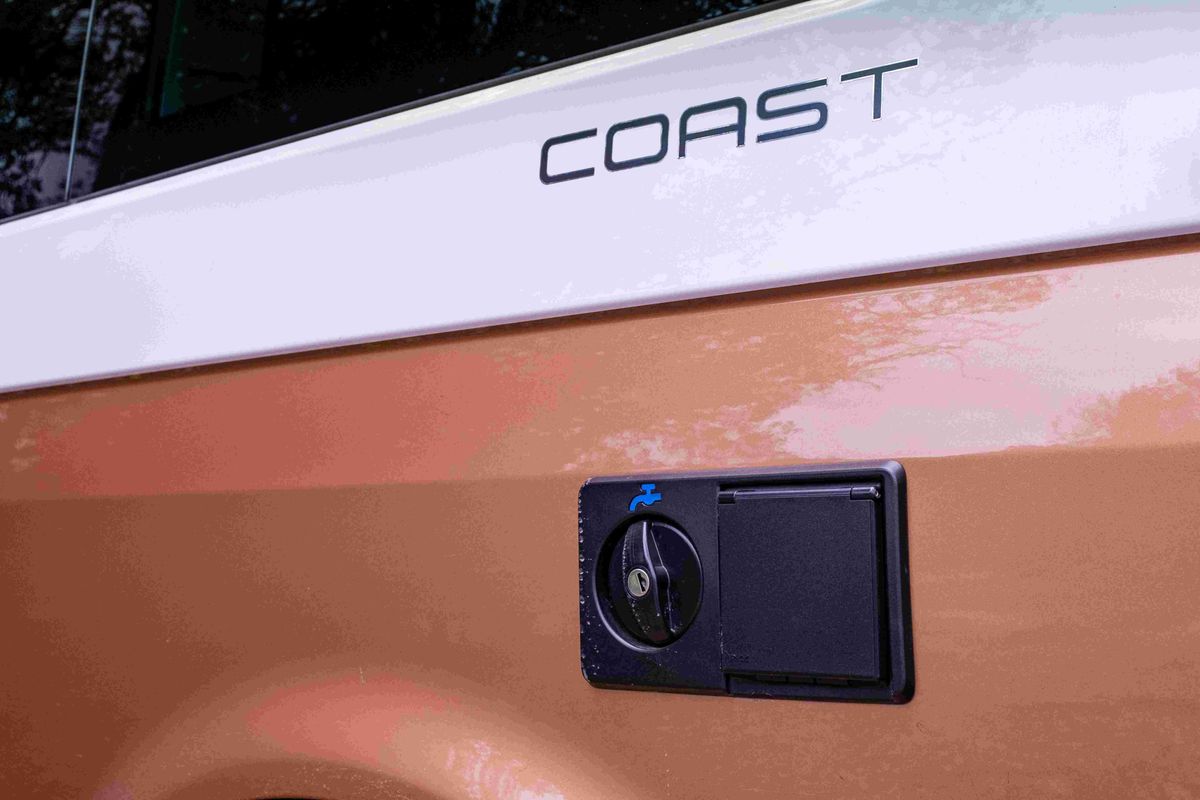
Additional storage cupboards are located at the rear of the cabin, which is also where you will find the shower and the connection point for the gas bottle, which fires up the gas stovetop. Plus, the family camper van benefits from having a separate water tank that feeds both the shower and aforementioned washbasin. The water isn’t heated though, so in winter you will be showering Wim Hof style.
A new multi-colour digital display mounted on the ceiling (at the front of the cabin) serves as a control panel for many of the vehicle’s key functions. It allows you to check water and battery levels, set alarms, adjust lighting (including wake-up lighting) and it will even tell you the inclination of the surface on which the vehicle is parked (level the vehicle to ensure you don’t have to sleep at an odd angle).
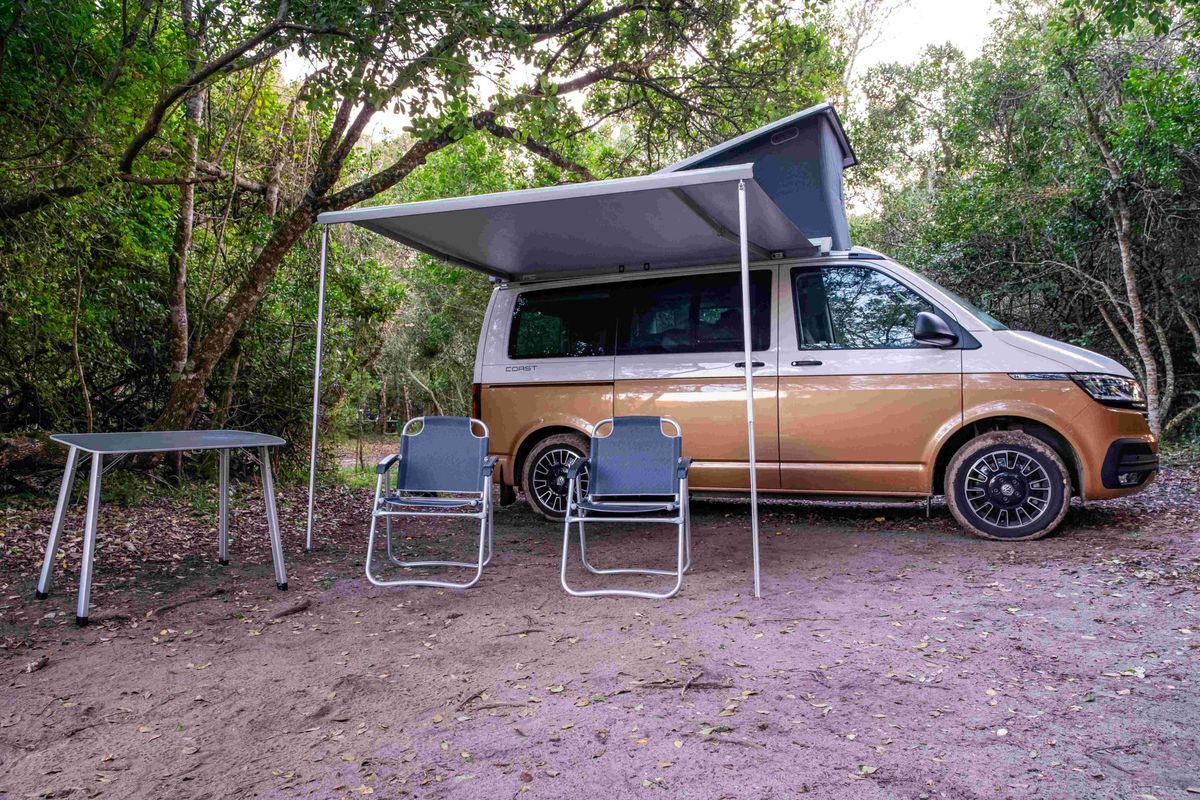
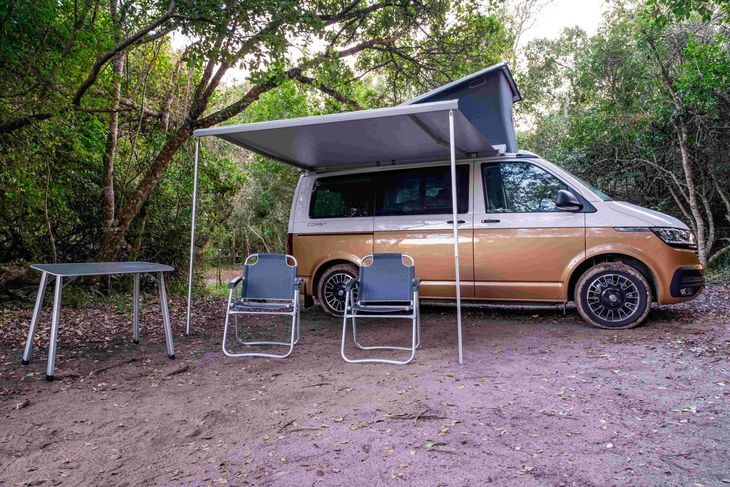
Other useful camping features on the VW California Coast include 2 camping chairs (stored on the inside of the tailgate), an awning affixed to the side of the vehicle and a fold-out table, which is cleverly stored on the inside of the one-touch sliding door. Okay, so, yes, it doesn’t include a toilet, but this family camper can is ready, set and gung-ho to set off on the adventure of your choosing.
What’s the front of the cabin like?
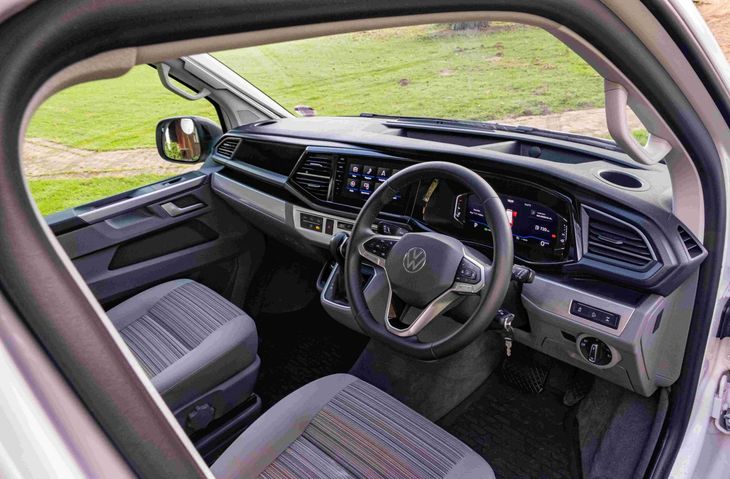
Volkswagen’s Active Info Display and Discover Pro Navigation infotainment system is standard.
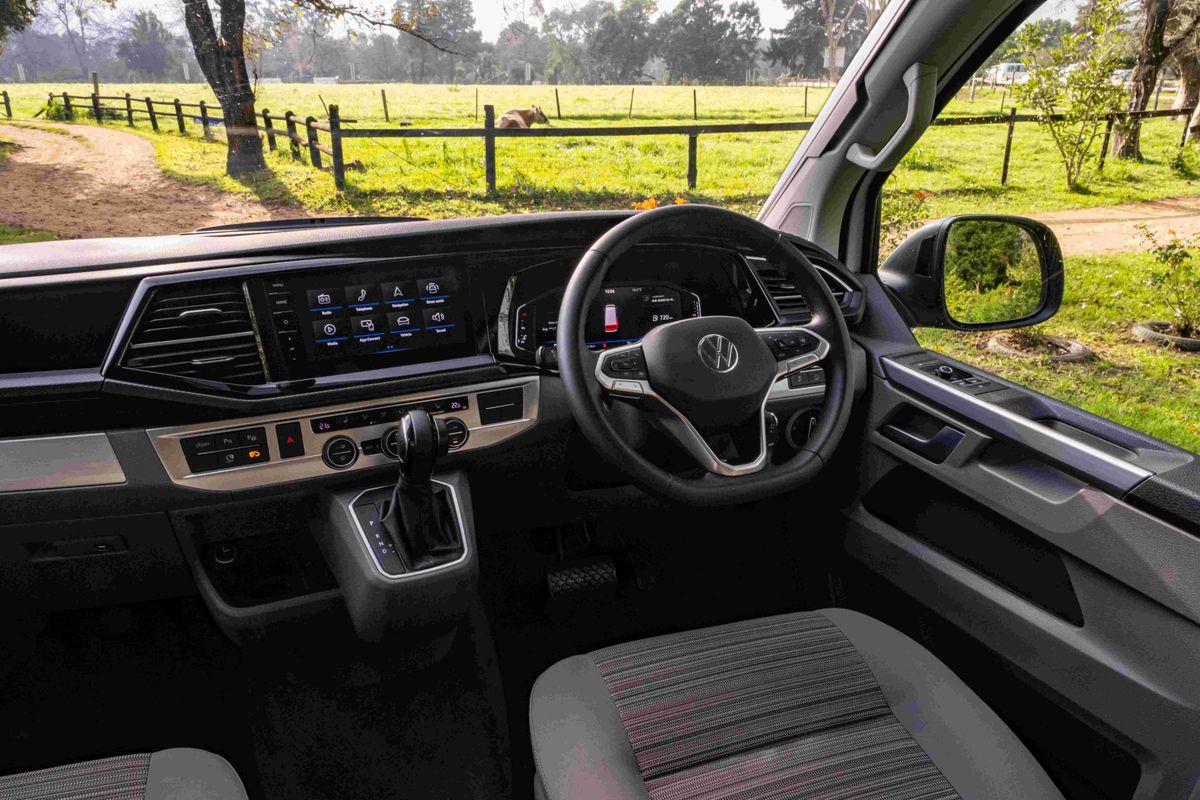
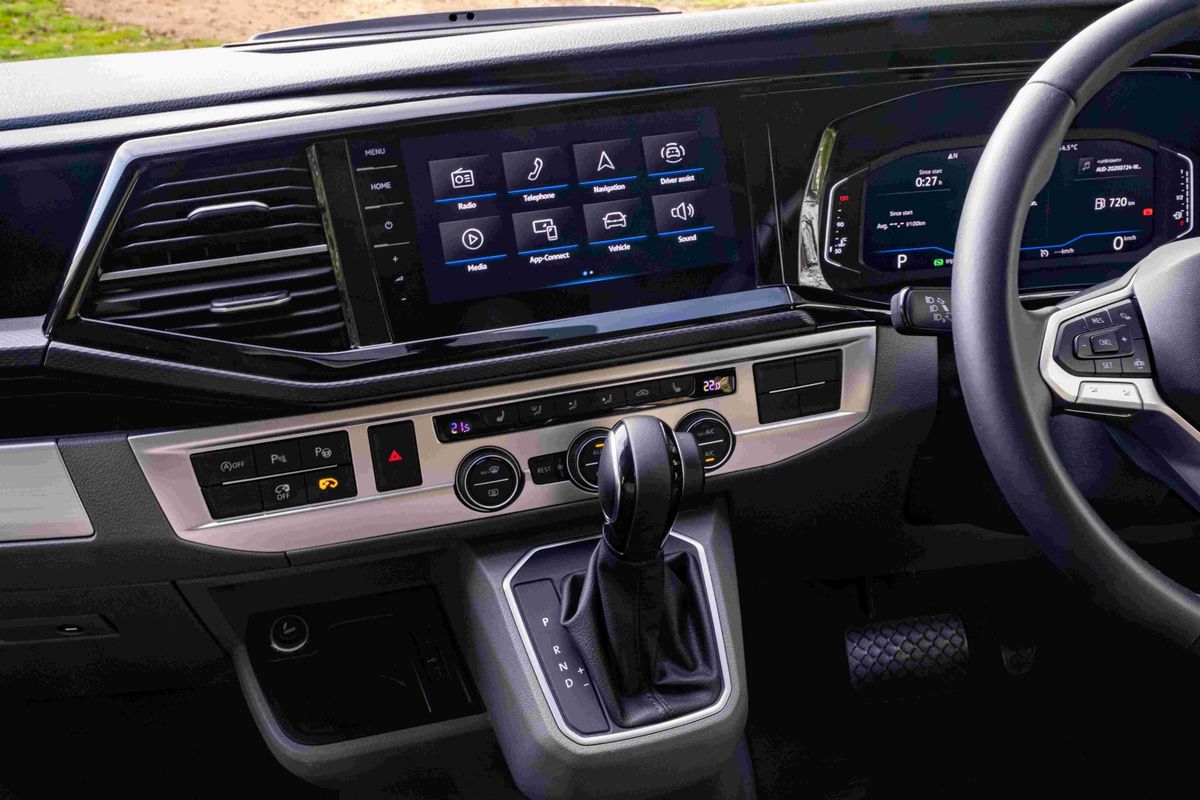
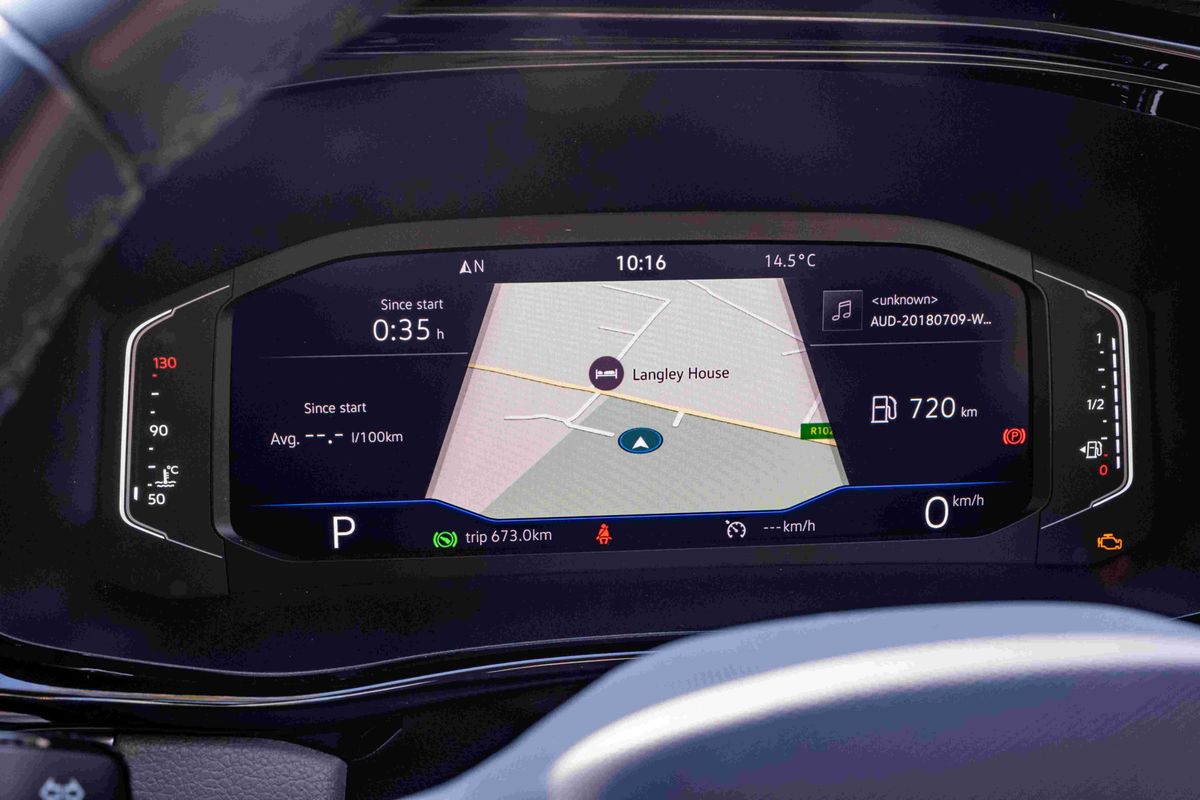
From behind the ‘wheel, one can see that the Volkswagen California Coast’s fascia incorporates the updates introduced with the T6.1 generation Kombi and Caravelle; it’s a generally upmarket and aesthetically pleasing design. Standard features include the brand’s configurable active information display and a Discover Pro Navigation infotainment system that includes integrated navigation, Bluetooth, Android Auto and Apple CarPlay functionality. There are also 2 Type-C charging ports close at hand, as well as an optional wireless smartphone charging docking slot.
All the seats in the Wolfsburg-based brand’s family camper van are upholstered in cloth, while the entire floor is trimmed in a durable plastic that should withstand the rigours of camping in the outdoors. The front seats also feature armrests, which add some additional comfort on long-haul trips and the column of the redesigned multifunction steering wheel can be adjusted for rake and reach.
It’s also worth noting that the front seats can be swivelled to face the rear cabin, which creates a more social seating arrangement once you’ve arranged at your destination.
In terms of standard safety equipment, Volkswagen has fitted features such as crosswind assist, trailer assist, side assist, rear traffic alert, manoeuvre braking function, lane assist, hill start assist, hill descent assist, park assist and a tyre pressure monitoring system. There are 6 airbags, as well as a reverse-view camera with static guidelines. ABS with EBD and brake assist is also standard.
What’s the VW California Coast like to drive?
With 146 kW and 450 Nm on tap, the California Coast isn’t short on grunt and it delivers good overall performance.
We experienced this 2.0-litre bi-turbo diesel engine in the range-topping Caravelle a while ago and, in conjunction with a 7-speed dual-clutch DSG transmission, it remains an impressive powerplant.
With 146 kW and 450 Nm of torque at its disposal, the Volkswagen California Coast offers ample shove, even when the vehicle is heavily loaded; it can execute overtaking manoeuvres quickly and easily at highway speeds. The engine is also refined and quiet in operation. It’s definitely not a clunky old-school diesel engine! In terms of fuel efficiency, Volkswagen claims 8.0 L/100km and we averaged roughly 10 L/100km during our test period. Also, by virtue of the family camper van’s large (80-litre) fuel tank, you can travel roughly 800 km before you need to stop to refuel, which is great!
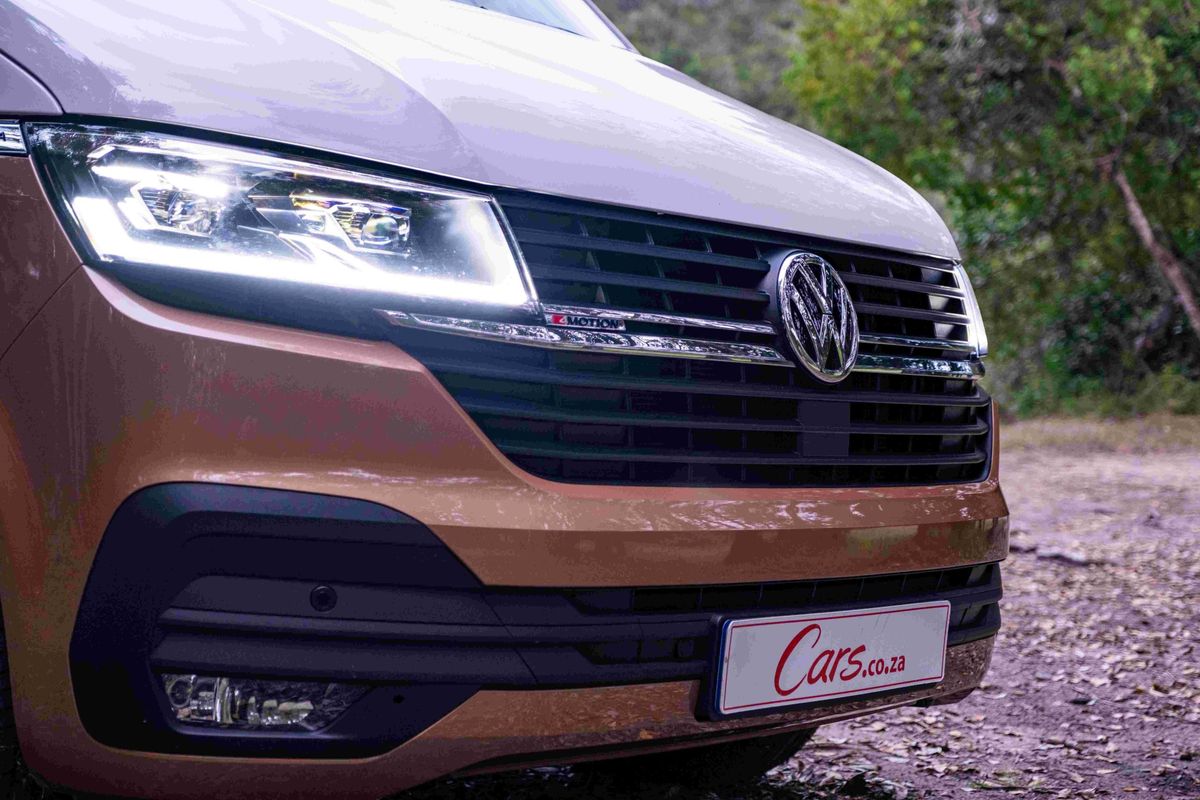
Suffice to say the Volkswagen has a tall and long body, which means that it’s prone to exhibiting body roll when cornering, but at least we found the general ride quality to be comfortable, even though the suspension is relatively firmly-sprung. The 4Motion all-wheel-drive configuration provides more driving confidence in wet conditions as well as better traction when you drive on unsealed surfaces. The Volkswagen California Coast also has a rear differential lock, which you can engage with the press of a button; it will help you free yourself (ahem, the vehicle) should you encounter a “sticky situation”.
What gripes do we have with the Volkswagen California Coast?
An electrically powered tailgate would make life so much easier. The tailgate is heavy and cumbersome to close.
While we are hugely impressed by the overall versatility and flexibility of the Volkswagen California Coast, we do have a few criticisms… Firstly, the fact that the rear tailgate isn’t electrically operated is an obvious oversight. The tailgate is heavy and takes a fair whack of strength to close and we suspect it will be a common gripe with owners.
The front cabin would be improved by the provision of some additional out-of-site storage spaces, because the glovebox is surprisingly small. We also found the voice control function of the infotainment system to be frustratingly slow at interpreting and executing simple commands.
While the family camper van’s cabin easily withstood the rigours of this adventure, we can’t help but wonder how the interior, particularly the cloth seats and headliner, will hold up to years of rigorous use. An avid outdoor enthusiast raised the point of cooking inside the vehicle and the impact that the steam, moisture and even oil could have on the headliner and upholstery. It’s something to think about…
How much does the Volkswagen California Coast cost in South Africa?
The Volkswagen California Coast is priced from R1 232 600 and includes a 3-year/120 000 km warranty and a 5-year/60 000 km maintenance plan.
Volkswagen has a winner here! Yes, it’s pricey, but there’s nothing like it on the market…
In many ways, the Volkswagen California Coast is perfectly fit for its purpose. It’s loaded with all the useful features that you would want or need from a family camper van and it provides the necessary connectivity and comfort features to ensure a pleasant journey to your destination.
Perceived build quality is good too; we think the model will serve its intended outdoor-orientated market very well. In fact, it does not have a direct rival in the South African market. The main rival to the Volkswagen California Coast is the Mercedes-Benz V-Class Marco Polo, but it’s not offered locally.
If you’re not convinced by the newcomer, you can obviously buy a new or used Volkswagen Transporter and shed blood, sweat and tears to convert it into your very own camper van, but the process will be very expensive and, frankly, stressful.
Therefore, if you are looking for a hugely capable family-orientated camper van, this Volkswagen California Coast is the answer. It’s definitely worth a closer look, provided you can afford it, of course.
Right to Repair starts today – Everything you need to know
The Right to Repair guidelines, which took effect on 1 July 2021, represent possibly the largest change to the way new cars are sold and maintained in South Africa in decades. There are very important new rules and regulations in place which South African motorists and franchised car dealerships need to understand and follow going forward. Some of the issues are complex and we do have some concerns, which we’ll outline in this article.
What is the Right to Repair?
After years of lobbying the government, the Right to Repair Campaign (RTRC) sought to bring South African practices in line with current legislation that is in place across much of Europe. After extensive consultations with stakeholders and interested parties, the Competition Commission of South Africa has published new guidelines relating to the motoring industry, which franchised dealers must follow, or face punitive measures in cases brought to the Competition Commission by consumers.
The underlying legal basis is the existing Competitions Act, Act 89 of 1998.
It is important to note that these new guidelines do not affect, replace or negate existing consumer protection as enshrined in the Consumer Protection Act, a detailed explanation of which you will find here in our recent podcast with the highly regarded consumer journalist and veteran #CarsAwards judge, Wendy Knowler.
The new Right to Repair (RTR) guidelines only apply to the sale, servicing and repairs of new and used vehicles that are still within their original warranty period.
How does the Right to Repair work?
This is a complex and far-reaching new framework for buyers and sellers, and perhaps the best way to explain the intricacies is to follow the story of a fictional new car buyer. So allow us to introduce you to Luke Skywalker, who has arrived from a galaxy far, far away and would like to buy a new Volkswagen Polo to enjoy in his retirement.
Luke walks into a franchised VW dealership on 1 July 2021 and takes a look around. He falls in love with a 1.0TSI Comfortline R-Line and decides to buy it on the spot, through a finance deal.
When he sits down with the salesperson, the dealership’s representative must separately disclose the price of the vehicle (which includes the manufacturer warranty, which in this case is valid for 3 years or 120 000 km, whichever elapses first) and the cost of the service plan.
Previously, this would have been bundled together, and Luke would not have been able to see what the service plan would have cost on top of the price of the vehicle itself. Before RTR came into force, Luke would also not have had the option of servicing the car outside of the franchised dealer network. If he did so, his car’s warranty could be voided (partially or completely).
And so Luke decides to finance the car without a service plan and his journey of looking after his own car begins. The first thing Luke should do is familiarise himself with the vehicle’s service schedule, which would be included in the handbook of the car or, if he is still unsure, he can ask the dealer to provide a document outlining the service intervals and service descriptions for the vehicle.
It is also very important at this junction for Luke to familiarise himself with the warranty schedule of his new car, in other words, to know exactly which parts and systems are covered by the manufacturer warranty and, more importantly, which aren’t. For example, if the alternator (a part that is almost always covered by a manufacturer warranty) breaks down within the warranty period, then Luke must go directly to the dealer he bought the car from (or another franchised VW dealership) for the purposes of repairing or replacing the part at their workshop.
However, if Luke “burns through” the clutch in the warranty period (a part which is most often not covered under warranty) then Luke now has some options, which we’ll go through below.
The next step is to find a trustworthy independent service provider (ISP, or third party workshop), which is where things can get quite tricky.
We highly advise that Mr Skywalker only takes the car to a MIWA-accredited service centre, preferably one that specialises in servicing and repairing Volkswagen models. MIWA is the Motor Industry Workshop Association of South Africa. They have roughly 3 000 accredited service providers that are all held to high standards of workmanship and importantly, carry liability insurance for defective parts or faulty workmanship. More information can be found here: www.miwa.org.za
At this point, liability insurance becomes vitally important. This is because if poor workmanship or the fitment of an inferior part causes damage to a part or system that is covered by the manufacturer’s warranty, the franchised dealer is within their rights to refuse to repair the part or system at their cost. This means that Luke will have to claim from the ISP, and the ISP will have to claim from their insurance.
In the example where Luke has burnt his clutch out before the RTR guidelines kicked in, he would have no choice but to pay the dealership for the parts and for the repair. Any other action would have resulted in voiding the warranty.
However, now Mr Skywalker can ask the dealership for a quote on the parts and repair. He can then shop around for a better price on the parts and the labour, and then make the choice himself. If he goes the third party route, he will not lose his vehicle warranty.
In this instance, it is likely that by pursuing the 3rd-party route, Luke will save money compared with opting to have the repair done at the franchised dealer.
However, let’s say the new clutch that was installed fails and damages the gearbox. The gearbox is a warranty item and so Luke takes it to the franchised dealer. The dealer assesses the issue and finds that the clutch was faulty (or installed poorly) and caused damage to the gearbox.
The dealer is within their rights, according to the new RTR framework, to refuse to repair or replace the gearbox. This means Luke has to go back to the ISP and make a claim there, where, hopefully, the insurance claim process goes smoothly, the workshop’s insurance pays out and Luke’s gearbox is swiftly replaced so that his car doesn’t stand there like a 2-tonne paperweight.
It is not clear in the guidelines if the 3rd-party workshop should replace the gearbox, or if Luke should be paid out and take the money to the dealership to replace the gearbox. However, there is the potential for real headaches here for Luke, where he could be caught in a Bermuda triangle of different parties pointing fingers at each other, never mind the sheer amount of paperwork and phone calls it would likely require to resolve this issue.
So, on with the story. For the next few years, Luke’s Polo ownership runs relatively smoothly and he sticks to the service schedule of the car, ensuring that the service book is stamped along the way.
Two years after buying the car, he decides that his car isn’t “doing it” for him anymore – he’s tired of having to fold the seats down to fit his lightsabre in the load bay. And so he decides that he wants to upgrade to an SUV… time to trade-in or sell the Polo, then.
Luke heads back to the dealer from which he bought the car and asks for a trade-in price. At this point, the dealer has the power to set the trade-in amount, and it remains to be seen as to whether dealers will choose to devalue cars that haven’t been serviced “in-house”. Equally, if Luke sold it privately, interested buyers might not be willing to offer what he’s asking because the car was serviced via 3rd party service centres.
Luke decides to take the dealer’s offer and upgrades to a Volkswagen Tiguan. Luke’s Polo hits the showroom floor and, as the car still has 1 year left on the warranty, the next buyer will have to make the same choice; whether to buy an in-house dealership service plan – or service the car privately.
How will Right To Repair affect me financially?
If you opt-out of buying a manufacturer service plan at the point of purchase, it is important to remember that you will now have to have the finances available when the time comes to service the car.
Traditionally, with the service plan cost bundled into the purchase price, the buyer would not “feel the sting” of servicing costs as they would simply be paying one complete instalment per month to the bank.
That being said, it is worth remembering that by financing your service plan, you are effectively paying interest on that amount for the duration of the finance period. In this sense, even if servicing the car yourself costs exactly the same amount as servicing through the dealer, it would still be cheaper as you are saving 5 or 6 years’ worth of interest.
How much will a service plan cost under Right to Repair in South Africa?
Well, this is a great question. We spent some time on the phone today chatting to franchised dealers, and as of 1 July, it appears they are not ready to separate the service plan from a new car’s price at the point of purchase. The reason for this is that dealerships do not set the price for service plans on new vehicles; this is set by “head office”, in other words, the car companies (OEMs).
We spoke to salespeople at Toyota and BMW dealerships in Cape Town and they admit they are in a tricky situation. If a customer walks in today and asks for the service plan to be unbundled, they would not necessarily be able to help. We are awaiting official replies from the respective car companies/OEMs and will add their comments to this article as soon as possible.
What does Right to Repair mean for the industry?
It is certainly early days, but the ripple effects from the new RTR guidelines are going to have deep and far-reaching effects on the industry… and some of those changes are already happening.
For instance, motor retail group Motus offers MotorHappy, a 3rd-party service plan product for new vehicles and vehicles still under warranty. The motorist pays one fee per month, and the plan includes all scheduled services, and a list of parts (consumables such as oils and spark plugs) that will be replaced under the plan. More information can be found here: www.motorhappy.co.za
We spoke to a MIWA-accredited workshop owner who says the RTR guidelines are having the desired effect, in that they are giving consumers more choice, and bringing down the cost of repairs, mostly because the OEMs’ franchised dealerships are having to reduce their parts and labour prices to be more competitive with the rest of the market.
The big losers here are the OEMs, as in the past they have made generally large margins on parts.
How will I know if I am being sold genuine parts?
Reputable and MIWA-accredited dealers should only fit genuine parts in your vehicle, and you are entitled to – and definitely should ask for – a list of those parts and their parts numbers to be included on your invoice. A thorough paper trail will definitely be a valuable tool should a dispute arise.
The reality is that many parts in your car, especially consumables such as filters and spark plugs, are not made by OEMs. They are made by brands such as Bosch and NGK for the big car brands. Independent workshops will often fit exactly the same part to your car that the franchised dealer would have fitted, except the part arrived in a white box instead of a box with a BMW logo on the side.
It is hugely important to ask which parts are being fitted to your car, especially in the event of a large part replacement, like a clutch.
How will an independent service provider know what to do with my car?
In markets like the USA and most of Europe, Right to Repair has been in place for at least 12 years now. In that time, car manufacturers have made all the important info available online… Wiring diagrams, parts replacement instructions, service schedules, major service requirements, technical drawings and other critical documents are all available to third party workshops to assist them in servicing cars.
It is unclear how this will work in South Africa. There is no specific agreement or guideline in place which compels local subsidiaries of car brands to provide this information to local independent service providers (ISPs). However, according to the owner of the ISP we spoke to, it is very easy to find all this information online already as there are dedicated online services that are in the business of collating all this information and providing it to workshops for a fee.
One of the issues that the workshop owner we spoke to was worried about was the issue of special tools. Very often, modern cars require proprietary tools to enable the mechanics to execute certain repairs. The guidelines state that the OEMs will have to make these tools available to ISPs, but the fear is that they will be prohibitively expensive.
How will a digital record of my car be kept?
One of the more useful aspects of car dealers handling all servicing and repairs up until now is that a thorough service history of used cars was available at the touch of a button, by simply running the car’s VIN number through the manufacturer’s database.
A motorist who chooses to use an ISP to service their vehicle may ask: How will the servicing information be recorded for my car? This issue has not been fully resolved, however, we have been told that a system is being built, which will allow ISPs to log services and service histories with the manufacturer, in a common system that all interested parties can access.
In summary
Make no mistake, the Right to Repair is a seismic shift in the motoring landscape of South Africa. Franchised dealers and OEMs are going to have to adapt and change their business models to be more competitive. Ultimately, and we suspect very soon, consumers will have far more choice at the point of purchase, as to whether they want to opt for an OEM service plan, a service plan that may be offered by the group company which owns the dealership or with an aftermarket service like MotorHappy.
We feel that what motorists really want is headache-free motoring. And the business model that offers the best combination of price and fewest headaches will almost certainly become the dominant way of doing business in years to come.
If you are about to buy a car and are leaning towards opting out of the OEM service plan, we strongly advise you to do extensive homework and conduct thorough research into how much it will cost to properly maintain the car that you’ve bought, and make an effort to select a reputable specialist who can look after the car. In fact, it might be better to find a specialist before buying the car!
Generally speaking, however, more choice was never a bad thing for the consumer.
Take a look at how new car sales performed in South Africa in June 2021.
Despite a shift in national lockdown regulations for the worse in June 2021, local car sales appear to be gaining momentum. This is according to the data published by naamsa in its monthly wrap up of national vehicle sales.
Reflecting on the new vehicle sales statistics for the month of June 2021 naamsa said that the recovery in the new vehicle market is gaining momentum and in line with industry expectations, notwithstanding the country moving from level 2 to level 3 in mid-June and subsequently to adjusted alert level 4 lockdown restrictions at the end of June 2021.
New Car Sales in SA June 2021
Aggregate new vehicle sales of 38 030 units up by 20% (+6 387 units) compared to the 18 808 units sold in June 2020.
Passenger car sales of 24 482 units up by 28% (+5 348 units) compared to the 19 134 units sold in June 2020.
Light Commercial Vehicle (LCV) sales of 11 208 units up by 9.6% (+986 units) compared to the 10 222 units sold in June 2020.
Export sales of 28 384 units up by 20% (+9 576units) compared to the 18 808 units expired in June 2020.
Top 10 Best Selling Car Brands in South Africa for May 2021
Toyota – 9 630 units
Volkswagen – 5 530 units
Ford – 3 273 units
Hyundai – 2 450 units
Nissan – 2 120 units
Suzuki – 1 992 units
Haval – 1 809 units
Isuzu – 1 664 units
Kia – 1 557 units
Renault – 1 456 units
Sales Outlook
The new vehicle market continued its gradual recovery during the month of June 2020 in the face of a number of challenges, but also opportunities. Ongoing stronger sales through the dealer channel signals improved consumer and business sentiment, rental companies are re-fleeting again while the delayed replacement cycle, due to lockdown restrictions in 2020, are catching up in contributing to improved new vehicle sales.
However, of concern is the persistent electricity supply disruptions, port delays, and the third Covid-19 wave of infections being experienced. The vaccine rollout is slow and a third wave of the pandemic threatens to dent the momentum in consumption in the country, especially if the adjusted alert level 4 lockdown restrictions are extended for longer than the initial two-week period. Compared to the first six months of 2020, the new vehicle market was now 40,1% above the corresponding period last year, but compared to the pre-Covid-19 first six months 2019, the new vehicle market was still 11,7% below the corresponding period 2019, highlighting that a full recovery would be protracted until around 2023.