Spy Shots: 2023 Ford Ranger Single-Cab

The next-generation Ford Ranger spy shots keep on coming. Here, we get a look at the entry-level workhorse. This is the 2023 Ford Ranger single-cab bakkie!

Development of the next-generation Ford Ranger is well underway and we’ve seen numerous spy shots over the past few months.  What you see here is a left-hand drive single-cab 2023 Ford Ranger which was spotted on the streets of Dearborn, Michigan – the home of Ford.

Why is a basic single-cab bakkie getting attention? See, the American market never received this derivative, only getting the SuperCab and DoubleCab models. It’s rumoured that this derivative will make an appearance in the US market, with Ford creating one single Ranger platform for the world market. 

The new Ford Ranger will be built in South Africa at Ford’s Silverton plant in Tshwane. The Ranger will also be built alongside the next-generation Volkswagen Amarok as the two brands globally join forces on bakkies and commercial vehicles in order to cut costs.

What will power the all-new Ranger is still to be revealed but considering Ford’s 2-litre bi-turbodiesel engine is still relatively new, (it was introduced in 2019) it will likely continue for at least the next 5 years before being replaced.

There’s good news for petrolheads however, as rumours are rife the next-gen Raptor will feature petrol power. The engine architecture found in the current Explorer ST could make its way into the new Ranger Raptor.

Ford’s most potent tune of the 3-litre EcoBoost V6 makes some very impressive numbers, especially for a bakkie. If product planners at the American brand decided to use the 3-litre EcoBoost V6 without any upgrades, it should boost 298 kW and 563 Nm of torque, which should make more than a few people very happy.

When will the new 2023 Ford Ranger be revealed?

We’re expecting Ford to take the covers off of its all-new Ranger in early 2022.

2023-Ford-Ranger

Further Reading

Ford Ranger Accessories for 2021

Spy Shots: 2023 Ford Ranger

Ford Ranger Raptor V6 engine details

Ford Ranger (2021) Review

BMW i4 M50 Specs Confirm Huge Power


These new battery BMWs, are not shy when it comes to kWs

BMW has finally revealed the customer specification of its new i4 range, and the performance numbers are impressive. We've already had a first look at the all-new BMW i4 in terms of design, but now all the power and range details have been showcased.

As the ‘Werke moves to embrace an electrified product portfolio, it is not compromising on power. Although crossovers and SUVs are being tables as the lead product configurations for electric vehicles, BMW has not abandoned its commitment to luxury sedans.

The new i4 four-door enters the market with an eDrive40 derivatives. True to BMW’s engineering heritage, this i4 is rear-wheel drive and produces 250 kW, supported by 430 Nm. Those numbers aren’t too dissimilar to what you’d get in a standard BMW M340i.

Performance is brisk, with the benchmark 0-100kph in 5.9 seconds and with an 83.9kWh battery pack, BMW claims 483 km of driving range.

The next variant is an i4 M50, which is all-wheel drive and has 400kW of available power. This is a veritable electric M-car, capable of 0-100kph in only 3.9 seconds. It uses the same battery capacity as i4  eDrive40, with a reduced range of 394km. Truth be told, if one uses the performance potential, the M50 driving endurance will be a lot less, than that.

Beyond its new i4s, BMW has also confirmed the iX crossover’s specification. All these electric BMWs have dual motors, each driving an axle. On the iX xDrive50, peak power is 385 kW, making it capable of 0-100kph of 4.6 seconds and 483 km of range.

The iX xDrive50 uses a larger 111.5kWh battery, compared to i4, and is being offered with adaptive air suspension, with 30mm of ride height adjustment.

Inside these new battery-powered BMWs, the cabin architecture sees a 50% reduction in physical switches and buttons, whilst the helm is now a hexagonal shape. Instrumentation is displayed via 12.3-inch digital display, whilst infotainment is controlled with a 14.9inch touchscreen.

These new BMWs are all 5G compatible, too. The first-ever BMW i4, along with the first-ever BMW iX, will be available in South Africa from the first quarter of 2022. 

BMW-14

Further Reading

BMW i4: First Images and Details Revealed

BMW i4 Dynamically Teased w/Video

Zimmer sound for new BMWs

8 Cool Things: BMW iDrive 8

Kia Sonet (2021) Review

Kia recently expanded its compact family car line-up with the introduction of the Sonet, which is smaller and more affordable than its Seltos sibling. Does the newcomer tick enough boxes to beat other budget-positioned rival offerings from Suzuki, Toyota and Nissan? We put the 1.5 EX derivative through its paces.

We like: Performance, fuel economy, perceived build quality, overall value, luggage space.

We don’t like: Rear bench isn’t split. Cruise control would be welcome.

Fast Facts

  • Model Tested: Kia Sonet 1.5 EX
  • Price: R284 995 (June 2021)
  • Engine: Naturally-aspirated 1.5-litre petrol
  • Power/Torque: 85 kW/144 Nm
  • Transmission: 6-speed manual
  • Fuel efficiency: 7.0 L/100 km
  • Load capacity: 392 litres

What is it?


The Sonet’s tiger-nose grille gives it a unique, quirky look and makes it stand out in this segment. 

Market demand for budget-oriented small crossovers has grown substantially, so much so that the segment is flourishing – it now incorporates a wide range of products and humdrum compact hatchback variants with SUV-aping embellishments have all but disappeared! The Kia Seltos goes up against rivals such as the Suzuki Vitara Brezza, Toyota Urban Cruiser, Nissan Magnite and the ageing Ford EcoSport.

Like its Seltos sibling, the Sonet is manufactured in India on the Hyundai-Kia K2 platform, which also underpins the popular Hyundai Venue. This Sonet 1.5 EX derivative can be distinguished by its 16-inch alloy wheels, stylish roof rails and front fog lights. With its simple, yet aesthetically pleasing design, we think the newcomer is one of the better-looking compact family cars in an ever-expanding segment.

So, Kia has seemingly nailed the design brief for the Sonet… but let’s examine the nitty-gritty details to determine if you should consider buying the Korean marque’s new model…

What’s the new Kia Sonet’s interior like?

kia sonet interior
The Sonet’s perceived interior build quality is arguably better than what’s offered in its strongest rivals. 

At its price point, the Kia Sonet arguably offers the best interior – both in terms of styling and perceived build quality, barring the Haval Jolion, which is admittedly a bigger vehicle and its entry-level derivative is comparatively pricier (R299 900). The newcomer’s interior is finished in mostly harder plastics and the fascia design is unfussy, but there’s a pleasing solidity to the build quality, which we appreciated.

The seats are upholstered in a cloth-leather combination and even though their cushions are rather firm, they provide ample comfort for the daily commute, if not perhaps long-haul journeys. The driver’s seat is height adjustable and the column of the multi-function steering wheel can be adjusted for rake, but not reach.

We like the modern look of the digital instrument cluster, which incorporates a digital speed readout and an LCD screen. In terms of infotainment, the Sonet has all the bases covered with an easy-to-use 8.0-inch touchscreen infotainment system equipped with wireless Android Auto and Apple CarPlay functionality, as well as the obligatory Bluetooth connectivity and voice control.

This 1.5 EX derivative equipped with a pair of USB ports and a 12V socket at the front of the cabin, while there’s a single USB port for rear passengers (in other words, 3 USB ports in total). Front and rear park distance control, plus a reverse-view camera (with guidelines) are standard too; they’re certainly nice-to-have features at this price point!

In terms of safety, the Sonet is fitted with 2 airbags (driver and front passenger), ABS with EBD, as well as electronic stability control.

What’s the Kia Sonet like to drive?

kia sonet rear
The Sonet performs well in urban and highway driving situations while also returning favourable fuel consumption. 

The Sonet utilises a naturally-aspirated 1.5-litre engine that produces 85 kW and 144 Nm of torque; in this particular case, the motor is mated with a 6-speed manual gearbox. It’s worth mentioning the Korean powerplant’s peak outputs trump those of the Suzuki Vitara Brezza and Toyota Urban Cruiser, both of which also employ a 1.5-litre naturally aspirated engine.

While the 1.5 EX’s motor is admittedly not as punchy as a smaller-capacity turbocharged engine, it delivers nippy performance in urban and highway driving conditions… It definitely doesn’t feel like the 1.5 EX lacks oomph: in-gear acceleration, even in the highest gear, is commendable, which suggests the ratios of the manual gearbox are well-calibrated with the engine’s performance characteristics.

That, of course, means you don’t need to work the gears hard to keep the 1.5 litre “on the boil”. It’s easy to execute overtaking manoeuvres, for example, even when the Kia is in top (6th) gear. Buyers based in Gauteng (where the air is thinner), must, however, accept that the Sonet’s performance will wane somewhat at altitude; it won’t feel as tractable, especially when fully loaded with passengers and luggage.

The gearbox has a positive shift feel and that extra gear does its bit to optimise the 1.5 EX’s fuel consumption! Kia claims a combined-cycle figure of 7.0 L/100 km for this derivative and, during the Sonet’s tenure in our test fleet, the newcomer indicated consumption figures as low as 6.6 L/100 km – we hardly ever achieve better returns than what the vehicle manufacturers claim! Impressive stuff.

kia sonet side
Gravel or tar, the Sonet rides comfortably on varied surfaces. 

In terms of ride quality, the Sonet is just about average for a car in this segment. The cabin is fairly well insulated from noise, vibration and harshness (NVH); okay, we did discern some wind noise at highway speeds, but it was not bothersome. We also found the Sonet’s ride quality forgiving and pliant on both tarred- and gravel surfaces of varying quality.

As for handling, the Kia’s steering does have some vagueness to it, particularly at the centre, but the ‘wheel is light to wield and fairly responsive to inputs. Not only does the Sonet turn in reasonably sharply, but it feels feel well-planted, which means you can make it corner fairly briskly with confidence. Compact family cars aren’t generally renowned for their dynamism, but the Sonet feels quite sure-footed.

Is the new Kia Sonet practical?

Kia Sonet boot
At 392 litres, the Sonet’s load bay is generously proportioned for a vehicle of this size.

Due to its compact size, the Kia Sonet can comfortably navigate narrow streets and slip into tight parking bays with ease. Also, due to its notable 2 500-mm wheelbase, interior space is reasonable too. Rear legroom is average (at least on par with other offerings in this segment), but the load bay (with a claimed 392-litre capacity) is notably larger than those of its primary rivals, which is particularly useful.

Unfortunately, although the rear bench can be folded forward, it does not split, which means the Sonet’s load bay is not as flexible as those of rivals that have 60:40-split seatbacks. Also, when the rear bench is folded, the load floor isn’t flat because the base of the bench creates a pronounced step (or lip) in the load bay, which make it harder to load longer items. In our obligatory Cars.co.za “surfboard test”, the Sonet managed to accommodate a 6-foot surfboard, but only just!

In terms of stowage spaces, it’s worth noting that there are bottle holders in the door linings, as well as 2 cupholders at the front. Rear passengers are also afforded the comfort of a central armrest, which is equipped with 2 cupholders. A small storage bin is located between the front seats, plus there’s additional storage available in front of the gear lever (and in the glove box) for any items you wish to store.

How much does the Kia Sonet Cost in South Africa?

The Kia Sonet 1.5 EX manual is priced from R284 995 and is sold with Kia’s 5-year/Unlimited warranty and a 4-year/60 000 km service plan.

See specification details for the Kia Sonet

Buy a Kia Sonet on Cars.co.za

Verdict

Kia Sonet badge
In the sub-R300k price range, the Sonet makes a very strong case for itself. 

The Kia Sonet 1.5 EX represents very good value. Its performance and perceived build quality surpass what’s offered by comparable Suzuki and Toyota models; for many buyers, that will count for a lot.

Overall, the Sonet is a likeable, distinctive and eminently capable compact family car that’s equipped with most of the features that its target market would want. It does have its shortcomings, however: the 1.5 EX does not offer cruise control and LED headlights, which some of its rivals do. Also, the solid (non-splitting) rear seatback might bother some practically-minded buyers, but it’s not a deal-breaker.

Considering its reassuring sense of solidity, driveability and efficiency, you’d be silly to ignore this newcomer to the market. Moreover, the Sonet is backed by a comprehensive 5-year/unlimited km warranty and a 4-year/60 000 km service plan, which strengthen its purchasing proposition. If your budget can stretch to R300k, however, it’s also worth keeping the talented new Haval Jolion in mind.

Nonetheless, there’s a lot to like about the Sonet – we won’t be surprised to see it steal quite a few sales from its established rivals in the months to come…

Book a test drive of the new Kia Sonet here

Frequently Asked Questions

Q: What is the Kia Sonet?

A: The Kia Sonet is a compact crossover vehicle in the South African market. It was first launched in 2021 and received a mid-life upgrade in 2024, introducing new features and an updated design.

Q: What engine options are available for the Kia Sonet?

A: The Kia Sonet is offered with two engine options: a 1.5-liter naturally-aspirated petrol engine and a 1.0-liter, 3-cylinder turbopetrol engine. The turbocharged version is recommended for those who need more power, especially at higher altitudes.

Q: What are the key features of the 2024 Kia Sonet?

A: The 2024 facelift introduced several tech features, including wireless Android Auto/Apple CarPlay, Bluetooth with voice recognition, and a reverse camera. The top-tier SX grade also comes with an active safety suite.

Q: What are the disadvantages of the Kia Sonet?

A: According to the article, some disadvantages include a low airbag count (only two) in the entry-level models, a significant power loss in the 1.5-liter engine at high altitudes, and the high price of the flagship SX model. The service plan was also reduced from 4 years/60,000 km to 3 years/45,000 km.

Q: Which Kia Sonet model is the best to buy?

A: The article recommends the Sonet 1.5 EX+ model as the best balance of specification and price.

Related Content 

Kia Sonet (2025) Specs & Price in South Africa

Kia Sonet – Why you should buy it

Reviews 

Kia Sonet (2024) Review 

Kia Sonet (2024) Living with it

Kia Sonet Turbo (2022) Review 

Kia Sonet (2021) Review

New Car Sales in SA: May 2021


Take a look at how new car sales performed in South Africa in May 2021. 

As the South African economy desperately tries to recover from the devastating impact of the Covid-19 pandemic and with the onset of the third wave of infections, the future remains uncertain. 

In May 2020, South Africa was emerging out of a hard lockdown with retail sales resuming under Level 4 restrictions. Month-on-month comparisons are therefore not reflective of normal trading patterns and drawing conclusions based on such comparisons are futile. 

Nonetheless, let's take a look at new car sales figures for the month of May 2021 which were released by naamsa, the Automotive Business Council.

New Car Sales in South Africa for May 2021
 

  • Aggregate new vehicle sales of 38 337 units up by 197.8% (+25 463 units) compared to the 12 874 units sold in May 2020. 

  • Passenger car sales of 24 122 units up by 169.0% (+15 156 units) compared to the 8 966 units sold in May 2020. 

  • Light Commercial Vehicle (LCV) sales of 11 930 units up by 288.5% (+8 859 units) compared to the 3 071 units sold in May 2020. 

  • Export sales of 35 326 units up by 196.8% (+23 425 units) compared to the 11 901 units expired in May 2020. 

Top 10 Best Selling Car Brands in South Africa for May 2021 

  1. Toyota – 9 882 units

  2. Volkswagen – 5 579 units 

  3. Ford – 2 910 units

  4. Hyundai – 2 836 units

  5. Suzuki – 2 034 units 

  6. Isuzu – 1 818 units 

  7. Haval – 1 782 units 

  8. Nissan – 1 746 units 

  9. Kia – 1 521 units 

  10. Renault – 1 511 units

Sales Outlook


The new vehicle market is in a gradual recovery with anticipated growth in excess of 3% expected for 2021. It’s also expected that business conditions will improve further in the remaining 6 months of the year as both the domestic and international markets rebound. Exports are expected to grow further as demand for new vehicles in the international market continues to increase. 

Lebogang Gaoaketse, Head of Marketing and Communication at WesBank, commented, “The market continues its slow recovery in the face of a number of challenges and opportunities. Interest rates remain at historical lows, providing some of the most affordable finance and consequently opportunities to purchase a new vehicle. However, price inflation against the backdrop of a subdued economy continues to be a barrier for many purchase decisions.” The latest Vehicle Pricing Index (VPI) released by TransUnion indicates that new car prices rose by nearly 3 times the general inflation rate during the first quarter of 2021. 

It must be noted though that growth to pre-pandemic levels will be slowed by factors such as unstable energy supply and South Africa’s rising debt levels. 

Buy a new or used car on Cars.co.za!

Related Content 

New Cars or Used Cars: What Car Should You Buy?

Factors That Affect the Value of Your Car

What Type of Car Should You Buy?

Electric Rimac Nevera Revealed with 1 408 kW


Rimac has revealed its new electric hypercar, the Nevera, which boasts huge outputs!

Supercar manufacturer, Rimac Automobili, has revealed the production version of its C_Two concept car which was shown at the 2018 Geneva Motor Show. 

It’s called the Nevera, named after a Mediterranean storm, and only 150 examples will be built for customers with a price tag of approximately R33.7 million. 

What do you get for your money, you ask? How does 1 408 kW and 2 360 Nm grab you? 

Those astonishing outputs are developed by 4, yes 4, electric motors and each wheel is connected to a pair of single-speed gearboxes. 

A 120 kWh battery claims an electric range of up to 550 km (WLTP) and takes 22 minutes to charge from zero to 80% using a 500 kW fast charger. The battery itself was developed by Rimac and the Nevera weighs in at 2 150 kg with a 48/52 weight distribution. 

The Nevera features a monocoque construction which includes a bonded carbon roof, rear carbon subframe and integrated structural battery pack. The monocoque weighs less than 200kg and incorporates 2 200 carbon fibre plys and 222 aluminum inserts to ensure maximum strength and Rimac says this is the “most rigid structure of any car ever made”.   

How fast is the Rimac Nevera? 

Rimac Nevera rear
The performance numbers for the Rimac Nevera makes for interesting reading…

Zero to 100 kph is claimed in 1.97 seconds while zero to 300 kph will take only 9.3 seconds. Let that sink in… The quarter mile takes 8.6 seconds and top speed is rated at 412 km/h. 

The Nevera makes use of Rimac’s All-Wheel Torque Vectoring 2 (R-AWTV 2) system which is both predictive and responsive. The system is able to calibrate the amount of torque sent to each individual wheel and makes 100’s of calculations per second to achieve the necessary torque outcome to suit the driving conditions. A total of 7 driving modes are offered ranging from Track, Sport, Drift, Comfort, Range and 2 Custom modes. 

In terms of stopping power, the Nevera is equipped with a complex electro-hydraulic brake booster with a brake pedal feel simulator that is able to regenerate up to 300 kW through braking and stopping power comes courtesy of 390 mm Brembo CCMR carbon-ceramic brake discs and 6-piston calipers. 

What’s the interior of the Rimac Nevera like? 

Rimac Nevera Interior
The Nevera places focus on the driver with a minimalist, yet racy interior design.

The Rimac Nevera is a 2-seater and is said to be as much of a grand tourer as it is a performance hypercar. The Nevera features 3 digital screens resulting in a minimalist cabin design with only essential physical buttons present. 

Rimac says it will launch the world's first AI driving coach in 2022 which uses 12 ultrasonic sensors, 13 cameras, 6 radars and the latest NVIDIA Pegasus operating system which evaluates performance and provides guidance to the driver using real-time overlays to improve driving performance on track. 

No 2 Nevera’s will be built equal and a wide range of trim and material options will be offered for the Nevera. Each Rimac Nevera customer will be invited to Croatia to partake in the individual design of the car. 

Related Content 

 10 Most Powerful Production Cars of the Last Decade (2010-2019) 

Pininfarina Battista is the Best-Looking EV Yet

Aston Martin Valkyrie hits the road


Volkswagen Golf by Prior Design is Extreme


While we wait for the new Volkswagen Golf 8 GTI to launch in South Africa, we can't help but browse the web looking at G8 content and then we found this! 

The Volkswagen Golf 8 GTI is one of South Africa's favourite performance offerings and petrolheads are anxiously waiting for the latest iteration to land on our shores. A few units are here already, but the entire launch has been pushed back by a few months. The reason? The global semiconductor shortage and while SA is not the only market to suffer, it offers little comfort to the fans. 

“The Volkswagen Group has been impacted by the global shortage of the semiconductor chips and all vehicles built on the MQB platform have been affected. For this reason, the launch of the Golf 8 GTI in South Africa will now move to the third quarter,” said Steffen Knapp, Head of the Volkswagen Passenger Car Brand. So there you have it from the brand itself, the official reason and new plan for the Volkswagen Golf 8 GTI launch in SA

At least we know what we're getting as Volkswagen South Africa has already confirmed the specifications of the new Golf 8 GTI for our market

What you see here on the other hand, looks like something out of a video game. While most fans will say the styling of the new Volkswagen Golf 8 GTI is good, there will be some that aren't overjoyed with its mature sportiness and the good news is that German specialists Prior Design have just the product for you. The Prior Design package for the Volkswagen Golf 8 GTI is outrageous and it looks like it belongs in a video game, or the European Touring Car field. 

Prior Design has gone all out and the kit comprises a fully revised front bumper with a splitter. The wide stance comes courtesy of flared front and wheel arches which really add to the aggression. Prior Design has also lowered the vehicle and added larger aftermarket wheels. 
There's also a new rear bumper, massive rear spoiler as well as an aggressive diffuser, that looks like it'll help suck the car to the ground.

Volkswagen-Golf-8-Prior

Further Reading

VWSA Confirms Golf 8 GTI Specs

Volkswagen Golf 8 GTI SA Launch Delayed

Volkswagen Golf R (2021) International Launch Review

Land Rover Defender 90 (2021) Specs & Price in SA


The short wheelbase Land Rover Defender 90 is now available in South Africa!

The new Land Rover Defender 110 appears to be a hit in South Africa. Following its arrival in Mzansi in 2020, many examples have been spotted hopping curbs all over the country. 

Now though, the local Defender range has expanded with the arrival of the 3-door, short-wheelbase Defender 90. 

What trim levels are offered on the Land Rover Defender 90? 


The Defender 90 comes to market with 3 trim levels and a special Launch Edition. 

Buyers have the choice between the base S specification, X Dynamic, First Edition and the range-topping Defender X. 

The Defender S is fitted with standard features such as LED headlights (with automatic high beam assist), keyless entry, Ebony grained leather (with woven textile facings) and a 10-inch Pivi Pro infotainment system with Apple CarPlay and Android Auto. The Defender S is also equipped with Terrain Response, 3D surround camera, emergency braking lane keep assist, 360-degree parking assistance, wade sensing and a driver condition monitor. 

The Defender X-Dynamic is distinguished by Narvik Black gloss for the door and wheel arch cladding and is fitted with Silicon Satin skid pans. Durable Robustec material is found on the seat ribbons and console and this material is designed to survive the rigors of the outdoors and serves to protect high-wear areas. The Defender X-Dynamic is offered in SE and HSE specification. 

The Defender X gains gloss balck inset contrast bonnet with gloss black claddings. Front and rear skid pans and other details are finished in a Starlight Satin finish. This derivative is also identified by its Orange brake calipers. Inside, the dashboard cross beam is finished in a dark grey powder coat brushed finish and the door sill tread plates feature ‘Defender’ lettering. The Defender X is also equipped with air suspension and an electronic active rear differential, Terrain Response 2, a sliding panoramic sunroof, Matrix LED headlights, 14-way heated/cooled seats, heads-up display and Land Rover’s ClearSight rearview mirror. 

The Defender Launch Edition is available for one year after launch and can be had in Pangea Green, Gondwana Stone or Hakuba Silver and is fitted with a folding fabric sunroof, air suspension, 12-way heated seats, electrically adjusted steering column, ClearSight rearview mirror and 20-inch alloy wheels. 


Accessory Packs are also available to buyers. 

Land Rover also offers 4 accessory packs to kit out your Defender. The Explorer Pack includes a 132 kg roof rack, 24-litre side gear carrier, matte black bonnet decal and wheel arch protection.
An Adventure Pack includes a portable rinse system, 20-litre seat backpack, rear scuff plate, mudflaps, spare wheel cover, integrated air compressor and a 24-litre side-mounted gear carrier. 
The Country Pack includes Classic font and rear mudflaps, loadspace partition, wheel arch protection, scuff plate and a portable rinse system.  
Lastly, the Urban Pack offers metal pedals, rear scuff plate, spare wheel cover and front under shield protection.

What engines are offered in the Land Rover Defender 90? 


Petrol and diesel engines power the Defender 90. 

A total of 4 engines are offered in the Defender 90 including 2 petrol engines and 2 diesel engines.  

A 2.0-litre P300 turbopetrol engine is offered with 221 kW and 400 Nm or buyers can opt for the more potent P400 3.0-litre, 6-cylinder option with Mild Hybrid Technology which offers 294 kW and 550 Nm. 

On the diesel front, buyers can opt for the D240 2.0-litre turbodiesel engine with 177 kW and 430 Nm or the D300 with 221kW and 650 Nm. 

What does the Land Rover Defender 90 cost in South Africa? 

Defender 90  D240 S – R1 095 600

Defender 90 D300 S – R1 186 800

Defender 90 P300 S – R1 095 600

Defender 90 P400 S – R1 214 200

Defender 90  D240 X-Dynamic SE – R1 215 500

Defender 90 D300 X-Dynamic SE – R1 297 000

Defender 90 P300 X-Dynamic SE – R1 215 500

Defender 90 P400 X-Dynamic SE – R1 338 600

Defender 90  D240 X-Dynamic HS – R1 284 400

Defender 90 D300 X-Dynamic HSE – R1 365 900

Defender 90 P300 X-Dynamic HSE – R1 284 400

Defender 90 P400 X-Dynamic HSE – R1 407 500

Defender 90 D240 First Edition – R1 223 800

Defender 90 P400 First Edition –  R1 341 700

Defender 90 D300 X – R1 542 100

Defender 90 P400 X – R1 575 000

The Land Rover Defender is sold with a 5-year/100 000km warranty and a 5-year/100 000km maintenance plan. 

Buy a used Land Rover Defender on Cars.co.za

Related Content

Land Rover Defender SVX On The Way? 

Land Rover Defender Bakkie Coming?

Land Rover Defender V8 Officially Unveiled

New BMW M2 Could Pack 365kW!


BMW has extensively teased its new forthcoming 2 Series Coupe ahead of its reveal expected in June 2021. The new M2 is expected to pack a serious punch! 

The new BMW 2 Series Coupe is on the verge of being revealed and the Munich-based firm has released a comprehensive set of teaser images ahead of the big reveal this month. 

BMW has announced that the new 2 Series Coupe has reached the end of its development process with its driving dynamics testing and test runs undertaken in track conditions. 

Better driving dynamics for new BMW 2 Series Coupe


The new BMW 2 Series Coupe is expected to be sharper and more dynamically capable than the outgoing generation. 

The images show heavily camouflaged prototypes including the M240i xDrive which is identified by its large trapezoidal tailpipes and the 230i which is seen with circular exhaust tips. The M240i XDrive will forge on with a powerful twin-turbocharged in-line 6-cylinder, 3.0-litre petrol engine producing 275 kW (25 kW more than the outgoing M240i) and paired with an 8-speed automatic transmission and offering a near-perfect 50:50 axle load distribution as well as a stiffer body to ensure enhanced dynamic ability. Equipped with BMW’s intelligent all-wheel drive system featuring a rear-wheel design and rear M sports differential with a fully variable locking effect generated by an electric motor, ideal power distribution is achieved to maximise dynamic ability, especially while cornering. 

BMW says that torsional rigidity has increased by some 12% in the new 2 Series Coupe and the front and rear track widths have increased, improving body roll and wheel load fluctuations during high-speed cornering. Furthermore, ride quality is balanced with stroke-dependent dampers fitted as standard while Adaptive M Chassis will be offered as an option. 

BMW has also refined the steering and brakes of the new 2 Series Coupe and a Variable Sports Steering will be offered as an option for buyers looking for ultimate steering performance. 

From a styling perspective, the new 2 Series Coupe will feature muscular rear haunches which emphasise its rear-wheel performance and retains its typical coupe proportions. The new 2 Series is not expected to receive the oversized kidney grille which has been the subject of heated debate with the larger 4 Series Coupe.  

 The next-generation M2 has been spied testing too and it’s expected to be more powerful and dynamically sharper than the current iteration. In fact, unlike the M240i, the new M2 will reportedly only be offered with rear-wheel-drive and could pack as much 365 kW and 550 Nm of torque. If this is the case, the new M2 is bound to be one special driver's car. 

Look out for more details on the new BMW 2 Series Coupe soon!

Buy a BMW 2 Series on Cars.co.za 

Watch our review of the BMW M2 CS below!

Related Content

BMW M2 CS vs Mercedes-AMG A45 S – Standing and rolling start quarter mile

BMW M3 and M4 xDrive Revealed

Spied: BMW M4 CSL

Rolls-Royce’s R380m Boat Tail


Rolls-Royce has showcased its Boat Tail, which is widely reported to be the most expensive new car ever made…

While most luxury car brands are wondering how they might survive the automotive world's transition to battery-electric automobiles, Rolls-Royce is sticking with tradition.

The British BMW subsidiary does not sell many standard cars. To an extent, each Rolls-Royce is custom-made, with owners encouraged to make it an expression of their personality… and wealth.

For Rolls-Royce, the purest expression of its tailored business model is coachbuilding. Sporting unique body panels that aren't produced by the Goodwood-based company’s conventional stamping tools, coach-built Rolls-Royces are rare – and wincingly expensive.


The latest example is Rolls-Royce’s revival of the Boat Tail. A dramatic design, this Rolls-Royce uses the Phantom platform, but as you can discern from the attached images: it looks a lot more elegant.

Designed and fabricated to have an elegant silhouette, reminiscent of the luxury speedboat design, the Boat Tail’s most distinguishing feature is its centre-hinged rear decklid.

Although the Boat Tail is not amphibious, it is configured to be the ultimate lakeside picnic car. Open the read decklid and you will find carbon-fibre stools and a deployable umbrella. Drinks glasses and all other utilities required for an aristocratic picnic, are also stowed in this Rolls-Royce’s rear area.


The company has built three Boat Tails, as part of a new commitment to its coachbuilding enterprise. Why is Rolls-Royce doing this? Because it can.

With potentially huge profit margins to be made with its coach-built vehicles, and no demand for any electrification from those customers, it is a great way for Rolls-Royce to keep making good money.

The Boat Tail also proves that a traditional 2- or 4-door luxury car will always have a greater presence and elegance than an SUV. In a market where all 5-door SUVs essentially look the same in profile, something like the Boat Tail is notably different – and desirable, for its rarity value.


Is it quick? Well, it should be. Rolls-Royce uses the Phantom’s 6.75-litre twin-turbo V12 to power its Boat Tail. Peak power rates at 420 kW, which should ensure that your Boat Tail "sails" most briskly.

Pricing is appropriately ridiculous, with the Boat Tail commission costing all of R380 million. Is it worth all of that? Hmm, if you have to ask…

Related content:

Rolls-Royce Neon Nights: Triumph or Tragedy?

Rolls-Royce Cullinan Goes Offroad

Rolls-Royce reveals Dawn Silver Bullet

Rolls-Royce's puzzling Wraith Kryptos

This week’s news you need to know (May 2021, week 4)


In this week's news that you need to know: Ford promises you a special-edition Mustang that's more special than the previous special-edition Mustang, Kia hails a new Uber, Mazda wants to sell you a family car that you could drift and, in some crazy future world, the BMW M4 Convertible will be regarded a classic.

Ford Mustang Mach 1 – The last hurrah

Ford-Mustang-Mach1

South Africans love their muscle cars – they always have – even though we missed out on several decades' US models (oh well, the 'Seventies to 'Nineties cars weren't the finest of the breed, anyway). This devotion has been passed through the generations, handed down from grandfather to son to grandson and Ford has been the dominant mistress in this love affair. In the early days, we practically got every great Ford here, from the Galaxy to Fairmont and Capri. All are legends in their own right. We even made our own in the form of the Capri Perana and then made a racing series out of the Shelby Can-Am. 

Read more: Ford confirms Mustang Mach 1 for SA

Therefore, it makes sense that the Ford Motor Company of SA would release (what stock it could secure of) the Mach 1 – there's still an appetite for cars like it and I believe that customer demand will endure despite the EV wave washing over the globe. It’s a great way to maximise returns for shareholders and don’t be surprised if you see one or more special editions (until the series ends). A 6-speed manual V8 with 358 kW as an homage to yesterday’s heroes – a simple recipe! While many manufacturers don’t quite have the same history as Ford, they could learn a thing or two from these "specials".

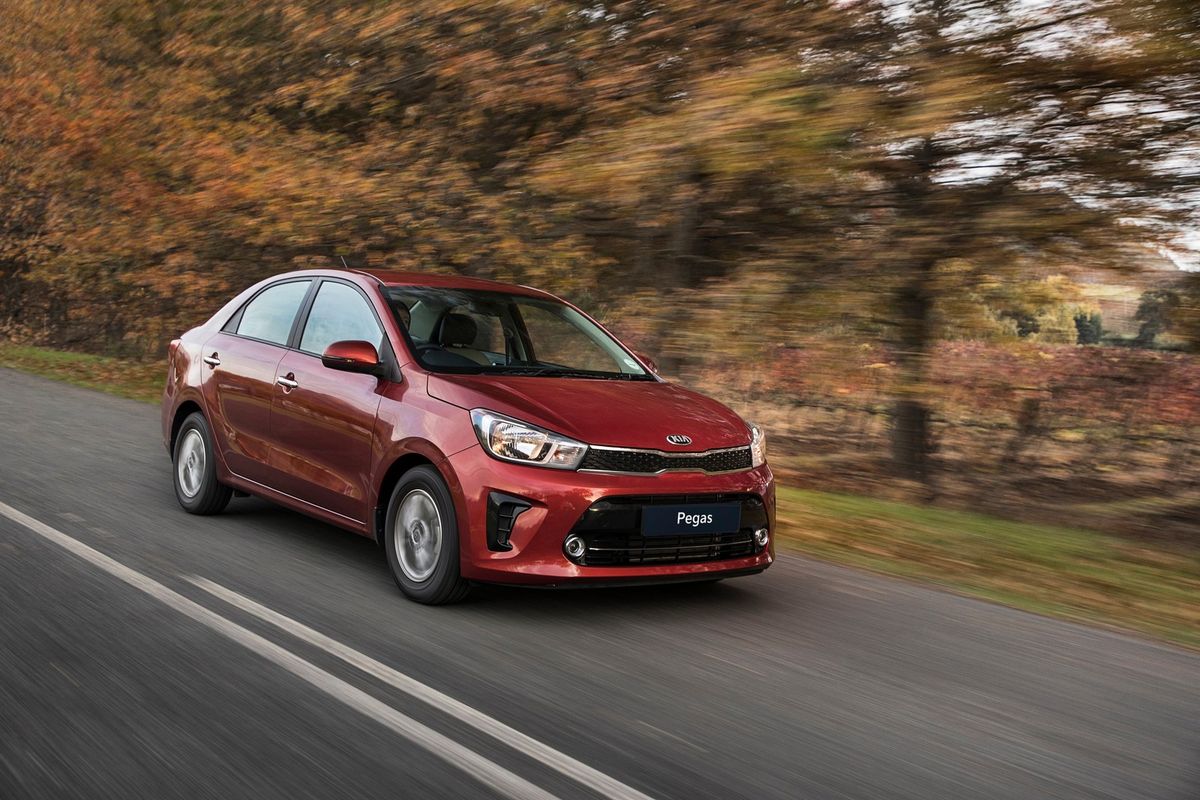
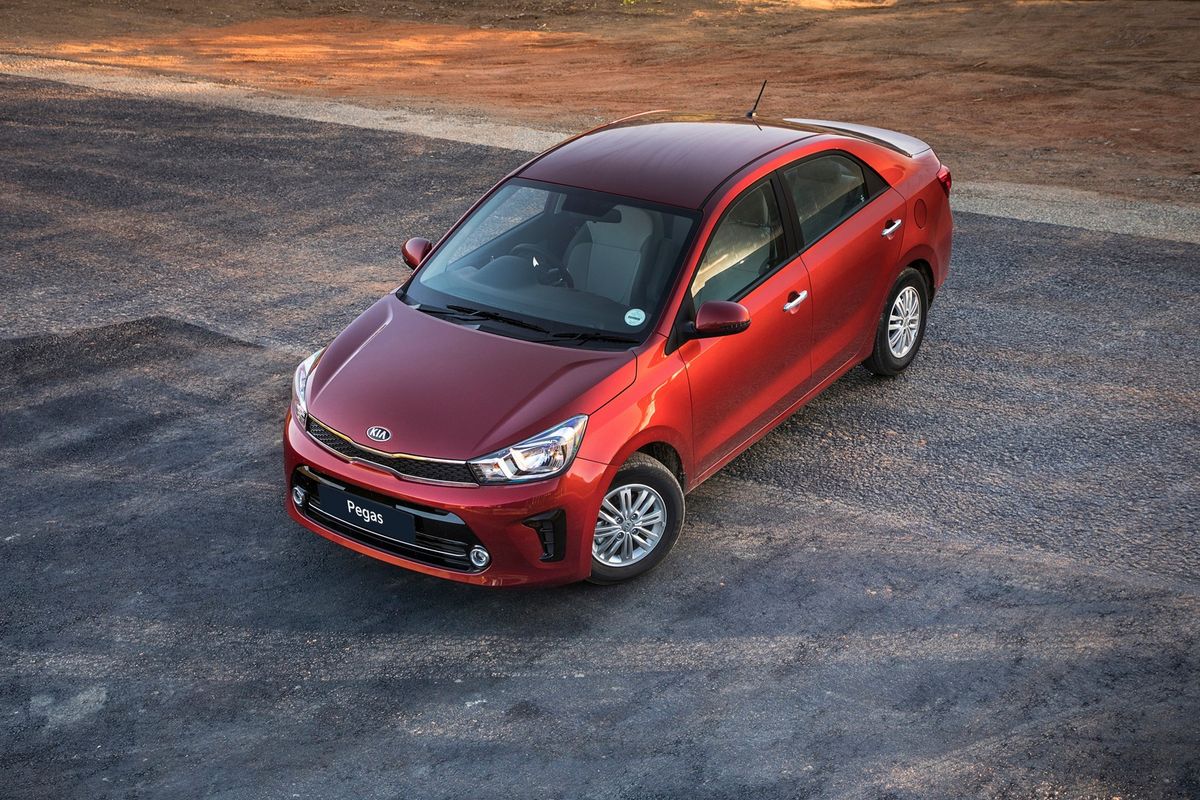
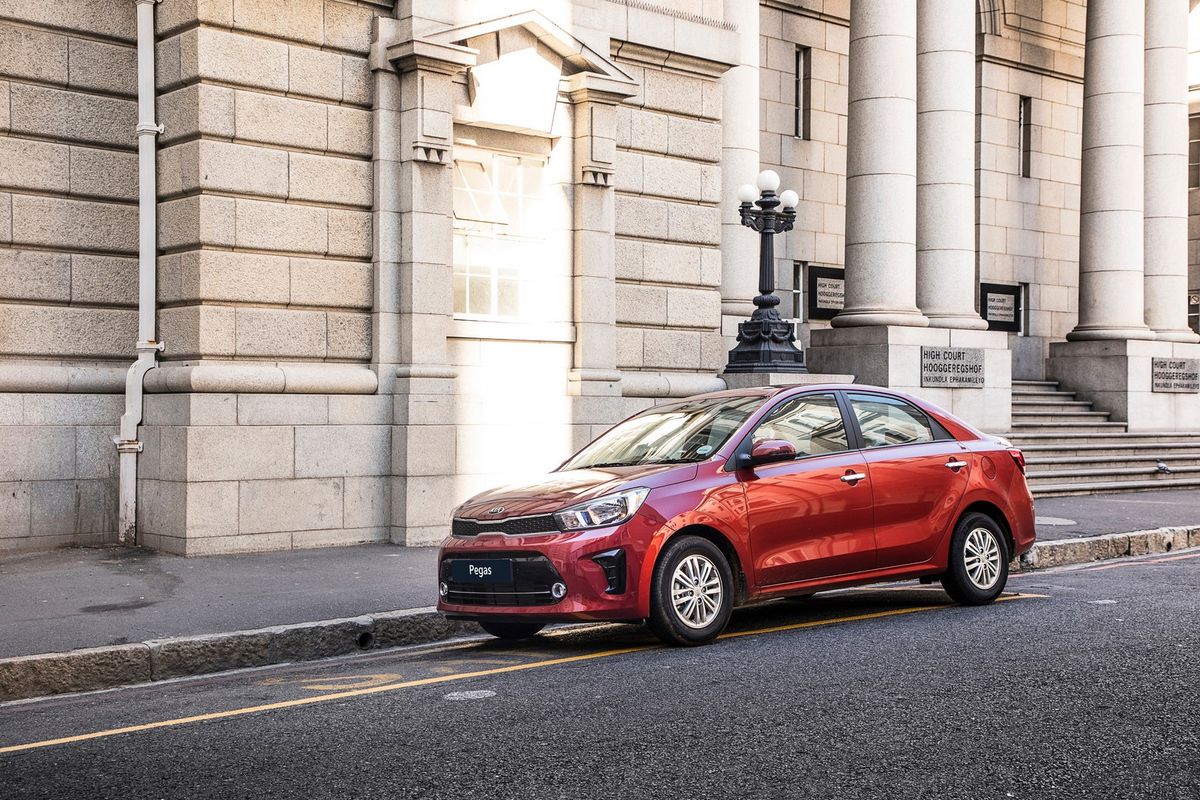
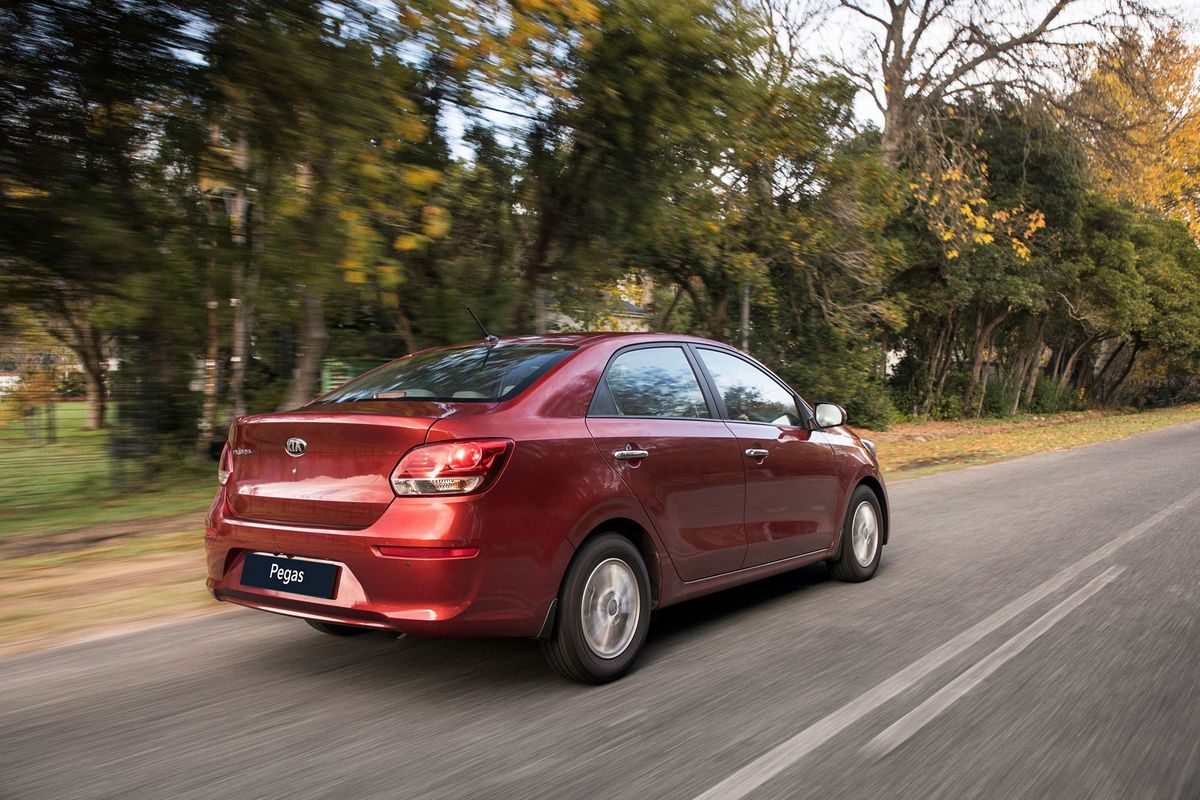
Kia Sedan – Uber’s everywhere

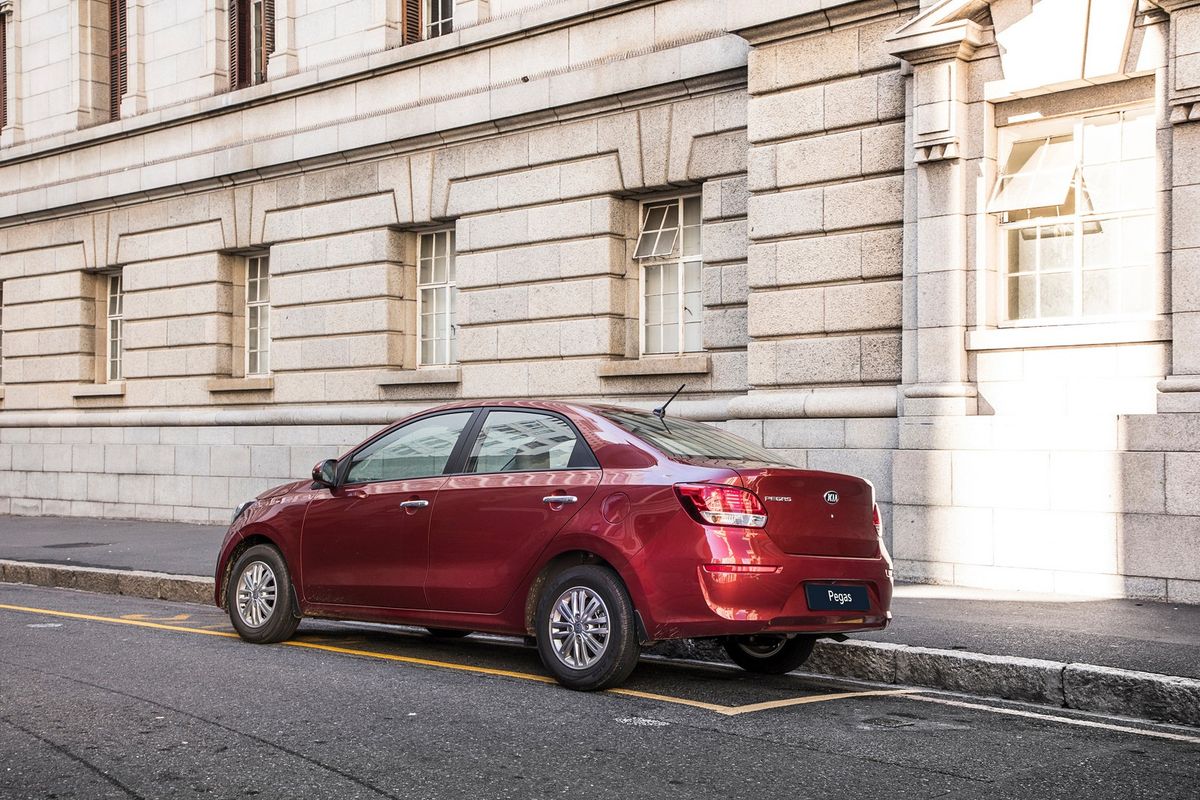
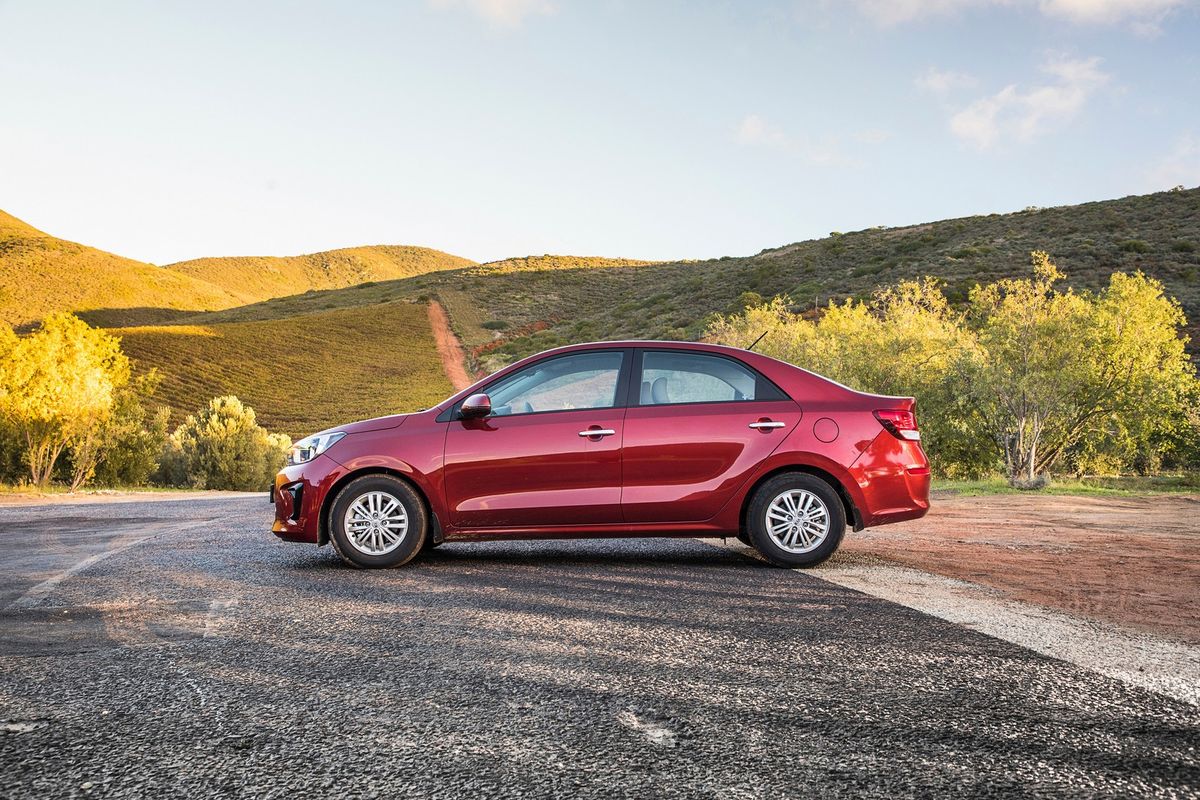
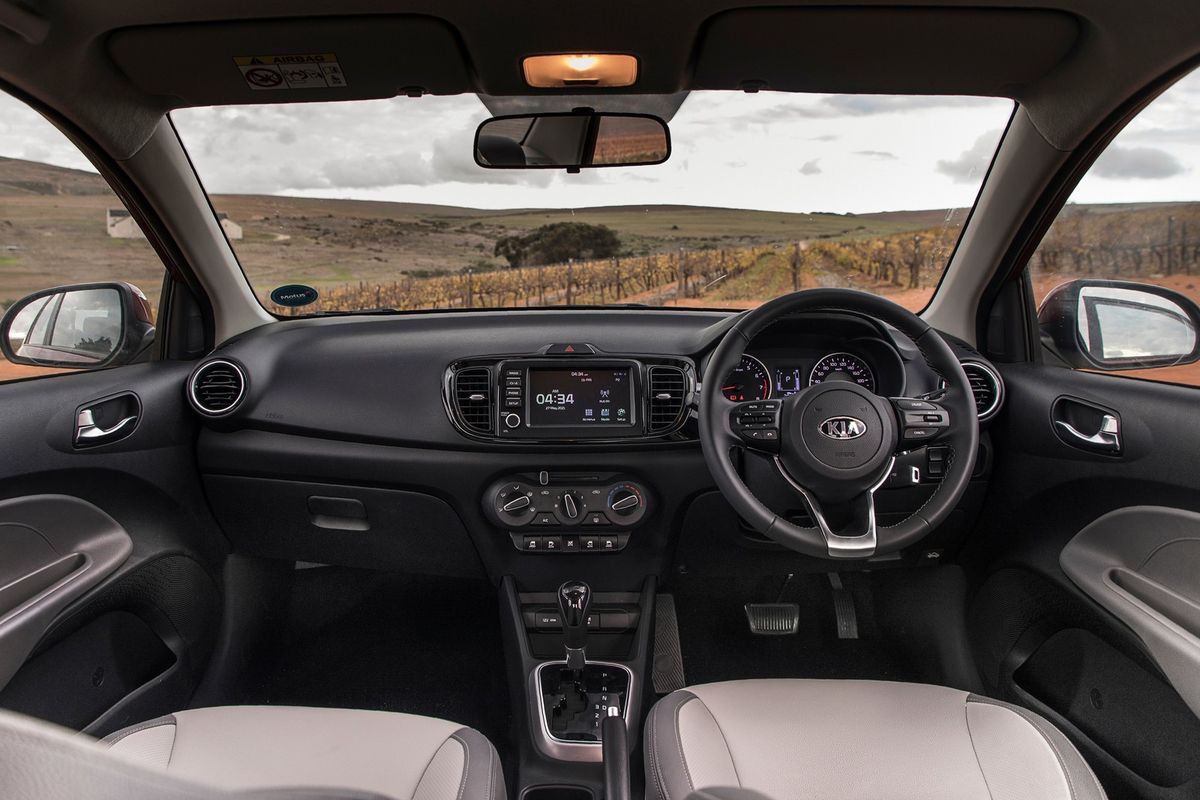
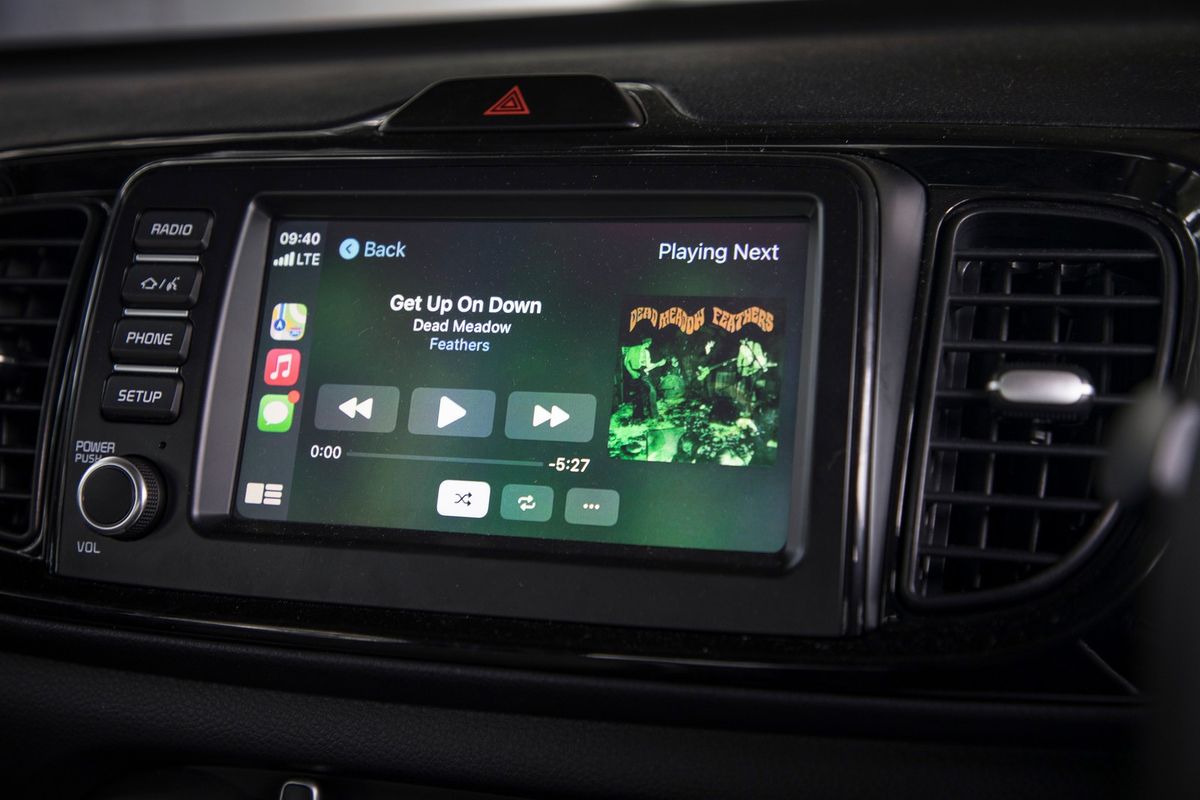
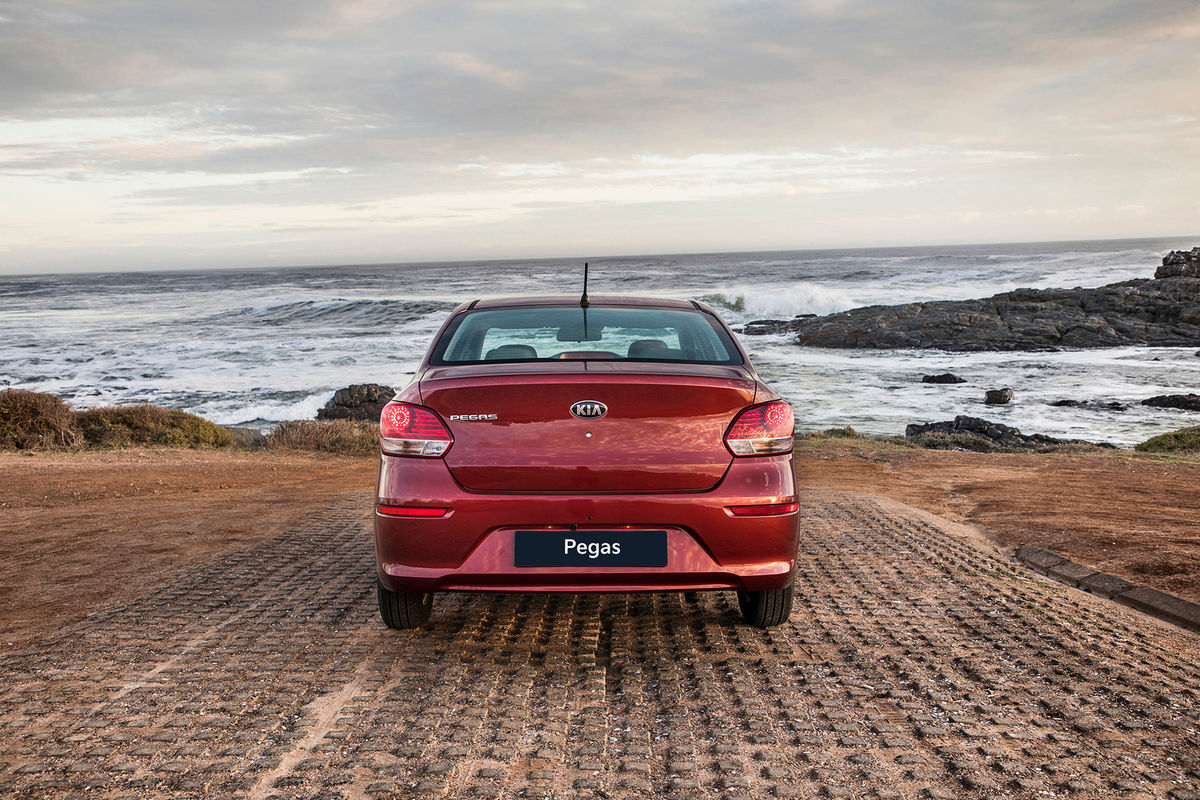
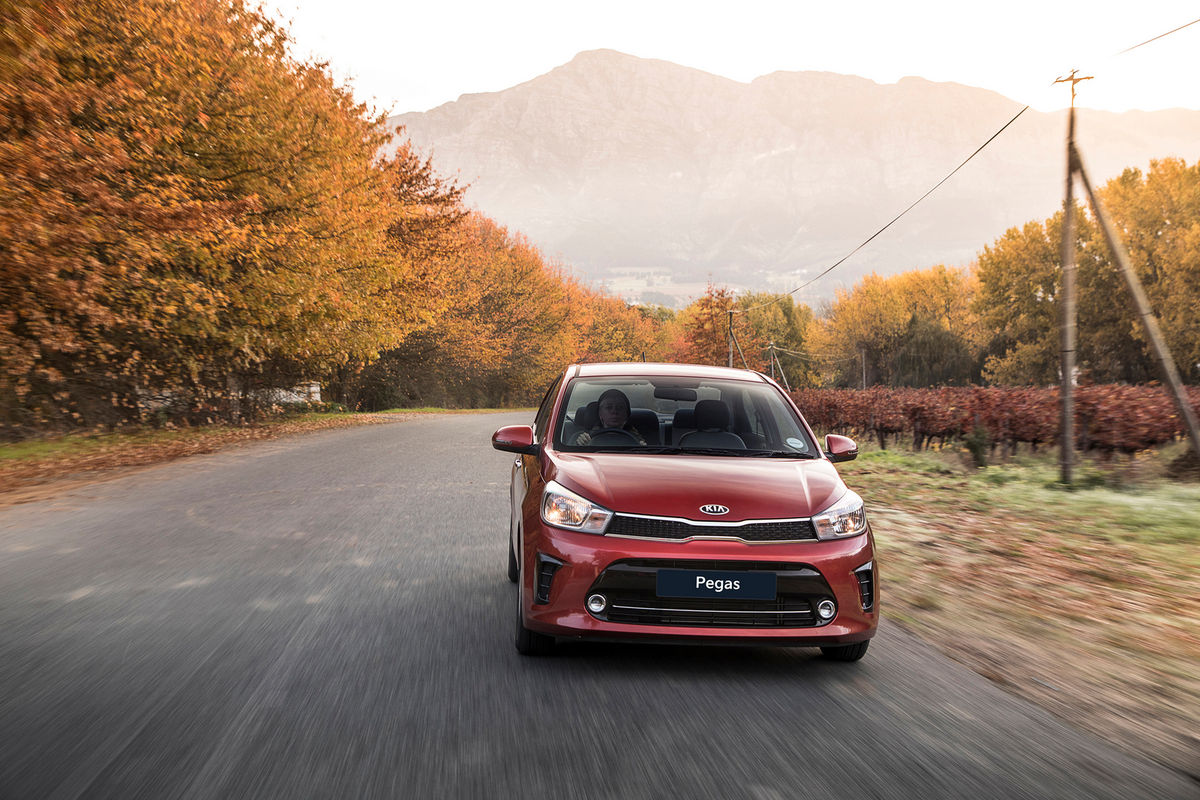
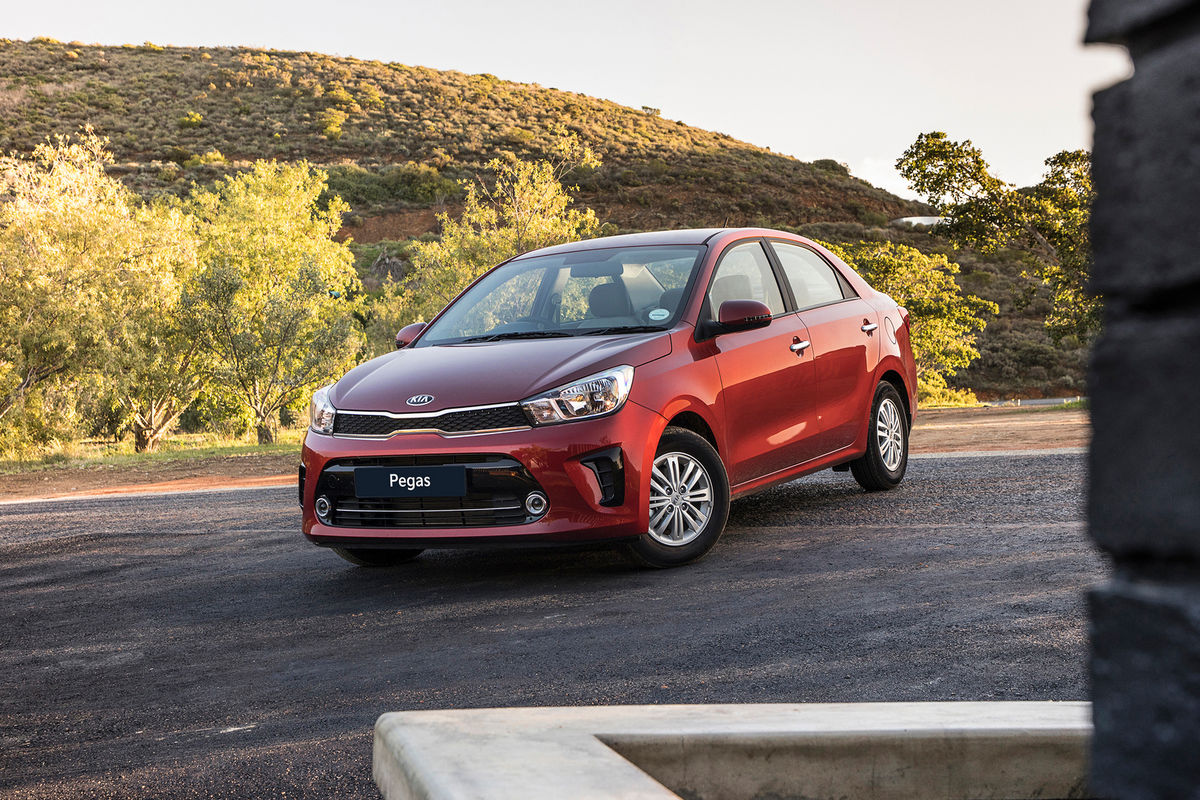
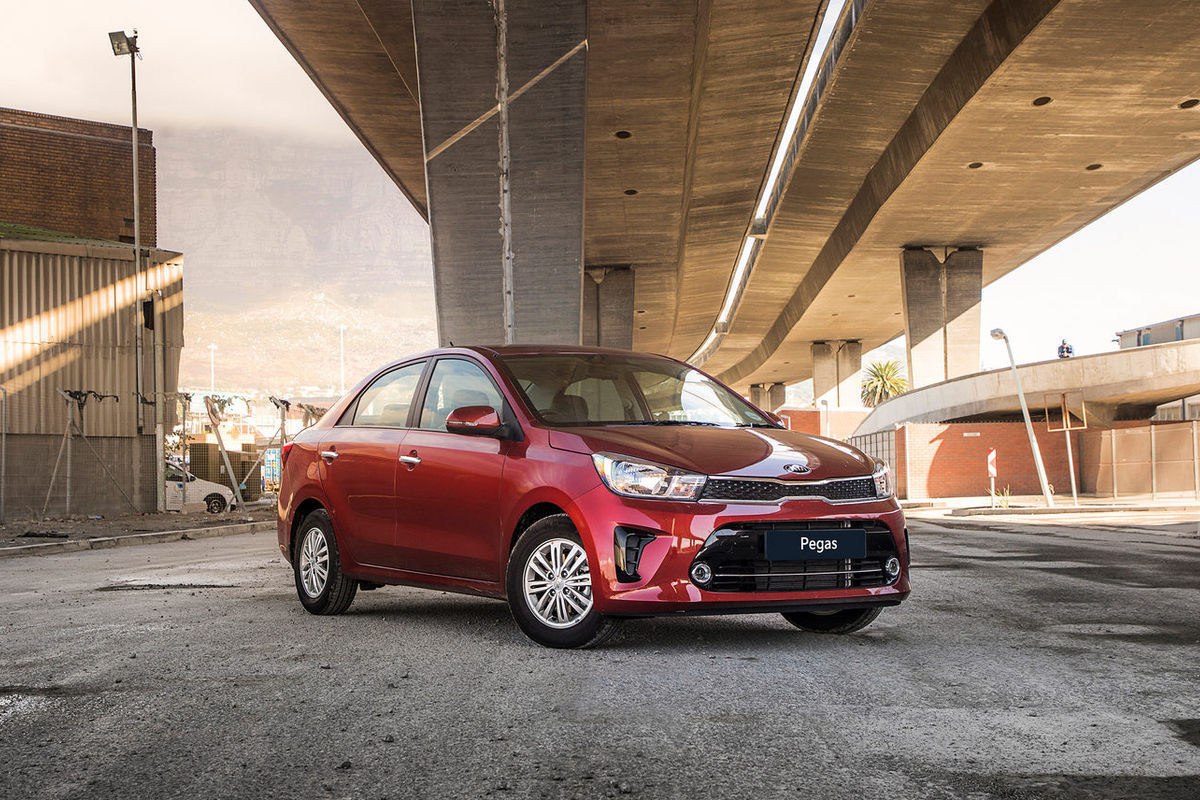
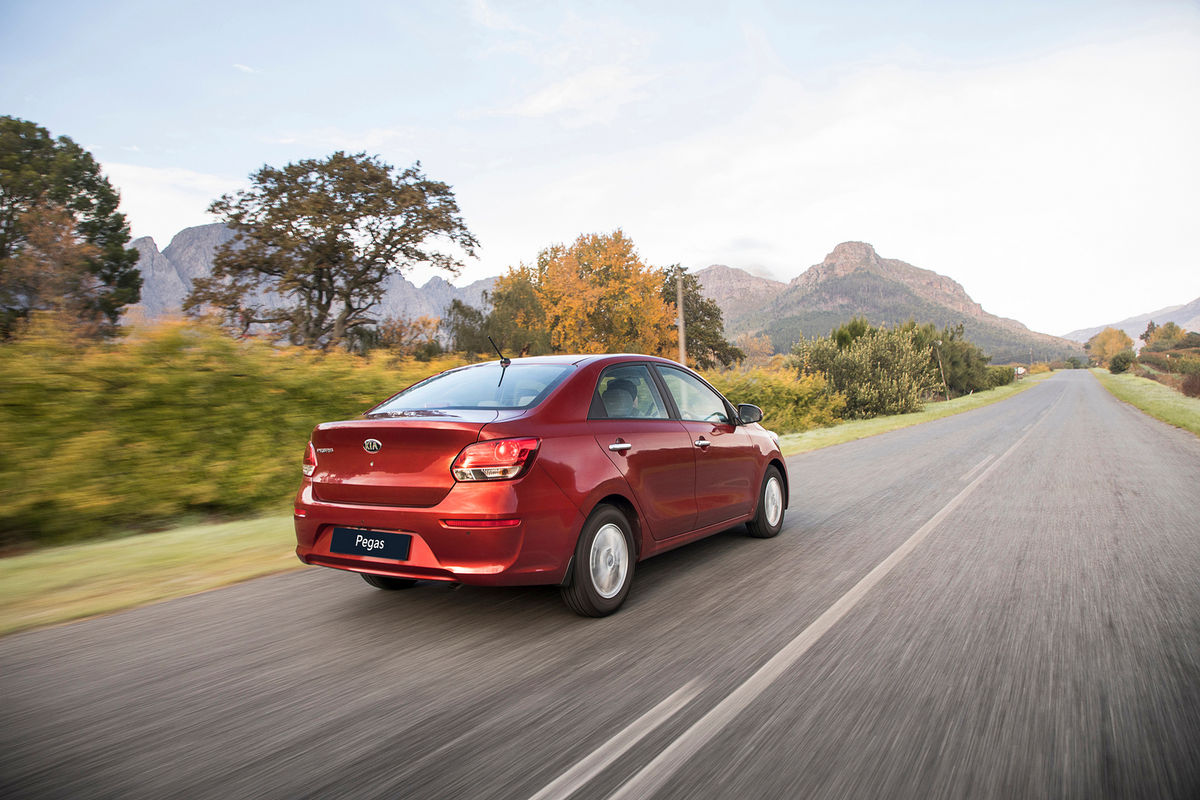
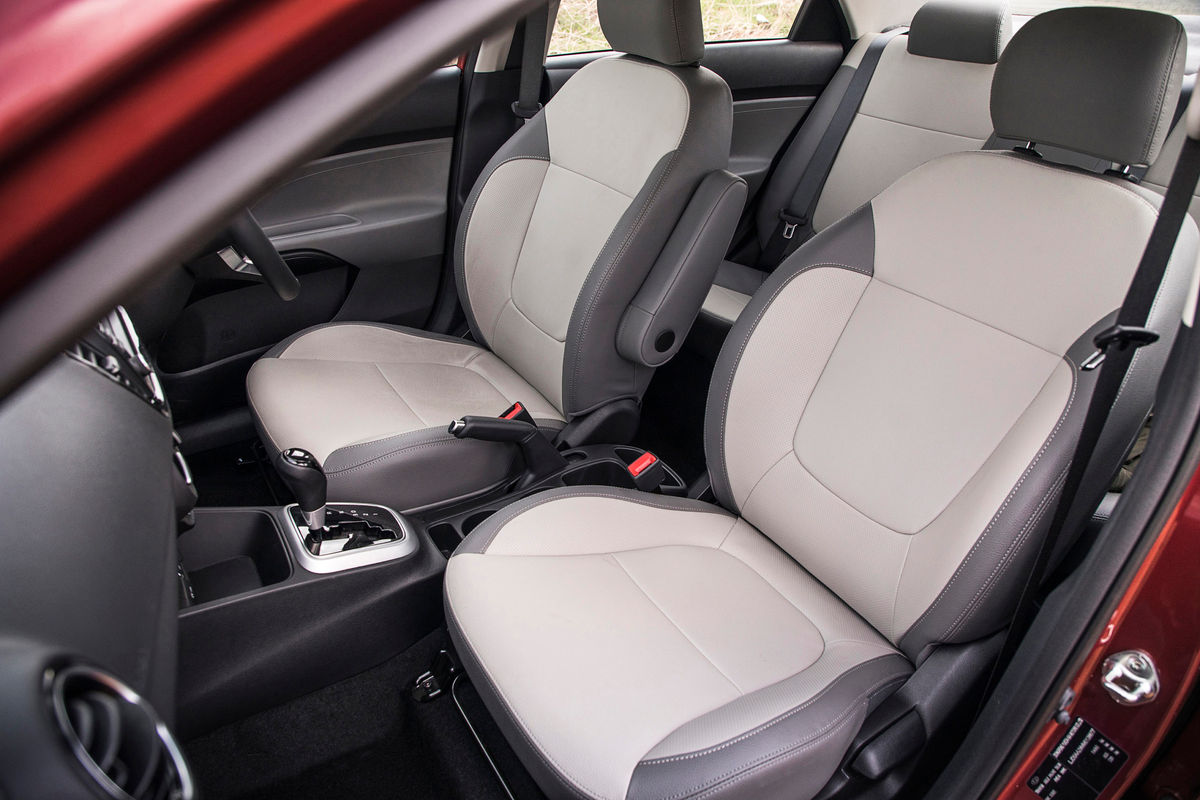
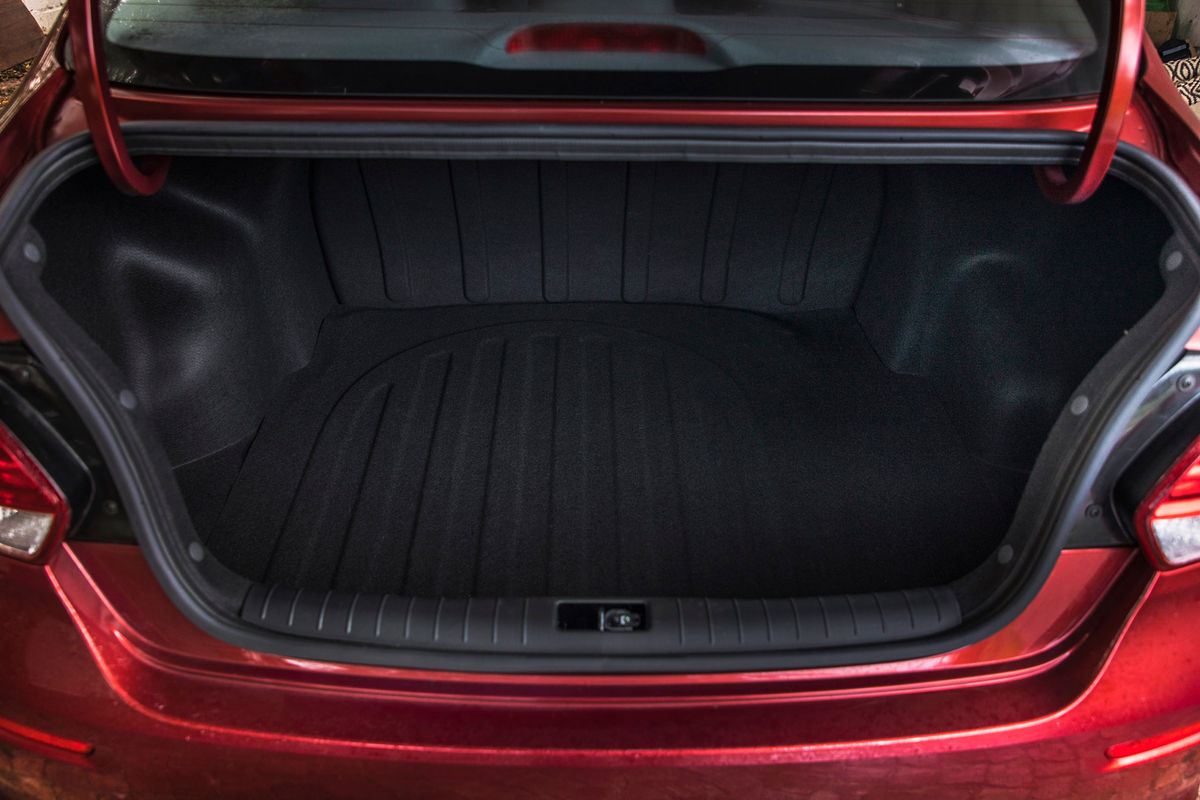
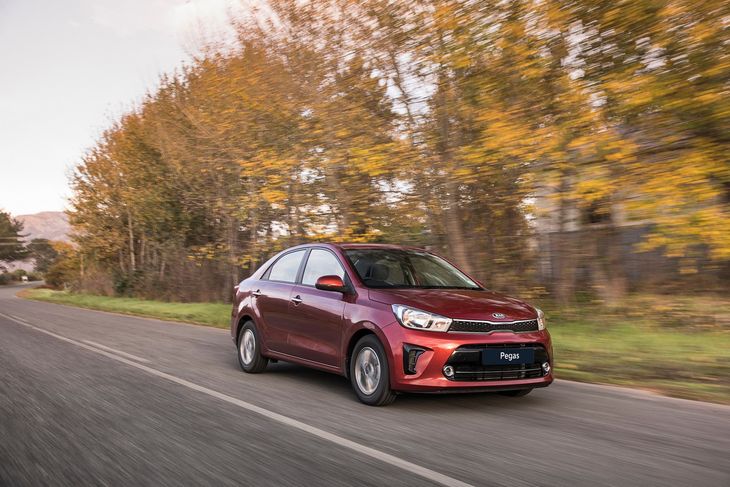
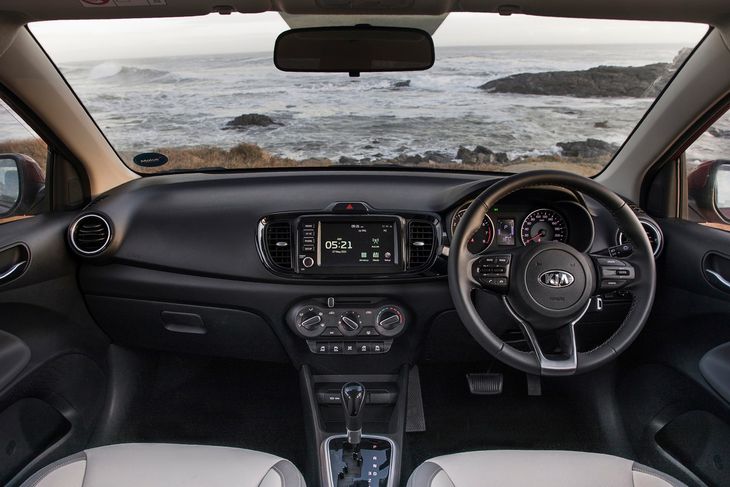
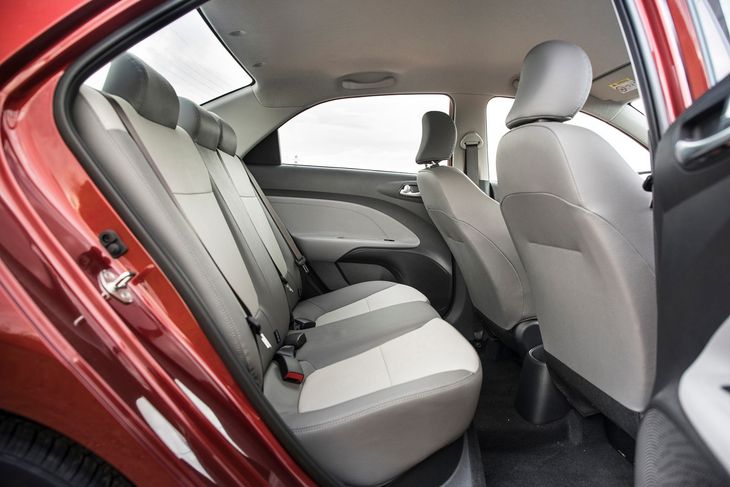
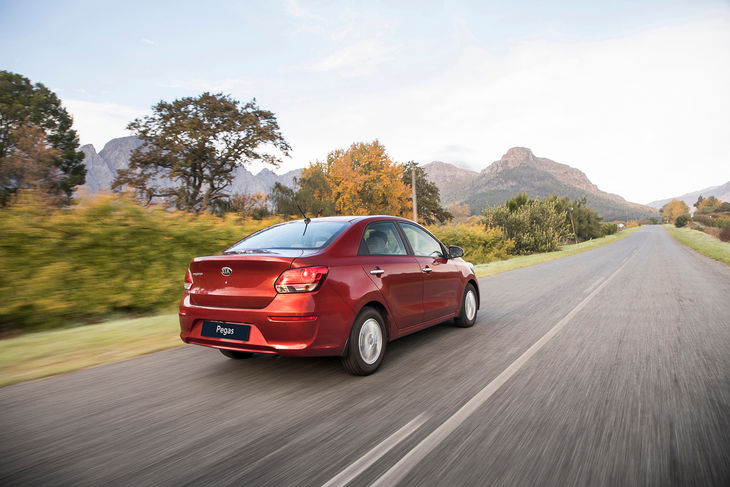
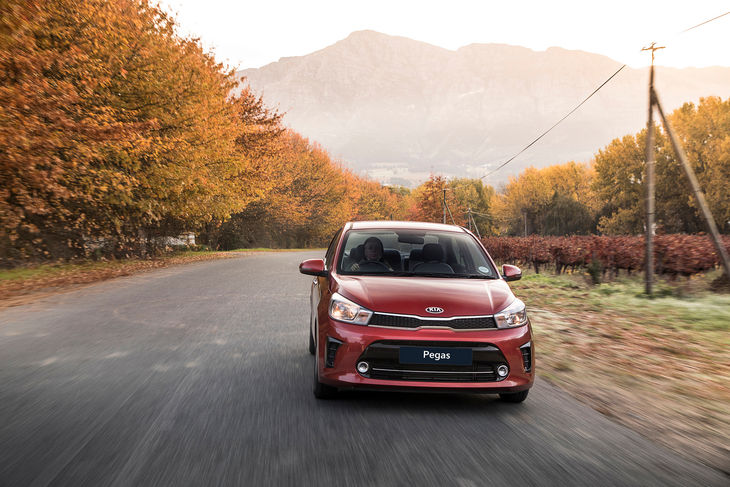
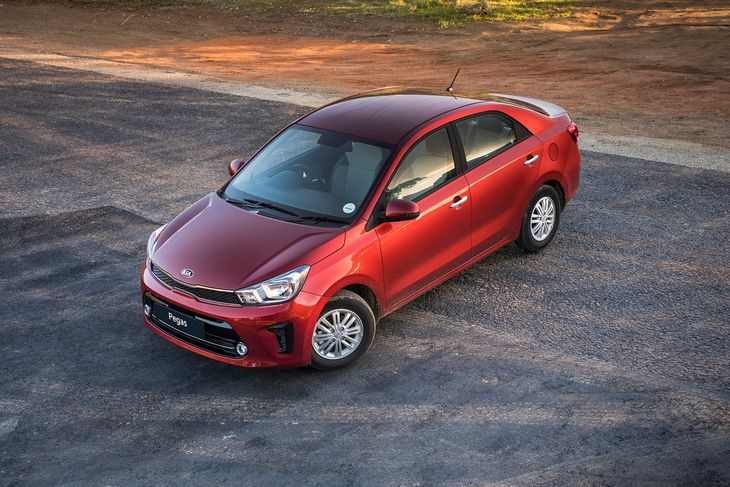
Kia-Pegas

E-hailing cab rides have become so ubiquitous that even the most tech-averse boomers are known to use the app to commute to places where parking facilities are virtually non-existent or exorbitantly expensive. If we’re looking at the numbers, the number of users online in South Africa is well over the 1-million golden number. A majority of that is in the Uber X category, where users don't mind riding in a budget sedan. That type of demand is a difficult thing to ignore for a manufacturer looking to make easy money with a sparsely specced sedan (the more accessories there are, the higher a car’s list price). 

Read more: New Kia Sedan for SA

Never mind the questionable aesthetics in this segment (I don't want to pick on the Nissan Almera, but jeesh, it is such a good example), it's all about "function over form" in the budget-sedan game. And although the bar seems to be set pretty low, it remains a tough market to play in, just ask the Fiat Tipo and Renault Logan. Honda and Suzuki have made some inroads with the Amaze and Ciaz, but Toyota and VW have ruled supreme. What if Kia partnered with a finance house and offered drivers a rent-to-own scheme? That would be a worthy entrepreneurial initiative; I can even see Government backing it.

New Mazda CX-5 – Your DBX on a budget

Mazda-Concept

One can argue until you’re blue in the face but there’s something Aston Martin-esque about that 3-quarter-view teaser shot of the new Mazda CX-5. Call it a DBX on an (upper) middle-class income, but let’s get straight to the point: it’s going to be a rear-wheel-drive (RWD) family car, my friends. Did someone say "let's kap donuts" with a compact SUV replete with “My Stick Family” stickers emblazoned on the tailgate's screen? I’m in! But seriously, this is quite the departure from the "transversely-mounted 4-pot turbo with front-wheel drive" recipe the market has been sticking with… and I’m genuinely intrigued.

Read more: All-New Mazda CX-5 On the Way

Remember that Mazda is planning to introduce new inline-6 engines in 2022; they will be mounted longitudinally – which is why the RWD configuration makes sense! Again, it's another departure, because most manufacturers are adopting small turbo motors. I wish Mazda would continue with these explorations and make a new performance version of the rotary engine happen. A boy can dream, can't he?

BMW M4 Convertible – a future classic

BMW-M4-Convertible

You know how when you were young, you hated certain types of cheese, but as an adult, you are quite inclined to find yourself perched on some tartan blanket on one of those swish wine farms munching pricey artisanal fromage that has the odour of 3-day-old sweaty socks? Guess that analogy is like my relationship with convertibles and the sonorous G83 BMW M4 Convertible is the cheese in this story.

Read more: BMW M4 Convertible Revealed 

I have the same feeling about the latest M4 drop-top, which was revealed this week, as I had when I first saw the Honda S2000 many moons ago. You may not be able to see it right now, but I’ll be brave enough to say it outright: the M Division's newcomer has "future classic" written all over it. It may not make sense now, but in 10 years' time, when EVs that whisk past you with little more than the chirrup of tyres on the asphalt are everywhere, the exhaust note of a G83 M4 Convertible will make the hair on the back of your neck stand on end when it tears past you… then you’ll remember this conversation.