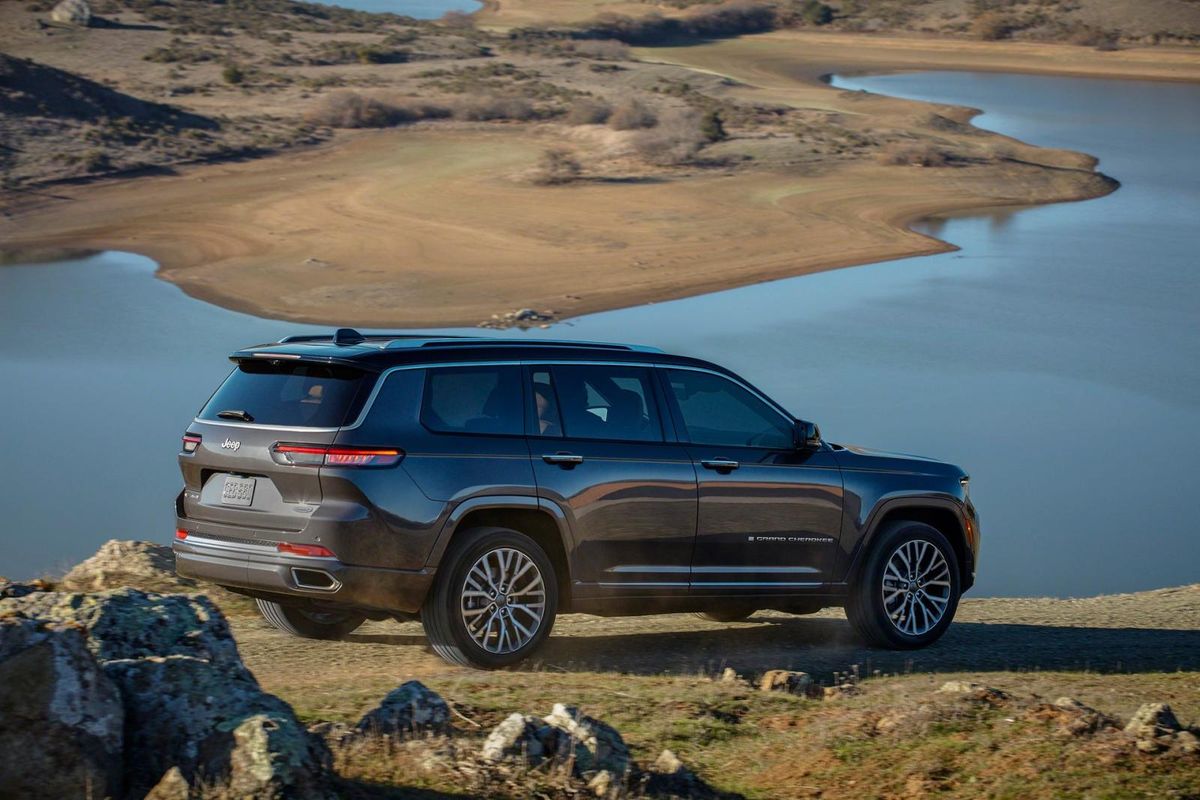
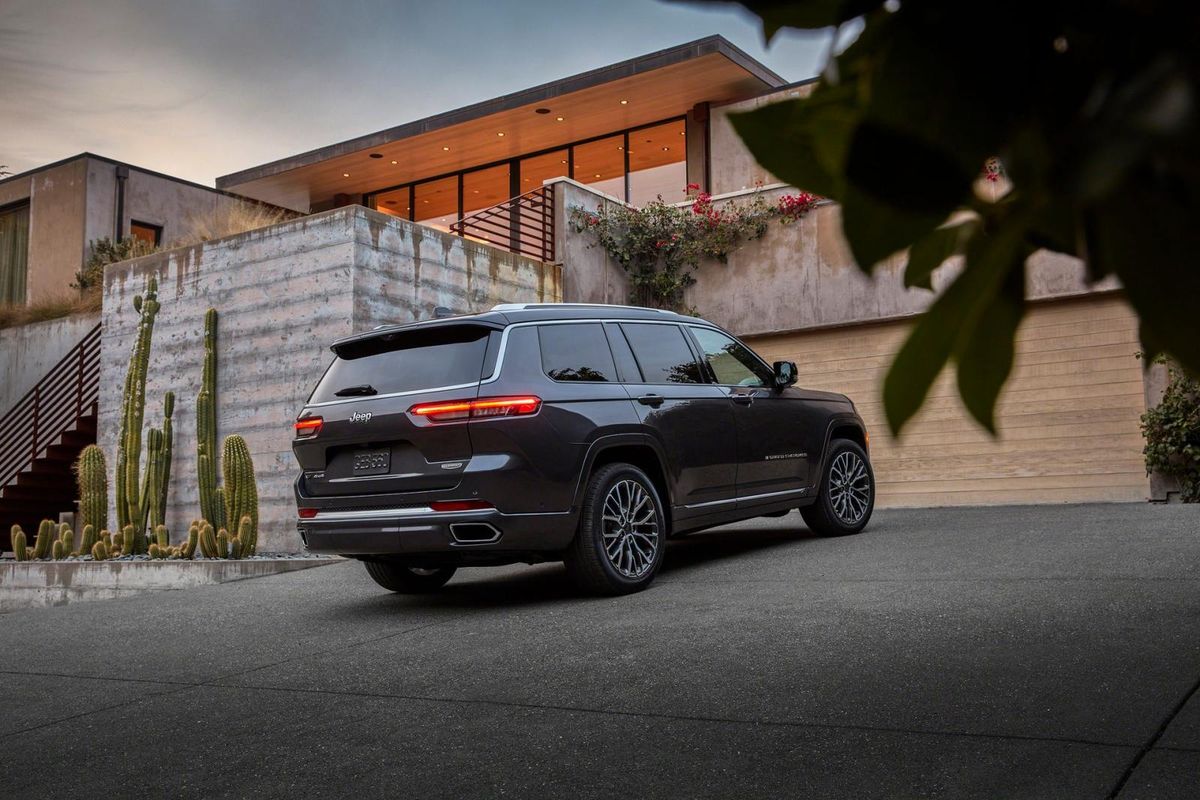
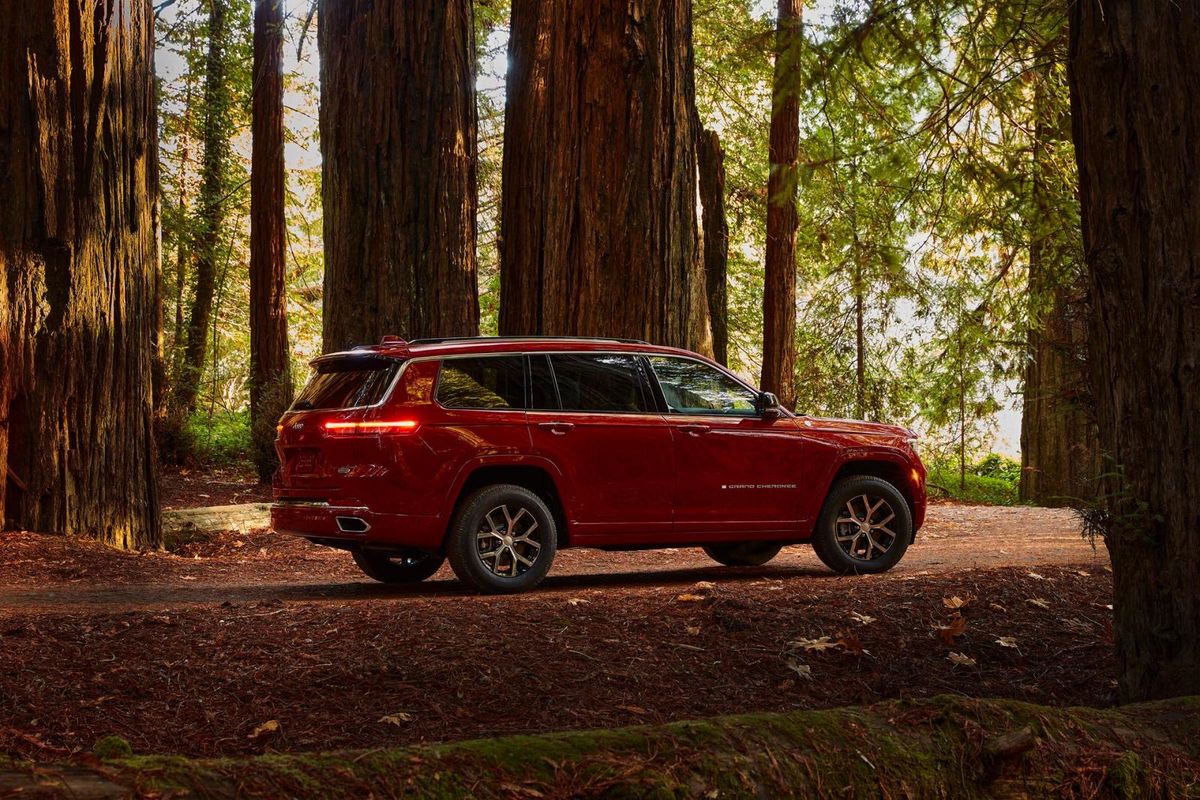
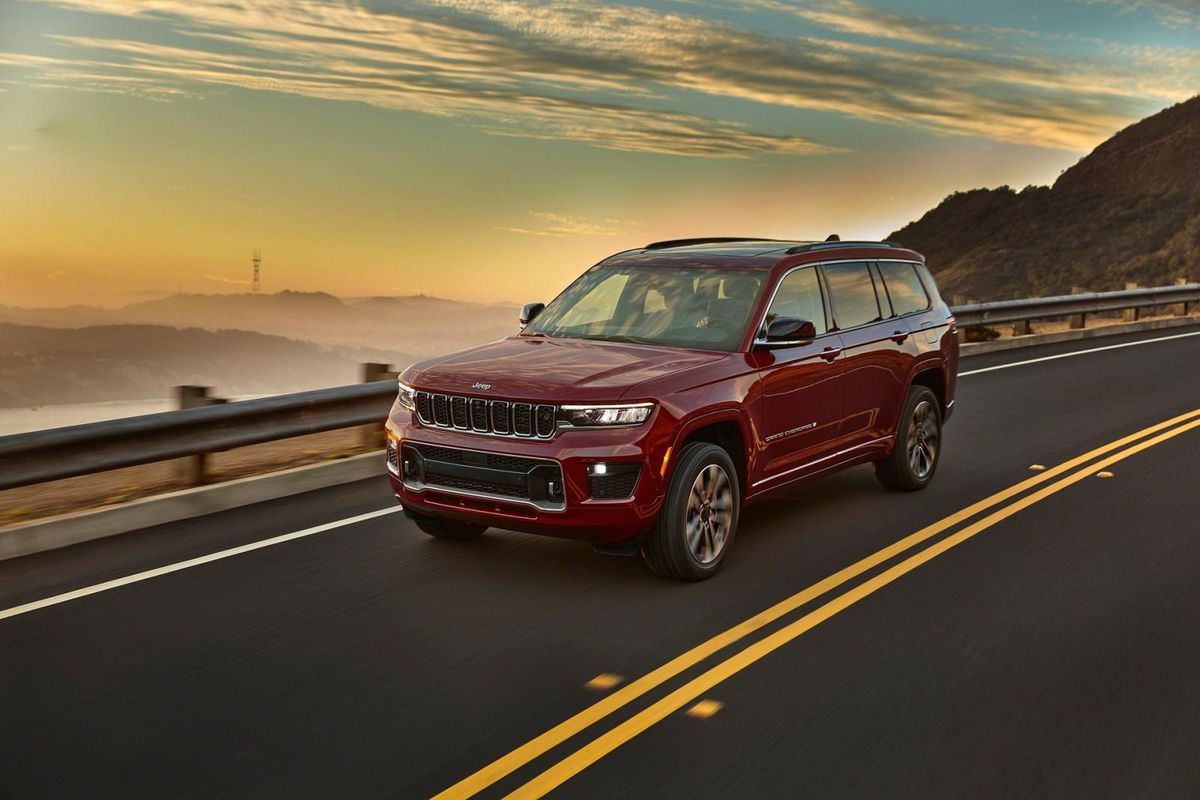
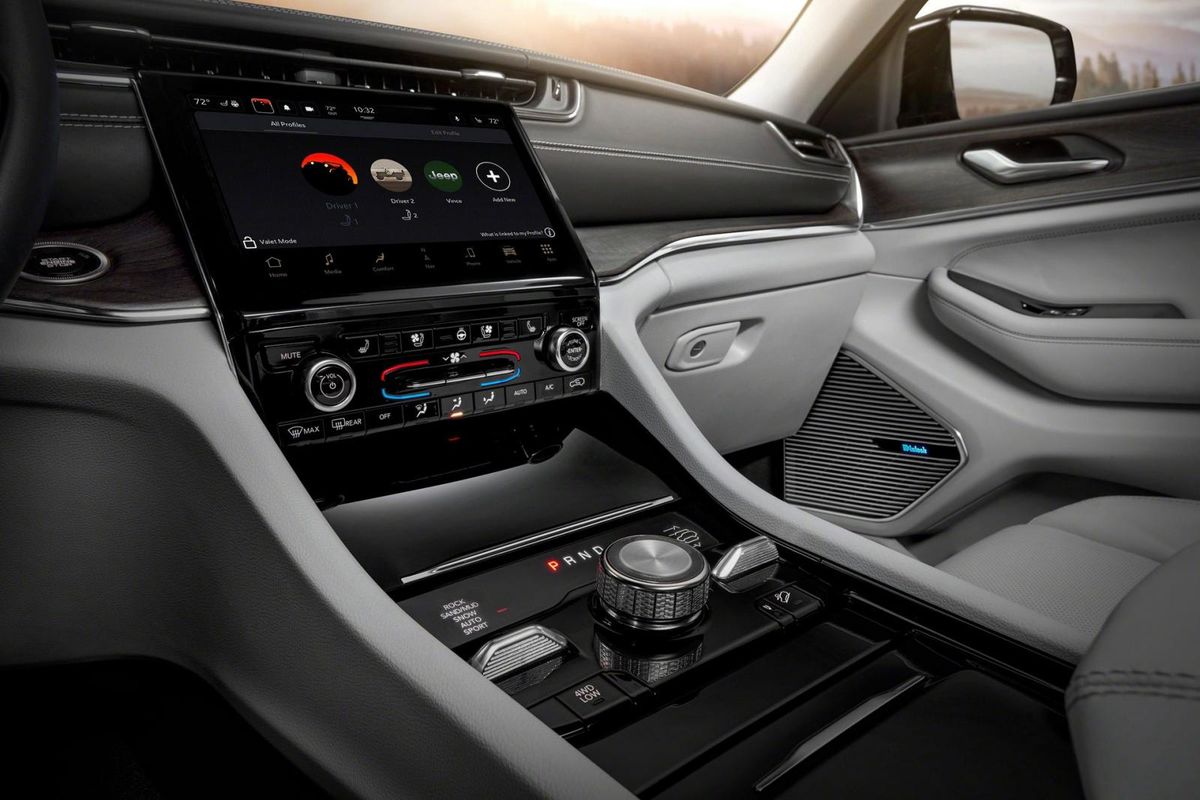
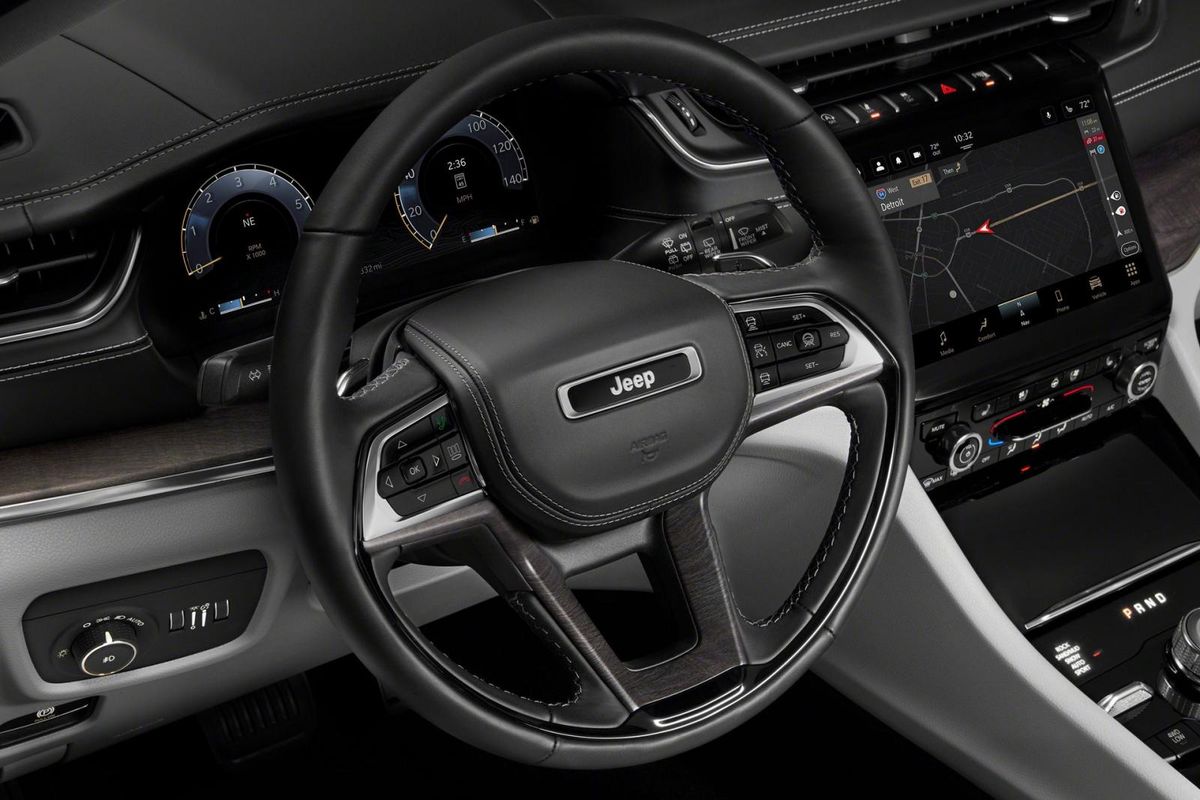
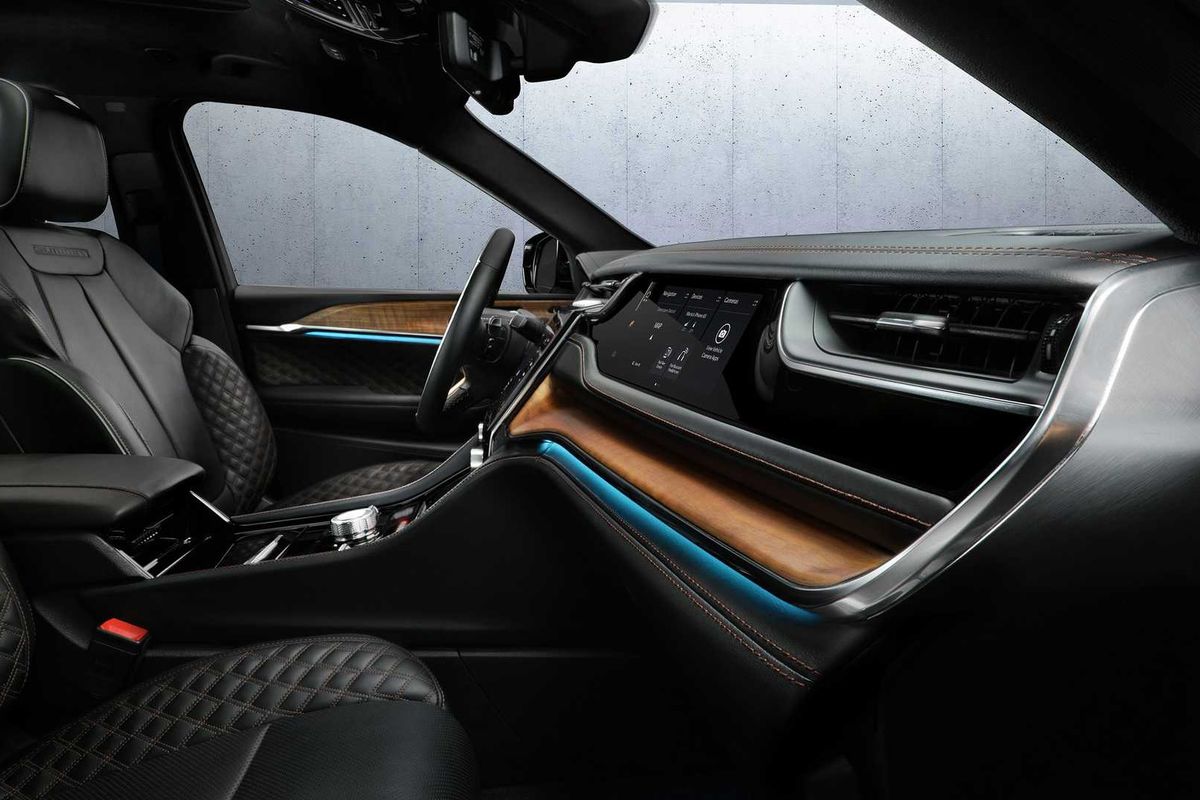
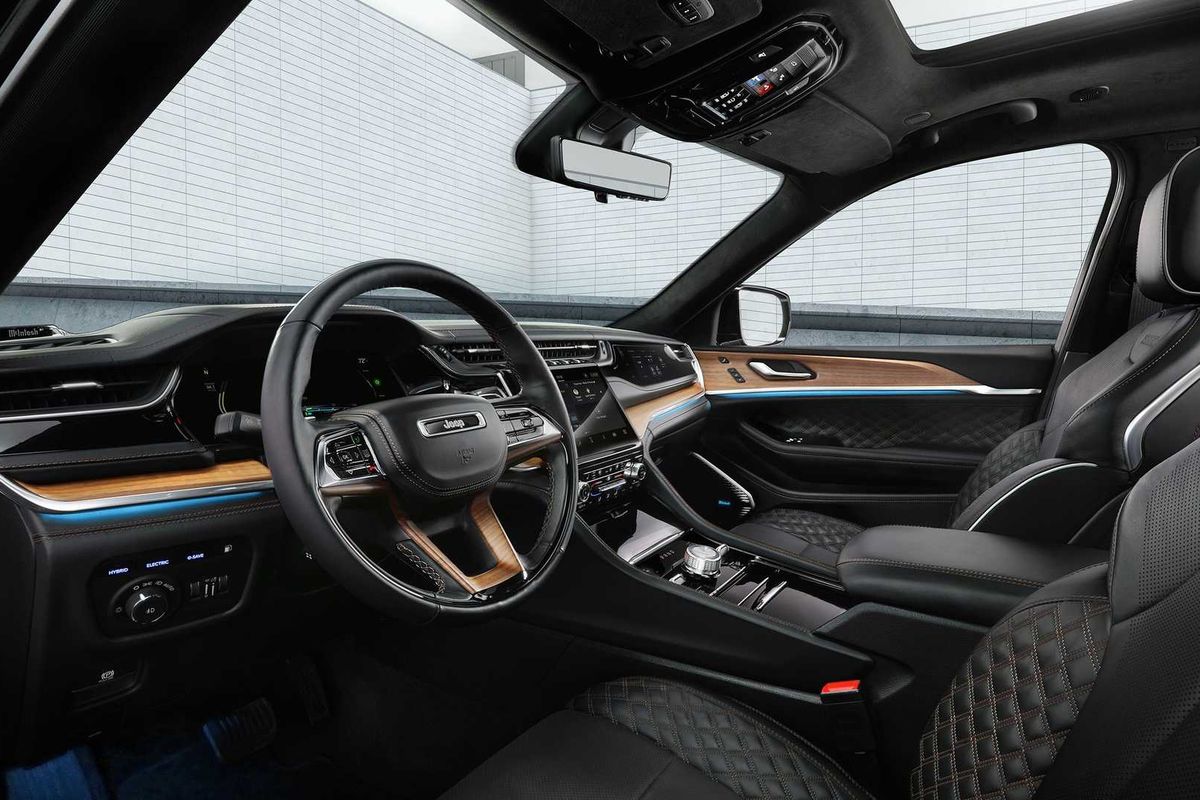
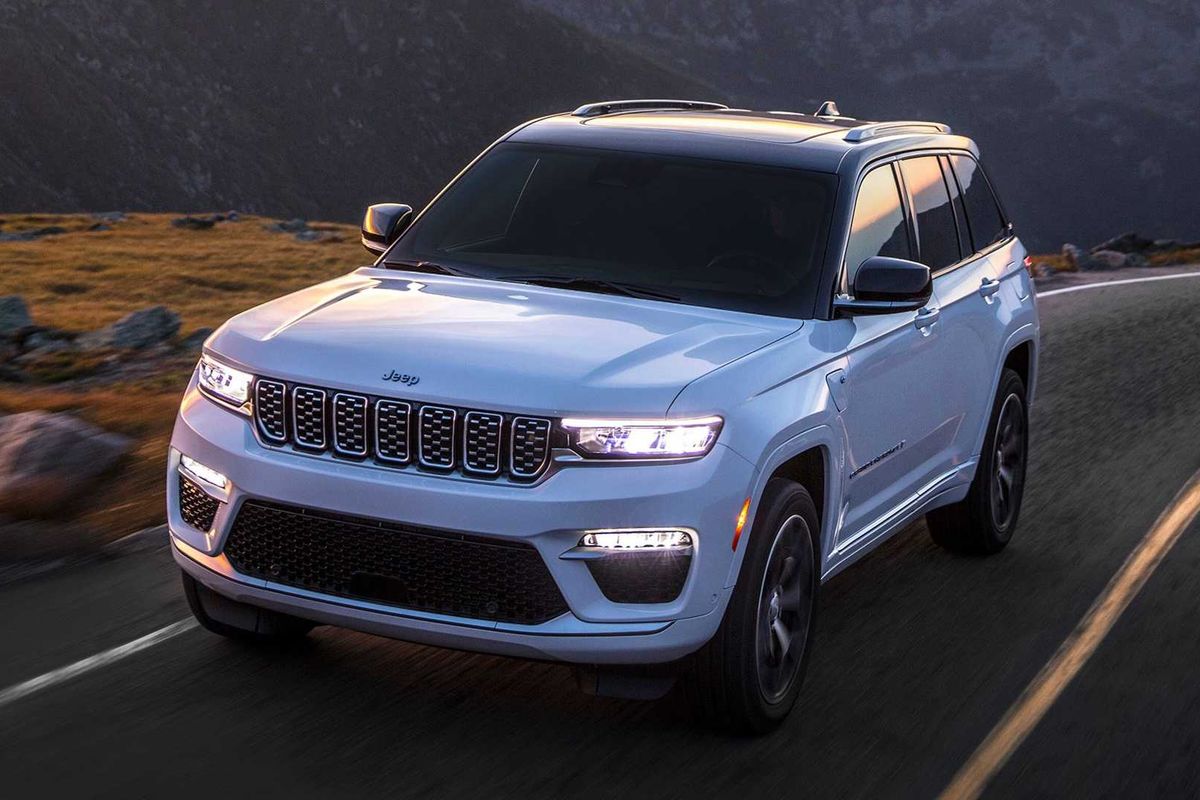
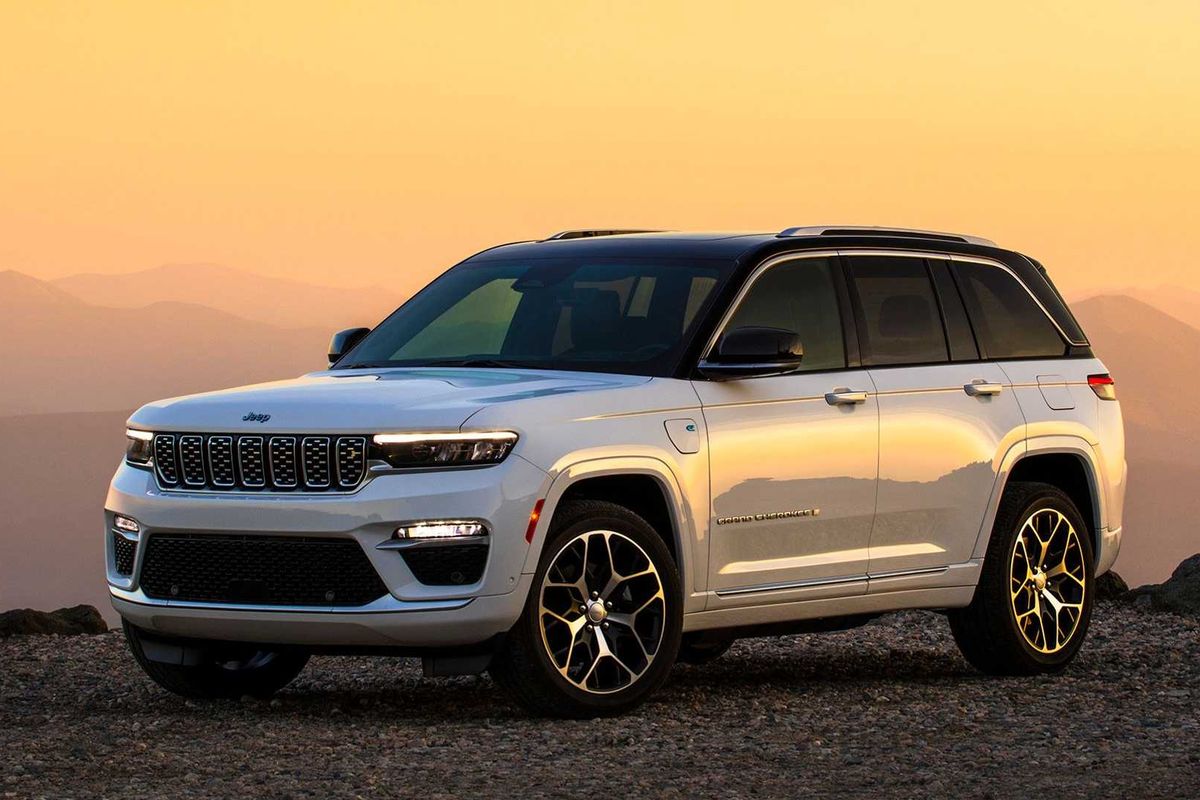
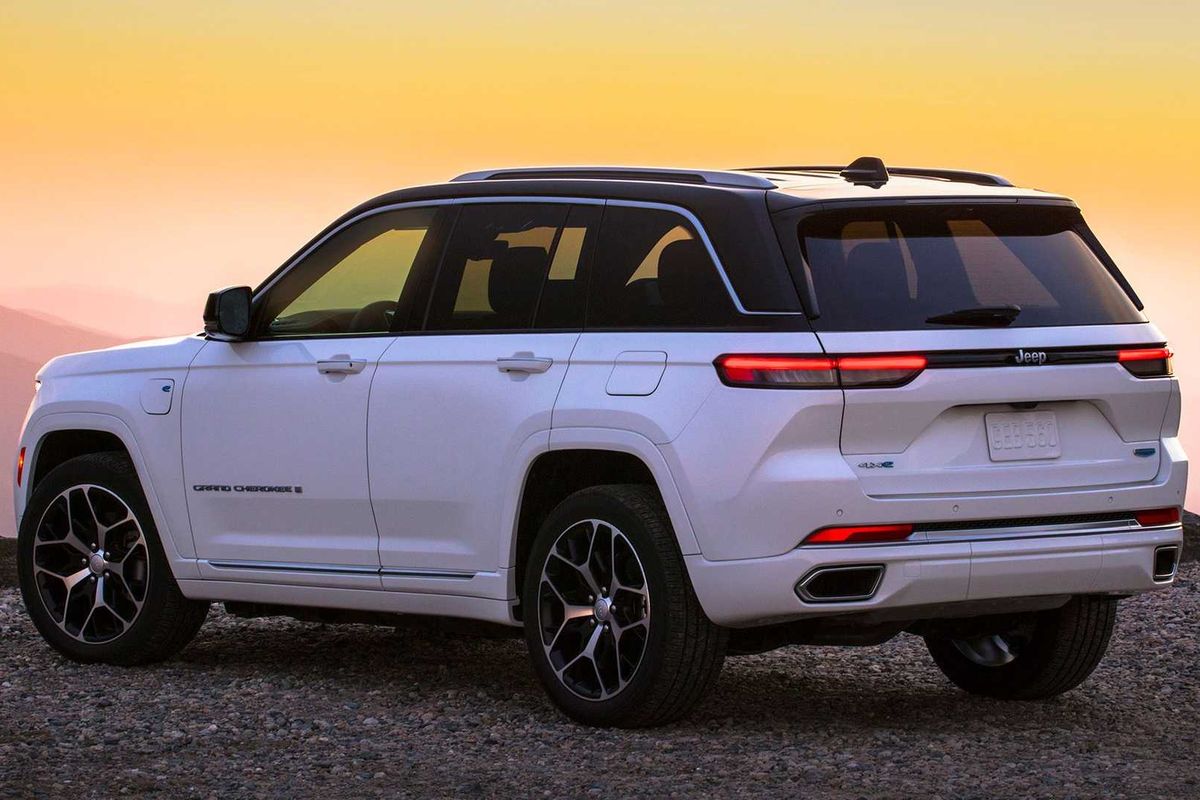
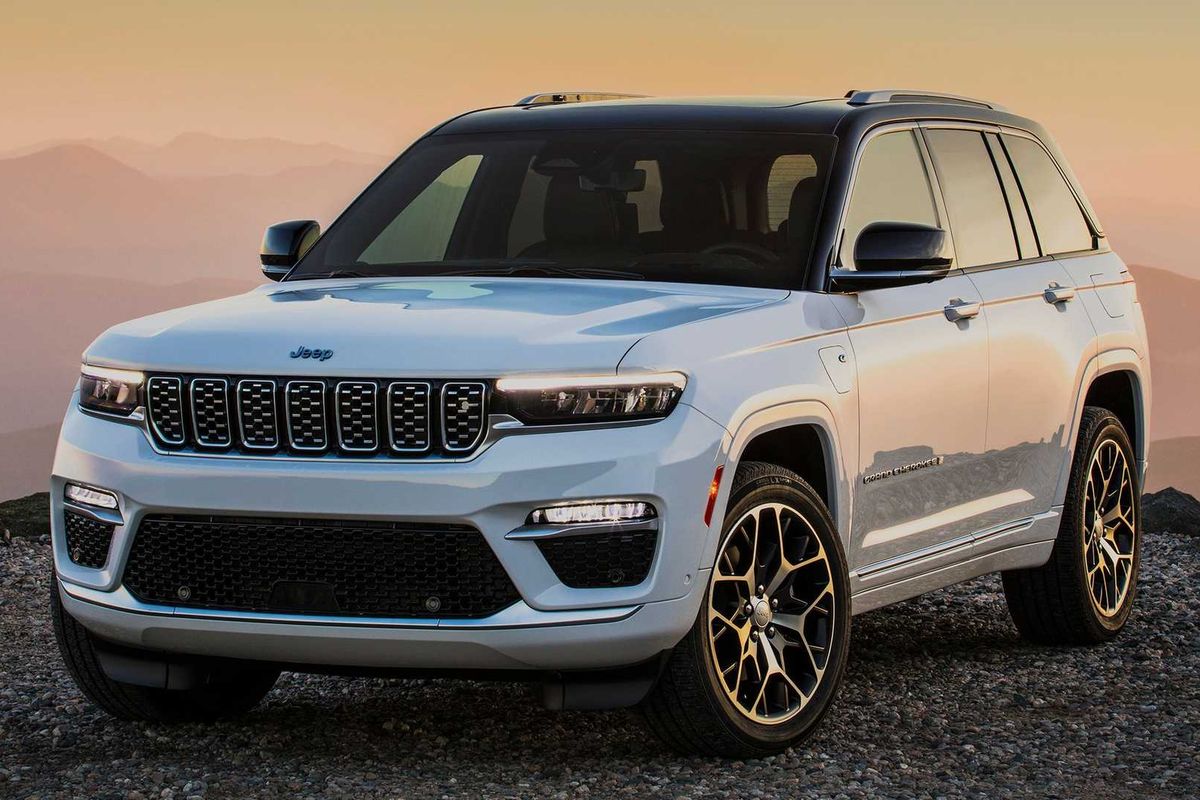
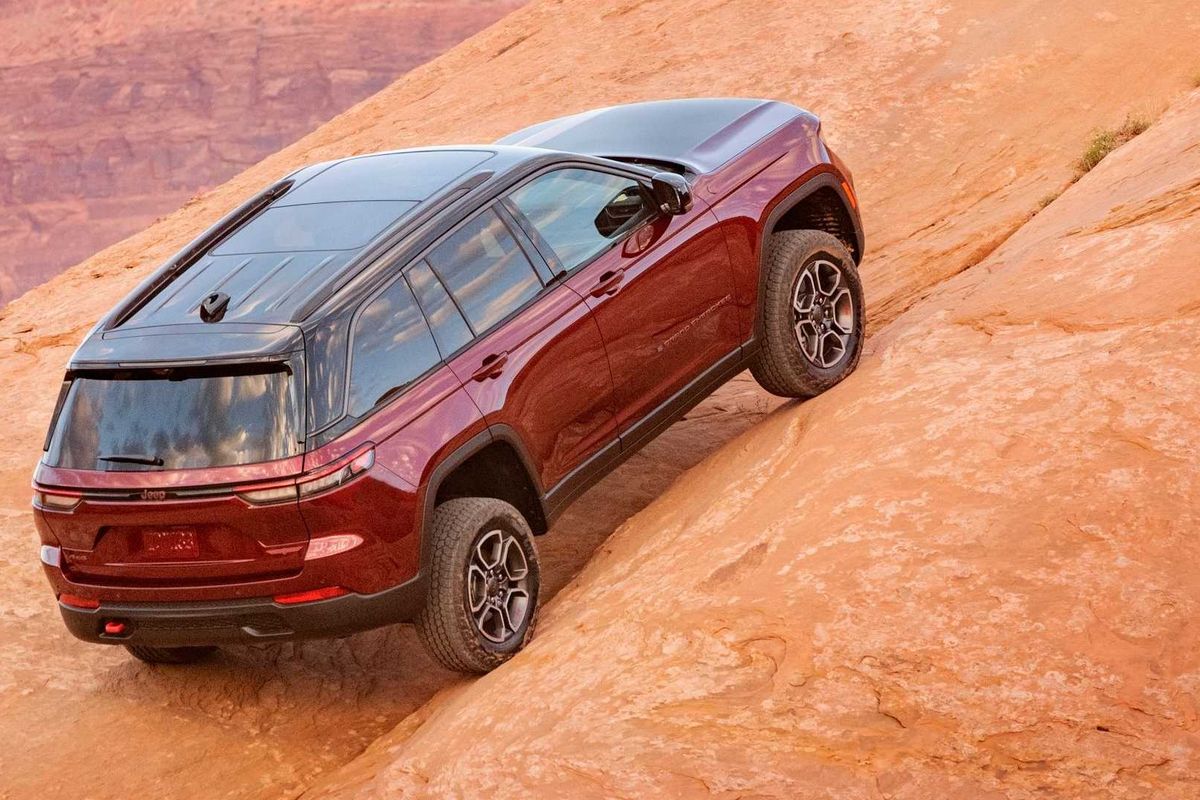
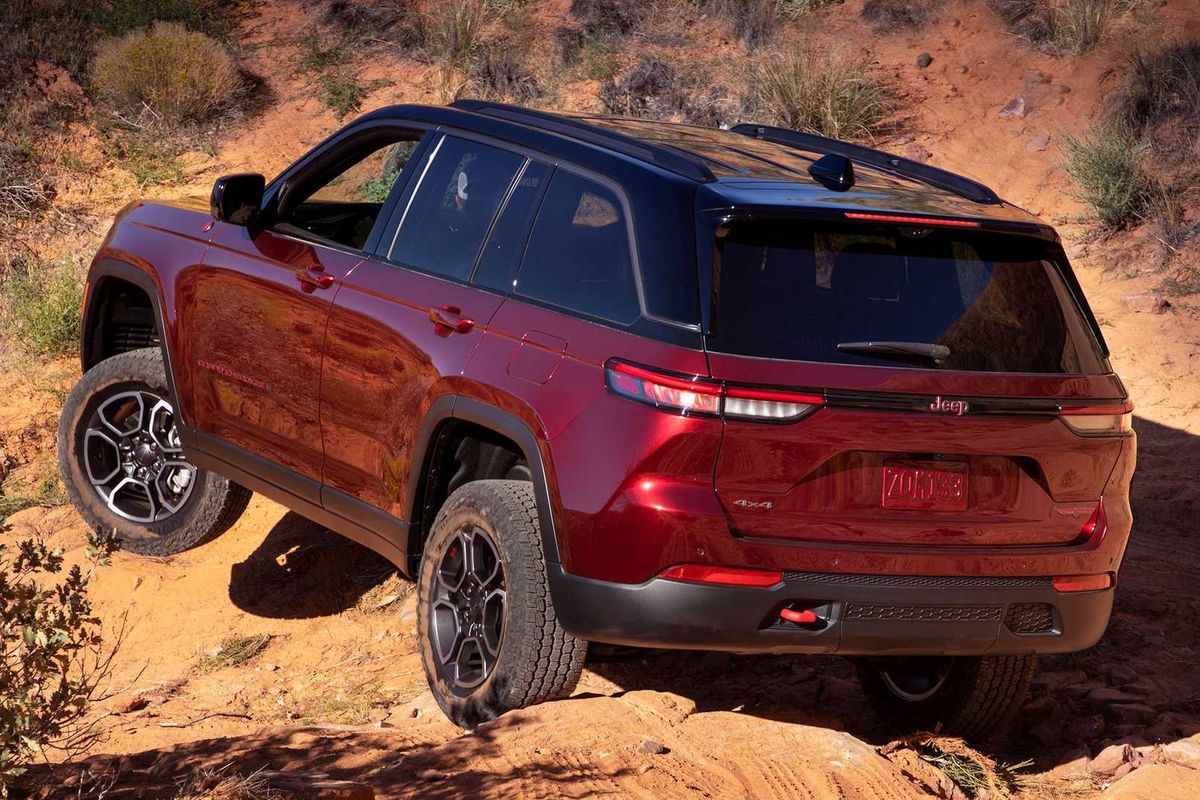
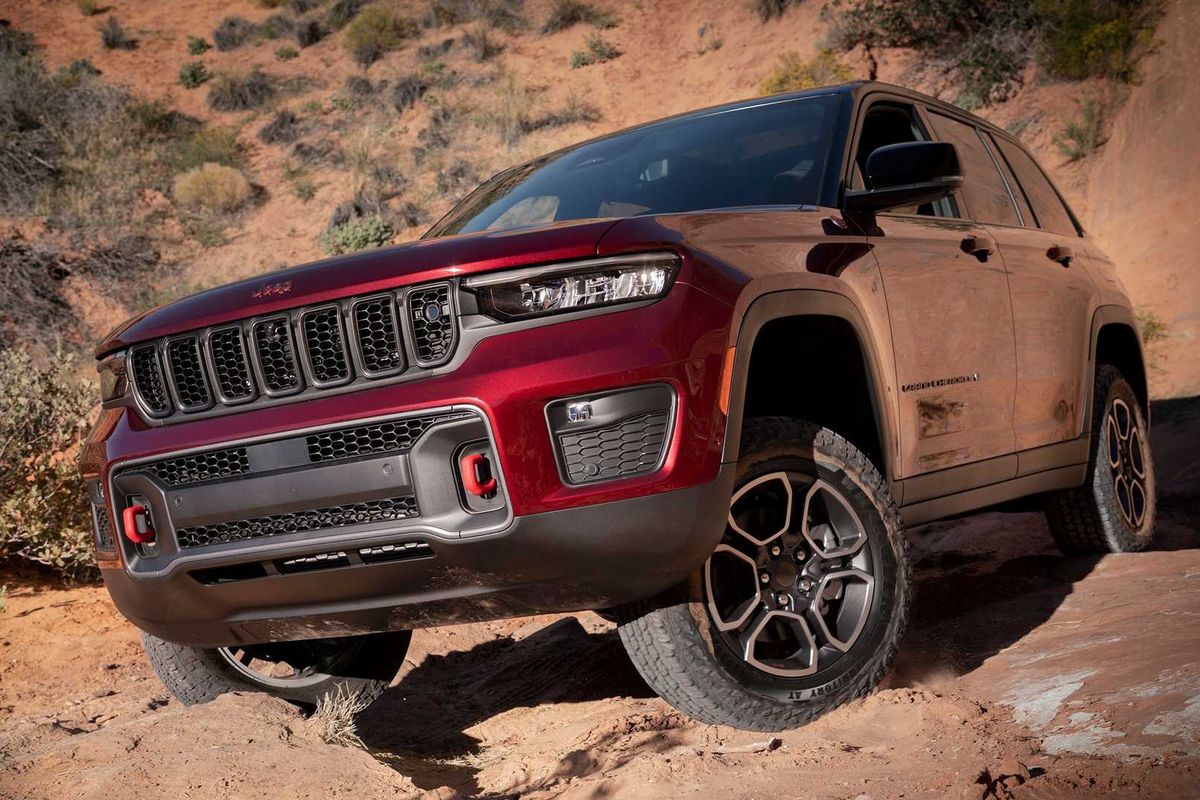
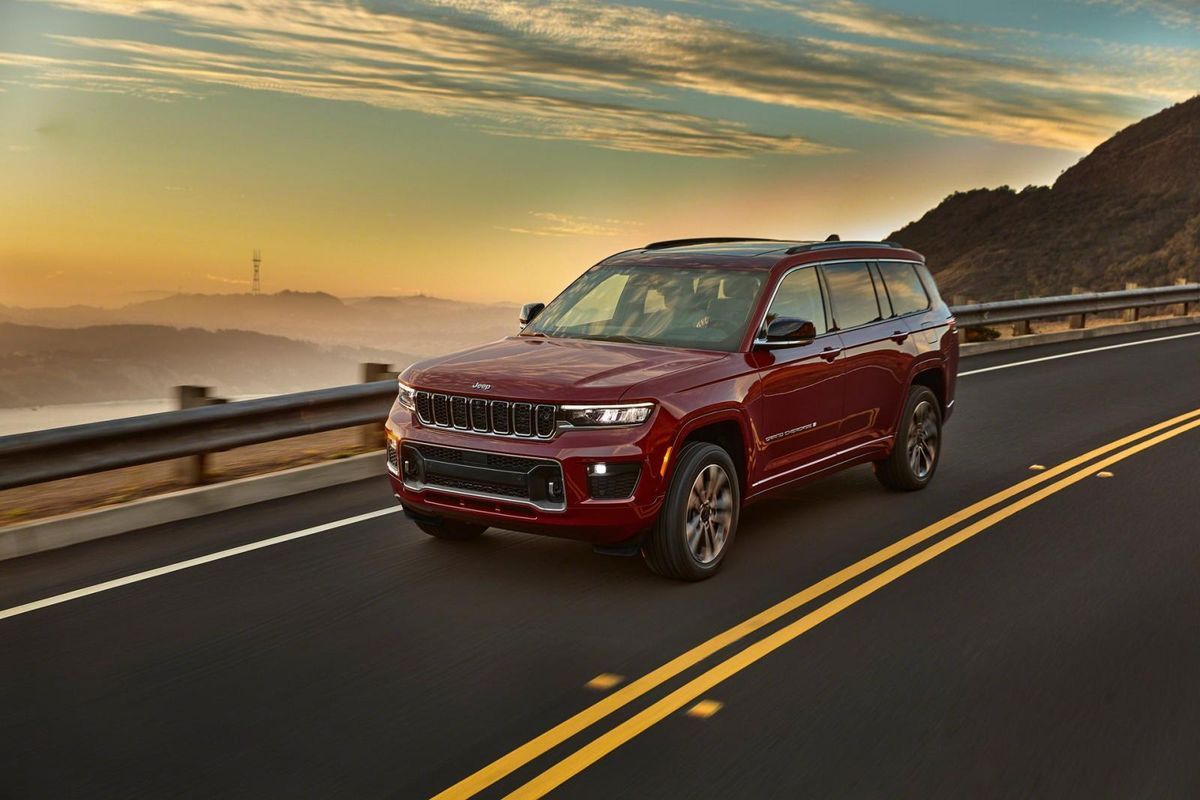
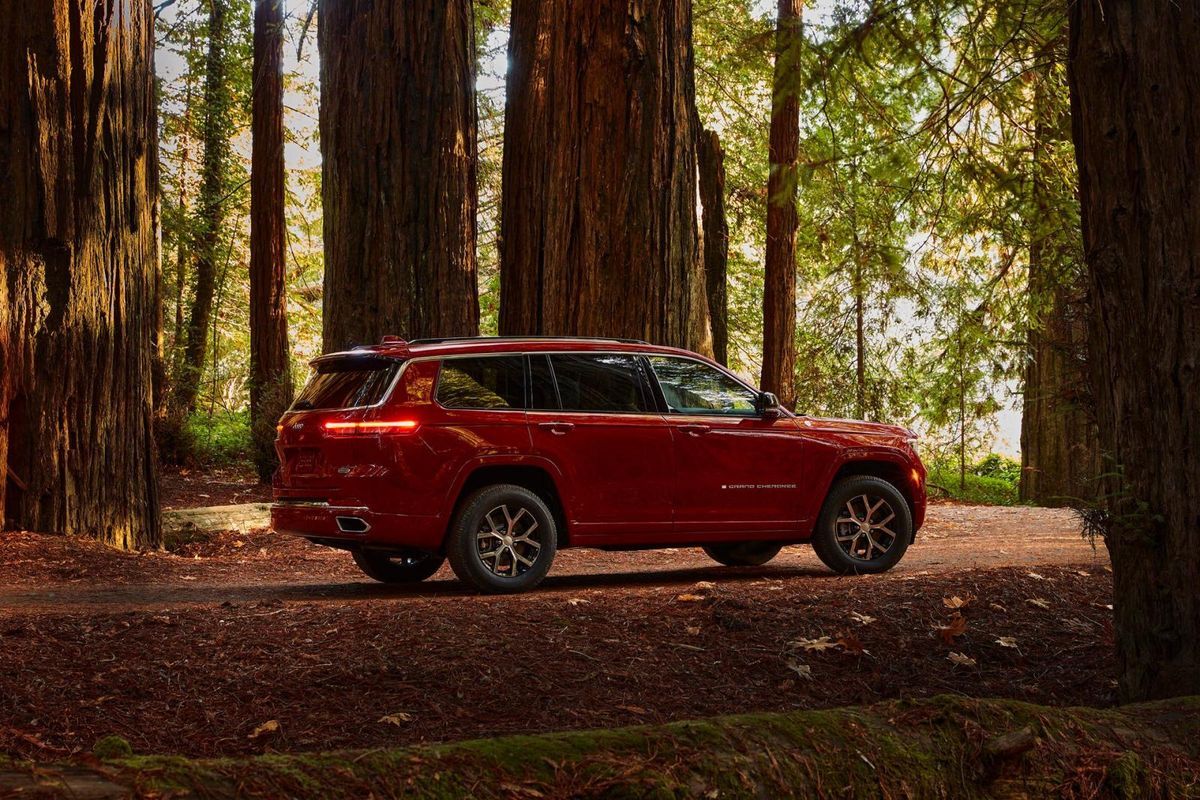
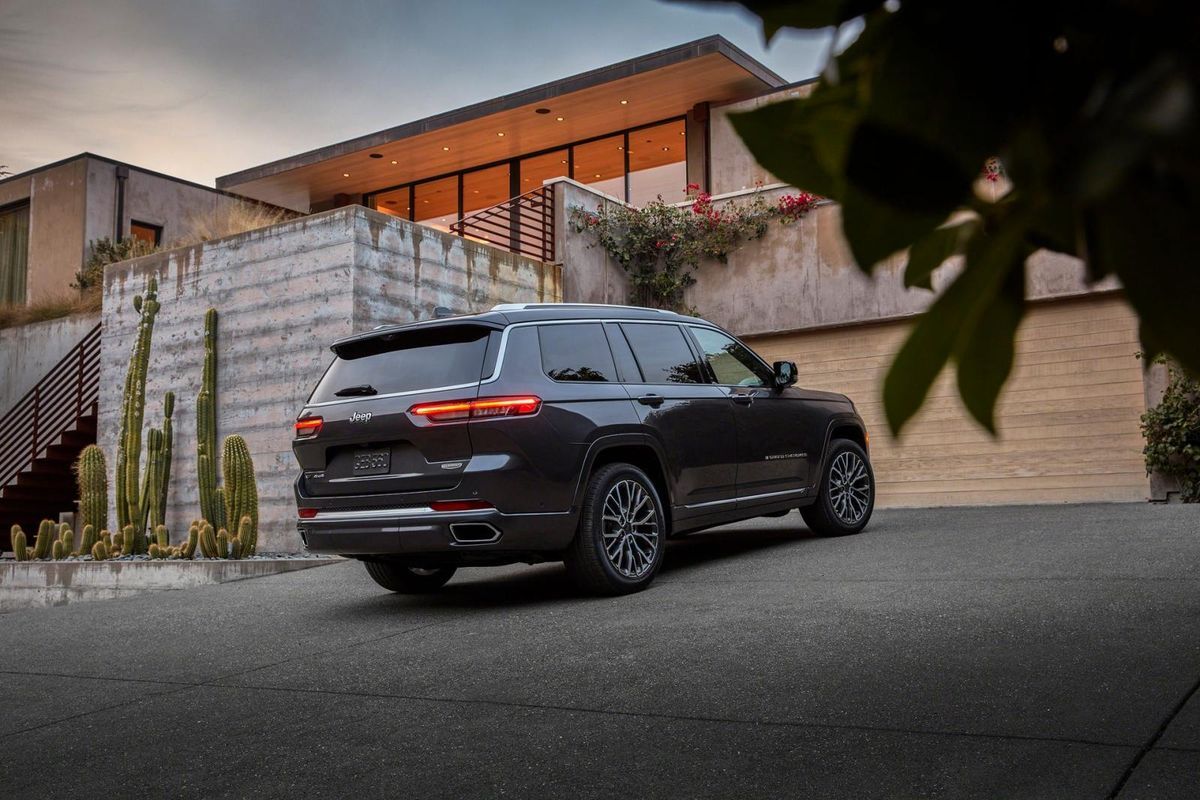
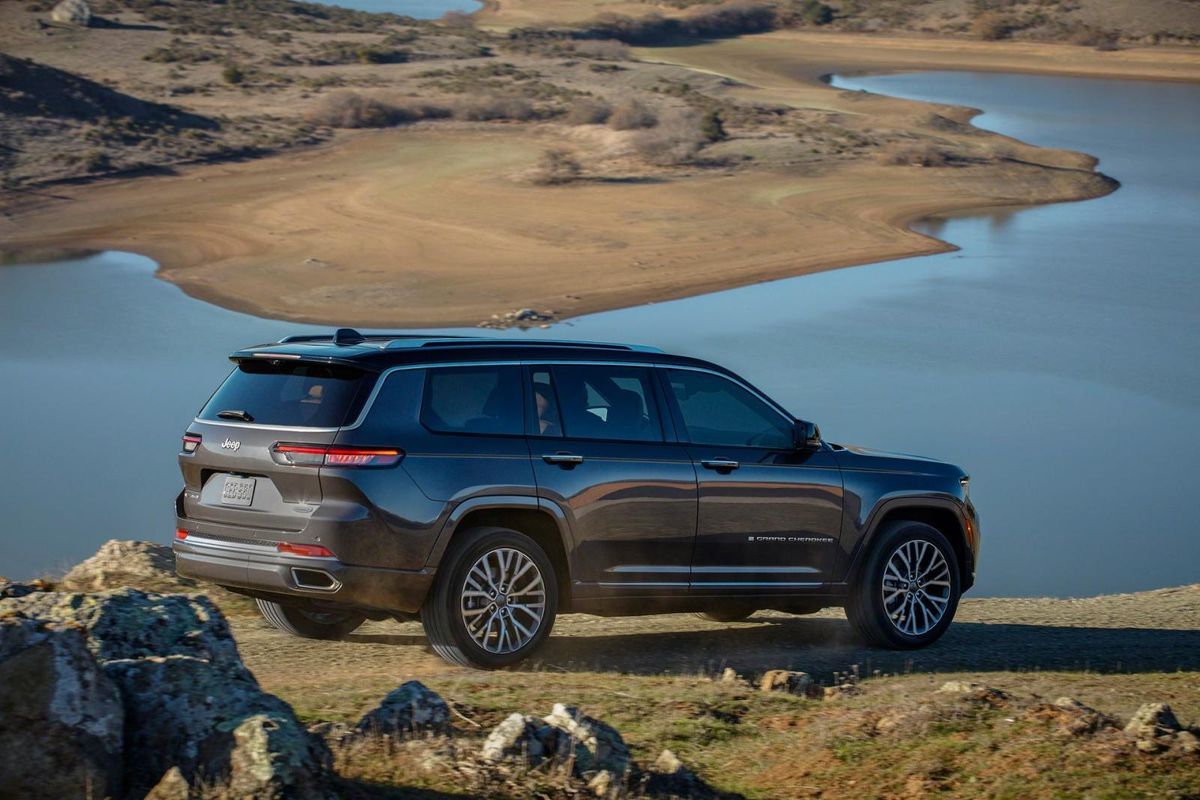
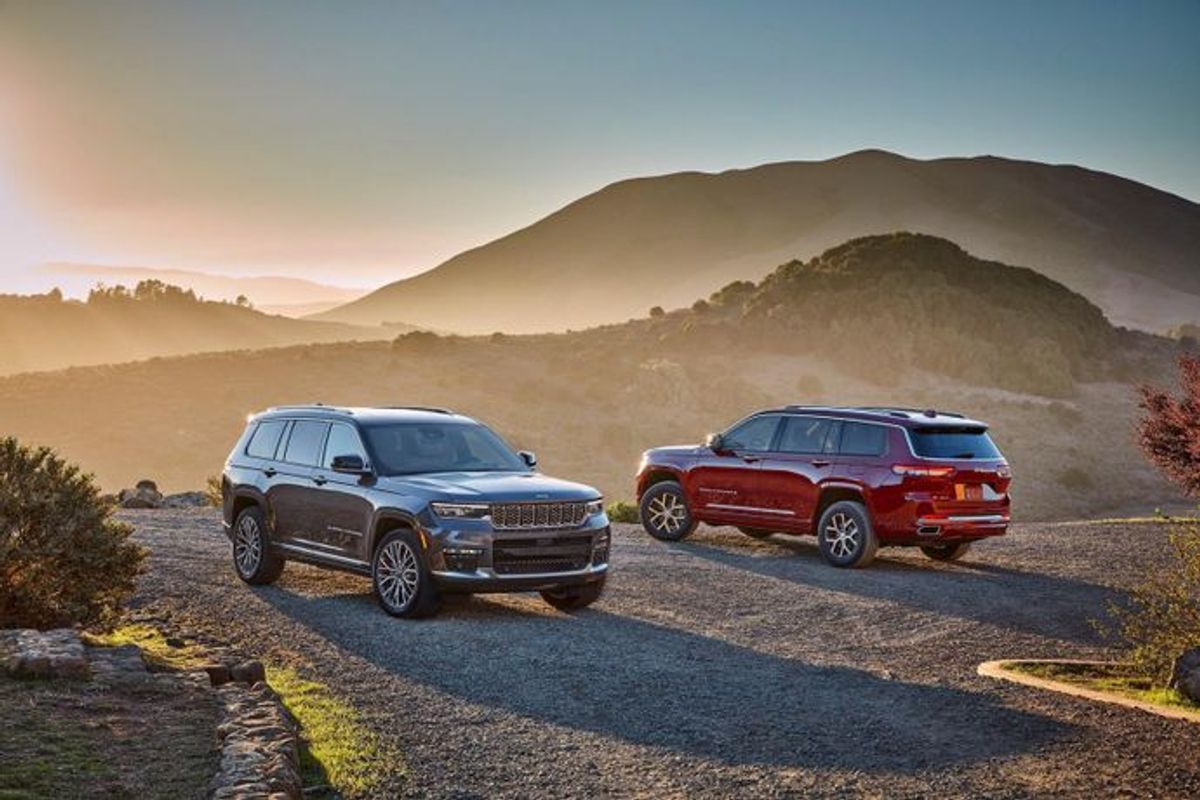
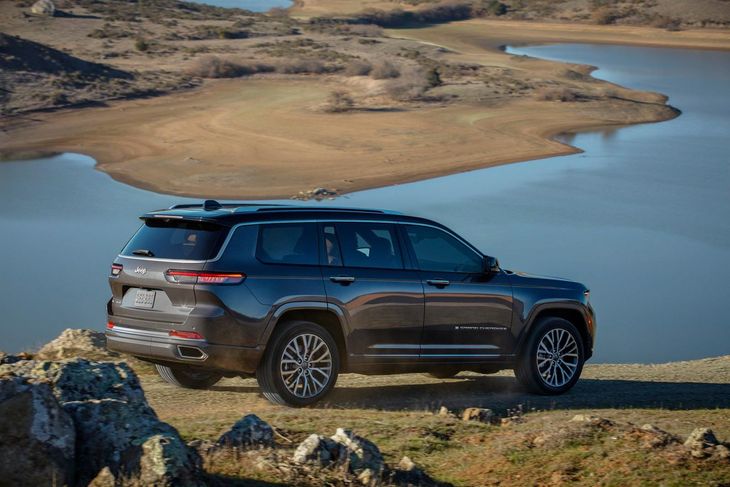
Following the reveal of the new Grand Cherokee L 7-seater earlier this year, Jeep has now revealed the 5-seater Grand Cherokee as well as a new plug-in hybrid derivative.
With design cues straight from the mammoth Grand Wagoneer, the new Jeep Grand Cherokee looks bold and imposing and will be offered in either 5- or 7–seater guise. As far as trim levels go, there will be at least 7 for the American market including Laredo, Altitude, Limited, Overland, Trailhawk, Summit and Summit Reserve.
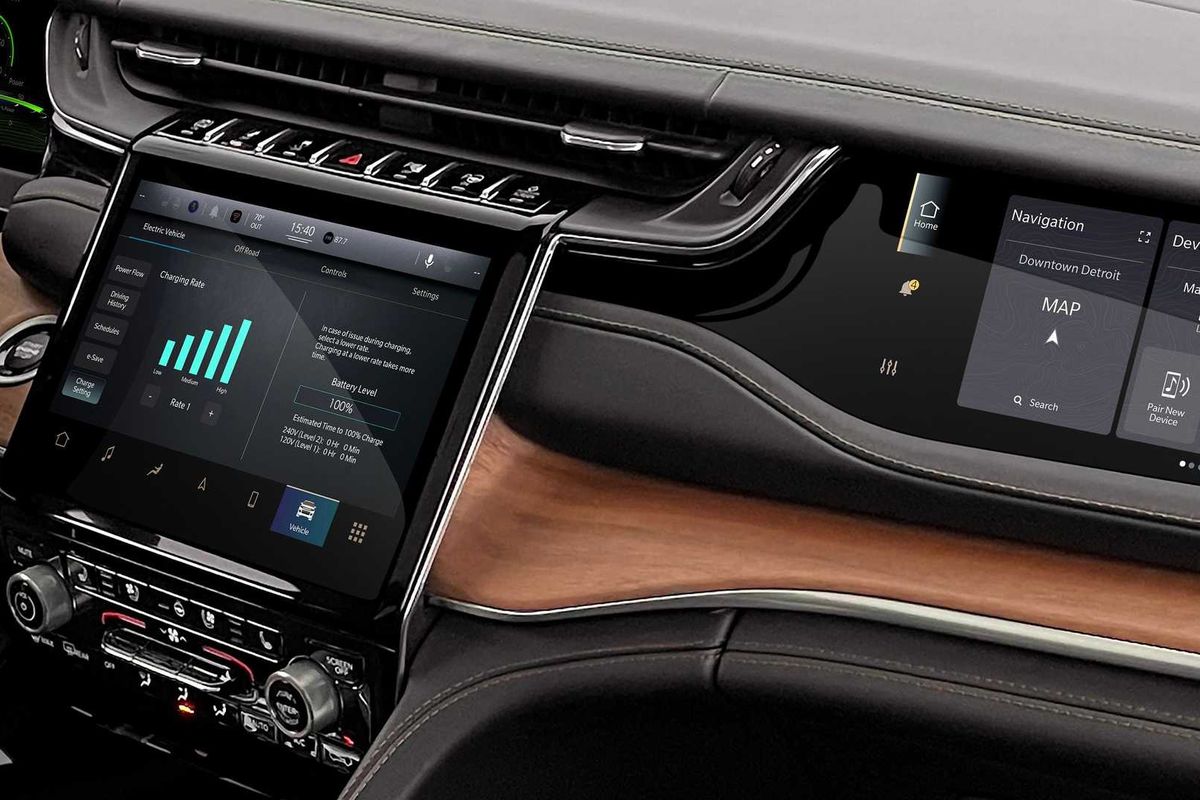
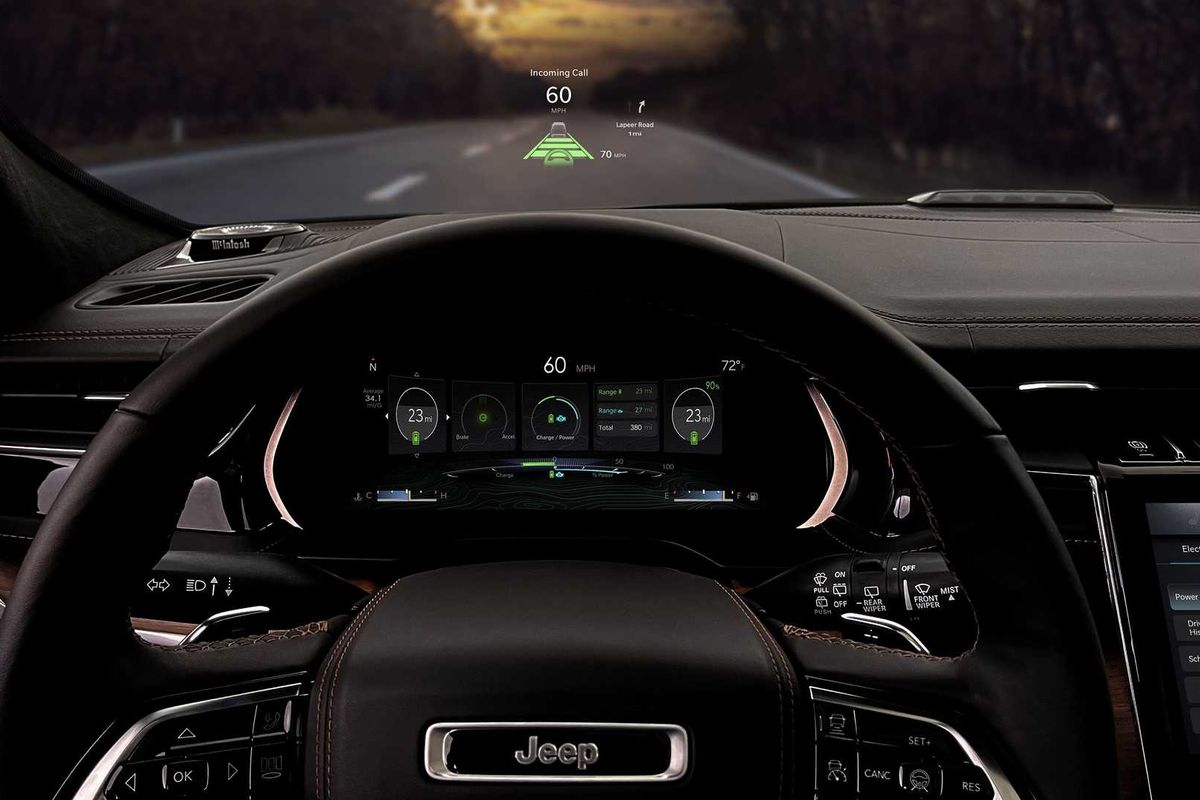
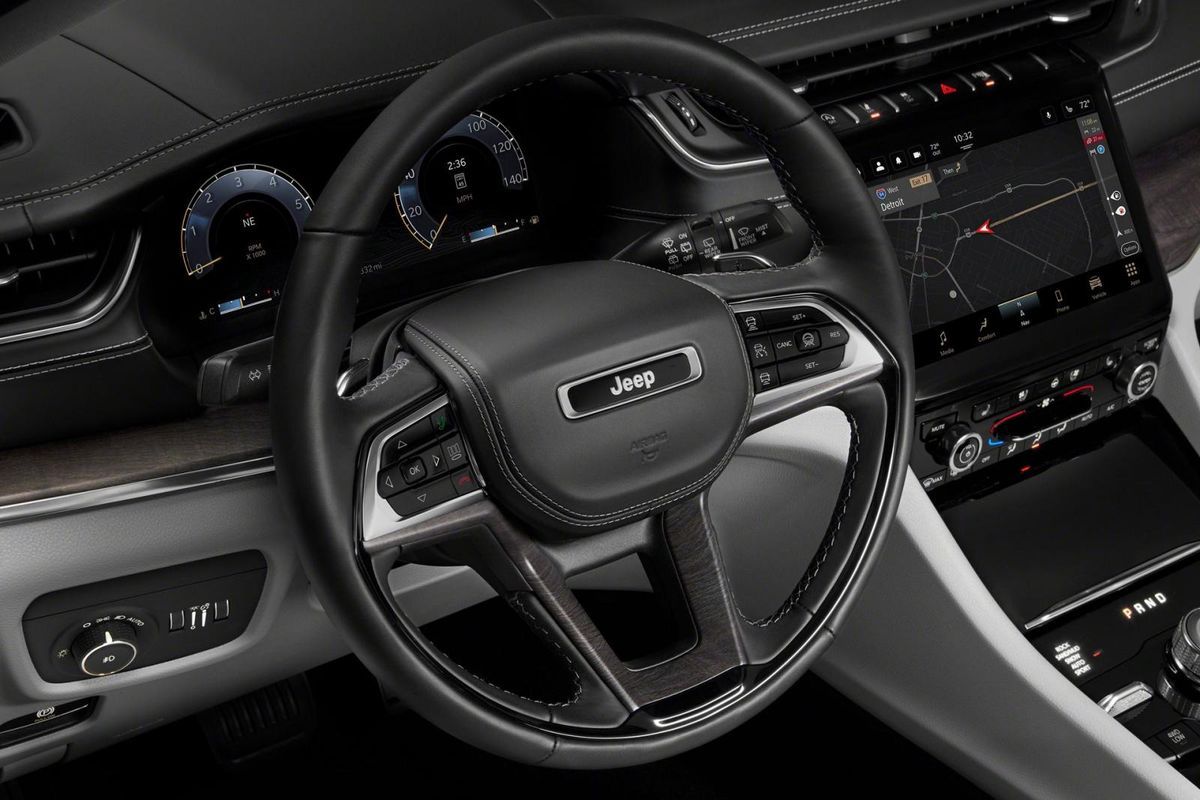
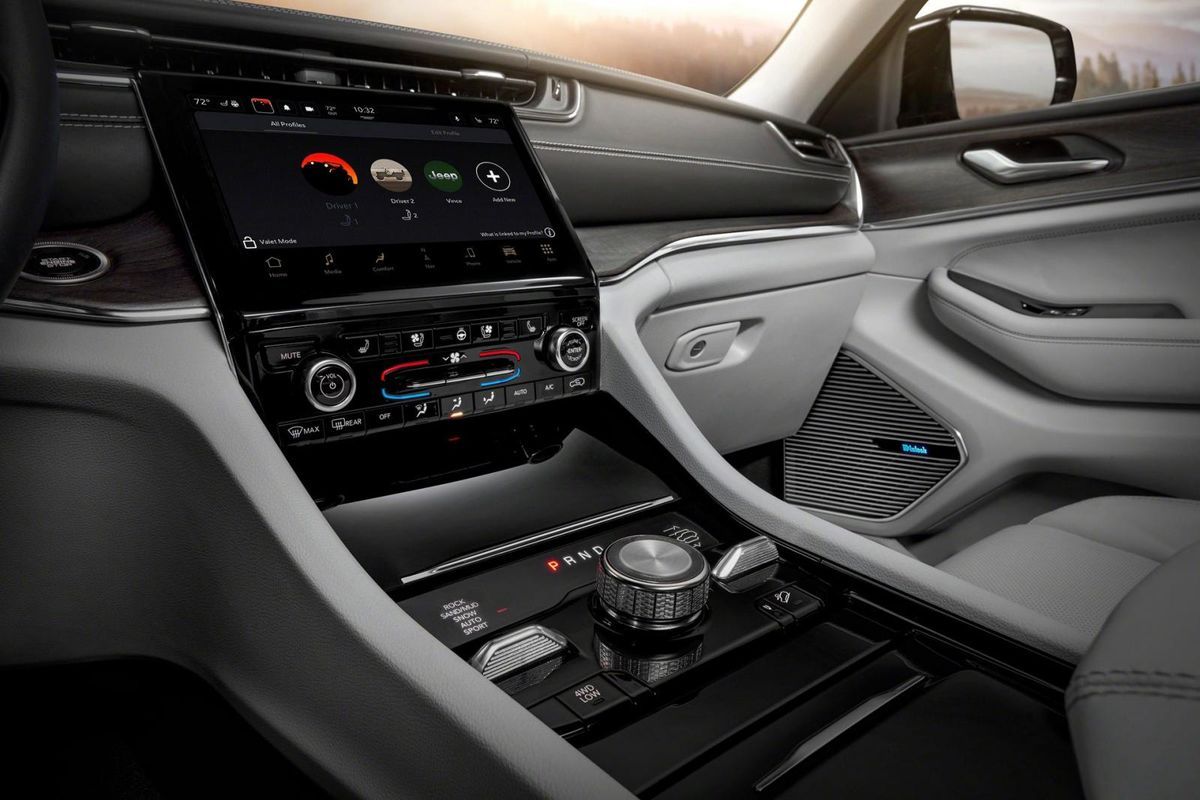
Inside, the cabin is smart-looking and luxurious with a 10.1-inch infotainment touchscreen and similarly-sized instrument cluster as well as a 10-inch head-up display. An optional 10.25-inch screen can also be fitted ahead of the front passenger. Driver assistance features include emergency braking with collision warning and pedestrian and cyclist detection, rear cross-traffic alert, adaptive cruise control, active lane management, lane departure warning, lane-keeping assist, active brake assist and blind-spot monitoring, to name a few.
In terms of engines, the Pentastar 3.6-litre V6 soldiers on, and in this application it develops 216 kW and 348 Nm. The engine we suspect most will go for is the 5.7-litre Hemi V8 which pumps out 266 kW and 528 Nm. But that’s not all, Jeep will also offer a new 4xe plug-in hybrid derivative comprising a 2.0-litre turbopetrol engine, 2 electric motors and 17 kWh battery pack. Total output is pegged at 280 kW and 637 Nm with an all-electric driving range of 40 km, An 8-speed automatic gearbox is standard across the range.
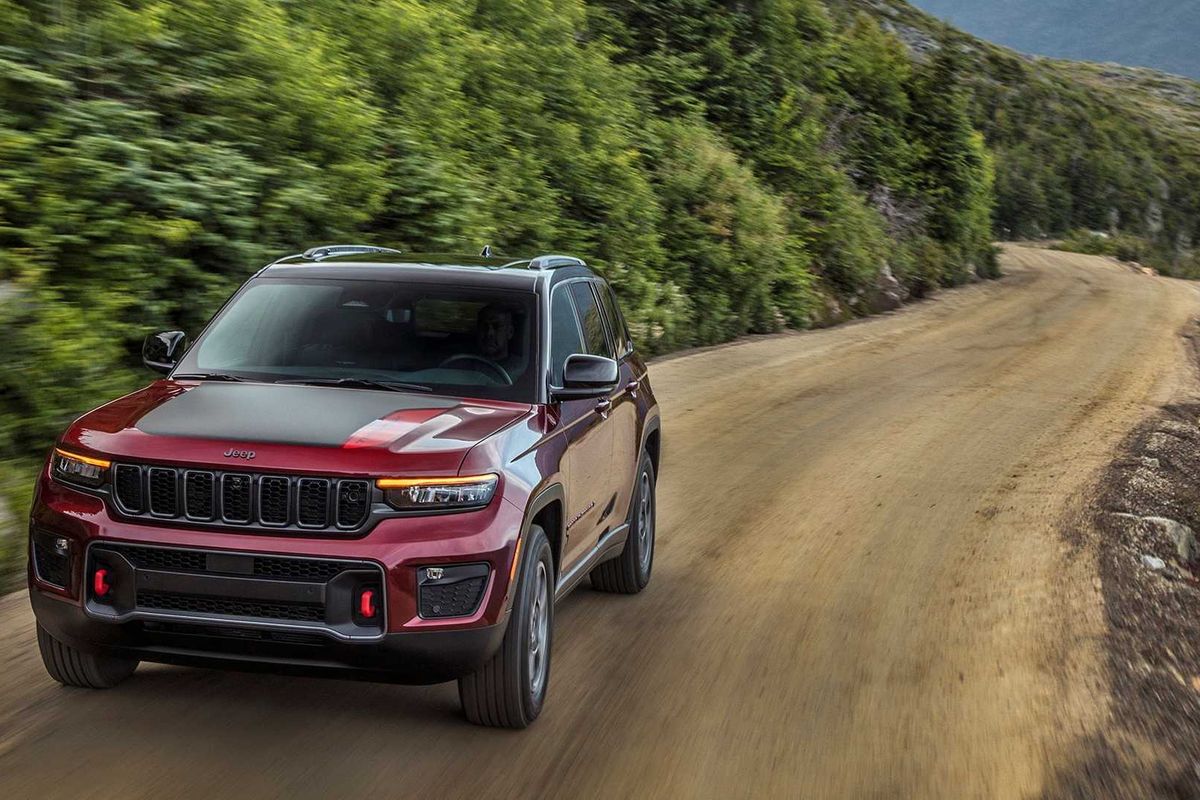
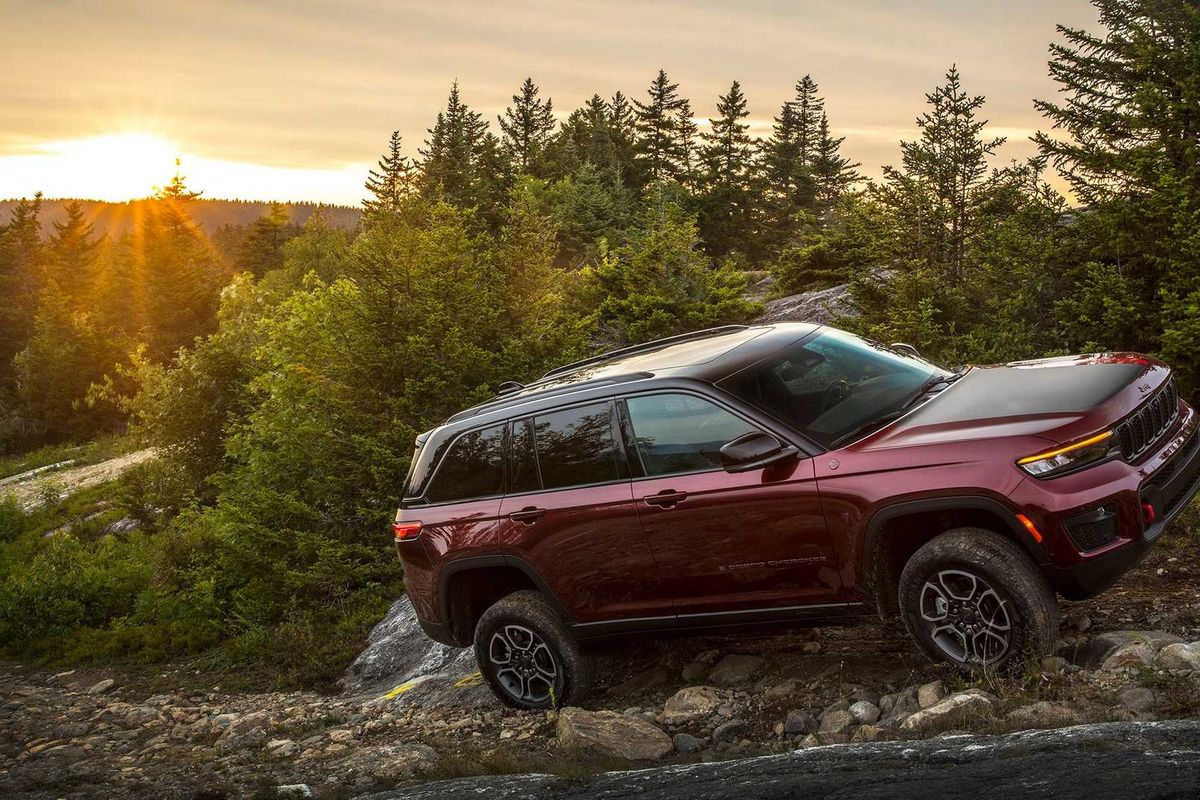
If you’re an offroad enthusiast, the Grand Cherokee Trailhawk will offer the most capability and comes equipped with a Quadra-Lift adaptive air suspension that can raise the vehicle’s ground clearance to over 280mm. Using a Quadra-Drive II active transfer case in conjunction with an electronic limited-slip rear differential and sway bar disconnect system (for better suspension articulation), the Jeep Grand Cherokee Trailhawk will be able to tackle tough terrain.
When will the Jeep Grand Cherokee come to South Africa?
The new Jeep Grand Cherokee 5- and 7-seater is expected to arrive in South Africa in the fourth quarter of 2022 and local specification and pricing has yet to be confirmed. We will keep you updated as and when we receive further details. s.
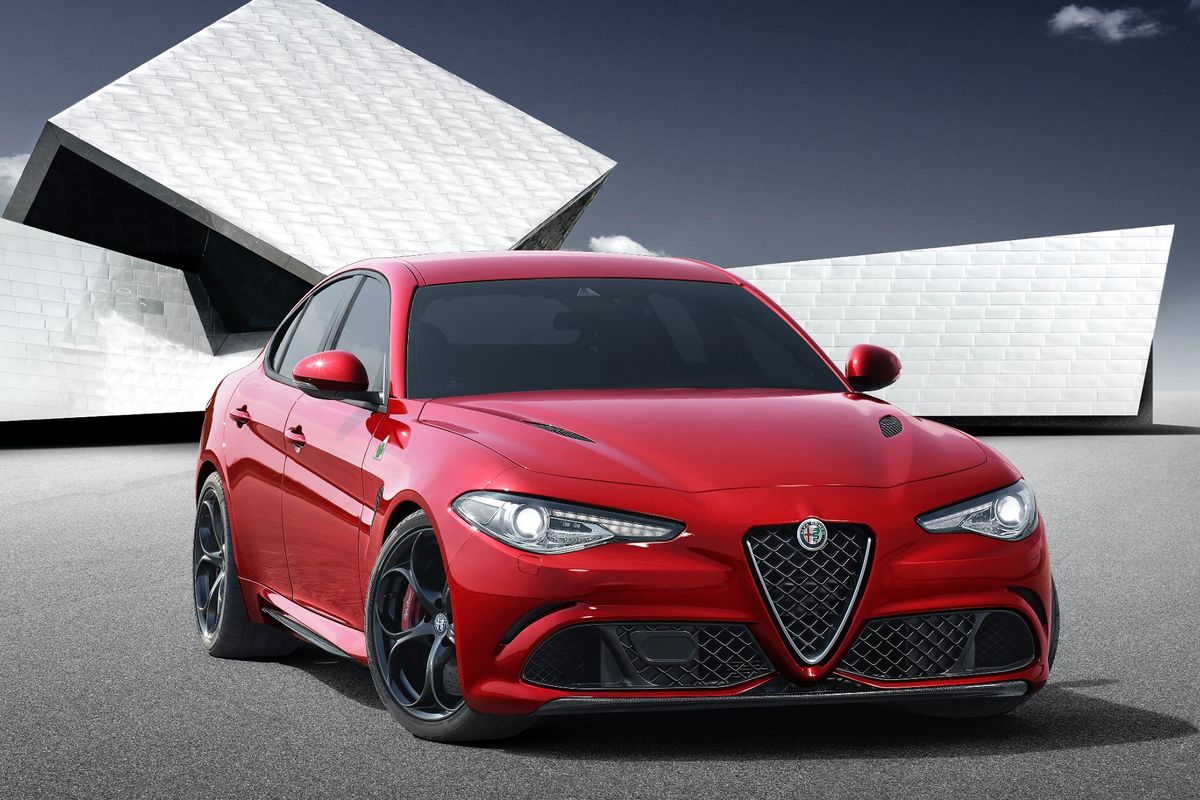
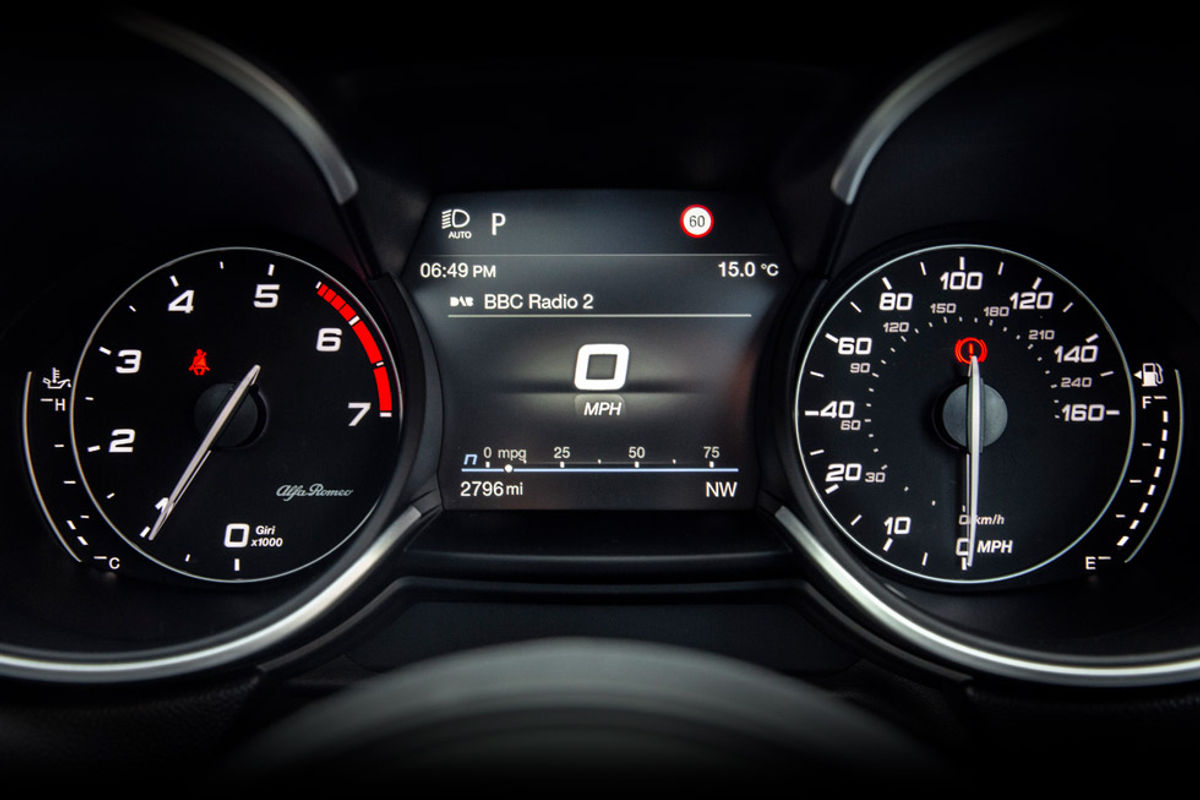
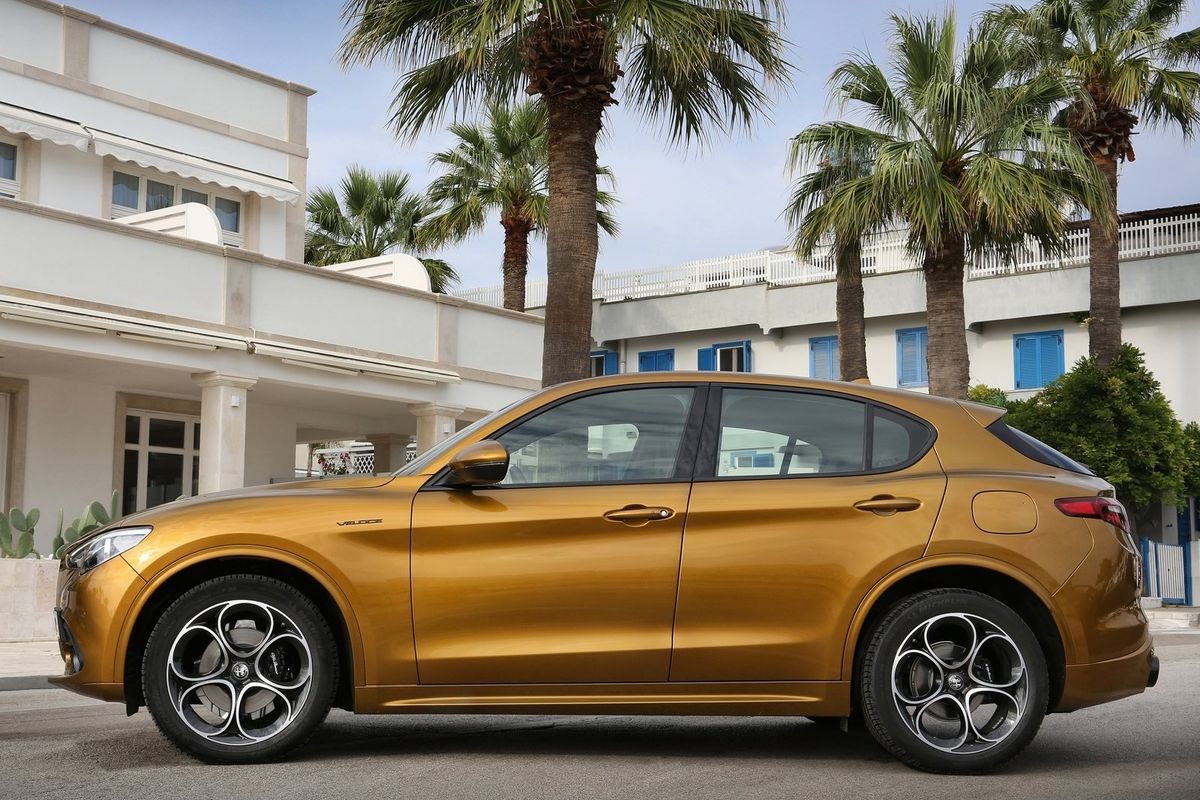
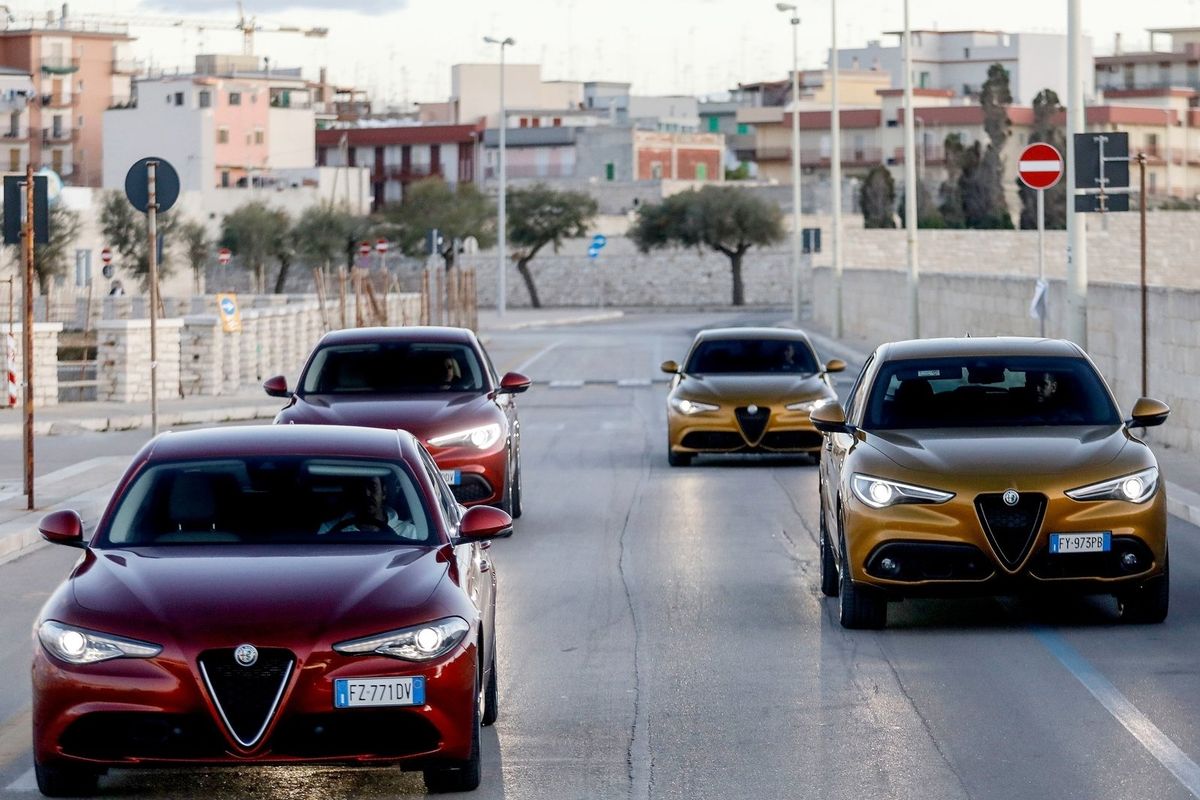
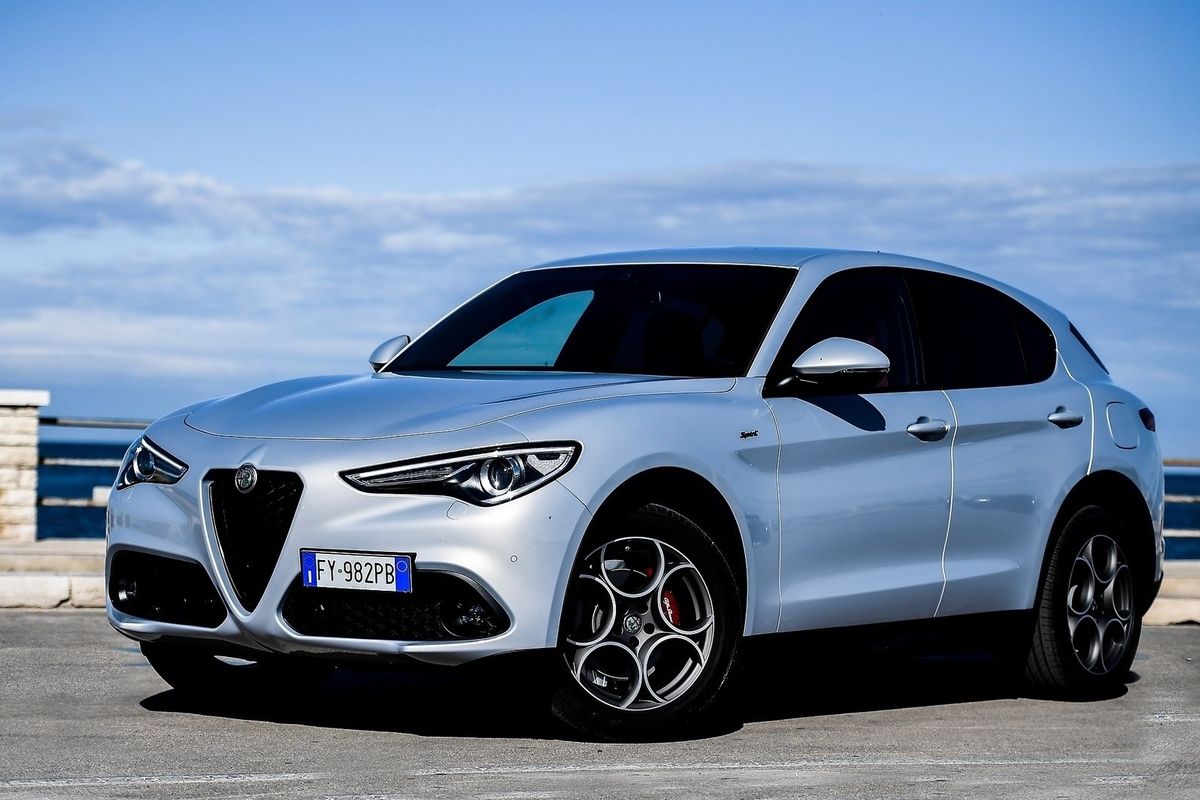
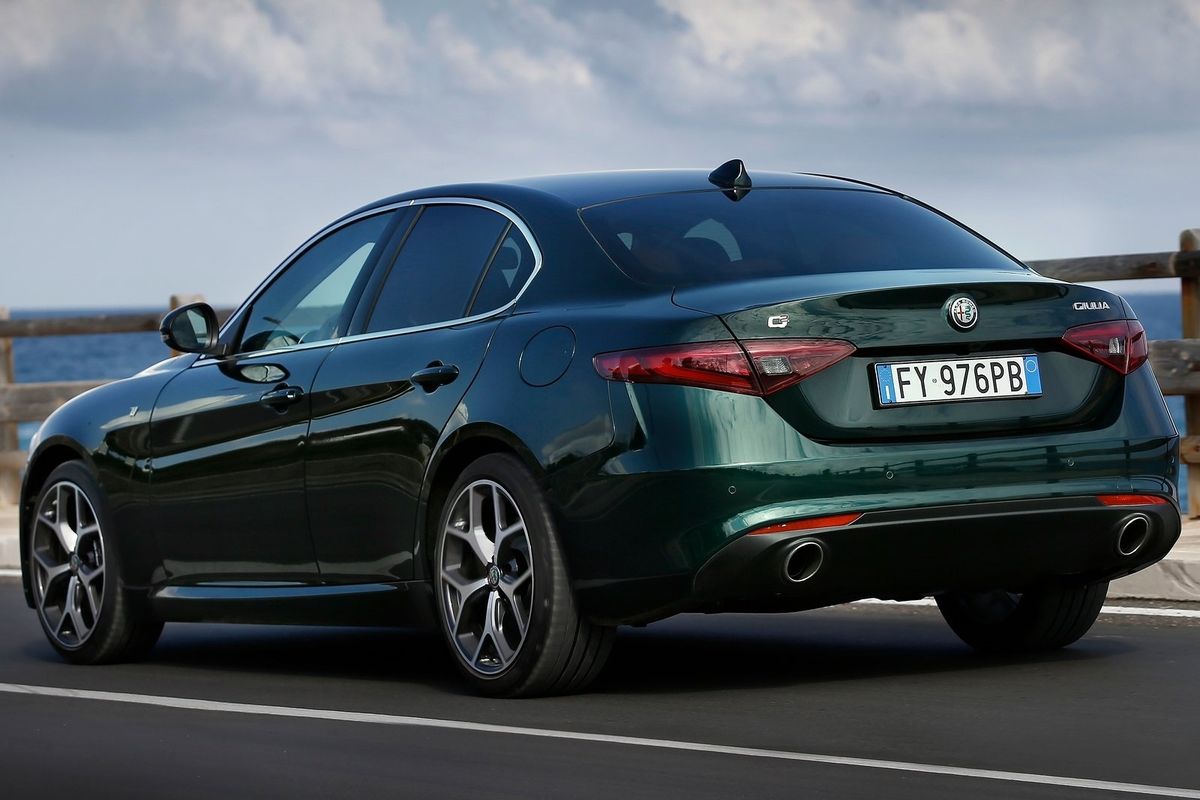
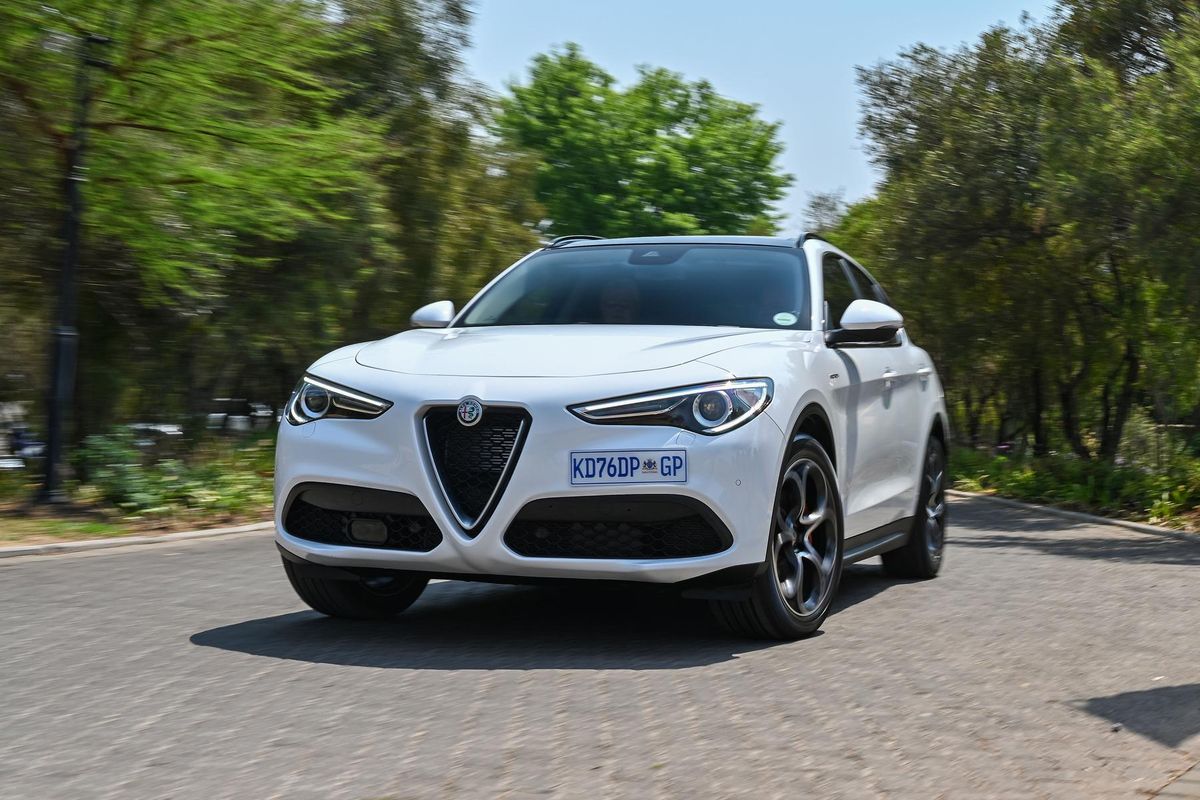
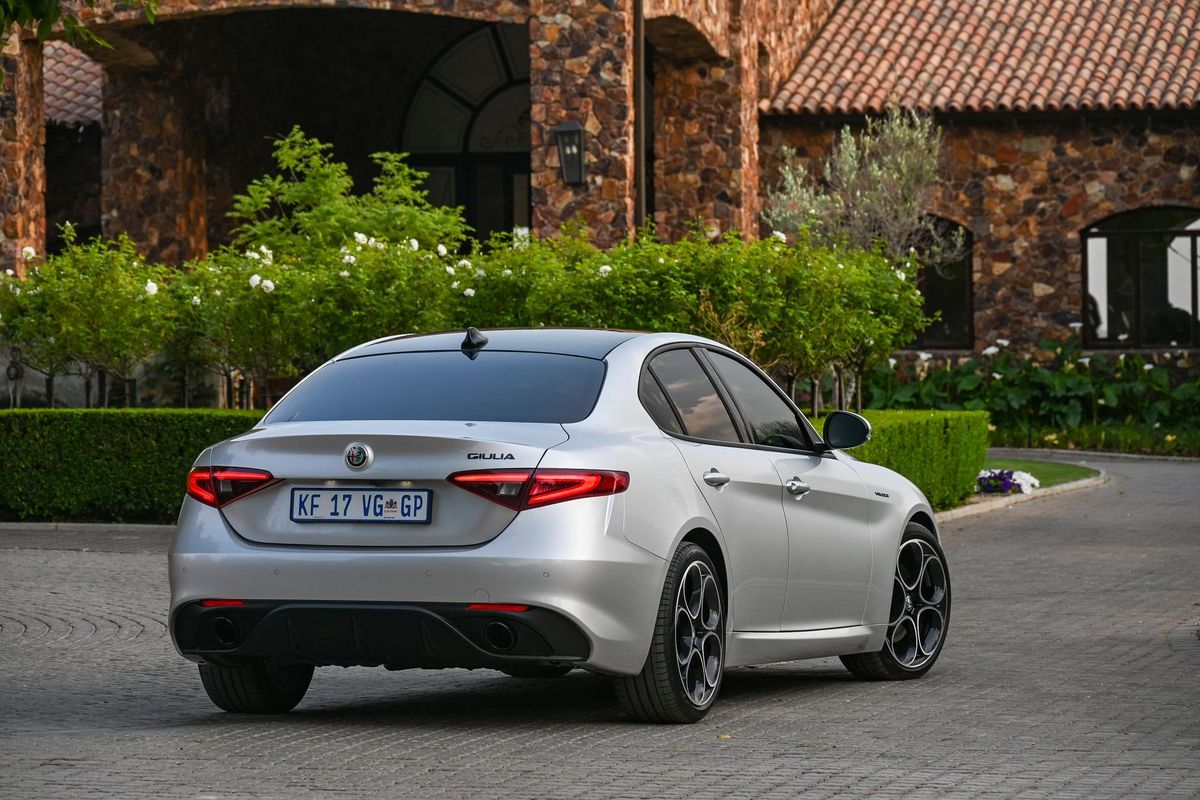
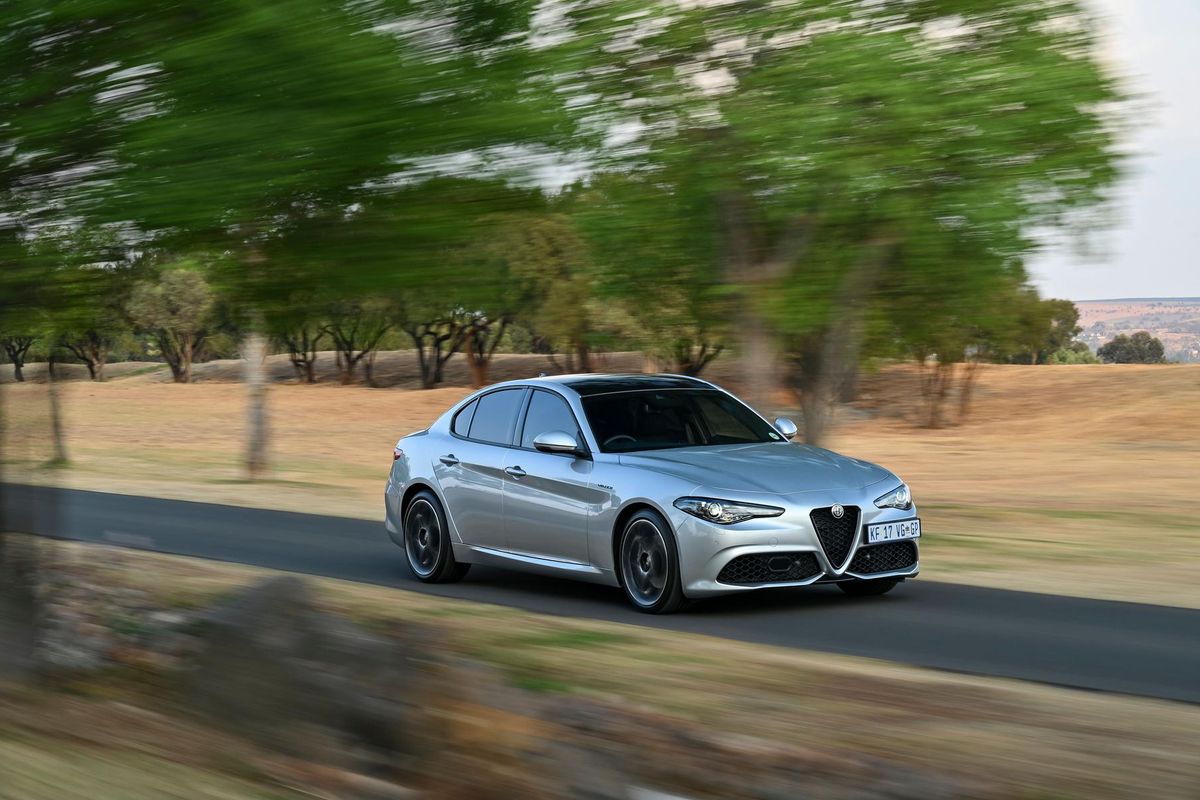
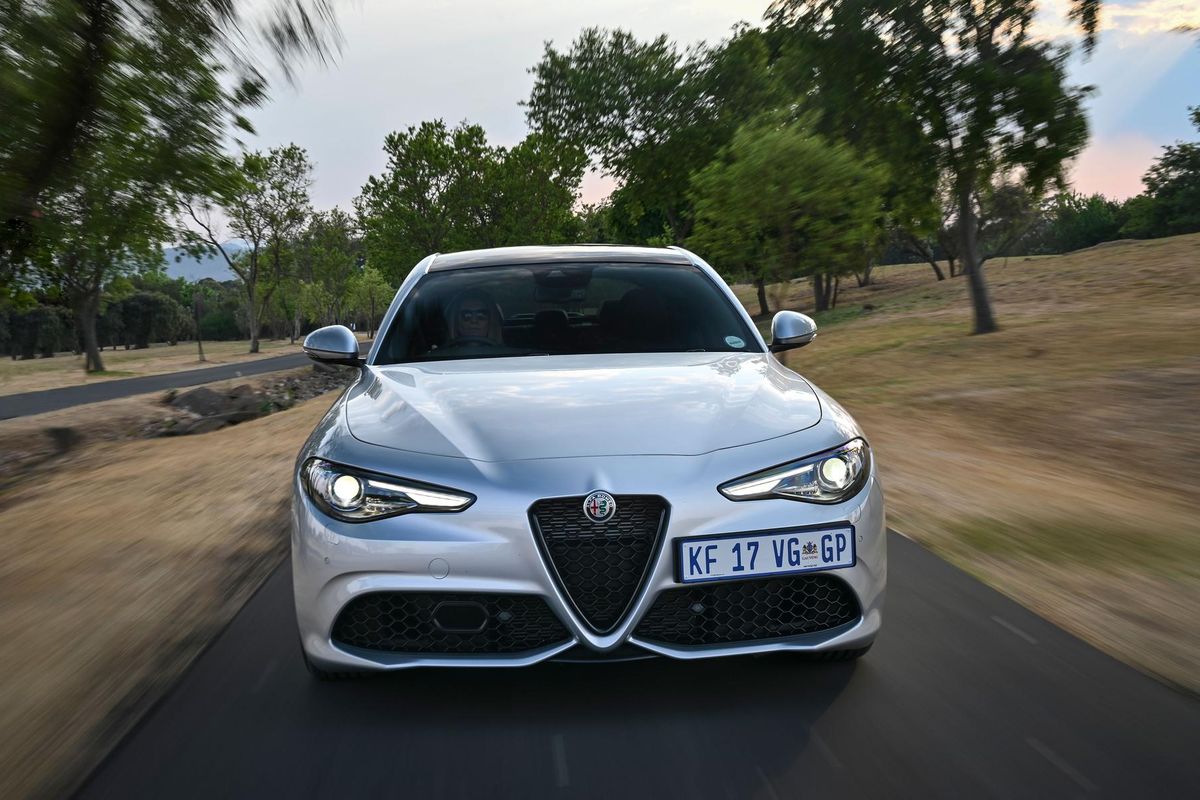
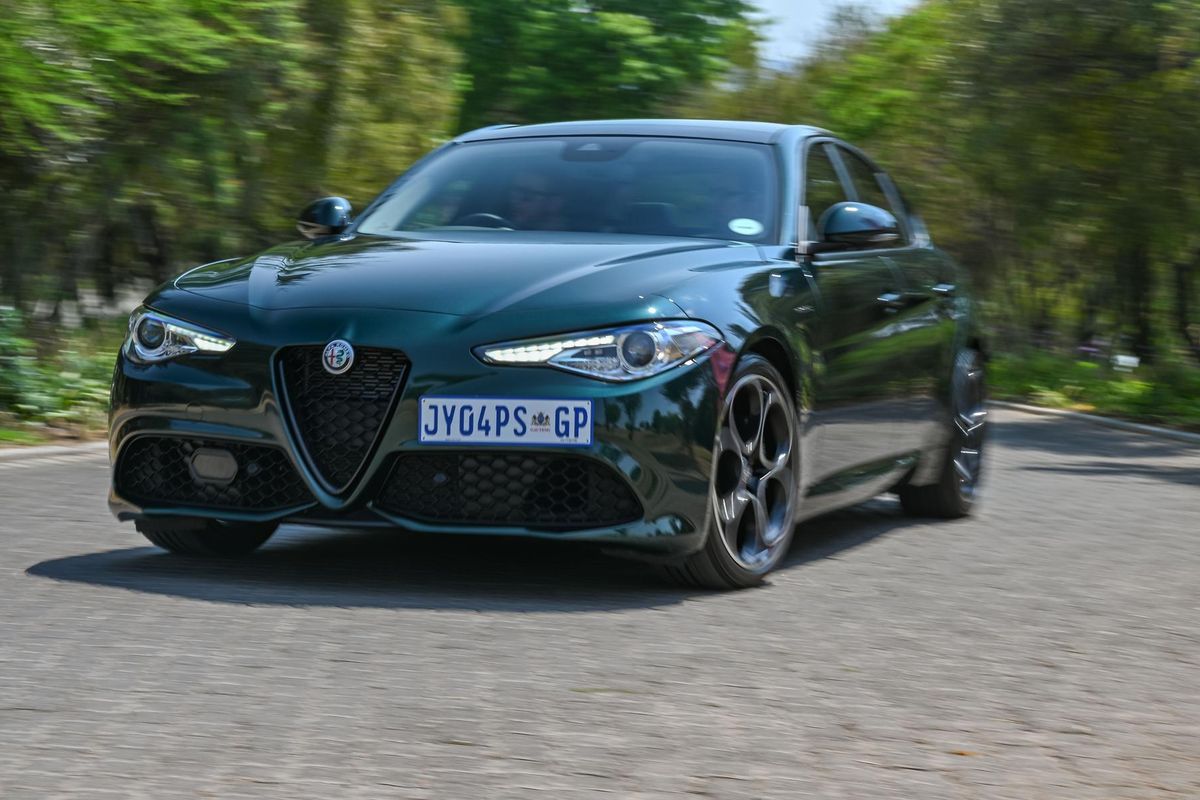
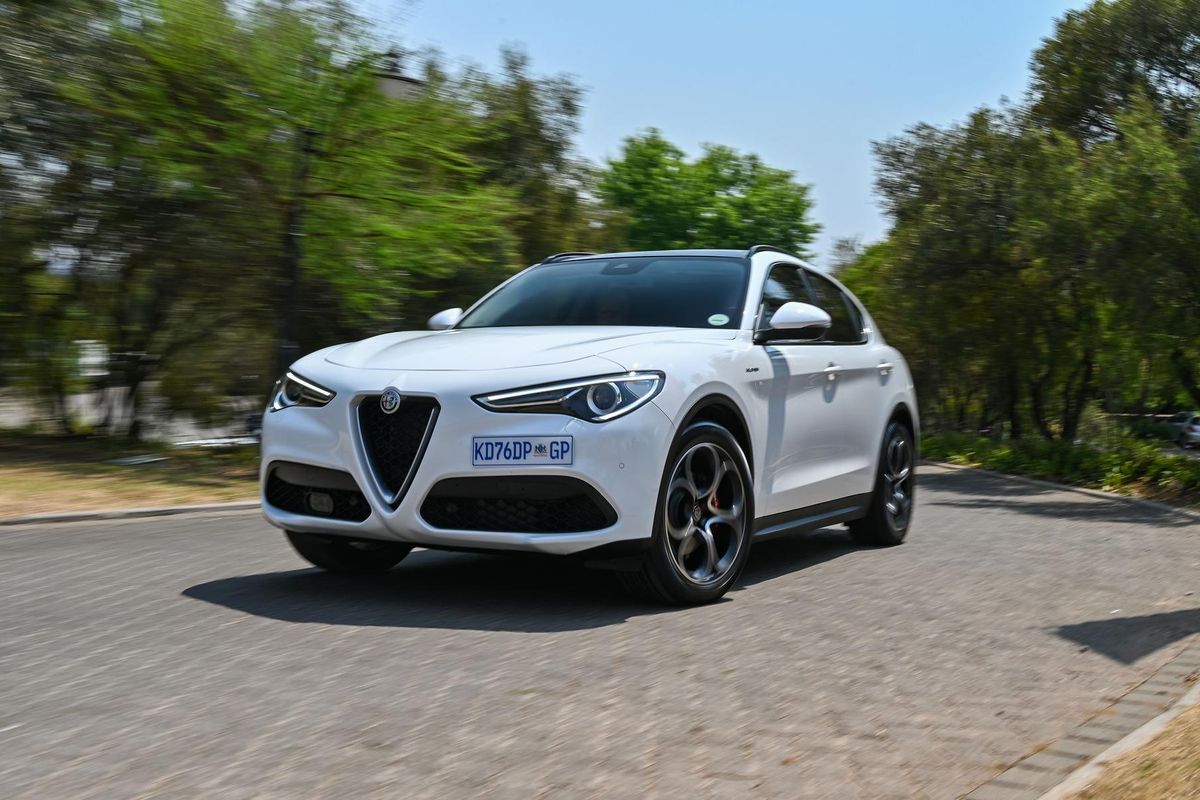
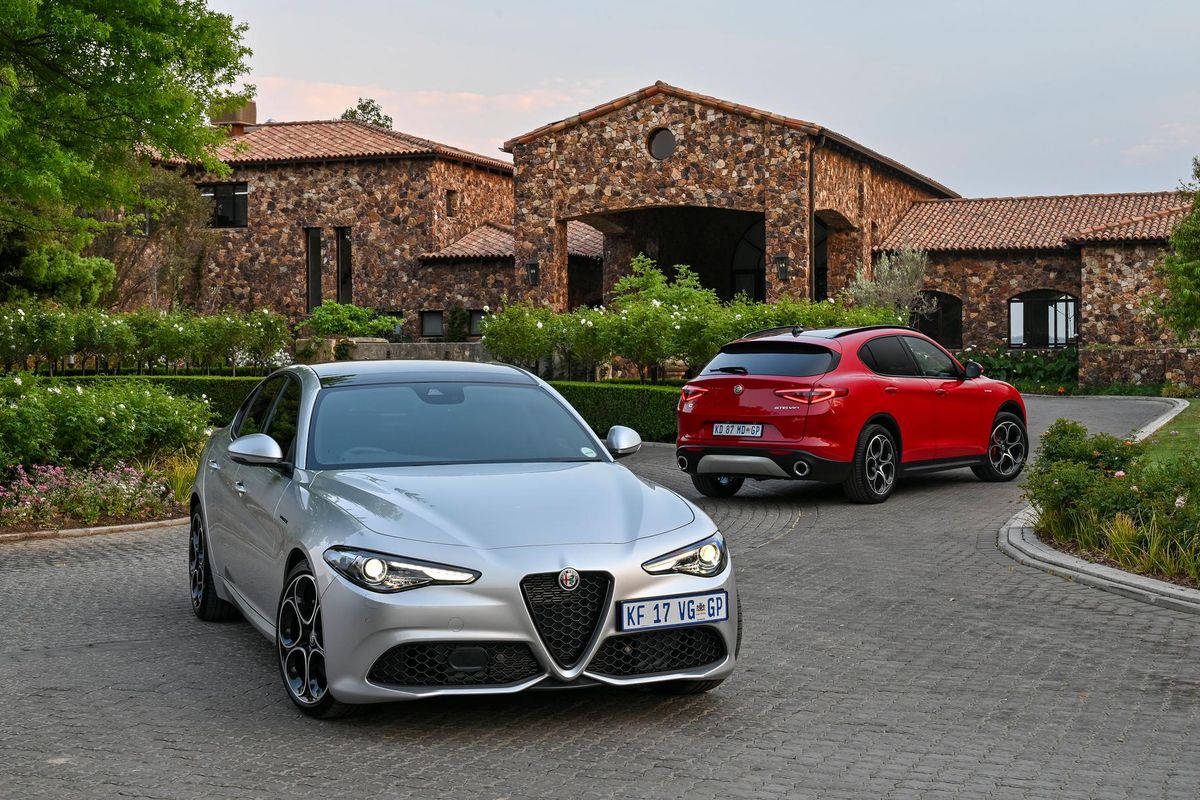
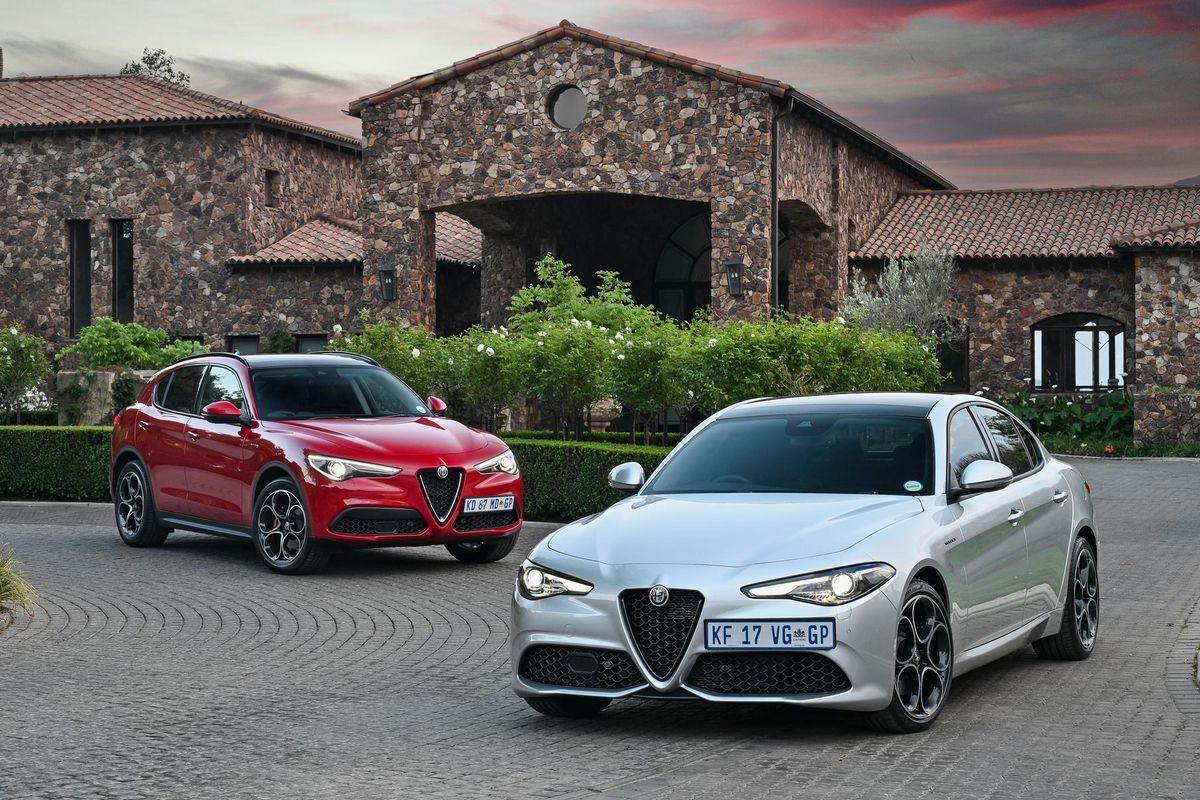
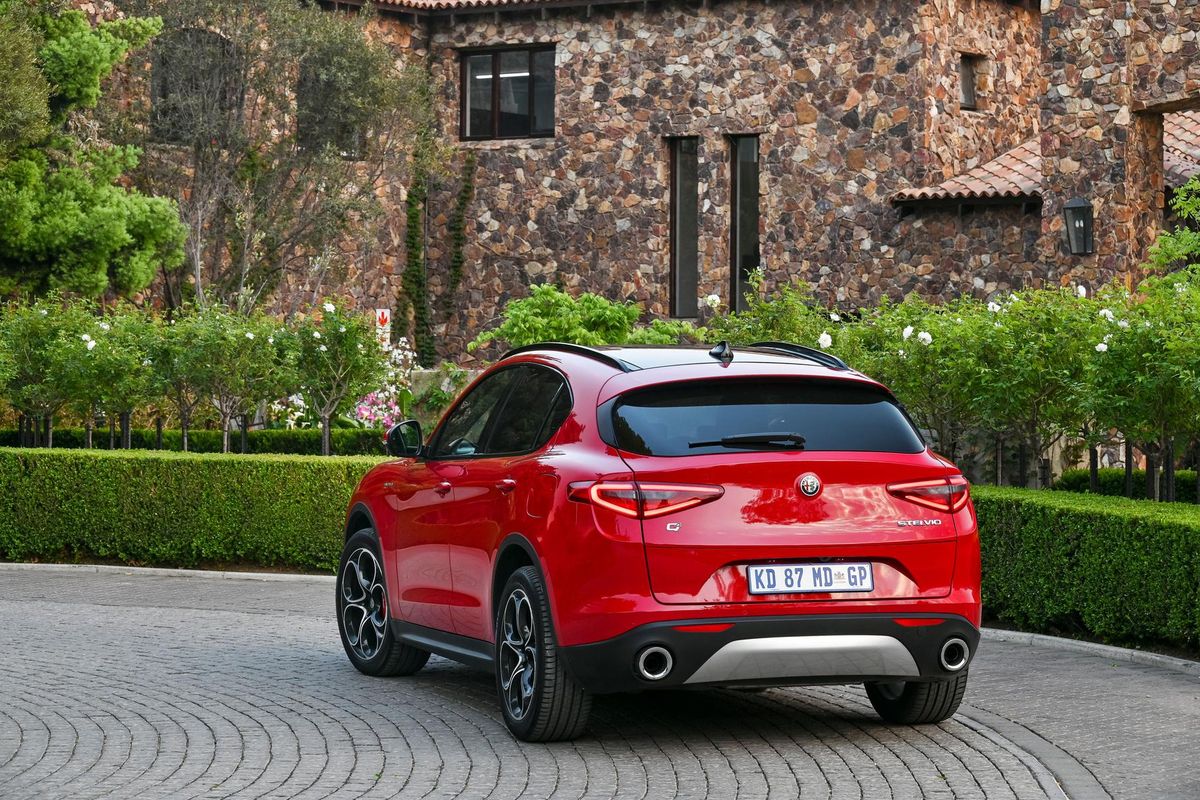
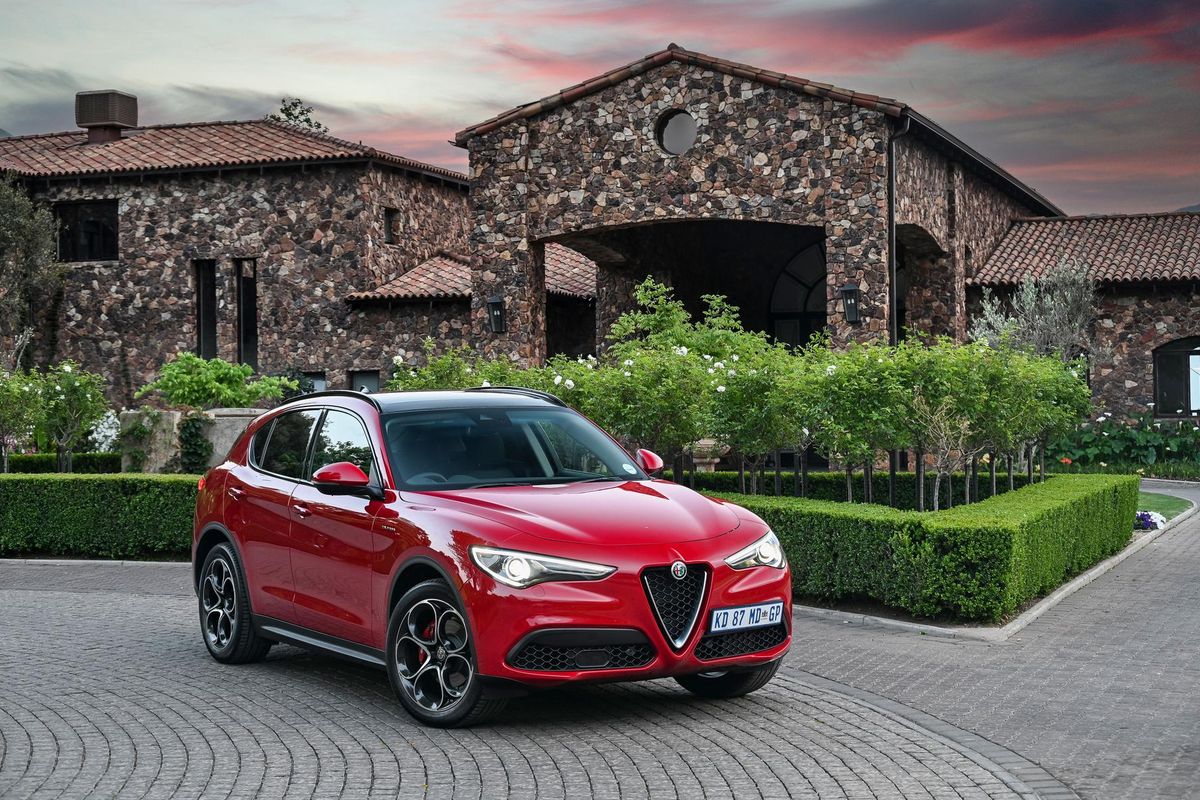
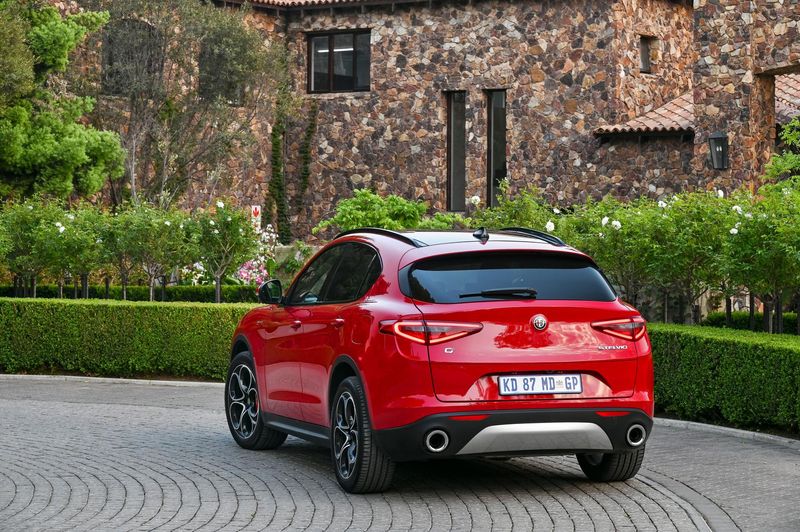
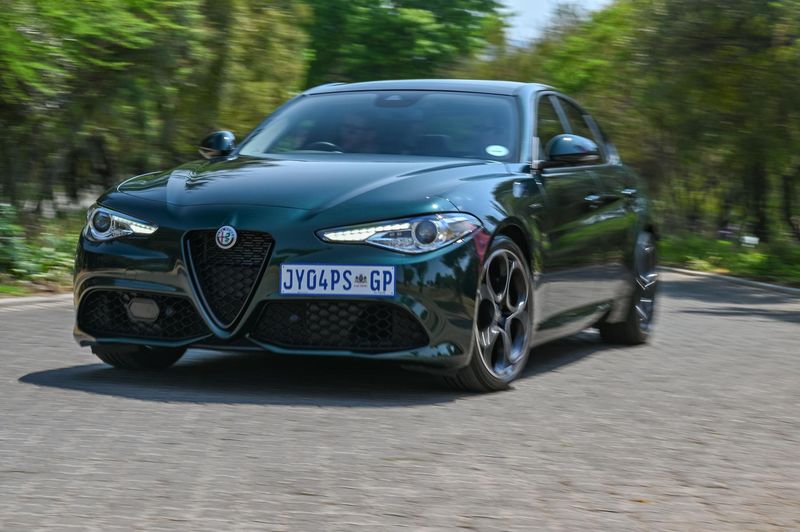
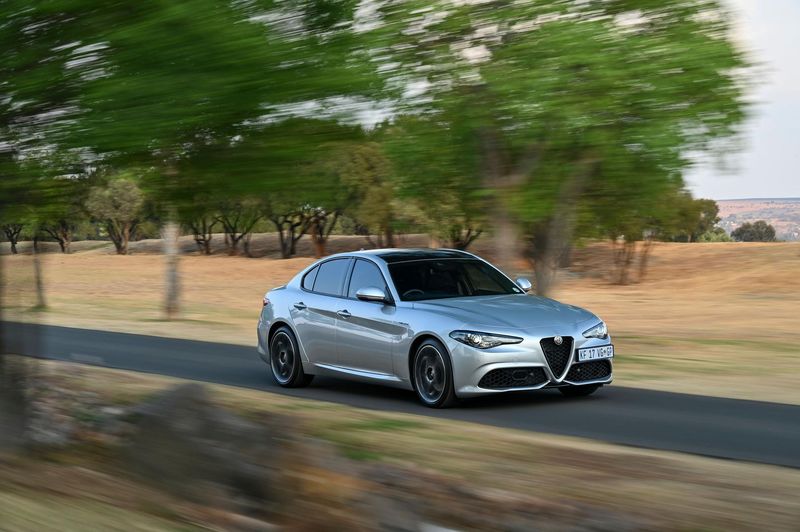
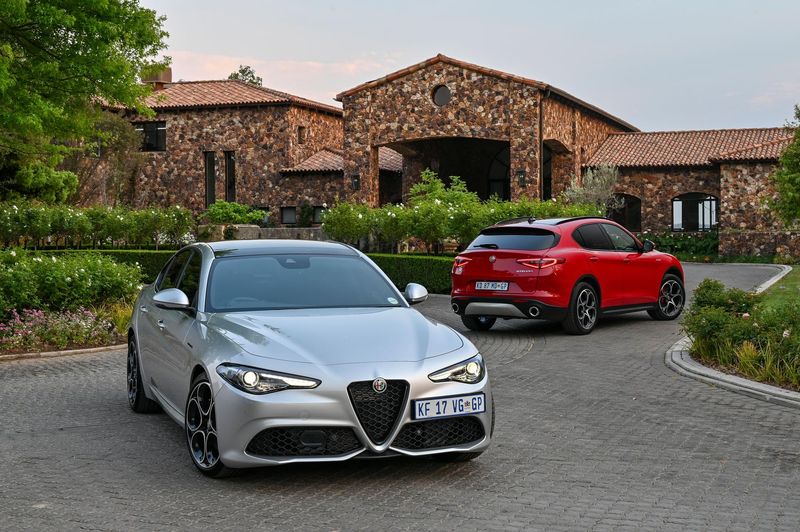
The revised Alfa Romeo Giulia and Stelvio have touched down in SA and we travelled to Gauteng to get behind the ‘wheels of arguably the prettiest cars in their respective segments. However, “good looks can only take you so far”, as they say… and the Italian pair is certainly up against some stiff competition!
This author had the privilege of travelling to Milan in June 2015 to attend the global reveal of the then all-new Alfa Romeo Giulia sedan. FCA (now absorbed into Stellantis) pulled out the stops and many Italian cliches came to mind: fine cuisine, Andrea Bocelli singing Nessun Dorma etc. The charismatic Sergio Marchionne (the late Fiat boss, clad in his characteristic black jersey) led proceedings.
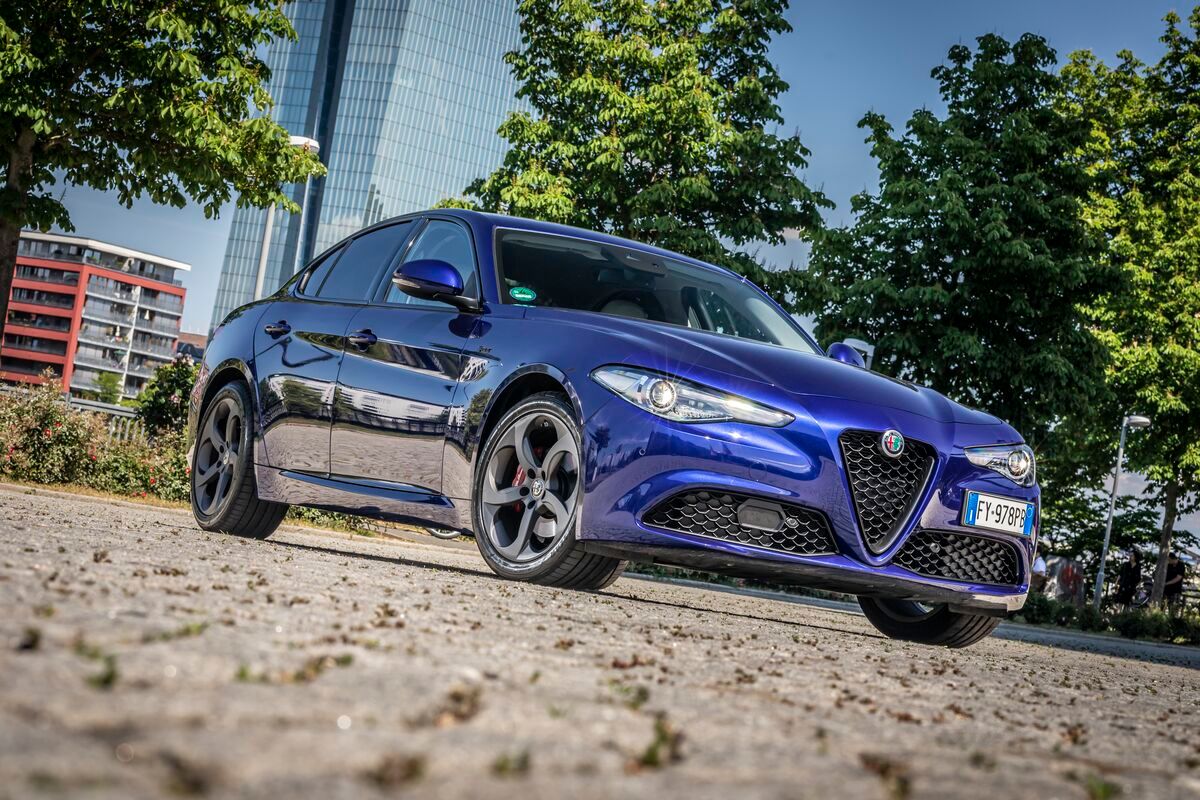
There was renewed hope for the Milanese brand. The rear-wheel-drive Giorgio platform was all-new; Marchionne insisted that the rebirth of Alfa Romeo would not be spearheaded by a car based on an existing Jeep/Chrysler platform. And the Giulia? It was gorgeous from every angle – even base-spec derivatives, although unadorned by the Quadrifoglio’s sporty embellishments, were head-turners.
Six years on from that momentous evening, updated versions of the Alfa Romeo Giulia and Alfa Romeo Stelvio have arrived in Mzansi. It’s fair to say that local sales numbers of the pre-facelift models were very disappointing (although the Quadrifoglio versions certainly generated a lot of fanfare and got enthusiasts’ proverbial juices flowing)… Could the revised pair fair any better? Well, they ought to…
Several recall announcements and tech bulletins published on websites such as the National Highway Traffic Safety Administration (and others) reveal that the first-gen Giulias were plagued by electronic glitches, which was perhaps symptomatic of the sedan being rushed to market in 2016. Fortunately, one of the best aspects of a facelift model is that a manufacturer can assess all the data and learnings that it accumulates while a model is on the market (usually for about 5 years) and address them to ensure that the updated version is free of such issues or gremlins. It’s not purely an Alfa Romeo issue – most brands have had elements of their products that needed to be improved for subsequent models. We hope the niggles that beset the 1st-gen cars have been rectified, but only time will tell…
What’s New?
The updated Alfa Romeo range has taken its time to get to SA (thanks Covid-19!), but the 2020 model year updates are mostly focused on tech/safety updates and upgrades of cabin trim and quality.
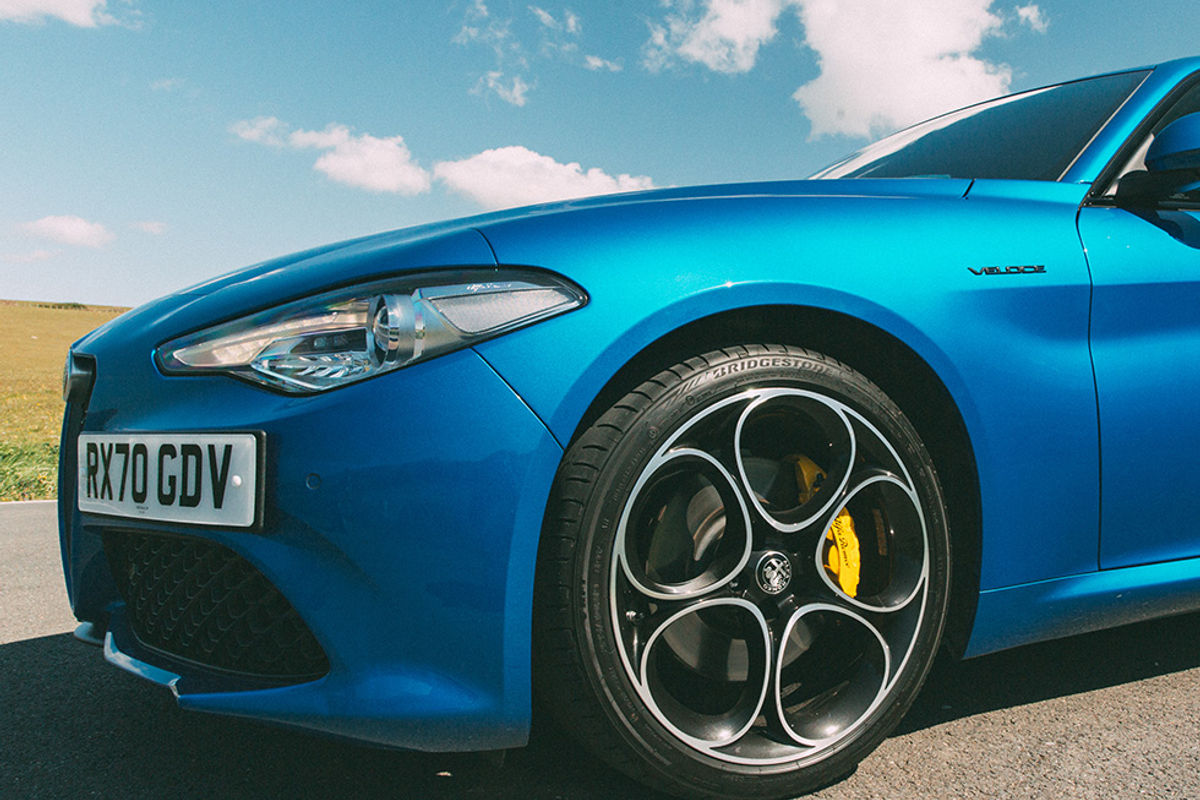
Alfa Romeo South Africa is offering its Giulia and Stelvio with two derivatives in each range. For the Giulia sedan, the range kicks off with the Veloce. This has a 2.0-litre 4-cylinder turbocharged petrol engine punching out 206 kW and 400 Nm. Power goes to the rear wheels via an 8-speed ZF automatic transmission and Alfa Romeo claims the Veloce is capable of accelerating from 0 to 100 kph in 5.7 sec.
The Giulia Quadrifoglio, with its thundering Ferrari-fettled 2.9-litre biturbo V6 that produces 375 kW/600 Nm, is back. Its claimed 0-100 kph time of 3.9 sec makes it one of the quickest sports sedans around.
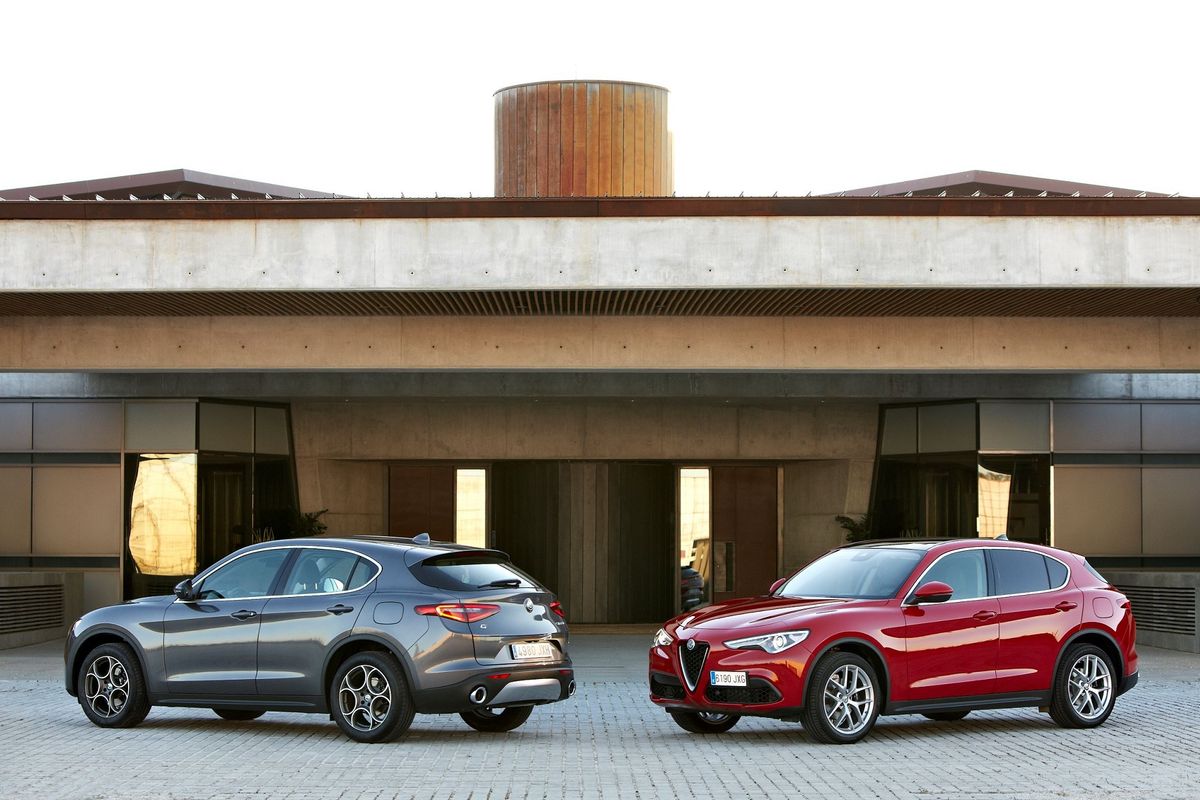
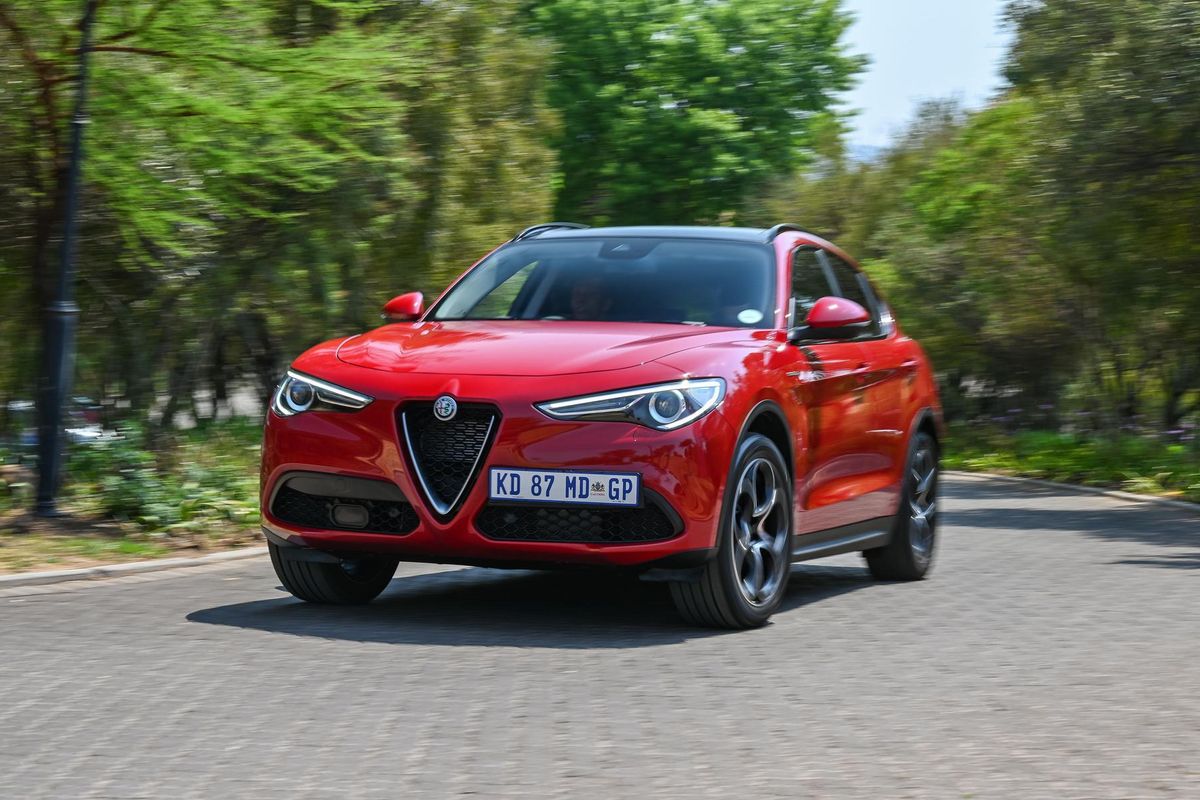
As for the Alfa Romeo Stelvio, it follows a similar strategy with the Super also featuring the 206 kW/400 Nm 2.0-litre turbopetrol motor, but it additionally features all-wheel drive (and a neat Q4 badge on the tailgate). The same 2.9-litre biturbo V6 makes its way into the Stelvio Quadrifoglio and, thanks to its all-wheel-drive system, it can bolt from 0-100 kph faster than its sedan sibling – just 3.8 sec.
Levels of Trim
It appears Alfa Romeo South Africa has been taking notes from Lexus when it comes to offering cars with comprehensive specification lists. That’s right, the seemingly steep prices listed at the bottom of this article are for generously equipped derivatives. There are no optional extras – the cars are fully loaded with virtually everything you’d need as far as convenience and comfort features are concerned.
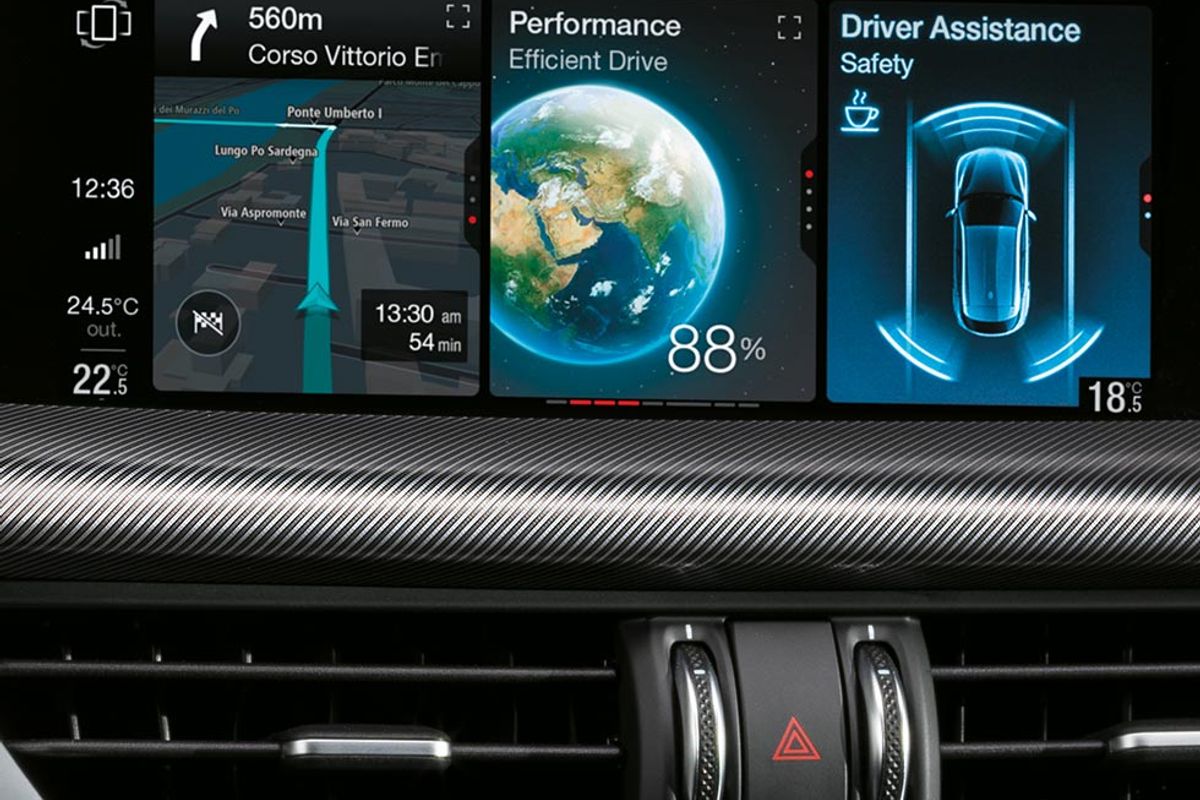
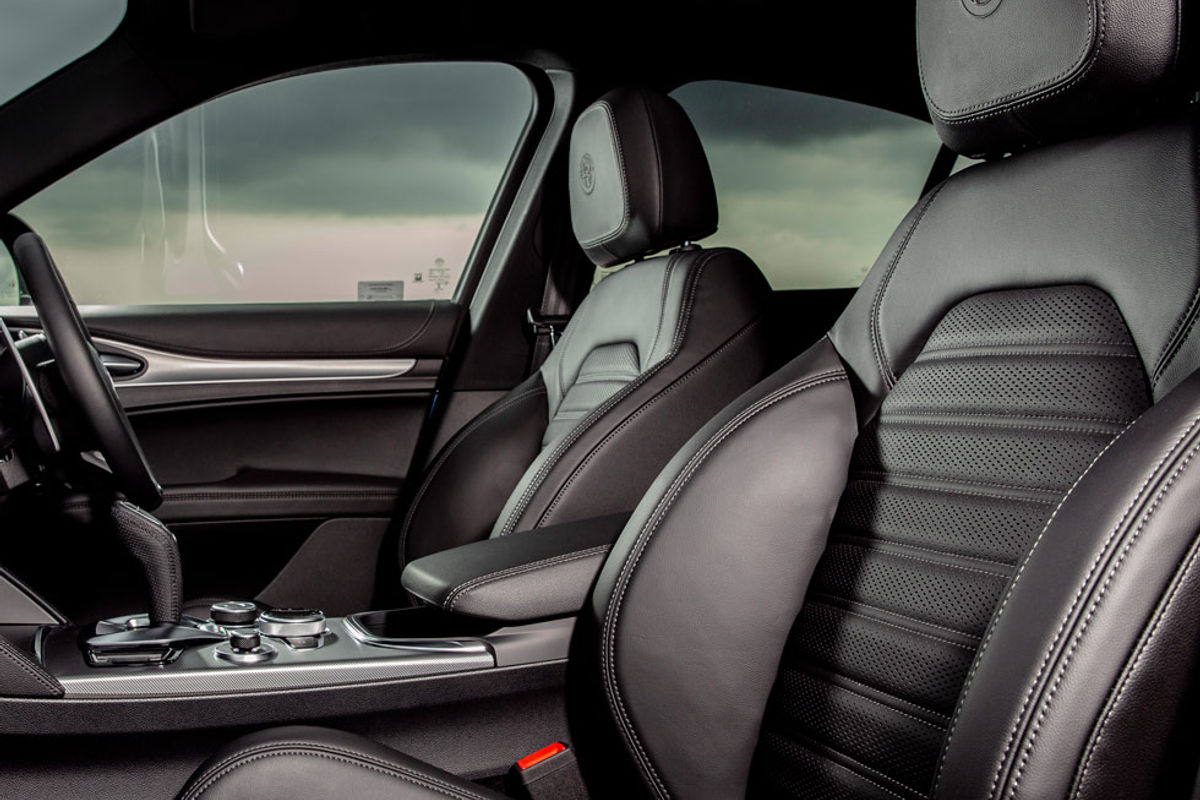
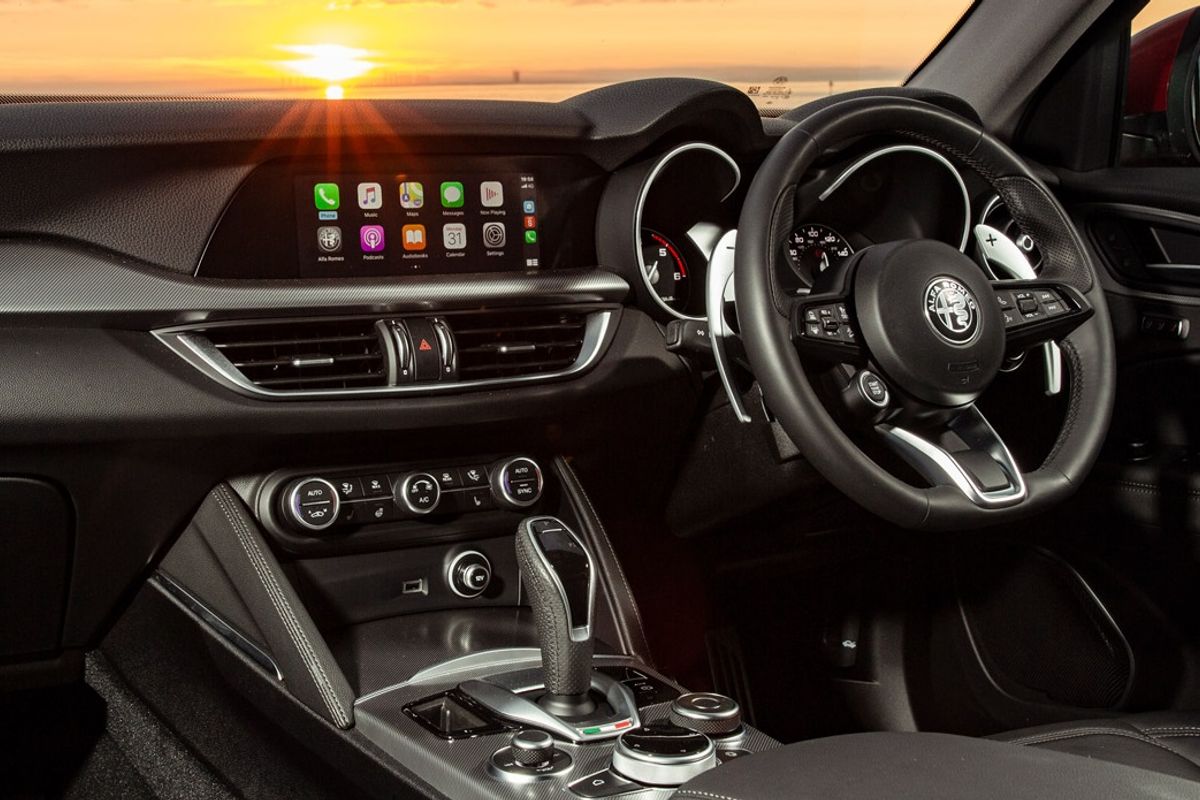
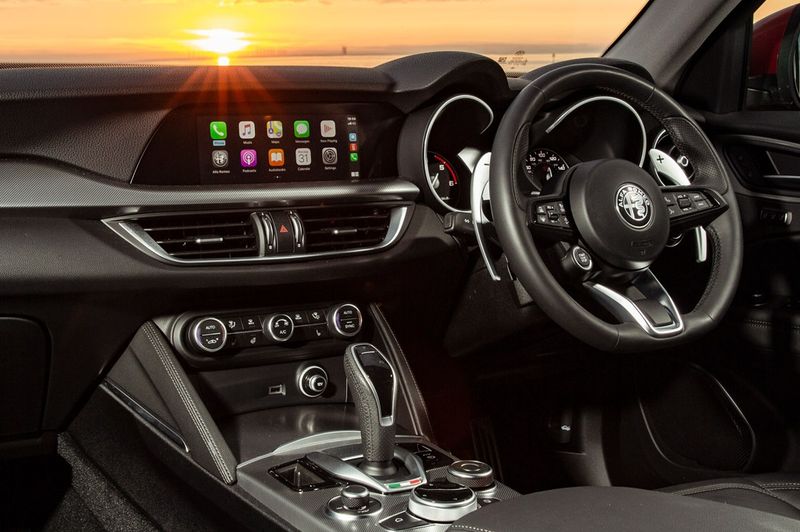
The Giulia Veloce, for example, comes with adaptive dampers, selectable drive modes, 19-inch alloy wheels, a panoramic sunroof, xenon headlights with LED daytime running lights, a new 7-inch digital TFT screen in the instrument cluster, a bigger 8.8-inch infotainment screen (which is now Apple CarPlay/Android Auto compatible), leather sport seats, dual-zone climate control, park distance control, a reverse-view camera, tyre-pressure sensors, USB ports for front and rear passengers, a wireless charging pad, auto lights and -wipers, as well as a heated steering wheel.
Where the local Alfa Romeo lineup has made a particularly big stride is in the provision of semi-autonomous safety systems (with the brand claiming Level 2). The vehicle comes with active cruise control, lane-keeping assist, blind-spot warning and autonomous emergency braking.
The Alfa Romeo Stelvio Super largely follows the above offering, with the addition of an all-wheel-drive system, hill descent control, an electrically powered tailgate and larger (20-inch) wheels.
What are the Alfa Romeo Giulia and Stelvio like to drive?
The Giorgio platform is renowned for its clever packaging and the engine’s positioning has resulted in 50/50 weight distribution. What’s more, the Giulia’s body is lighter than its traditional rivals due to things like a carbon-fibre prop shaft, and this has resulted in the delivery of one of the more engaging driving experiences in the segment, which applies to the taller Stelvio as well.
The Giulia’s on-road demeanour has always pleased us and this updated model is no different. Our route through the Magaliesberg highlighted that the accurate steering setup remains a stand-out feature; it offers directness and “feel” in abundance. It’s quick too… you can whip the ‘wheel around with minimal effort; it endows the car with a darting, nimble feel. It may be a bit too lively for some, however.
The chassis and the adaptive dampers are a brilliant combination. There’s engagement galore, lots of grip and you feel connected to the car (as cliched as that sounds). The ride quality is good too, but the 19-inch wheels generate quite a bit of road noise… the Giulia’s cabin isn’t as well insulated as the Audi A4’s, for example, but then the Ingolstadt-based brand’s model is comparatively dour to pilot.
The DNA driving modes make a notable difference to the Giulia’s on-road manners. While in the default N (Normal), the ZF transmission seems to shift almost imperceptibly, but when D (Dynamic) is engaged, a gentle bolt-action bump accompanies each change. Feel free to use the gearshift paddles for maximum engagement – they are not only pretty to look at, but a tactile pleasure to use.
The Veloce’s 2.0-litre turbopetrol engine produces a hearty 206 kW, which eclipses the outgoing Super derivative’s 147 kW. While it doesn’t quite offer the aural stimulation produced by its V6-powered brother, the motor delivers strong performance and revs eagerly to the redline. We suspect that, when Dynamic mode is engaged, some augmented engine sound is fed into the 2.0-litre derivative’s cabin.
After driving the Giulia sedan, we climbed into the Stelvio Super. Despite its Executive SUV designation (which means it comes with a reasonably hiked-up ride height), the Stelvio handles in quite a sporty manner. It too benefits from the Giorgio platform, has the same gorgeous steering setup as its sedan sibling and despite being fitted with larger (20-inch) wheels, its ride quality is generally good too.
It’s only when you’re in a real hurry – and start to compel the Stelvio to corner quickly and sharply – that the laws of physics come into play. At the end of the day, the Alfa’s executive SUV is still a 1.6-tonne vehicle with an upright stance, so a fair bit of body roll makes itself known. Still, this is not really a negative as the Stelvio is lighter and more engaging than any of its rivals (this side of the Porsche Macan).
The main reason you’d rather buy a Stelvio than a Giulia is its superior practicality, as well as the ability to traverse dirt roads more assuredly. The Q4 system favours the rear wheels, but if the car’s ECU detects some slip, up to 50% of the available power will be sent to the front wheels to compensate. The Stelvio Super should cope with moderately slippery road surfaces, but is it an off-roader? No, it isn’t.
Summary
In much the same fashion as before, the Alfa Romeo pairing of the Giulia and Stelvio appeals to driving enthusiasts and Italian-car lovers, thanks to distinctively stylish looks plus excellent driving manners. We do think Alfa Romeo has missed a trick by not offering a turbodiesel option for the SUV, as – by its own admission during the presentation – diesel power is still relevant in the R1-million SUV segment.
Downsides? It’s only upon closer inspection of the models’ cabins that some flaws become apparent. While the Giulia and Stelvio’s cabins are ergonomically fine, the upgraded infotainment system’s screen is a bit too dark for our liking. Most of the interior materials are of good quality, but there are a couple of cheap-feeling elements here and there, such as the insubstantial electronic handbrake switch.
Then there’s the question of after-sales and backup. We all know Alfa Romeo owners have a love/hate relationship with their cars and while we as journalists report on new vehicle launches, we cannot predict what the ownership experience of a car will be like in 3 years’ time. We hope things will be different under Stellantis, as Alfa Romeo’s PSA sister brands appear to be doing quite well in Europe.
Then there’s depreciation… there are some rather tempting low-mileage pre-facelift Giulias and Stelvios available at extraordinarily low prices in the used-car market. Still, we did an online configuration of a BMW 330i M Sport (a direct rival to the Giulia Veloce) to the Alfa Romeo’s spec level and found there wasn’t a very big price difference at all. A competitively priced new Alfa Romeo… Who’d a thunk it?
How much does the new Alfa Romeo Giulia and Stelvio cost in South Africa?
The updated duo from Italy is sold with a 5-year/100 000 km warranty and maintenance plan as standard.
The alternative to the Land Rover Defender will be touching down in SA towards the end of next year and the brand has confirmed its dealership/servicing plans.
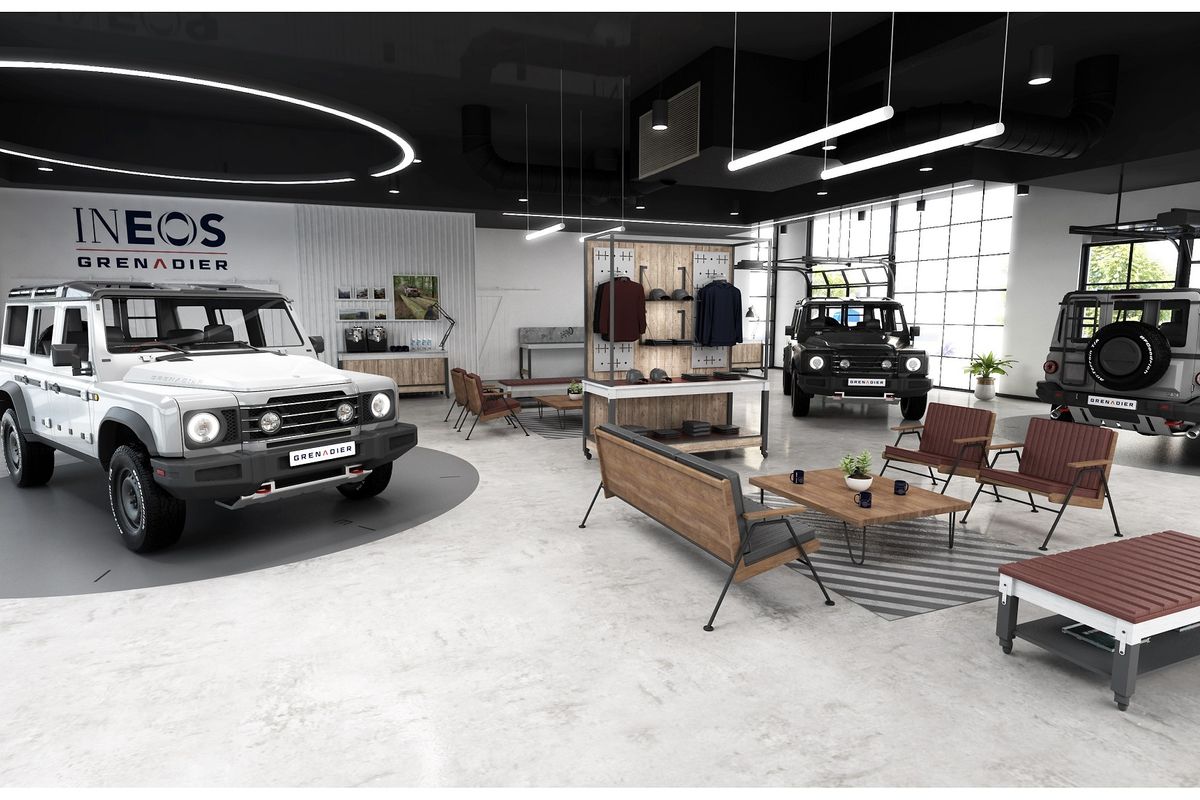
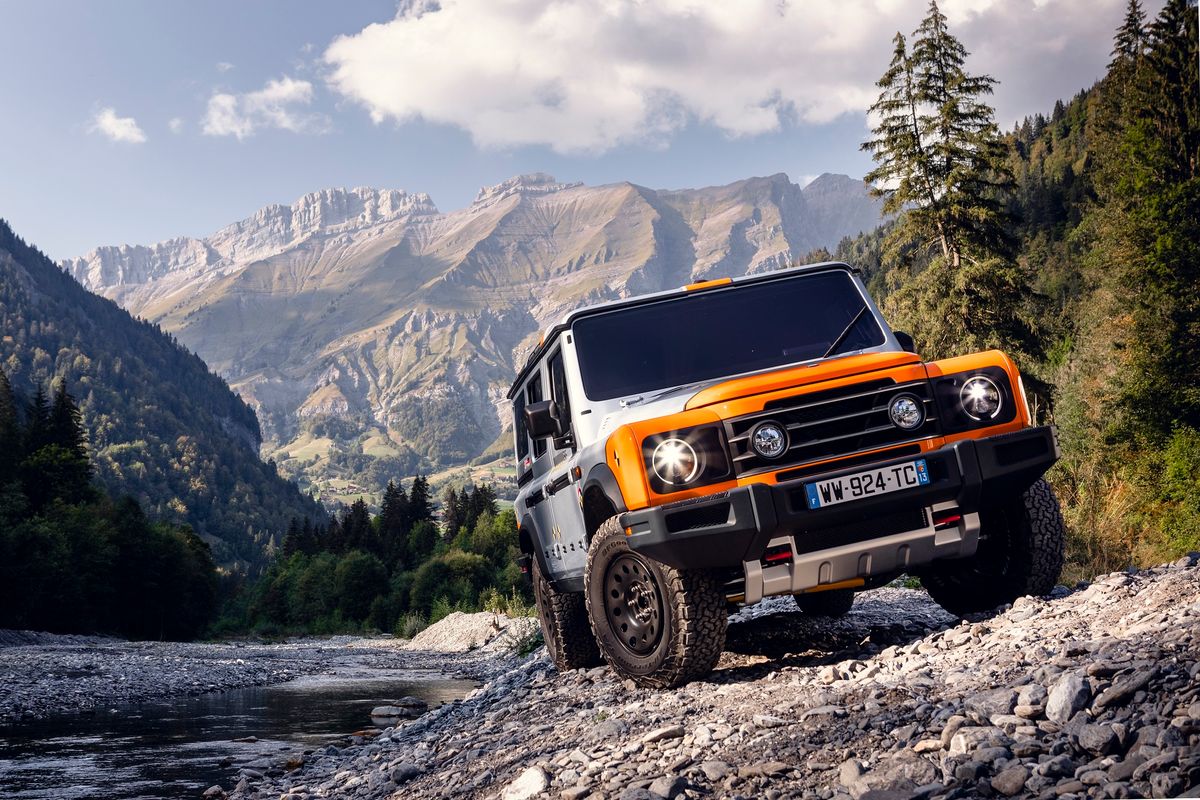
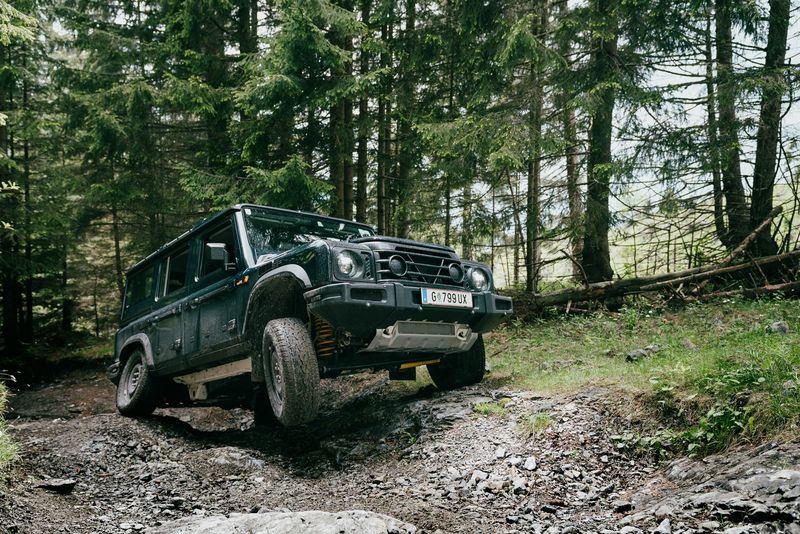
The Ineos Grenadier is said to be an alternative offroad-capable SUV. Inspired by the original Land Rover Defender, Ineos founder Jim Ratcliffe initially tried to buy the rights/plans for the Defender, but naturally Jaguar Land Rover fought tooth and nail to protect one of its most iconic nameplates.
So, Ratcliffe decided to create his own version. Given how the market has moved away from the hardcore offroad and semi-military applications and there are just a handful of models playing in this space (think of your non-AMG Mercedes-Benz G-Class and Toyota Land Cruisers), Ratcliffe and Ineos reckon they’re onto something. Impressively, BMW is the engine supplier and the Grenadier will be powered by Munich’s petrol and diesel 3.0 straight-6 engines.
During a recent online meeting, Ineos shared its plans and strategy for the global market, but crucially confirmed its plans for Sub-Saharan Africa. That’s us! With the first customer cars tentatively scheduled to touch down in South Africa in October 2022, attention now turns to dealership sales and servicing.
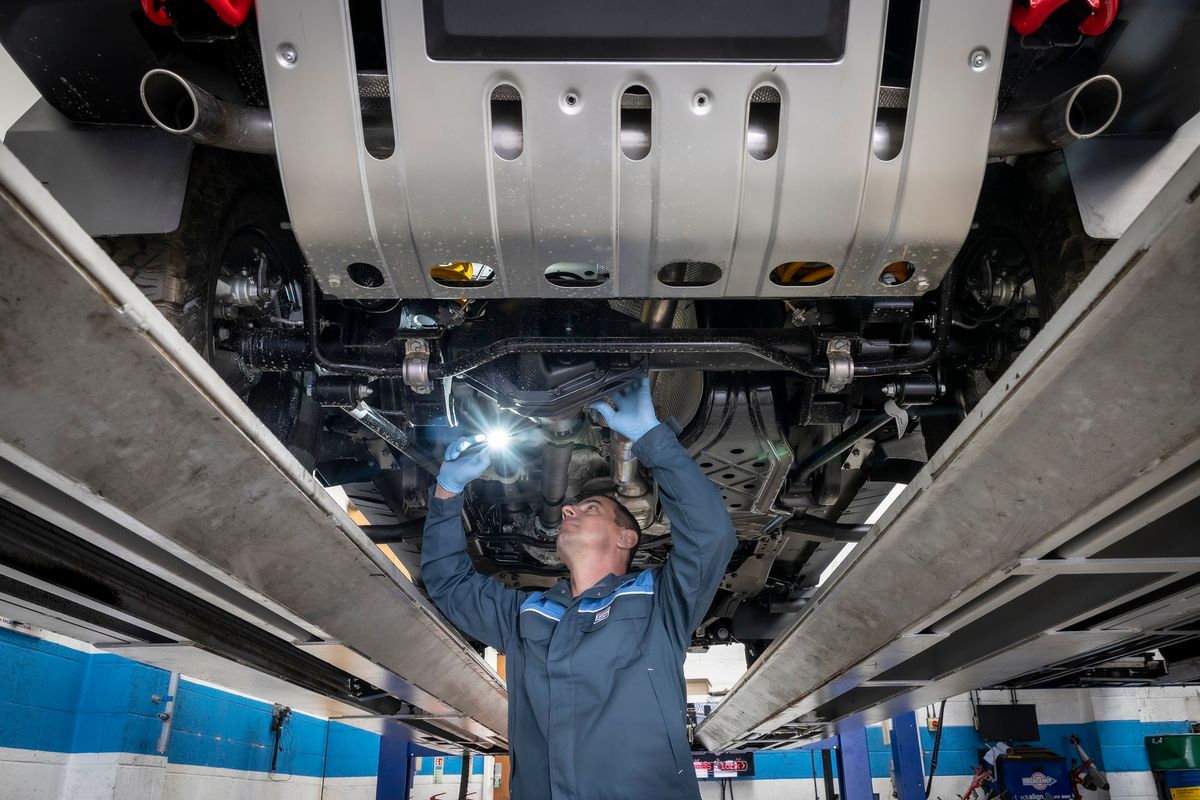
With Ineos partnering with BMW when it comes to powertrain, it makes total sense to make use of specialists who are already fluent in such tech. In this case, Ineos will be turning to Bosch Car Service outlets.
For the South African market, Ineos has signed deals with SMH Group to cover the Pretoria and Johannesburg regions, while SMG will be used to cover Durban and Cape Town. These groups will be responsible for sales and servicing, with further locations to be announced later for servicing only.
Interestingly, the man at the top for our region is none other than former BMW SA boss Tim Abbott. Not only does he understand the South African motoring landscape, but his expertise from BMW which powers the Grenadier will be coming in handy.
It’s quite cheeky to be testing your new offroader in the G-Class’ back yard
Ineos Grenadier Price in South Africa
As far as how much the new Ineos Grenadier will cost, indicative pricing has been pegged at R1 395 000. So far, 75 000 people have indicated they’re interested in the purchase of the new Ineos Grenadier. Prototypes of this offroad-ready vehicle will be arriving in South Africa for testing and we look forward to spotting them out in the wild.
You might recognise this car’s owner/builder… Quentin Boylan has been on our channel before; he is also the man behind the AMG Hilux we featured a few weeks ago.
However, in many ways, this striking yellow creation is even more special than the AMG Hilux which the internet loved so much. While it looks like a Lotus Exige, it is actually a completely custom carbon fibre mould. It is longer and wider than a standard Exige to accommodate the huge Mercedes-AMG engine and the transmission.
Quentin sourced an SLS AMG motor from the Netherlands, and basically built the car around the powerplant. Boylan and his team left it naturally aspirated, but even so, it’s touching 650hp or 478 kW in a car that weighs just over a tonne with the owner on board.
This is quite simply a yellow and black rocket, and we’re so happy to bring this proudly South African creation to you on our channel!
A huge thank you to Quentin for his time and generosity with his cars, and a big congratulations to him and his team for creating this one-off masterpiece.
And a big thank you to Stefan Kotze for producing and making this film. Enjoy!
The current generation of Chinese bakkies are no joke, as GWM has proved.
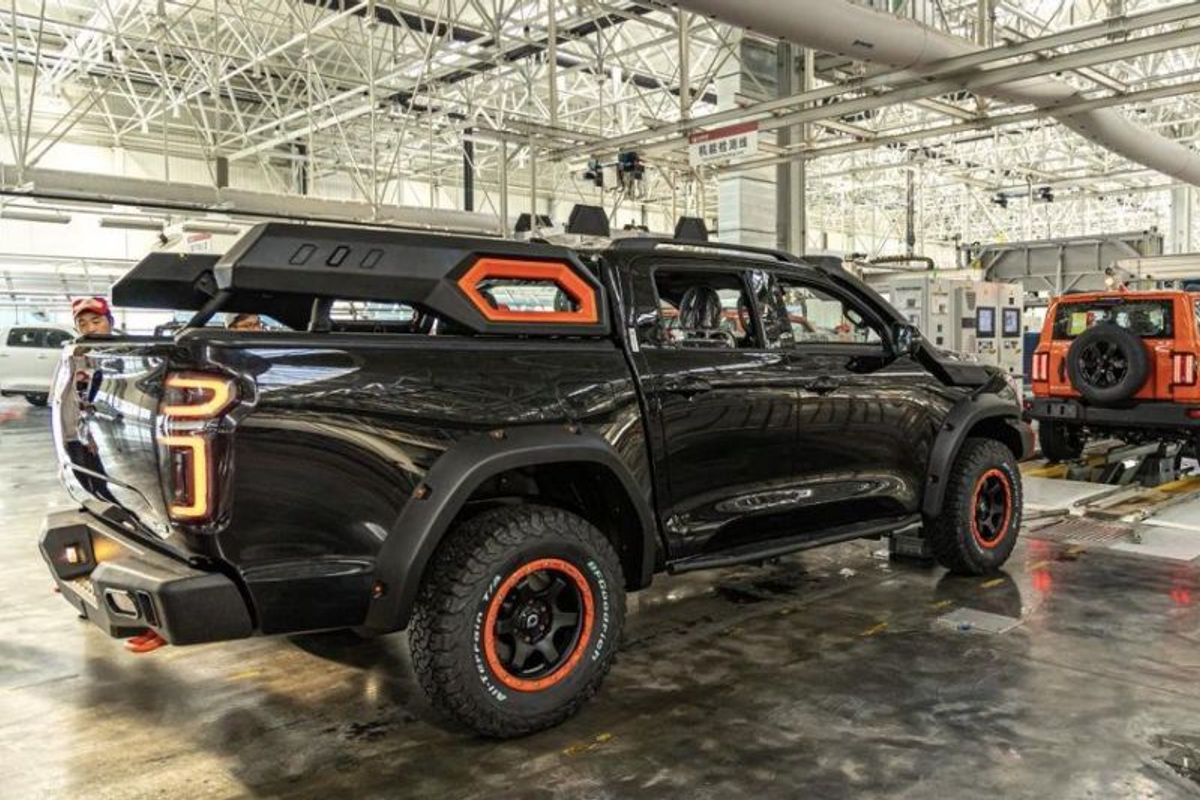
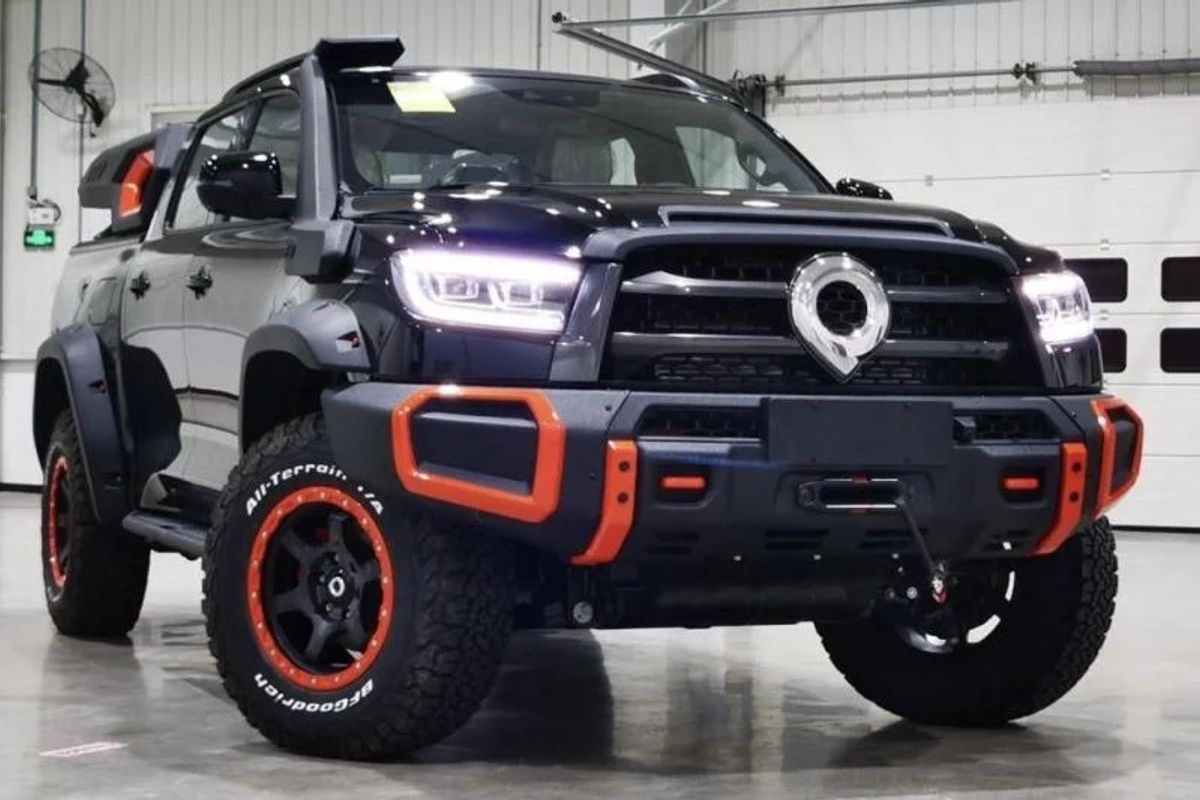
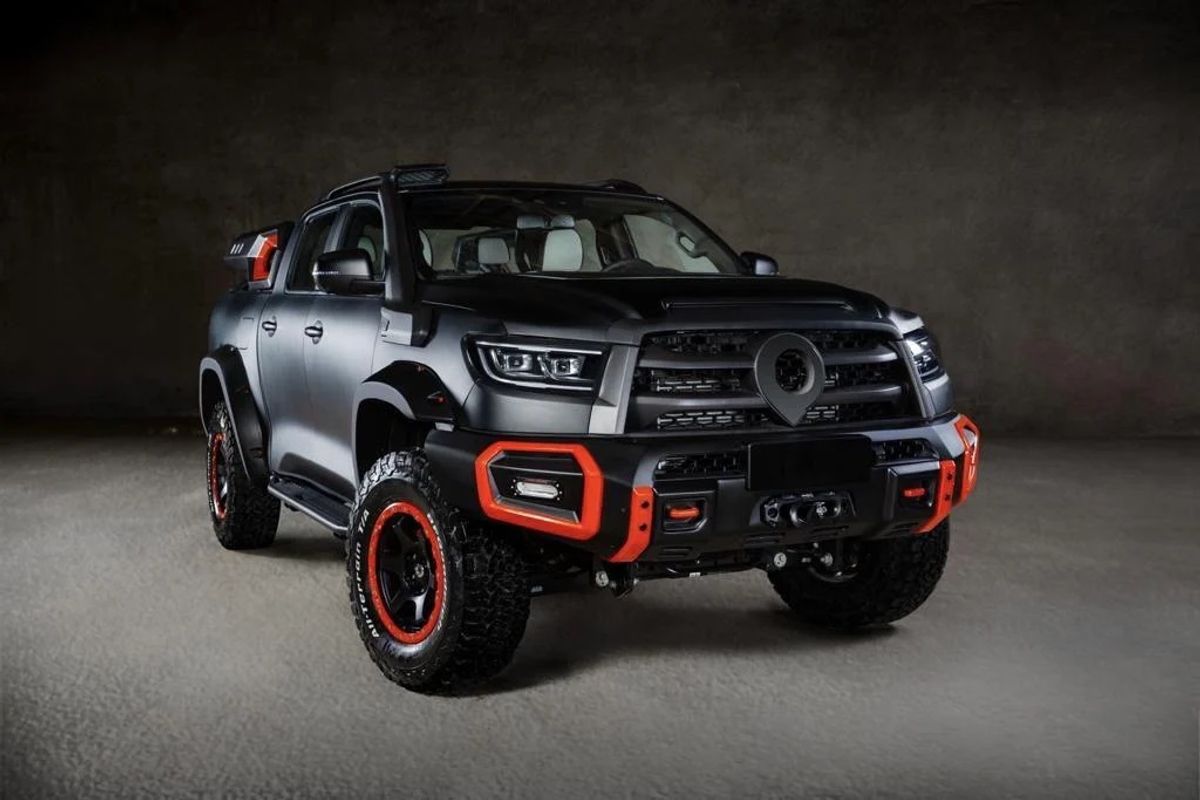
But can a Chinese bakkie become a true Hilux GR Sport or Ranger Raptor rival? To answer this question, there is the new GWM Black Bullet and according to Carexpert AU, it’s the real deal.
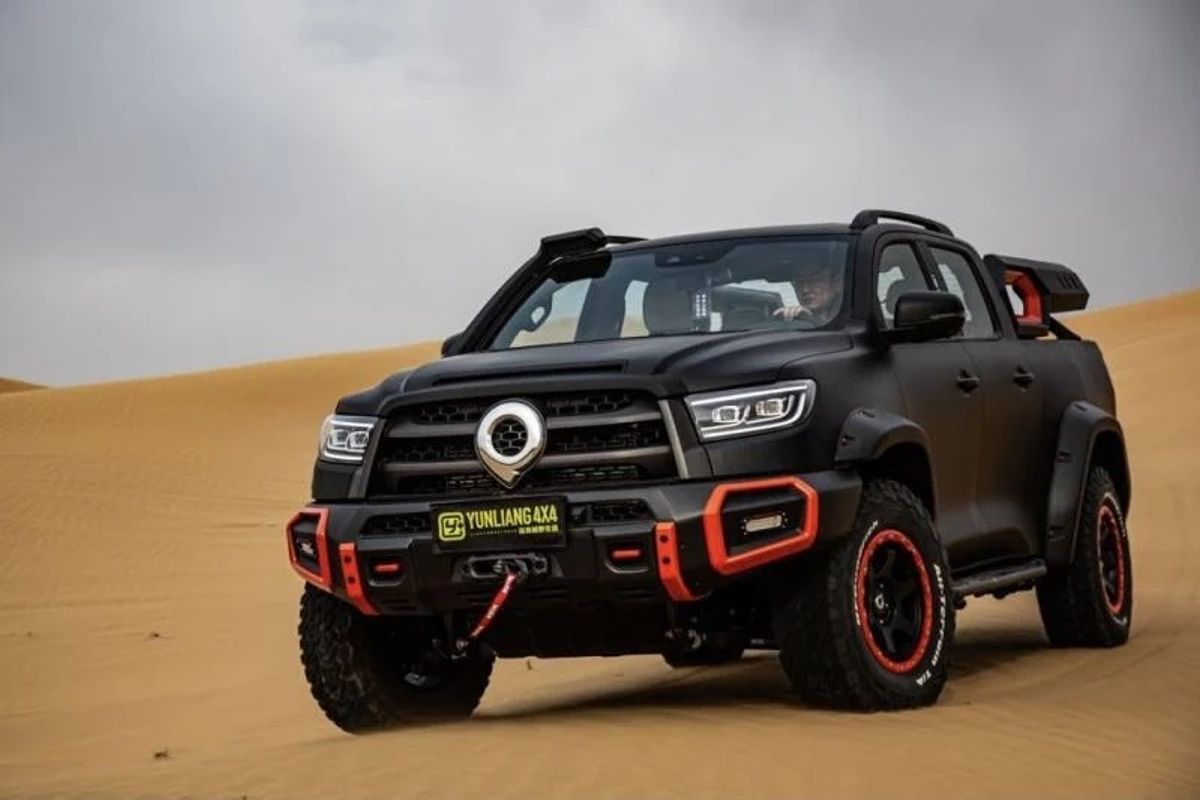
Using the current P-Series as a platform, this is a Chinese double-cab 4×4 unlike any other. Designed for exploration and following – or leading – any convoy across technical terrain, the GWM Black Bullet has been developed by Yunliang.
Operating as an independent 4×4 accessories business in China, Yunliang has spent two years perfecting its GWM Black Bullet project – and it looks deeply impressive.
Yunliang’s ‘Mark Road’ accessories are present on this most capable of Chinese 4×4 bakkies and denoted by their ‘MR’ badging.
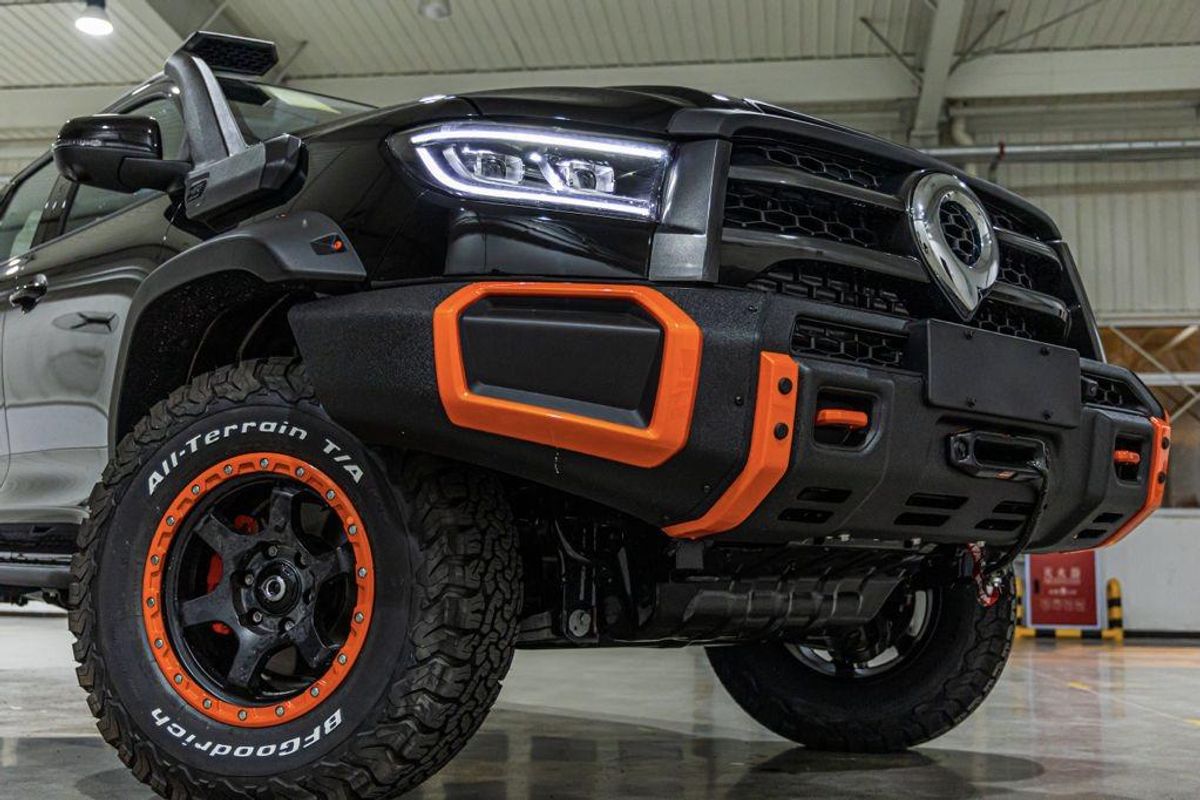
The most notable aspect of this bakkie, aside from its stance, is the improved approach angle front bumper and bullbar – the latter being an MR component. This bullbar houses a 5.5-tonne recovery capacity Warn winch and LEDs.
Around the rear, there is a step-up bar and along the flanks, tucked running boards ease cabin access. The Black Bullet also features that obligatory clean/cold air circulating snorkel.
Rolling BFGoodrich 285/70 R17 KO2 all-terrain tyres, this Chinese hardcore 4×4 benefits from significant suspension upgrades. The ATLAS adjustable dampers help achieve a 50 mm lift and there are stronger forged upper and lower control arms, helping to keep those front wheels in place.
Boosting the Black Bullet’s traction are front and rear lockable differentials supplied by Easton.
Where things go slightly off-theme is the cabin – which has an abundance of ivory trim. Not the most practical hue, for a hardcore exploration vehicle.
Power and torque numbers have not been confirmed. The GWM P-Series uses a 2-litre turbodiesel, boosting 120 kW and 400 Nm. Those are fair outputs, but this Black Bullet version will definitely be heavier than the standard P-Series and possibly require a slightly more potent engine tune.
Traditional double-cab 4×4 followers might find the GWM Black Bullet an oddity, but with China having the Gobi desert, jungles and enormous mountains in its backyard, there is a potential market for the GWM Black Bullet.
Having plied his trade in the finance industry for 20 years (during which time he worked for Accenture, Discovery, FNB and Wesbank), Alan Quinn has an intimate understanding of vehicle finance. In this instalment, he weighs up the pros and cons of getting a vehicle loan on either a fixed- or variable interest rate.
You may soon be making a finance application for a new car at your friendly local dealership. One question they will ask is whether you want a variable or fixed interest rate. What should you say?
The choice between a variable- and a fixed interest rate depends on whether you’re willing to allow market forces to affect your instalments or whether you want the certainty of preset monthly payments.
Vehicle Finance interest rates explained:
When you take any loan from the bank; as well as paying back the loan in monthly instalments, you also pay an additional amount in interest. Naturally, you want this interest rate to be as low as possible…
Your interest rate is basically determined by how much of a risk the bank considers you to be. Having a good credit record will lower your interest rate, while a lower credit record will raise your interest rate.
Variable vs Fixed interest rate: Which is in your best interest?
When you take out a vehicle finance loan with a “variable” interest rate, there’s another factor that will affect your interest rates: market forces. As the market interest rate (known as the “prime” interest rate) rises and falls, so does your interest rate.
What do you mean by “market forces” and how do they affect the interest rate?
1. The SARB (South African Reserve Bank) meets every few months and decides upon the “prime” lending rate for the country.
2. The banks, in turn, adjust their interest rates for their loans to their customers to align with the Reserve Bank.
If you take out a loan with a “fixed” interest rate, then the bank is making a promise that the interest rate you pay will stay exactly the same – no matter what happens in the market.
Good to know:
The current prime rate of 7% is at its lowest level in recent memory. This follows 4 interest rate cuts in quick succession by the SARB during 2020 in anticipation of the negative impact the Covid-19 pandemic would have on the economy.
This has caused an increasing number of customers to ask for “fixed” interest rates over the term of their finance agreement because they are trying to guarantee a lower interest rate – and, therefore, smaller repayments – for the duration of their finance agreements.
Here’s a quick rundown of the pros and cons of each approach.
Variable interest rate
Pro: If the prime interest rate goes down in response to market forces (as it just did with the 2020 interest rate cuts by the SARB), the interest on your vehicle finance goes down with it, and you save money.
Con: On the other hand, if the prime interest rate goes up, so do your repayments. The fluctuating interest rates can make it difficult to budget accordingly.
Fixed interest rate
Pro: You keep paying the same vehicle finance repayment amount monthly, regardless of fluctuations in the market, for an initial agreed period. You will thus be able to factor your repayments into your budget with 100% accuracy.
Con: A fixed interest rate may be less of a risk for you, but it’s more of a risk for the bank, so they’re likely to charge you a higher rate out the gate.
Tip: Always get your Dealer to quote you on both variable and fixed rates so you can see how much extra you will pay for a fixed rate.
So ultimately, the best choice depends on your situation. The fixed interest rate is probably the right choice if your budget is tight and you can’t afford any fluctuation in your expenses.
Even though the fixed interest rate you are offered today is higher than the variable rate, if you want to be able to plan your budget without worrying about your car repayments going up, then the fixed rate is the best option for you.
Another factor to consider: Managing your Credit Score
The difference between the interest rate offered by the banks for a good credit score vs a lower credit score for vehicle finance can be as much as 8%. The prime interest rate has only varied by 3% over the last decade. You have no control over the market forces that determine the prime rate, but you CAN control your credit score and save yourself a lot of money with lower interest rates over the long term.
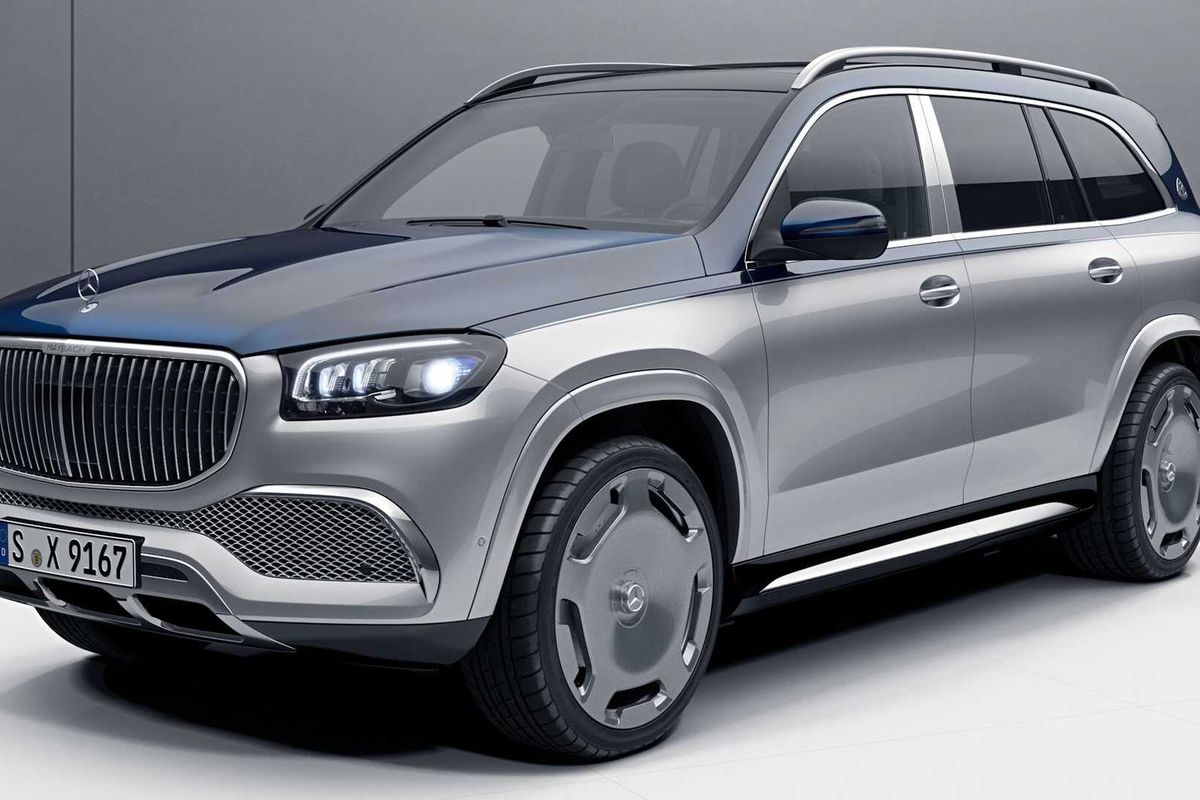
Mercedes-Maybach S-Class / GLS Edition 100 Announced
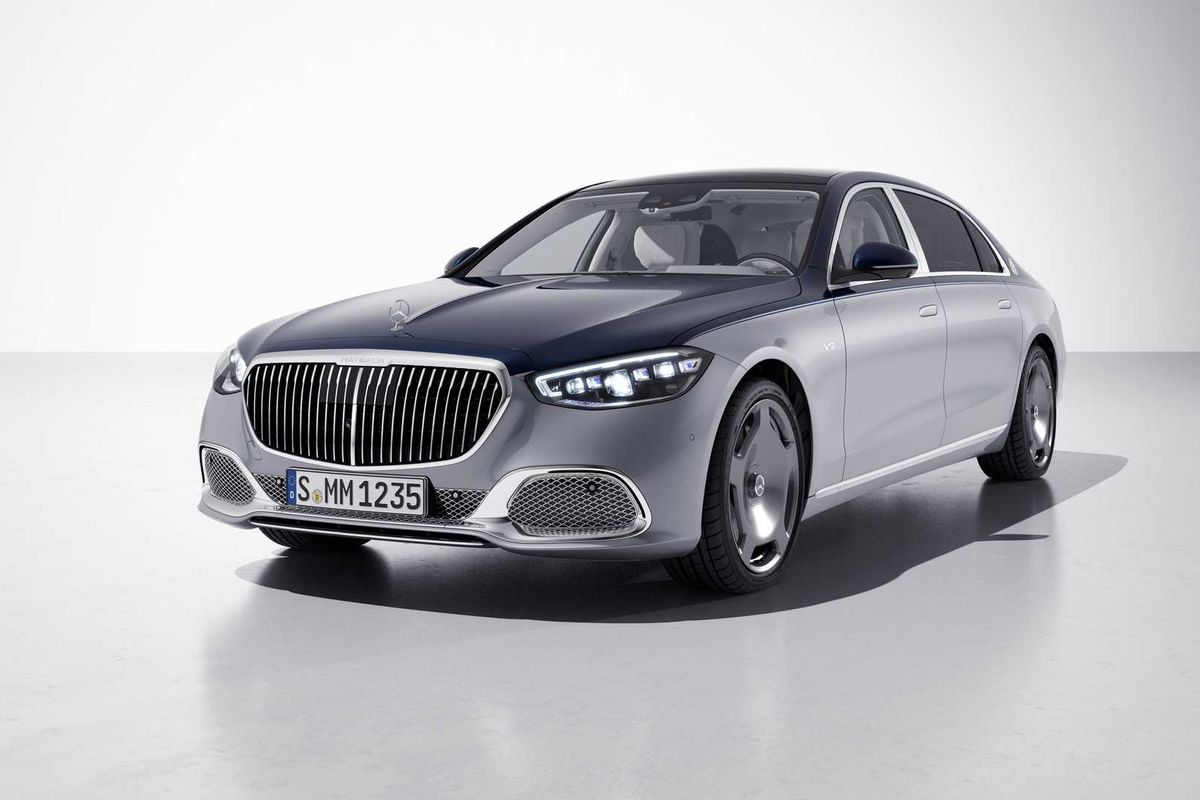
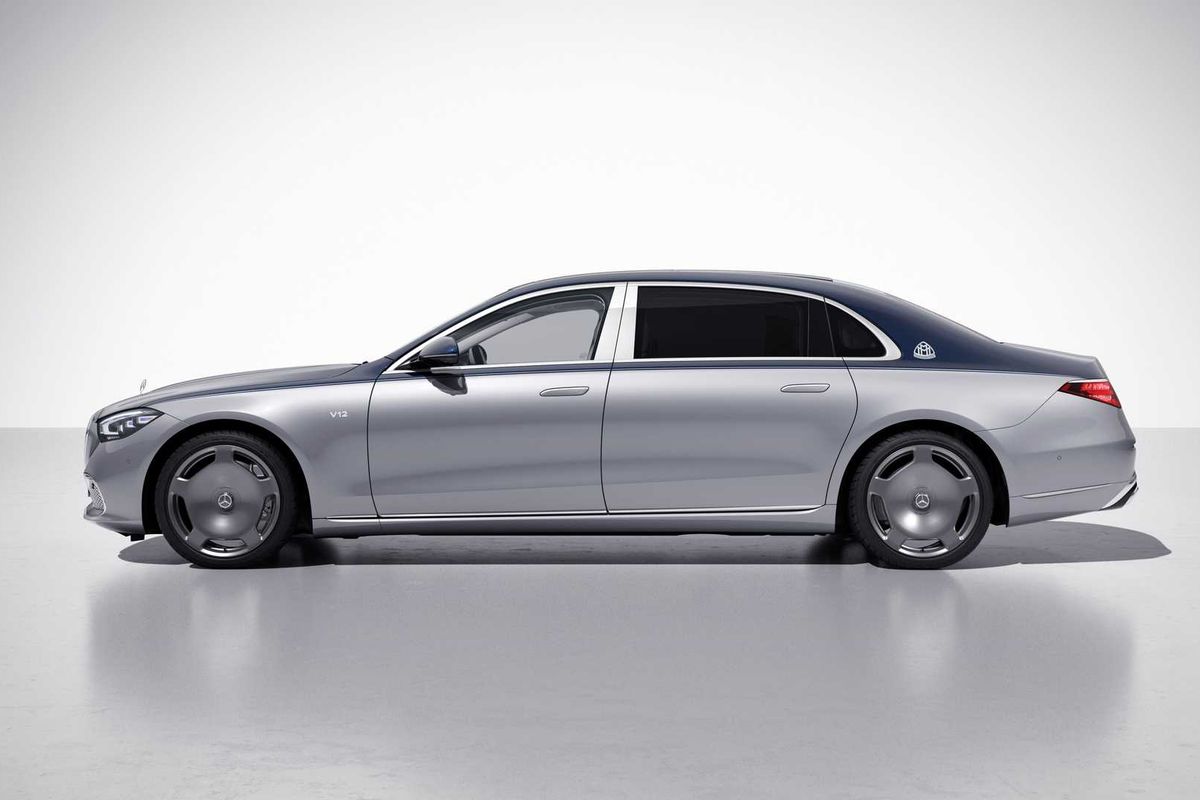
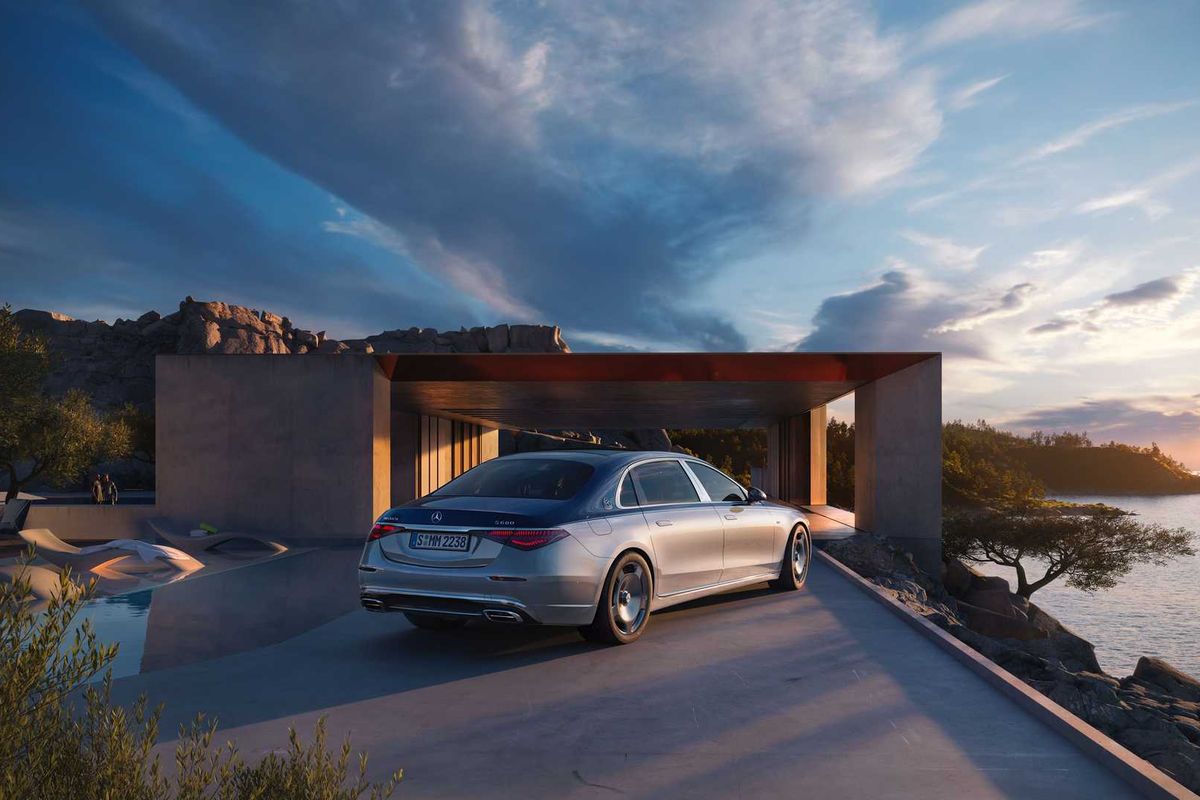
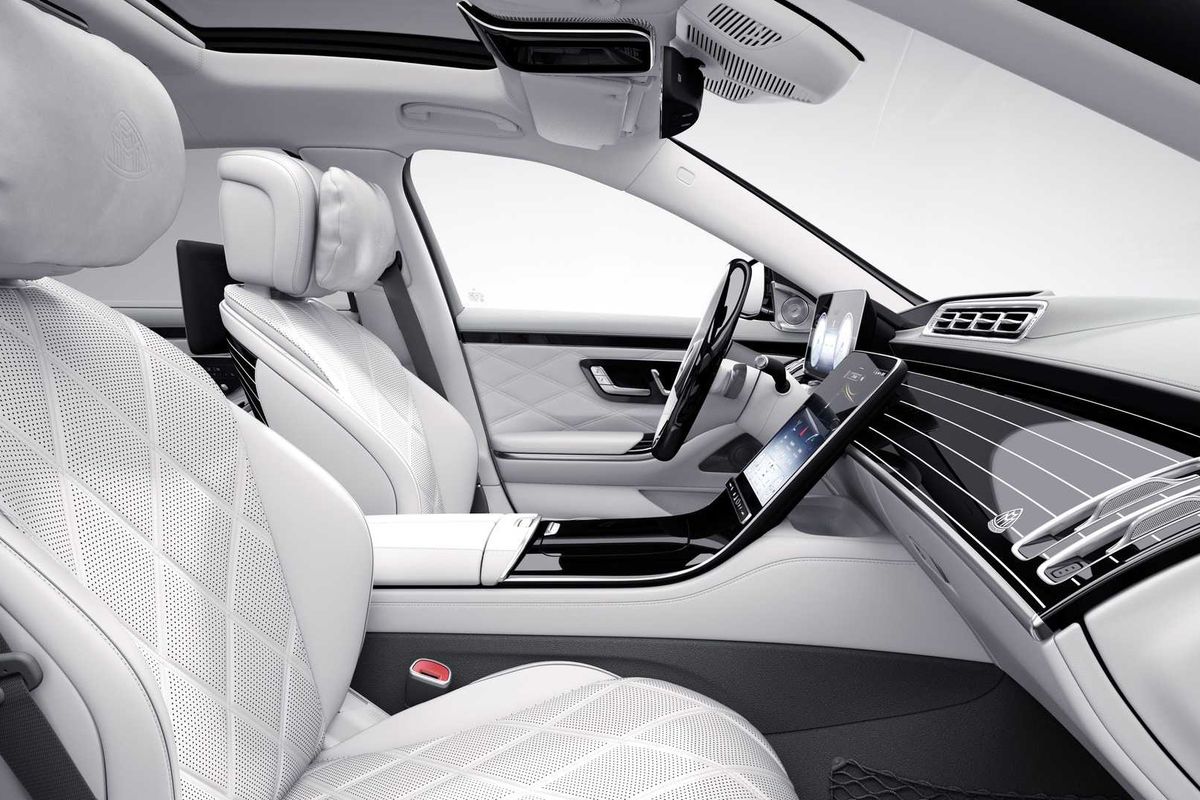
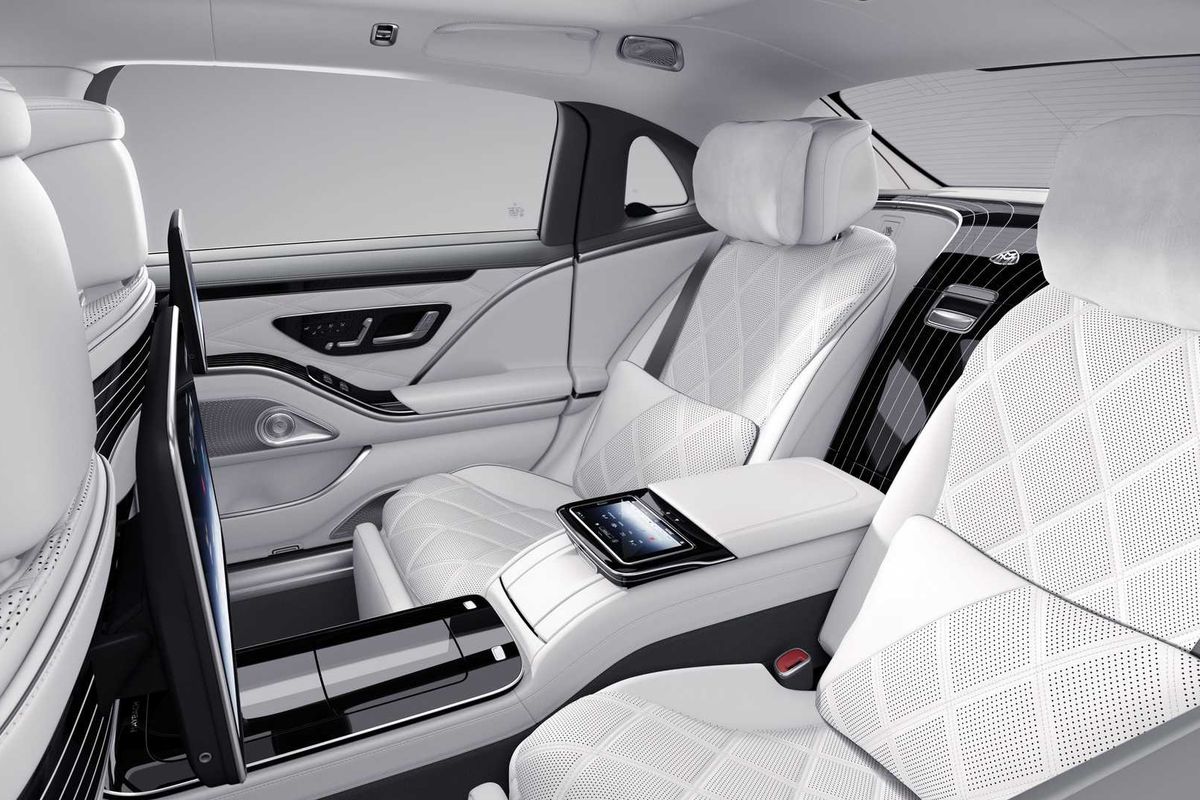
Ultra-luxury brand, Mercedes-Maybach is celebrating its 100-year production milestone with bespoke Edition 100 iterations of the S-Class sedan and GLS SUV.
In September 1921, the then Maybach Motorenbau GmbH presented its first mass-produced car, the W 3, at the Berlin motor show. As such, the brand is celebrating its 100-year production milestone and to mark the occasion, the luxury firm is offering the Maybach S-Class Edition 100 and the Maybach GLS Edition 100 to well-heeled customers. Only 100 examples of each will be produced, ensuring their exclusivity.
Both models wear an elegant, hand-painted two-tone colour scheme with a Cirrus Silver body and Nautical Blue bonnet and roof. The special forged alloy wheels feature obligatory “Edition 100” lettering, which is also found on the C-Pillars, serving as a reminder that these are not ordinary Mercedes-Maybach models. Customers will also receive a car cover and a handmade case in either black leather or soft crystal white to store keys and paperwork.
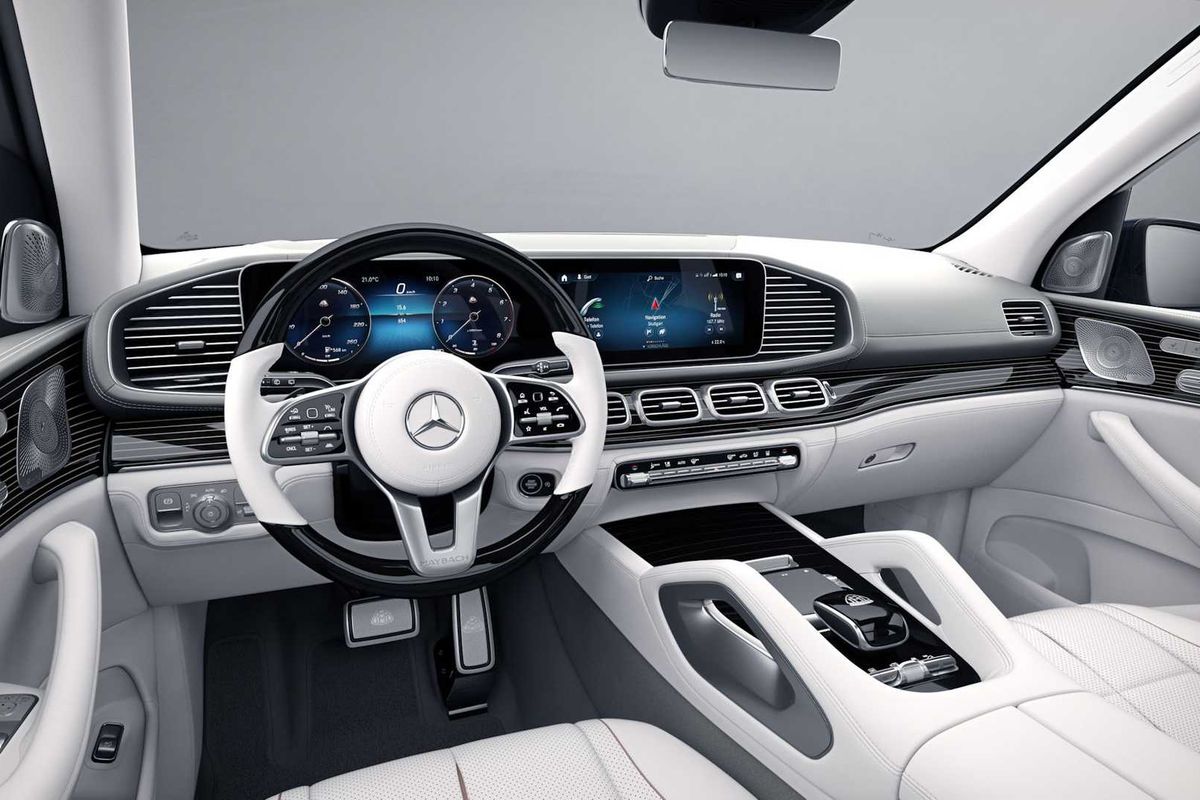
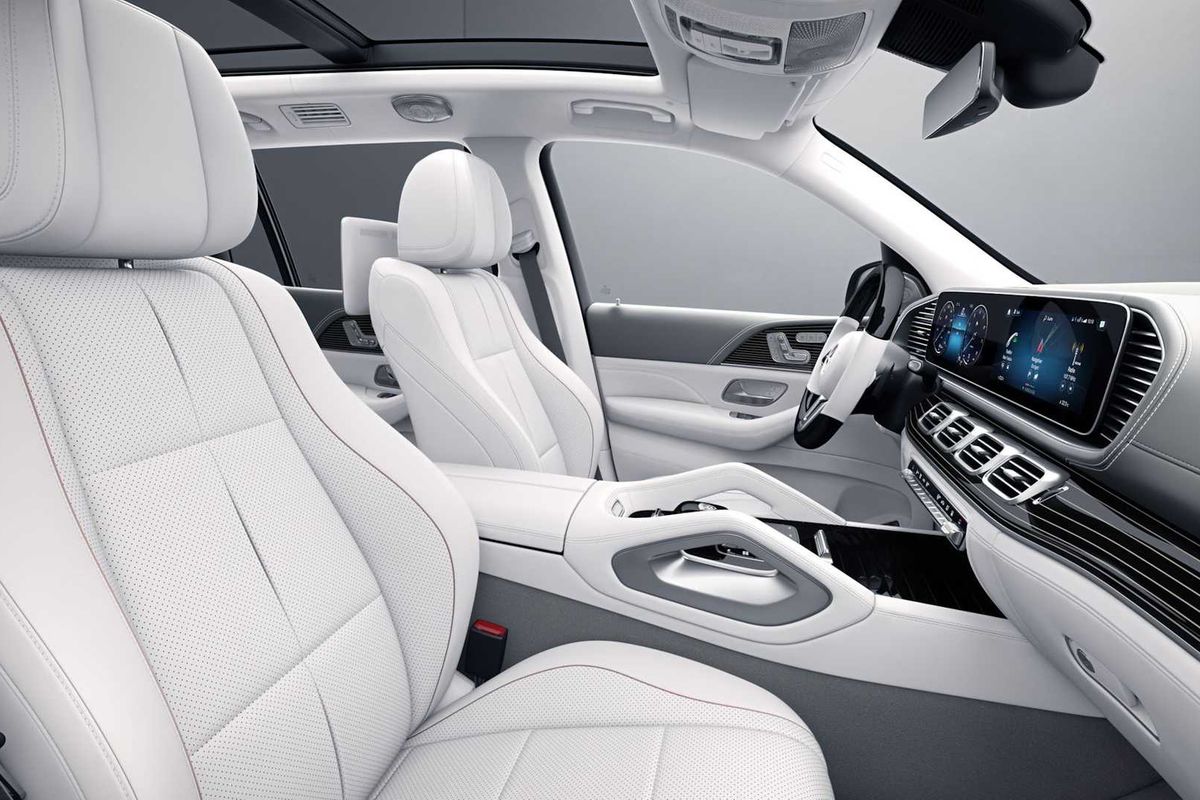
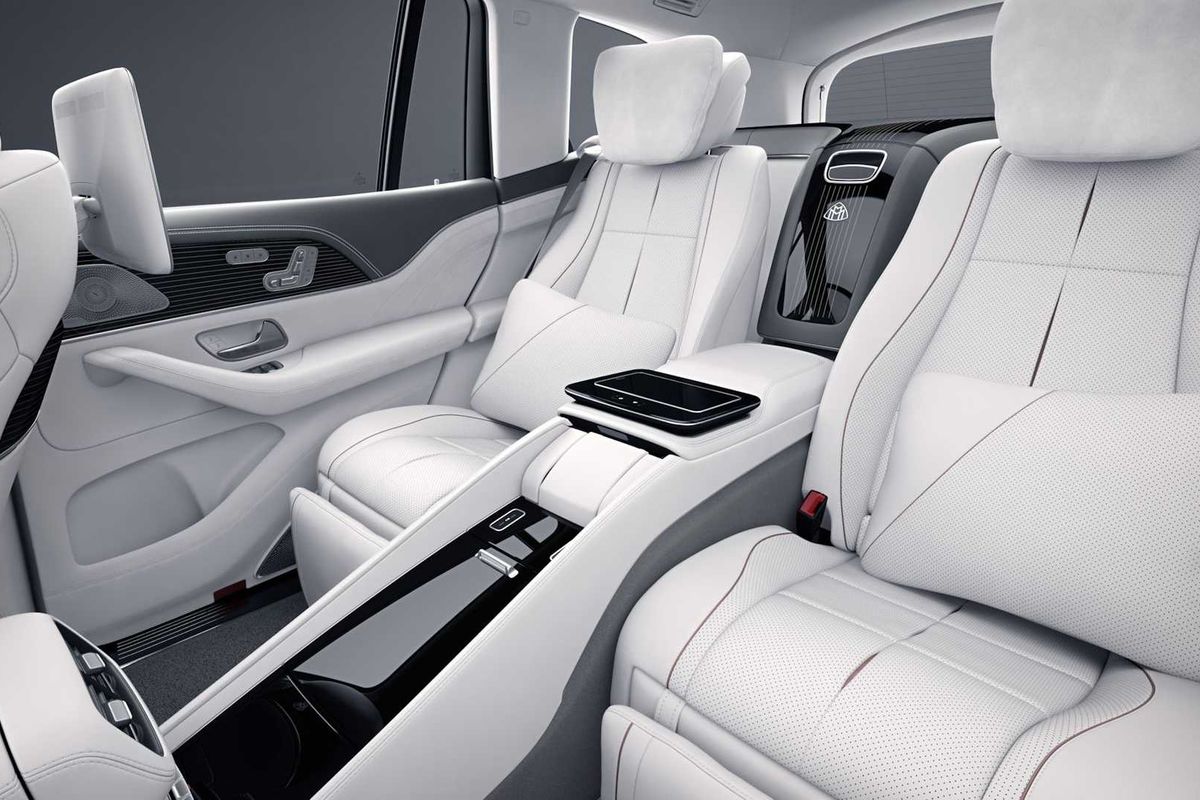
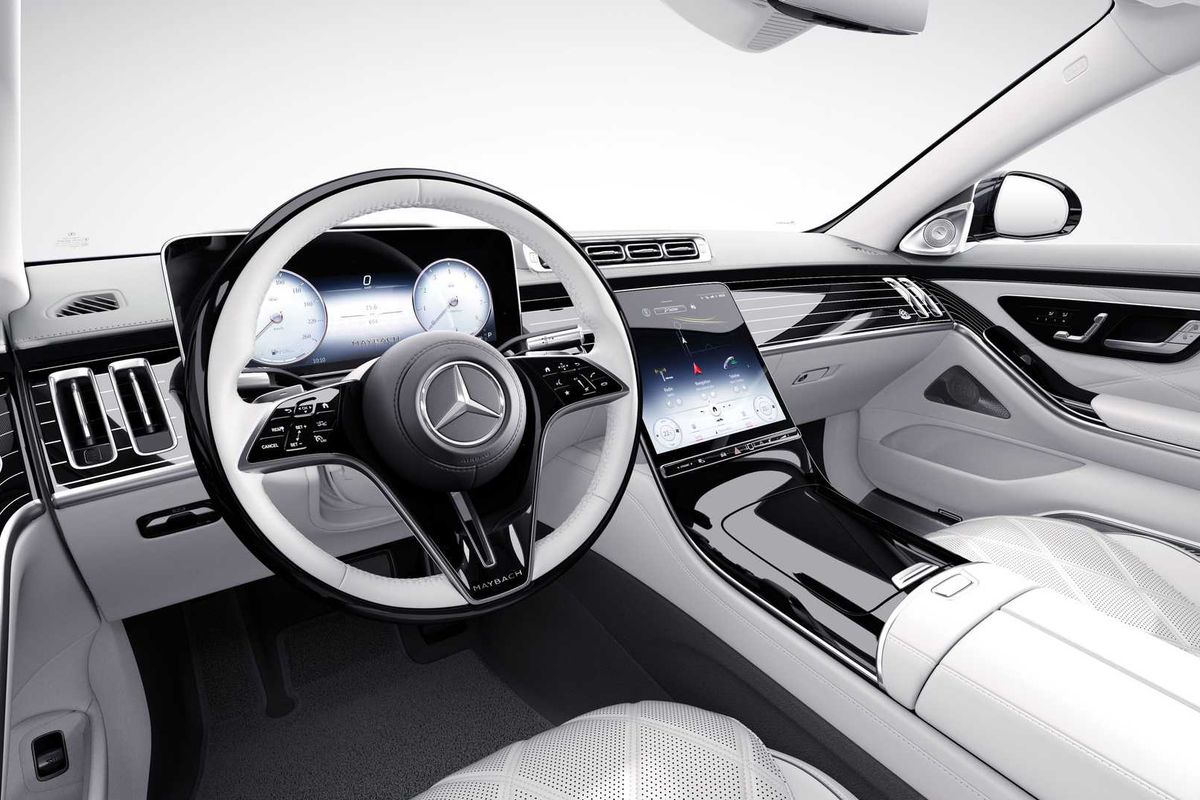
On the inside, both Edition 100 models are fitted with bespoke Crystal White and Silver Grey Pearl leather upholstery. Every conceivable luxury feature you would want is present, including a noise insulated rear cabin, ventilated seats with full massage functionality and a high-end Burmester 4D surround sound system as well as the obligatory top-end touchscreen infotainment systems.
The Mercedes-Maybach S-Class Edition 100 is offered exclusively with a twin-turbocharged 6.0-litre V12 engine that produces 463 kW and no less than 1 000 Nm of torque. As for the Mercedes-Maybach Edition 100, it makes use of a 4.0-litre twin-turbocharged V8 engine with 415 kW and 730 Nm of torque.
It’s also worth mentioning that the Mercedes-Maybach EQS Concept was revealed recently too, previewing the firm’s forthcoming luxury electric SUV which is due in 2023.
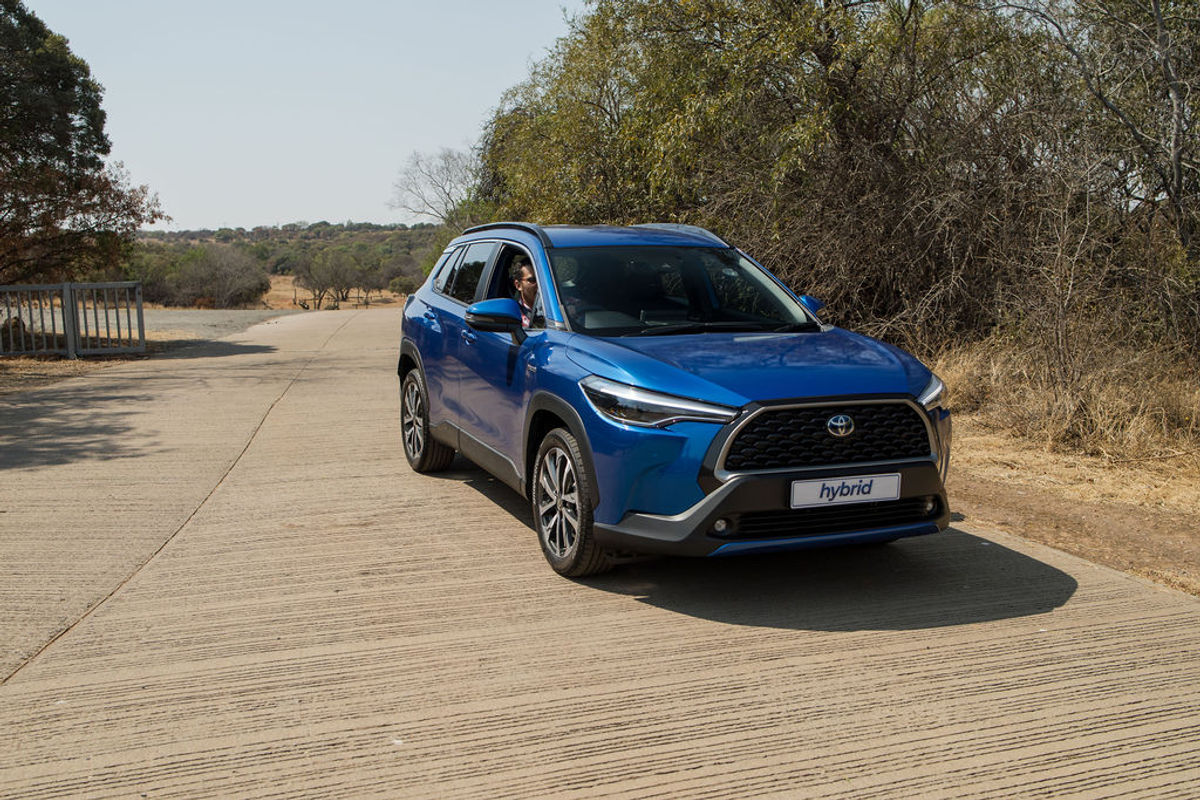
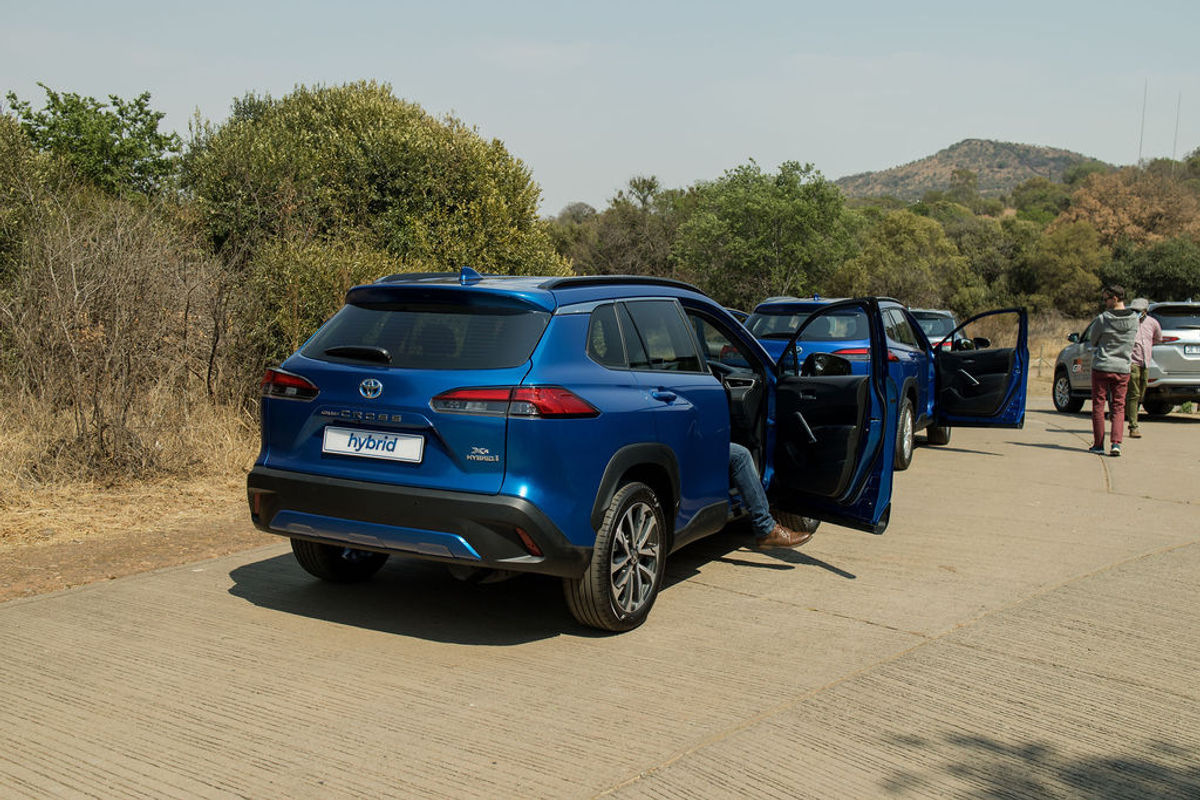
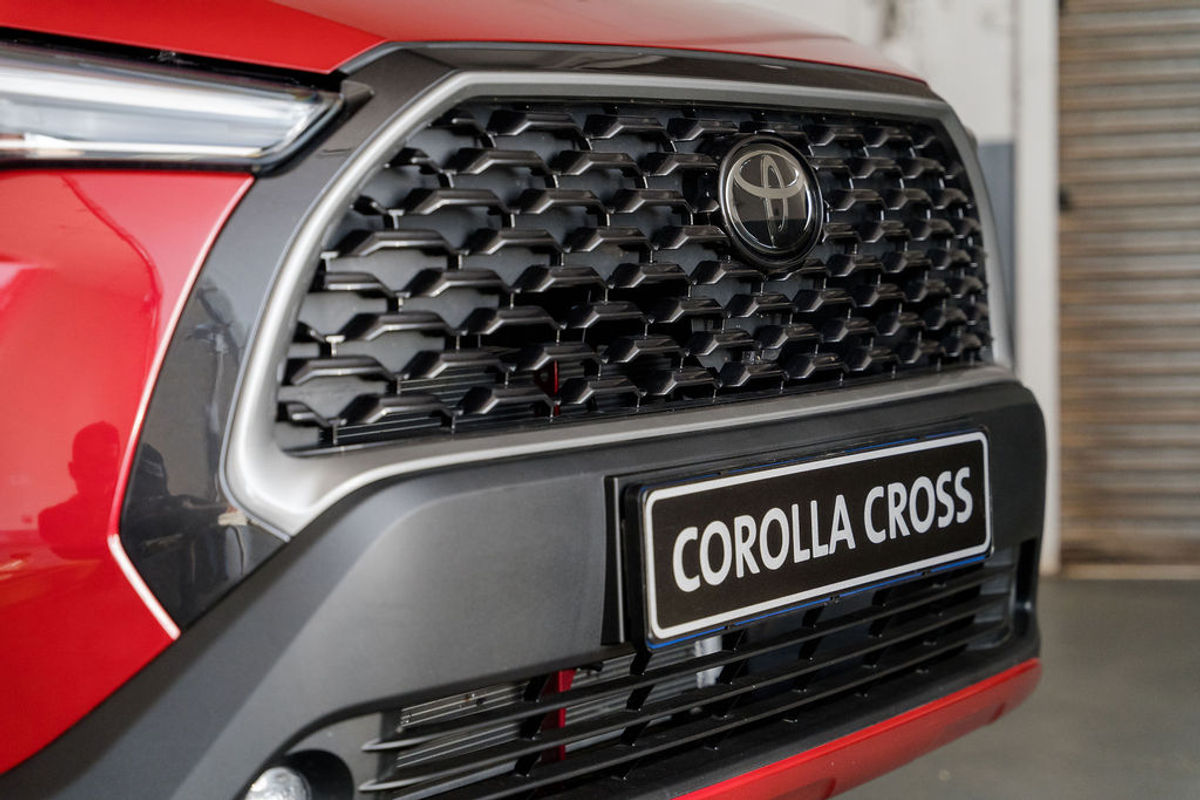
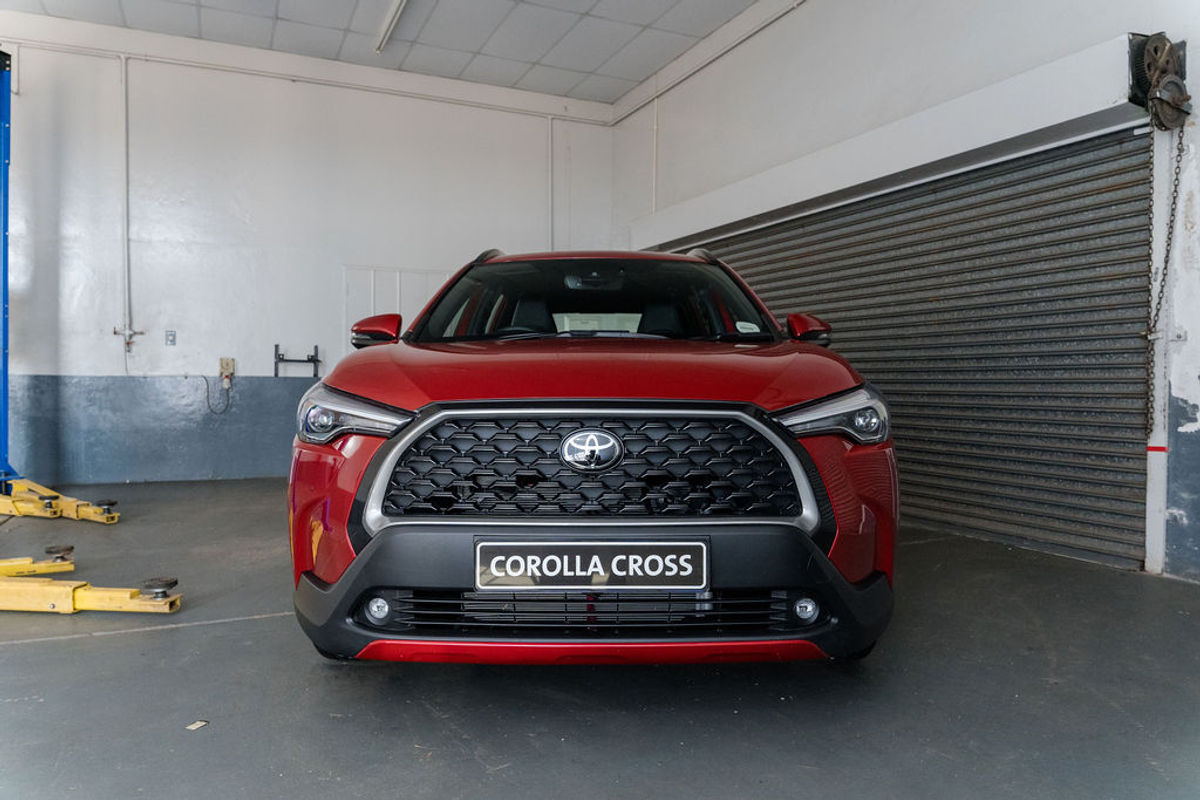
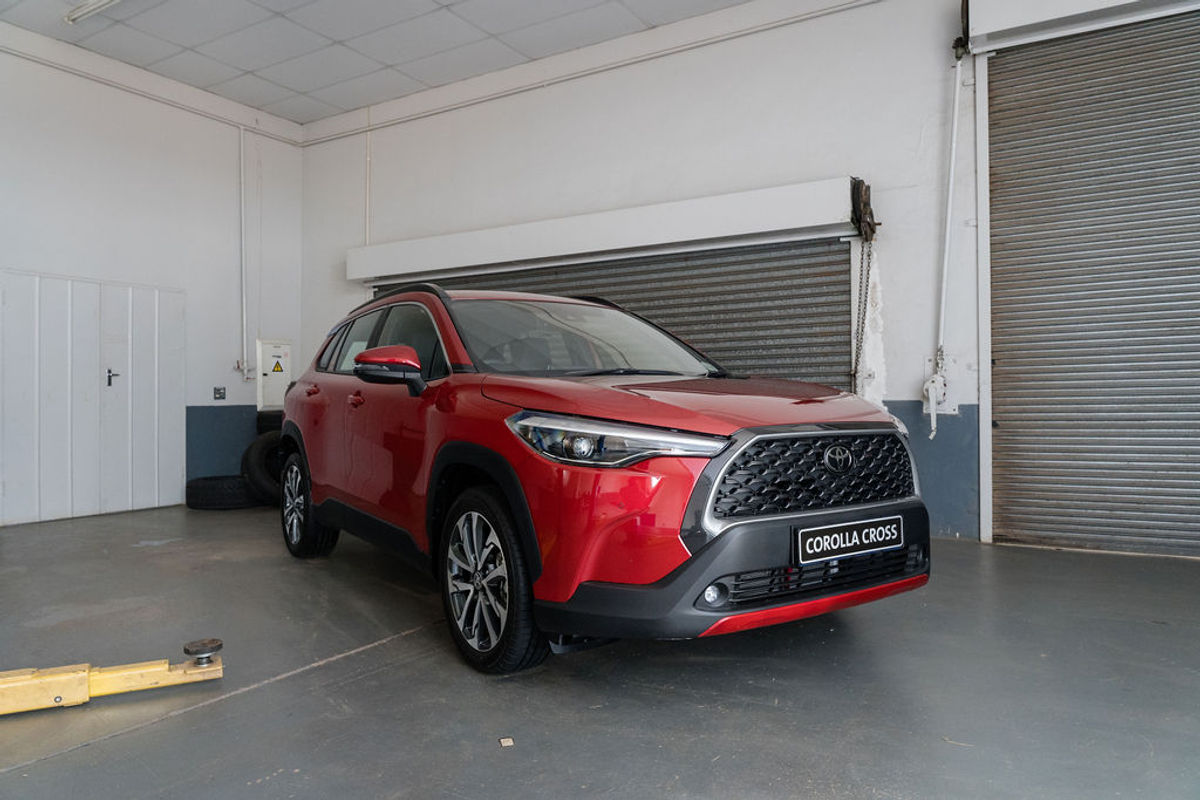
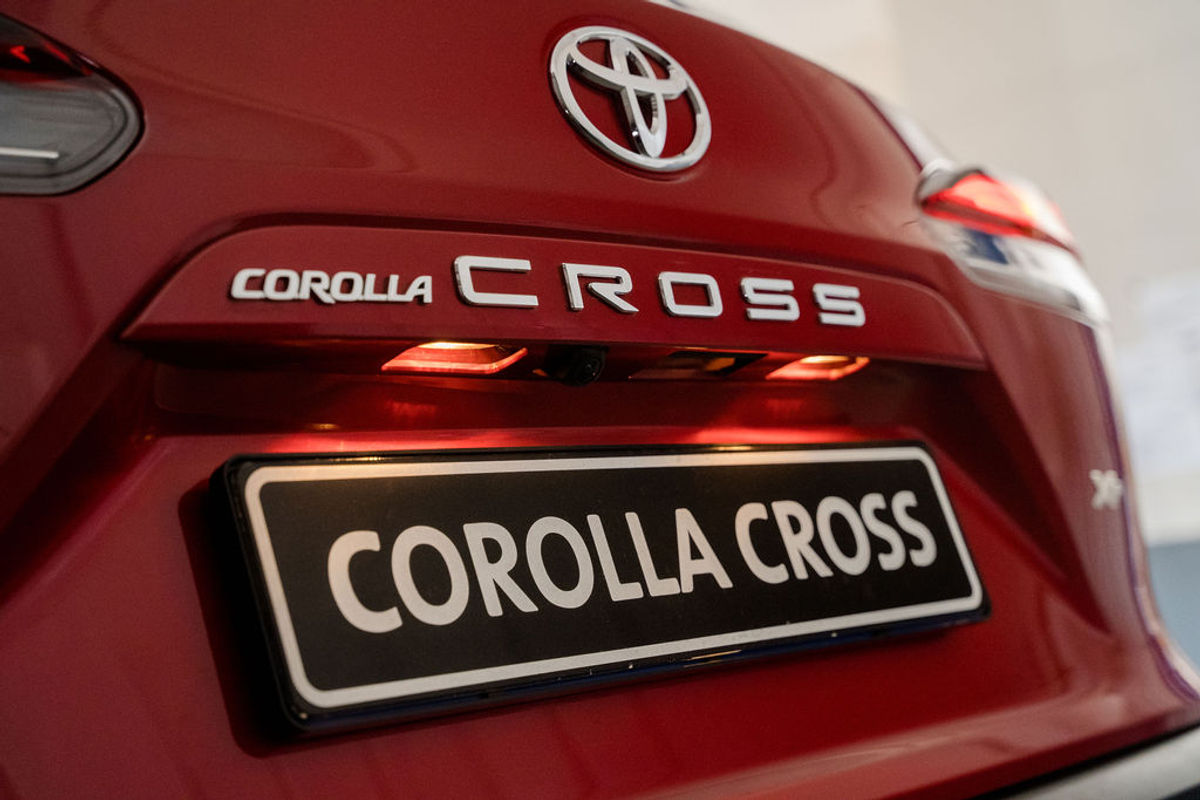
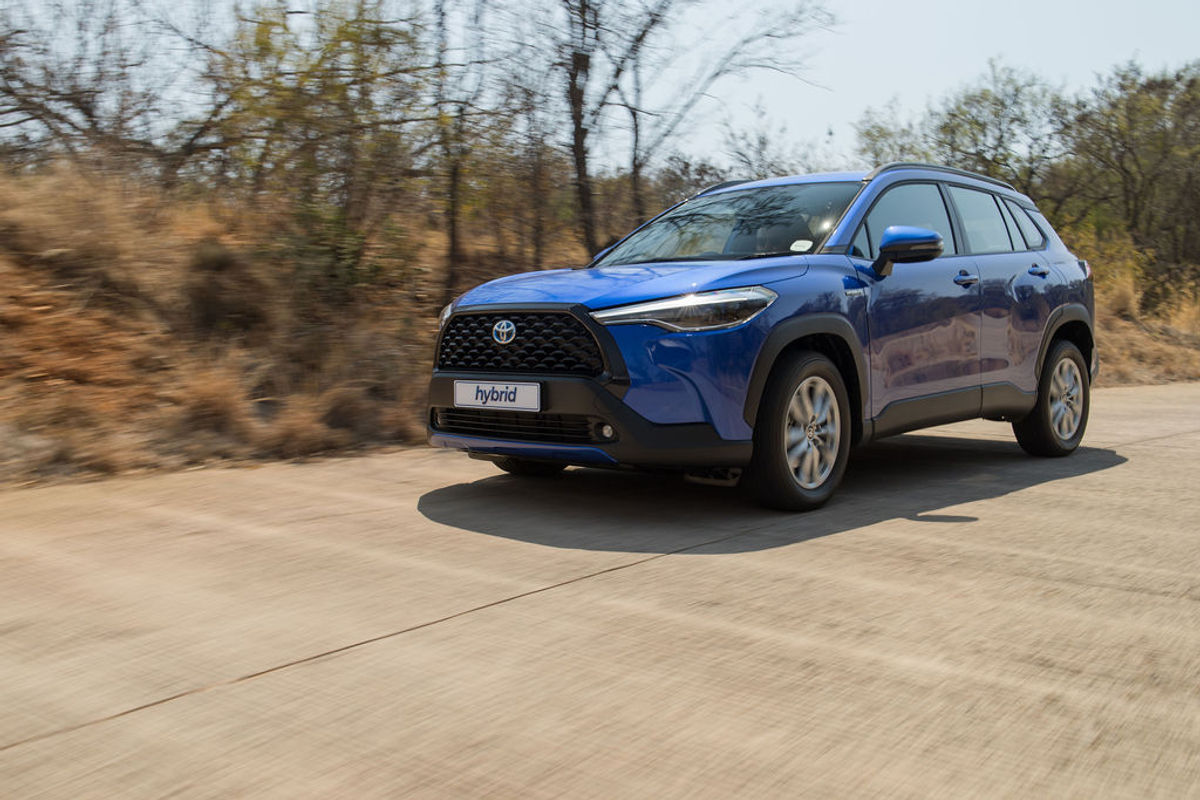
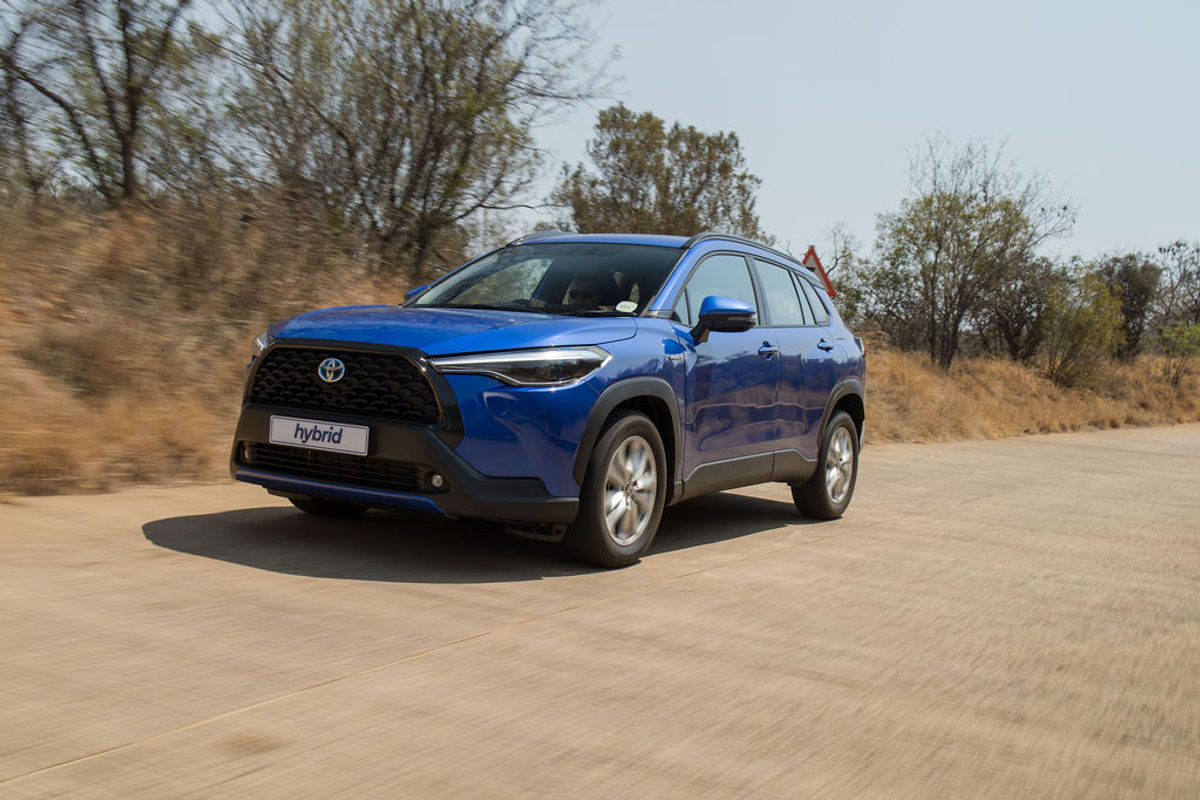
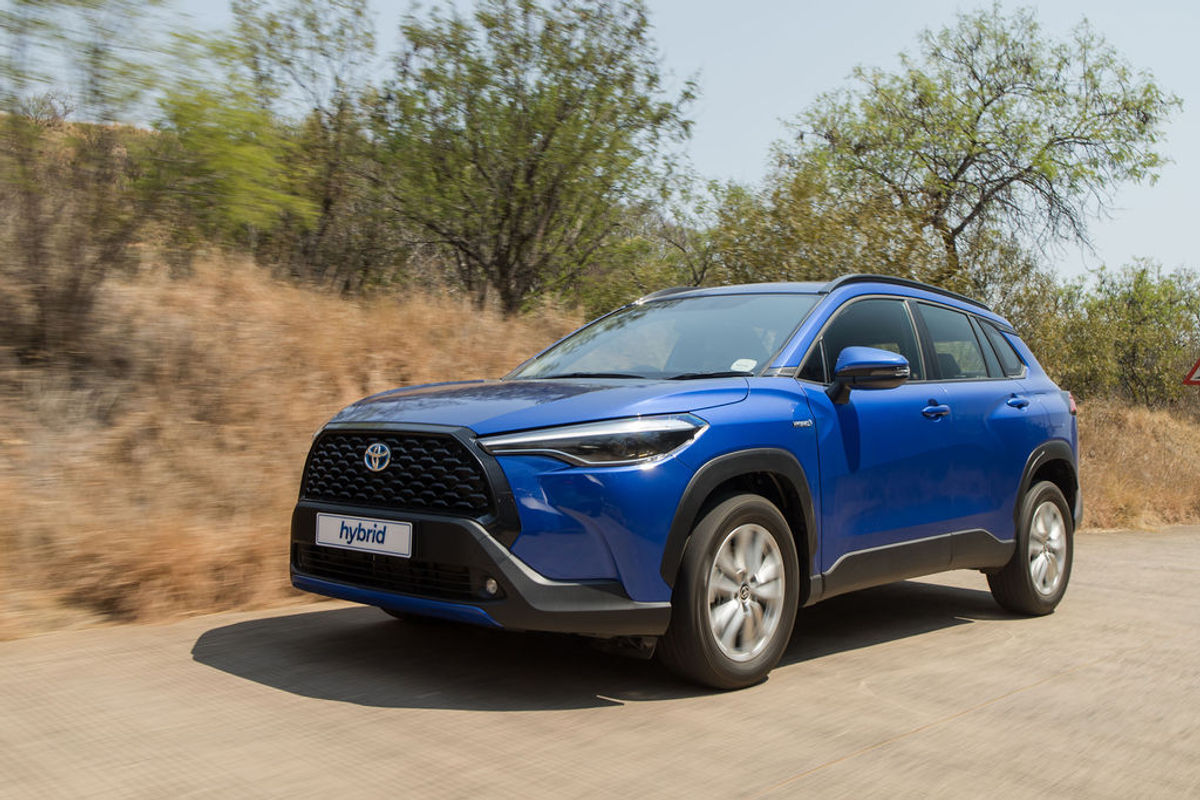
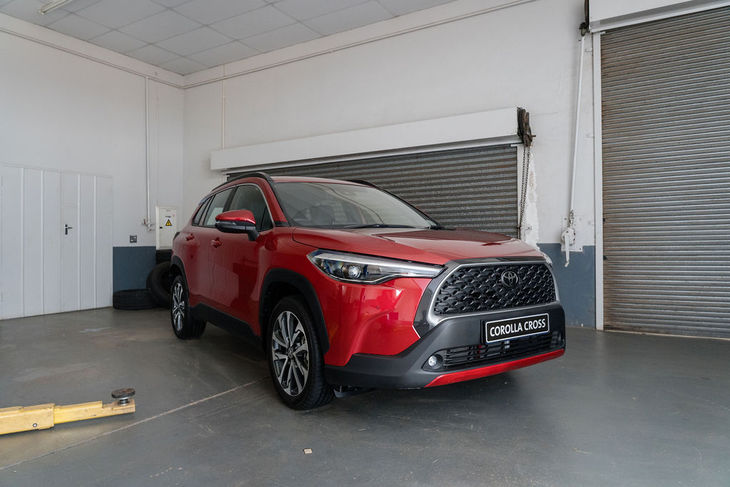
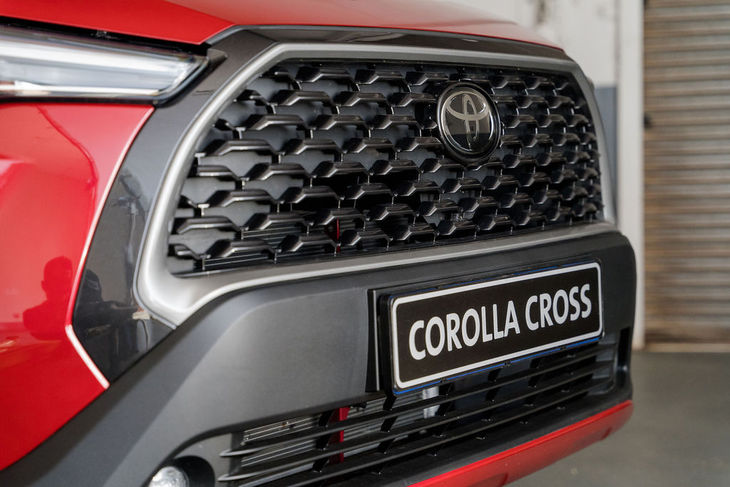
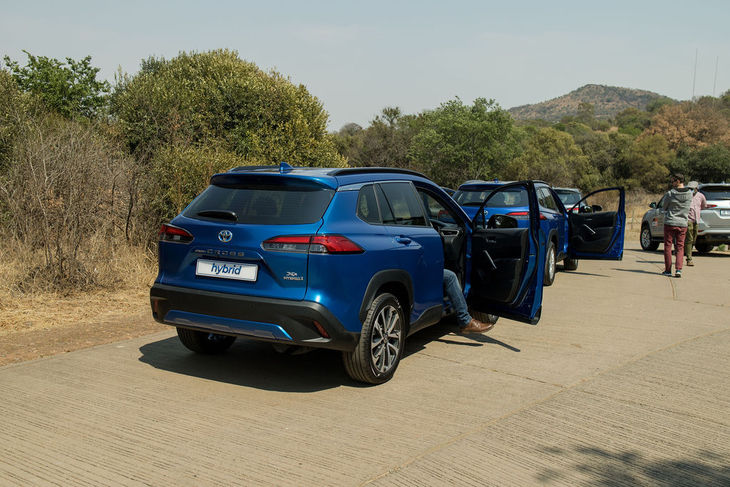
Toyota’s new compact family car will go on sale in November 2021 – and the brand’s certainly making a big fuss about it! We visited the Gerotek vehicle-testing facility to drive the locally-produced Corolla Cross, which will slot into the Japanese brand’s crossover line-up between the Urban Cruiser and the RAV4…
What is a Corolla Cross?
The Corolla Cross looks bigger in the metal, much closer to RAV4 size than expected.
Another week, another new crossover – and another newcomer that’s looking to wolf down as much of the SUV pie as possible. The Corolla Cross is Toyota’s latest effort and essentially fills the gap between Urban Cruiser and RAV4, although it might ultimately cannibalise some of those models’ sales; it’s less compromised than the former (in terms of packaging/practicality) and significantly more affordable than the latter. It’s also built locally, including hybrid derivatives, making it quite an affordable option if you’re in the market for something bigger than an Urban Cruiser but smaller than a RAV4.
As mentioned before, it has a petrol-electric hybrid powertrain, but most derivatives are powered by a conventional 1.8-litre petrol engine and there are 3 trim levels: Xi, XS and XR.
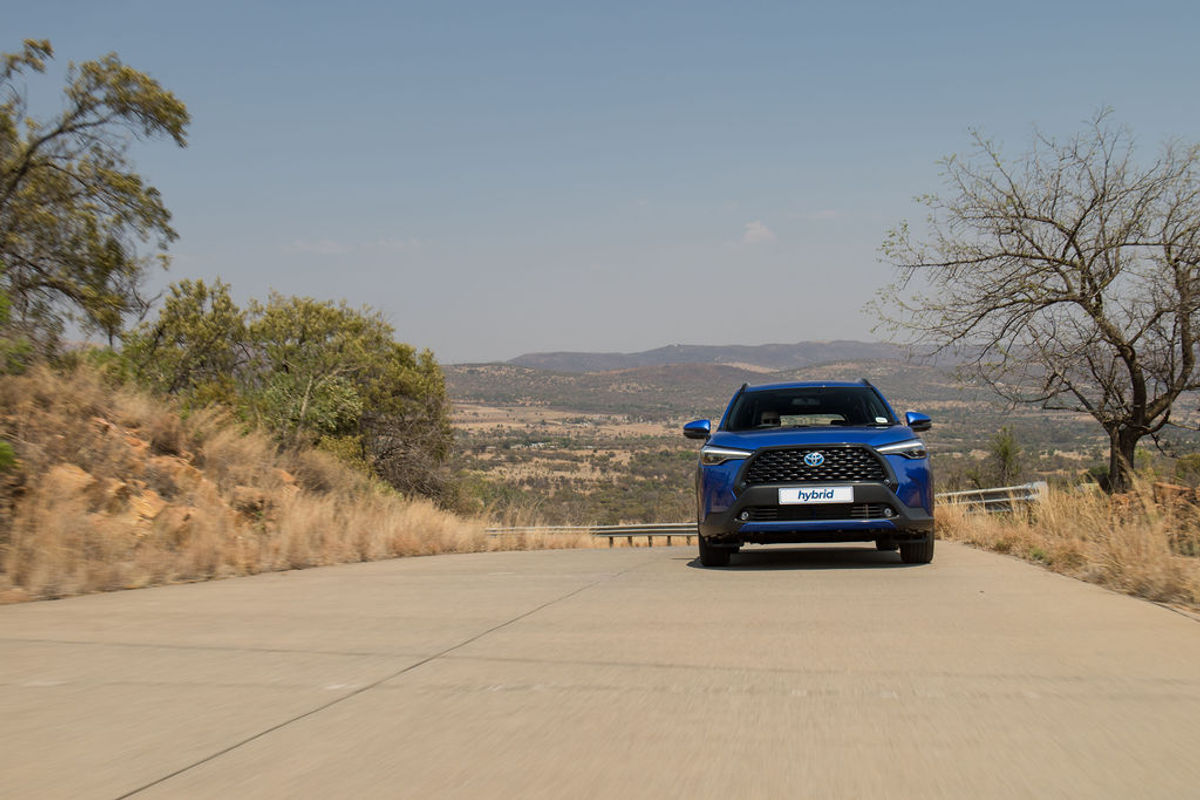
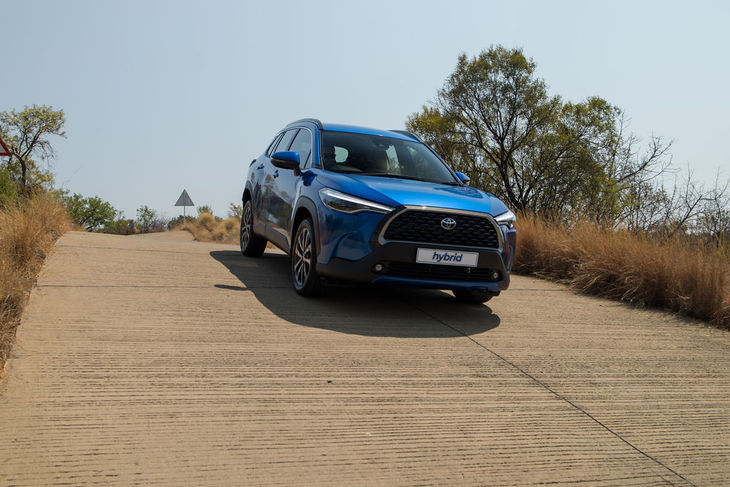
We tested the cars at altitude which hampers performance but they still felt adequate.
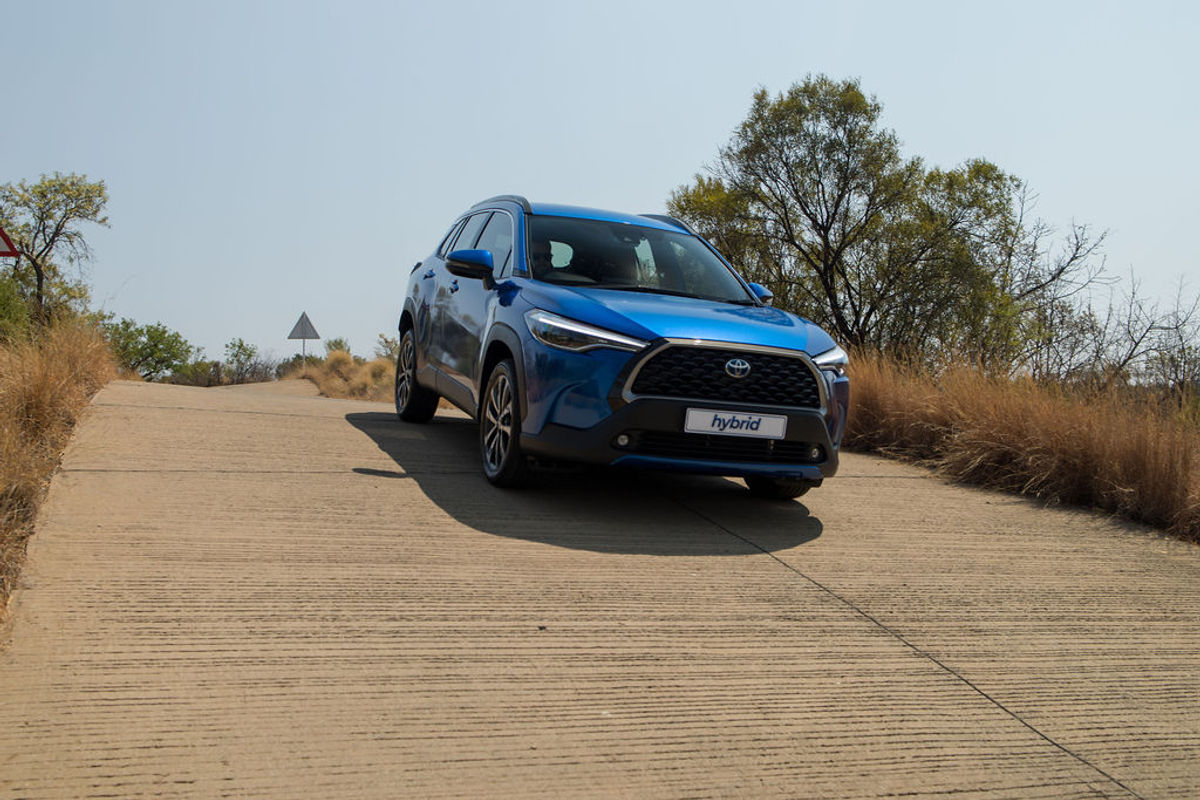
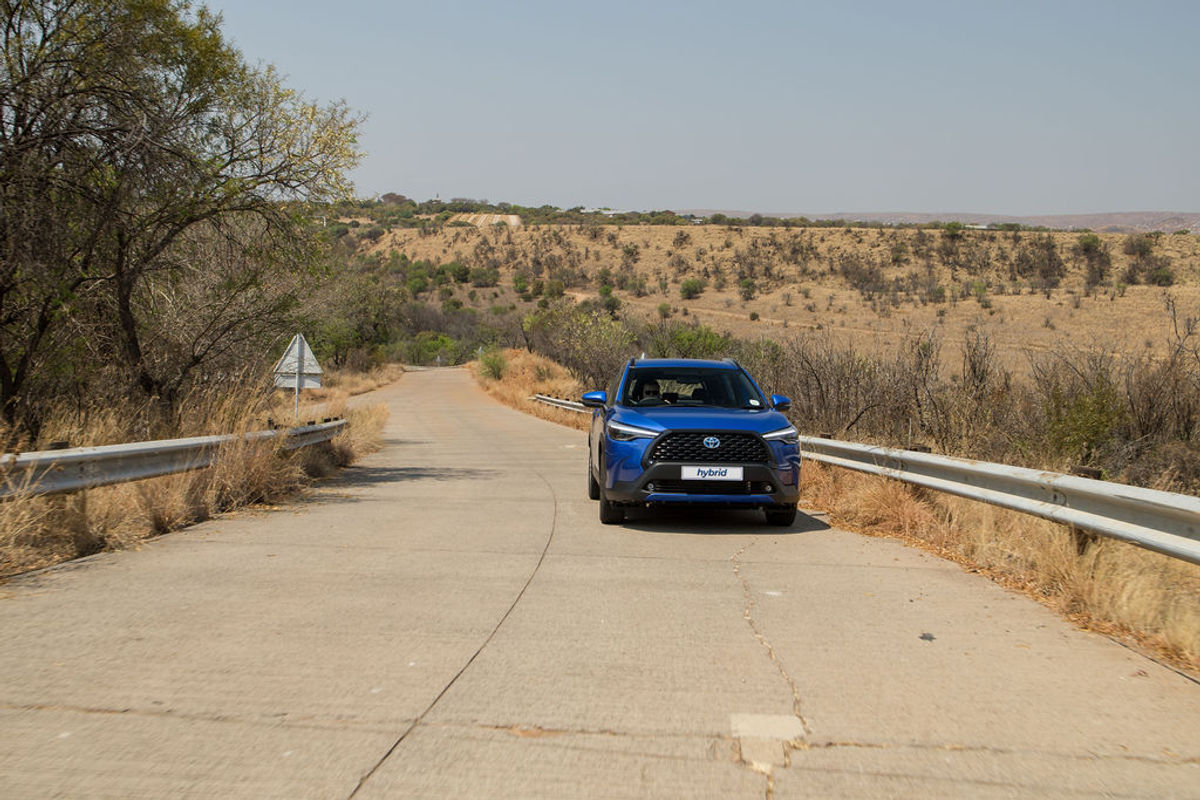
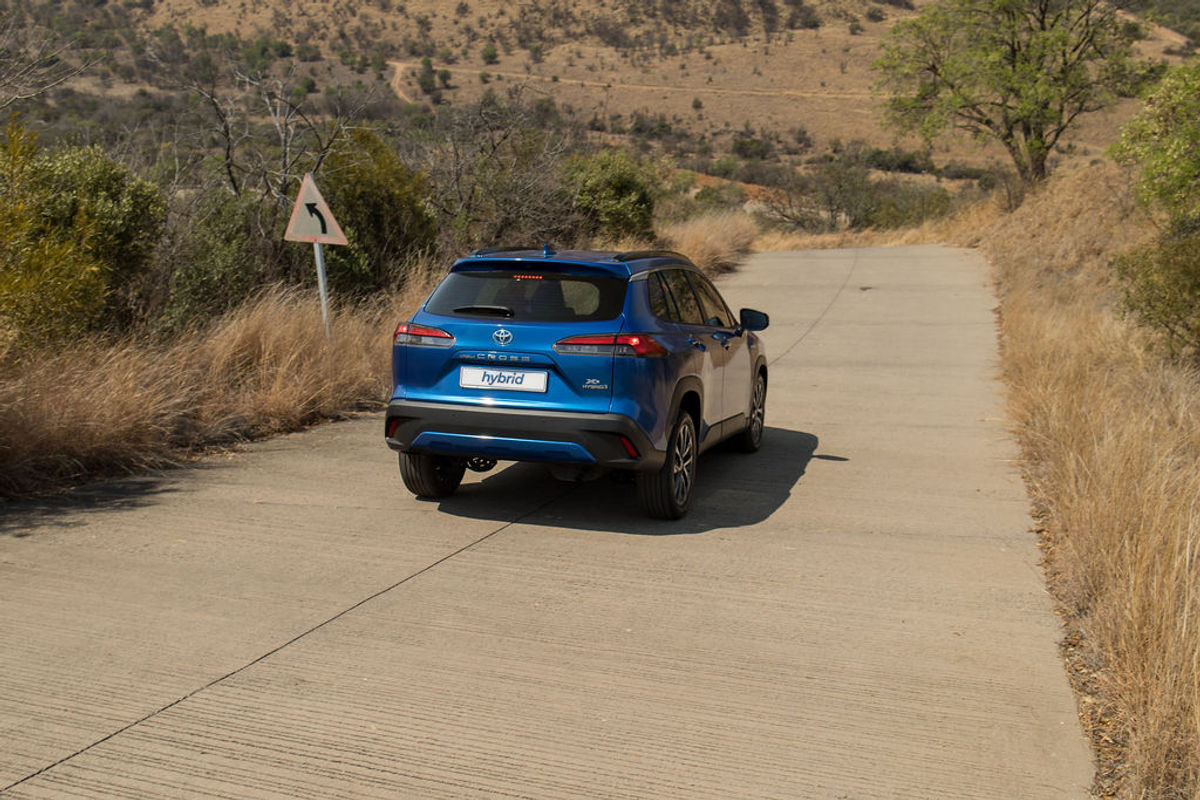
A pre-launch drive doesn’t entail doing a lot of mileage – in fact, we were restricted to driving on the Mountain Pass loop of the Gerotek vehicle testing facility. I must have completed hundreds of laps on that particular course over the years (while testing category finalists for the annual Cars.co.za Consumer Awards), so I know how different types of cars tend to handle over its concreted, lumpy surface.
The Corolla Cross is based on the TNGA platform, which also underpins the C-HR, Prius and new Corolla (I say new, it’s about 15 months old now). The platform is renowned for facilitating a comfortable and composed ride quality and particularly good NVH (noise, vibration and harshness) suppression, in other words – a quiet cabin ambience. The South African-built Corolla Cross retains all those familiar TNGA qualities; the newcomer’s only really challenged by some of the hard-hitting drops and sharp crests… and those are elements you’re unlikely to encounter on the daily commute.
The steering feels a little light, but the Toyota SUV/Crossover changes direction relatively well with an acceptable amount of body roll.
I suspect that in its role as an everyday runabout and family vehicle, the Corolla Cross will suit its target market (buyers who aren’t particularly fussed about handling or communicative steering) rather well.
Are the engines up to scratch?
It will be interesting to see if buyers opt for the hybrid model over the standard petrol model.
Gerotek is located about 1 400 metres above sea level so altitude plays a factor in the performance delivery of the engines (it reduces the effectiveness of non-turbo engines by around 14%). I had a chance to drive both 1.8-litre petrol and the 1.8-litre petrol-electric hybrid versions of the model. Are the naturally-aspirated motors up to the task of propelling the Corolla Cross’ body with reasonable vigour?
Yes, indeed. The petrol engine produces 103 kW/173 Nm and works in conjunction with a 7-step continuously variable automatic transmission. The 1.8-litre scaled Gerotek’s steeper inclines of the mountain track without difficulty and held 120 kph with ease (on flatter sections), but the non-hybrid derivative may struggle to duplicate that level of performance when fully loaded with passengers and luggage.
The petrol-electric hybrid (with a similar powertrain to the Prius and Corolla Hybrid) felt appreciably more willing to accelerate once up to speed. Its power unit (a combination of a 1.8-litre petrol engine and an electric motor) produces an aggregate of 90 kW and appears to have better mid-range torque (there’s no combined figure, but the petrol motor produces 142 Nm and the electric motor 163 Nm).
What’s more, both versions should prove to be quite fuel-efficient… Toyota claims average consumption figures of 6.8 L/100 km for the 1.8 derivatives and 4.3 L/100 km for the hybrids (all of which have continuously variable automatic transmissions). When the Corolla Cross official launch takes place in a few weeks’ time, we’ll get a better idea of what it’s like under load and in normal traffic conditions.
What’s the Corolla Cross like inside?
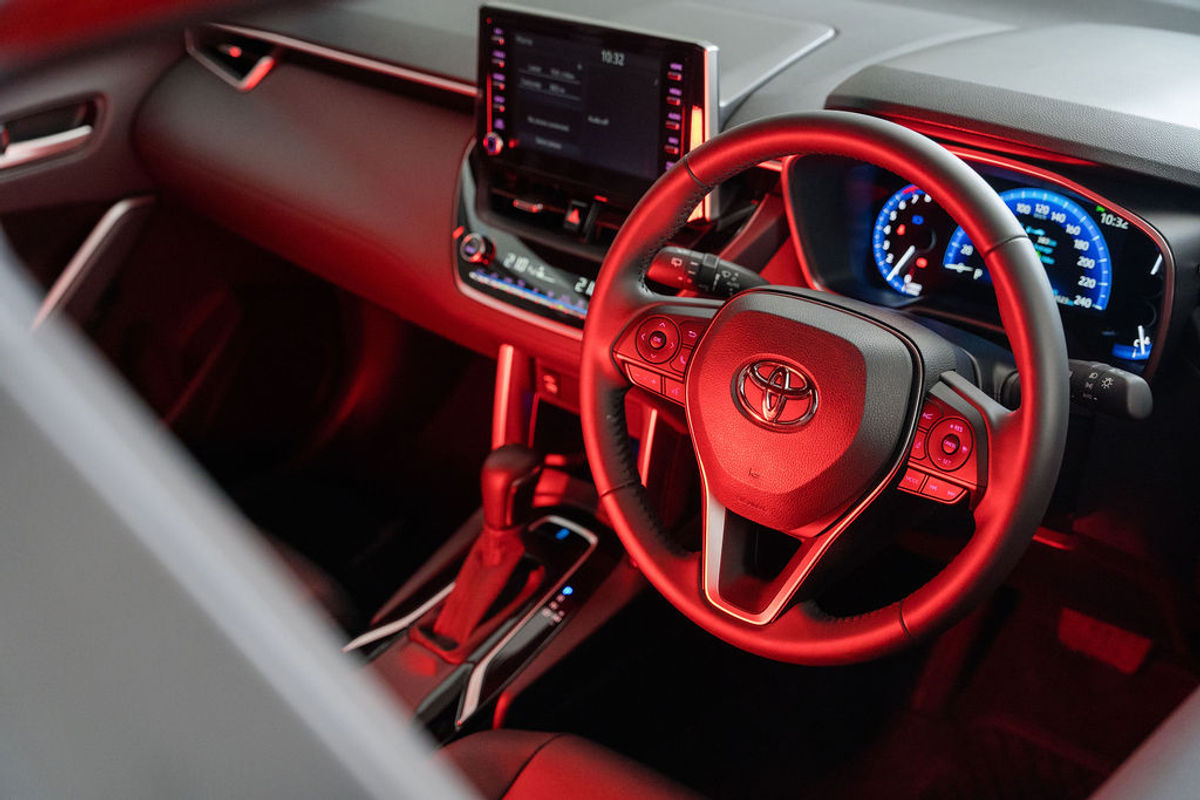
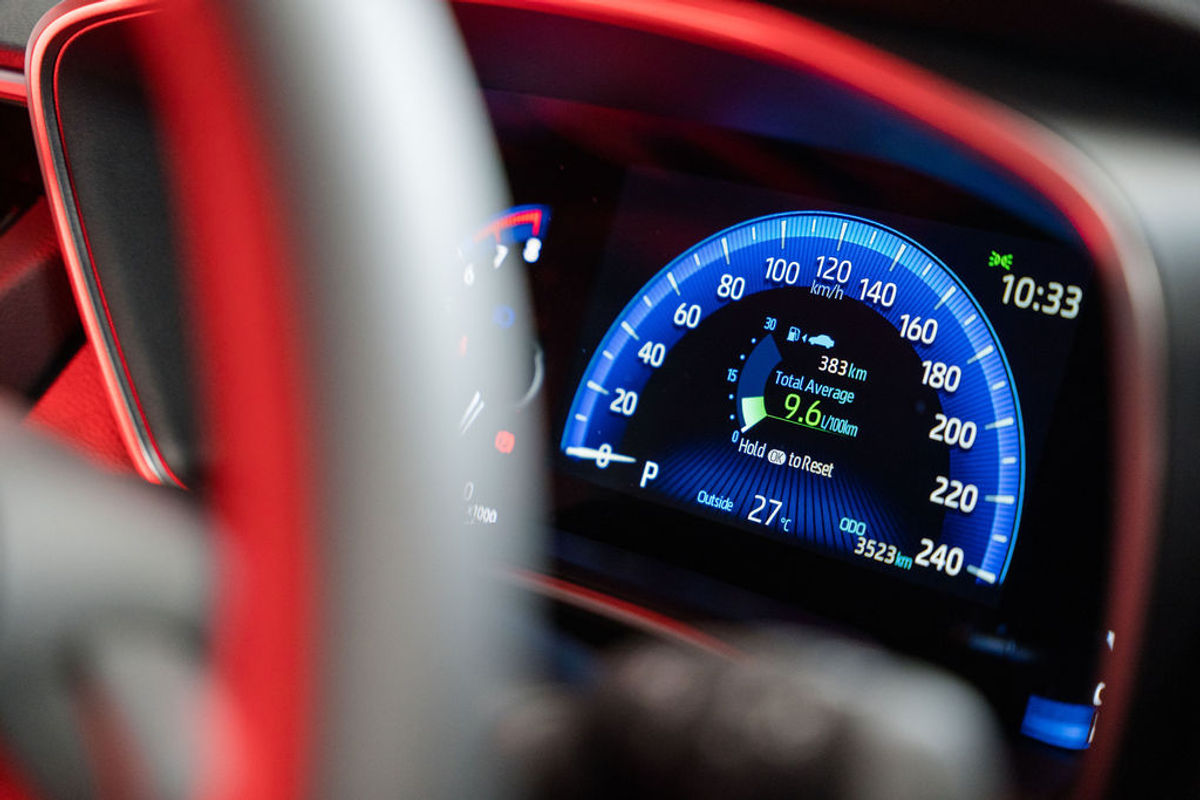
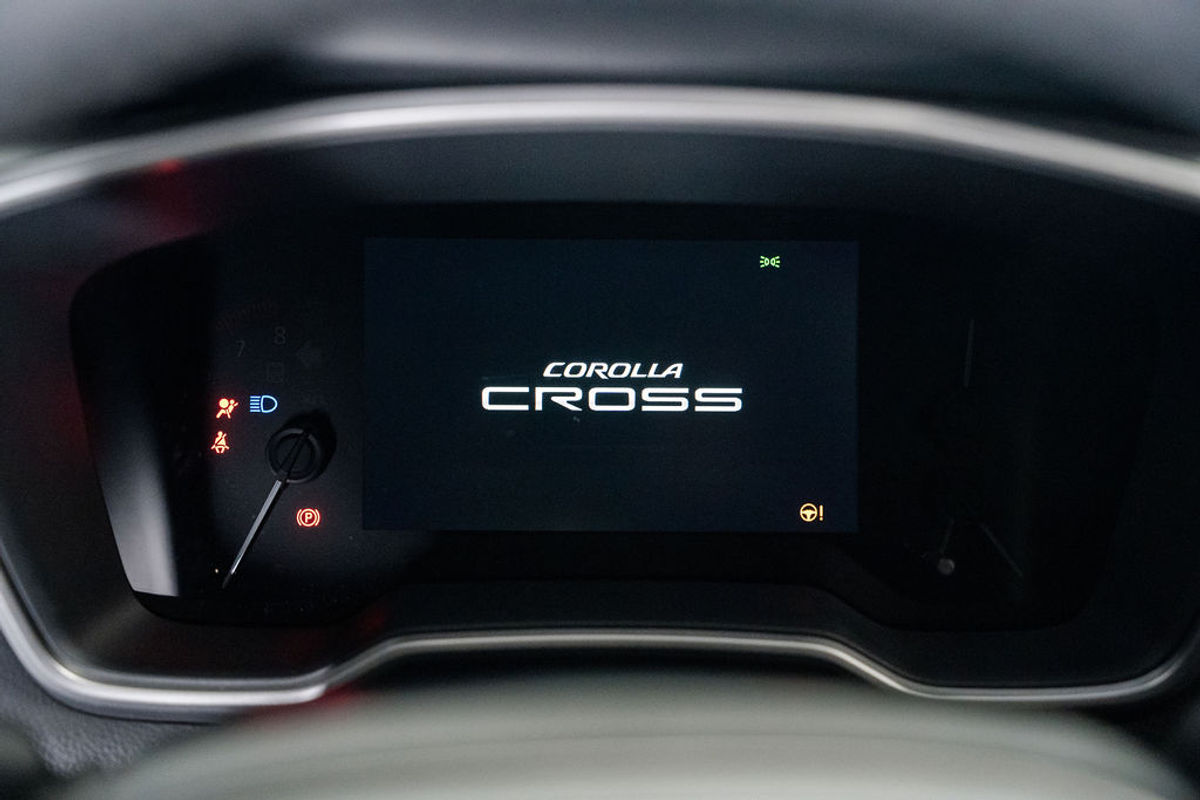
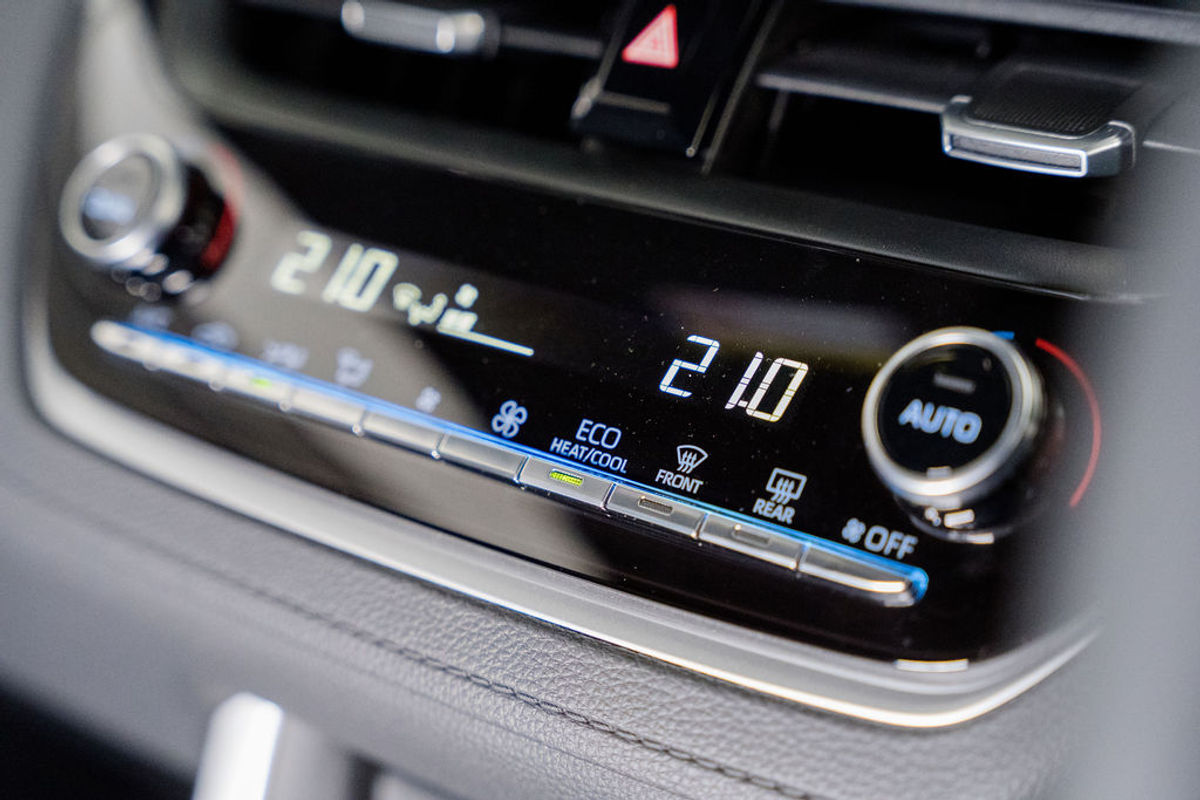
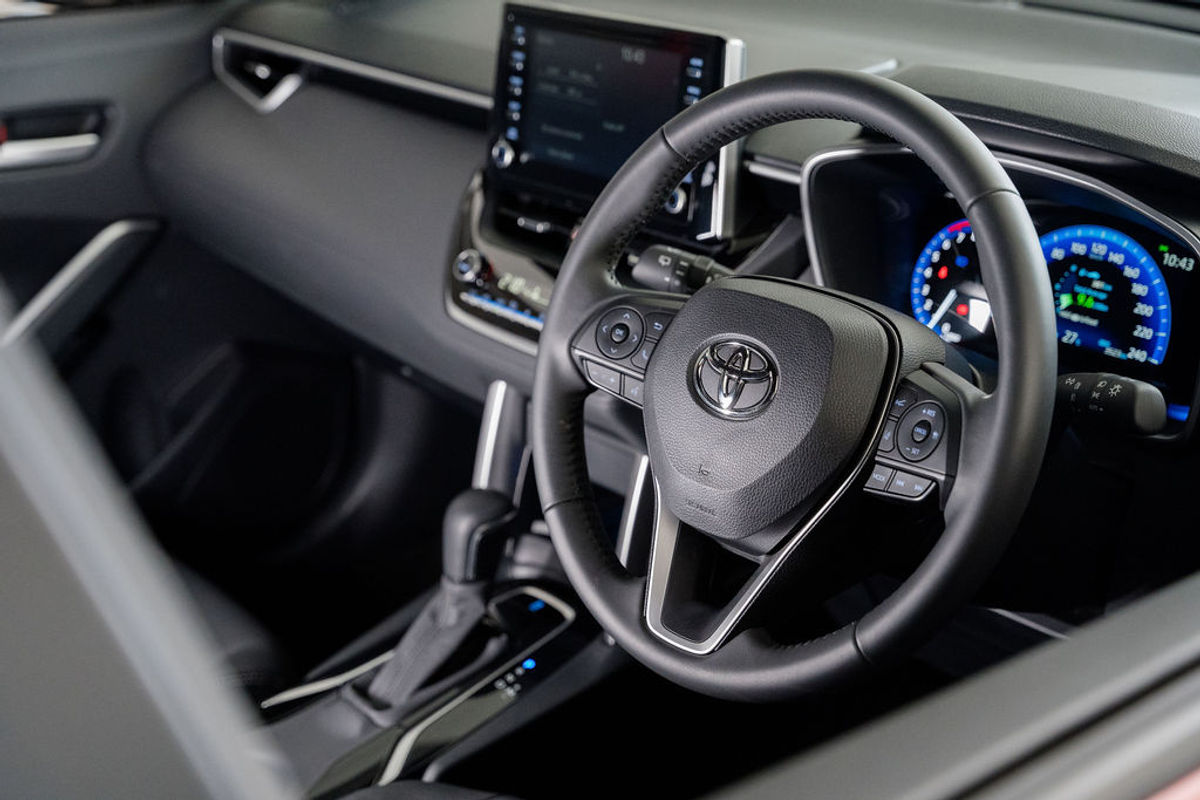
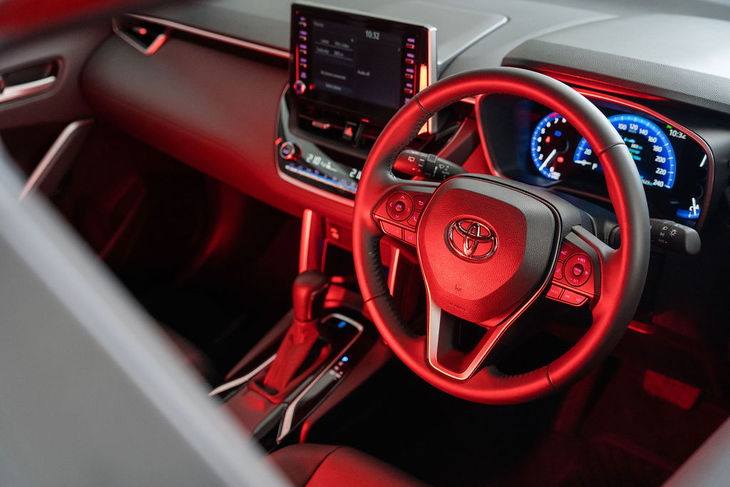
The interior is a copy from the new Corolla and at R400k is quite a luxurious offering.
If you’ve seen the new Corolla sedan’s interior then the Corolla Cross’ cabin is a replica of that. I prodded around the cabin fairly vigorously (in an attempt to find evidence of loose panelling or iffy build quality), but the fit-and-finish seemed solid. There is a satisfactory mix of leather and plastic surfaces, which all feel substantial. At this price point, the Toyota appears quite fancy inside, luxurious even.
The load bay looks capacious and the retractable luggage cover is much easier to live with than a cumbersome shelf that ends up sitting in your garage every time you want to load large items into the car.
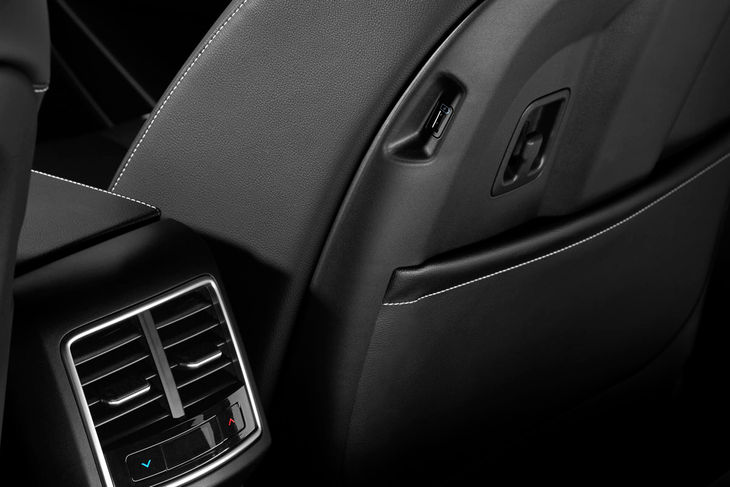
There’s a USB port in the front, and on the XR derivatives, 2 in the rear – as well as air vents for the aft passengers. The infotainment screen in the XS and XR versions are compatible with Apple Carplay and Android Auto. I also noticed a wireless charging pad in two of the cars, but apparently that feature will be sold as an optional extra. Toyota says it intends to offer a few more options than usual for the Corolla Cross, which we’ll find out about at the formal media launch; the newcomer could include features such as a head-up display and various (optional) exterior accoutrements.
The XR derivatives (which start at R425k) will feature the impressive Toyota’s Safety Sense package, which includes adaptive cruise control, blind-spot monitoring, lane trace assist and a pre-collision system.
Final thoughts
The Corolla Cross is likely to be a big hit for Toyota SA.
I think this Corolla Cross is going to be a hit for Toyota. It sits in a segment that is growing rapidly in South Africa and it’s bound to snaffle sales from models that are positioned directly above and below it. With the right interior specification and a price-point that appears to offer good value for money (when family cars’ asking prices seem to be sky-rocketing north of R500k), it seems like a winner to me.
The newcomer’s powertrains might not be quite as lively as those of some of its competitors, but the Corolla Cross might actually turn people on to hybrid models (at R413k, the 1.8 Hybrid XShybrid is the nation’s most affordable petrol-electric new car), which could well be a step in the right direction as the inevitable electric car wave heads our way.
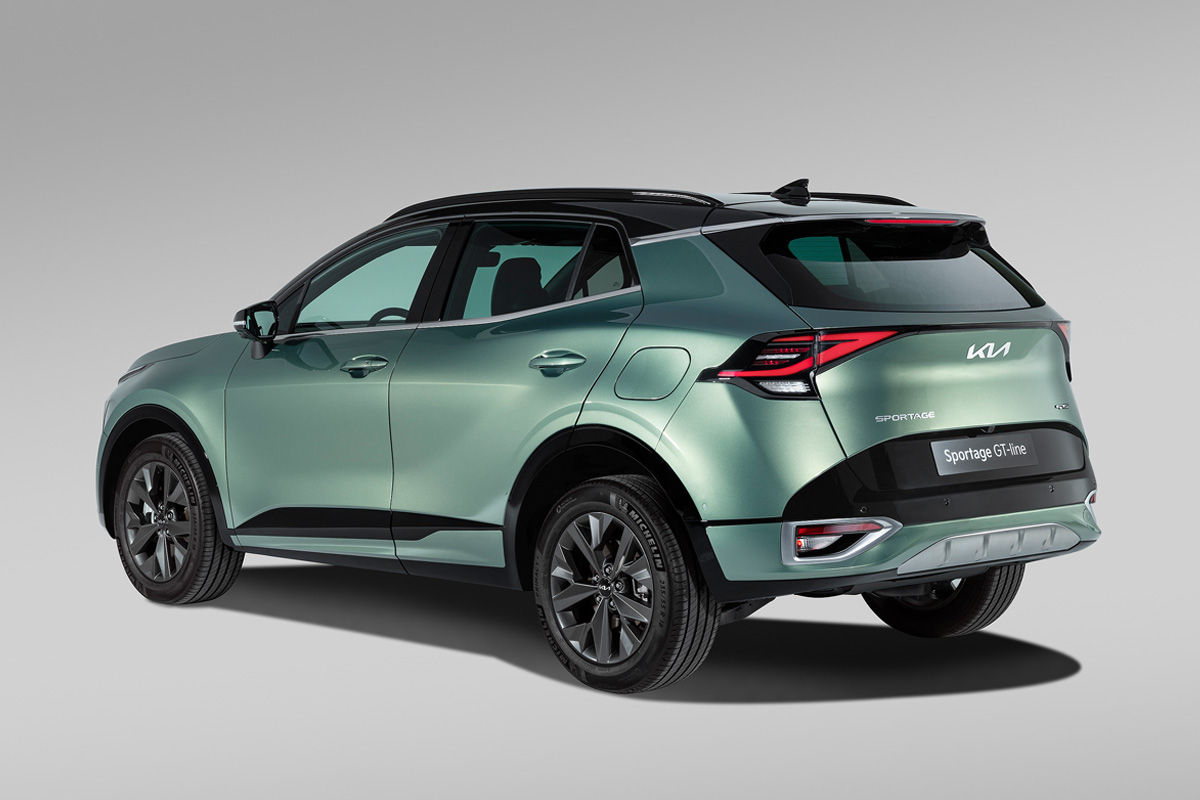
It’s very likely that Kia will introduce its 5th-generation Sportage in South Africa next year and, apart from the new model’s revolutionary styling, the range will probably offer more diversity than the current line-up, including – potentially – a petrol-electric hybrid version.
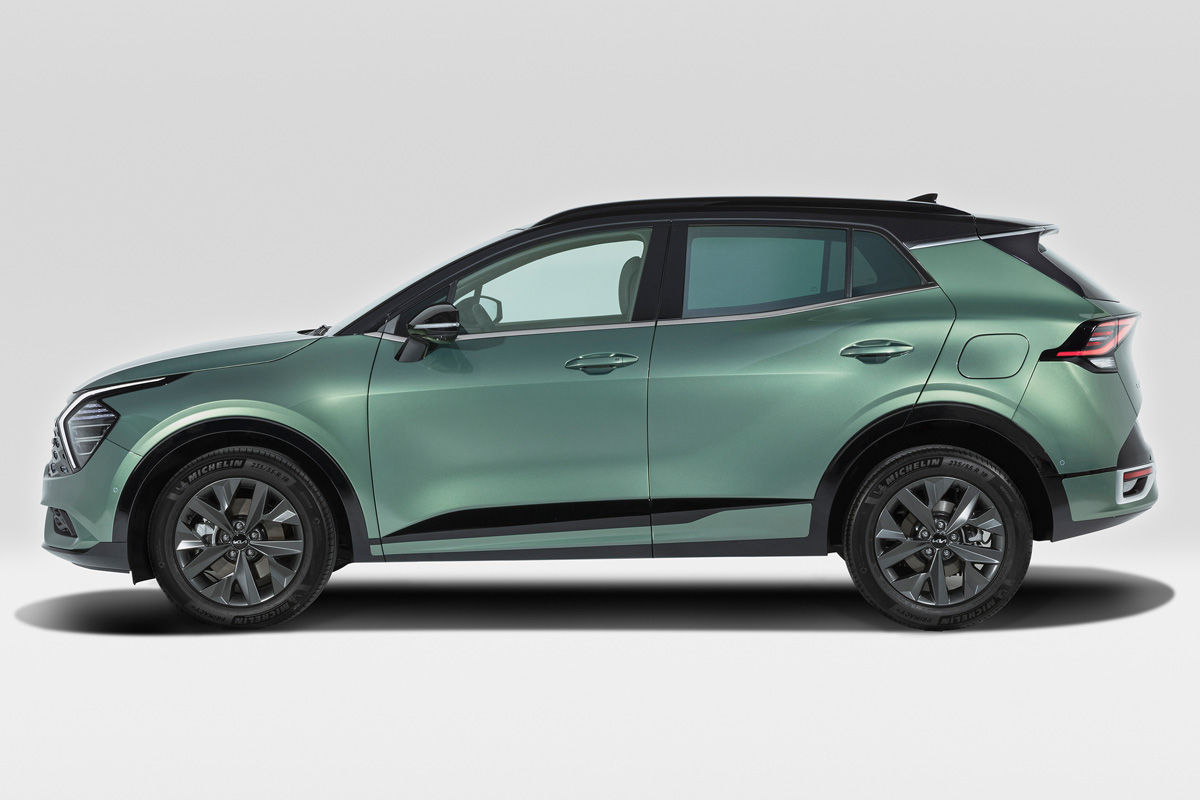
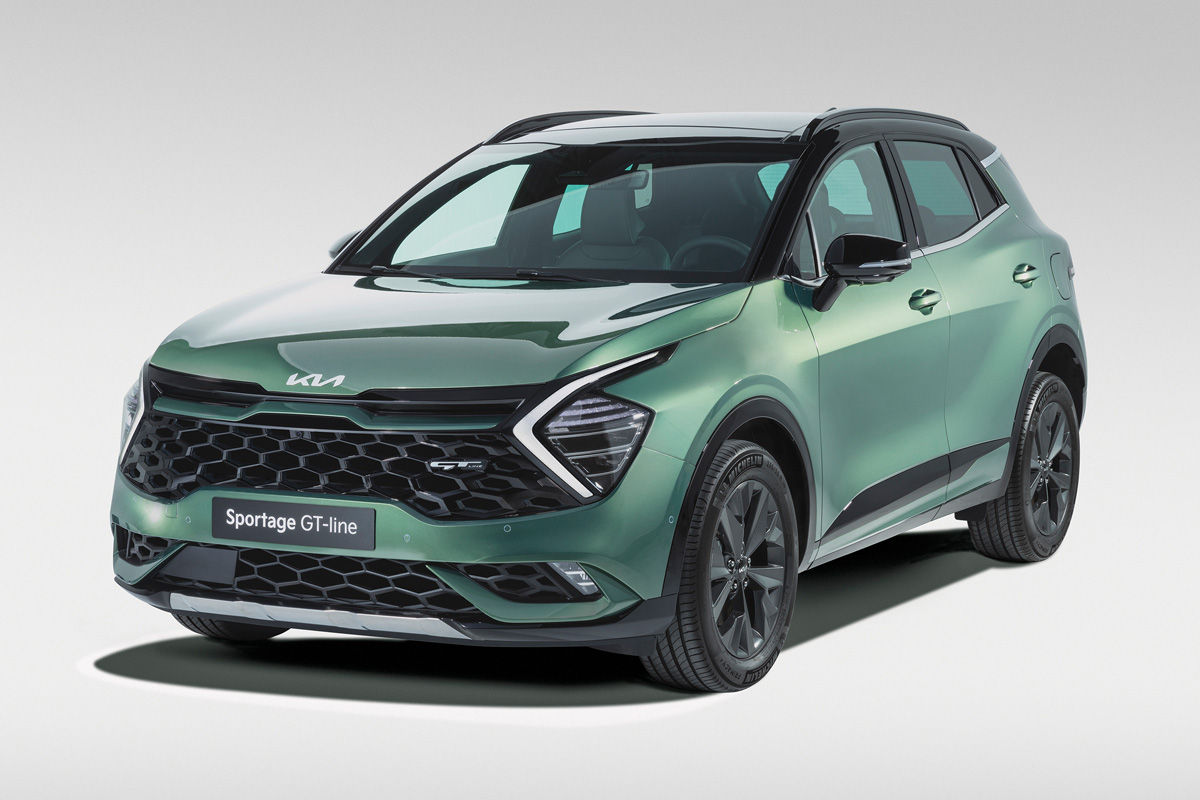
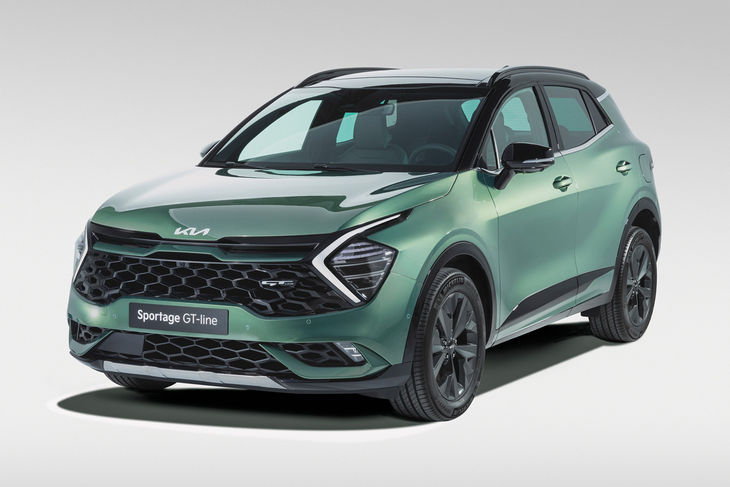
While most of the (mostly electric) vehicles that were exhibited at this month’s IAA Mobility show in Munich weren’t of immediate significance to the South African market, the new NQ5-generation Kia Sportage was a notable exception. In short(ish)-wheelbase guise (for the European market) and clad in head-turning GT-Line trim, the Slovakian-made Sportage shown here is closer to what we’ll get in Mzansi than the longer version that was unveiled earlier this year, which is destined for the Asian, Australasian and North American markets.
1. (We’ll) Get Shorty
Kia South Africa sources its Sportage units from the Korean brand’s Slovakian factory and that should remain the case with NQ5. Whereas Kia units destined for our shores have traditionally been “general market” spec (especially pertaining to some engines), a Kia SA spokesman has confirmed that the firm is homing in on the European version of the model.
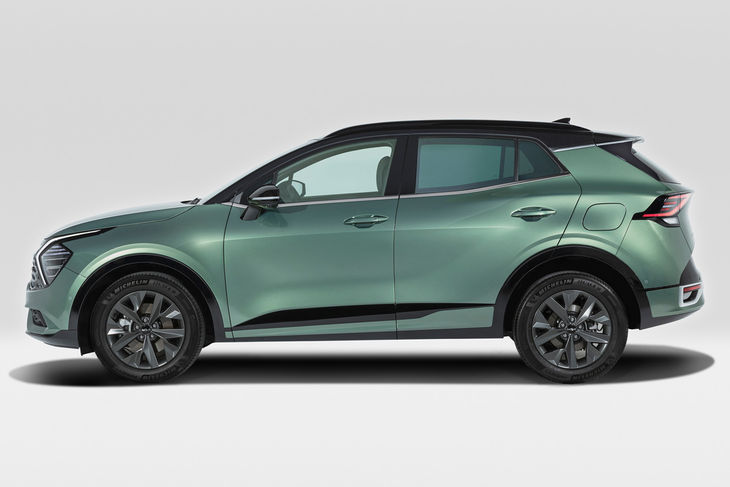
The new Sportage is based on Hyundai Kia’s N3 platform (which is better optimised for electrification), but the European version is stubbier than its sibling. It measures 4 515 mm in length, 1 865 mm in width and 1 645 mm in height, while its wheelbase is 2 680-mm long. The other version has a 75-mm longer wheelbase, gains 145 mm in overall length and is slightly taller, while offering 52 mm more rear legroom and 46 litres of extra luggage space.
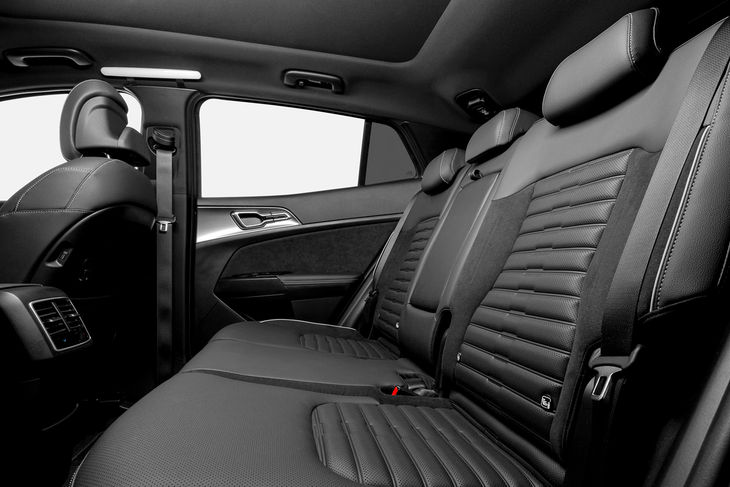
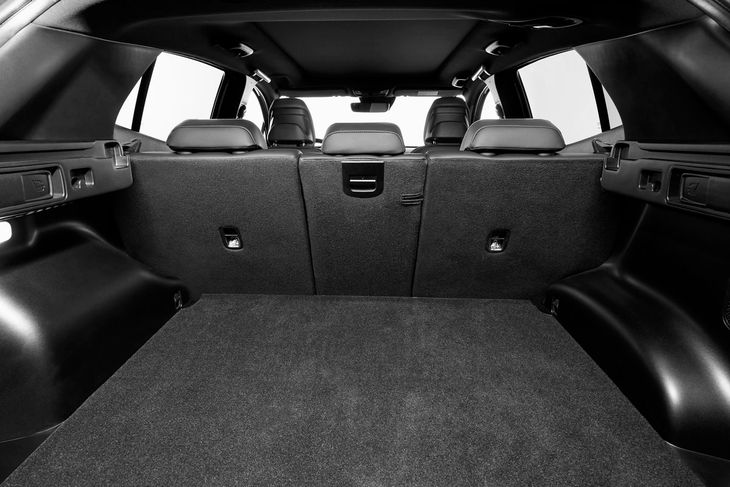
Nonetheless, the (ostensibly SA-bound) Sportage is notably bigger inside (including its load bay) than its predecessor; Kia claims the newcomer “leads the way in legroom, headroom and luggage (space)” in its segment, with 996 mm of legroom and 998 mm of headroom available for 2nd-row passengers, combined with a 591-litre load-bay capacity, which expands to 1 780 litres’ utility space when the family car’s 40:20:40 split rear seatback is folded flat.
2. GT-Line and other trimmings
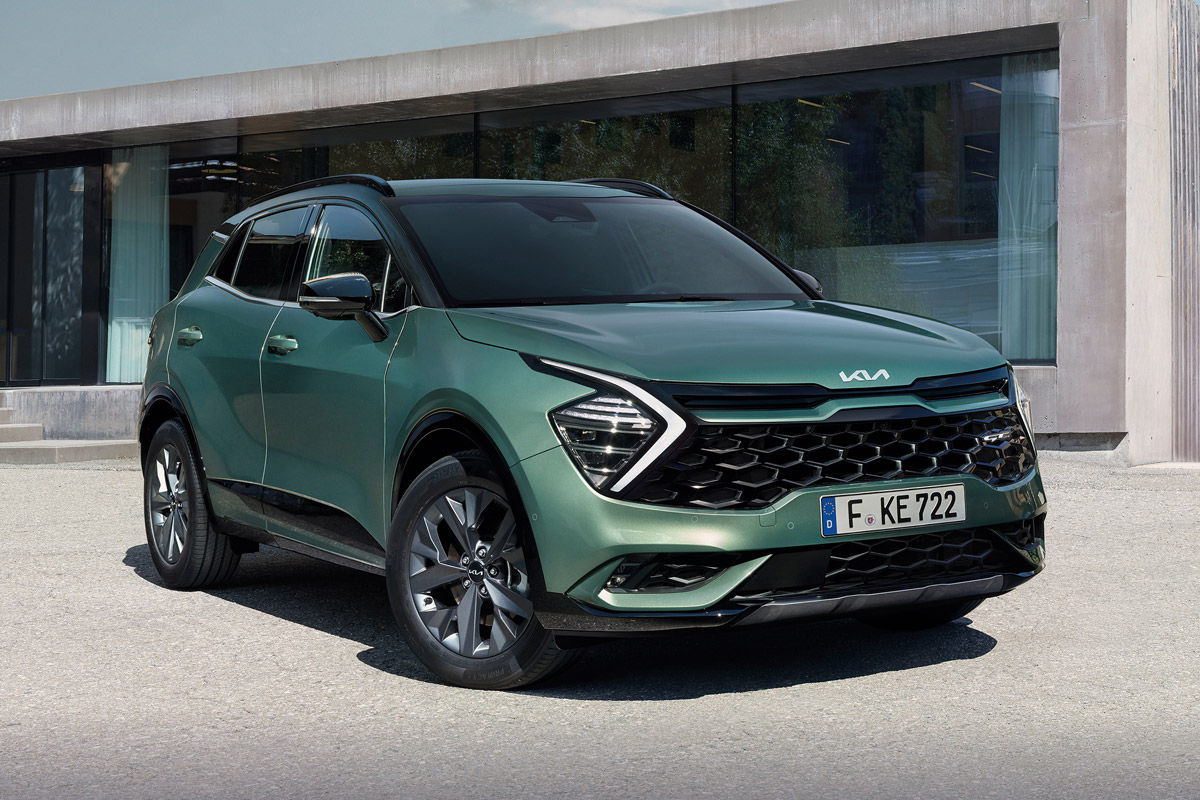
Much has already been written about the arresting styling of the 5th-generation Sportage – the 2nd Kia to incorporate the firm’s expressive new “Opposites United” design language.
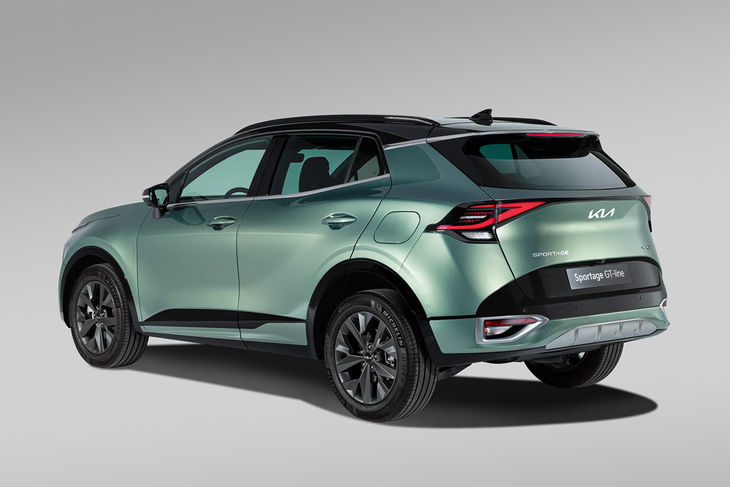
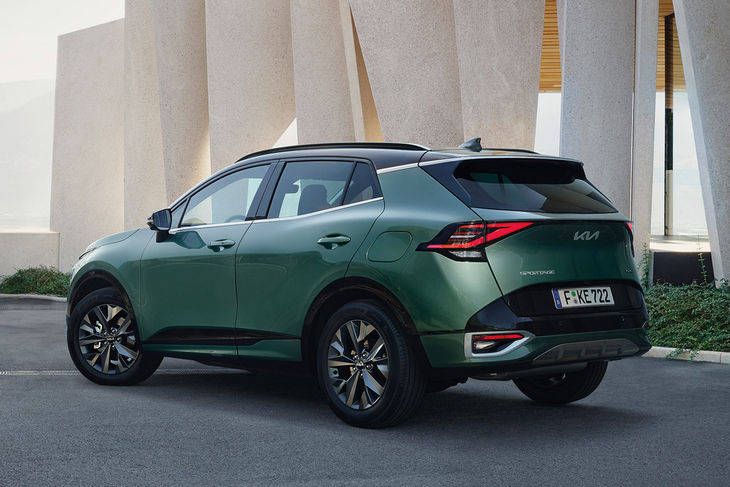
Styling-wise, the European-market Sportage’s altered dimensions result in the omission of its longer sibling’s 3-quarter light (substituted by a triangular pane next to the rear window) and a narrower C-pillar, but it’s the GT-Line exterior execution that really catches the eye. It incorporates sportier black “chicken-wire” mesh in the grille and front apron, complemented by gloss black wheel-arch trims, side-mirror caps and the blacked-out A-pillars and roof.
In previous years, the GT Line would have been of little to no consequence to the South African market, but since the introduction of the current Sportage, Kia SA has introduced a range-topping GT-Line version of the Seltos compact family car and the upcoming 1.0-litre 3-cylinder turbopetrol version of the Sonet may sport a GT-Line execution too. Therefore, it is not inconceivable that the new Sportage will be offered with GT Line trim in Mzansi…
Depending on the derivative and trim line, the new Sportage rides on 17-inch, 18-inch or range-topping 19-inch wheels, with a choice of 6 alloy designs in various colours and finishes.
3. Curved (screen) for your pleasure
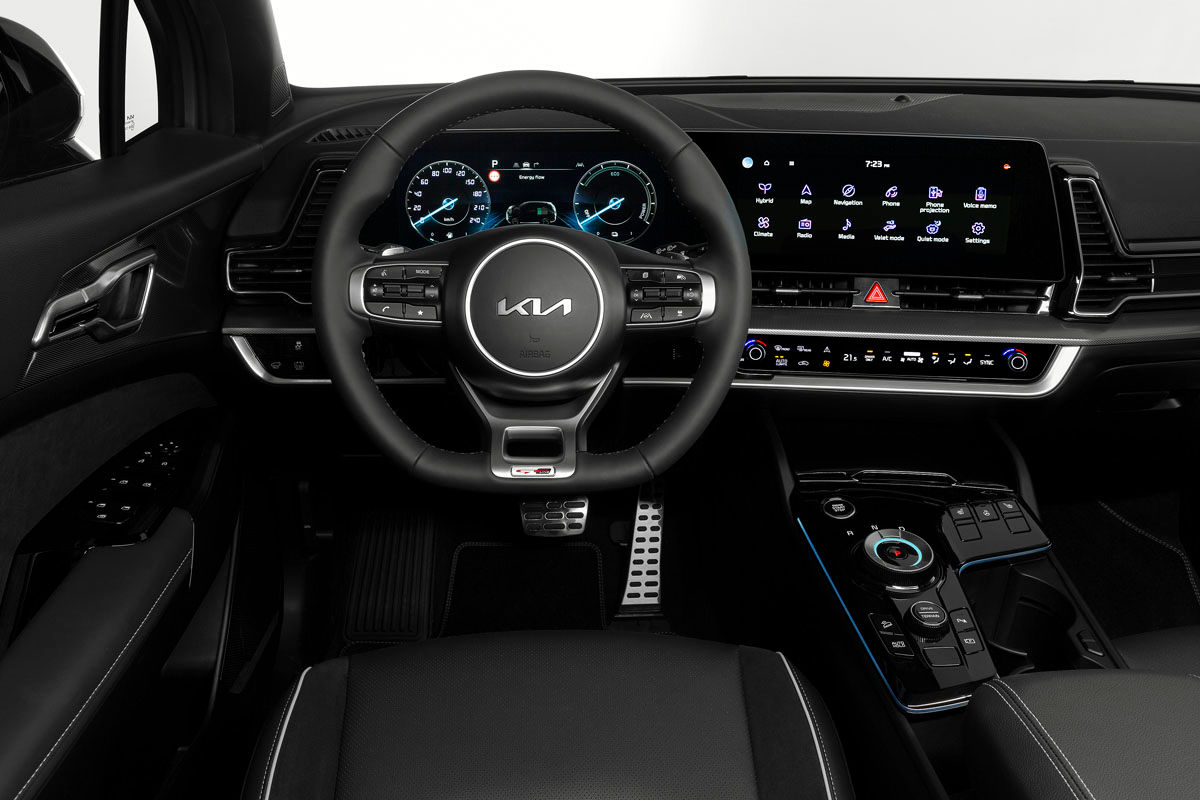
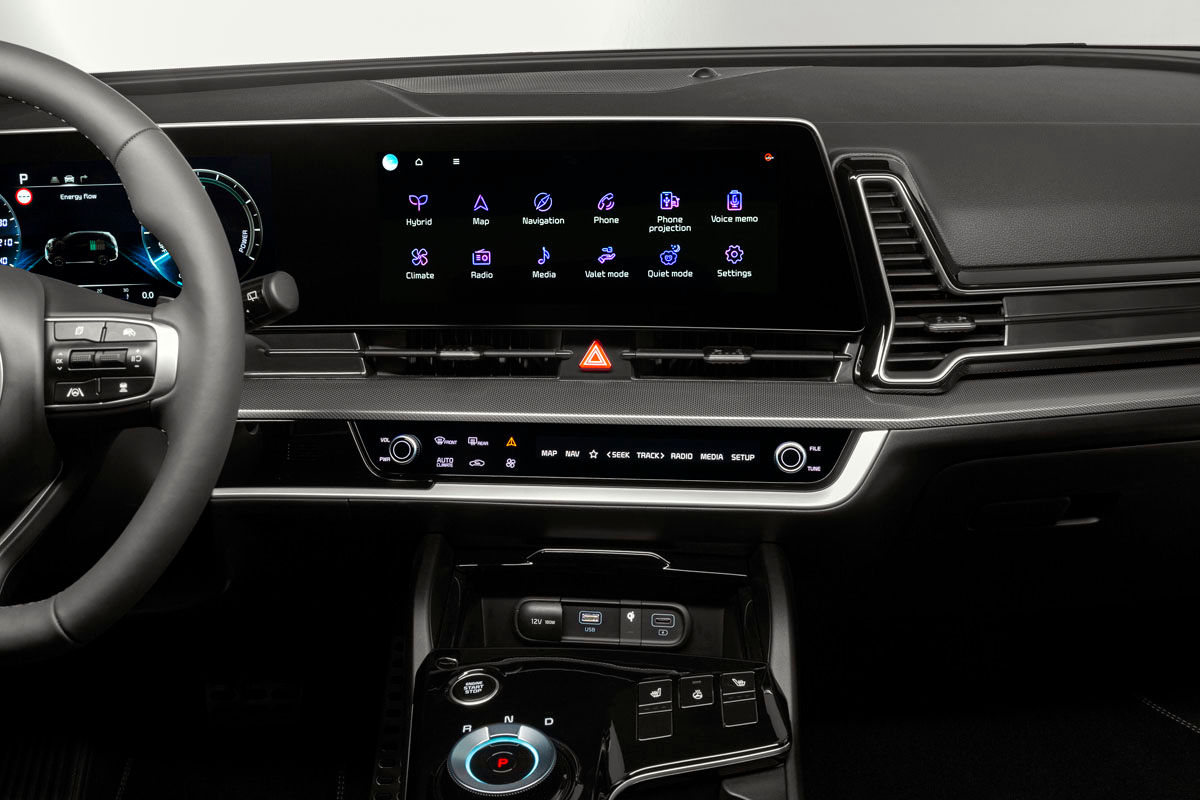
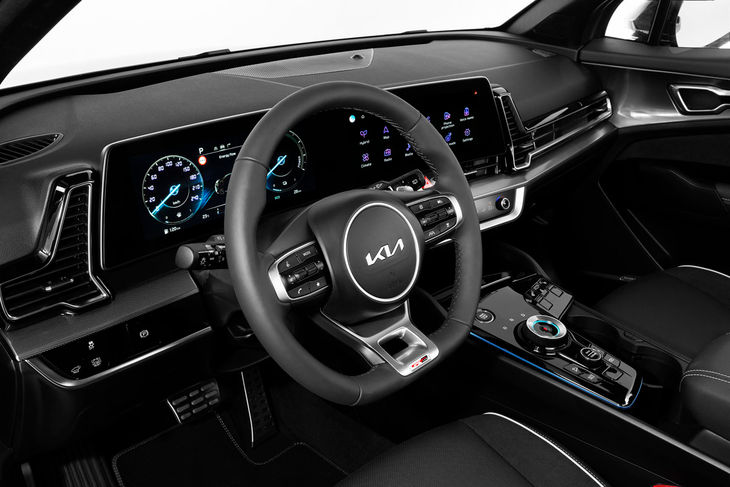
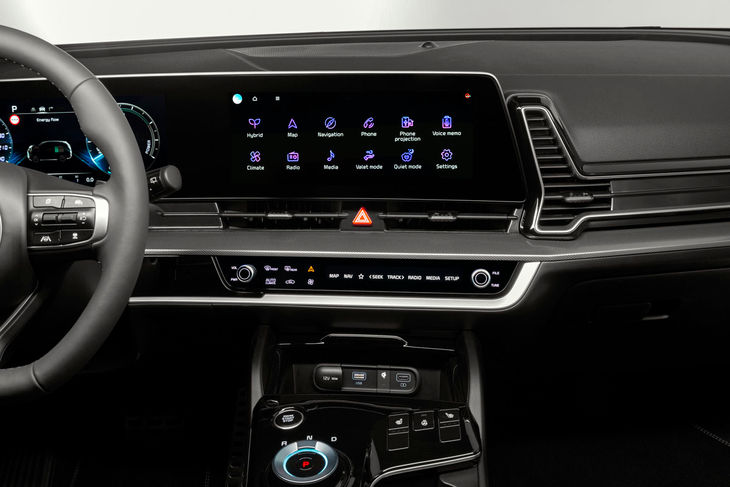
The new Sportage’s driver-orientated cabin is dominated by a curved display panel that incorporates a 12.3-inch digital instrument cluster and a 12.3-inch infotainment touchscreen. Whereas these elements have been moved closer to one another in recent designs, this marks the first time Kia has combined them in a Mercedes-Benz-like “Widescreen Cockpit” way.
The sculpted display panel, which sweeps across the front of the interior, gives the cockpit dramatic width/depth and it’s book-ended by distinctively shaped ventilation outlets. A slim, rectangular climate-control console is positioned in the middle of the fascia and below it, the Korean marque has fitted a charging bay that supports high-speed 15W wireless charging.
Apart from offering access to various onboard functions, the infotainment system supports over-the-air software and -map updates, as well as Kia Live Services, online navigation and -voice recognition, plus smartphone-calendar integration. What’s more, a user can connect with their Sportage remotely via the Kia Connect app to check that the vehicle has been locked and that its windows are closed… or find out where they last parked their vehicle!
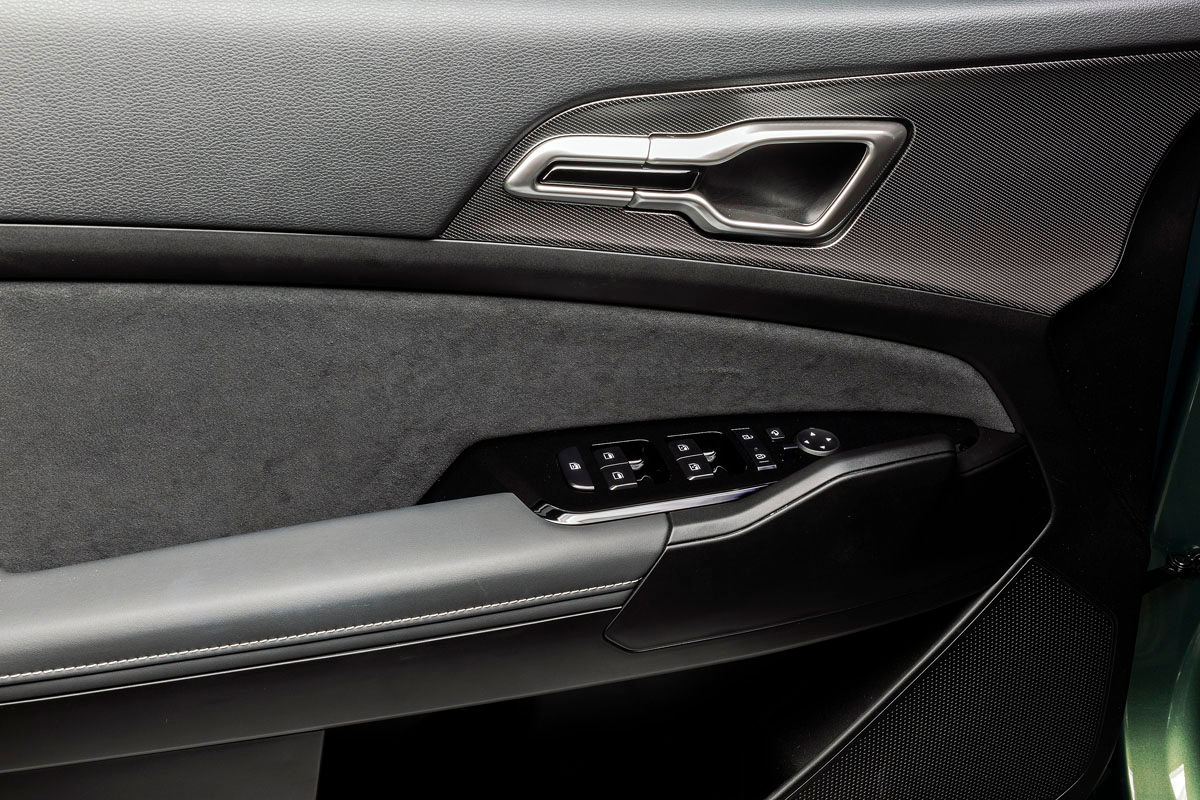
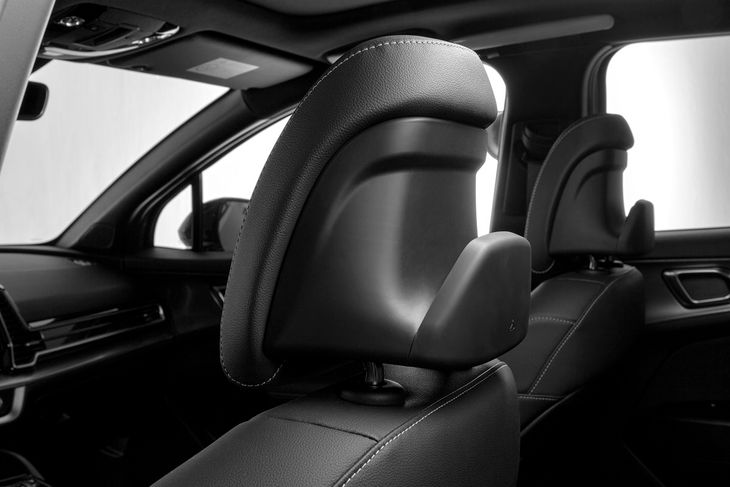
Finished in piano black trim, the centre console provides cupholders and ample storage, while the L-shaped raised central control console features soft-touch switches (for seat and steering- wheel heating), an engine start/stop button and a shift-by-wire transmission dial. Another nifty touch is the integrated hanger-type protrusions located at the backs of the Sportage’s slim front-seat headrests, which allow clothing or bags to be conveniently hooked into place.
Lastly, Kia claims a Harman Kardon audio system (which we’d wager will be optional!) delivers “a fully immersive, in-car surround sound” to the occupants of the new Sportage.
4. Adaptive suspension & off-road modes
By virtue of being based on Hyundai Kia’s new N3 architecture, which also underpins the respective Korean brands’ larger Sorento (MQ4) and the facelifted Santa Fe (DN8) models, the 5th-generation Sportage incorporates a couple of premium vehicle systems for the first time…
The first is a new electronically controlled suspension that “provides optimum comfort and superior safety levels at all times thanks to its continuous damping control in real-time.”
Derivatives equipped with all-wheel drive, meanwhile, feature a Terrain Mode, which automatically adjusts the Sportage’s powertrain settings to suit prevailing road conditions and incorporates Snow, Mud and Sand modes. When Terrain Mode is not active, however, the Sportage defaults to Drive Mode (drivers can toggle between Comfort, Eco or Sport settings).
5. Be DriveWise, people!
Over and above the expected passive and active safety systems (including dual front-, side-, curtain airbags – plus a front-seat centre ‘bag), the NQ5-generation Sportage is equipped with Advanced Driver Assistance System (ADAS) technology – also known as DriveWise.
This section may not be of major significance to the local market, because advanced safety systems tend to add significantly to the landed costs of imported vehicles – to the detriment of affordability, which is why local compact and family cars tend to be sparingly equipped with these systems, but it’s worthwhile to take note of what the new Sportage could offer.
As part of its DriveWise ADAS package, the new Sportage features Forward Collision-Avoidance Assist System (with Junction Turning functionality) and navigation-based Smart Cruise Control (NSCC), which helps the Sportage to maintain safe speeds by using real-time navigation data. It can, for example, automatically reduce the vehicle’s speed before curves and, when the freeway straightens, reset the speed limit to the original level. The associated Highway Driving Assist (HDA) enables the Kia to maintain a set distance and speed from the traffic it’s following – and to stay centred in its lane.
To make lane-changing manoeuvres easier, a Blind-Spot View Monitor (BVM) displays a real-time rear-side camera view of the Sportage in its digital instrument cluster. However, if the system detects a risk of collision, a new Blind-Spot Collision-Avoidance Assist (BCA) system will provide a warning to the driver. If the driver ignores the warning (and the risk of a collision increases), the BCA will actively intervene to help the driver avoid a collision.
Meanwhile, Remote Smart Parking Assist (RSPA) helps the driver to remotely park the Sportage or exit a parking spot from outside the vehicle. When parking manually, the driver can, of course, utilise the Rear-View Monitor (RVM) and Surround View Monitor (SVM).
6. Wide engine range; hybrid possible
The current Sportage offers a wide range of derivatives (9) in the new vehicle market and the successor looks set to continue that trend – and perhaps diversify into electrified versions.
On the petrol side, the current model line-up includes 1.6- and 2.0-litre naturally aspirated 4-cylinder motors, but although the 2.0-litre MPI (115 kW/192 Nm) engine seems to be earmarked for Asian, Australasian and North American markets, the “European” Sportage is powered by a 1.6-litre TGDI turbopetrol engine that develops a maximum of 132 kW and 265 Nm of torque and can be combined with a mild-hybrid (MHEV) system. The 1.6 TGDI is paired with either a 7-speed dual-clutch automatic transmission or a 6-speed manual ‘box.
Ivana Jandreska – Kia Europe’s product marketing manager – introduces the new Sportage
It also appears the current 2.0-litre diesel (131 kW/400 Nm) has been succeeded by a 1.6-litre “clean diesel engine” available with 85 kW or 100 kW (with MHEV) peak power outputs. The 1.6-litre diesel variants – with or without the additional MHEV tech – can be paired with either a 6-speed intelligent manual transmission (iMT) or the 7-speed automatic transmission. If the proven 2.0-litre turbodiesel is no longer available to our market, there’s a chance the local line-up of the new Sportage may be exclusively petrol-fed, but perhaps with a twist.
The hybrid Sportage (HEV) combines the aforementioned 132-kW 1.6-litre TGDI turbopetrol engine with a 44.2-kW permanent magnet traction electric motor and a 1.49-kWh lithium-ion polymer battery. The HEV produces a total power output of 169 kW and, crucially, its battery pack is positioned under the 2nd row, which means there is no reduction in rear legroom.
The more complex – and probably prohibitively expensive – plug-in hybrid Sportage (PHEV) Sportage, in turn, combines the 1.6-litre T-GDI engine with a 66.9-kW permanent magnet traction electric motor and a 13.8-kWh lithium-ion polymer battery pack to produce 195 kW.
The PHEV’s high-voltage battery is placed centrally between the vehicle’s axles and features a high-tech management unit that constantly monitors the state of the battery, including factors such as current, voltage, isolation and fault diagnosis. What’s more, it also has an advanced cell monitoring unit that measures and monitors cell voltage and temperature.
While it remains to be seen whether the Sportage HEV will make an appearance in Mzansi, all new Sportages come equipped with Kia’s emissions-reducing Idle Stop-and-Go technology.
Okay, when will it arrive in SA?
Kia SA’s official line is that it is “considering” the introduction of the NQ5-generation Sportage, but we predict that the Korean family car is likely to debut in Mzansi during the first half of 2022, provided the semiconductor shortage doesn’t delay the launch, of course.
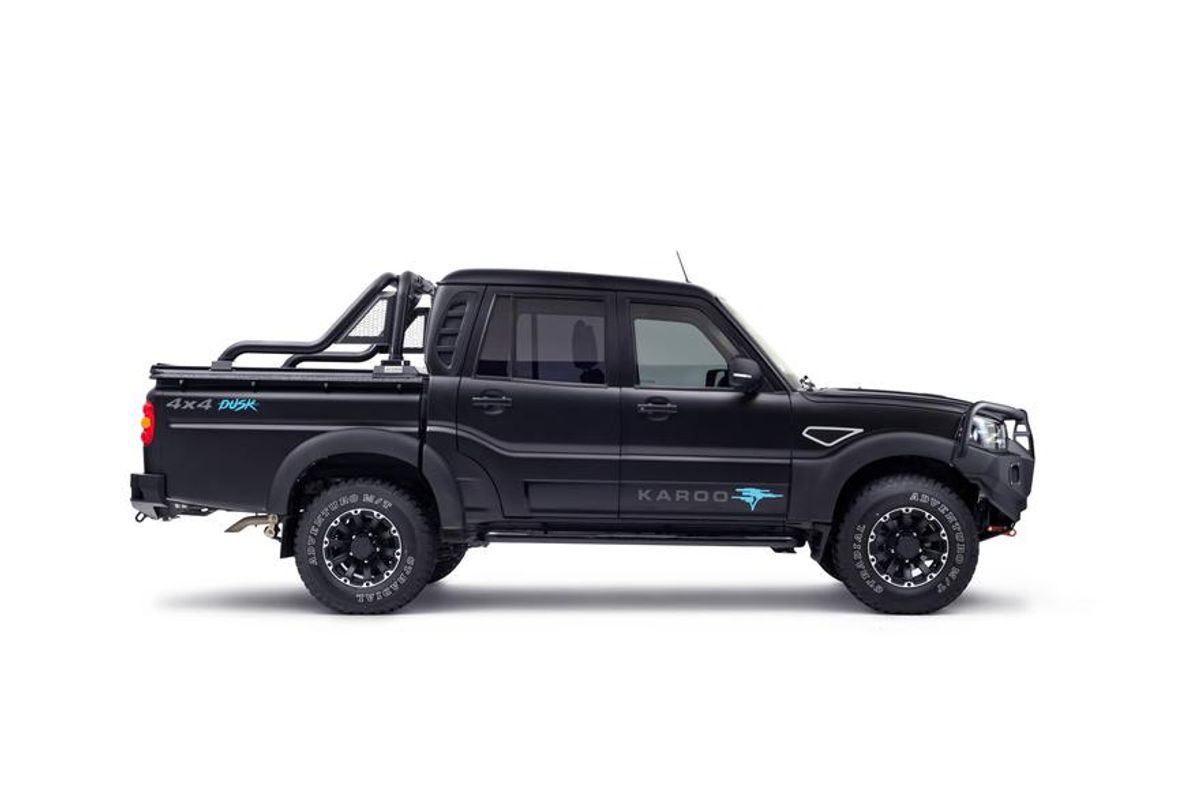
Mahindra is offering a limited edition Pik Up Karoo Dusk to South African buyers. See specification and pricing details below…
The Karoo region in South Africa is not only home to sheep and goats, but the terrain is also ideal for 4×4 vehicles such as the Mahindra Pik Up. In fact, Mahindra has taken inspiration from this beautiful landscape and created limited-edition offerings such as the popular Pik Up Karoo and now the latest Pik Up Karoo Dusk.
The Pik Up Karoo Dusk S11 Automatic uses the S11 Pik Up Automatic as its starting point.
“The Karoo has a special place in South African culture. It is simultaneously known for its hard and unforgiving landscape and the openness of its hard-working inhabitants. That is what inspired us with the creation of the original Pik Up Karoo. Now we are stepping it up with the S11 Karoo Dusk, which is both stunning to look at, and ready for anything the road can throw at it,” says Rajesh Gupta, CEO of Mahindra South Africa.
Mahindra Pik Up Karoo Dusk – Key Features
With an uprated suspension, the Pik Up Karoo Dusk is more capable than a standard Pik Up.
Perhaps the most useful offroad feature of the Pik Up Karoo Dusk is its uprated suspension system which includes heavy-duty gas-filled offroad shock absorbers as well as heavy-duty, custom leaf springs and new suspension bushes which contribute to enhanced performance when driving over harsh terrain.
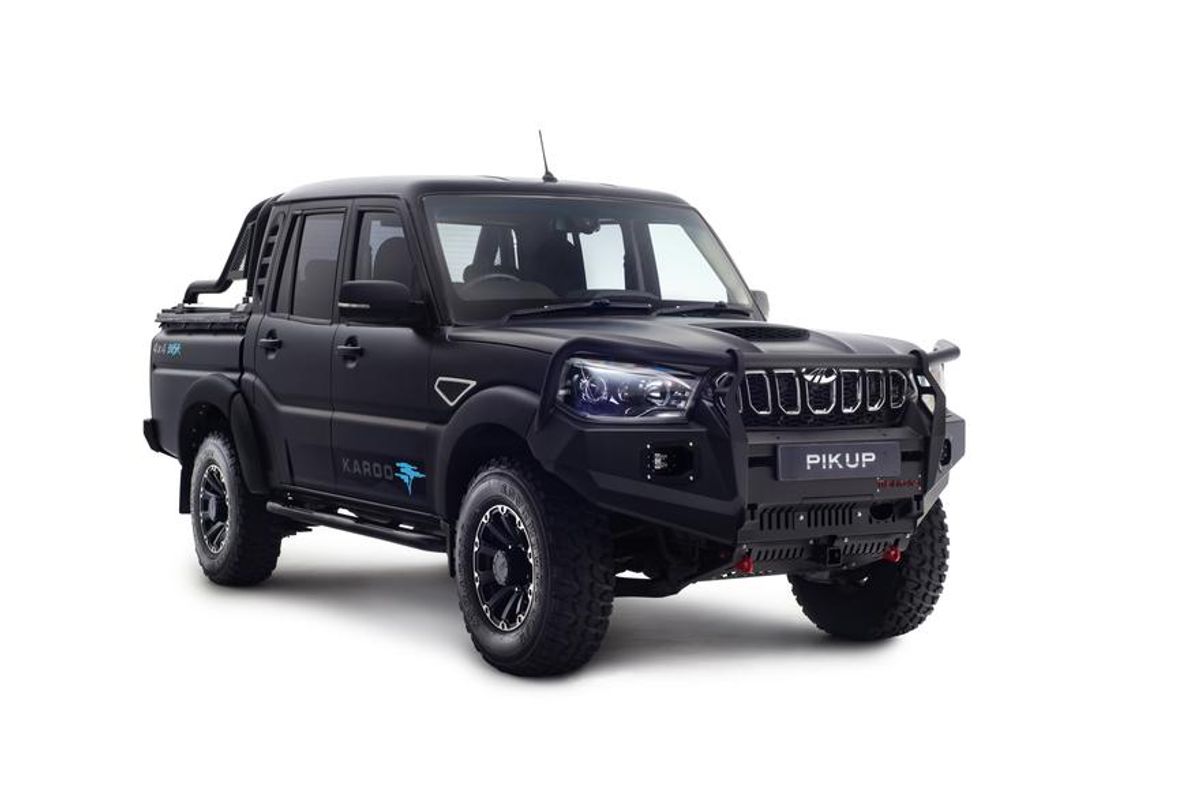
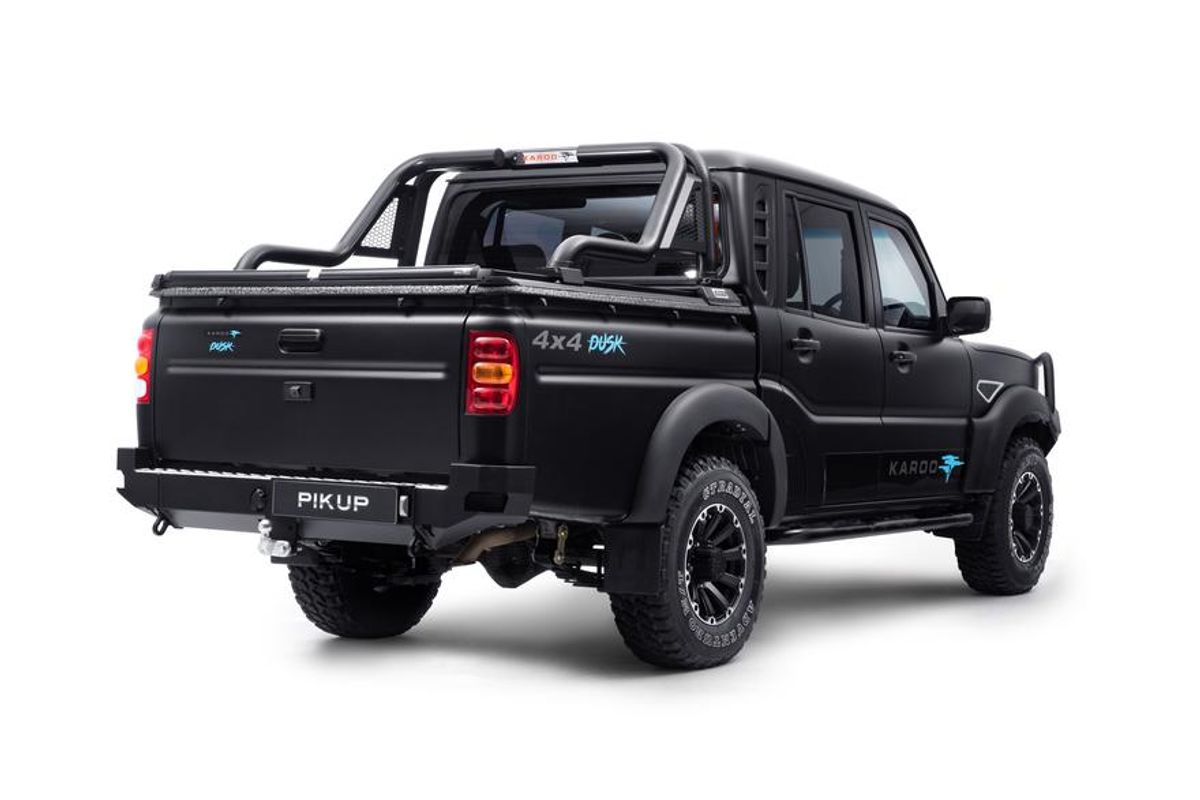
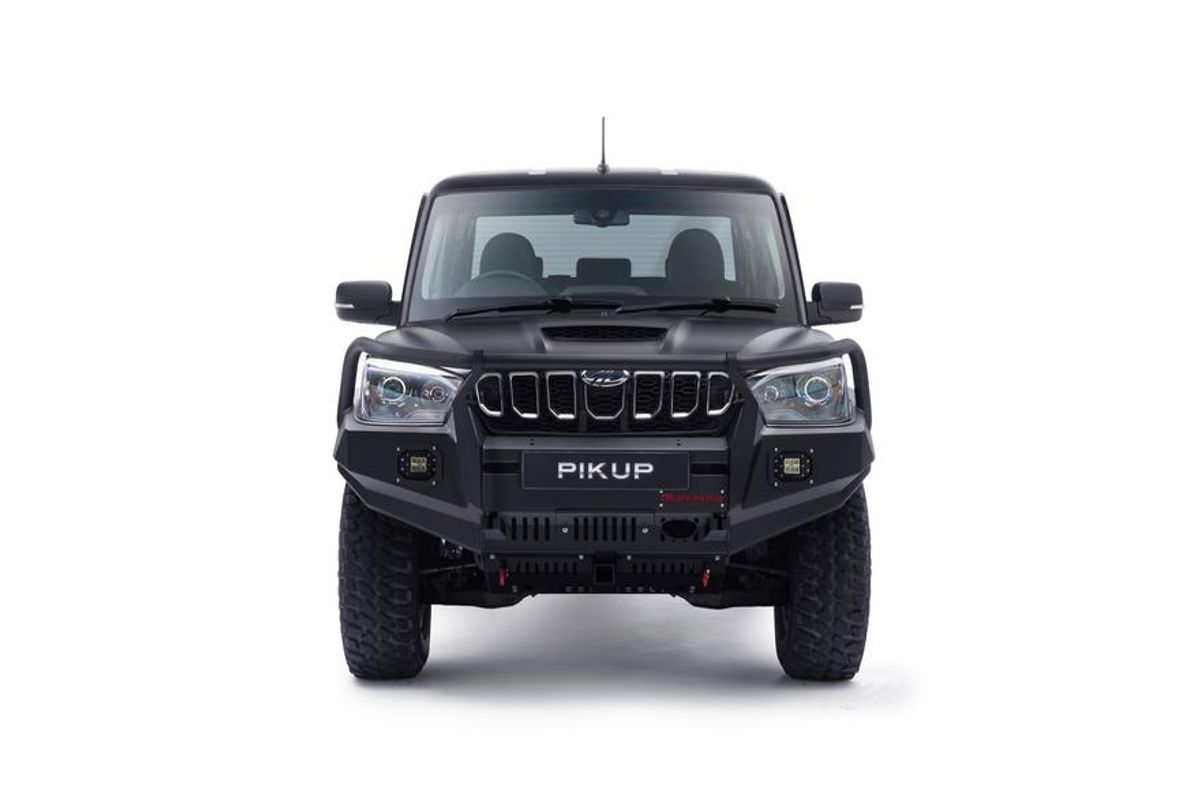
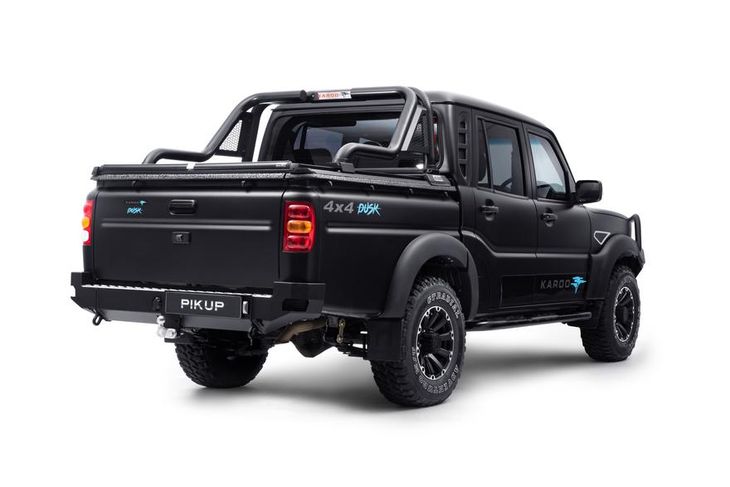
The Pik Up Karoo Dusk is wrapped in a hard-wearing matt black film that sets it apart from the rest of the Pik Up range.
The Pik Up Karoo Dusk is also equipped with a colour-coded sports bar on the load bin, side-mounted steel steps, over fenders and roller shutter. Dark blue decals with an acacia tree seen in the Karoo logo complements the dark theme. A set of black 16-inch alloy wheels with silver detailing comes shod with General Tire mud-terrain rubber and adds purpose to the rugged design of the Pik Up Karoo Dusk.
Offroad bumpers are also fitted. The rear bumper can be used as a heavy-duty step with a non-slip diamond plate as well as mounting points for a high-lift jack, recovery hoops and a tow bar. The front bumper has a powder-coated steel bush bar to protect the headlights and LED spot lamps, recovery loops and jack mounting points are also present.
As for the interior, key features include a touchscreen infotainment system with a reverse camera, Bluetooth phone connectivity and Apple CarPlay and Android Auto capability. Cruise control, climate control, a multi-function steering wheel and electric windows is also standard.
The Pik Up Karoo Dusk is powered by the familiar 2.2-litre turbodiesel engine with 103 kW and 320 Nm of torque which is mated with a 6-speed automatic transmission.
How much does the Mahindra Pik Up Karoo Dusk cost in South Africa?
Mahindra Pik Up Karoo Dusk – R549 999
A 4-year/120 000km warranty and 5-year/90 000km service plan is standard.