Volkswagen Teases Practicality of New T7 Transporter
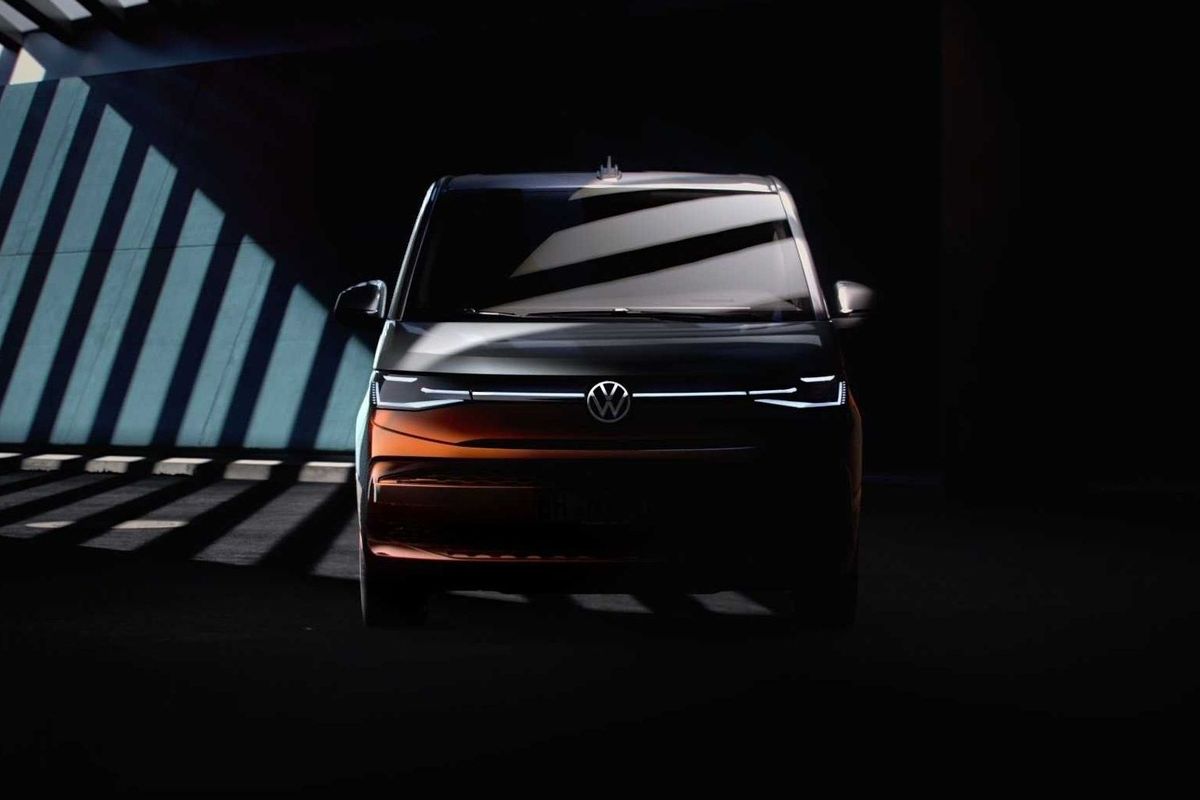
Volkswagen Commercial Division has released some teaser shots of its new T7 Transporter.
Update: Volkswagen has released a new teaser to highlight the practicality of the new T7. Watch the video below for more insight.
The Volkswagen Transporter T7 reveal is scheduled for June 2021 and we expect more teasers to come before the covers come off.
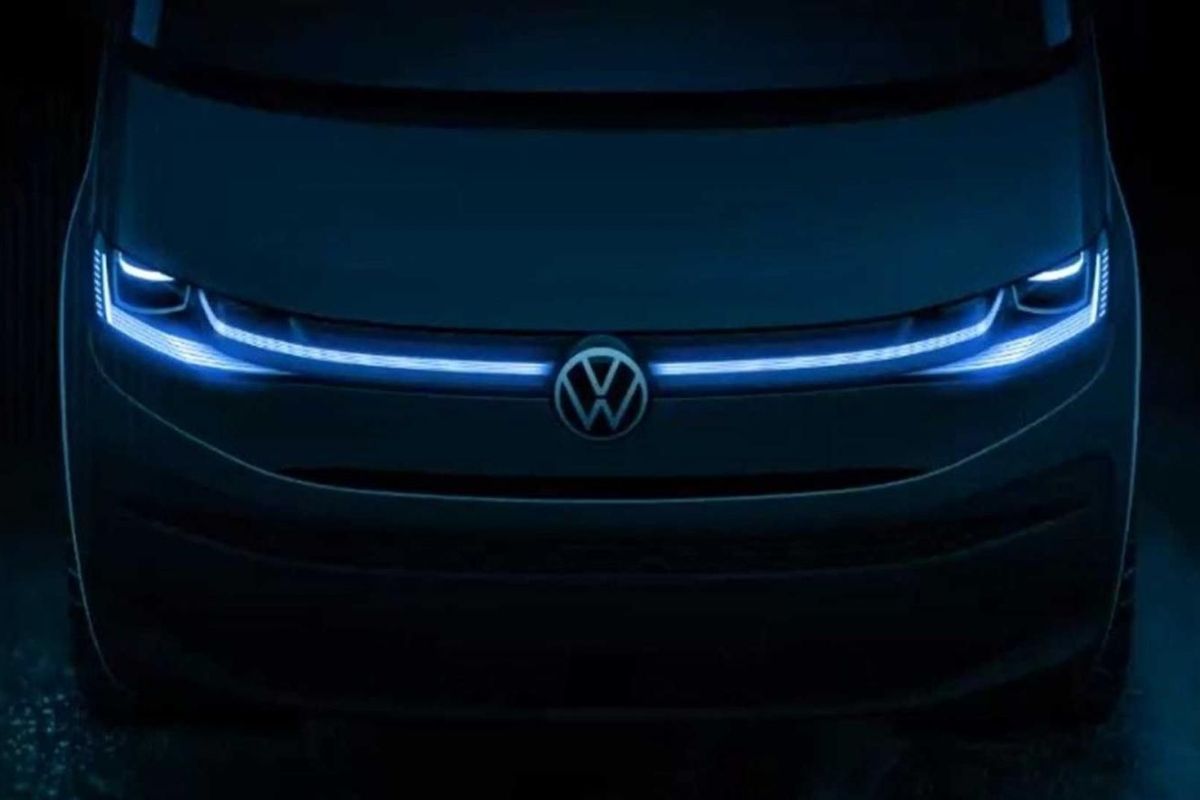
From what we can see on the exterior images, we can see 2-tone paint which has become a highly sought after option as well as an LED light bar, which links the LED daytime running lights. This style of LED lightbar is becoming popular for Volkswagen products and we've seen it on the Volkswagen Golf 8 GTI as well as the recently revealed updated Volkswagen Polo.
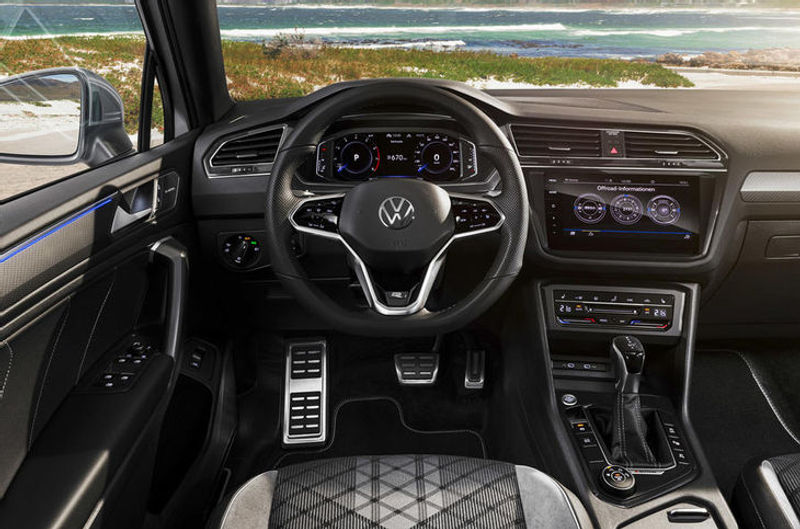
Another teaser image of the dashboard shows something very interesting. The gearstick has been deleted and in its place is a new shift-by-wire setup. Essentially, instead of using a manual gear level to select the gears, you'll be pushing a button. We've already had our first taste of a vehicle lacking a gear selector, with the launch of the updated Hyundai Santa Fe.
It's strongly rumoured the Volkswagen T7 will only be offered with the DSG, losing the manual gearbox completely. What's really interesting about this technology is it removes the gear selector completely from the cabin, making more space in the cabin. This new system also means there's no physical handbrake either.
There are also rumours the T7 will be switching to the MQB platform, but we'll have to wait and see. There's no sign of engine details yet, but given Volkswagen's European strategy, we expect petrol, diesel and some form of electrification. In case you're confused as to where the T7 will sit as the T6.1 was introduced fairly recently to the South African market, it appears the T6.1 Transporter workhorse will be sold alongside the T7, which is aimed more at the carrying of passengers.
RIP gearstick and parking brake as these are now going to be buttons on a dashboard.
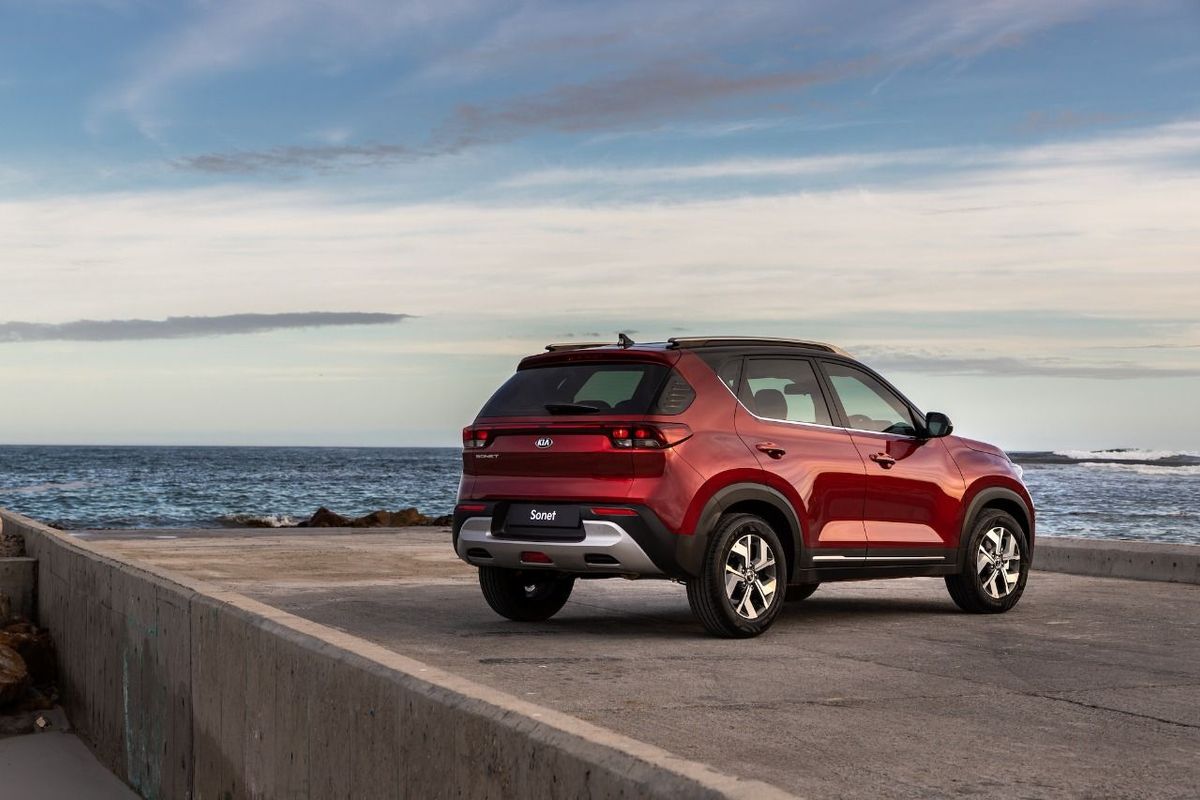
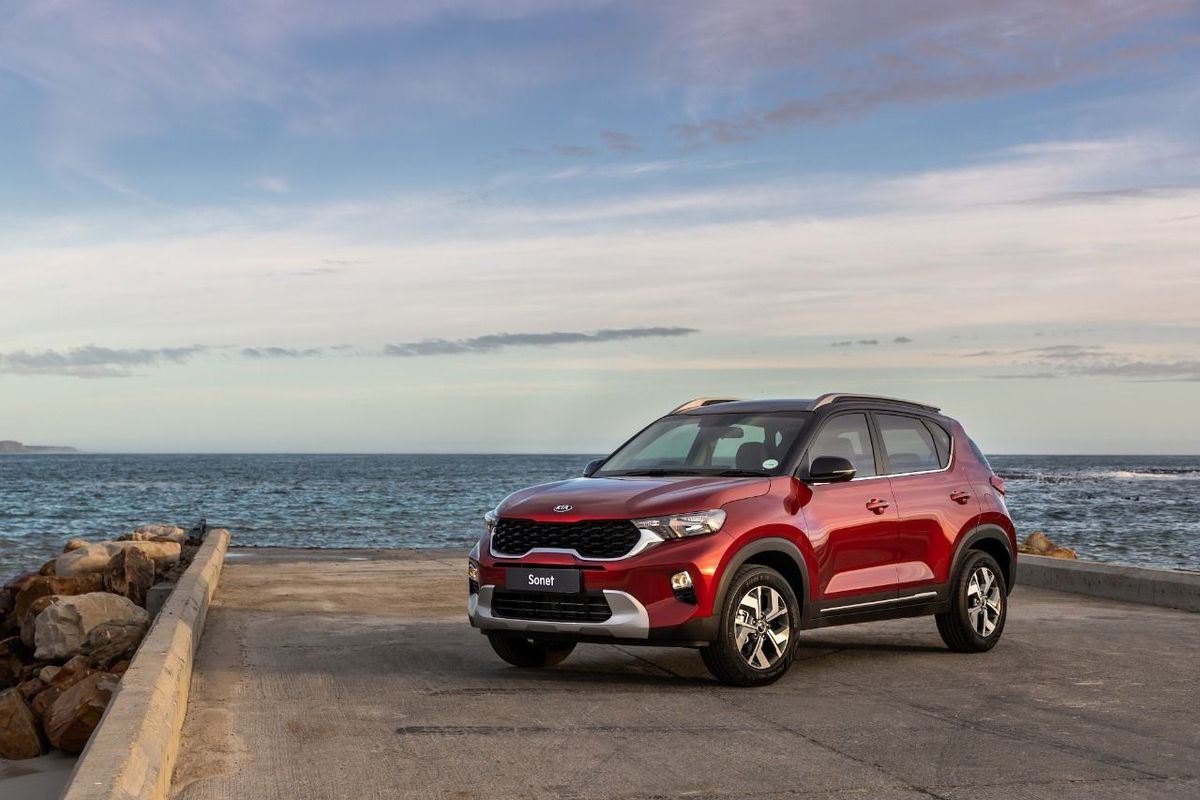
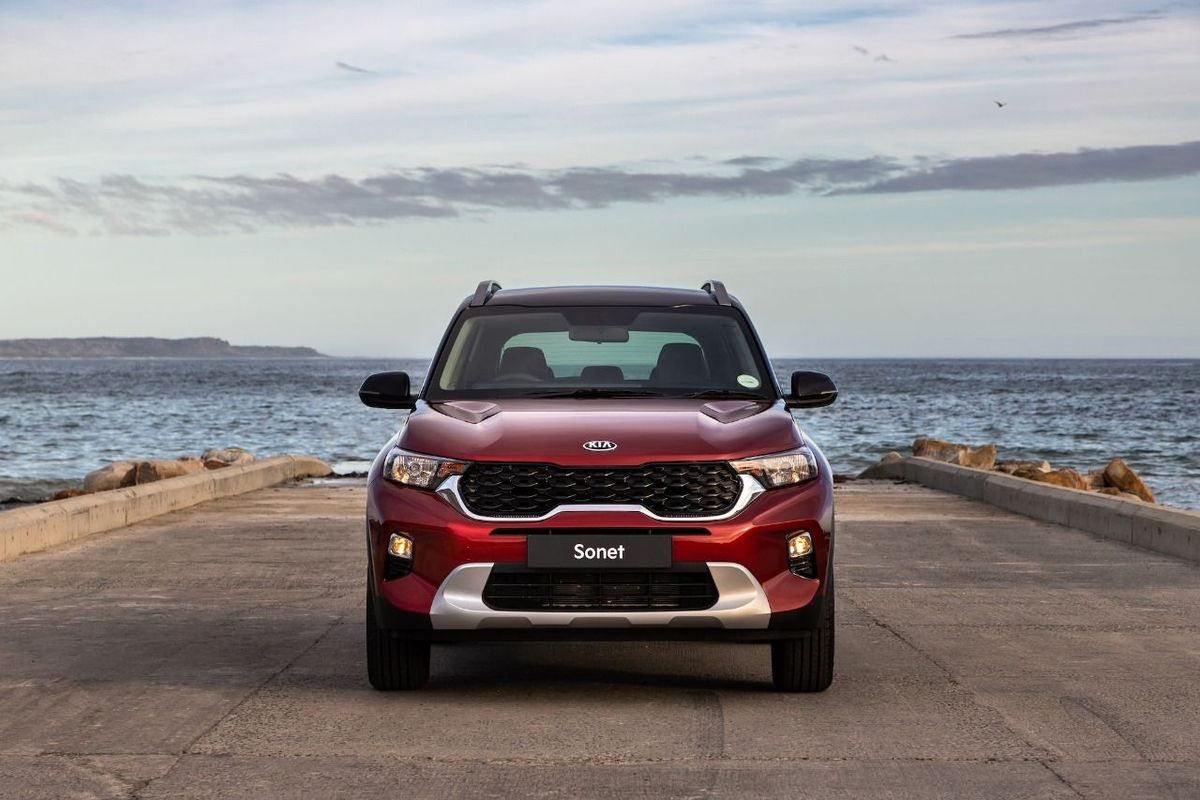
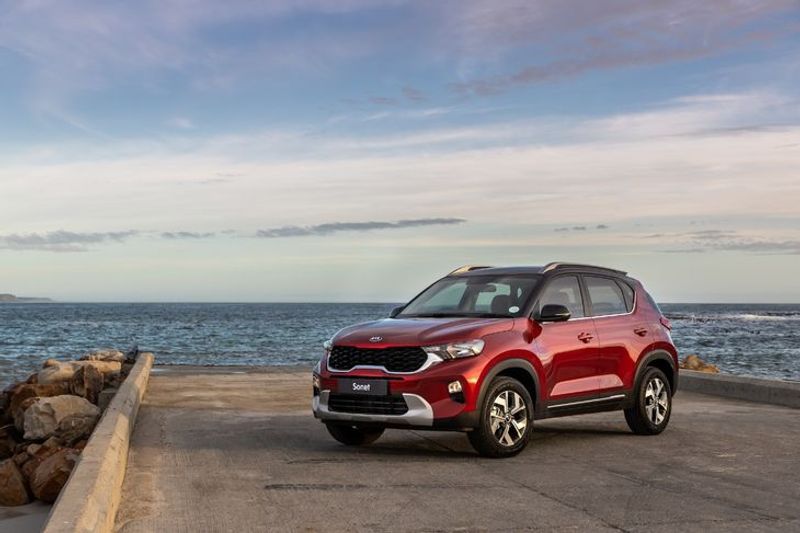
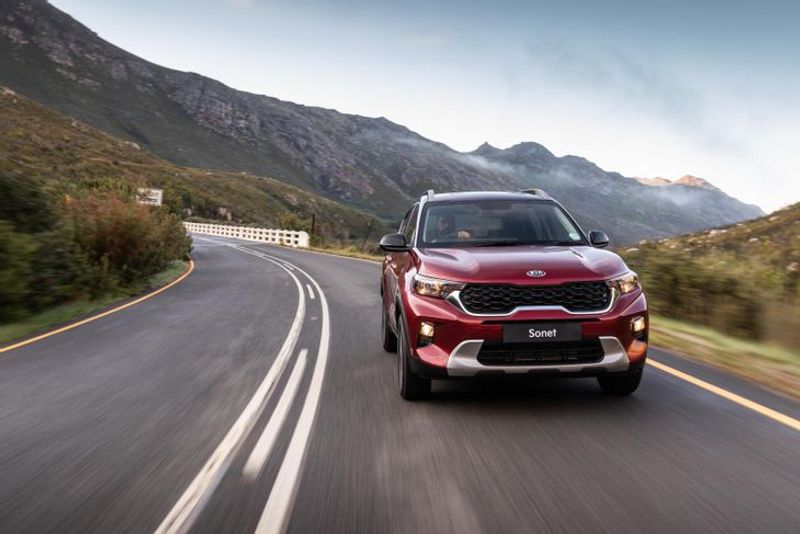
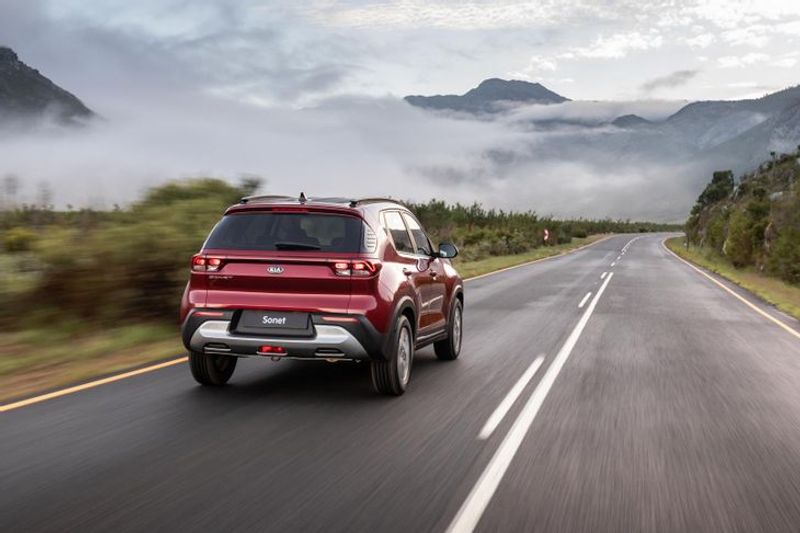
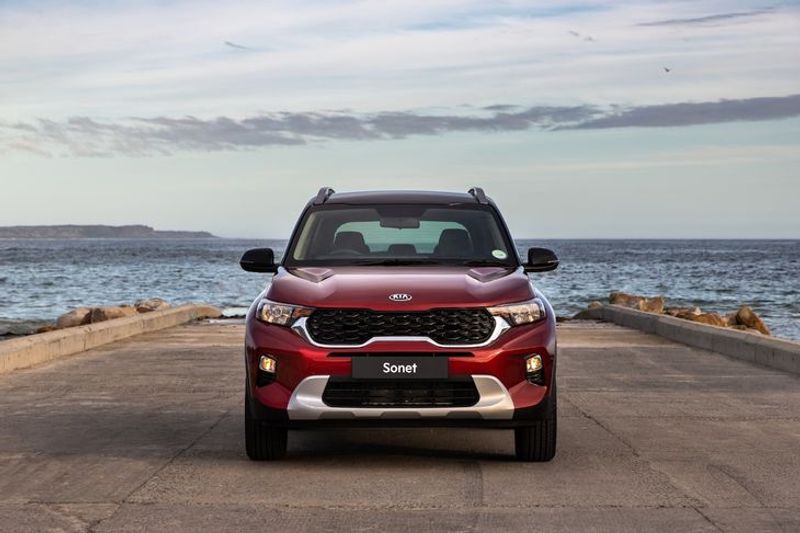
Kia has expanded its compact family car line-up in South Africa with the introduction of the diminutive Sonet, which shares its underpinnings with the popular Hyundai Venue. Think of it as the baby brother to the Seltos. What's it like to drive, what's on offer and how much can you expect to pay? Let's find out!
With small crossovers making up an increasingly large chunk of new vehicle sales in Mzansi, many brands are clamouring for "a slice of the pie". Having launched the Seltos in the local market in early 2020 (and Kia's quite happy with the number of sales that model has garnered thus far, by the way), the Korean brand has introduced the (also Indian-made) Sonet below it. The entry point to Kia's SUV line-up is mechanically similar to its sister brand Hyundai's Venue and, with aggressive pricing and a slew of derivatives in its line-up, the Sonet has clearly got the ageing Ford EcoSport in its crosshairs.
In the space of just a few months, the so-called budget crossover segment has ballooned; apart from the Ford EcoSport, Kia mentioned the Suzuki Vitara Brezza/Toyota Urban Cruiser twins, as well as the Honda WR-V as potential rivals to the Sonet. The segment will be growing even further with the arrival of the Nissan Magnite (and Renault Kiger, later this year), the former of which we'll be driving soon.
What's on offer?
At the moment, the Kia Sonet is powered exclusively by a 1.5-litre naturally-aspirated petrol engine, which develops peak outputs of 85 kW and 144 Nm. Kia claims derivatives equipped with a 6-speed manual gearbox can accelerate from 0 to 100 kph in 11.3 sec, while the CVT-equipped automatic versions are fractionally slower at 11.8 sec.
The launch line-up comprises a pair of trim levels: LX and EX.
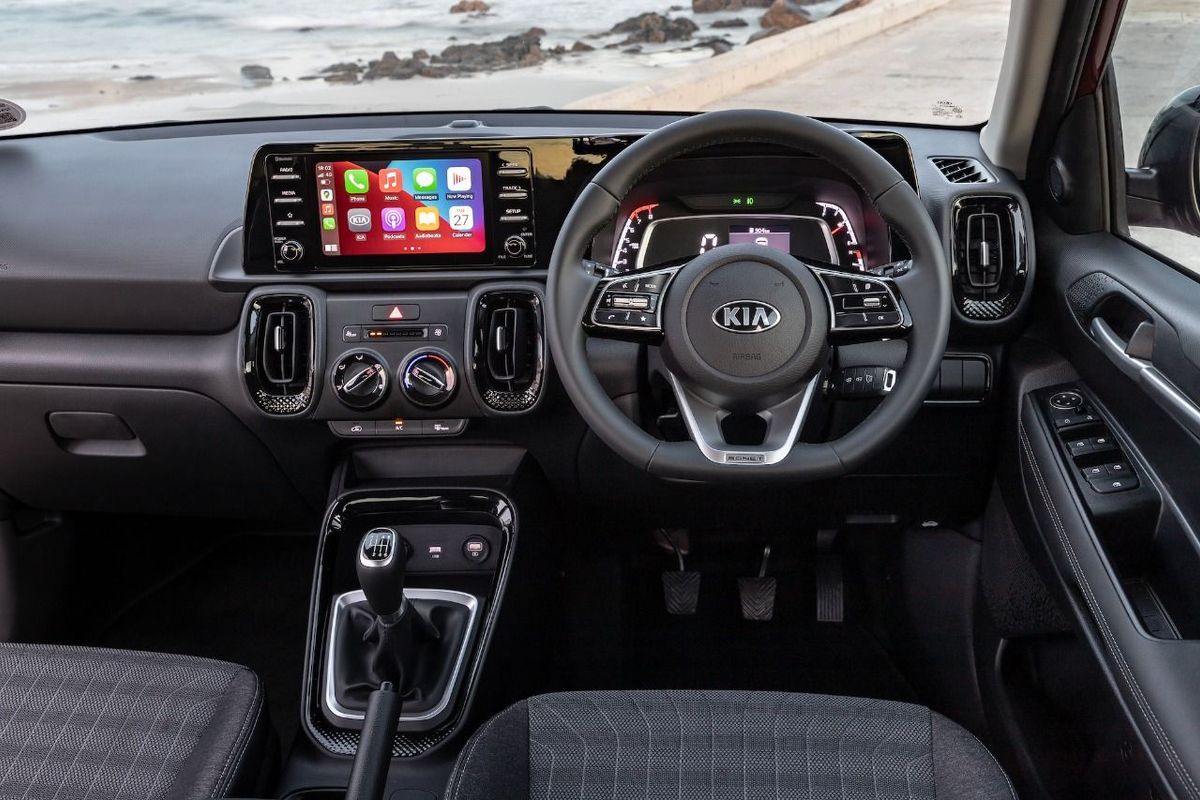
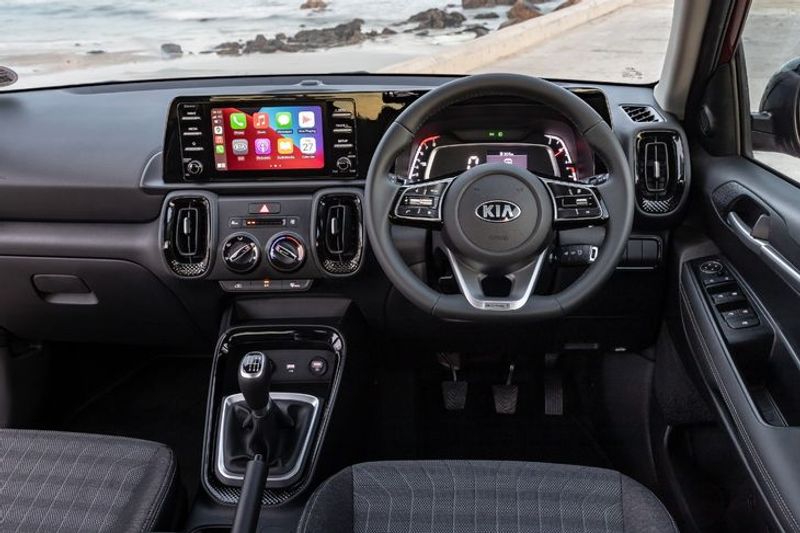
LX versions (which are instantly identifiable by their 15-inch steel wheels) come equipped with, inter alia, automatically-activated headlights, remote central locking, electric windows, a height-adjustable driver's seat, electrically adjustable side mirrors, an 8-inch infotainment system with Apple Carplay/Android Auto compatibility, Bluetooth telephony and audio streaming, a 6-speaker audio setup and reverse-view camera, as well as leather-cloth combination seat trim. In terms of safety kit, anti-lock brakes (ABS), electronic stability control, hill assist control and dual front airbags are fitted as standard.
The higher EX trim adds rear park distance control, leather-trimmed steering wheel and gear knob, silver skid plates, 16-inch alloys, roof rails, side indicator lamps, as well as front fog lights.
Towards the end of the year, the Sonet range will be bolstered with the introduction of a 1.0-litre turbocharged petrol engine that's mated with a dual-clutch automatic transmission. Interestingly, Kia South Africa brought along a few Indian-spec homologation units of the forced-induction 3-cylinder Sonet to the launch so that we could have a quick look at them.
While the final spec is yet to be confirmed, we noted the Indian units had a full house of features, including heated seats, a Bose audio system, a wireless charging pad and more. Whether the local version will feature all of those bells and whistles will depend on the position at which Kia hopes to price it. The car we looked at also sported GT Line badges, but we'll have to see what the SA version will look like.
What's it like to drive?
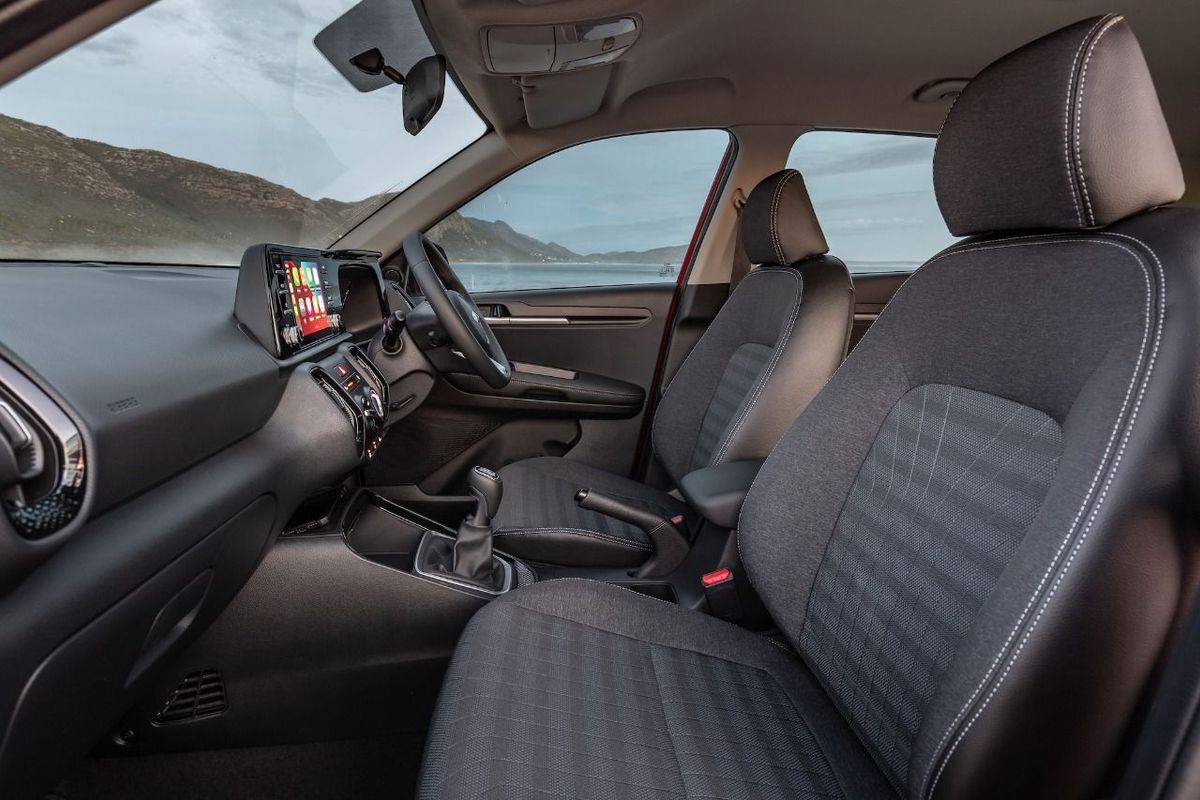
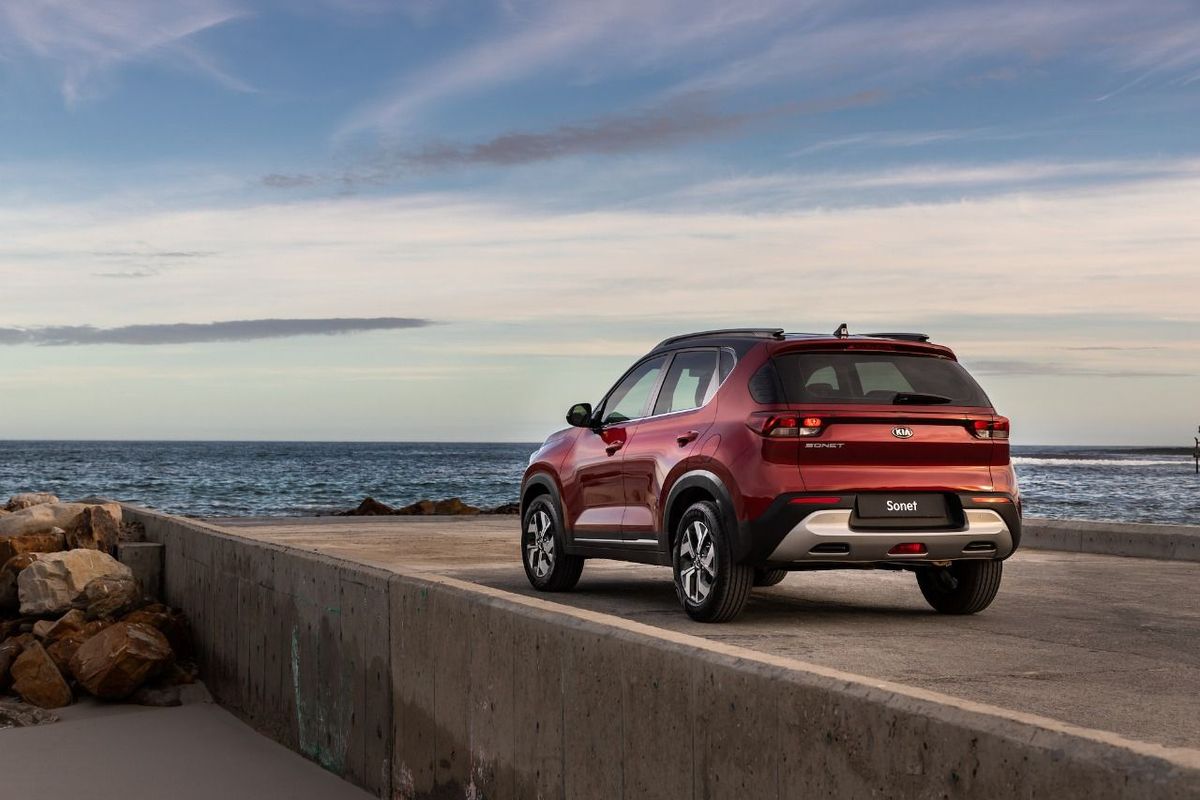
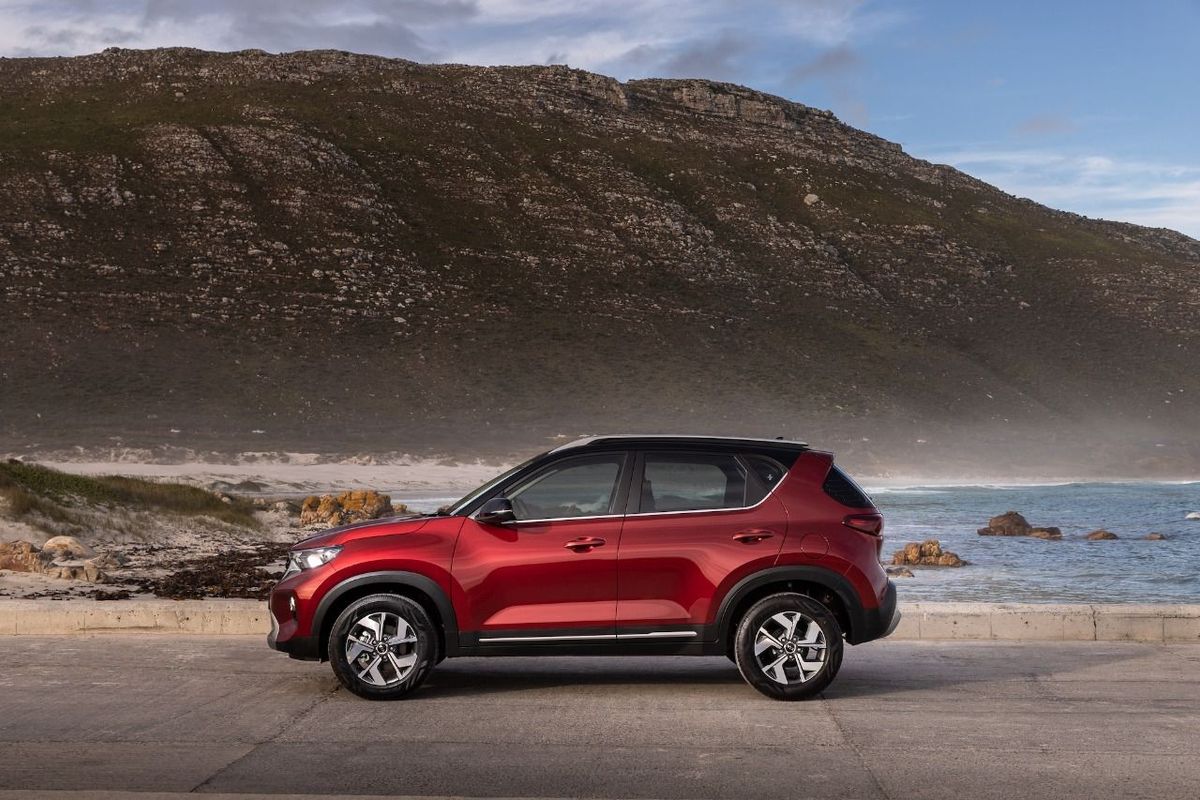
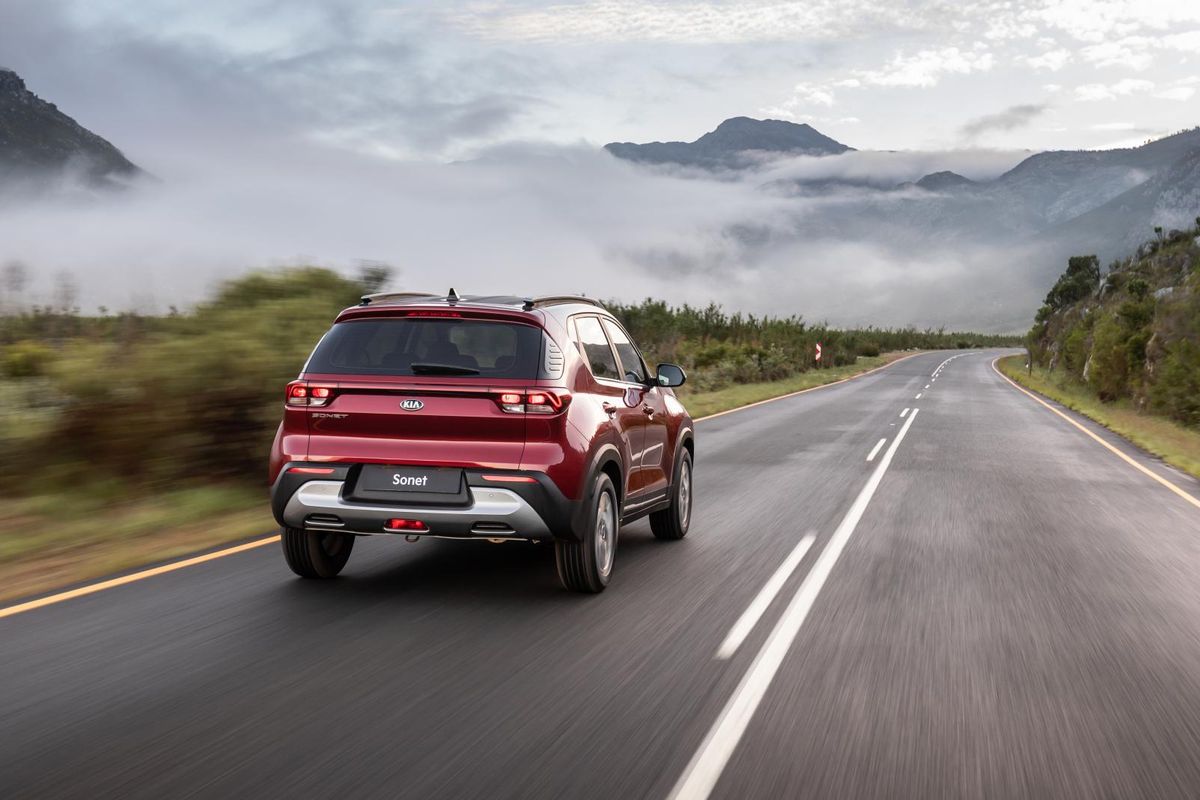
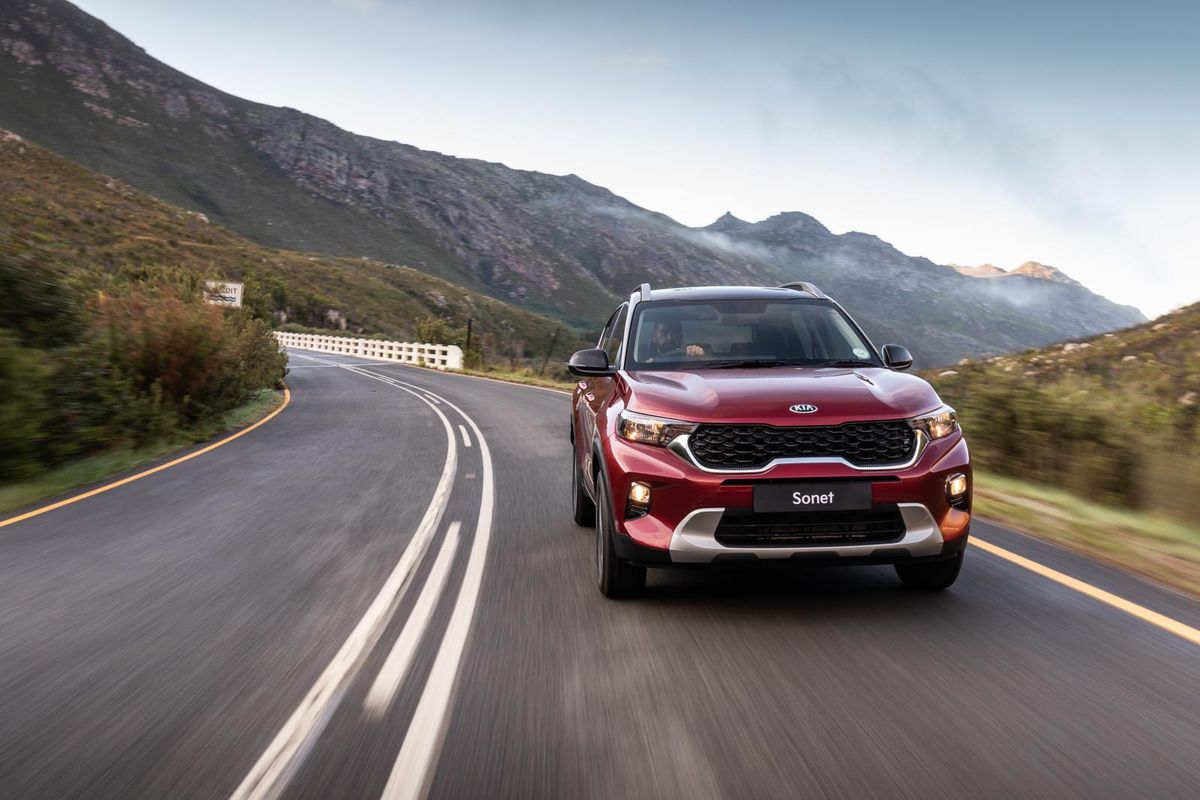
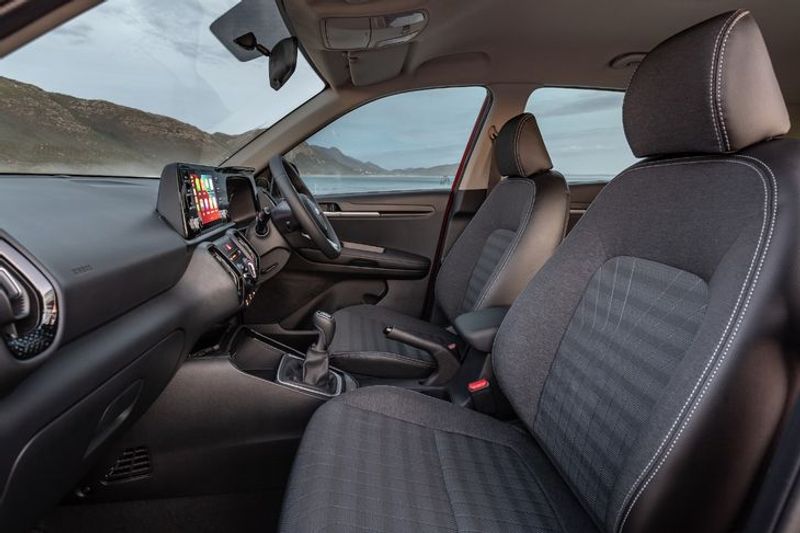
At first glance, you can't help but appreciate the modern, crowd-pleasing appearance of the Sonet – it looks cute from so many angles. When you step inside the small crossover, you're greeted with Kia's familiar, solid interior quality. There have been marked improvements in the fit and finish of the Korean brand's products over the years, and despite the newcomer being priced on the more affordable side of the spectrum, there are indeed some premium cabin finishes in the Sonet. Granted, there are a few cheap-feeling plastics too, but at this price point, that's completely understandable and fair enough.
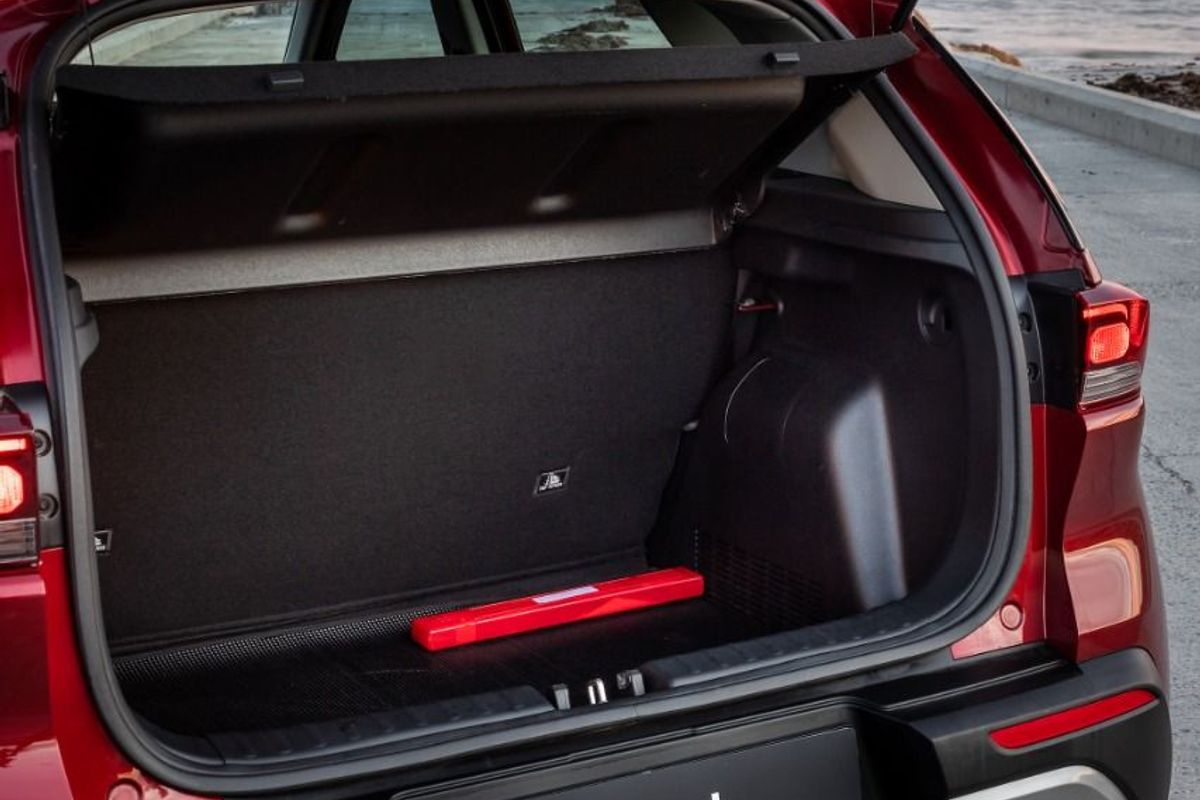
The cabin space is surprisingly generous, with good head- and shoulder-room fore and aft. When I conducted the informal sit-behind-yourself test, I found rear legroom to be rather average, but, then again, I am of slightly taller-than-average height. The load bay, meanwhile, is claimed to be one of the biggest in the segment (392 litres); but we'll put that claim to the test when we get to review the Sonet fully.
We had opportunities to drive both manual and automatic derivatives of the Sonet EX. The 6-speed manual shifts quite positively, but you may find yourself forgetting to change up into 6th (top) gear, because the newcomer's sound insulation mutes the high-revving motor's machinations admirably. While some models in this segment feature 5-speed transmissions, the provision of an additional gear should benefit fuel consumption. Although claimed consumption figures weren't included in Kia's press material, after 2 days of driving, the trip computer in the car we drove displayed 5.9 L/100 km!
As for the CVT, well, these types of "slushboxes" have come a long way since the early examples, which tended to drone incessantly and feel sloppy – the Kia's transmission is certainly one of the better examples. Not only does it quietly and seamlessly hustle the Sonet about, but it facilitates good economy: after our return trip to Cape Town, the automatic EX indicated a commendable 5.6 L/100 km.
The new petrol engine impresses too. Not only is it refined and thrifty, but it provides sufficient power and overtaking ability. If you're in a manual version of the Sonet, you'll have to work its gearbox to keep the engine in its sweet spot, but that's okay because the shift action is easy. The torque figure is so-so compared with those of turbocharged engines, but the motor doesn't have much more than 1 tonne to propel, so you'll find there's enough oomph. The steering setup is light and effortless, which is always welcome. Ride quality is a touch on the firm side, but we'd like to spend more time to investigate this.
The launch route also gave us a chance to live "that SUV life" and do some driving on a gravel route. Recent heavy rains have eroded parts of the Karwyderskraal road in the Hemel-and-Aarde Valley and the ruts and holes that have appeared along the route, as a result, provided a substantial test for both the car's suspension and active safety systems. There's nothing more intimidating than executing a steep descent on a loose muddy surface while there's a truck approaching and you're trying to keep the vehicle stable in its lane! The vehicle's ABS and stability control worked a treat, keeping the Sonet in a straight line without interrupting forward progress. The fact that the Kia offers stability control is a big plus because this safety system, in conjunction with anti-lock brakes, can prevent many accidents.
Summary
As its first attempt at a budget small crossover, Kia has positioned its Sonet exceptionally well, price-wise. While we'd like more time behind the 'wheel of the Korean model on roads that we drive on every day (as opposed to the spectacular open roads of the launch route), first impressions count for a lot; the Sonet is an exceptional offering. It's a well-priced and -specified compact family car that won't break the bank, plus it offers a bundle of personality in one cute-looking yet functional package. And don't forget the excellent Kia warranty and service plan, which should give consumers peace of mind.
We reckon the Sonet will sell even better than the more expensive Seltos, and while some buyers may feel tempted to wait for the flagship variant, the naturally-aspirated derivatives represent great value. The small crossover/compact family car is well and truly the flavour of the month, but as a consequence, the Sonet may well cannibalise sales of the conventional models like the Rio compact hatchback.
How much does the Kia Sonet cost in South Africa?
The Sonet is sold with a 5-year/unlimited km warranty and a 4-year/60 000 km service plan.
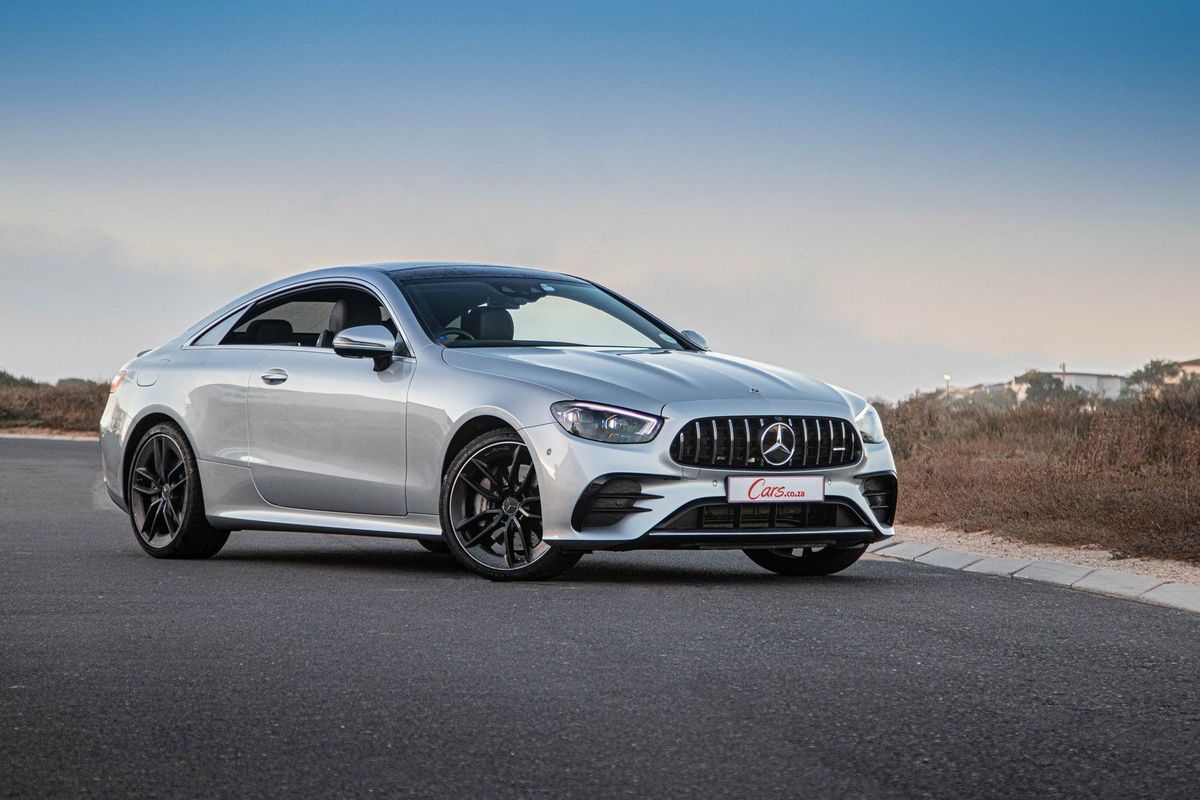
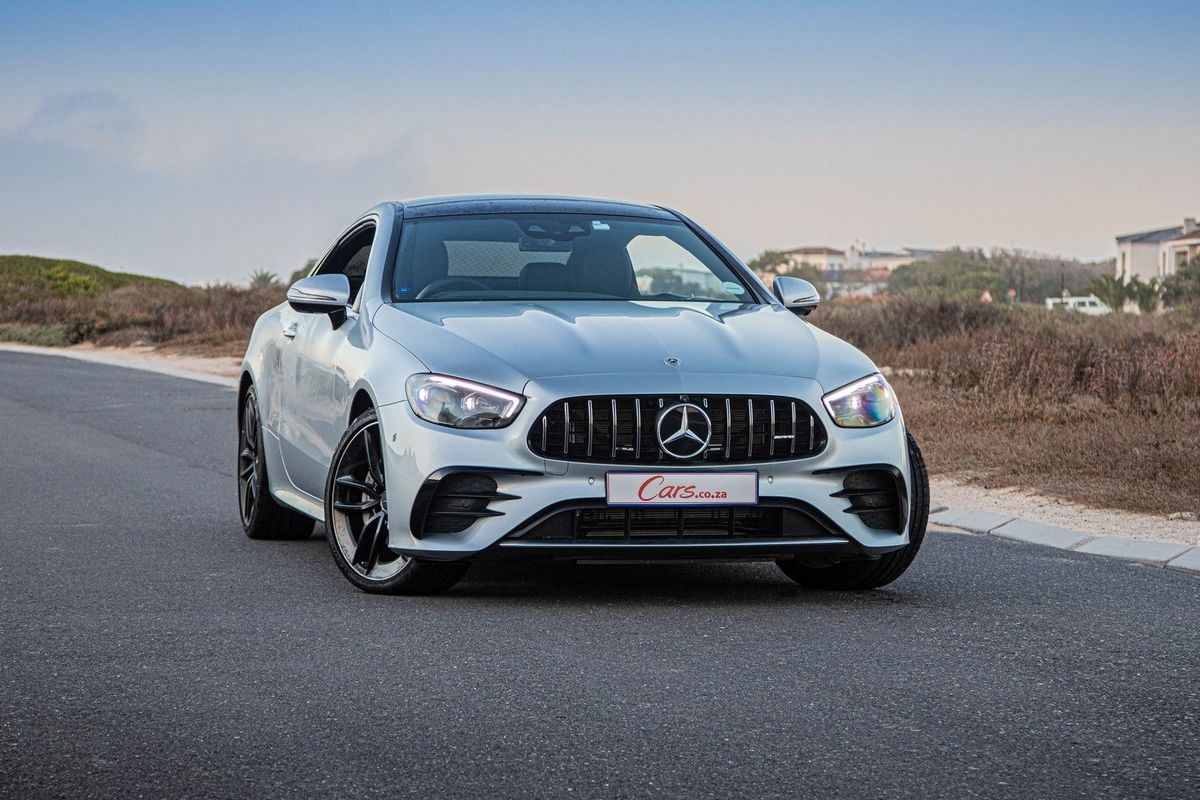
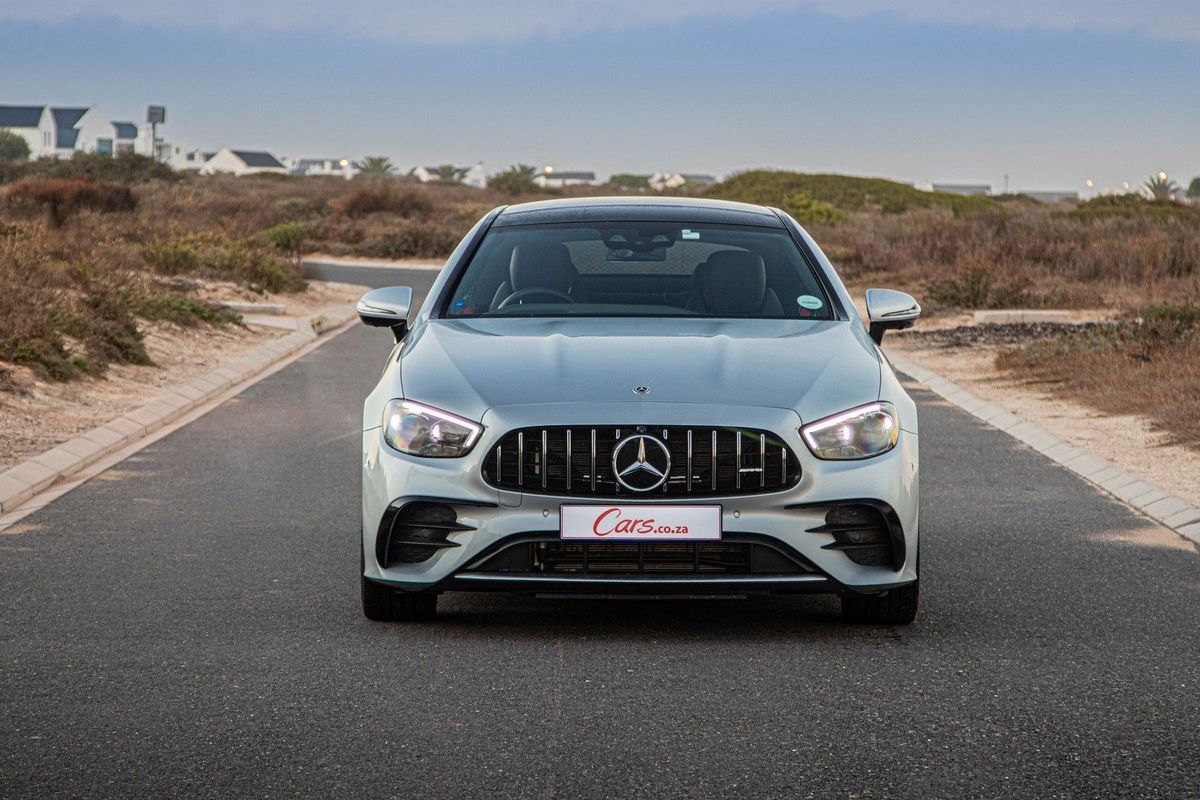
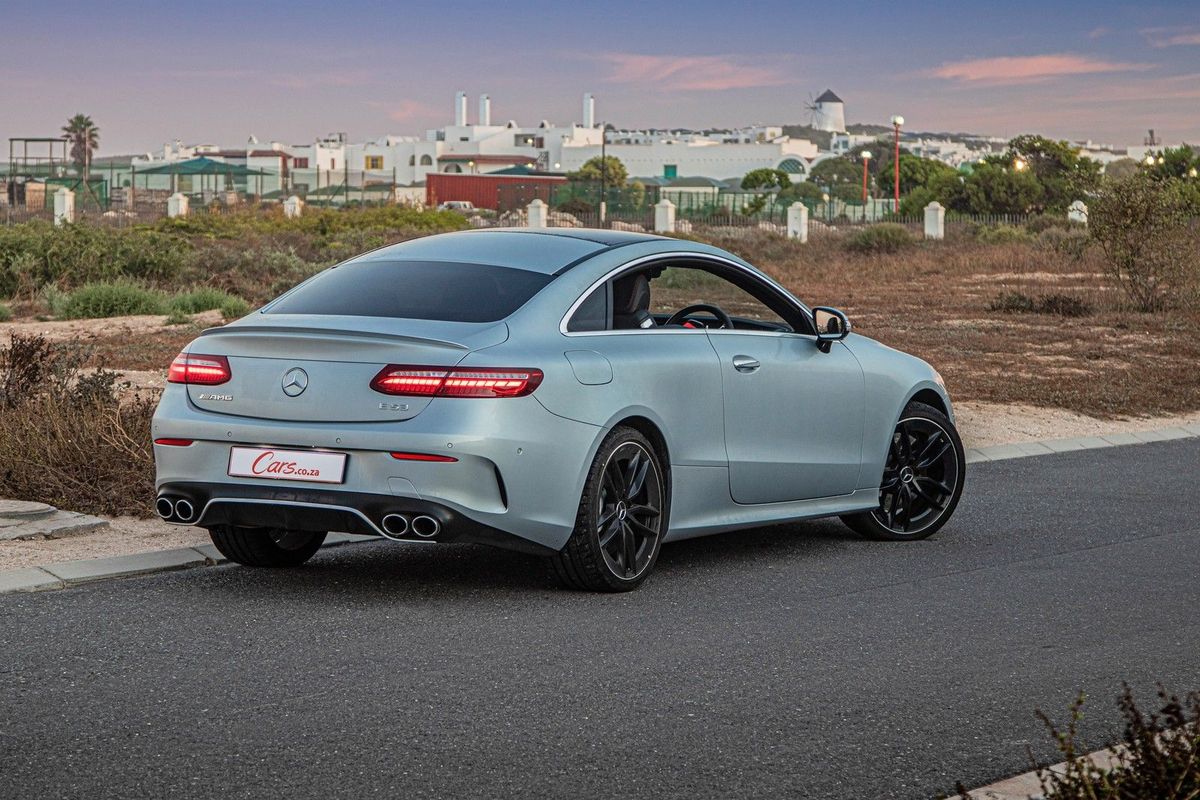
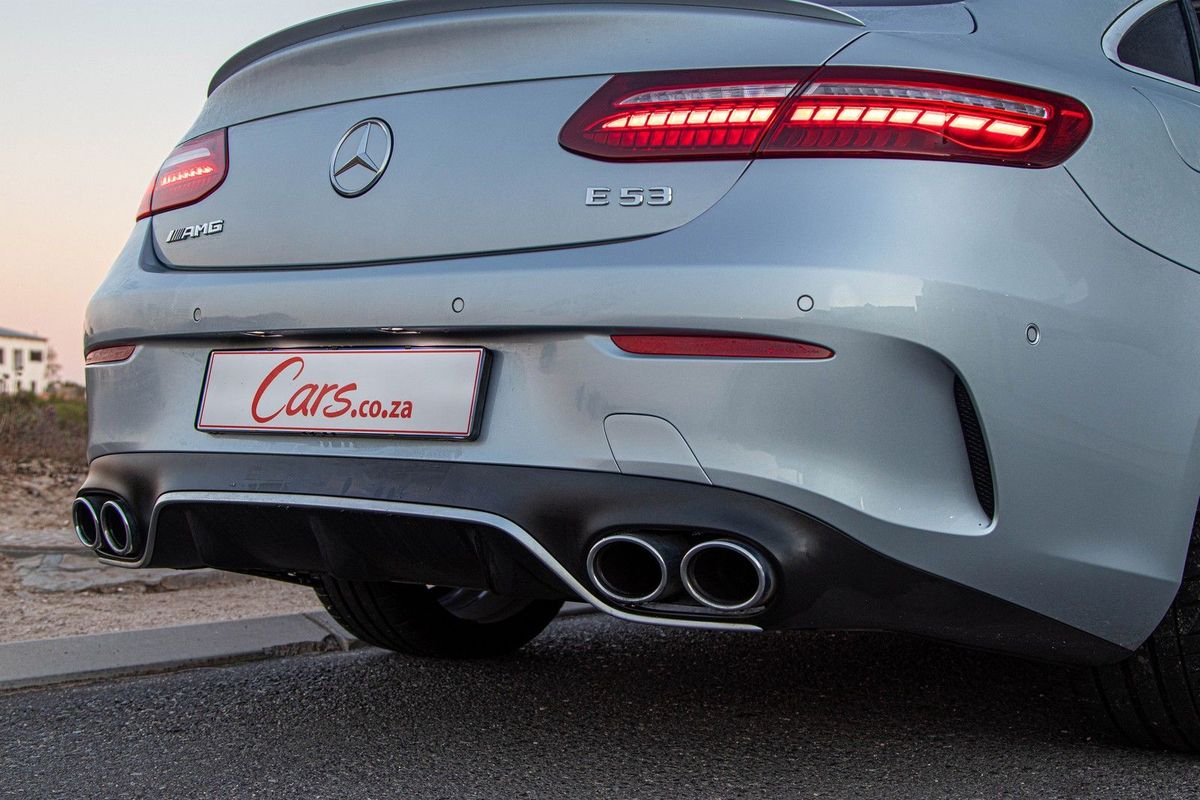
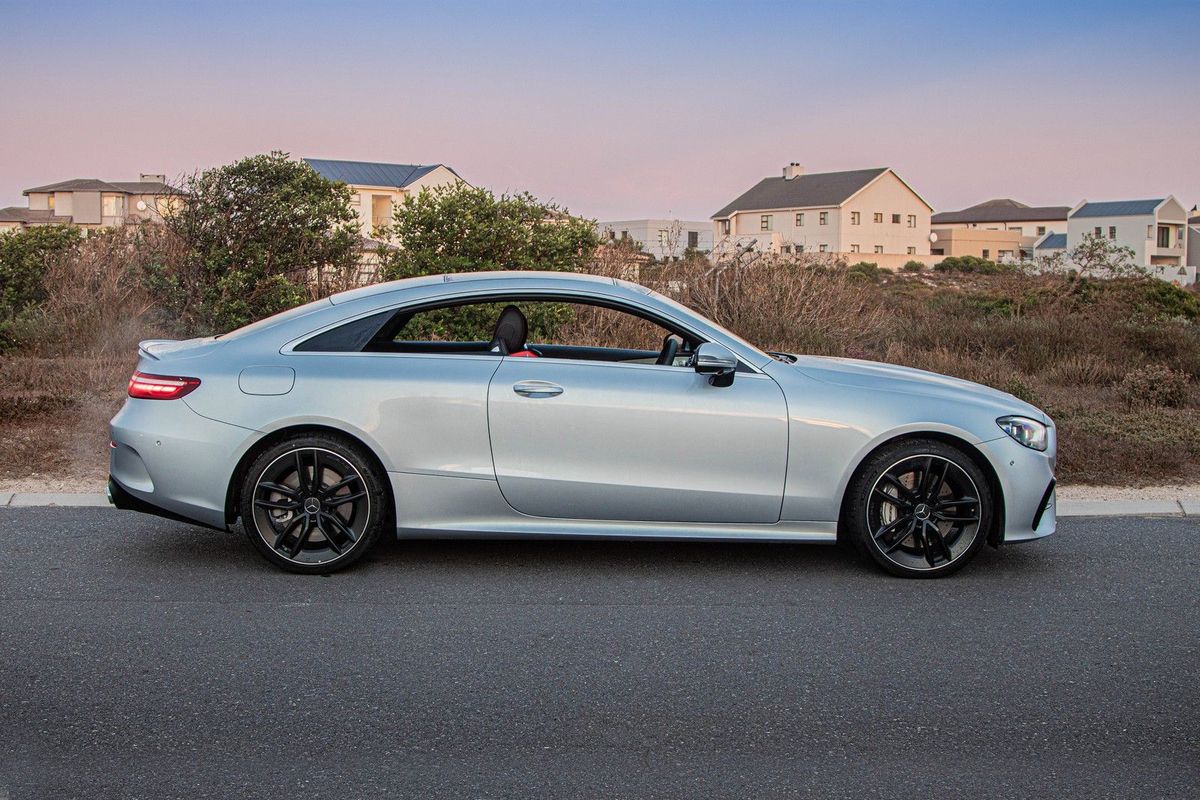
Rapid, luxurious coupes used to occupy a rung on the desirability ladder just below supercars, but given the rampant popularity of Premium SUVs (and their performance-oriented variants), that's no longer the case. If you do crave a stylish and brisk continent crusher, however, the Mercedes-AMG E53 Coupe is unlikely to be a disappointment…
We like: Strong performance, spacious cabin, handsome looks
We don’t like: Ride too firm to be deemed "luxurious", chassis not particularly playful, more road noise than expected.
Fast Facts
Model Tested: Mercedes-AMG E53 Coupe 4Matic+
Price: R1 630 600 (May 2021)
Engine: 3.0-litre turbocharged in-line 6-cylinder, with EQ Boost system
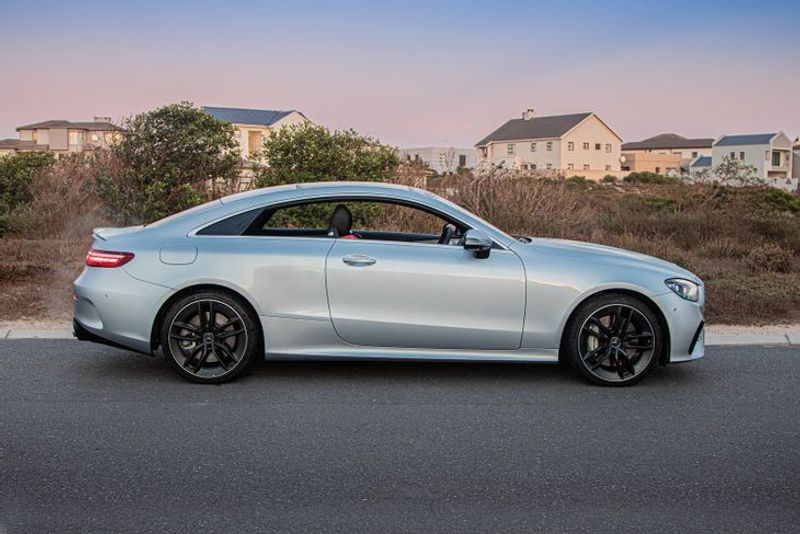
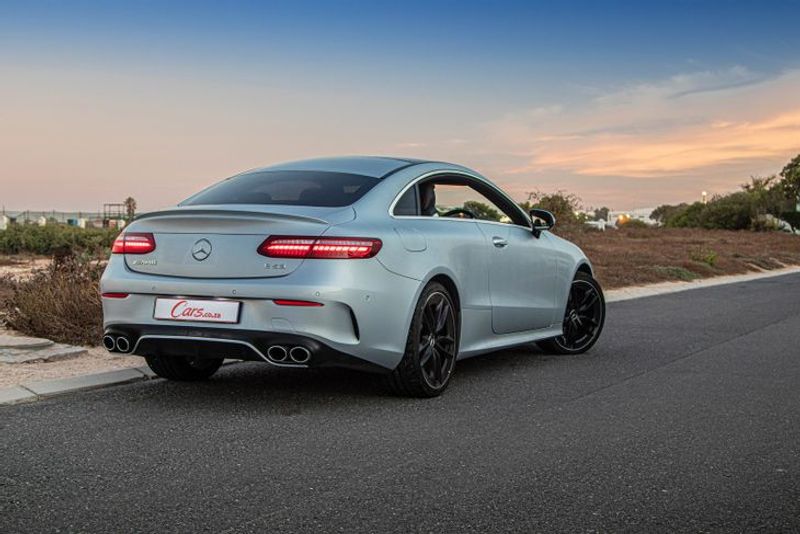
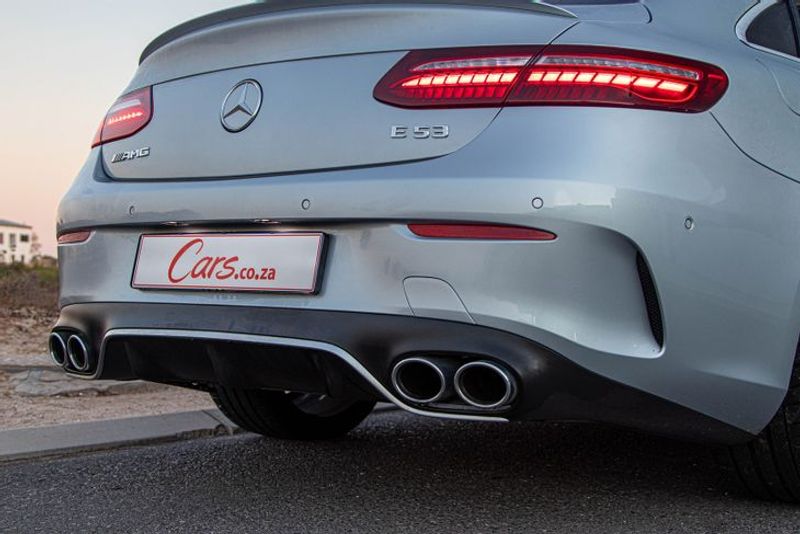
Sleek and muscular, there aren't many big coupes left on the market for the E53 Coupe to compete with.
The recently updated Mercedes-Benz E-Class (all body shapes) appeals to a dwindling customer base, the former members of which have become obsessed with powerful, brash SUVs. This Mercedes-AMG E53 Coupe 4Matic+ is aimed at buyers who can't (or don't want/need to) stretch to the hardcore E63 S, which is only available in sedan form in Mzansi. It also fills the chasm that exists between the 4-cylinder E300 Coupe and the aforementioned V8-engined E63 S; the ideal customer is likely to be someone who demands a generous helping of performance served with good portions of luxury and style!
That this is a declining market segment is evidenced by the absence of rivals to the E-Class Coupe. BMW no longer offers the 6 Series in coupe guise, instead opting to challenge more hallowed marques with the pricier 8 Series. There is no similarly sized and priced coupe from Audi either, but you can have the smaller RS5 Coupe and Lexus RC F for around R200k less than the E53 Coupe.
How it performs in terms of…
Performance and efficiency
The E53 offers five different driving modes, with throttle response in Sport+ being electrifying!
The Mercedes-AMG E53 Coupe is powered by a turbocharged 3.0-litre straight-6 petrol engine that develops peak outputs of 320 kW and 520 Nm, which sounds pretty healthy already. However, the powertrain also features the marque's EQ Boost system, which avails an additional 16 kW, as well as a substantial 250 Nm of torque. Mercedes-AMG claims a 0-100-kph time of 4.4 sec and an electronically limited top speed of 250 kph. If you opt for the AMG Driver's Package (at extra cost, of course), the top speed goes up to 270 kph.
As good as those reported performance numbers look to the naked eye, it has to be noted that the hefty E53 Coupe's headline numbers are eclipsed by the similarly powerful (but lighter) Audi RS5 and Lexus RC F coupes – and both those cars cost around R200k less than the Mercedes-AMG.
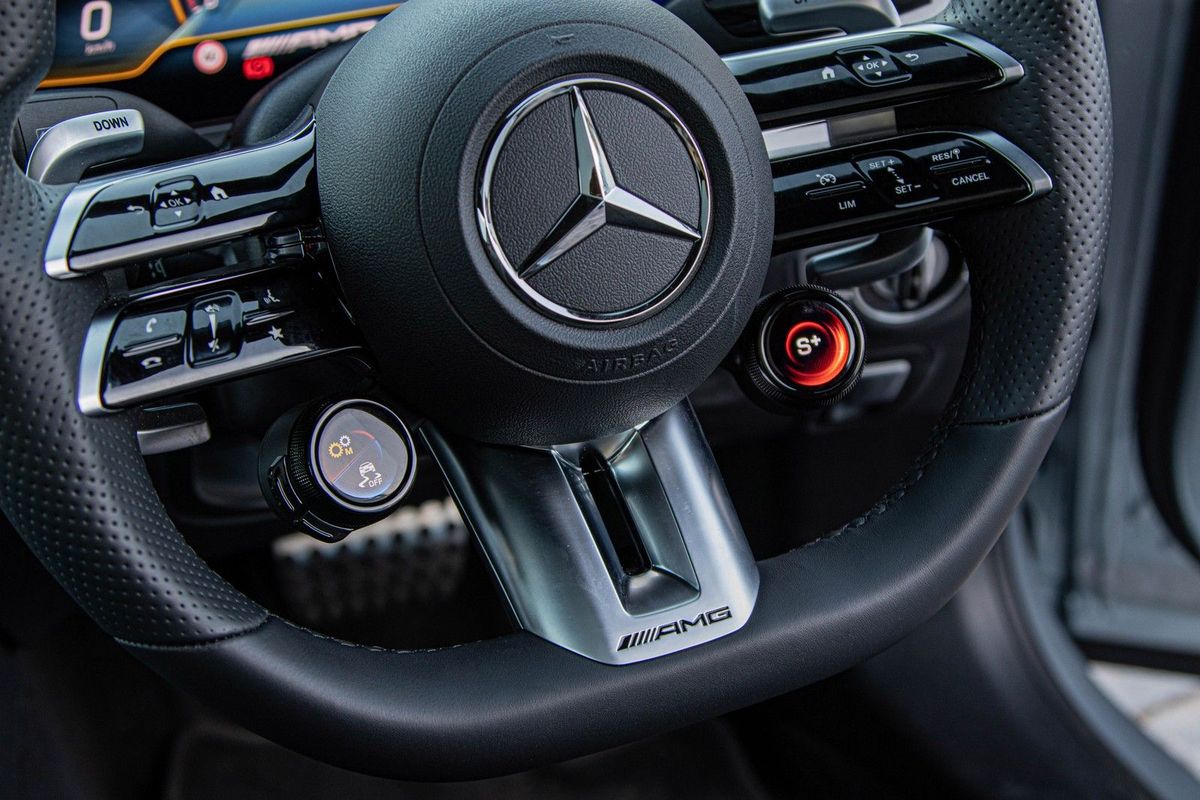
Gearshift paddles are nicely positioned, but the 9-speed Speedshift transmission could be faster-acting still.
That said, this "junior" AMG is no slouch – it feels responsive (and is surprisingly sonorous) from the get-go. Coupled with a generally slick-shifting 9-speed Speedshift TCT automatic transmission, as well as an all-wheel-drive system that can shift torque to the wheels where it's needed most, the E53 Coupe appears to have all the ingredients to be an entertaining driver's car. Most of the time, that is.
The electrically-assisted engine revs briskly and strongly right up to its 6 700-rpm redline – and it emits a glorious exhaust note while doing so (if you remember to press the exhaust pipes button), but when you wring the Benz's neck on a challenging piece of road you begin to notice chinks in its armour… The biggest of which is that you can end up stumbling into the limiter when you try to shift up just before the redline – it's a pity because the E53 Coupe sounds wonderful in its upper rev range. The transmission's responses to flicks of those lovely steering-wheel-mounted paddles aren't immediate either.
In terms of fuel efficiency, you're going to struggle to match Mercedes-AMG's claim of 8.8 L/100 km, but in theory, the big Benz is more frugal than its smaller rivals from Audi and Lexus. In the real world, however, you're looking at an average consumption figure of around 11.5 L/100 km.
Ride and handling
In its most hardcore setting the E53 Coupe is virtually free of body roll, which is great, but it might be too stiff in its softer settings.
The E53 Coupe does a good job of feeling smaller than it actually is when you're driving it, but make no mistake, this is a near 2-tonne car – that weight will always have an impact, no matter how clever the self-levelling suspension and all-wheel-drive system are. And, when pottering around town, the ride quality is somewhat crashy, which can be partly attributed to the fitment of 20-inch wheels with only slivers of rubber wrapped around them. The ride does improve significantly at higher speeds, but then, if the road surface is coarse, the level of cabin noise is disappointingly high for a luxury car of this calibre.
If you probe the Mercedes-AMG's handling limits in the twisties, the E53 Coupe will reward you with impressively little body roll and reasonably precise and quick steering, but this weighty Benz simply cannot be described as "chuckable". Also, unlike the aforementioned E63 S, the E53 doesn't offer a rear-wheel-drive-only mode. The fun of driving this car fast comes from mastering the engine/gearbox combination and extracting the (surprisingly generous) pace that it can carry into – and out of – corners. The brakes are superb; they stand up well to hard use and instil confidence.
Interior execution and features
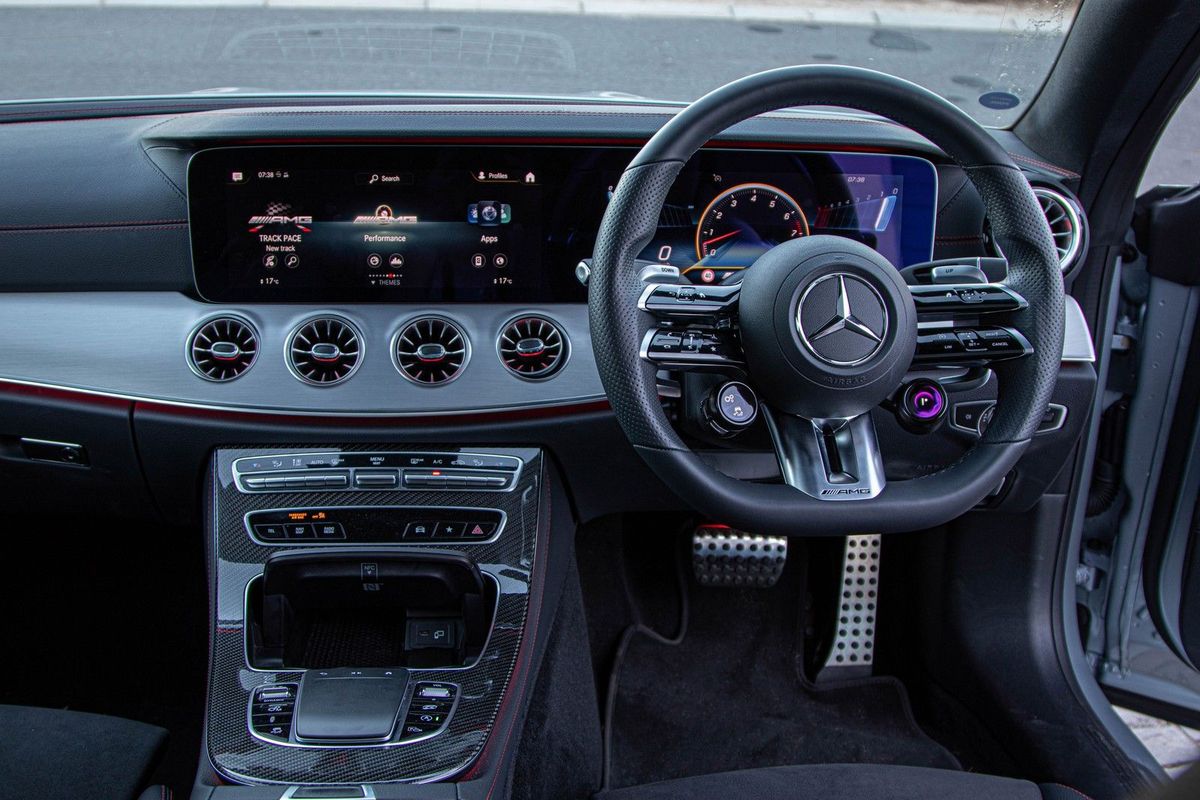
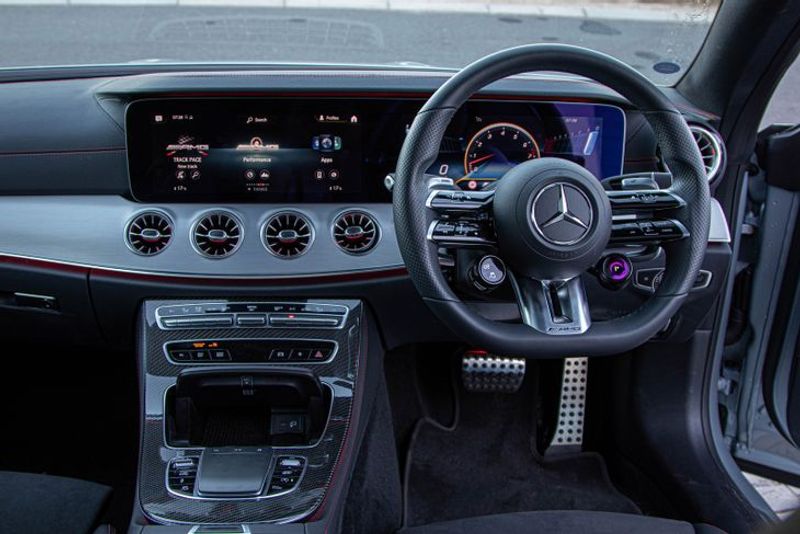
With its large infotainment screen, slick graphics, sporty 'wheel and a multitude of ambient lighting options, the E53's cabin oozes tech.
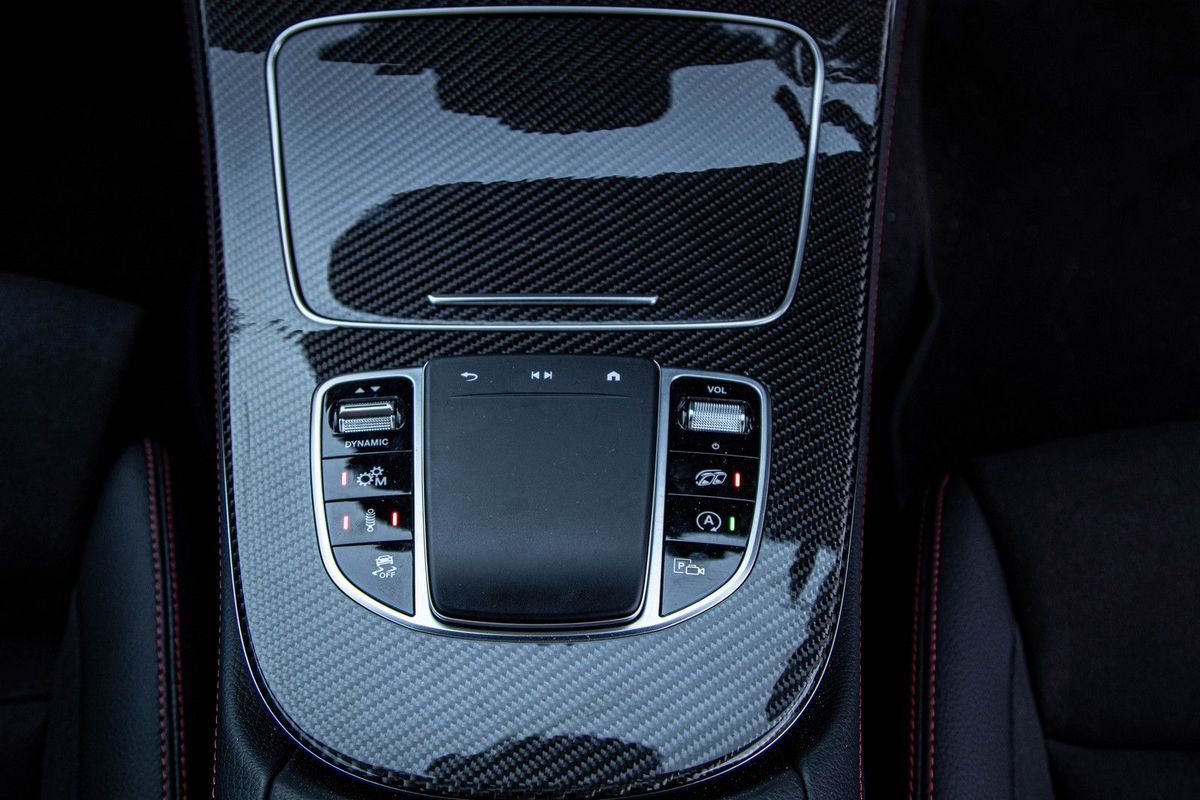
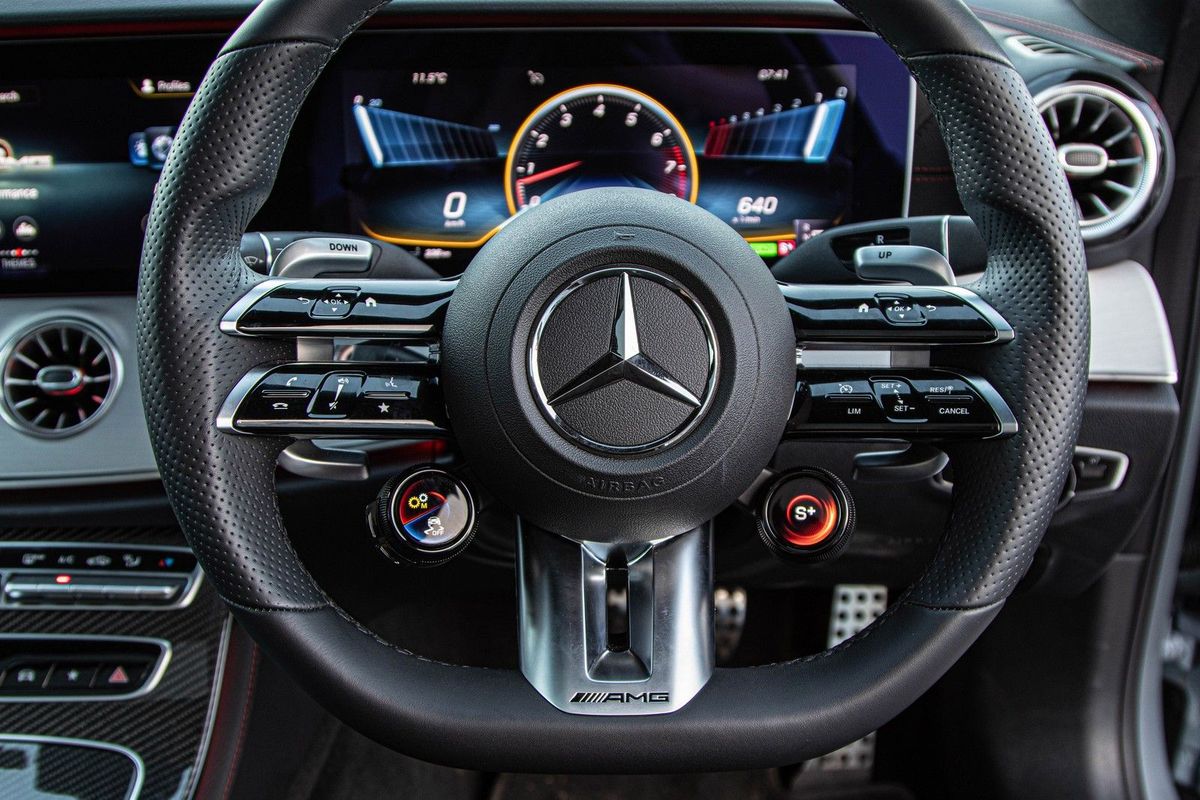
The attractive fascia design and high-tech features remain highlights of the current (W213) generation E-Class' spacious cabin. The interior updates applied to this facelifted model are minor, but when it comes to an AMG derivative such as the E53 Coupe, the highlight is arguably the new AMG Performance steering wheel. It's a nice-to-hold, flat-bottomed item that features a 2-tiered control layout, which admittedly takes some time to become familiarised with, as well as a pair of rotary dials with digital screens to control driving and drivetrain modes. Best of all? It looks the business!
Mercedes-Benz's latest MBUX multimedia system incorporates 2 large screens that flank one another, replete with crisp graphics and marvellously precise responses to touch inputs. As this is the E53 Coupe, you also get AMG-specific menus and readouts. The digital nature of the E53's cabin makes it appear almost futuristic, with the "sci-fi theme" further enhanced by spectacular ambient lighting.
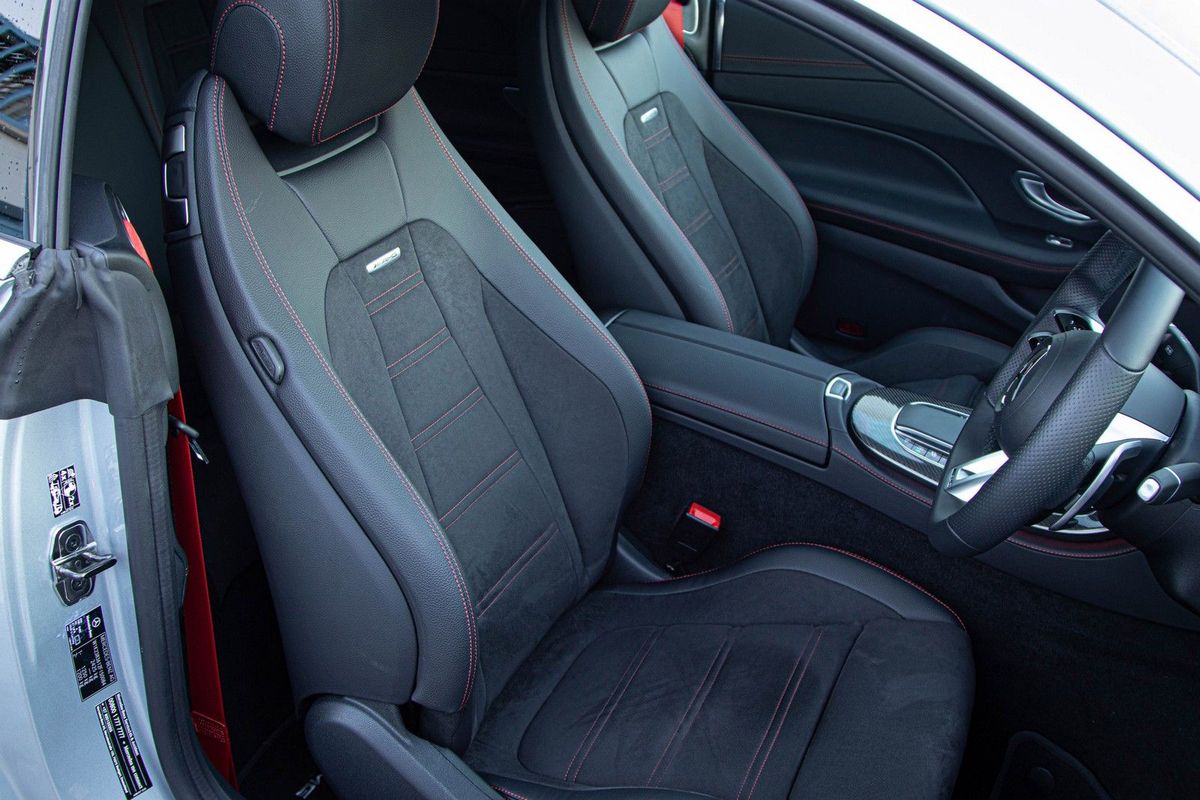
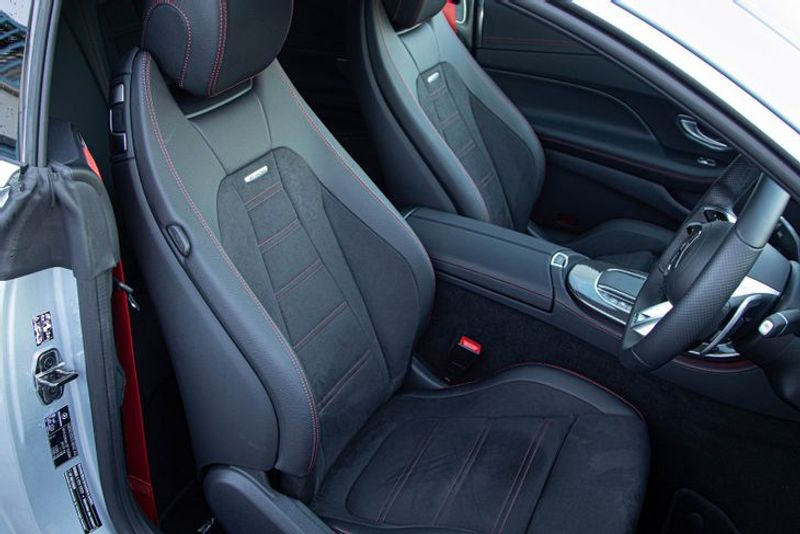
Sporty front seats offer a good mix of comfort and support, while there's plenty of space for rear passengers.
Seeing as it rides on a lengthy (2 873-mm) wheelbase, the E53 Coupe offers significantly more cabin space than its aforementioned (markedly smaller) rivals from Audi and Lexus. There's stretch-out space in the front, with good head- and shoulder-room to boot, but it's in the back where the Benz really holds a significant advantage over its rivals. Rear leg- and headroom are excellent for a coupe; during the Benz's tenure in our test fleet, several aft passengers commented that the big AMG was one of the few coupes in which they didn't feel claustrophobic when seated behind the front seats.
Combine the generous occupant space with a large boot capacity (a claimed 425 litres) and you have a genuinely useful grand tour (GT).
How much does the Mercedes-AMG E53 Coupe 4Matic+ cost in South Africa?
The Mercedes-AMG E53 Coupe 4Matic+ costs R1 630 300 (May 2021) before options, and the price includes a 2-year/unlimited km warranty and 5-year/100 000 km maintenance plan.
While some don't regard the E53 as being true enough to AMG's hardcore character, it's nevertheless a very attractive offering.
The Mercedes-AMG E53 Coupe 4Matic+ is a very charming machine; it successfully combines exhilarating performance, a sonorous engine, a spacious and luxurious cabin, high-tech infotainment and safety features in a distinctly attractive package. In short, it's a head-turner. On some road surfaces, the Benz's ride quality may be a bit crashy and, ultimately, the coupe's not as "showy" as we've come to expect AMG models to be, but we have no doubt that Mercedes-Benz diehards will fall hook, line and sinker for the E53 Coupe's multiple charms.
For buyers who want a powerful coupe, but aren't deadset on having a Three-pointed Star on its nose, the decision is probably far more complicated. The smaller Audi RS5 Coupe and Lexus RC F are faster and more overtly sporty, while offering purchase price savings of about R200k. The E53 Coupe's advantage over those "rivals" is really limited to the area of cabin space, and we doubt that's enough of a USP in this day and age. But that's not a criticism of the car, merely a comment on the state of the market. If this AMG's particular skillset appeals to you on paper, the reality is unlikely to disappoint.
Land Rover will introduce a special edition Discovery Sport Urban Edition and a Range Rover Evoque Bronze Collection in the fourth quarter of 2021. See what’s coming below…
For buyers who are looking for something a little more special from Land Rover, perhaps these incoming special edition models will pique your interest.
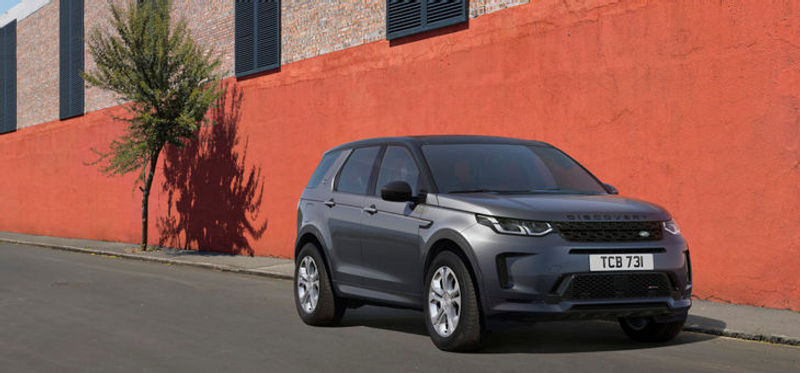
Land Rover Discovery Sport Urban Edition
The Discovery Sport Urban Edition is based on R-Dynamic specification and comes equipped with non-leather Luxtech Suedecloth upholstery with a black contrasting roof and shadow aluminium finishers. When it arrives later this year, buyers will be able to choose from Namib Orange, Carpathian Grey, Firenze Red, Santorini Black, Ostuni White and Hakuba Silver.
Land Rover’s ClearSight Interior View Mirror will also be offered as standard and the Discovery Sport Urban Edition will also feature a power tailgate. l
In terms of engines, the Disocvery Sport Urban Edition will be offered with a choice of petrol or diesel engines. The P250’s 2.0-litre turbopetrol engine offers 184 kW and 365 Nm of torque and is said to sprint from zero to 100 kph in 7.8 seconds.
The diesel-powered D200’s 2.0-litre turbodiesel engine develops 147 kW and 430 Nm of torque with a claimed zero to 100 kph sprint time of 8.6 seconds. Both engines are paired with an 8-speed automatic transmission.
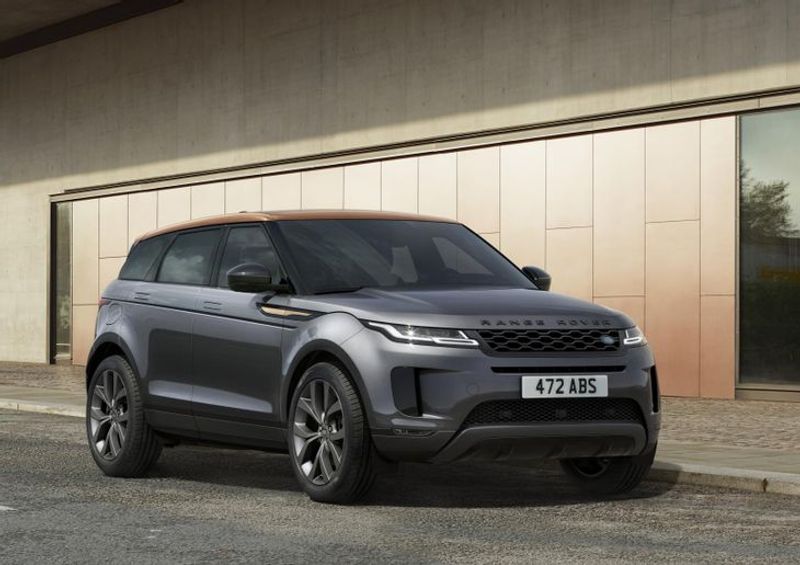
Range Rover Evoque Bronze Collection Special Edition
Using the Evoque’s S specification as a starting point, this special edition Evoque gains a Corinthian Bronze contrasting roof, burnished copper side vents and exclusive Satin Dark Grey 20-inch 5-split-spoke alloy wheels. Buyer’s can choose from either Carpathian Grey, Santorini Black and Seoul Pearl Silver body colours.
The interior is finished in Natural Grey Ash veneers and Bronze Collection carpet mats are also fitted.with metal capped corners. Ebony grain leather is standard. Other nice-to-haves include a sliding panoramic sunroof, Premium LED headlights with signature DRL’s as well as a ClearSight Interior Rear View Mirror.
In terms of engines, the Evoque Bronze Collection Special Edition will be offered with 3 engine choices including the D200, P250 (see outputs above) and the P300e plug-in hybrid. The P300e combines a 3-cylinder 1.5-litre petrol engine with an electric motor to achieve a pure electric driving range of 55 km with a claimed fuel consumption figure of 2 L/100km.
Both of the above models will be sold with a 5-year/100 000km warranty and service plan.
Local arrival of these special edition models are expected in the fourth quarter of 2021 and pricing details will be made available closer to the time. We will keep you updated.
The Sherp! The craziest 4×4 ever made? (Wait, does this thing float?)
It's time for another weird test of an outlandish off-roader on the Cars.co.za Youtube channel. This time it's an Eastern block search and rescue vehicle, which Ciro tests in its natural habitat… a wine farm in the foothills of Stellenbosch.
When we were invited to experience the Sherp on local soil, we of course jumped at the opportunity. The Sherp is built in and was conceived in the Ukraine, where it is manufactured to fulfil myriad different roles around the world.
Search and rescue teams, fire brigades, salt miners and Siberian explorers all use the Sherp in various ways but for one reason: it can literally drive in a straight line through anything.
We joined the Sherp team at the beautiful Zevenwacht wine estate outside Cape Town where we got to experience this incredibly unique vehicle on land and…on water.
Cars.co.za has the largest selection of used and new cars in South Africa, online, right now. Click on over to www.cars.co.za and find your next car.
The German music legend is helping BMW with emotional sound for BMW electric cars.
An unintended consequence of electric vehicles is their silence. Although the idea of a vehicle that makes no engine noise might be appealing to urban planners, it creates some significant issues for brands and pedestrians.
People have become accustomed to trusting their acoustic awareness when walking near or crossing roads. Without engine noise, the risk for accidental pedestrian collisions with electric vehicles dramatically increases.
The other problem is the emotional connection that an engine sound signature has. Especially for a brand steeped in performance car history, such as BMW.
In an attempt to manage its transition into a silent future mobility fleet, BMW has contracted one of the world's most celebrated film score composers, to help.
The man in question is Hans Zimmer. He has composed some of the best accompanying film music in history, including petrolhead Hollywood hits such as Days of Thunder. Most will recognize his music in films such as Gladiator, Pirates of the Caribbean, Interstellar and even The Lion King.
Zimmer teamed with BMW sound designer, Renzo Vitale, to create new sounds for the BMW battery vehicles. The pitch and resonance of these sounds will vary as drivers use various power modes.
BMW is also using Zimmer sounds to help alert drivers when they open the door, and more importantly, start the vehicle.
And BMW M-cars? There will be a unique performance sound for them with a customer having the option, to upgrade to more powerful speakers.
“Every BMW has its own character, which is reflected in the sound it makes,” Zimmer said in a statement. “So for the electrically driven BMW M models, we have developed a driving sound which accentuates their emotional driving experience particularly vividly and ensures their performance can be felt with even greater intensity.” The first vehicles to undergo 'Zimmer sound' enhancements are the BMW i4, its M version and the BMW iX which will be coming to SA in 2022.
The sounds will also project into the driven environment, beyond any battery-powered BMW’s cabin. At low speeds, it will be adequate for a pedestrian to notice, fading in volume as cruising speed increases.
For BMW traditionalists, where an Akrapovic exhaust system was the peak sound signature upgrade not too long ago, things are changing. Swiftly.
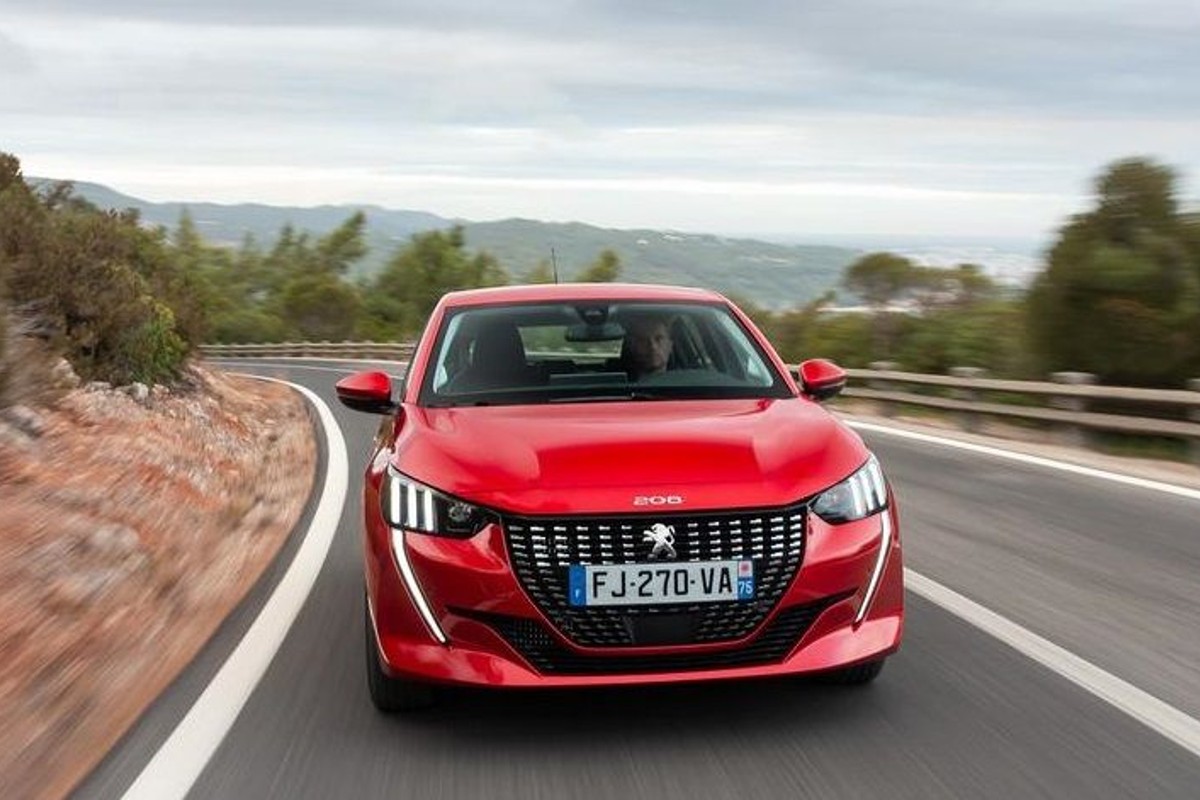
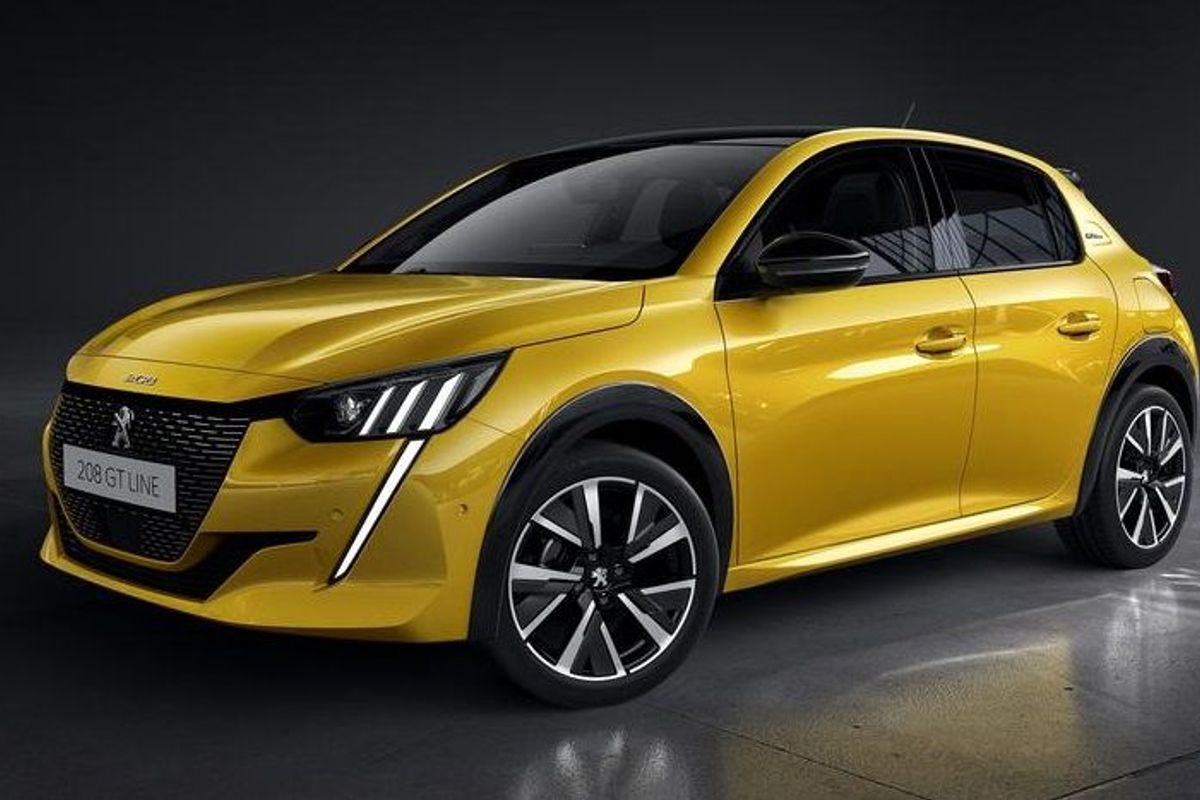
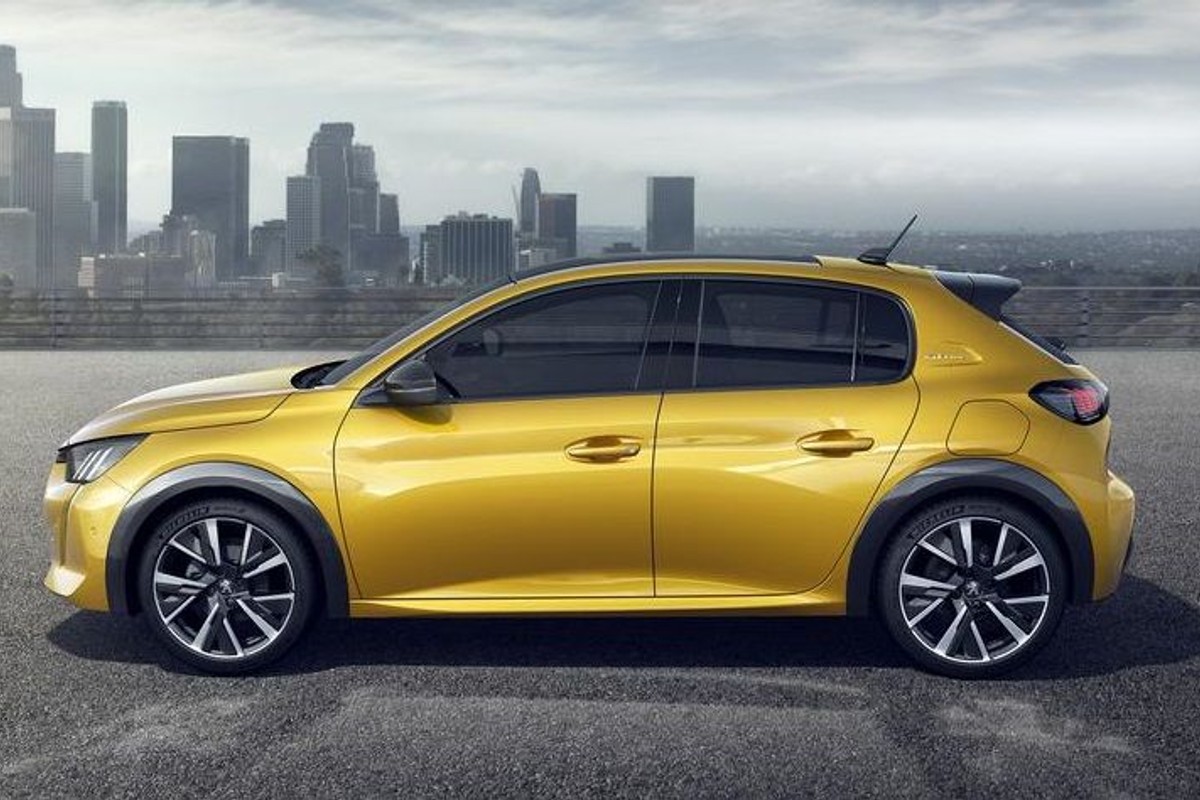
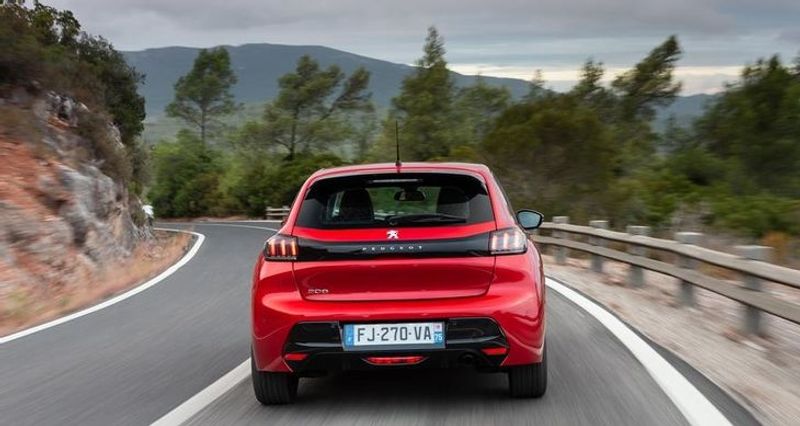
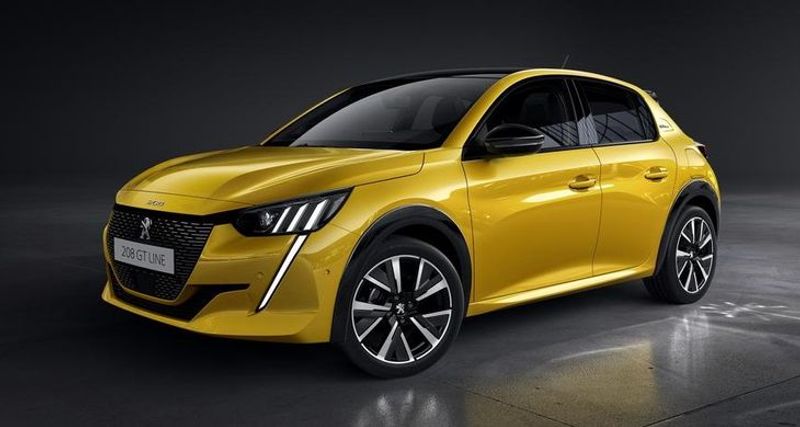
The look of the 208 is characterised by a new bumper design, wider grille (integrated with the bodywork), fang-like daytime running lights, 2-tone (black and chrome) headlights and restyled fog lights. Depending on the trim (Active, Allure or GT), 15-, 16- or 17-inch wheels feature. The range-topping 208 GT sports gloss black mirror covers and gloss black wheel arches and gains full LED headlights.
The updated Peugeot 208 brings some flair to the compact hatchback segment.
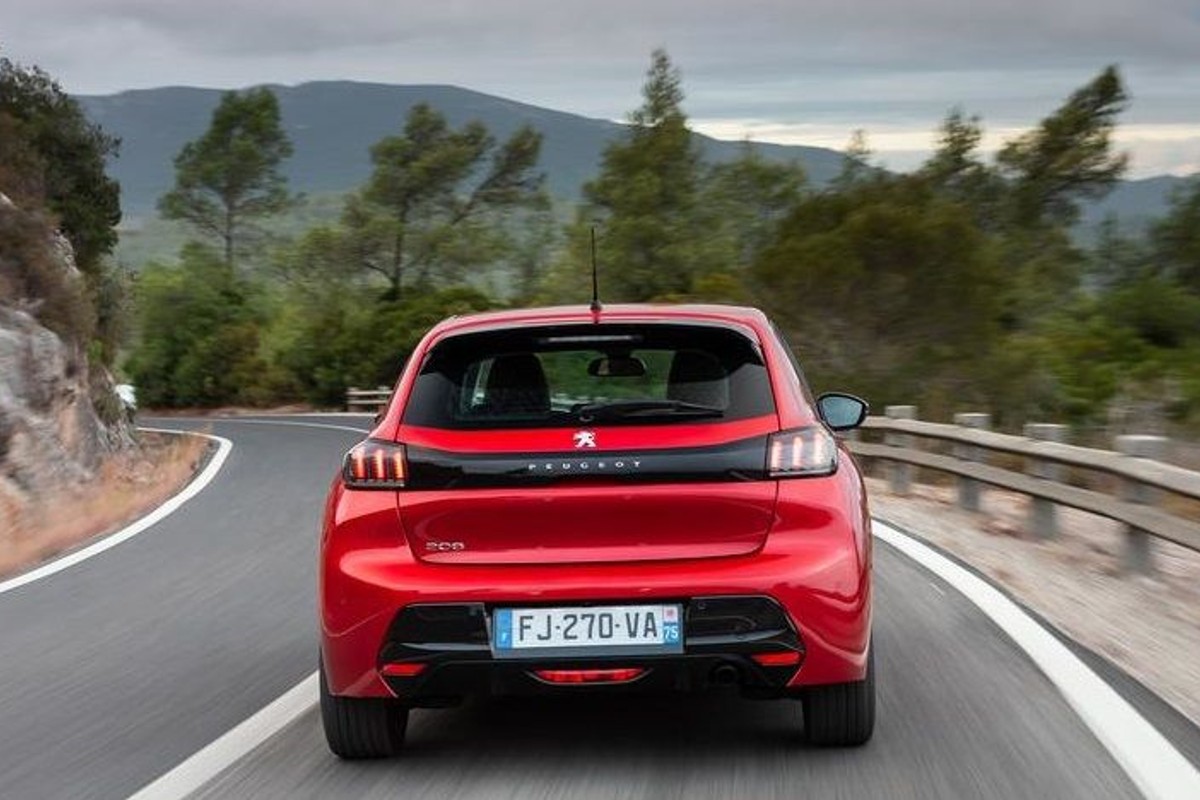
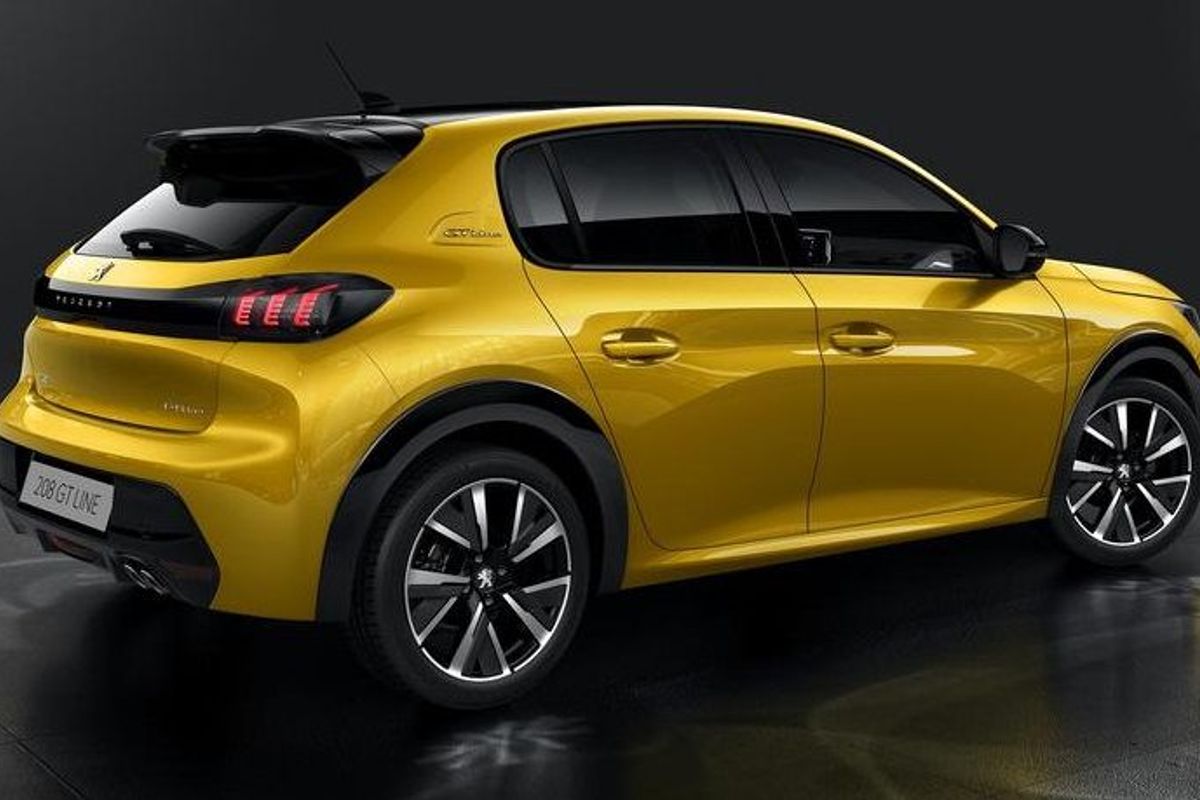
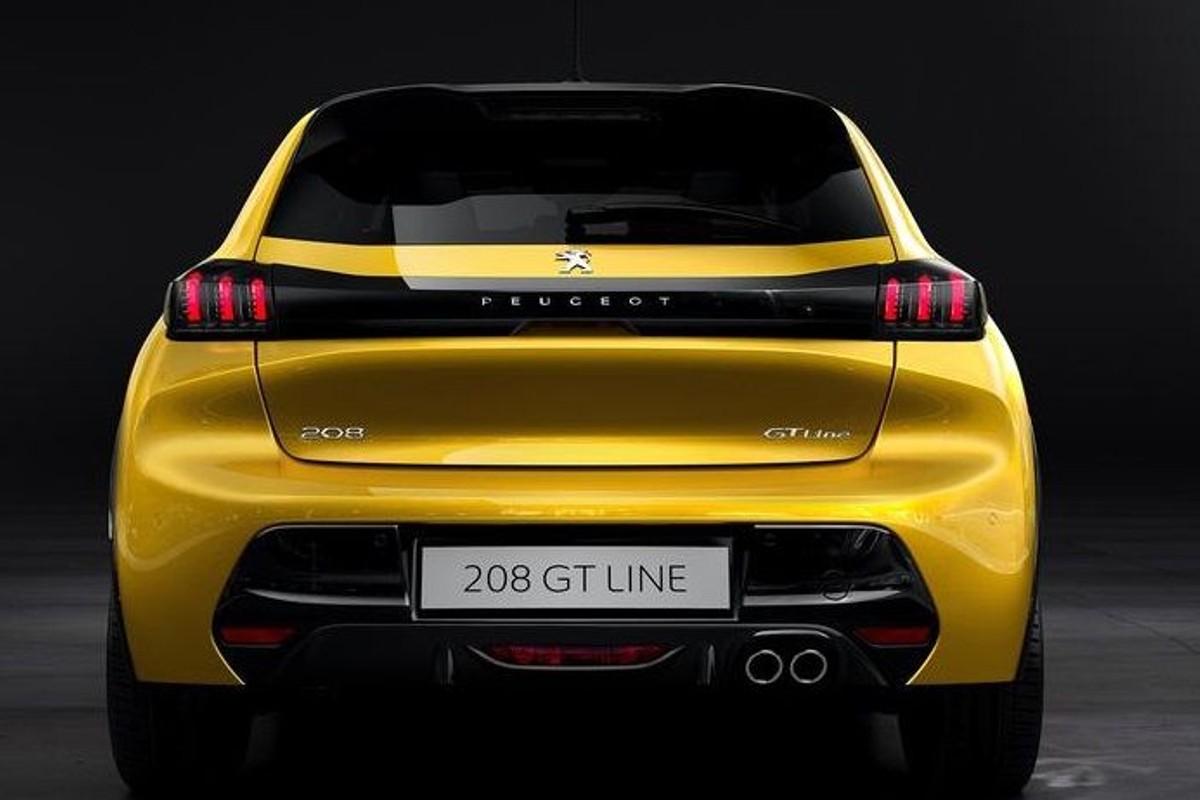
At the rear, the 208 is equipped with 2 spoilers, depending on the trim and Peugeot’s LED claw-effect taillights add to the 208’s kerb appeal.
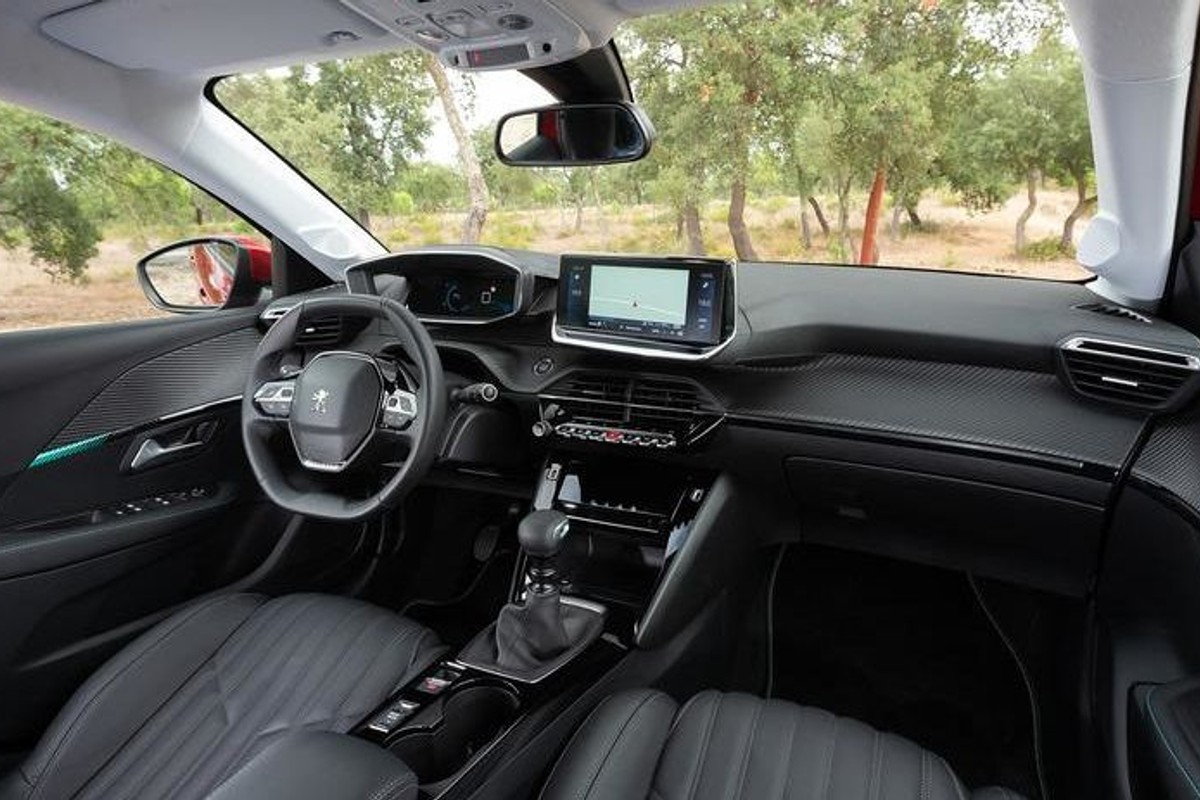
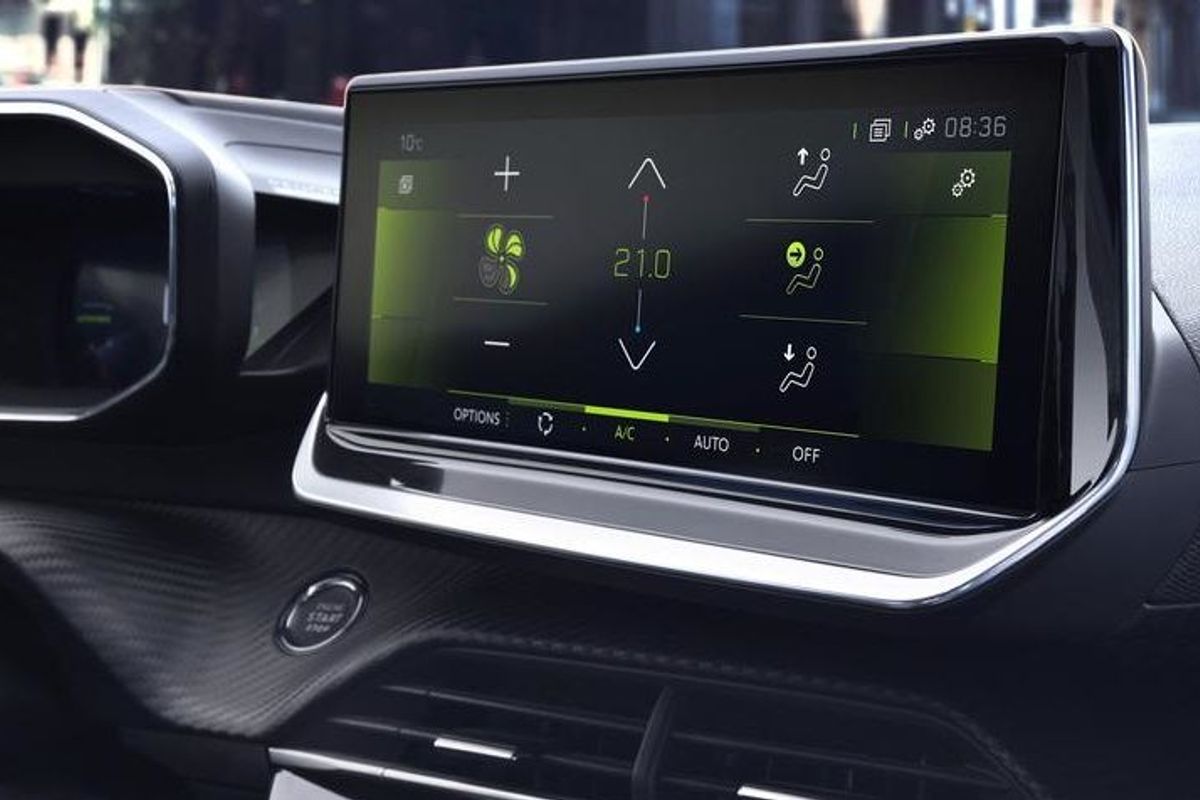
As for the interior, the 208 is equipped with Peugeot’s impressive third-generation i-Cockpit which includes a 3-dimensional digital heads-up instrument cluster and a large 7- or 10-inch infotainment touchscreen which is compatible with Android Auto and Apple CarPlay. The 208 also features Peugeot’s typical compact steering wheel and the interior finishes look and feel upmarket.
What engine does the Peugeot 208 have?
Buyers can choose between 3 trim levels and between a naturally aspirated or turbocharged engine with varying outputs.
The Peugeot 208 is equipped with a naturally-aspirated or turbocharged 3-cylinder 1.2-litre PureTech engine.
The base 208 Active gains the naturally-aspirated 55 kW 1.2-litre engine (with a 6-speed manual transmission) while the mid-spec 208 Allure gains the 74 kW turbopetrol version in conjunction with a 6-speed manual but there’s also a more powerful 96 kW 208 Allure and GT on offer with a 6-speed automatic transmission.
In terms of driver aids and safety, the 208 is equipped with traffic sign recognition, driver attention alert, lane-keeping assist, automatic headlights, hill start assist, active safety brake and a 180-degree rear camera and park assist sensors.
It's worth mentioning that the 208 was crowned the 2020 European Car Of The Year and was the best-selling car in Europe for the first quarter of 2021.
How much does the Peugeot 208 Cost in South Africa?
Updated Tiguan Allspace Revealed – Coming to SA in 2022
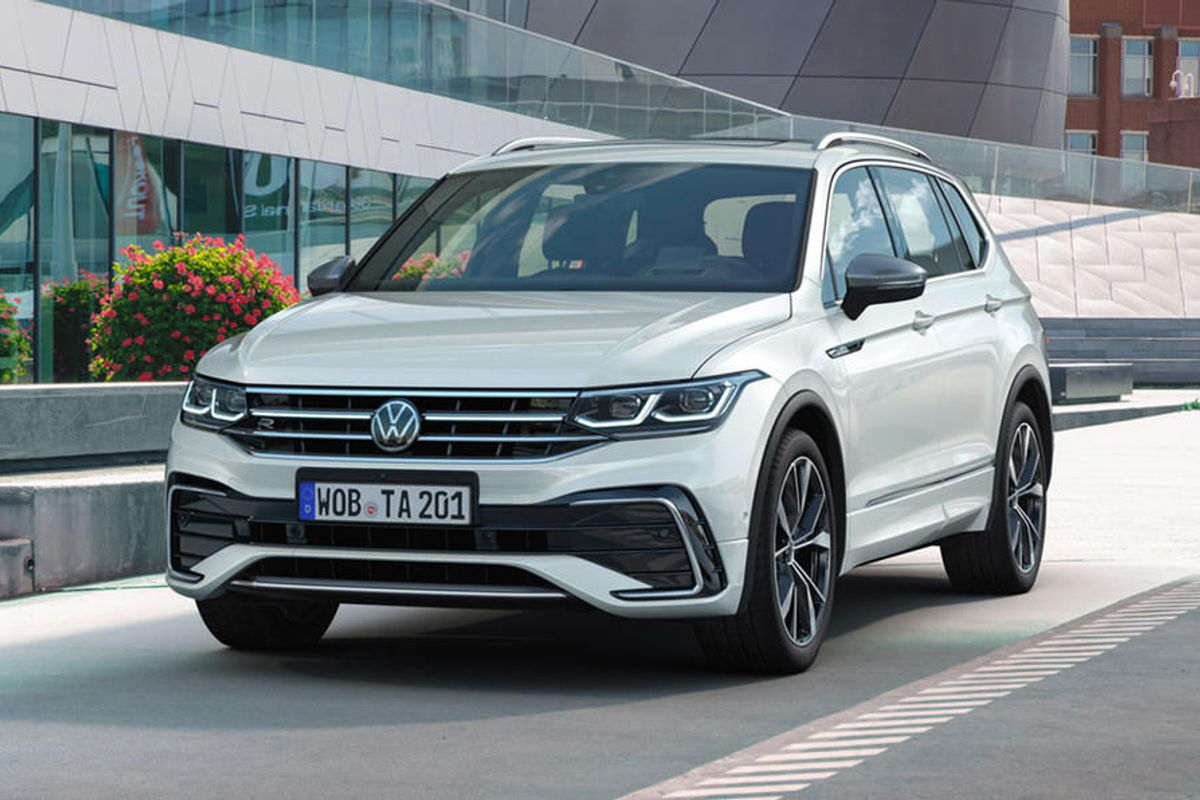
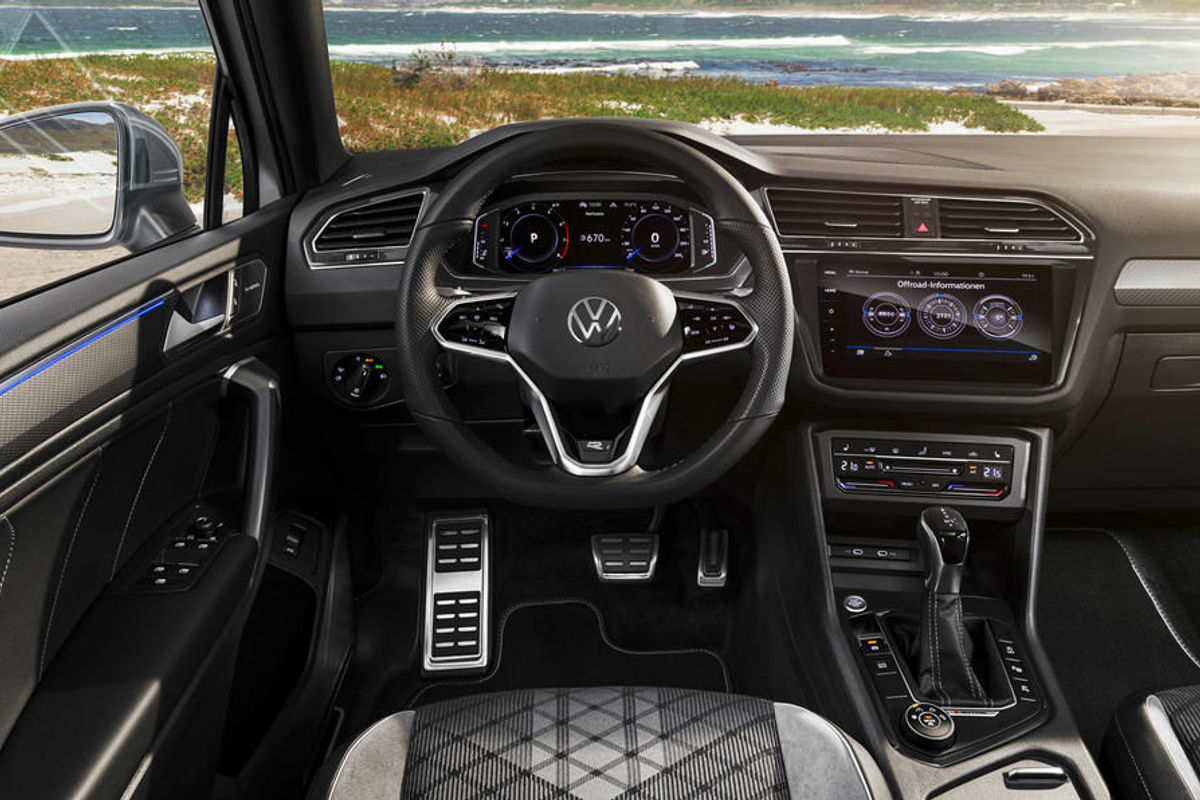
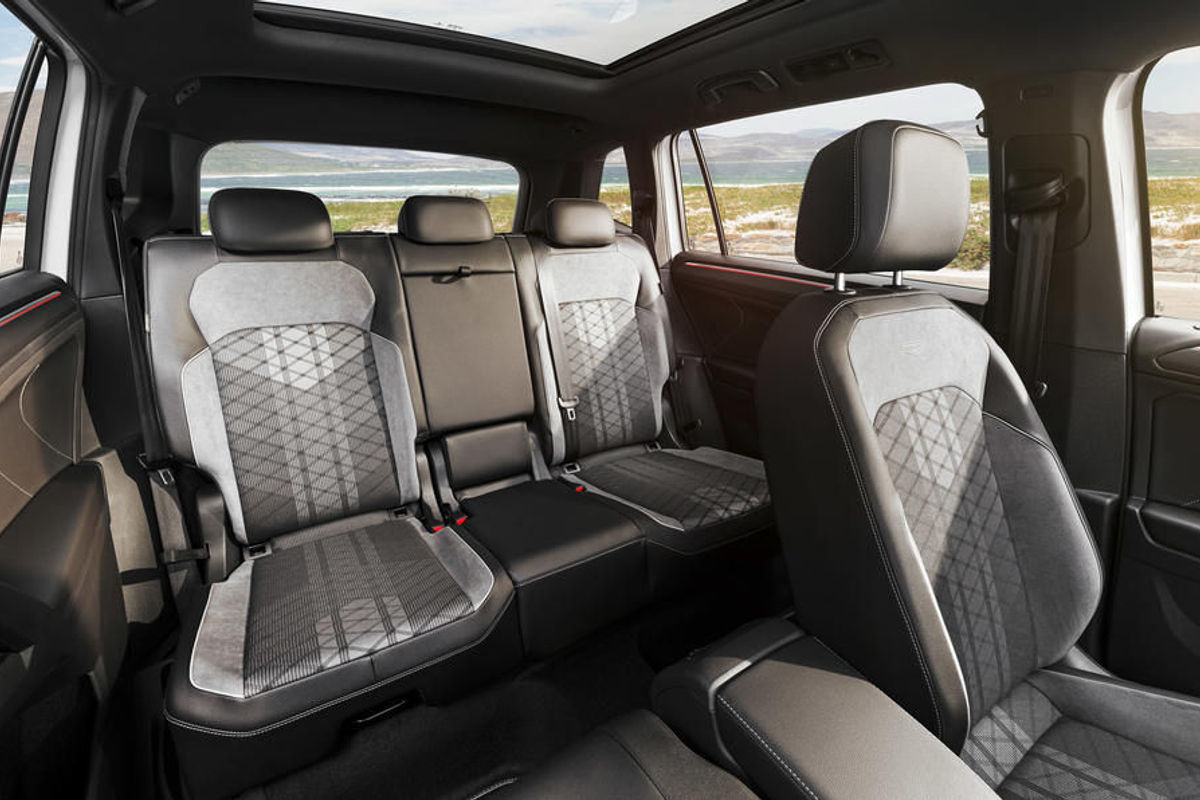
Following the updated Tiguan, Volkswagen has shown the 7-seater, slightly bigger Allspace, set to go on sale in SA in 2022.
The Tiguan is VW's best-selling car globally, a very important model to say the least. The Allspace variant carries 2 more passengers in the rear, allowing both your kids to now bring friends on holiday if that's your scene.
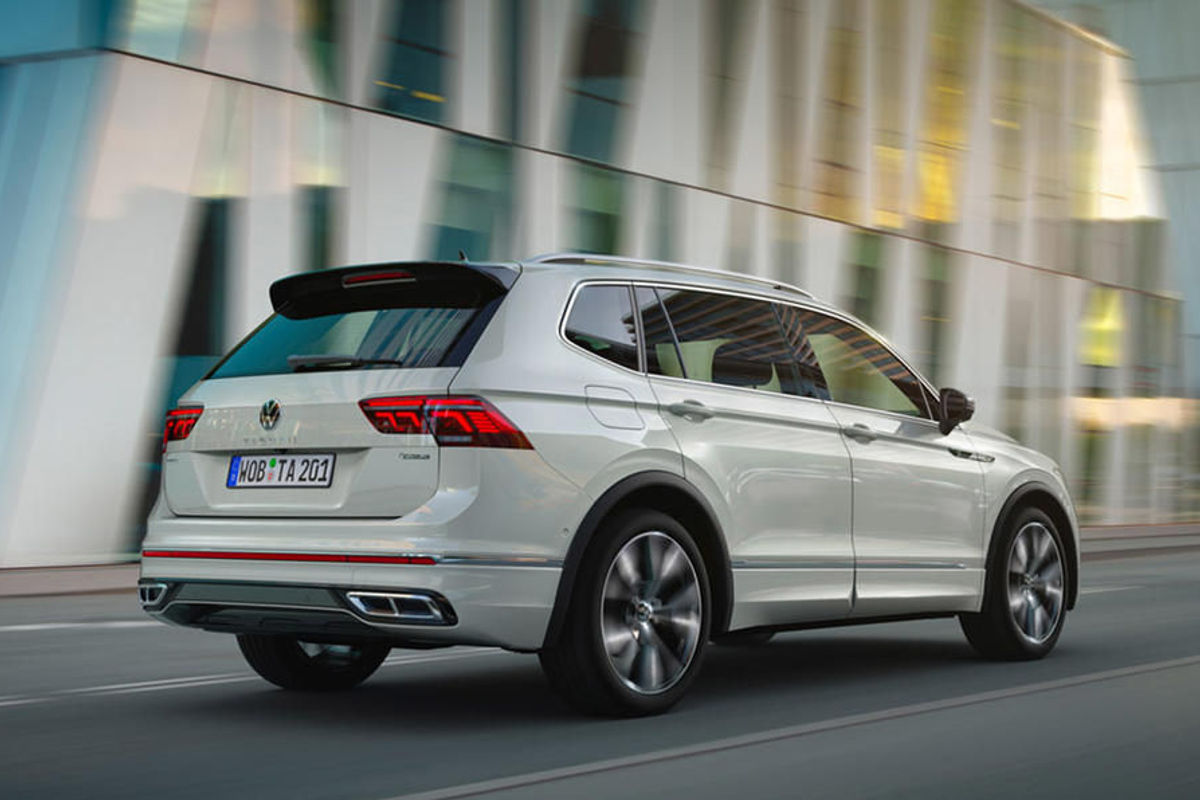
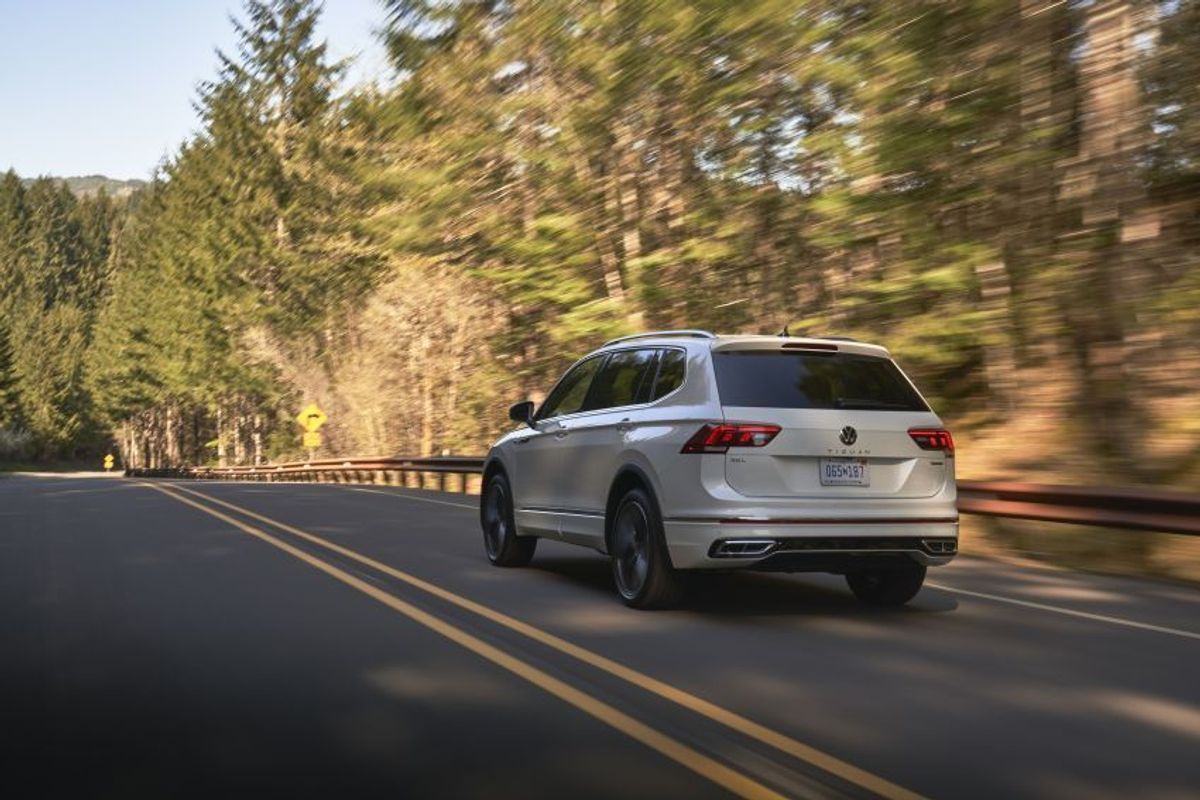
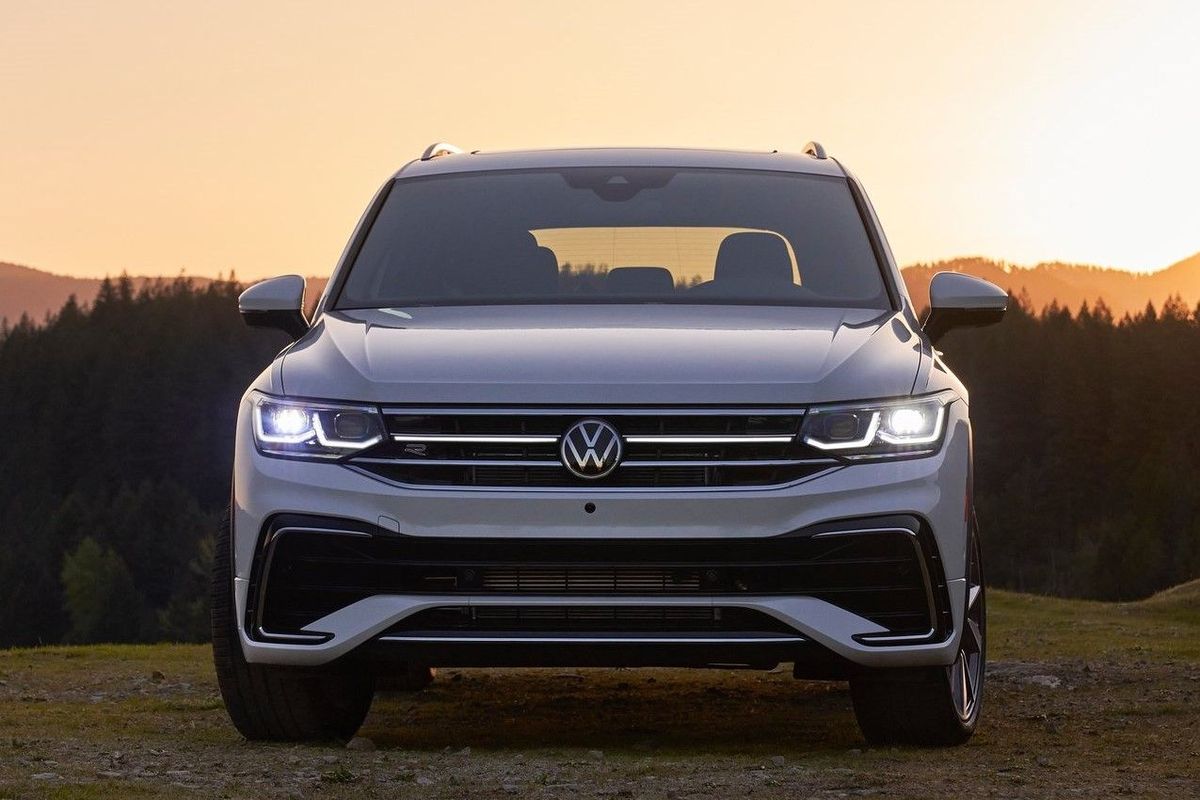
The Allspace has a redesigned LED lighting setup at the front and a bumper design inspired by the latest Golf 8. The LED lights consist of 24 individual strips that can modulate the brightness of the LED depending on outside conditions. The Allspace body kit will also be available in an R-Line trim for those looking for a sportier exterior. The R-line kit houses the dual exhaust pipes within the rear bumper. New wheel designs have been added to the facelift and the Tiguan badge now sits underneath the VW logo at the rear.
The interior features VW's new IQ travel assist which allows for semi-autonomous driving, although whether this system will come to SA is still to be seen. The updated interior includes new climate control switches which are now touch-sensitive as opposed to the physical buttons of the previous generation. Volkswagen appears to have also teamed up with audio specialists Harmon Kardon to develop an optional high-end sound system. Wireless Apple Carplay and Android Auto will also make an appearance in line with the update on the standard Tiguan.
In the practicality stakes, the Allspace appears to be able to hold more load increasing the total load space, with all seats down from 1 775 litres to a claimed 1 920 litres.
In terms of engines under the bonnet, the same engines from the pre-facelift will be carried over, which currently consists of an all petrol lineup. The 1.4-litre turbopetrol produces 110 kW and 250 Nm of torque with a claimed fuel consumption of 7.3L/100 km. This engine is only available in front-wheel-drive currently. The 2.0-litre turbopetrol includes 4Motion (all-wheel-drive) and claims 132 kW and 320 Nm. Combined fuel consumption is stated at 9.0L/100 km.
Volkswagen SA expects the Tiguan Alsspace to be launched locally in Q2 of 2022.
Renault has announced that its go-faster division will henceforth have a new name.
The company’s RenaultSport department is responsible for some of the most celebrated hot hatches in recent memory. It has been a great brand builder for Renault, elevating the standing of products such as Clio and Megane.
But now, things will change. Renault is reorganising its corporate organogram and has decided to use the revived Alpine sportscar brand as its overarching name for all quick Renaults.
What this means, is that your future Renault performance car will now carry an Alpine badge. How Renault will manage this branding complexity within a mode range such as Megane, is unclear, but the good news is that no fundamental technical changes are expected.
The future Alpine badged cars will still retain that same handbuilt uniqueness – and differentiation – that Renaultsport delivered. Renault is retaining the staff complement of 300, at its Les Ulis facility.
Although hardcore RenaultSport (RS) fans might be annoyed at the naming change to Alpine, there is great potential in this reorganisation.
Alpine is a dedicated sportscar division within Renault, with a singular focus on making lightweight performance cars. Even if there is pressure to electrify, blending its expertise with that of RenaultSport, under a new name, is a decision that could deliver an exciting portfolio of future products.
The reality is that RenaultSport main trade was in hot hatches, and with that market segment under increasing pressure from crossover sales, the business needs to change.
As Alpine, there is an opportunity for the engineering skills present in RenaultSport to be gainfully employed in new product channels, instead of being lost to Renault as a whole.
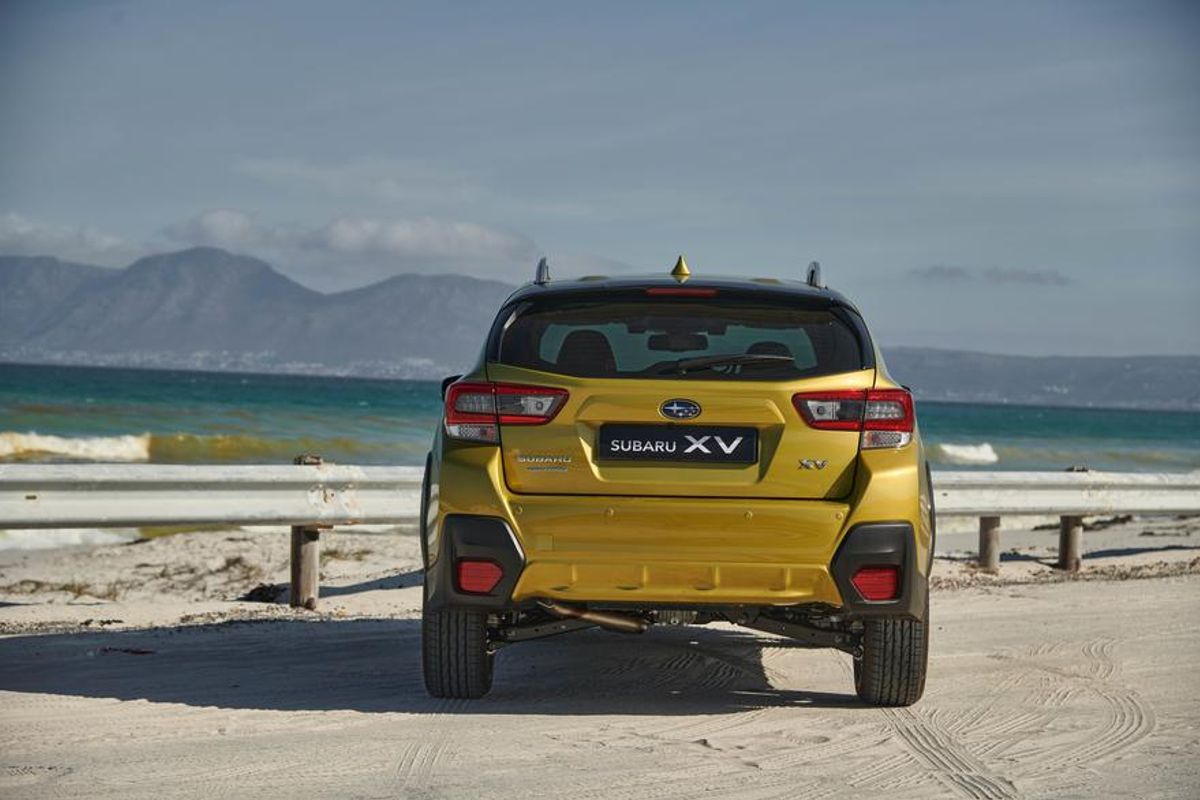
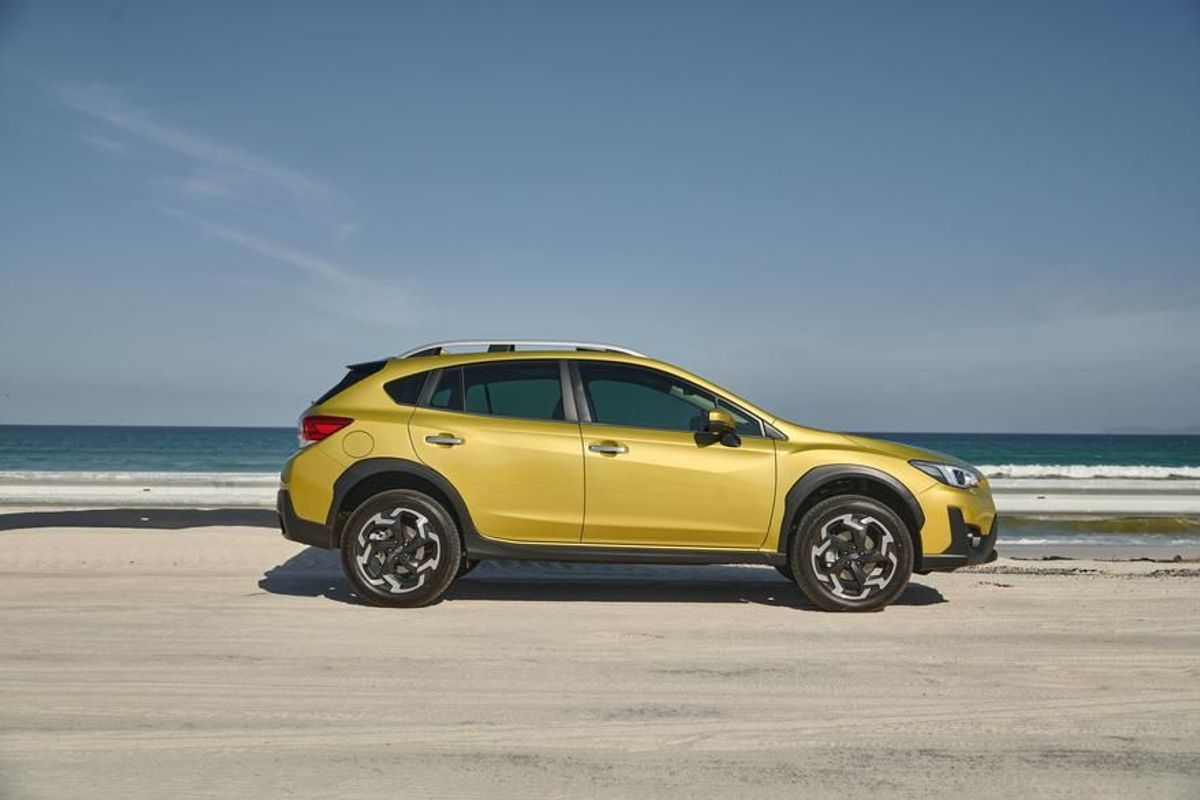
The updated Subaru XV crossover is now available in South Africa! See what’s changed and how much you can expect to pay for the XV below…
What’s new?
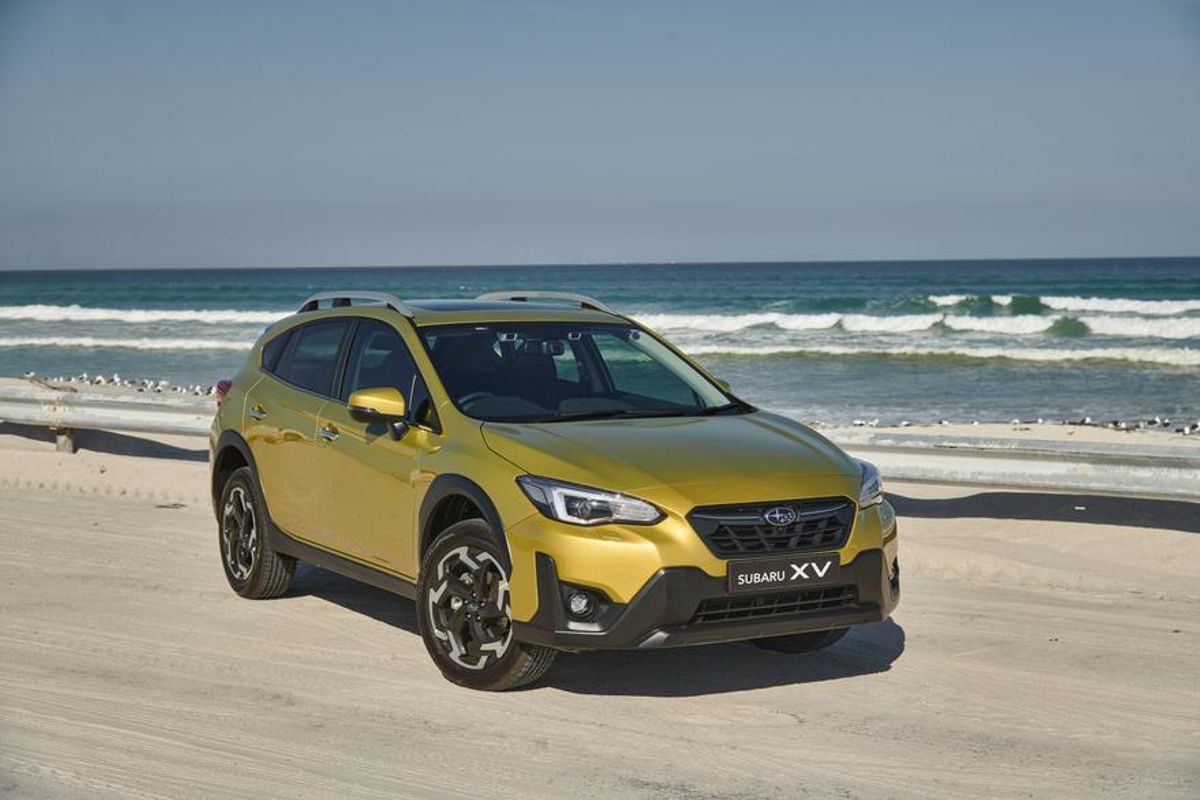
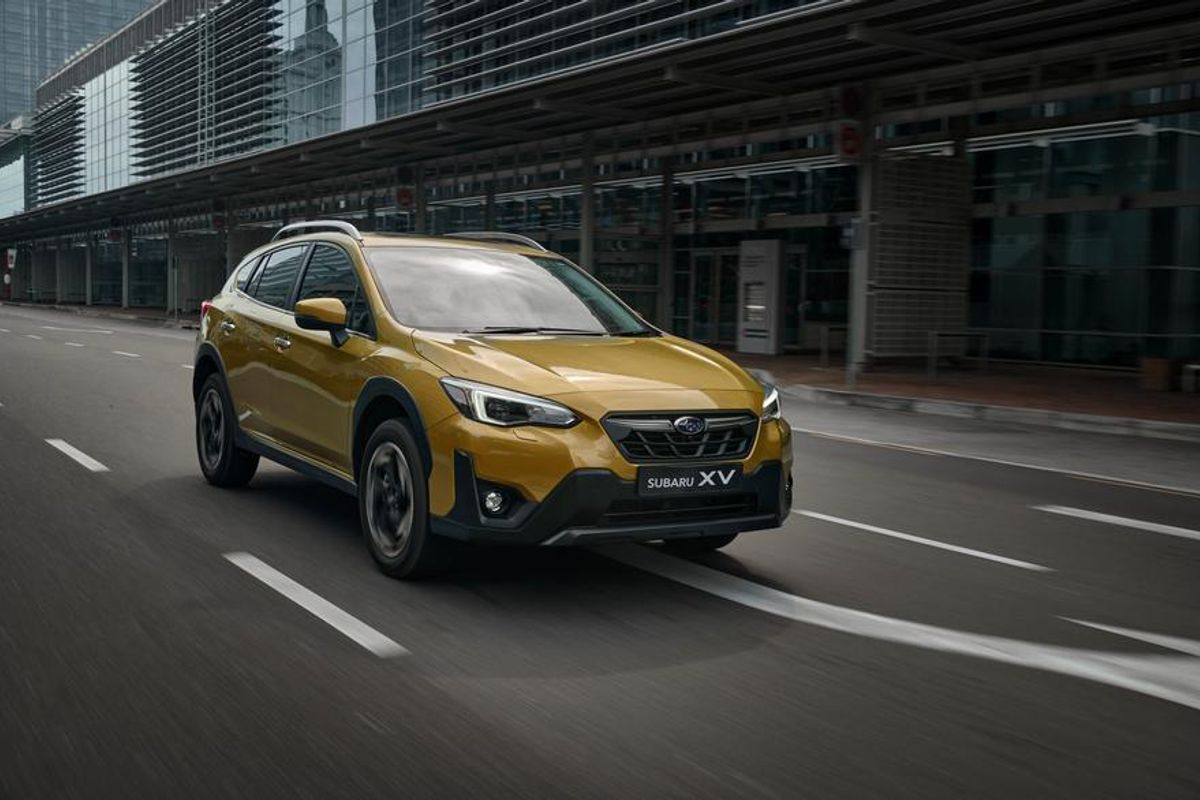
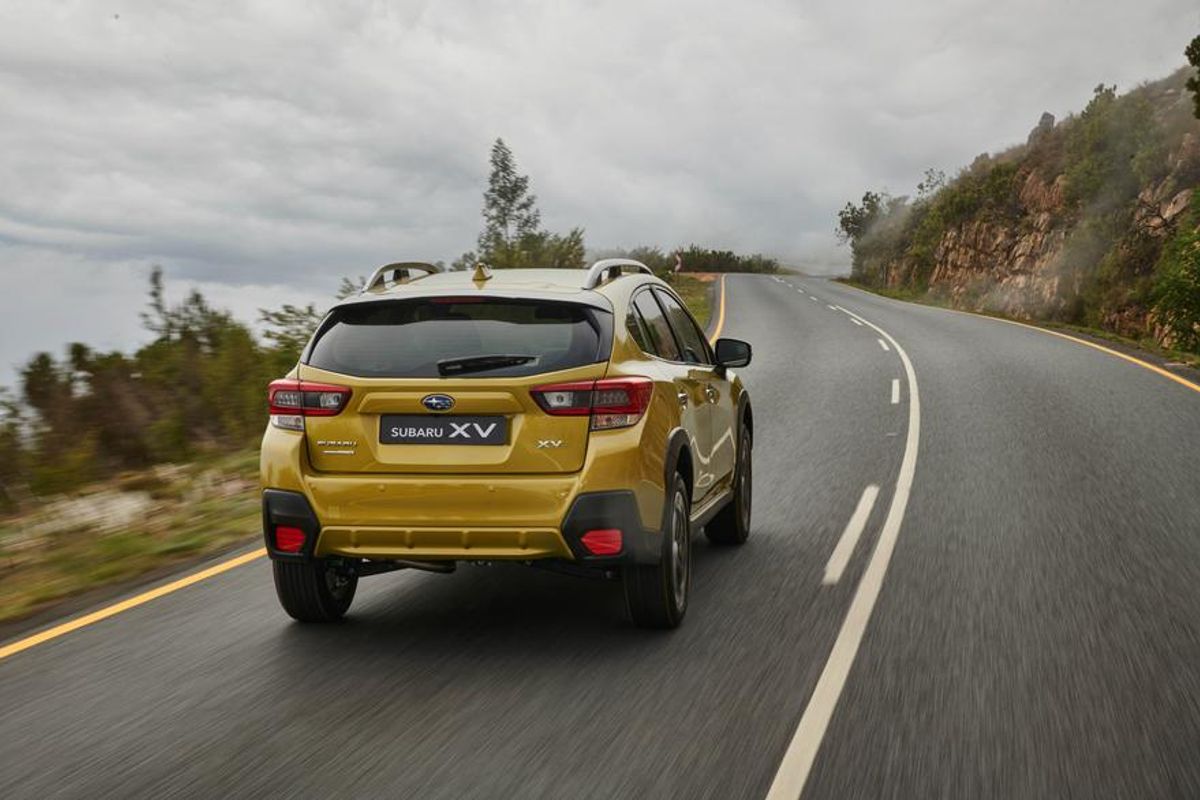
The Subaru XV now sports a freshly designed face featuring a revised lower grille and bumper as well as added contours to the fog light surrounds.
The XV can also be had with new 17- or 18-inch alloy wheels and buyers can also opt for the new Plasma Yellow or Horizon Blue Pearl body colours.
The XV offers a useful ground clearance of 220mm and Subaru has revised the XV’s suspension in an effort to enhance driving comfort and steering response.
The XV now offers better safety spec including Subaru's EyeSight Driver Assist technology.
Subaru’s Intelligent Drive or SI-Drive is now offered in the XV and allows the driver to choose modes to prioritise either comfort and efficiency or sportiness.
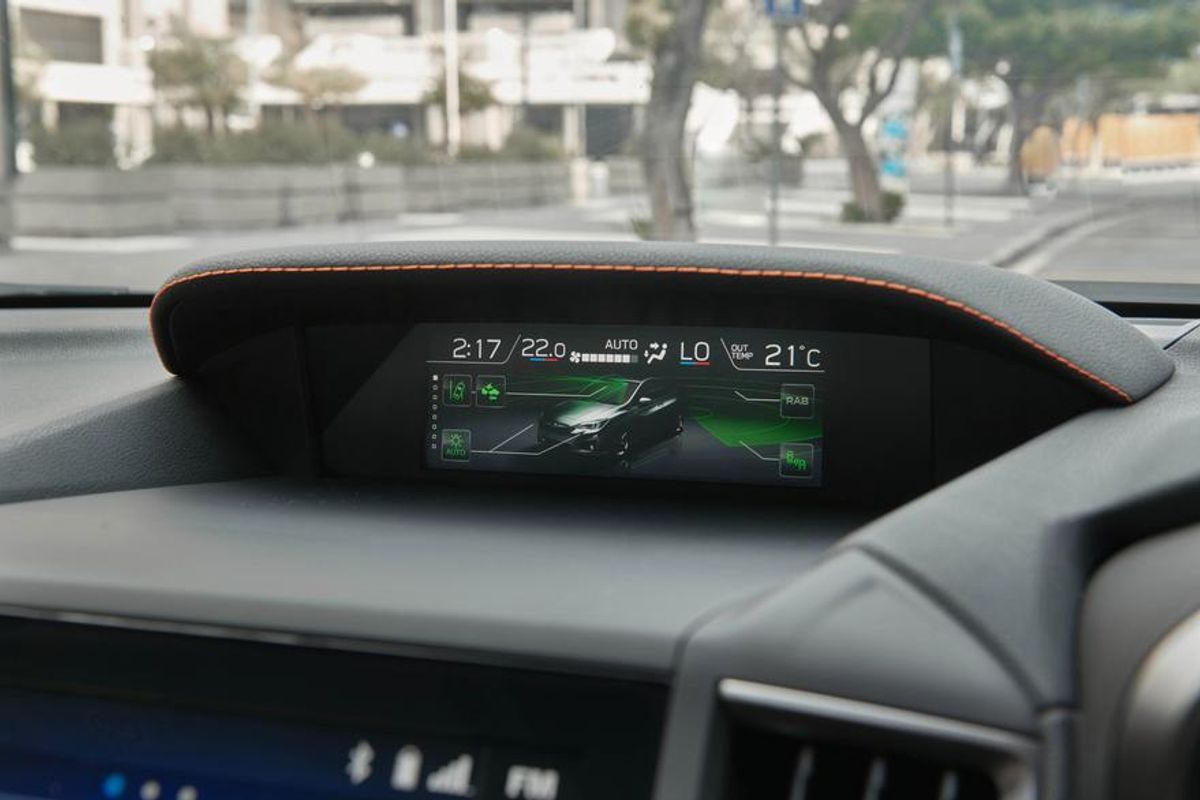
Safety has also been improved with the addition of a Front View Monitor which together with an integrated camera enhances safety when maneuvering in confined spaces or avoid obstacles in an offroad situation. This feature is part of Subaru’s Vision Assist safety suite which also includes a BLind Spot Monitor (BSM), Reverse Automatic Braking (RAB), Lane Change Assist (LCA) and Rear Cross Traffic Alert (RCTA).
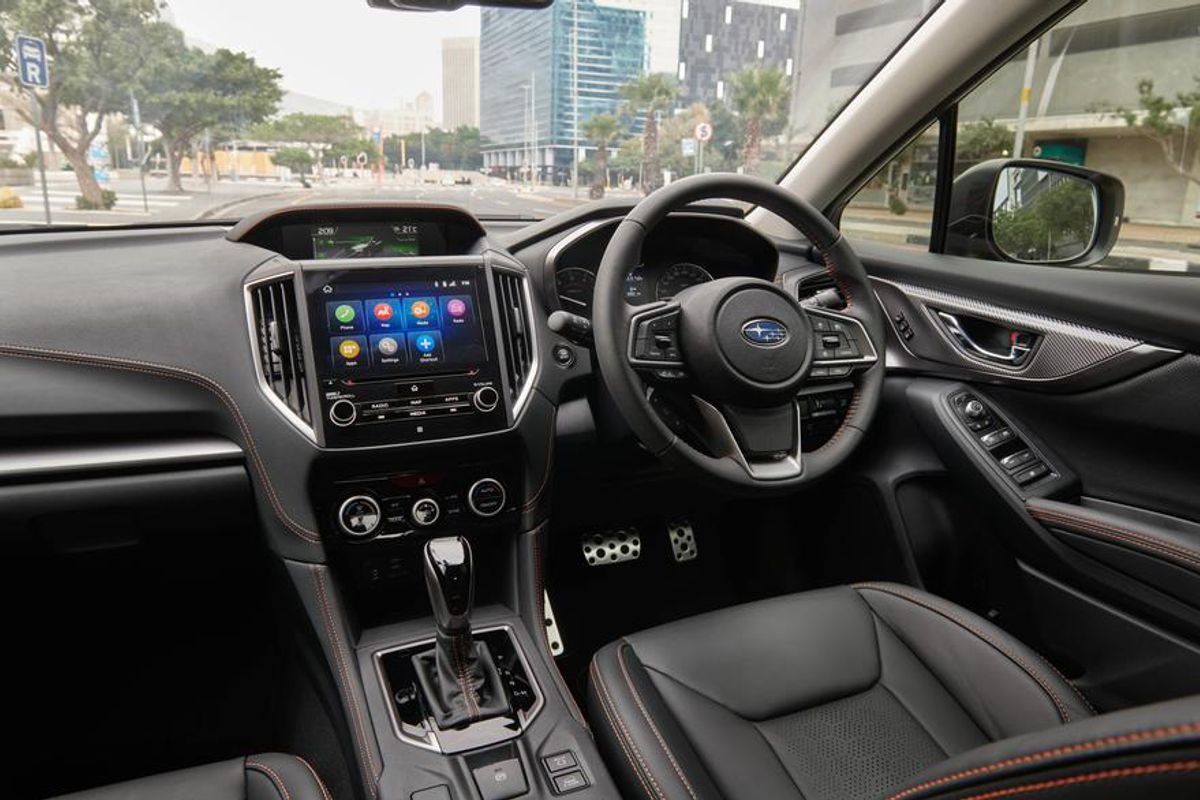
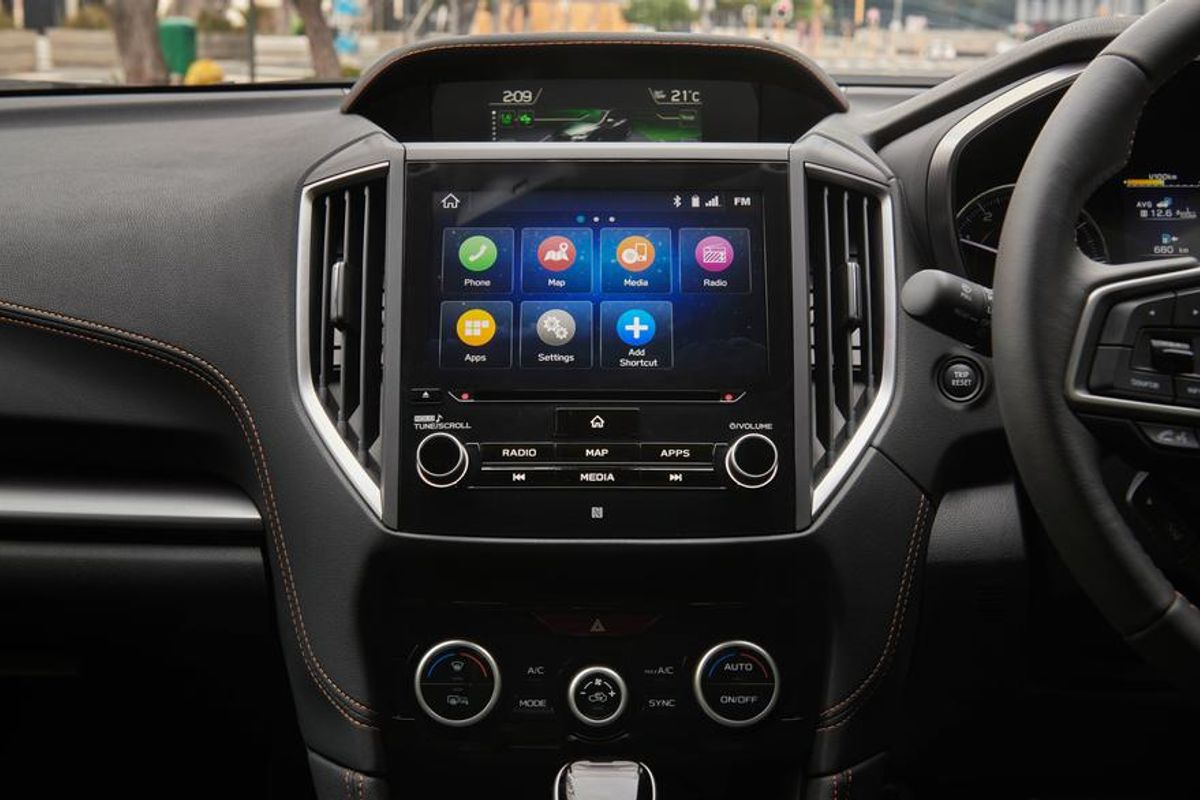
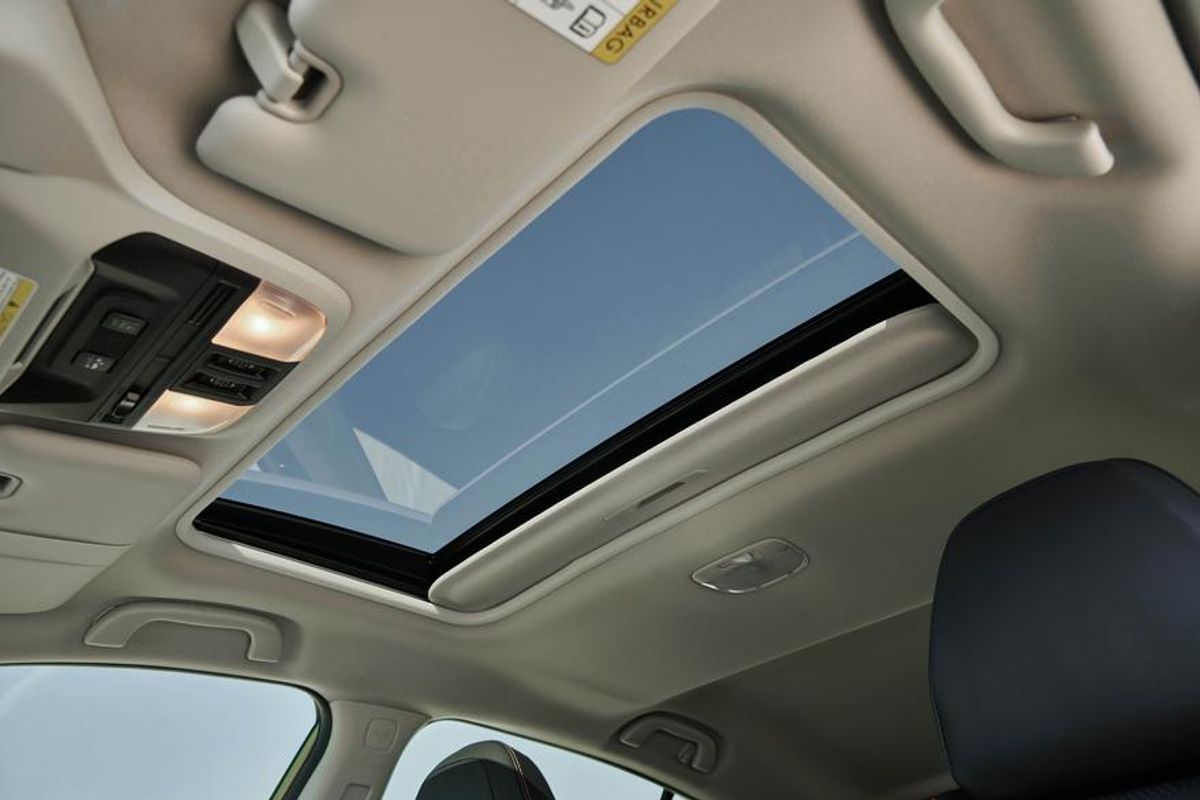
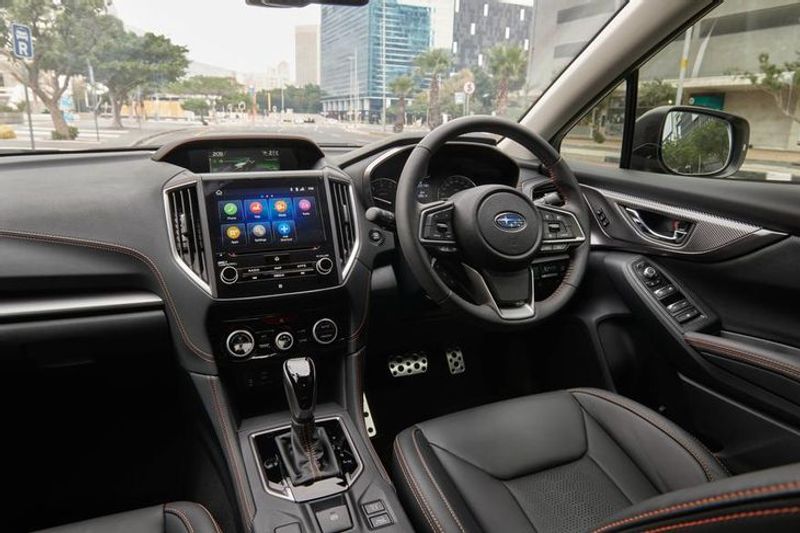
In terms of infotainment, an 8-inch touchscreen infotainment system is fitted and is compatible with Android Auto and Apple CarPlay. A total of 4 USB ports are also included and a new memory seat function is now a new feature. A sunroof and Subaru’s EyeSight Driver Assist technology is also offered!
What engine does the Subaru XV have?
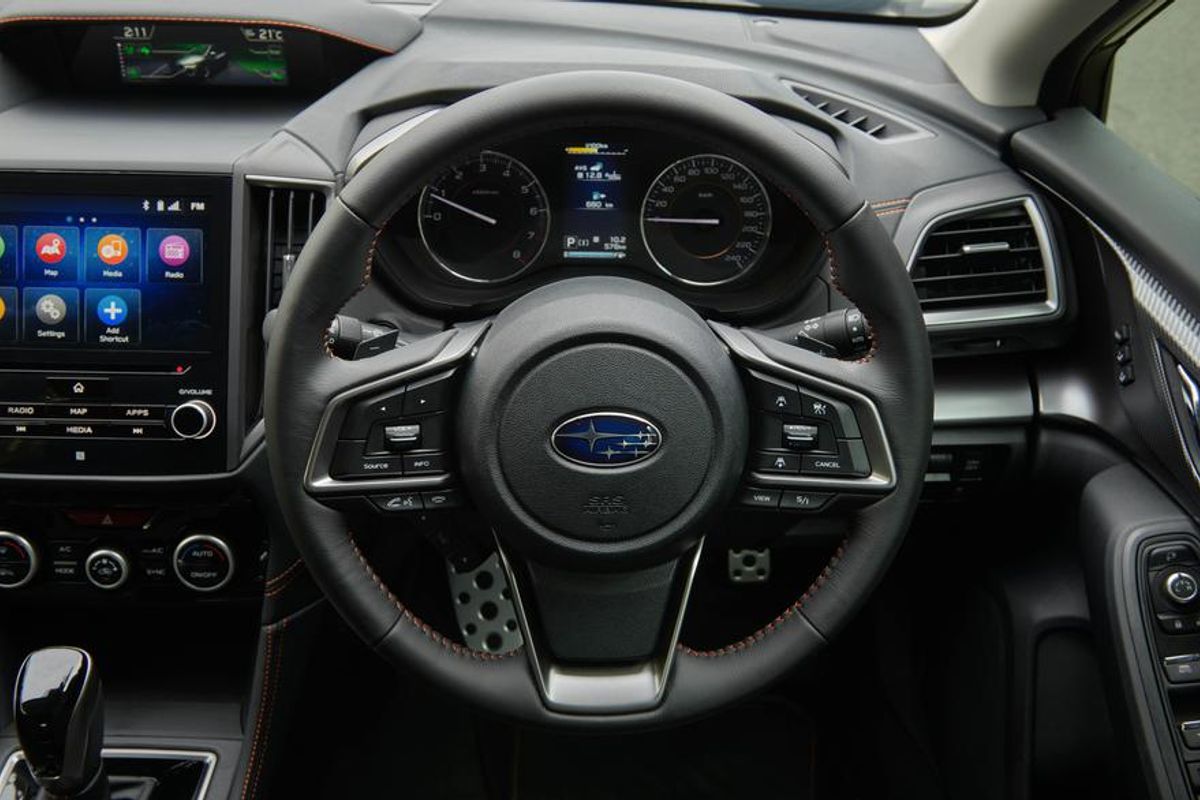
The XV is powered by a 2.0-litre Boxer engine with 115 kW and 196 Nm on offer and is mated with a Continuously Variable Transmission (CVT) with a 7-speed manual mode and shift paddles behind the steering wheel.
Nteo Nkoli, Marketing Lead of Subaru Southern Africa says, “These updates to the XV compact SUV enhance what was already a highly competent vehicle. Now safer, more comfortable and with added tech and colours, the XV truly embodies the themes of fun and adventure.”
What is the price of the Subaru XV in South Africa?
Subaru XV 2.0i CVT R445 000
Subaru XV 2.0i-S ES R509 000
Subaru XV models are sold with a 3-year/75 000km maintenance plan as well as the 5-year/150 000km warranty. Extensions are optionally available.