Volkswagen has teased an updated version of its popular Polo. Here's what we know so far.
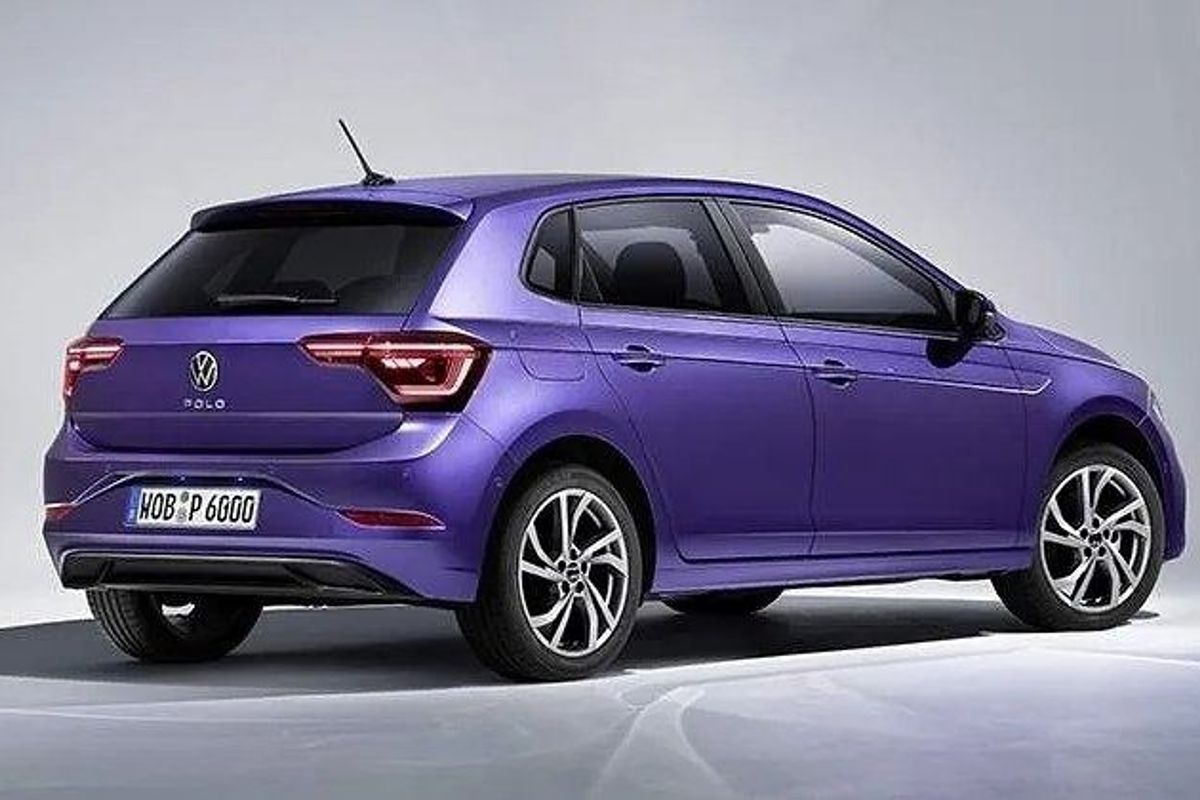
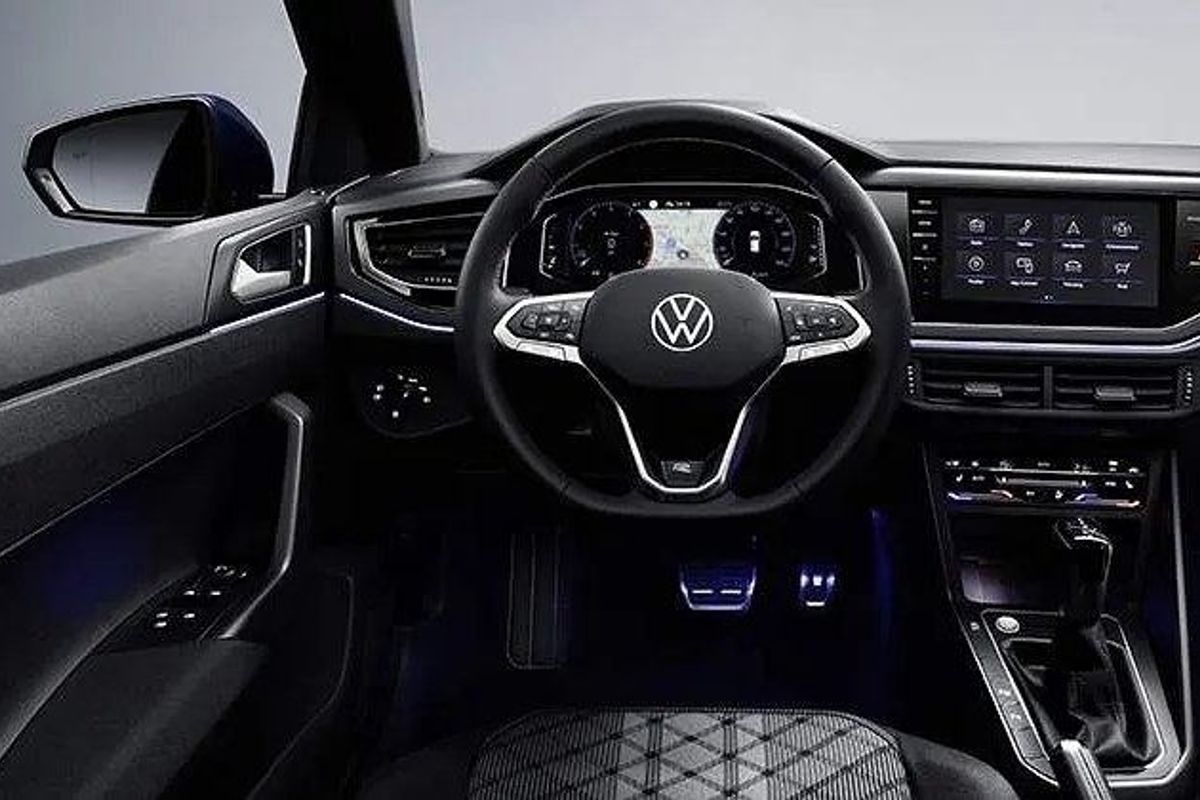
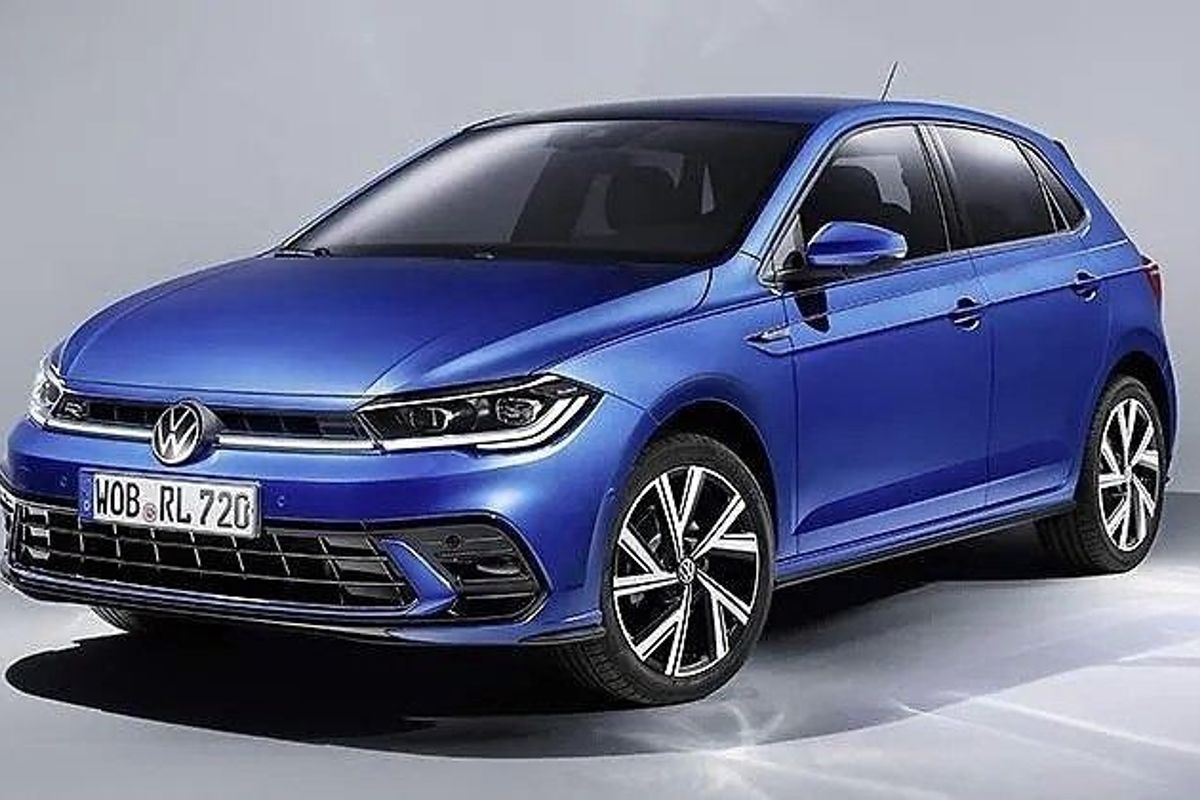
Update: With less than 24 hours to go before the official reveal, some leaked images found their way onto the Internet. We get to see the front, the rear and get a good look at the revised interior.
With a stellar sales record of around 18 million units finding homes around the world, Volkswagen knows it cannot mess what's clearly a winning recipe with its Polo.
The reveal of the updated Volkswagen Polo will take place on the 22nd April 2021 and the teaser image you see here gives us some clues as to what we can expect. We can clearly see the redesigned headlight as well as an extended LED strip that reaches to the badge. This fashionable design element is something we've seen in a few cars now, not just the Volkswagen stable. The Volkswagen Golf 8 has it and this update to the Volkswagen Polo ties the family together quite nicely. We've already seen some Volkswagen Polo spy shots, but Volkswagen has cleverly kept the good stuff well hidden.
A design update is just a small factor in the overall facelift process and given how tech-heavy vehicles are these days, it should come as no surprise that Volkswagen has given the Polo a big update under the skin. The teaser image was accompanied by the claim that 'the technologies and specification matric of the best-seller have had a comprehensive update.'
What could this mean? We reckon this means the introduction of modern semi-autonomous safety equipment as well as enhanced connectivity such as that seen in the soon-to-be-launched Volkswagen Golf 8. The updated Volkswagen Polo is important because not only is a popular model in South Africa, but its also assembled in the Eastern Cape, at Volkswagen's facility in Uitenhage.
We expect the updated model to also be built in South Africa, but as to when production will start is unclear. Set your alarms for Thursday the 22nd April 2021.
Mitsubishi is offering just 100 examples of the Pajero Legend 100 in South Africa. See specification and pricing details below.
With its roots in the gruelling Dakar Rally, where the Pajero racked up multiple wins, 12 in fact, from 1985 to 2007, this is no doubt an impressive achievement that the Minato-based firm is very proud of. Sadly though, production of the Pajero has come to an end and the model will soon be no more.
However, Mitsubishi is inviting 100 lucky buyers to join the ‘Legend 100 Club’ by purchasing a limited edition Pajero Legend 100 which features an obligatory “Legend 100” badge and owners will receive a certificate of membership to the club.
“We are down to the last 100 units and celebrating it with the Pajero ‘Legend 100’ Club, which will find new lucky homes in 2021, proving the popularity of the car that built up an unequalled Dakar record which still stands today,” says Nic Campbell, General Manager of Mitsubishi Motors South Africa.
Both the SWB (3-door) and LWB (5-door) Pajero will receive “Legend 100” certification. Engine power comes courtesy of a 3.2-litre turbodiesel engine with 140 kW and 441 Nm. Mitsubishi’s Super Select II-4WD system ensures notable offroad capability and provides 4 driving modes including 2WD High Range, 4WD, 4WD High and Low Range with a locked centre differential.
The Pajero Legend 100 is also equipped with 6 airbags, ABS with EBD, brake assist, active stability control with traction control as well as a rear view camera and rear park distance control for added reassurance.
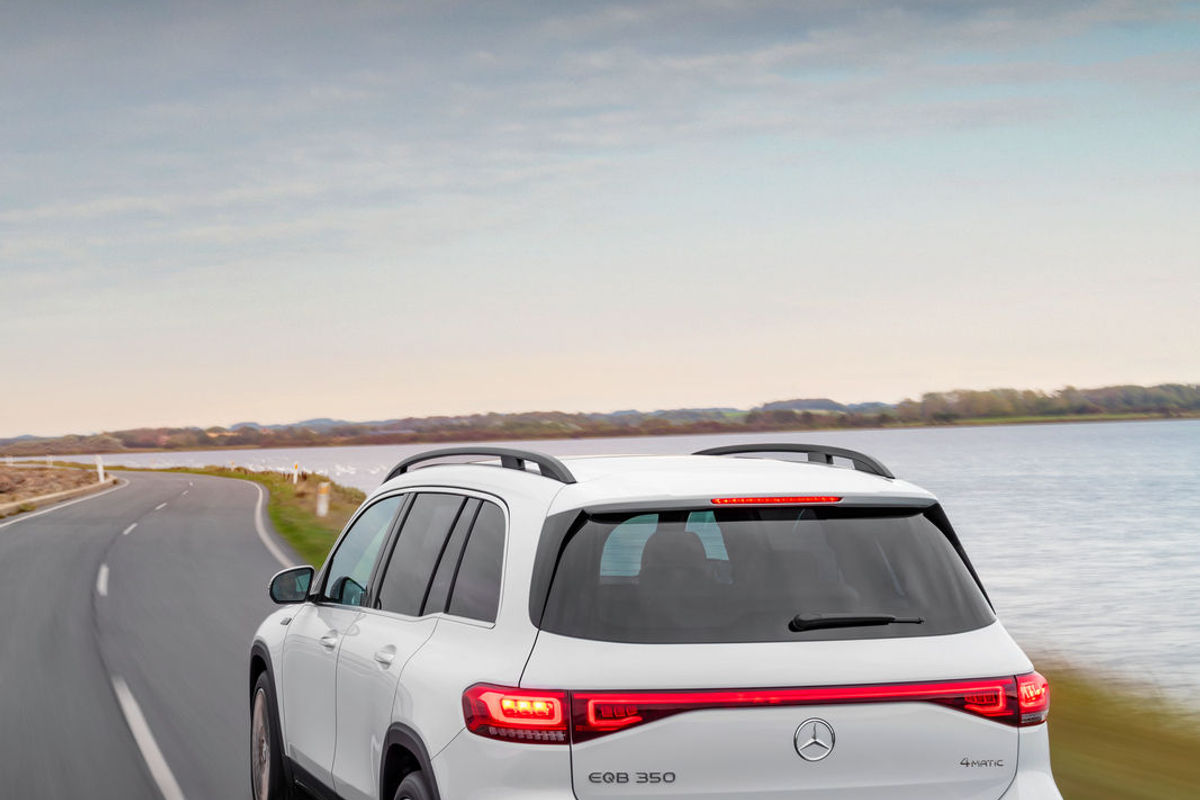
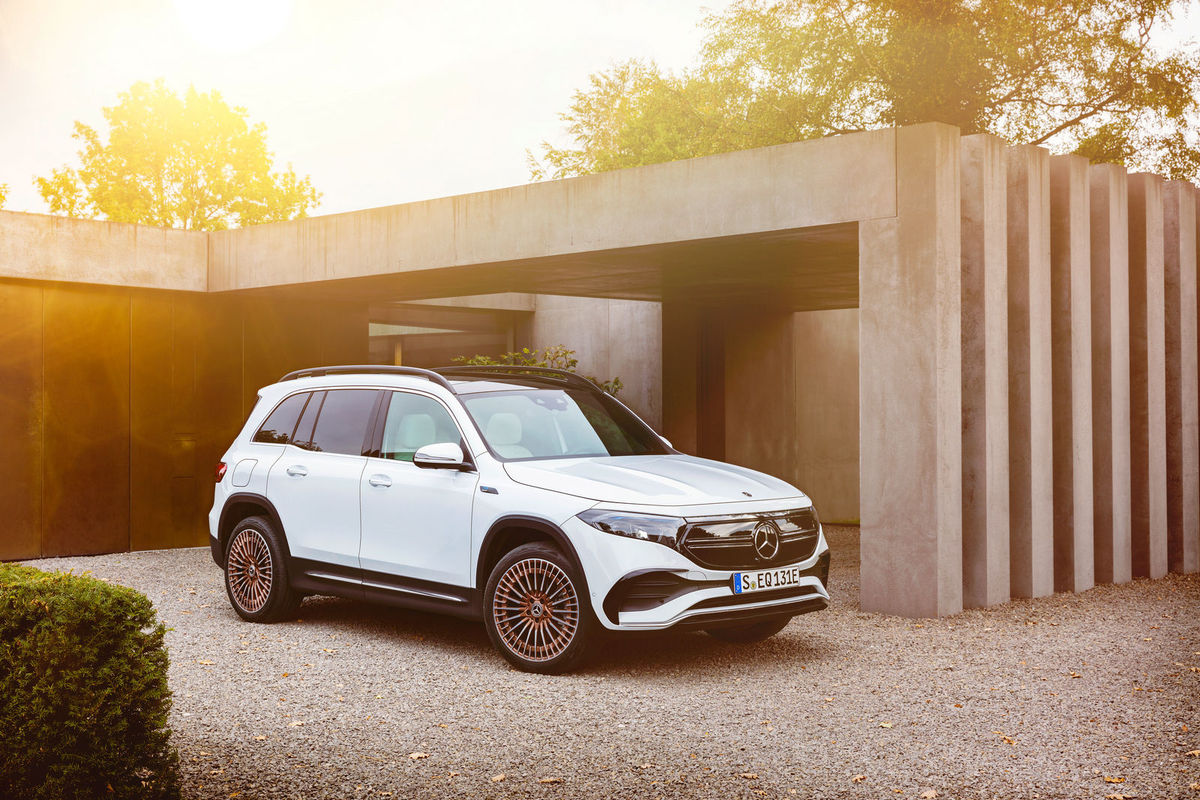
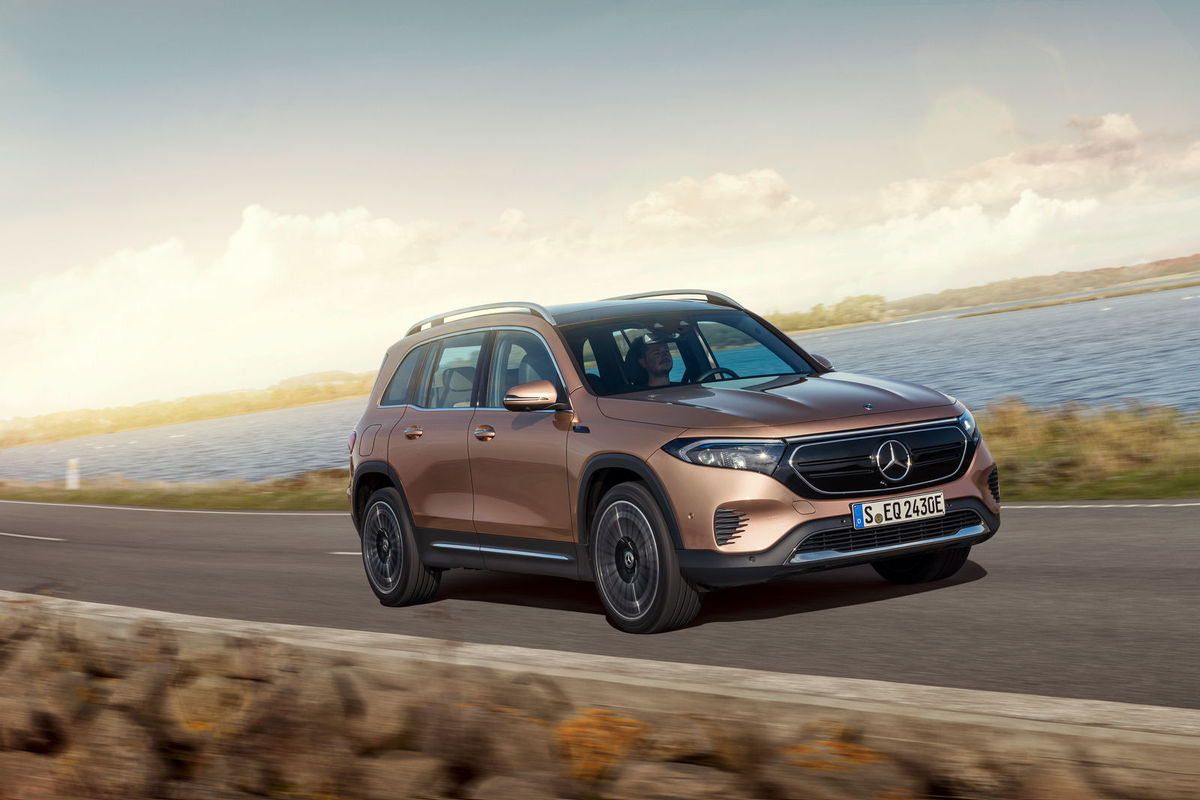
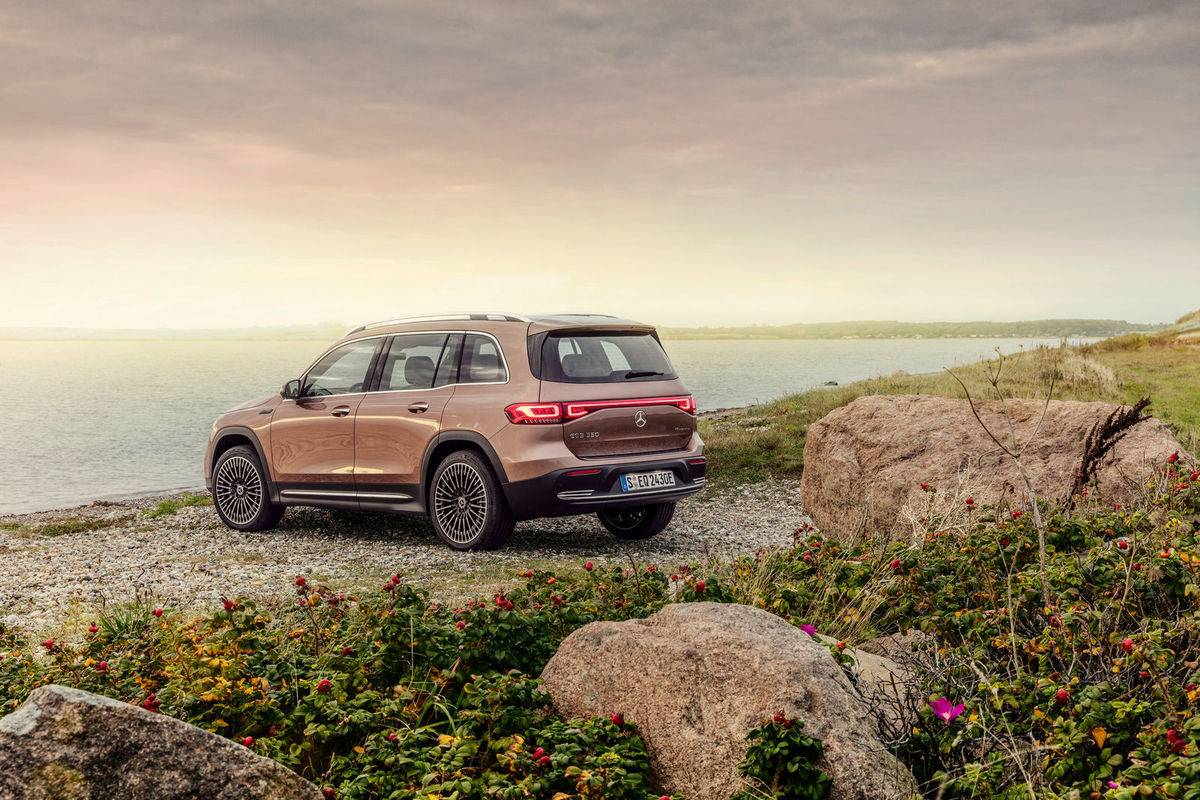
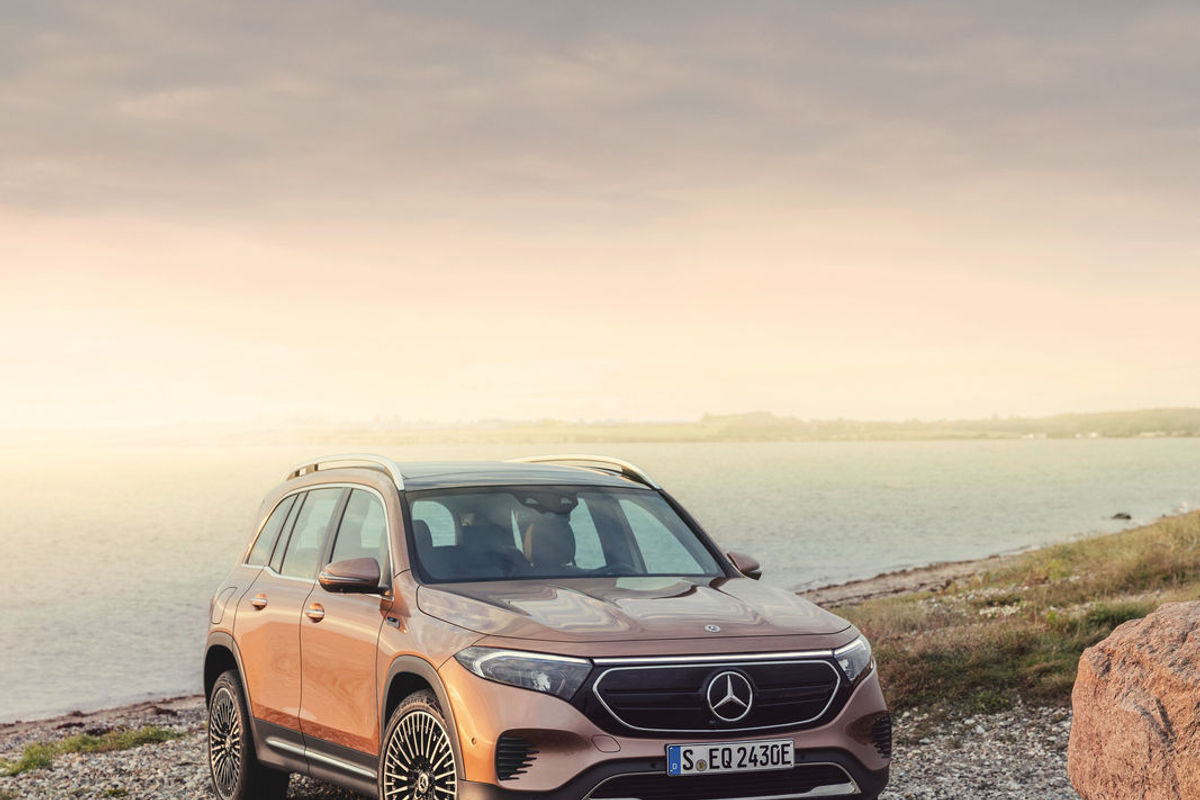
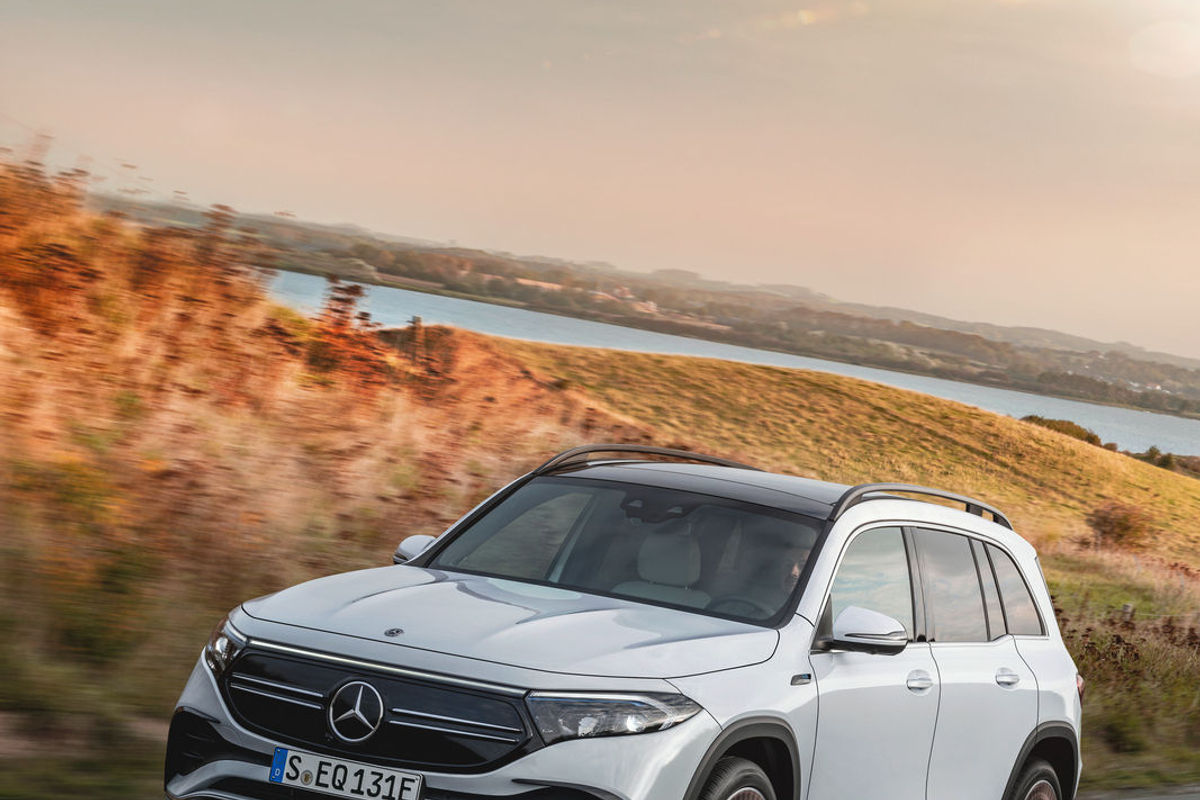
The wave of Mercedes-Benz electric vehicles is in full flow as the brand has just revealed this EQB. It’s a 7-seater electric SUV with 420 km range.
The Shanghai motor show has seen almost every brand display some form of electric production vehicle or at least a hybridized version of a current production vehicle. Mercedes-Benz has followed suit and added the EQB to its EQC, EQE, EQA and recently launched EQS electric range.
The EQB is different in that it has 7 seats as an option where the 3rd row can accommodate passengers up to a height of 1.65 metres. Both seats can handle child seats, taking the total number of child seats you can fit in an EQB to 5 (1 in the front, 2 middle and 2 in the 3rd row).
Boot space is claimed at 495 litres in 5-seat mode and with all the seats down it copes with 1 620 litres of luggage. Overall it’s a reasonably practical SUV with similar dimensions to the current GLB.
Merc EQB Range and Power
Multiple versions of the EQB will be available including front- and all-wheel-drive versions. Different power outputs will be available too, which Merc says will produce over 200 kW in Europe. The battery onboard has a capacity of 66.5 kWh and in the EQB 350 4Matic will have a range of 419 km (WLTP cycle).
In terms of charging capability, the EQB can be charged at up to 11 kW at AC power, usually used at home or up to 100 kW with DC power, at charging stations. At 100 kW it should charge from 10%-80% in 30 minutes.
Merc EQB interior details
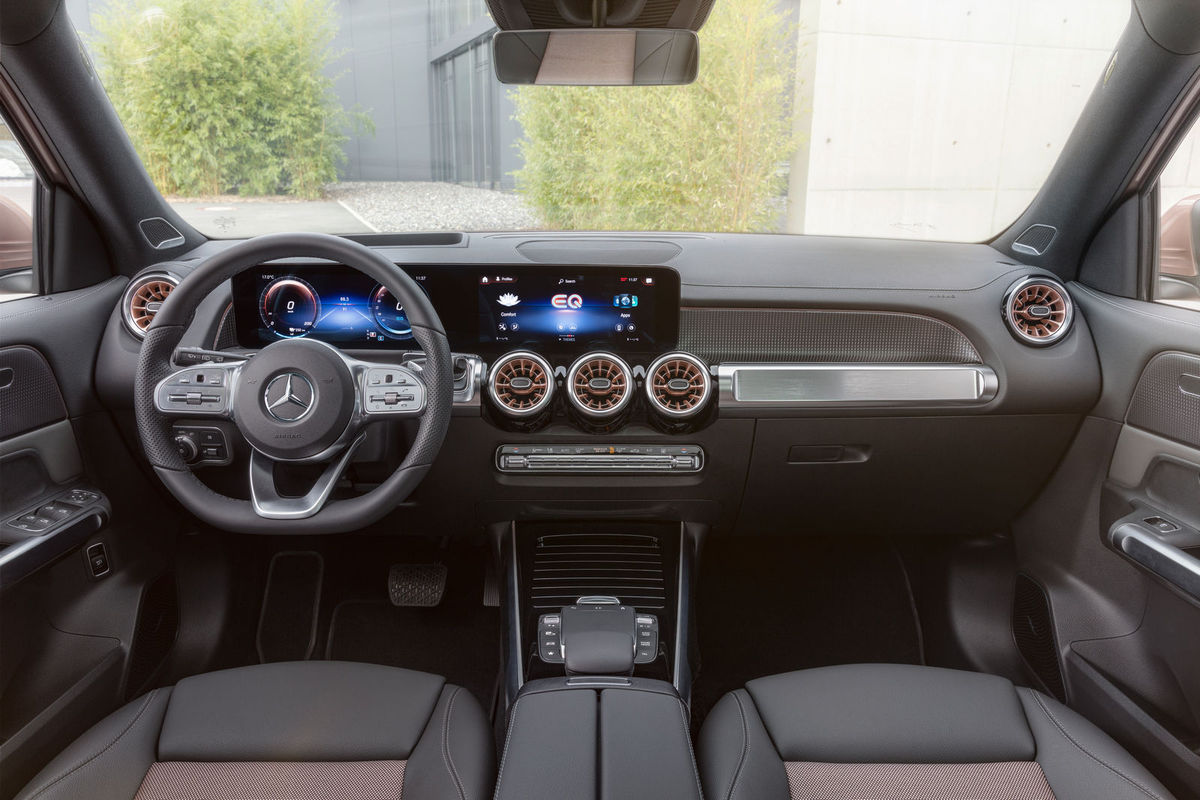
A basic interior by electric car standards.
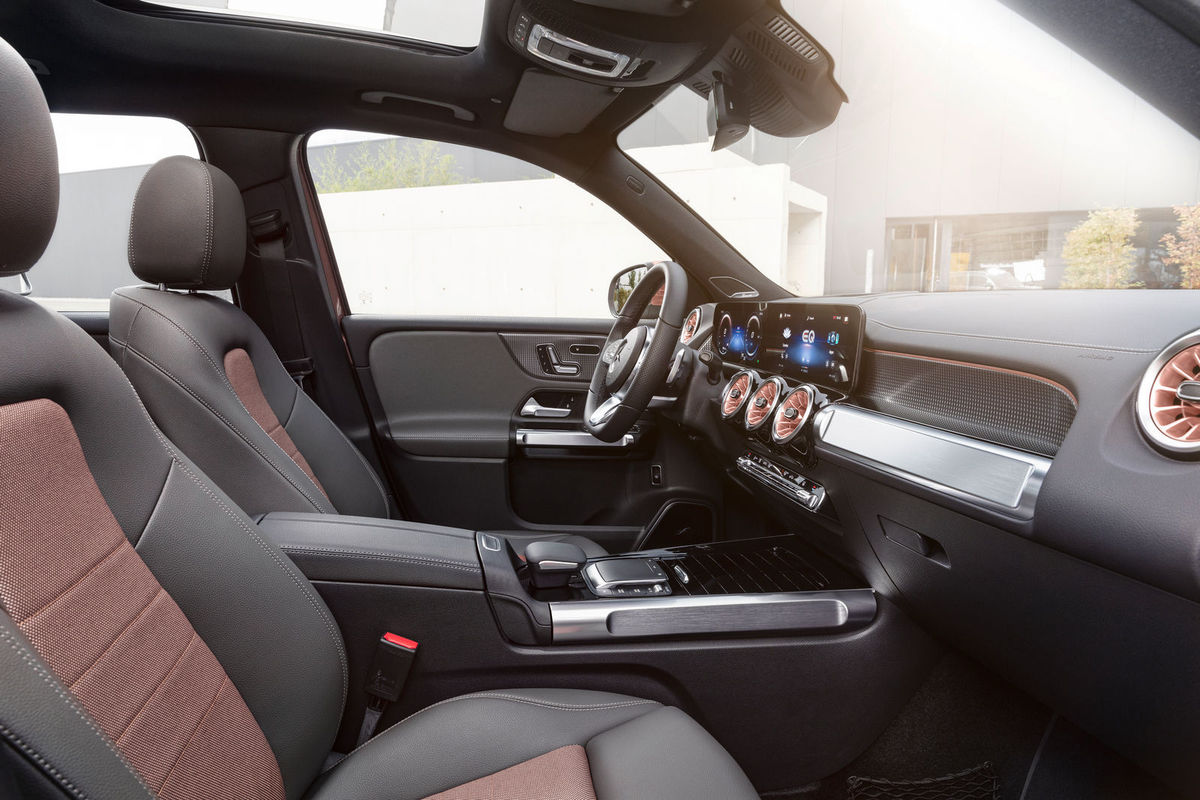
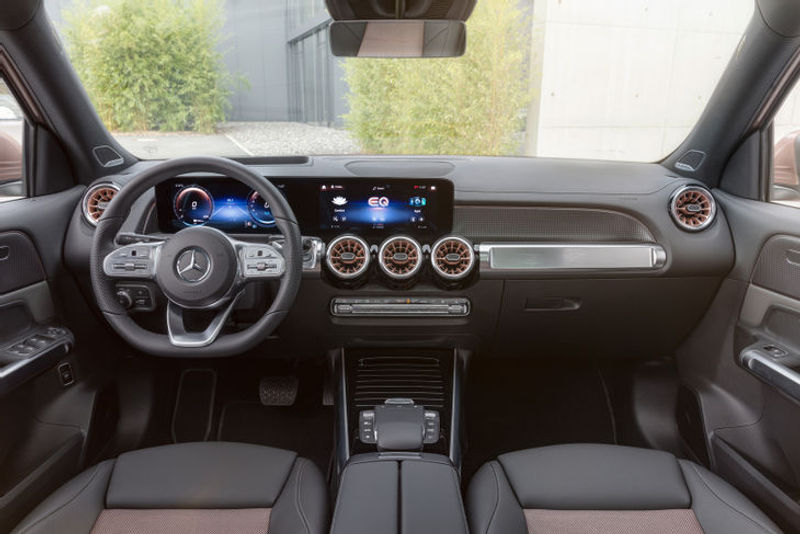
The insides of the EQB are more traditional than we’ve come to expect from new EVs. The familiar skateboard screen deals with instrument dials in front of the driver and the infotainment on the other side of the split-screen.
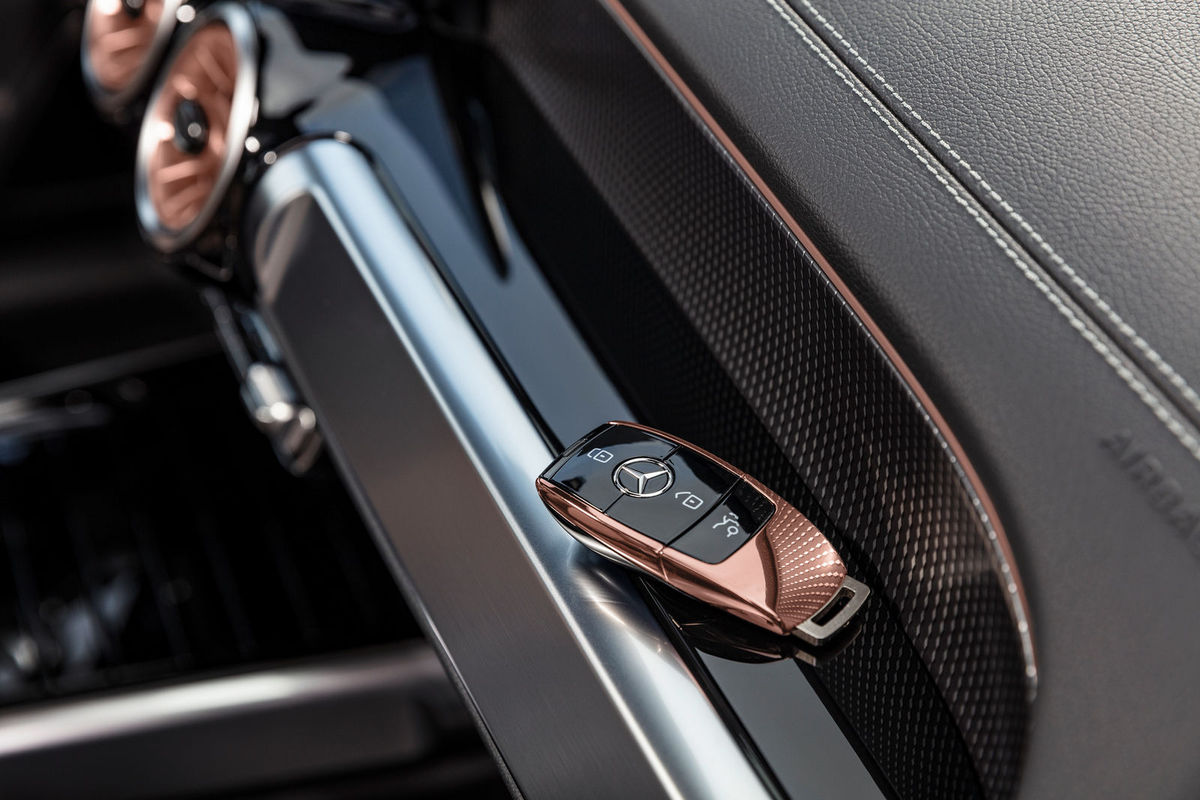
Depending on the design and equipment line, a backlit trim piece and rose gold-coloured decorative elements on the air vents, seats and vehicle key provide clues to the electric character in the interior of the EQB. The instruments, with their electric car-specific displays, pick up on the same colour scheme with rose gold-coloured and blue highlights.
The EQB will go into production in order to be ready for the Chinese market at the end of 2021 before being made available in Europe in early 2022. It is being built in 2 Mercedes plants around the world, Hungary and Beijing.
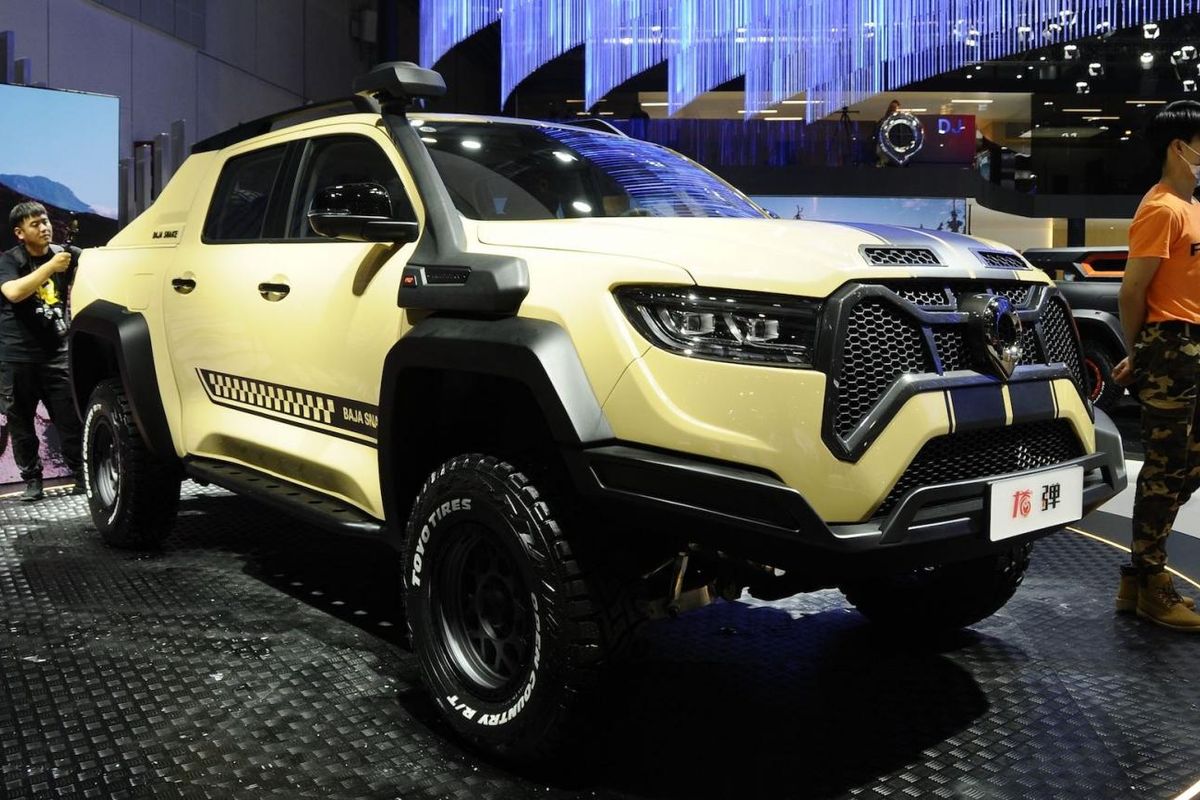
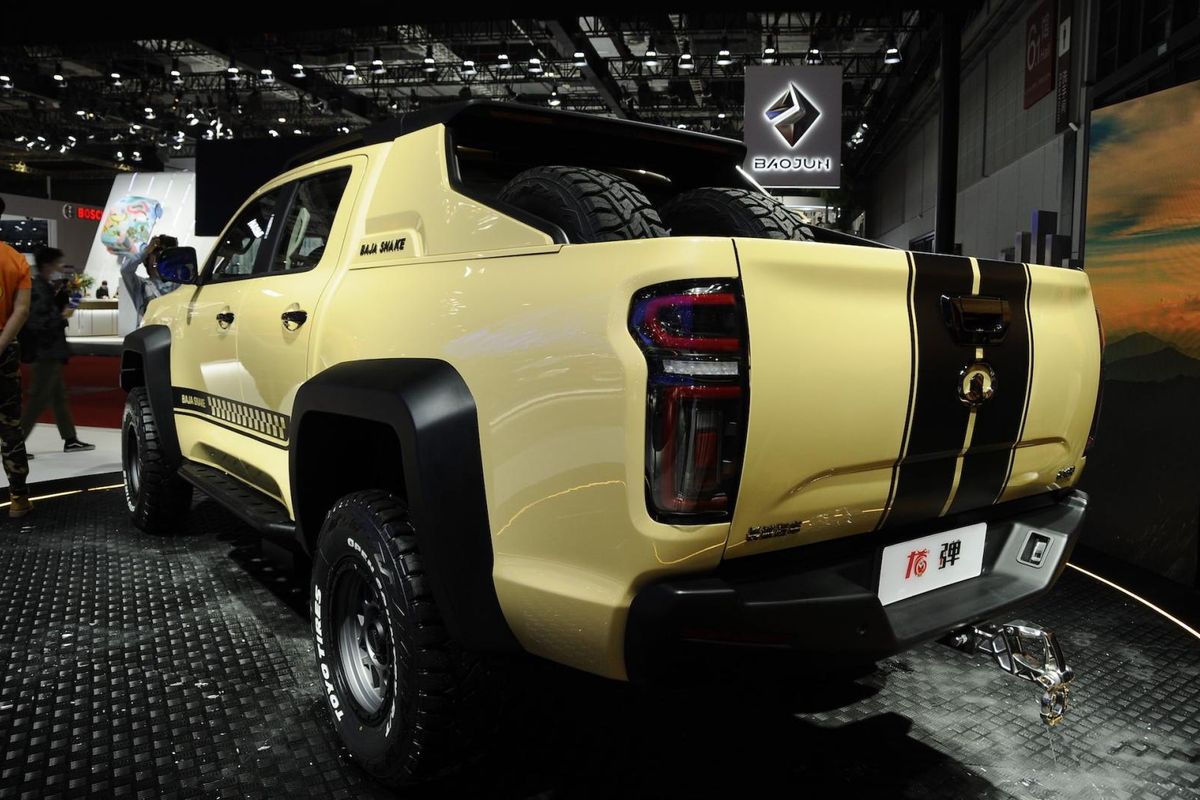
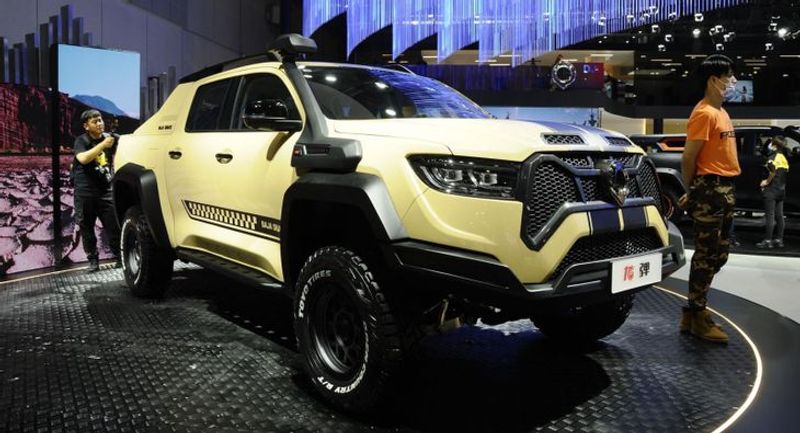
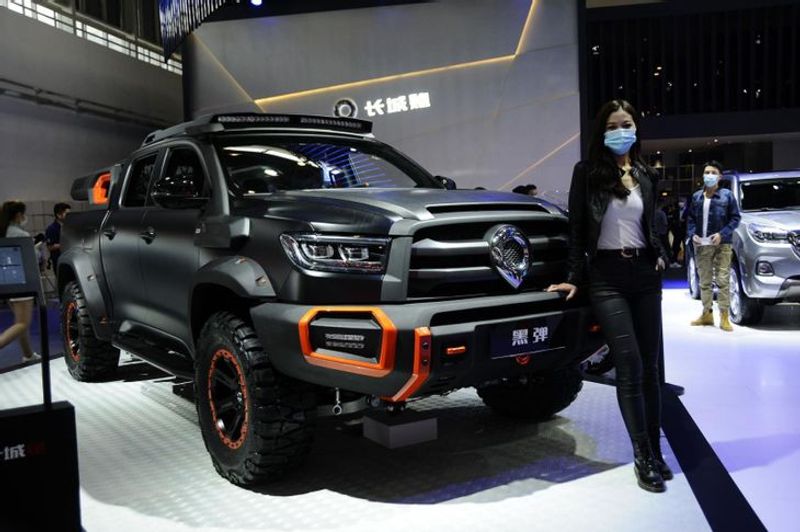
GWM has revealed a beefed-up version of its P-Series double-cab bakkie. This is the GWM Baja Snake!
The much-talked-about Baja Snake has been revealed at the 2021 Shanghai Motor Show this week.
We know GWM is keen to enhance its bakkie offerings and its prior concepts like the GWM Black Bullet Concept underlines its intentions of making cool lifestyle offerings.
How much power does the GWM Baja Snake have?
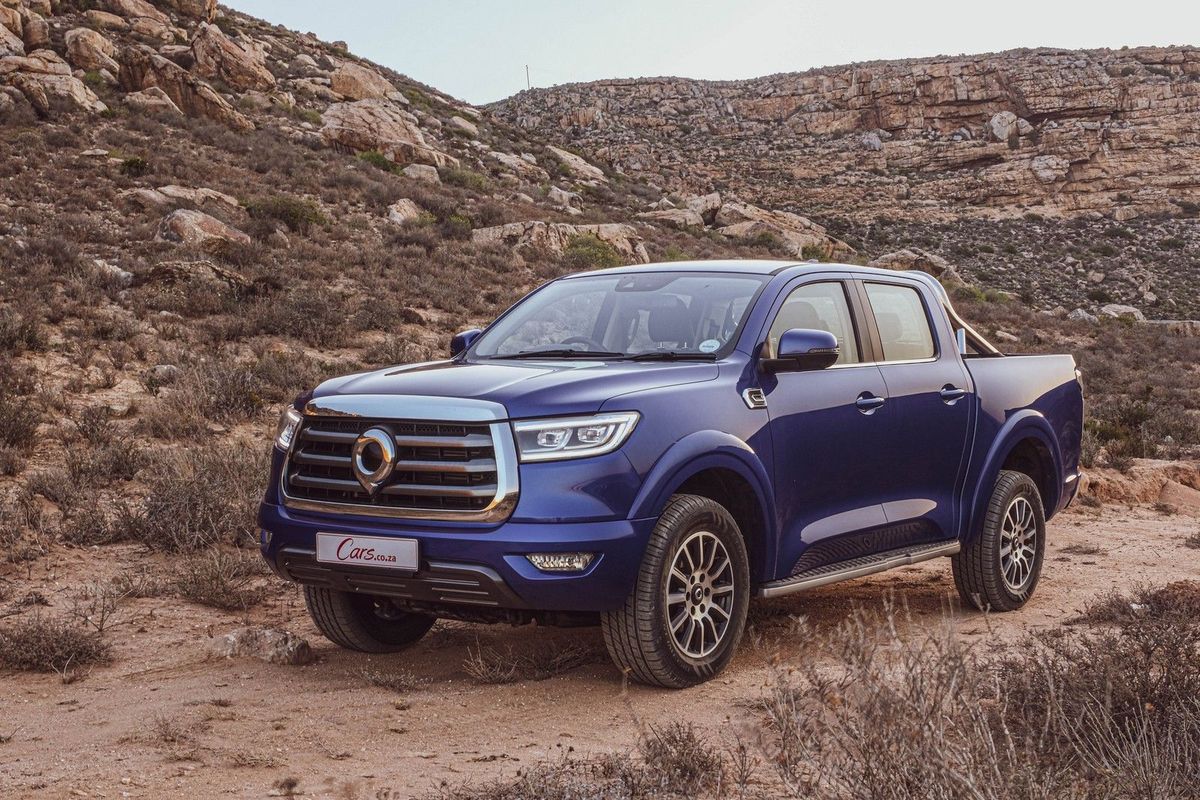
The GWM P-Series was launched in South Africa just before the end of 2020 and impressions have been favourable thus far. We at Cars.co.za were impressed with the refinement, levels of equipment fitted and value for money. For the record, the GWM P-Series is powered by a 2.0-litre 4-cylinder turbodiesel engine with 120 kW and 400 Nm. This motor is paired with an 8-speed automatic gearbox, sourced from ZF.
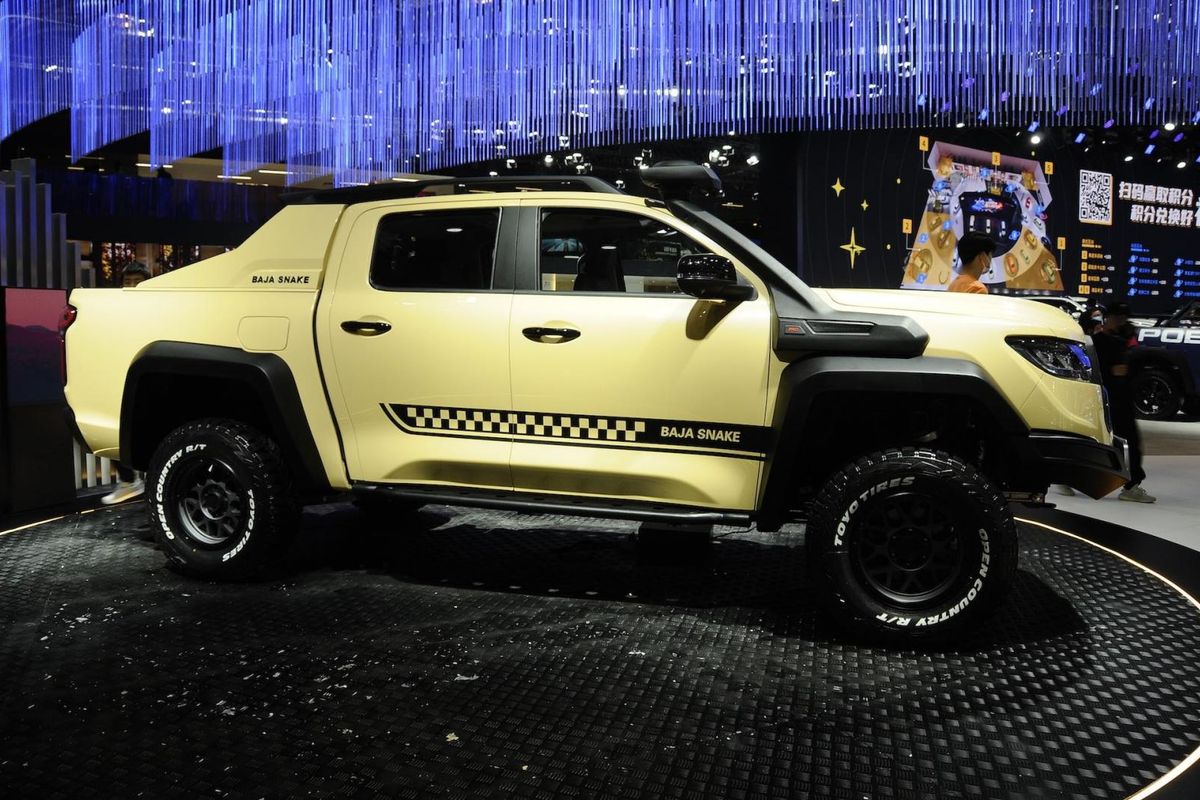
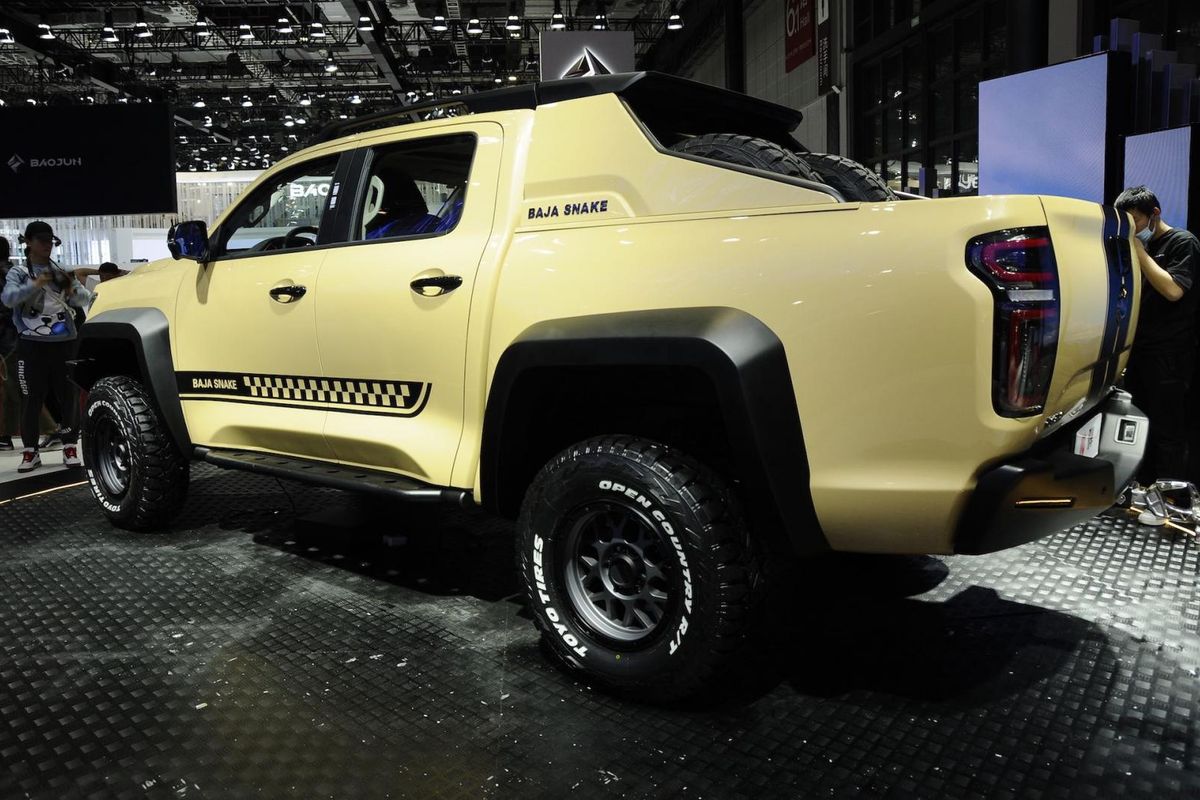
Performance bakkie enthusiasts will feel a little deflated knowing that the Baja Snake has no more than 140 kW and 360 Nm on offer from its 4-cylinder, 2.0-litre turbodiesel engine. Despite this, the Baja Snake is equipped with Fox shock absorbers with 14-stage damping that will be particularly useful in an offroad scenario. The ride height can also be raised by a notable 50 mm. Other noteworthy features include a menacing grille with a huge GWM logo in the centre, 2 racing stripes, 'Baja Snake' lettering, air snorkel and wide and flared wheel arches which house rugged offroad Toyo tyres.
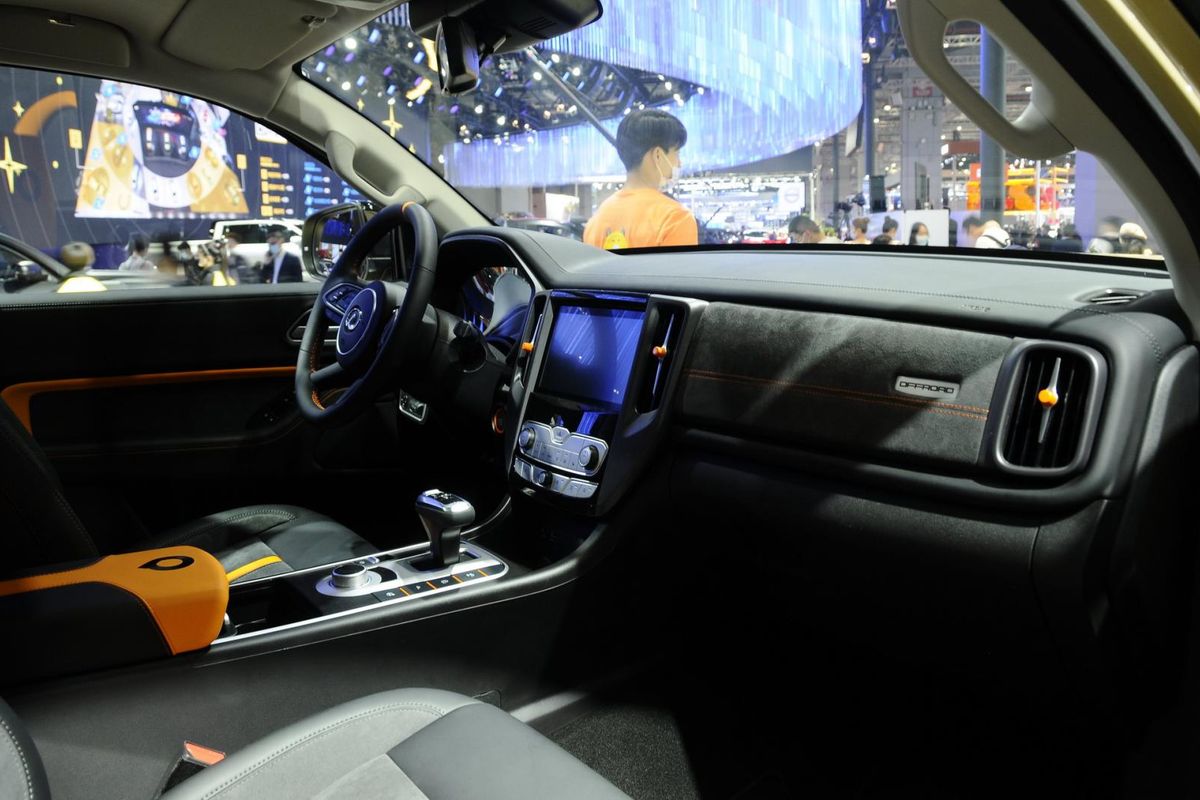
As for the interior, it hasn't changed much from the standard P-Series but GWM has used Alcantara and orange accents to liven up the cabin.
The Baja Snake looks the part but that's where this story ends…
Does it make sense for GWM to go the performance bakkie route?
The current uptick in new market introductions suggests this is indeed an avenue worth investigating. Globally, the Ford F-150 and F-150 Raptor dominate the sales figures Stateside, while locally many Ford Ranger Raptors have found homes. We know Toyota is working on GR-badged Hiluxes, and the substantially revised, locally-assembled Nissan Navara may spawn a sportier derivative down the line. Local production of the all-new Isuzu D-Max is due to kick off in late 2021 and we'd bet there'll be some form of aggressive-looking model soon enough. While it isn't inherently sporty, let's not forget the V6-powered Volkswagen Amarok – easily SA's fastest double-cab bakkie.
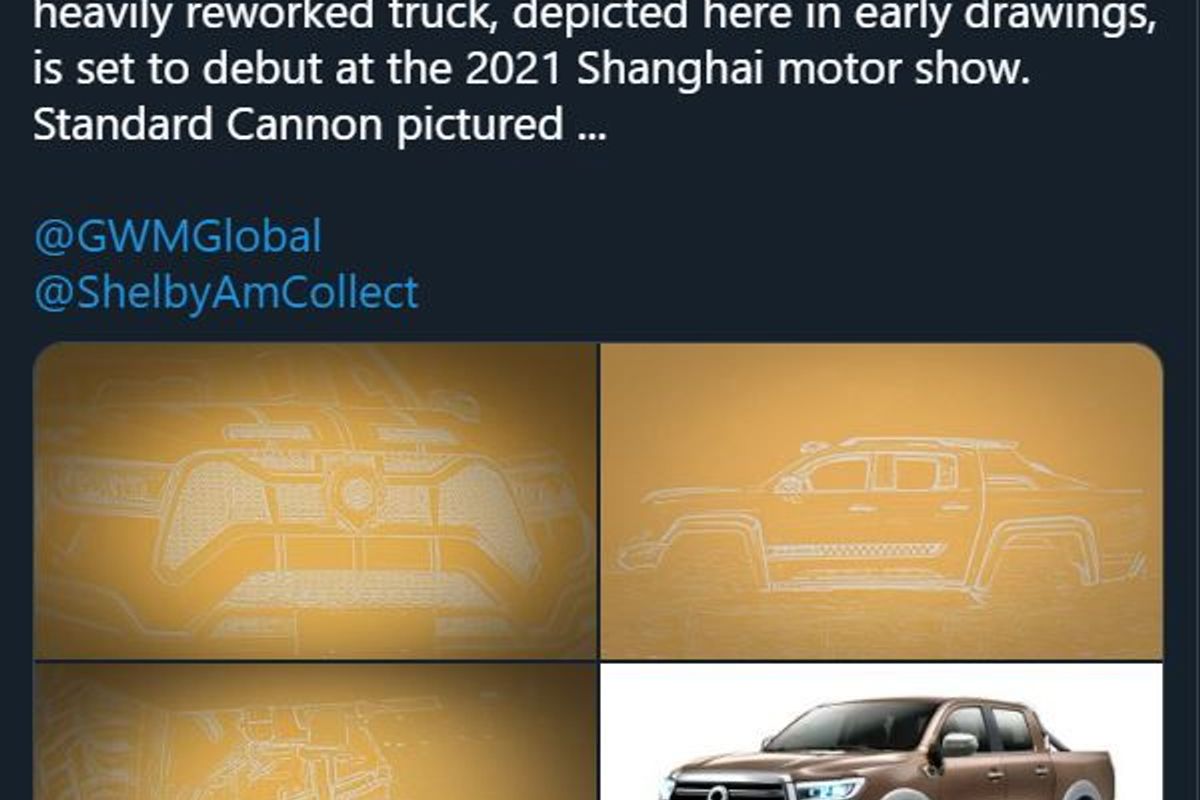
Initial reports suggested that GWM had partnered with Shelby to create the Baja Snake but it now appears that the model has merely drawn inspiration from products such as the Shelby Baja Raptor which is based on the Ford F-150 Raptor.
Even so, the Baja Snake does not have the engine performance to compete with its more powerful rivals and it appears to rather be an exercise in design rather than a full-blown performance bakkie, which is a bit of a disappointment if we're honest…
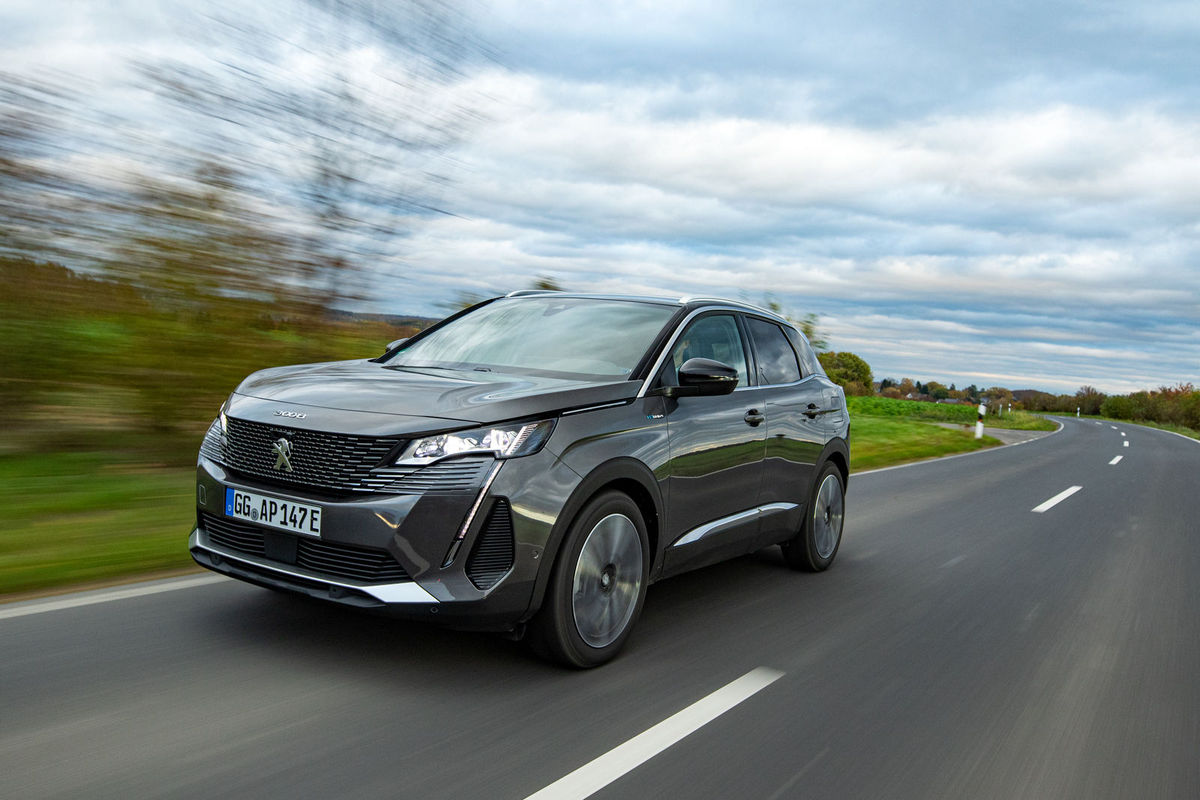
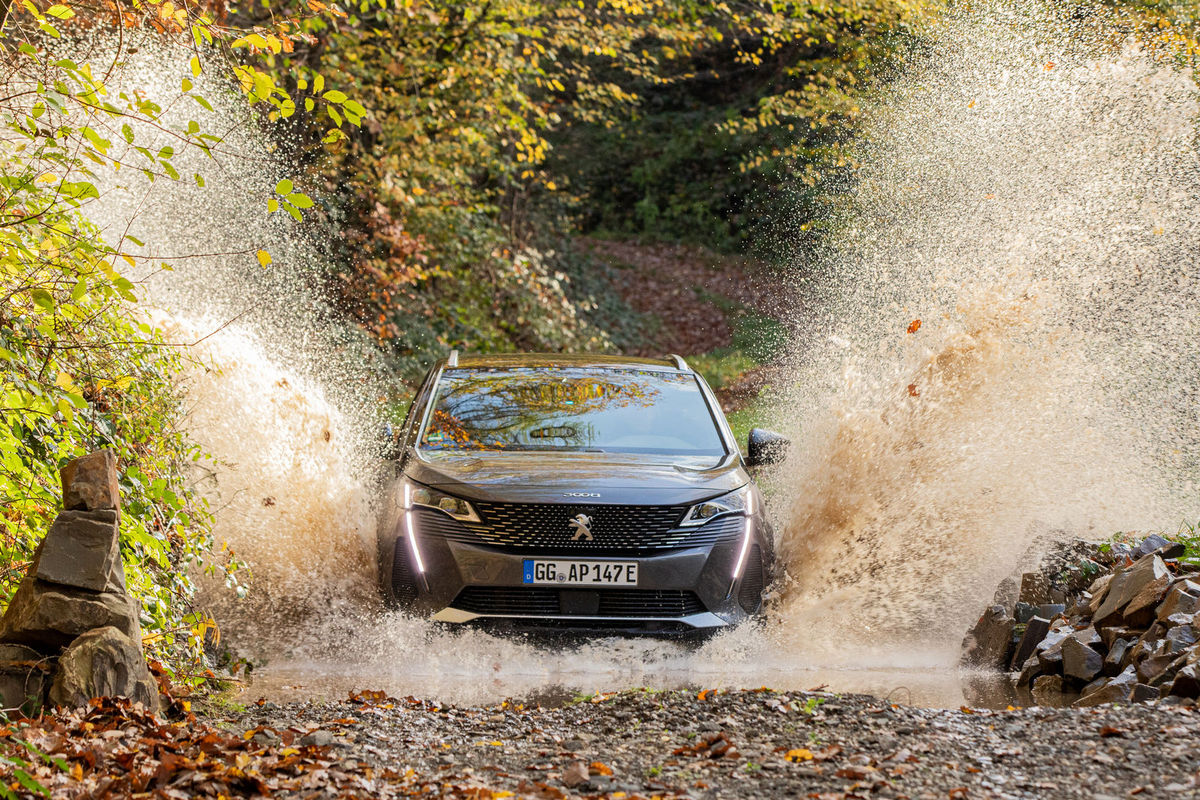
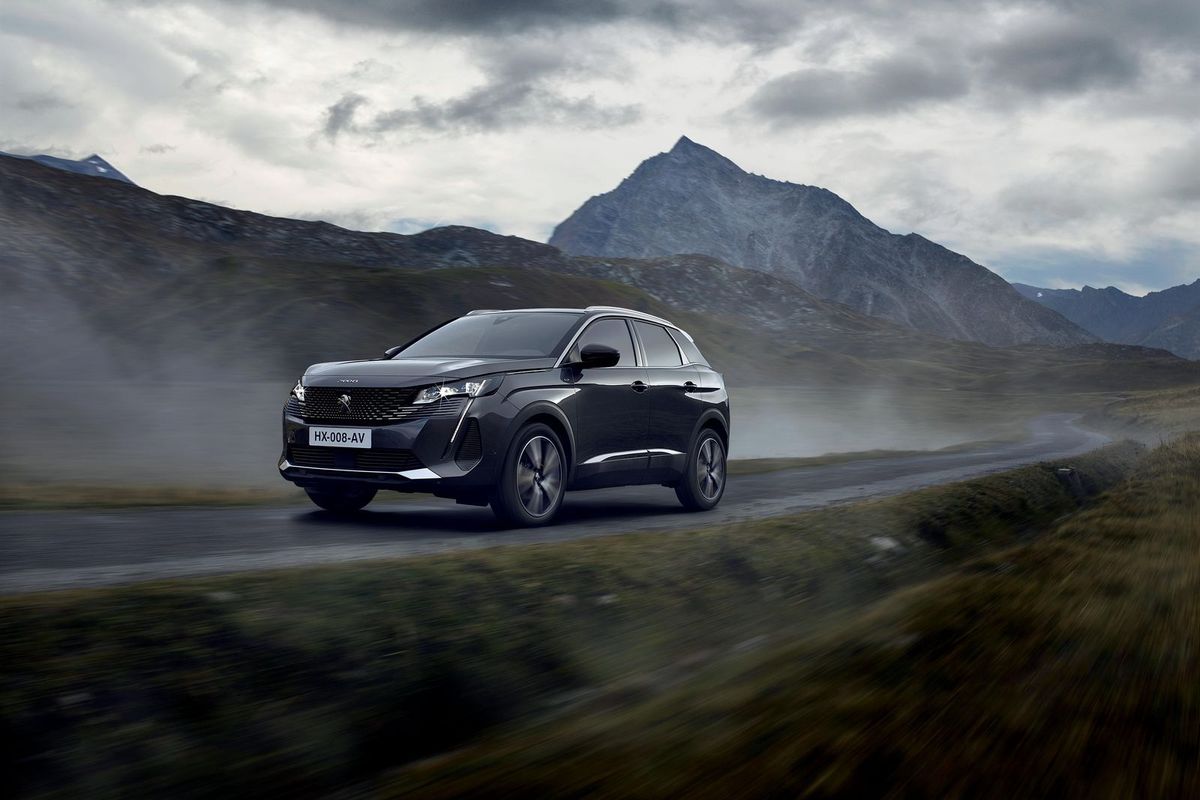
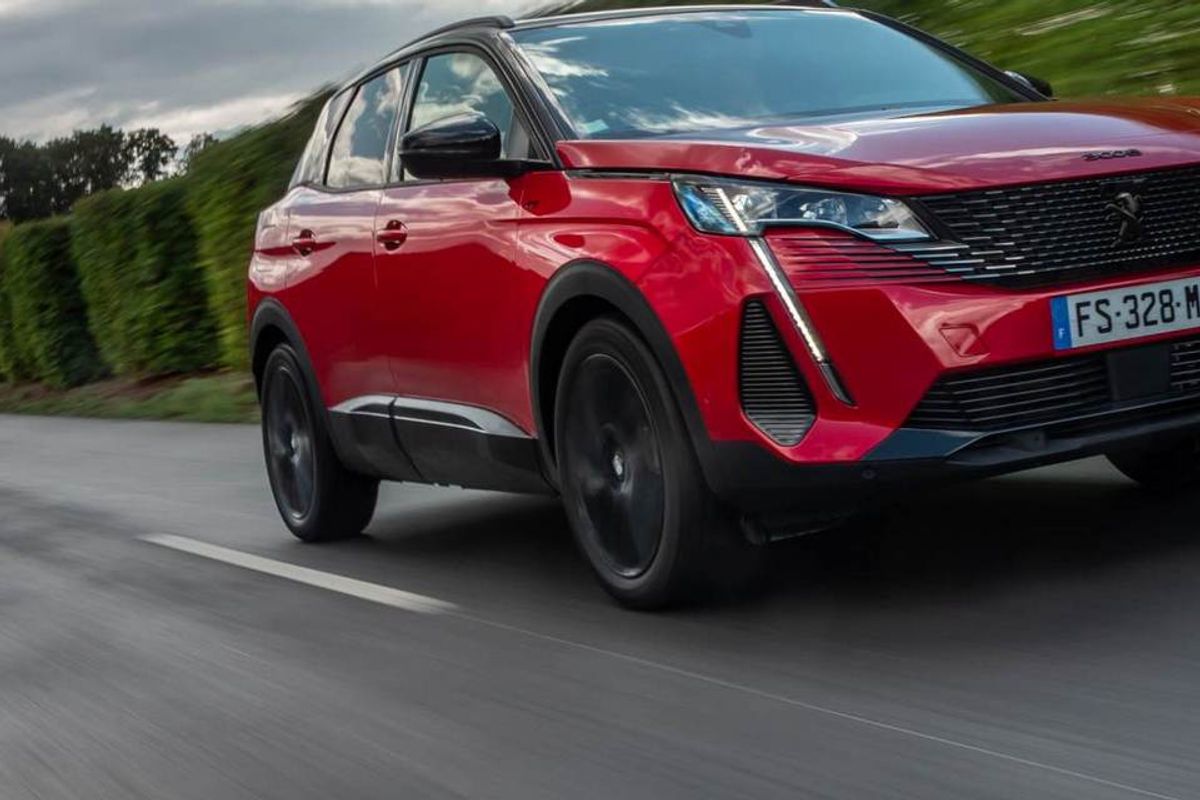
In its 2nd product launch in as many months, Peugeot SA has rolled out the refreshed 3008. The French family car has received much critical acclaim but has never sold well in the local market. Do the updates to this facelifted model add up to a substantial improvement? We recently drove the newcomer in Cape Town.
What’s new in the 3008?
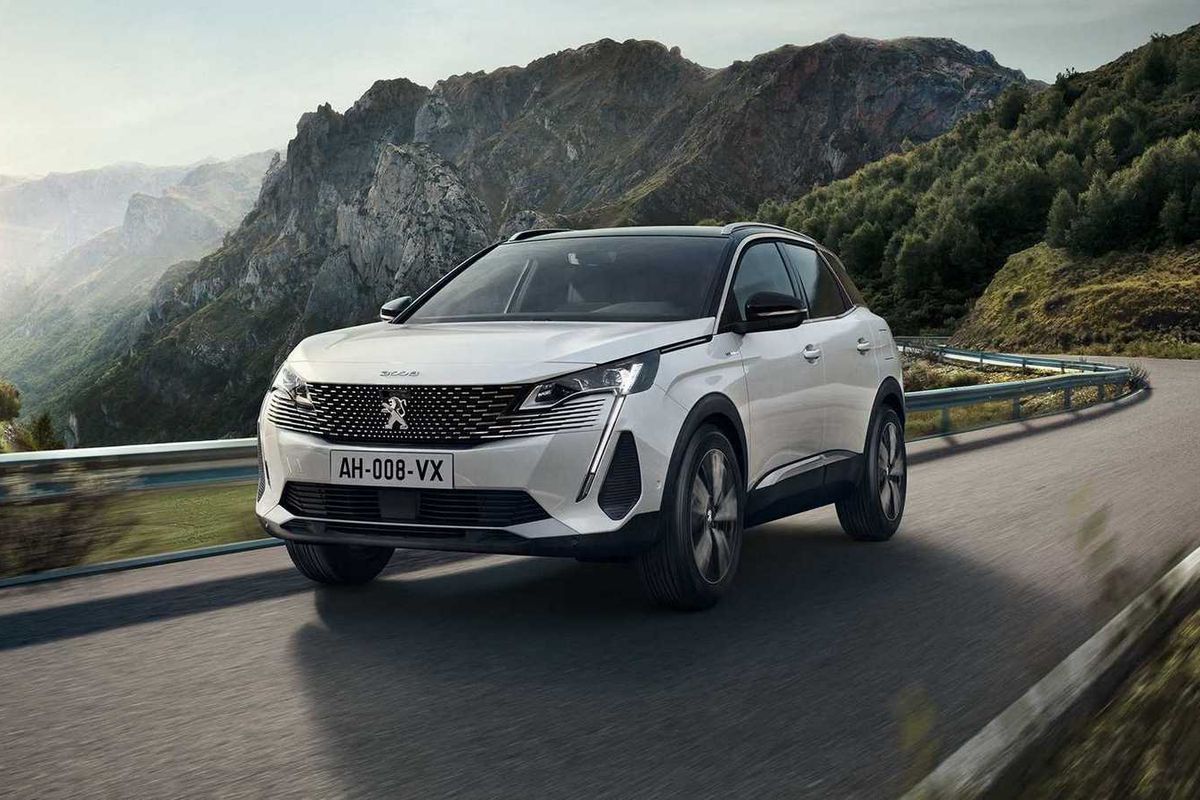
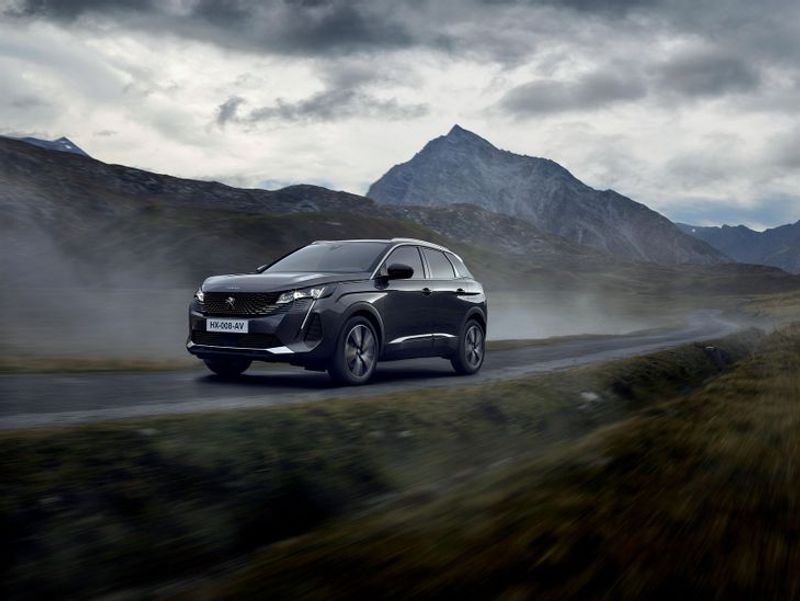
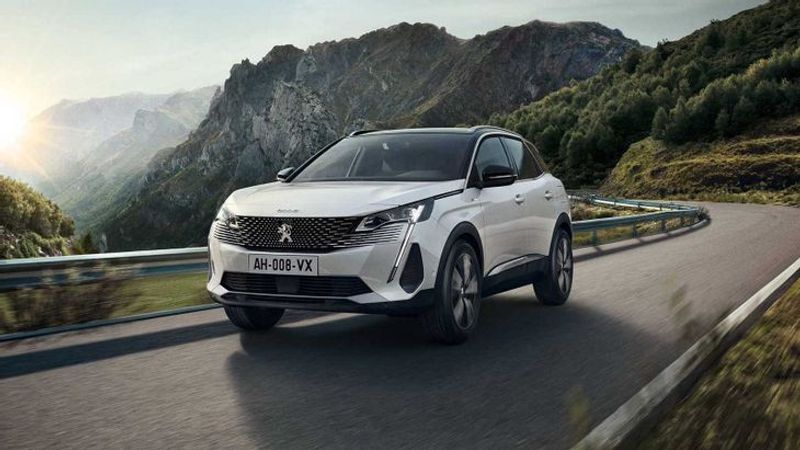
The 3008 is one of the most distinctive designs in the family car segment.
When the Peugeot 3008 came to market in 2017, it ushered in a new era for the brand. There were distinct upticks in quality and design that immediately moved the brand into the premium league. The French contender won awards all around the globe and was a finalist in the Cars.co.za Consumer Awards – powered by Wesbank in 2018/2019.
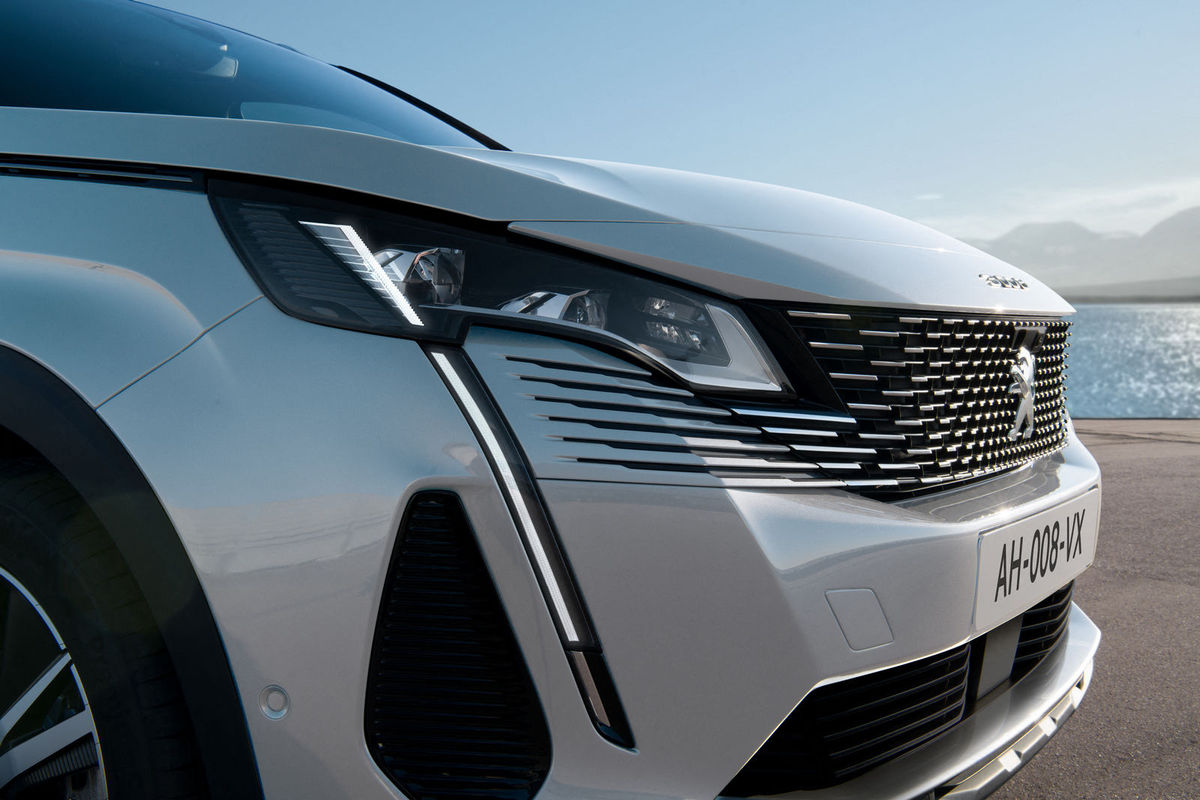
The 2021 update has merely enhanced and updated a few key areas. The new front end lighting signature, characterised by Sabertooth-Tiger fang-inspired LEDs, is easy to spot. The frameless grille with the individual blocks is also new and reminiscent of the previous generation Mercedes-Benz A-Class' "diamond grille".
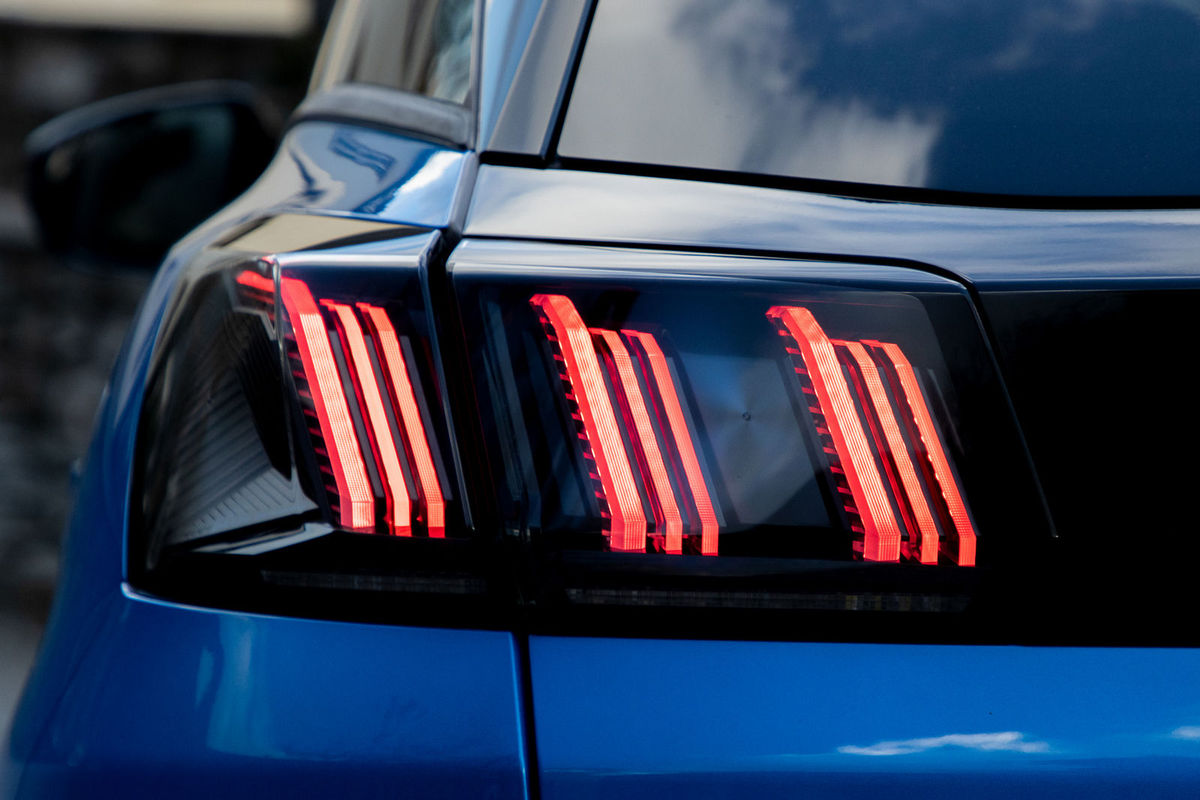
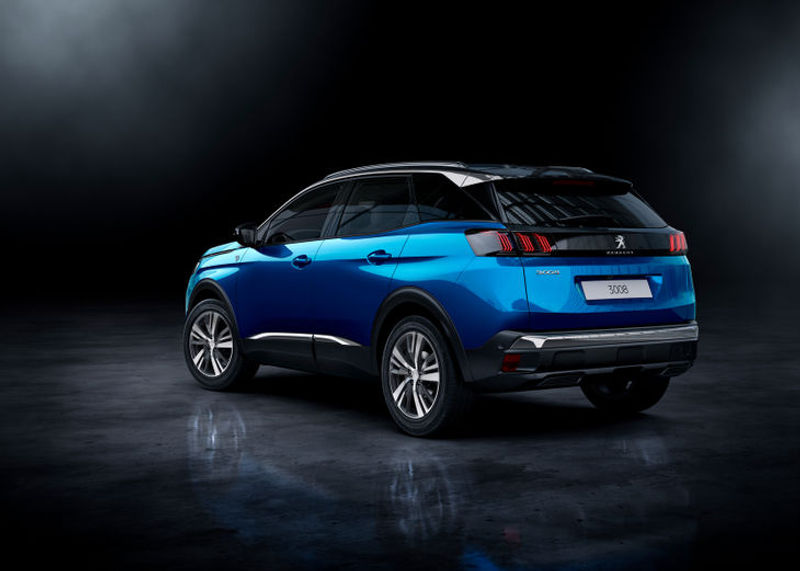
The rear lights are further inspired by felines; Peugeot claims the design displays a 3D claw when illuminated. The clusters include full LED tech and sequential style indicators add some further pizazz.
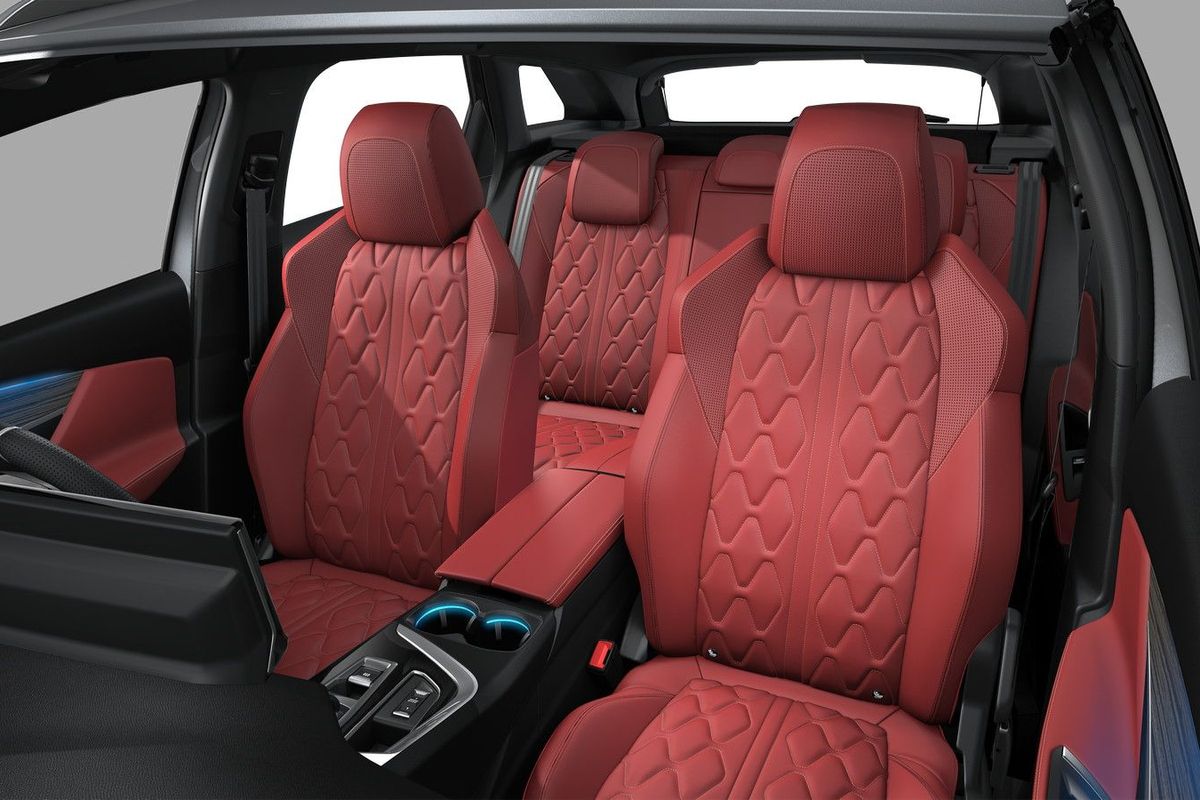
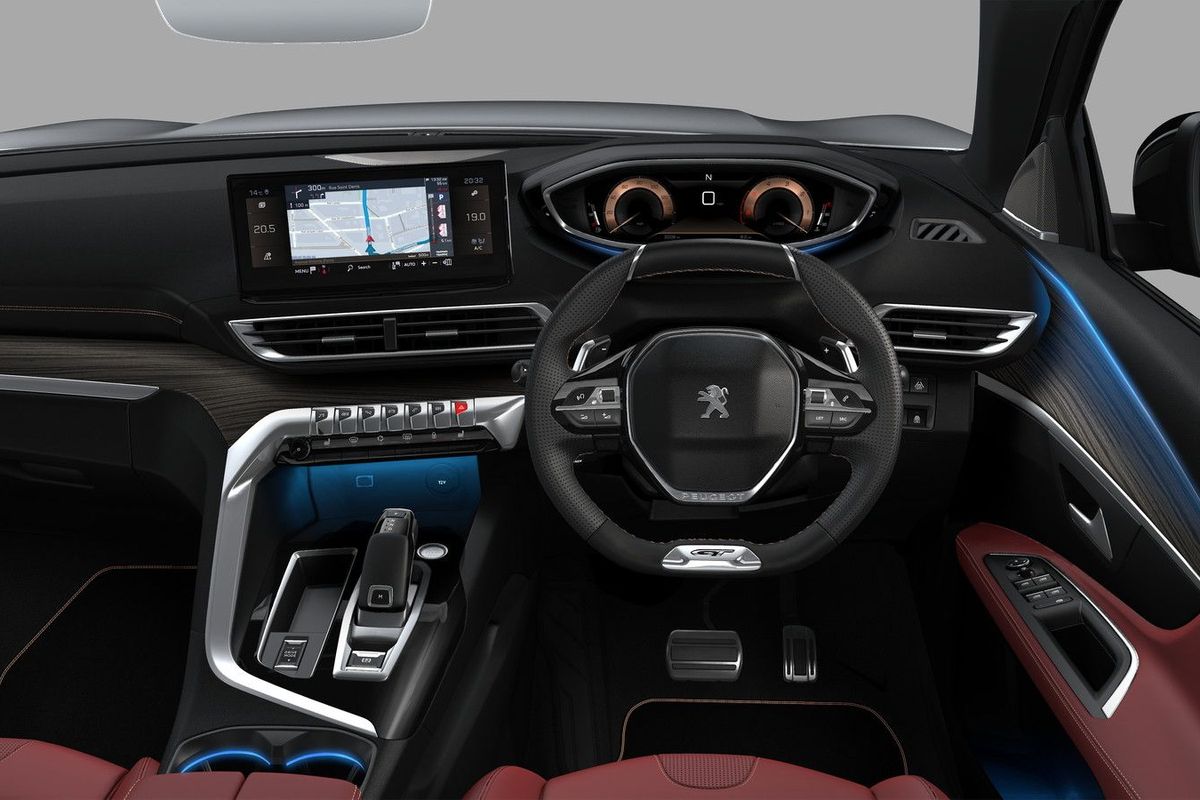
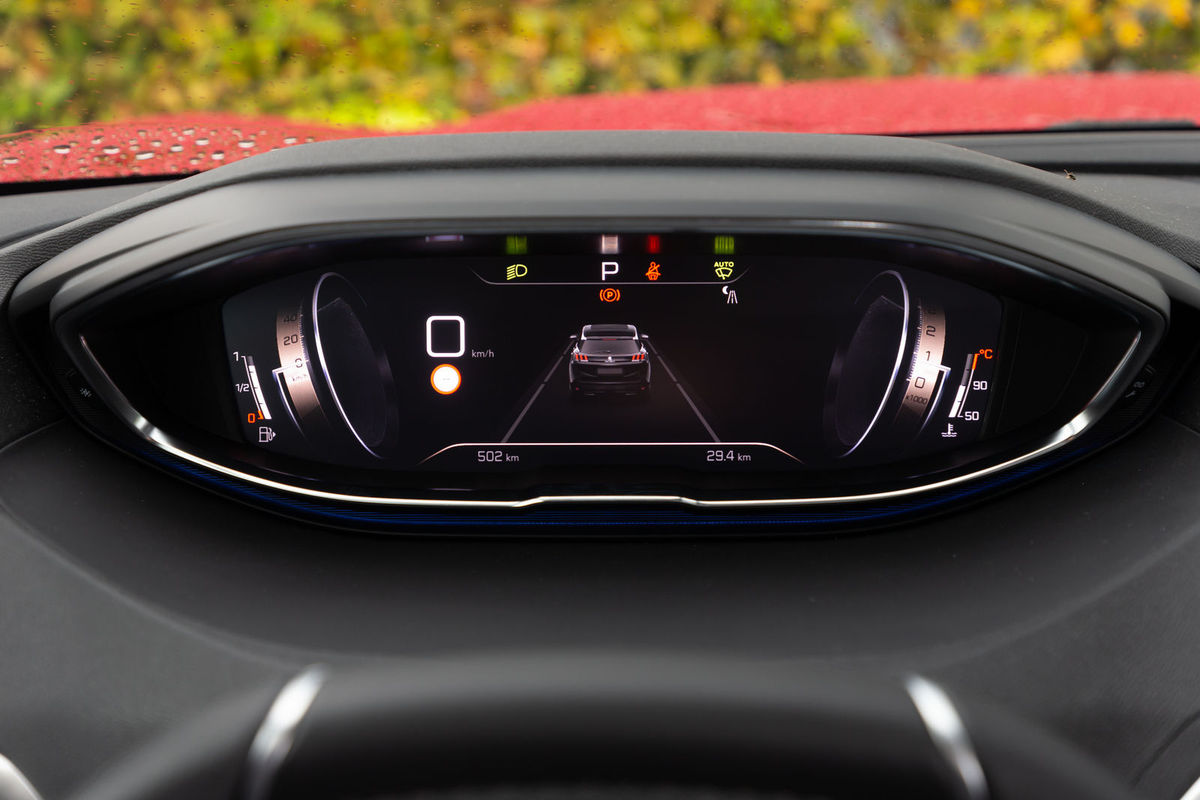
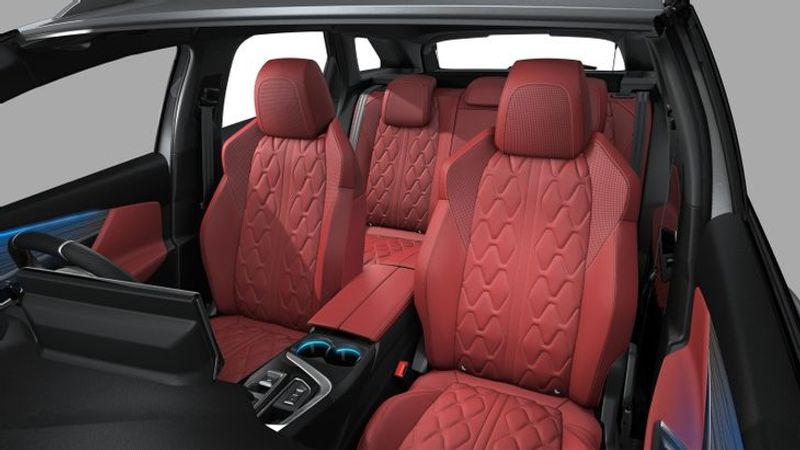
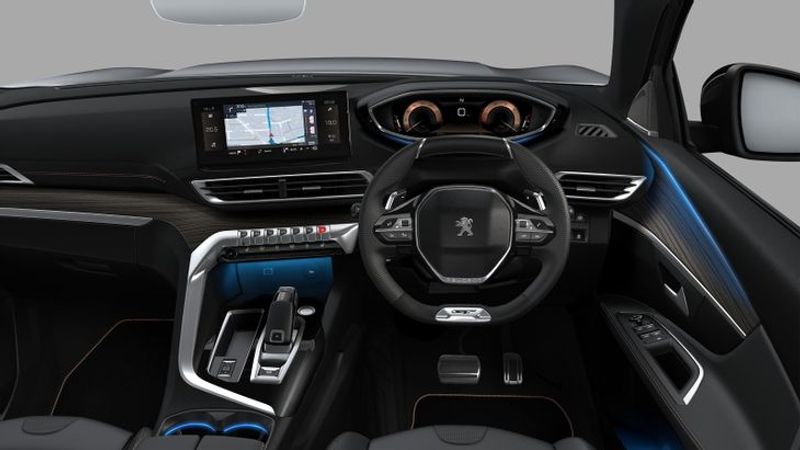
Inside, the revisions focus on adding new safety tech and improving the crispness of the instrument cluster. Red Nappa leather and a hi-performance sound system are available on the top-spec GT Line.
Is the 3008 a good family car?
The red Nappa leather is a nice premium touch, they also come with heating and massage function.
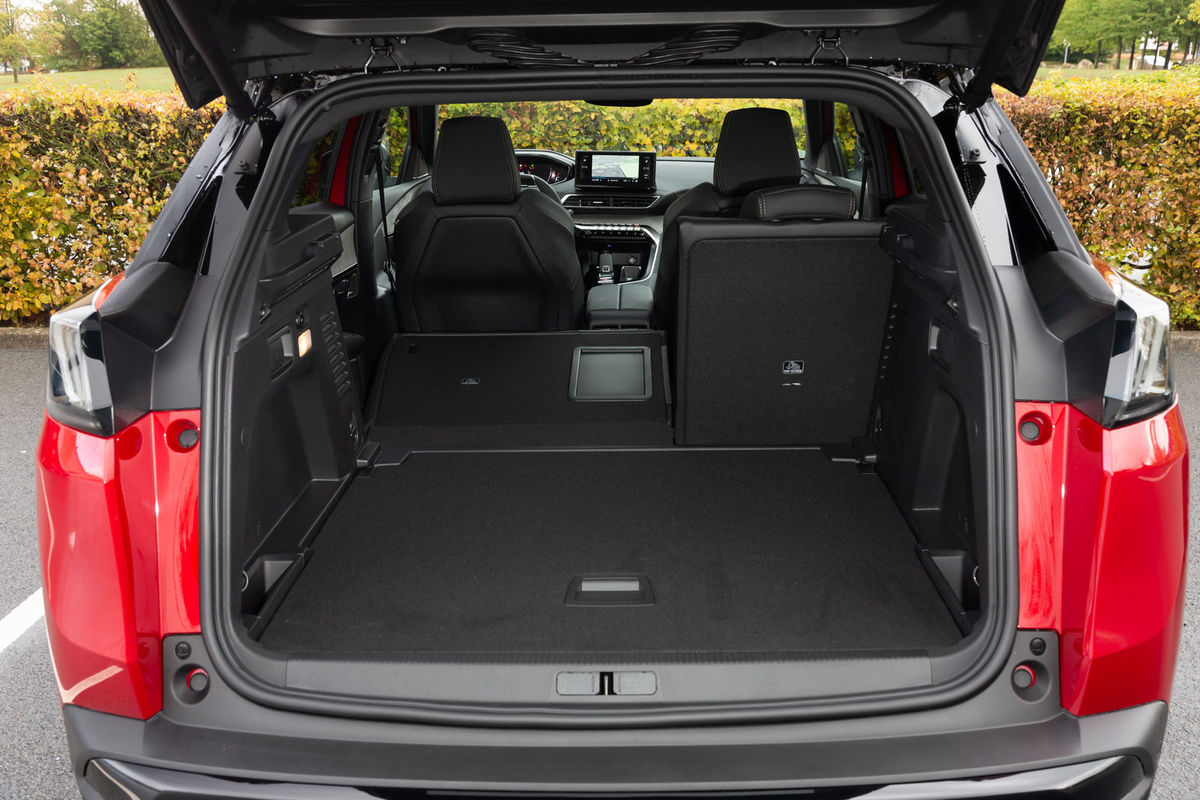
Although the facelifted 3008’s dimensions are unchanged, passenger space has always been a strong point of the 3008. The French family car features one of the biggest centre consoles of any car I have ever seen. What's more, the load bay is claimed to be one of the largest in the segment (591 litres) and, if you opt for the Allure or GT Line derivatives, it opens electrically.
The red Nappa leather seats on the GT Line are very comfortable and add an element of opulence to the cabin, but unlike most red-leather cabins, it doesn’t overwhelm you after looking at it for a while.
The range's safety equipment is comprehensive; features such as road-sign detection, lane departure warning and driver attention alert are standard, as are ABS, EBD, stability control and 6 airbags.
The GT, additionally feature radar-based forward collision detection, adaptive cruise control and blind-spot detection. Whereas the Active version has rear parking sensors, the Allure gains a 180-degree rear camera and the top-of-the-range GT Line features a 360-degree camera system.
What’s the engine like on the 3008?
The data suggest that SA buyers want petrol and automatic, Peugeot has done just that.
Peugeot has done its research on the SUV market in SA and noted that 4 out of every 5 cars in this segment is petrol powered and that 90% are automatic, so that’s exactly what the revised range offers.
There is just one engine to choose from, which is carried over unchanged from the 2017 launch line-up. The 1.6-litre turbopetrol has served Peugeot well over the years; it produces perky outputs of 121 kW and 240 Nm of torque. It’s matched with a 6-speed automatic transmission and the French firm claims an average fuel economy figure of 7.0 L/100 km.
The 3008's performance feels perfectly adequate for a family car with enough performance to deal with a fully loaded holiday trip. The gearbox quietly goes about its business and seems well-calibrated with the turbopetrol motor in this application. Automatic gearboxes are mostly excellent nowadays, so there’s almost no obvious reason to choose a manual gearbox in a car like this.
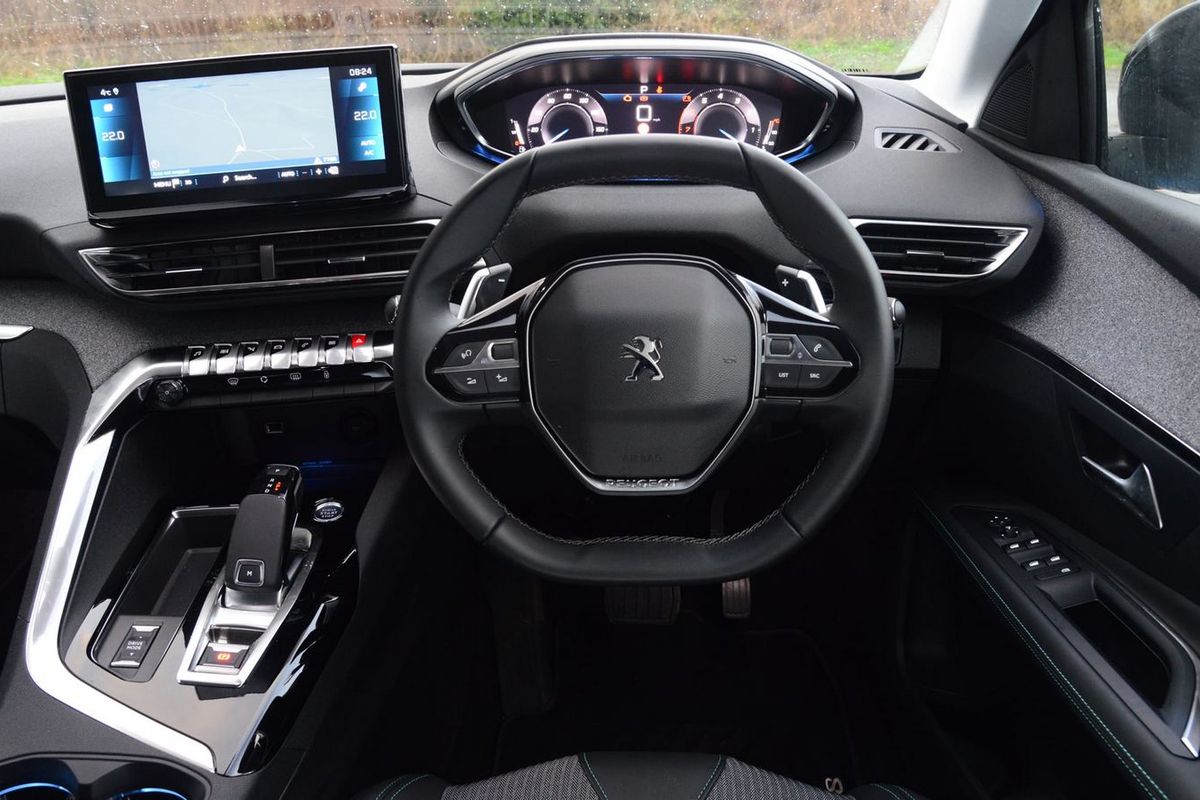
Out on the windy Cape roads, the key takeaway from the drive was that of comfort. The Peugeot’s not a sporty car – by any means – but it’s comfortable and balanced. Once you’ve found a good driving position, which can be an issue by virtue of Peugeot’s small steering wheel, the 3008 makes you feel like you’ve bought something "quite expensive" that's up there with the likes of the Audis of this world.
Does the 3008 have good in-car tech?
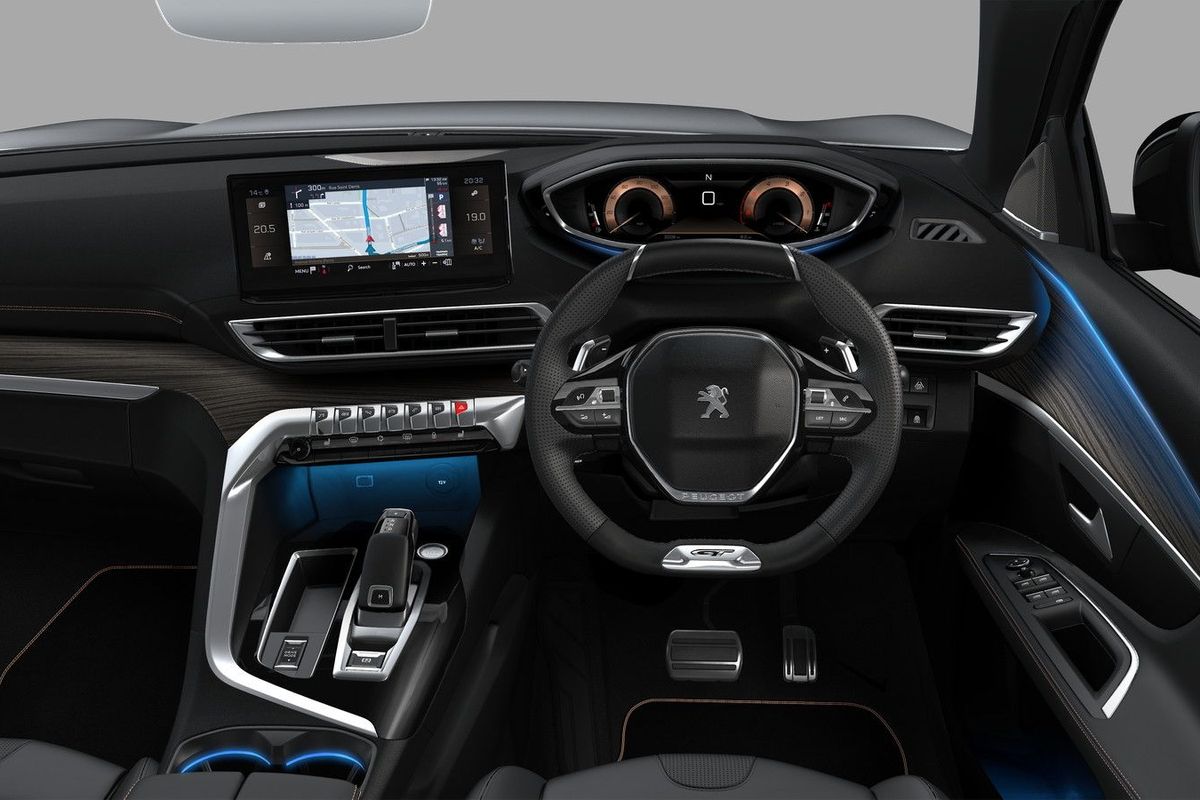
The GT Line model comes with a larger 10-inch infotainment screen and wireless charging bay.
The infotainment system on the 3008 can be a little tricky to get the hang of, but the metallic shortcut buttons on the fascia help you figure out where you want to be. Android Auto/Apple Carplay compatibility is standard and the GT version features a wireless charging pad, as well as an extra 2 USB ports for rear passengers.
The resolution of the reverse-camera feed is the biggest letdown; the Volkswagen Tiguan and Mazda CX-5 both have really crisp camera displays that make it easy to detect obstacles behind the vehicles.
The digital instrument cluster is beautiful and offers better contrast, so that it’s easier to see the detail of the display – even when the sun is glaring down on it.
The heated and massaging seats available on the GT (heated only the Allure) are the real standout features. The new 515W Focal sound system on the flagship really sweetens the purchasing proposition.
Peugeot 3008 pricing in SA
Peugeot 3008 Active R514 900
Peugeot 3008 Allure R574 900
Peugeot 3008 GT R644 900
Summary
The Peugeot 3008 won't top the sales charts in SA but it definitely deserves to be on your family car shortlist.
There are a lot of brands vying for your money in this segment, with the RAV4 and Tiguan being the most popular over the last few years. Peugeot stands its ground well in the family-car market; the 3008's feels sophisticated to drive and its interior has a distinct air of luxury. The powertrain is easily as good as any other in this segment of the market, while passenger and loading space are near-class-leading.
Locally, Peugeot sales have been steadily growing quarter on quarter with the hopes and the French marque's local subsidiary is hopeful that the 3008 will help continue that trend. While the 3008 isn’t a major update over the initial offering, it’s still a worthy contender in the family-car segment.
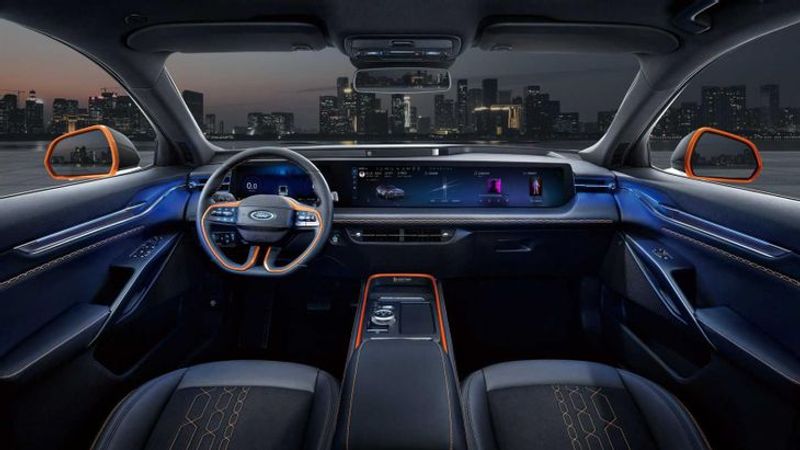
Ford has used the Shanghai motor show to showcase its new Evos!
At first glance, the new Evos looks strange. That’s because it appears to mix the body styles of an SUV-coupe with the practicality of a station wagon. The Evos was almost entirely developed in China, where it will be initially produced and sold.
However, strong rumours suggest that the Evos could make it to the European and North American markets at some point, where it will replace the Mondeo and Fusion respectively, but that remains to be seen.
Last month, Ford announced that the production of its Mondeo executive sedan, which is currently in its fifth generation, will come to an end in March 2022. Spy photographs that surfaced earlier this year revealed a new crossover-like vehicle that was touted to be a reinvented Mondeo. The popularity of crossovers and SUVs has resulted in the erosion of the business case for sedans in general and the Evos is Ford’s response to changing consumer demand.
Is this the most technologically advanced Ford Interior yet?
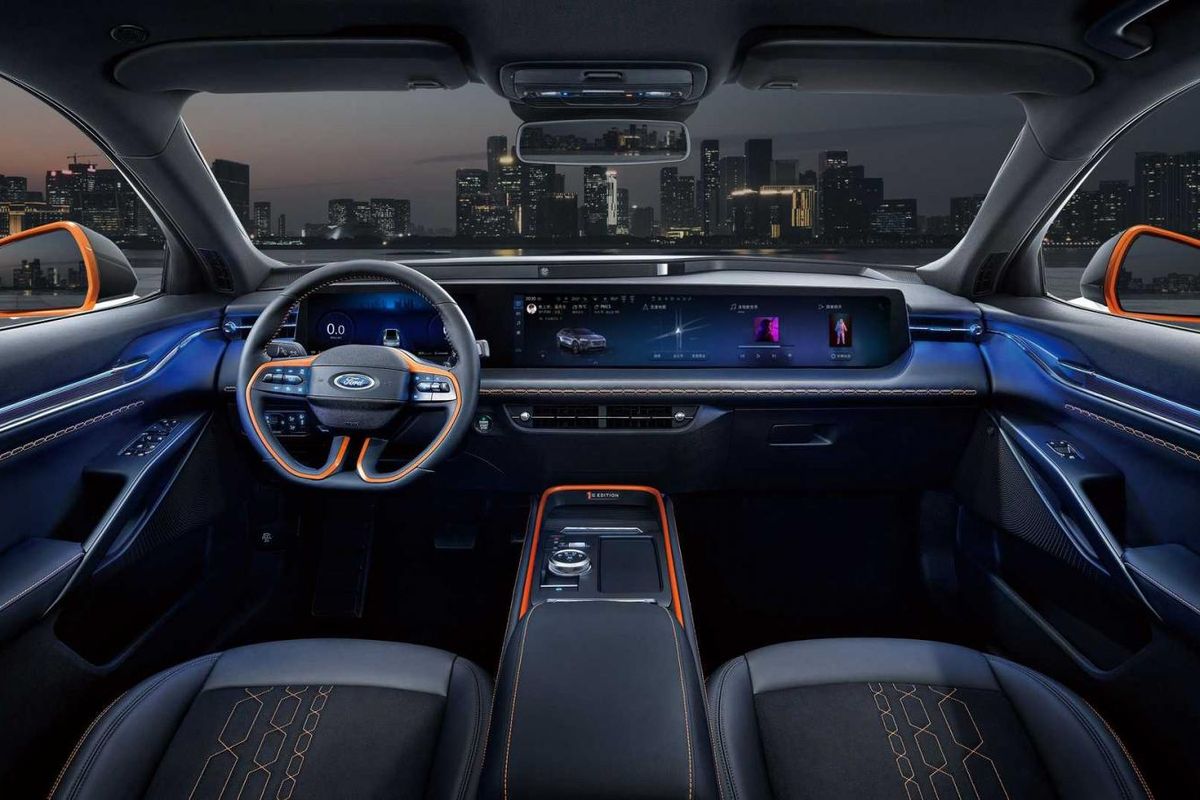
We can only hope that other future Ford interiors look like this!
The interior of the Evos is decisively upmarket with a notably long fully-digital display that measures 1.1 metres in length across the dashboard. The instrument cluster measures 12.3-inches while the infotainment display measures 27-inches, with both screens housed under a single pane of glass. The system features SYNC+ 2.0 as well as Baidu Artificial Intelligence (AI) technology as well as a virtual personal assistant and over-the-air updates.
At this point, exact powertrain details have yet to be revealed but a plug-in hybrid powertrain is expected. This is a developing story and more details are expected later this week.
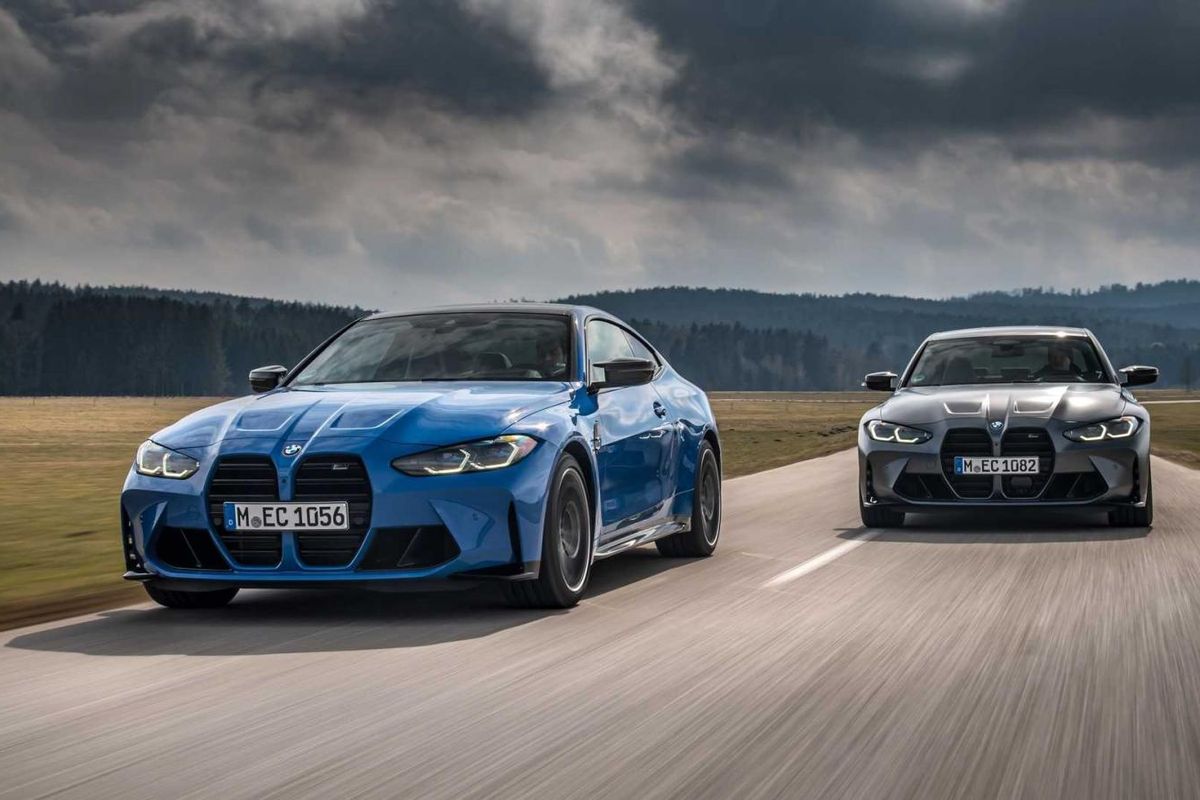
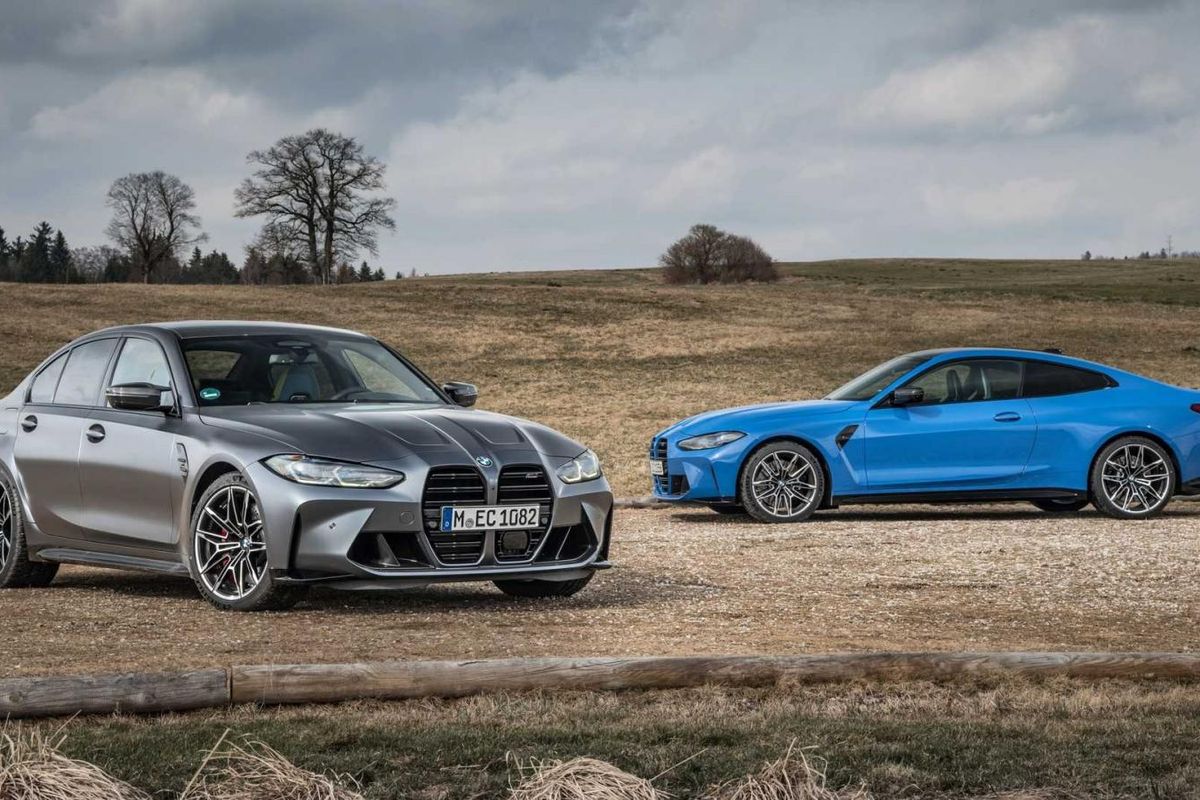
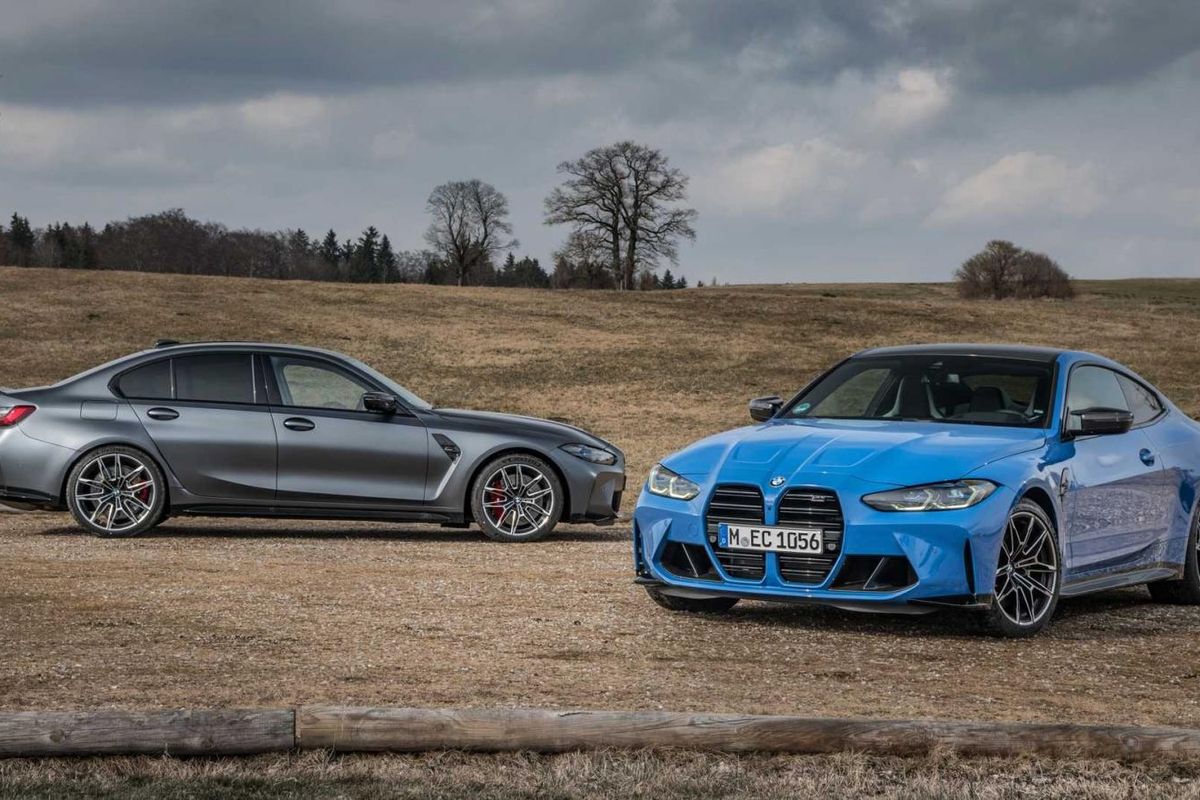
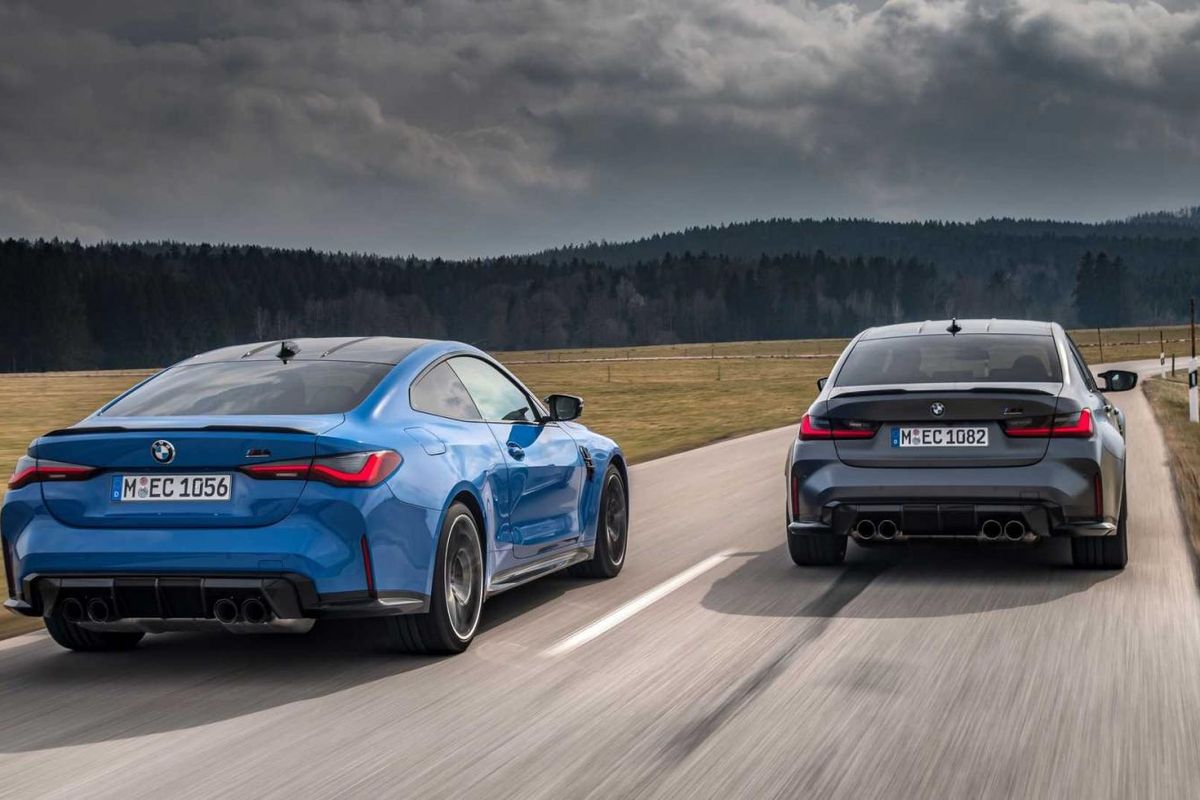
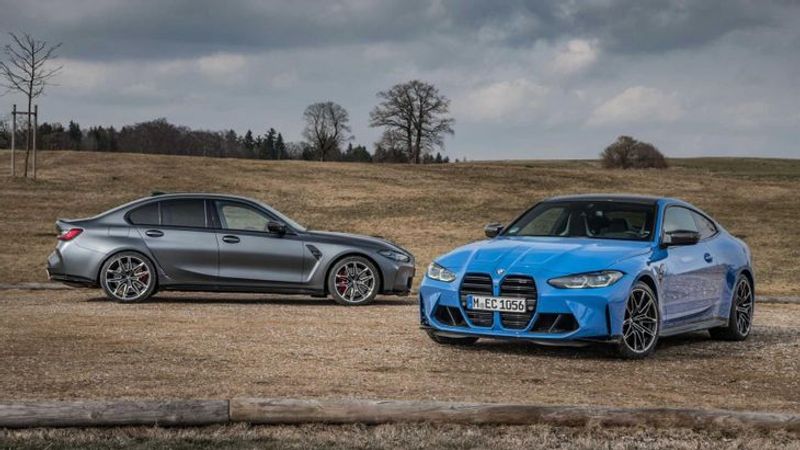
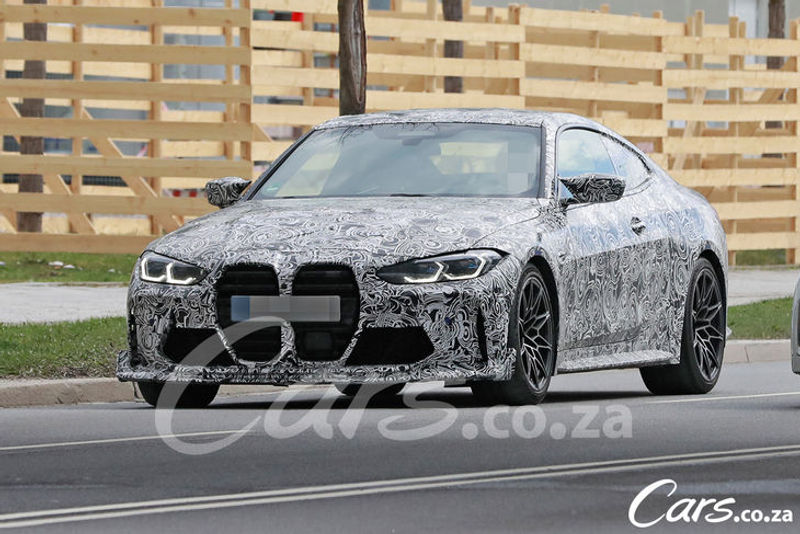
Following on from the launch of the BMW M3 and M4 in the rear-wheel-drive application, the Munich-based outfit has rolled out its xDrive models and the good news is they'll be arriving in South Africa before the end of 2021.
For the first time in the history of the BMW M3 and M4, all-wheel drive has made an appearance. While purists may not be happy with the setup, the logical benefits are numerous. Firstly, it's faster, with a claimed 0-100 kph dash in just 3.5 seconds. In comparison, the rear-wheel-drive cars can only muster 3.9 seconds for the same sprint. Thanks to xDrive, there'll be virtually no wheelspin and the car will take off without hesitation.
The engine is exactly the same, with the twin-turbocharged 3.0-litre straight-six setup pumping out 375 kW and 650 Nm. The vehicle comes with an 8-speed torque converter gearbox and it has a limited top speed of 250 kph. Tick the box marked M Performance Package and you're good for 290 kph.
The BMW M xDrive system is rear-biased, to try retain some of that sideways driving fun, but thanks to clever electronics, it features a drift mode like the bigger BMW M5. There are different xDrive modes and settings, with the default being rear-wheel drive only until there's a loss of grip and then the front axle comes into play. 4WD Sport will send a bit more bias to the rear axle for some tail out fun, while 2WD is a pure rear-wheel drive tyre-shredding drift bonanza. The systems automatically balances torque between the two axles, while an Active M differential distributes the torque between the rear wheels.
The addition of all-wheel drive makes the segment very interesting, with fewer and fewer options remaining as rear-wheel drive. The outgoing Mercedes-AMG C63 is rear-wheel drive, but we understand the all-new version will have an electrified front axle. The Alfa Romeo Giulia Quadrifoglio is likely to be the only rear-wheel drive performance offering in the coming months as we suspect that most BMW M customers would go for the xDrive model because its faster and will be more stable in wet and wintery conditions.
When is the all-wheel-drive BMW M3 and M4 coming to SA?
BMW South Africa confirmed the xDrive BMW M3 and M4 will be coming in the 4th quarter of 2021, but the family won't stop there as there's also an M4 Convertible and M3 Touring stationwagon due for reveal sometime in 2021. Recent spy shots have also suggested that work has begun on an even more potent BMW M4 CSL. We'll update this article as soon as pricing and specification details are available.
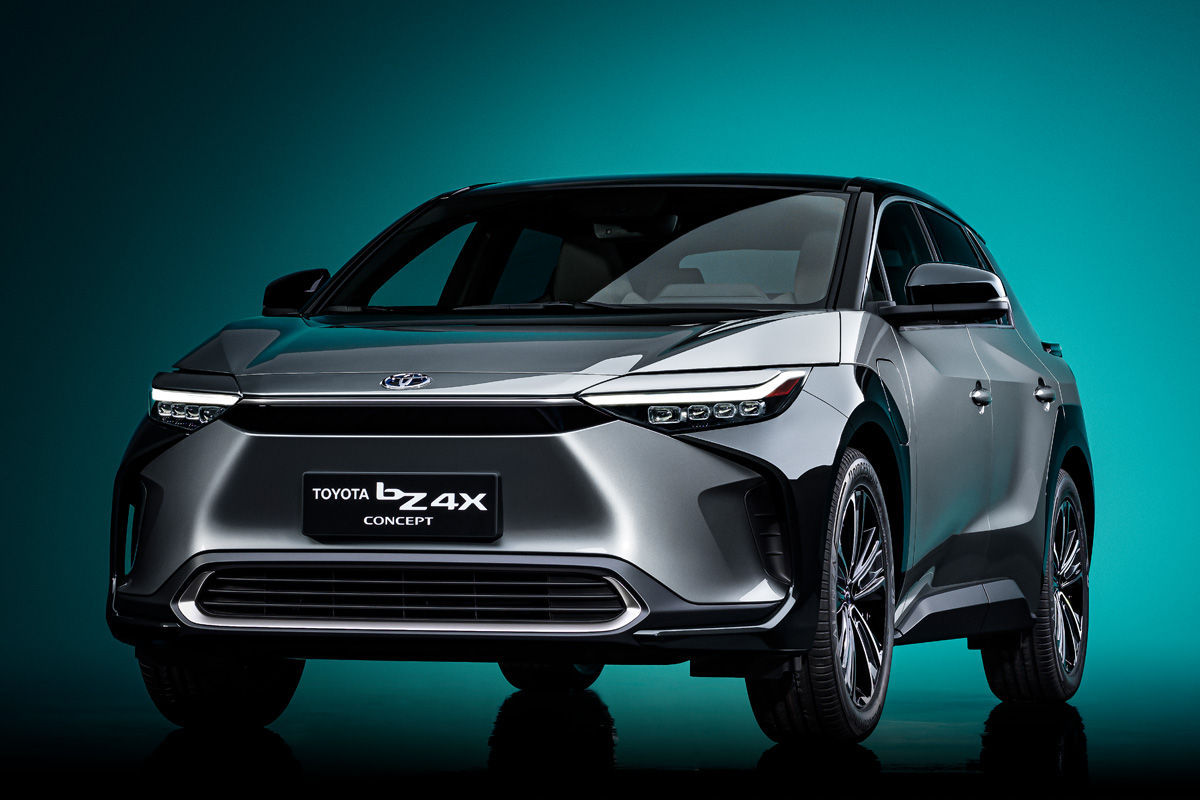
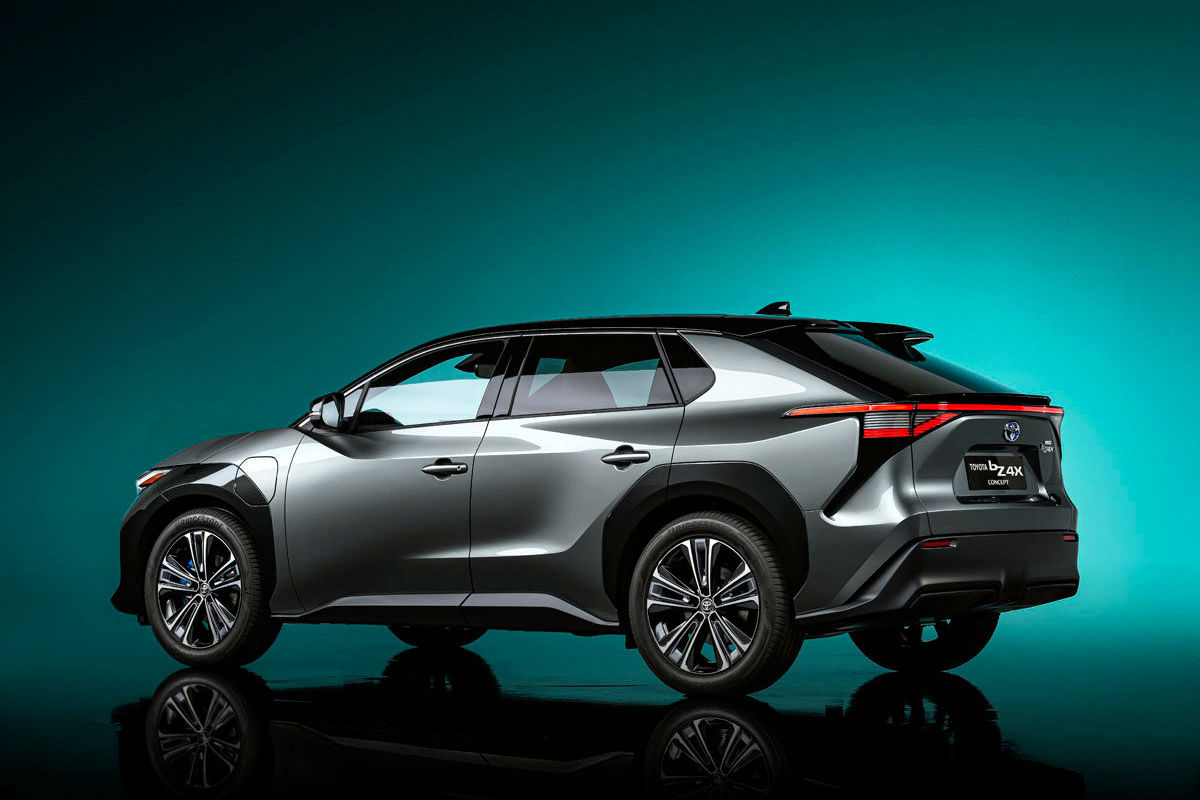
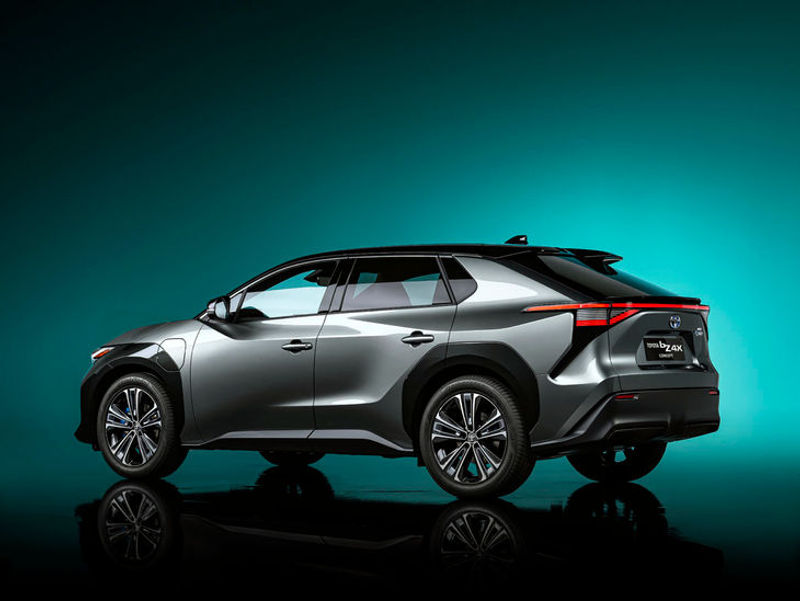
Having been at the forefront of battery-electric vehicle proliferation, Toyota is now preparing for the next step of its EV strategy: to unleash an array of battery electric vehicles (BEVs) on the market. Next year, the Japanese firm will introduce a production model based on this, the RAV4-sized bZ4X concept.
Cars.co.za recently reported that Toyota had introduced its BZ sub-brand to rival those electric-vehicle divisions of Volkswagen (ID), Hyundai (Ioniq), Kia (EV), Audi (e-tron), BMW (i) and Mercedes-Benz (EQ), to name just a few of the more obvious ones.
Now, whereas the bZ4X could be dismissed as just another fanciful concept vehicle to be rolled out at the Shanghai Motor Show, this RAV4-sized battery-electric family car, which is based on the e-TNGA electric platform co-developed with Subaru, will go into production as early as 2022; it will be first of no fewer than 7 “beyond Zero” models that Toyota will bring to market by 2025.
The upcoming model is earmarked for global introduction; that’s right – including right-hand-drive markets, which could (and should) include South Africa. Toyota has observed its rivals and knows that the mid-sized crossover/SUV segment is where the intersection lies between price parity and product demand for electric vehicles.
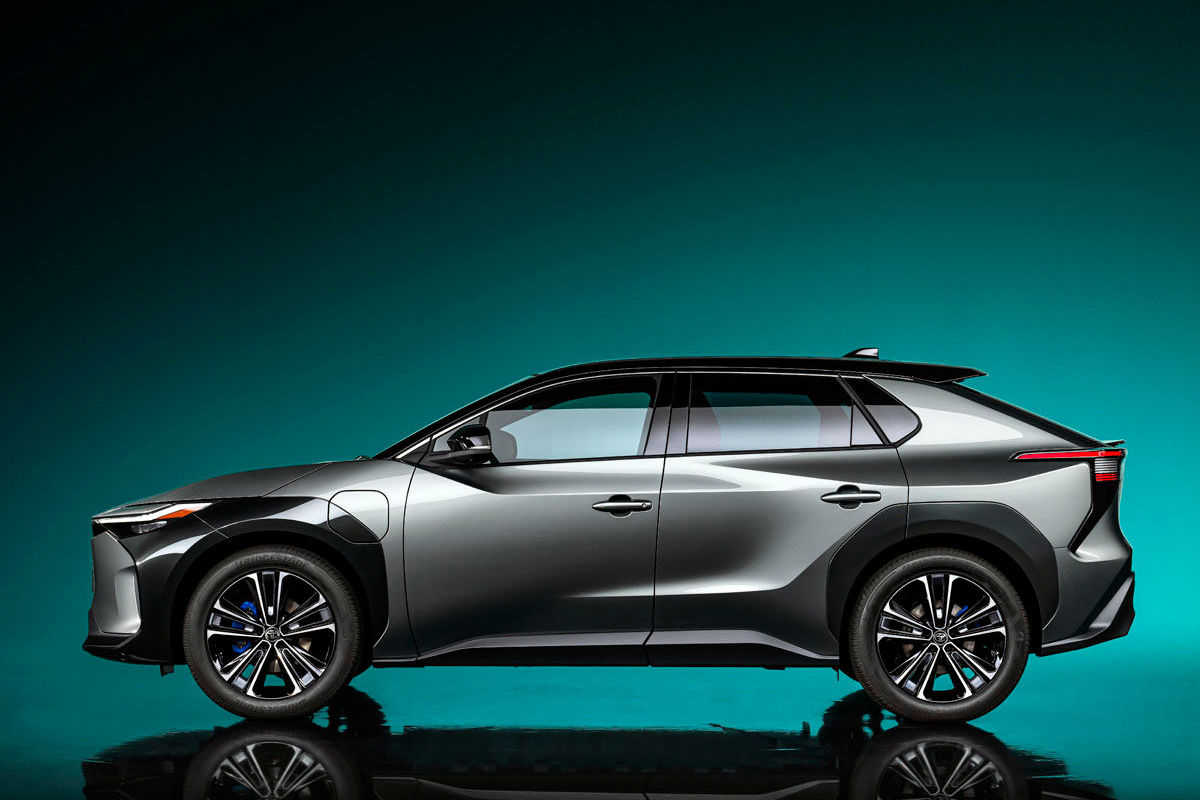
Based on its proportions, the bZX4 is about the same size as the popular RAV4, but without being encumbered with a bulky internal combustion engine that fills the engine bay at the front of the vehicle, its packaging is much better. Furthermore, the newcomer ostensibly has an extended wheelbase, which means the cabin is comparatively more spacious.
Technical details are a bit thin at this stage, but Toyota has confirmed the bZ4X is all-wheel-driven, which suggests it features a pair of electric motors (one at the front, plus one at the rear). Apart from the ability to be recharged via household AC outlets and at charging stations, as well as harvesting kinetic energy (through regenerative braking), it is understood the newcomer can also be partly replenished through solar charging (we assume Toyota may have fitted solar panels to the roof of the vehicle, but more will be revealed at a later stage).
Interestingly, Toyota is keeping mum about the bZX4’s battery configuration and capacity; the firm might be keeping that as a surprise, because it is widely reported that TMC will soon unveil its first solid-state battery, which will be a game-changer within the context of the EV mass market… The next-gen batteries might still be too expensive to install in a family-car application cost-effectively, however.
By virtue of using a solid electrolyte, a solid-state battery is comparatively smaller and lighter than its lithium-ion counterpart, but offers a higher energy density (therefore, an improved charging capacity), a longer lifespan and it is safer. A solid-state battery could, theoretically, store twice as much energy as a lithium-ion battery…
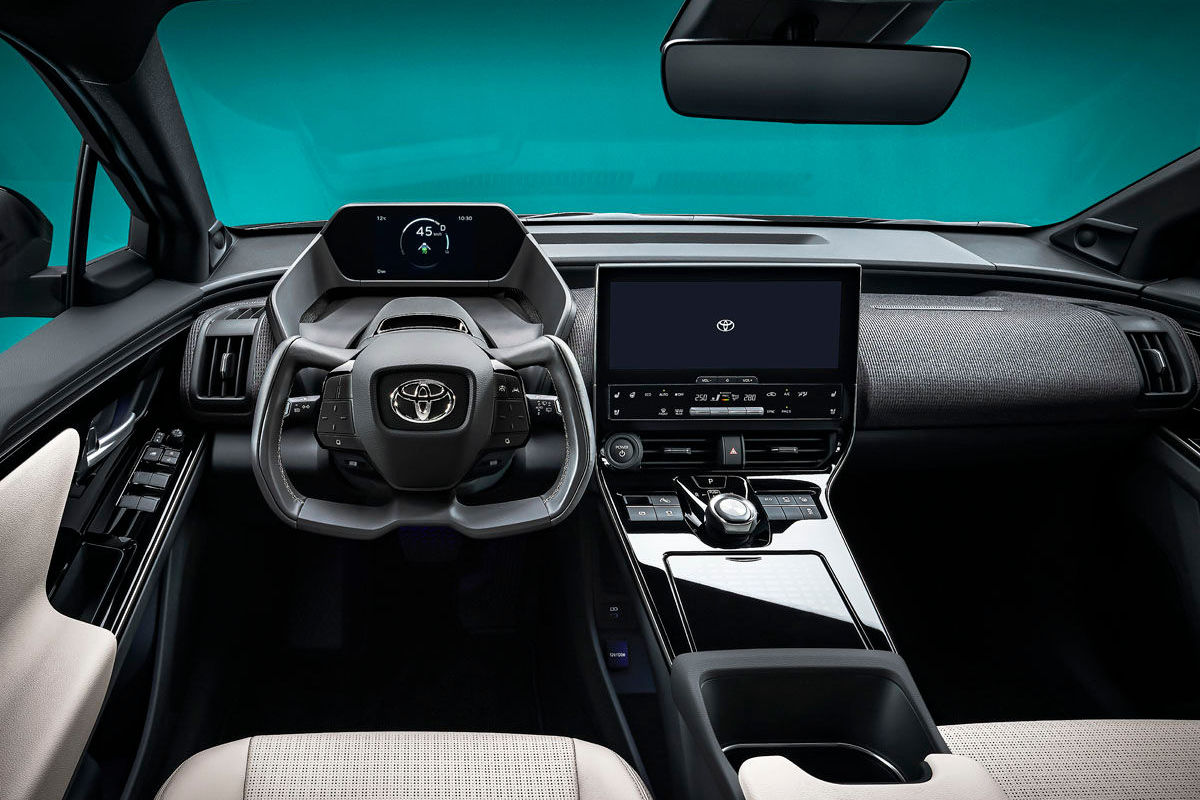
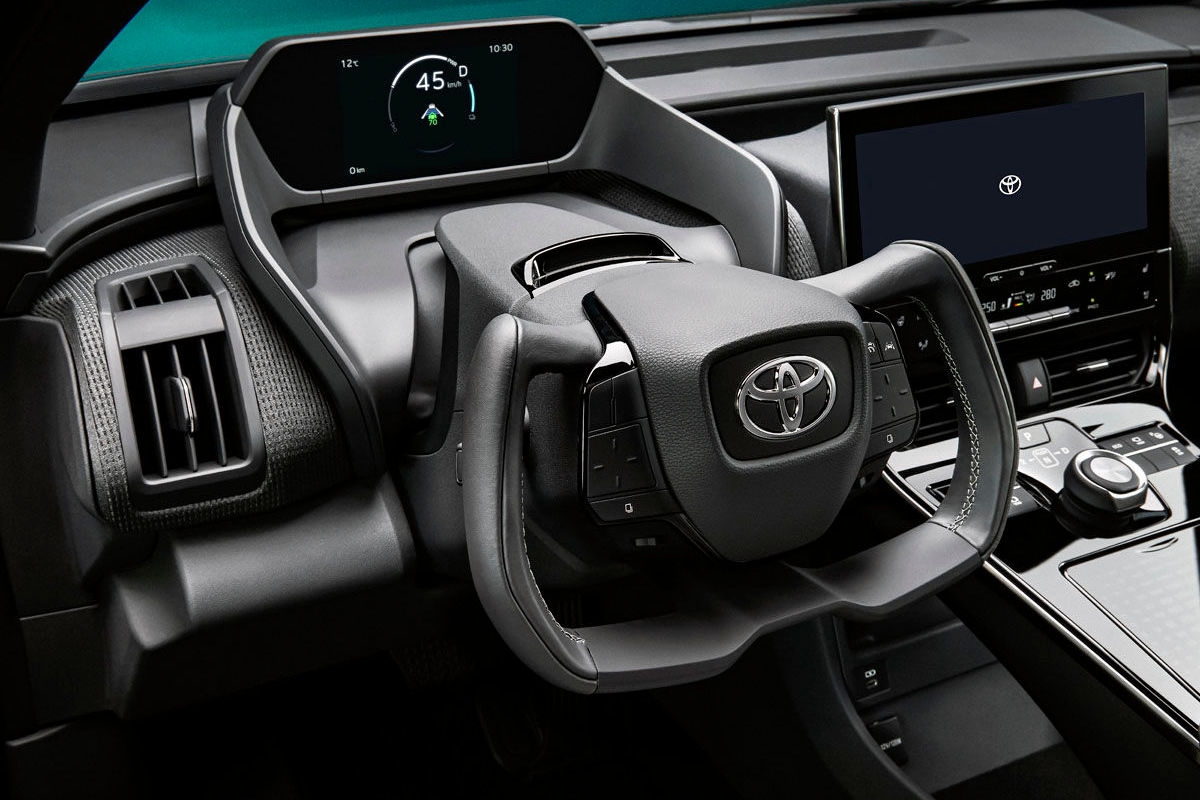
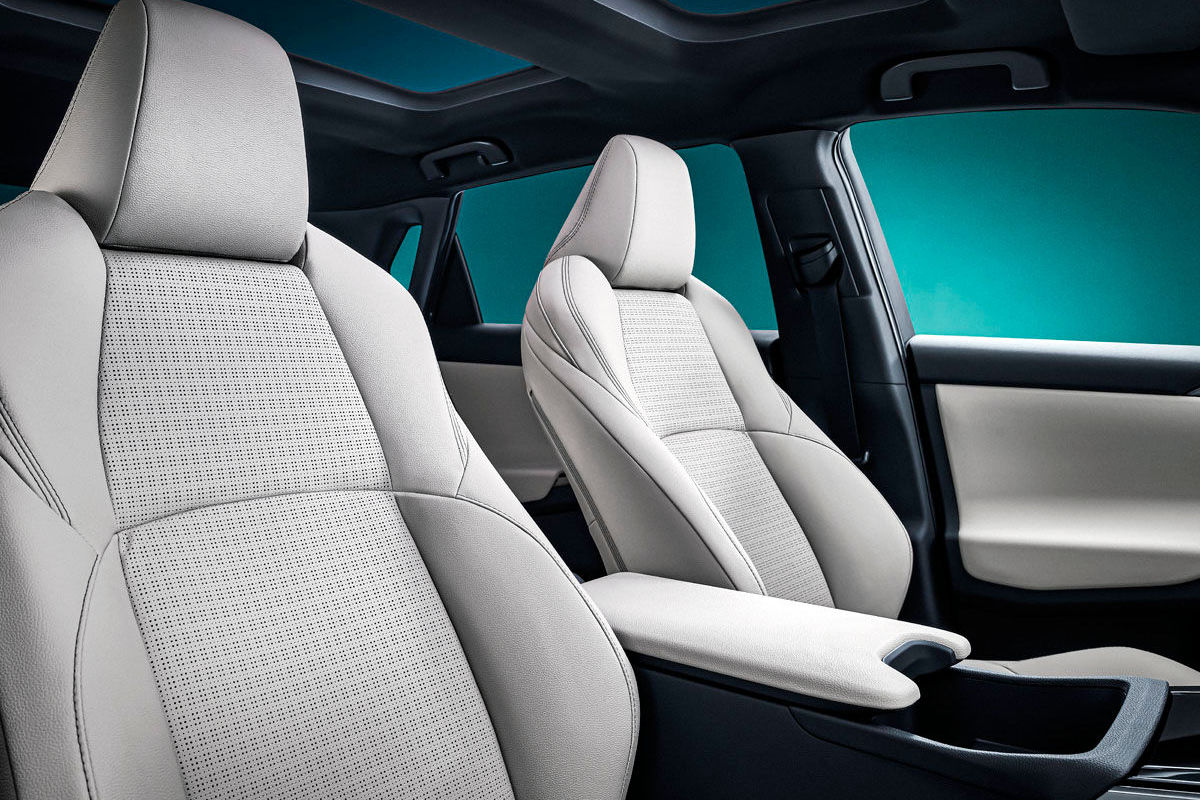
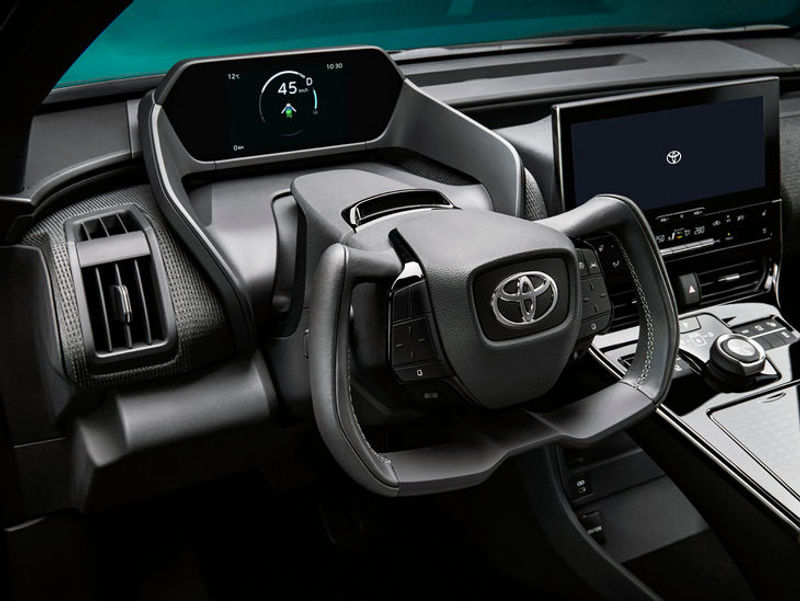
Styling-wise, the bZ4X has the sharpest-looking front end ever seen on a Toyota crossover, replete with slim LED headlamps, and a high front bumper that is separated from the edge of the bonnet by little more than an ornamental slot. Inside, the newcomer features an aeronautical-spired (or yoke-like, if you like) steering wheel, a deep-set digital instrument cluster and tablet-style infotainment touchscreen, as well as a floating centre console with a piano-black finish.
Toyota currently offers 55 electrified models globally. By 2025, the Toyota global line-up will be expanded to approximately 70 EV models, including HEV (hybrid electric vehicle), PHEV (plug-in hybrid electric vehicle and (fuel-cell electric vehicles), which will include a total of 15 battery-electric vehicles (BEVs).
This week’s news you need to know (April 2021, Week 2)
GWM wants to join the performance-bakkie craze, BMW appears to be planning the resurrection of its CSL badge, Hyundai wants to give VW sleepless nights (with the new Staria people-mover) and the Nissan Magnite is "a car for the times". Brent vd Schyff unpacks this week's automotive news you need to know…
GWM & Shelby – What about that trade war?
Throughout the past decade, we’ve all become a bunch of demanding little motorists, haven't we? We demand performance out of everything. SUVs, performance sedans, station wagons, hot hatches and even the humble electric toothbrush needs to be pushing out serious revs per minute before we’re satisfied. Our thirst for performance knows no boundaries and has spawned a complicated situation…
Bakkies were once regarded as little more than motorised donkey karts, but it didn't bother us. We were happy if we could load a tonne on the back and leisurely coast along to our destination and move the odd couch for that cousin we only heard from when favours were required. Nowadays, if we’re not seeing sub-7-sec 0-100 kph figures, we’re just not happy. Since Volkswagen decided to wedge a 3.0-litre V6 turbodiesel in the Amarok double cab, which it subsequently tuned up to produce 190 kW (and don't forget about the lesser spotted Mercedes-Benz X-Class X350d either, it's still listed), it seems that everyone expects bakkie powerhouses Toyota and Ford to unleash rabid, tar-shredding Hilux GRs and Ranger Raptors, if not based on the current generation bakkies, certainly on their successors.
The latest OEM to seemingly buckle under the pressure is GWM, who has been in talks with tuning gods Shelby (how’s that for a kick the Chinese/American trade war’s shin?) to produce a hardcore, performance-oriented P-Series. Not much is known about the project so far, but if GWM is looking for the right magic to take the fight to Toyota and Ford, they’ve tied up with the right partner. The only bit of advice I have is to keep things simple and focus on the basics, because in the hearts and minds of true bakkie enthusiasts, genuine off-road capability will always outweigh outright quarter-mile times.
BMW M4 'CSL' – A gift from the motoring gods
In case you didn't know, CSL is an abbreviation for coupe, sports and lightweight. BMW first produced a CSL-badged model in the Seventies when it wanted to go racing and famously gave the E46-generation M3 a stirring swansong with a limited production run of cars that featured just enough in the way of lightweight packaging, aerodynamic addenda and mechanical tweaks to be truly special.
BMW's M Division is turning 50 years old next year and, to mark the occasion, the brand's apparently planning to give itself (and countless Bimmerphiles around the world) a big ol' present in the form of a CSL based on the current M4. Has the G82-generation M4 done enough to deserve a CSL badge, however? Speak to journalists (and some lucky petrolheads) and you’ll quickly understand why I ask that. It most certainly is an accomplished (if hellishly expensive, these days) sportscar, but for all its in-yer-face styling the M4 has become a tad too "user-friendly" in a "trying to please everyone" kind of way.
The aforementioned E46 M3 CSL, by contrast, was a special car that did quite the opposite… it was designed exclusively for driving purists, not anyone who could afford one. In South Africa, only a handful of specially-chosen customers were offered the opportunity to buy the car, there was no online auction (coughs). To this day, a mere mention of its name stirs emotion, despite the fact that history has not been kind to the sequential manual gearbox (SMG) it was fitted with. Just so you know, there are specific companies that have been converting these cars into manuals for years now (take note, BMW).
If we haven’t moved past the grille debacle (and let's face it, not everyone has), I can only think that this ace up BMW's sleeve (the mystique of the CSL badge) will serve to convert those who're still on the fence or make those discreet fanboys loud and proud. A G82-generation M4 with the CSL recipe… more road connection, (even more) swathes of carbon fibre and less in the way of gadgetry… those are simple ways in which BMW can prove it still puts the driver first. It’s one to watch. At the risk of repeating myself, just please learn from the past, BMW: ditch the auto 'box and make the CSL manual only.
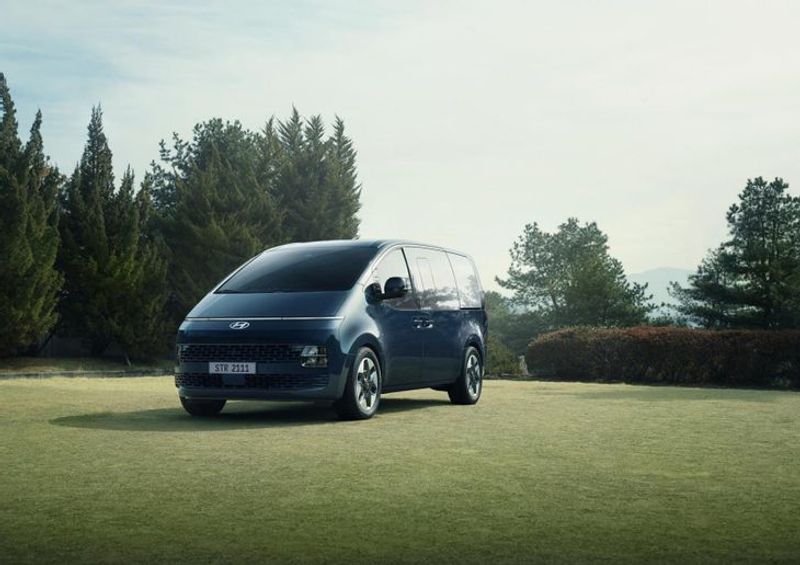
Hyundai Staria – Family planning
Not to be confused with the Mitsubishi Starion, the Staria is another way in which the Hyundai is looking to eat into VW's market share (the newcomer is a rival to the T6.1 Kombi and Caravelle). This time Hyundai's not making a people mover out of a commercial vehicle (as it did with the H1) – it's taking direct aim at the Luxury MPV segment. The Staria boasts a plethora of gadgets and luxury features for the modern family; ostensibly, it turns a dour road trip into more of a spa day. The MPV has been eclipsed by the SUV, but the reduced demand for people movers is also a result of… better family planning.
In the past, larger families were more the norm, but today, in much of the developed world, families have been "downsized" and households' headcounts continue to shrink, leaving large MPVs surplus to requirements. They now perform largely commercial roles, such as carting journalists to and from airports. It stands to reason that buyers with smaller families will look no further than more cost-effective smaller SUVs that serve their immediate needs. This doesn’t make MPVs obsolete – there is still a need for these premium soccer parent's cars, but from my vantage point, their days are numbered.
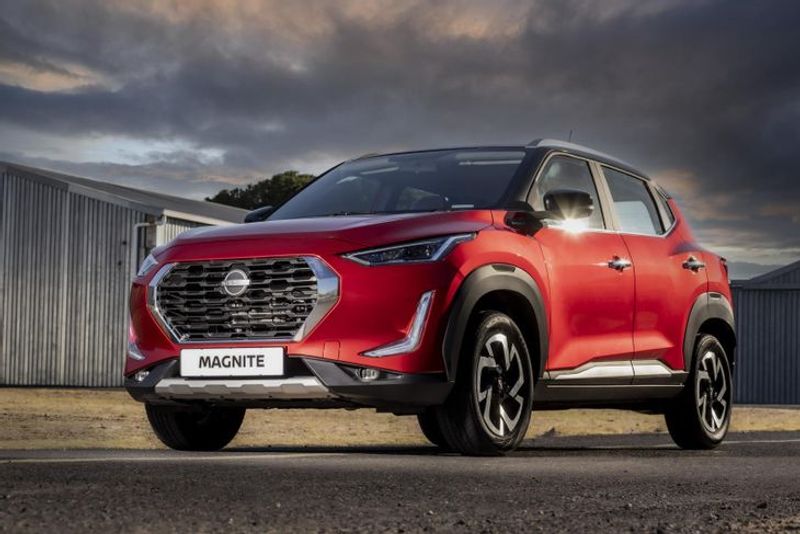
Nissan Magnite – The compact war intensifies
As the world slowly emerges from the Covid-19 pandemic (rolling out vaccines to billions of people around the world is a gargantuan task and a painstaking process, to say the least), we have to live through difficult economic conditions – and we knew they were coming. Sadly, many have lost their financial security through companies thinning out staff numbers to survive. On the flip side, I’ve seen individuals demonstrate a new level of resourcefulness; people have sought out creative ways to create income and save money. The cost of motoring, for example, demands a large chunk of our disposable income.
Families are looking for more affordable SUVs to ride out this wave and OEMs are neatly catering for that need. This week, Nissan SA staked its claim in the ultra-competitive budget crossover (B-SUV) segment with the pint-sized Magnite, which undercuts the likes of the Volkswagen T-cross and Hyundai Venue by offering a budget-busting option that’s fit for purpose.
So, where's the catch? There's always a catch. To lower production costs (in other words, reduce the prices of completed units they supply to franchised dealer networks around the world), manufacturers usually reduce as many systems that are hidden from the naked eye as they can. If you’re willing to accept that compromise, a B-SUV is a good option, but be warned: you'll get only what you pay for.
205 kW Hyundai Double-Cab Bakkie Coming?
If reports coming out of Korea and Australia ring true, then Hyundai is on the verge of unleashing a double-cab bakkie that will overpower all of its rivals, including the mighty 190 kW Volkswagen Amarok V6!
While the Santa Cruz will be produced in Alabama, USA, with the intention of infiltrating the North American market, it will rival the likes of the new forthcoming Ford Maverick bakkie.
However, Hyundai is preparing a mid-size bakkie that will take on the Toyota Hilux, Ford Ranger and the Volkswagen Amarok V6, to name just a few and it’s worth mentioning that Kia is keen on getting in on the action too!
Australian online motoring publication, Carsguide, has reported that the incoming Hyundai double-cab bakkie could offer as much as 205 kW and 588 Nm if fitted with the intended 3.0-litre, in-line 6-cylinder turbodiesel engine, the same which powers the Genesis GV80 premium SUV.
It’s also well-known that Hyundai will not develop new engine technology as the brand is gradually shifting into the electric realm. Hyundai has also previously stated that this powerful diesel engine is available for commercial use, which means its deployment is highly likely.
Albert Biermann, Hyundai’s Research and Development head-honcho previously commented that, “With this engine we can have so many applications. As you know, we make commercial vehicles and so on, so this engine will be out there for quite some time. You don’t need to worry about that engine”.
As it stands, Hyundai (and Kia) are expected to launch their new double-cab bakkies in 2023 and are still in the process of confirming where production will take place. For now, further details remain under wraps but we will keep a close eye on this developing story and keep you informed!