The business case for any small hatchback, from a luxury car brand, is becoming very difficult to justify.
Enormous pressure is being applied on cities to embrace electric vehicles, which has seen a huge offering of large battery-powered cars. These SUVs, crossovers and sedans, can operate in congestion or emissions taxed CBDs, with much lower cost, than a small petrol- or diesel-powered hatchback.
This is exactly the issue that Audi is trying to deal with. Although Ingolstadt has committed to electrification, with its very impressive new e-tron GT proving the point, there are limits to the viability for all models.
The problem is that small car platforms, simply cannot absorb the R&D and production costs, to electrify. They would become prohibitively expensive, as a result.
With the large margins and much higher prices of large SUVs and crossovers, brands have been able to make customers absorb more of the production cost, relating to electric vehicles. This is clearly evident in the list pricing of vehicles such as Porsche’s Taycan.
The A1 is simply an impossible prospect for Audi, in terms of electrification. VW retains some viability with its platform twin, the Polo, due to the sheer volumes it can assemble and sell. A next-generation Polo is assured, but this current version of A1, will in all likelihood be the last.
Will Audi surrender its market share in the compact vehicle segment? Unlikely. What the German brand is expected to do is revive one of its most celebrated model names: A2.
For followers of all things Audi, the A2 is keenly remembered as a wonderfully advanced compact city car of the early 2000s.
Audi can easily revive the A2 name, which has a legacy for technical innovation and advanced design, as a new battery-powered model range. It would then effectively replace the A1, and deliver a slightly larger vehicle, as Audi’s entry-level product offering.
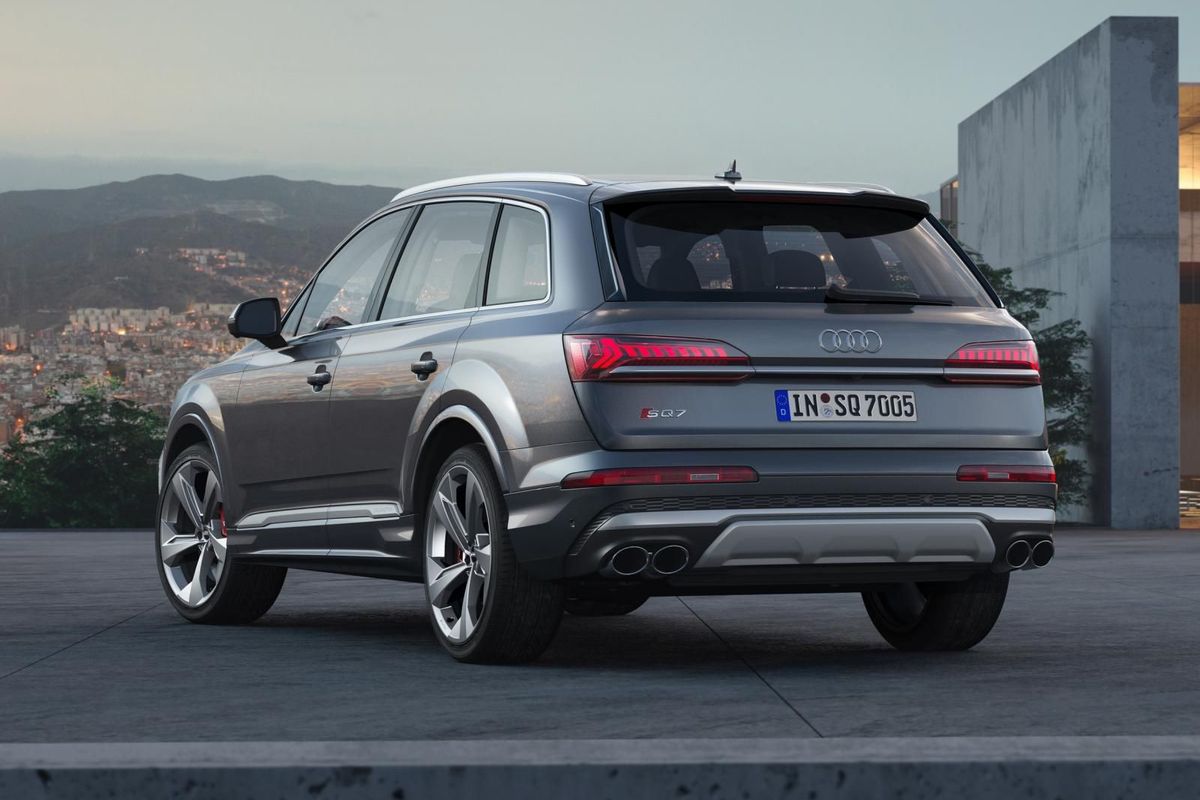
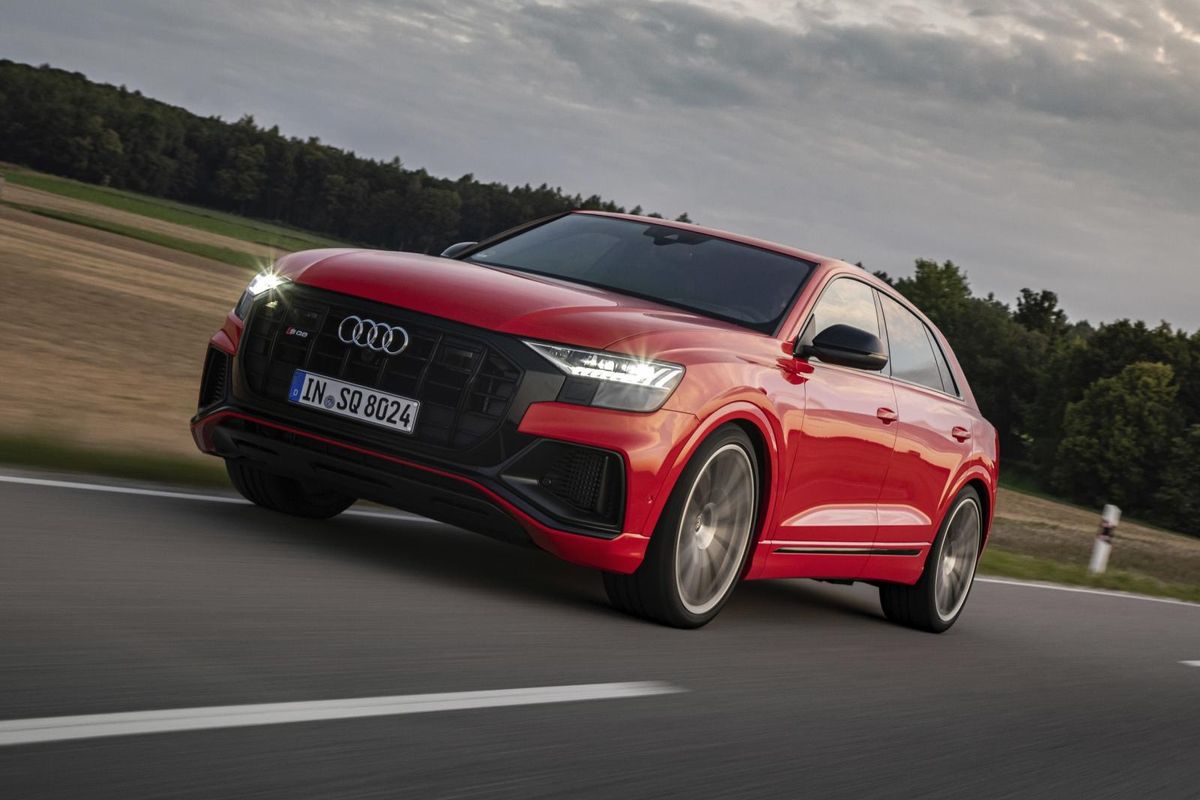
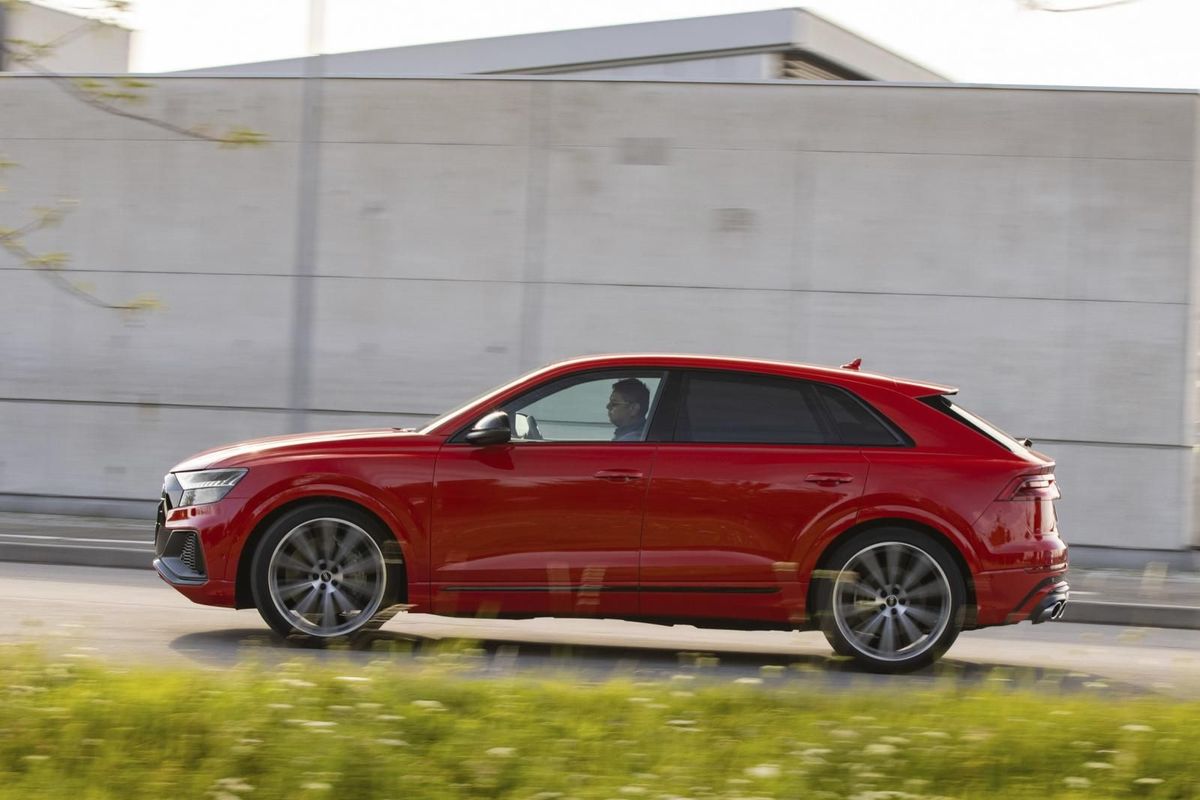
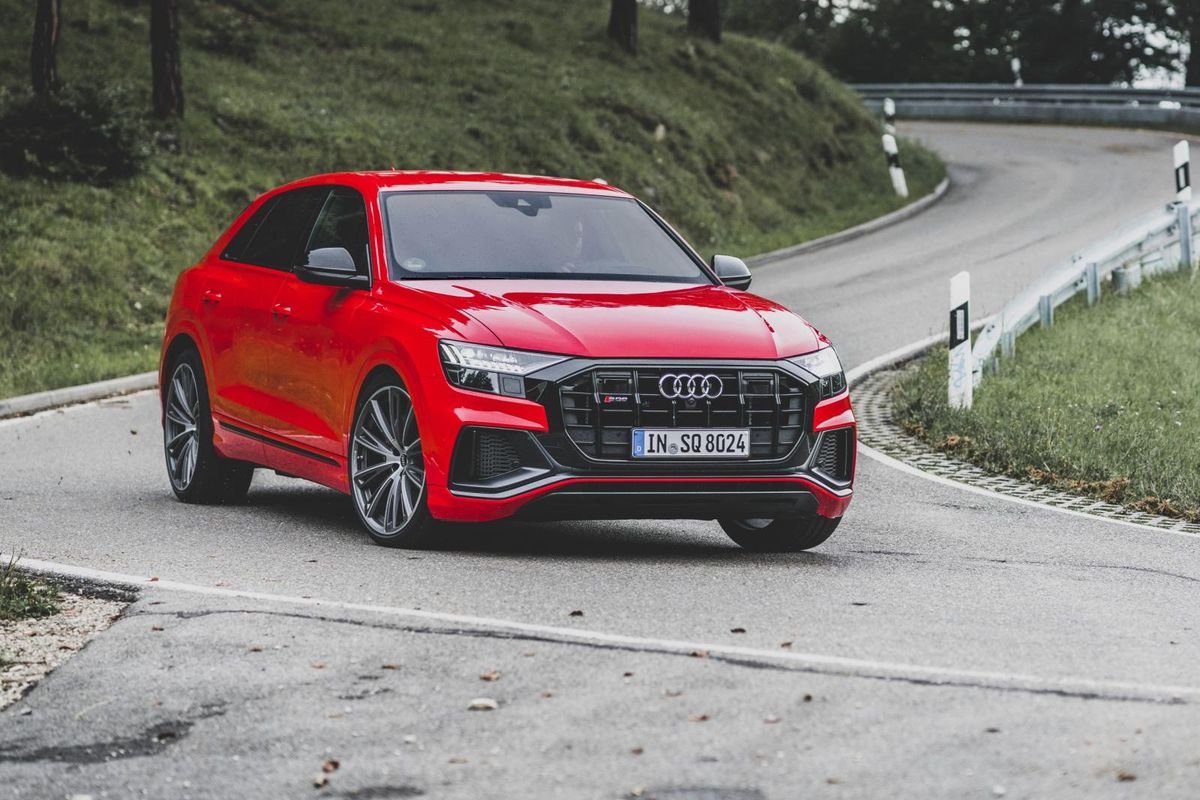
Audi South Africa has announced specifications and pricing for its diesel-powered SQ7 and SQ8 sports SUV range.
Despite the Volkswagen Group's brush with the law surrounding oil-burning propulsion, diesel still has a future. The Audi SQ7 and SQ8 have landed in South Africa, albeit in limited numbers.
Powered by Audi's most powerful diesel engine, the SQ7 and SQ8 feature a 4.0-litre twin-turbocharged V8 motor producing an impressive 310 kW and a monstrous 900 Nm. Both vehicles are said to sprint to 100 kph in 4.8 seconds and will charge to a limited top speed of 250 kph. Other than the stupendous in-gear performance offered by diesel engines, the other benefit is decent fuel economy, with Audi claiming 8.7 L/100 km for the SQ7, while the SQ8 is a tad thriftier at 8.3 L/100 km. An 8-speed tiptronic gearbox and quattro permanent all-wheel drive are fitted as standard. Some clever mechanicals allow up 85% of the power to reach the rear axle.
Customers can choose from seven driving profiles: comfort, auto, dynamic, efficiency, allroad, offroad, and individual. Air suspension is offered, as is all-wheel steering. As standard the vehicle comes with 21-inch Audi Sport wheels, while 22-inch units for the SQ7 and 23-inch units for the SQ8 are optionally available. You can spot the newcomer with its subtle S-badges, aggressive grille and big exhaust pipes at the rear.
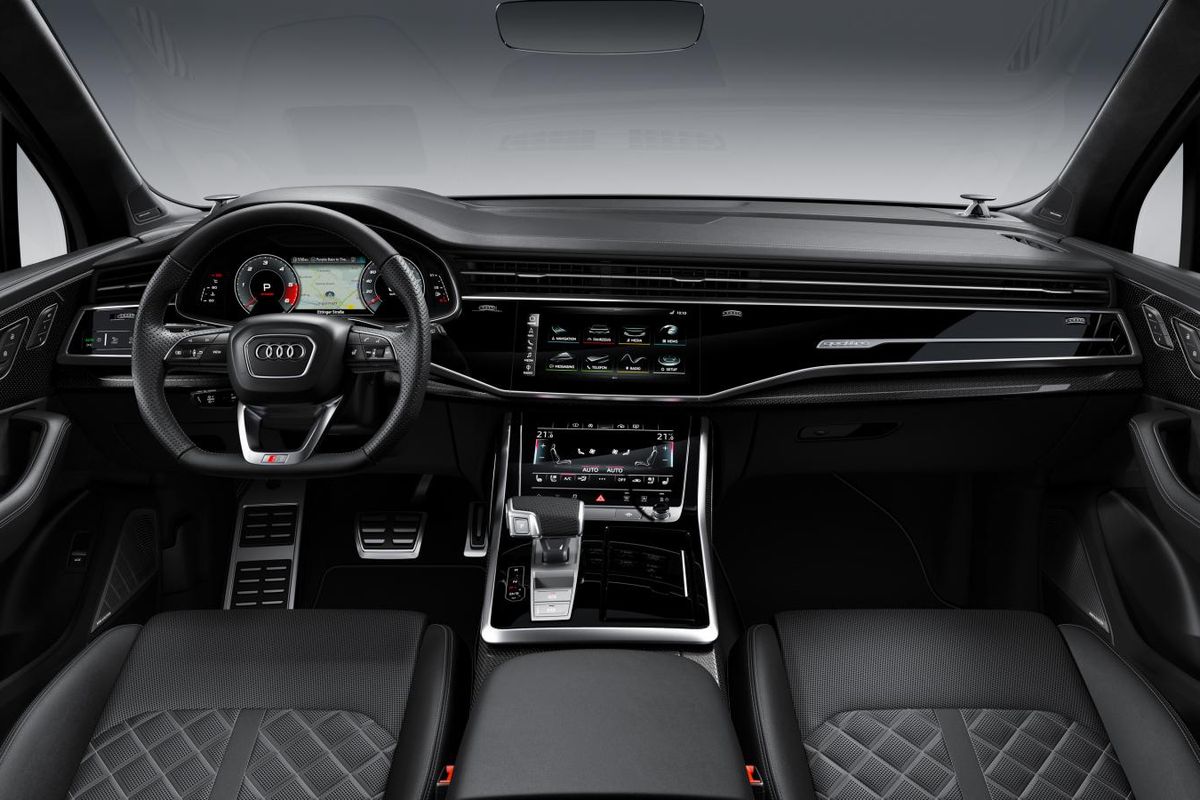
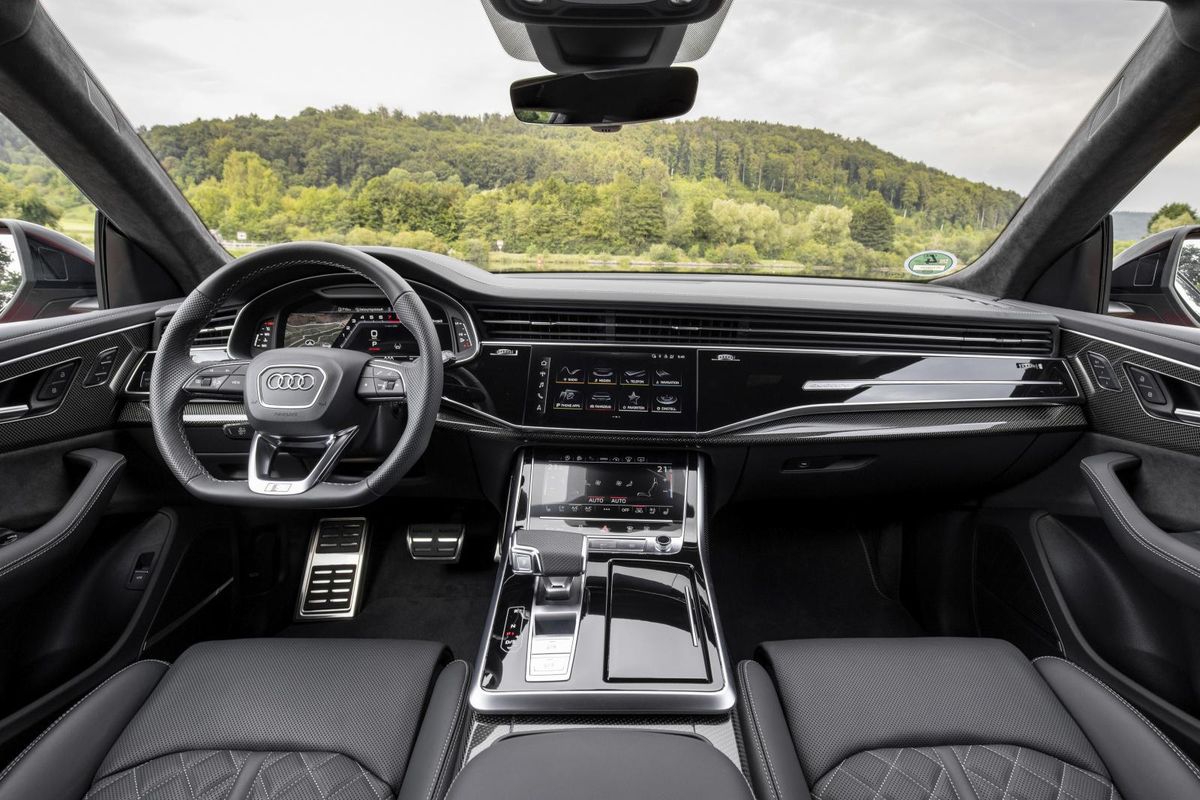
Inside, the Audi SQ7 and SQ8 are offered with sporty seats which feature heating and memory function. There are S-specific graphics in the Virtual Cockpit infotainment system, and the new haptic feedback system we've used before makes its way into these models. The Audi phone box is available, which allows for wireless charging and Apple CarPlay/Android Auto connectivity. A 23-speaker Bang & Olufsen sound system is available for those want an incredible audio experience.
Audi SQ7 SQ8 Price in South Africa (February 2021)
Audi South Africa says its new SQ7 and SQ8 are available in limited numbers. The vehicle is sold with a 5-year Audi Freeway Plan.
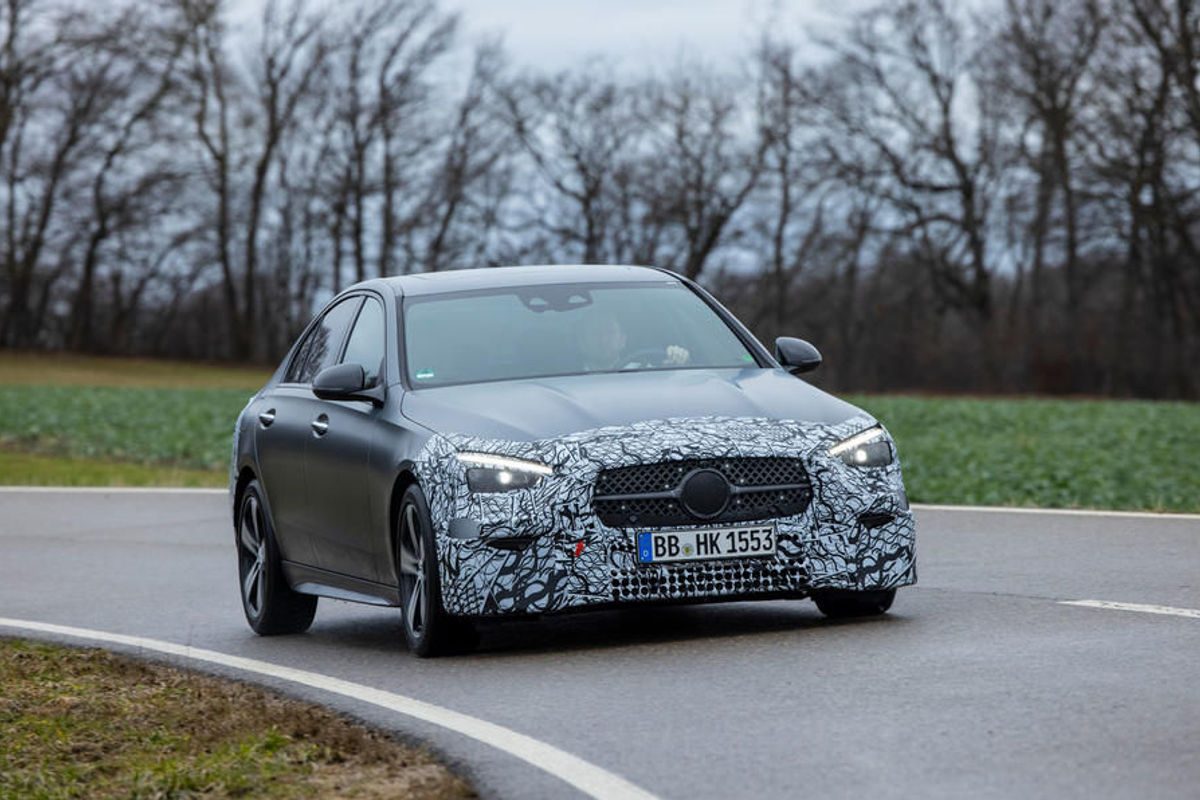
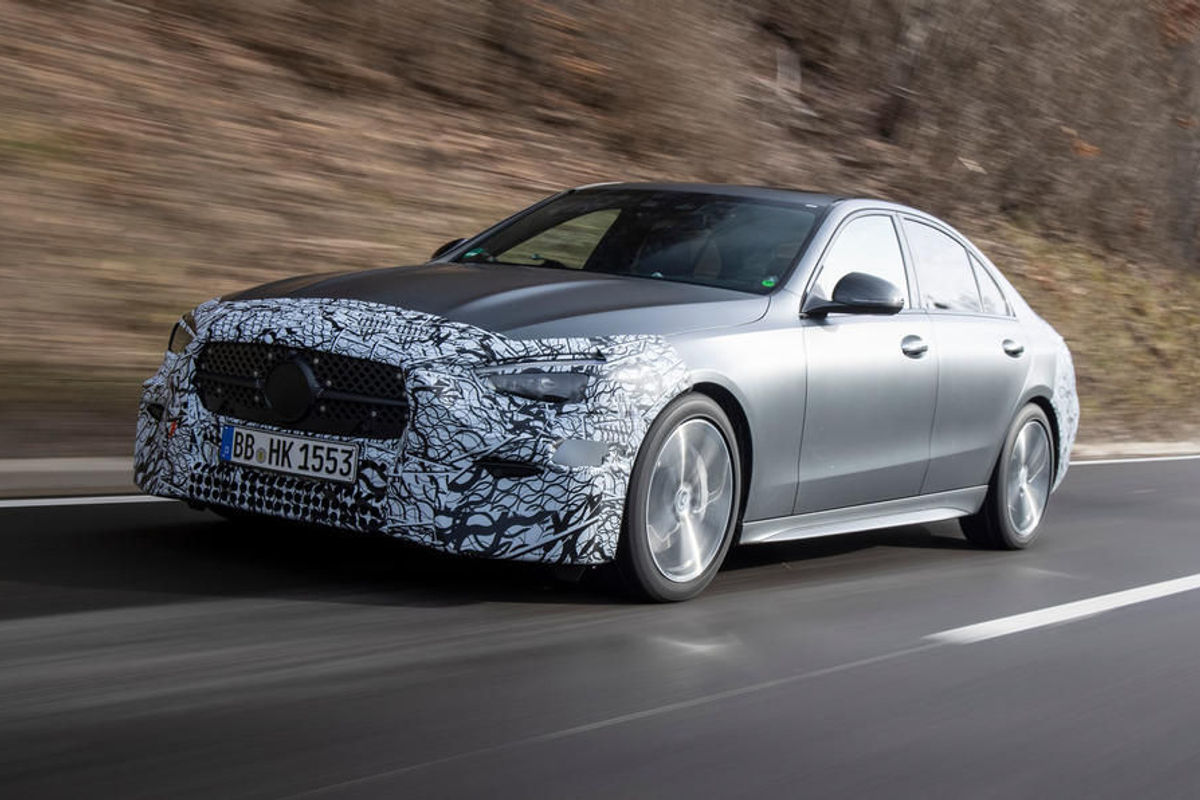
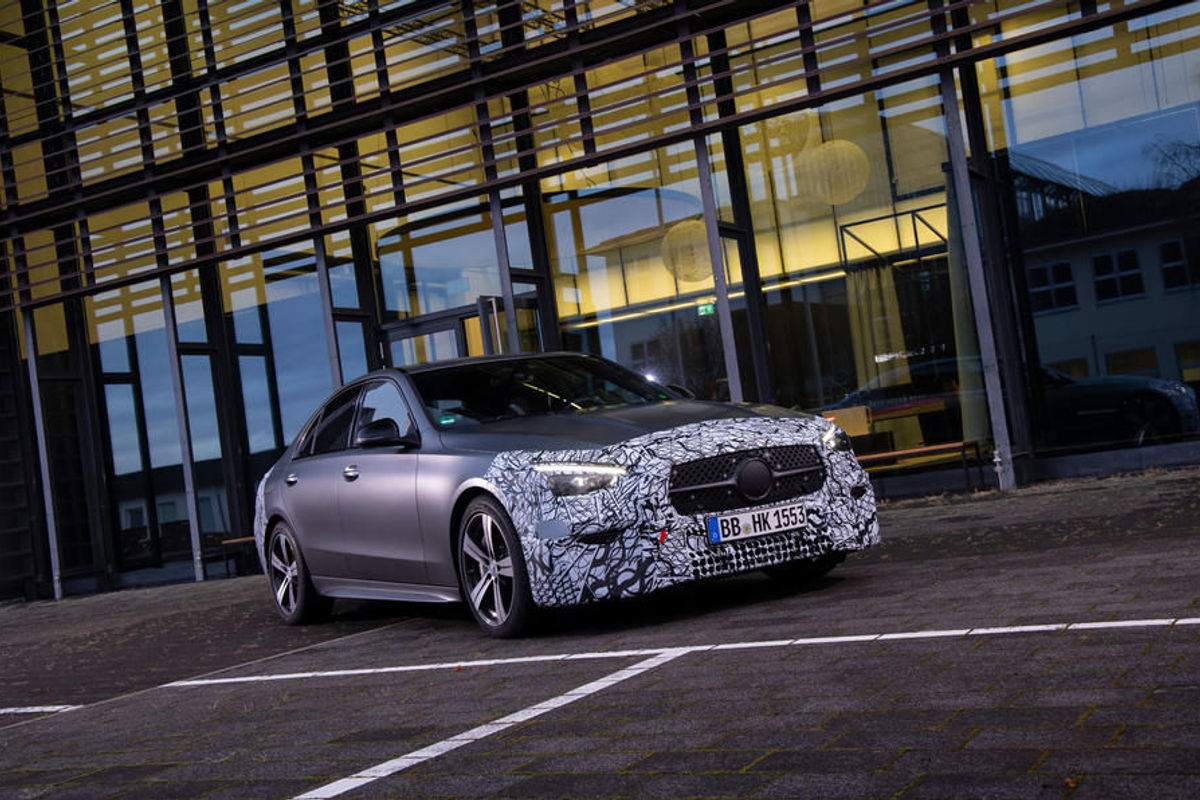
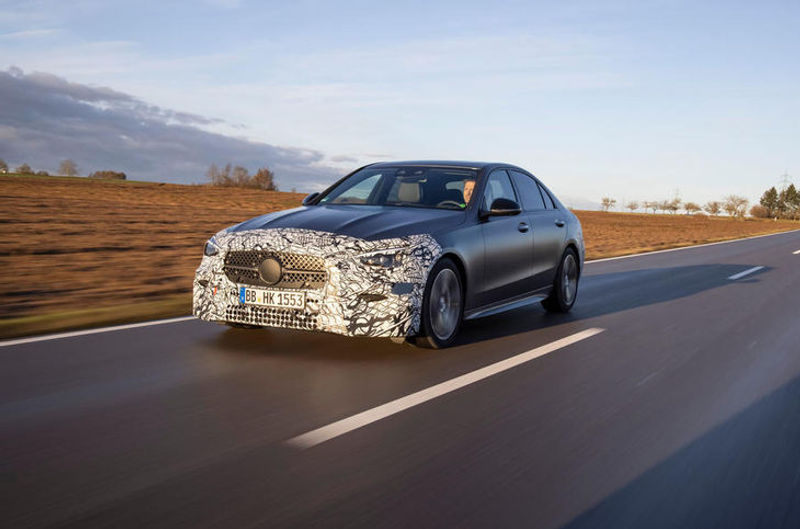
The new W206-generation Mercedes-Benz C-Class, which will be officially unveiled later this month, takes numerous cues from the awe-inspiring S-Class 1st-class sedan. The newcomer is larger (therefore more spacious) and refined than its predecessor. What's more, it's more engaging to drive – reports say.
The images in this article originally appeared in an Autocar article.
As was the case with its predecessor, the upcoming C-Class (W206) is a pivotal model for Mercedes-Benz South Africa, which will build the newcomer for both local and international markets at its East London plant, following a R10-billion investment in the Eastern Cape production facility on the part of the firm's German parent company.
The new C-Class is based on the Three-pointed Star’s Modular Rear Architecture, which also underpins the new S-Class (due here in the 2nd quarter of 2021), but it incorporates a much higher percentage of steel than aluminium compared with its grand-saloon sibling. The new range further utilises a completely new 48V electrical architecture.
The W206-generation is notably longer (by 65 mm) than the model it replaces. Pic credit: Autocar.
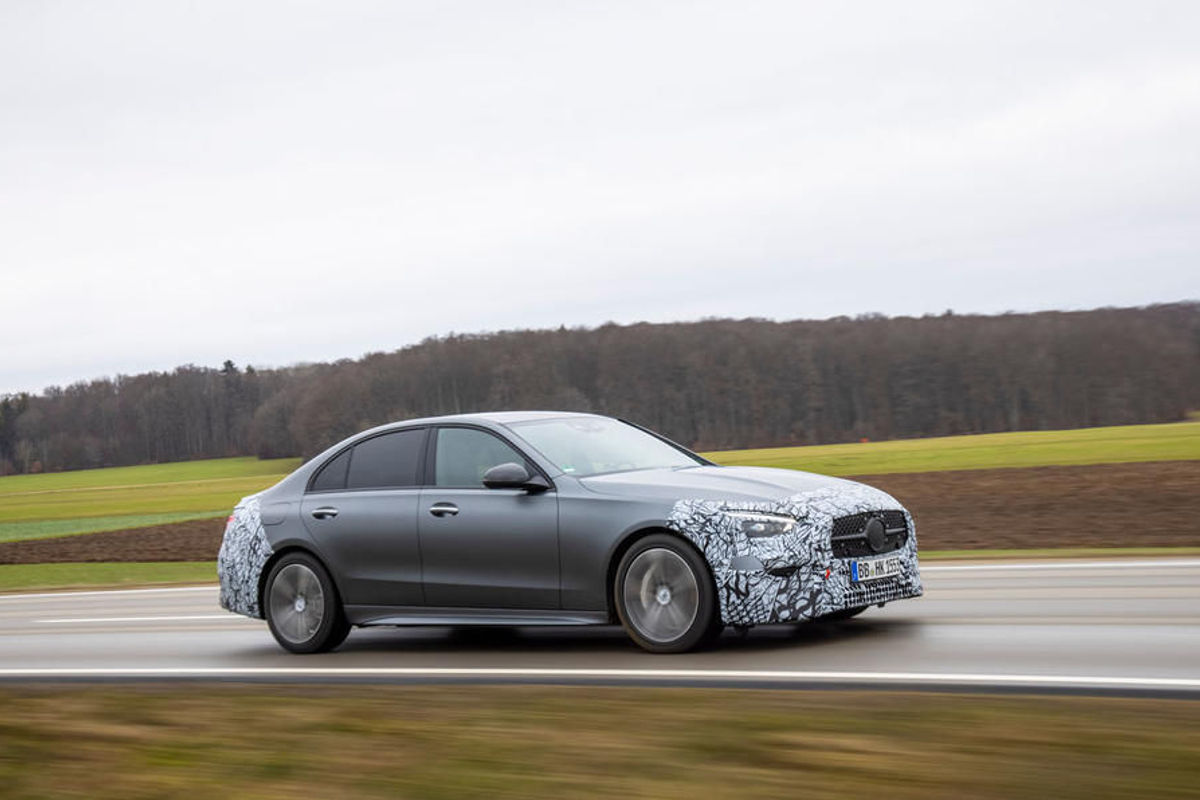
Christian Früh, who has overseen the development of the past 3 C-Class models, told Autocar that the newcomer is 65 mm longer than the W205 (which includes gains of 10 mm for the front overhang, 30 mm for the wheelbase and 25 mm for the rear overhang). The increased dimensions have resulted, inter alia, in 25 mm more leg- and 13 mm more headroom for rear occupants.
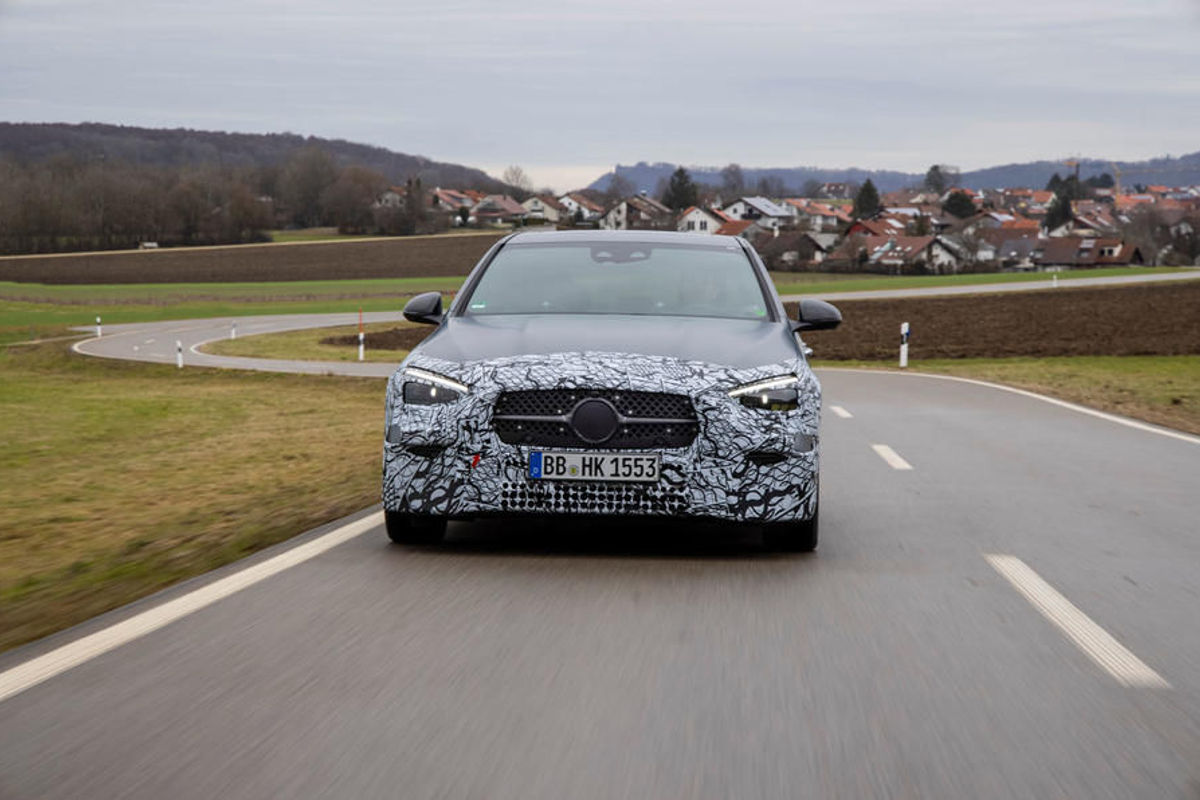
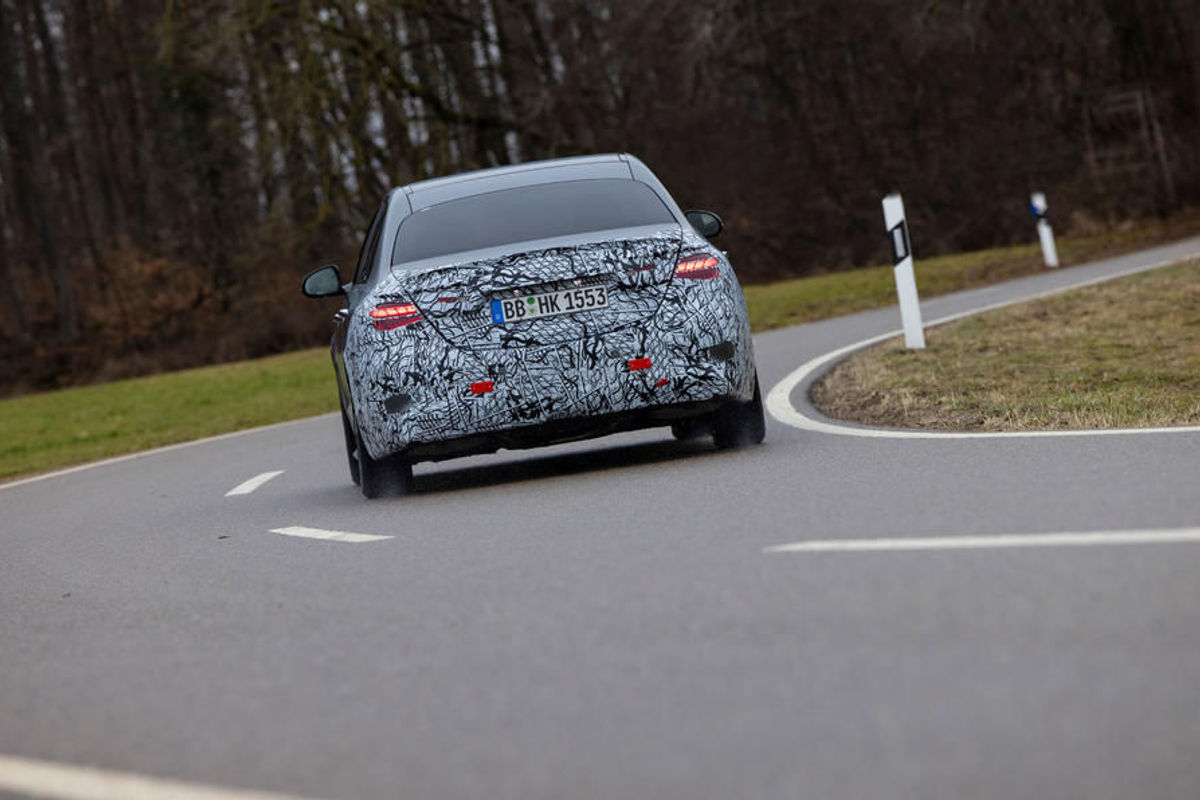
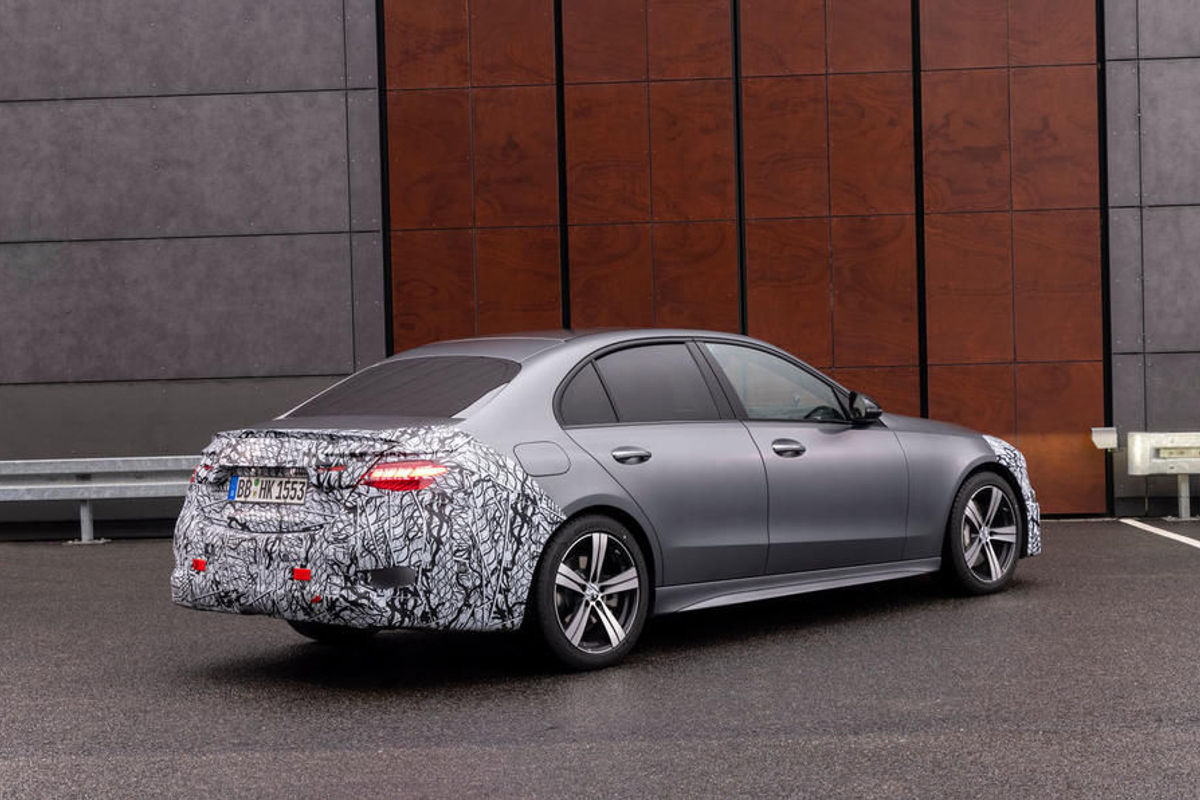
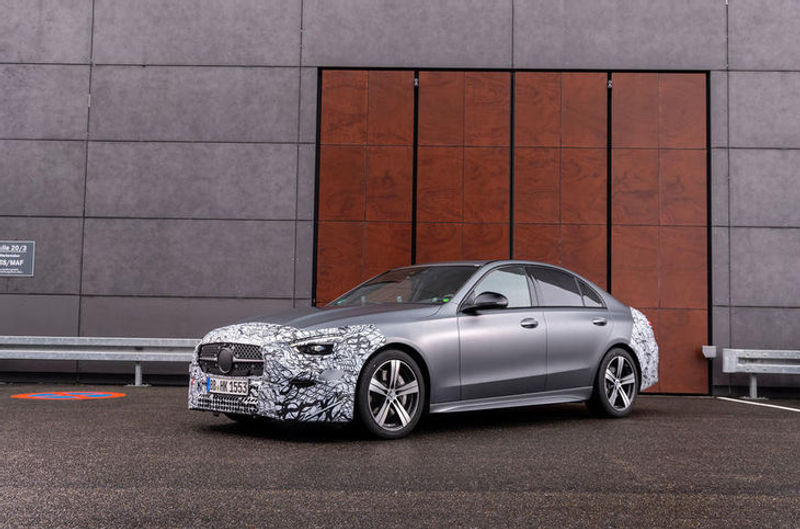
Although most of the finer aesthetic details of the rear-wheel-drive sports executive have yet to be revealed (they’re obviously obscured by camouflage cladding on the development units shown here), the W206 is instantly recognisable as a C-Class, even “if every panel and detail has been altered”. Note the muscular bonnet contours, larger wheelhouses and (perhaps less obvious) wider front track.
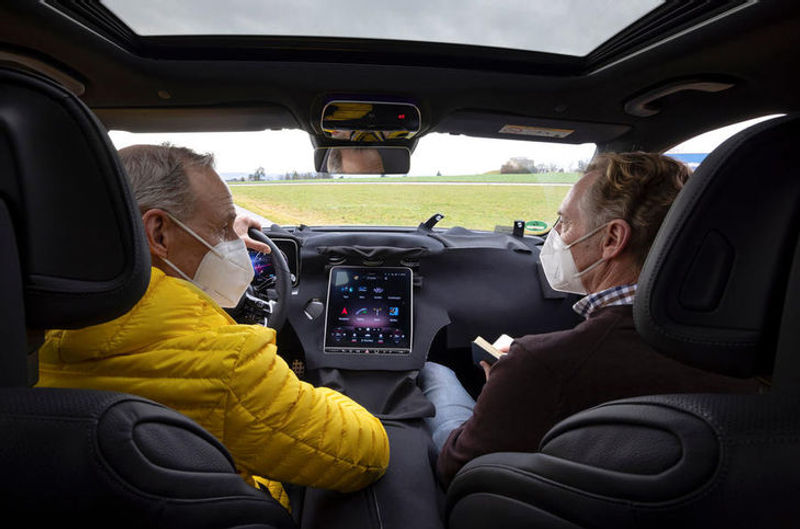
The new C-Class will feature one of the biggest infotainment screens ever fitted to a sports executive model. Pic credit: Autocar.
Compared with the smart but conventional interior fascias of the BMW 3 Series and recently updated Audi A4, the design of the new C-Class’ dashboard is bound to be revelation… Instead of a traditional cowled instrument binnacle, the W206 will feature a rectangular digital driver’s display, while a large portrait-style tablet will substitute the usual landscape-style touchscreen infotainment system (both screens will be powered by the latest-generation MBUX, which is also said to support over-the-air firmware updates). We expect the fascia to be largely devoid of switches, save for the "hazard button"!
Lending weight to the rumour that the upcoming Mercedes-AMG C63 will be powered by a twin-turbo 2.0-litre 4-cylinder motor combined with significant electric assistance (410 kW), is Mercedes-Benz’s confirmation that all the engines in the new C-Class will be mild-hybrid 4-cylinder units because the model’s “engine bay would (reportedly) not be able to accommodate a Benz inline-6 motor”.
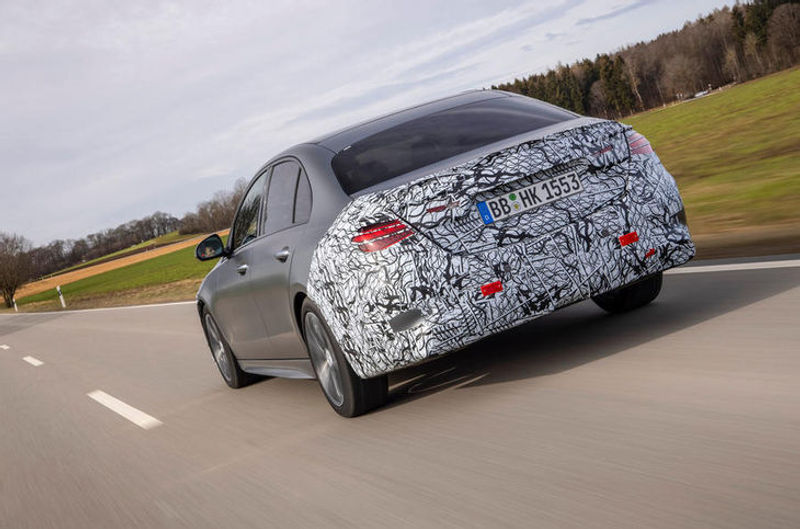
The W206 looks set to be the first C-Class model to not be offered with a 6-cylinder (or V8) motor. Pic credit: Autocar.
AutoExpress reports that the new range's petrol-engine line-up will start with a 125-kW C180, followed by a 150-kW C200 and then the 190 kW C300, which combines a 2.0-litre turbopetrol motor (allied with an integrated starter-generator and mated with a 9-speed automatic transmission). The C300 reportedly has an overboost function that can free up an extra 20 kW for up to 30 sec under full throttle. There will also be a pair of hybrid derivatives and anoraks will know that Mercedes-Benz's East London plant already produces a hybrid C-Class derivative…
On the turbodiesel side, there will be a 147-kW C220d, plus the 195-kW C300d. The 4MATIC all-wheel drivetrain will be optional on mid-range derivatives, but standard on the C300 and C300d.
After being availed passenger rides in a pre-production version of the W206-generation C300 4Matic, the British publications noted that Mercedes-Benz had markedly improved the C-Class’ refinement; Autocar reported “less engine vibration under load and remarkably little wind buffeting, while AutoExpress ascribed “this newfound composure… to the (optional) 4-wheel-steering. Even if the rear wheels turn only 2.5 degrees instead of more than 10 degrees like in the S-Class, the car handles much better than before.”
The newcomer has a slippery drag coefficient of just 0.24 Cd. Pic credit: Autocar.
Früh is quoted as saying that a number of measures to boost the C-Class' rigidity have led to improved steering feel and handling precision. Autocar praises the pre-production car's “engaging (handling) fluidity, thanks to excellent body control; progressive roll and a front-end largely unperturbed by mid-corner (road) imperfections.”
The W06’s suspension set-up has a similar double-wishbone front- and multi-link rear setup to that of the current C-Class. “The overall composure on the 10mm-lower AMG Line is quite impressive; maintaining ride height over sharp undulations without nasty vertical movements,” Autocar added.
The local launch date for the W206-generation C-Class has not been confirmed yet, but the newcomer is said to earmarked for European introduction in the 2nd quarter, which leads us to believe that the newcomer will become available in Mzansi in the 2nd half of the year. And, Mercedes-Benz enthusiasts will surely suggest "the sooner the better"…
Meet the finalists in the Leisure Double Cab category of the 2020/21 #CarsAwards powered by WesBank!
Now in its 6th year, the #CarsAwards was conceived to be South Africa's definitive automotive awards programme and is backed, for the 5th year running, by the country's leading supplier of vehicle finance, WesBank.
In this immensely popular and fiercely contested vehicle category, the search is on for the ultimate all-rounder. From luxurious touring vehicle, to hardcore off-roader, capable carry-all, family do-all and lifestyle activity machine, leisure double-cab bakkies can no longer be too utilitarian and rough around the edges, but should be highly sophisticated offerings.
This category is guided by both eligibility factors and Pillars of Success.
Eligibility factors for this category include a list price between R600 000 and R800 000 (as of October 1, 2020) to ensure upmarket, luxurious vehicles are considered as per market requirements.
Eligible vehicles must be a Double-Cab (four doors) Pick-Up with a turbodiesel engine and four-wheel drive and must have a minimum manufacturer-supplied ground clearance figure of 200mm.
Pillars of success for this category include performance, space and practicality, in-car entertainment, comfort, all-surface ability and safety.
Visit www.carsawards.co.za for more information. In no particular order, the finalists are as follows:
Volkswagen Amarok 2.0 BiTDI Highline Plus 4Motion
Volkswagen has replaced the winner of this category in the 2019/20 #CarsAwards – the 3.0 V6 TDI Highline 4Motion – with a more expensive 190-kW version, which has pushed the bakkie’s price above the R800k limit. Therefore we’ve substituted the V6 derivative with the 2.0 BiTDI Highline Plus 4Motion to see if the more affordable offering can defend the Amarok’s title.
When Ford’s Ranger line-up received a wide-ranging update in 2019, its Wildtrak flagship received an impressive new powertrain. Well equipped, sturdy and endowed with appealing square-jawed looks, the top-of-the-range Ranger is undoubtedly a strong contender in this category. In the 2019/20 #CarsAwards, the Wildtrak narrowly lost out to the Amarok, but with the 3.0 V6 TDI 4Motion Highline Plus derivative out of the running, could this be Ford’s year?
South Africa’s best-selling vehicle underwent another mid-life adjustment in late 2020, but the facelift is the most significant one yet because it encompassed powertrain and design updates. Can Mzansi’s sales-chart champ secure victory in this category of the 2020/21 #CarsAwards?
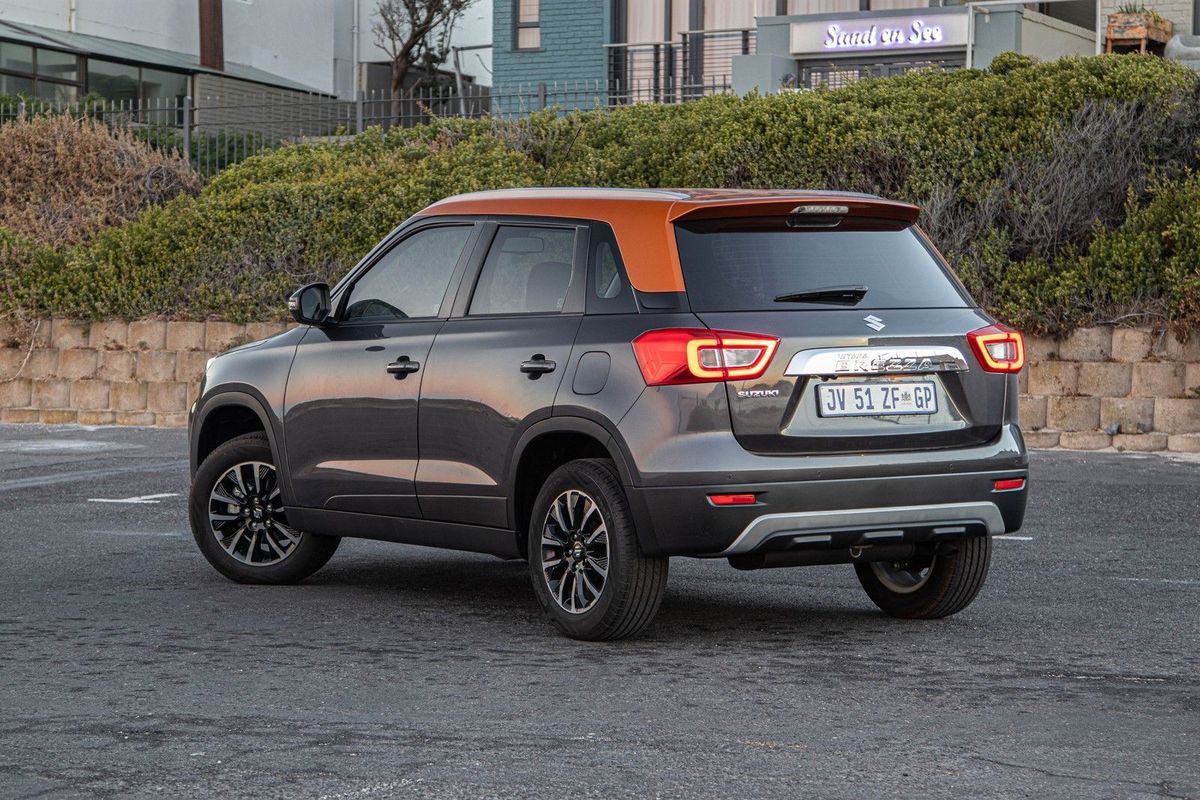
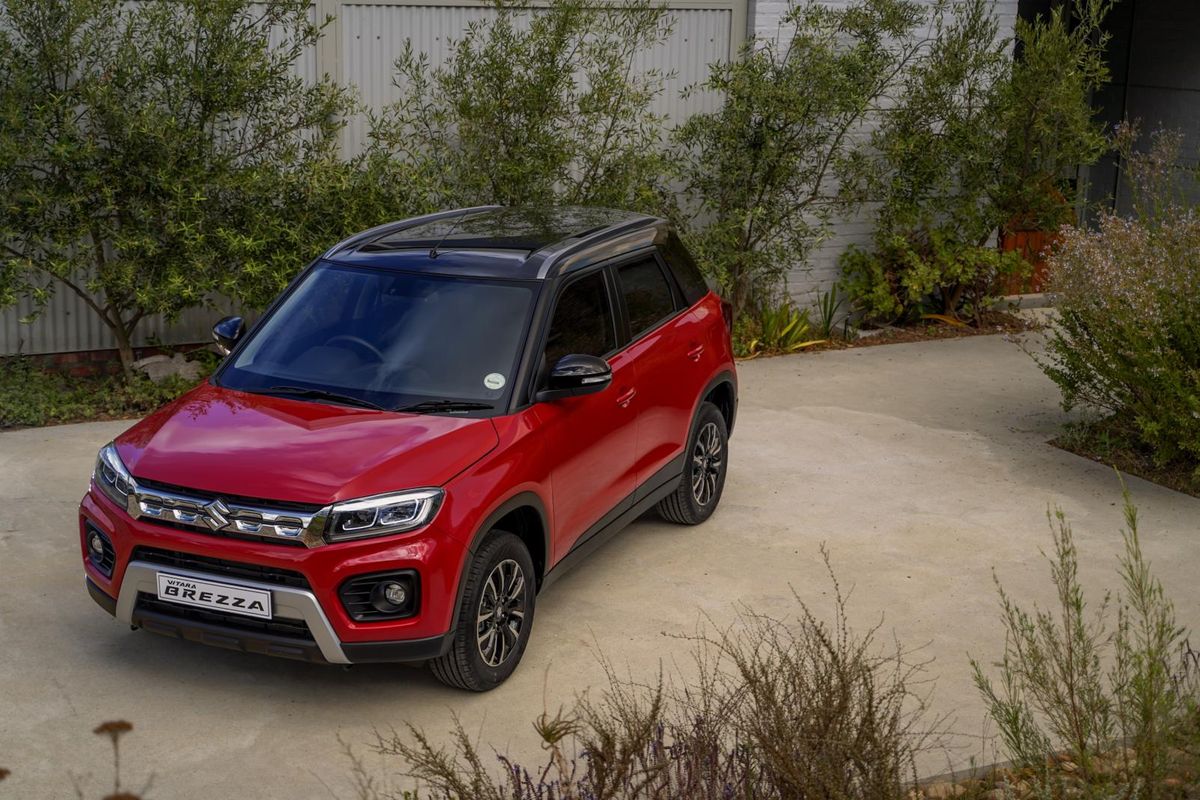
Having established solid sales momentum throughout the past 5 years, Suzuki SA has now introduced the Vitara Brezza – a compact family car that sits below the Vitara in the Japanese brand's local lineup. We had the chance to drive the newcomer in the lead up to its local launch and here’s what we think of it…
What is it?
The newcomer's naming convention is a little confusing considering there is already a Vitara on sale in South Africa. Well, think of the 'Brezza as the Vitara's younger, slightly smaller sibling. It’s shorter than the Vitara (by 180 mm), but wider by 30 mm and taller by some 15 mm. The wheelbase remains the same as the standard Vitara's, which seems to suggest that the focus is on interior-space utilisation.
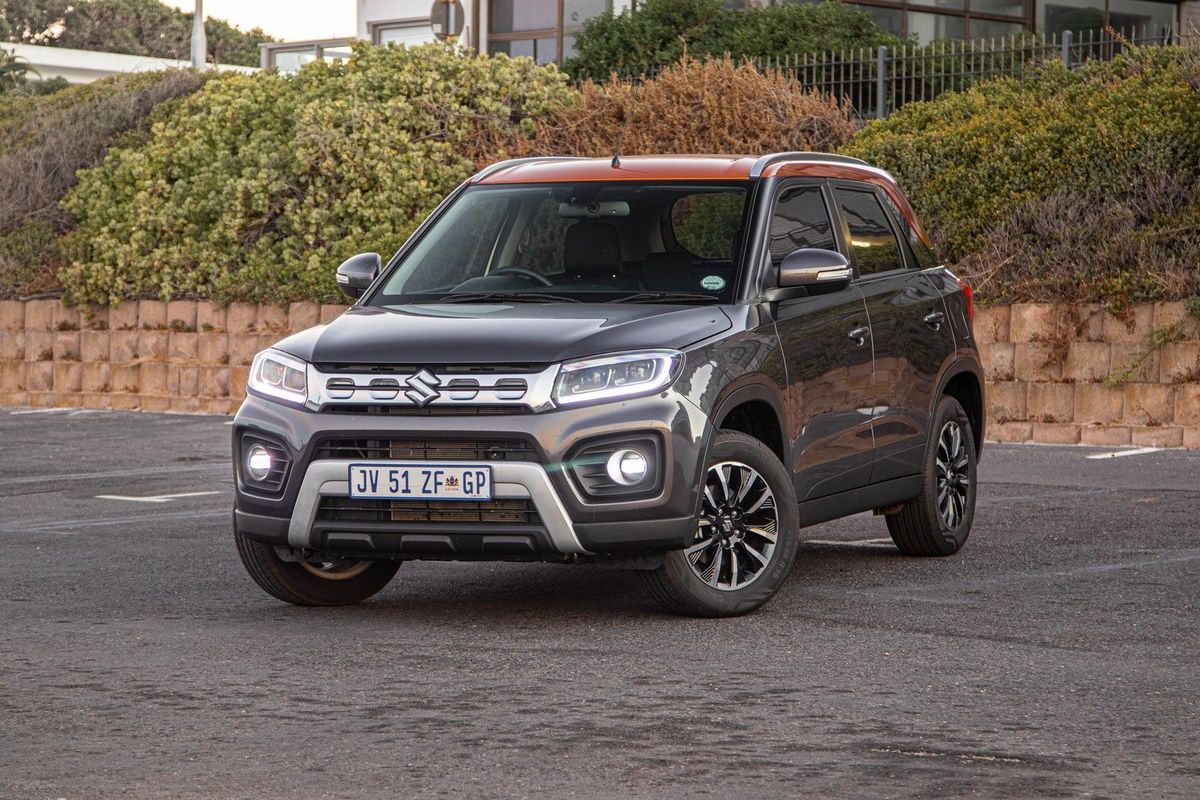
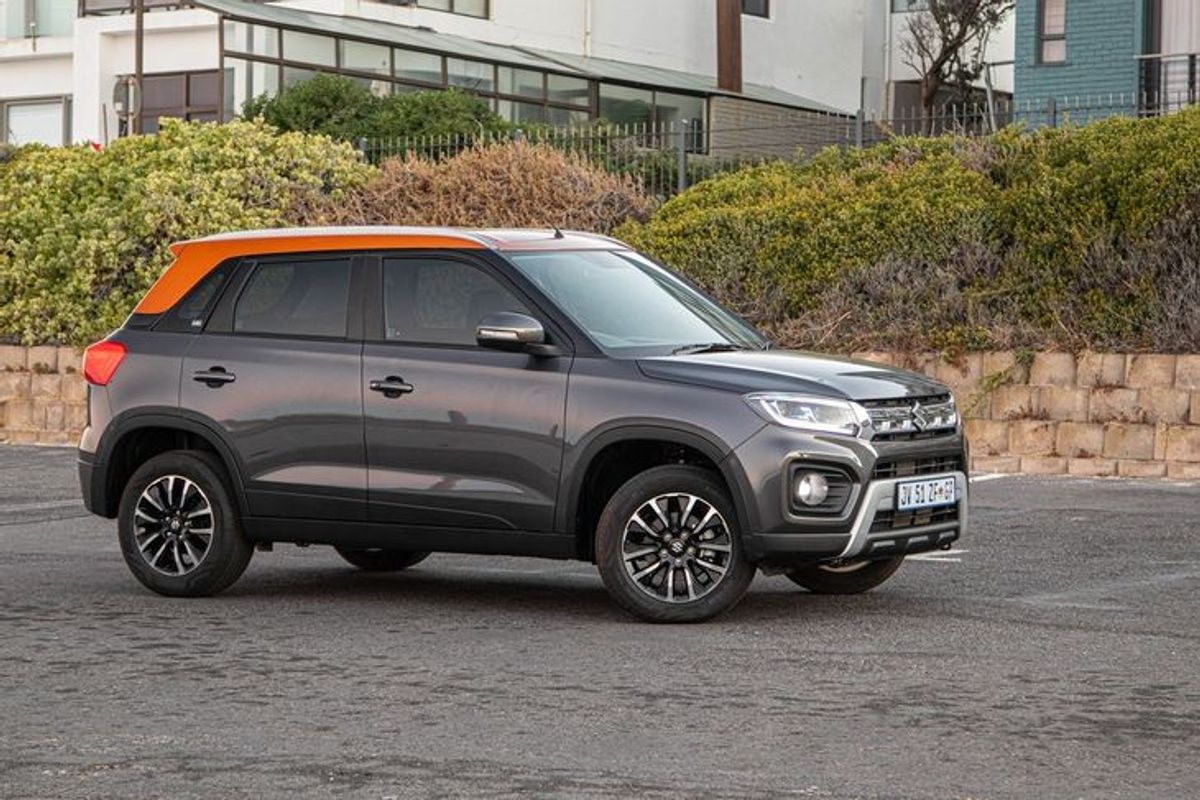
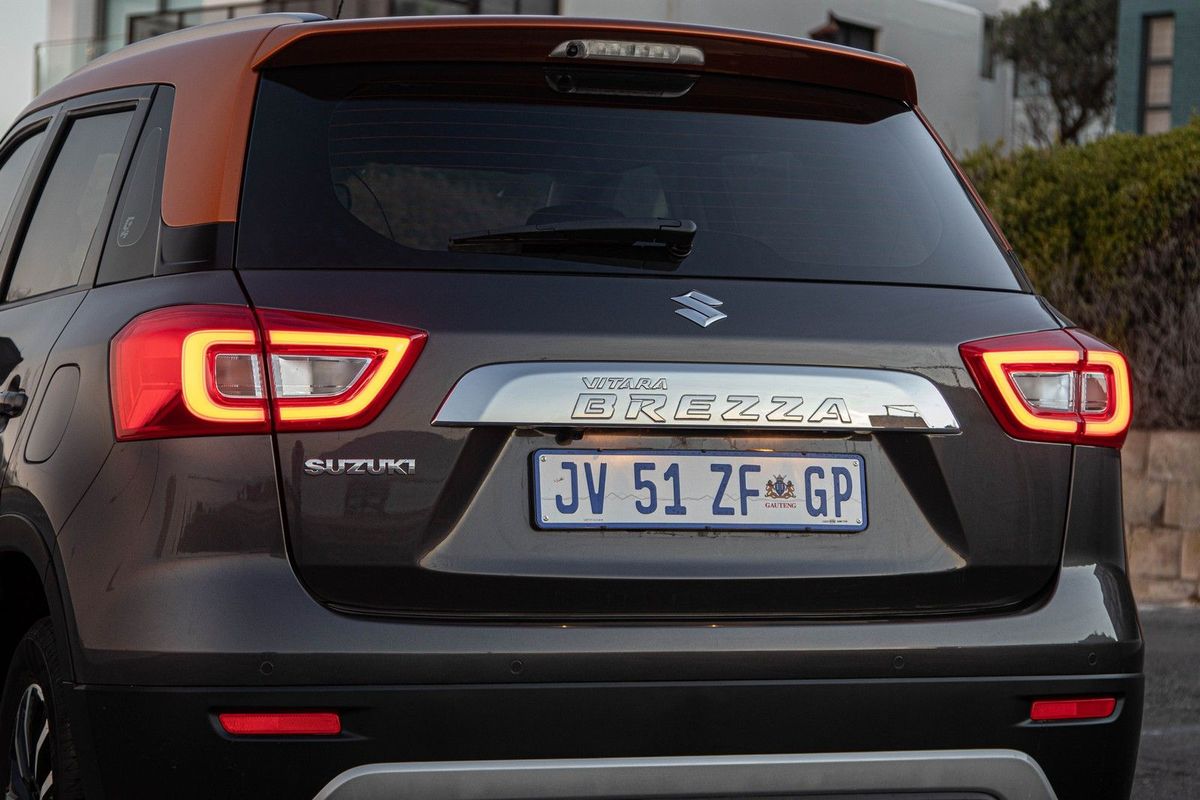
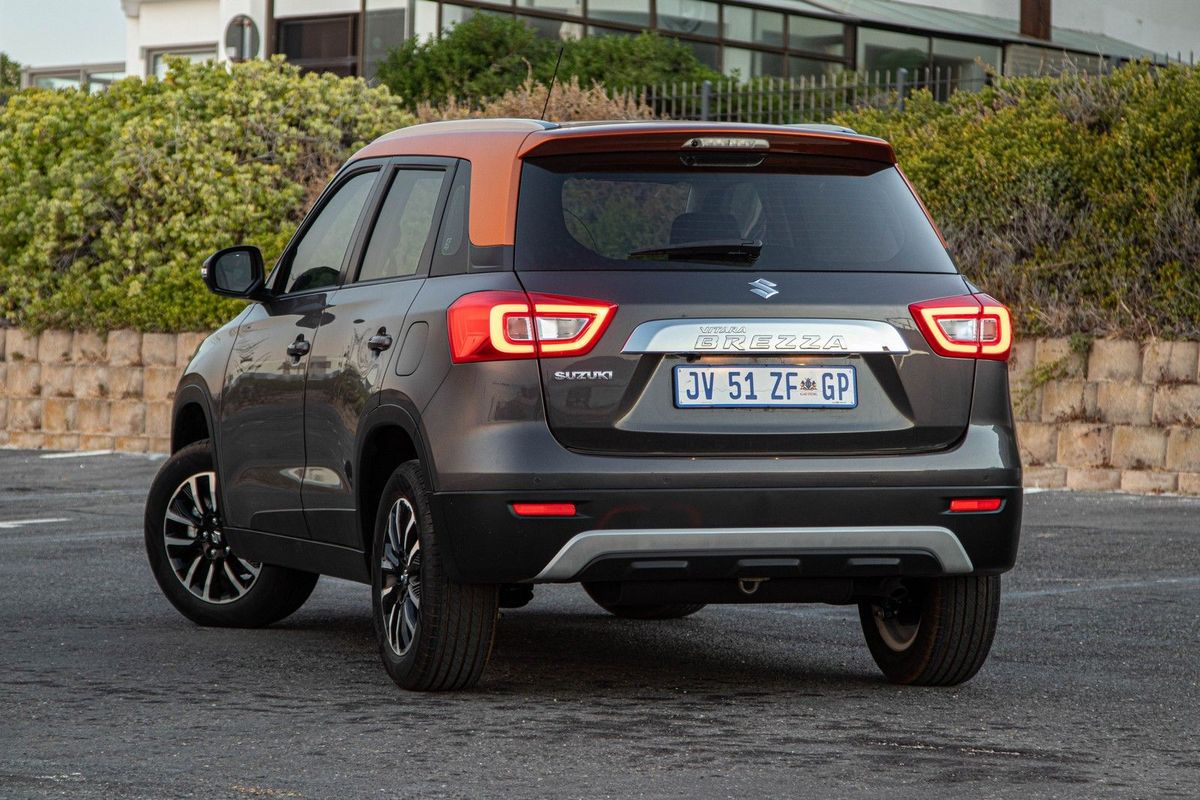
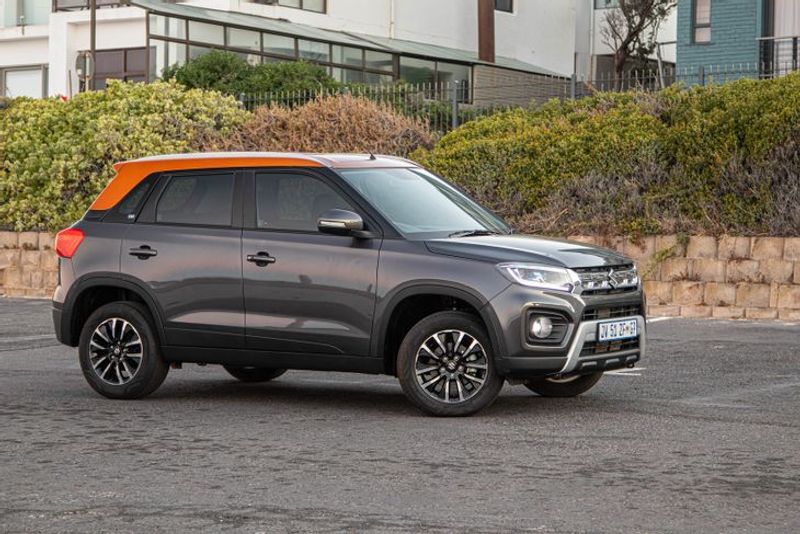
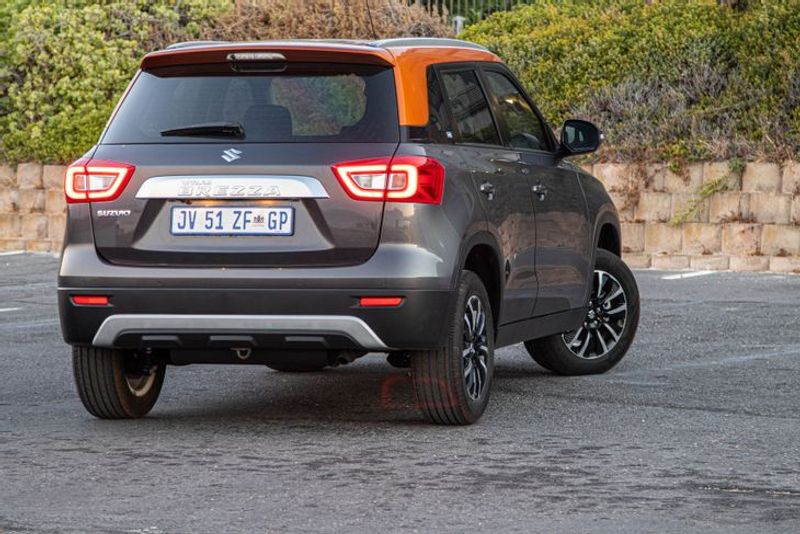
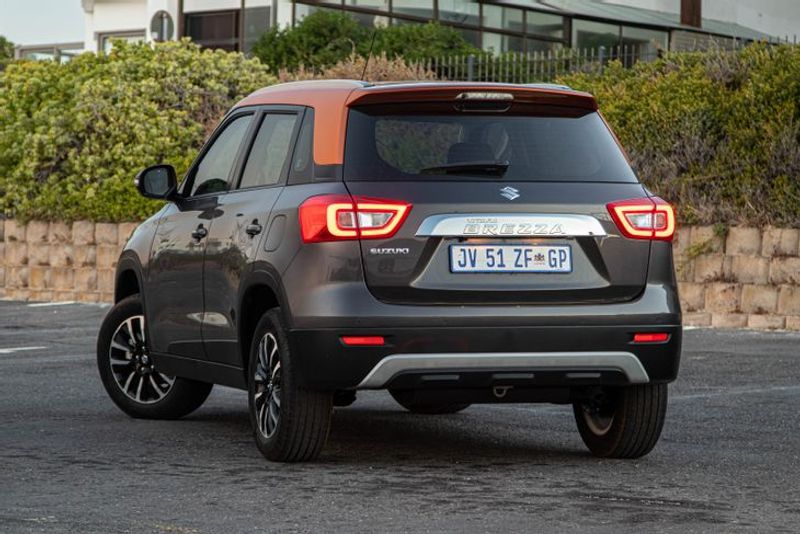
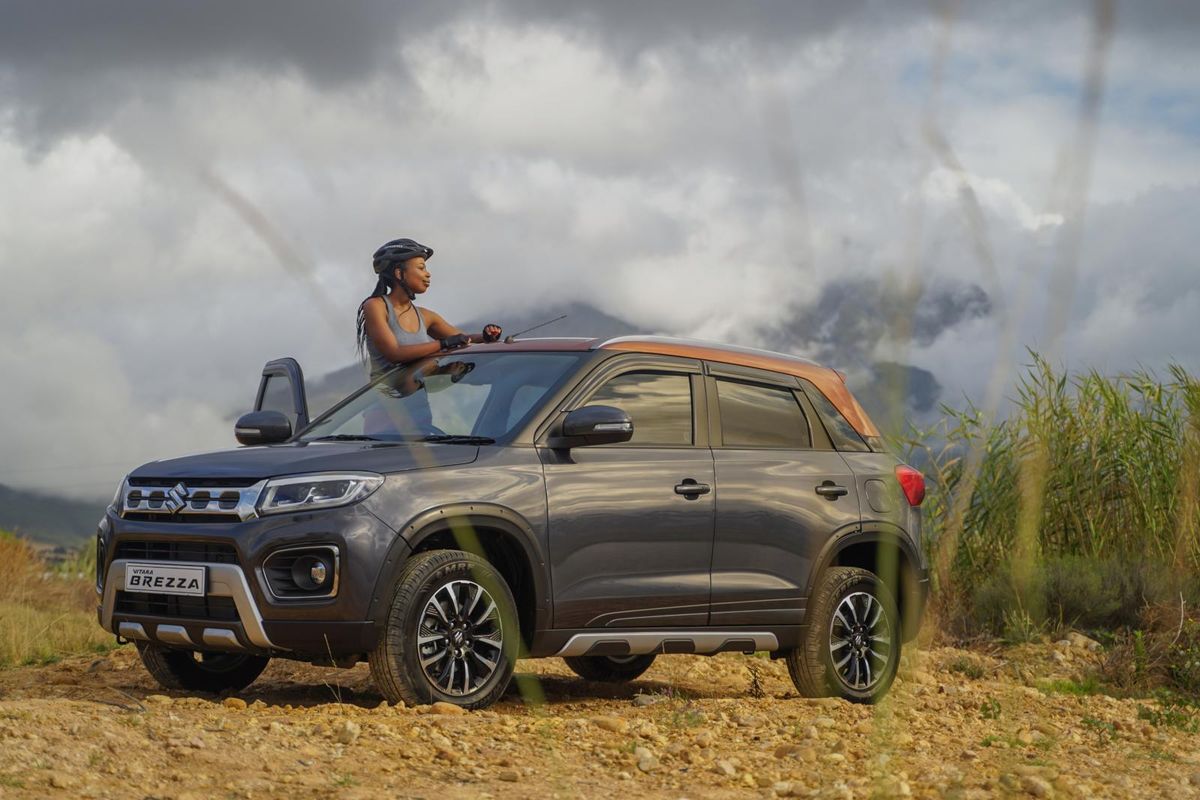
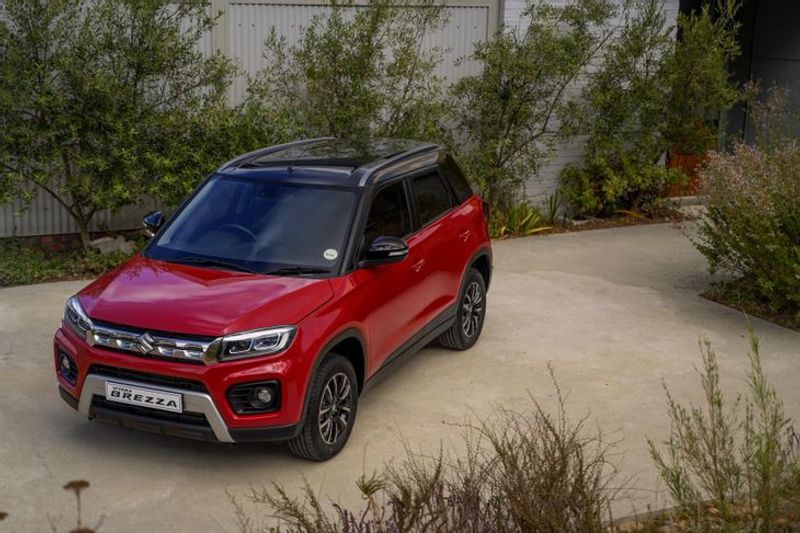
GLX-spec Vitara Brezza derivatives are available in two-tone colour schemes.
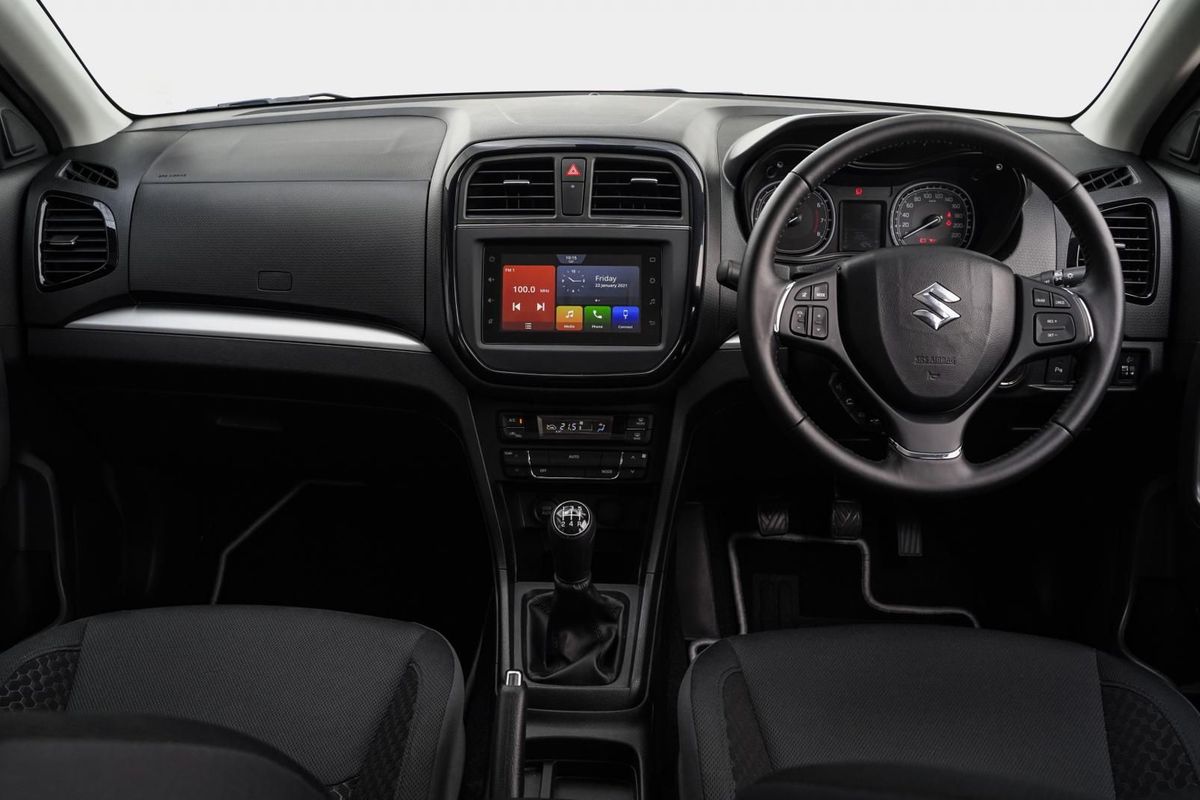
The Vitara Brezza comes with just one engine, a naturally aspirated 1.5-litre 4-cylinder petrol motor paired with either a 5-speed manual or a 4-speed automatic transmission. It also comes in 2 grades of spec, the GL and the flagship GLX, the latter of which features smarter trim such as a silver skid plate on the bumper, folding exterior mirrors, 16-inch alloys (as opposed to steel wheels on the GL) and full LED headlights. The GLX also features more goodies inside, such as a leather multifunction steering wheel, cruise control, rain-sensing wipers and keyless access, to name just the main additions.
Is it a family car?
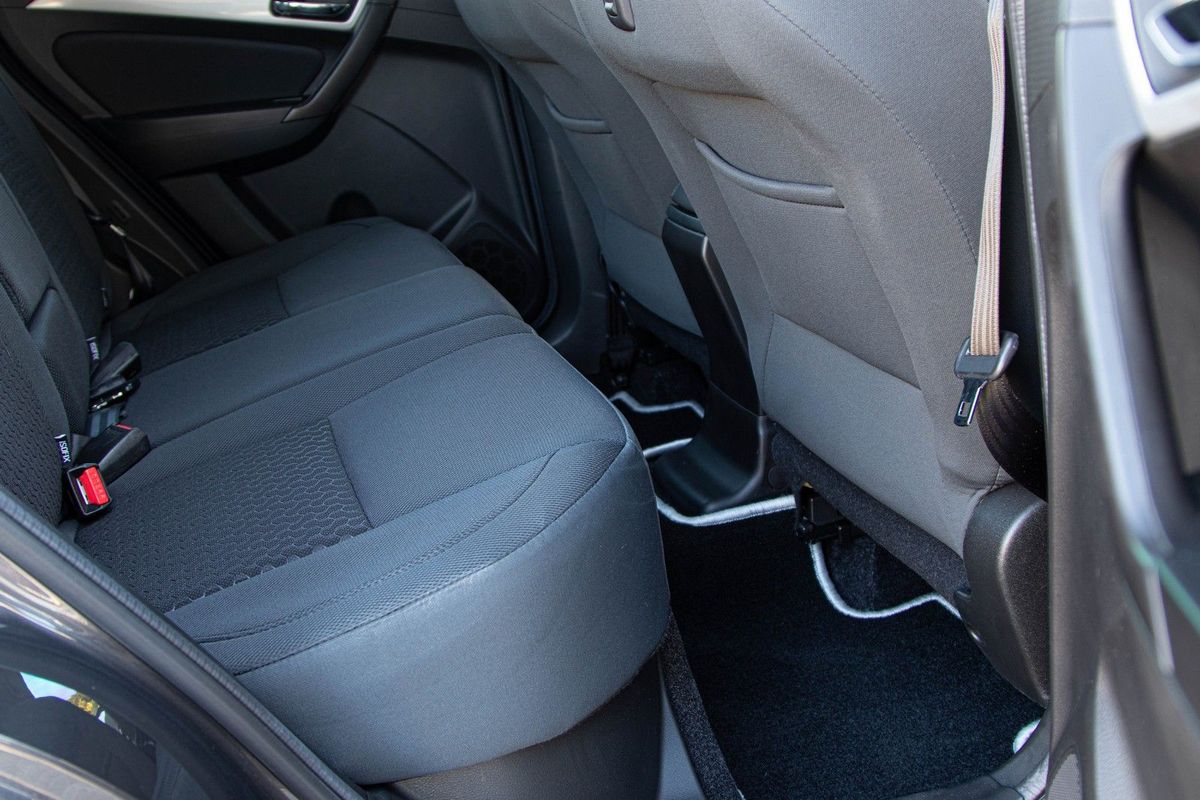
The Vitara Brezza appears to be quite spacious at the front and back of the cabin, although rear legroom is tight if adult occupants have to sit behind a tall driver/front passenger. There are 2 proper seatbelts in the back and a third lap belt for the centre seat, which also has a built-in armrest or "child divider".
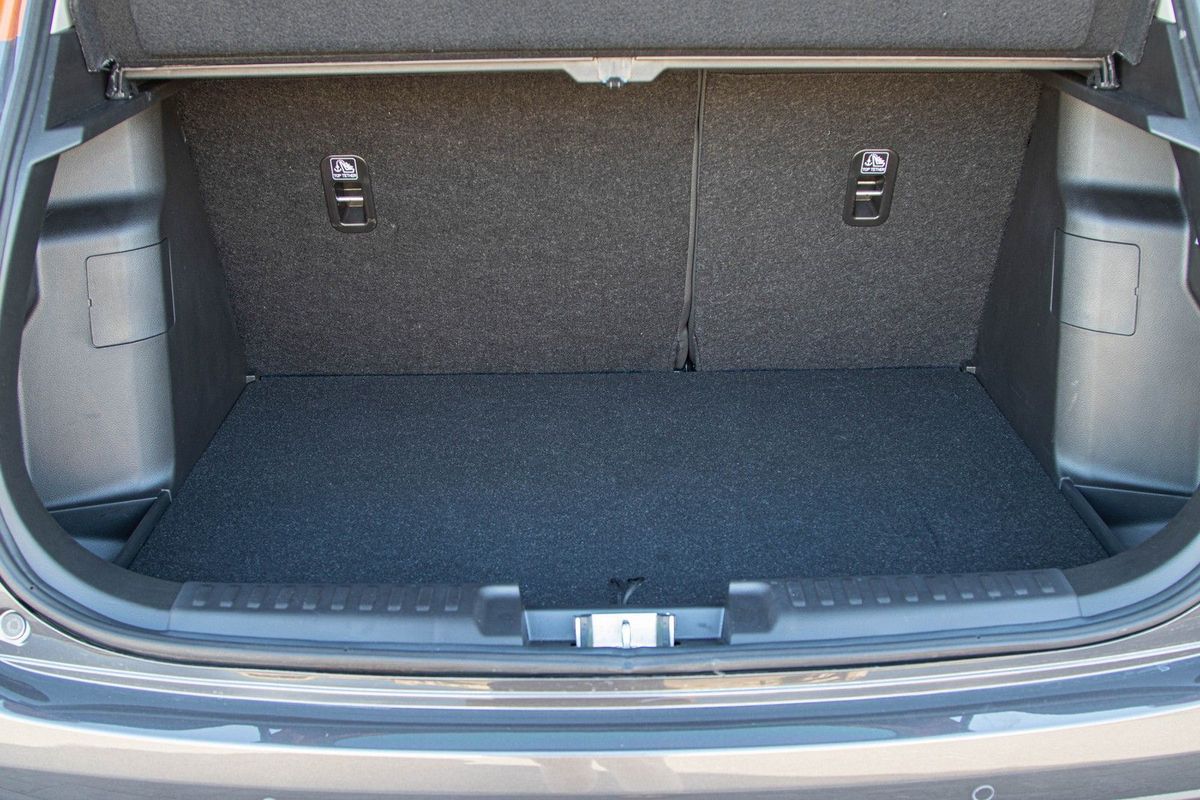
The luggage capacity is slightly less than in the Vitara, but can accommodate a decent 328 litres. The rear seats, meanwhile, split in a 60/40 configuration and can be folded down to free up utility space, but it's not perfectly practical setup because the seatbacks rest at an upward angle, so the enlarged load area isn't flat. A full-size spare wheel is fitted under the boot board, which is a nice plus for our market.
The wheelbase has been kept the same as that of the standard Vitara, which means rear passenger space is good.
In terms of keeping you and your passengers safe, the Brezza comes with just 2 airbags, positioned in the front of the car. ABS, EBD (with emergency brake assist) and side-impact protection are fitted, but stability control or traction control are omitted.
What's it like to drive?
In typical Suzuki fashion, the Brezza feels peppy. It weighs just over 1.1 tonnes, so it’s one of the lighter SUVs on the market. That helps to make it feel light on its, um, wheels and fun to drive. The 1.5-litre engine pops out 77 kW and 138 Nm (it’s the same engine from the Ertiga and Jimny, but doesn’t feel underpowered). Admittedly we drove it at sea level, where the thicker air aids performance.
The 1.5-litre engine produces good acceleration thanks to lightweight chassis.
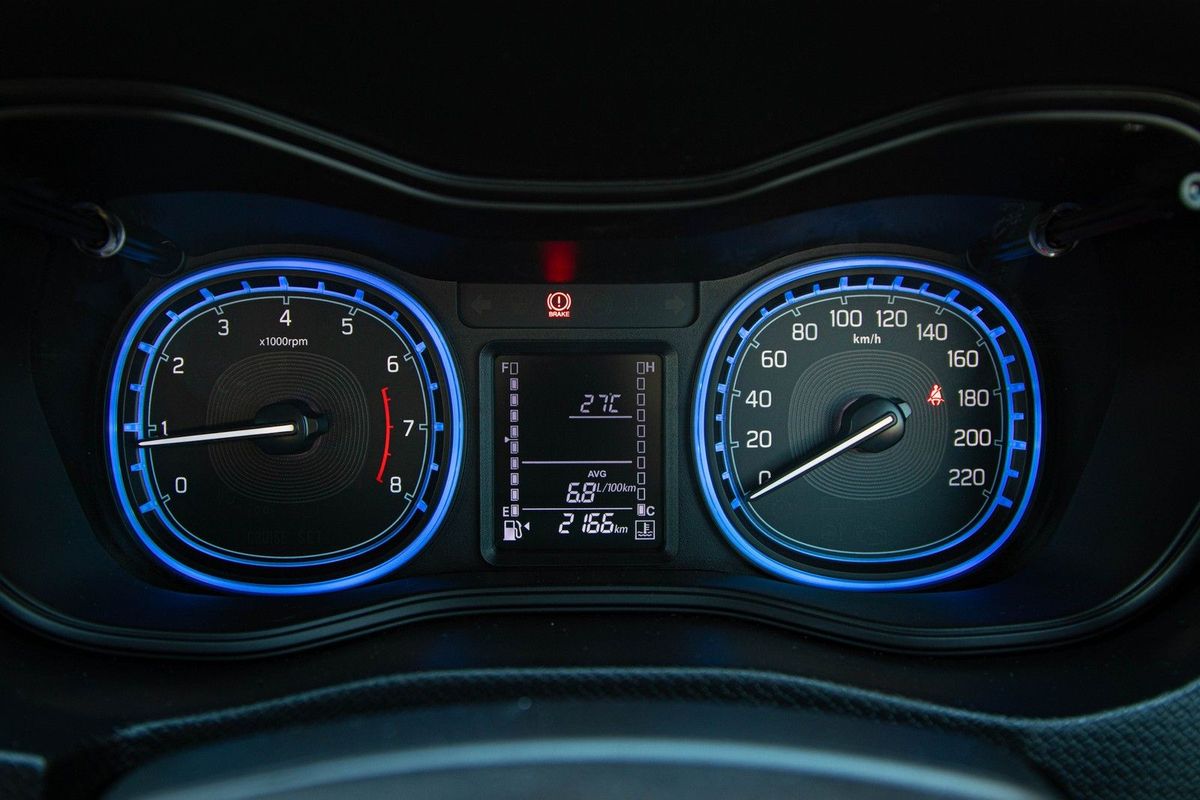
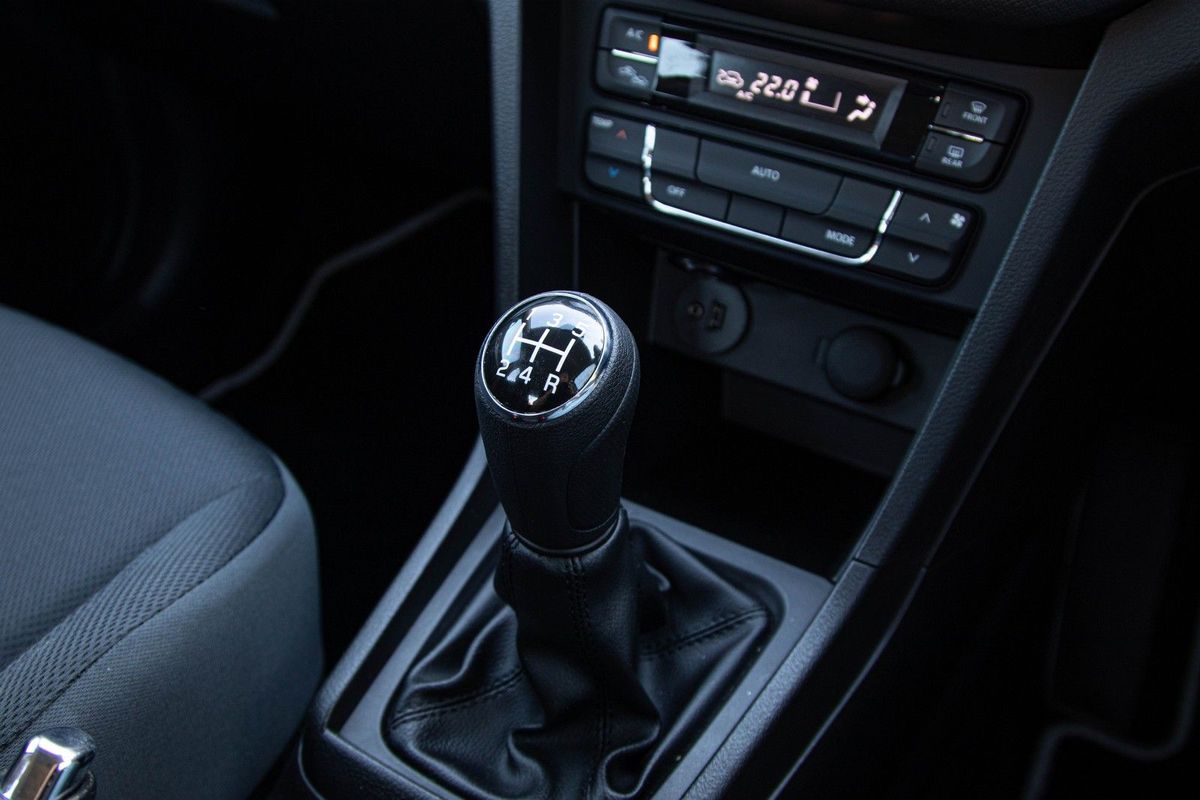
We only drove a 5-speed manual derivative, but it has a slick-shifting gearbox with easy-to-sync gears. It’s geared quite short, which is something that we’ve found in many Indian-built cars. In India, the roads are heavily congested roads and the speed limits are lower than in SA, which is why vehicles don’t require longer gearing. The Vitara Brezza could well do with a 6th gear, just to help reduce fuel consumption on the freeway. At 120 kph, the Brezza is buzzing along at around 3 600 rpm in top gear, when many modern 6-speed cars run in the mid-2 000 rpm range (which benefits efficiency).
Having said that, the lightness of the Brezza certainly contributed to frugal fuel consumption, in our experience. After it had spent a week in our test fleet, we sent it home while it indicated an average consumption figure of 7.2 L/100 km. We're confident that that figure would probably settle in the 6 L/100 km range after a few months of normal use.
Does it have modern features inside?
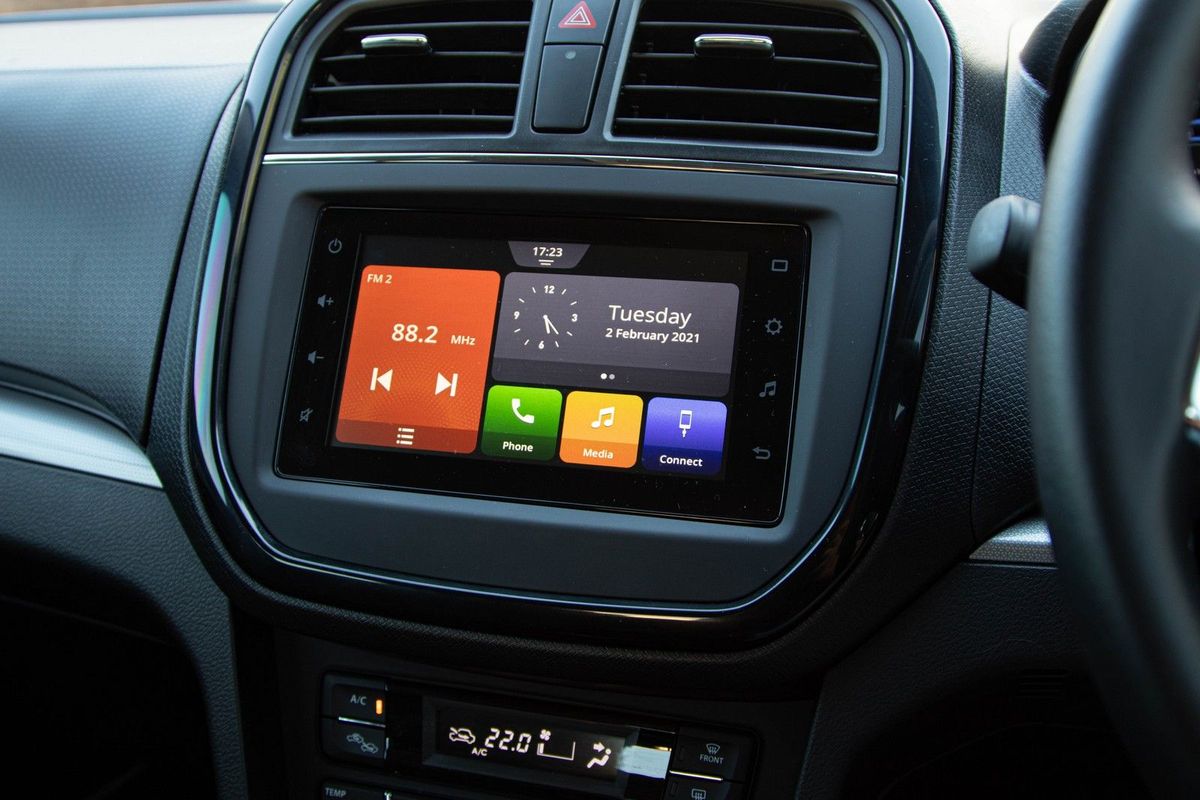
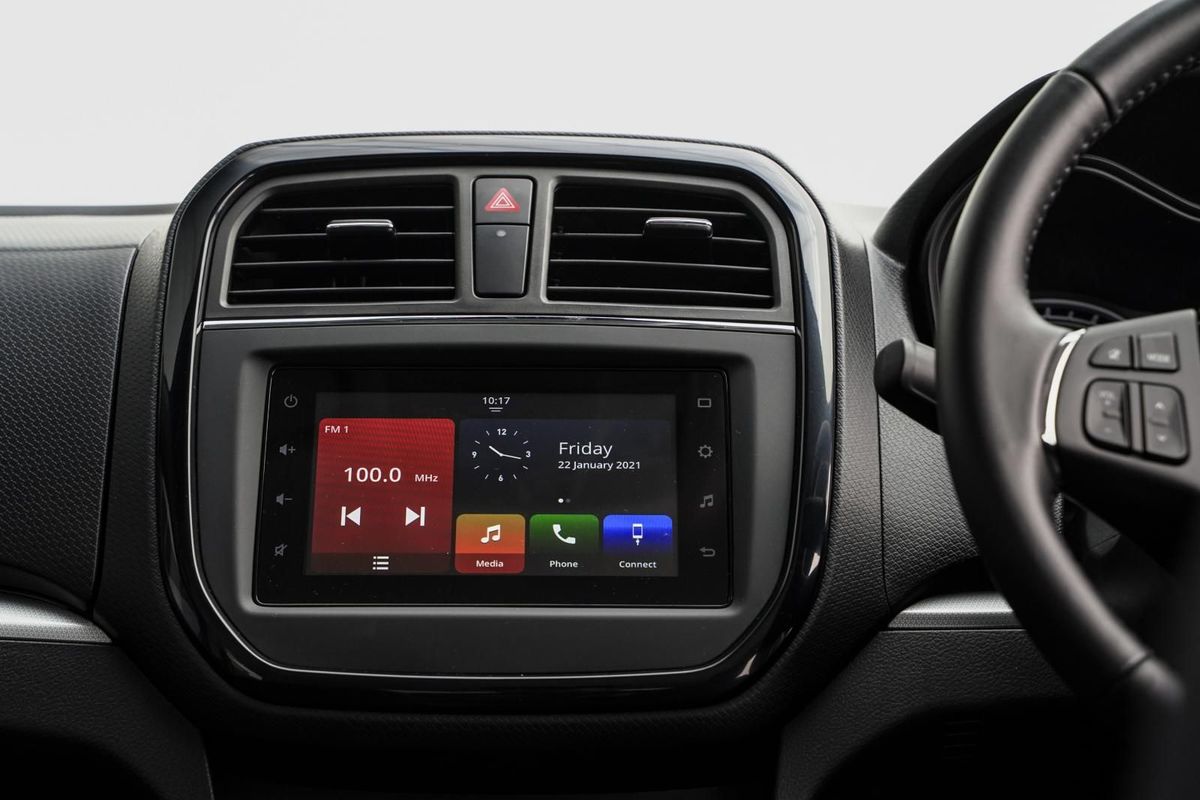
For a car in this segment (it competes with the Hyundai Venue, Ford Ecosport and Mahindra XUV300 etc), the Vitara Brezza is reasonably well-specced (aside from the previously mentioned basic safety features). What's more, the touchscreen infotainment system is easy to use and easily connects with Apple Carplay and Android Auto.
Some of the interior plastics are of marginal quality, but the honeycomb-style pattern of their surfaces make them appear slightly more premium than they are. It all feels solid, but not particularly exciting –the Hyundai Venue, for example, provides a greater sense of occasion inside.
Meanwhile, Suzuki has managed to put in place quite a keen pricing structure; most of the range's derivatives retail under R300k. A few things have been cheapened here and there, like the exposed bolts on the rear seat mounts, but, overall, the Suzuki Brezza still feels quite sturdy and unfussy, like most Suzukis do.
After-sales and warranty
The Vitara Brezza is sold with a 4-year/60 000 km service plan and a 5-year/200 000 km promotional warranty.
Really aggressive pricing from Suzuki could give it the jump on Toyota.
The major selling point of the new Suzuki Brezza is its affordability. Given its derivatives' asking prices, the newcomer represents admirable value for money. Yes, the engine is decent, the manual gearbox is good and there’s comparatively ample space for people and their things. But it lacks a bit of interior refinement and some vital safety features such as stability control and at least 2 more airbags. Only the base derivatives of the Suzuki's rivals reduce the safety spec to this level, but the Vitara Brezza did score 4 stars in a Global NCAP crash test evaluation, so at least the structure appears to be robust.
The big question hanging over the Brezza’s head is the soon-to-be-introduced Toyota Urban Cruiser. It’s an exact replica of the Brezza, but with a Toyota badge on its nose and it's set to go on sale in the next few months. Will it be another case of Baleno/Starlet, where the Toyota ends up outselling the Suzuki 10 to 1? Let’s wait and see how Toyota’s local pricing matches up to Suzuki’s cutthroat strategy.
Japanese motoring media are reporting that Subaru fans might have something worth crowing about soon.
With Toyota having a significant share in Subaru, cooperation between the two Japanese companies is a given. The result of which has also proven to be rather good, as illustrated by the BRZ/86 twins.
This latest report, filed by Japanese website BestCarWeb, makes mention of a new joint-venture hot hatchback. With Toyota currently thought to have the world’s best production hot hatch in its product portfolio, the Yaris GR, Subaru fans will be very keen for some shared componentry.
Those hoping for a Yaris GR clone are likely to be disappointed. This new joint-venture hot hatch is not thought to be quite as bespoke in its componentry, or focussed in purpose, as the Yaris GR.
The most interesting specification conjecture, which is not confirmed at this stage, is engine configuration. Subaru’s characteristic flat-four engines deliver excellent centre of gravity benefits and this new joint-venture hot hatchback, is expected to feature a horizontally opposed engine.
In the history of hot hatches, flat-four engines are rare. Extremely rare. Nearly as rare, as Subarus. The company’s best known hot hatchback was the third generation Impreza WRX STi. Although traditional sedan fans of the brand were disappointed by it, the WRX STi was an all-wheel-drive superhatch before AMG had even conceived of building an A45 and Audi was only supplying S3s instead of RS3s.
The platform for this new Impreza hot hatch is expected to be a shared version of Toyota’s compact high-performance structure, due for American customers. The Yaris GR is not available in America, despite enormous interest.
Toyota is keen to service its most important market with a compact performance car. Developing a slightly modified vehicle platform to serve the Americans, could also spin-off the twin chassis to make a new Impreza hot hatch possible.
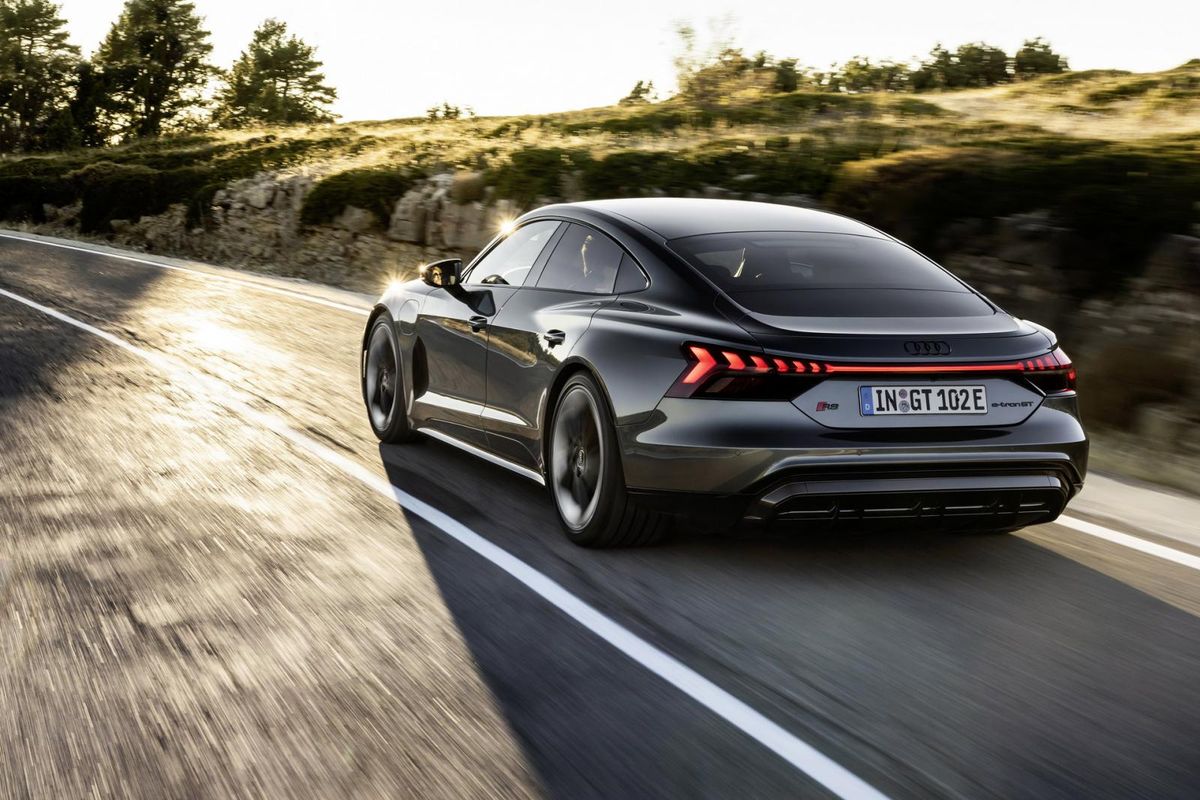
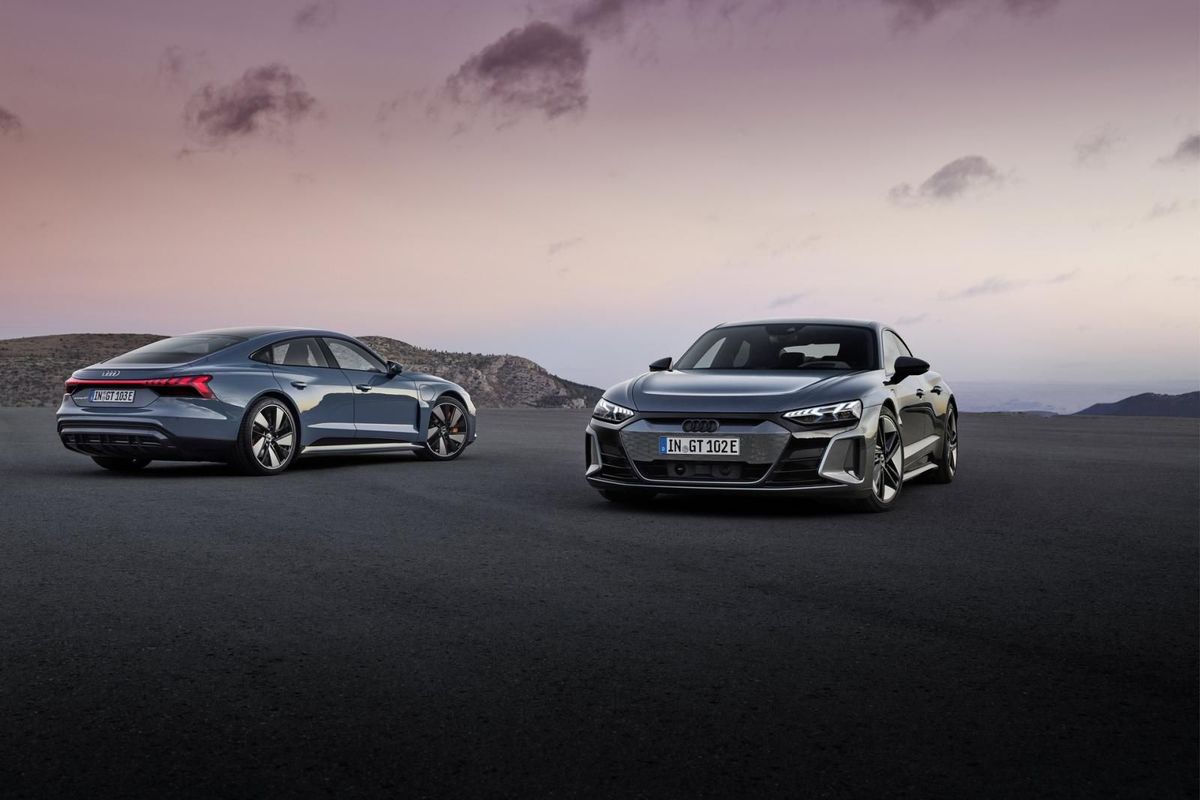
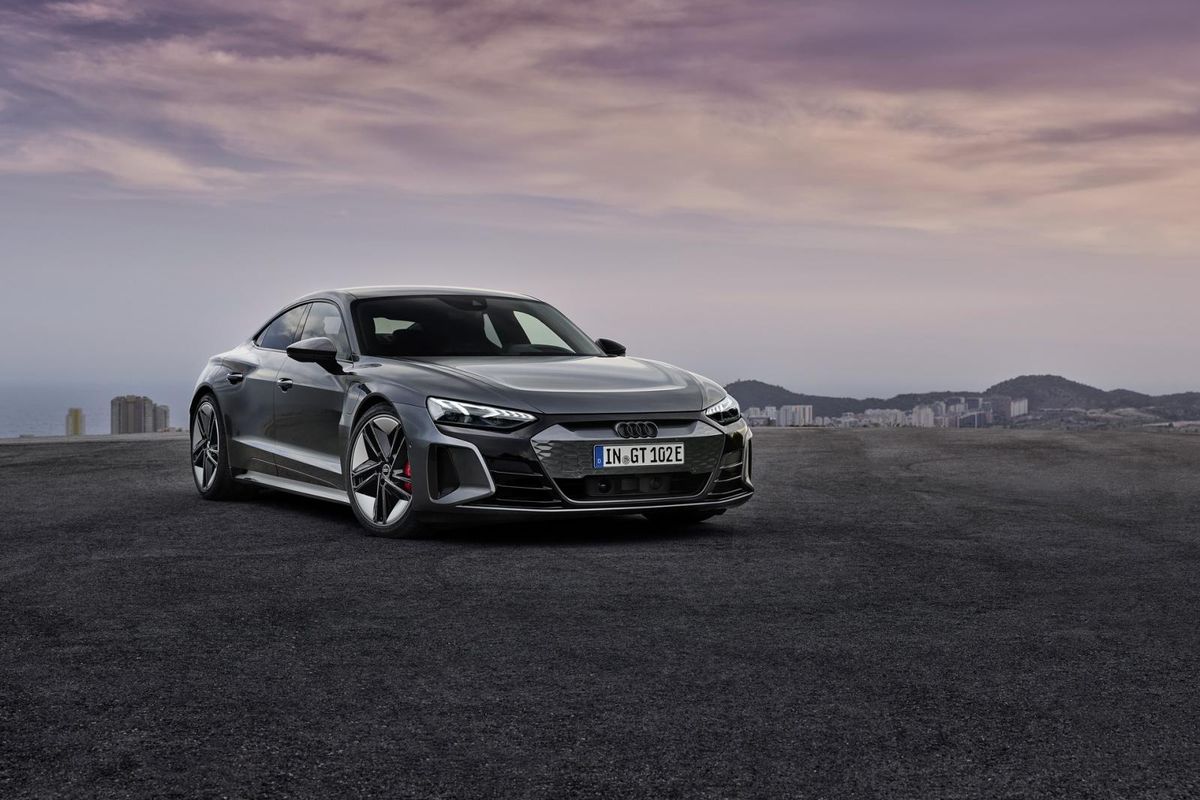
Audi has taken the wraps off its new all-electric e-tron GT which represents the pinnacle of the Ingolstadt-based brand’s electric vehicle portfolio. See what it’s packing below…
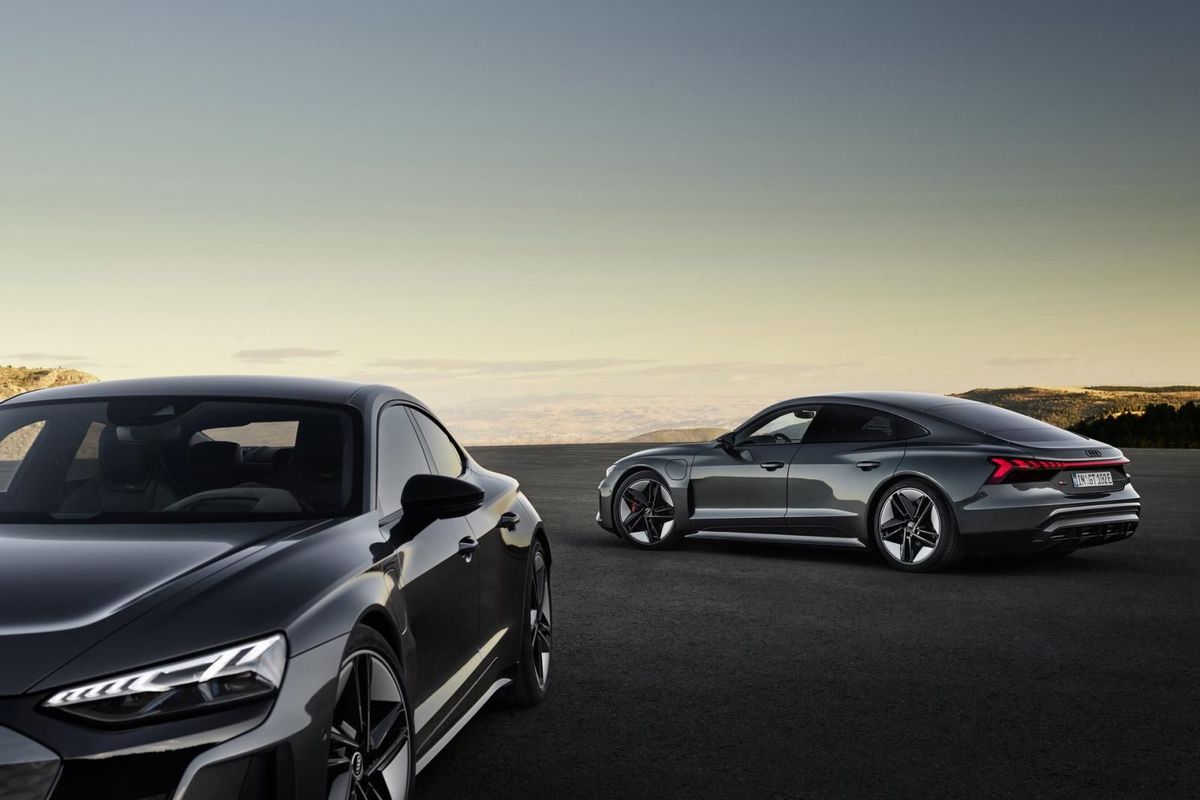
The pinnacle of Audi’s electric car range has been revealed! This is the new e-tron GT and the newcomer will rival Porsche’s Taycan and Tesla’s Model S.
Most will agree that the e-tron GT’s styling is up to scratch and we think it looks attractive overall, but let’s dive into the numbers which are arguably of more interest.
The e-tron GT is built on Volkswagen Group’s J1 Performance Platform, the same that underpins theTaycan and the newcomer will be offered in 2 flavours, the base e-Tron GT and the higher power e-tron RS GT. Both feature dual electric motors, one over each axle, along with 800V electrical architecture and a 93.4 kWh lithium-ion battery pack. A 2-speed automatic transmission is standard.
European outputs for the base e-tron GT are pegged at 350 kW and 630 Nm of torque while the e-tron RS GT ups the ante to 440 kW and 830 Nm. An 2.5-second overboost function further increases power outputs to 389 kW and 475 kW respectively.
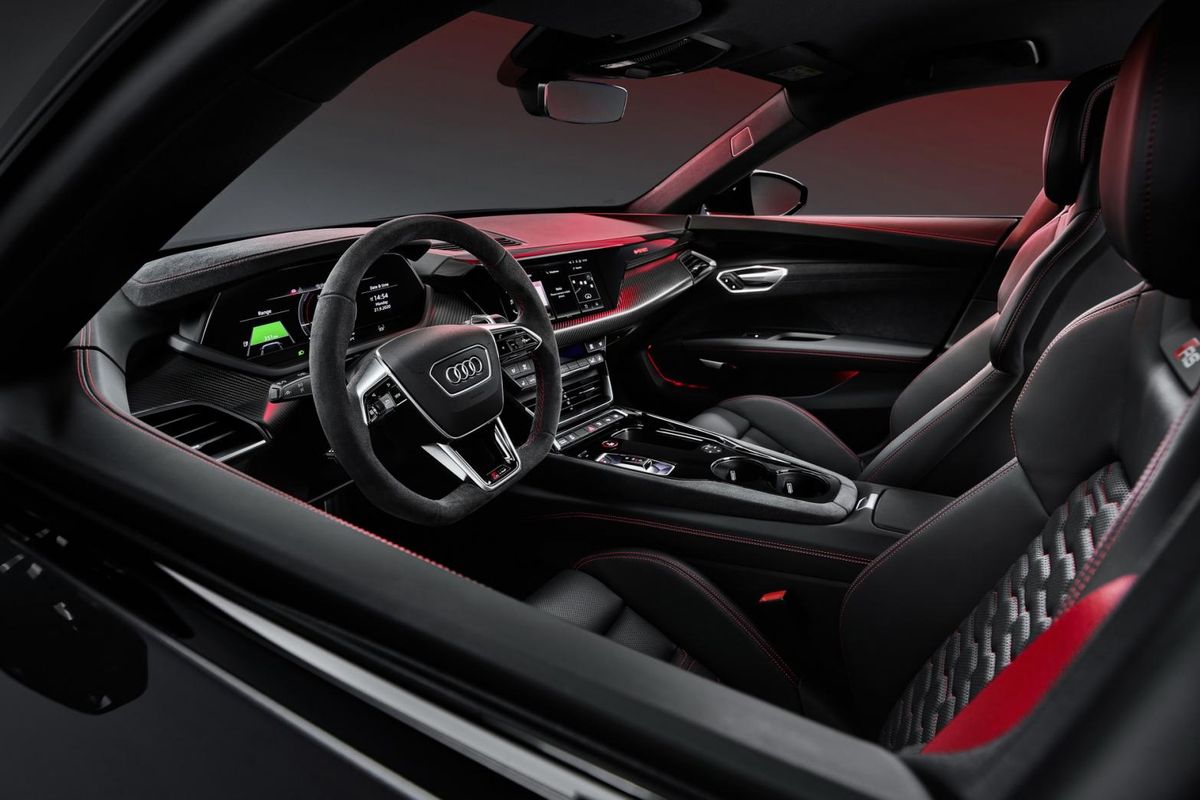
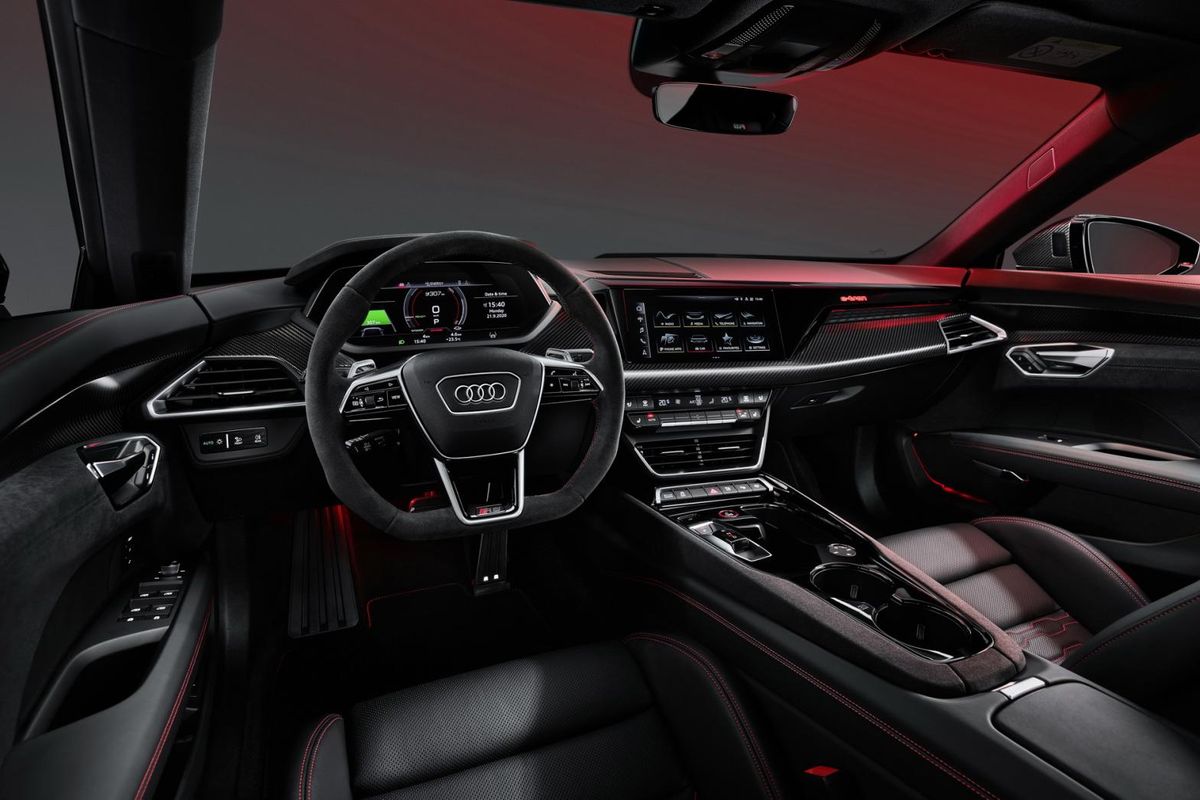
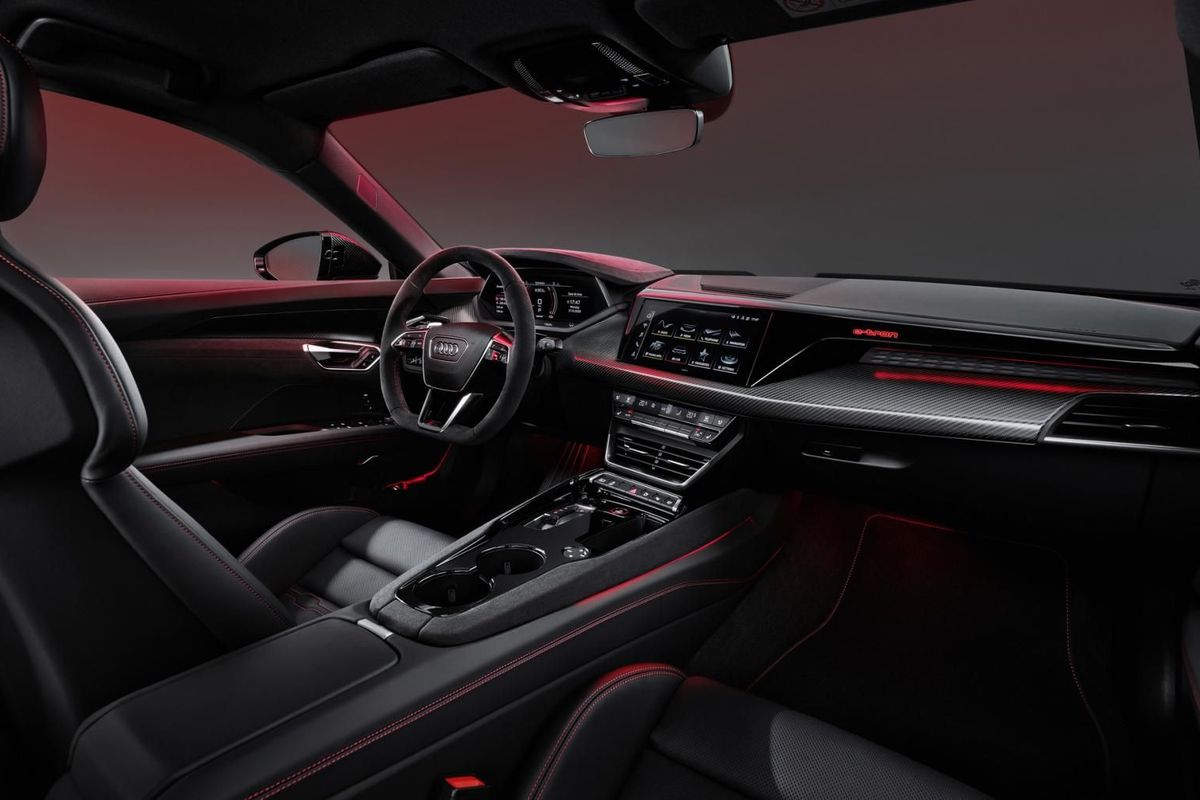
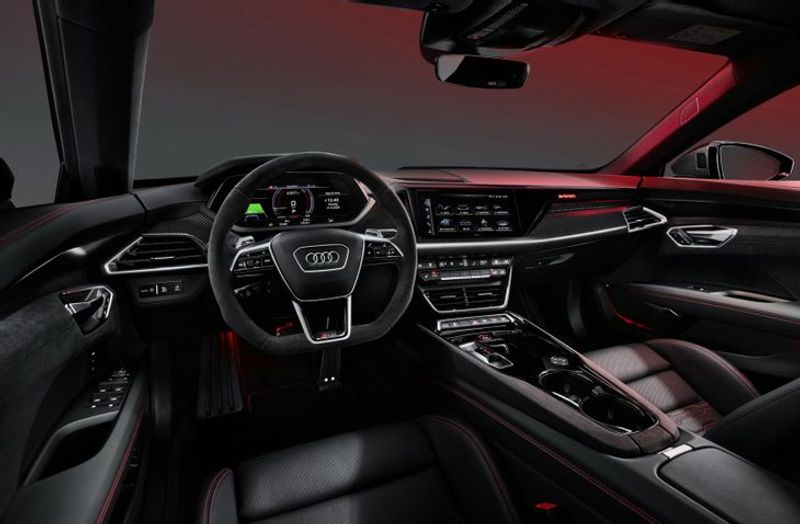
The e-tron GT's interior is familiar and lavishly equipped with the latest technology on offer from Audi.
As for acceleration, the zero to 100 kph run is completed in 3.3 secs for the e-Tron RS GT while the base model claims 3.9 seconds. While those numbers are impressive, the Porsche Taycan is still faster by this measure with the Taycan Turbo S capable of 2.6 seconds from zero to 100 kph. It’s w.orth noting that the e-tron RS GT is offered with 4-wheel steering as standard which enhances high-speed stability while also improving agility (optional on the base e-tron GT). The RS model is also fitted with adaptive air suspension as well as an electronic rear differential lock.
As part of the reveal of the new e-Tron GT, Audi was keen to demonstrate the performance of its newcomer by putting it up against Audi’s Formula E e-tron FE07 driven by Lucas di Grassi while F1 world champion, Nico Rosberg, piloted the new e-tron RS GT. It’s amazing to see how closely matched the 2 cars are down the drag strip! Watch the segment here!
In terms of charging, the e-tron GT offers 270 kW charging using a DC fast-charger and can achieve 5% to 80% charge in just 22.5 minutes, which is roughly 100 km charge in just over 5 minutes. Home charging uses an 11 kW AC charger while an optional 22 kW charger will also be offered. Range is claimed at 433 km and 472 km according to WLTP.
As for the interior, it’s equipped the latest technology in Audi’s arsenal as well as offering a fine selection of sustainable interior finishes. A 12.3-inch touchscreen infotainment is fitted and is accompanied by a smaller screen beneath. Audi’s configurable Virtual Cockpit is also fitted. The e-tron RS GT gains sports seats, carbon fibre inlays and an Alcantara-wrapped steering wheel.
Suzuki South Africa has launched the Vitara Brezza to slot in between its Ignis and Vitara models. Here's what's on offer and how much the newcomer costs.
Suzuki has sold in excess of 550 500 units of the Vitara Brezza since it was launched on the sub-continent in 2016. Not only is the model the top-selling SUV in India (with 38.8% of the entry-SUV market and 18.4% of all SUV sales) – it was named the Indian Car of the Year in 2017. The model arrives in Mzansi in updated-for-2020 spec, which comprises an engine upgrade, as well as tweaked styling.
Compared with its Vitara compact family-car sibling, the Vitara Brezza is shorter by 180 mm, as well as fractionally wider and higher (by 15 mm and 30 mm, respectively), but it's underpinned by the same 2 500-mm wheelbase. Interestingly, its kerb weight is as low as 1 115 kg on the manual version and the newcomer offers more slightly ground clearance: 192 mm, which is 7 mm more than the Vitara.
Classic crossover looks
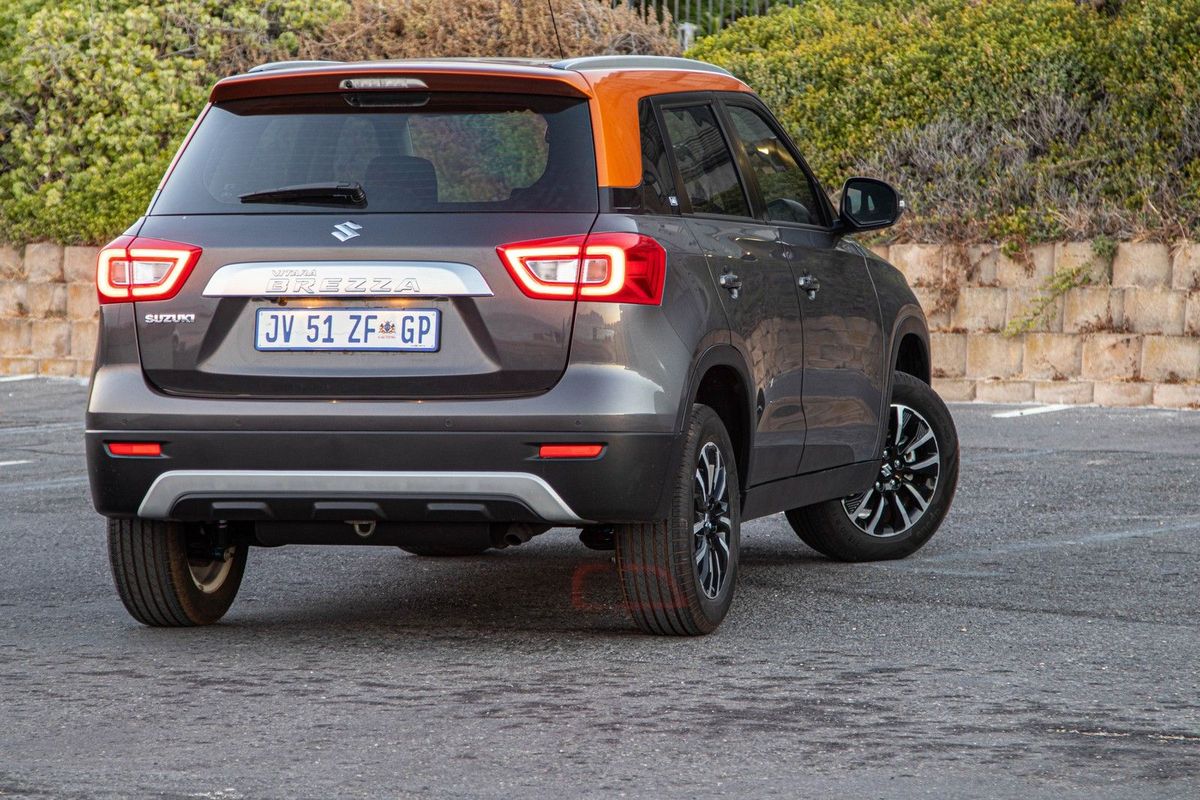
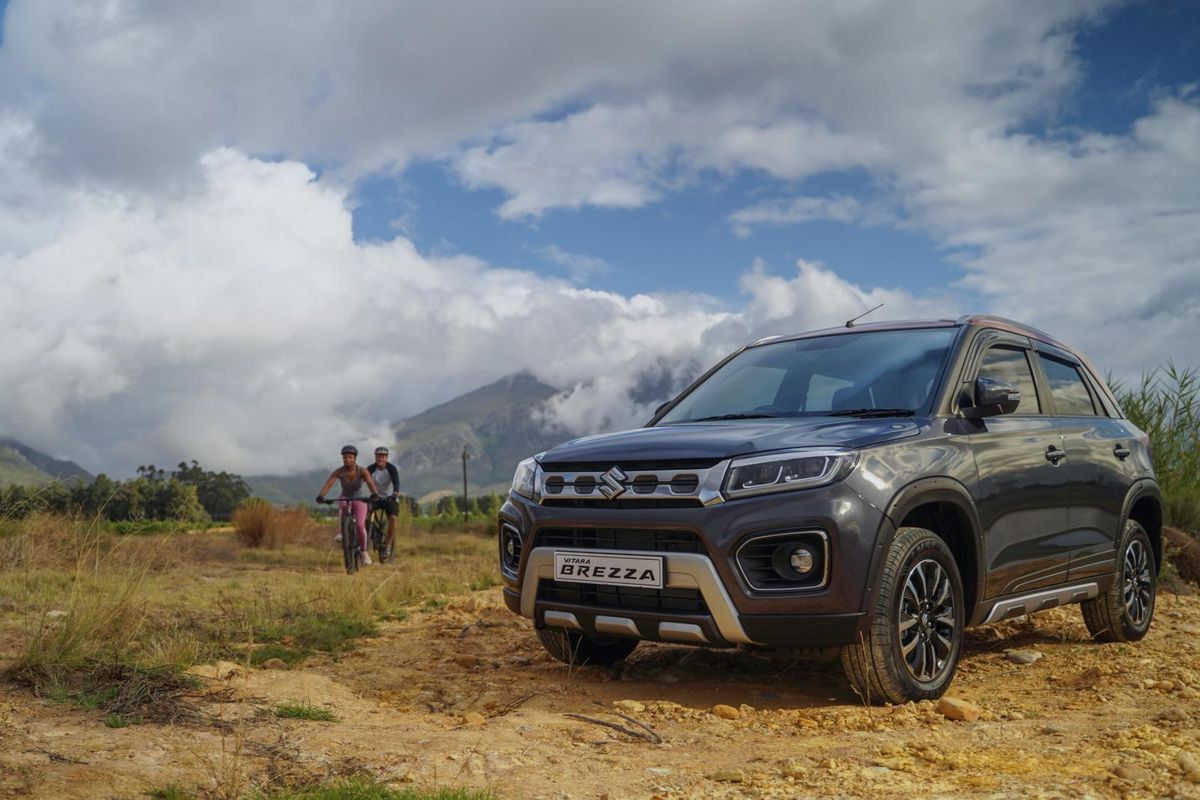
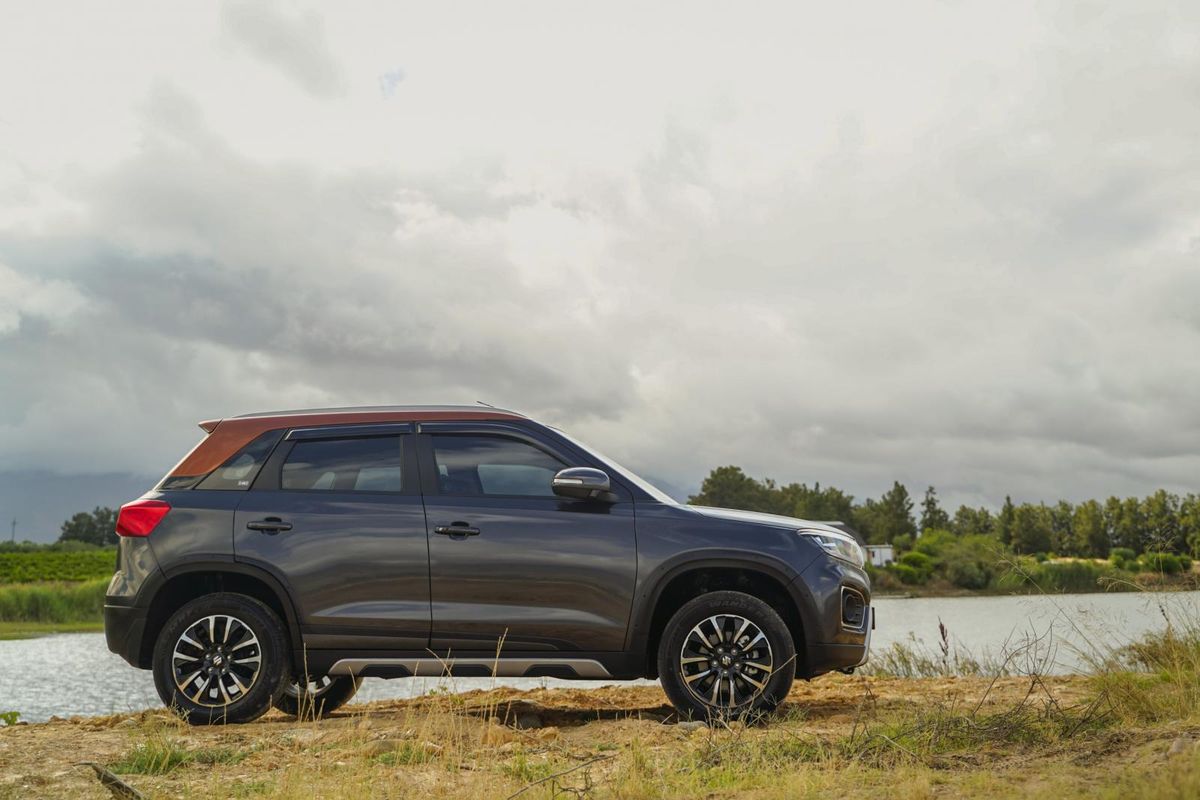
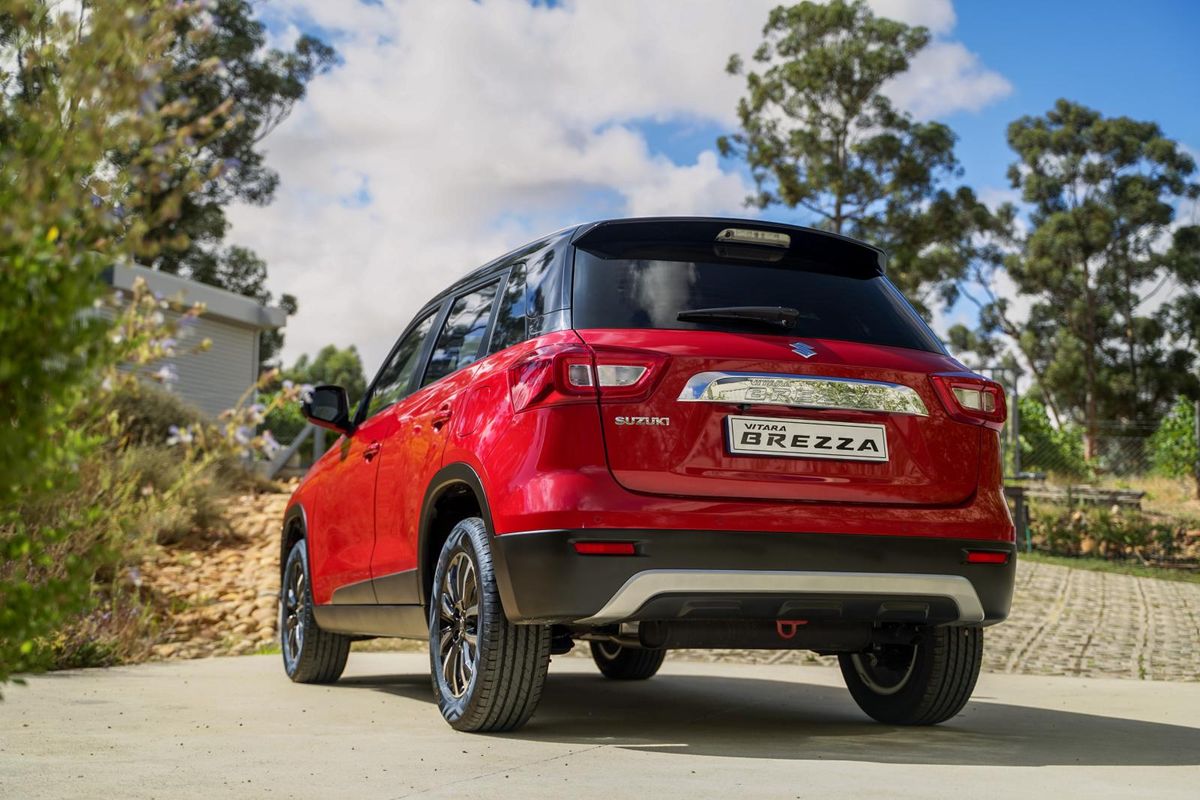
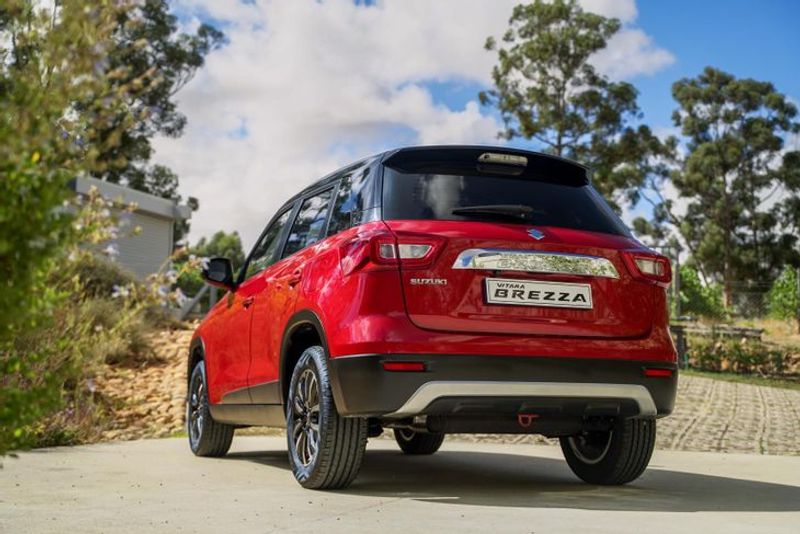
In keeping with its brethren's off-roader-inspired styling cues, the Vitara Brezza sports a number of cosmetic addenda, including a chrome-look grille, skid-plate-like bumper garnishes, foglamps, roof rails, side mouldings, wheel-arch extensions and a tailgate spoiler. It has a floating-roof look, courtesy of blacked-out A-pillars and dark inserts on the rear corners that appear to "lift the C-pillars from the body."
The top-spec GLX derivatives can be distinguished from their GL siblings by the fact that they have full-LED headlamps and -daytime running lights, gunmetal-coloured roof rails and silver-finished bumper garnishes (both as opposed to black), as well as diamond-cut 16-inch alloy wheels wrapped in slightly plumper rubber (215/60 R16 vs 205/60 R16 on the GL, which is shod with 16-inch steel wheels).
Powertrain
The Vitara Brezza is powered by the K15B engine, which is a naturally-aspirated 1.5-litre 4-cylinder motor that develops 77 kW and 138 Nm. Power goes to the front wheels via a 5-speed manual gearbox or a 4-speed automatic transmission. The South African subsidiary of the Japanese brand has not revealed claimed consumption figures for the model yet, but expect performance in line with that of the Ertiga.
Specification
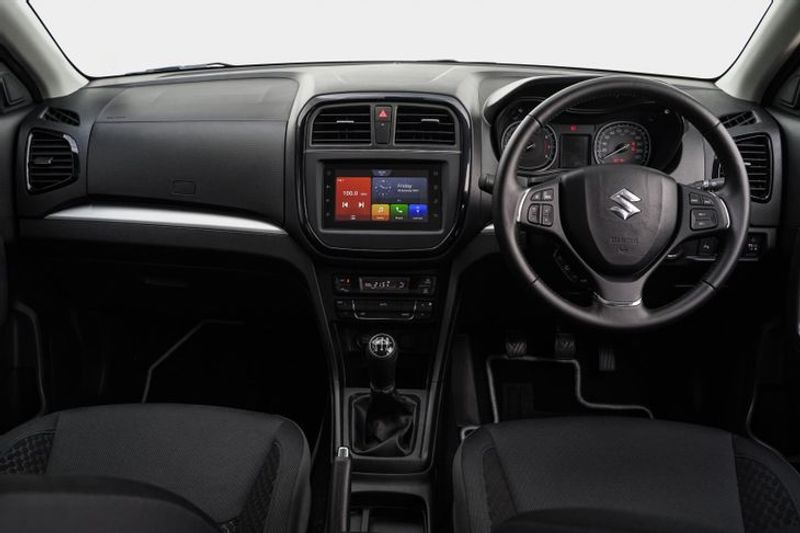
Although GLX derivatives are better equipped than their GL counterparts, that does not mean the Suzuki's standard equipment list is sparse. The Vitara Brezza has a driver-focused cabin fascia, which is dominated by a 7-inch touchscreen infotainment system, which incorporates Bluetooth, USB and auxiliary inputs, Android Auto and Apple CarPlay compatibility, as well as a reverse-view camera display.
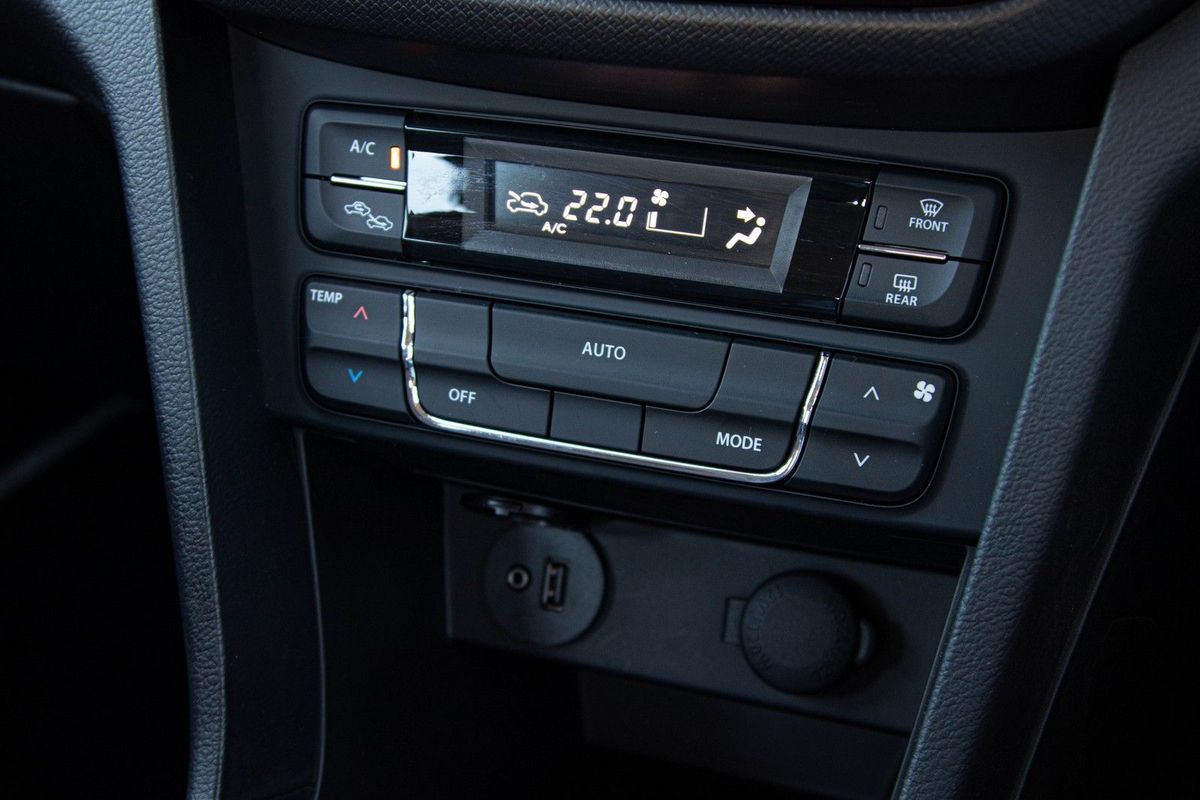
Apart from 5 customisable mood lighting options, automatic climate control is standard, as are rear parking sensors. The steering is electrically assisted and the -column is tilt-adjustable for added comfort.
The GLX derivatives additionally feature a leather-trimmed multi-function steering wheel, keyless entry and push-button start, auto wipers, cruise control, tweeters for the audio system, a cooled glovebox and a 12V charging port in the load bay. Speaking of which, the Vitara Brezza has a claimed luggage capacity of 328 litres, which expands handily when the 60/40 split rear seatbacks are folded down.
Safety
The Suzuki Vitara Brezza received a 4-star crash safety rating from Global NCAP in 2018 and comes equipped with 2 front airbags, ABS with EBD and brake assist, as well as ISOfix child-seat mounting points at the back (GLX versions are further fitted with height-adjustable front safety belts). Security is taken care of by an immobiliser and security alarm, both of which are standard on all derivatives.
Suzuki Vitara Brezza Price in South Africa (February 2021)
All Vitara Brezza derivatives are sold from new with a 4-year/60 000 km service plan and a 5-year/200 000 km promotional warranty. There are 6 exterior finishes to choose from and top-spec GLX derivatives are additionally available in the following 2-tone colour combinations: Sizzling Red with Midnight Black roof; Granite Grey with Autumn Orange roof and Torque Blue with Midnight Black roof.
Maladministration might result in the delay of the forthcoming Demerit System.
The controversial Administrative Adjudication of Road Traffic Offences (Aarto) Act which was due to come into effect as of 1 July 2021 might be delayed due the start of a forensic investigation into alleged maladministration at the Road Traffic Infringement Agency (RTIA). A number of senior employees have reportedly been suspended and it’s believed that the suspensions are tied to financial maladministration.
The Aarto bill was signed into law in 2019 by President Cyril Ramaphosa with the aim of improving road safety in South Africa. In October 2020, Transport Minister, Fikile Mbalula, gazetted the 540-page Aarto regulations detailing how the demerit system will work.
Essentially, the Aarto Act allows for a demerit system whereby a person, operator or company is liable to pay a penalty as well as incurring a points penalty related to the particular traffic infringement. Once a maximum amount of demerit points (15 points) are reached, then the person and vehicle will be disqualified from driving for a period of time (3 months). Offence points range from 1 to 6, depending on the severity of the offence. After 3 disqualifications, the driver’s licence will be cancelled and that person will have to apply for a new learner’s license and driving licence after the disqualification period has come to an end.
The Road Safety Project (RSP) commented on the latest developments, “Similar points systems overseas have proven to be one of the most effective means to increase road safety. Unfortunately, the investigation into RTIA is revealing that AARTO appears to be more concerned with the financial benefit of traffic penalties rather than improving road safety. “As a result of these findings, public buy-in and support is likely to be seriously impacted. This is in a climate where the public was already sceptical of the system before any maladministration was found. Until a resolution to the concerns is found, the planned implementation of AARTO on 1 July will need to be delayed.”
The RSP has further urged the Department of Transport to realign its objectives to best serve road safety. “Instead of the good that could be realised, the regulation is now mired in controversy. Fortunately, the findings have been made early and provide the Department with ample opportunity to realign proceedings in order to rectify any concerns or potential maladministration and instead prioritise road safety. The RSP urges the Department to act swiftly and decisively so that the focus of AARTO returns to increasing road safety rather than profits. Let this not be an irreparable blow to the potential that AARTO could have in reducing the number of lives lost on South African roads,” said the RSP.
We will keep you updated as soon as further information regarding the Demerit System comes to light.
The new 2008 compact family car has finally arrived in South Africa! Cars.co.za journalist Gero Lilleike attended Peugeot's launch event in Limpopo to find out if the French marque's newcomer has what it takes to take on the best of the best in this highly competitive segment.
The small crossover/compact family car segment is booming and, according to 2019 statistics, this part of the new vehicle market accounts for roughly 20% (1 in every 5) of all new passenger cars sold in South Africa. Therefore, it goes without saying that this is a highly lucrative segment, one in which buyers are truly spoilt for choice.
The previous 2008 soldiered on for what seemed like forever and, in truth, the plucky Peugeot had fallen behind the competition. The new-generation 2008 is determined to redress matters, however.
Engine, trim and key features
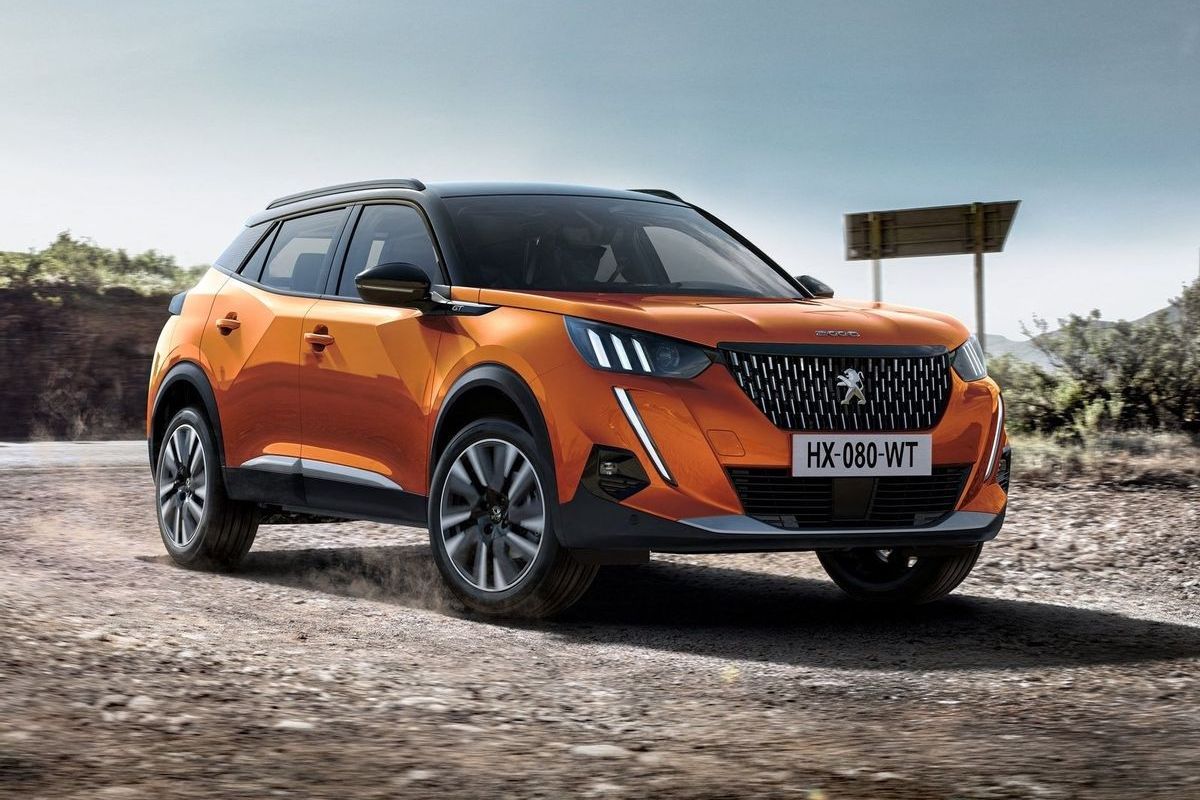
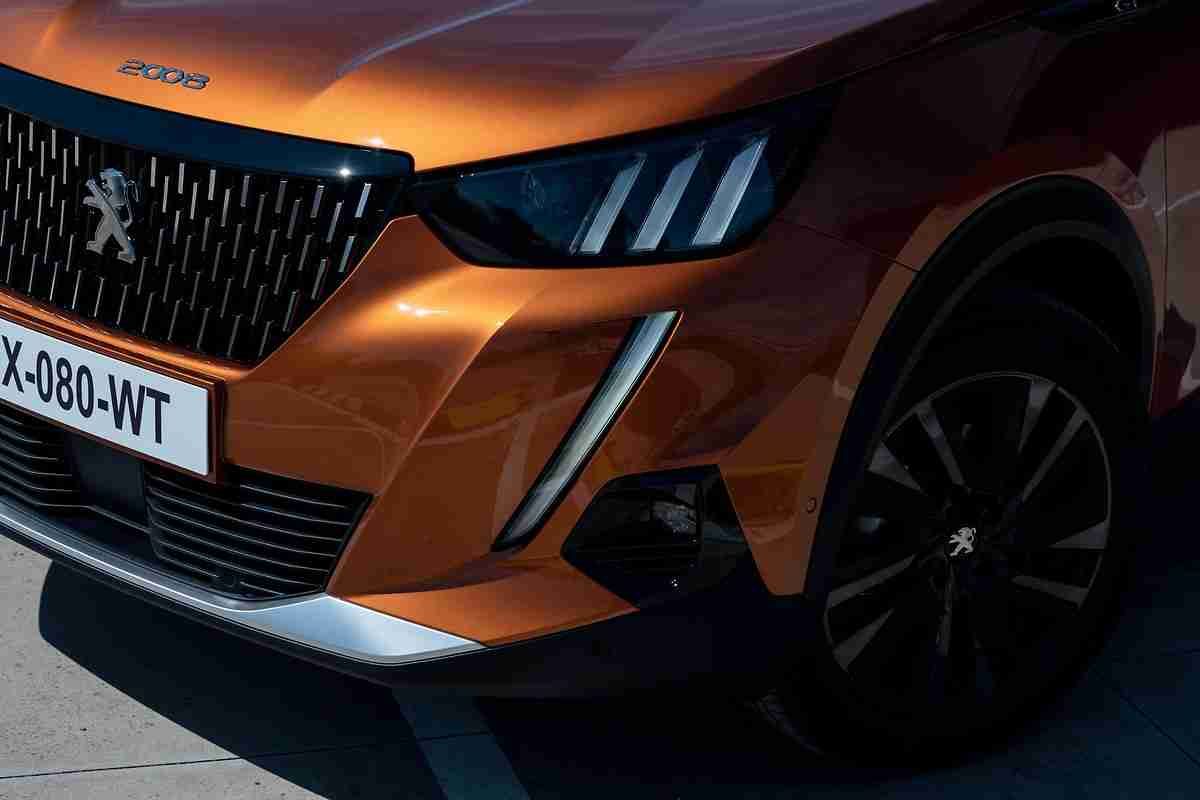
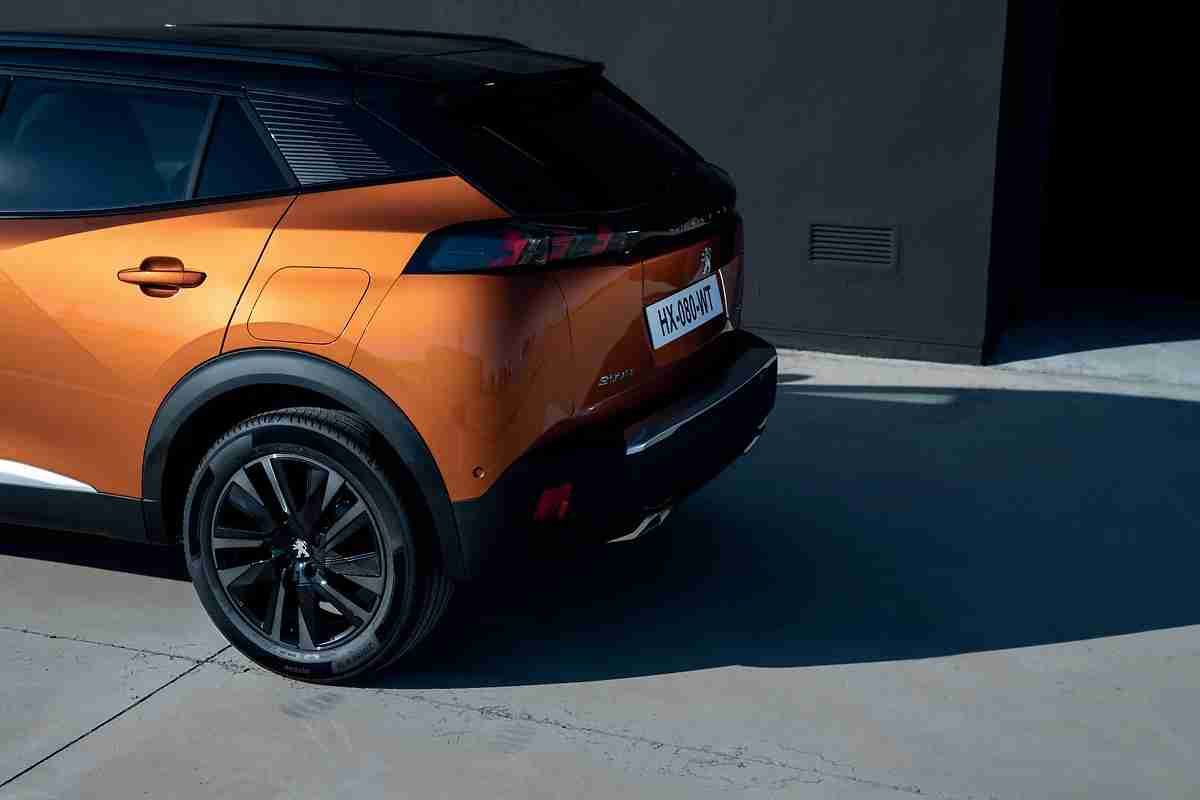
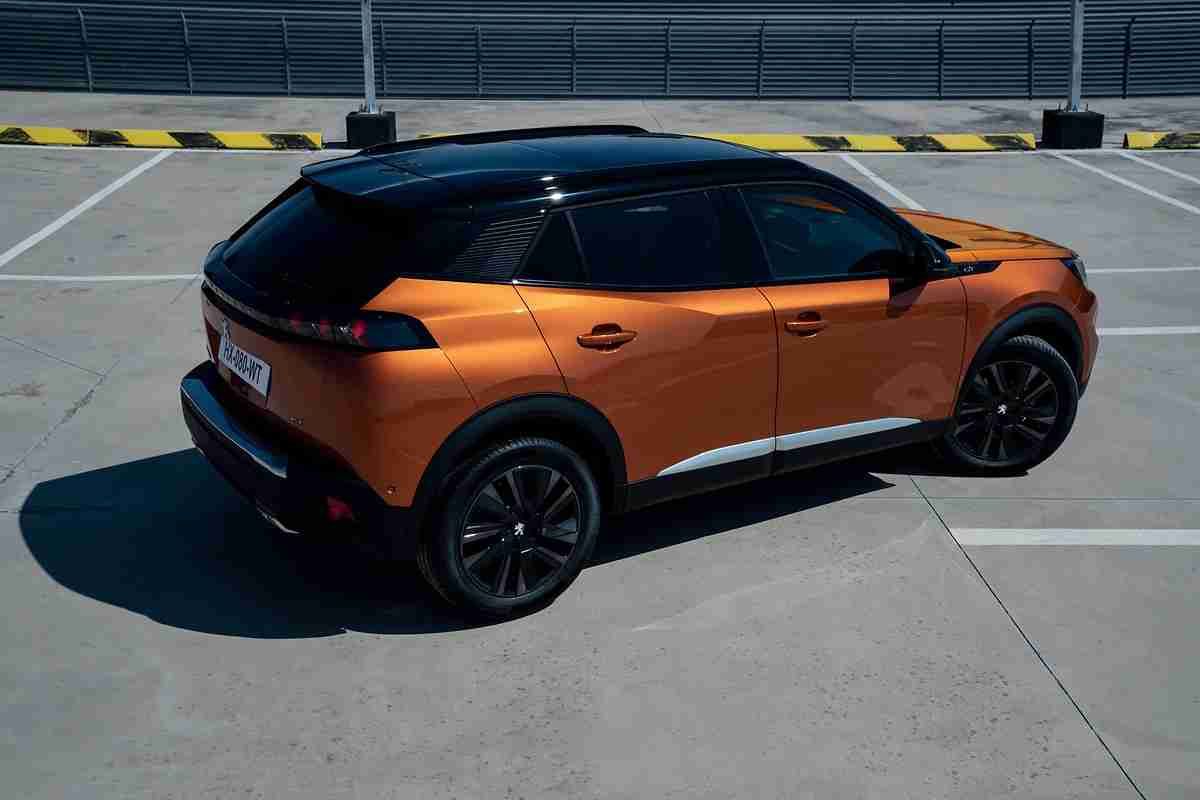
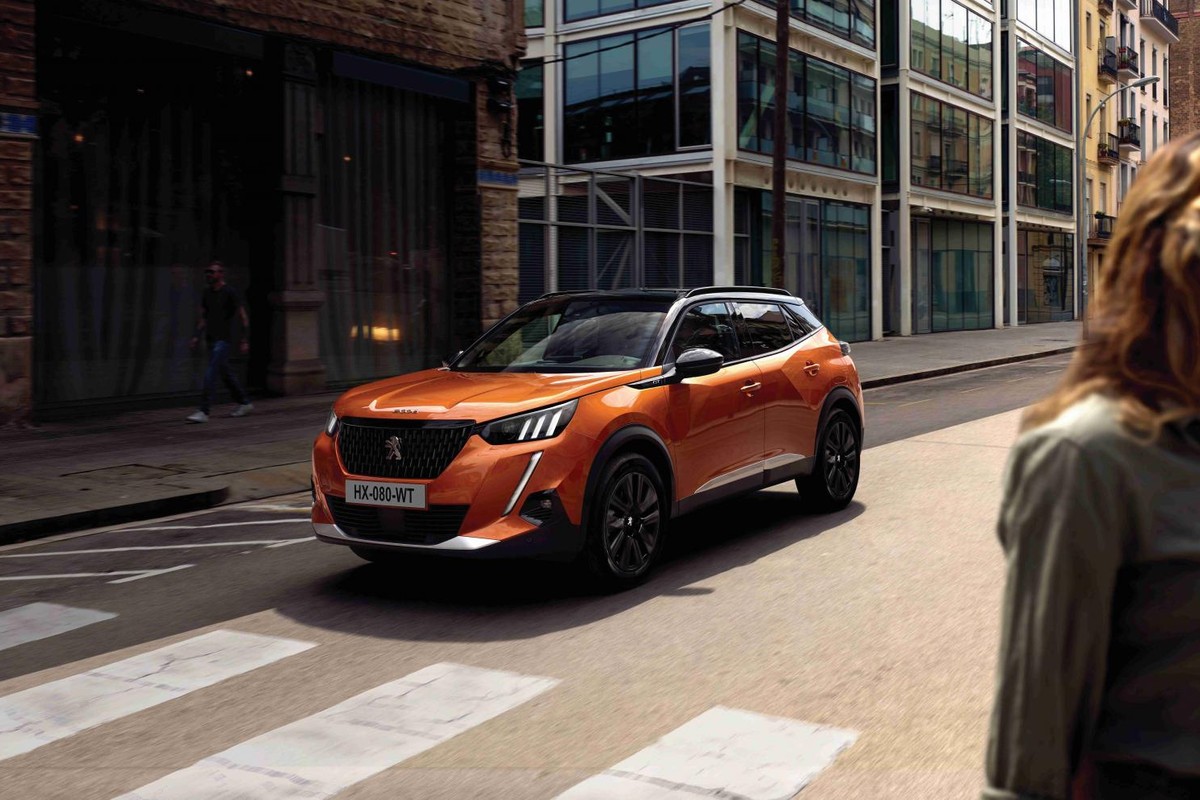
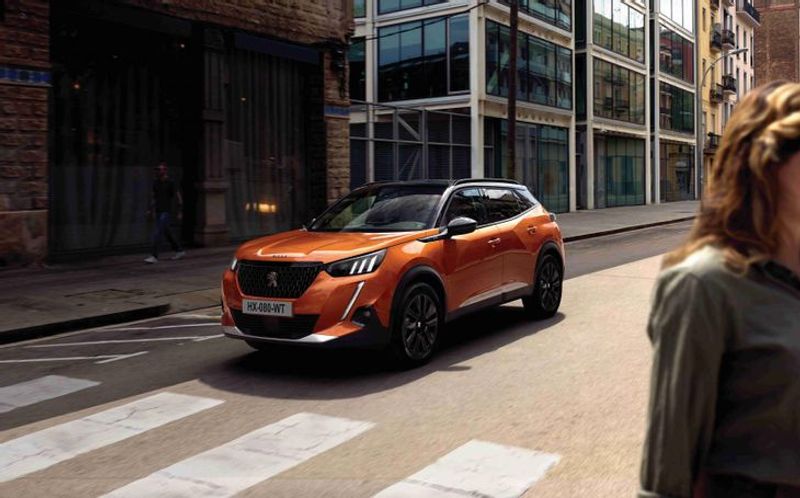
The new 2008 is perhaps one of the most striking new compact SUVs on the market.
Produced at the Stellantis Vigo plant in Spain, the new 2008 is built on the latest-generation CMP (Common Modular Platform), which supports electrification, but can, of course, accommodate traditional internal combustion petrol and diesel powertrains too.
In South Africa, the new 2008 is powered by a 1.2-litre turbopetrol engine in 2 states of tune – either with 74 kW and 205 Nm or 96 kW and 230 Nm, the latter of which is offered exclusively with a 6-speed automatic transmission. There are 3 trim levels available to buyers, including the entry-level 74-kW 2008 Active with a 6-speed manual transmission, as well as the higher-output 96-kW version, which features the previously-mentioned automatic shift. Buyers shopping higher up in the range can opt for the mid-range 94-kW 2008 Allure automatic… or go all-out for the top-spec 94 kW 2008 1.2T GT automatic.
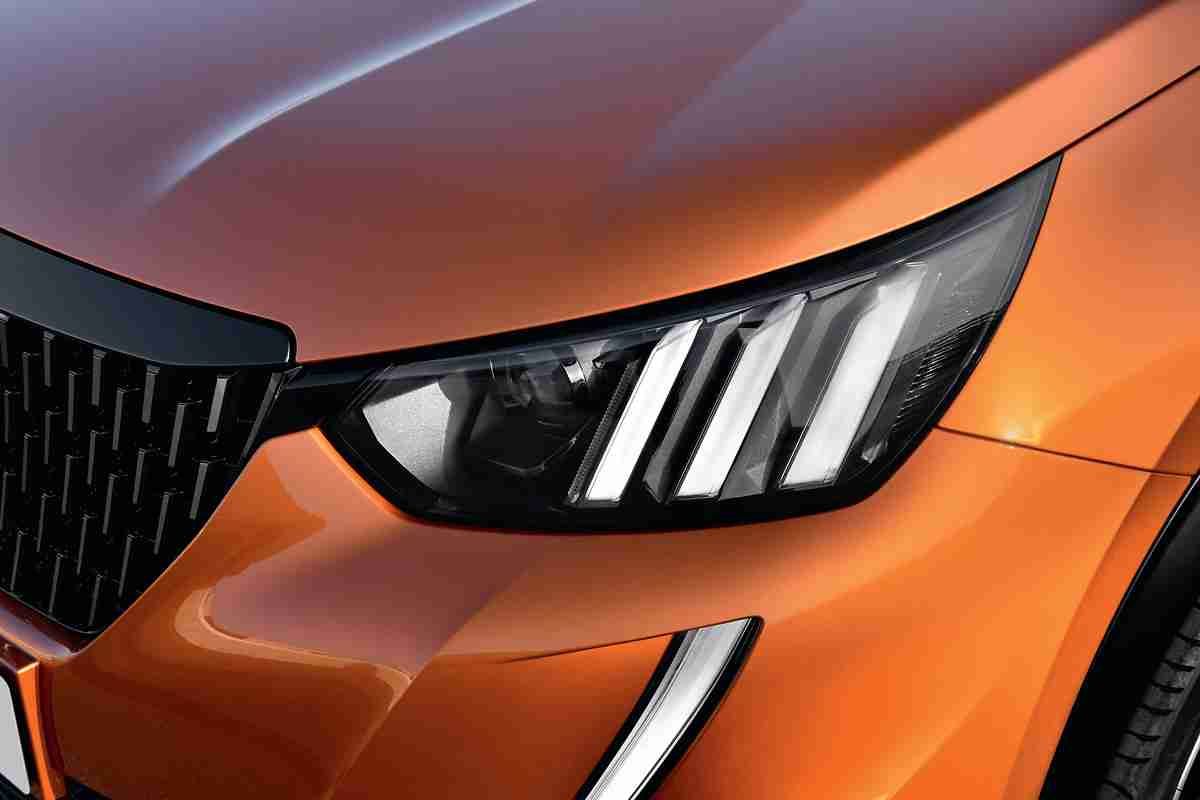
The new 2008 is arguably one of the most stylish – and boldest – designs to be introduced in this segment. Key design features include a large, studded grille, sculpted bonnet with "2008" lettering on the nose, full-LED projector headlights with a striking 3-claw light design and "sabre-tooth" daytime running lights, which lend the new 2008 considerable kerb appeal. All 3 trim grades, however, feature their own distinctive grille design. Moreover, the Peugeot's bodywork features striking creases and lines and can be finished in bold colours such as Orange Fusion, Vertigo Blue and Elixir Red, to name a few…
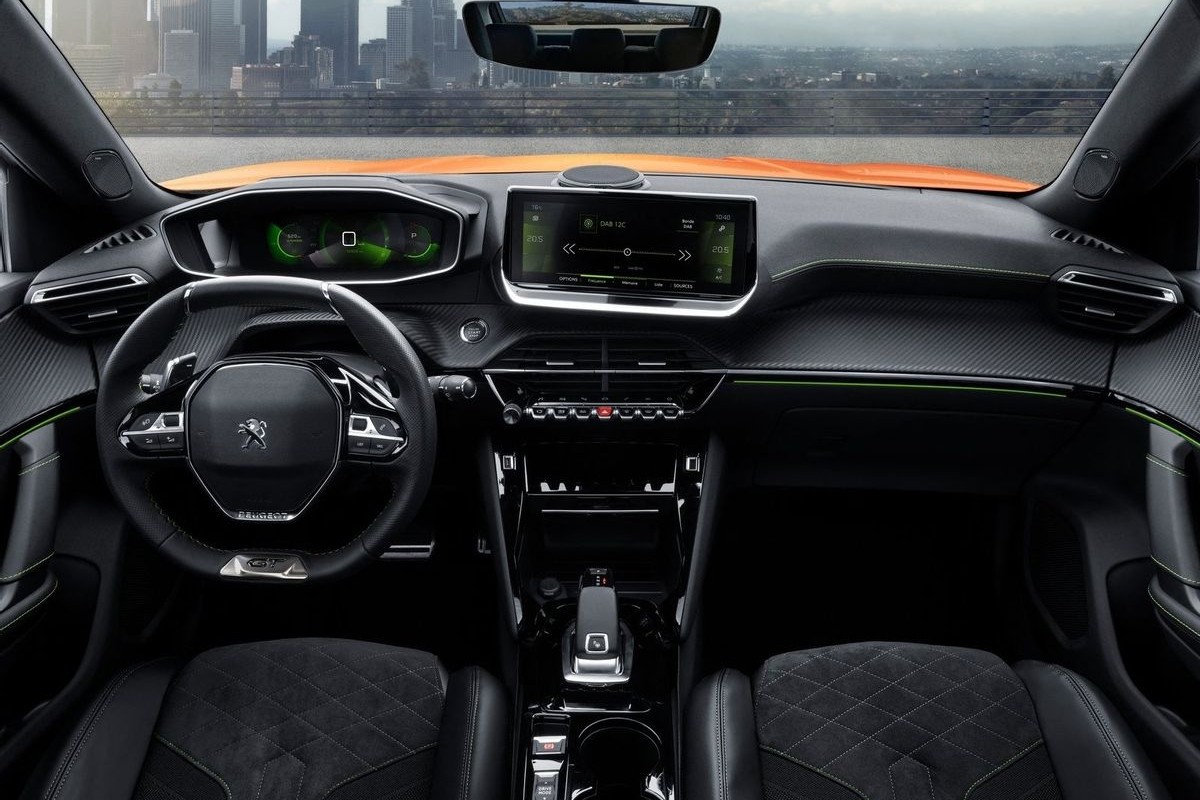
The 2008's cabin is both modern and generously-equipped with standard features.
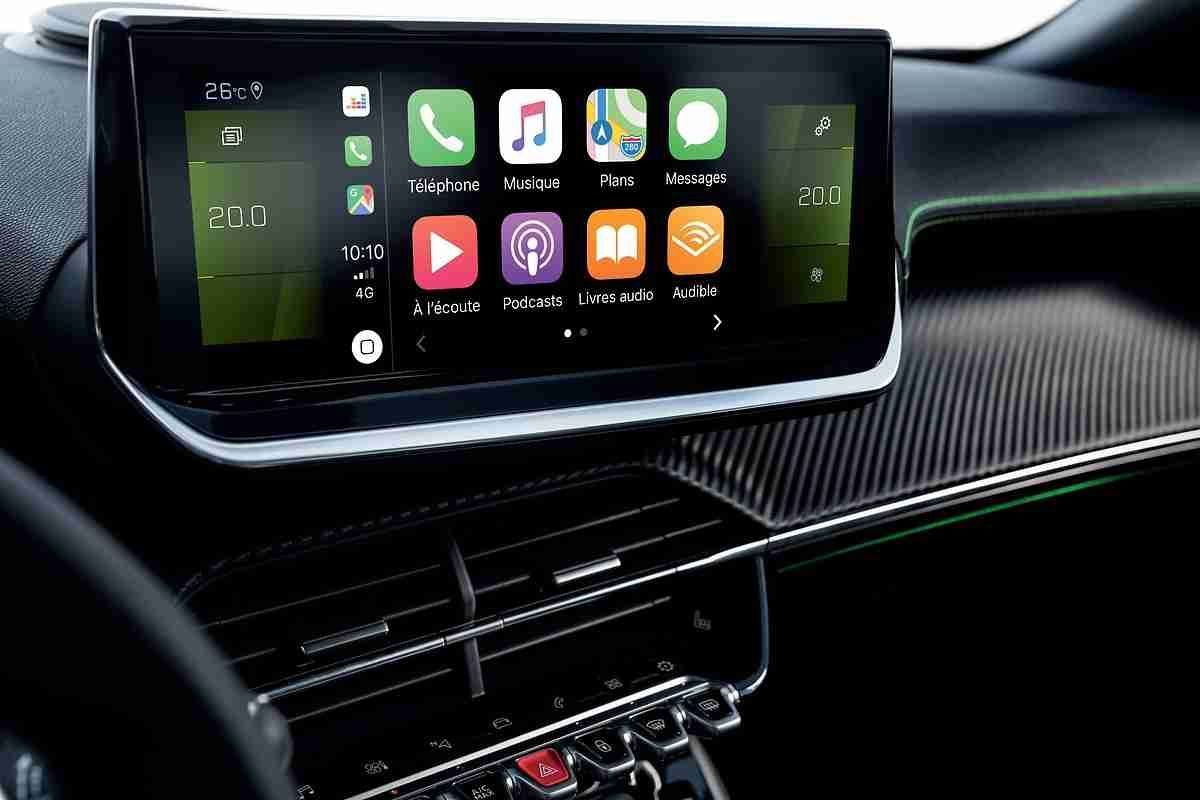
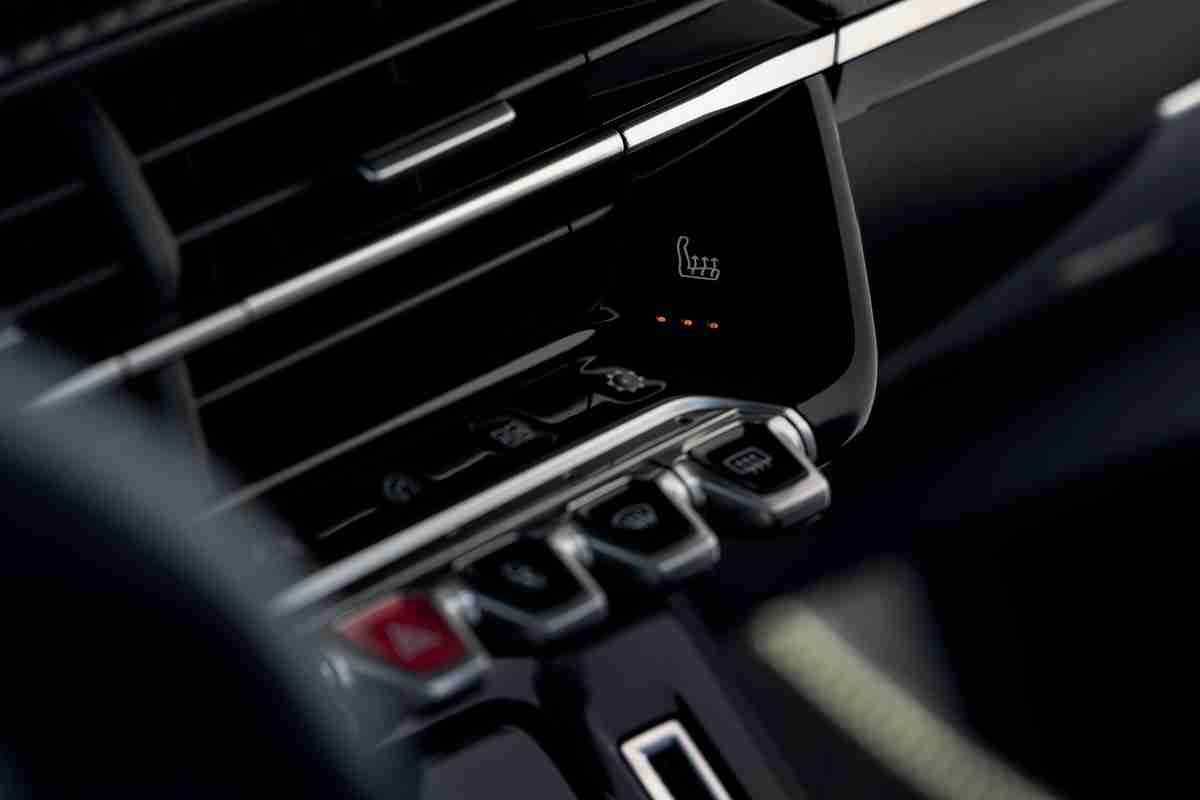
The 2008's interior boasts typical Peugeot flair and the cabin architecture is derived from the 3008 family car. The wraparound dashboard is driver-focused and incorporates Peugeot’s 3rd-generation i-Cockpit, which features a new 3D instrument cluster and 7-inch (Active) or 10-inch (Allure and GT) touchscreen infotainment system equipped with integrated navigation, as well as Android Auto and Apple CarPlay functionality. Peugeot’s familiar yet polarising compact steering wheel allows the driver to access media functions, voice control or toggle and customise the display of the 3D instrument cluster. The 2008 GT, in turn, also benefits from a wireless charging pad. Up to 4 USB ports are included, as well as a USB-C port. A 10-speaker Focal premium sound system with a 12-channel, 515W amplifier is fitted.
Some of the key active safety features offered on the new 2008 include lane-departure warning, blind-spot monitoring, adaptive cruise control, park assist, automatic emergency braking, driver warning alert and traffic-sign recognition. A total of 6 airbags are fitted, along with ABS with EBD and electronic stability control with traction control.
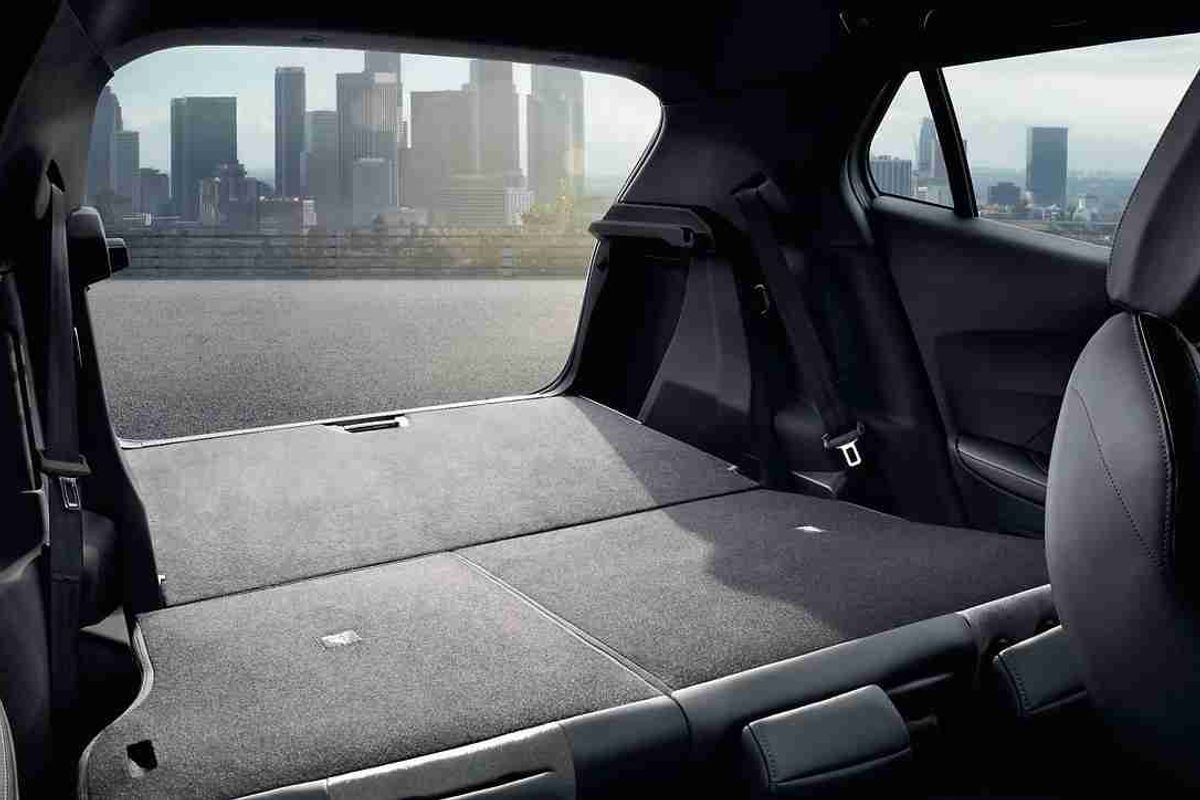
The 2008 is equipped, as standard, with a 2-position boot floor and has a claimed luggage capacity of 434 litres, which is fairly generous. The 60:40 split rear seatback can be folded flat to free up utility space.
The 1.2-litre turbopetrol engine offers good overall performance while also returning excellent fuel consumption.
Peugeot was keen to show off the top-of-the-range GT and the 450-km launch route afforded us ample opportunities to experience the capabilities of the new 2008.
Depending on how tall you are, getting comfortable in the new 2008 (and, it seems, all of Peugeot's latest products) can be a bit of a chore and much of this can be attributed to the brand’s small and compact steering wheel. Some love it, others hate it, but it’s designed to be “driven low”, which means that you gaze over the steering wheel into the instrument cluster – as opposed to looking through the 'wheel, which is typically the case in most other vehicles. The driver’s seat is height-adjustable and the steering column can be adjusted for rake or reach, but be aware that the range of the adjustment is fairly limited.
With a simple push of the Start-Stop button, the 2008’s 3-cylinder, 1.2-litre turbopetrol engine comes to life, but it’s barely audible inside the seemingly well-insulated cabin. The launch route took us on a mix of highway and potholed secondary roads and we found the 2008’s suspension supple and forgiving. Apart from the comfortable ride quality, the cabin was well insulated against noise, vibration and harshness.
With 96 kW and 230 Nm on tap, the 2008 GT Line’s performance is more than adequate and, in that regard, it compares favourably with its rivals in this segment. There is a brief moment of lag before the turbocharger kicks in and then it just keeps piling on the pace. Acceleration is good and overtaking manoeuvres can be executed with minimal effort.
The steering firms up nicely as speed increases and the Peugeot's tiller is pleasingly responsive to inputs. The driver can choose between Eco, Sport and Normal driving modes and it’s worth mentioning that the trip computer returned a fuel consumption of between 6.8 and 7.0 L/100 km, which is fairly impressive when you consider that Peugeot claims an average figure of 6.5 L/100 km.
During the evaluation drive, a huge highveld thunderstorm brewed overhead and the ensuing heavy rain made the journey far more challenging than we expected. The deluge effectively transformed a 20-km stretch of dirt road into a veritable mud pit, which would be a formidable test for any front-wheel-driven car…
The 2008 is, however, equipped with Grip Control modes (including Sand, Mud and Snow) and it was the perfect situation to put the Mud mode to the test. Road conditions were poor and where most front-wheel-drive cars would be bogged down in the mud, the Peugeot took the challenge well in its stride and managed to “float” over the muck with impressive poise. The newcomer’s ride quality in the dirt was also particularly impressive. With this in mind, the 2008 is more than just a city slicker; it’s capable of venturing onto the dirt, within reason of course – remember, it does not have particularly generous ride height.
Summary
There's so much to like about the new 2008 but it remains to be seen if it can steal considerable sales from its rivals.
Our first impressions of the new Peugeot 2008 are mostly positive; we think it makes a strong case for itself, especially for style-conscious buyers who are looking for something with a bit more flair and pizazz than what the more conservatively-styled offerings in this segment offer. Not only does it look good on the outside, the 2008’s cabin is modern and refreshing. Perceived interior build quality is also very good.
In terms of performance, the 96-kW 2008 is difficult to fault and we think it will give popular offerings in this segment, such as the Volkswagen T-Roc 1.4T, a solid run for its money. However, we have yet to test the entry-level 74-kW 2008 Active. There’s no doubt that the 2008 is a product worthy of consideration in the compact family car segment, but perhaps Peugeot’s biggest challenge is to successfully improve the public's perception of the Gallic brand. Peugeot South Africa is going to great lengths to improve its after-sales service, as well as parts availability, which is good news for local buyers.
From an affordability point of view, the new 2008 is competitively priced, which will hopefully (for Peugeot's sake) attract new customers to the brand; it deserves a chance, because the new 2008 arguably has enough style and technology to woo local buyers away from rival products. In fact, we wouldn't be surprised if the new 2008 made an appearance in the 2021/22 iteration of the #CarsAwards…
We will have new Peugeot 2008 on test soon, so look out for a thorough review on Cars.co.za soon.