South Africa’s top-selling cars of 2020

In 2020, the South African motor retail industry registered its lowest aggregate new-vehicle sales total in almost 2 decades. Suffice to say last year was an annus horribilis, but the statistics nonetheless provide some fascinating insights into local buying patterns.

Where do South Africans spend their money when times are tough? Which segments are in decline? Which models are rising stars? Details sales statistics provided by Lightstone Auto provides the answers.

The overall Top 20
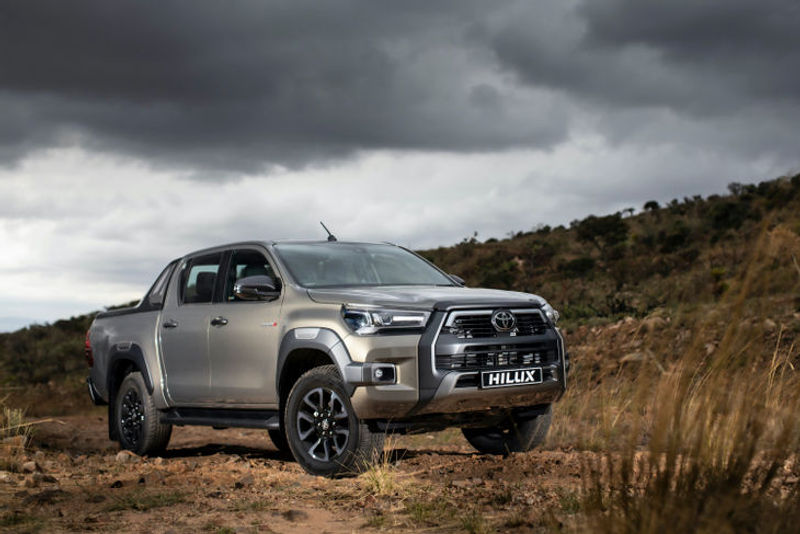

Refreshed in 2020, the Toyota Hilux continues to be the most popular new vehicle in South Africa.

With 31 263 units sold in 2020, the Toyota Hilux remains the dominant player in the local market, with a gap of more than 10 000 units to the 2nd-placed Volkswagen Polo Vivo (19 750 units). The presence of no fewer than 8 compact cars in the Top 20 makes it clear that affordability is key to sustained sales volumes. Whereas in previous years one would see the likes of the BMW 3 Series and Mercedes-Benz C-Class in the Top 20, that's no longer the case. The most expensive volume-selling vehicle is now South Africa's top-selling SUV, the Toyota Fortuner (9 635 units). It's also worth noting the presence of the Haval H2 compact family car in the Top 20. With 4 465 units sold, the Chinese model's not far off the numbers posted by the Hyundai Venue and Volkswagen T-Cross. 

Ranking Make and Model Sales
1. Toyota Hilux 31 263
2. Volkswagen Polo Vivo 19 750
3. Ford Ranger 18 846
4. Volkswagen Polo 16 335
5. Isuzu D-Max 12 704
6. Toyota HiAce 11 263
7. Nissan NP200 10 480
8. Toyota Fortuner 9 635
9. Toyota Corolla Quest 7 365
10. Ford EcoSport 7 255
11. Renault Kwid 6 017
12. Toyota Etios 5 806
13. Volkswagen T-Cross 5 693
14. Hyundai Grand i10 5 622
15. Suzuki Swift 5 507
16. Hyundai i20 5 277
17. Nissan NP300 5 043
18. Ford Figo 4 906
19. Hyundai Venue 4 482
20. Haval H2 4 465


Battle of the compact cars


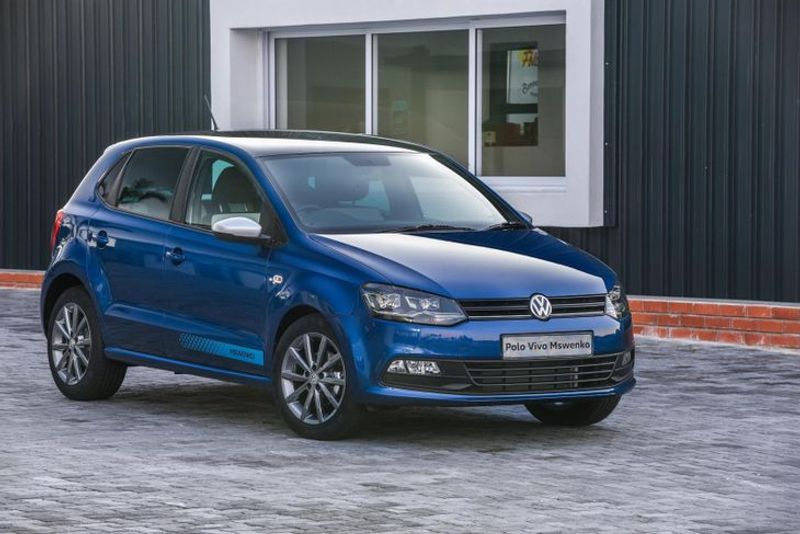
Volkswagen's locally-manufactured Polo Vivo is the second-best-selling new vehicle on sale in South Africa, behind the Hilux.

Volkswagen South Africa has the compact car market buttoned up, with the Polo Vivo coming out tops (19 750 units), followed by the Polo compact hatch on 16 335 units. Furthermore, the 9th best-selling compact car was the Polo Sedan (4 282 units). If there is a threat to its dominance this year, it's likely to come from Toyota's rising Star(let), which racked up 3 352 sales in the 4 months that it's been available on the new-vehicle market. With 361 units moved in the month-and-a-half that it's been in local showrooms, Toyota's smaller Agya budget car has not quite set off fireworks yet, but watch this space.  

Two old favourites that have fallen off the chart are the Ford Fiesta (1 095) and Honda Jazz (458). And just compare the Baleno's total of 581 with that of the Toyota Starlet – it's a virtually identical product to the Suzuki, which has been on the market for several years now… That must be a bitter pill to swallow for Suzuki.

Ranking Make and Model Sales
1. Volkswagen Polo Vivo 19 750
2. Volkswagen Polo 16 335
3. Renault Kwid 6 017
4. Toyota Etios 5 806
5. Hyundai Grand i10 5 622
6. Suzuki Swift 5 507
7. Hyundai i20 5 277
8. Ford Figo 4 906
9. Volkswagen Polo Sedan 4 282
10. Kia Picanto 3 758
11. Suzuki S-Presso 3 601
12. Toyota Starlet 3 352
13. Renault Sandero II 3 117
14.  Kia Rio 2 317
15. Datsun Go! 2 173
16. Hyundai Atos 2 131
17. Toyota Yaris 1 772
18.  Nissan Almera 1 768
19. Mazda2 1 554
20. Renault Clio 1 259


Still bakkie country


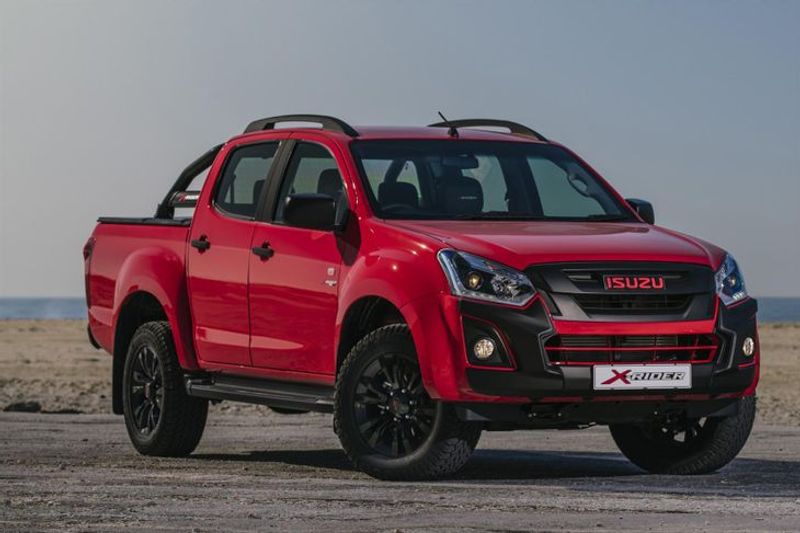
Strong support for Isuzu's trusty, and outgoing D-Max, saw it secure an overall fifth place in the sales chart last year.

With 5 pick-ups in the Top 20 overall sales list, South Africa's love affair with the bakkie shows no signs of abating. While the big news is, of course, the Hilux's dominance, it is interesting to see the strong performance of the outgoing Isuzu D-Max – this surely bodes well for the upcoming all-new model, which is due to go into production in Port Elizabeth next year. While Nissan will be happy with the continuing support for its affordable workhorses (NP200 and NP300), it will be hoping for a much better performance from the Navara this year. In 2020, Nissan's leisure double cab could only achieve 557 sales, which was even bested by the now-discontinued Mercedes-Benz X-Class (803 units). Finally, with only 303 sales, the Mitsubishi Triton must be the most underrated bakkie (or best-kept secret) on the market. 

Ranking Make and Model Sales
1. Toyota Hilux 31 263
2. Ford Ranger 18 846
3. Isuzu D-Max 12 704
4. Nissan NP200 10 480
5. Nissan NP300 5 043
6. Mahindra Scorpio Pik-Up 3 093
7. Toyota Land Cruiser Pick-Up 2 475
8. Hyundai H100 2 197
9. GWM Steed 1 675
10. Volkswagen Amarok 1 528


SUVs and Crossovers continue to rise


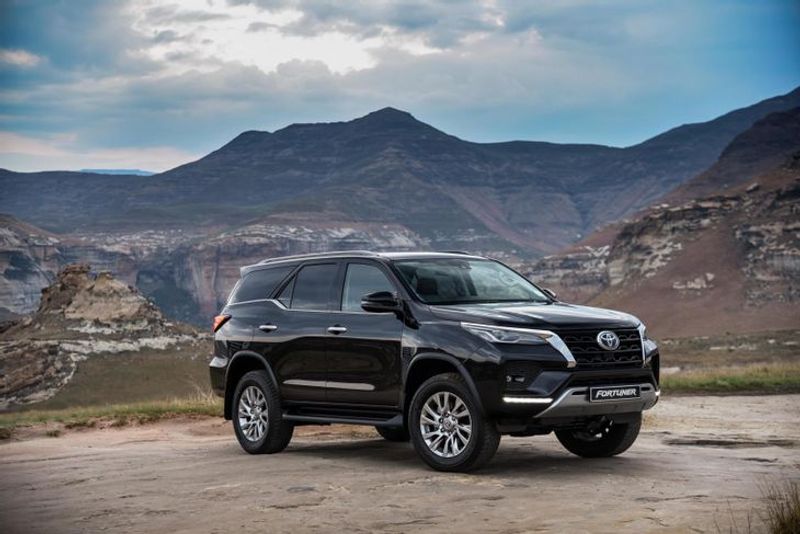
South Africa's favourite SUV continues to be the Toyota Fortuner, which was recently updated.

While there were 2 clear winners in this combined segment last year (Toyota Fortuner and Ford EcoSport), the competition in the compact crossover space is heating up as more models arrive on the market. The recently-revised Fortuner, on the other hand, is likely to continue its dominance in the full-sized SUV segment this year. A stand-out performer continues to be the Haval H2 (ranked 5th overall in this segment with 4 465 sales), while Kia will be happy with the continued market acceptance of its Seltos (3 164 units). Volkswagen's Tiguan remains the leading family car with 4 280 units moved in 2020.

Interestingly, the only premium brand to make the Top 20 ranking is BMW (with its X3 – 1 624 units), but it's worth keeping an eye on the Land Rover Defender, of which 744 units were sold in its 7 months on sale. By comparison, the Discovery achieved only 266 sales. A vehicle that has been undeservedly shunned by the market is the excellent Opel Grandland X, which managed to achieve only 156 sales.

Ranking Make and Model Sales
1. Toyota Fortuner 9 635
2. Ford EcoSport 7 255
3. Volkswagen T-Cross 5 693
4. Hyundai Venue 4 482
5. Haval H2 4 465
6. Volkswagen Tiguan 4 280
7. Toyota RAV4 3 432
8. Kia Seltos 3 164
9. Mazda CX-5 3 154
10. Hyundai Tucson 2 819
11. Mazda CX-3 2 432
12. Hyundai Creta 2 353
13. Haval H1 2 202
14. Renault Duster 2 154
15. Suzuki Jimny 1 627
16. BMW X3 1 624
17. Kia Sportage 1 597
18. Ford Everest 1 588
19. Nissan X-Trail 1 563
20.  Toyota C-HR 1 520


C-segment in freefall


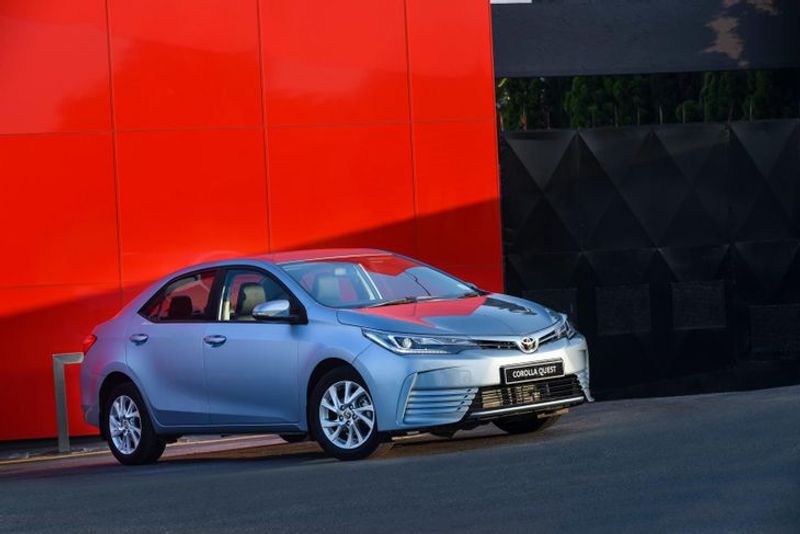
The previous-generation Corolla, now sold as the Quest, is South Africa's only remaining (serious) volume-selling sedan.

Not so long ago, C-segment sedans and hatchbacks accounted for a big slice of the South African market, but save for a few stalwarts (Corolla and Golf, mainly), the bottom has fallen out of this segment. A big seller to fleets and the rental market, the Toyota Corolla Quest dominates the segment with 7 365 units sold, a long way ahead of the outgoing Volkswagen Golf (2 192 units). The only other mainstream model to still feature in this segment is the Mazda3, but with only 968 sales in total. Opel (Astra, 118 units) and Renault (Megane, 139 units) are former big sellers that have fallen by the wayside. 

Ranking Make and Model Sales
1. Toyota Corolla Quest 7 365
2. Volkswagen Golf 2 192
3. Mercedes-Benz A-Class 1 408
4. BMW 1 Series 1 134
5. Audi A3 Sportback 1 066
6. Mazda3 968
7. BMW 2 Series 838
8. Audi A3 Sedan 770
9. Toyota Corolla 754
10. Toyota Corolla hatchback 732


Luxury sedans dying?


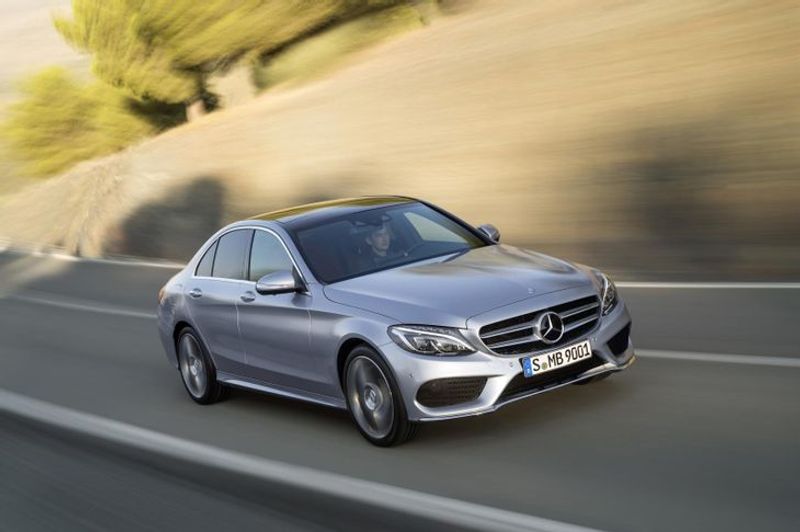
It may be nearing the end of its lifecycle, but the Mercedes-Benz C-Class remains the best-selling luxury sedan in SA.

Due to a combination of factors (mostly pricing and the greater appeal of premium family cars and executive SUVs), the traditional luxury sedan is against the ropes. The top-seller in 2020 was the ageing Mercedes-Benz C-Class, which recorded only 2 247 units in total (excluding AMG variants). BMW can't be happy with the performance of the still-new G20-generation 3 Series (2nd place, 2 072 units), and Audi must be considering giving up on the A4 (only 159 units were retailed, although the Ingolstadt-based brand recently introduced a facelifted version of its sports executive sedan).

Move up a size and things get worse… the BMW 5 Series recorded only 168 sales, edging out the Mercedes-Benz E-Class (129). By comparison, 32 units of the Bentley Continental seems pretty impressive!

Performance cars
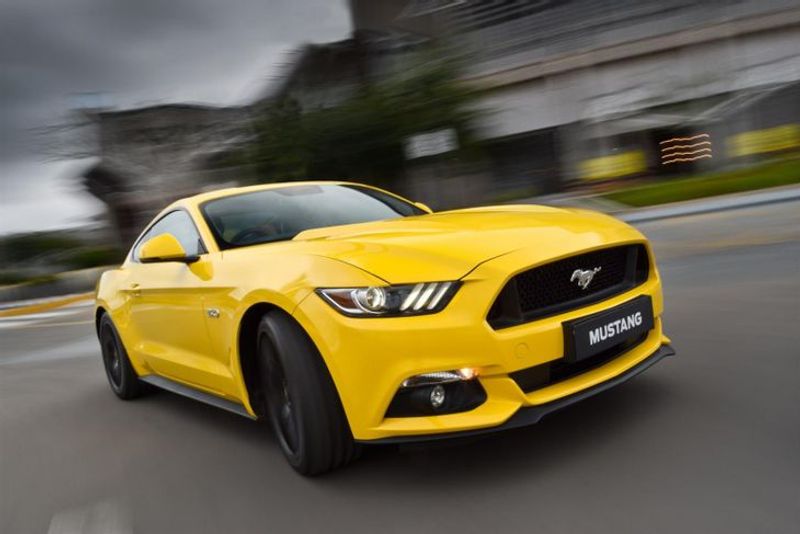

Another chart-topping performance from Ford's burly Mustang in 2020.

The Blue Oval continues to lead the way with the Mustang (400 units), followed by the AMG versions of the Mercedes-Benz A-Class (277) and the Porsche 911 (243). Toyota's Supra achieved a total of 118 sales, while a startling 32 units of the Ferrari 488 Pista were sold. In fact, with 28 examples of the Lamborghini Urus also finding homes in SA, it was a good year overall for the exotic brands in South Africa.

And on the "green" front?
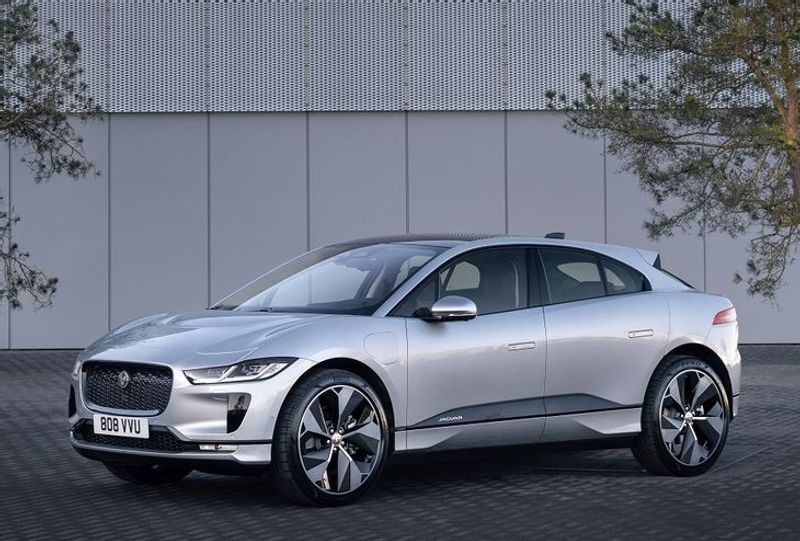

Recently updated, the Jaguar I-Pace is the most up-to-date EV sold in SA. 

While product diversity and affordability remain stumbling blocks for the greater acceptance of "green" vehicles in South Africa, things don't look too promising. The best-selling EV in South Africa continues to be the BMW i3 (40 units in total), while the marque's now-discontinued i8 achieved 20 sales. Jaguar's i-Pace clocked up 15 sales. Oh, and remember the Toyota Prius? Only 5 units of the pioneering hybrid car were sold last year.

Editor's note: BMW South Africa (Pty) Ltd reports sales information quarterly, in line with its global directive. Estimate domestic new vehicle and export sales are provided for Mercedes-Benz SA Ltd.
Related content

New car sales in SA, January 2021

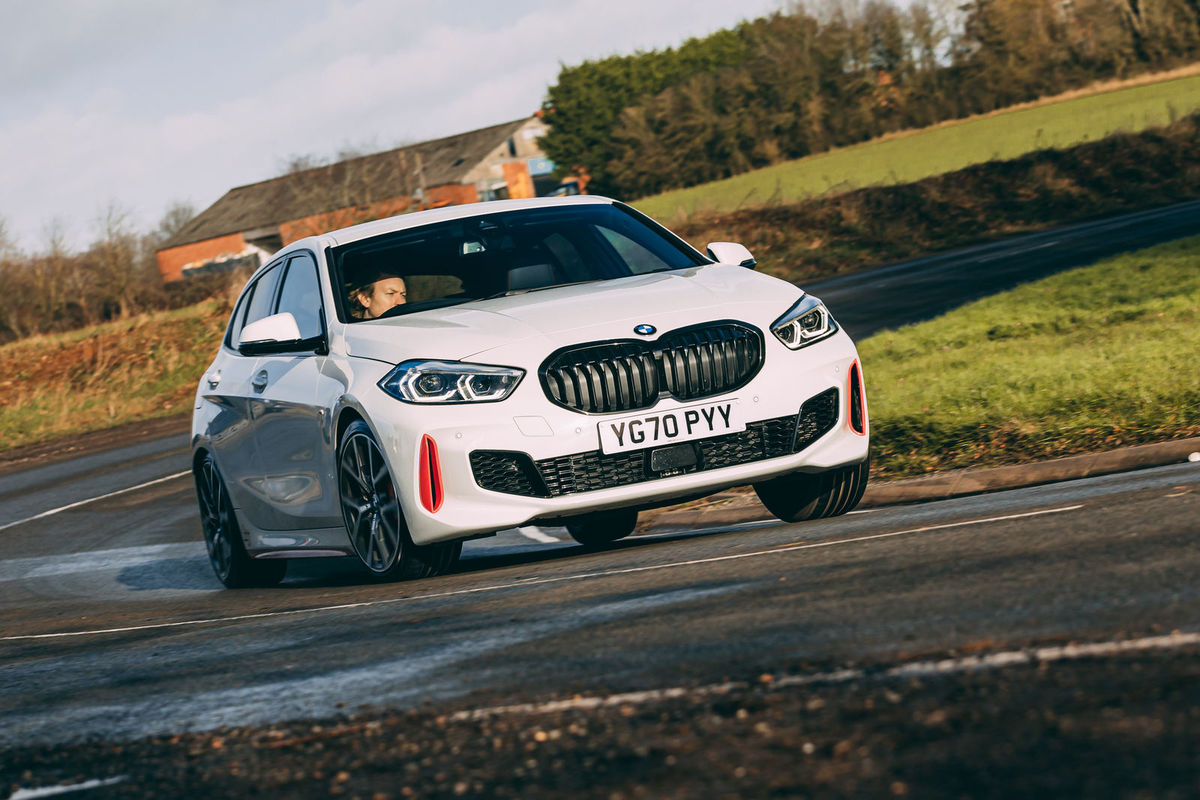
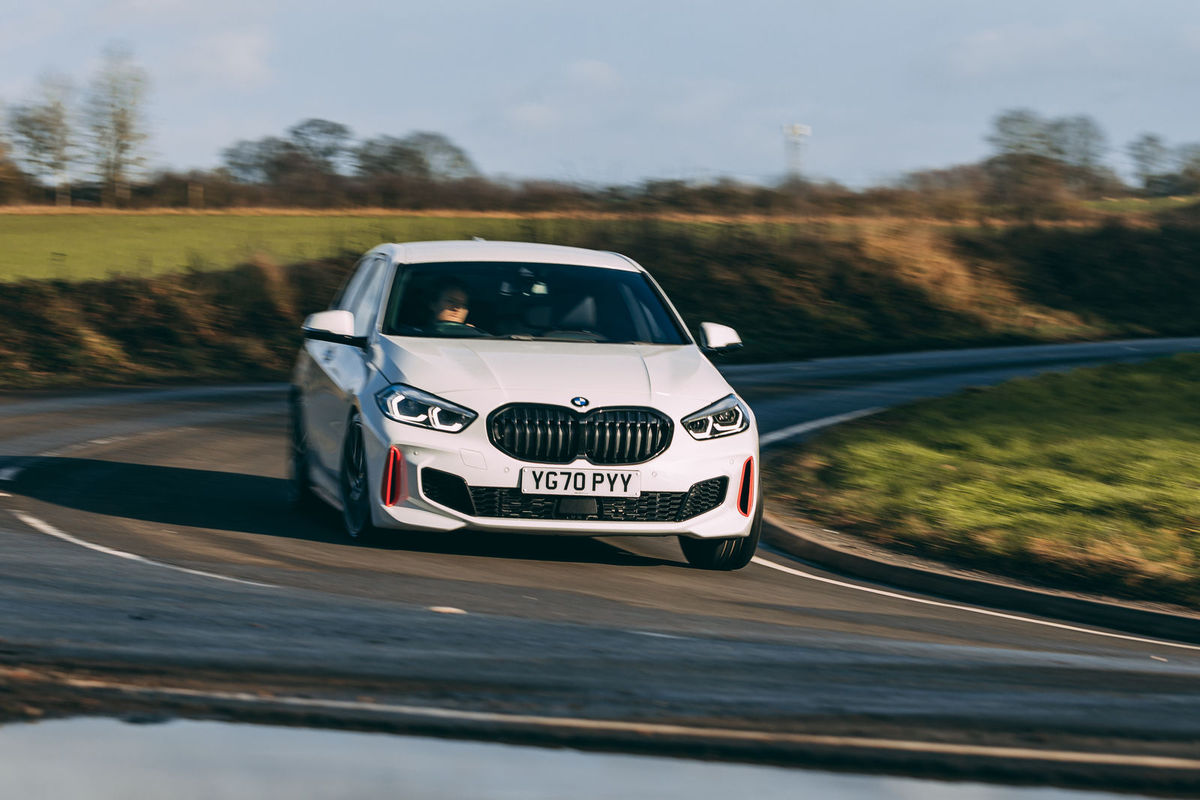
BMW 128ti (2021) International Launch Review

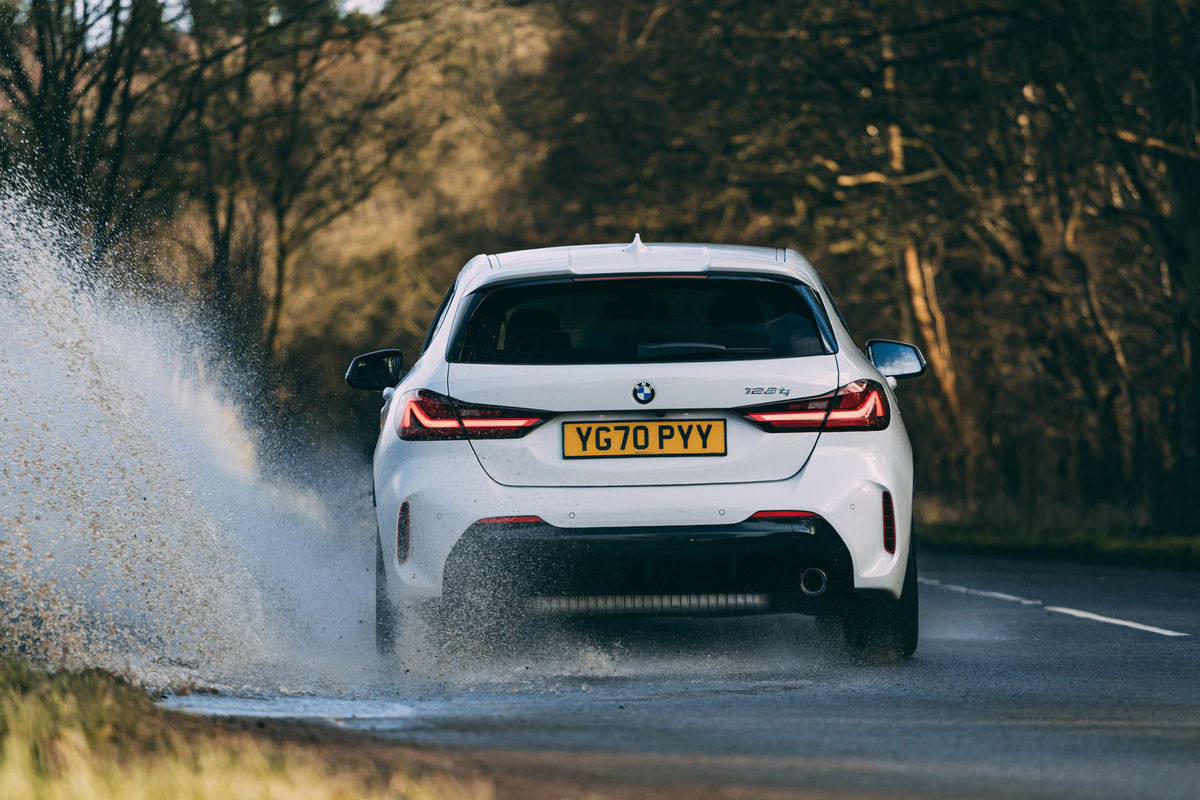
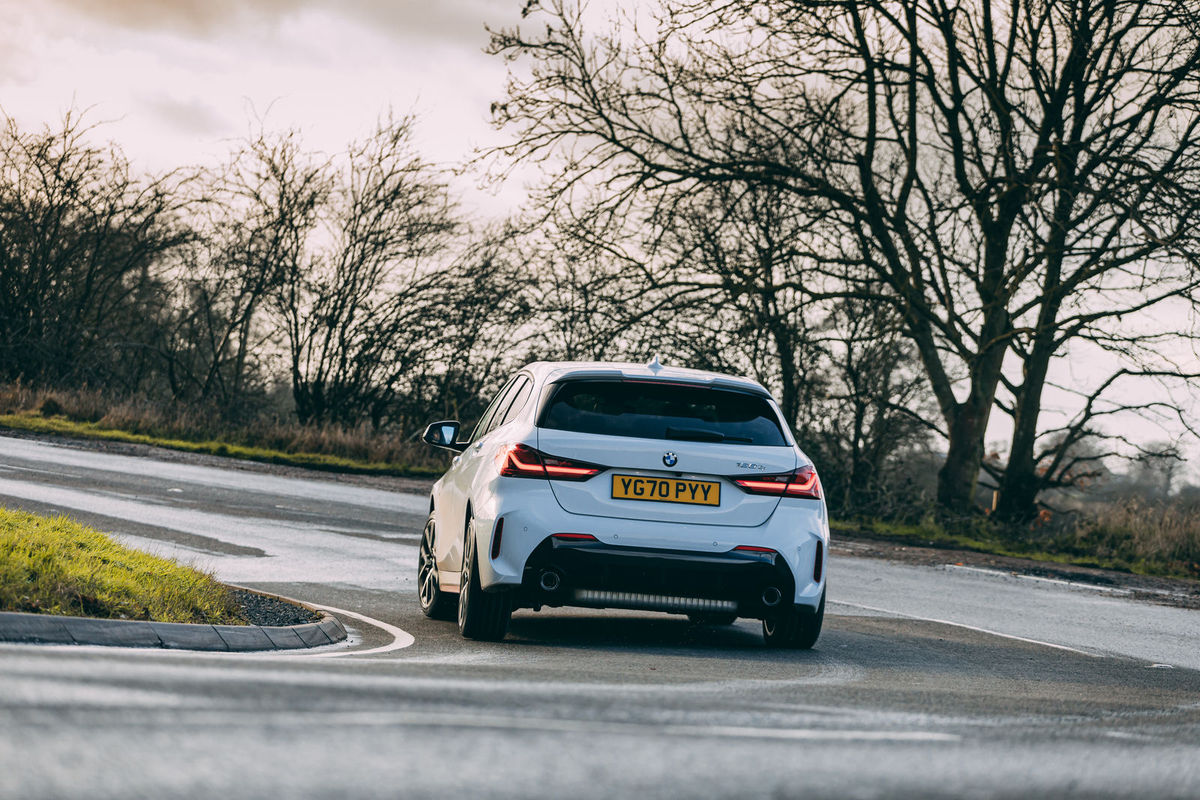
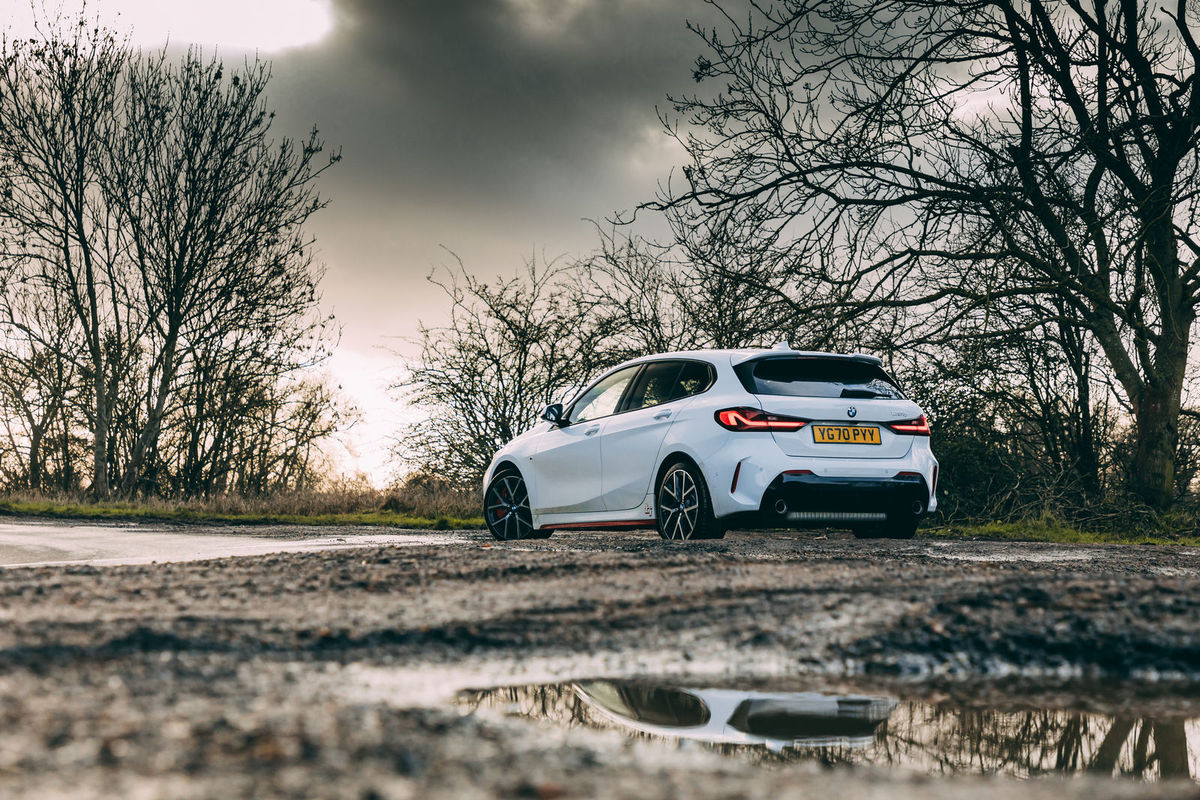
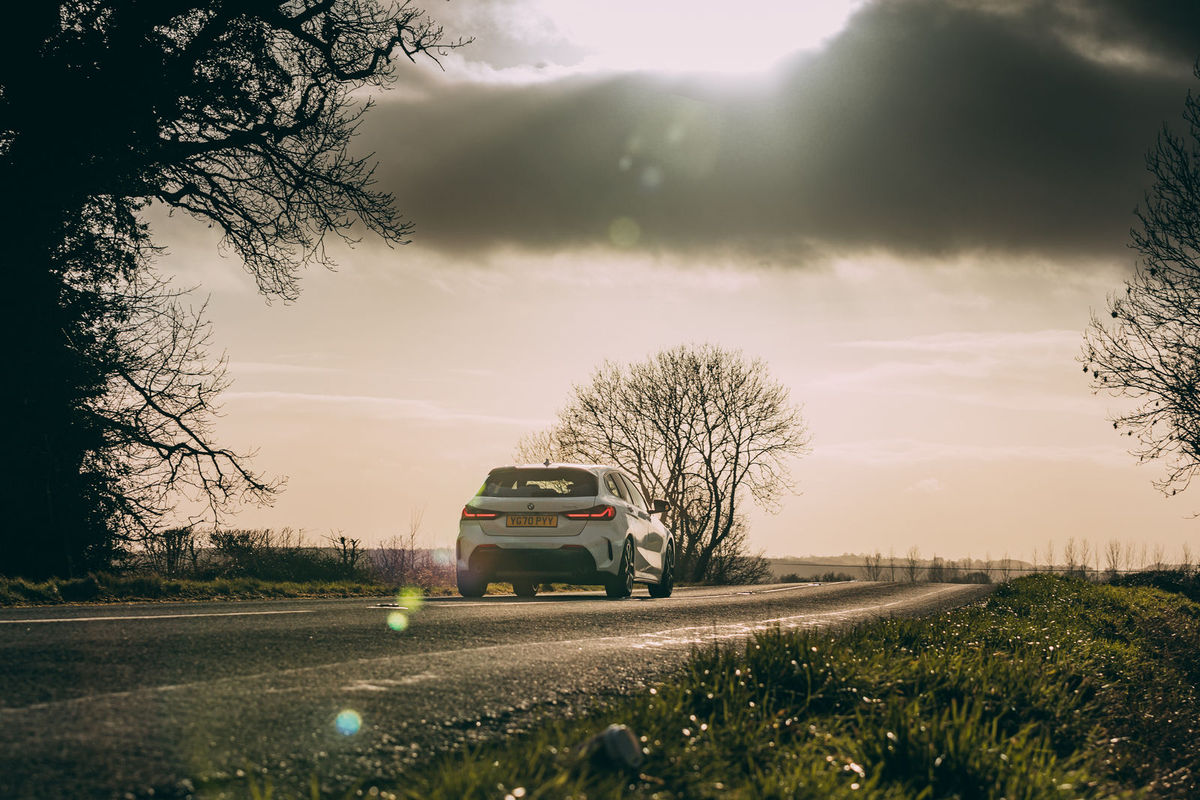
BMW has plucked the famous ti badge from its timeline to invigorate the new 1 Series. The 128ti is a hot hatch in the formula most of us recognise – front-engined and front-wheel-drive – and it seems squarely set on seducing Golf GTI customers. International correspondent Richard Lane got the chance to drive it in the UK. 

Two years ago, BMW axed arguably its most distinctive product. That product was the 2nd-generation 1 Series – the market's only exclusively rear-wheel-driven premium hatchback and, as if that wasn’t enough, the only one available with 6-cylinder power. Its existence meant that if you shelled out for one of the top-ranking 1 Series derivatives, you'd get something undeniably special for your money.

BMW’s subsequent decision to switch the 1 Series onto the front-driven FAAR platform (already serving the X1 SUV) duly went down about as well as Porsche’s 2013 clanger of withholding a manual gearbox from the 911 GT3. In both cases, the business case was there – but approval from enthusiasts was certainly not. Yet, unlike the GT3, whose maker backtracked and now offers its finest driving machine with three pedals once more, the 6-cylinder 1 Series isn’t coming back. Four cylinders sitting transversely, and sending their efforts to the front axle (unless equipped with xDrive), well, that's how it’s going to be.

But before we get too wistful, we need to be straight with ourselves: the old M135i and M140i cars, replete with their creamy 3.0-litre inline-6 motors, weren’t perfect. Because they carried so much weight in their front ends, they were considerably less agile than many of their serious hot hatch rivals. What's more, an underdamped rear axle meant that the driven tyres' contact patches could feel worryingly vague on trickier, low-grip roads. In truth, they weren’t really hot hatches at all – they were grand tourers in hatchback bodies: unique and, in the right circumstances, brilliant, but costly to run and not the quick-footed firecrackers needed to challenge the established hot-hatch benchmarks. Which, interestingly, is exactly what the new 128ti is designed to do.

What special about the 128ti?


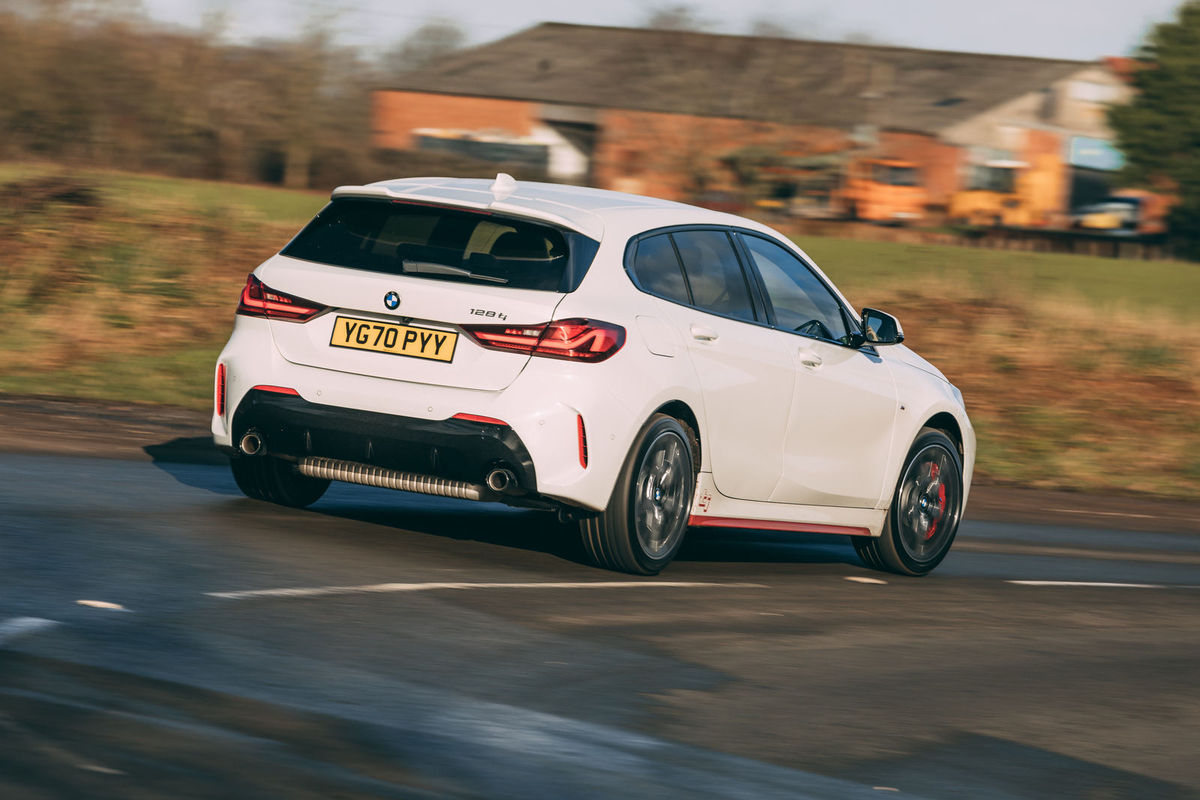
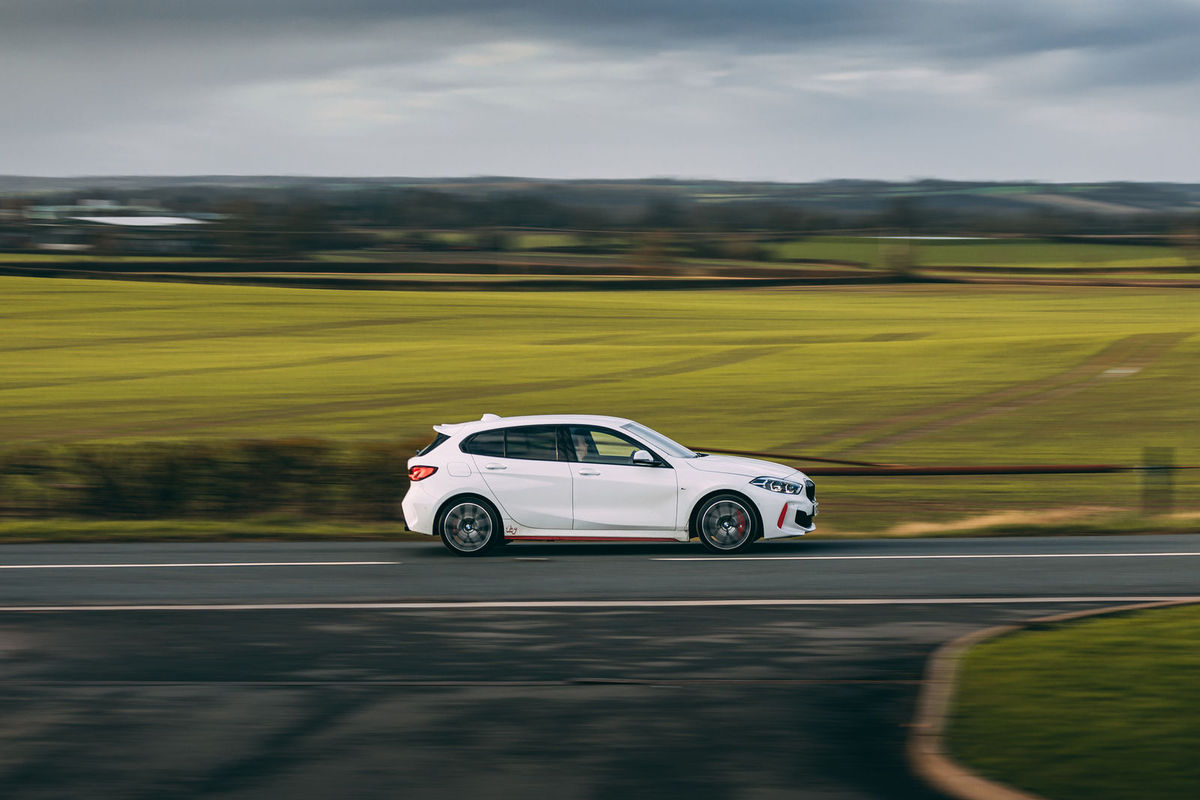
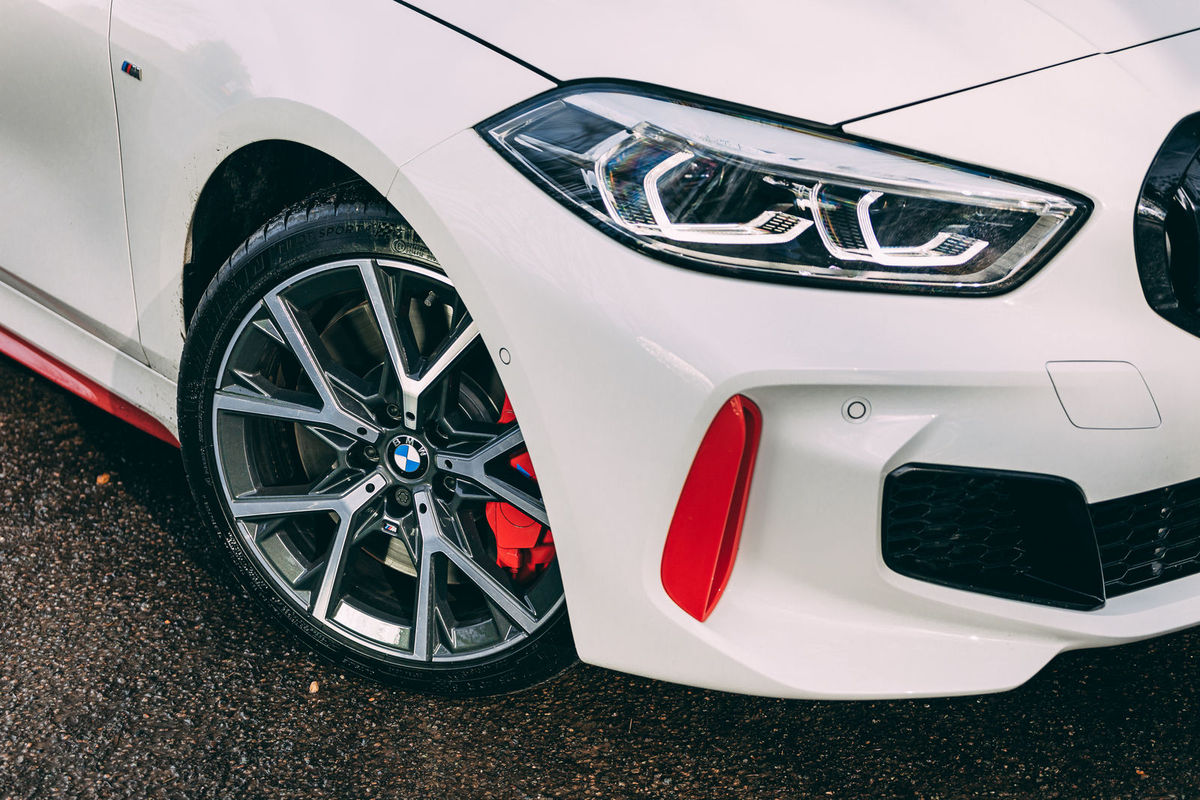
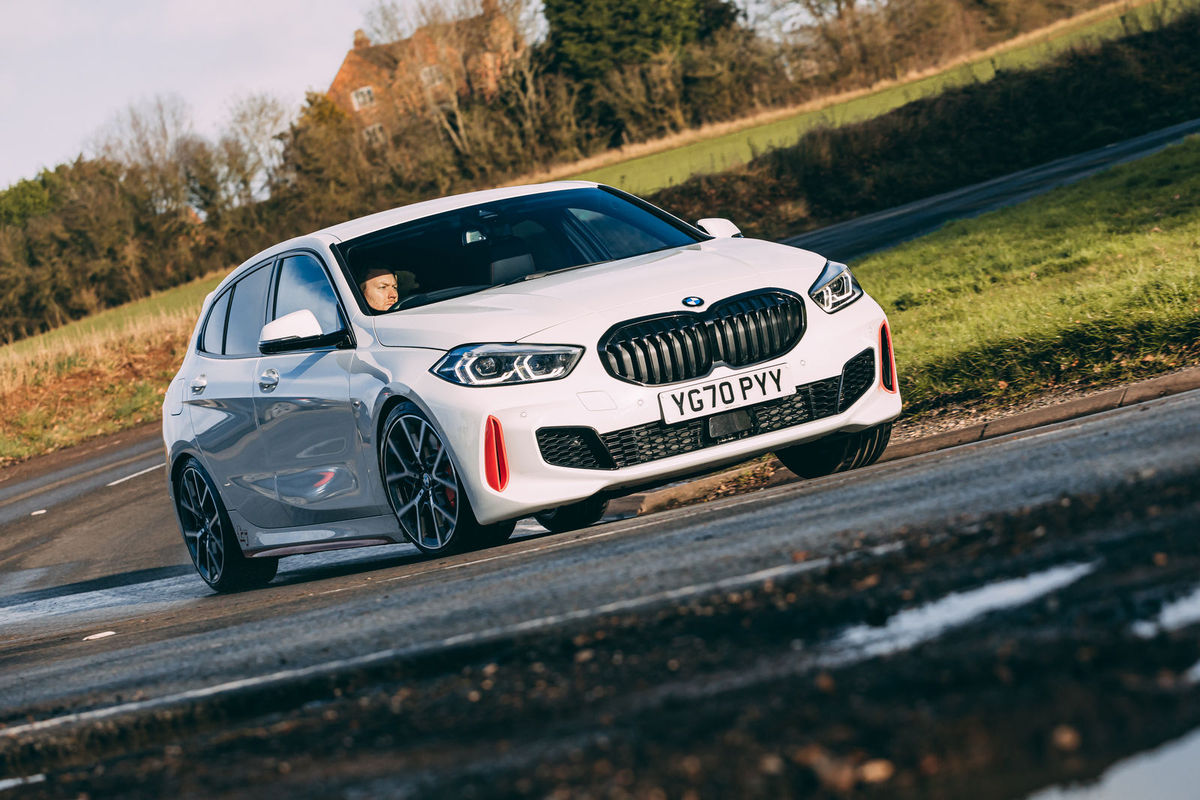
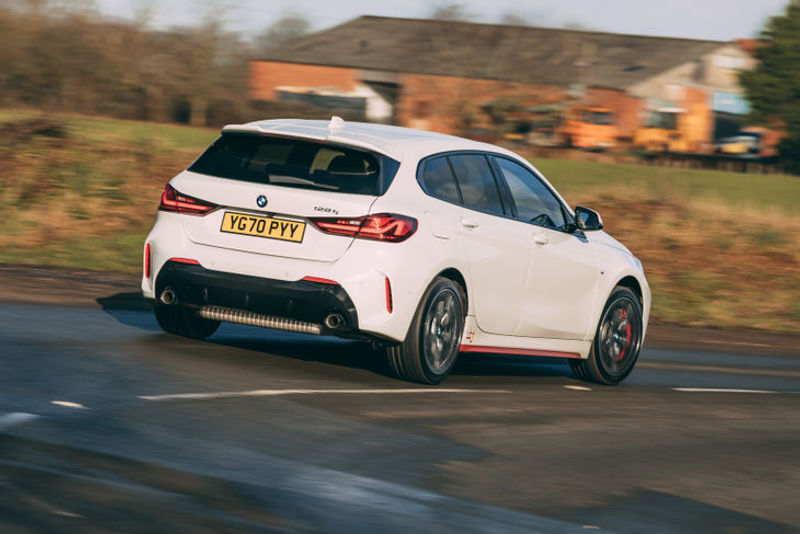
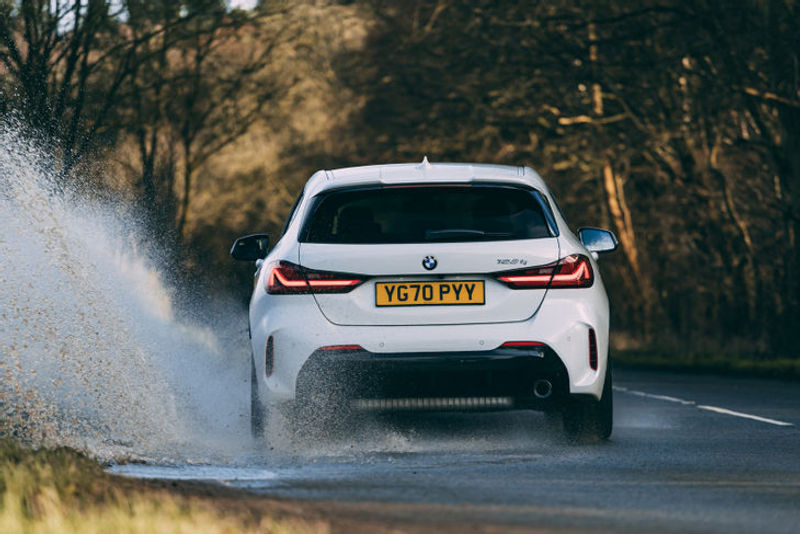
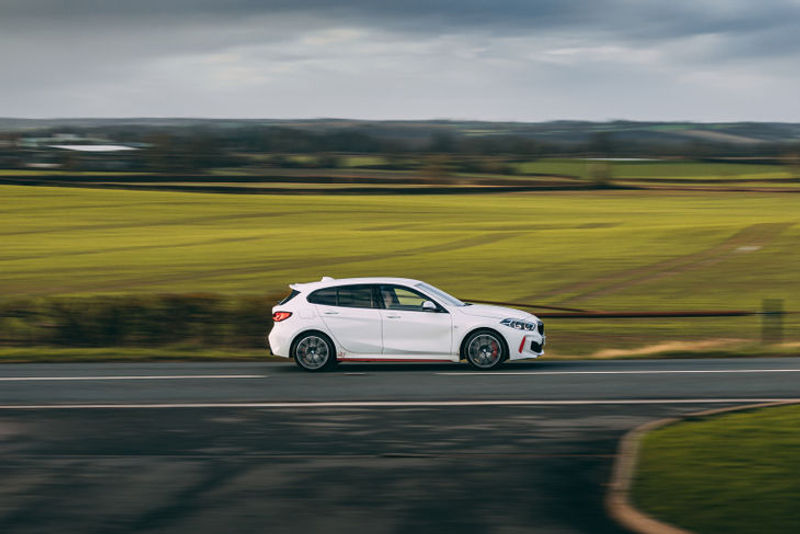
BMW has given the ti a racy exterior in the hopes of dipping into the "boy racer" crowd.

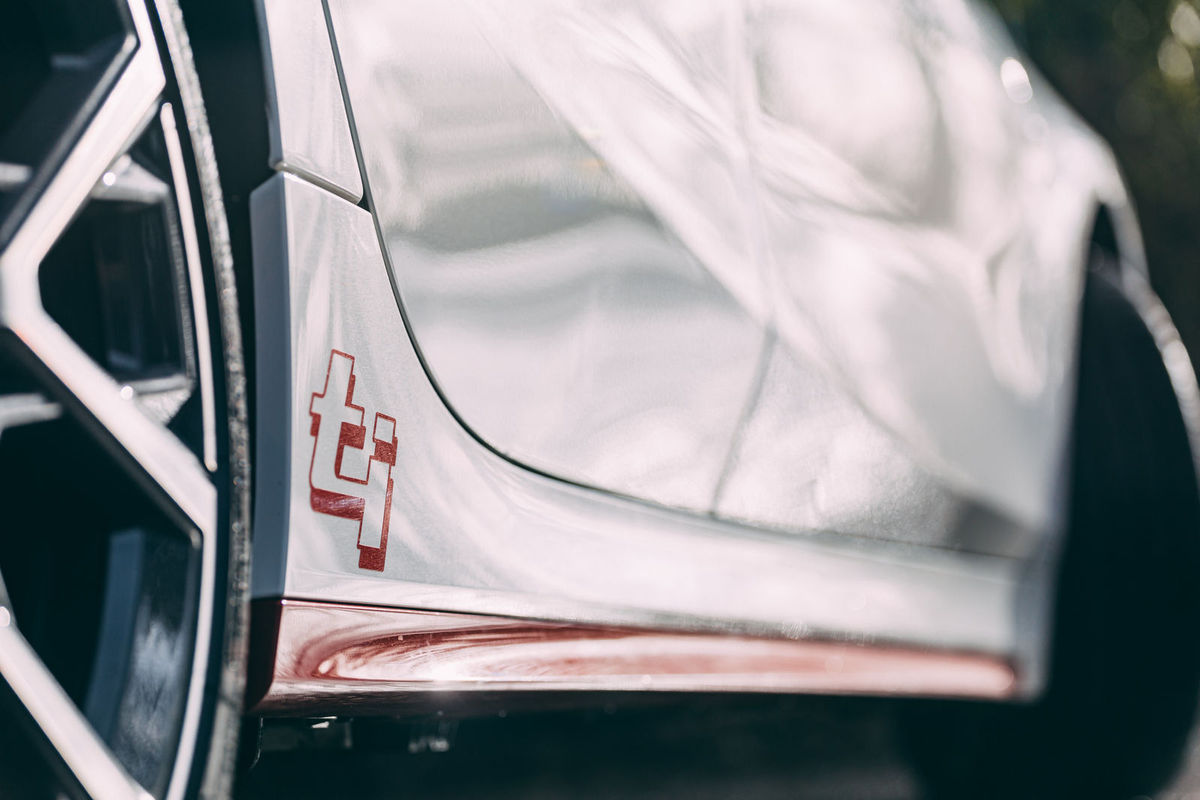
Until very recently, the idea that the pre-eminent purveyor of rear-drive sedans might directly challenge the Volkswagen Golf 8 GTI in its own backyard would have been patently absurd. However, that is exactly what the new 1 Series architecture permits, and BMW seems to have put plenty of effort into making sure the 128ti lands with a proverbial bang. It has even reprised its 2nd most alluring moniker – ti, for Turismo Internazionale – for the first time since the 1990s. Less welcome is the decision to celebrate this revival with jarring red accents, but if those are the only blots on the 128ti’s copybook, game on.

Behind the redesigned front bumper sits a detuned version of the same twinscroll-turbocharged 2.0-cylinder 4-cylinder engine found in the M135i xDrive range-topper. Here it makes 180 kW and 380 Nm (in South African-market spec) instead of 225 kW and 450 Nm. Drive is directed to the front wheels through the same mechanical Torsen limited-slip differential found in the M135i, although the locking ratio has been reduced fractionally. Without the stability provided by the more powerful car’s driven rear axle, BMW claims there was a risk the 128ti would be too fighty if the ratio remained unchanged. What's more, that would have gone against what BMW is aiming for with its newcomer: something coherent, deft and fun… but not necessarily white-knuckle wild.

The detail changes, therefore, run much deeper than chucking the rear driveshafts back in the parts bin and tweaking the differential. Compared with the M135i, underbody bracing has been removed from the 128ti's front (and added at the back), with the aim of shifting the distribution of stiffness rearward and making the front-end less prone to understeer and the back, well, more lively. For the same reason, as well as to improve turn-in response, the suspension geometry has been altered, notably with the reduction of toe-in at all four corners. In order to maintain that all-important dynamic harmony, the speed of the electromechanical steering has then been marginally slowed from what you experience in the M135i. Again, the aim was for pin-sharp handling, but without unpleasant surprises.

Helping the 128ti’s cause is the fact that it weighs 80 kg less than the M135i, so in terms of power-to-weight, it trails its range-topping sibling by only 12.5 kW per tonne. It also comfortably beats the 180-kW Golf 8 GTI by this measure, although neither is anywhere near the head of the field. The BMW’s 135 kW per tonne is monstered by the 171 kW per tonne of the 65 kg-lighter, 235 kW Honda Civic Type R.

If you want to bring four-wheel-drive rivals into play, the 225 kW Mercedes-AMG A35 is the closest thing to the 128ti in spirit and customer profile, and it manages not much more, with 144 kW per tonne. These are fairly dry figures, admittedly, but revealing ones for hot hatches, and the new BMW does adequately well.

The inside bits


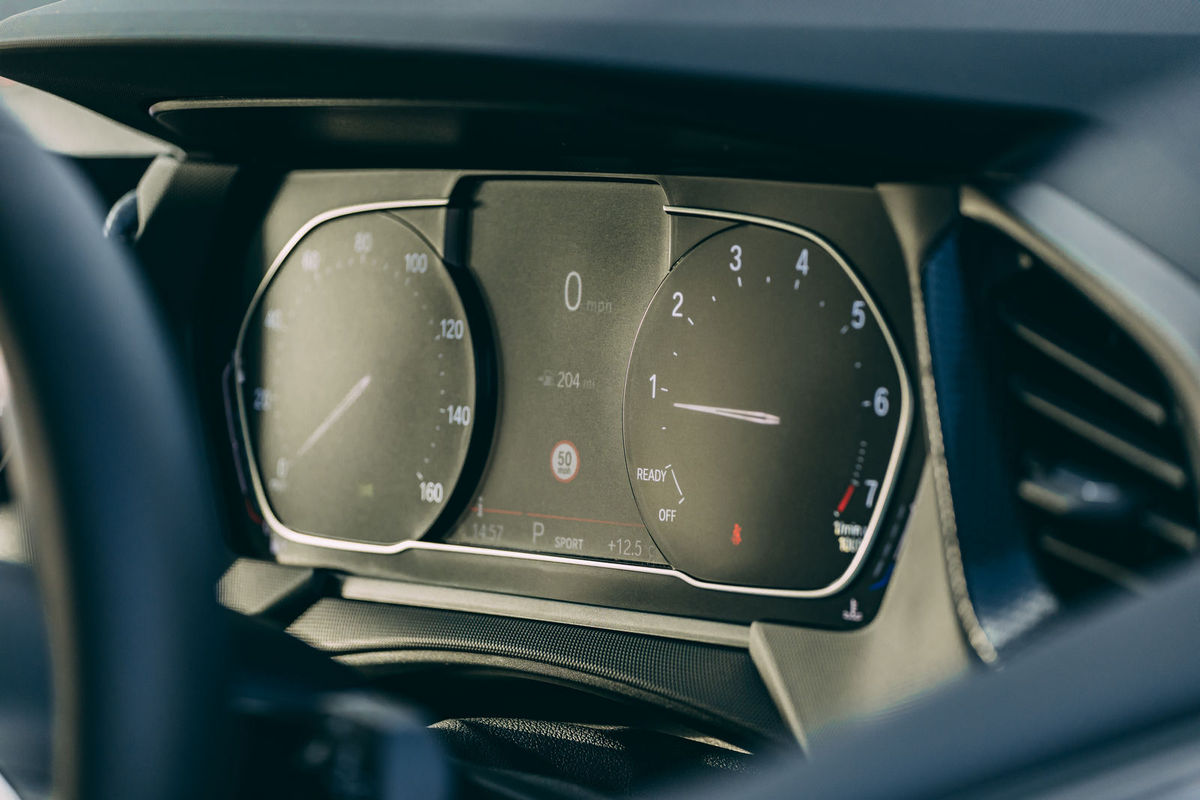
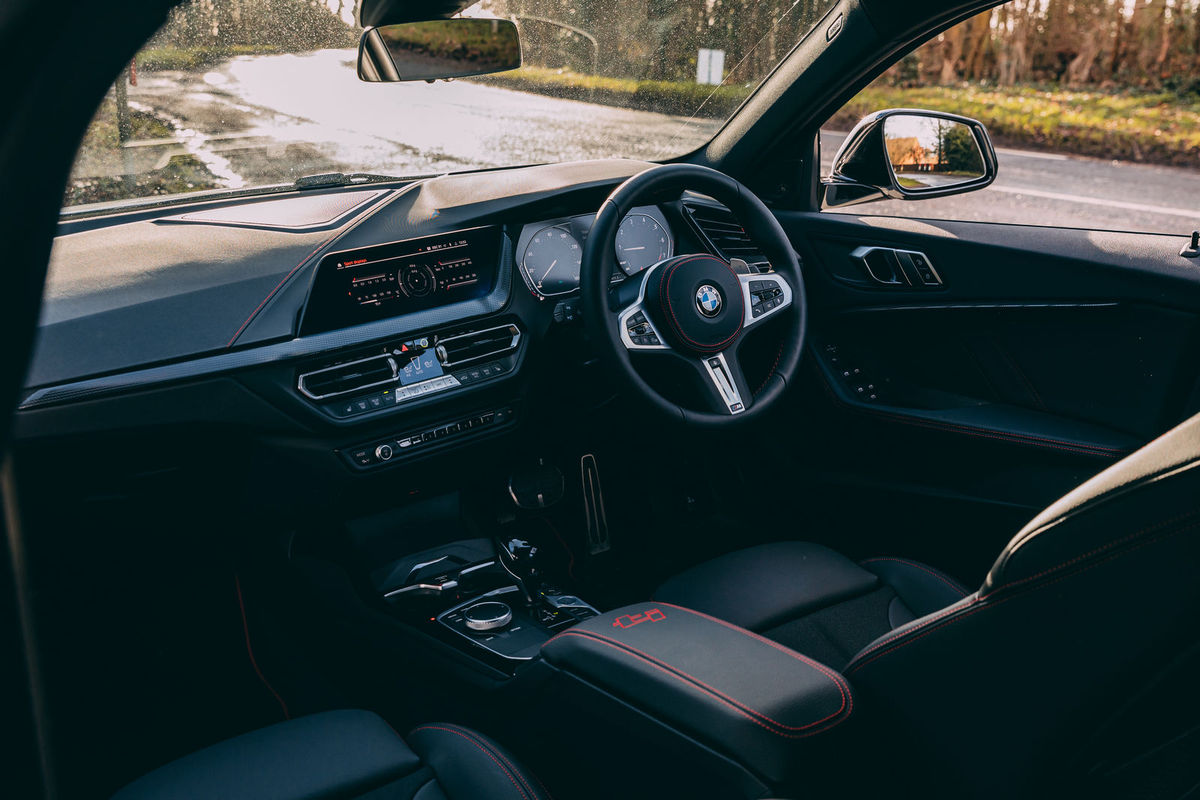
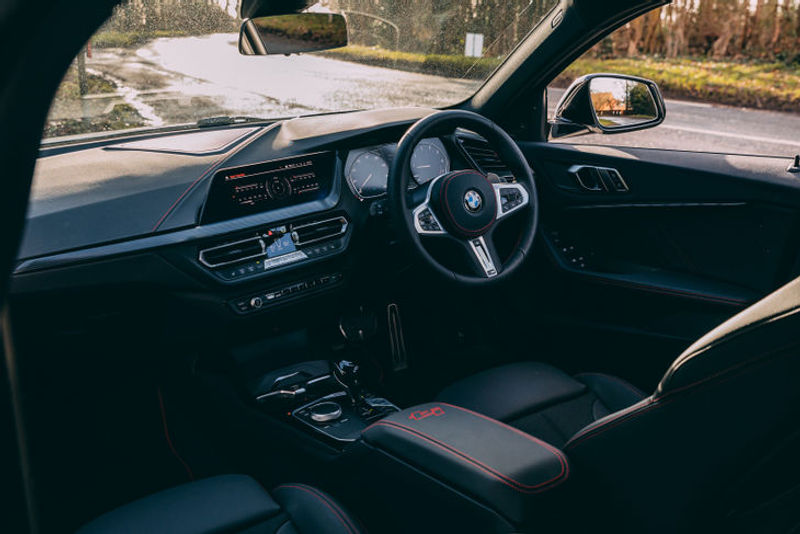
Digital instrument dials make a comeback in the 128ti, other 1 Series models use a different theme.

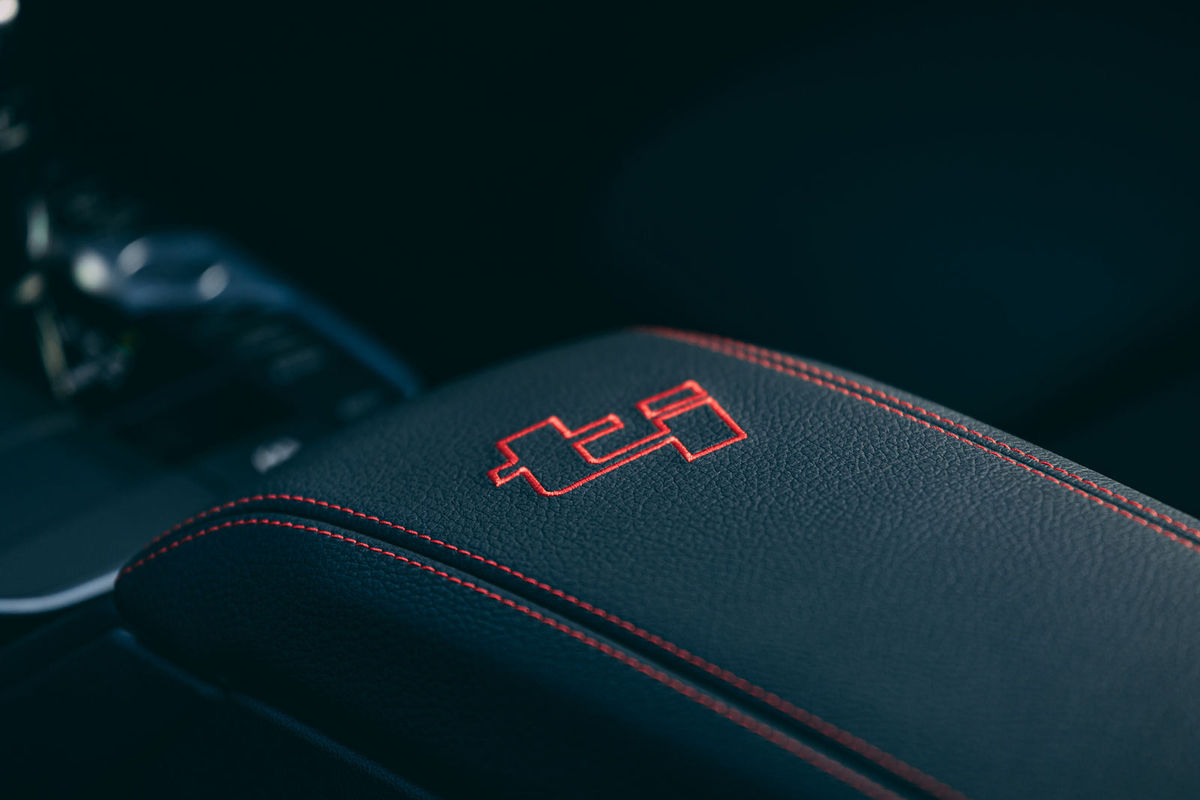
When you slide aboard the 128ti, you will be pleasantly surprised by its interior – the seats, for example, might look vaguely 1980s-inspired, but they’re among the best in the class for offering reasonably comfort as well as adequate support in the twisties. In terms of ergonomics and perceived quality, the Bimmer also has among the finest hot hatch cockpits around. BMW’s iDrive retains plenty of solid-feeling physical controls, and elements such as the leather airbag cover, contemporary plastic finishes and red stitching leave several notable rivals feeling dreary.

Even the Golf 8 GTI feels one or two notches below the mark set by the 128ti, and – hallelujah – BMW has even supplied some deliciously simple digital instrument dials to replace the unclear sidewinders found on every other 1 Series. I sincerely hope it will catch on in the rest of the range. However, you will also notice that there’s no traditional gearstick, and that’s because the 128ti is offered solely with Aisin’s 8-speed torque-converter automatic transmission. BMW claims the gearing for any manual would have had to have been overly long for emissions tests and that market research shows uptake would be minimal.

There’s probably truth in those statements, but the 128ti purports to be a "proper" hot hatch, yet you can’t have it with a manual 'box. And, in light of that, you might be left wondering just how proper it can be. Well, in some respects, it’s very proper; and in others, a little underwhelming. First, BMW has been brave with this car; it nailed its colours to the mast by fitting passive dampers. Should the chassis feel too soft on back roads, there’s no push-button rescue service to raise the level of control. Equally, if BMW’s set-up feels like skateboarding down cobbled streets when you’re on the motorway, that’s your lot.

What's it like to drive?


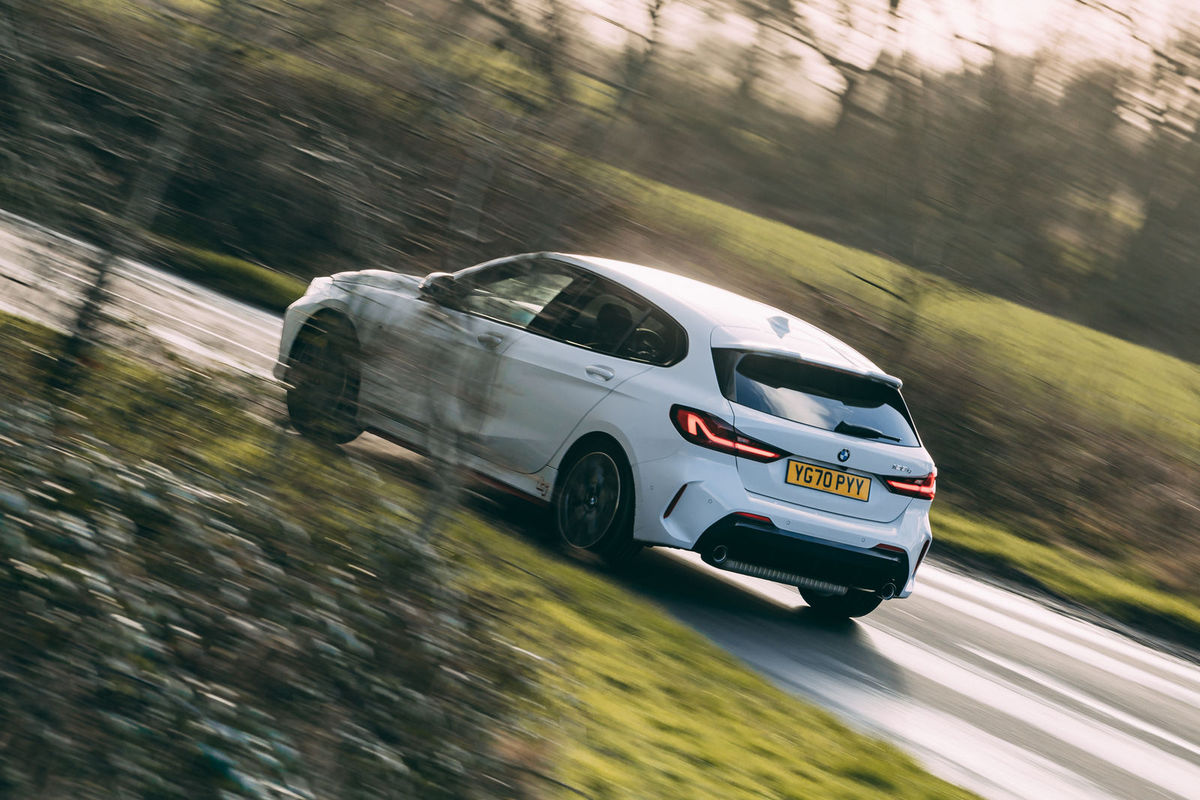
A few chassis tweaks here and there are meant to stiffen up the rear and reducing understeer.

Fortunately, the Bavarian marque has struck an unusually fine balance between ride and handling with its newcomer. And while there’s some low-speed jostle that can sometimes feel only just the right side of punishing (please, stick to the 18-inch alloys) once you’ve got some speed up and begun to work the dampers, the 128ti flows with what could be called "forgiving poise". It’s almost exactly the blend of comfort and control that I want in a hot hatch: serious enough that the car immediately feels lean and toothy and capable enough to deal with frequent crests and troughs without making your heart skip a beat, but also compliant enough to live with on a daily basis. Overlaid on this is the revised steering, the gearing of which is measured without ever feeling ponderous. It’s a world away from the frenetic rack in the Renault Mégane RS, although still crisply responsive around the dead-ahead position and, thereafter, more convincingly weighted than that of the Golf GTI (it’s best left in Comfort mode; Sport is too artificially heavy.)

Its overall effect is to endow the 128ti with enjoyable handling precision, which is gratefully received in the era of hatchbacks that are almost as wide as a Lamborghini Countach. As for the engine, it’s more effective than engaging. The B48 2.0-litre motor is now well known, its undersquare design packing a uniformly powerful, if slightly laggy, punch that effortlessly propels you forward from 2 000 rpm upwards, but little to pull on your heartstrings. It’s well-matched to the transmission, whose shifts are crisp and, in Sport mode, theatrically forceful. So, steering, ride and powerplant: all are good or good enough. This leaves the stage set for that vaunted ti-unique handling to shine. Which it does, in part, but not blindingly so. Damp patches on drying roads possibly don’t help, but the promised adjustability didn’t easily materialise.

There are certainly hints that the 128ti can be particularly wieldy. Mid-corner, its nose responds acutely to the throttle closing, and it’s balanced enough that it will indulge being flicked through challenging direction changes at truly exciting speeds. Having said that, you might struggle to summon the commitment needed to really get the chassis going. The 128ti majors on neutrality. It never feels especially keen to adopt any yaw on the way into corners, and while the differential is predictable, it isn’t quite as effective as you'd expect when powering out of bends. Yes, there’s a fair amount of torque steer if you’re lead-footed, although more fundamentally, outright grip often feels limited. Depending on your expectations, it means that, when driven hard, the 128ti can frustrate you equally as much as it can impress you.

Verdict


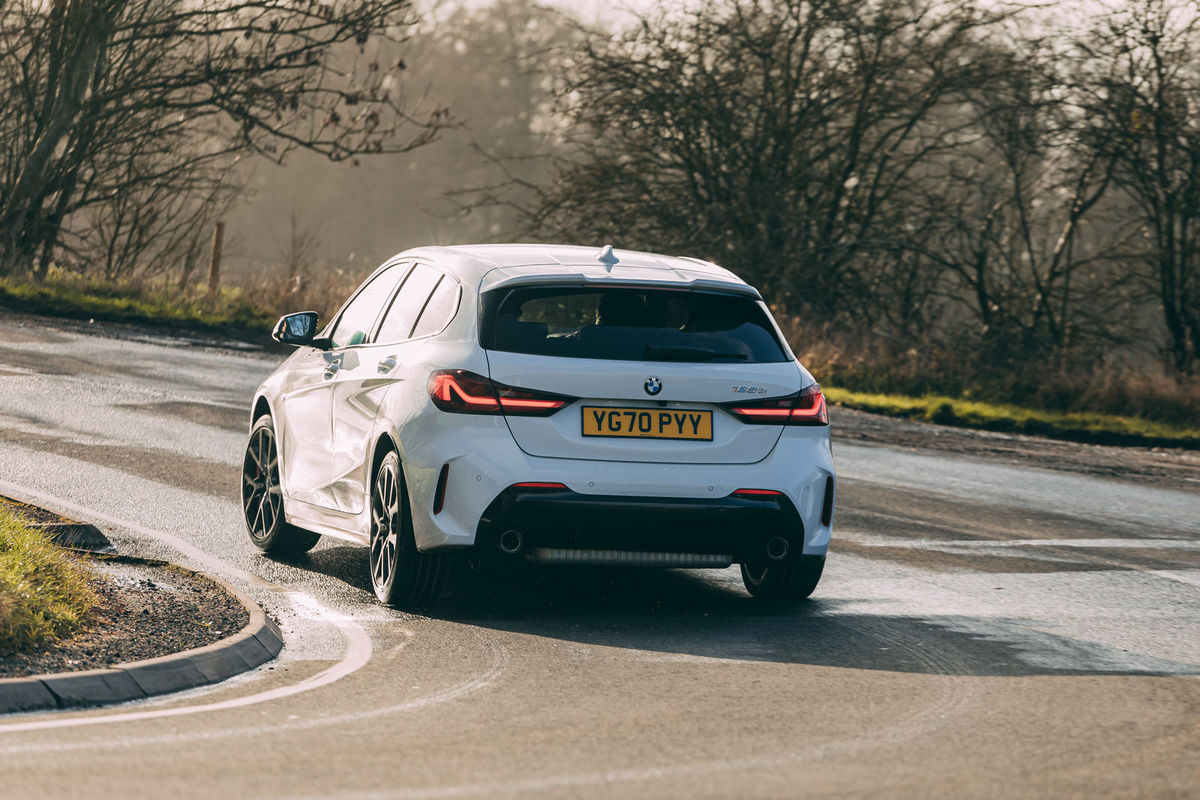
The 128ti appears to be a balanced offering from BMW, much like the GTI.

There’s more to discover about the 128ti, which will be available in Mzansi soon… A grippy, bone-dry road would, in all likelihood, help the feisty 128ti generate the level of front-axle grip it needs to truly "unlock the devil inside". I certainly hope that that will be the case, because BMW’s first attempt at producing an authentic sweet-spot hot hatch is largely impressive and will deservedly steal sales from the Golf GTI, especially on the strength of its upmarket interior. There’s also something enjoyably gritty and pedigree-feeling in the dynamic character of the 128ti when you explore its talents on the right bit of road. However, for a self-professed driver’s hot hatch, you might just want something even more distinctive; something that offers even more driver engagement, more of the time… perhaps even something with an extra pedal.

Related content:

It's okay to desire a 4-cylinder BMW

BMW 128ti: How it compares with GTI & i30 N

Volkswagen Golf 8 GTI (2020) International Launch Review

Mercedes-AMG A35 (2020) Review

Renault Megane RS 300 Trophy (2020) Review

Hyundai i30 N (2020) Review

#CarsAwards – Best Premium Crossovers in SA

Meet the finalists in the Premium Crossover category of the 2020/21 #CarsAwards powered by WesBank!

Now in its 6th year, the #CarsAwards was conceived to be South Africa's definitive automotive awards programme and is backed, for the 5th year running, by the country's leading supplier of vehicle finance, WesBank.

Read more about the 2020/21 Cars.co.za Consumer Awards powered by WesBank here 

Best Premium Crossovers in SA 

These stylish vehicles offer a popular SUV look but in a smaller, more city-friendly package. They aim to attract attention with eye-catching looks, colours and capable powertrains. Individuality is the name of the game in this segment, where models’ interior and exterior looks can be tailored to buyers’ specific tastes, while still providing the most up-to-date in-car technologies.

This category is guided by both eligibility factors and Pillars of Success. 

Eligibility factors for this category include a list price between R600 000 and R800 000 (as of October 1, 2020) to ensure exclusivity and status. Vehicles in this category must be a crossover/small SUV shape of the Audi Q3, Volvo XC40 etc.

Pillars of success for this category include design and quality appeal, powertrain technology, luxury, brand strength and driving dynamics. 

Visit www.carsawards.co.za for more information. In no particular order, the finalists are as follows:

Audi Q3 Sportback 40 TFSI quattro S Line

The Audi Q3 represents a massive leap forward compared with its predecessor and it rightfully took the honours in the inaugural crossover category of the #CarsAwards-powered by WesBank. Now that the Ingolstadt-based brand’s contender competes in the premium crossover category of the 2020/21 awards programme, we’ve nominated the stylish Sportback variant of the Q3 range.

View specification details for the Audi Q3 Sportback 40 TFSI quattro S Line

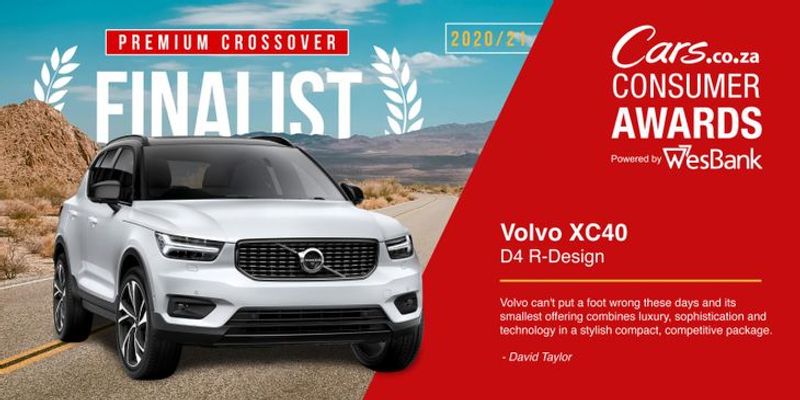
Volvo XC40 D4 R-Design

Volvo has an award-winning line-up of SUVs: the XC90 has won its category of the #CarsAwards on numerous occasions and the XC60 previously took the Executive SUV title. Now we have the baby XC40 as a contender for Premium Crossover honours. Can it replicate its siblings’ successes?

View specification details for the Volvo XC40 D4 R-Design


Mini Countryman Cooper S Sports-Auto

The facelifted version of the 2nd-generation Mini Countryman arrived midway through 2020, replete with some new styling options and a reworked infotainment system. The biggest of the Mini models still retains the brand’s cool and funky style and fresh Union Jack rear tail lights are a reminder that the brand is, in fact, British and not German, like the Oxford-based firm’s parent company BMW. 

View specification details for the Mini Countryman Cooper S Sports-Auto

See last year's #CarsAwards winners here!


Subaru Forester (2021) Specs & Price

Subaru Southern Africa has confirmed a more powerful and advanced Forester is on its way and will be on sale from mid-February 2021. What’s changed and how much will it cost?

The Forester is Subaru’s best-selling model in its portfolio and since its introduction 24 years ago, the capable SUV has won over many fans. 

For 2021, Subaru Southern Africa will increase its local Forester offering with 2 new derivatives. The most notable of the new derivatives is the 2.5i Sport ES model, which combines practicality with sporty aesthetics. Those lamenting the lack of a properly potent engine in the same vein as the older-gen XT motors will have to make do with a naturally-aspirated motor, however, in 2021 guise, it now produces 136 kW and 239 Nm. This is an increase of 21 kW and 43 Nm over the 2.0-litre variant. In terms of fuel consumption, Subaru is claiming this flagship model consumes just 7.6 L/100 km. The vehicle is only available with a CVT.

Visually, this sporty model needs to look the part. The exterior of the Forester Sport features 5 body colours that are contrasted with orange and black accents. The interior also features the orange and black accents, most notably around the gear shifter and X-Mode selector. The 2.5-litre models ride on 18-inch wheels, setting them apart from the 2.0-litre models. Interestingly, for the first time, Subaru is offering its Forester with water-repellent seats, which are available on the Sport model, perfect for wet dogs or kids.

If you don’t want the attention of the Sport model’s orange and black accent trim, you can opt for the 2.5-S ES model which features standard body colour options and leather seats inside. It’s identically specced aside from the water-repellent seats and funky colour treatment.

In terms of safety, the Forester comes with Subaru’s award-winning EyeSight Driver Assist System and works in conjunction with Adaptive Cruise Control, Automatic Pre-Collision Braking, Lane Departure and Sway Warning and Lane Keep Assist. Blind Spot Detection, Smart high beam assist, and Rear Cross Traffic Alert are fitted as standard too. Subaru Vehicle Dynamics Control (VDC) and its fabled symmetrical all-wheel-drive is on hand for safer all-weather, all surface stability and traction bringing technology such as ABS, EBD, ESP and Torque Vectoring into play when needed.

In terms of rivals, the Forester 2.5 goes head-to-head with the Toyota RAV4 2.5 VX and the ever-popular Mazda CX-5 is available with a 2.5-litre engine too.

Each Subaru Forester model is sold with a 3-year/75 000 km Maintenance Plan as well as the 5-year/150 000 km warranty.

Subaru Forester – Price in South Africa

Subaru Forester 2.5i Sport ES – R599 000

Subaru Forester 2.5i-S ES – R629 000

Search Subaru Forester vehicles for sale.

Further Reading

Subaru Forester 2.0i-S ES (2019) Review

Subaru Forester Finally Gains Turbo Motor

2022 Subaru BRZ Unveiled

Subaru’s Forester Goes Electric

Lift-kit for Subaru XV

Spy Shots: 2023 Ford Ranger Raptor

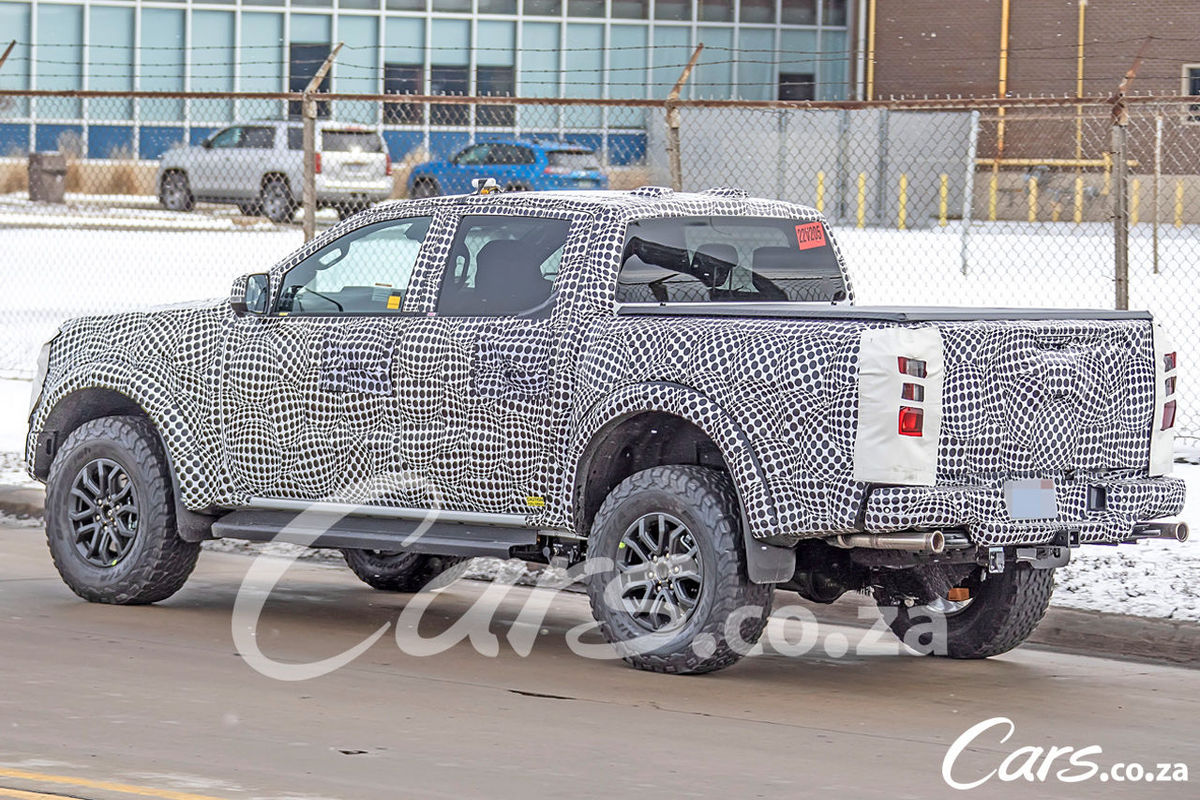
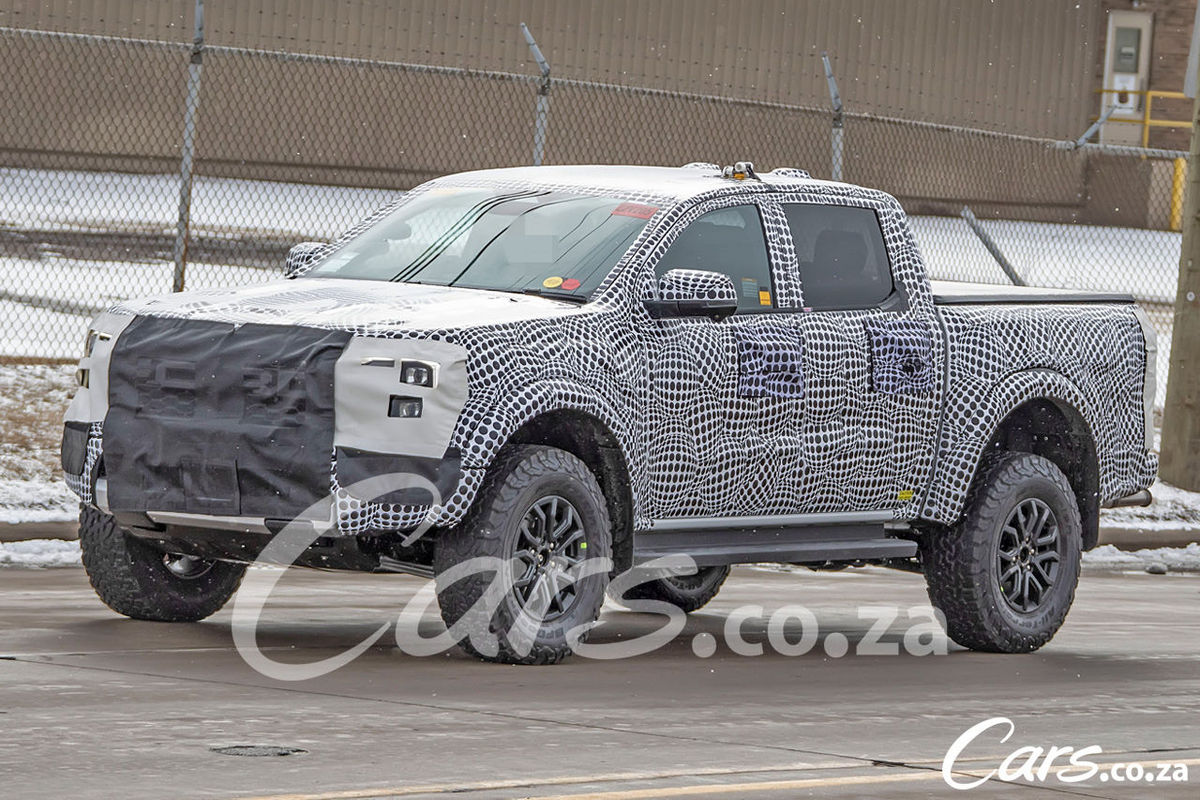
We get our first look at a prototype for the 2023 Ford Ranger Raptor wearing its production body, and running with a 2023 Bronco Warthog!

Picture credit: S. Baldauf/SB-Medien. We have paid for these photos and at the photographer's request, have watermarked them.

A new Ford Ranger is expected to be revealed in 2023 and this week Ford South Africa announced a $1-billion investment to upgrade its Silverton manufacturing plant where the new Ranger and the next-generation Volkswagen Amarok will be built. 

A new Ranger Raptor is also due in 2023 and a right-hand-drive prototype has now been spied undergoing testing with a 2.7-litre V6 petrol engine under the bonnet! This engine develops 231 kW and 540 Nm and is paired with a 10-speed automatic transmission.  

The Ranger Raptor was joined by a Bronco Warthog prototype, and the two had nearly identical engine and exhaust notes, locking in the notion that these two off-road offerings will be very closely related, mechanically. 

In terms of styling, these spy shots reveal the Raptor's flared, brawnier body and Raptor-spec “FORD” grille treatment which is only partially obscured by the camouflage.  Raptor-style wheels, and the usual  BF Goodrich All-Terrain T/A KO2 tires are also fitted, mere days after the announcement that the South African version of the Ranger Raptor was moving from the BFGs to General Grabber AT3 rubber. The Ranger Raptor prototype is fitted with wide-set dual exhaust, carefully tucked under the bumper for maximum ground clearance.

The Ranger Raptor’s rear suspension has some camouflage, almost certainly hiding the Live-Valve shocks that have also been photographed on the Bronco Warthog.

We will keep you updated as more news regarding the new Ranger Raptor becomes available. 

Buy a Ford Ranger Raptor on Cars.co.za

Related Content 

Armoured Ford Ranger (2021) First Drive

Ford to run Google infotainment from 2023

Exposed: New Ford Maverick bakkie


The end of empire for VW

If Germany’s largest car company hopes to survive, it will have to change rapidly, because it can no longer afford to treat its supercar brands like vanity projects.

There is no automotive conglomerate with a more compelling portfolio of products than the Volkswagen Group. From the Amarok to the Up, and everything in between, the group's organogram is unrivalled. 

Volkswagen (VW) was not always dominant, mind you. In the early 1990s, it was struggling to rival Japanese compact cars from Toyota and Honda for design inspiration and build quality. 

By the early 2000s, however, it owned Bugatti, Bentley and Lamborghini. Perhaps most impressively, VW had elevated the Golf to a popular premium product, something that most marketing experts once considered impossible… 

Building the empire 


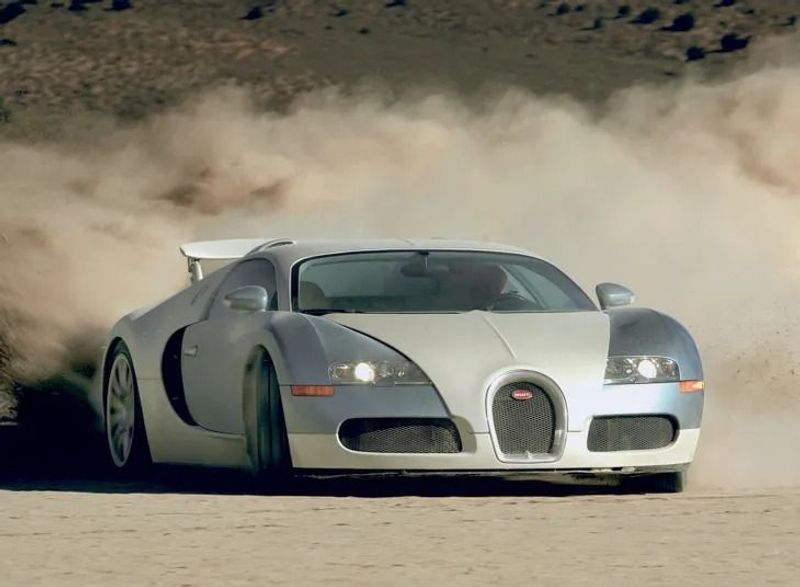
The Veyron project was taken on to create something the world would be in awe of.

The story of VW’s ascent centres on a single engineer: Ferdinand Piëch. The grandson of Porsche’s founder – who was also named Ferdinand – Piëch was a brilliant engineer without any discernable people skills. He obsessed about perfection in all aspects of engineering and product, like no other car company boss ever had – or ever will again. 

Issues that made no obvious difference to other car company CEOs were unacceptable to Piëch. He is the reason why contemporary Volkswagen models have such neatly packaged interior wiring. And if you ever saw how untidy wiring was allowed to dangle from underneath dashboards and glove boxes before Piëch became influential, you’ll appreciate his demanding commitment to detail. 

Piëch’s desire was for VW to dominate the global automotive market, but not merely by virtue of outright sales numbers. He wanted to build the best cars. And instead of crushing rivals, he wished to create an empire – an automotive dynasty, where affordable volume cars would subsidise outrageous hypercar projects, the kind that would have no prospect of making any money. 

Ruthless but inspired, Piëch successfully built the VW empire, but, quite poignantly, the German multinational is now – a mere year after his passing – moving in a different direction than he envisioned.  

Can supercar brands pay their own way for VW?


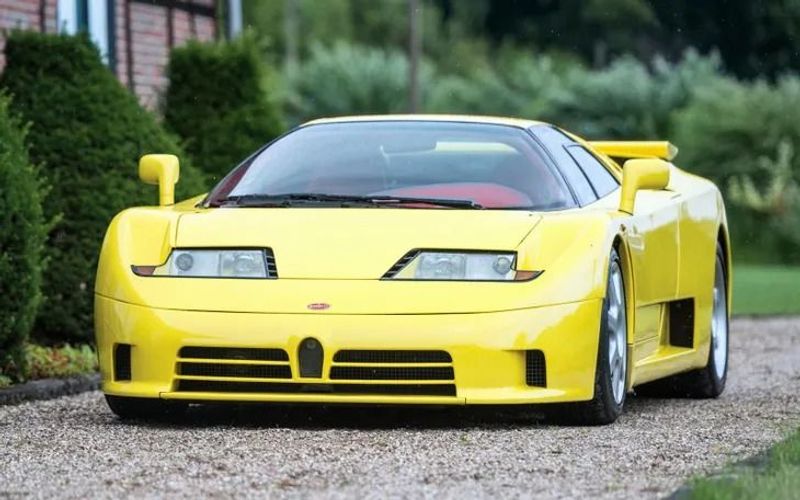
Prior to VW's takeover of Bugatti, the EB110 was the brand's attempt to revive the name.

The Veyron was by far Piëch’s most famous project. As a Porsche descendant, Piëch respected the lineage and history of storied brands. After Bugatti's doomed revival in the early 1990s, VW bought the French carmaker in 1998. Piëch's goal was to create modern Bugattis that would be every bit the contemporary vision of the company’s founder, Ettore Bugatti. 

Impossible was never a concept in Piëch’s mind, much less his vocabulary. The Veyron engineering team was simply given a set of outrageous design parameters and strict deadlines. Anyone who hesitated was replaced. Piëch's management style makes the celebrated South Africa-born Elon Musk look like a snowflake by comparison. 

The outcome of Piëch’s brutal supervision of Bugatti was the Veyron. To many, it remains the pinnacle of internal-combustion hypercar design. But now it appears that VW’s most exclusive brand has outlived its relevance and purpose. The fact is that Bugatti was always going to struggle to make the transition from internal-combustion hypercars to hybrids and, eventually, battery power. 

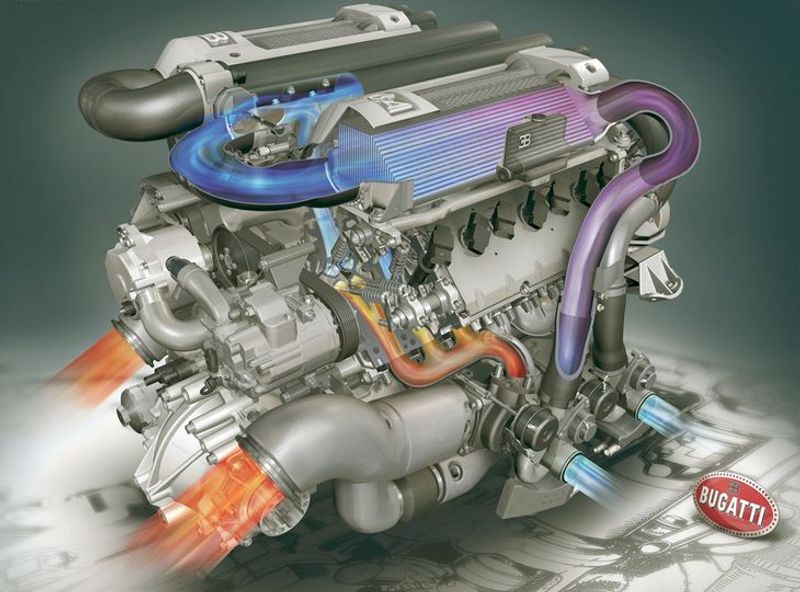
So much of its brand cachet, mystery and Olympian sense of engineering achievement is directly related to its models' W16 engines and, in particular, the uniqueness of this configuration and its multiple cylinder count. Piëch’s genius was to test the theory of a narrow-angle V6 in VW’s VR6 motor, allowing a volume car to subsidize R&D costs, eventually making the W16 engine viable. 

Selling the W16 engine brand, to a battery car company?


The W16 configuration packed 4 turbochargers together claiming 1 000 bhp (745 kW) in a conservative state of tune.

Unfortunately, a battery-powered design will never, but never, be able to match the drama and fury of a Veyron’s W16 engine. The Veyron justified its stratospheric asking price by virtue of the exclusivity of its power output, engine layout and performance. Hypercars are truly unrivalled in terms of linear acceleration and driveability. Much the same can be said of the Chiron. 

However, Bugatti no longer has a monopoly on insane acceleration… Rimac and, to a lesser degree, Tesla proved that battery-powered vehicles could be sickeningly fast too. Beyond its dramatic sound signature, an internal combustion supercar no longer has the monopoly on performance, and that presents a huge problem for VW’s most prestigious brands. 

The brutal truth is that Bugatti no longer has a viable business case. Evidence of this is that its most talented employees are already leaving, ostensibly in anticipation of the inevitable sale of Bugatti. 

Stephan Winkelmann has returned to Lamborghini after only two years as CEO at Bugatti. Winkelmann is highly regarded and was expected to finish his career at Bugatti, yet VW’s most senior management could not see the fulfilment of that professional journey for him, preferring to reinstate him at Lamborghini. 

An even more telling development is VW’s decision to redeploy Stefan Ellrot, Bugatti’s technology and development boss. Ellrot is leaving the hypercar brand to become chief technical officer at Volkswagen – he will be responsible for the flagship brand's compact cars, which of course are being electrified at a rapid rate. 

Had Bugatti been on stable footing, with its future product strategy well secured, it would not be losing key staffers. The most likely scenario is Bugatti eventually being sold to Rimac and then rebranded as an electric hypercar brand. Bugatti needs a futureproof powertrain to survive and Rimac could use the Molsheim assembly facility, which is highly customisable and has a pool of skilled technical labour. 

The issues afflicting Bugatti are nearly all transferable to Lamborghini, multiplied by the larger scale of VW’s Italian asset. After missing its 2020 emission target, VW has been stung with a R1.8-billion fine, something that can’t be allowed to happen each year going forward – and the company’s supercars brands are compounding the problem. 

What does all this mean for your VW?


This all means that the VW groups finest engineers over the last 25 years are now being deployed on its everyday cars.

The struggle for VW to keep all those luxury brands that were acquired during Piëch's reign relevant will have very little influence on your next Golf or T-Cross. 

No components or engineering techniques are shared between VW’s volume passenger cars and Bugatti or Lamborghini models. The only transfer of any skill or technique within the VW Group was German management discipline and engineering quality control, which measurably benefitted Lamborghini and Bugatti. 

The automotive fantasy of Piëch is no longer sustainable for the survival of VW as a whole. The company's current CEO, Herbert Diess, understands that to secure the future of VW, and by implication Audi and Porsche, he needs to forget about protecting so-called vanity brands such as Bugatti, Lamborghini and even Bentley. 

No VW boss will ever match Piëch’s ruthlessness, but Diess has shown a willingness to replace senior engineering staff who underperform. Deploying people from Bugatti closer to VW’s traditional passenger car development, allows the best engineers to influence cars that most customers can actually buy. 

Toyota has displaced VW as the world’s largest car company by virtue of a strong performance in arguably the most difficult trading year on record. In 2020, Toyota sold 9.53 million vehicles; VW managed 9.31 million. Within those numbers, Toyota has not extended its R&D budgets to deliver a fleet of new electric vehicles; specifically, EVs that cost huge sums of money to produce, but don't generate any profits – yet. 

With its robust global bakkie and SUV business, Toyota continues to generate strong profits with relatively unsophisticated platforms and no pressure to produce electric powertrains. VW does not have this luxury – its customers mostly live in cities and regions where there are regulations that strongly encourage the uptake of electric vehicles. 

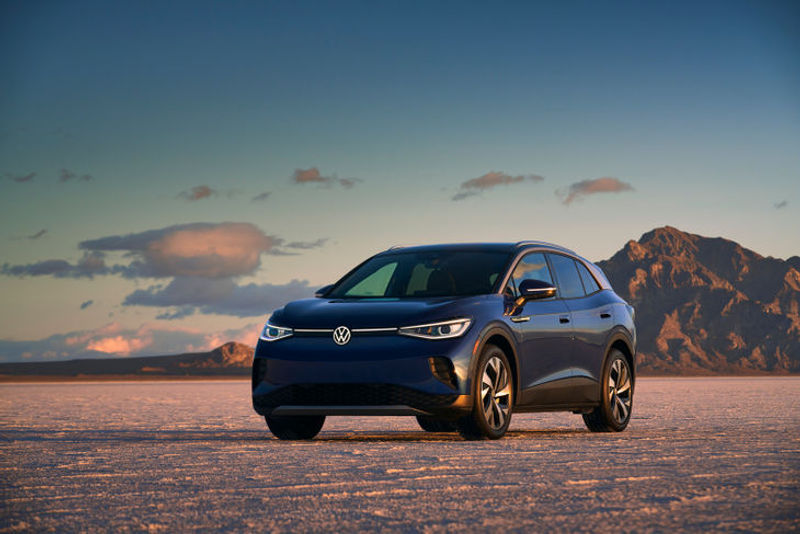
The future for VW will be battery-powered vehicles. Modest in size and undramatic in appearance, these future VW electric cars are the antithesis of anything that Bugatti or Lamborghini produces. 

Electric powertrains and data, instead of pluperfect shutlines and amazingly sonorous V10-, V12- or W16 engines, will determine VW’s survival. The great irony in all of this, as Bugatti fades in relevance and importance to VW’s overall business, is that Ettore Bugatti had a personal electric vehicle, for use on his estate, way back in 1931.

Related content:

Last Round of Golf?

GWM P Series could be the perfect Chinese bakkie

Why new car prices could soon fall

BMW Opens Up About 4 Series Design 

Why the Ford ST brand died in SA

What could bakkies be like in 2025?

How the AmaFord changes everything

245 kW Volkswagen Golf 8 R Plus Coming? 

A high-power version of Volkswagen Golf R might be on the way if a British owner’s manual is anything to go by. 

South African Volkswagen fans are eagerly waiting for the local arrival of the Golf 8 GTI in the second quarter of 2021 but the potent Golf 8 R is due towards the end of the year and will pack no less than 235 kW and 420 Nm of torque. Those are impressive numbers and the Golf R is expected to dash from zero to 100 kph in 4.7 seconds. 

However, there could be a more powerful Golf 8 R Plus in the pipeline as indicated in a British owner's manual, as discovered by volkswizard, which lists a 2.0-litre TSI ‘DNFF’ engine with power outputs of 245 kW and 420 Nm of torque which implies that a more potent Golf R could be unleashed at some point. However, there is no official confirmation from Volkswagen as to if or when this supposed Golf R Plus will come to fruition.

For now though, the standard 235 kW Golf 8 R will have to do and if a Golf R Plus version is to be introduced, it will likely come to market later on in the Golf 8’s life cycle. 

Local specification and pricing for the Golf 8 R will be revealed closer to launch but late last year we postured that the Golf 8 R could be priced very close to the R1-million mark by the time it reaches our shores, but that remains to be seen…

As always, we will keep you updated as soon as more information becomes available. 

Buy a new or used Volkswagen Golf R on Cars.co.za

Related Content 

Volkswagen Amarok V6 TDI (2021) Review

VW Boss Confirms Halo Trinity EV

 New Cars from Volkswagen in 2021

Spy Shots: 2021 Volkswagen Polo (Updated)


Ford to invest a further R15.8 billion into SA

Ford South Africa is set to invest over $1 billion in upgrading its Silverton manufacturing plant. A resulting 10 000 jobs will be created by this project.

Ford South Africa currently builds the Ranger bakkies and Everest models in SA. The current Ford plant services both the local market as well as the export market and is one of 5 plants around the world which produces the Ranger.

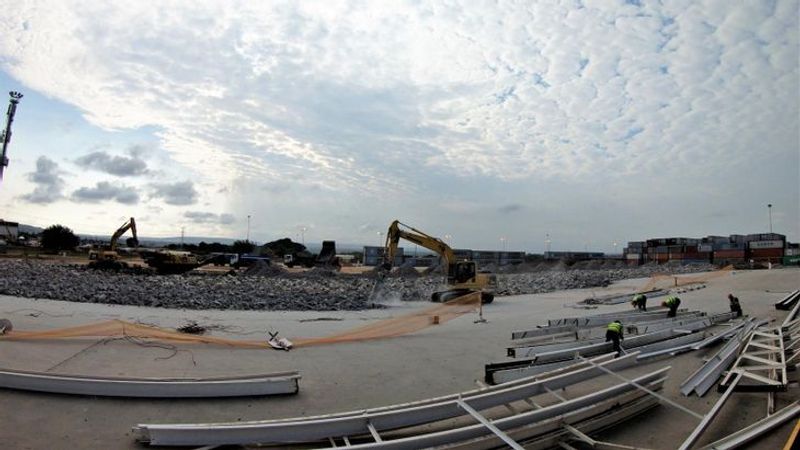
With the new Ranger set to be revealed in 2023, Ford has taken the opportunity to both upgrade its plant technology as well as building new facilities. The new facilities will introduce state-of-the-art manufacturing technologies and in-depth employee training that will ensure that the new Ranger is a top quality product. This will turn the Silverton plant into one of the biggest manufacturing plants Ford has outside of the United States.

The plant will also be energy self-sufficient plant by 2024 thanks to projects such as a solar panel laden outdoor parking lot which shades over 4 000 parking pays for Ford employees.

The new facility will also increase the capacity of the plant from its current 168 000 vehicle production to 200 000 vehicles annually. The new Ranger platform will be built in-house, reducing costs on logistics and complexity associated with importing a frame and then merely assembling it locally. The new frame will also allow for the VW Amarok to be built locally when it also arrives in 2023. There remains no intention to build anything other than the current Ranger and Everest models.


Ford has already begun major developments within the Tshwane special economic zone to be ready for the 2023 new Ranger.

In order to attain these goals, Ford will construct a new body shop with the latest robotic technology and a new high-tech stamping plant, both of which will be located on-site for the first time. Both facilities will modernize and streamline the integrated manufacturing process at Silverton while contributing to higher quality and reducing overall cost and waste.

The new stamping plant will use a high-speed line to produce all the major sheet metal components for the new Ranger. It includes a fully automated storage and retrieval system for stamping dies, which will be housed innovatively in the roof of the facility, thus eliminating related labour-intensive processes. In addition, a modern blue-light scanner system that scans surfaces for imperfections will ensure the highest-quality final product leaves the stamping plant.

Extensive upgrades also will be made to the box line, paint shop and final assembly to improve vehicle flow within the plant, along with the expansion of the container and vehicle yards.

Ford also will build new vehicle modification and training centres – the latter developed to ensure all Ford employees are equipped with the knowledge and skills required to maximize the efficiencies of the enhanced Silverton facilities.

“The extensive upgrades and new state-of-the-art manufacturing technologies will drive efficiencies across our entire South Africa operation – from sequenced delivery of parts direct to the assembly line, to increased vehicle production line speeds and precision of assembly to ensure the world-class quality that our customers expect,” said Andrea Cavallaro, director of Operations, Ford’s International Markets Group.

Some R5.5 billion of the R15 billion investment will go towards vendor tooling at major suppliers so that the supply chain is equipped to meet the increased production requirement.

The investment will introduce 1 200 jobs within Ford itself and a further 10 000 within the greater automotive sphere.

In addition to this, Ford also is working closely with all three spheres of government and relevant state-owned entities such as Transnet, in developing the Gauteng Province – Eastern Cape Province High Capacity Rail Freight Corridor. This will be a full-service line linking the Silverton Assembly Plant with Port Elizabeth, which is home to Ford’s Struandale Engine Plant.

The GP-EC High Capacity Rail Freight Corridor will channel all of Ford’s inbound and outbound logistics exclusively through Port Elizabeth to support the higher production volumes. It is projected to create thousands of jobs within the value chain.

Related content

Is this the world's fastest bakkie?

Toyota Corolla Cross to be built in SA

More Nissan Navara production could be heading to SA

Spy Shots: 2022 Lamborghini Urus Evo

The Lamborghini Urus is set to receive an update and be badged as Evo. Here's what's coming.

Picture credit: S. Baldauf/SB-Medien. We have paid for these photos and at the photographer's request, have watermarked them.

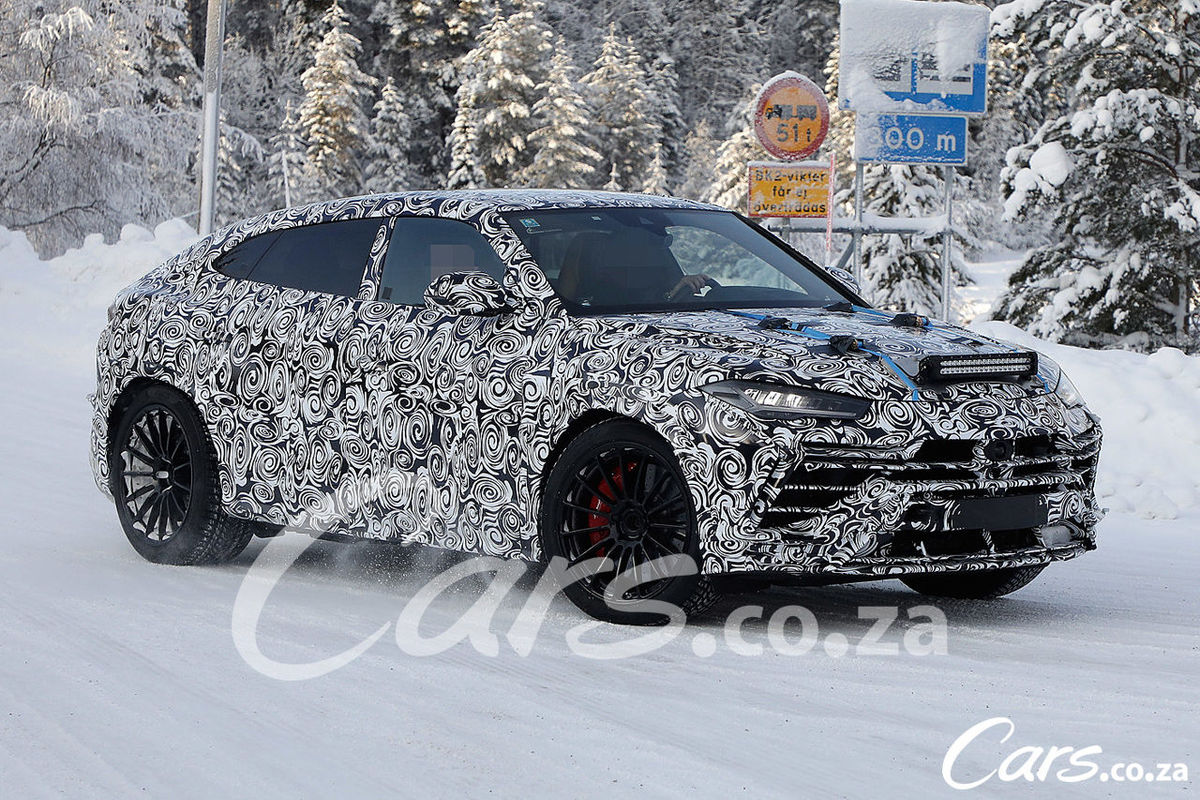
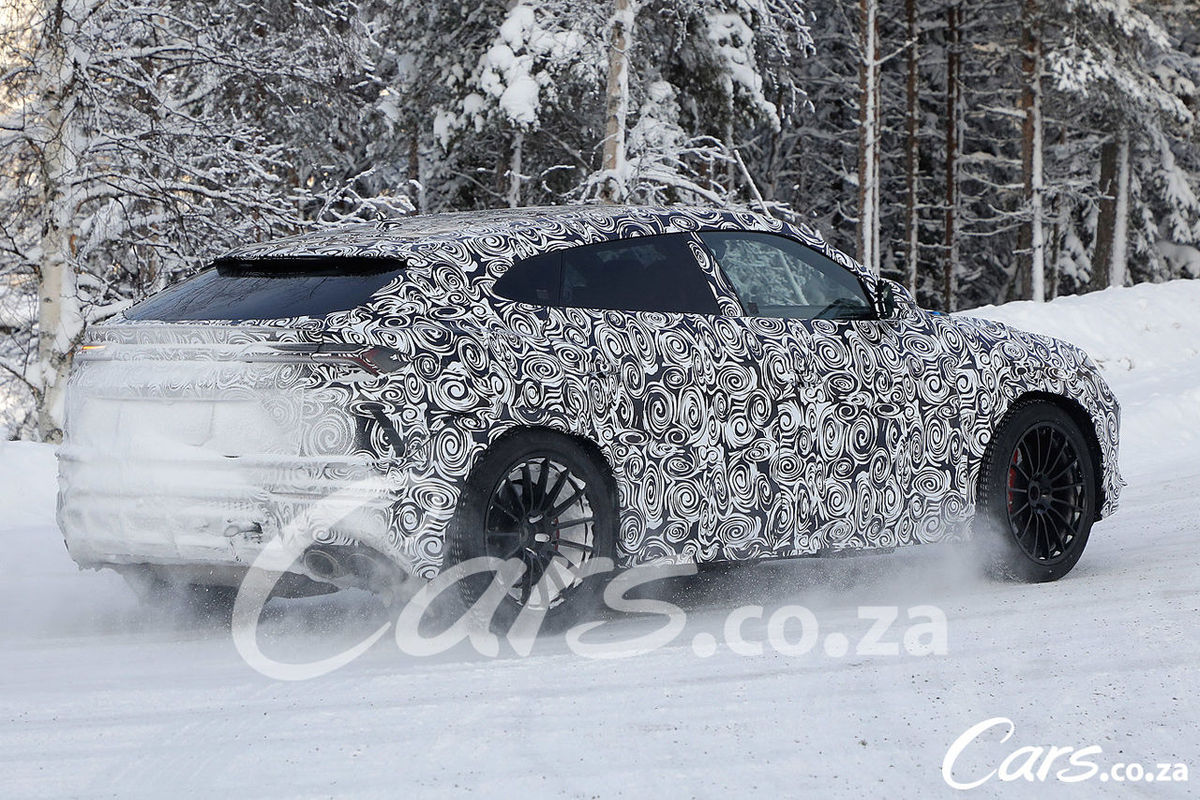
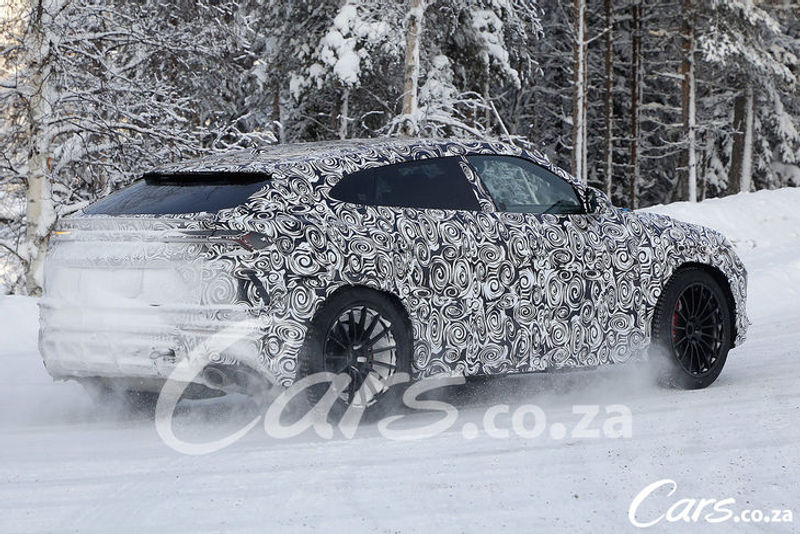
What you see here is the updated Lamborghini Urus Evo in the frozen Arctic Circle testing area in Scandinavia. While not many changes are expected, we can see there's a new-look front bumper with revised new air intakes. This platform is shared by the Volkswagen Touareg, Bentley Bentayga and Audi Q7/Q8.

The cabin is likely to receive some tweaks too, and the inevitable software updates. The powertrain is expected to be mostly carried over and for the record, the 4.0-litre twin-turbocharged V8 sourced from the Volkswagen Audi Group pumps out 477 kW and 848 Nm. Lambo claims a rather brisk 3.5 second sprint time to 100 kph, and top speed is a crazy 305 kph. It wouldn't surprise us if Lamborghini gives the updated Urus a bit more power and torque, purely for bragging rights. 

While the idea of a Lamborghini SUV is still controversial, there's no denying the market appetite for such a thing. Sales have been through the roof and it's easy to understand why. Not only is it the cheapest way to get into new Lamborghini ownership, but the practicality and seating for 4 adults makes it an easy choice for wealthy families.

Expect to see the updated Lamborghini Urus revealed late in 2021. 

Further Reading

Lamborghini SC20 Is a 1-Off Hypercar

Fastest SUVs in the World for 2020/21

Lamborghini Urus Hits 10k Milestone

Lamborghini Urus (2020) Launch Review

Next Mercedes-AMG C63 to pack 410 kW 

Before you moan that the next AMG C63 will forego its sledgehammer V8 for a 4-cylinder hybrid powertrain, expected outputs are far better than you ever imagined…

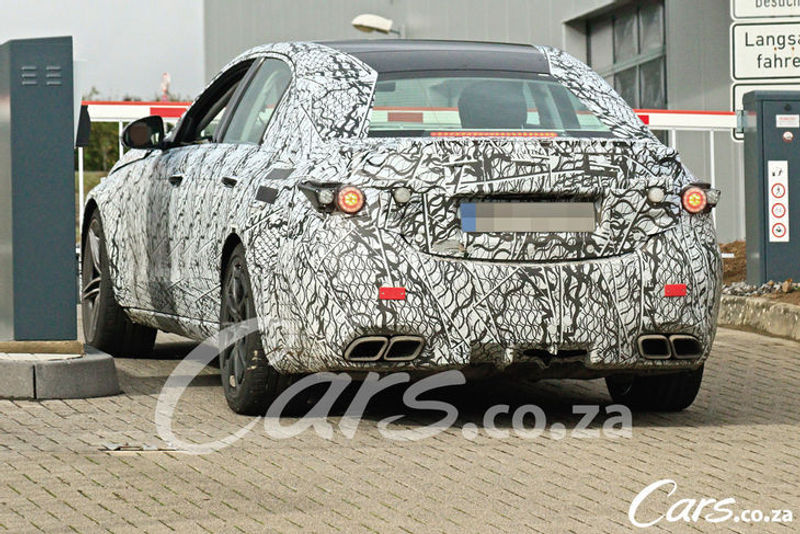
Mercedes-Benz is currently developing the new C-Class which is expected to be fully revealed this year. The C-Class will go to battle with the new BMW 3 Series and updated Audi A4 but the real performance showdown will take place at the pinnacle of the C-Class range where the AMG C63 and the more potent C63 S will take on the like of BMW’s M3 and Audi’s RS5. 

When news broke that the next AMG C63’s mighty V8 would be replaced with a 4-cylinder, 2.0-litre hybrid powertrain, AMG fans were, and probably still are, well and truly disappointed. 

Now, a report from Australia's CarAdvice cites UK's Car magazine reporting deeply impressive outputs for the new AMG C63. 

The Numbers Game


With a new hybrid powertrain, the next-generation C63 will pack impressive outputs!

Let’s dig into the numbers then, shall we? For the record, the current AMG C63 S produces an unruly 375 kW and 700 Nm from its formidable bi-turbocharged 4.0-litre V8 engine. The new BMW M3 Competition, which is due in South Africa soon, produces 375 kW and 650 Nm from its twin-turbocharged 3.0-litre inline-6 engine. Audi’s updated RS5 Coupe and Sportback will arrive locally in April 2021 and pack 331 kW and 600 Nm from its twin-turbocharged 2.9-litre V6 engine. 

With that in mind, let’s turn our attention back to the subject of this article, the new AMG C63. How does 410 kW and 800 Nm sound to you? Yes, that’s right, not too shabby afterall. Using the same 2.0-litre turbocharged engine found in the AMG A45 S with 310 kW and 500 Nm, but coupled with a 150 kW rear electric motor, a starter-generator mild-hybrid system and an electrically-driven turbocharger, the new C63 is expected to be a real performer. It does, however, remain to be seen if these outputs will be gifted to the C63 or C63 S. 

Those numbers are 35 kW and 200 Nm more than the new BMW M3! The C63 will feature Merc’s latest 4Matic variable all-wheel-drive system and using a 9-speed automatic transmission, acceleration from zero to 100 kph is expected to take just 3.5 seconds which is 0.5 seconds faster than the outgoing model. Top speed is pegged at 291 kph.

While those numbers are certainly impressive, the downside is that the hybrid system has added some 250 kg, taking the vehicles kerb weight to around 2-tonnes, even though the 4-cylinder engine is some 60 kg lighter than the outgoing V8 block. 

A 63 km electric-only range is also expected and fuel consumption is reportedly claimed at 3.0 L/100km which is a notable improvement from the previous 9.9 L/100km. The C63 will also feature wider rear tyres as well as a drift mode which will direct power to the rear wheels on command, much like the system offered on the larger Mercedes-AMG E63 S. 

It’s also worth knowing that the next C63 will be called the Mercedes-AMG C63 4Matic+ EQ Power Sport and is expected to be fully revealed before the end of 2021. The new C-Class range will be revealed earlier in the year with the C53 expected to offer in the region of 300 kW. 

As far as interior technology goes, you can expect to see Merc’s latest tech trickle down from the new S-Class which means that higher levels of overall luxury and interior execution can be expected. 

We will keep you updated as more details come to the fore. 

Does the new Mercedes-AMG C63 excite you now? 

Buy a Mercedes-Benz C-Class on Cars.co.za

Related Content

Modern Classic: Mercedes-Benz C55 AMG

News Cars from Mercedes-Benz in 2021

Mercedes-Benz debuts MBUX Hyperscreen

Brabus Unleashes A45 S