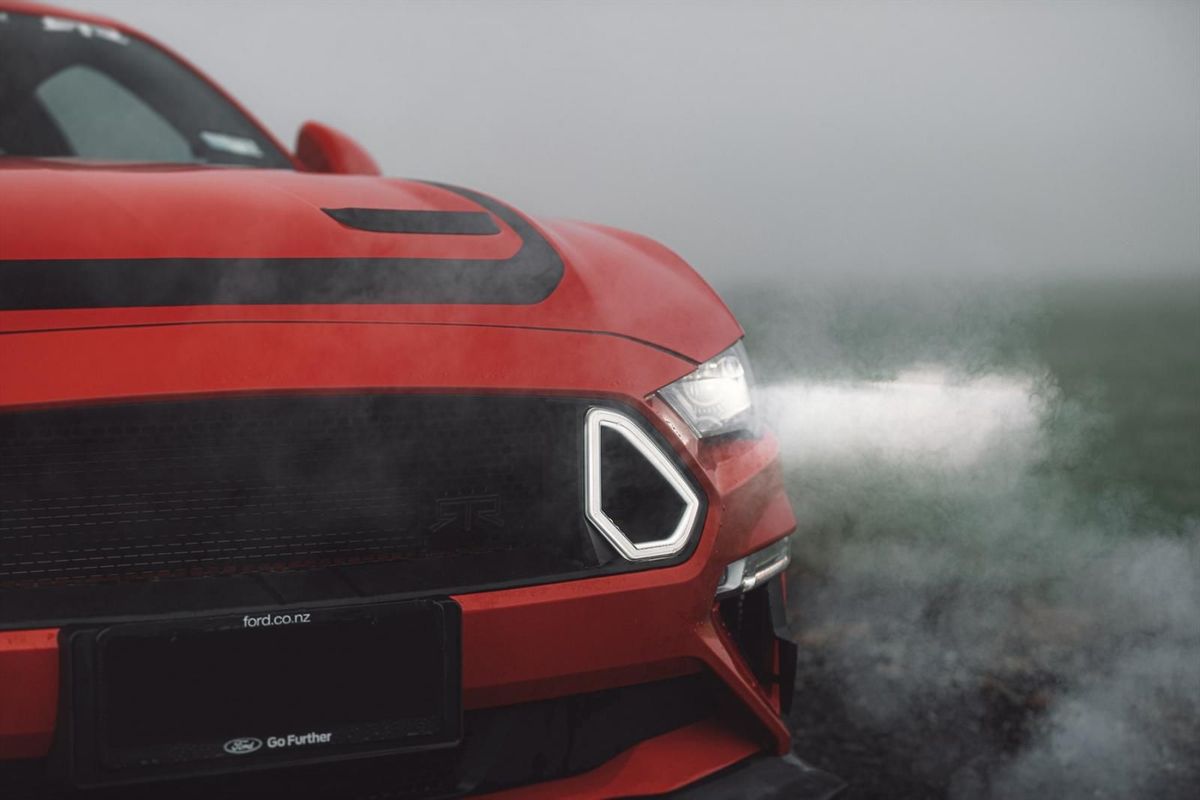
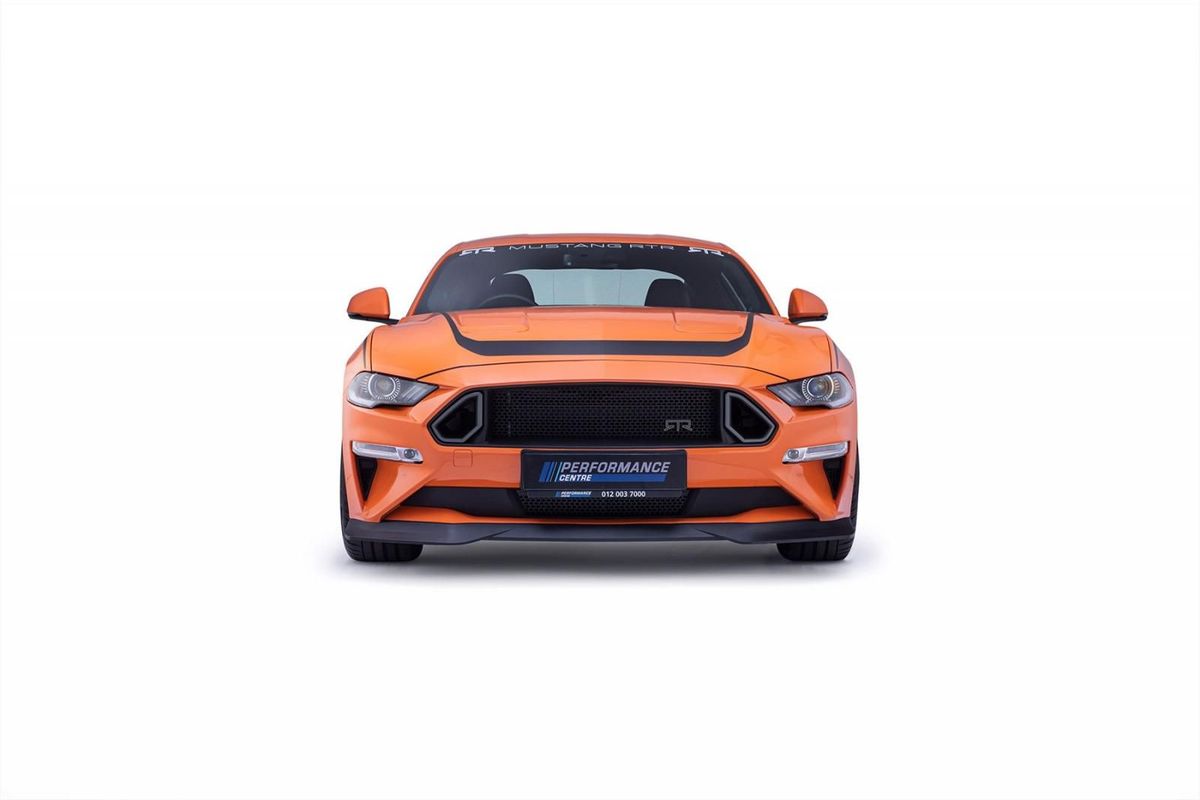
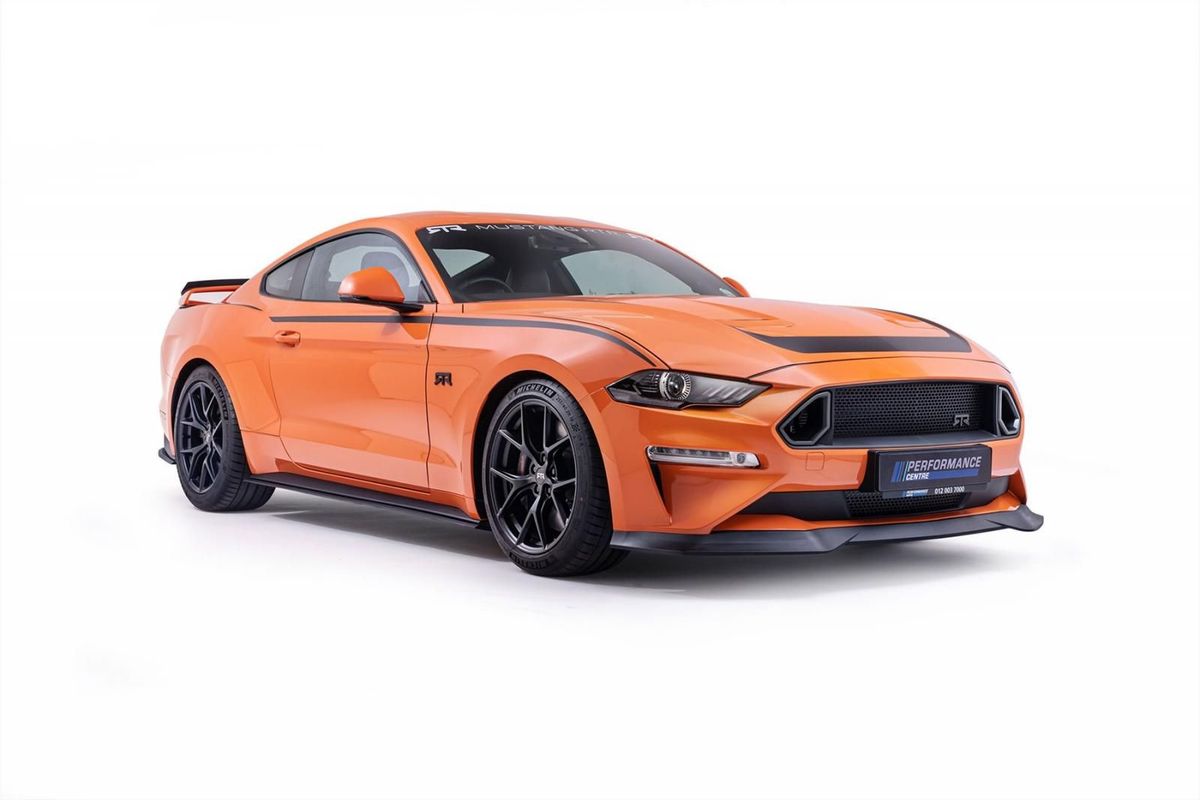
If you own a Ford Mustang and want to enhance that iconic muscle car, RTR Vehicles is confirmed for distribution in South Africa. Here's how much you can expect to pay for the hardcore Mustang conversion, plus what the tuning packages entail.
The Ford Mustang with its 5.0-litre V8 is a fun performance offering. Not only does it look the part, but there's some big American muscle under the hood. In its current iteration, there's 331 kW and 529 Nm – plenty of performance for most people. What if you wanted more though? If you've spent some time online, you will have lusted after the absolute beasts being offered Stateside and wondered if there was a chance you could get such in South Africa.
Performance Centre in Pretoria is a Ford-approved distributor of Ford Performance parts and has been given the rights to sell RTR Mustang conversion kits in SA. If you're not aware of RTR Vehicles, its a performance brand owned by muscle car guru Vaughn Gittin Jr. “I’m excited to announce that we have partnered with Performance Centre in South Africa, to be our exclusive RTR vehicles distributor in the country. This means that all of our turn-key Mustangs, as well as all of our aftermarket parts, can now be purchased through the crew at the Performance Centre,” says Gittin Jr.
The RTR Vehicles Series 1 Mustang was developed by Ford Performance and RTR and looks to be quite a weapon. Claimed to focus on 'precise street performance, intense agility on the track as well as a driver-centric experience', the RTR Vehicles Series 1 Mustang has been substantially upgraded.
The suspension has been thoroughly reworked, with Ford Performance adjustable sway bars and the installation of the Track Handling Pack, which lowers the car by around 25 mm. Of course there's a big power upgrade too, with a Ford Performance supercharger on the 5.0-litre V8, which pushes power up to 529 kW and 820 Nm.
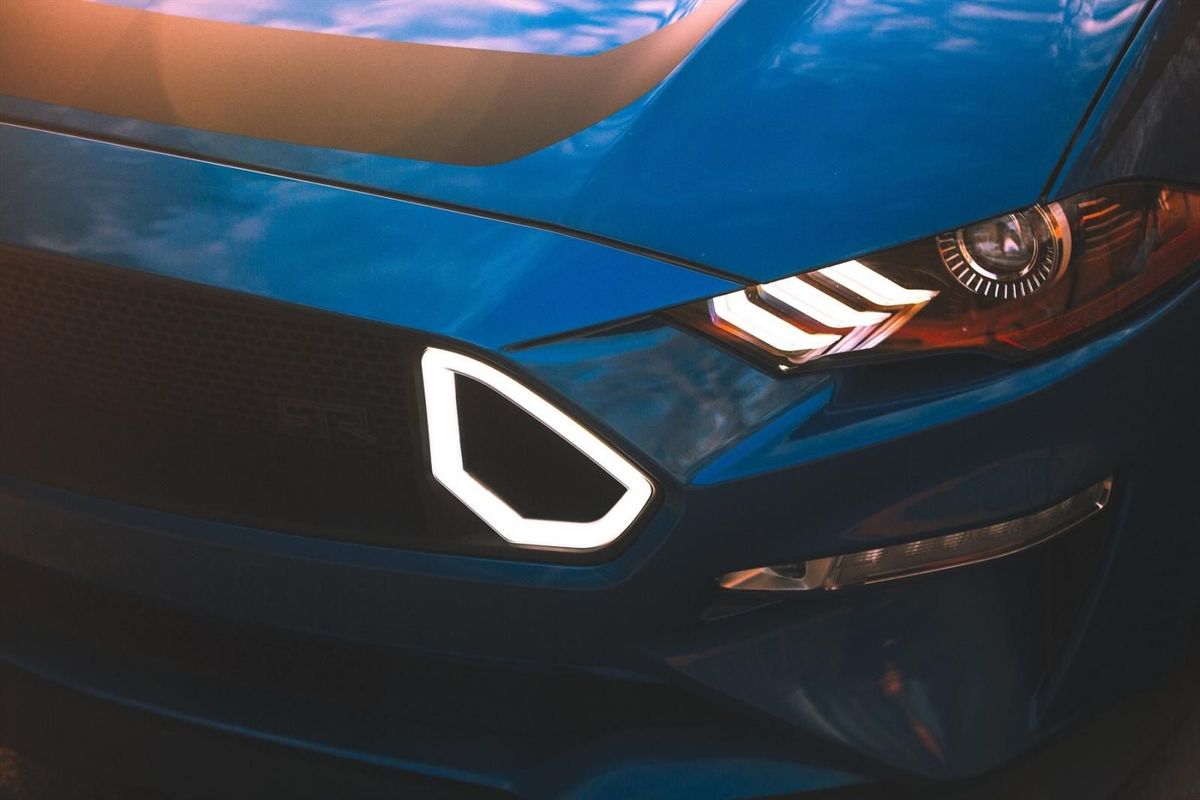
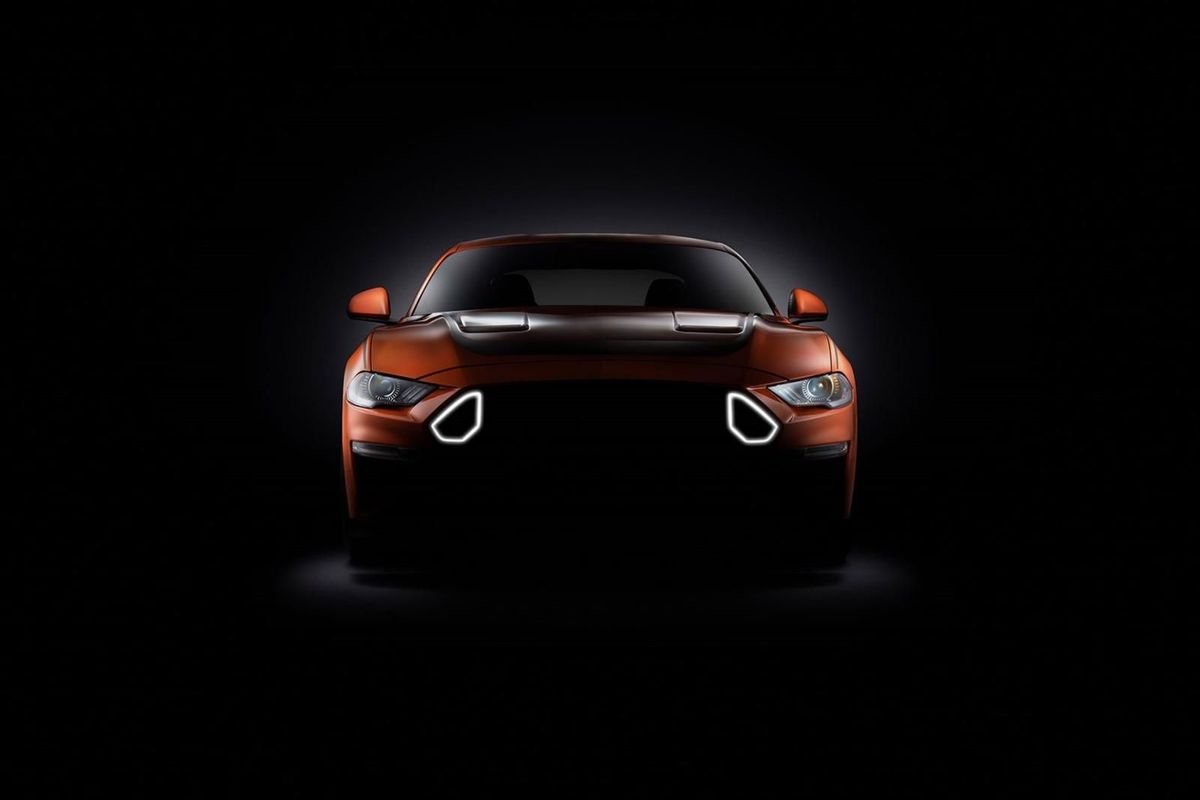
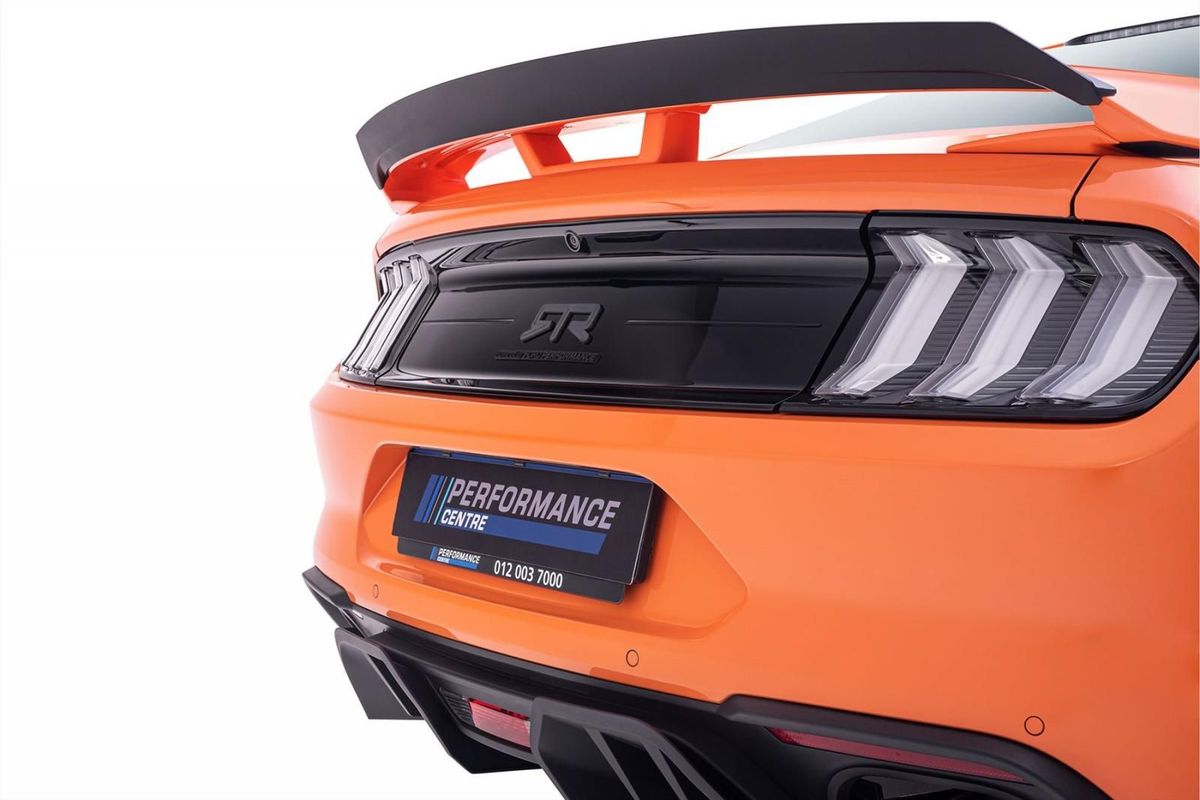
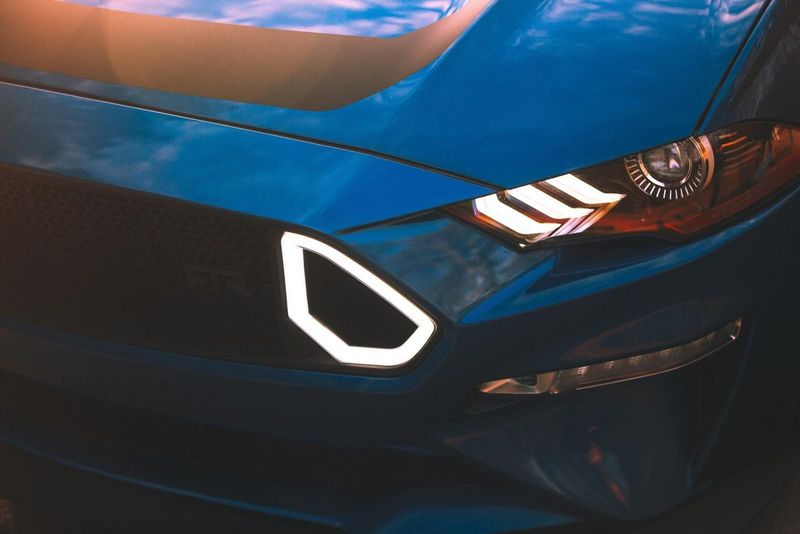
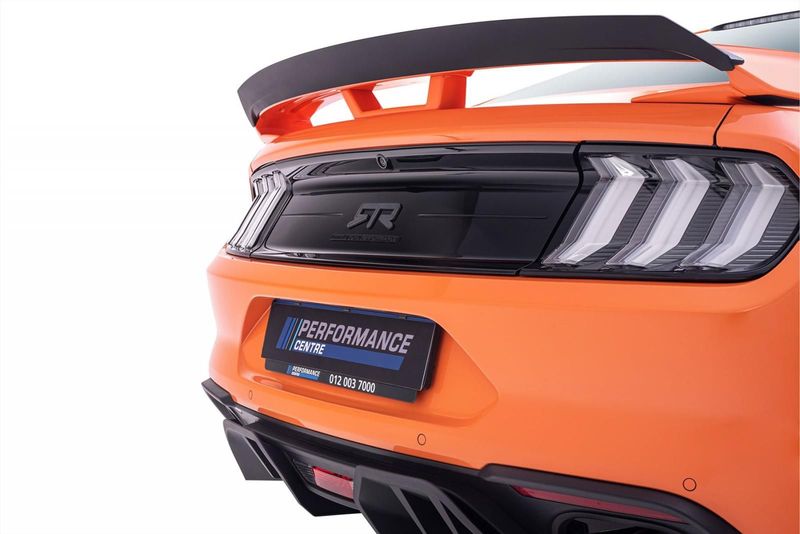
Visually, there are new wheels as well as custom lighting like the cool daytime running lights in the grille as well as some aerodynamic wings and other bodywork. If you own the 2.3-litre Mustang, fear not as you can get all the visual accessories too. However, the supercharger is exclusive to the 5.0-litre V8.
Ford Mustang RTR Upgrades
Performance
Ford Performance Track Handling Pack
Ford Performance Hood Struts
Ford Performance Aluminium Strut Tower Brace
Ford Performance 19"x 9.5" Front and 19”x10" Rear Wheels
Ford Performance 529kW Supercharger (5.0L only)
Ford Performance Intake Manifold with Software (5.0L only)
Exterior
RTR Windshield Banner
RTR Upper and Lower Grille with LED's
RTR Front Splitter
RTR Rocker Splitters
Rear Quarter Splitters
RTR Gurney Flap
RTR Rear Diffuser
RTR Powered by Ford Performance Deck Lid Trim Panel with Badges
RTR Fender Badges
RTR Body Graphics
RTR Logo Centre Caps Black PVD Lug Nuts
RTR Puddle Lamps
Interior
Serialised Illuminated Sill Plates
Serialised Dash Plaque Radiator Cover with Serialized Badge
RTR Embroidered Floor Mats
Certificate of Authenticity
Ford Mustang RTR Price in South Africa (September 2020)
The below conversion costs include installation and VAT.
2.3 Mustang R280 000
5.0 Mustang GT R280 000
5.0 Mustang GT plus Ford Performance Supercharger R565 000
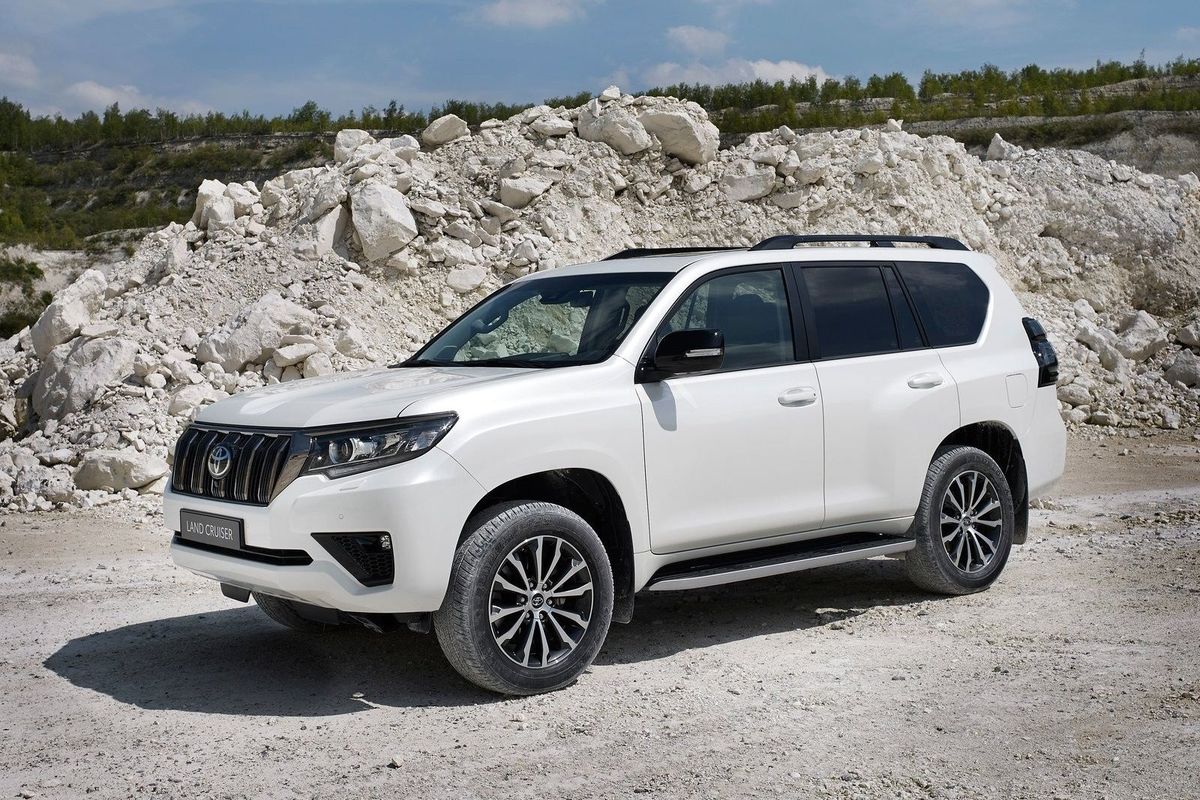
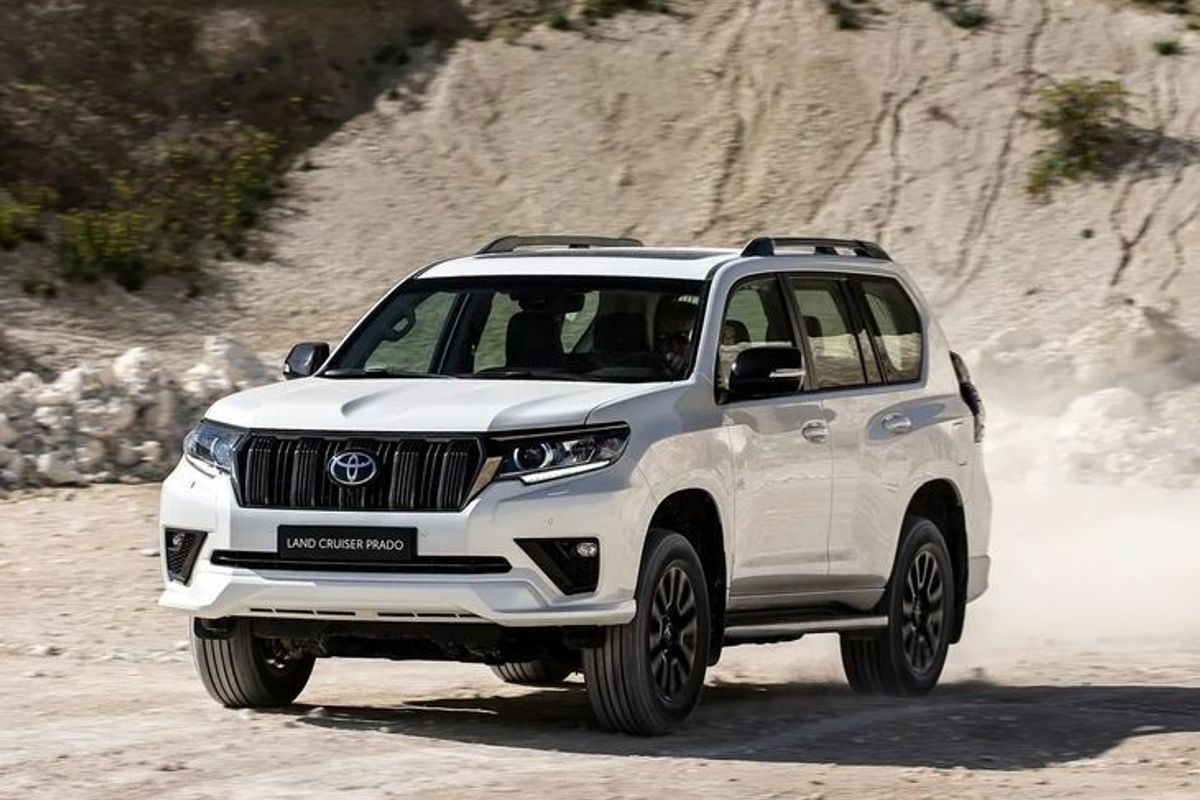
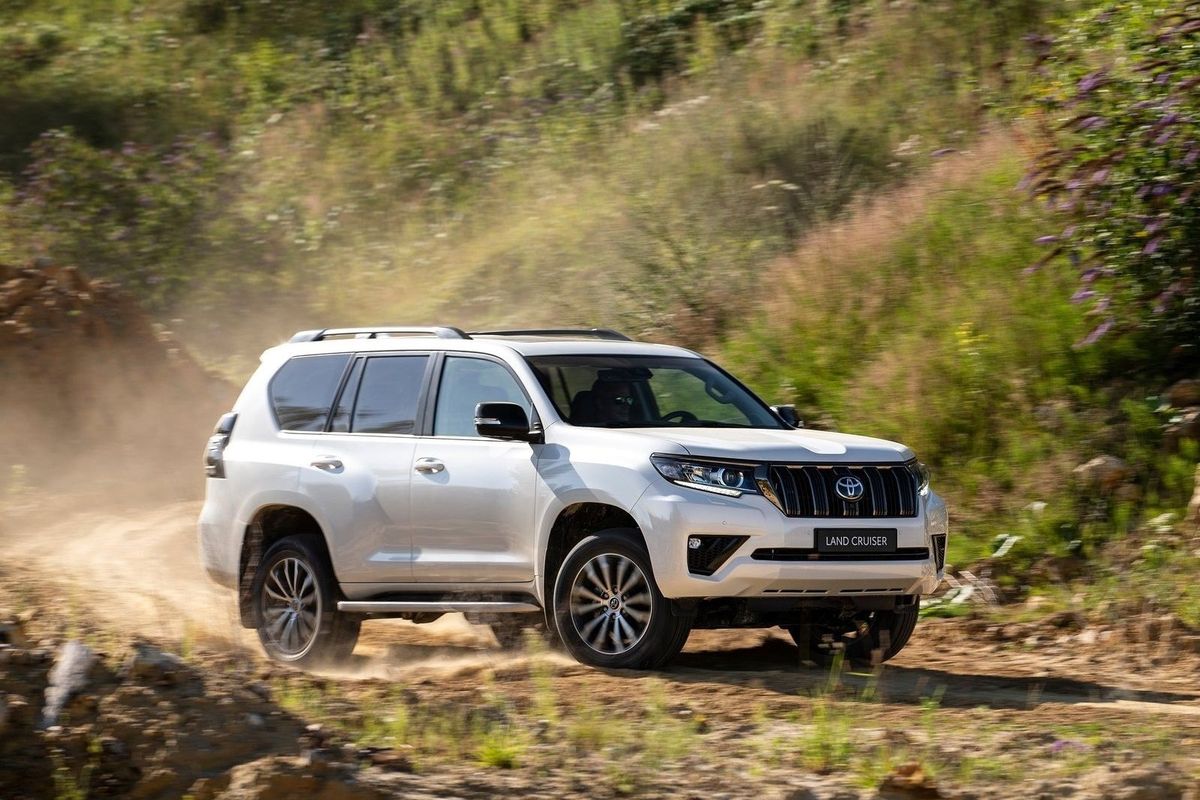
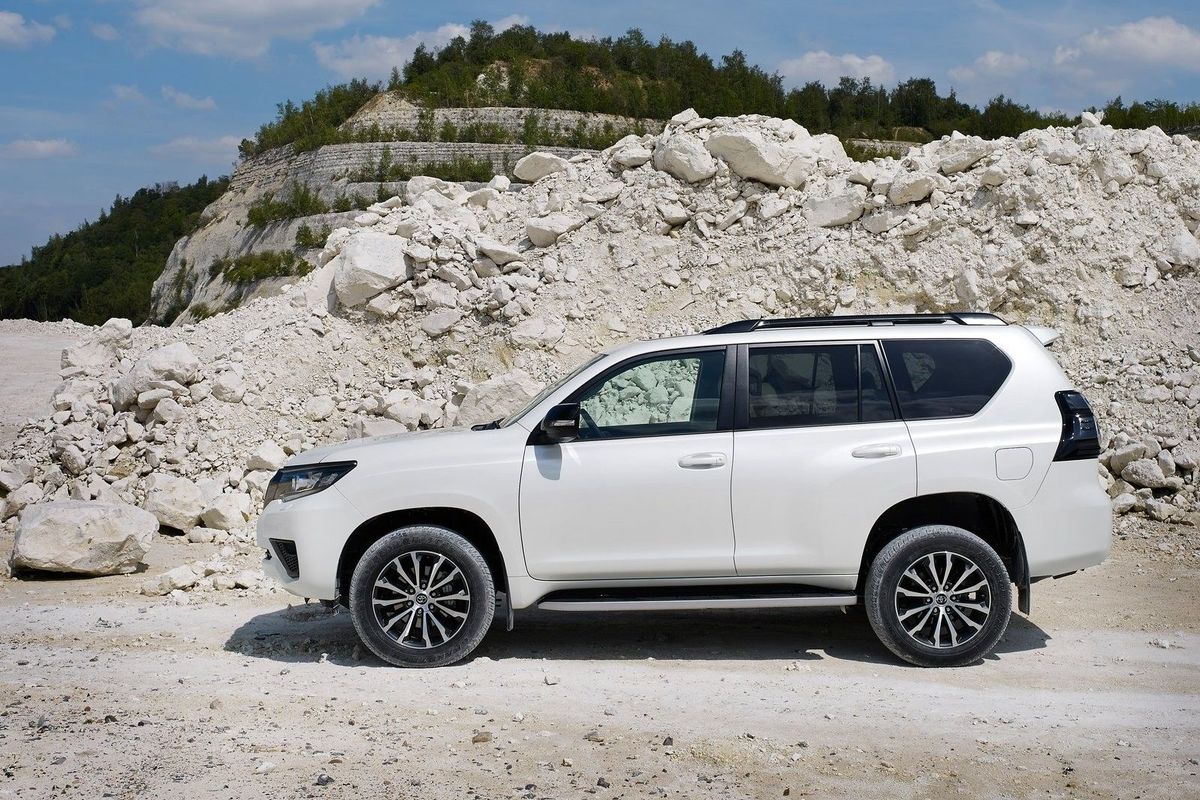
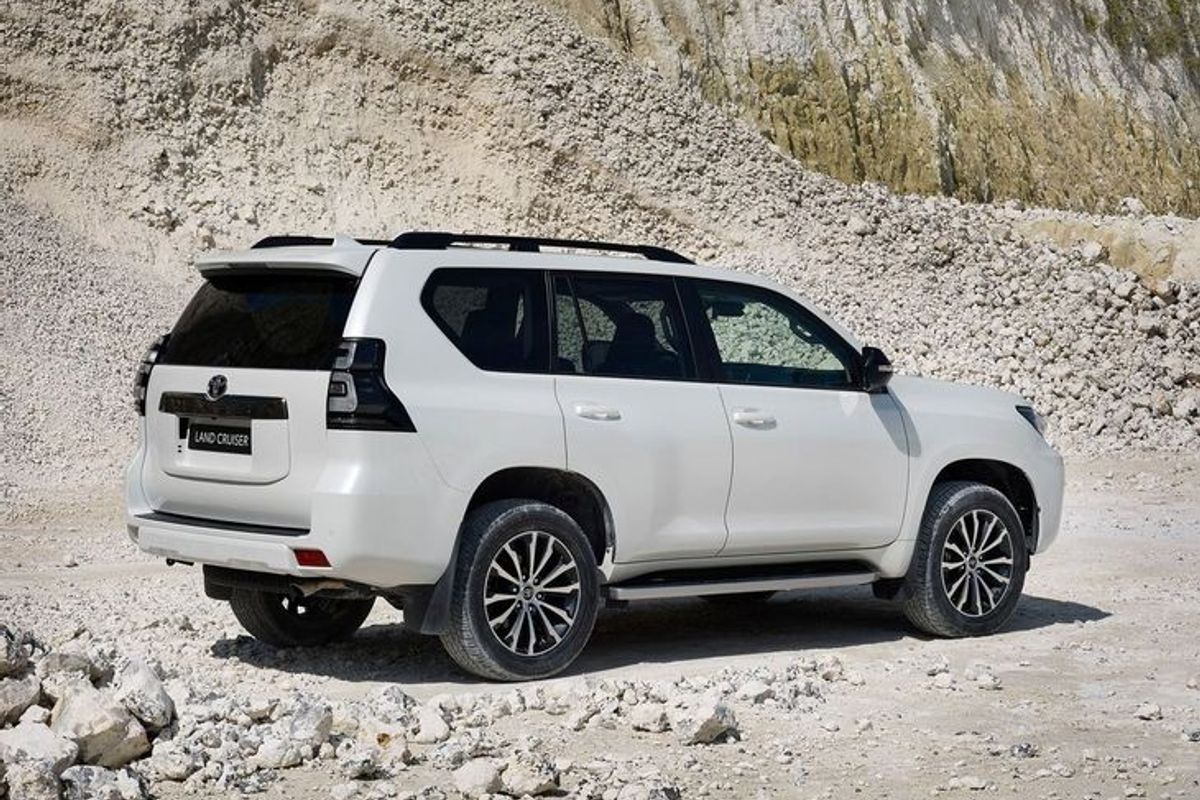
Toyota has given its iconic Land Cruiser a small update. Here is a list of the changes.
If there's a list of iconic vehicles, the Toyota Land Cruiser is surely right up. It has been around for almost 70 years, sold in more than 190 countries and given its success, it's vital the Japanese brand doesn't mess with what's clearly a winning formula.
For 2020, Toyota has upped the power of the Land Cruiser. The 2.8-litre 4-cylinder turbodiesel motor now produces 147 kW and 500 Nm. Previously, it made 130 kW and 450 Nm. The additional shove is most welcome, as its acceleration figure to 100 kph has dropped down to 9.9 seconds – a 3-second improvement. Toyota also claims a fuel consumption improvement with the 2021 Land Cruiser said to consume 7.4 L/100 km.
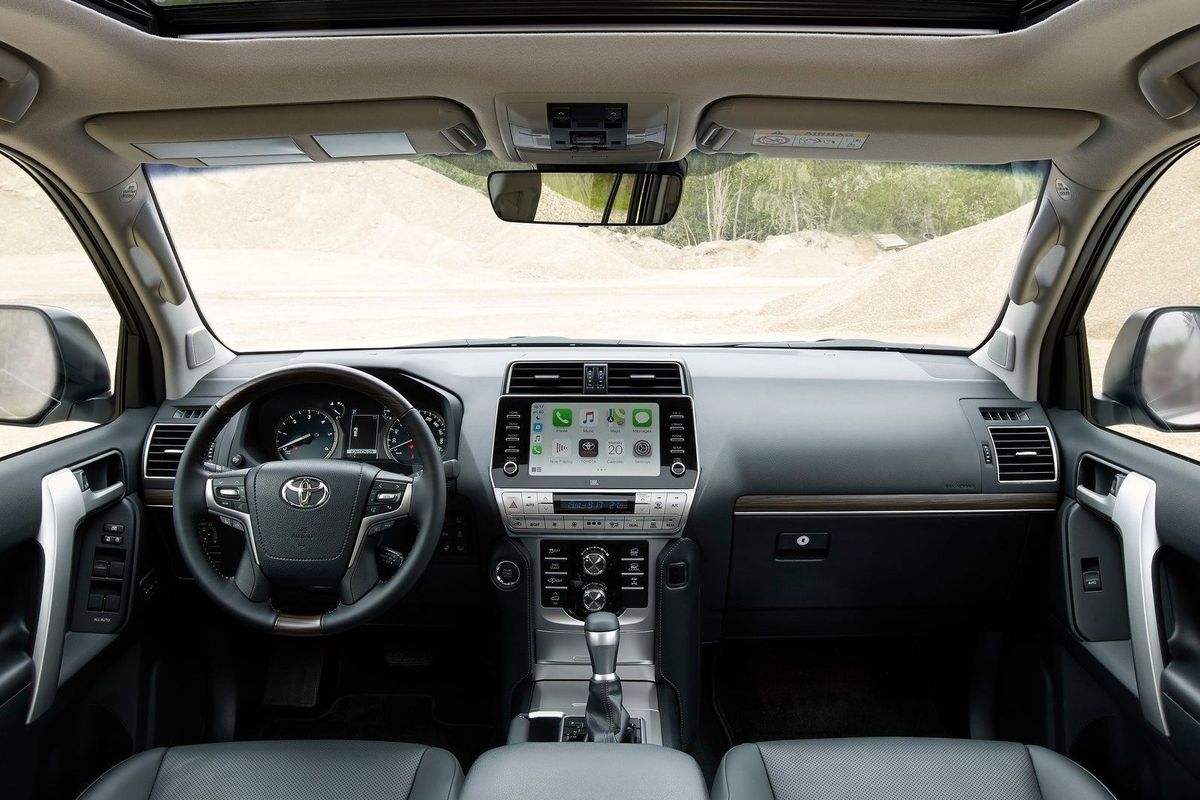
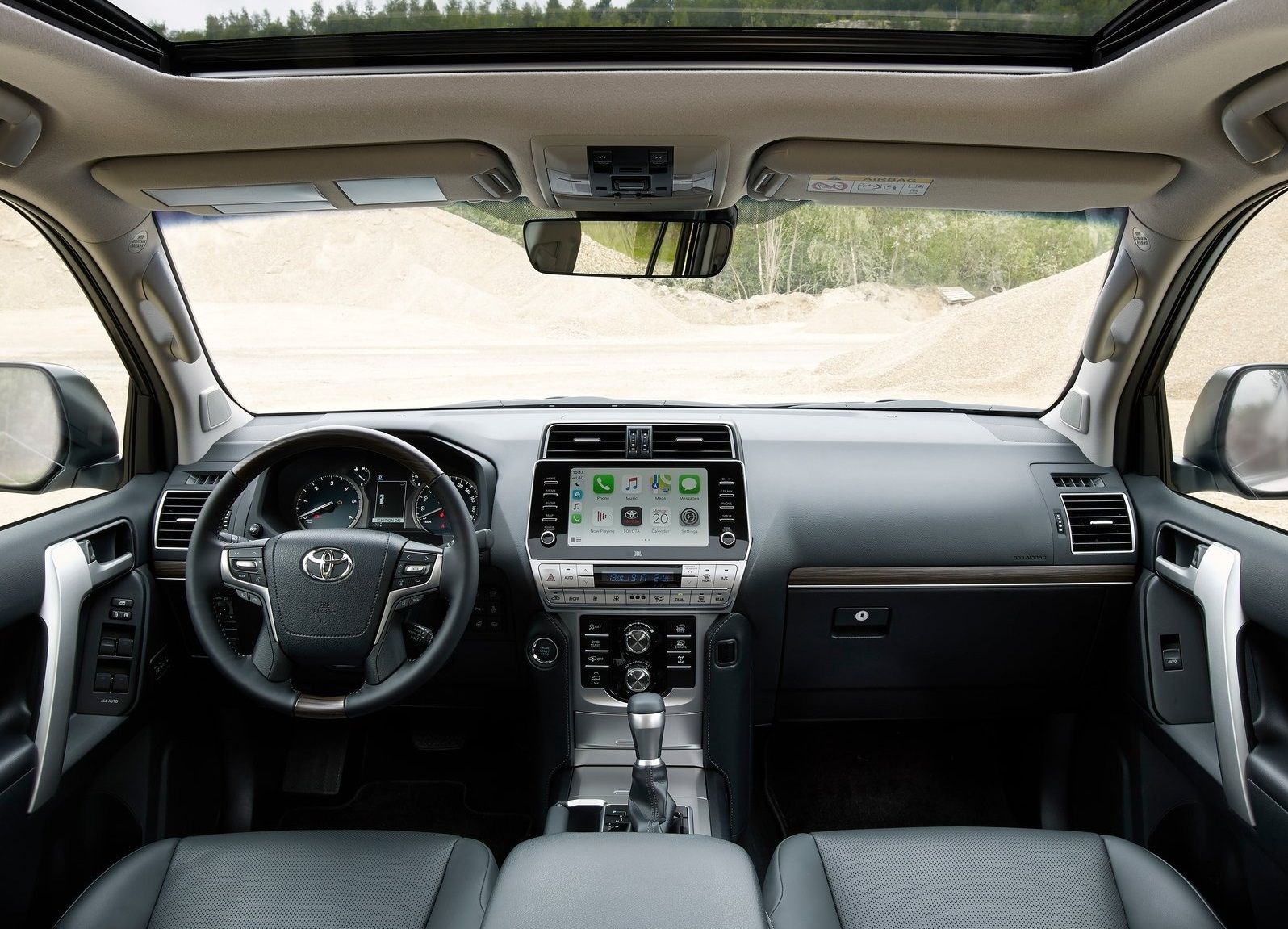
Inside, the 2021 Toyota Land Cruiser receives an updated infotainment system that features new software, a newer touchscreen and introduces Apple CarPlay and Android Auto into the mix. In terms of safety, Toyota offers the 2nd generation Toyota Safety Sense which features things like Pre-Collision System (PCS) with both nighttime pedestrian and daytime cyclist detection and Intelligent Adaptive Cruise Control.
Toyota is offering a Black Pack styling package to the portfolio. The optional package includes sportier front and rear bumpers, a dark chrome front grille, dark alloy wheels and clear tail lamps. Plus, you get a badge.
These updates form part of a Toyota Europe model strategy. As soon as we hear from Toyota South Africa regarding the updated Land Cruiser, we'll update this piece.
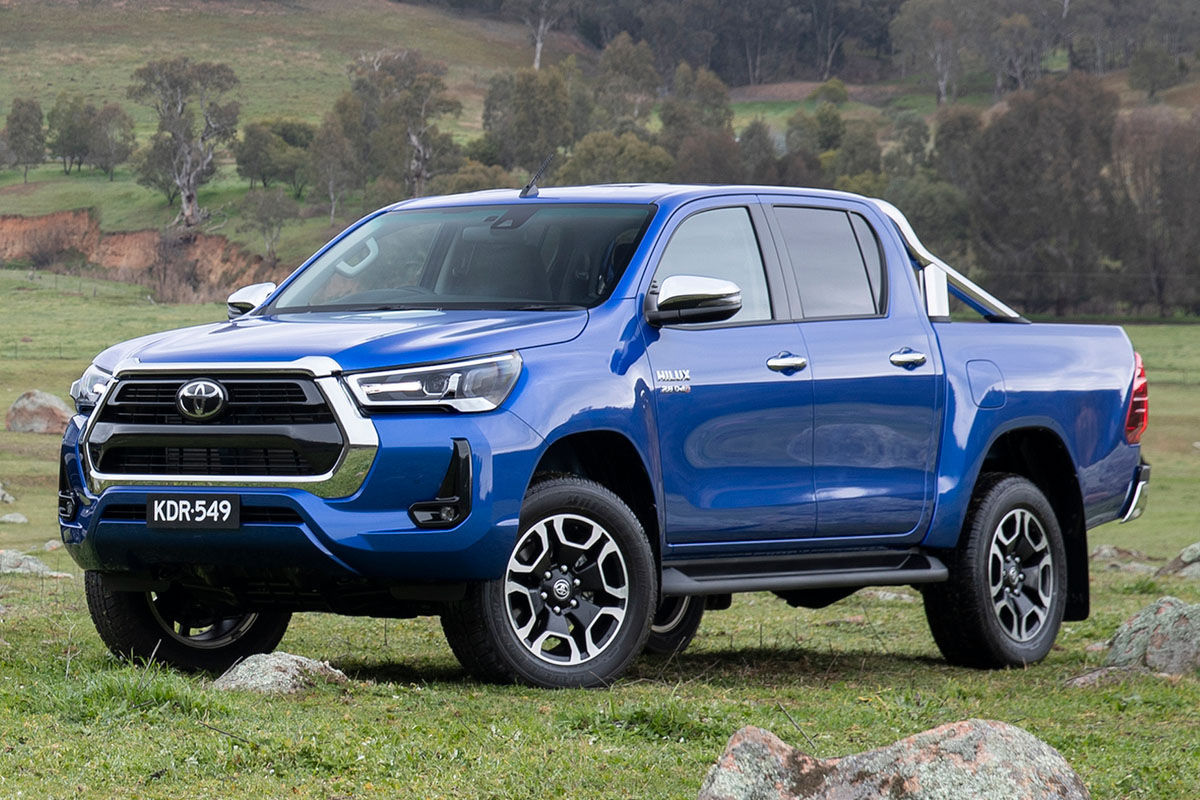
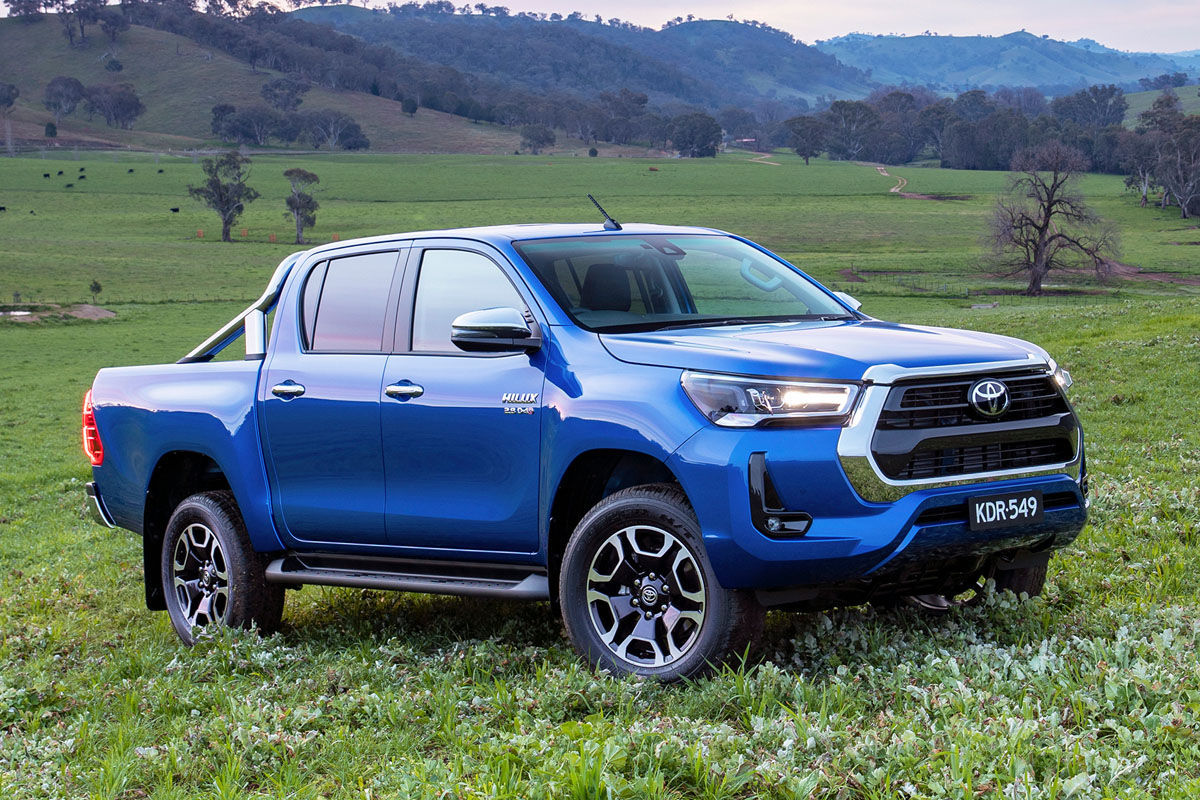
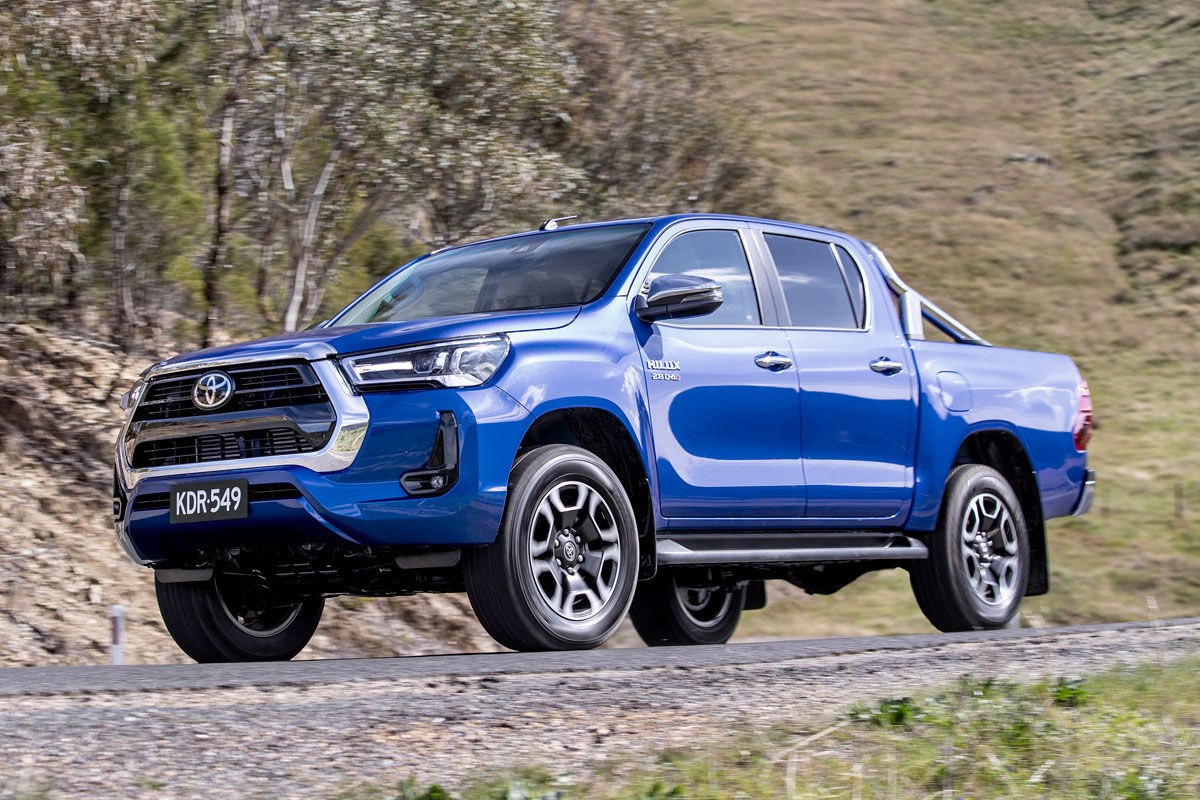
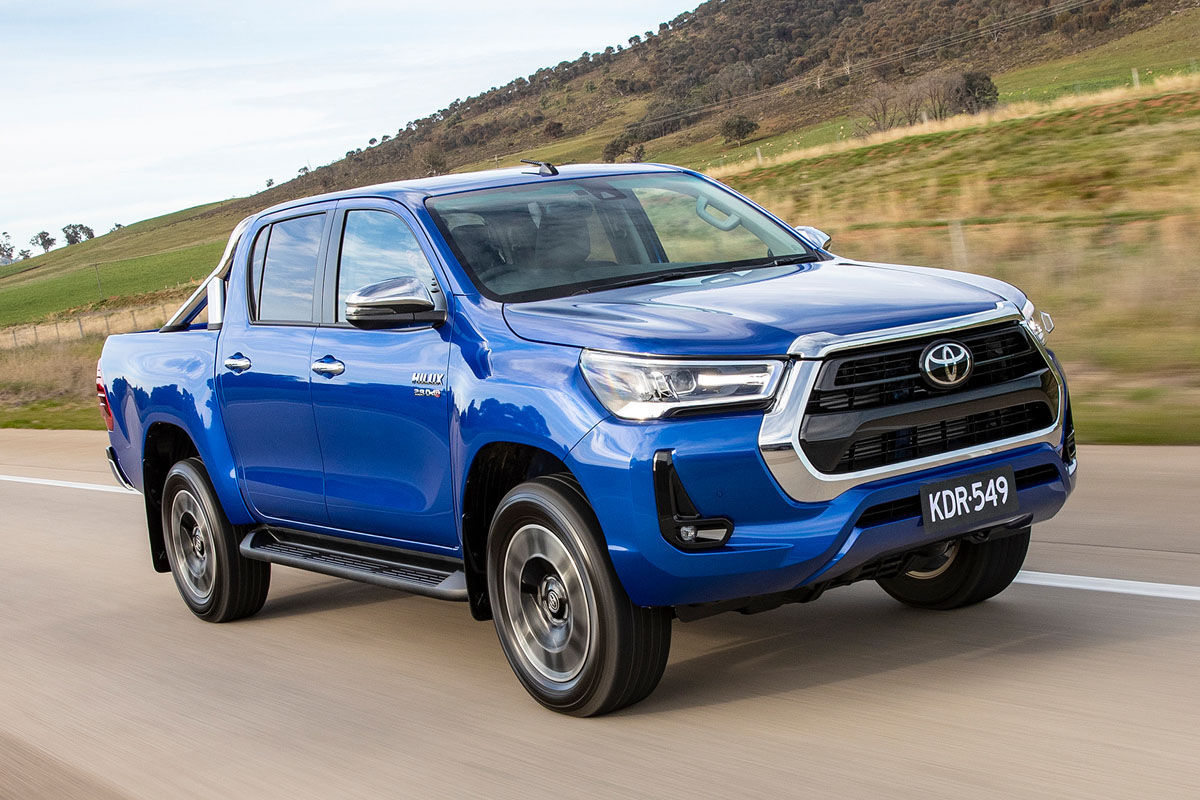
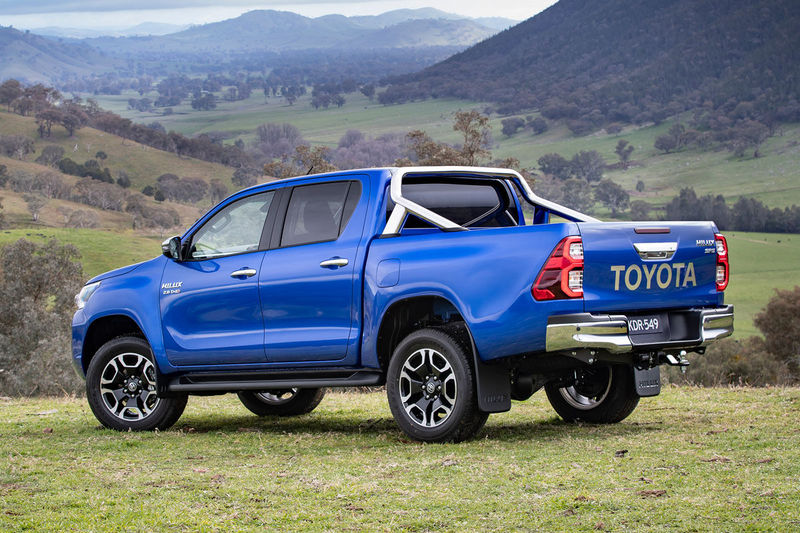
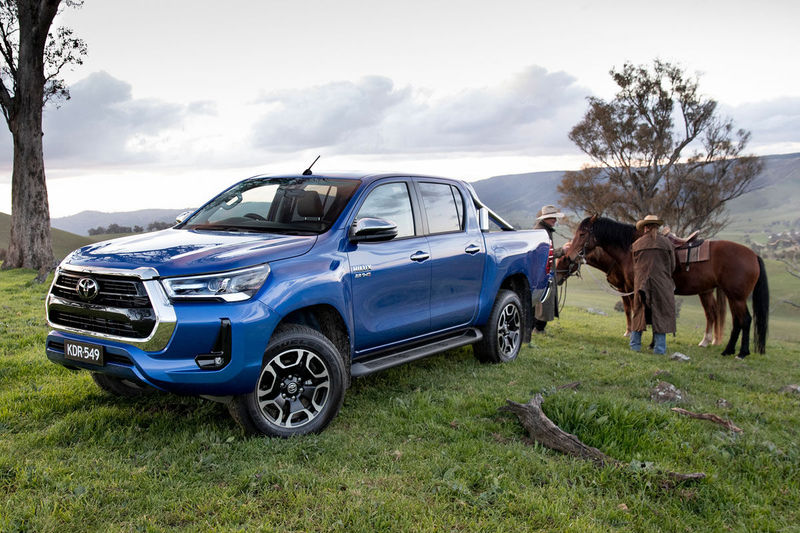
There’s a lot in store for the SA bakkie market – including an upcoming update to the market-leading Toyota Hilux. What should we expect from the upgrades? Our Australian correspondent drove a refreshed Hilux on-road (and off it) to whet our appetites. Has Toyota done enough to keep its bakkie at the top?
The Hilux is South Africa’s top-selling bakkie and a legend in its own right. Any time there’s an update in store for the model, consumers eagerly rub their hands together and start looking for excuses to hastily upgrade their bakkies. While the new version looks slightly different, it’s what’s inside – plus under the bonnet and sheet metal – that make this one of the most anticipated changes to the Hilux.
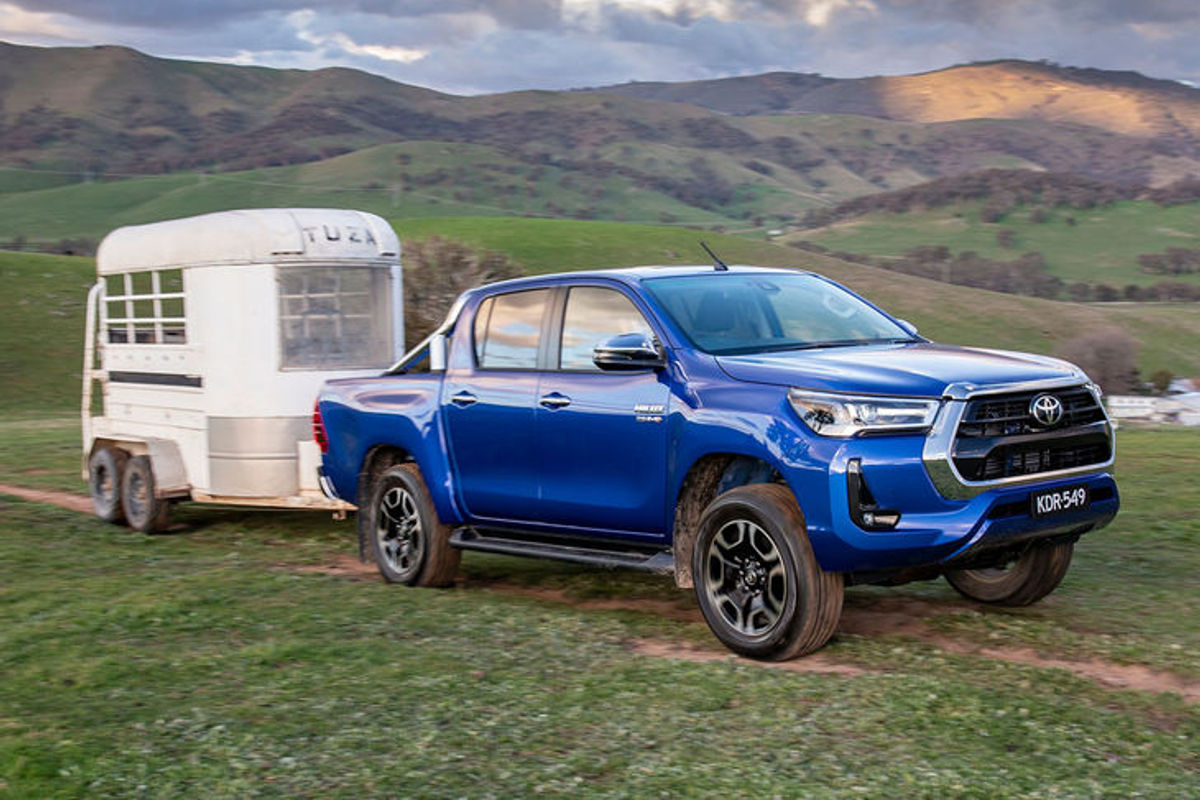
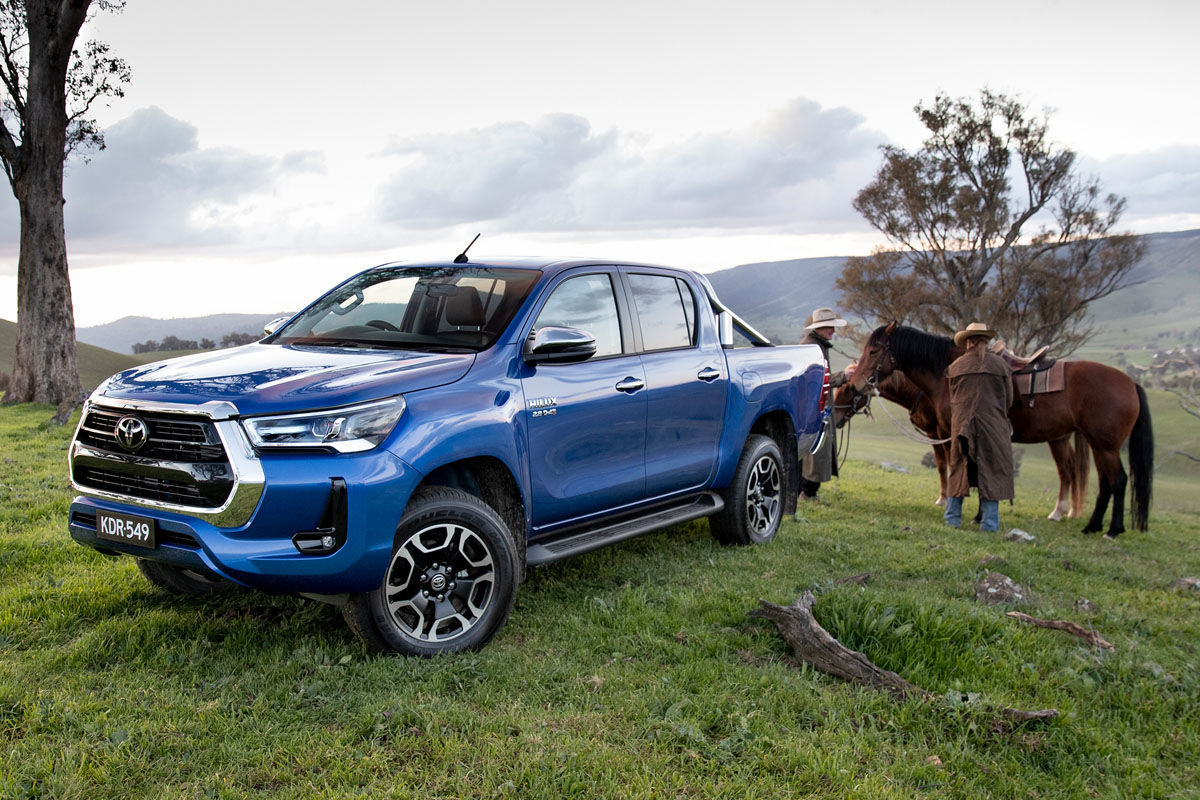
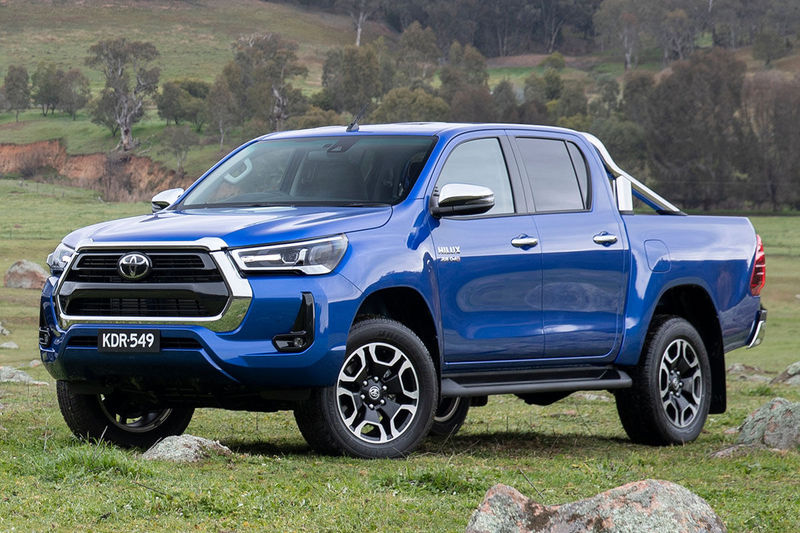
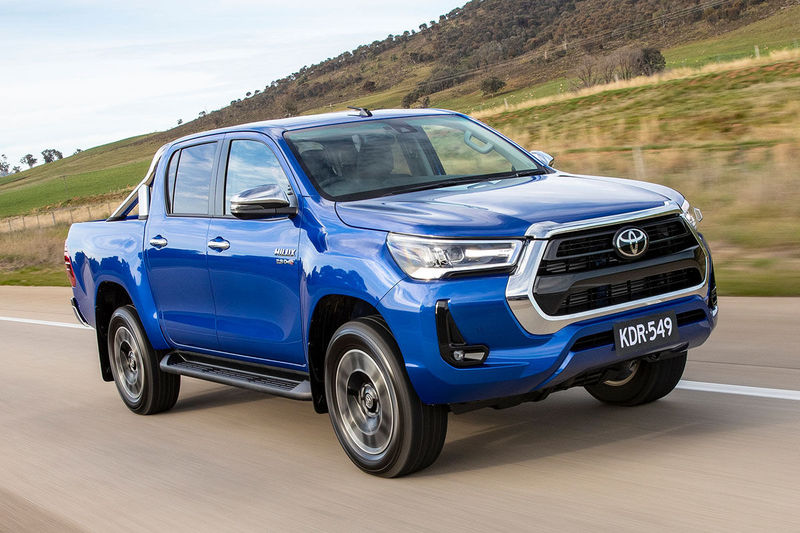
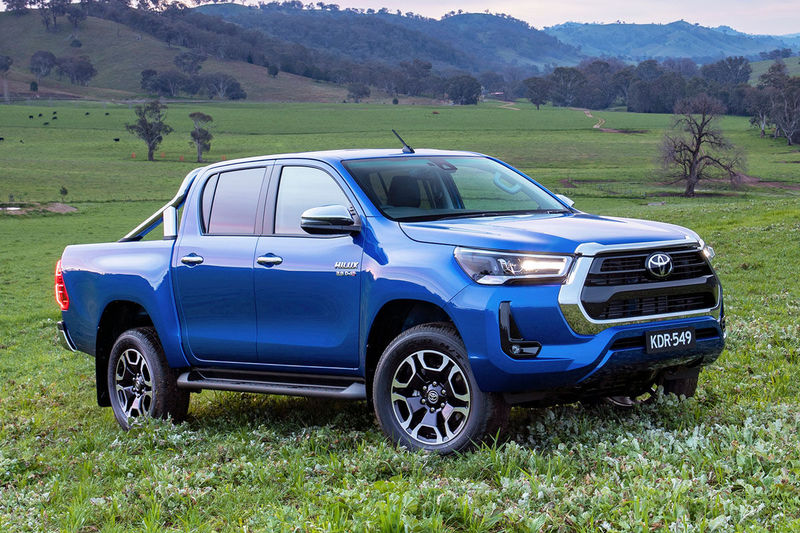
The Australian-market SR5 specification incorporates the addition of running boards and lashings of chrome-look brightwork.
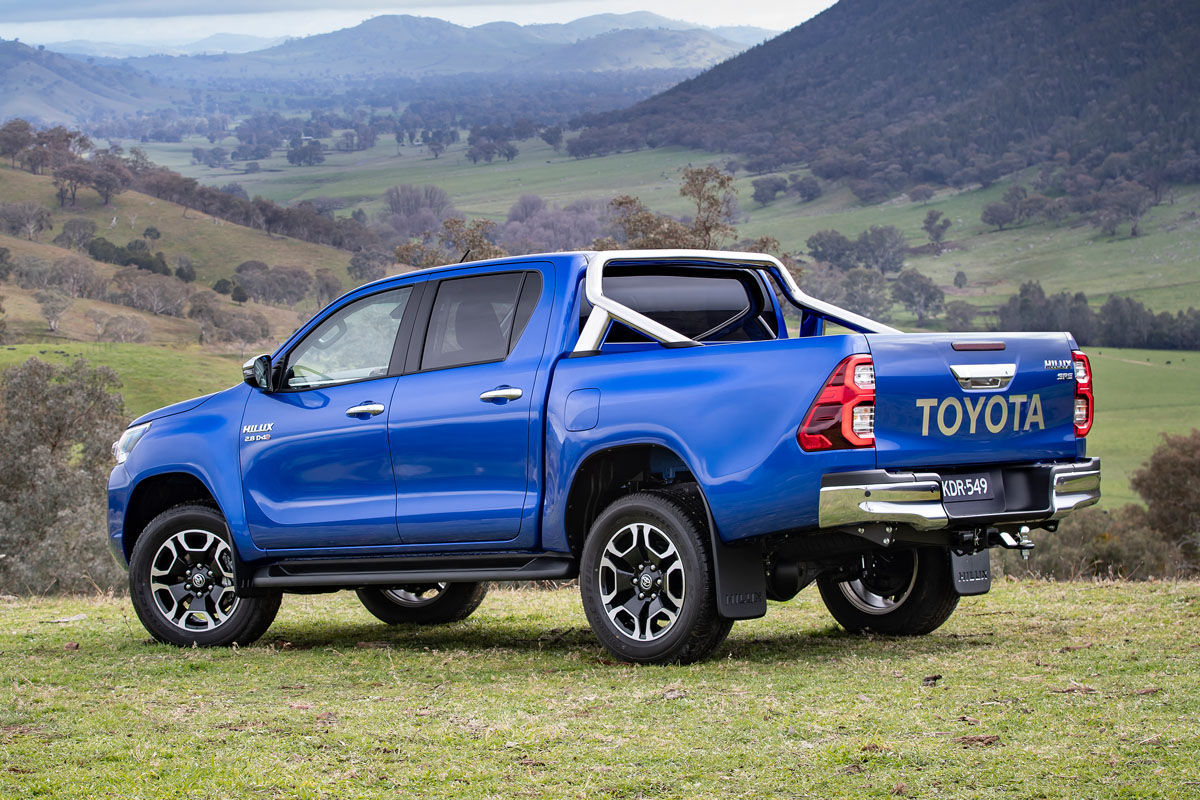
The model pictured in this article – the Thailand-made Hilux in SR5 specification (comparable or slightly above the SRX trim level in Mzansi) – recently underwent a revision and is now on sale in Australia, which suggests an update to the locally-made bakkie is in the pipeline. Although the local Hilux range received a few revisions as recently as 2019 (when the Legend 50 was launched), we still anticipate that some of the Thai model’s revisions will filter through to our market soon, which is why we’ve asked our mate Matt Campbell to put an example of a revised Hilux through its paces.
Toyota SA has indicated that a number of upgrades are scheduled to be made to the Prospecton-built Hilux in due course, although it’s not yet confirmed when exactly it will happen (possibly around the final quarter of 2020) or how many of the overseas model's upgrades will be carried over. It’s fair to say, however, that with the all-new Isuzu KB and Mazda BT-50 coming soon (they’re among half a dozen new or updated bakkies expected to reach local shores in 2021), plus final updates expected for the ageing Ford Ranger, Toyota will be keen to keep its charge at the front of the field.
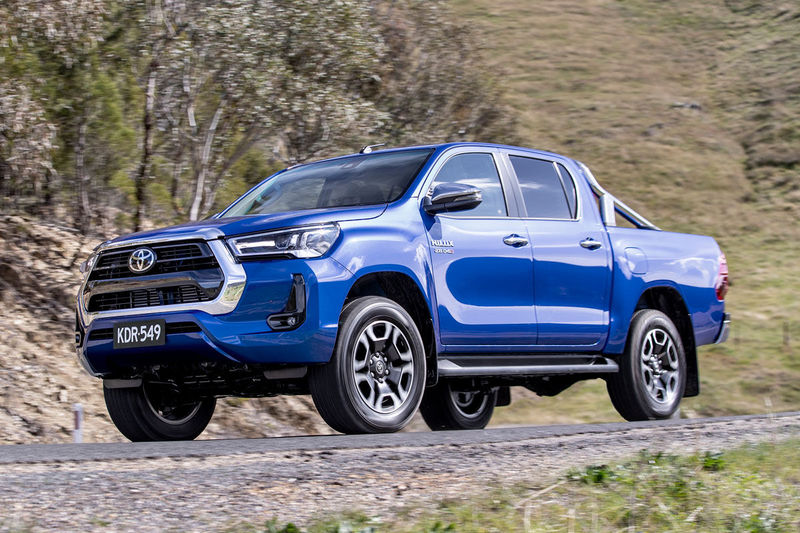
Will the shapelier rear tail-light clusters make it to the South African version of the Hilux? Only time will tell.
What has changed?
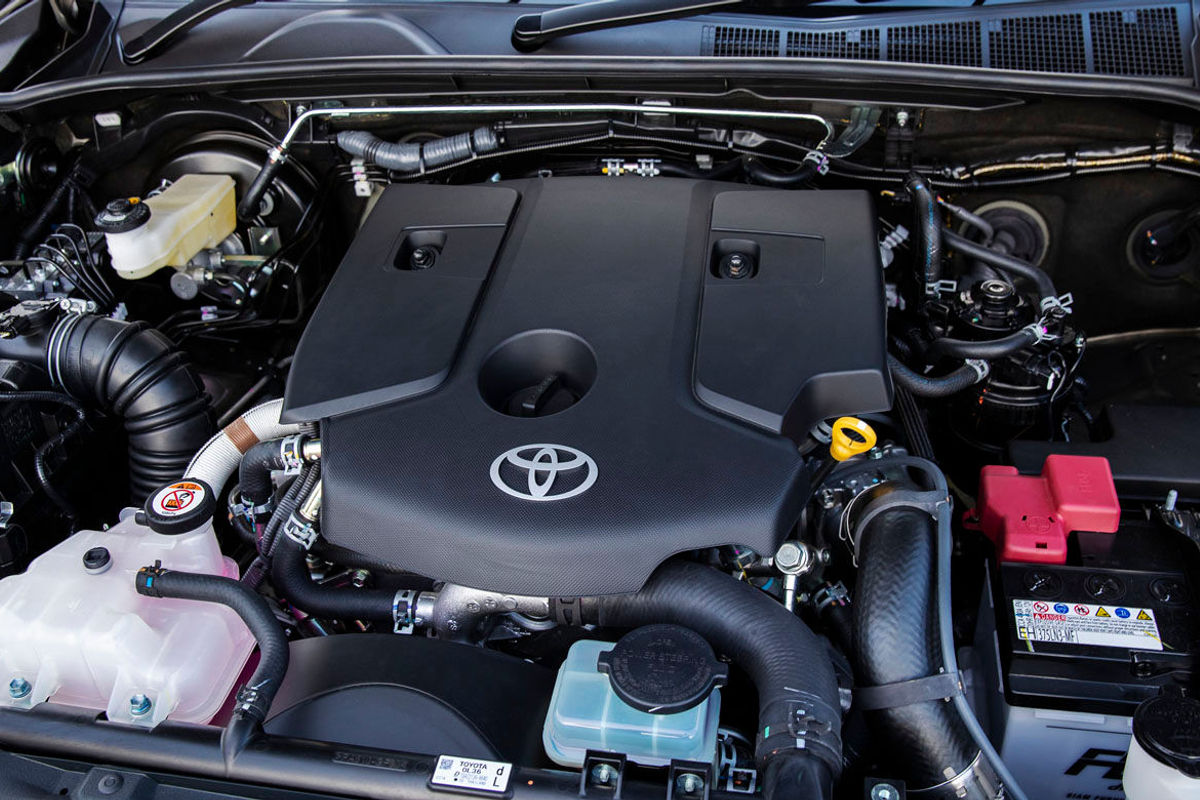
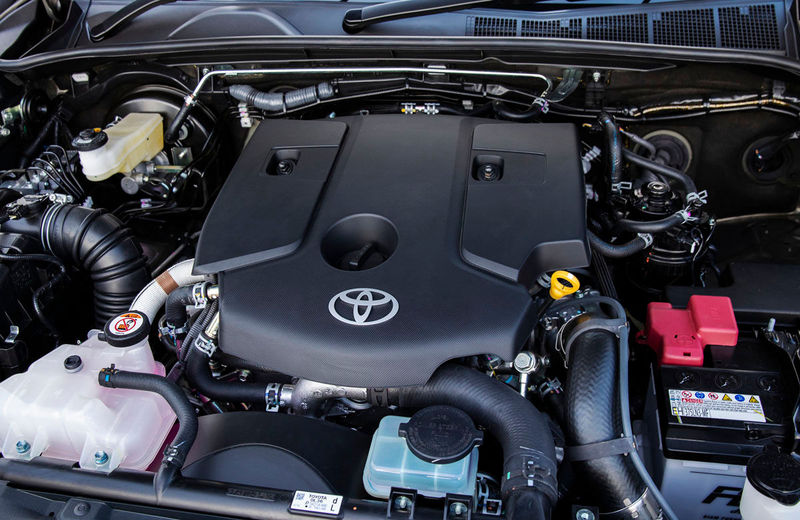
Let’s start with the engine. The 2.8-litre 4-cylinder turbodiesel (2.8GD-6) engine is slightly more powerful, as well as torquier, with outputs of 150 kW and 500 Nm – increases of 20 kW and 50 Nm. For buyers who want plenty of overtaking grunt, or at least more effortless cruising ability from their top-spec bakkie, that’s a nice improvement. Read How Toyota got Hilux to 150 kW for more details.
While both manual and automatic versions of the 2.8GD-6 have a peak power output of 150 kW, the torque gain only applies to the self-shifting derivatives, of which the 6-speed transmission's management software's been tweaked. There’s still selectable four-wheel drive, and the top-grade versions retain a rear differential lock.
The updated powerplant features a larger, variable nozzle turbocharger and a redesigned exhaust manifold.
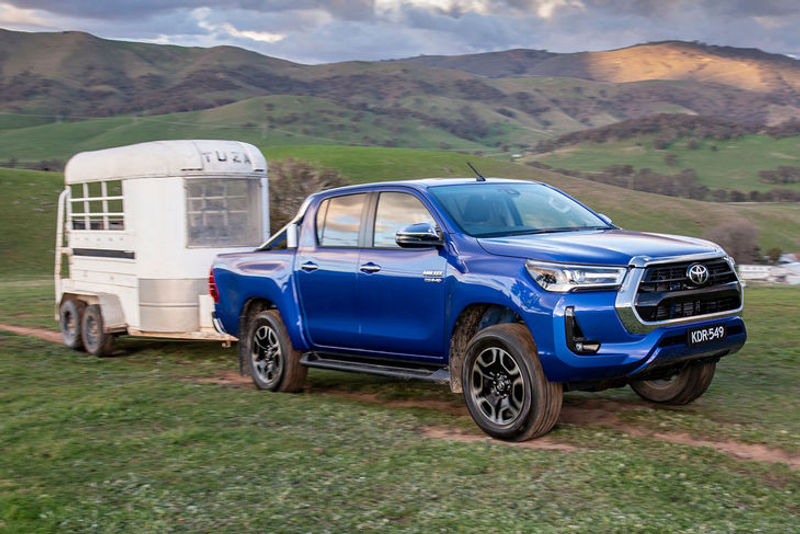
Furthermore, the 2.8GD-6's towing capacity in markets like Australia is now pegged at 750 kilograms for an un-braked trailer, while 4×4 automatics are said to have a braked-trailer towing capacity of 3 500 kg, which represents an improvement of 300 kg. The local arm of Toyota has always calculated its own tow ratings, so we’ll have to wait and see whether these improvements will be carried over.
And the Hilux's suspension and steering has been retuned to better cope with the extra loads on the chassis when towing, but Toyota Australia claims the changes – including longer rear leaf springs – have improved the bakkie's ride quality when unloaded, as well as its general handling ability.
According to Toyota Australia, the updated Hilux can tow braked trailers of up to 3 500 kg.
The steering in turbodiesel derivatives has been tweaked as well, with a new variable flow control pump for the hydraulic system said to offer better feel and ease of operation at lower speeds.
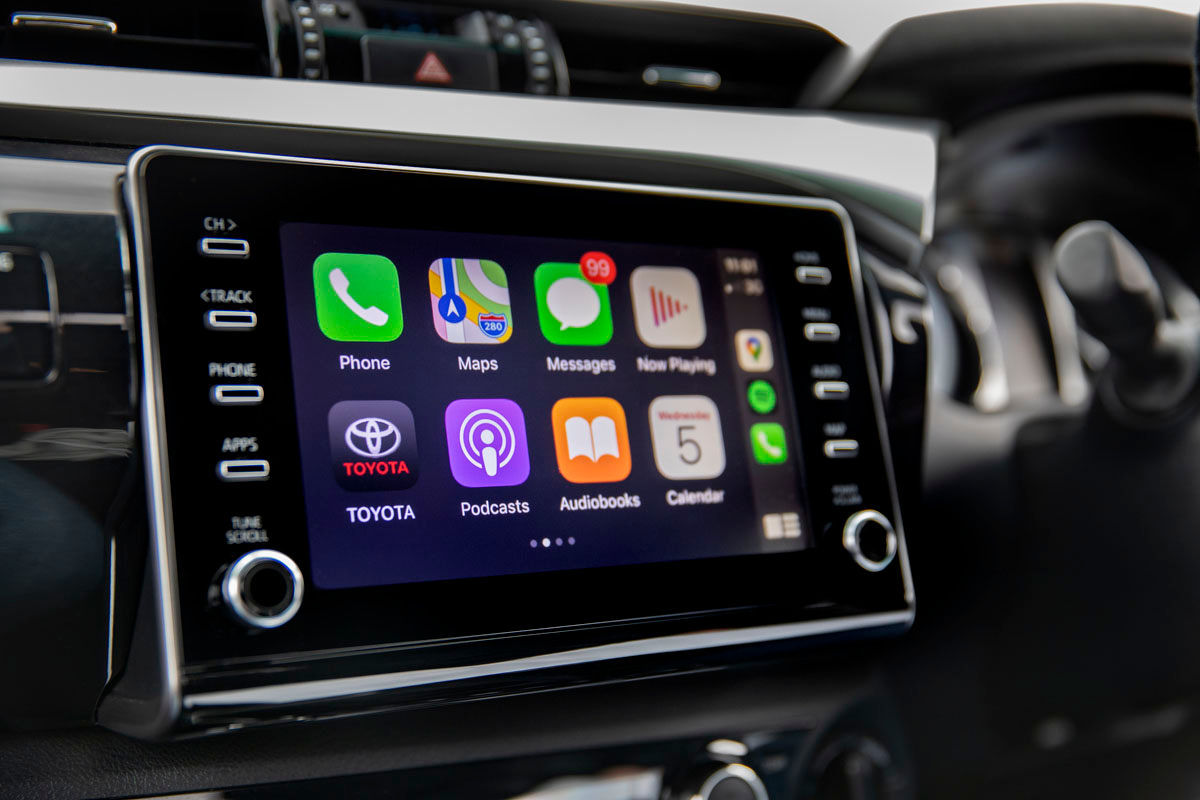
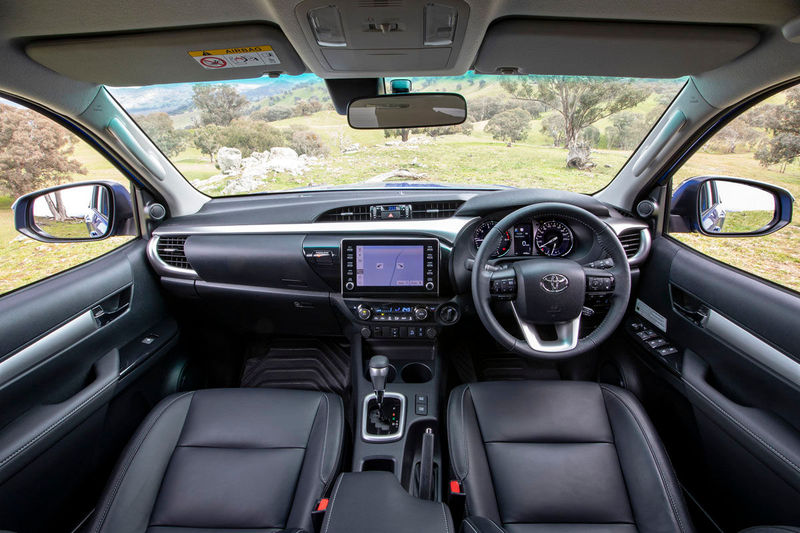
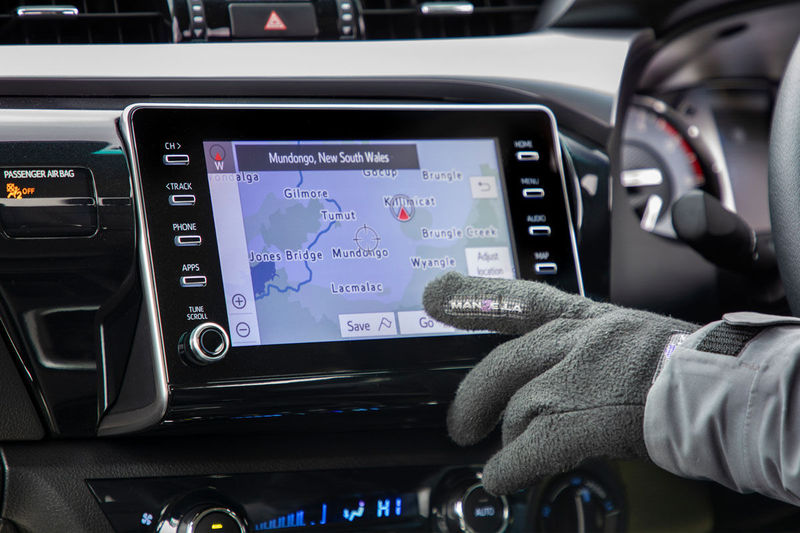
And, inside the cab, Toyota has fitted a new 8.0-inch touchscreen multimedia system with the smartphone mirroring tech you’d expect in 2021 – Apple CarPlay and Android Auto compatibility are now standard, but it’s not quite as up to date as the new-gen Isuzu D-Max, which has wireless CarPlay (so no more iPhone cable tangles!).
More on the interior…
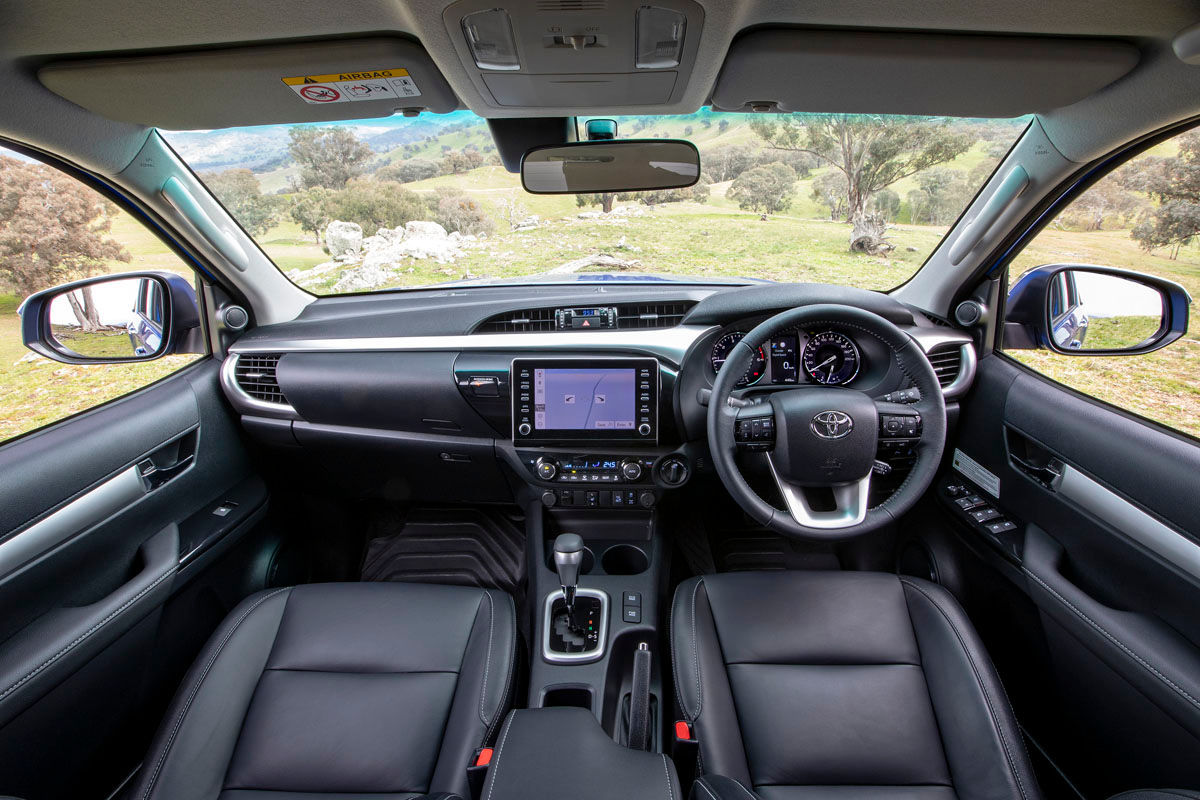
If you were hoping for a major rework of the cockpit, you’ll be disappointed to learn that there’s not much else in the way of change aside from the new infotainment system.
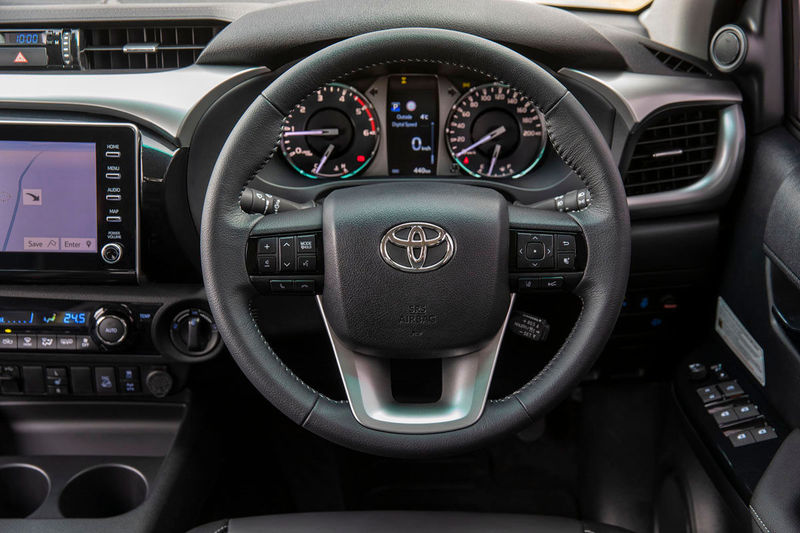
The interior updates are limited to the updated infotainment system and upgraded multi-info display in the instument cluster.
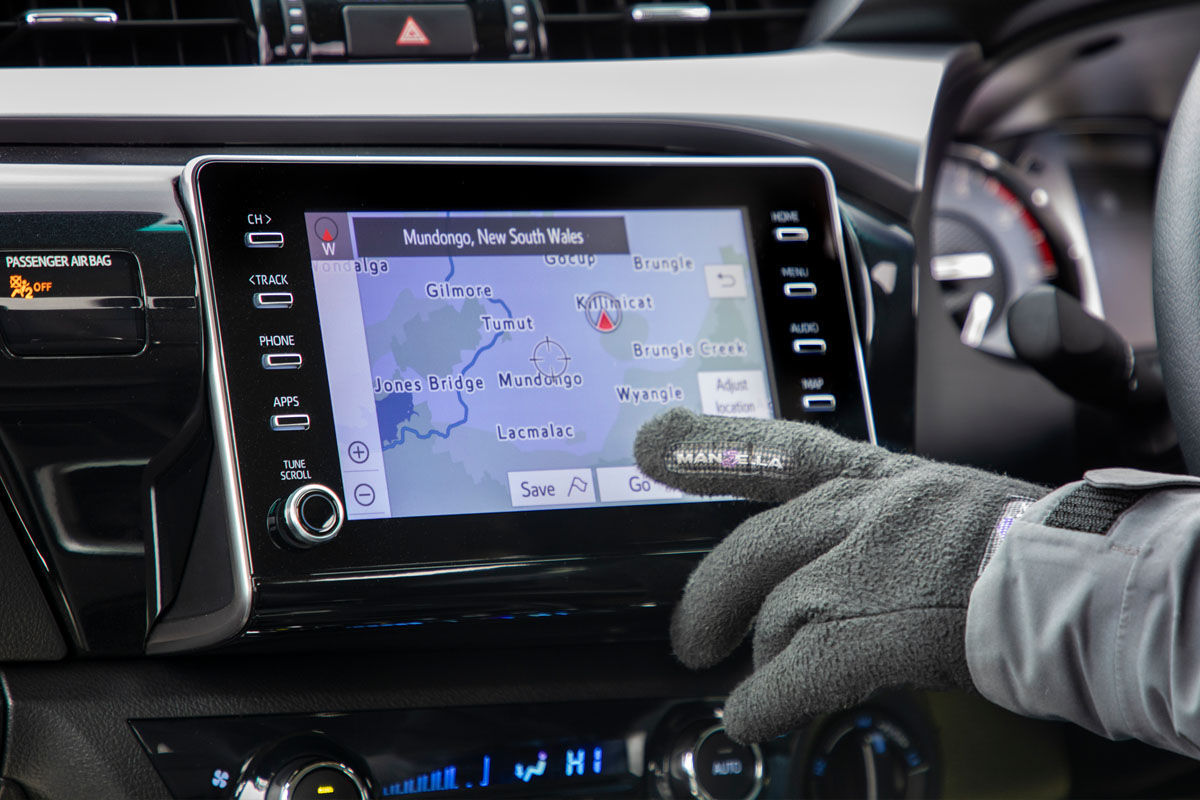
That new touchscreen is a huge improvement however, with the deletion of the touch-sensitive buttons on the sides of the screen and the introduction of good old-fashioned buttons and knobs, with the latter controlling the tuning and volume. Toyota reckons it made these changes because of broad criticism, including the fact that drivers wearing gloves couldn’t easily interact with the audio controls.
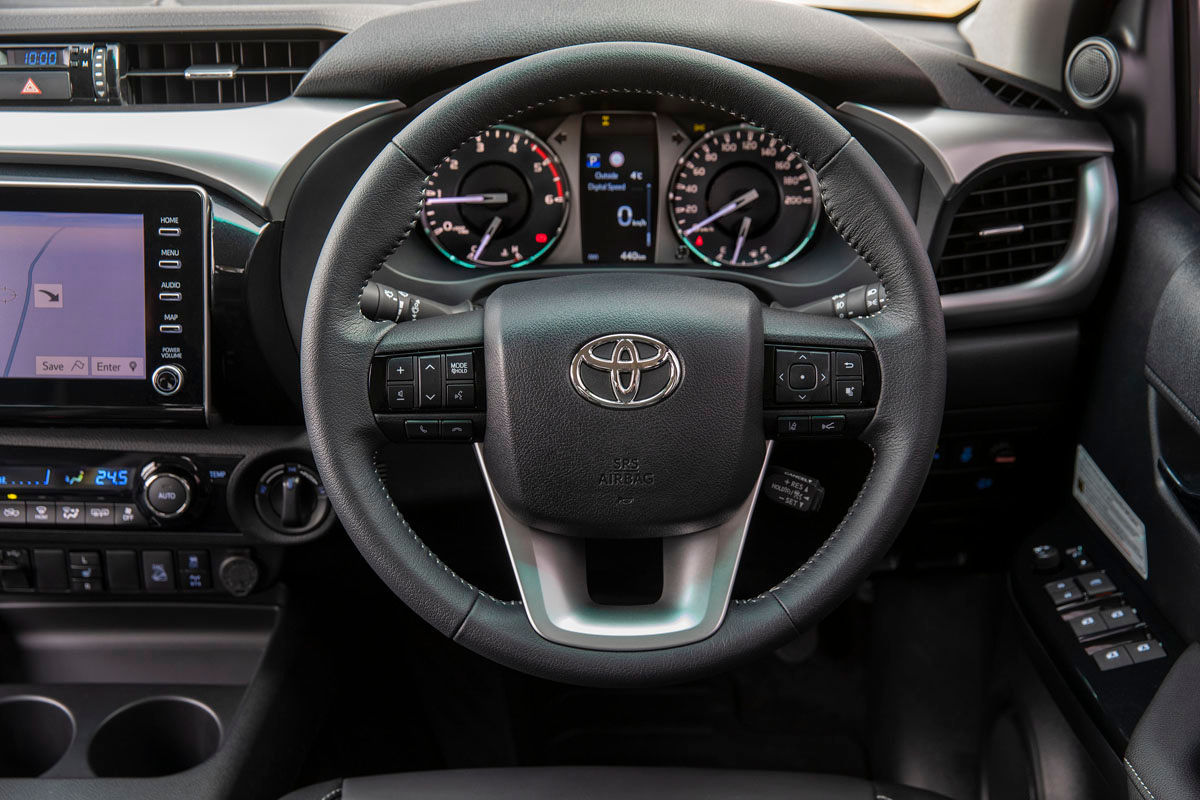
It’s definitely improved, and the cabin has also seen a new instrument cluster with a smarter, clearer 4.2-inch driver information screen. It has more detailed trip computer information, plus it incorporates a digital speedometer, which is extremely handy if the retention of your licence depends on not being fined!
The central driver information panel in the instrument cluster now incorporates a digital speed readout.
Otherwise, there’s not a whole lot of change. The dashboard is still one of the cleverest out there, with dual gloveboxes, twin outboard pop-out cup holders, another pair of cup holders between the front seats, and high-grade double-cab (Raider) models score a flip-down armrest and cup holders. All 4 doors have bottle holders, and double cabs get map pockets and a pair of shopping bag hooks too.
The quality of cabin materials are falling further behind the best in the class for comfort, though, with the high-grade Hilux still failing to feel special compared with a Ford Ranger Wildtrak or even the new Isuzu D-Max. And the cabin space is still one of the more cramped in the class for back-seat passengers…
If you're accustomed to driving with gloves on, the infotainment system's side buttons are now of conventional "push-click" design.
What's it like to drive?
If you’re expecting that the changes described above would have a noticeable difference to the "Hilux driving experience" – you’re spot on, but not all of it is good news, however.
Let’s start with the engine and transmission combo, which is considerably more enthused than before. It revs eagerly and freely, with the peak torque band – 1 600-2 800 rpm – more easily accessible.
A lot of that comes down to the revised transmission mapping, which allows you to better exploit the available torque more readily. That means you might find the transmission shuffling between the top 3 gears with greater regularity, which can be a little disconcerting if you’re used to big, torquey turbodiesel engines that shift more leisurely – instead of regularly going on a hunt for more torque. The engine never feels strained, mind you, but you can certainly hear what’s happening under the bonnet, because the Toyota team hasn’t done much – if anything – to quieten down the engine.
The extra torque is certainly welcome, but the transmission does not hesitate to go in search of the engine's sweet spot.
Indeed, during a longer stretch of downhill driving, I noted that the transmission’s control unit had violently plucked a lower gear in an attempt to rely on engine braking. It wasn't quiet about it, either.
But there is no denying that the new retune of the powertrain has been a step forward for the Hilux. At high or low speeds, the responsiveness is solid.
The same can be said for the suspension, which – while tweaked for better comfort – is still rather abrupt. Unladen driving, without towing, is always going to be compromised to a degree, but there are other bakkies that do a much better job of retaining a modicum of ride comfort with matching – or even better – payload capacity. The SR5 double-cab auto 4×4 I drove had a 980-kg load capacity.
The rear suspension is better than before, but still punches through hard when the tyres contact sharp edges in the road, and there’s notable skittishness in general driving too. It gets worse when the surface isn’t sealed, but we’ll cover that in the next section…
The Hilux's tweaked steering setup is lighter and easier to manage at higher speeds than before.
The steering is also a mixed bag. While it is lighter and easier to manage at higher speeds than before, it now lacks some of the directness and heft that I appreciated in the pre-facelift version. And likewise, Toyota reckons the low-speed response has been improved for better manoeuvrability, but for me, the steering is now less precise and predictable, plus it's too heavy at parking speeds.
In fact, when I drove the pre-facelift SR5 back to back with the SR5 test unit, the difference was easy to discern. More physical heft is required for low-speed manoeuvres in the new Hilux, and more mental acuity is required at higher speeds (due to the vagueness of the steering around the 'wheel's centre position).
Okay, what about off-road?
Relax, Hilux faithful, Toyota's double cab is still an absolute weapon off-road. That’s something that – I hope – will forever be a trait of the Hilux. Admittedly, you have to contend with its suspension on loose gravel roads, where the ride is decidedly fierce over repetitive bumps. Got teeth fillings? You may need to visit the dentist after an extended stint of driving on a poorly-maintained dirt road.
But once you reach your off-road destination, you’ll be amazed at the capability of the Hilux just as it is. My testing loop included a long, steep, rutted and craggy hill climb and descent in the Australian bush – a track that many modified off-roaders would struggle with, and given the washed-out slippery surface and the Toyota's stock-standard tyres, I wasn’t sure the updated SR5 would make it.
However, with impressive angles at its disposal – approach: 29 degrees, departure: 27 degrees – plus a ground clearance of 216 mm and wading depth of 700 mm – the Hilux makes short work of hard four-wheel driving. With low-range engaged, the for-better-and-worse variable flow control pump is disengaged and instead, you get the reassuring standard hydraulic steering feel through the tiller.
The Hilux's undiminished off-road prowess will continue to make it a hit in the off-roading fraternity.
What that means is you can place each of the front tyres precisely where you want them, and therefore set the path of ascent or descent with supreme accuracy. You can feel the rocks and tree roots under the tyres – for once, being in touch with the surface below is to your advantage.
The suspension is robust and predictable in hardcore off-roading conditions, and the flex and articulation that is possible from the stock suspension is surprisingly generous. The engine manages to feed the torque to the ground below very well, and if you fear that you might get stuck there’s more torque to play with now, too.
If you’re looking to buy a brand new bakkie and head straight into the bush with it, the Hilux really can’t be beaten. If I were you, though, I’d stop off at a tyre shop on the way and get a new set of more aggressive rubber, as the Bridgestone Dueler H/T 265/60/18 tyres, which the SR5 test unit was shod with, were the only shortcomings of the off-road drive package.
Overall, the upgrade to the Hilux is a collection of incremental improvements.
Does the Hilux keep its crown, then?
If you, like many thousands of South African consumers, know you want a Hilux, and you can’t be shaken from that, thanks for spending your time reading this review. I truly hope it has helped you to know what to expect when you lay down your hard-earned cash on the next iteration of a legendary bakkie…
However, if you’re unsure of whether the Hilux is right for you, then I’d thoroughly recommend you revisit the Ford Ranger or wait for the arrival of the new-generation Isuzu D-Max before signing on the dotted line, as those two bakkies stand out as offering better blends of liveability and technology than the Hilux derivative I sampled.
As far as we know, this is the only Ferrari-engined M3 in the world. And our video guy Ciro De Siena was invited by the owner to drive it.
So, what do you do if you own a convertible V8 M3 and your engine pops? Well, you could EFT a lot of money to BMW for a new one, or you could wait for something interesting to come along. While you’re waiting you could order a Pandem widebody kit from Japan, weld the roof shut, and borrow some paint from Porsche. And then, what if the engine which came your way wasn’t German? What if it hailed from the land of great pasta and dodgy politicians?
Ciro De Siena was invited by the owner to drive it. …and did we mention it's a manual? This project is into its third year now and it really hasn't been easy; the owner and builder worked tirelessly through the weekend to get this car ready for us to film. It’s very much still a work in progress, but it is already, very very good to drive.
Volkswagen rules the hot-hatch market, but when the Fiesta ST was still around, Polo GTI owners were distinctly nervous. Here’s how it all changed.
The only topic that comes remotely close to matching "Which bakkie is best?", for sparking fearsome debate among South African automotive enthusiasts, is the one about hot-hatch supremancy.
The appeal of a compact hot hatch is its relative affordability. That brand new C-Class AMG or BMW M3 might be pure fantasy for most ardent car enthusiasts, but a Fiesta ST or Polo GTI is within the realm of possibility, provided you're willing to make sacrifices in terms of lifestyle and personal finance. However, the affordability aspect of hot hatch ownership has sadly evaporated in South Africa…
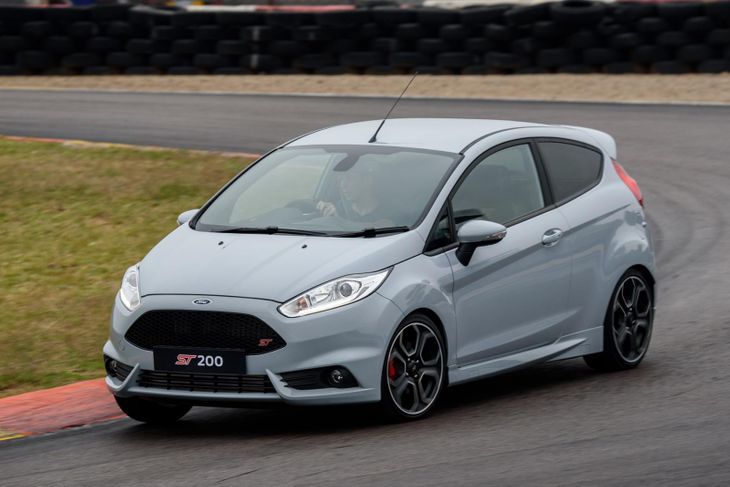
Possibly the best iteration of the Fiesta ST (ST 200) may also be the last we ever see.
In concept, a hot hatch is supposed to be a reasonably priced performance car that is not compromised (at least, not overly so) in its ability to be a practical source of transport for you and your family. It's supposed to be entirely driveable on the commute, but inspiring enough that, when the mood takes you, you can readily explore the car's dynamic abilities (road conditions allowing, of course).
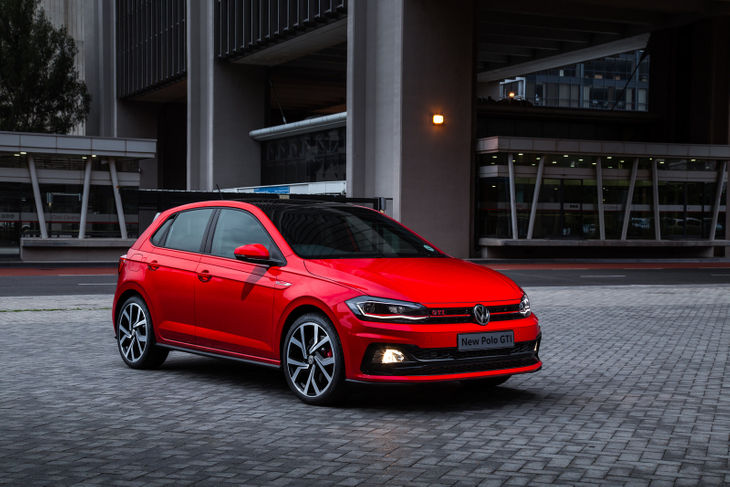
A decade ago, South Africa had a treasure trove of compact hot hatches, most of which could be considered relatively affordable: Fiesta ST, Polo GTI, Peugeot 207 GTi, Renault Clio RS, Mini JCW, Citroen DS3 and Opel Corsa OPC. In 2020, only the Polo GTI, Mini JCW and Clio RS remain.
Money to be made
Unfortunately, the hot-hatch market has been ruined… by some typically excellent German product strategy. Volkswagen, for example, realised that more powerful versions of its Golf platform could be sold for huge margins. The same business plan delivered AMG’s A35 and A45 models, which are massively powerful evolutions of the A-Class, replete with outrageous pricing.
In the South African hot hatch market, power outputs and pricing have soared over the last few years, sadly diminishing any value offering – or sense of attainability – for younger driving enthusiasts.
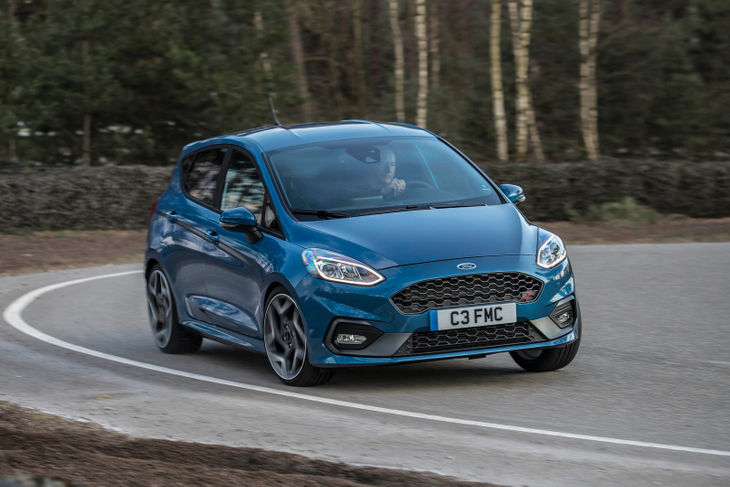
The case of Ford’s ST is perhaps most poignant. Although the 3rd-generation Fiesta ST is available in right-hand drive markets such as the UK and Australia, it has been denied to local Ford fans.
The new Fiesta ST is even available in a 5-door now.
The poor quality of fuel in South Africa (compared with that in Europe) has, predictably, been tabled as the reason. With Sasol suffering its worst financial year in decades and most of South Africa’s fuel suppliers crippled by low revenues during lockdown, there is no possibility of superior unleaded petrol becoming locally available any time soon. The South African petrochemical industry has shown little interest in producing superior unleaded fuels and, after lockdown, its reasons for delayed investment in the ability to produce better-quality fuel will be even stronger.
You can be annoyed at Ford South Africa for not attempting to leverage its influence in Europe to get the latest Fiesta ST released for the local market. Some very "focused" negotiating on the part of VWSA finally allowed the firm to sell an unrestricted version of the Golf 7 R, so why couldn’t Ford do the same? The answer could be that the compact hot hatch market has diminished in South Africa.
If we consider the aforementioned compact hot hatch line-up from 2010, how much demand would there be for the 2020 equivalents of those cars in the current market? Even the Polo GTI has never managed to nearly replicate the success of VW’s Golf GTI.
Where are all the affordable driver’s cars?
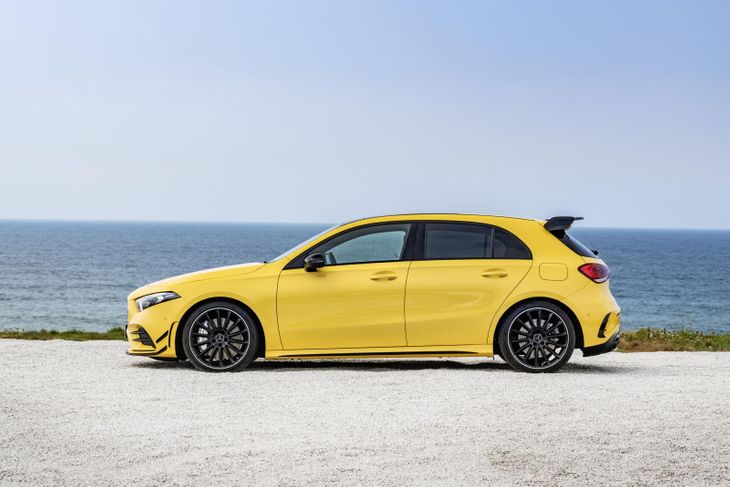
Cars like the Mercedes-AMG A35 have slowly killed off SA's affection for the pint-sized hot hatch.
Viewed from a driving enthusiast’s point of view, the poverty of choice in South Africa’s compact hot hatch market is depressing. These small performance cars deserve much of their ardent following. With compact proportions, low mass, large tyres and potent engines, the B-segment hot hatches are among the most rewarding cars to drive – in real-world conditions.
A Mercedes-AMG A45’s acceleration might be a dramatic event, but most of its performance is simply unusable and constrained by stability systems, road infrastructure quality and the reality of much slower traffic on our urban networks. With something like Ford’s Fiesta ST, you don’t need to reach outrageous speeds to be rewarded with an engaging driving experience.
The joy of correct car placement and the ST’s analogue responses to your steering, brake and throttle inputs (instead of muting them) made it such a revered choice for younger driving enthusiasts.
When the 1st-generation ST went on sale in South Africa, it was merited as a terrific hot hatch – and its successors have been equally lauded. VW’s comparable Polo Mk4/5 GTIs lacked the verve of the Fiesta ST, although some of the criticism of the hot Polos could be attributed to the burden of expectations of being billed "junior Golf GTIs".
Those fortunate enough to have owned any of the locally available Fiesta STs will know that they delivered a deeply charming driving experience, closer in relation to Renault’s very pure Clio RS, than VW’s fast, but dynamically numb, Polo GTI.
The 3-door issue
Often the VW Polo GTI was the default choice because it 5-, instead of 3 doors.
There was a very underappreciated design element that made the 1st- and 2nd-generation Fiesta STs as good as they were: a lack of rear doors.
With any monocoque-bodied vehicle, a 3-door configuration means superior overall stiffness, compared to, say, a 5-door hatchback. Does this rigidity matter that much? Well, ask yourself: what's the dynamic difference is between an M3 and M4, in terms of ultimate driving appeal and purity of feedback? Exactly. The car with fewer doors will always ride out a mid-corner bump slightly better.
Alas, the Fiesta ST’s strength was also its weakness. South Africans want the convenience and ease of passenger access that a pair of rear doors provide… even if they come at a marginal cost to ultimate vehicle dynamics. This is the reason Volkswagen never bothered marketing its 3-door Golf GTI in South Africa, because, frankly, the market would reject it. Outright. Even the limited-edition Golf GTI TCR is not being offered with anything but a 5-door configuration to local buyers, although the 3-door version would be a marginally superior driver’s car.
It is awfully ironic that Ford’s new Fiesta ST, which will never be made available in South Africa, is available with 5 doors. It would certainly have appealed to a broader audience, allowing dedicated driving enthusiasts, without kids, to order the 3-door iteration, while those with a family could practically opt for the 5-door version.
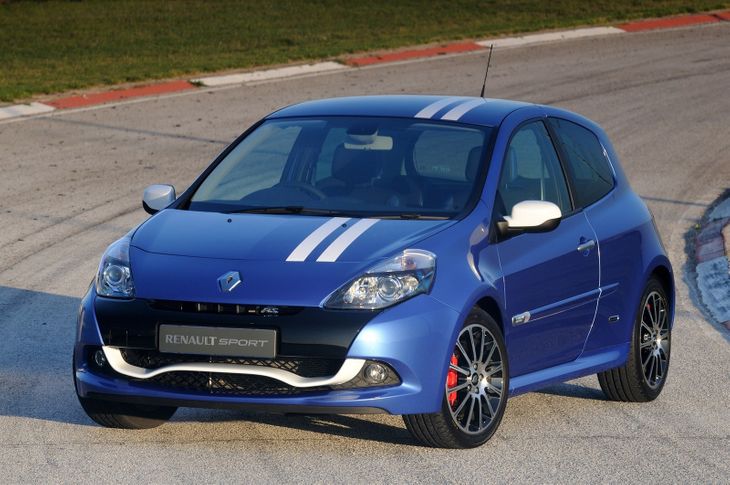
The Renault Clio 3 RS Gordini may just have been the high-point for SA's hot hatch era.
The ST nameplate has such a rich heritage (not to mention a loyal following) in our market, Ford’s most affordable performance car is conscipuous by its absence. However, it isn't completely surprising. Crossovers now dominate the premium B-segment price positions and they've successfully lured traditional hot hatch buyers in – taking money that would have been used to buy a "pocket rocket".
With a complicated fuel landscape and diluted B-segment hatchback market, with ever-weakening demand, Ford did the difficult but logical thing – and retired the ST business plan for South Africa.
If you want to buy a rewarding compact performance car, one easily capable of transporting a small family, your choice in South Africa is between the VW Polo GTI, Mini JCW and Renault Clio RS 18 F1, all of which are entirely worth considering. However, that's a truncated line-up that reflects the sad reality of a dearth in affordable performance car options for South African driving enthusiasts.
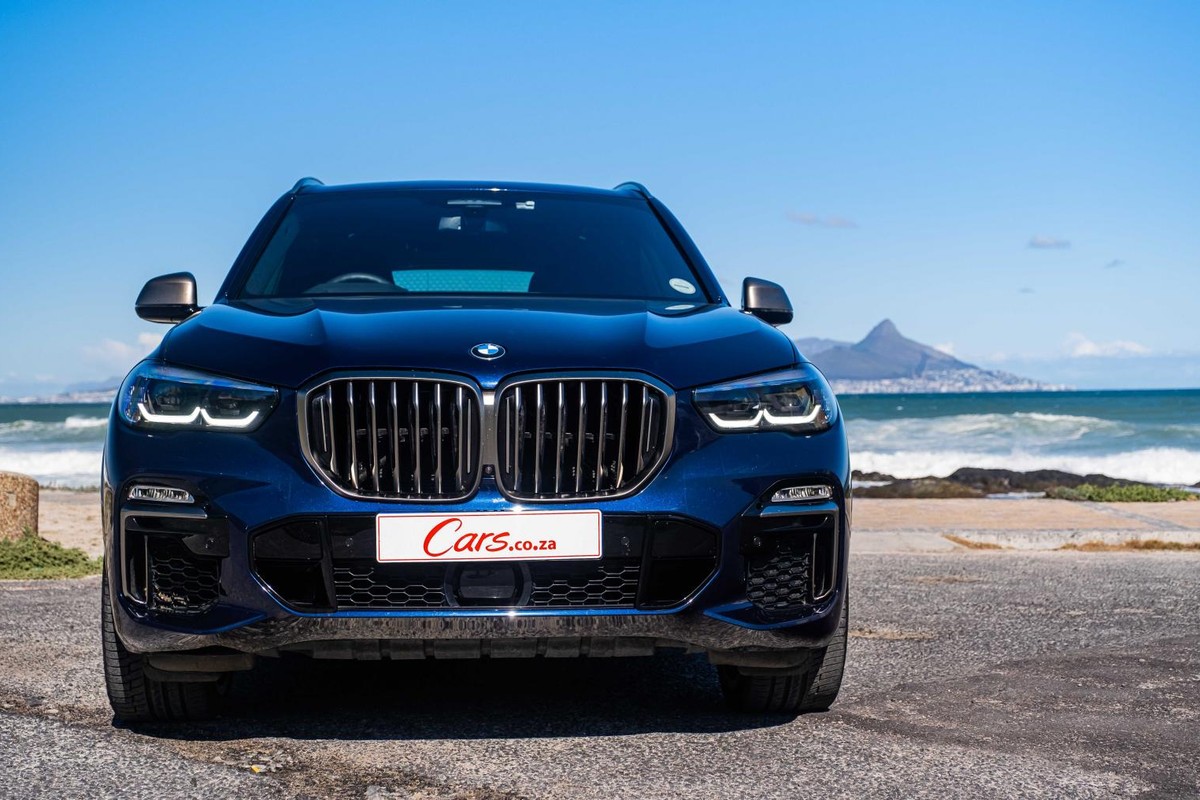
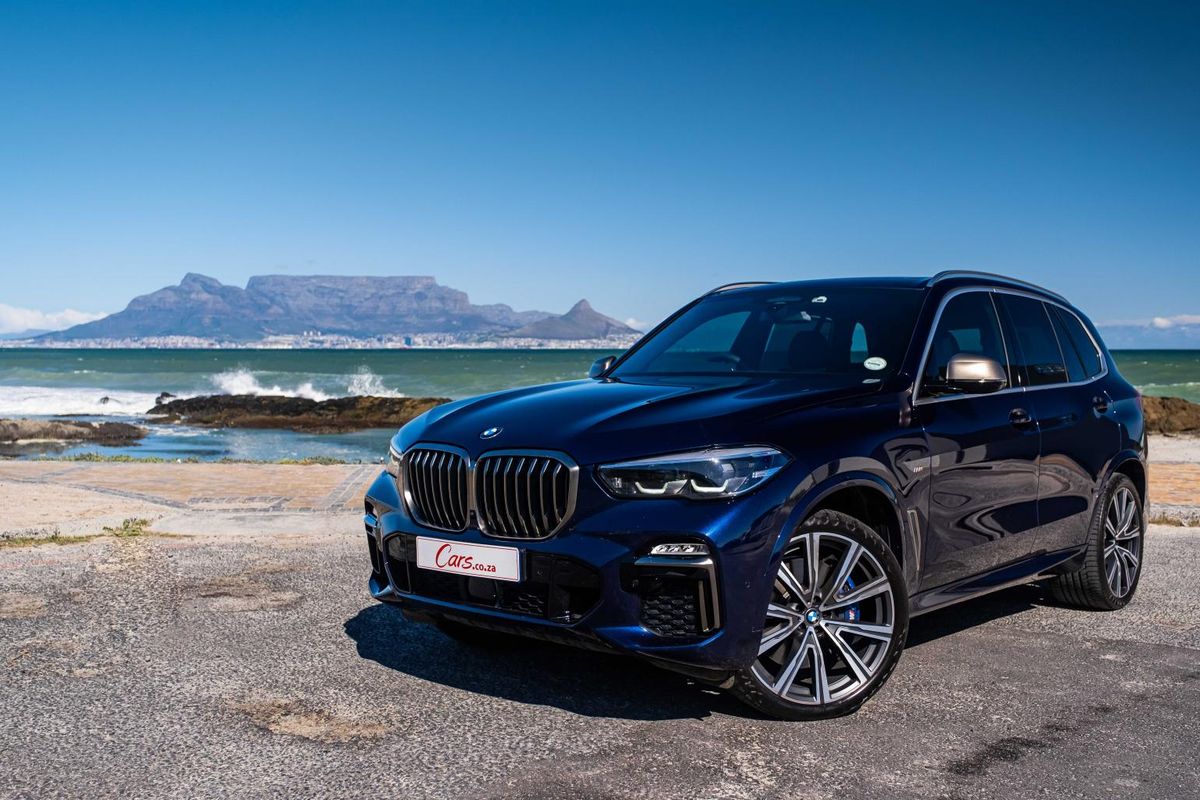
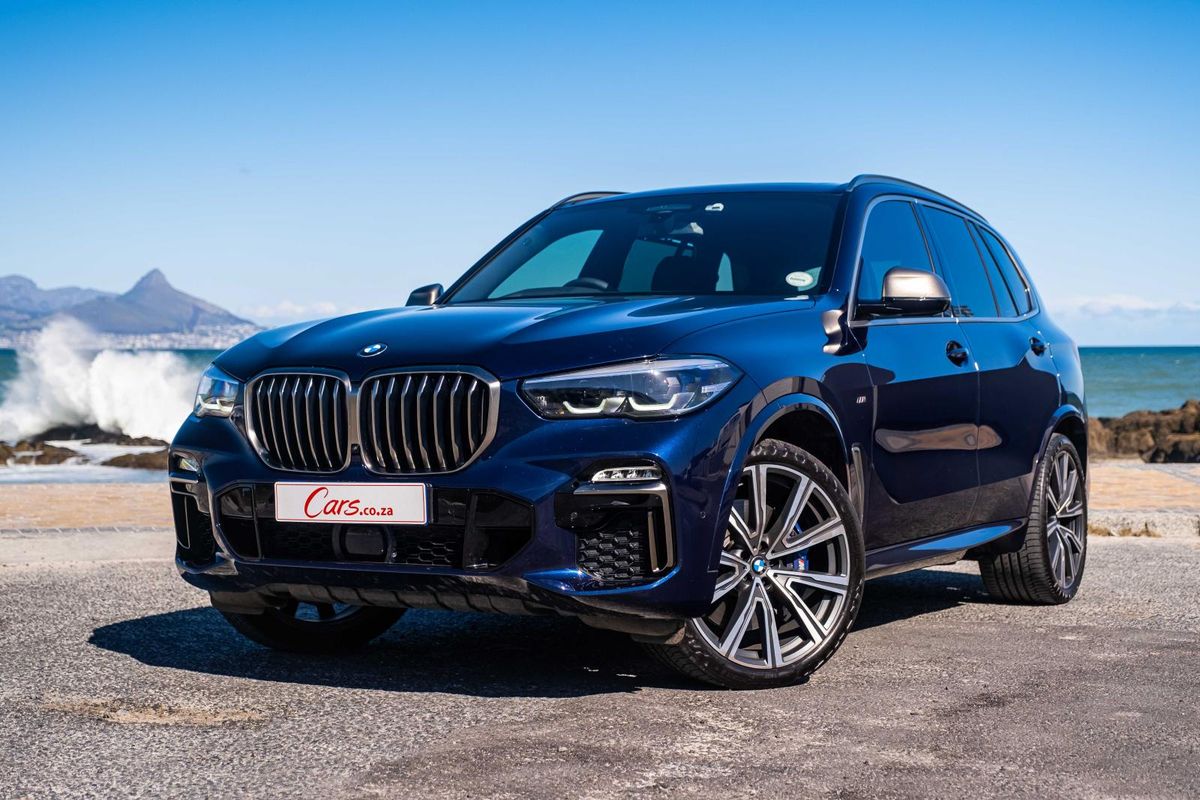
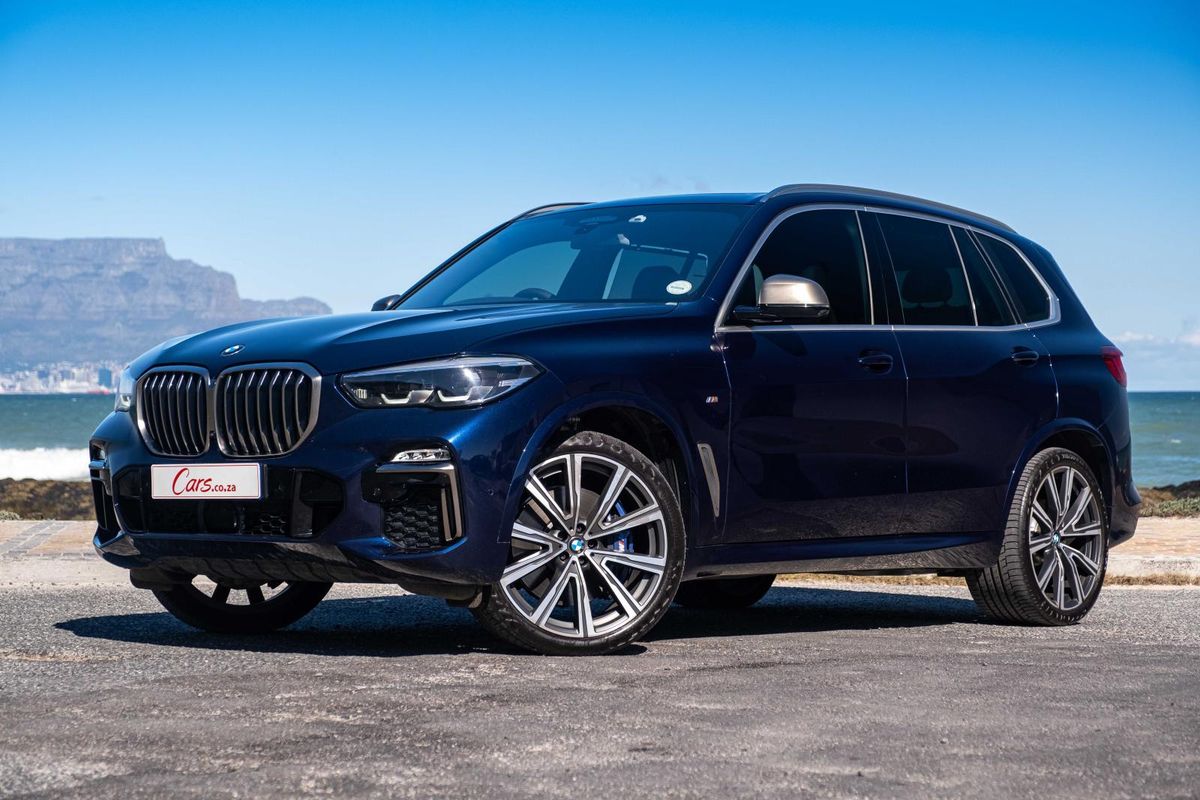
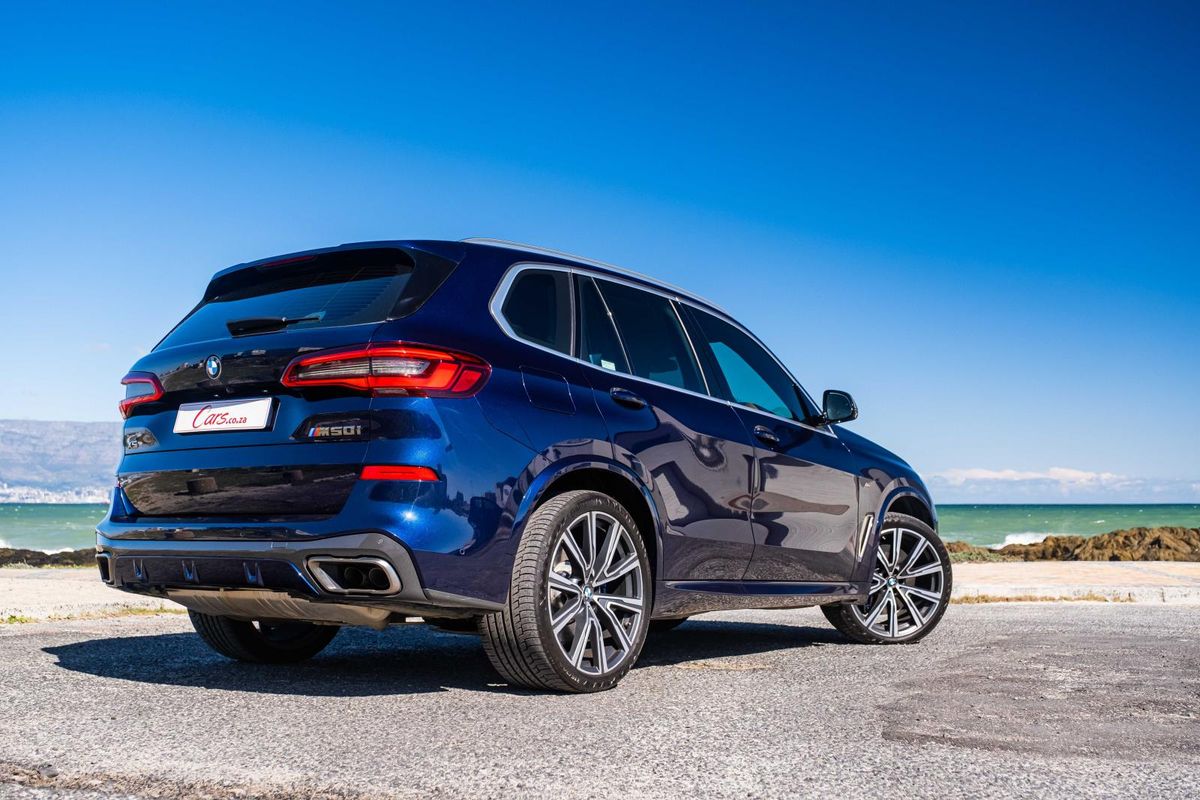
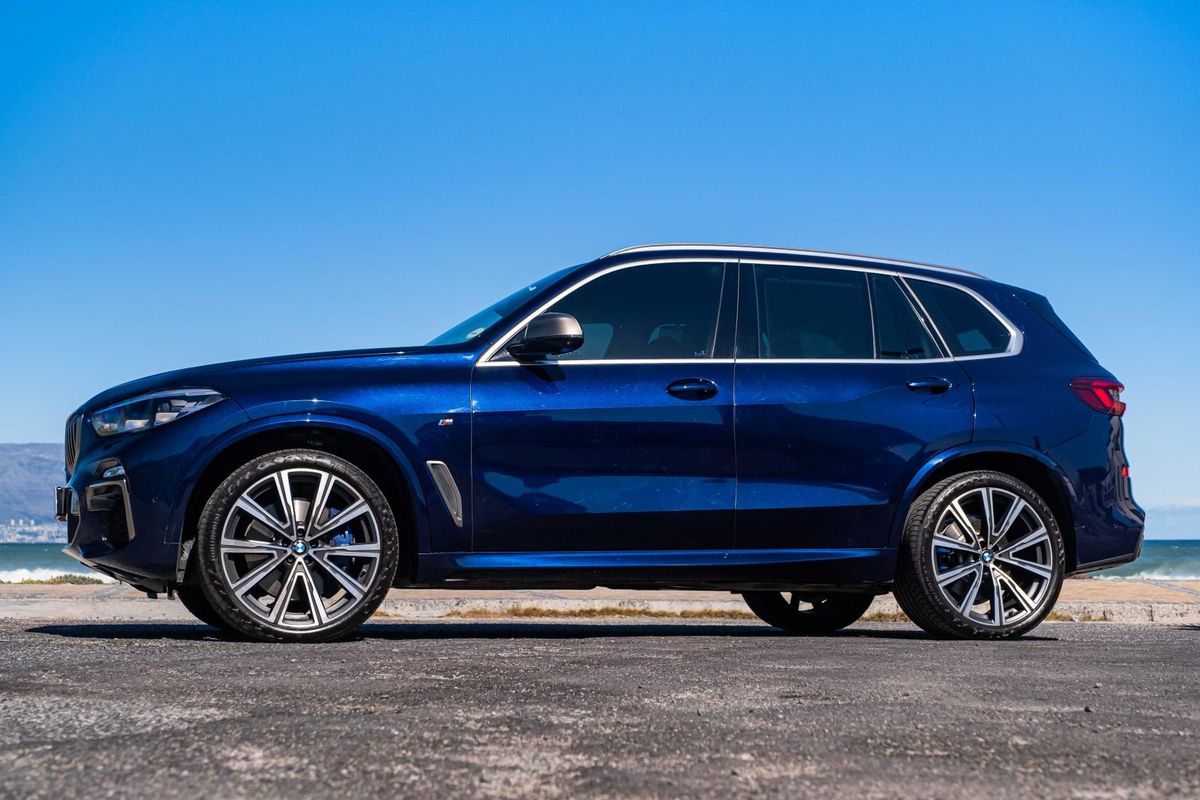
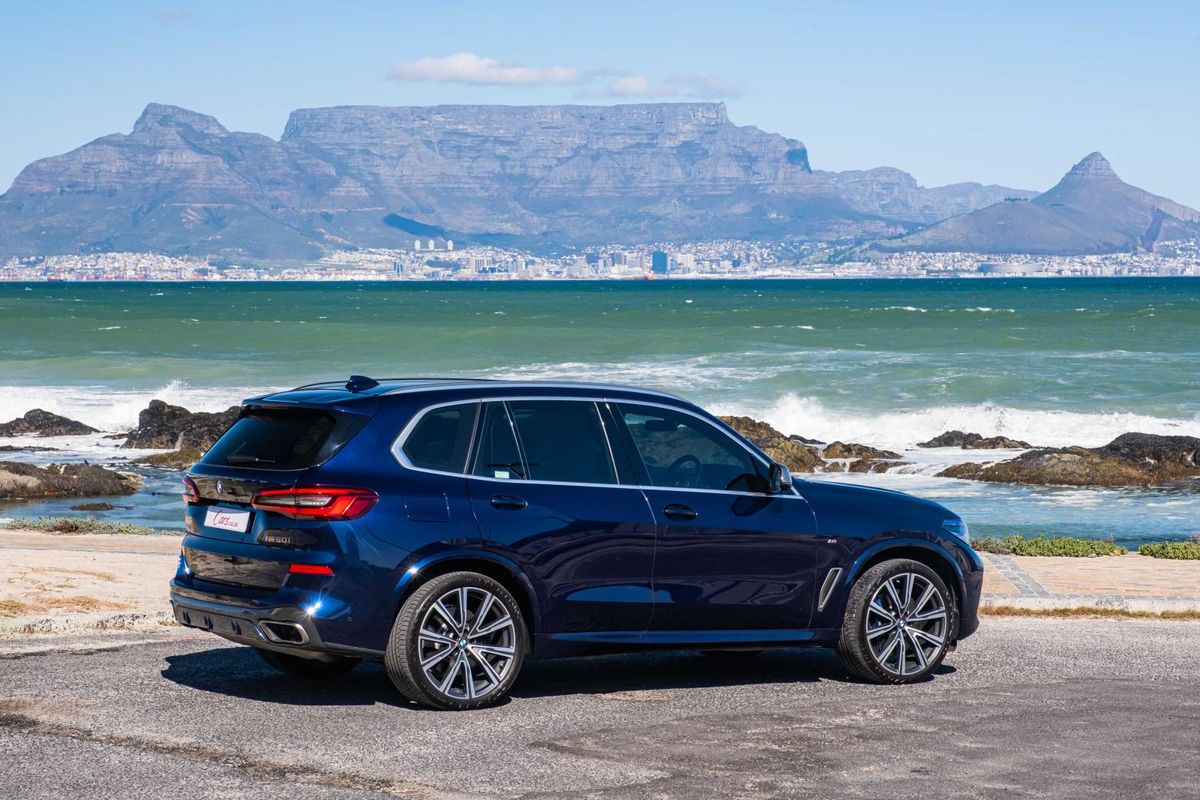
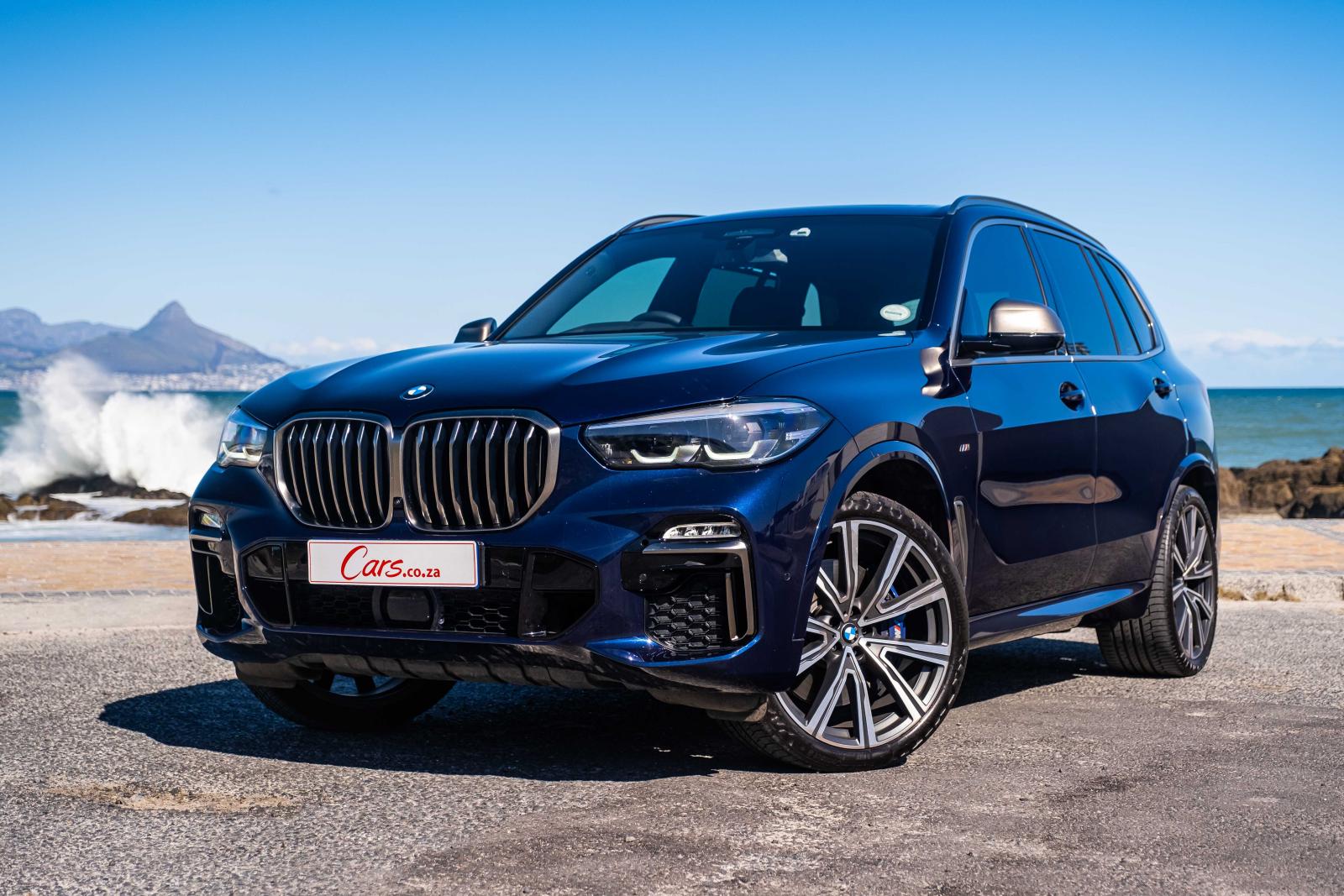
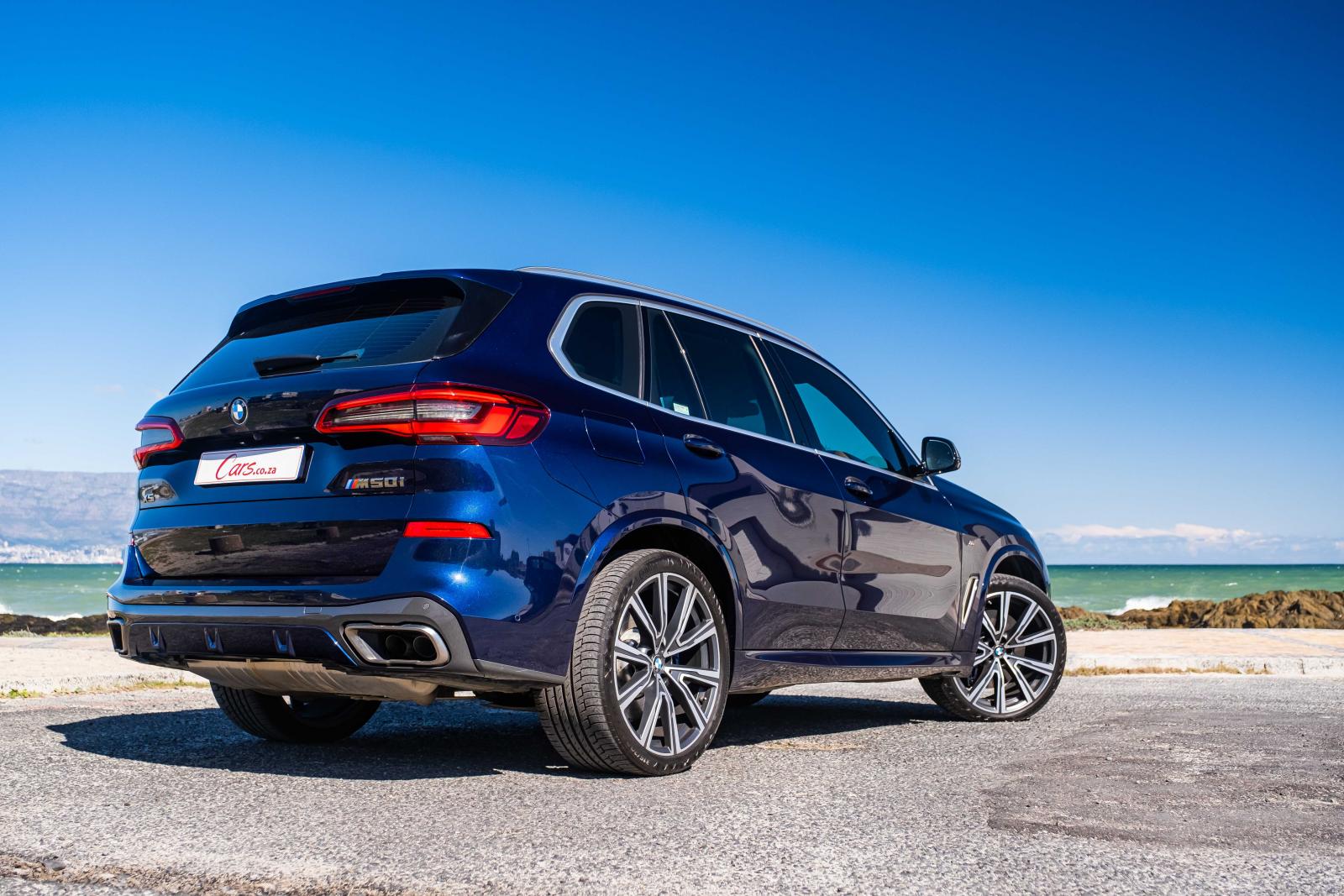
It may not be the top-of-the-range BMW X5 derivative, but the M50i is about R1 million more affordable than its 460-kW M Competition sibling – and arguably represents all the performance-oriented premium SUV that you're ever likely to need…
We like: Stonking performance, pliant ride quality, good build quality & cabin insulation
We don’t like: Fuel consumption, paying extra for heated seats
Fast Facts:
Price: R1 690 084 before options (September 2020)
Engine: 4.4-litre twin-turbopetrol V8
Power/Torque: 390 kW/750 Nm
Transmission: 8-speed Tiptronic
Fuel consumption: 11.5 L/100 km (claimed)
Boot capacity: 650-1 870 litres
Performance: 0-100 kph in 4.3 sec.
What is it?
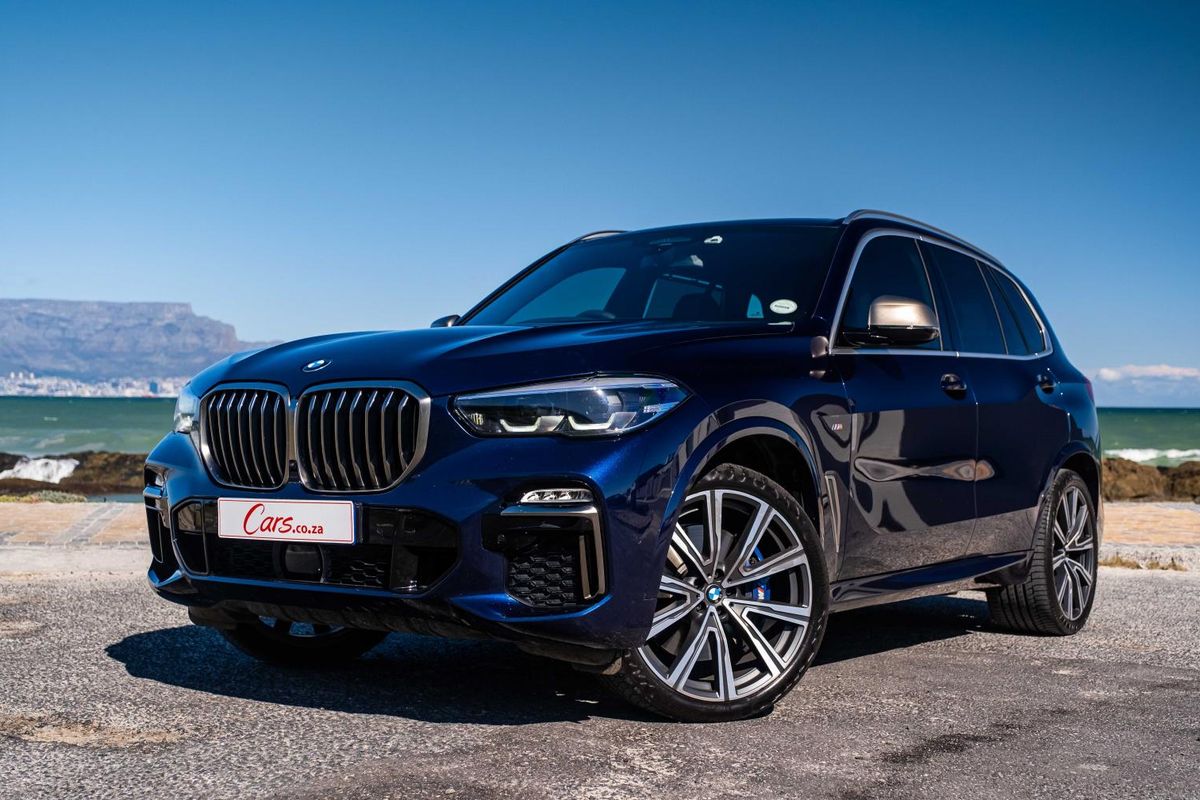
The X5 M50i's imposing presence benefits from the addition of M Design elements and striking 22-inch (optional) alloy wheels.
The BMW X5 is, in xDrive30d form, our current Cars.co.za Consumer Awards – powered by WesBank Premium SUV champion by virtue of offering a breadth of talents (as well as solid brand support, of course) that its rivals struggle to match. However, if you're looking for a performance-oriented, full-sized, luxury family vehicle and your budget can't quite stretch to the full-fat X5 M Competition (which has an asking price of around R2.6 million), this M50i derivative could very well be for you. And, best of all, you could be saving in the region of R1 million by opting for the latter!
Rivals? Well, although the M50i is not a fully fledged member of the BMW M gang, in terms of price and performance it competes with the likes of the Mercedes-AMG GLE53 4Matic and Porsche Cayenne S, which also have sporty pretensions. The BMW is, however, more powerful and faster than either of those (fellow German) derivatives…
How it performs in terms of…
Performance, fuel economy and ride/handling
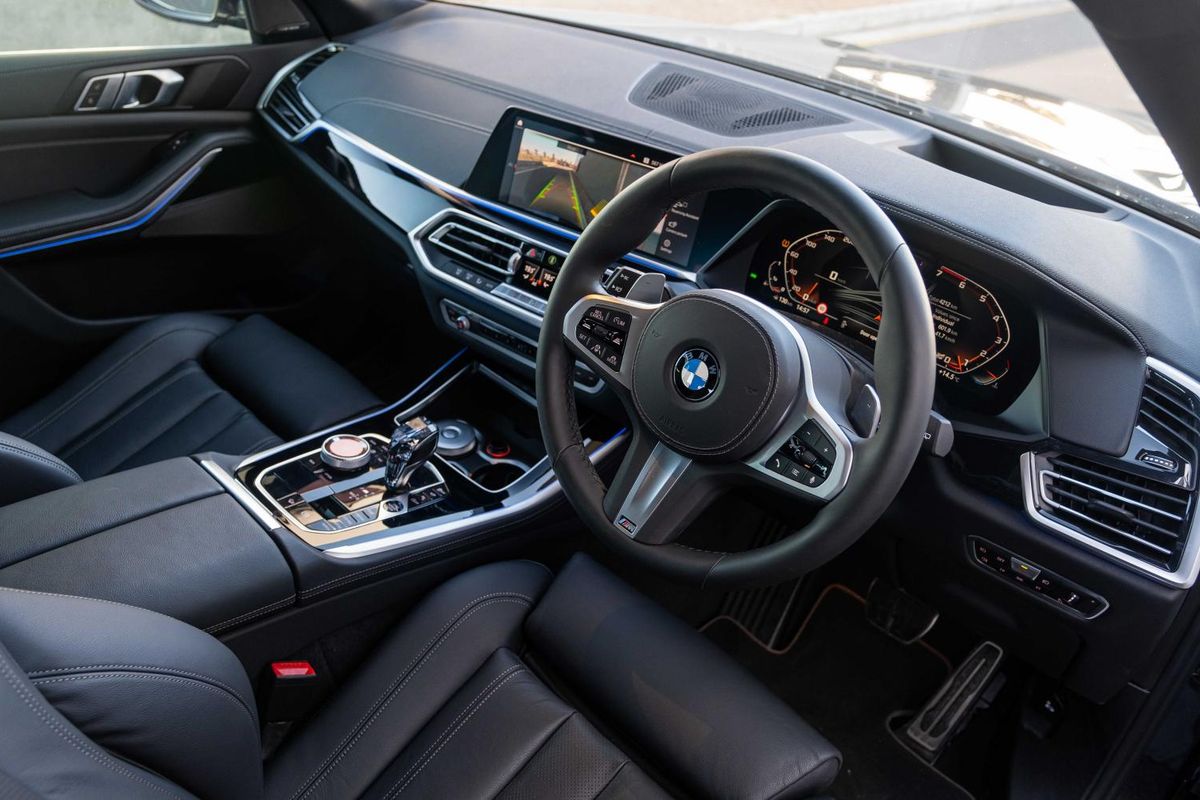
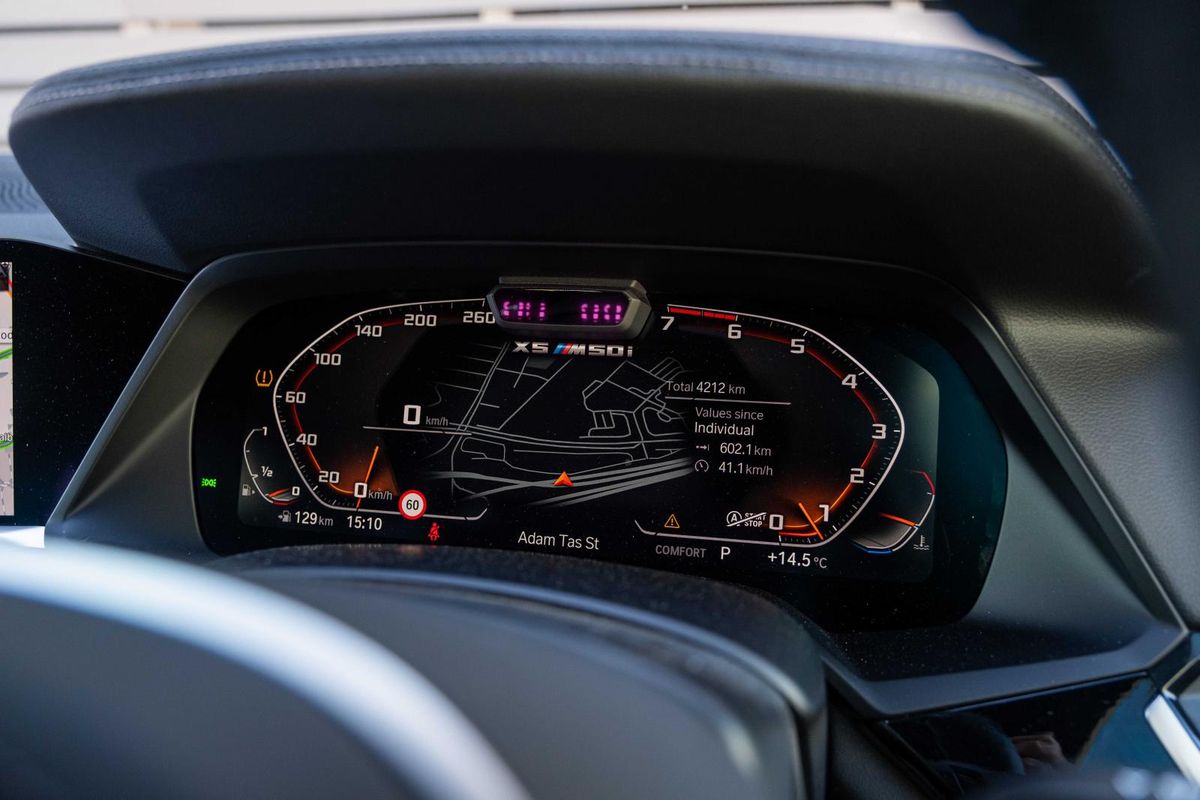
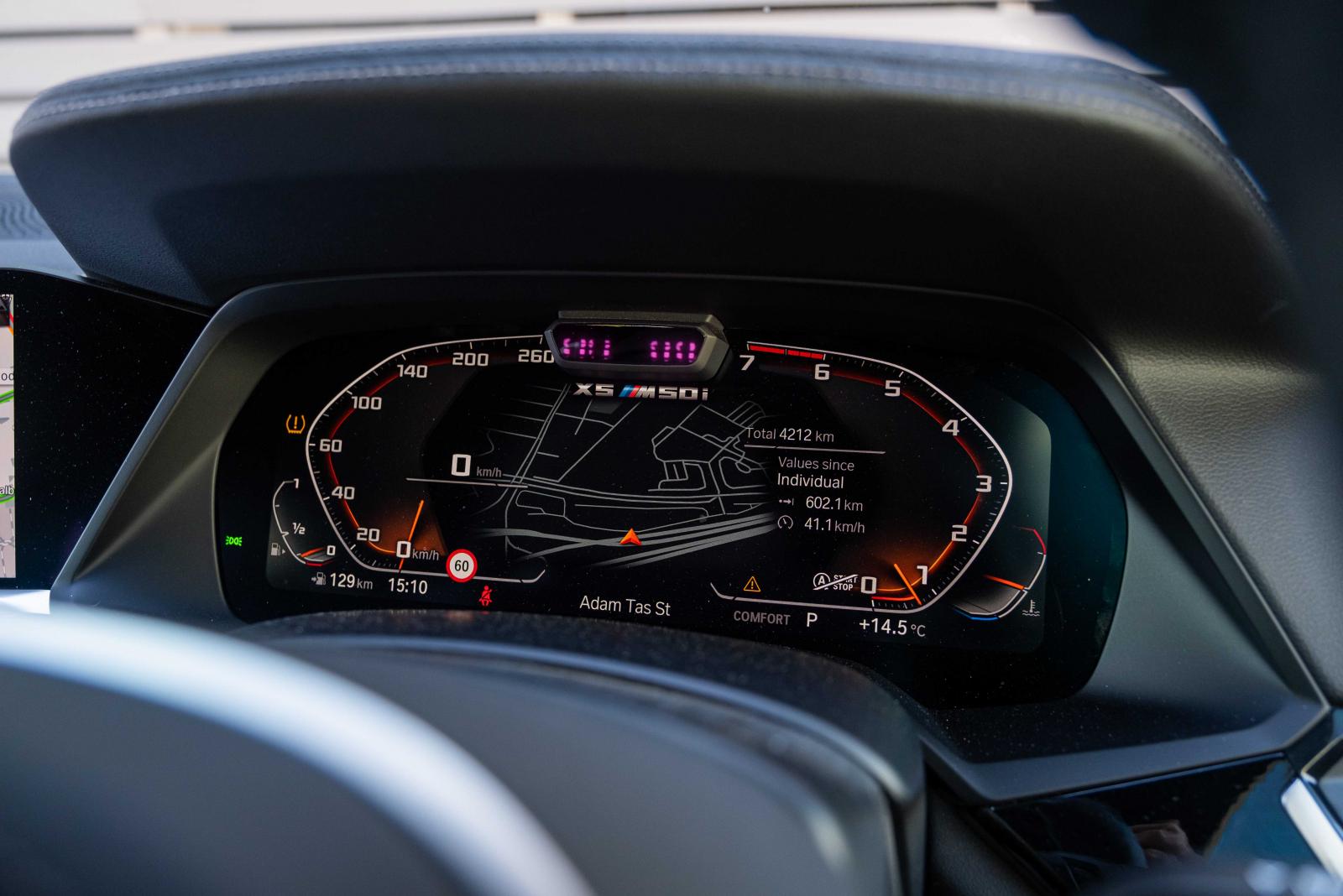
Digital instrumentation screen boasts crisp, clear graphics. Maximum power is developed between 5 500 and 6 000 rpm.
Under the sculpted bonnet of the M50i sits BMW's twin-turbo 4.4-litre V8, which produces a mighty 390 kW (from 5 500 to 6 000 rpm), which may be well short of the M Competition's 460 kW, but it matches its sibling's peak torque output (750 Nm, between 1 800 and 4 600 rpm). This means the M50i doesn't exactly "hang about". BMW claims a 0-100 kph time of 4.3 seconds, which comfortably beats the Mercedes-AMG GLE53 4Matic and Porsche Cayenne S' times. To be honest, we can't fathom why you'd want to go faster in something that is this big… and obviously not a sportscar.
Mated with BMW's slick-shifting 8-speed automatic transmission, the engine offers a lovely, crisp throttle response and just enough of an urgent soundtrack to make matters interesting when you mash the X5's accelerator pedal. Still, it doesn't "crackle and pop" like an M car; the emphasis here is more on delivering an "iron fist in velvet glove" driving experience. The M50i does that exceptionally well.
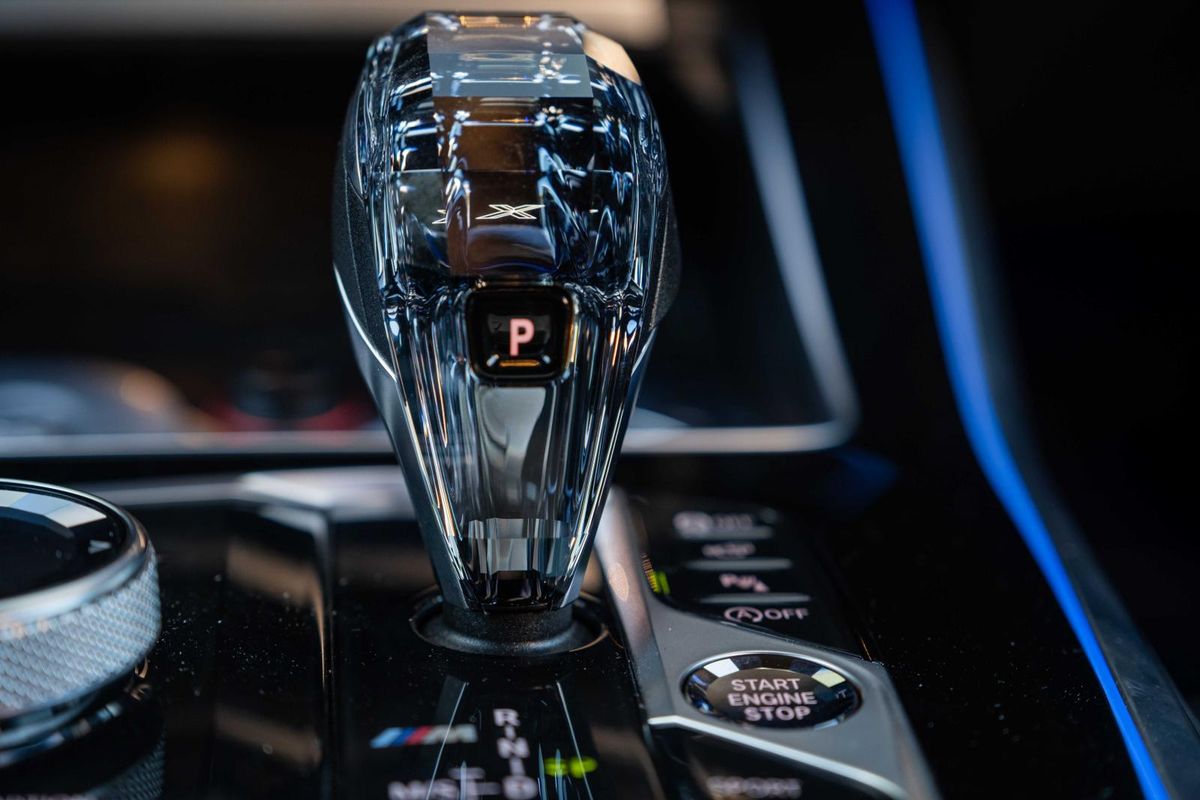
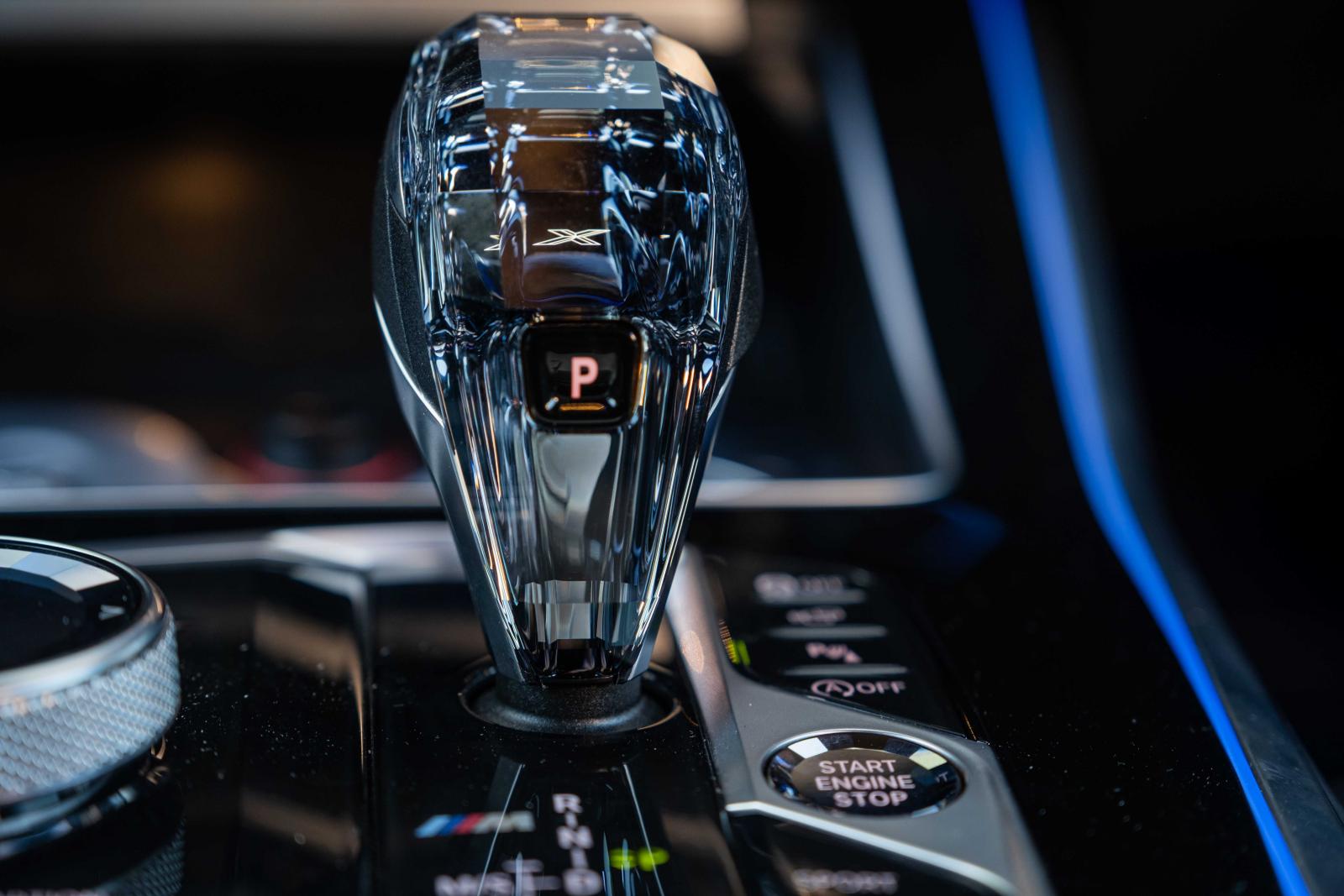
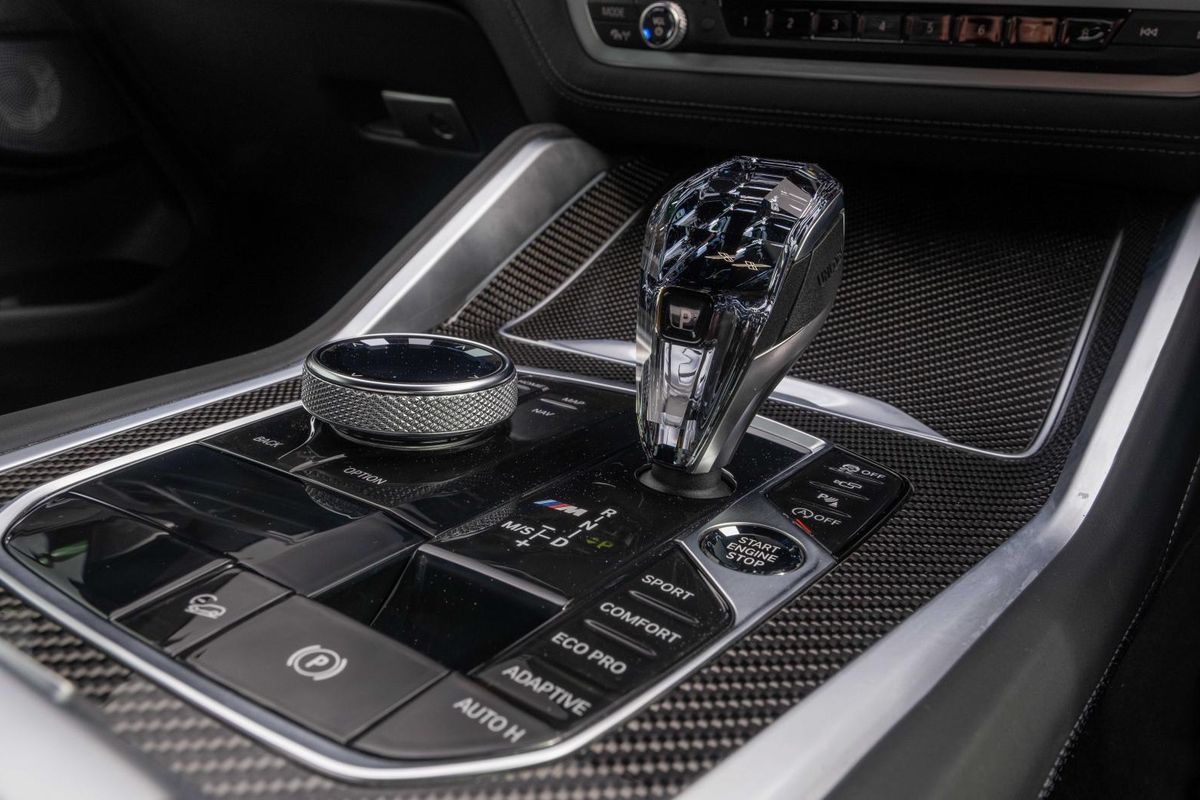
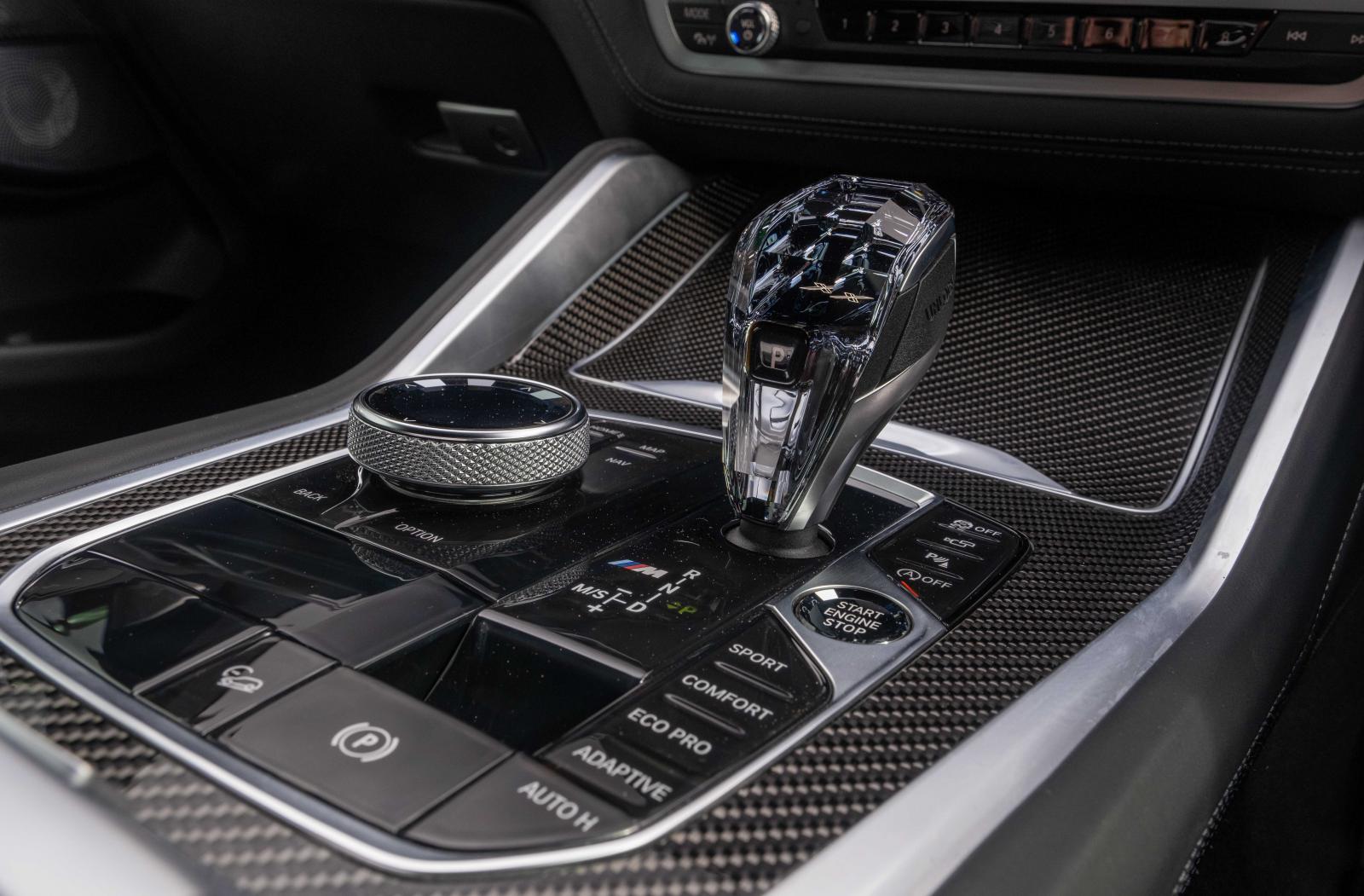
The CraftedClarity transmission lever may look the part, but it doesn't feel substantial enough in hand.
Don't forget the M50i utilises BMW's xDrive all-wheel drive system, which can direct all the torque to the rear axle (if required) and an M sports-differential is standard. While the X5 is one of the sweetest-handling and best-riding Premium SUVs on the market (even the more affordable variants), dynamic sharpness is probably the one area in which there is an appreciable difference between the M50i and X5 M Competition. The latter's extra stiffness and track-honed dynamics result in a firmer ride and better steering precision than what the M50i can muster, but that's not to say it's clumsy.
Far from it – it's just that the emphasis of the M50i package is on providing a comfortable, refined driving experience. Interestingly, air suspension is not standard on this derivative (it costs R18 100 extra), but adaptive dampers are. Our test car was also fitted with the Adaptive M Suspension Professional package, which costs R52 000. Select Sport mode and the steering acquires a reassuring heft and you can lean on the chassis in the corners because there is so much grip. The standard wheels are 21-inchers, but our test car rode on even larger 22-inch items (they cost R15 300).
Only less-than-frugal fuel consumption is an issue, but not unexpectedly so. BMW claims an average figure of 11.5 L/100km, but you'd have to drive quite gingerly to achieve that. Expect a return of approximately 13 L/100 km as a more realistic day-to-day number.
Exterior design & Packaging
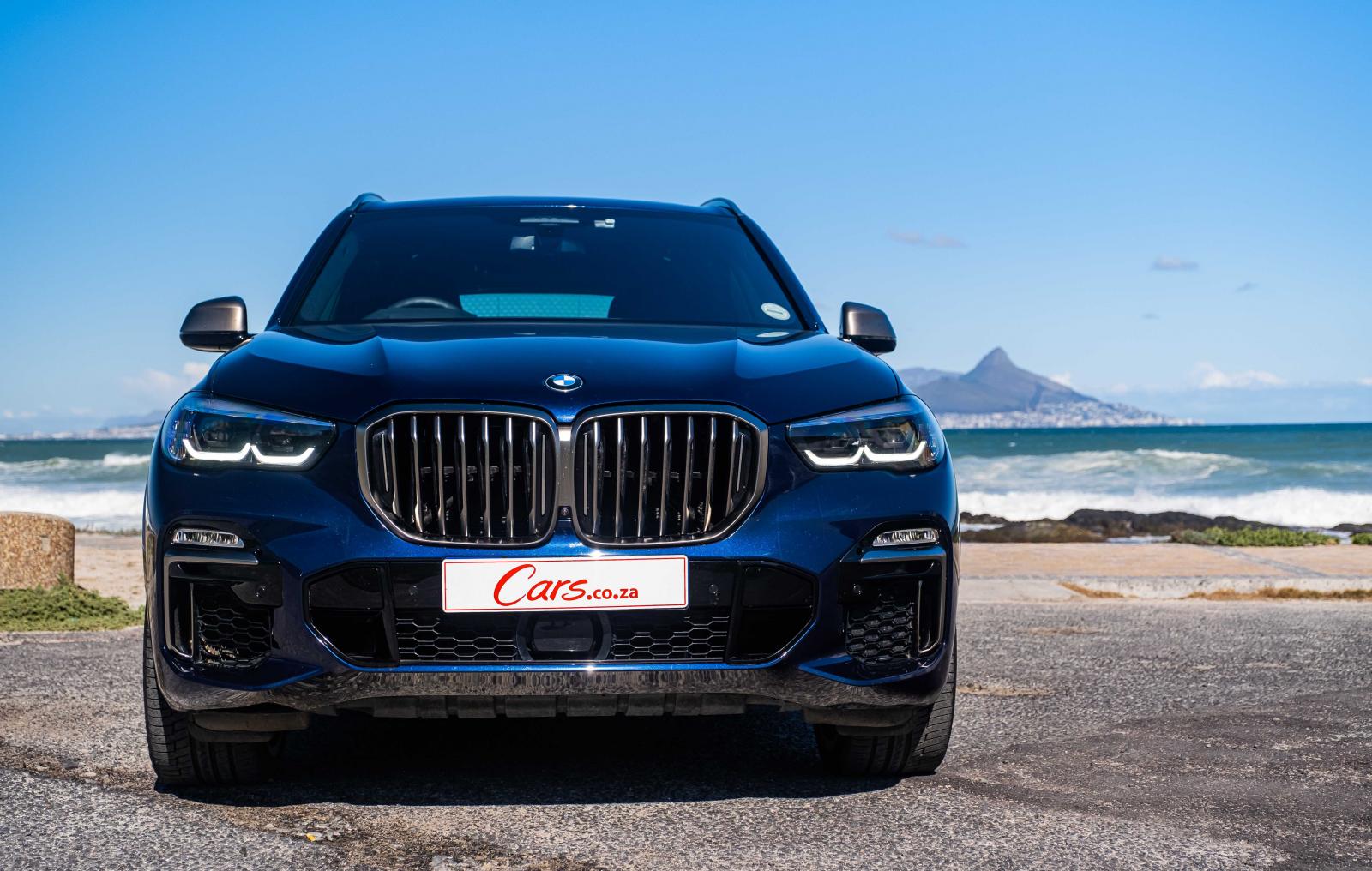
You've seen the X7's front end, so do you still think the X5's grille is too big?
By now we've all grown accustomed to the latest X5's exterior design and, in particular, what was initially considered an oversized grille… In the metal, the X5 has an imposing presence, due to its wide stance – for the most part – and especially the way those large (optional) 22-inch wheels fill their arches. There are some nice details, such as the subtle fender flares just above the rear wheels, and a tasteful hint at a shark's nose in the angle of that grille. With menacing detailing in the headlamps (courtesy of the adaptive LED lights), the X5 gains an aggressively sporty "face". Our test unit did not feature the optional LaserLights, which offer genuinely impressive illumination and might just be worth the R18 900 extra if you intend doing long nocturnal stints behind the 'wheel on regular occasions.
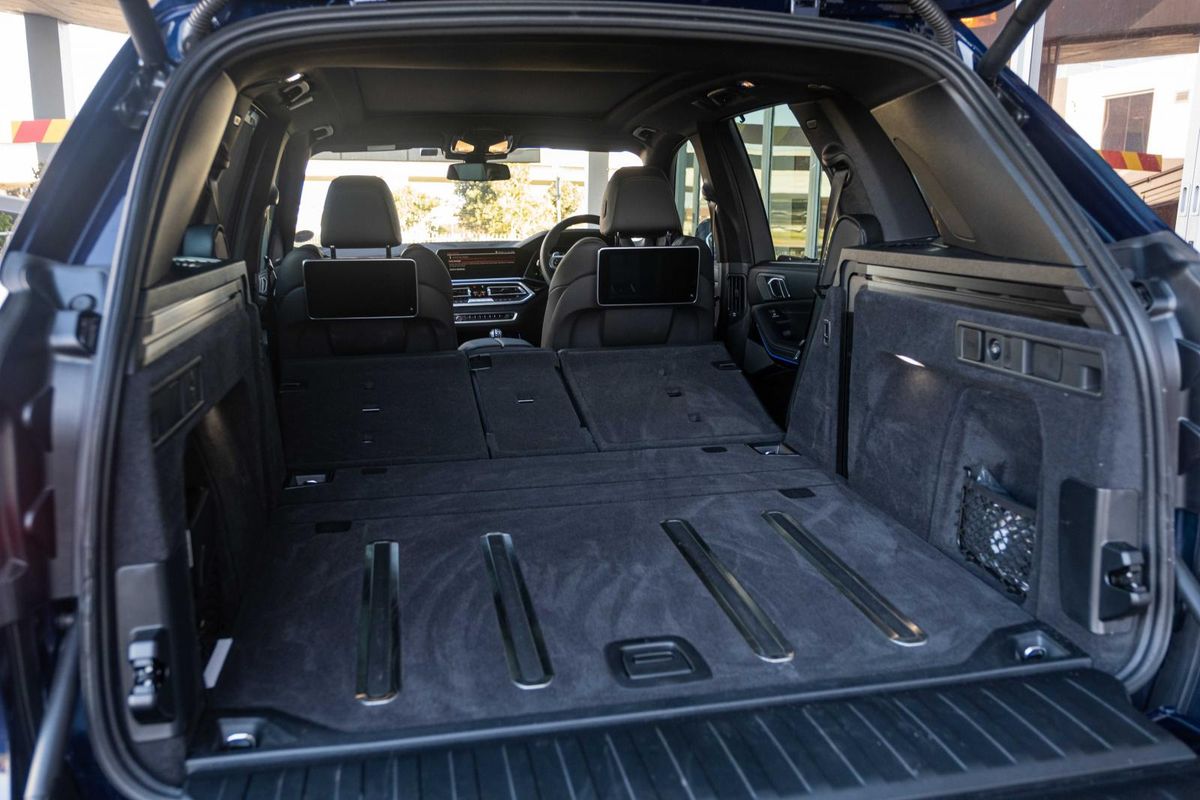
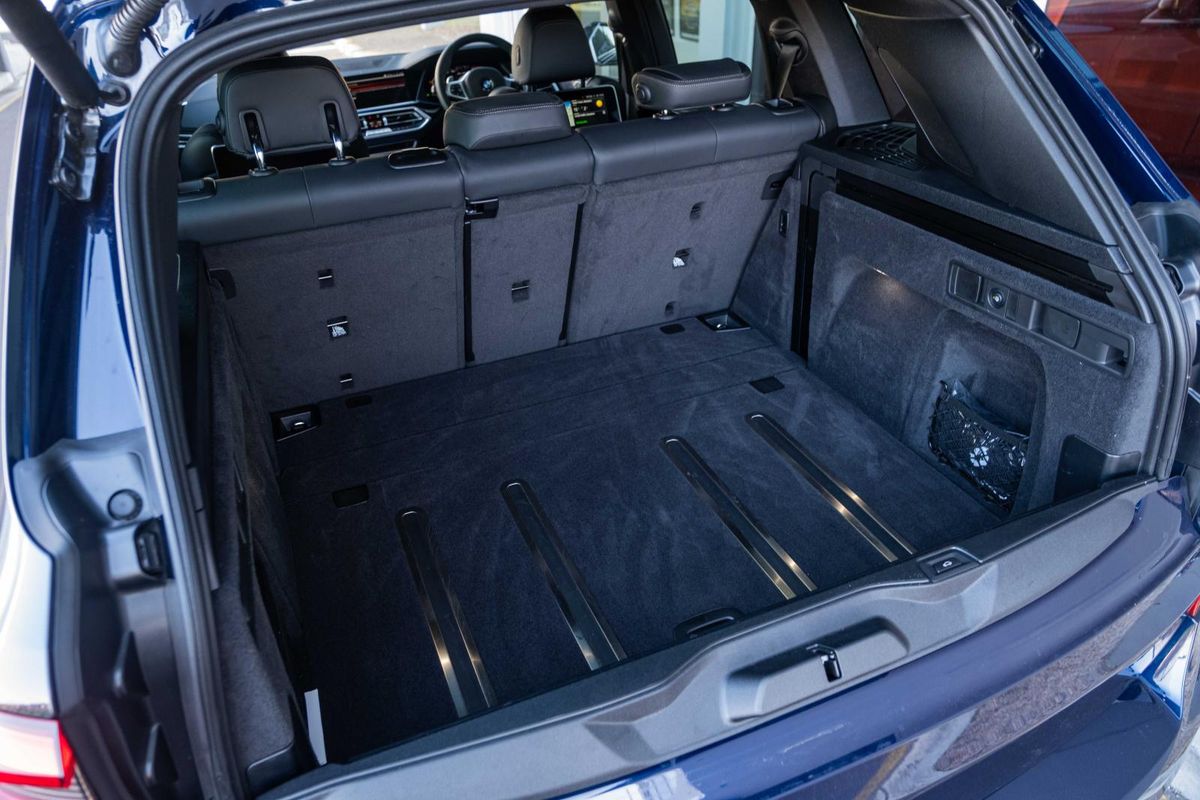
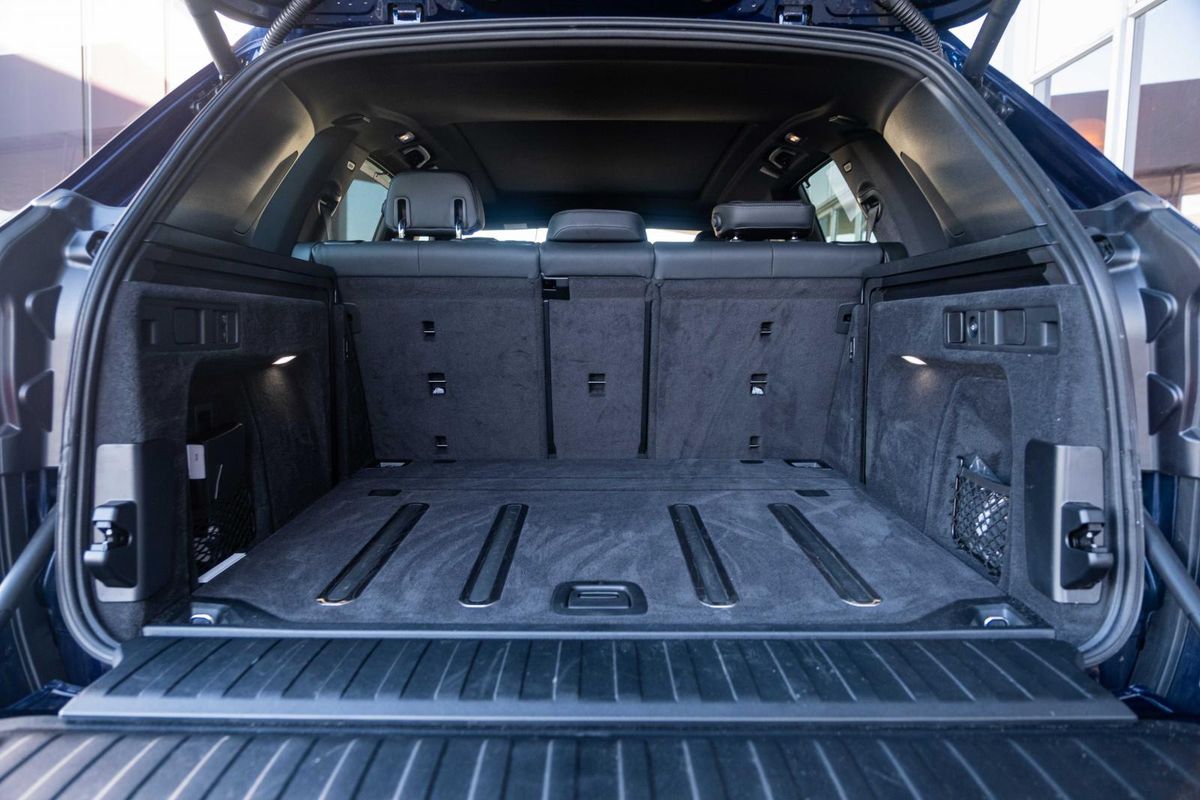
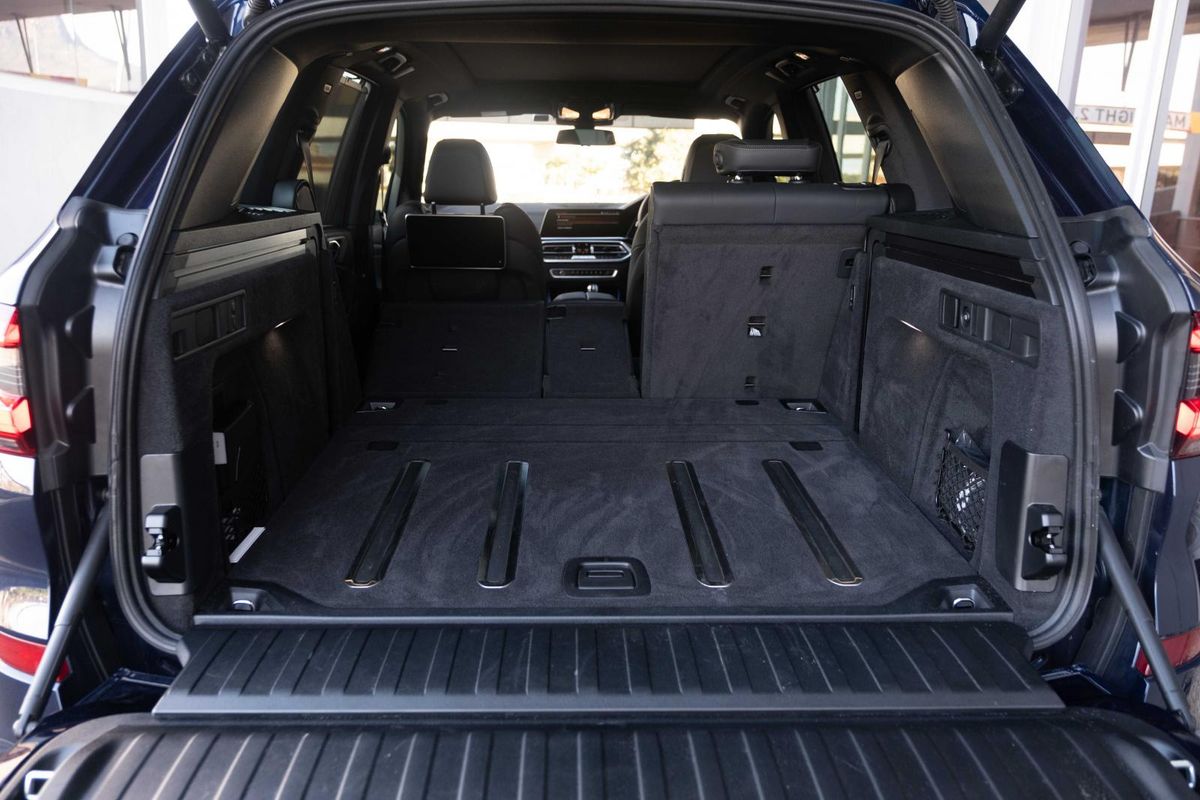
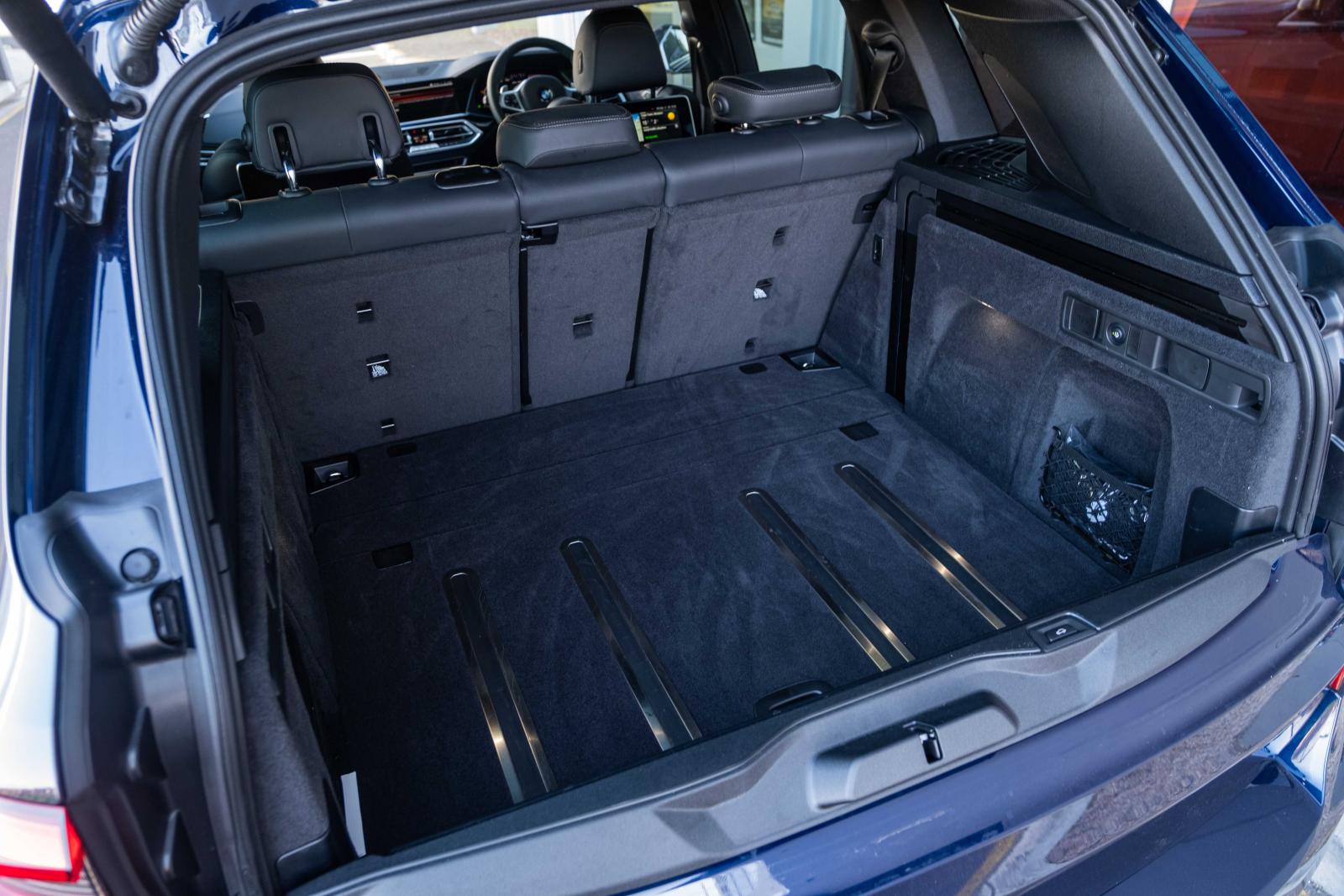
The X5's luggage area is one of the largest in its class. Note levers to fold down second row of seats when standing behind the vehicle.
The sheer size of the X5 translates into excellent cabin space, whether you're seated fore or aft. There's also a large load bay (650 litres), which is more capacious than those of most of the BMW's rivals, but ultimate utility space (with the rear seats folded down), doesn't quite measure up to what is offered by the Mercedes-Benz GLE. A nice touch is the split-opening tailgate, which is particularly helpful when you need somewhere to sit following a muddy outdoor activity, for example. Press a button inside the luggage area and a towbar pops out from underneath the car (a R11 500 option).
Interior execution and features
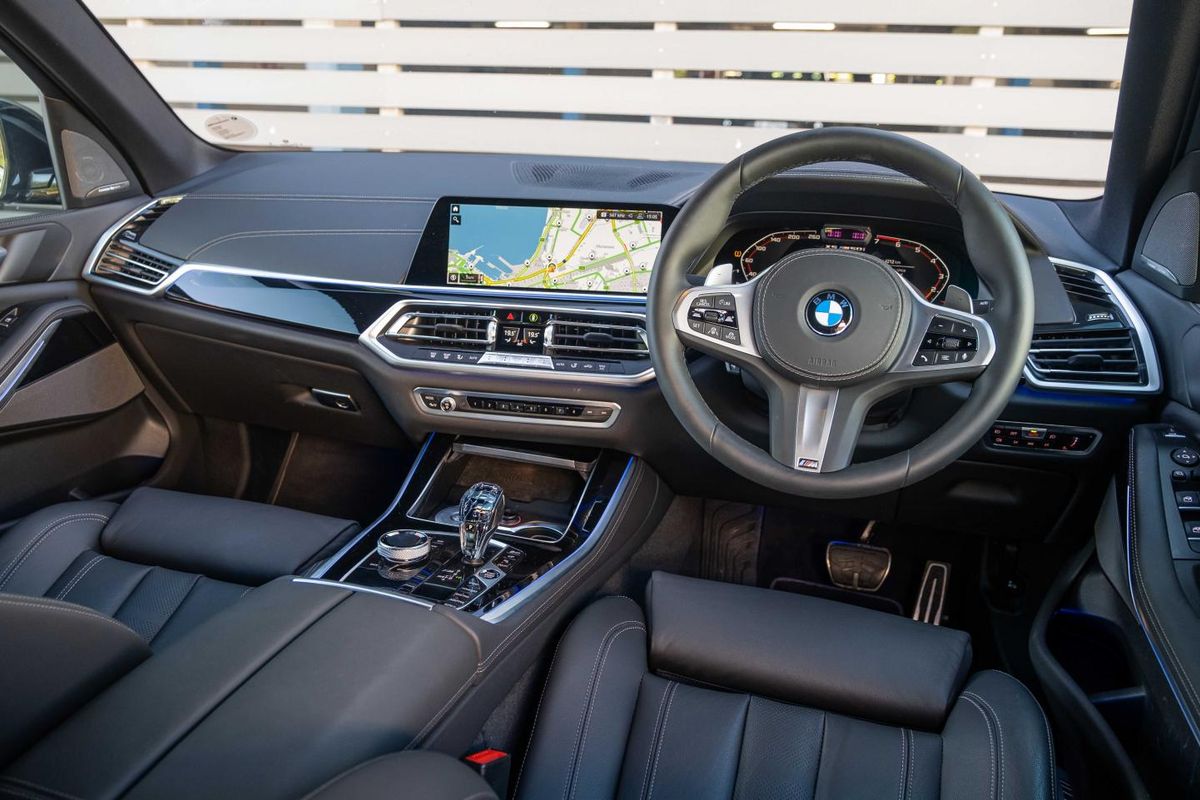
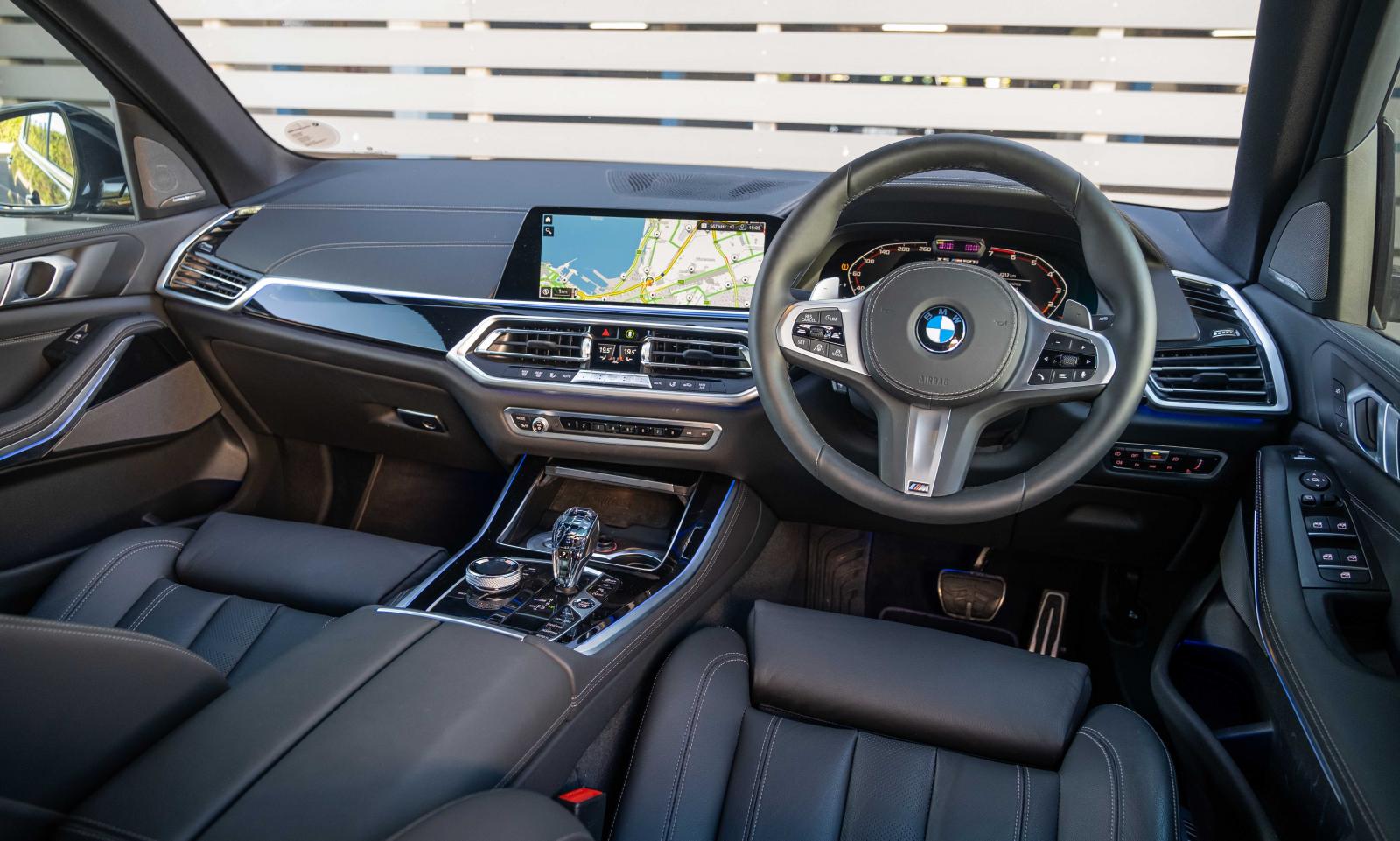
The cabin is not as decked out in touchscreens as some rival offerings, but strikes a nice balance between traditional luxury and modernity.
Thanks to the arrival of the X7, the X5 is no longer BMW's SUV flagship, but you'd never say that when you're seated behind its tiller – the M50i feels like a 7 Series on stilts. You sit high in a superbly supportive driver's seat that can be upgraded to offer heating (R5 550) and cooling (R9 800), but we think seat heating (at the very least) should be standard – you can even get massaging front seats (R14 400). The fascia's leather (a R17 600 option) and wood (or piano black, in the case of our test car) are juxtaposed with just enough high-tech satin silver finishes and LED screens to create a milieu of modern luxury, augmented by LED ambient lighting. On the move, the quietness of the cabin is immediately apparent, undoubtedly aided by the standard noise-reducing "acoustic" windscreen.
The quality and solidity of the X5's cabin is impressive, as one would hope, but for us the "blingy" CraftedClarity glass interior elements actually detract from the overall feeling of build integrity. As has been the case before, several testers mentioned that the sculpted glass transmission lever just doesn't feel particularly substantial… and that its plastic backing smacks of marginal quailty.
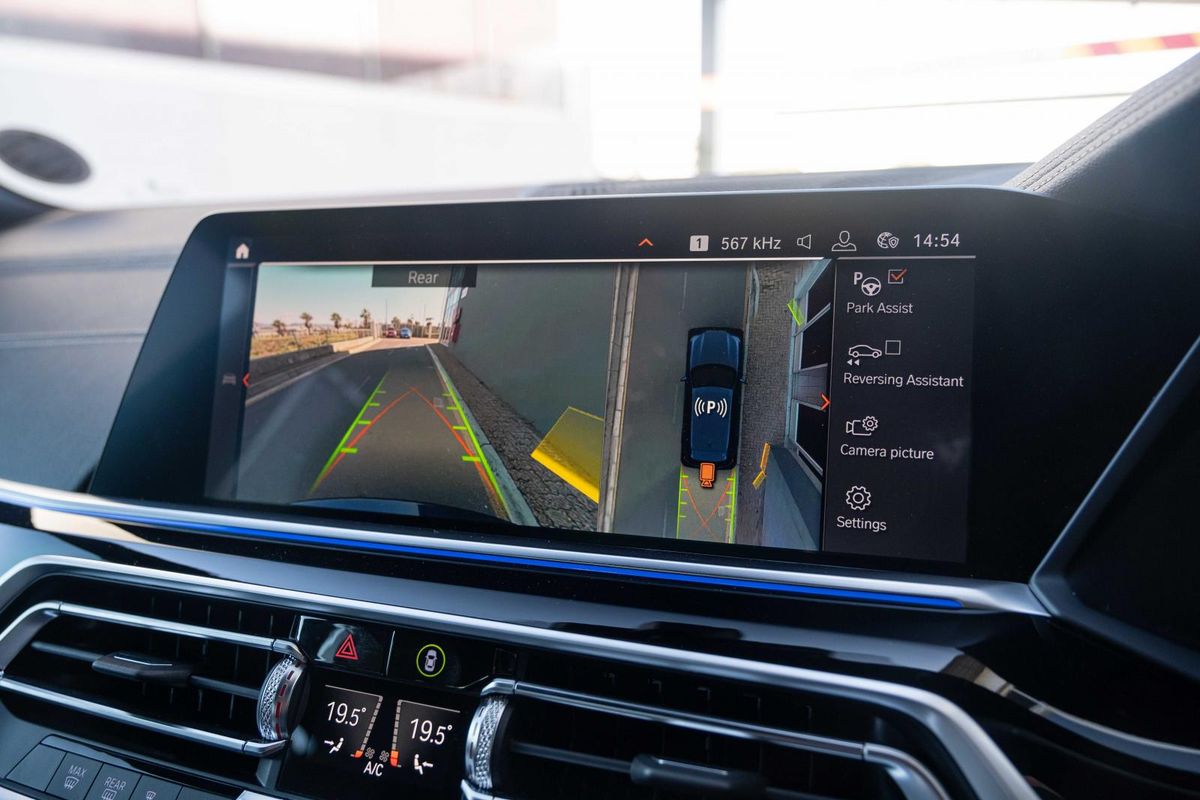
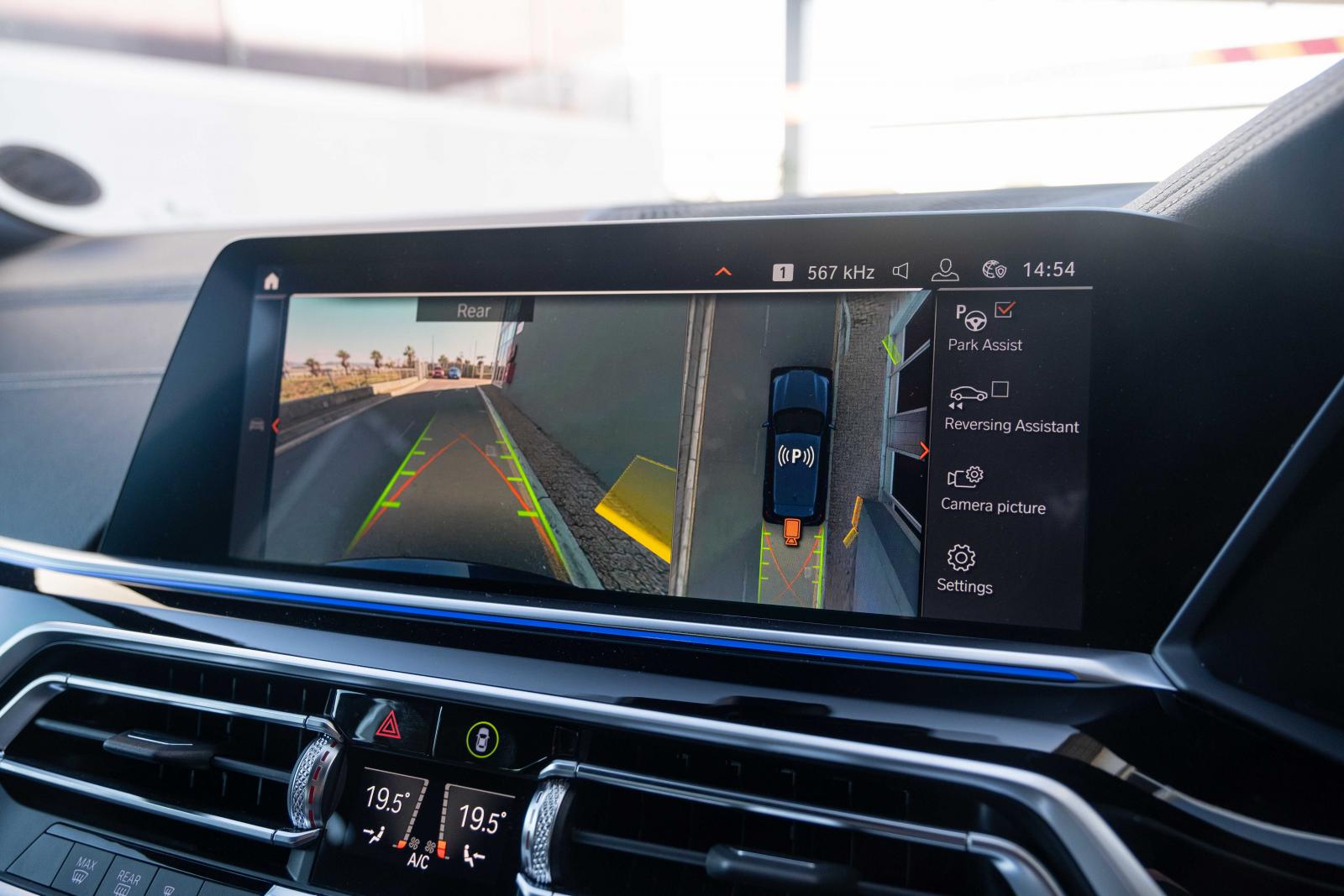
Excellent Park Assist Plus system is a good option box to tick, and it costs "only" R8 900.
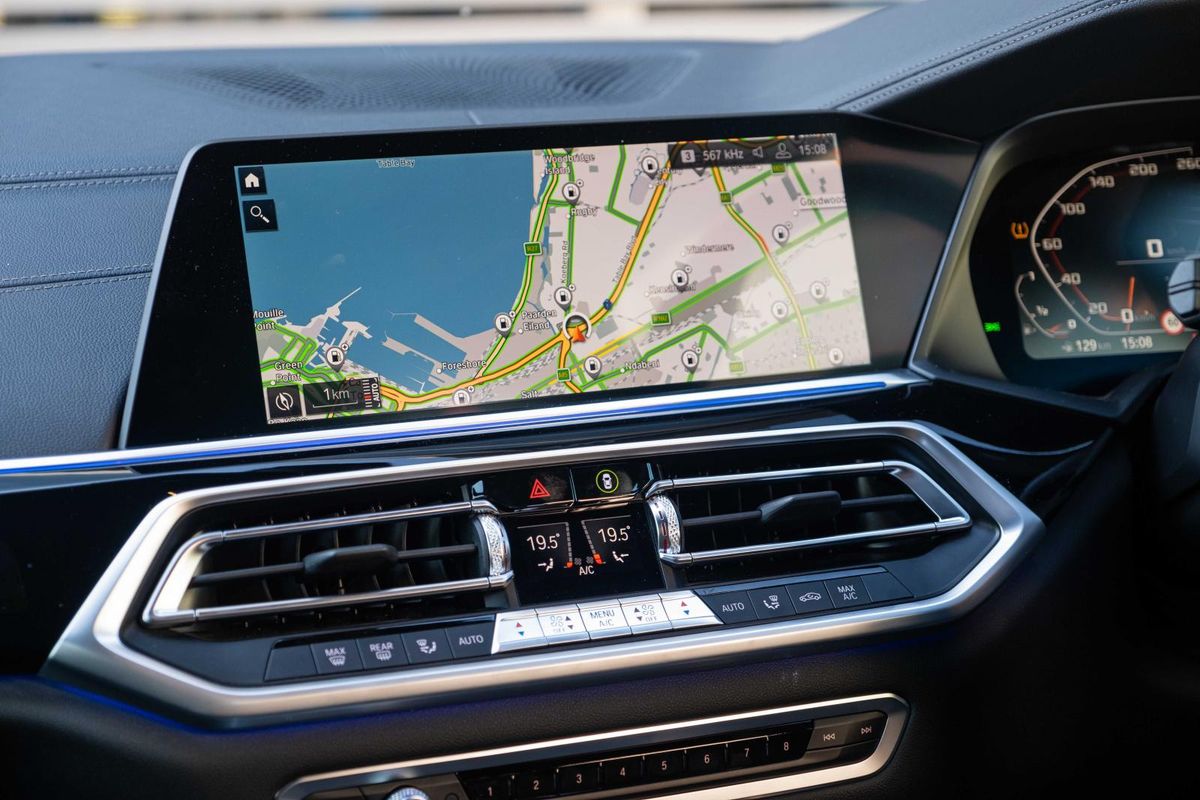
There are myriad optional extras to choose from, but the M50i is reasonably equipped with stock features such as BMW's Live Cockpit Professional system, which consists of a 12.3-inch digital instrument cluster and 12.3-inch infotainment monitor. Controlling the various features is no longer only done via the iDrive controller – you can access features via Gesture Control, Voice Control, the steering wheel buttons and inputs to the touchscreen. A 20 GB hard-drive-based multimedia system is also standard, as are a pair of USB ports, Bluetooth/Wifi connectivity and a wireless charging pad.
Also included as standard is cruise control (with a braking function), collision warning and pedestrian warning. A nice-to-have optional extra is adaptive cruise control with a stop-and-go function (R11 600). Also on offer is a very impressive surround-view camera system (Parking Assist Plus, R8 900), which makes parking or manoeuvering the bulky X5 a significantly less-intimidating exercise.
Pricing and warranty
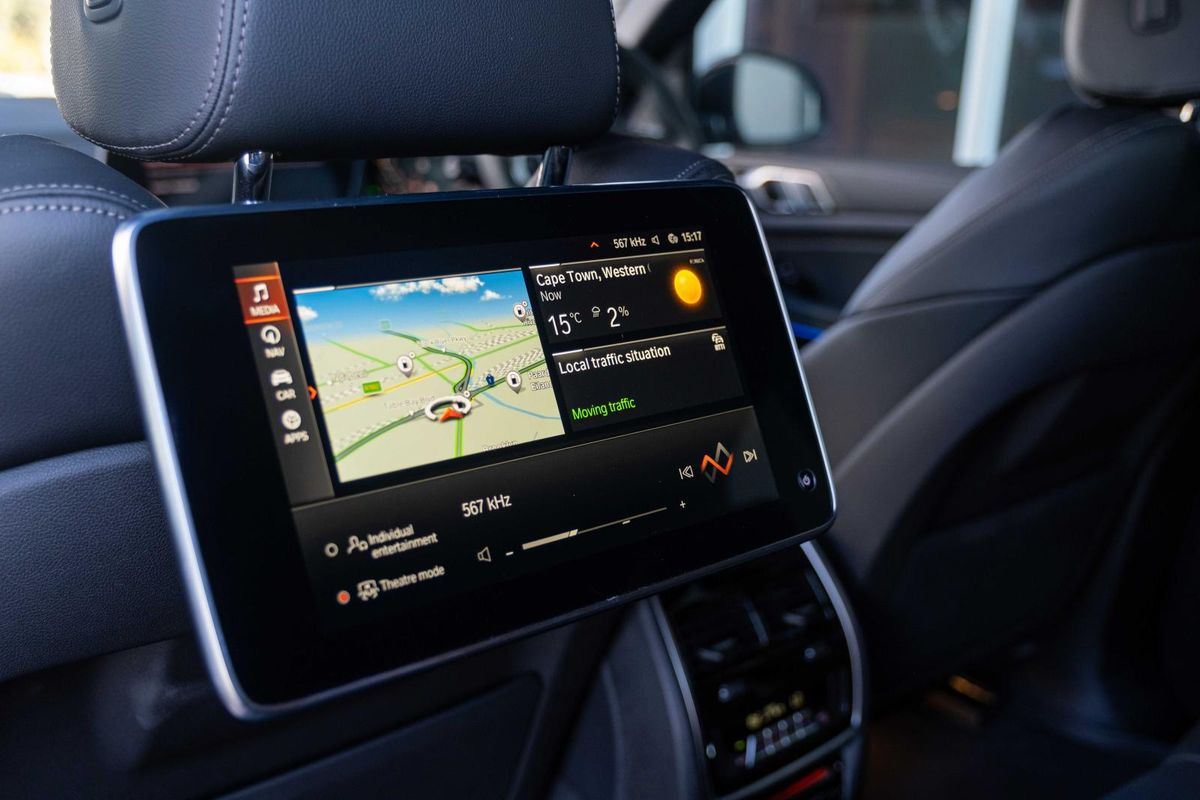
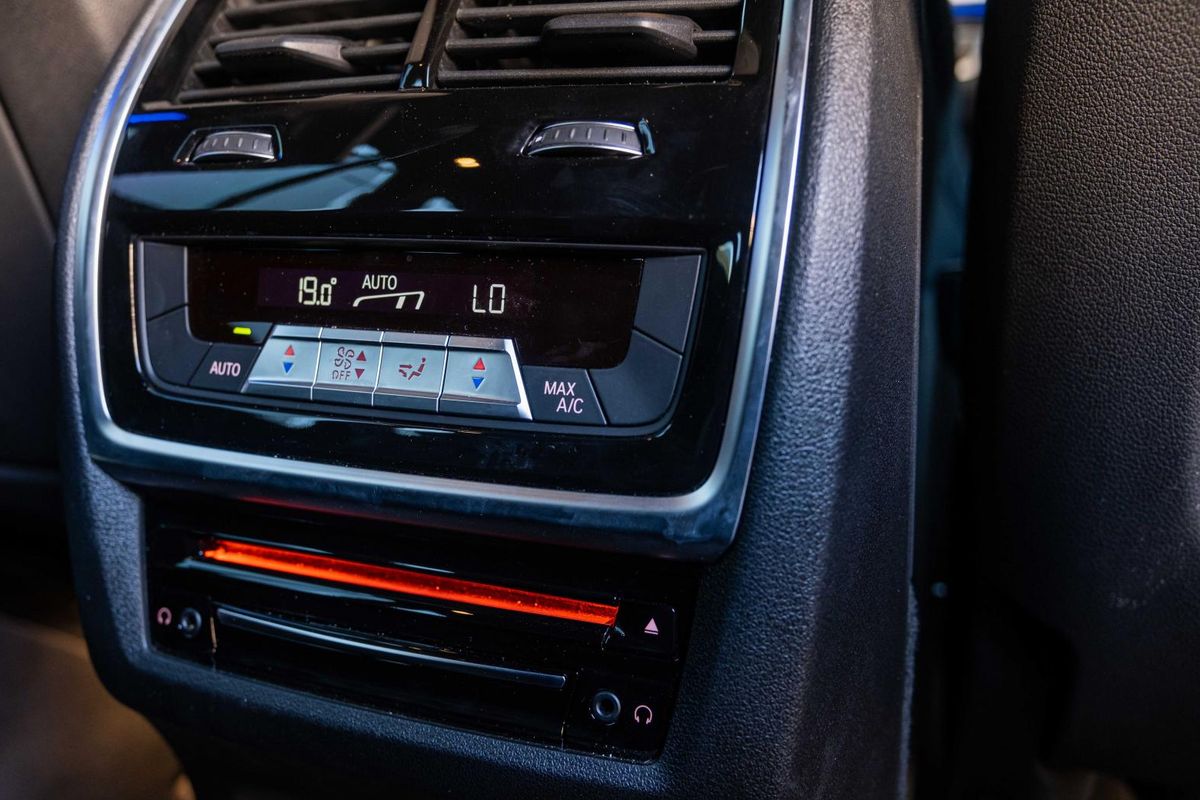
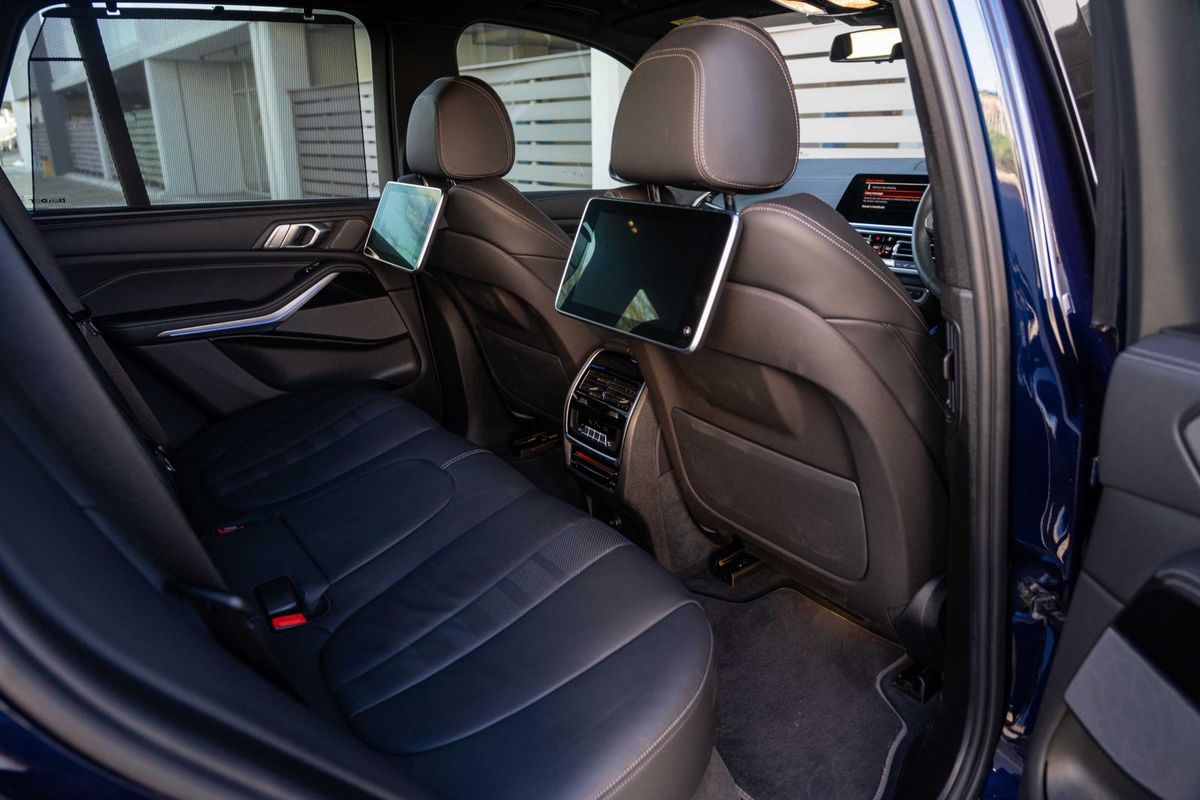
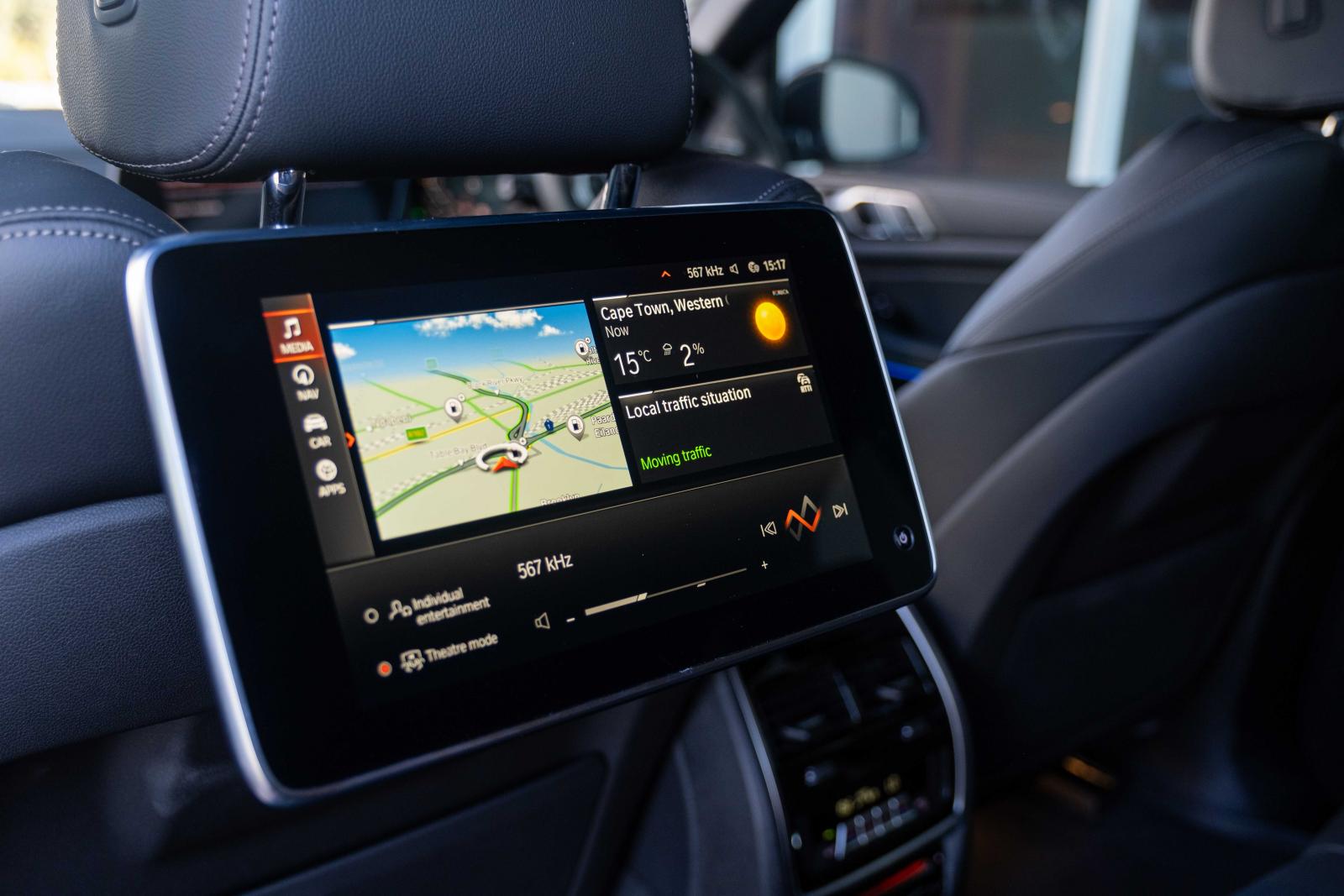
The rear seat entertainment system costs an extra R38 400.
The BMW X5 M50i's list price is R1 690 084, before options (our test unit was specced to just shy of R2 million). A 2-year/unlimited km warranty and 5-year/100 000 km maintenance plan are included.
Arguably as much "M" as you'll ever need in a large SUV… the M50i may be thirsty, but that's about our only complaint.
The BMW X5 M50i offers a deeply impressive blend of performance, refinement and luxury – one that is arguably unmatched at the price. Yes, the Cayenne S may dynamically be more engaging and the Mercedes-AMG GLE offers a more dramatic cabin ambience, but neither of those SUVs can match the M50i's outright grunt and ride refinement. In fact, the M50i looks like comparatively good value compared with what else is in the market of similar size and power. The only real negative is the fuel consumption. If that's a concern, may we suggest you look at the M50i's diesel sibling, the M50d?
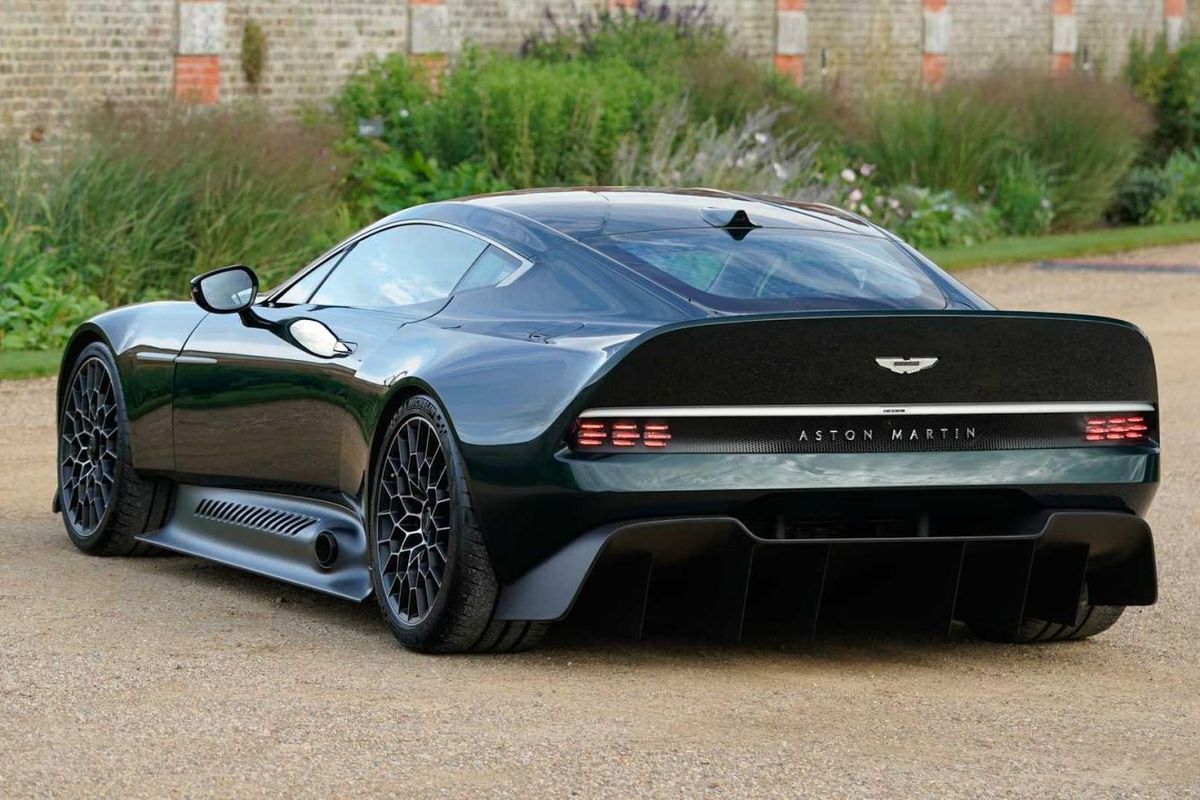
Business conditions might not be ideal, but that has never stopped Aston Martin from turning out even more radical cars.
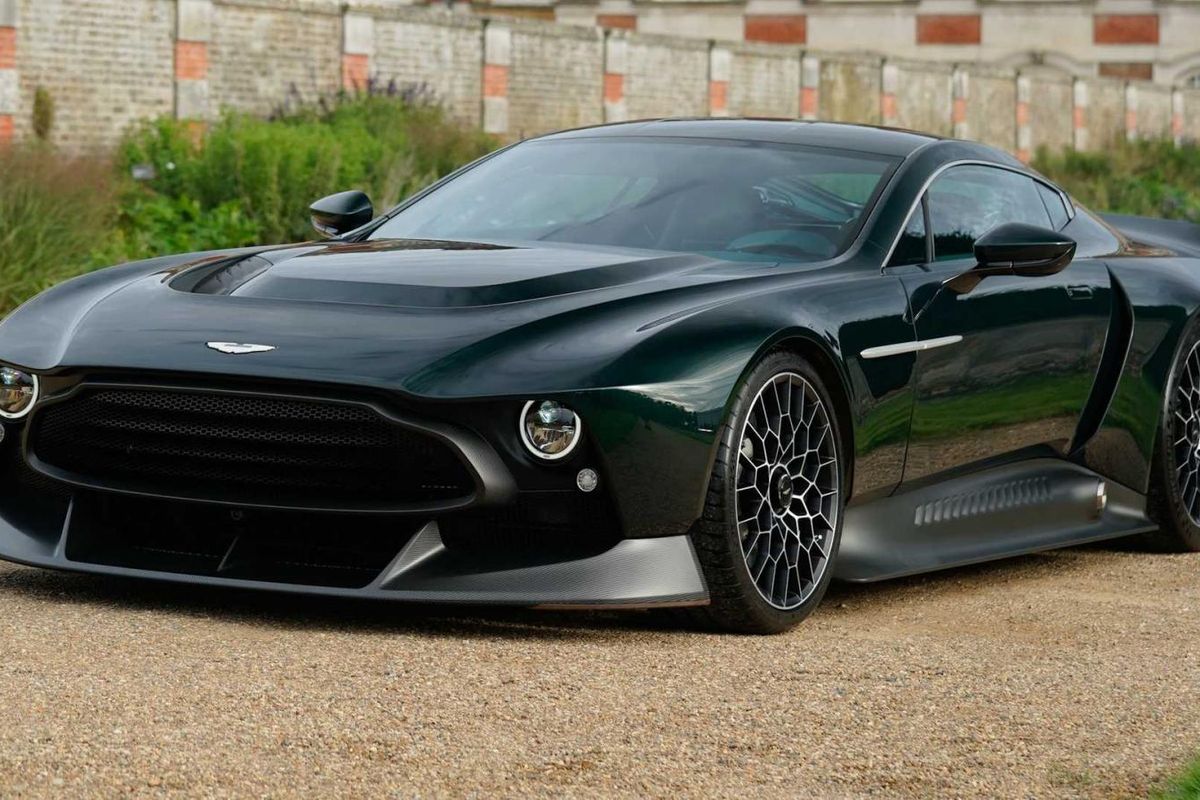
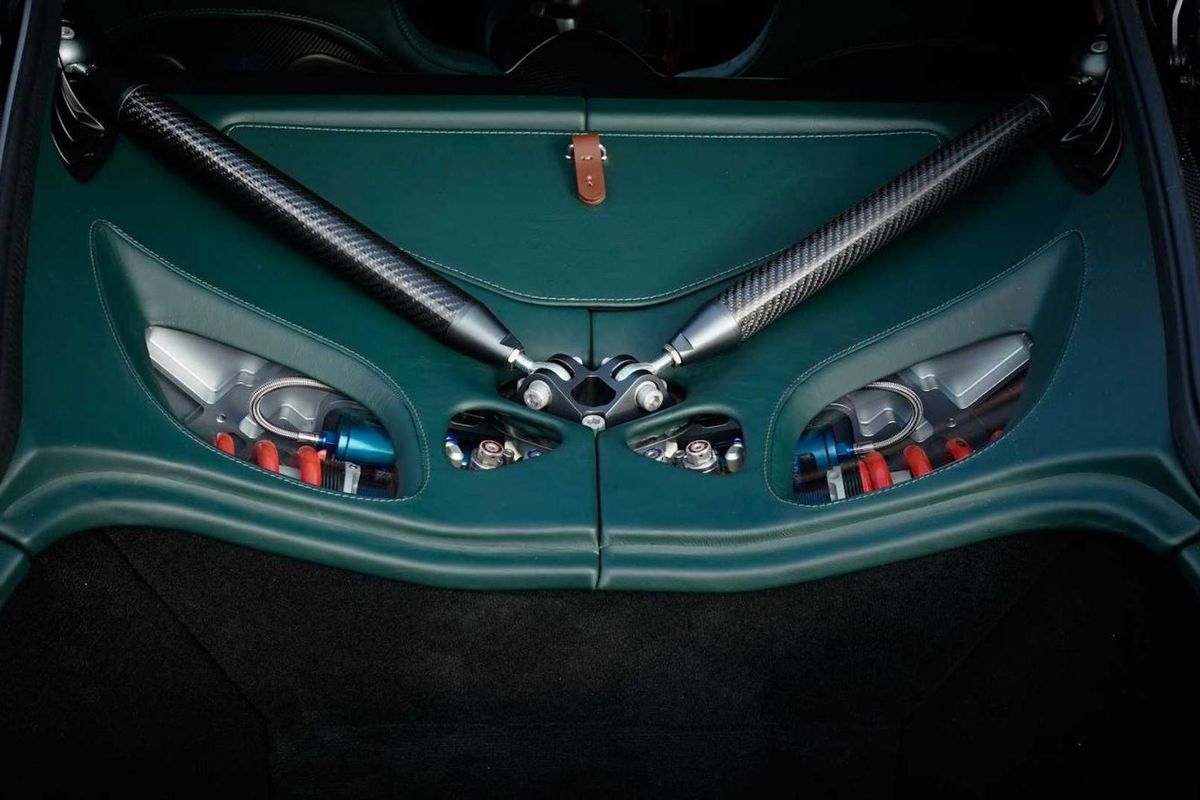
The British brand’s limited-edition vehicles show Aston Martin at its best, and its One-77 is a choice example. Now Aston’s inhouse customization department, Q, has made a single example of the exceeding rare One-77, completely unique.
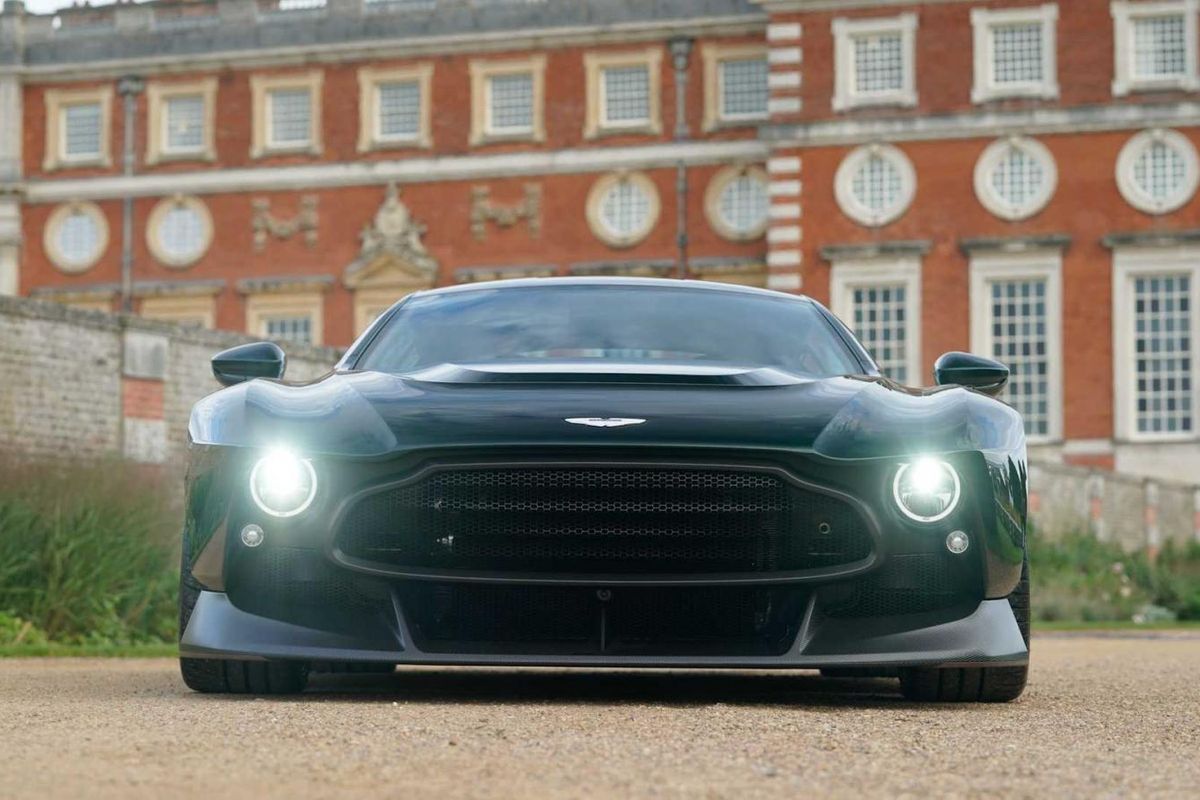
Using the front-engined One-77 supercar platform, Q’s incredible creation is called Victor and it majors on having more design presence that even the most ardent Aston fan could imagine.
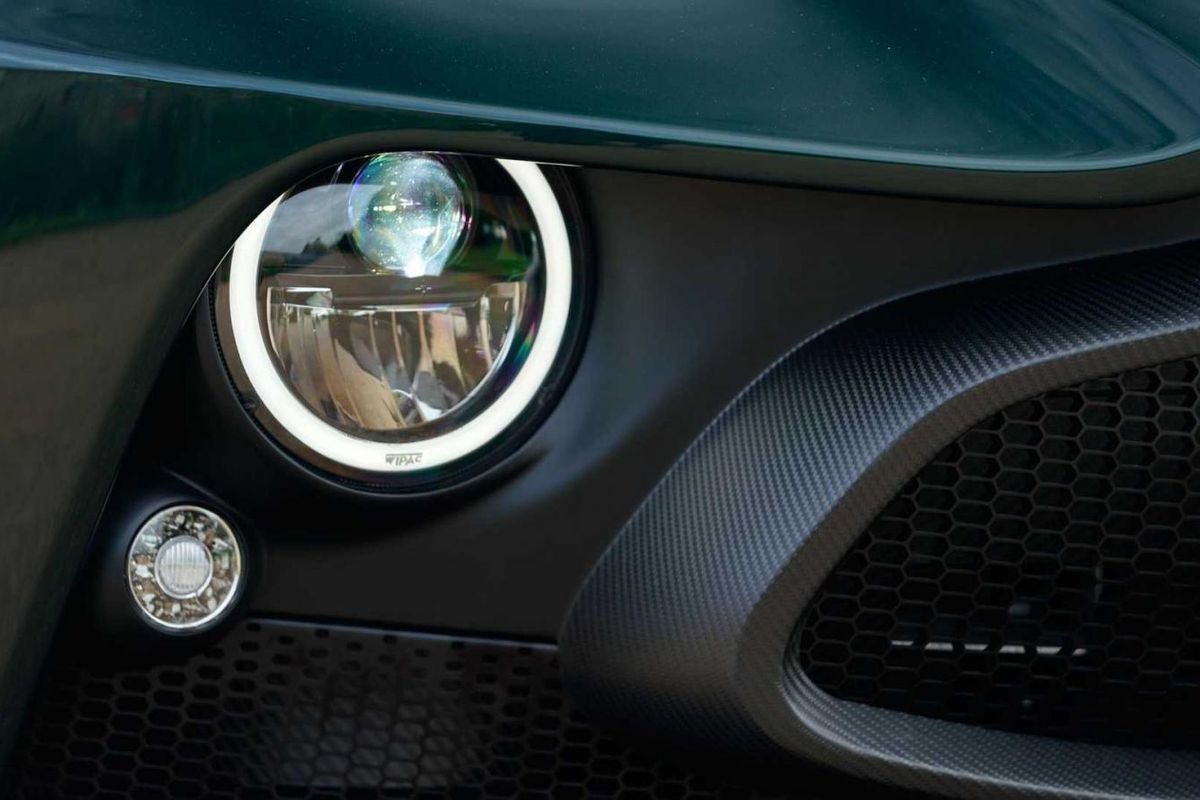
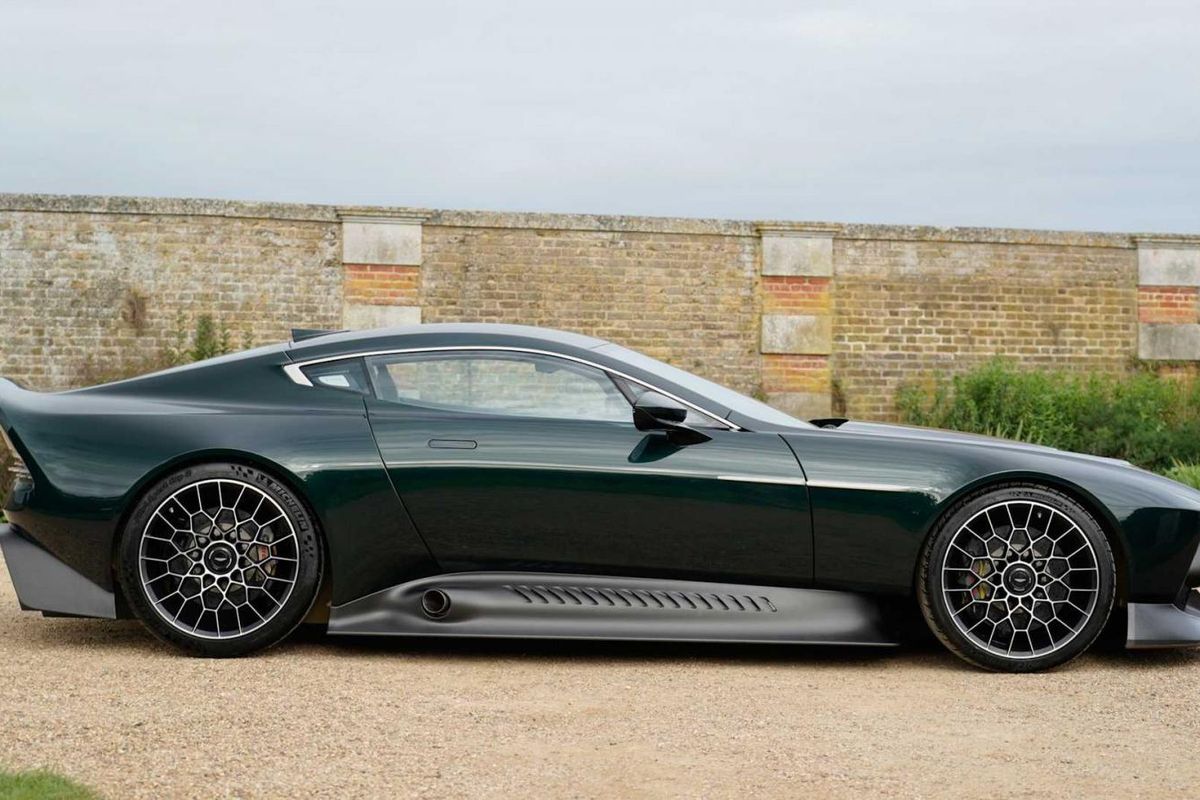
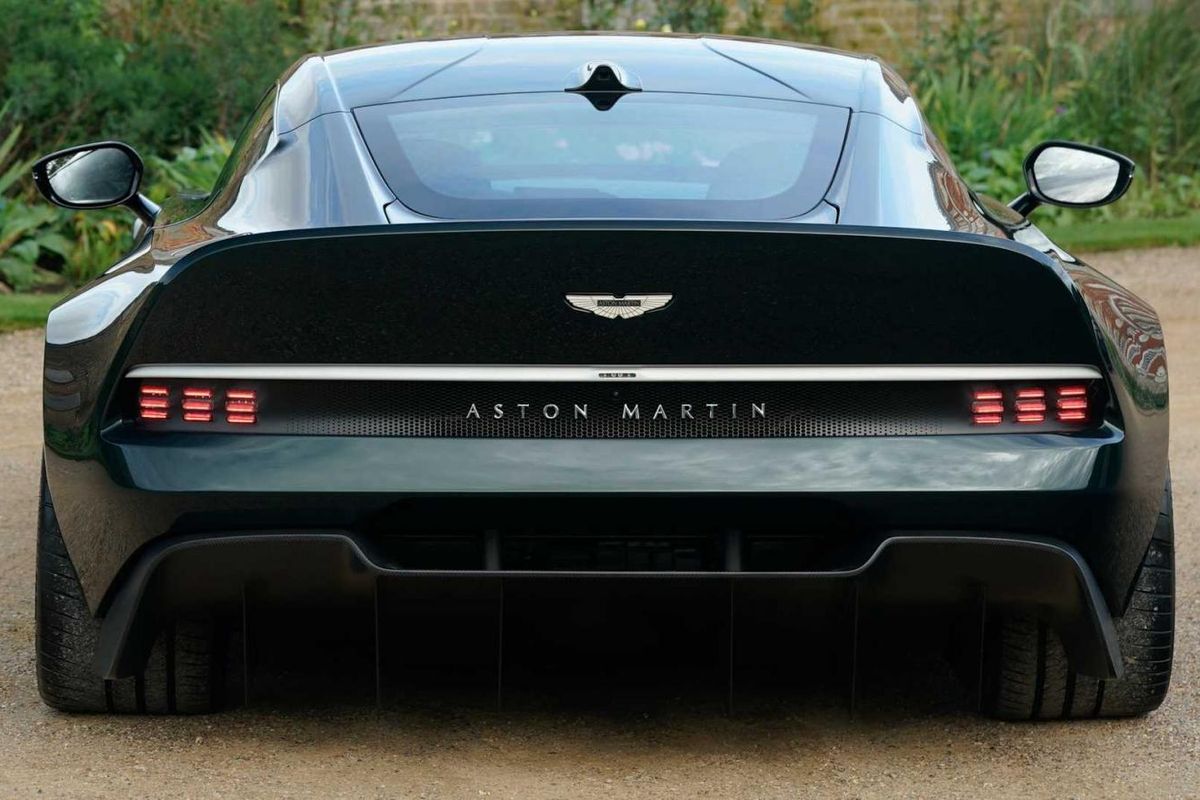
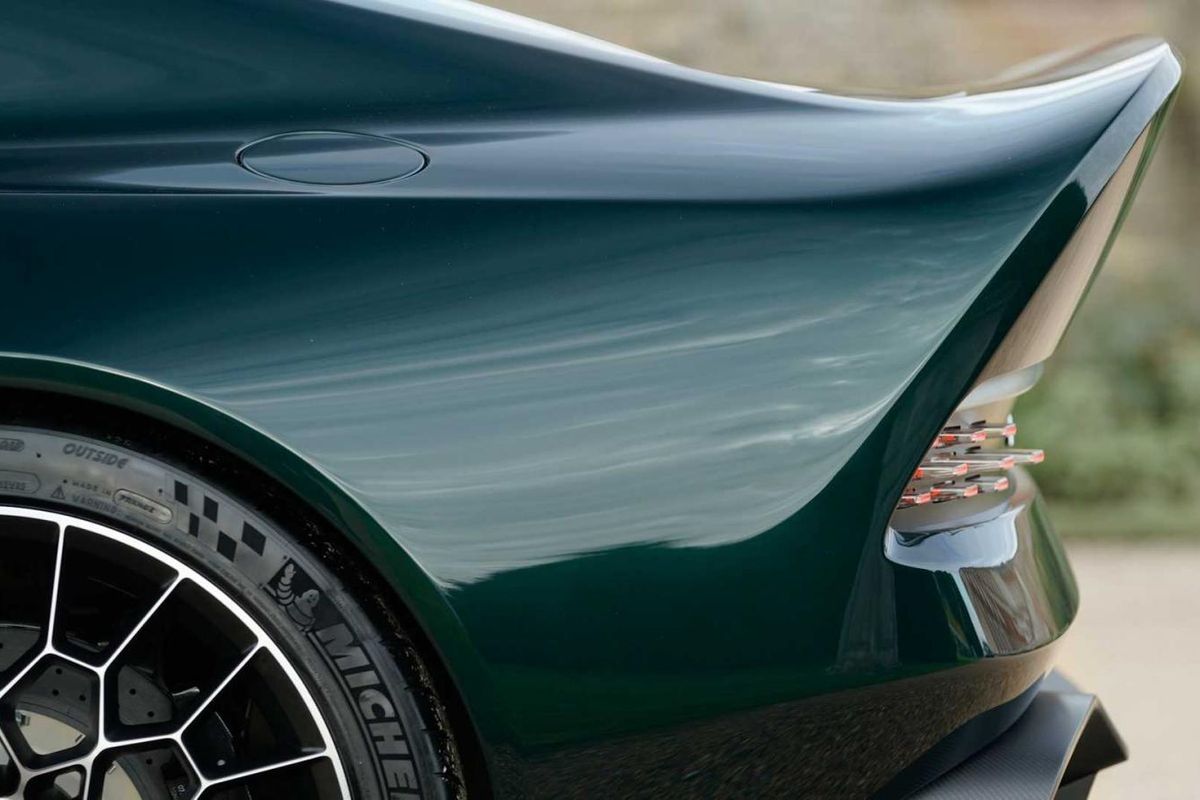
Designers and craftspeople at Q were given an unrestrained brief to create a modern version of the brand’s classic 1970s and early 1980s two-door performance cars. The result is magnificent, with round headlights, ridiculous side skirts, side exhausts and a ridiculously oversize tail section. It even has honeycomb spoke wheels.
If you are a dedicated follower of all things Aston Martin and knowledgeable of James Bond movie cars, this Victor's modernization of the period V8 Vantage theme will be heartening.
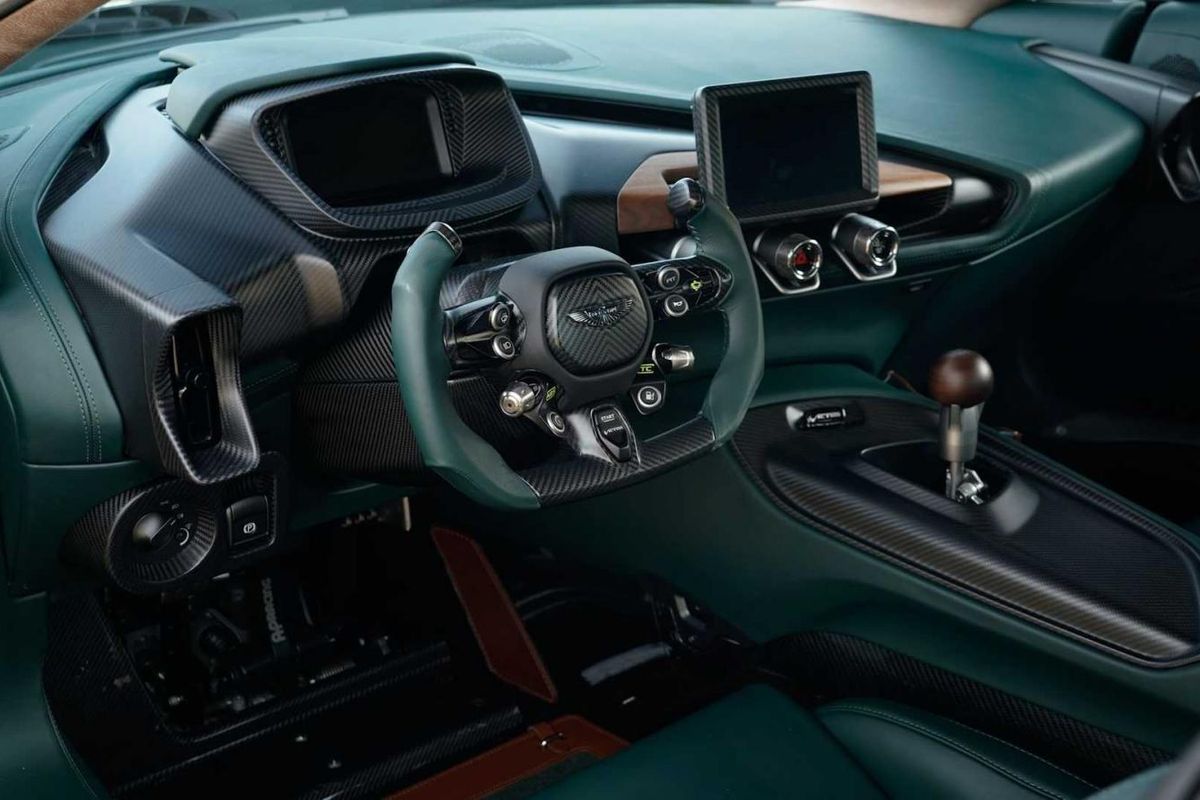
The Q department’s design nous is evident inside the cabin, too, with green leather and generous carbon-fibre panelling.
Beyond the monumental design upgrades, Q has also managed to give Victor enhanced performance and driving dynamics – not an easy feat, considering original One-77’s already stupendous level of engineering.
The massive 7.3-litre naturally aspirated V12 engine benefits from a full rebuild and Cosworth tuning upgrade, increasing peak power from 559- to 623 kW, with torque correspondingly up by 71 units to 821 Nm.
All that power is channelled to the rear wheels via a Graziano sourced six-speed manual transmission. Yes, a manual shifter for managing the torque output and rear-axle interaction of a 7.3-litre V12 powered car. This is truly Aston at its finest.
To ensure transmission durability the Victor features dual transmission coolers and a competition-grade clutch.
Like the original One-77 this Victor has inboard pushrod suspension, with upgraded Vulcan track car dampers, and at each wheel corner, there are six-piston carbon-ceramic brakes to control the car’s dynamic momentum.
Pricing for this custom One-77 is allegedly at a level not worth discussing for those who are not in the position, to make serious offers. Succinctly: it costs a lot.
And the name? Well, it is understood to pay homage to Victor Gauntlett, who was the boss of Aston Martin when it engineered and launched the original, and deeply iconic, V8 Vantage.
Garmin launches an all-new device called the catalyst that promises to deliver better lap times.
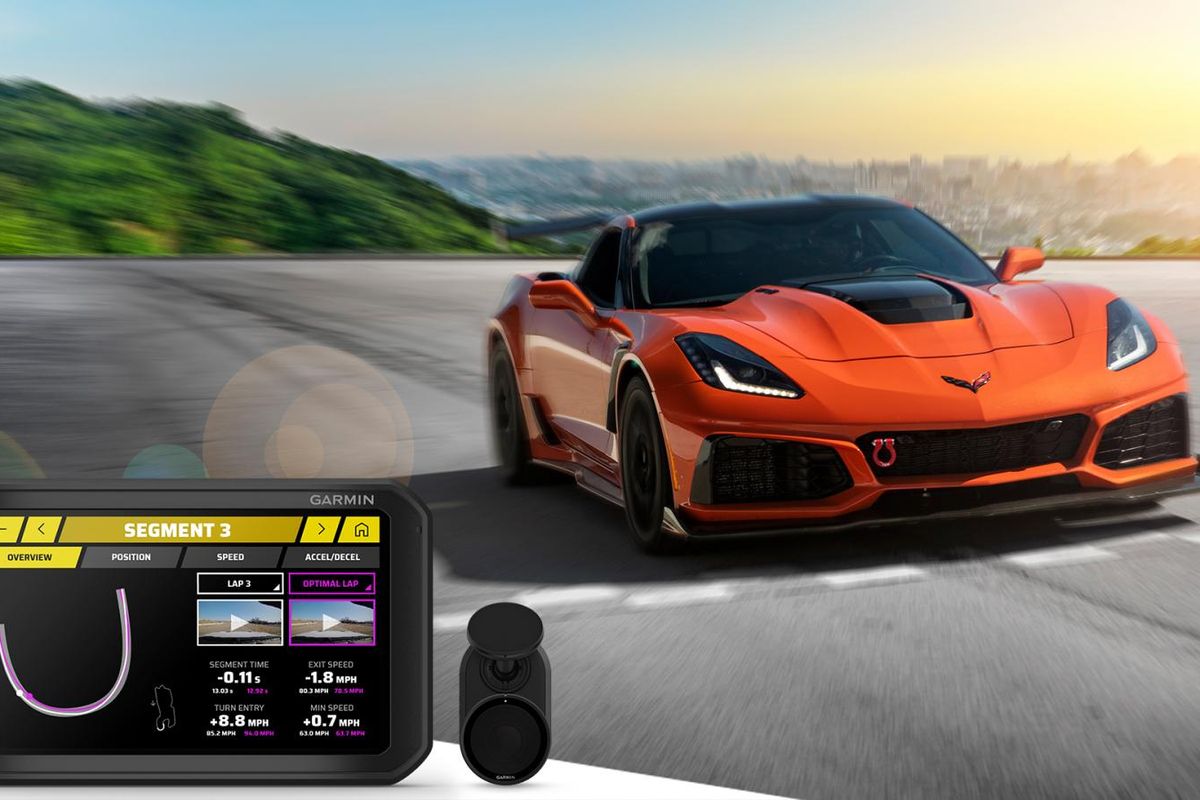
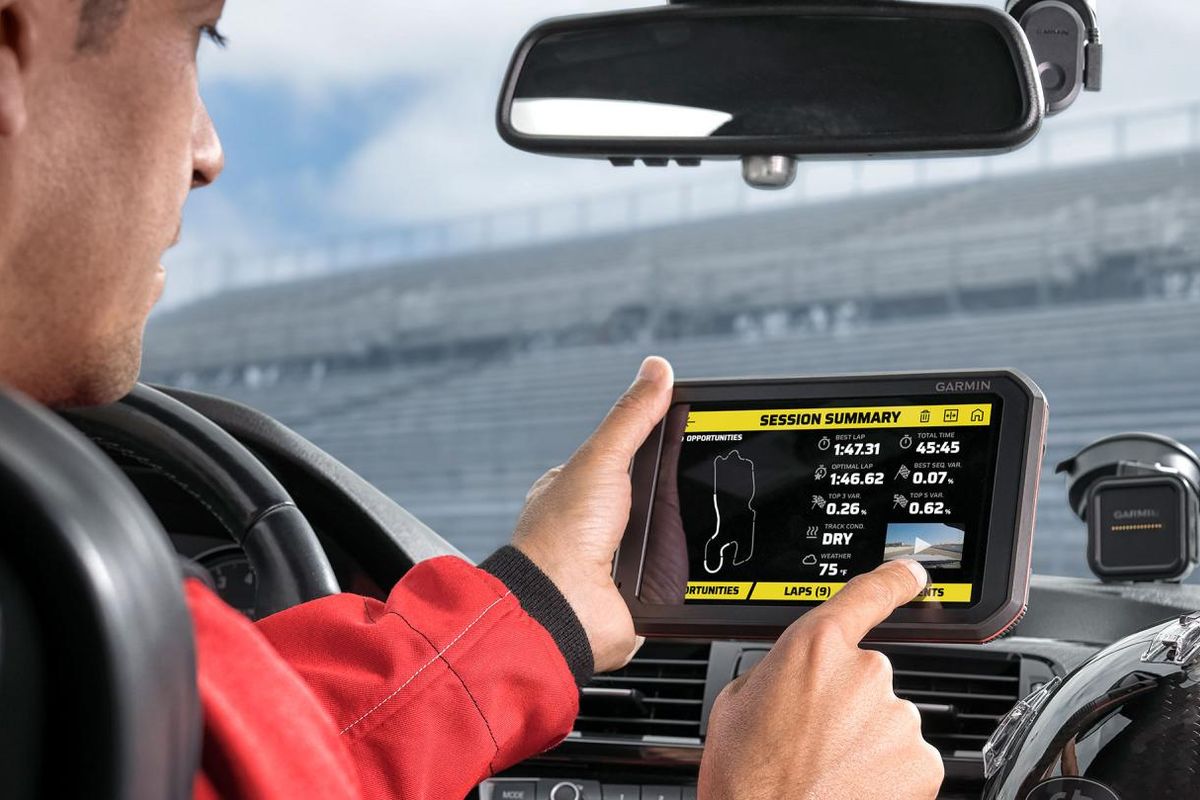
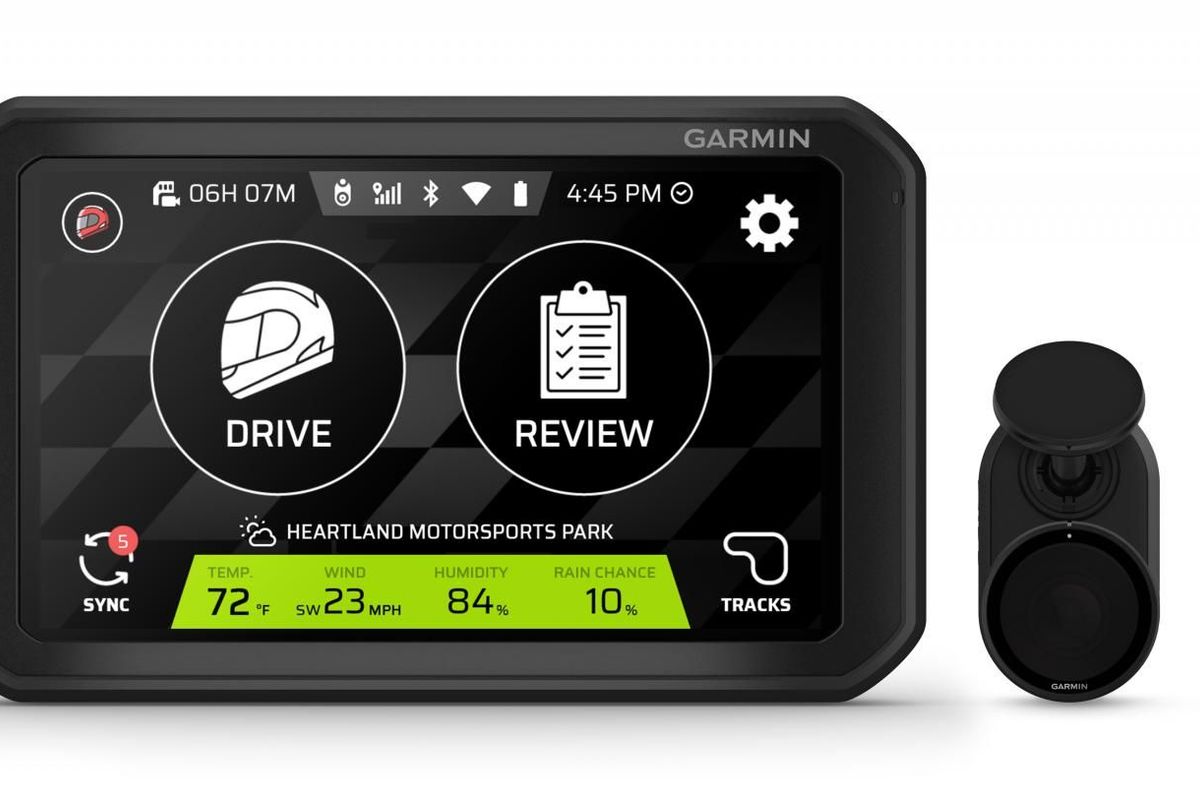
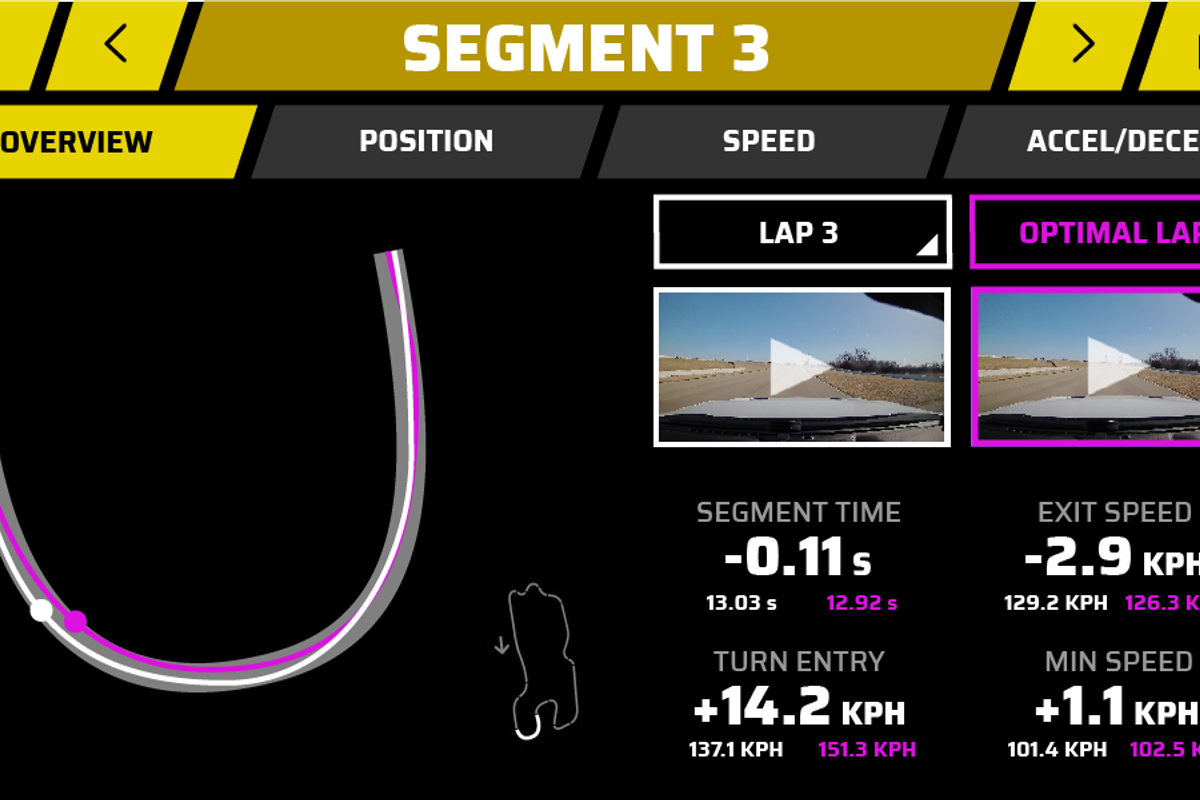
Venturing into the realm of track-day toys, the Garmin Catalyst takes all the hassle and difficulty out of telemetry and puts it into a very simple, graphical display that can actually coach you in how to get around a circuit faster.
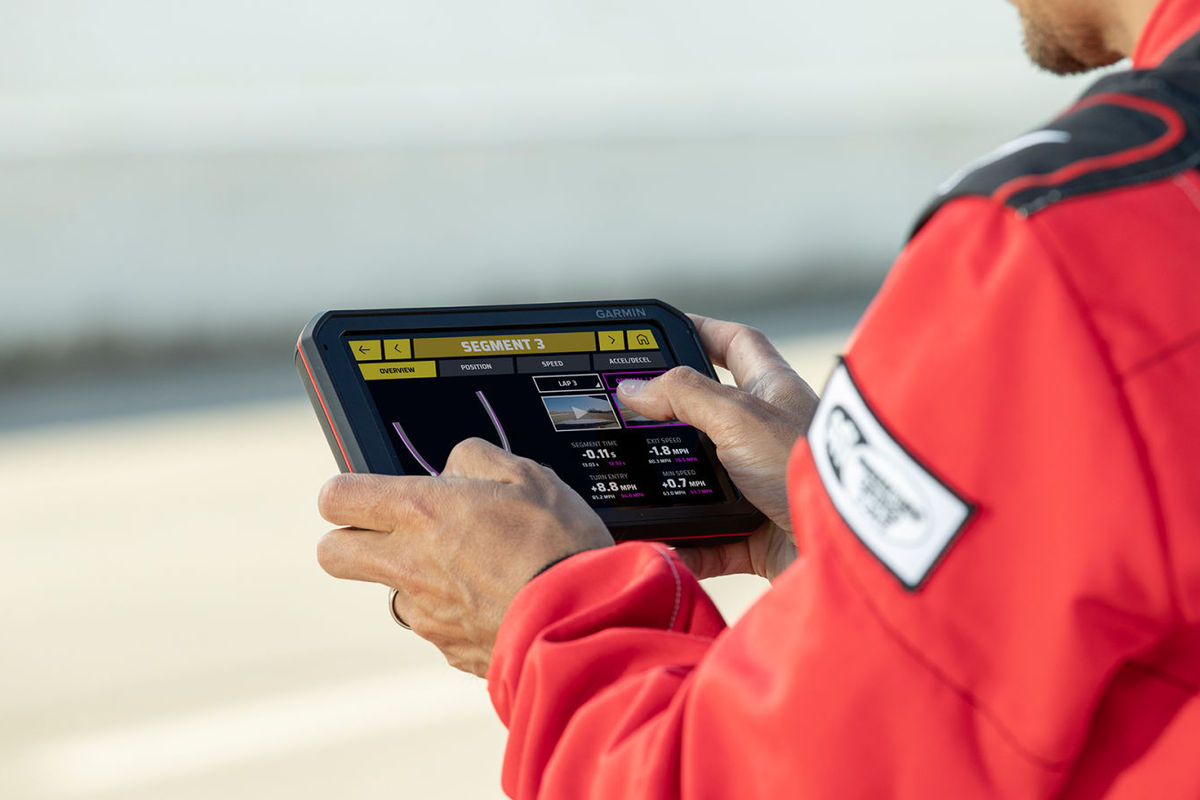
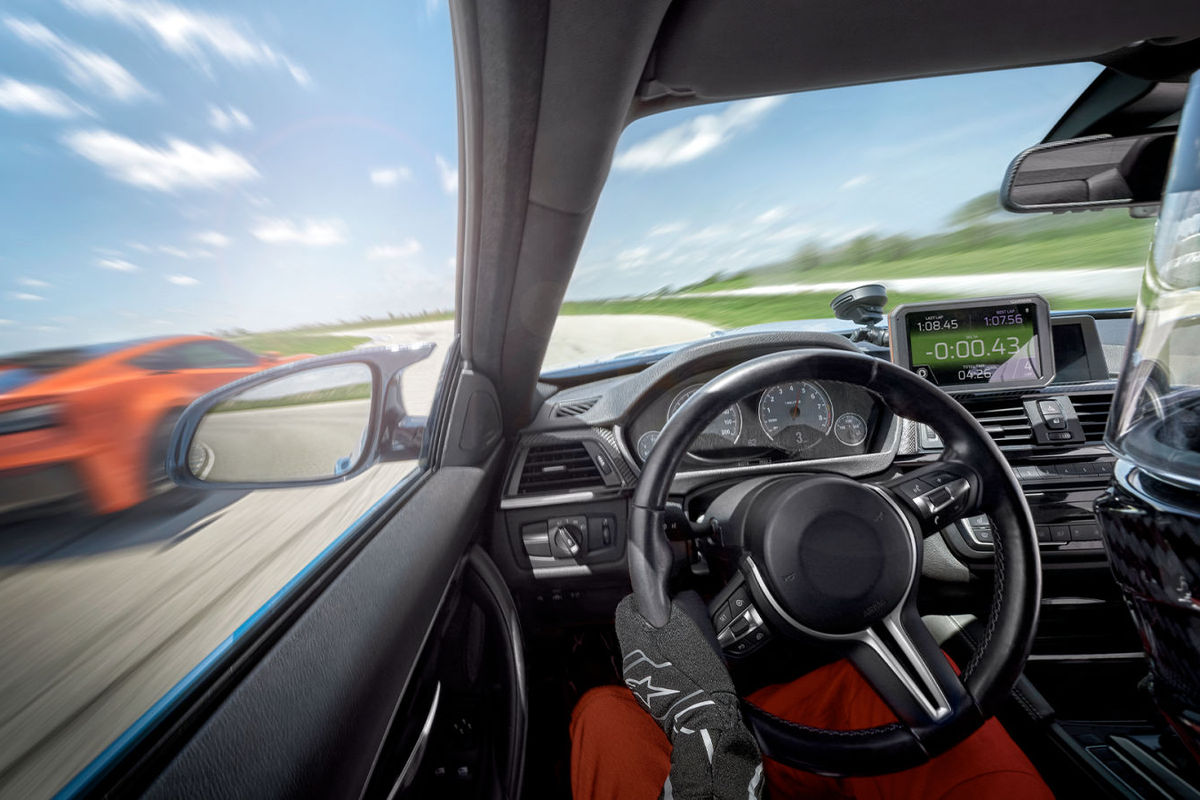
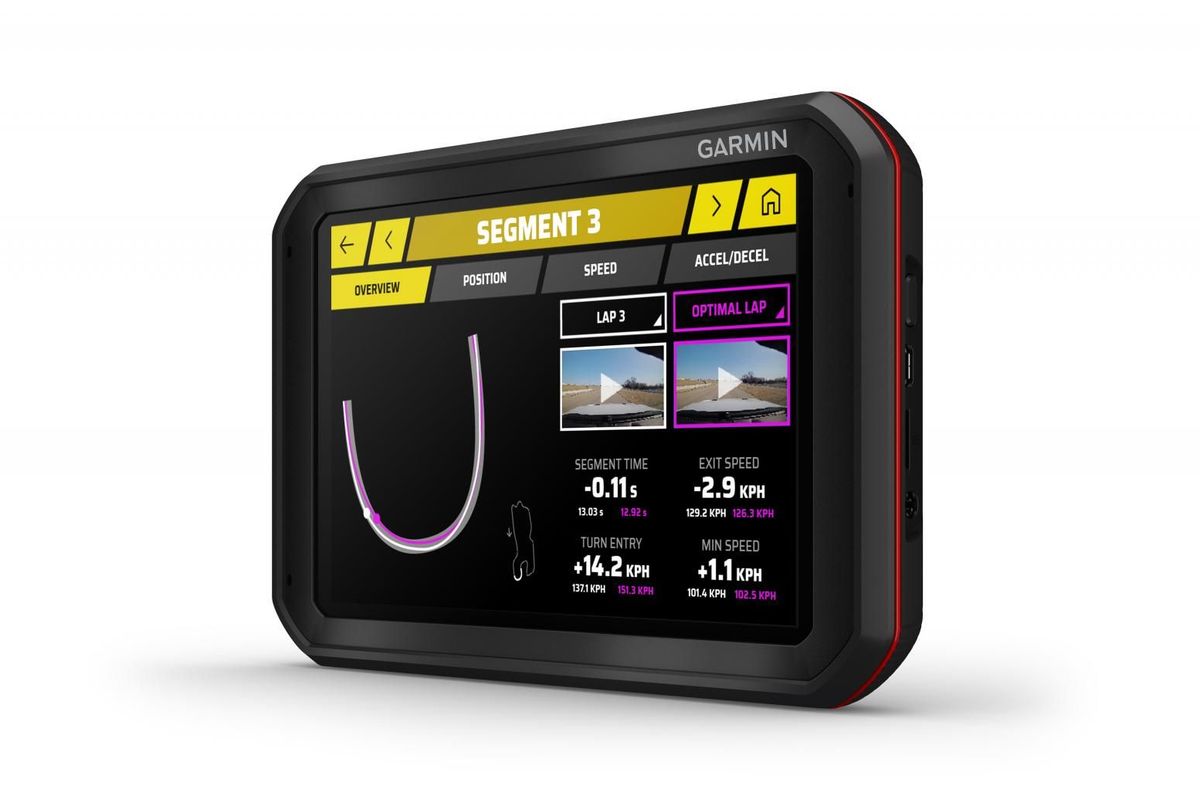
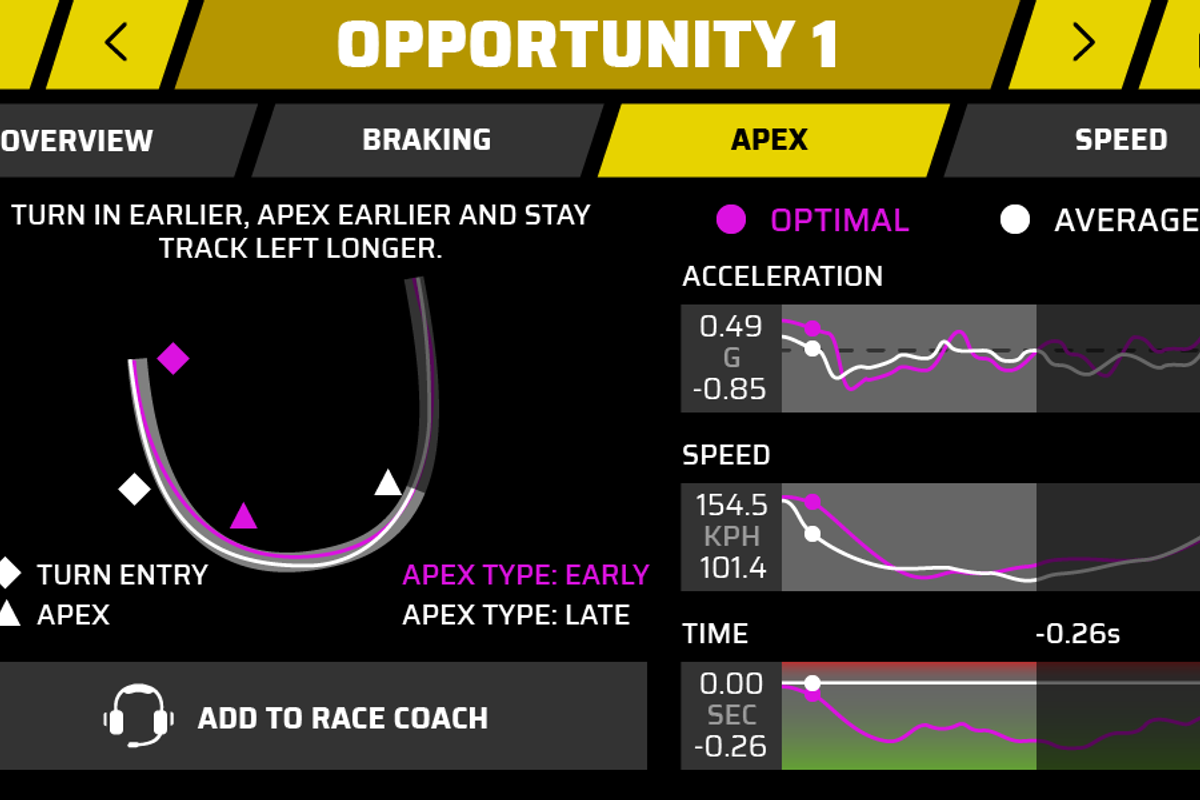
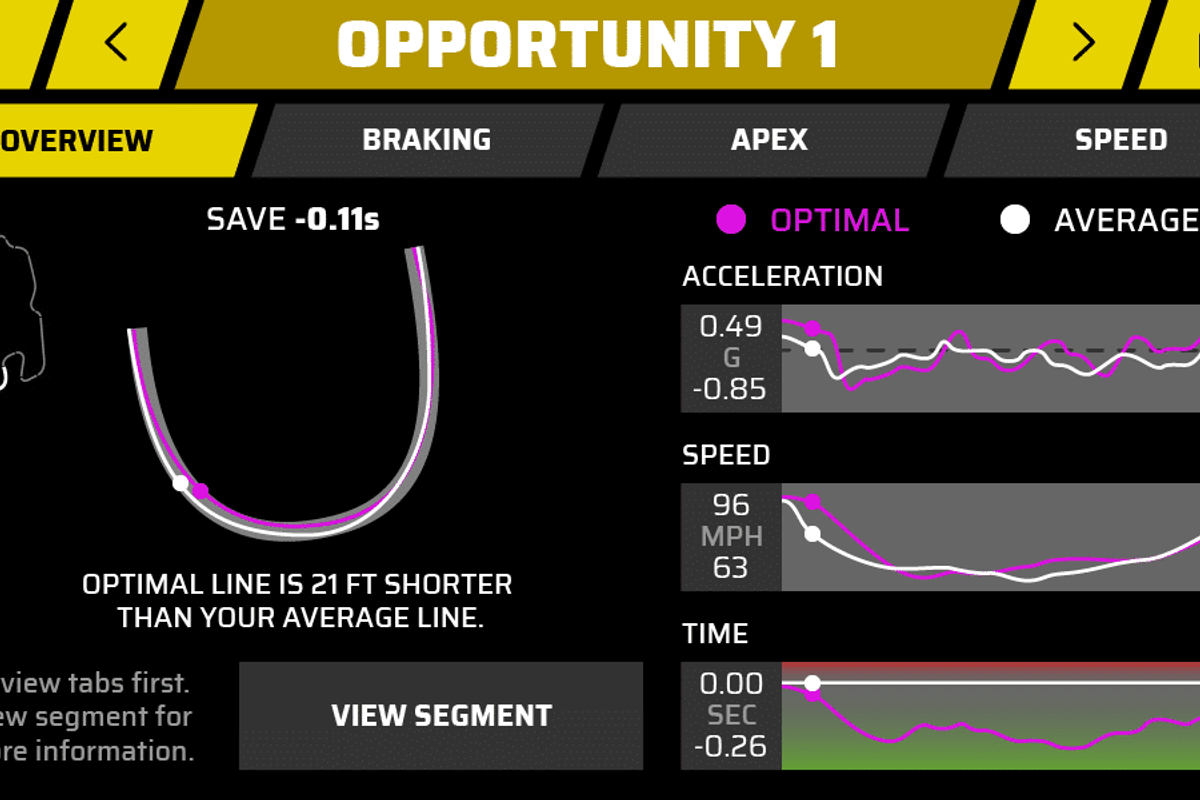
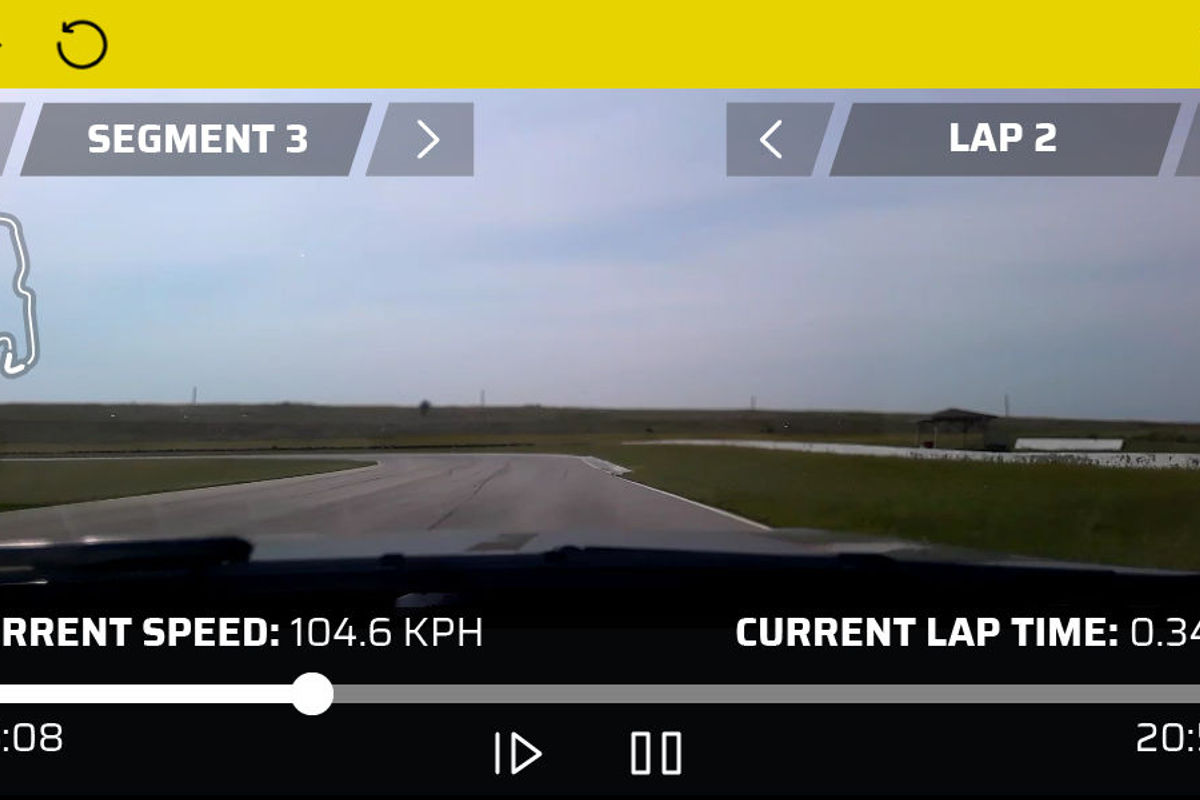
A few track-day enthusiasts within Garmin appear to be serious petrol heads who spend a fair amount of time thrashing machinery around circuits for fun. They got together and are taking data analytics to the track-day masses. The Catalyst device mounts onto your windshield or dash like any normal Garmin and comes with a remote 1080p camera that captures and records your lines on the track. Once you’ve done a few laps, the Catalyst quickly works out what your optimum lap would be (theoretical fastest lap combining all your fastest sectors together) and can then play it back to you in a stitched-together video – how cool is that? You can see whether you need to turn in earlier, later or even carry more speed. A speaker (connected via Bluetooth or plugged into your compatible headset) can even coach you real-time on track shouting directions as to what you should do to go faster.
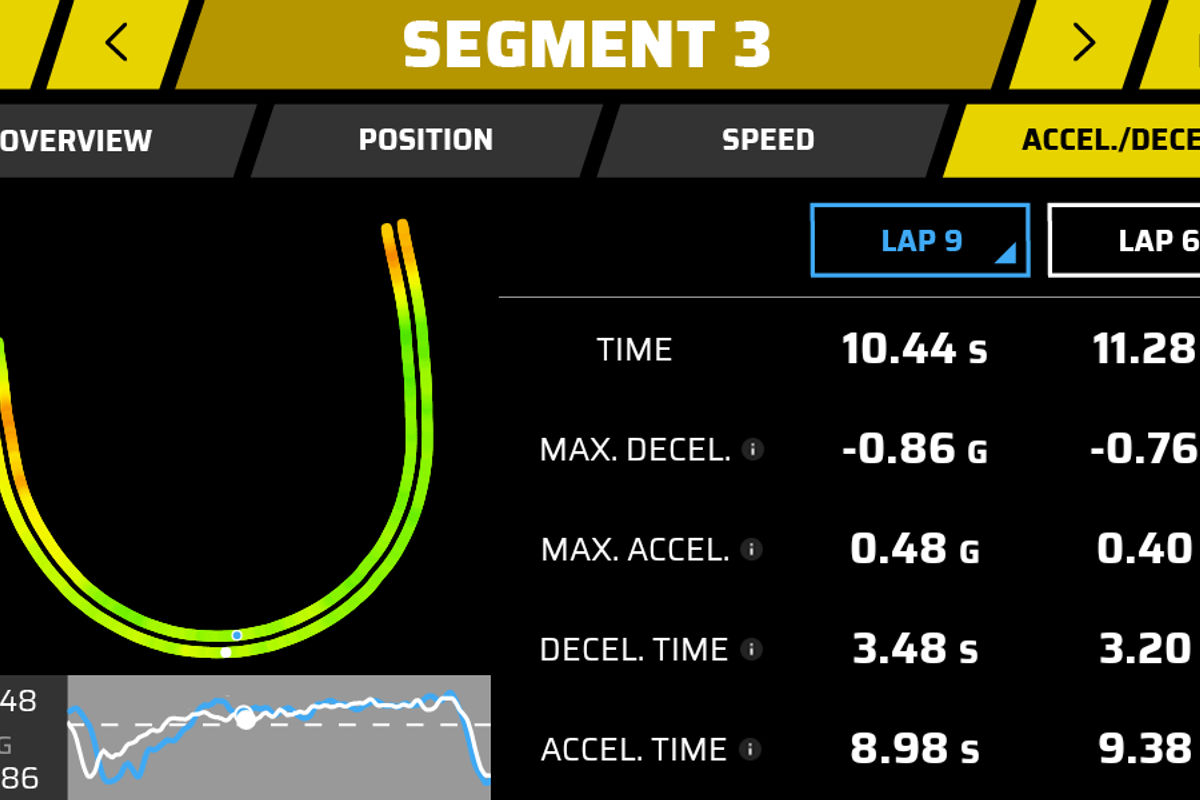
If you really want to dig into the details of the telemetry, you still can, analysing specific corners and sections of the track to make those all-important gains. It can even tell you if you are going too fast in a certain section that is costing you time later in the lap. Where regular lap data devices output via squiggly lines and confusing charts, Garmin has turned the whole interface into neat, easy to understand graphics.
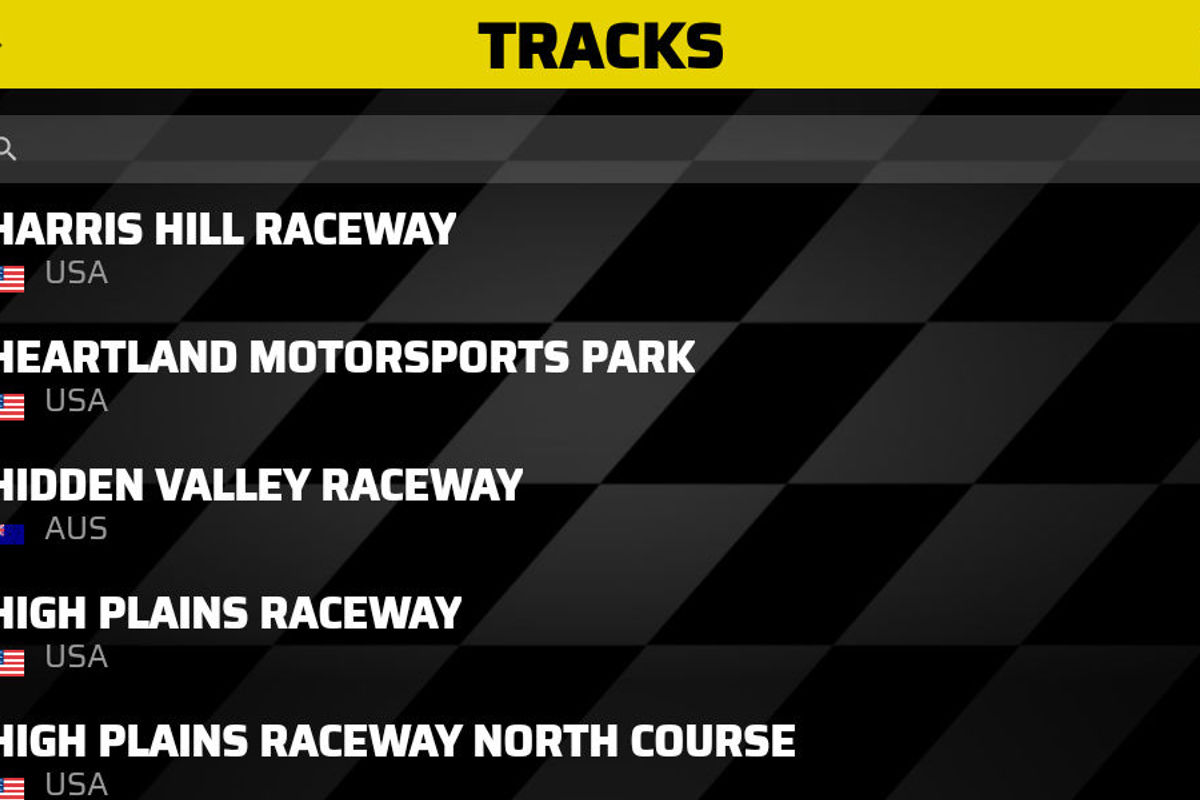
The Garmin Catalyst is also loaded with a global track database meaning your local track should already be installed. There is also the option of manually adding a circuit but for the moment, point to point (eg, hillclimb events) won’t deliver the same level of feedback.
The device also features all the must-haves for track racers such as current lap, best lap and a delta to let you know how you’re doing on this lap vs your best lap.
The Catalyst has a recommended retail price of $999, which would make it around R16 000 for the full package. We will update this when we get local pricing and when it will be available.
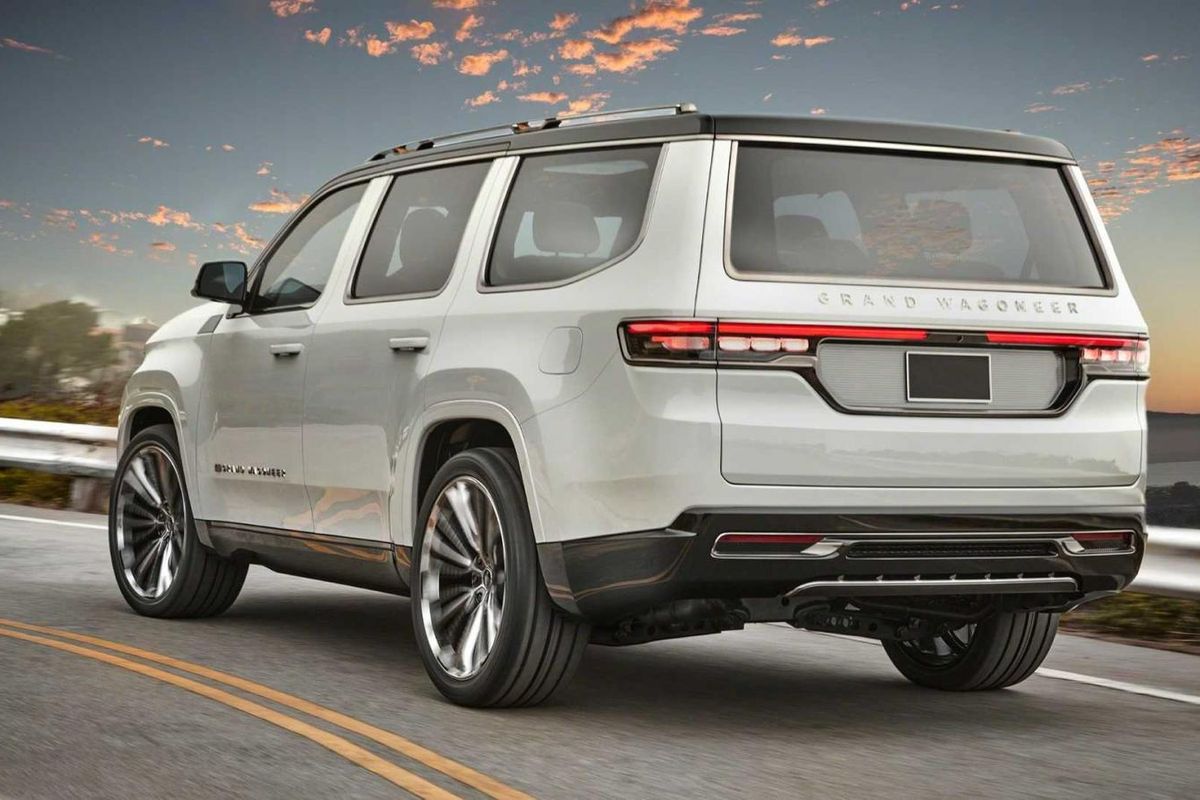
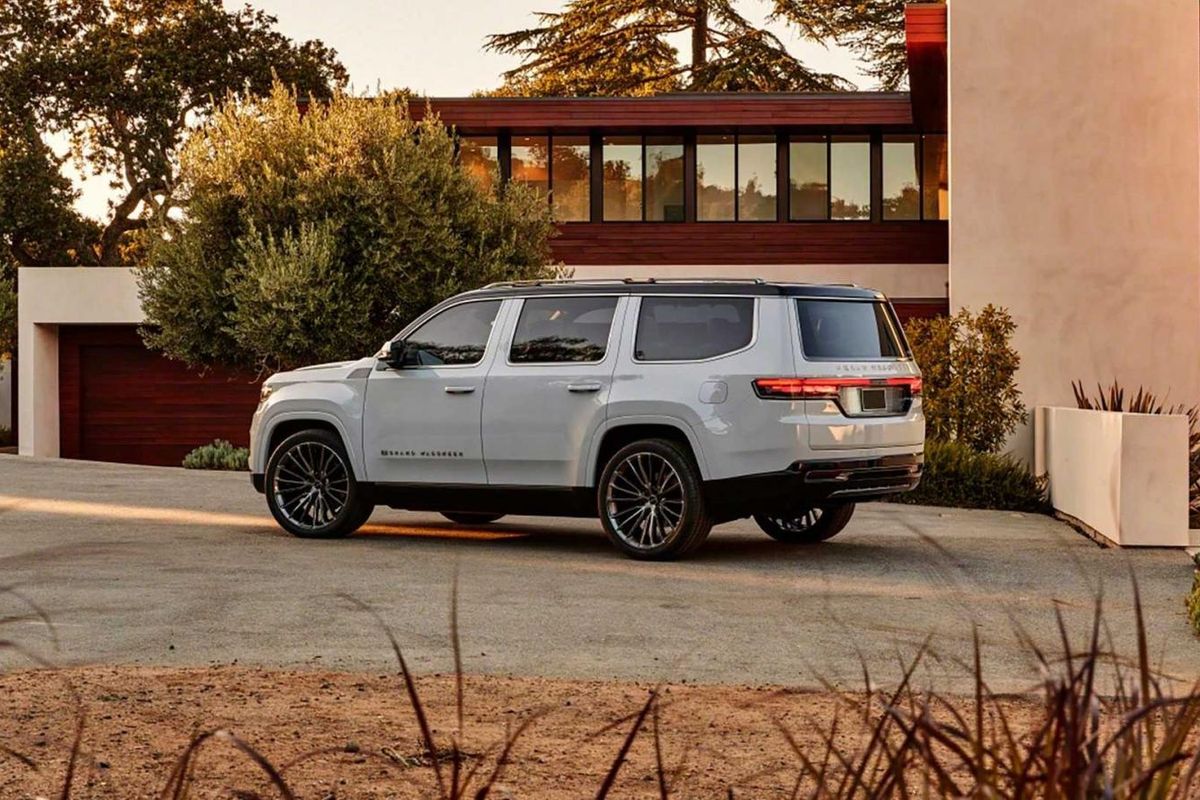
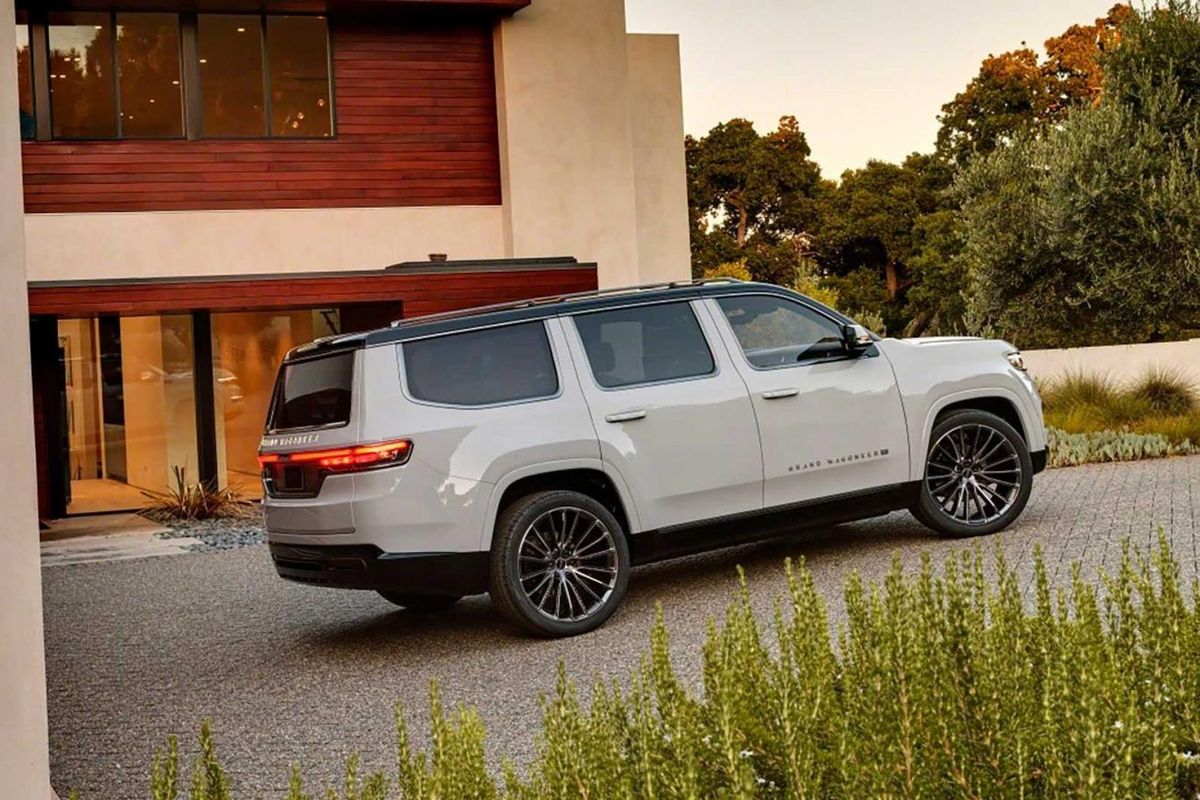
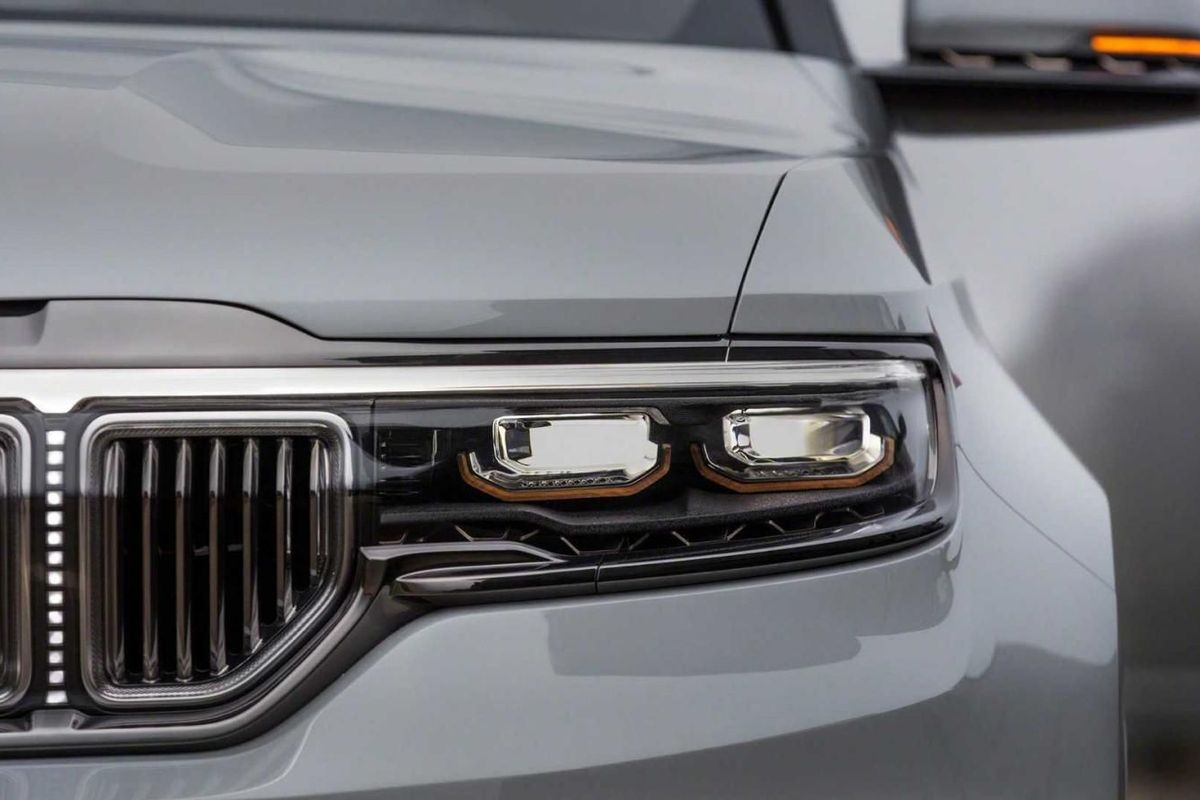
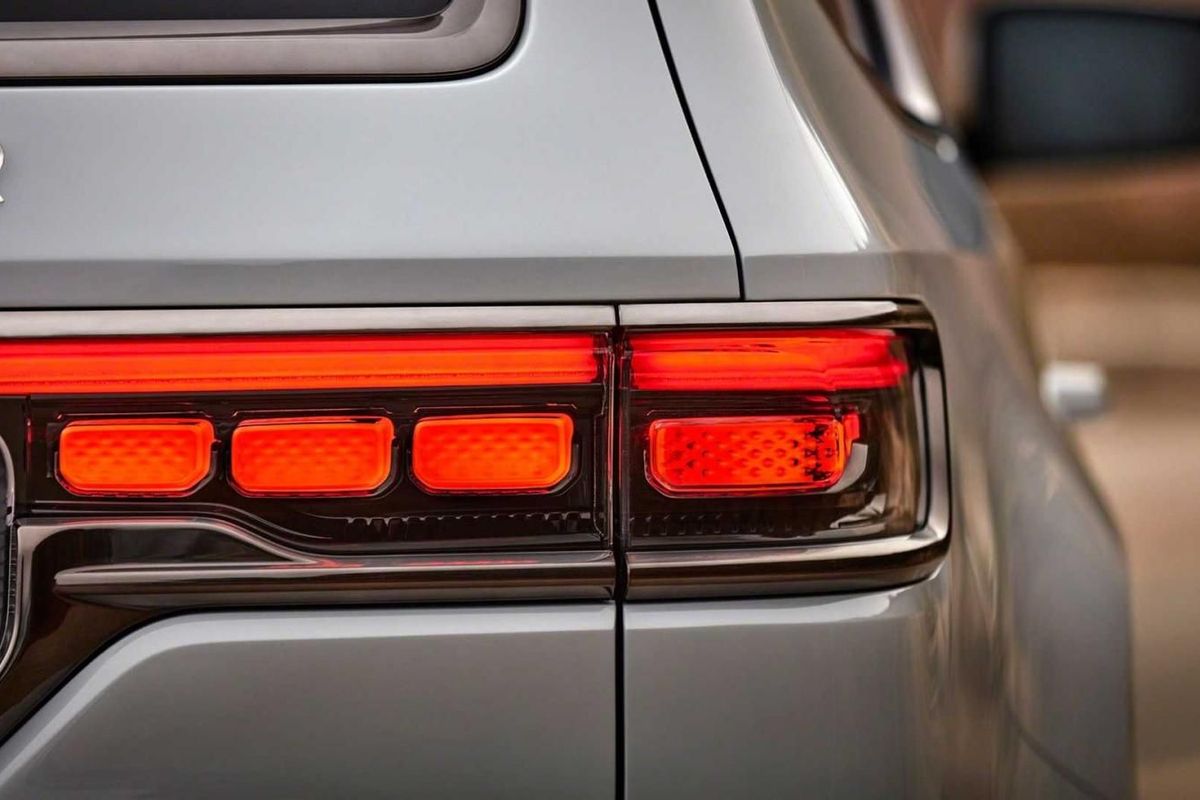
Jeep has unveiled the Grand Wagoneer concept, after some teasers. Let's see what it's all about.
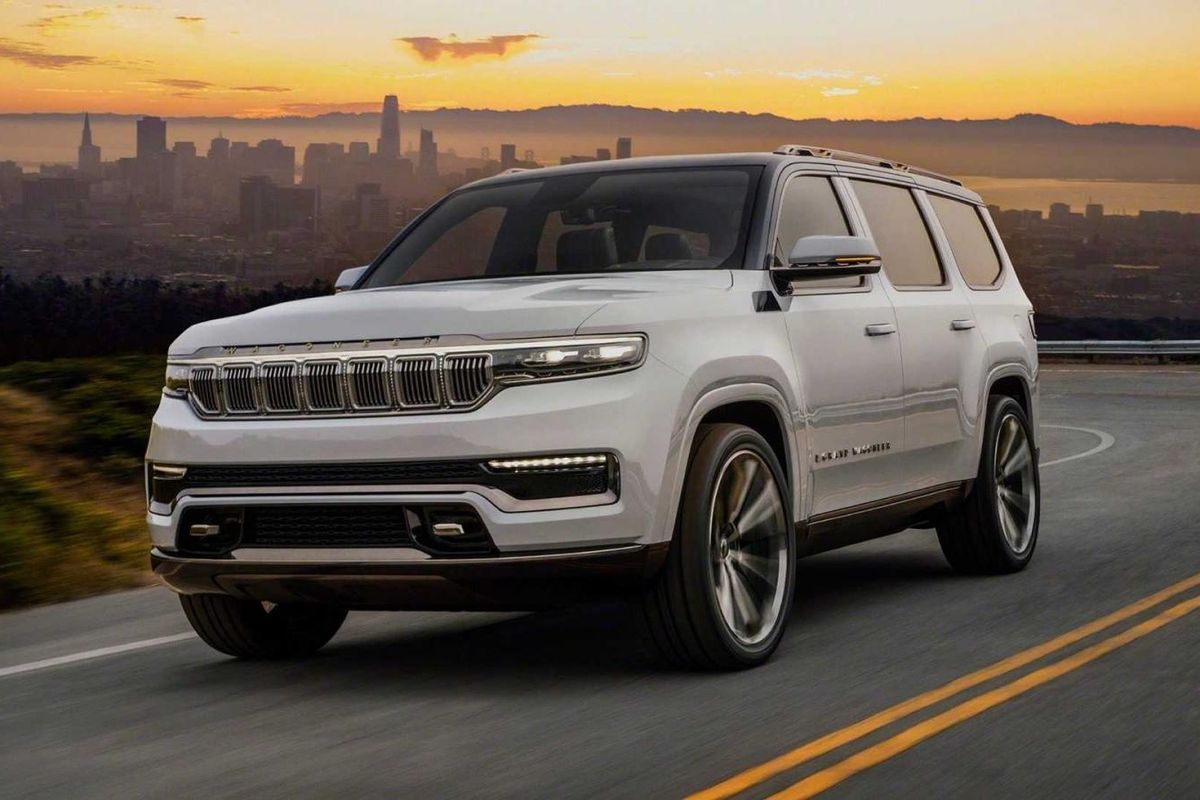
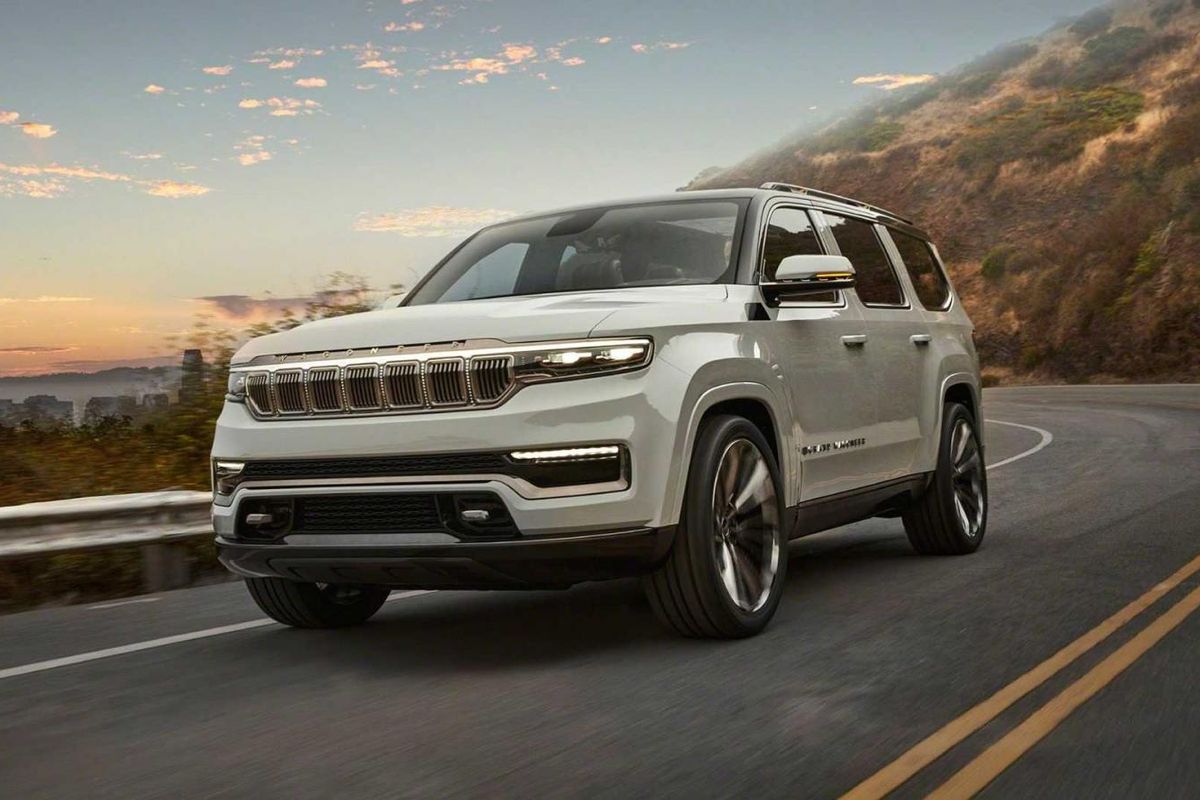
Jeep has said this Grand Wagoneer is a concept, but to our eyes, it looks as good as production-ready. The Wagoneer name is well known in Jeep circles and has been around since 1963.
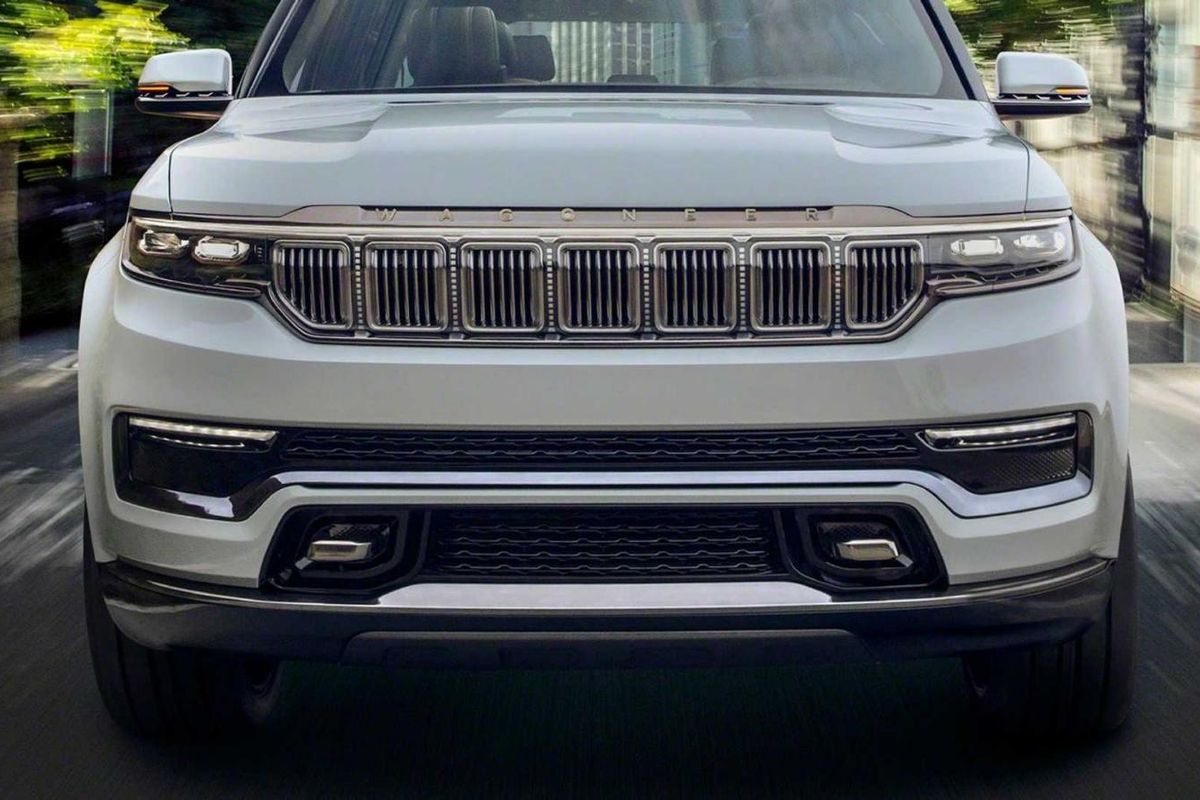
What exactly is it though? Jeep says this is a 7-seater SUV and it features some interesting styling touches. At the front, there's a monstrous grille that will put some of BMW's designs to shame. There's an abundance of chrome throne into the mix too.
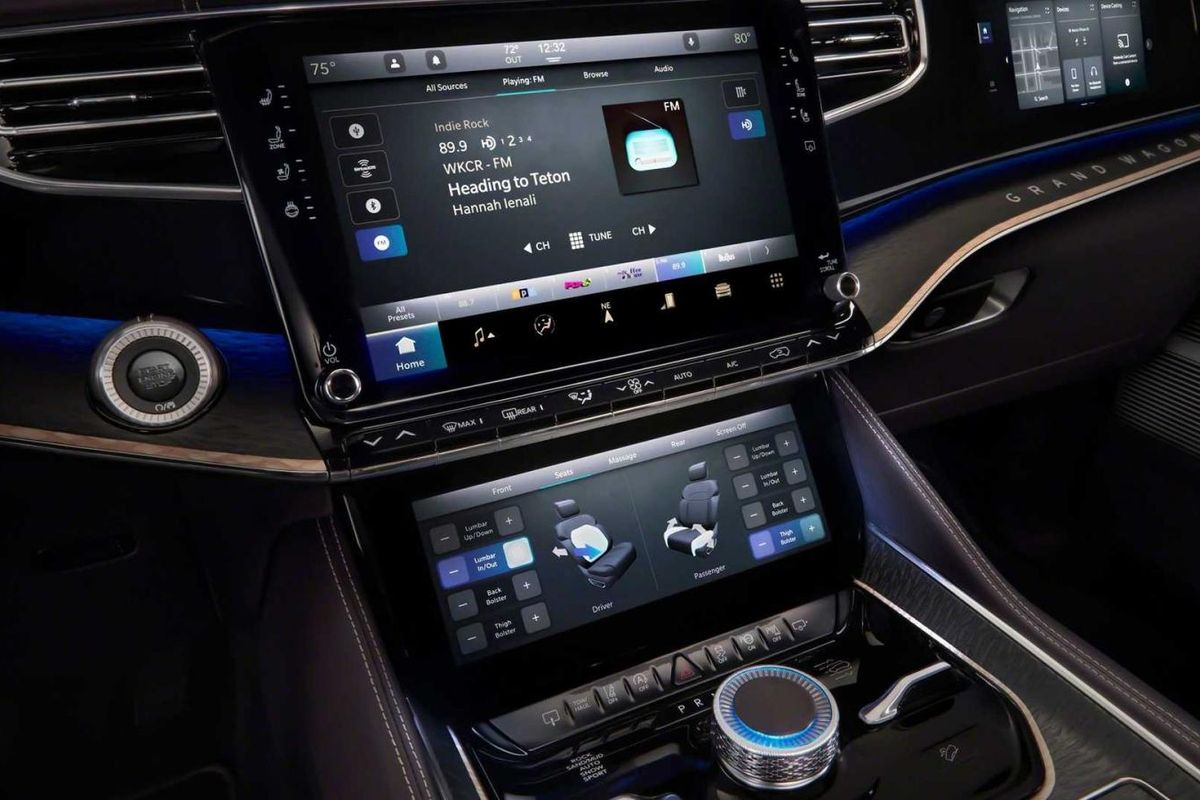
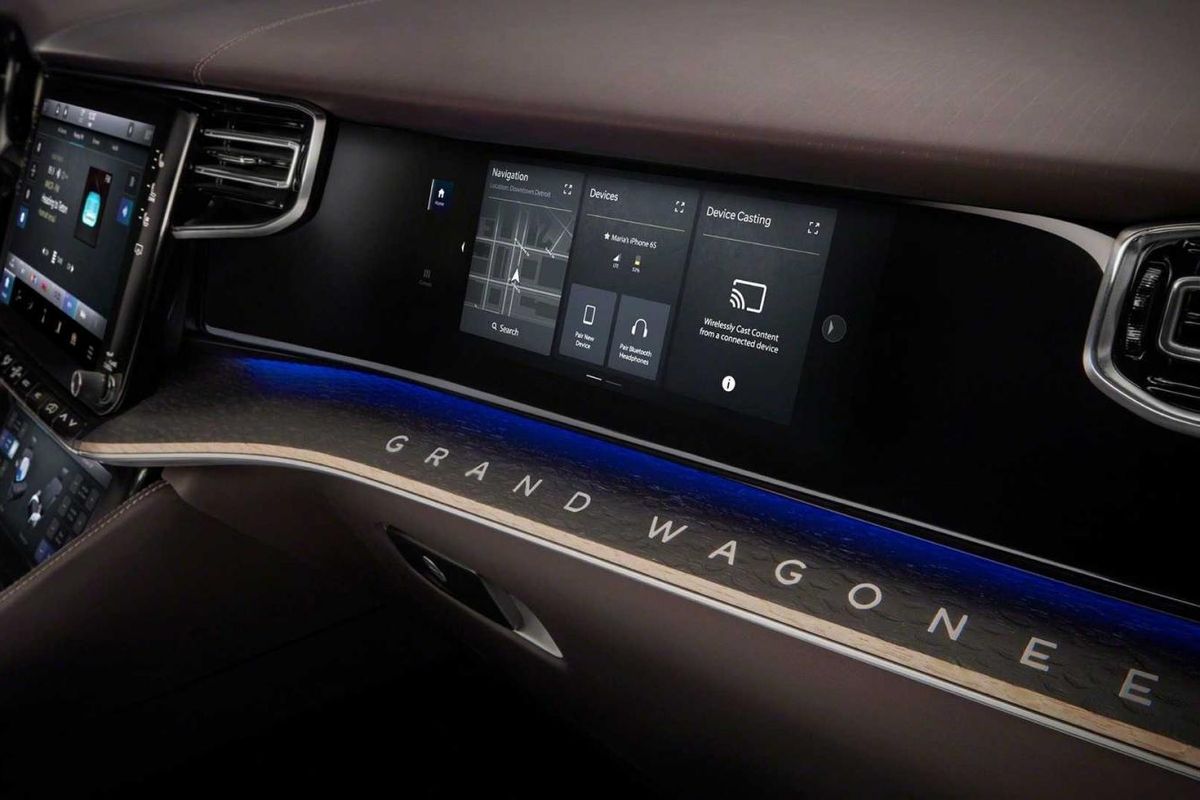
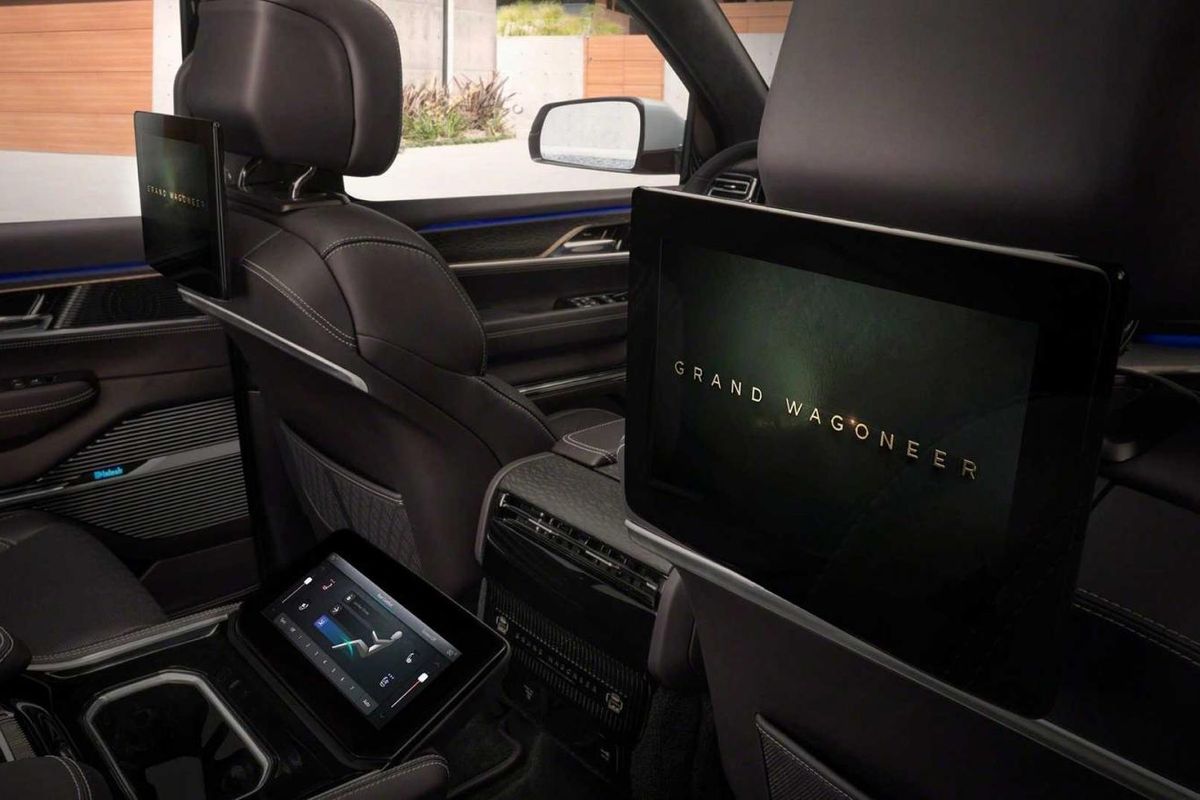
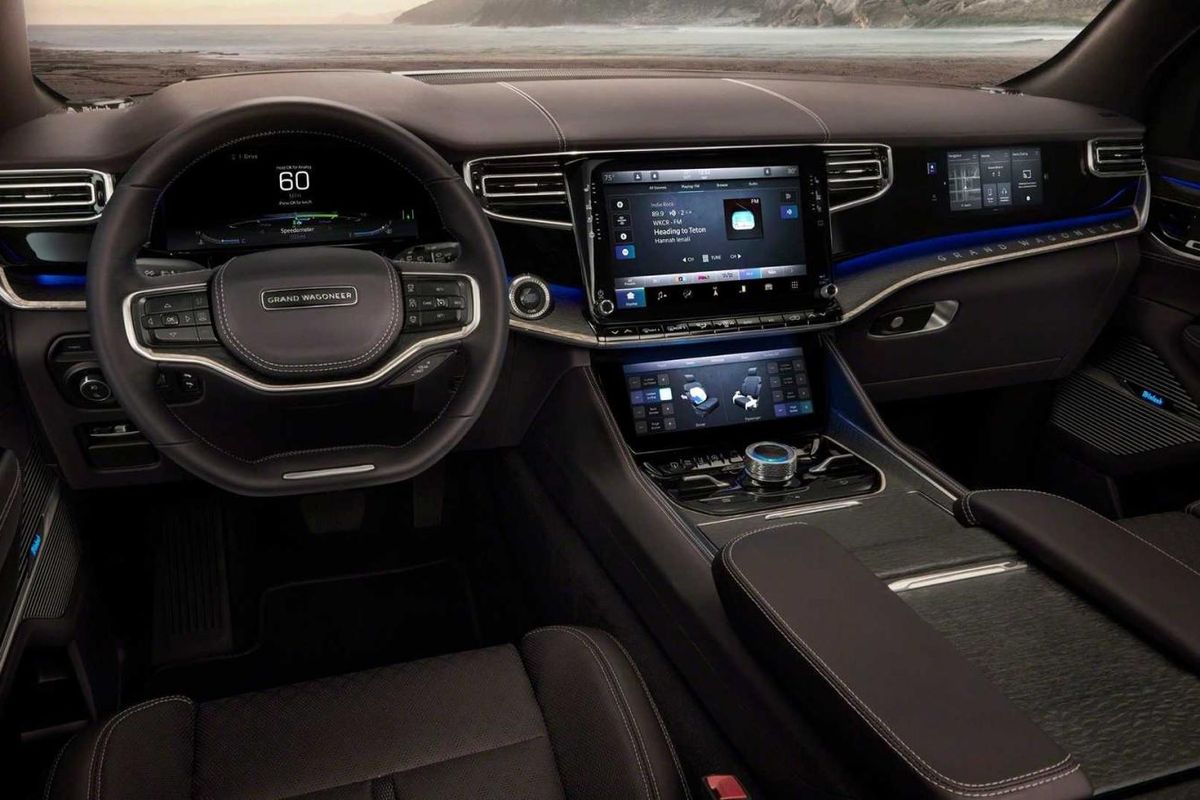
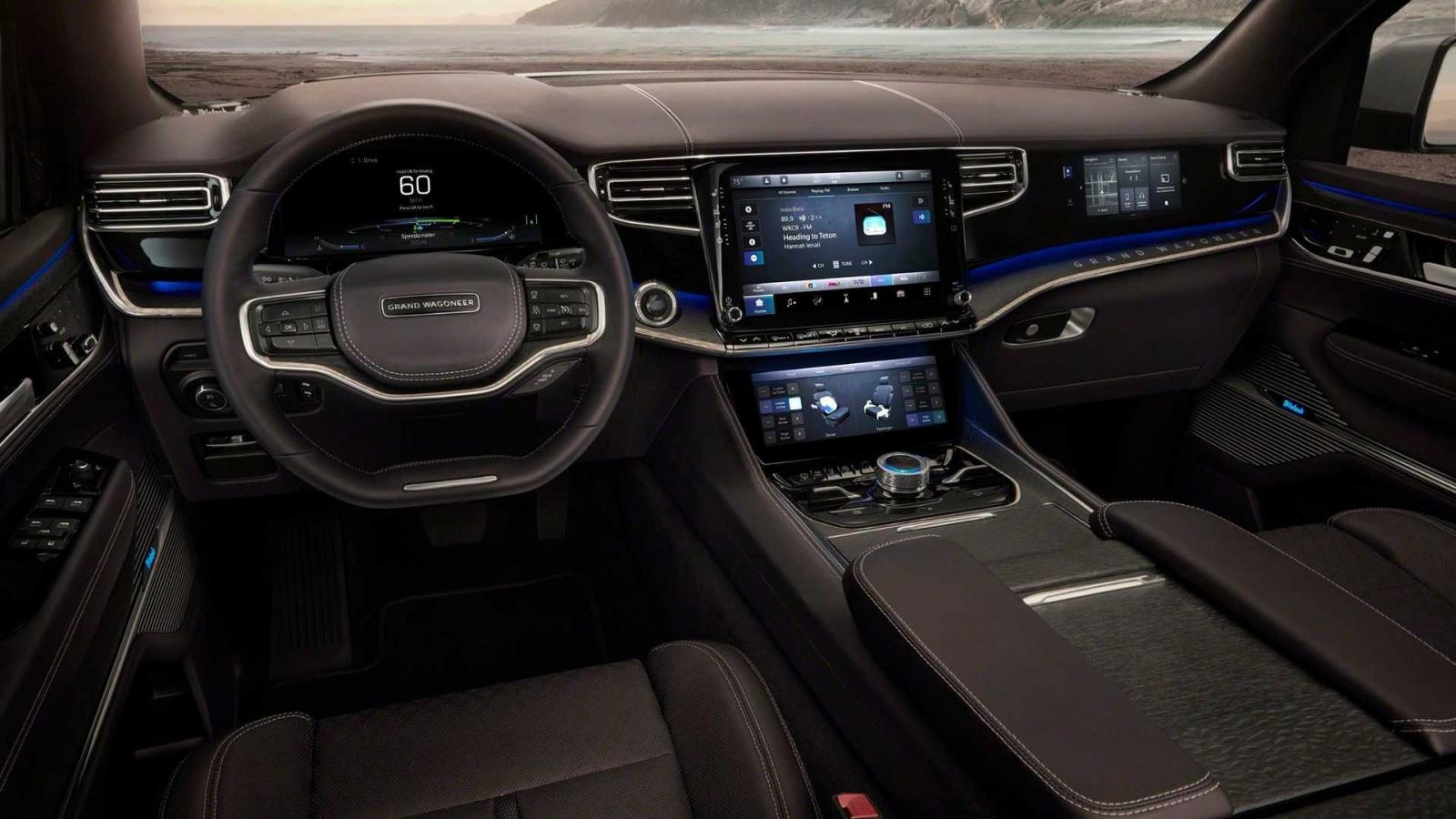
The cabin is impressive with no fewer than 7 screens inside. There's even a display for the front passenger, which is odd. The cabin's infotainment layout looks like the system used in Jaguar Land Rover products, with its vertical stack setup. Passengers at the back each get their own display which likely controls entertainment and climate.
Jeep says the Grand Wagoneer will be powered by a plug-in hybrid engine, but currently, FCA only offers this setup in a 3.6-litre V6 powertrain. Surely a big rumbling V8 would be more appropriate? It wouldn't surprise us to see a Hellcat 6.2-litre supercharged V8 eventually making its way into this vehicle. There are rumours FCA is working on a straight-6 motor, but we'll keep tabs on that.
Being a Jeep, it will boast some offroad capability. There will be four-wheel drive, air suspension, independent front and rear axles and it should be capable of towing large loads. With the Grand Wagoneer, Jeep is targetting the luxury and high-end SUV market, with things like the Range Rover in the crosshairs.
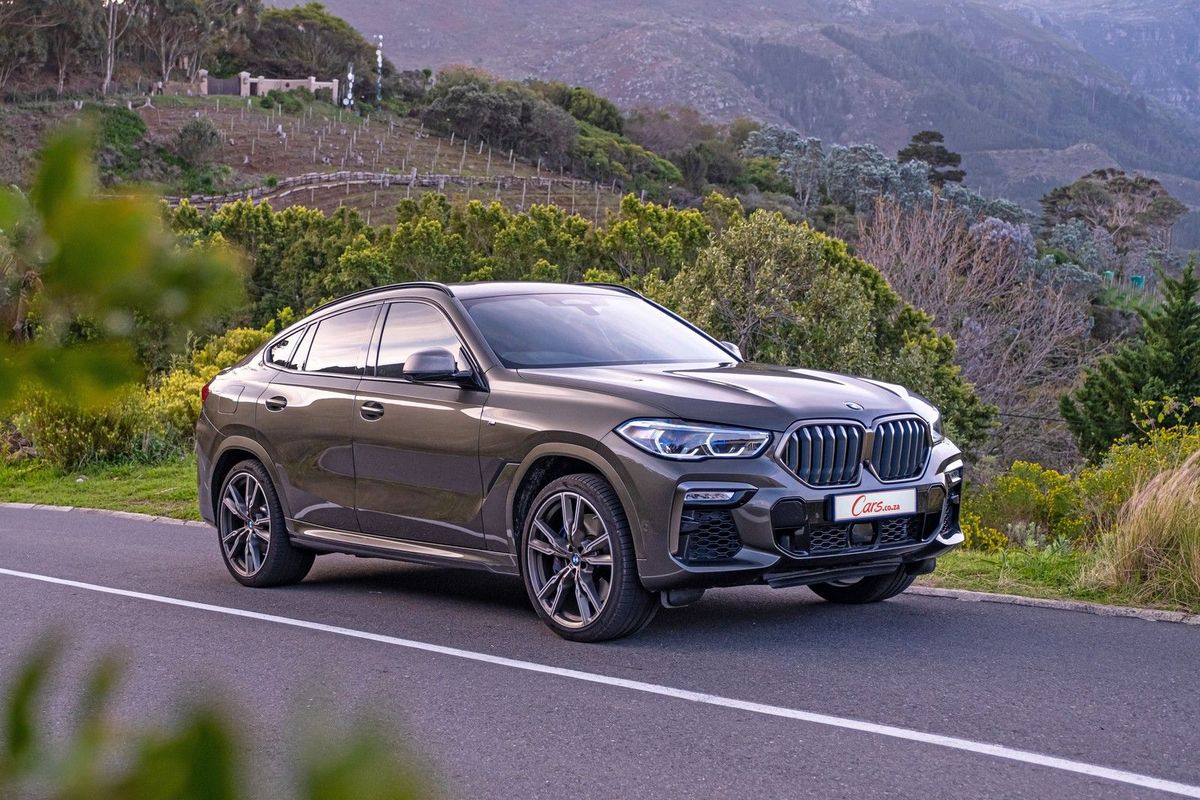
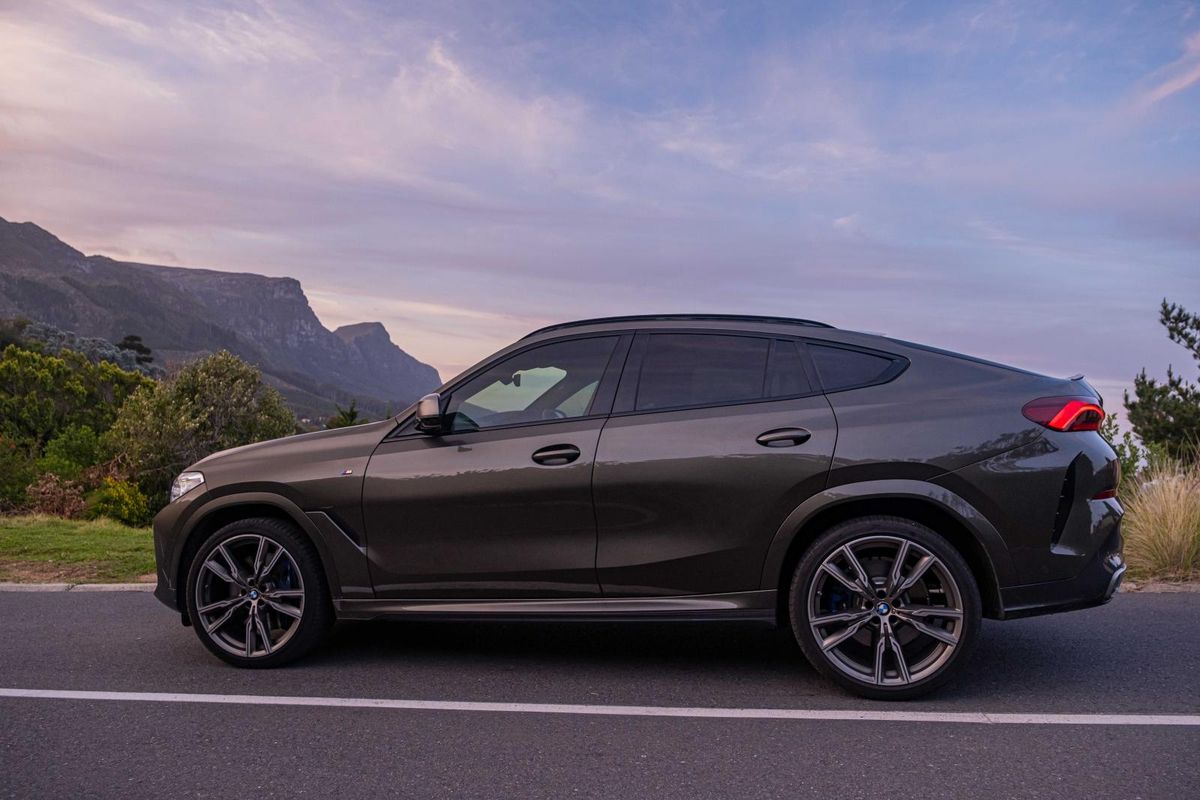
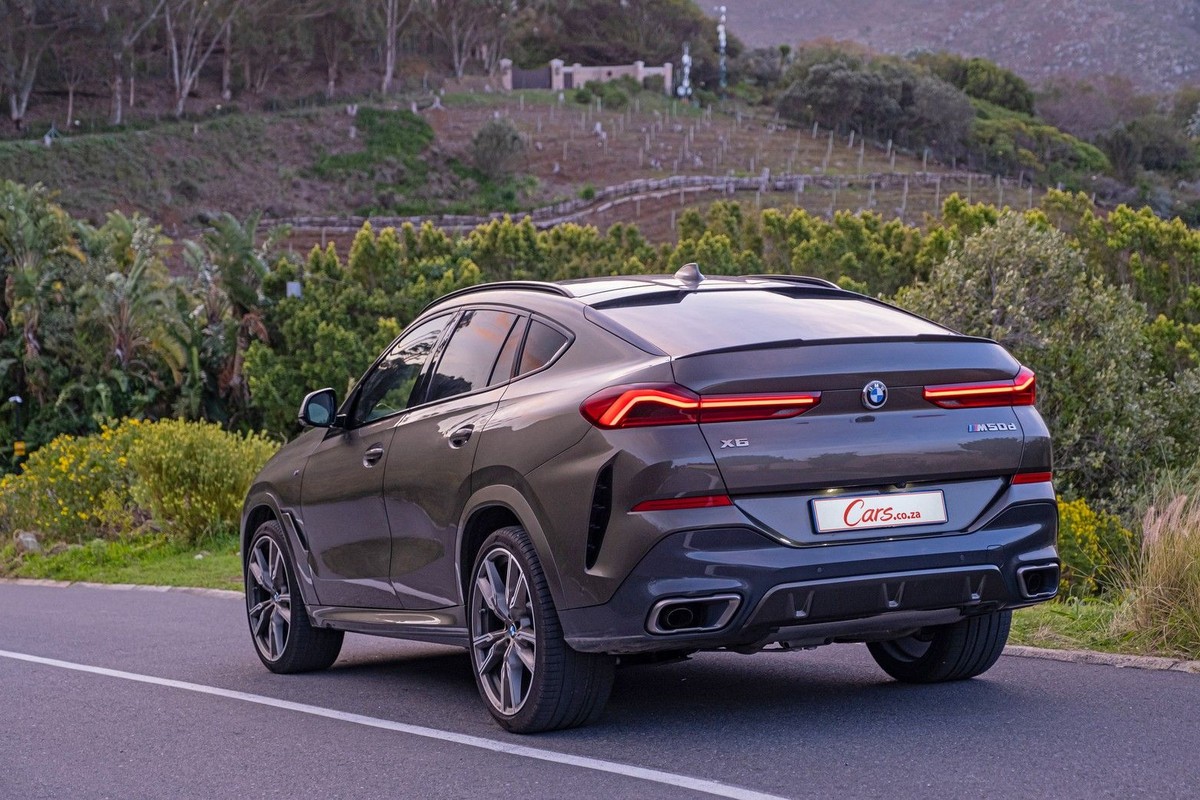
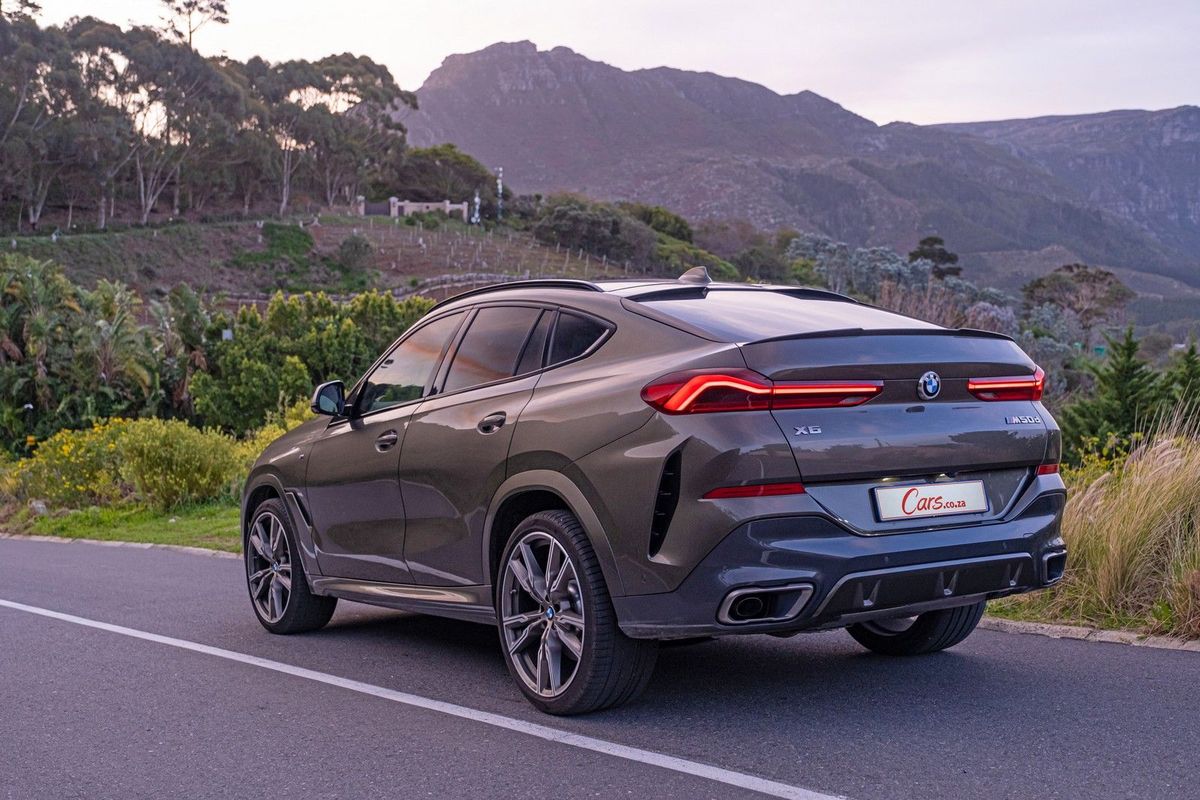
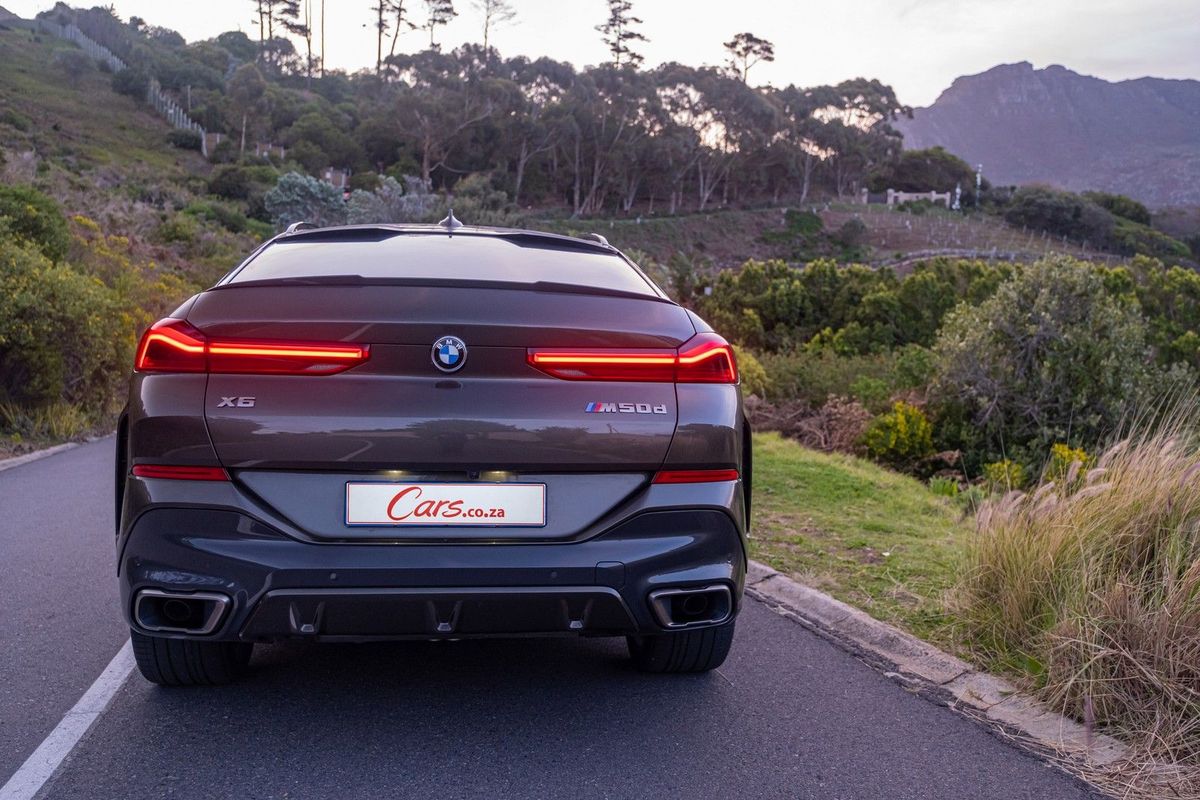
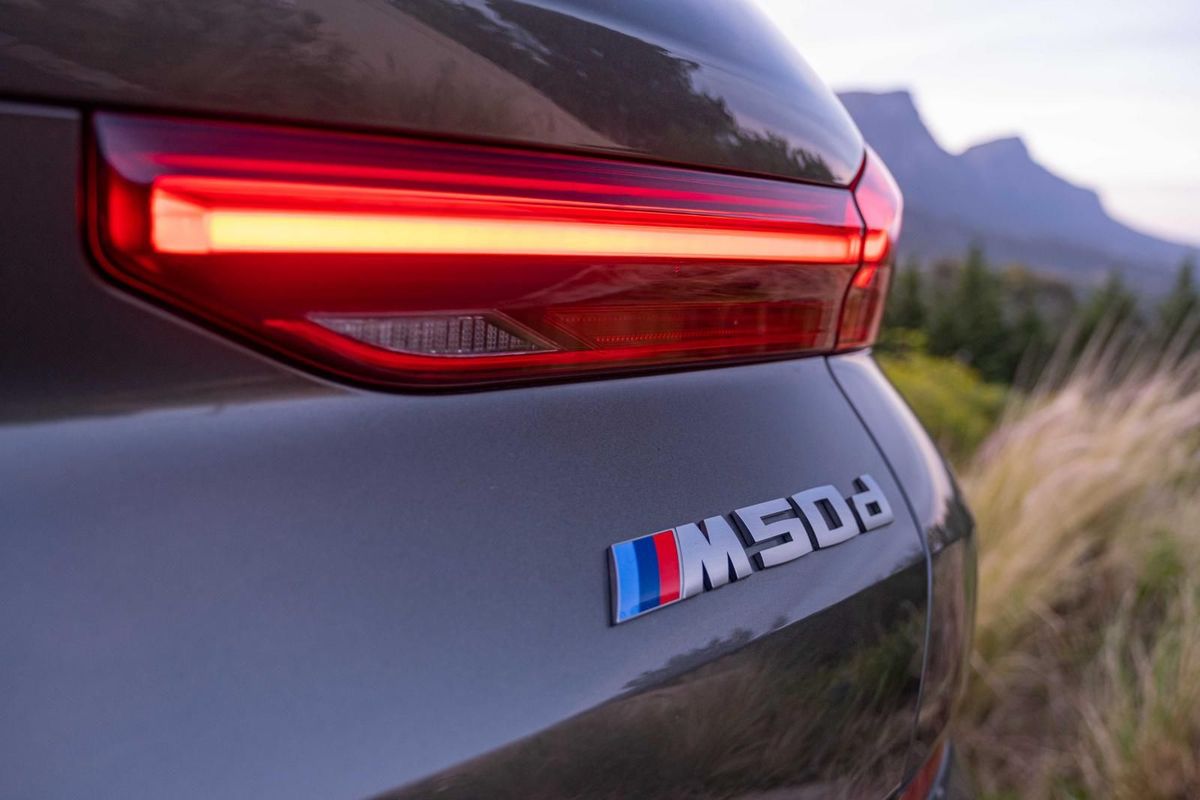
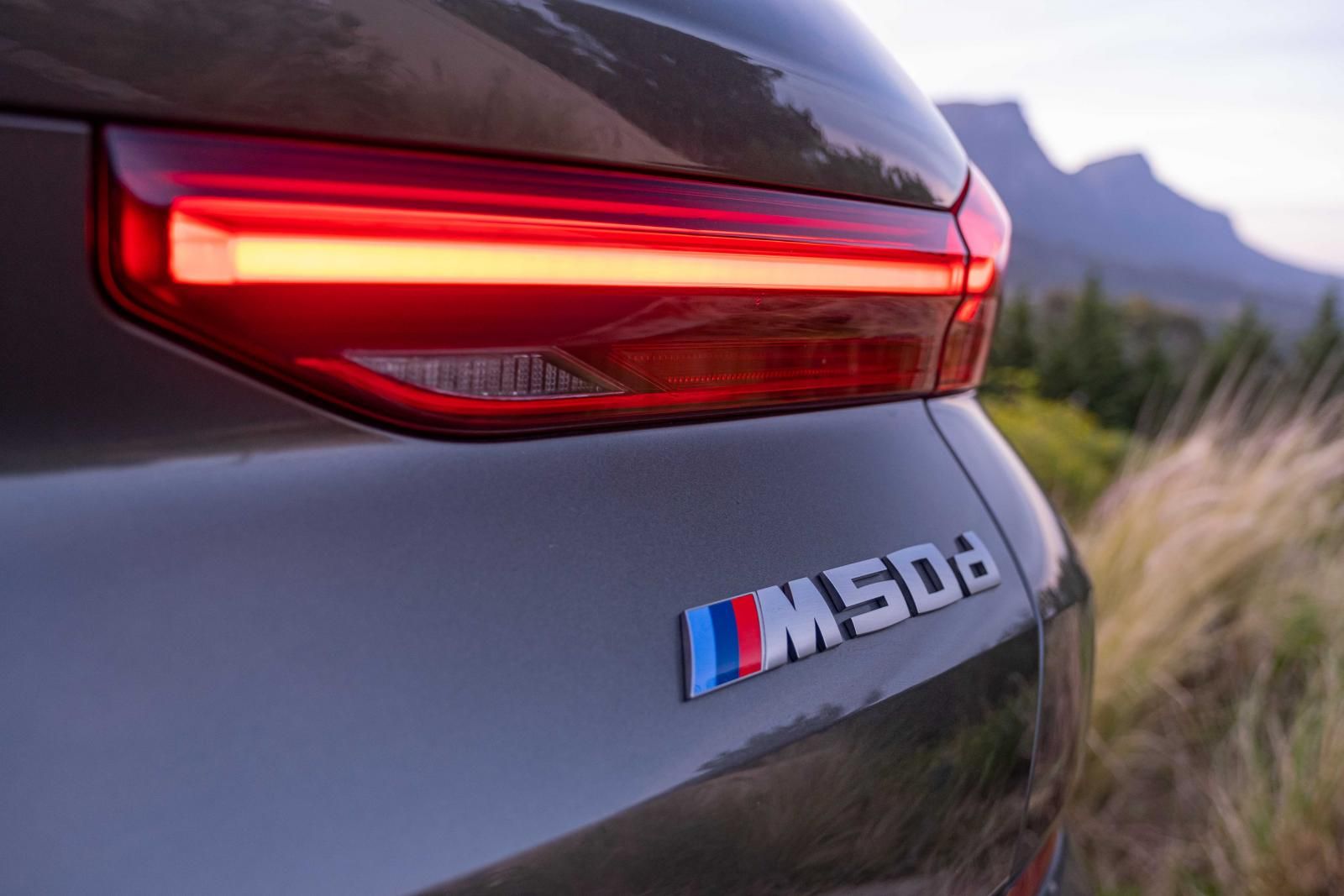
Like its predecessors, the love-it-or-hate-it 3rd-generation X6 is a controversial model in BMW's line-up, but, as Gero Lilleike recently discovered, there is much to like about the quad-turbodiesel powerhouse that is the M50d derivative. We sampled it over the course of more than 1 500 km to bring you this review…
We Like: Powerful performance, efficiency, comfort and luxury features, bold styling
We Don’t Like: Pricey and the fact that this engine will soon be discontinued
Fast Facts
Price: R1 843 848
Engine: 3.0-litre, 6-cylinder quad-turbodiesel
Transmission: 8-speed automatic
Power/Torque: 294 kW / 760 Nm
Fuel Efficiency: 7.2 L/100 km
Load Capacity: 580 to 1 530 litres
What is it?
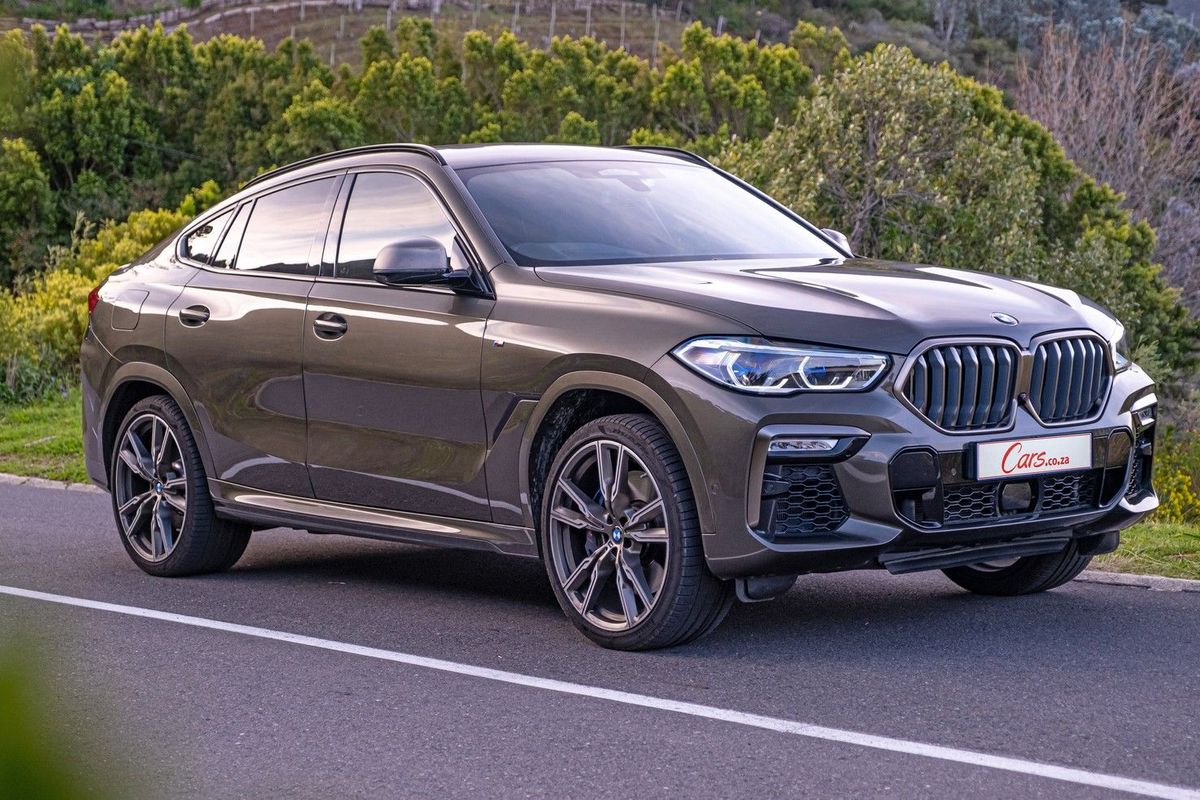
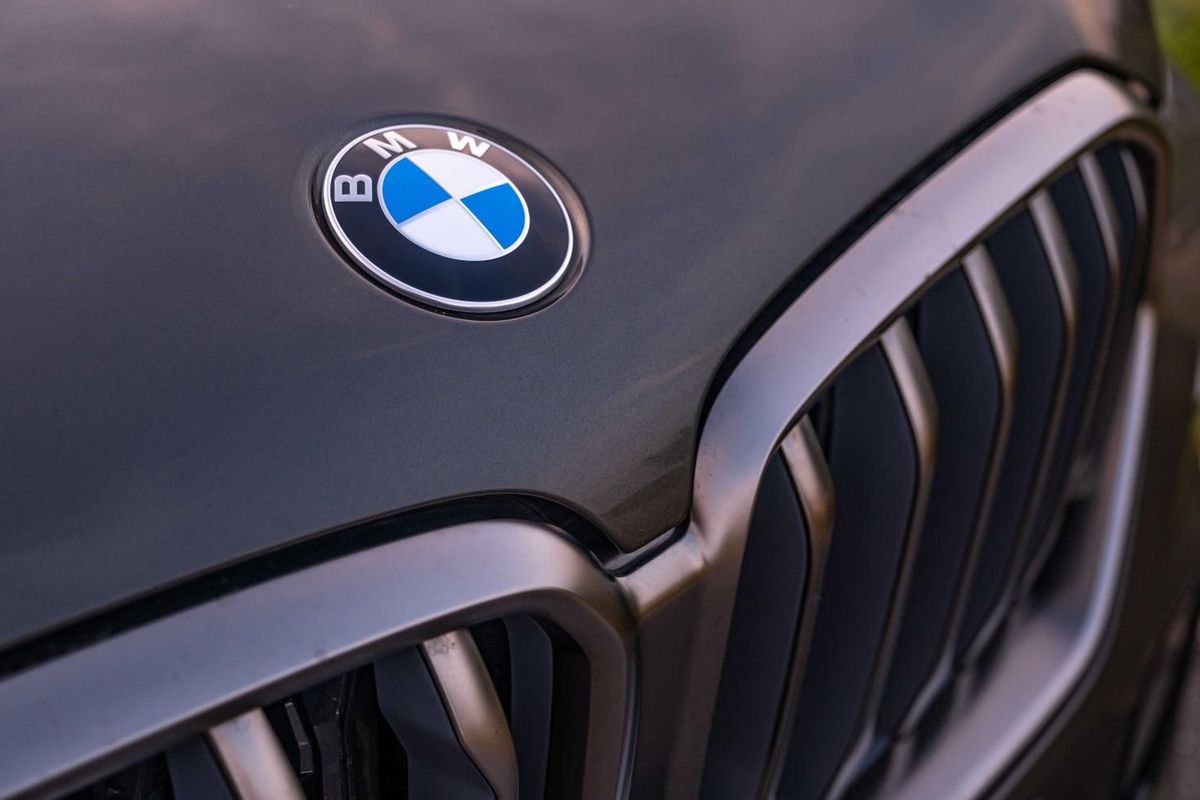
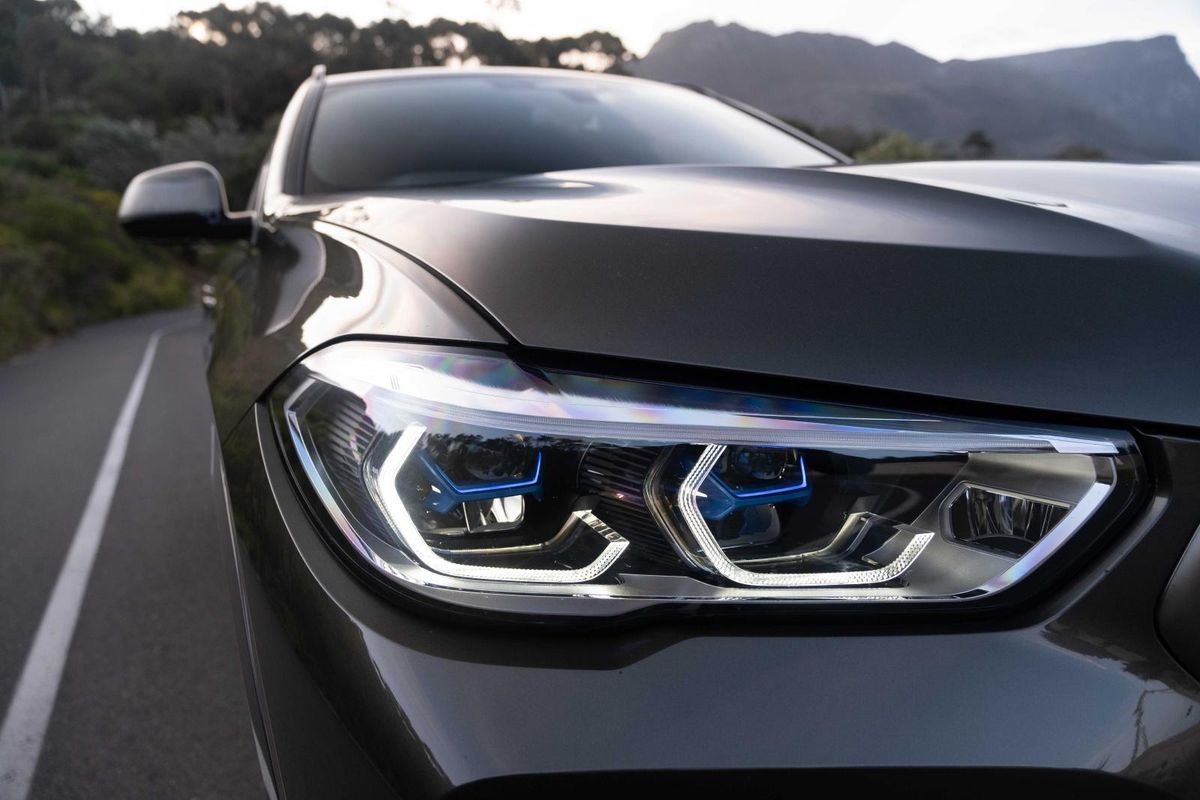
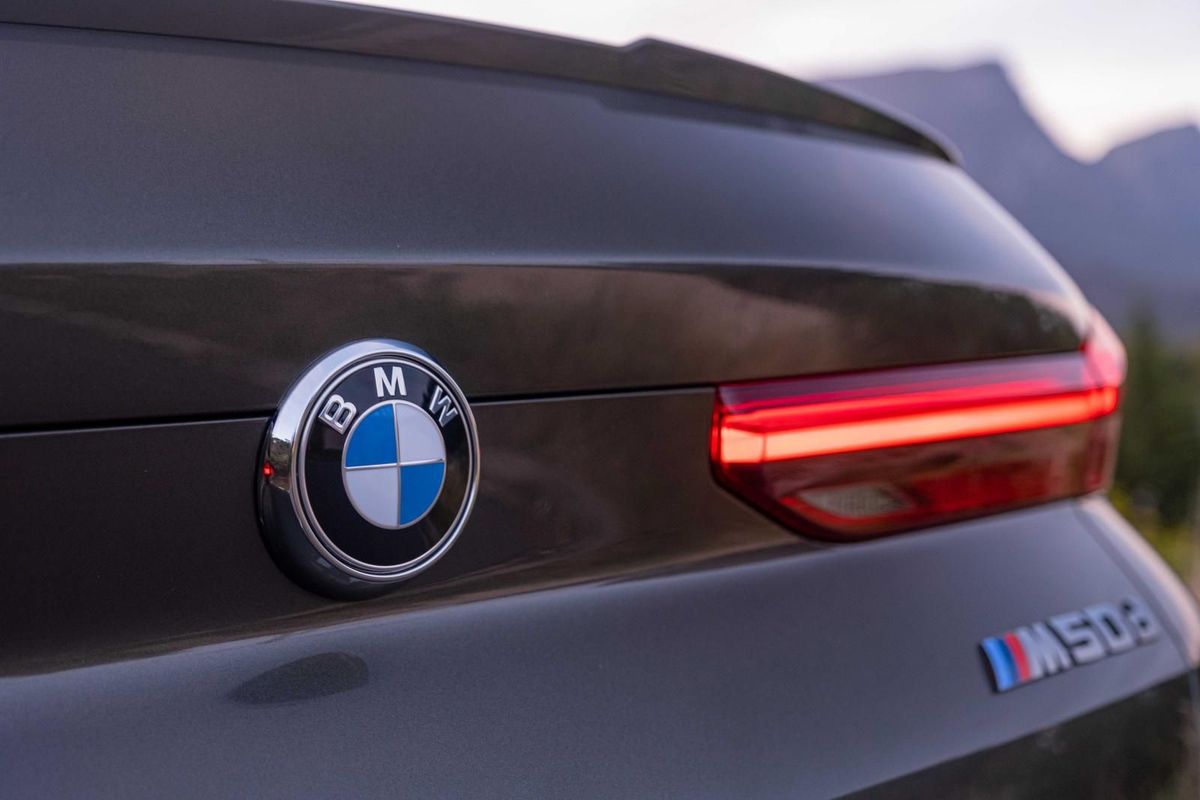
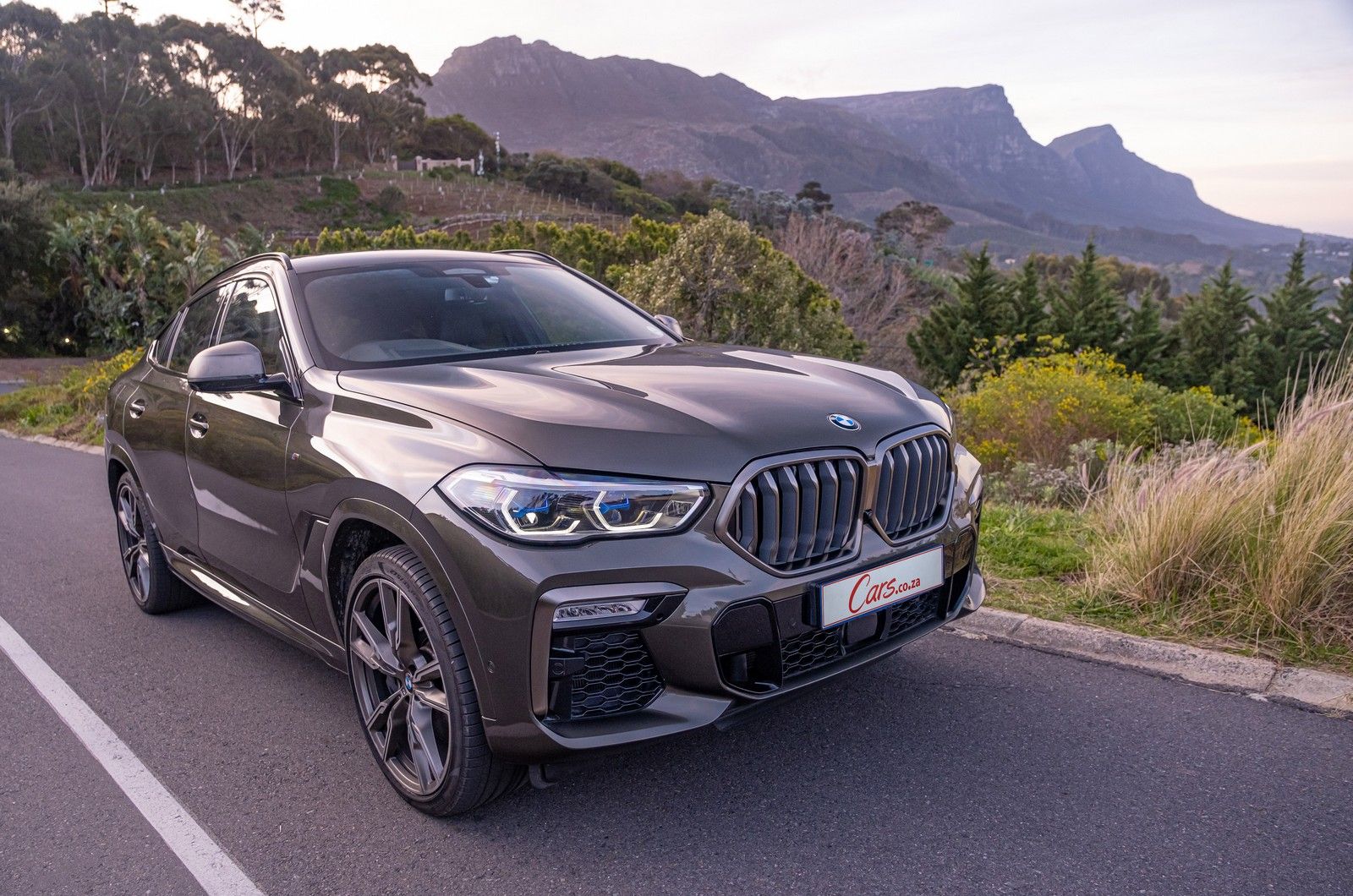
The X6 M50d wears a mean face with its large, chiselled kidney grille and BMW's Laserlight headlights. It's no wallflower…
The Premium SUV Coupe sub-segment owes its existence to the emergence of the 1st-generation X6 in 2008, for which brands such as Audi, Mercedes-Benz, Porsche and Range Rover have created rivals in the shapes of the Q8, GLE Coupe, Cayenne Coupe and Velar. This market niche favours form over function, polarises opinion and, again, the new X6 is a car that you'll either love… or loathe.
Nonetheless, when the BMW X6 stands before you in the metal, there is no denying that its design is meant to impress. With its chiselled illuminated kidney grille and shod with large 22-inch wheels, the Bavarian brand's self-styled Sports Activity Coupe has no shortage of envy-inducing kerb appeal, which is its raison d'etre. This test unit came finished in Manhattan Metallic (which is perhaps not the X6’s finest hue) and the imposing front-end look was further enhanced with the fitment of the optional BMW Laserlight headlights (R18 900). Needless to say, this X6 looks pretty mean…
The X6's precursors have drawn criticism for being less practical than their boxier X5 siblings (due to their distinctive sloping rooflines) but, as we discovered during this test, we think the 3rd-generation X6 is actually far more accomplished than it gets credit for. Moreover, the X6 M50d might even be the pick of the range (if your budget can stretch that far). Let’s take a closer look at what it offers…
How it performs in terms of…
Engine performance and efficiency
There's loads of torque on offer from this mighty quad-turbocharged engine and it's more frugal than you might expect…
There’s good news and bad news as far as the M50d's powerplant is concerned. Let’s start with the good news – the star of the entire package undoubtedly sits under the bulging bonnet of this particular X6 derivative. This is where you will find a powerful quad-turbocharged, 3.0-litre straight-6 diesel engine. Yes, you read that correctly, the motor is augmented with 4 turbochargers!
What’s the purpose of all this turbo-tech wizardry? Well, in simple terms, it’s all about producing a particularly flexible torque delivery… and the X6 M50d is duly deeply impressive in this regard. There are 2 low-pressure turbochargers that provide boost low in the rev range (below 2 000 rpm), while the 2 high-pressure turbochargers come on song a little higher up on the rev counter to unleash the engine's mammoth maximum torque figure of 760 Nm between 2 000 and 3 000 rpm; the peak power output (294 kW), meanwhile, is produced at about 4 000 rpm.
The result is mega performance with virtually no turbo lag. The X6 M50d is responsive and quick to get a move-on with BMW claiming a 0-to-100 kph time of 5.2 sec, which is rapid for an SUV that weighs more than 2.2 tonnes. As you can imagine, overtaking acceleration is copious; with so much torque in reserve, the M50d's unlikely to be caught flat, um, footed. The grunt is utterly addictive.
The 8-speed automatic transmission does an excellent job of executing seamless shifts on its own, but if you wish to manually drop a cog or two to get the most from this beast of an engine you can utlise the steering-mounted paddle shifters. Furthermore, you can dive into the drive-mode menu and individually configure settings for the transmission, steering and suspension to your preference. With all modes set to Sport or Sport Plus, prepare yourself for some eminently responsive and veritably rapid performance. However, other drive modes, such as Comfort and Eco Pro, prove their worth when you're commuting, when the modes (especially the latter one) will do their bit to ensure that the M50d consumes as little fuel as possible, provided you tailor your driving style accordingly.
Choose a drive setting to suit your mood and enjoy, the X6 M50d will do the rest.
Given this engine's performance potential, you may be forgiven for assuming that it would not be particularly frugal in terms of fuel consumption, but the test unit wasn't nearly as thirsty as I thought it might be. We took the X6 M50d on a journey from Cape Town to Knysna and back; while BMW claims a fuel consumption figure 7.2 L/100km, which is very ambitious, we saw a return of 9.2 L/100 km, which is anything but disappointing. As always, bear in mind that the Bimmer's diesel consumption will increase substantially on spirited runs…
With all that good news out of the way, here's the bad news: the B57S engine at the heart of the M50d will soon be discontinued. Due to cost complications; it will no longer be offered in BMW’s lineup in 2021. When you've explored the talents of this engine, as we have, it's a saddening development. It's one of the best performing and most powerful diesel engines to ever feature in a production car.
Handling and ride comfort
The X6 M50d is well-balanced with high levels of ride comfort while being equally sporty when it needs to be.
Apart from being blown away by the stellar on-road performance of the X6 M50d, we also came away impressed with the high levels of refinement and ride comfort it has to offer. The cabin is well insulated from noise – even if you’re working the engine hard, very little noise, vibration and harshness translate to the cabin, which is what we've come to expect from a luxury car of this calibre.
As mentioned, the suspension's responses can be electronically adapted to suit driving conditions, but we mostly had the suspension set to Comfort mode and found the ride quality to be forgiving and smooth over poor and bumpy surfaces, which is admirable, given the overtly sporty rims and tyres fitted to this test unit. The steering is relatively light, but can be firmed up if you prefer a "meatier feel".
With a low, wide stance and equipped with all-wheel drive, the X6 hugs the tar under hard cornering and despite its heft, the SUV proved quite agile. The M50d wears its comfort hat well when required (especially on long journeys), but it's equally adept at displaying its sportier side when ordered to do so. As such, the X6 displays a breadth of talent, which is also reflected when you step inside…
Interior execution and features
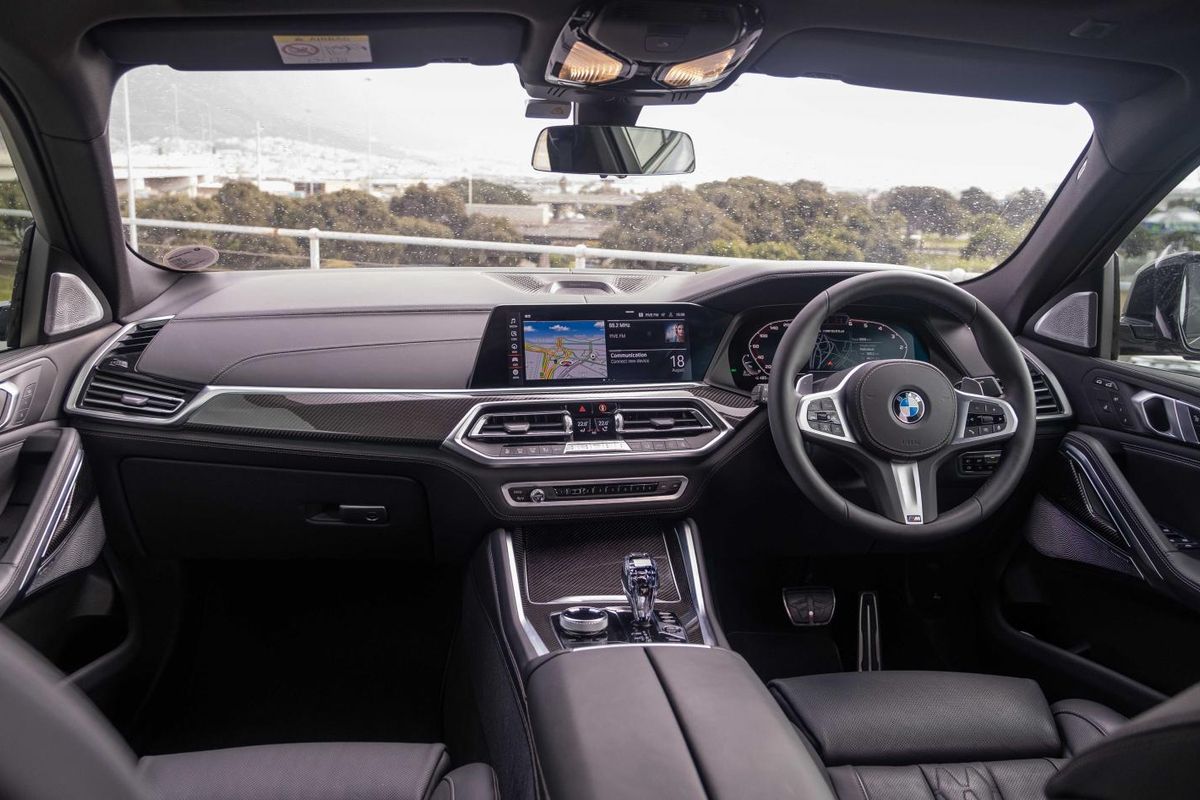
The X50d's smartly trimmed cabin is packed with a plethora of comfort and convenience features.
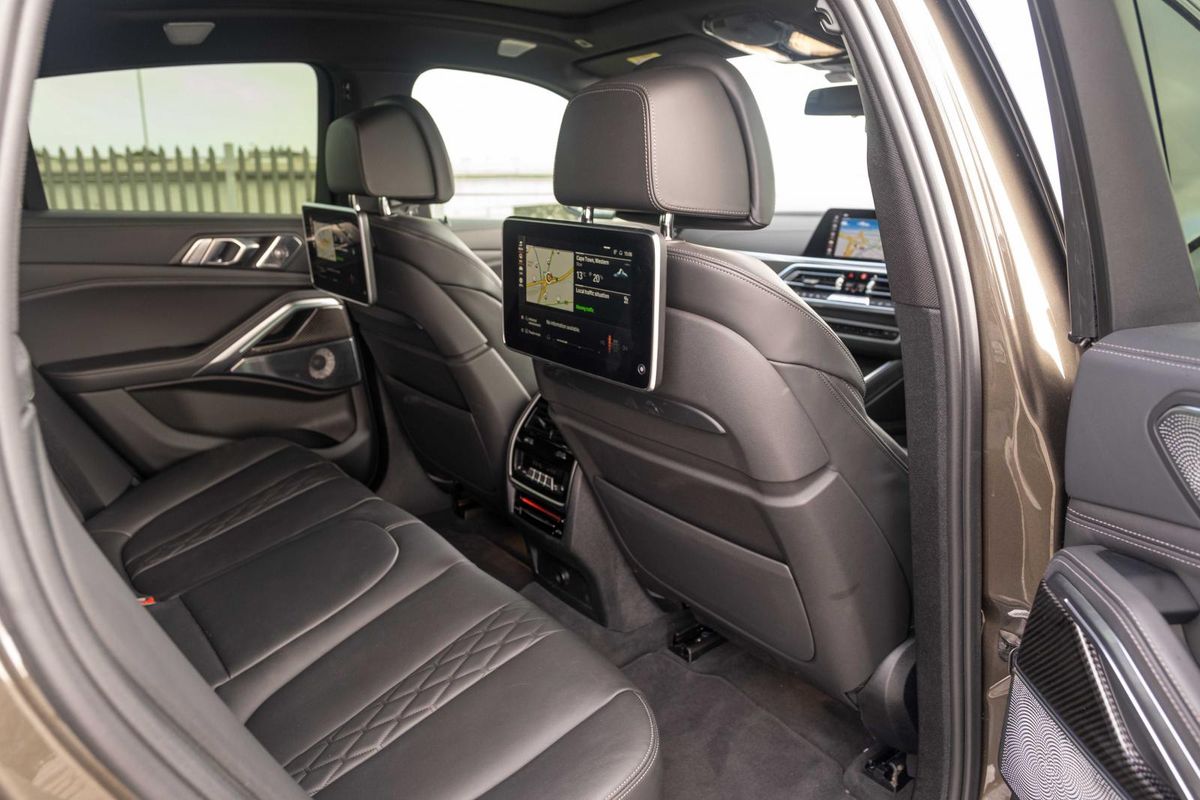
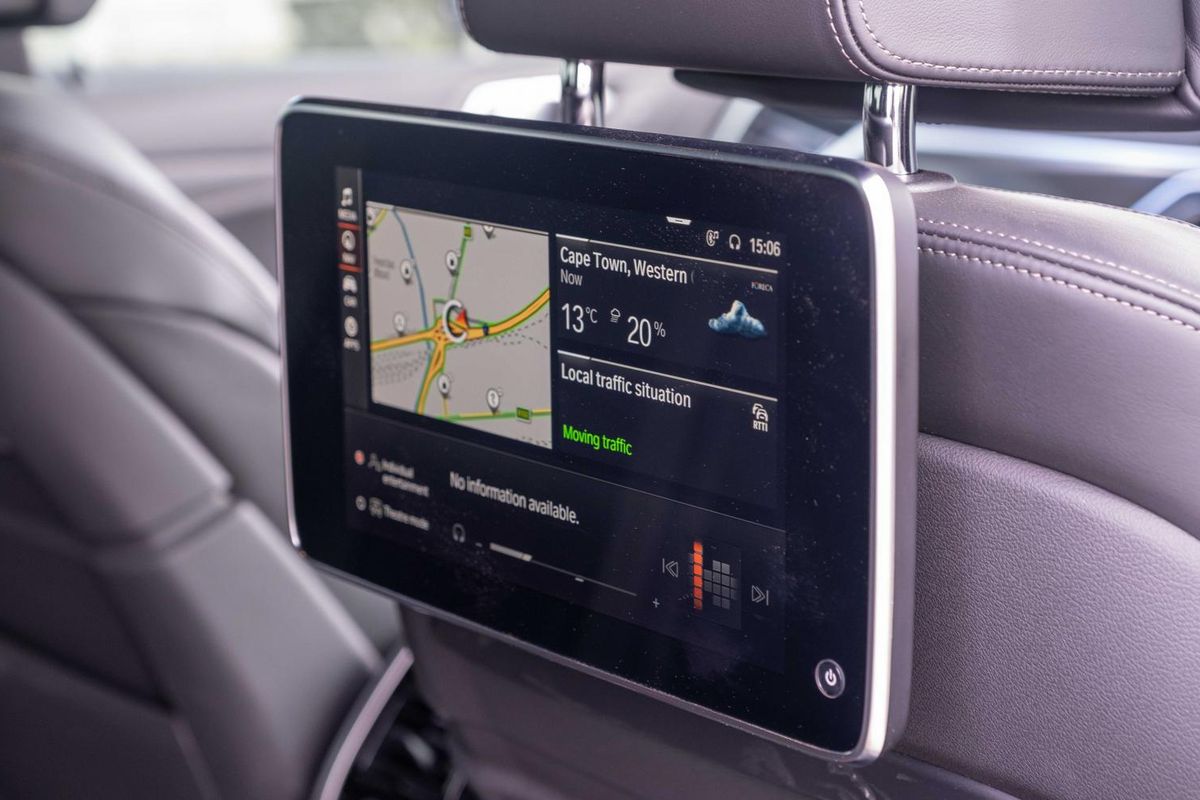
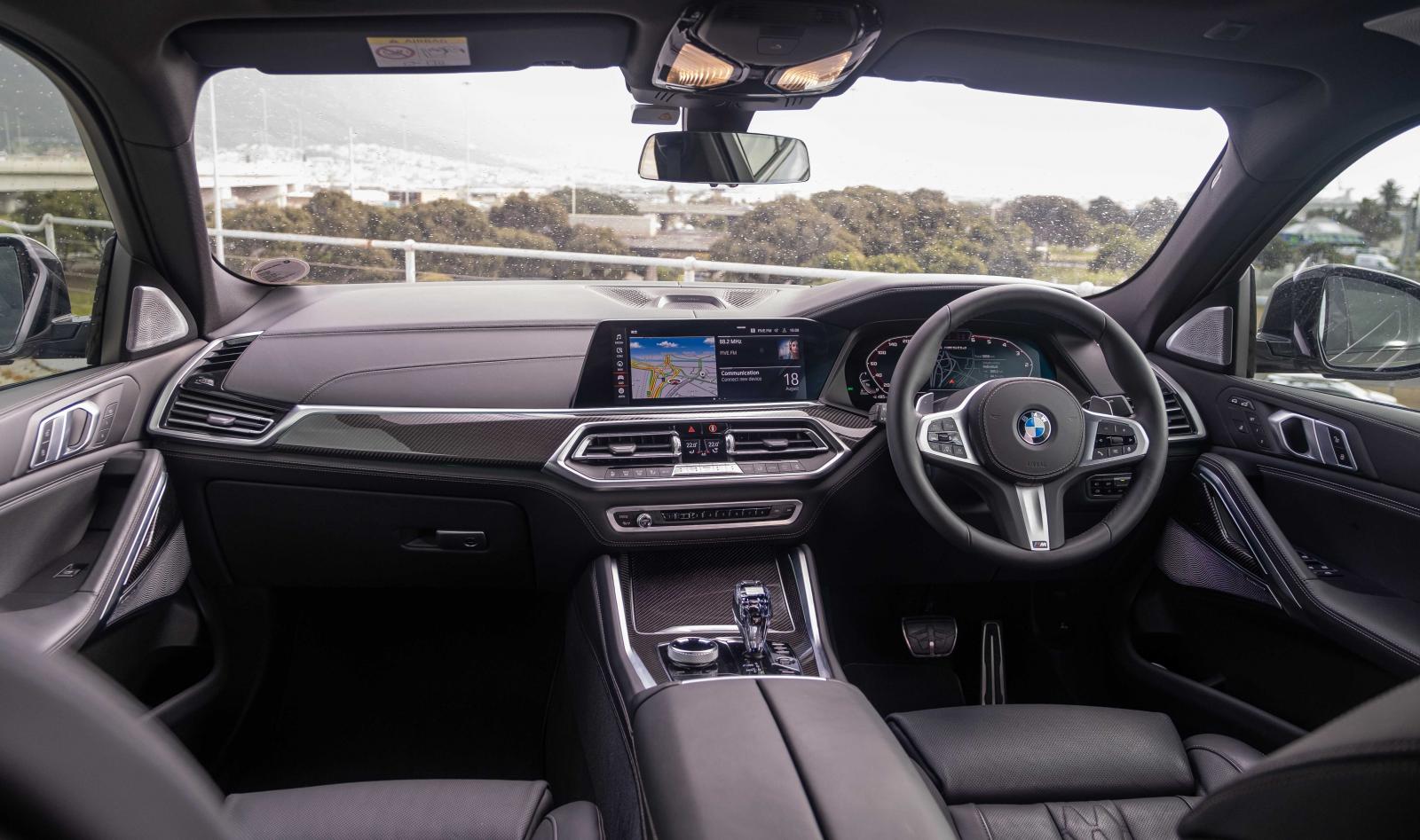
The razzle-and-dazzle show continues inside the X6 M50d, although it needs to be noted that the test unit came generously-equipped with a number of nice-to-have features from BMW’s extensive optional-extras list. Noteworthy additional adornments include Individual Black Merino leather upholstery (R18 100), a panoramic glass roof (R17 800), Bowers & Wilkins Diamond Surround Sound System (R65 200), rear-seat entertainment system (R38 400) and heated front and rear seats (R5 550), which were particularly cosy during a recent spell of icy weather in the Cape.
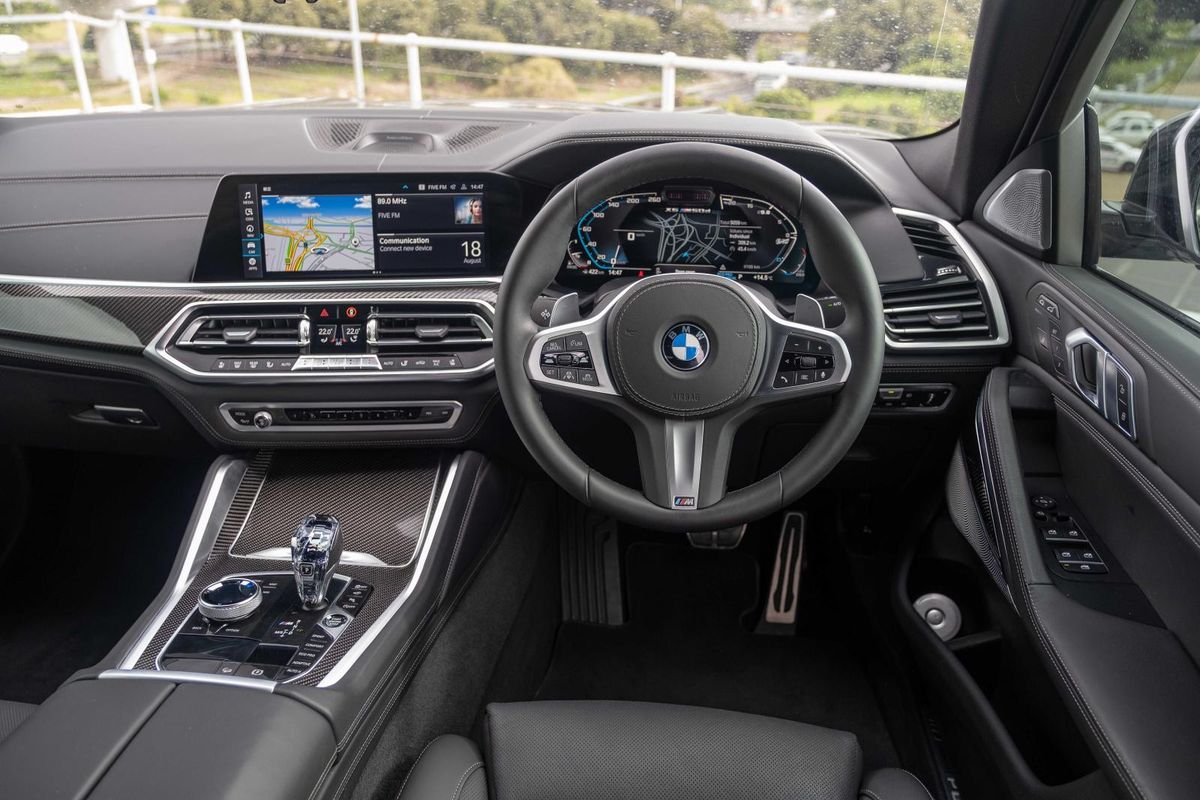
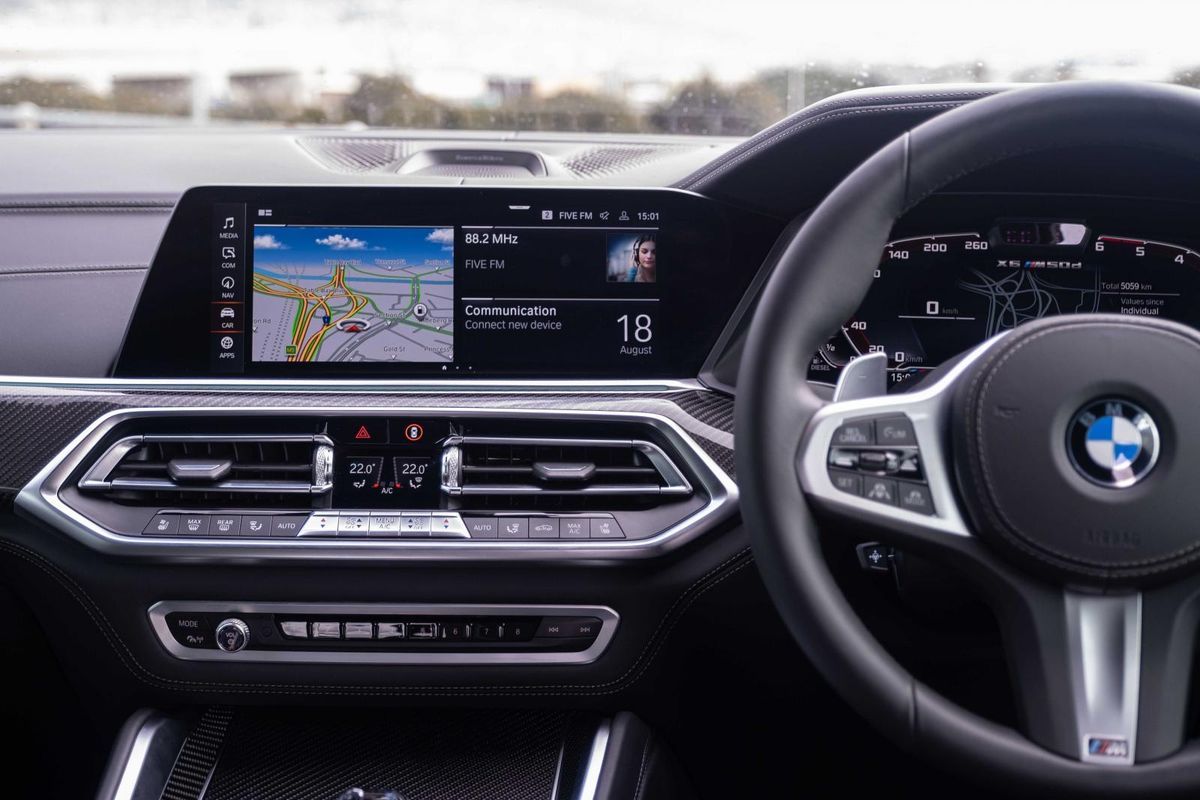
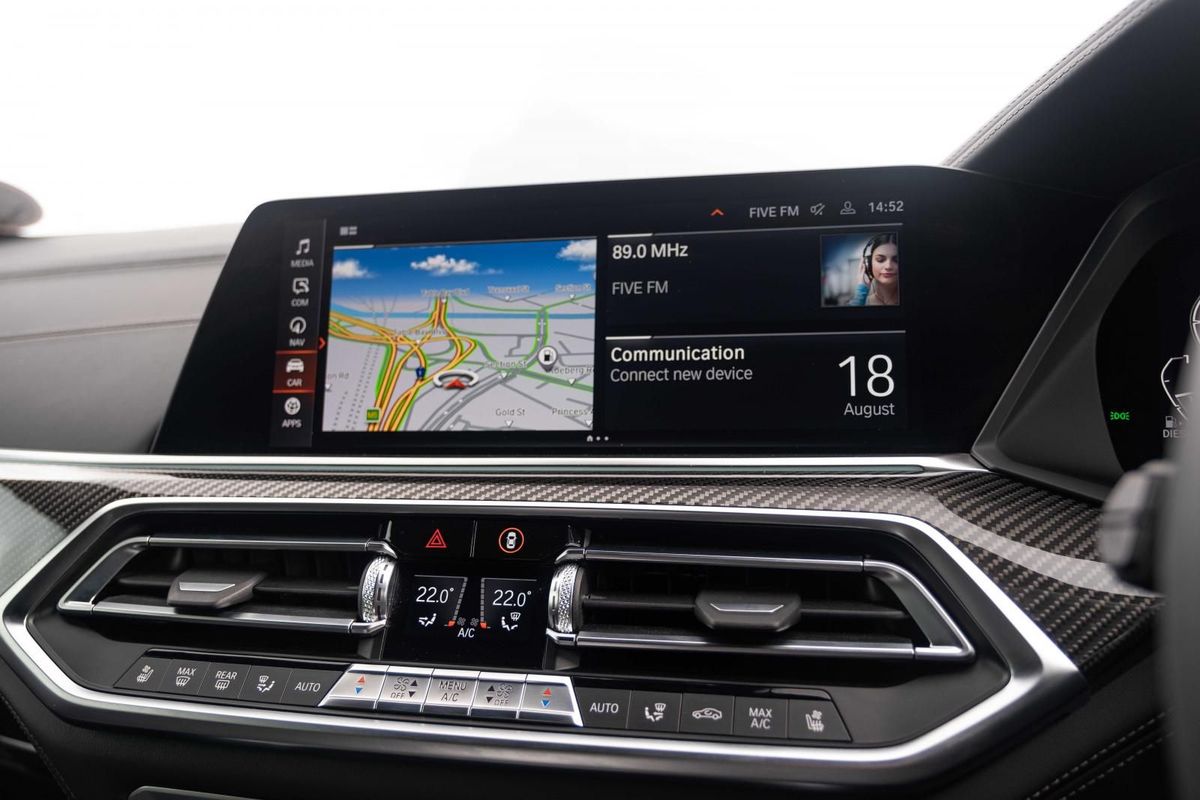
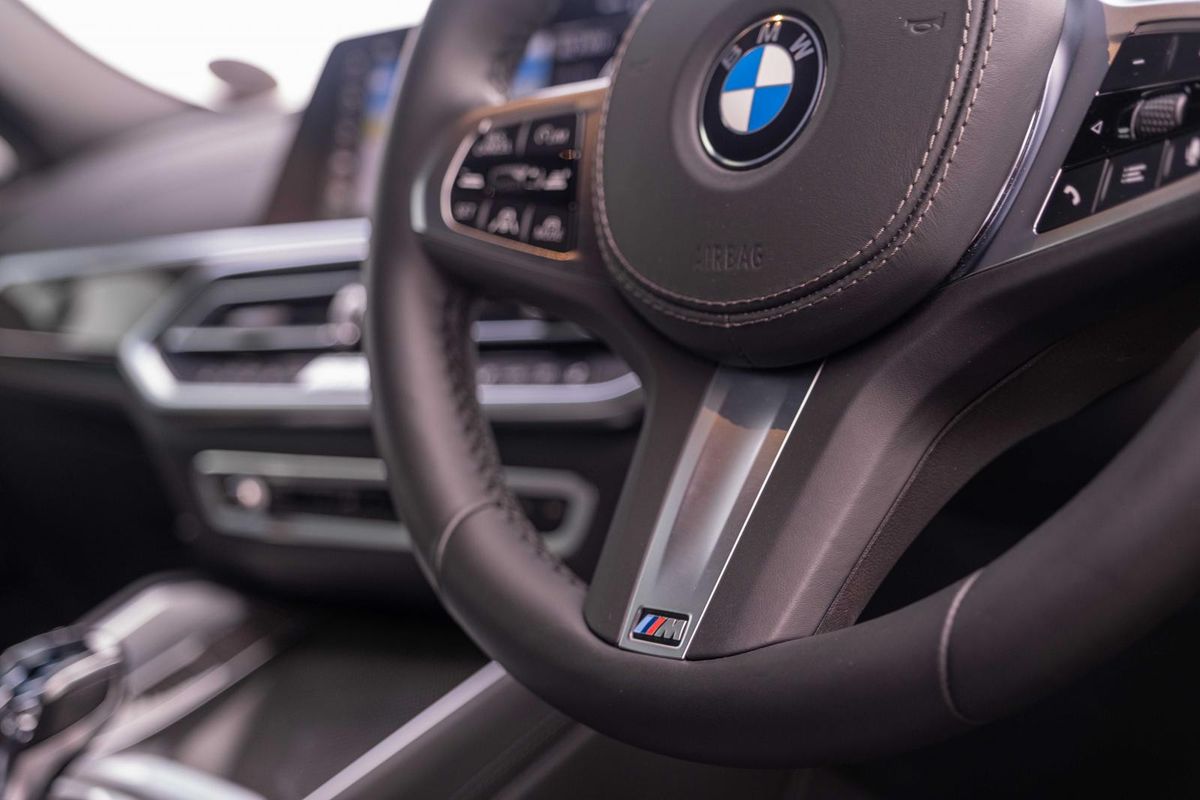
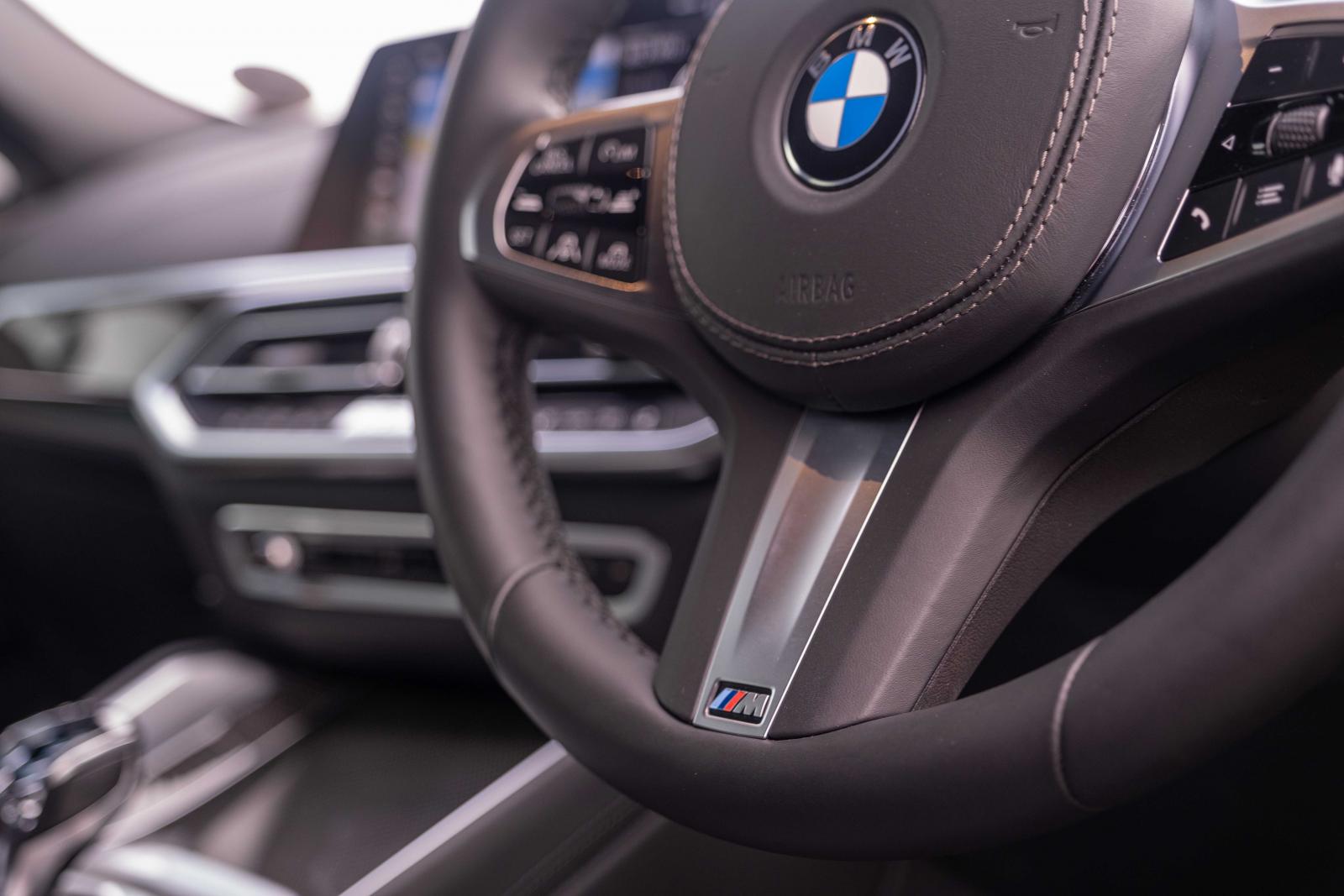
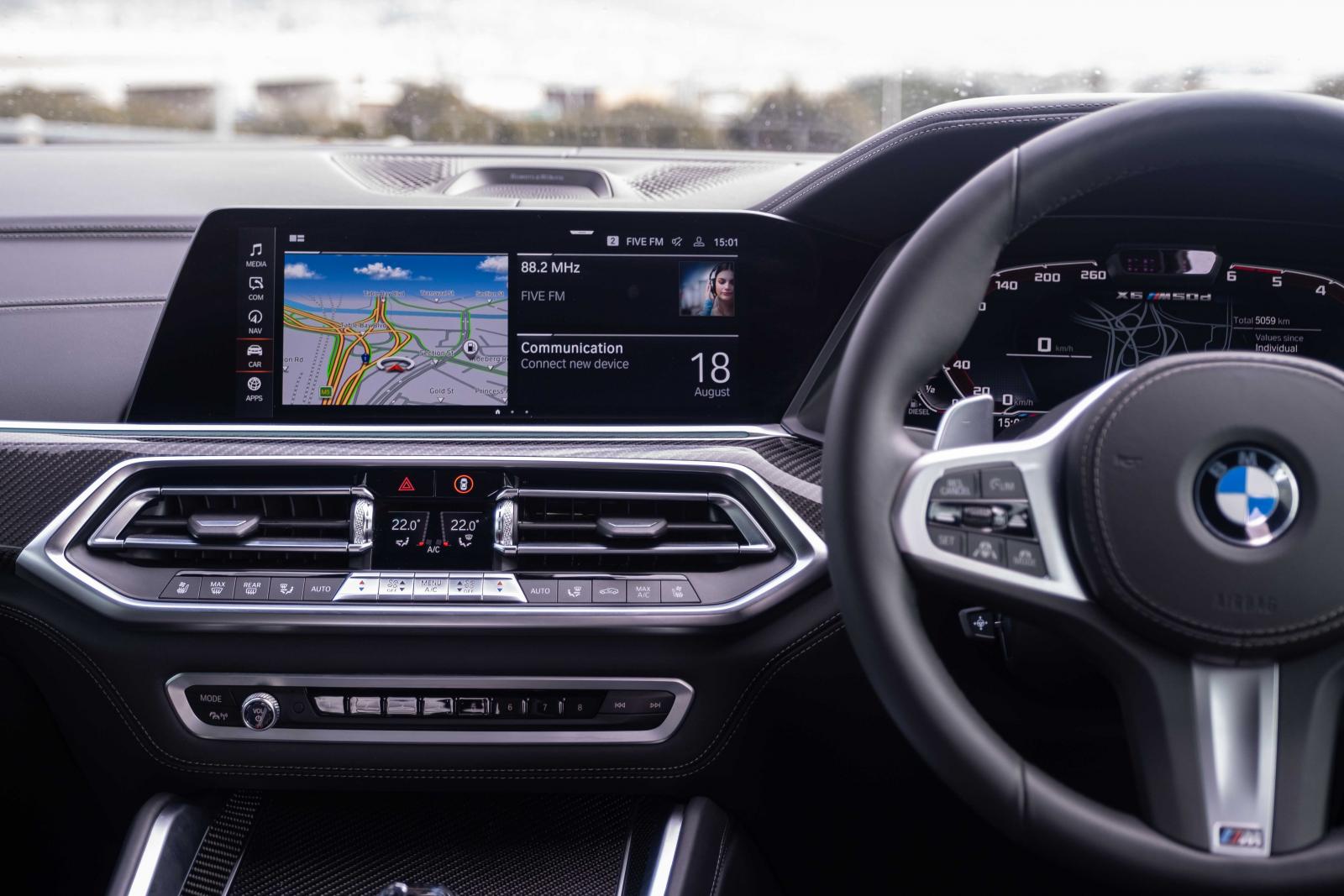
The large central touchscreen infotainment system features a logical layout and can also be controlled using the rotary controller in the centre console, or by using the mounted controls on the steering wheel. Also, BMW’s gesture control is standard and it’s fun to use at first, but we found it took some practice to get your gestures sufficiently refined to be reliably understood by the electronic interface.
The X6's infotainment system is well structured and simple to navigate.
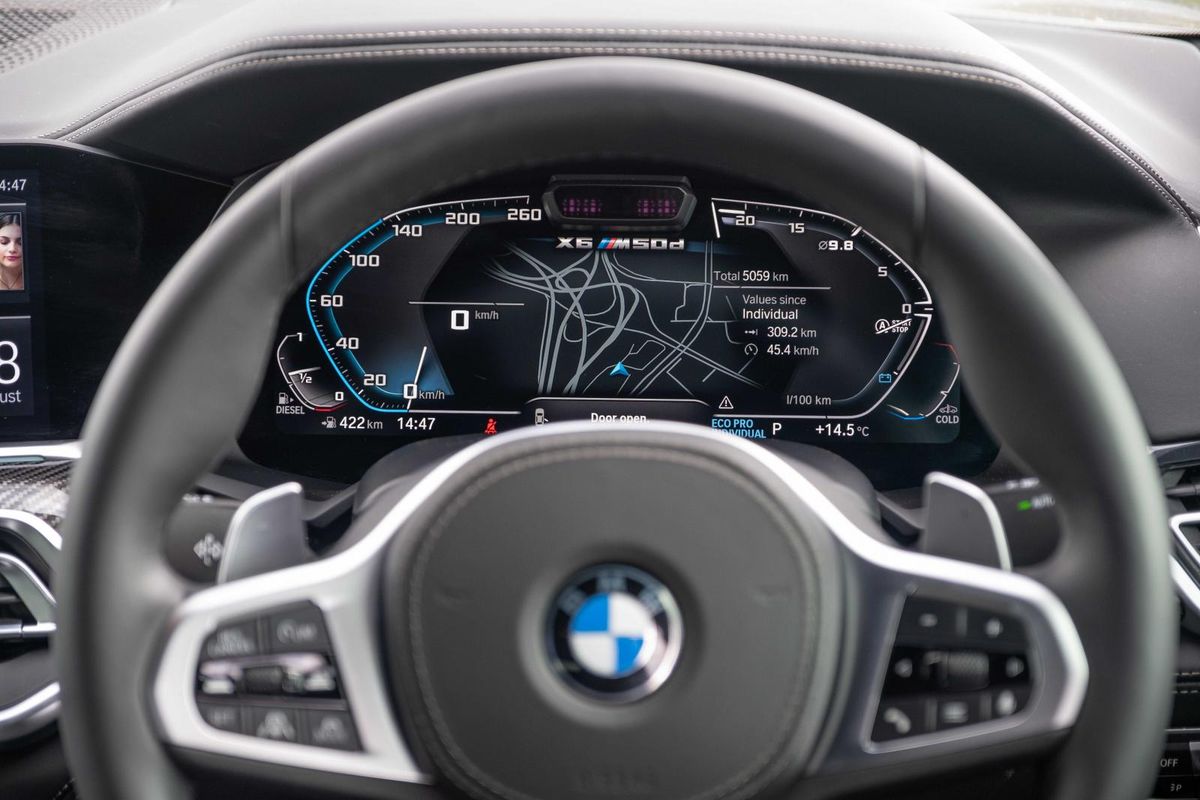
For the driver’s convenience, information is also displayed in the head-up display, which means you barely have to lift a finger to get the desired result. Moreover, the digital instrument cluster can also be configured to your liking with various display options at your disposal. For instance, the navigation map can be integrated into the instrument display, which means the main screen can be dedicated to media playback, for instance. With the rear-seat infotainment option ticked at R38 400 (including a DVD player), you can be sure that the kids will be entertained on those longer journeys.
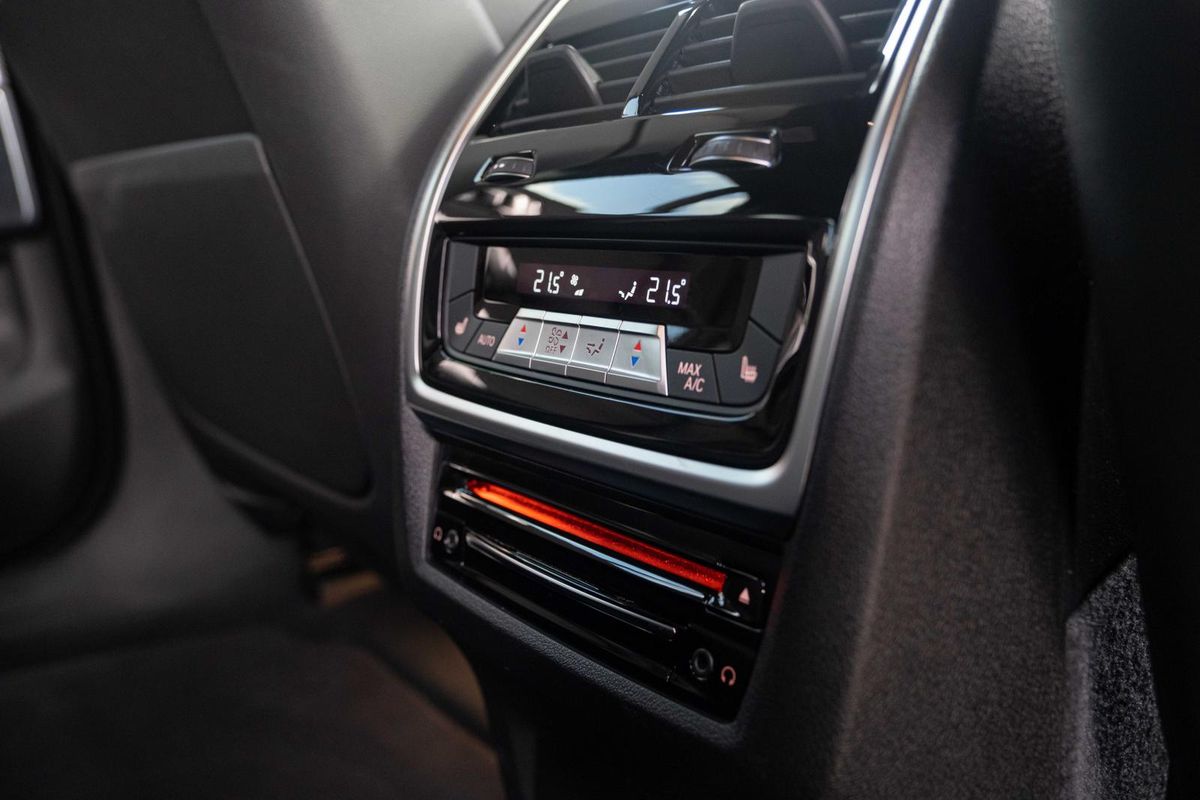
Other impressive features include the 4-zone climate control system, as well as the adaptive cruise control (with stop/go function), which makes driving that much less stressful, especially in congested traffic situations. This forms part of BMW’s Driving Assist Professional package (R21 900), which also includes features such as parking assist, lane-departure warning and pedestrian warning with city brake activation. Furthermore, a surround-view camera system is helpful when manoeuvring the X6 in (or out) of tight parking spaces and rear cross-assist will alert you if there is traffic approaching.
Apart from the extensive list of luxury and comfort features fitted, we can also report that the general perceived interior build quality is very good; it’s difficult to fault what the X6 interior has to offer.
Space and practicality
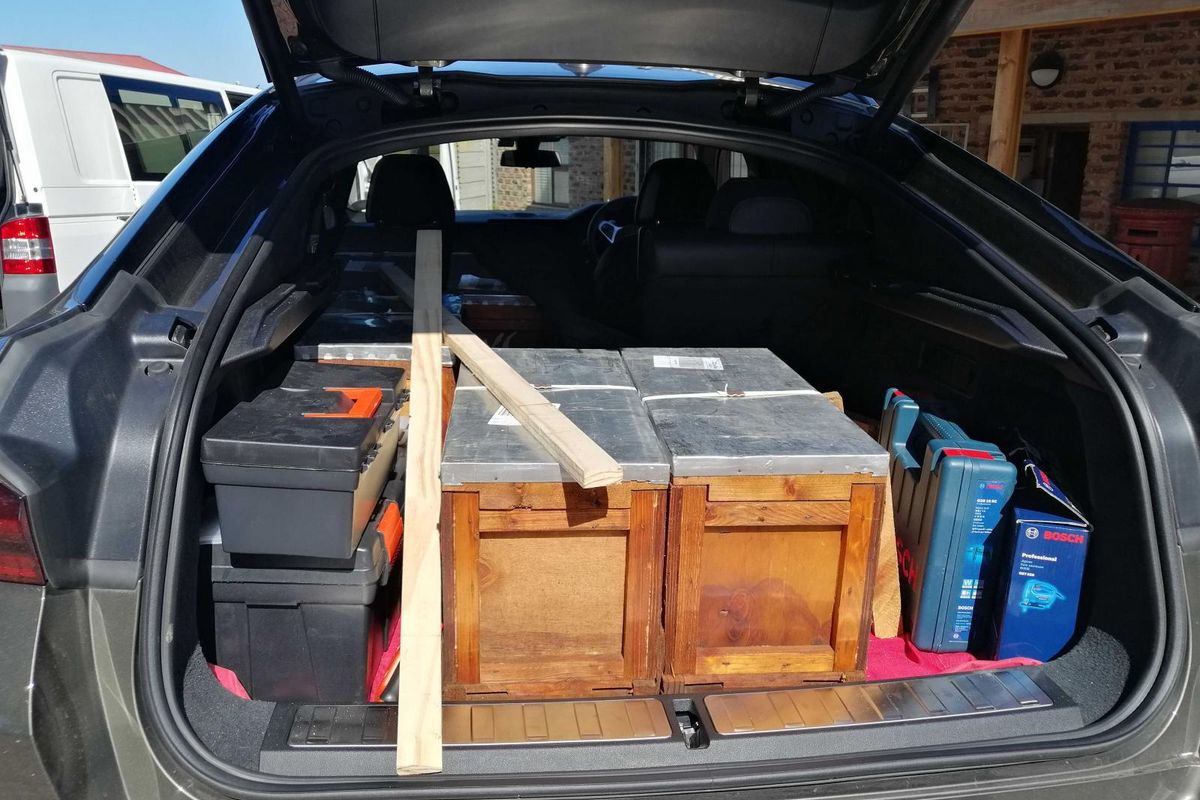
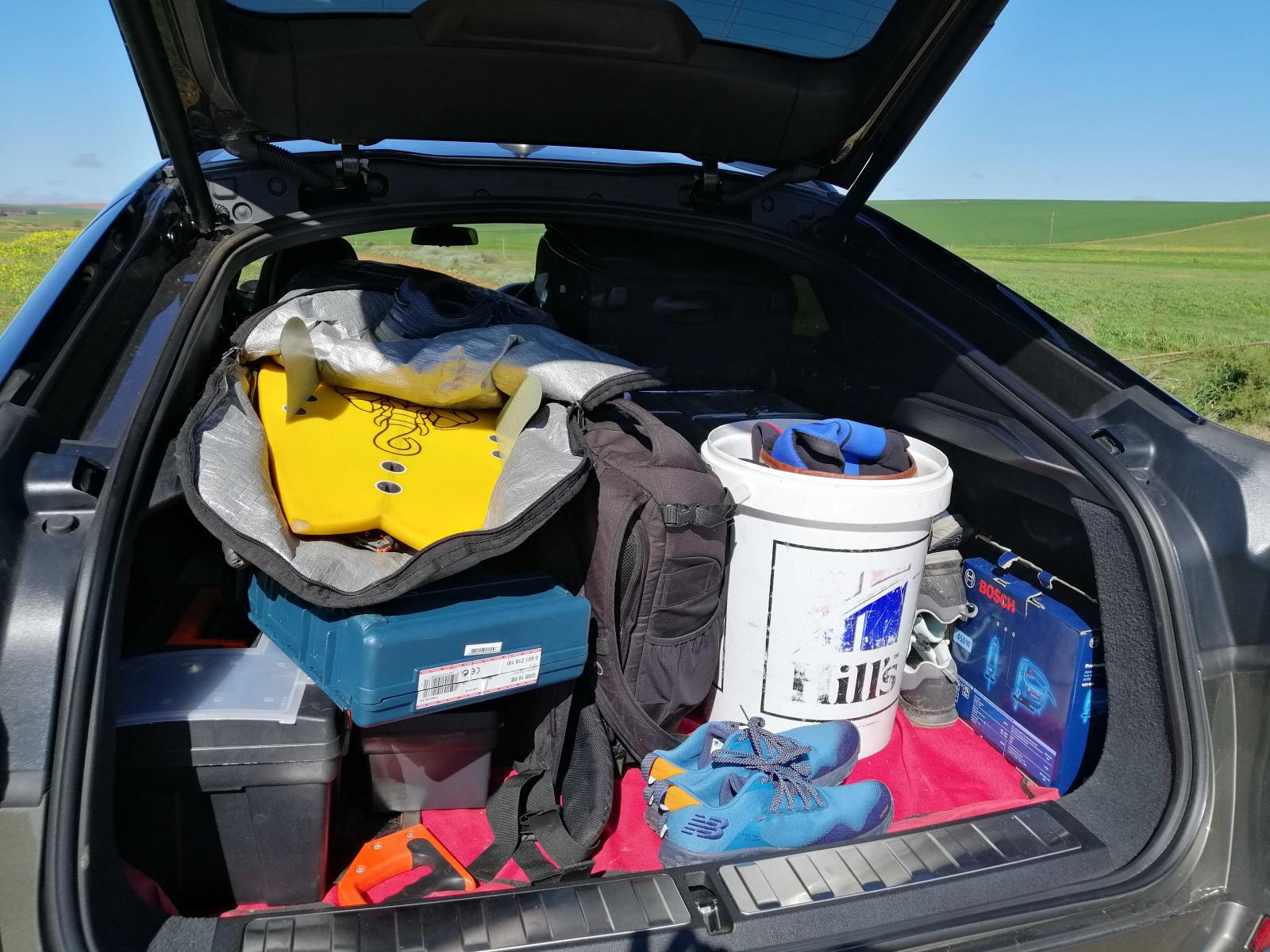
The fact you can't see that there are 8 medium-size beehives loaded in the X6 speaks erm, volumes, for its load-carrying ability.
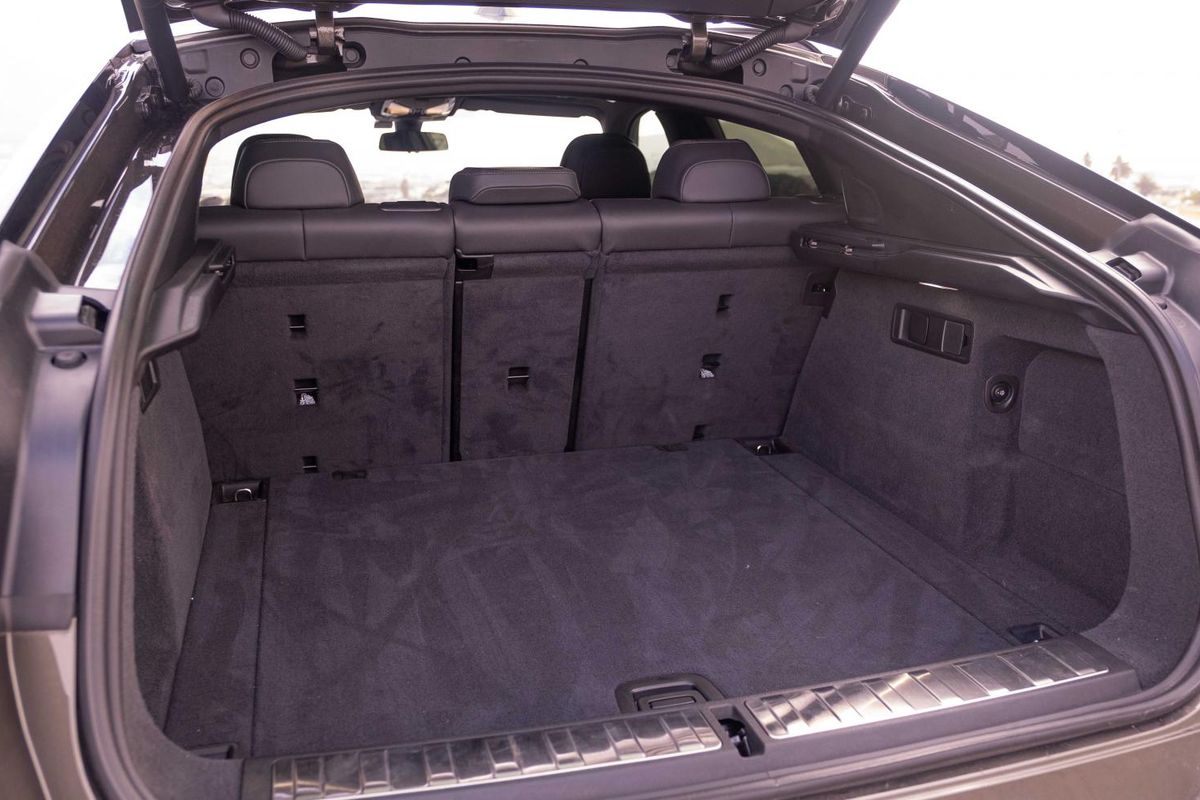
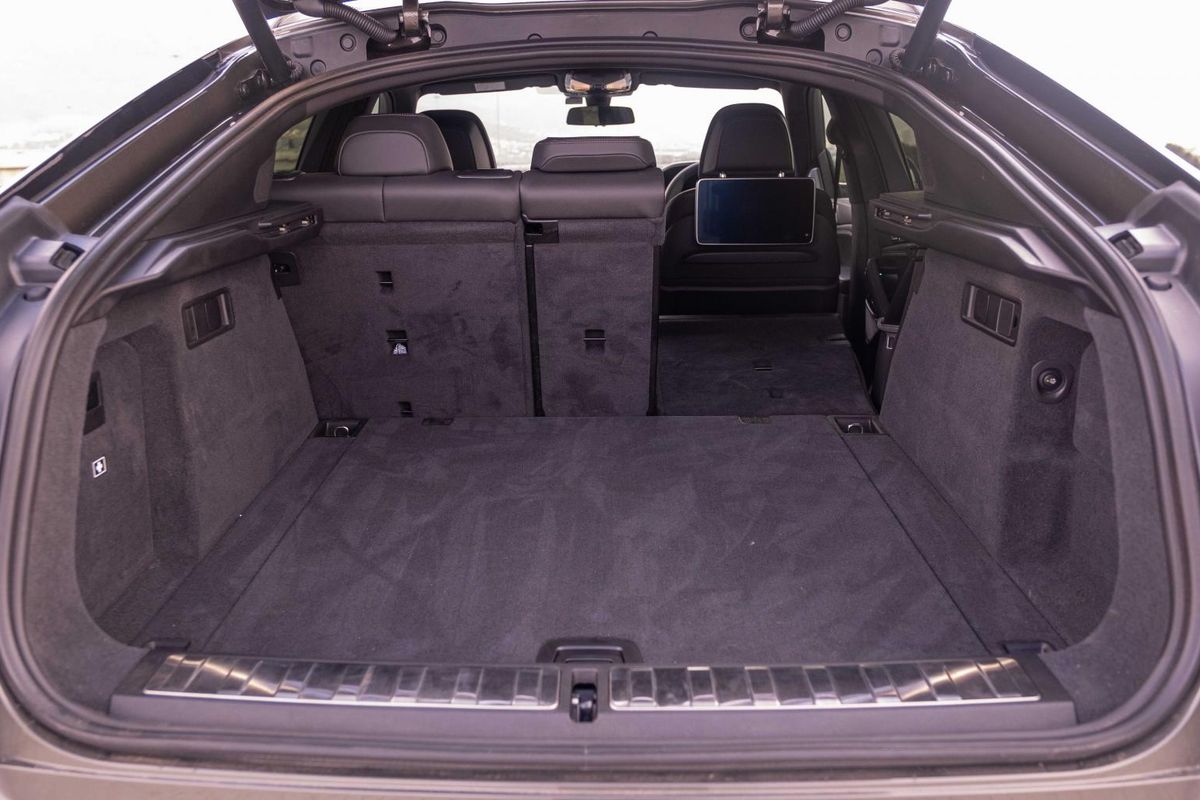
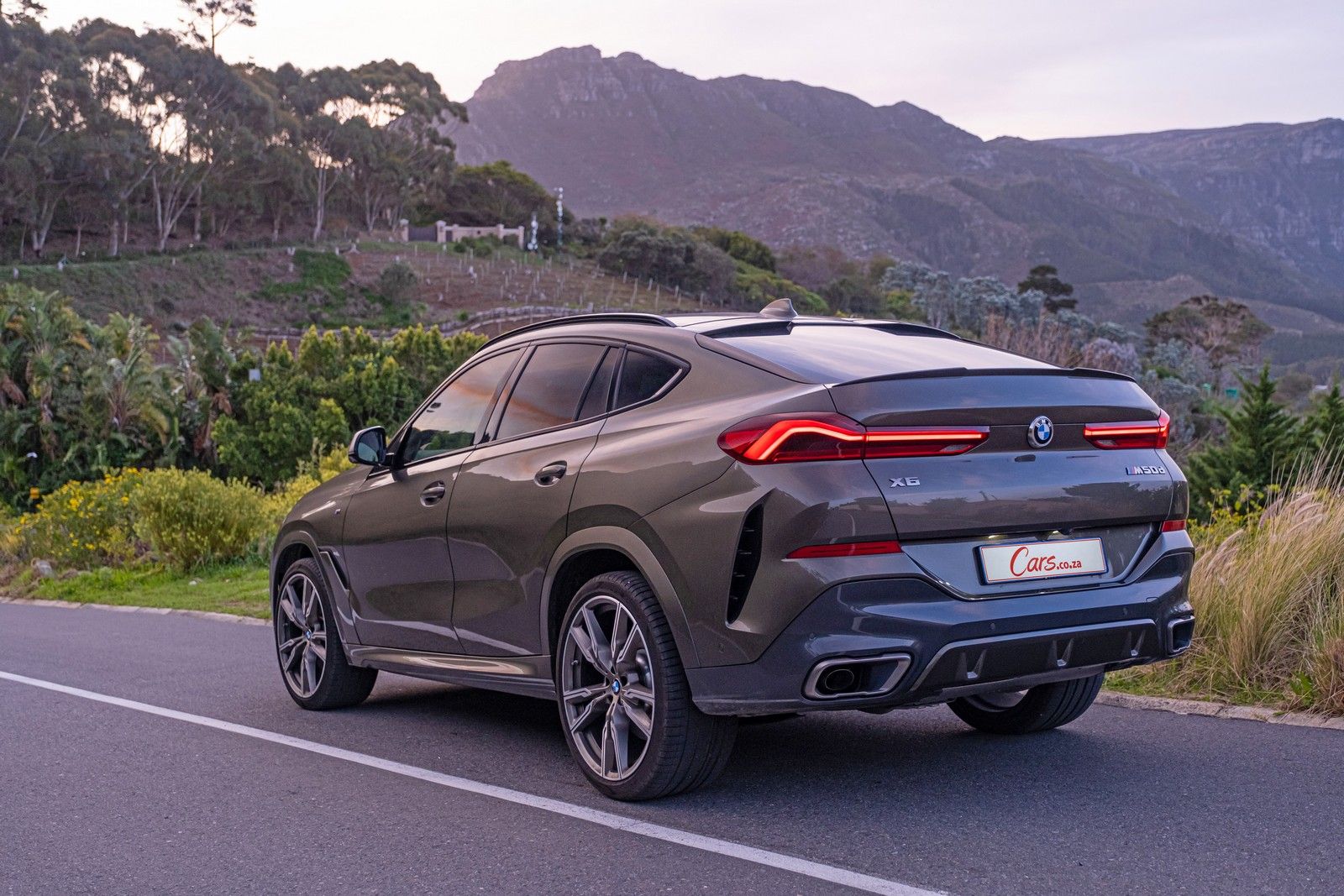
The first 2 generations of the X6 were heavily criticised for their limited load-carrying ability, but we didn't find the 3rd-generation model's load bay that compromised. Yes, the X6’s rear-half isn’t as boxy as the X5's and its roofline reduces the SUV's interior space as it slopes toward the edge of the tailgate. The net result is a shallower, tapered load cavity, but it’s still hugely spacious, as I discovered.
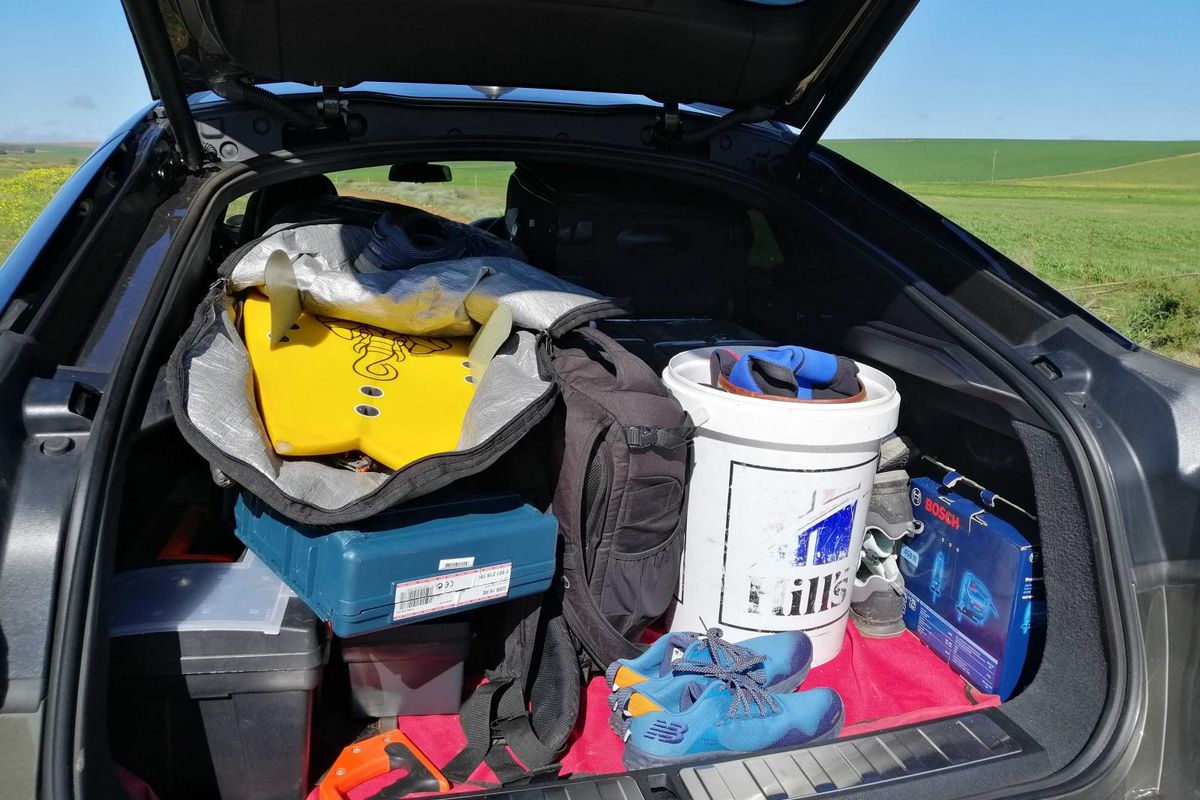
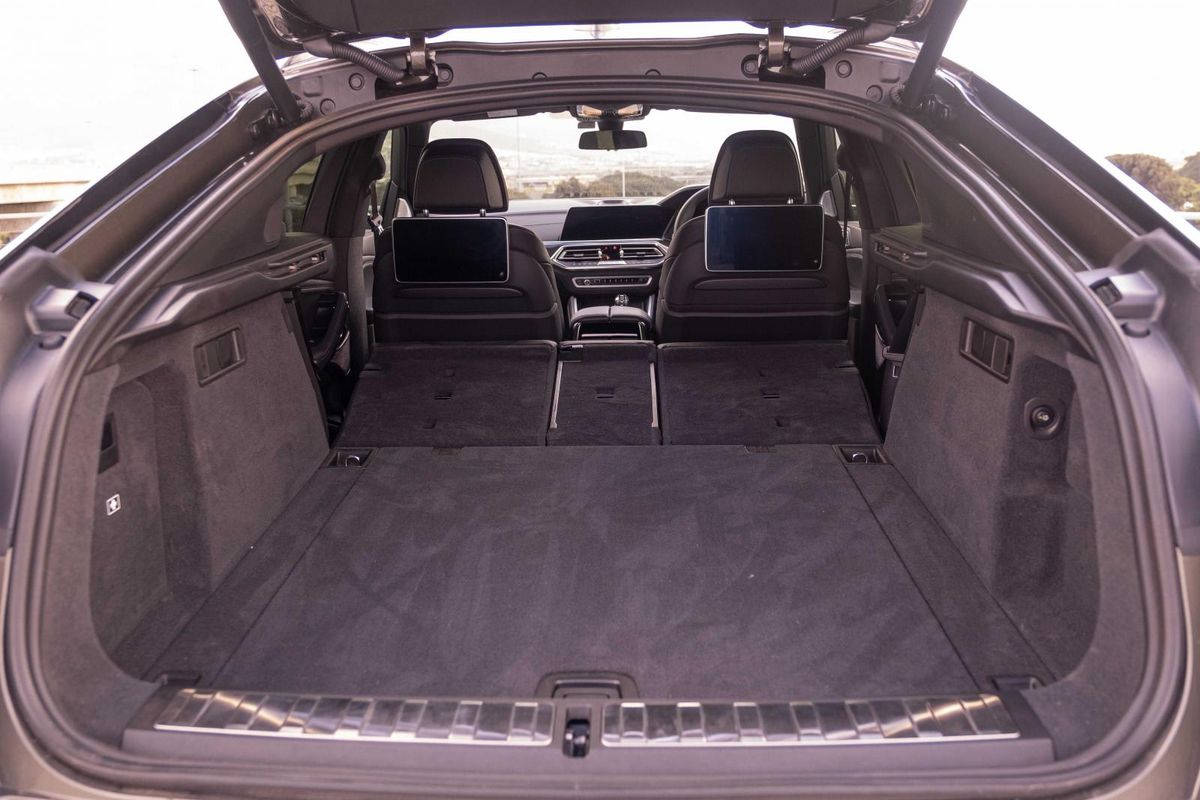
My mission to Knysna involved relocating empty beehives, but I also wanted to surf on the way there, which meant I had to pack everything, including a surfboard, gear and luggage into the load bay. I was worried that it wouldn’t all fit, but I was pleasantly surprised: with the rear seats folded flat, everything could be fitted in neatly and there was even space for more! I could’ve taken 2 surfboards…
BMW claims the load bay can accommodate 580 litres, which expands to 1 530 litres. The X5, by comparison, is said to offer 650 litres, expanding to 1 870 litres with the rear seats folded down.
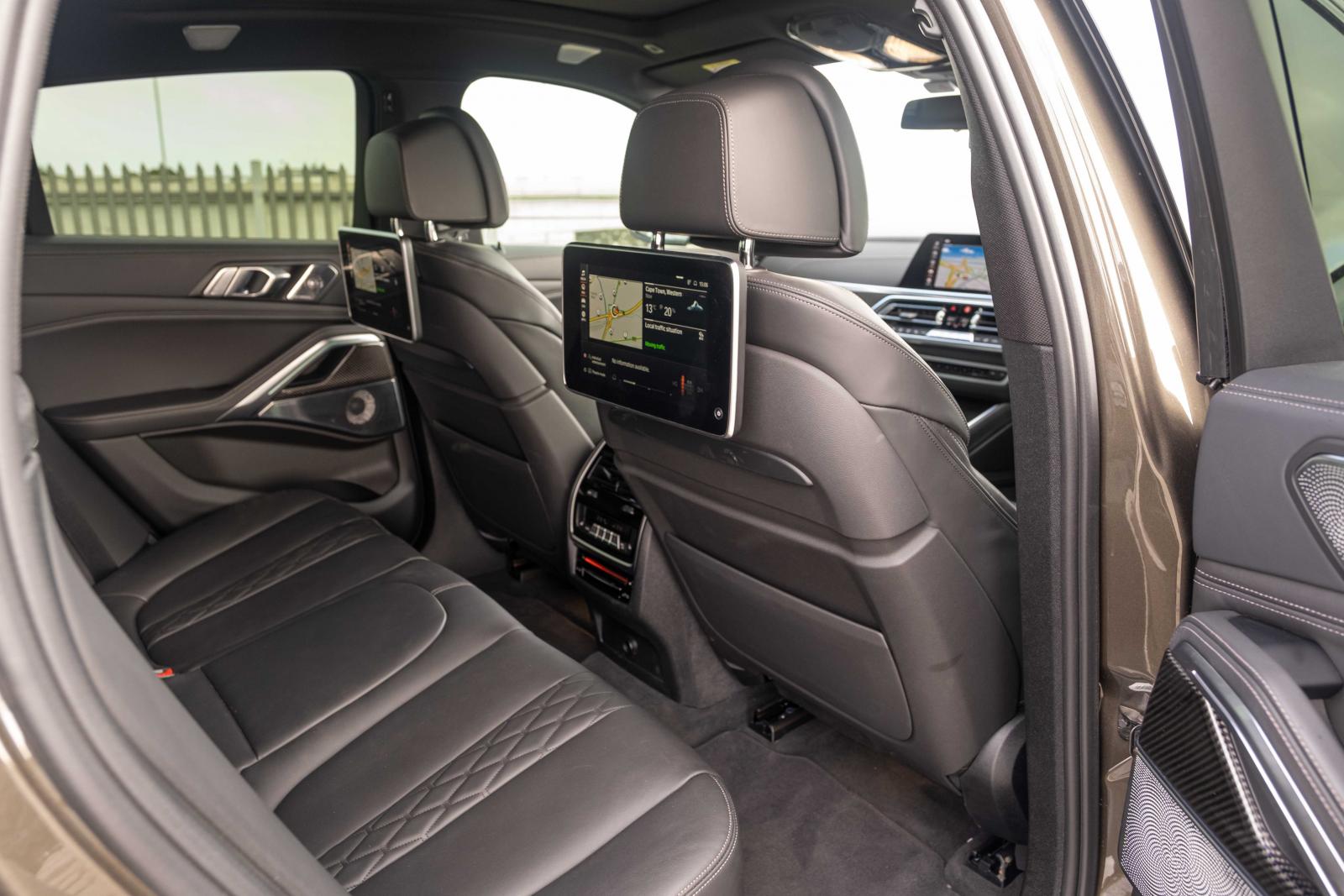
Another common criticism of the X6 pertains to its rear headroom, which is also limited by virtue of the model's sloping roof. I had rather tall rear passengers seated in the back during my trip and they commented positively on rear-occupant space and comfort. The aforementioned rear entertainment system (with a DVD player) is also well worth considering if you plan on travelling with young kids.
There's ample space in the rear too and the kids will love the rear entertainment system on those longer journeys.
I did encounter a quirk with the operation of the hands-free electronic tailgate, however. While changing into my wetsuit while standing behind the BMW with its tailgate open (the key was placed in the load bay), either my feet or my towel triggered the hands-free sensor (located underneath the X50d's rear bumper) and the tailgate started closing spontaneously – it nearly hit my head!
For buyers who will be using the X6 to tow, an electronic towbar can be fitted for R11 500 and the X6 has a braked tow-rating of 3 500 kg, which is ample to tow a horse box or boat trailer.
Pricing and warranty
The BMW X6 M50d is priced from R1 843 848 and is sold with a 2-year/unlimited km warranty and a 5-year/100 000 km maintenance plan.
The BMW X6 M50d is pricey compared against its rivals but it's definitely worth considering if your budget can stretch that far.
If power and status mean a lot to you, you're most likely to find much to like about the new X6. It has a striking road presence and its coupe-like styling turns heads (for a variety of reasons). Importantly though, it offers more than enough performance to match its expressive design. The X50d's quad-turbodiesel engine is hugely impressive. Suffice to say it can propel the X6 at a heady pace, yet it's reasonably refined and returns admirably low fuel consumption at times. The interior, when specced with all the bells and whistles, is a luxurious space to occupy, especially on longer journeys.
Yes, we found the BMW X6 marginally compromised in terms of practicality, but it’s still hugely capable (as we discovered during the aforementioned unconventional test). With this in mind, buyers will have to decide what’s more important to them… If outright practicality and maximum load capacity is the end goal, then the X5 may well be worth a closer look, but then you need to be happy to sacrifice all that kerb appeal. Then again, it’s also worth noting the equivalent X5 M50d is significantly cheaper too (it's priced from R1 680 148, making it just over R160 000 cheaper than a standard X6 M50d).
Moreover, this X6 M50d' asking price easily breaches the R2-million mark by virtue of being loaded with options, which makes it a pricey proposition compared with (albeit less muscular) rivals such as the Audi Q8 45TDI quattro (R1 573 500) and Mercedes-Benz GLE 400d 4Matic Coupe AMG Line (R1 761 800). For performance aficionados, the BMW's surfeit power and torque will be a decisive advantage, but bear in mind that the Q8 and GLE, in Coupe form, still offer better claimed interior space than the X6, which might be worth keeping in mind when you're shopping in this segment.
Should you consider the X6 M50d? The short answer is yes, definitely, provided you can afford it. However, your final decision may very well come down to a matter of brand allegiance and personal taste, which will ultimately determine where you sign on the dotted line. We therefore suggest that you book a few test drives before making your final decision. This X6 M50d is tough to beat, though.