While the introduction of an all-new Ford Ranger is still a while away, a photograph showing its smaller, unibody-based sibling – the Maverick – ostensibly rolling off the Blue Oval’s production line in Sonoro, Mexico, has appeared on a fan forum.
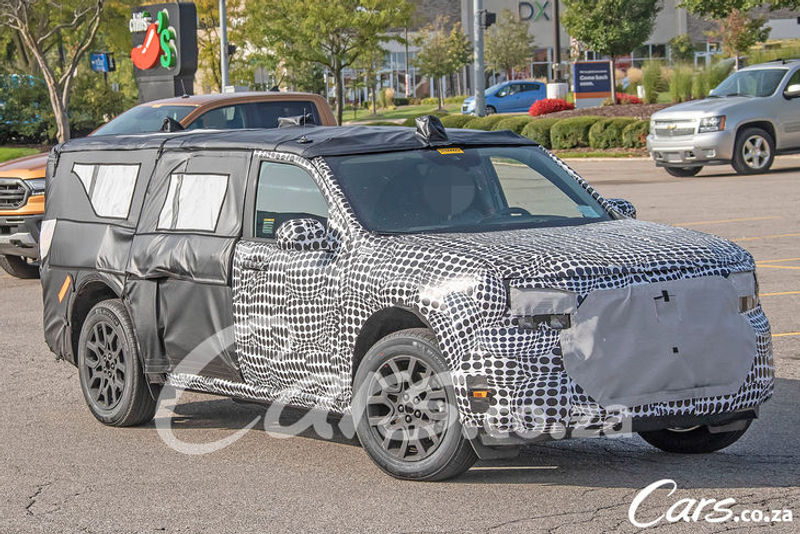
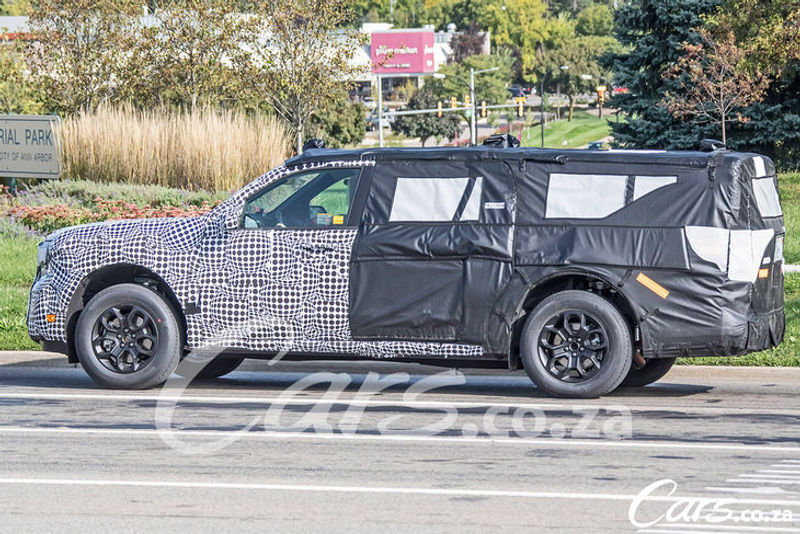
Leaked image: www.mavericktruckclub.com. Spy shots: S. Baldauf/SB-Medien. We have paid for these photos and at the photographer's request, have watermarked them.
While Hyundai is readying a unibody (as opposed to ladder-frame based) double cab based on its Santa Fe 7-seater SUV – the Santa Cruz, Ford is putting the final touches on what is now widely expected to be called the Maverick bakkie. The newcomer, which will slot in below the Ranger, will be built alongside the Bronco Sport family car at Ford's Hermosillo Assembly Plant in Sonoro.
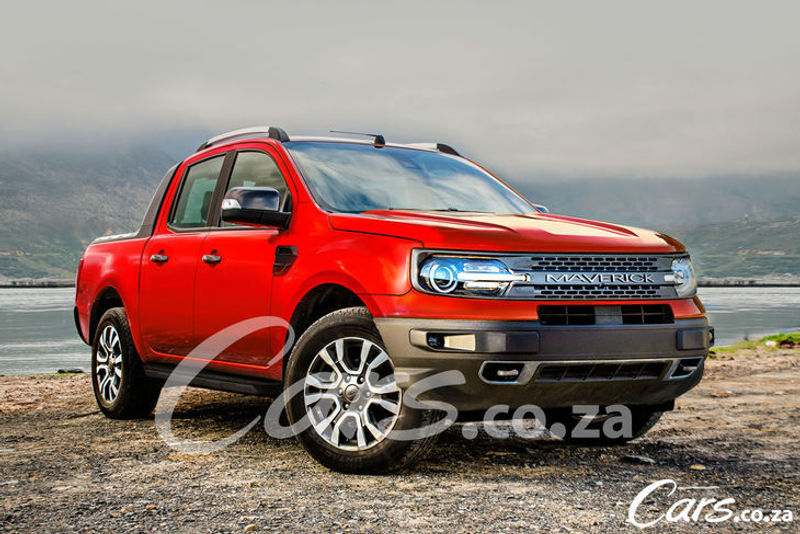
This is our earlier rendering of what the final version of the Ford Maverick could look like. Credit: Duwyne Aspeling.
Known internally as 758, it’s believed this compact “lifestyle bakkie" will be produced on the current Focus C2 platform that underpins the Bronco Sport. A full reveal is expected at some point this year and, as speculated, the Maverick will share at least some styling cues with the Bronco Sport, which should give it a bold and suitably rugged appearance.
Cars.co.za has been following the Maverick's development with interest… In September 2020, we published spy images of a heavily camouflaged prototype. The cladding on that vehicle hid most of the details, but previewed the bakkie’s boxy, squared-off front-end. Cars.co.za’s Duwyne Aspeling also produced a rendering of what the forthcoming “baby Ranger” could look like "as a pick-up variant of the Bronco Sport" and, judging by the new image, the Maverick will have an even bigger grille and bolder headlamp clusters than expected, although the spied bakkie doesn't look very specced-up.
Given its passenger-car underpinnings, the Maverick will ride lower than the Ranger and because its load bed won’t be required to haul significant loads (because of the Bronco Sport underpinnings), the package’s cabin space – and creature comforts – will be prioritised. The model will be produced in front-wheel-drive guise, with part-time all-wheel-drive possible for high-end derivatives.
In terms of the engine line-up, reports suggest naturally aspirated 121-kW 2.0-litre 4-cylinder petrol and a turbopetrol 134-kW 1.5-litre 3-cylinder motors will be offered, both in conjunction with an 8-speed automatic transmission, as well as a manual gearbox.
As for the name of this new Ford bakkie, it was initially believed that it might be called the "Courier" or that Ford might revive its Ranchero nameplate. However, images of the tailgate bearing the Maverick name has been doing the rounds and most observers believe the “758” will debut in South America, before going on sale in the ‘States shortly thereafter.
No, this is not a panel van, but rather a well-disguised Ford Maverick prototype.
Although the Renault Duster Oroch small pick-up has been confirmed for the local market, there is no indication that the Maverick will be offered in South Africa; because it will be produced on the Bronco Sport's platform, it will probably only be produced in left-hand-drive guise. But even if right-hand-drive production goes ahead, the case for the Maverick isn't strong…
The Ford Motor Company of South Africa has strengthened its position itself as an exporter, choosing to cut its model lineup to focus on producing (and components for) the Ranger, Everest and the next-generation Volkswagen Amarok. Unless this "baby Ranger" can be offered at a lower price than the popular 1-tonner Ranger, it's unfortunately unlikely to be made available in Mzansi.
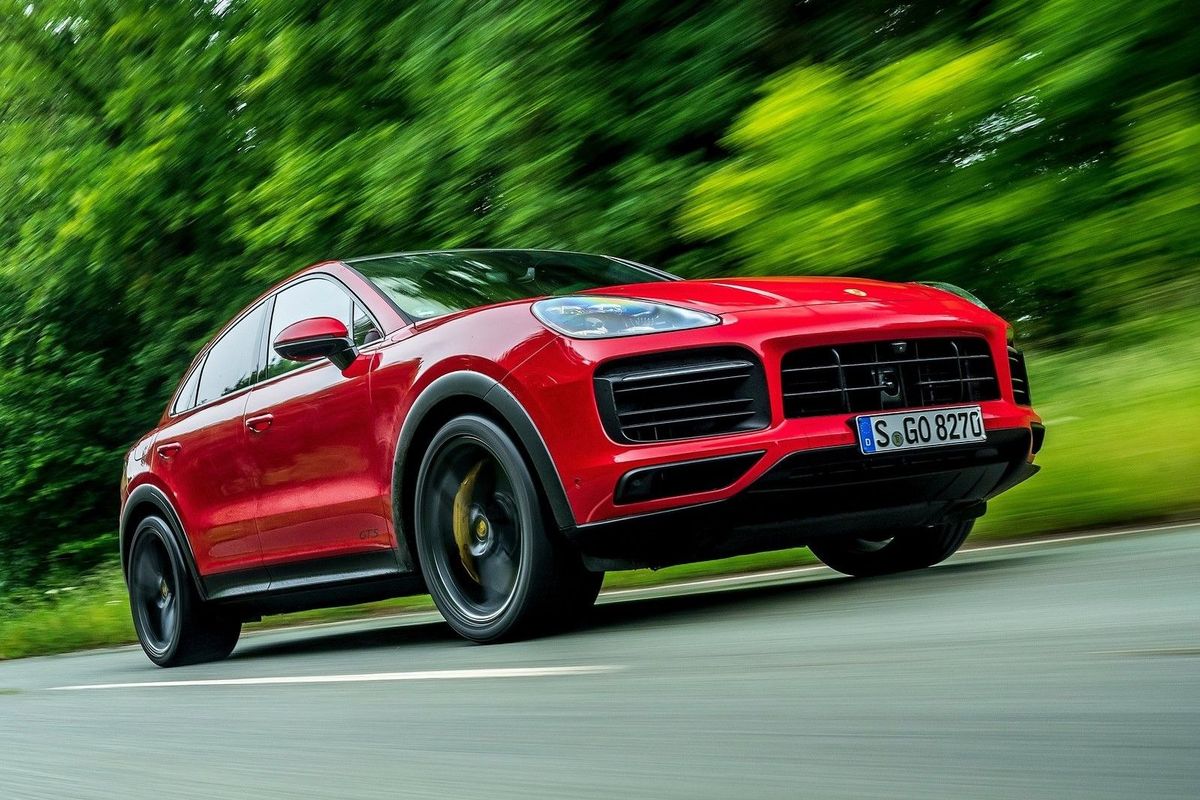
Whereas most of Porsche's rival brands' performance SUVs are all about ultimate power and torque outputs, there is something decidedly sportscar-like about the new Cayenne GTS Coupe. We try it out on some of the Western Cape's best roads.
There are things about the GTS Coupe that will disturb some purists. Besides the perception that it really has no business being called a coupe – it has 4 doors, after all – this Cayenne also wears the hallowed GTS moniker. Now, of course, this isn't the first time Porsche has applied a GTS badge to a Cayenne, but it still creates weighty expectations – of agility, driver involvement… purity, even.
With this in mind, and as I blast up one of the great mountain passes near Cape Town, I'm transported back to 2004 and my first exposure to a Cayenne (it was the 1st-generation model). With its (let's be kind) "awkward" looks, the Cayenne E1 received a frosty reception from the world's media… until they drove it. I was no different… As a young journalist at the time, and with a purist's perception of what Porsche was supposed to be, I clambered into the Cayenne fully expecting to hate the premium SUV. After one drive down a particularly challenging piece of tarmac, however, I was won over. The Cayenne handled and steered like no other SUV, and appeared to be able to defy the laws of physics. Since that day there has only been one "sports SUV" worthy of the description, at least for me.
And so it has to be said that I got into this new Cayenne GTS Coupe with the expectation that it would be thoroughly good. Even so, the car's ability to corner with minimal body roll and deliver precise steering, thrilling acceleration, as well as an addictive soundtrack quickens the pulse and raises a smile. Porsche doesn't get things wrong often. They certainly haven't with this one…
Not just a chopped tail
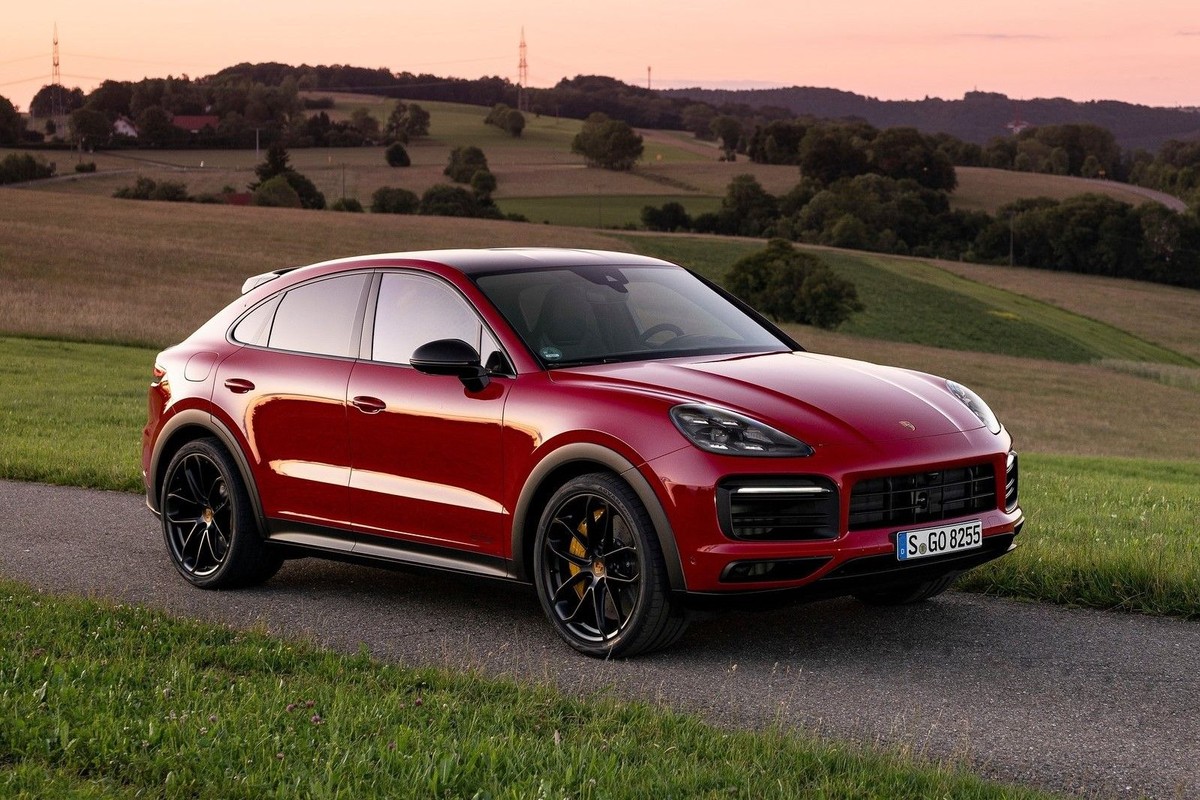
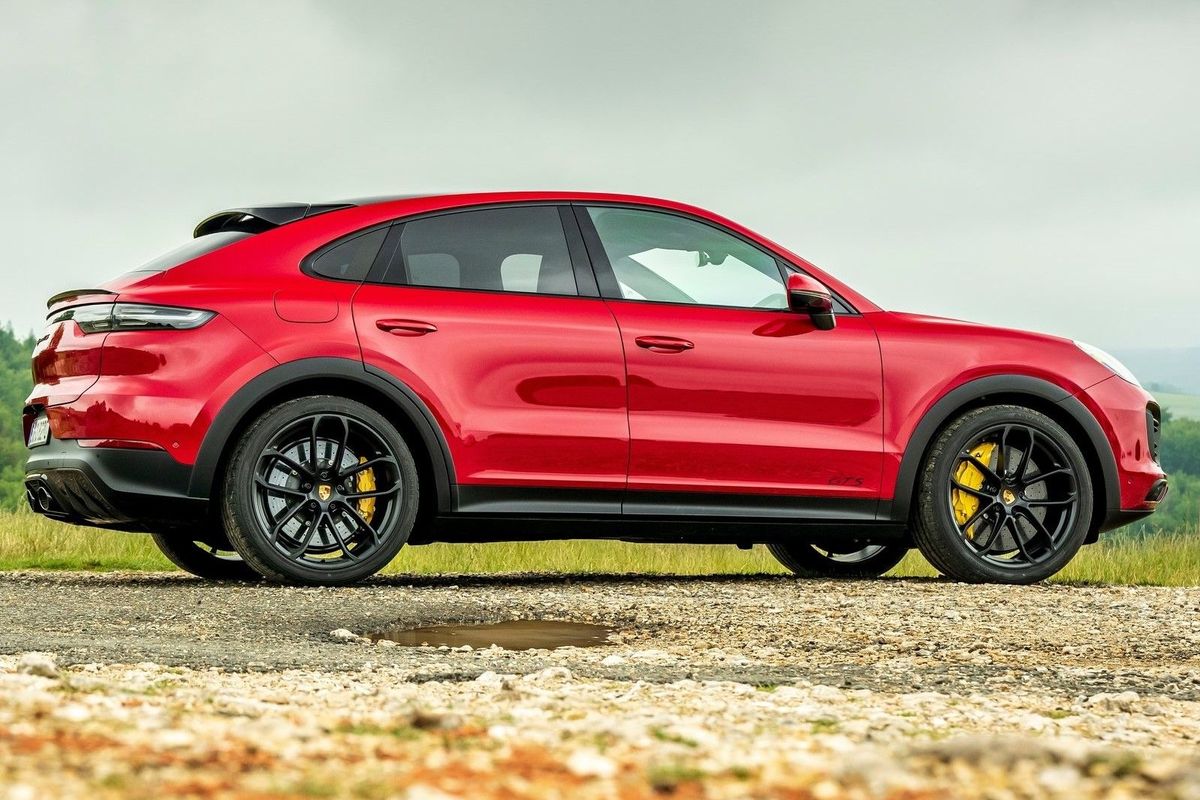
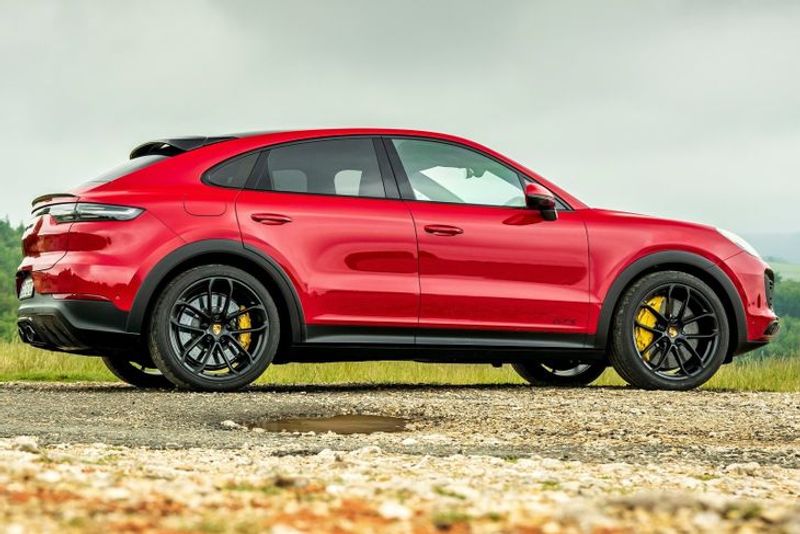
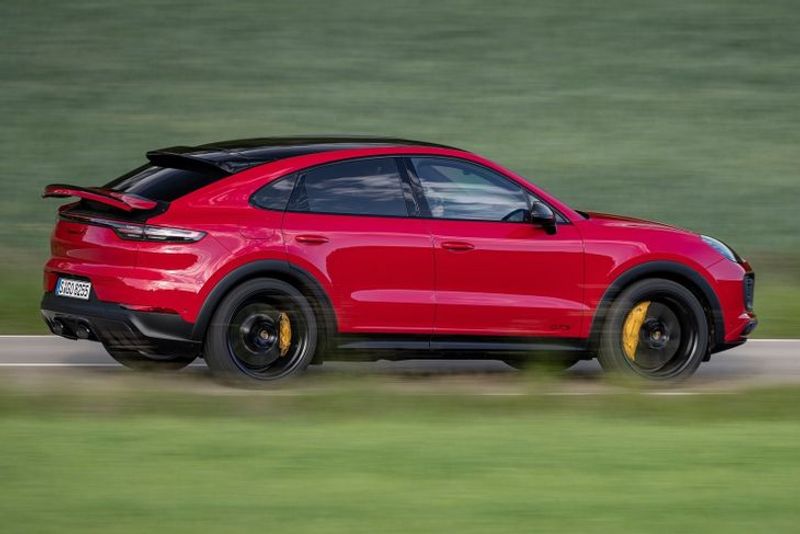
Sloping roofline, lower ride height and wider rear track give the Cayenne Coupe a notably different stance to the standard car's.
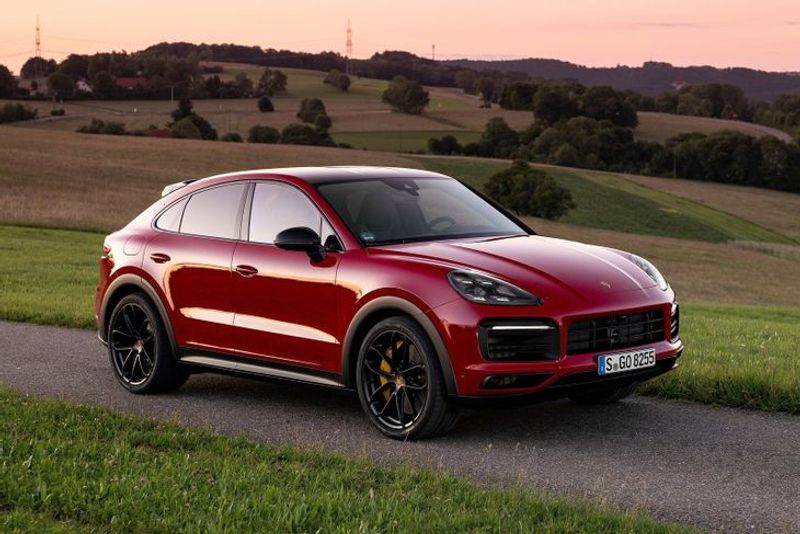
To make the Cayenne Coupe, Porsche hasn't merely grafted a sloping rear section onto the standard Cayenne's body. In fact, when it comes to external body panels, only the front-end is identical to that of the standard car. From the A-pillar backwards, every panel is different, starting with a windscreen header that is already about 20 mm lower than the standard car's. A subtle (but meaningful) difference is that the rear track of the Coupe is also wider, lending it a more purposeful stance in addition to the standard lowered (by 20 mm) suspension.
As standard, the Cayenne GTS Coupe features the Sport Design package, which incorporates a lot of black accenting, the most obvious of which are the wheelarch-filling 21-inch RS Spyder Design wheels. The piercing LED headlights with standard Porsche Dynamic Light System (PDLS) and that striking LED tail-light bar are also dark-tinted.
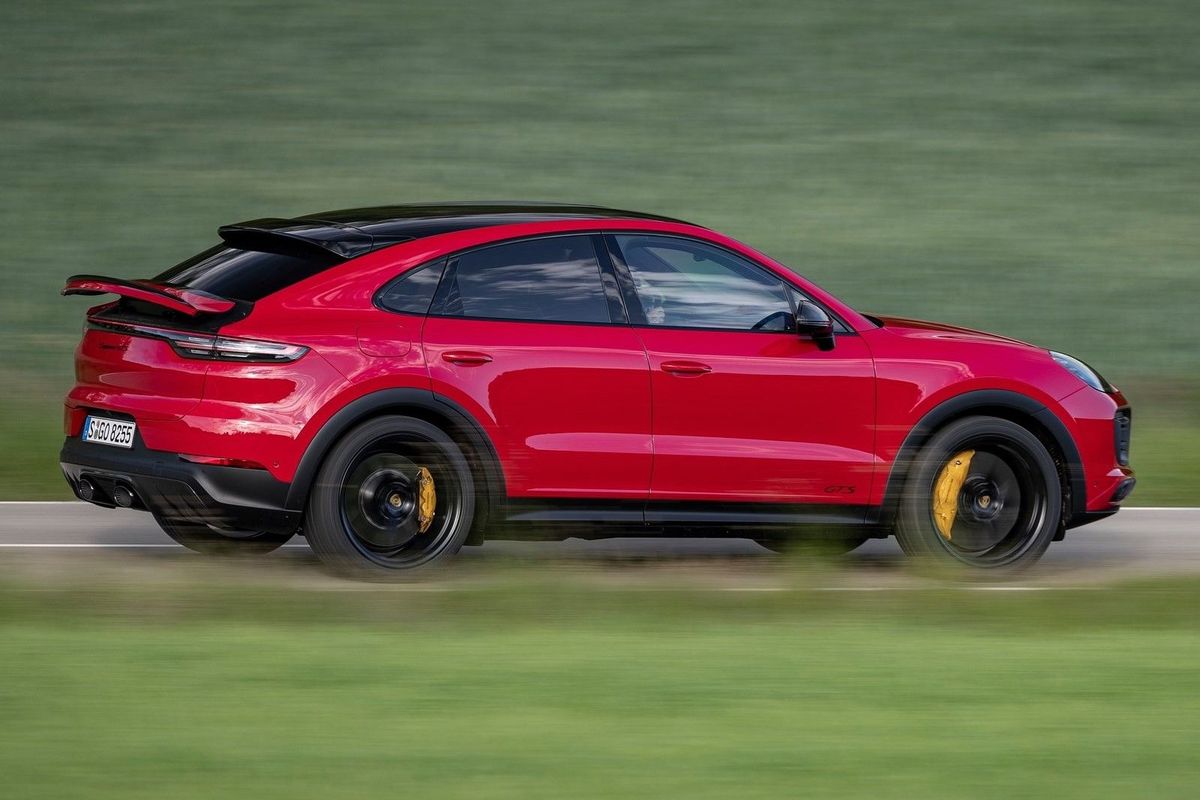
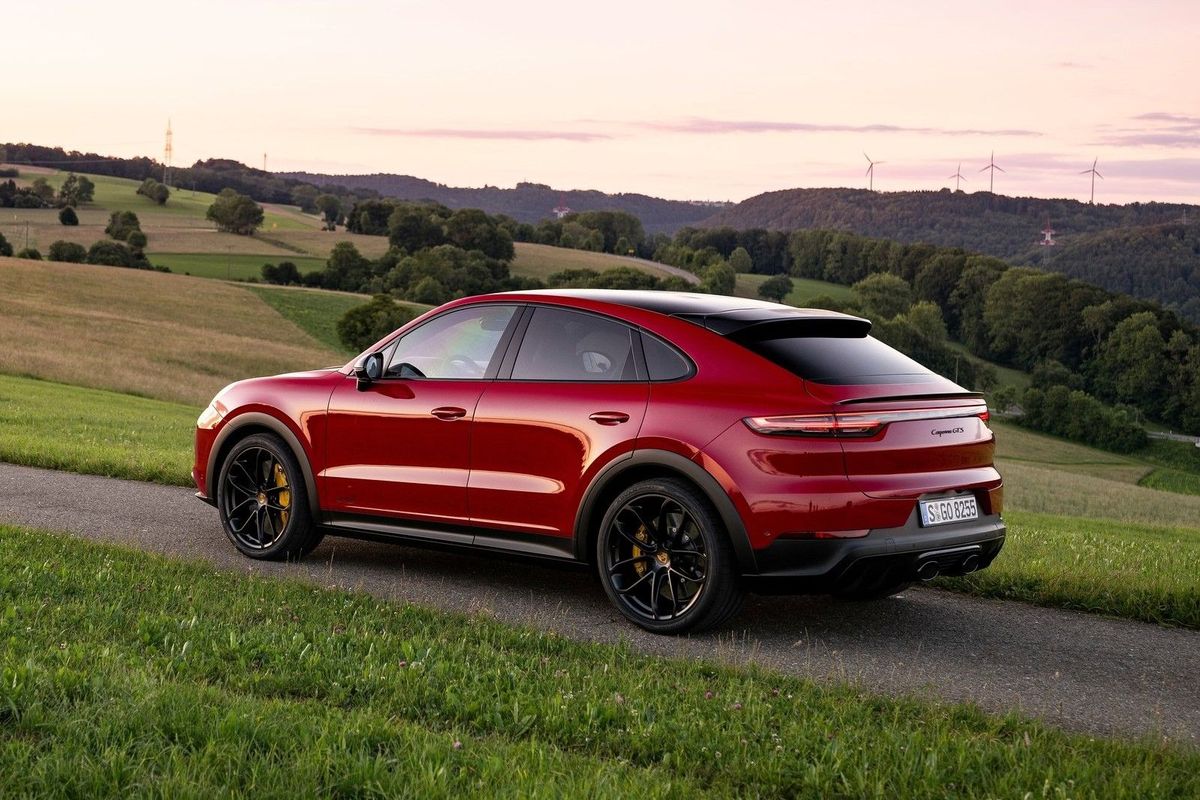
At the rear, a pair of large-diameter exhaust outlets feature on either side of the sculpted bumper, signalling the presence of the standard (and positively sonorous) sports exhaust system. As an option, a "high-frequency tuned" system, which is distinguishable by a pair of centrally mounted oval exhaust outlets, can be fitted. Integrated into the tailgate is an electrically deployed rear wing, which adds downforce when it is activated automatically at speeds above 90 kph. Of course, if you want to show off, you can also raise it at the press of a button.
Overall, and particularly when finished in the eye-catching optional (R54 390) Carmine Red paint, the result is a SUV Coupe which looks markedly less bulky than its main rivals.
Luxurious cabin
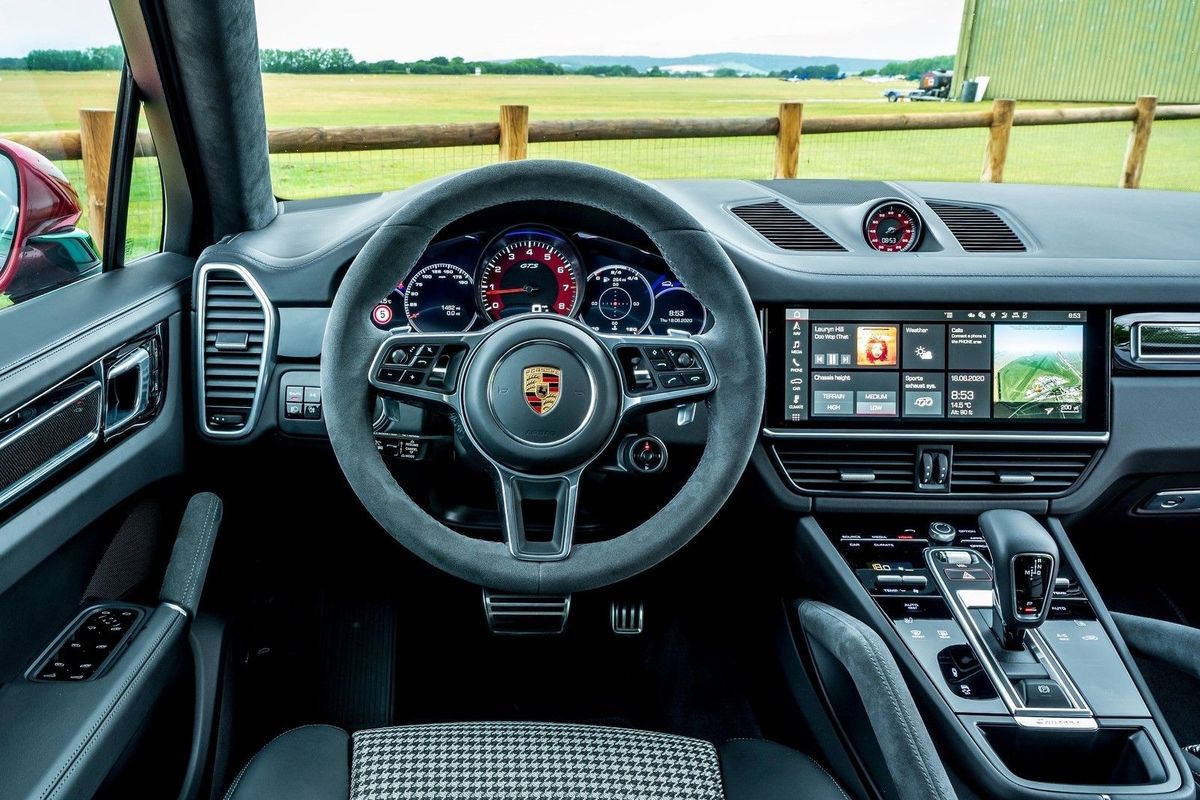
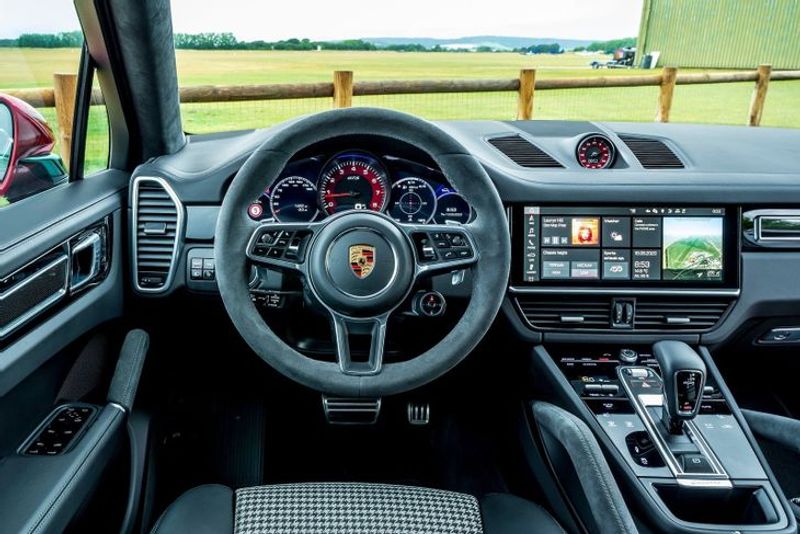
Ergonomically superb and immensely solid cabin gets a number of GTS-specific trim pieces.
Among the highlights of the interior, besides the (expected) rock-solid build quality, are the standard 8-way adjustable sports seats, which are exclusive to the Cayenne GTS derivatives. By virtue of their higher side bolsters, they really keep your derrière securely ensconced on the seat cushion when the GTS Coupe is made to corner rapidly. There are a number of GTS logos scattered throughout the cabin to remind you that you're in a special Cayenne, while Alcantara is applied to the rooflining, seat centre panels, doors and elsewhere. Dark-brushed aluminium, red seatbelts and a lovely interplay between traditional analogue and modern digital displays add some colour to an otherwise quite sombre cabin. Of course, there are options available to brighten things up further.
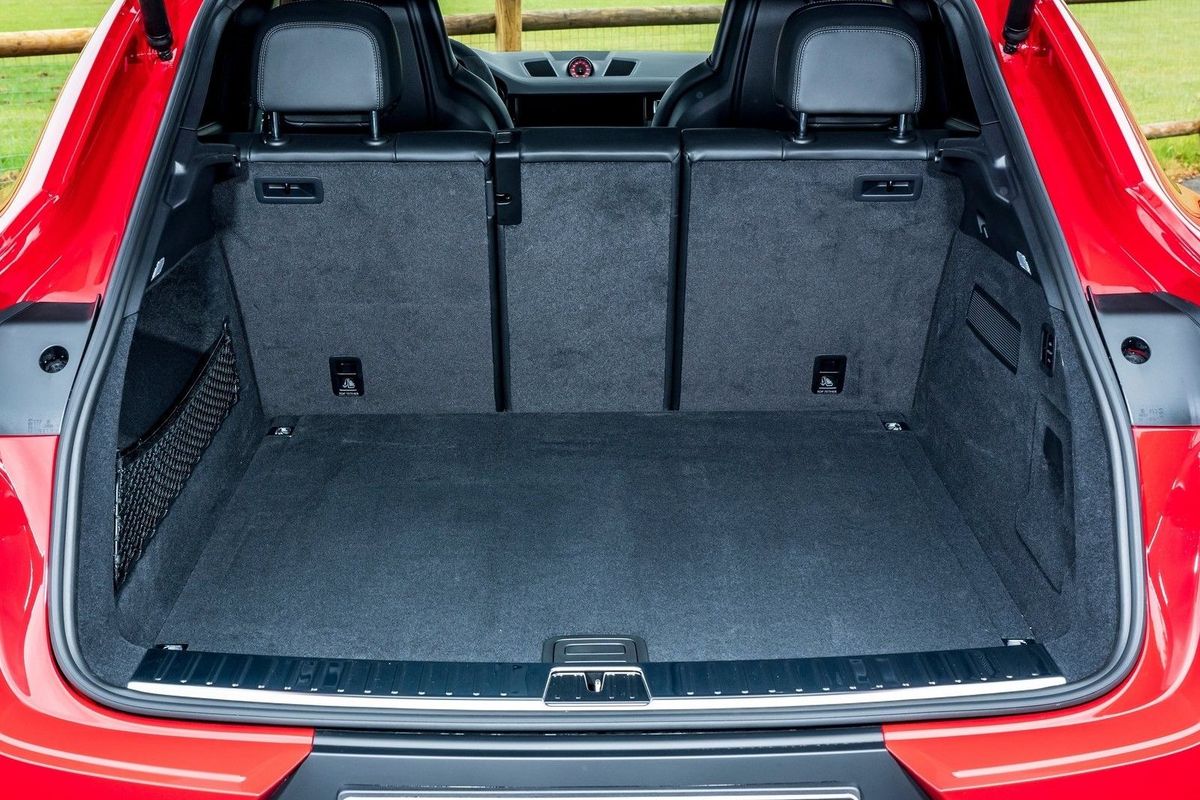
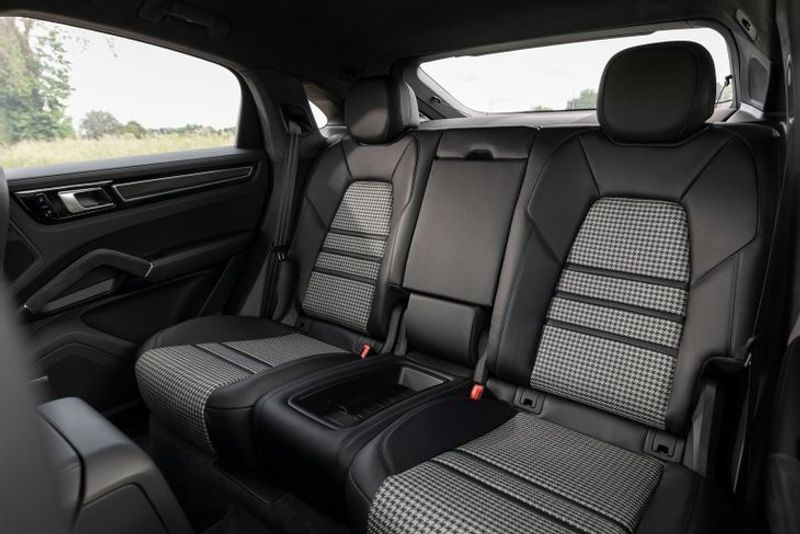
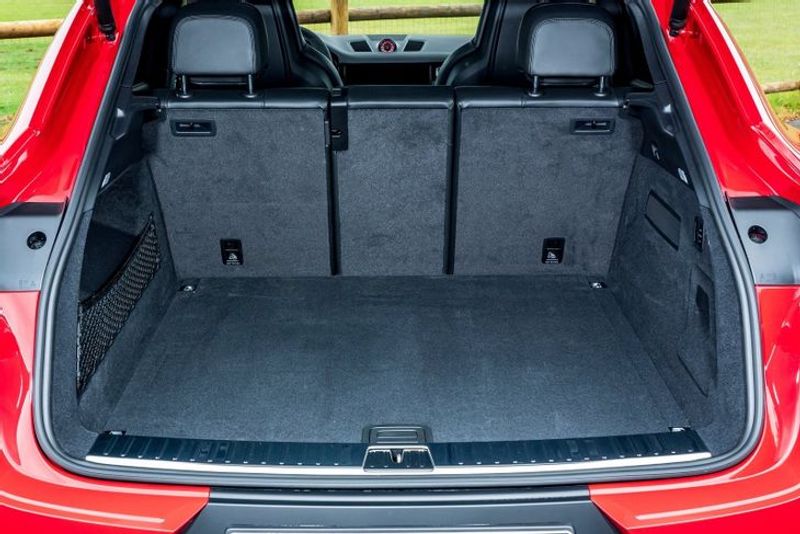
Despite the Cayenne Coupe's lower roofline and sloping rear section, passenger space is actually pretty good at the back – only really tall occupants will find that their heads touch the rooflining. I am 1.8-metres tall and fitted in easily behind my own preferred driving position – incidentally, Porsche has lowered the rear seat squabs to counter the model's lower roofline. In terms of luggage space, the Cayenne Coupe actually beats the sizeable BMW X6, but falls slightly short of the Mercedes-Benz GLE Coupe's capacity.
Exhilirating performance
Rear wing deploys automatically above 90kph to add rear downforce.
Compared with the previous-generation Cayenne GTS, a big change can be found underneath the bonnet. Out goes the twin-turbocharged V6, and in comes a twin-turbo 4.0-litre V8 that delivers a whopping 338 kW from 6 000 to 6 500 rpm (so it loves to rev), and 620 Nm of torque from 1 800 to 4 500 rpm. Porsche claims a 0-100 kph time of 4.5 sec, which is only fractionally slower than the more powerful (390 kW) BMW X6 M50i (4.3 sec), and significantly better than the 5.3-sec time posted by the similarly priced Mercedes-AMG GLE 53 4Matic. A top speed of 270 kph is quoted.
So, in terms of performance figures, the Cayenne GTS Coupe does not give best to its main rivals. But sheer straight-line grunt is not this Porsche's trumpcard; it weighs 2 175 kg, yet handles in a way that will please the most ardent fans of Porsche traditional sportscar models. That is quite a feat.
By lowering the height of the rear seat squabs to counter the drop in roofline, rear headroom remains good.
As standard, the Cayenne GTS Coupe is fitted with steel-sprung suspension that includes Porsche's Active Suspension Management (PASM). Torque Vectoring Plus is also fitted as standard. Optionally, you can specify 3-chamber air suspension, rear-axle steering and Porsche's Dynamic Chassis Control (PDCC) active roll stabilisation system as well.
Out on the road, and in its most comfort-oriented setting, the Cayenne GTS Coupe is a slightly firmer-riding SUV than most (as you'd expect), but it's hardly jarring and retains the suppleness (and slick 8-speed automatic transmission) that makes the standard Cayenne such a fine long-distance cruiser. You can use a steering-wheel mounted jogwheel to change driving modes, each of which reveals a distinct character trait of the Cayenne GTS Coupe.
In Sport Plus mode – the most aggressive setting – the steering weights up, the body control is better, the exhaust louder and… the throttle is a LOT more sensitive. With such abundant torque available at low revs you don't really have to wring the Cayenne GTS Coupe's neck to extract thrilling performance from it, but you'd nevertheless find youself doing just that, because the engine loves to rev and makes a glorious sound while doing so.
Boot is bigger than the BMW X6's, but lags the Mercedes-AMG GLE's. Still, big enough…
It's also when you start driving faster that you'll notice the cumulative effect of all those other small changes Porsche has made (the lower seating position, the bolstering of the seats themselves etc.) and this 2-tonne beast's innate ability to shrink around you, making you feel like you're behind the 'wheel of something else entirely. Don't get me wrong, it can never be the equal of, say, a 911 when it comes to producing instant driving thrills, but it's safe to say that this is the 911 of SUVs, and that is meant as a massive compliment.
Summary
In GTS trim, in particular, the Cayenne Coupe is arguably the king of the SUV Coupes.
The Cayenne GTS Coupe is priced to compete with the BMW X6 M50i and Mercedes-AMG GLE 53 4Matic, and like its countrymen, comes with an extensive and list of tantalising optional extras. However, compared with the M50i and GLE 53, the Porsche is comfortably the best packaged of the three… and by some margin, particularly if driving enjoyment ranks high on your list of priorities. It's even quite a looker, which is not something that can be said of most SUV Coupes, and quite a feat considering where the Cayenne started (aesthetically-speaking) all those years ago.
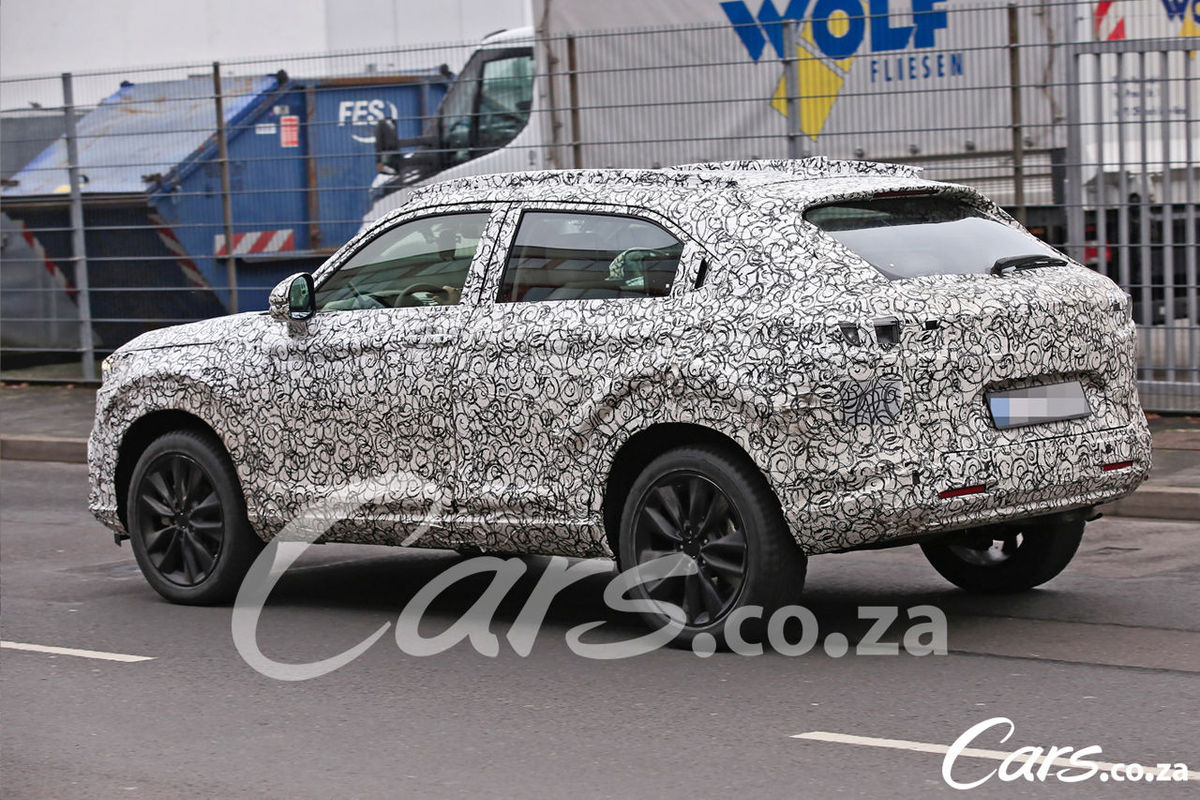
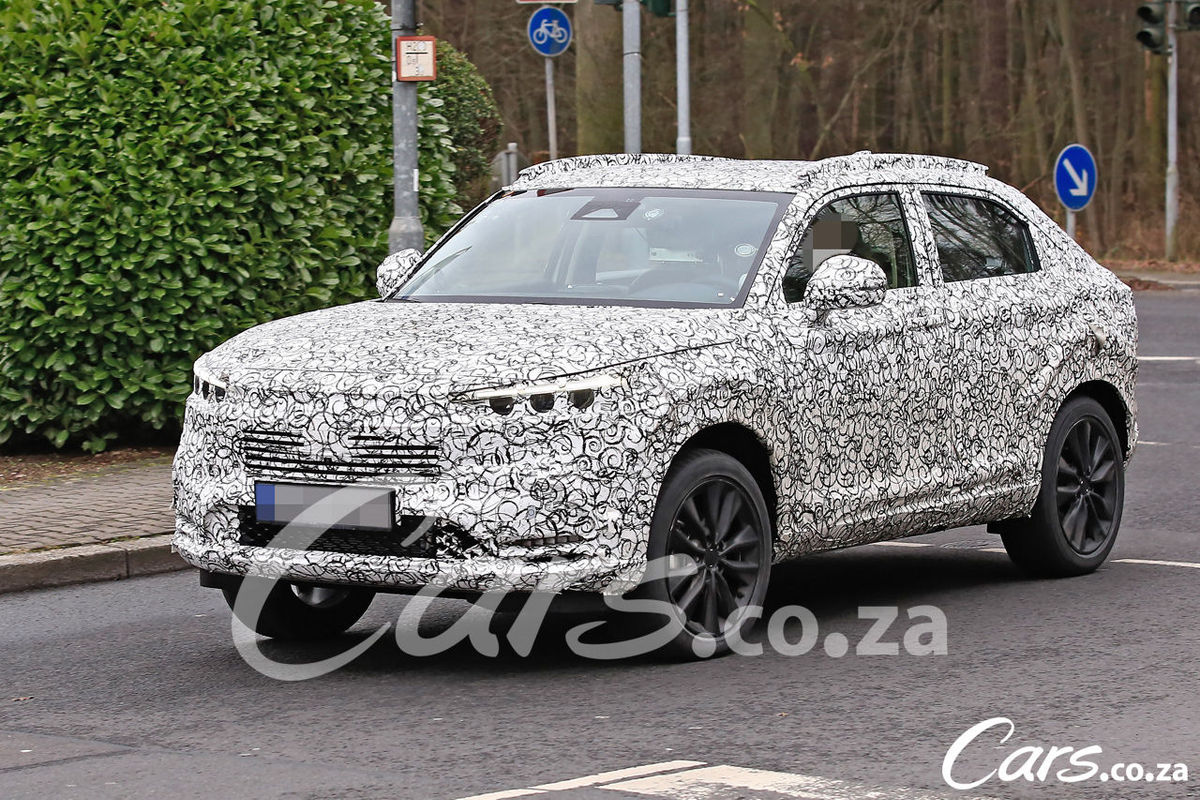
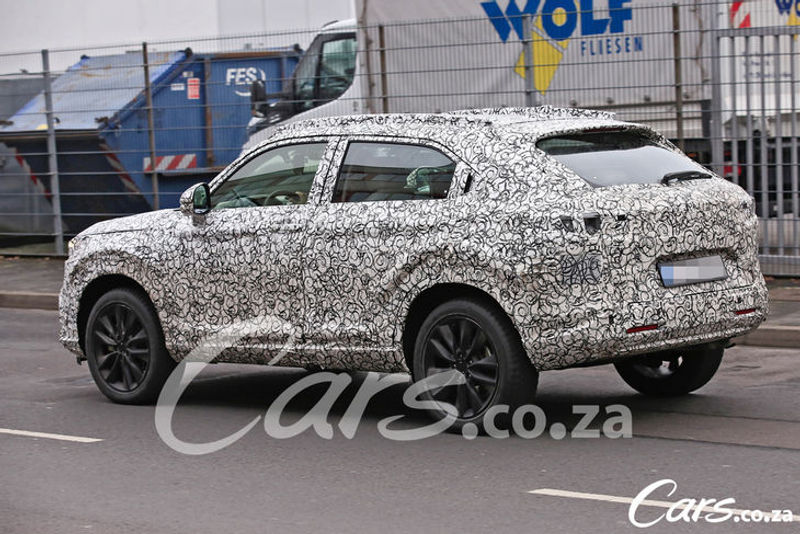
The next-generation Honda HR-V has been spotted in camouflage. Here's what we know about this compact SUV.
Picture credit: S. Baldauf/SB-Medien. We have paid for these photos and at the photographer's request, have watermarked them.
The 3rd generation Honda HR-V is due for a reveal towards the end of 2021, and we're keen to see what Honda does with this SUV. Details are scarce at the moment, we've got no inkling of powertrain options, but we suspect that petrol options are on the cards and we would bank on there being some form of electrification for the European market.
Visually, what you see here is quite impressive. Adopting modern urban SUV design cues, the next-gen Honda HR-V looks more like an SUV coupe.
In South Africa, the Honda HR-V has sold in reasonable numbers. As of January 2021, there are two derivatives on sale; 1.5 Comfort and 1.8 Elegance. Priced at R415 400 and R491 400 respectively, the Honda HR-V offers an abundance of practicality in one stylish package. Honda South Africa updated the HR-V in 2018 and we think the vehicle is overdue for an all-new model.
New Car Sales in SA: December 2020 and what to look forward to in 2021
The South African new vehicle market continued to recover somewhat in December 2020, but the industry remains depressed as a result of the economic impact of the Covid-19 pandemic, both locally and abroad.
To say that 2020 was a tough year is an understatement and the South African automotive industry has taken a proper pounding and much like the economy in general, it’s struggled to recover and it may take many more months and even years to reach pre-Covid levels. December 2020 vehicle sales figures, released by naamsa today, are not particularly inspiring but they do reflect glimmers of hope.
Take a look at the summary below as well as the outlook for 2021.
New car sales summary for South Africa – December 2020
Aggregate new vehicle sales of 37 493 units down by 10.1% compared to December 2019.
Passenger car sales of 24 784 units down by 14.4% compared to December 2019.
Light Commercial Vehicle (LCV) sales of 10 801 units up by 3.2% compared to December 2019.
Exports of 18 479 units up by 36.3% compared to December 2019
It’s worth noting that Covid-19 resulted in a massive new vehicle sales decline of 156 163 units or 29.1% from 536 612 units in 2019 to the 380 449 units in 2020, despite interest rate cuts of 300-basis points during the year.
Exports also registered notable declines in 2020 with a fall of 29.8% or 115 273 units from the 387 092 vehicles exported in 2019 to the 271 819 units exported in 2020.
The current market continues to reflect a buying-down trend with the used car market being particularly robust. The premium car market was under tremendous pressure in 2020 and this continues to be the case.
Outlook for 2021
Naamsa expects the South African economy to rebound sharply in 2021, albeit from a very low base coming out of 2020. However, naamsa warns that it will take time for consumer confidence to rebuild. Medium-term growth, however, is likely to be constrained by new potential Covid-19 infection waves, stricter lockdown measures, fiscal tightening and potential power-supply disruptions.
Demand for new vehicles is likely to remain depressed for the short-term while the Rand exchange rate, negative business confidence and consumer sentiment will also impact negatively on new car sales. Low interest rates and low inflation will, however, continue to stimulate the economy.
Naamsa predicts a year-on-year improvement of about 15% for aggregate new car sales for 2021. As for exports, improvements of 20% are expected while industry vehicle production is expected to improve by about 18%.
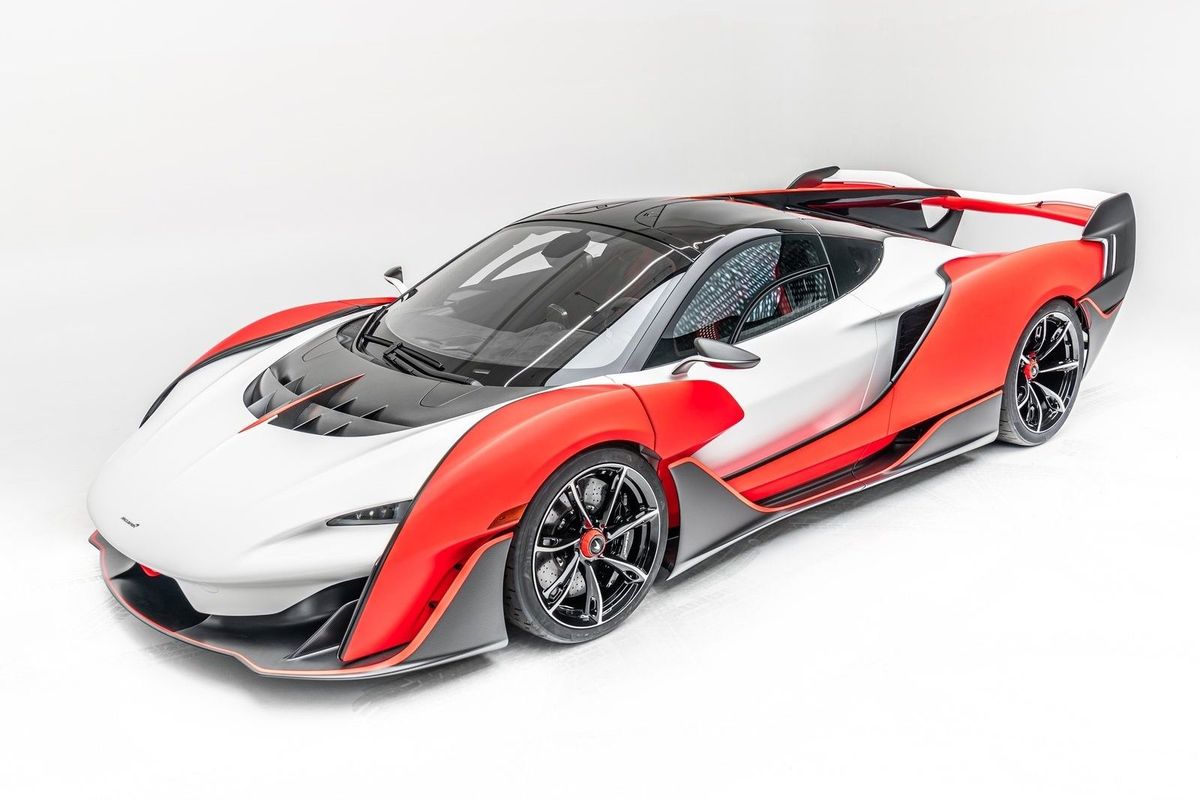
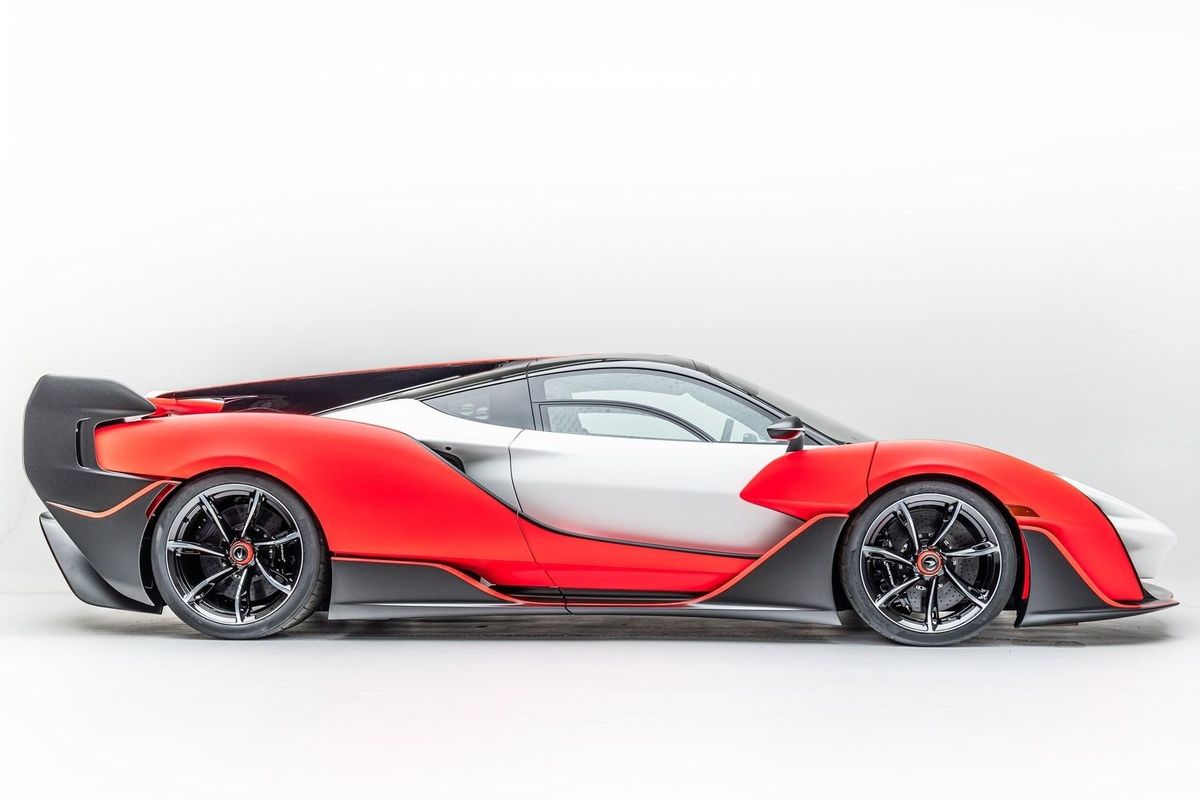
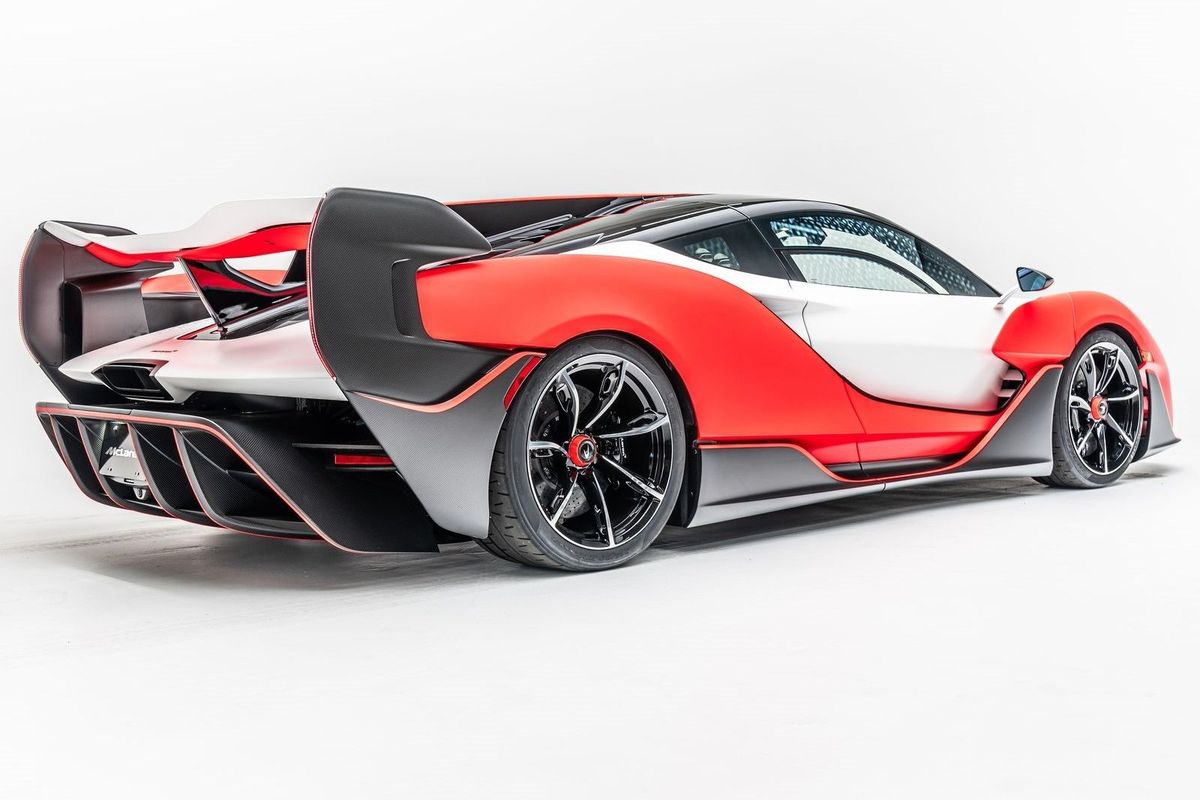
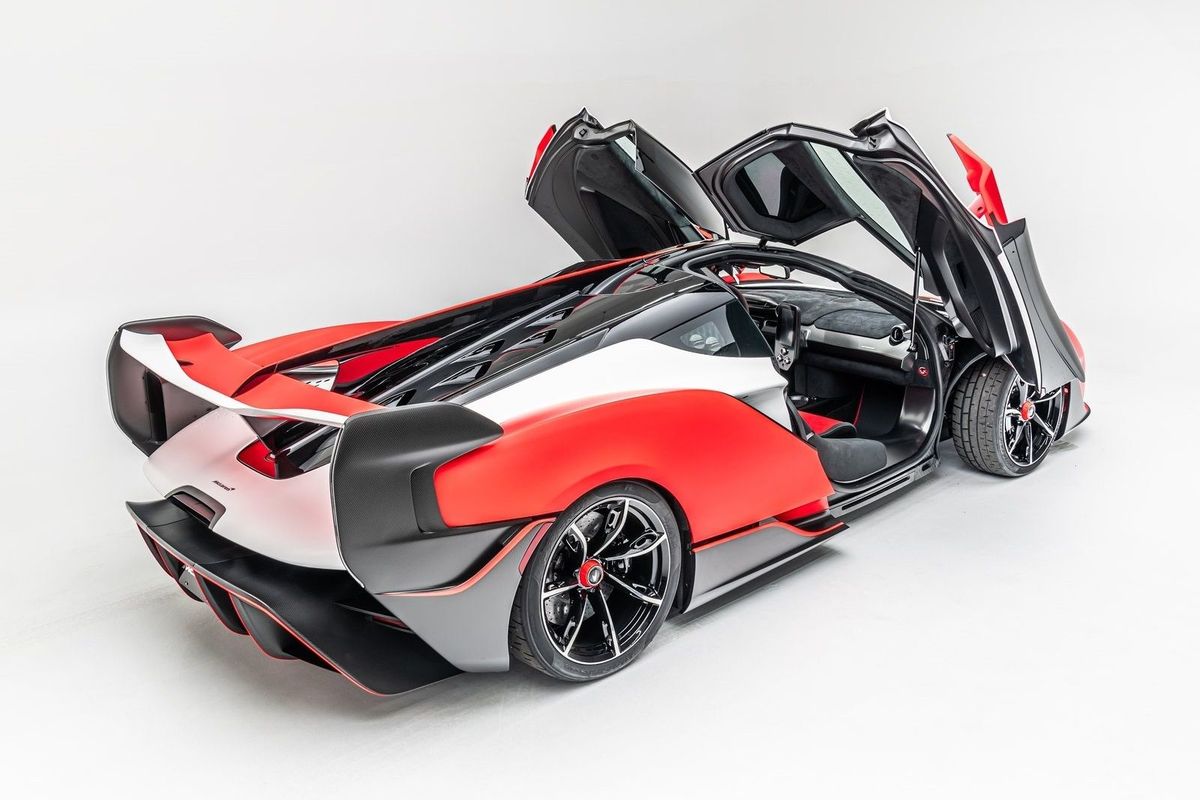
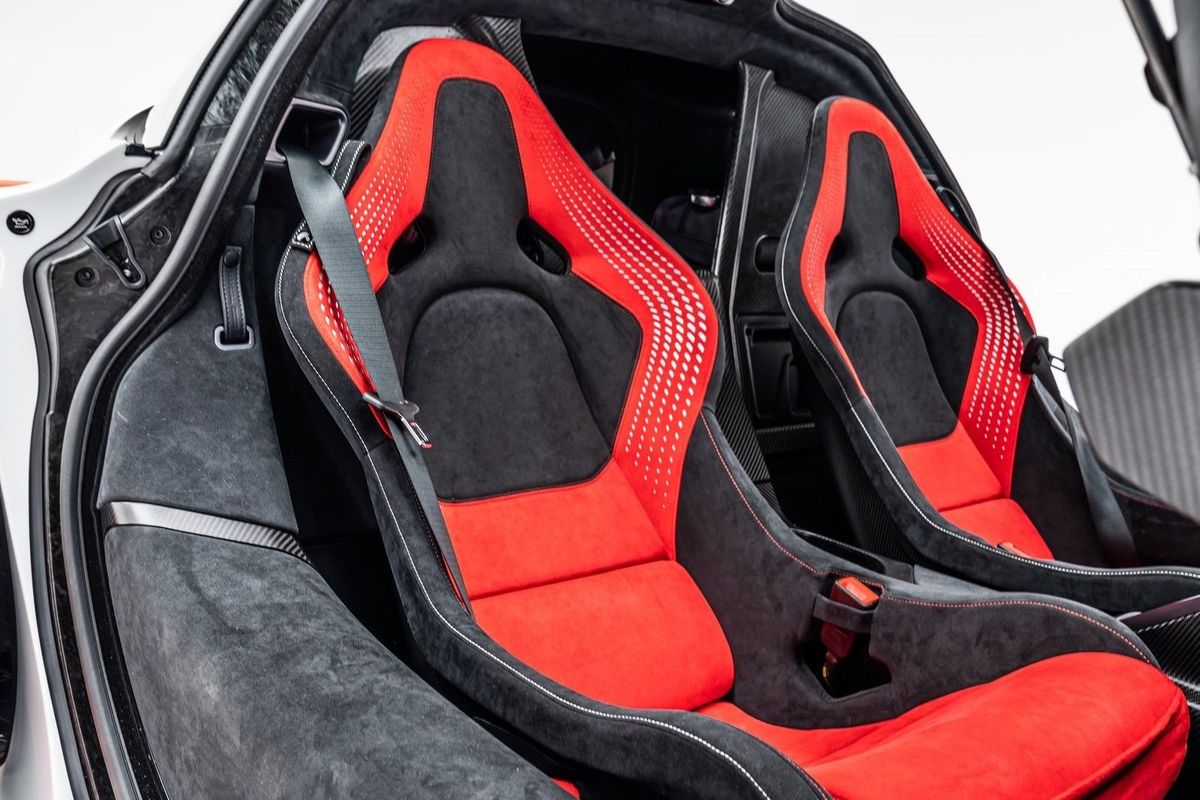
This is the McLaren Sabre, an exclusive hypercar for the US market.
Like all extreme limited-edition hypercars, there'll be very few and they're already spoken for. That's right, there'll be just 15 units and all have been sold. McLaren customers are said to have 'participated in the development process'.
The McLaren Sabre has been designed and homologated exclusively for the US market and the UK carmaker says the Sabre takes 'design, engineering and aerodynamic conventions to new limits.'
It's powered by the twin-turbocharged V8 engine, but in this application, outputs have been ramped up to 614 kW and 800 Nm. A top speed of 350 kph is claimed, making the Sabre the most powerful non-hybrid and fastest 2-seater McLaren. Towards the end of 2020, the Sabre customers enjoyed a private test drive of a prototype version of their new car on track in Partnership with O'Gara Motorsport and McLaren Beverly Hills.
"I've been fortunate enough to have been involved with a number of very special cars and I've never seen a manufacturer give clients the level of access that McLaren Special Operations has provided for the Sabre," commented Parris Mullins, Motorsport Director for O'Gara Motorsport. "Everything from visiting the 'skunkworks' style design studio in the UK to flying out the actual development test mule for clients to get behind the wheel of and drive at a private track -these just aren't things you typically get access to," said Mullins.
"We were extremely pleased with how the event went and were honoured to support such an integral part of the customer journey for the Sabre," said O'Gara Motorsport director, Parris Mullins. "And today we are thrilled to hand over the first McLaren Sabre to its new owner – this time, not just a client, more a customer who has been in part collaborator, designer and factory test driver as their dream came to reality"
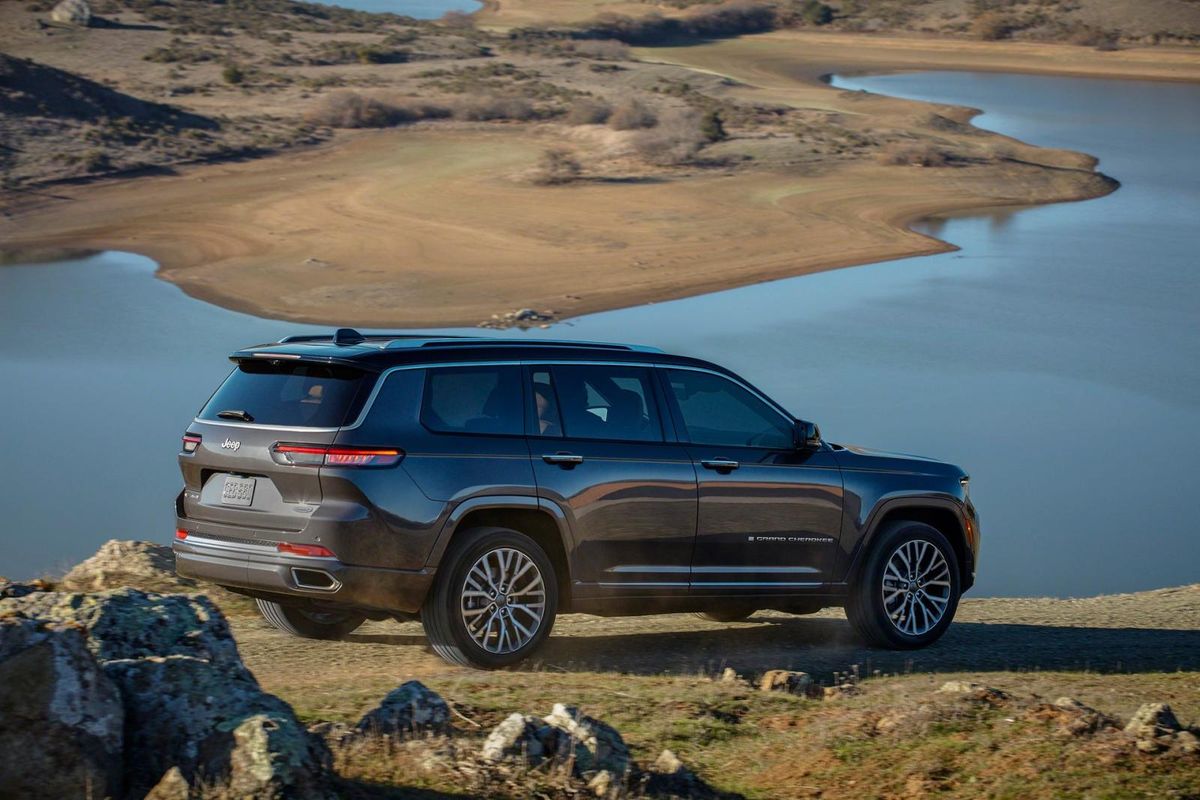
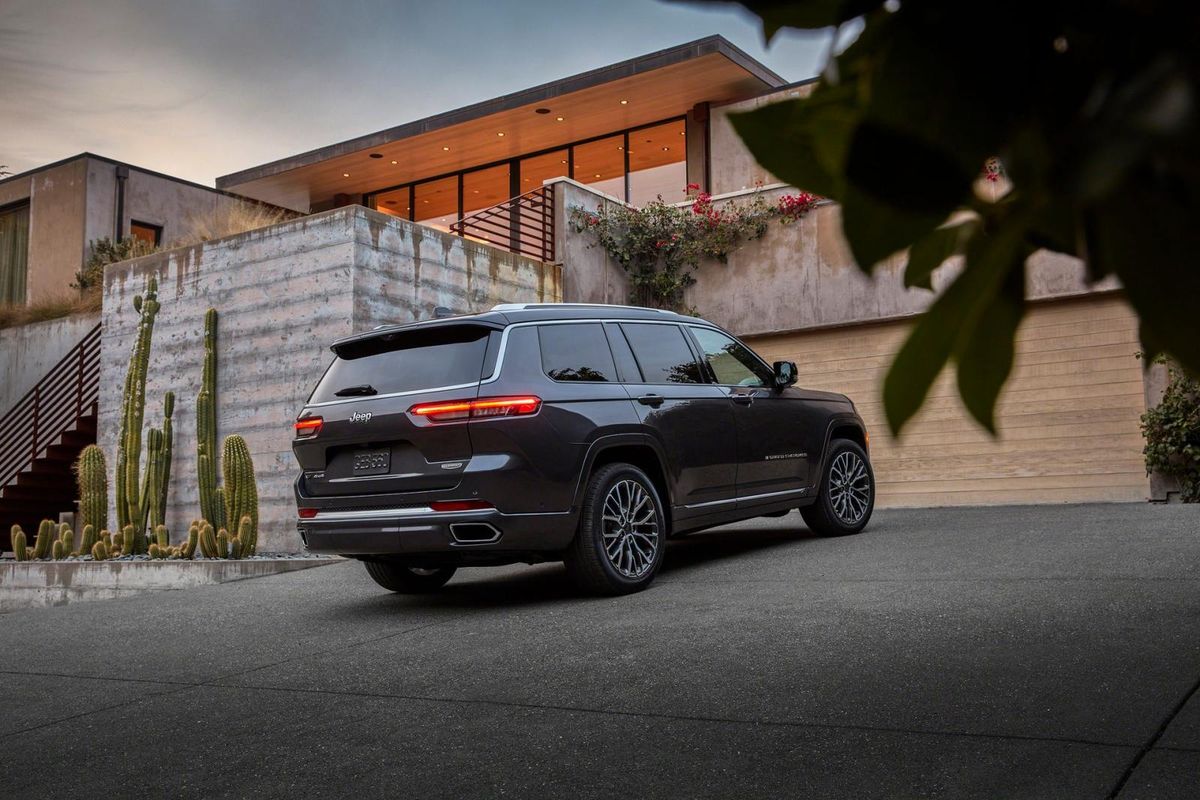
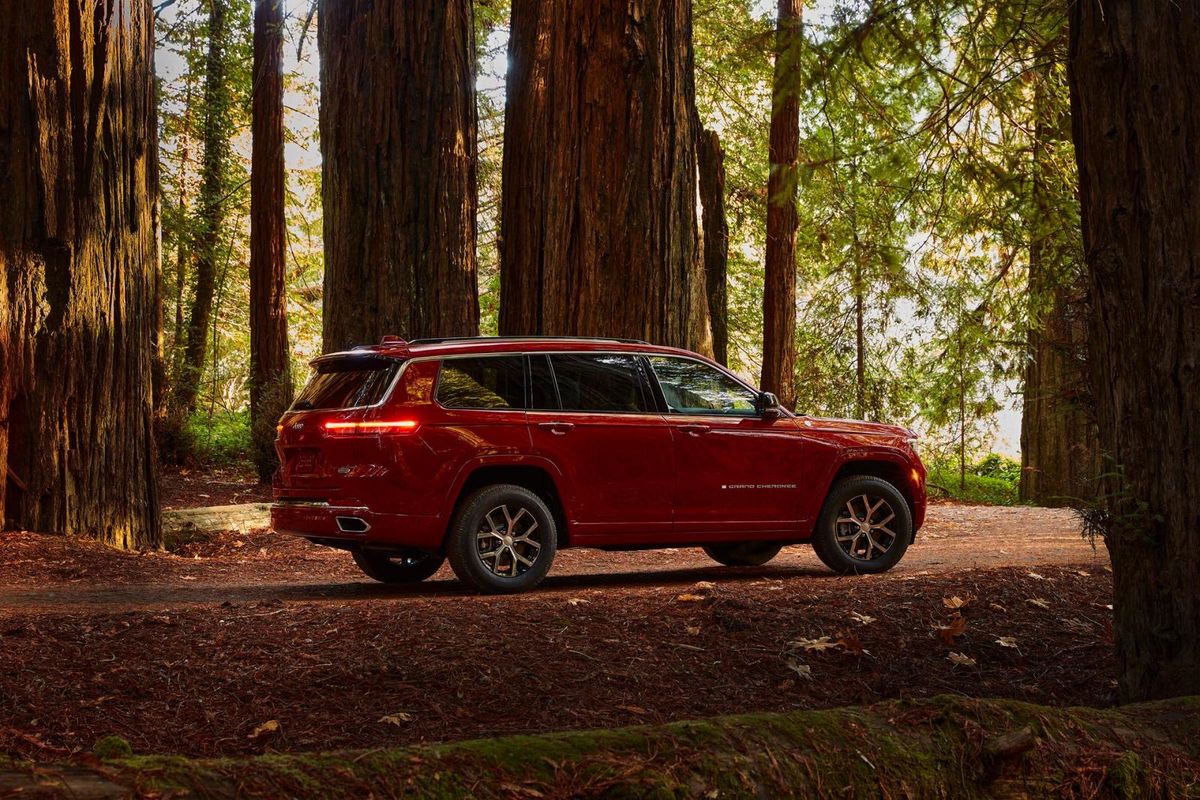
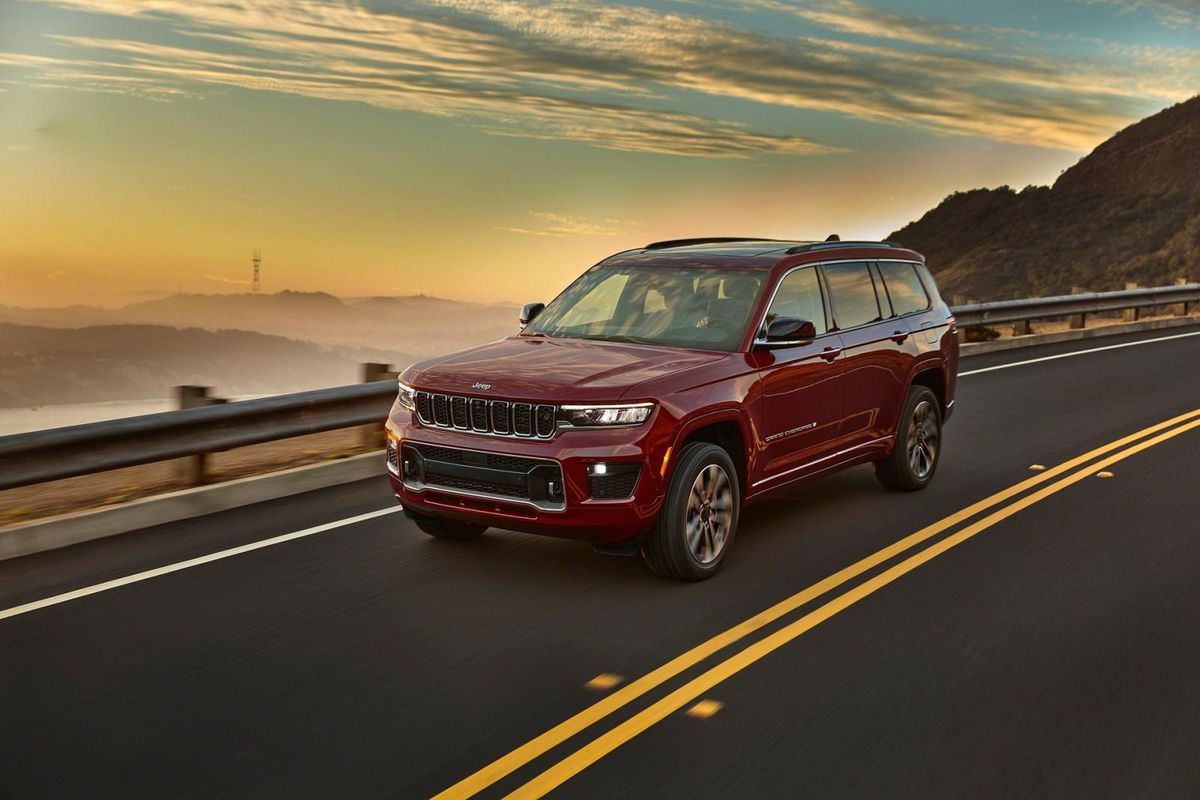
Jeep has unveiled its 7-seater Grand Cherokee, which brings an additional row of seating to an already spacious product.
Visually, the Jeep Grand Cherokee L is a little different to the standard 2-row model. With design cues straight from the mammoth Grand Wagoneer, it looks bold and imposing.
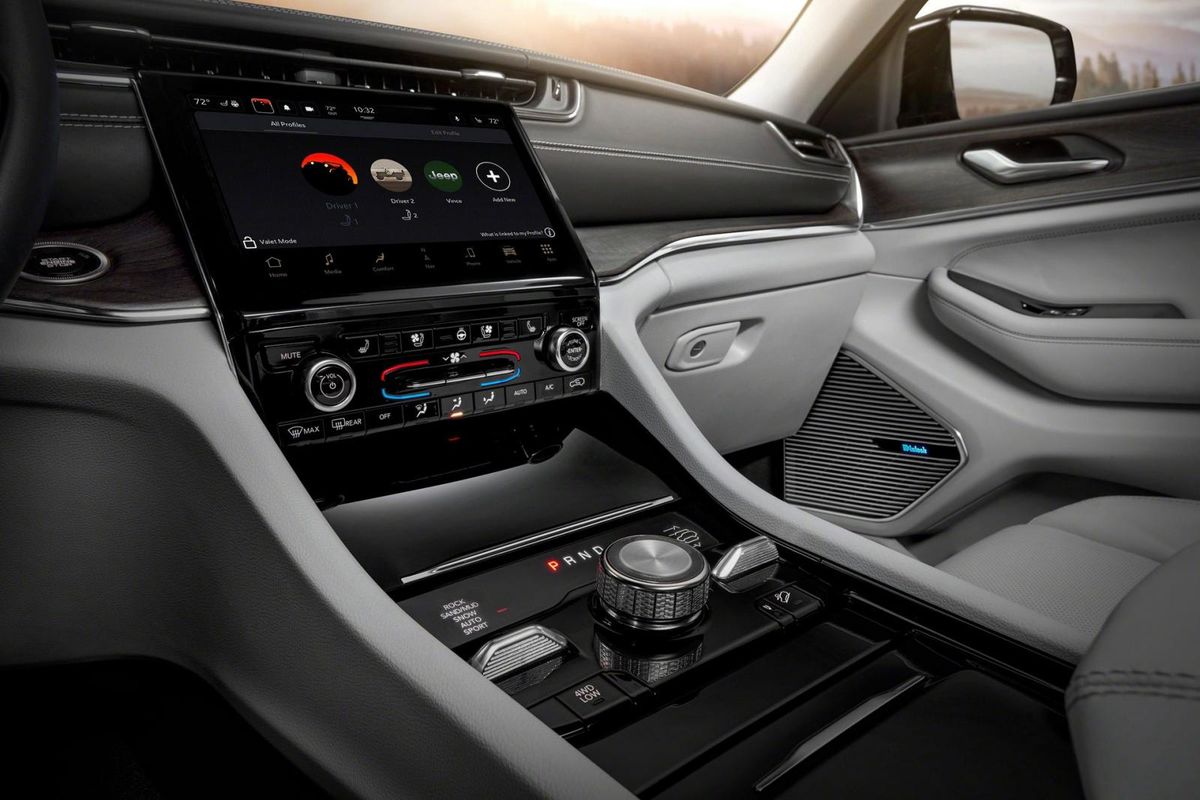
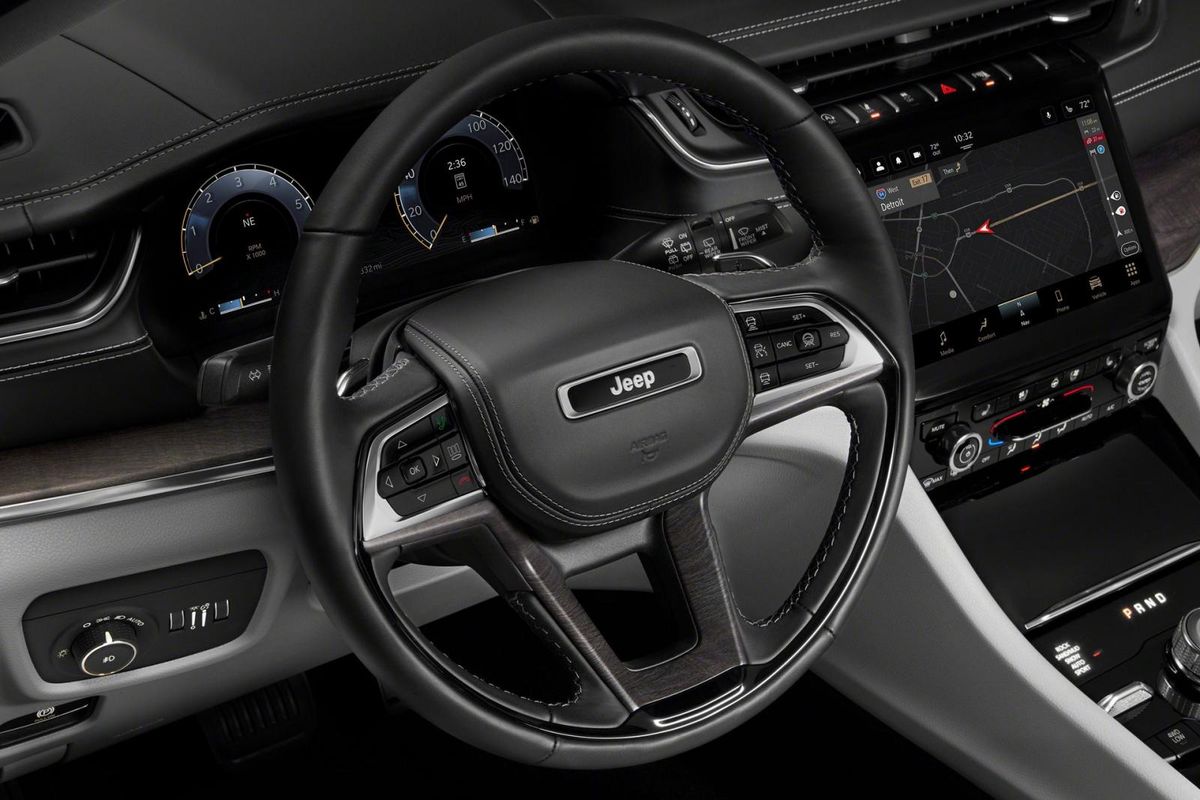
Inside, there’s a smart-looking and luxurious cabin. There’s an 8.4-inch touchscreen or an optional 10.1-inch touchscreen, with the FCA Group’s UConnect 5 infotainment system fitted. There’s also a 10.3-inch digital dashboard fitted. As far as trim levels go, there will be 4 derivatives for the American market.
In terms of engines, the Pentastar 3.6-litre V6 soldiers on, and in this application it develops 216 kW and 348 Nm. The engine we suspect most will go for is the 5.7-litre Hemi V8 which pumps out 266 kW and 528 Nm. Irrespective of engine, all Jeep Grand Cherokee Ls come with an 8-speed automatic gearbox. Interestingly, 4-wheel drive is an optional extra, with the standard model going the 2-wheel drive route. If you’re an offroad enthusiast, you’d be keen to hear about the new Quadra-Lift adaptive air suspension that can raise the vehicle by 4 cm in Off-Road Mode 1 then with Off-Road Mode 2 engaged, go a further 6cm higher. There’s also an Aero mode, which will lower the vehicle for on-road driving.
Will it come to South Africa? According to information we have received, the new Jeep Grand Cherokee 7-seater is scheduled to arrive in South Africa in the fourth quarter of 2021 along with the 5-seater version. We will keep you updated as and when we receive further details.
Here are 5 of the most popular and most searched for used cars on South Africa’s most loved car website, Cars.co.za!
New cars are increasingly becoming prohibitively expensive for many South Africans, especially in the current economic climate. However, the used car market provides car buyers with an endless amount of choice to suit just about any budget.
It’s therefore not surprising that many consumers are turning to the used car market to find their next car in these cash-strapped times. Provided that consumers take the time to research and shop around, there are high-value deals to be had on the used car market.
There are many advantages to buying a used car and perhaps the most pertinent (depending on the used car) is that the cost of depreciation of the vehicle has already been absorbed by the previous owner. Another advantage is that you can effectively get more car for your money in the used car market as opposed to buying a new car for the same amount of money.
Cars.co.za currently has nearly 62 000 used cars listed on site from all major brands and covering all price ranges. More so, if you need car buying assistance, we encourage you to reach out to our experienced team of car journalists who will be happy to offer advice and guidance. You can make contact with us via Twitter and Facebook.
Here are 5 of the most popular used cars on Cars.co.za!
1. BMW 3 Series
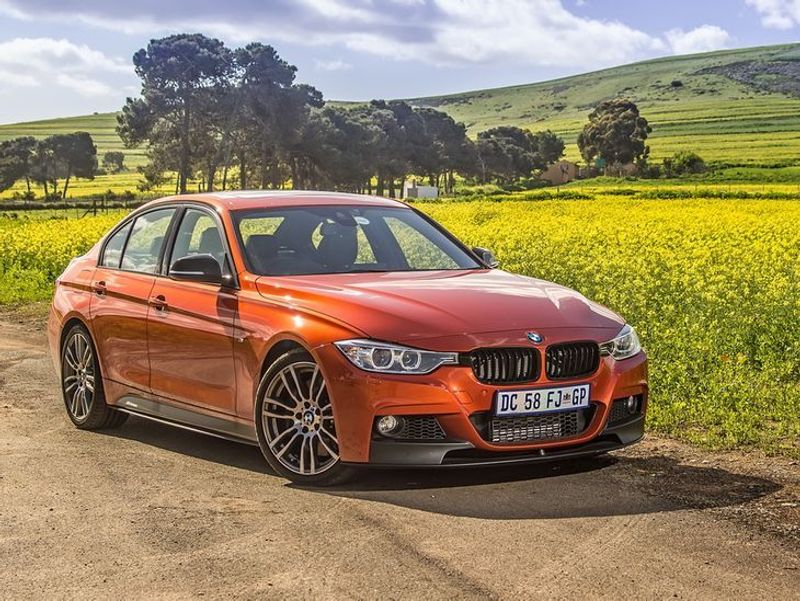
The BMW 3 Series has long been a top-seller in South Africa and it remains a hugely popular choice in the used car market. Even though crossovers and SUVs have severely eroded the sedan market, there’s still a strong demand for used premium sedans from BMW and indeed Mercedes-Benz. The new G20-generation BMW 3 Series was launched in South Africa in 2019. There are currently 1 337 used BMW 3 Series advertised on Cars.co.za.
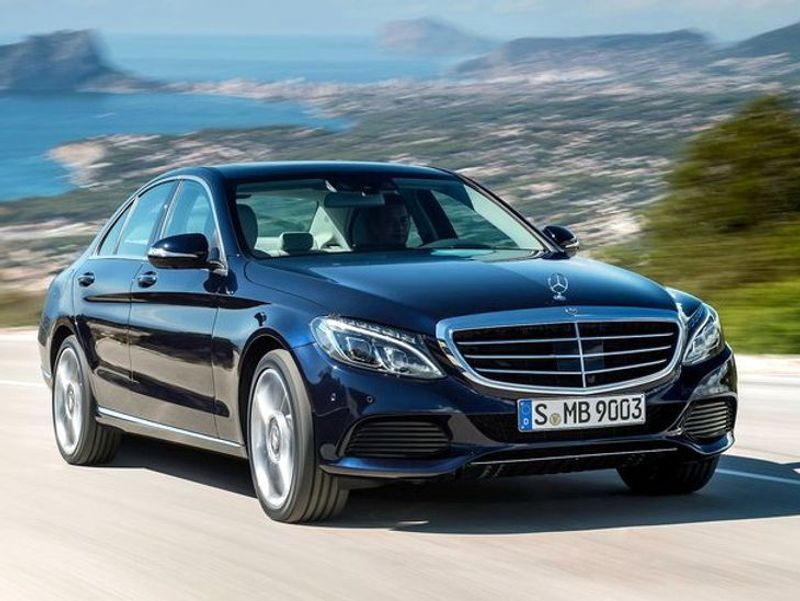
Like the BMW 3 Series, the rivalling Mercedes-Benz C-Class is hugely popular and often searched for on Cars.co.za. A new C-Class is in development and is expected to be revealed in 2021. There are currently 1 459 used Mercedes-Benz C-Class for sale on Cars.co.za.
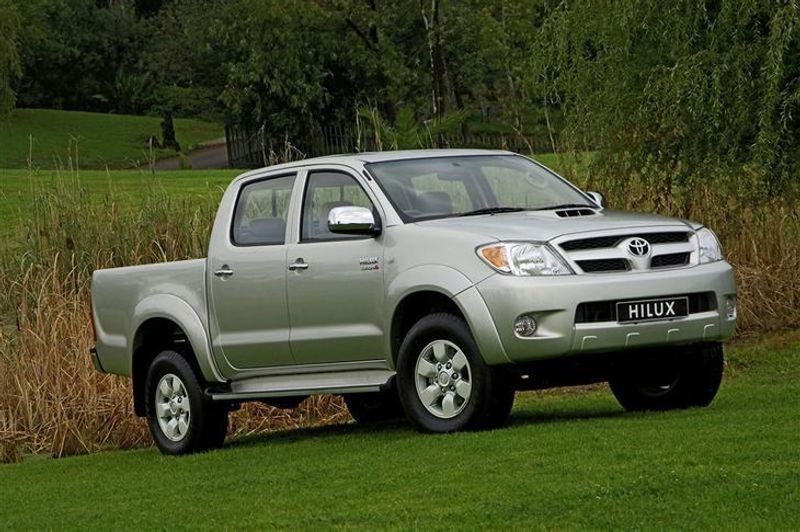
South Africa’s most-loved bakkie also happens to be the most sought-after used bakkie on Cars.co.za, with the rivalling Ford Ranger hot on its heels. There are currently 1 348 used Toyota Hilux for sale on Cars.co.za.
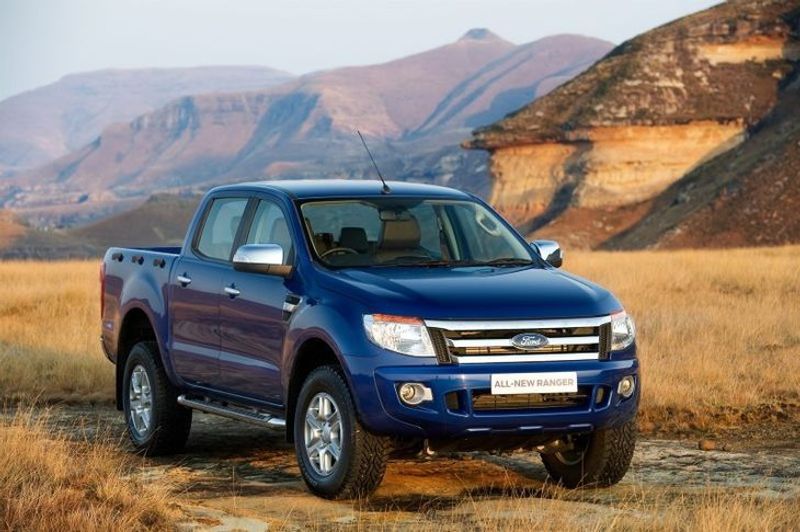
The locally-built Ford Ranger is also hugely popular in South Africa with a wide selection of used examples in the used car market with over 1 888 Rangers advertised on Cars.co.za.
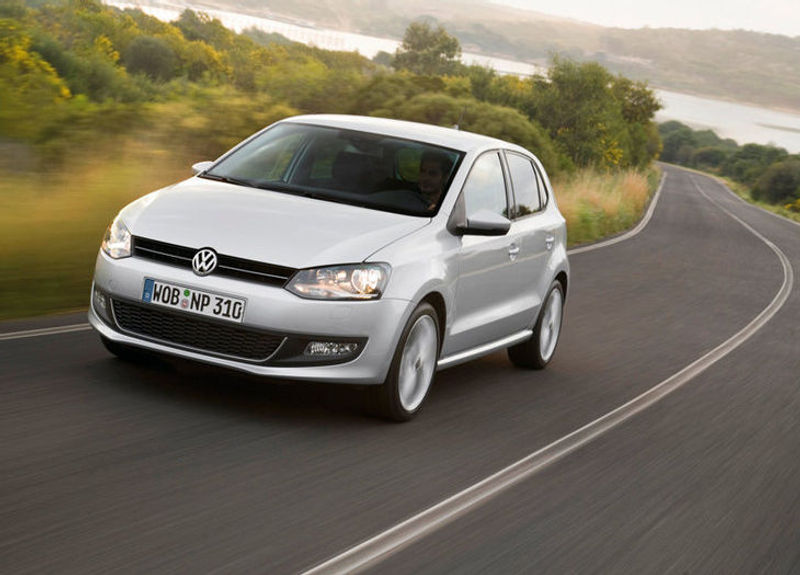
The Volkswagen Polo is often the go-to choice for an affordable and dependable urban runabout. This high-volume passenger car is highly regarded in terms of reliability and overall running costs, making it a no-brainer for buyers looking for a no-fuss car. There are currently 2 955 Volkswagen Polos currently up for grabs on Cars.co.za.
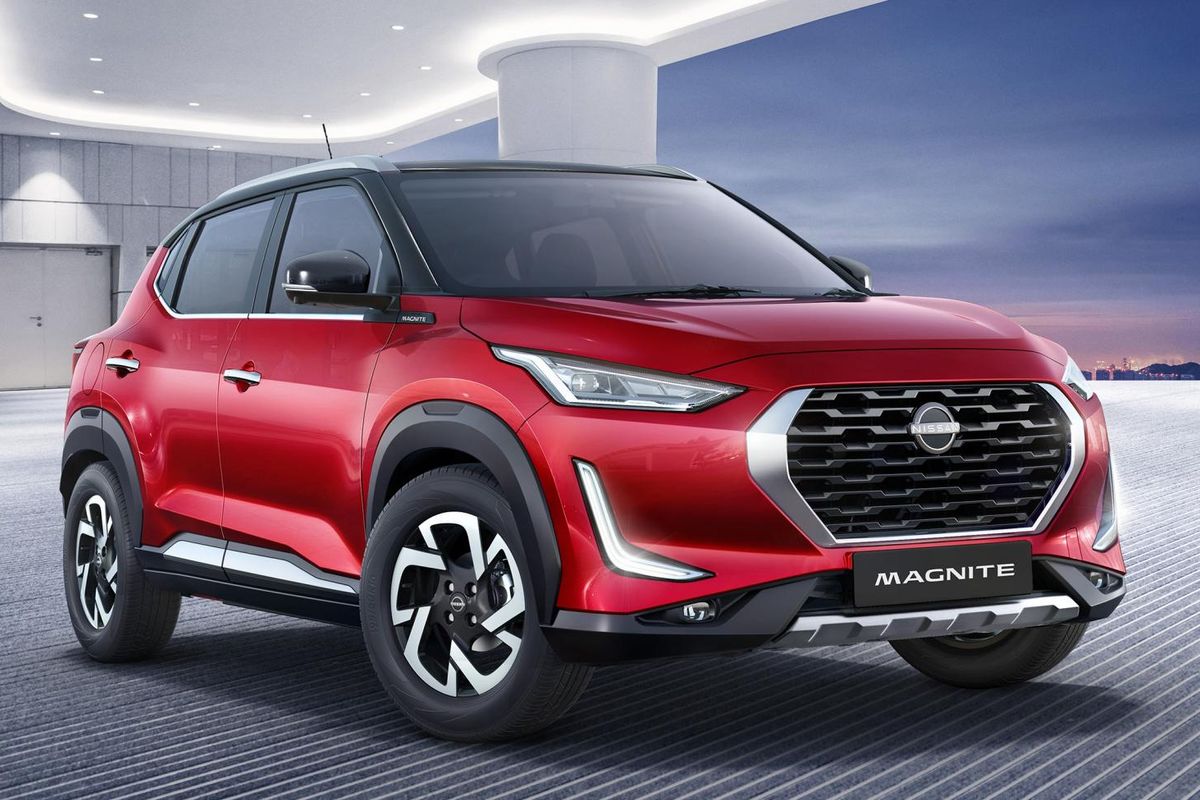
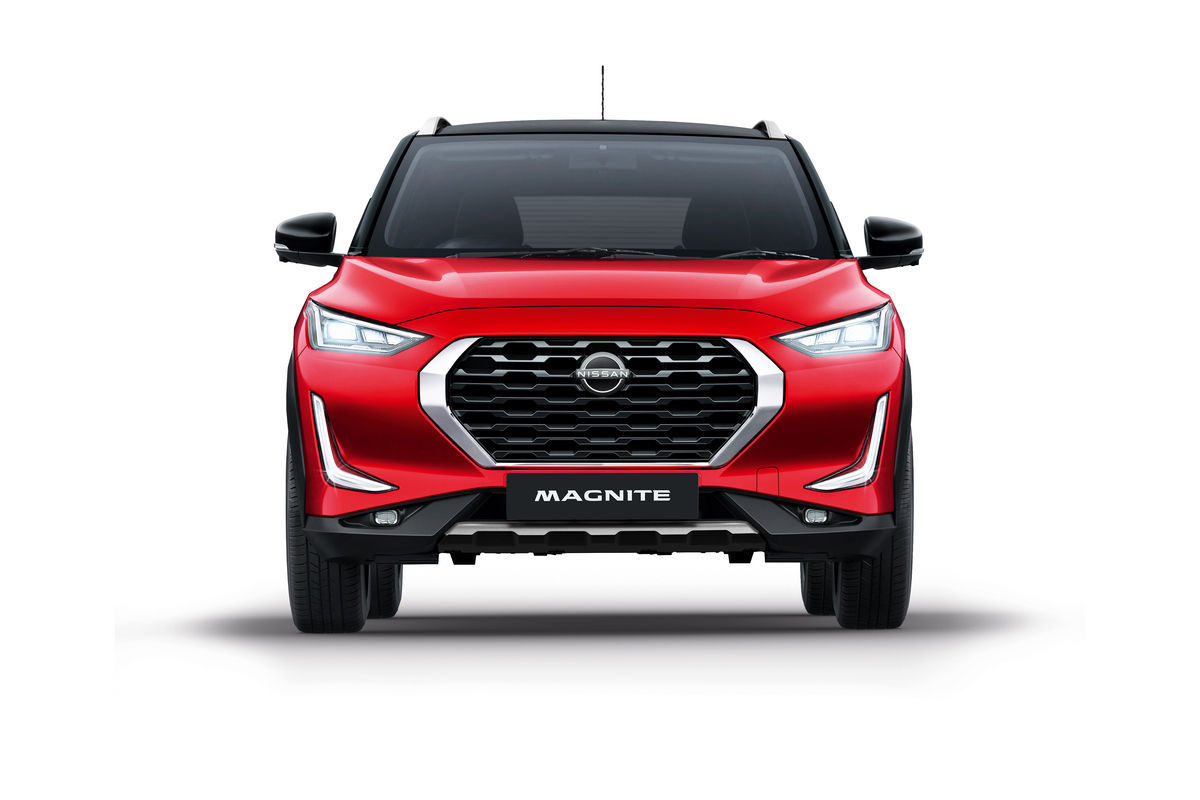
The Indian-made Nissan Magnite compact family car, which was recently awarded a 4-star rating in ASEAN NCAP crash testing and is already on sale in Indonesia, is set to arrive in South Africa in the coming months (1st quarter 2021). The local market will offer the Magnite with a 1.0-litre turbopetrol engine.
Last year, Nissan South Africa's marketing director, Kabelo Rabotho, confirmed the Rosslyn-based brand was looking at introducing 2 new compact crossover/SUV products (the Magnite, as well as the next-generation Qashqai – in the 4th quarter – as well as the Navara-based Terra SUV, the latter towards the end of the year. There's no word on when the next-generation X-Trail will arrive, however.
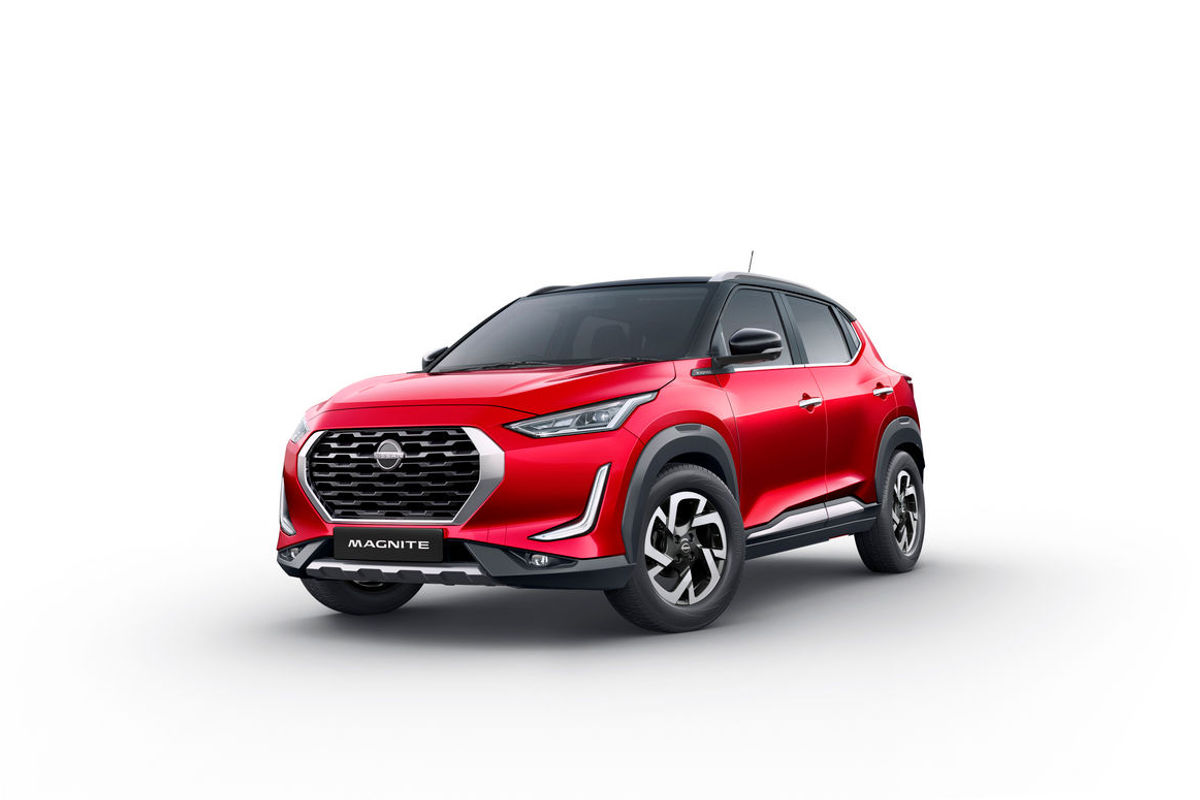
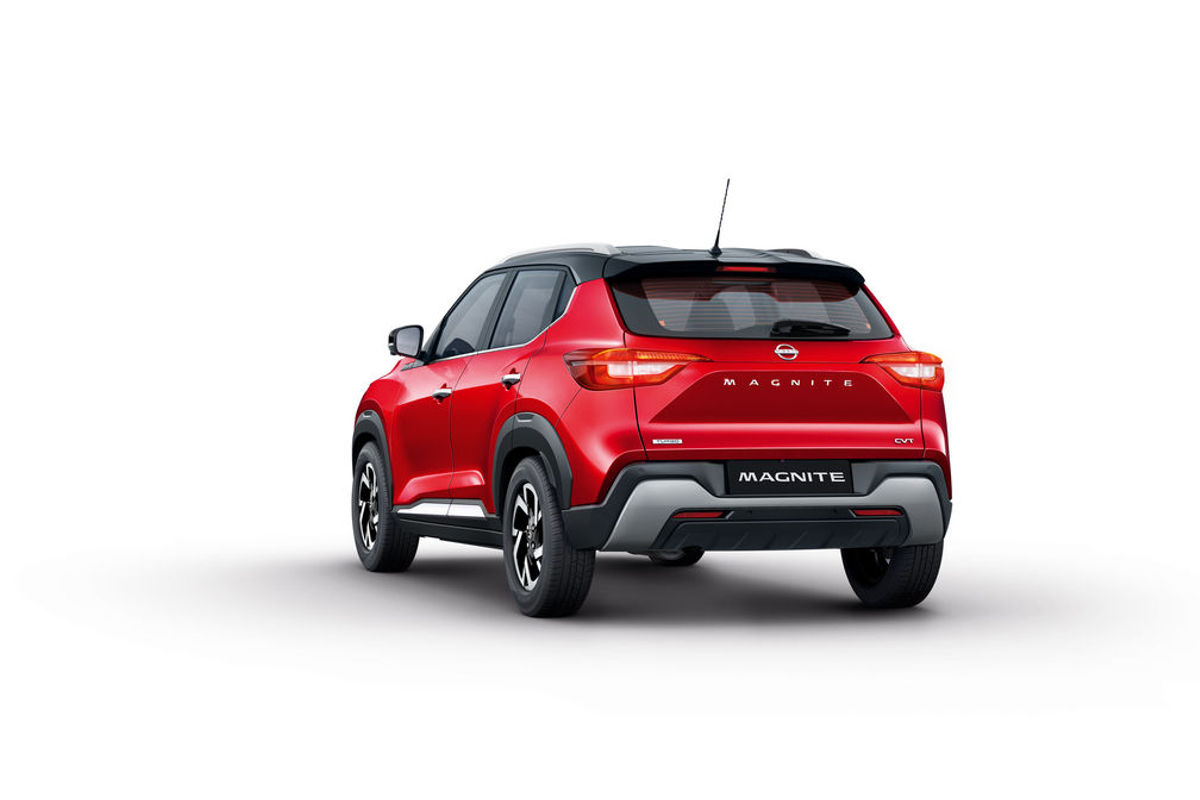
The Magnite is underpinned by the CMF-A+ platform that also underpins the Renault Triber and it's the cousin to the French firm's upcoming Kiger, which is also earmarked for Mzansi. It's produced at the Oragdam plant in India and rivals lower- to mid-spec derivatives of the Ford EcoSport, Hyundai Venue and Volkswagen T-Cross, Kia Sonet, Mahindra XUV 300, Renault Captur and Suzuki Vitara.
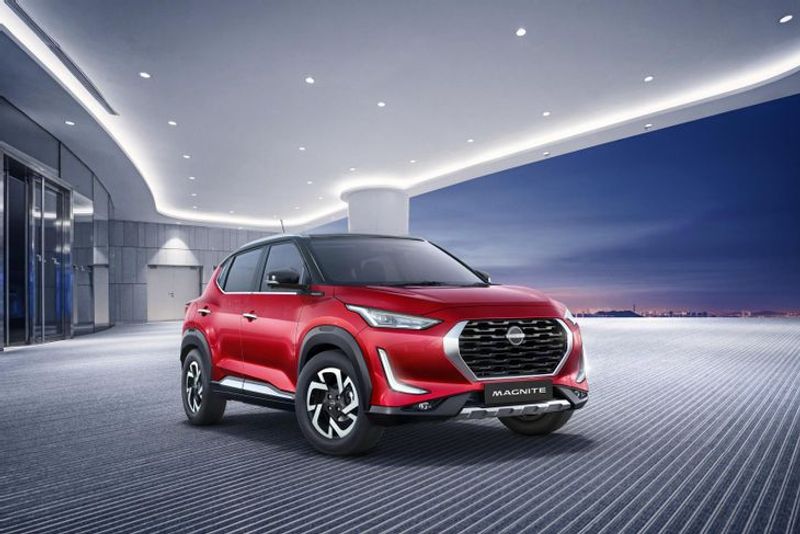
Wait, isn't that a Datsun? The Magnite's styling incorporates cues of its sibling brand's design language, but it's no coincidence.
Autocar India reports that while "ASEAN NCAP has confirmed that the Magnite has received a 4-star crash test rating… sources tell us that crash test results for the Magnite conducted by Global NCAP (which local readers will recognise for the body's #SaferCarsforAfrica programme) are expected to be out in the coming months."
The India-spec Nissan Magnite features safety features such as dual front airbags, front seatbelt pre-tensioners with load limiters, ABS, EBD, rear parking sensors and front passenger seatbelt reminder as standard. Turbocharged iterations of the model (more about this later) also feature ISOfix child-seat mounts, ESC, traction control, hill start assist, brake assist, a 360-degree parking camera and a tyre-pressure monitoring system. The Indian publication points out Global NCAP only considers the standard safety equipment while testing and awarding its crash test rating…
An instant hit in India…
The Magnite's styling is eye-catching; some may even go so far as to say its chunky detailing is reminiscent to that of the Hyundai Venue. It features the prerequisite raised ride height (205 mm), sleek headlights with L-shaped LED DRLs, as well as accoutrements such as front and rear skid plates, rugged plastic cladding around the wheel arches, roof rails, and at least 16-inch wheels/alloys.
The newcomer has attracted massive interest in its home market by virtue of Nissan India's "aggressive pricing strategy for all variants", which has resulted in a long waiting period for some variants.
Incidentally, it’s no surprise that the Magnite's grille has a Datsun look to it; this crossover was meant to have a Datsun badge but it bears a Nissan badge instead. You might be wondering why this is the case and it makes sense if you consider that Datsun is being scaled-down globally and instead of scrapping the project entirely, it has now been allocated to Nissan…
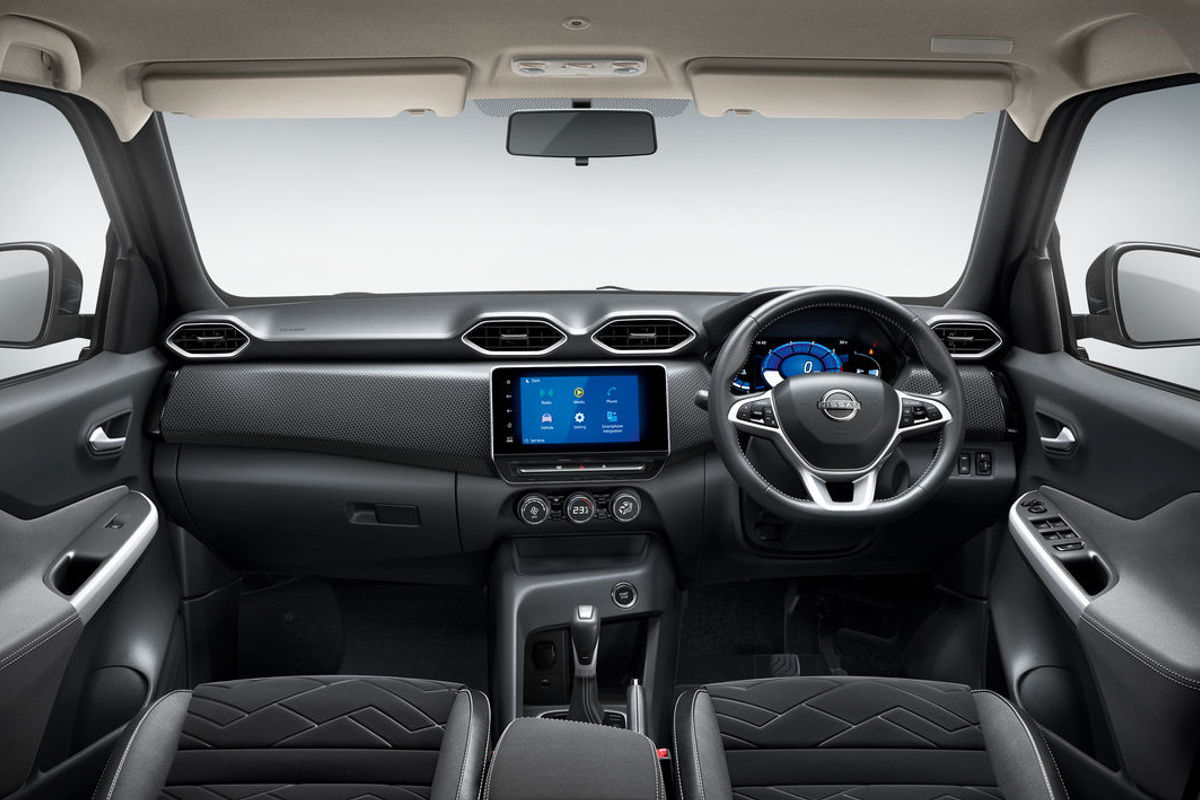
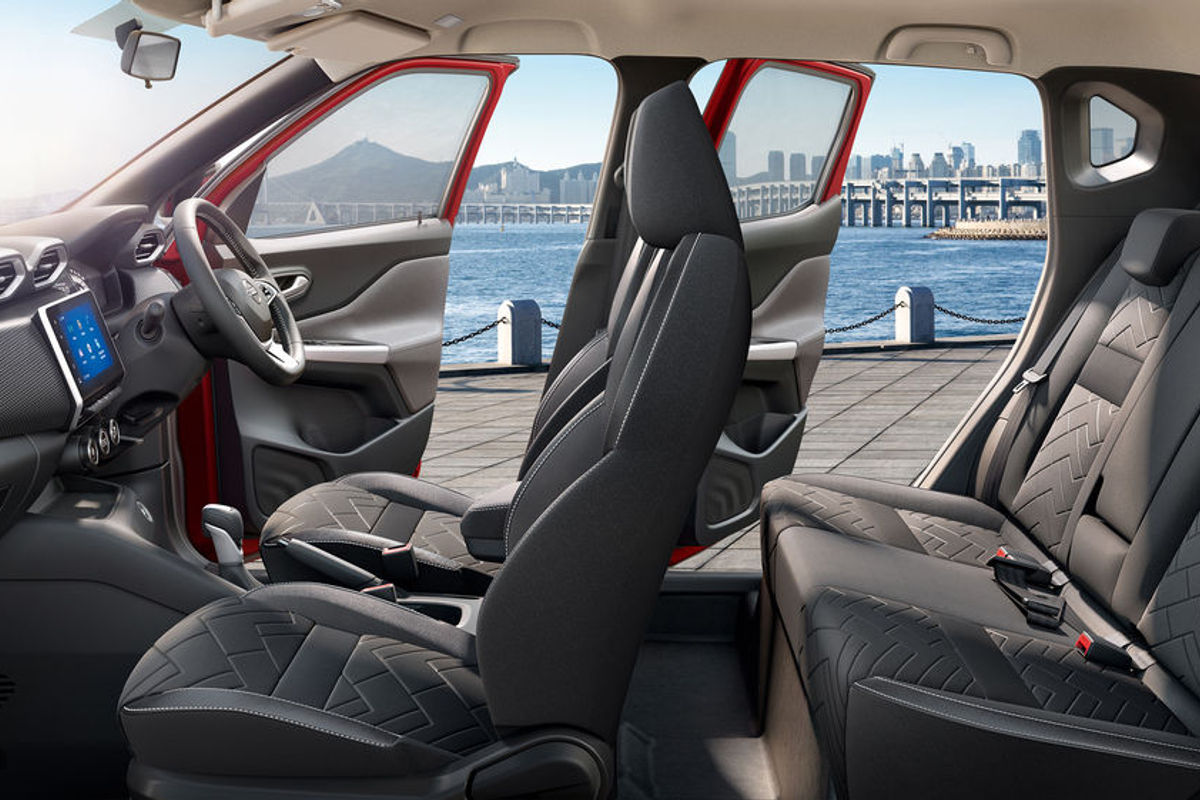
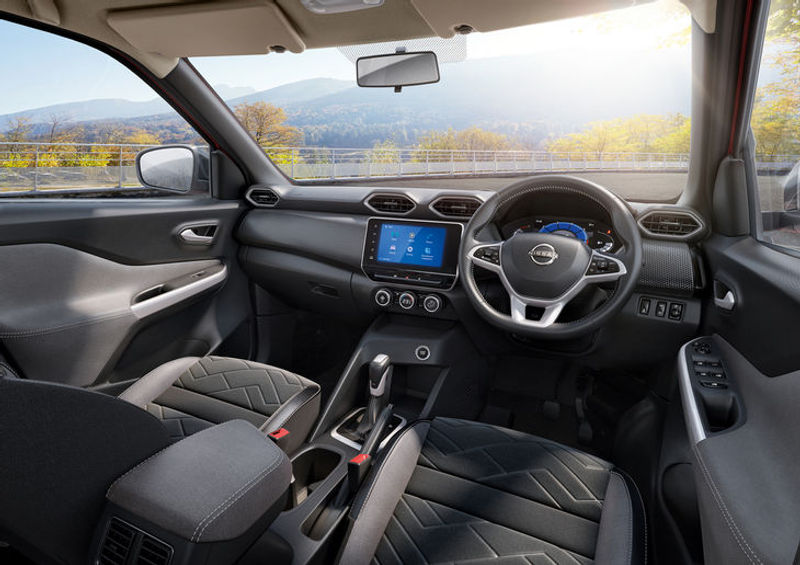
The Magnite's interior architecture is clean and simple, but Nissan has not skimped on creature comforts and infotainment.
In terms of what will power the newcomer, Nissan SA has confirmed that an all-new 1.0-litre turbopetrol engine will be offered in South Africa in conjunction with a 5-speed manual or a continuously variable (CVT) automatic transmission. According to a Nissan India product brochure, the manual version produces 100 kW and 160 Nm, while the CVT has a slightly lower peak torque of 152 Nm. That suggests that the naturally aspirated 72 kW/96 Nm 1.0-litre petrol, which ostensibly helps the Magnite to be "most affordable compact SUV in the Indian market, won't be offered here.
As for the interior, the newcomer’s overall design is very minimalist. Lower- to mid-spec versions in the Indian market feature dual-tone trim, electric windows, a multifunction steering wheel, a 3.5-inch LCD drive info display, a 6-speaker audio system, and surprisingly, auto climate control, plus electrically adjustable and folding side mirrors.
We expect that SA-market derivatives are likely to feature at least some of the following features: 16-inch alloys, fog lamps, an 8-inch touchscreen infotainment system with (apparently wireless) Apple CarPlay and Android Auto, a 7-inch TFT driver info display, voice recognition technology, a reverse-view camera, as well as push-button start.
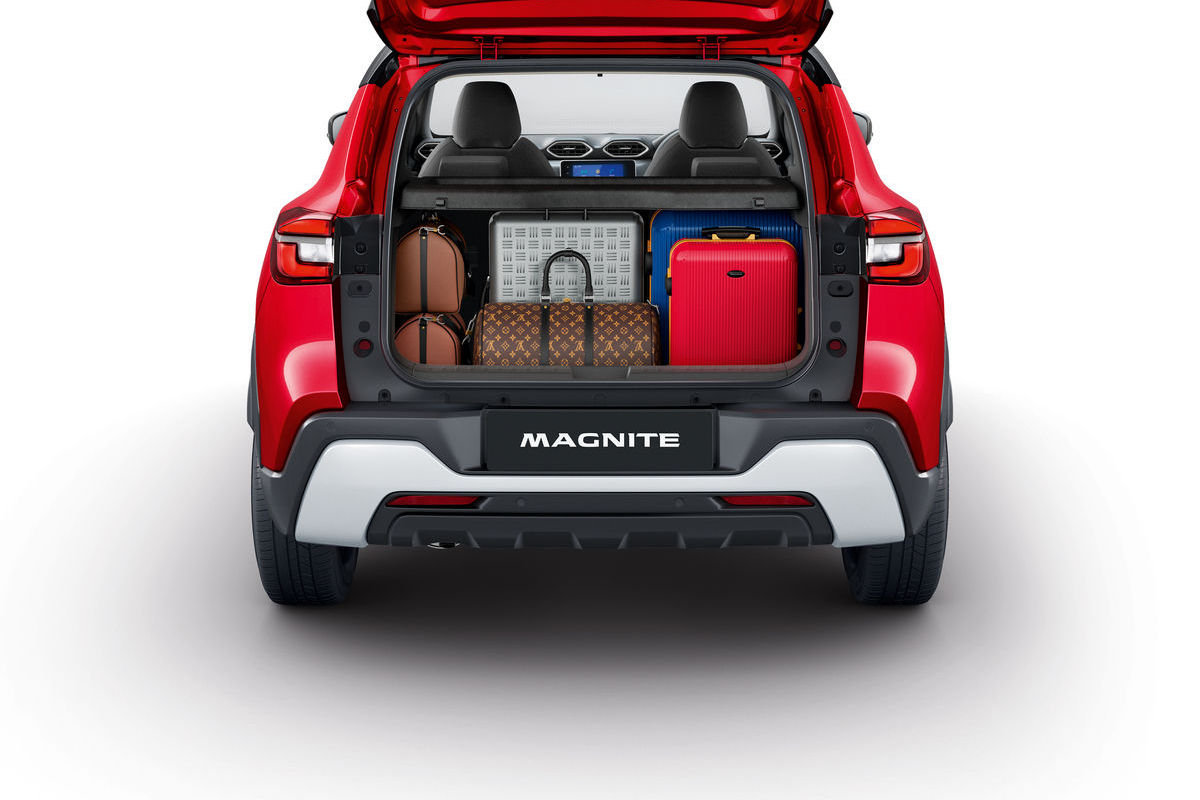
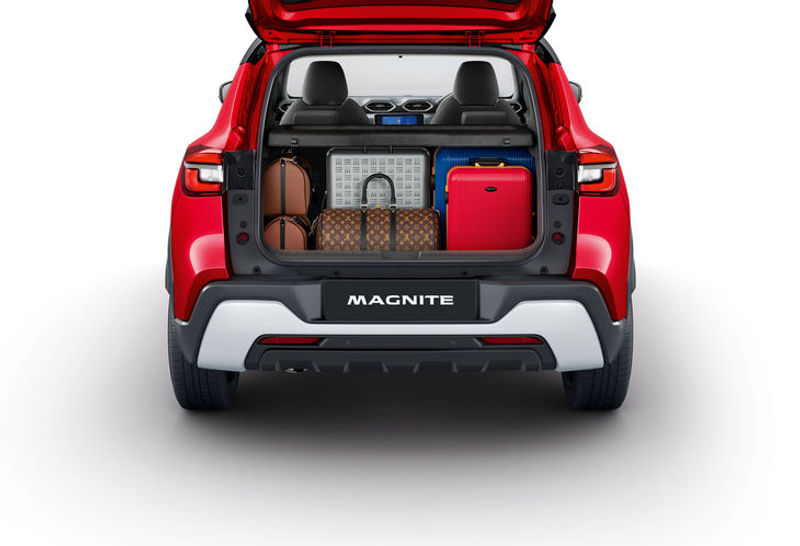
The Magnite's load bay has a 336-litre capacity and the rear seatback can split in 60:40 configuration.
Interestingly, the top-spec Magnite derivative in India features LED headlamps, cruise control, the aforementioned 360-degree around-view camera and tyre-pressure monitor, as well as an all-black interior. Nissan will also offer an optional Technology Package, which includes a wireless charging pad, air purifier, ambient mood lighting, puddle lamps, and JBL speakers.
Suffice to say the specifications and prices for the Magnite in the South African market are still being finalised, but we expect most of the previously mentioned features to be offered, depending on whether Nissan has designs on the top end of the compact family car market, or hopes to offer the Magnite primarily as an alternative to lower-end compact hatchbacks.
We’ll bring you updates on the Magnite’s local line-up as soon as more info becomes available.
Good news for Mazda fanatics as the iconic rotary engine is officially making a return, but in a rather interesting application.
Mention the words 'Mazda' and 'rotary' and images of the iconic RX-series of performance vehicles will come to mind. The RX-7 was already a superstar, but it was elevated to stratospheric heights in the first Fast and the Furious movie, where Vin Diesel's character piloted a particularly striking red 3rd-generation FD model. The subsequent RX-8 was a good car, offering a combination of style and a high-revving rotary motor.
Sadly the rotary engine was discontinued as the cons outweighed the pros. Notorious for seal failure, high consumption and high emissions, the rotary motor was shelved in favour of traditional internal combustion engines. What's interesting is the company’s in-house research department tasked with evolving the rotary engine technology, has never seen a funding cut, despite no current Mazda vehicles powered by the Wankel. Back in April 2020, patent documents were filed showing a rotary engine in a hybrid setup.
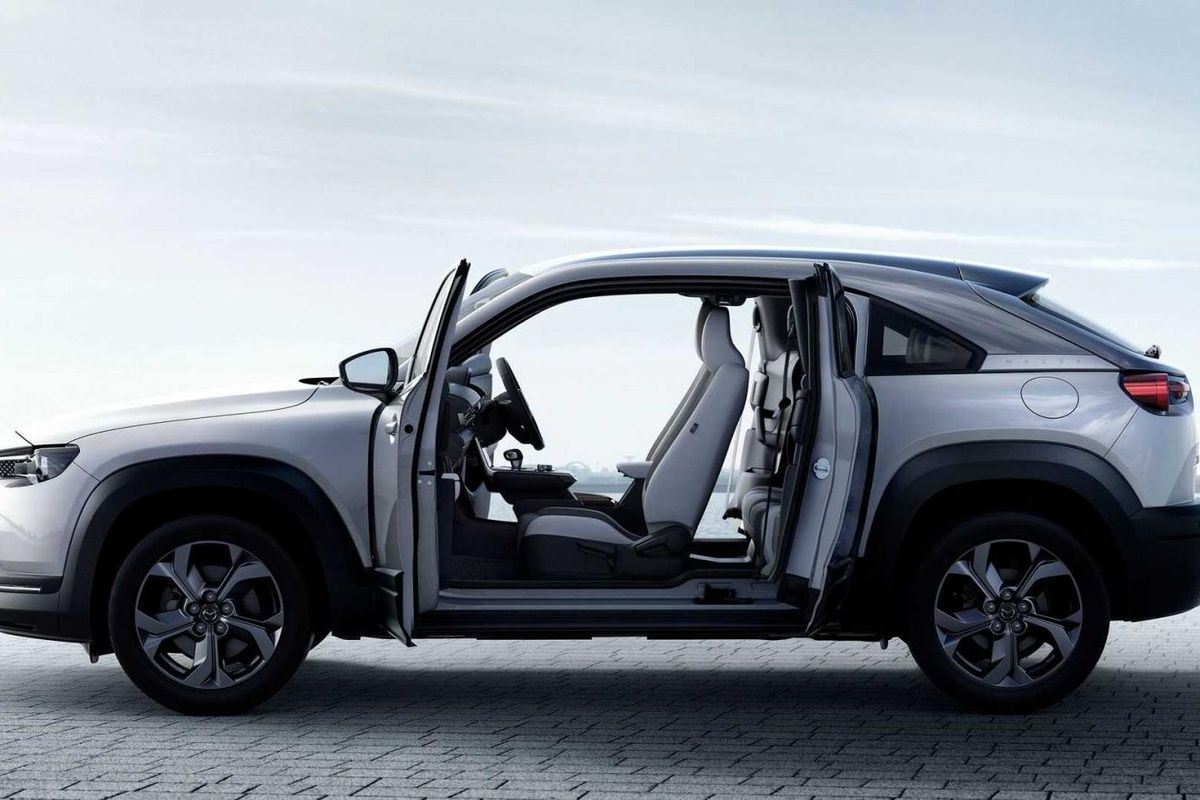
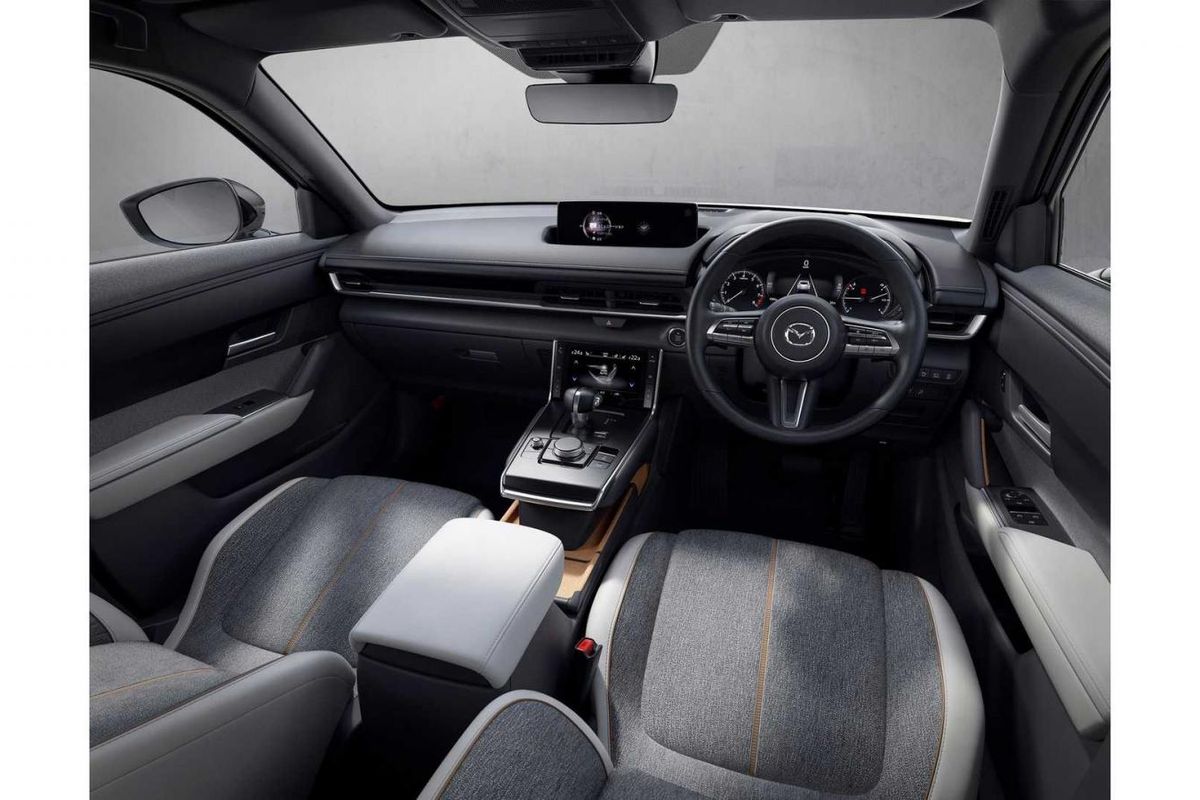
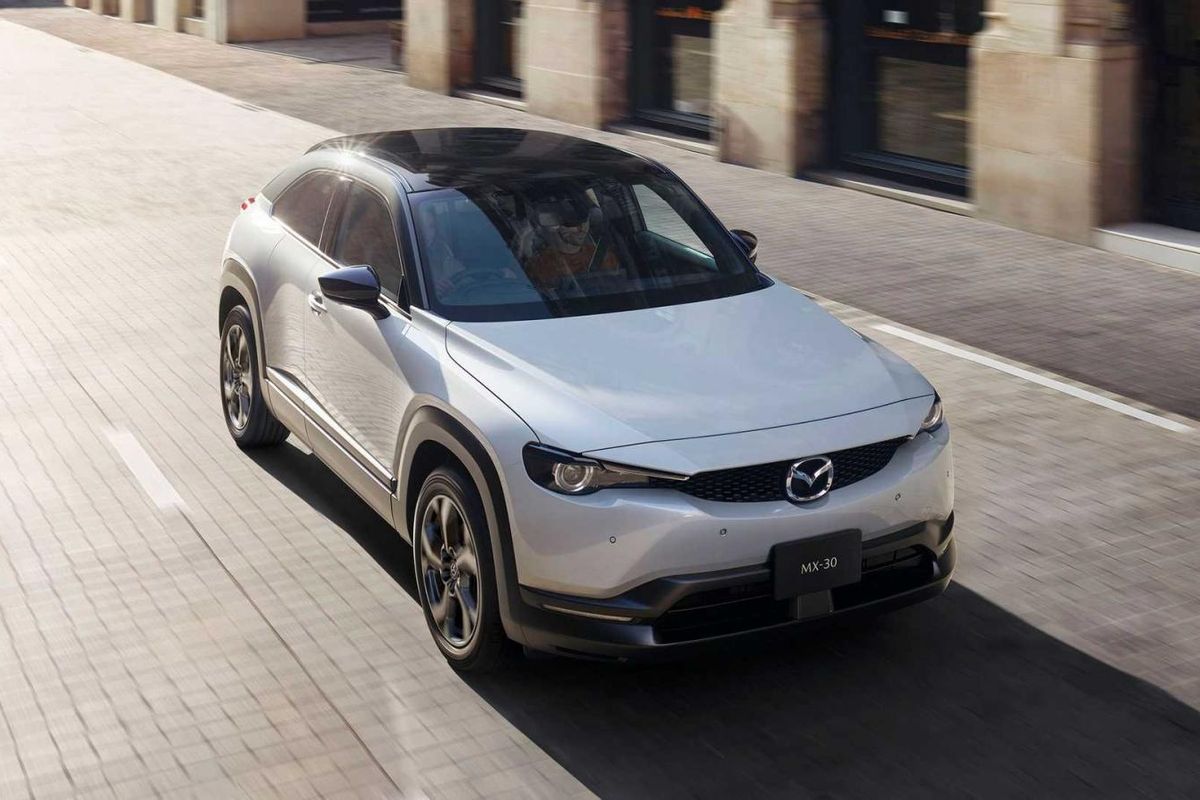
Right now the most advanced vehicle in Mazda's stable is the MX-30, an all-electric SUV. While it looks good with its suicide doors, overseas reports have been disappointed with its meagre range. The MX-30 can mustre just 200 km based on the European WLTP cycle. Now with a rotary engine in the mix working as a range extender, this should theoretically double the range to 400 km, which is far more palatable to the electric car sceptics.
In an interview with The Detroit Bureau, US Mazda operations boss Jeff Guton confirmed there will be an MX-30 with a rotary range extender launched to the North American market. “We have launched the MX-30 in Europe, which is our first battery-electric vehicle. And we will be making that product available in the future with a rotary range extender. Any chance of it coming to the US? Yes, it will, though we haven’t talked about the date publicly yet,” Guyton said.
While the return of the rotary motor is welcomed, could anyone have predicted it would be to bolster an electric car's range? As far as South African Mazda's offerings for 2021 go, we're unlikely to see the MX-30 with the CX-30 and BT-50 bakkie taking centre stage.
2020/21 Cars.co.za Consumer Awards – Powered by WesBank; Finalists
Cars.co.za is proud to announce the 39 finalists of the 2020/21 Cars.co.za Consumer Awards – powered by WesBank.
Now in its sixth iteration, #CarsAwards annually recognises the best purchasing propositions in 13 respective segments of the domestic new-vehicle market and is widely acknowledged as South Africa’s definitive automotive awards programme.
With the support of WesBank, #CarsAwards has grown in reach, influence and stature. The theme for this year’s programme is “Be Part of the Journey – My Car, My Freedom”.
“As South Africa’s leader in vehicle and asset finance, it is important to us to align our brand with impactful industry initiatives, particularly those that add value to consumers. There are many aspects to consider when making a major budget-impacting decision such as buying a car. As such, consumers should have access to credible opinions and objective data on the models of cars and features available in the market, to assist them in making an informed purchasing decision,” says Ghana Msibi, CEO of WesBank Motor.
“Our successful partnership with Cars.co.za in powering the Cars.co.za Consumer Awards is now in its sixth year. It seems fitting that this year’s awards theme is ‘My Car. My Freedom’. After the months of lockdown and restrictions to movement we have all had to endure, being able to get behind the wheel and drive across our country’s roads and highways is certainly a sense of freedom. However, if you are still deciding which car is right for you and your needs, the 2020/21 Cars.co.za Consumer Awards category finalists and eventual winners should go a long way in guiding you to that decision.”
Categories reflect a changing marketplace
The 13 category winners will be selected from the list of 39 vehicles, which includes model derivatives from no fewer than 19 brands represented in the South African market. All vehicles available on the South African market on October 1, 2020 were eligible, not only new products that were launched during the past 12 months.
The 39 finalists for the 2020/21 programme were selected by the extended Cars.co.za editorial team; each member scored the 65 pre-selected semi-finalists individually, based on the "Filters of Eligibility" and the "Pillars of Success" of the 13 respective categories. Once the scores were tallied, 3 finalists remained in each of the segments.
Compared with the preceding #CarsAwards, Performance Car and Fun Hatch have been replaced with new and more relevant categories: Entry-Level and Premium Crossover. Nonetheless, as many as 10 of the previous programme’s category winners have made the list of finalists again, although only four of them with exactly the same derivative as in 2019/20: Volkswagen Polo, Mazda CX-5, as well as BMW X3 and X5 respectively.
“We made some revisions to the categories to make sure that they are in line with what South Africans are shopping for in the new vehicle market, but also factored in which segments had seen significant activity in terms of new launches,” says Cars.co.za Consumer Experience Manager Hannes Oosthuizen. “We also consider pricing movements, to make sure that our categories remain relevant to the consumer.”
Suzuki, Toyota have the most finalists
Whereas the 2019/20 #CarsAwards Brand of the Year, Volkswagen, had the most semi- finalists (7), followed by Suzuki (6) and Toyota (5), the Japanese marques, both of which have won the Brand of the Year title on two previous occasions, lead the list of finalists with 5 contenders apiece – the Wolfsburg-based firm has 4, followed by BMW and Volvo (3 each). Citroën, Honda, Isuzu, Land Rover and Subaru, which weren’t represented in the decisive round of the programme last year, each have at least one finalist in 2020/21.
Full list of 2020/21 #CarsAwards finalists
Entry Level
Hyundai Atos 1.1 Motion
Suzuki S-Presso 1.0 S-Edition
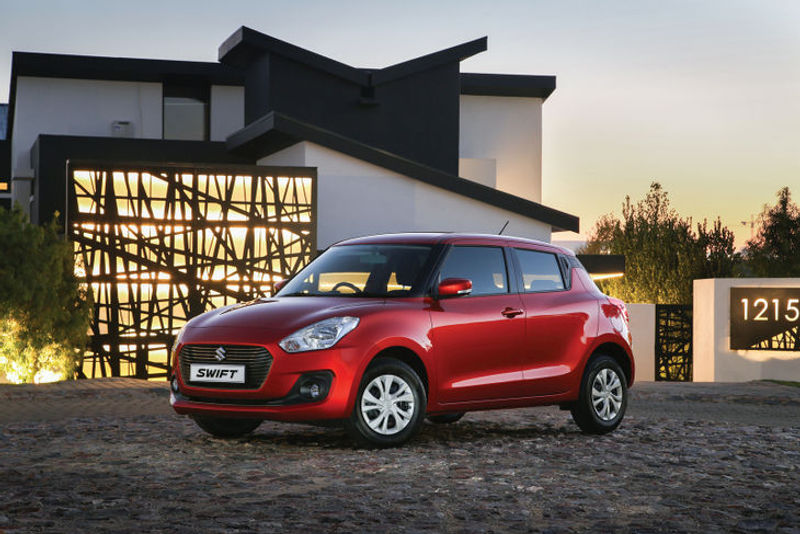
Suzuki Swift 1.2 GL
The Suzuki Swift was last year's Budget car winner but fits into this year's Entry Level category.
Budget Car
Suzuki Baleno 1.4 GLX
Suzuki Ignis 1.2 GLX
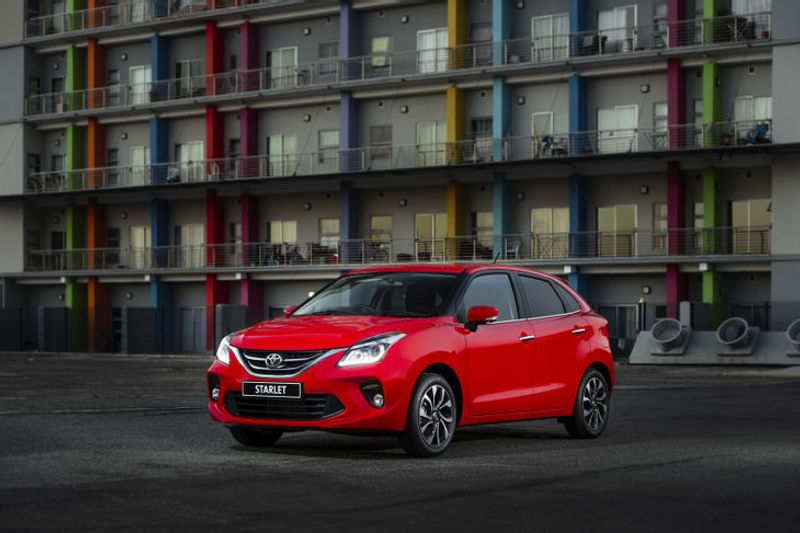
Toyota Starlet 1.4 XR
Both the Suzuki Baleno and Toyota Starlet feature as Budget Car finalists this year, it is a very tight category.
Compact Hatch
Ford Fiesta 1.0T Trend auto
Suzuki Swift 1.4T Sport auto
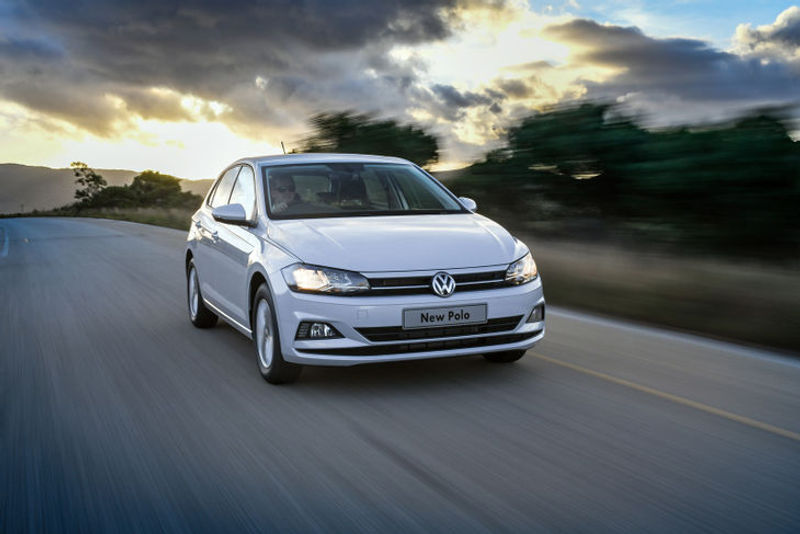
Volkswagen Polo 1.0 TSI Comfortline auto
The VW Polo is back this year to continue its winning streak in the Compact Hatch category.
Compact Family Car
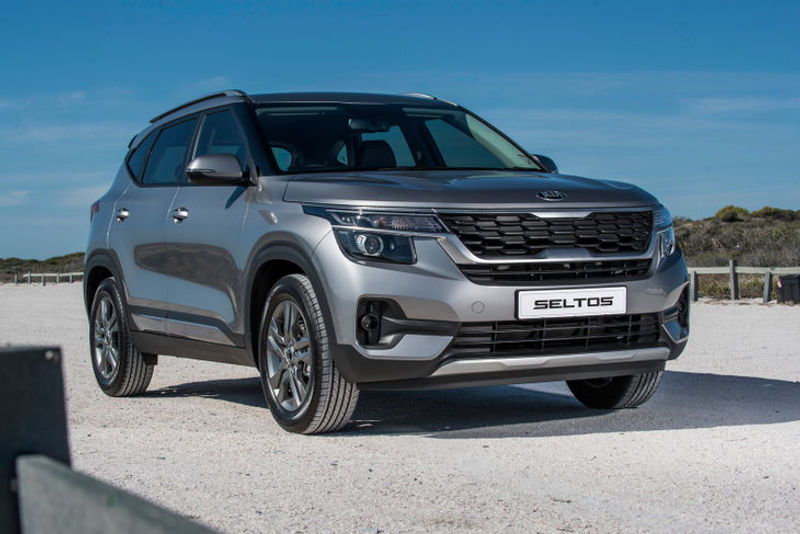
Kia Seltos 1.5 CRDi EX+
Renault Duster 1.5 dCi Prestige
Volkswagen T-Cross 1.5 TSI 110kW R-Line
The Kia Seltos is a top challenger this year, hoping to steal the T-Cross' title.
Family Car
Citroën C5 Aircross 1.6T Shine
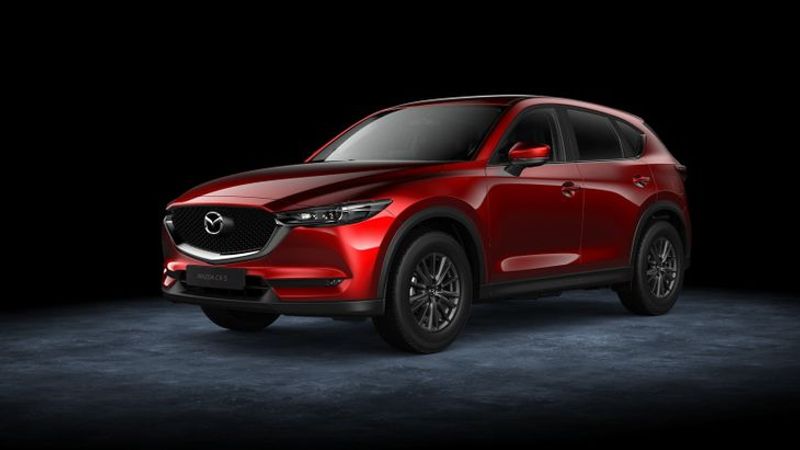
Mazda CX-5 2.0 Dynamic auto
Toyota RAV4 2.0 AWD GX-R
Reigning Family Car champ the Mazda CX-5 is back to defend its trophy.
Adventure SUV
Ford Everest 2.0 Bi-Turbo 4WD XLT
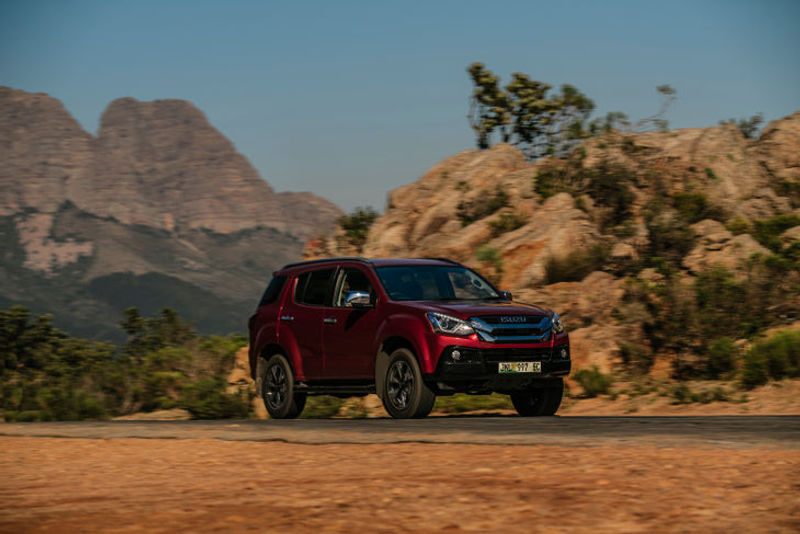
Isuzu M-UX 3.0 4WD
Toyota Fortuner 2.8 GD-6 4×4 VX Auto
The facelifted Isuzu MU-X has shown improvements worthy of inclusion as a finalist this year.
Executive SUV
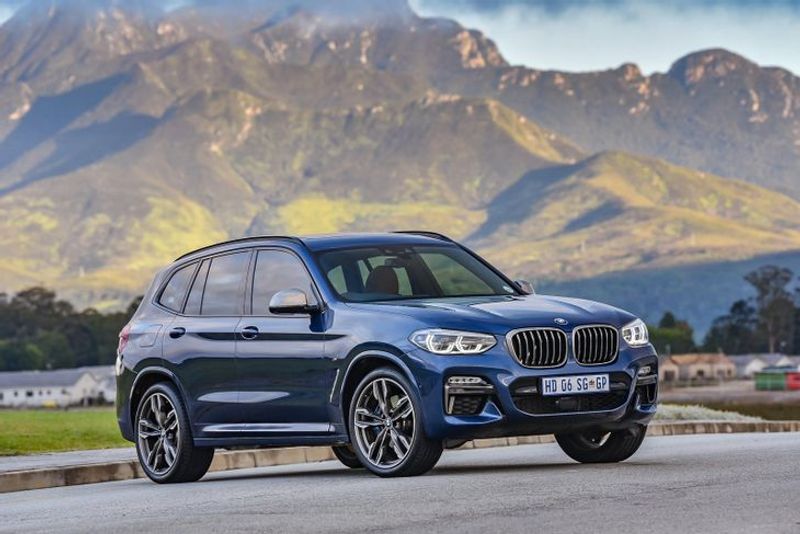
BMW X3 xDrive20d M-Sport
Range Rover Evoque P250 R-Dynamic SE
Volvo XC60 D5 R-Design
The same 3 contenders are up against each other in Executive SUV this year, maybe the Consumer Survey could change the outcome this time around.
Premium SUV
BMW X5 xDrive30d M Sport
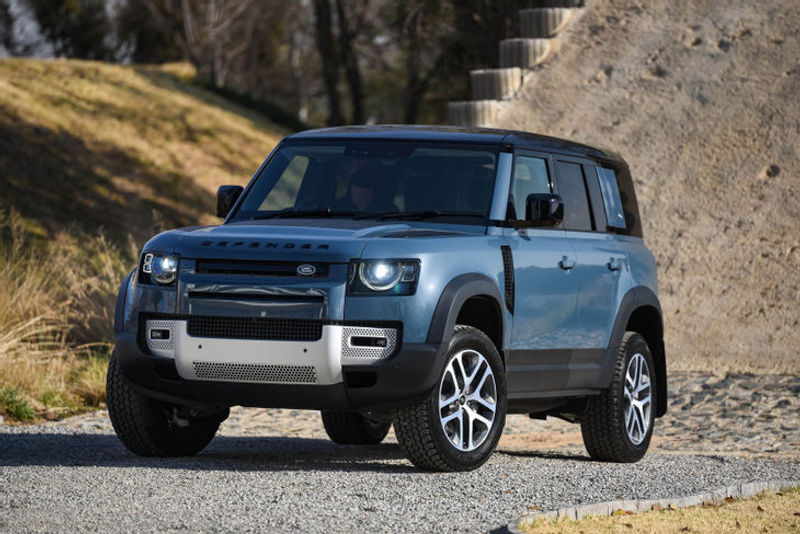
Land Rover Defender D240 HSE
Volvo XC90 T8 Twin-Engine R-Design
The new Defender has proven to be both rugged and premium in the judges' eyes.
Crossover
Mazda CX-3 2.0 Individual Plus
Subaru XV 2.0i-S ES
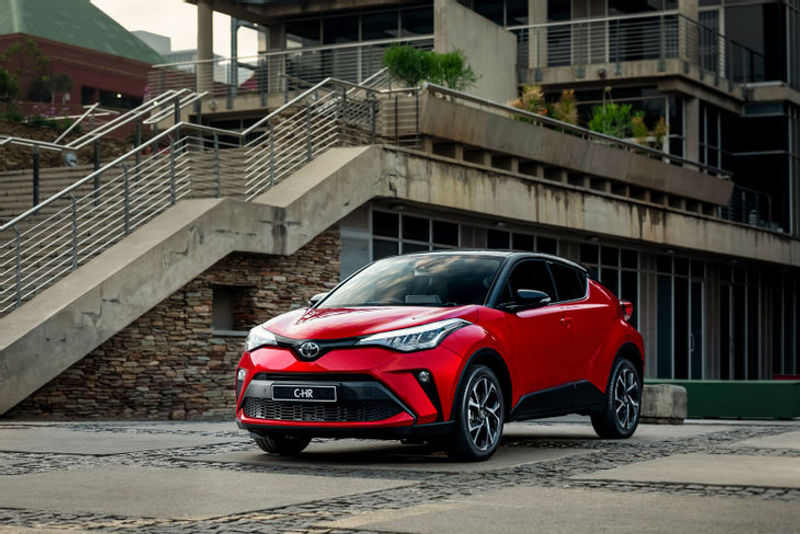
Toyota C-HR 1.2T Luxury
The Crossover category is an all-Japanese affair in the finals.
Premium Crossover
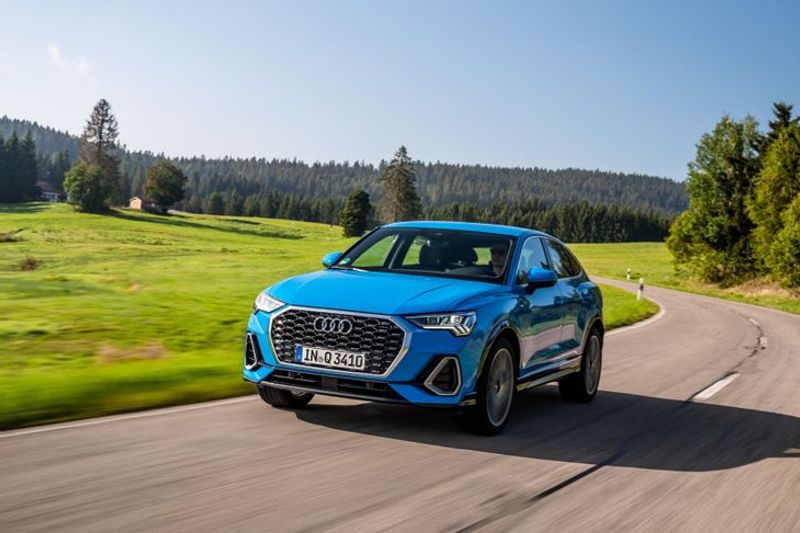
Audi Q3 Sportback 40 TFSI quattro S Line
Mini Countryman Cooper S
Volvo XC40 T5 AWD R-Design
In the new Premium Crossover category, Audi's recently-launched Q3 Sportback has made the cut.
Hot Hatch
Honda Civic Type R
Hyundai i30 N
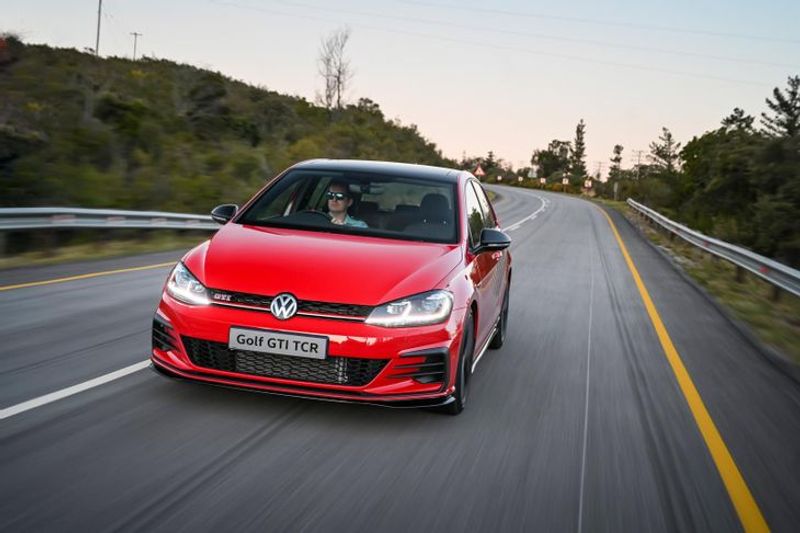
Volkswagen Golf GTI TCR
The GTI badge has been a serial winner of awards at the CarsAwards event, can the new TCR version continue that trend?
Leisure Double-Cab
Ford Ranger 2.0 Bi-Turbo 4×4 Wildtrak
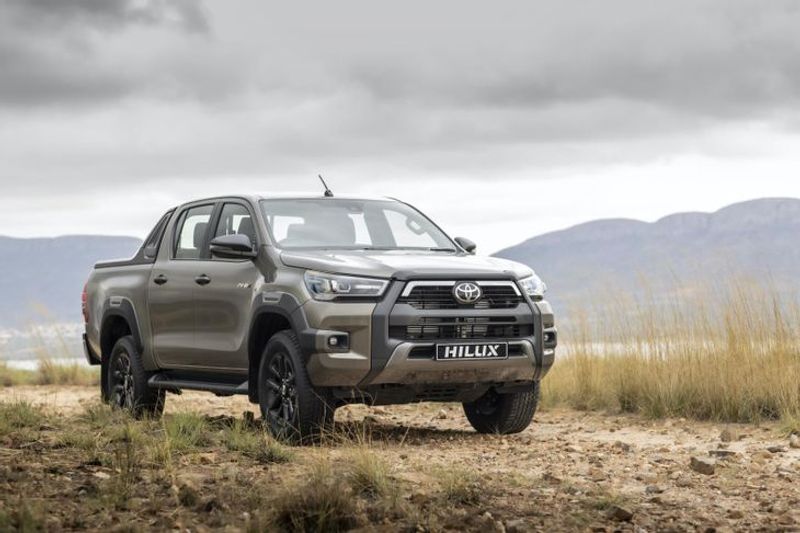
Toyota Hilux 2.8 GD-6 4×4 Legend Auto
Volkswagen Amarok 2.0BiTDI Highline Plus 4Motion
Facelifted for 2020, this looks to be the Hilux's best shot yet at taking the Leisure Bakkie title.
Sport Executive
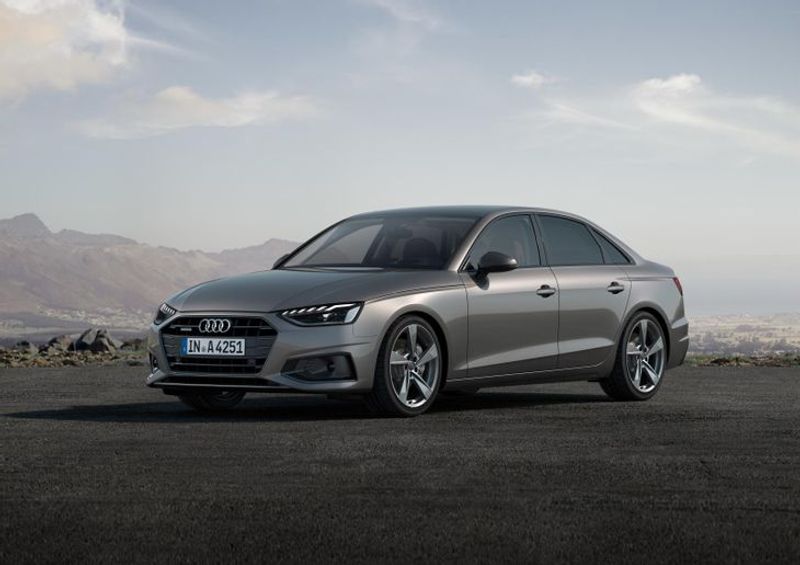
Audi A4 40 TFSI Sport S Line
BMW 330is Edition
Mercedes-Benz C300 AMG Line
Audi's revitalised A4 will be up against familiar rivals in the Sports Executive category.
Each of the three finalists per category will now be subjected to back-to-back testing at the renowned Gerotek proving ground in Gauteng by the combined judging panel (the 6 Cars.co.za editorial team members and 14 respected guest judges from various backgrounds and fields of expertise) on 3 and 4 November 2020.
Combined judging panel for the 2020/21 #CarsAwards (in alphabetical order):
Khulekani Dumisa (Khulekani on Wheels), Aluta Maqoko (Entrepreneur), Juliet McGuire (Freelance), Brenwin Naidu (Sowetan & Sunday Times), Leanne Manas (Morning Live), Dasen Thathiah (eNCA), Ciro de Siena (Cars.co.za), Nafisa Akabor (Tech Journalist), David Taylor (Cars.co.za), Ernest Page (Performance with Page), Jacob Moshokoa (Eyewitness News), Phuti Mpyane (Business Day), Wendy Knowler (Consumer Specialist), Mpho Letsholonyane (SuperSport & Power 98.7), Wezile Bonani (Bay FM), Gero Lilleike (Cars.co.za), Kojo Baffoe (freelance), Thami Masemola (In4Ride), Ashley Oldfield (Cars.co.za) and Lerato Matebese (Top Gear).
The 20 judges’ scores for each of the 39 finalists will only count for 50% of the final standings, however. The other 50% will be based on rankings that the respective vehicle brands represented by the finalists achieved in the Cars.co.za Ownership Satisfaction Survey, conducted in partnership with data specialists Lightstone Consumer. The data incorporates feedback from thousands of vehicle owners, based on their experiences of their vehicles (less than five years old and serviced through franchised outlets).
“The Cars.co.za Consumer Awards – powered by WesBank is designed to be a guide for all new passenger vehicle buyers, not only those who follow motoring publications," Oosthuizen concludes. “With 50% of the final scores determined by brands’ rating in the survey, a vehicle only really stands a very good chance of winning if it is a good product in the eyes of the judges and if its brand delivers solid after-sales service.
It goes without saying that ongoing public participation in the Ownership Satisfaction Survey enables Cars.co.za to deliver the most relevant and accurate data-driven insights to consumers. The survey also represents a golden opportunity for owners to have a say in the outcome of the 2020/21 #CarsAwards. Have your say at bit.ly/CarsSatisfSurvey