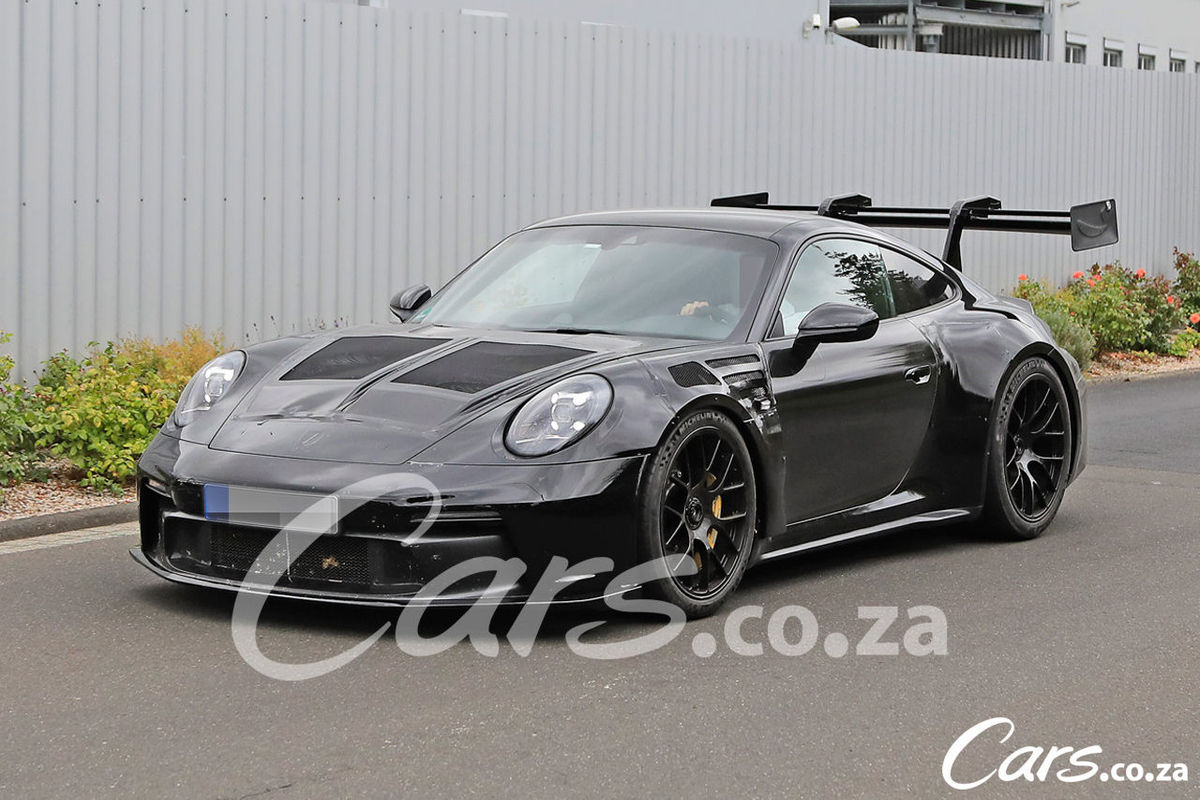
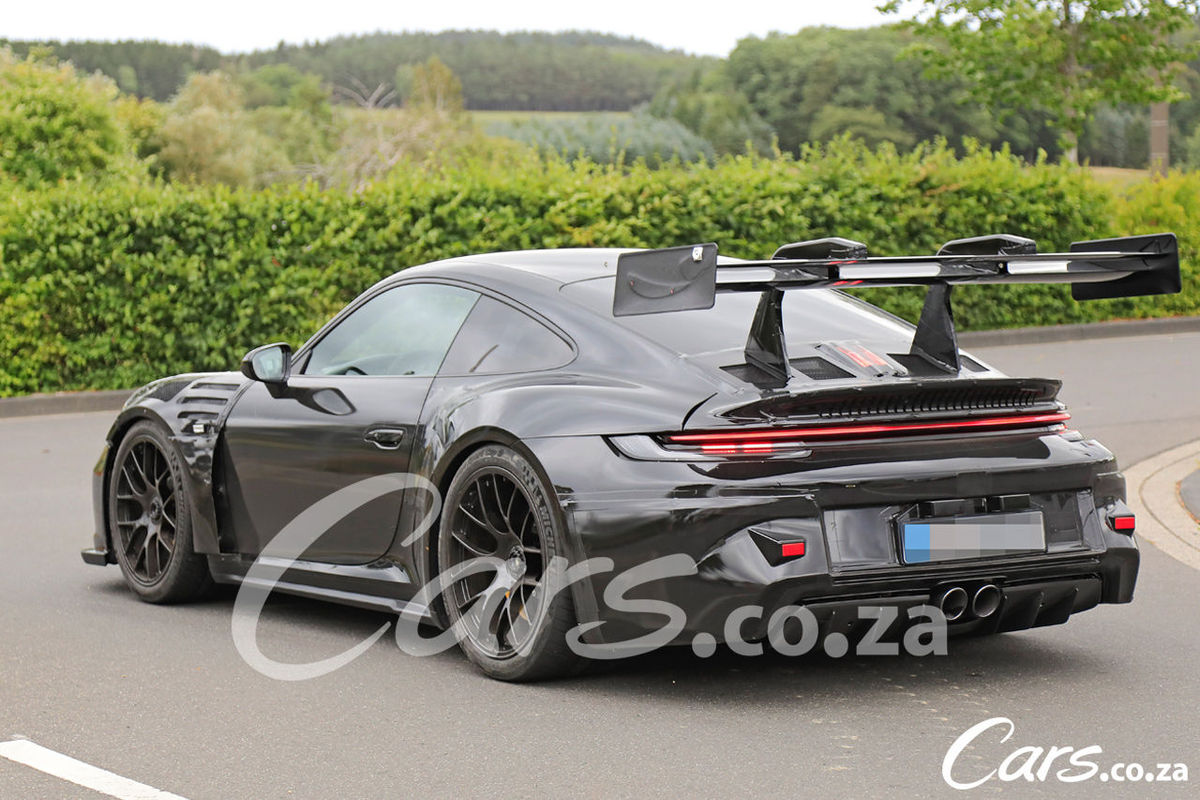
Porsche is putting the finishing touches on the latest version of the iconic 911 GT3 RS. Our spy photographers snapped the new one on the roads around the Nurburgring.
Picture credit: S. Baldauf/SB-Medien. We have paid for these photos and at the photographer's request, have watermarked them.?
The Porsche 911 GT3 RS is Stuttgart's offering to those who want a road-legal racecar. Just when you think the outgoing 991-generation GT3 RS couldn't get any more hardcore, these spy photos show the new model means business.
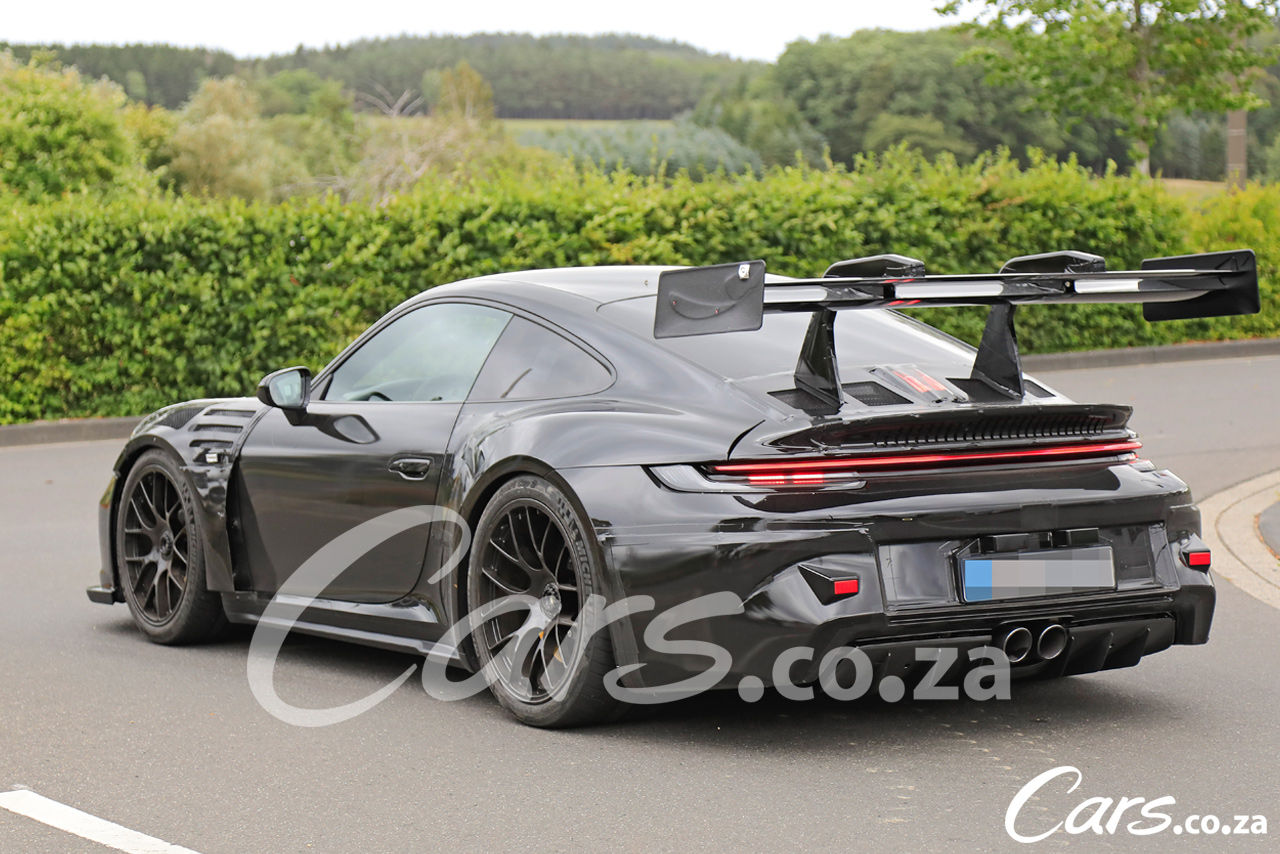
Look at the size of the rear wing, the massive air intakes in the front bonnet and front wheel case. Lurking over the rear axle is expected to be an upgraded version of the 4.0-litre naturally-aspirated flat-6 engine. In its current 991-gen form, it delivers 383 kW and 465 Nm, but this new model is expected to pack over 400 kW.
This new 992-generation GT3 RS is expected to be revealed by the end of 2020.
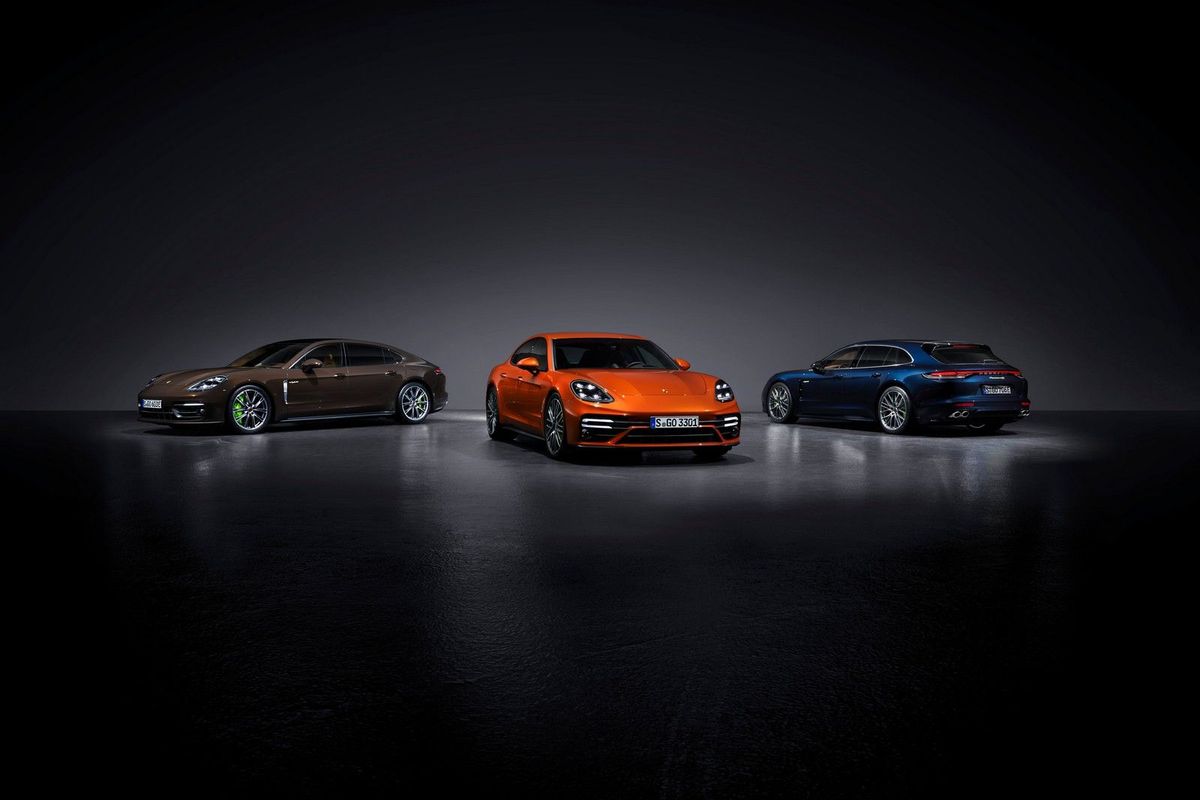
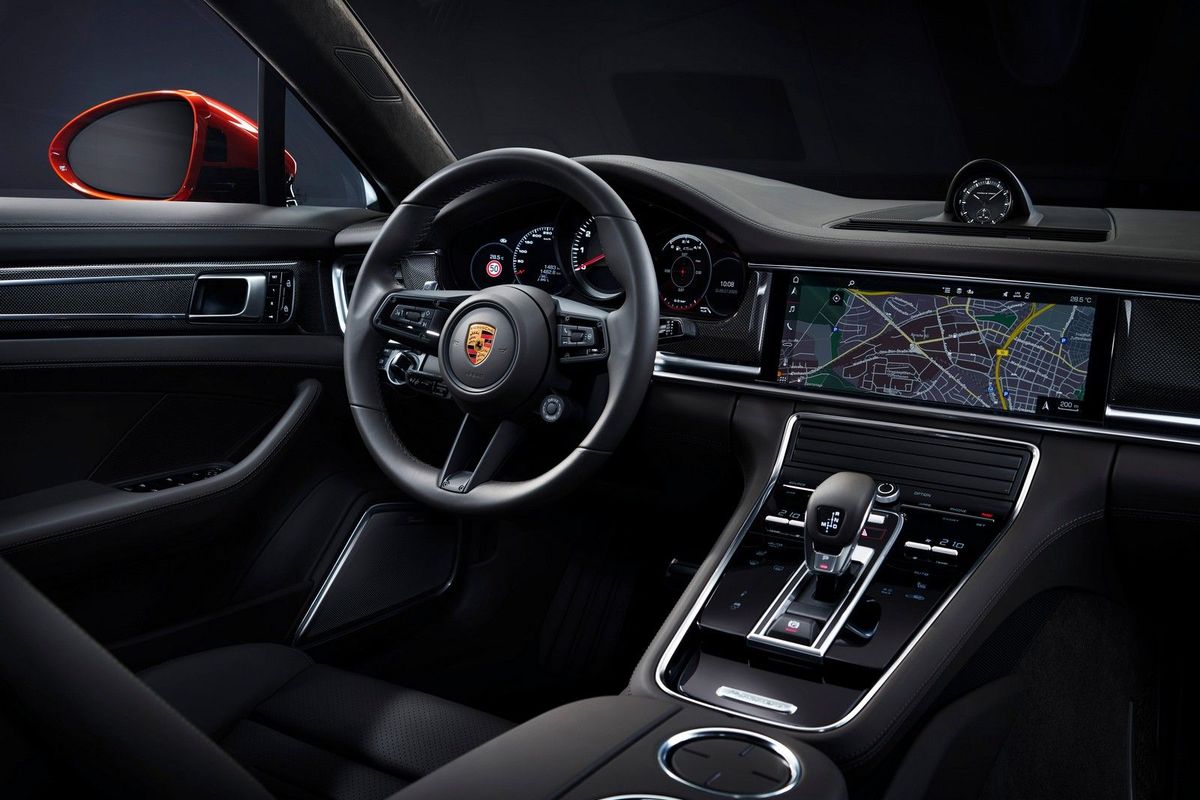
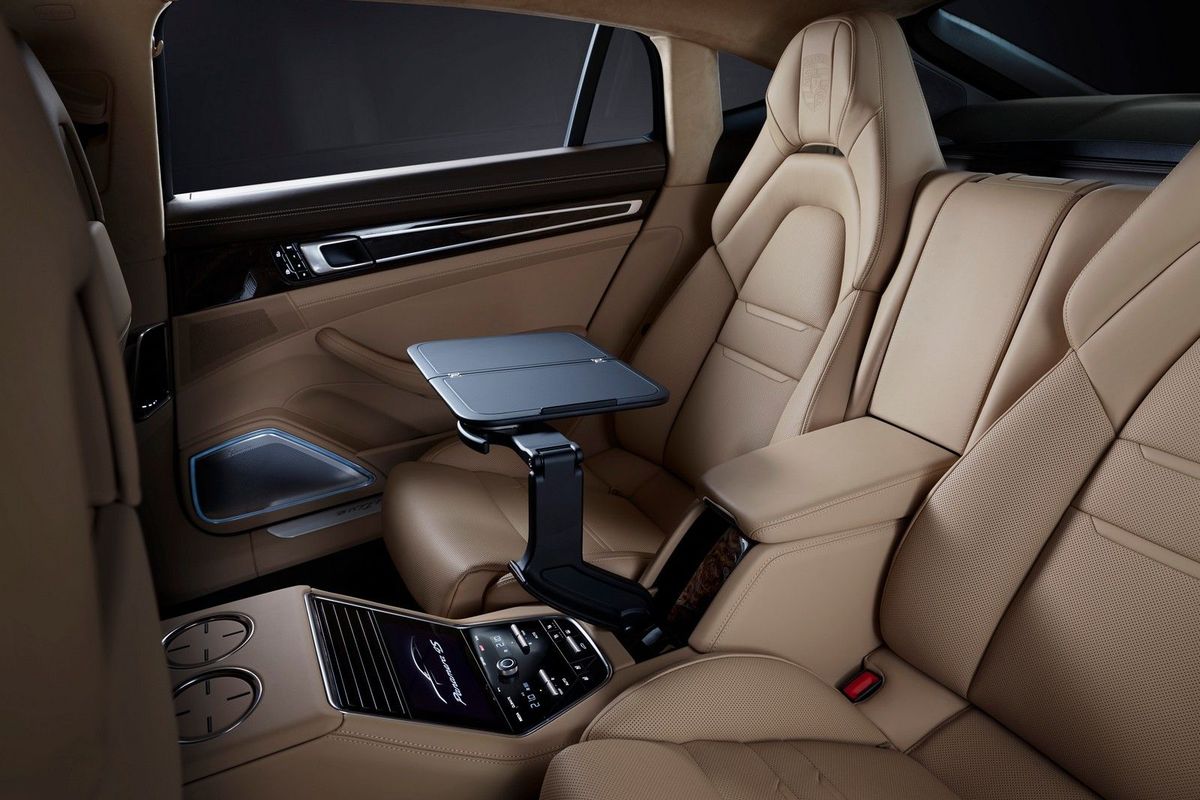
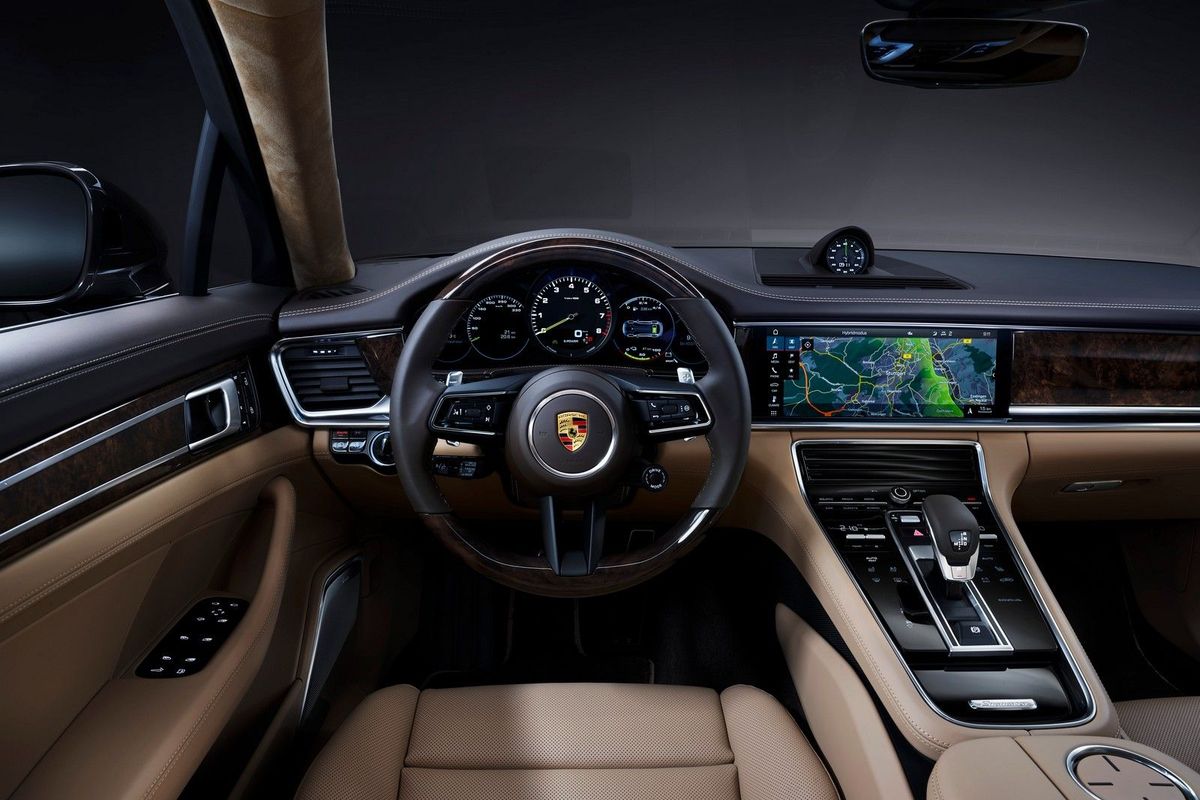
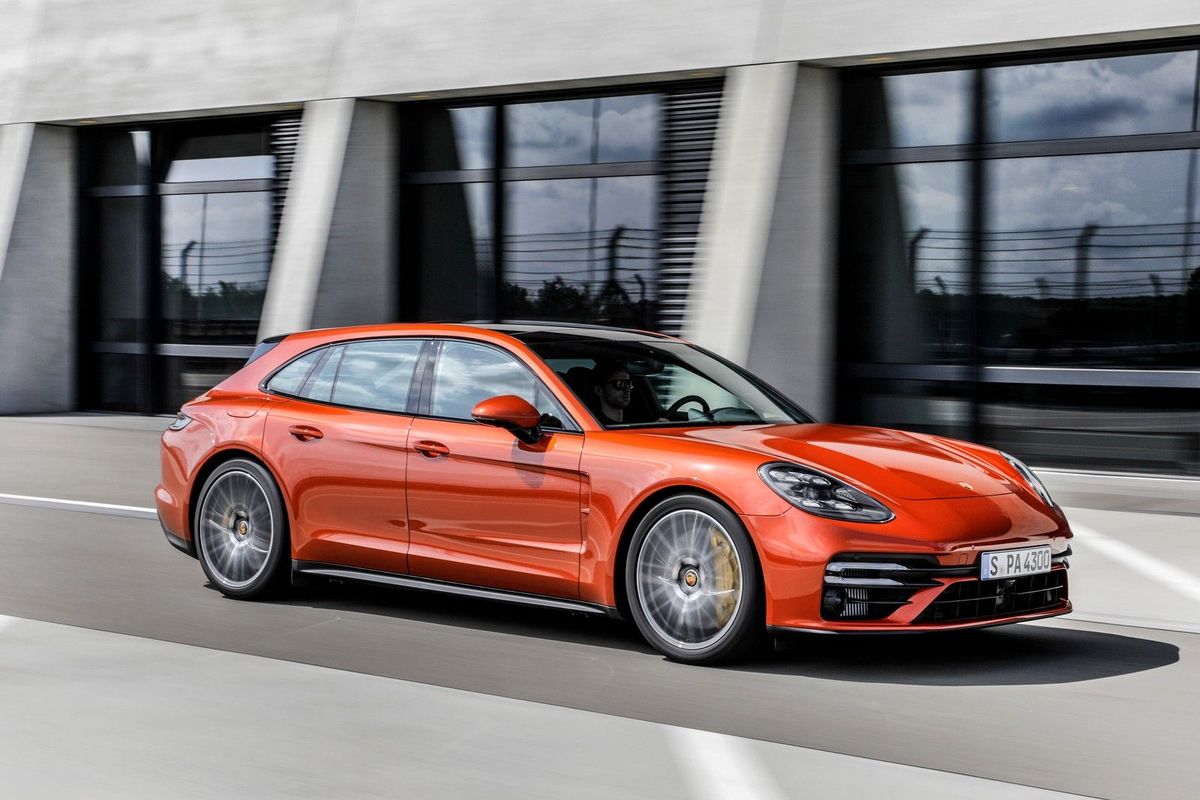
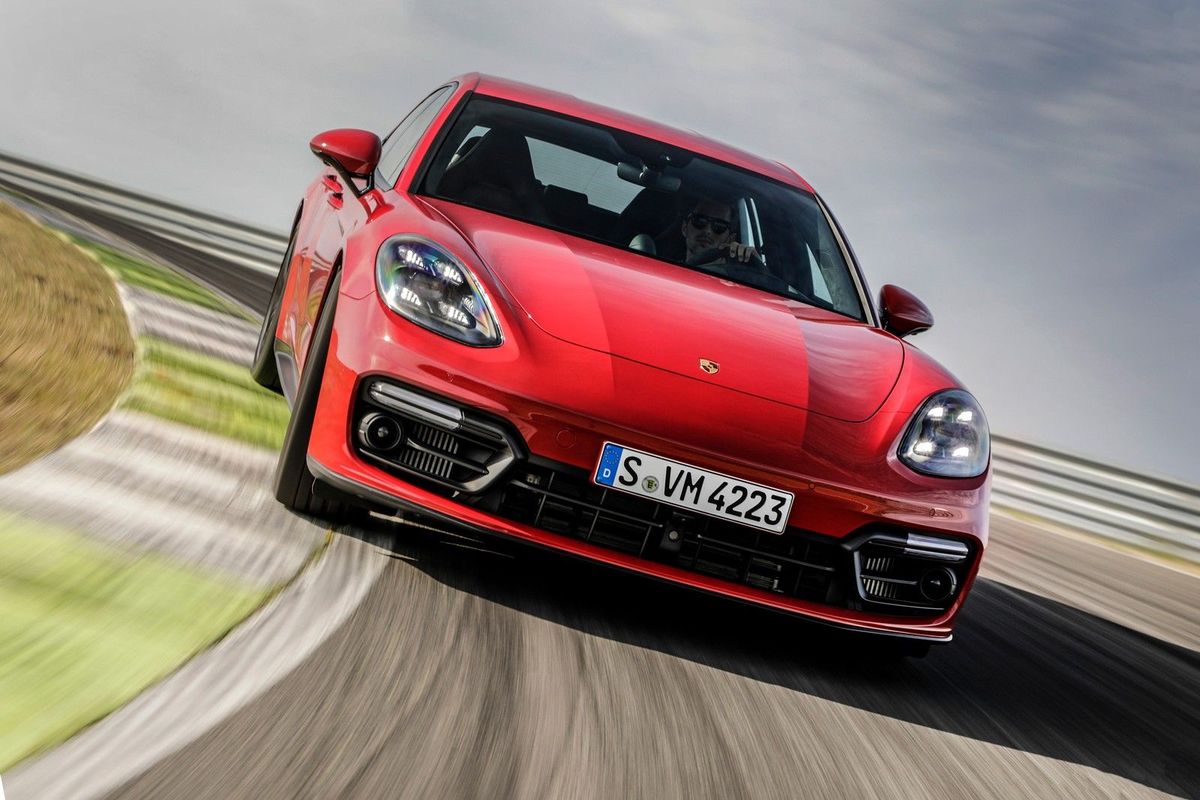
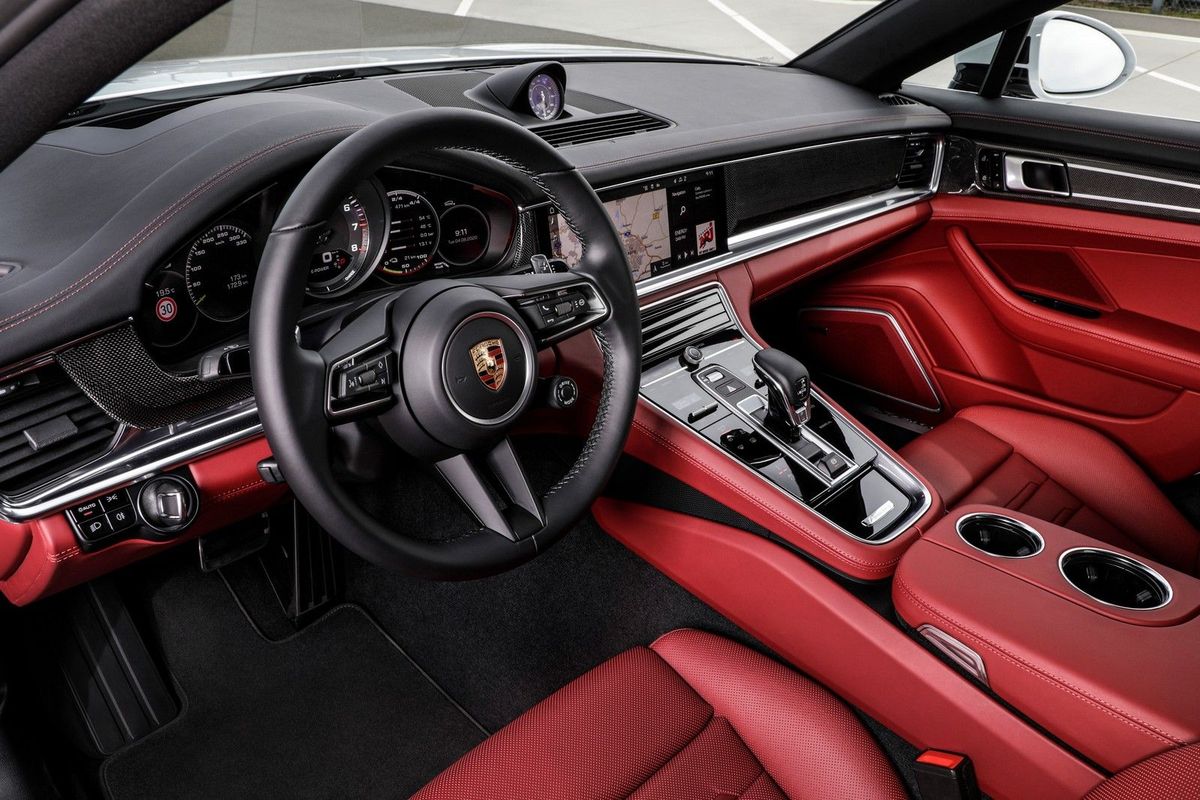
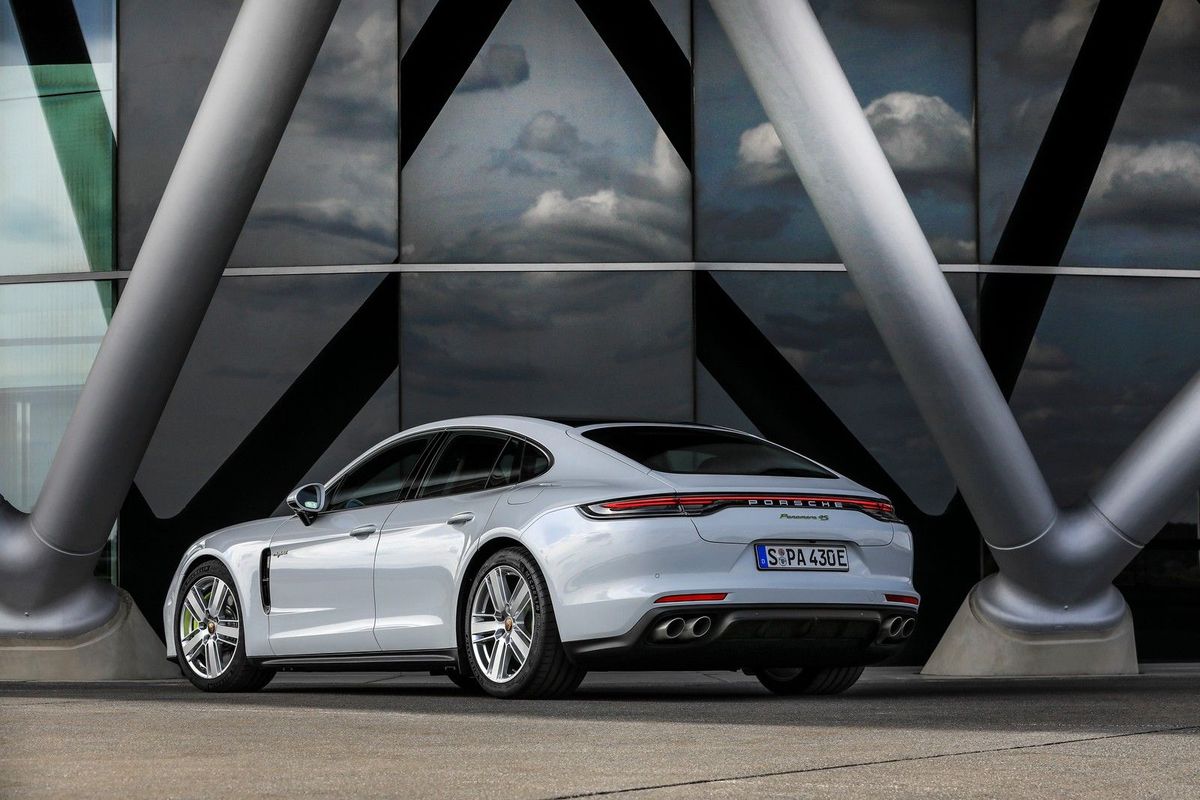
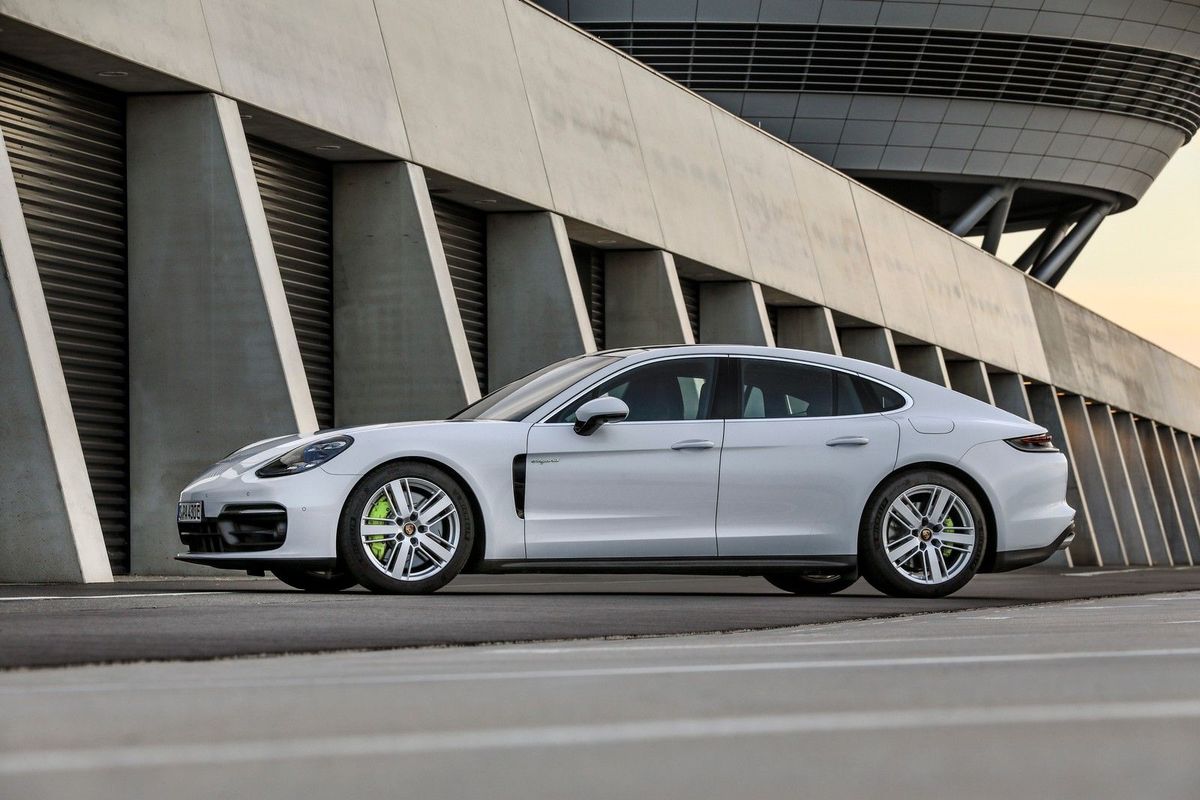
Porsche has revealed the updated Panamera range. Here’s a look at the changes.
Despite the onslaught of the SUV and subsequent success of both Macan and Cayenne, Porsche reckons there’s still a market for the sedan. For the 2021 model year, Porsche has overhauled its Panamera range.
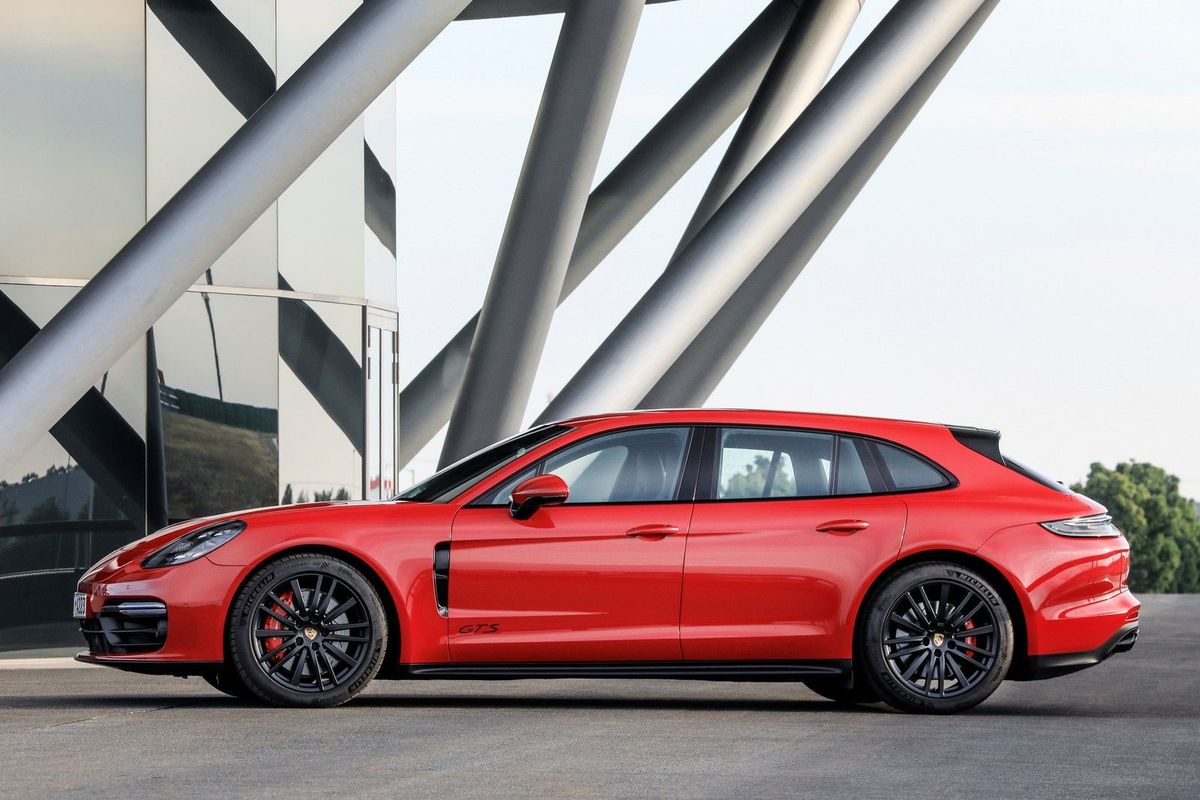
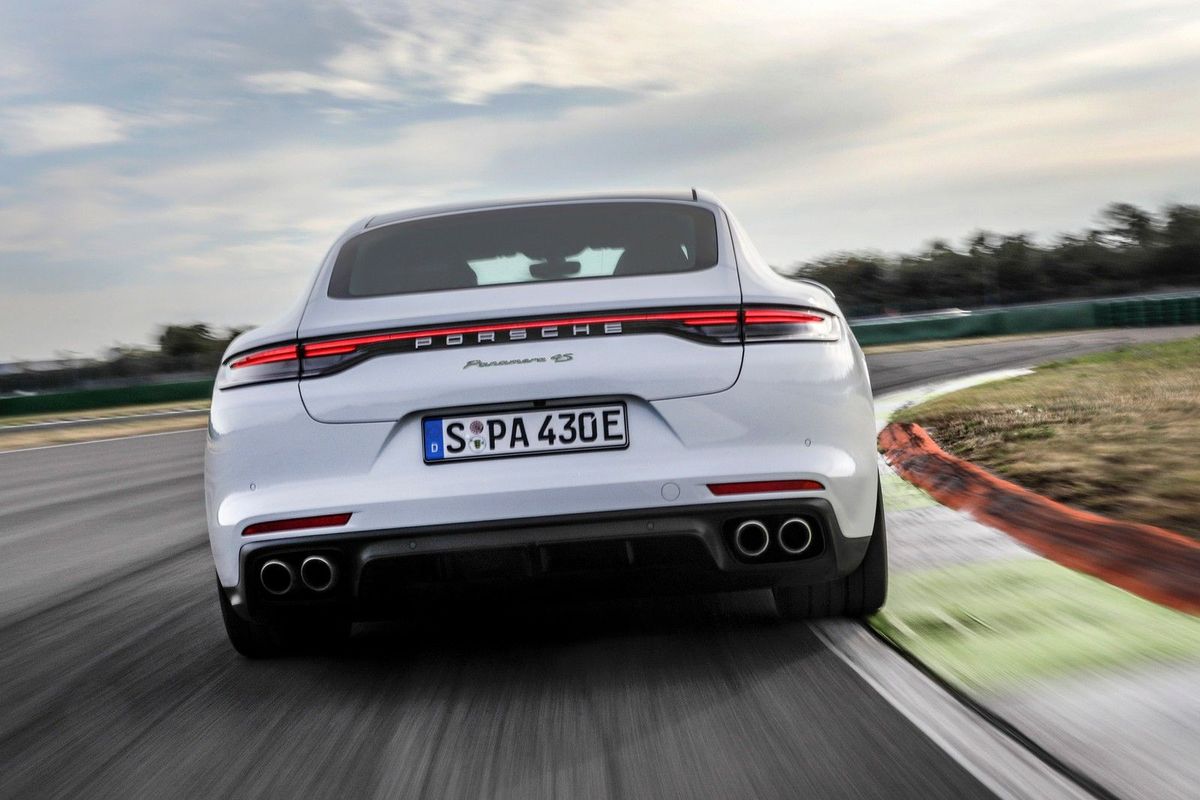
This is a facelift so the design has been given the subtlest of updates. There are new larger side air intakes as well as changes to the head and tail lights. There are new colours and 3 new 20- and 21-inch alloy wheel designs to choose from.
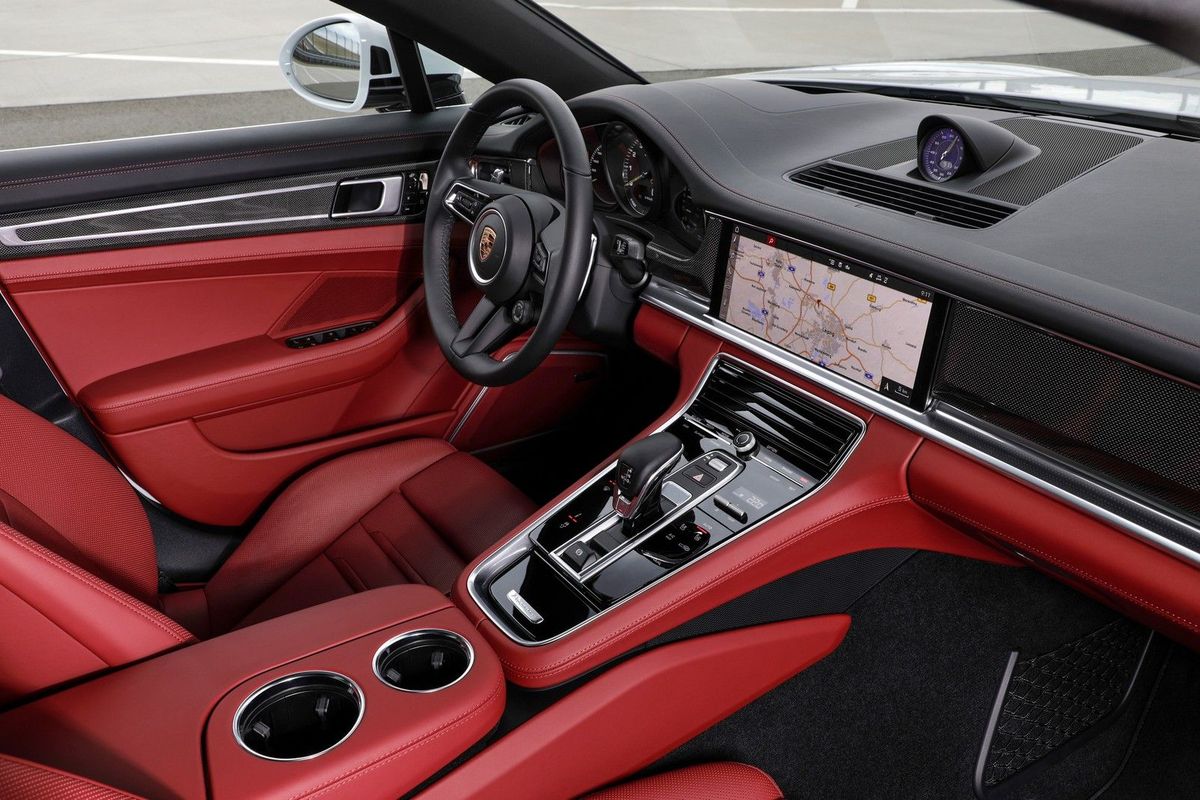
Inside and in terms of digital connectivity, the Porsche Communication Management (PCM) now features additional functions. The online voice control has been improved, Risk Radar for up-to-date road sign info and wireless Apple CarPlay has been introduced.
In terms of safety tech, Lane Keeping Assist with road sign recognition is standard, as well as Porsche InnoDrive including adaptive cruise control, Night Vision Assist, Lane Change Assist, LED matrix headlights including PDLS Plus, Park Assist including Surround View and a heads-up display.
For the performance fanatics, the flagship model is the new Porsche Panamera Turbo S, which comes to market with a 463 kW and 820 Nm from an updated 4.0-litre biturbo V8. An 8-speed PDK is offered. 0-100 kph is dispatched in just 3.1 seconds and it will hit a top speed of 315 kph. It was this model that blitzed the 20.832 km Nurburgring lap in 7:29.81 minutes.
Other models on offer are the Panamera 4S E-Hybrid with 412 kW and 750 Nm, with the pure electric range boosted by 30% to a range of 54 km. Despite being a hybrid, there’s no compromise when it comes performance and it’ll hit 100 kph in 3.7 seconds. Power comes from a twin-turbocharged 2.9-litre V6 mated to a 17.9 kWh battery.
The Porsche Panamera GTS has also been updated and features a V8 biturbo motor with 353 kW and 620 Nm, which is 15 kW more than the predecessor. Also available is the Panamera and Panamera 4, both of which feature the 2.9-litre V6 petrol engine with 243 kW and 450 Nm.
Porsche says its new Panamera will be hitting German showrooms by October 2020. South African availability is yet to be confirmed.
The Cars.co.za Podcast, Ep 3 – Renault Megane RS300 Trophy, Subaru Forester buyers guide, Ekranoplan
Welcome to an all-new type of content from Cars.co.za, our first ever podcast! This however is a podcast with a difference, as you get to watch us in-studio as well as listen to our pearls of wisdom.
In this episode, Ciro de Siena is joined by Cars.co.za content creator Dave Taylor and they chat about driving the SentiMETAL fleet’s 325 iS, the bonkers Renault Megane RS300 Trophy, buying a Subaru Forester as well as a crazy piece of Cold War era military hardware called an Ekranoplan.
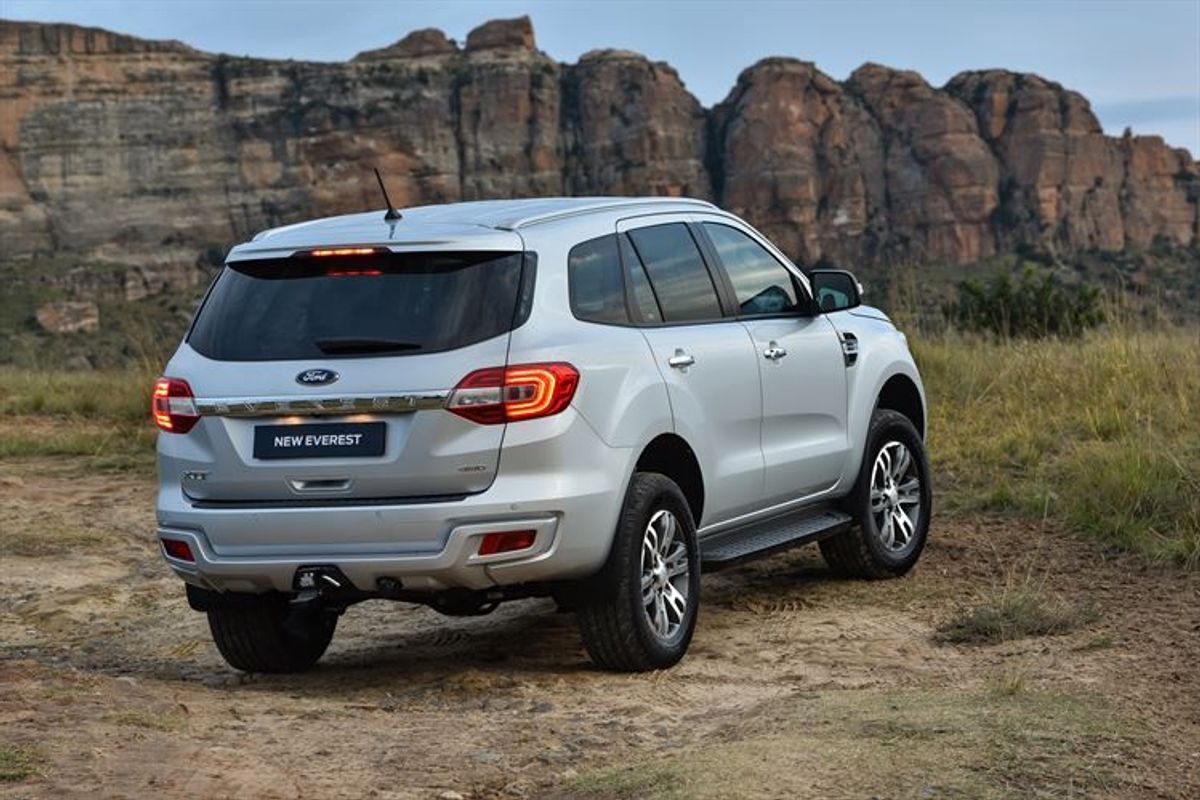
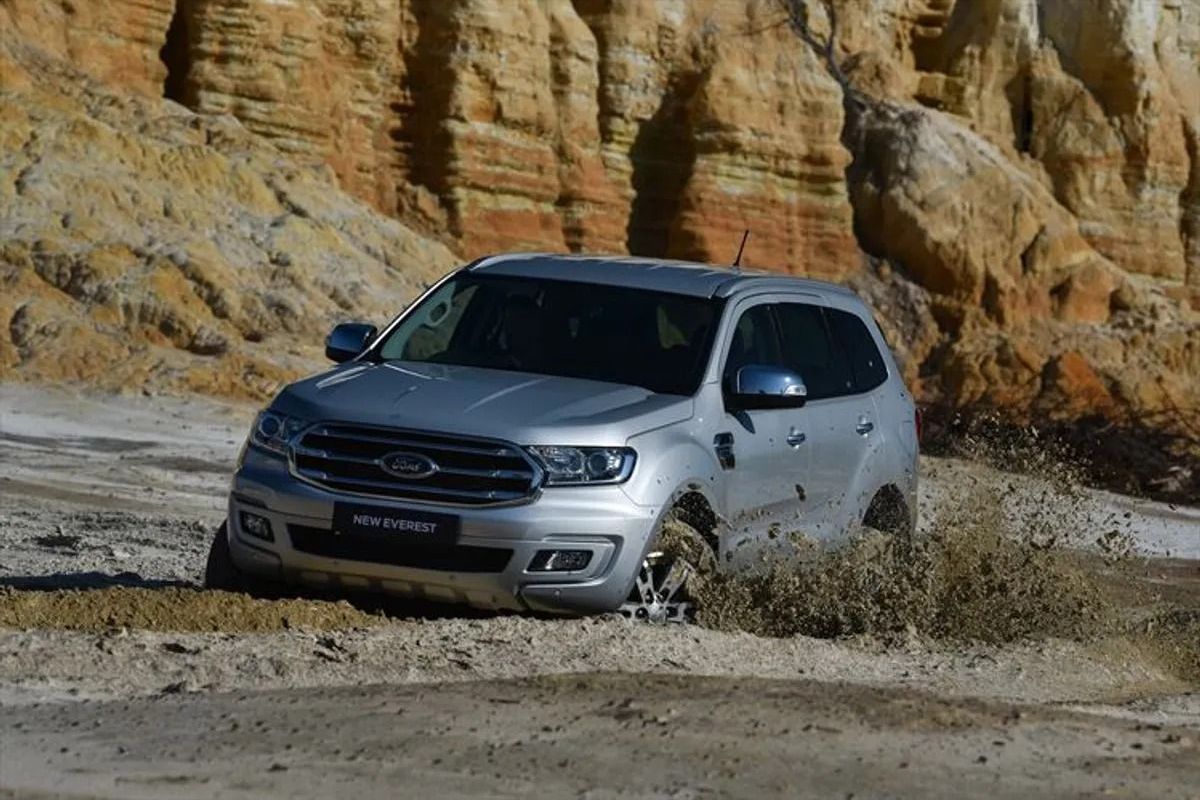
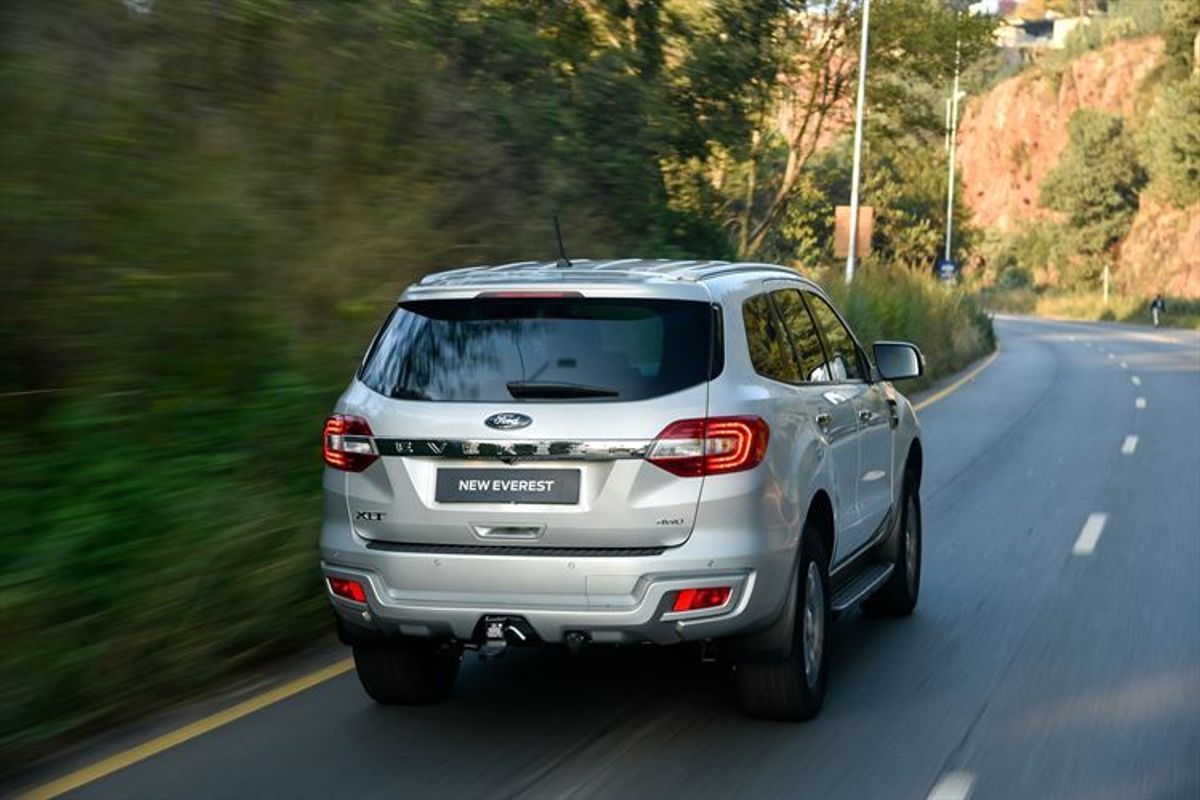
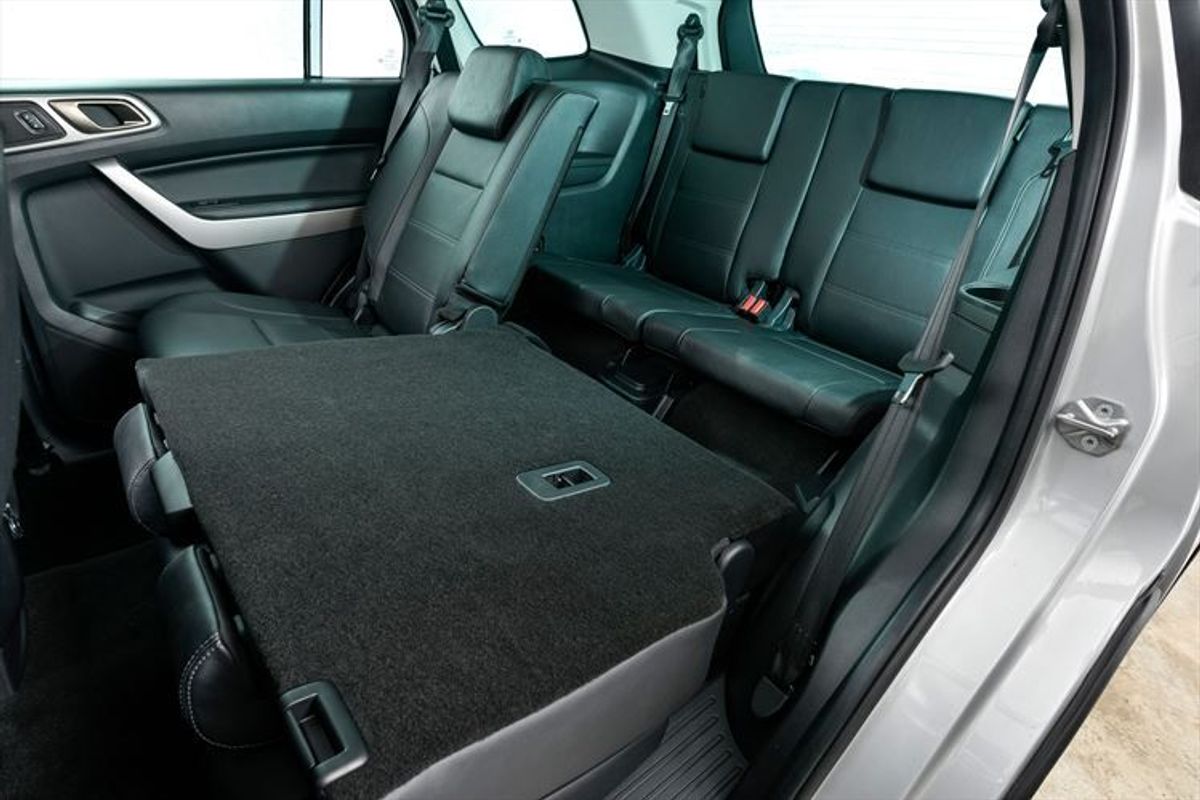
Ford South Africa has updated its 7-seater Everest adventure SUV range with the addition of a new 4×4 XLT derivative and a specification upgrade. See details below…
The formidable Ford Everest does battle against rivals such as the Toyota Fortuner, Isuzu MU-X, Haval H9 and the soon-to-be-discontinued Mitsubishi Pajero Sport. Now, Ford has bolstered the local range with a new Everest XLT 4×4 derivative featuring the proven 2.0-litre single-turbocharged diesel engine which offers 132 kW and 420 Nm.
“This new derivative slots in perfectly between the existing XLT 4×2 with the same 2.0 Single Turbo engine and the powerful 157kW 2.0 Bi-Turbo derivatives, thereby offering the ideal combination of sure-footed all-terrain capability along with exceptional fuel consumption and superb value for money,” says Doreen Mashinini, General Manager Marketing at Ford Motor Company of Southern Africa (FMCSA).
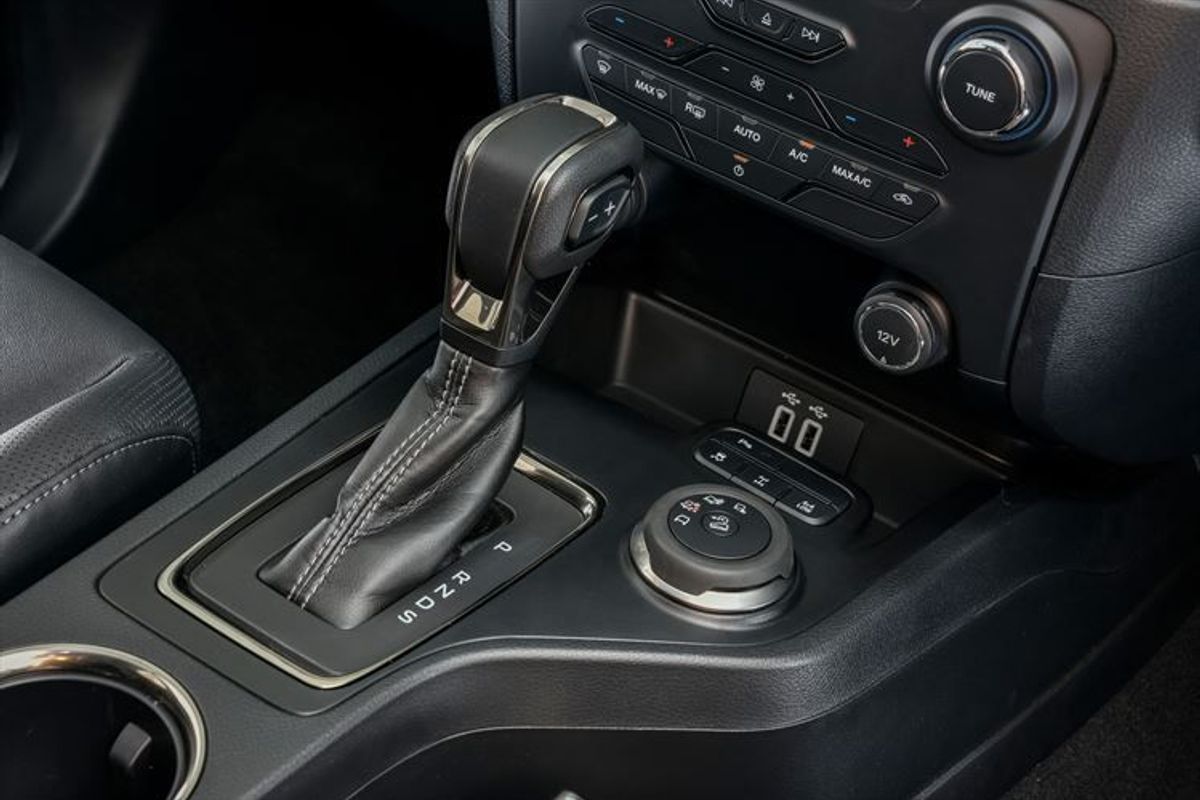
This engine is mated with Ford’s 10-speed automatic transmission which features Progressive Range Select (PRS) which affords the driver better control in slippery condition or when traversing steep gradients or when towing.
In conjunction with Ford’s Terrain Management System, the driver can switch between various 4×4 modes including Normal, Rock Crawl, Mud and Sand. A rear differential lock is standard.
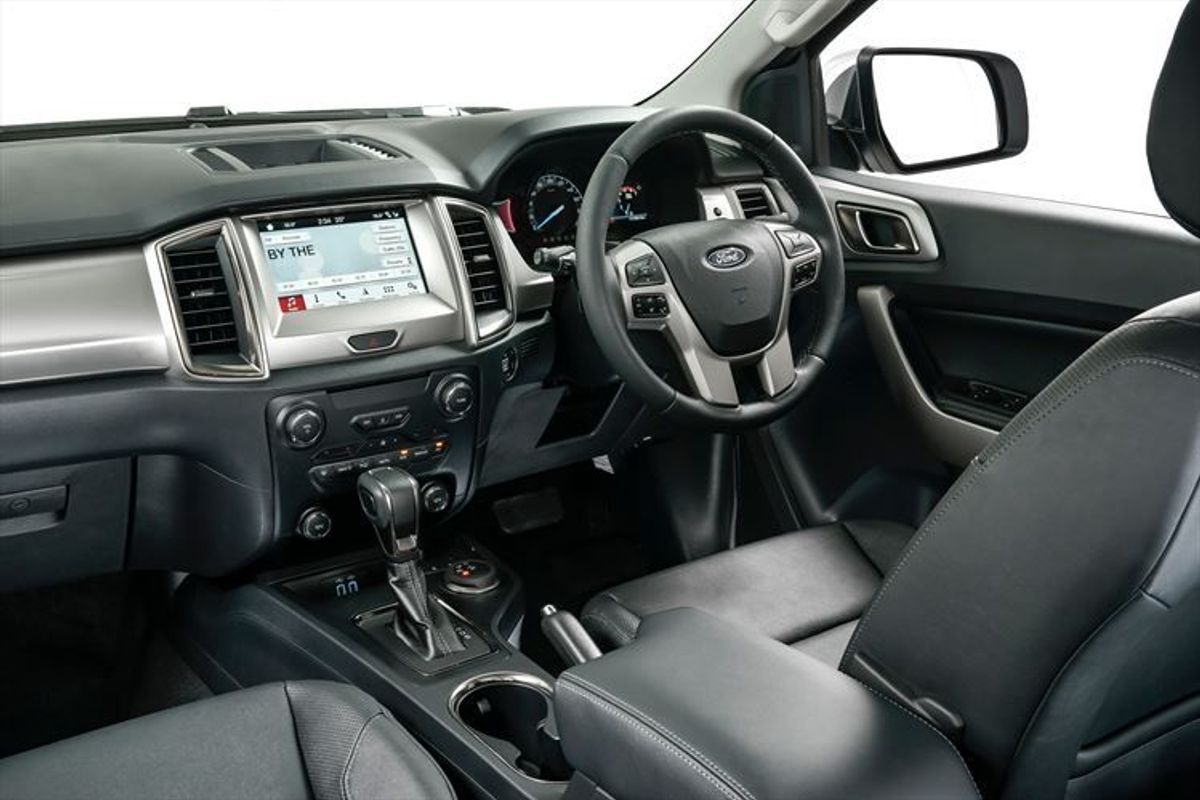
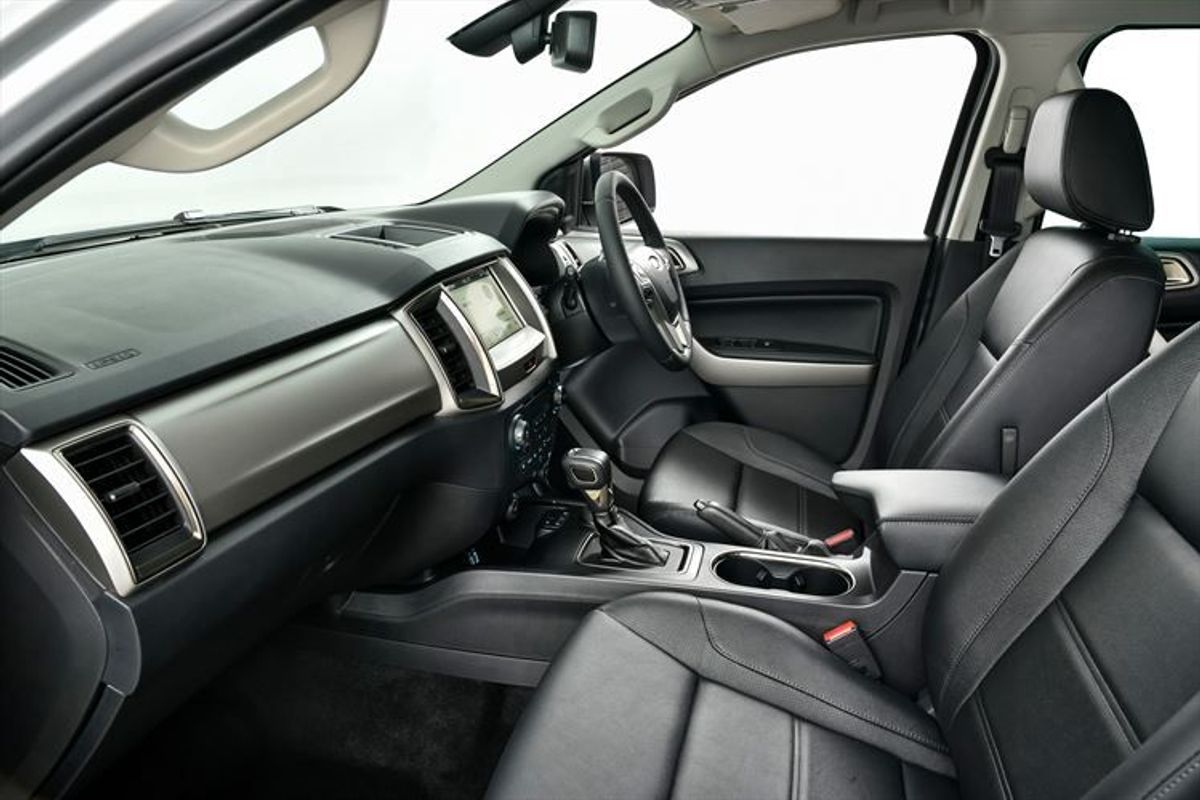
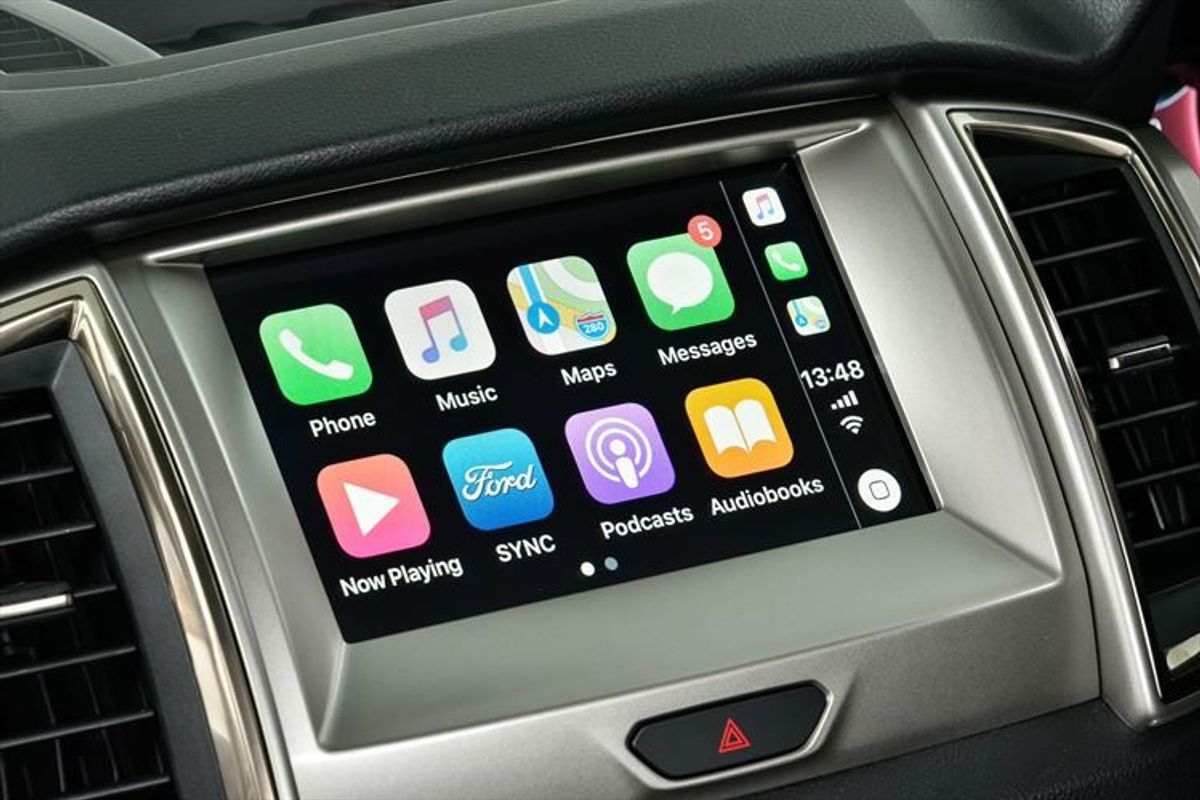
The Everest XLT 4×4 is equipped with LED headlights (which is now also offered on all XLT derivatives and the range-topping Everest Limited) and an 8.0-inch SYNC3 infotainment system with integrated navigation and Apple CarPlay and Android Auto functionality.
Safety features include front and rear parking sensors with a rearview camera, Electronic Stability Control (ESC) system with Traction Control (TC), Trailer Sway Control (TSC), Hill Start Assist (HSA), Hill Descent Control (HDC) and a Category 1 Thatcham alarm.
Ford Everest (2020) Price in SA
2.2 TDCi XLS 6AT 4×2 – R552 500
2.0 SiT XLT 10AT 4×2 – R637 800
2.0 SiT XLT 10AT 4×4 – R679 400
2.0 BiT XLT 10AT 4×2 – R693 300
3.2 TDCi XLT 6AT 4×4 – R715 300
2.0 BiT XLT 10AT 4×4 – R744 500
2.0 BiT Limited 10AT 4×4 – R819 400
The Ford Everest is sold with a 4-year/120 000 km warranty, 6-year/90 000 km service plan, 3-year/unlimited roadside assistance and 5-year/unlimited km corrosion warranty.
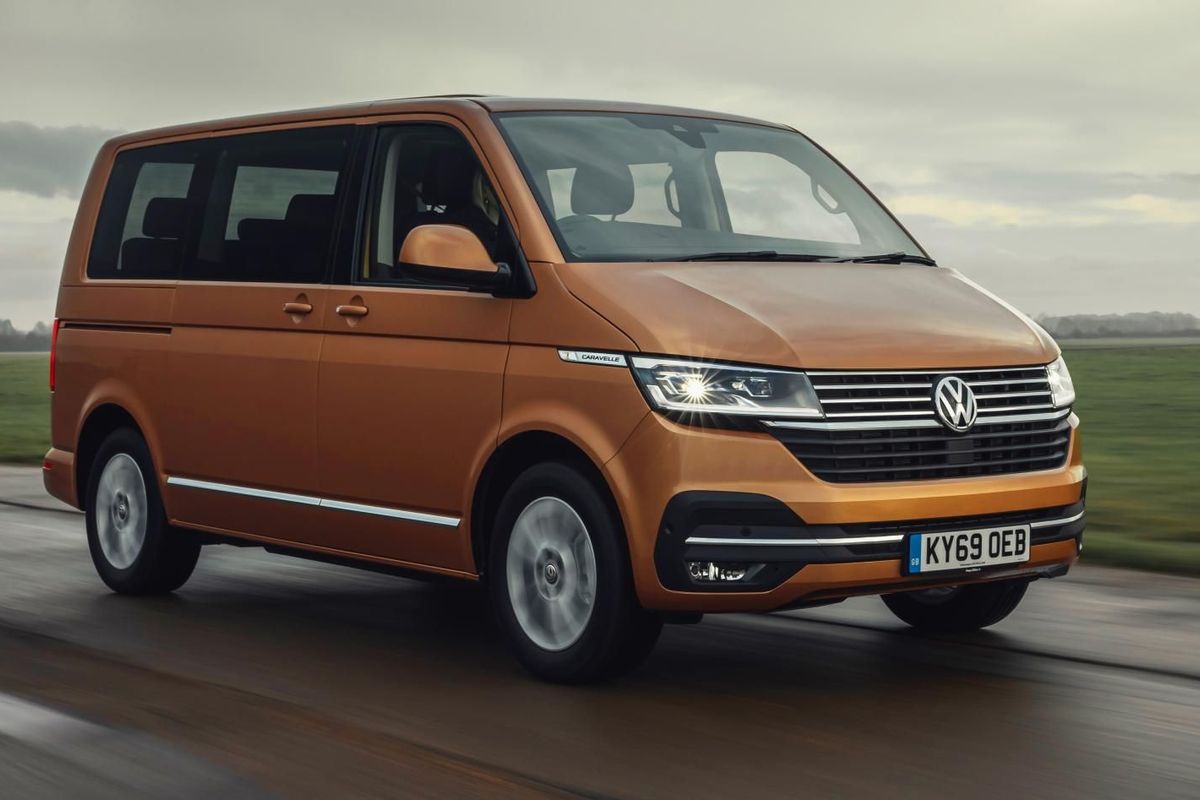
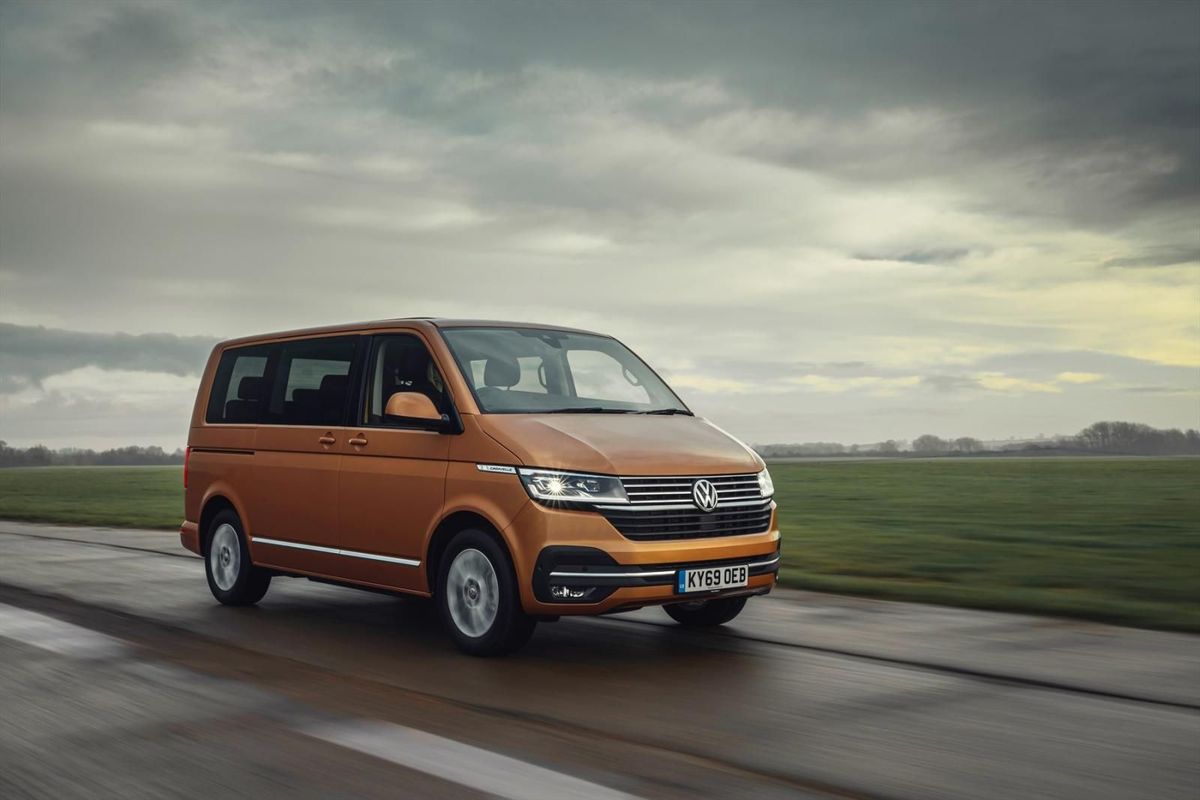
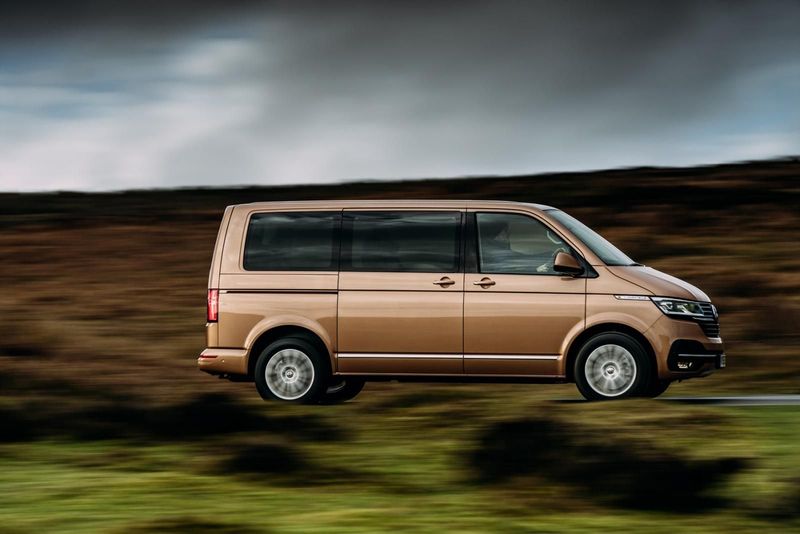
Volkswagen Commercial has revealed specifications and pricing for its facelifted Transporter range. Here's all you need to know about the latest version of the iconic Kombi.
With the range comprising a single and double-cab pickup, panel van, crew bus, Kombi, Caravelle and California, the T6.1 update brings news styling, cabin updates, connectivity enhancements and a selection of powertrain choices.
The Transporter series of vehicles has been on sale for 6 decades and with 12 million sales under its belt, it's quite an achievement.
What's new for T6.1?
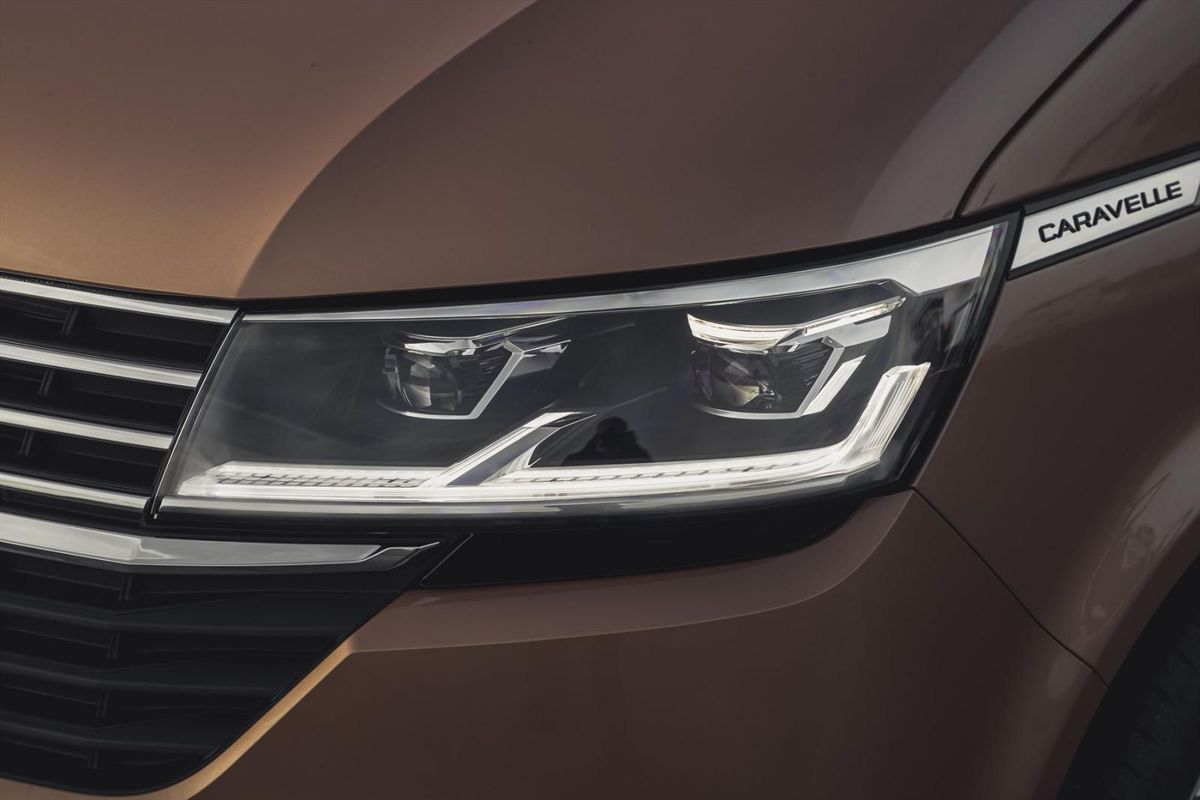
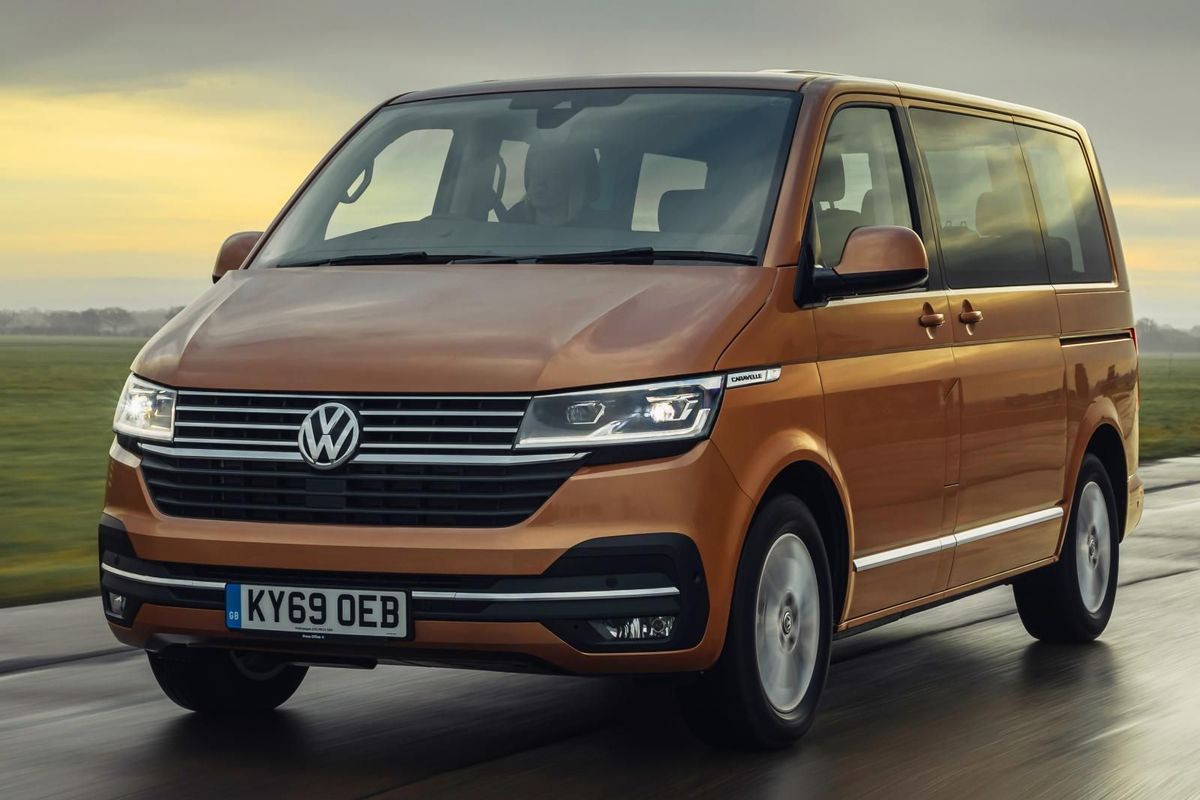
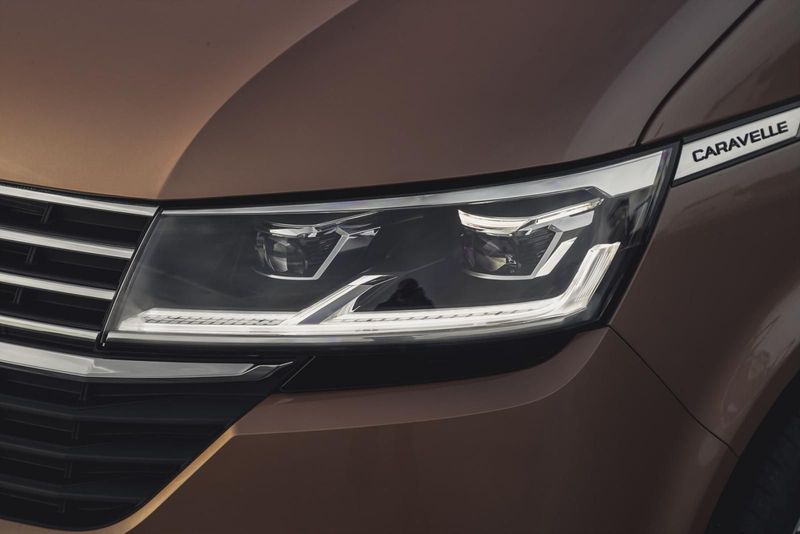
At first glance, you can clearly see the changes to the T6.1 with the new-look grille and bumper, as well as extensive chrome detailing. There are also new LED daytime running lights. Volkswagen is offering a choice of 6 new wheel designs, 6 new colours and 7 2-tone paint finishes.
Inside, the cabin's practicality has been rejigged to include an additional shelf in front of the driver as well as a larger tray for a smartphone. A wireless charging pad is now available, albeit as an option. Volkswagen has also introduced a new steering wheel.
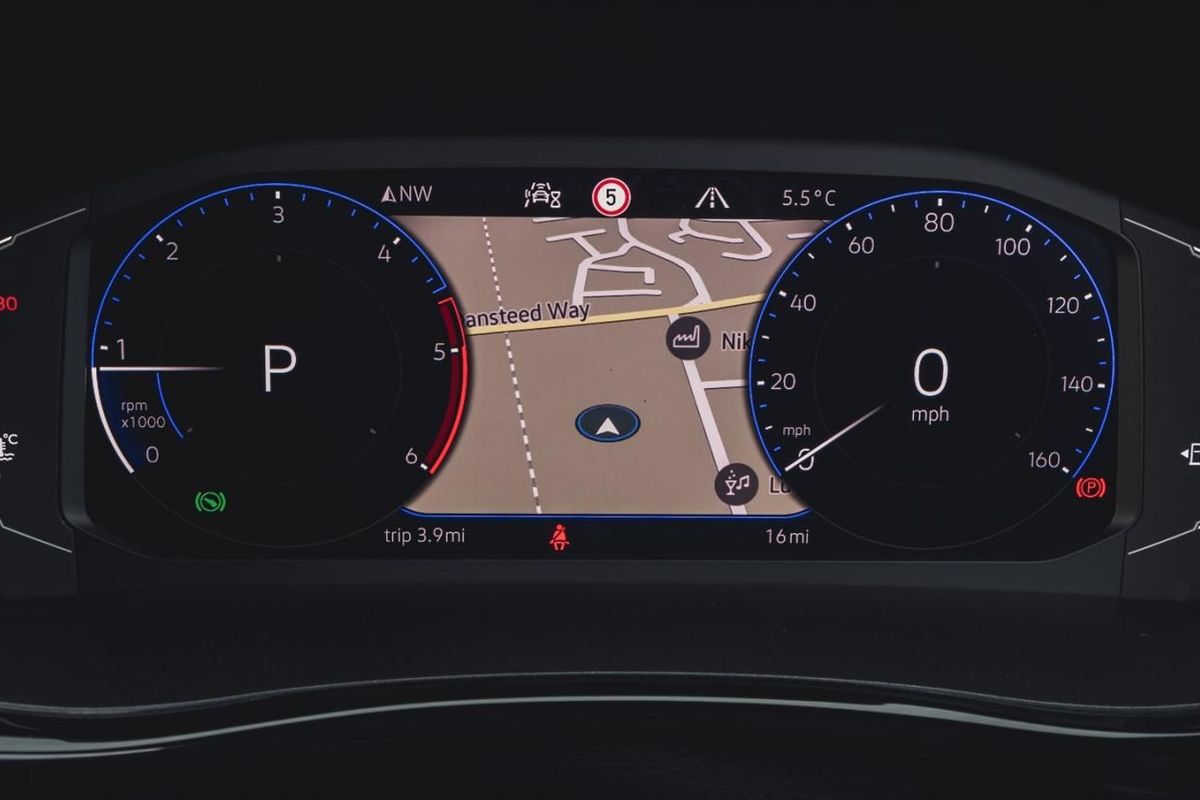
The whole infotainment system has been reconfigured and all models come with a Composition Colour radio system, with the Caravelle and California featuring the high-spec Discover Pro Media system with standard navigation. Volkswagen has fitted its 10.25 inch digital display to the T6.1 and it's fitted as standard equipment in the Caravelle Highline and California
In terms of safety, the T6.1 is available with Electronic Stability Control (ESC), Automatic Post-Collision Braking (also standard), Hill Start Assist, Hill Descent Assist (for 4MOTION all-wheel drive), Tyre Pressure Loss Indicator, Lane Assist, the standard cruise control system inclusive of speed limiter and parking assistant Park Assist. Optional safety systems include Trailer Assist and the advanced main-beam control system Light Assist.
Under the skin, Volkswagen says it has introduced electro-mechanical power steering to the T6.1 range.
Engines and Transmission options
The Volkswagen T6.1 range will come to market with 32.0-litre turbo diesel motors. Kicking off the range is the 2.0-litre TDI with 81 kW and 250 Nm. It has a 5-speed manual gearbox and in terms of consumption, it'll return 7.9 L/100 km in the Pick Up, 7.5 L./100 km in the Panel Van and 7.3 L/100km in the Crew bus and Kombi.
The next engine up is the 2.0-litre TDI which delivers 110 kW and 340 Nm and is available with a 7-speed gearbox. It consumes between 8.0 L/100 km and 8.3 L/100km.
At the top, the 2.0-litre BiTDI punches out 146 kW and 450 Nm, and is available with a 7-speed DSG.
T6.1 Detailed Specifications
T6.1 Pick Up
The Pick Up, which can be ordered as a single or double cab variant, is the workhorse of the Commercial Vehicles range. The Pick Up is only available with a long wheelbase which offers a sizeable cargo loading bed of 5.7 square metres for a single cab. The height of the aluminium side panels, which can be dropped down on every side, is 39 centimetres. The double cab provides a cargo bed of 4.2 square metres. In the double cab there is storage space under the rear bench seat.
T6.1 Panel Van
Such is the strength and rigidity of the Transporter’s body that it can be fitted with two sliding doors. A left-hand door is standard, with a right-hand door available as an option. With a low load bed, maximum opening width of 1 700mm and maximum load height of 1 410mm, the Panel Van is designed to make work easier. All Panel Van derivatives provide a spacious load compartment with a volume of 6.7m³.
T6.1 Crew Bus
The biggest difference between the Crew Bus and the Panel Van is that the Crew Bus has a single front passenger seat as well as removable rear seating for a further three passengers, whereas the Panel Van only has seats for the driver and front passenger.
The Transporter Crew Bus offers three options of engines in addition to the choice of wheelbases. Access to the rear passenger area is through a double near-side glazed sliding door, while at the rear there’s a glazed tailgate with heated window and wash-wiper. Featuring a robust rubber floor covering throughout the cab and cargo area, as well as four load-lashing rings in the cargo area, the Crew Bus’ flexible interior can be transformed in seconds from a comfortable five, six, eight or ten-seater, into a spacious delivery van.
T6.1 Kombi
The T6.1 Kombi, the best-seller in the range, is being offered in two model lines: the Trendline and the top-of-the-range Trendline Plus. The Kombi’s interior trim is in Titanium Black in all model lines, as are the seat covers in the standard version. The door handles are in chrome. In addition, the Kombi is embellished inside in all models by chrome-look trim and black instrument visors. Even on the base Trendline version, the Kombi’s bumpers are painted in the vehicle body colour. In the Kombi, the Circuit fabric is used as standard. The backs of the seats are also equipped with two new pockets to create space for gadgets such as smart phones.
T6.1 Caravelle
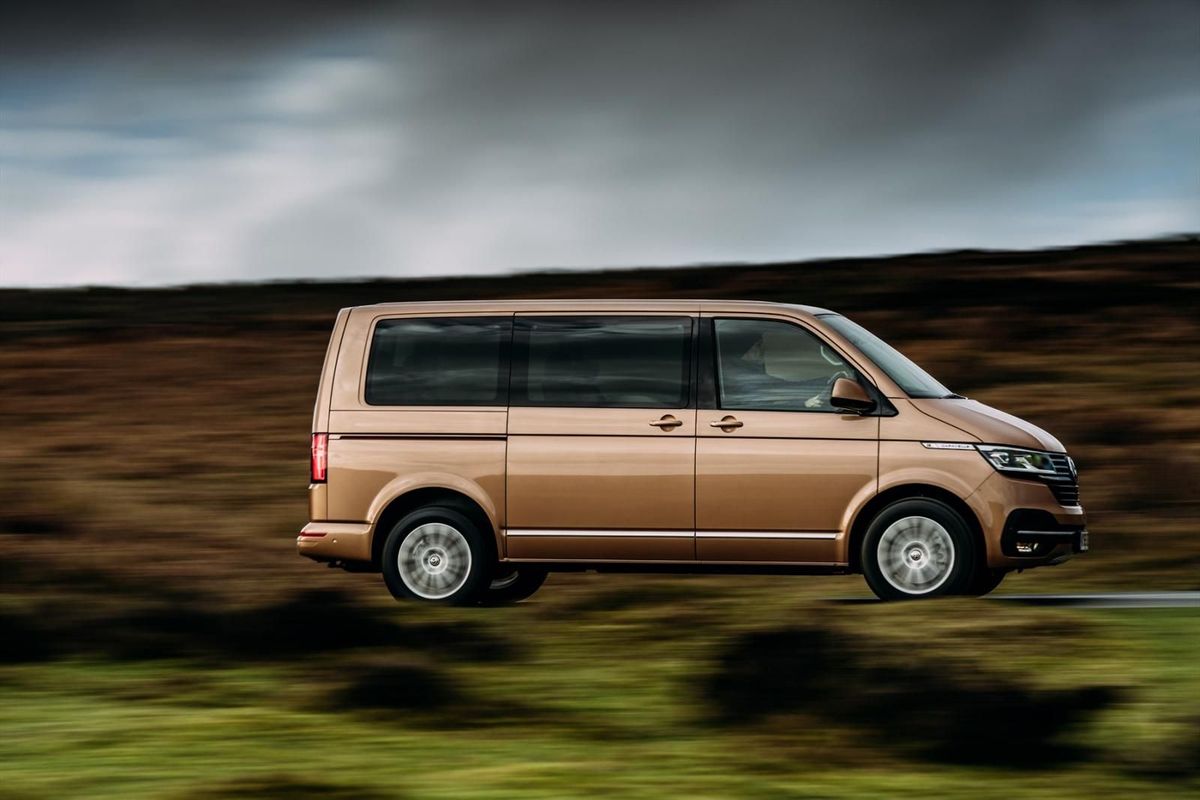
Volkswagen Commercial Vehicles covers a huge variety of possible uses with the Caravelle – from a large taxi to an elegant shuttle bus. The Caravelle is only being offered as a Highline model.
The T6.1 Caravelle Highline leaves the factory in the German city of Hannover with a chrome-look trim (in the air vents, the spokes of the multi-function steering wheel and as edging around the gear lever), black sun visors, decorative strips in the Pewter Wave Grey pattern (instrument panel and door panels) and leather seats in Nappa leather. Standard features of the Highline include; 17-inch Woodstock black diamond-turned alloy wheels, electrically adjustable, heated and folding exterior mirrors, digital cockpit, ‘Discover Pro’ with 10.25-inch touch screen, Wireless App-Connect and USB, Crosswind Assist, Side Assist (blind spot monitoring), centre table and Trailer Assist with Park Distance Control in front and rear and a rear view camera. Optional features include the cooler box with an additional battery and Adaptive Chassis Control.
T6.1 California Coast
More than 18 000 California’s are sold internationally each year, thus making the California the number 1 camper van. Both a camper and a van, it is ideal for big trips and daily journeys. Volkswagen Commercial Vehicles has further refined the top seller; the living and sleeping areas of the camper van have been carefully enhanced and optimised.
Volkswagen Transport Price in South Africa (September 2020)
The updated T6.1 range will be hitting showroom floors from January 2021. The Volkswagen Commercial Vehicles Pick Up, Panel Van and Crew Bus range comes standard with a 3-year/60 000 km Easy Drive Service Plan, 2-year/unlimited km manufacturer warranty. The Kombi, Caravelle and California range comes standard with a 5-year/ 60 000km maintenance plan and a 3-year/ 120 000km manufacturer warranty. The entire T6.1 range comes standard with a 12-year anti-corrosion warranty. The service interval is 15 000km.
T6.1 Pick Up
Single Cab 2.0 TDI 81kW LWB R412 800
Single Cab 2.0 TDI 110kW 4MOTION® DSG® LWB R466 100
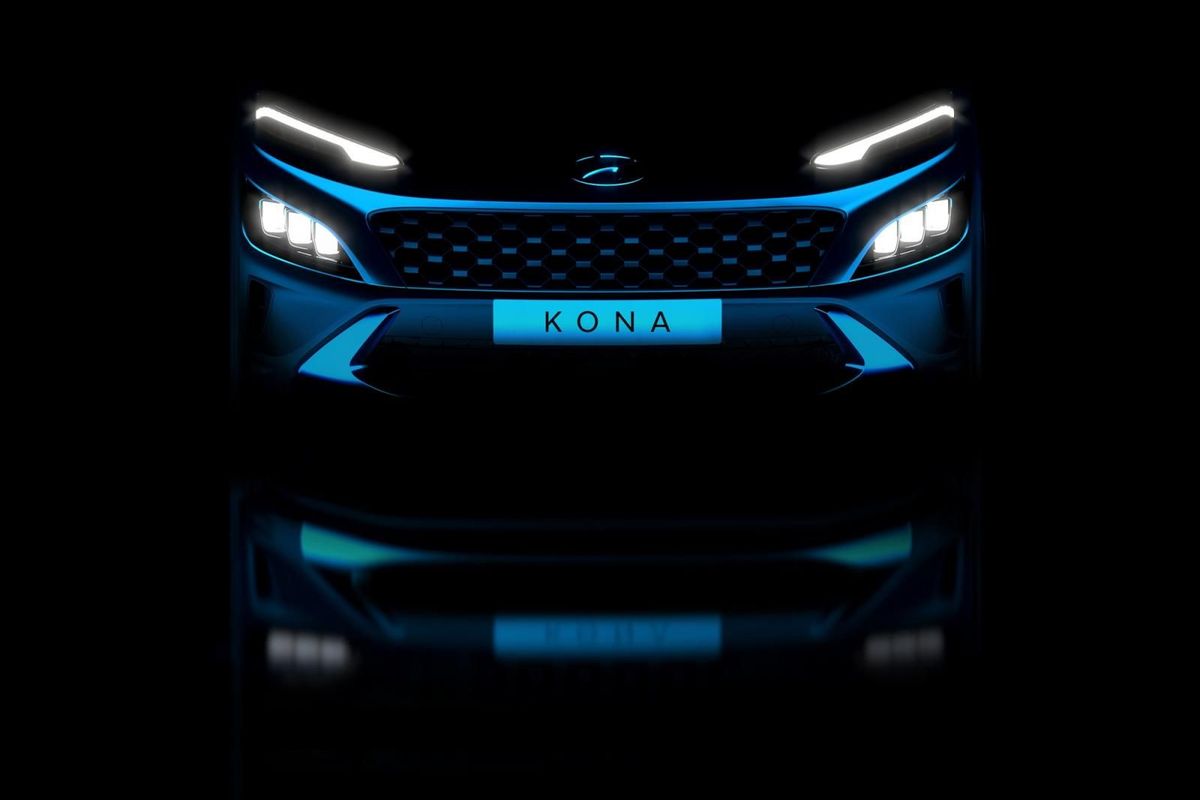
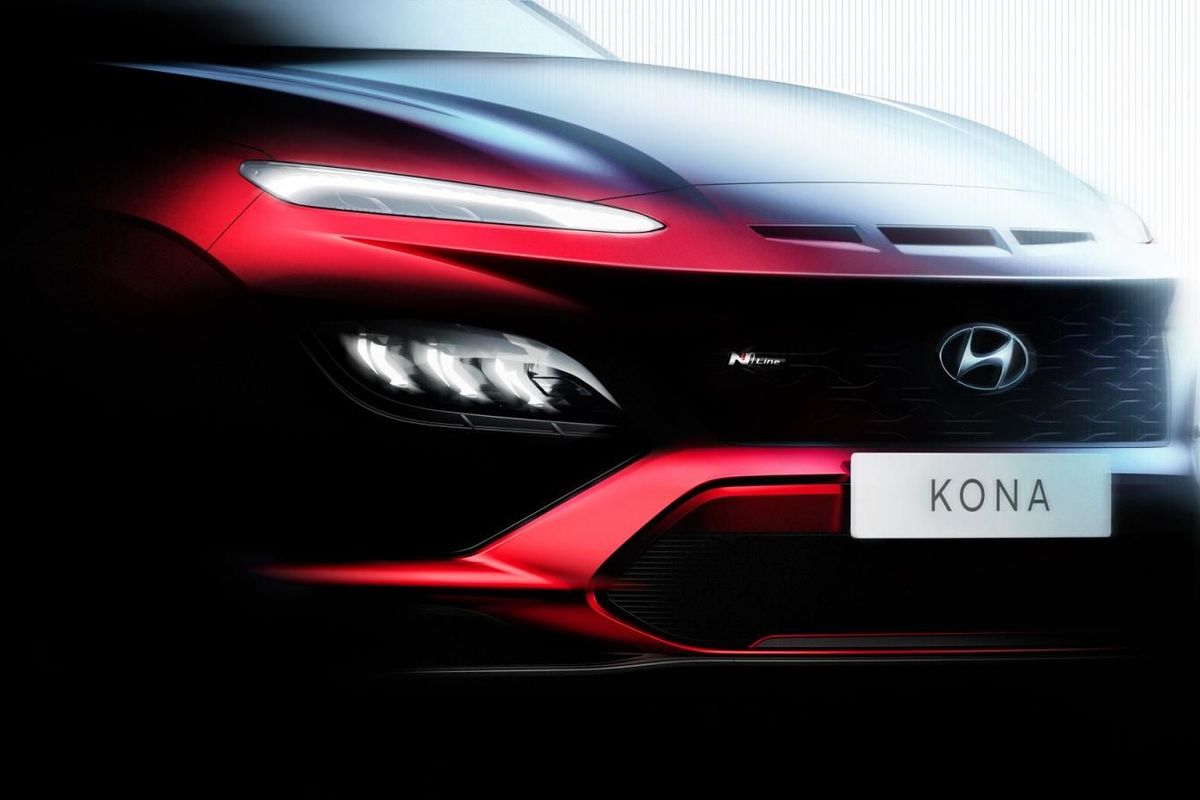
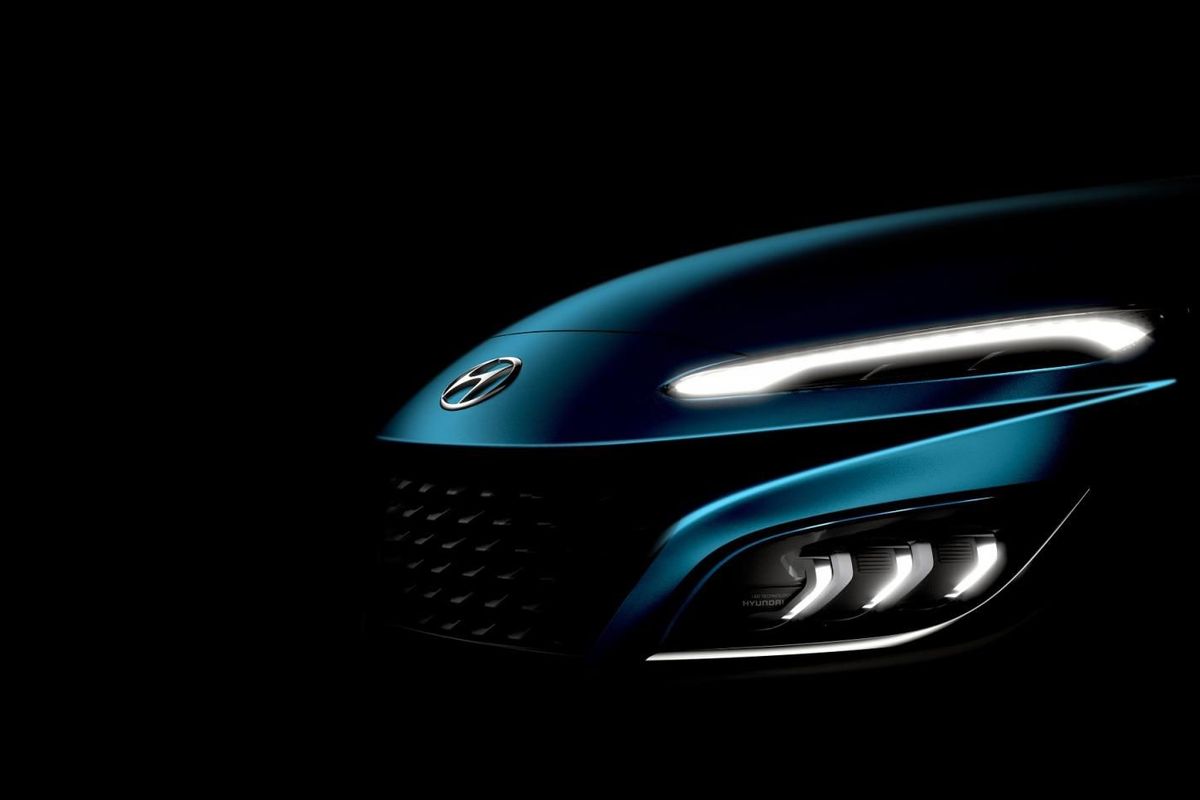
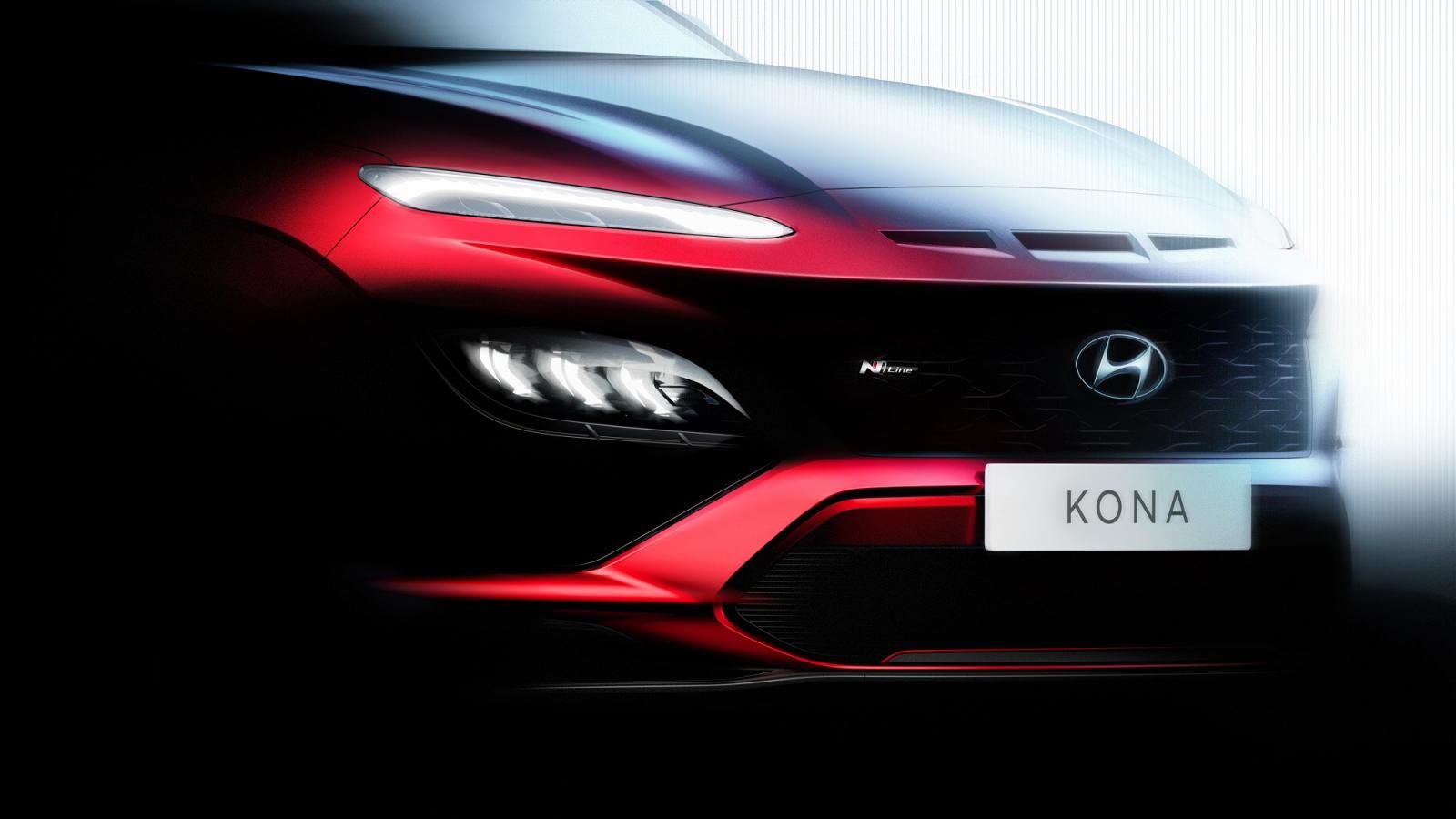
Korean car giant Hyundai has teased the new Kona and Kona N Line compact SUVs. Here's what we know so far.
The Hyundai Kona is the brand's smallest SUV offering and is available in SA with a choice of a compact turbo motor and either a manual or dual-clutch transmission. Now for 2020, Hyundai is preparing the updated version which according the Korean carmaker will get a wider stance and a shark-inspired nose. There'll be updated daytime running lights, and a front skid plate/bumper combo should give it a striking style.
Interestingly, Hyundai is also preparing a Kona N Line, a sporty-looking version of the Kona. It will feature subtle touches, like a sportier front end, intakes and bigger wheels. As is customary with the N Line, no mechanical performance upgrades are present, but the vehicle will look a tad more aggressive than the standard car.
There was no mention of the hardcore Kona N, which we know is on its way as we've seen numerous spy shots of it undergoing dynamic testing at the Nurburgring. That will be a completely different animal compared to the two models mentioned above and is likely to feature the 202 kW 2.0-litre turbo engine from the i30 N. Power will drive the front wheels and enthusiasts will have a choice of either a 6-speed manual or a dual-clutch transmission to choose from.
News just in: driving style has a huge impact on range.
VW has attempted to allay any range anxiety fears concerning its new ID3 with an impressive real-world economy run.
Swiss hypermiling expert, Felix Egolf, managed to drive a new ID3 1st Pro Performance from Zwickau (Germany) to Schaffhausen (Switzerland). This journey ordinarily takes six hours, but Egolf’s drive stretched it to an agonising nine hours on the road.
Using all the possible hypermiling techniques, such as slipstreaming trucks and being judicious with his throttle use, Egolf managed to eke 531 km from a single charge.
VW claims a real-world driving range of 420 km for the new ID3 when configured with a 58 kWh battery pack.
Power consumption during Egolf’s journey was 10.9 kWh/100 km and his average speed 56 kph. There is no doubt that Egolf’s extremely slow and cautious driving is not representative of what an owner would achieve, but he did manage to exceed VW’s range claim by 26% – showing how much of an influence driving style is, regarding electric vehicle range
There is potential for the ID3 to go even further on a single charge, as Egolf’s journey was accompanied by a cameraman and equipment, which added a substantial 250 kg of weight to the car’s rolling momentum.
Balancing this record run with the ID3’s additional mass burden, was a decision to run most of the distance without auxiliary power consuming features. That means SatNav, daytime running lights, infotainment and ventilation were all disabled, for most of the journey.
An interesting aspect of this endurance run is the question of elevation, which can prove particularly testing to battery-powered vehicles. The start point in Germany, was at 308m and the finish in Switzerland, at 403m – which means very little elevation gain was involved over the 531km journey.
*Despite the incredible irony of his name, especially relating to VW’s ID3 project, we can confirm that Felix ‘Egolf’ is a real person, with an impressive history in aviation, as an airline pilot and instructor.
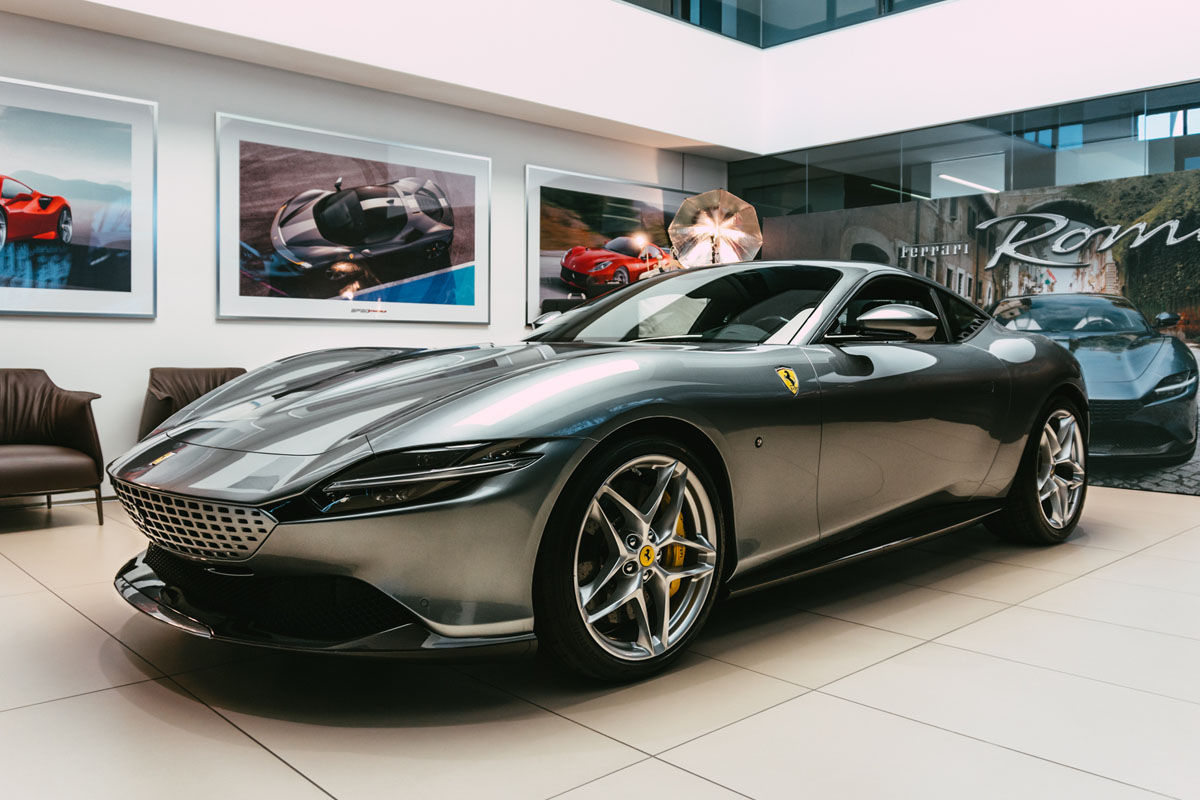
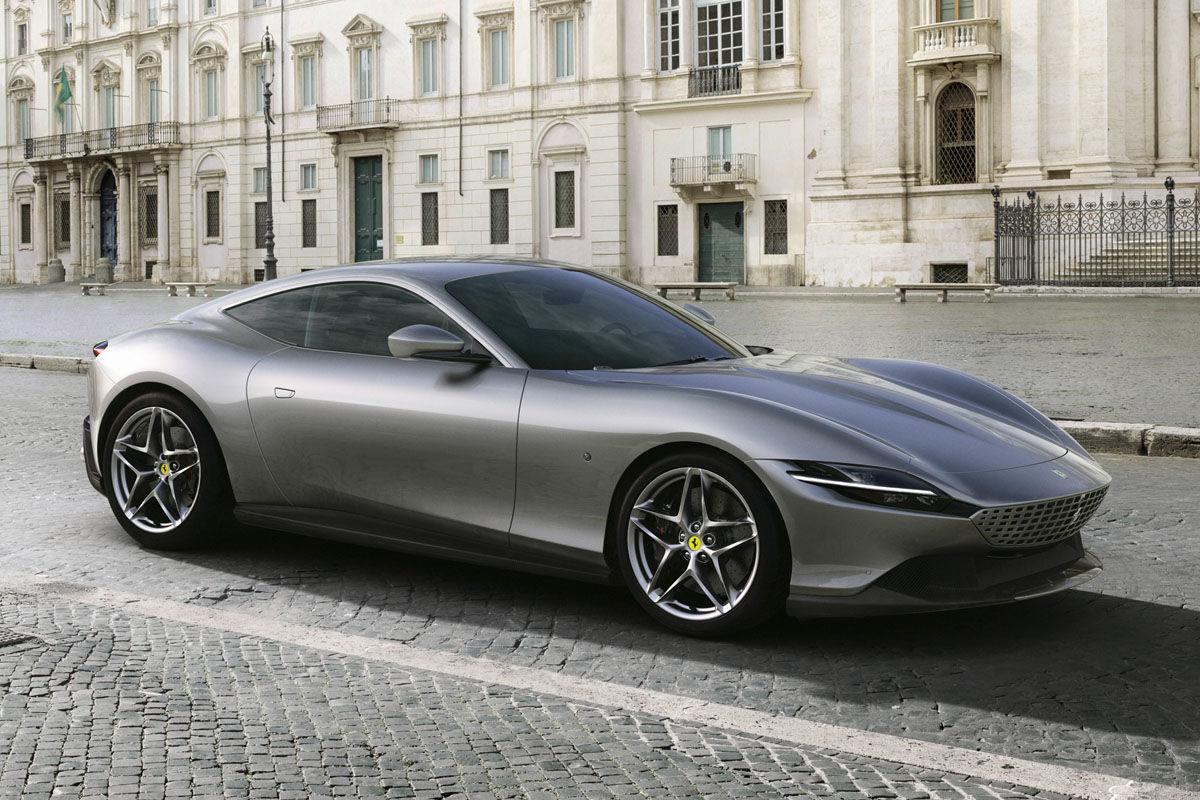
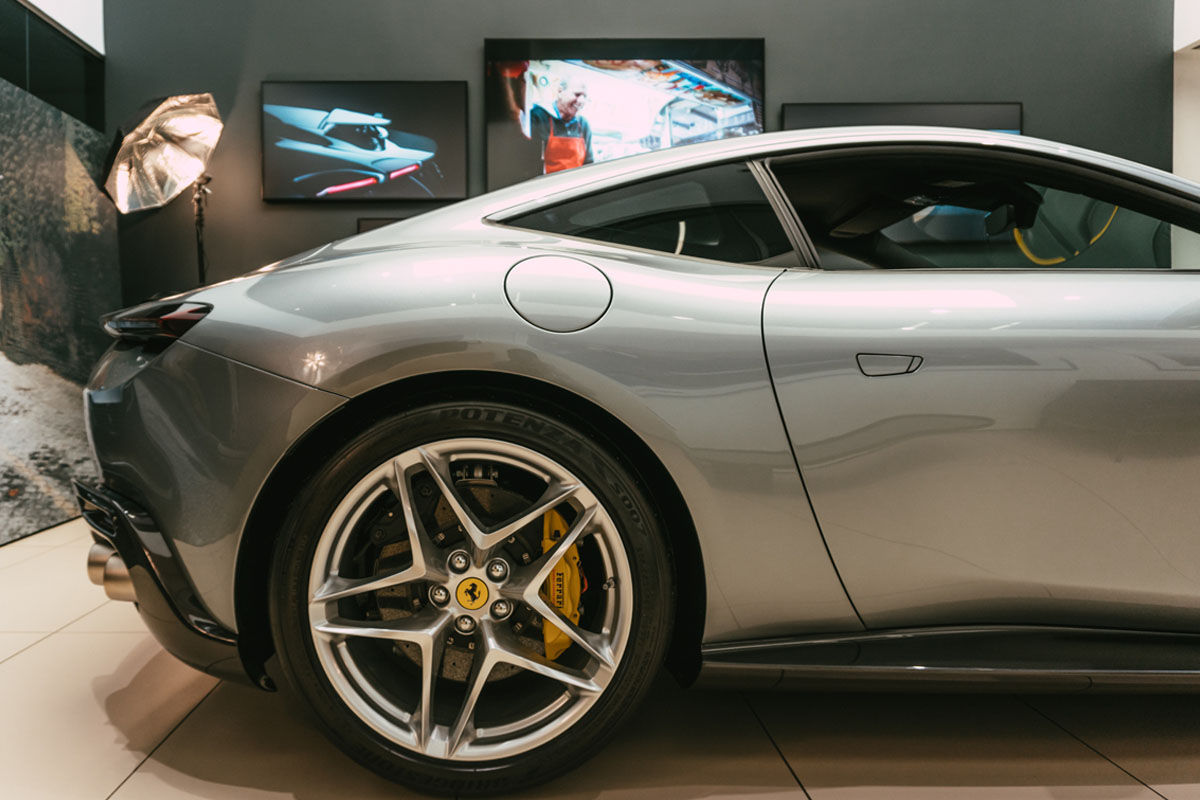
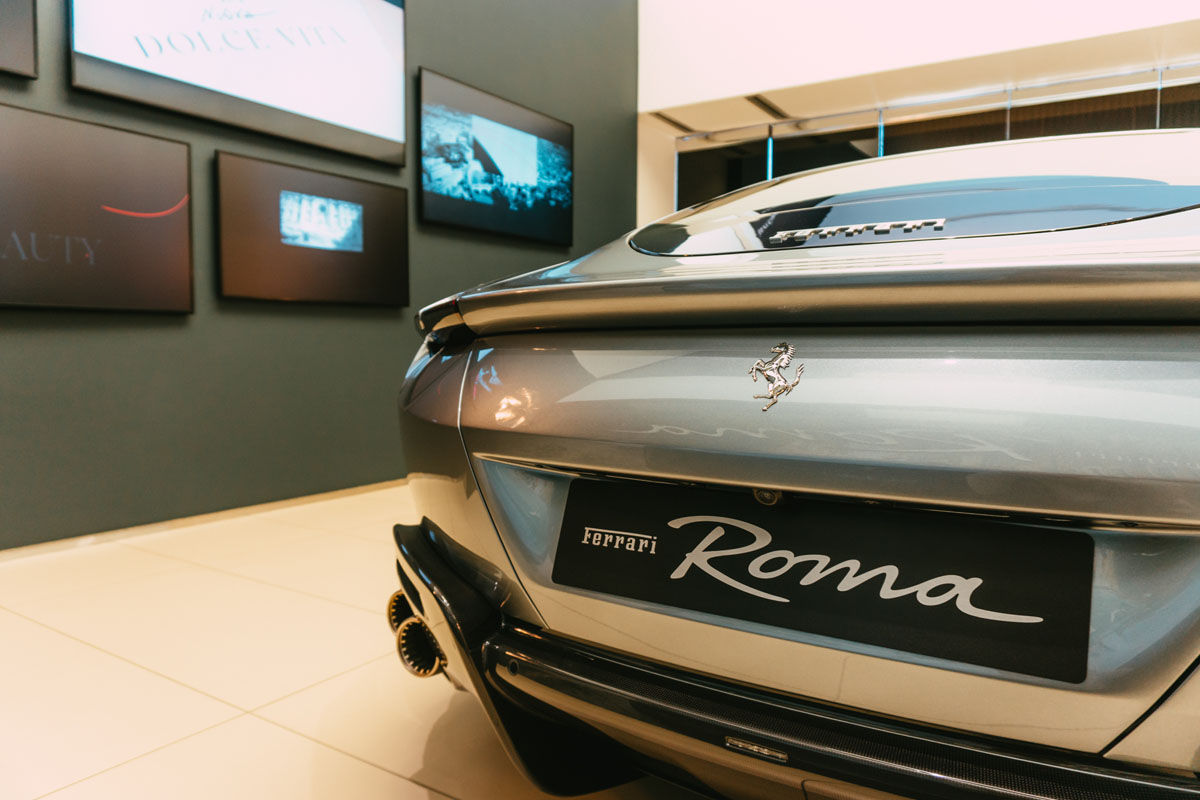
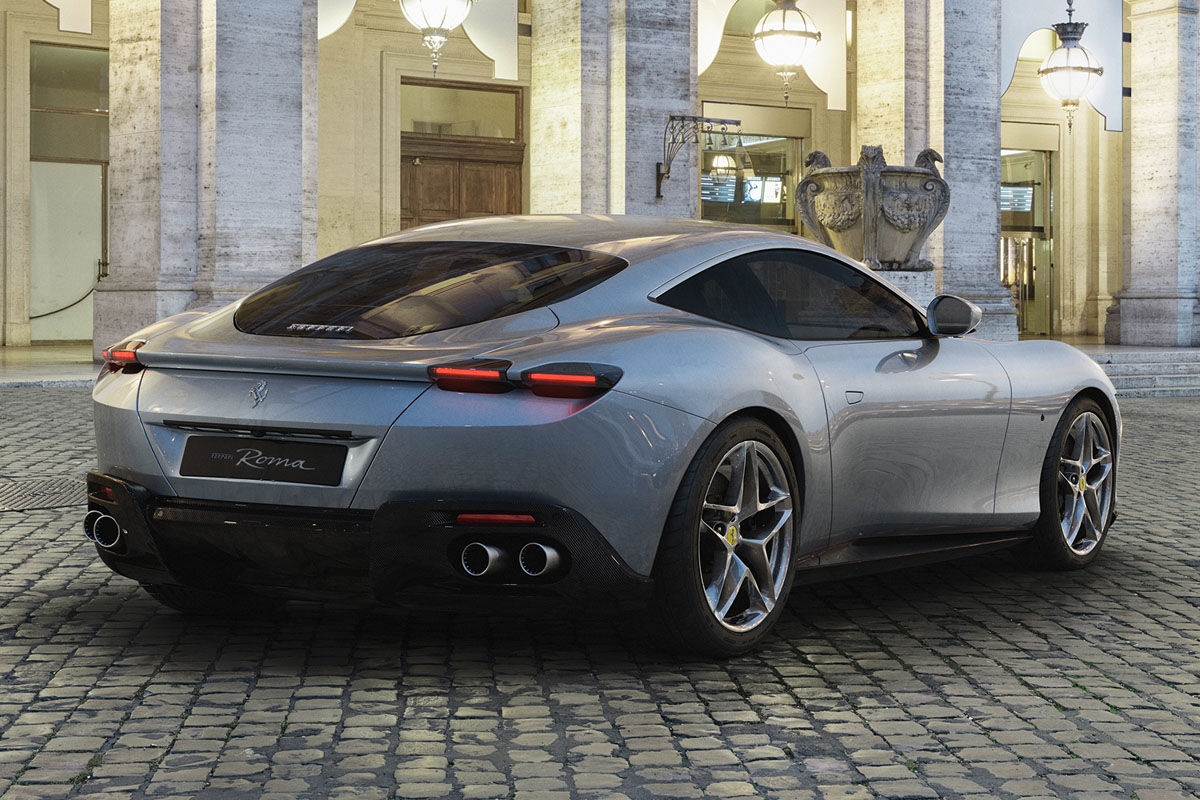
The Prancing Horse has launched the Roma – its new entry-level berlinetta – in South Africa. The futuristically styled compact grand tourer slots in just above the Portofino convertible (with which it shares its platform) in the Ferrari stable. The virtual launch of the Roma will be followed by exclusive private previews in Johannesburg, Cape Town and Durban, the firm says.
When Ferrari revealed the new mid-front-engined "2+" coupe late last year, the Maranello-based firm described it as a “reinterpretation of the carefree lifestyle of the 1950s and ’60s in Rome”, from which it takes its evocative name. Its a rival to cars such as, but not limited to, the Aston Martin Vantage, Mercedes-AMG GT and Bentley Continental.
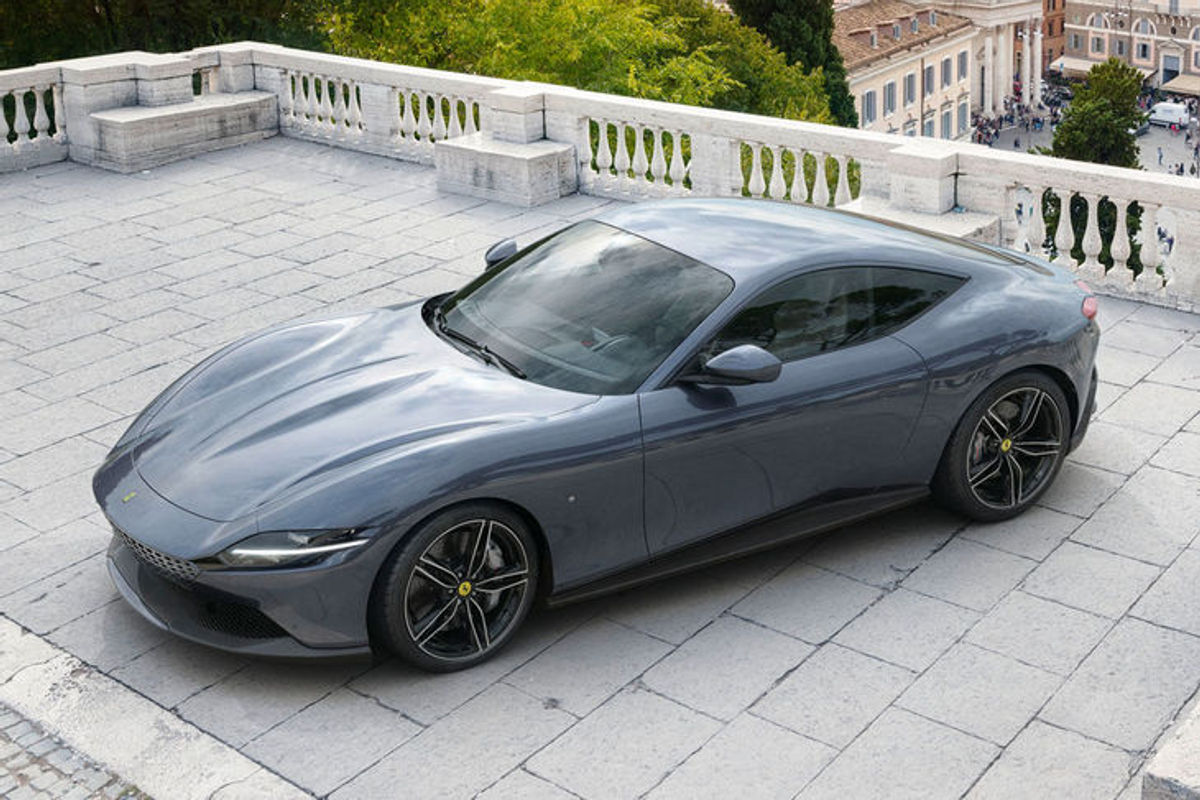
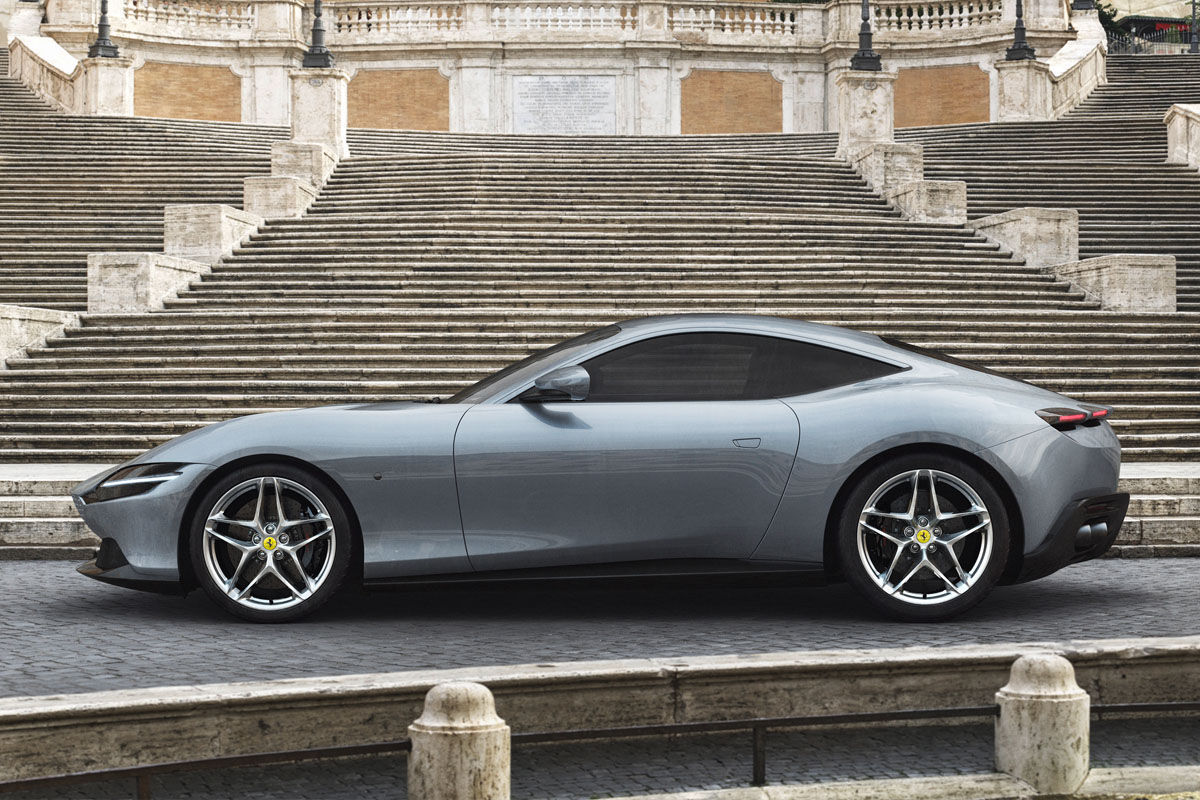
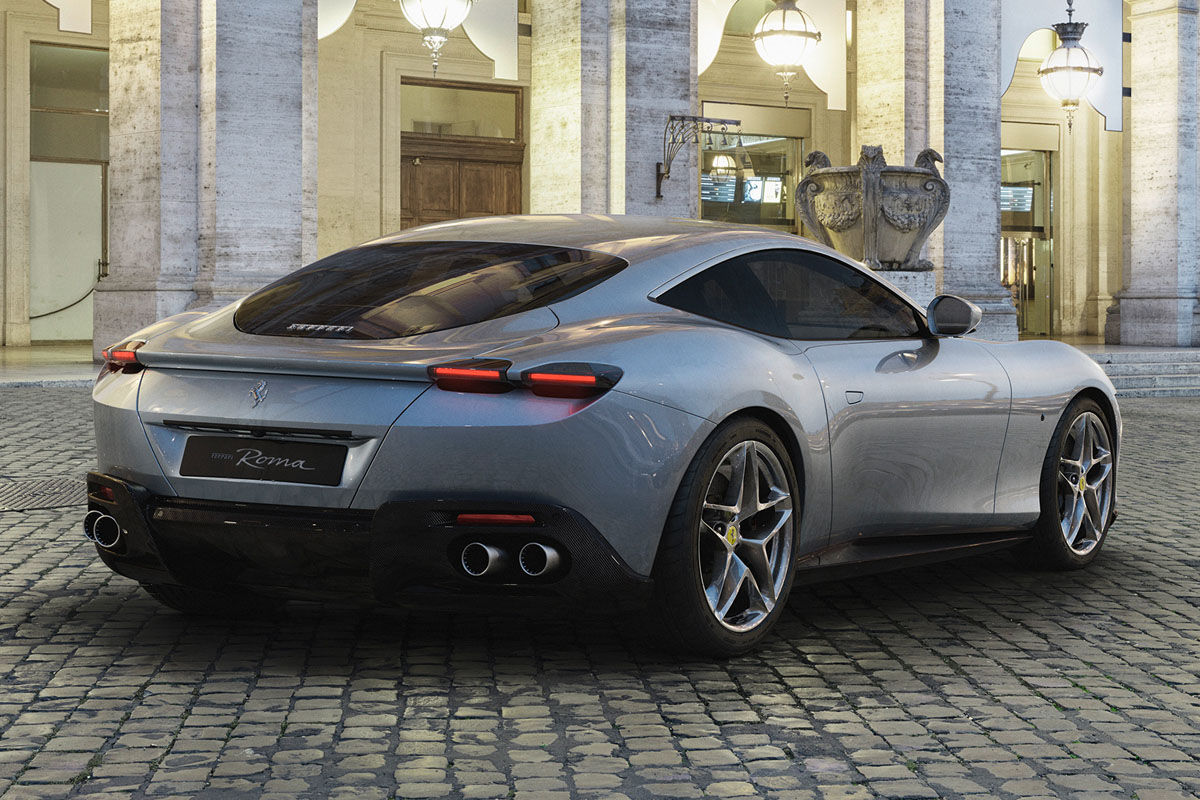
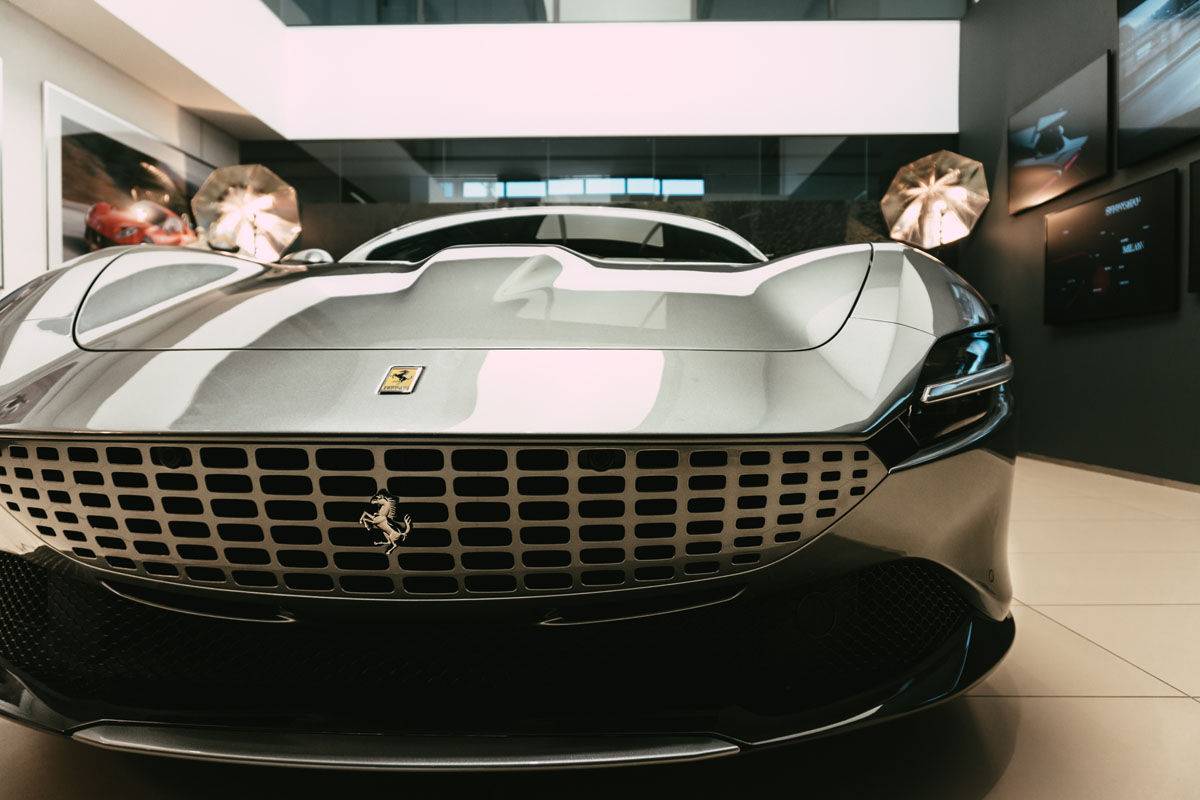
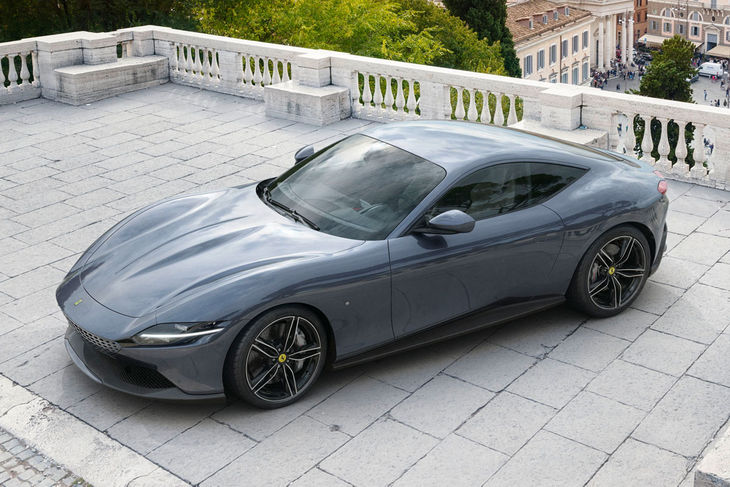
The Roma has classic grand-tourer proportions, but it looks more sharpely-styled and futuristic than its its Portofino sibling.
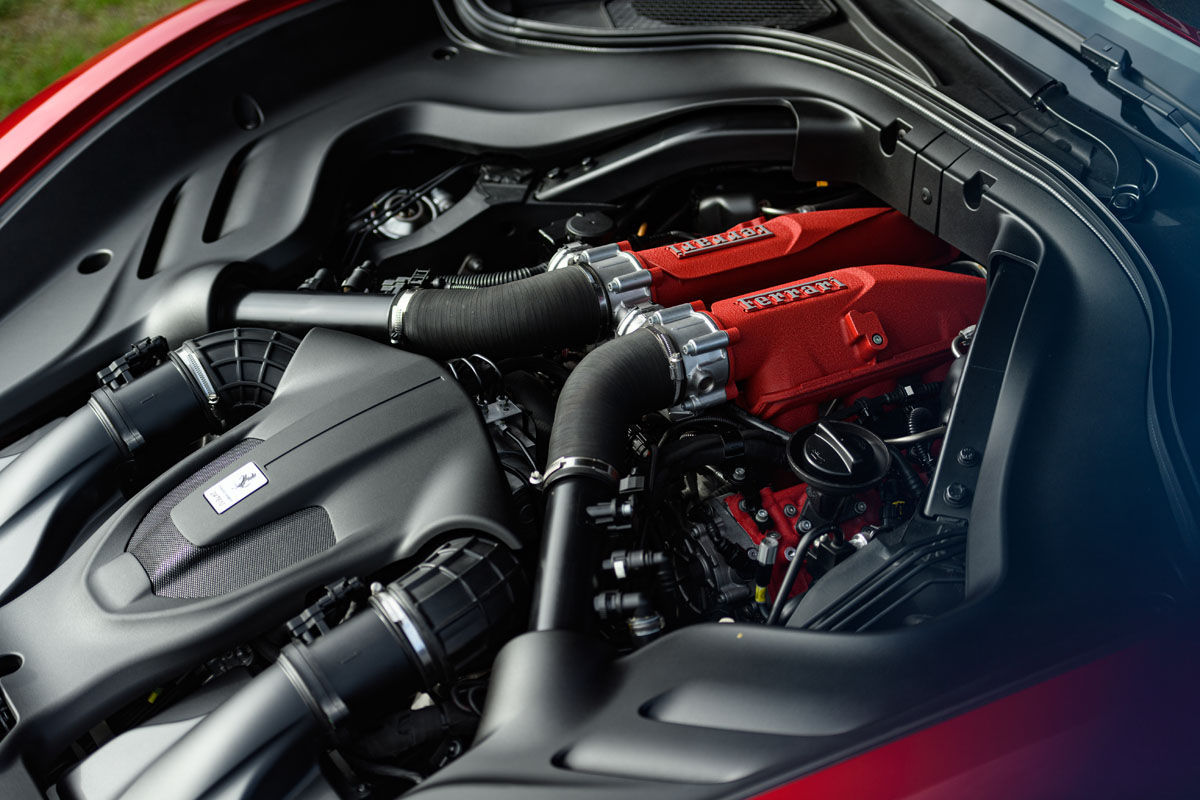
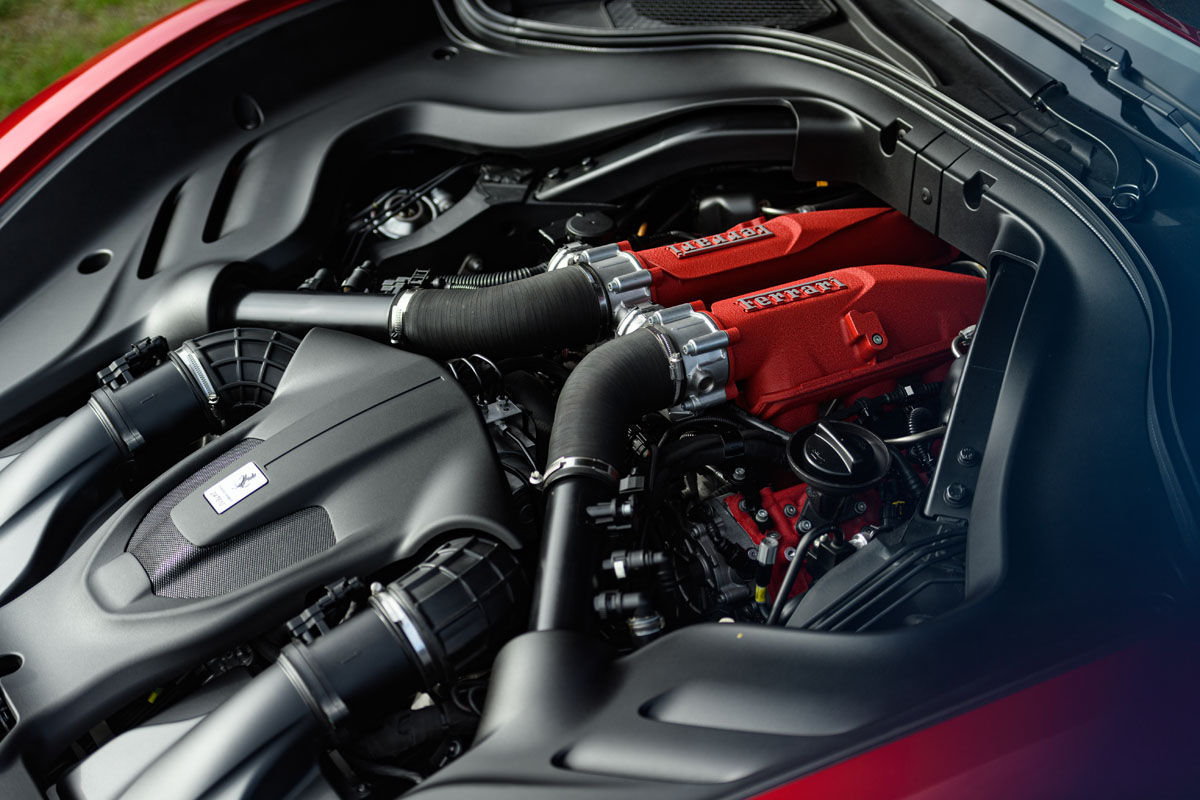
The newcomer is powered by a 3.9-litre V8 turbopetrol engine (mated with an 8-speed dual-clutch transmission), which produces 456 kW (from 5 750 to 7 500 rpm) and 760 Nm (3 000–5 750 rpm). The Roma will sprint from 0 to 100 kph in 3.4 sec (with 200 kph coming up 5.9 sec later) and go on to a top speed in excess of 320 kph.
When we first saw images of the Roma, it was tricky to figure out where it would fit into Ferrari’s line-up – it’s not a replacement for the GTC4 4-seater model. Although the Prancing Horse suggests the contrary ("it's a completely different car"), it effectively fulfils the role of a “hardtop Portofino” that will attract new customers to the brand, especially those who find the elegant simplicity of its clean, unfussy styling attractive and want a more comfort-oriented sporty driving experience to what the 488 (for example) offers.
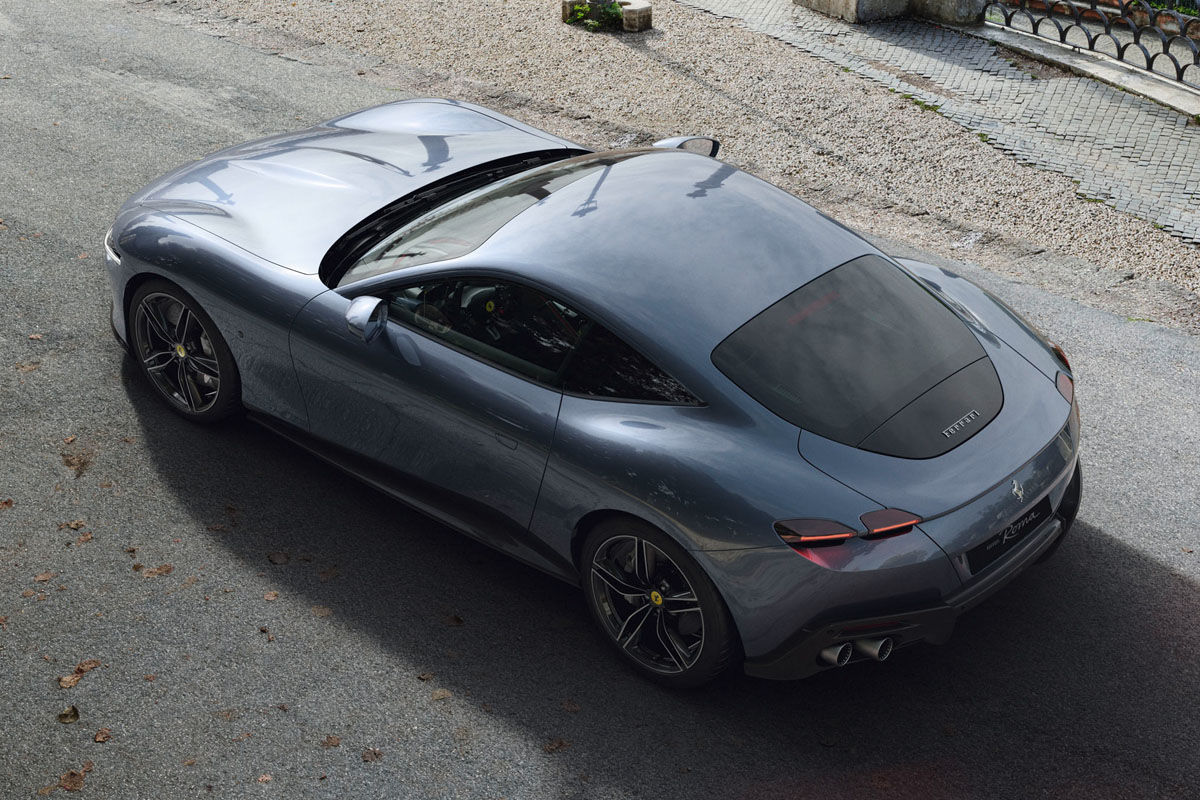
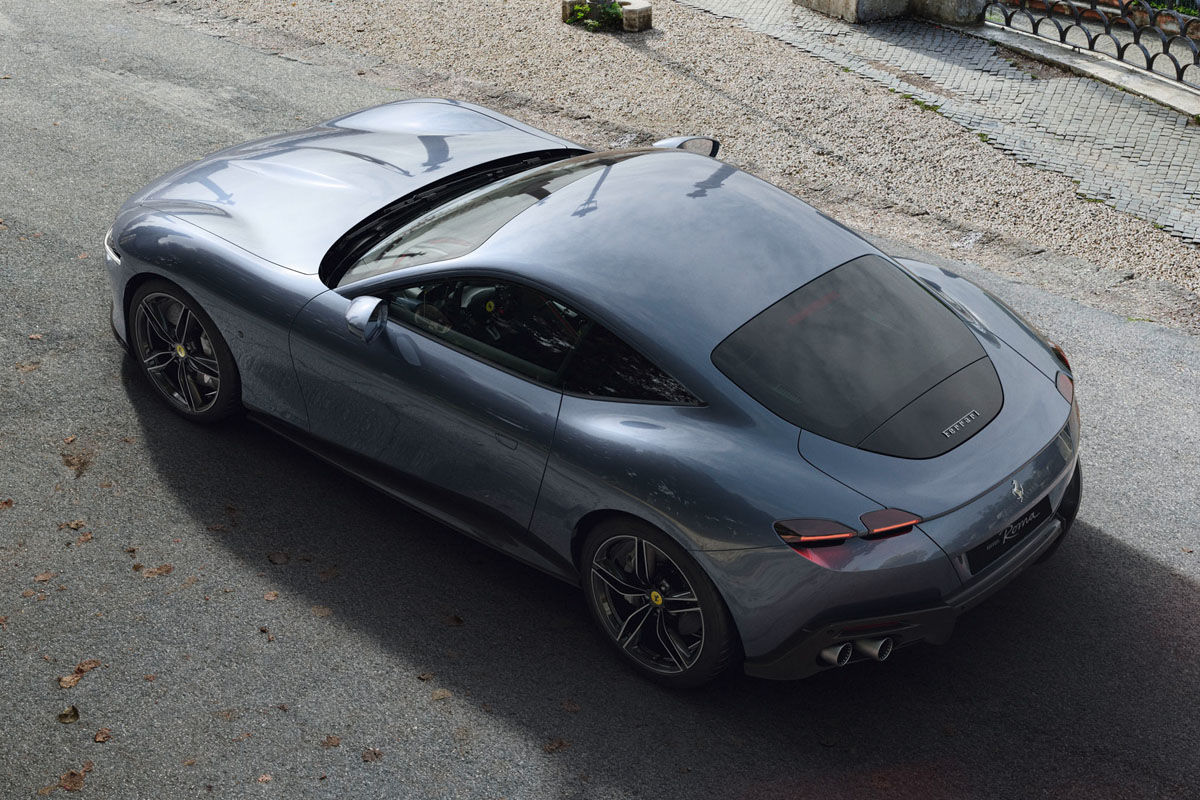
The minimalist tail-light clusters were designed to resemble precious stones that were "neatly embedded" in the rear fascia.
Although it utilises the Portofino’s 2 670-mm wheelbase, the Roma is said to incorporate 70% new components. It is 70 mm longer (4 656 mm) and 36 mm wider (1974 mm) than its convertible sibling, as well as about 10% stiffer and 75 kg lighter, for a total kerb weight of 1 570 kg.
The newcomer’s minimalist exterior design has polarised opinions, however. Its “long bonnet with low, stubby tail” proportions clearly takes inspiration from Ferrari’s front-engined grand tourers from the 1960s.
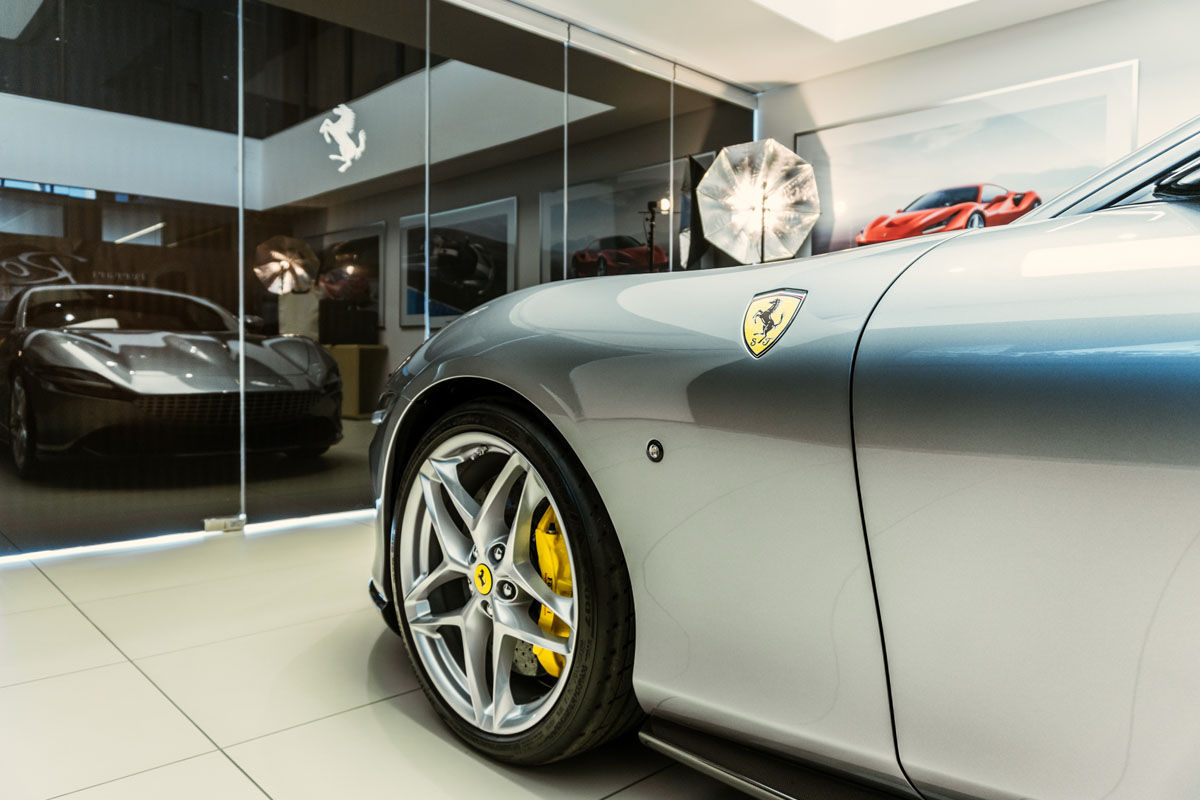
The Roma rides on 20-inch wheels shod with 245/35 (front) and 285/35 (rear) tyres.
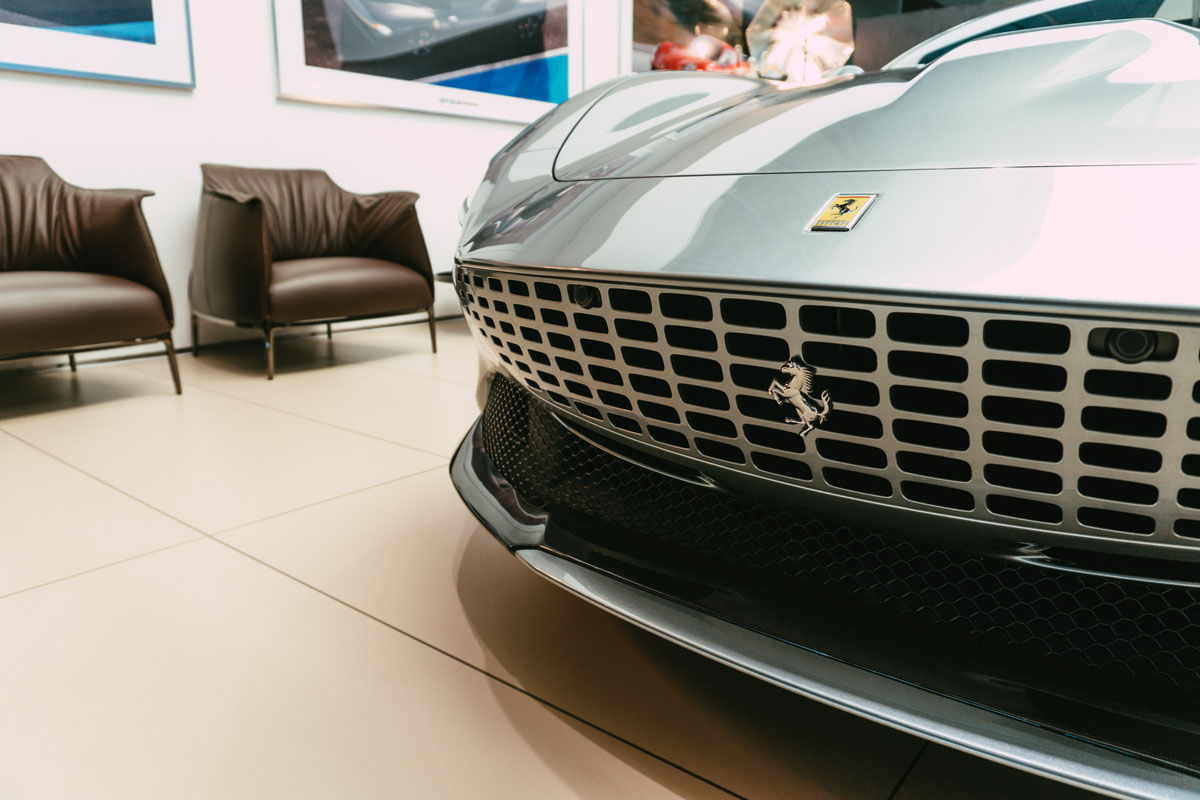
The shape is sinuous and slippery – it almost resembles an aircraft fuselage or speed-boat bow. Not everyone likes the slim, adaptive matrix LED headlamps, which are recessed into the bumper and sit under strakes of daytime running lights, or the perforated grille, which is available in chrome, body colour or gloss dark grey. The minimalist tail-lights were reportedly made to look like “precious stones embedded in the rear fascia”.
While styling is subjective, there is no doubt about the Roma’s aerodynamic efficiency, which is aided by an underbody vortex generator and active rear spoiler, the latter of which is integrated into the rear screen and activated when the Roma reaches 100 kph. The spoiler can be deployed in 3 different positions – Low Drag, Medium Downforce and High Downforce and, at its highest setting, generate 95 kg of negative lift at 250 kph.
The Roma uses Ferrari's proven 3.9-litre V8 turbopetrol motor, but with a bespoke exhaust configuration.
Under its head-turning sheetmetal, the Roma’s turbocharged 3.9-litre V8 gains new catalytic converters and petrol particulate filters to make the motor Euro-6 emissions-compliant. In fact, the exhaust system is completely different design compared to that of the Portofino; Ferrari has disposed of the silencers and introduced bypass valves.
The quicker-shifting 8-speed dual-clutch ‘box is sourced from the SF90 Stradale and Ferrari has incorporated its latest Side-slip Control (SSC) 6.0 with Dynamic Enhancer (a torque-vectoring-by-brake system). On-board driver-assistance features include predictive braking, a surround-view camera and adaptive cruise control.
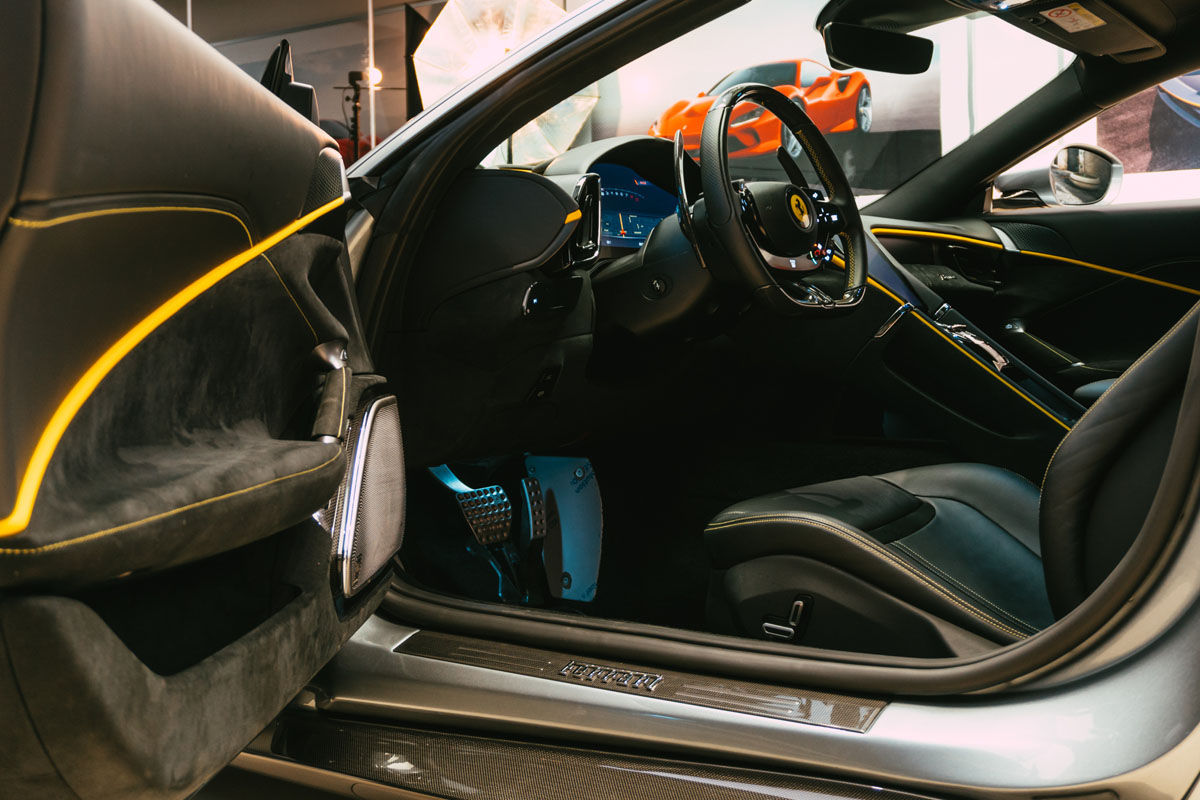
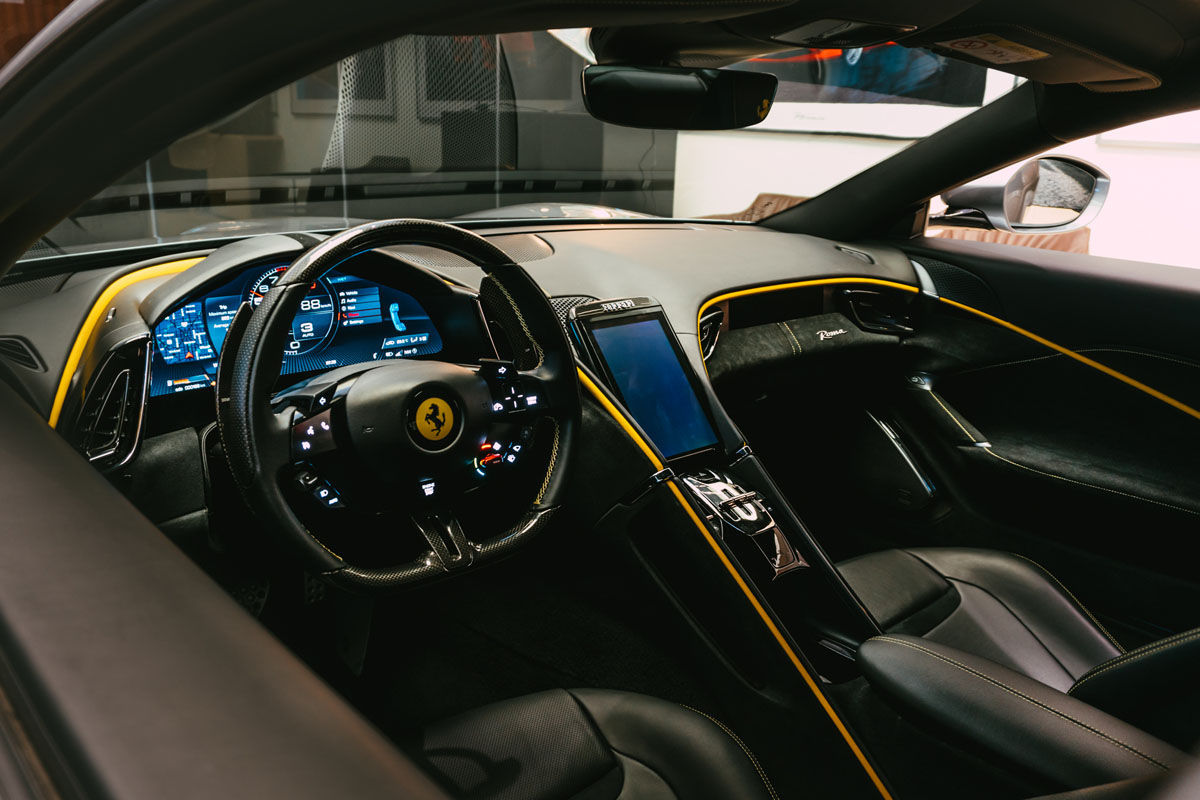
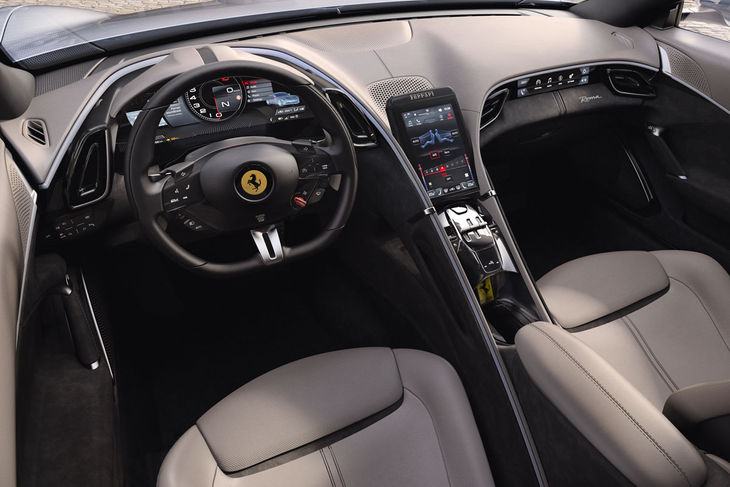
The twin-cockpit design adds a sense of theatre to the Roma's cabin; note the 3 separate digital screens.
Meanwhile, the new Ferrari key with “Comfort Access” function allows the driver to open the car by touching a button next to the flush-fitting door handle. The cabin adopts an intimate twin-cockpit interior concept, replete with a 16-inch virtual instrument cluster as well as an 8.4-inch portrait-style touchscreen on the central divider.
Apart from their choice of Poltrana Frau leather and Alcantara upholstery combinations (complemented by carbon-fibre and chrome-look finishes), buyers can also specify an 8.8-inch touchscreen for the passenger. As well as displaying driving data, the passenger screen can be used to control the Roma’s infotainment system.
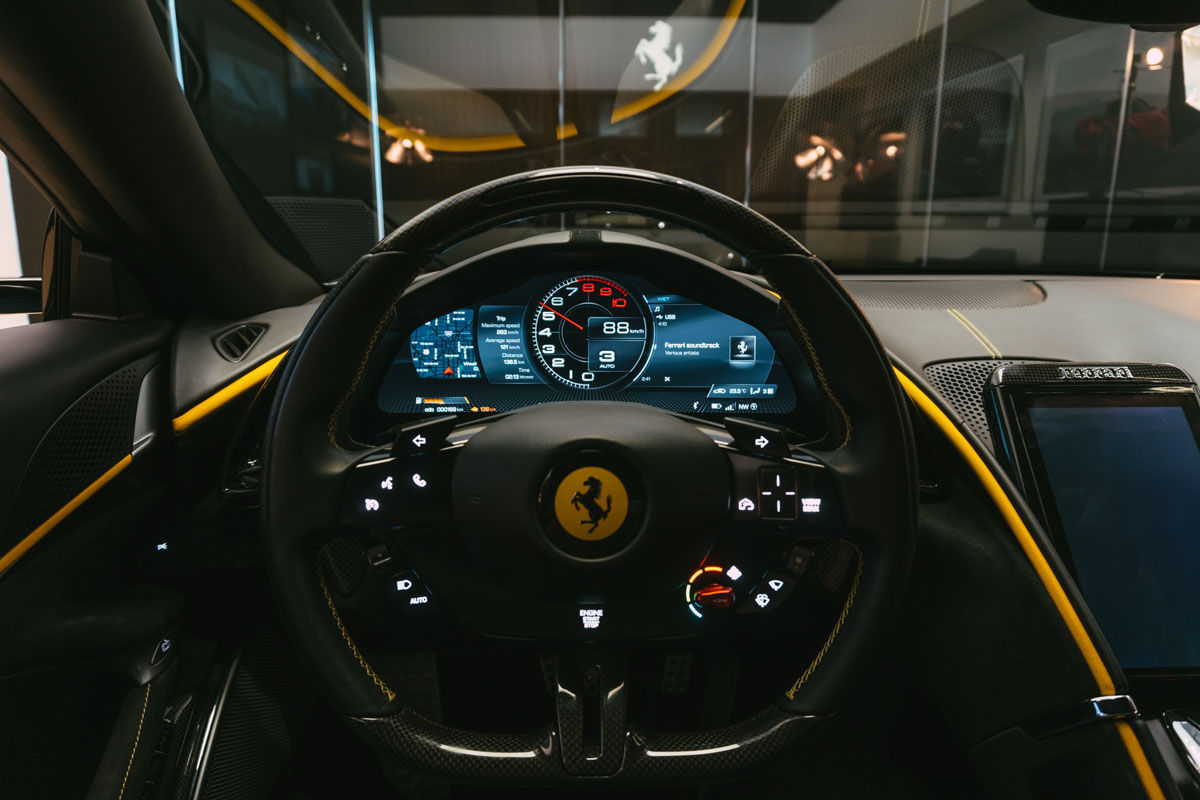
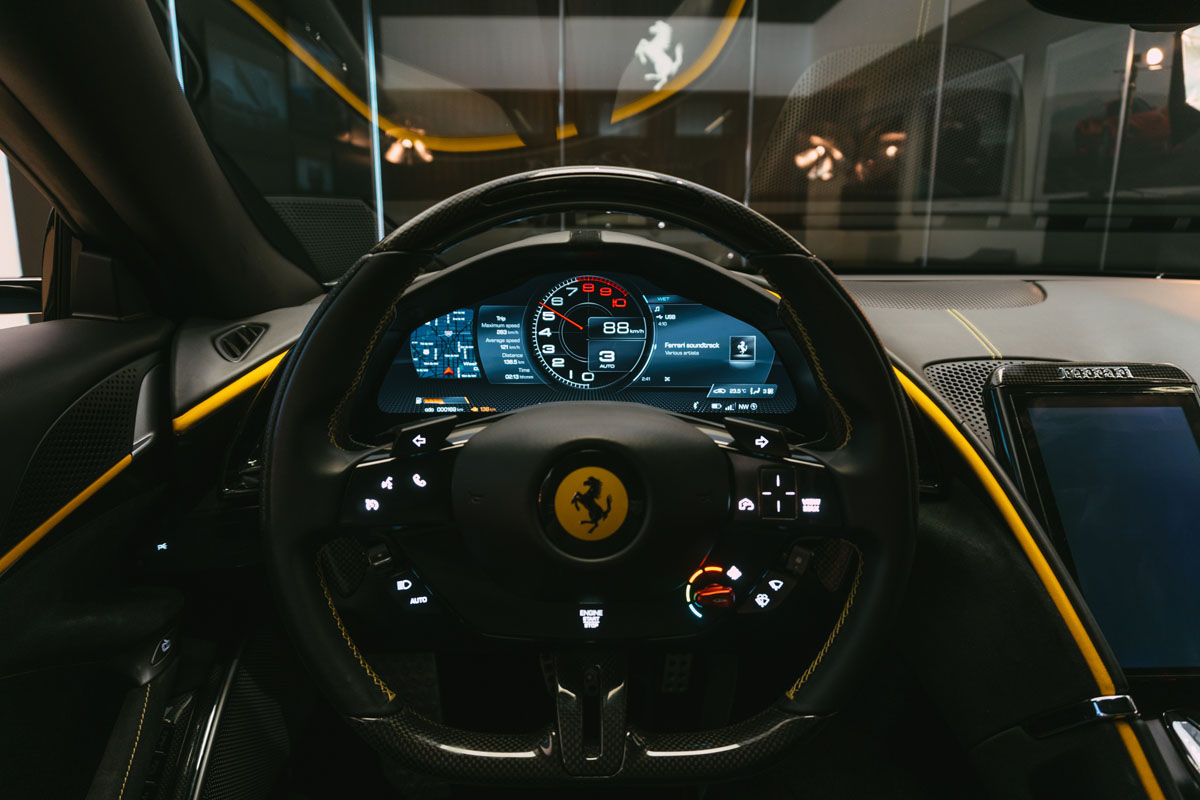
The newcomer's digital instrument cluster is user-configurable, but features a large central tachometer as standard.
The steering wheel, which is quite traditional (compared with the rest of the interior), features a Manettino switch to toggles drive modes through Wet, Comfort, Sport, Race and ESC off. The transmission panel, by contrast, has been designed to resemble a Ferrari shift-gate; its switches are housed inside an “H-pattern”.
As for the Roma’s so-called “2+” layout, the back seats are largely ornamental, even if they do feature ISOfix child-seat anchors. Ferrari claims a boot capacity of 272 litres, which is probably enough to accommodate a couple’s luggage for a weekend jaunt, and can expand to 345 litres if optional fold-down seats are specified.
Ferrari Roma Price in South Africa (August 2020)
The Ferrari Roma is reported to have a starting price of R4 972 000 in Mzansi (depending on options specified and the going rate of exchange – best to check with your local dealer), which includes a 7-year maintenance plan, which covers yearly services, including labour, replacement parts, lubricants, engine oil and brake fluid.
A new entrant in the big vertical grille slot game.
Jeep is not taking Ford’s intrusion into its 4×4 wagon marketplace lightly.
With its new Bronco, Ford is a significant threat to the very profitable Wrangler business. Jeep’s immediate counter was to reveal the Wrangler 392 V8, but that is merely an outrageous engine in an existing platform, instead of a comprehensive product strategy.
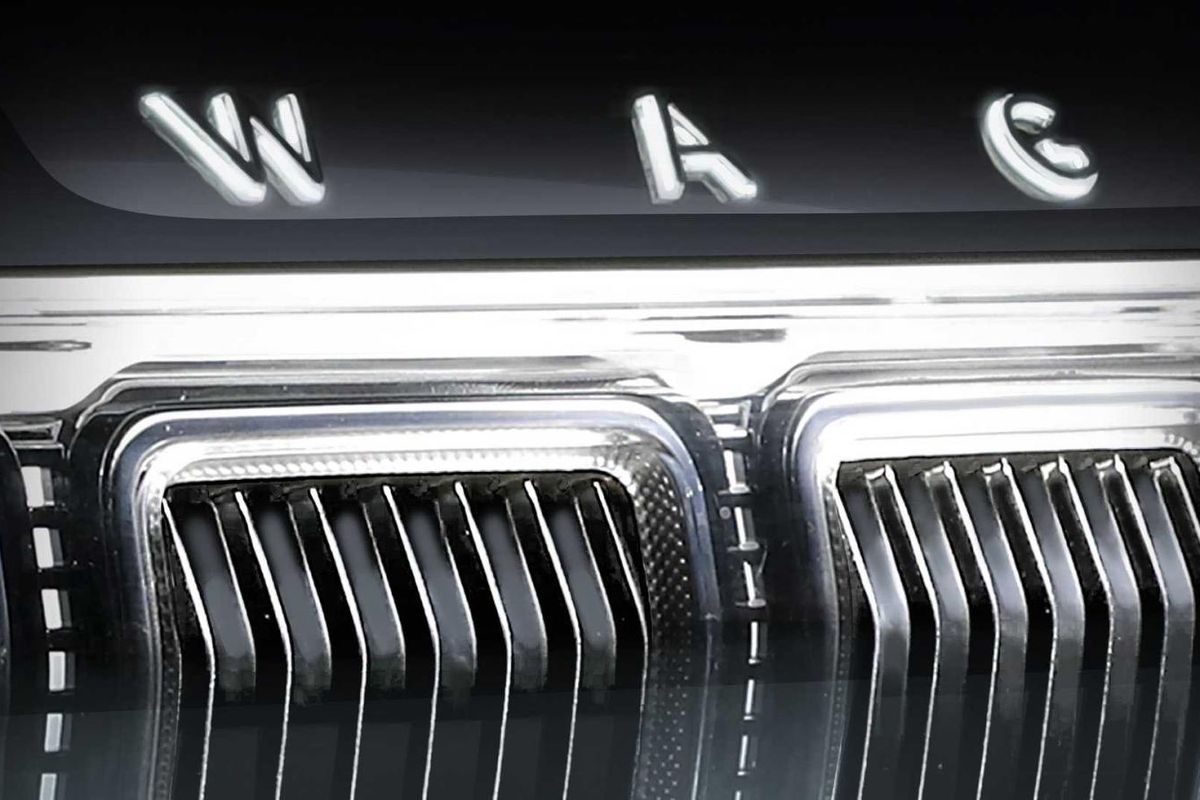
Aware that legacy brand names and models are featuring strongly in an evolving and disrupted global automotive landscape, Jeep has revealed that its Wagoneer is being revived. The new Wagoneer is expected to be revealed next week.
SUVs remains a tremendous profit opportunity for car companies, especially if you have a legacy to leverage, which Jeep certainly does.
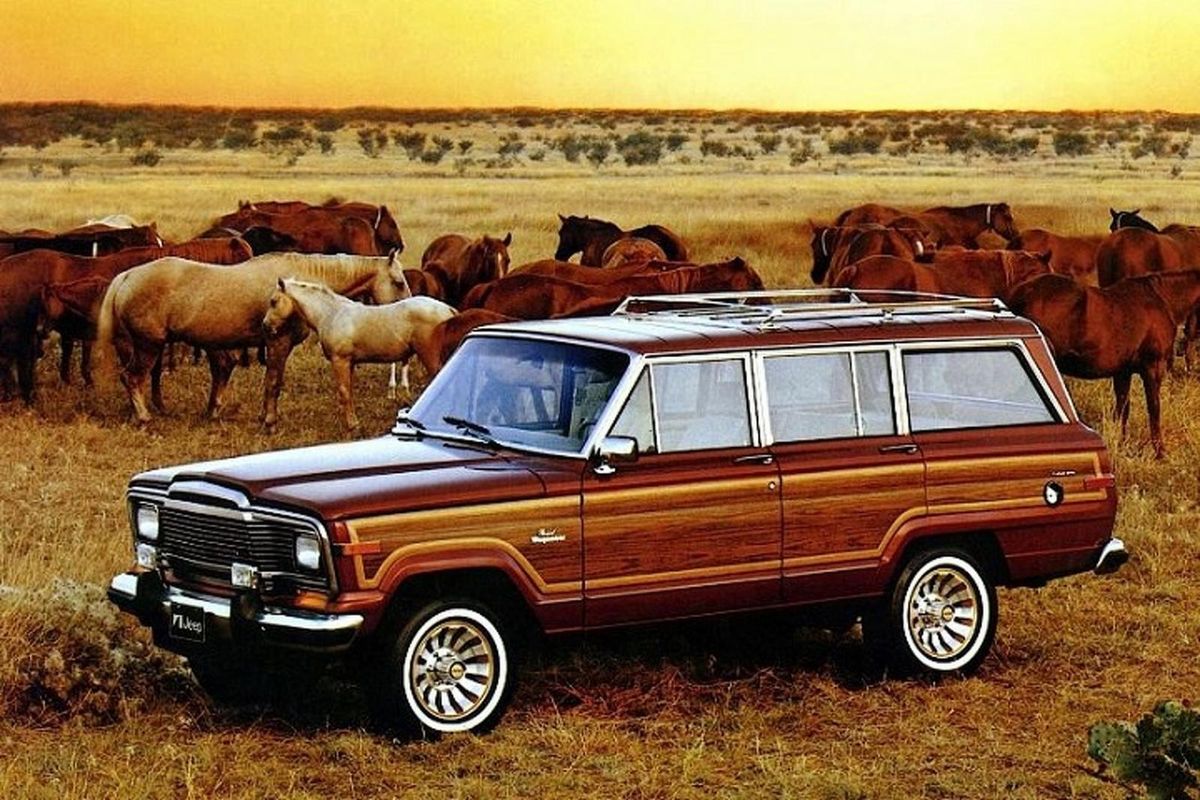
The Wagoneer was originally launched in 1963 and delivered Jeep’s idea of a luxury off-road vehicle, quite some years before Land Rover claims to have invented the concept with Range Rover. It remained a strong presence in the Jeep line-up until 1993.
For the American off-road brand, a new Wagoneer would allow them to deliver a vehicle with three-row seating. In terms of the company’s product matrix, new Wagoneer is expected to become the largest Jeep offering, headlining the 2021 model year range.
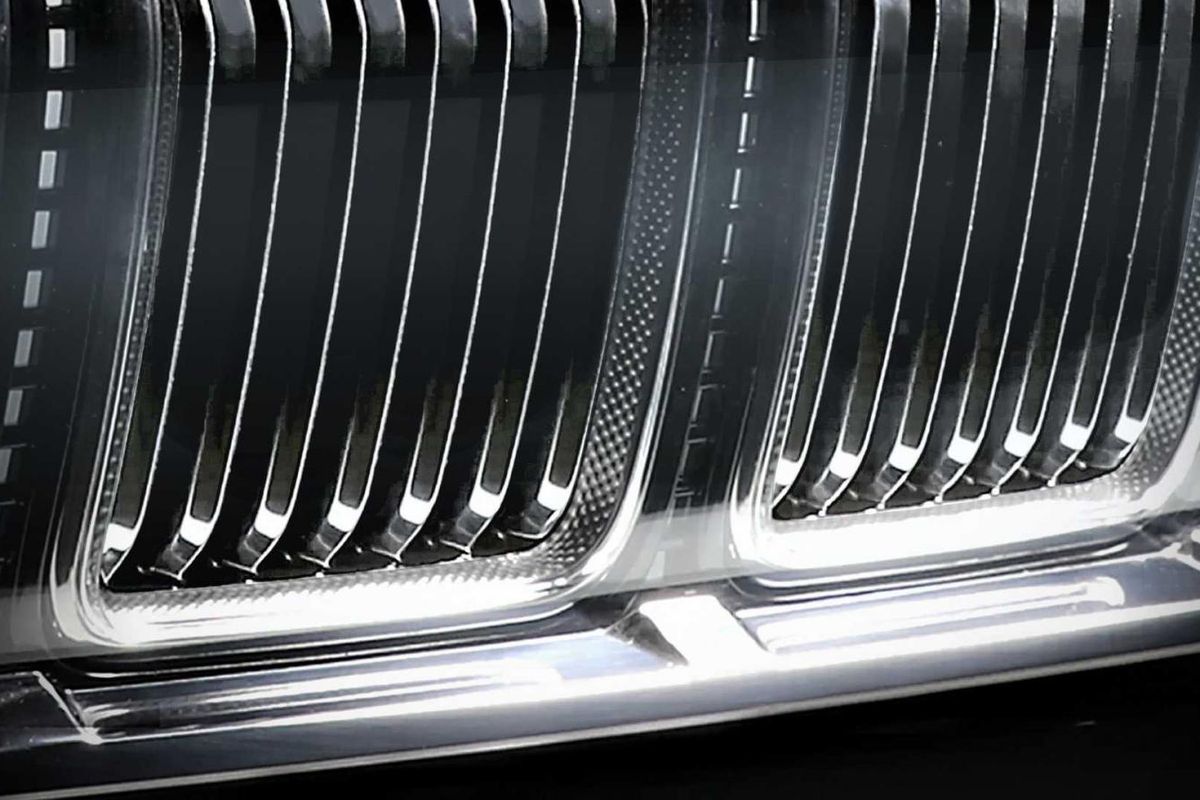
Some teaser images indicate that Wagoneer will feature a very prominent grille, the size of which would make even BMW’s current design team take notice.
Mechanically the new Wagoneer should share a platform with FCA’s Ram 1500 bakkie, which means a very new design with proven ladder-frame structure. The current fifth-generation Ram 1500 was only launched in late 2018 and that makes it very contemporary in terms of technology.
Using a rugged bakkie platform will allow Jeep to deliver the Wagoneer to market with proper off-road and towing capability, something which could differentiate it from European monocoque SUVs and crossovers that are similar in size.
The Ram 1500 shared platform will also offer Wagoneer owners a treasure of diverse engine options. Expect petrol, diesel and hybrid configuration, ranging from 3- to 6.4-litres in capacity, with both V6 and V8 layouts.
As with all things American, Jeep answer to Ford’s new Bronco, has simply been to build something bigger.
Hyundai is continuing with its approach of making a performance N version of every model in its arsenal. Here's the Hyundai Elantra N, spotted testing.
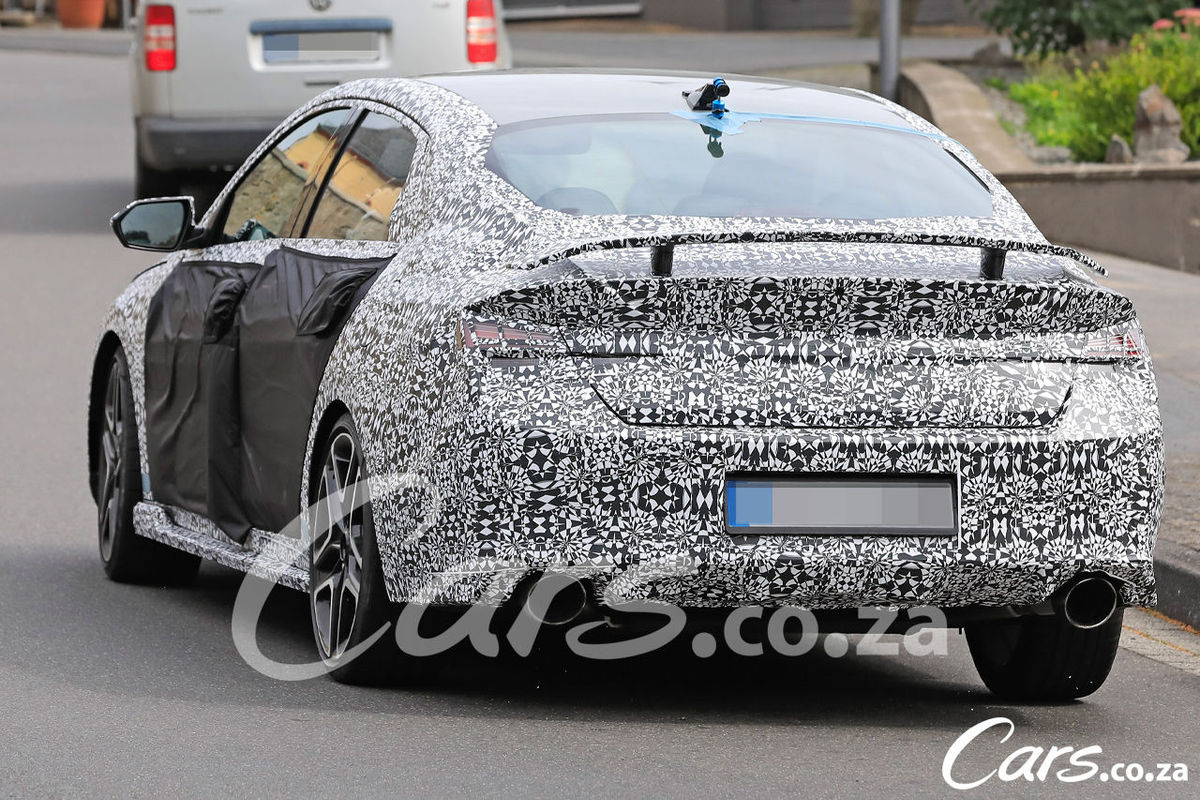
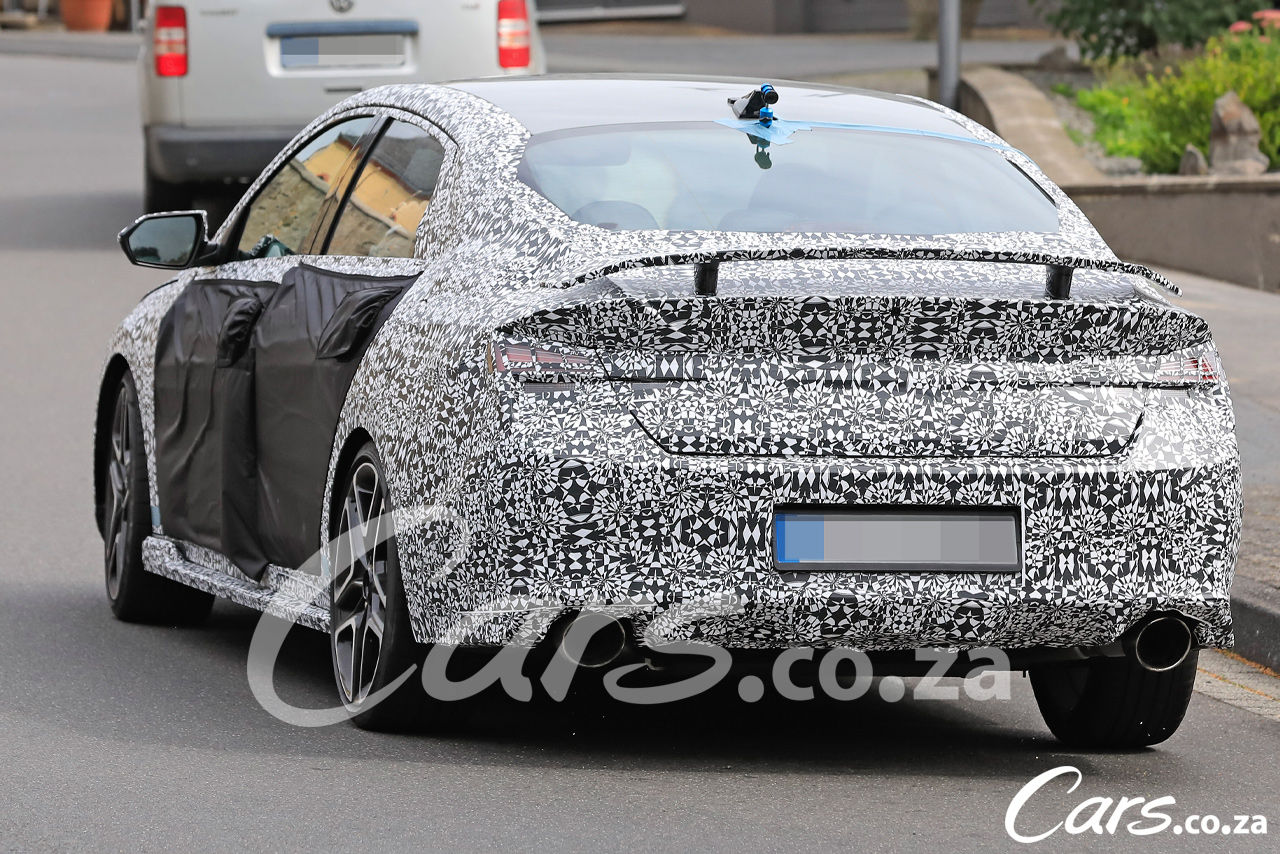
Picture credit: S. Baldauf/SB-Medien. We have paid for these photos and at the photographer's request, have watermarked them.?
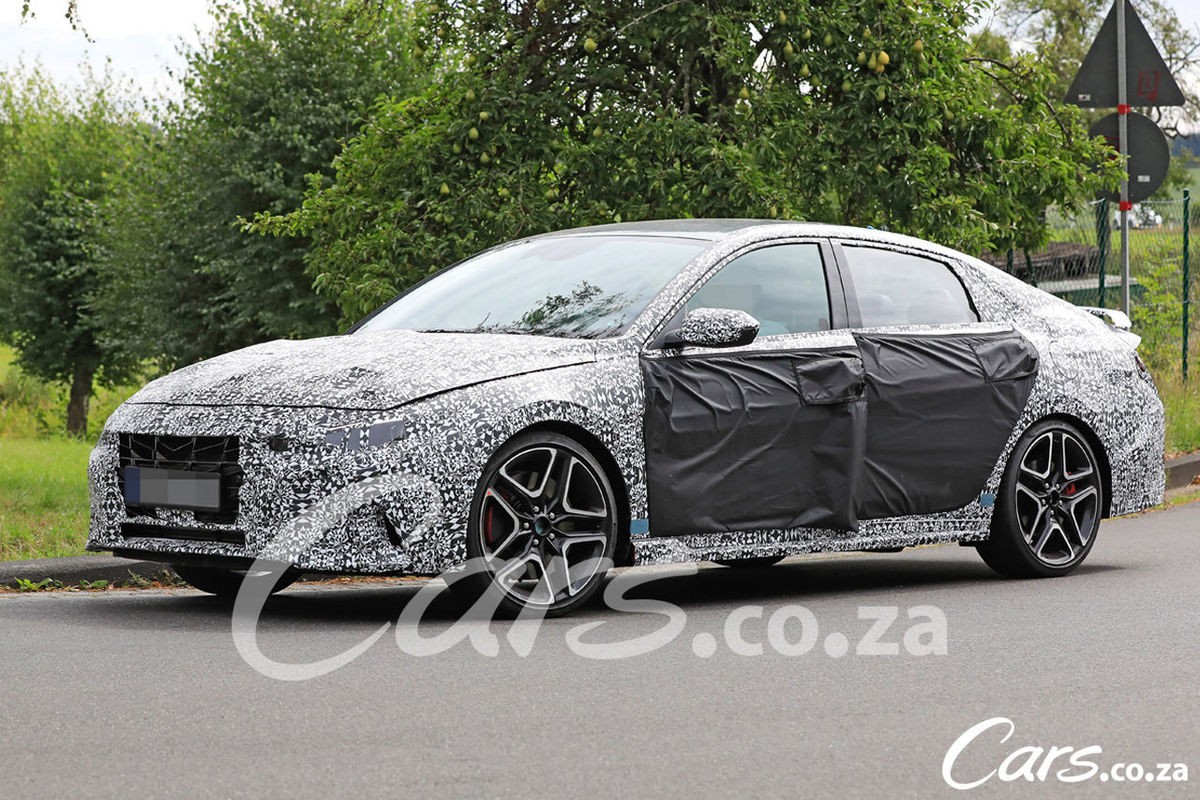
Our spy photographers have reported 3 Elantra N prototypes have been spotted on the road. While what you see is heavily camouflaged, this is definitely a performance version as you can see the bigger wheels, huge exhaust tips and a fixed rear wing.
Hyundai is keen to push its 2.0-litre turbocharged 4-cylinder motor and it appears to be going into everything from the i20 N (albeit potentially detuned), current i30 N, updated i30 N and Kona N. In current form, there's 202 kW and 353 Nm, and while Hyundai is keen to keep using the current 6-speed manual gearbox, there's also a recently-revealed 8-speed dual-clutch offering.
As for rivals, we're interested to see where it will be positioned as there are not many performance compact sedans left. We can think of the Audi S3 seedan, Mercedes-AMG CLA35 and BMW M235i, but other than those German offerings, the Hyundai Elantra N might just be peerless, especially if it can undercut with pricing. There's talk of Toyota offering a Corolla GRMN, but whether that will be in pure hatchback form or a sedan remains to be seen.
With that wing and those big exhausts, this is definitely a performance Hyundai Elantra.