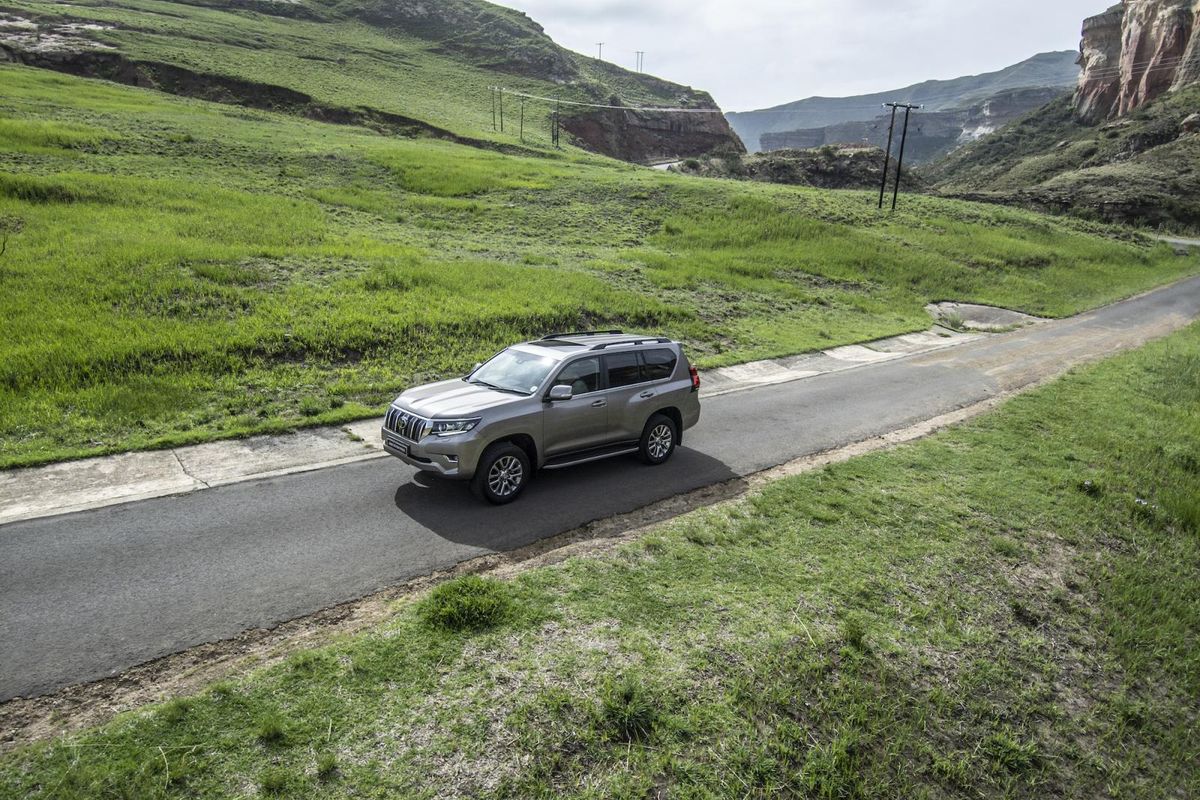
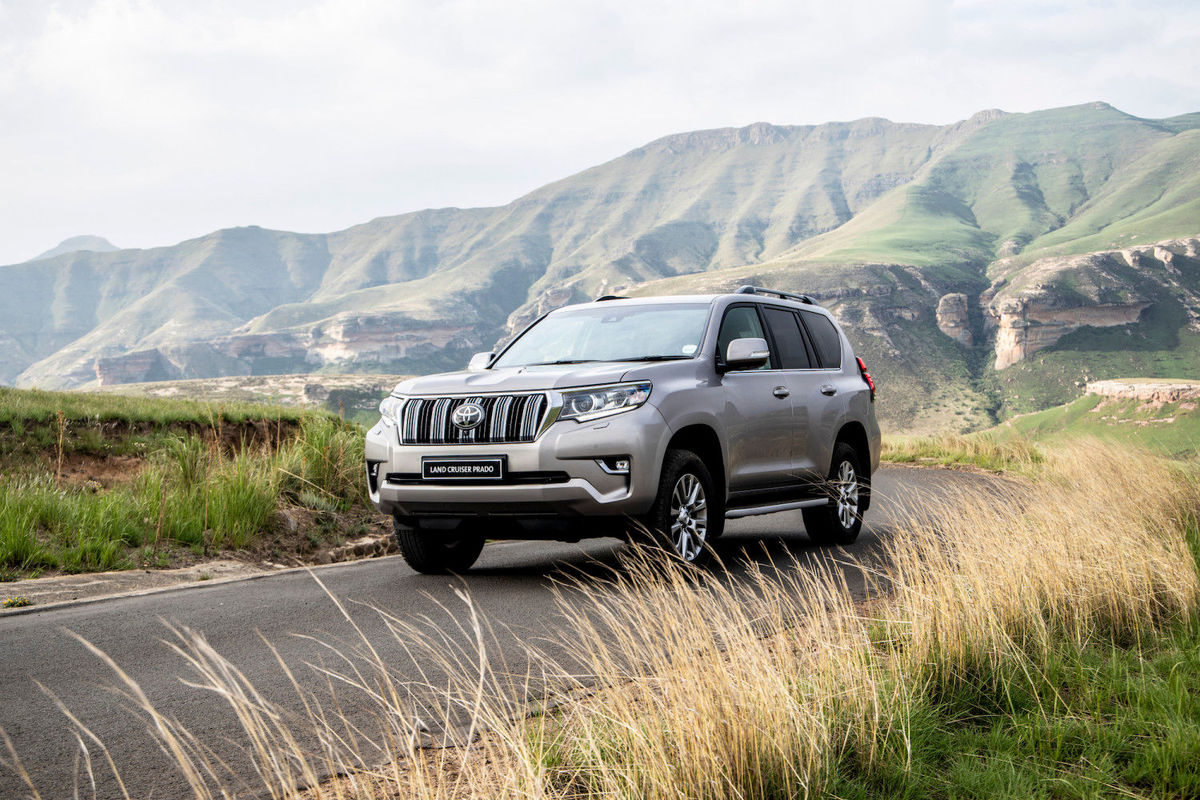
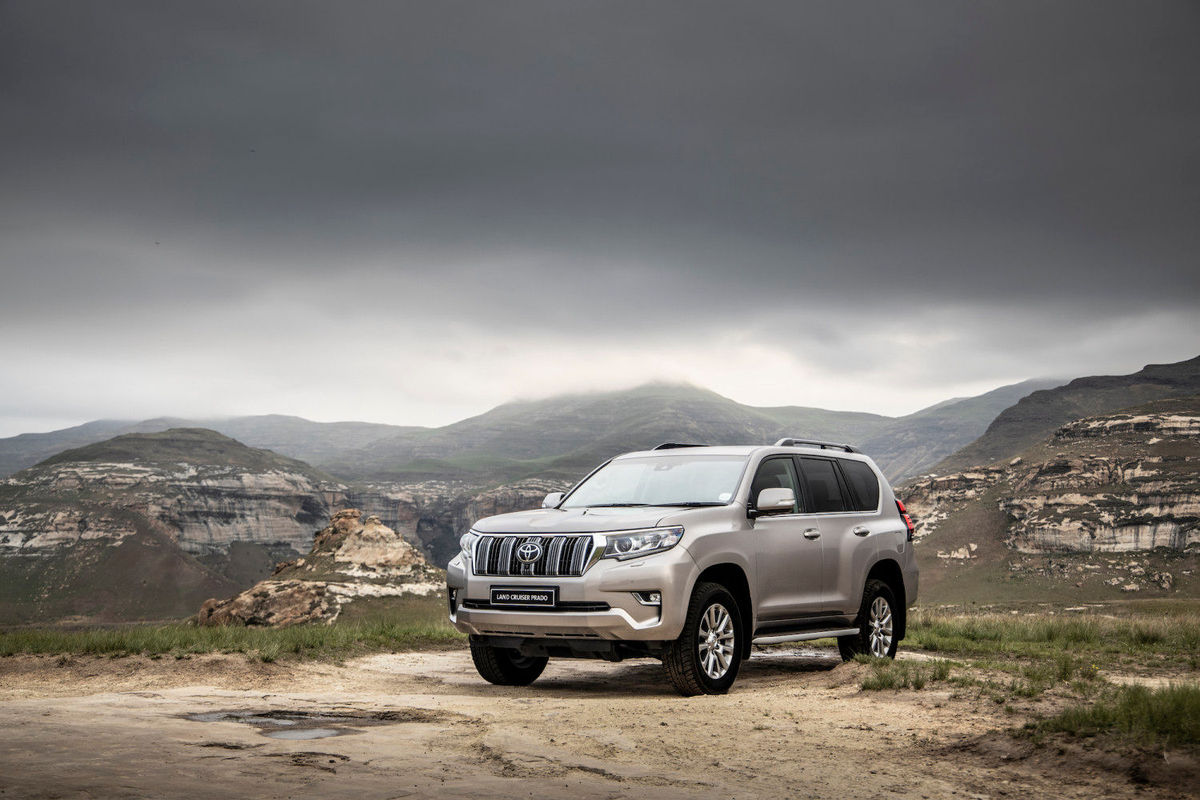
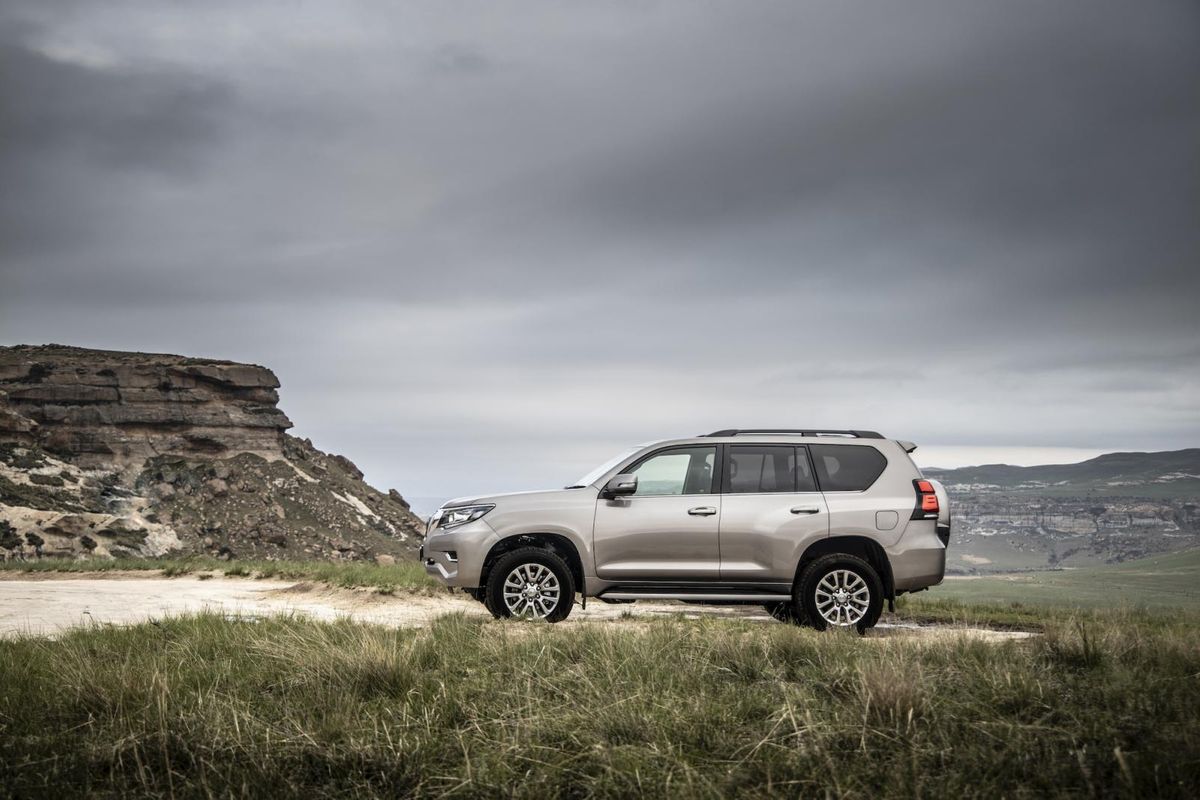
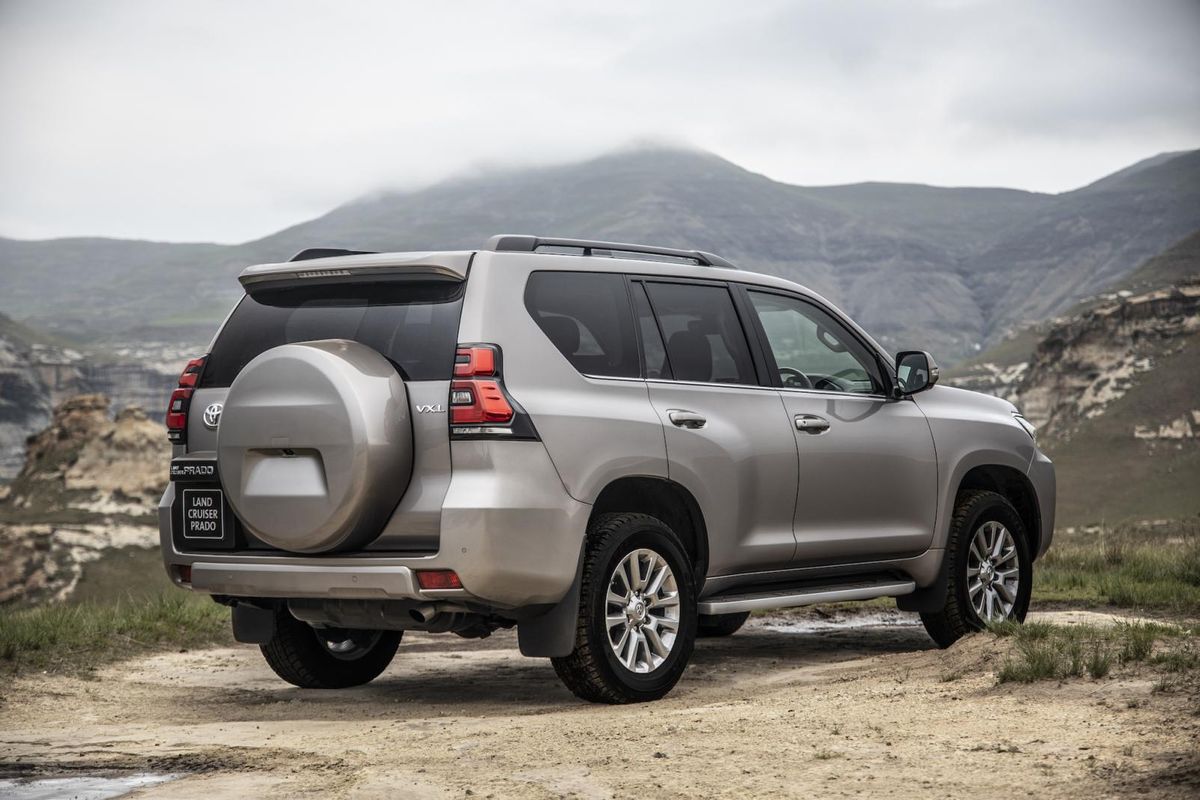
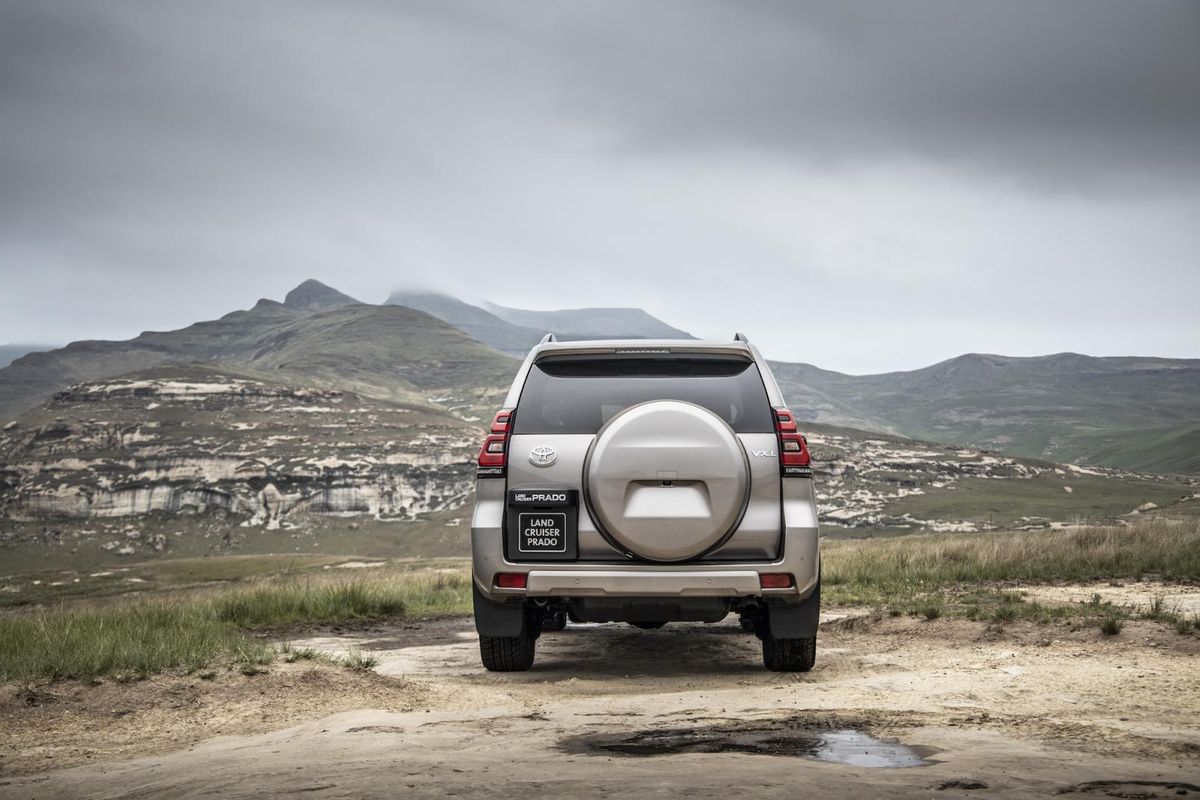
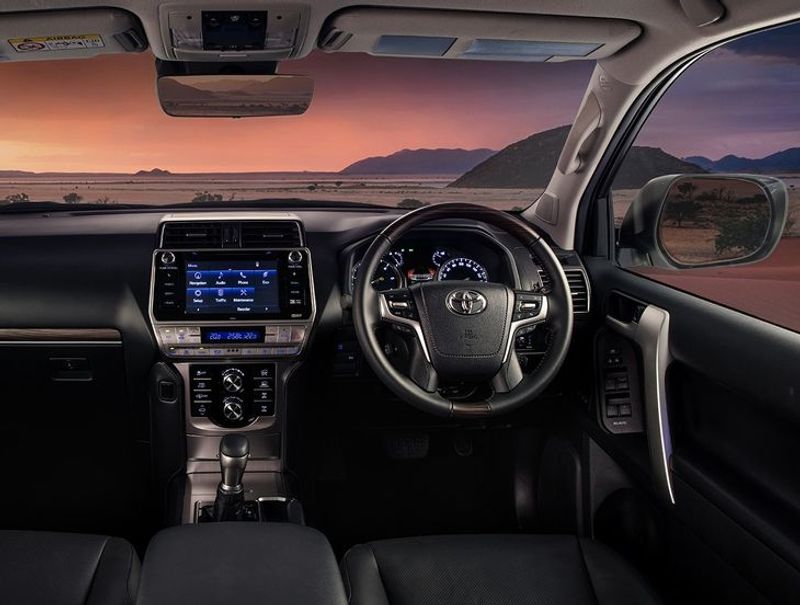
After the recent Toyota Hilux launch, the Japanese brand has given some other models its updated 150 kW 2.8 GD-6. The first of these is the Toyota Land Cruiser Prado and here's how much you can expect to pay.
There are two engines for the South African market. The updated 2.8-litre turbocharged diesel 4-cylinder now produces 150 kW and 500 Nm, and is the same unit found in the updated Hilux. The Toyota Land Cruiser Prado features a 6-speed automatic transmission. The updated motor features a bigger, heavy-duty turbo as well as upgrades to the cooling, combustion chamber and intake manifold, all of which serve to improve performance and economy while retaining that Toyota reliability. Fuel economy is claimed at 7.9 L/100km.
The iconic 4.0-litre petrol V6 is carried over, and in this application, generates 202 kW and 381 Nm. It too features a 6-speed automatic transmission and it's said to consume 11.3 L/100 km. Both engine derivatives have 87-litre main fuel tanks and 63-litre secondary tanks.
The Prado is an exceptionally capable offroad vehicle, with a ground clearance of 215 mm and approach/departure angles of 31 and 25 degrees respectively. The towing capability has been improved to 3-tonnes, which is in line with the same updates that occurred on Hilux and Fortuner earlier this year.
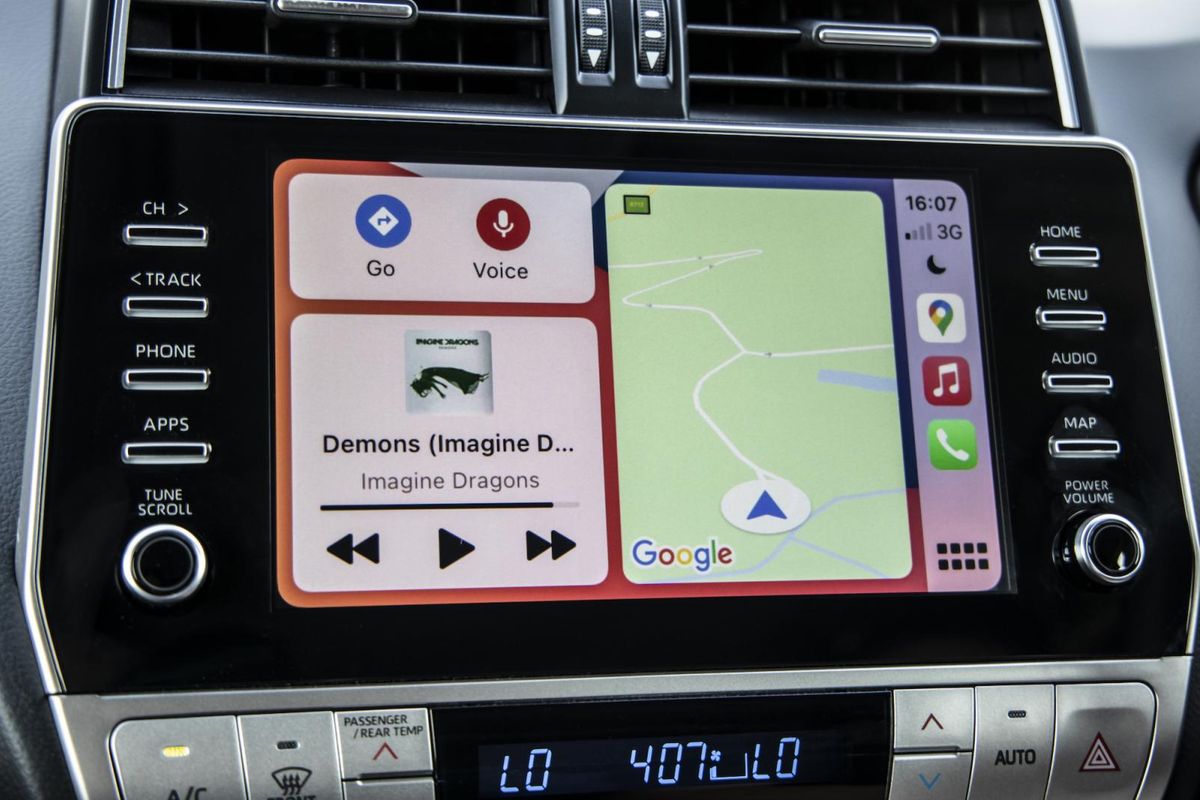
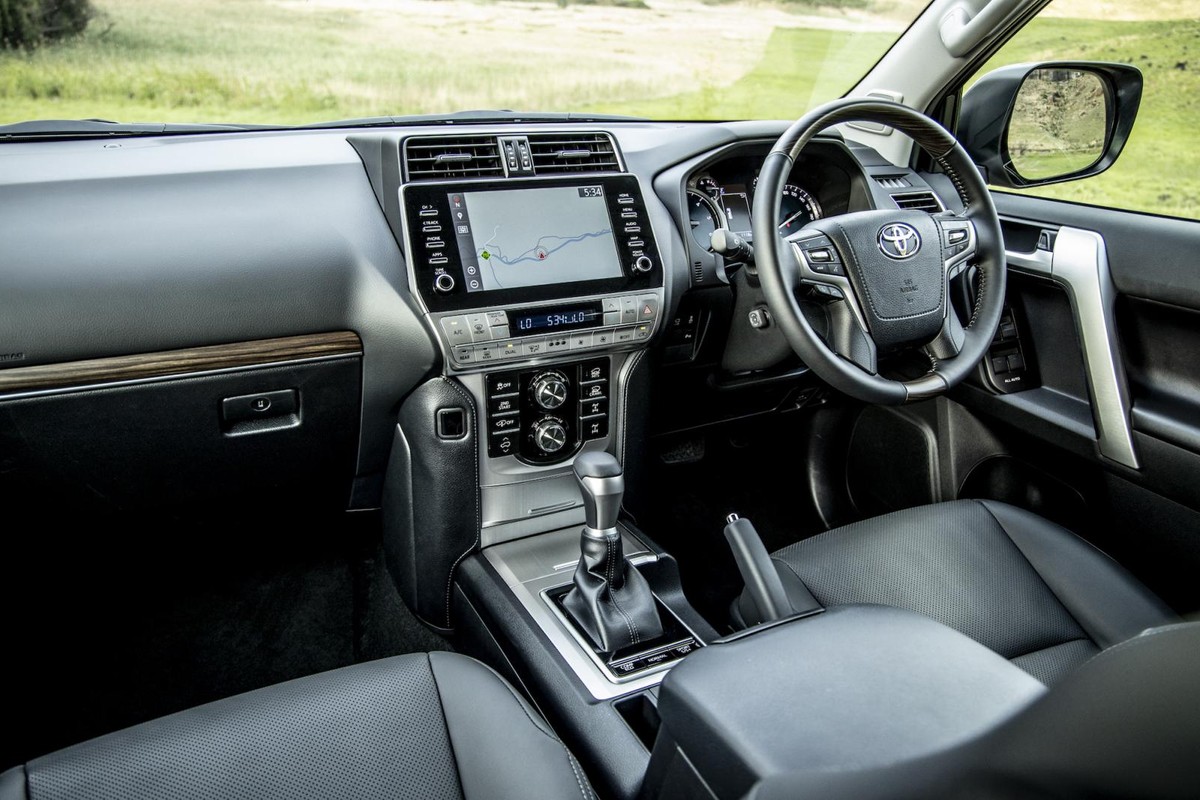
There are 3 levels of trim offered in the Toyota Land Cruiser Prado range; TX, VX and VX-L. There are also 10 colours to choose from, plus it appears Android Auto/Apple CarPlay has made its way into the Prado. The spec upgrades for the VX-L model, which sits at the top-of-the-range makes use of paddle shifters and driving mode buttons.
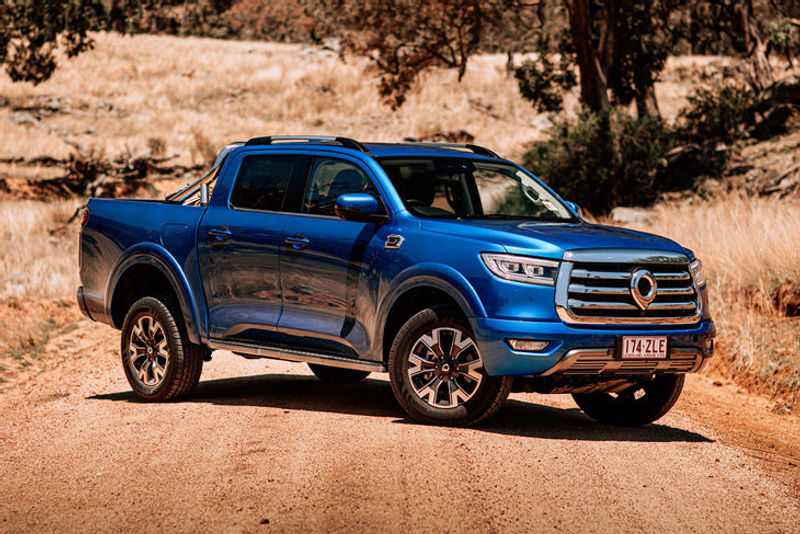
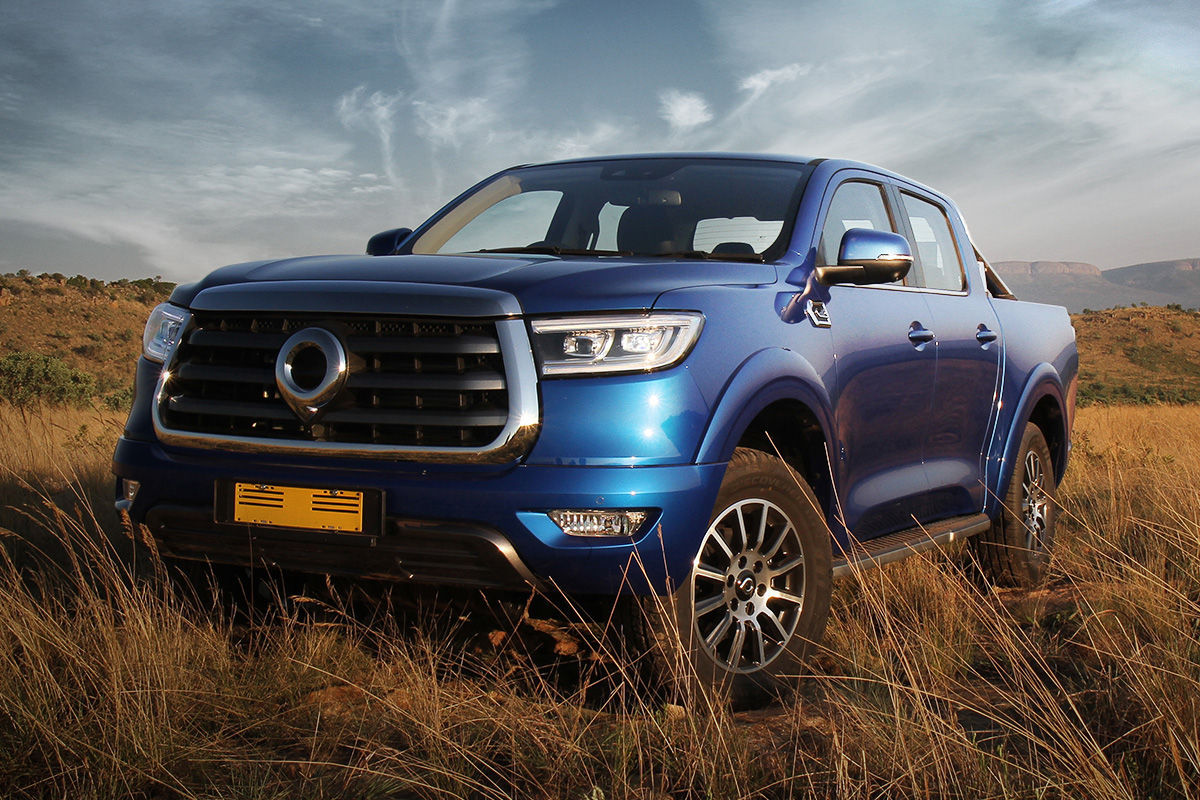
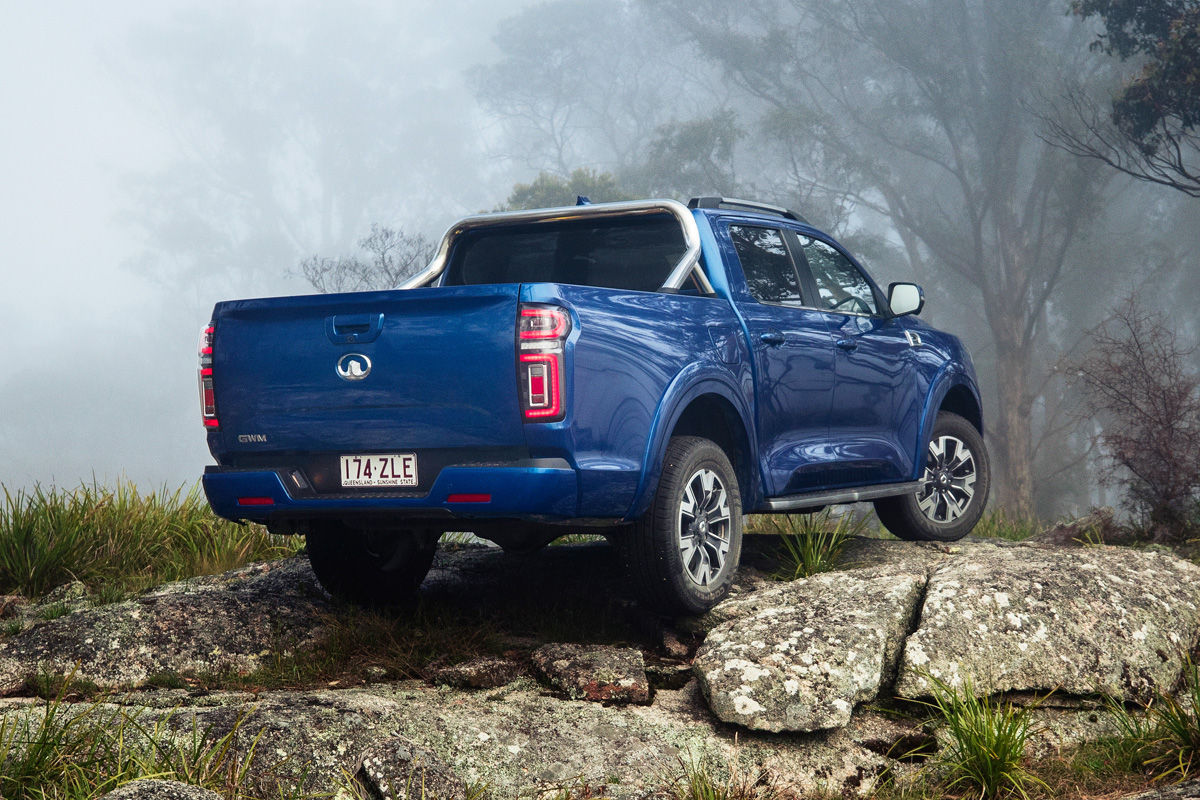
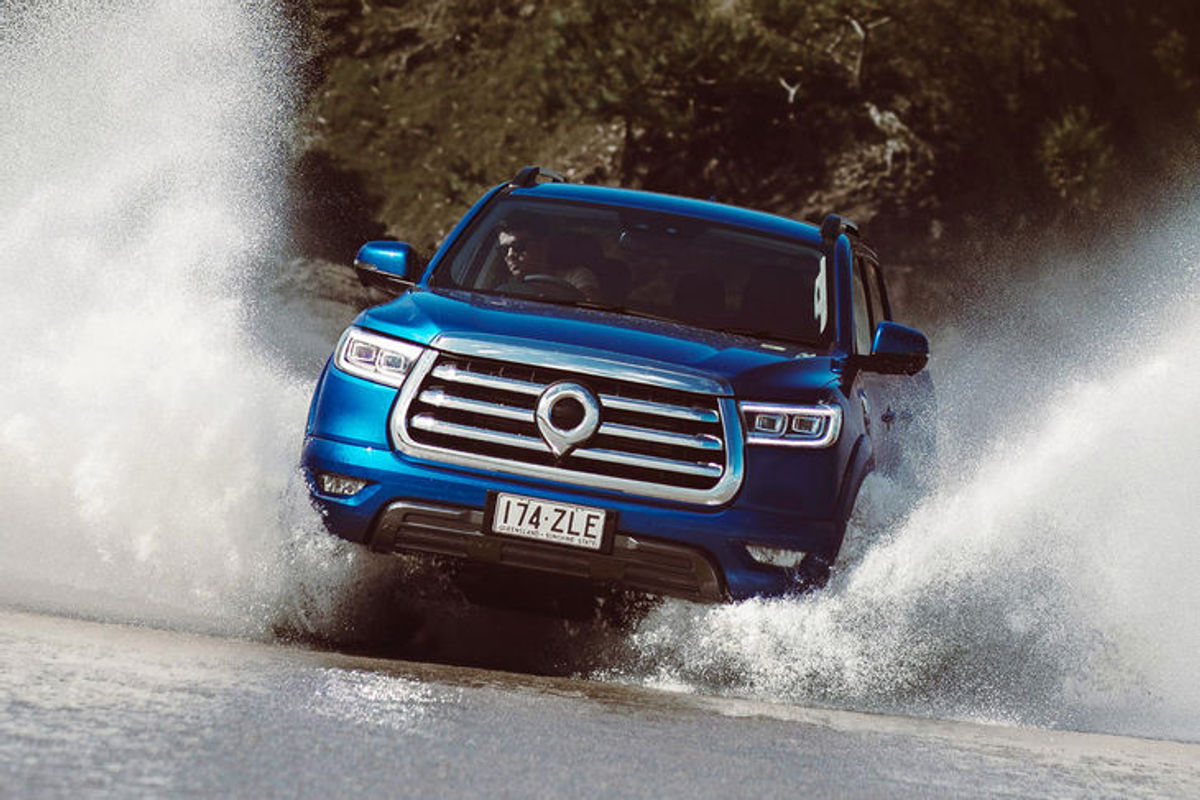
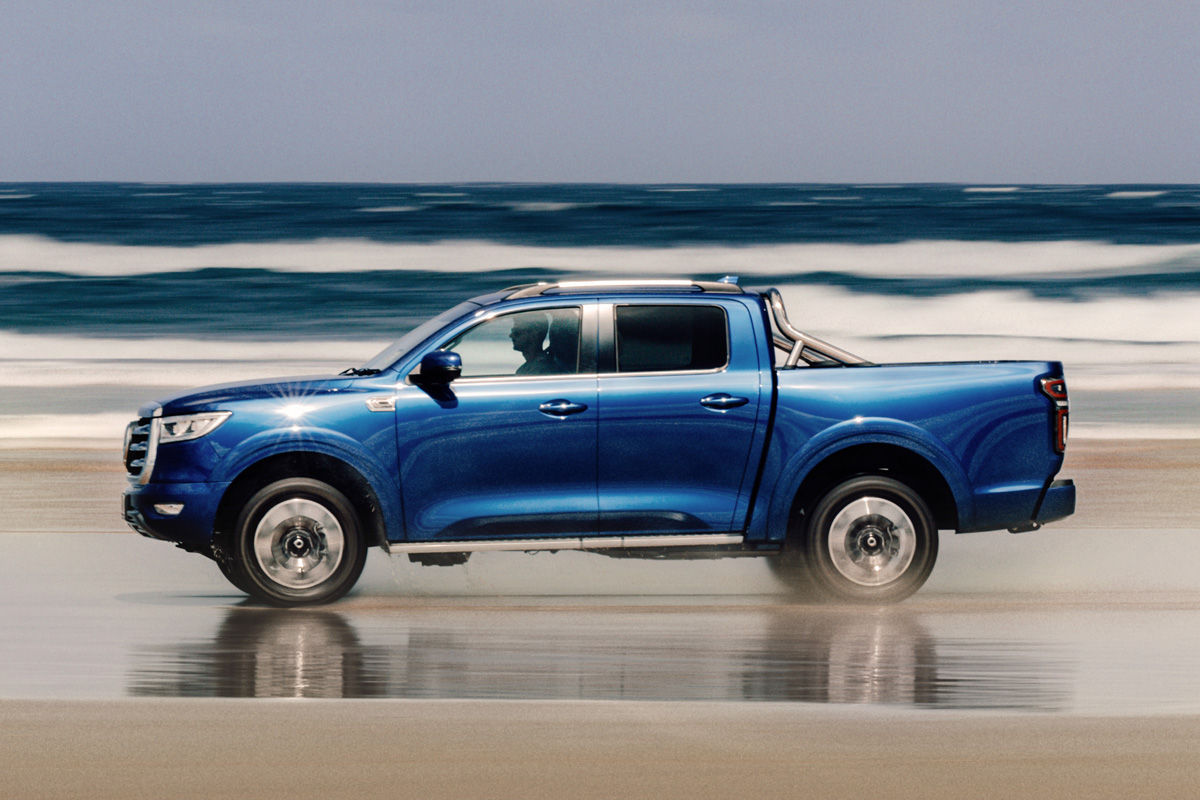
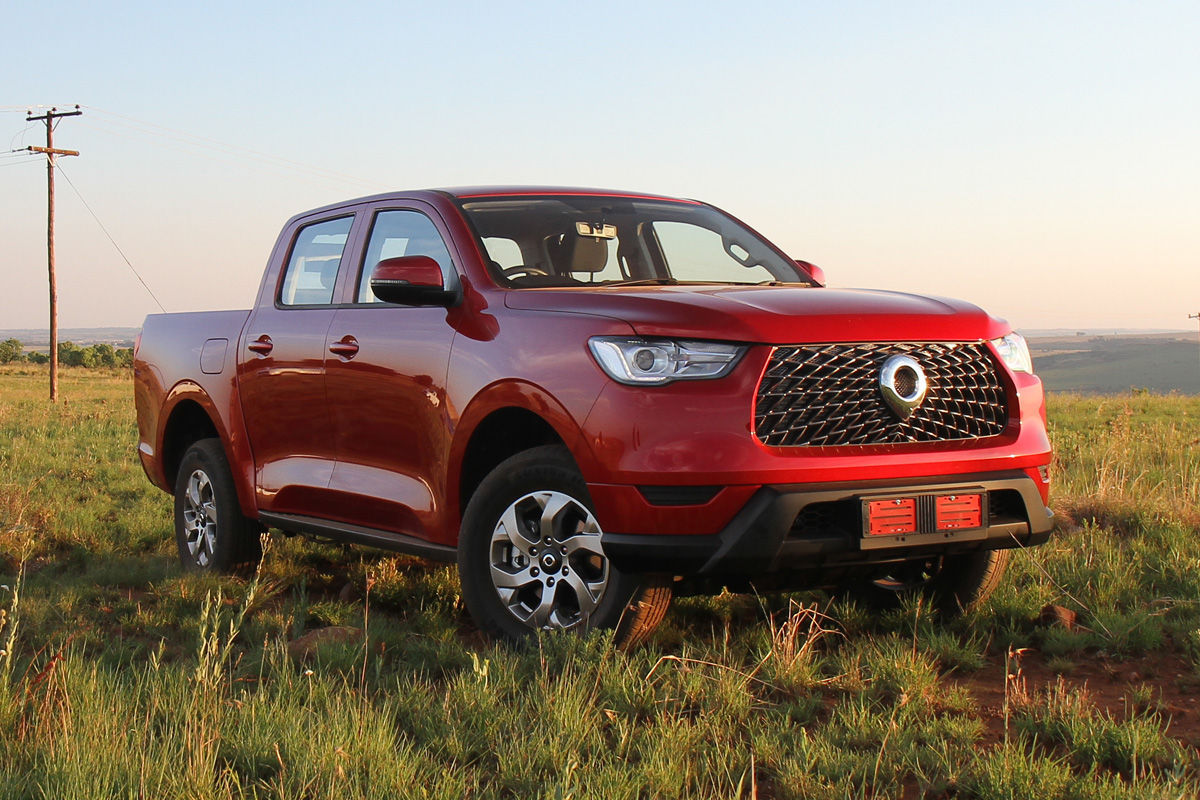
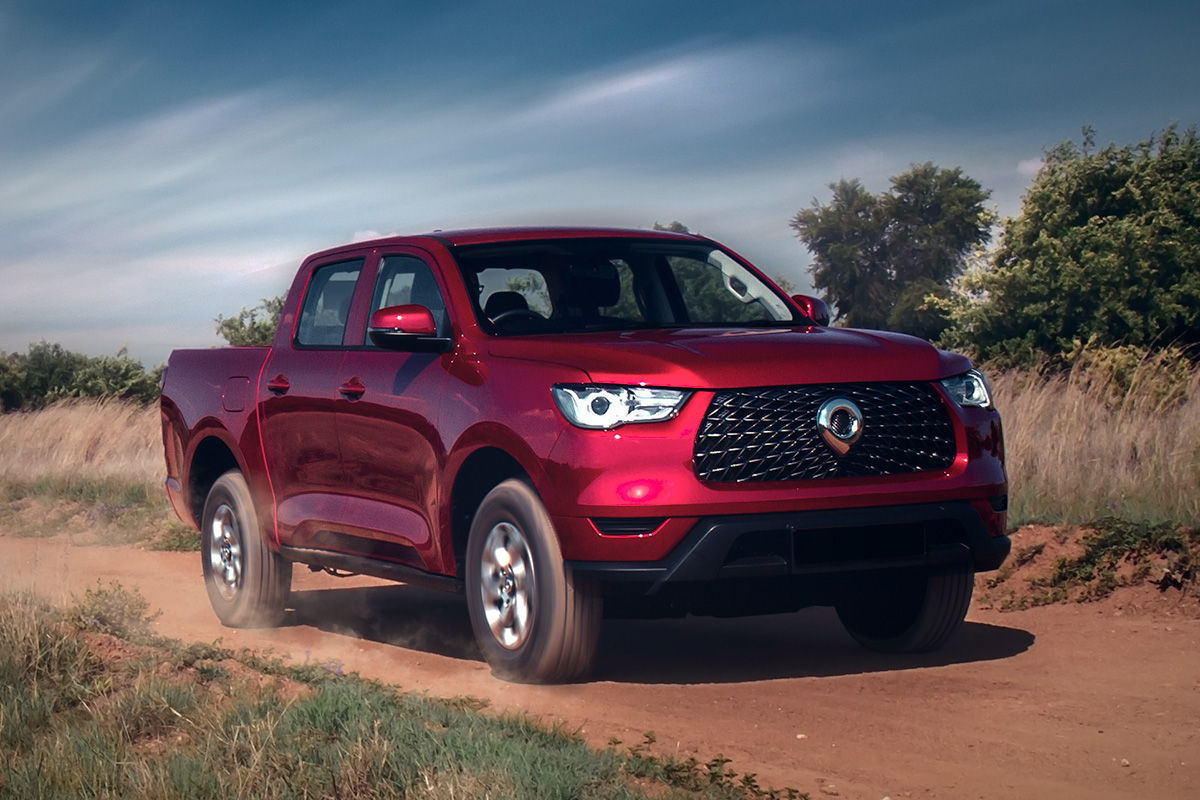
It looks good, but how do the GWM P Series double cab's numbers add up, compared with Hilux or Ranger?
Has South Africa’s Huawei bakkie moment arrived? Ten years ago, a Chinese double-cab bakkie was a disposable item – fleet managers or private buyers made a cost-to-depreciation calculation and if the vehicle was affordable enough, they bought one… then, after a few years had passed, they dispassionately discarded the strictly utilitarian LCV from the Far East the moment it presented with bothersome mechanical issues.
In light of the bakkie's low price, marginal comfort and an iffy driving experience didn't matter. The double-cab bakkie market has evolved, however, as has most customers' expectations. Emerging bakkie brands have either adapted and survived, like Mahindra (Scorpio), or failed, like Tata.
Toyota, Ford and Isuzu have not had to take note of any Indian or Chinese rival. Yet. But GWM’s P Series could change all of that.
The engine numbers look promising as do the dimensions of the new P Series.
When the P Series was revealed in September 2019, it featured an impressive design and a host of modern features. But the engine configuration was deeply problematic – the first version was powered by a 2.0-litre turbocharged petrol motor, boosting 140 kW and 360 Nm.
In the Chinese domestic market, small capacity turbopetrol engines dominate. But in all traditional bakkie markets, such as South Africa, they aren't popular, with turbodiesels being in much greater demand.
Logic has prevailed with GMW’s local product planning. The P-Series bakkies destined for Mzansi are powered by a 2.0-litre turbodiesel engine. It has less power than the Chinese brand’s similarly configured petrol engine (only 120 kW), but more torque, peaking at 400 Nm.
Compared to the smaller-engined Toyota Hilux, Ford Ranger and Isuzu D-Max bakkies, those outputs are quite competitive. In the price bandwidth that GWM is positioning its P-Series double-cab, none of its rivals offers comparable power.
Ford Motor Company of South Africa has retained the 2.2-litre engine specification in its updated Ranger, in which it produces 118 kW and 385 Nm in those Rangers that are priced in line with GWM’s P Series.
Toyota’s 2.4-litre Hilux makes 110 kW and 400 Nm, while the 2.5-litre D-Max is way down on torque compared to the GMW P Series, with the Japanese bakkie only boosting to 110 kW and 320 Nm.
Judged purely on its engine merit, P Series lacks for nothing compared with its rivals.
Digitally relevant cabin design
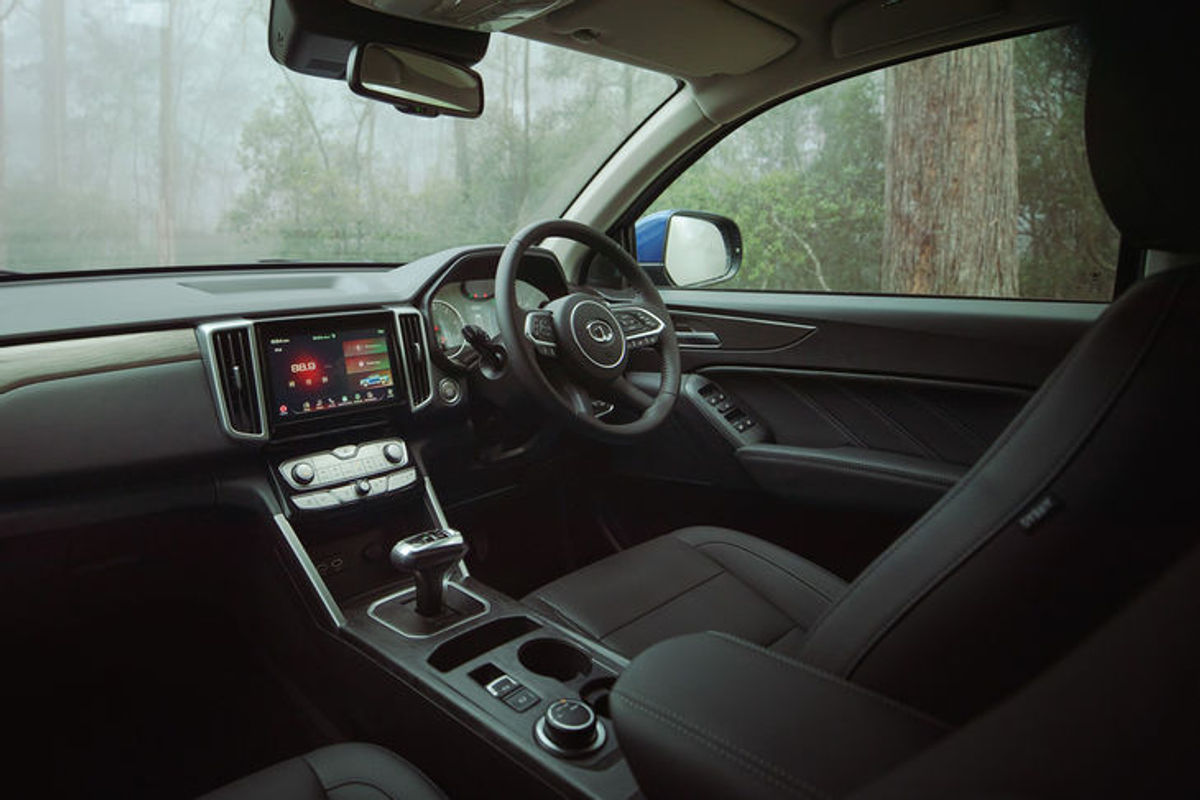
The P-Series cabin has good storage space and a modern infotainment system.
China supplies most of the world’s touchscreens and digital componentry, allowing GWM access to a valuable supply chain.
Without having to consider its customers' legacy ergonomic preferences, which is something that shapes the interior design of Hilux and Ranger (for example), GWM’s interior architects could dare to be bold. The result is a bakkie cabin that is modern and comprehensively digitised.
The premium derivatives feature a 7-inch virtual instrumentation cluster and a 9-inch touchscreen anchors the bakkie’s infotainment offering.
GWM also realises that Smartphone battery status is important to all drivers and provides inductive charging. This prevents the annoyance and untidiness of having USB charging cables permanently draped from the output port to the centre-console storage area.
A better gearbox than Hilux or D-Max
The 8-speed gearbox built by ZF is one of the best gearboxes and most widely used on the planet.
As double-cab bakkies have transitioned into the role of being family vehicles, the demand for better automatic gearbox options has increased.
When Volkswagen launched the Amarok a decade ago, it enjoyed an enormous advantage over all other bakkies, thanks to the ZF 8-speed automatic transmission. Generally regarded as perhaps the most influential self-shifting 'box ever designed, the abundance of gears and intelligent shifting software has enabled users of ZF’s 8-speed design to meticulously calibrate it for specific vehicle applications.
GWM has not wasted time or resources seeking an alternative. The P Series uses ZF’s 8-speed auto and it is only bested in the local market by Ford’s 10-speed transmission. But there’s an exclusion to that comparison…
At the prices GWM is charging for its P-Series double cabs, you can only buy an equivalent Ranger with a 6-speed automatic transmission. Toyota similarly offers only a 6-speed auto on its Hilux and Isuzu comes off worse in any drivetrain comparison with its ageing 5-speed gearbox.
South African bakkie owners are tough on gearboxes: towing heavy loads, navigating steep off-road terrain and requiring rapid kickdown shifts for overtaking purposes. With GWM having sourced the best German-designed gearbox, it promises to deliver a very smooth driving experience.
A tailgate that might be too clever – for its own good
The tailgate seems like a smart idea, but without anywhere to grab on might not be that smart after all.
Considering the increasingly diverse profile of double-cab bakkie customers, designers have been forced to make tailgates more user-friendly. The days of farmers and construction crews being the only ones to lift a tailgate are over.
Volkswagen and Ford have both integrated torsion bars in their Amarok and Ranger's tailgates, allowing even the slightest user to easily close the load box. Lighter steel stampings have also reduced weight, which has undoubtedly helped in this regard.
GWM has done well to create an adequately shaped load box, which is incidentally the same size as that of the Hilux. But one feature, with good intentions, could perhaps be lost on South African bakkie users – and trigger frustration.
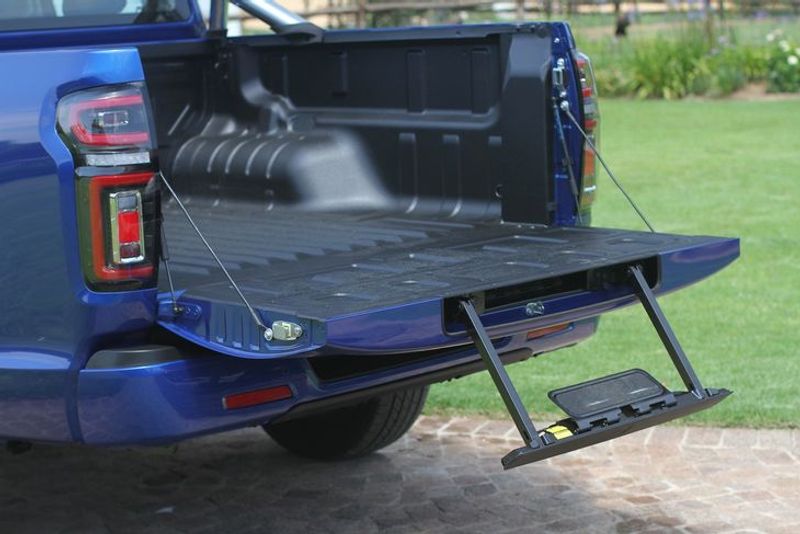
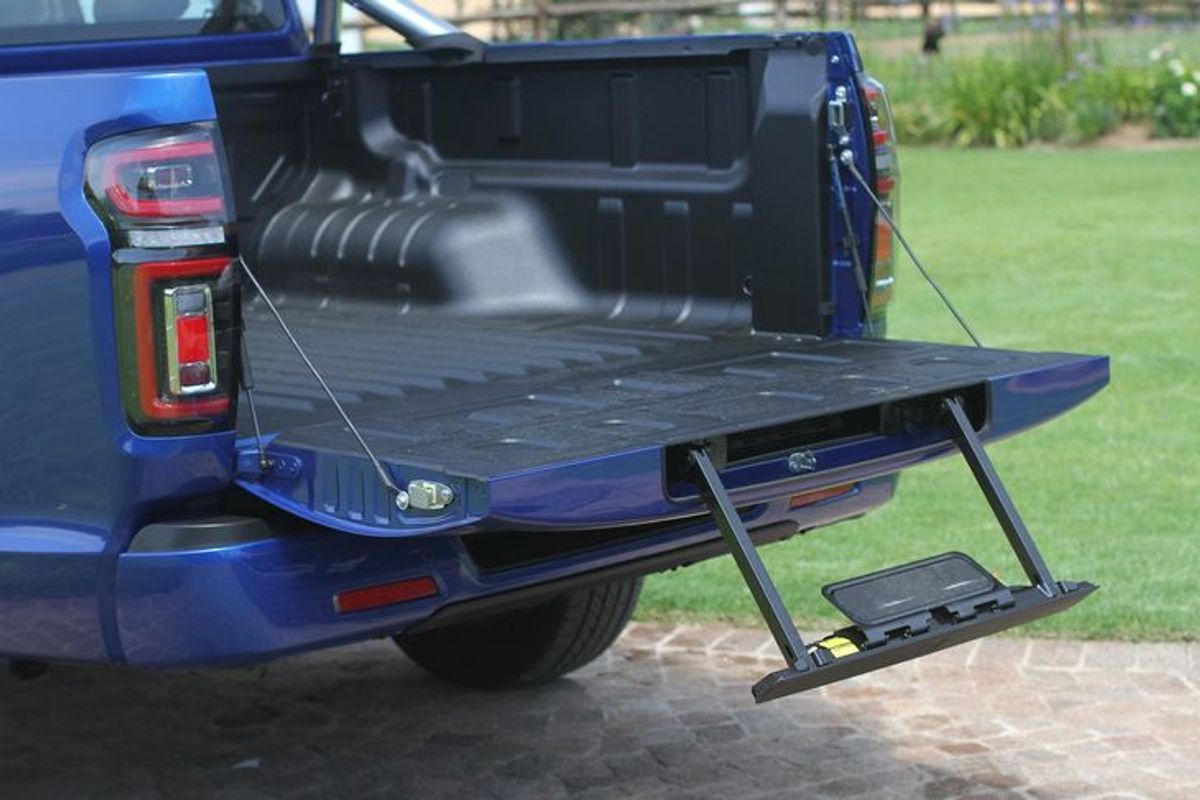
The P Series has a deployable tailgate step. In theory, this is to allow easier step-up access to the bakkie’s load box. An uncomfortable truth is that if you struggle to get onto the back of a bakkie, perhaps you shouldn’t really be using an assistance step.
The traditional South African method of stepping on a tyre, and climbing over the load box’s side, while grabbing hold of a roll bar for balance, is proven. It is also perhaps safer than stepping on a small strut rectangle, without any bracing surfaces or rails for your hands to grip.
Whether that tailgate step linkage will remain rattle-free after 50 000 km of corrugated Karoo roads, well, remains to be seen.
It should be good as an all-terrain vehicle
Decent approach and departure angles but the lack of a rear diff may put hardcore off-road users off.
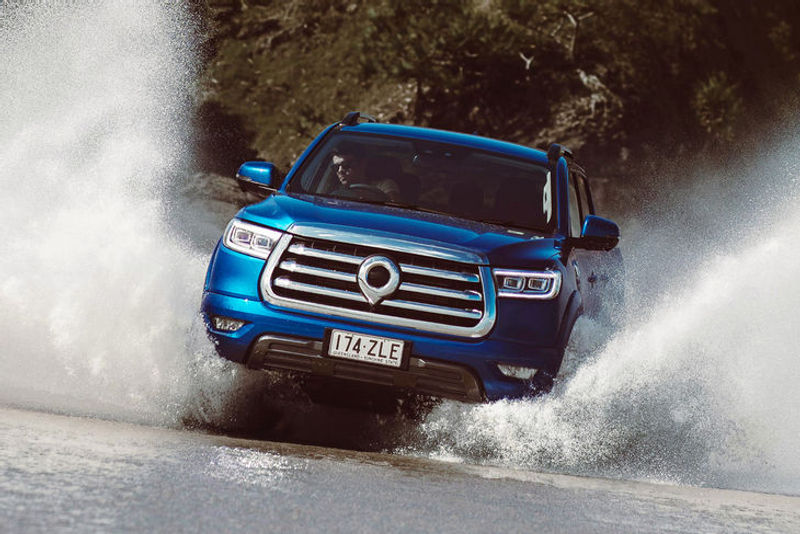
The truth is that most double-cab bakkies never engage a rear differential lock or shift their transfer case into low-range. But for those who fancy the idea of a generously equipped double-cab 4×4, the GMW P Series has some decent all-terrain geometry and traction features.
With 232 mm of ground clearance, the P Series might not rival a Hilux’s 279 mm of obstacle clearance, but it is close to a Ranger’s 237 mm and better than D-Max’s 225 mm.
The Chinese bakkie has fairly good approach-angle geometry too, at 27 degrees. Isuzu’s D-Max is best, at 30 degrees, trailed by the Hilux at 29- and Ranger at 25.5 degrees.
With 400 Nm, low-range, a rear differential lock and that ZF 8-speed gearbox, there is no reason to believe the P Series double-cab will be less than adept at conquering local terrain.
The P Series' pricing is inarguably competitive. You can have an LS 4×4 double-cab for R479 900, while the premium version sells for R544 900, tallying discounts of more than 10% compared to its American and Japanese rivals.
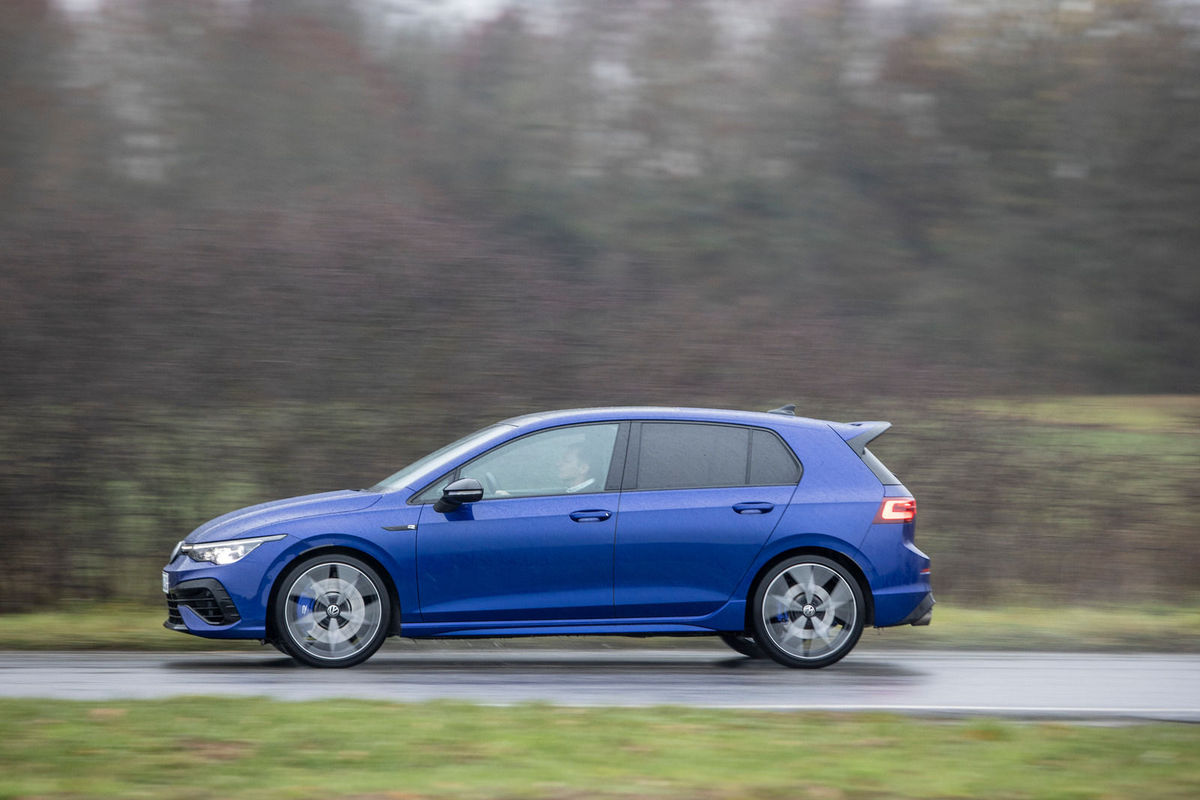
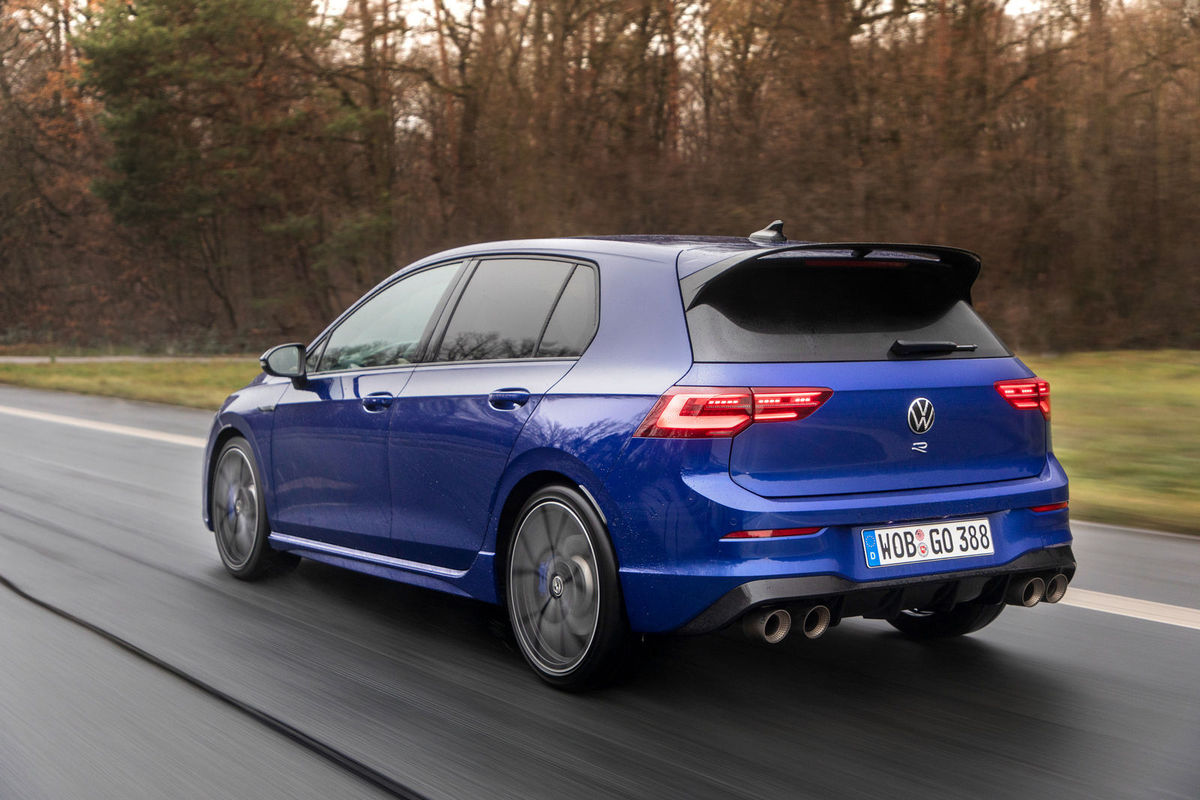
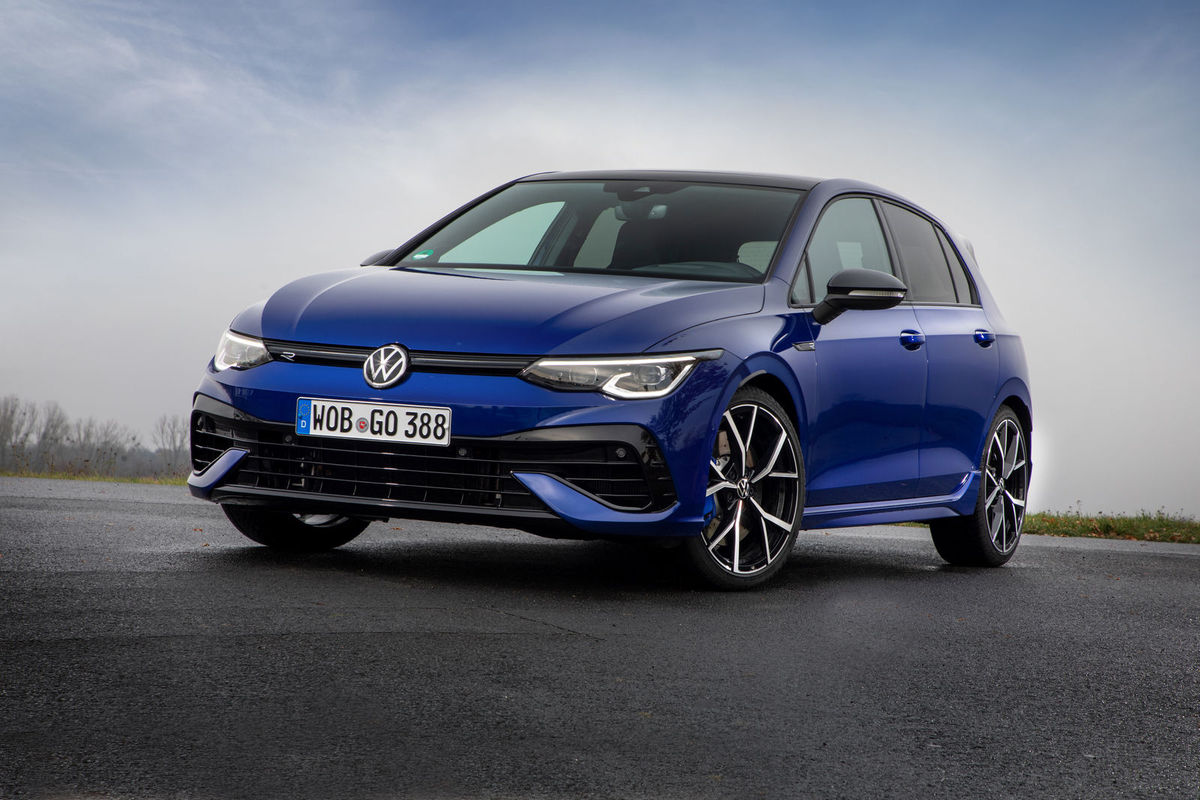
Volkswagen Golf R (2021) International Launch Review
The most potent Golf to wear an R badge is a deliciously powerful, yet well-balanced, driver's car. International correspondent Greg Kable drove the next iteration of one of SA's most-loved hot hatches in wintery conditions.
What is it?
We’re living in a period of "peak mega-hatch". Truly, never before has there been such a wide choice of high-powered, performance-orientated hatchbacks from so many different manufacturers. Even the otherwise unassuming Toyota Yaris is getting in on the act with the limited-edition GR.
But while buyers are spoilt for choice, the task of creating an outstanding mega-hatch that truly stands out has become an increasingly difficult task – not least in the premium ranks, where Audi, BMW and, of course, Mercedes-AMG have chimed in with all-wheel-drive hot hatchbacks.
Volkswagen, however, has the most illustrious history, which started with the front-wheel-driven Golf GTi in 1976. Then, in 2002, the Wolfsburg-based brand added all-wheel drive to its hot-hatch mix with the 1st-generation Golf R32, creating an even more serious road machine.
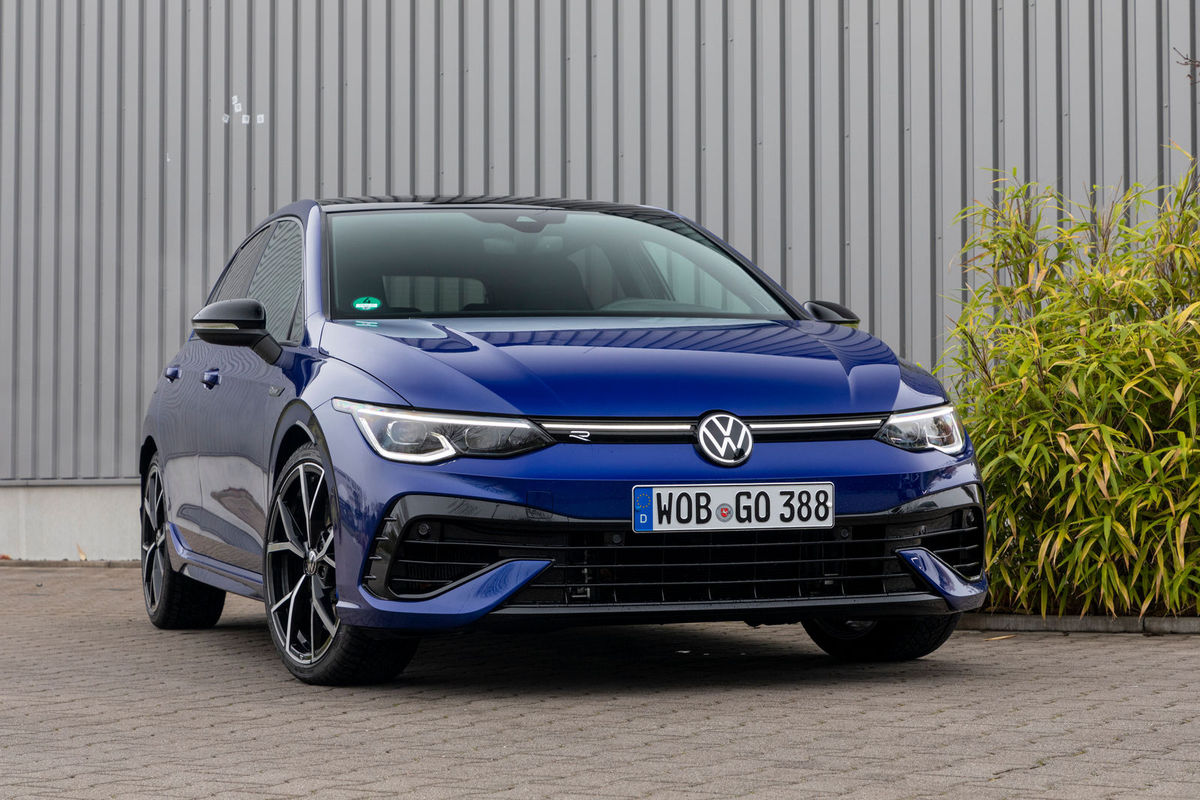
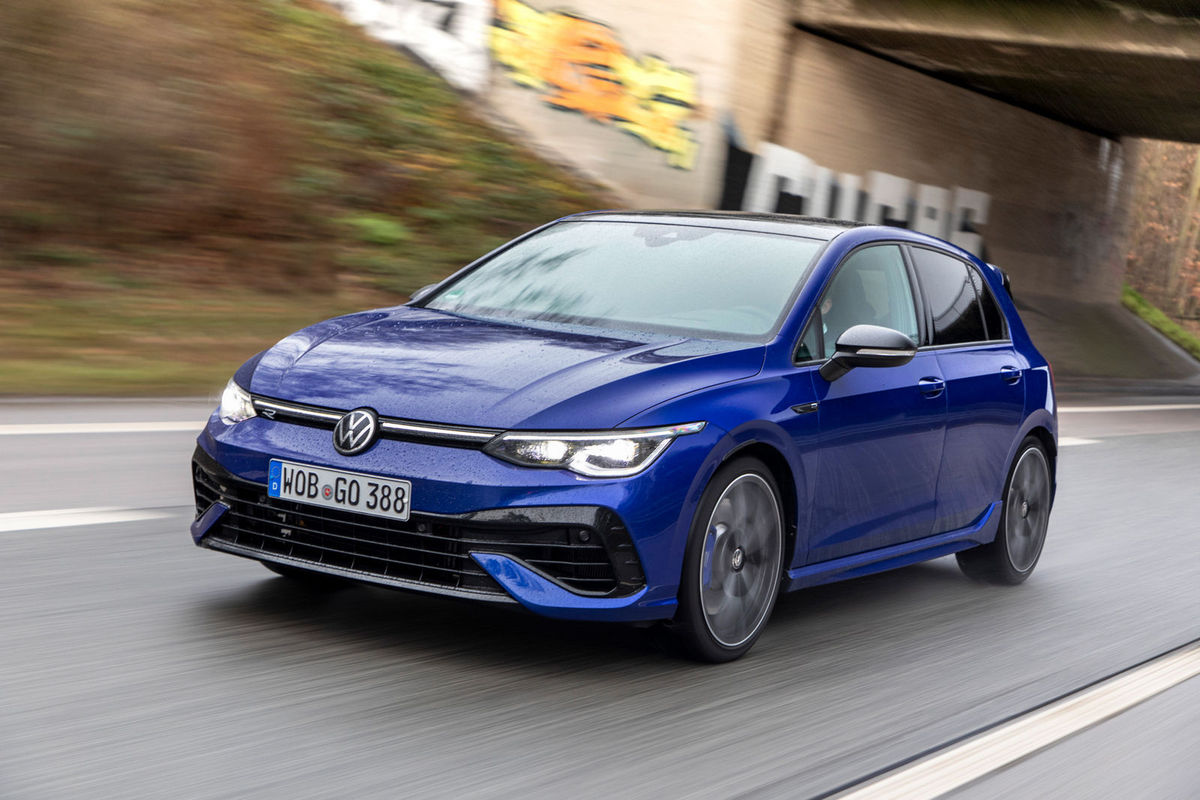
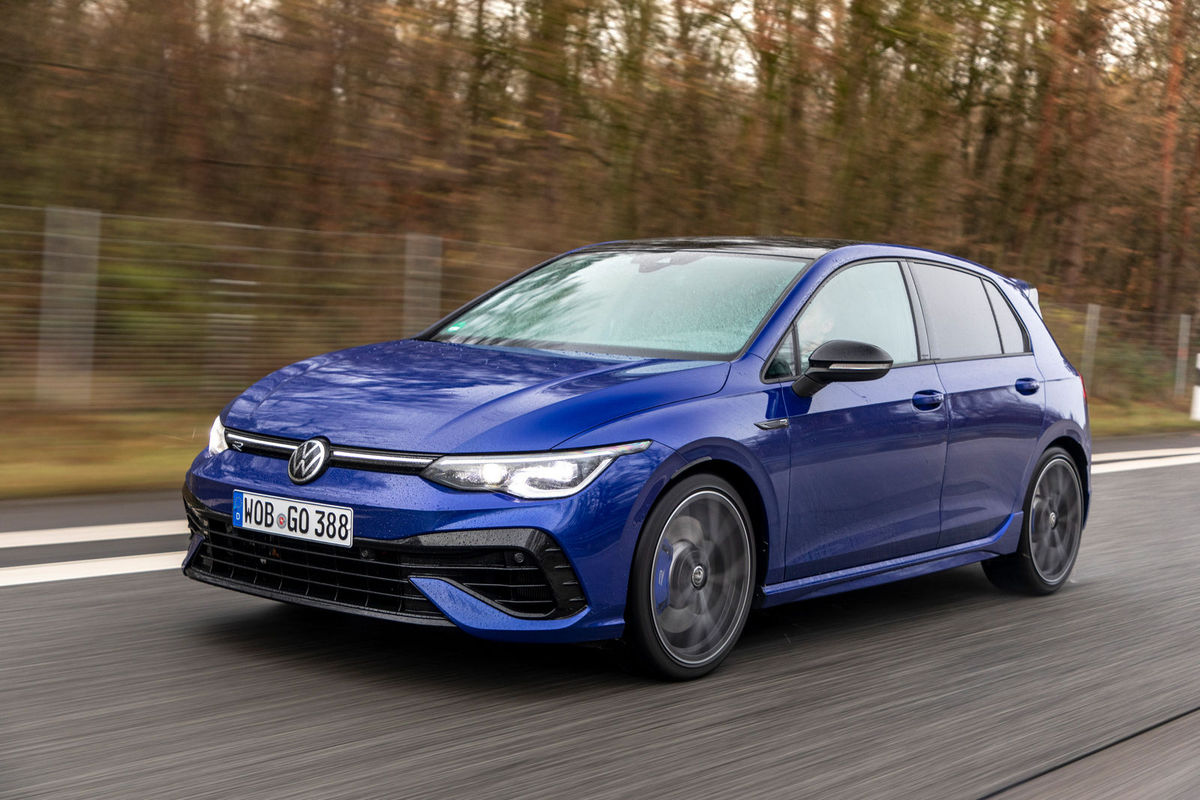
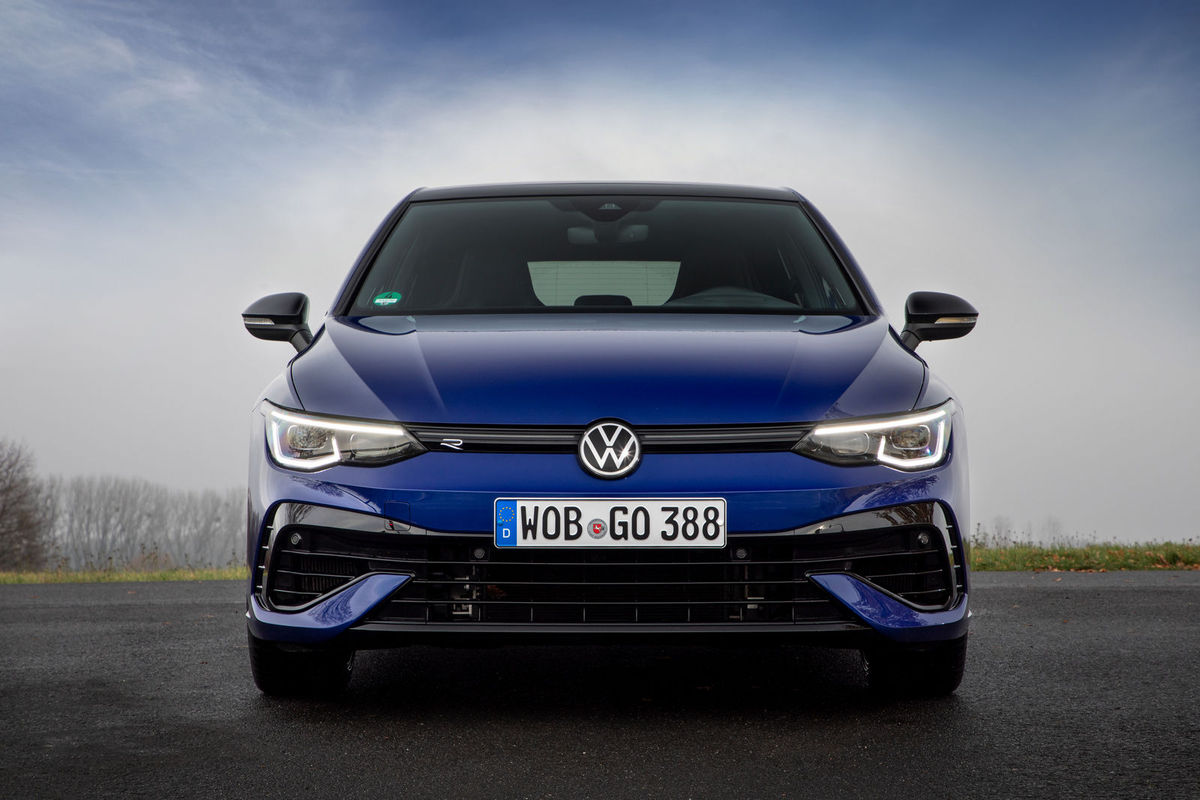
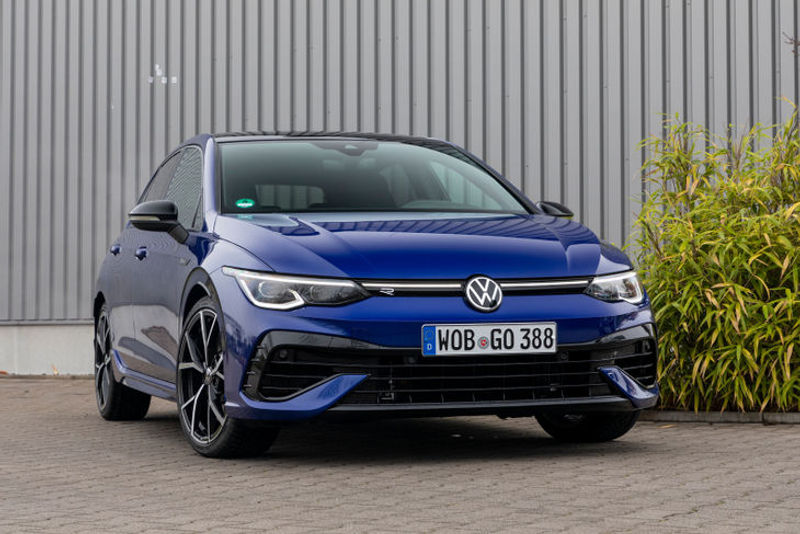
Note the new R logo on the front grille.
Indeed, the car driven here is the 5th Golf to wear the (recently restyled) R badge. The R model used to be powered by 6 cylinders (VW switched to a turbocharged 4-pot in 2009), but 1 tradition that's continued in the flagship hatchback for all of 18 years is all-wheel drive. Plus, with the changes brought to the Haldex multi-plate clutch system for the new model, it is now more sophisticated and arguably more effective than ever before.
But first, the engine. The R uses the 4th-generation version of Volkswagen’s celebrated and long-serving EA888 unit. This is essentially the same unit brought to the new Golf GTI Clubsport, but with an added 14 kW and 20 Nm. Peak outputs of 235 kW and 420 Nm of torque, the latter of which is available from 2 100 to 5 350 rpm, make this the most powerful series-production Golf.
By comparison, the outgoing Golf R made 213 kW and 380 Nm (228 kW in its final year), so this is more than just a token increase in reserves, particularly torque. Drive, meanwhile, is sent through an updated version of Volkswagen’s in-house 7-speed dual-clutch gearbox (DSG), which uses an upgraded auxiliary oil cooler and new software mapping for faster shift times. There is no manual gearbox option in Europe – VW says there isn’t sufficient interest.
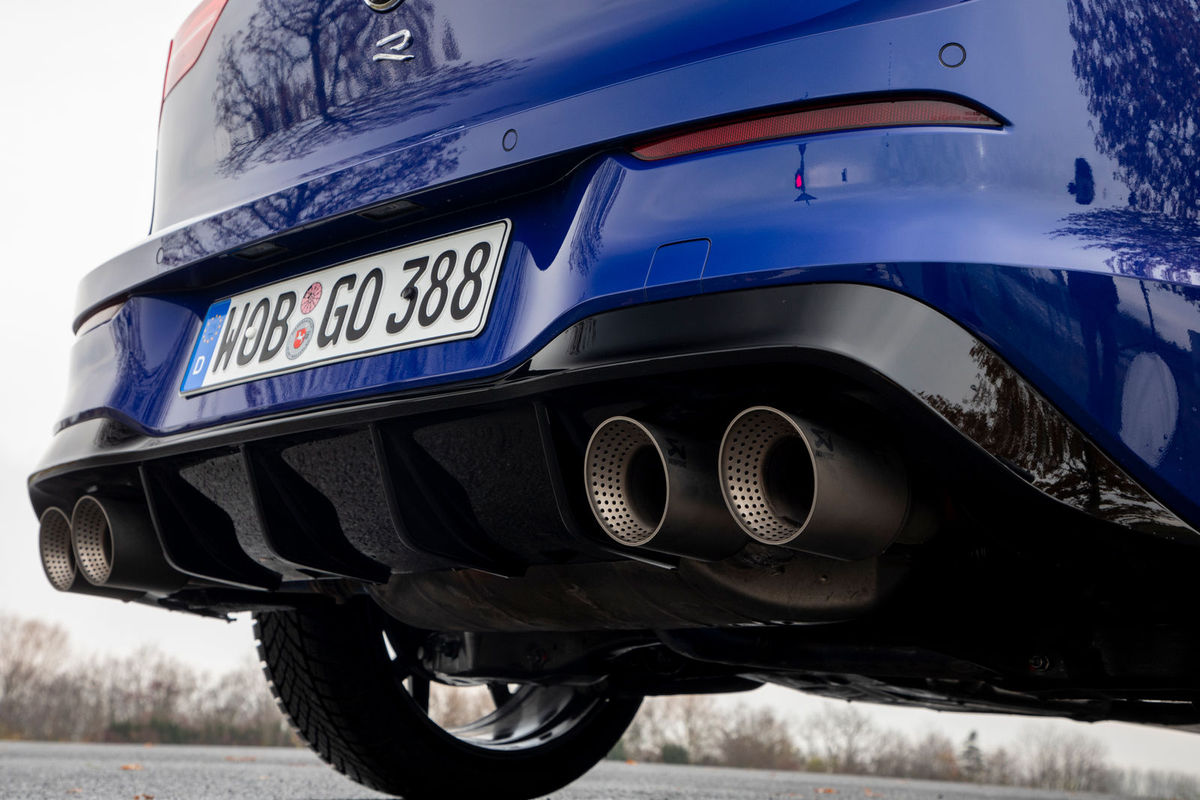
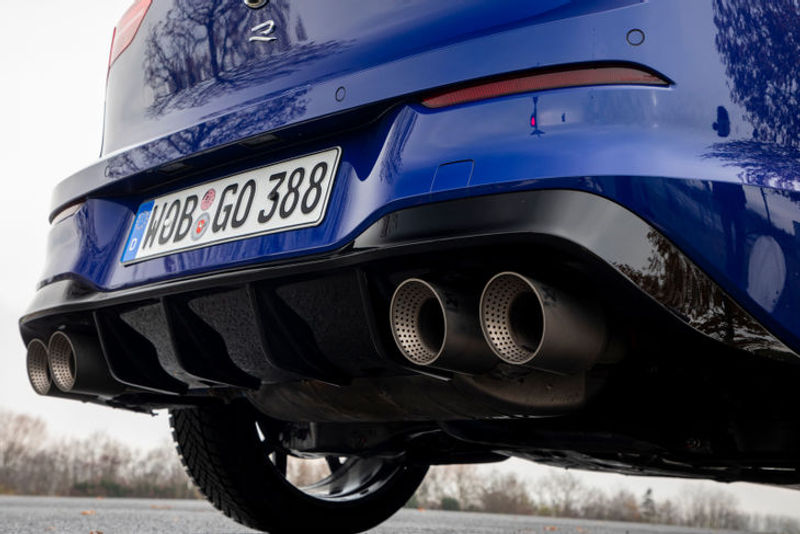
As before, there is an optional Akrapovic titanium exhaust system. The exotic tailpipe setup doesn’t liberate any more power from the 2.0-litre engine, but it does save 7 kg and gives the new model a stirring exhaust note in any one of its more sporting driving modes.
Underneath, there is a reworked MacPherson strut (front) and 4-link (rear) suspension. The R rides 20 mm lower than the regular Golf, and gets VW’s excellent DCC (Dynamic Chassis Control) with variable rate dampers and an additional 1.3 degrees of negative camber to the front wheels.
The standard wheels, unique in their design specific, are 18-inch in diameter, though our test unit wore optional 20-inch wheels with winter tyres.
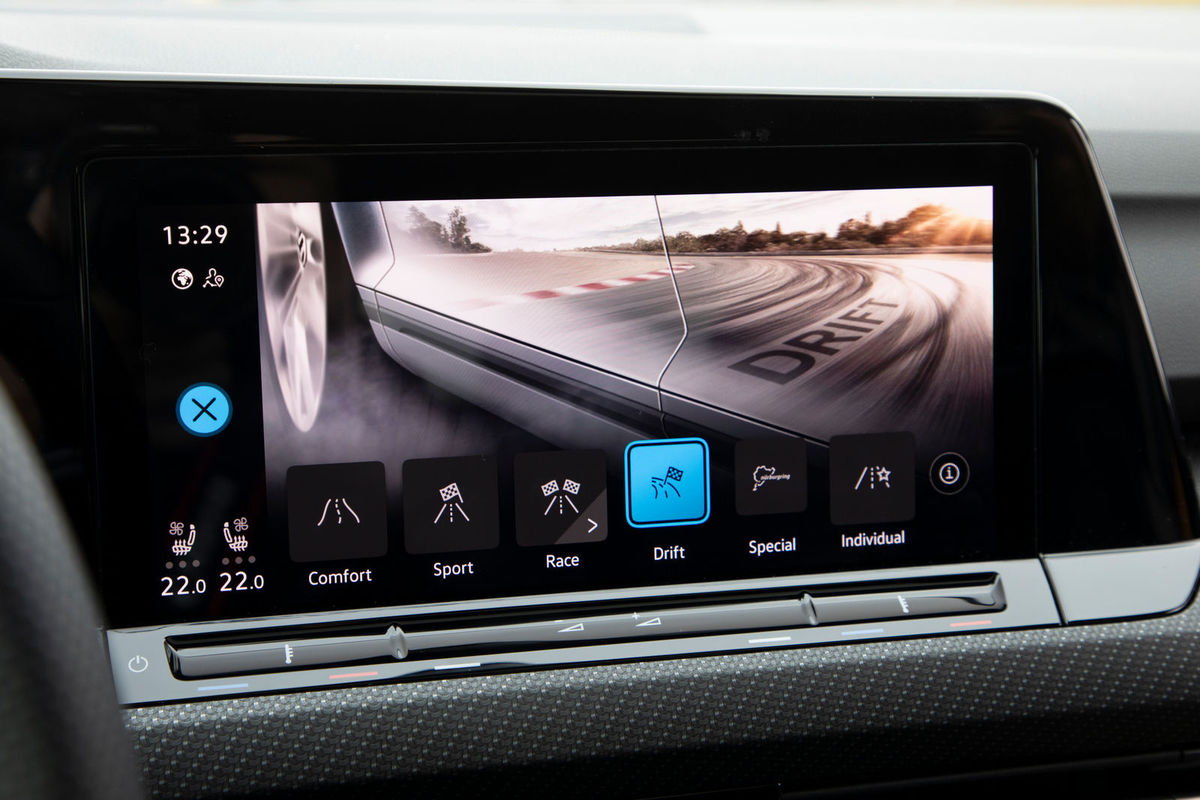
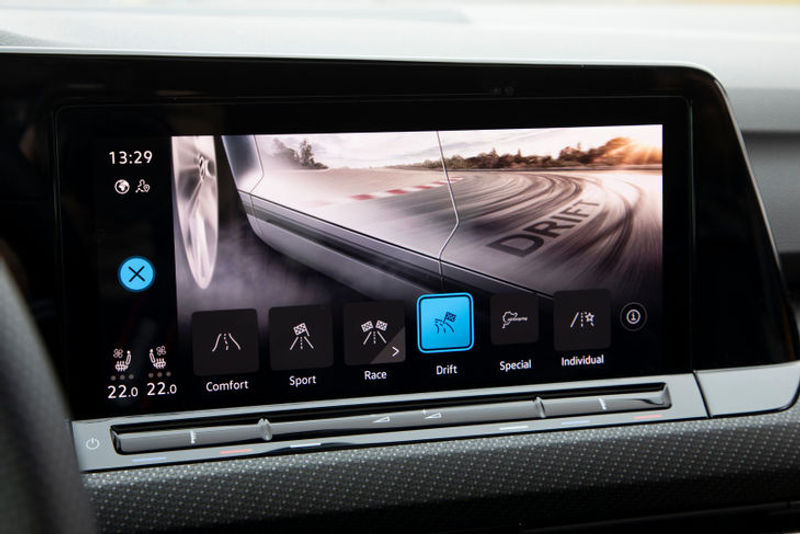
The driving modes are selected in the same way as the Golf 7, the 8 R gets a unique drift mode.
Other changes? There’s a quicker variable-ratio steering rack attached to the same upgraded front subframe as the Golf GTI, and larger front brakes with 2-pot callipers. The brakes also use a new master cylinder and, despite being larger than before, are 600g lighter at each corner.
It’s the newcomer's all-wheel-drive system, though, that really deserves a closer look. Produced by BorgWarner, it has been re-engineered with the addition of a new centre differential that provides a faster and more rear-biased apportioning of drive. Among a host of other changes, there’s a new electronic rear differential that brings torque-vectoring qualities to the rear axle for the first time.
This setup is networked with a so-called Vehicle Dynamics Manager (VDM). It aims to provide the new model with a more balanced feel with less understeer and, thanks to a new driving mode, drift qualities like those found in cars such as the Mercedes-AMG A45.
There are 5 driving modes: Eco, Comfort, Sport, Race and Individual. But there’s also a so-called Nürburgring driving mode, which uses settings Volkswagen says were developed on the German circuit, where much of the Golf R’s chassis tuning took place.
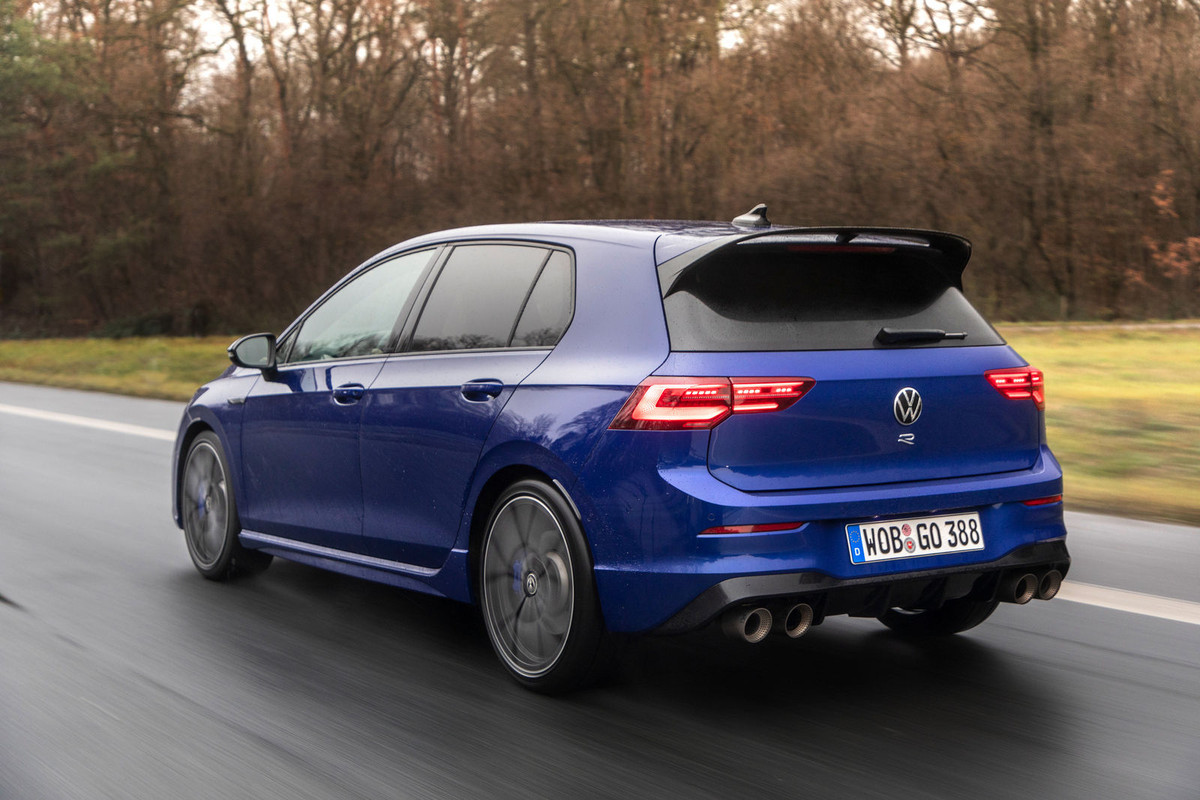
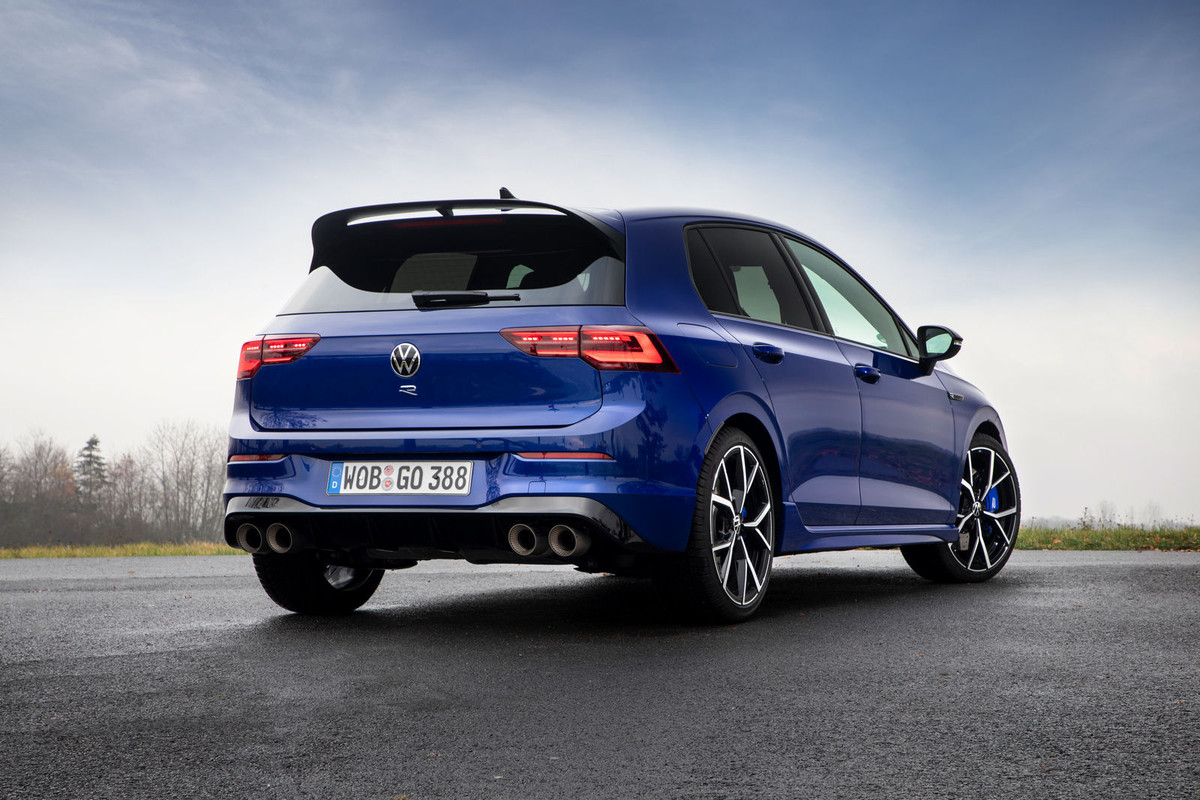
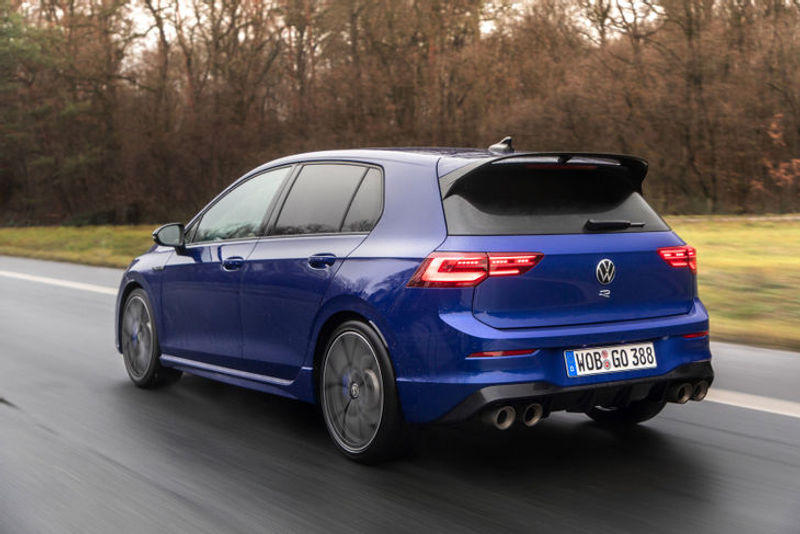
Externally, the new Golf R is marked out from other Golf derivatives by a uniquely styled front bumper with a front splitter element and large lower cooling ducts. VW has also beefed up the sills underneath the doors, and there’s a prominent twin-plane spoiler atop the tailgate at the rear, plus a large 3-channel diffuser, which is bookended by 2 round tailpipes on either side of it.
What's it like to drive?
The new R features more power and torque and a new centre diff that makes it more rear-biased than before.
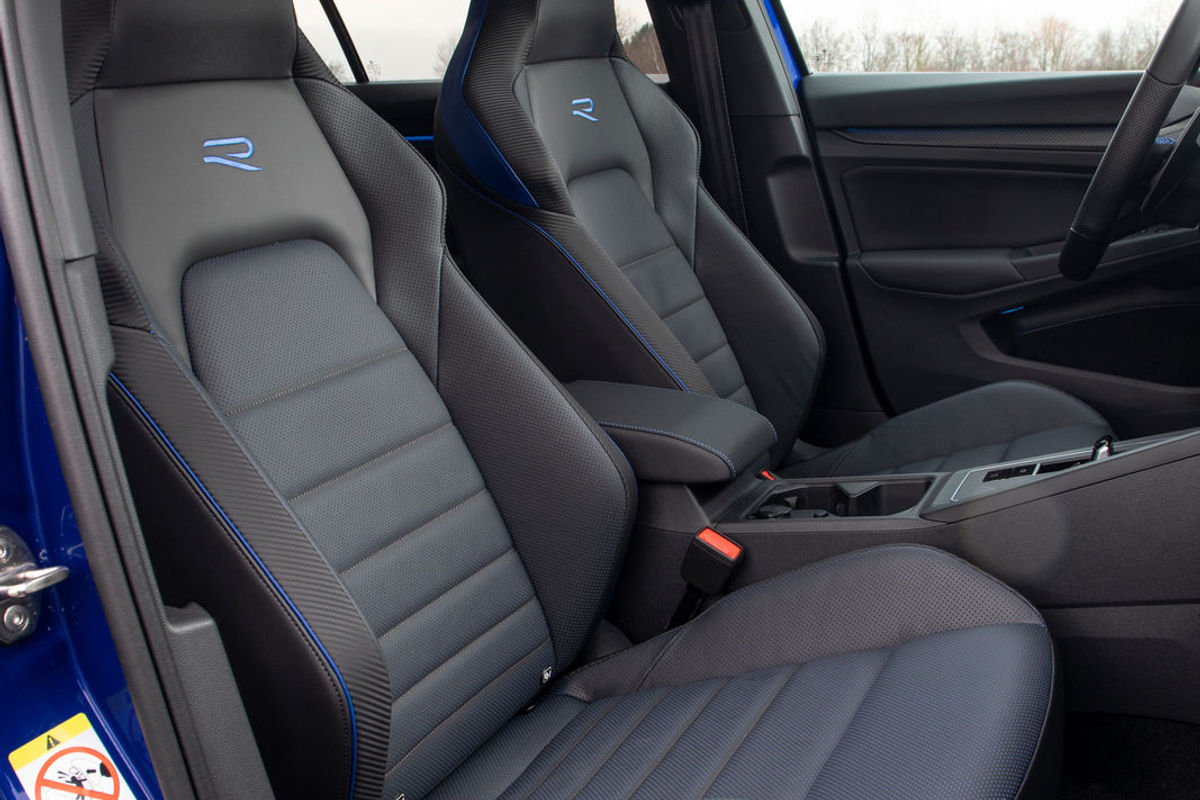
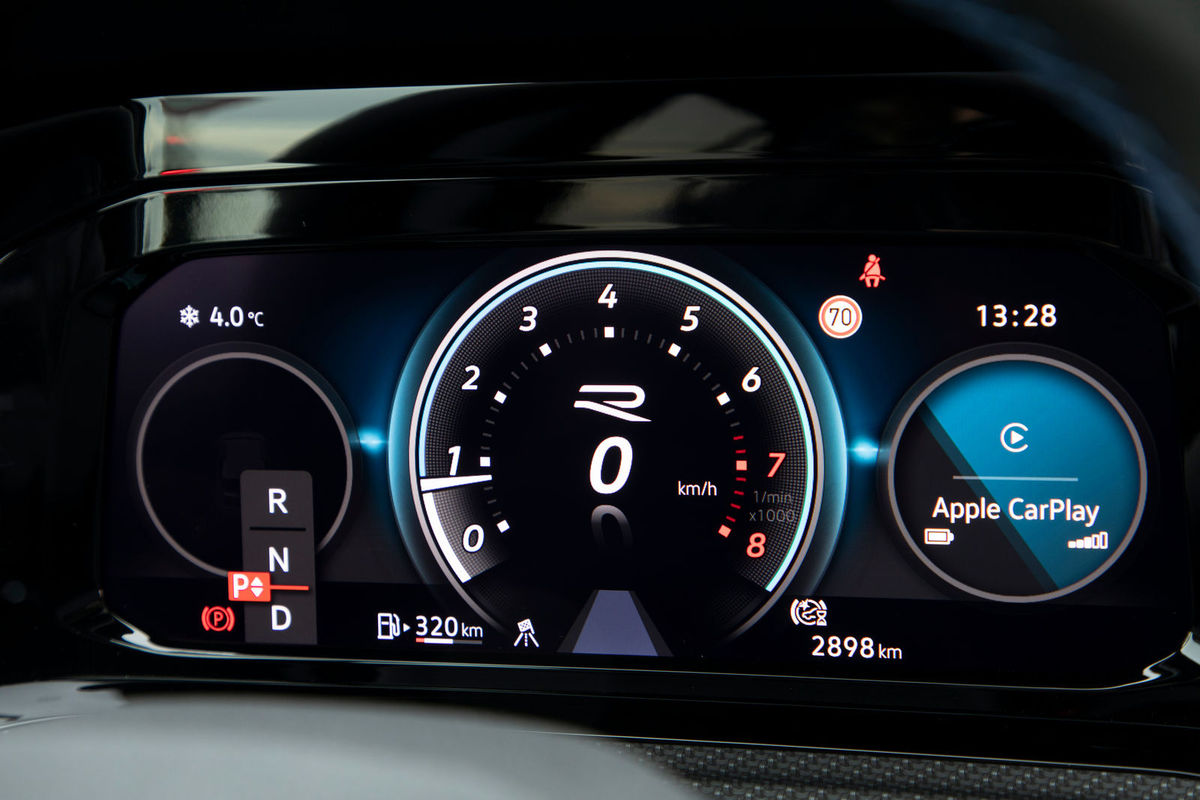
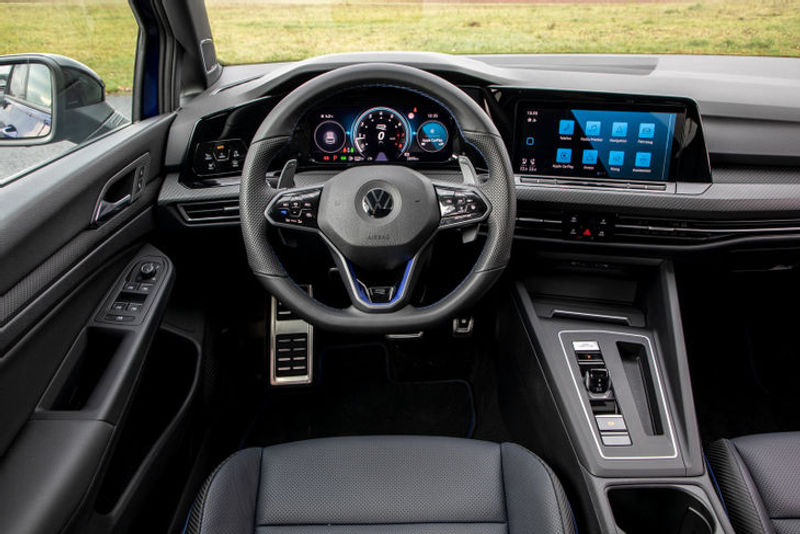
Step into the Golf R and you’re confronted by an interior that does its best to reflect the car’s sporting pretensions without deviating much from that of milder Golfs. There are standard-fit sports seats with integrated headrests, a suitably thick-rimmed sports steering wheel with larger shift paddles than those you’ll find in the Golf GTI, steel-capped pedals and a series of unique digital instrument displays among other bespoke touches.
The new seats, adorned with heavily sculptured squabs, are especially snug and quite supportive. They offer a good range of adjustment, allowing you to sit low, and there is plenty of adjustability to the steering column.
The dashboard is well built, although the shiny hard plastics on some sections does give it a slightly cheap look, despite the inclusion of more agreeable materials elsewhere. The pair of integral digital displays deliver sharp graphics at high resolution, although the central infotainment display in our test car was particularly slow to respond to inputs at times.
Which isn’t something you can say for the Golf R’s accelerative ability. With a 0-100 kph time of 4.7 sec, the newcomer doesn’t match the claimed 4.6 sec of its (7.5) predecessor, but it equals the official times quoted for the BMW M135i xDrive and Mercedes-AMG A35, and comfortably beats the 6.2 sec of the Golf GTI Clubsport.
What's more, the Golf R feels quicker than its quoted figures suggest. The manner in which it launches from a standing start is nothing short of spectacular. Load it up with revs with the launch-control and it explodes away in Race mode with determination. There’s momentary slip at the front wheels before the drive is properly apportioned, but from there the driveline is tremendously effective at transmitting the R’s reserves to the road.
Optional Akrapovic pipes are still available for the new model.
Low-end response from this EA888 unit also seems to have been improved. There is now a more natural, gradual build-up of turbocharger boost pressure below 2 000 rpm, after which the broad spread of torque makes this engine hugely tractable – just as before. Equally, the 2.0-litre turbopetrol motor now revs more freely as it approaches its 6 700 rpm cut-out. Best of all? You get this breadth whatever the driving mode…
The process of selecting the most responsive driving mode doesn't feel quite as laborious as it did in the Golf 7.5 version either. One press of the new R button on the left-hand spoke of the steering wheel instantly sets all the various functions – engine, steering, transmission, all-wheel-drive system and dampers – into their most aggressively tuned state, at which the new Golf R feels deliciously responsive and eager.
The added urgency brought by the reworked engine is supplemented by an improved action to the new Golf R’s DSG automatic transmission, which delivers smoother and faster shifts than the older unit used by its predecessor (most notably on downshifts).
Indeed, the new Golf R delivers a good deal of feel and involvement – more so than in any previous incarnation. It is always more intense and engaging than its front-wheel-drive Golf GTI sibling over any given road. However, while the variable-ratio steering system is very accurate, eager to self-centre and quite communicative, the lightness evident at lower speeds lingers, even when you’re pushing hard out on the open road.
As confidence-inspiring as the new car is, it would be even more memorable with some meaningful weight to the helm.
Fitted with the optional 20-inch wheels, the tyre profile looks tiny and unforgiving. 18s are also available.
That said, the result of the new chassis tweaks is an almost total absence of understeer, even on these winter tyres, for which the torque-vectoring system deserves some credit. There’s a very brief moment of push at the front-end under power into tighter corners, but the Golf R is truly throttle-adjustable and, with it, hugely enjoyable to hustle along.
The outstanding grip is backed up by tremendous body control. Late and aggressive turn-in brings just a brief pause before the VDM system nails the right level of damping force. The Golf R resists lean extremely well, remaining flat and eager as it scythes through corners, and it keeps pitching and diving well controlled. It is this overall composure that defines the new car and instils a more fluid – and agile – feel than any previous Golf R.
As for ride quality, while the going in the outgoing model could prove a little brittle over less-than-smooth roads, the new model delivers genuine compliance even in its most extreme settings. Certainly, this feels the most broadly usable Golf R that there has ever been.
Should I buy one?
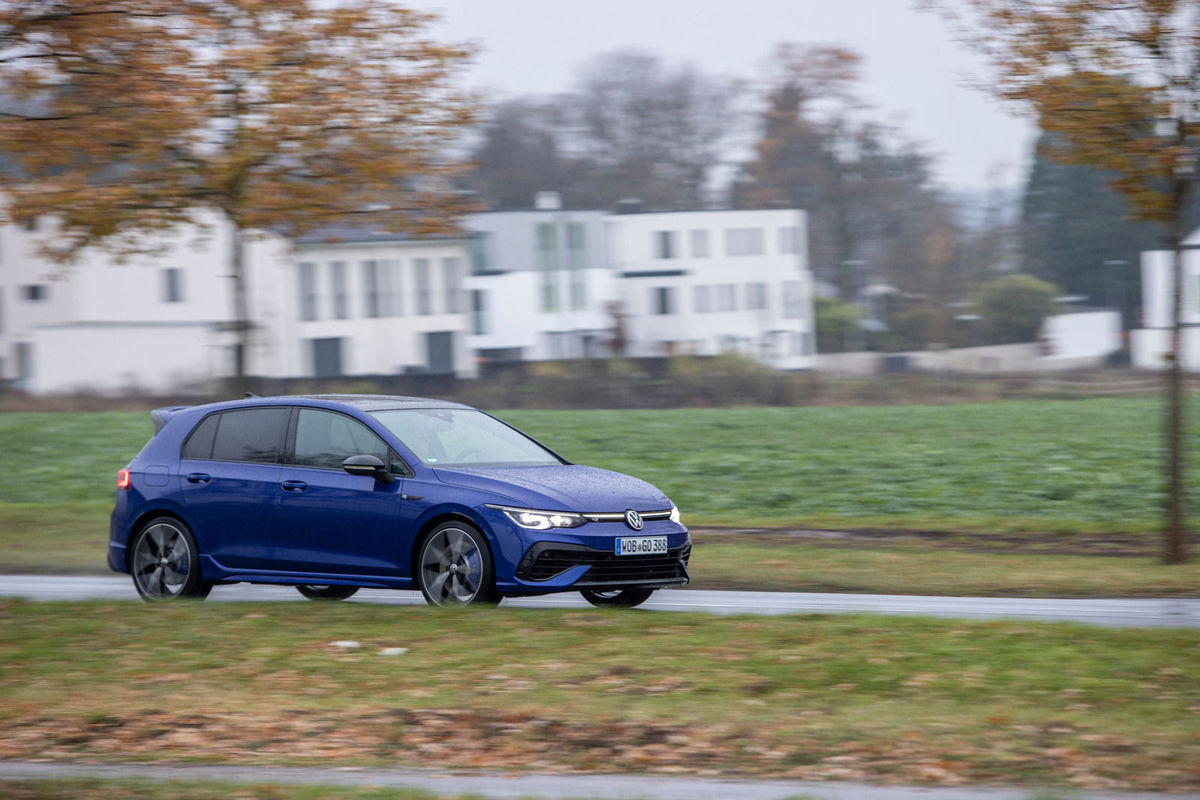
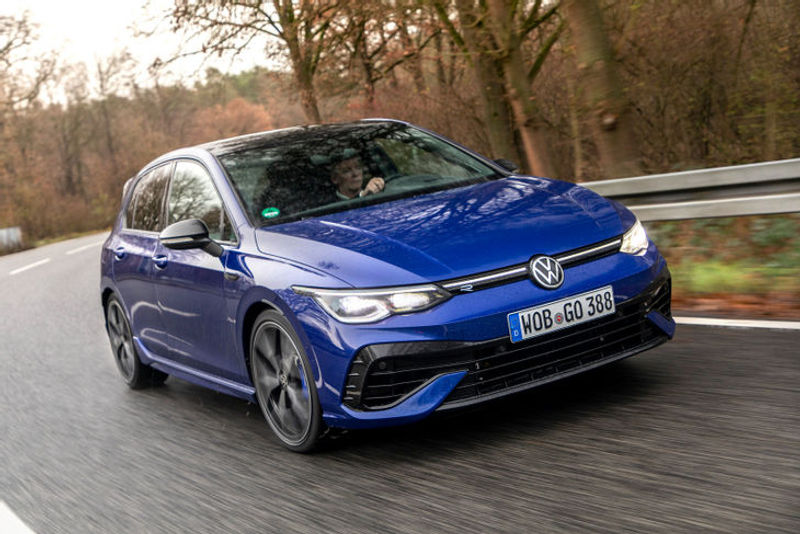
The R doesn't look vastly different from the standard golf save for a few blue inserts and the sport seats.
Based on first impressions, the new R not only lives up to lofty expectations, it exceeds them.
Yes, it’s quick; perhaps not at the level of the Mercedes-AMG A45, but it certainly has the measure of its key rivals, the Audi S3, BMW M135i xDrive and Mercedes-AMG A35 4Matic.
However, the Golf R is also a terrifically well-balanced car – traction and exploitability are every bit as impressive as the tractability and superb manners of its reworked engine. For sheer performance and all-season appeal, it rises above the new Golf GTI – and comfortably so.
Admittedly, to properly gauge its handling in the dry, we’ll need more favourable weather conditions.
For now, what we can say is that the Golf R’s clever chassis technology brings a broader range of characteristics to the table than before. On the one hand, greater ride compliance and overall comfort, but on the other, appreciably more agility and body control in the more sporting settings.
Toyota has announced that it will preview a new mid-size battery-electric SUV in coming months.
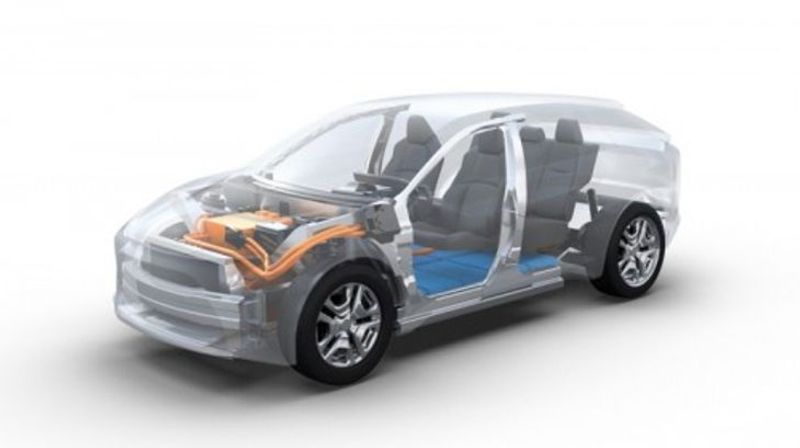
The name of this forthcoming new battery-electric SUV from Toyota has yet to be made public but the Japanese automotive giant has divulged that it will be developed for Europe and that it will be built on the brand’s new e-TNGA platform.
Toyota says that the new e-TNGA platform is highly versatile and easily adaptable for a range of different product types. The platform architecture features key fixed elements but other elements can vary to allow for different vehicle length, width, height and wheelbase. The platform accommodates front, rear and all-wheel-drive layouts with various battery and electric motor requirements for a range of vehicle types which will afford Toyota the flexibility to produce individual models alongside each other while also reducing production time and cost.
The first e-TNGA model has already been developed with its production due to take place soon at Toyota’s ZEV Factory in Japan.
Toyota's new battery-electric SUV is destined to go on sale in Europe with production expected to start in the coming months.
“Toyota will shortly take the next step in the rollout of its forthcoming battery-electric portfolio by first previewing an all-new mid-sized SUV in the coming months. The versatility and flexibility of e-TNGA technology allows us to design and create vehicles that are not just battery-electric, but also exciting to drive and beautiful to look at,” said Koji Toyoshima, Deputy Chief Officer, ZEV Factory, Toyota Motor Corporation.
On the subject of new SUVs, we have been speculating for a while now that Toyota SA is preparing to produce a new model at its production facility in Prospecton, Durban, and since this is where the hugely popular Corolla Quest sedan is produced, we are quietly hopeful that Toyota will announce the local production of the Corolla Cross compact SUV in the new year, which is also expected to feature a hybrid powertrain. Let’s wait and see!
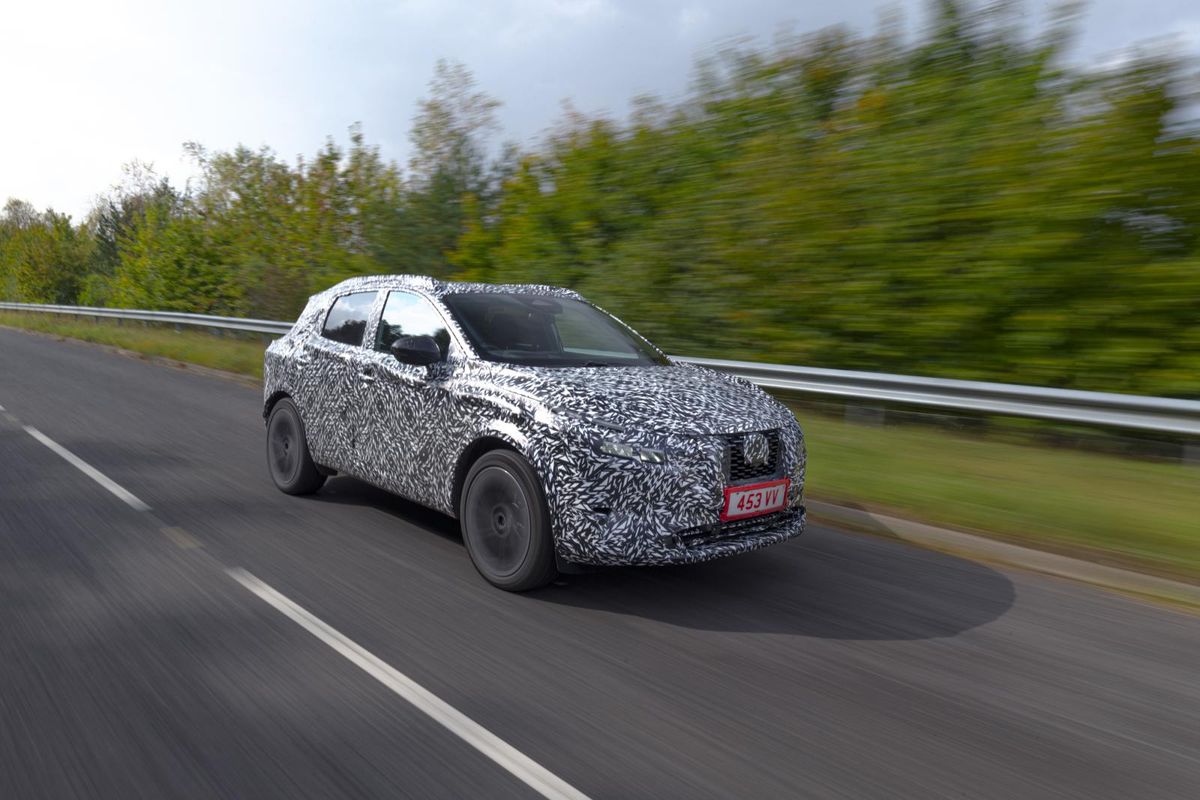
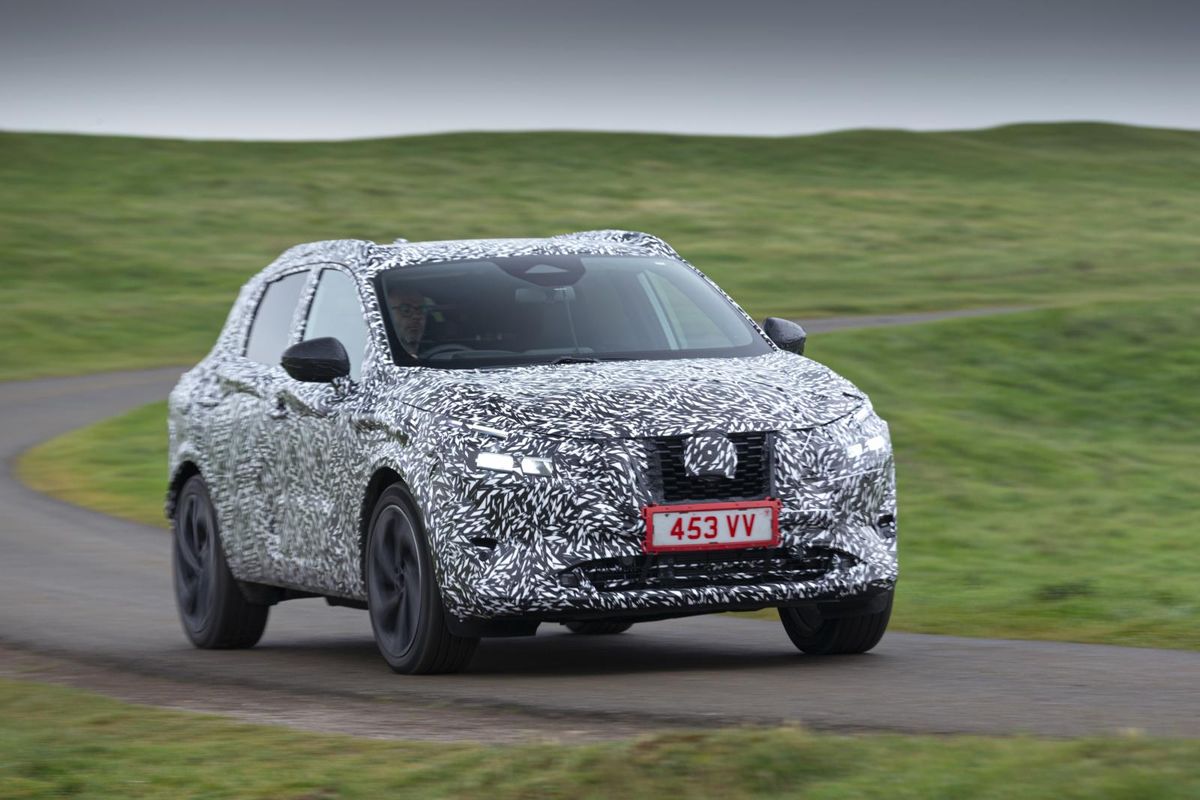
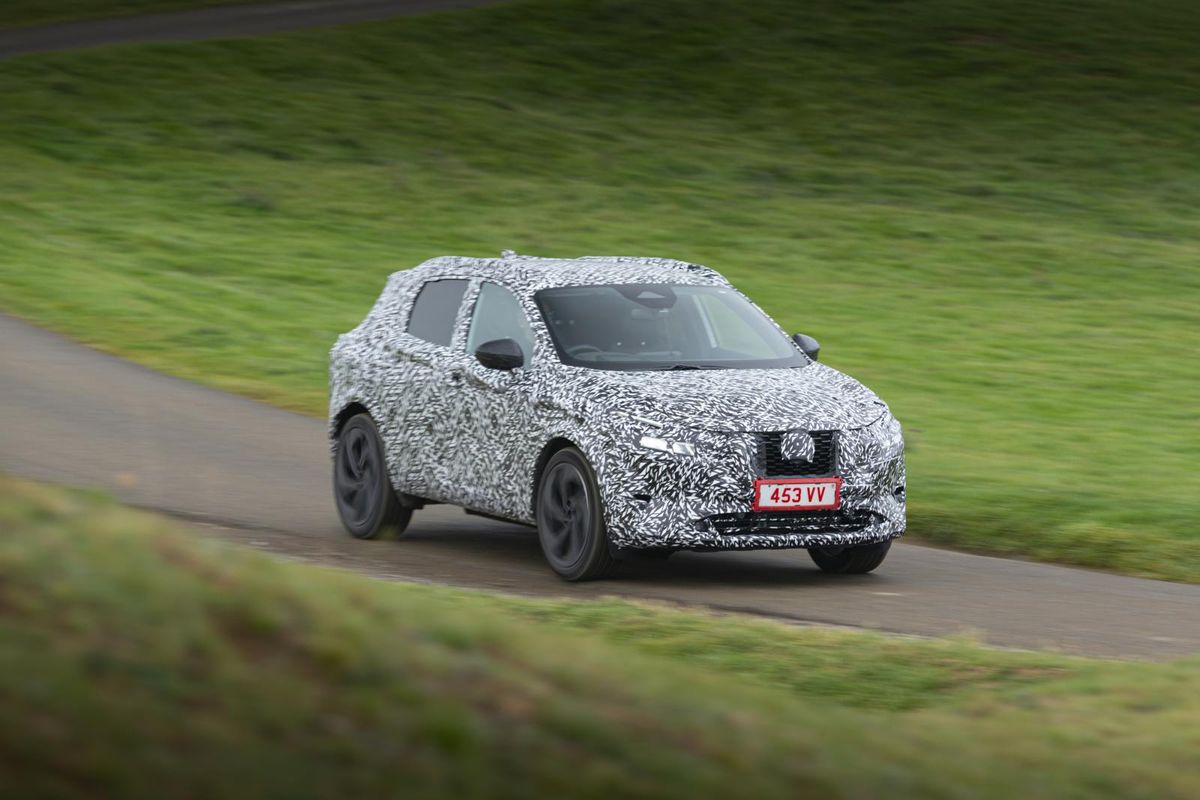
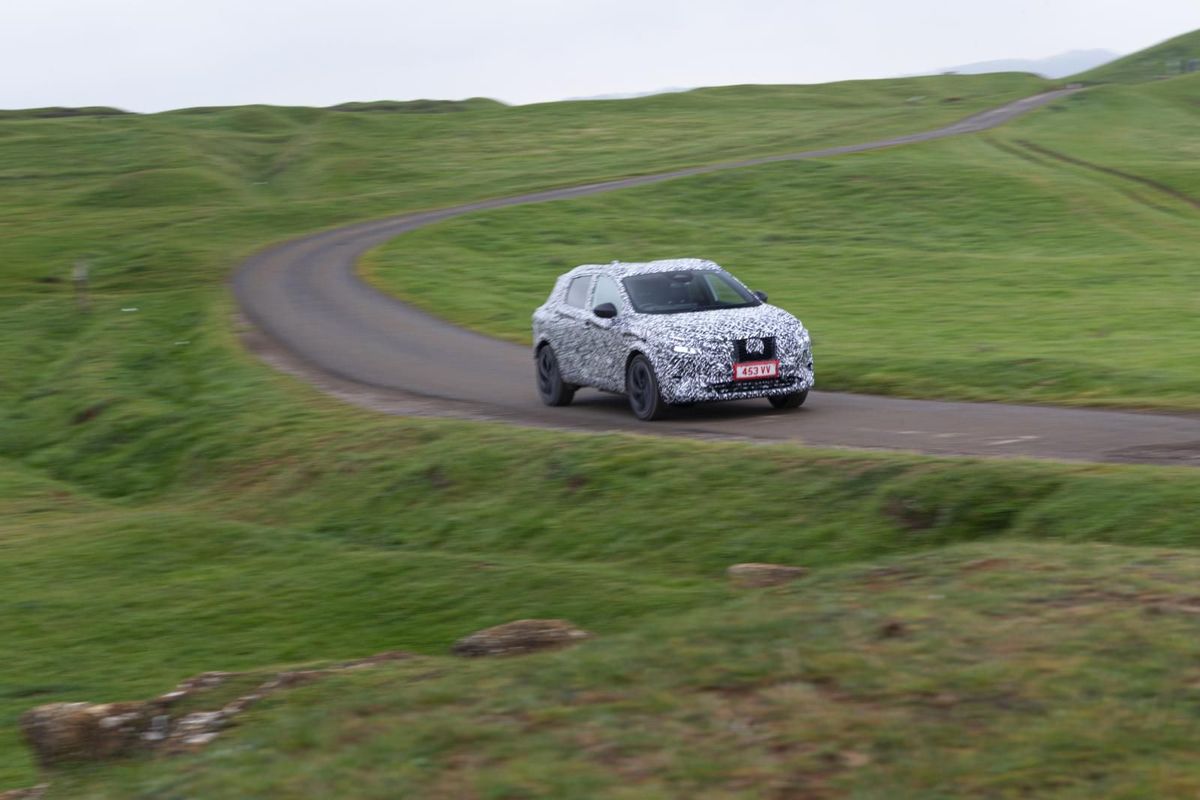
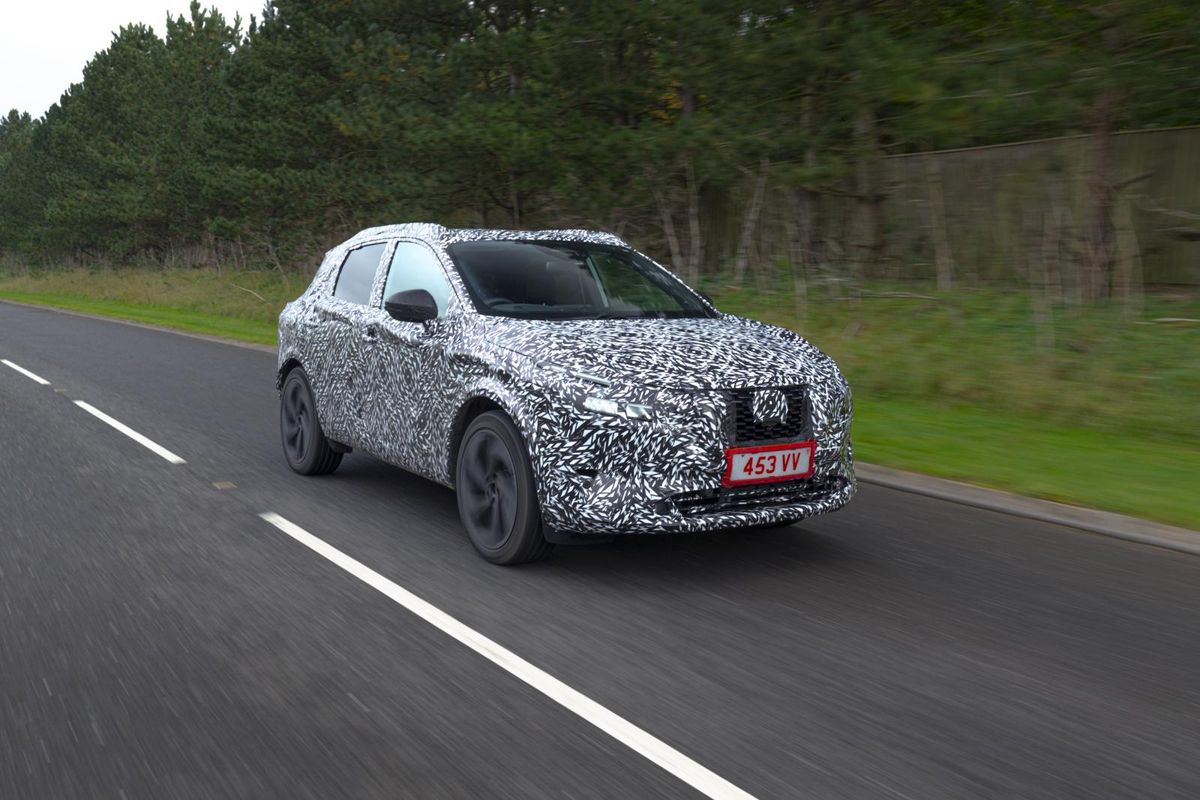
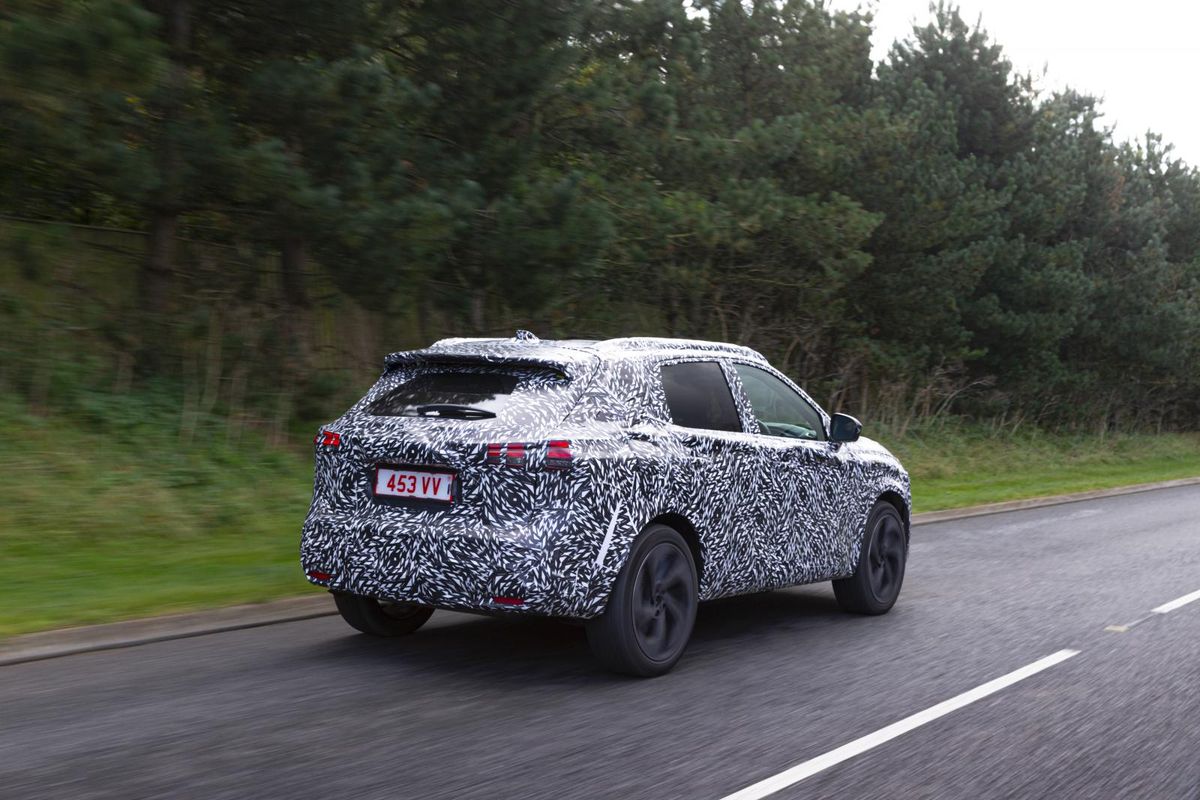
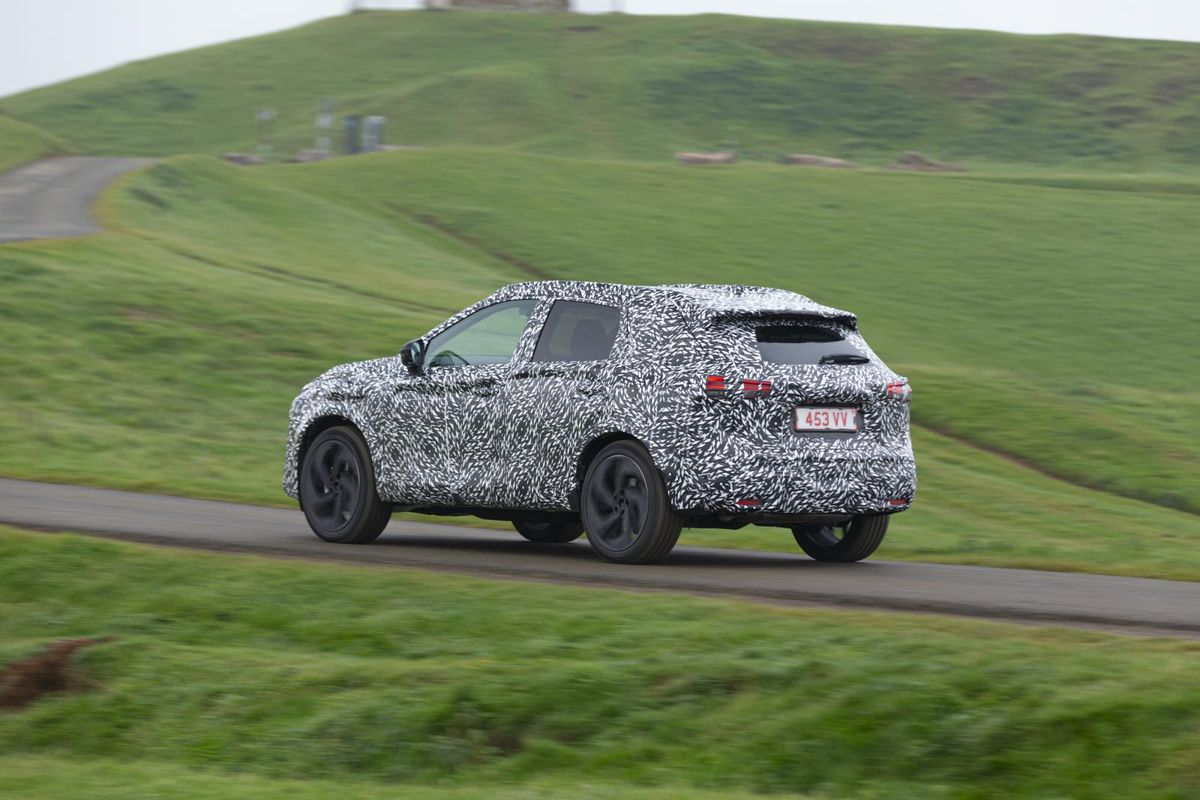
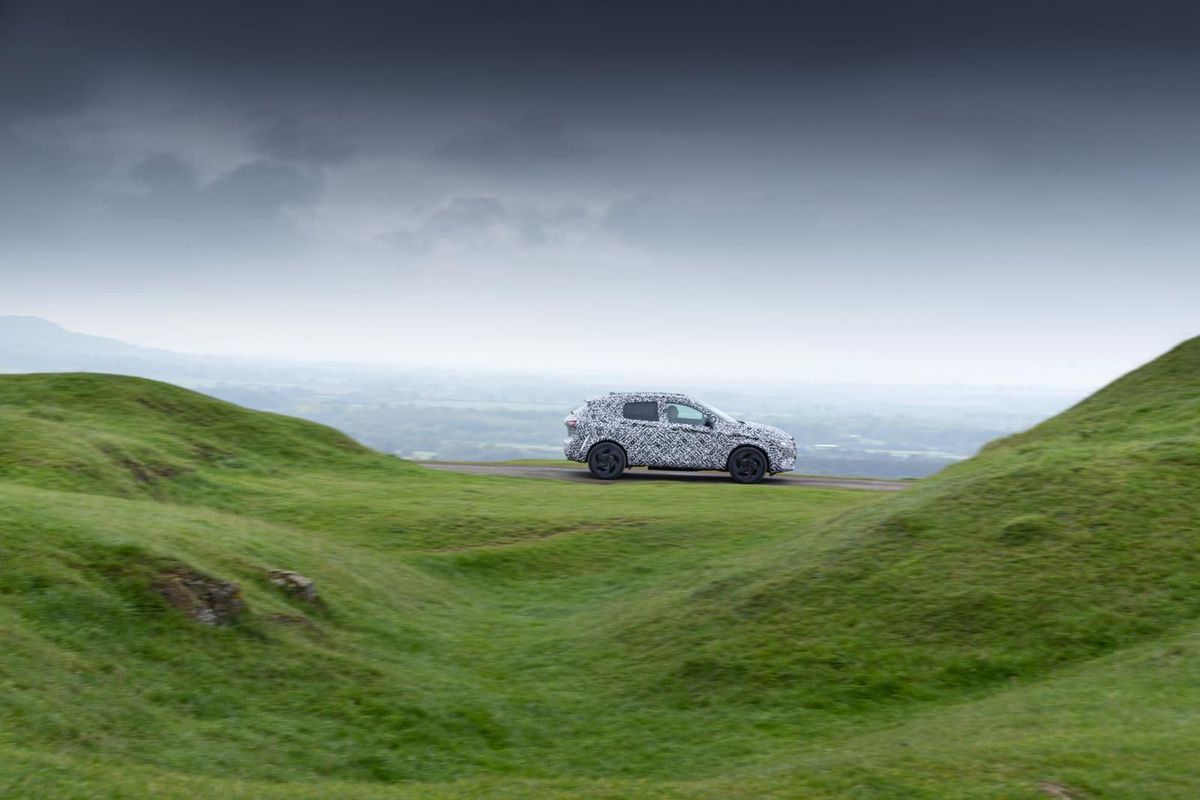
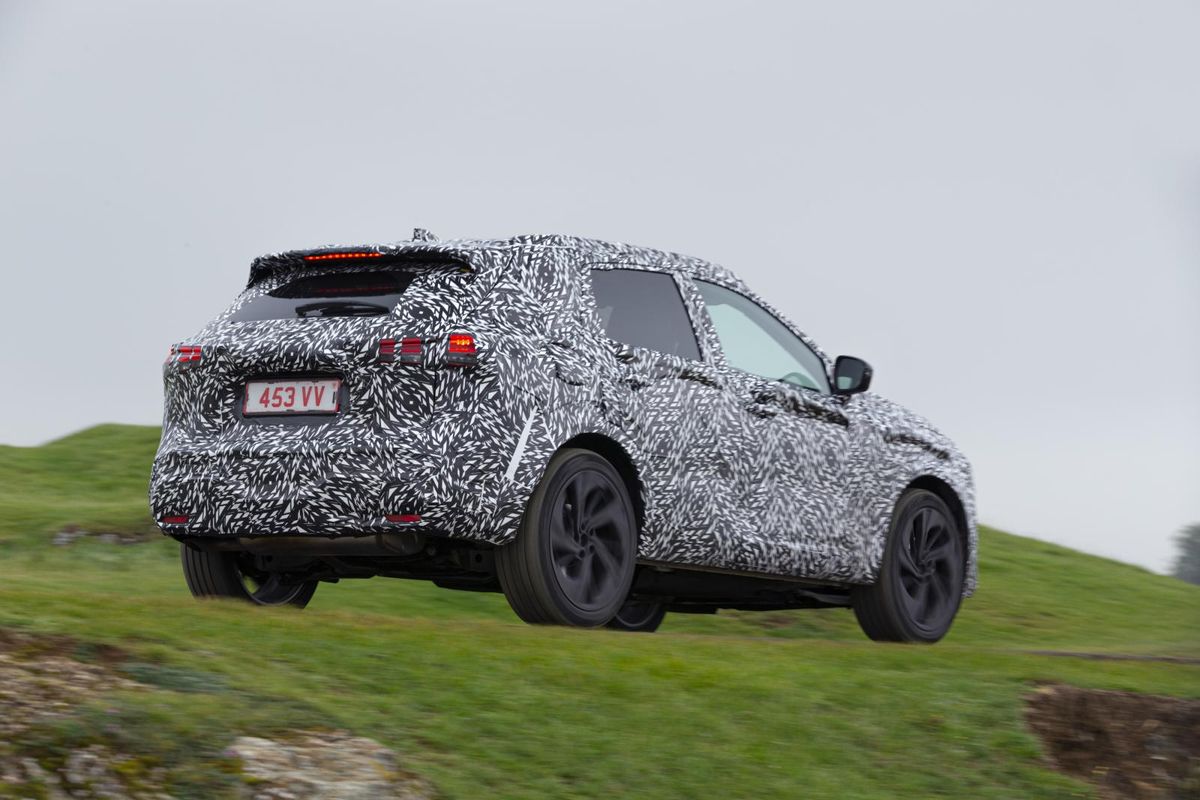
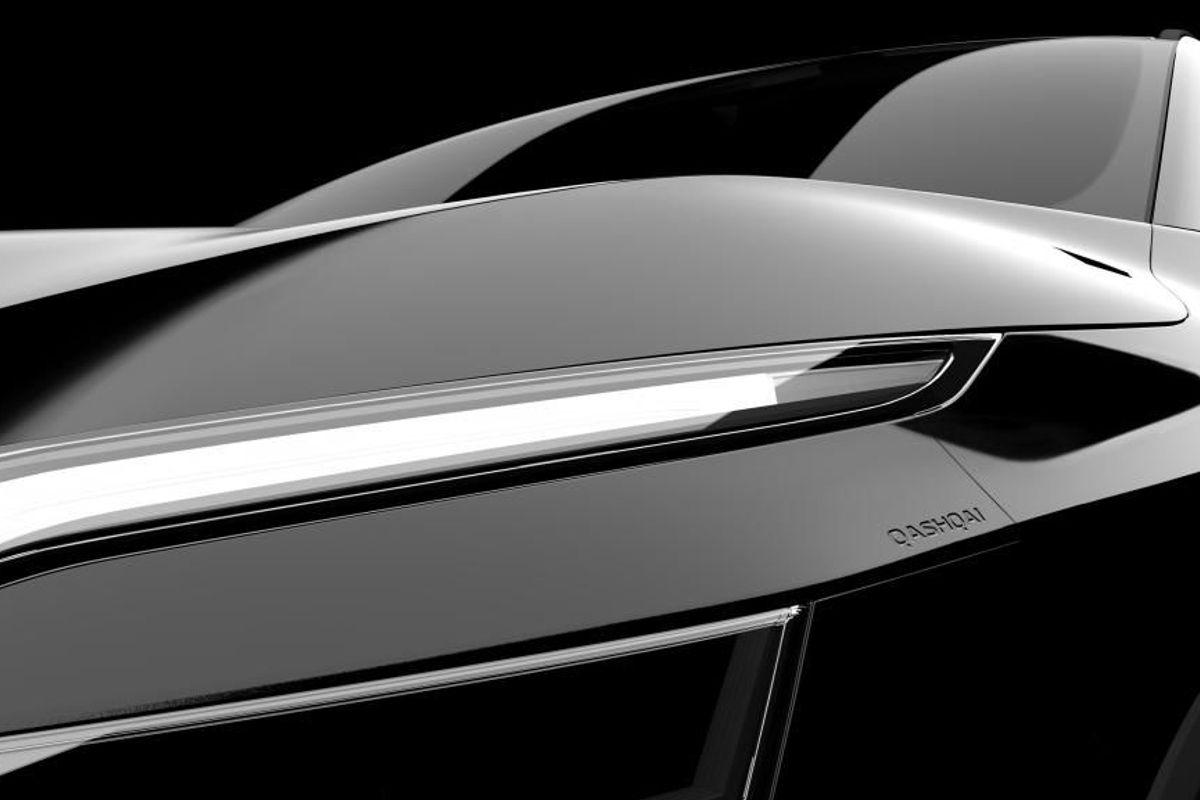
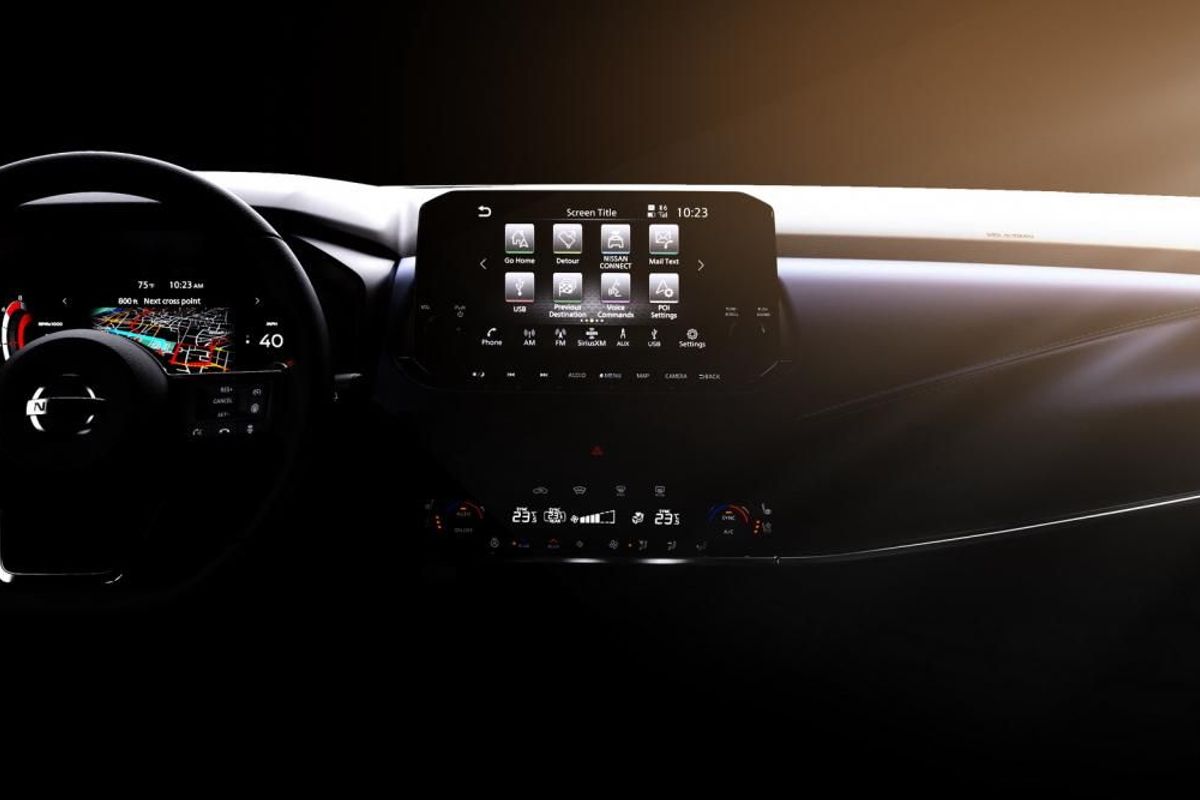
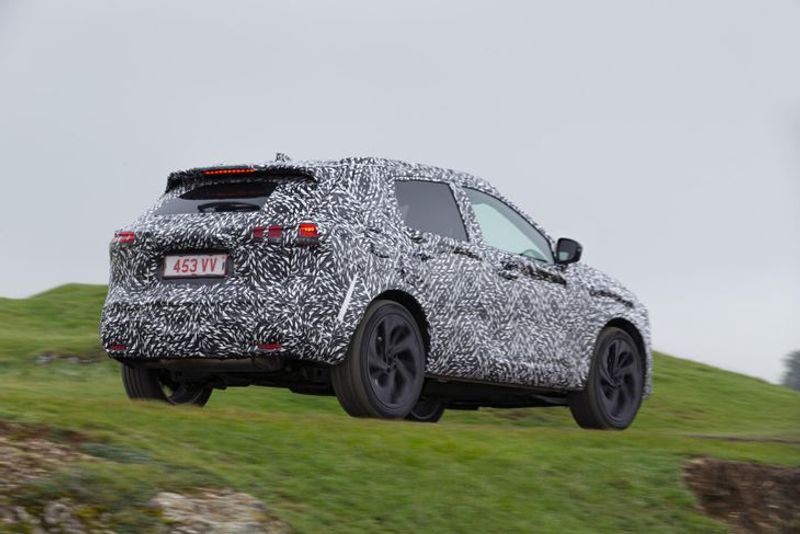
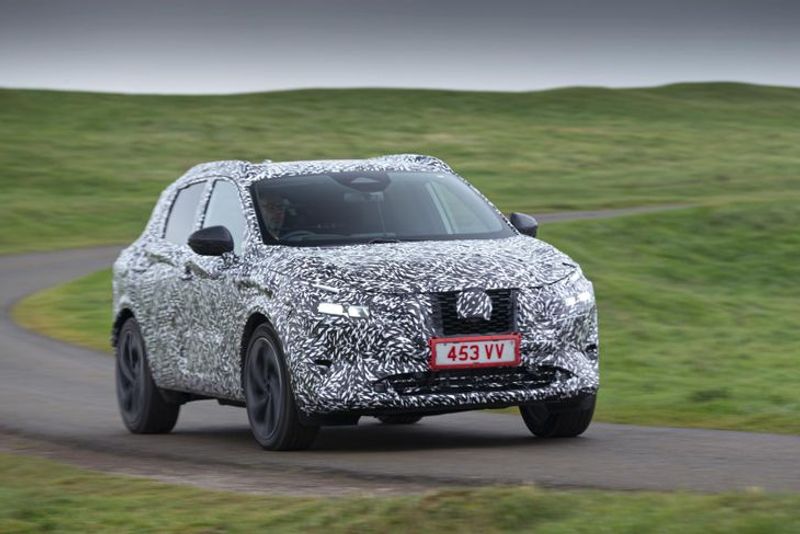
An all-new Nissan Qashqai is in development and will be revealed early in 2021 but Nissan has taken the opportunity to drop a few teaser images of the Qashqai's interior. Check it out!
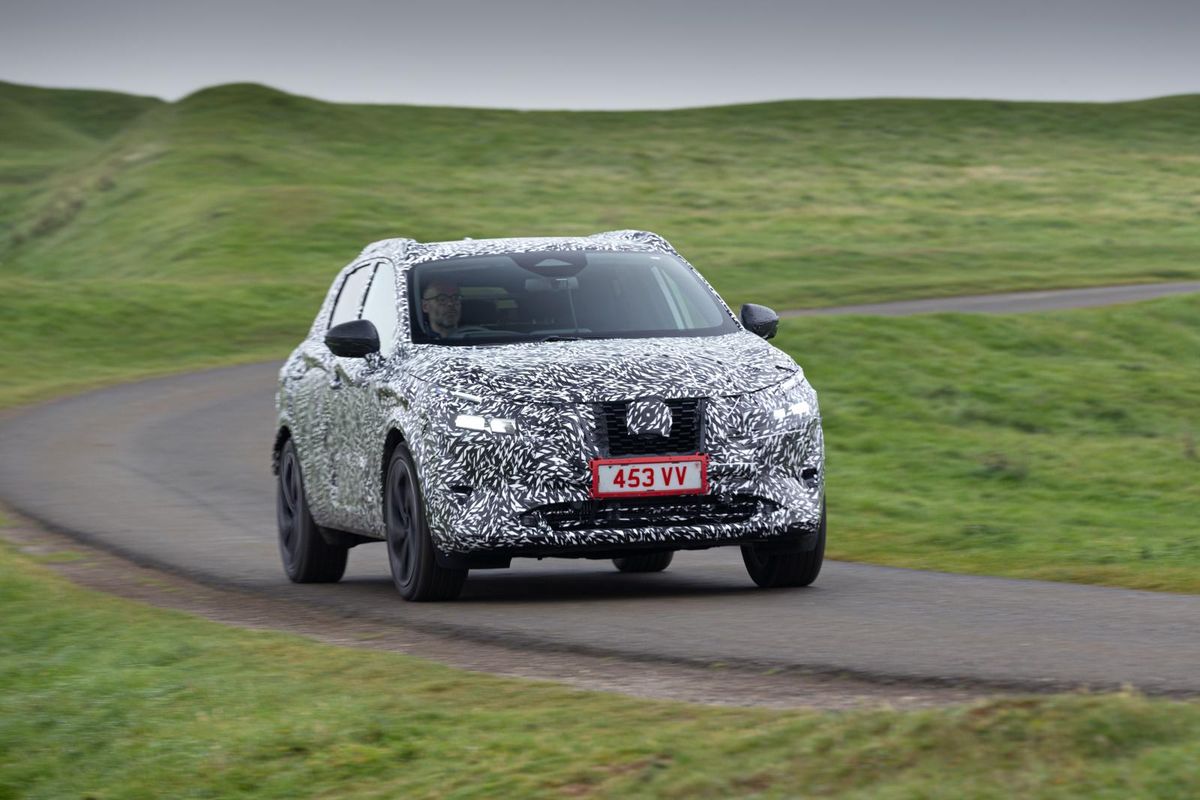
The Qashqai has been around for two generations and the model has proven to be hugely popular for Nissan worldwide. The current Qashqai is a dated product when compared against its much newer rivals. But not for long! The all-new Qashqai is in the making and Nissan is preparing its official reveal for Q1/Q2 of 2021 and an electric Qashqai with what Nissan calls e-Power, will be introduced for the first time. We have yet to see the new Qashqai without camouflage but Nissan has shared a few images of the interior and it looks promising (see more details below).
“The new Qashqai is going to change what customers can expect from a family car. Comfort, refinement and technology will be from higher categories of car, while the driving experience will satisfy drivers and passengers alike. With Nissan’s bold e-POWER technology, we feel that customers will fall in love with the feeling of an electric powertrain, without the range concerns,” said Gianluca de Ficchy, Chairman, Nissan Africa, Middle East, India, Europe and Oceania (AMIEO) Region.
Modernised Interior
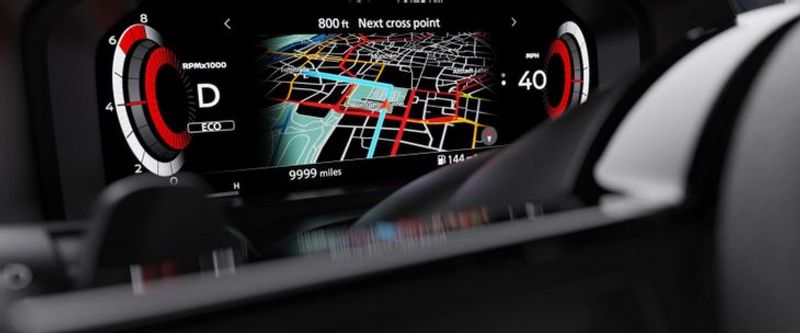
The new Qashqai will be equipped with a 12.3-inch digital instrument cluster and a large head-up display.
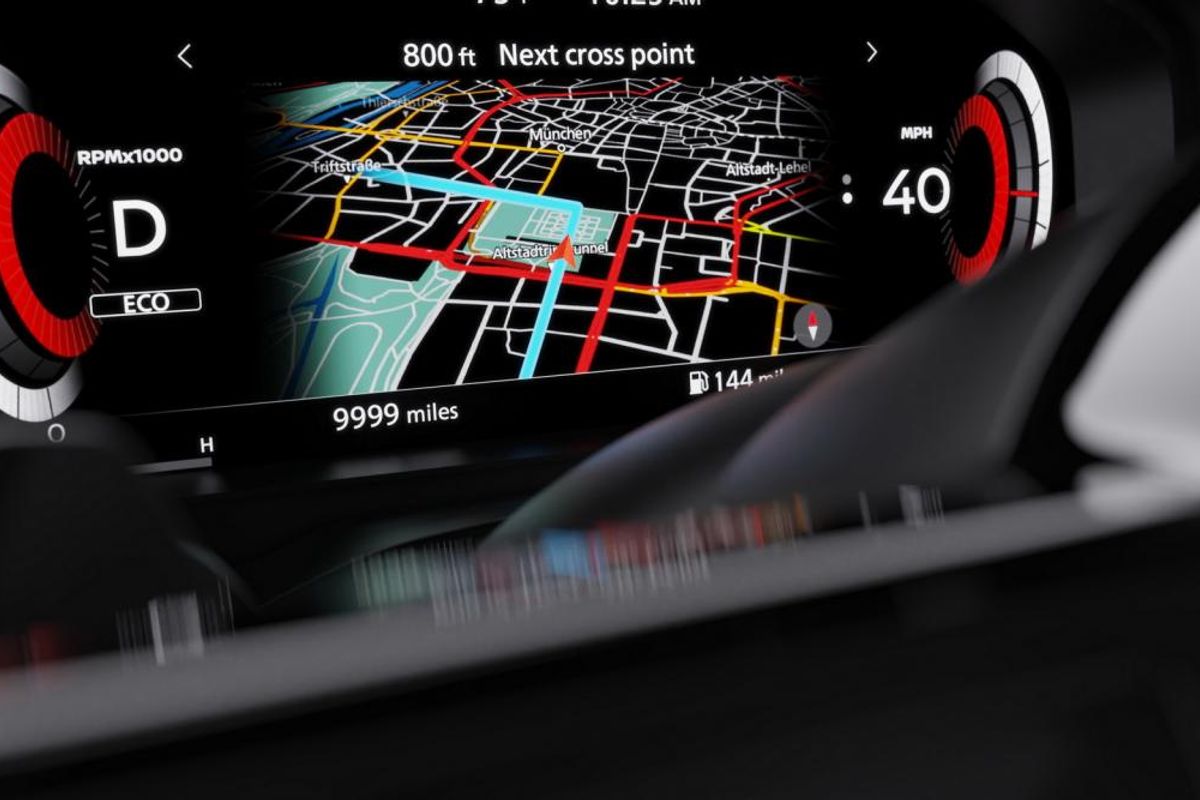
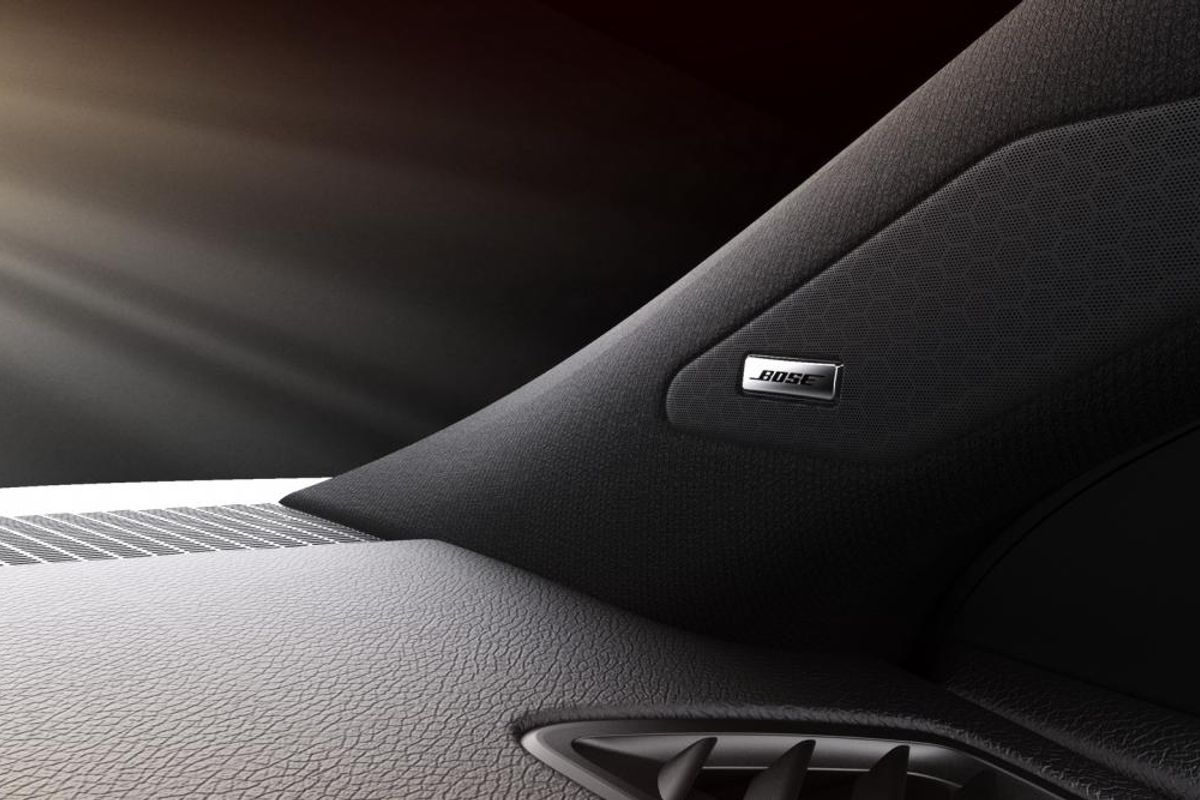
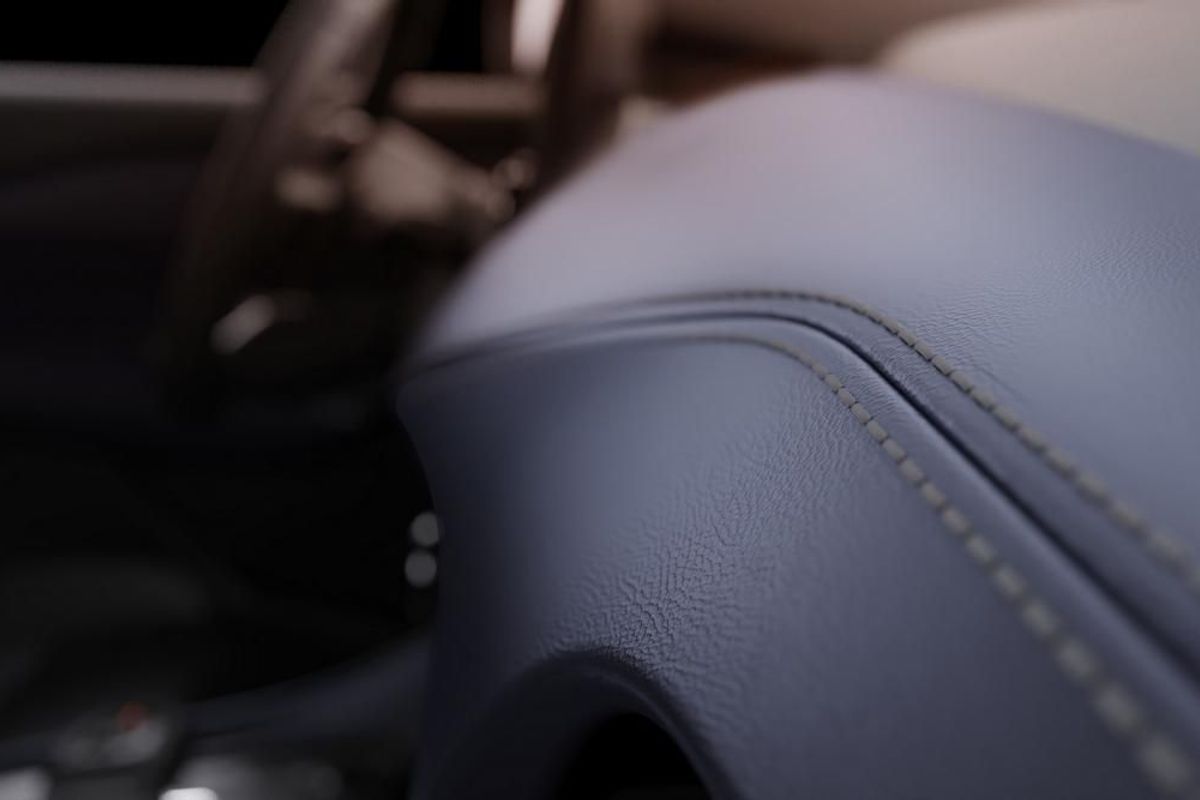
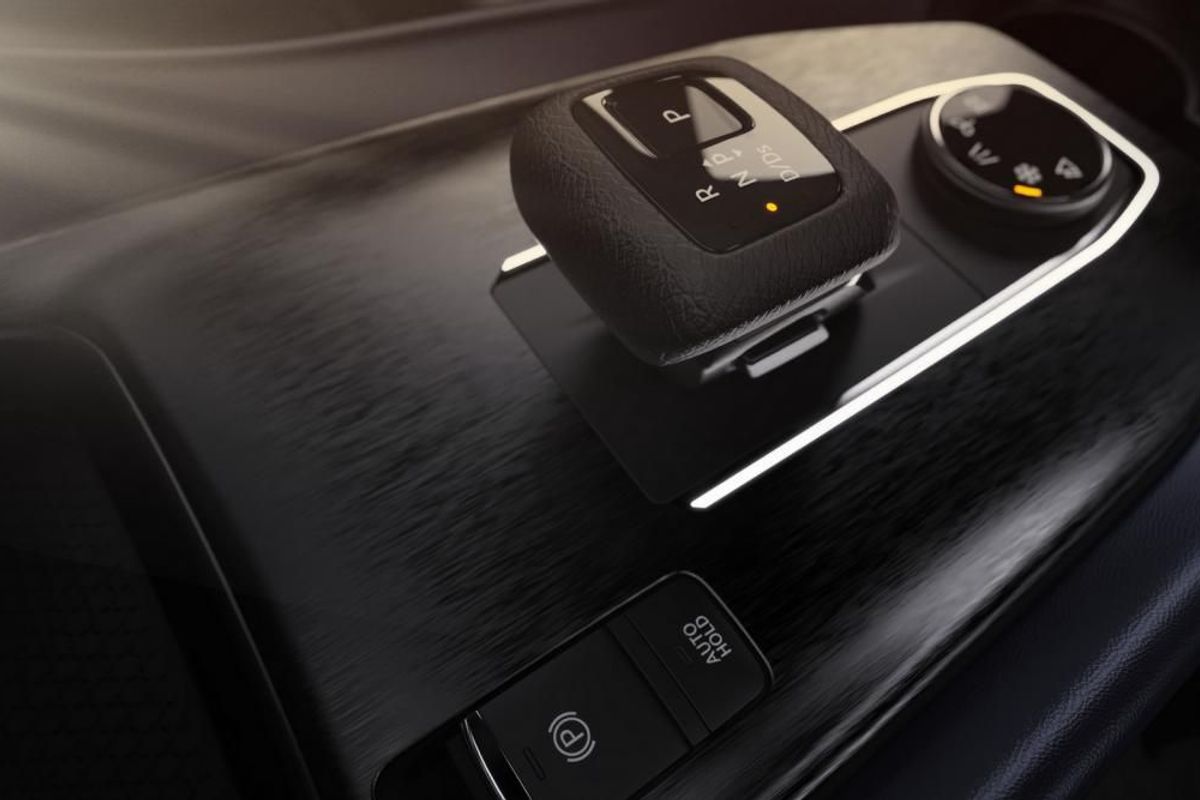
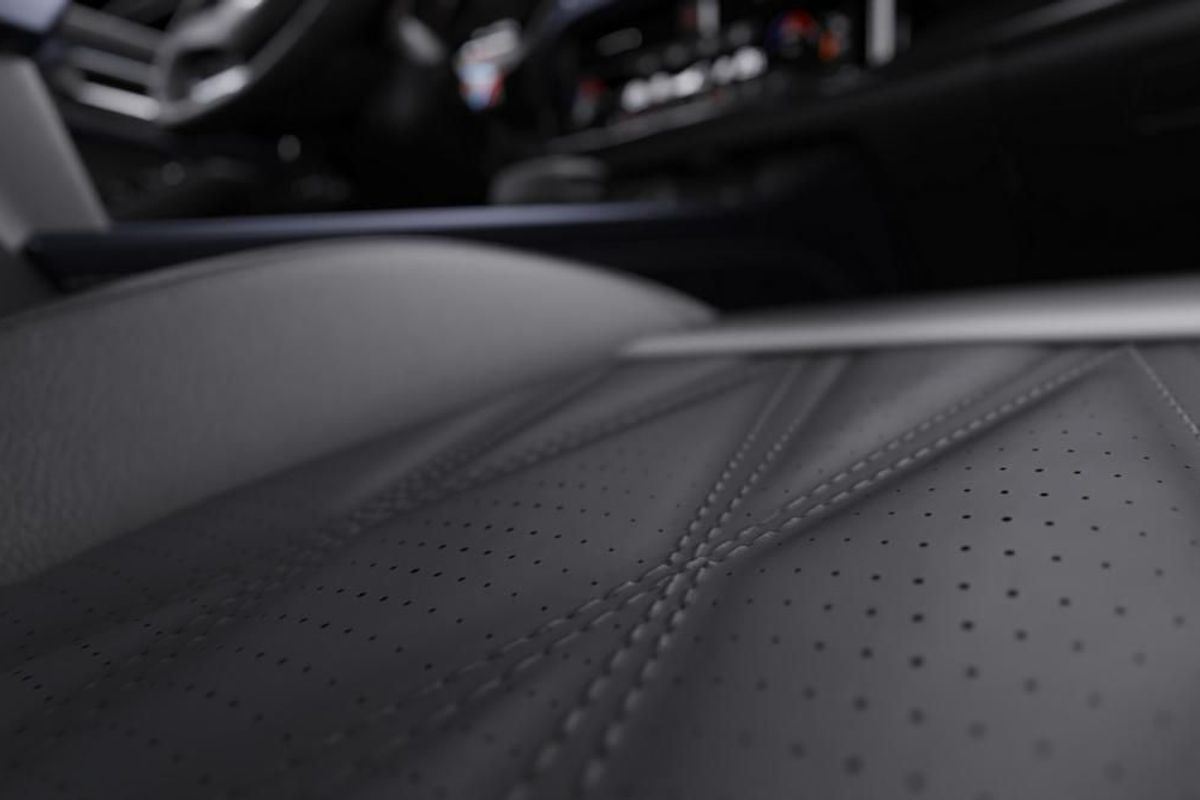
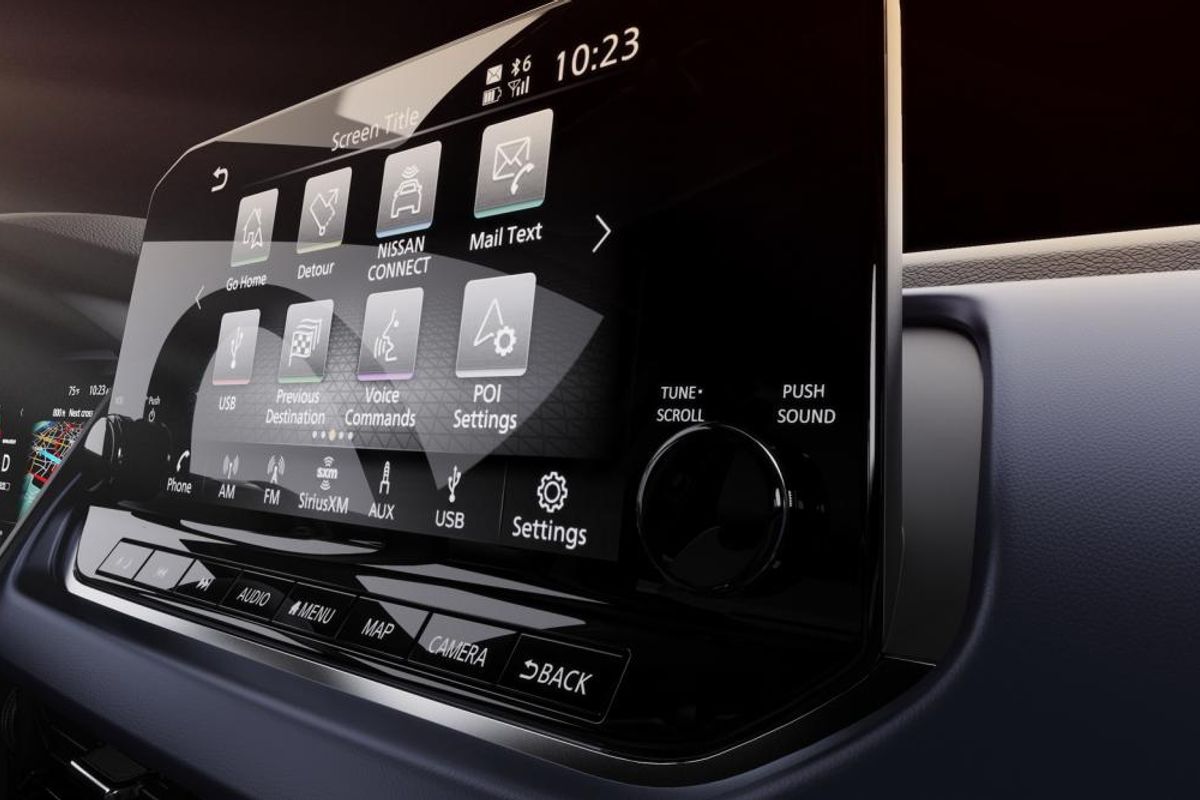
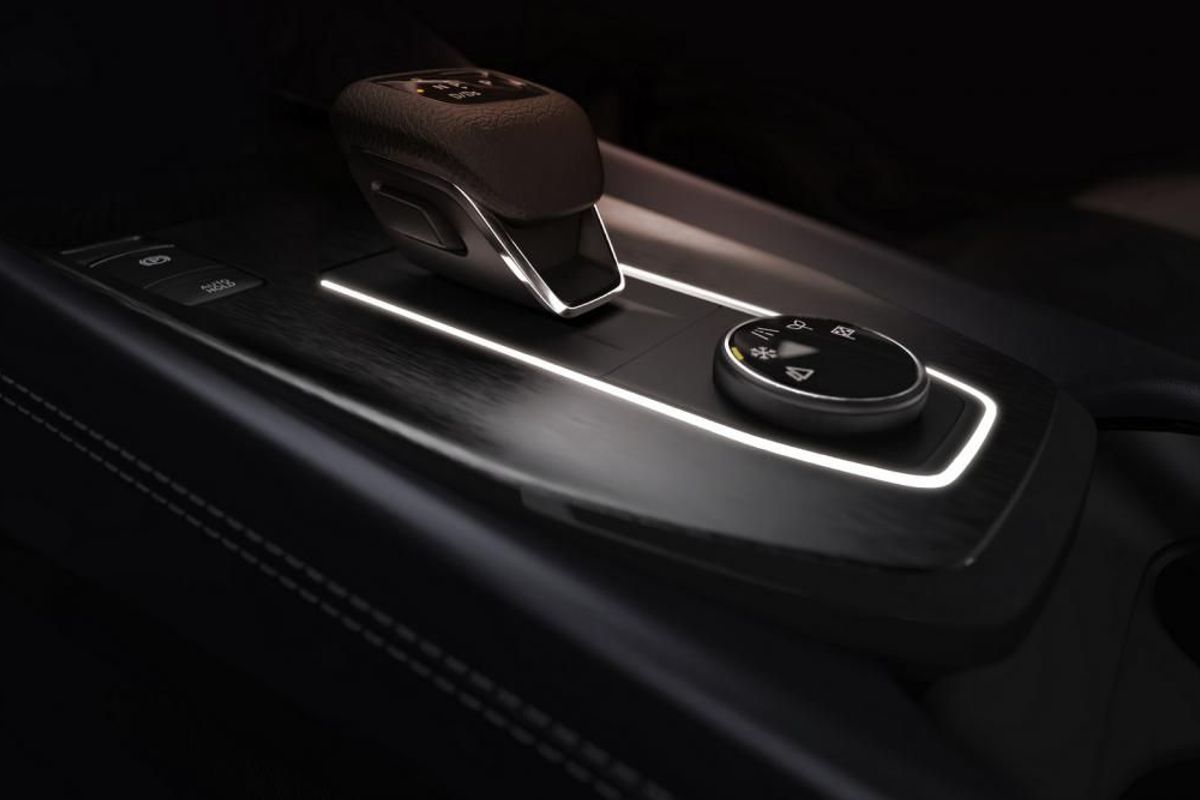
The teaser images you see here show a modern cabin for the new Qashqai with an upright 9-inch infotainment touchscreen mounted on the central dashboard with quick-access buttons neatly placed below the screen. The 12.3-inch TFT instrument cluster is all-digital too with a 3-dimensional speedometer and tachometer with the navigation system between them. A 10.8-inch head-up display is also fitted. We suspect that the digital instrument cluster and head-up display are configurable using the mounted controls on the steering wheel but is likely to feature only on top-spec Qashqai derivatives. An analogue instrument cluster is likely to feature on entry-level derivatives. Other cool features include a 15W wireless charging pad, heated front seats with massage function, Nappa leather upholstery, a Bose sound system and Wifi for up to 7 devices. The images also reveal a neat, upmarket drive lever as well as a drive mode dial in the centre console.
Lighter and more nimble
The Qashqai will retain its practicality, but it's expected to deliver a better ride and drive experience.
The new Qashqai will be designed by Nissan Design Europe and will be built on a new Alliance CMF-C platform. While retaining its key dimensions to ensure optimum interior space and usability on the road, the new Qashqai will adopt more lightweight materials (the tailgate will be 2.6 kg lighter and the aluminium front/rear doors, hood and fenders shave off 21kg) while up to 50% more ultra high strength steel will be used in the new Qashqai’s structure. Overall, the new Qashqai will be 60kg lighter and 41% stiffer than the outgoing model.
The new Qashqai ride quality will be improved with an updated front and rear Macpherson strut suspension with front-wheel-drive derivatives riding on 19-inch wheels adopting a rear torsion beam configuration and the all-wheel-drive versions with 20-inch wheels adopting a rear multi-link setup. More so, Nissan is also updating the power steering system to provide better feel and responsiveness.
Electric Qashqai for the first time
The new Qashqai will be electrified for the first time.
The new Qashqai will come to market with 2 powertrain options in line with Nissan’s wider electrification strategy.
The first is a 1.3-litre petrol engine featuring mild hybrid technology and the second will be an e-Power electric motor driven system. The mild-hybrid Qashqai will be offered in 2 outputs (official outputs have yet to be revealed) with a focus on efficiency with flat floor underbody and an active grille shutter to aid cooling when needed. The 12 V electrical system includes a lithium-ion battery installed in the floor as well as a belt-driven generator to harvest braking energy that would otherwise be lost and can now be used for coasting and torque support while cutting emissions.
As for the all-electric Qashqai, it will bring Nissan’s e-Power drive system to Europe for the first time. All 4 wheels will be driven by an electric motor and the system will comprise a high-output battery, power generator, inverter and a petrol engine. The engine, however, is not connected to the wheels (as is the case in a typical hybrid), instead, the engine exists to charge the battery and unlike a full EV, power is sourced from the engine and not solely from the battery. Nissan will reveal further details for this powertrain closer to the reveal of the new Qashqai.
In terms of driver assistance, the new Qashqai will feature the next-generation ProPilot system with Navi-Link. The system will be able to accelerate and brake as the traffic situation dictates while also keeping the vehicle in its lane and adjust to prevailing speed zones. The system can also intervene with steering input if the blind-spot radars detect an object in your blind spot. More so, the system also includes ‘flank protection’ which is useful in tighter parking spaces as well as rear cross-traffic alert (moving object detection).
Nissan is expected to fully reveal the new Qashqai early in the new year.
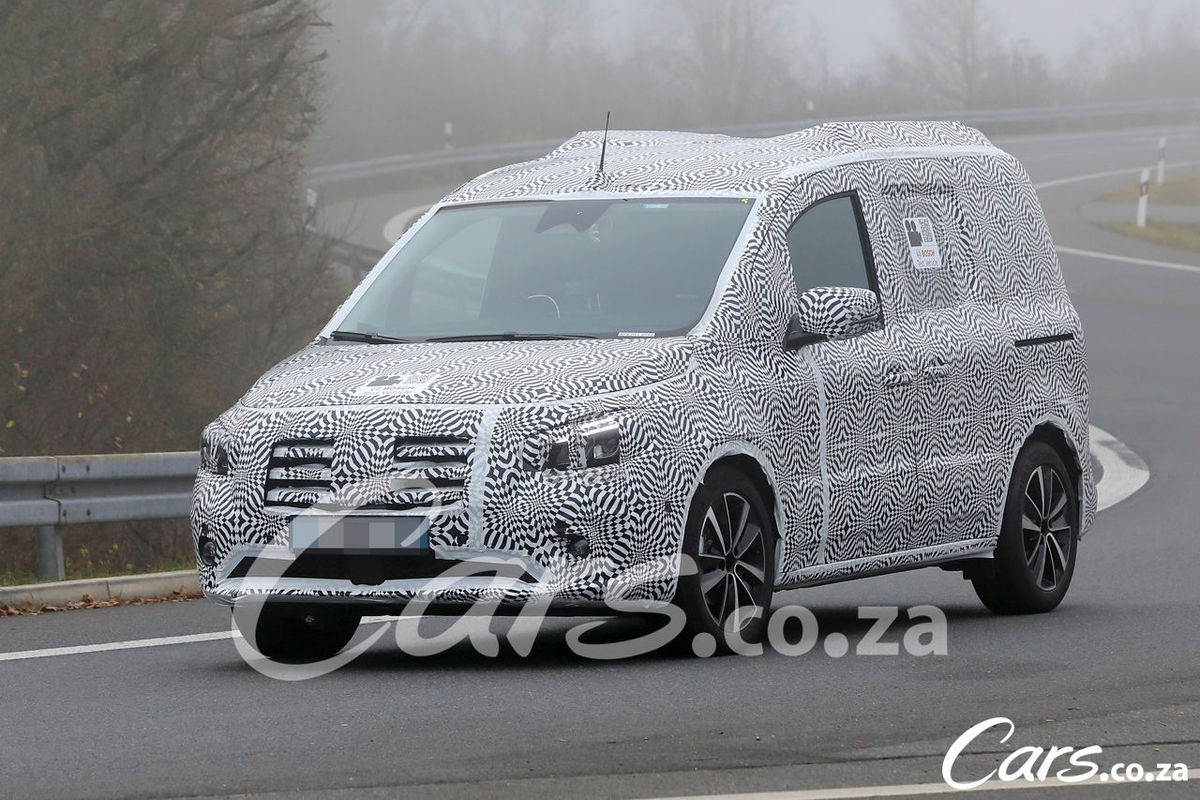
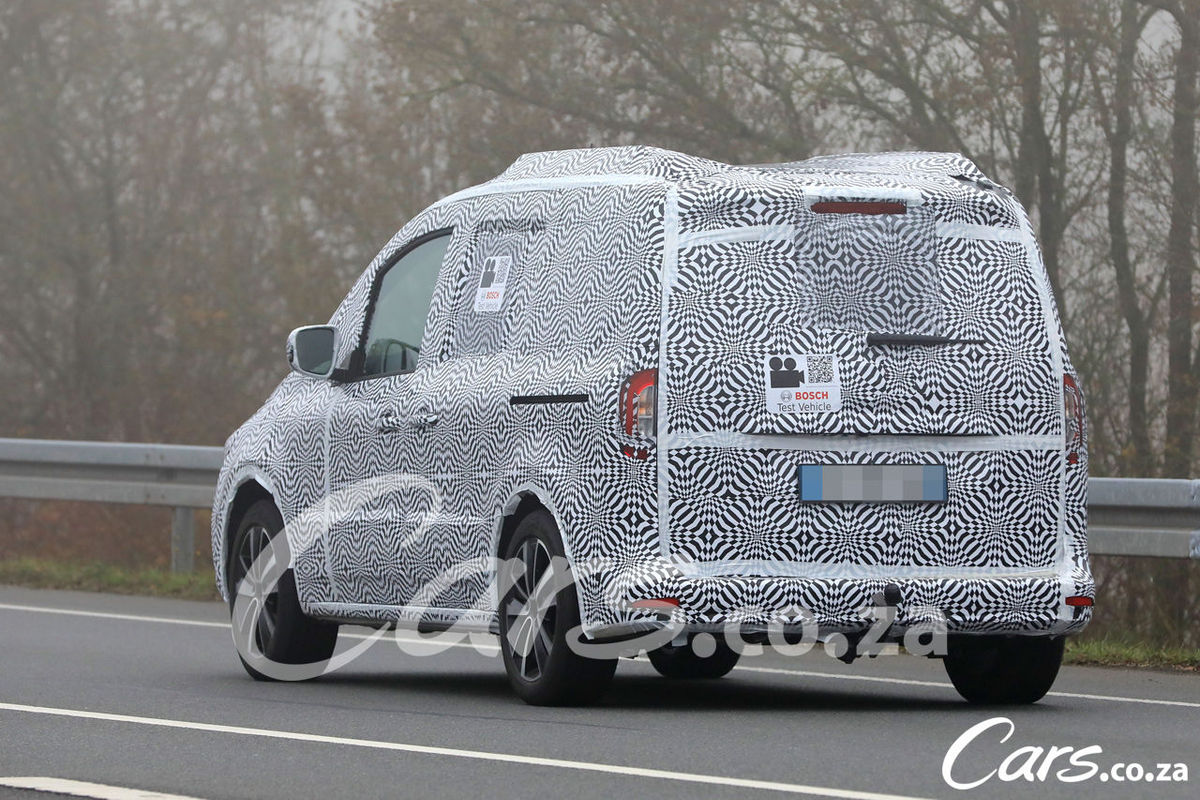
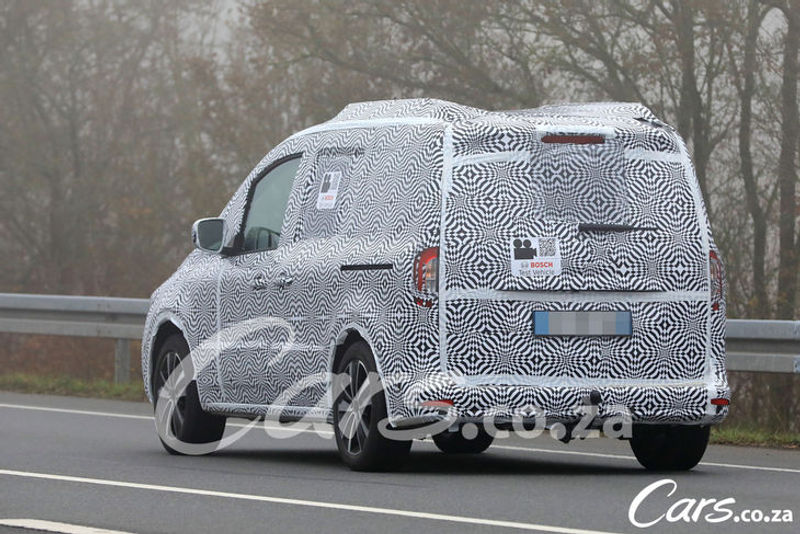
Mercedes-Benz is readying its van successor to the Citan. Dubbed the 'T-Class', this commercial offering will be taking on the popular Volkswagen Caddy.
There's something endearing about vans. Not only are the driving manners generally excellent, but the additional practicality is also welcome. We at Cars.co.za are quite fond of vans and have had some memorable experiences in them over the years. One of our staffers even forked out his hard-earned money and bagged himself an Opel Combo.
The van segment will be moving along nicely in 2021, with an all-new Volkswagen Caddy due to make landfall in South Africa, and this offering from Mercedes-Benz is scheduled for a reveal in early 2021. Developed in conjunction with Renault (itself a brand known for its Kangoo offering), the Mercedes-Benz T-Class has been spotted undergoing on-the-road testing. We suspect it will share powertrains too, which will mean we could expect petrol, diesel and plug-in hybrid options. Given the European market's shift into electrification, we won't be surprised if there's an all-electric version either.
In terms of body style, Mercedes-Benz will be offering the new T-Class as a family van and as a commercial vehicle from the middle of 2021, and it will feature sliding side doors.
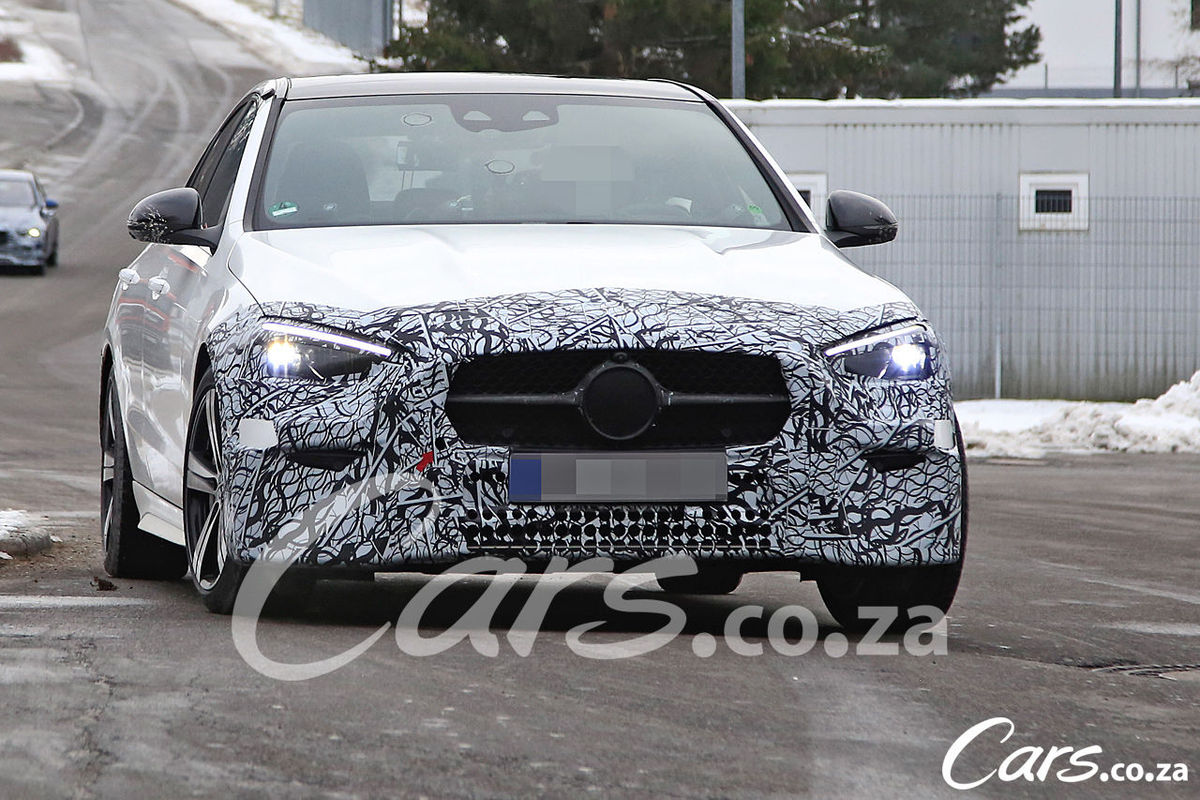
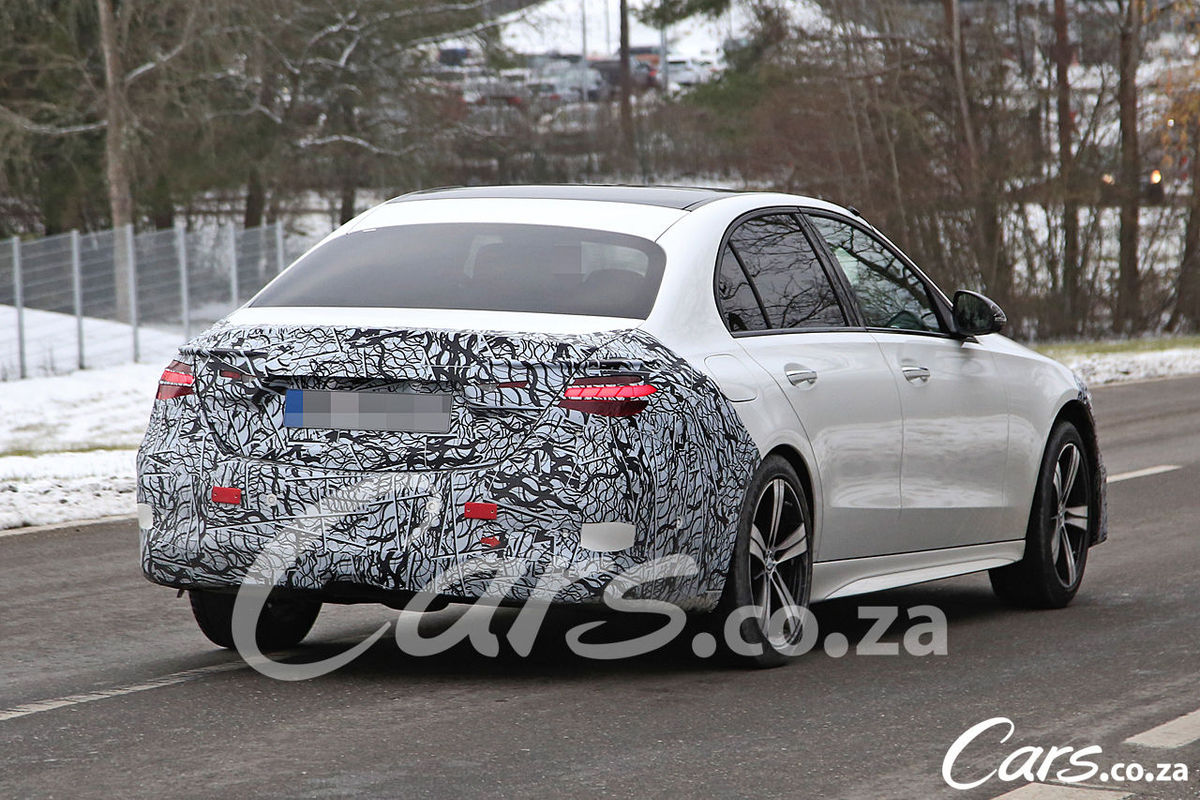
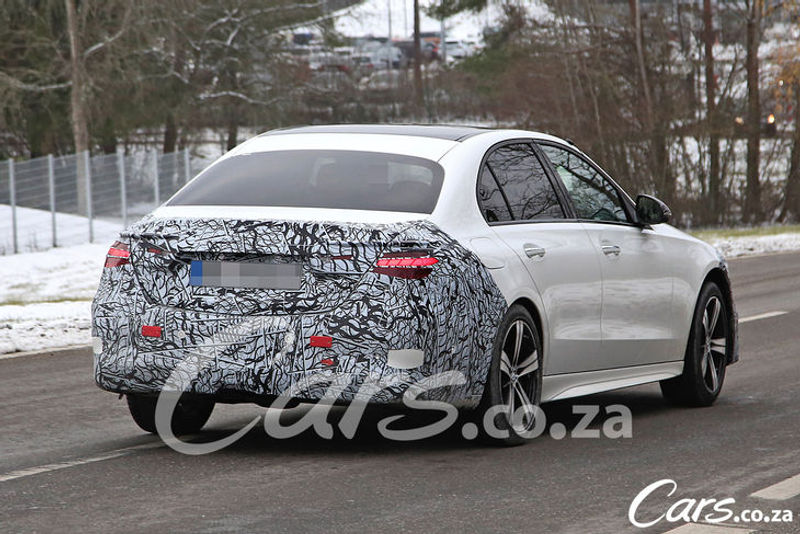
Mercedes-Benz is readying one of the most important models in its lineup, the 2021 C-Class. Here are the latest spy shots.
As the northern hemisphere enters winter, the cold-weather testing season is in full swing. Mercedes-Benz is putting the finishing touches on arguably still its main bread-and-butter model, the C-Class. Given the 2-year headstart of the all-new generation of BMW 3 Series and substantially revised Audi A4, the new Mercedes-Benz C-Class is going to have to be good, and then some.
Despite the meteoric rise of the SUV bodystyle, many would still back a traditional sedan shape and Mercedes-Benz knows its client base will want something that's essentially a shrunken S-Class. As you can see in the photos, there's definitely some visual elements from the flagship limousine at the front.
In terms of engines, many sources have said its the end of the road for the V8 engine, with the 2022 C63 S adopting the 2.0-litre turbocharged motor from the A45 S, but mated to an electric setup. For the run-of-the mill models, petrol and diesel motors will continue to serve. There's also likely to be hybrid, plug-in hybrid and potentially an all-electric model too. The new model will continue to be assembled in Merc's facilities of Bremen, East London (South Africa), Beijing and Tuscaloos. Customers will be receiving their new cars in spring 2021, which we assume is a European spring so around the first and second quarter of 2021.
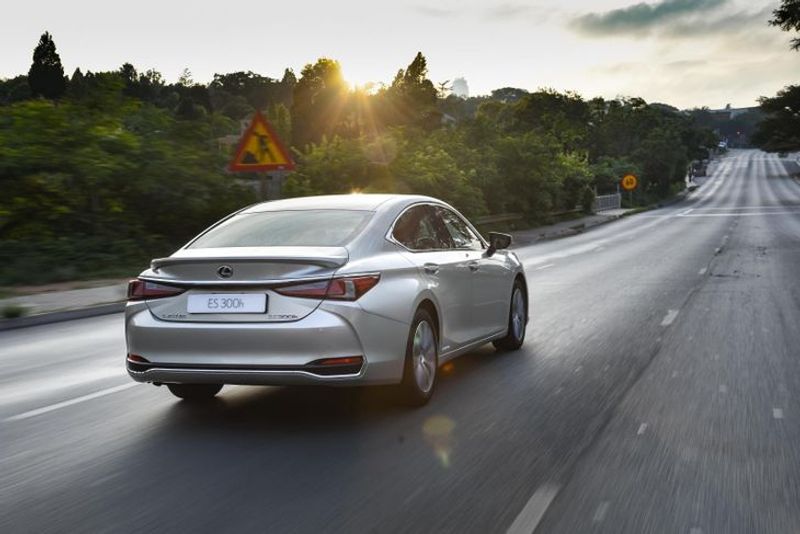
For Lexus South Africa, 2020 has been a year of running updates and derivative additions; the ES executive sedan is the latest range to benefit from a safety equipment upgrade.
Now, to close off an extraordinary year, Lexus has rung the changes with its executive sedan again. The principal update is that the Japanese premium marque has introduced Intelligent Clearance Sonar (ICS) and Rear Cross Traffic Alert + Brake (RCTA-B) throughout the range. The ICS function integrates the functionality of the alert-by-camera function (RCTA) and automatic brake-by-sonar function (RCTA-B), the brand says.
This technology utilises front- and rear-mounted sensors to detect objects ahead and behind the ES (including those approaching from the rear) at up to 15 kph. It can warn the driver of imminent parking or pedestrian collisions and apply braking (when reversing) if a driver fails to provide adequate pedal input in response to the detection and onboard warning.
To recap, the flagship ES 300h SE also features all-speed Radar Active Cruise Control (RACC), a Pre-Collision Safety system (PCS) with pedestrian detection, Lane Tracing Assist (LTA), a panoramic-view monitor and reverse-view camera, 10 airbags, LED low-beam headlamps with automatic high beam (AHB) activation, as well a tyre-pressure warning system.
Meanwhile, a Blind-Spot Monitor with Rear Cross-Traffic Alert, which was previously exclusive to the SE grade, is now standard on the more affordable ES 250 EX and ES 300h EX derivatives.
Minor interior trim updates
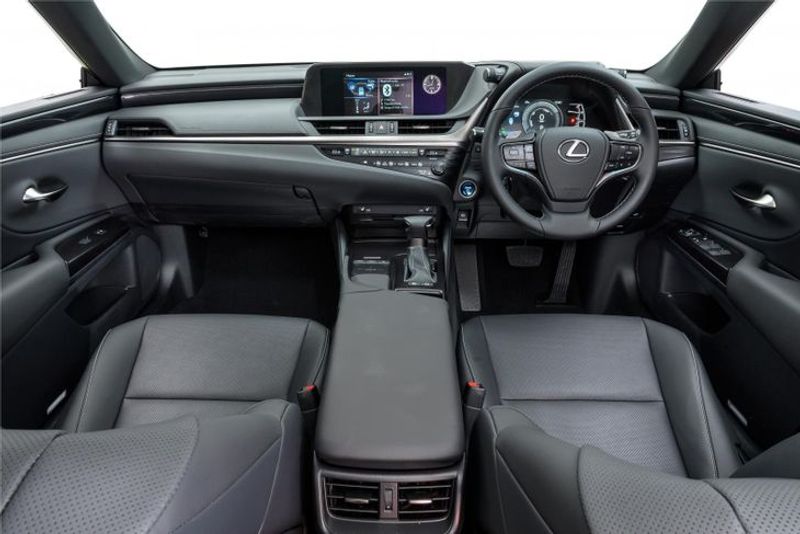
In addition to the technological updates, the ES’ interior now features satin-plated finish on the electric window switches and, in pursuit of better ergonomics, the frequently-used “OK” and “Cancel” buttons on the multifunction steering have been raised slightly (by 0.8 mm).
Furthermore, a cut-out is provided for small-item storage in the centre console, the Aux/USB port lid now opens vertically and can stay open so that the driver/front passenger can easily connect to or disconnect from the ports, plus the audio switch adopts a metal-look finish.
Lexus ES prices in South Africa (Dec 2020)
All derivatives in the ES range come standard with a 7-year/105 000 km warranty and maintenance plan. Services are scheduled at every 15 000 km, or alternatively, once a year.
The eagerly-anticipated GWM P Series bakkie has finally been launched in South Africa. In leisure double-cab guise, the 2.0-litre turbodiesel P Series "Passenger" line-up comes in 2 grades – LS and LT, the top-spec of which is absolutely packed with creature comforts and safety features, including adaptive cruise control and lane-centring.
Haval Motors SA – the parent company of Great Wall Motors (GWM) has introduced 16 derivatives of the new P Series bakkie, which includes single- and double cab variants, the former in Commercial and the latter in both Commercial and Passenger configurations. The Chinese-built double-cabs are available in 2WD and 4WD guises and with a choice of a 6-speed manual gearbox or a ZF-sourced 8-speed automatic transmission; the workhorse single-cab derivatives are also either 2WD or 4WD, but only available with a manual 'box.
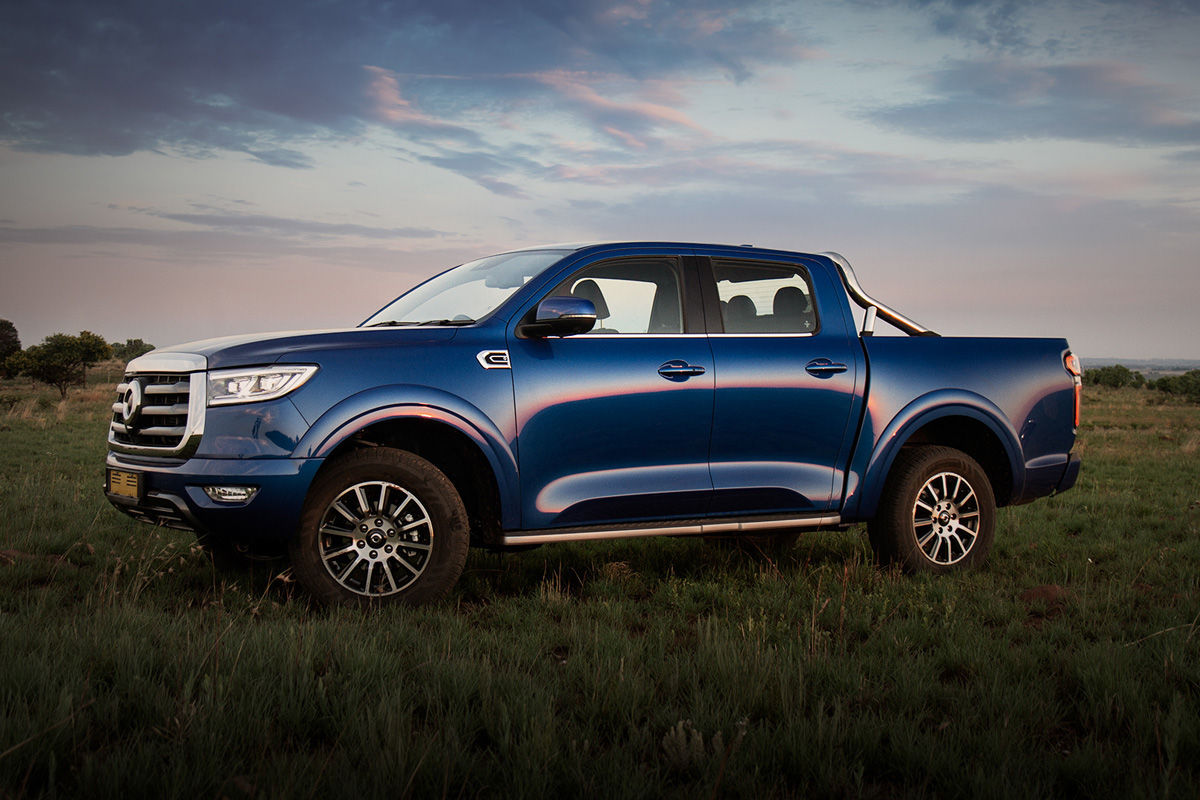
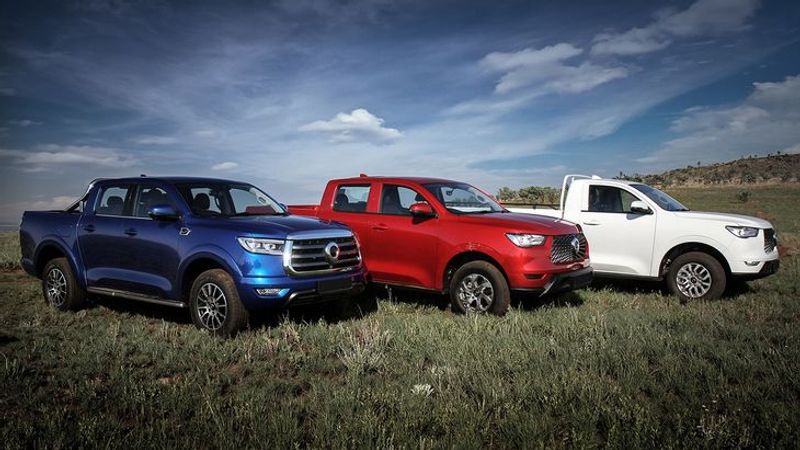
The new P-Series range (from left): Passenger double-cab, Commercial double-cab and Commercial single-cab.
The entire range is available in a choice of 6 exterior colours, but take note that the naming of the P Series Commercial double cab (DC) line-up is a trifle deceptive, because even in the lowest (SX) grade, the newcomer’s standard specification is much higher than those of most workhorse LCVs.
Indeed, SX versions feature DRLs, 17-inch alloys, side steps and colour-coded bumpers -mirror housings and -door handles. Their cabins come equipped with a multifunction 'wheel, cruise control, aircon, electric windows, Bluetooth-enabled audio system, 2 USB ports and a 12V charging socket. Safety kit includes dual front airbags, ABS with brake assist, electronic stability control, rear parking sensors and tyre pressure monitors.
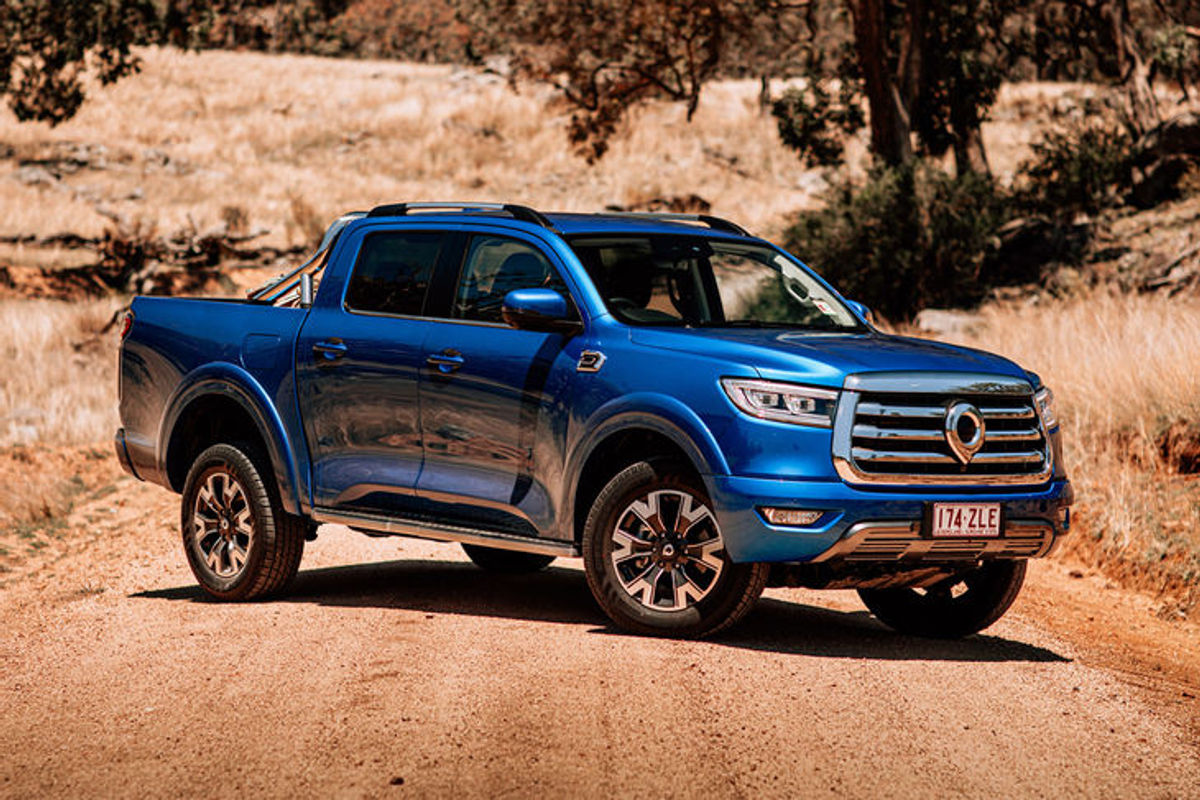
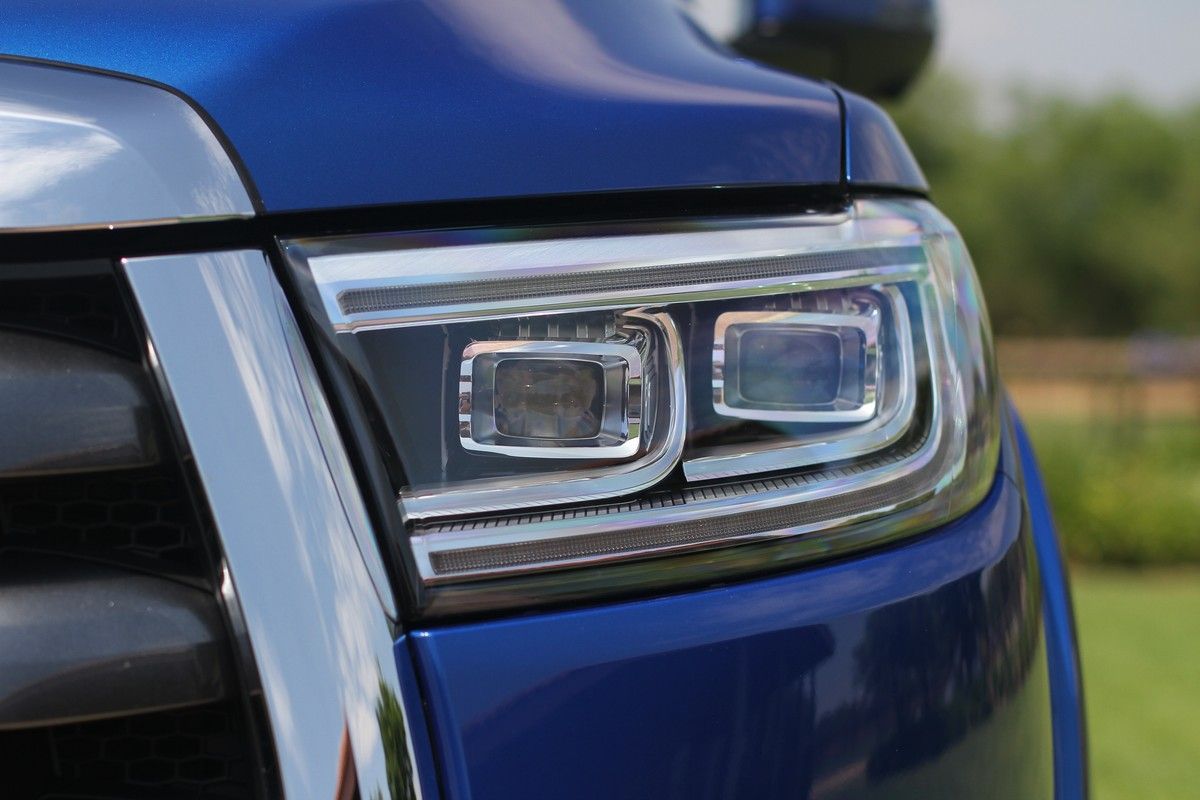
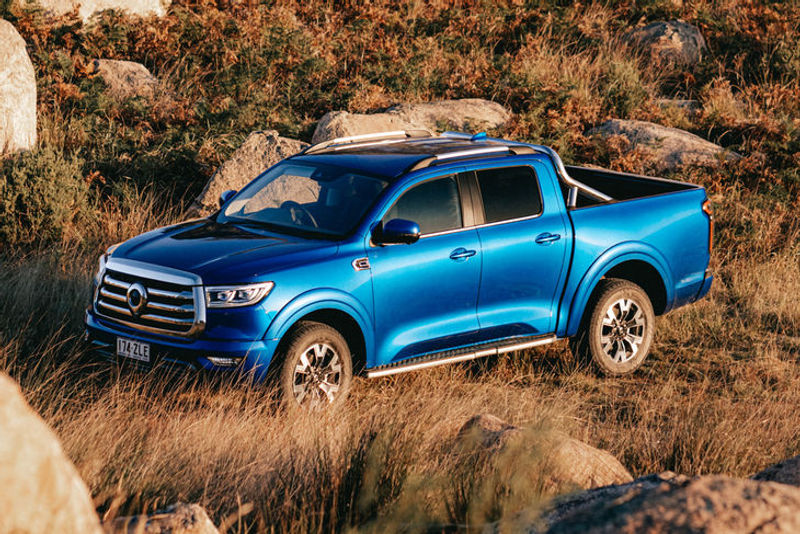
The Passenger double cab can be distinguished by its chrome grille, LED headlamps and 18-inch alloys (Aus spec shown).
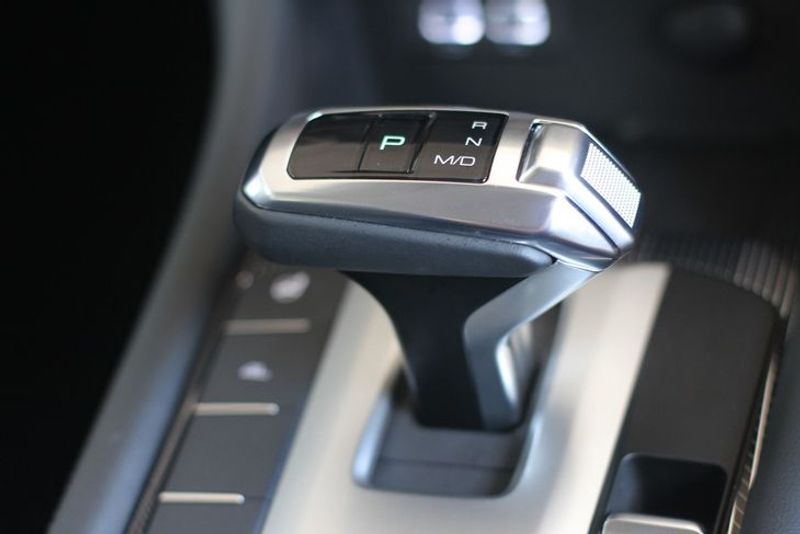
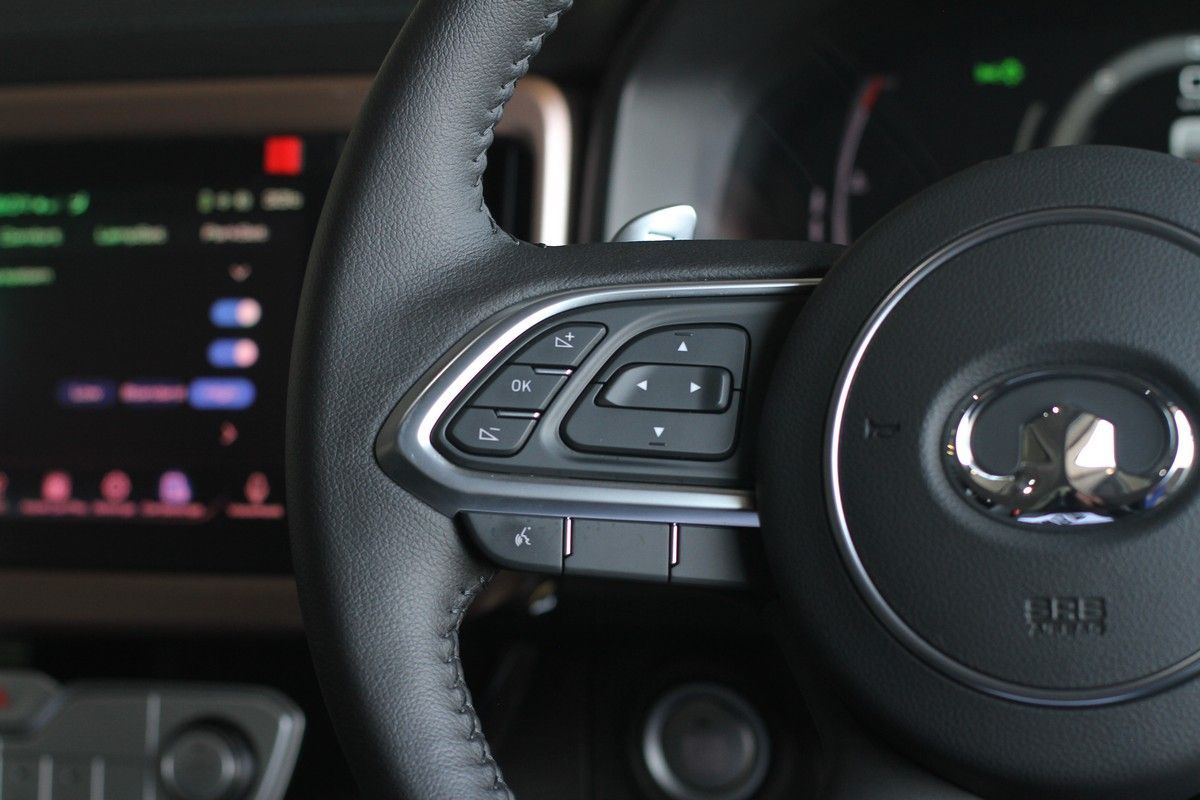
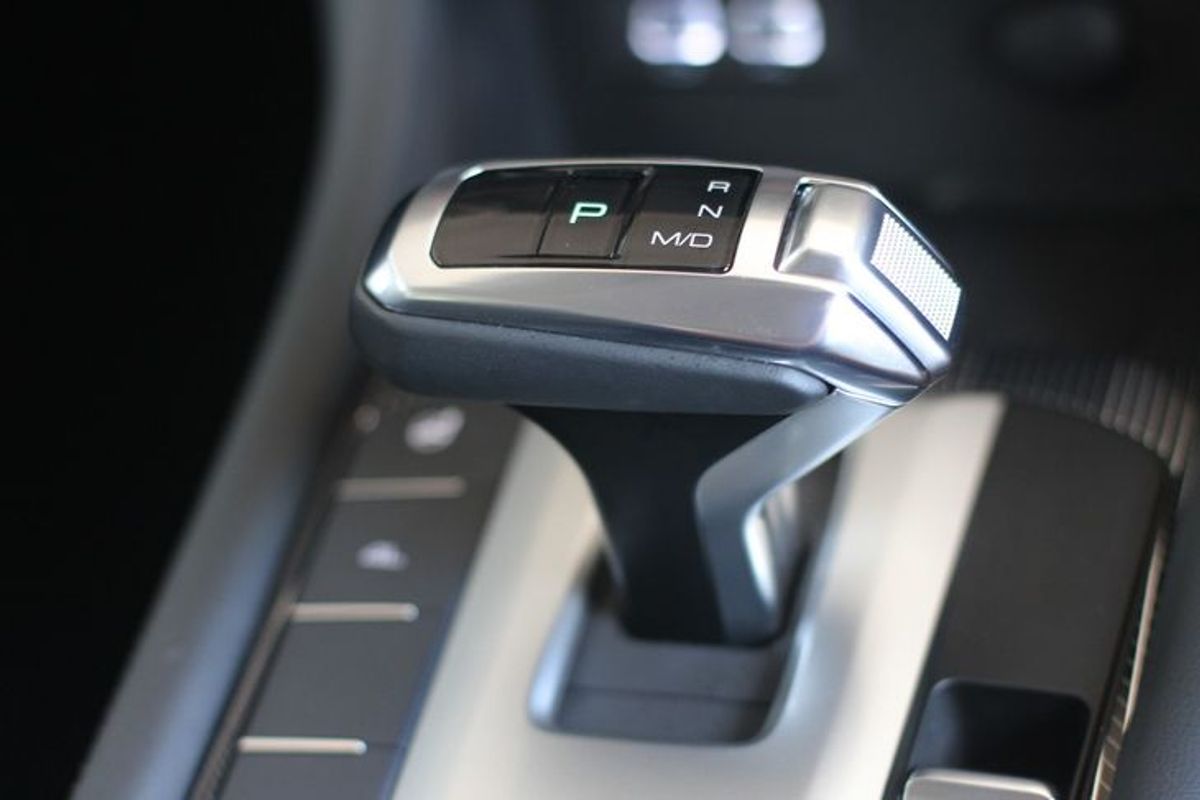
All automatic derivatives in the P Series double-cab line-up come equipped with electric (as opposed to hydraulic) power steering, an electronic handbrake (with auto-hold function), steering wheel-mounted shift paddles, keyless entry and push-button start.
DLX grade, which is the top specification in the “Commercial” line-up, includes a sunroof, leather-trimmed steering wheel and upholstery, a 6-way electrically adjustable driver’s seat, auto lights and –wipers, climate control, a 9-inch touchscreen infotainment system (with 6-speakers, plus compatible with Apple CarPlay as well as Android Auto), passenger-side kerb- and reverse-view cameras, electrically adjustable and -folding side mirrors and a self-dipping rear-view mirror, in addition to dual side and curtain airbags (6 airbags in total).
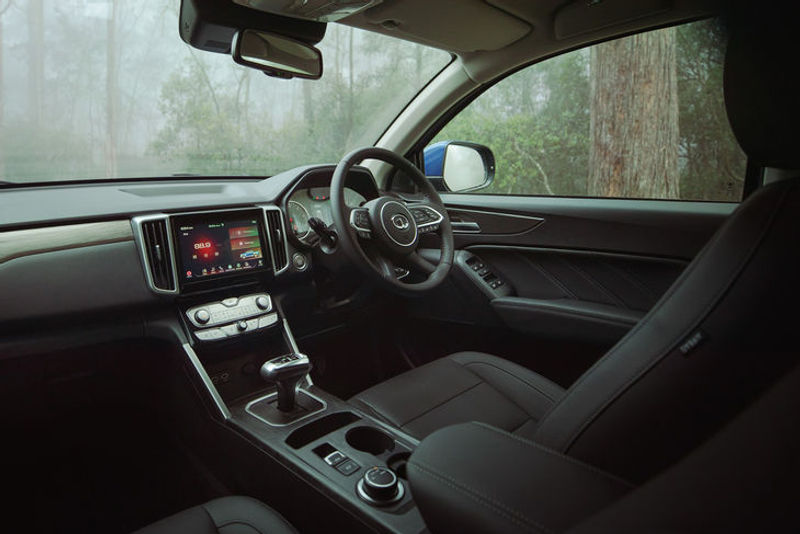
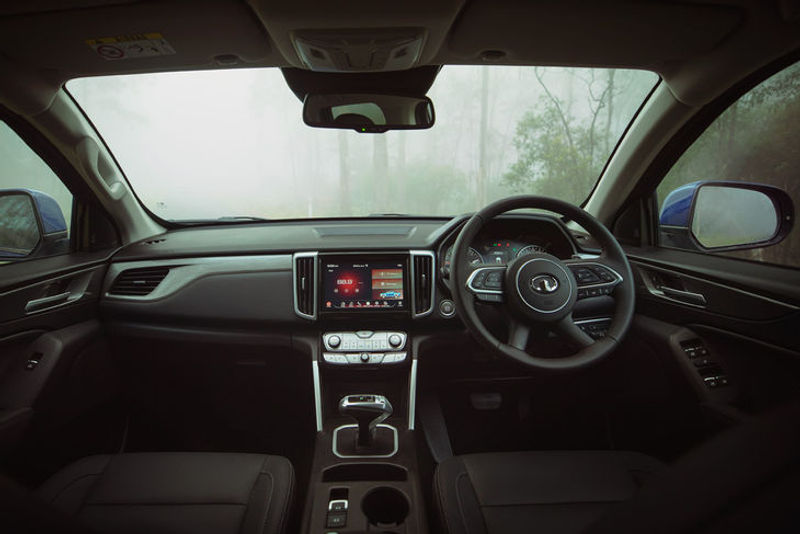
The GWM's interior is very SUV-like and features a soft-touch dashboard, leather trim and metallic accents. (Aus spec shown)
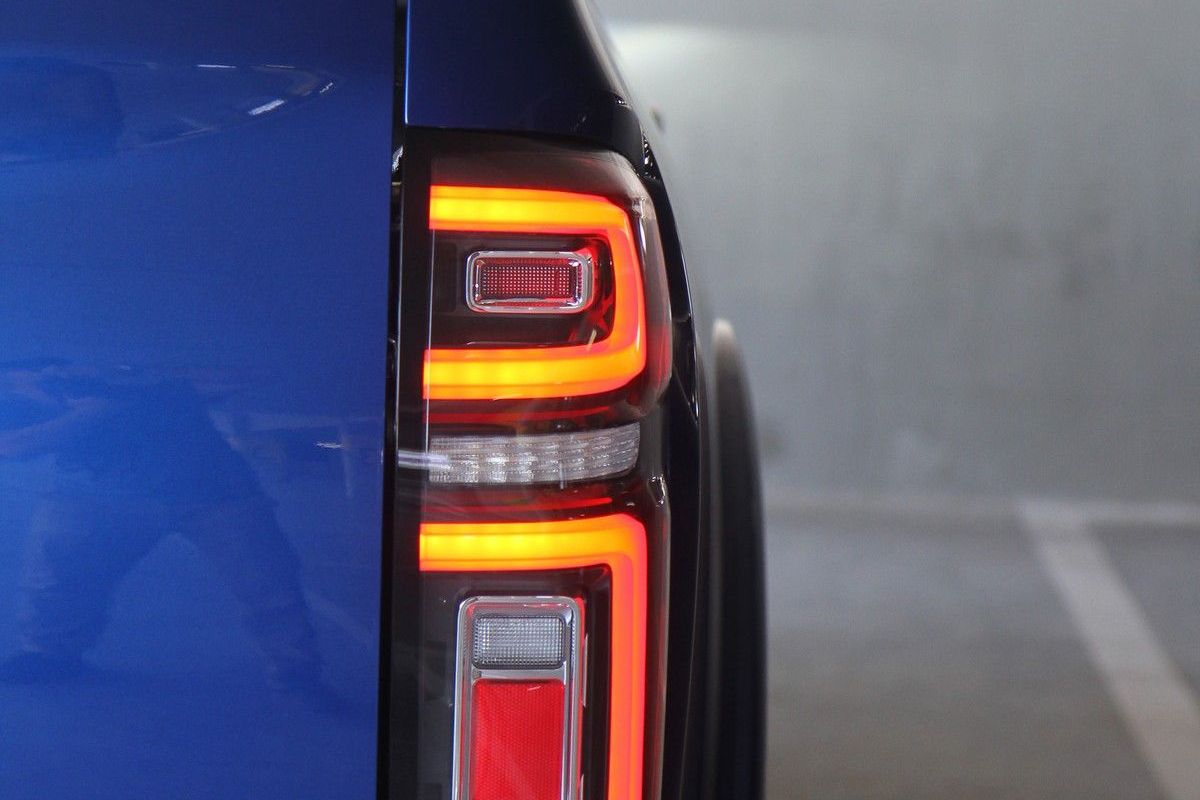
There’s bound to be a lot of interest in the head-turning Passenger version of the P Series double cab (exclusively available in automatic). The most luxurious bakkie in GWM’s line-up which can be distinguished by its LED head- and tail lamps and the bold chrome bars in its grille, which are matched by similarly-detailed side mirrors and door handles. A plastic load-bin liner is also fitted.
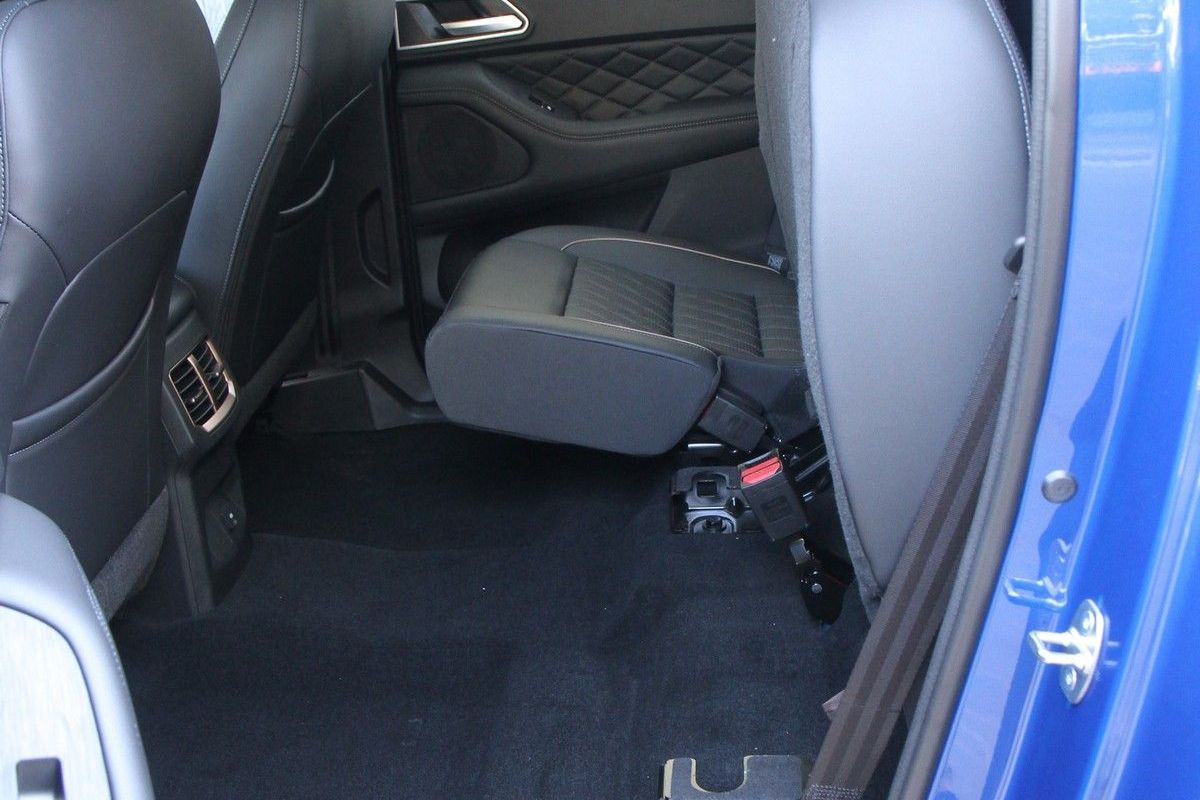
The interior finishes are said to be more akin to those of a high-end Haval SUV model than a bakkie, including a slush-moulded dashboard, leather trim – matched with cross-pattern stitching in the padded door panels, metallic accents and separate ventilation outlets for the rear occupants.
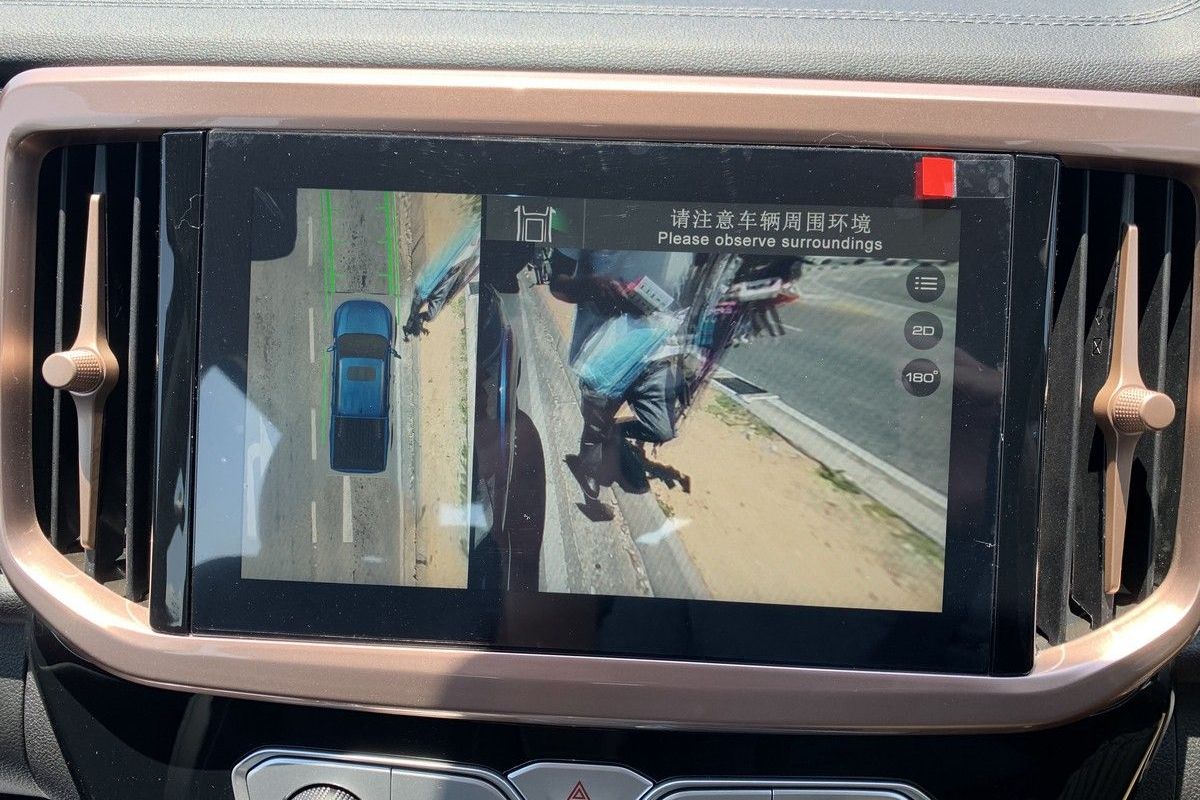
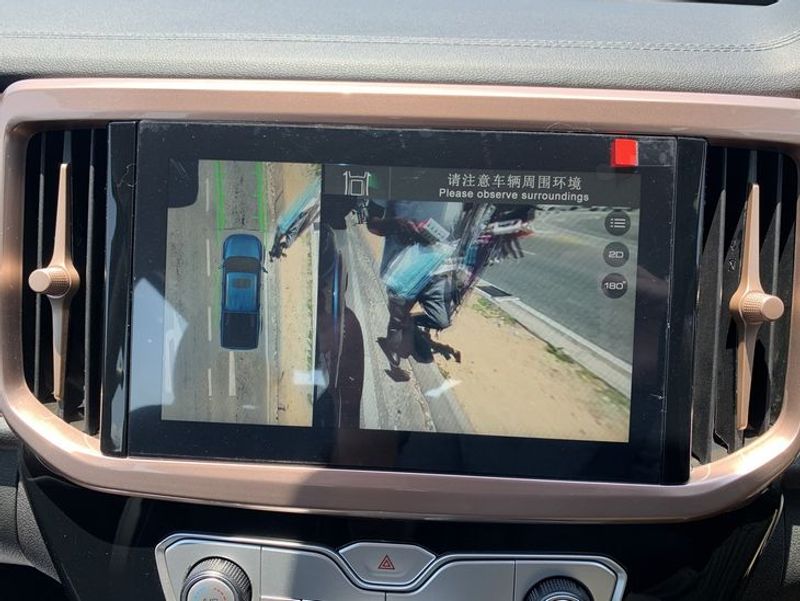
A combined 360-degree plus passenger-side kerb view is quite a luxury in the bakkie market!
The Passenger double cab's LS grade is much the same as the DLX spec in the Commercial line-up. Although it doesn’t have a leather-trimmed steering wheel or electrical adjustment for the driver’s seat, this lower-spec trim line does include, inter alia, disc brakes all round, full-leather seats, selectable driving modes and adjustable steering sensitivity, an additional central airbag, plus reverse-view camera guidelines.
The top-of-the-range LT grade upgrades the Passenger line-up’s spec dramatically, however. The exterior upgrades over the LS comprise only a chrome sports bar and rear deck pedal, but the onboard technology (including active safety) of the LT challenges those of the market’s top bakkies.
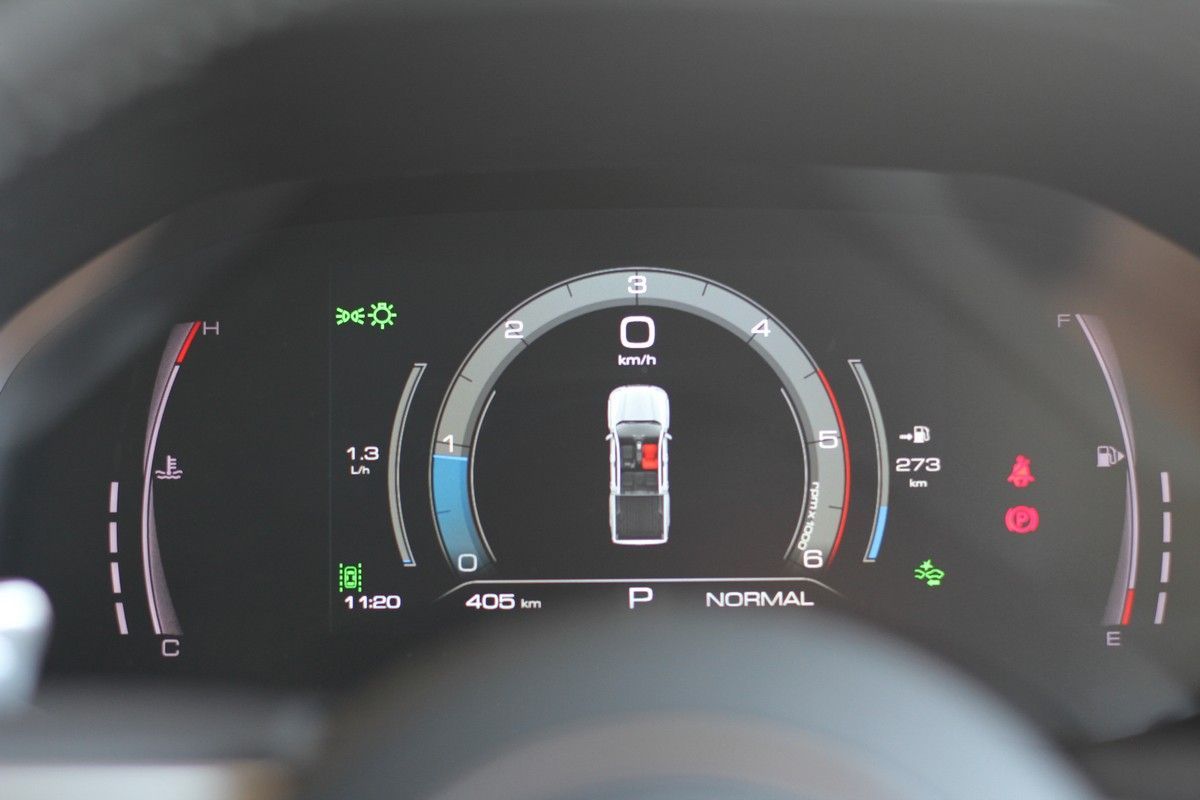
The LT spec P-Series comes equipped with a 7-inch LCD virtual instrument cluster.
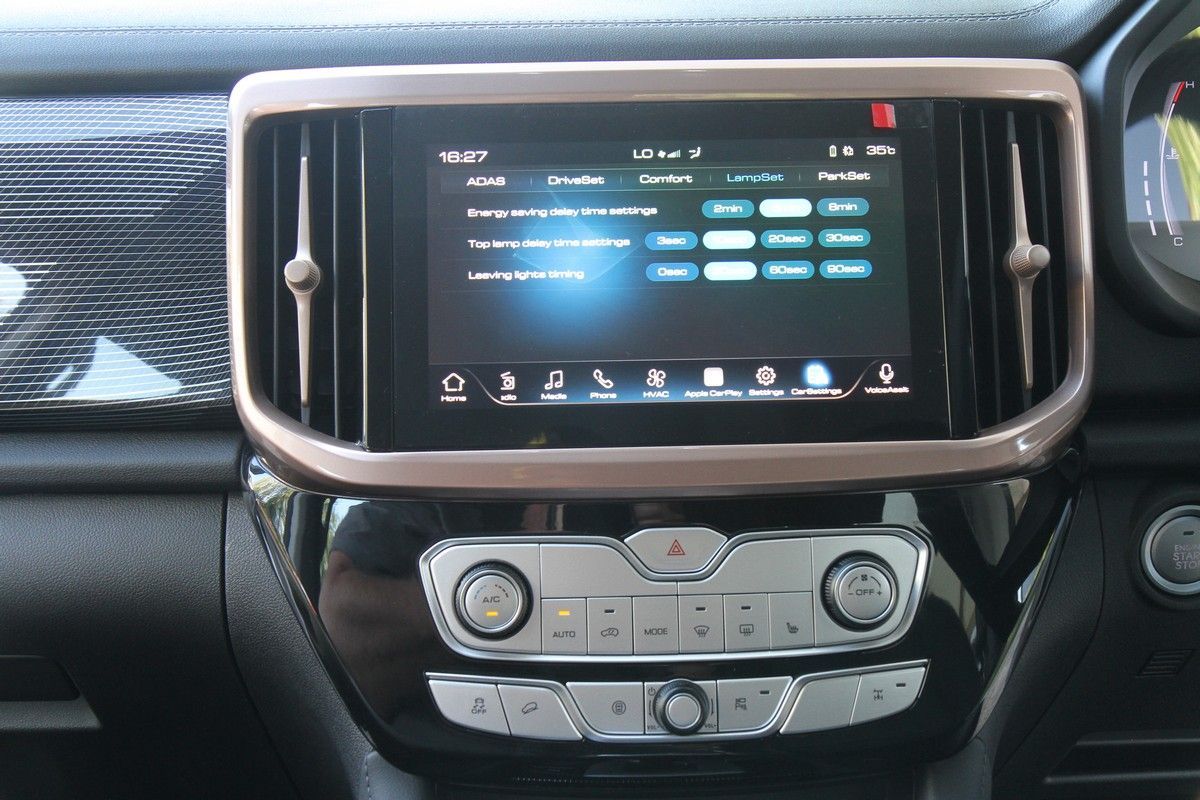
Apart from the provision of a 7-inch LCD virtual instrument cluster (as opposed to the LS' 3.5-inch driver info display), both front seats in the LT are electrically adjustable (the driver’s 6 ways and front passenger’s 4 ways), the 9-inch infotainment touchscreen additionally features intelligent voice control, a 360-degree camera view and rear-cross traffic alert, all of which is complemented by a wireless charging pad and a 220V power outlet.
The “Technological Intelligence and Safety” suite of features on LT derivatives (enabled by a forward-facing camera), meanwhile, includes adaptive cruise control, lane departure warning -keeping and -centring, forward-collision warning, auto emergency braking and traffic-sign recognition.
Getting onto the P Series' load bay is a cinch thanks to the provision of a rear-deck pedal (on LT derivatives).
To reiterate, the P Series will only be available in 2.0-litre turbodiesel guise. The powerplant delivers 120 kW and 400 Nm of torque – Haval Motors SA has not released claimed consumption figures yet. The P Series rides on a double-wishbone front suspension and a leaf-sprung rigid rear axle.
The range's 4WD derivatives are said to offer 232 mm of ground clearance, as well as approach and departure angles of 27 degrees and 25 degrees respectively. The “Torque on Demand” intelligent all-wheel-drive system with 2H, 4H Auto and 4L modes and various off-road modes is made by Borg-Warner. All the P Series Double Cab Passenger derivatives feature Hill Assist and –Descent Control, as well as a rear diff-lock.
GWM P Series price in South Africa (Dec 2020)
All P Series derivatives come with a 5-year/100 000 km warranty, 5-year unlimited km roadside assistance and 5-year/100 000 km service plan.
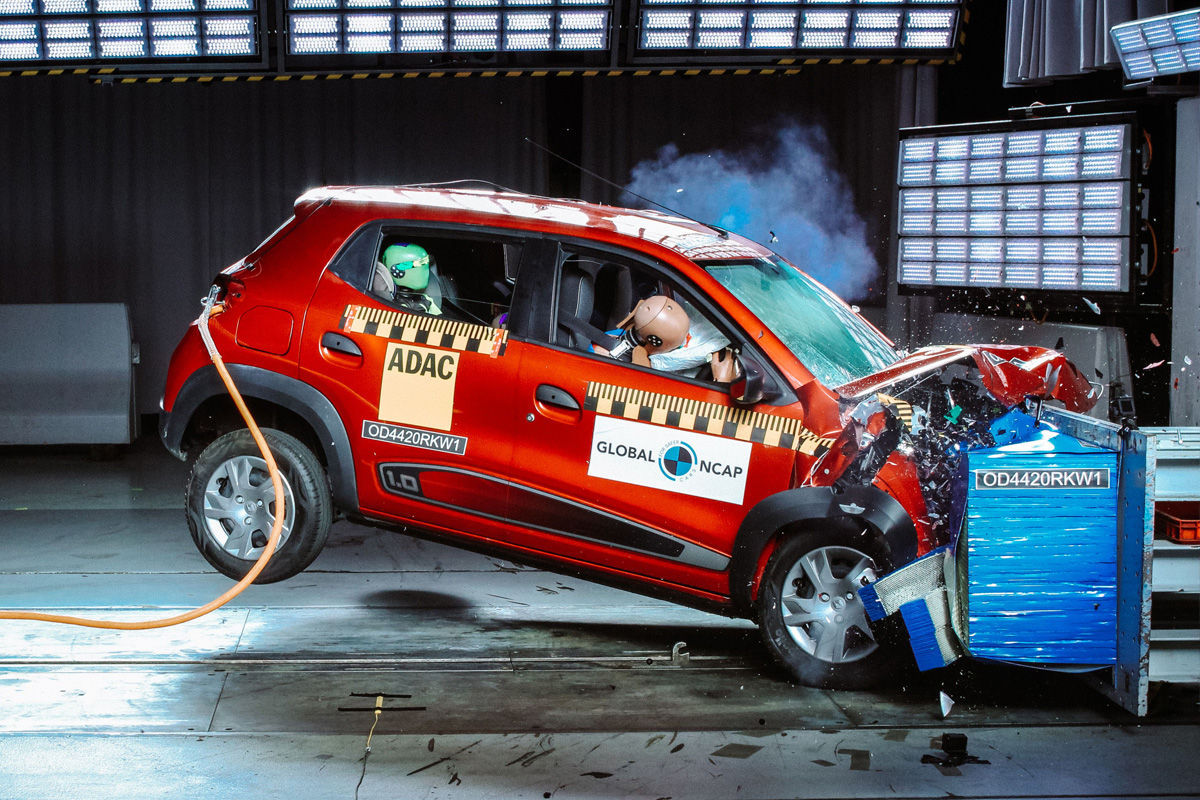
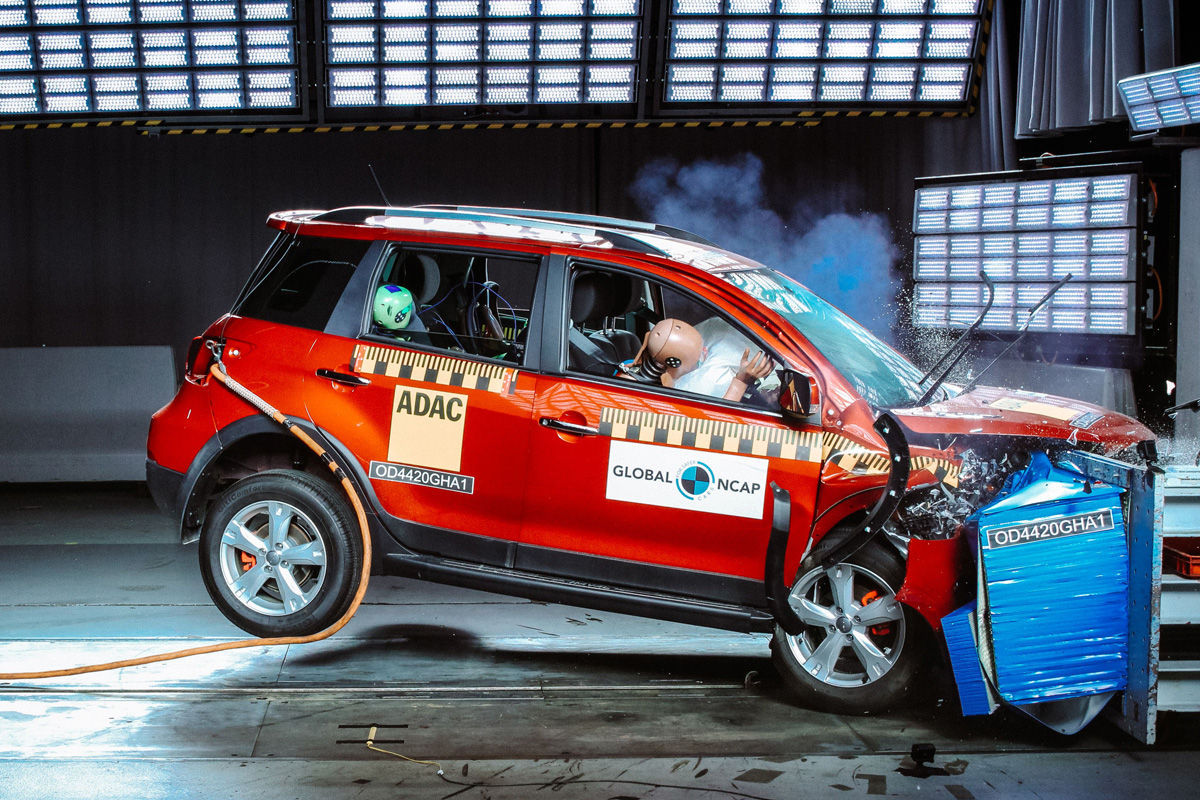
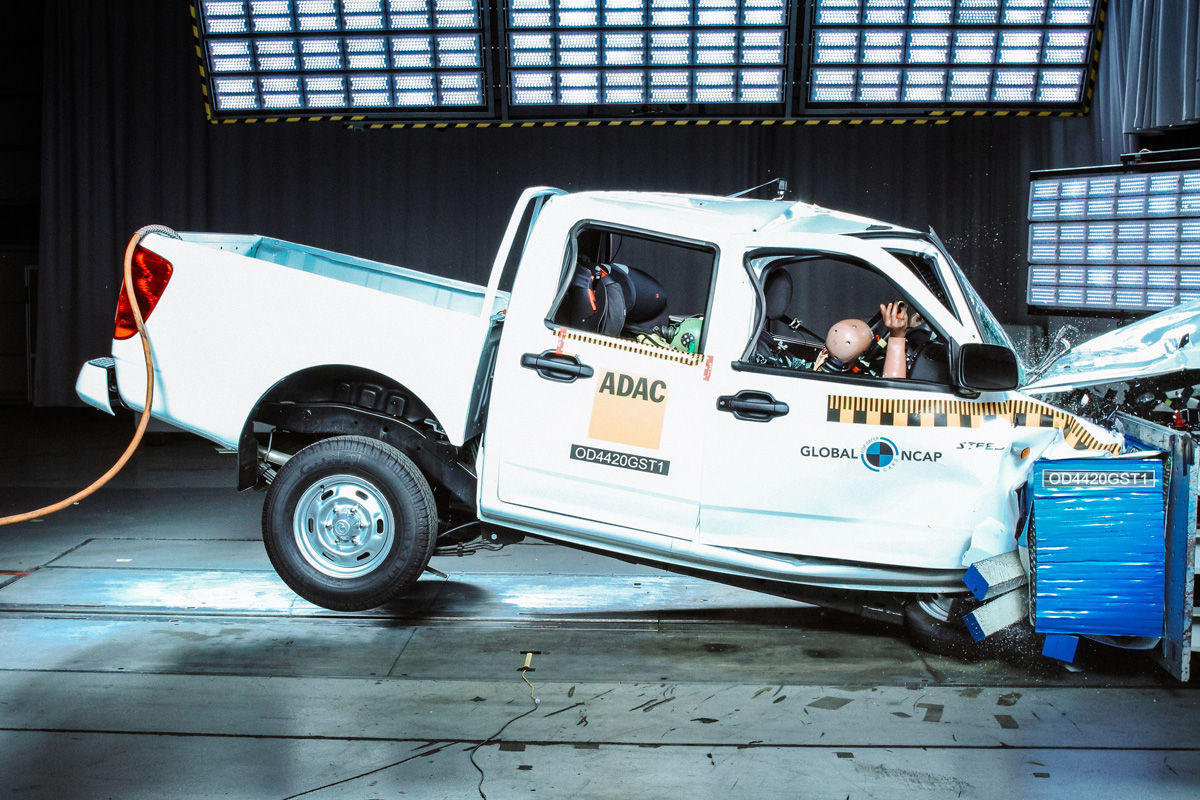
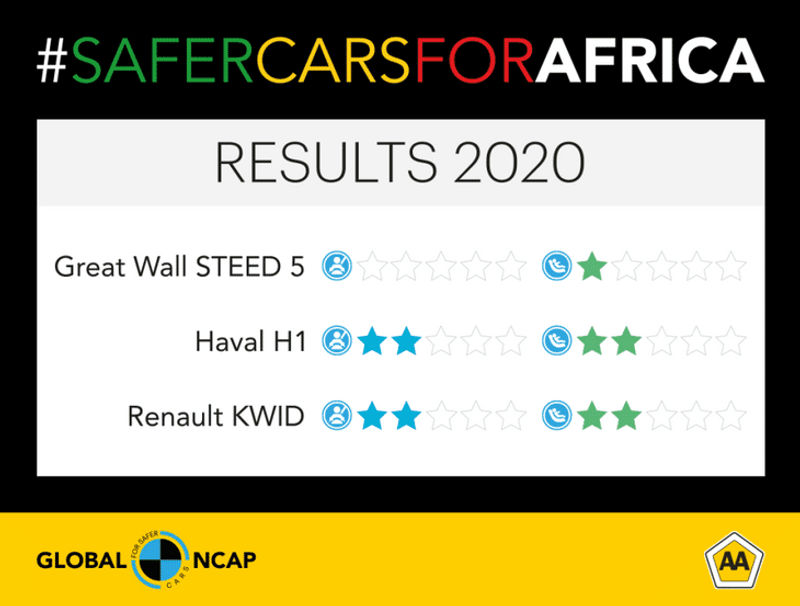
Global NCAP and the Automobile Association have released fresh #SaferCarsForAfrica crash-test results, this time for the South African-specification Renault Kwid, Haval H1 and GWM Steed 5. This follows after the organisations allocated ratings to the Suzuki S-Presso, Hyundai Grand i10 and Kia Seltos last month.
As in the previous rounds of Global NCAP tests, the Renault, Haval and GWM were subjected to 64-kph frontal impacts to test their respective levels of adult occupant crash safety. Then, to calculate the child safety ratings, tests were conducted on the effectiveness of the Child Restraint Systems (CRS) as/if recommended by the manufacturers. The assessment checked how compatible the vehicles were with prescribed CRS units.
The organisations, supported by Bloomberg Philanthropies and the FIA Foundation, commented that the Haval and Renault's "poor levels of adult and child protection (gave) serious cause for concern". The GWM, which scored 0 stars, "demonstrated a high probability of life-threatening injury."
Renault Kwid – 2 stars
Since a Kwid equipped with a driver's airbag was tested by Global NCAP in India in late 2016 (it scored 1 star), its structure has been improved. When a Brazilian-made version (with dual front and side airbags, plus ABS) was subsequently tested by Latin NCAP, it achieved 3 stars.
The model sold in South Africa is, of course, made in India and since its recent facelift, the Kwid comes standard with 2 front airbags. Global NCAP said that in this latest test, the protection offered by the budget car to the driver's head was "adequate" and "good" for the front passenger.
The results showed that the Renault offered good protection for the front occupants' necks, but weak protection for the driver's chest. An unstable body structure, unstable footwell structure and pedal movement explain the Kwid's 2-star rating for adult occupant protection, NCAP added.
"The child occupant protection showed poor performance as the dummy's head contacted the interior of the car. The lack of 3-point seat belts in all seating positions and lack of ISOfix anchorages contributed to the 2-star rating for child occupant protection."
Haval H1 – 2 stars
The long-serving Haval H1, previously known as the GWM M4, comes with 2 frontal airbags as standard. In this round of testing, the injuries recorded to the test dummy driver and front passenger's head and neck indicated a good level of protection, while there was weak protection for the driver's chest and good protection for the front passenger's chest. Poor front feet protection, together with the overall results for the driver, an unstable structure and an unstable footwell area explain the H1's 2-star rating for adult occupant protection, NCAP said.
Child occupant protection was negatively affected because Haval did not indicate a CRS for use in the test. The CRS selected by Global NCAP utilised the vehicle's available ISO anchorages, but both child dummies' heads contacted the car during the test. What's more, a lack of proper ISOfix markings and a passenger airbag-disabling switch resulted in a 2-star child occupant protection rating for the H1, the organisation added.
Great Wall Steed 5 – 0 stars
The GWM Steed 5 (without airbags fitted) was the 2nd bakkie to be tested by Global NCAP following Nissan NP300 Hardbody in 2018. The organisation chose the Steed 5 because it competes on price with the long-serving Nissan and like the Hardbody, the Steed 5 got a 0-star rating.
Post-impact, readings on the driver dummy suggested poor protection for the head and weak protection for the neck and chest (those body parts are considered critical body regions by Global NCAP). The Steed 5's structure was considered unstable, as was its footwell: "The deformation in the passenger compartment and movement of the steering column questions if an airbag would be able to prevent serious injuries to the driver."
As the manufacturer "decided not to recommend a child restraint system (CRS) for the test", NCAP said, 0 points were awarded for the child occupant dynamic assessment score. The CRS for a dummy of a 3-year-old child broke during the impact due to the poor performance of the restraint system. The Steed 5 does not have ISOfix anchorages for the child seats in the rear and lacks 3-point belts in all seating positions.
In response, Alejandro Furas, Global NCAP's secretary-general said: “Another 0-star rated bakkie gives us very serious cause for concern in our latest crash test results for Africa. The potential for life-threatening injury in the Steed 5 follows the 0-star performance of the Nissan Hardbody. The contrast between the marketing claims for such vehicles and the reality of their poor safety performance could not be starker.”
David Ward, the president of the Towards Zero Foundation, commented: “This is a worrying set of results for the safety of both adult and child occupants in these popular African cars. Our second #SaferCarsforAfrica zero-rating in the bakkie category, with the high probability of life0threatening injury, should be ringing alarm bells for any consumer considering the purchase of a Steed 5 pickup.
“With successful crash test programmes in India and Latin America, we can track the varying safety equipment specifications for cars manufactured in one market and sold in others. It’s therefore surprising to note that the Kwid developed for Latin America, based on the original Indian version, has a better adult and child occupant protection performance, includes standard ISOFIX anchorages as well as dual front and side airbags.”
Willem Groenewald, AA South Africa CEO added: “I concur with both Ale and David that these results are worrisome and cause for concern. Since the #SaferCarsforAfrica programme’s first results were launched in 2017 we’ve been calling for an improvement in the safety standards set by the government. These results again confirm the urgent need for this to happen; we simply cannot have unsafe cars on our roads anymore.