Opel Corsa Utility Review – The 250 000km Trooper!
This is not your normal car video review as Ciro De Siena gets to grips with an Opel Corsa bakkie with 250 000km on the clock.
This is probably one of our favourite cars that we've ever reviewed. It's actually the Cars.co.za video department's crew vehicle, and belongs to one of our cameramen. The reason Ciro chose to review it is, he drove it for the first time recently and was blown away by how solid the little bakkie felt, even though it had just clocked 250 000km. In this video Ciro takes us through the history of the Opel Corsa Utility, why it came to be so well-loved by South Africans, and he makes an impassioned plea for Opel to bring it back.
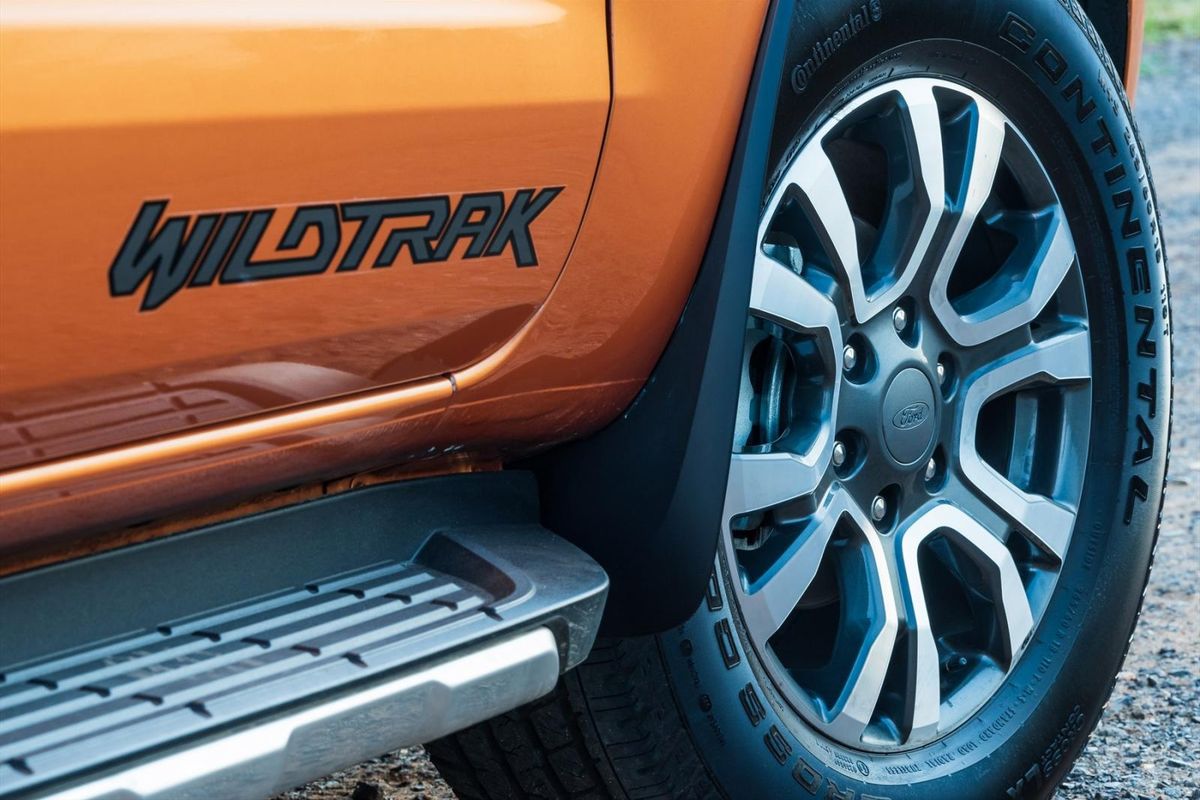
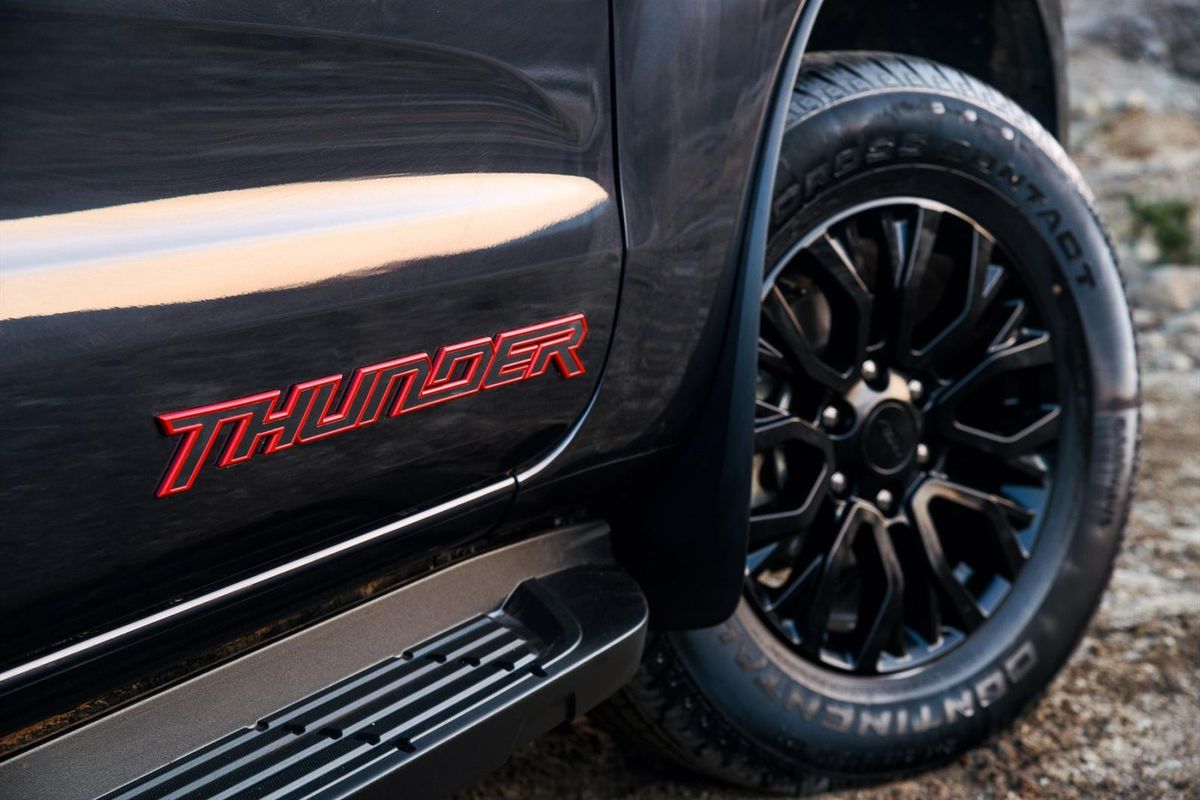
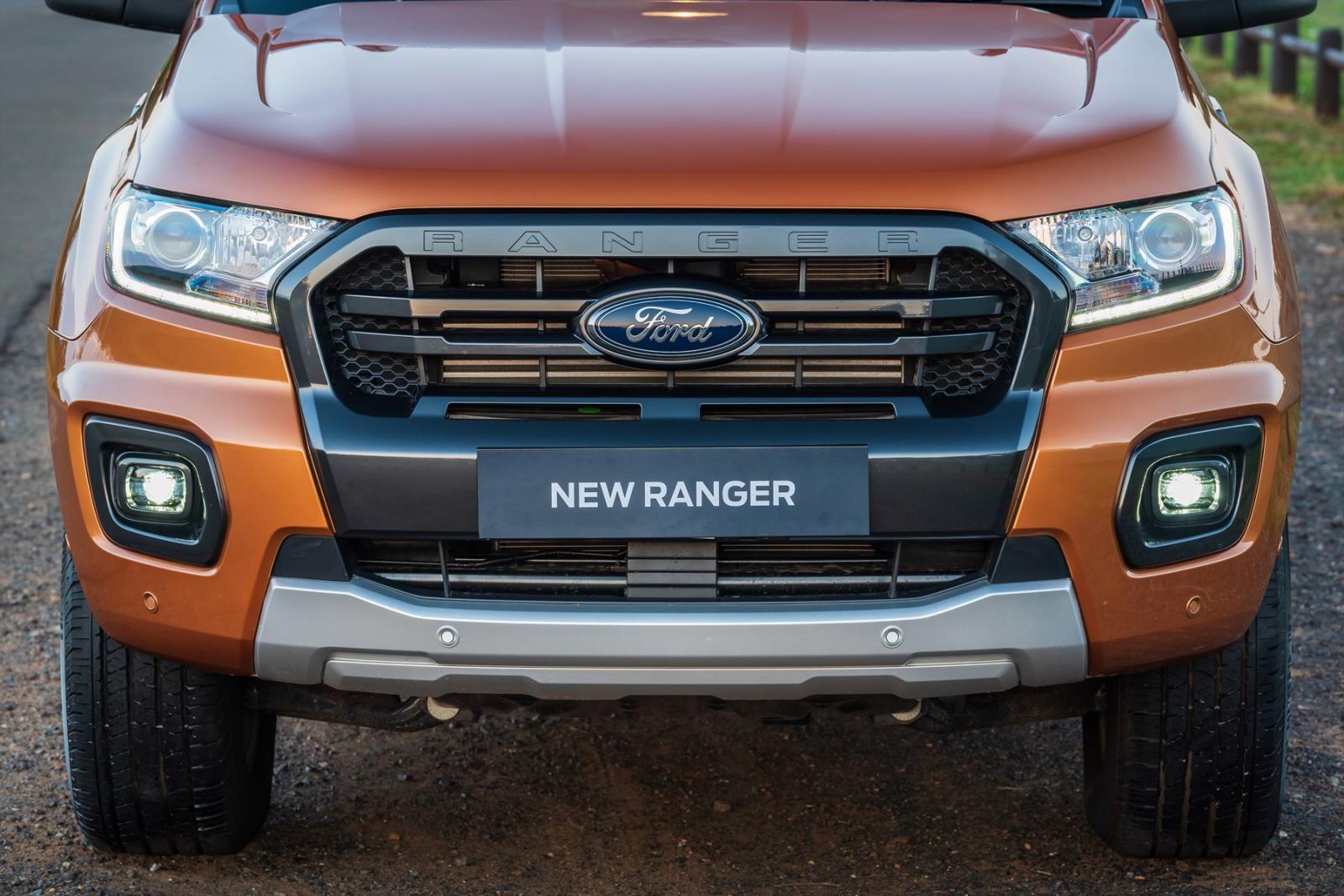
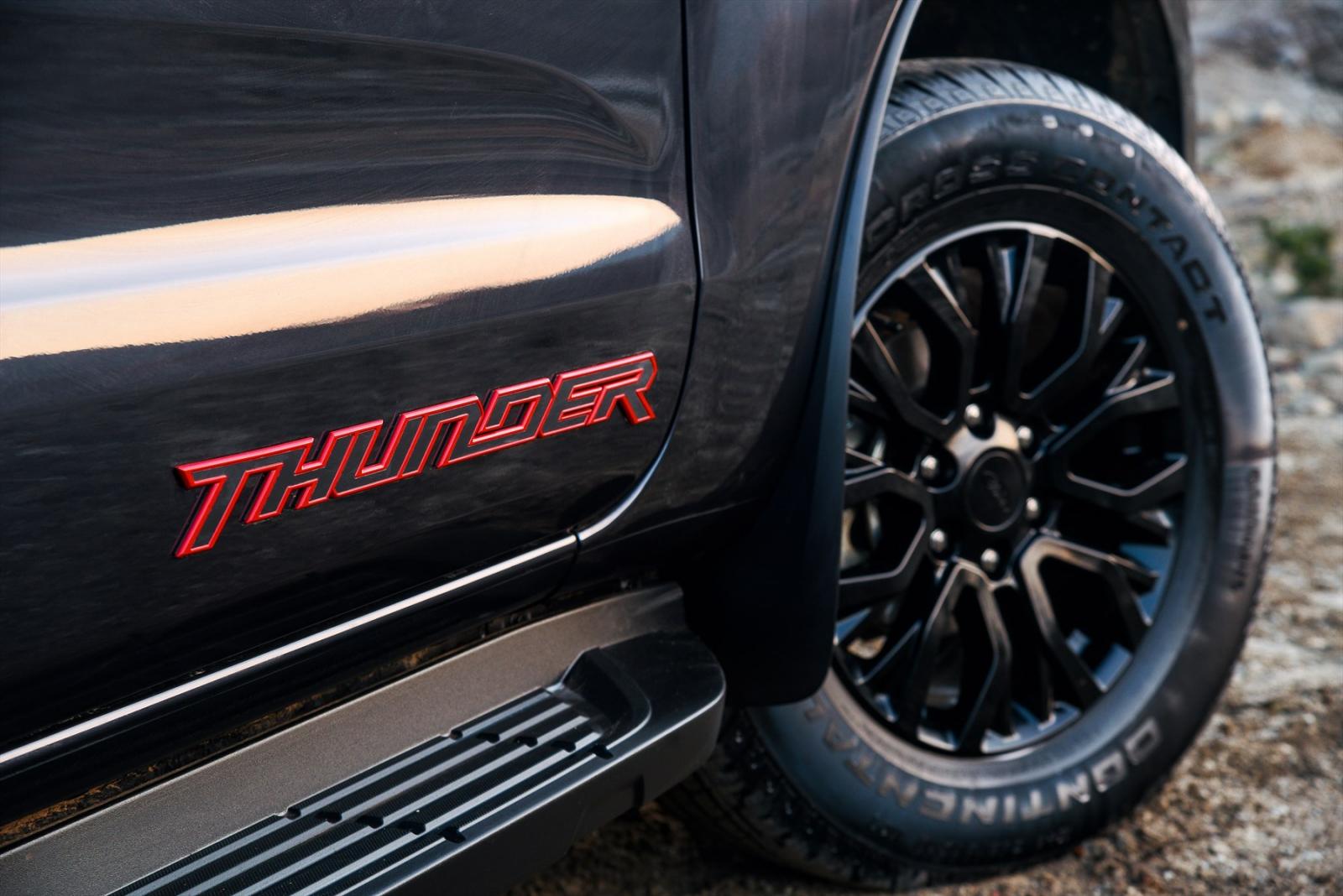
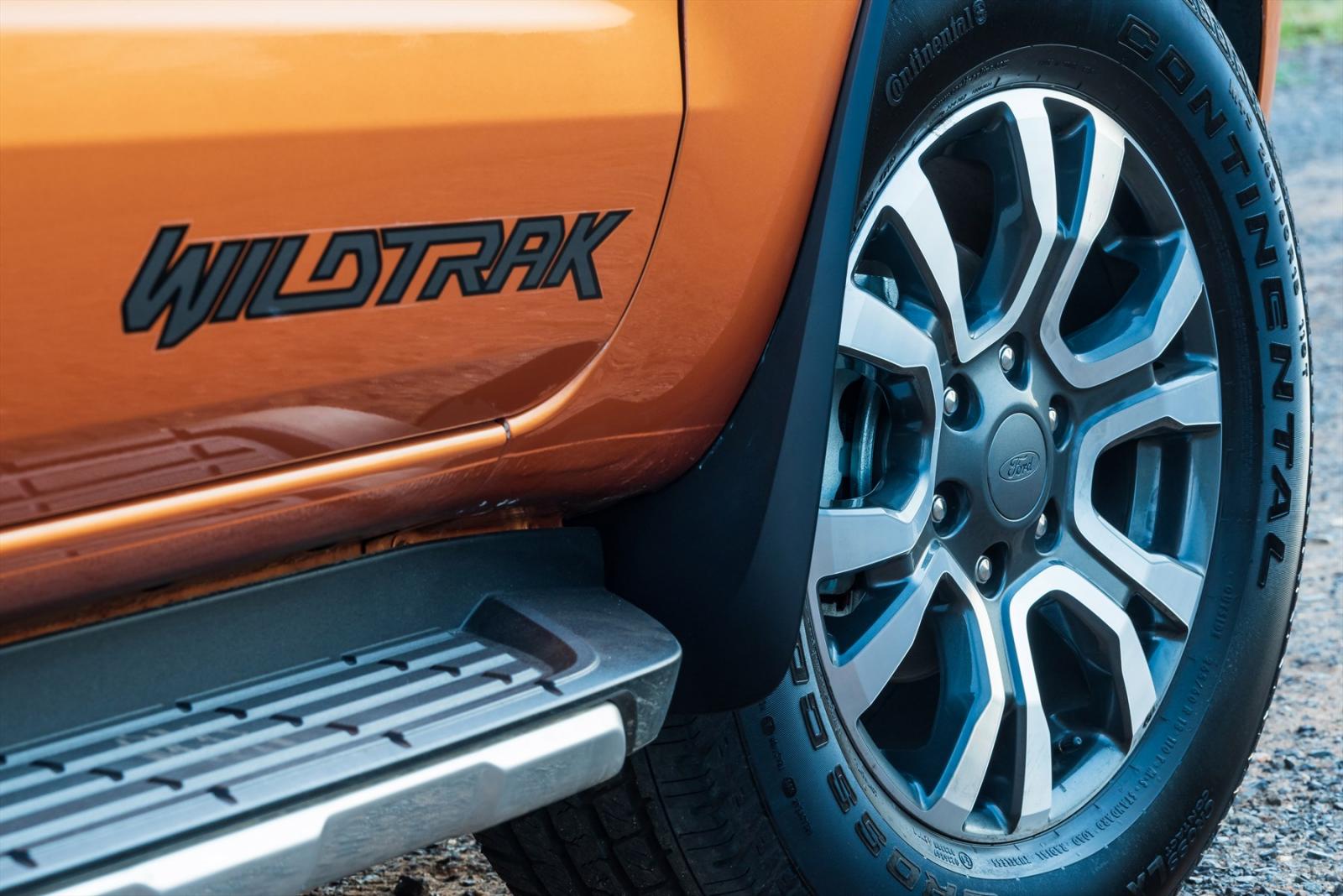
The Ford Ranger portfolio was bolstered in the middle of 2020 by the addition of the Ford Ranger Thunder. Granted, it looks good, but where does it sit in comparison to the popular Wildtrak? Here are the key differences separating the Ford Ranger Thunder from the Ford Ranger Wildtrak.
Mechanically, there is nothing separating the Ranger Wildtrak from the Ranger Thunder. The 2.0-litre bi-turbo diesel motor delivers 157 kW and 500 Nm in both models and both have the 10-speed automatic transmission installed. The Thunder is just as capable, with a low-range gearbox, 230 mm of ground clearance as well as a wading depth of 800 mm. A tow rating of 3 500 kg is standard across both models.
As you'll see below, the devil is in the details and we think Ford has given the Ranger Thunder some serious visual punch. The Ford Ranger Thunder is built alongside the other Ranger models at the Ford Motor Company plant in Silverton, Pretoria, with the engines coming from the Ford Motor Company plant in Struandale, Port Elizabeth.
That Front!
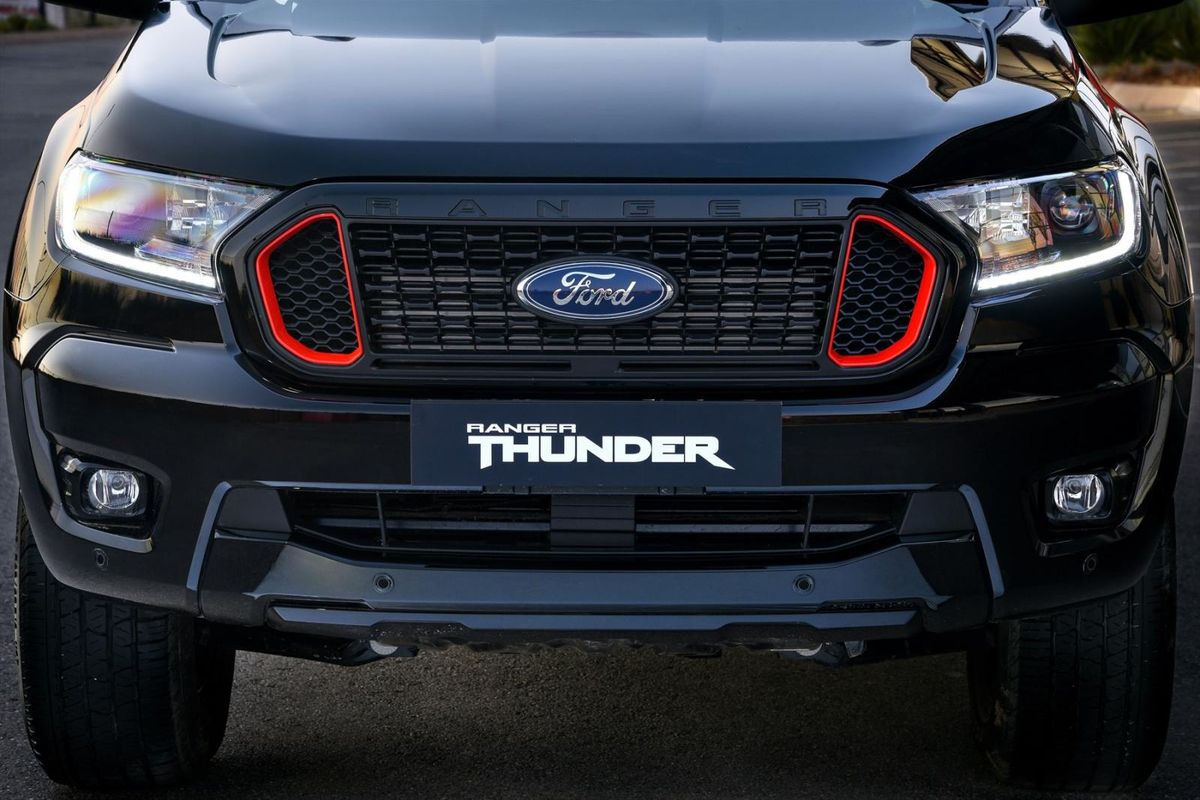
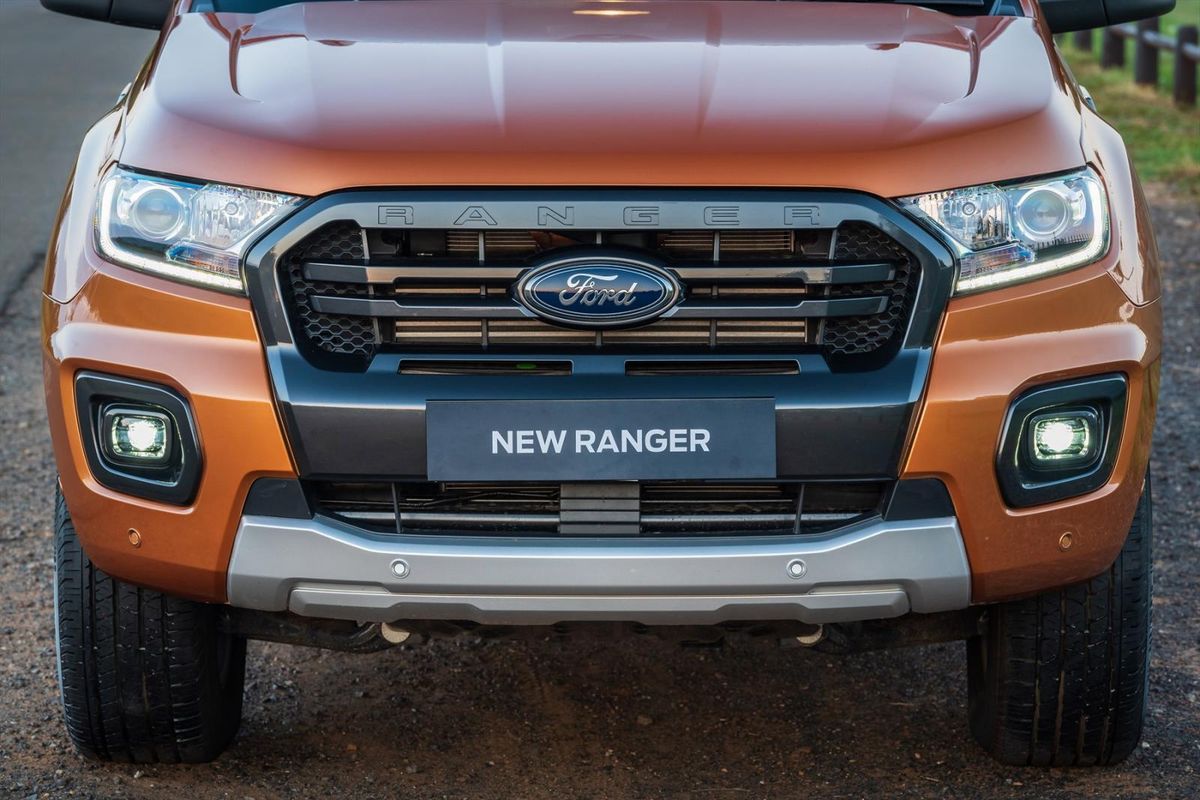
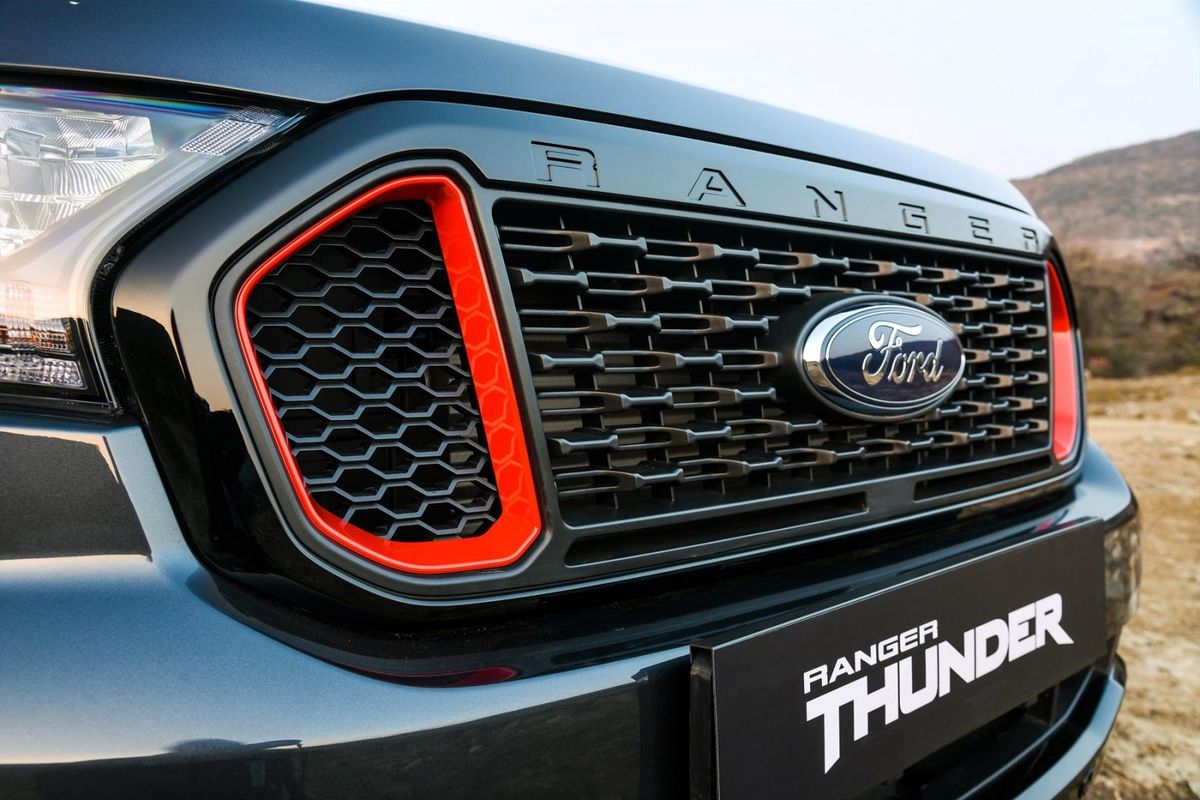
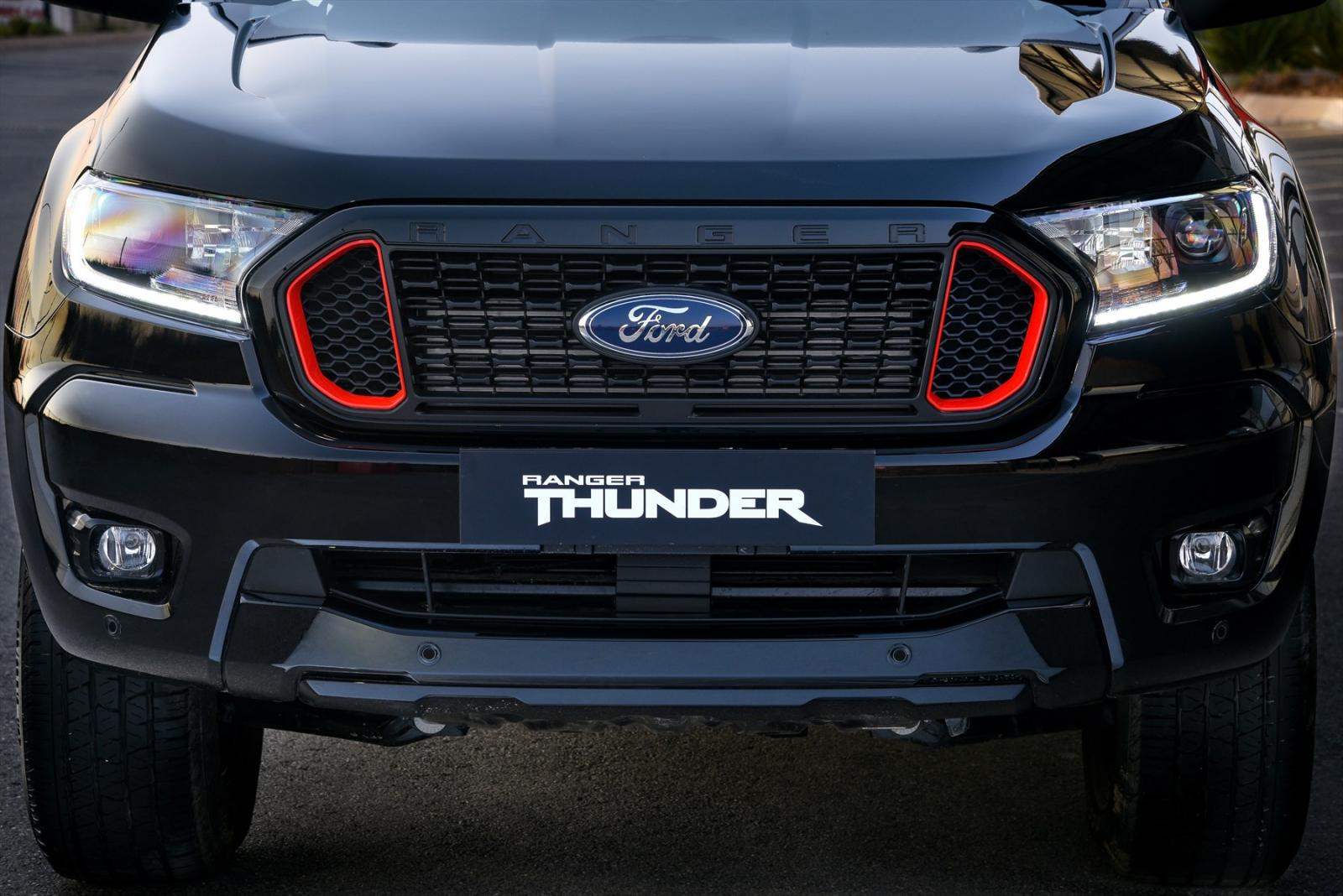
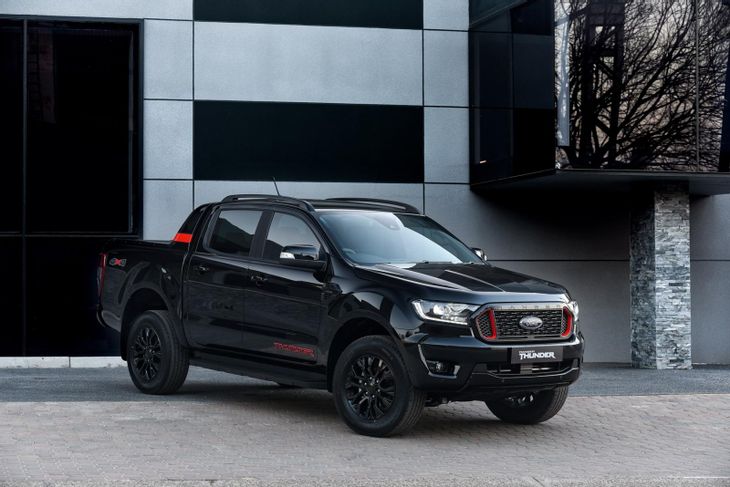
The Ford Ranger isn't exactly a dull or boring bakkie from the front and the Wildtrak's nose, in particular, is dominant and imposing. The Ford Ranger Thunder takes this up a level with the addition of a revised honeycomb-styled front end with red intakes. It makes the Thunder look a raging bull with a furious snout. Ford aficionados may recognise them from various performance Mustangs sold around the world. The red also contrasts well with the dark paintwork, but if you're not a fan, there are other colours to choose from.
Those Wheels
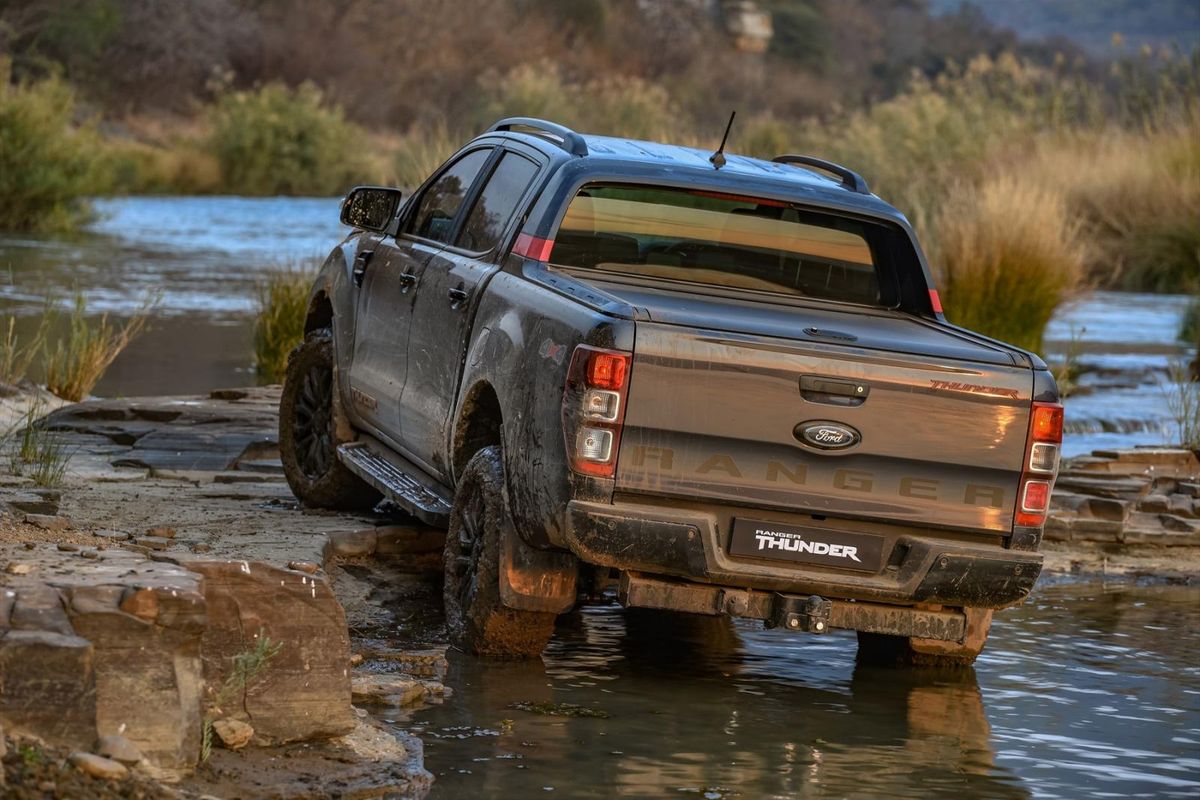
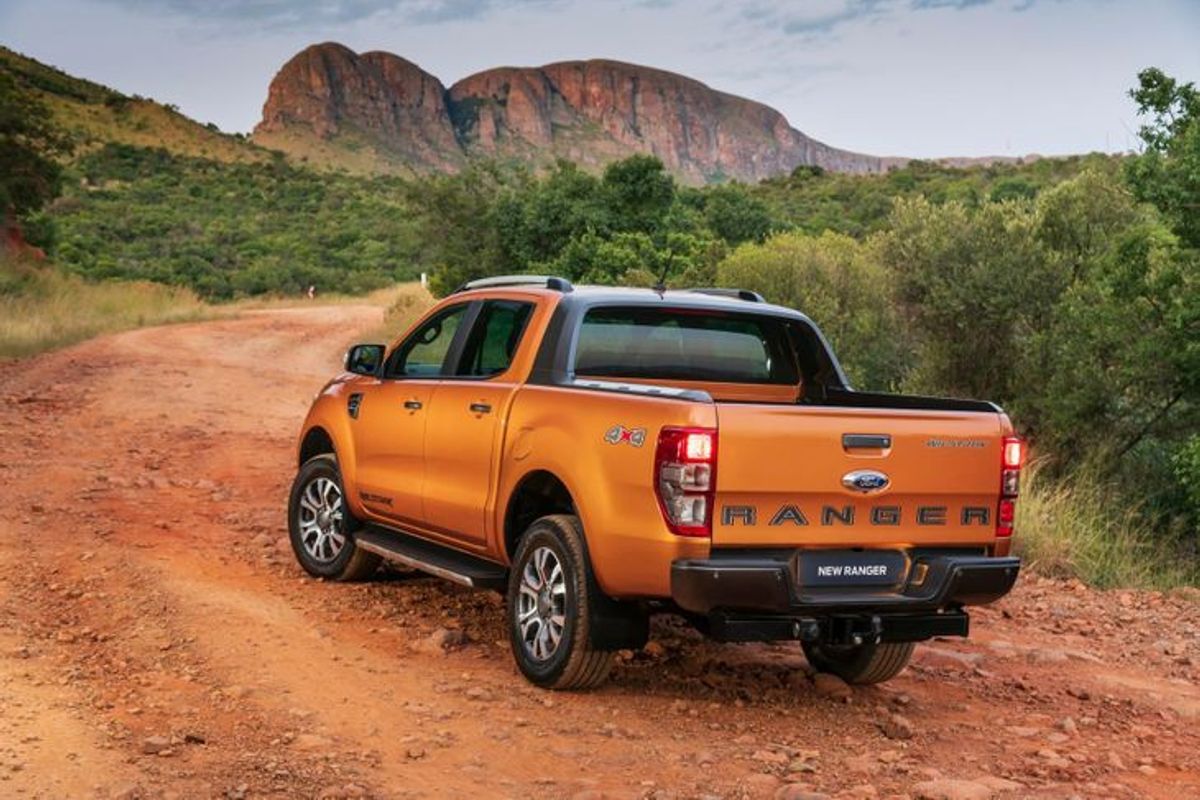
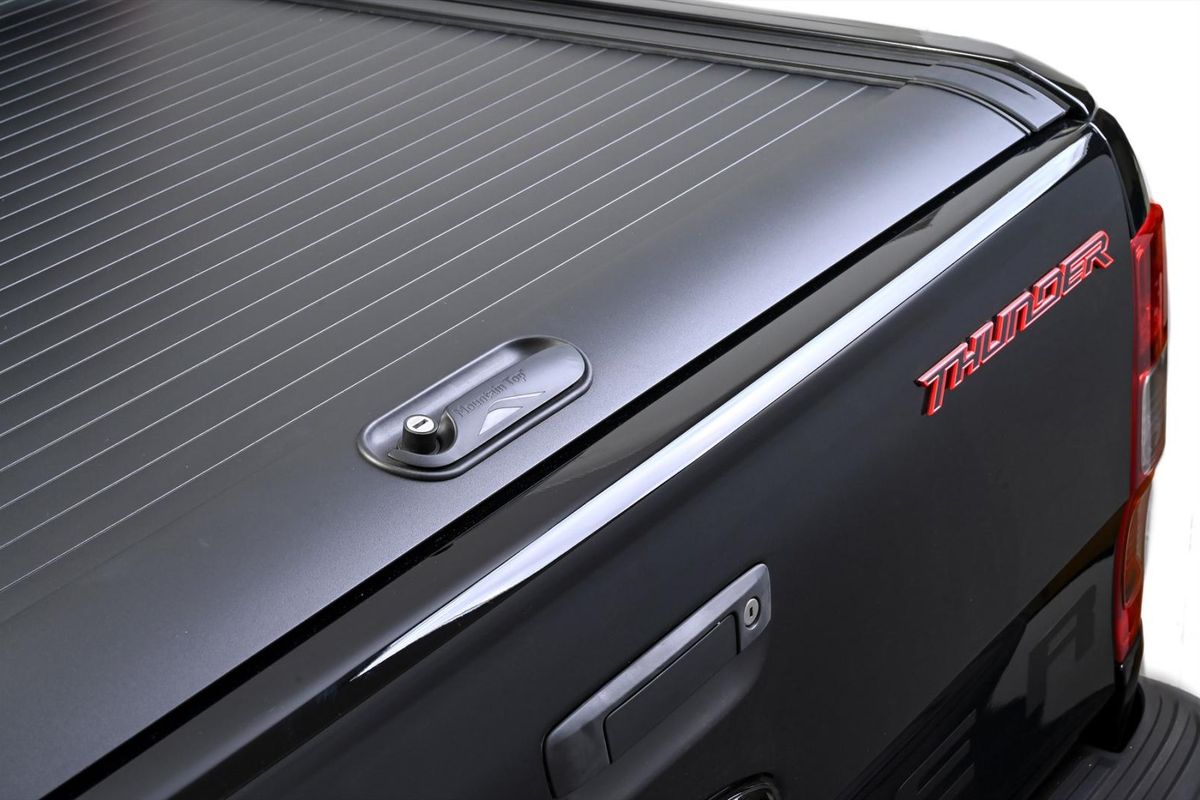
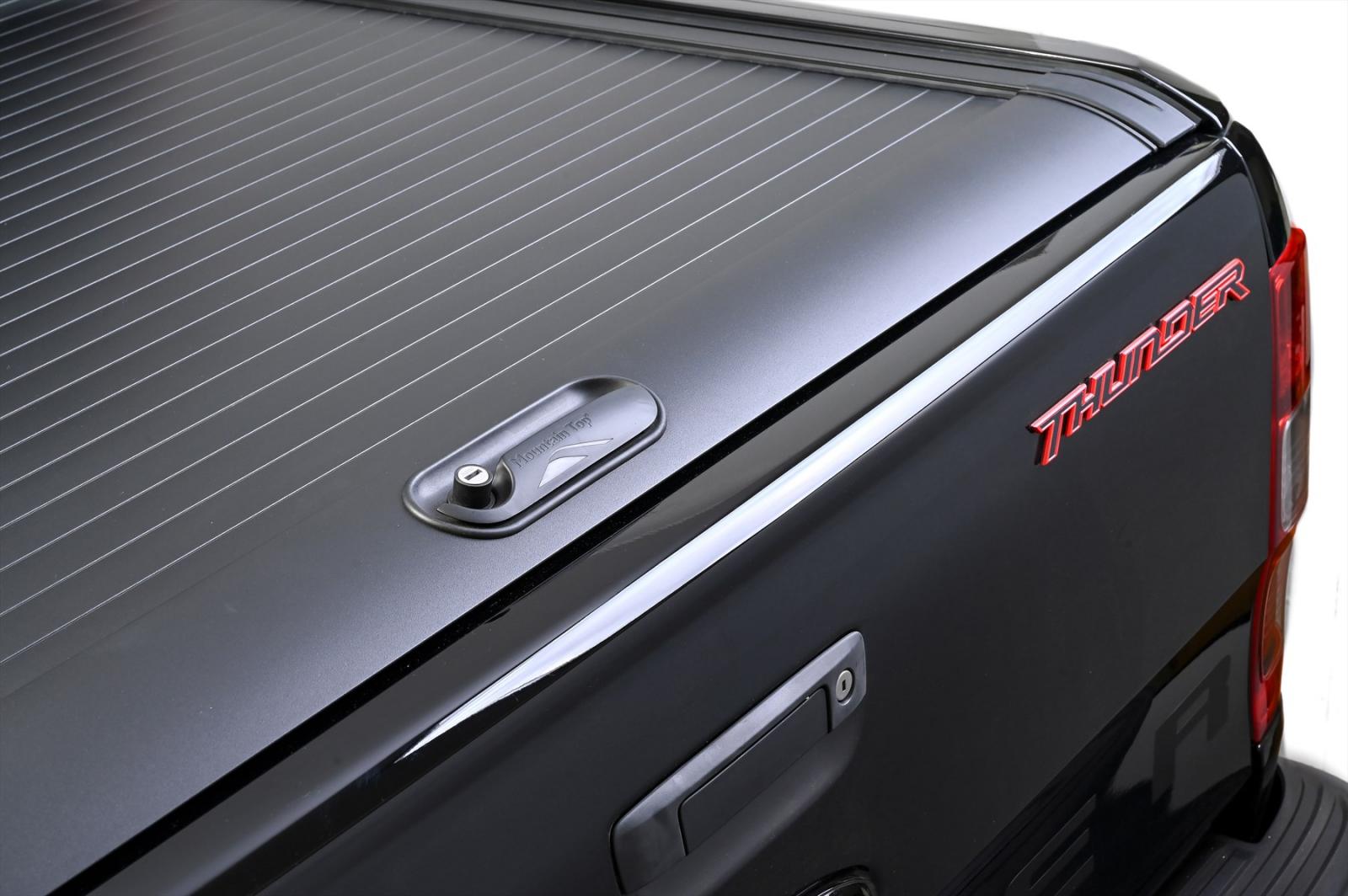
The Ford Ranger Wildtrak's 18-inch silver alloy wheels have been replaced by 18-inch double-spoke alloy wheels finished in gloss black. If you're a fan of black on black and the murdered out look, this should be the bakkie for you! Red Thunder badging is used liberally around the vehicle, with the doors and rear tailgate gaining these 3D embossed Thunder badges.
Ford Ranger Thunder cabin changes
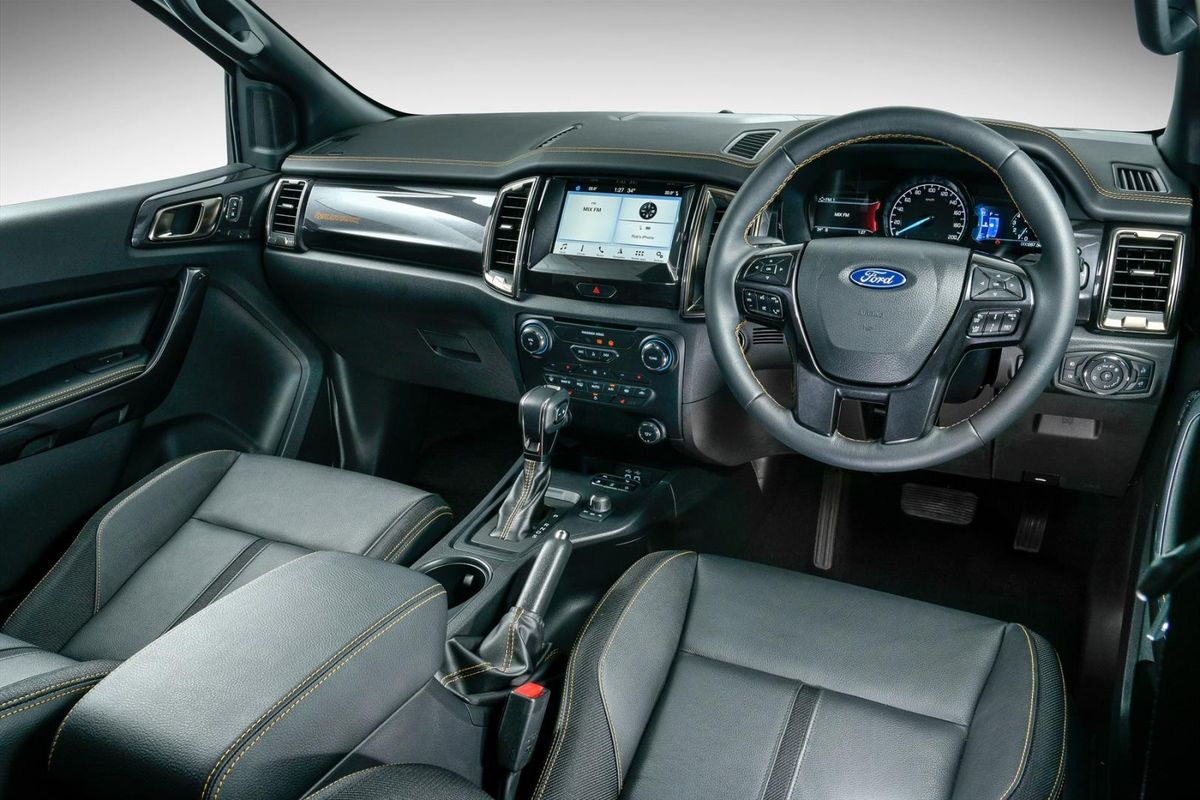
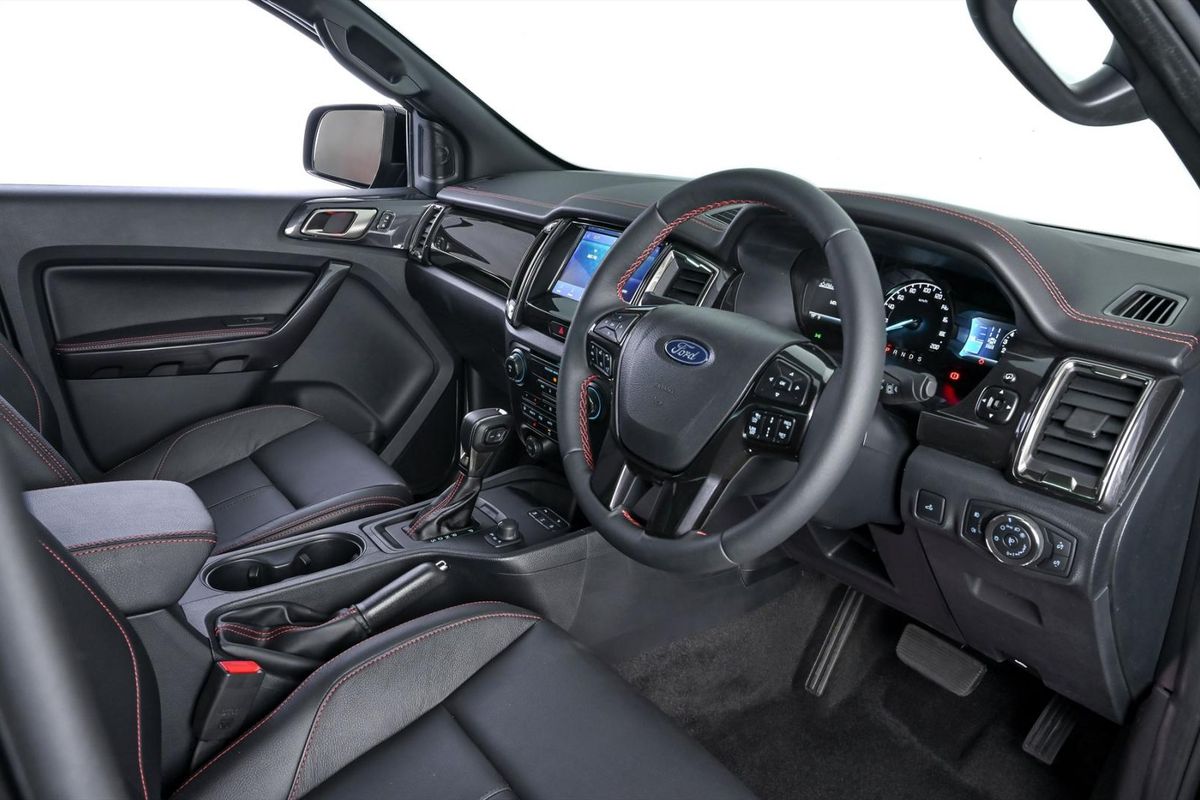
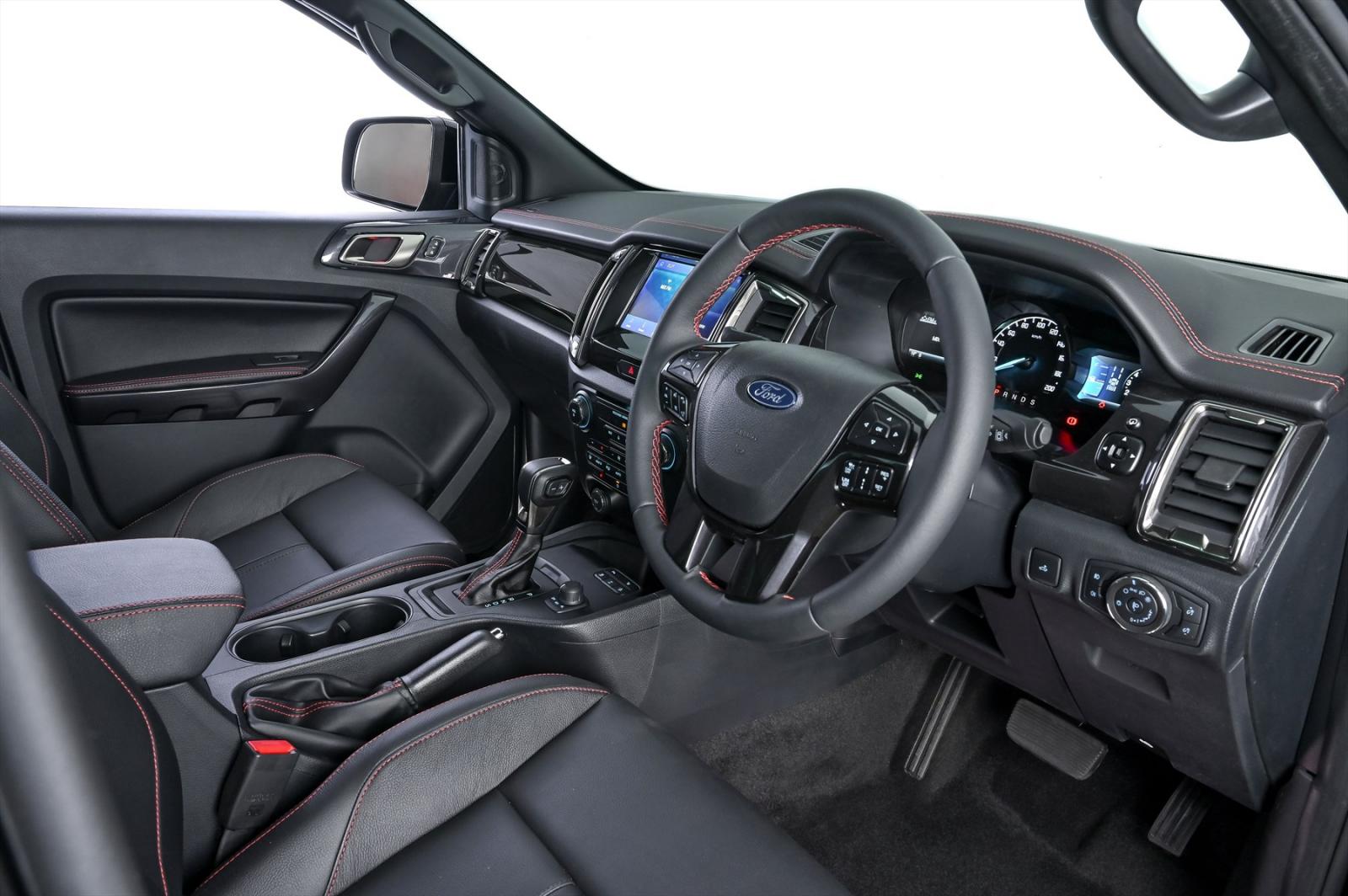
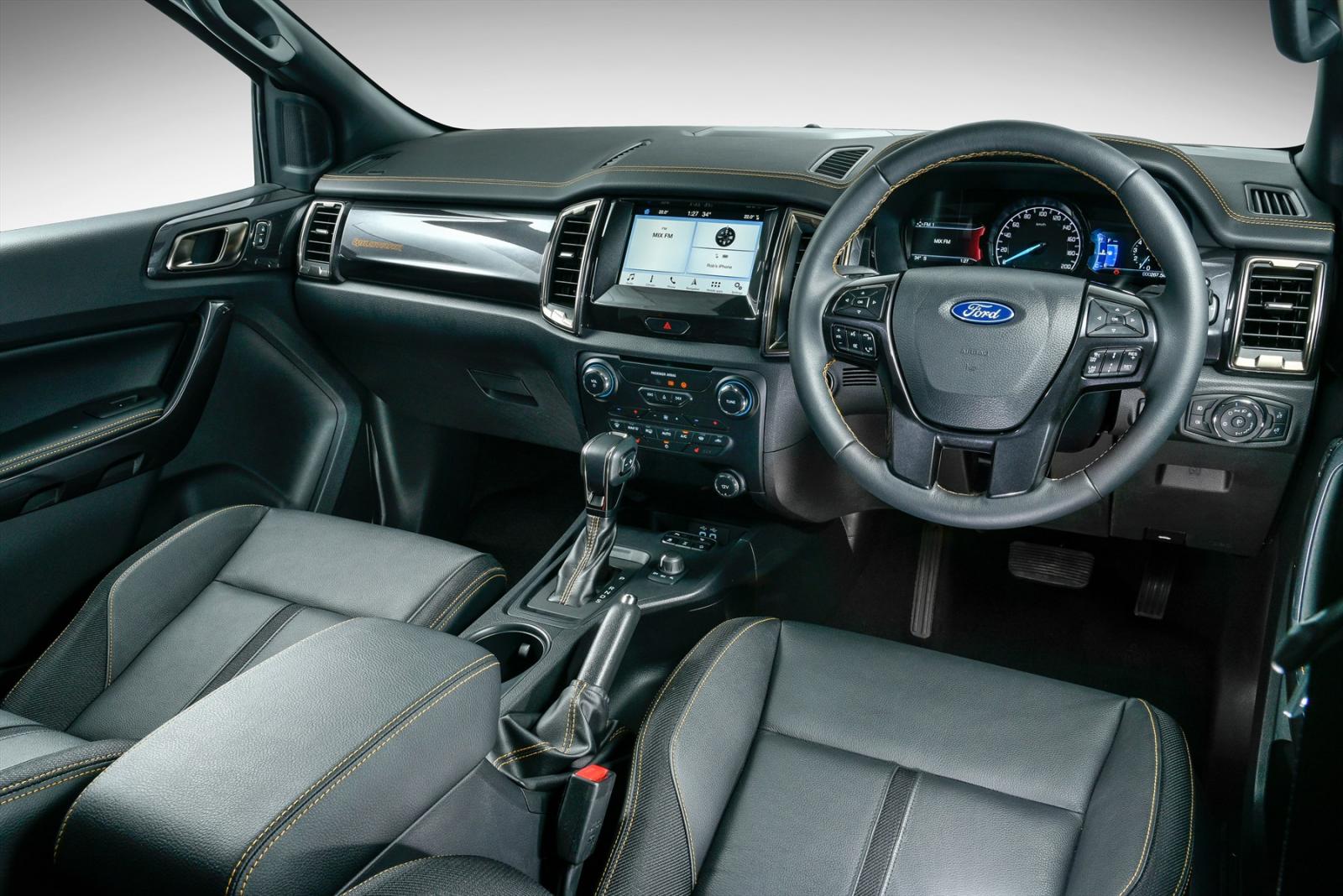
The black on black theme continues inside as the Ford Ranger Thunder cabin features black leather on the seats, dashboard, steering wheel, gear level and handbrake surrounds. The Wildtrak's trademark orange stitching has been replaced by bold red stitching, which we think gives the cabin a bit of a sporty theme. Speaking of leather, the Ranger Thunder features new front leather seats with Thunder badging in red embroidery.
At this price level, specification is excellent for a bakkie, with the Ford Ranger able to lay claim to being the most digitally connected bakkie. Its SYNC3 infotainment system boasts Apple CarPlay/Android Auto connectivity and there are 2 USB ports. It's also safe too, with autonomous emergency braking capable of picking up pedestrians and stationary objects automatically. The Ford Ranger Thunder also has Semi-Automatic Parallel Park Assist, which takes the hassle out of parallel parking. If you've ever had to parallel park a double-cab bakkie, you'll know it's not the easiest thing in the world.
Other nice to haves?
Ford has added a lockable black roller shutter loadbay cover to the Ranger Thunder which will address some security concerns. The EZ lift tailgate is fitted as standard and thanks to a torsion rod, the vehicle's tailgate is easy to lift and close.
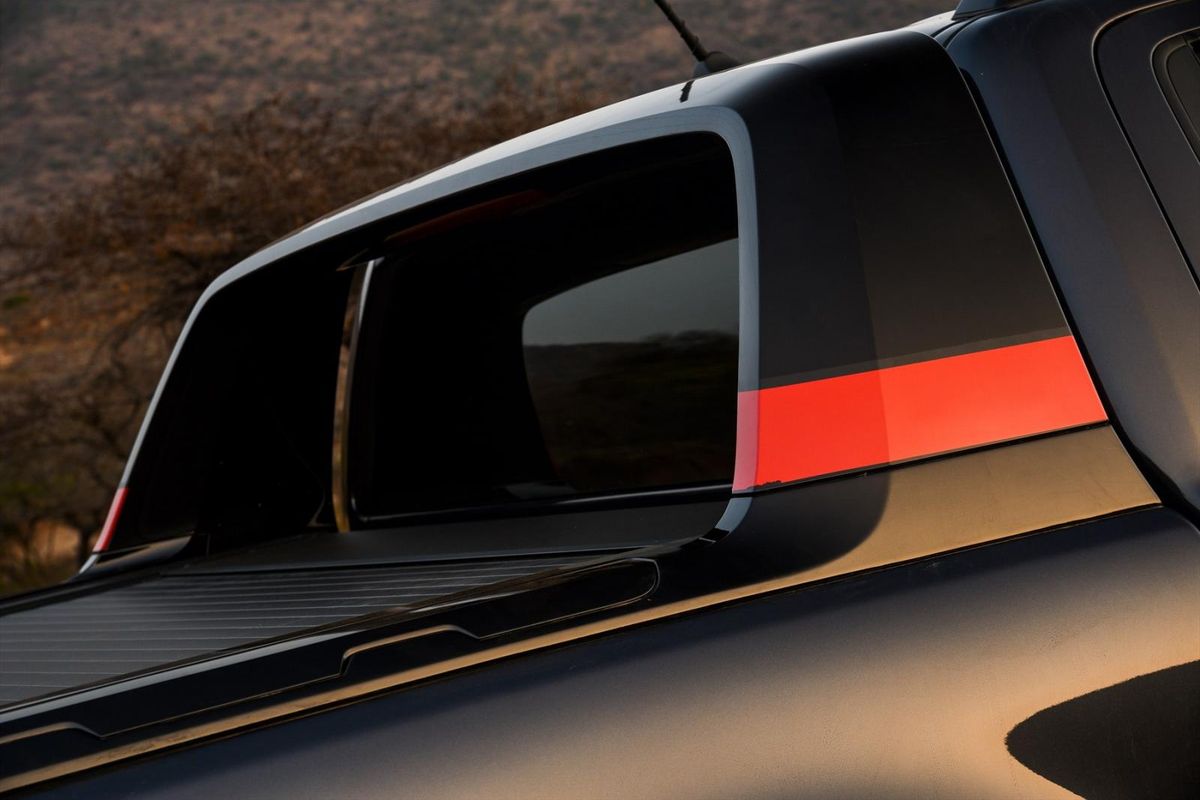
The vehicle also features the same integrated sports hoop as the Wildtrak, but there's a tasteful (or not, depending on your taste) red detail added to give it some more sportiness.
Ford Ranger Double-Cab Price in South Africa (August 2020)
The new Ford Ranger Thunder comes with a 6-year/90 000 km service plan with intervals every 15 000 km. It is also offered with a 4-year/120 000 km warranty. At R787 000, the added features come to R33 400 on top of the Wildtrak.
2.0Bi-Turbo double cab Hi-Rider Wildtrak R 702 600
Aston Marin’s outrageous Valkyrie project is proving problematic. The mid-engined hypercar, which promises to deliver a driving experience unlike all rivals, is not running on schedule.
First announced in 2017, a year before AMG’s Project One, the Valkyrie was a car of true fantasy specification.
Unlike most other hypercars, the Valkyrie eschews turbocharging but does use hybridization. Its primary power is supplied by a huge 6.5-litre naturally-aspirated V12, built by Cosworth – which is ironically the same engine supplier to Gordon Murray’s new T50.
An extremely linear throttle response, with 745 kW available at 10 500 rpm, is at the heart of this hypercar’s appeal. Balancing the Valkyrie’s performance are aerodynamic attributes designed by Adrian Newey, one of the greatest automotive aerodynamicists in history.
Aston Martin has been extremely bullish about what the Valkyrie can achieve, immodestly claiming that it will the fastest and purist road car driving experience yet. But the company has no history of producing a hypercar.
Jaguar illustrated the issue of producing a technologically advanced hypercar way back in the early 1990s, with its XJ220. This car was a commercial disaster, as most traditional customers of the brand simply did not appreciate what it was.
The Valkyrie was supposed to be marketed in an allocation of 150 road cars and 25 racers, but that ratio could dramatically change. As Mercedes-Benz has discovered with its Project One, the refinement of a hypercar for real-world road use is challenging. The first Valkyrie customers deliveries were supposed to happen in late 2020, later than initially scheduled, but even that dateline is now in doubt.
Aston Martin is allegedly struggling to achieve the correct ride and handling balance for Valkyrie on imperfectly surfaced real-world roads. There are also rumours of reliability issues, during its road phase testing. This is not surprising, as Mercedes-Benz’s Project One is also late for customer deliveries, with engineers struggling to tame the F1 sourced engine for slow-speed driving and idling.
What complicates the Valkyrie scenario even further, is Aston Martin’s troubled financial position. The company is losing money and was recently recapitalised by Canadian billionaire Lawrence Stroll. The man who initiated Aston Martin’s Valkyrie project, Andy Palmer, is gone – having been replaced by former AMG boss, Tobias Moers.
The British company’s new German CEO must decide if there is potential to solve Valkyrie issues quickly enough, without running terribly over budget. One of the better outcomes could be to abandon the road car development of Valkyrie and sell it solely as a track day vehicle. Although this will rankle those potential customers who wished to use it as the ultimate road-going driver’s hypercar.
Both Valkyrie and Project One prove that taming extreme powertrain and performance parameters for road car use is always a significant test of engineering resources and insight.
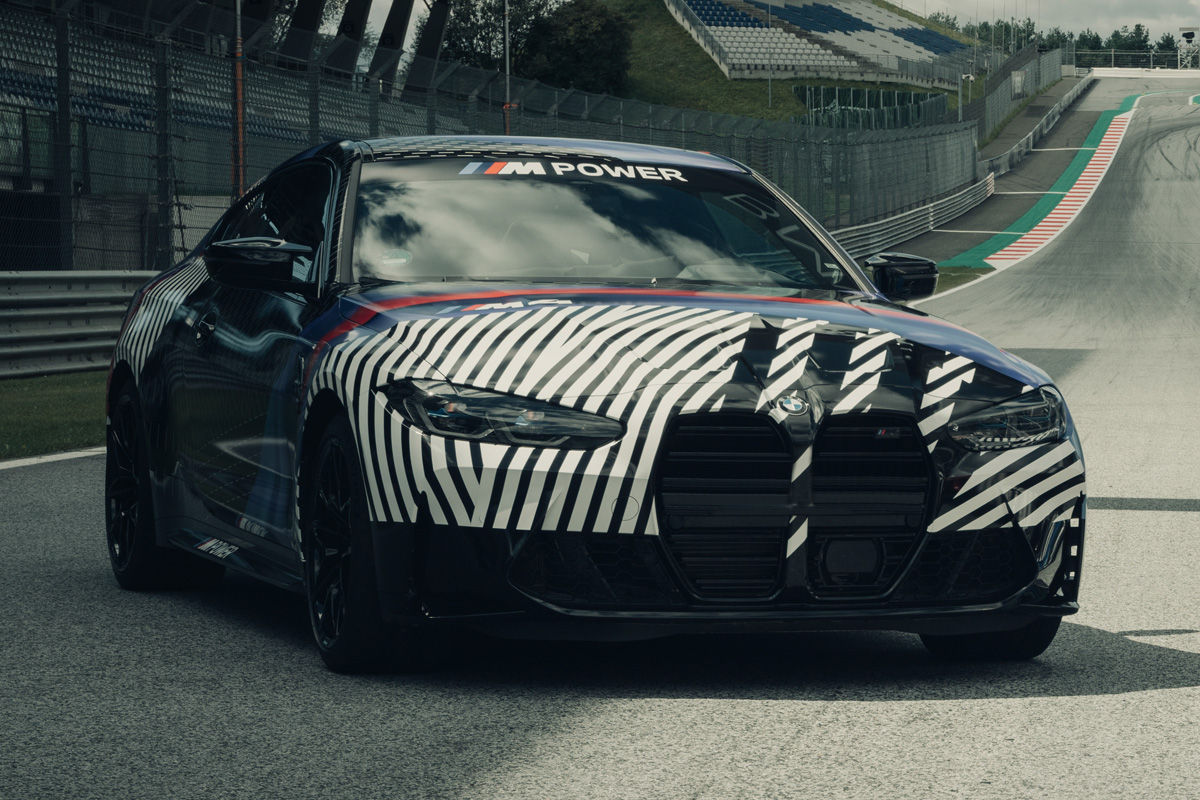
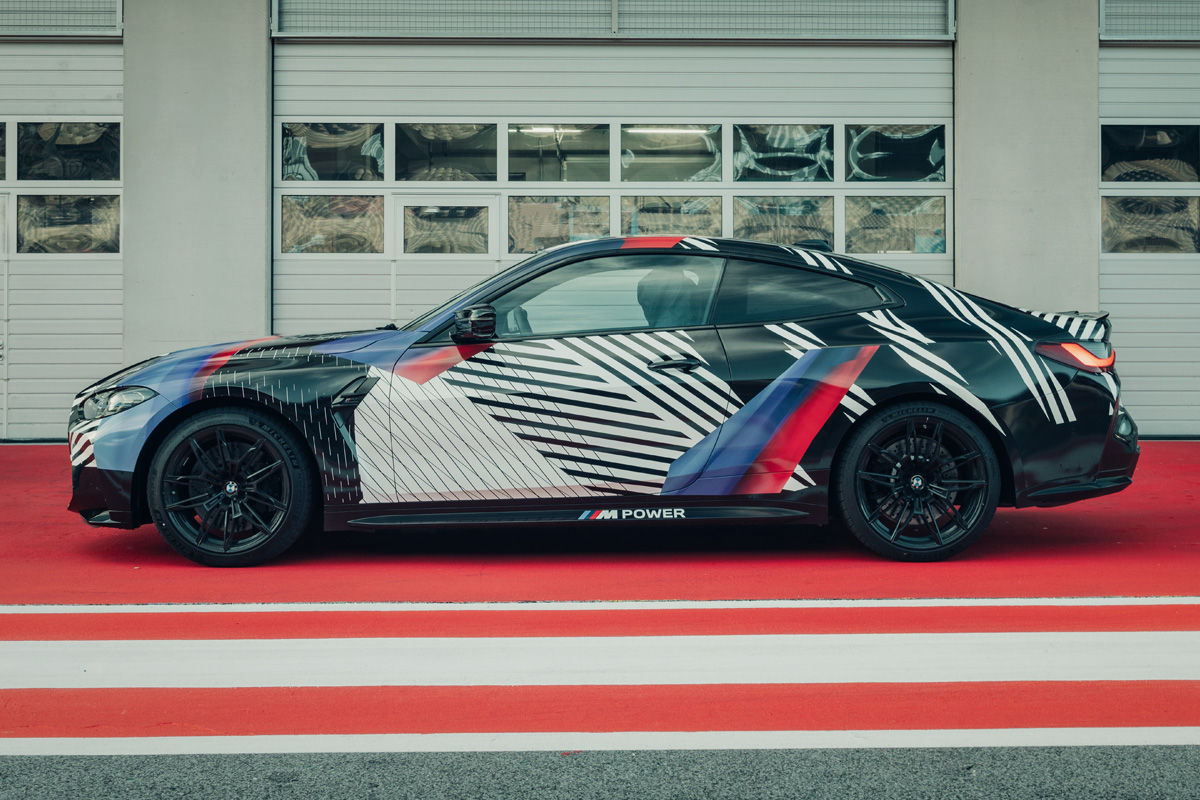
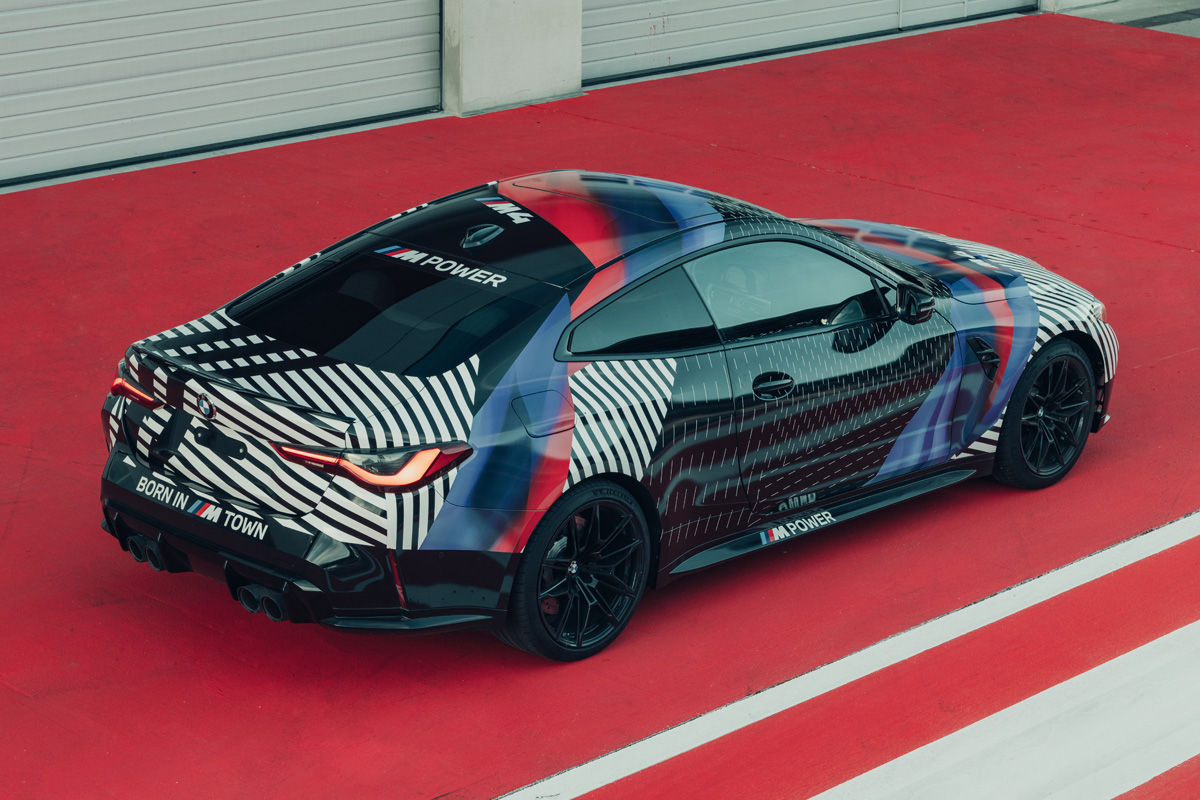
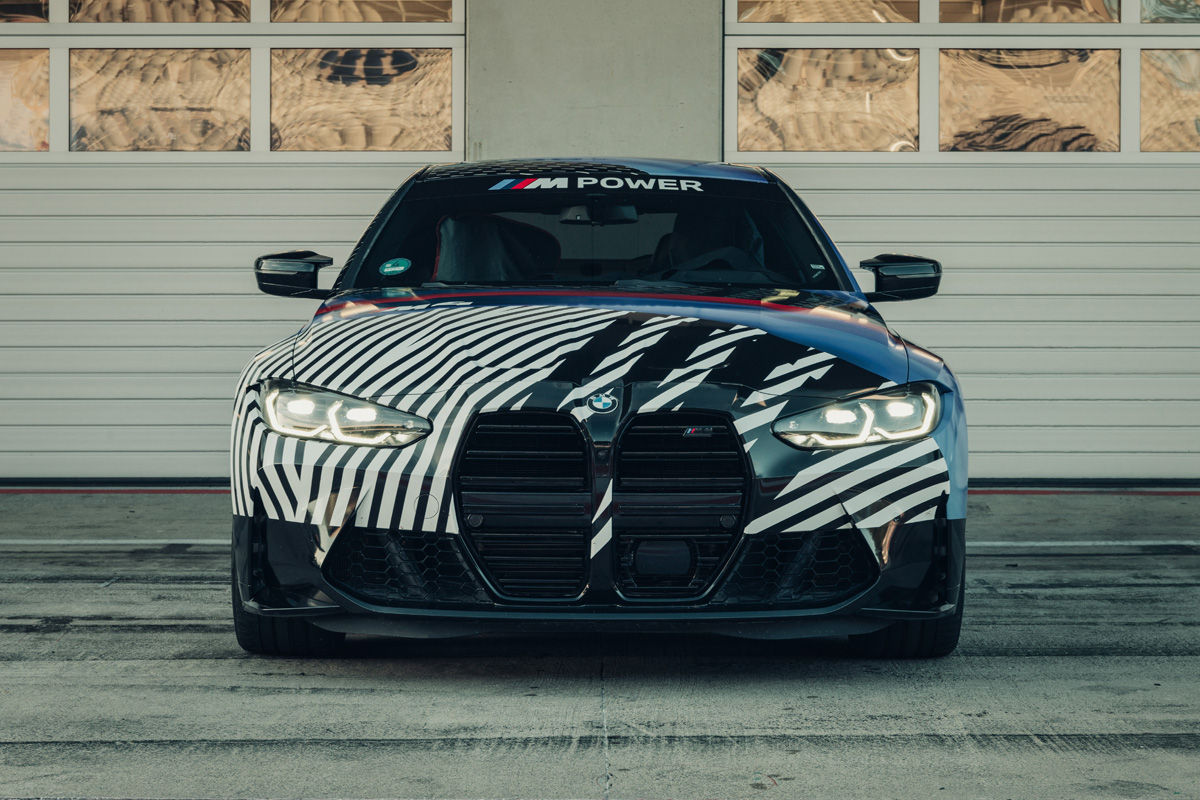
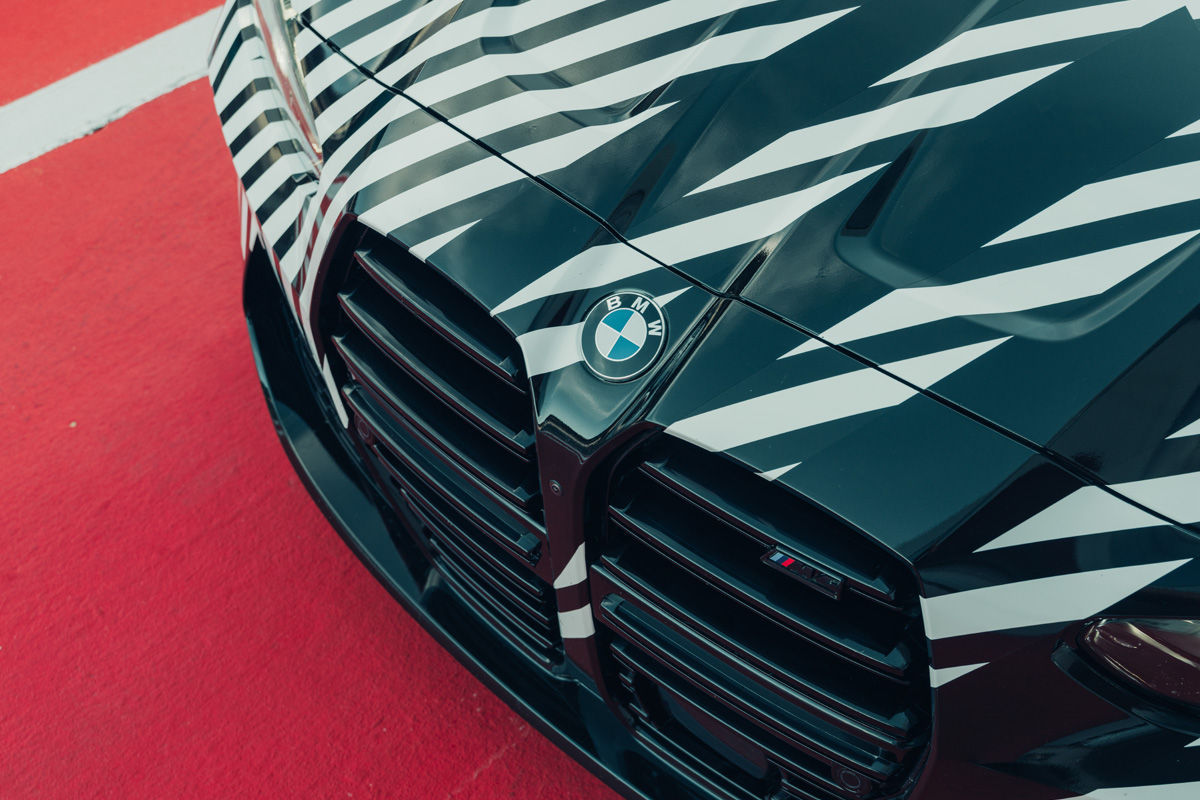
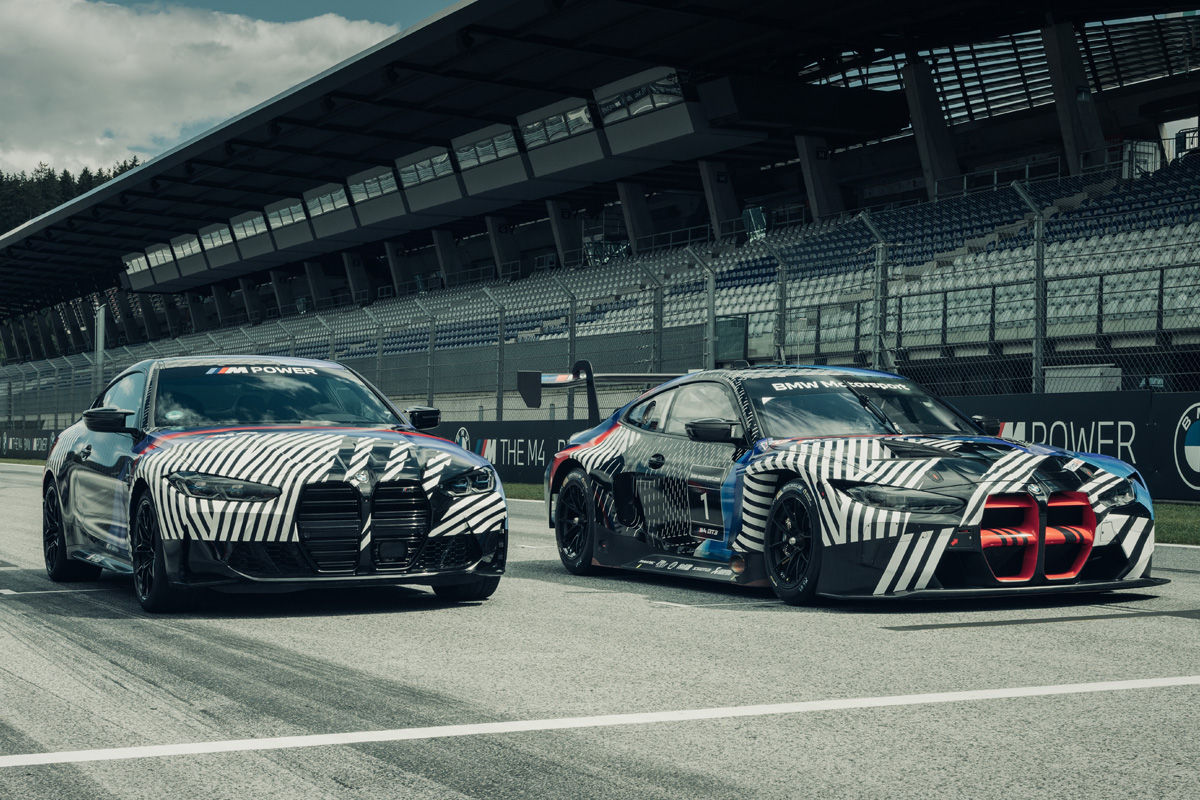
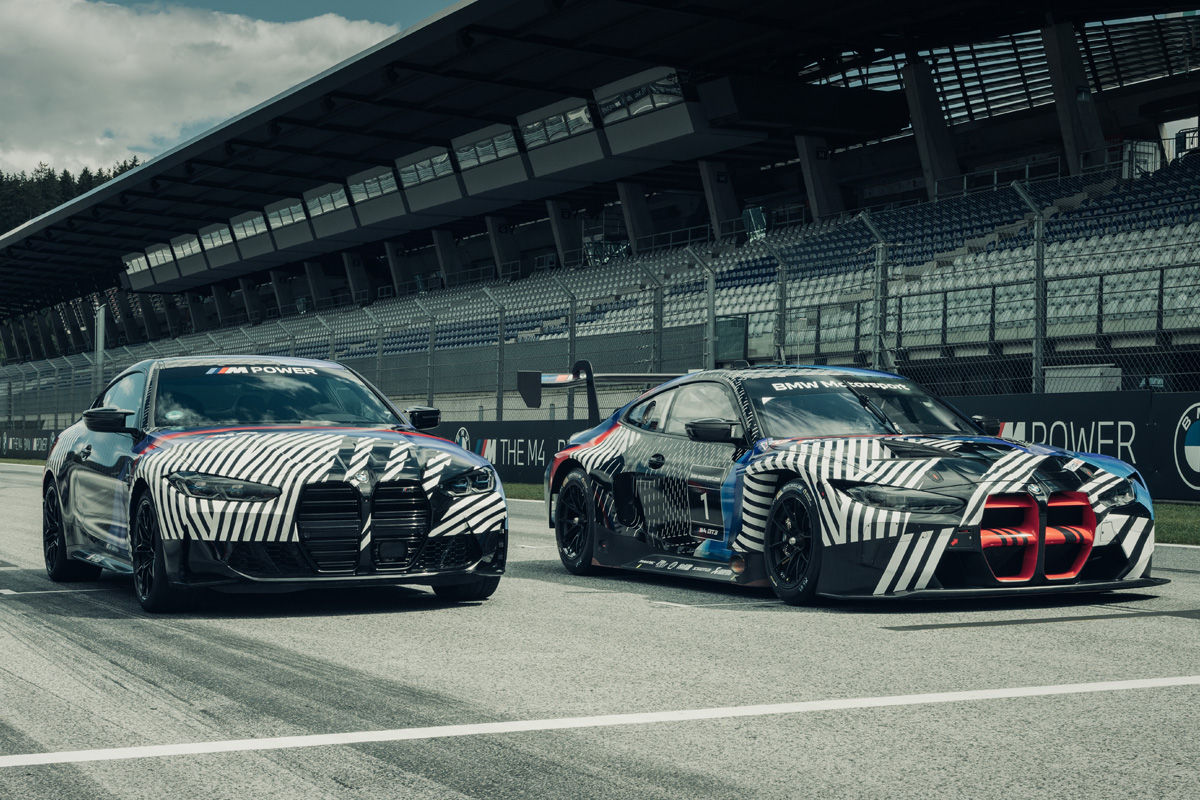
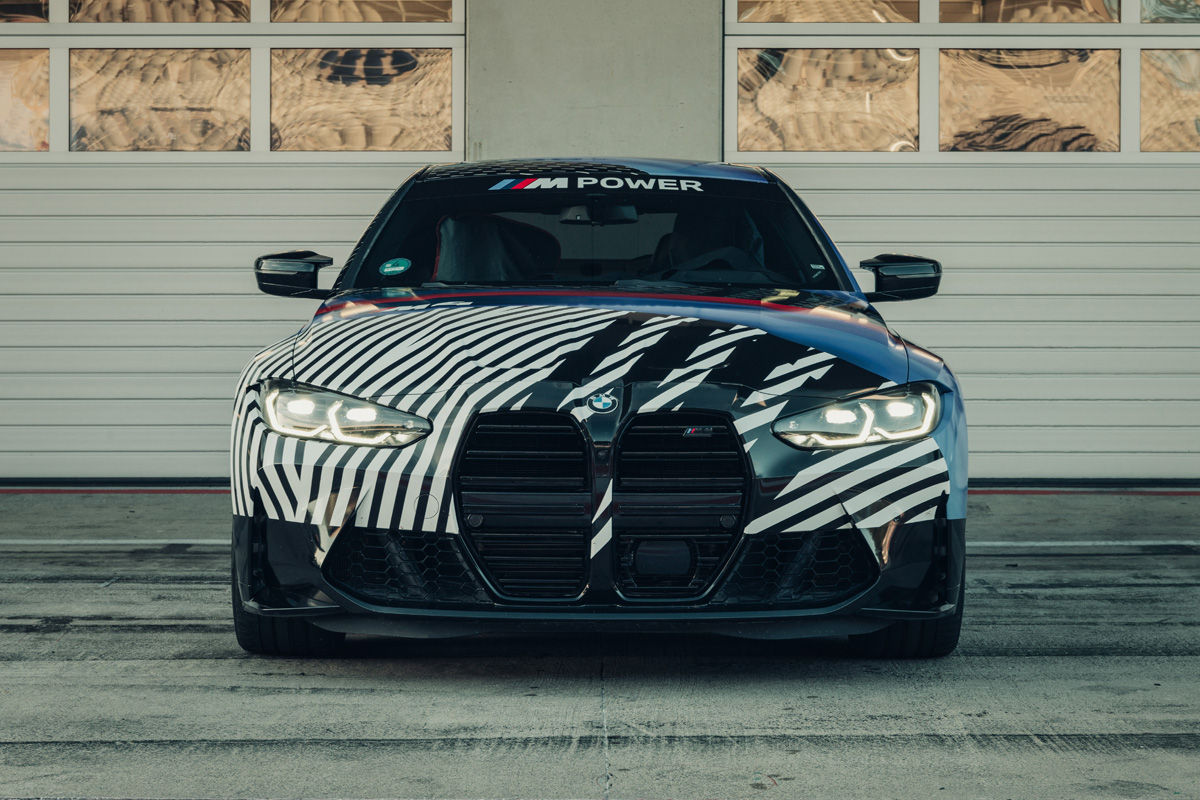
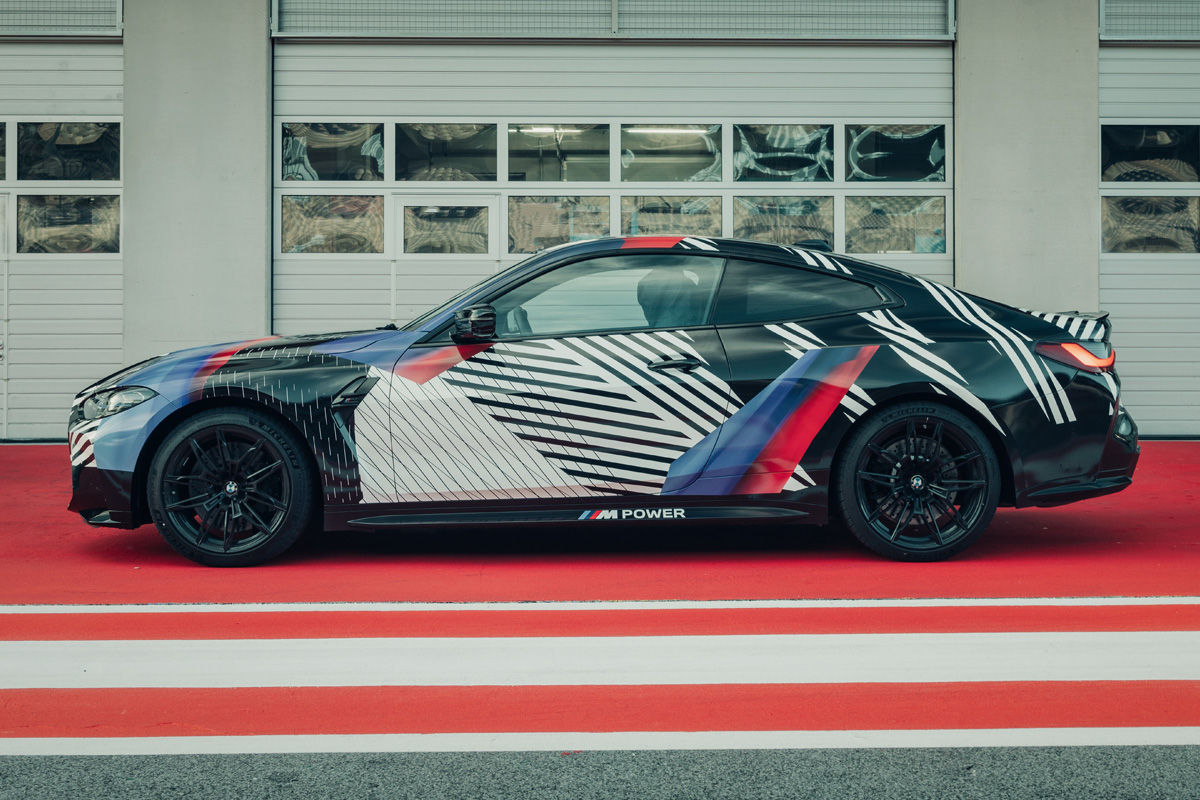
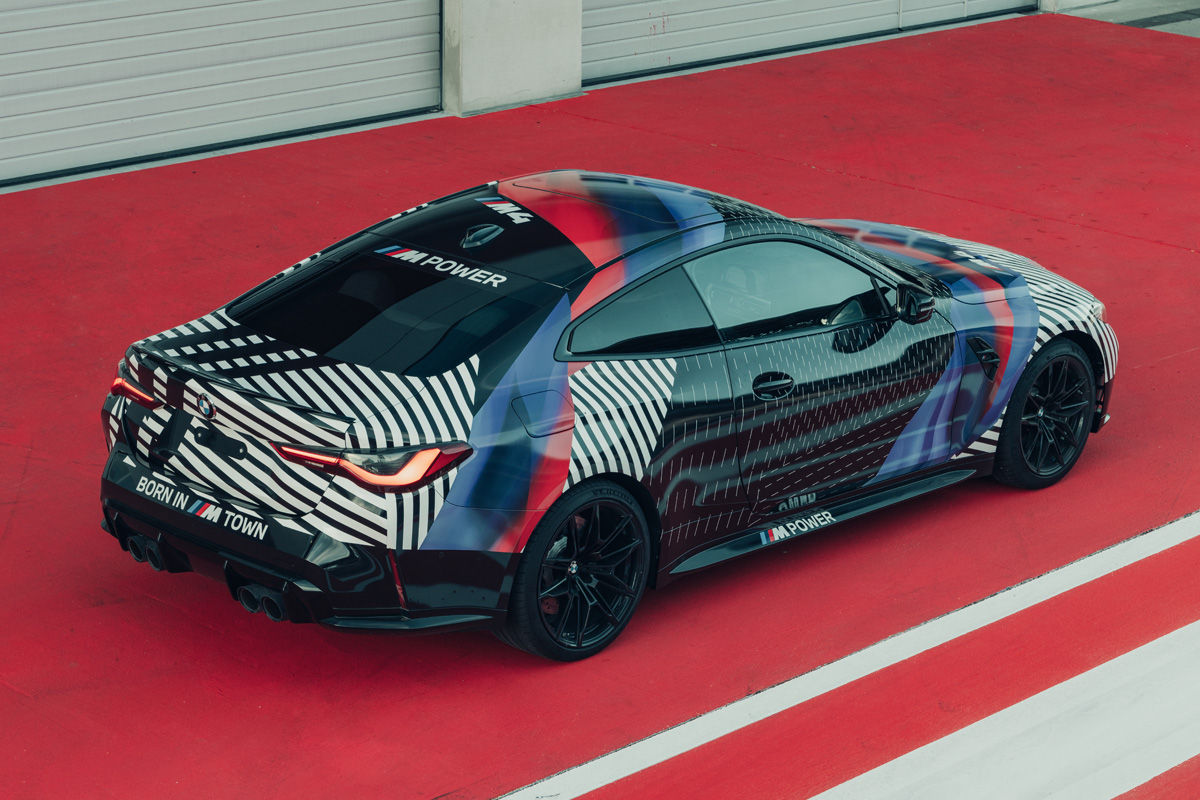
BMW has displayed its eagerly-awaited new M4 at the Red Bull Ring in Austria. Although the newcomer is still decked in camouflage (because the official reveal is still a few weeks away), the prototype confirms several of the upcoming coupe's finer design details.
During the run-up to the MotoGP “BMW M Grand Prix of Styria”, the CEO of BMW's M Division, Markus Flasch, has presented prototypes of both the roadgoing and GT3-class racing versions of the G82-generation M4 Coupe. "From the outset, both vehicles were developed parallel to each other, so they both have the same genes," he said.
From 2022, the M4 GT3 (right) will replace the M6 GT3 as the top-of-the-range model in BMW M Motorsport vehicle portfolio.
At the time, the Munich-based manufacturer was only willing to divulge that the M4 Coupe would be powered by a "newly-developed inline-6 engine featuring M TwinPower Turbo technology" and "a high-revving concept", as well that "before the model is actually released… final intensive tests still have to be performed."
However, it's widely accepted that the newcomer will be powered by a version of the 3.0-litre twin-turbo S58 engine that powers the X3 M and X4 M models, which will direct 353 kW and 600 Nm to the coupe's rear wheels through a 6-speed manual ‘box or 8-speed automatic transmission with Drivelogic. The Competition version, on the other hand, will reportedly produce 375 kW, and be available exclusively with M xDrive all-wheel-drive and the aforementioned auto 'box.
Note the subtle power dome in the new M4 Coupe's bonnet.
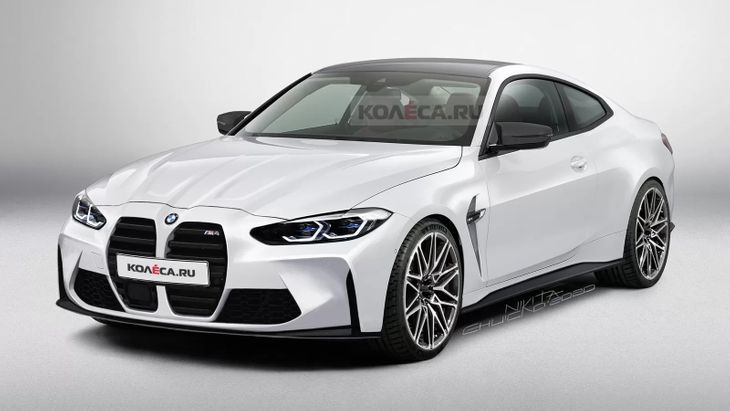
We recently published an artist’s impression of the G82-generation M4 Coupe (penned by Nikita Chuiko), which had originally appeared on Russian motoring site Kolesa. The renders expressed the muscular, purposeful look that the new range’s flagship could be expected to have, but left space for – that is to say, the potential to fit more dramatic/elaborate aerodynamic addenda to – even hotter interpretations of the car, such as upcoming DTM, GTS and CS derivatives.
The artist’s impression by Nikita Chuiko, which recently appeared on Kolesa.
Judging from these BMW-supplied images, however, the M4 won't necessarily be as understated as Chuiko anticipated. Compared with its standard siblings, the M4 Coupe has a significantly more sculpted front apron with a pair of large air intakes flanking that controversial upright grille, while vertical brake-cooling ducts sit at the outer ends of the bumper. There is no hint of a subtle black lip spoiler and, if anything, the similarly-coloured side sills are wider, while the M side mirrors look slightly taller and wider…
The arrow-pointed fender gills aren't that pronounced, come to think of it, but they do feature tiny black M4 badges…
The M4 Coupe prototype is fitted with 19-inch, 20-spoke black alloy wheels shod with Michelin Pilot Sport 275/35 tyres and its blood lid features a very subtle spoiler that's "split in half". Chuiko correctly antipated that the M4 Coupe's rear aspect would be distinguished by a motorsport-inspired diffuser with a quartet of exhaust tips jutting out between the pairs of fins (that's an M-car calling card, after all), but the actual rear bumper is even more aggressively contoured and the cutouts for the 'pipes more pronounced.
A carbon-fibre roof has been part and parcel of the M4 package, but curiously, the prototype featured a sunroof.
So, based on what you see here, is the exterior execution of the prototype bold enough for the next iteration of BMW’s most iconic sportscar? We'll bring you official images and specifications of the model as soon as they become available… In the meantime, please don't forget to read our BMW M3 (2020) International Prototype Drive article.
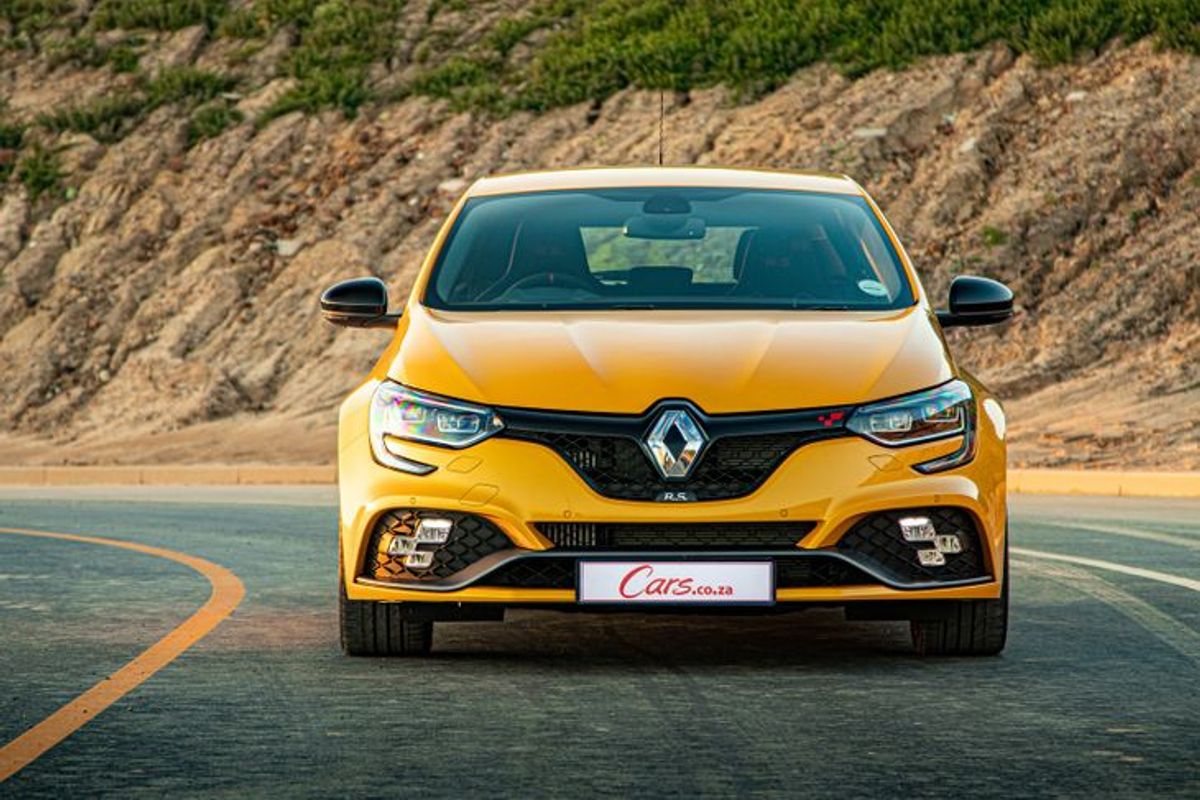
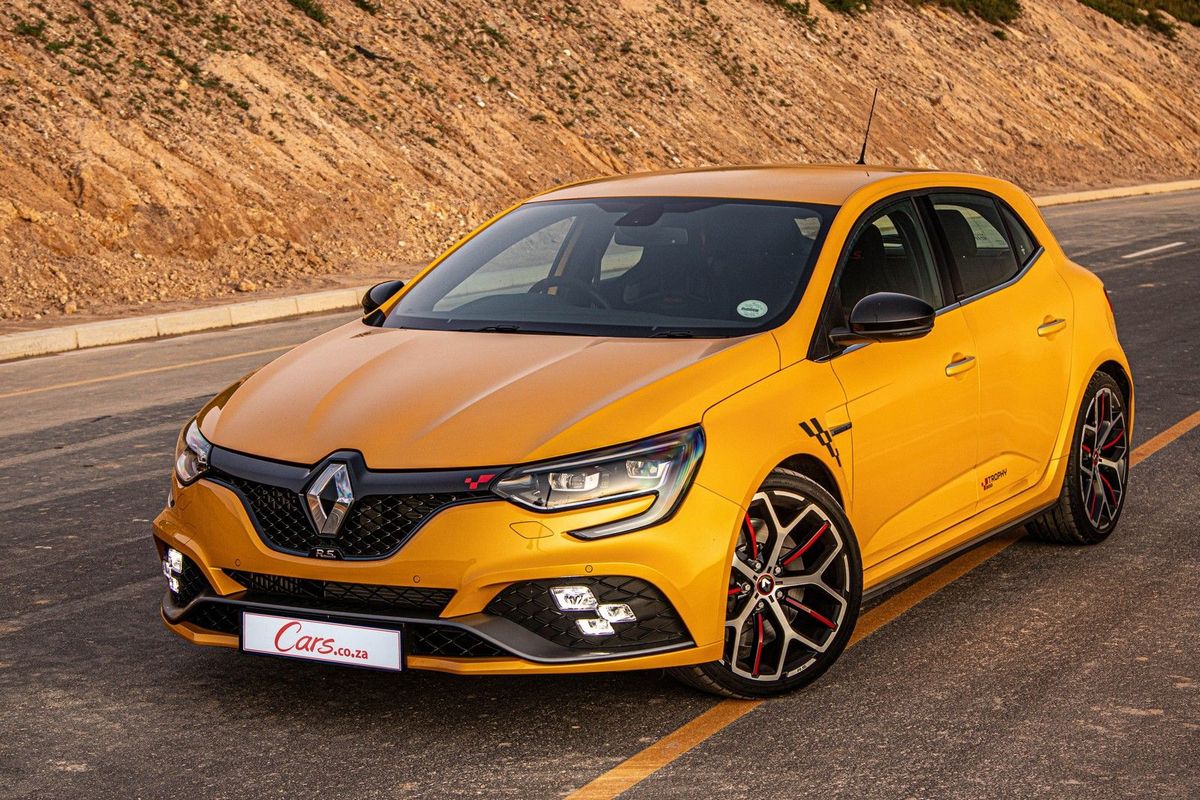
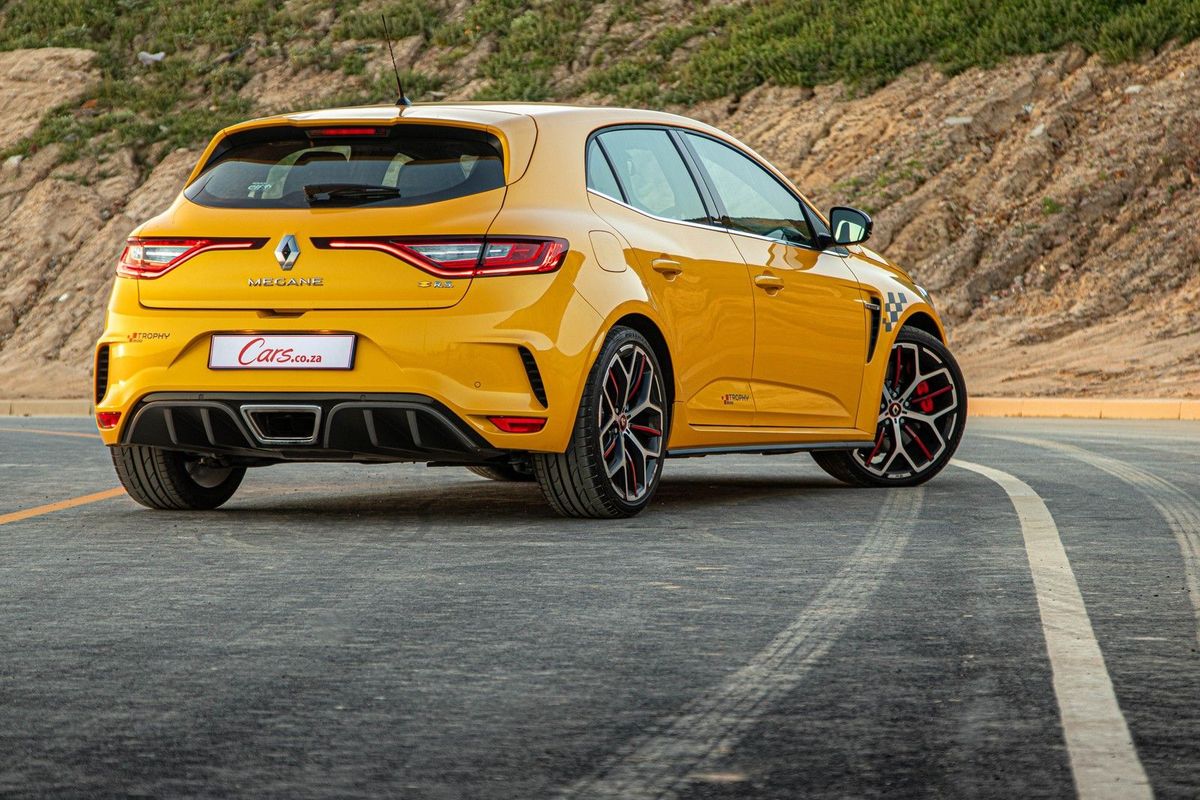
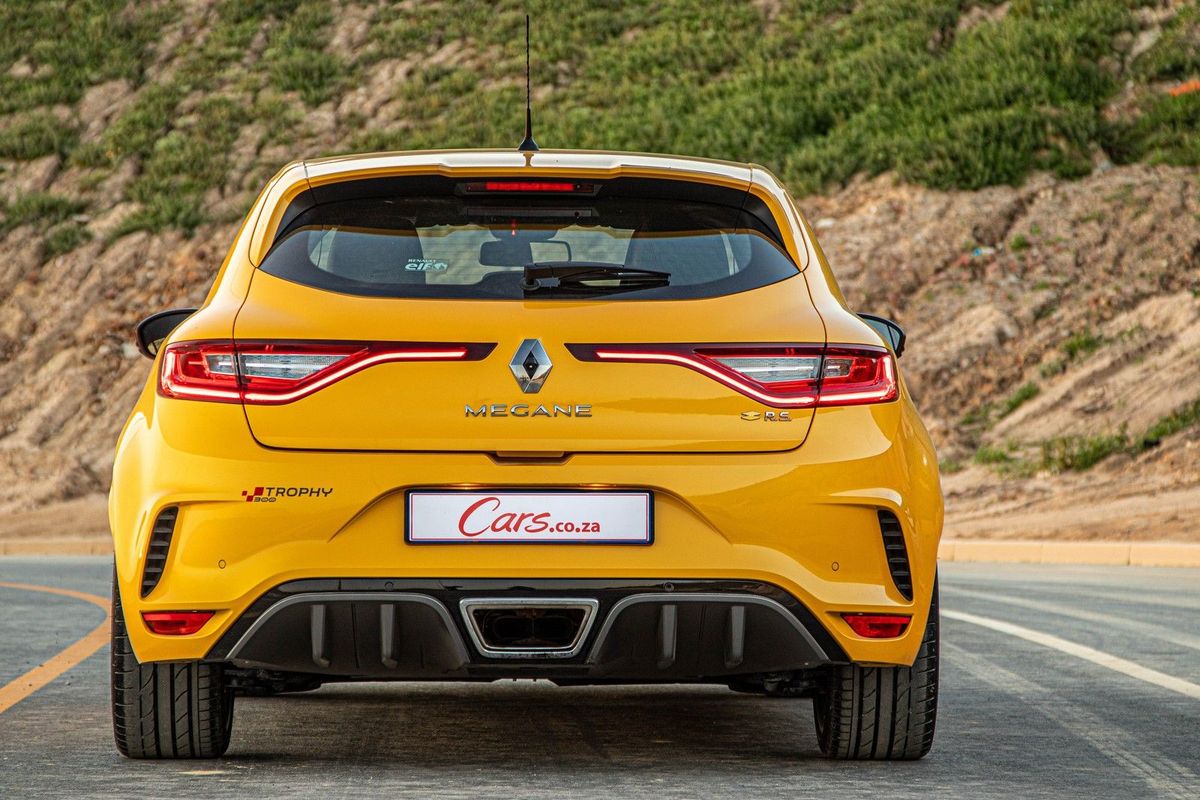
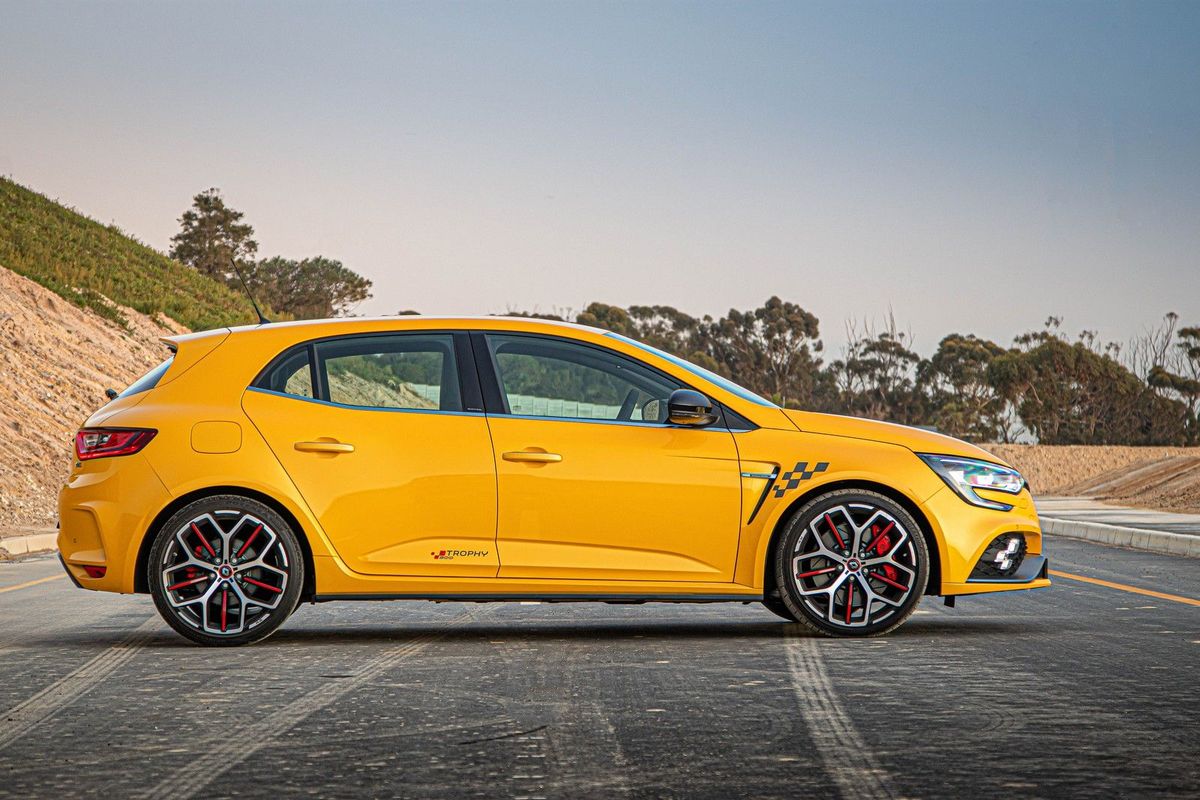
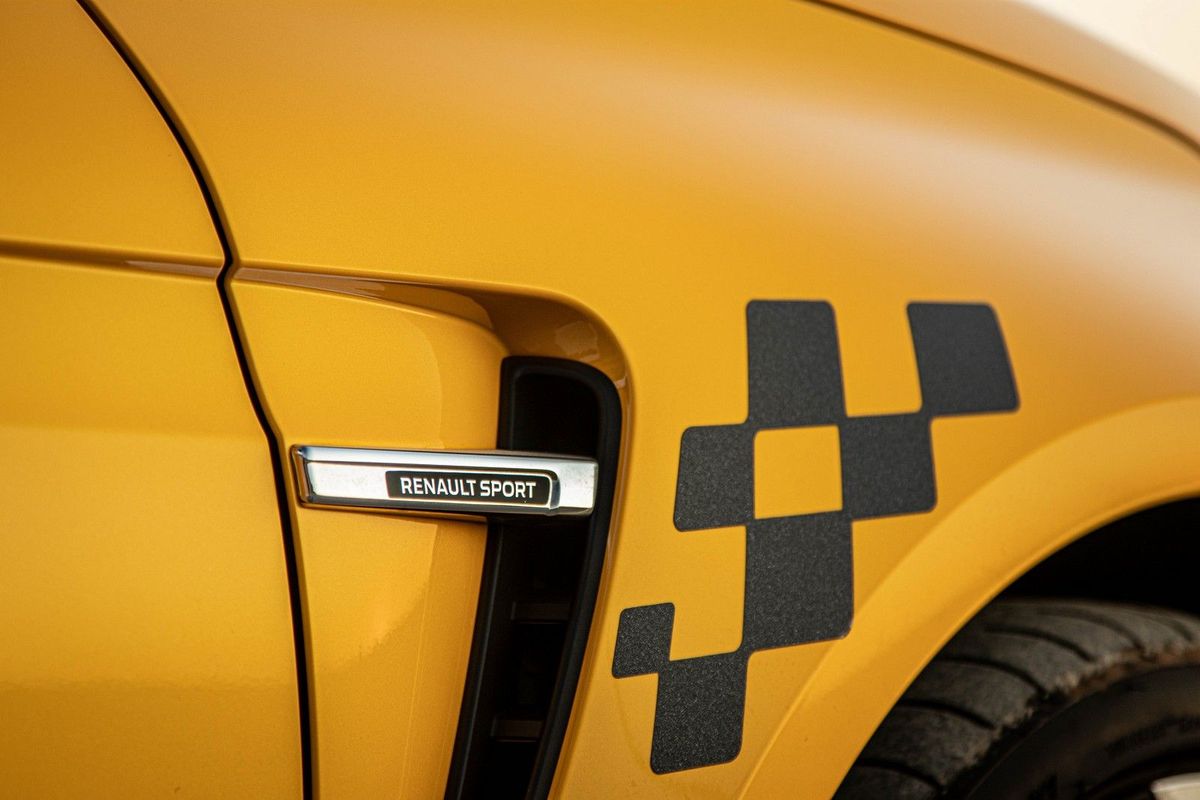
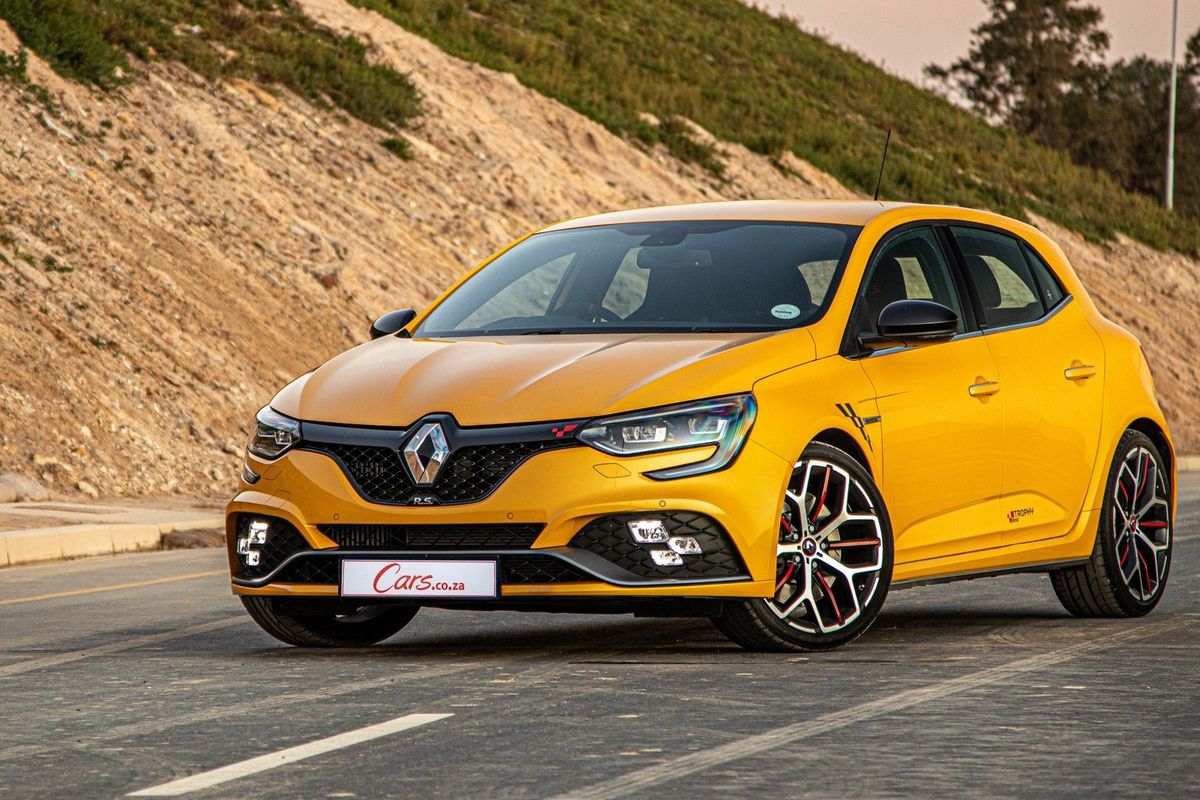
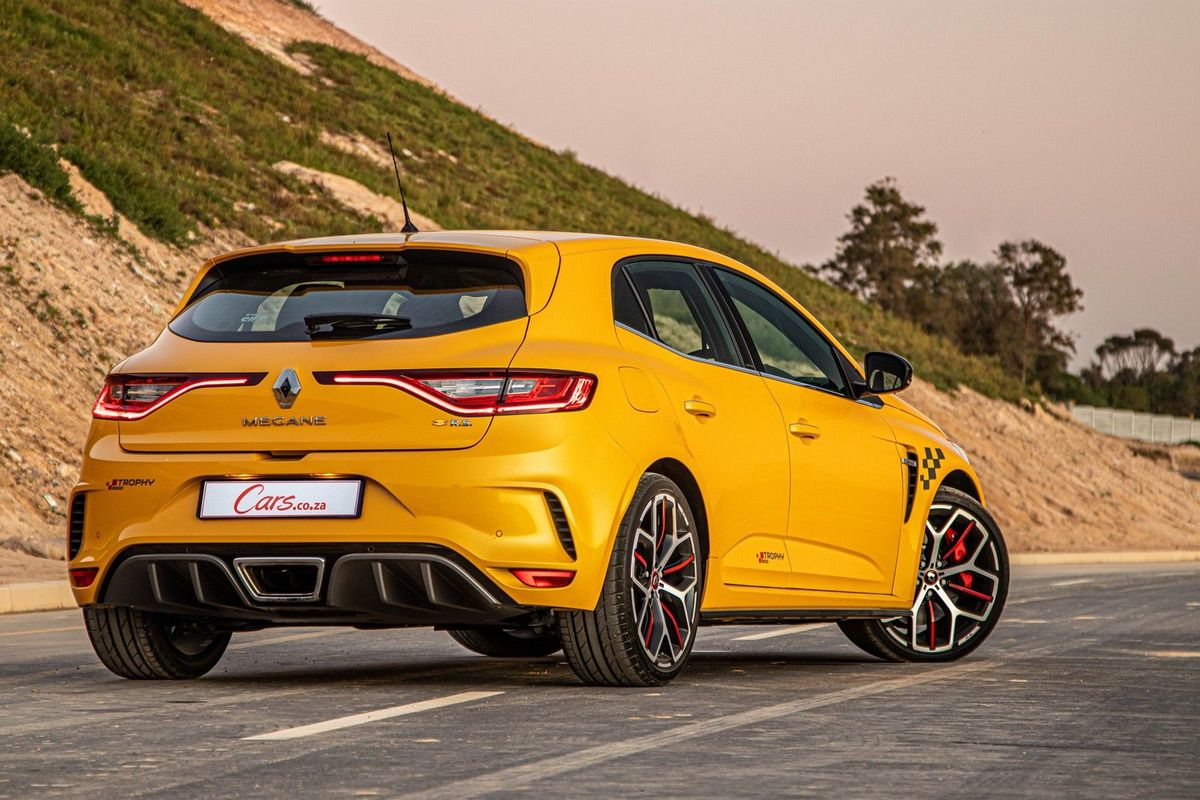
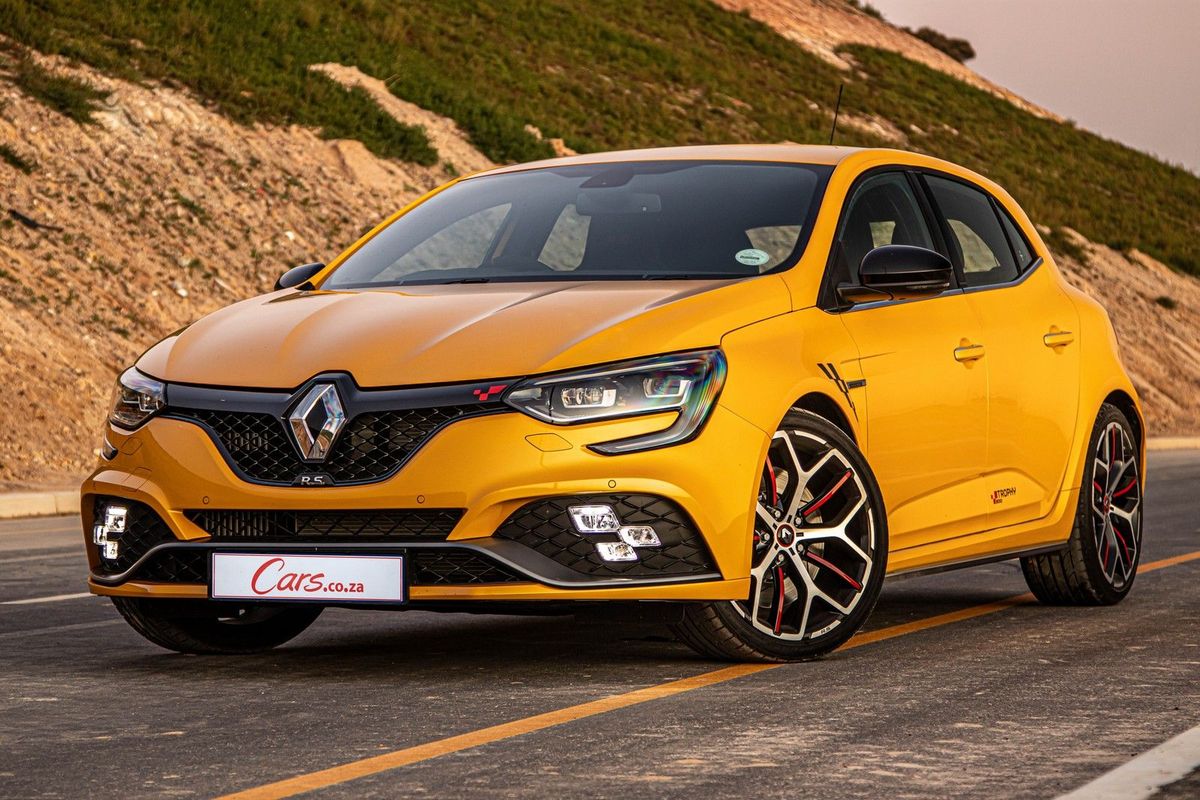
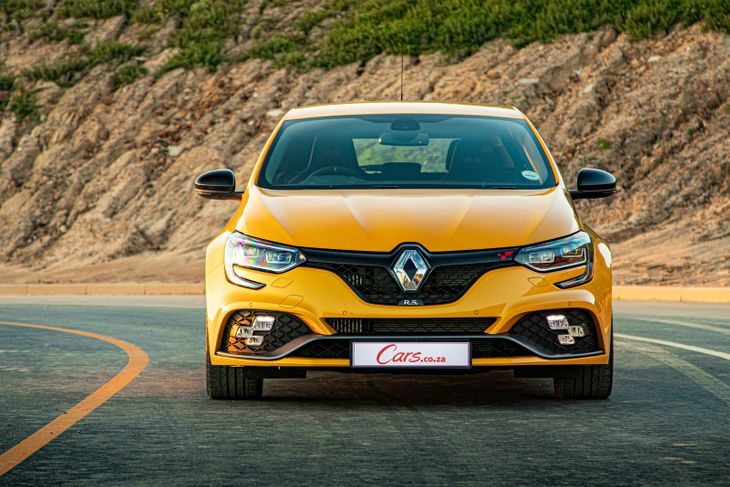
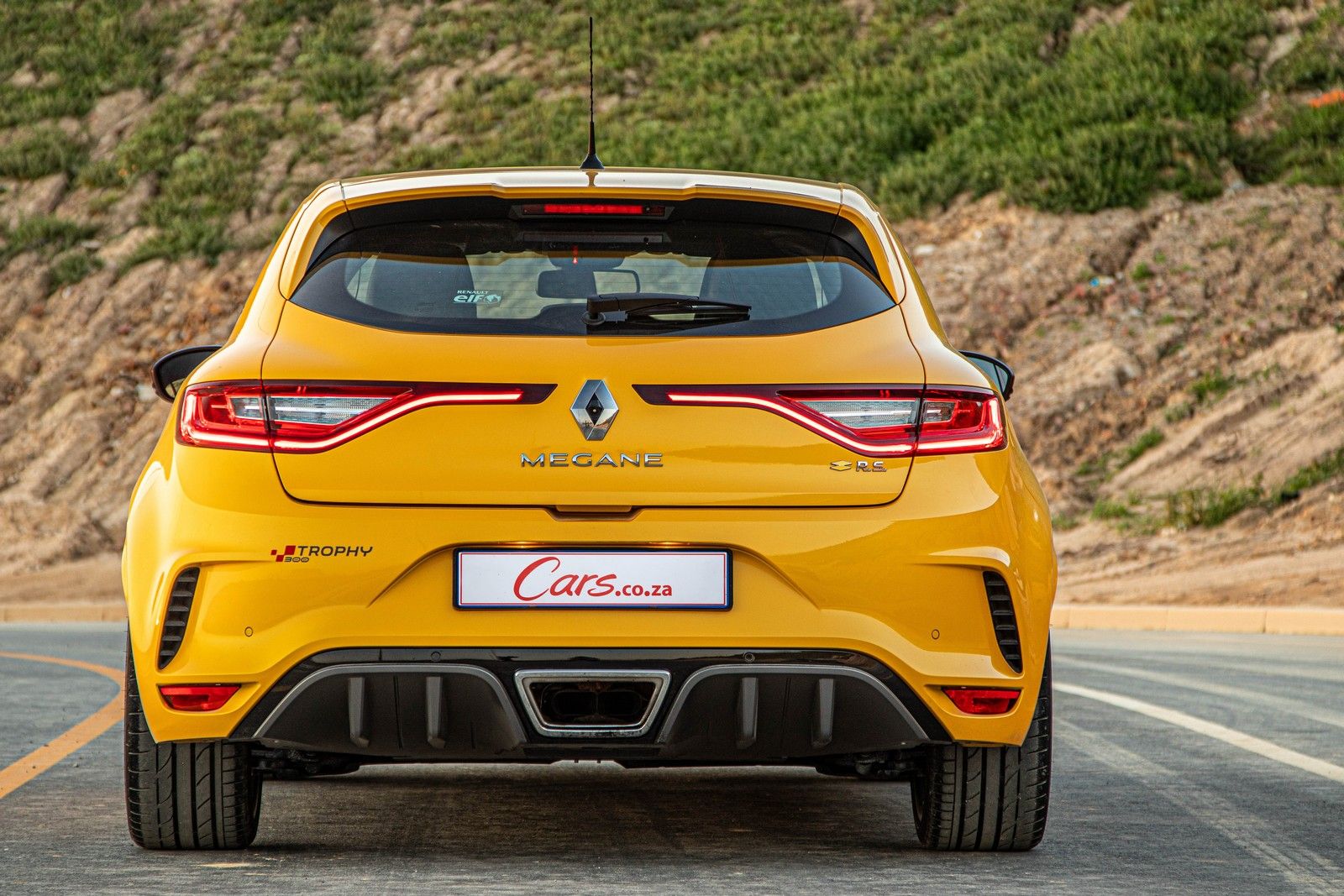
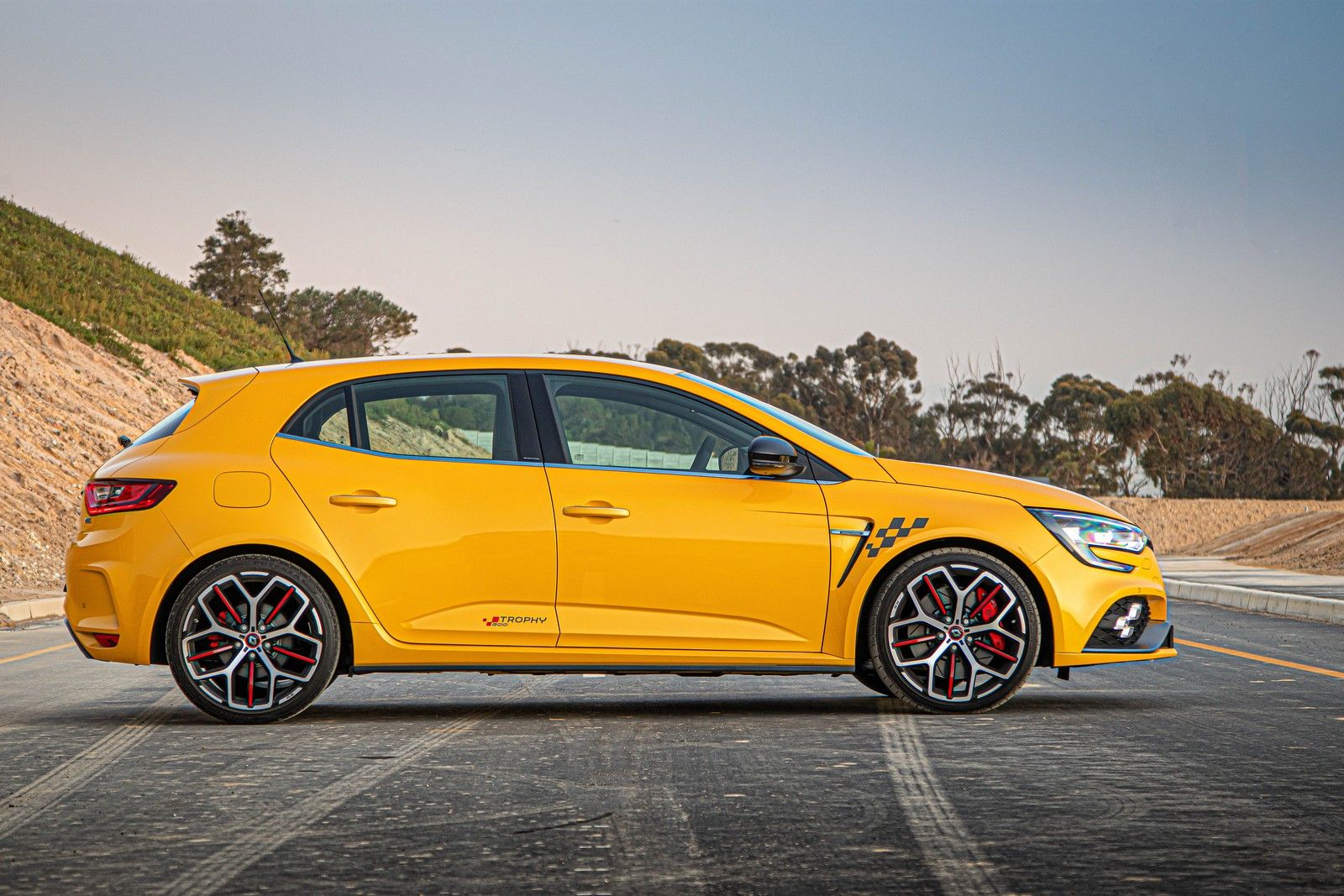
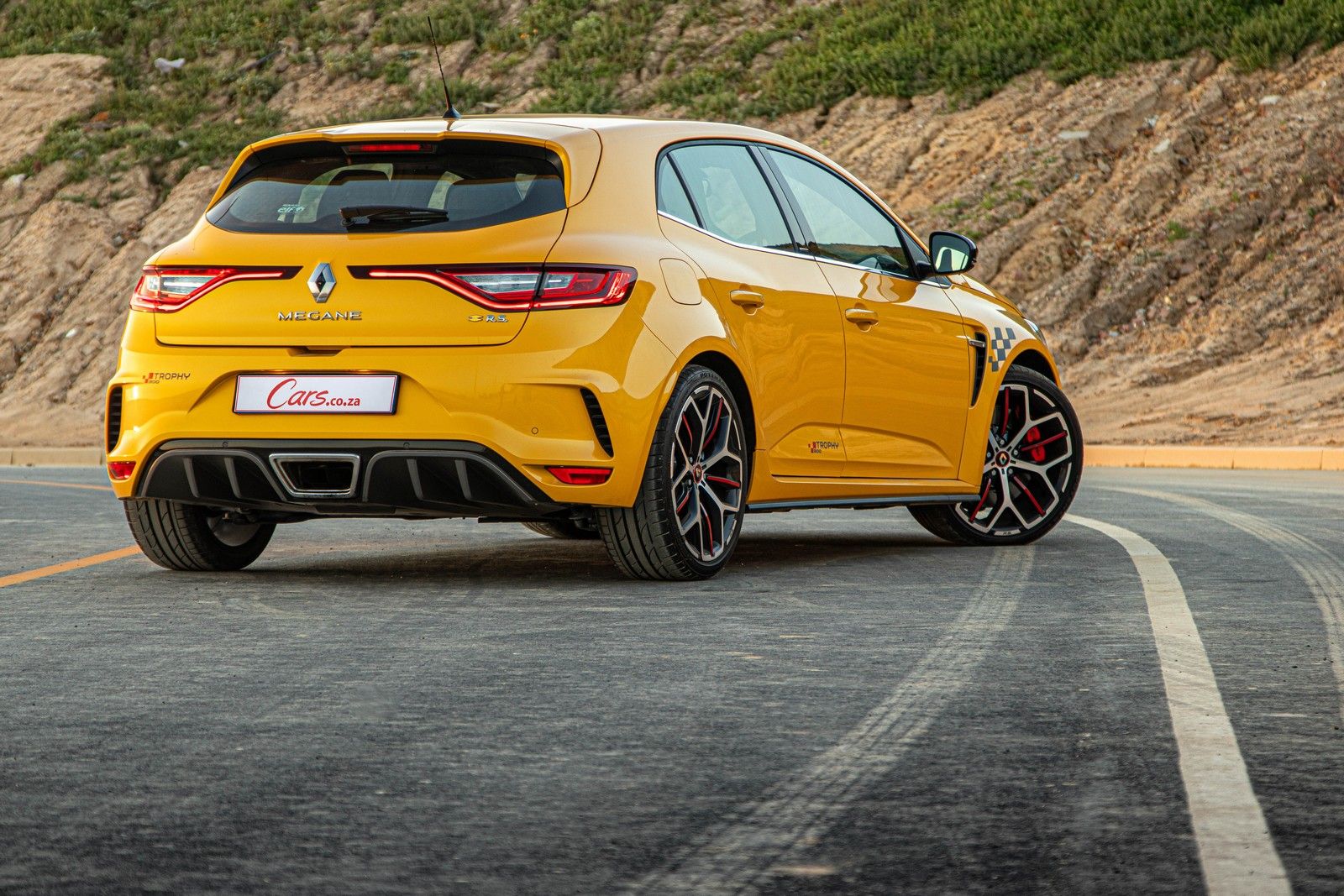
Renault Sport – the celebrated producer of the world's fastest-cornering hot hatches – is back with its most potent variant: the limited-release Megane RS 300 Trophy. It’s made for hardcore enthusiasts who want track-day thrills at the expense of everyday usefulness, but with just 7 units available in South Africa… not many aficionados will get the chance to unleash this machine on a track (or anywhere else).
We like: Rapid performance and track focus.
We don't like: The price, requires a lot of effort to drive.
Renault's Trophy and Trophy R models are renowned for setting fastest hatchback laps at various circuits.
When la Régie goes about making a Trophy version of its Megane RS, you know you are in for a track-honed lap-time-chaser of a hot hatch. It’s not going to comfortable on the daily commute and won't be to everyone’s taste, but you can’t deny that when it comes to making a hot hatch go around corners, nobody does it better than Renault Sport.
The Trophy edition will be limited to just 7 units in South Africa and Renault South Africa has hiked up the newcomer's asking price accordingly (to nearly R800k, which is pretty steep for a hot hatch). In return for the hefty knock to your wallet, however, the Trophy offers a heightened peak power output (221 kW versus the 205 kW of the Cup version), which is just a touch lower than the Civic Type R. There is also an extra 10 Nm of torque for the manual (400 Nm) and 30 Nm for the EDC dual-clutch version (420 Nm).
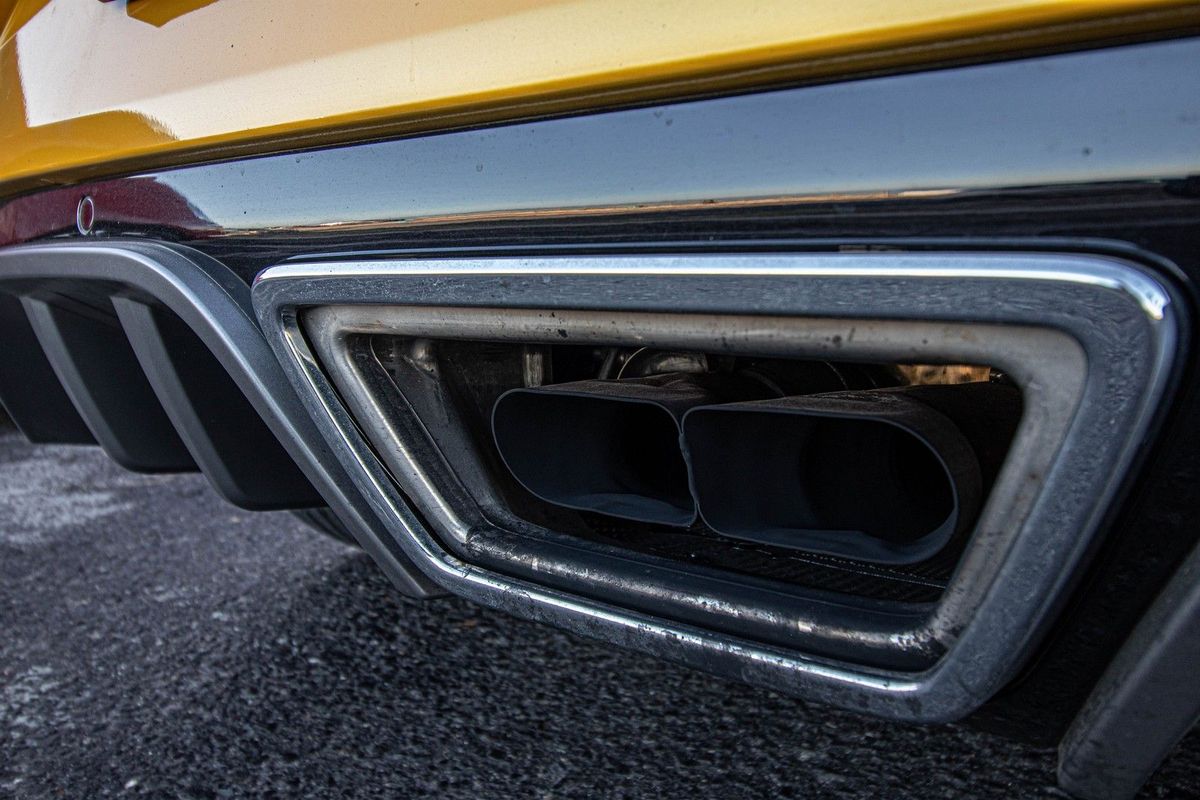
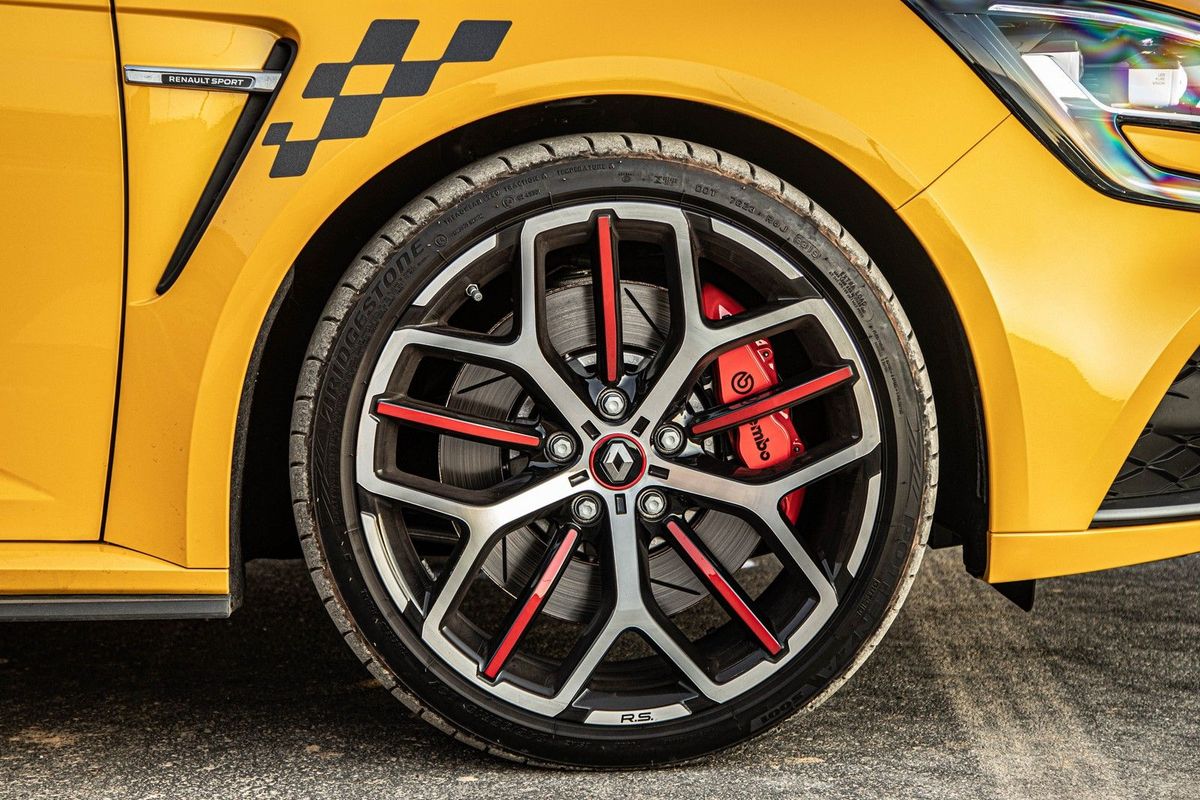
To make sure it’s faster on track, the Trophy is fitted with 355-mm Brembo brakes up front and lightweight 19-inch wheels that reduce each corner’s weight by 2 kg. Then there’s a much louder exhaust system fitted as standard, a mechanical limited-slip diff and a stiffer suspension replete with bump-stop shock absorbers.
How it fares in terms of…
Performance
The Renault's exhaust system produces a series of pops and bangs on overrun, courtesy of the team at Akrapovic.
It's best to prepare yourself before attempting to explore the full performance of the Megane RS 300 Trophy… because the French hot hatch is a handful on anything but the most perfectly flat tarmac. Getting ready to drive the Trophy is a bit like steeling yourself for a fight – it’s going to be brutal and you better be ready to take evasive action.
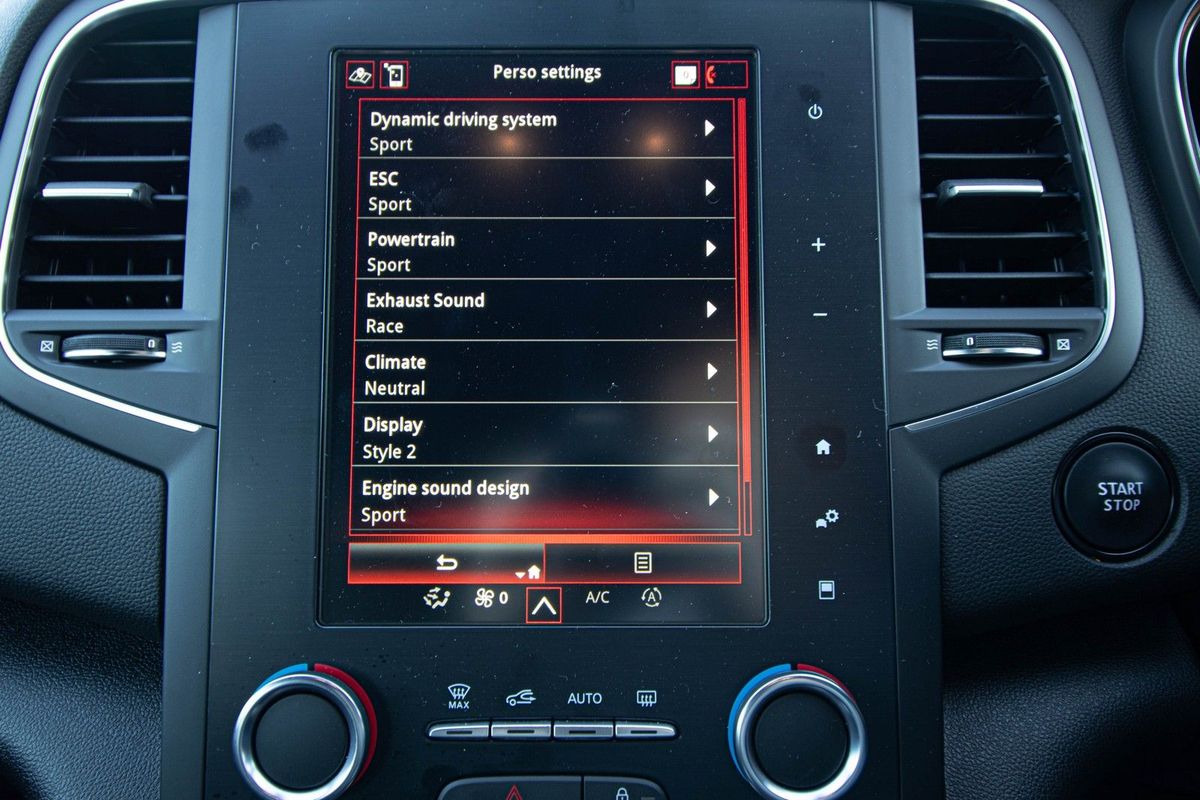
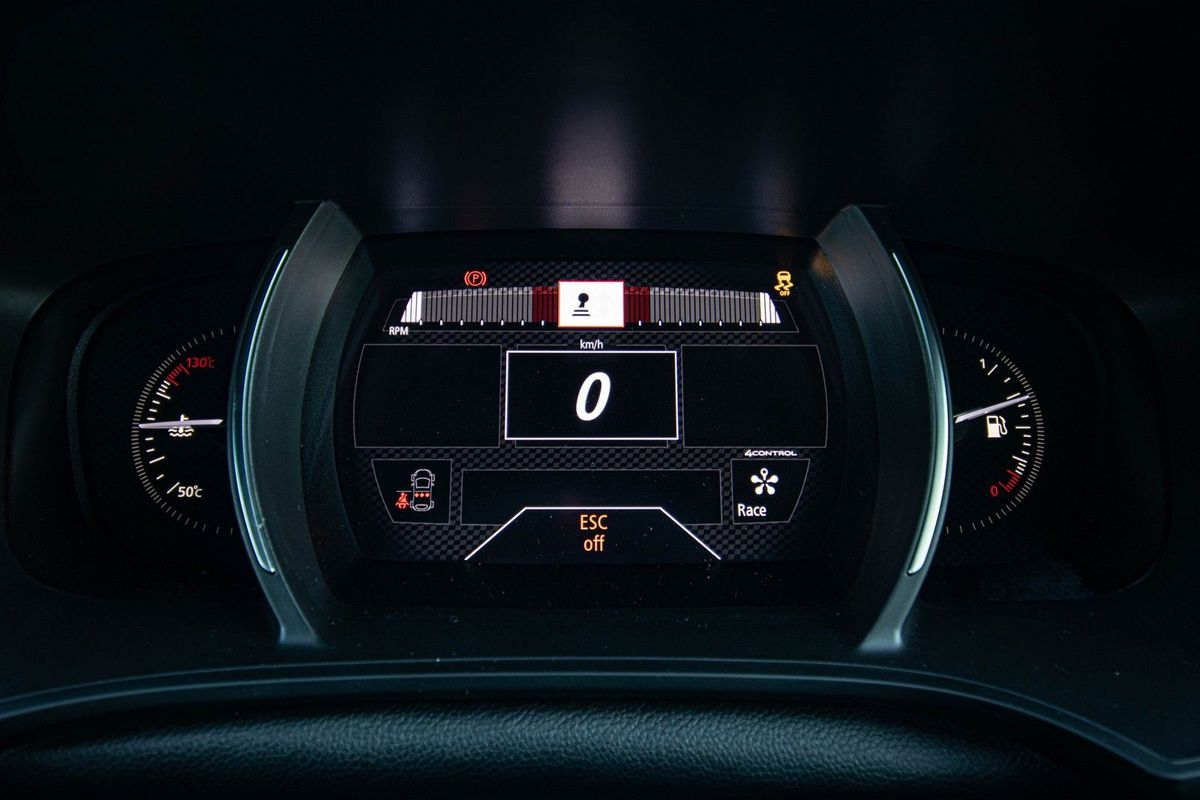
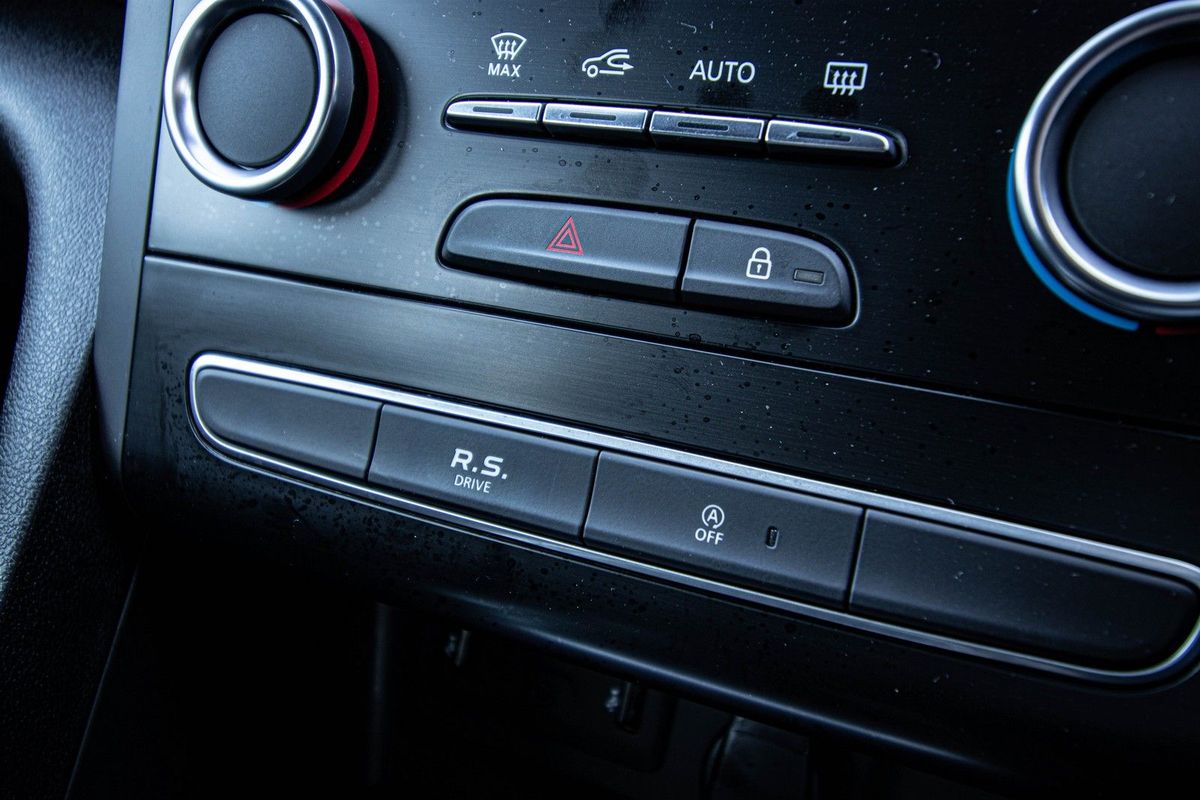
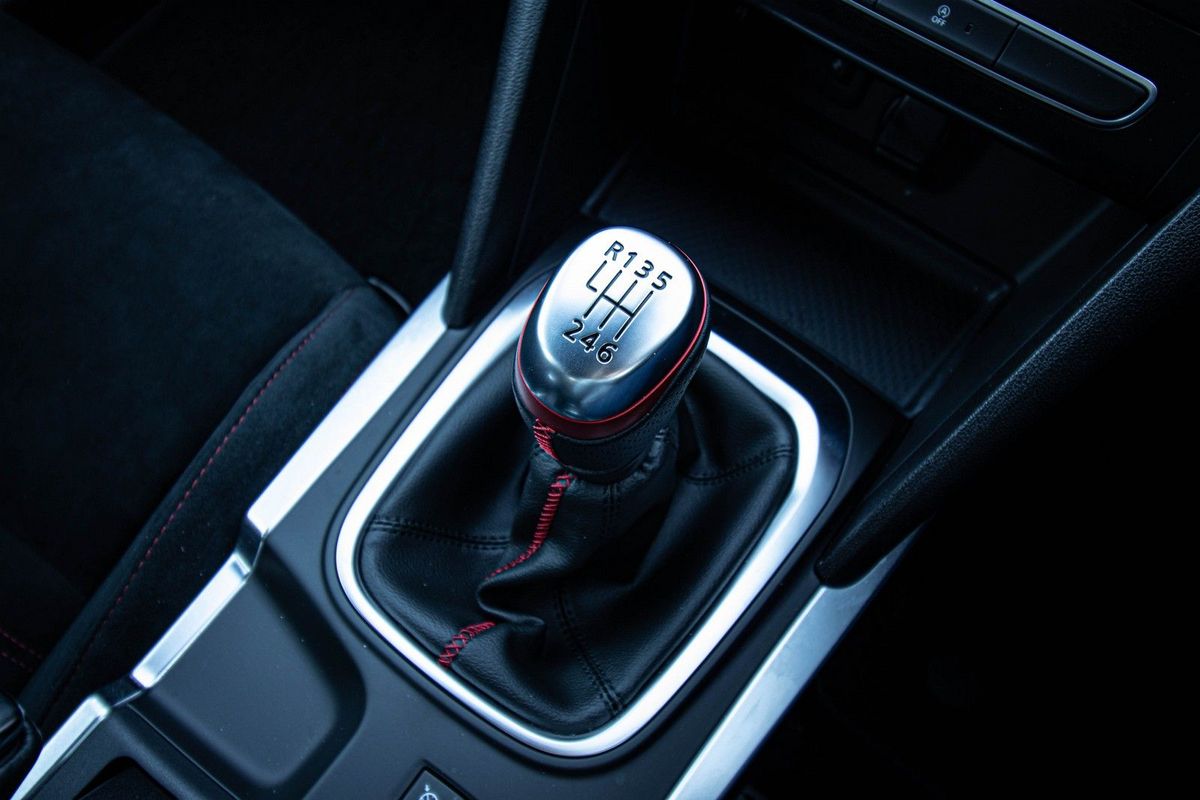
Once you’ve psyched-up yourself sufficiently to get to grips with the Renault you can toggle between the newcomer's trio of drive modes: Normal, Sport and Race, the latter two of which activate the louder exhaust (replete with pops and burbles on overrun) and sharpen up throttle response. When you pin the throttle, the 1.8-litre 4-cylinder turbopetrol motor races into action; it’s ultra-responsive in the sportier modes and, for a forced-induction engine, it really doesn't mind being revved hard. The manual ‘box feels similar to those of previous-generation RS models, but it's a little meatier at the engagement point, which makes it seem more durable/up to the task of being slap-shifted its entire life.
With a claimed 0-to-100 kph time of a mere 5.7 seconds, the RS 300 Trophy is evidently one of the fastest front-wheel-drive hot hatches ever produced. It’s what you have to do during those 5.7 seconds that makes the Renault feel so much faster than it actually is. It torque steers under hard acceleration (it pulls from one side to the other, depending on the direction of the 'wheel) and the responses to steering inputs are so instantaneous that it's no simple task to keep the hottest Megane tracking "straight and true".
Overtaking manoeuvres can be hair-raising to execute if you're prone to jerking the RS 300 Trophy's 'wheel or stabbing at its throttle pedal in a fit of fury (or excitement). In fact, fellow road users could be forgiven for thinking you’ve entered some sort of slalom gymkhana event as you whip the steering wheel back and forth with one hand (while the other shifts gear) in a valiant attempt to keep the rapid Renault in line. This may be the first car that’s more difficult to hold in a straight line than corner at breakneck speeds.
Handling
The special, lightweight wheels shed 2kg from each corner.
Like the RS 280 Cup, the Trophy is equipped with 4-wheel steering. At under 100 kph, the rear wheels turn in the opposite direction to the fronts to help you take tighter lines into corners and, above 100 kph, the rears turn in the same direction as the fronts to improve high-speed stability. It’s a system that is widely used in a slew of performance cars (BMW and Audi are among the most notable proponents), but in the Trophy, it gives the car a bit of a split personality… and handling characteristics that require familiarisation.
In fast corners, the car handles more neutrally than the previous-generation Trophy; it seems notably less inclined to kick out the rear-end under hard braking or when the driver comes off the throttle before turn-in. It’s something we weren’t immediately prepared for… Renault's hot hatches have always had a tendency to exhibit lift-off oversteer (to provide a bit of thrill, of course, but also get the car rotated at corner entries). Out on a fast mountain pass, the added security allows you to push harder with confidence – safe in the knowledge that the rear won't break away if you have to suddenly back off the throttle. In this regard, it feels quite similar to the Hyundai i30 N we drove earlier this year.
By contrast, the aforementioned "Renault lift-off oversteer" comes back with a vengeance at lower speeds and, when that happens, it feels over-the-top and artificial. We found that the 4-wheel steering pushes the RS 300 Trophy's rear-end into corners, which obligates the driver to "correct" the deliberate pivot motion to ensure that the car doesn’t apex too early. After a while, you get the hang of starting your turns a lot later to compensate for the "assistance". Plus, by virtue of the lightning-fast steering, the Megane whips across the tarmac faster than any hot hatch we’ve driven. That fast front-end is so typical of RS models; it makes all other hot hatches feel sluggish and bulky by comparison.
The steering has lost some of that "connected to your central nervous system" feel that the RS 275 Trophy had, but the weighting is meaty and still provides good feedback.
Everyday use?
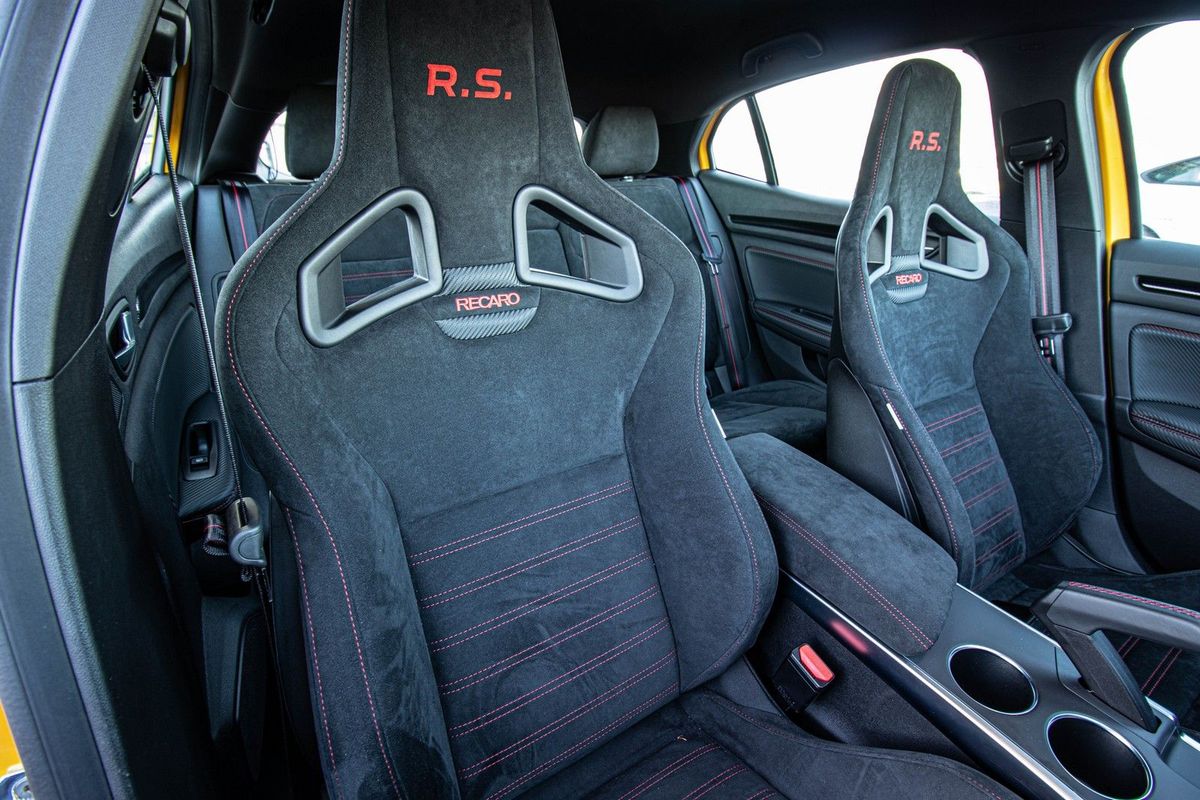
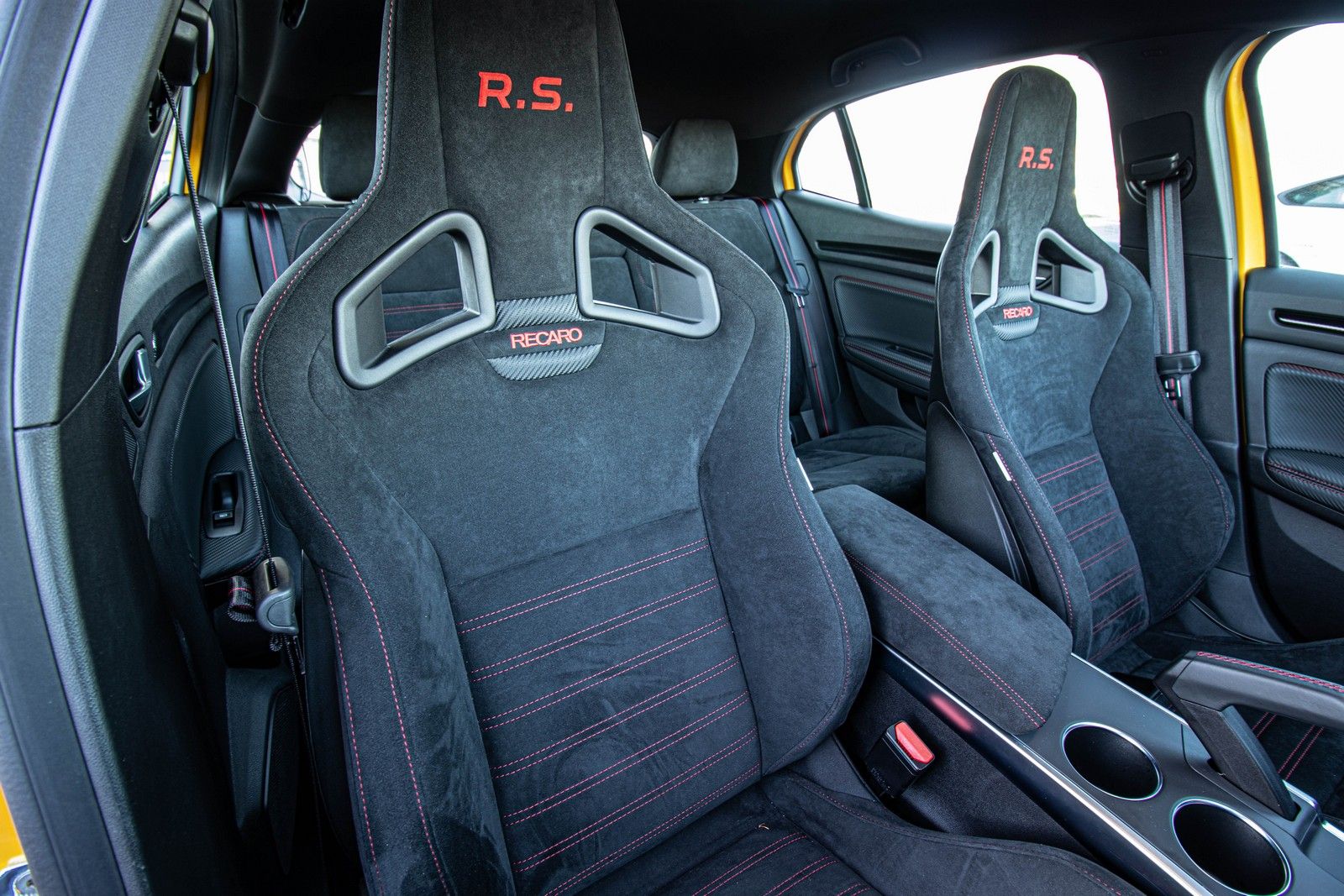
Alcantara seats are set 20 mm lower in the cabin to improve the centre of gravity.
The Trophy is based on the Megane RS 280 Cup's chassis, which means the dampers, springs and anti-roll bar are all stiffened. The ride quality is undoubtedly firm, but – contrary to our expectations – the newcomer proved more comfortable/forgiving to drive than its predecessor. Look, it’s not a car you would want to be a passenger in (unless you are an unabashed RS fan) and certainly not something in which you’d want to undertake long journeys – unless you're driving it to a track. The Trophy is still very much a toy to be used for special occasions such as breakfast runs or track days; the standard RS is a much easier to live with and Renault RS’ closest competitor to the Golf GTI yet.
Sporty interior execution
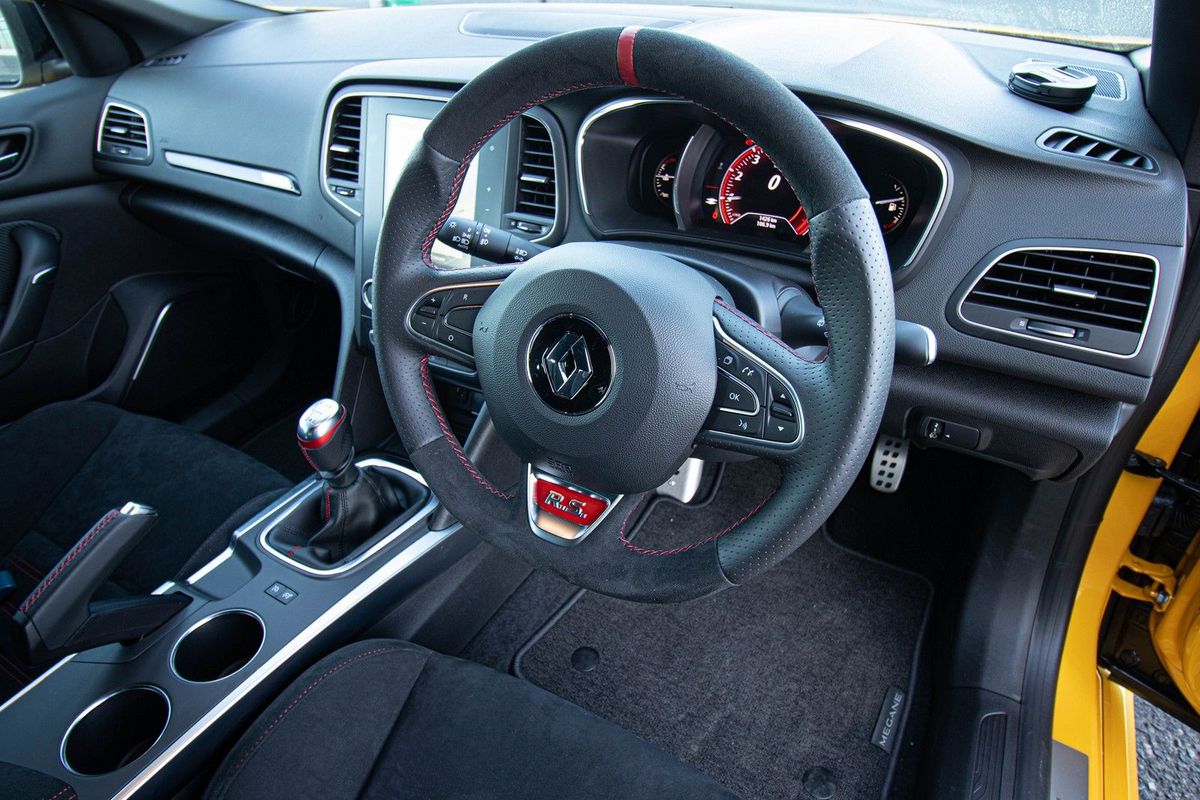
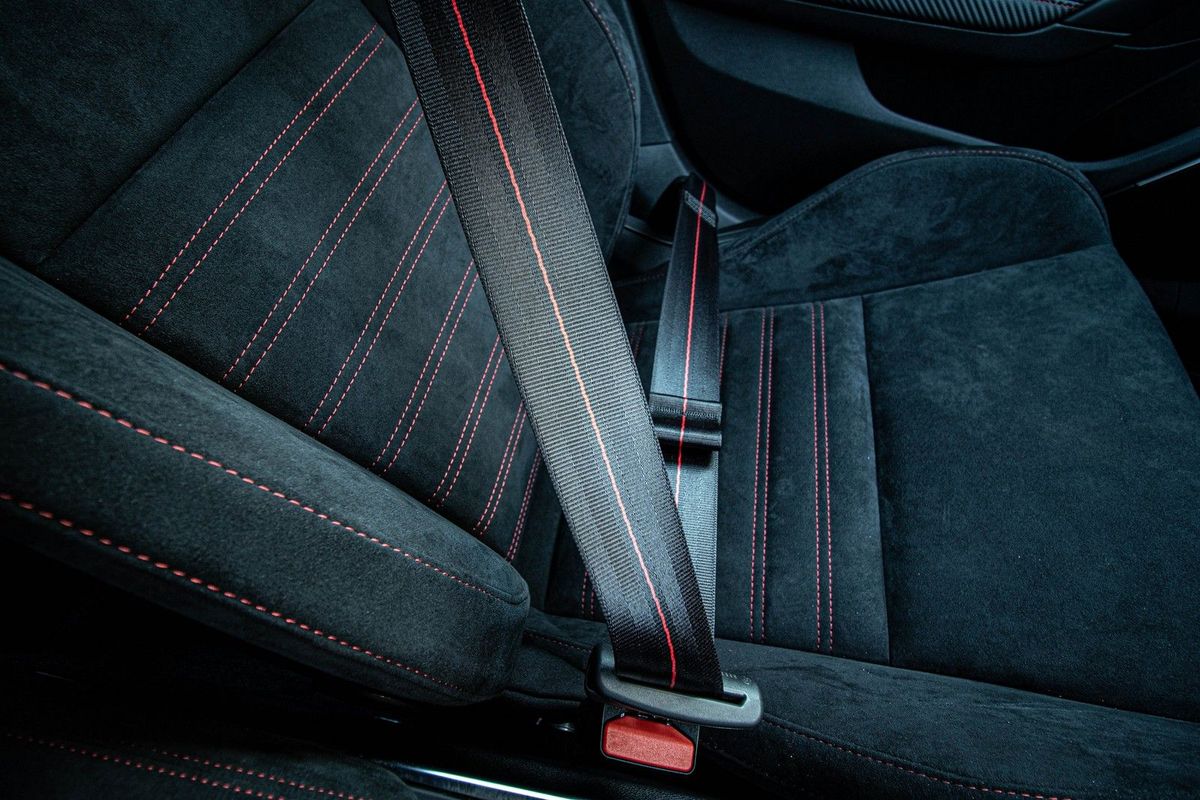
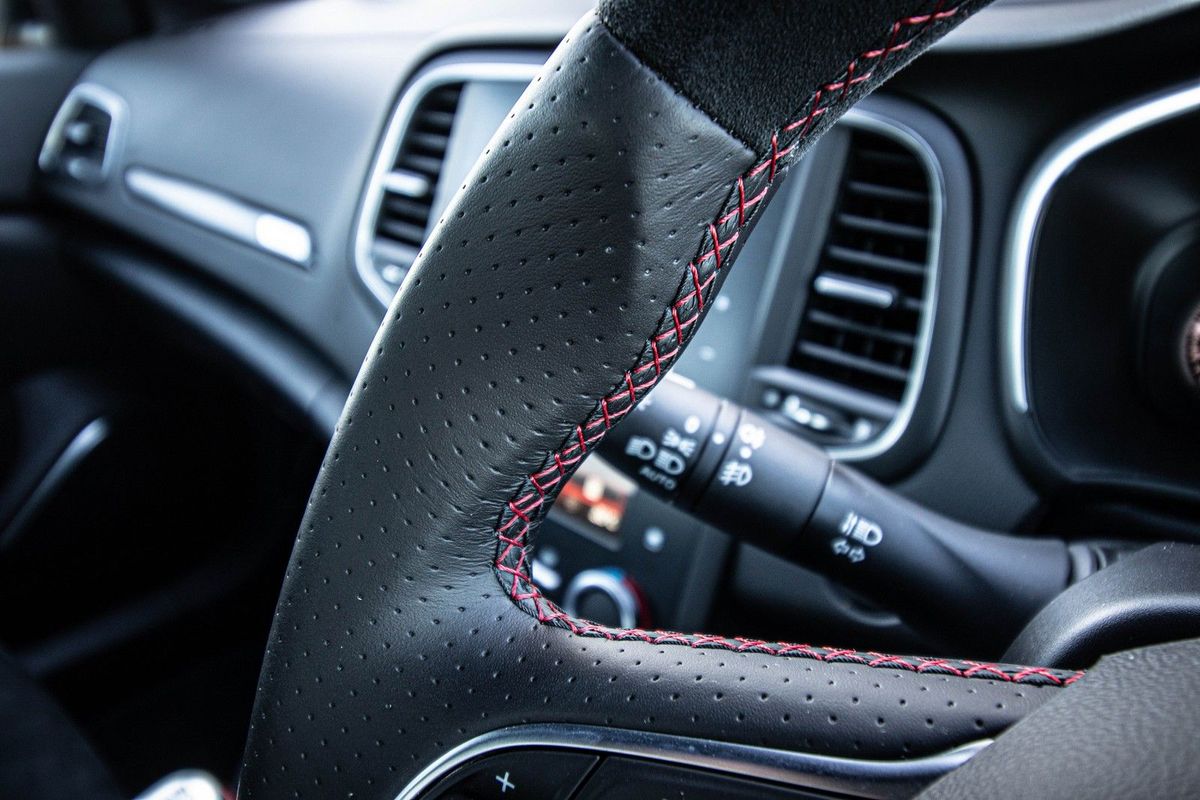
The RS 300 Trophy commands a R150 000 premium over the RS 280 Cup/Lux, but you aren’t going to find much that differentiates the former's cockpit from those of its lesser siblings… The Alcantara-trimmed seats are the obvious addition and they are set 20-mm lower to improve the overall centre of gravity. The low seating position is perfect for those who are looking to eek out every last bit of performance (or get a track-car feel), but shorter drivers may need to sit slightly higher just to see over the instrument cluster.
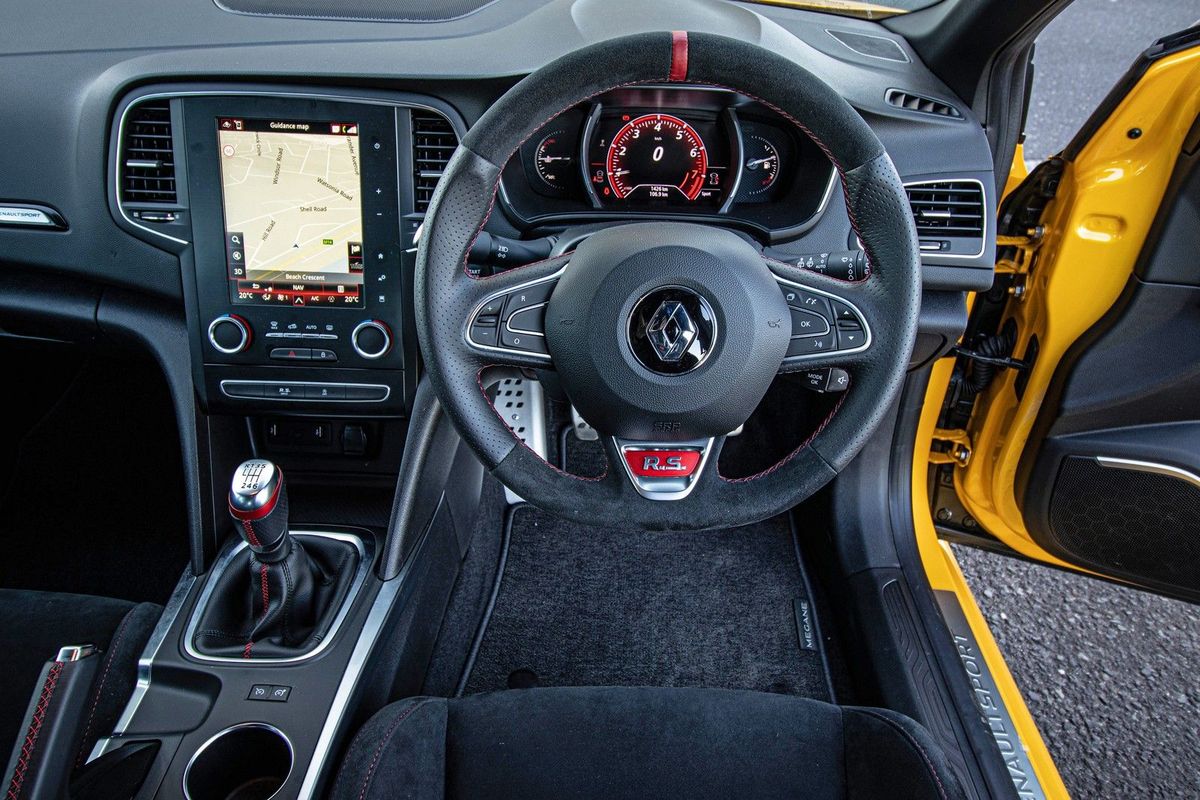
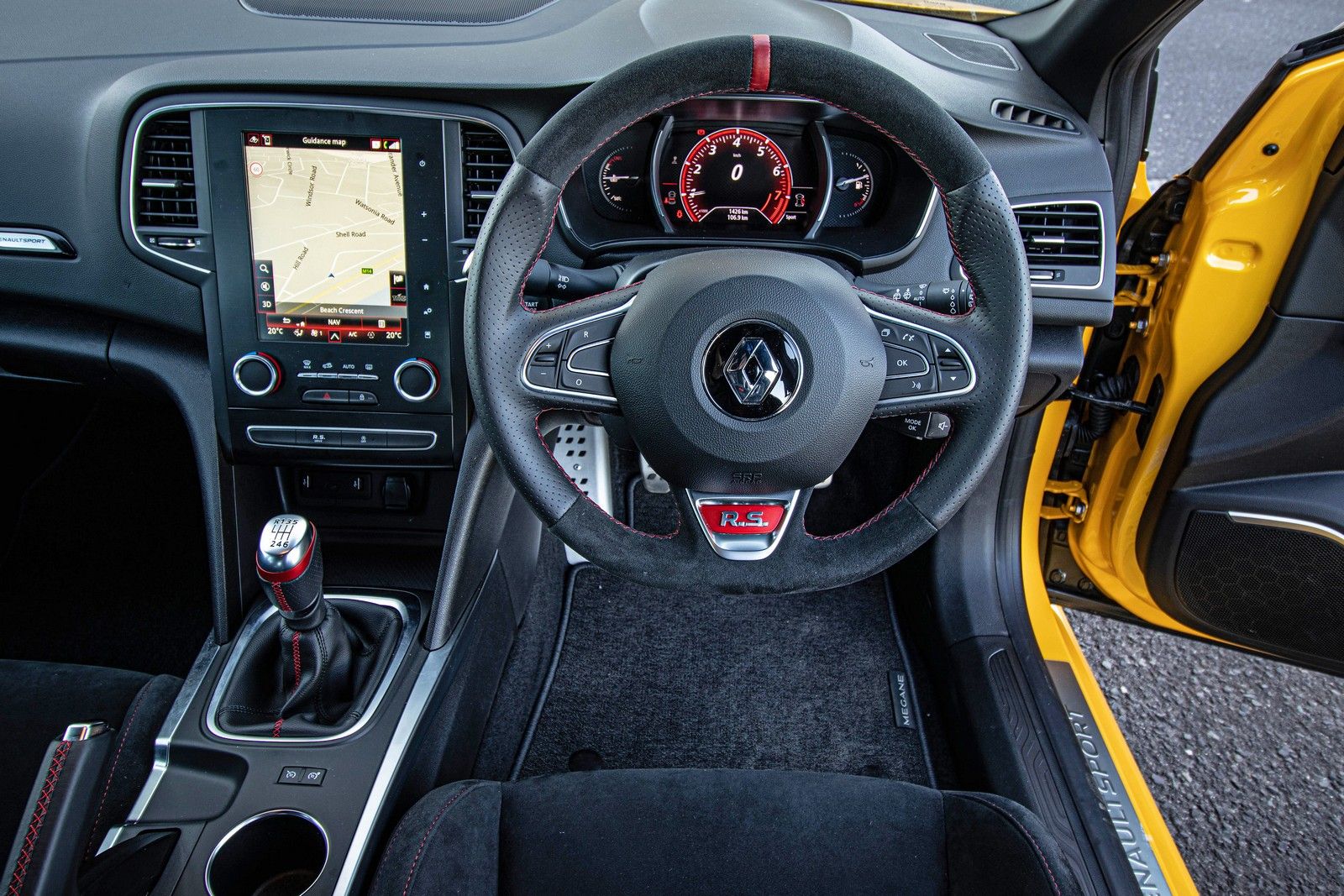
The RS 300 Trophy's interior is almost identical to the Cup version. Infotainment could do with a crisper screen and touch surface.
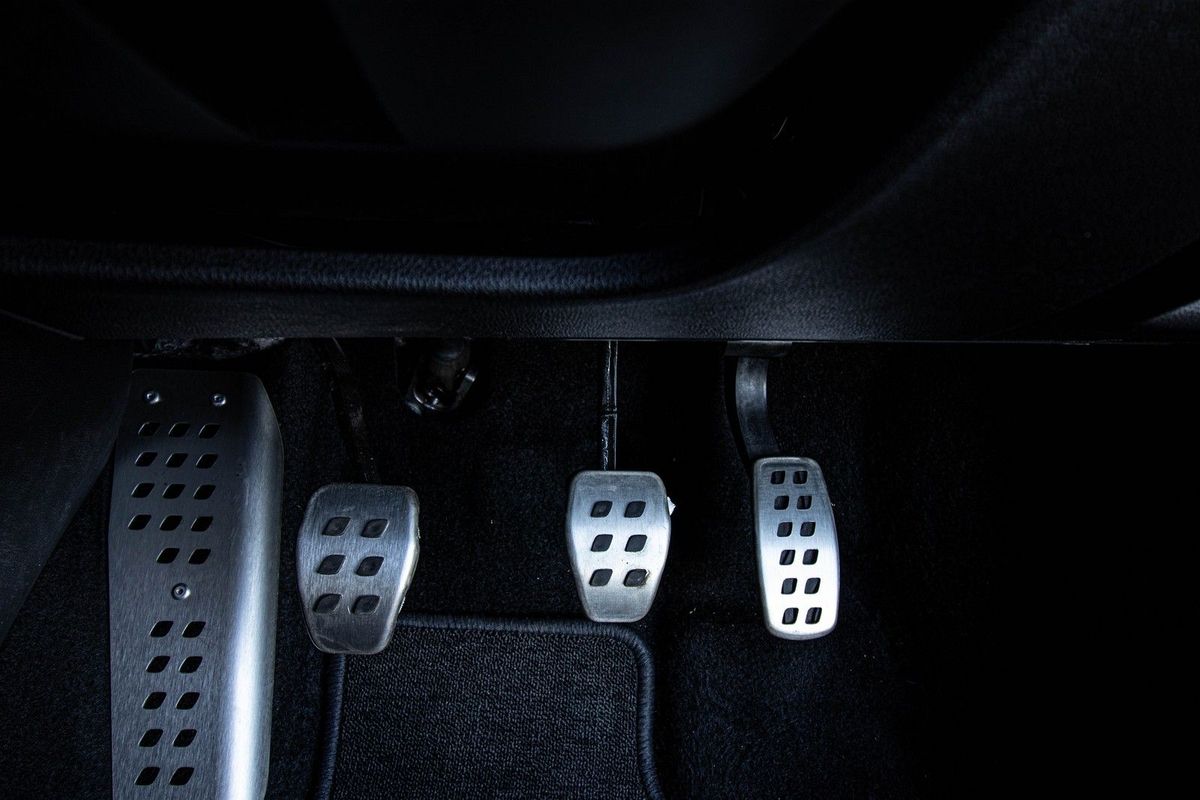
The metallic-finished pedals are drilled in order to look suitably sporty and we found them to be well-spaced and -positioned, although, under hard braking, the throttle pedal is set slightly too high to facilitate easy heel-and-toe inputs (in contrast with the aforementioned i30 N, the Renault's powertrain does not offer a rev-matching function).
Renault’s infotainment system includes all the modern apps and supports Android Auto and Apple Carplay, but it’s not the best-looking in terms of graphics or screen quality. When you touch the screen, it feels like it has a matt-plastic screen over it, which is in contrast with the pristine glass touchscreens we’ve become accustomed to in the Golf.
Pricing and after-sales
The Megane RS 300 Trophy is limited to just 7 units in South Africa and commands a hefty base price of R774 900 for the manual version and R799 900 for the dual-clutch automatic derivative. It comes with a 5-year/150 000 km warranty, as well as a 5-year/90 000 km service plan, included in the purchase price.
Verdict
Get ready for a fight-or-flight experience every time you climb into the Trophy.
The Renault Megane RS 300 Trophy is a weapon, whether you’re tackling a track, a mountain pass or just overtaking another car at anything more than half throttle. Unlike other hot hatches, it requires full commitment from its driver at all times. May we suggest some gentle MMA or kickboxing before flipping the drive modes into Sport or Race?
Indeed, the French firm's most focused hot hatch to date is a handful to keep in a straight line as you slap through the gears, but point it at a corner and you're bound to discover it’s the fastest hot hatch to reel in an apex that you’ve ever driven. The Trophy's turn-in speed is nothing short of incredible and even if the 4-wheel steering takes some getting used to, the car’s an absolute thrill to drive. It’s not a hot hatch you’ll want to live with every day as it’s still too firm, but on the right road, it’s the best hatchback of the lot.
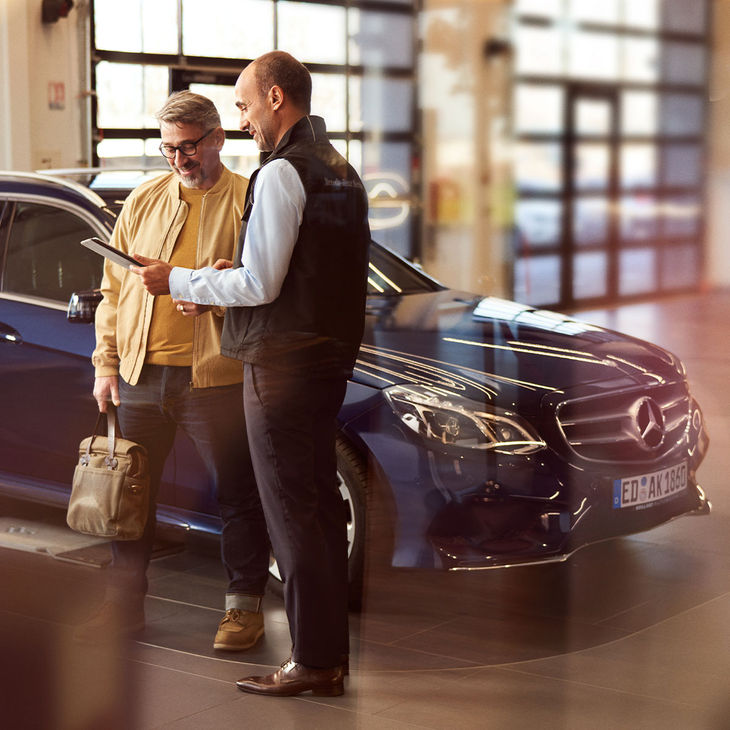
If you own a Mercedes-Benz that is no longer covered by its standard maintenance plan, the brand now offers various fixed-price servicing options at selected dealers, as well as range of genuine replacement parts and the ability to easily book your car in online.
PARTNERED CONTENT
It’s widely known that all Mercedes-Benz passenger cars are sold, from new, with an inclusive PremiumDrive maintenance plan, which gives the brand’s customers peace of mind knowing that their vehicles will be well taken care of by qualified Mercedes-Benz technicians during the first 5 years or 100 000 km of those vehicles’ lives.
That means owners don't need to make contributions to maintenance costs during the first 100 000 km or 5 years (whichever comes first) of owning their vehicles. What's more, provided a Mercedes-Benz is maintained by a franchised (official) dealer at specific intervals, its PremiumDrive plan can be transferred between owners within that time/mileage.
A PremiumDrive plan can also be extended if desired, but you may own a recent Mercedes-Benz that is no longer covered by its maintenance plan.
If that’s the case, you might be thinking of followingm let's say “a friend’s recommendation” and, instead of booking an appointment at a Mercedes-Benz dealer, look to save money by using an independent workshop to carry out (perhaps a long-overdue) service.
The truth is, while some service centres may indeed charge less to service or repair your Mercedes-Benz than the brand’s official dealerships, are you positive that those non-affiliated workshops have the right expertise and are installing genuine parts in your vehicle? How could you be sure?
‘Trust your gut. Trust the best’
Mercedes-Benz not only strives to exceed its customers’ expectations when it comes to servicing, it prides itself on the work that goes into its products. The brand recently launched a broad customer service campaign in the hope that fastidious Mercedes-Benz owners will follow their instincts and refuse to compromise on the maintenance of their vehicles, because they know the value of excellent service and genuine parts.
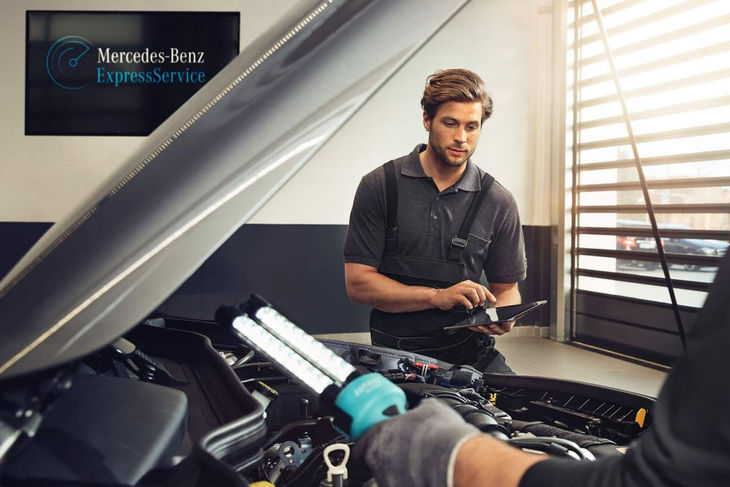
Servicing your Benz isn't necessarily that expensive anyway. Participating authorised Mercedes-Benz dealerships now offer best-price servicing packages for some models that are out of their maintenance plans (Service A or Service B inspections) from as little as R1 447, including VAT.
During Service A (regularly on the test stand), your Mercedes-Benz is thoroughly checked to ensure that you and can continue to enjoy good and secure journeys. A Service B inspection, in turn, involves putting your vehicle through its paces to check the integrity of all components that influence the safety and ease of operation of your vehicle.
The fixed-price servicing is offered on applicable derivatives of the 1st-generation A-Class hatchback (W176), CLA coupe (C117) and GLA compact crossover (X156), no fewer than 3 generations of the C-Class sedan (W204, W204 and W205), as well as the E-Class (W212).
* Offer is only valid for a limited time and while stock lasts.
The best way to keep your Benz running in optimal condition after its maintenance plan has expired – over and above having scheduled services carried out at official dealerships – is to ensure that Mercedes Original parts are used to replace components and consumables when required.
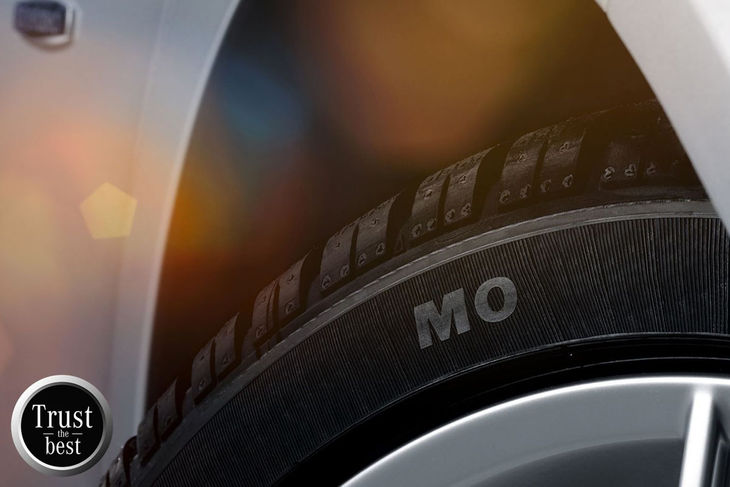
Each model in the Three-pointed Star's line-up is fitted with specific Mercedes-Benz Original (MO) tyres that offer better ride comfort, reduced road noise and satisfying performance, while approved run-flat technology provides continuous and safe driving. MO tyres, which are designed to work optimally with the suspension and handling of your specific Mercedes, are available from R850 (excl VAT).
* Offer valid whilst stocks last, for a limited time only.
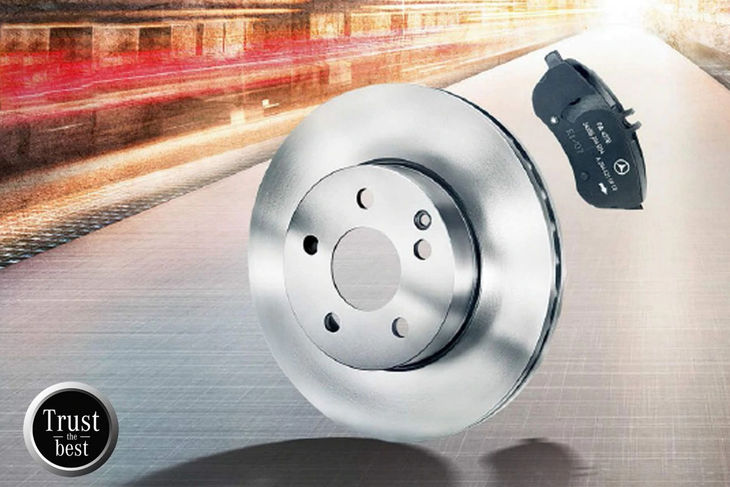
Mercedes-Benz is constantly developing and comprehensively testing its braking systems. With Mercedes-Benz brakes you can be certain that all components are perfectly matched – from brake linings and discs to brake fluid and including safety systems such as ABS, BAS and ESP. This ensures short stopping distances and prevents braking performance from fading during repeated braking.
Don’t compromise on safety, fit only Mercedes-Benz Genuine brake discs and brake pads. Offer starts at R600 (excl VAT)
* Only applicable to selected models and while stocks last.
Whether you’re driving in a congested city centre, cornering on a mountain pass or cruising on a freeway – a Mercedes-Benz genuine suspension is designed to offer good steering characteristics, a comfortable ride and safe road-holding even when your vehicle’s heavily loaded. To guarantee this, Mercedes-Benz doesn't distinguish between manufacturing parts for standard production and as replacement parts. All suspension parts are manufactured using the same tools and quality standards.
The engine is the heart of your Mercedes-Benz. To keep it running optimally over the lifespan of your vehicle, all its components are perfectly matched – from spark plugs to engine air cleaner, and from fuel and oil filters to antifreeze fluid and the V-belt.
Mercedes-Benz genuine engine oil is specially developed for the brand’s engines. The fully synthetic oil facilitates optimal performance, provides reliable lubrication for every circumstance and, in combination with the Mercedes-Benz genuine oil filters, extends engine life. It also reduces consumption, to be benefit of the environment.
Whether you’re driving in heavy rain or even soft hail – it’s not a problem with Mercedes-Benz genuine windscreen wipers. They are optimised for the entire wiper system and ensure a clear view without any streaks – even at high vehicle speeds and long periods of operation. A specially developed rubber blend makes them particularly smooth and economical. The Mercedes-Benz star on the wiper end cap distinguishes it as a genuine Mercedes-Benz part and emphasises its high quality.
Would you like to arrange a service appointment with your nearest authorised Mercedes-Benz dealer? No problem. Mercedes me Online Service Appointment Booking makes it easy for you to get the appointment you want – wherever you are… and whatever time of day it is.
The New Normal, Podcast 1 – Changes in SA’s car-shopping patterns
In this first instalment of a 3-part podcast series – brought to you in association with Absa – respected consumer journalist and veteran #CarsAwards judge Wendy Knowler chats with Naamsa CEO Mike Mabasa and Henry Botha from Absa Vehicle Finance about changes in South Africans' car-buying behaviour amid the Covid-19 pandemic and "The New Normal" as it applies to our relationship with cars.
What now for vehicle sales?
Knowler (pictured left) sets the scene for the discussion by suggesting that the Covid-19 pandemic had affected our lives – and movements – in more profound ways than any of us expected. People have adapted to teleworking, shopping locally and only making necessary trips. Many businesses are now rotating employees between the office and their homes and when their leases are up they’ll hope to scale down to smaller premises, which would suggest that "The New Normal" means less traffic on our roads…. even post-lockdown.
According to surveys recently conducted by Cars.co.za, the majority of car-buying respondents said that in the event that they were forced to decrease their motoring costs because of the impact of the Covid-19 pandemic, they would consider either downgrading to a new car or disposing of a 2nd/3rd family vehicle and, if they could have anticipated the onset of the pandemic, many of them would have switched to an insurance policy that bases its premium on the number of kilometres a vehicle travels.
Suffice to say new-vehicle sales statistics for the past 6 months make for sobering reading (not unexpectedly so), but what can we glean from car-buying behaviour in 2021?
What are consumers looking for right now?
According to the CEO of the National Association of Automobile Manufacturers of South Africa (Naamsa), Mike Mabasa (pictured left), Naamsa has noted a definite trend towards "buying down" (consumers replacing their vehicles with smaller, more affordable ones) on the parts of many consumers, also that vehicles from mainstream (more affordable) brands are being preferred to those of premium marques… and, it would indeed seem that some households are looking to reduce the number of vehicles they operate.
How will these trends affect manufacturers and importers' plans to introduce/replace new models in the local market (and the timing of those launches)? Mabasa discusses this topic in detail – but adds that some things are not going to change, after all. He predicts an uninterrupted influx of electric vehicles in the very near future and from brands that don't currently offer hybrid or battery-electric models.
People are still looking to buy… but what?
Meanwhile, Henry Botha, the head of strategy and business analytics for Absa Vehicle Finance (pictured left), points out that amid car buyers looking to buy more affordable/moderately specified vehicles with the intention of lowering their cost of motoring (monthly repayments, fuel bills and insurance costs), they are finding great value in used vehicles that are between 1 to 2 years old, such as the many rental vehicles that have been de-fleeted because of the massive disruption that the pandemic caused in the tourism industry.
Although there is still much uncertainty on the part of car-buyers (because nobody knows how long the economic downturn will continue, even post-lockdown, and job security remains low, Botha says), now is – paradoxically – a good time to buy a car, because of particularly low interest rates and massive sales incentives offered by dealers.
Do's and don'ts of reducing motoring costs
To conclude the first podcast in the The New Normal – in association with Absa– series, Knowler asked Mabasa and Botha to suggest ways in which car-buyers/owners could maintain mobility even if their means were notably affected. Is “buying down” always the best solution to reducing the costs of motoring? And what about the notion of handing back a car to the financial institution that financed it or swopping it for a cheaper model in a bid to reduce instalments?
Are there ways in which you could keep a car going reliably for longer to effectively delay its replacement? What kind of insurance options could you consider to protect yourself in case of unforeseen expenses (such as mechanical breakdowns), if you have a repayment shortfall – or sudden loss of income?
These questions all come up in the 15-minute discussion. Have a listen.
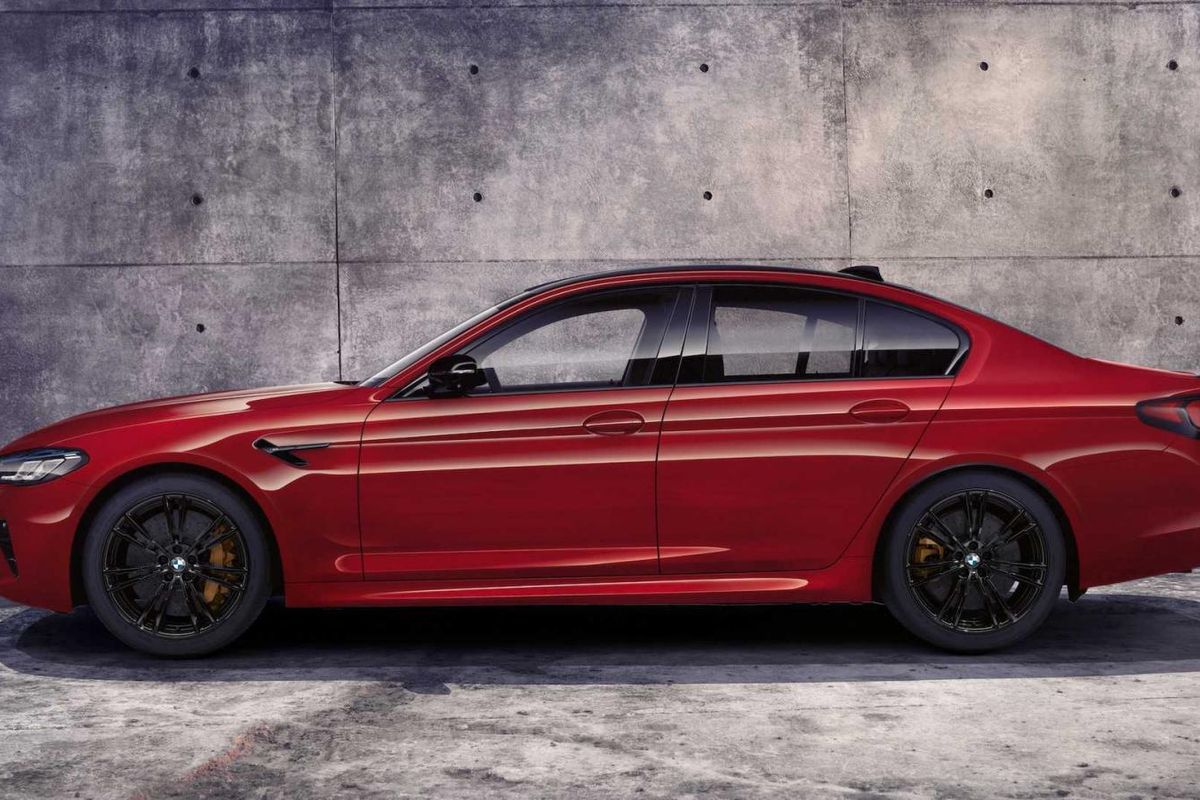
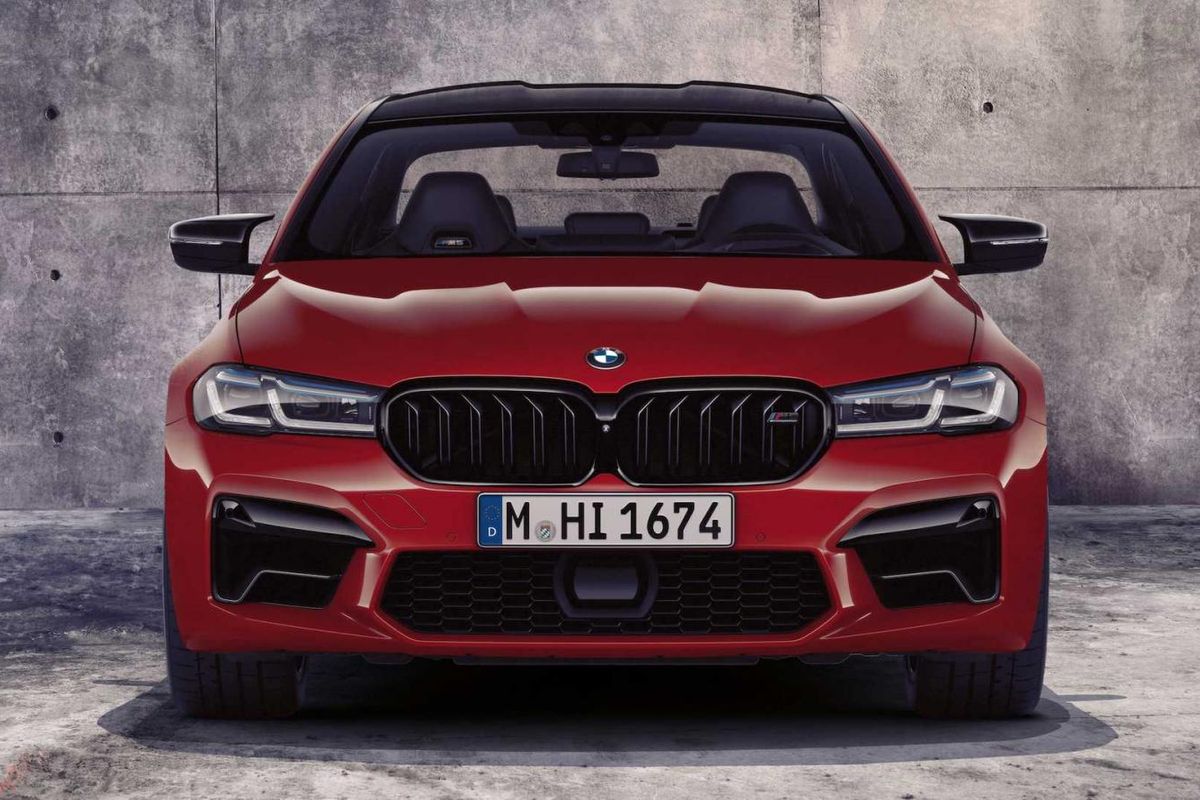
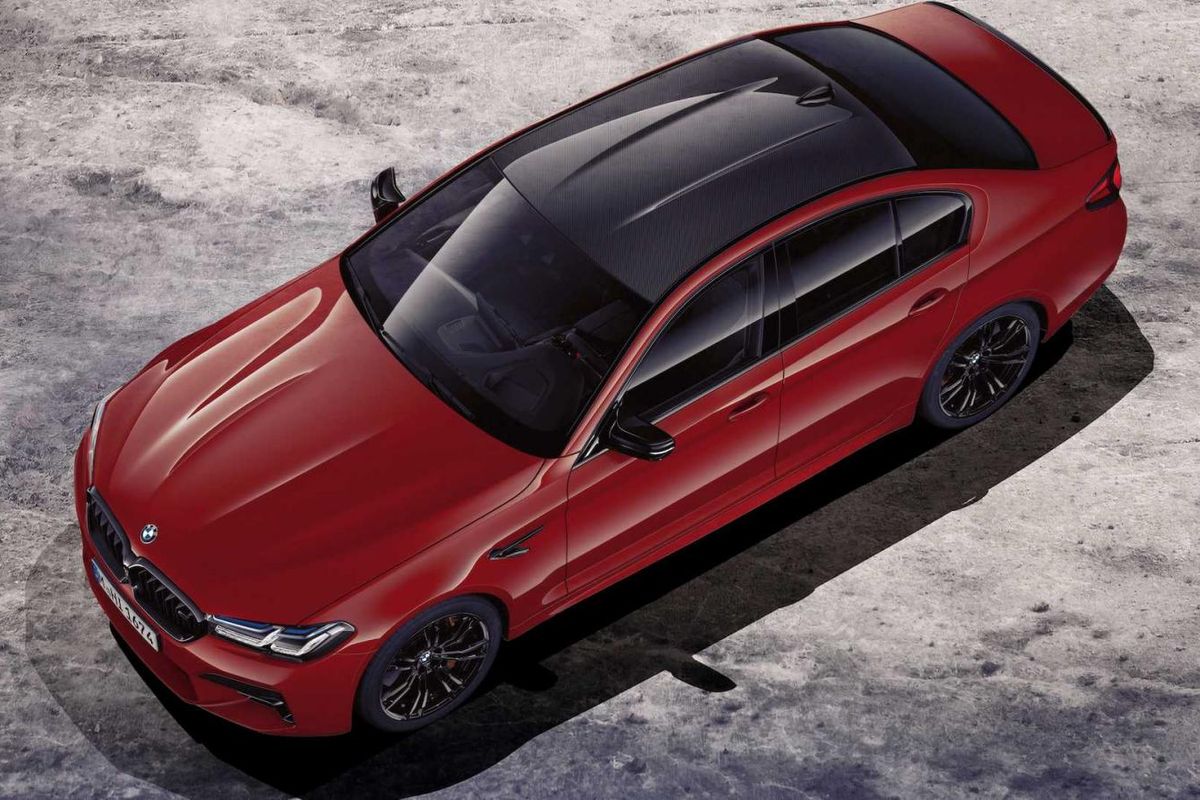
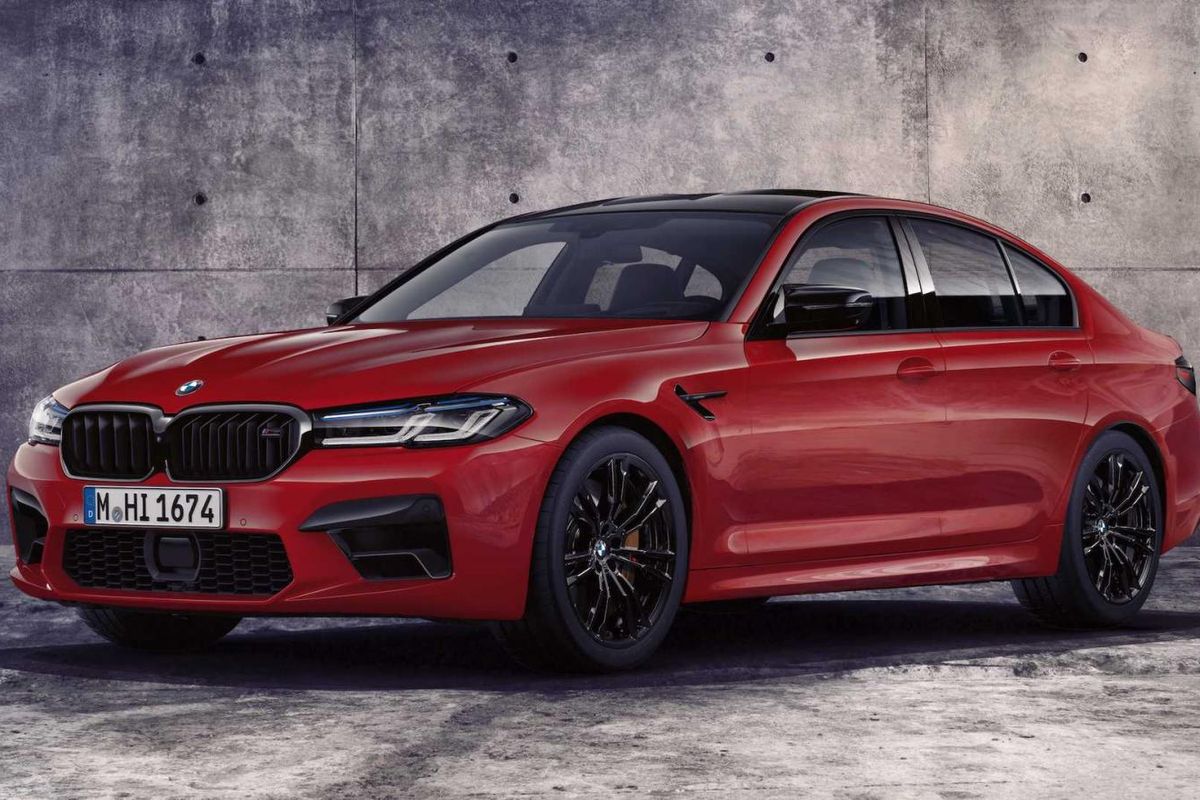
BMW has confirmed local pricing for the updated version of its sixth-generation M5.
The iconic BMW luxury performance car is now available to local customers in M5 Competition guise. Pricing is set at R2 202 960, which is a justifiable increase over the standard M5’s R2 099 000.
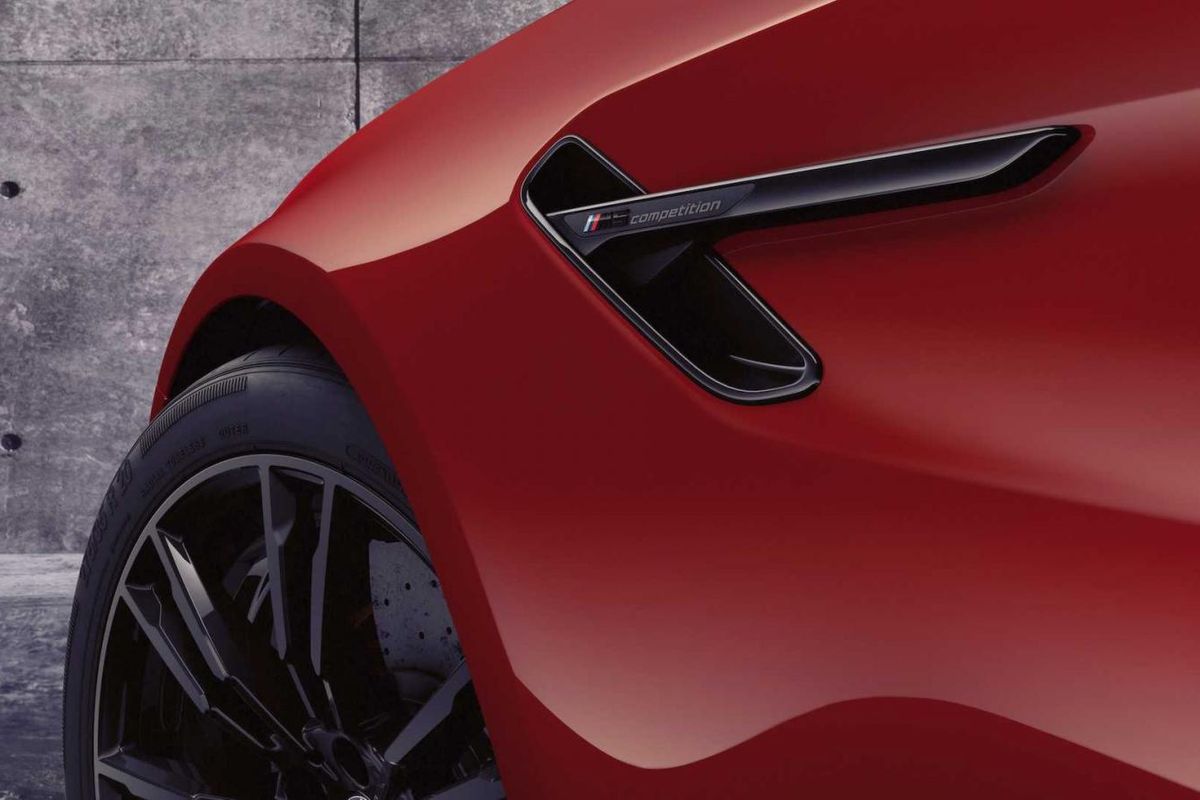
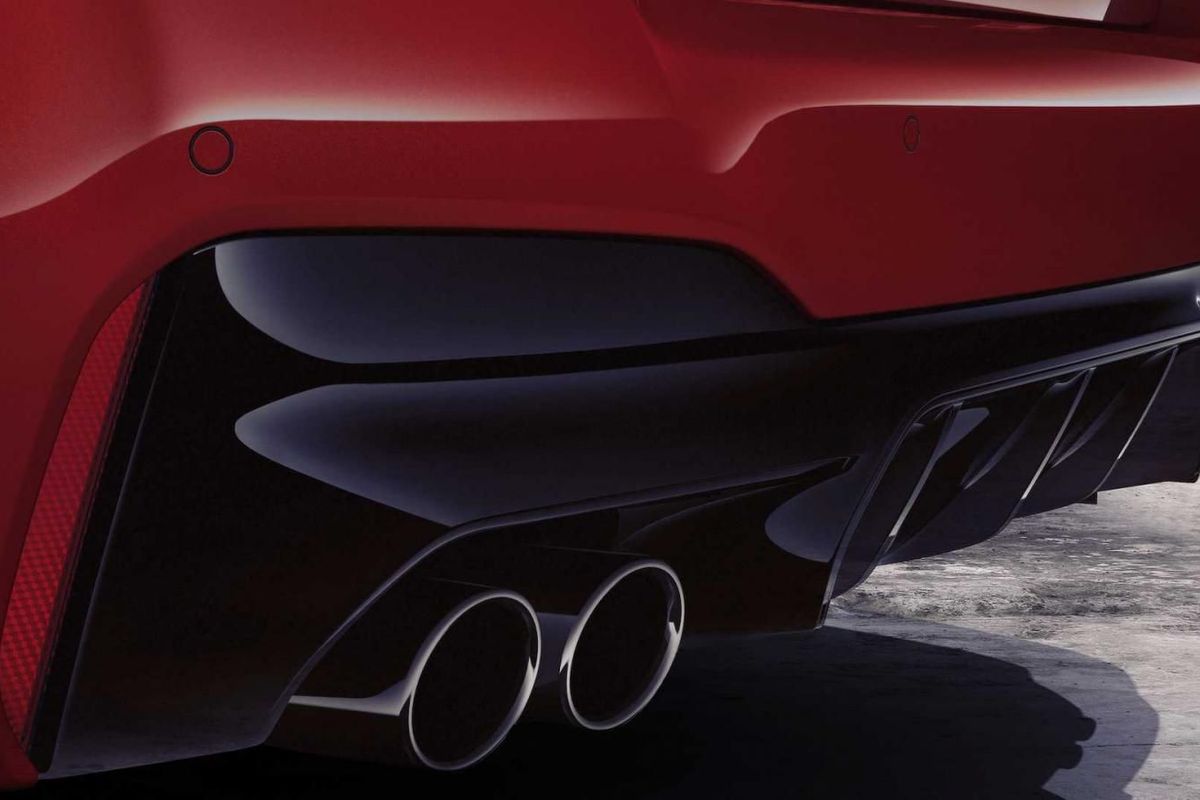
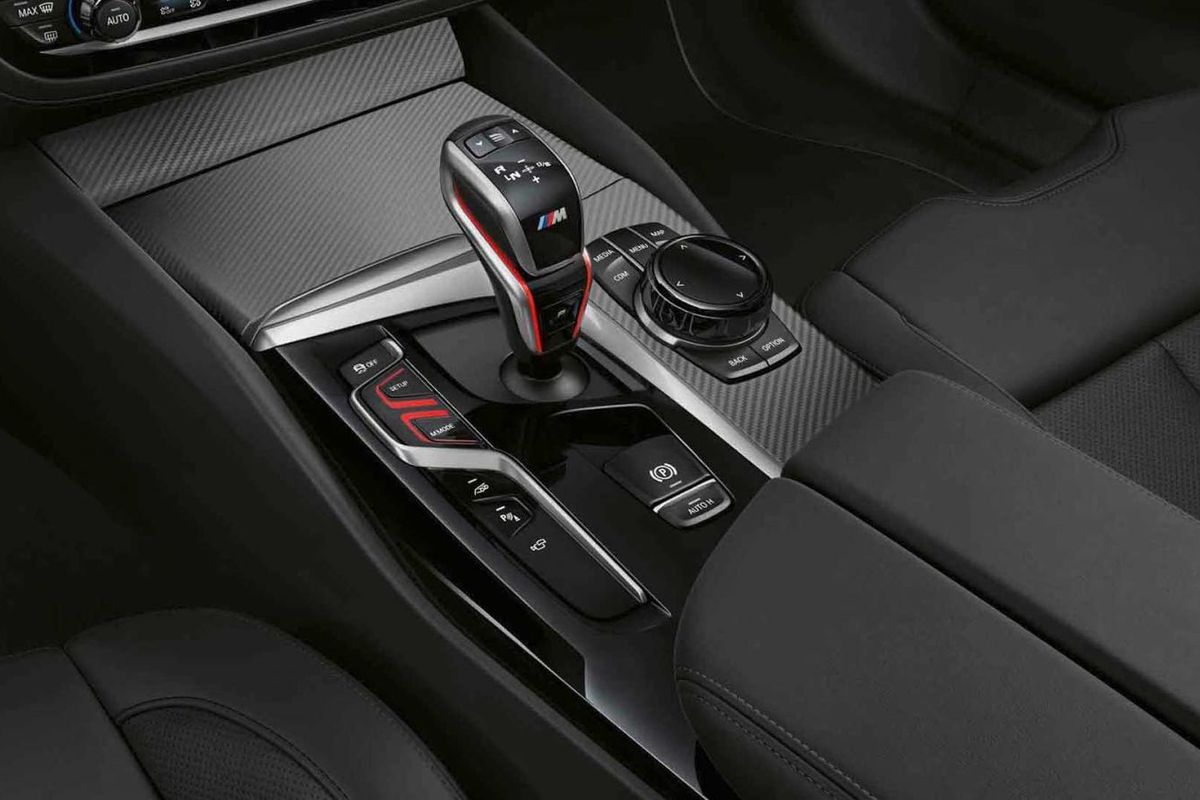
Differentiating the new F90 M5 are reshaped head- and taillamps, with the latest BMW L-shaped LED illumination. Bumpers are reshaped front and rear, whilst gloss black detailing. Cabin upgrades include an inched-up infotainment display, which now measures 12.3-inches, up from 10.25-inches.
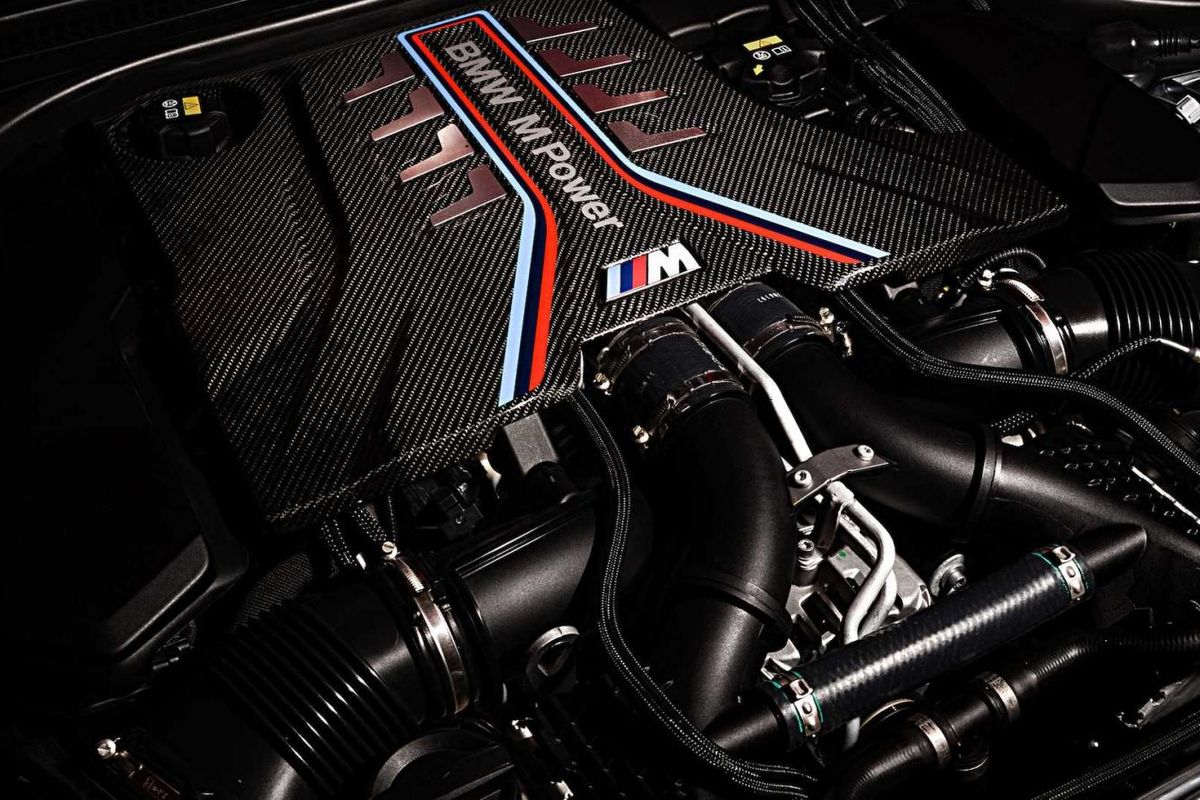
The 4.4-litre twin-turbo V8 engine produces 460 kW and 750 Nm. As with all F90 M5s, the Competition is all-wheel-drive and capable of 0-100 kph in 3.3 seconds, with a top speed potential of 305 kph.
Although the powertrain is unchanged from the pre-upgrade car, the M5 Competition does allow for a completely disabled suite of driver assistance systems. This function is primarily targeted at owners who will use their M5 Competition for track day experiences, where the benefit of retuned dampers will come into their own.
New internals and valving profiles are part of the M5 Competition suspension upgrade. The car’s adaptive ride control sensors are also recalibrated to best integrate the new mechanical damping features, which were first seen on BMW’s M8 Competition Gran Coupe.
The improved suspension configuration also lowers the M5 Competition, compared to a conventional M5, by 7 mm. That might not sound like much, but with a car of the M5’s weight and wheelbase length, a small decrease in the centre of gravity equates to a substantial improvement in lateral agility.
BMW 5-Series Pricing in SA
BMW 520d Sedan – R932 350
BMW 530i Sedan – R934 501
BMW M550i Sedan – R1 427 339
BMW M5 – R2 099 000
BMW M5 Competition – R2 202 960
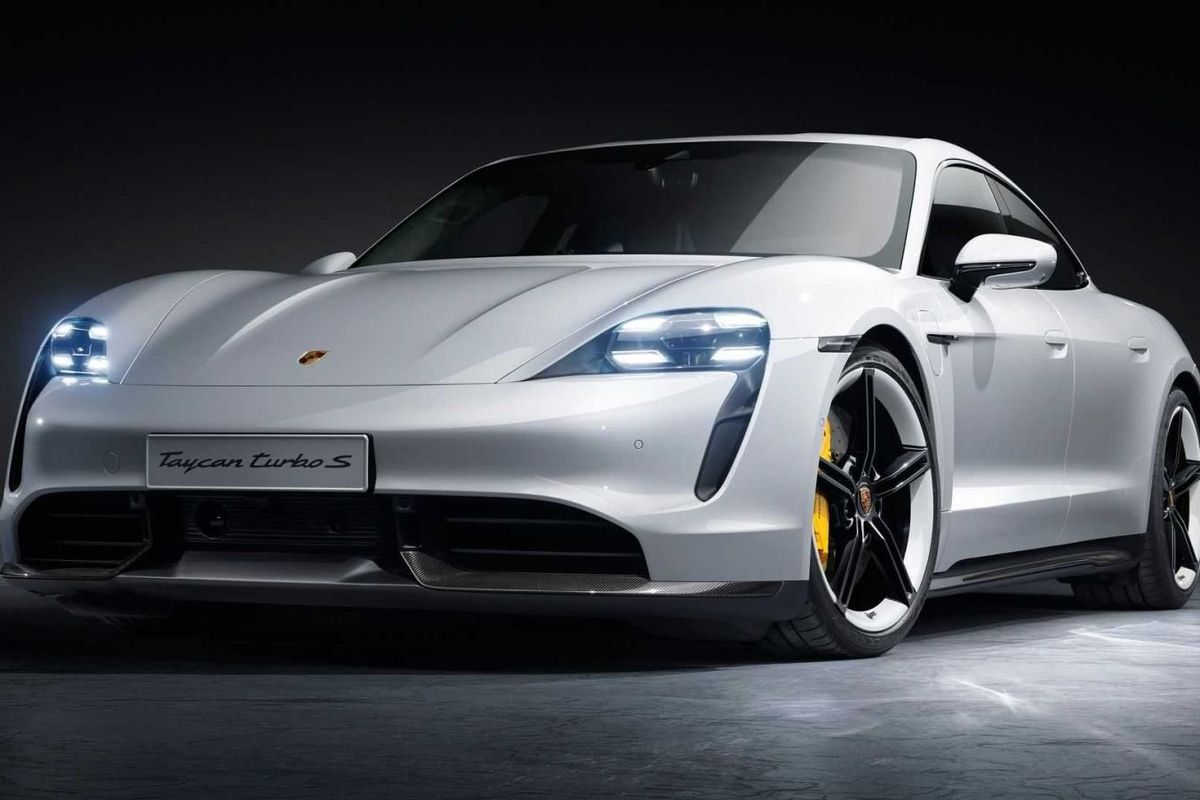
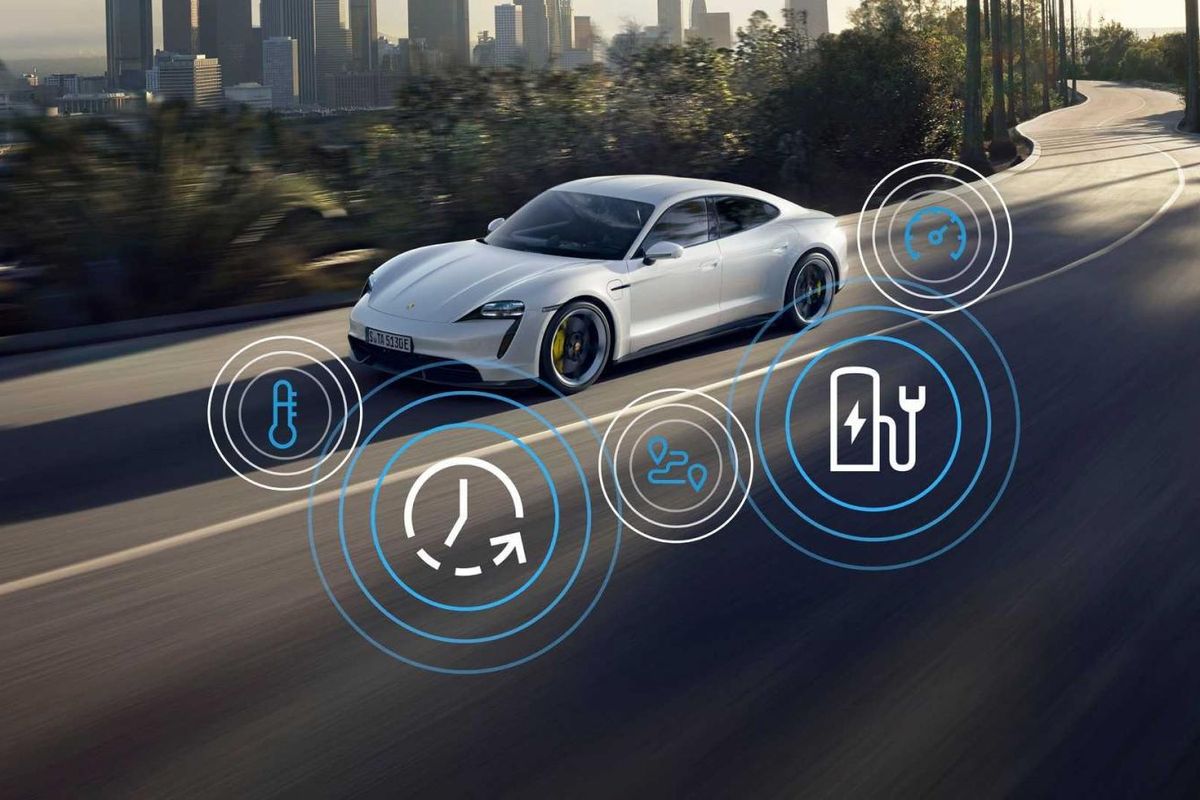
Porsche Taycan Turbo S Updated for 2021
Porsche has given its Taycan Turbo S an update. Here's what's new.
Given how quickly battery tech and software advances, it should come as no surprise that car manufacturers are rolling out updates faster than ever. First on the list of updates are more choice of colours, with eccentric names like Mahogany Metallic, Frozenberry Metallic, Cherry Metallic, Coffee Beige Metallic, Chalk, Neptune Blue and Ice Grey Metallic.
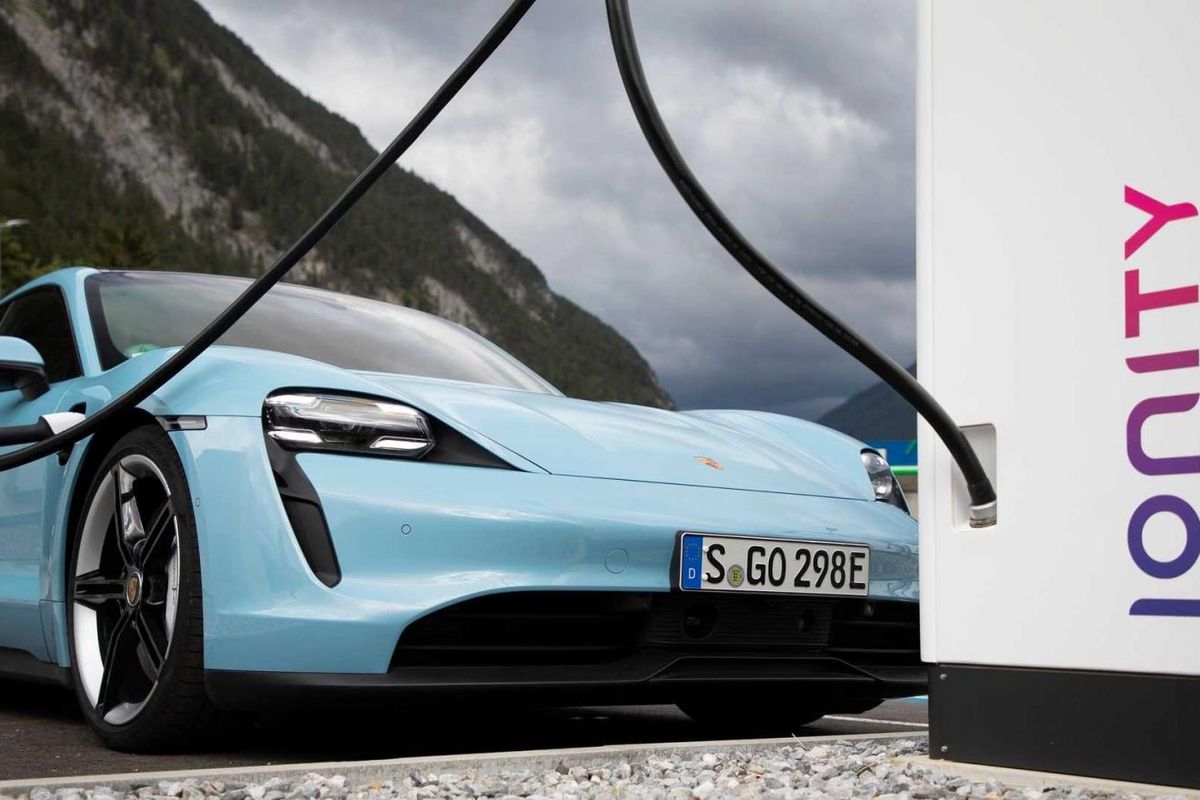
The 2021 Porsche Taycan features a new Plug & Charge function which allows for convenient charging negating the need for a card or an app. Essentially, the car talks to the charger and charging and payments happen automatically.
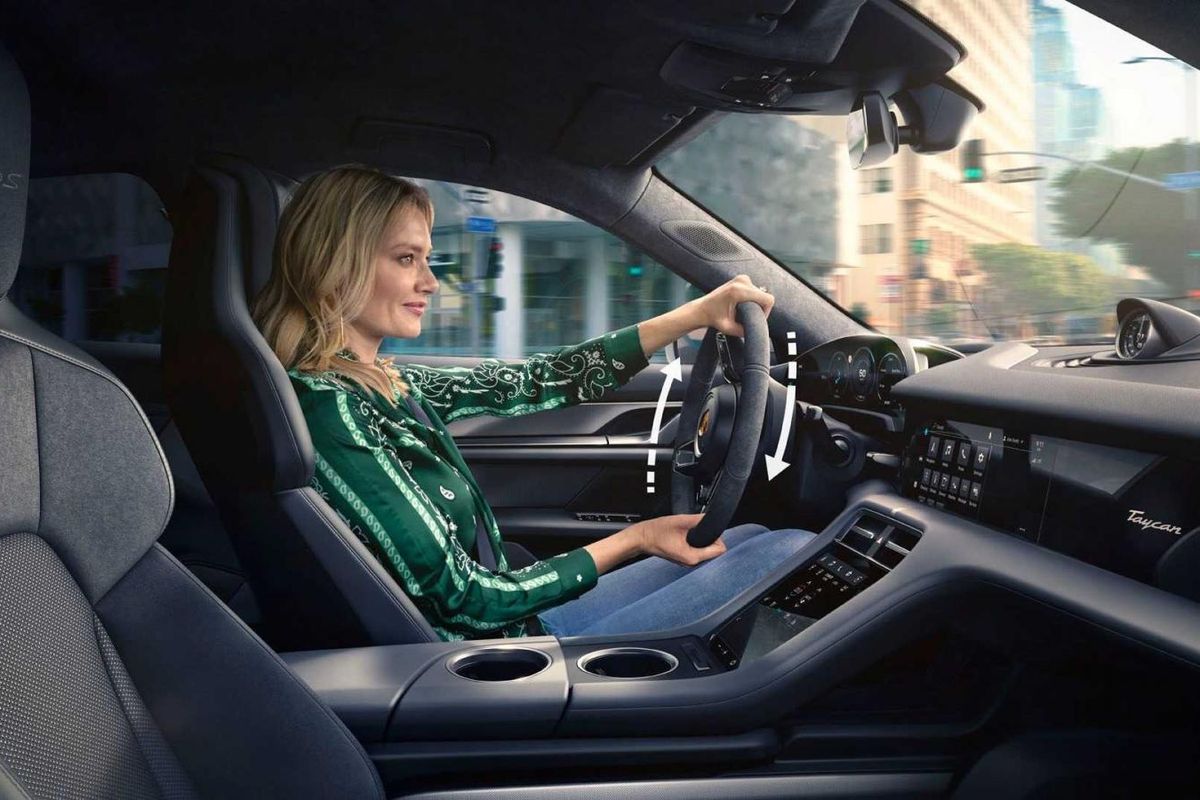
Porsche is also offering functions on demand, a head-up display as well as an onboard charger with a capacity of up to 22 kW. Adaptive air suspension will feature Smartlift capability in the future, which is clever as the car can be taught to raise its nose over speedbumps.
Performance fans will be delighted to hear the Turbo S is now even faster. With its launch control functionality, it bests its 0-200 kph time by 0.2 seconds, taking just 9.6 seconds to hit this figure. It also shaves a tenth of a second off its quartermile time, taking just 10.7 seconds to complete this distance.
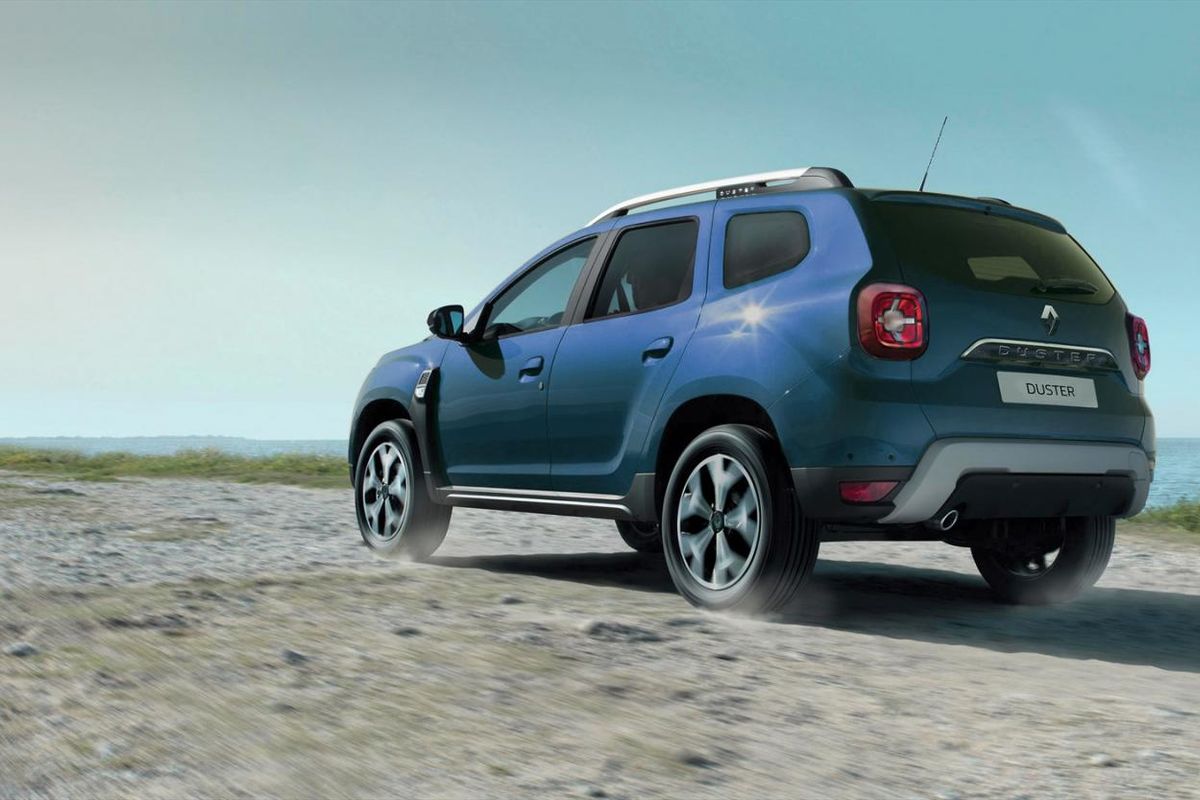
Renault Duster TechRoad In SA (2020) Specs & Price
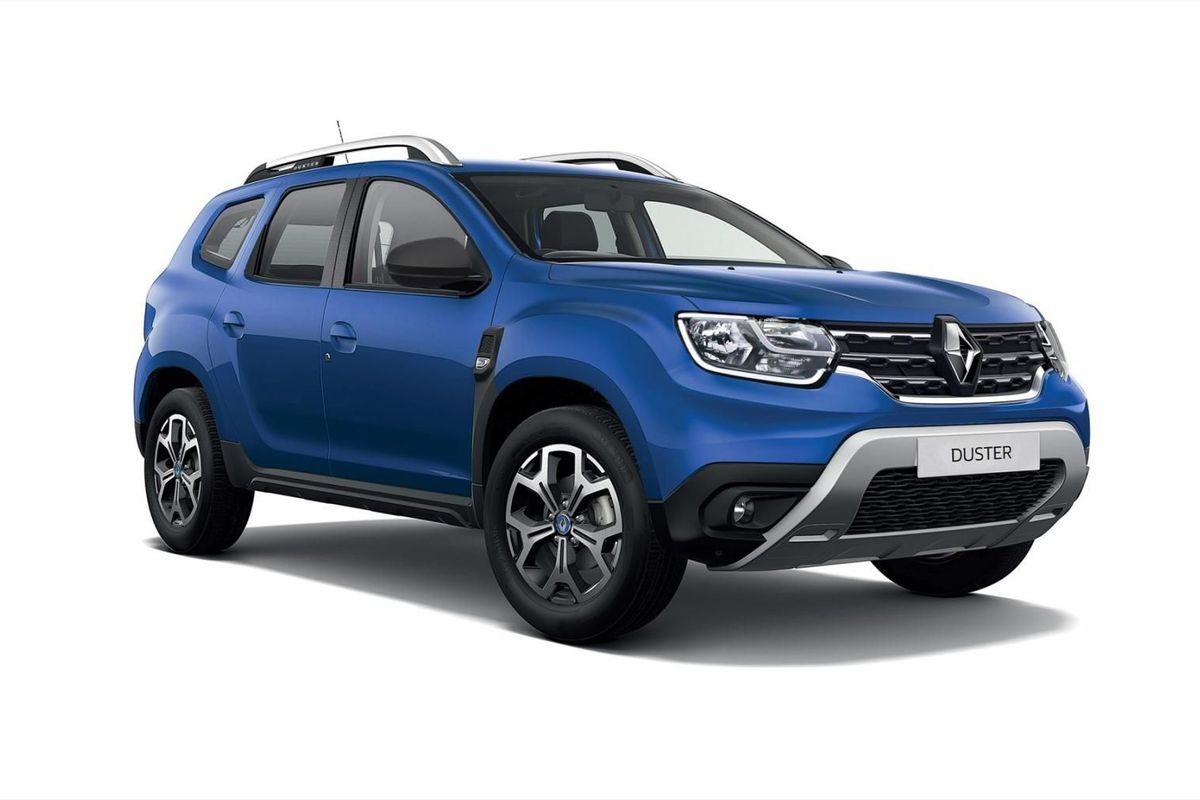
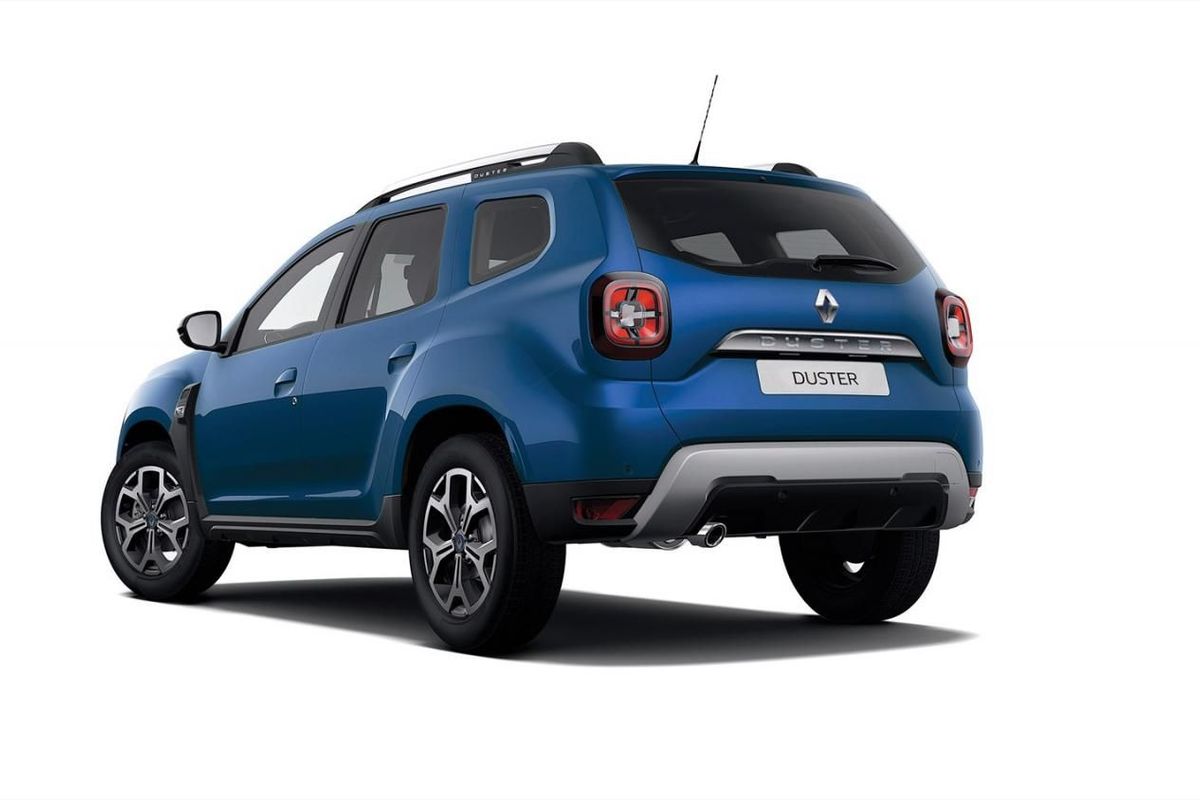
Renault has expanded its Duster SUV range in South Africa with the introduction of the Duster TechRoad. See what’s on offer below…
The Duster SUV has proven to be hugely popular in South Africa thanks to the combination of its rugged styling and practical interior. More than 21 000 Dusters have found a home in Mzansi since the model’s launch in 2013.
Now, Renault has introduced the Duster TechRoad to the South African market.
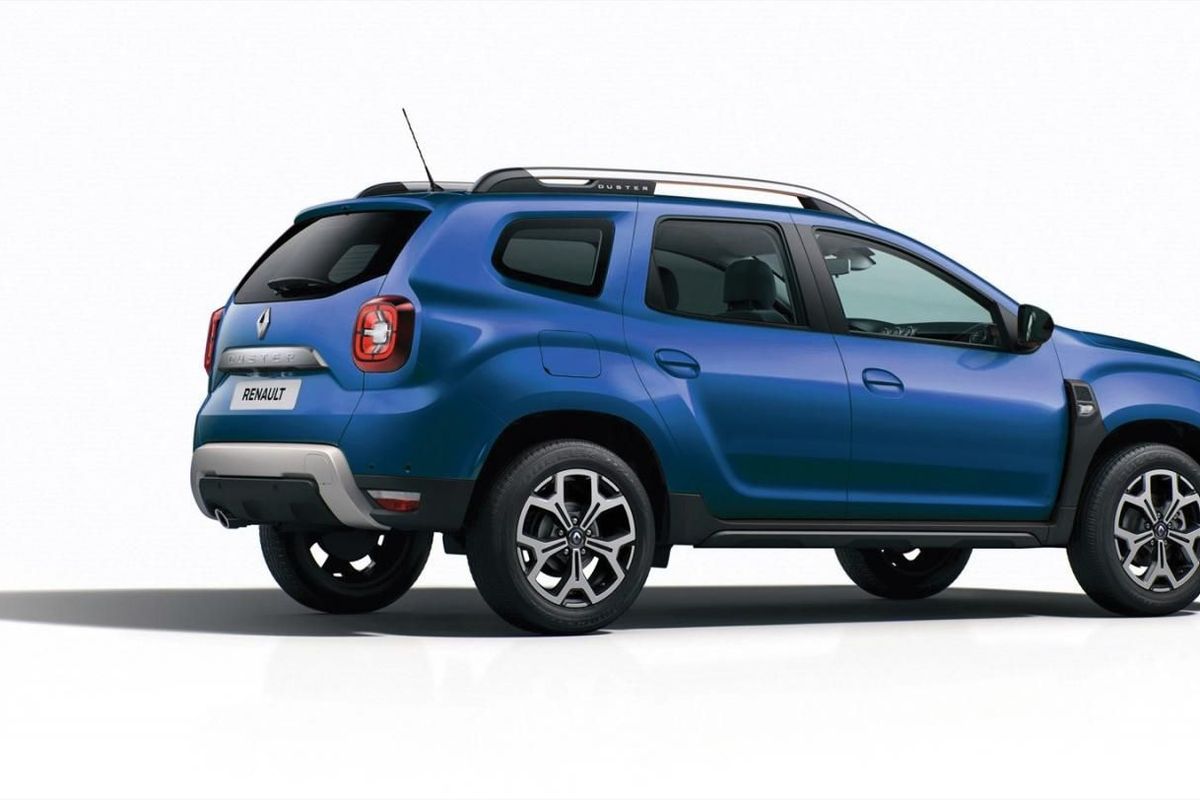
The Duster TechRoad can be identified by its 17-inch diamond-ct alloy wheels with blue caps, silver roof rails, front and rear skid plates and chrome trim seen on the grille. The new derivative also gains TechRoad badging, shiny black side mirrors and patterned stripping on the side doors.
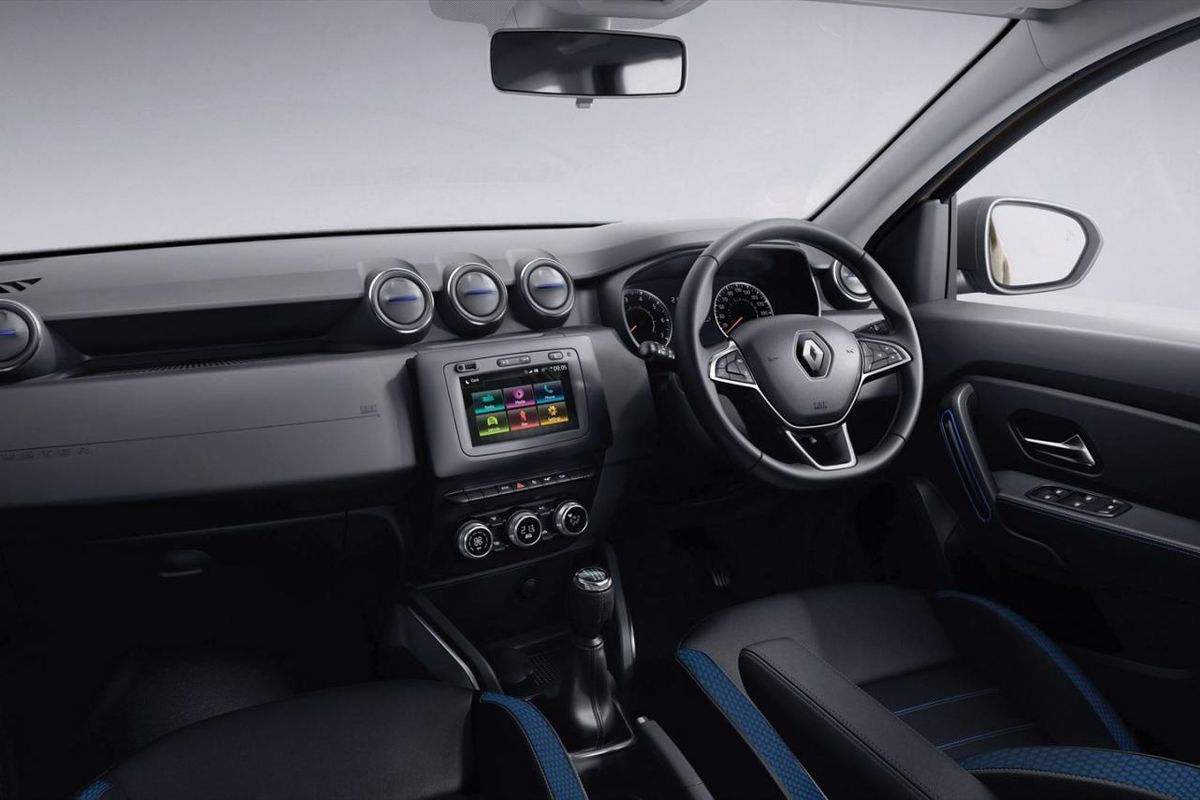
The interior gains blue trim detailing seen on the seats as well as blue trim accents on the door grab handles and air vents. The central infotainment system provides integrated navigation as well as Apple CarPlay and Android Auto functionality. Automatic climate control air conditioning is standard as is cruise control with a speed limiter. The Duster TechRoad is also equipped with rear park distance control and hill start assist.
The Duster TechRoad is offered in conjunction with Renault’s 1.5-litre turbodiesel engine which offers 66 kW and 210 Nm of torque when equipped with a 5-speed manual transmission in 4×2 guise. If you opt for the EDC automatic, outputs increase to 80 kW and 250 Nm.
The Duster can also be had in 4×4 guise with the 1.5-litre turbodiesel engine tuned to deliver 80 kW but with 260 Nm of torque with a 5-speed manual transmission.
A naturally-aspirated 1.6-litre petrol engine with 84 kW and 156 Nm is also available as an entry-level offering.
Renault Duster (2020) Price in South Africa
Duster 1.6 Expression 4×2 – R278 900
Duster 1.5 dCi TechRoad 4×2 – R316 900
Duster 1.5 dCi TechRoad EDC 4×2 – R350 900
Duster 1.5 dCi Dynamique 4×4 – R350 900
Duster 1.5 dCi Prestige EDC 4×2 – R363 900
The Renault Duster is sold with a 5-year/150 000 km warranty, 3-year/45 000 km service and a 6-year anti-corrosion warranty.