Seven seats and lots of power. Is it necessary? You bet…
Although camouflage has kept the new GLB 45 AMG disguised during its final validation testing, we now have a better idea of the styling upgrades this new crossover will offer.
The GLB is an interesting compact performance vehicle from AMG. Unlike most of Mercedes-Benz’s large SUVs, the GLB rides on a smaller platform, yet retains the ability to seat seven occupants. In its segment, this seven-seater configuration makes it rather unique.
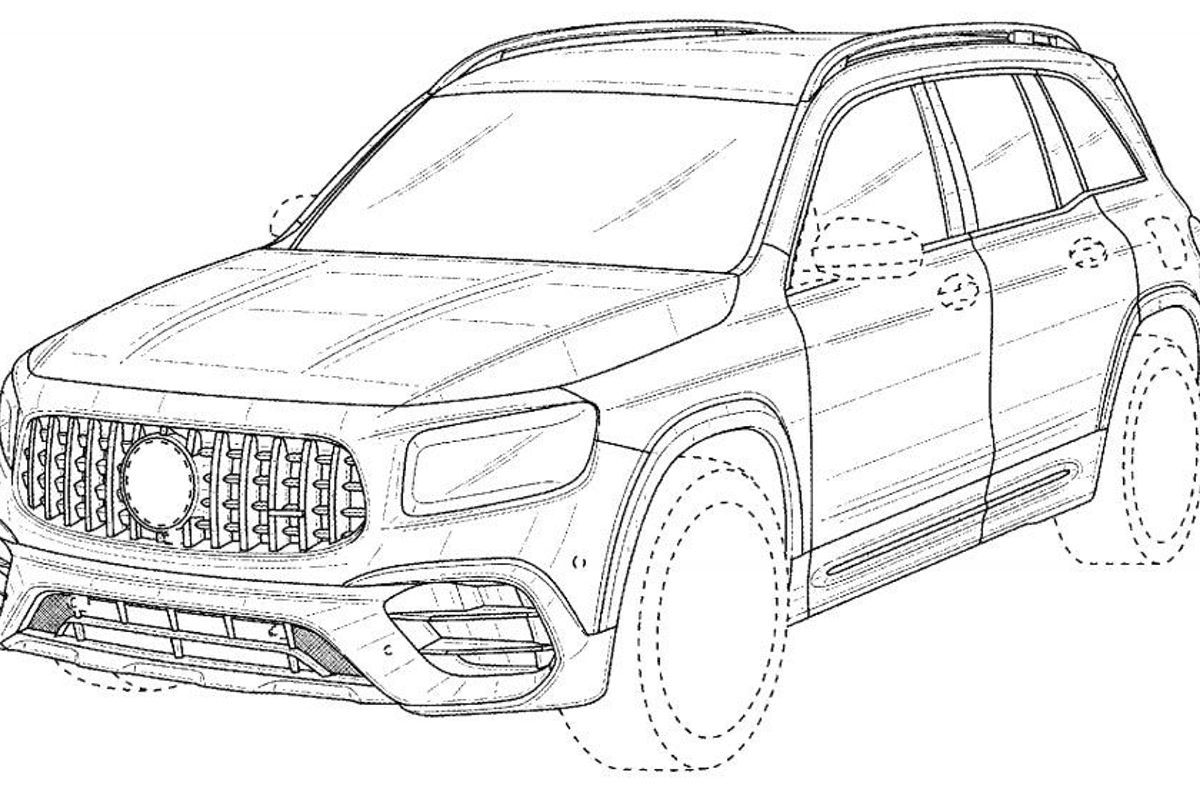
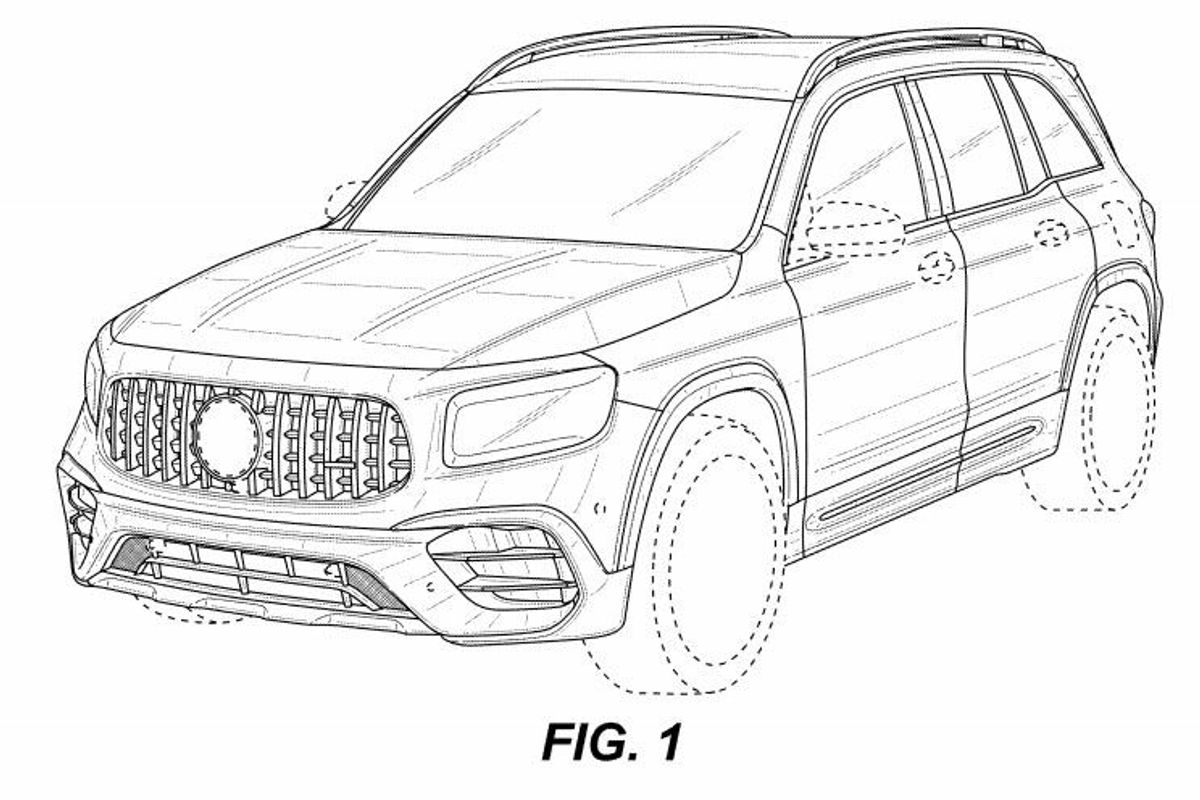
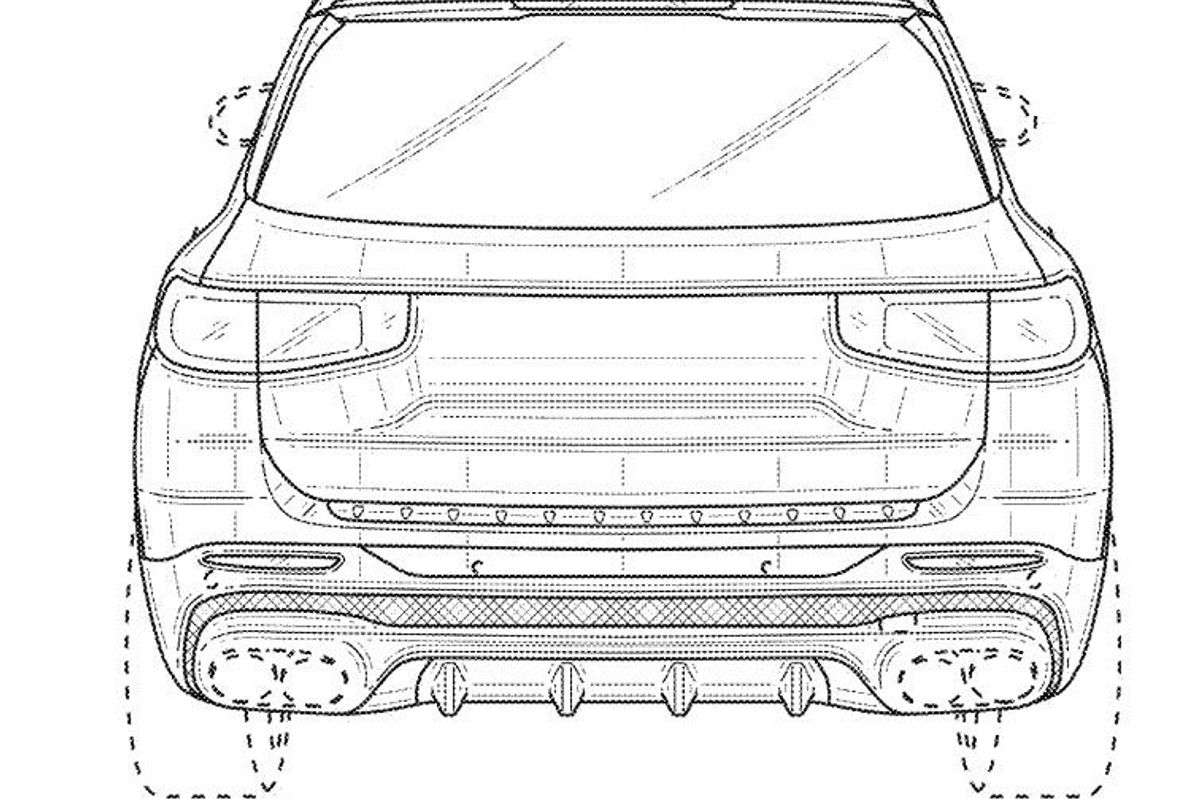
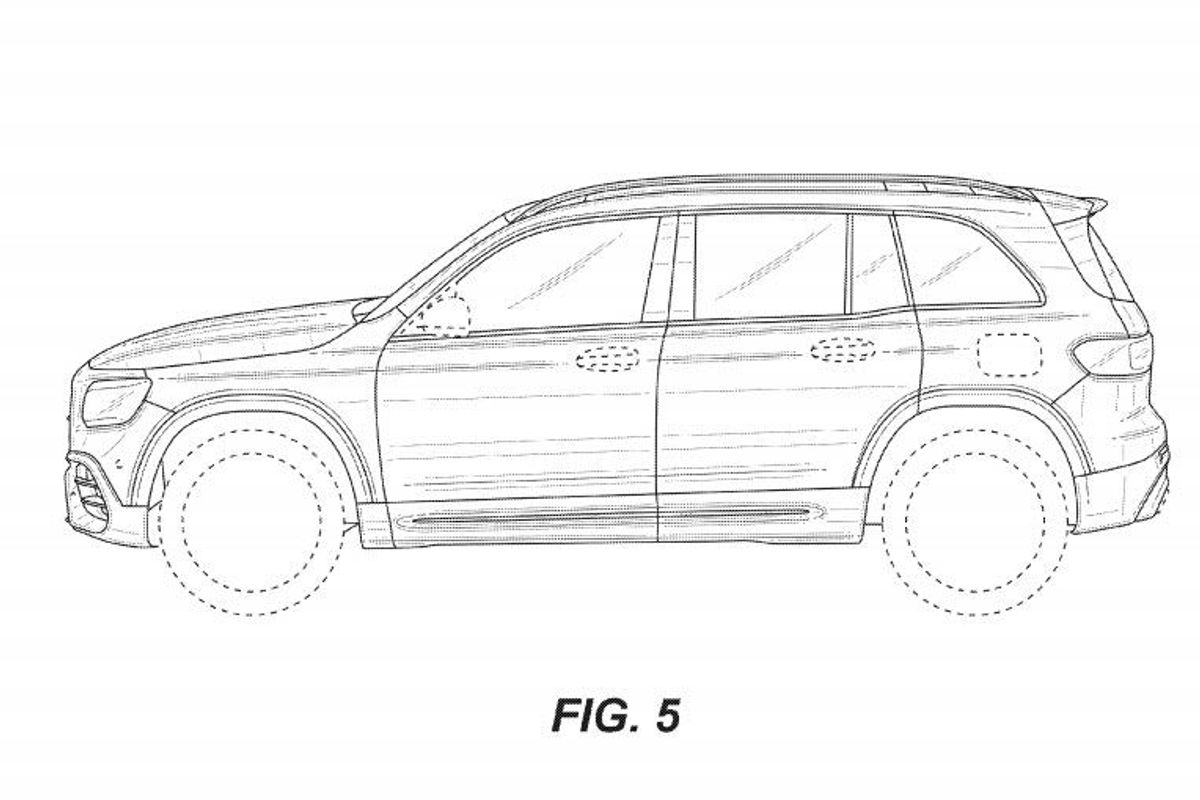
Patent registration drawings which have now been filed with US authorities, detail some of the exterior design changes between GLB 45 AMG and its slower siblings.
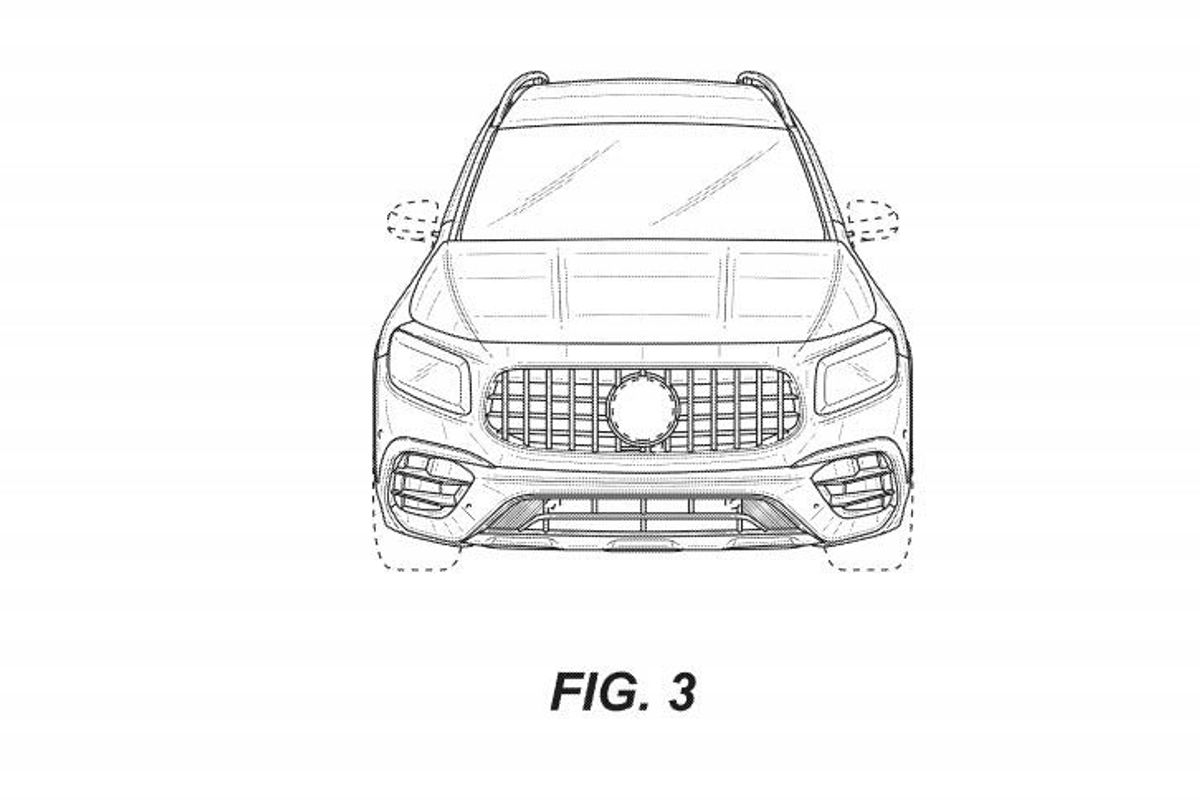
As one would expect, the 45-series GLB features many of the styling elements seen on AMG’s 35 version, which has already been launched. The brand’s Panamericana grille dominates GLB 45’s front aspect, framed by an oversized bumper section, with deep aero ducts.
Those large air intakes are entirely necessary, as AMG’s GLB 45 is powered by the world’s most potent 2-litre engine. AMG’s M139 engine boosts 310 kW and it requires a high-volume of cooling airflow, facilitated by the huge grille and bumper design, seen in these GLB 45 patent sketches.
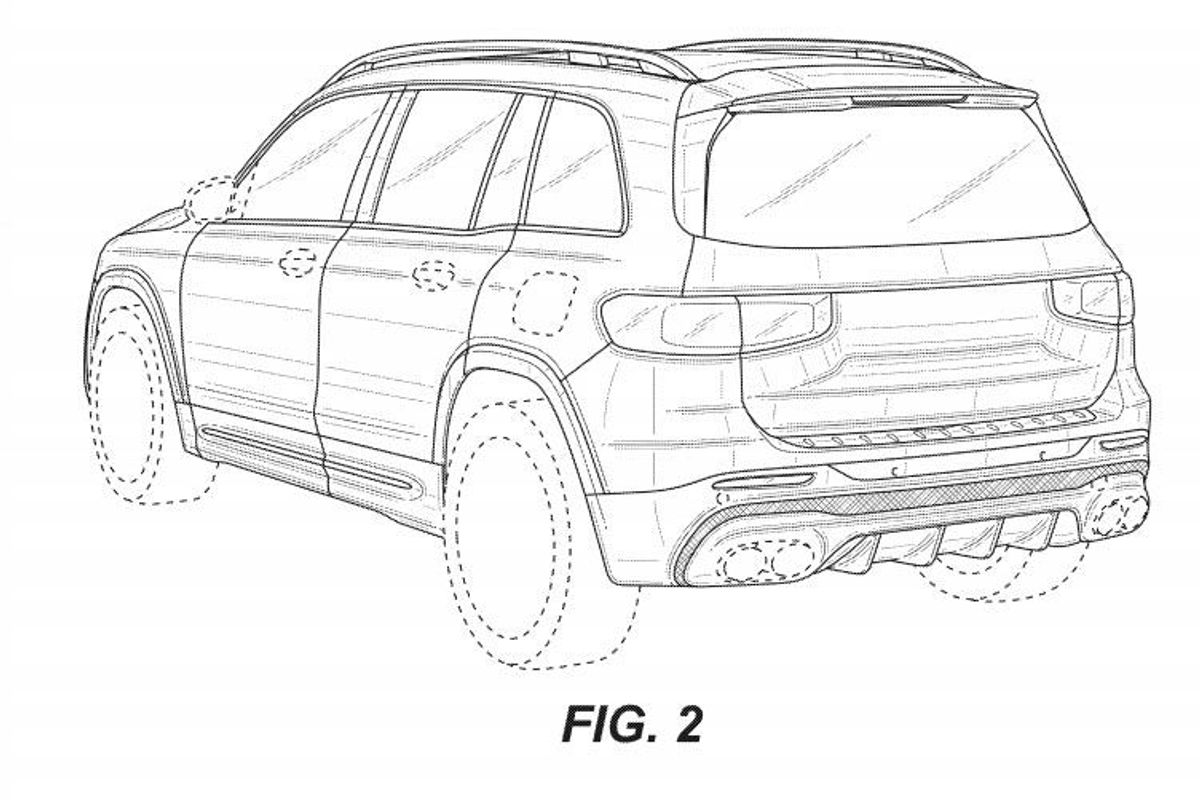
The crossover’s rear section is dominated by a large functional diffuser, which should accelerate airflow under the GLB 45 AMG, reducing rear-axle lift at very high speeds. Home in on this diffuser a bit and there are quad exhaust ends, which has always been a mark of distinction on AMG’s most potent vehicles.
Perhaps the easiest way to tell the GLB 35 and 45 apart, is from the rear, where the more potent version has those iconic four exhaust ends, while the ’35 only features two exhaust outlets.
These patent drawings indicate that Mercedes-Benz is in an advanced stage of its global homologation process, for the new GLB 45 AMG. Official images of AMG’s potent new seven-seater performance car should start leaking soon.
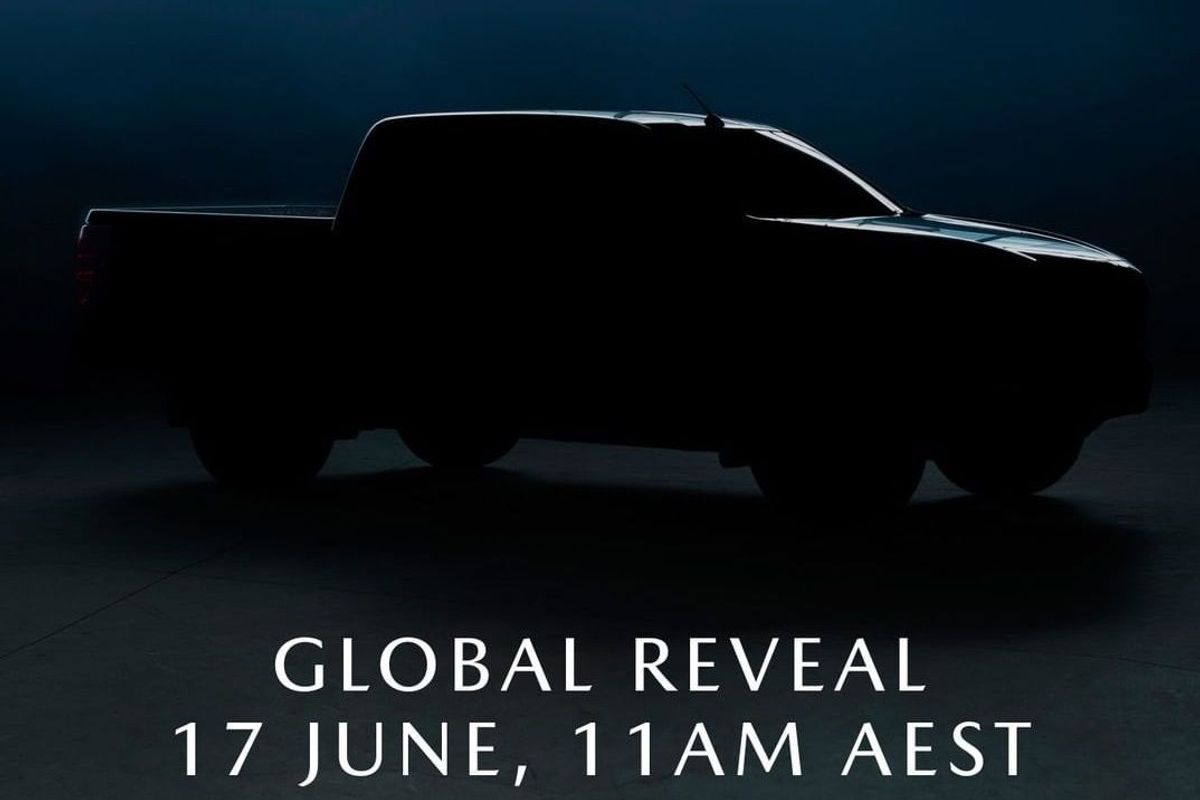
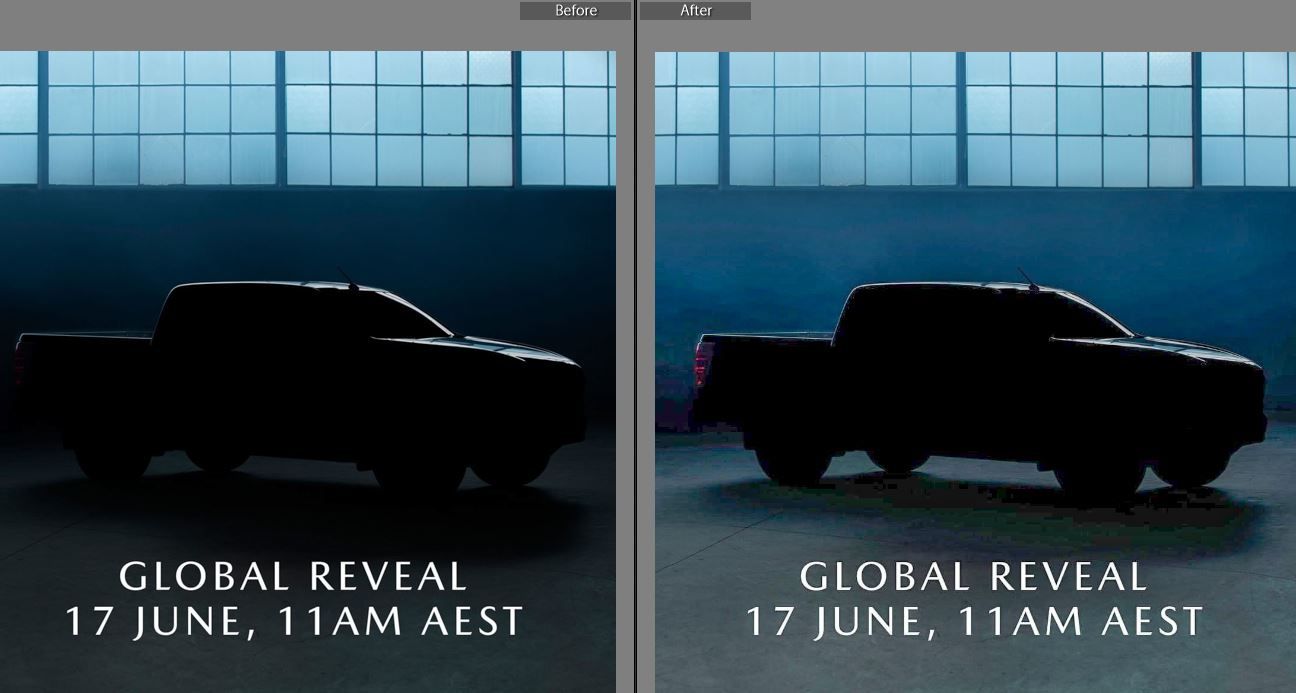
Mazda Australia has posted a teaser photo of what looks a lot like the all-new BT-50 bakkie on Instagram. Here's what we know about the newcomer.
With the dark shadowy image you see here, the tagline of "Something huge is coming. Tune in on 17 June, 11am AEST? (Australian Eastern time) for the global launch of a once in a generation Mazda. Set? your reminder now," was at the bottom. Cryptic indeed, but there's no denying that trademark shape of a bakkie.
The all-new Mazda BT-50 has been a long time coming, we at Cars.co.za last sampled one back in 2017!
So what do we know about the newcomer? The big news is the all-new Mazda BT-50 will be built using the new Isuzu D-Max platform. This marks the end of the 48-year relationship between Ford and the Japanese brand as previous iterations of the BT-50 were built on the Ford Ranger platform. The question you're all wondering is just how different will the new Mazda BT-50 be compared to the Isuzu D-Max?
If CarAdvice is on the money, it's understood that there "will be no significant under-the-skin differences between the new Isuzu D-Max and the new Mazda BT-50." Under the bonnet is likely to be a revised version of Isuzu's current 3.0-litre turbodiesel motor packing 140 kW and 450 Nm.
Watch this space as the reveal is scheduled for the 17th June 2020. We'll be watching. Mazda South Africa has indicated that it does plan to bring this new-generation BT-50 to South Africa but can't confirm as to when it will arrive. Despite the Isuzu D-Max similarity and local manufacturing plant in Port Elizabeth, Mazda will continue to import its future BT-50 bakkies from Thailand.
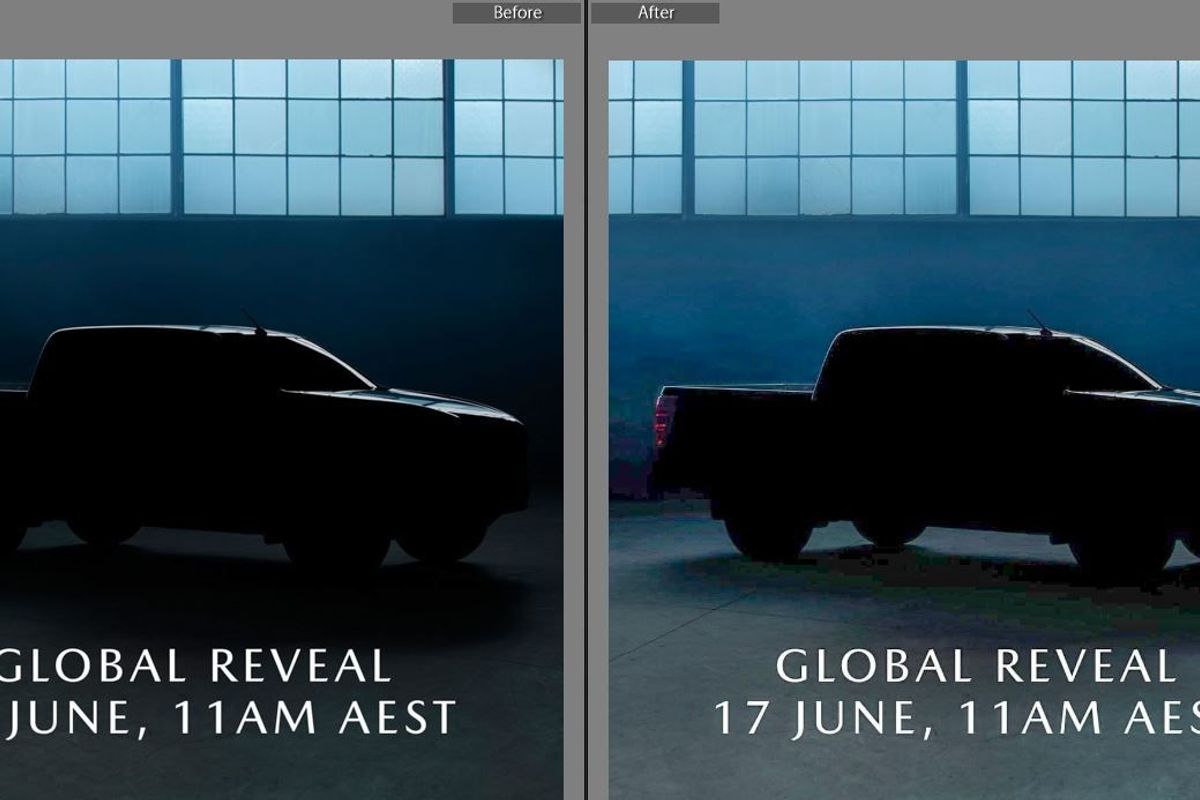
We tried to work our digital magic in an effort to see more detail…
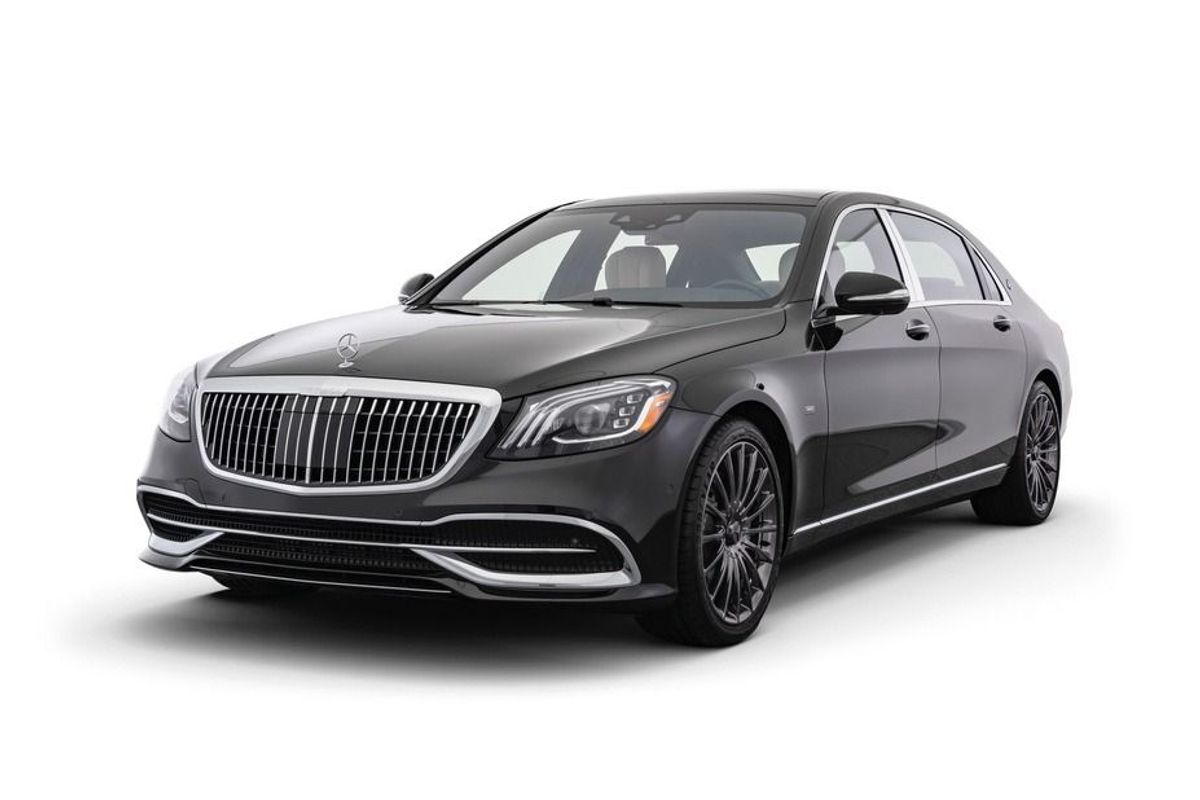
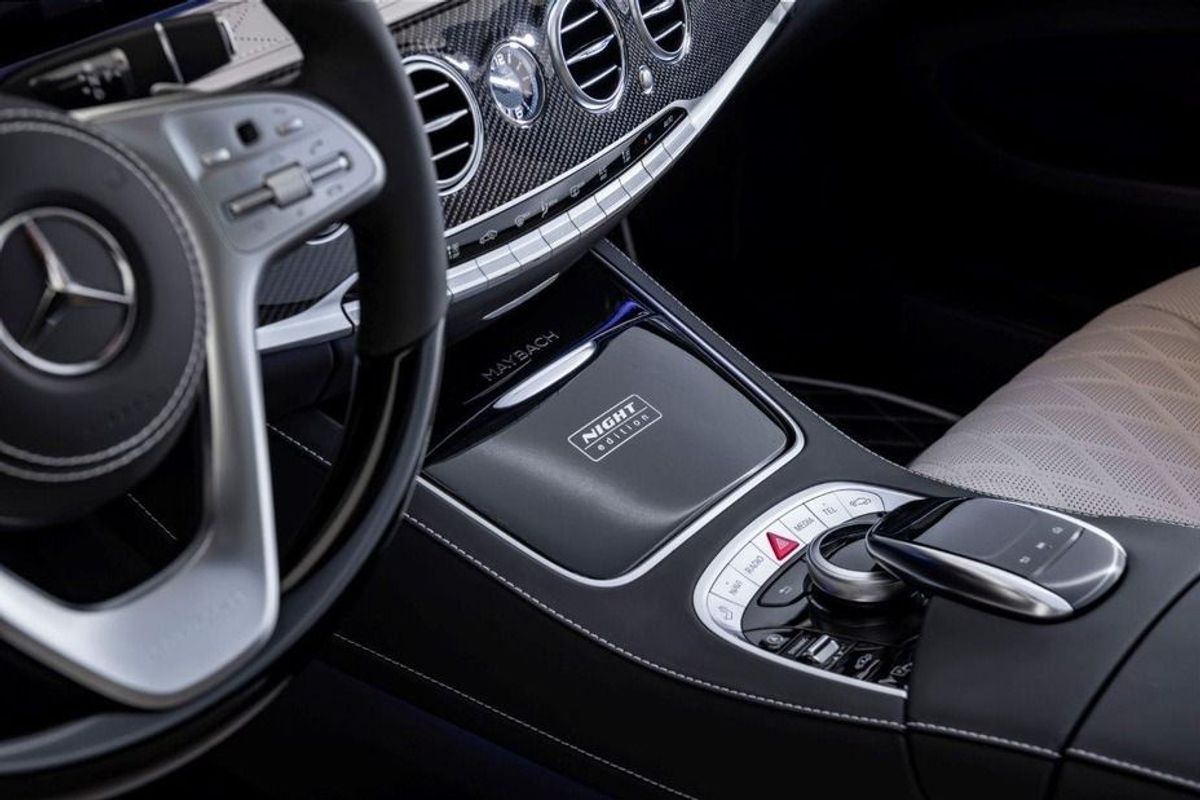
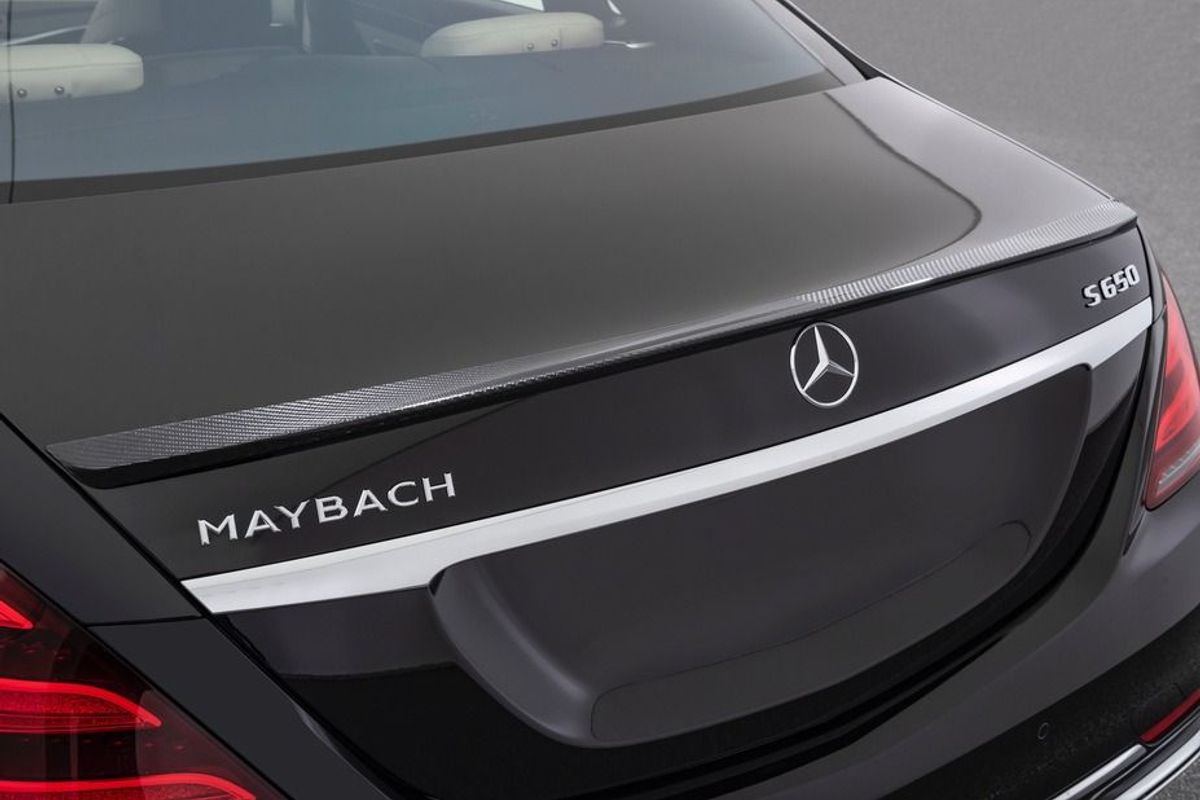
A V12 sits at the pinnacle of Mercedes-Benz’s engine line-up, but probably not for much longer. In light of this, the 6.0-litre bi-turbo V12-engined S650 Maybach Night Edition is a rousing send-off for the W222-generation S-Class. It may be the last first-class sedan of its kind.
Anticipation is building steadily ahead of the official unveiling of the W223-generation S-Class. Last month, Mercedes-Benz revealed the front-end design of its next-generation first-class sedan during an online presentation featuring Daimler chief executive Ola Kallenius, who confirmed that the new first-class sedan would still be revealed (and go into production) this year. Click here to read that report.
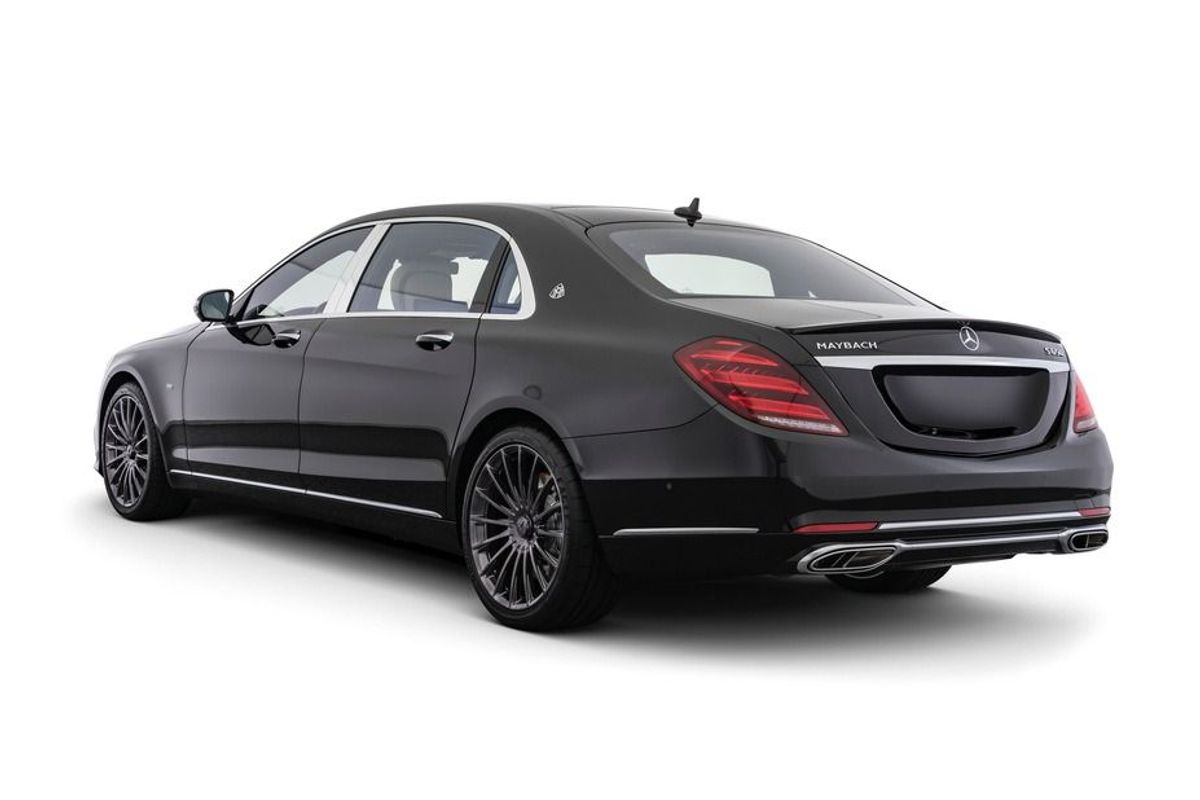
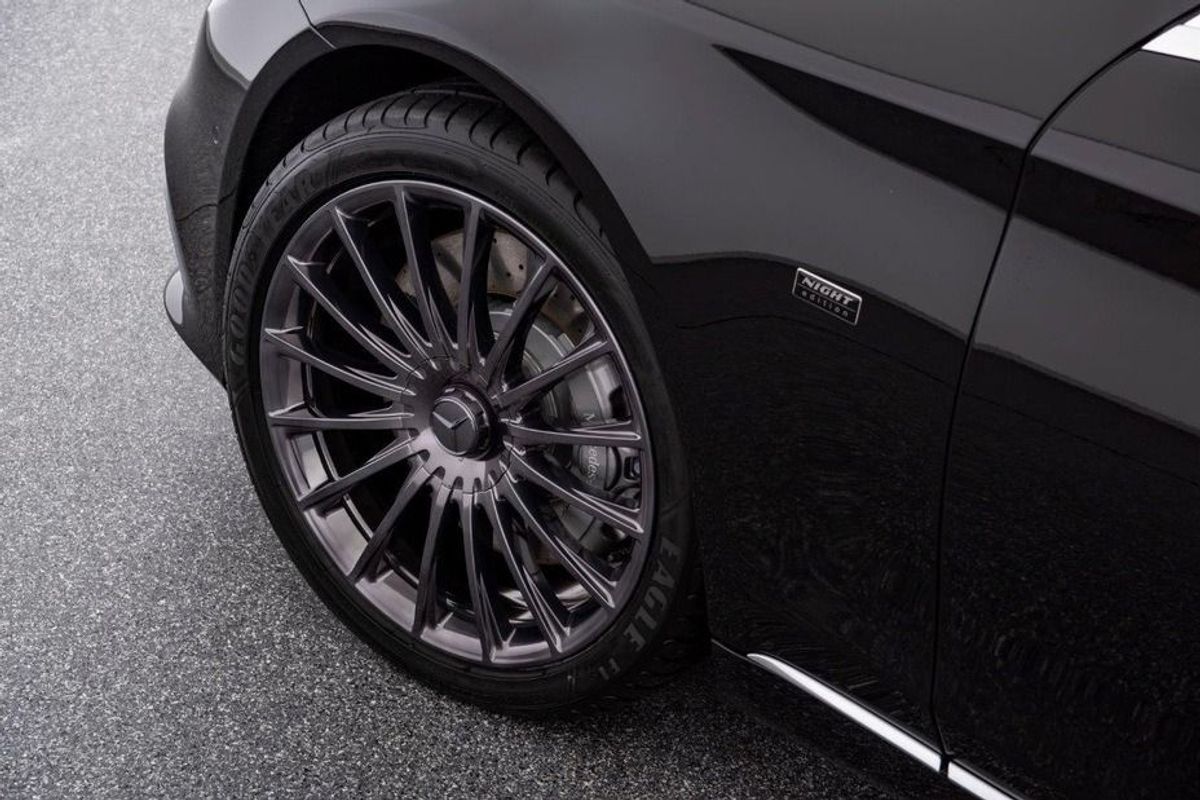
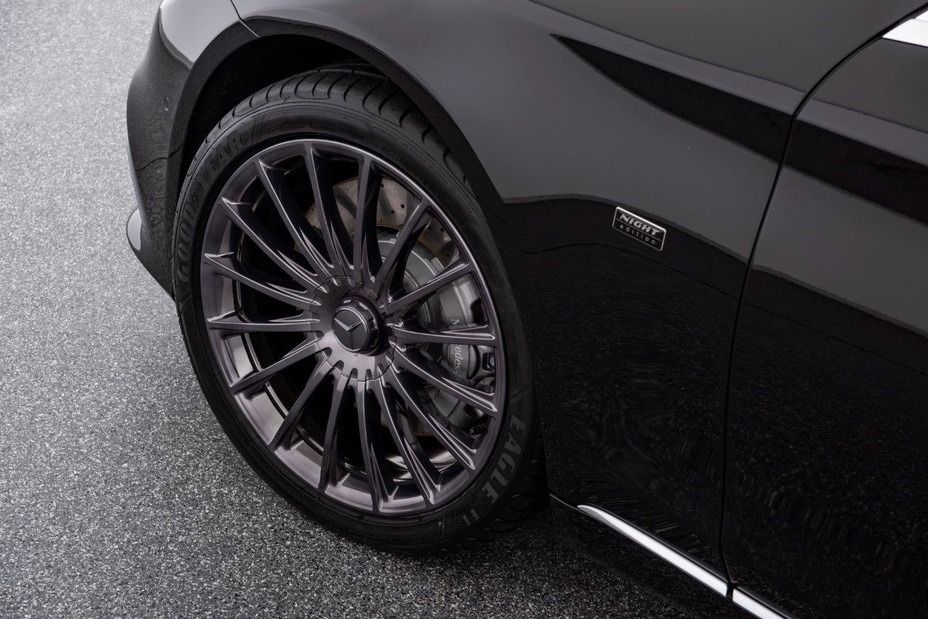
The S650 Night Edition comes shod with "smoked" 20-inch alloys and features distinctive badging on its front fenders.
Meanwhile, it was reported that the Three-pointed Star’s archrival, BMW, would phase out its 6.6-litre V12 engine, which features only in the M760Li xDrive, later this year. Another version of the motor will live on in Rolls-Royce models, but it was telling that the Munich-based brand did not install it in the new 8 Series. Mercedes-Benz, meanwhile, has not made a statement about the future of its V12, but Mercedes-AMG famously stopped producing models equipped with the 463 kW/1 000 Nm M279 powerplant when it launched the S65 Final Edition last year.
Based on our information, the next-generation S-Class (and its Mercedes-Maybach derivatives) will be underpinned by a 48V mild-hybrid electric architecture. Engines will include a 3.0-litre inline-6 turbopetrol and a 2.9-litre inline-6 turbodiesel, but the headlining powerplant will probably be a beefed-up AMG twin-turbocharged 4.0-litre V8 (with electric assistance) – not a V12.
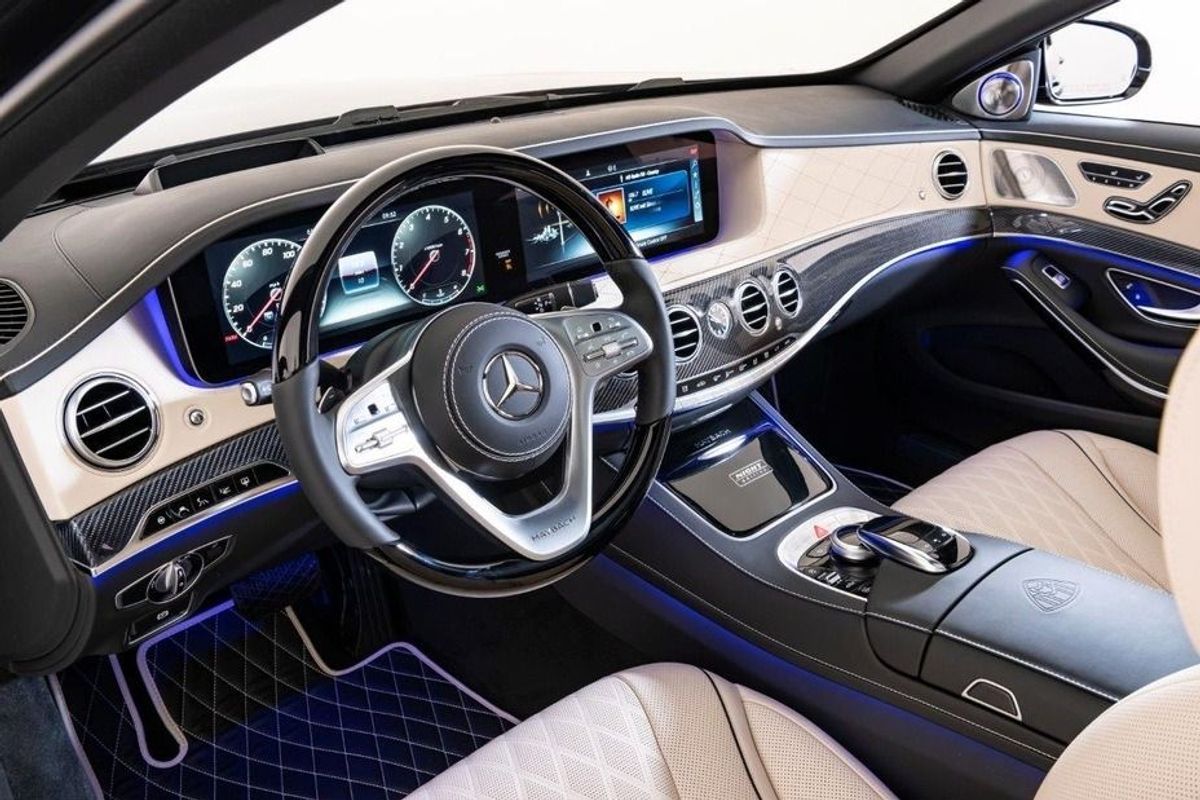
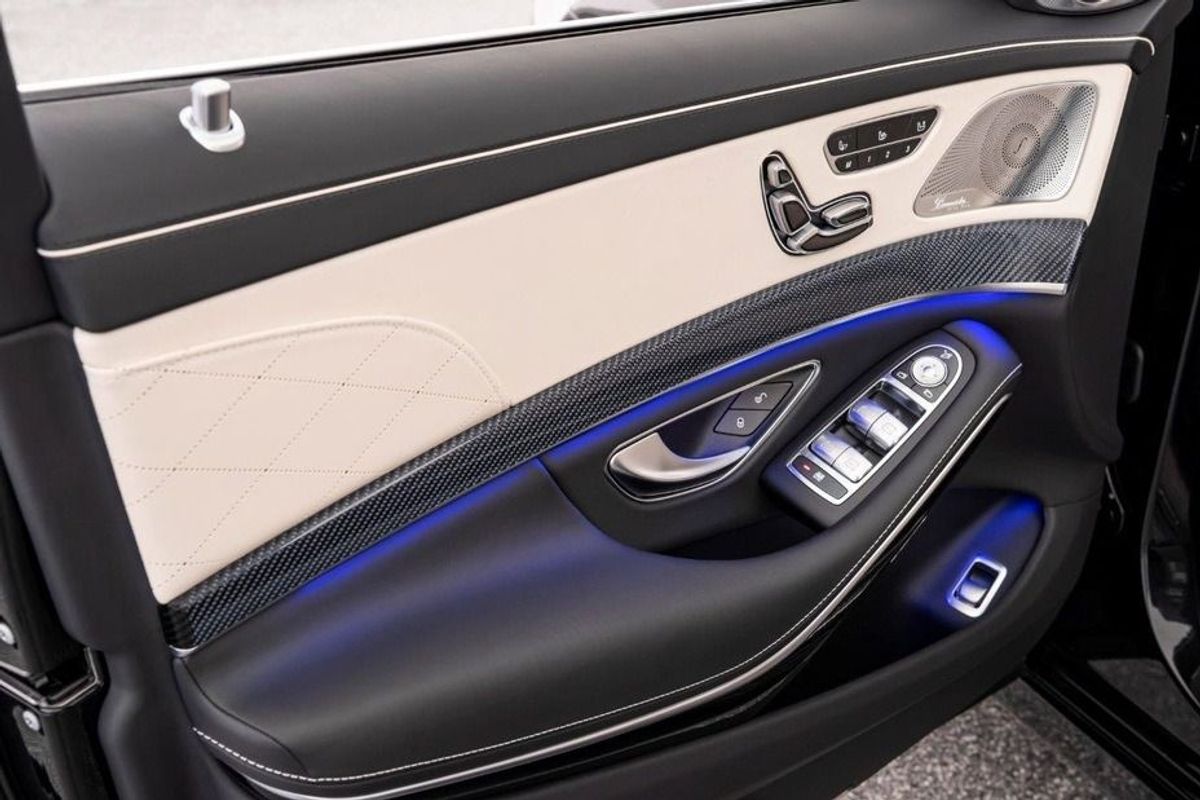
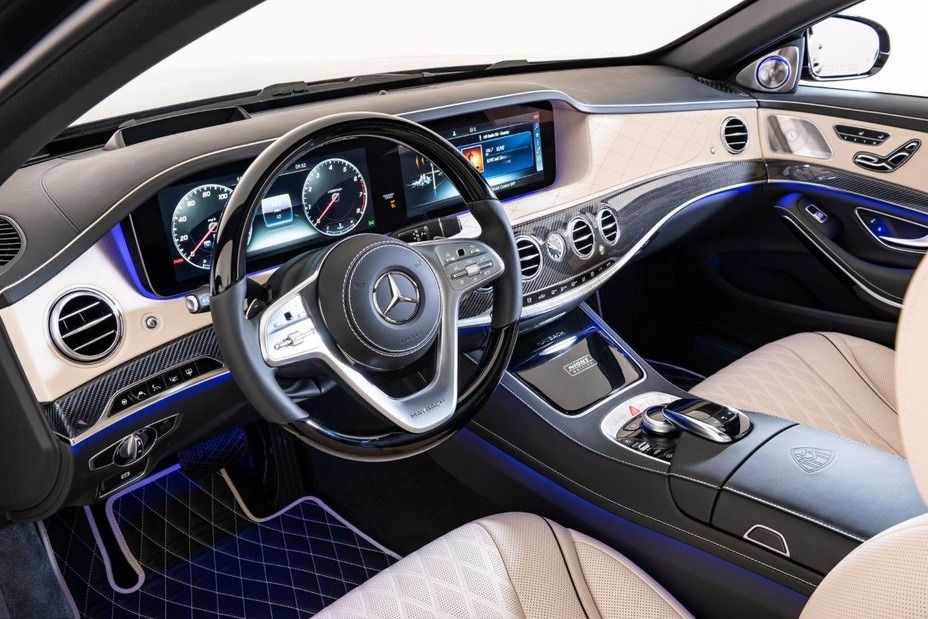
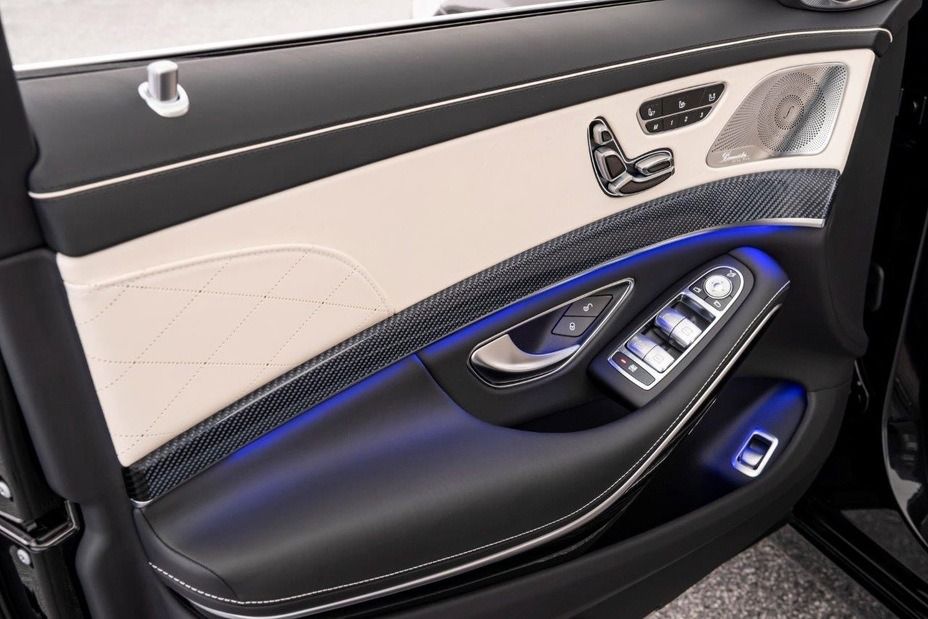
Dual-tone Nappa leather upholstery really "pops" in combination with the violet interior lighting.
The S600 sedan, coupe and cabriolet and Mercedes-Maybach S650 remain the only V12-engined Benzes on sale today, but they won’t be available for much longer. If you are one of the lucky few (15, in North America only) to procure the S650 Maybach Night Edition, you will – in all likelihood – have the privilege of owning the last V12-engined Benz to be officially released.
Powered by the aforementioned handcrafted 6.0-litre bi-turbo V12 engine producing 463 kW and 1 000 Nm, the long-wheelbase Night Edition is festooned in distinctive black and carbon-fibre elements and, if you are in a hurry to get somewhere, whisk you from 0 to 100 kph in 4.6 sec. If you are at all concerned with its average fuel consumption, this is clearly not the car for you.
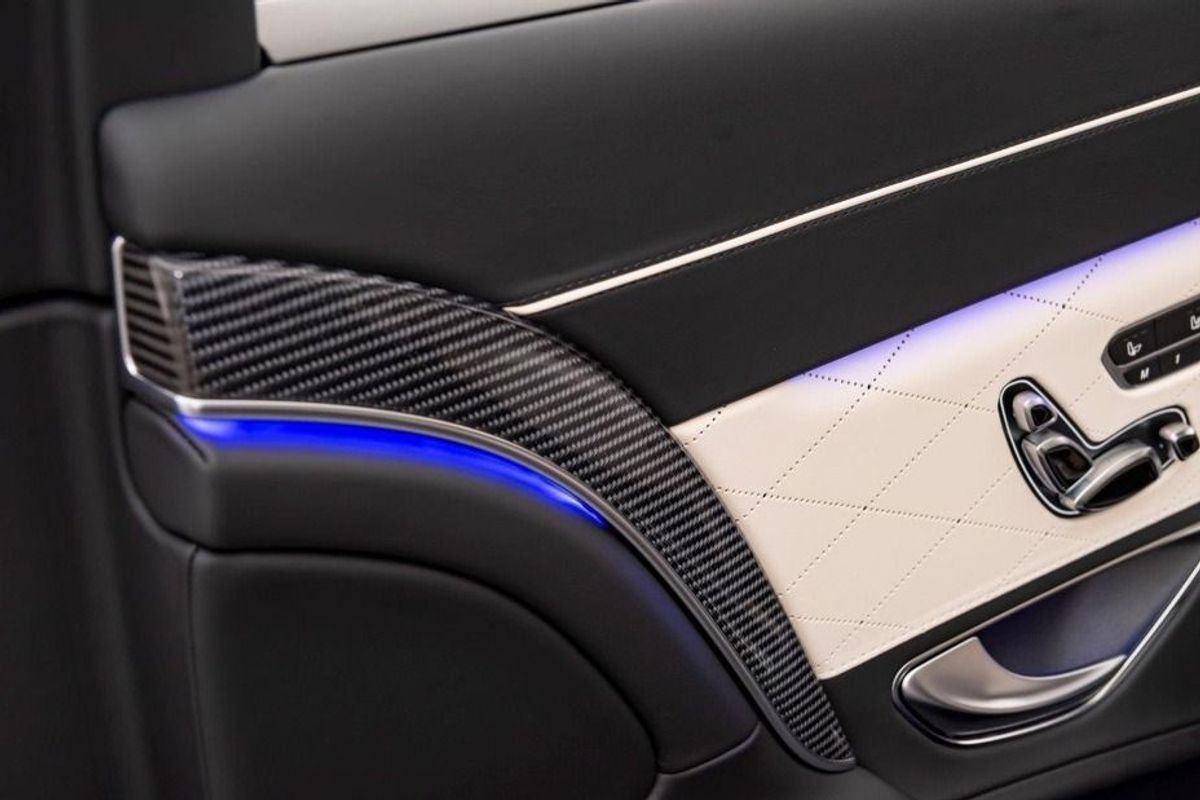
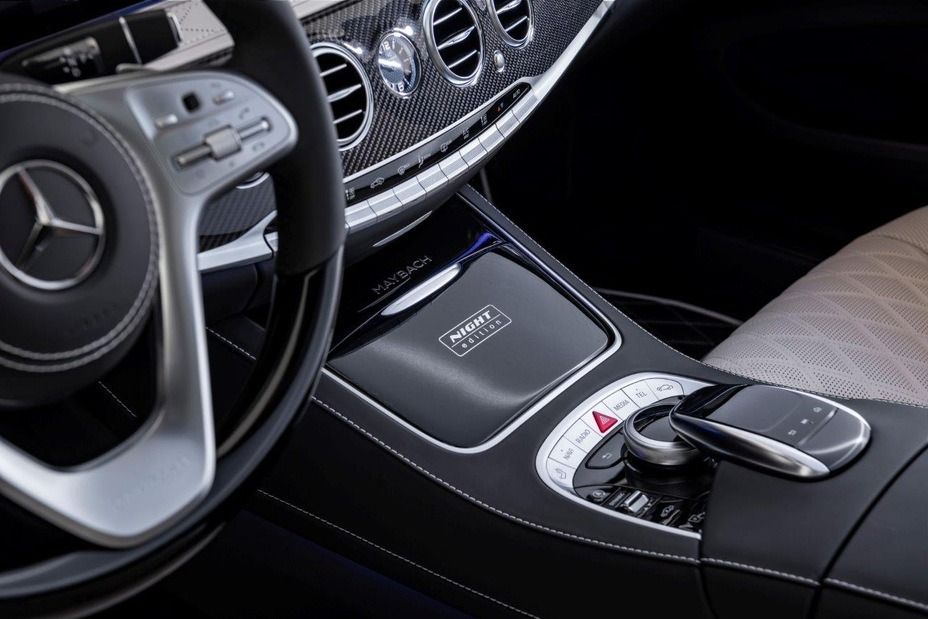
Lashings of carbon-fibre trim combine nicely with the ebony/piano black trim and metallic switchgear.
Its key exterior accoutrements include a Maybach (as opposed to a standard S-Class) grille featuring the brand’s lettering, “smoked” 20-inch forged wheels and a carbon-fibre rear spoiler, but the Obsidian Black sedan’s lavishly-appointed and -styled interior is the starring attraction.
In addition to the S650 standard specification, which includes the LED intelligent-light system with ultra-wide-beam headlamps and adaptive high-beam assist, Magic Body Control, Airmatic adaptive air suspension, a head-up display, driver-assistance package, night-view assist plus and a Burmester 3D surround sound system, the Night Edition’s interior is finished in exclusive Nappa leather (a combination of Porcelain and Black) matched with interior carbon-fibre trim.
Quilted leather and a Burmester 3D surround sound audio system; nothing less than the best for Benz's flagship S-Class.
Apart from the wood/leather-trimmed steering wheel, leather-covered door sills and seat consoles, extended interior ambient lighting, all 4 seats feature a massage feature, while rear occupants can recline in a pair of executive seats with a 43-degree recline angle and electrically-powered calf rests. It goes without saying that a rear entertainment system is availed.
The package is completed by Night Edition leather floor mats and a black boot mat with contrast edging; Night Edition badges adorn the sedan’s front fenders and interior trim.
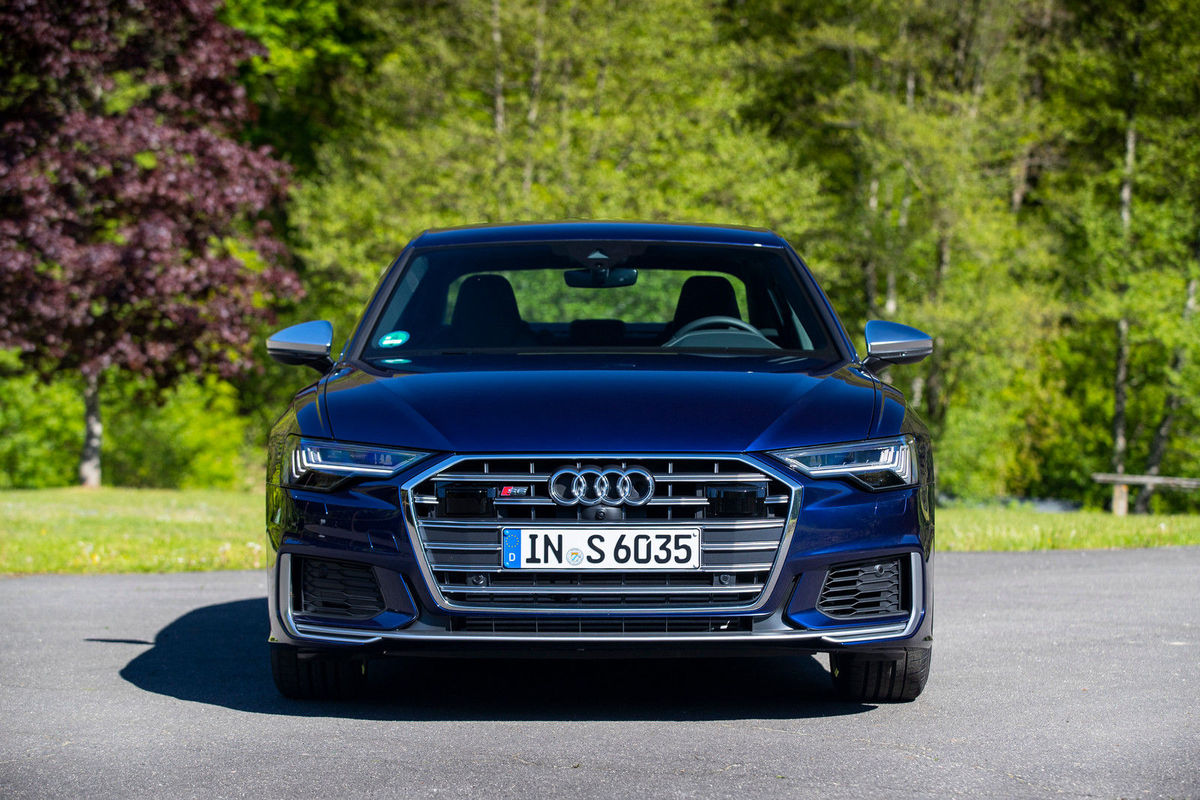
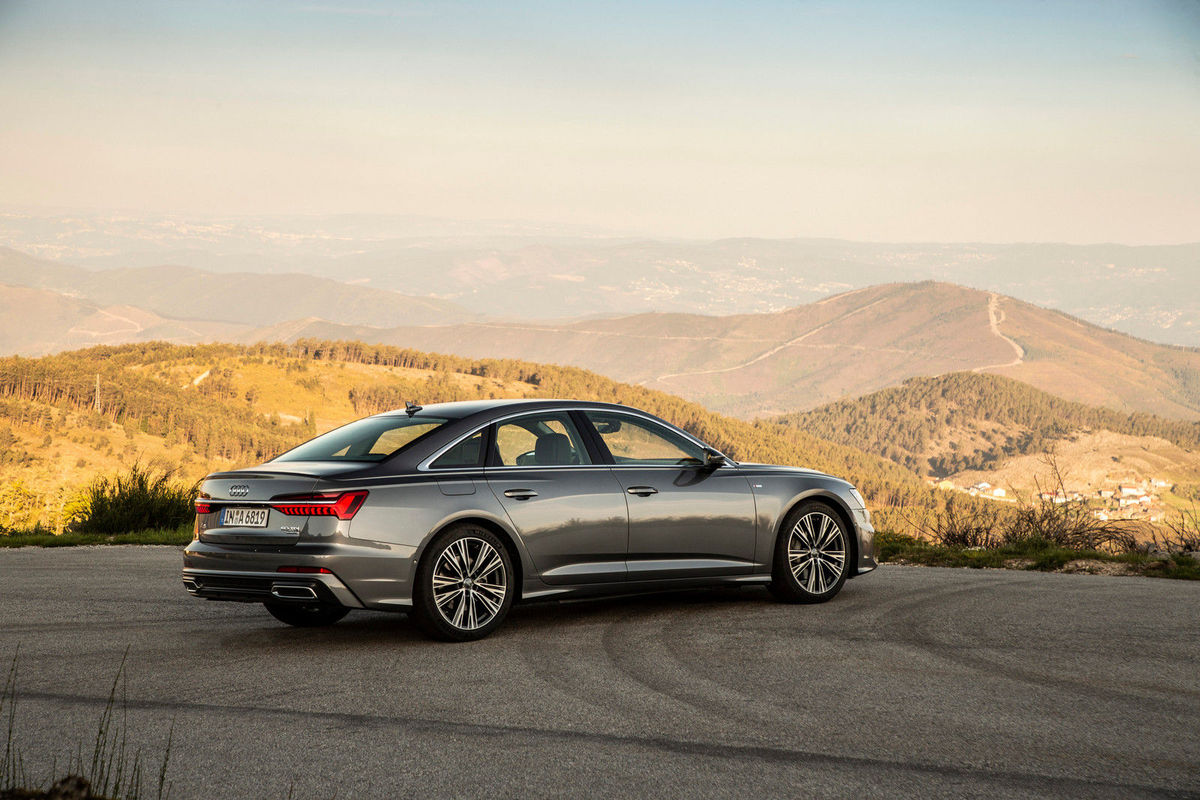
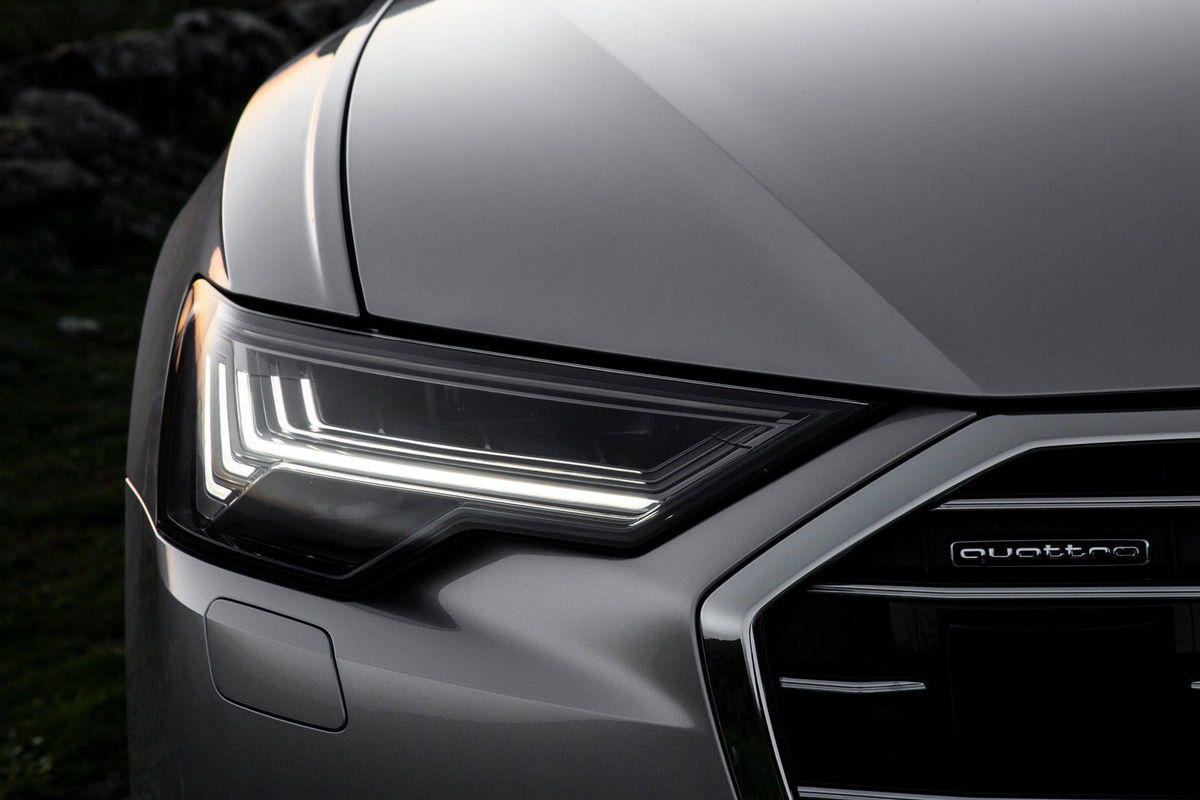
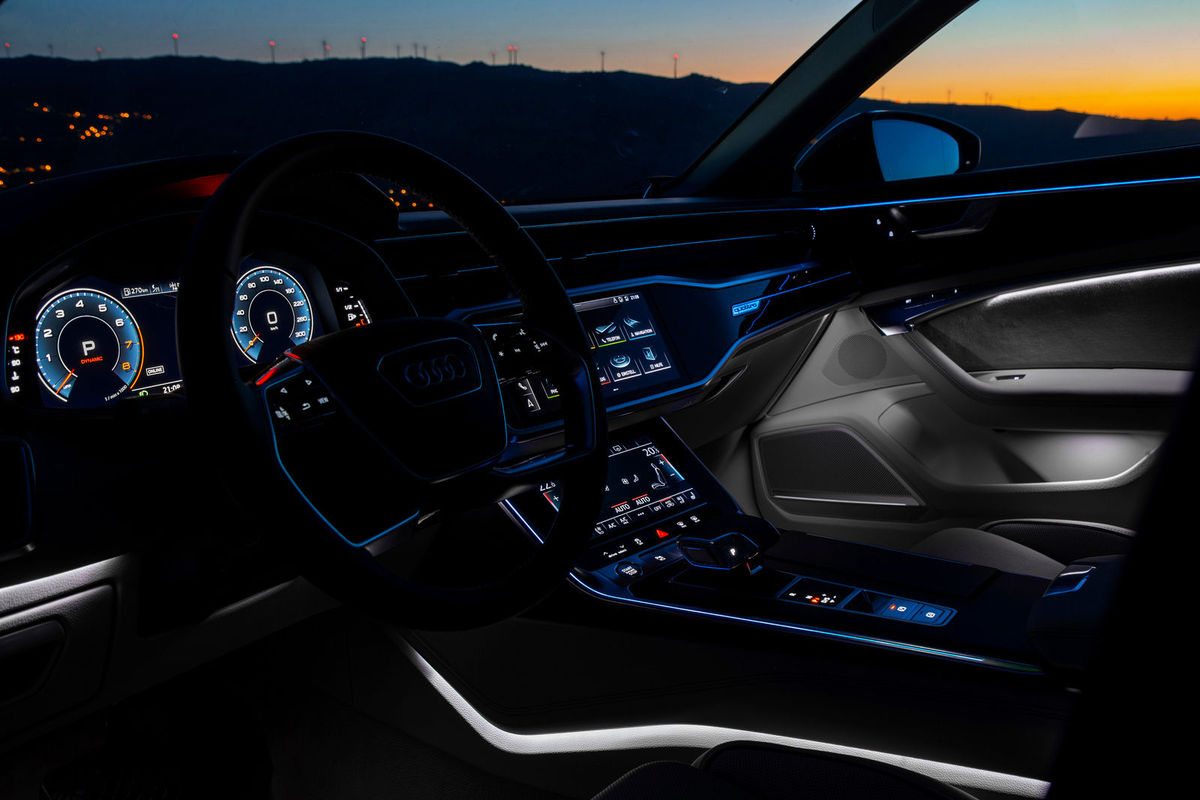
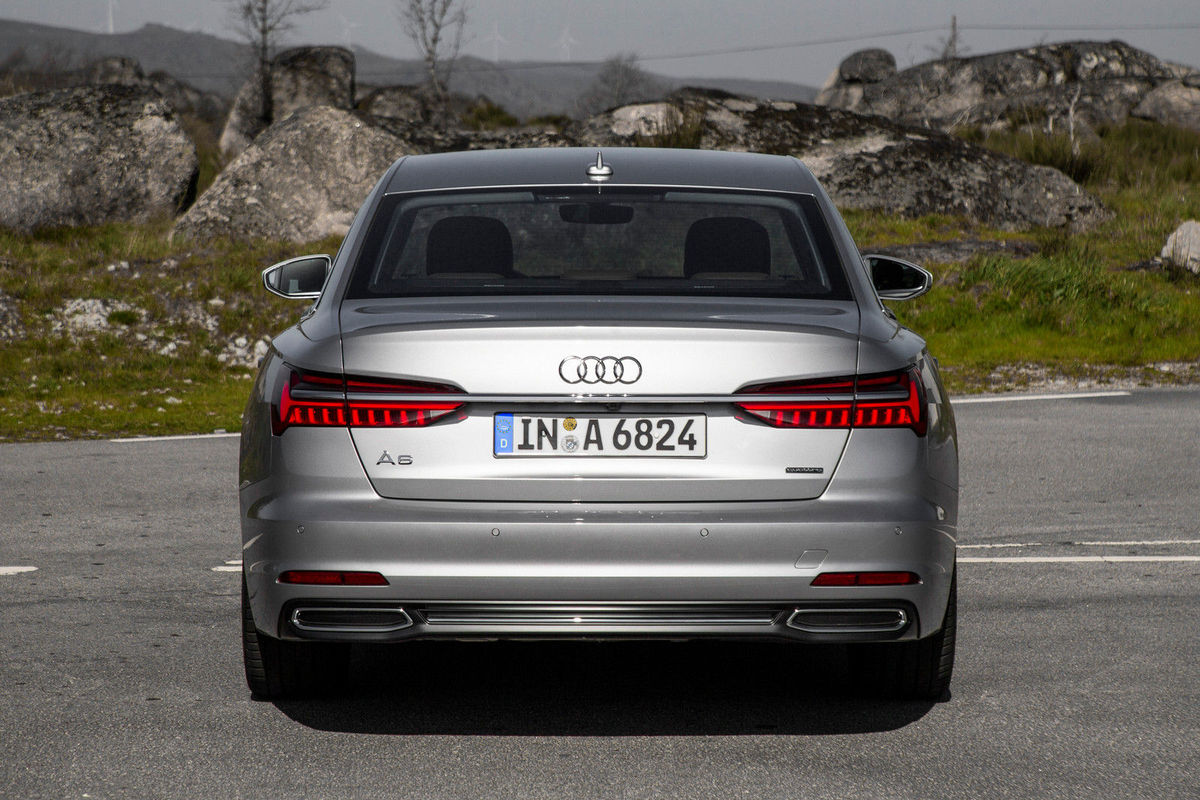
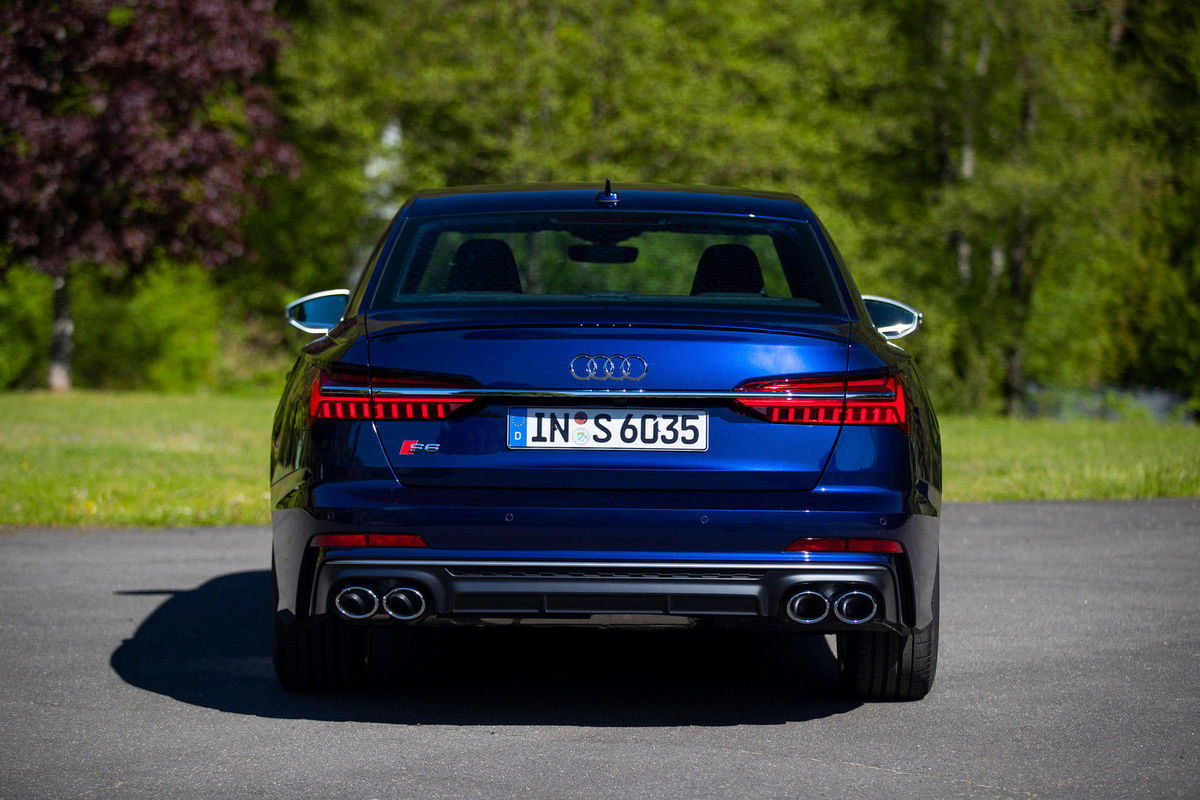
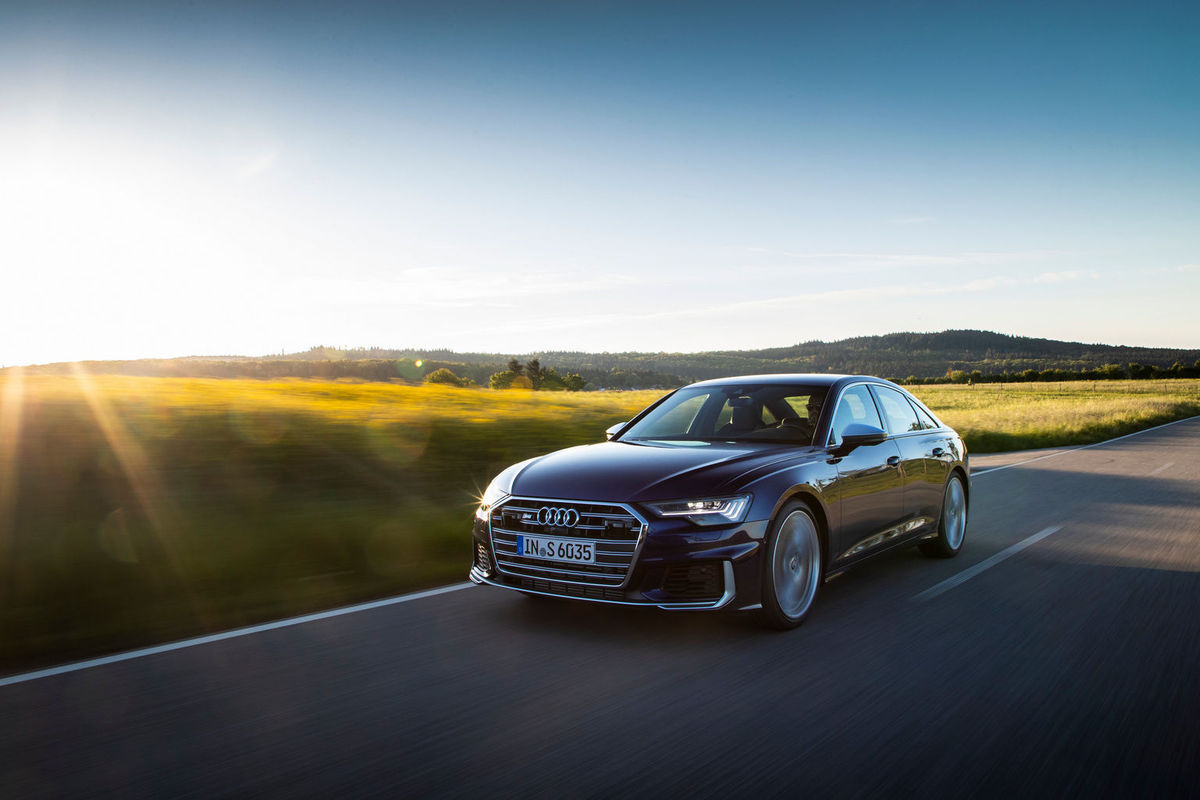
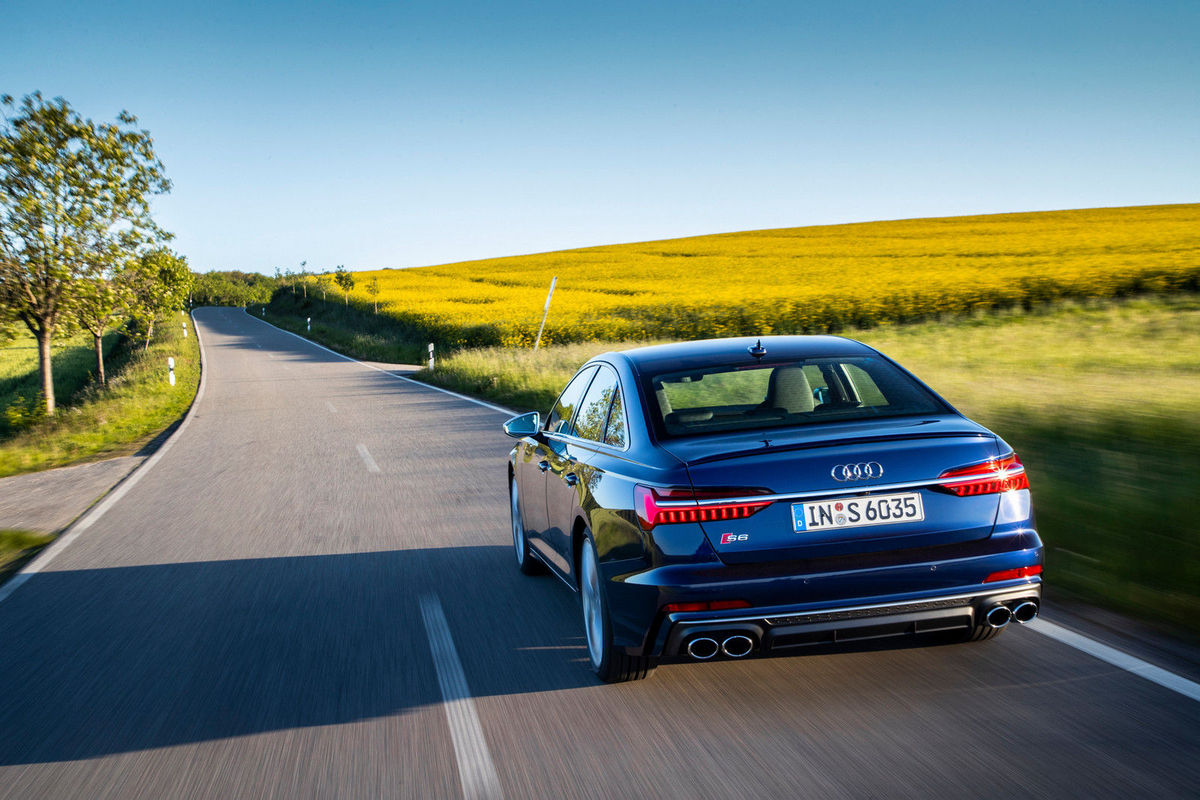
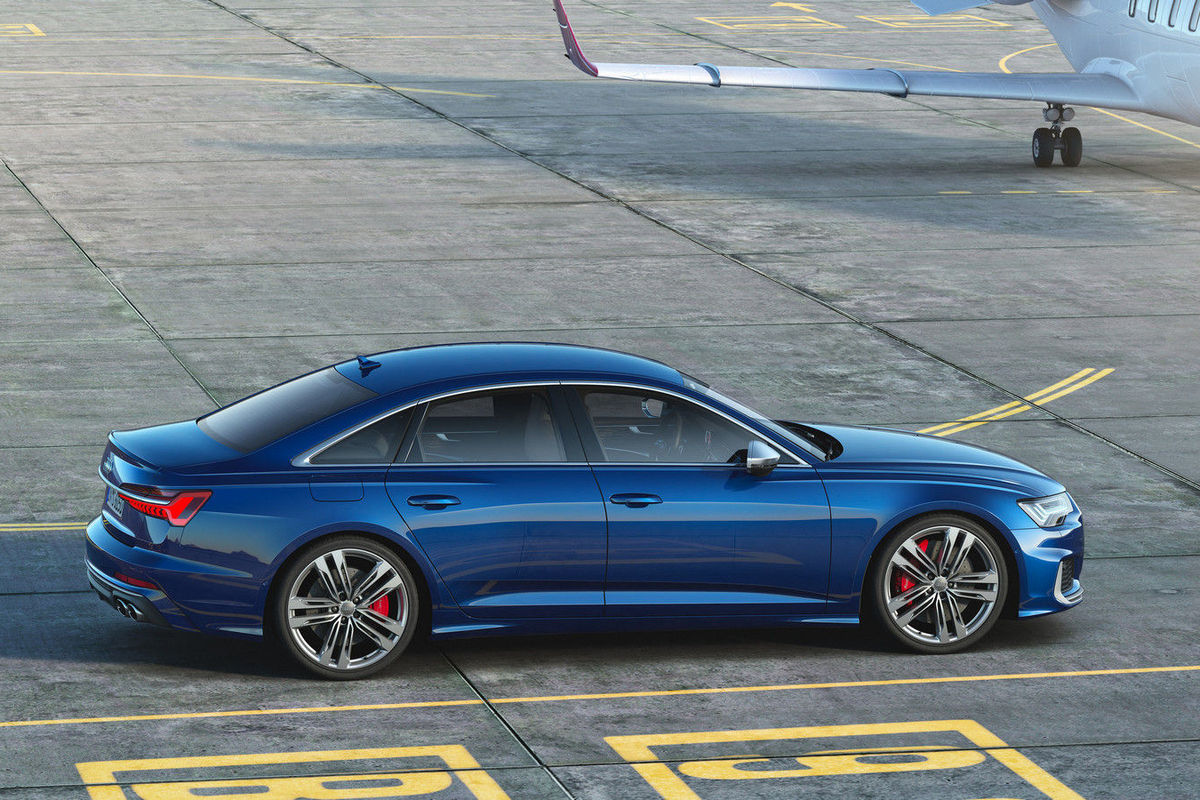
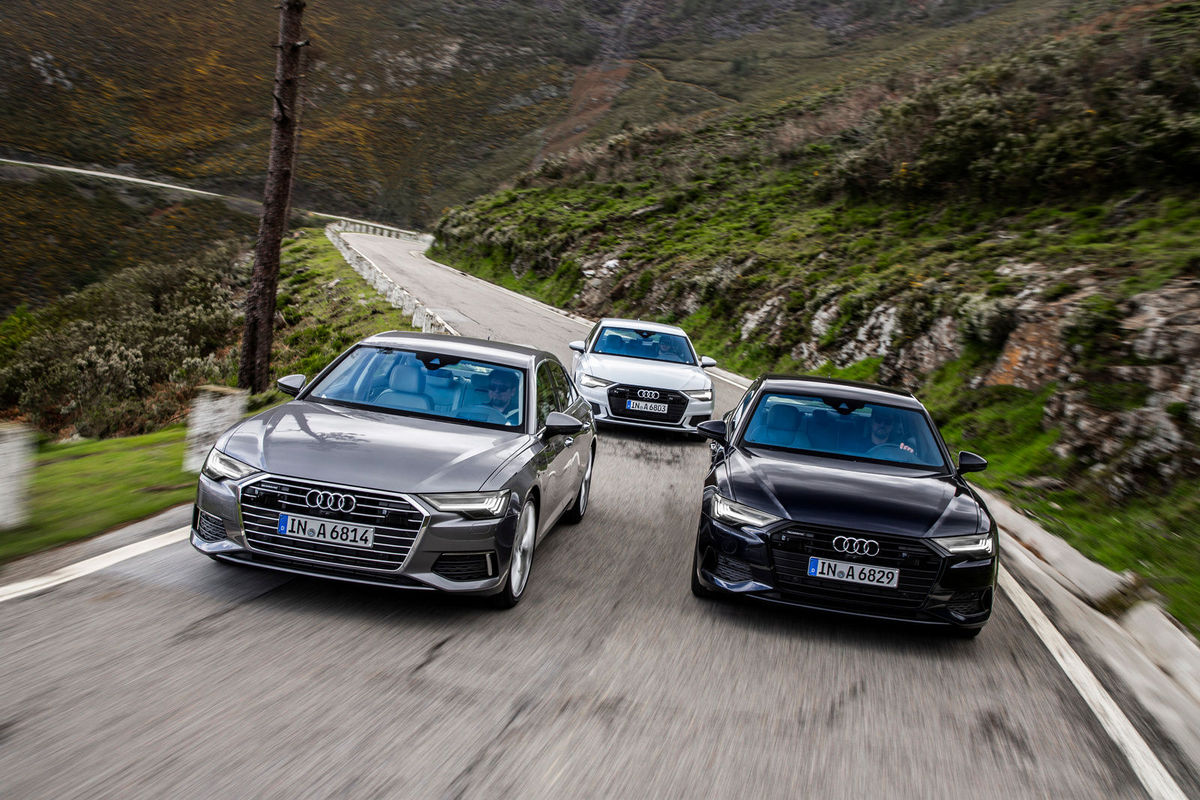
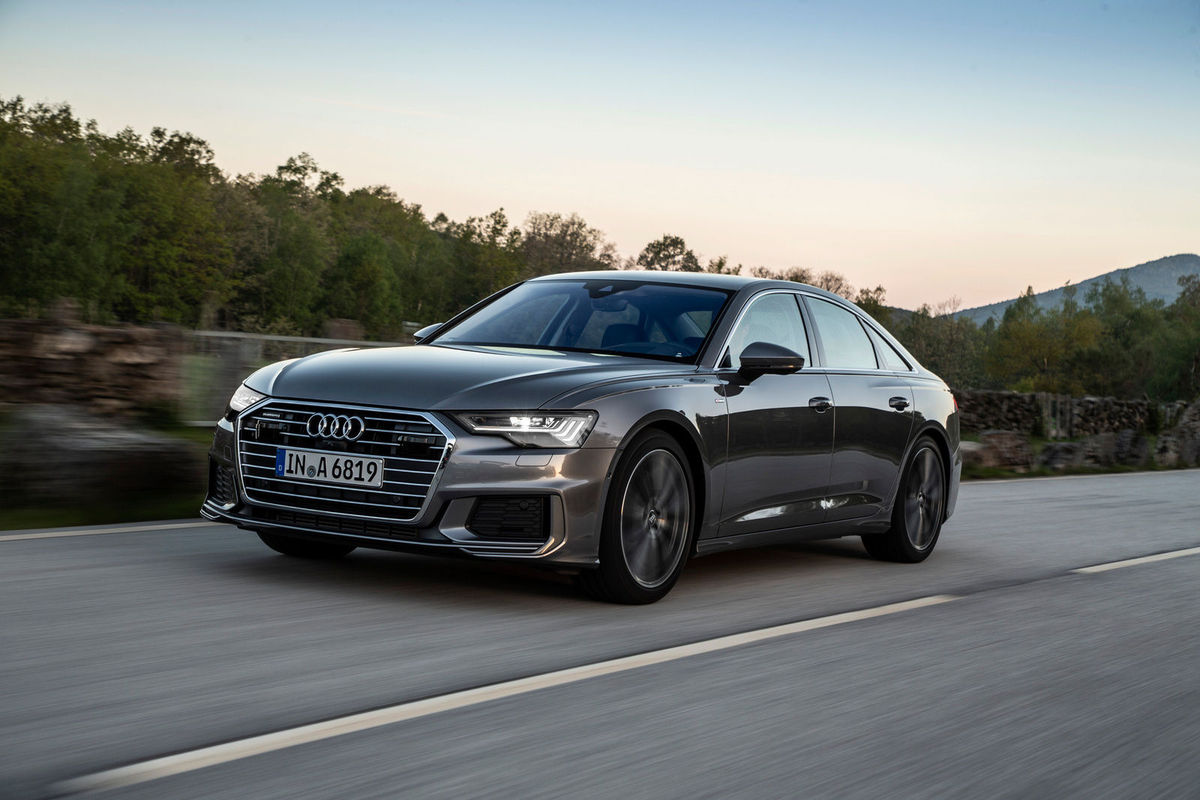
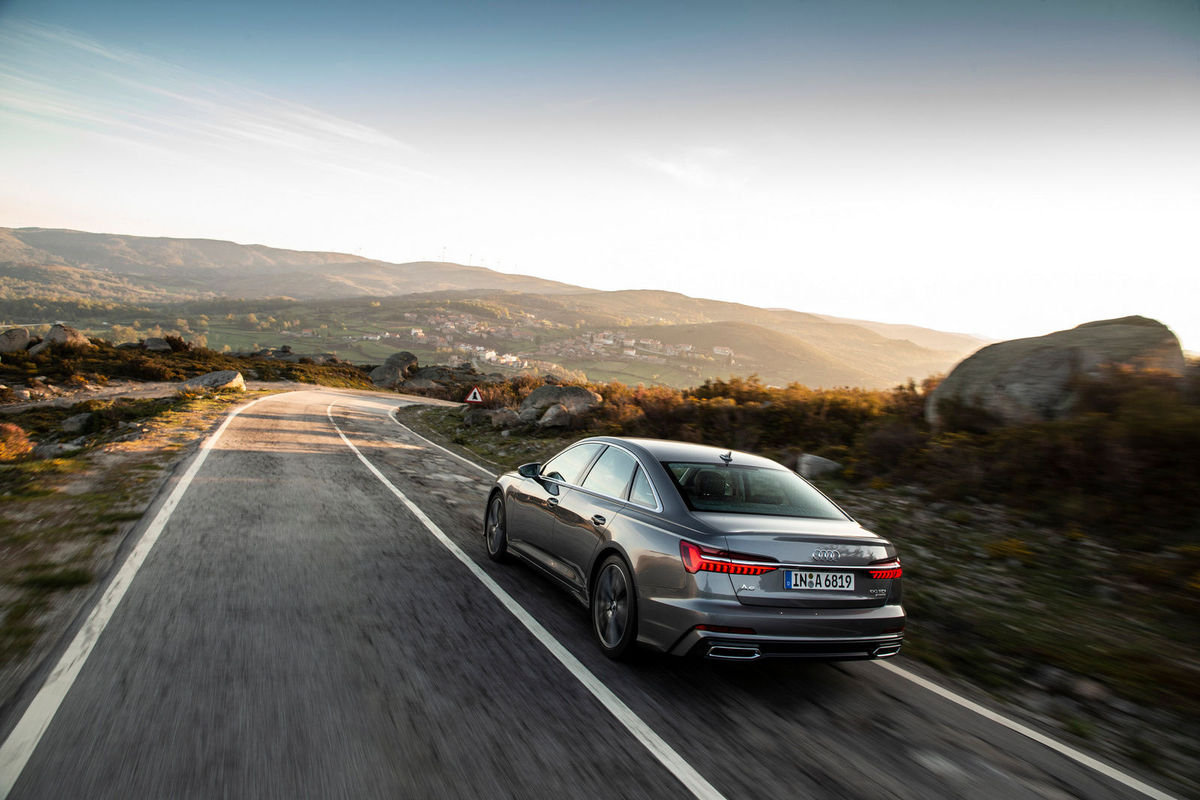
Audi South Africa took to digital platforms to showcase the new A6 to the local media. Here's how much it will cost, as well as details regarding the S6.
Taking the fight to the BMW 5 Series and the Mercedes-Benz E-Class is the new Audi A6. It has been on sale since early 2020 but with its official launch being delayed by the local lockdown, this is the big sedan's official debut and introduction of a new engine to the range.
The Audi A6 is available in 2 engine variants, both diesel. The A6 40 TDI S tronic (7-speed dual-clutch) features a 2.0-litre TDI which produces 140 kW and 400 Nm. Audi is claiming a sprint time of 8.4 seconds and it'll run to a top speed of 237 kph. This model is also exclusively front-wheel-drive. The second model is the 45 TDI (available from June 2020), which features a 3.0 TDI producing 183 kW and 600 Nm. The engine is mated to a tiptronic gearbox (8-speed torque converter) with all-wheel-drive. The 2 models are further diversified with Matrix lights as standard on the 45 model while the 40 model makes do with LED lights.
The more performance-focused Audi S6 makes do with a 3.0-litre turbocharged V6 petrol engine with 331 kW and 600 Nm, which petrolheads will recognise as the same outputs as the RS4/RS5. Audi Sport claims 4.5 seconds to 100 kph, with a limited top speed of 250 kph. If you're wanting even more, well you're going to have to wait for the thundering Audi RS6 Avant which is due in the first 3 months of 2021. To further enhance the comfort and efficiency of the Audi S6, it is fitted with a 48V mild hybrid system. The S6 can coast between 55 and 160 kph and the start-stop kicks in from 22 kph. In real-world driving, the system reduces fuel consumption by up to 0.7L/100 km.
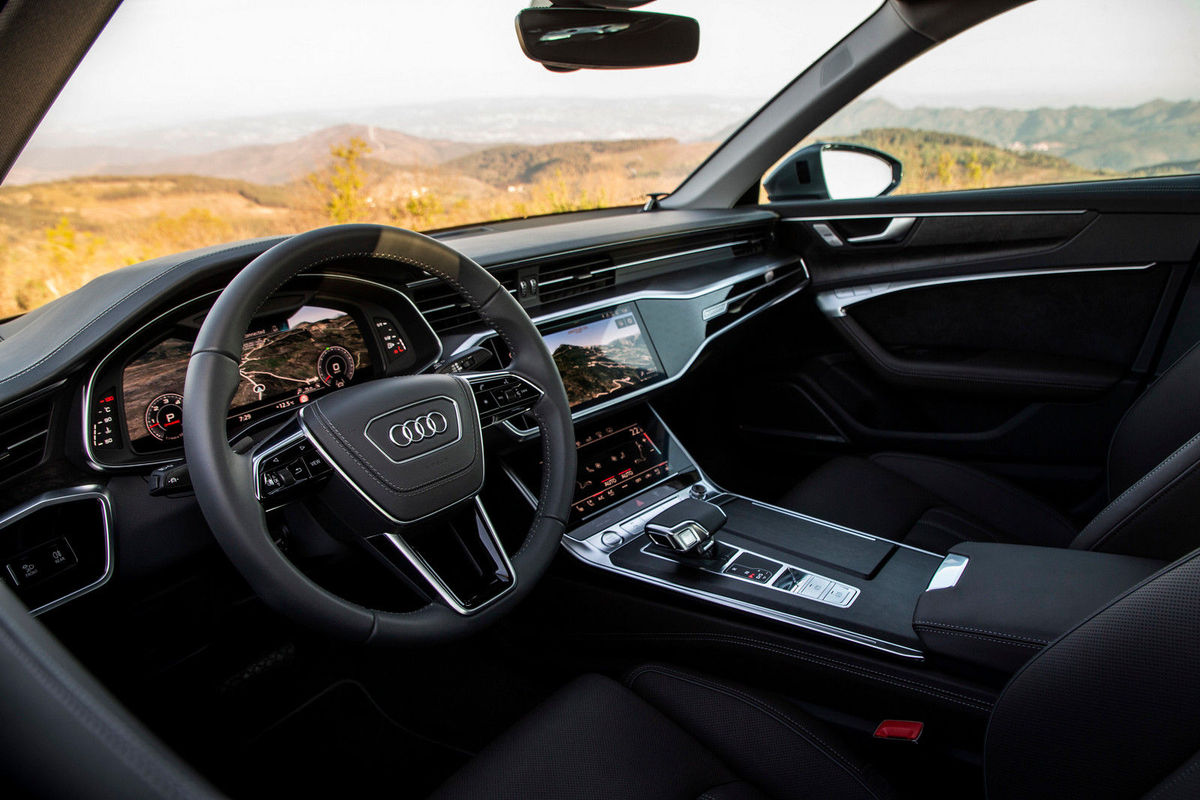
The Audi A6 is available with 2 packages: Comfort (R30 000) and Sports (R29 200), while the S6 has the option of the Black Appearance package (R10 450). Standard equipment levels are very high at this price point, but you can further upgrade the A6 with options such as 21-inch alloy wheels and a panoramic roof. It is great to see things like MMI navigation plus as well as smartphone interface fitted as standard. The comfort package comprises 4-zone automatic air-conditioning; comfort key; operating buttons in black glass with haptic touch; front seat heating and storage. The sport package includes the S line exterior package; contour ambient lighting; high-gloss styling package and sports suspension. S6 buyers have exclusive access to adaptive air suspension with electronically controlled dampers.
Audi has enhanced its online platform to make use of virtual showrooms and vehicle configurations. This is to help alleviate some of the foot traffic in dealerships during Covid19.
The A6 range comes standard with the 5-year/100 000 km Audi Freeway plan.
Okay, the updated Toyota Hilux range is coming to South Africa, but just how fast is the flagship derivative powered by the beefed-up 2.8-litre turbodiesel motor? And, what will the single- and Xtra-cab derivatives look like in more affordable specifications?
Toyota unveiled its updated bakkie's new look last week and although the newcomer is expected to go on sale in overseas markets in a couple of months' time, the South African market will have to wait a little longer, because Toyota SA, which produces the Hilux (and its Fortuner sibling) at its Prospecton plant, has a different product cycle.
Is this what future Raider versions will look like? Note the squared fog lamp housings and silver-grey bumper and wheel-arch inserts.
When reports of the new-look Hilux began to surface, Toyota SA told us: "We will be getting those models, but not immediately. Our timing is quite different to Australia's; they don’t source their vehicles from South Africa. Unique-to-SA derivatives such as the Legend 50 and Dakar bridge the gap and extend the life of our current Hilux offerings." When we pushed for a date, it was suggested that whereas Australia was likely to receive this facelifted Hilux in August, South Africa's units would follow "months" later.
From a mechanical point of view, the biggest development is the upgrade of the range-topping 2.8-litre 4-cylinder (GD-6) turbodiesel engine through the introduction of "multiple new components" as well as "enhanced cooling" measures. As a result, the motor, which produces 130 kW and 420 Nm (manual) or 450 Nm(automatic) in current guise, will deliver a maximum power output of 150 kW, but while the 3-pedal version's peak torque remains unchanged, the self-shifter will churn out a peak torque figure of 500 Nm.
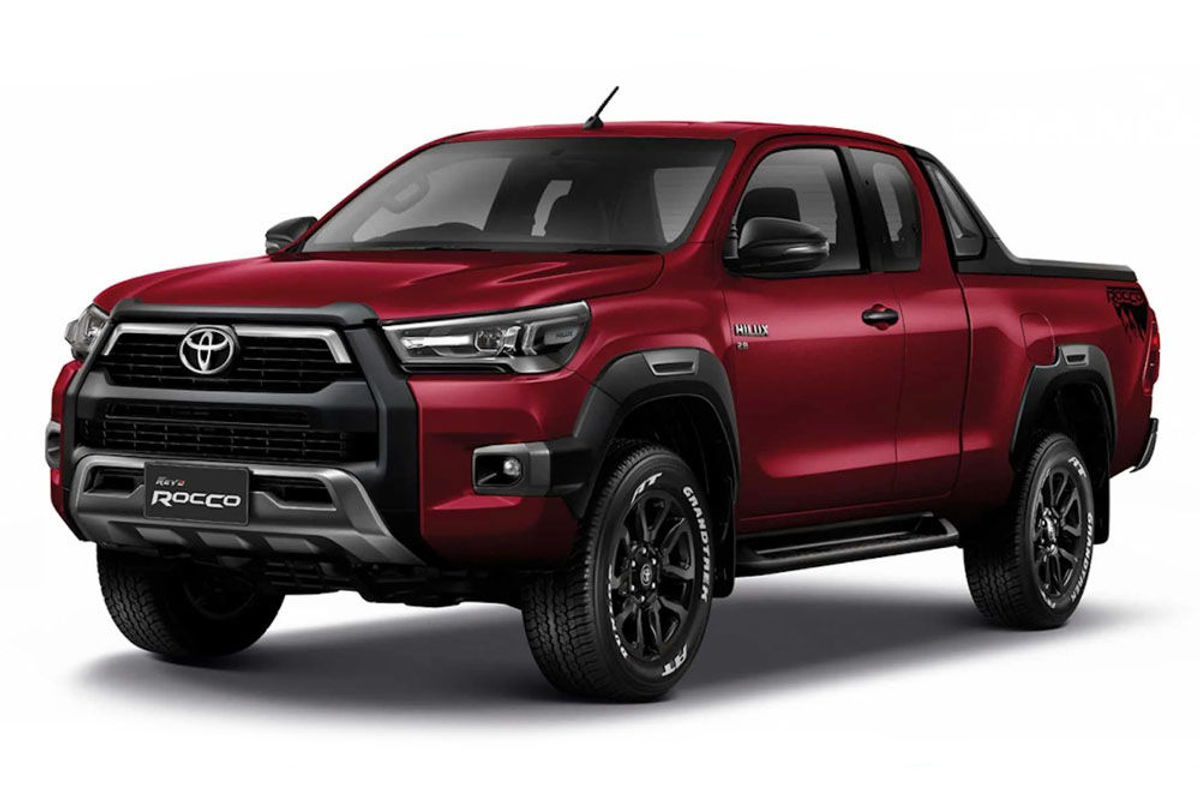
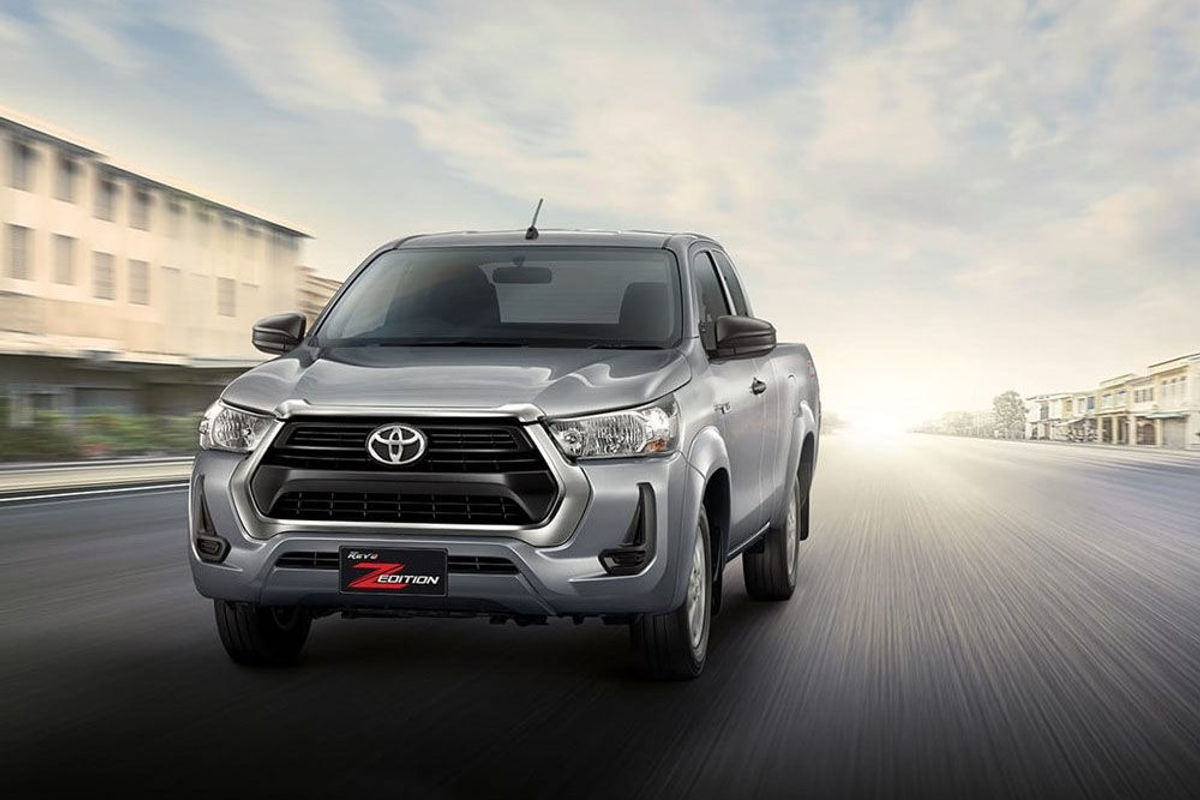
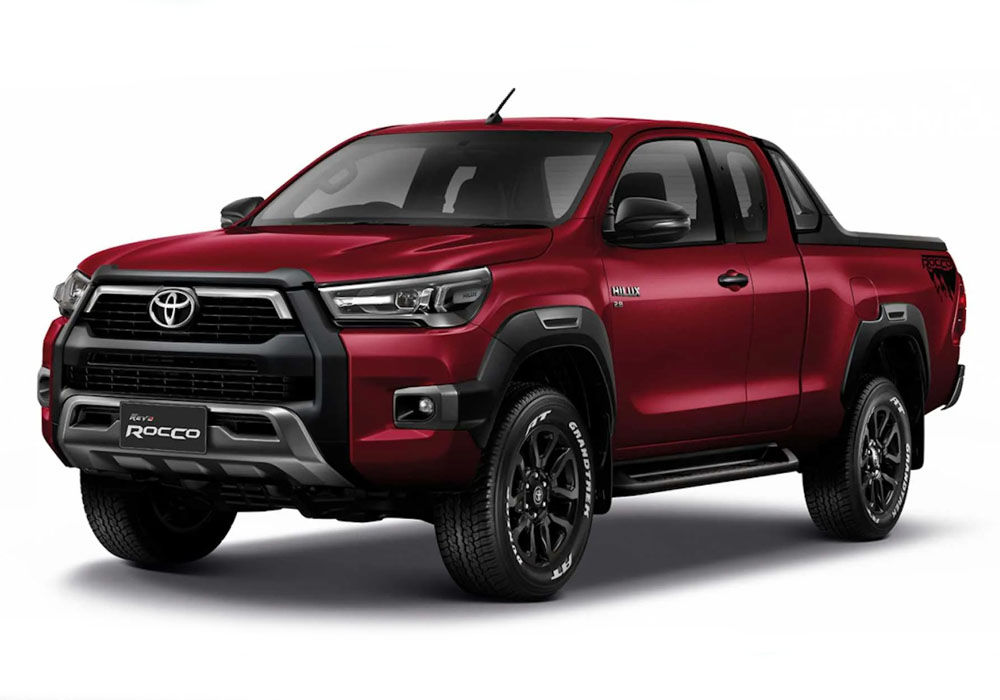
In Xtra-cab configuration, the top-spec Hilux will look like this in the Thai market. It's a very handsome design.
And, while Toyota suggests that the GD-6 engine's claimed combined fuel consumption has been improved "by up to 11%" and that "accelerator response" has been tuned to "deliver greater driver control", it's interesting to note that the top-of-range Hilux engine's peak outputs (150 kW and 500 Nm, when mated with an auto 'box, remember?) are now near-identical to that of the Ford Ranger's flagship 2.0-litre bi-turbo 4-cylinder diesel motor, which is also exclusively mated with a (10-speed) auto 'box: 157 kW/500 Nm.
'Faster than a Ranger Raptor'
While it's been considered a trifle vulgar to claim 0-to-100 kph times for bakkies in the past, Ford stated in 2018 that its 157 kW/500 Nm Ranger Raptor flagship derivative was capable of dispatching the benchmark sprint in 10.5 seconds. Then, when Toyota revealed details of its a range-topping Invincible X derivative of the updated Hilux, which will introduce the upgraded 2.8-litre turbodiesel unit in the European market, the Japanese firm claimed that the 150 kW/500 Nm newcomer could accelerate from 0-100 kph in 10 seconds flat. Because the Raptor is 143 kg heavier than its Wildtrak sibling, we assume the latter will be a little quicker than 10.5 sec to 100 kph, but still, the gloves are off!
The Australian market anticipates mid-spec derivatives will feature chrome grille surrounds and L-shaped fog lamp housings.
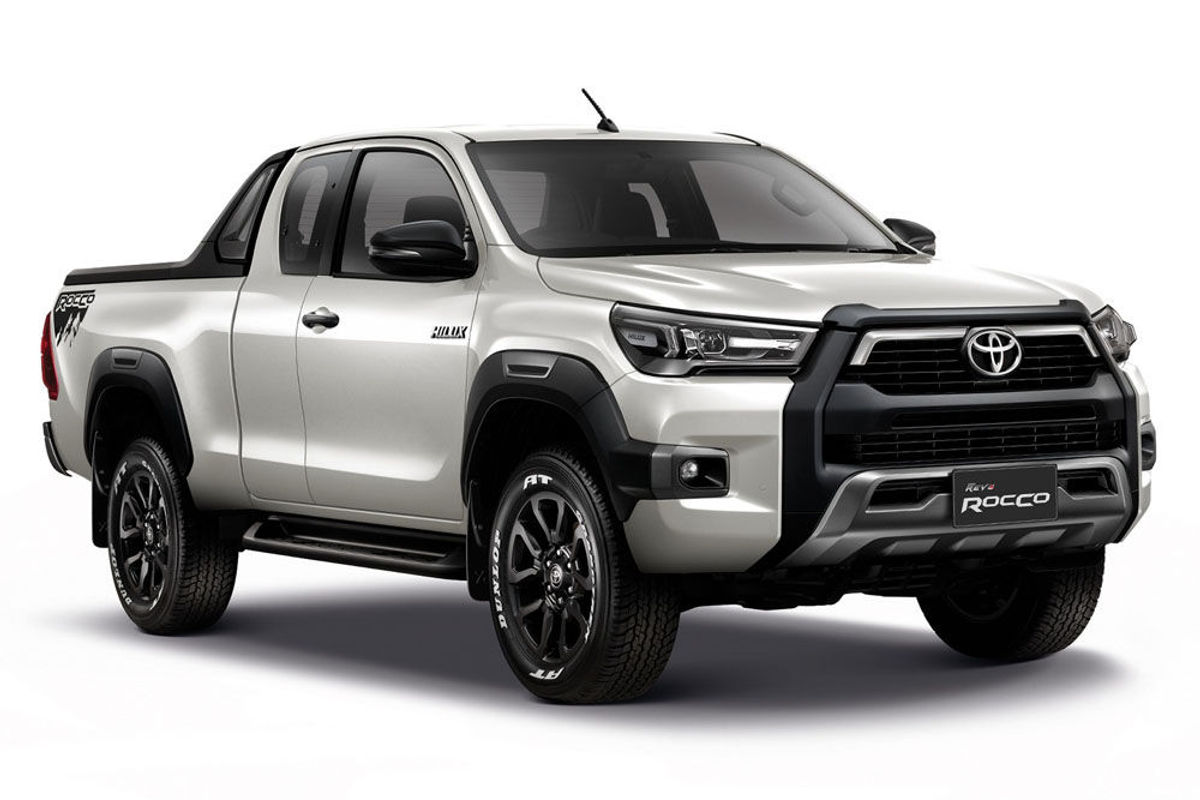
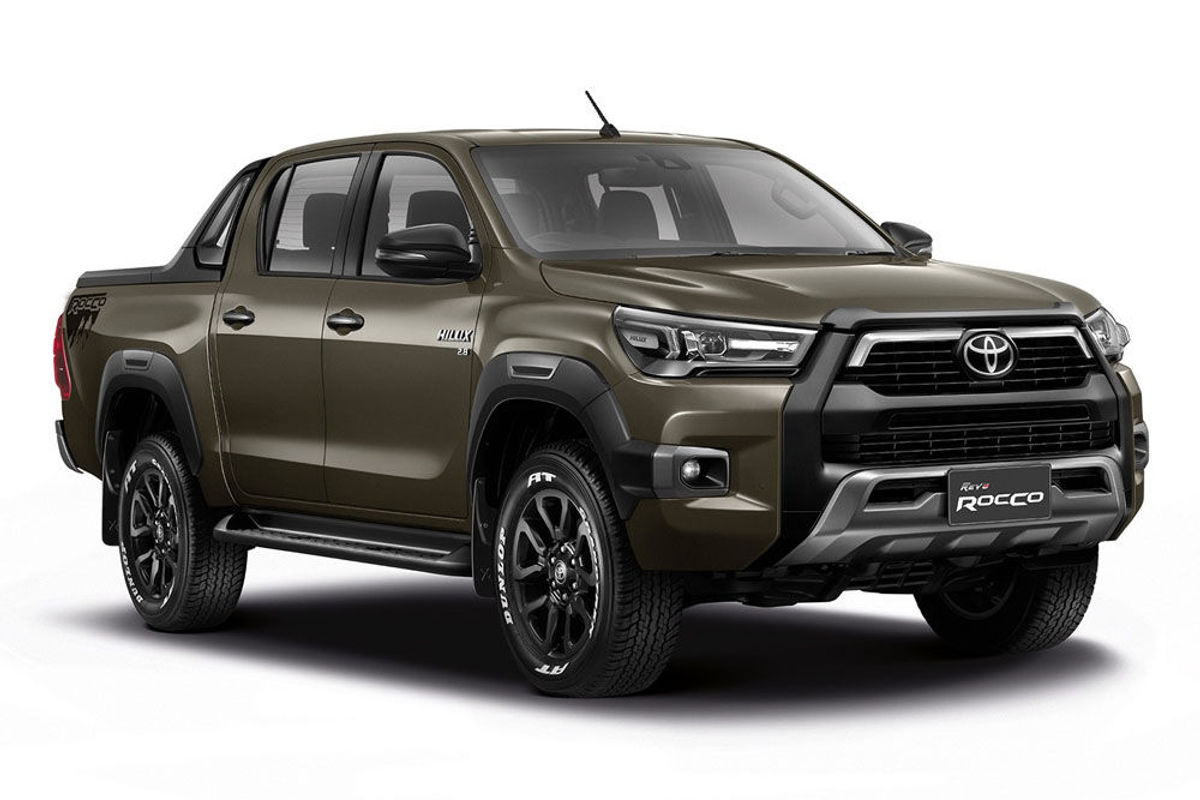
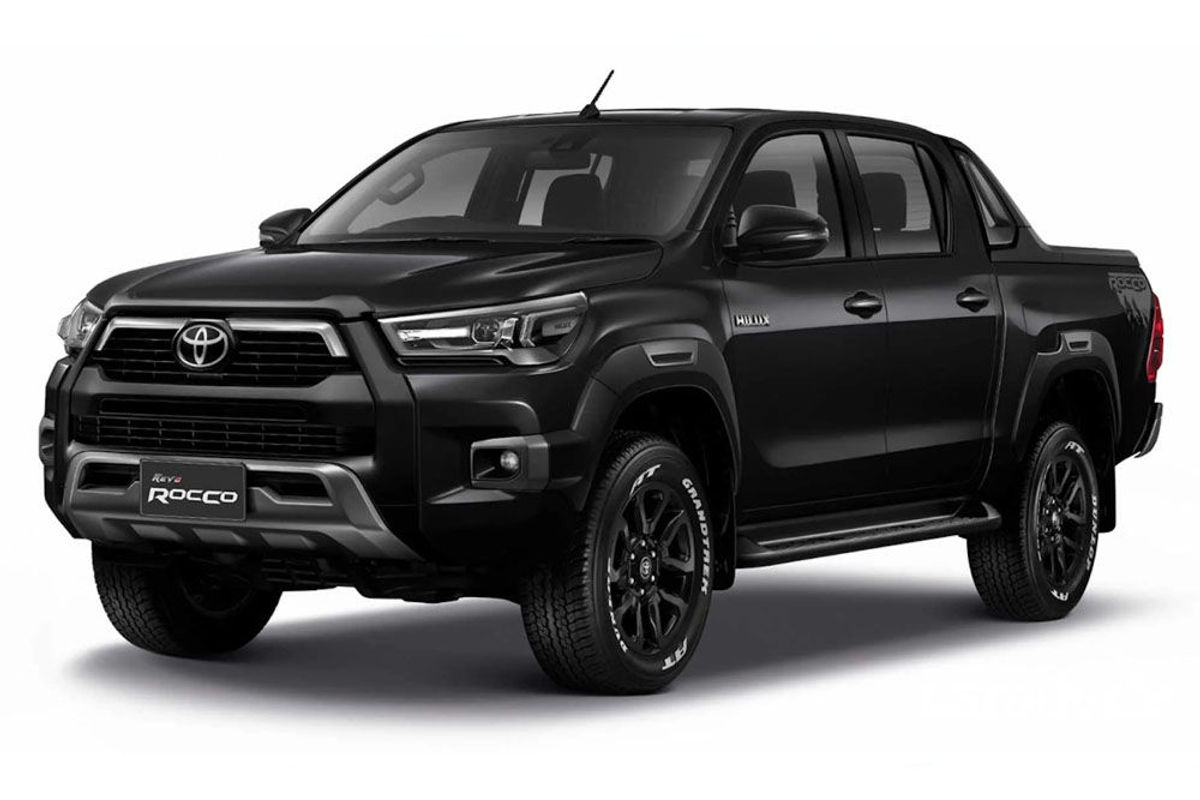
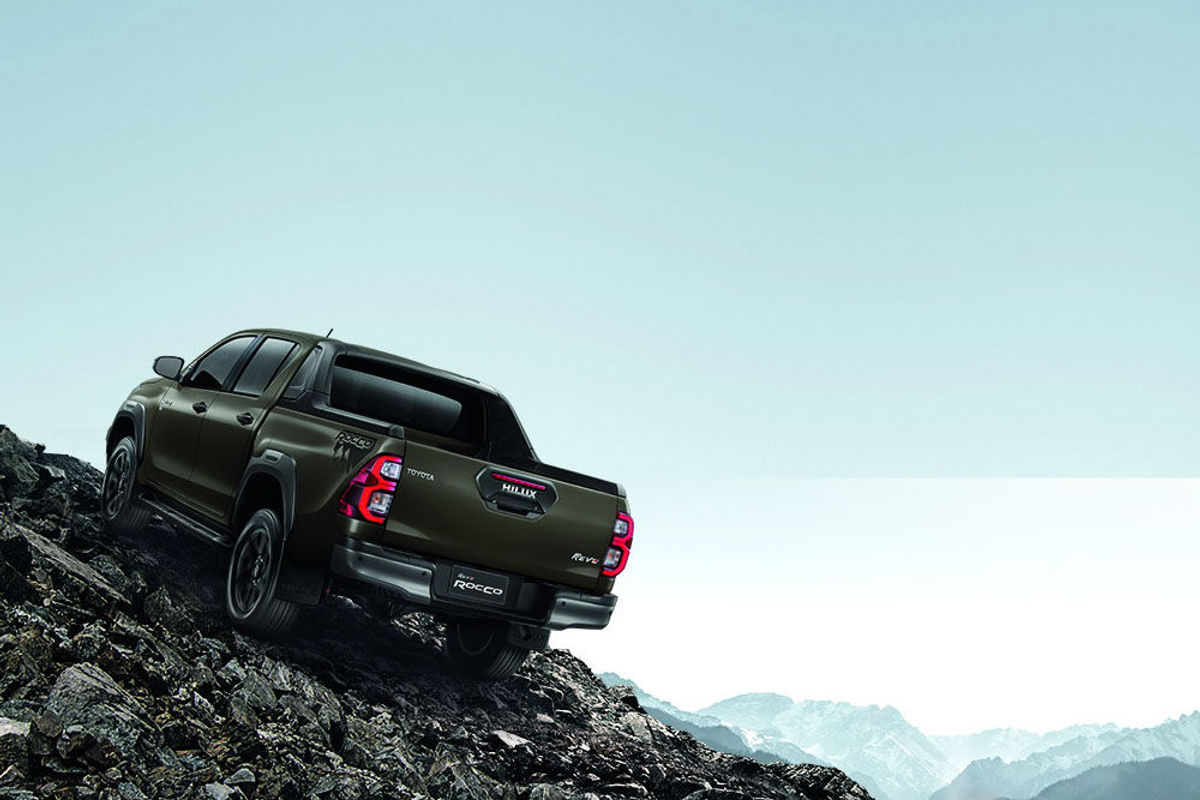
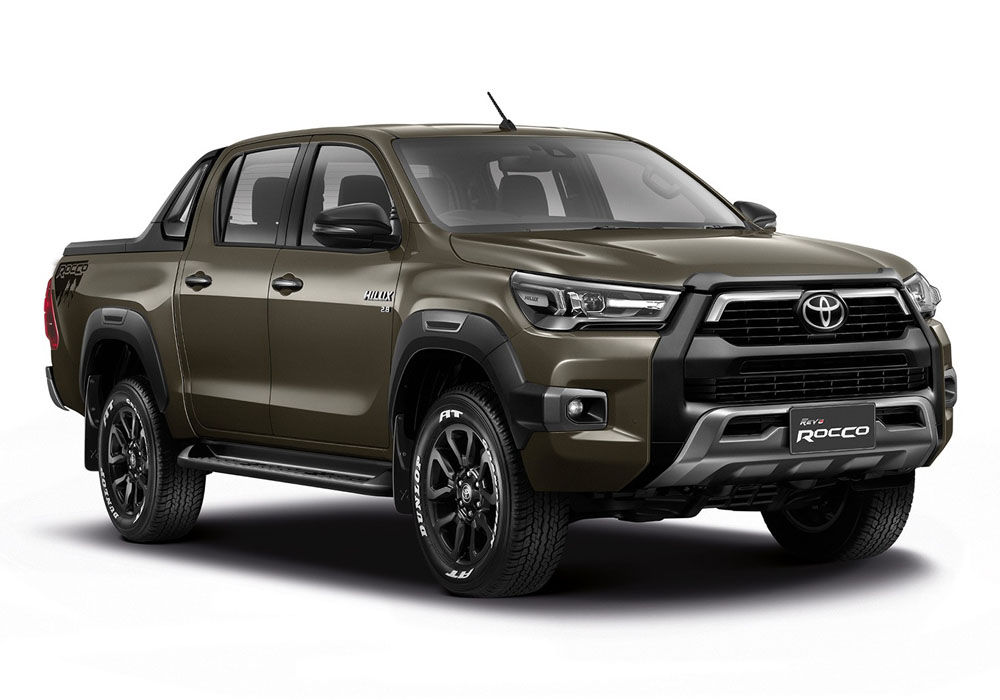
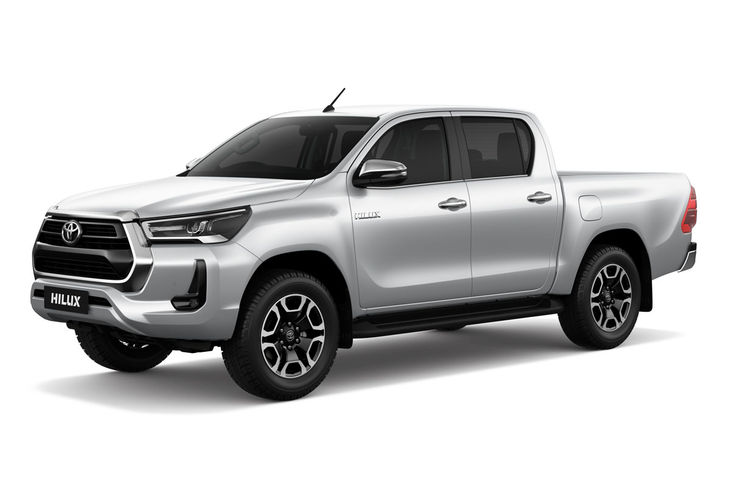
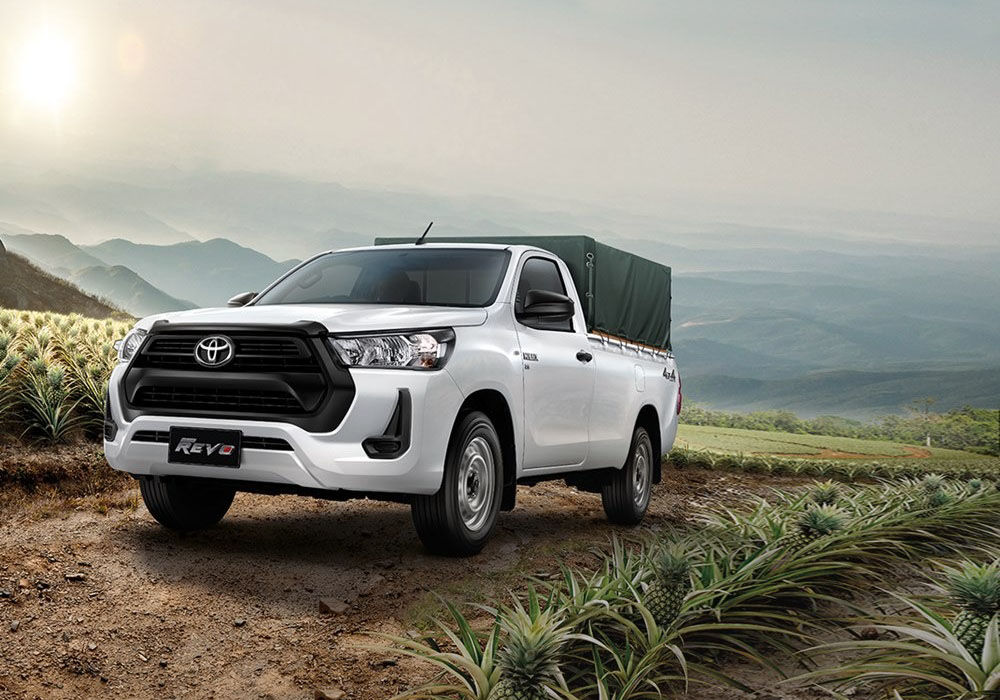
As to what the South African-specification new-look bakkies will look like, well, we can only speculate. The highest-spec versions we've seen are the European-spec Invincible X and Thailand's Hilux Revo Rocco (shown above). They all feature smaller, slimmer headlamp clusters with LED elements and the large trapezoidal grille with a black surround and thicker crossbars, but additionally silver-grey accents in the forms of a grille garnish bar, skid plate, square foglamp housings as well as vent-like wheel-arch inserts.
By contrast, the first examples of the new-look Hilux that were shown featured contrasting silver-grey (or chrome-look) grille surrounds and L-shaped black bumper accents/foglamp housings, but matching revised tail-lamp clusters (with a more distinctive lighting signature).
Could Revo Rocco/Invincible X look come to SA?
Judging by the current derivative hierarchy in the South African market, the next-gen Raider (when Legend 50 is replaced) might closely resemble the high-spec European and Thai versions of the new-look Hilux, while the mid-spec would be more akin to the existing SRX spec we know well…
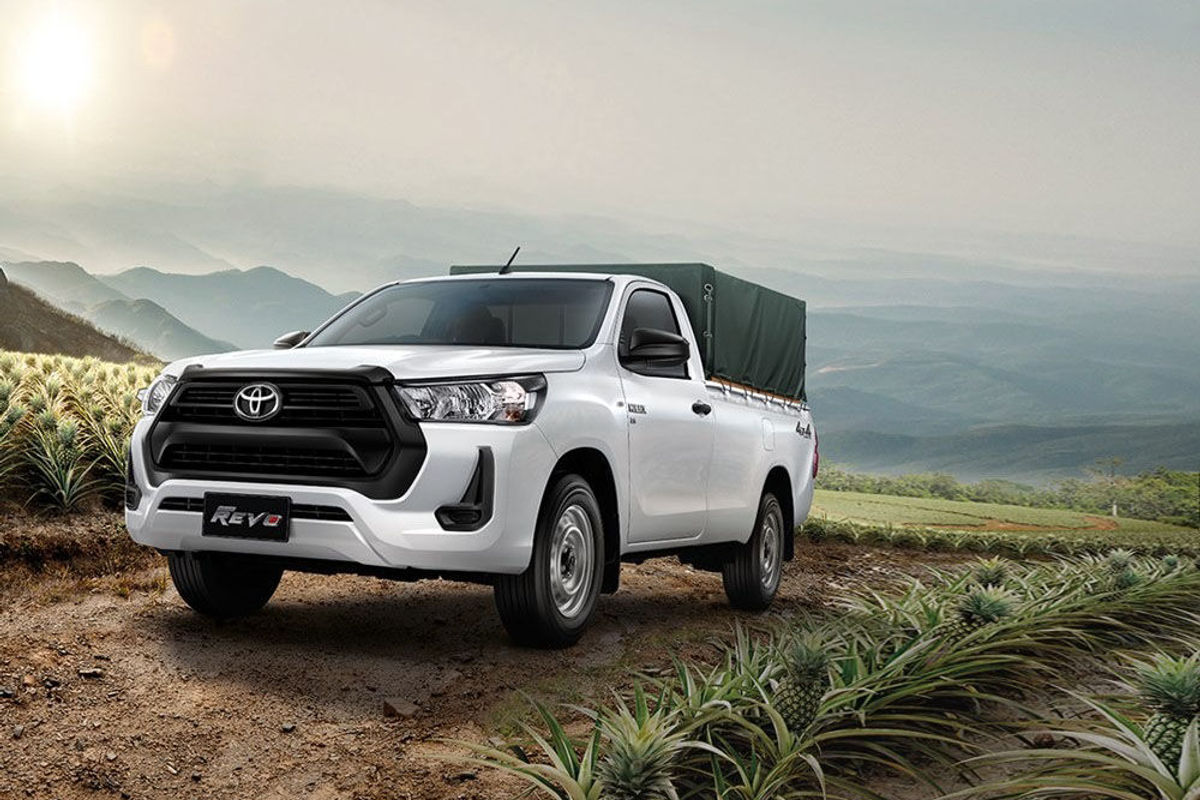
Whatever turns out to be the case, the South African-spec Hilux won't look identical to either of those examples; it might even be a mix of the two. As for the workhorse specification of South Africa's top-selling bakkie, it's likely to feature black-on-black grille treatments and (predictably) little in the way of aesthetic garnishes (shown below). The workhorse (or base) specification for the Thailand market.
Meanwhile, the Hilux's suspension has been revised through the implementation of tweaked shock-absorber tuning, new bushings and an improved leaf-spring design, which is said to improve ride comfort on rough roads when carrying low loads. There have also been revisions to some derivatives' towing capacities (to be confirmed at a later date).
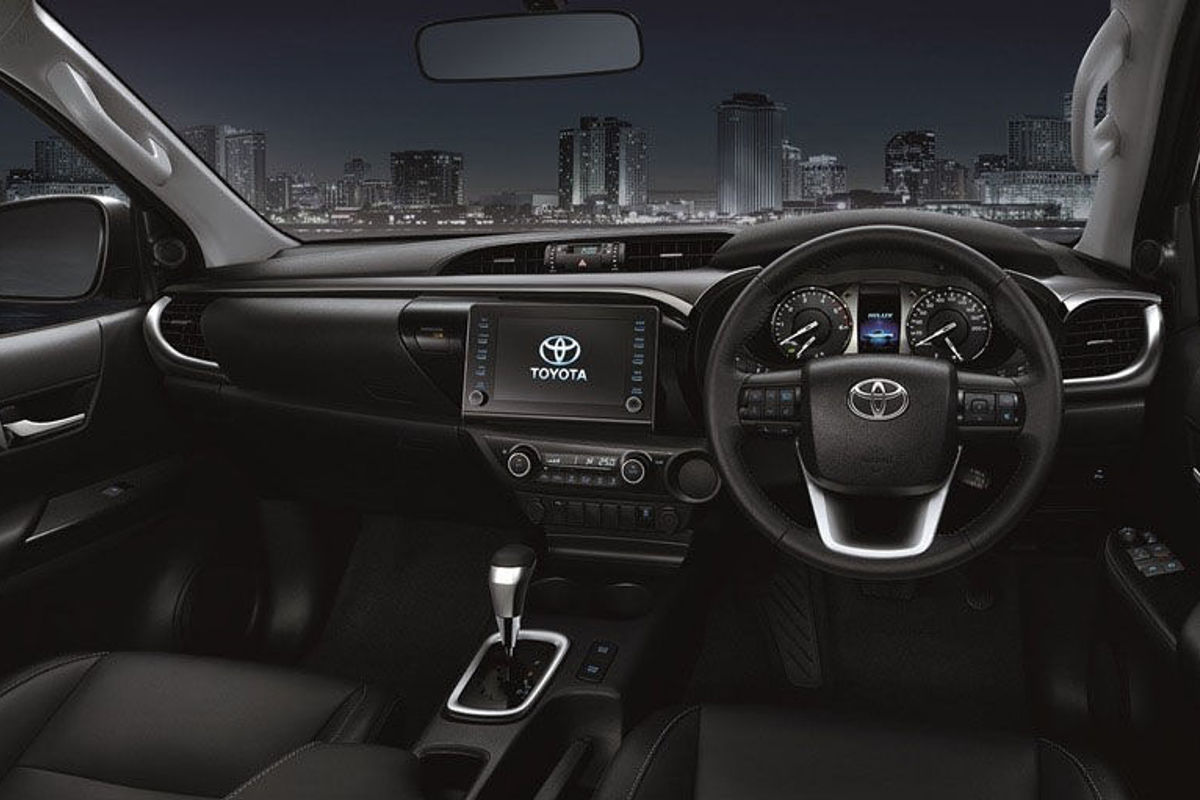
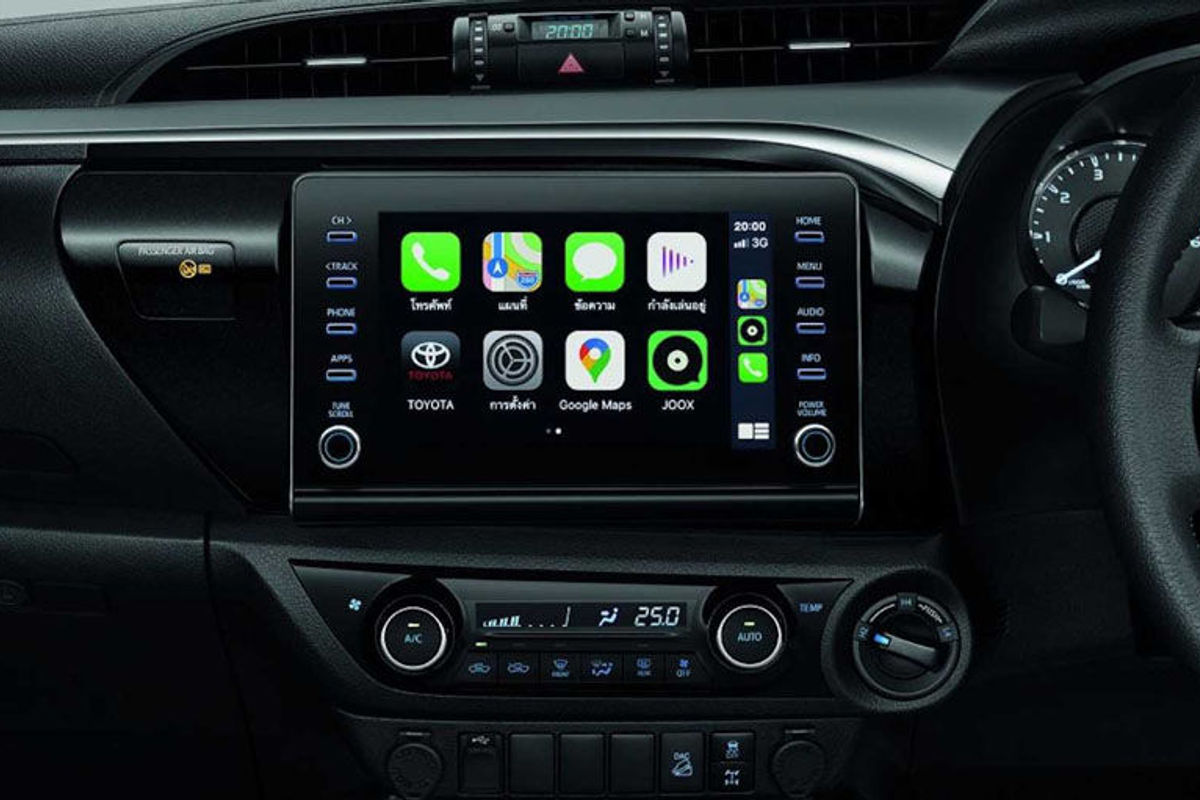
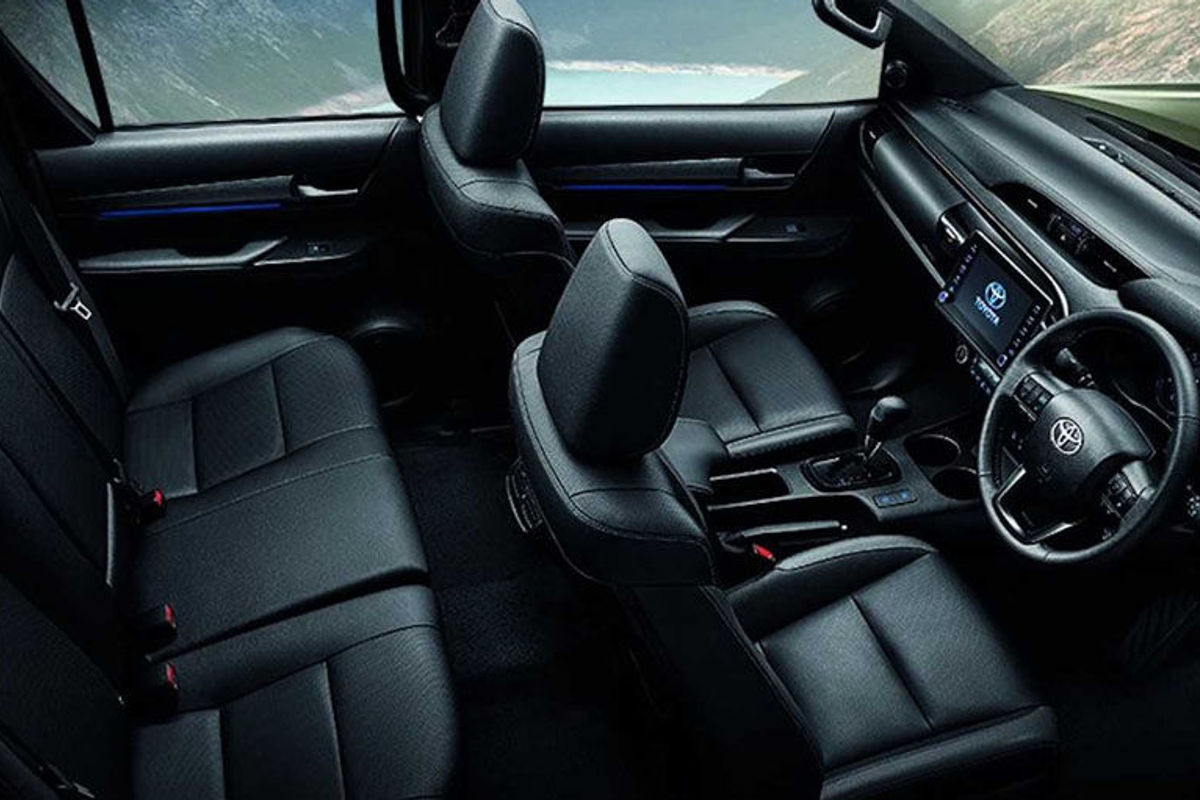
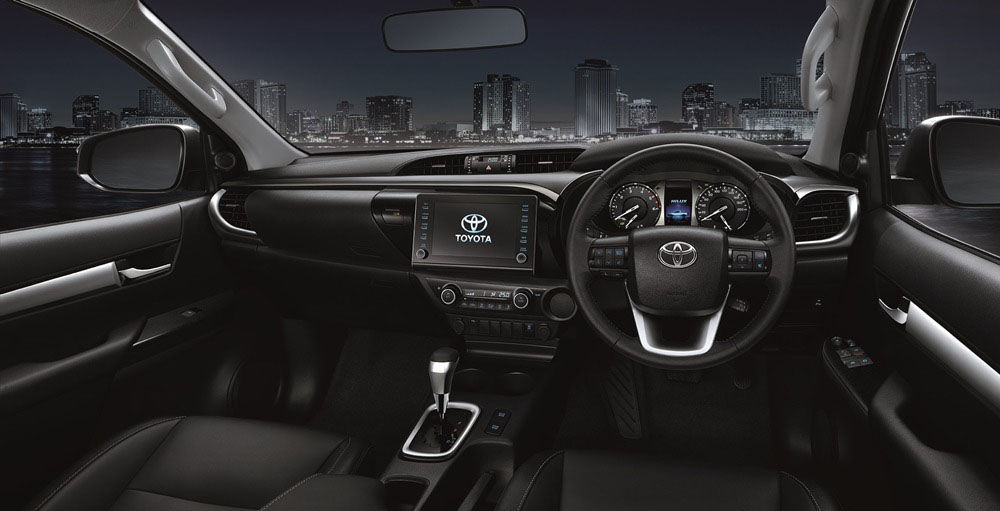
And, finally, a few details of the leisure double cab's interior specification; inside, the higher-spec Hilux will feature an updated instrument cluster with a 4.2-inch multi-info display between the speedometer and rev counter (it apparently incorporates a digital speed readout) as well as an 8-inch touchscreen infotainment system with enhanced voice recognition functionality, as well as Apple CarPlay and Android Auto compatibility. We assume a reverse-view camera and satellite navigation will feature too.
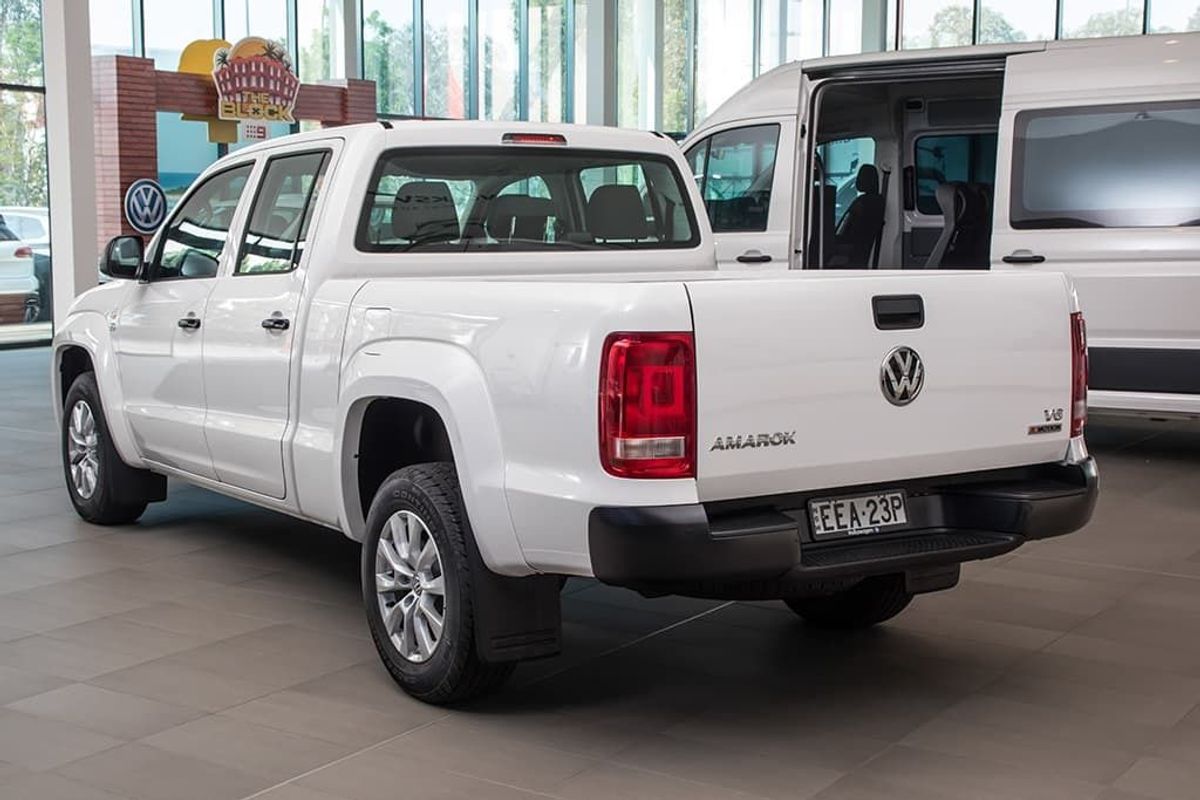
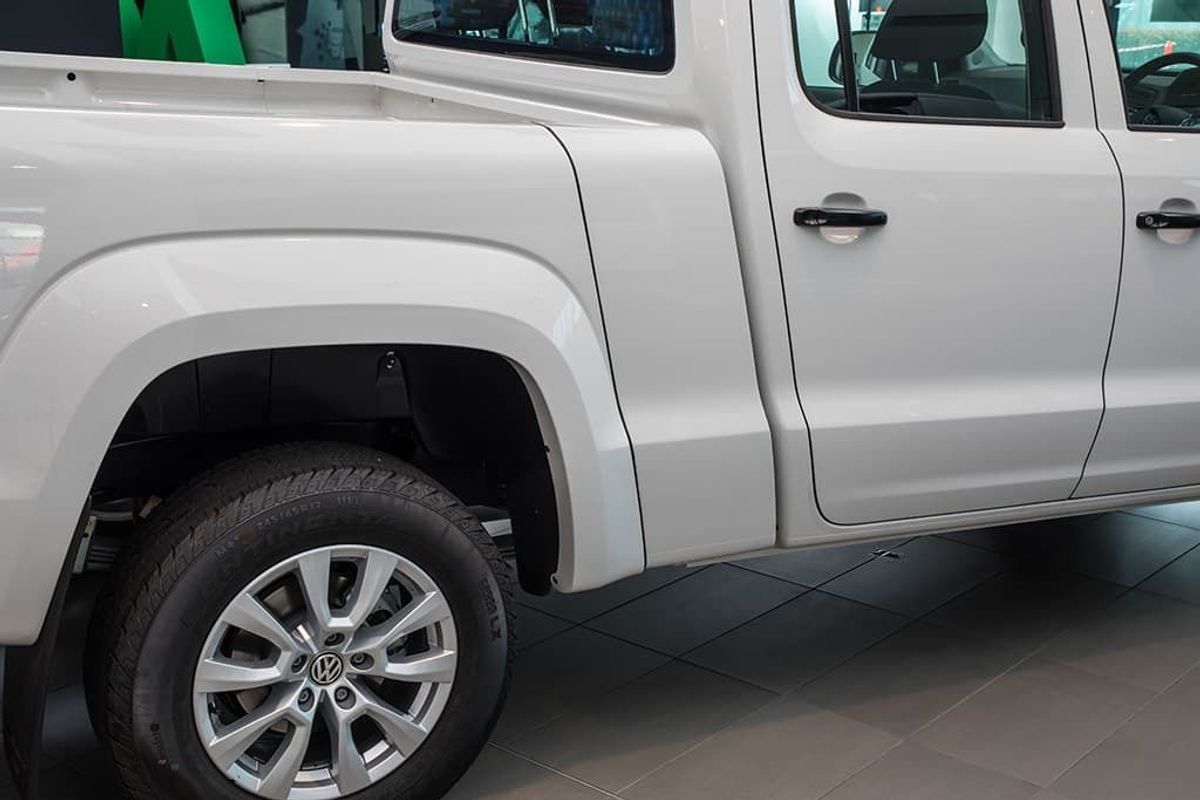
Volkswagen Australia has revealed it's factory-endorsed' Amarok XL and XXL models, which offer even more carrying capacity.
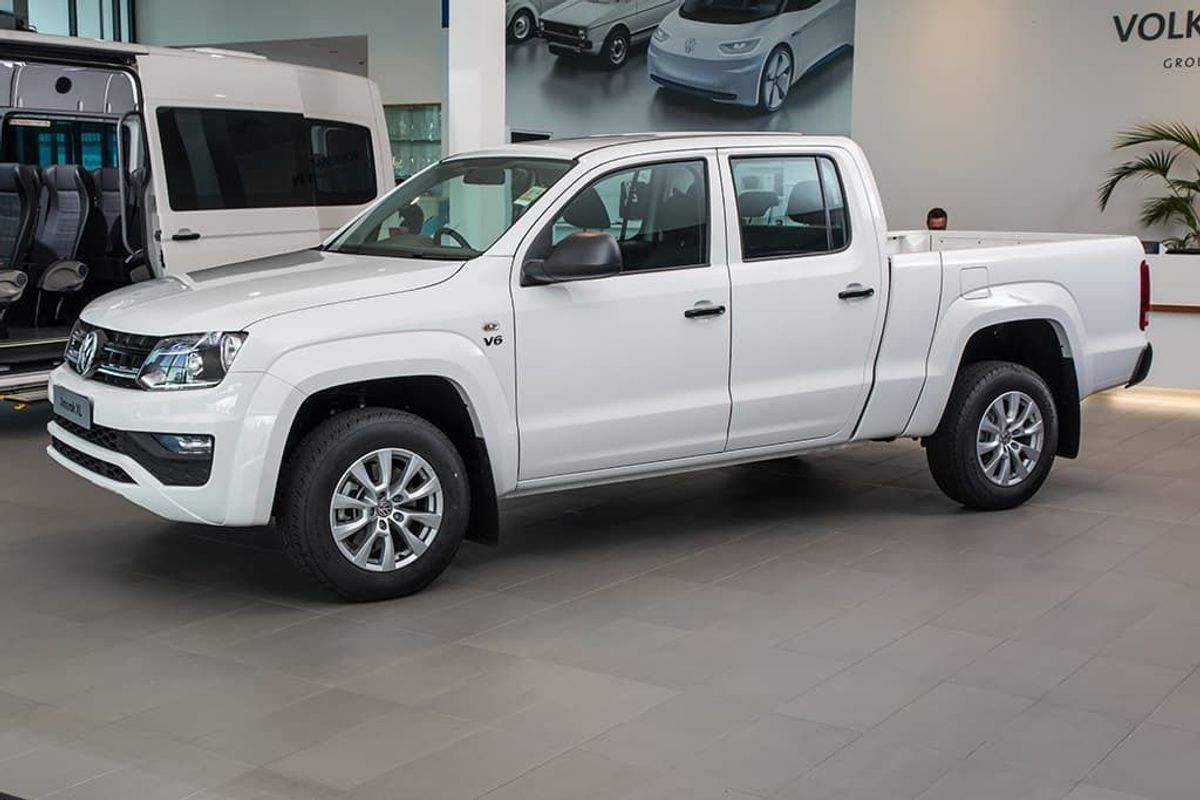
The Volkswagen Amarok already boasts one of the biggest load bins in the segment, but if you feel you require more length, then how about an Amarok XL or Amarok XXL.
The conversion is done by South Australian-based Adaptive Manufacturing, with the original work completed by Dutch outfit Veth Automotive. Impressively, this aftermarket conversion comes with Volkswagen Australia's 5-year warranty.
What exactly does this conversion entail? Well, the Amarok XL wheelbase has been extended by 310 mm, taking it all the way to 3 405 mm. Want even more space? How about the Amarok XXL then, with an extra 650 mm additional wheelbase, taking it t0 3 745 mm.
With this conversion, the loading length is now rated at 1 865 mm for the Amarok XL and the 2 205 mm for the XXL. In comparison, the standard Amarok load length sits at 1 555 mm.
The extended wheelbase has meant extensive modifications to the prop shaft, electronics and brake lines. The electronic stability control has also needed a recalibration to deal with the increased weight and dimensions.
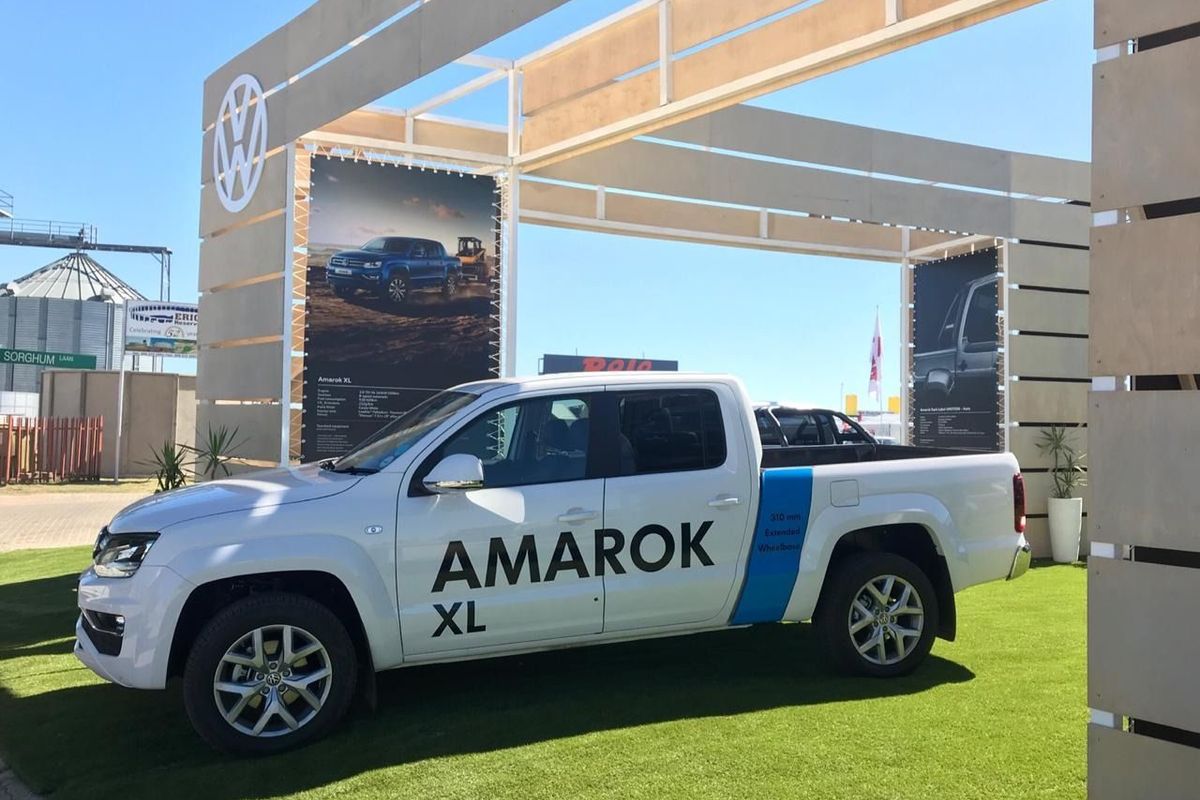
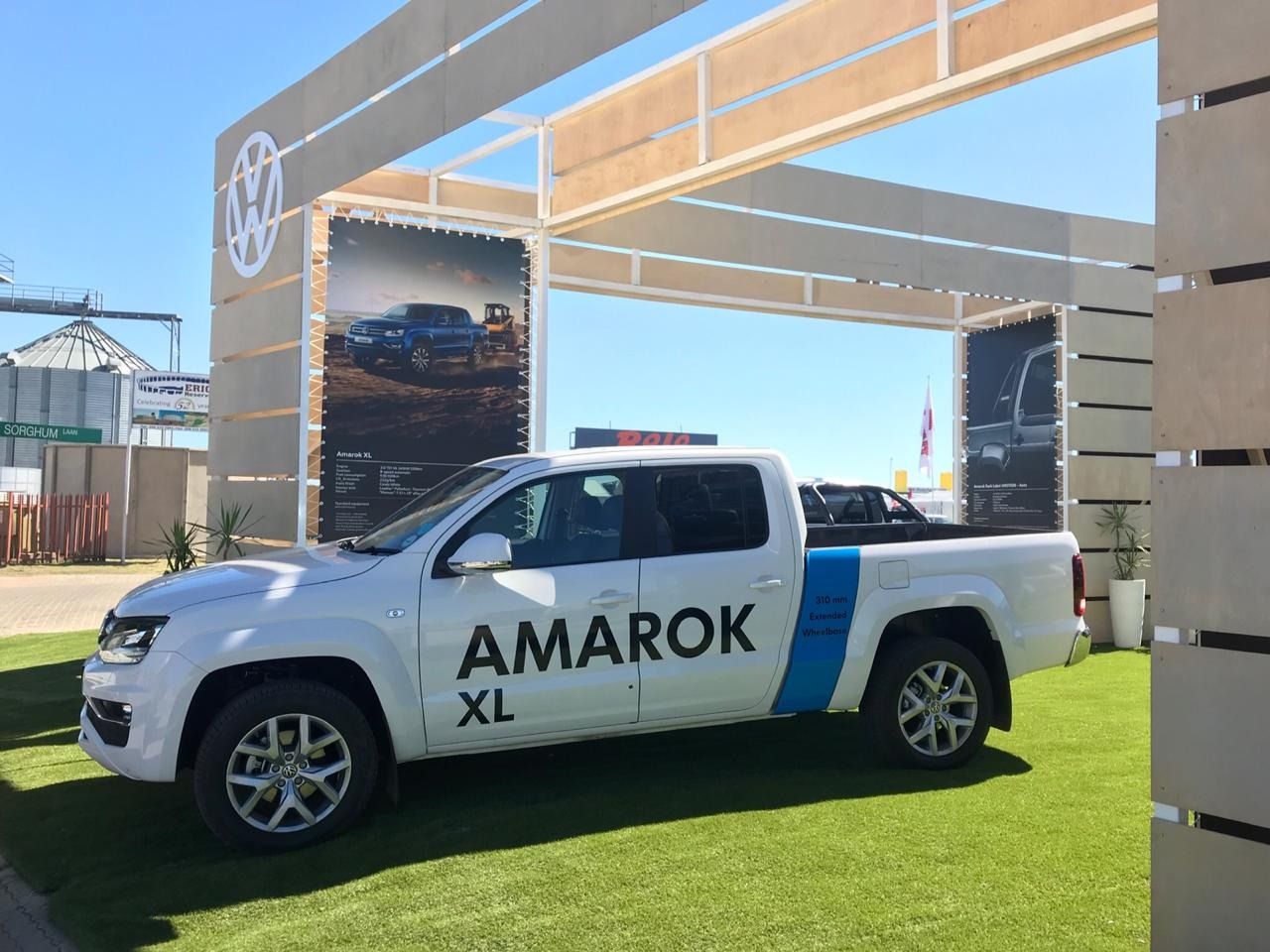
Back in 2019, Volkswagen SA was investigating the possibility of an Amarok XL and displayed a unit at the NAMPO agricultural expo to gauge public interest. It appears there wasn't sufficient interest, so the project wasn't green-lighted.
Back in 2019, Volkswagen SA presented an Amarok XL to the NAMPO event to gauge interest. Pic via VWSA Facebook.
VW has announced a significant management shakeup, illustrating the scale of its electrification strategy and challenges in this regard.
Herbert Diess is no longer CEO of both the VW Group and brand. As VW prepares to dominate the global market for electric vehicles, complexities are surging.
Although Diess has proven to be one of the more agile global automotive CEOs, with an excellent understanding of issues facing his industry and its struggles to transform, the workload has become unsustainable.
VW’s board has announced that Diess will retain his position as VW Group CEO, managing the broad strategic aims and cooperation between its various brands, but relinquish is responsibilities for all things Golf.
Ralf Brandstaetter will become the new CEO of VW, guiding the brand through its most challenging period. VW is attempting to become a technology leader in both battery vehicle technology and software integration.
The company has experienced issues with software development on its forthcoming Golf 8. As VW’s future model range relies more on electrical control systems and data management, it will require improved programming resources.
Brandstaetter’s responsibility is to ensure that the delivery of electric vehicles and integrated technologies happen without delays or customer dissatisfaction.
An industrial engineer by training, Ralf Brandstaetter has been with VW since 1993. He initially specialised as a metal sourcing specialist, before becoming a procurement expert for chassis and powertrain.
The task that Brandstaetter faces is massive. VW has huge cost escalations to manage. Diess has projected that VW’s investment in electric vehicle architecture, battery sourcing and autonomous driving technologies might balloon to R1.5 trillion.
Production savings are crucial in managing that budgeted number. Within the entire VW Group, it is far easier to save money with cost management at a volume brand, like VW, than Porsche, Bentley or Lamborghini. And that will be Brandstaetter’s new mission as CEO.
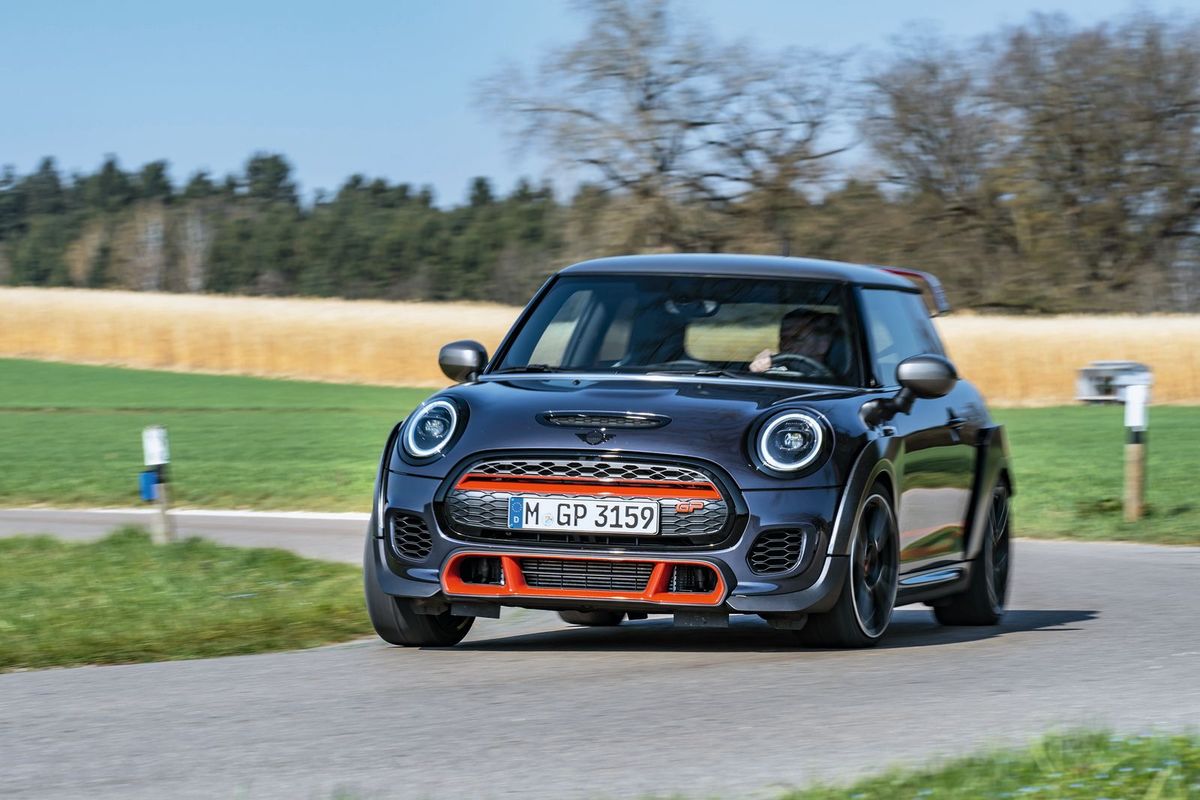
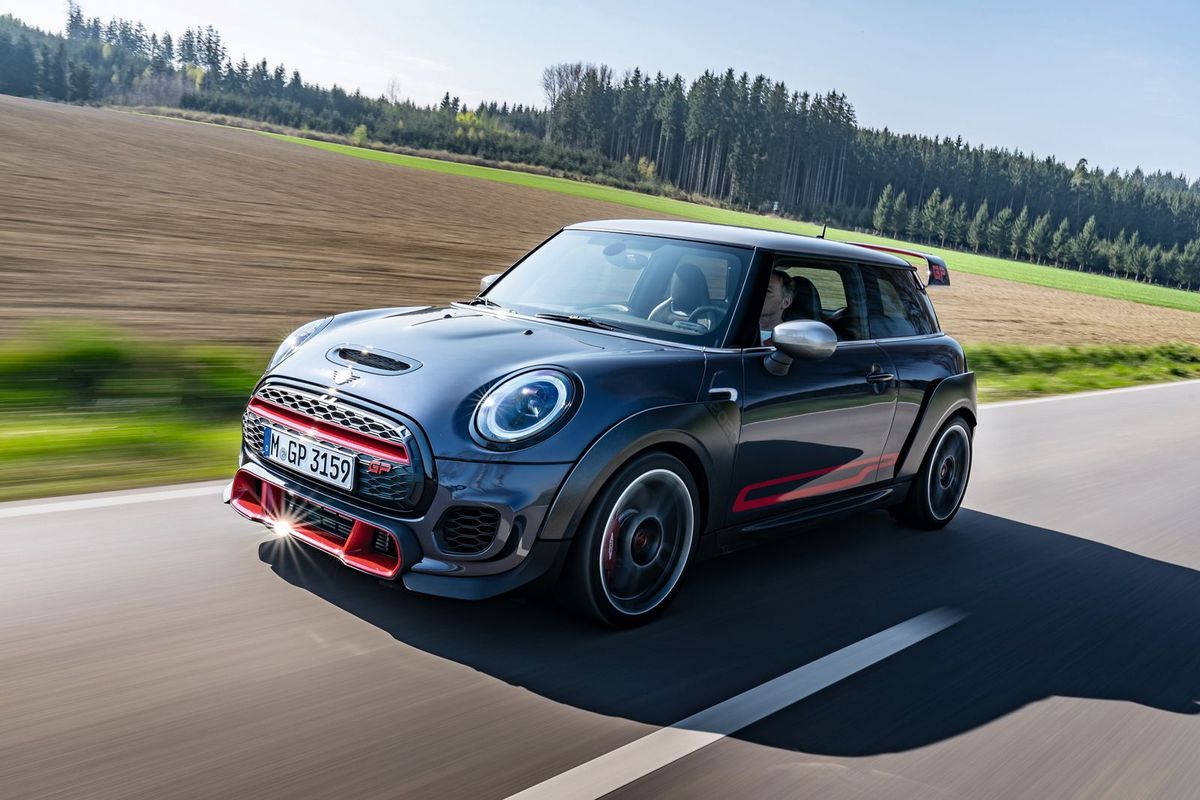
Mini JCW Cooper GP (2020) International First Drive
The JCW Cooper GP is the hardest of hardcore hot hatches – Mini's even tossed out the rear seats, for Pete’s sake! But, considering the horde of hot-hatch hustlers it's up against, does the newcomer have enough substance to muscle its way to the top of the list? Our international correspondent, Greg Kable, drove it in Germany to find out.
So, here it is: 2 and a half years after we first saw that extreme concept car at the Frankfurt Show, the new Mini John Cooper Works GP has finally arrived. Yes, the fastest roadgoing Mini model to date has had a rather drawn-out development cycle indeed… Heck, there were times when a lack of any official confirmation on its progress from the Oxford-based manufacturer prompted us to believe that plans for a new GP had been abandoned, but you know what they say about things that come to those who wait.
Exclusivity? Check!
Like its distinguished predecessors, the GP will be produced in a limited run of just 3 000 examples, of which an extremely limited number will be coming to the South African market. Two versions are on offer: a full specification derivative and a more track-biased "naked" one, the latter of which goes without an infotainment system or air conditioning. The good news is that Mini has stuck to its guns and delivered a car that's not too far removed from what was originally promised for the brand's 60th anniversary: one that incorporates all the gregarious spirit and driving fun delivered by Mini's various competition cars down the years.
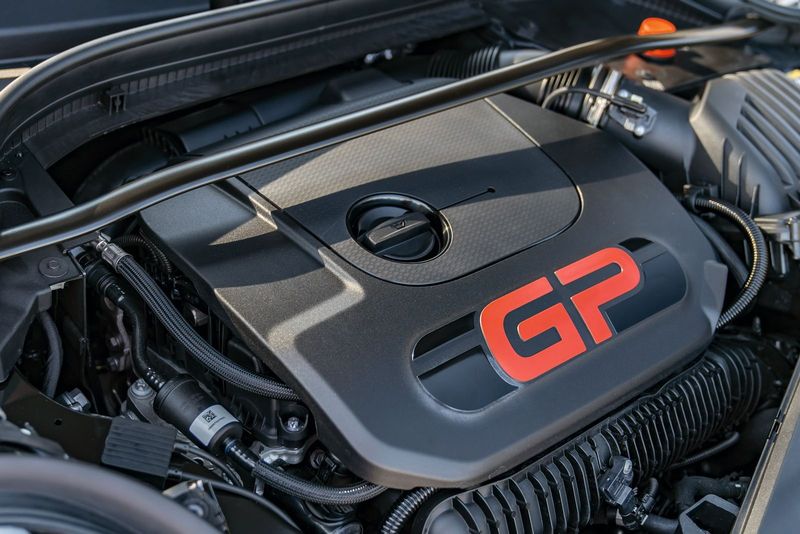
Performance-wise, the 3rd-generation GP raises the bar by a not-insignificant 55 kW and 132 Nm over the JCW 3-door (upon which it’s heavily based). It runs the same-spec 2.0-litre 4-cylinder turbopetrol engine as the larger and heavier Clubman JCW All4 and Countryman JCW All4 – the B48, as it’s known internally within the BMW Group.
Potent performance
Add power, shed weight, lower centre of gravity. All things to make a faster hatchback ticked off the list.
The uprated powerplant delivers a peak power output of 225 kW, endowing this most potent Mini with a power-to-weight ratio that’s up by 50 kW per tonne over its predecessor, at 180 kW per tonne. No less influential to the driving experience is the torque, which peaks at 450 Nm between 1 750 rpm and 4 500 rpm.
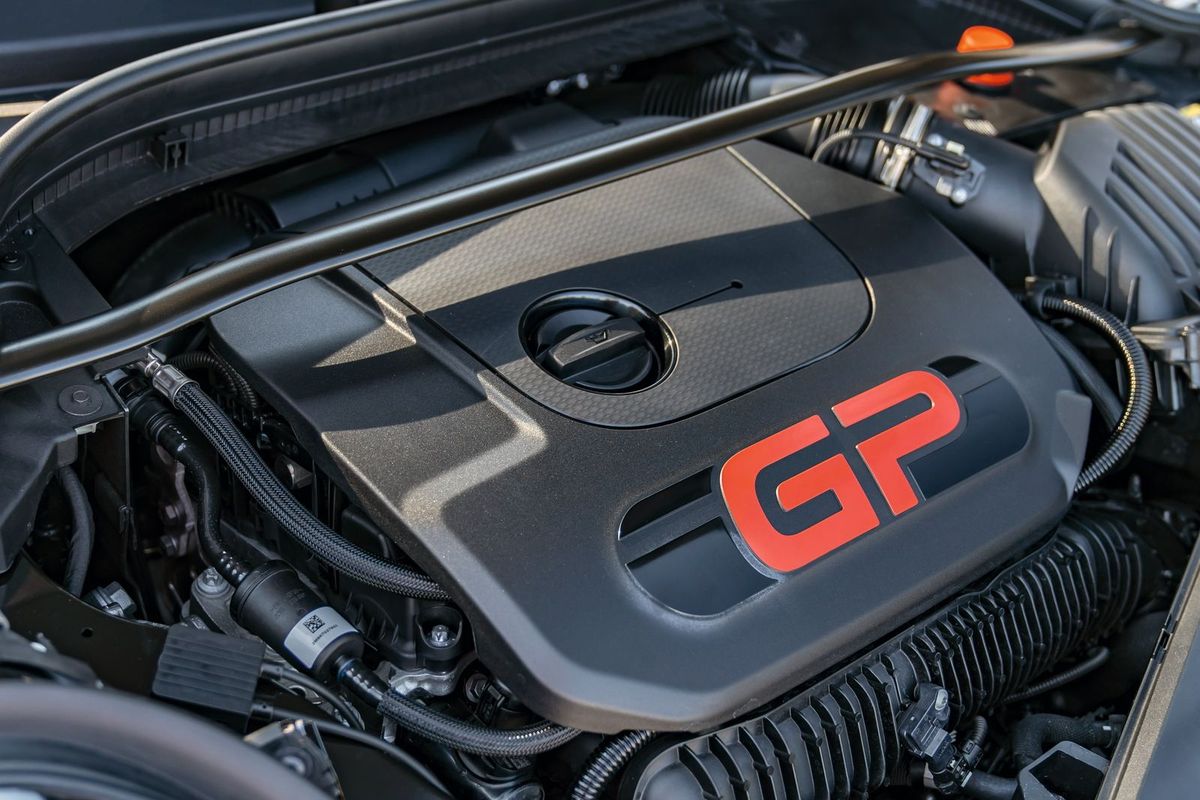
Changes over the engine used by the JCW include a new twin-scroll turbocharger running higher boost pressure, a reinforced crankshaft with a larger main bearing, lighter pistons, new connecting rods, a redesigned vibration damper, a larger sump and greater cooling potential. Although it retains a front-wheel-drive configuration, the GP is sold exclusively with an automatic transmission. This seems an odd move given its positioning as a road-and-track car…
However, Mini says the 8-speed transmission, appended with steering-wheel-mounted shift paddles, is key to providing the GP with the performance to challenge rivals such as the Renault Mégane RS Trophy and Honda Civic Type R – even though it retains the same individual gear ratios and 2.96:1 final drive ratio as the JCW.
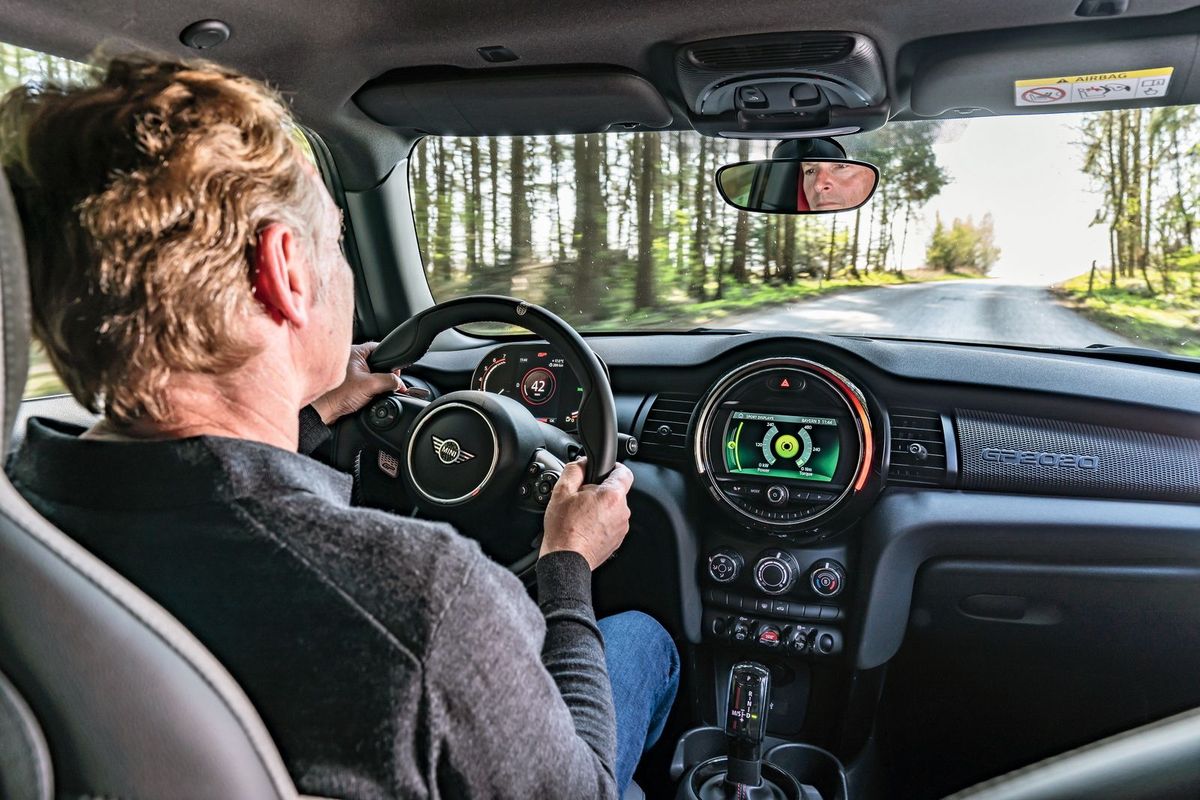
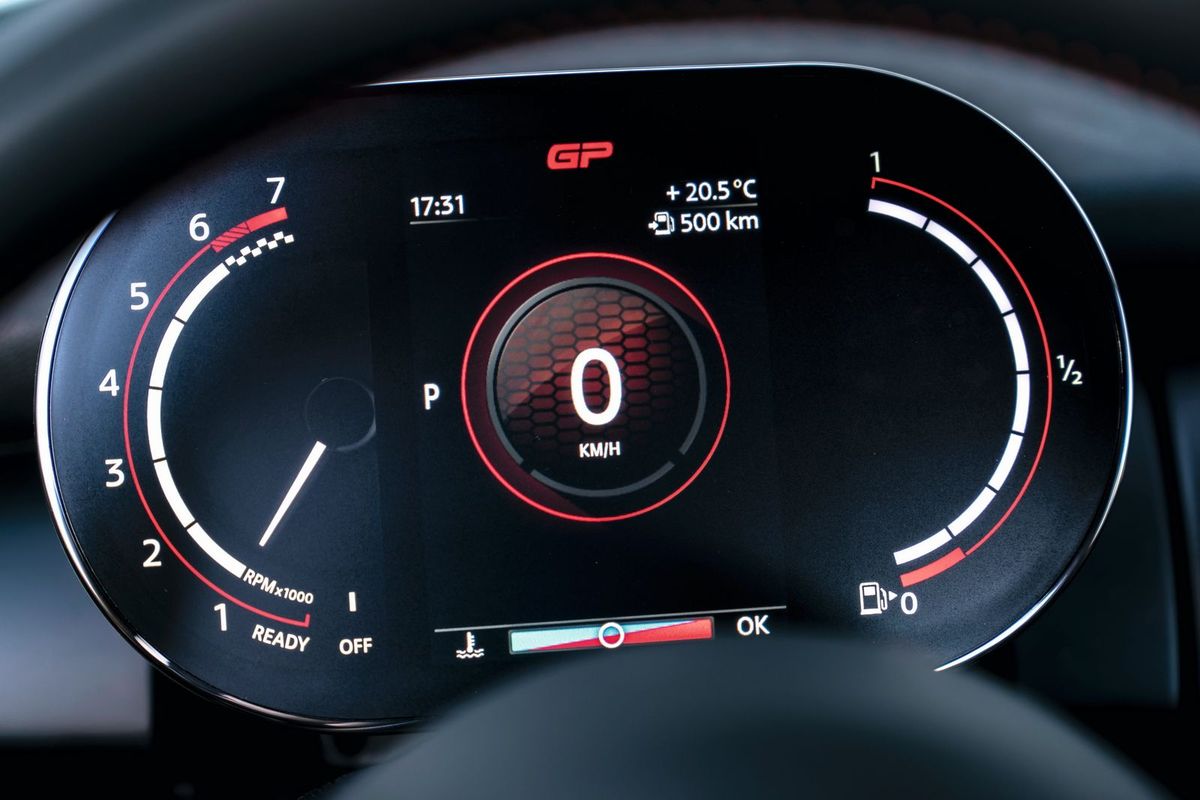
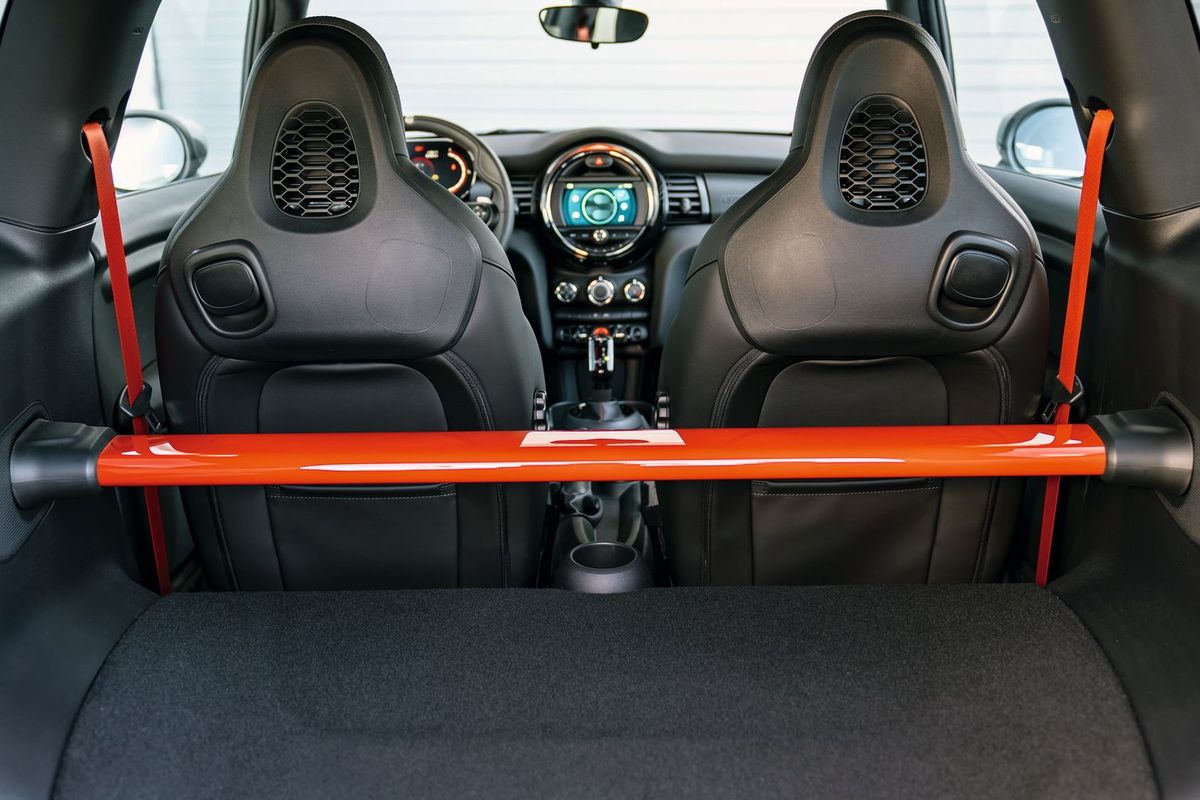
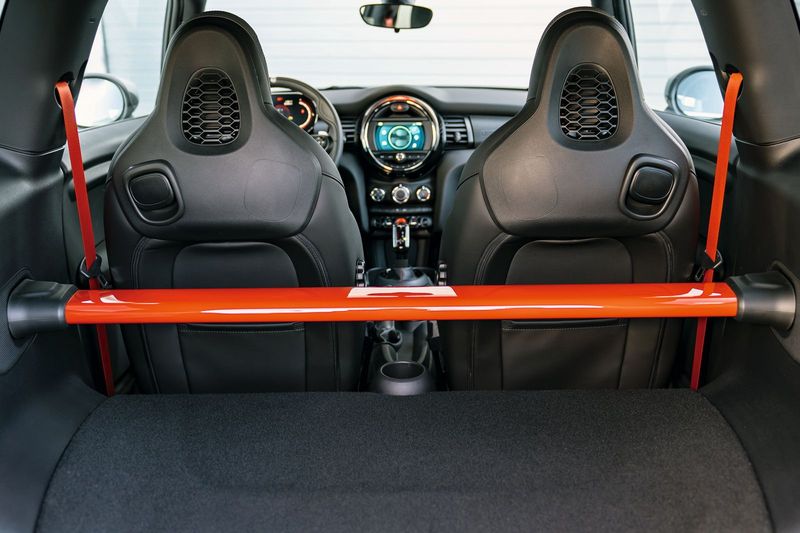
Like its predecessor, the GP is a pure 2-seater. While the front of the cabin is little changed from the JCW, apart from the inclusion of a digital instrument display and new trims, the rear bench has been removed in the interest of weight saving and body-stiffening. A transverse brace is added behind the front seats, although this is simply to stop luggage from sliding forward under hard braking and plays no part in improving the newcomer's rigidity.
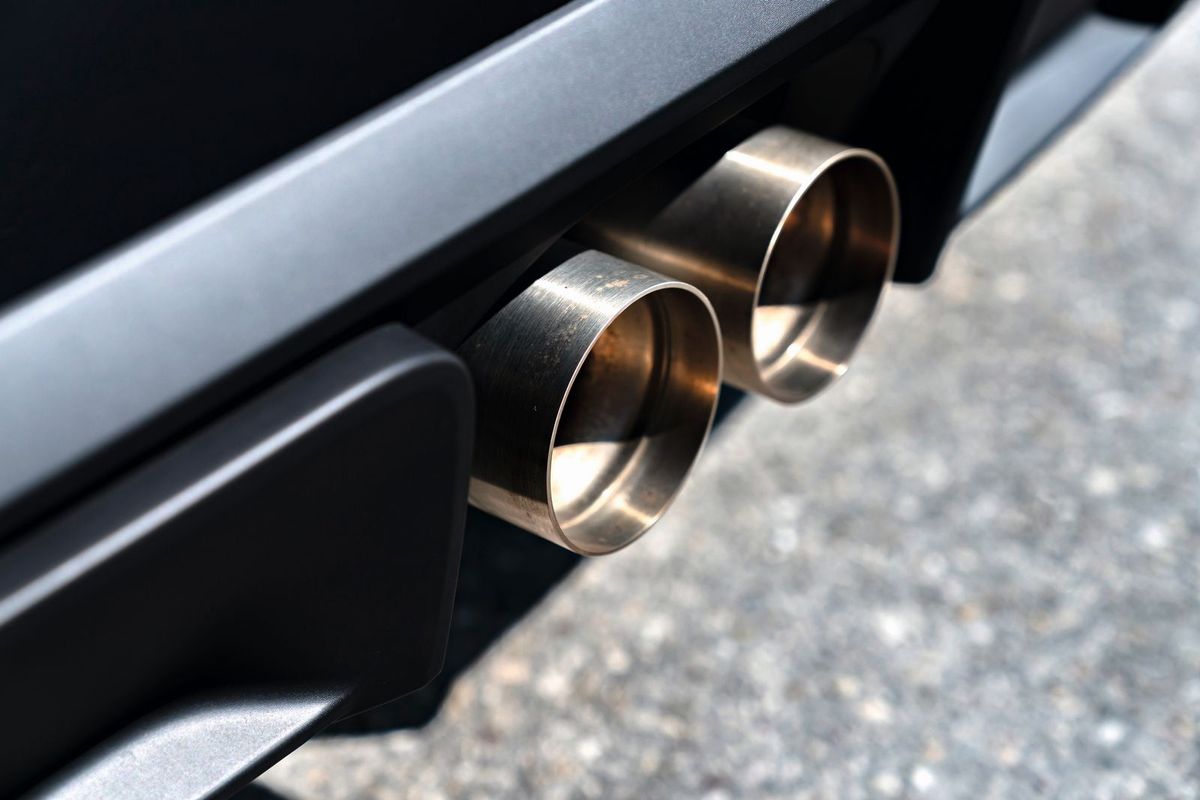
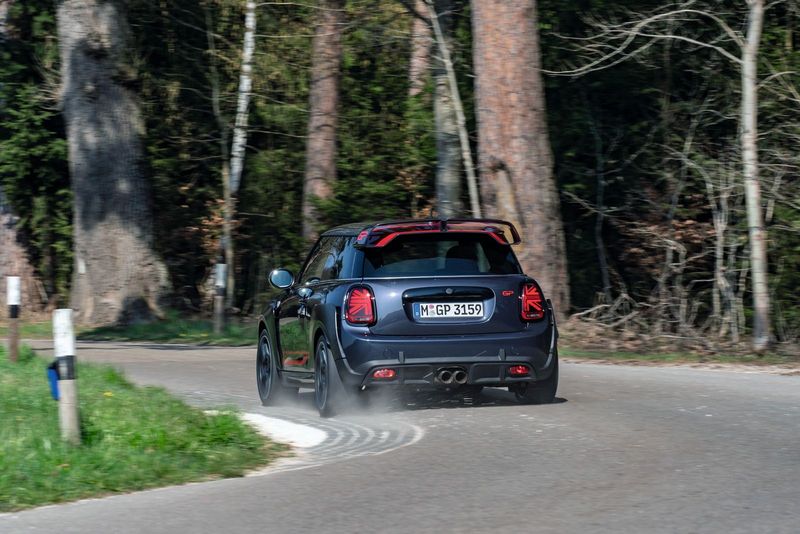
Hitting the starter button unleashes a rich blare of exhaust noise that’s eminently appealing and fully befitting of the GP’s track-bred character. On the move, where it emits the odd crackle on a lifted throttle and during downshifts, the acoustic qualities are clearly more expressive and immediate than in other Minis, thanks partly to the adoption of a new stainless-steel exhaust system featuring unique ducting and purposeful-looking, 90 mm diameter tailpipes.
225 kW and 450 Nm of torque is plenty of gas for something deemed a Mini.
There’s no arguing with the effectiveness of the engine in propelling the GP’s relatively low kerb weight of 1 255 kg. There’s a hint of low-end lag, but keep it percolating above 2 000 rpm and the motor remains engagingly responsive (and nicely linear) in terms of delivery, with plenty of torque-driven urge and pleasing smoothness through the mid-range. There’s often too much torque for the mechanical differential lock and dynamic stability control (DSC) system to properly cope with on occasion, in fact. As a result, when you accelerate hard, there is some moderate corruption of the steering as the GP struggles to fully transmit its reserves to the road in lower gears.
This aside, the performance feels every bit as strong, if not stronger, as that indicated by Mini’s claimed 0-100 kph time of 5.2 sec. The engine is willing, with a fittingly muscular character to the 6 800 rpm cut-out, while the gearbox shifts wonderfully crisply – and promptly – on a loaded throttle in manual mode.
No comfort mode here
There’s no need to scroll through different driving modes to tickle the best out of the GP, either, because the uber-Mini is programmed for Sport only. It doesn’t take too long to discover that the GP operates on an altogether higher performance plane than any previous production Mini. At all points, it feels faster, more urgent and generally a good deal more fervent than even the JCW. Happily, these traits also apply to the handling, which, if anything, is even more impressive than the sheer speed generated by the motor.
There’s a terrifically agile feel to the GP, and it’s never less than incisive across a winding back road. The basis for this is a series of stiffening measures incorporated within the body structure, including a new engine mount, a beefed-up front tower strut brace and, most notably, a sturdy rectangular support for the rear suspension. The GP also runs its own unique camber rates, beefed-up anti-roll bars and, with unique 18-inch wheels featuring greater offset than those of the JCW, suitably wide tracks.
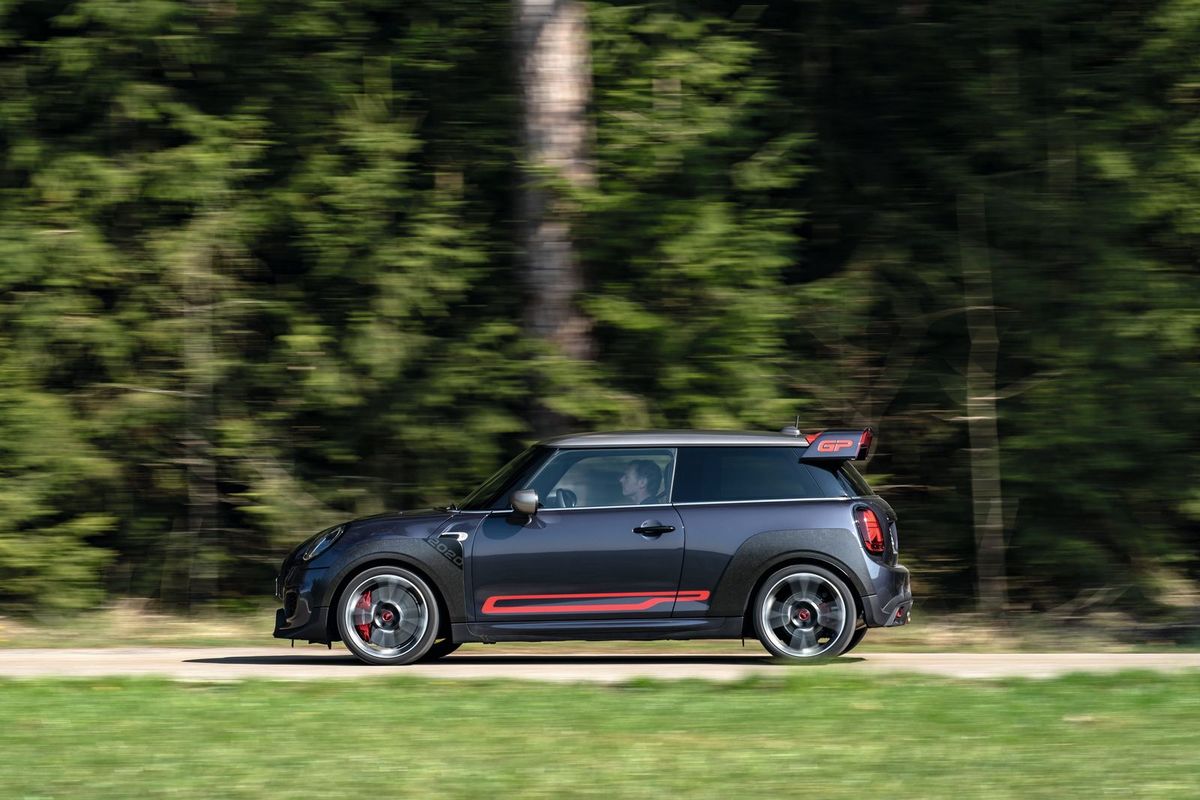
The standard 225/35-profile Hankook tyres come with S1 Evo Z tread or, as worn by our test car, TD semi-slicks. On top of this, Mini has lowered the ride height by 10 mm over the JCW, bringing a lower centre of gravity and even greater visual aggressiveness to the stance.
Despite looking quite serious the rear cross-brace is only there to stop luggage sliding forward.
It’s the immediacy of the Mini's steering that initially shines through. Turn the wheel and it delivers great on-centre response. The hefty weighting of the speed-sensitive electromechanical system can be a little disconcerting at first, but it becomes a welcome attribute once you’re dialled in, particularly at speed, where it compensates for a lack of proper road feel. It really is nicely judged, giving the GP a keenness in directional changes that’s clearly beyond that of the JCW.
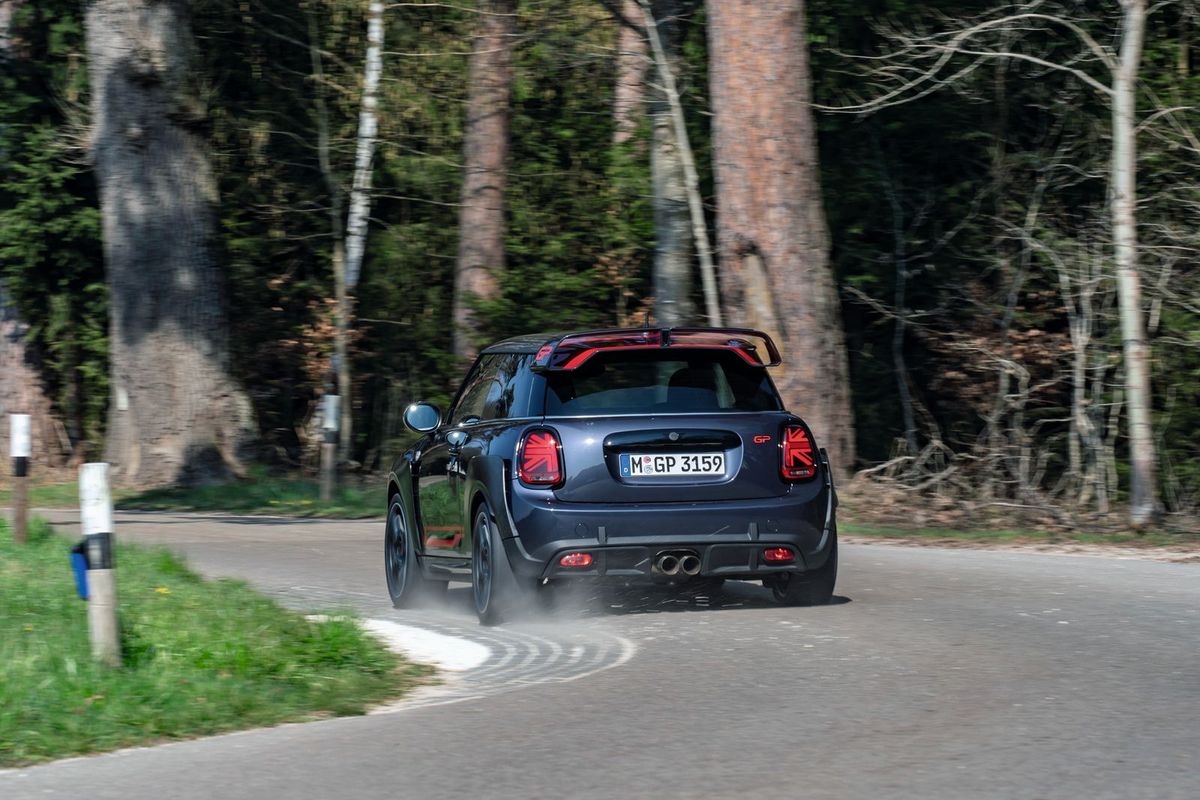
The cornering ability of the GP is characterised by superb body control and a steely resistance to understeer. The real strength, though, is the grip. With all the various changes to the suspension and the huge purchase provided by its grooved race tyres, the car is capable of generating truly heady cornering speeds on smooth surfaces. However, it takes a lot of commitment to even begin scratching the surface of its lateral limits on public roads.
Semi-slick rubber is fitted the Cooper GP giving it serious traction.
We’ll need a lot more time behind the wheel and a circuit to properly explore the GP’s handling, but those in the know at Mini suggest it will see off the standard BMW M2 coupé over a single lap of the Nürburgring. What we can already vouch for is its outstanding high-speed stability. On an extended autobahn outside Munich, we briefly reached a whisker over 250 kph, at which the GP felt superbly planted and full of intent. Mini says it can hit 265 kph when given more room to roam, making it the brand’s fastest model yet. The compromise in achieving all this manifests itself in the quality of the ride – although not by as much as you might expect.
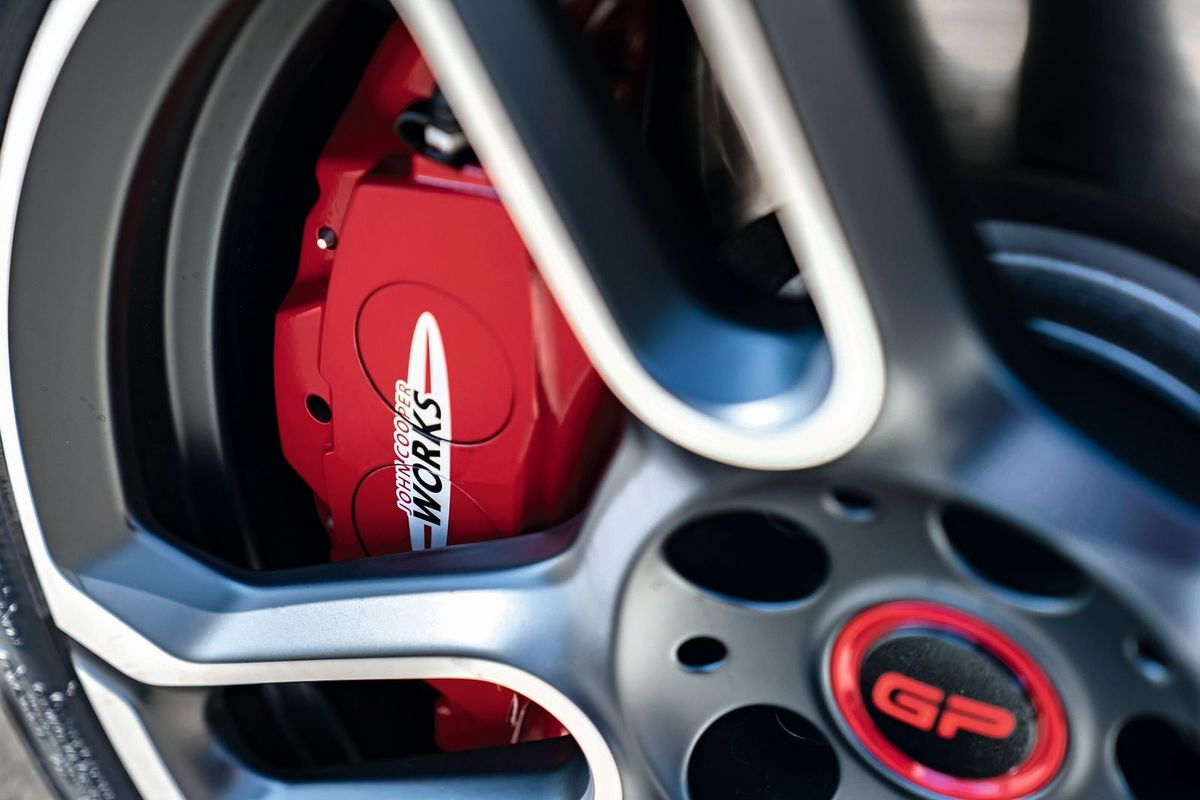
There’s a general firmness to the suspension (which is by MacPherson struts at the front and multi-link at the rear), but it’s not totally devoid of compliance. Overall, it’s a touch more reactive to surface imperfections than the JCW. However, it was far from harsh. The brakes are well up to the job, too. Once again, they’re the same spec as those used by the Clubman JCW All4 and Countryman JCW All4, with 360 mm discs grabbed by 4-piston calipers up front and 330 mm discs with single-piston floating calipers at the rear.
If looks could kill
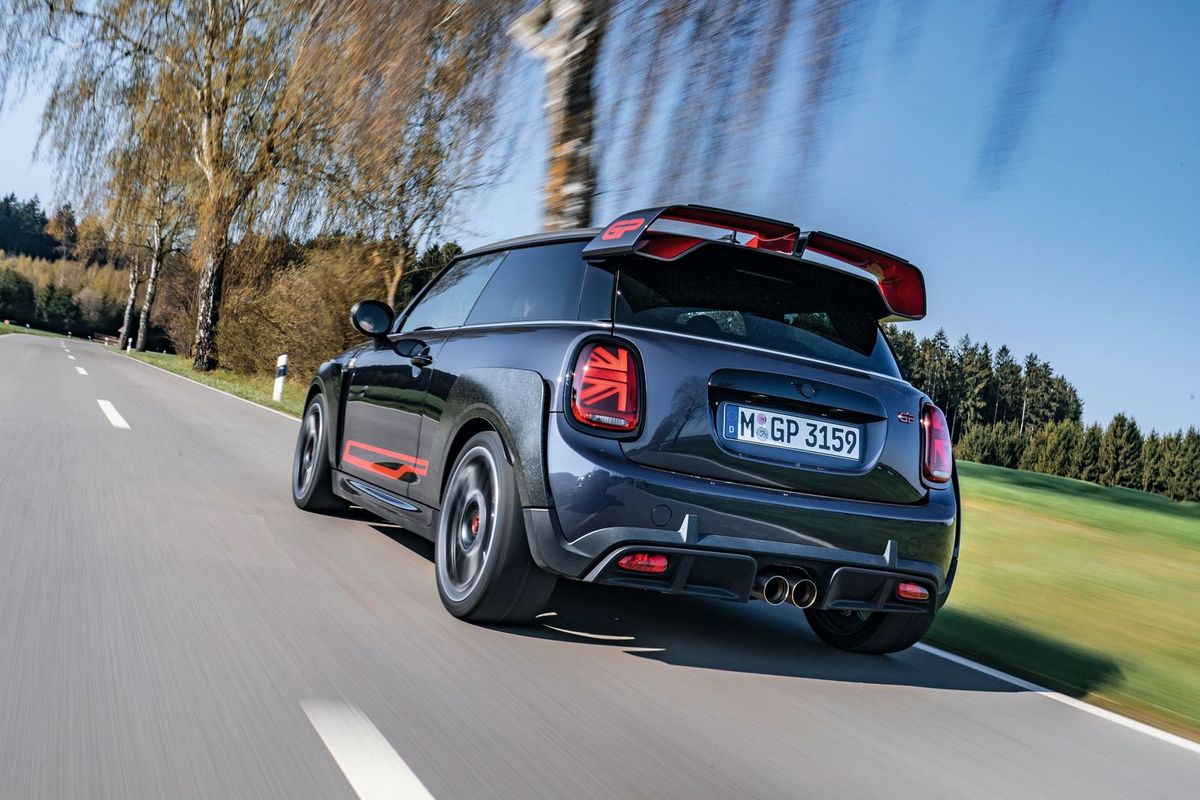
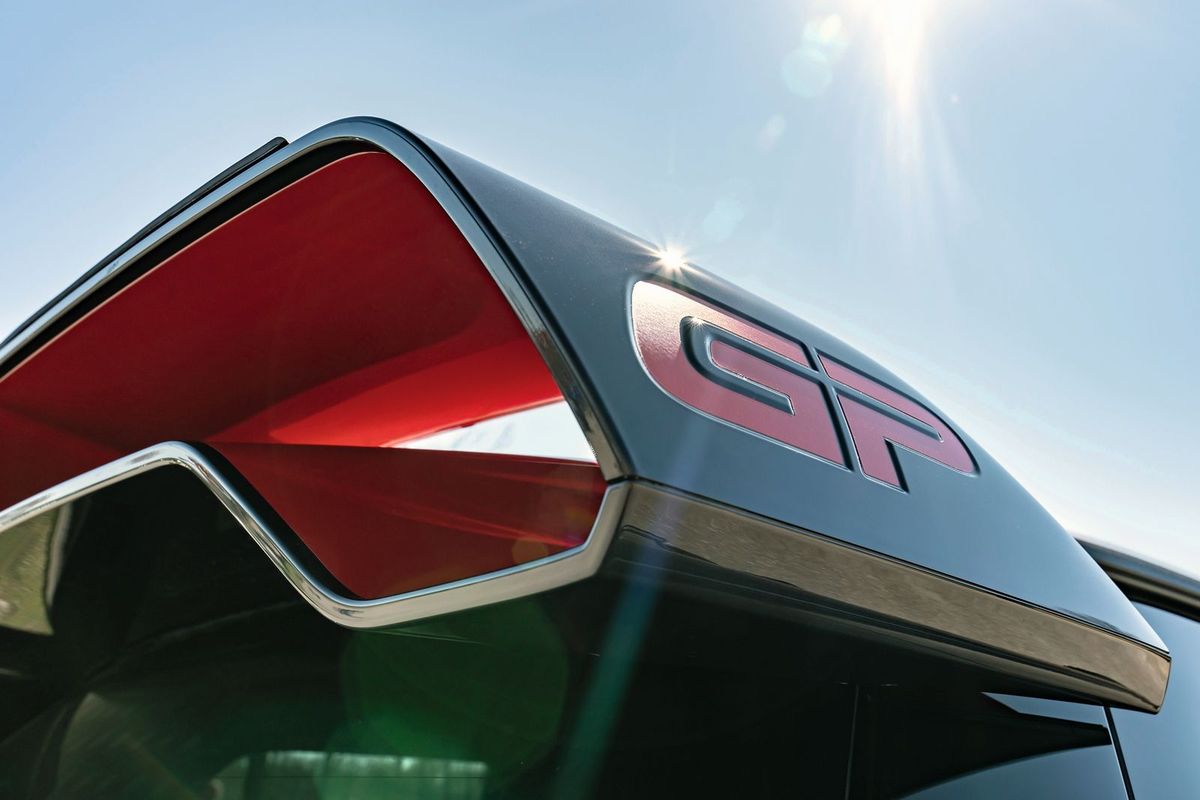
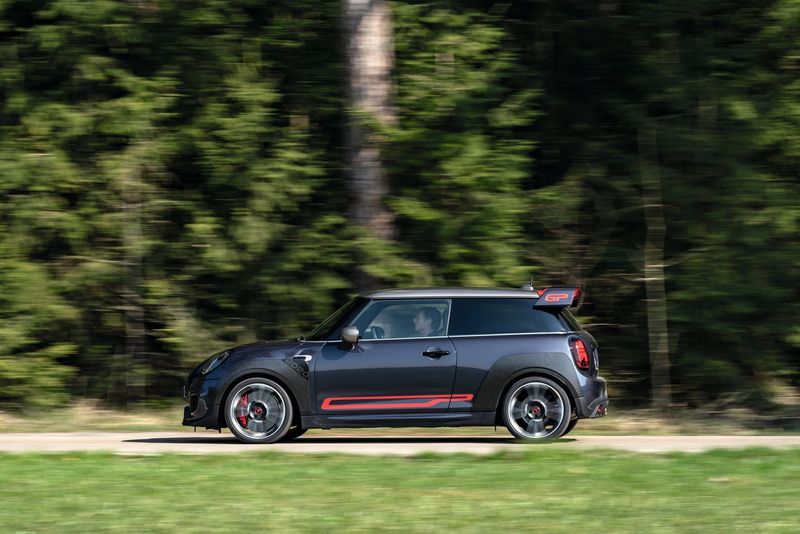
The big wing and bodykit make this an unmistakable presence on the road.
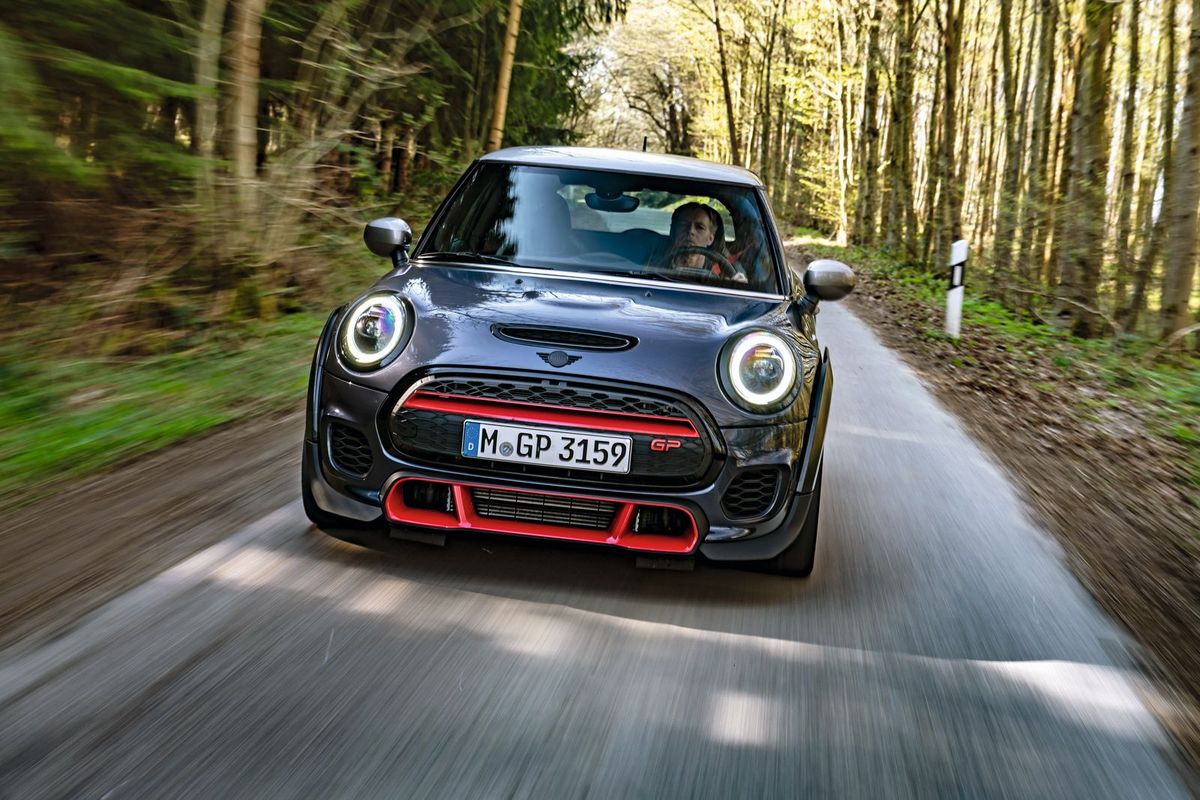
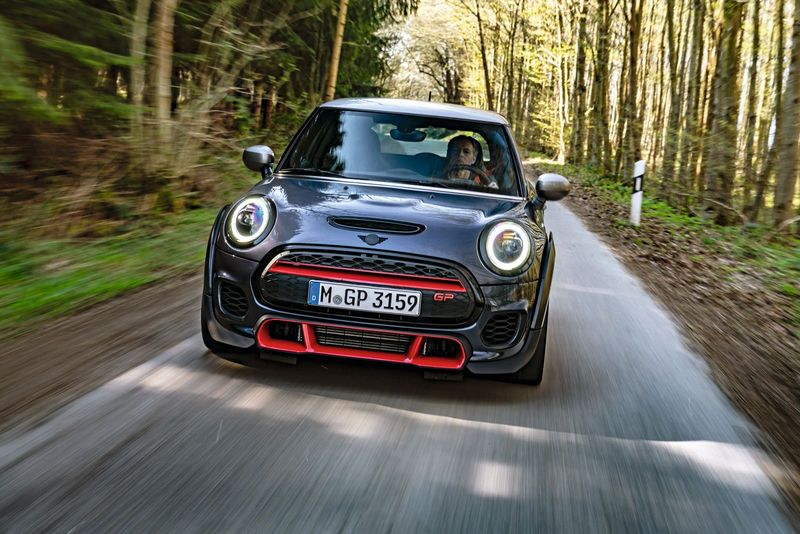
Of course, there’s more to the new GP than its sheer speed and sweet handling… This car unapologetically signals its track-bred intent with the most radical bodykit and arguably toughest stance ever applied to a roadgoing Mini. The visual purpose apparent in the original concept remains very much ingrained in the function-led exterior. The styling differentiation over the standard JCW is quite extreme and instantly signals the added performance potential.
It starts at the front, with a deeper front bumper that houses larger cooling ducts and a more pronounced splitter element. Farther back, there are blade-like front wheel arch extensions that carry the car’s individual build number. Like those used for the rear wheel arches, they’re fashioned from the same carbon fibre that’s used within the body of the BMW i3 and are used to house the wider tracks and 8-inch-wide alloy wheels.
The most eye-catching addition, though, is the GP’s enormous rear wing. It looks as though it has been stolen straight off a TCR race car and, along with subtle lip spoilers, helps contribute to providing added downforce at speed. There’s also a subtly altered rear valance within the rear bumper, which houses those centrally mounted twin tailpipes.
Summary
The Mini JCW Cooper GP is now even faster (and, in a word, remorseless) in handling ability than ever before. It’s wonderfully focused and manages to involve you to a high degree in the right conditions. However, despite its obvious competency, the decision to make it available with an automatic transmission appears only misguided. As hardcore as it is in many areas, the GP doesn’t quite feel like the full raging race car for the road that Mini would have us believe it is.
In an effort to broaden the appeal of its Pik Up double-cab, Mahindra has introduced a pair of 6-speed automatic derivatives to its bakkie range. We recently tested the Pik Up S11 4×4 version to see how well it performs. Watch the video!
Earlier this year, Mahindra introduced a new 6-speed speed automatic transmission to its Pik Up bakkie range. According to Mahindra SA chief executive Rajesh Gupta, the move was prompted by “overwhelming demand for an automatic transmission” and the Indian manufacturer will undoubtedly be hoping to build on the impressive growth it achieved in the local market in 2019. Last year, the brand’s total market share grew to about 1%; Mahindra is evidently one of the fastest-growing vehicle brands in Mzansi.
The Pik Up S11 automatic is offered in 4×2 and 4×4 guises and should appeal to buyers looking for value and convenience in the lower end of the double-cab market. Just how good is the new Pik Up S11 4×4 automatic? Cars.co.za journalist, Gero Lilleike, took it for a play date in the mud to find out…
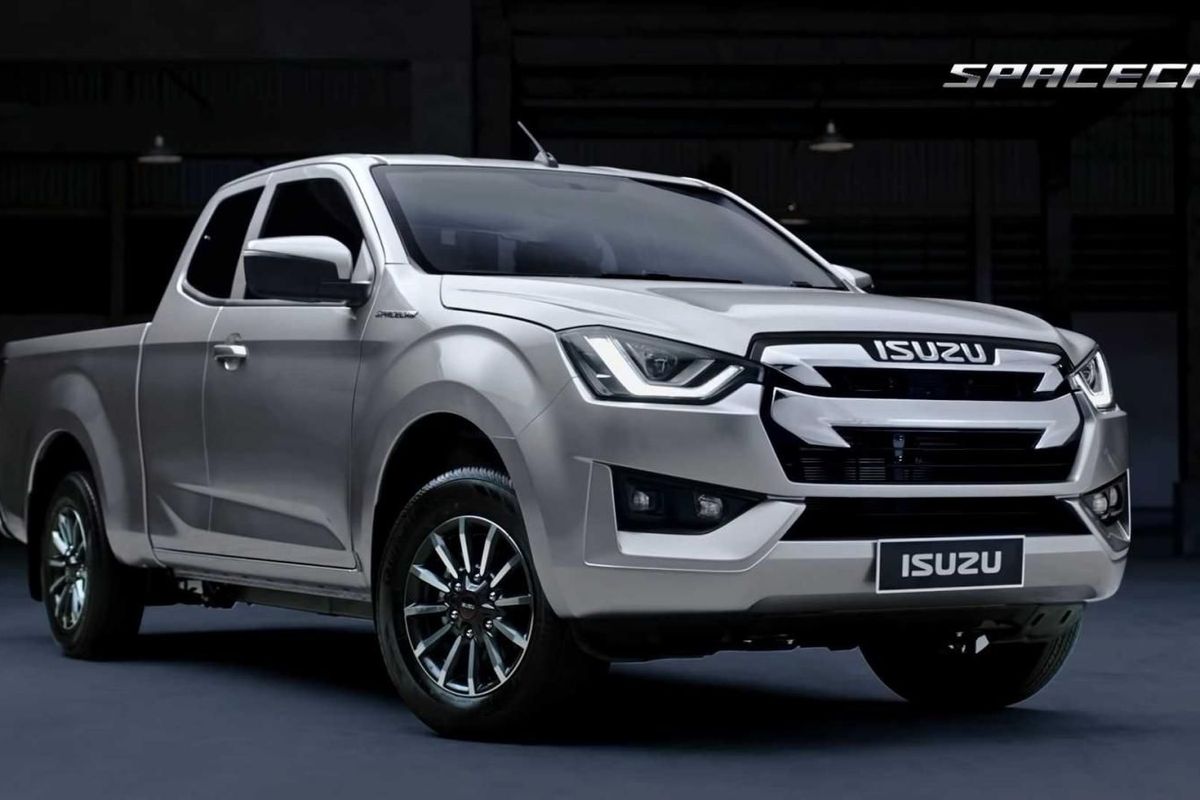
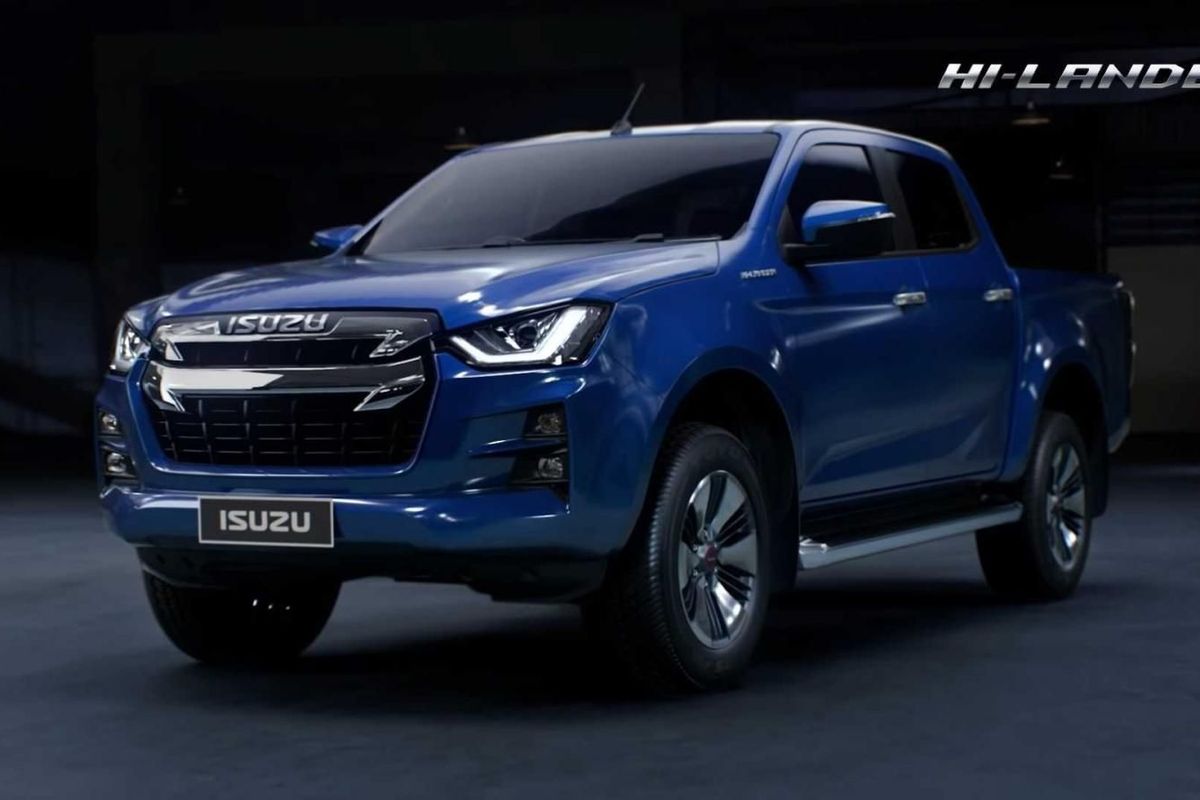
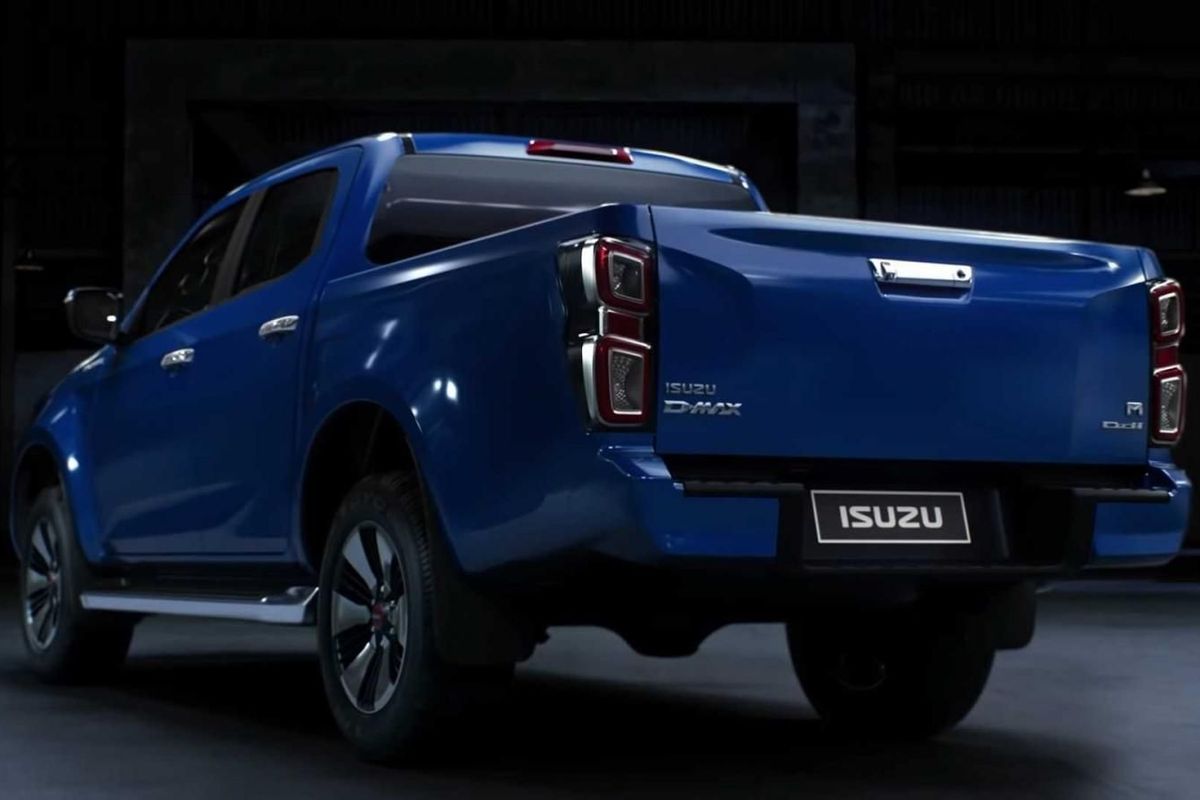
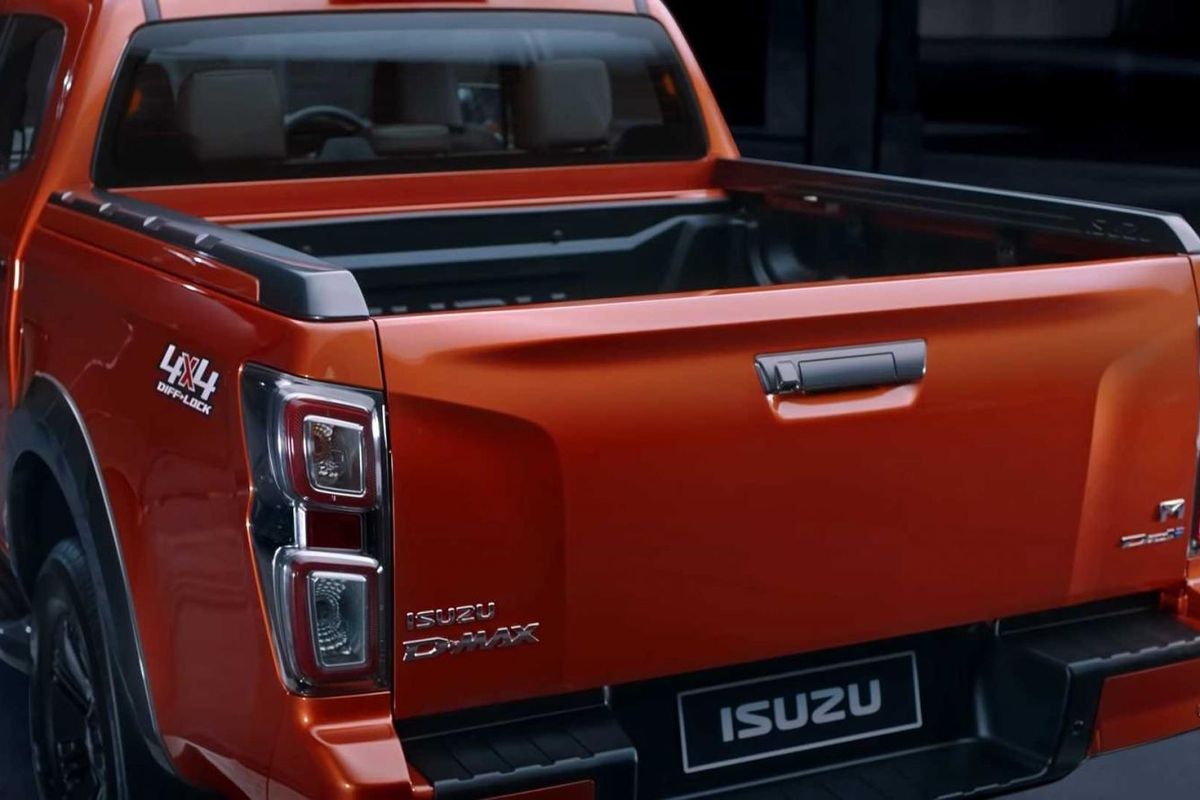
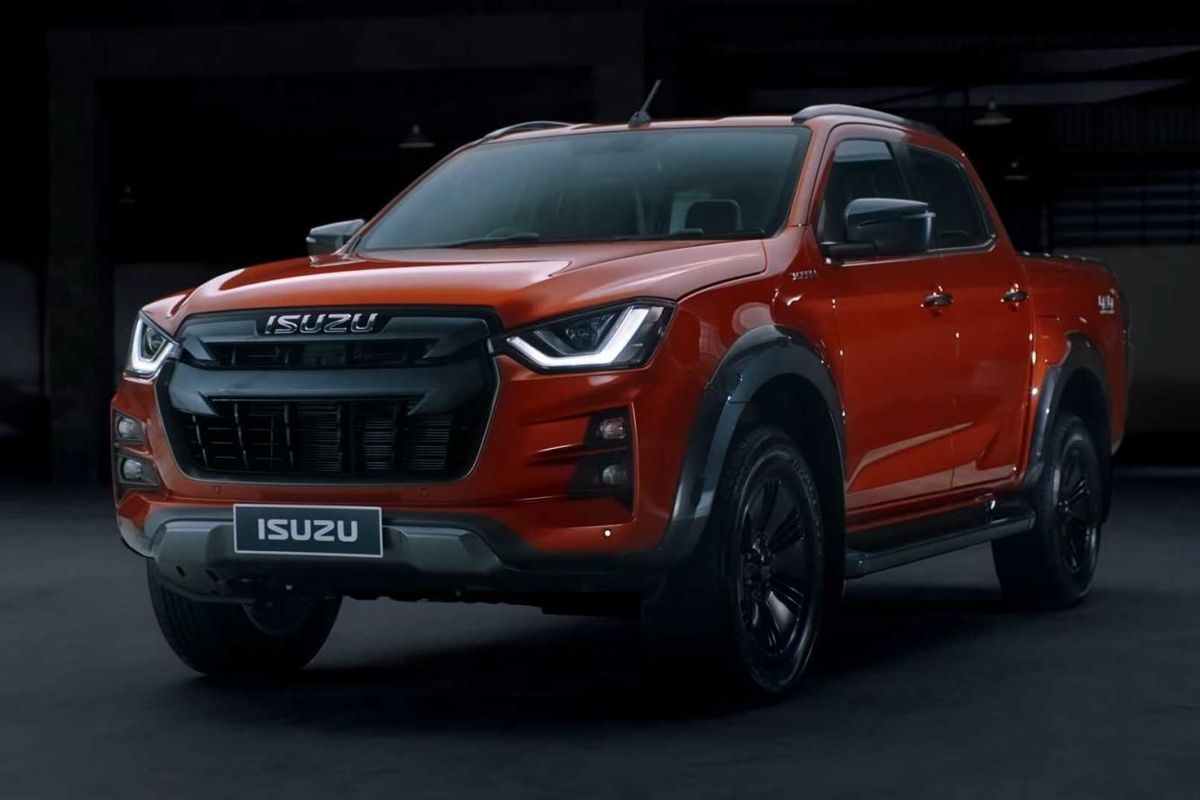
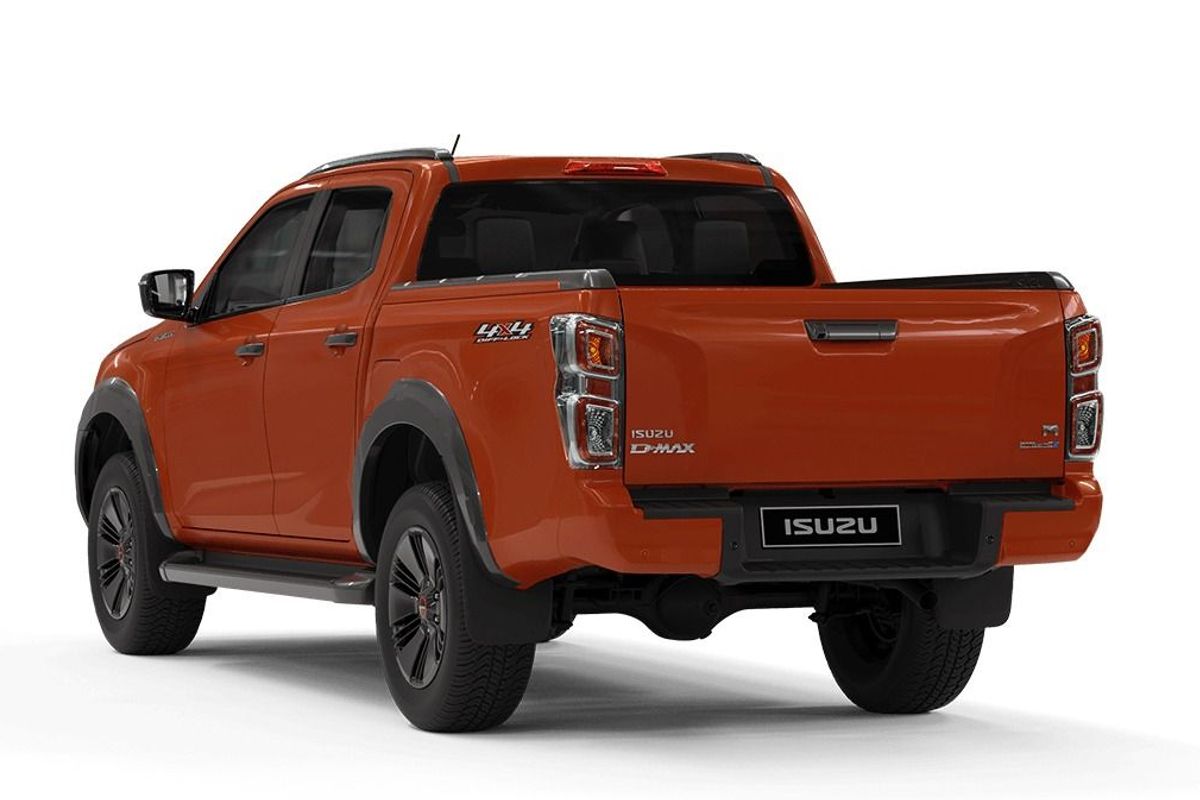
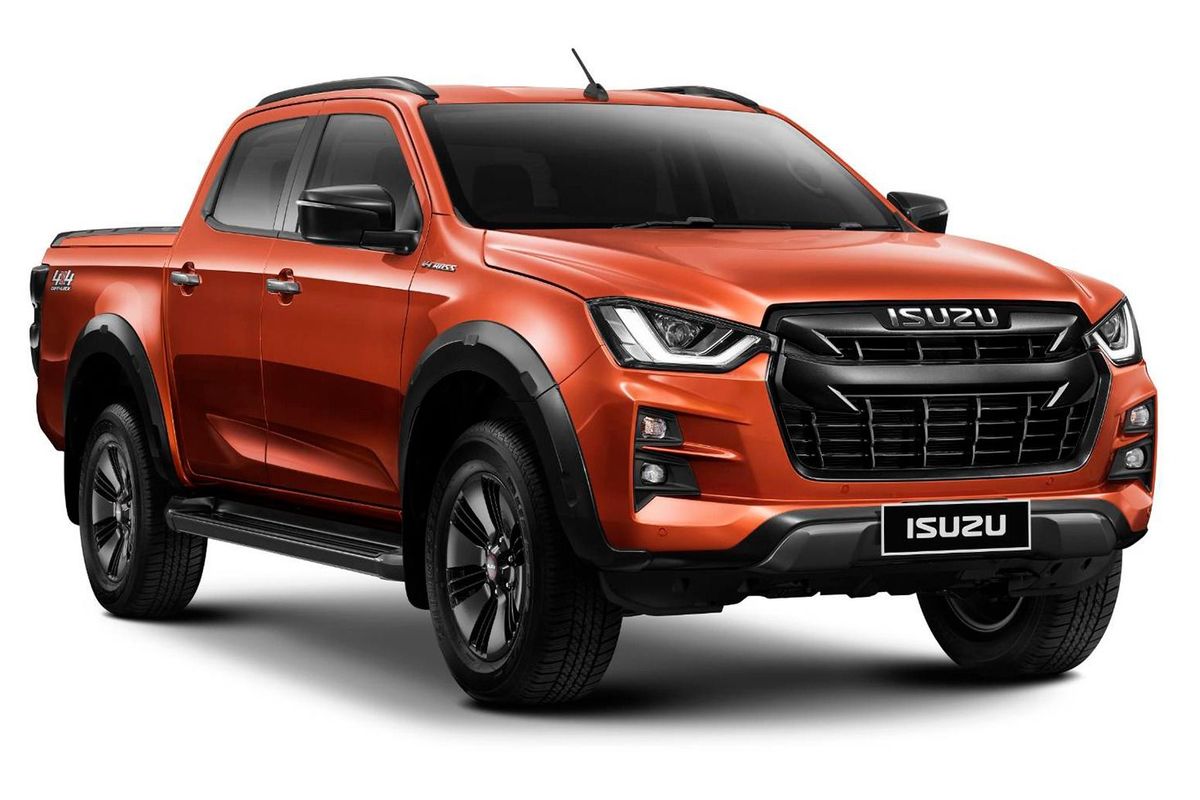
Despite the disruption caused by the Covid-19 pandemic, the all-new Isuzu D-Max remains on track to be launched in South Africa during the second half of 2021. Here's what you need to know about the popular bakkie, which finally gets a new model after 8 years.
The new Isuzu D-Max will be built in South Africa and it will be powered by a revised version of the current 3.0-litre turbodiesel motor packing 140 kW and 450 Nm. Under the skin, there's extensive work done to the chassis and the suspension.
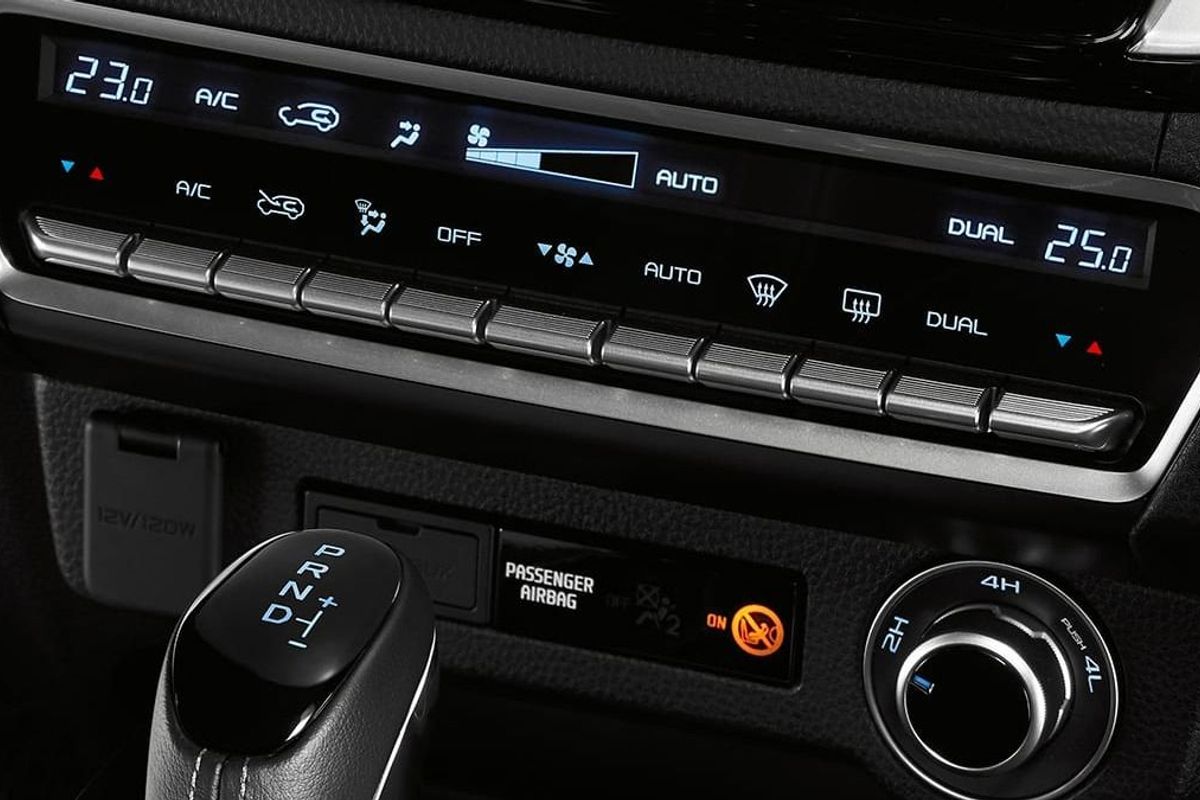
For the 4×4 enthusiasts, there's 800 mm of wading depth, as well as a rotary transmission selector featuring 2 High, 4 High and 4 Low, as well as Hill Descent. The all-new Isuzu D-Max features ABS, EBD, Brake Assist, Traction Control, Stability Control, Hillstart Assist, 8-way parking sensors, and rear cross-traffic alert.
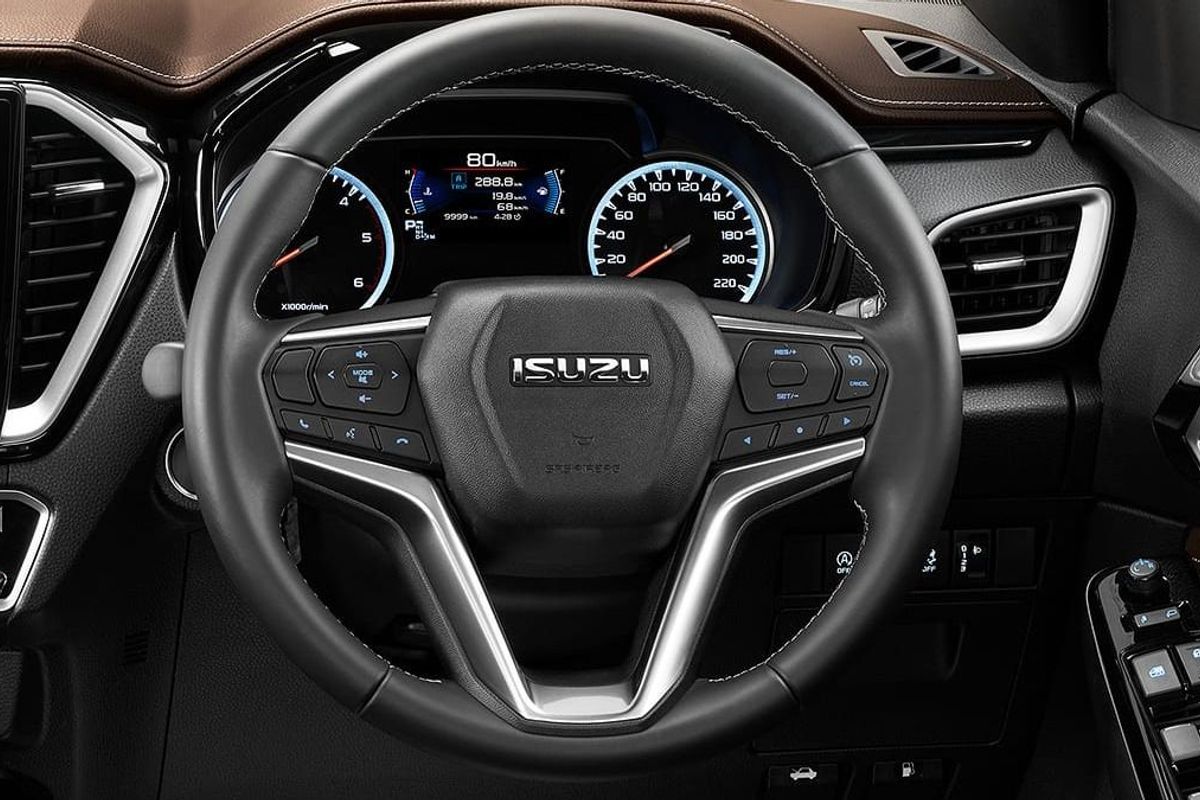
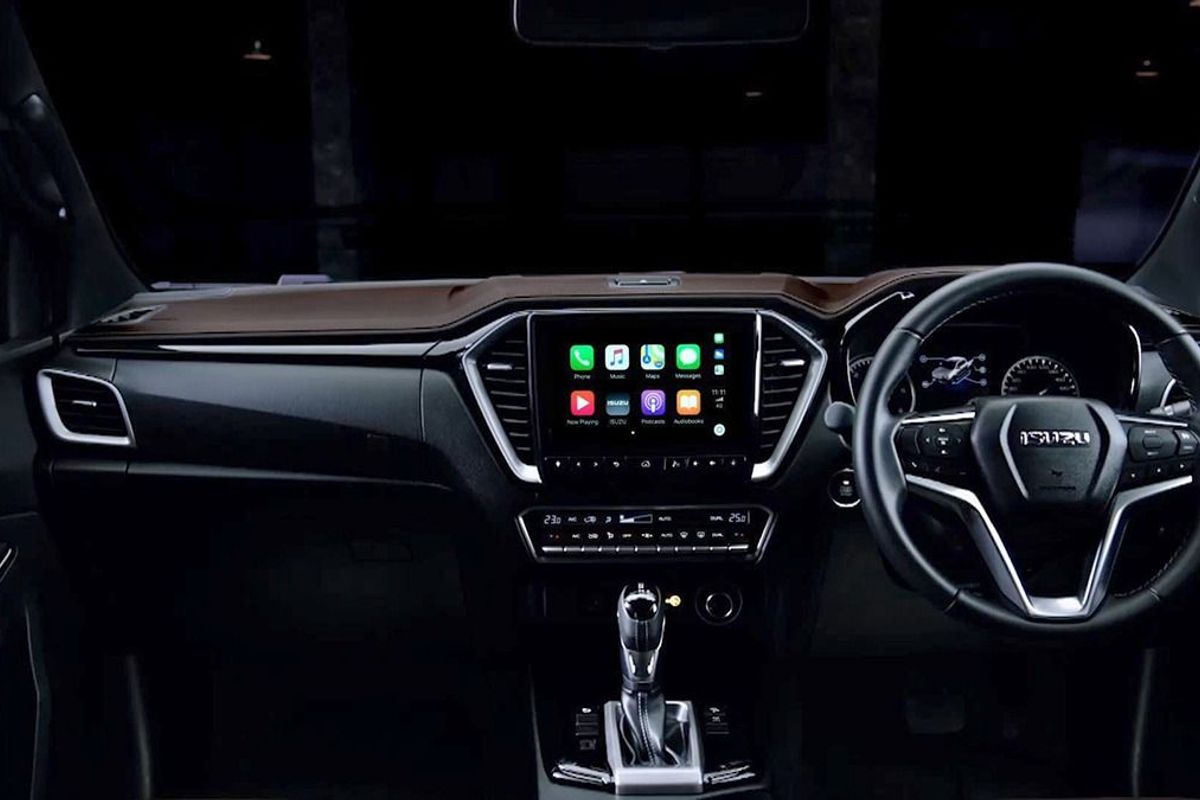
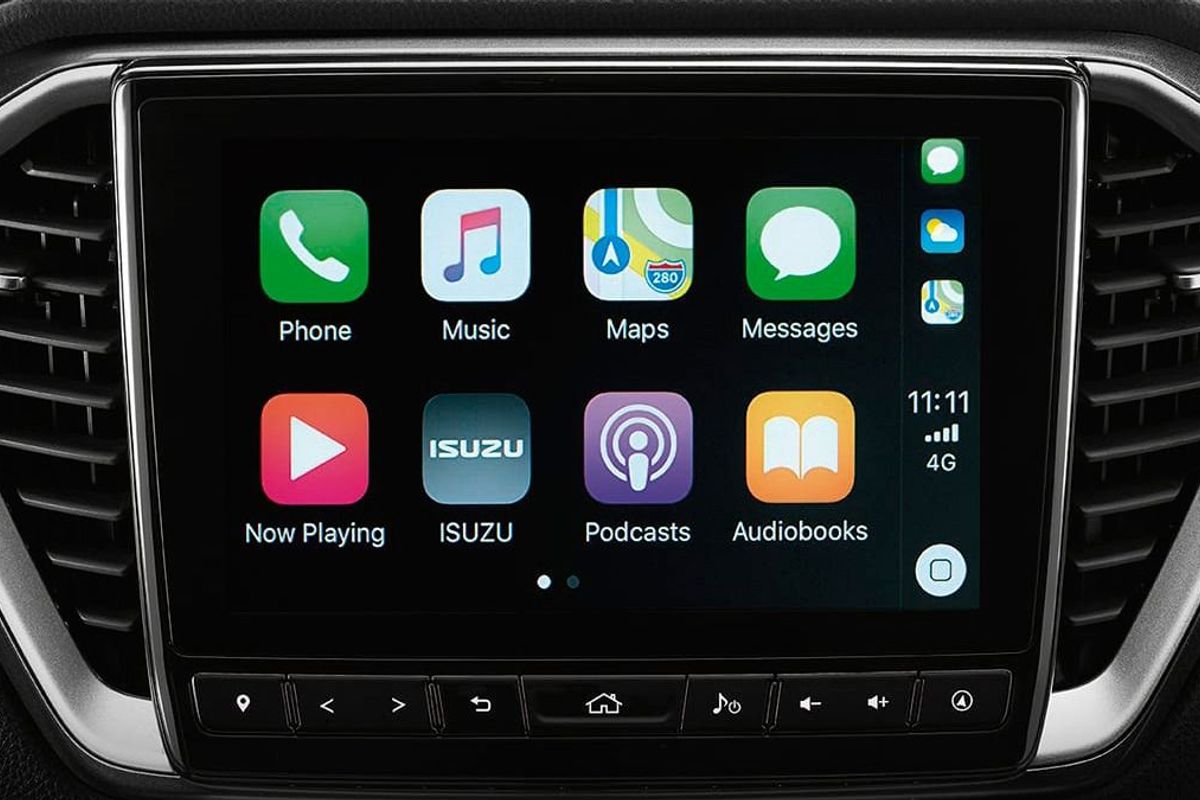
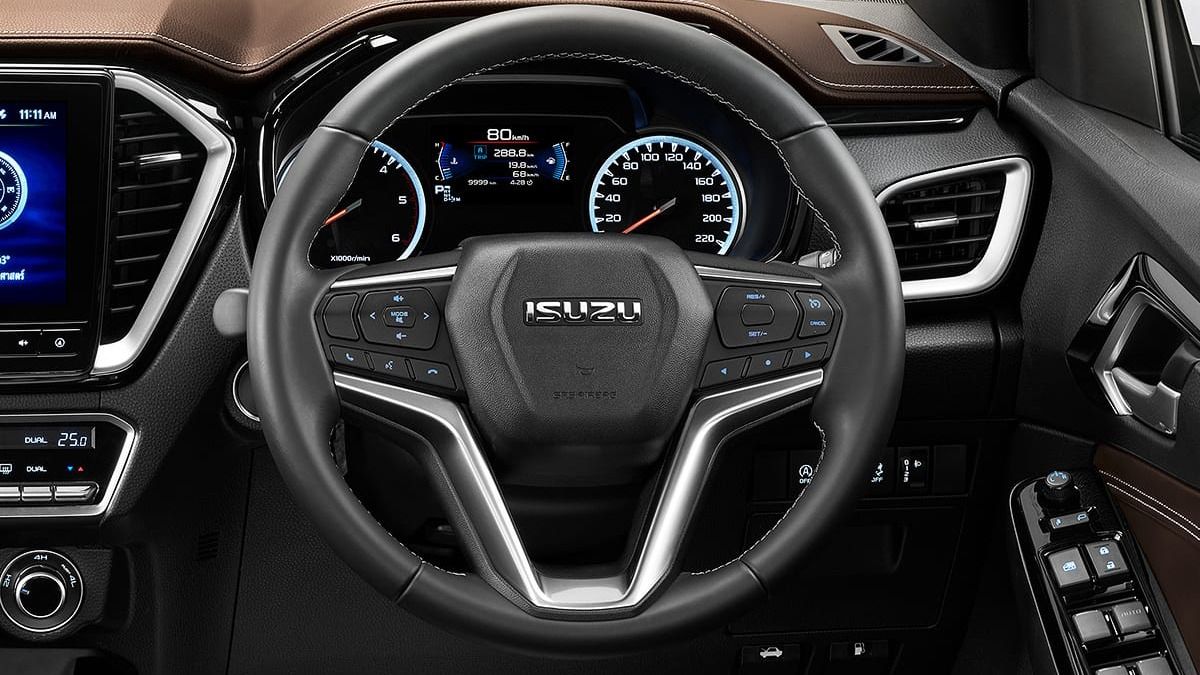
Inside, it has a rake and reach adjust for the steering, while there's a big focus on comfort, something we've always had issues with previously. In terms of connectivity, there'll be Apple CarPlay and Android Auto, as well as a modern 9-inch infotainment screen and audio system.
From what we've seen so far, it looks like Isuzu is trying to shake off its workhorse image and move into the lifestyle space.
Just over six months ago Isuzu Motors of Japan confirmed that it will be investing R1.2 billion into the next-generation D-Max bakkie programme in South Africa, while an additional total local content value of R2.8 billion will be generated through the lifecycle of the programme. We expect the all-new Isuzu D-Max to go on sale locally in mid-2021.