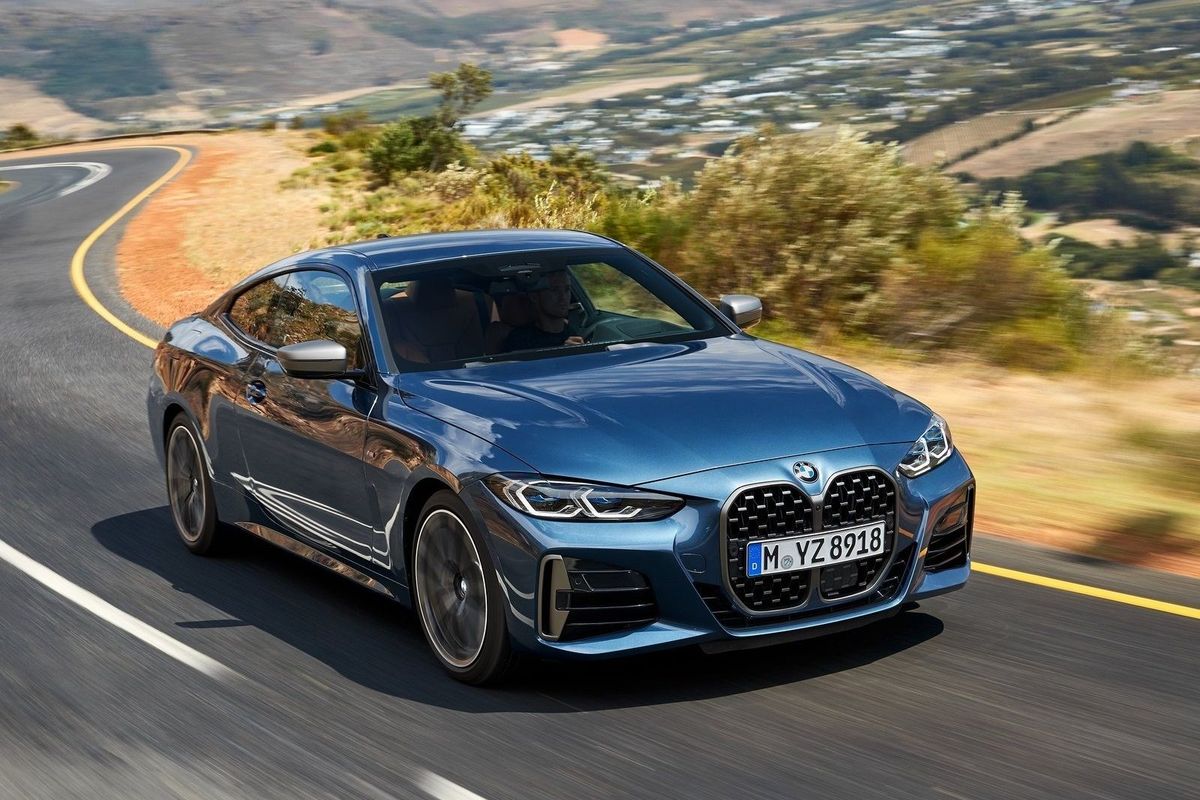
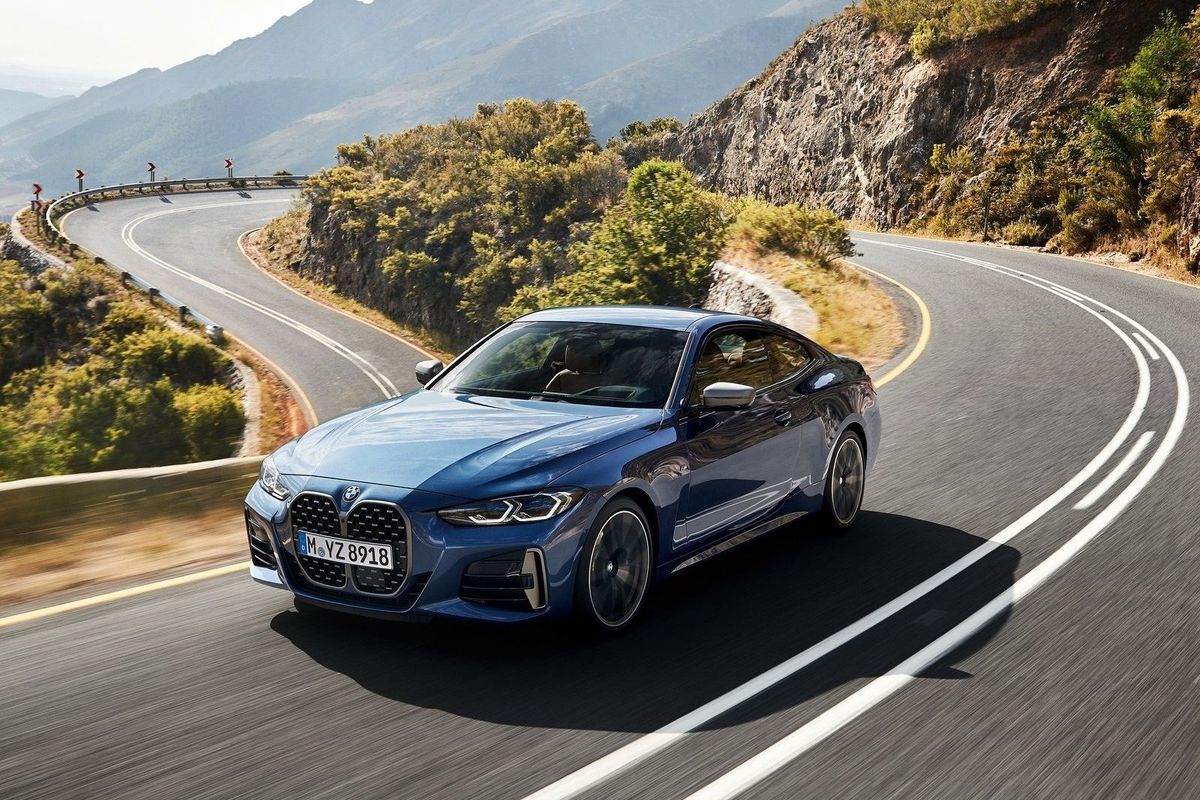
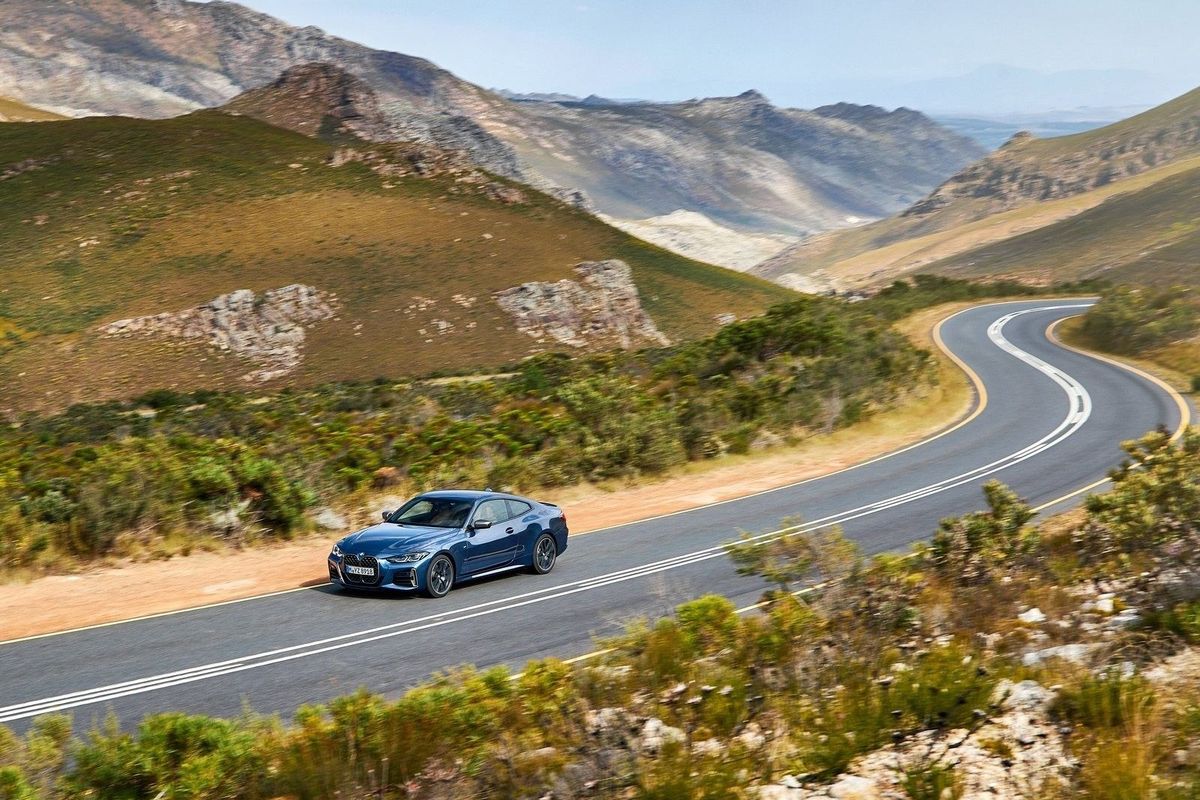
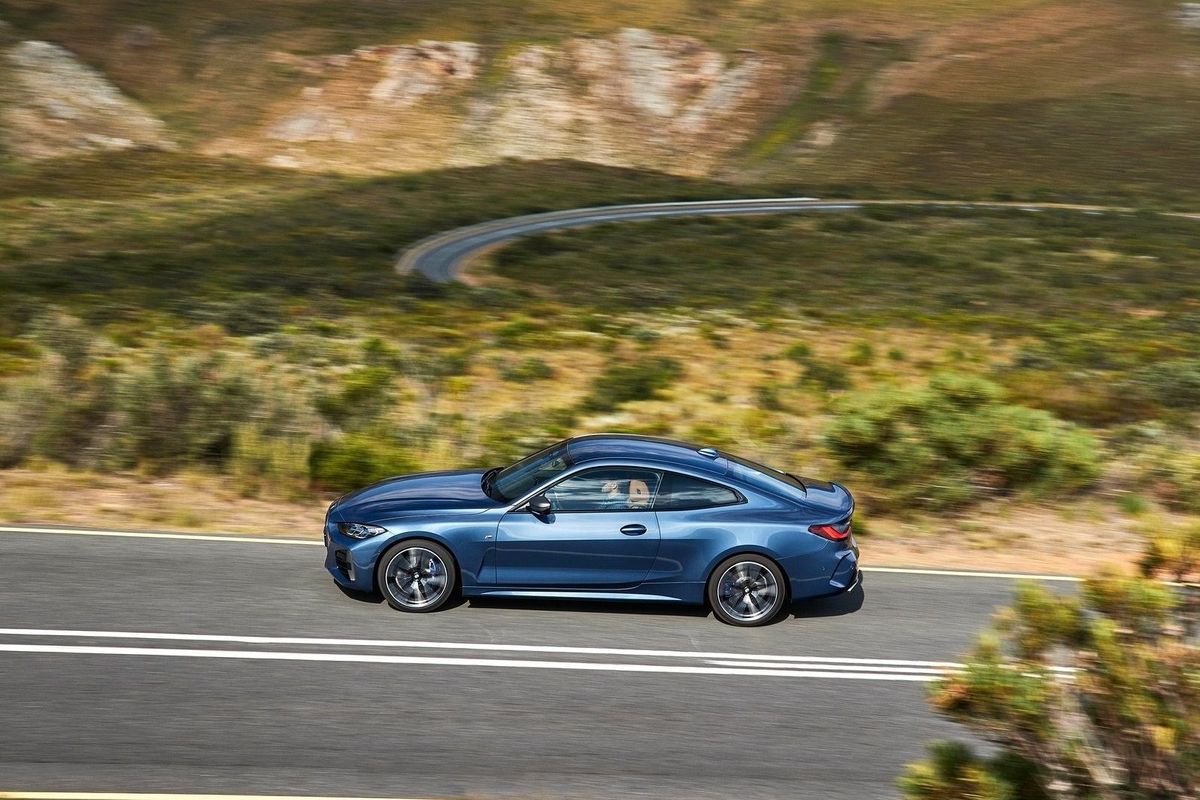
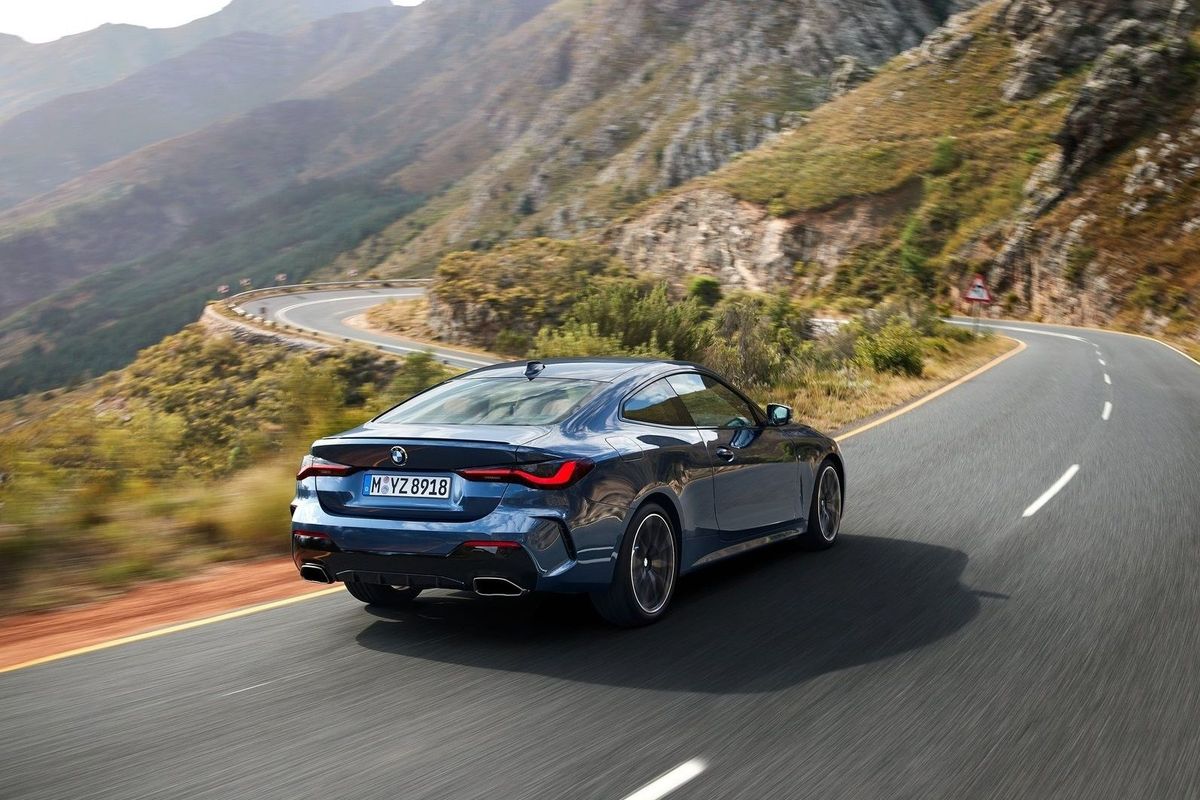
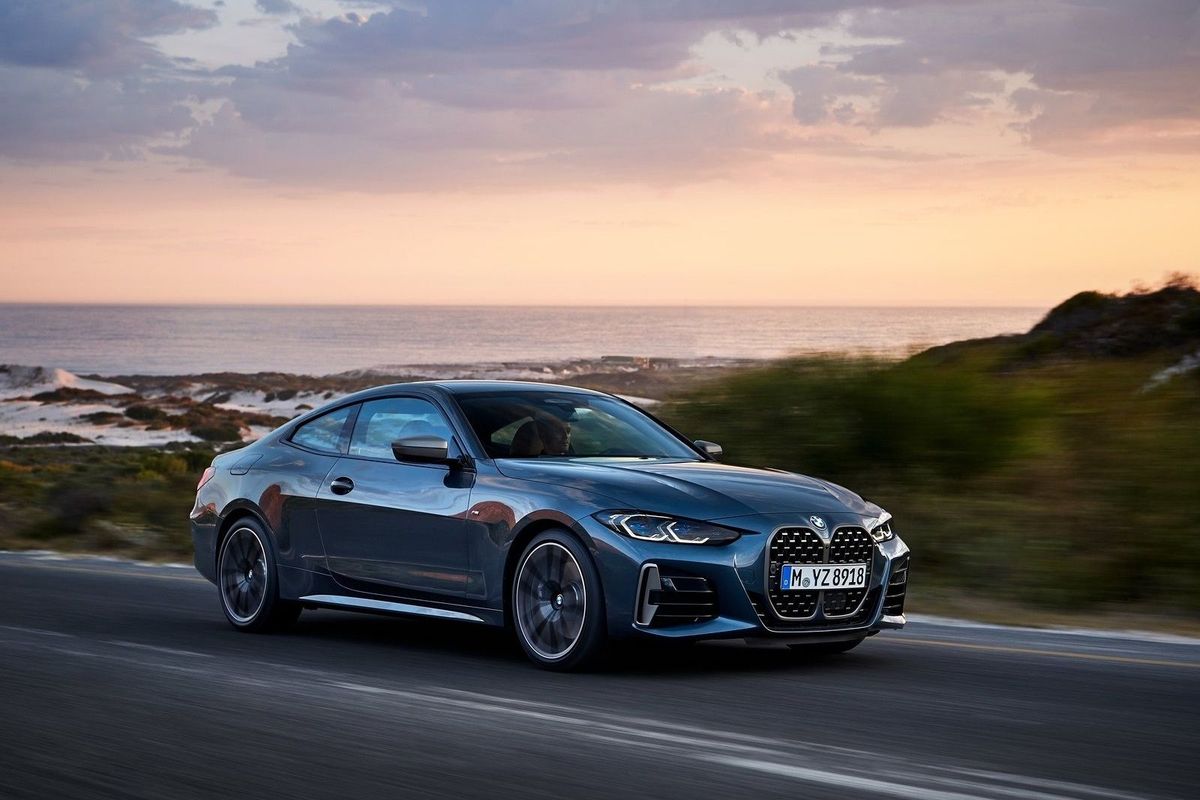
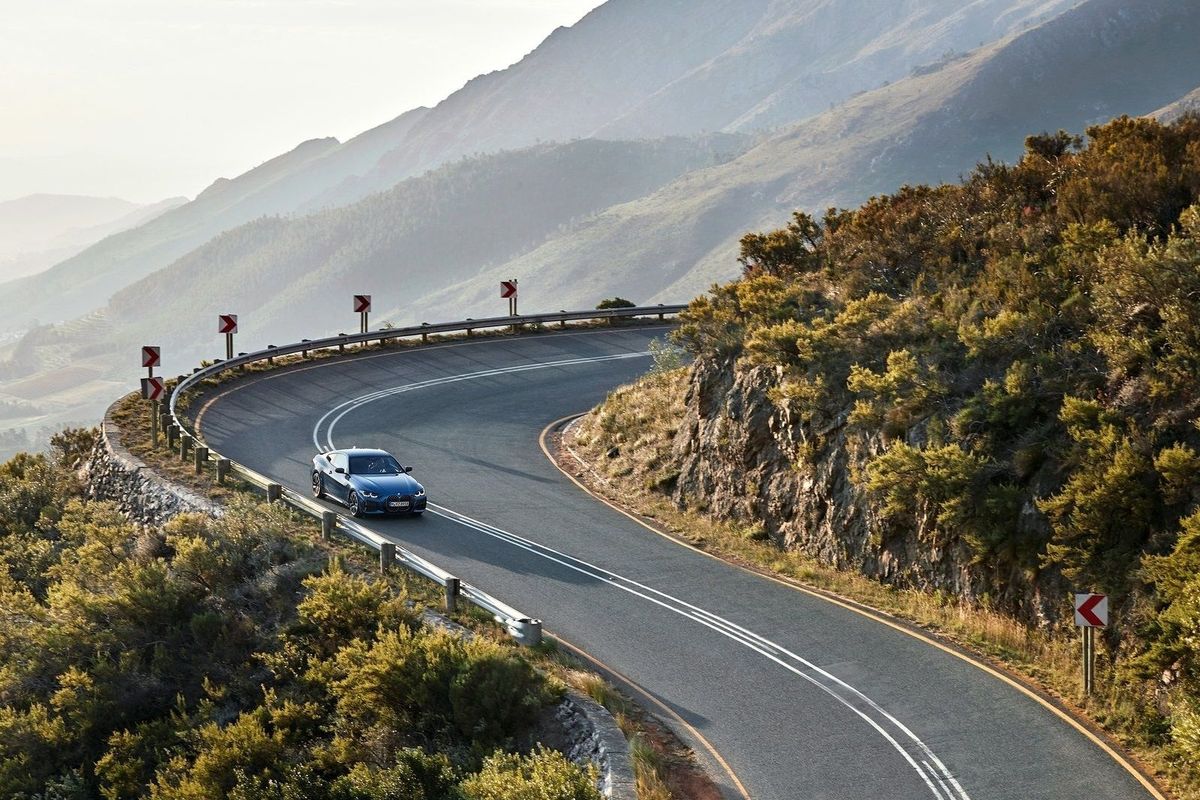
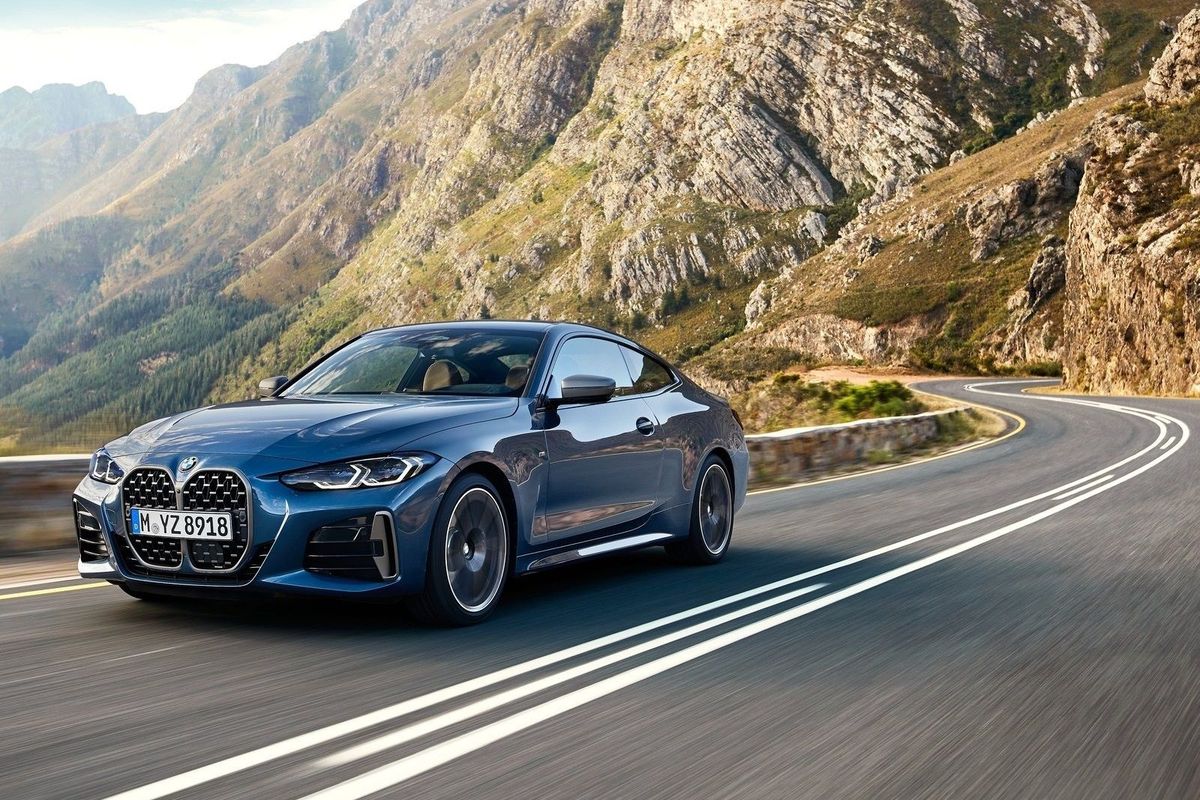
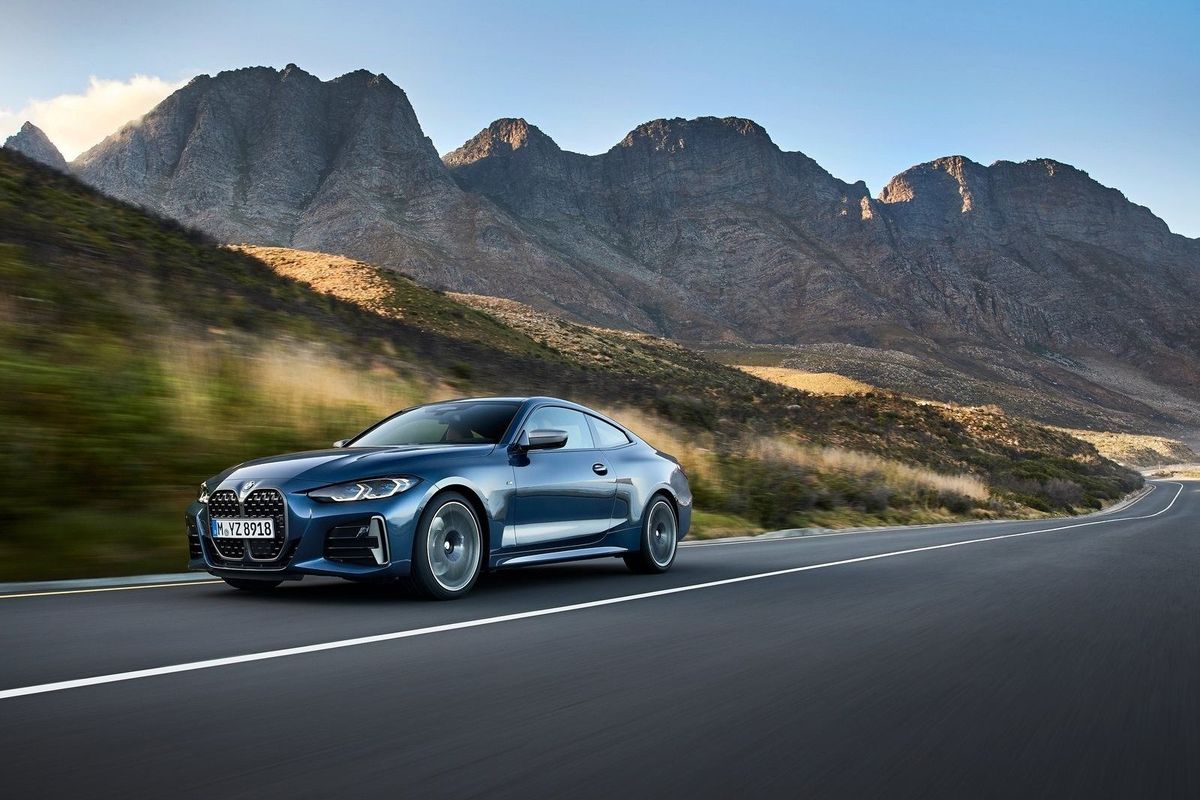
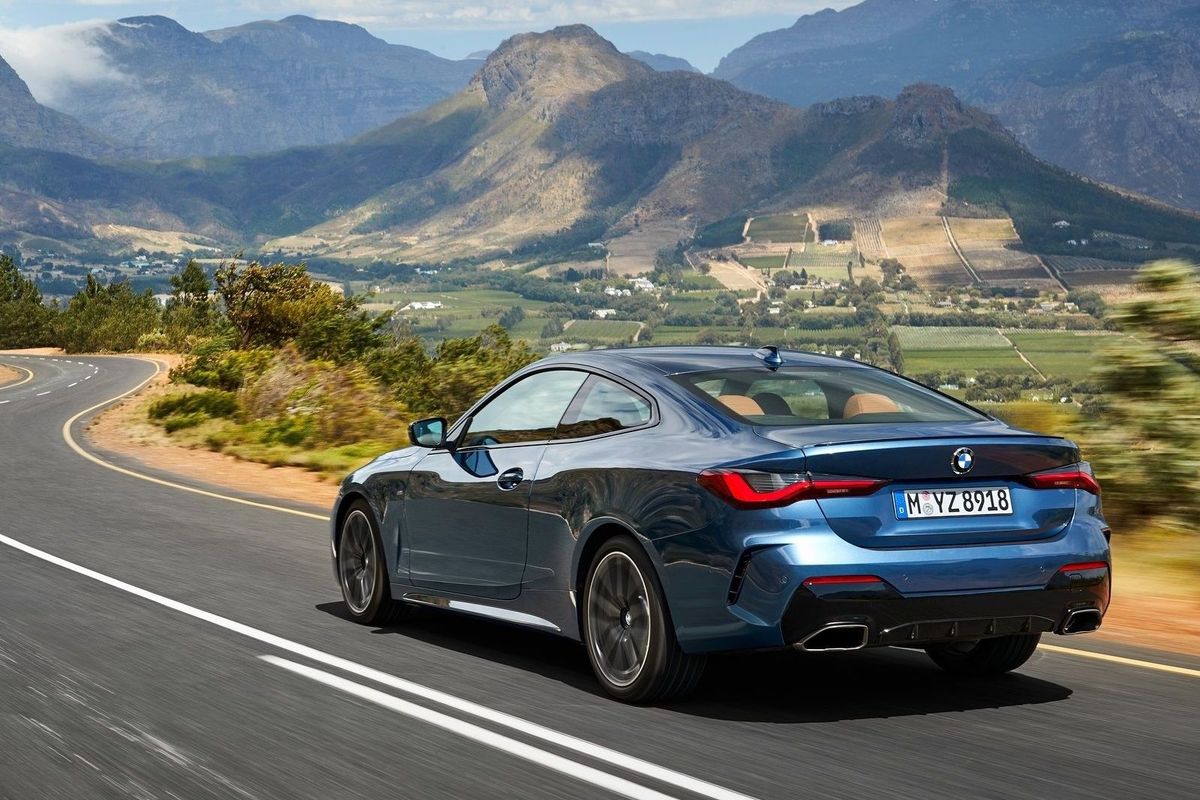
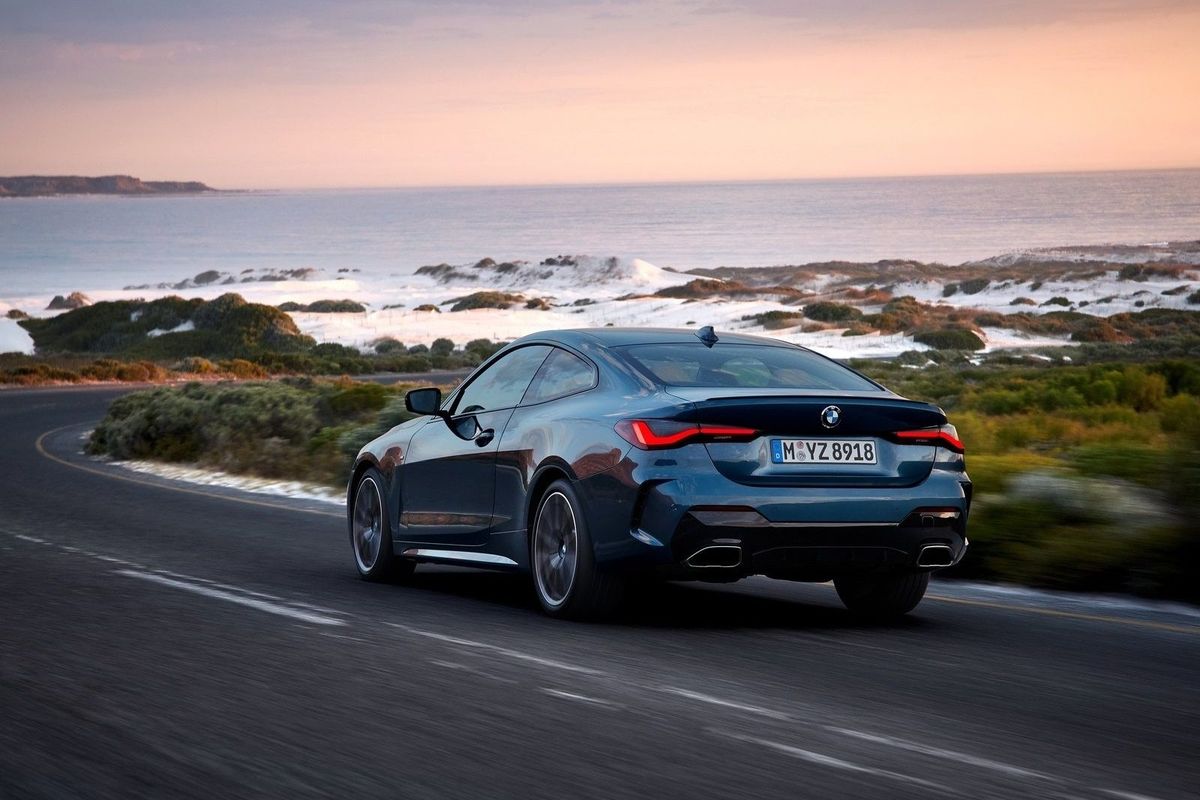
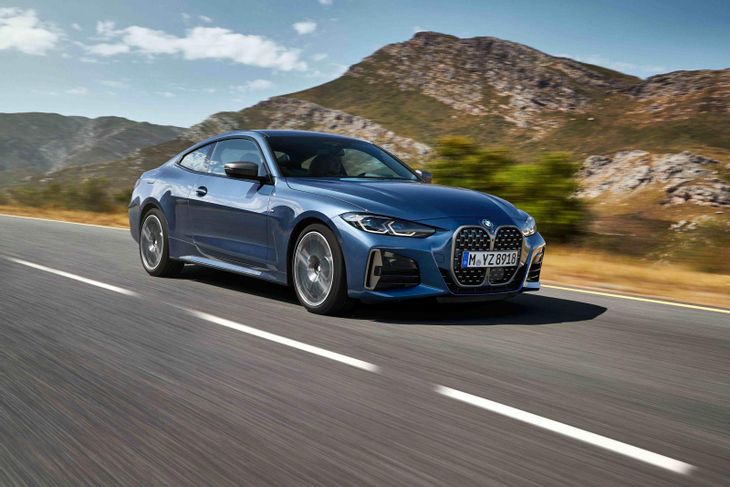
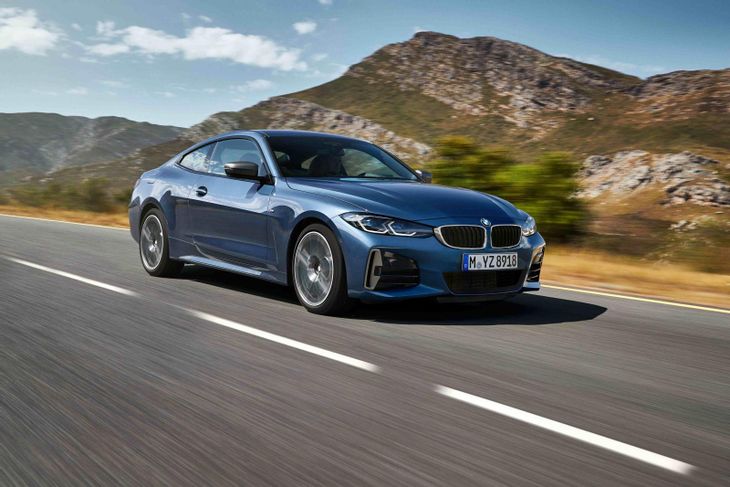
The all-new BMW 4-Series was revealed and after looking at the footage and photos, we realised it was all shot right here in our beautiful country. Watch the BMW M440i tackle the famous Franschhoek Pass as well as drive around Cape Town CBD.
It's no secret that South Africa is a top destination for the world's car manufacturers. Not only are our roads spectacular, but the varying conditions give the engineers plenty of insight when developing new models. The roads around Upington in the Northern Cape have regularly been driven by everything, ranging from the popular city cars to the Bugatti Chiron.
But it's the fantastic scenery which helps create beautiful launch footage. Recently Volkswagen showcased its new Golf 8 GTI on our roads as well as on Killarney Raceway, a circuit where we've shot more than a few films. In 2020, BMW used the iconic Franschhoek Pass as well as some urban roads to showcase its new 4-Series coupe and while there's a massive debate raging over the grille, there's no denying its a sleek and pretty coupe.
As a reminder, the new BMW 4-Series coupe will be landing in SA towards the end of 2020 and we'll be getting the 420i, 420d and M440i xDrive models.
Watch the new BMW M440i in action in the Western Cape
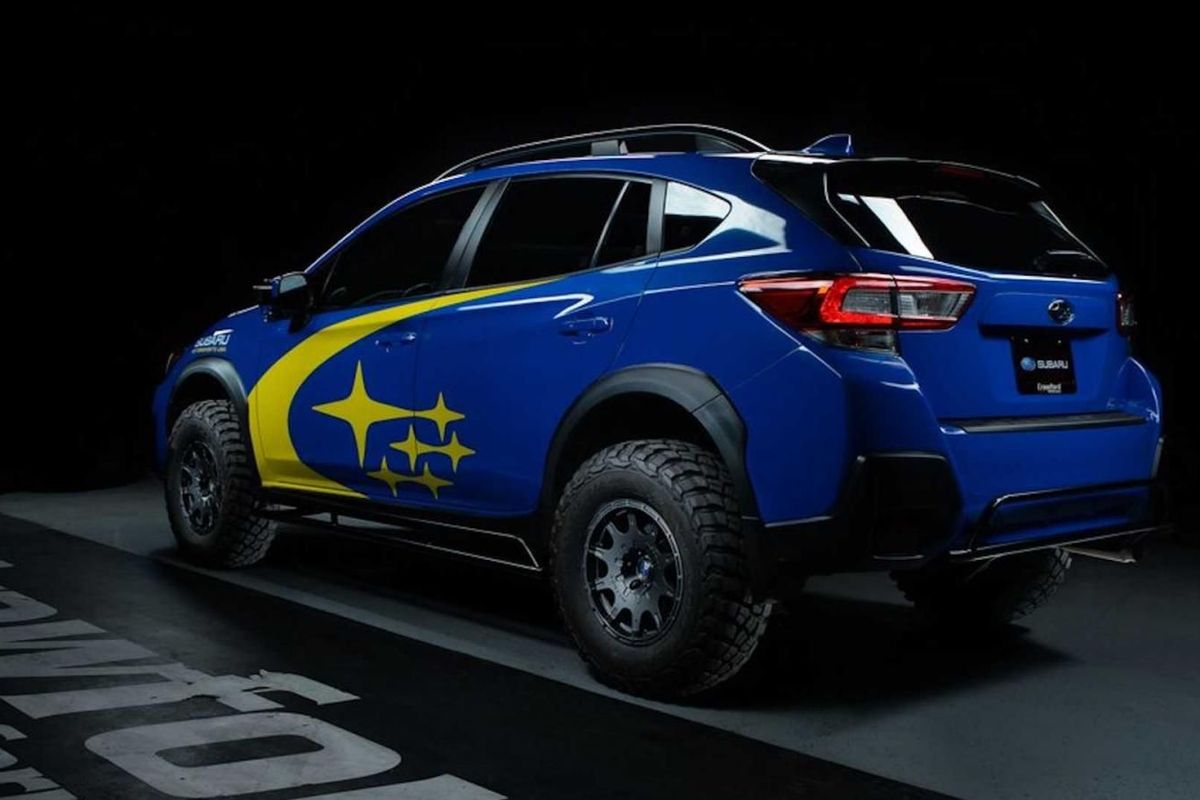
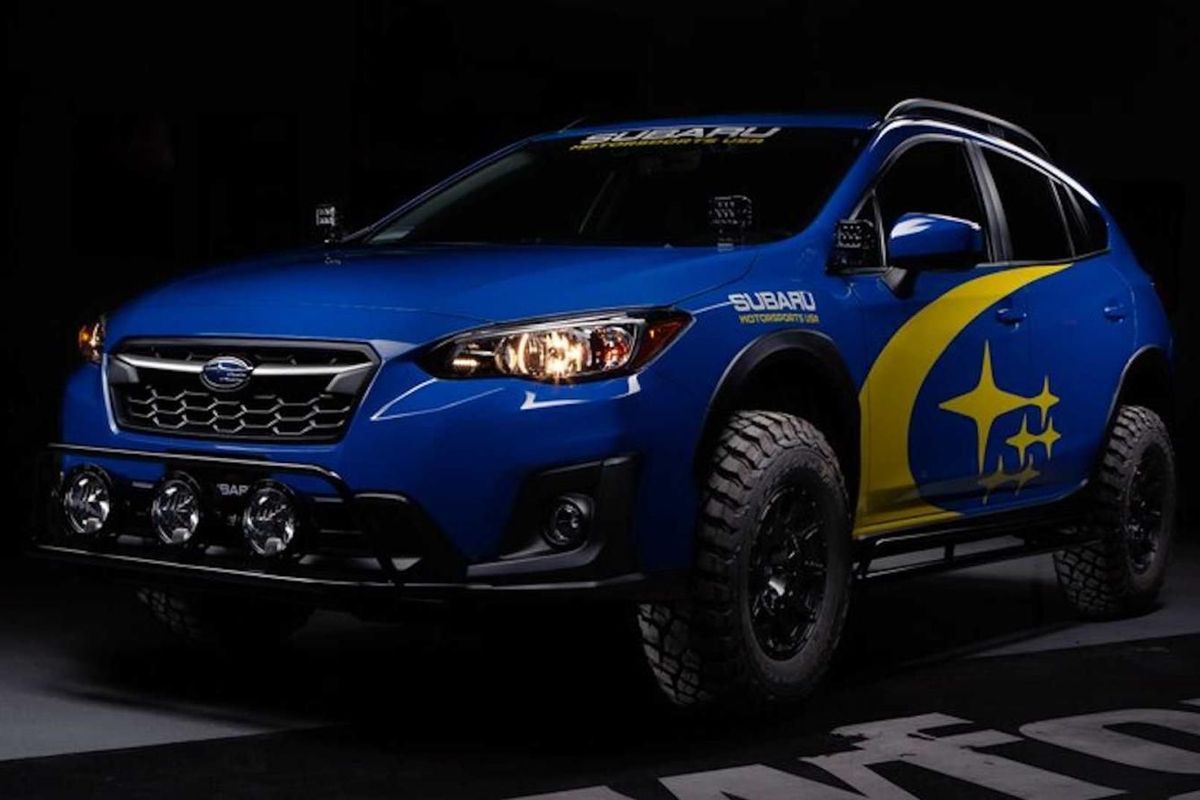
Lift-kit for Subaru XV
You can now make your XV into a junior Fortuner.
The Subaru XV is a competent all-wheel-drive crossover, but what if you need more all-terrain capability?
Like all Subarus, the XV has a cleverly engineered all-wheel-drive system, allowing for some mild adventure driving. But the only snag is its ability to get snagged.
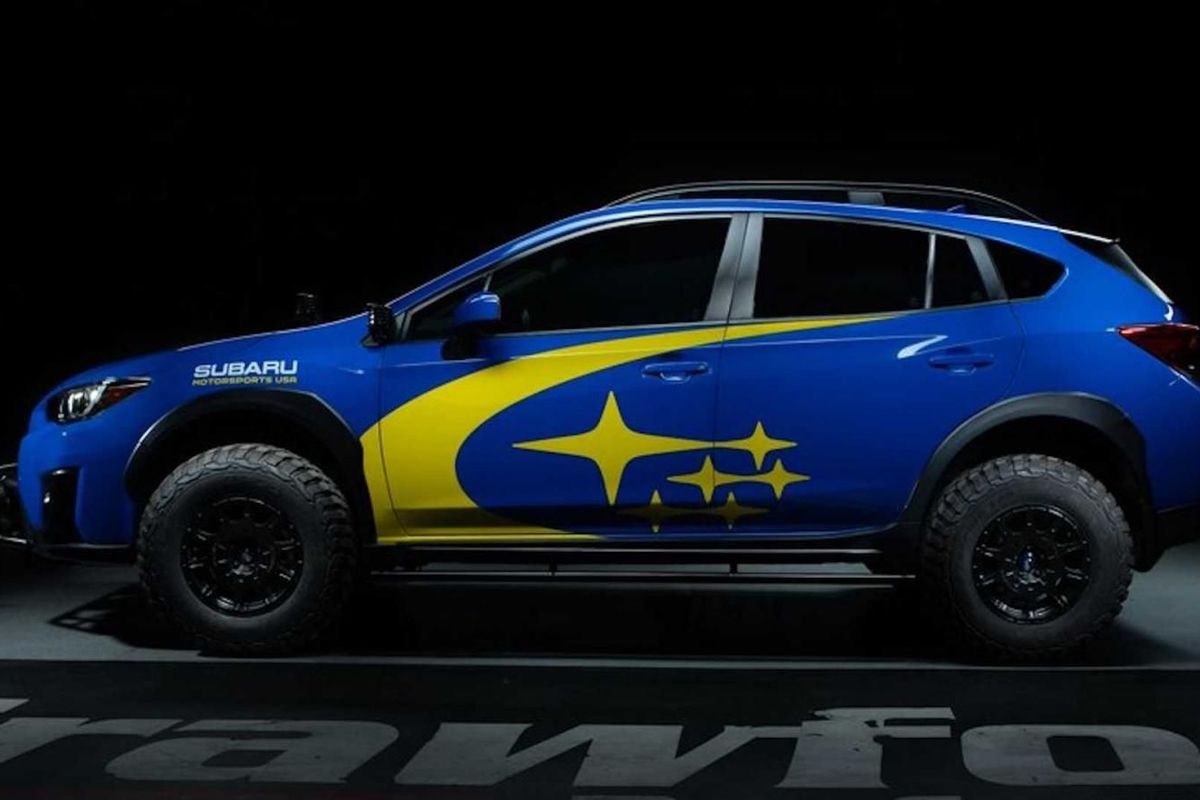
Fortunately, an American company has a solution to your desire for that high-riding XV. Crawford Performance has engineered, validated and is now marketing a CDS lift-kit for Subaru’s XV.
It all started as a project Baja off-road racing vehicle, powered by a 223 kW 2.5-litre flat-four, in true Subaru style. What Crawford Performance learned with its Baja project XV, was that Subaru’s crossover could accommodate a more radical suspension set-up.
Beyond the Baja car’s guard rails, skid plates, period blue-and-gold Subaru WRC livery and obligatory front bumper light-bar, the suspension upgrades are most interesting. Crawford performance installed a lift-kit, adding 50 mm of additional obstacle clearance to the XV’s ride height and that kit is now available to Subaru customers.
The Crawford lift-kit has corrosion-resistant aluminium spacers, whilst six strut extensions up front and four at the rear structure its geometry and guarantee the XV’s raised stance.
The true value of this XV lift-kit is in the meticulous nature of its engineering. Crawford Performance’s engineers and technicians have managed to develop a very necessary lift-kit for the XV, which does not disrupt the Subaru factory stability or ABS sensors, brake line routing or sway bar linkage orientation.
For those Subaru XV drivers who fancy the idea of more all-terrain clearance and room in the wheel arches to fit larger profile rubber, this Crawford Performance lift-kit will make a great deal of sense.
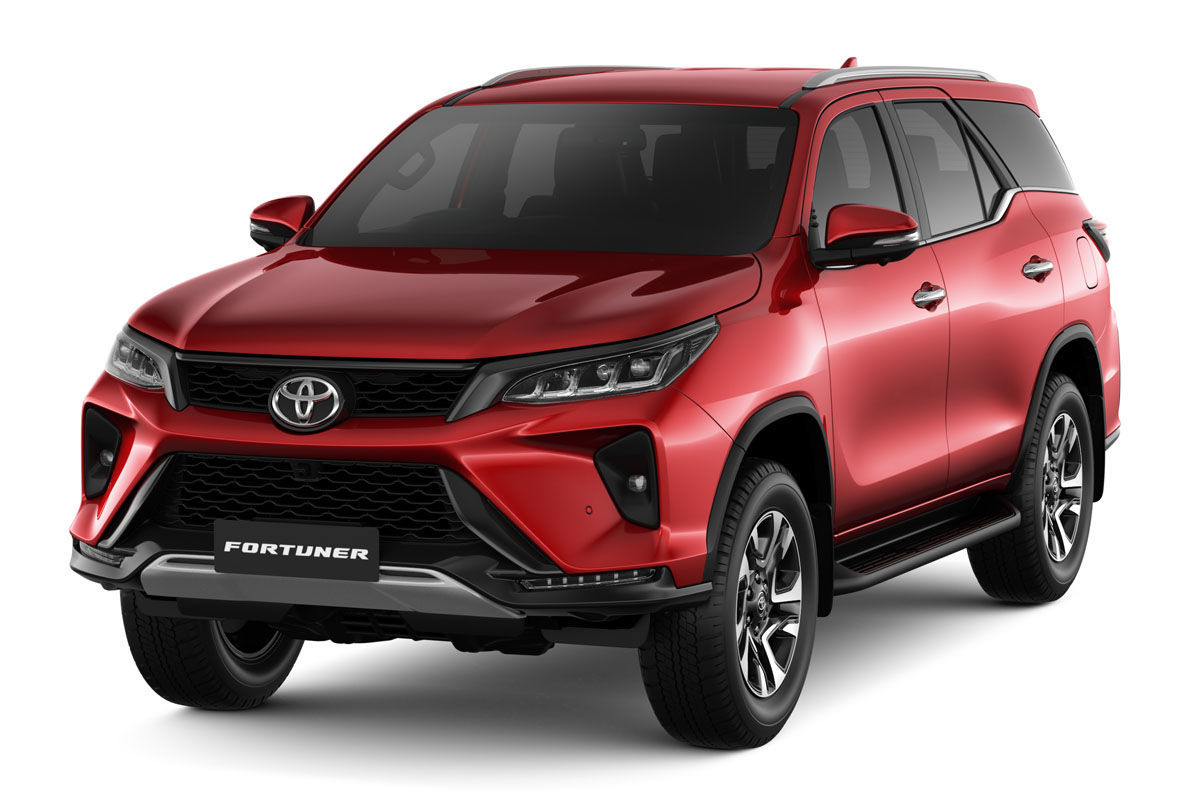
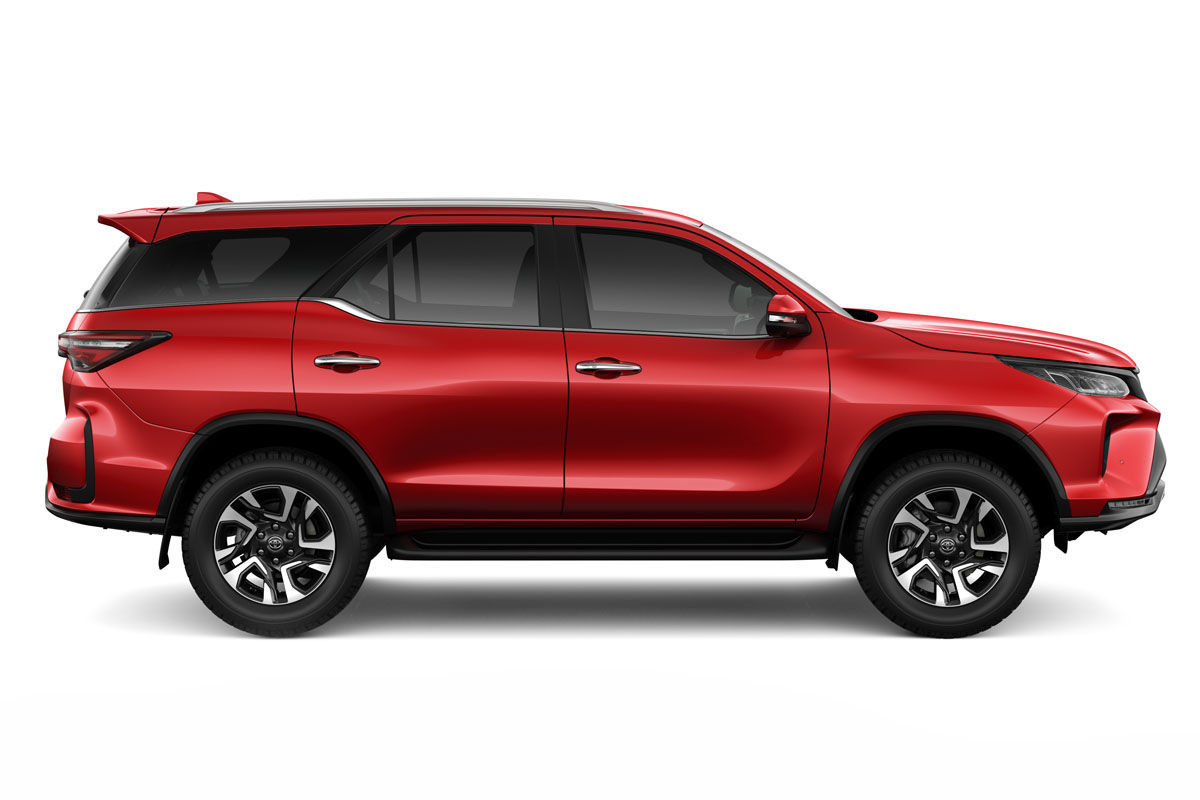
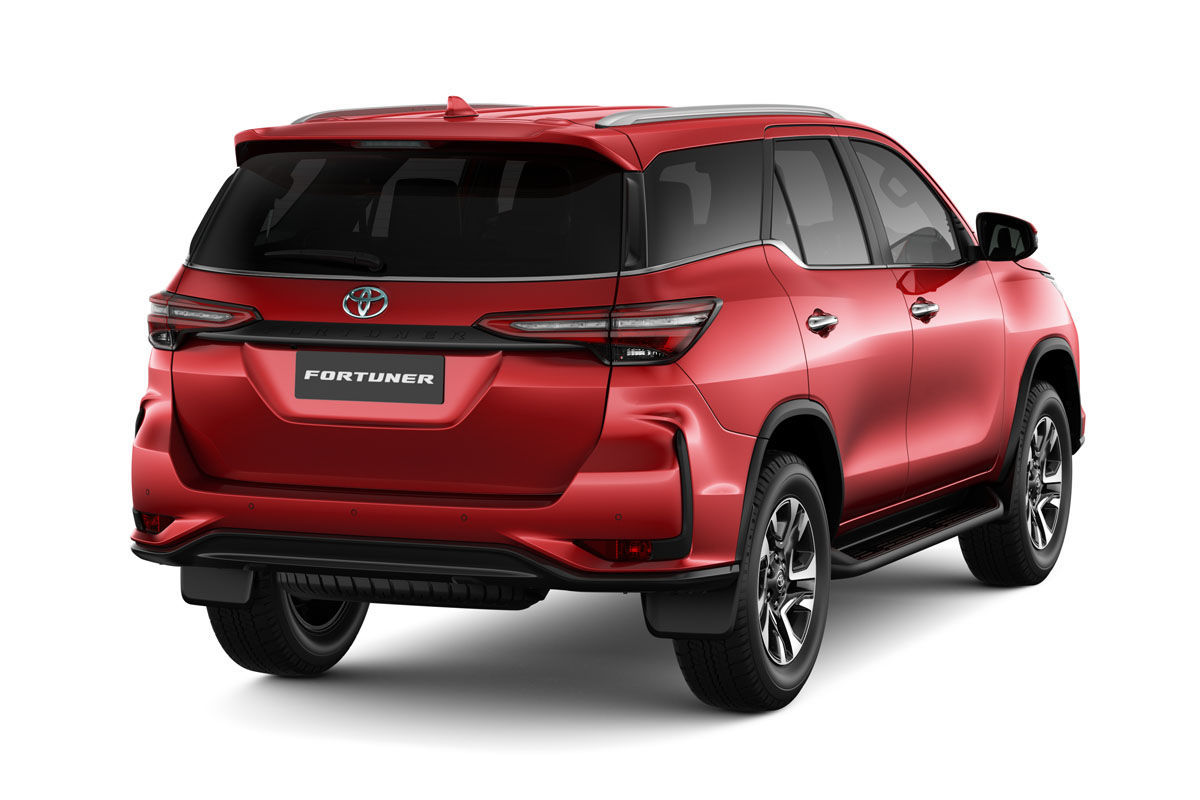
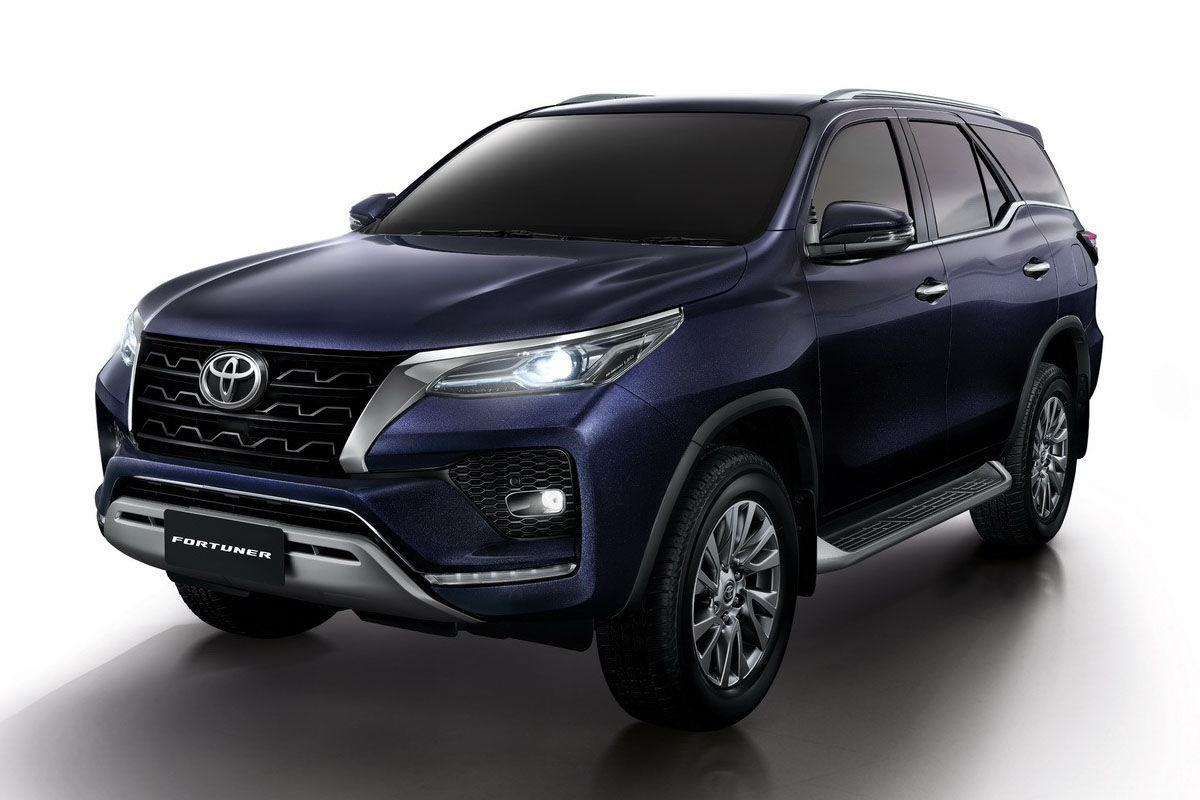
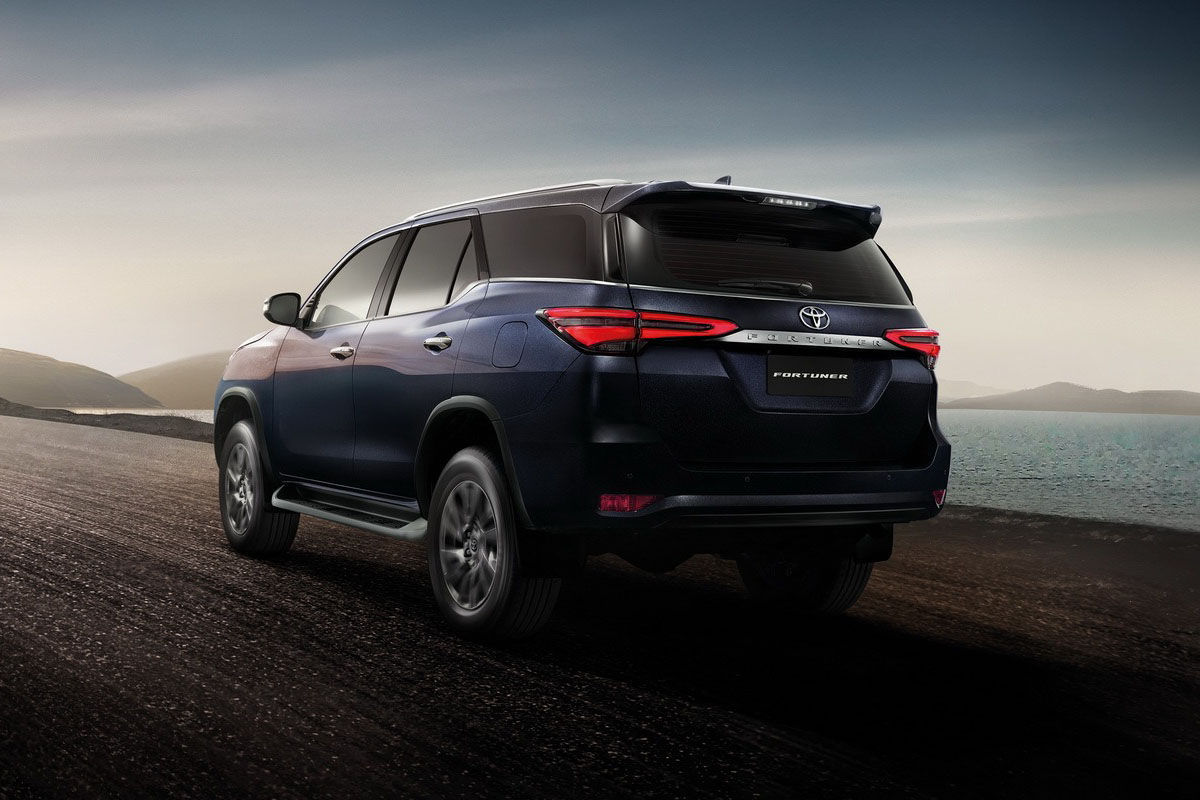
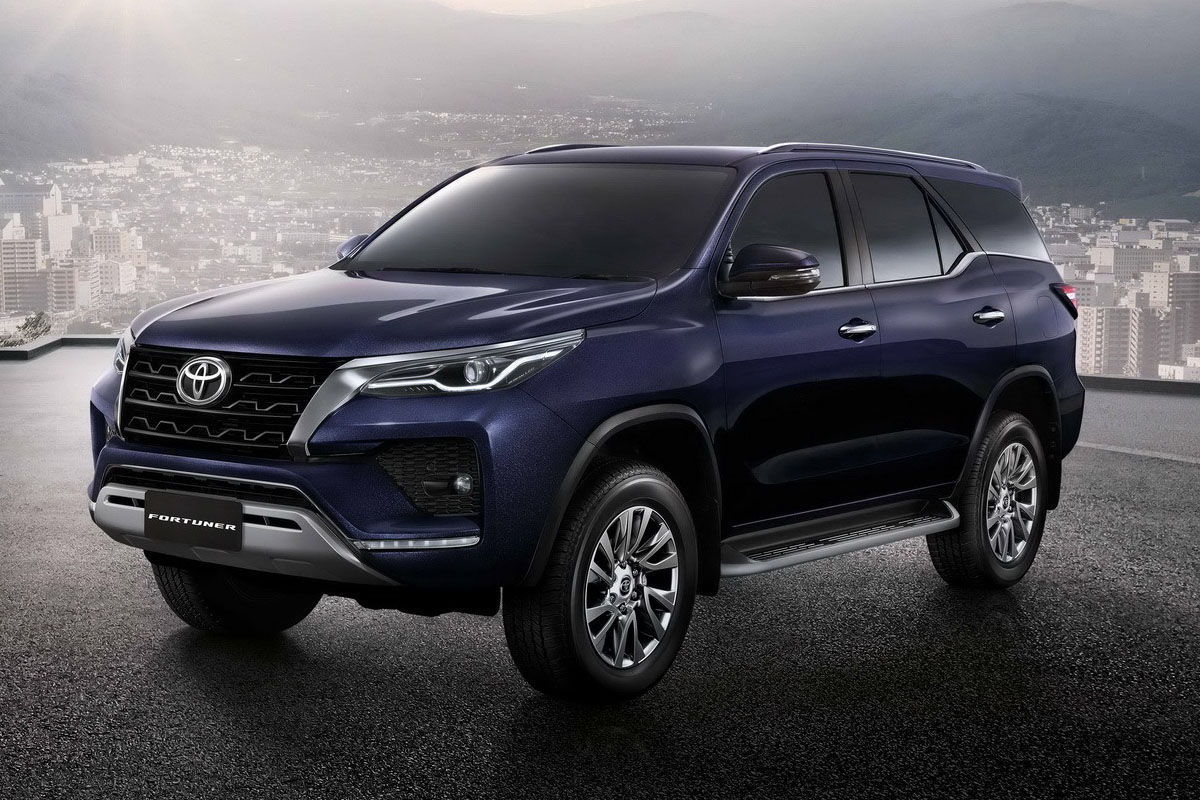
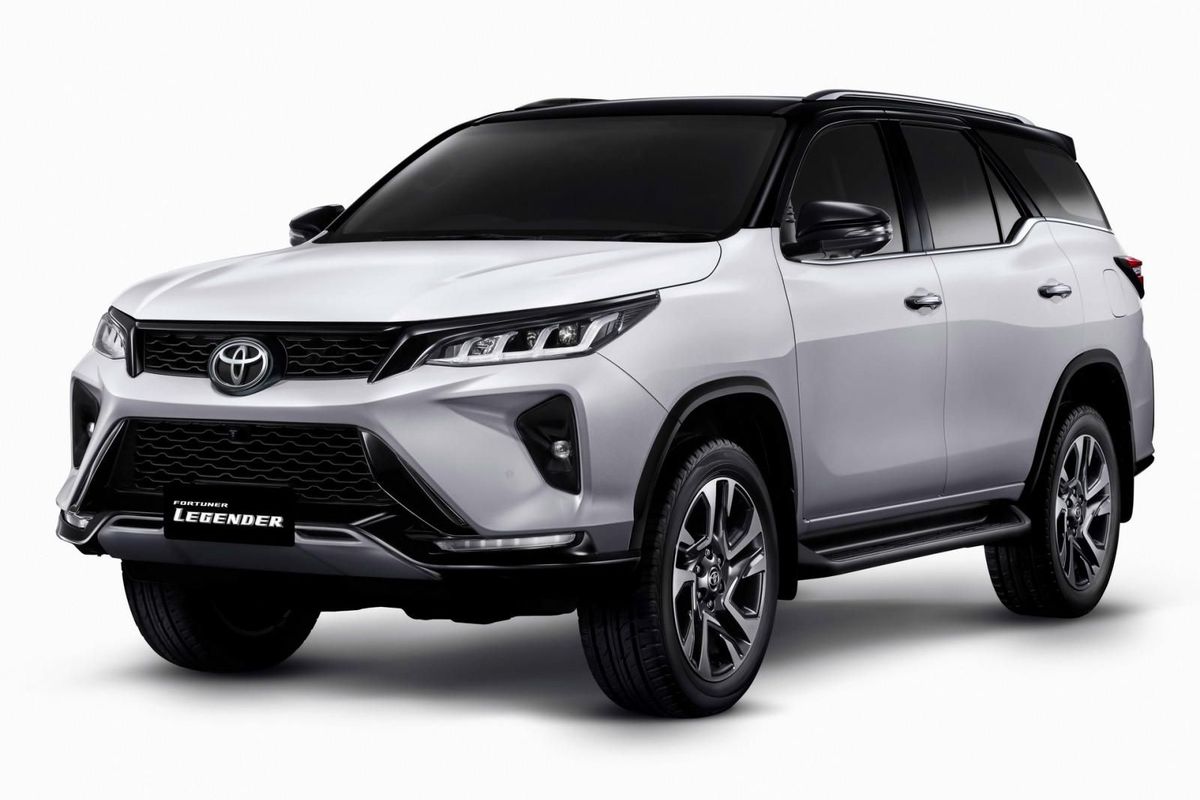
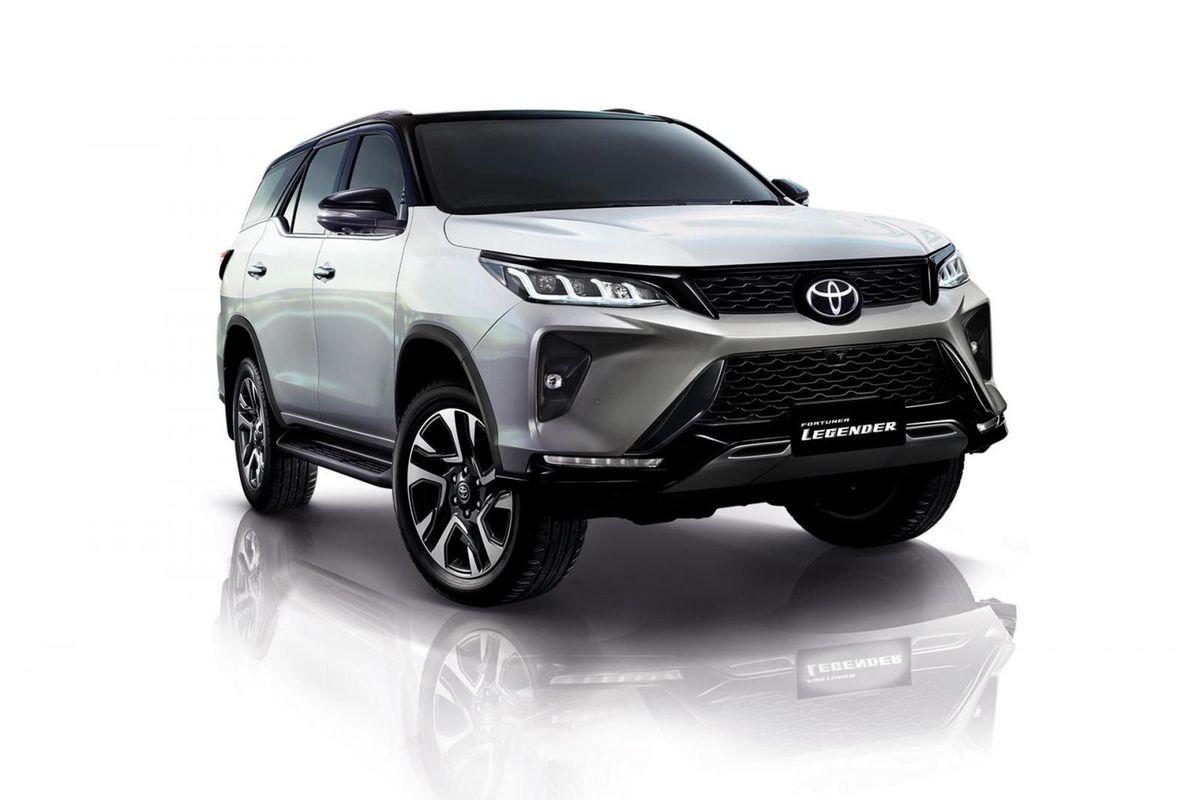
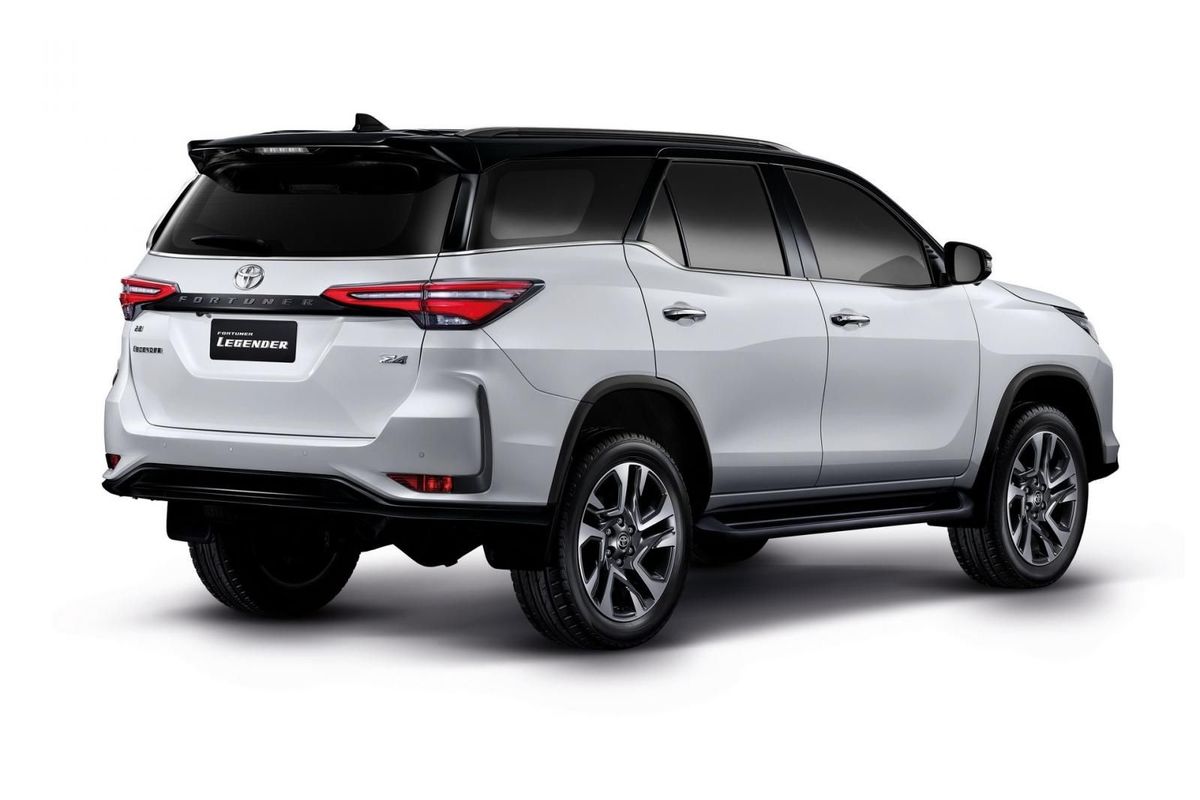
This is the updated 2021 Toyota Fortuner, which has undergone a mild update. Here are the changes.
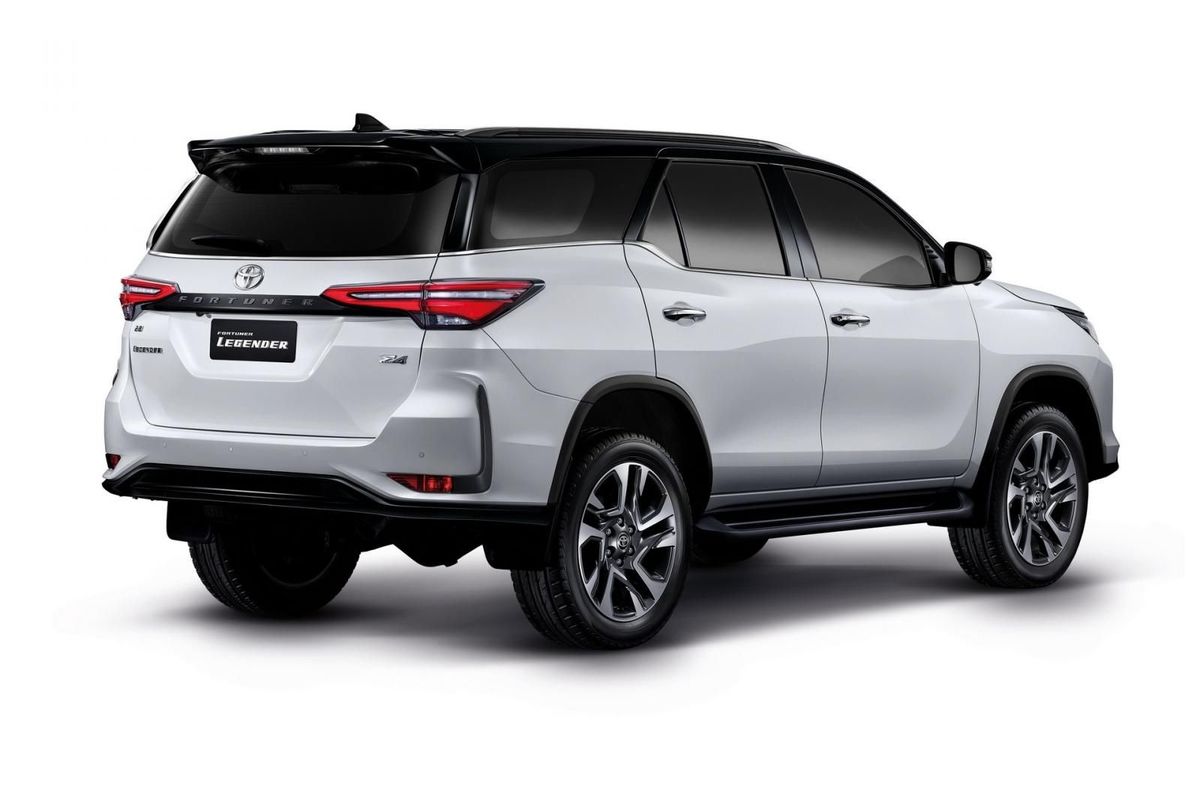
The Toyota Fortuner is one of the most popular vehicles sold in South Africa and has just been refreshed for the 2021 model year. It already boasted pretty good looks so Toyota has given it only the lightest of visual updates. New slim headlights with LED daytime running lights dominate the front, while new-look tail lamps are at the rear. There's a new horizontal grille as well as a redesigned front bumper.
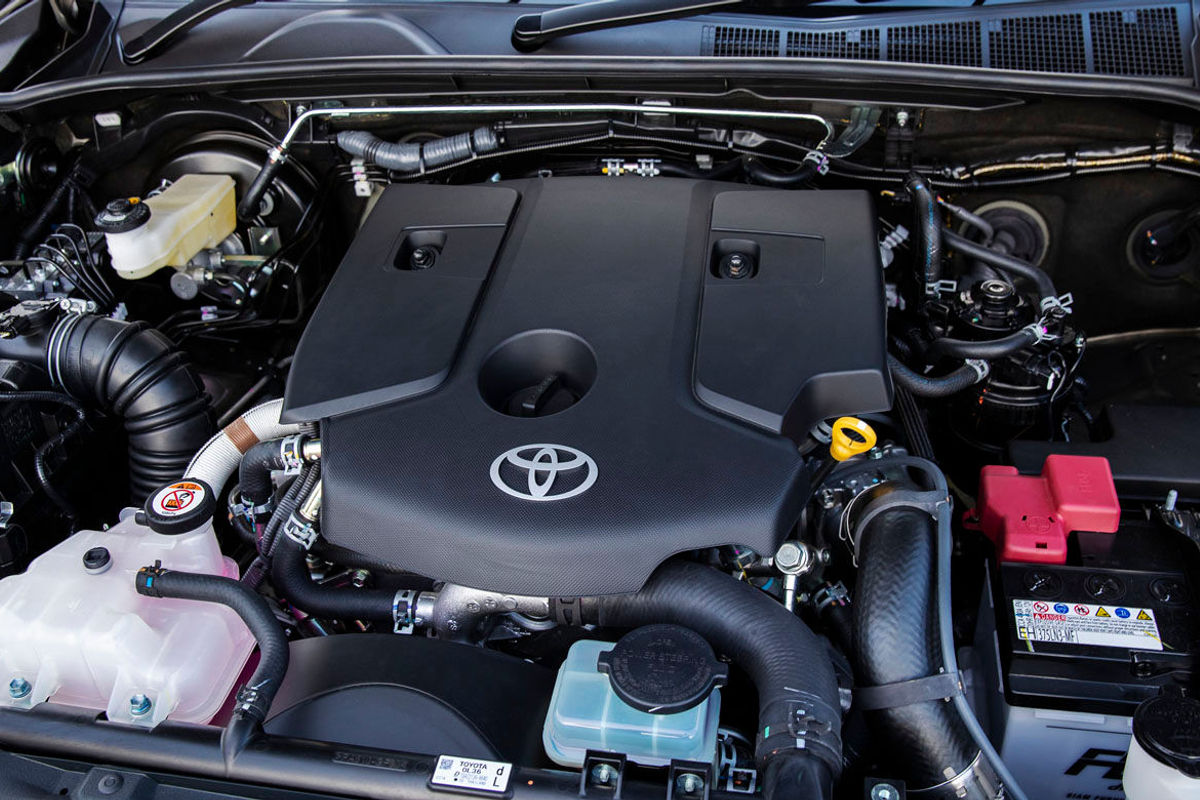
Under the bonnet is an updated version of the 2.8-litre turbocharged diesel motor. It has increased outputs, which now stand at 150 kW and 500 Nm, 20 kW and 50 Nm more than the outgoing model. Toyota says that despite the increase in power, it has managed to improve the fuel economy by more than 17%. With this additional power, the tow-rating has increased to 3 100 kg. Toyota SA said that the tow rating calculation may not be carried over to SA models as it has always done its own tow-rating calculations and will only do so when the vehicles are available locally for homologation purposes.
The 2.4-litre turbodiesel unit will carry over unchanged from the current model.
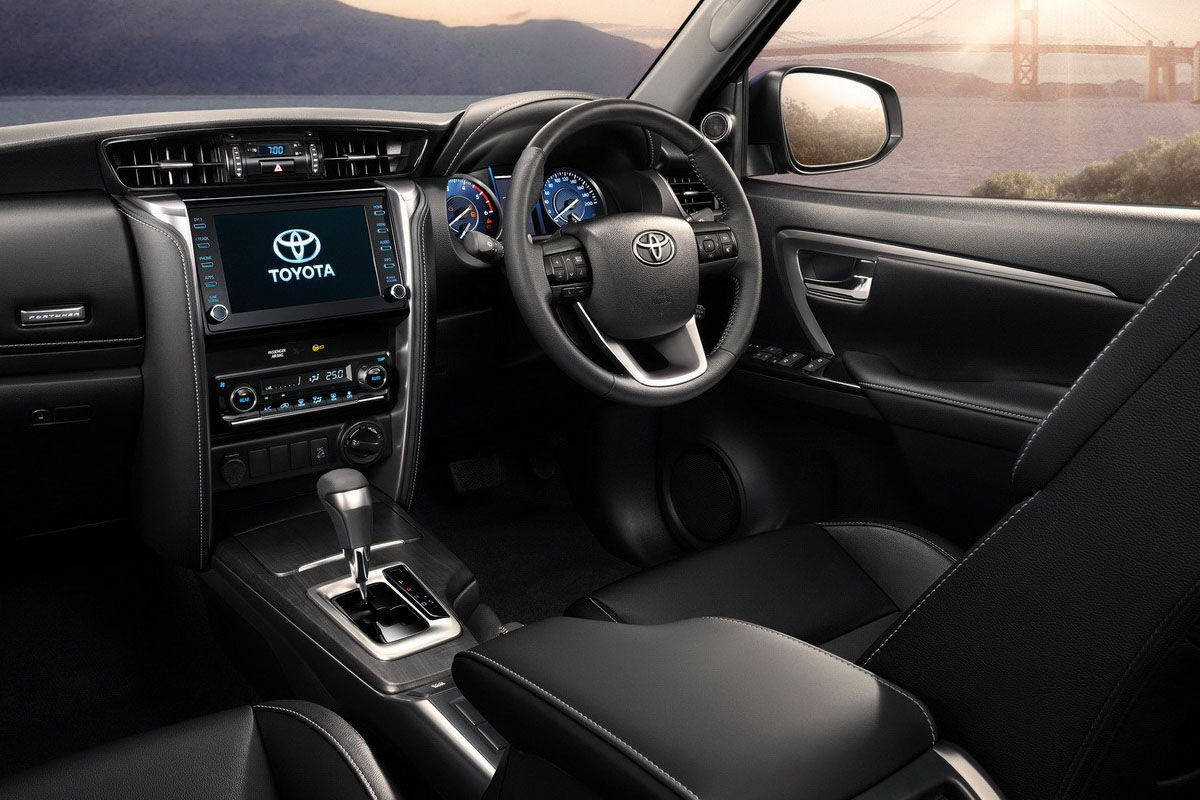
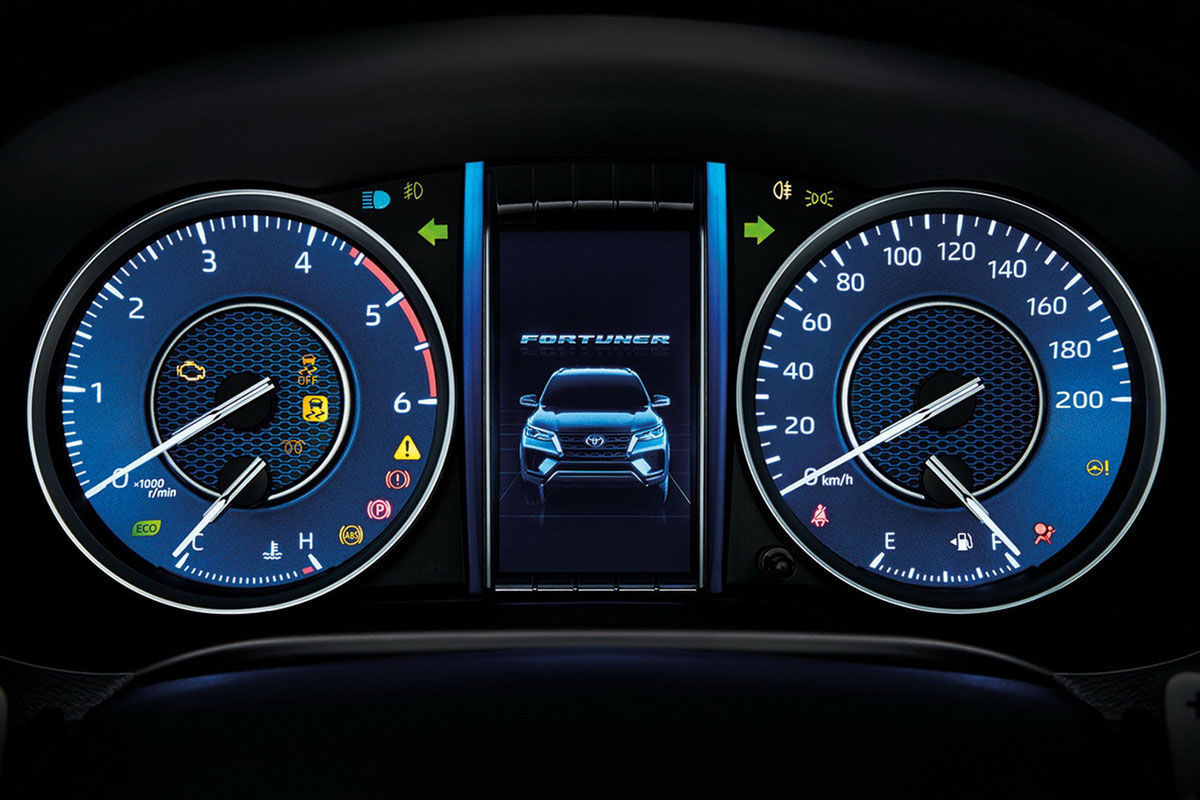
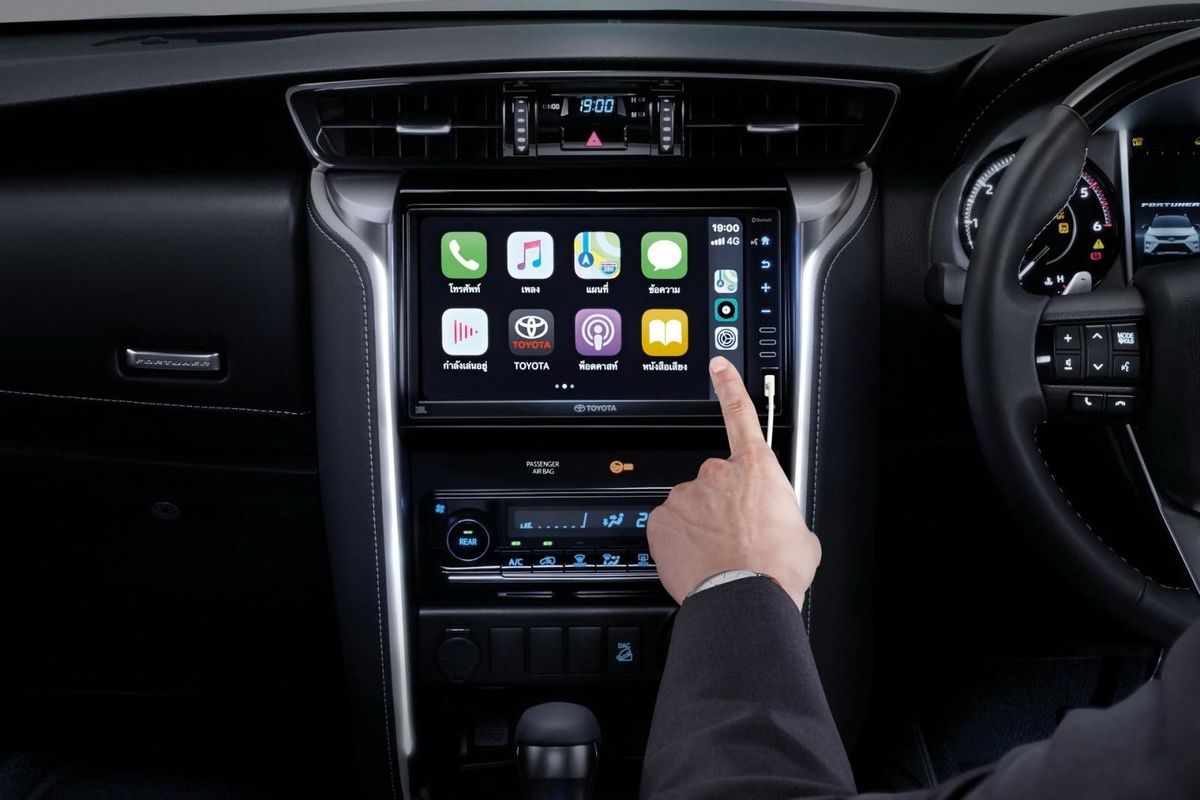
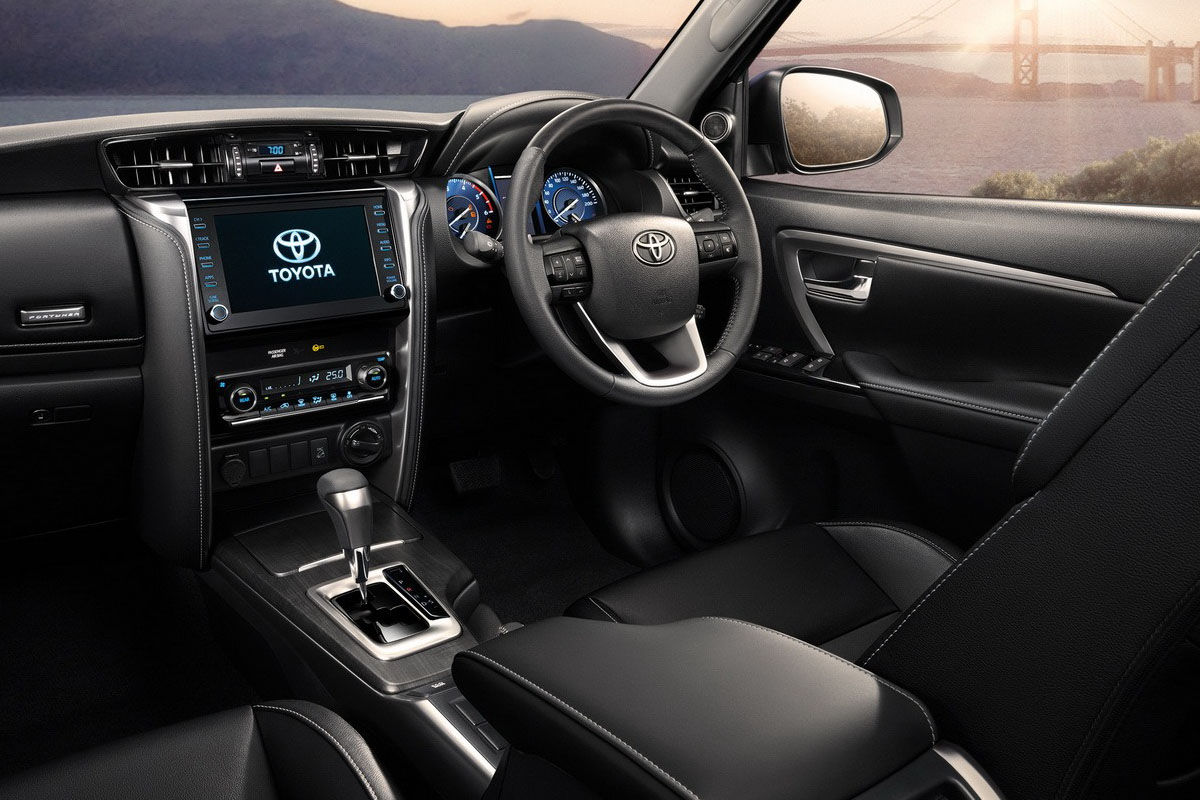
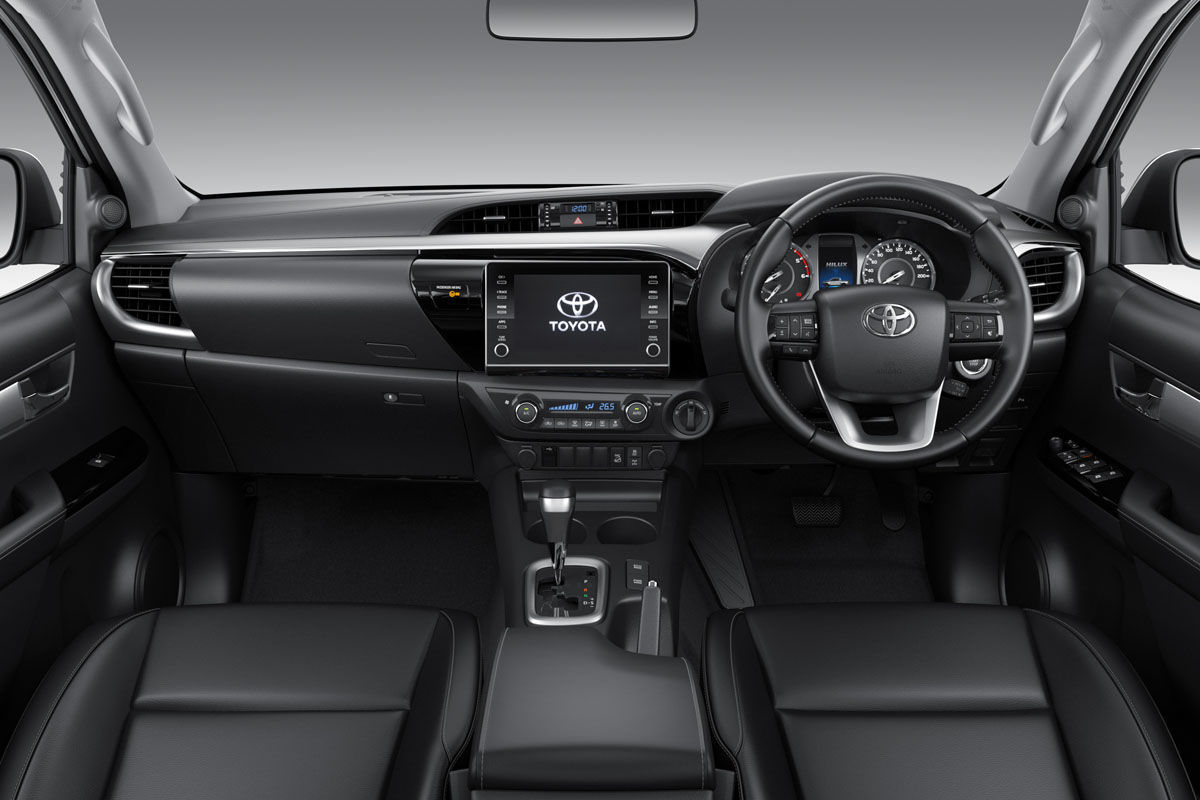
Inside the 2021 Toyota Fortuner, the cabin has been given a light update. There's a new larger 8-inch infotainment system which sees Apple CarPlay and Android Auto make its debut into this vehicle. There are also some new-look cleaner dials with a 4.2-inch multi-info display between the speedometer and rev counter (it apparently incorporates a digital speed readout).
As for availability, Toyota will be launching its updated Fortuner in Australia in August 2020, which means we think we'll see an SA arrival before the end of the year. We'll update you as soon as we hear.
The cabin of the Fortuner sees the introduction of a larger and more capable infotainment system.
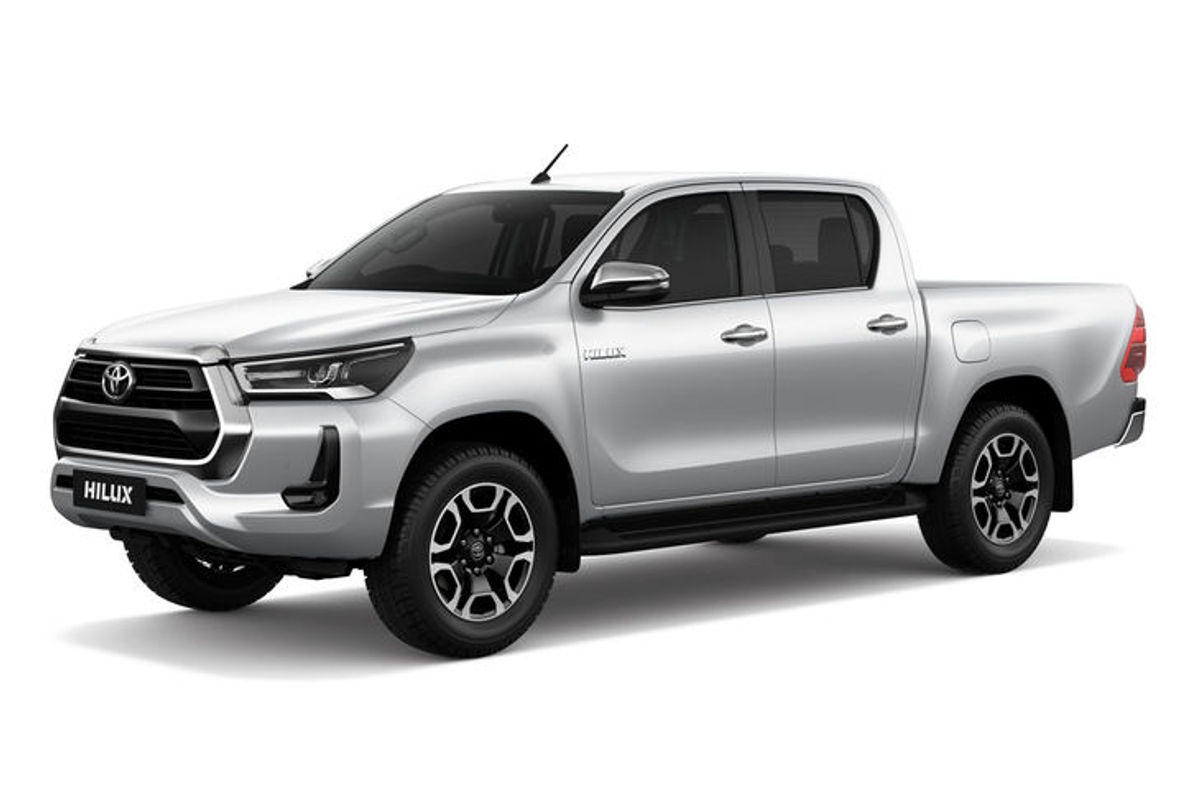
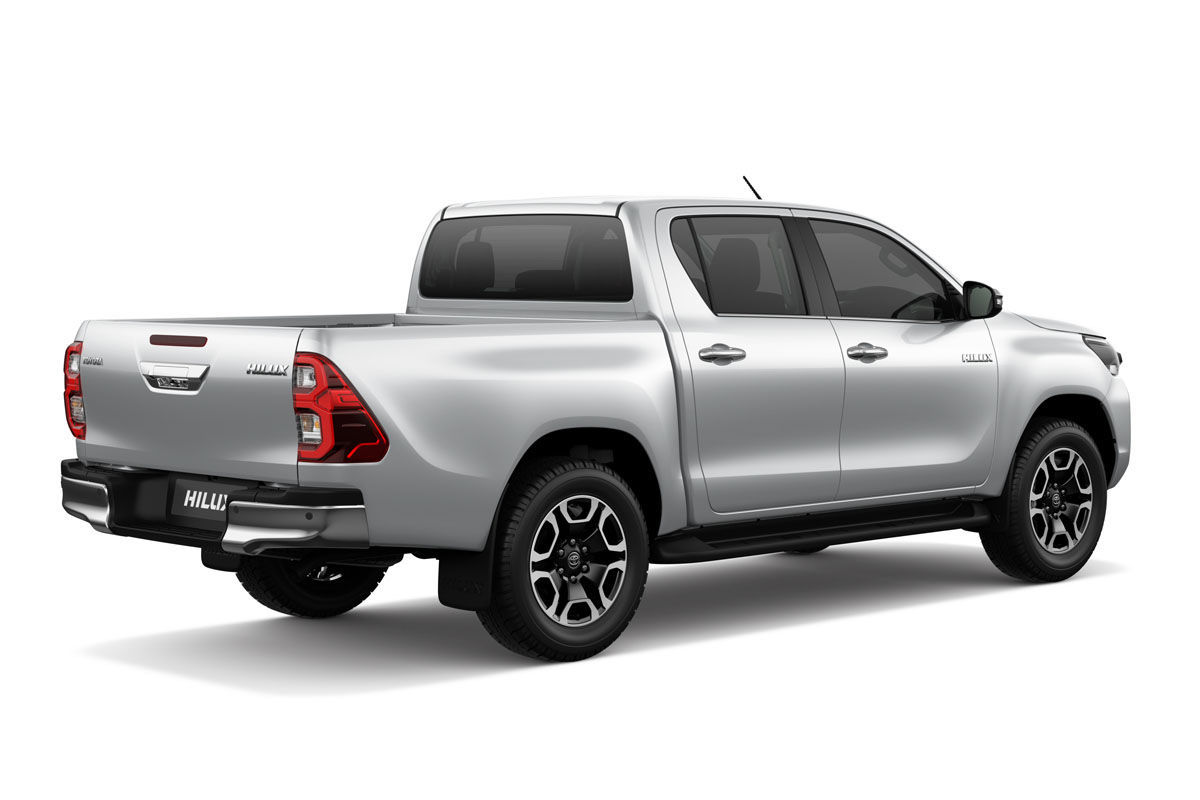
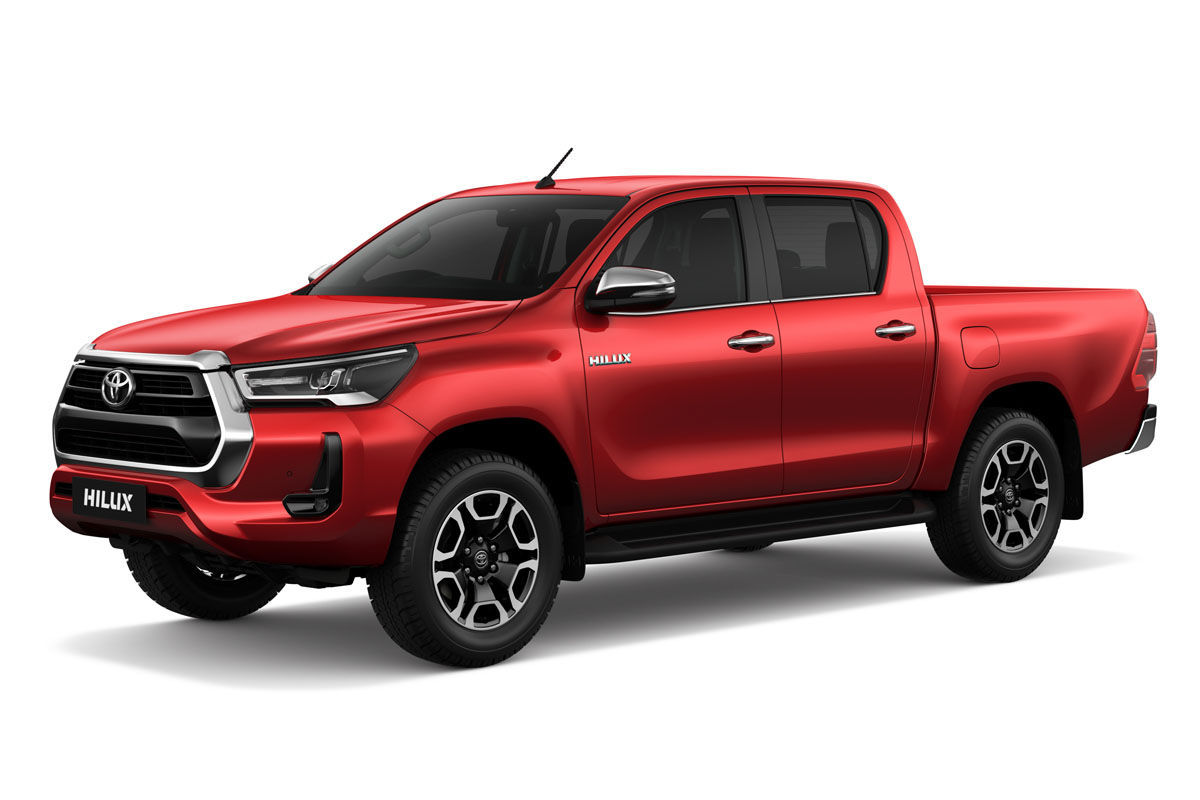
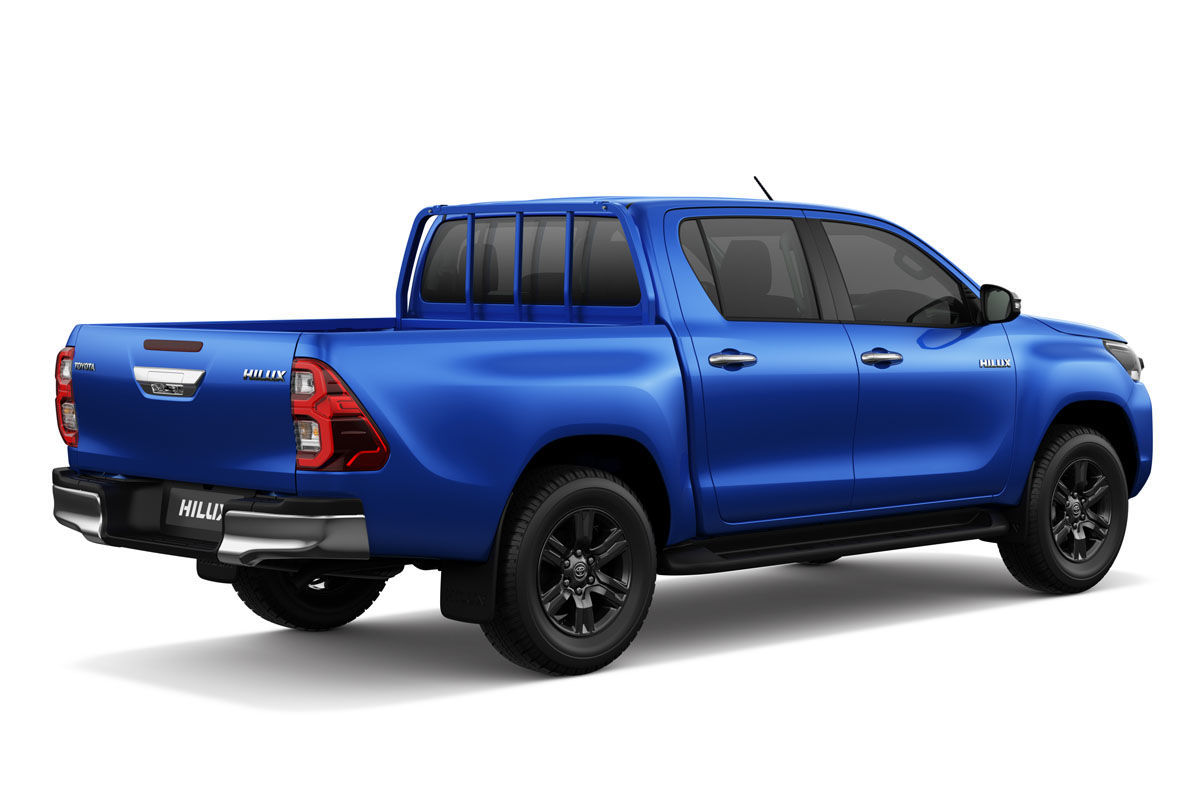
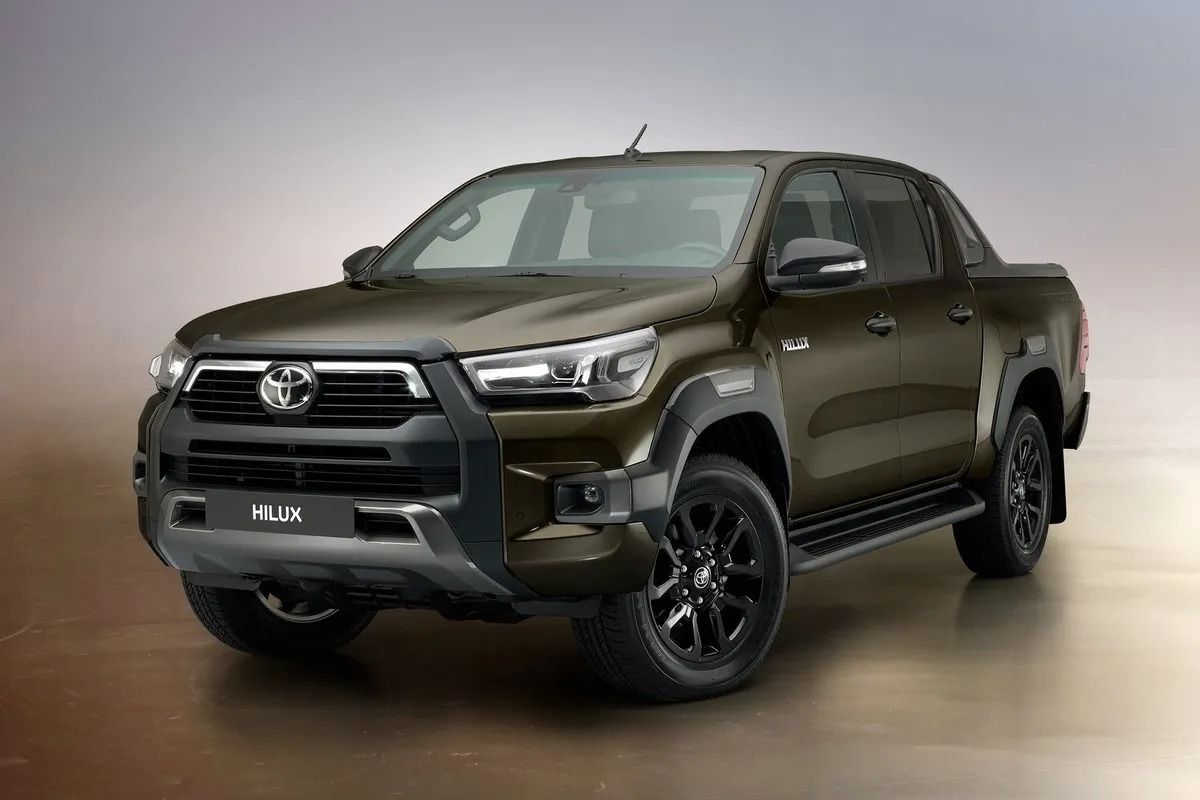
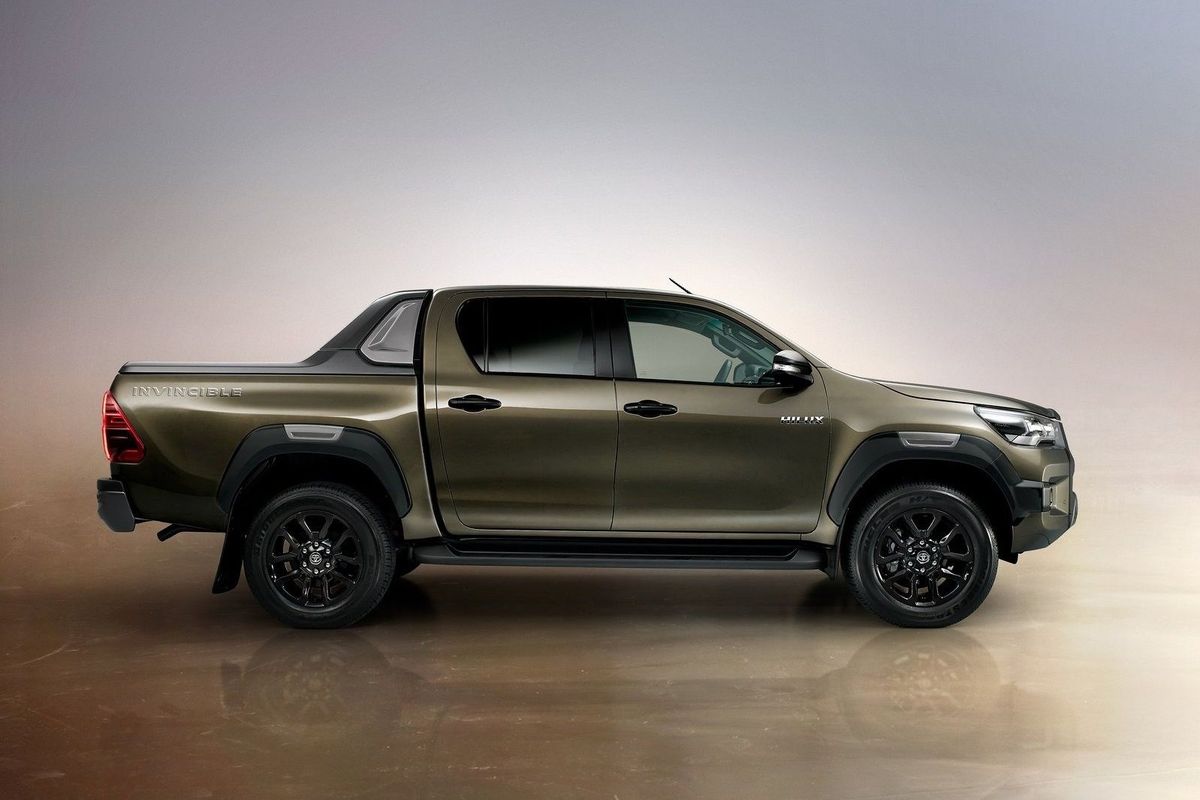
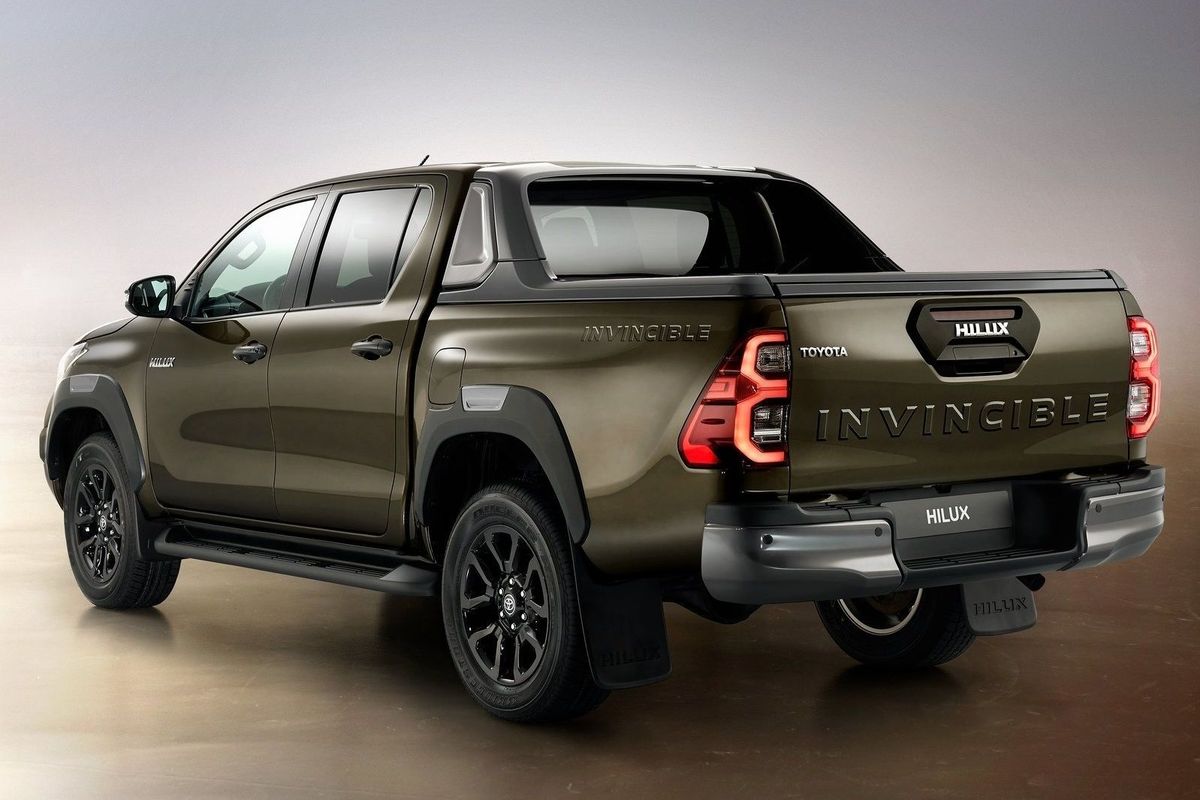
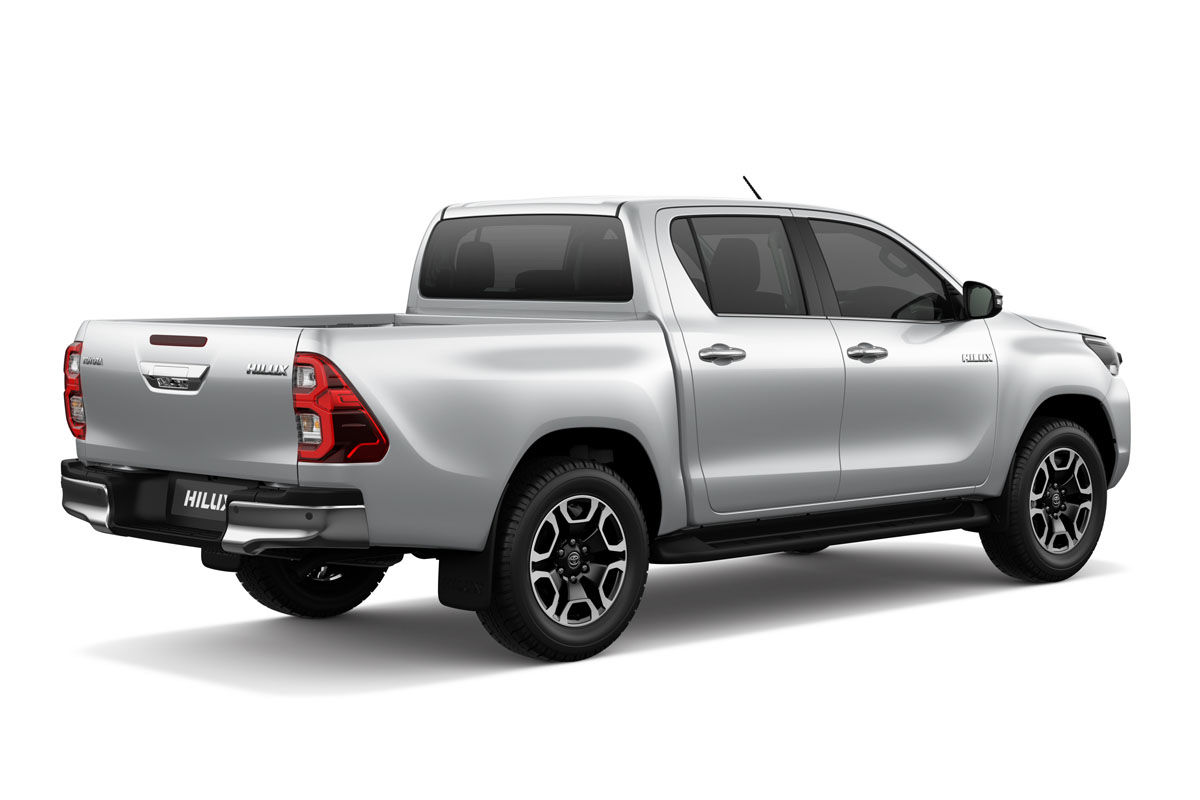
Although its exact date of arrival on the local market has yet to be confirmed, the Toyota Hilux will soon receive a facelift. This is what the next iteration of South Africa's top-selling bakkie looks like and, apart from benefitting from cosmetic and equipment upgrades, the 2.8-litre GD-6 turbodiesel's outputs have been bumped up from 130 kW/420 Nm to 150 kW/500 Nm.
Thanks to images from a product presentation being leaked in April, we've had a good idea of what the updated Hilux would look like – and, earlier this week, Fernando Alonso put a disguised pre-production version of the newcomer through its paces. Toyota Australia has now confirmed that it will start selling the revised bakkie in August, but regarding a possible arrival time in South Africa, Toyota SA recently told us: "We will be getting those models, but not immediately. Our timing is quite different to Australia; they don’t source their vehicles from SA. Unique-to-SA derivatives such as the Legend 50 and Dakar bridge the gap and extend the life of our current Hilux offerings." When pushed for a date, it was suggested that Australia would likely receive this facelifted Hilux in August with South Africa's units following "months" later.
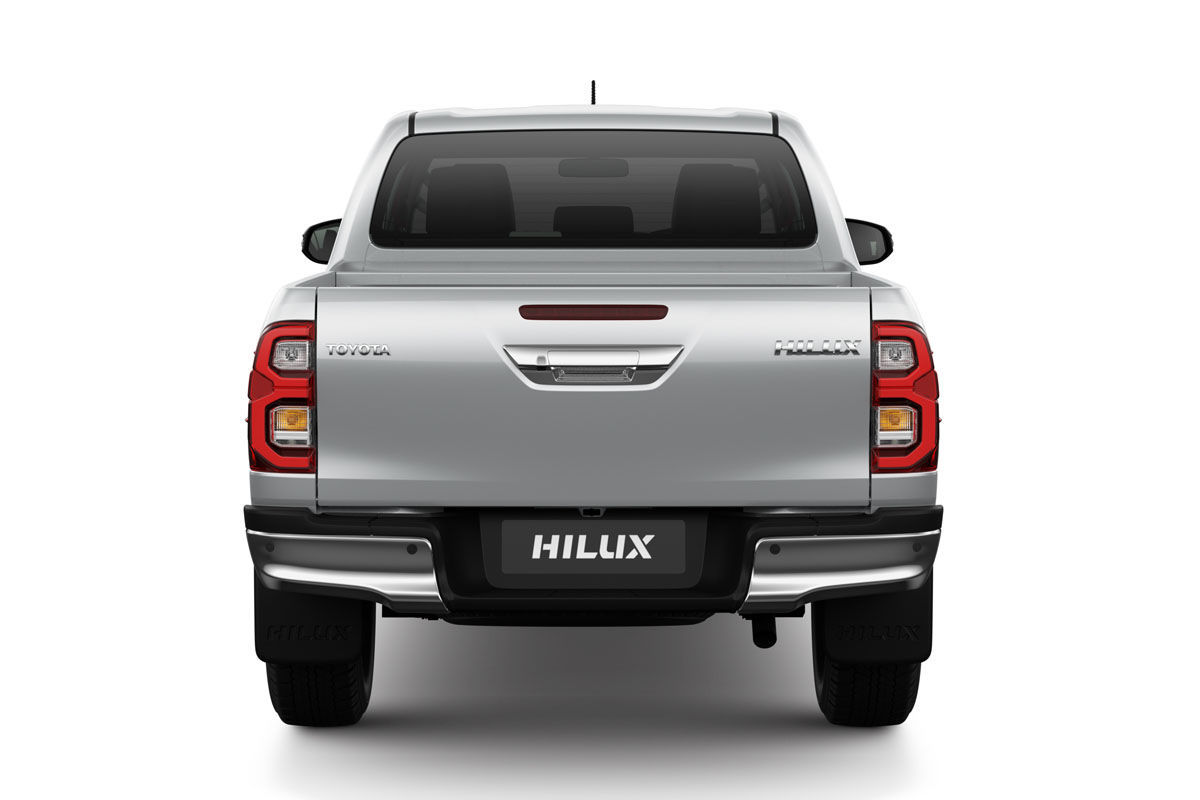
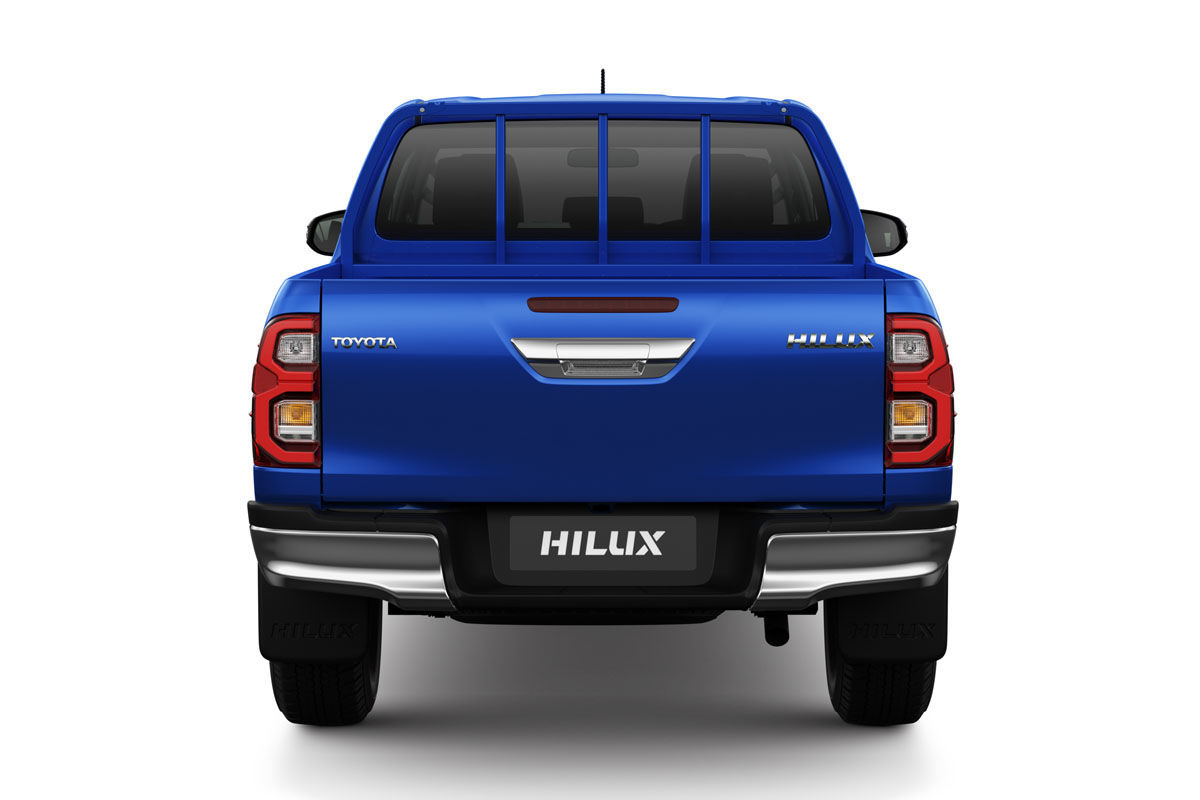
The Hilux's tail lamps are the same shape as before, but they have a revised lighting signature.
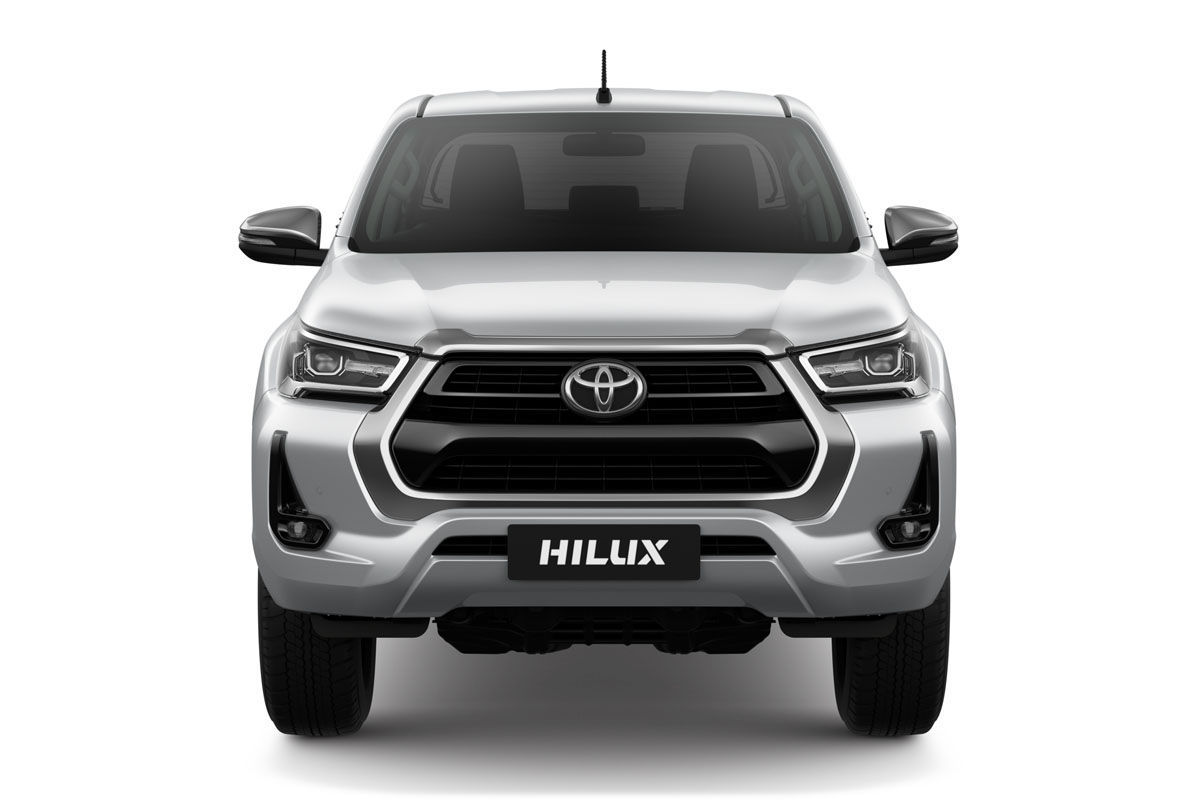
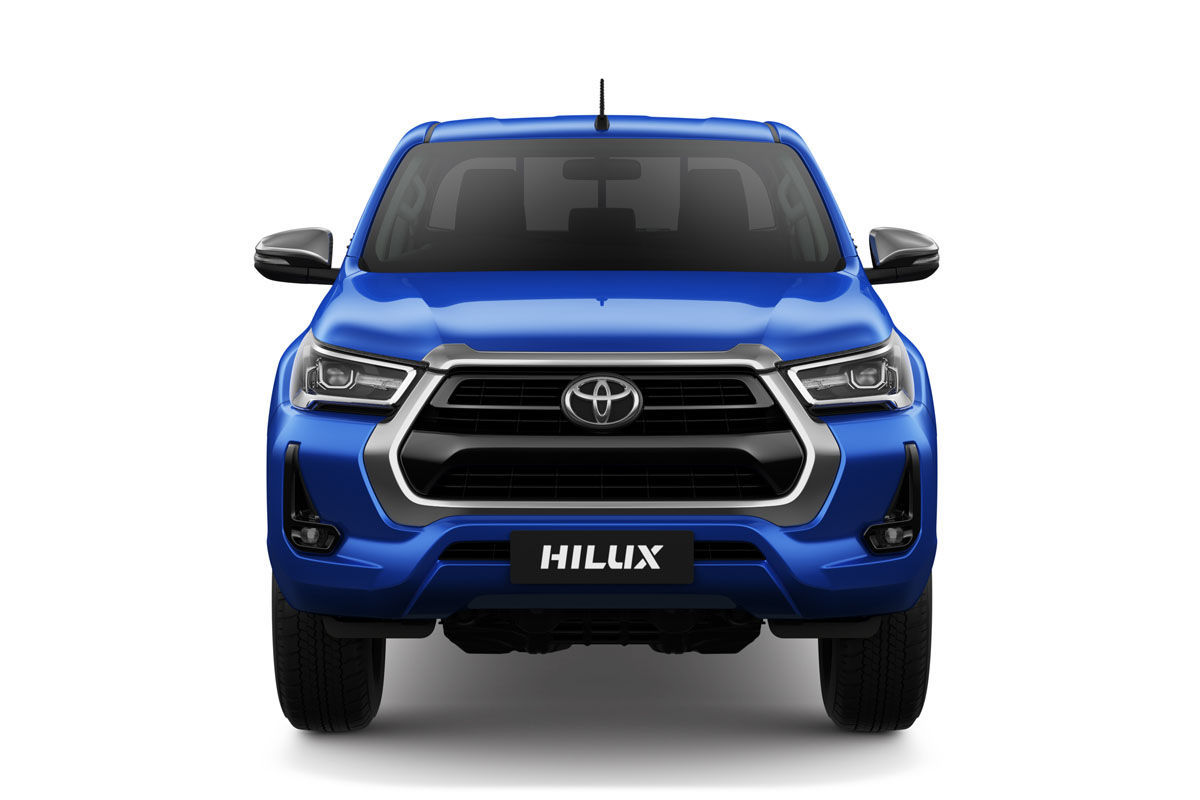
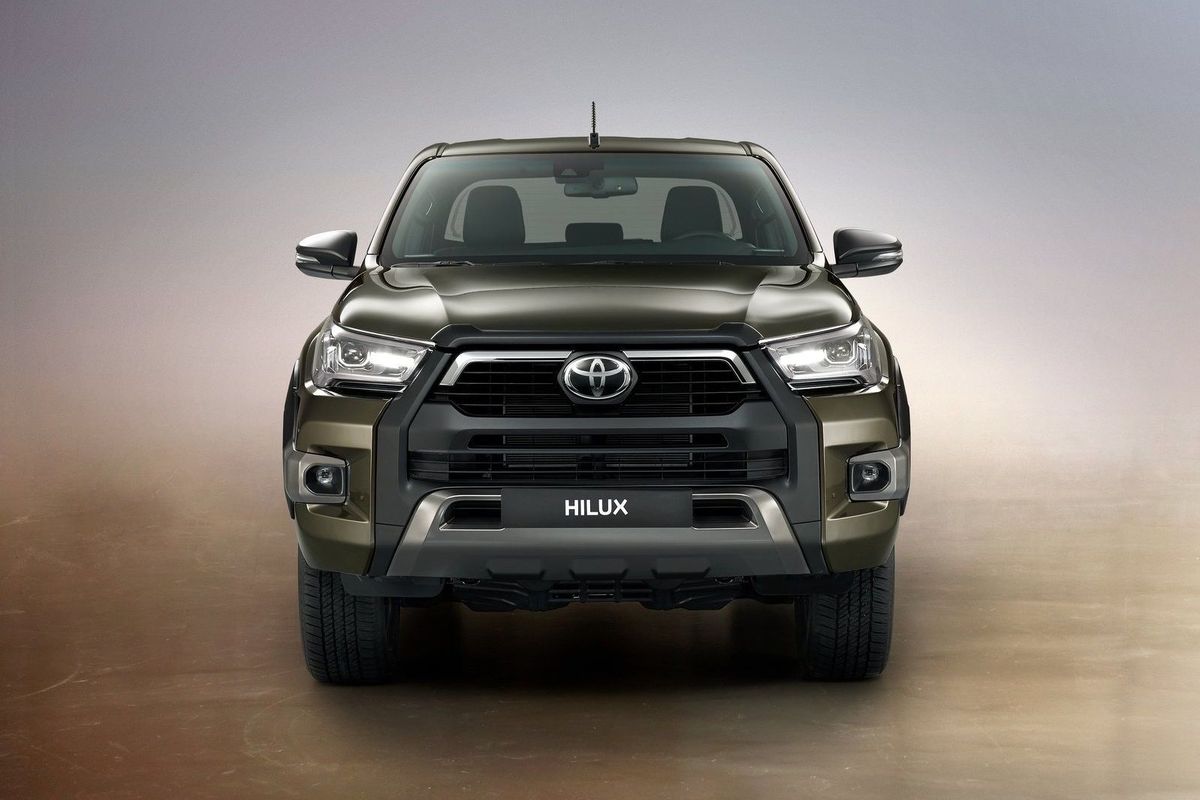
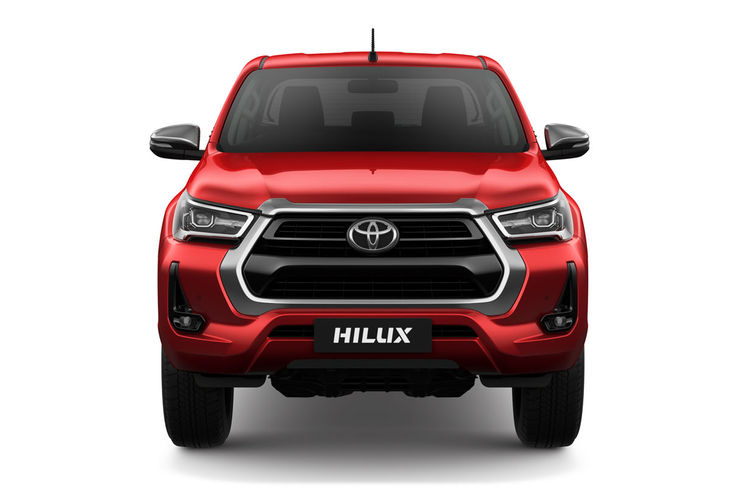
Apart from the large trapezoidal grille with thicker crossbars (grille surrounds differ by spec; we assume the high-spec derivatives will feature the contrasting grey finish), the newly-designed headlights are smaller and slimmer and include distinctive LED elements on higher derivatives. Toyota says the revised exterior styling "delivers a tough, robust on-road presence" that is "more in keeping with the global Toyota bakkie/pick-up truck family."
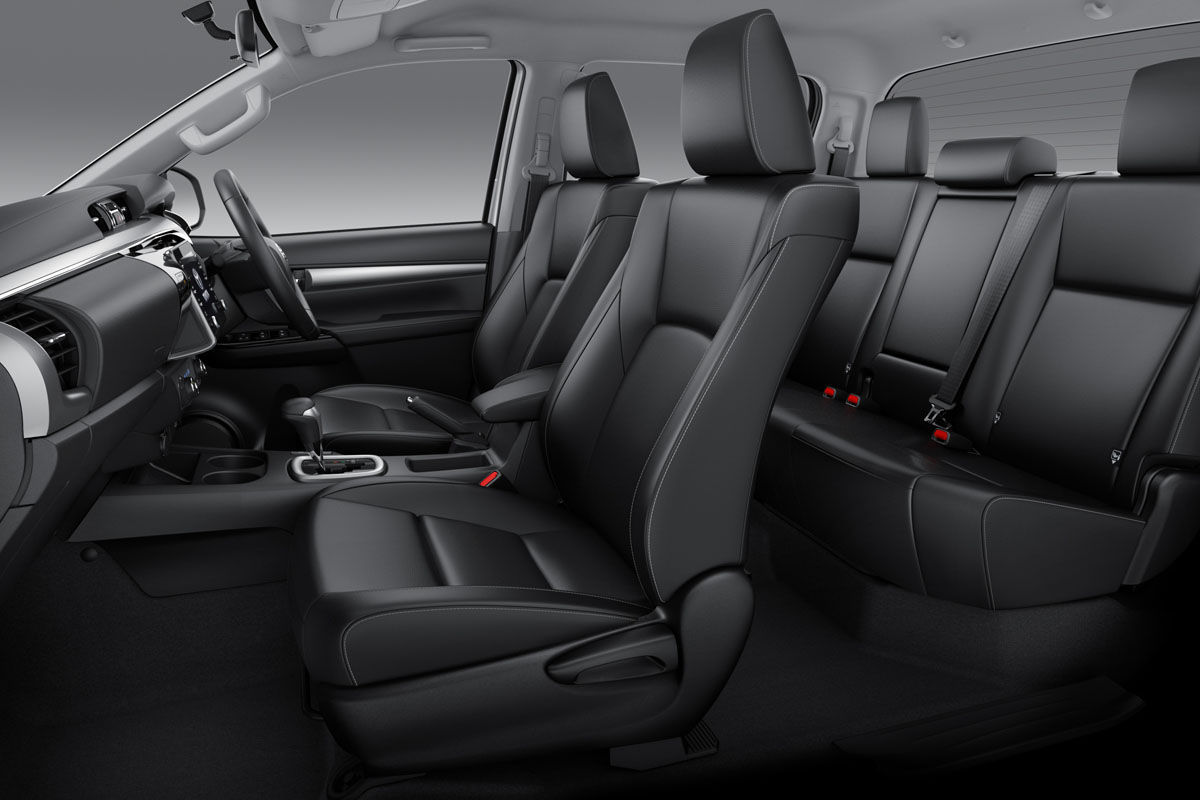
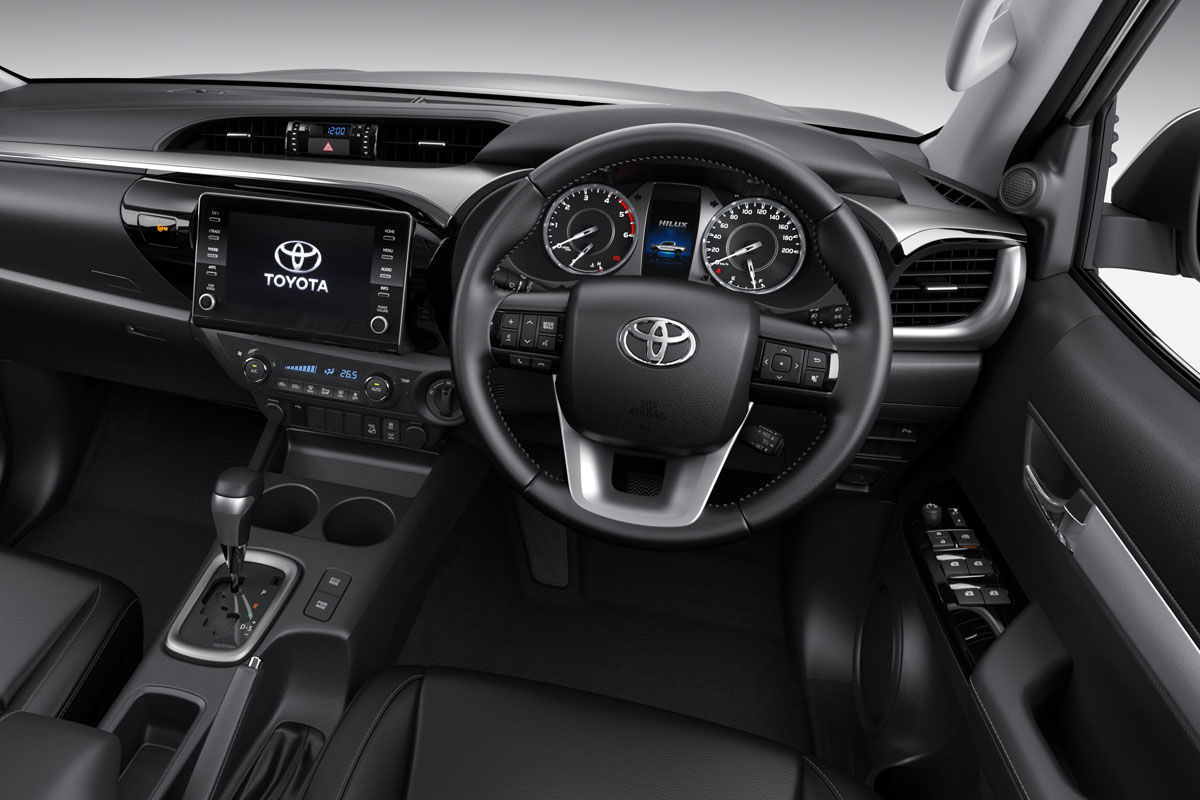
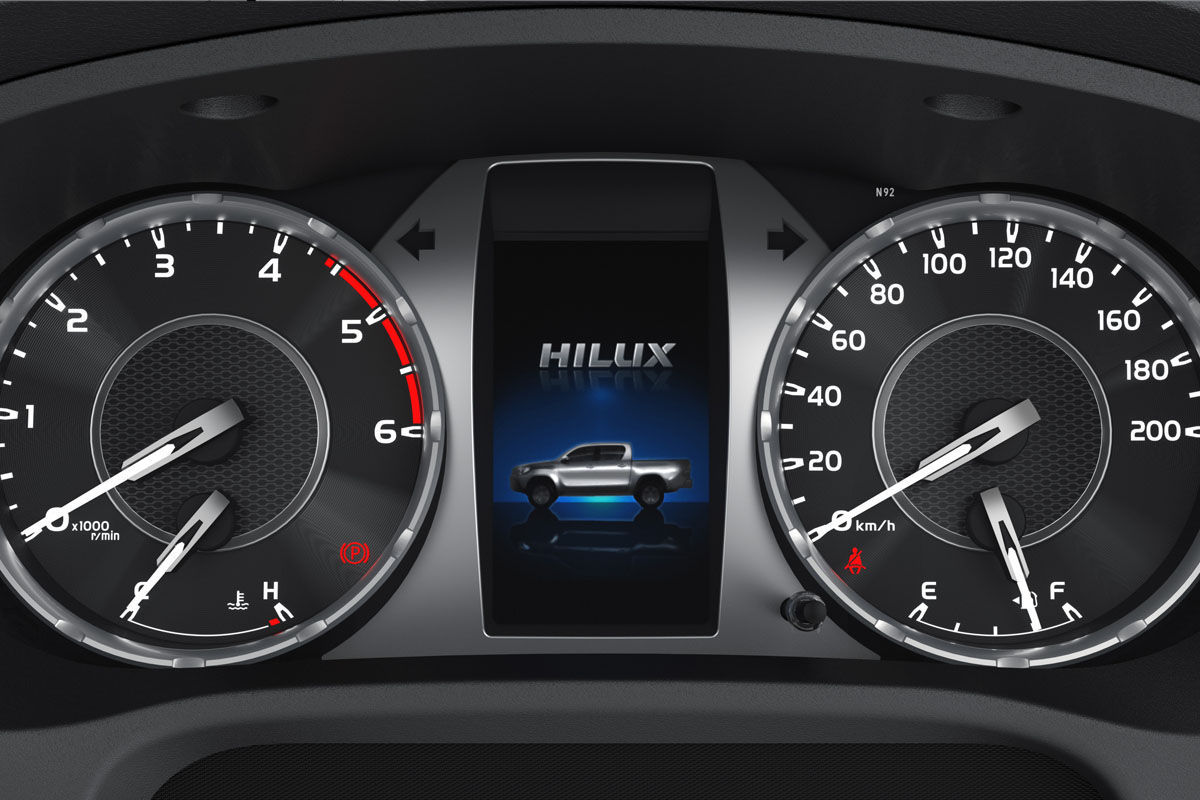
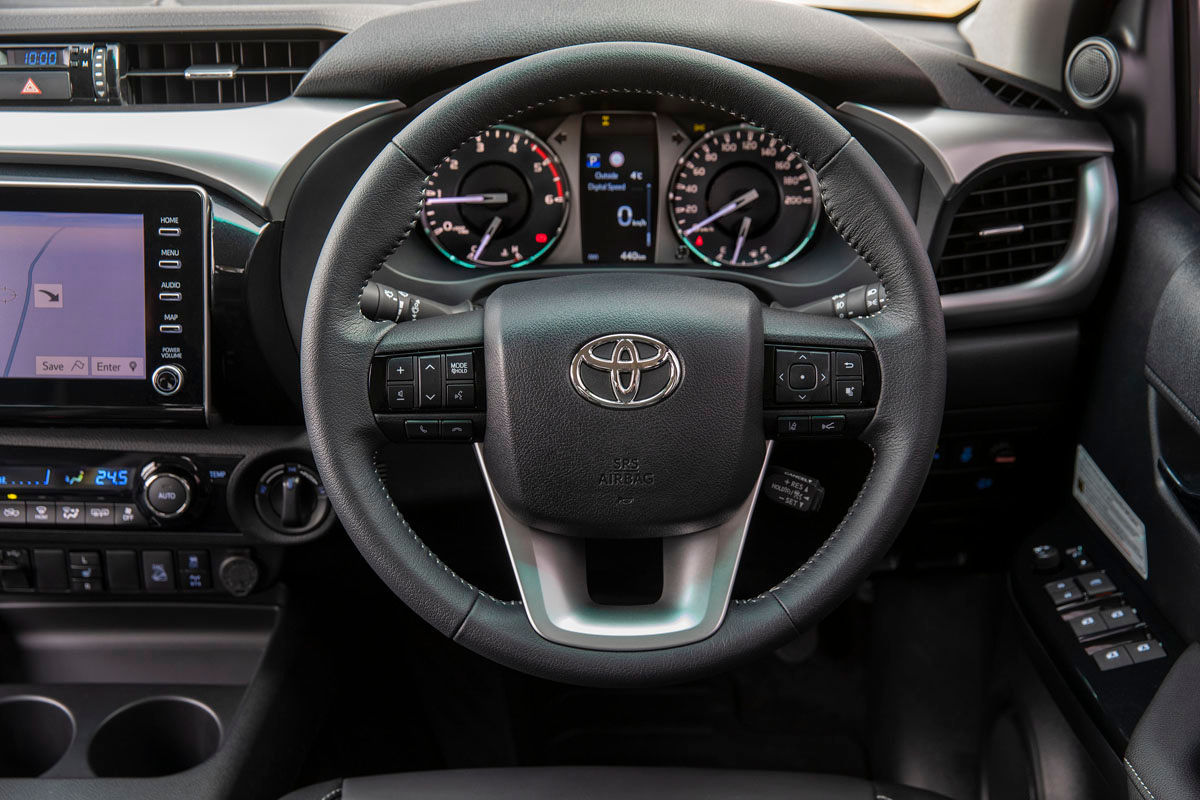
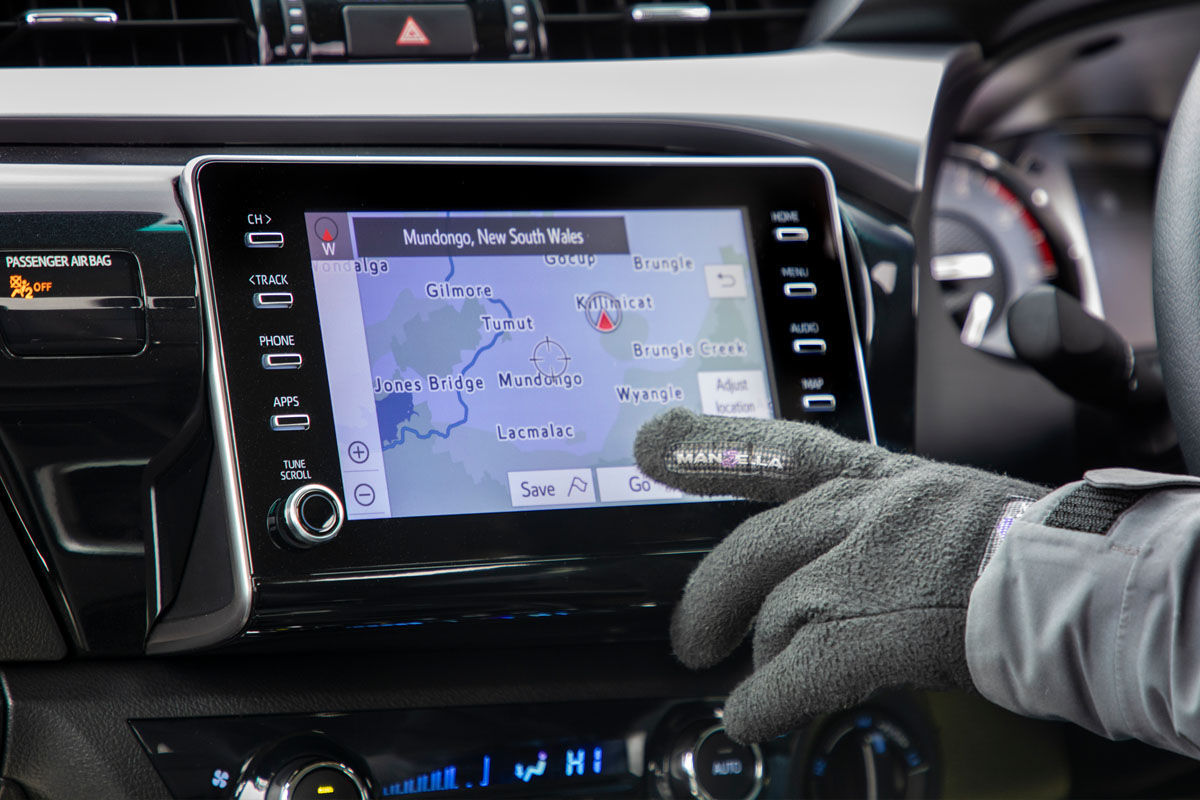
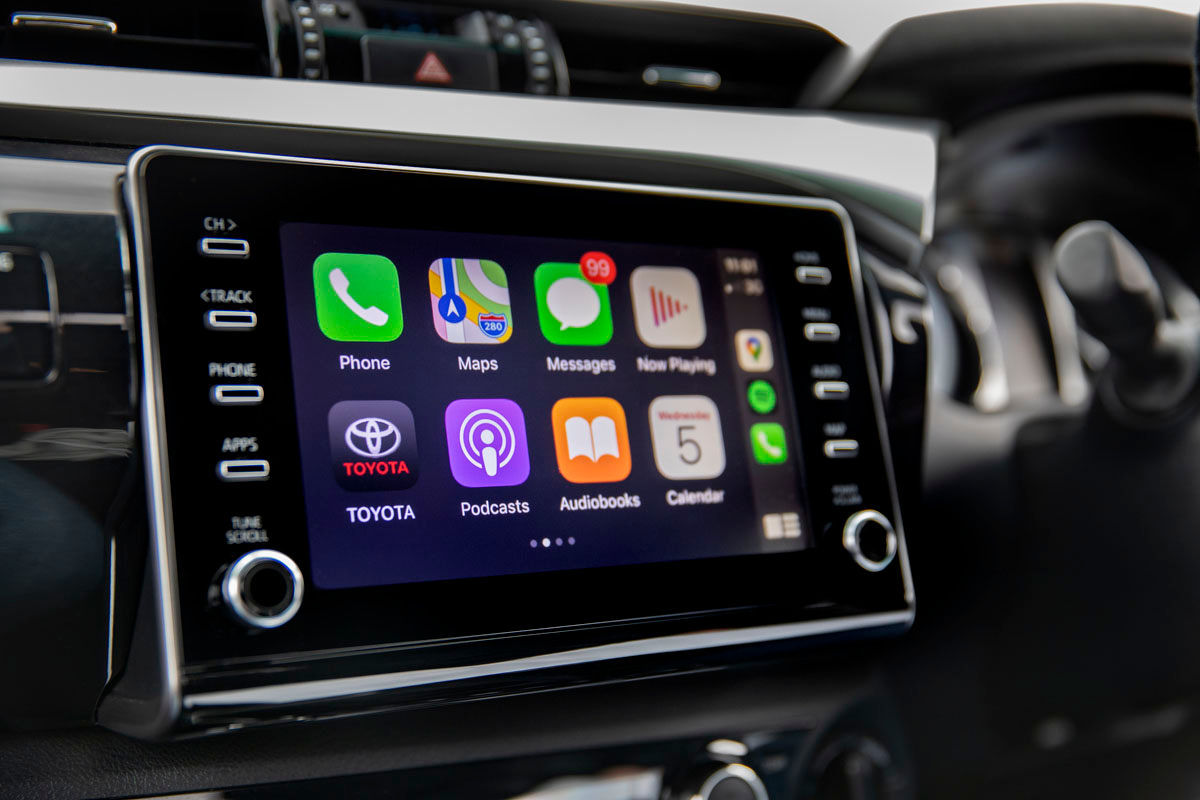
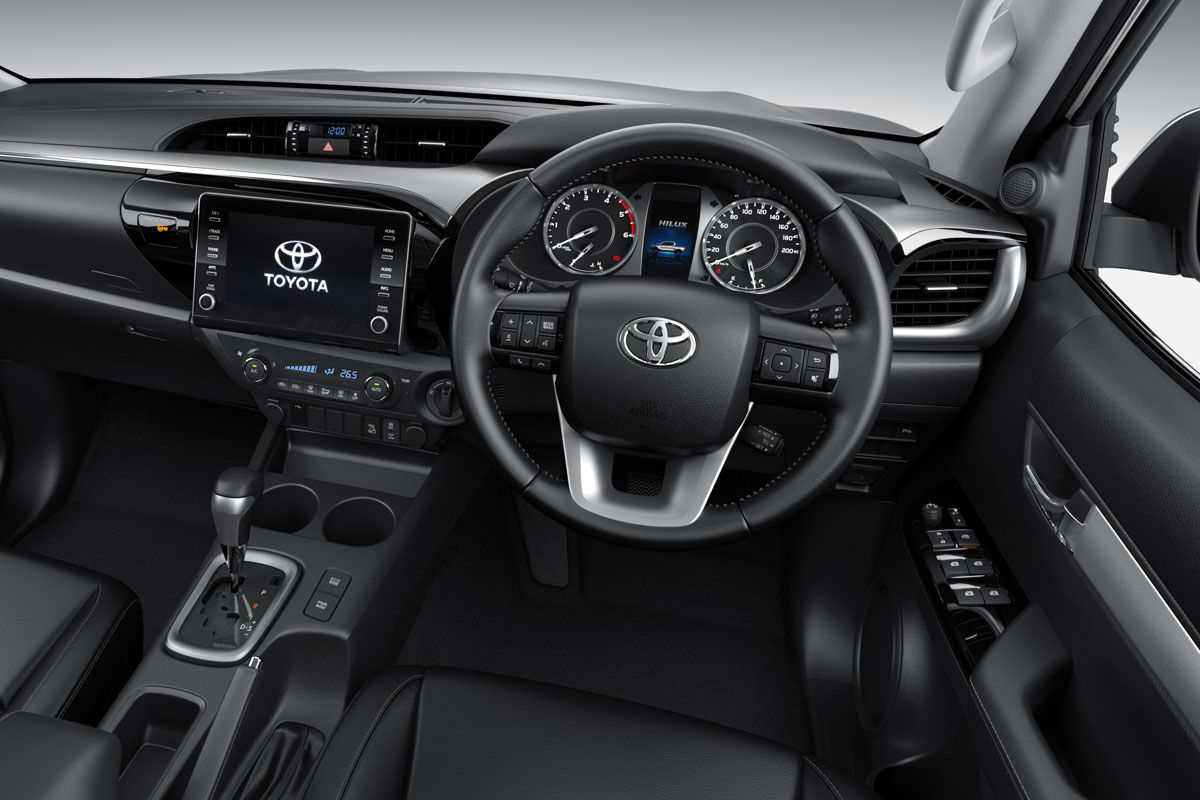
The updated instrument cluster now features a 4.2-inch multi-info display between the speedometer and rev counter (it apparently incorporates a digital speed readout) and higher-spec derivatives will feature an 8-inch touchscreen infotainment system with enhanced voice recognition functionality, as well as Apple CarPlay and Android Auto compatibility. We assume a reverse-view camera and satellite navigation will feature too.
Hilux buyers can look forward to Apple CarPlay and Android Auto compatibility on the revised touchscreen infotainment system.
Toyota engines have, at times, been criticised for offering workmanlike- (as opposed to sparking) performance in the interests of superior reliability. While the other engine's remain unchanged, the range-topping 2.8-litre 4-cylinder turbodiesel engine has, however, been upgraded with "multiple new components (as well as) enhanced cooling", the Japanese firm says.
As a result, the motor's maximum power output has been increased to 150 kW, while peak torque (on the automatic derivative) has been bumped up to hearty 500 Nm. What's more, the motor's fuel consumption is claimed to have been improved "by up to 11%" while "tuned accelerator response delivers greater driver control".
Toyota SA mentioned that the 2.4-litre turbodiesel would remain unchanged in the facelifted version.
The larger, chunkier grille design gives the Hilux a bit of a "US pick-up truck" front-end look.
Meanwhile, the suspension has been revised through the implementation of tweaked shock-absorber tuning, new bushings and an improved leaf-spring design, which is said to improve ride comfort on rough roads when carrying low loads.
In 4×4 derivatives equipped with downhill-assist control, an additional traction control feature reroutes torque to assist grip in 2H mode. Lastly, the braked-trailer towing capacity of automatic 4×4 derivatives has been upgraded to a maximum of 3 500 kg and, on 4×2 variants, all diesel-powered automatic Hiluxes are rated at 2 800 kg (an increase of up to 300 kg). Toyota South Africa does its own, localised tow rating calculations, so whether these increases in tow capabilities will be realised locally will only be seen closer to local launch.
We will update this story when more local information becomes available…
So, the new BMW 4 Series has been revealed and the supersize kidney grille remains a sore point for many. We decided to intervene and try 'fix' the grille once and for all. The questions is, do you prefer our 4 Series grille or do you prefer the look of the new 4 Series grille? This is grille warfare!
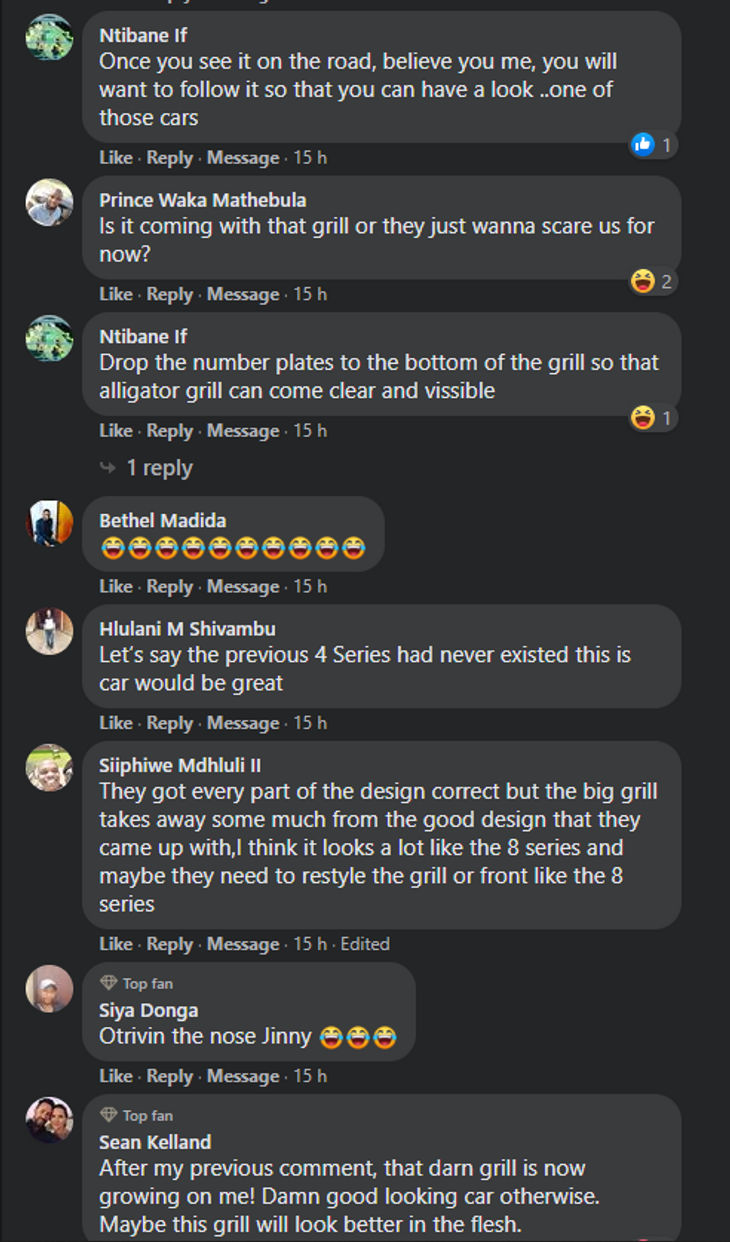
BMW’s grille sizes are increasing and larger grilles have now also made it onto the X7 SUV and the 7 Series luxury sedan. Back in September 2019, BMW unveiled the Concept 4 which previewed the new 4 Series Coupe which was finally revealed this week. At the time, Concept 4 opened the floodgates of criticism aimed squarely at the new gigantic gaping grille. The public took to social media and lambasted BMW for creating such an outrageous design for the new 4 Series and many BMW fans were left disappointed.
BMW's design chief, Domagoj Dukec, speaking to Autocar, shed some light on the brand's position regarding the design of the new 4 Series. He stated, “The twin kidney grille is the most prominent design icon we have. It’s the biggest difference we have from any other car out there. We’ve used the kidney in a variety of ways to give our cars a certain presence: the 3 Series has a very horizontal one because it’s a more rational, serious car. A coupe like the 4 Series should express the exotic part of BMW.”
Furthermore, Dukec said, “The criteria for design is to create something unique, something daring, to make a statement. I’m 100 per cent convinced something like this, although it’s polarising in the beginning, is at the heart of BMW and a brand-shaper for us. Our products have to express the special position of BMW. We don’t want to polarise with every product, but the 4 Series is a very expressive car. In two or three years, I’m convinced this will be a really strong product on the road, and people, whether they love it or not, will see it as a car with a certain identity.”
The grille on the new BMW 4 Series remains a sore point for many, but the general sentiment appears to be more positive than before.
In the case of the new 4 Series coupe, BMW had to find a way to distinctly differentiate the 4 Series from the 3 Series sedan and to do this, BMW went for the jugular and ushered in a new grille design that is bold while also dividing opinion. The new grille design is in response to market demand and markets such as China are big fans of the supersize grille.
Strangely though, when the 4 Series Coupe was revealed this week, it was interesting to note how public response to the production version was significantly more positive. Perhaps people are tired of vomiting and have now come to terms with the existence of the new grille. Who knows?
The new BMW 4 Series grille has divided opinion on Facebook. Many people like it, others not so much.
On the topic of social media, Dukec further commented, “In the design business, you can’t listen to social media reactions. It won’t help you. Design is something that is so emotional, and everybody has an opinion and different tastes. There’s no right or wrong in design. When you do something like this 50 per cent of people might love it and 50 per cent will hate it, and that won’t change. Anything you do there will be people who like it and people who don’t – but this is not the criteria."
Much like in the public domain, members of the Cars.co.za team have various opinions about this new grille development and as such, we have decided to intervene and ‘fix’ the grille of the new 4 Series.
We gave our very own rendering wizard, Duwyne Aspeling, the opportunity to rectify the 4 Series' grille in line with what most BMW fans would probably expect (see our fix below).
This exercise has, however, raised the point that if BMW played it safe, the new 4 Series would look too ‘ordinary’ and the brand would be criticised for that too. In that sense, perhaps BMW deserves a bit more credit for 'going' big' instead of just sticking to the norm.
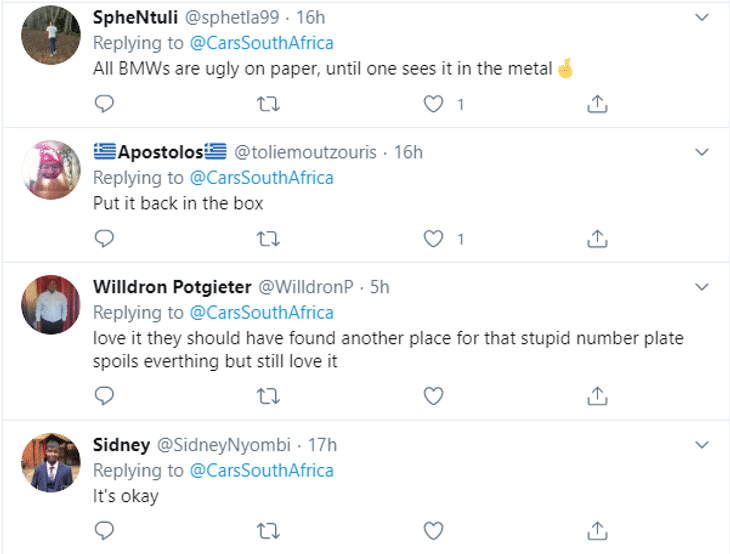
Twitter users also shared their opinions of the new BMW 4 Series.
What side of the fence are you sitting on? Do you prefer our ‘fix’ for the new 4 Series or do you think that BMW has hit the mark with its new grille?
Share your opinions with us in the comments below!
We did BMW a favour and 'fixed' the grille on the new 4 Series. Do you like it?
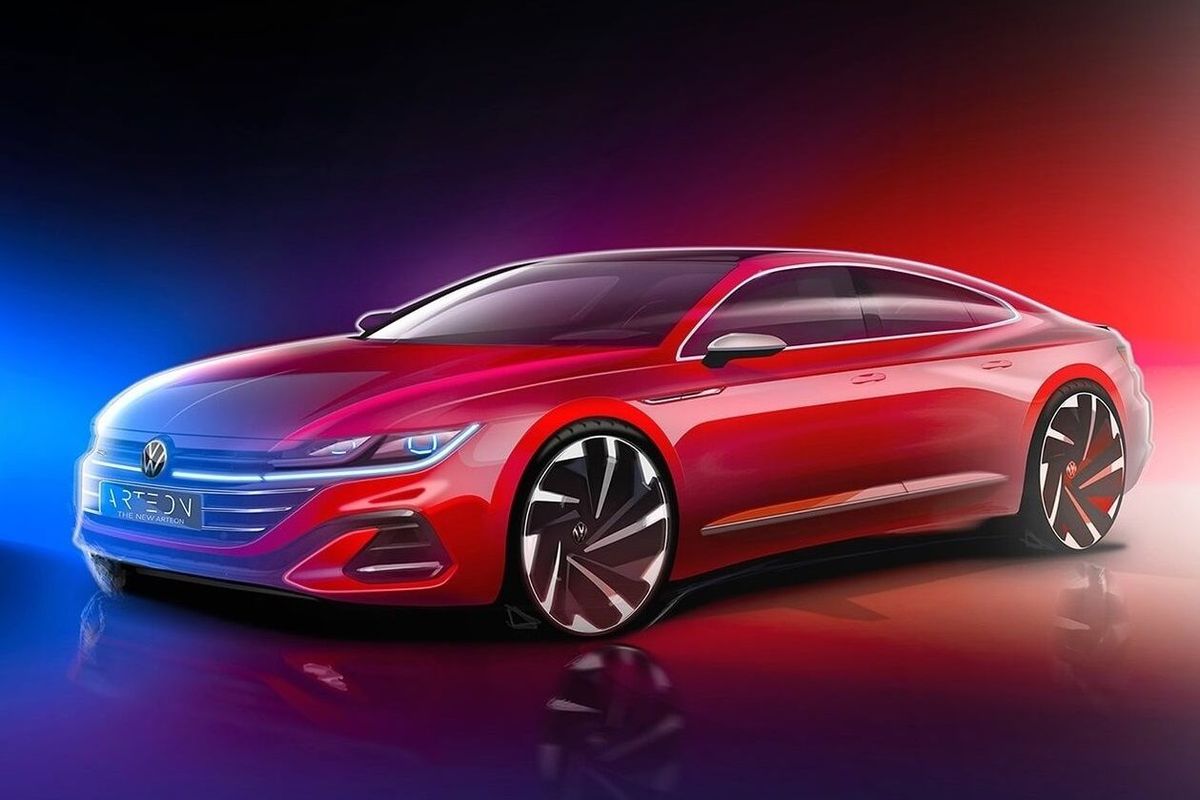
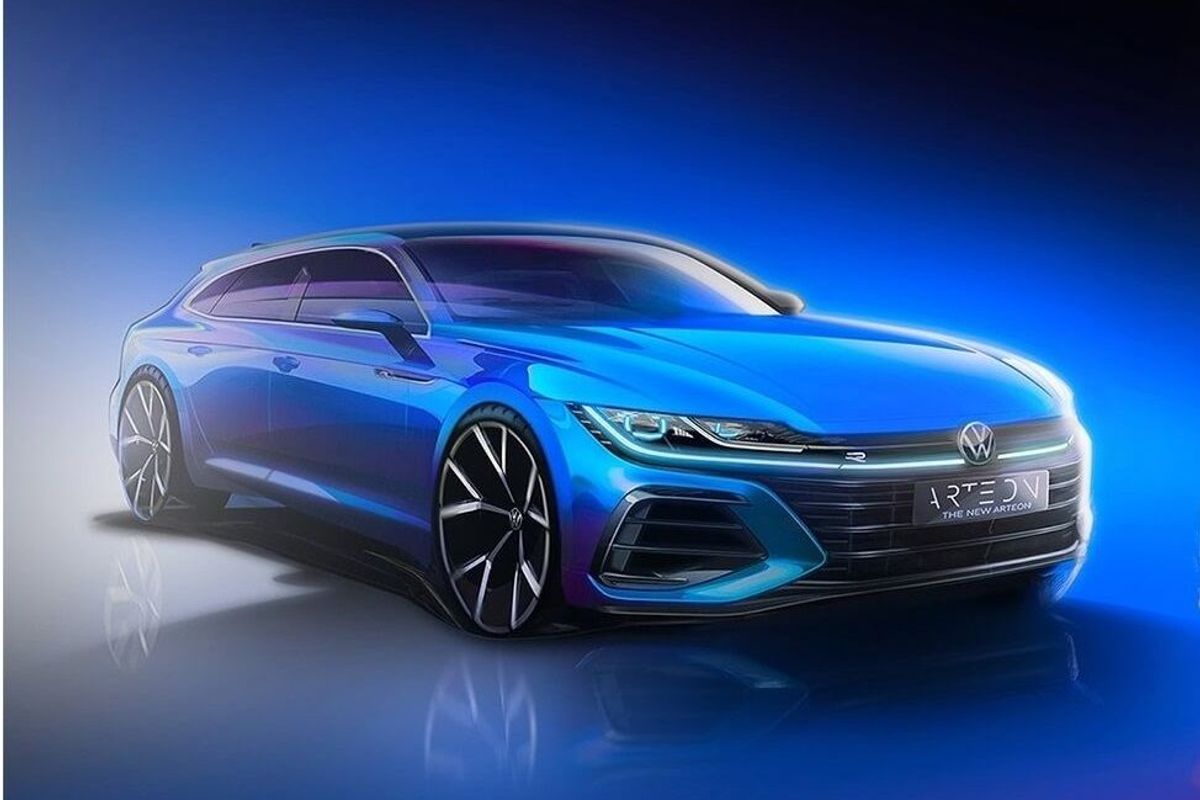
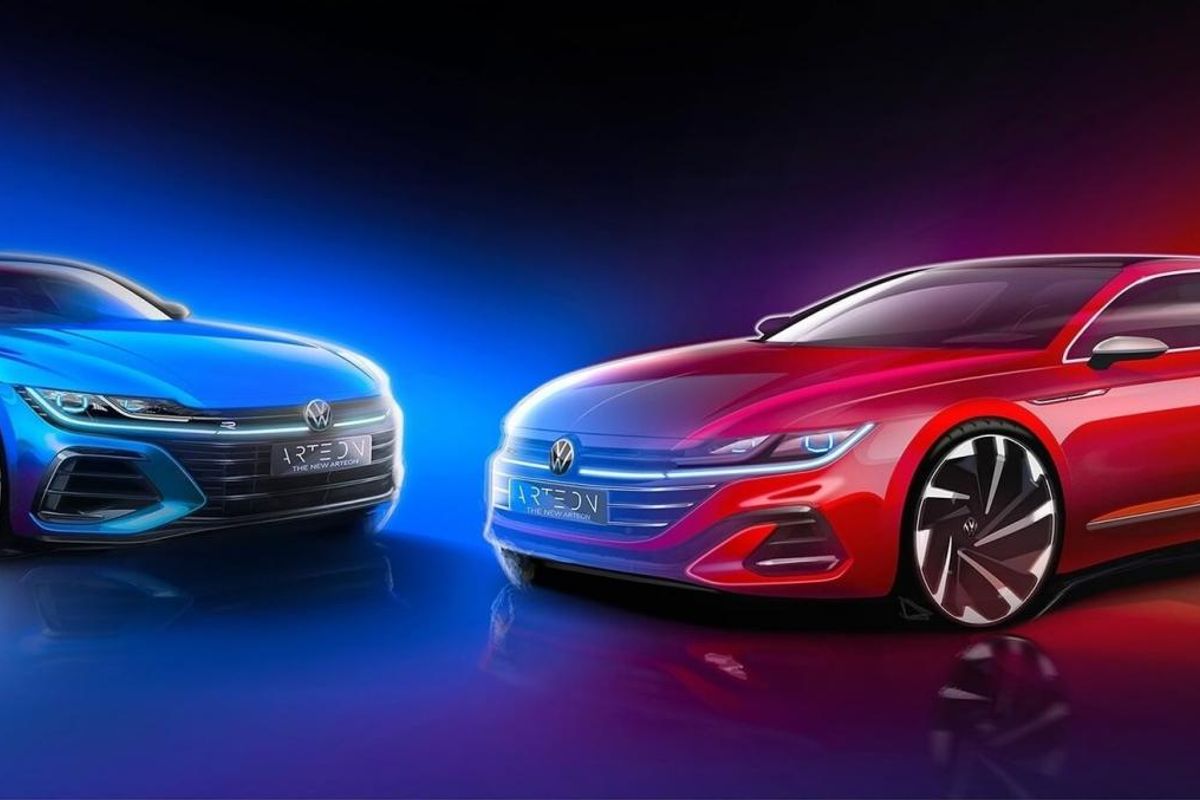
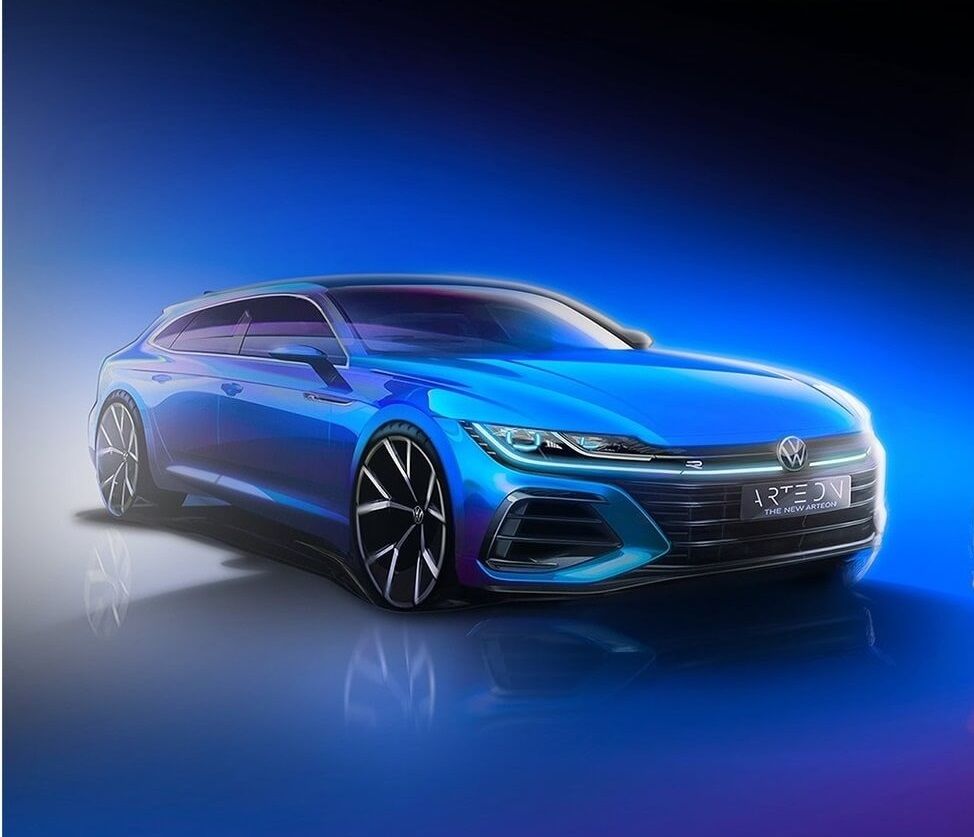
Volkswagen has released a teaser image of the updated Arteon as well as the Arteon Shooting Brake.
German carmaker Volkswagen will be revealing the updated Arteon on the 24th June 2020, but the big news is the range will be joined by an Arteon Shooting Brake.
Given Europe's love for the station wagon, it should fare rather well in the sales stakes, despite the immense popularity of the SUV.
The updated Volkswagen Arteon will feature substantial revisions both inside and out, with many speculating it'll gain the all-new infotainment system that's been seen in the new Volkswagen Golf 8. In terms of engines, we're expecting largely the same engines as before, the option of all-wheel drive on some models, which should find favour in the colder European markets. There's also a strong rumour of an Arteon R, packing the same engine from the Volkswagen Golf R.
The R version of the Volkswagen Arteon would gain a sportier suspension setup, quad exhausts and as you can see in the photo, blue brakes. We also suspect the engine would be given the full R treatment and like other Volkswagen R products, it would be the 2.0-litre turbocharged 4-cylinder delivering 220 kW and 400 Nm. However, we do know that the next-gen Volkswagen Golf R will get 245 kW, so that could also be an option for the newcomer. Power will continue to go to all 4 wheels via a dual-clutch transmission. Expect 0-100 to be in the late 4-second ballpark.
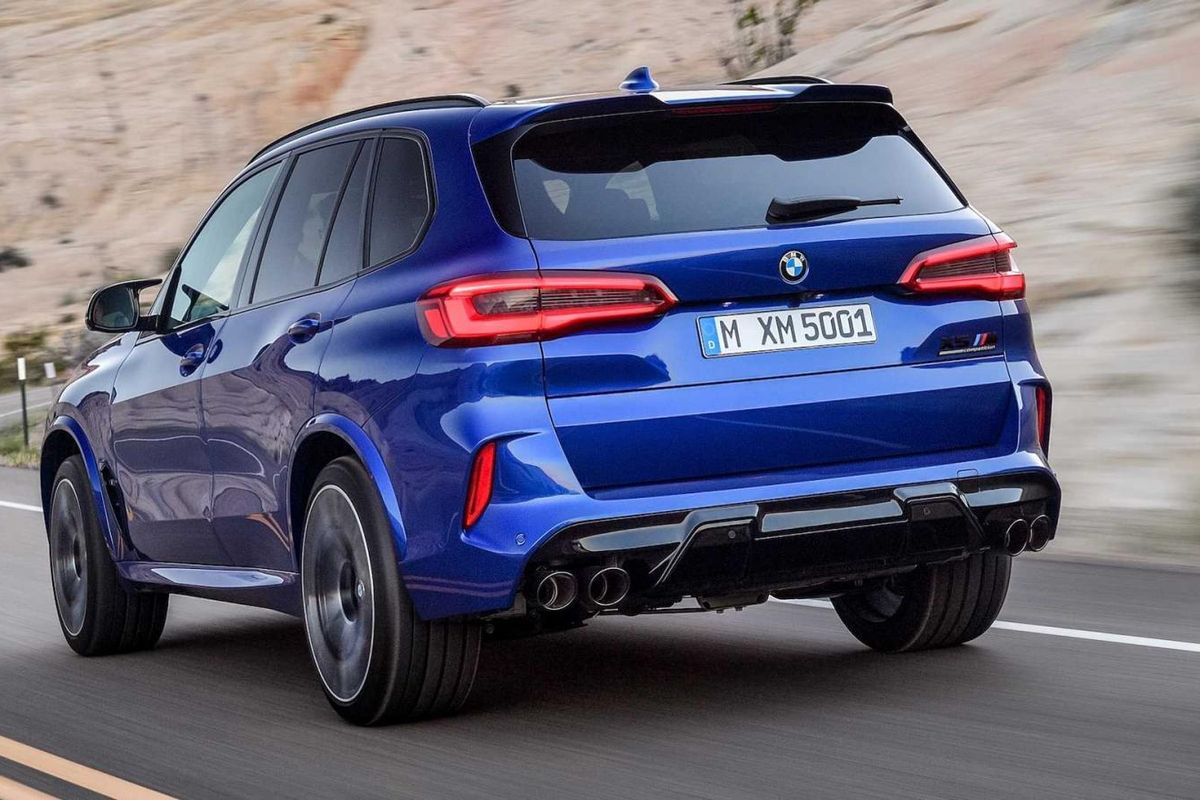
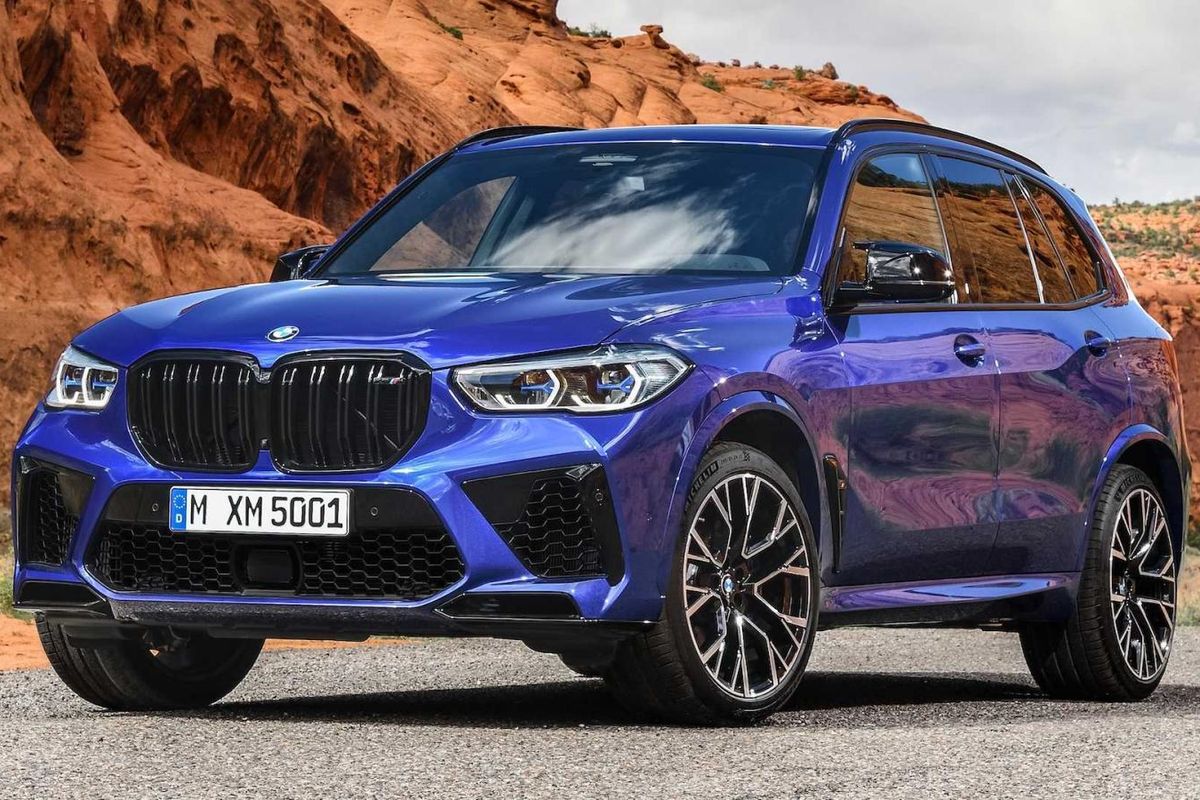
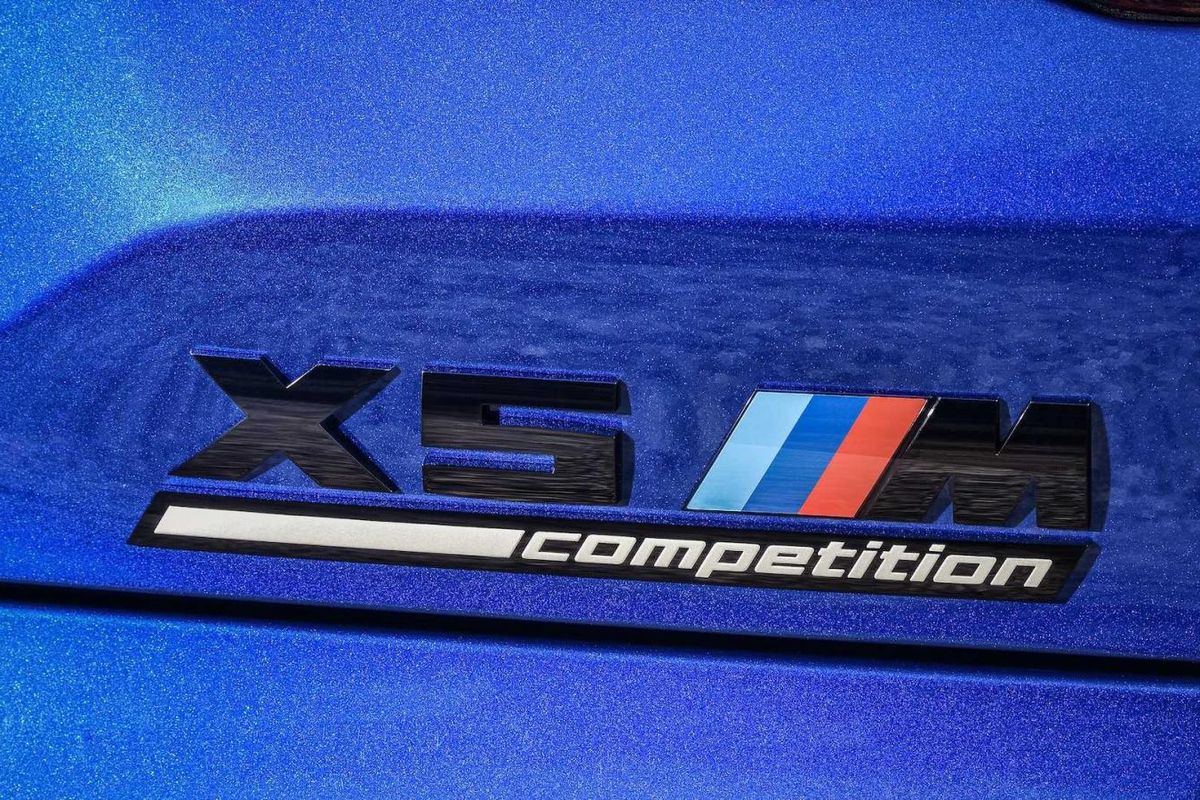
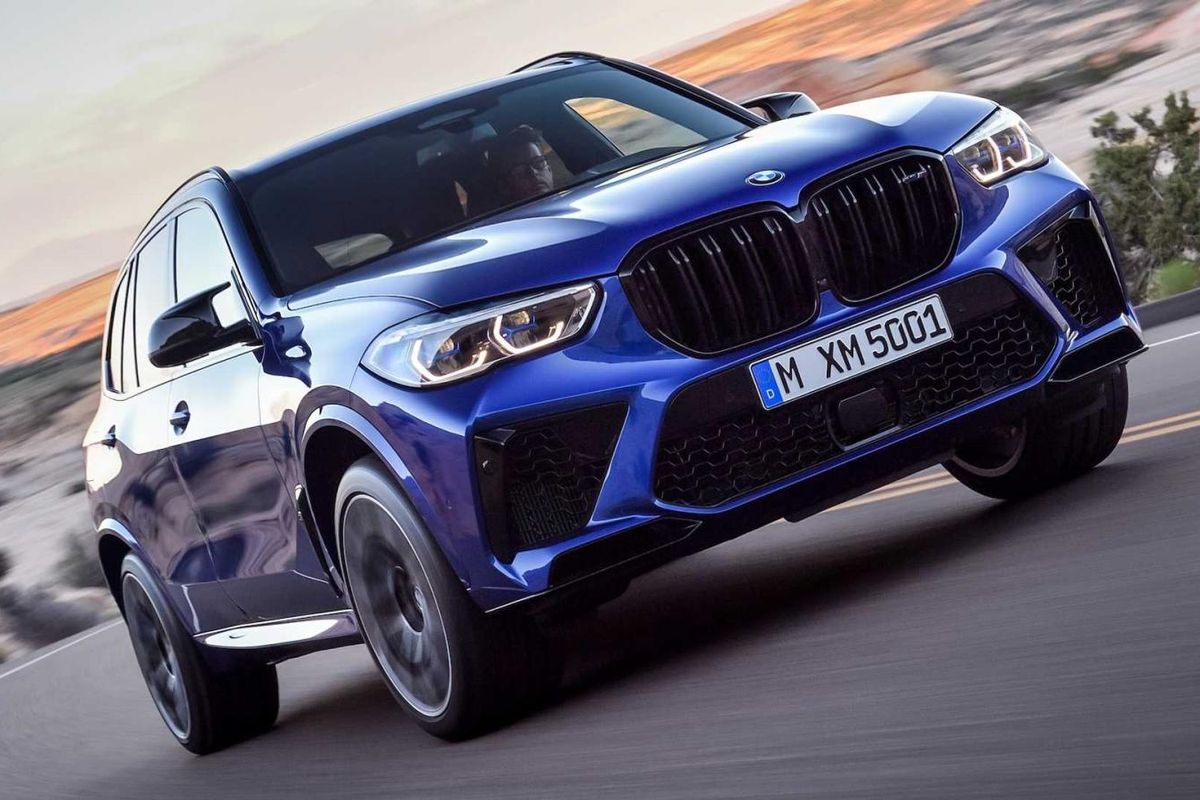
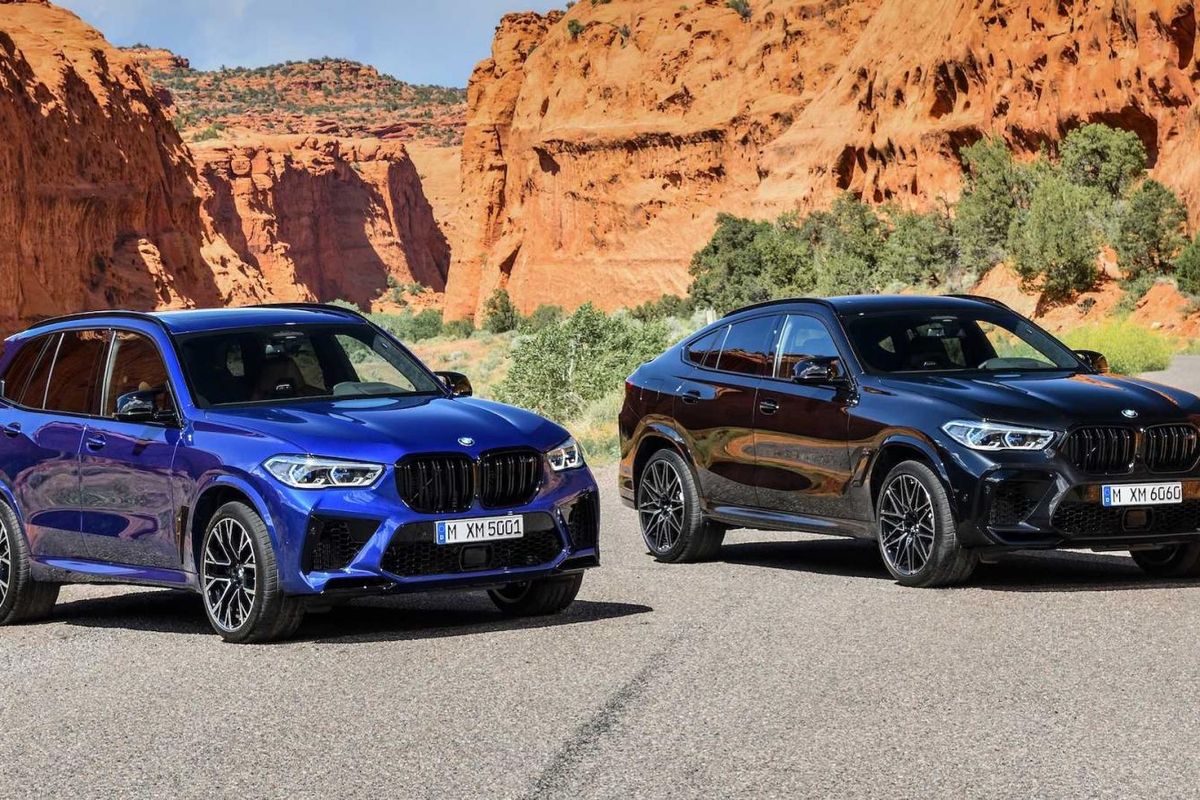
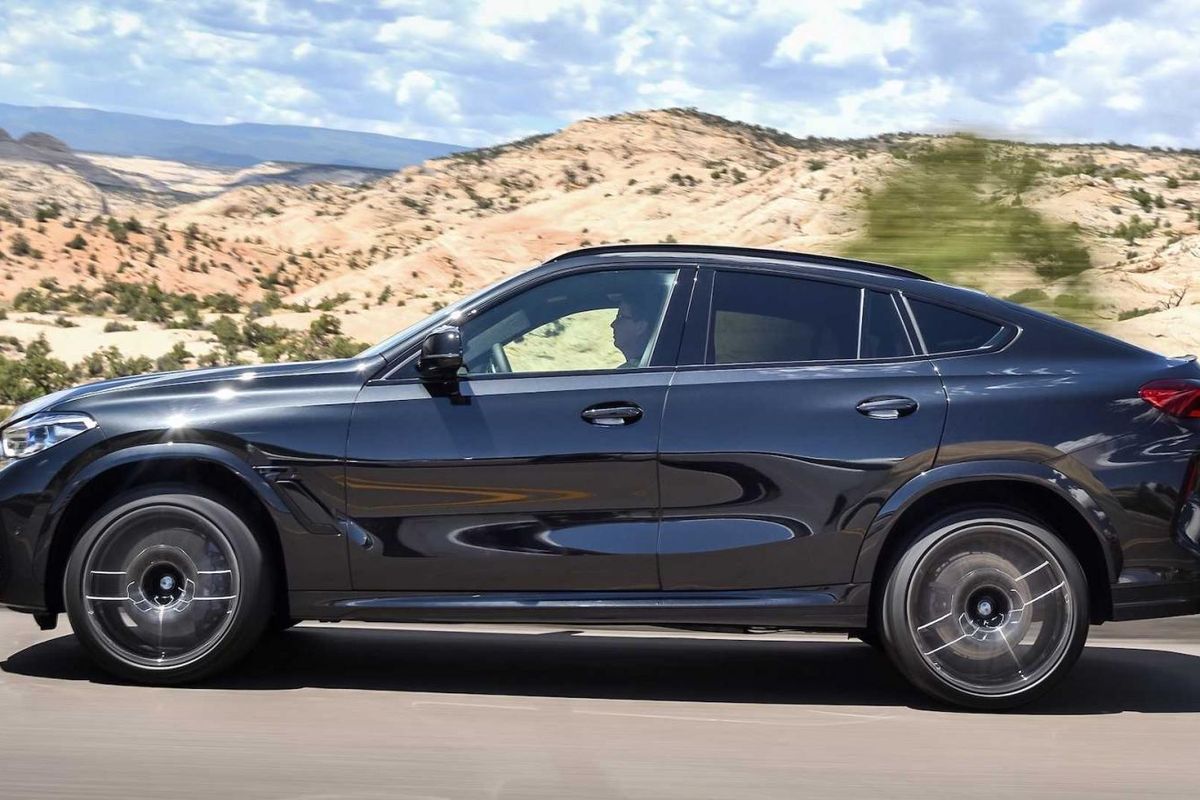
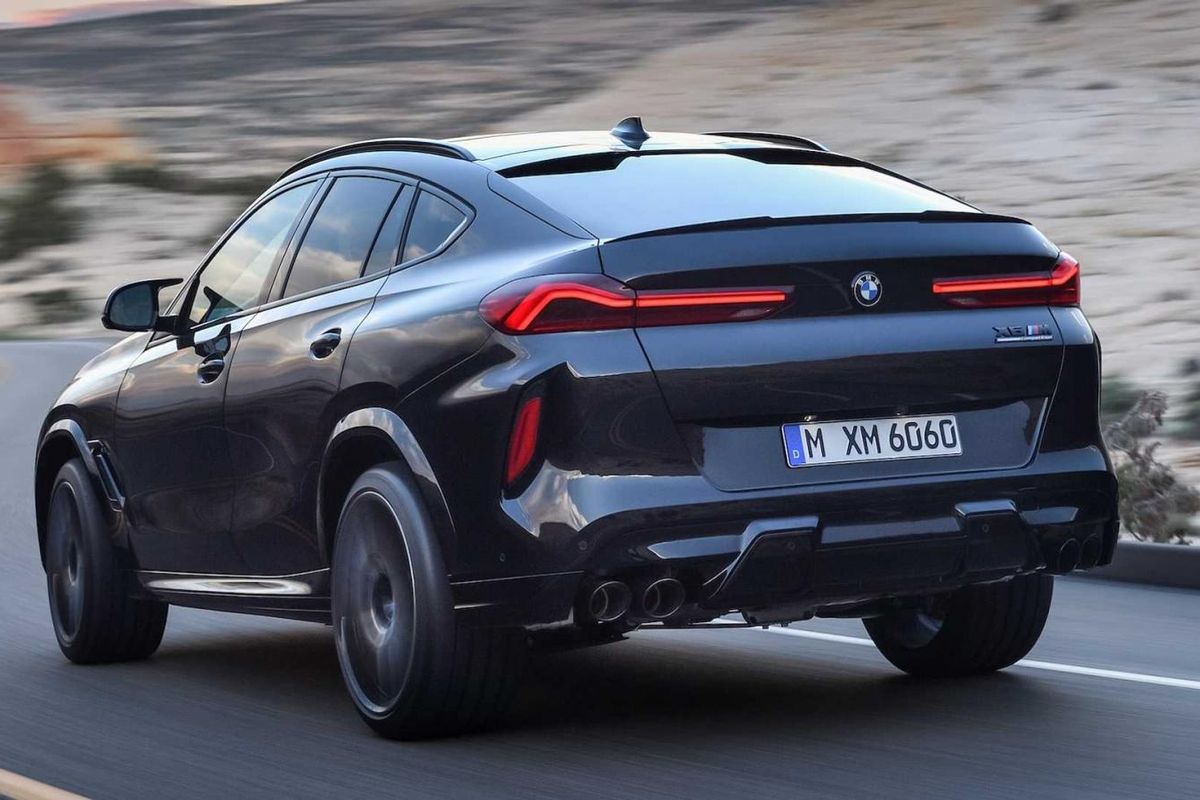
BMW has confirmed pricing and specs for its most potent SUVs.
The new X5 and X6 M high-performance SUVs combine the latest version of BMW’s 4.4-litre turbocharged V8, with advanced driver assistance technologies. And they won't come cheap to South African fans of the Munich motor brand.
Dominating the engineering specification of these new M-SUVs is the bi-turbo engine. Twin-scroll turbochargers ensure that lag is kept to a minimum and the 4.4-litre V8’s output numbers bear testament to BMW’s finest engineering.
Both the X5 and X6 M Competition models boost 460 kW and 750 Nm. With an active M-differential and BMW’s specifically calibrated xDrive system, these SUVs are incredibly fast, considering their size.
BMW claims 0-100 kph in only 3.8 seconds. Perhaps even more impressive is the 0-200 kph acceleration in a mere 13.4 seconds. Top speed runs to a true 290 kph.
Compared to the previous X5 and X6 M variants, these new Competition edition models are 37 kW more powerful and run the benchmark 0-100 kph sprint nearly half a second quicker.
Balancing overall driving dynamics are electronically-controlled dampers, whilst the adaptive suspension has sophisticated active roll mitigation. Wheel sizes are also staggered, to ensured optimal grip, with the X5 and X6 M Competitions rolling 21-inch alloys up front and 22s at the rear. This curious wheel size combination is designed to work best with the all-wheel-drive system’s trick traction sensitivity and torque distribution.
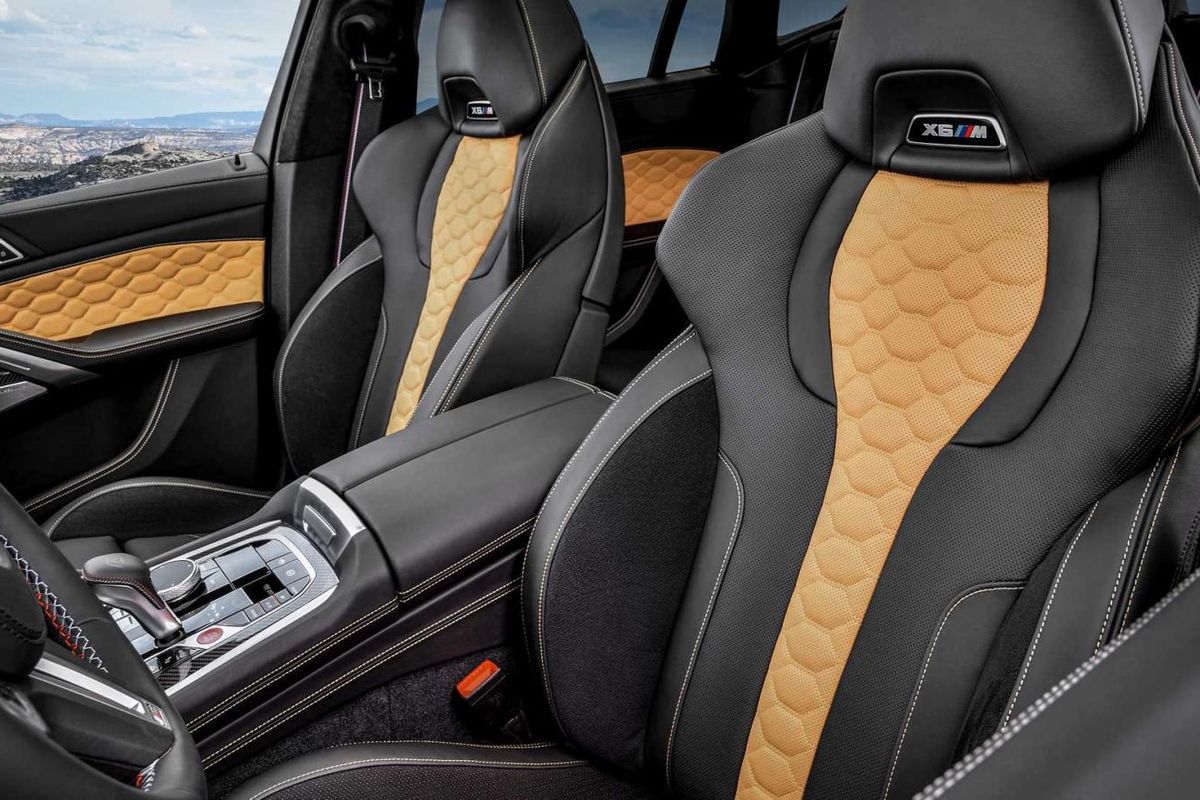
Cabin highlights are the BMW live cockpit and head-up display, although pride of place goes to those dramatic M-Multifunction seats, featuring a contoured design and Merino upholstery inserts.
Reflecting the influence of a softening Rand, the X5 M Competition and its X6 sibling are more expensive than initial price projections foresaw.
In April BMW tabled prices of R2 400 000 for the X5 M Competition and R2 493 000 for its X6 version. Those have now ballooned to R2 605 900 and R2 702 200, as these high-performance SUVs arrive in South Africa.
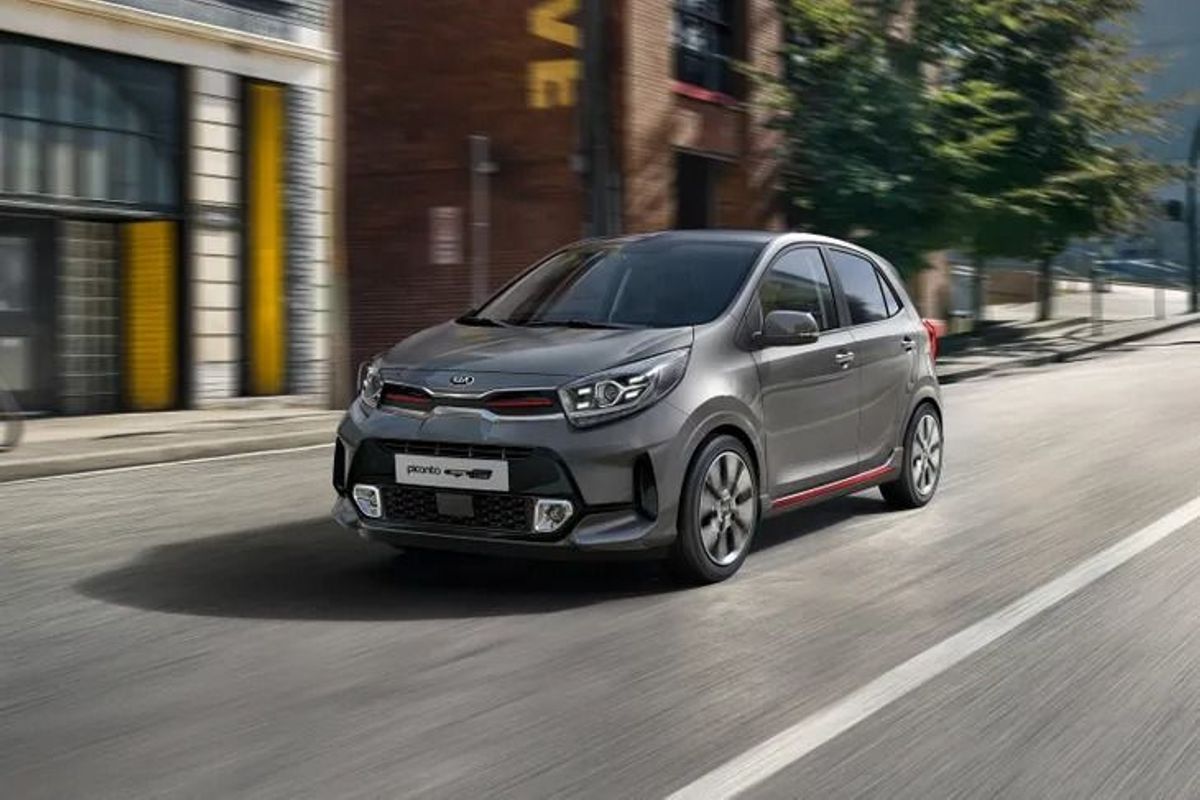
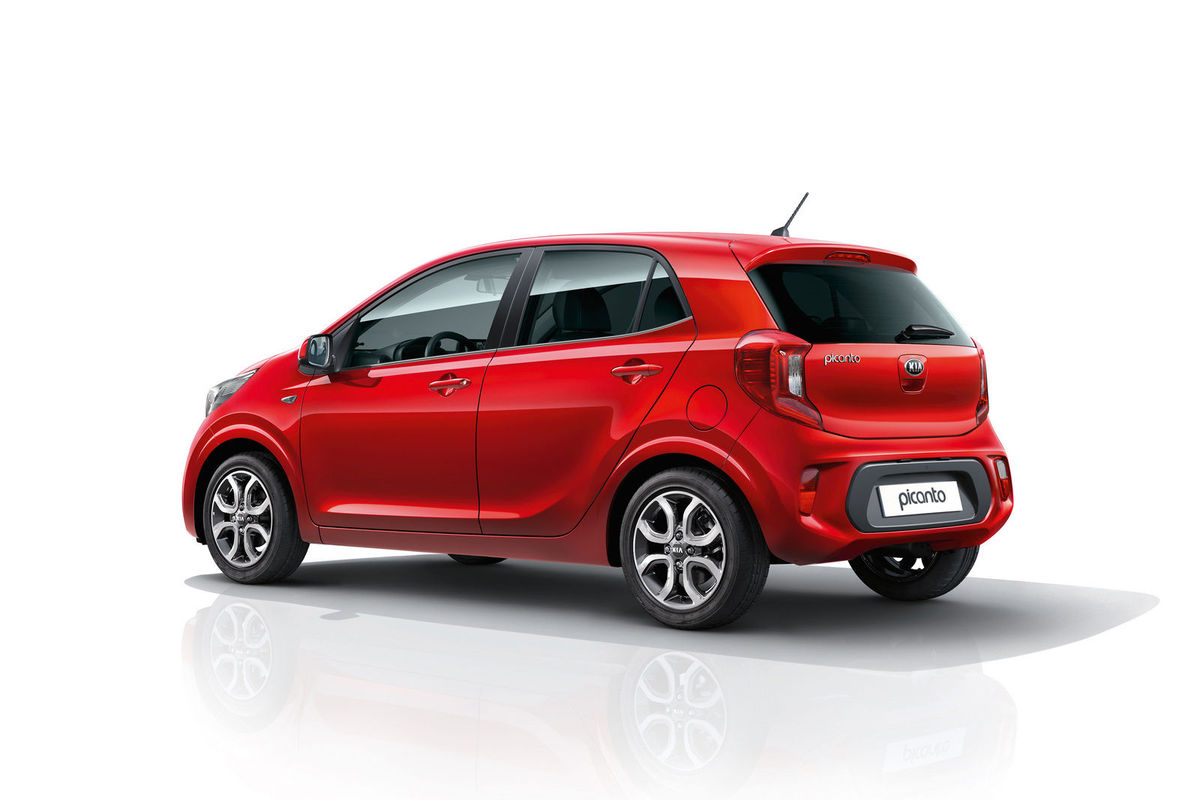
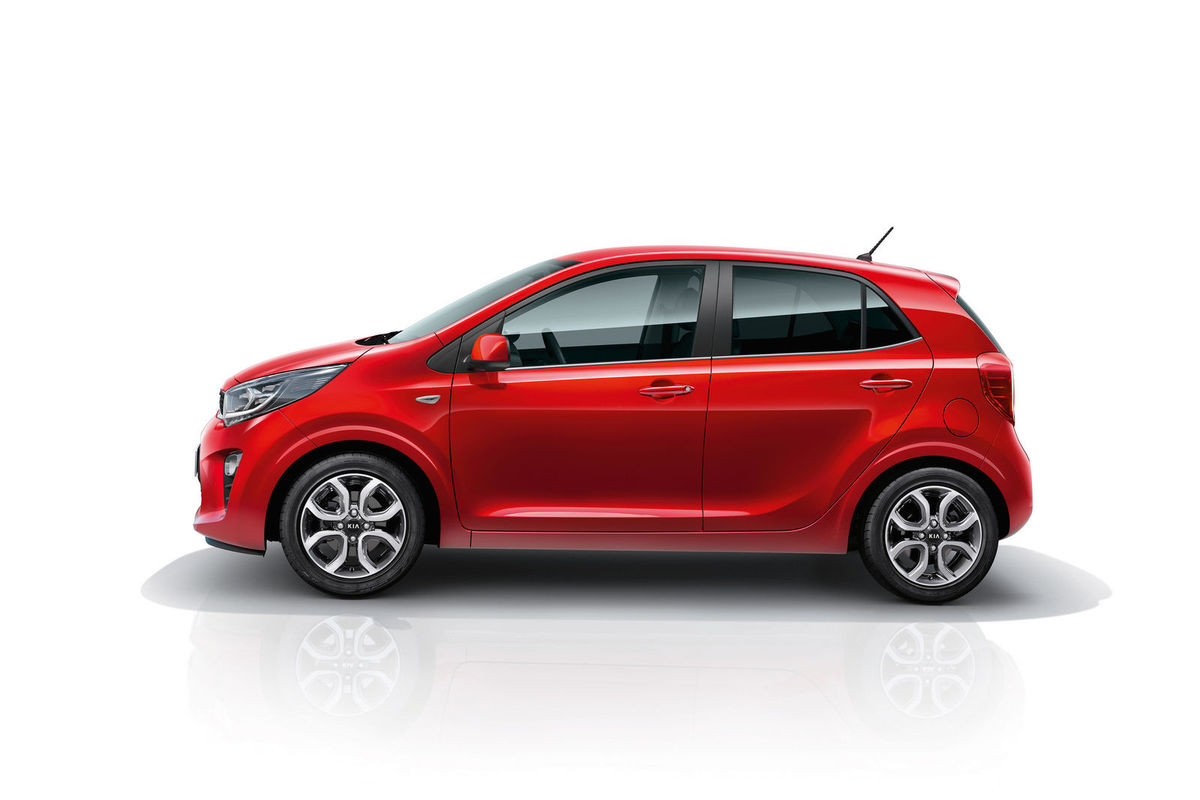
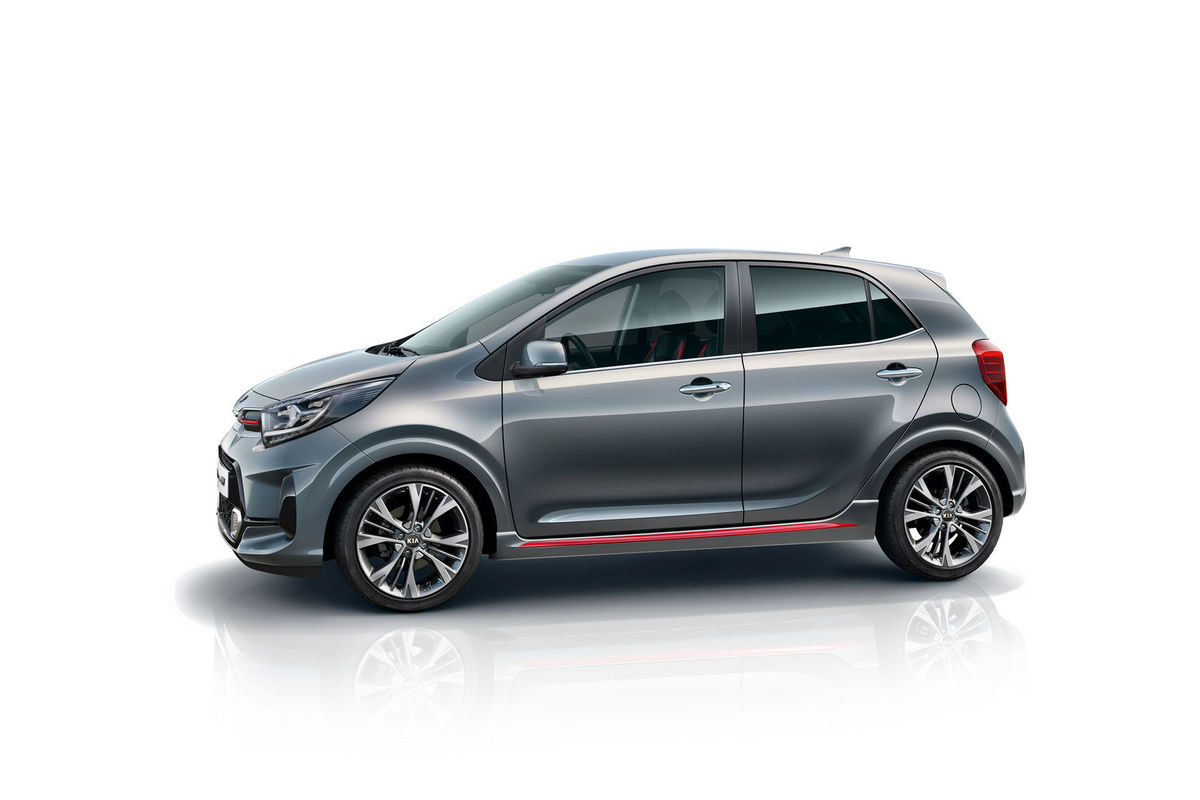
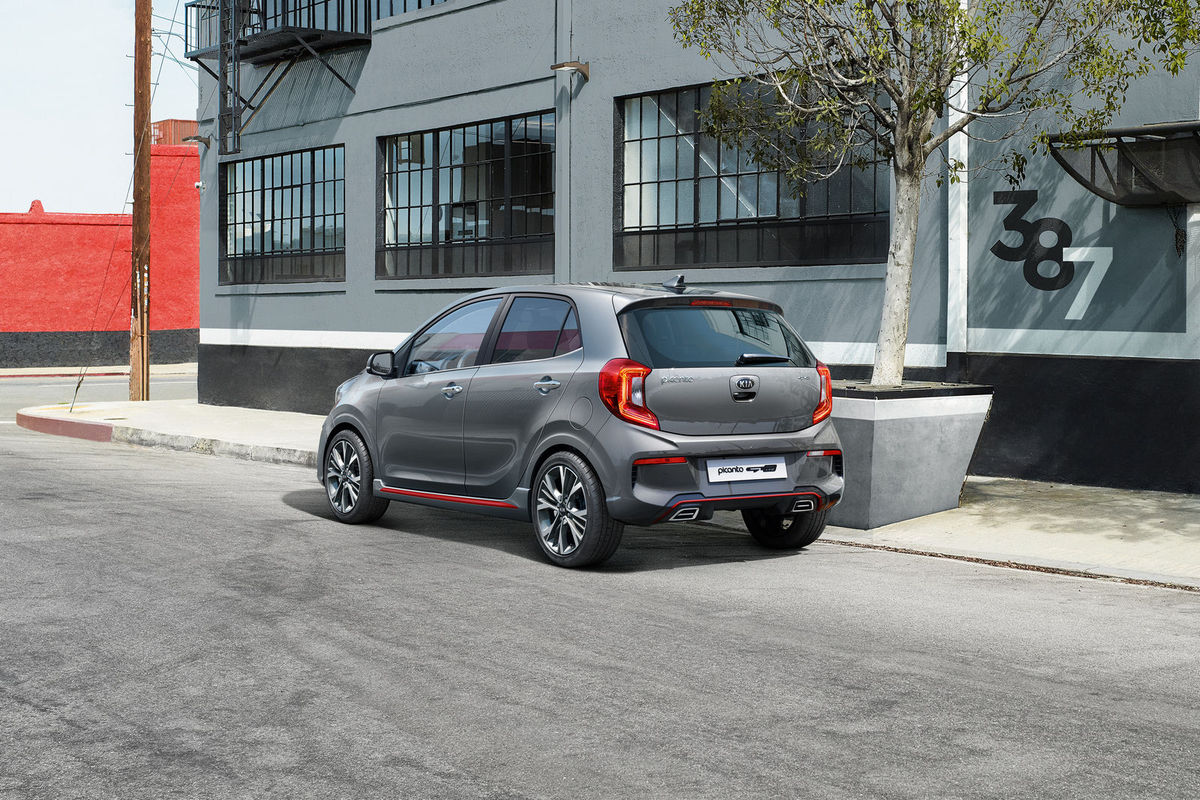
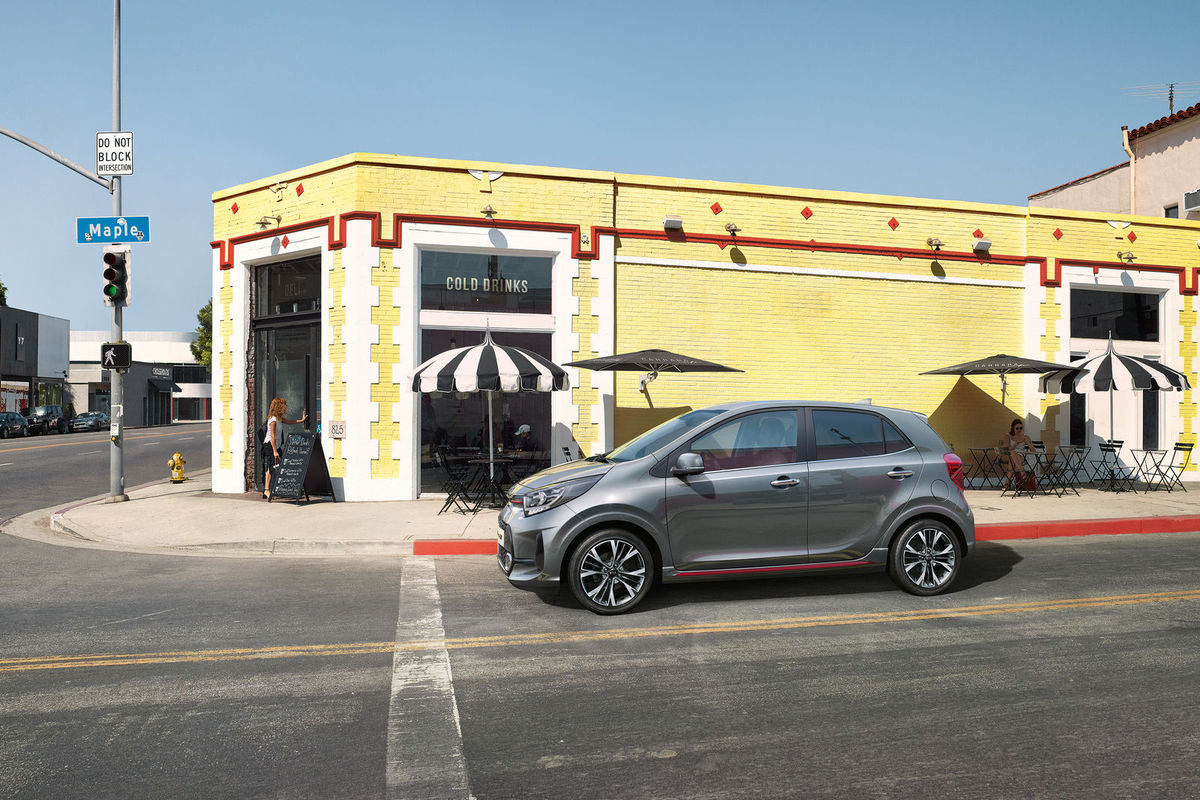
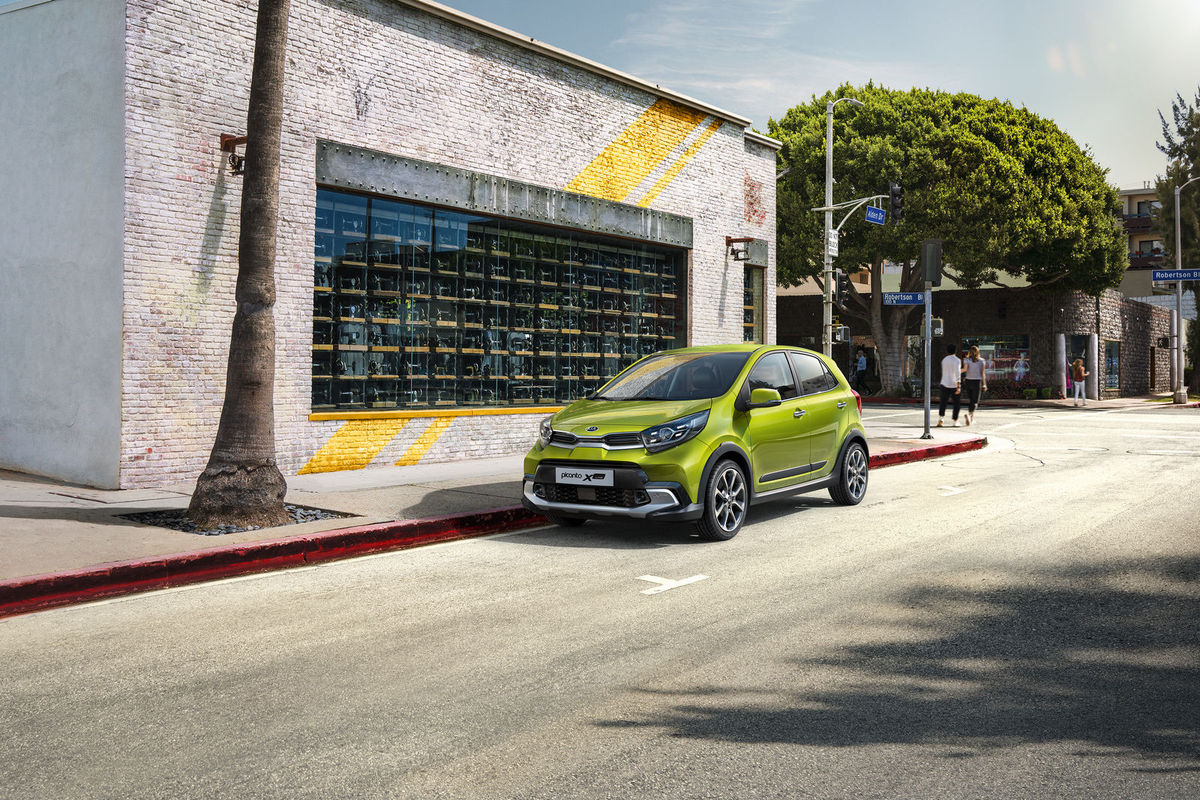
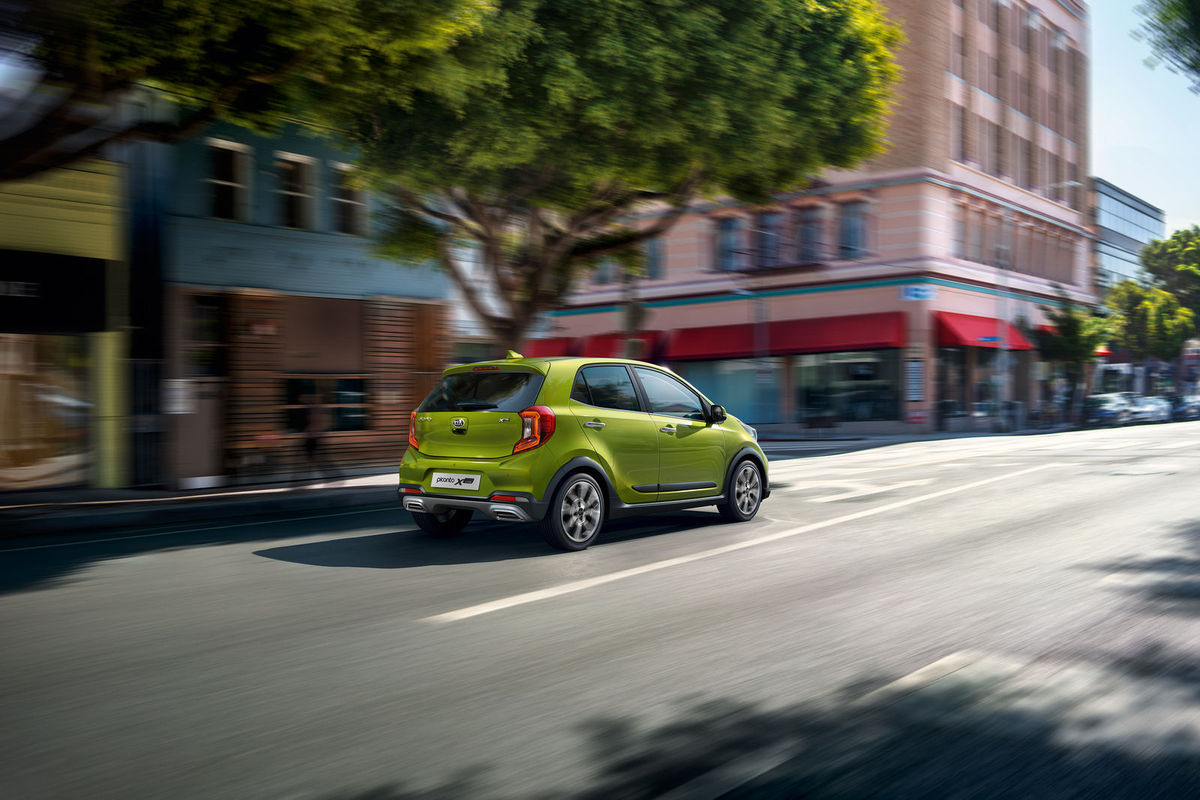
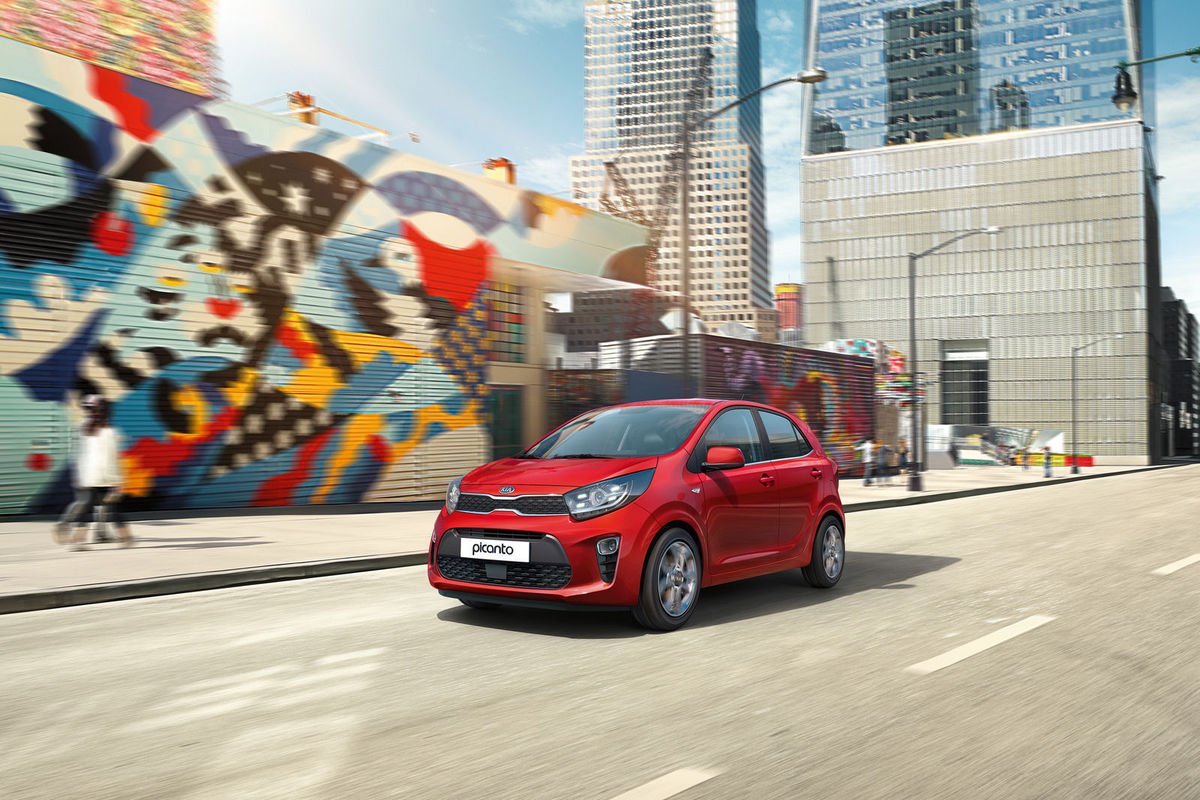
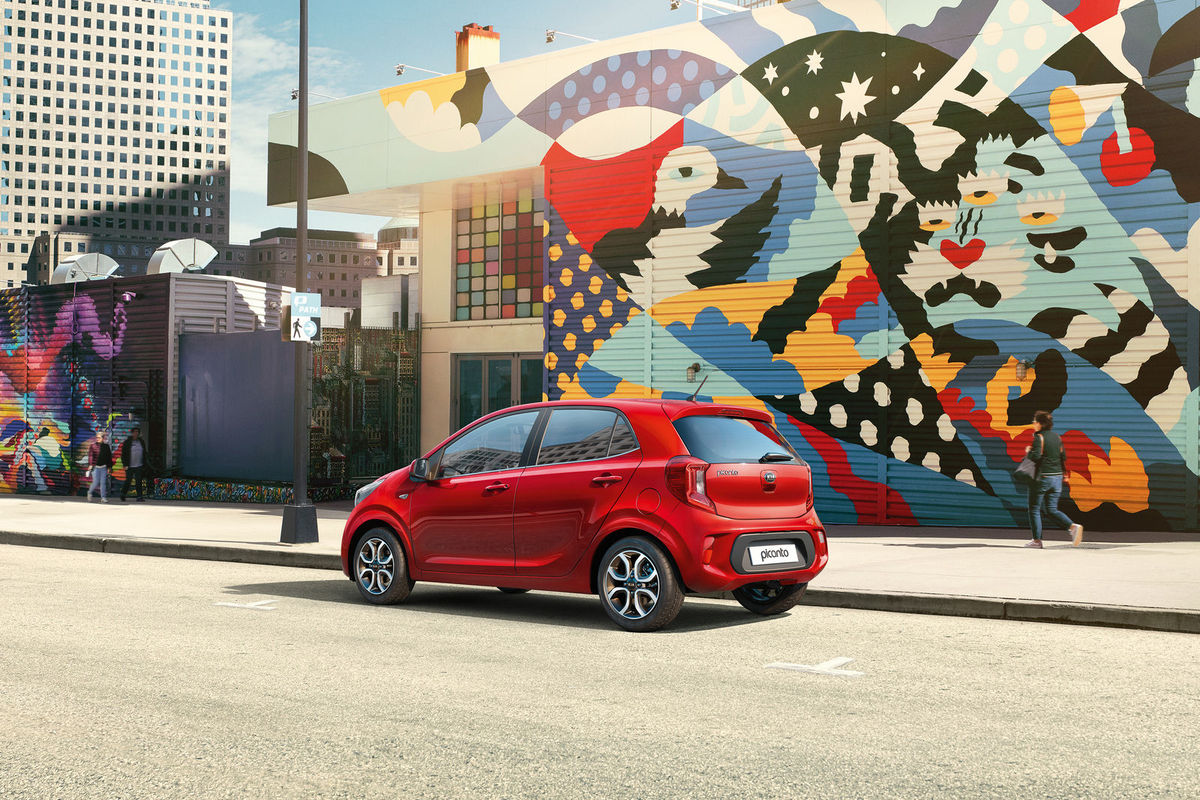
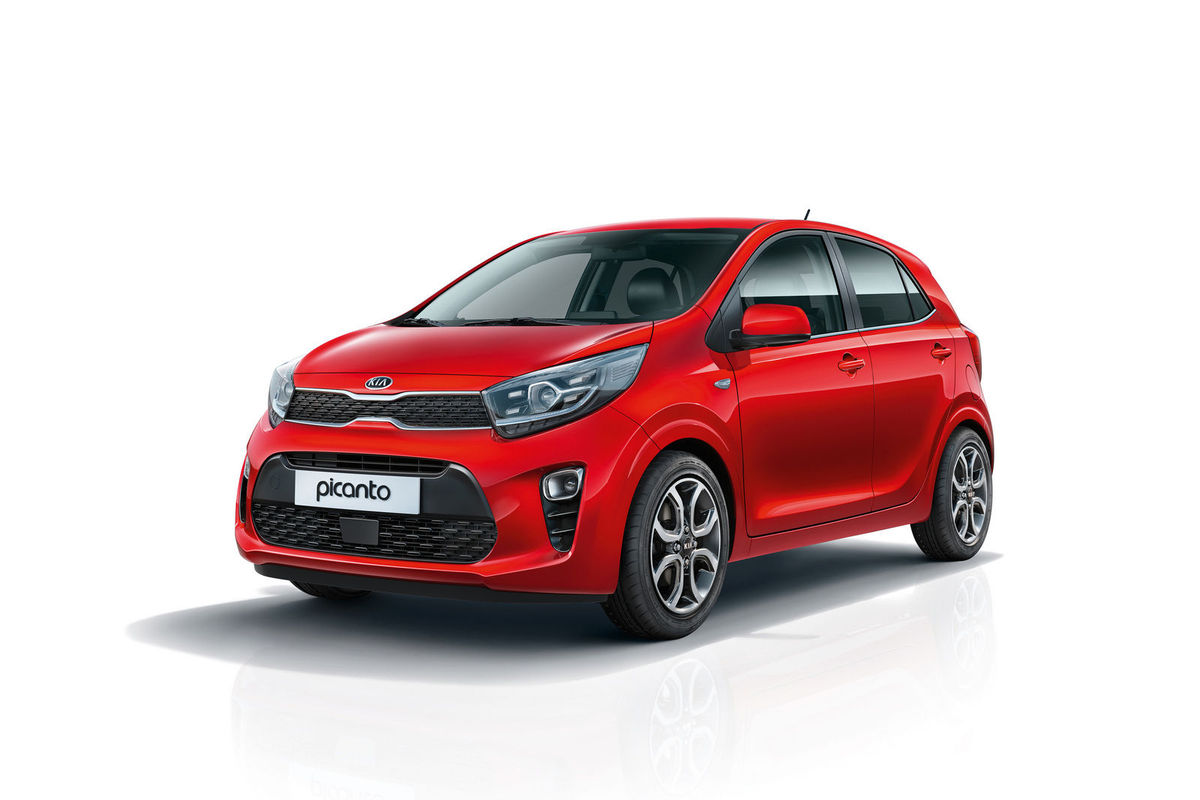
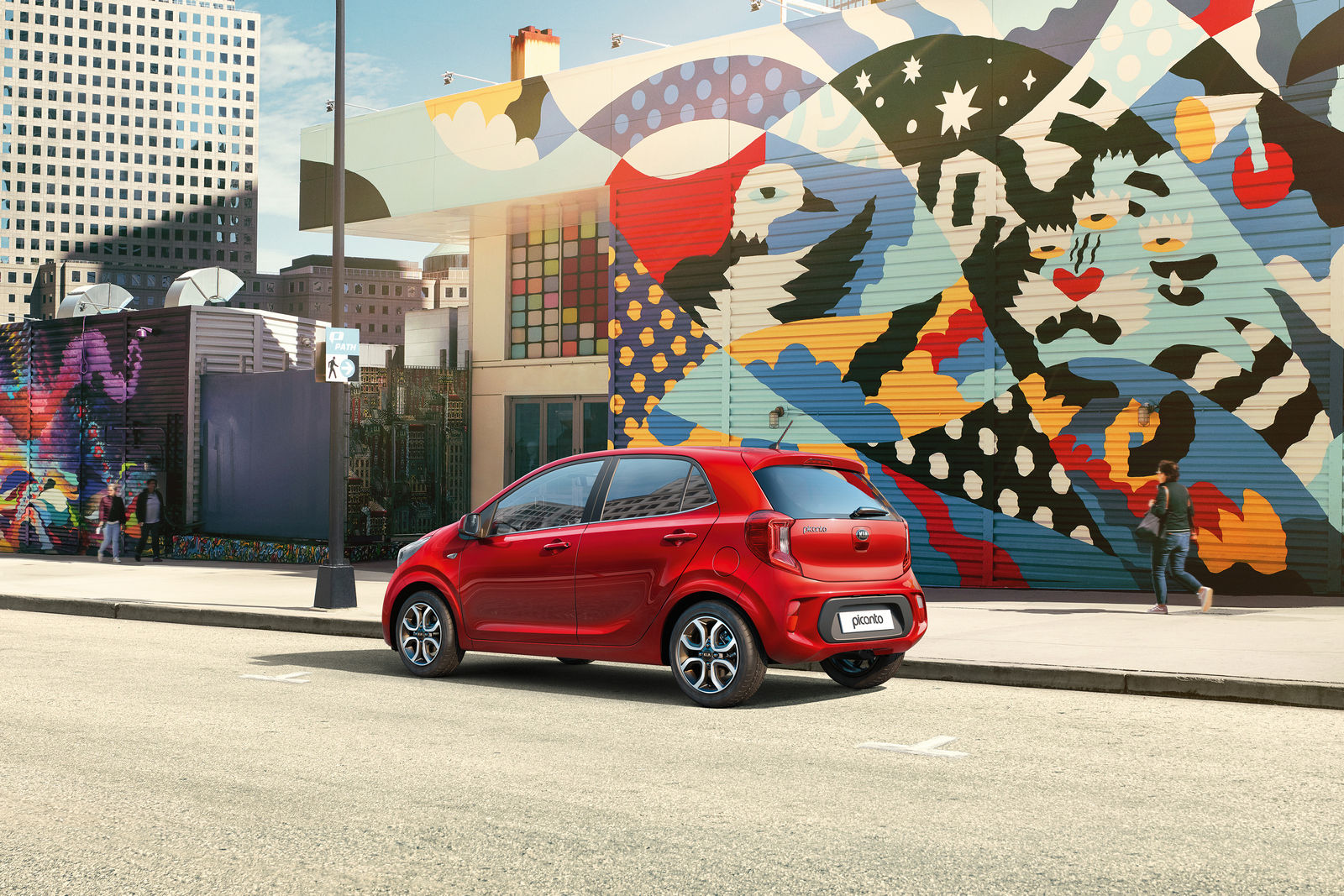
A refreshed version of the Kia Picanto has been shown in Europe and is set to make its way to SA by the end of the year. So, what’s new?
As with most facelifts towards the end of a vehicle’s life, there are updates surrounding the interior, exterior, safety and engine lineup of this Picanto.
The exterior changes are mostly directed at the GT-Line and X-Line (crossover-styled) models, neither of which are confirmed for SA but are being considered. The Tiger Nose Grille comes with a chrome textured surround that makes it look a bit like a link in a chain. The headlights have been redesigned making the front end look much larger although exposing a lot of headlamp surface area to stone chips. The headlights also feature four-bulb LED daytime running lights.
The rear end also gets LED lights with a recognisable signature design. There are new front and rear bumpers too to visually differentiate the updated models from older models.
Ten paint variations are available for the exterior as well as 2 new alloy wheels designs – a 16-spoke 14-inch wheel and a two-tone diamond-cut 16-inch rim.
Interior
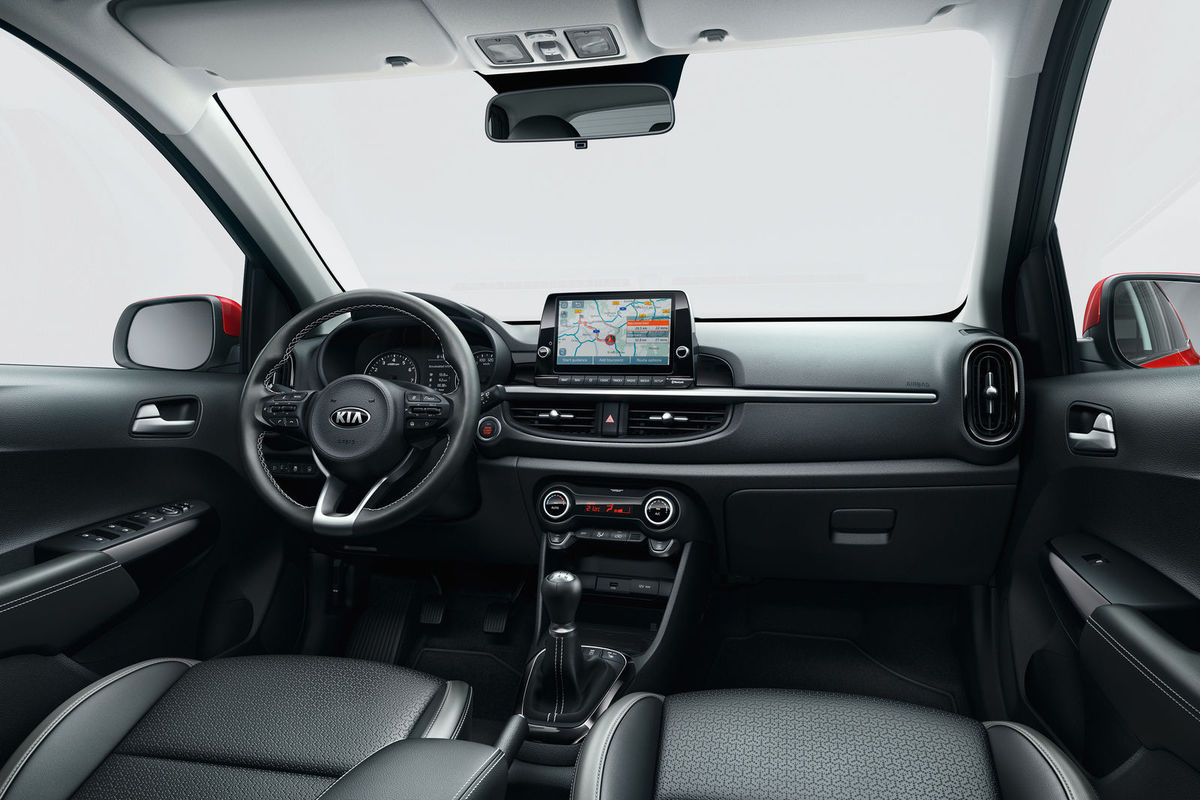
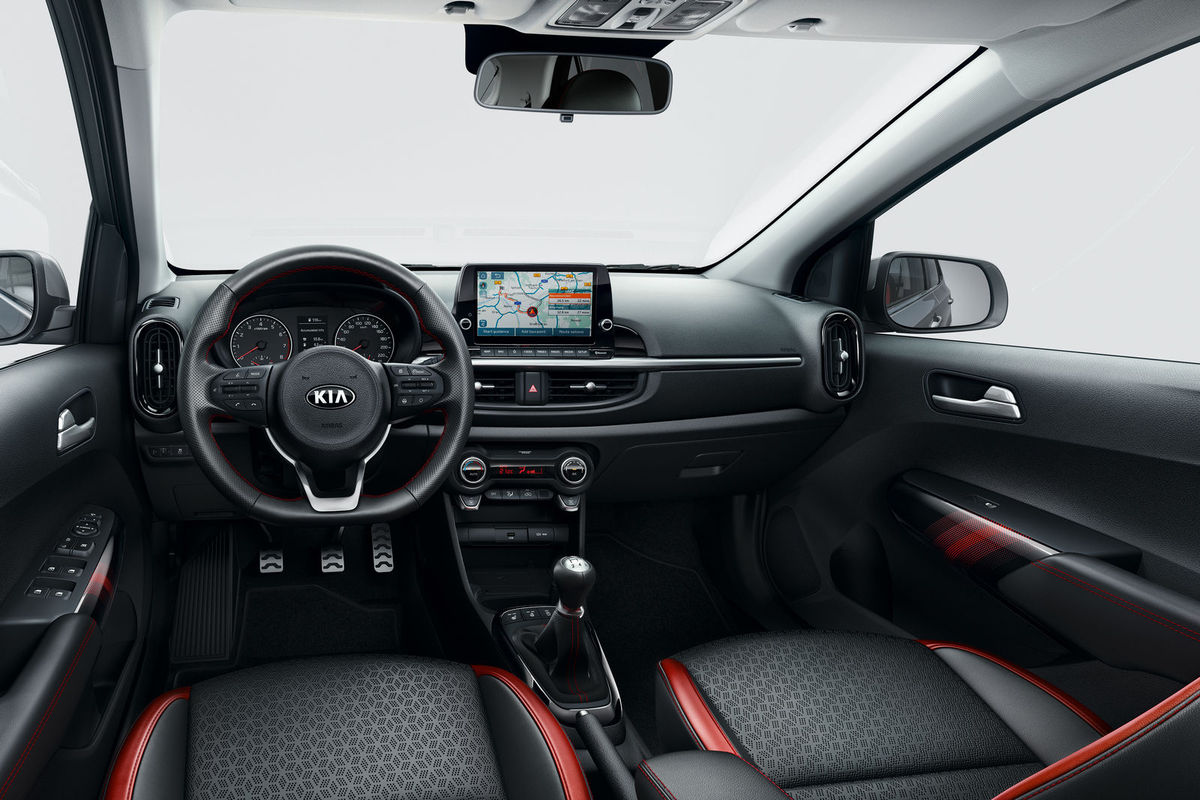
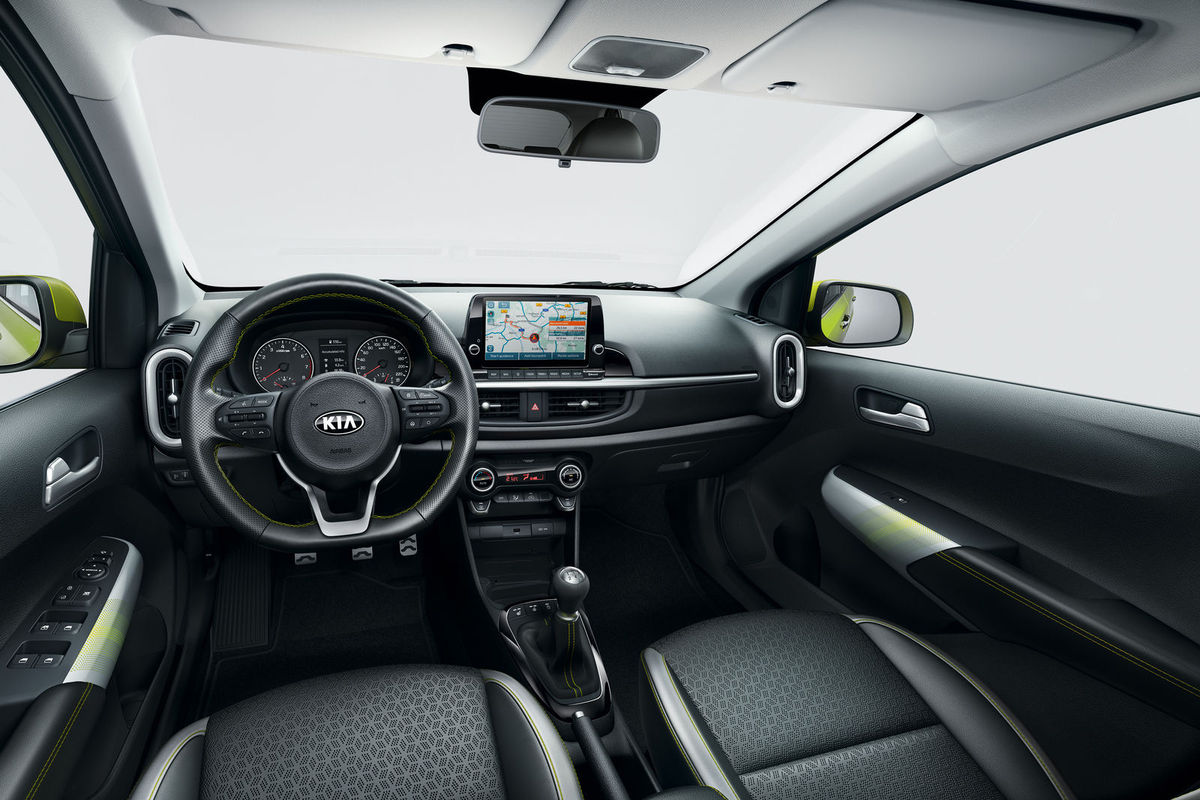
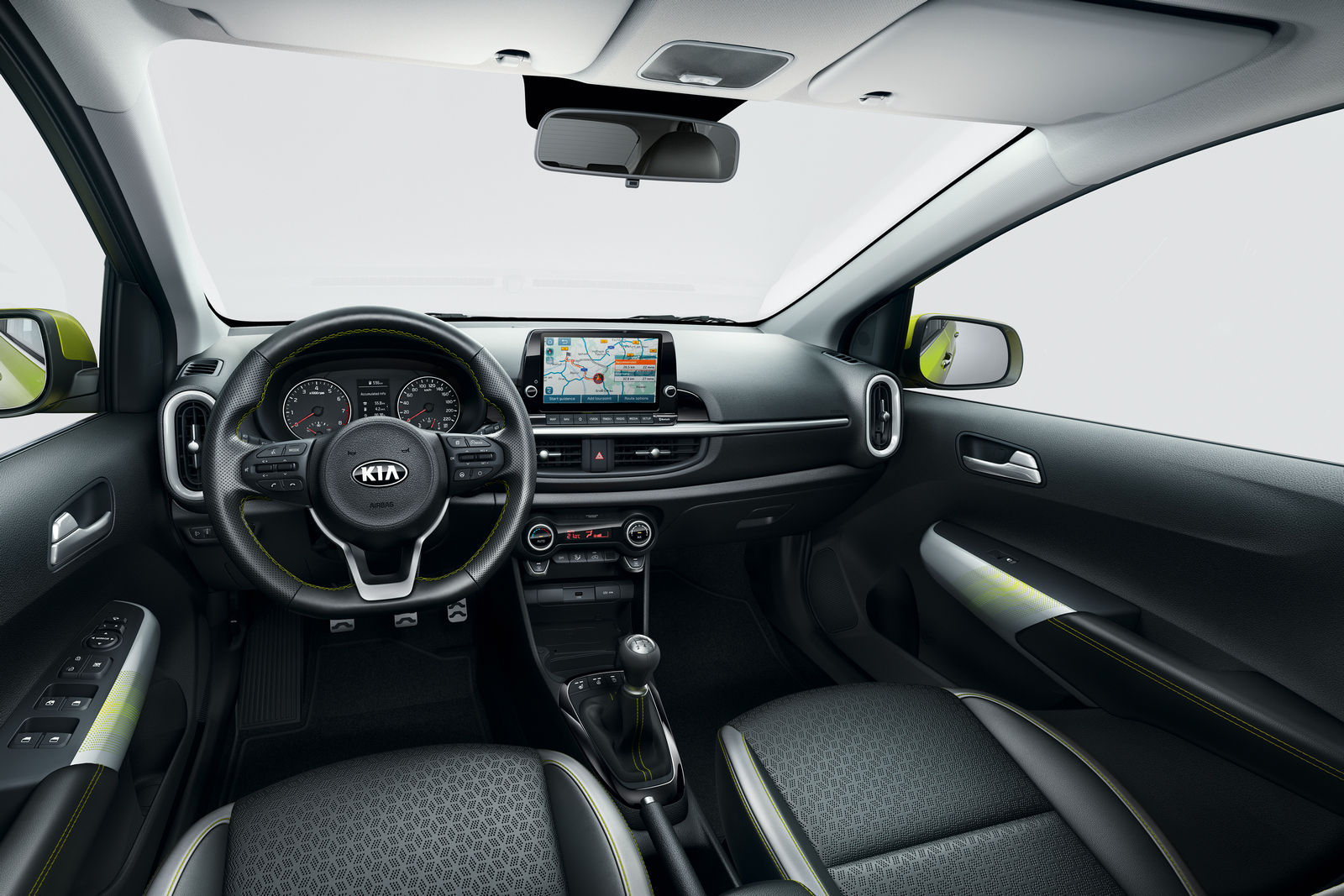
Much more upmarket interior, however European spec shown does have more features and luxuries than the local model will.
A new larger infotainment screen measure 8-inches, which is 1-inch up from the pre-facelift model. It features Bluetooth Multi-connection which allows more than one device to be paired to the car. One for mobile call use and the other for media streaming. Apple Carplay and Android Auto are also now fitted as standard.
Kia will also be introducing the UVO system which gives Picanto drivers access to live traffic information, weather forecasts, points of interest, fuel prices, and details of potential parking. The UVO App, compatible with Android and Apple smartphones, enables owners to activate a range of functions and features remotely. Depending on country, users can remotely send route directions to their car before a journey, check the location of their vehicle, and access vehicle reports and diagnostic notifications. Considering the extra cost this would incur, this connectivity might not be available in local models when they arrive.
The seats are available in either cloth or synthetic leather with a range of new upholstery textures that lift the presumed quality of the new cabin. Colour packs have also been added to the facelifted Picanto, these packs include: The Lime Pack features a black single-tone interior with lime contrast stitching and white seat bolsters, silver metal painted transmission and air vent surrounds, and silver-and-lime accents in the doors.
The Orange Pack features a black single-tone interior with orange stitching and cabin highlights, and black-and-orange door accents.
Red Pack models are finished in black upholstery with red seat bolsters, as well as gloss black highlights and red-and-black door accents.
The Green Pack offers green highlights throughout the cabin and silver-and-green door accents, as well as stylish denim-effect seat upholstery.
Engine updates
An automated manual is being added to the Picanto range for the first time.
The upgraded Picanto is available with three new petrol engines, each maximising efficiency and lowering CO2 emissions compared to their predecessors. The engine line-up features a 1.0-litre T-GDi (turbopetrol) engine producing 74 kW, or a pair of naturally-aspirated 1.0-litre or 1.2-litre engines, producing 49 kW and 62 kW, respectively. Kia SA has not confirmed the local engine lineup yet, but it’s a reasonably safe bet to assume the naturally-aspirated models will be brought in. An AMT (automated manual) is also now available along with a 5-speed manual gearbox.
Safety updates
The current Picanto model featured models that didn’t even have ABS as standard so the new host of safety features is a major upgrade for the entry Kia. SA models have not yet been specced, so we wait to see what makes it into the local lineup.
Advanced Driver Systems (ADAS) features a range of safety features that include Forward Collision-Avoidance Assist with vehicle and pedestrian detection. Additionally, the Picanto is available with Blind-Spot Collision-Avoidance Assist, Lane Keeping Assist, Driver Attention Warning (DAW), and Lane Following Assist. Further to this it also has Vehicle Stability Management, Torque Vectoring, Cornering Brake Control and Straight-line Stability.
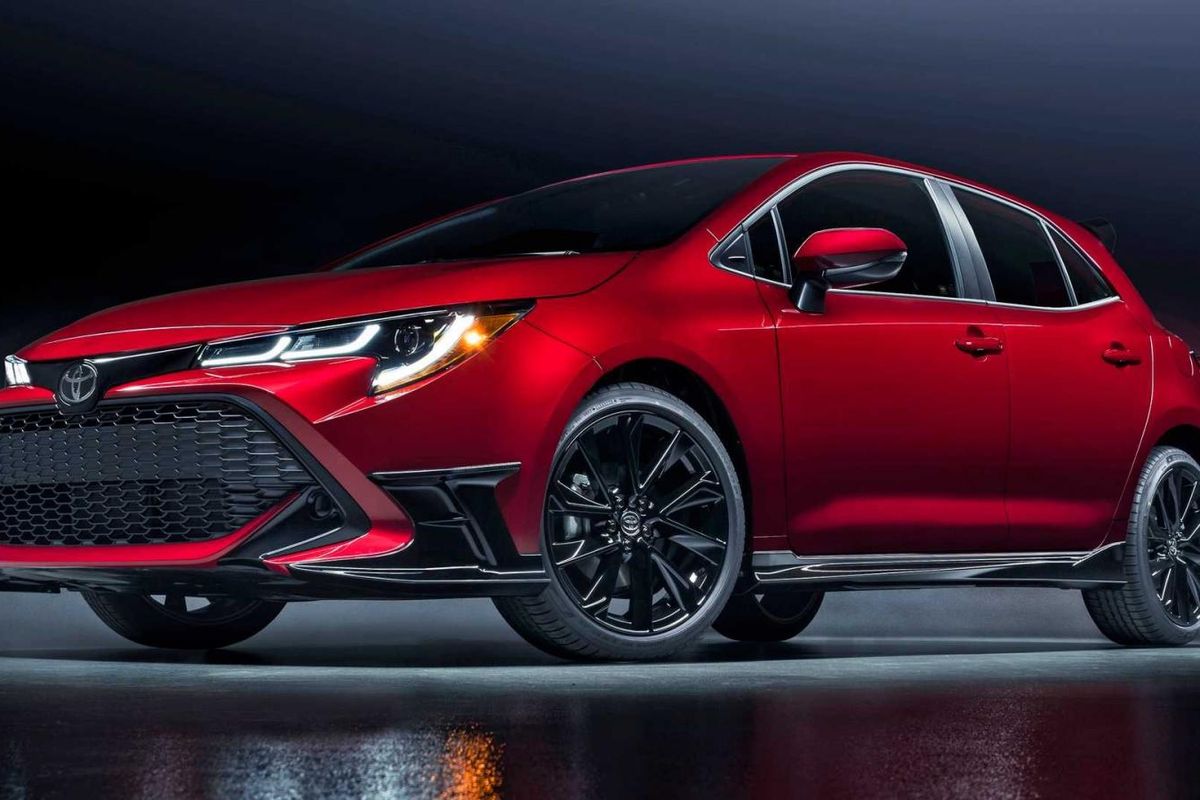
Special-Edition Toyota Corolla Hatch Previews Hotter Model
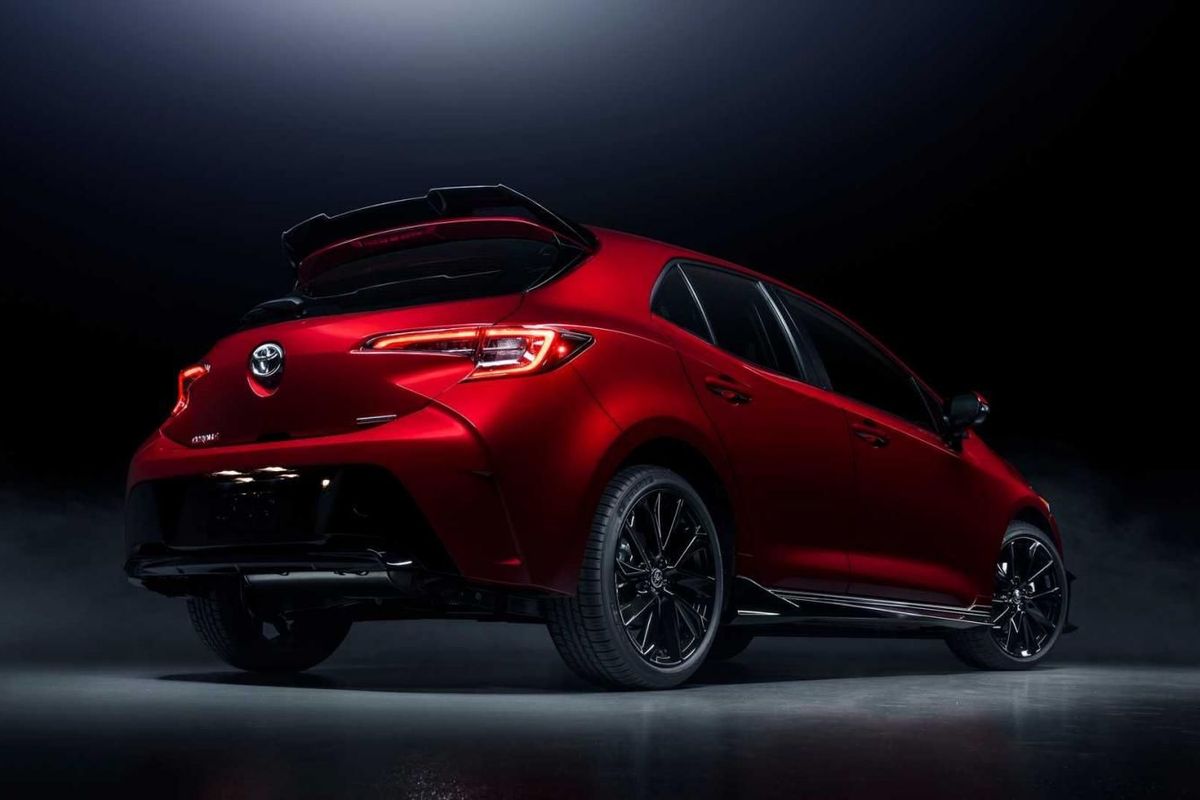
Toyota has revealed a striking and sportier version of its Corolla Hatchback and while its not the GR model we're wanting, its certainly a step in the right direction.
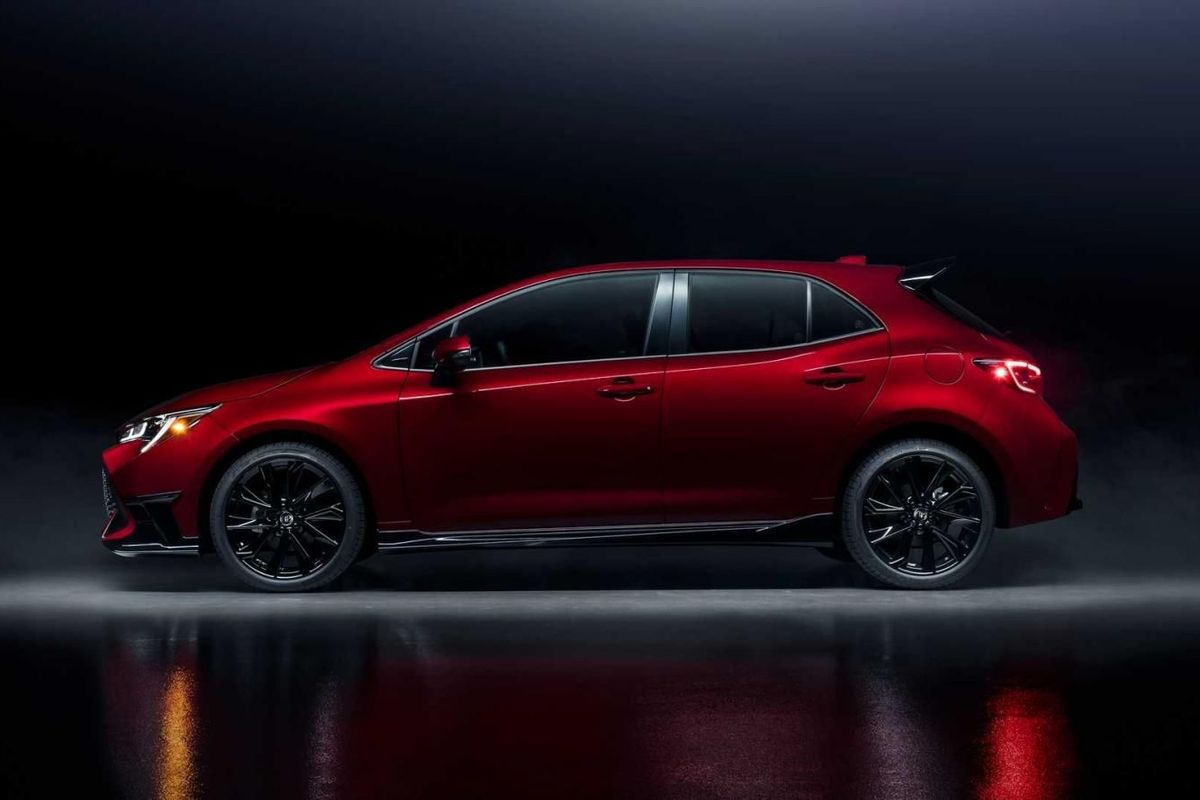
This is the 2021 Toyota Corolla Hatchback Special Edition and it looks just fantastic. Right now, there'll be just 1 500 units for the American market and it'll reach showrooms shortly.
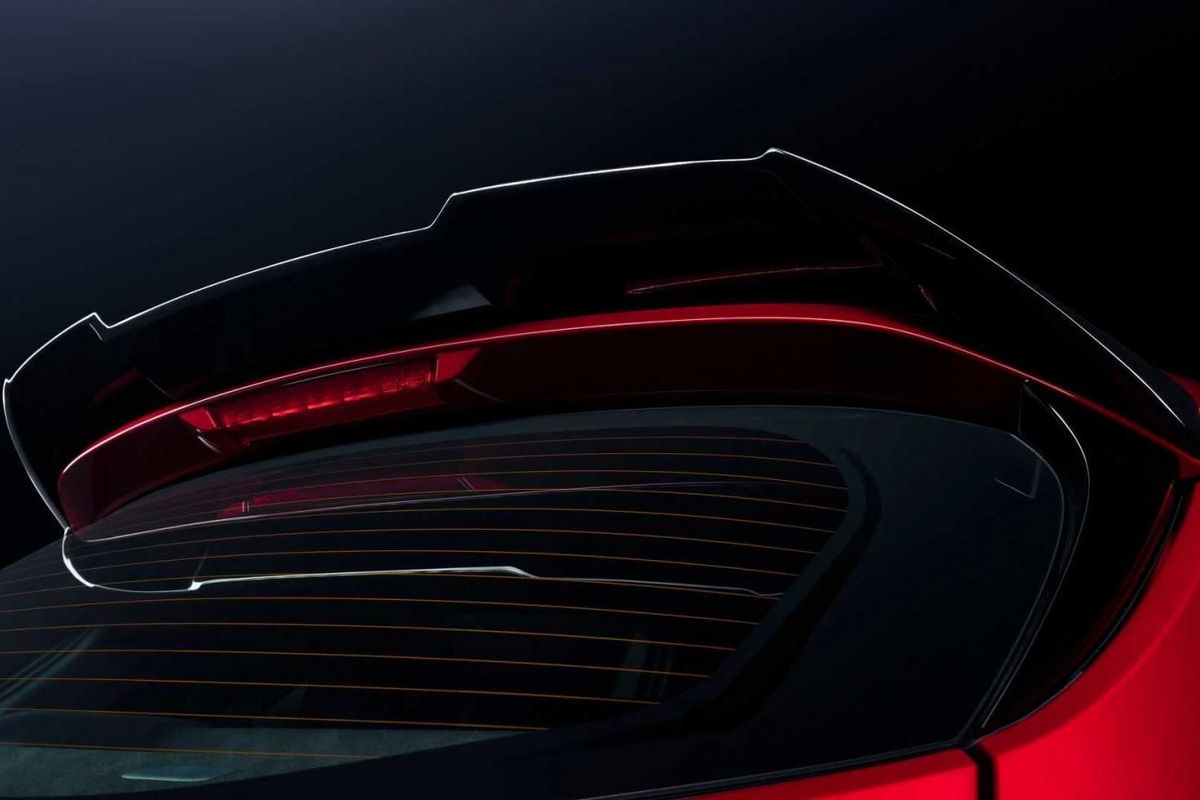
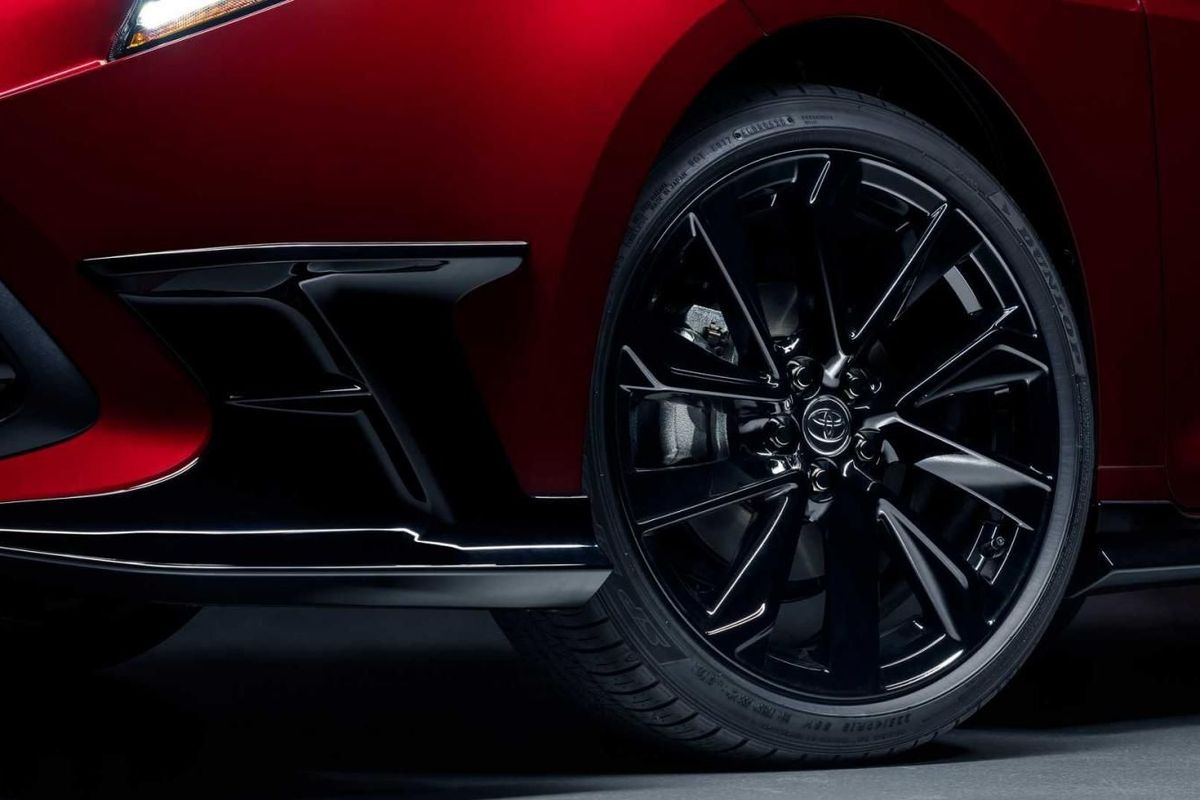
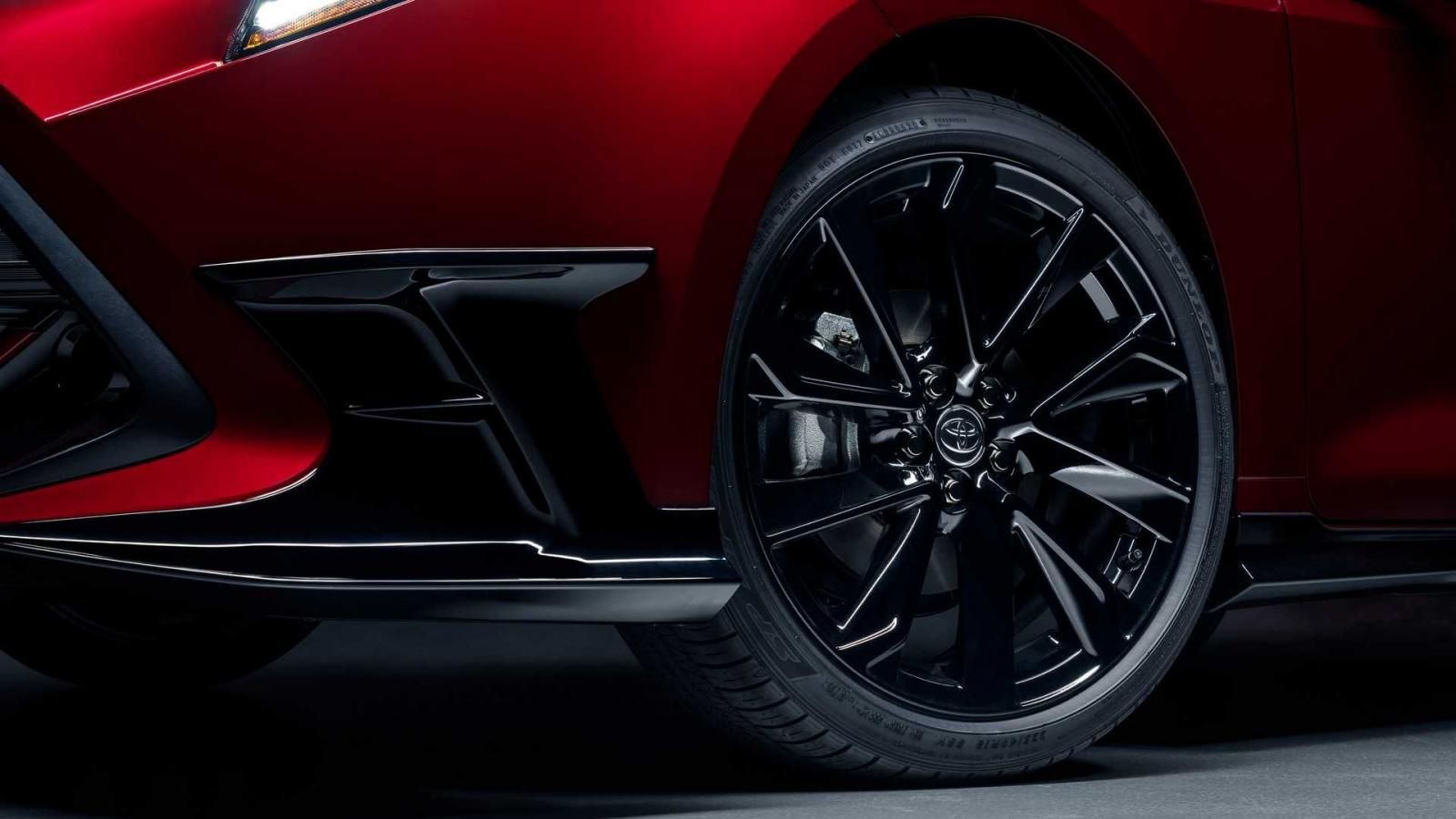
It features an aggressively sporty body kit, vibrant Supersonic Red paint as well as striking black 18-inch alloy wheels. It's quite remarkable to see Toyota venture far out of its typically conservative styling and offer such a radical-looking car. The press release makes mention of this and describes the vehicle as looking "like it just rolled out of a Southern California custom shop". The kit comprises a sporty front splitter, side skirts, black rear roof spoiler, a rear bumper garnish and a unique SpecialEdition badge.
The specification to this vehicle is deeply impressive as there are 10 airbags as well as Pre-Collision System with Daytime/Low-Light Vehicle and Pedestrian Detection, plus Daytime Bicyclist Detection, Radar Cruise Control, Lane Departure Alert with Steering Assist. There's also Amazon Alexa, Android Auto, Apple CarPlay, and SiriusXM All Access satellite radio.
In terms of engine and transmission, the sporty Toyota Corolla Hatchback is powered by the 2.0-litre naturally-aspirated 4-cylinder motor which produces 126 kW and 205 Nm. Power goes to the front wheels via a Dynamic Shift CVT that features simulated gearshifts. Now you, like us, are probably thinking that's hardly sporty and you'd be right as this is mostly a cosmetic upgrade. What we will say is that in light of the Toyota Yaris GR engine being revealed, its not difficult to imagine such a powertrain being placed into this stylish body.
Toyota has all but confirmed the existence of the Corolla Hatch GR, with Toyota USA posting on social media that it will be getting a high-performance hatchback that is not a Yaris. Everyone knows the hardcore model of the Toyota Corolla Hatchback is coming, it's just a question of when. Watch this space.
The new BMW 4 Series has finally been revealed and for buyers looking to beef-up the appearance of the new 4 Series coupe even further, refer to BMW’s M Performance Parts catalogue…
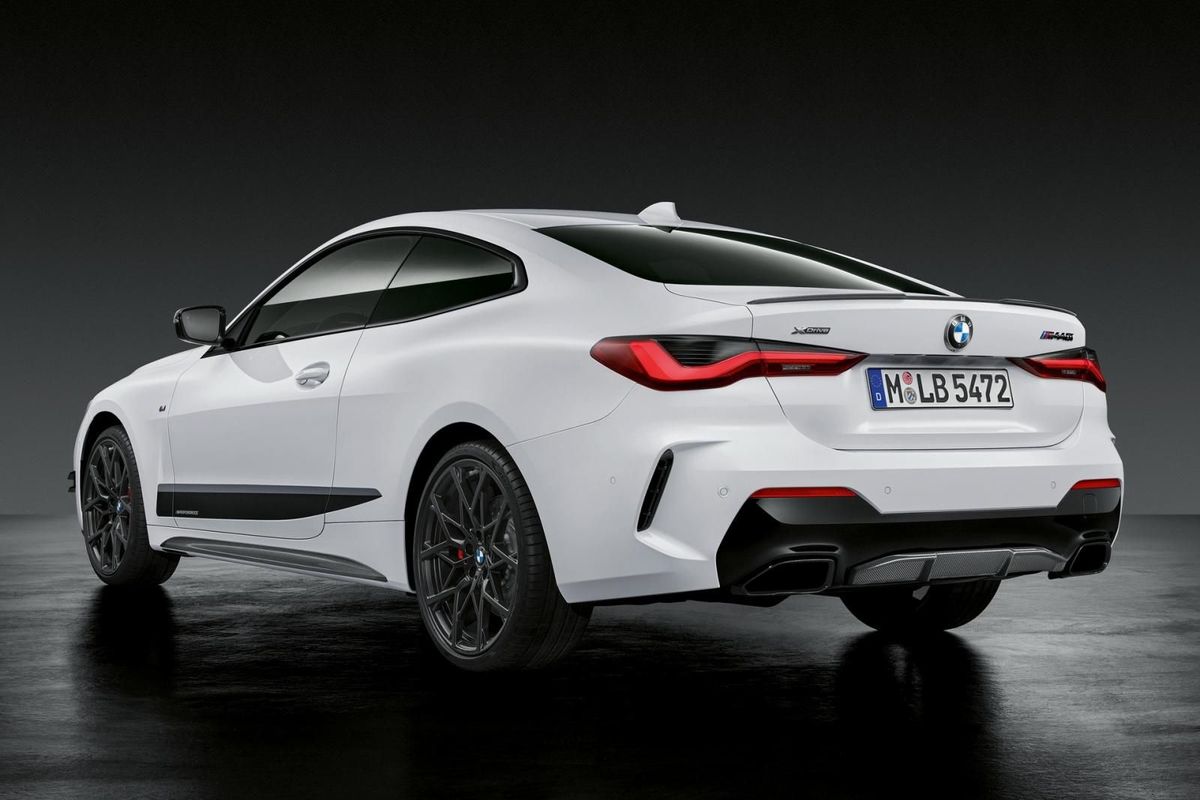
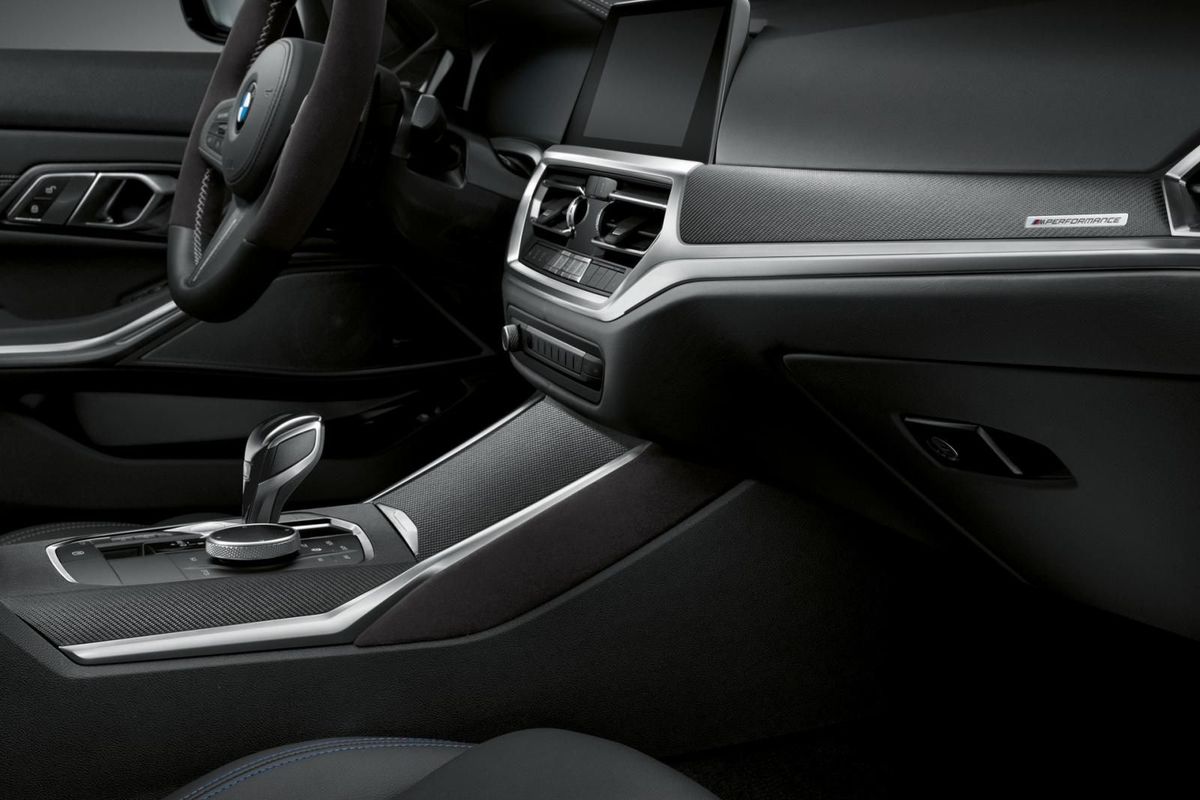
Coinciding with the launch of the new 4 Series, BMW is also offering M Performance Parts that will add a few dollops of extra road presence to your new 4 Series coupe.
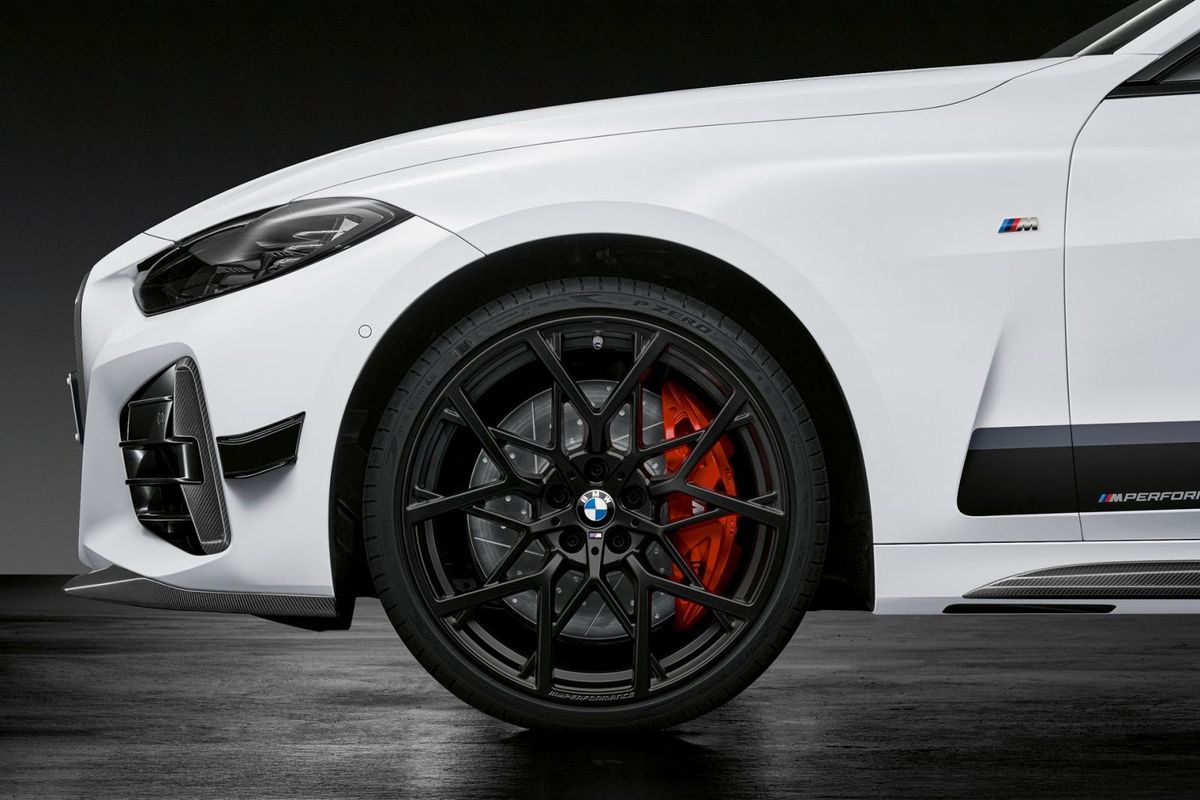
Liberal use of carbon fibre goes a long way in upping the sportiness of the package and carbon fibre inserts can be found in the front air curtains and even the outer edges of the large-and-in-charge kidney grille are finished in carbon fibre. The front end is further defined by an aggressive front splitter while canards at either side of the front bumper round off the front view.
Carbon fibre mirror housings and side skirts are also fitted along with blacked-out decals seen on the doors. You will notice the red brake calipers which are offered as an option for the M Performance Braking system for the first time and come nicely paired with Y-spoke alloy wheels shod in Pirelli P-Zero rubber.
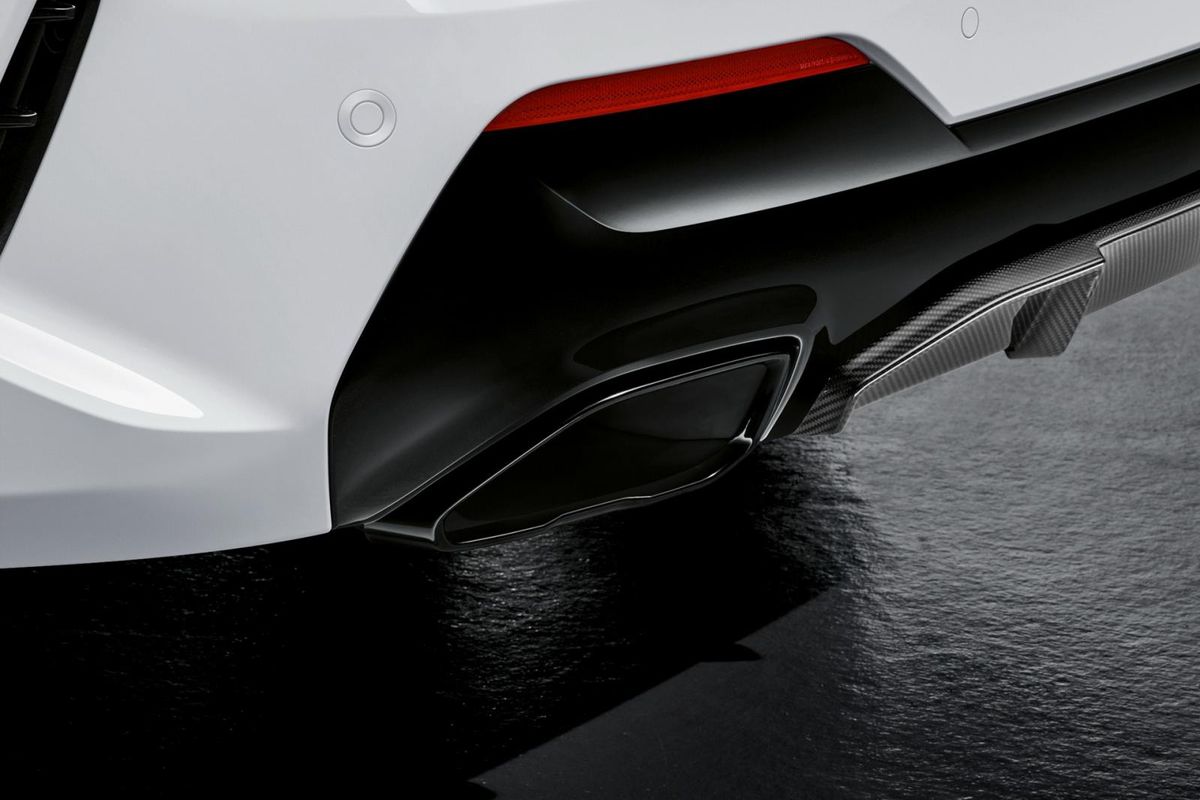
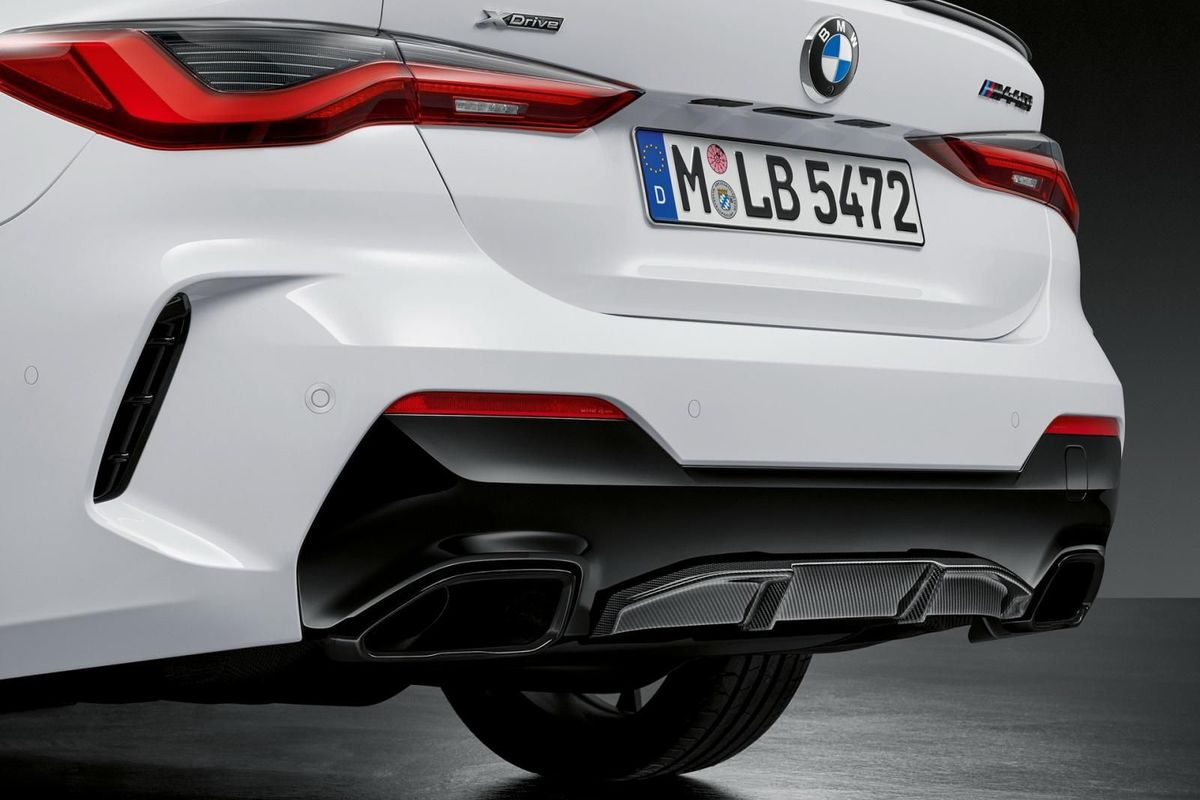
Moving to the rear, a carbon fibre spoiler is neatly placed atop the boot lid while a carbon fibre diffuser stands in contrast to the black lower section of the rear bumper.
The package is rounded off with darkened taillights, exhaust pipes and badge.
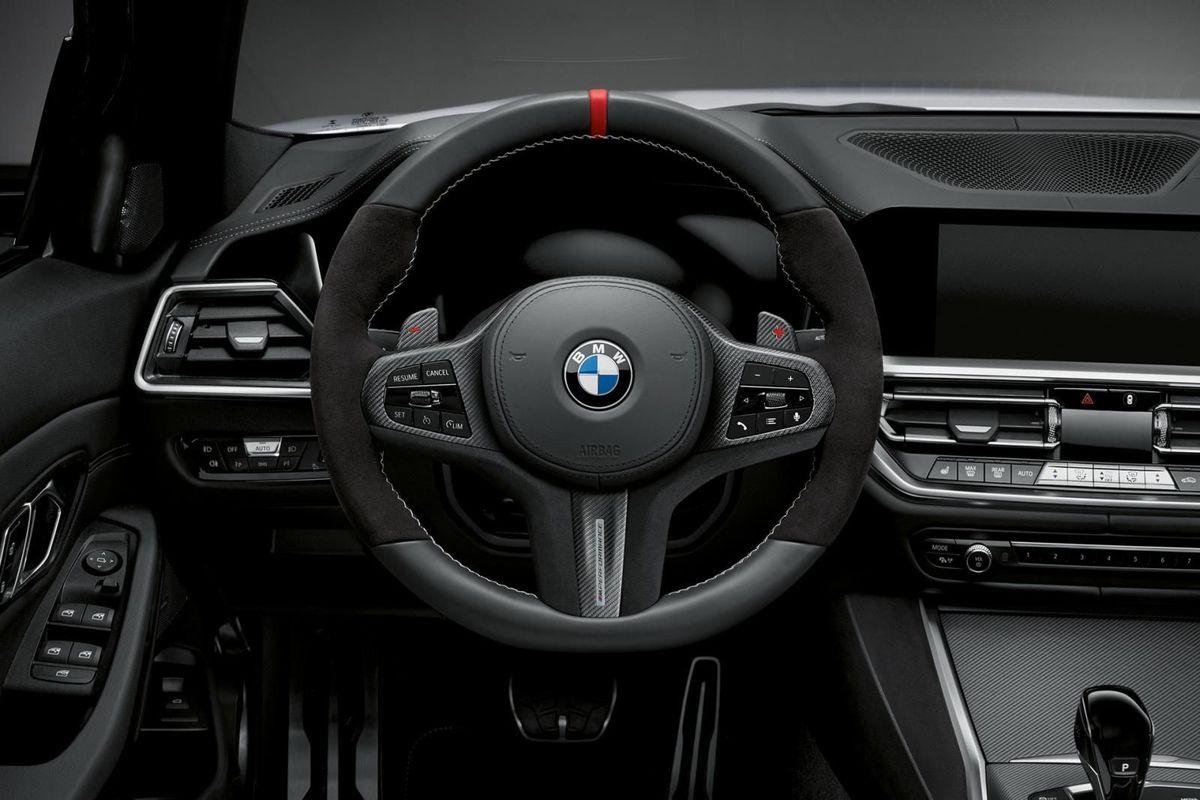
Inside, buyers can opt for the M Performance steering wheel finished in, you guessed it, carbon fibre, with a red 12 o’clock mark and carbon fibre shift paddles.
The model shown here is the range-topping M440i xDrive with mild-hybrid technology offering 275 kW and 500 Nm of torque from its 3.0-litre, 6-cylinder turbocharged engine. Zero to 100 kph is claimed at 4.5 seconds.
Lesser derivatives include the 430i with a 2.0-litre, 4-cylinder engine with 190 kW and 400 Nm as well as a 420i with 135 kW and 300 Nm. The diesel-powered 420d will offer 141 kW and 400 Nm. All derivatives are mated with an 8-speed automatic transmission.
Do you like the look of this new BMW 4 Series with M Performance Parts?