Ford is preparing to revive the iconic Mach 1 badge for the Mustang.
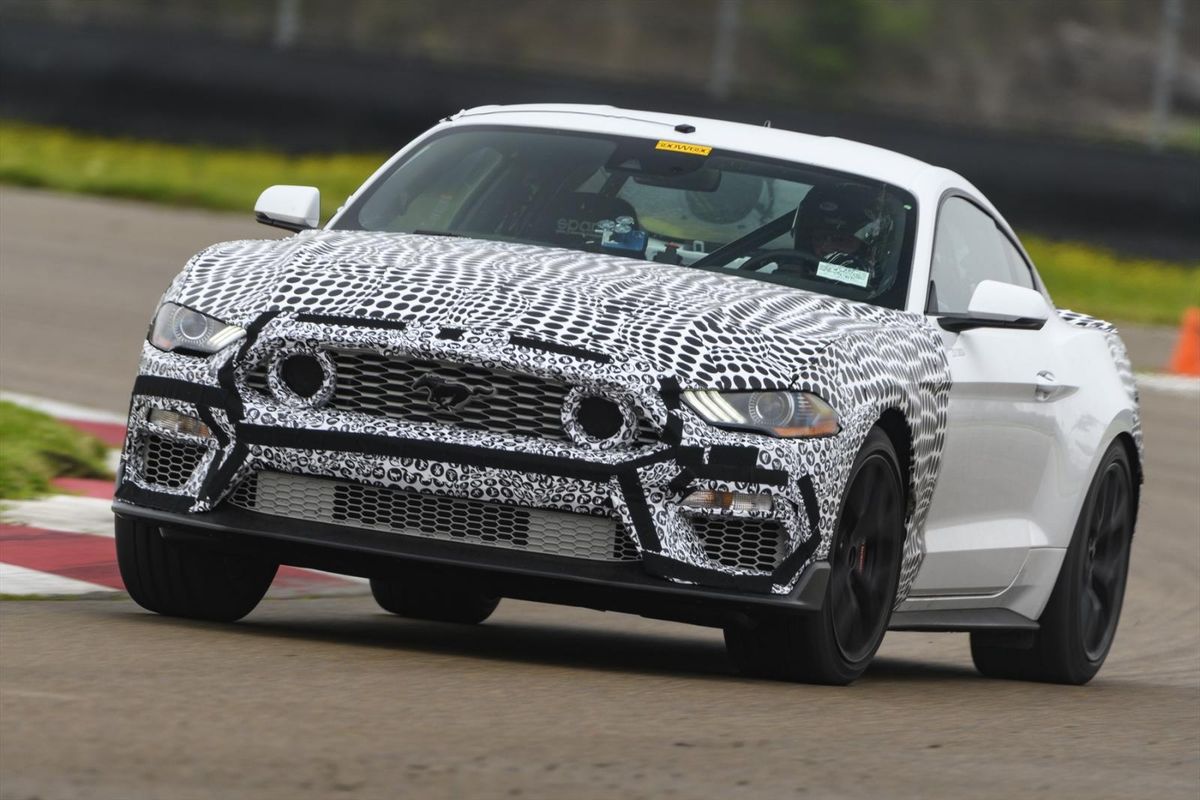
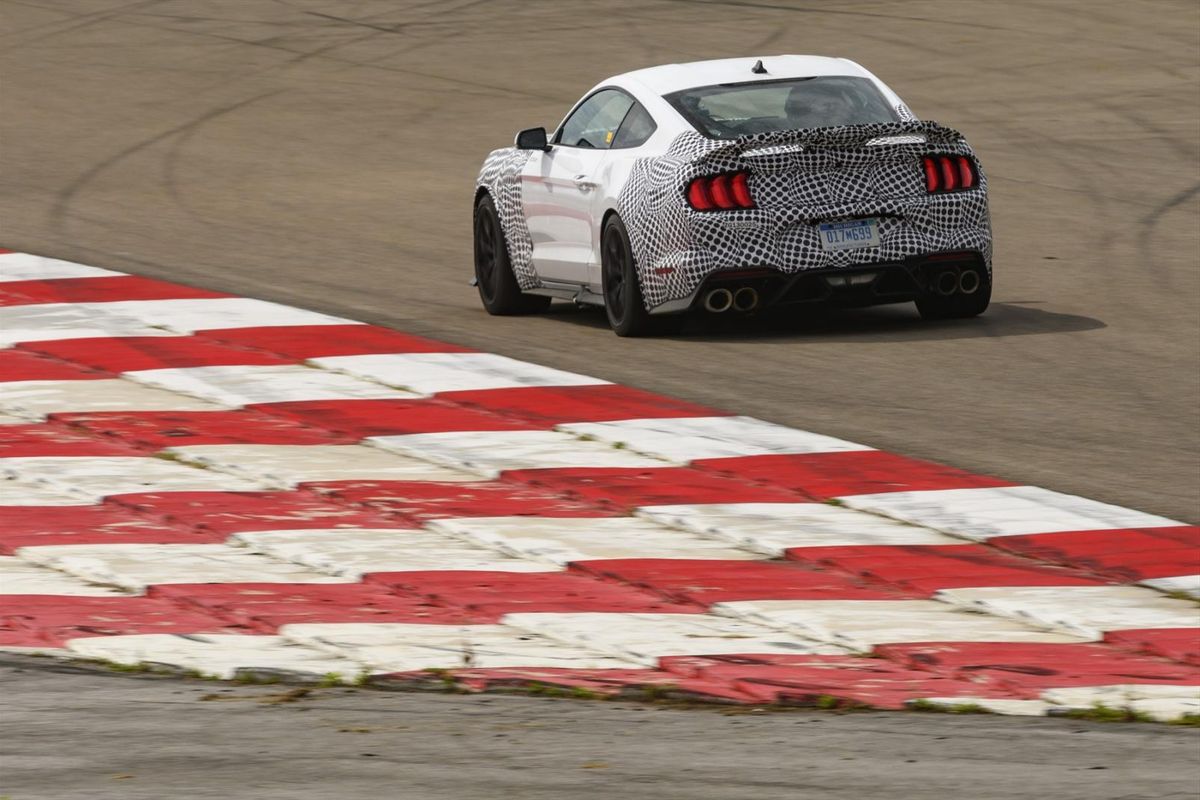
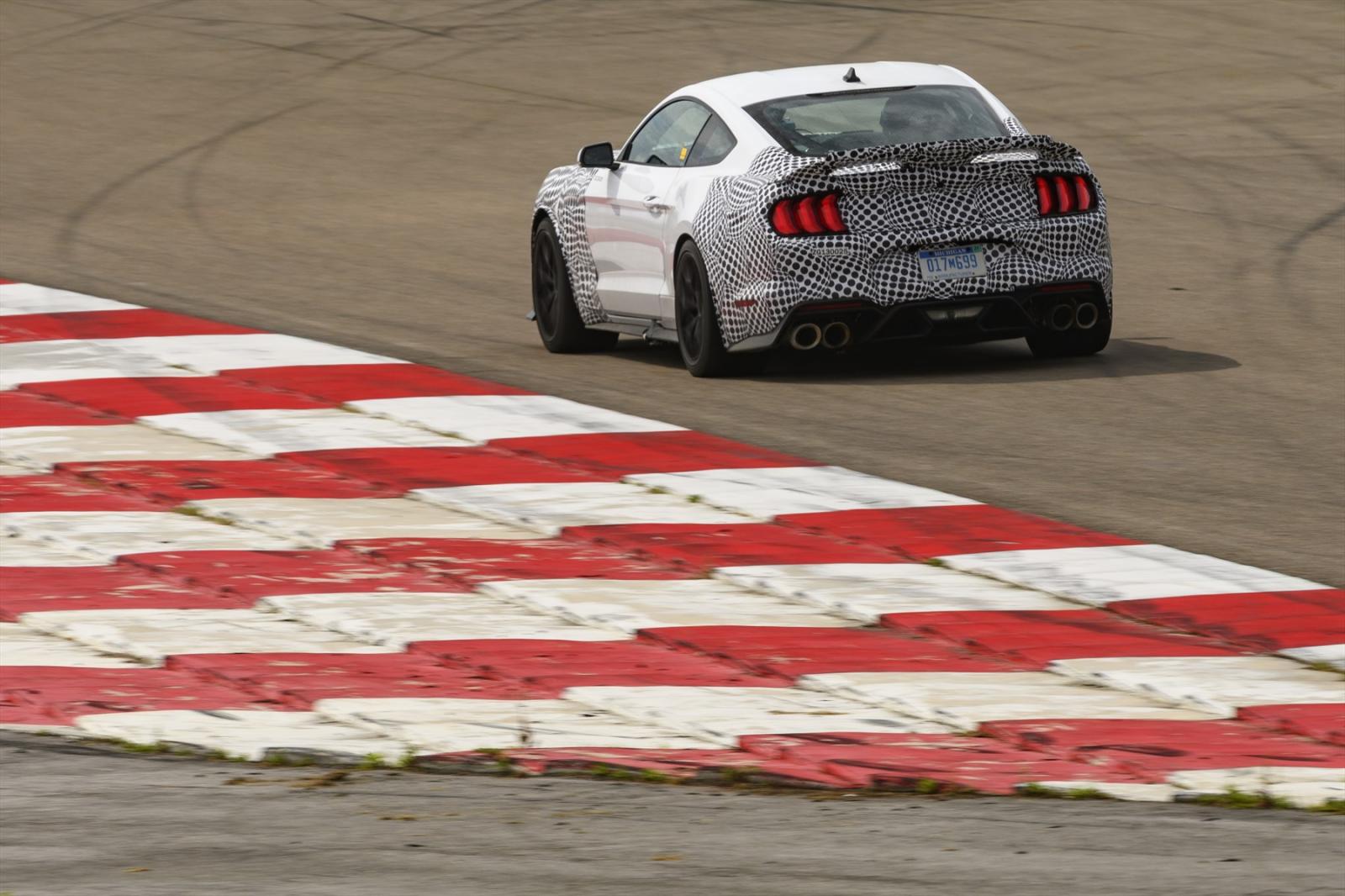
The Ford Mustang Mach 1 will be making a comeback and will be sold as a flagship Mustang model. Badged as a 2021 model, the new Ford Mustang Mach 1 is still under development as you can see from the photos, but here's what we know so far, thanks to Ford sharing a number of details.
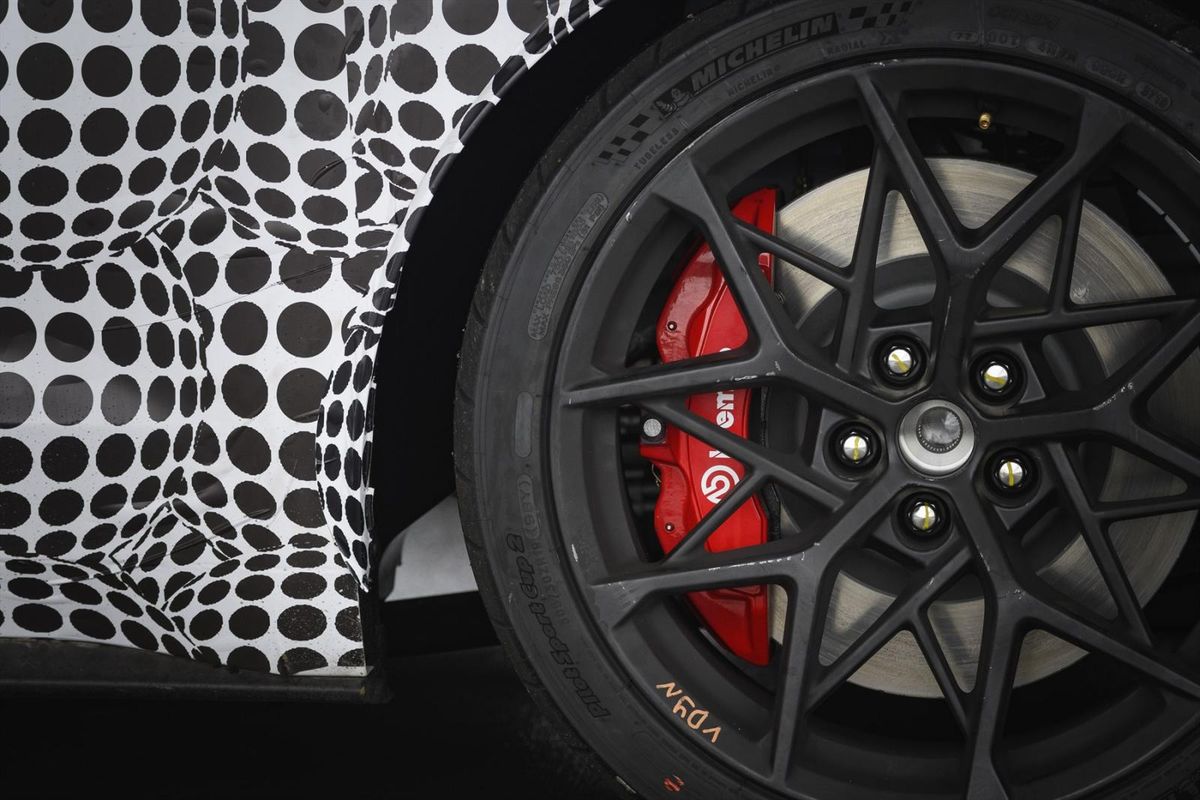
Under the bonnet will be a naturally-aspirated 5.0-litre V8 engine as well as some mechanicals to make it what Ford calls 'the most track-ready 5.0-litre Mustang ever.' We're guessing that means a well-sorted suspension as well as some beefier brakes. The original Ford Mustang Mach 1 was launched back in 1969 and immediately found favour as it was more attainable than the highly sought-after Boss and Shelby models.
“Mach 1 has a special place in Mustang history, and it’s time for this special edition to claim the top spot in our 5.0-litre V8 performance lineup and reward our most hardcore Mustang enthusiasts who demand that next level of power, precision and collectability,” said Dave Pericak, director, Ford Icons. “Like the original, the all-new Mustang Mach 1 will be true to its heritage, delivering great looks and as the most track-capable 5.0-litre Mustang ever.”
Watch this space and as always, we'll update you as soon as we hear more info.
Belgian tuners have given the Volkswagen Polo GTI Golf R-beating power and it sounds as insane as you'd think.
The Volkswagen Polo GTI is our current Fun Hatch champion in the #CarsAwards powered by WesBank, but what would happen if you gave that motor some go-faster goodies?
The result is quite extraordinary as Belgian tuner BR-Performance has gone all out with what it calls the Stage 3 package comprising software upgrade, new dump valve, new intercooler, new exhaust system and a new turbo. Compared to the standard outputs of 147 kW and 320 Nm, the BR-Performance Polo GTI pumps out 238 kW and 504 Nm. No performance figures have been given, but you can bet that it's substantially faster than the standard car's 6.7 seconds to 100 kph.
If this sounds a bit too wild, then BR-Performance offers a Stage 2 and Stage 1 package with outputs of 184 kW / 473 Nm and 177 kW and 449 Nm respectively. What's interesting is the soon-to-be-launched Volkswagen Golf 8 GTI packs 180 kW and 370 Nm, so there's a good chance this particular Polo GTI will give the Golf 8 GTI a run for its money.
Watch the below video for a few minutes of delicious VRRPHA.
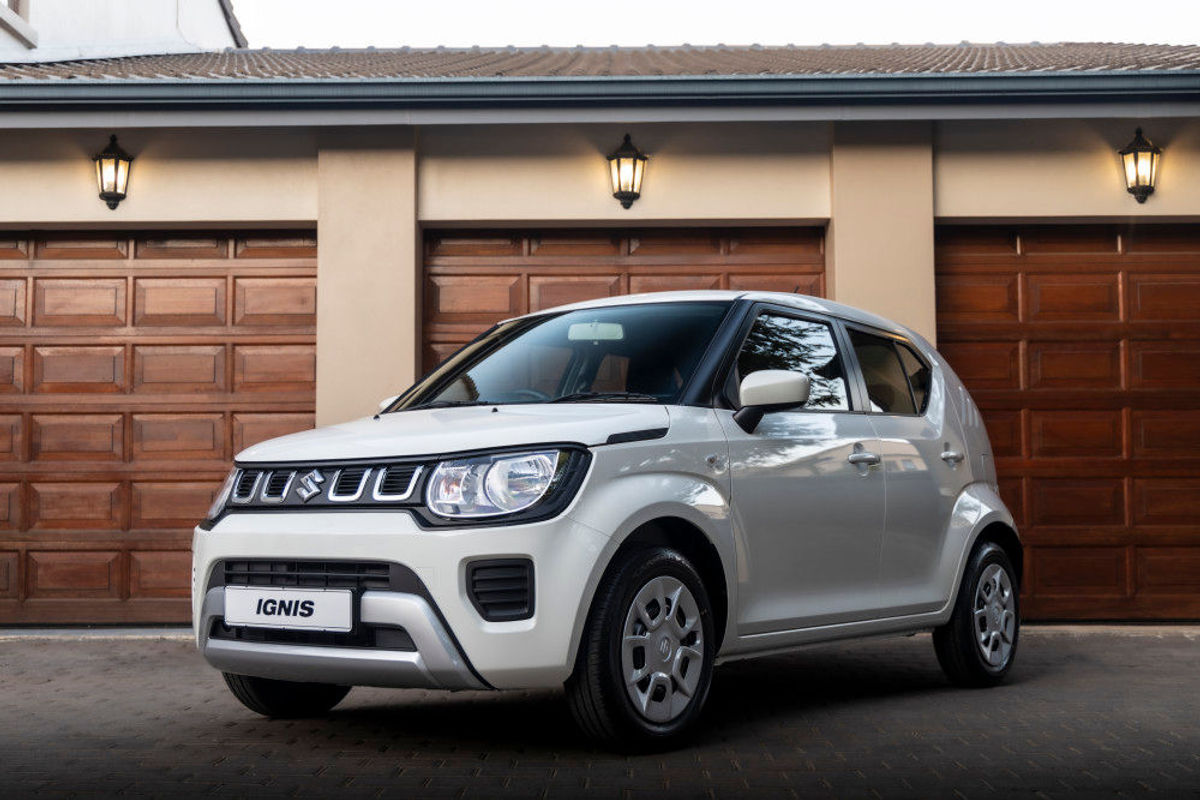
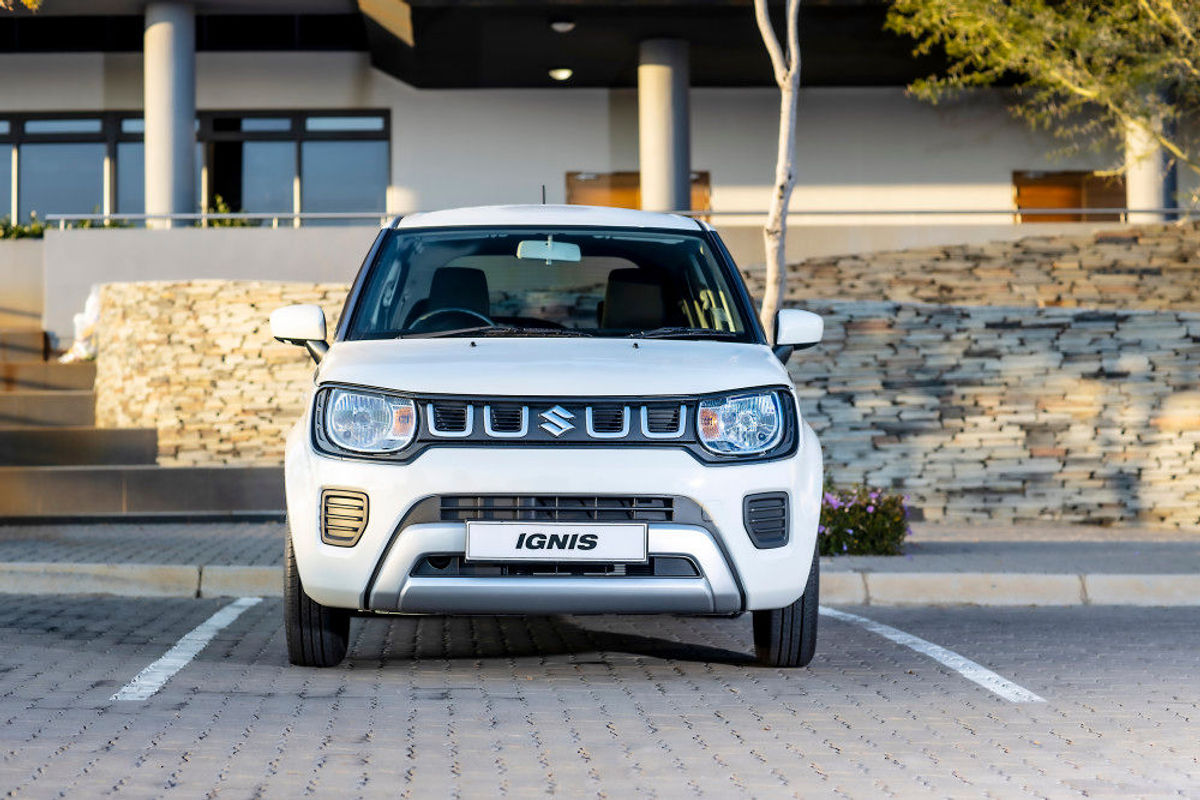
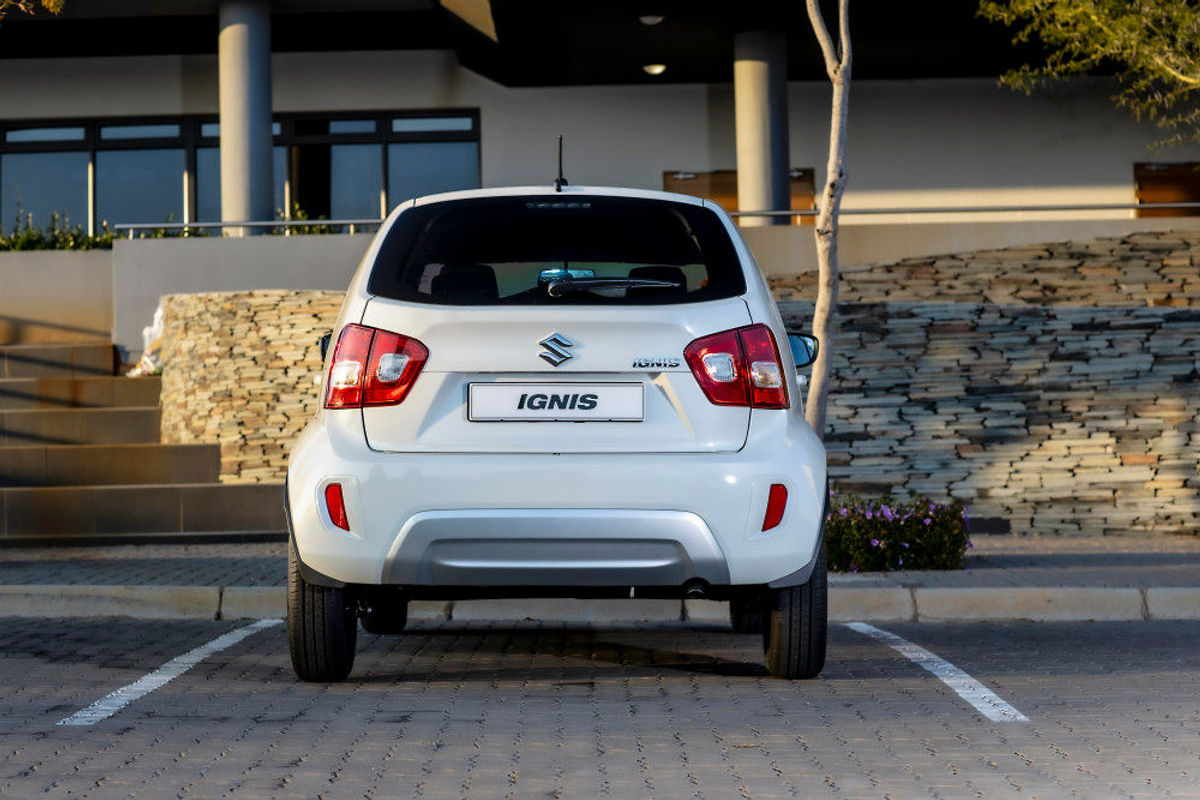
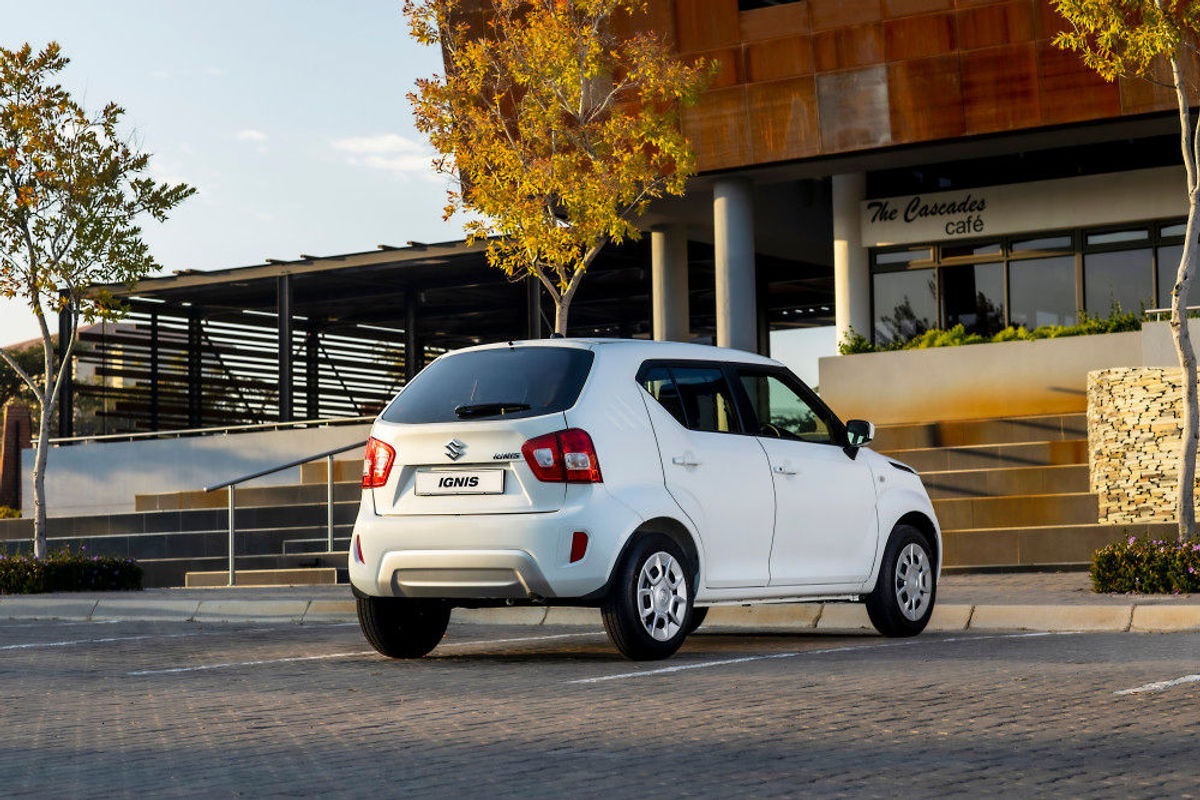
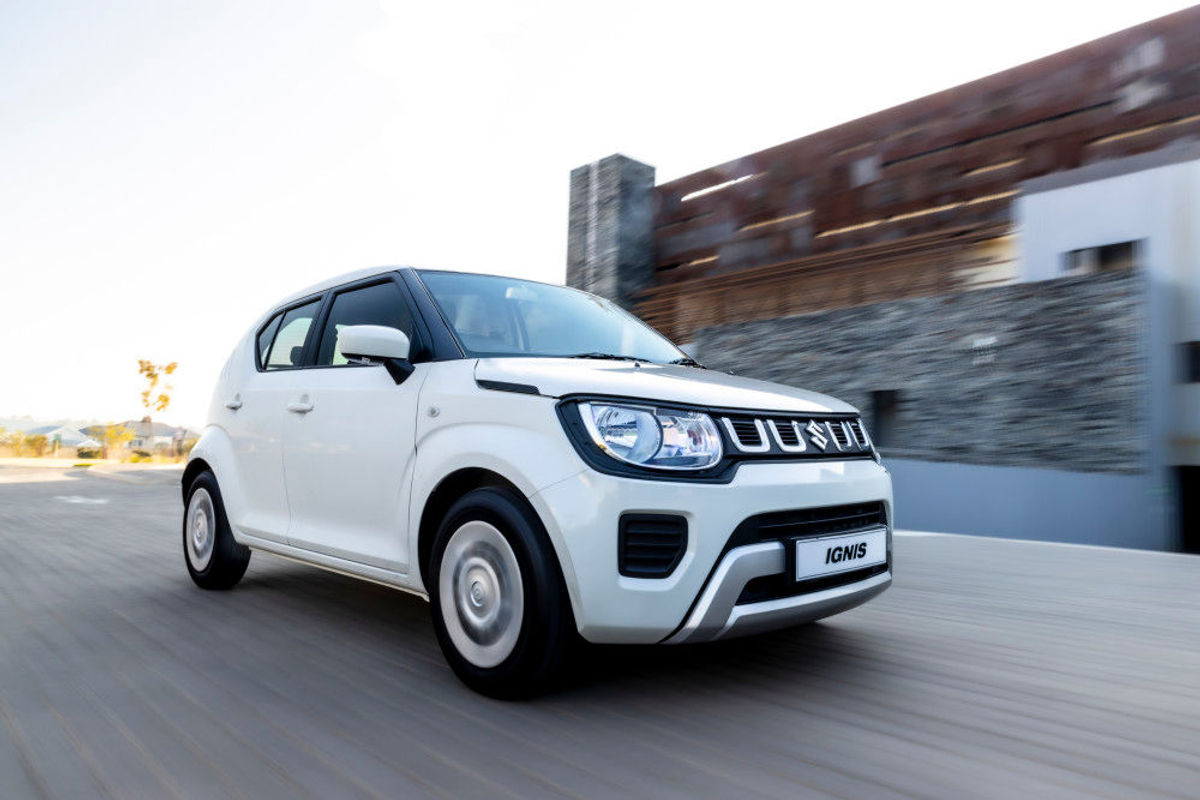
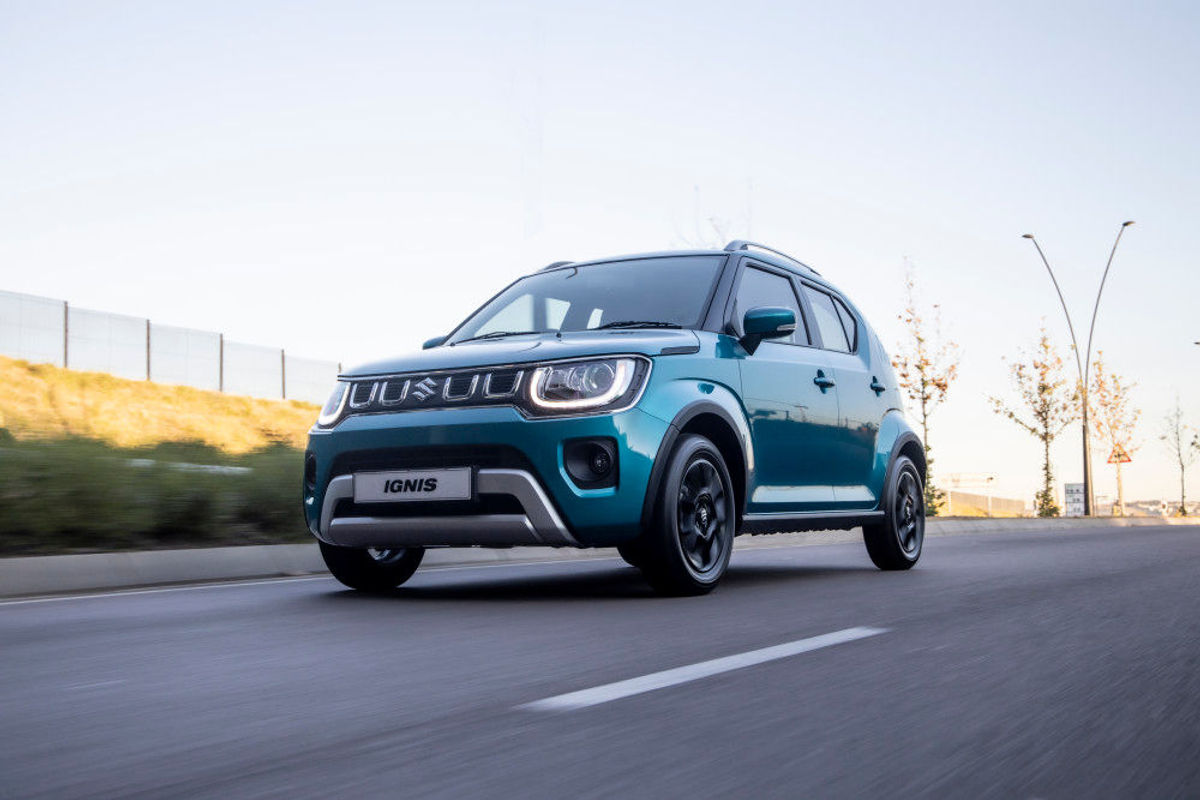
The Suzuki Ignis has been updated with fresh styling and an improved specification offering. Take a look at the details below.
The Suzuki Ignis has proven popular on local soil and is one of the brand’s best-selling products. The Ignis was also the Budget Car winner in the 2017 iteration of the Cars.co.za Consumer Awards – powered by WesBank. Now, the facelifted Ignis has reached South Africa!
What’s changed?
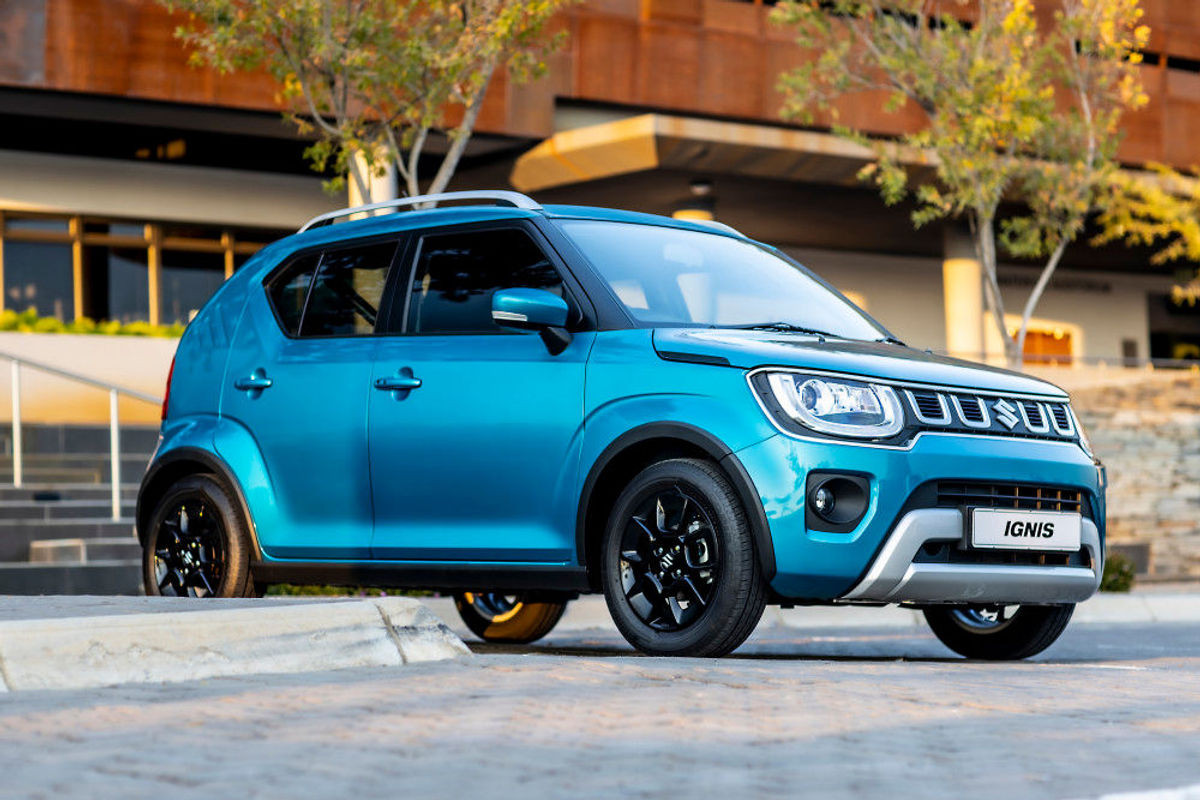
Two derivatives, GL and the range-topping GLX (shown here) will be offered to local buyers.
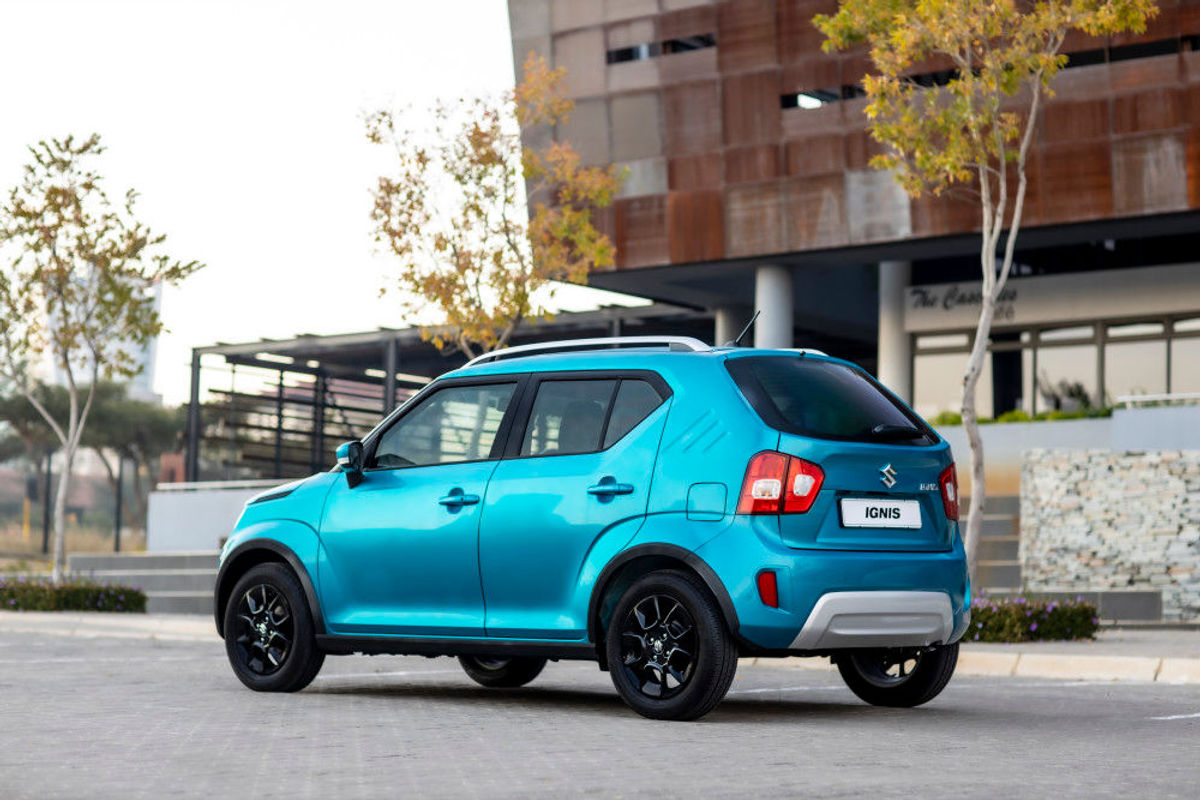
The Ignis now wears a new grille with square chrome accents and the front bumper has also been updated. The rear bumper is now also colour-coded.
There are 2 trims levels to choose from, the entry GL and the range-topping GLX, the latter of which features LED headlights and Daytime Running Lights (DRLs). The Ignis GLX further gains roof rails and wheel-arch extensions. The Ignis has a ground clearance of 180 mm.
New exterior and interior colour combinations are on offer as well as two-tone colour options such as Stargaze Blue Pearl Metallic with Black combination and Lutecent Orange with Black Metallic.
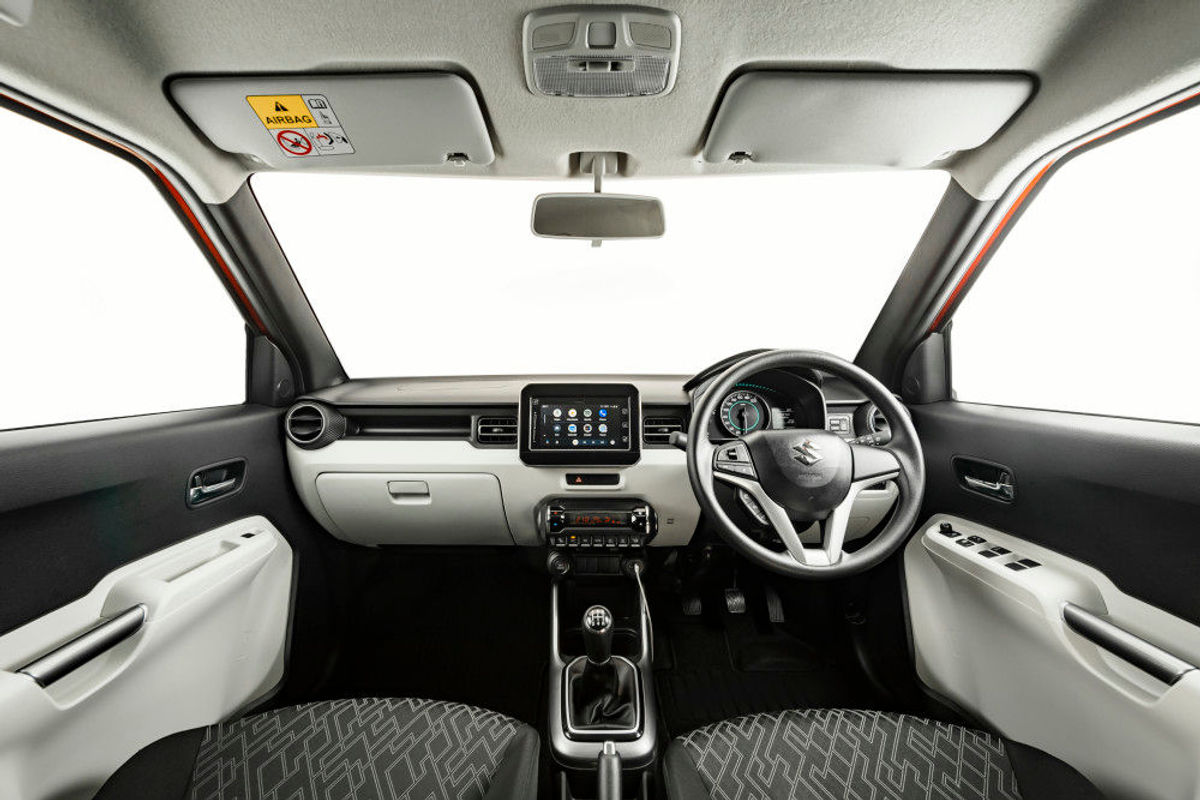
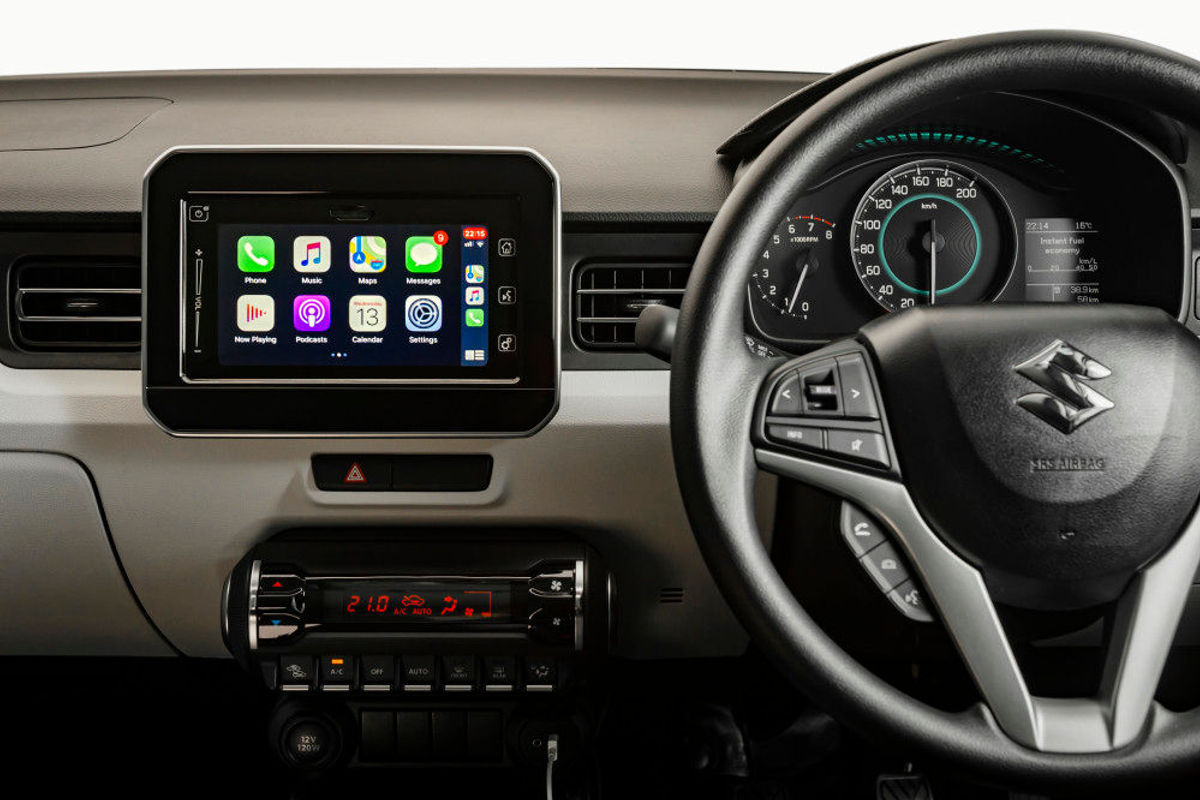
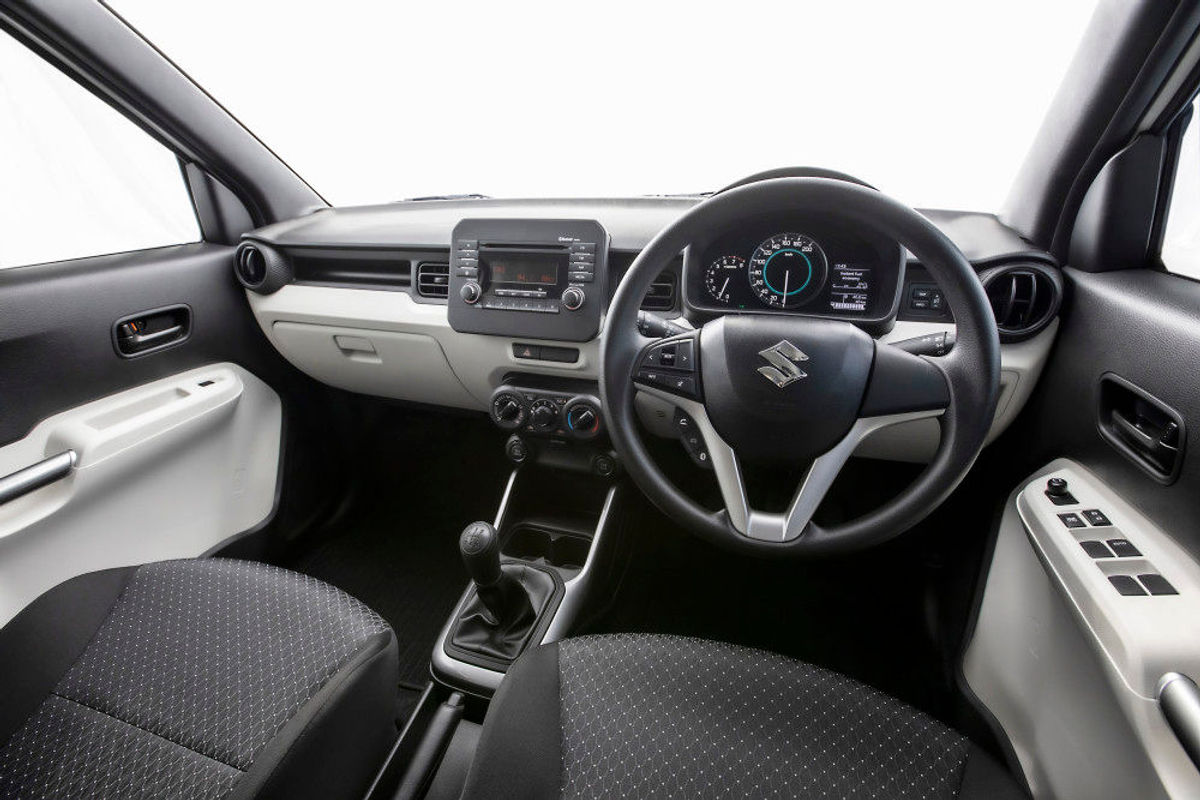
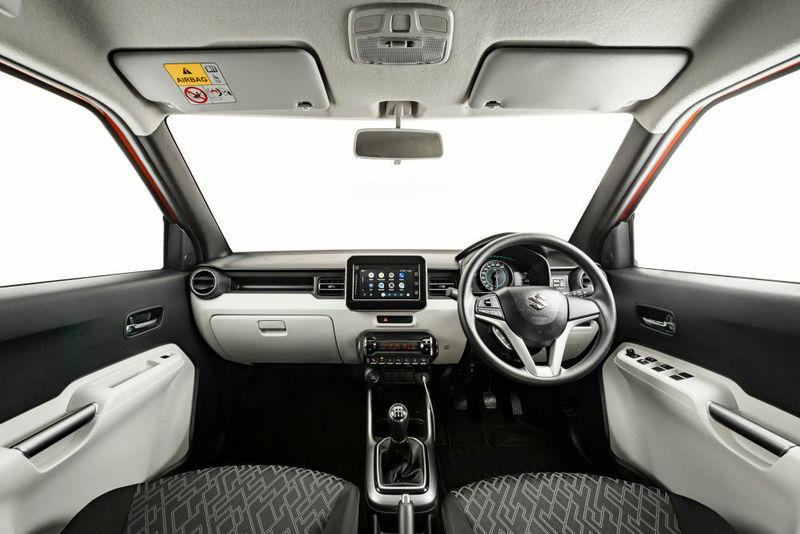
A basic Bluetooth radio is fitted in the GL derivative while the GLX gains an infotainment touchscreen with Apple CarPlay and Android Auto as well as a rear-view camera and climate control air conditioning.
Other notable interior features include 60:40 split rear seats while the load bay offers 260 litres of space.
A total of 2 airbags and ABS with EBD is also standard.
The same tried and tested 1.2-litre petrol engine is found under the bonnet with outputs of 61 kW and 113 Nm of torque. A 5-speed manual transmission is standard but customers can also opt for the Suzuki’s automated manual transmission.
Suzuki Ignis – Price in South Africa
Ignis 1.2 GL Manual – R182 900
Ignis GLX MT – R204 900
Ignis 1.2 GLX AMT – R221 900
The Suzuki Ignis is sold with a promotional 5-year/200 000 km warranty and a 2-year/30 000 km service plan. Roadside assistance is also included.
Tech sharing is the future for these Japanese bakkie models.
During May, Nissan announced startling changes to its business. The Japanese automotive giant is under pressure and its ageing product portfolio is in desperate need of updating.
Nissan is planning to bank on models which are guaranteed to make money, and that includes double-cab bakkies. Although the current Navara has not achieved the success of its predecessor, it is the best bakkie that Nissan builds and will now become an anchor for the brand’s rejuvenation effort.
An updated version of the Navara is expected to be revealed late this year and should include mild styling changes and some equipment upgrades. Of greater interest to Nissan bakkie fans, will be the next-generation Navara project.
Despite the Renault/Nissan Alliance being under tremendous pressure towards the end of 2019, survival in testing economic times has forced reconciliation upon the different stakeholders. In the broader context, this also includes Mitsubishi, which is part of the Alliance and could become the supplier of crucial engineering assets for the next Navara.
Saving costs without sacrificing technology gains is part of Nissan’s immediate corporate vision. Mitsubishi is regarded as having the ascendancy in bakkie engineering skill and technology and as such, most of the platform, engine and transmission bits for any future Navara, will be primarily sourced from Mitsubishi.
The cooperation between these two brands is a bizarre arrangement by proxy of Renault, which owns 34% of Mitsubishi.
How will future Tritons and Navaras be distinguished from each other? Although platforms will be shared, cabs and loadbox designs will be unique to each brand.
The double-cab joint-venture between Triton and Navara is a brave new reality for Japanese bakkie fans, but one that is necessary for the survival of both Nissan and Mitsubishi.
The updated Toyota Hilux bakkie has been teased, this time with Fernando Alonso seen thrashing the prototype around.
Seasoned racing professional Fernando Alonso has been hard at work since his 13th place at the 2020 Dakar Rally. He's been behind the wheel of the facelifted Toyota Hilux as it undergoes thorough testing.
Alonso said: “Hilux is an icon and I’ve always been a fan. It was good to test the new Hilux in a challenging environment and to push it to the limits. The new engine behaves well and the new suspension feels great. Even when you push it, the comfort is still there.”
What do we know about the new Toyota Hilux? Well officially, the updated model will feature revised suspension geometry and a new 2.8-litre powertrain. Unofficially, thanks to a leak, we've seen some design elements both inside and out. Toyota Australia is already preparing for the arrival of the updated model so we estimate that market will be getting it in the next few months, however, the COVID-19 pandemic has likely caused a delay.
Regarding a possible arrival time in South Africa, Toyota SA had this to say, "We will be getting those models but not now. Our timing is quite different to Australia as they don’t source their vehicles from SA. In addition, SA-unique models like the Legend 50 and Dakar models bridge the gap and extend the life of our current Hilux product offerings."
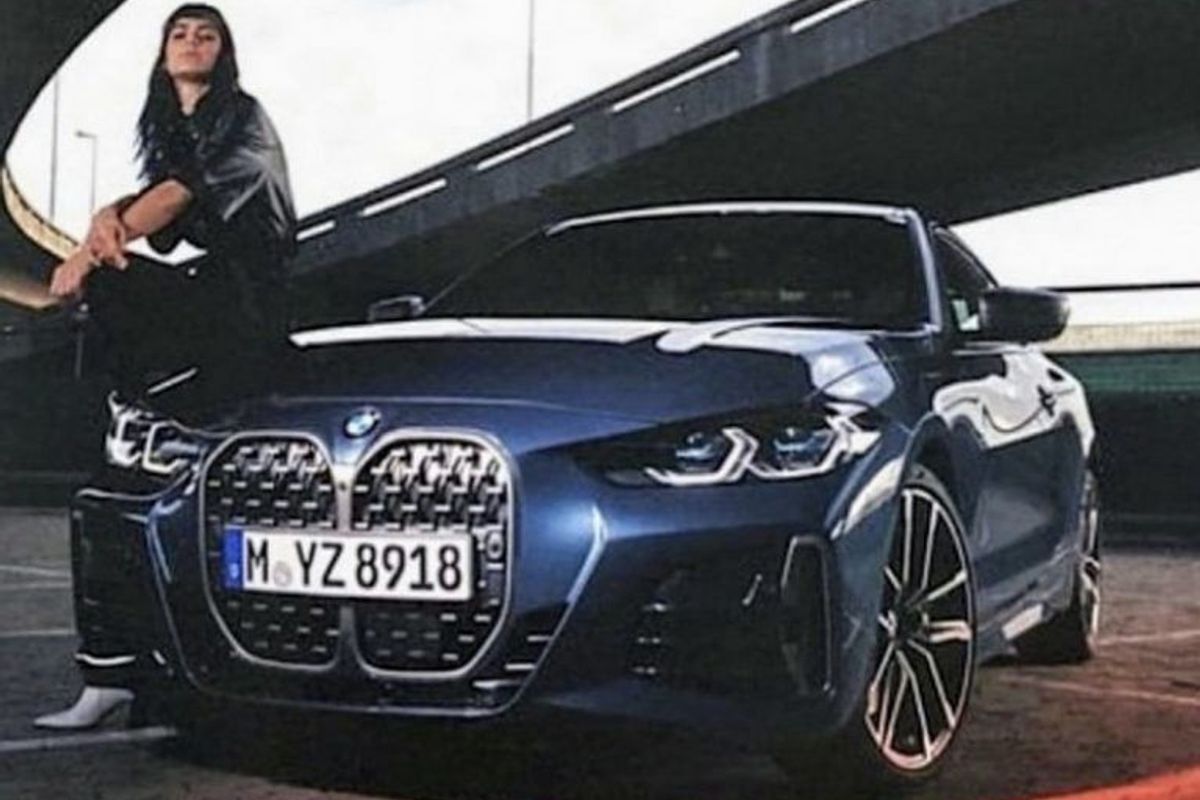
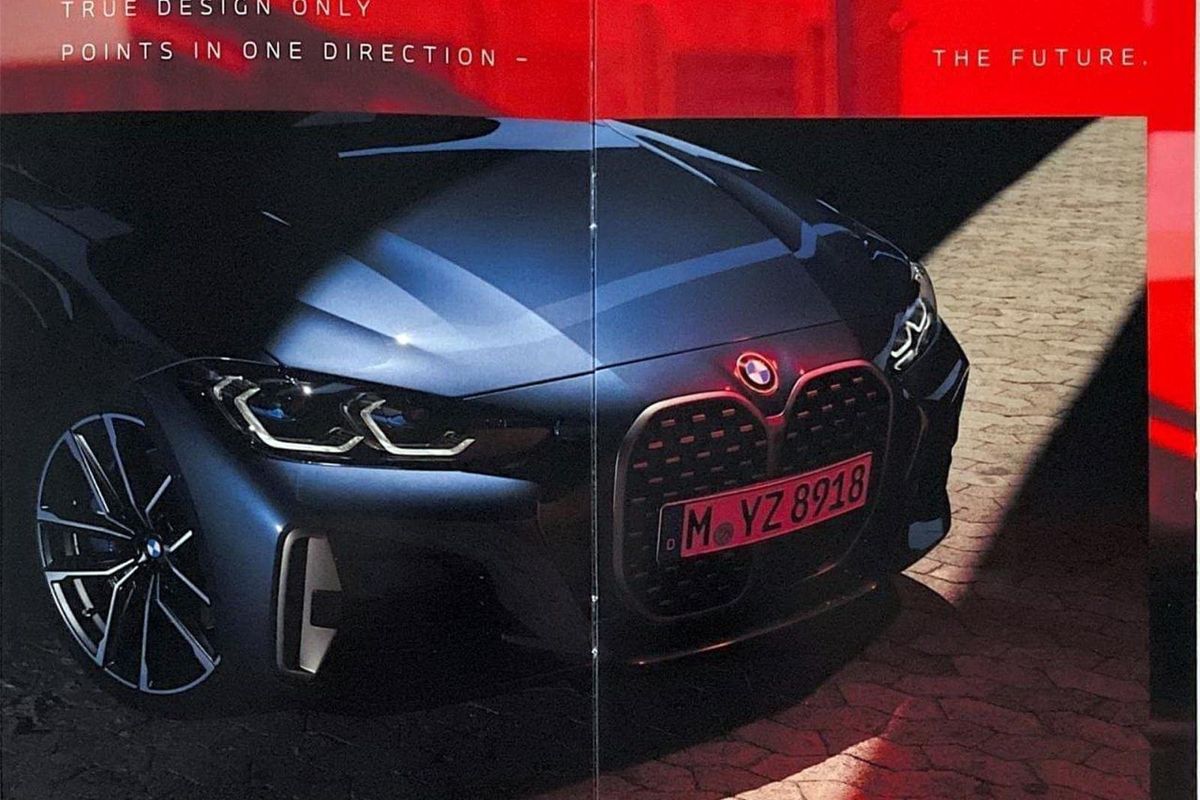
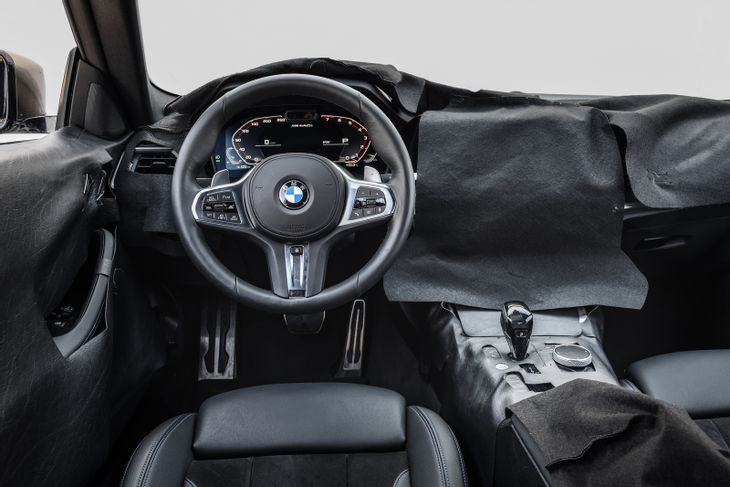
A mere day before the unveiling of the G22-generation BMW 4 Series, these images from (what appears to be) the new model's brochure have been leaked. While many spy shots –let alone the BMW Concept 4 – suggested the new 4 Series would sport the tall double-kidney grille, it's a still a shock to see the controversial design cue in production guise.
And there most of us believed that the oversized double-kidney grille of the BMW X7 and facelifted 7 Series caused a ruckus a year or so ago. The public response to that particular design cue was merely a guffaw compared with the controversy that's been stirred up by the new 4 Series' front end, which is said to pay homage to design the iconic BMW 328 of the 'Thirties… and that was before we even had a chance to see it in the metal!
Last week, BMW confirmed that the all-new 4 Series Coupe would make its official (digital) debut on 2 June 2020 and teased the upcoming coupe by a releasing a darkened image of its front end. In another development, BMW M chief executive Markus Flasch confirmed that the M3 and its M4 sibling would be revealed in September and go into production in November. Perhaps the 4er might sneak into the South African market just before the end of the year…
Bimmerphiles were smacking their lips (proverbially) in anticipation of the official reveal – oh, don't worry, we'll bring you more details and publish manufacturer-supplied images as soon as we can. But now, for the umpteenth time this year, a BMW has "leaked out" ahead of a model's scheduled launch… the last one before the G22 was the facelifted 5 Series and, before that, the iX3. These images appeared on the bmworldm Instagram account over the weekend.
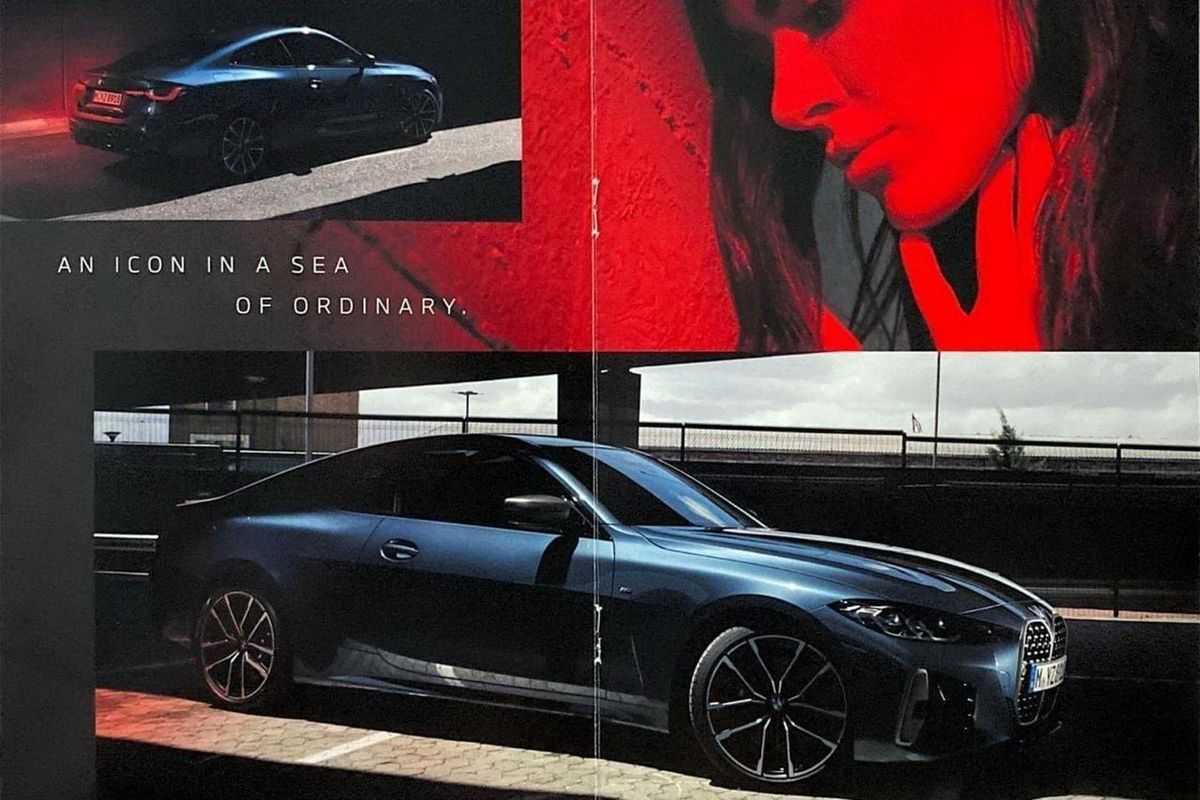
Billed as “An icon in a sea of ordinary” in the brochure, the new 4 Series sports a sculpted, elaborately-vented front bumper. The tall double-kidney grille is flanked by large, ornate air intakes with vertical blades and dark grey upright side channels (they're ostensibly dedicated brake-cooling ducts), while the grille the effectively cupped by a broad U-shaped bar in the front spoiler. The headlamp clusters sport a pair of inverted-C lighting signatures.
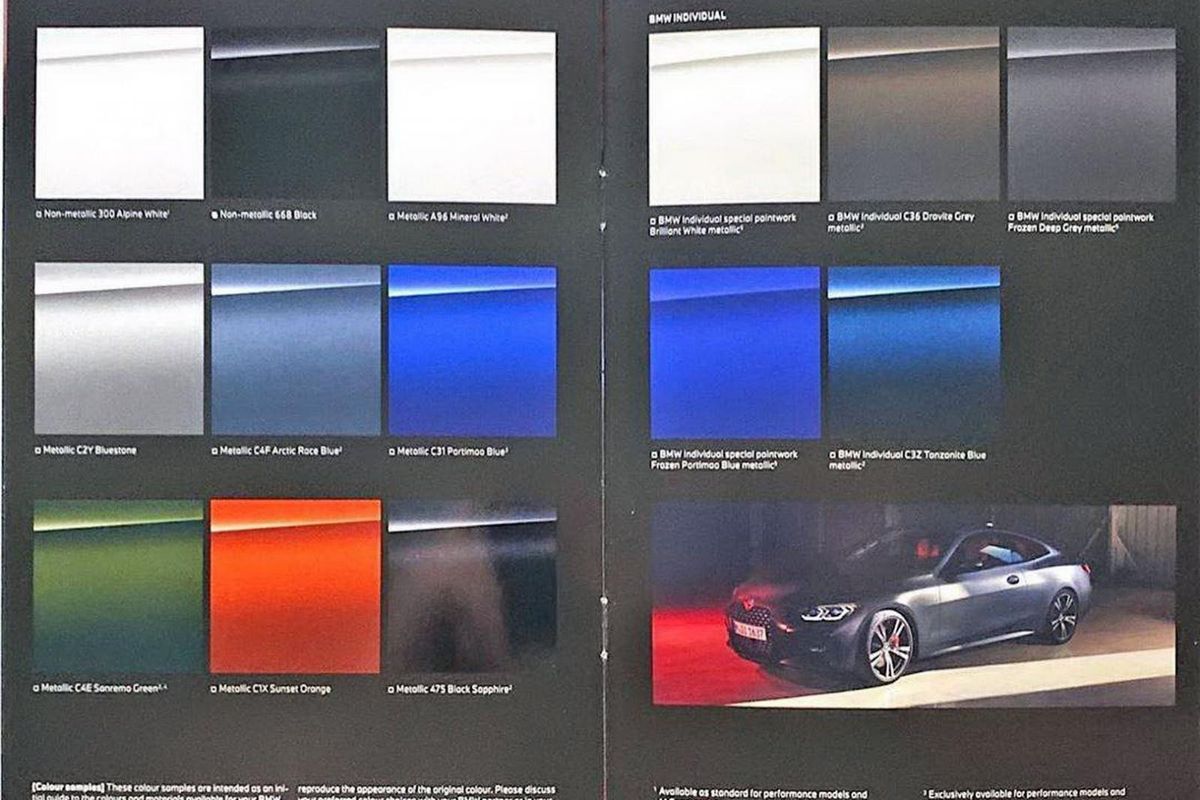
Apart from stating that the 4 Series will be available in a large palette of exterior colours (including Alpine White, Black Sapphire, Mineral White, Bluestone, Arctic Race Blue, Portimao Blue, Sunset Orange, Sanremo Green, Black Non-Metallic, Brilliant White Metallic, Dravite Grey, Frozen Deep Grey, Frozen Portimao Blue and Tanzanite Blue), the "brochure" also reveals that the newcomer has a sensuous profile… The G22's C-pillars and rear screen slope gently and oh-so-elegantly towards the slightly kicked-up boot line and the slim tail-light wraparound clusters feature a single swoosh-like lighting signature (as seen on the facelifted 5 Series, which was unveiled last week).
The car's defined forward-sloping bonnet contours and pinched waistline contribute to the 4 Series' purposeful stance and although some websites suggest that the distinctive front-end treatment is characteristic of an M-Sport treatment (it's apparently an M440i xDrive pictured in the brochure), we believe that all 4 Series derivatives will feature that tall double-kidney grille, but lesser versions will have smaller wheels and more generic (but still sporty) bumper treatments.
We already know that the new 4 Series range will be much more diverse and elaborate than that of the model it replaces. Not only will the CLAR-based G22 from the basis of the upcoming i4 pure-electric sports sedan, but it will spawn a soft-top Cabriolet variant (G23) and include an M4 version of the Gran Coupe (G24). Read all the details here: 10 Cool Things: BMW 4 Series & upcoming M4
We'll be able to get an unobscured look at the newcomer's interior tomorrow.
Apart from being 57 mm lower than its 3 Series sibling (its centre of gravity is also 21 mm lower), the 4 Series’ rear track has been widened by 23 mm at the rear, while the front wheels are set up for negative camber. The newcomer’s lift-related dampers are also tuned for a more engaging and sporty drive and the Munich-based manufacturer has added model-specific front-end strut braces as well as bracing elements around the rear axle to increase stiffness. These measures are all said to be in aid of greater steering precision and improved suspension control compared with the 3 Series while, at the same time, offering “excellent” comfort levels on everyday drives and long journeys.
Our international correspondent Greg Kable has already driven pre-production versions of the all-wheel-drive M440i xDrive (which will be the flagship derivative until the M4 arrives) and the 430i. The former's turbocharged 3.0-litre inline-6 engine is combined with a 48V electrical architecture (giving it mild-hybrid properties) and produces 275 kW from 5 500-6 500 rpm and 500 Nm of torque from 1 850-5 000 rpm. The 430i, meanwhile, adopts the latest version of BMW’s 2.0-litre 4-cylinder turbopetrol engine, which is tuned (as in the 330i) to deliver 190 kW between 5 000 rpm and 6 000 rpm and 400 Nm of torque from 1 640 to 5 000 rpm, giving it 5 kW and 45 Nm more than the unit it replaces.
10 Most Powerful Production Cars of the Last Decade (2010-2019)
We look back at 10 of the most powerful production cars of the last decade from 2010 to 2019. Which one of these cars strikes a power chord with you?
As we go full-throttle into 2020 and beyond, we want to look back at the decade that has been and take a moment to reflect and appreciate some of the magnificently powerful cars brought into existence and in this particular list, we highlight the most powerful production cars from 2010 to 2019.
For cars to make it onto this list, they need to exhibit the highest power output for a production car in a particular year. Each year starts anew, so while the Veyron might still be the most powerful vehicle this decade, we selected it for the single year its most powerful variant was produced. Hybrid and electric cars are included too and all cars on this list are considered to be road-legal. Tuner variants do not feature and all power outputs listed are based on manufacturer claims.
As an example, the Mercedes-AMG Project One was revealed in 2017 (making it a product of the decade) but deliveries are only expected in 2021, or possibly later… The Koenigsegg Agera produced a more powerful variant of the same car for 3 consecutive years, so we have only included the most powerful variant of it.
If you feel we have overlooked a specific car, please drop a comment below and make a case for it to be included on this list, we will be happy to update it provided that the change is warranted.
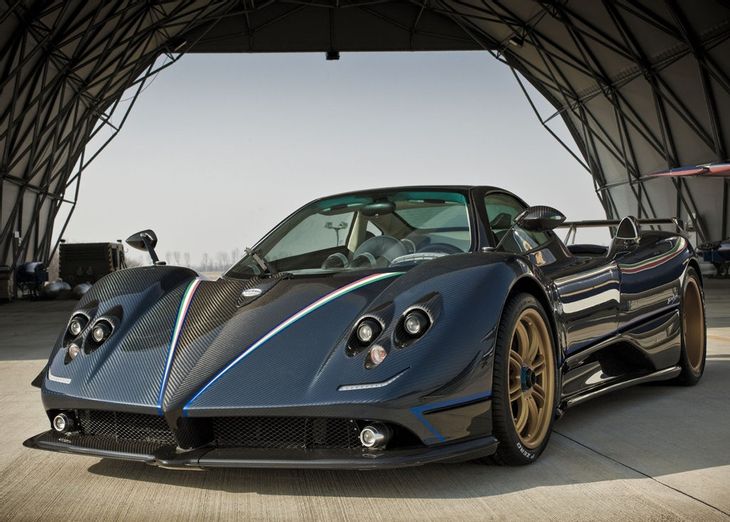
2010 Pagani Zonda Tricolore: 500 kW
The Pagani Zonda Tricolore was developed as a tribute to the 50th Anniversary of the Italian Frecce Tricolori aerobatic team and only 3 examples were ever built. It’s powered by an 7.3-litre V12 engine that drives the rear wheels via a 6-speed sequential gearbox.
Outputs are rated at 500 kW and 780 Nm. The Zonda Tricolore is claimed to accelerate from zero to 100 kph in 3.4 seconds and reach a top speed of 350 kph.
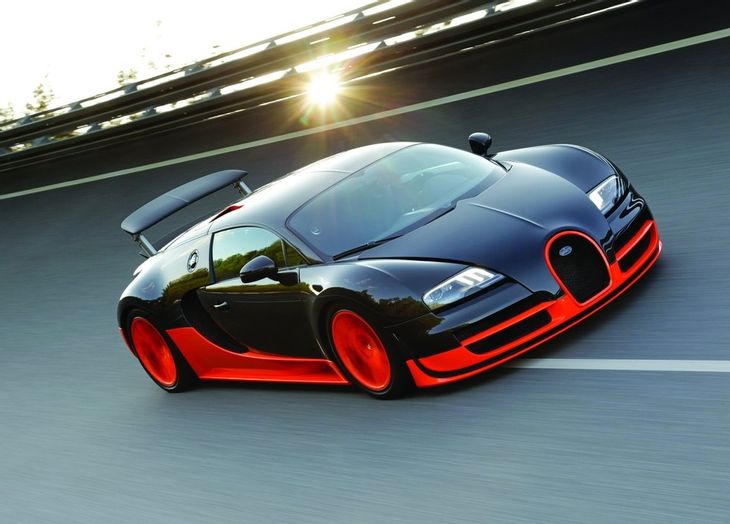
2011 Bugatti Veyron Super Sport: 883 kW
The Bugatti Veyron Super Sport came along and stamped its authority as the fastest street-legal production car in the world with an average top speed of 431 kph. It’s powered by an 8.0-litre, quad-turbocharged W16 engine with outputs of 883 kW and 1 500 Nm of torque and mated with a 7-speed dual-clutch automatic transmission.
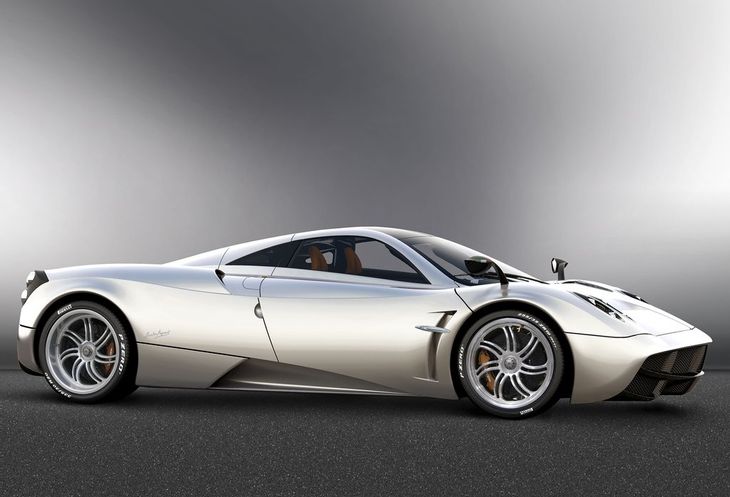
2012 Pagani Huayra: 537 kW
Pagani returns, this time with its Huayra which is fitted with a Mercedes-AMG 6.0-litre, twin-turbocharged V12 engine that produces 537 kW and 1 000 Nm of torque. Using a sequential 7-speed transmission, the Huayra can accelerate from zero to 100 kph in 3.4 seconds and go on to a top speed of 360 kph.
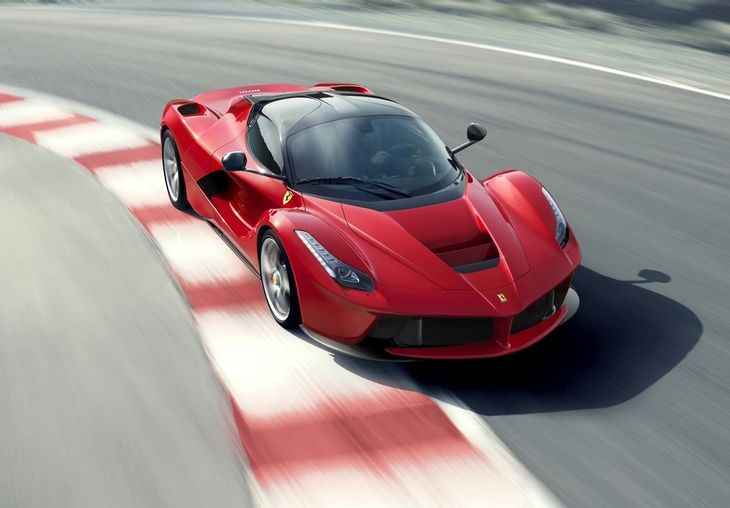
2013 Ferrari LaFerrari: 708 kW
In 2013, Ferrari came to the party with its LaFerrari hypercar which at the time was the most expensive Ferrari ever manufactured (priced at $1.4 million) and only 499 units were made. The LaFerrari features HY-KERS hybrid technology which includes a 6.3-litre V12 engine that produces 588 kW and 700 Nm of torque. This engine is coupled to a 120 kW electric motor which offers a combined power out of 708 kW with a combined maximum torque figure of 900 Nm. The hybrid system is mated to a 7-speed DCT transmission and acceleration to 100 kph takes just 2.9 seconds before the LaFerrari reaches a top speed exceeding 351 kph.
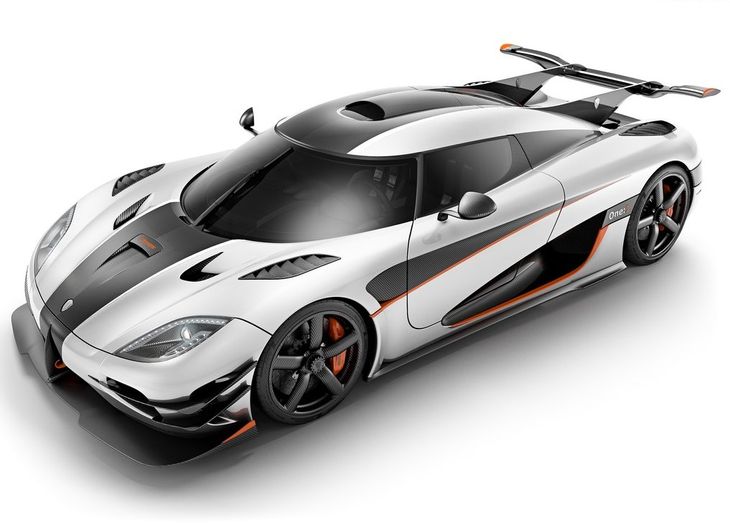
2014 Koenigsegg Agera One:1: 1 000 kW
Swedish hypercar manufacturer, Koenigsegg, unleashed the high-power Agera One:1 in 2014 which featured an uprated, twin-turbocharged 5.0-litre V8 engine tuned to deliver a whopping 1 000 kW and 1 371 Nm of torque and using a 7-speed dual-clutch transmission to lay those numbers down on the tar. It was named as such because of its power-to-weight ratio of 1 horsepower for every 1 kg of car.
Zero to 100 kph is achieved in about 2.8 seconds with a top speed of 439 kph. Zero to 300 kph in 12 seconds and zero to 400 kph in just 20 seconds. Staggering performance! Only 6 were produced.
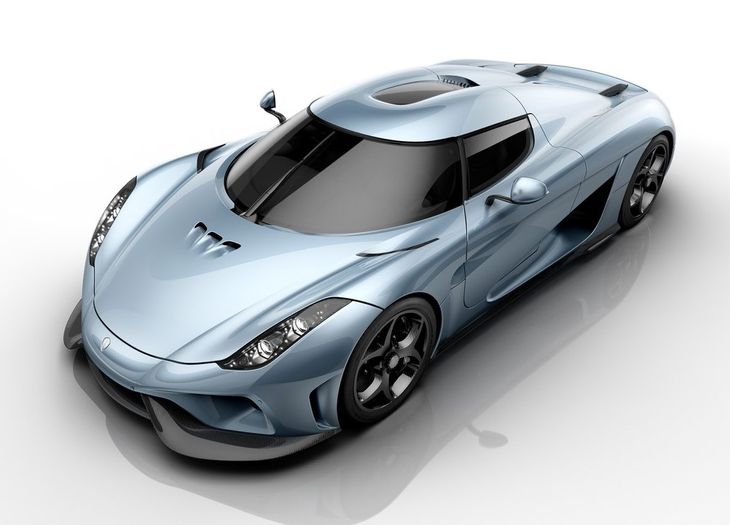
2015 Koenigsegg Regera: 1 103 kW
If the Agera One:1 wasn’t enough, maybe the 2015 Koenigsegg Regera would be. Its name means ‘to rule’ and it was the first plug-in hybrid vehicle produced by Koenigsegg. Combining a 5.0-litre twin-turbocharged V8 engine with 3 electric motors and a 4.5 kWh liquid-cooled battery pack. Together, the hybrid system produces no less than 1 103 kW and 2 000 Nm torque and employs a Koenigsegg Direct Drive (KDD) System which is a single-speed fixed gear transmission. Zero to 100 kph is achieved in 2.8 seconds with a top speed of 410 kph.
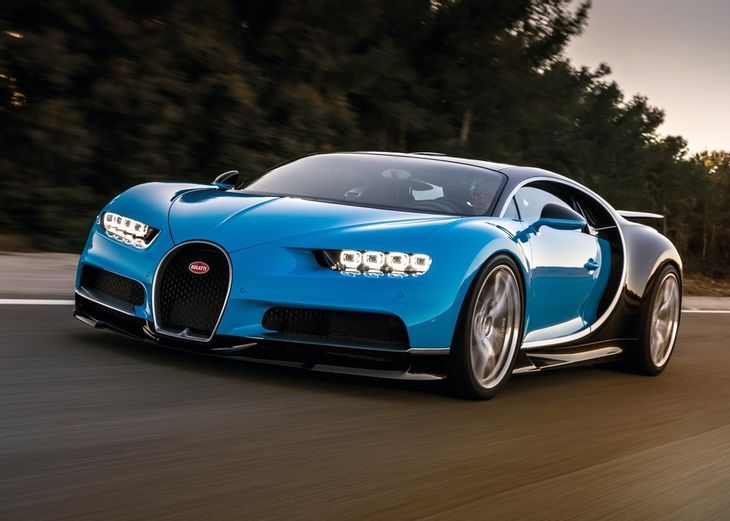
2016 Bugatti Chiron: 1 103 kW
Enter the Bugatti Chiron, the successor to the Veyron, which also features the same, yet thoroughly updated 8.0-litre, quad-turbocharged W16 engine from the Veyron, but delivers 1 103 kW and 1 600 Nm of torque and mated with a 7-speed dual-clutch transmission.
Acceleration is blisteringly quick with Bugatti claiming a zero to 100 kph sprint time of 2.4 seconds before clocking a top speed of 420 kph.
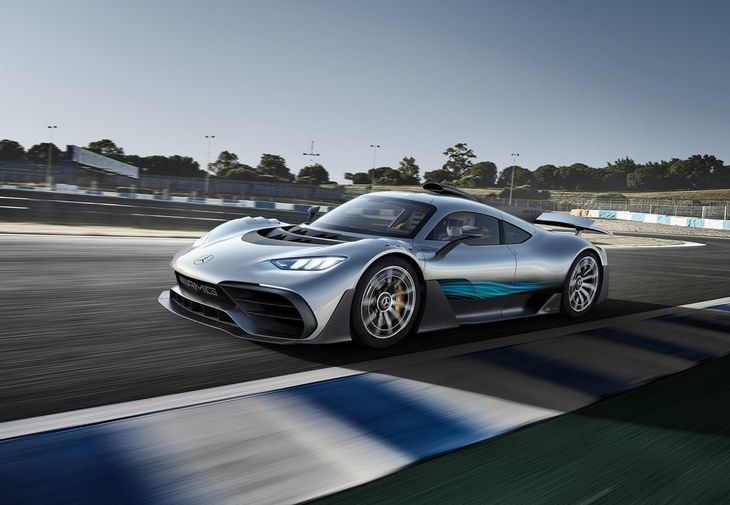
2017 Mercedes-AMG Project One: 813 kW
At the 2017 Frankfurt Motor Show, Mercedes-AMG revealed its Project One hypercar featuring an F1-sourced hybrid powertrain comprising a turbocharged 1.6-litre V6 engine and 4 electric motors. In terms of output, this complex system produces at least 760 kW that will be laid down using an 8-speed Xtrac hydraulic semi-automatic transmission. However, final power and torque outputs are still up in the air and some sources suggest closer to 850 kW. Acceleration from zero to 100 kph is expected to take about 2.5 seconds with a top speed of approximately 350 kph. First deliveries, however, are only expected in 2021 and only 275 units will be produced.
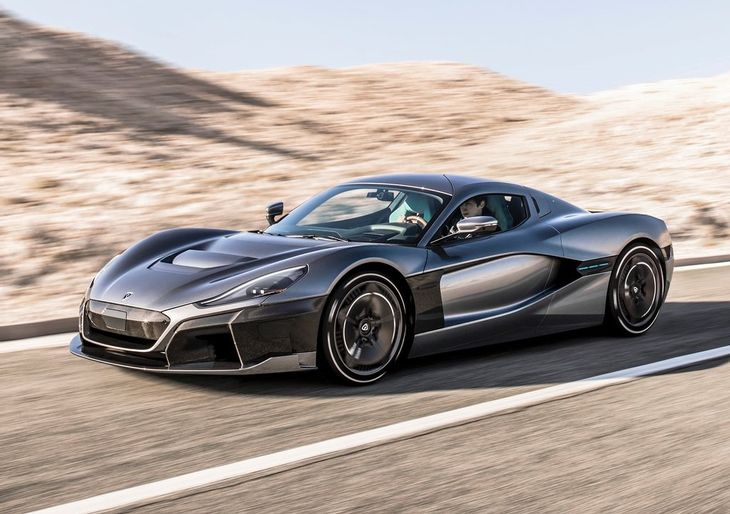
2018 Rimac C_Two: 1 408 kW
If you think the AMG Project One is impressive, cast your eyes upon the Rimac C_Two which was first shown at the 2018 Geneva Motor Show. This Croatian-built all-electric hypercar boasts a mega power output of 1 408 kW and 2 300 Nm of torque. Those outputs are generated by 4 liquid-cooled permanent synchronous electric motors with one placed at each wheel. Acceleration from zero to 100 kph is achieved in a mind-blowing 1.85 seconds and top speed is claimed at 412 kph. As for driving range, Rimac claims an impressive range of 650 km! Only 150 are to be built.
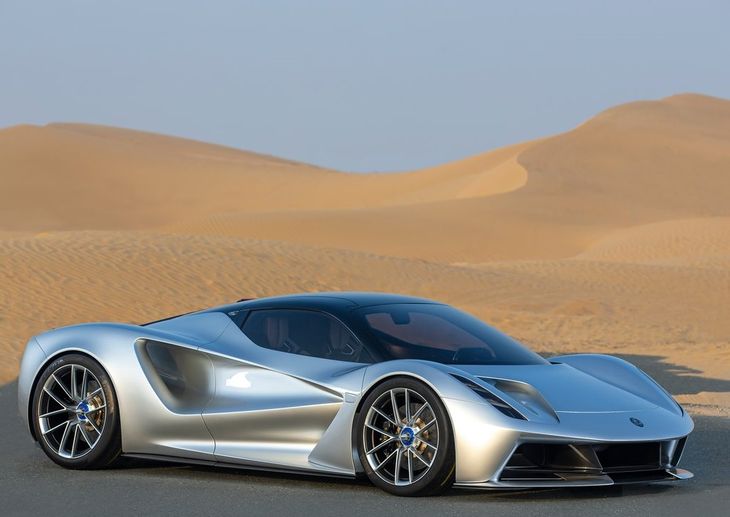
2019 Lotus Evija: 1 470 kW
Limited to only 130 units, the Lotus Evija currently tops the power production car list with a staggering power output of 1 470 kW and 1 700 Nm of torque. Like the Rimac C_Two above, 4 individual electric motors power all four wheels, each developing no less than 368 kW. That’s like having a BMW M4 at each wheel! Mental!
The Evija is an aerodynamic masterpiece and is said to be ‘sculpted by air’ and Lotus claims that the Evija will do zero to 100 kph in under 3 seconds and zero to 300 kph in under 9 seconds before reaching a top speed of 320 kph. Wowzers!
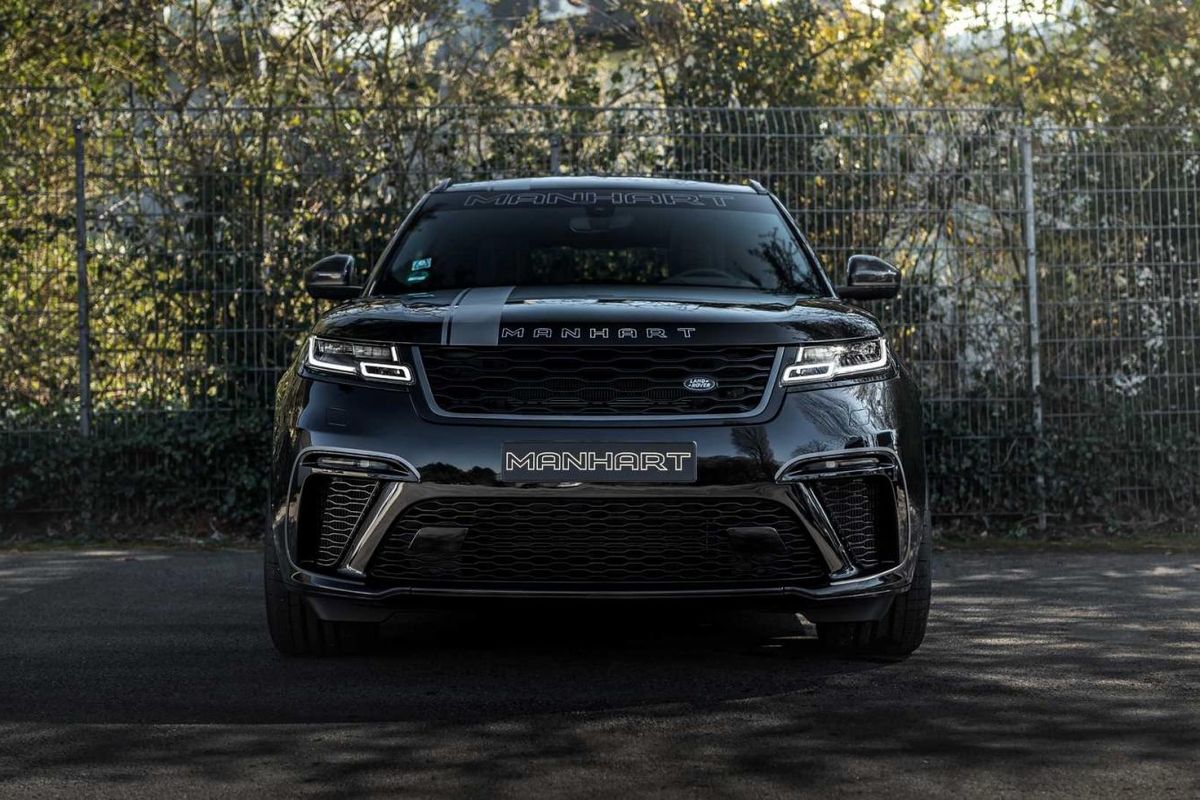
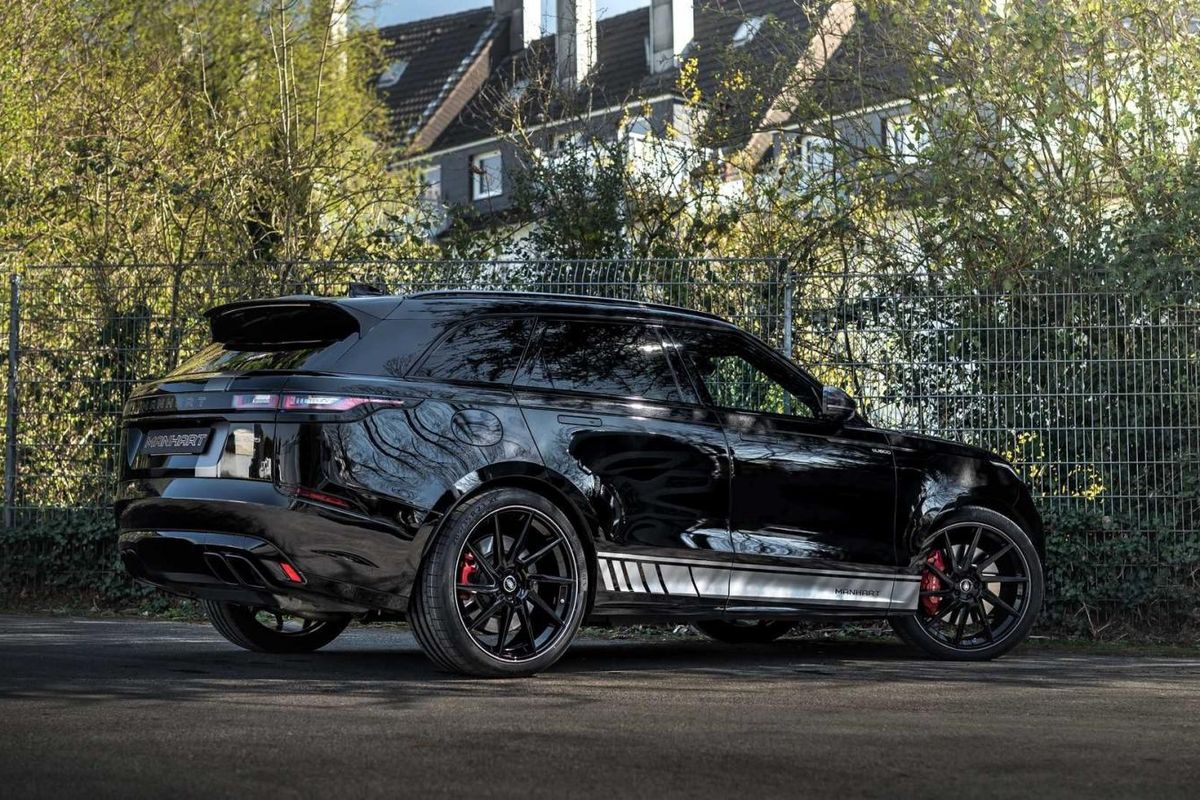
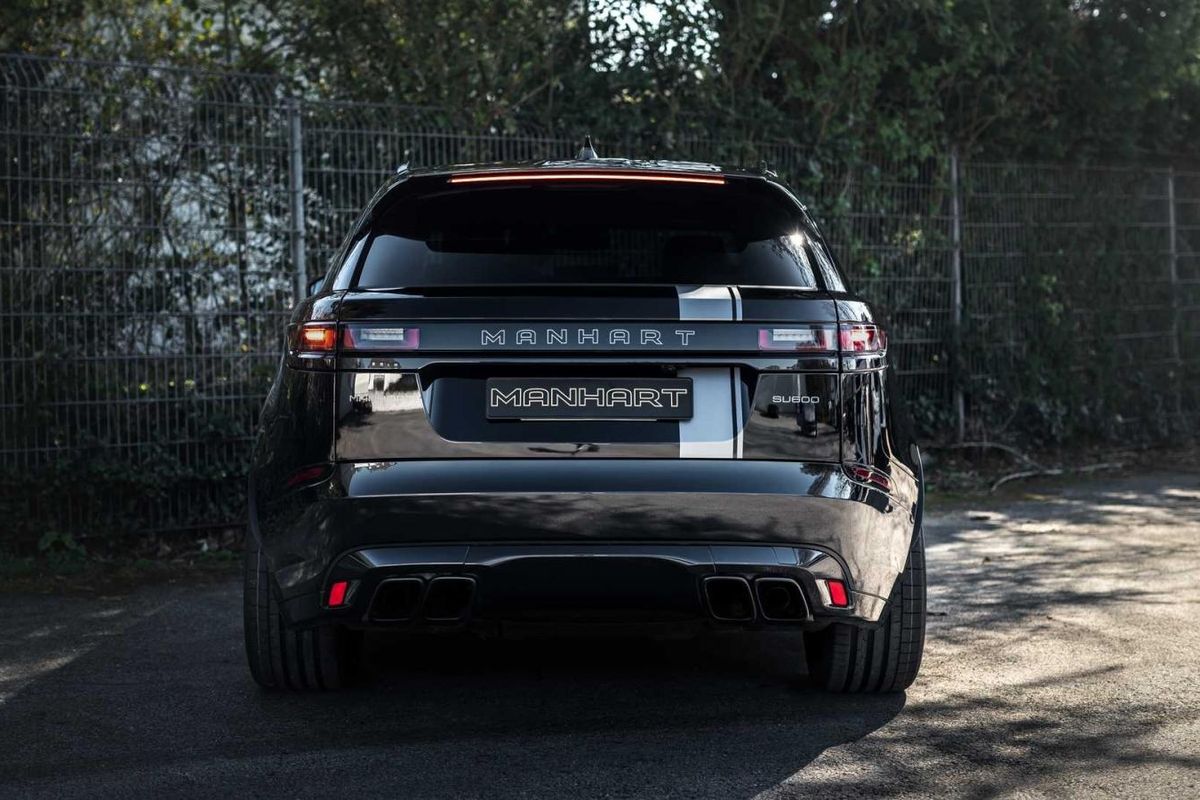
Manhart’s Range Rover SVAutobiography Defies Belief
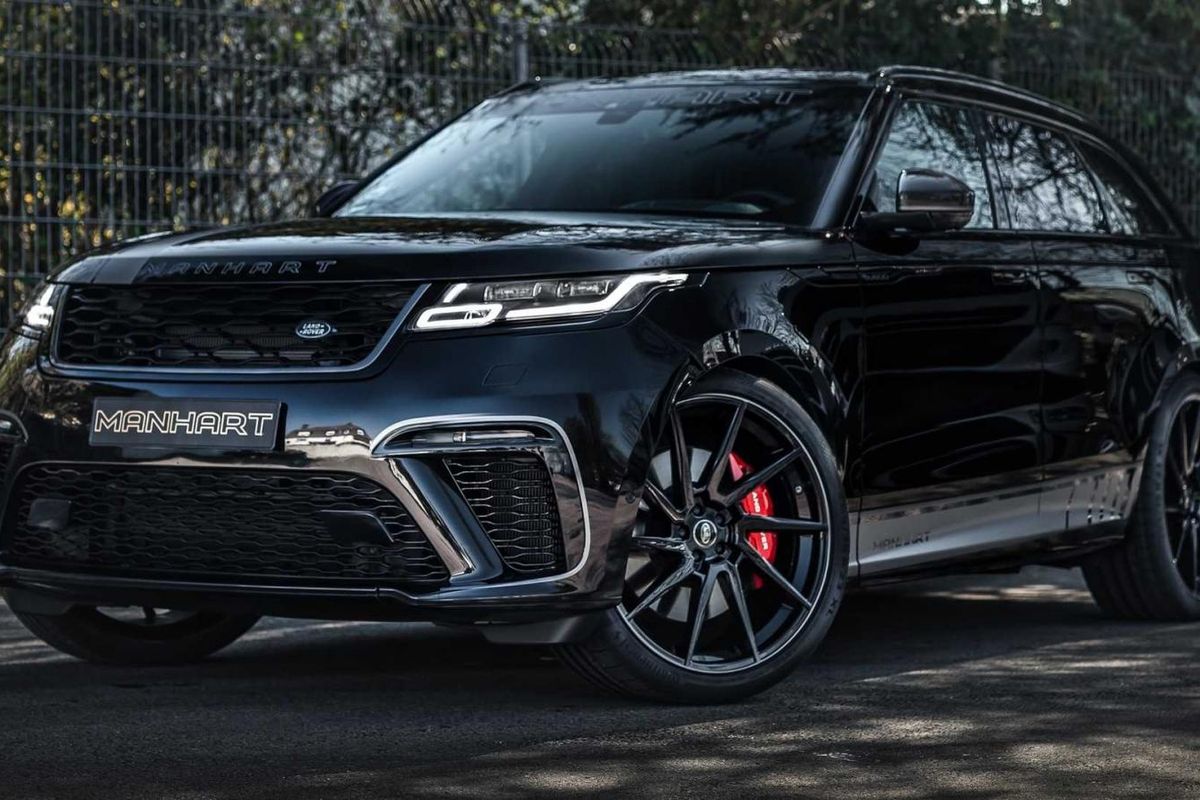
German tuner Manhart has gotten its hands on the Range Rover Velar SVAutobiography and given it even more power.
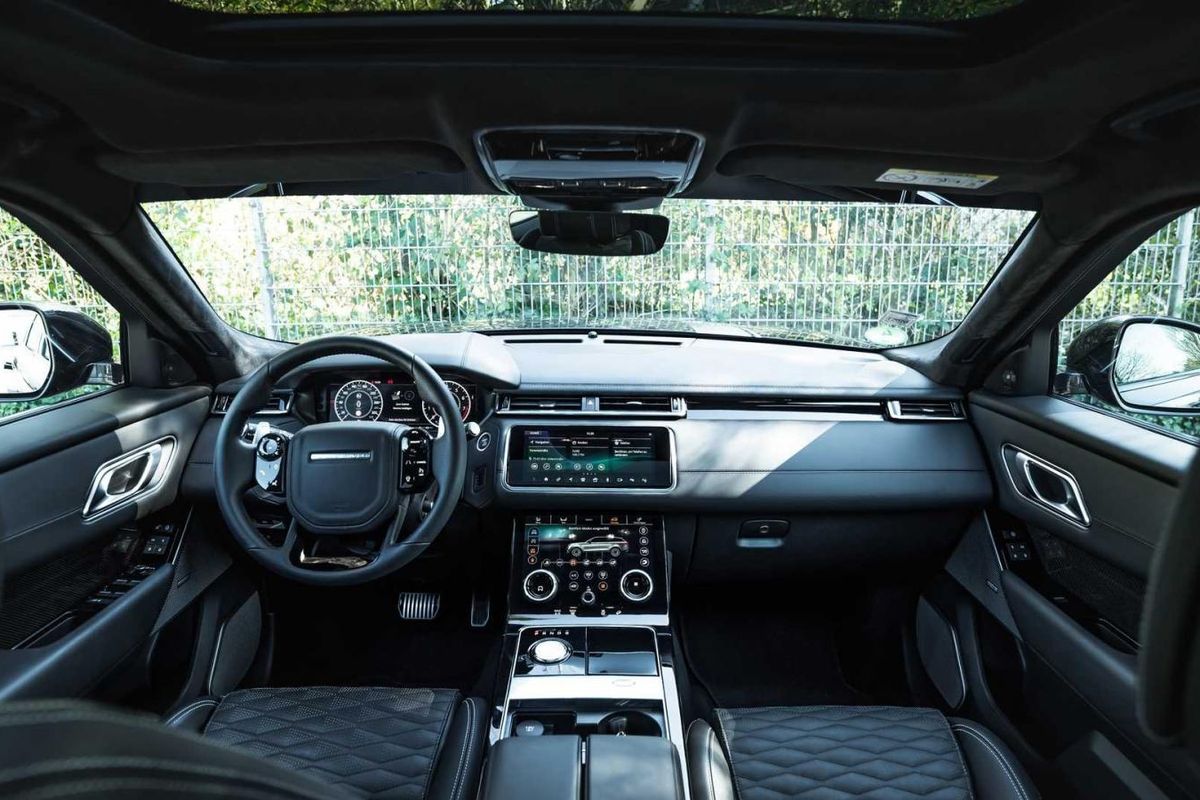
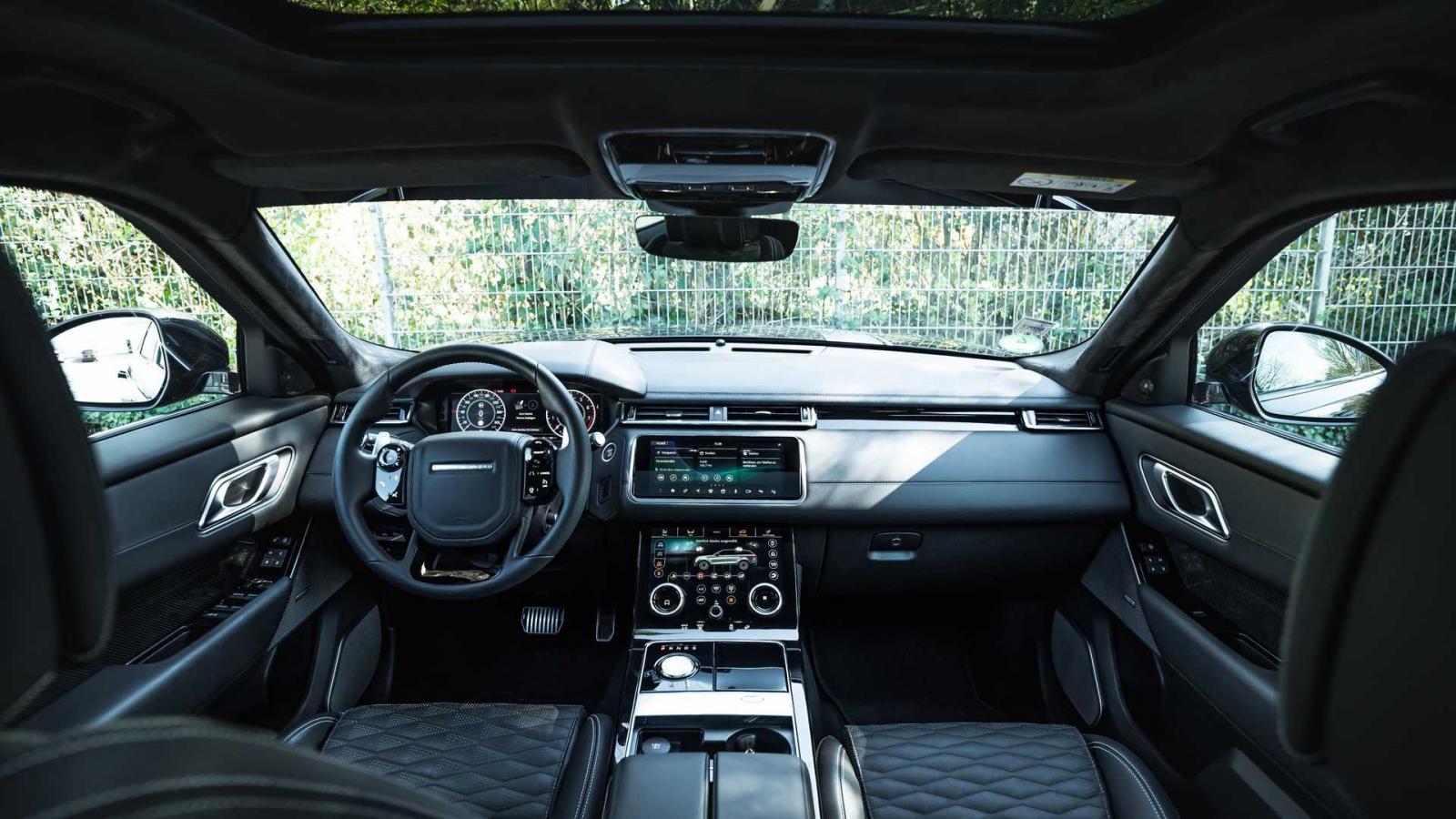
The Land Rover Range Rover Velar SVAutobiography Dynamic to give it the full title is one of our favourite vehicles that we've tested. Not only is it beautiful, but the cabin is a masterpiece and the performance even more so.
Probably the last thing it needed was more power, but German tuners Manhart have done just that. This is the Manhart SV600, named after how much power it now makes. Thanks to some software tweaks, the 5.0-litre supercharged V8 motor has gone from 405 kW/680 Nm to 447 kW and 750 Nm. Performance figures were not given, but the standard car is very quick at 4.3 seconds to 100 kph. Expect the Manhart SV600 to break the 4-second barrier and run to 300 kph.
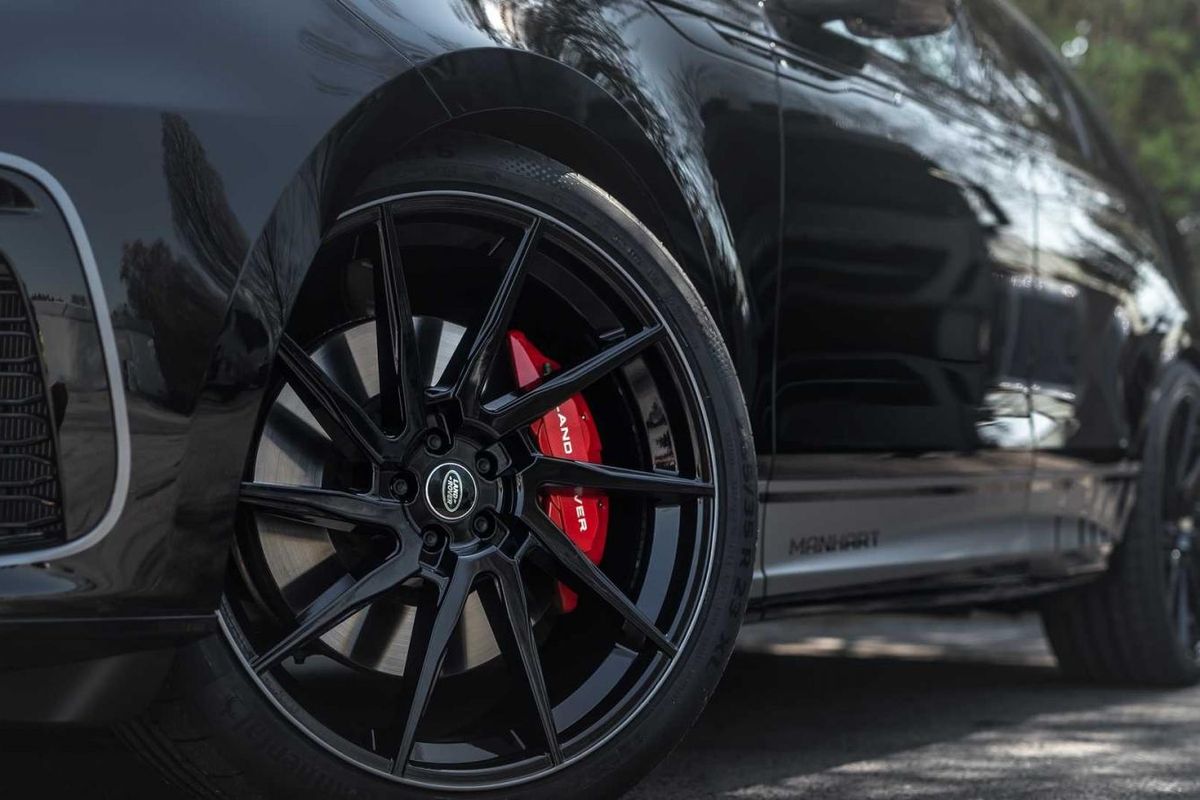
One aspect of the Velar SVAutobiography we really liked was the exhaust note and Manhart has reworked the exhaust system to "enhance the soundtrack". Guess that means the note is near-illegal levels of loud! The bodywork has been given a light touch, with Manhart 23-inch wheels and retro-style decals.
The reduction in recent fuel prices is set to end in June as the AA reports we are in for a price hike at the pumps as we enter June.
The last few months of huge drops in the price of oil have led to record drops in fuel prices globally, but as the global Lockdown ends, demand for oil is on the rise. As a result, the oil price has steadily begun to tick up resulting in an increase in the local fuel price for consumers.
The Automobile Association (AA) says that petrol is expected to show a hefty increase of up to R1.18 a litre, with increases of around 22 cents for diesel and 41 cents for illuminating paraffin. "The global lockdowns under COVID-19 saw fuel demand plummet. The resulting oversupply left storage bunkers full, with the extraordinary outcome that oil prices in the USA briefly dipped below zero," the AA says.
The Association notes that crude oil prices used to calculate South Africa's fuel prices had fallen in lockstep with the reduction in demand but were now inching up as economic activity begins to ramp up on a global scale. "This is not unexpected, and South Africans should remember that the fuel price is currently around 4 Rand per litre lower than it was before the COVID-19 crisis hit. Fortunately, the Rand has strengthened during May, which has helped insulate the country from some of the rise."
Diesel shortage
The AA also advises that despite the moderate price rise for diesel, motorists may encounter shortages of diesel in the short term. According to the South African Petroleum Industry Association (SAPIA), “the economy has recovered more rapidly than expected, leading to a dramatic increase in the demand for diesel which refineries are currently not able to meet".
The AA notes that some rationing of diesel is taking place, but that SAPIA says it expects diesel supply to normalise once both refineries in Durban reach on-spec production, which is anticipated to be at the end of May. "We advise motorists to be pragmatic and anticipate fuel prices slowly returning to their previous levels over the medium to long term. It would be prudent to budget accordingly," the AA concludes.
VW’s Golf 8 is unquestionably the world’s most sophisticated hatchback and will set new standards in class when it launches locally.
Although for most Golf 8 fans, the GTI will be most desirable (as has been the case with each iteration of VW’s famous hatchback), there is value to be found in modesty.
To many South Africans, the notion of a 1-litre Golf 8 might appear unsatisfactory, but smaller engines don’t mean a lesser experience.
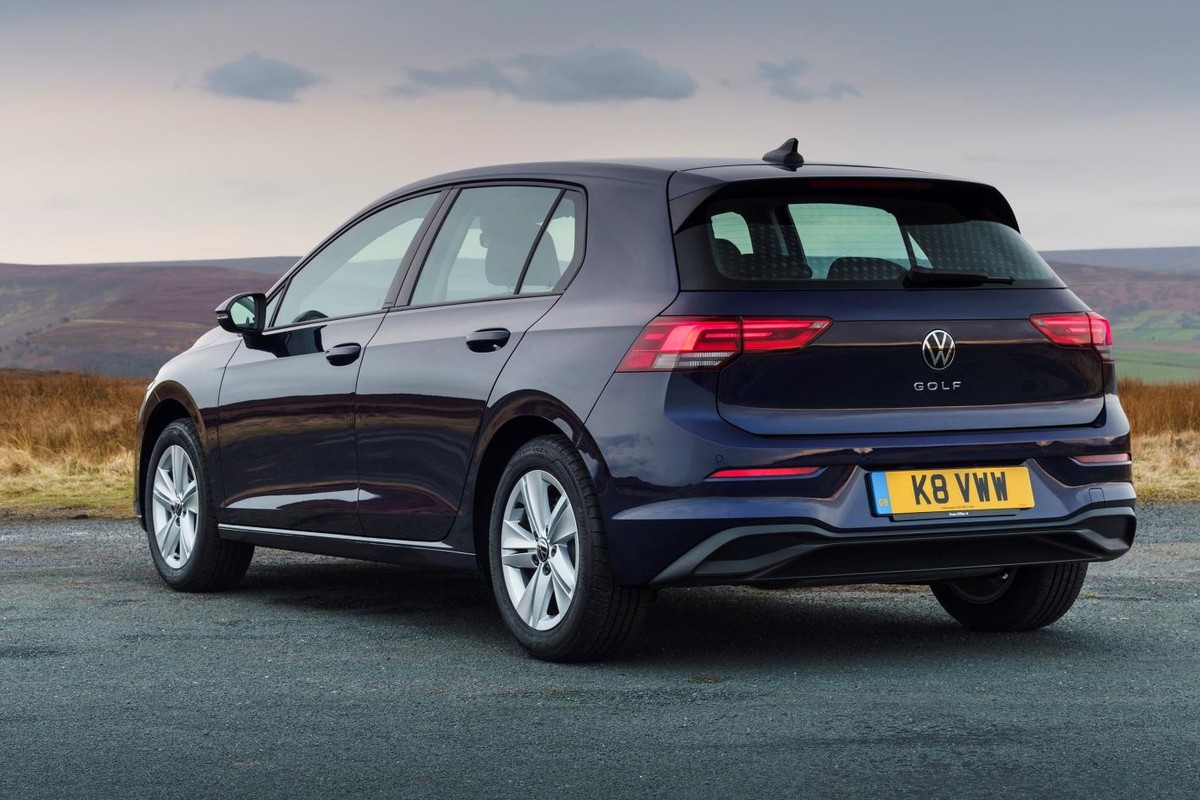
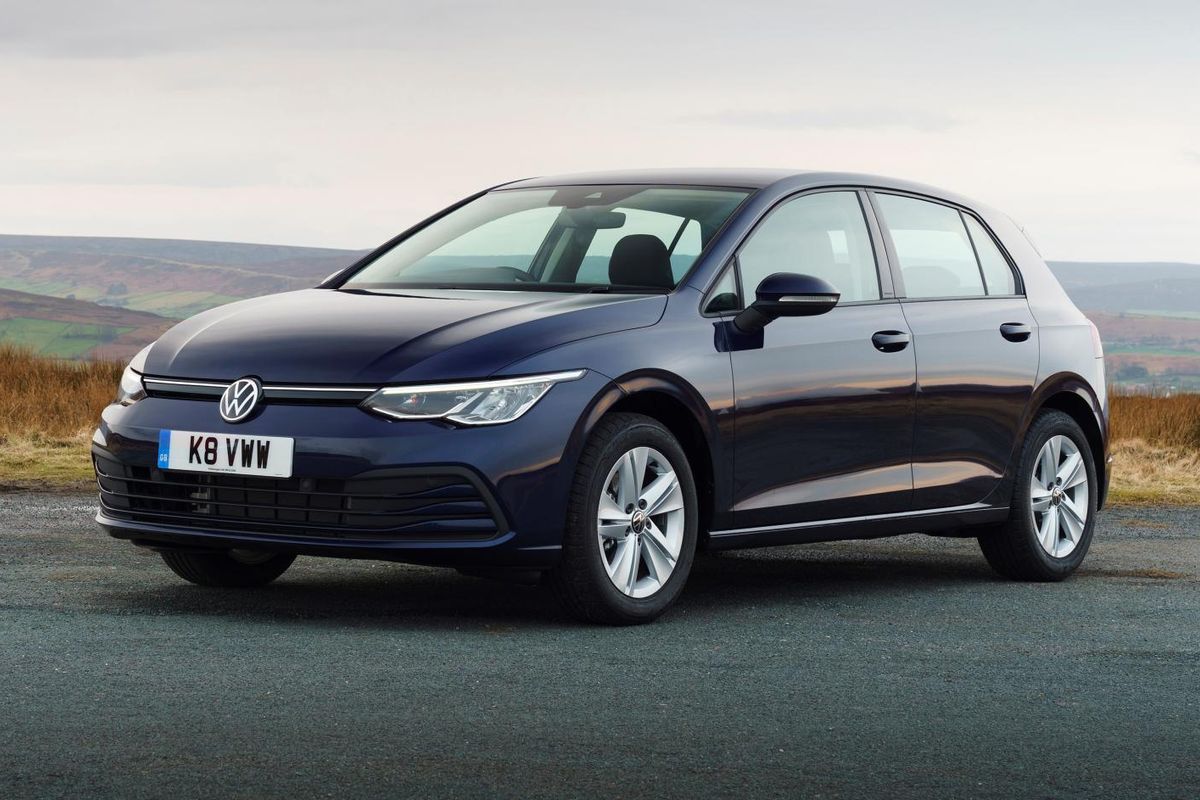
With the Golf 8 1.0 TSI you get all the benefits of VW’s overengineered MQB platform, which delivers great ride quality, cabin noise insulation and driving dynamics. And the 1-litre triple isn’t weak either, boosting 81 kW and 200 Nm.
A close-ratio six-speed manual gearbox helps the Golf 8 1.0 TSI from 0-100 kph in 10.2 seconds if you are skilful shifting it under acceleration, and it will run a true 202 kph top speed. For some, having a Golf 8 incapable of dipping below the 10-second barrier for a benchmark 0-100 kph run will be an issue, but VW’s entry-level Golf is about balanced dynamics.
Economy is an anchor feature of this 1-litre Golf’s appeal and VW claim the six-speed manual Golf 8 1.0 TSI will return 5.3L/100 km.
Beyond the mechanical package, VW’s Golf 8 1.0 TSI is finished in the brand’s ‘Life’ trim level. This grade includes automated LED headlights, rain-sensing wipers and all-round parking sensors.
Cabin features total VW’s new 10-inch digital instrumentation binnacle and matching 10-inch touchscreen infotainment system. Standard safety technologies are lane and front assists, pedestrian detection, adaptive cruise control and Car2X sensing.
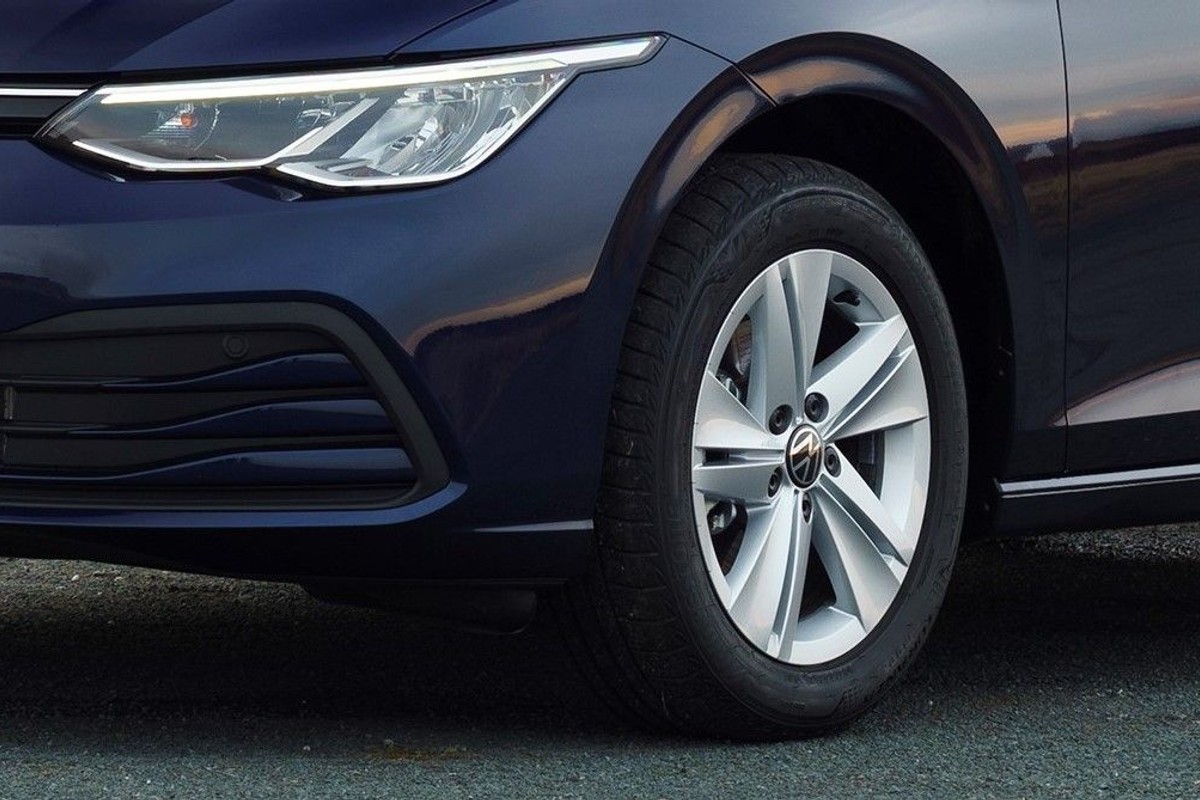
Perhaps best of all, are those 16-inch Norfolk alloy wheels. They might be smaller than what you’d ordinarily expect on a premium hatchback, but the overall design is clean. These wheels also roll relatively high-volume tyres, delivering outstanding ride quality and pothole strike survivability.
The Golf 8 is scheduled to arrive in South Africa, during the first half of 2021.