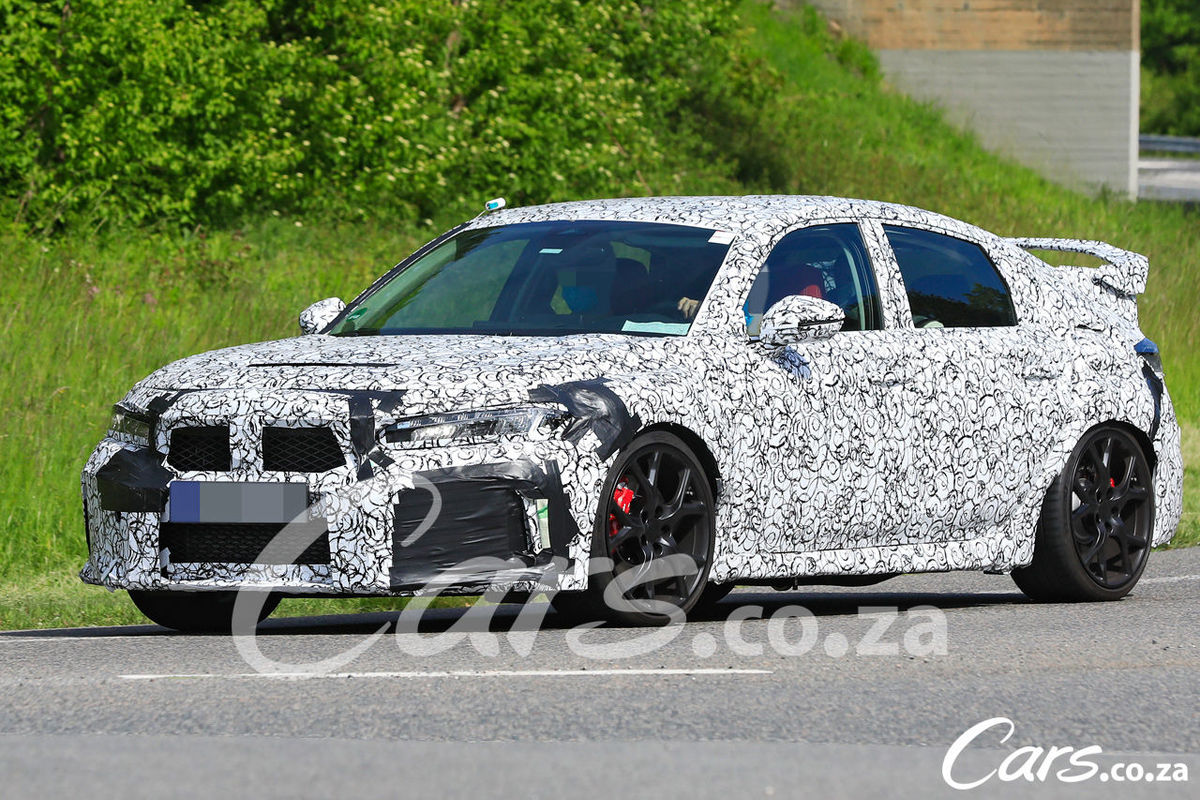
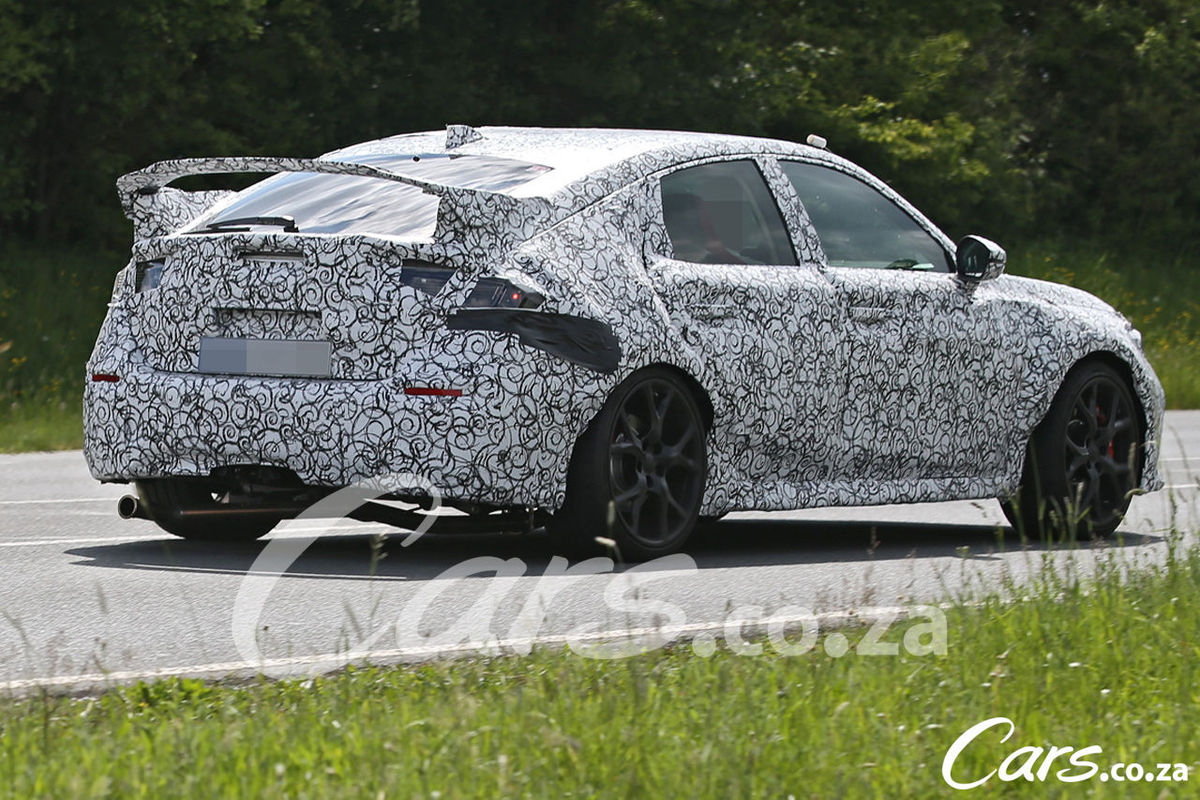
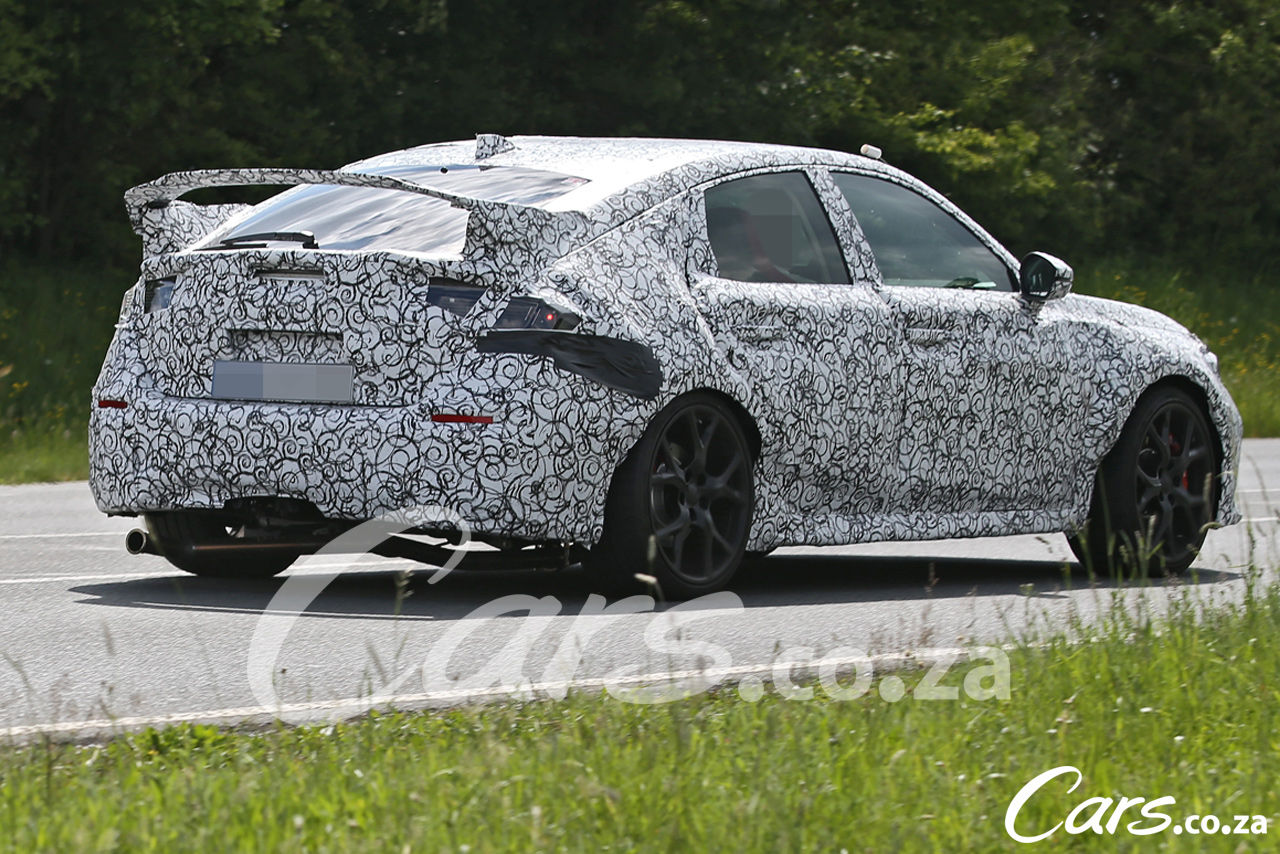
The first pictures of the next-generation Honda Civic Type R have emerged. Here's what we can expect from this high-performance vehicle.
Picture credit: S. Baldauf/SB-Medien. We have paid for these photos and at the photographer's request, have watermarked them.
The hot hatch world is constantly evolving and there's a constant stream of new models being released. Right now at the time of publishing (end of May 2020), we already have the Volkswagen Golf 8 GTI revealed, a new Golf 8 R due for imminent reveal as well as a facelifted version of the Hyundai i30N about to break cover.
Locally, we're expecting the RenaultSport Megane Trophy and Volkswagen Golf TCR to land on our shores in the next few months. In order to keep pace with such a fast-moving segment, Honda is already working on the next-generation Honda Civic Type R. What you see here is a heavily disguised prototype, which Honda tried to disguise as a BMW.
Despite the heavy camouflage, the shape is clear and we get some idea of the proportions. The rear wing is present but mounted differently. Both the headlights and taillights are of a new design too. In terms of performance, the jury is still out as to what engine will be found under the bonnet of the next-generation Honda Civic Type R. Some pundits have suggested that it will continue to use the 2.0-litre turbocharged 4-cylinder motor, but likely tuned for a bit more power as well as efficiency. The current outputs of 228 kW and 400 Nm are impressive, but will the front wheels be able to cope with more power?
The current versions all use a manual transmission and despite the market all moving towards automatics, Honda may introduce a dual-clutch transmission as an option. There's also talk of electrification. Imagine how fast a VTEC motor would be with electrification?
Watch this space! As always, we'll keep you posted if we hear of any news regarding the 2022 Honda Civic Type R.
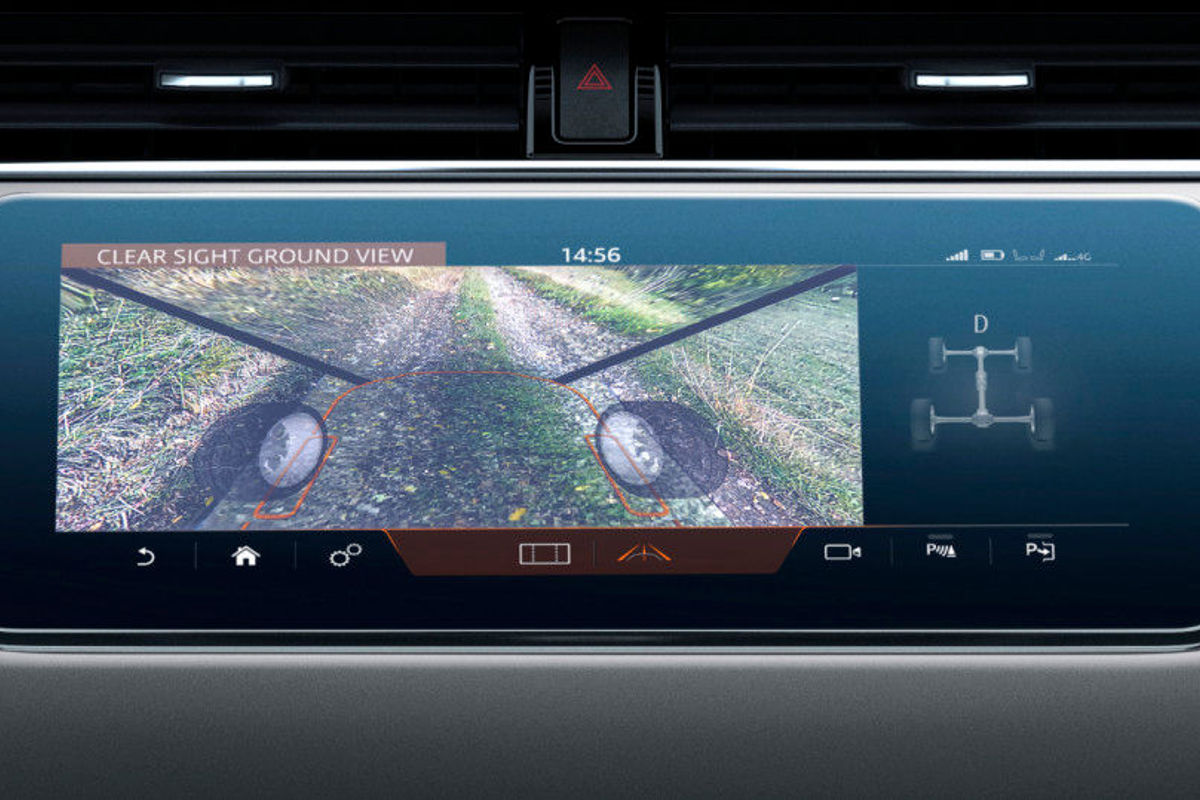
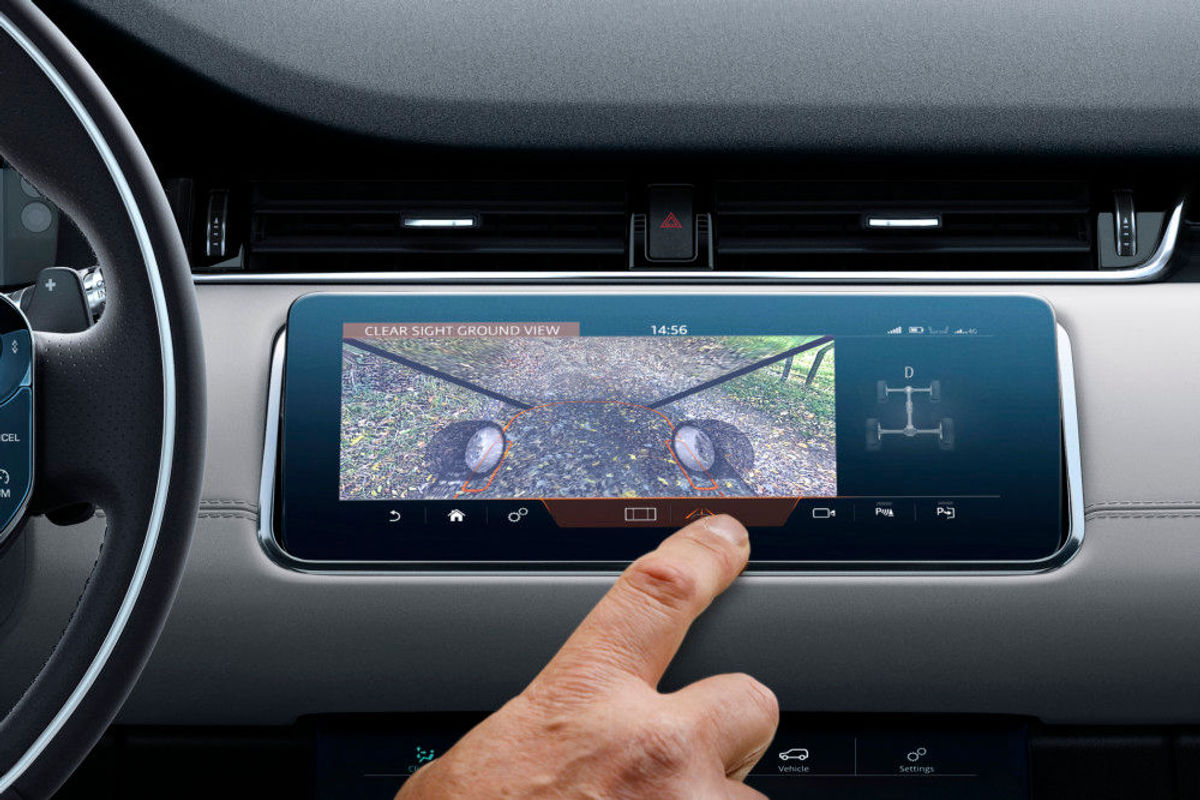
Land Rover’s impressive ClearSight technology will be offered on select models.
Land Rover is now offering its ClearSight Ground View and Rear View on select models including the Discovery Sport, Range Rover Evoque and forthcoming Land Rover Defender.
The ClearSight Ground View uses cameras in the front grille and side mirrors to create a 180-degree virtual view of what’s ahead and underneath the vehicle which is particularly useful if you frequently find yourself going offroad. Clearsight also makes the bonnet invisible which allows you to ‘see through’ the bonnet and look at what you are driving over. The view is projected onto the central touchscreen which makes it easy for the driver to see and react to obstacles.
The ClearSight Ground View is offered in conjunction with the optional 360° Surround Camera (R8 600) comprising 4 cameras that provide a birds-eye view of the vehicle and allows for various angles to be shown which allows the driver to manoeuvre out of tight parking spaces thus improving safety and reducing the risk of damage.
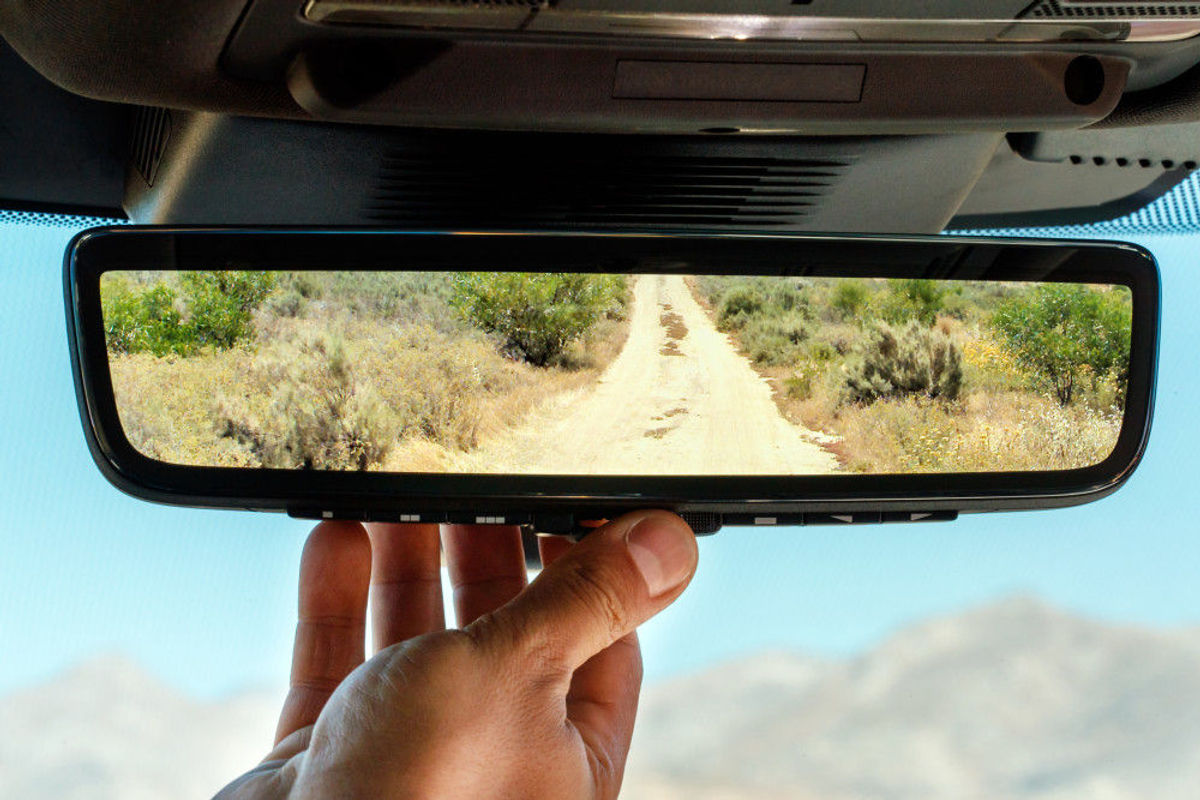
The ClearSight technology also includes a rearview mirror that can project HD video at the touch of the button. The ClearSight rearview mirror uses an additional camera mounted in the rear antenna roof pod and the video feed is projected onto the digital display in the mirror providing an unrestricted rear view even if the driver can’t physically see out the rear window. The camera also works well in low-light conditions. The camera itself is designed with a protective lip to prevent mud or water from obscuring the lens view and the lens also has a hydrophobic coating that repels water. The driver can switch back to normal mirror mode by flicking the switch under the mirror.
This ClearSight rearview mirror is standard on HSE variants as well as on the Evoque First Edition while being offered as an option on all other models.
Both these features are also expected to feature on the all-new Land Rover Defender which is due to arrive in South Africa in June 2020.
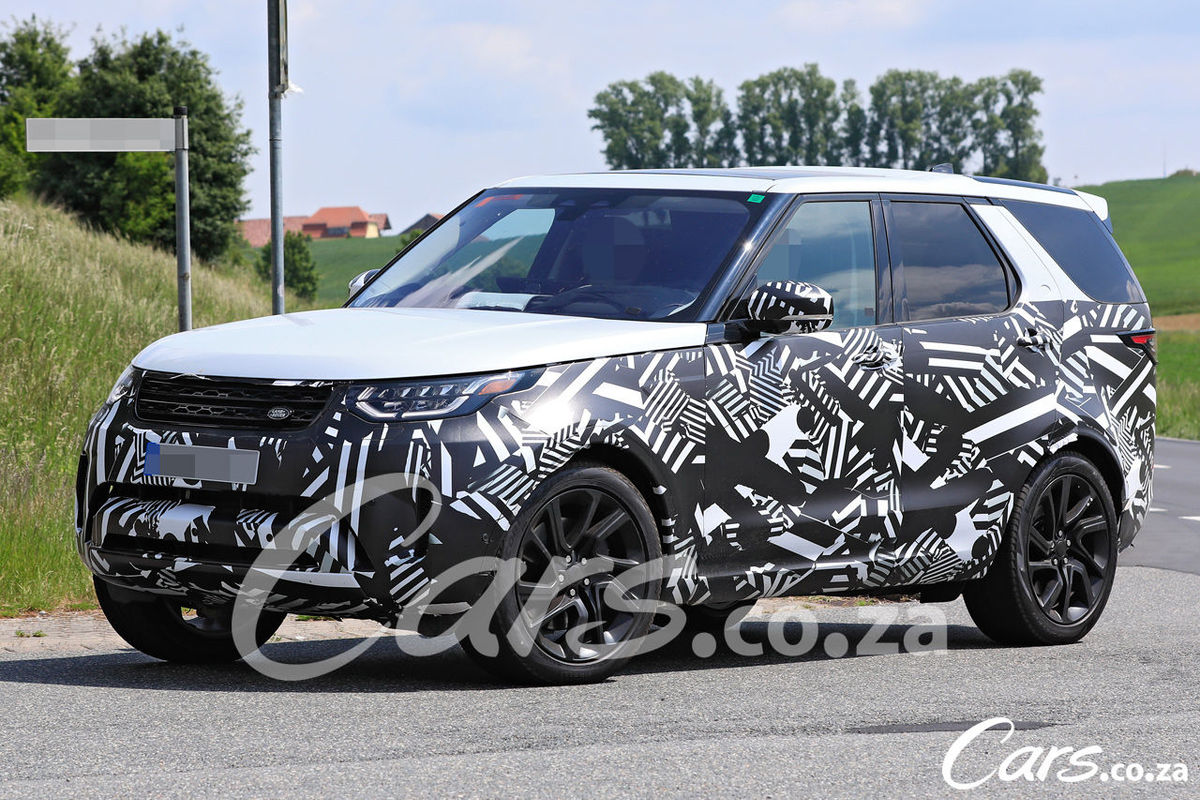
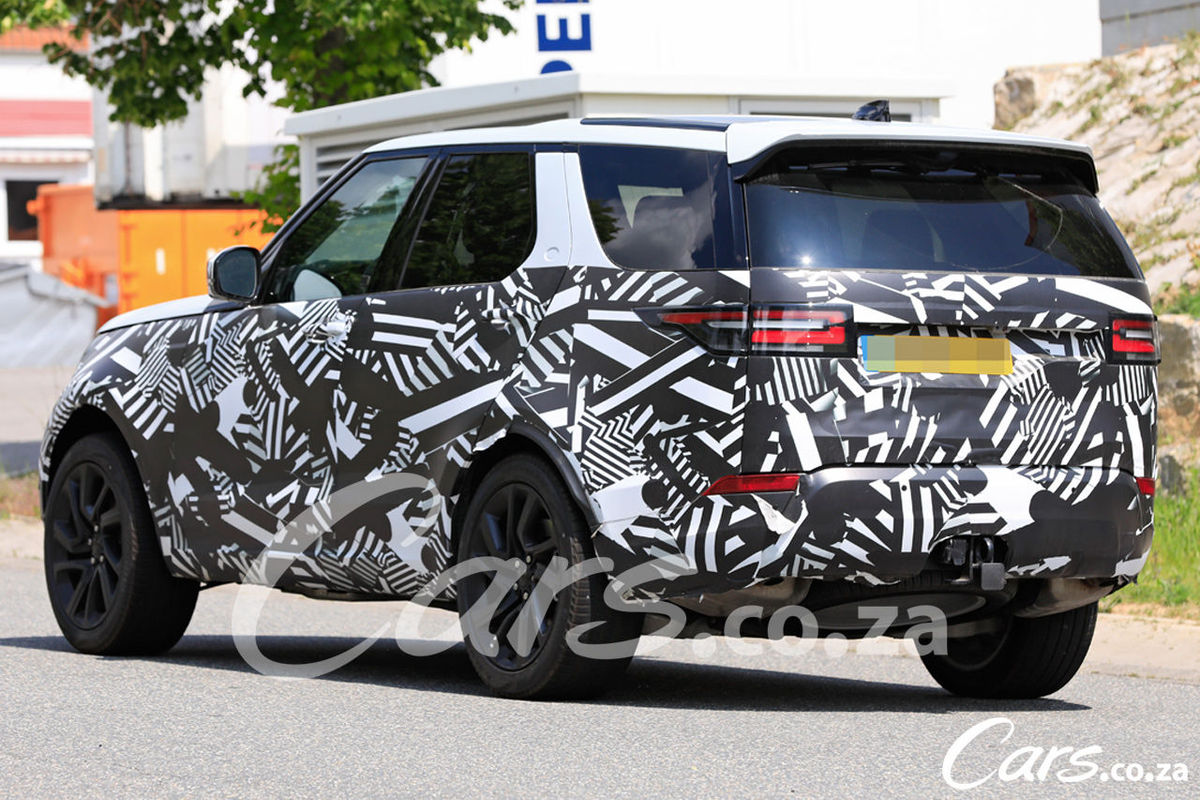
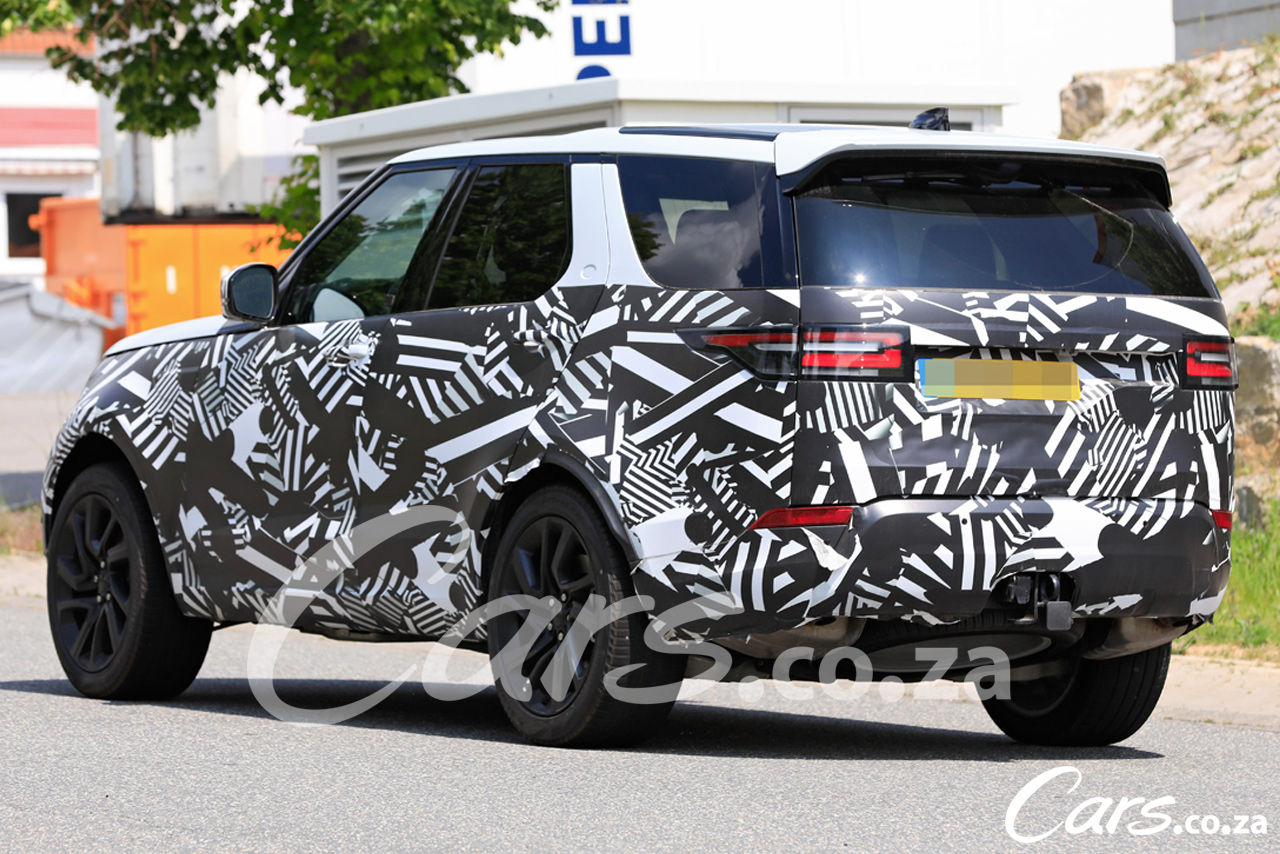
Work has begun on the updated Land Rover Discovery and it's expected to be revealed in 2022. Here's what we know so far.
Picture credit: S. Baldauf/SB-Medien. We have paid for these photos and at the photographer's request, have watermarked them.
First spotted on the roads of Germany, this is the 2022 Land Rover Discovery. After just 3 years on sale, Land Rover has started work on the facelift and at first glance, it appears that design-wise not much will change. The look has been very subtly altered and it appears the controversial rear has been retained. Perhaps this will change when the production model is revealed, as the rear wasn't well received.
Sources have suggested the real important changes will be under the skin and in the cabin. There'll also be a focus on greener and more efficient powertrains too, with 48-volt hybrid technology making its way into the Land Rover Discovery. There's already plug-in hybrid tech in the rest of the JLR portfolio and the Discovery will need to catch up.
Watch this space and as soon as we here more info, we'll update accordingly.
The Volkswagen T-Roc is due to arrive in South Africa this year and this Black Edition shows us the potential of Volkswagen’s new SUV.
The UK-only T-Roc Black Edition shows what the T-Roc SUV looks like with a few darker details such as a black grille, side mirrors and black roof rails. The Black Edition T-Roc also rides on 18-inch ‘Arlo Black’ alloy wheels. The dark look is further accentuated with rear privacy glass.
As for the interior, the roof lining is in black too and piano black finishing is found on the dashboard. A leather-wrapped steering wheel with contrasting grey stitching is also fitted. A number of optional features such as Vienna leather upholstery and a Beats audio package.
The T-Roc was supposed to be in South Africa already but due to the COVID-19 pandemic, its arrival has now been postponed to Q4. However, Volkswagen South Africa will be hosting an online premiere next month and we will then be able to confirm local engine choices, specification and exact launch details. Stay tuned for updates!
Much is expected of the next-generation Mercedes-Benz SL, which will revert to a soft-top sportscar configuration and underpin future AMG GT derivatives. Design-wise, it will incorporate cues from the iconic ‘50s original, says Gorden Wagener, which augurs well for the upcoming model's kerb appeal.
Speaking to Autocar recently, the Mercedes-Benz design chief said the 7th-generation SL (codenamed the R232), which is expected to be unveiled in 2021, will return to its sportscar roots. This will not only apply to its sinuous styling, however – the new model is reportedly being developed in conjunction with AMG and may ultimately replace the S-Class Cabriolet.
It was recently reported that Mercedes-Benz would “dramatically reduce” its model line-up to decrease complexity/increase profitability as part of the Stuttgart-based firm’s new focus on launching electric vehicles; in light of that news, few would have been surprised if the now slow-selling SL ended up being retired, just like its SLC baby brother was.
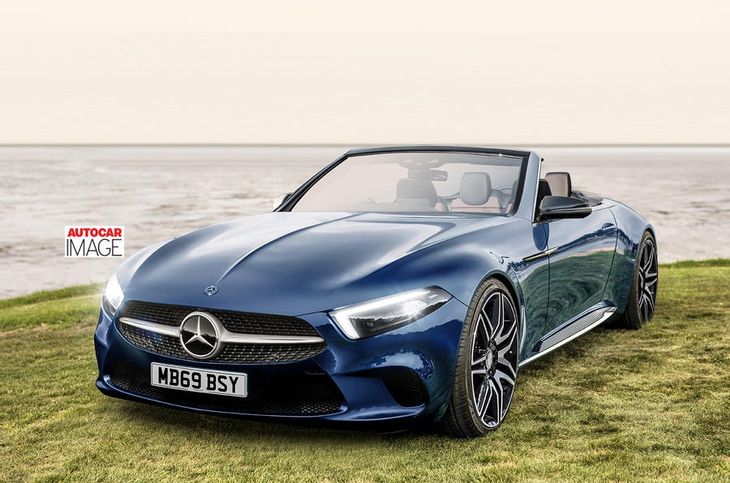
This is what Autocar believes the upcoming R232 will look like. The original image appears here.
But don’t fear, SL fans… The next-generation SL is definitely coming and it will be based on the aluminium-intensive MSA (modular sports architecture) platform, which Mercedes-Benz’s Affalterbach-based AMG division will also use to produce the next generation of the GT (and its variants).
What’s more, like the upcoming BMW 4 Series Cabriolet derivative, the next SL will feature a lighter folding soft-top instead of the retractable hardtop (Vario Roof), which has featured on the iconic model since the 5-generation R230.
Based on spy photographs, the model will feature a classic long bonnet, a sharp nose and cab-back profile, but it will lose that fleshy rump/three-quarters that designers have been obligated to add to the SL's shape to help accommodate the bulky mechanical components of a retractable hardtop in addition to availing usable measure of boot space. The newcomer could look like the render at the top of the article (published by Future Cars Nowon Instagram)…and Autocar's render looks even better.
The SL won’t be a full roadster however, it will have a 2+2 seating configuration, although the rear seats will be small (more suited for children), which would make it marginally more practical than the current car (for what that’s worth).
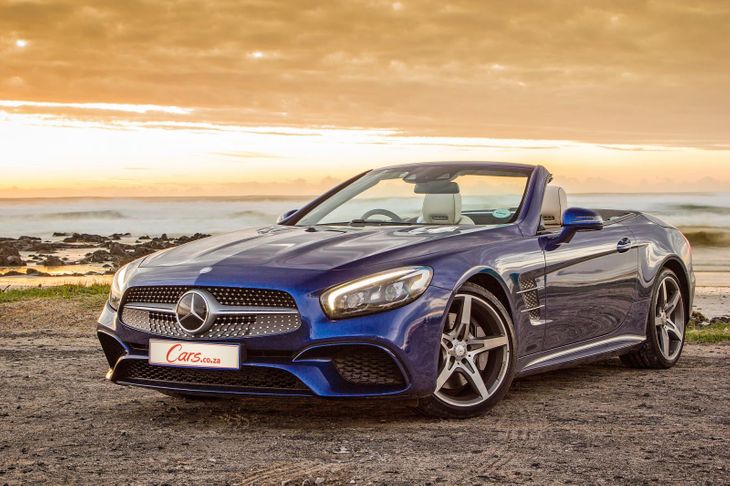
Through the generations, the SL has grown in dimensions and morphed into a grand tourer. We tested the SL500 in late 2016.
But what about the looks of the R232, which, to many, are all important? Since the curvy Fifties and Sixties models, the SL first became blockier (with the R107 “Bobby Ewing” or “Panzerwagen” model), then longer and portlier (from the Nineties R129 and Noughties R230) and finally, the much-criticised bluff-nosed and cumbersome boulevard cruiser that is the R231 came to market in 2012; it was then facelifted in 2016.
“For me, the most beautiful SL is the original model,” Wagener told Autocar. “We’ve taken some of that DNA, starting with the proportions, the surface treatment, things like that. In that respect, the new SL is probably the closest to the first one ever.”
Great. And, although the SL will share its platform with the next GT/GT C Roadster, they will remain very distinctive products. Wagener added: “The GT is more of a race car and the SL is more of a sports car. You will clearly see the differences.”
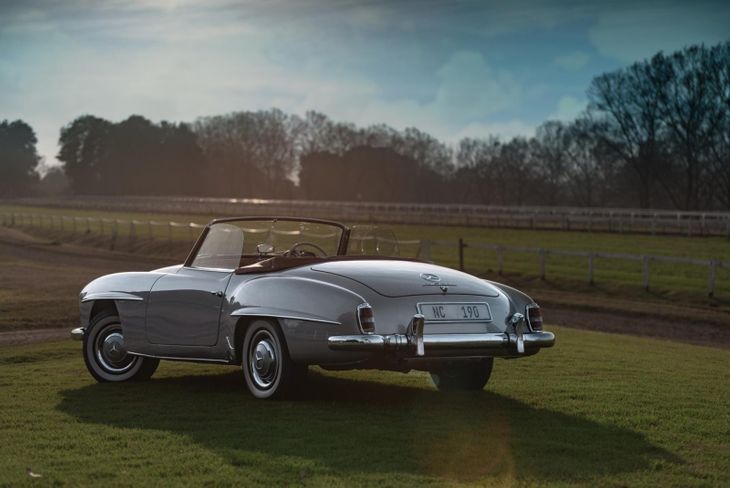
Manana Nhlanhla's beautiful and iconic 1959 Mercedes-Benz 190SL was featured in the 6th episode of SentiMETAL.
Remember, the R232 will be a luxury car first and foremost. Such is the stiffness of the upcoming SL’s all-aluminium architecture that the package won’t suffer an insurmountable loss in torsional rigidity without a folding hardtop. Plus, advances in materials technology mean the designers believe they can achieve close to the R231’s noise-suppression qualities with a weight-saving soft-top, Whichcar reports.
We also expect that the SL, like the next-generation S-Class, will incorporate Level 3 Highway Assist autonomous driving technology, the next version of AirMatic+ active suspension (which scans the road to pre-arm the air suspension and dampers for bumps ahead) and perhaps even active anti-roll bars that facilitate flat cornering at a wider variety of speeds. Cabin materials and finishes will be first-class.
In terms of powertrains, the next-generation SL and its AMG siblings are likely to share axle assemblies, suspension, steering systems, a 48V electric architecture, as well as turbocharged straight-6 and twin-turbo V8 hybridised powerplants.
600-kW flagship
The Australian publication is mooting a range-topping EQ Power plug-in hybrid SL. The derivative, which may be badged the SL73, could combine a 470 kW/900 Nm M178 twin-turbo V8 with e-motors on both axles to produce approximately 600 kW in total.
“It’s kind of a burden to be responsible for the SL, but we had to make sure this iconic car had a bright future,” AMG boss Tobias Moers said earlier this year. “The weight of responsibility is heavy but what we’re doing is good. We are taking the new all-aluminium SL back to its roots: more sporty, but also better for everyday use.”
One of the world’s most iconic sportscar brands is facing a crisis.
After years of unstable profitability and a collapsing share price, Aston Martin has indicated that a management change is at hand.
The company has said that it will comment on the exact management changes, at an ‘appropriate time’, but there is no disguising the sense of dramatic action waiting to be taken. A decision was made on the 25th May 2020.
Aston Martin’s boss, Andy Palmer, is believed to be an issue for the consortium of majority shareholders, which include Canadian billionaire (and Racing Point F1 owner), Lawrence Stroll. Under Palmer’s management, Aston Martin’s has suffered a crushing 90% reduction in its listed share price value and as a result, the decision has been made to replace him. Palmer has been at the head of Aston Martin since 2014.
Where Aston Martin’s immediate crisis management could become interesting, is AMG. The German Mercedes-Benz subsidiary already supplies Aston Martin with engines (and has a 10% stake in the business) and it is there that we find Palmer's replacement, Tobias Moers (head of AMG). Moers will take Palmer’s job at Aston Martin effective of 1 August 2020.
It will not be the first time Aston Martin is run by a German. The company’s modern revival happened under the management of Ulrich Bez and it is thought that someone with a proven track record, such as Moers, could save Aston Martin.
There is no questioning the credentials of Moers, who has achieved enormous success in terms of technological development and profitability at AMG. Entities and individuals who have invested in Aston Martin will be desperate to see a reversal in fortunes for the storied British brand, which has suffered bitterly with cash flow and the challenging of sustaining its R&D for future models, during the global health crisis.
Before becoming the boss of Aston Martin, Andy Palmer had spent most of his career at Nissan, in its truck and bakkie division. Palmer indicated that he wished for Aston Martin to develop its own V6 hybrid engine, reducing dependency on AMG, but this was unlikely under the realities of Aston’s limited budget.
Moers has a much truer background to manage Aston Martin than Palmer ever had. The German joined AMG as a junior engineer in 1994 and has been evolving with the powerful performance car brand, even since.
Aston Martin is expected to confirm the appointments soon, despite rubbishing most claims as mere speculation.
Good news as licence centres will be reopening from the 1st June 2020.
COVID-19 has really disrupted our way of life, but slowly and surely, things are reopening. Since the Lockdown was dropped to level 4, we've seen some car factories come back online albeit in reduced capacity and dealerships have started trading again. Now, it appears licence centres will be reopening from the 1st June 2020.
The Minister of Transport Fikile Mbalula said, "Driving licence testing centres, registering authorities, vehicle testing stations and driving schools will resume their services with effect from 1 June 2020. No person is allowed to enter centres, registering authorities, vehicle testing stations and driving schools if they do not wear a cloth facemask.” He added that if centres do not follow guidelines, they will be forced to close.
Due to the Lockdown, there's now a massive backlog and the introduction of a computerised learner testing system will help alleviate some of that backlog. If you weren't aware, all licences that had expired during the Lockdown have been extended for a further 90 days.
Volkswagen's electric-vehicle future is threatening the survival of the Wolfsburg-based brand's most iconic model. As VW looks for a way to recoup the costs of developing a range of new EVs, we could be witnessing the beginning of the end of the Golf dynasty. Lance Branquinho delivers the killing blow.
Many years ago, I stood on the balcony of a venue in Sandton and chatted to the lead engineer for one of Germany’s most regarded car manufacturers.
Without other staff in earshot, I ventured a daring question. “What do you think is the best car in the world.” His response came tersely: “The Golf 7. It has no apparent weaknesses.”
I considered his answer to be of great value and authenticity. Here was a technical expert, who designed cars that competed directly with VW models, admitting what industry insiders had suspected: Wolfburg’s most iconic car had matured into the world’s best car.
But VW’s Golf has a problem. It might have become too good for its own good. And that is placing VW’s marketing strategists and product planners in an unenviable position: how do you plan the endgame for your best vehicle? This dilemma came to the fore this week when a report surfaced in which the brand's head of sales and marketing was asked if he saw a future for Golf. His answer was: “probably not.”
Formulating the problem is simple: VW is betting everything it has on electric vehicles over the next decade, and Golf is not part of that strategy. So, if you are a fan of the world’s most famous hatchback range, what does that mean?
Golf starting to fade away
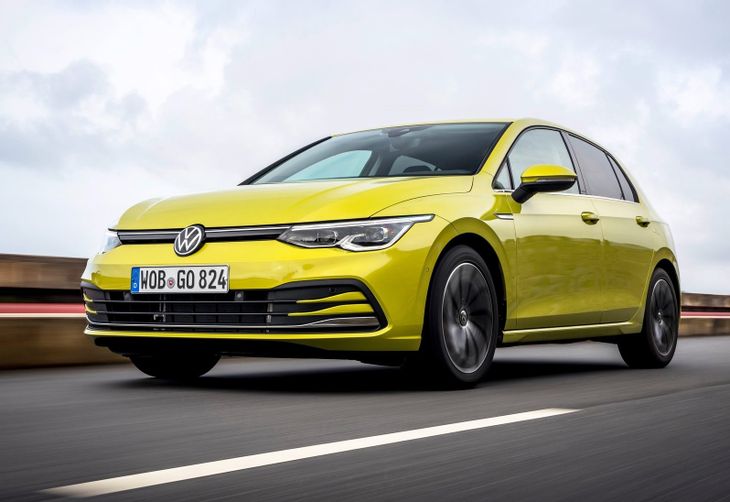
Golf 8 looks like it will be the penultimate edition of the iconic nameplate.
The current Golf has experienced predictable sales erosion, due to the crossover/SUV affect. For VW’s business, this has not been an issue in absolute terms: if buyers are choosing Tiguan instead of Golf, the result remains the same: a sale for the brand.
Where things risk becoming a lot more final, in terms of the Golf’s future, is VW’s obsessive electric-car strategy. The modelling works on a scenario in which electric vehicles account for nearly half of all VW sold, per annum, by 2030. At the moment, electric sales are only 4% of the global total. Clearly, a lot has to happen in the next few years.
None of the world’s most significant car companies has initiated a powertrain electrification strategy quite like VW's. The company plans to have 300 electrified vehicle derivatives, across 12 model ranges, 10 years from now.
As VW’s research and engineering resources are diverted into electric cars, Golf becomes an issue. There is a battery-powered version of the current Golf 7.5, powered by a 100-kW electric motor, with an optimal driving range of 200 km. Those figures make the e-Golf mildly impressive, at best. It was added to the Golf lineup as a customer research effort, more than anything else; it was never intended to be a serious volume seller.
The Golf 8, which is due to be launched in South Africa early next year, does not feature an e-Golf derivative – even in markets where recharging infrastructure is excellent. And this is very telling. It shows how VW’s product planning, for Golf, has changed in only a single product lifecycle: Golf 7 was considered for electrification, with Golf 8, VW’s not even trying. There will be a few hybrids, but no Golf 8 derivative will run solely on battery power like e-Golf did.
ID is everything
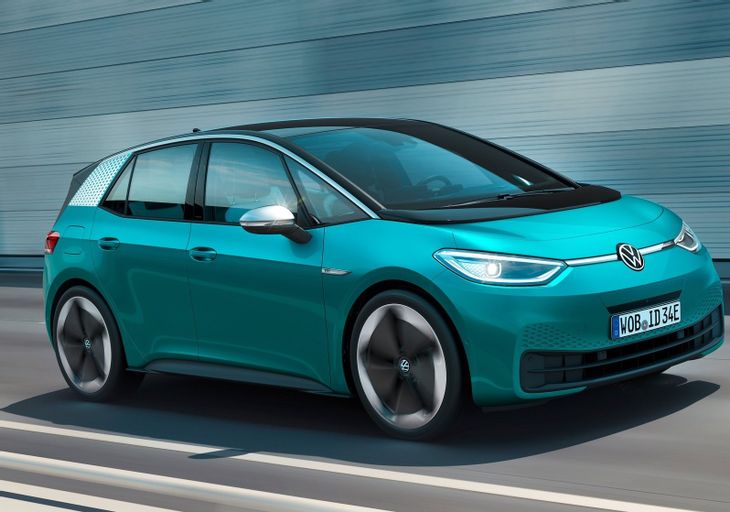
This ID3 seems to be Golf's ultimate successor.
If Golf was VW’s most successful global car in the 2000s (one that drove a tidy revenue stream to settle VW’s cash-hungry R&D requirements,) its replacement in that role, for the 2020s, will be ID3. VW is leaving nobody in doubt that it wishes to be the electric car for most early adopters, in the world’s most advanced markets.
Championing this cause will be ID3. Measured in size and considered in terms of passenger configuration, ID3 is clearly an enormous internal rival to Golf 8. VW’s betting its future on electric vehicles and in a cruel twist of irony, that means potentially sacrificing its most iconic car: the Golf.
By not offering a pure-electric Golf 8, the signal from VW to its customers is clear: if you have access to quality recharging infrastructure and localised electric-car incentives, buy an ID3.
Globally electric car growth will be small, but in the world’s most robust new-car markets, it could become telling. North America and China are the 2 most important regions if you want to make serious money by producing cars, and both are incentivising the move to electric vehicles.
Hatchbacks aren’t popular in either America or China, but electrified versions could influence traditional buying behaviours. Especially among a younger target audience; one that values technological innovation and wishes to express individualism and awareness by not driving the vehicle types their parents do (or did).
American and Chinese buyers, who would have considered a sedan, SUV, crossover or bakkie, might be swayed by the presence of a capable new battery-powered hatchback. Especially if it is the first of its type, without any alternatives.
ID3 affords VW the opportunity to conquer more new customers, and in its 2 most important markets (America/China) than Golf 8 could ever do. Having a true electric vehicle in a hatchback configuration will give VW a product that Tesla doesn’t have and VW CEO, Herbert Diess, has been clear that Elon Musk’s company has been its benchmark for battery cars.
Parallel platforms are pricey
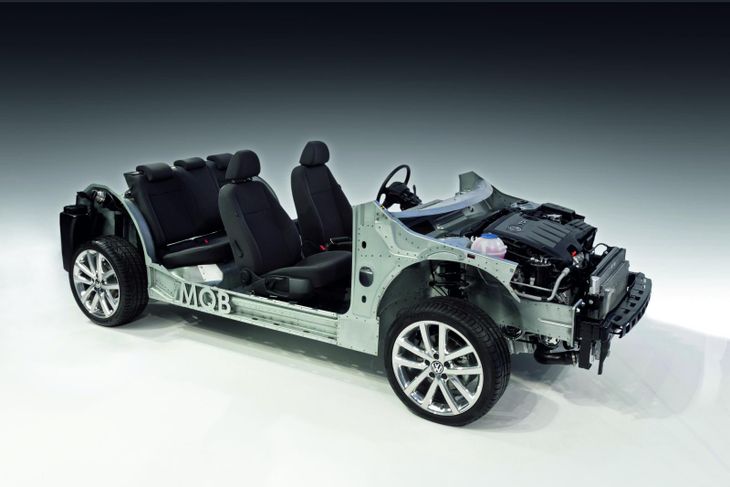
The MQB platform cost R950 billion to produce.
Loyal VW followers must be wondering: “Why not just completely electrify the Golf 8 and leverage its legacy?” Cost, complexity and duplication are the issues. Few companies spend more money developing new vehicle architectures than VW.
What made the Golf 7 so peerless, was its MQB platform, which cost a massive R950 billion to develop. And that money was spent delivering petrol- and diesel-powered hatchbacks and SUVs (Tiguan) to market, with no provision for battery power. As mentioned: the e-Golf was an environmental relations effort and definitely compromised in terms of its packaging and range.
The simple truth is that designing a vehicle architecture that plays nice with both internal-combustion and pure electric powertrains, is virtually impossible. Hybrids are an inevitable compromise and unable to harness the full potential of pure battery power, especially in terms of packaging and weight distribution.
VW can’t afford to keep investing in 2 highly sophisticated platform architectures, which deliver cars of the same size and relative price, aimed at similar buyers. The amount of money spent on ID3’s new MEB architecture precludes VW’s board from even contemplating the future of Golf as its premium hatchback offering.
Over the next decade, VW must recover the development costs for its electric vehicle platforms. That means maximising the sales and profitability of vehicles such as ID3, by sacrificing the future of Golf 8 (and 9) in places such as Europe, where Golf has always traded very strongly.
MEB platform will need to be the VW group's new focus, at the expense of traditional models.
In South Africa, where the Golf has been the premium hatchback of choice for decades (especially in GTI guise), the question of ID3 is less clear. A coherent electric vehicle strategy is still amiss from government, which means our local market will remain one of VW’s stronger Golf retail regions, with minimal interference from ID3.
Every vehicle has a lifecycle. Some endure much longer than others. VW should know. The Beetle is iconic and survived many decades. VW’s most profitable asset, Porsche, has another true survivor in its portfolio, the 911.
But for Golf, the future is narrowing. Current vehicle lifecycles are about 7 years. If Golf 8 arrives here by 2021, it should be replaced in 2028. That vehicle, a probable Golf 9, could quite possibly become the final Golf.
The future of Golf in South Africa will depend mostly on the government’s electric-vehicle incentives. If significant progress is made towards localised power generation and distribution, recharging stations could proliferate. That might balance VW’s local strategy to become more ID3-focused over the next decade, which will, as a consequence, hasten the Golf’s retirement.
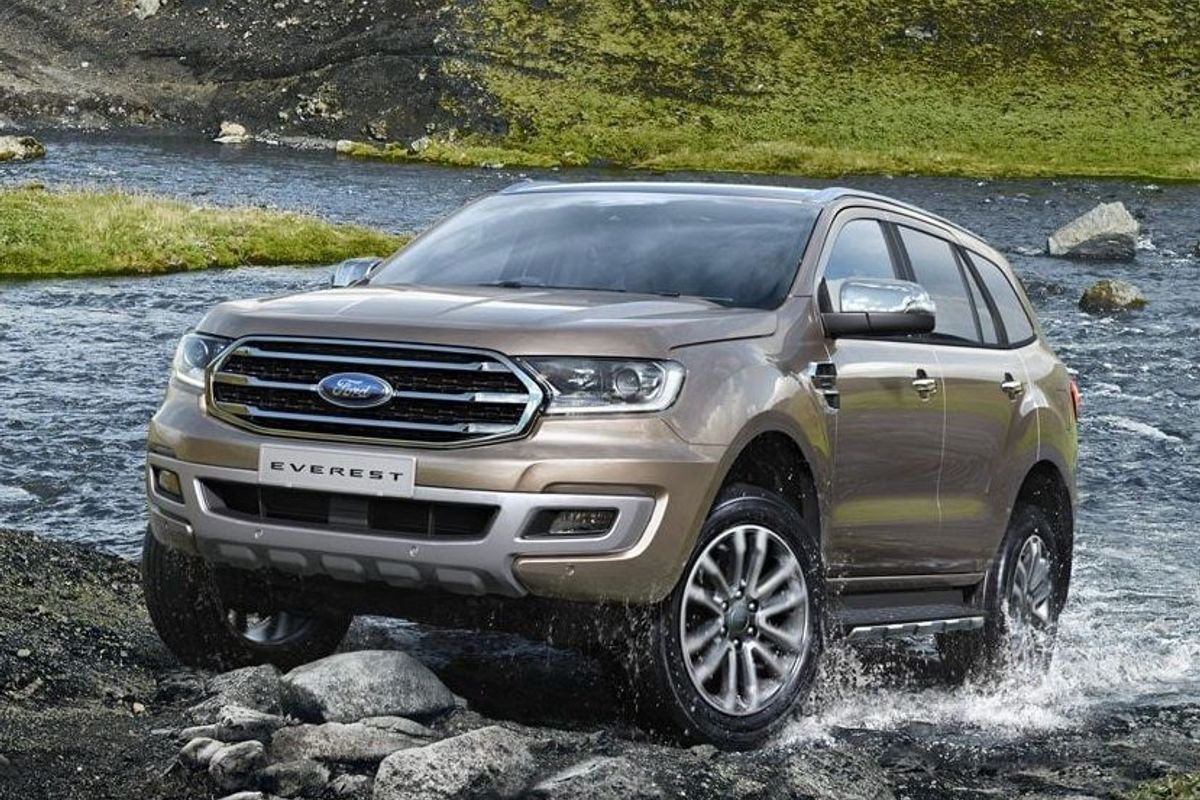
Thanks to a substantial leak, we now know what Ford will be doing with its 2022 Everest. Here are all the details regarding the updated 7-seater SUV.
We compiled a very detailed report on the 2022 Ford Ranger, which you can read here. Now, thanks to the same source, we get some insight on what the future holds for the 2022 Ford Everest.
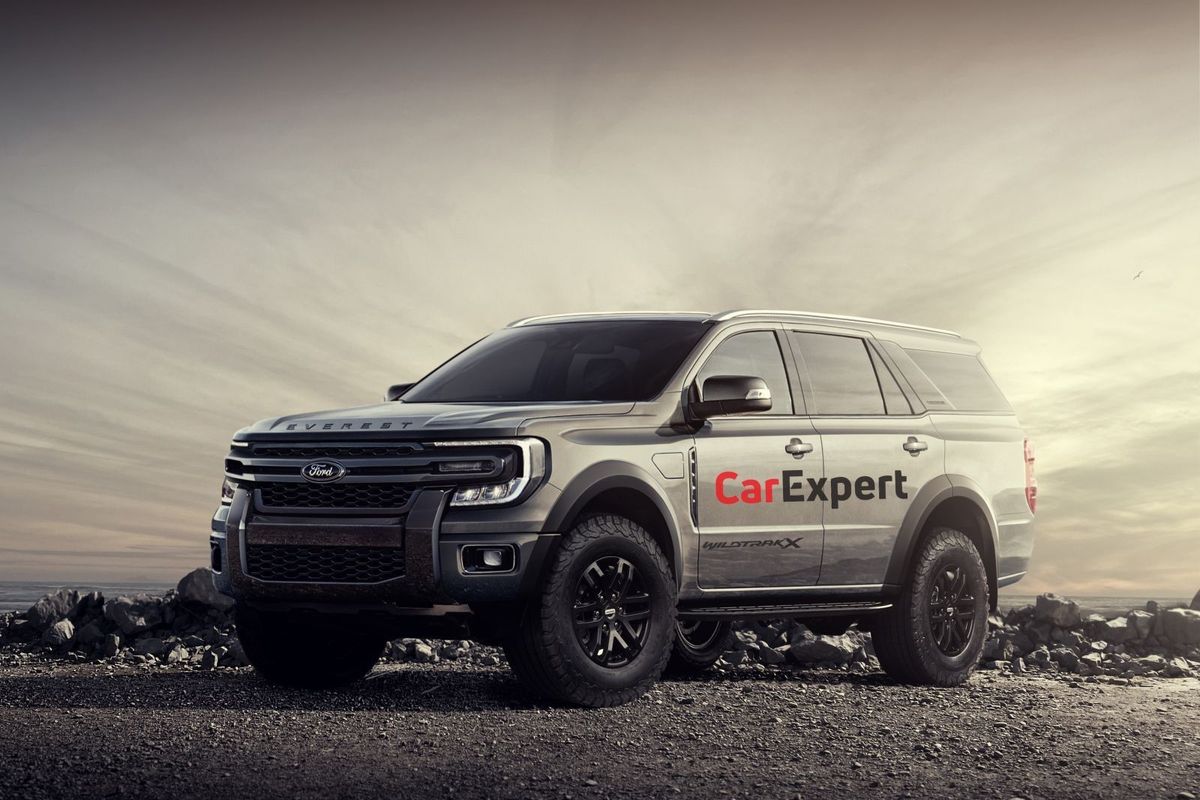
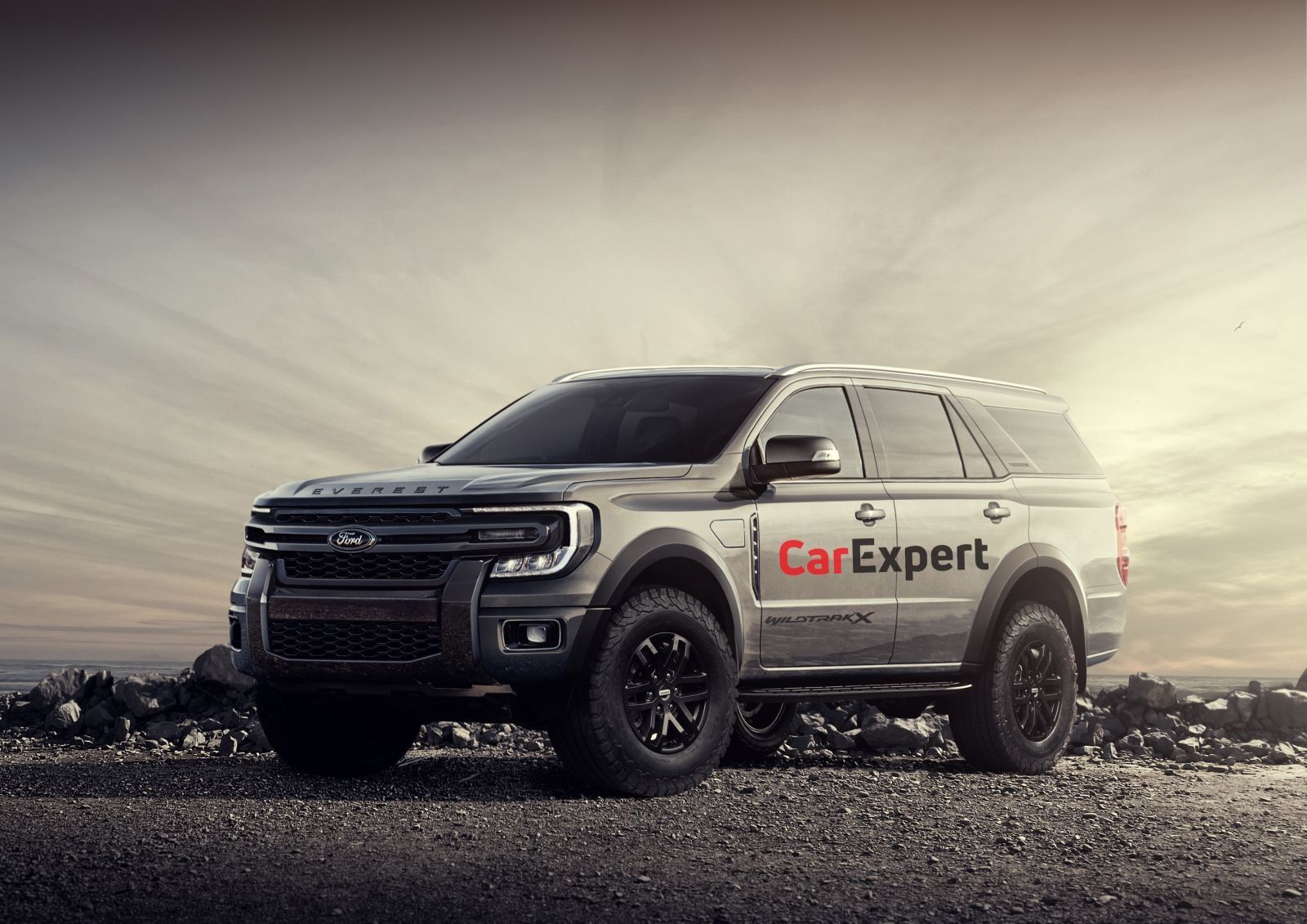
CarExpert.com.au has supplied comprehensive details including powertrains as well as levels of trim. The big changes are the introduction of a new 6-cylinder diesel engine as well as a plug-in hybrid petrol option. In terms of the fun stuff, it's claimed Ford will be giving its Everest a bit of a Raptor vibe with what's being called the 'Wildtrak X". It will also gain a tech upgrade with a larger infotainment screen, SYNC4 and wireless Apple CarPlay/Android Auto.
The venerable 3.2-litre 5-cylinder turbodiesel motor will be discontinued, with the engine lineup focusing on the current 2.0-litre twin-turbocharged diesel setup. This motor has 157 kW and 500 Nm, and that's mated to a 10-speed automatic transmission. A 6-cylinder turbocharged diesel motor makes its debut in the 2022 Ford Everest and the article claims healthy outputs of 186 kW and 600 Nm. Engine fanatics will be pleased to know this is one of Ford's Power Stroke motors and it can also be found under the bonnet of the Ford F-150. This engine gives the F-150 a tow rating of just over 5 tons
Now, this is where things get interesting. While Ford South Africa doesn't offer a petrol-powered Ranger in its portfolio, there is a 2.3-litre turbocharged 4-cylinder motor available for its overseas markets. For the 2022 Ford Ranger, this motor will be paired to a hybrid plug-in system and the claimed numbers make for fascinating reading. How does 270 kW and 680 Nm grab you? What about the claimed combined fuel economy of just 3.0 L/100 km? We know Ford globally is pushing electrification hard, with the reveal of the Mustang Mach-E and the rest of the portfolio is due to receive some form of plug-in hybrid tech sooner rather than later.
The 2022 Ford Everest Wildtrak X will be offered with the 6-cylinder turbodiesel engine and given Bilstein shocks, BF Goodrich all-road tyres as well as rock sliders. This sounds like Ford is attempting to make a high-performance offroad version of the Everest, which sounds like a lot of fun. It's already capable in standard guise, so we're keen to see how it will perform with more appropriate suspension and purpose-built rubber.
A render of the 2022 Ford Everest Wildtrak X, complete with offroad tyres.
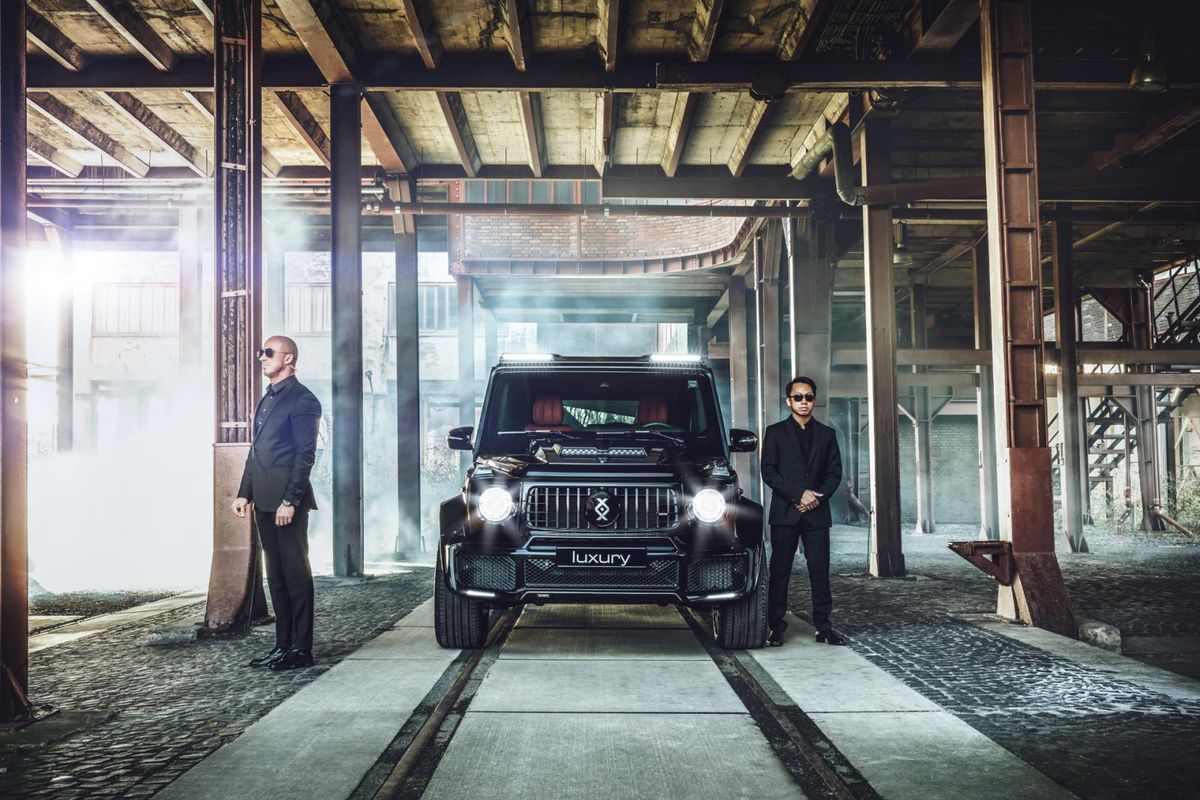
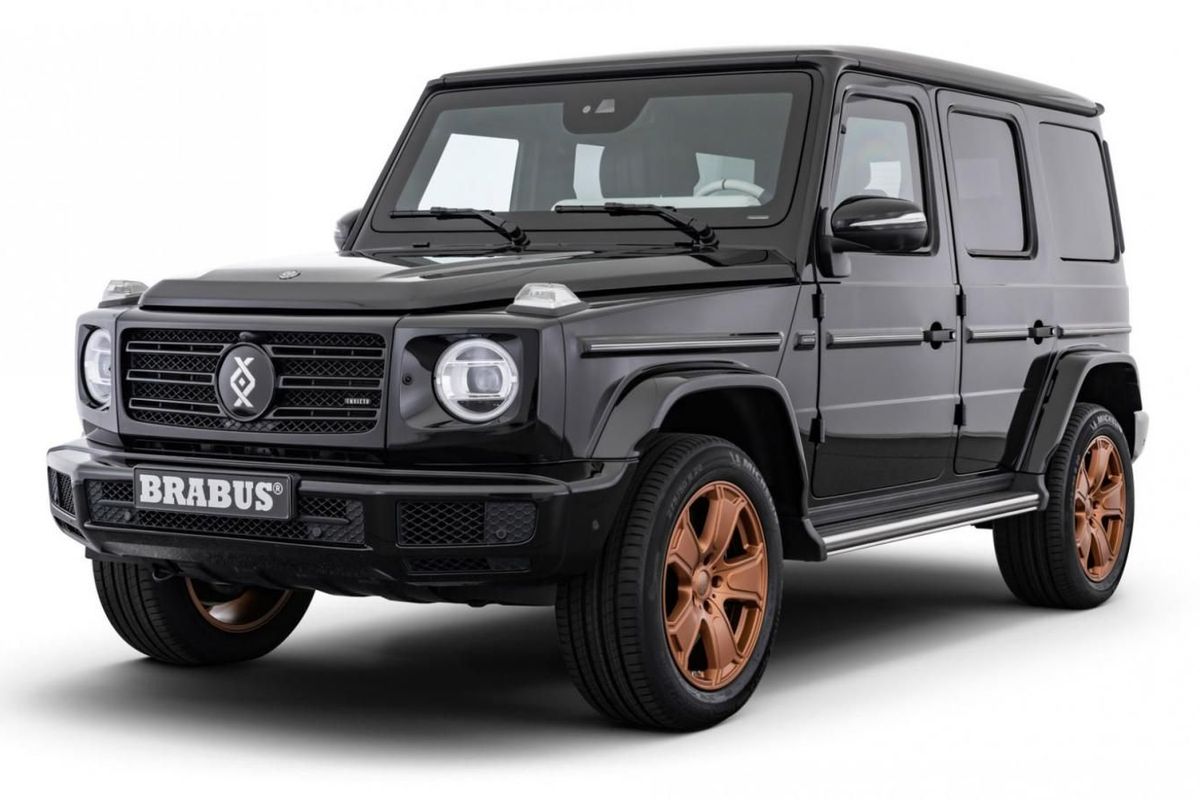
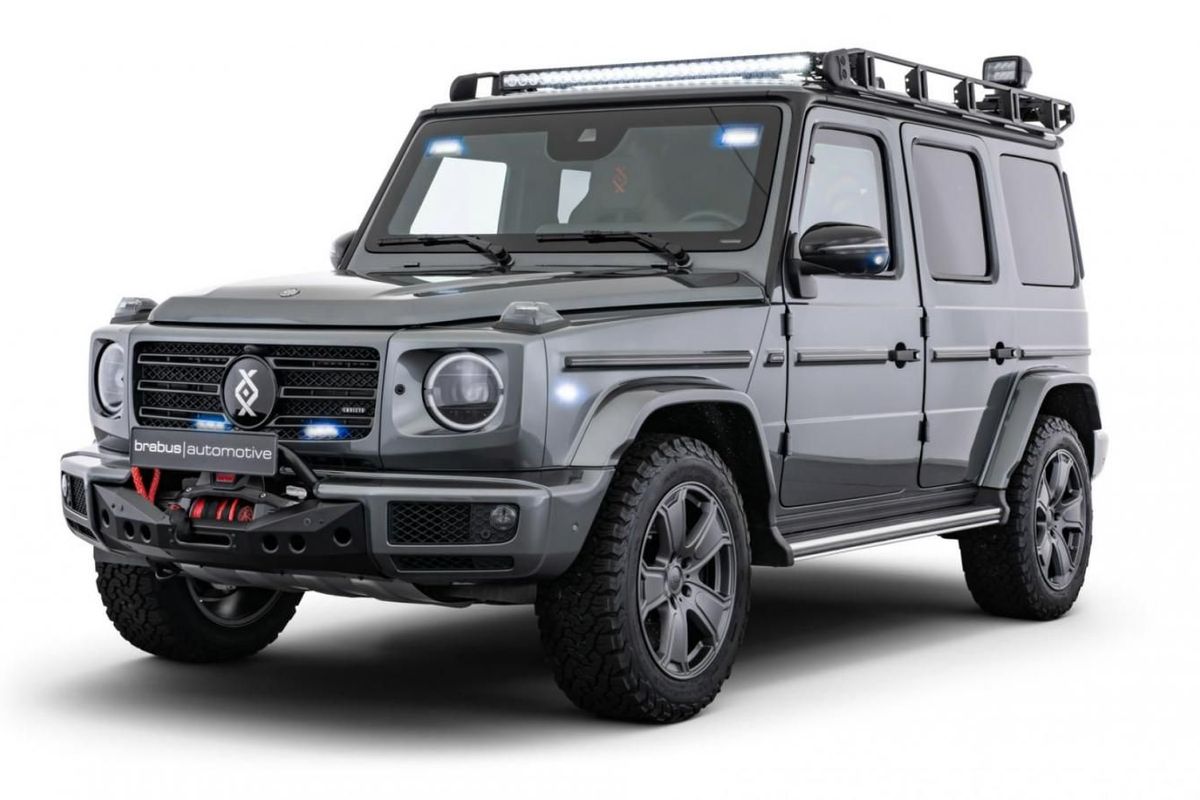
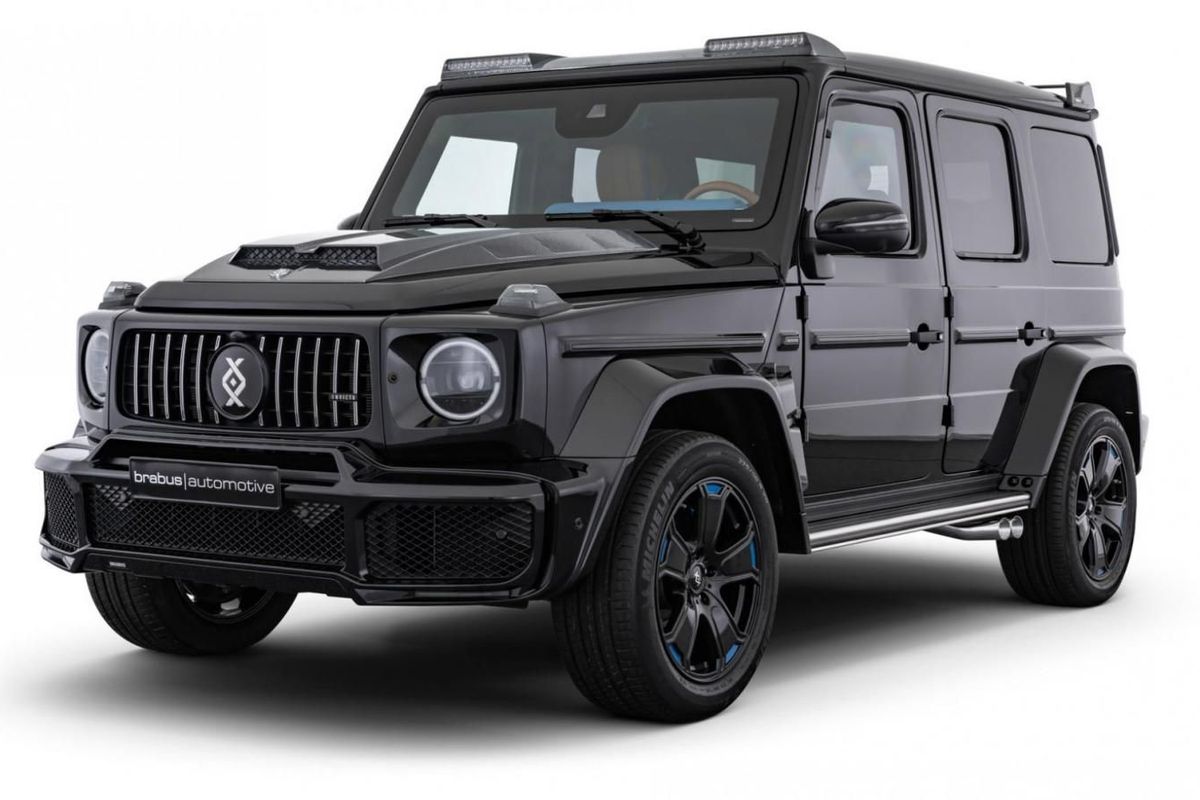
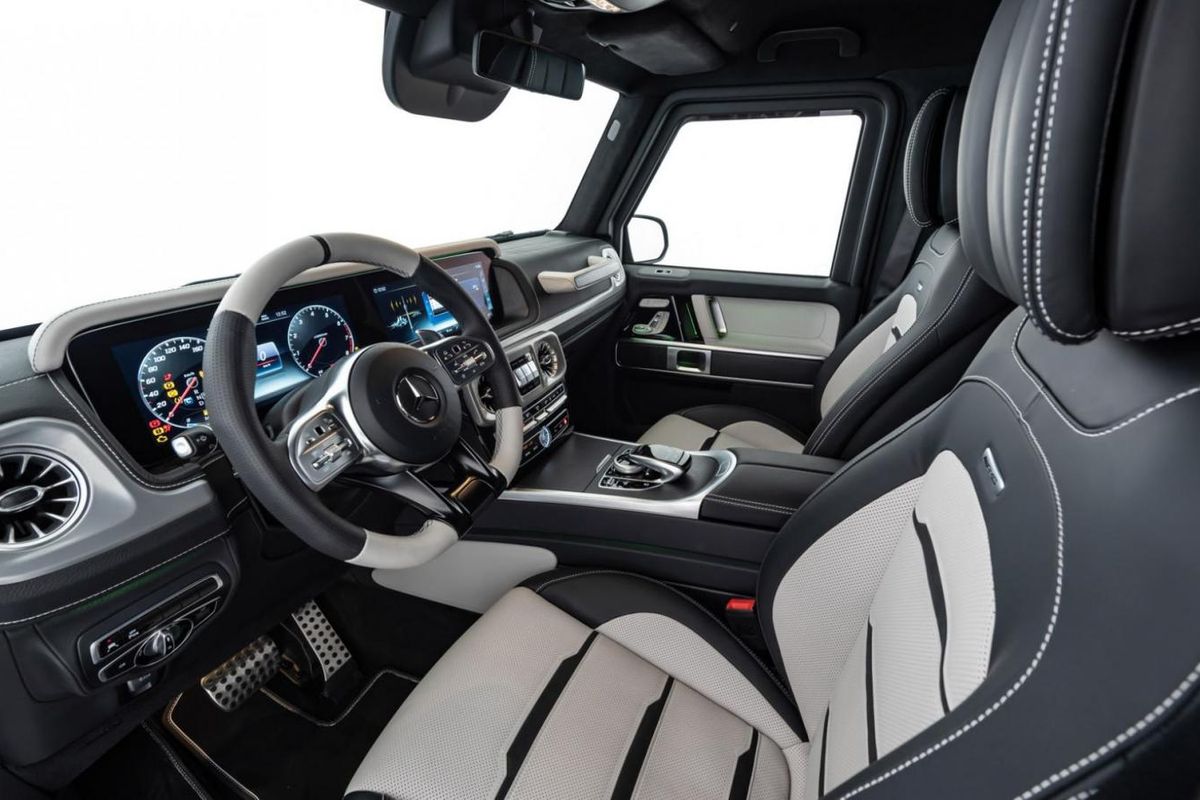
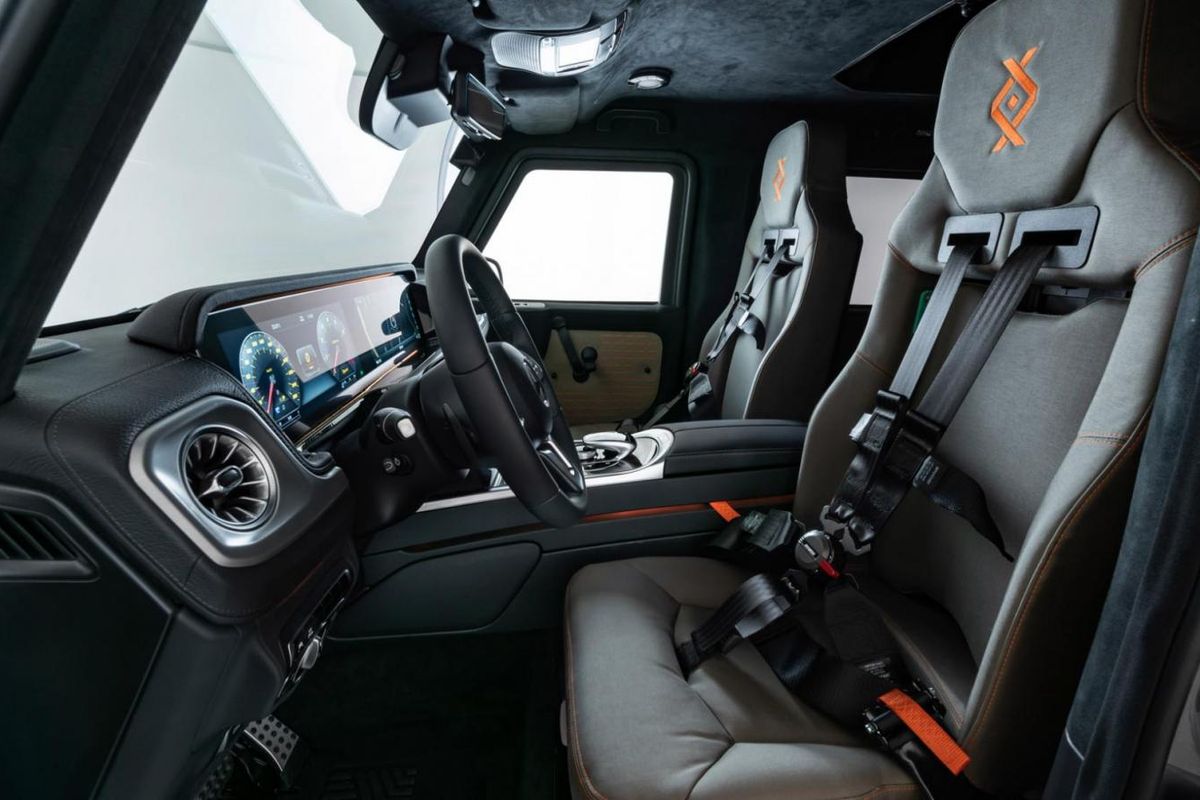
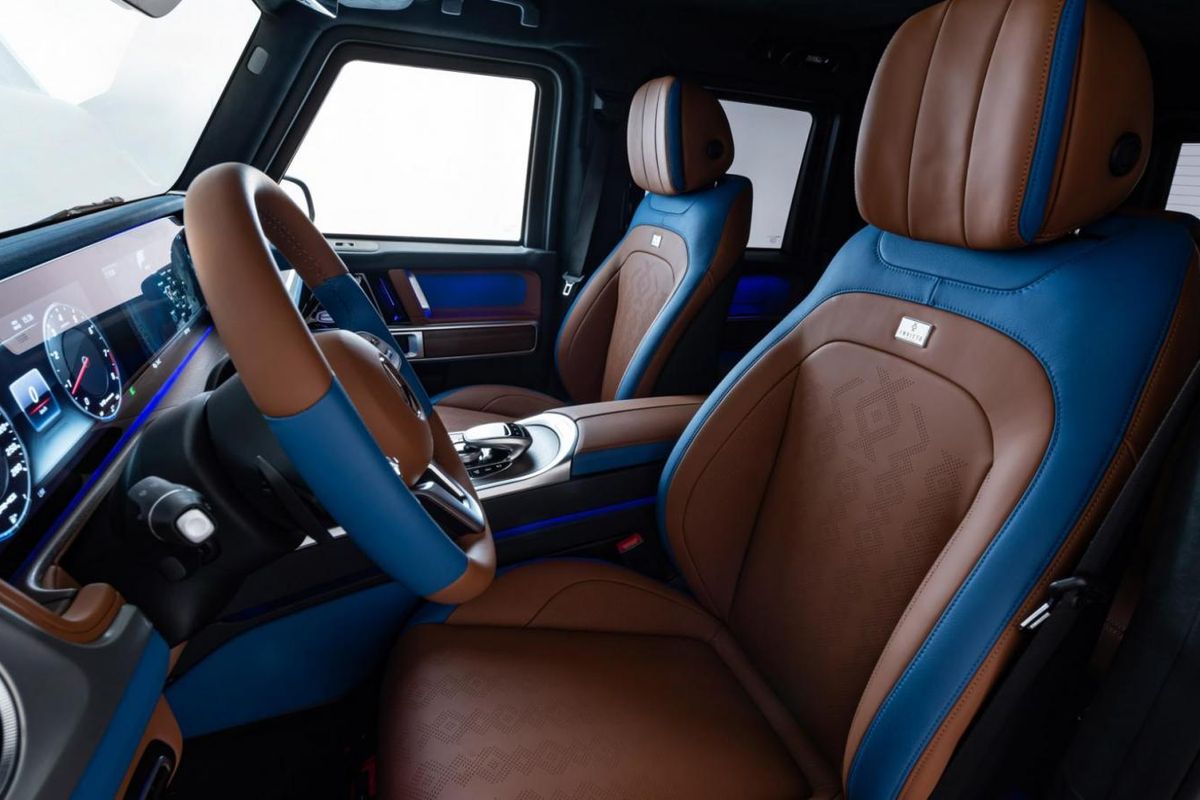
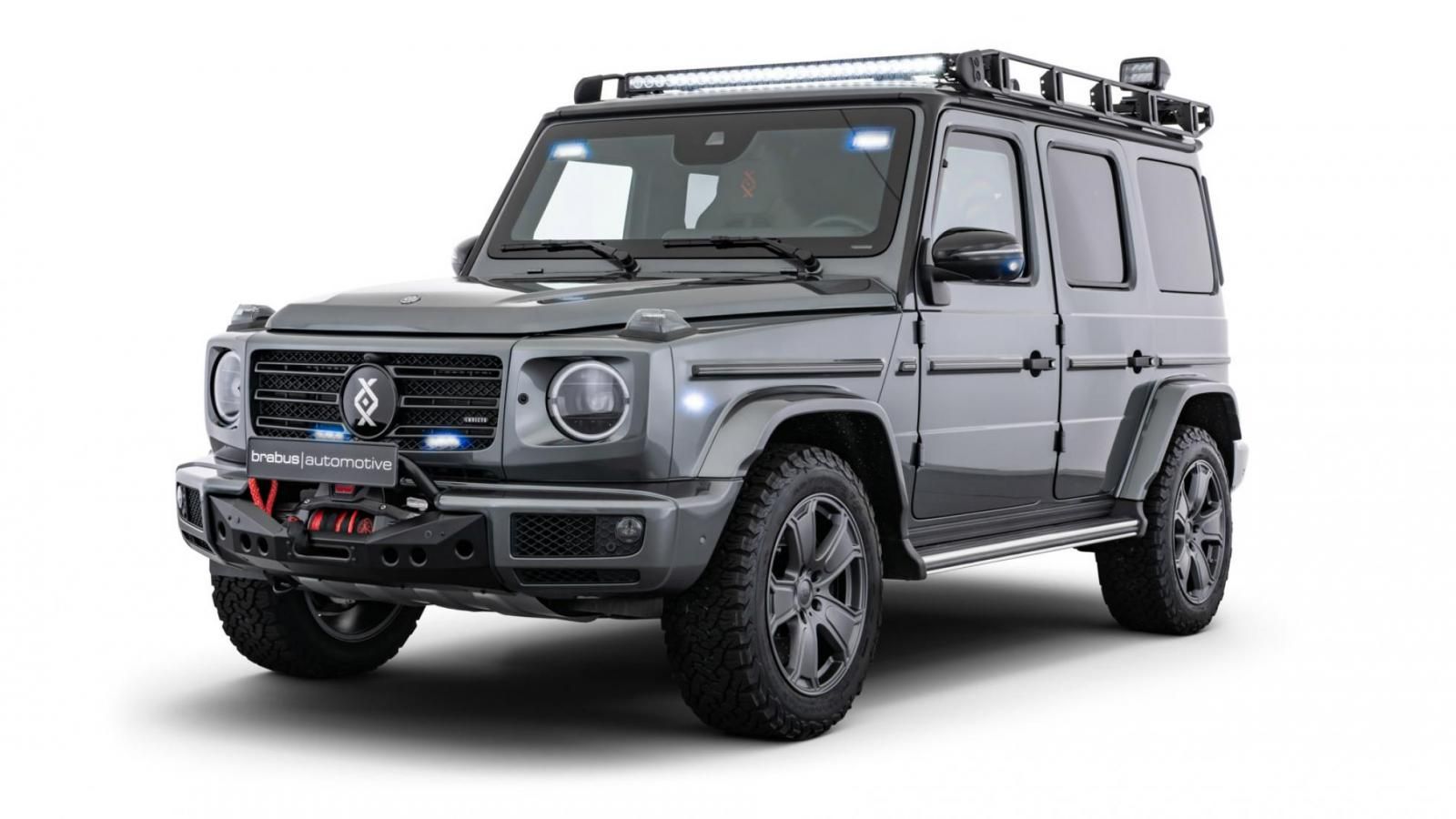
German tuning specialists, Brabus, have revealed a hardcore, armour-plated vehicle based on the Mercedes-Benz G-Class.
At the start of the nationwide COVID-19 lockdown, I created a list of 10 Cars To Survive The Apocalypse featuring some impressive machinery that could very well ensure your survival when things get hairy. This new Brabus Invicto is yet another vehicle that you need to consider if you are looking to survive significant threats such as gunfire, explosions and all the apocalyptic stuff you see in the movies…
Based on the Mercedes-Benz G-Class, the Brabus Invicto features what the firm calls a ‘Shelter Cell’ which comprises a ‘self-contained, self-supporting, bolted structural cell’ with no joints and the armour components are mounted to the cell without any gaps, which in effect is a full metal armoured jacket for ultimate protection.
Brabus says that the Invicto offers maximum VR6 Plus ERV protection standards which means it can withstand a sustained AK-47 attack and explosive attacks (up to 15 kg of TNT).
The added armour and other components has resulted in a weight increase of around 1 000 kg over a standard G-Class and Brabus therefore had to make modifications which include a reworked front and rear axle construction, new wheel suspension as well reinforced springs, stabilisers and shock absorbers. The braking system has been modified to cope with the added load and the special run-flat tyres that travel for almost 50 km after being shot out.
Engine Fire Power
Brabus has squeezed more power and torque from the G63's 4.0-litre bi-turbo V8 engine.
Brabus has worked its magic on the 4.0-litre twin-turbo V8 engine found in the G63 which in standard form produces a notable 430 kW and 850 Nm. However, fitted with Brabus’ B40S-800 performance kit and PowerXtra engine control unit, outputs increase substantially to 588 kW and 1 000 Nm.
Zero to 100 kph is claimed at 8.2 seconds with a top speed of 210 kph.
The Brabus Invicto is offered in various trims to suit a customer needs ranging from the Invicto Luxury to the Invicto Pure and the hardcore Invicto Mission, the latter of which is suited for military operations, police or special forces and security firms.
As you can expect, the Brabus Invicto doesn’t come cheap and pricing is said to start at about €354 600 which translates to roughly R6.9 million.