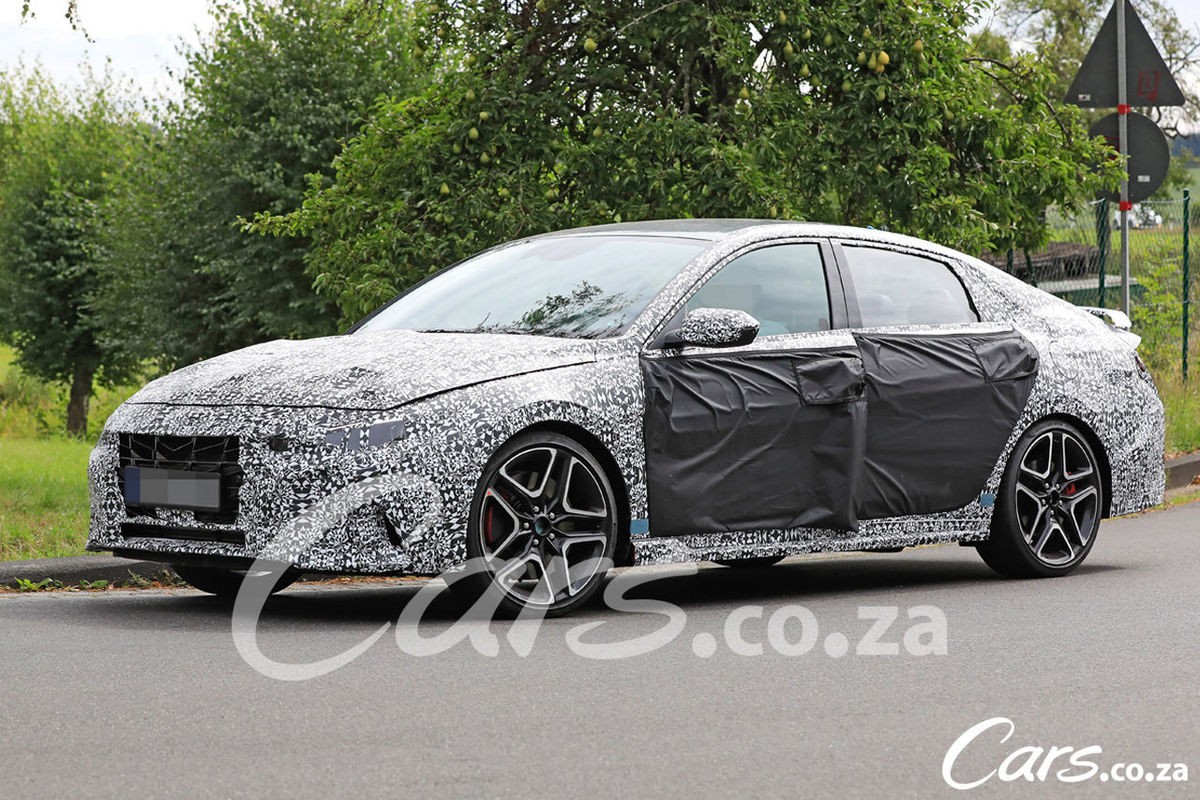
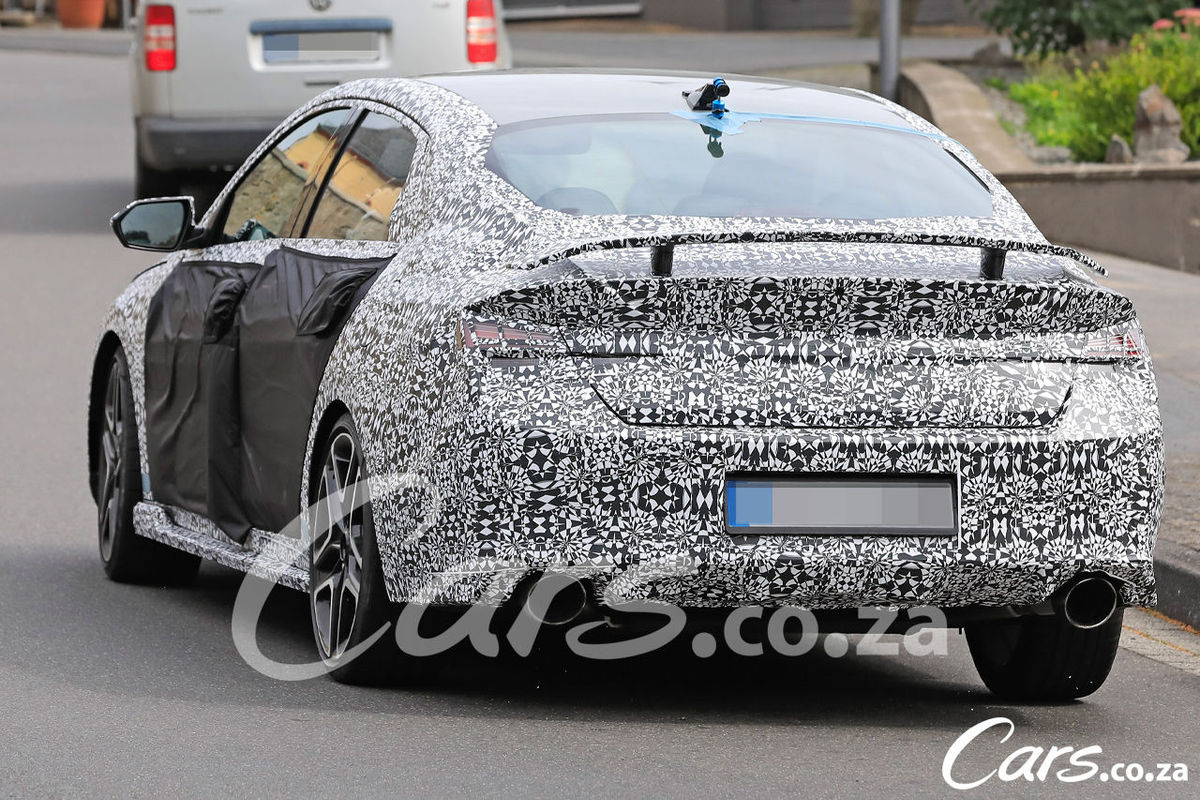
Hyundai is continuing with its approach of making a performance N version of every model in its arsenal. Here's the Hyundai Elantra N, spotted testing.
Picture credit: S. Baldauf/SB-Medien. We have paid for these photos and at the photographer's request, have watermarked them.?
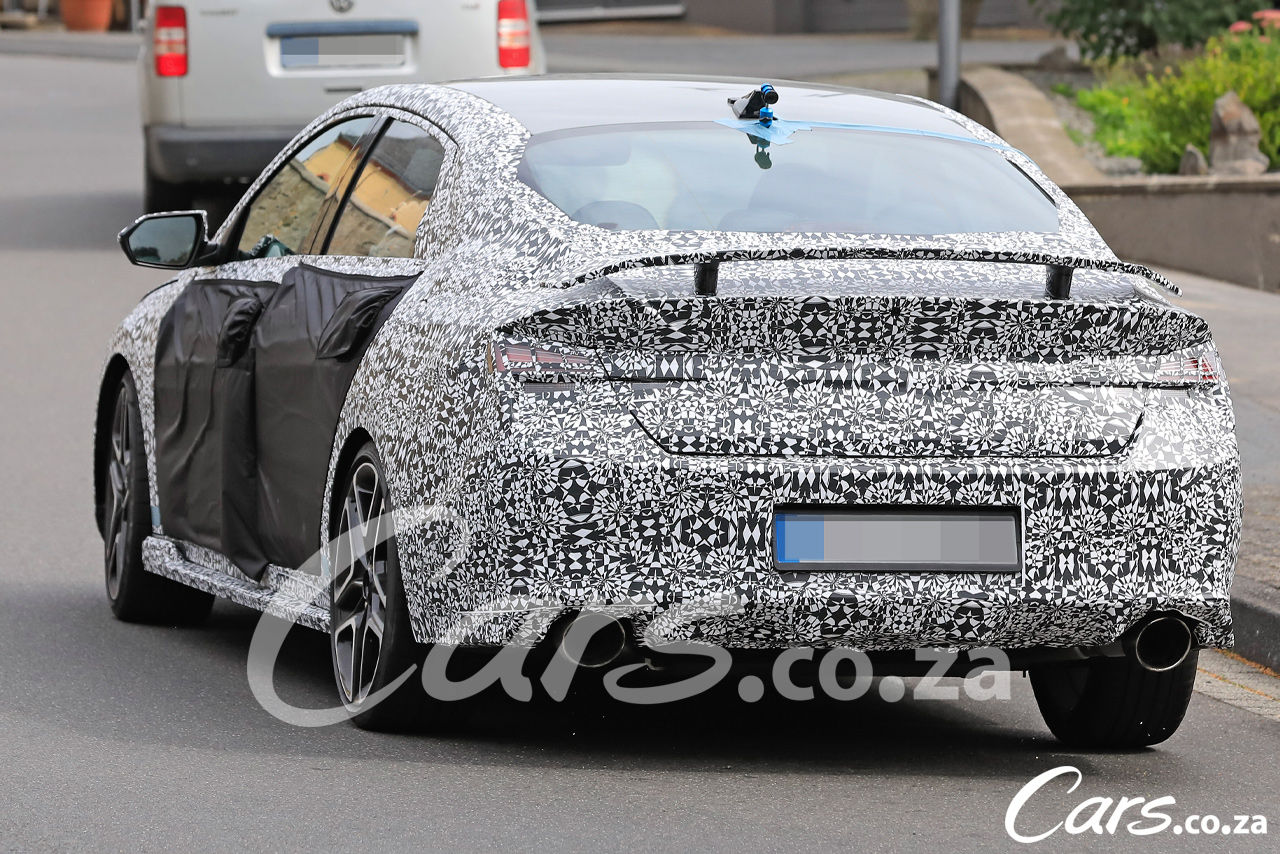
Our spy photographers have reported 3 Elantra N prototypes have been spotted on the road. While what you see is heavily camouflaged, this is definitely a performance version as you can see the bigger wheels, huge exhaust tips and a fixed rear wing.
Hyundai is keen to push its 2.0-litre turbocharged 4-cylinder motor and it appears to be going into everything from the i20 N (albeit potentially detuned), current i30 N, updated i30 N and Kona N. In current form, there's 202 kW and 353 Nm, and while Hyundai is keen to keep using the current 6-speed manual gearbox, there's also a recently-revealed 8-speed dual-clutch offering.
As for rivals, we're interested to see where it will be positioned as there are not many performance compact sedans left. We can think of the Audi S3 seedan, Mercedes-AMG CLA35 and BMW M235i, but other than those German offerings, the Hyundai Elantra N might just be peerless, especially if it can undercut with pricing. There's talk of Toyota offering a Corolla GRMN, but whether that will be in pure hatchback form or a sedan remains to be seen.
With that wing and those big exhausts, this is definitely a performance Hyundai Elantra.
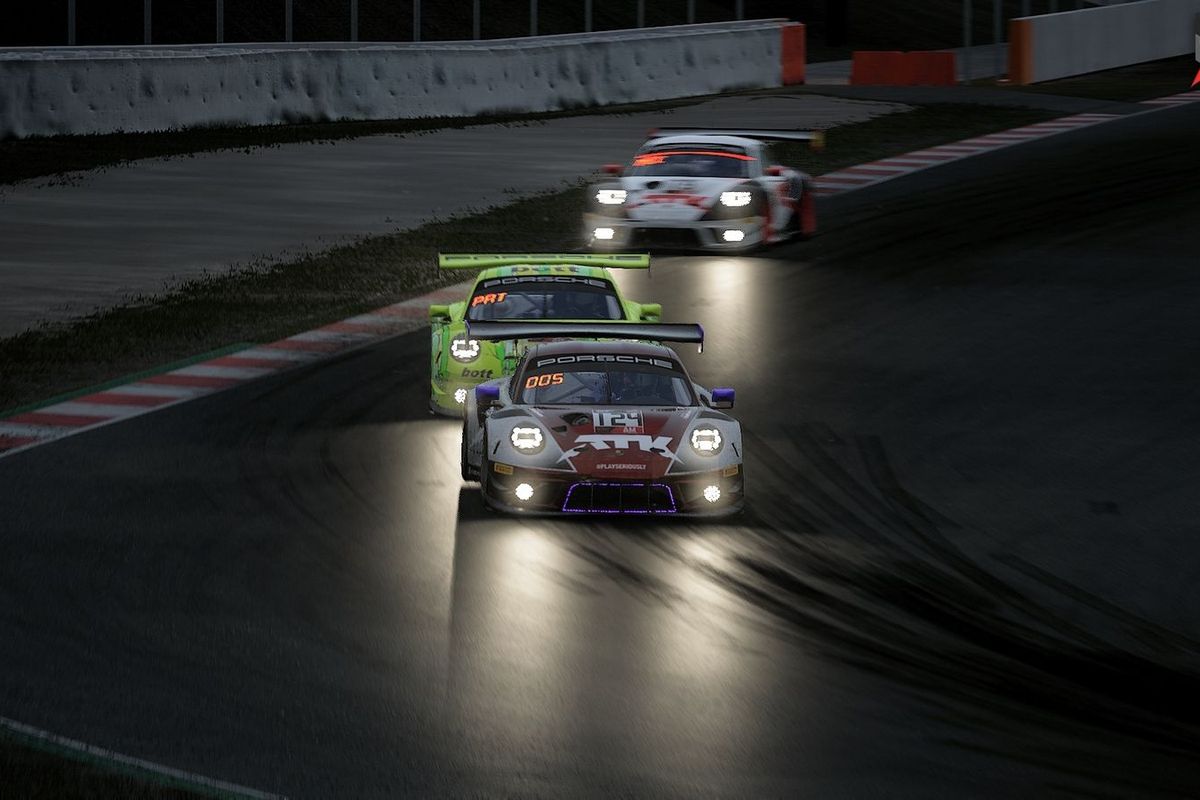
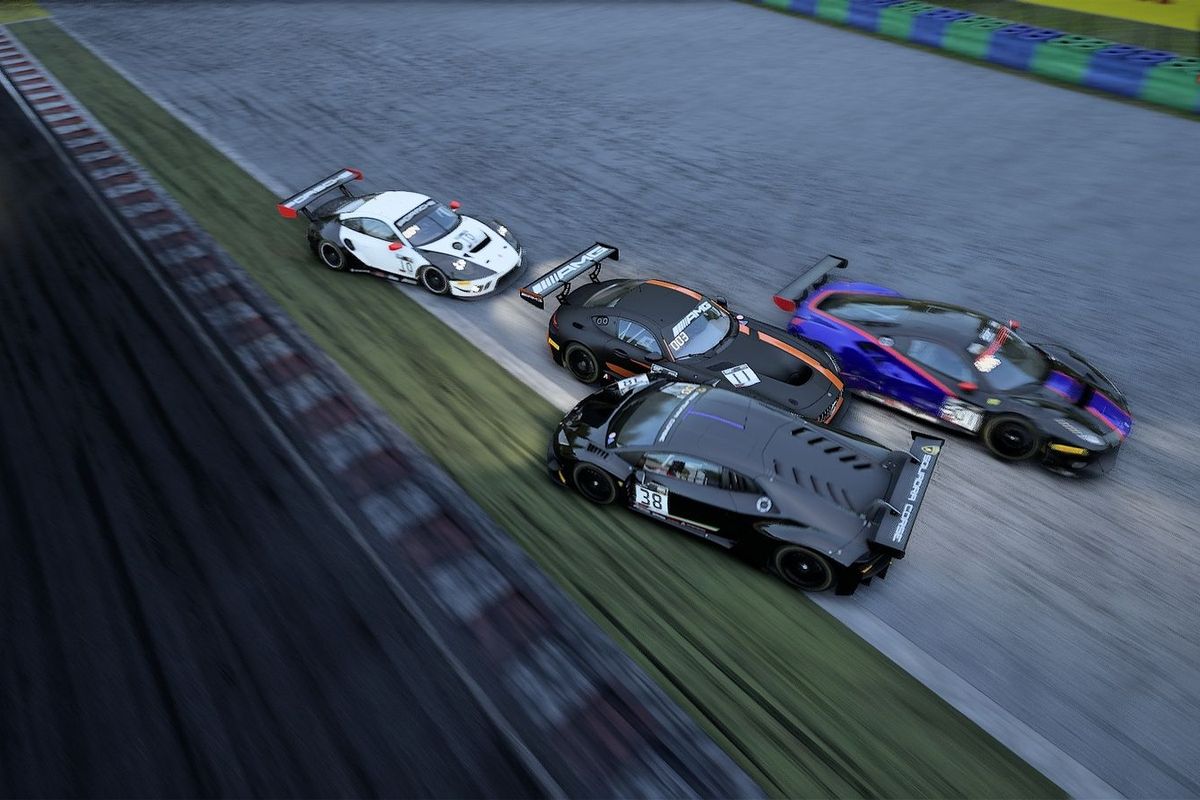
Ernest Page talks about his deep dive back into sim-racing – and what its rampant popularity means for the futures of aspiring racers.
In the past few months, sim-racing has taken an unprecedented leap into the future. A story arc that was supposed to take 5 years to reach its conclusion was effectively put into hyperdrive when sim-racing became, arguably, one of the biggest benefactors of the Covid-19 lockdown (along with online shopping and streaming services).
Within weeks, sim equipment was virtually sold out across the globe. The frenzy peaked when real racers – eager to get in much-needed laps in a time when race tracks were shut down indefinitely – started joining the fray. Drivers from Formula One, Formula E, Nascar and many others joined in. Sim racing went mainstream.
The New Normal
Now, scarcely half a year later, race tracks are opening up again and the question I’m pondering is: “How has grassroots motorsport changed in the past 6 months?”
I think most motorsport enthusiasts can agree that local racing has long since seen its heyday and, thanks to the popularity of stadium sports and Netflix (and, of course, other streaming services) spectator numbers have not seen close to the figures of yesteryear. Less interest means fewer sponsors and fewer sponsors means less money to keep motor-racing series going. But for die-hard racers, adoring fans were never the motivation for wanting to “go fast” (thank you, Ricky Bobby). It's the thrill of driving – the rush of racing. And if one wanted to get a start in motorsport, the first port of call would usually be a karting circuit. A place where the spectators are, in the main, hopeful parents.
'If you wanna race, you gotta have money'
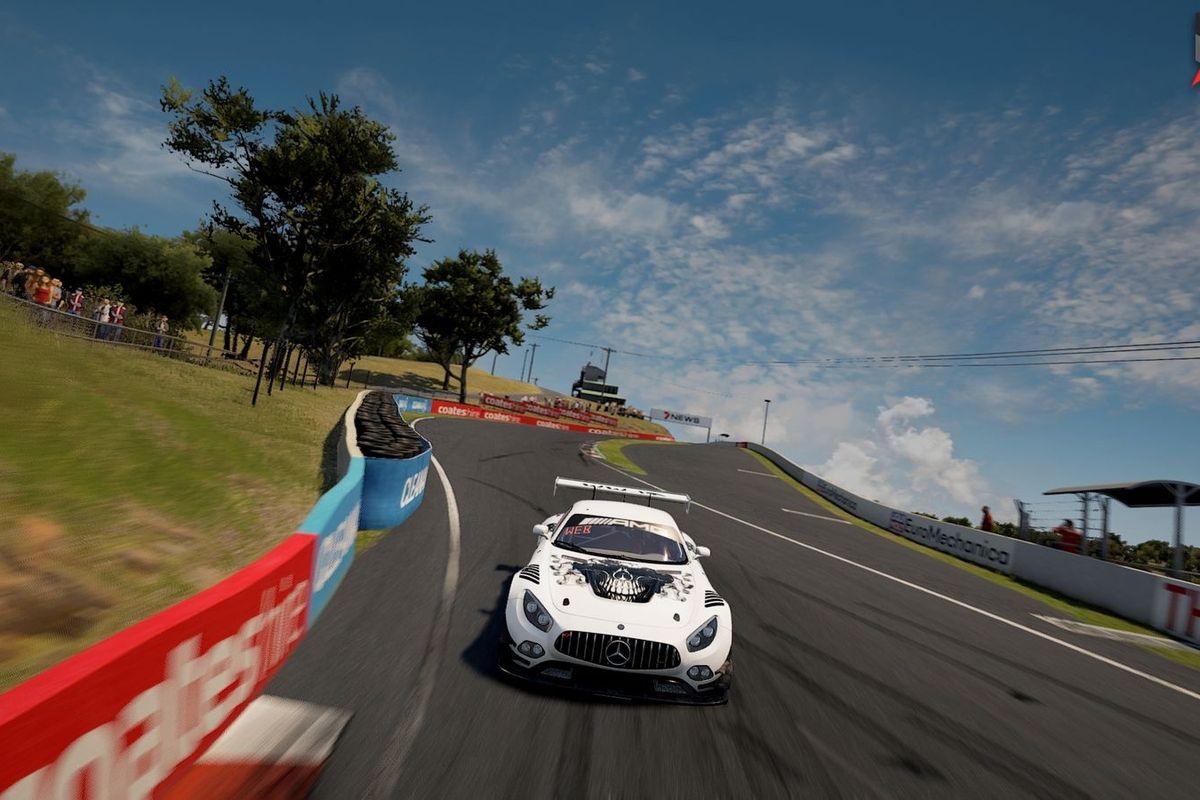
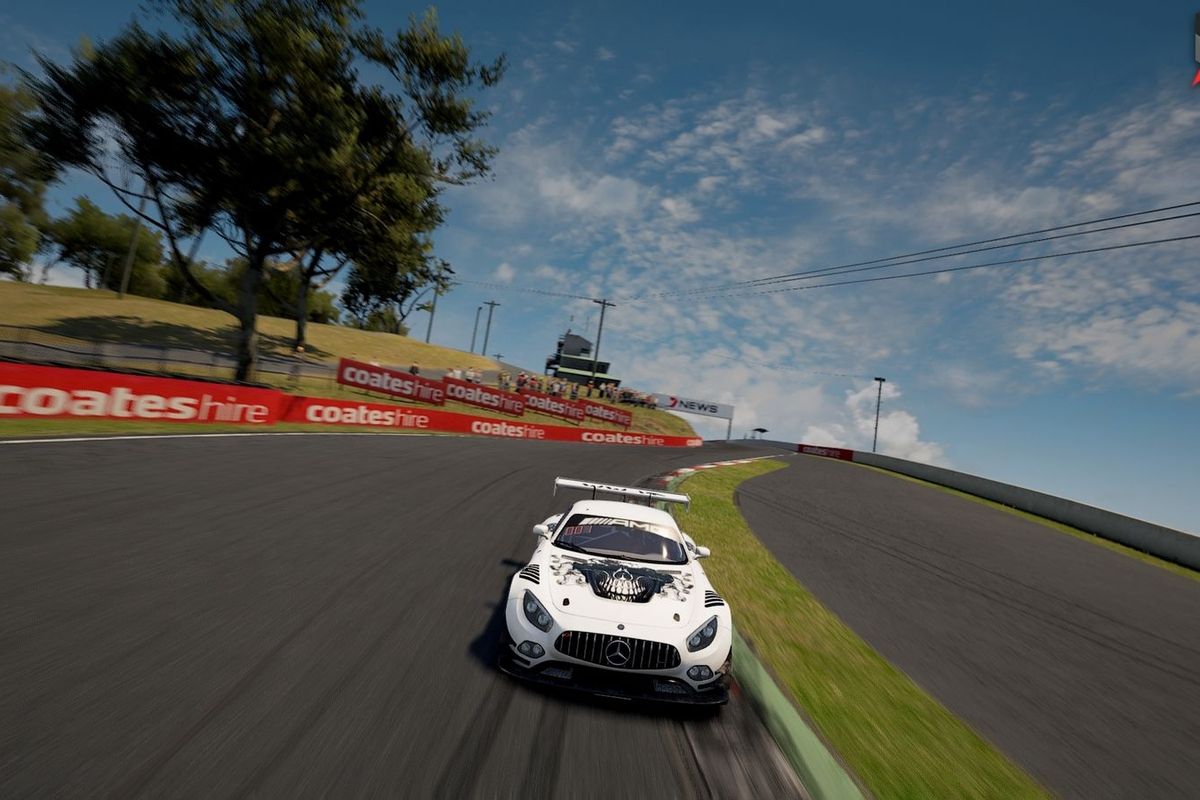
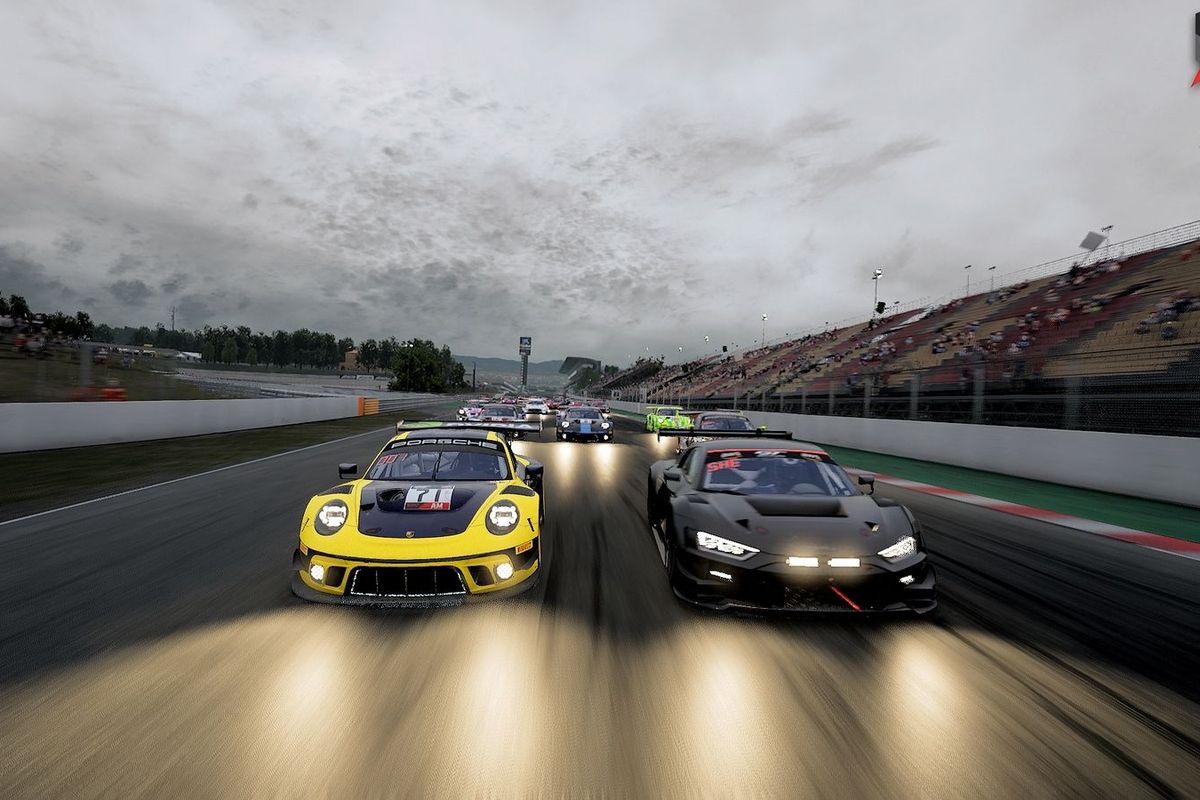
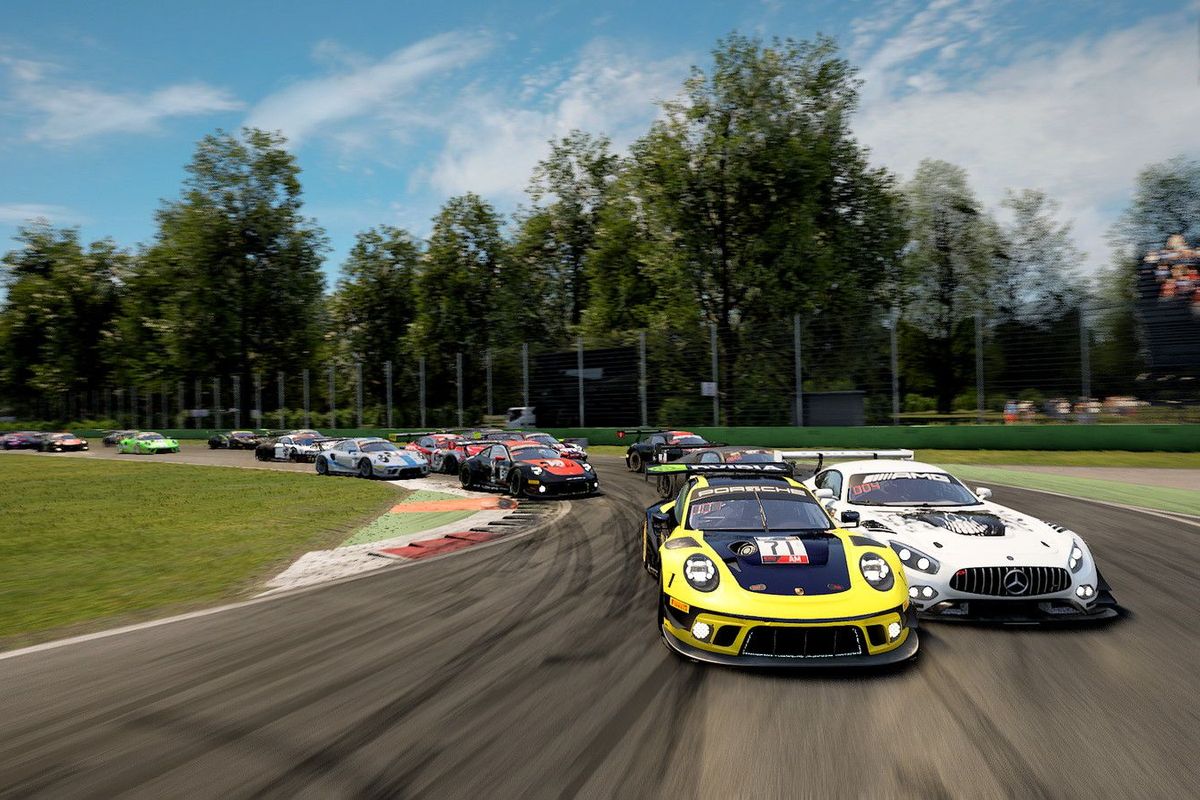
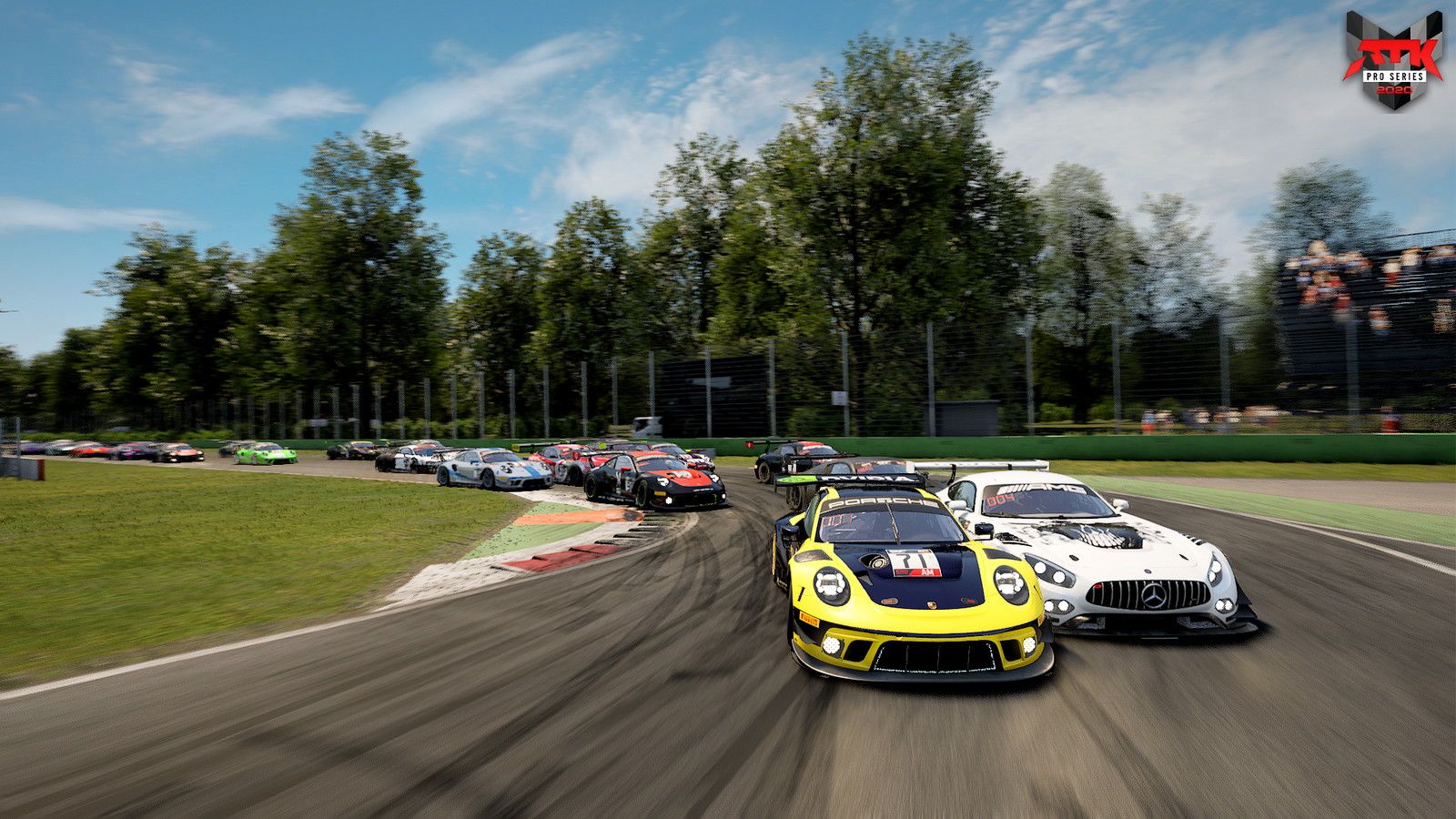
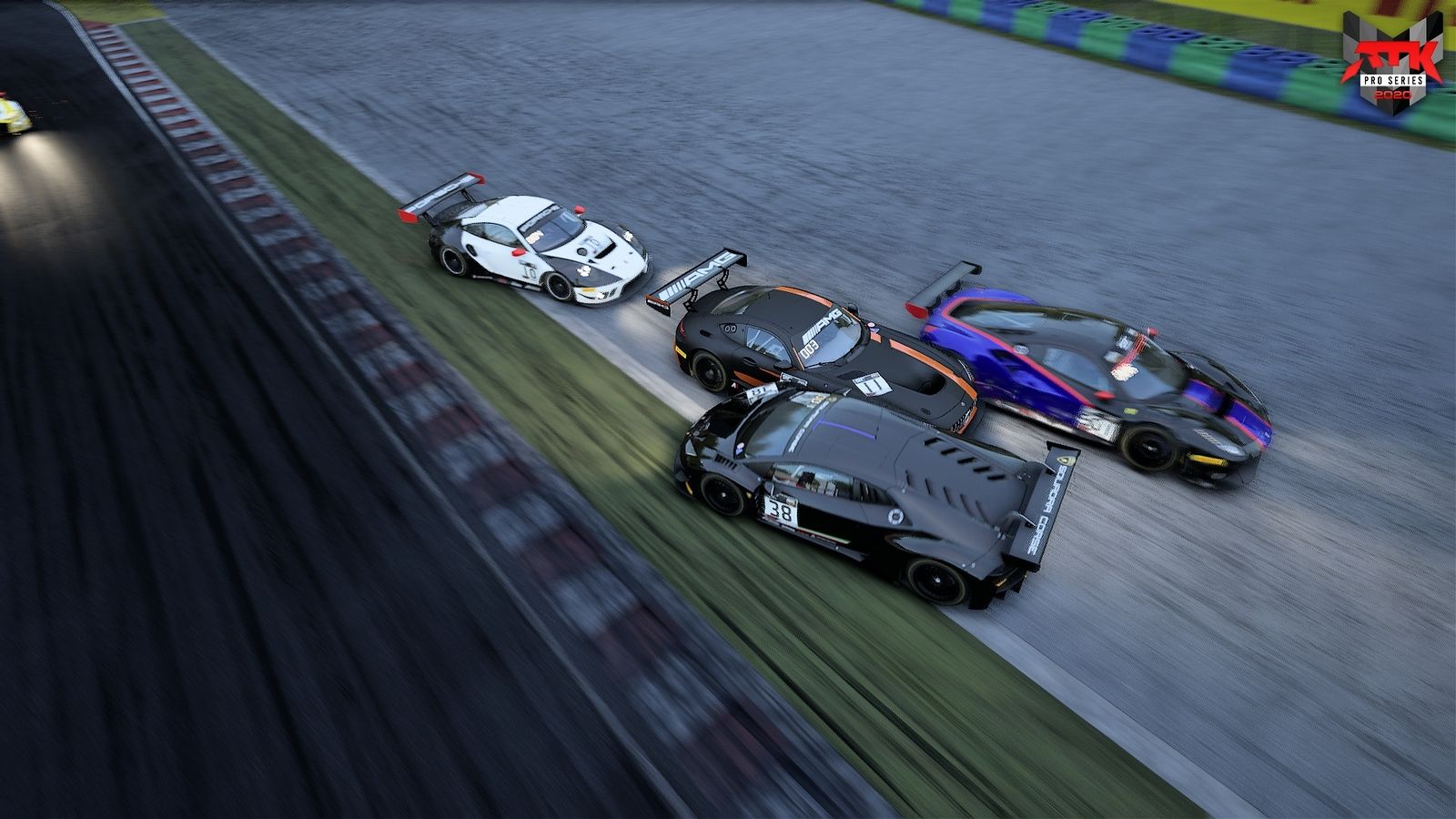
Zaahir Essa (Porsche), the Pro Series champion being challenged by Pro Drifter Jason Webb (Mercedes)?.
Go to any local karting circuit and you'll see one of two scenarios: either a family ploughing every available resource into creating a champion, or wealthy parents funding their offspring's racing dream, à la Lance Stroll. Rookie karters can expect to pay around R100 000 per season, but what's the maximum you can spend? Well, how long is a piece of string? Even the most cost-effective form of motorsport, drag racing, requires (at the very least) a roadworthy car, and one that you’re willing to thrash from time to time.
I once chatted to a multiple South African motorsport champion (at the time, his son had begun a career in karting). He had worked out the cost of “getting (his son) overseas”, where he'd be able to compete in a formula that would afford opportunities to advance to F1 feeder series. He mentioned a figure of between R5- and to R10 million. Ideally, he said, you want to do it before your kid turns 21. So, if you want to race cars professionally, it’s probably best to come from a wealthy family… or have generous benefactors.
Sim start-up costs
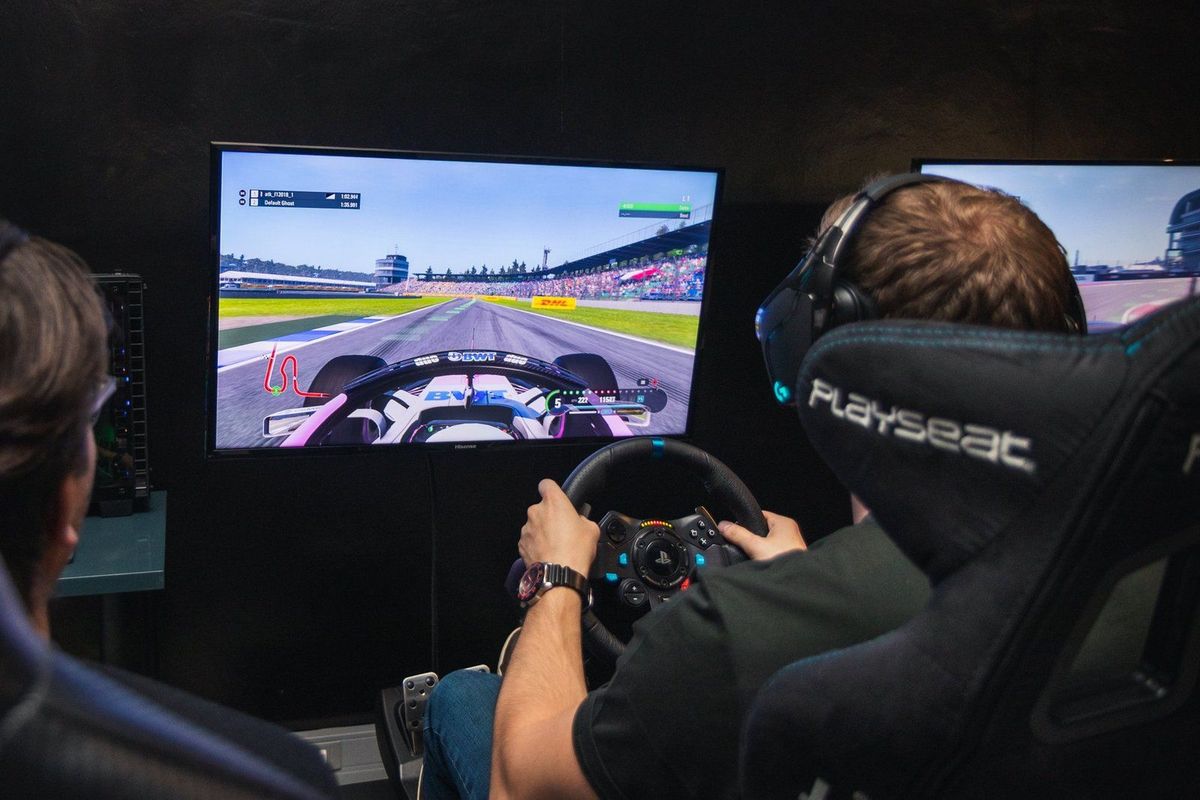
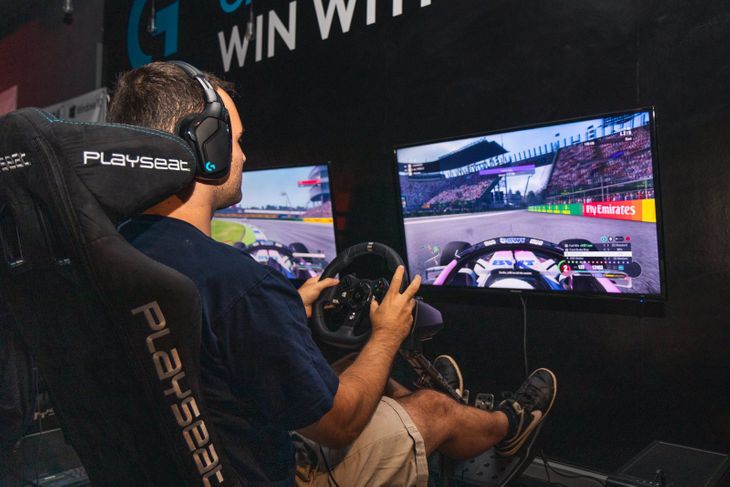
Although starting out in serious sim-racing may seem prohibitively expensive, you can get started with an entry-level Logitech wheel that costs around R5 000. You can mount it on your desk and, if you already have an Xbox or Playstation, you’re pretty much set, right? Well, kind of.
Most sim racers start out this way, but just like the bottomless pit that is motorsport, sim racing can quickly deplete your piggy bank. The next upgrade is a decent PC with a graphics card that can handle the latest games. You'll also want a “rig”.
Once you've got a wheel, the 'rig' ranges from R3k to whatever your budget will stretch to.
Sim rigs cost between R3 000 and R8 000. They’re not much more than a few pieces of metal and plastic with a seat bolted to it, but it does make a massive difference in how immersive your sim-racing experience will be. Next up is a decent monitor and a USB microphone so that you can chat with your friends while you race (this is surprisingly fun) and, for under R20 000 (all in) you can have a fairly decent setup and, most importantly, unlimited track time.
But, as with most things, it’s quite possible to run up a bill of R150 000 or more on a state-of-the-art sim-racing setup. Add on a virtual reality headset and you’re talking about the single most immersive motoring experience you can have outside of a car (for the price of a season and a half of kart racing).
What they don't tell you about… the online community
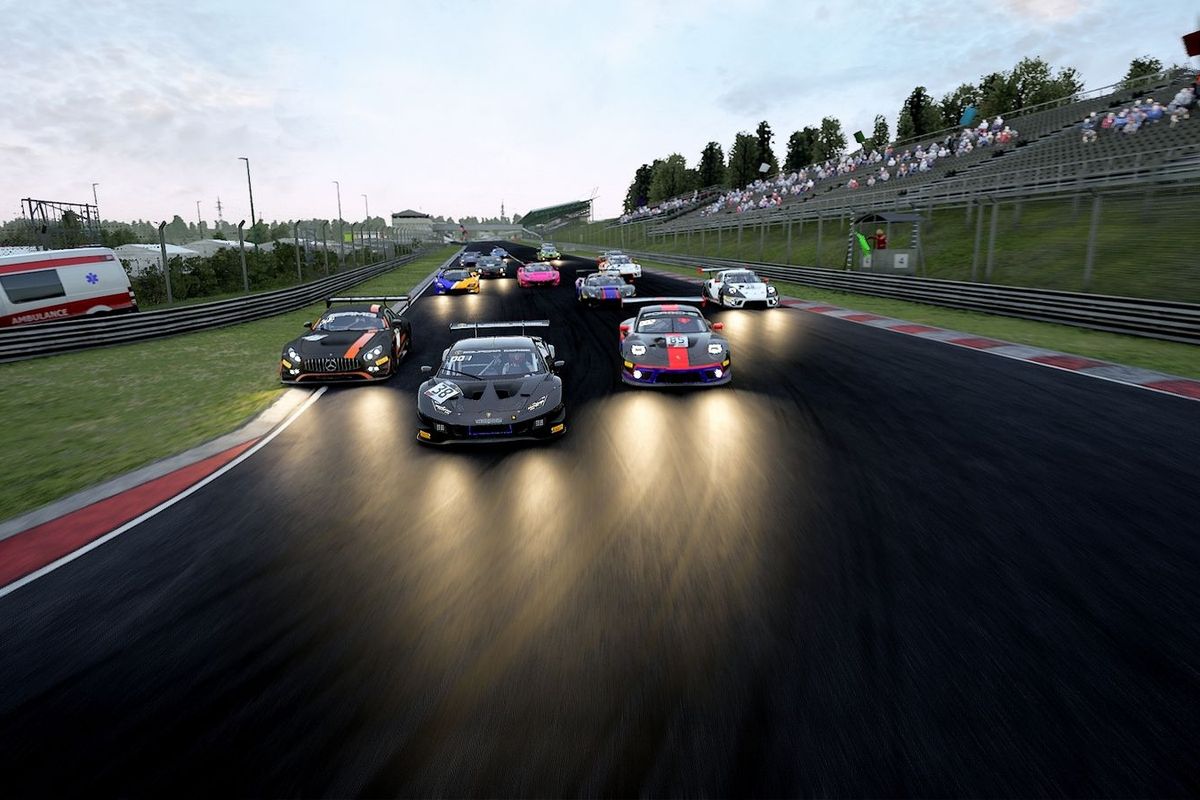
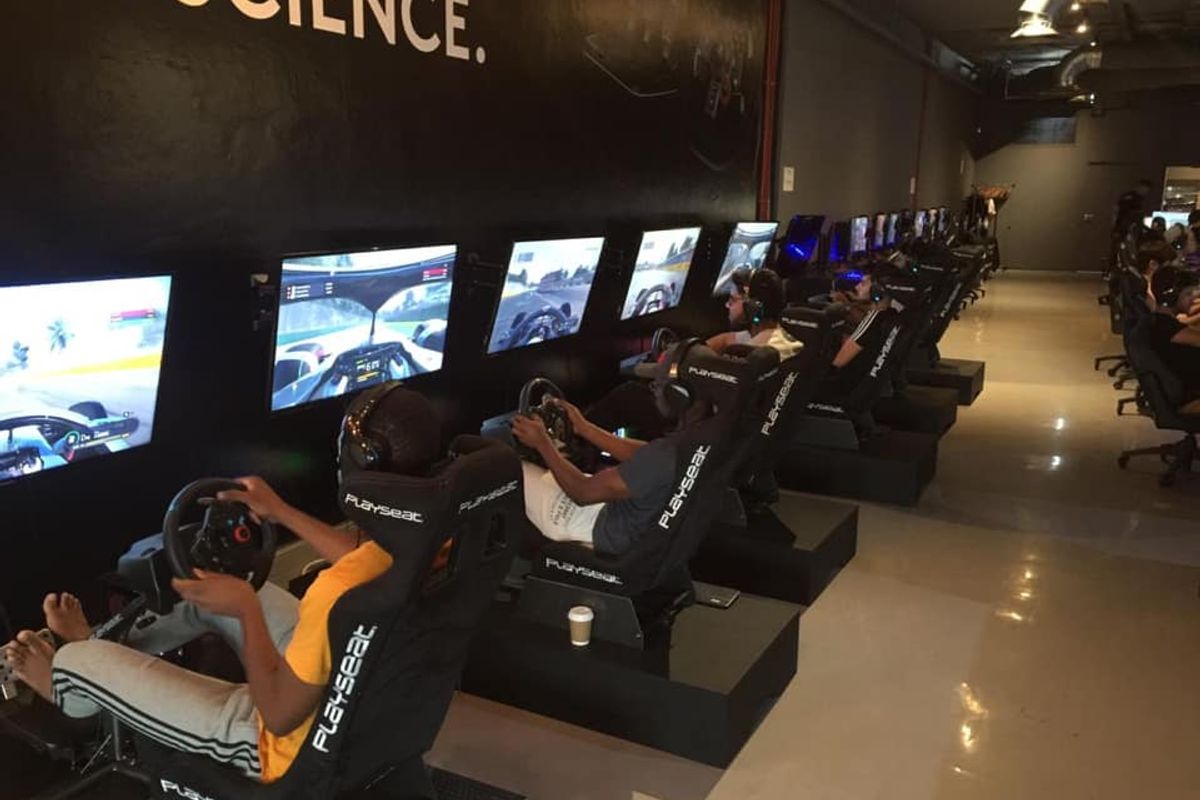
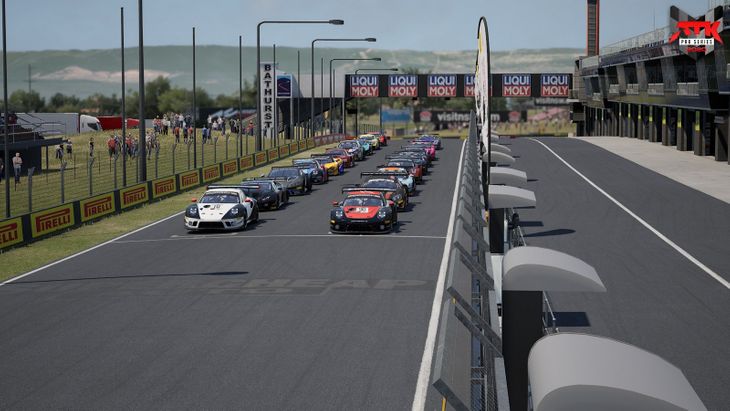
Full grids, something real-world racing in SA hasn't been able to manage in anything other than historics for a long time.
I’ve met a number of good people with a shared love of motorsport through my adventurers in sim-racing. I’ve been invited to online events, interacted with pro racers, teens and their dads who game from their basements. Various communities exist on the respective platforms (how one finds a base-camp varies too), but join a community you will.
It's an inviting and inclusive world that encourages fair competition, but be warned, the punters don’t like it when we call simulators “games”.
But is it real racing?
When things go wrong, they go horribly wrong. Drivers received Damage and real-world MSA stewards dish out punishment for bad driving.
Although sim-racing comes close to on-track action, it’s NOT the real thing – obviously. Pilots aren’t risking life and limb and there is nothing quite like pulling off an impossible overtaking manoeuvre with a 1 100 kg-metal box with real consequences if you stuff up. For most sim racers, real racing is still the goal; it’s still the dream.
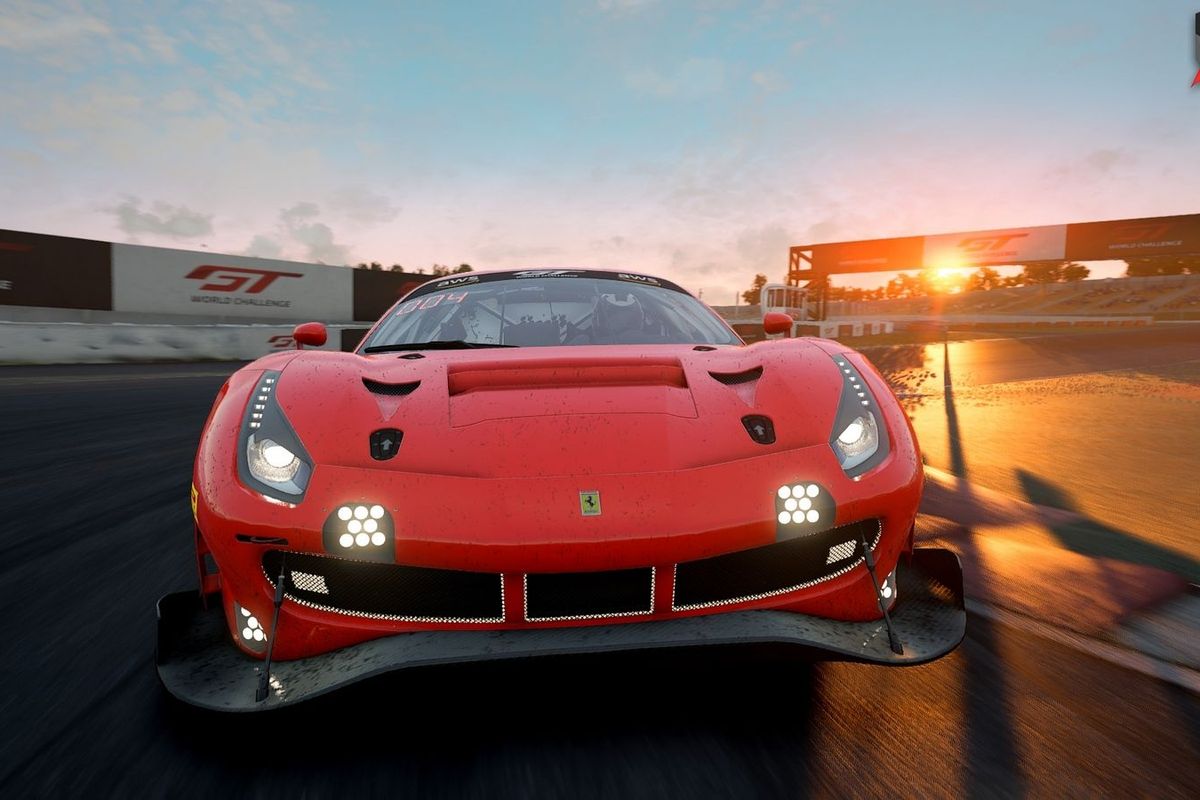
Many South African real-world racers have used sim-racing as a supplement to their successful motorsport careers. David Perel races a Ferrari in the GT World Challenge and also coaches real-world and sim racers. The Van der Linde brothers (Kelvin and Sheldon) – two of South Africa's most talented exports – cut their teeth in sim-racing alongside their real racing careers. Three-time drift champion, Jason Webb, meanwhile, has just won his 1st major sim-racing event.
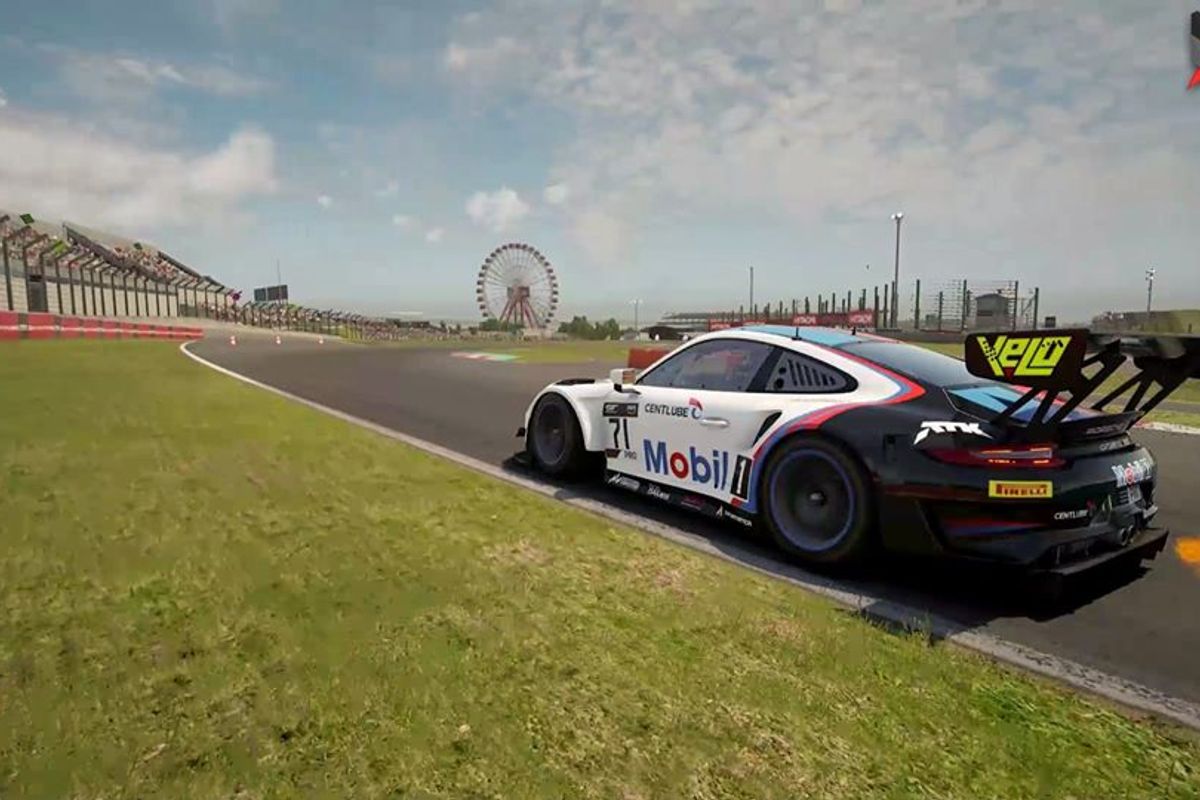
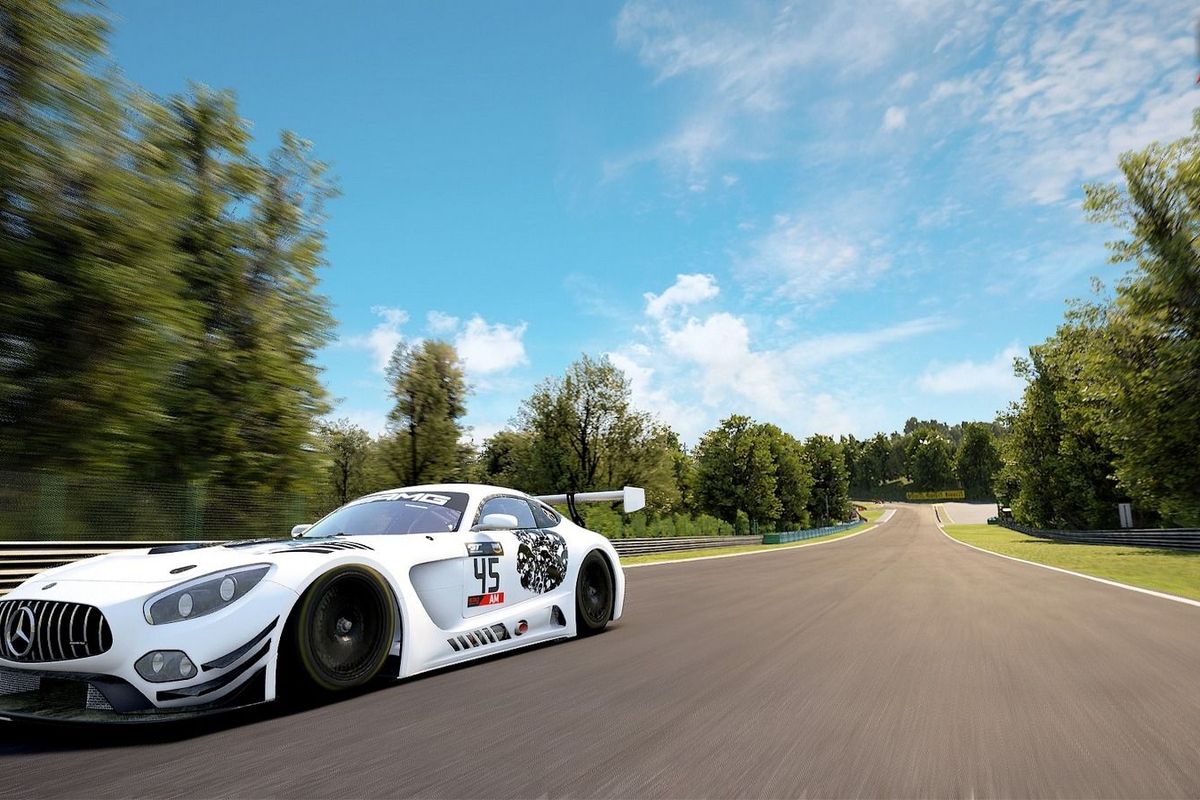
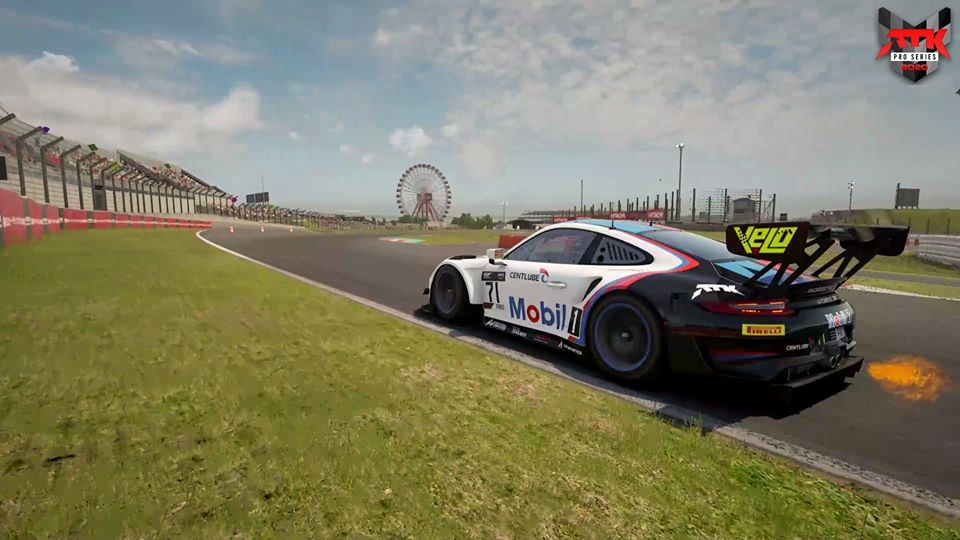
Zaheer Essa has just won the MSA sanctioned ATK #Proseries with an official Mobil1 livery.
And in case you didn't know, Cars.co.za’s own Ashley Oldfield won the Nissan and Playstation GT Academy in 2013, which kickstarted his international racing career.
South African racers have always been able to successfully compete in motorsport due to our exceptionally competitive nature and our nation's depth of talent. Sim-racing is no different. Sim-racers such as Jordan Sherratt and Basheer Jadwat are two of the fastest virtual racers in the world and both are proudly South African. Zaheer Essa has just cemented his place as South Africa's fastest sim-racer by winning the MSA sanctioned ATK #Proseries in official Mobil 1 livery.
Major manufacturers, such as Ford South Africa (to name 1 example) have also got involved in the world of sim-racing. Ford's “Lockdown Laps” campaign was met with great praise from the sim-racing community. Ford took the first step, but from what I’ve heard, the Blue Oval won’t be the last car firm to get involved in this growing sport.
For most traditional motorsport families, karting and other forms of entry-level racing will remain be supplemented by sim racing. The benefits are obvious – but for the rest of the population, sim-racing could provide a very real first step to the big time.
Junior McColl (12) is now officially backed by Atk Arena and is set to shake things up substantially for the 2021 season.
The term “strength of schedule” refers to the depth of talent in a given sporting code. Locally, we see the phenomenon reveal itself in our World Cup winning Springboks. Sim racing sees many drivers from all over the world compete against each other, all of which have unlimited track time and virtual budgets. The talent pool is deep, but there will always be special bubbles that rise to the surface.
Sim-racing will run parallel to, but never replace, real-world racing. But, considering how insanely expensive even a brief motorsport career can be, it's become a very viable alternative to those who wouldn't stand much of a chance of benchmarking themselves against their peers on race tracks, at least not in a sustained manner. In a post lockdown world, motorsport fans have something to cheer about: sim-racing has given everyone with reasonable means and distinguished talent a chance to succeed in the virtual world.
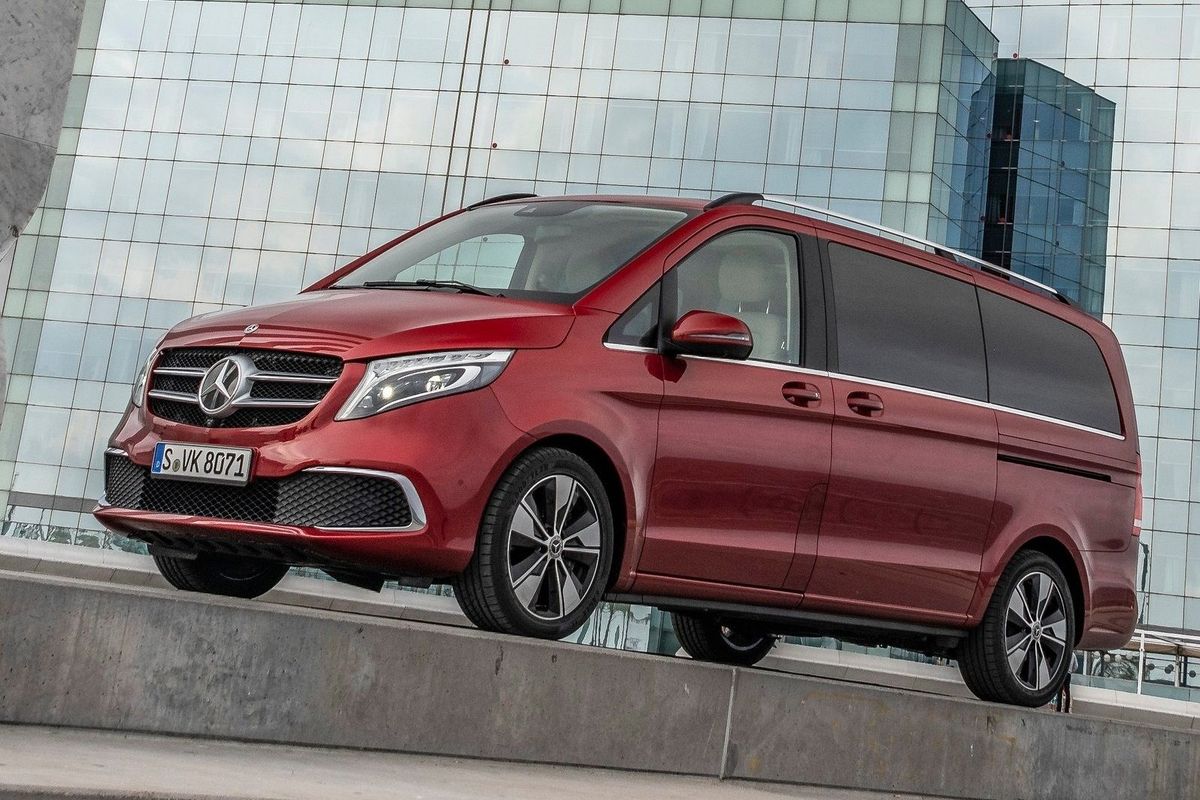
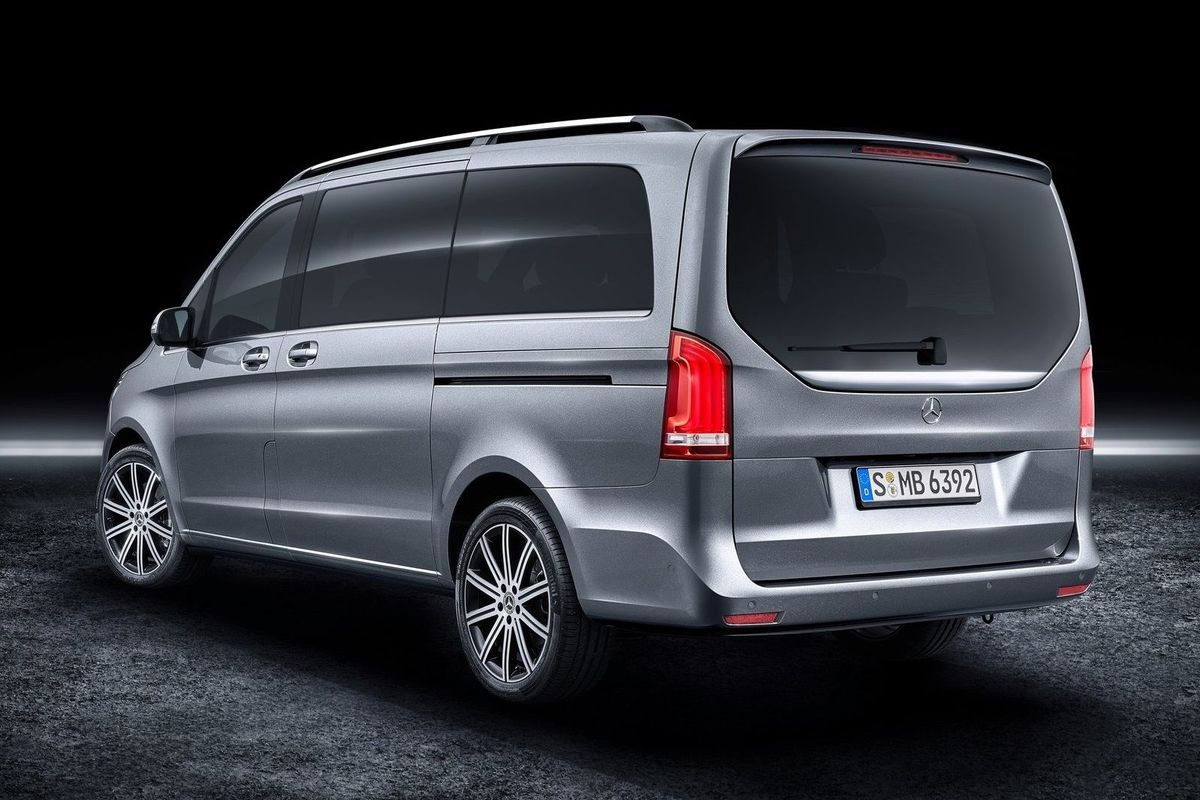
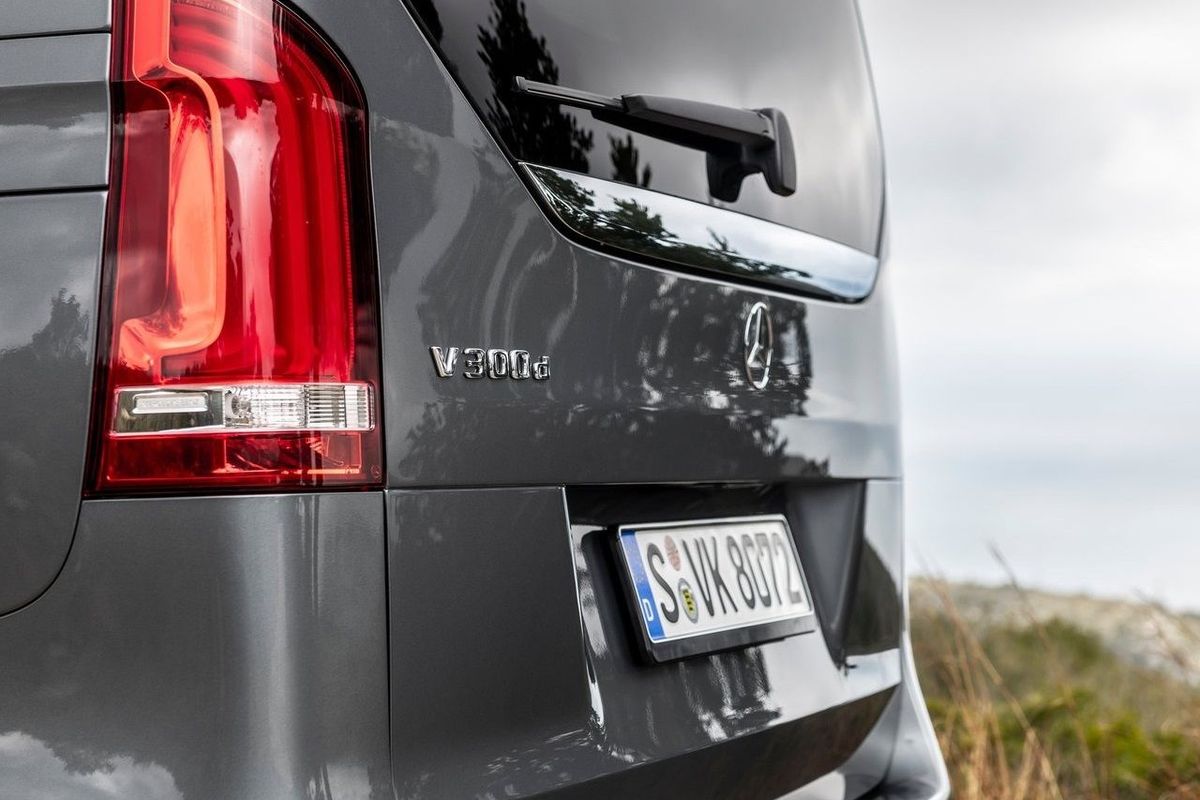
Mercedes-Benz will soon introduce a more powerful V-Class derivative in South Africa! The V300d is coming, see specs and pricing details here.
If you need to move people in style and luxury, the Mercedes-Benz V-Class is your point of call. Now, however, the Stuttgart-based firm is looking to up the ante and introduce a more powerful V300d locally.
Up until now, the local V-Class range included the V200d, V220d and the V250d. The forthcoming V300d will now top the range and will be offered in 3 trim grades including Avantgarde, Avantgarde AMG Line and Exclusive.
Unlike its other V-Class siblings (which are powered by an ageing 2.1-litre turbodiesel engine), the V300d is fitted with Merc’s OM 654 2.0-litre turbodiesel tuned to deliver 176 kW and 500 Nm and is equipped with a 9-speed automatic transmission. This engine was previously not earmarked for South Africa and we are really excited that it will now be offered locally as it’s far more refined than the existing 2.1-litre engine. We do have experience with this engine as it was introduced with the current generation E-Class back in 2016.
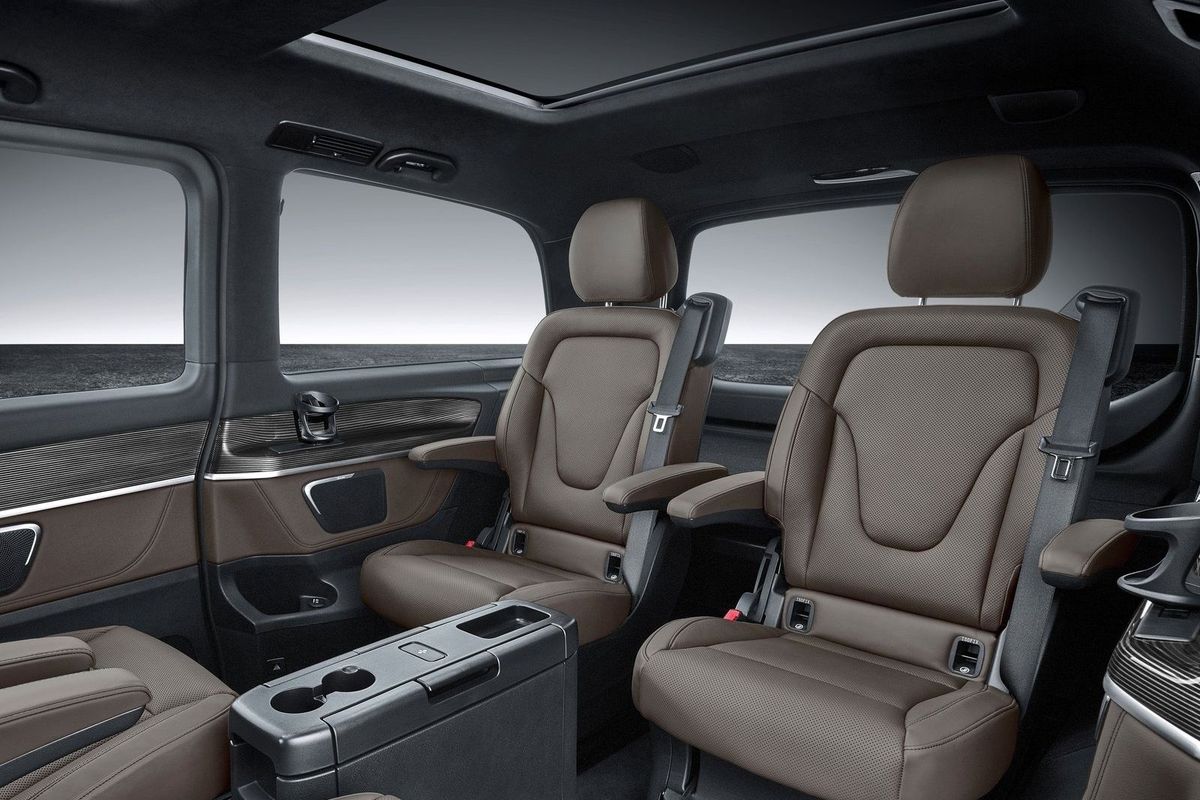
The V-Class can seat up to 8 people and 2 individual seats and a 3-seater bench is standard but customers can arrange or add seating as required depending on your preference.
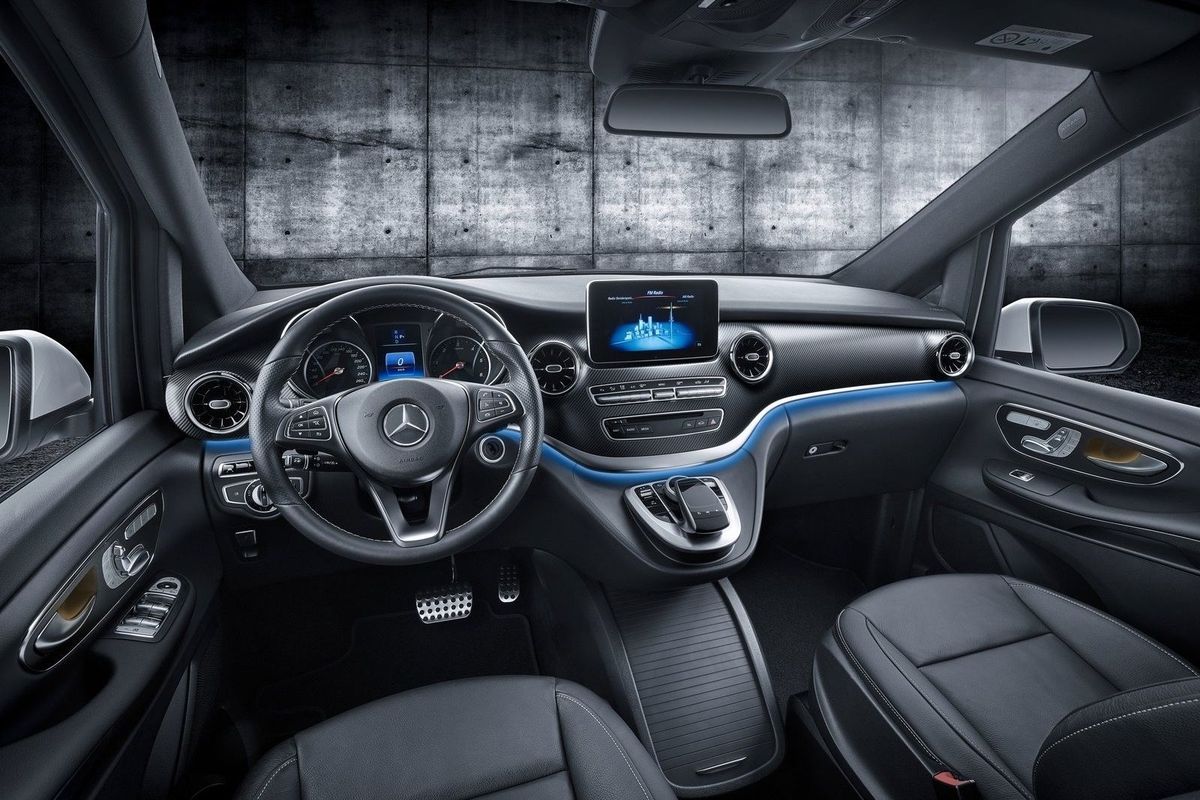
Key standard features for the V300 include 19-inch alloy wheels, front and rear climate control air conditioning, integrated navigation, front and rear park distance control, a rearview camera, cruise control, multi-function steering wheel and electronically operated side mirrors and windows.
In Exclusive trim, additional features such as a sliding panoramic sunroof, adaptive cruise control, and a surround-view camera will be fitted as standard.
The V300d will be launched in South Africa at the end of August 2020, see pricing below…
Mercedes-Benz V-Class (2020) Price in South Africa
British car maker McLaren is working on the next generation of supercars which will feature electrification.
Platform development is a fascinating exercise of balancing costs versus engineering. The trick with the smaller car brands is developing a platform to underpin your entire portfolio of vehicles, but each vehicle must feel different. Simply, developing one platform per vehicle is not the most cost-effective exercise and you'll save a tremendous amount of money by using one platform. Think of Volkswagen's MQB (Golf, Audi A3, T-Cross) and Toyota's TNG (Corolla, C-HR, RAV4).
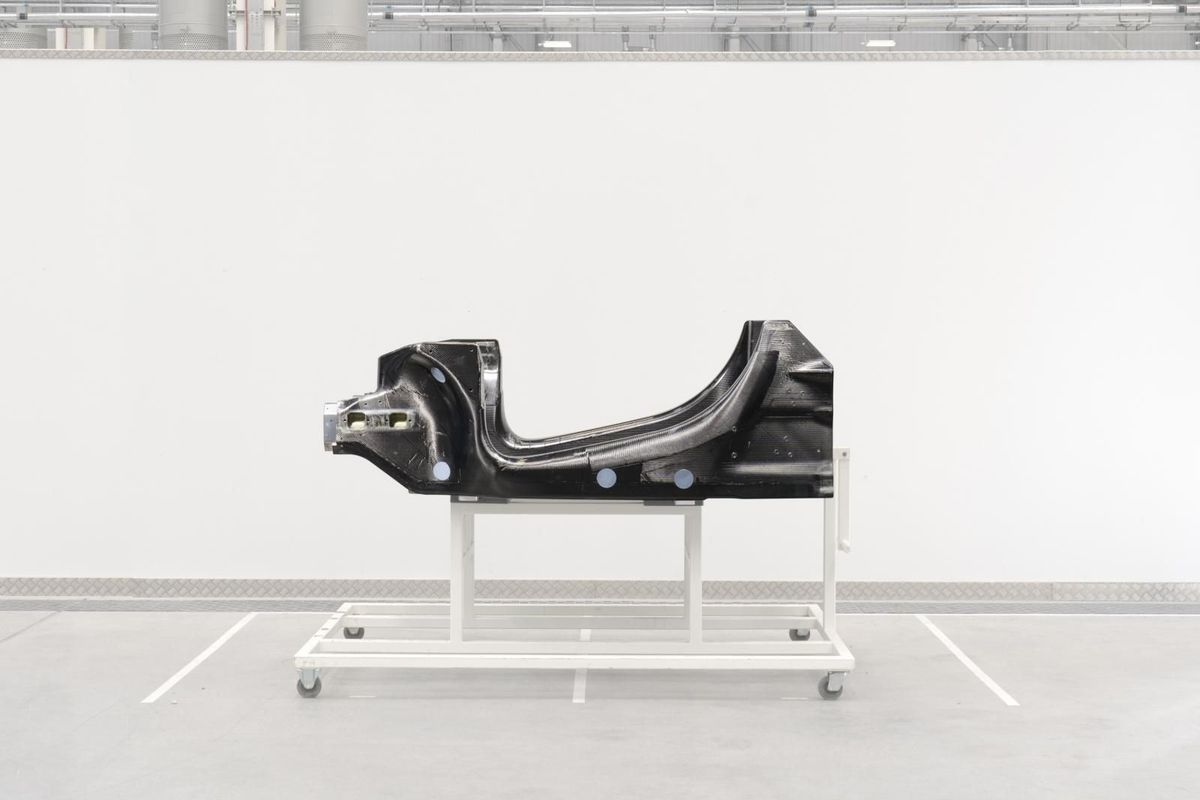
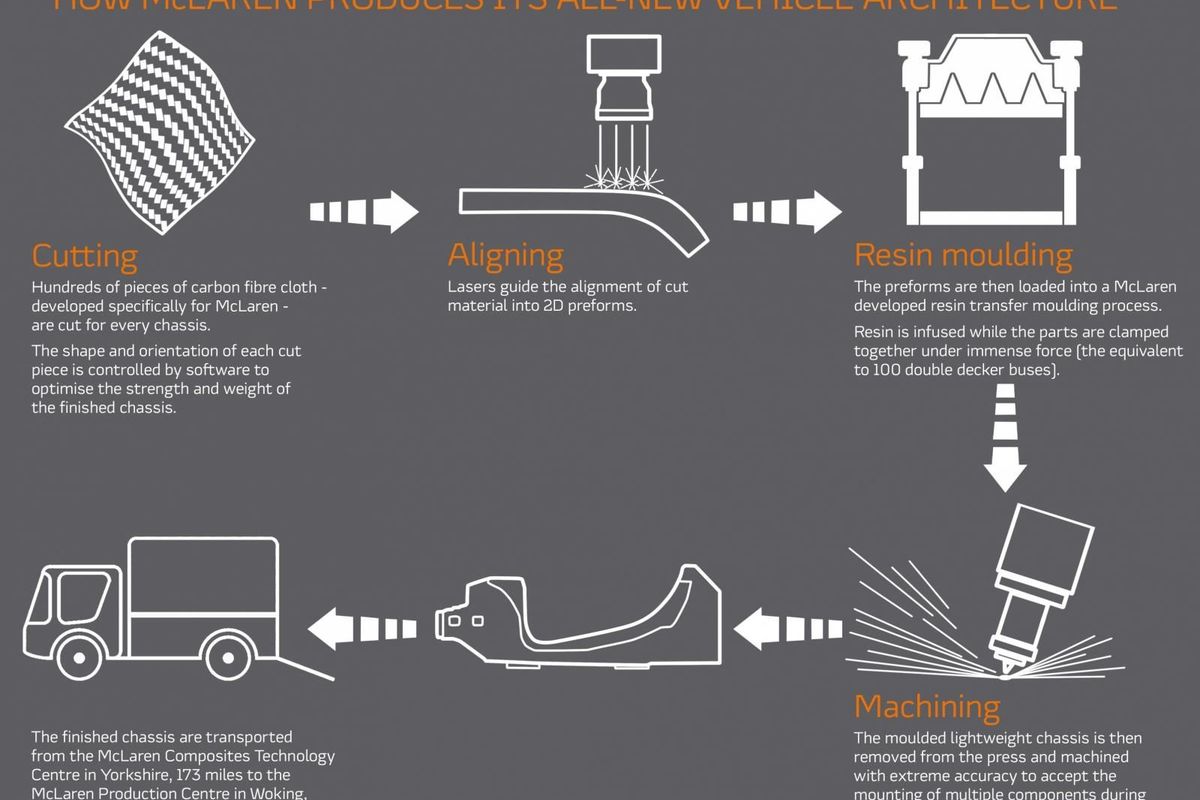
McLaren has had a carbon fibre tub and its twin-turbocharged powertrain combination for some time and as we enter the electrified era, it's time for McLaren to move on. The British carmaker is working on an "all-new, flexible, lightweight vehicle architecture."
This new platform has been designed specifically for hybrid powertrains and will be engineered and manufactured at the brand's state-of-the-art McLaren Composites Technology Centre (MCTC) in the Sheffield region
The new architecture is said to focus on safety as well as the reduction of overall vehicle weight, and will be underpinning the next-generation McLaren hybrid supercars. The first offering built on this new platform will be launched in 2021.
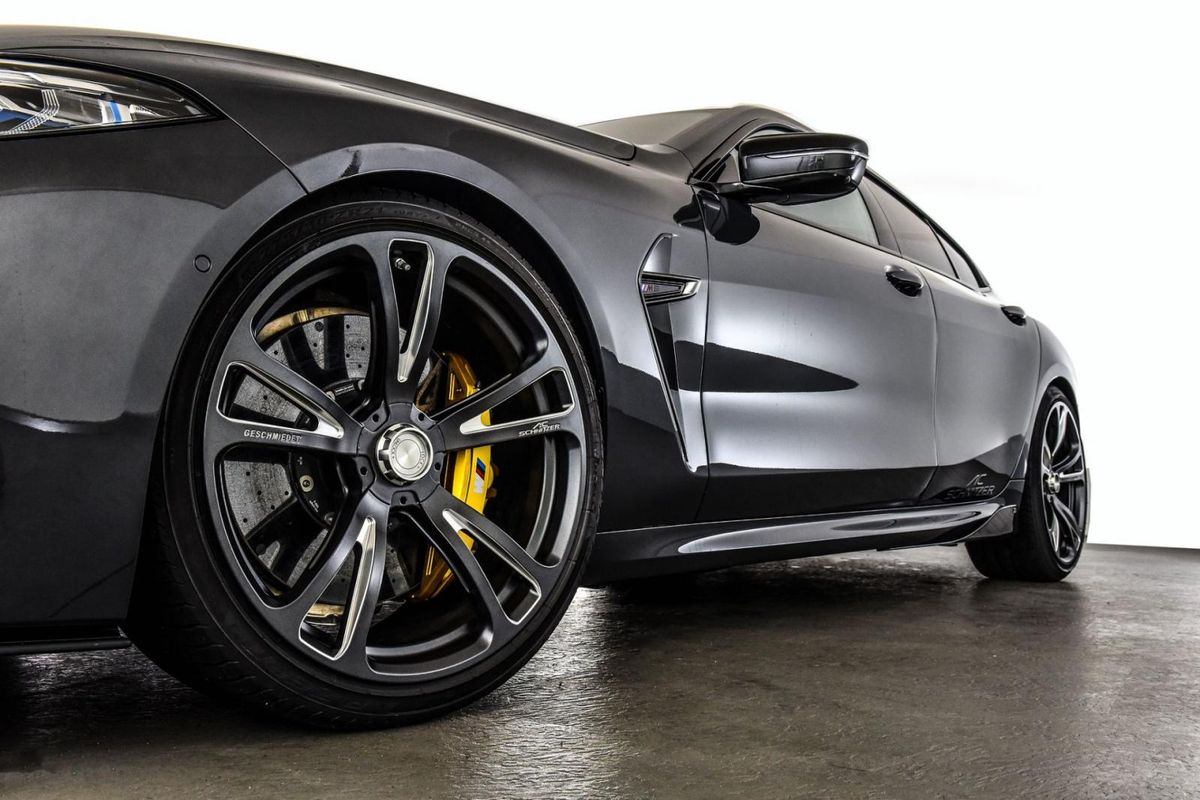
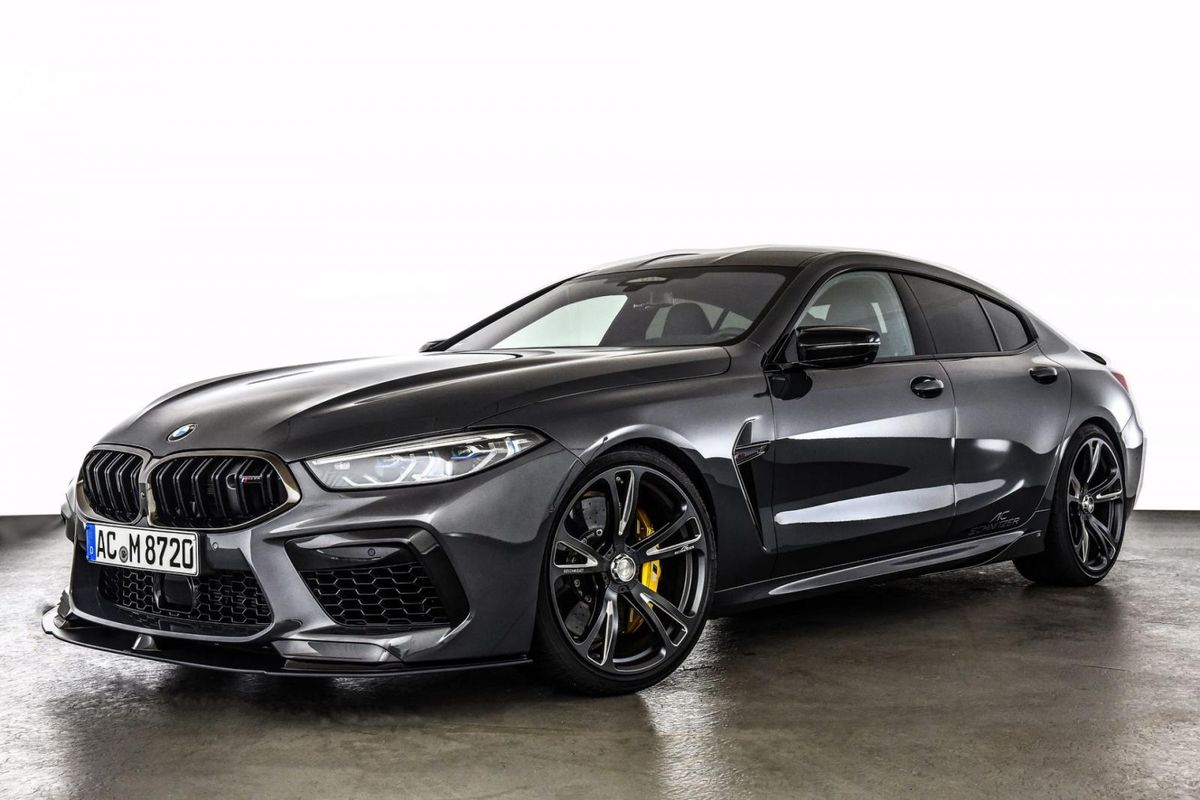
Own a BMW M8 Competition but feel it's a little too ordinary? Head to AC Schnitzer who will take it another level.
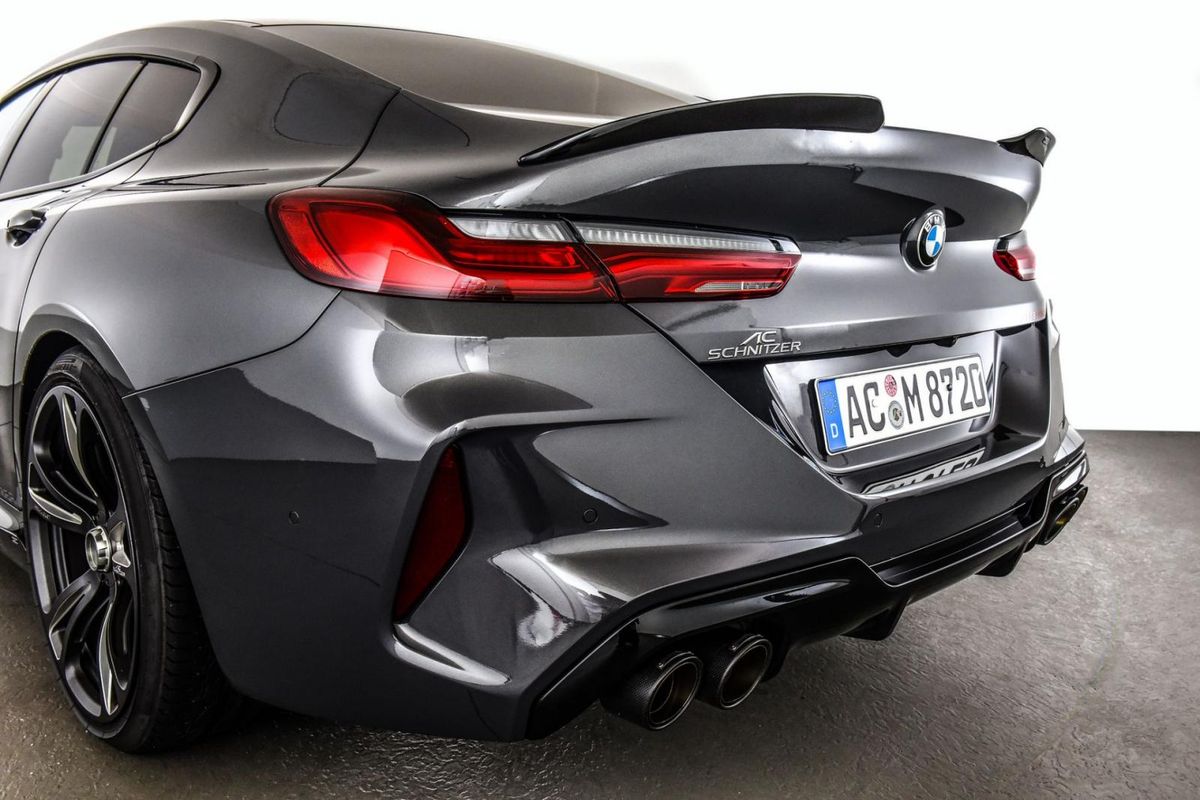
You'd think 460 kW and 750 Nm from a twin-turbocharged V8 petrol engine would be sufficient for most, but if not, you can take your BMW M8 Competition to the folks at AC Schnitzer who offers a visual and performance overhaul.
The tuning upgrades takes outputs up to 530 kW and 850 Nm, and the good news is the exhaust has been modified with an AC Schnitzer sports exhaust so you can now hear that engine sing its glorious song. It's not exactly quiet in its standard M8 form but the crew at Schnitzer have found ways to make it more productive – at least aurally.
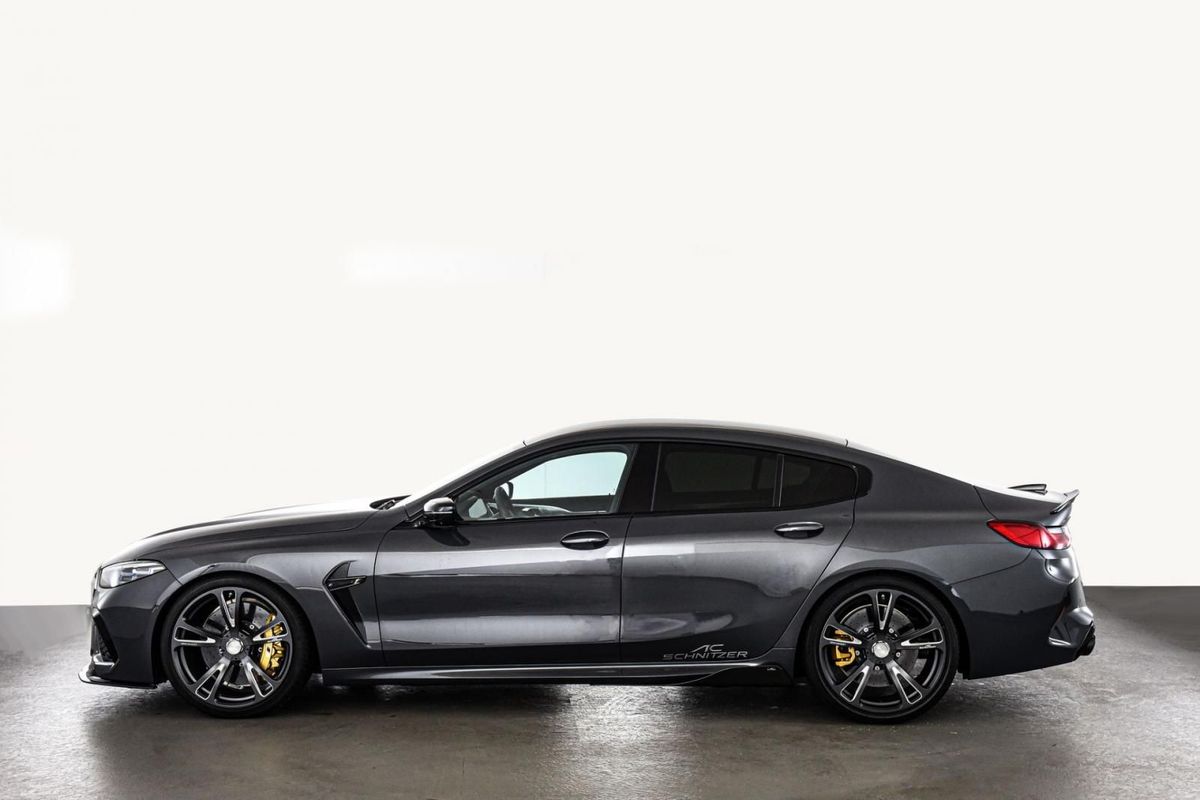
AC Schnitzer also offers a suspension lowering kit that makes the car sit 20 mm lower at the front and 15 mm lower at the rear, giving it quite a stance and a bit of rake.
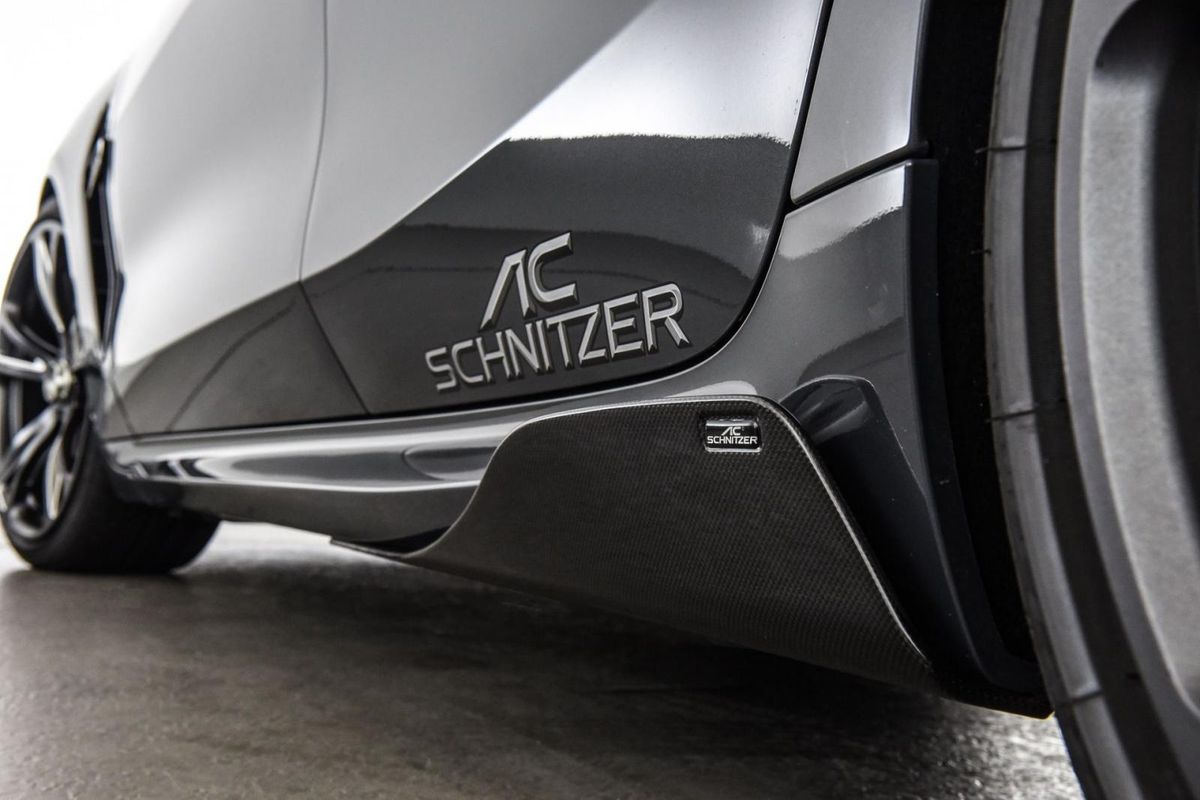
Visually, you can opt for different coloured exhaust tips, carbon side skirts, front splitter, carbon rear spoiler as well as 21-inch custom wheels.
AC Schnitzer offers the above services not just for the M8 Competition Coupe either and you can get the upgrades for the Cabriolet and Gran Coupe, as well as the non-Competition model.
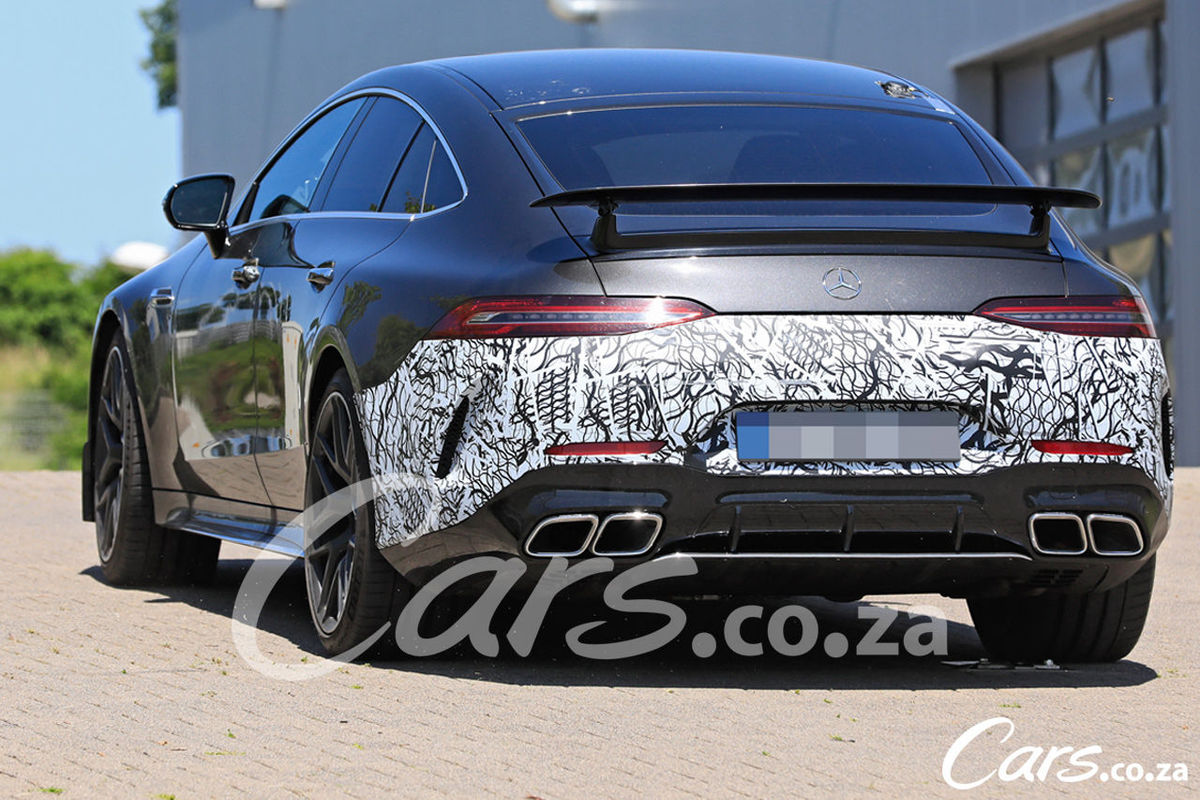
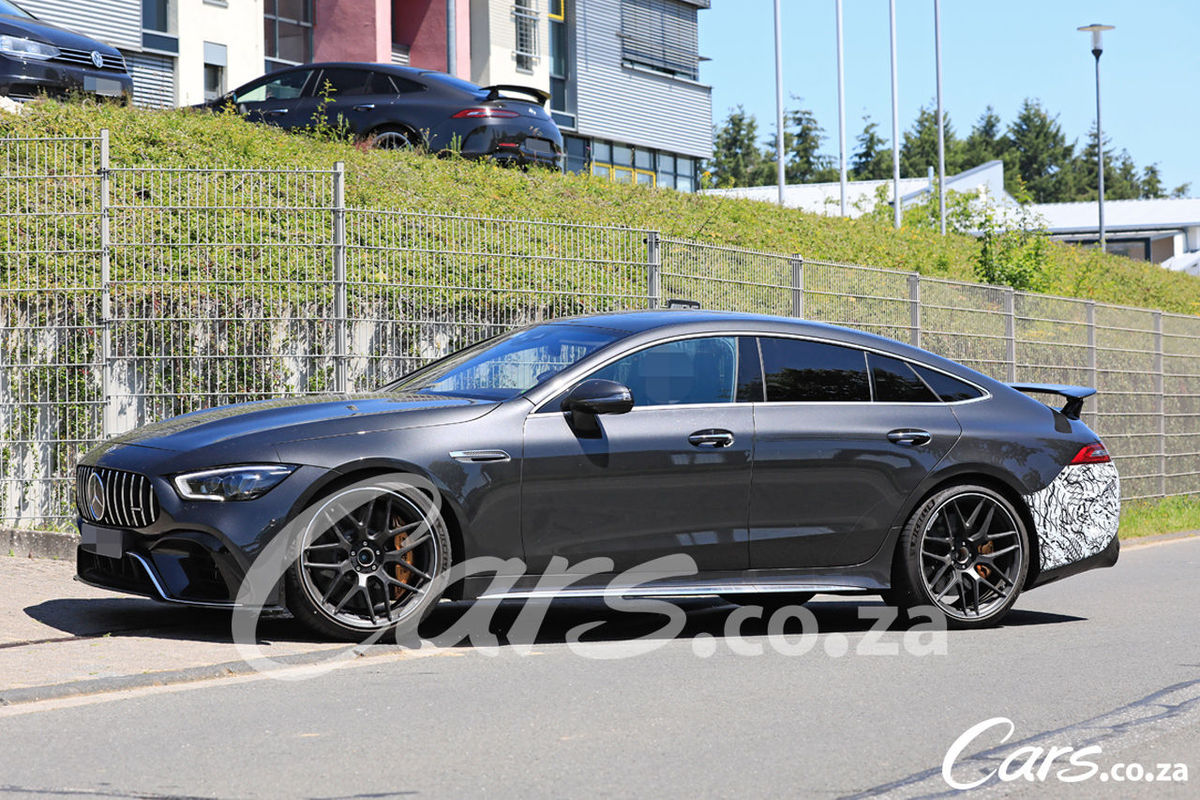
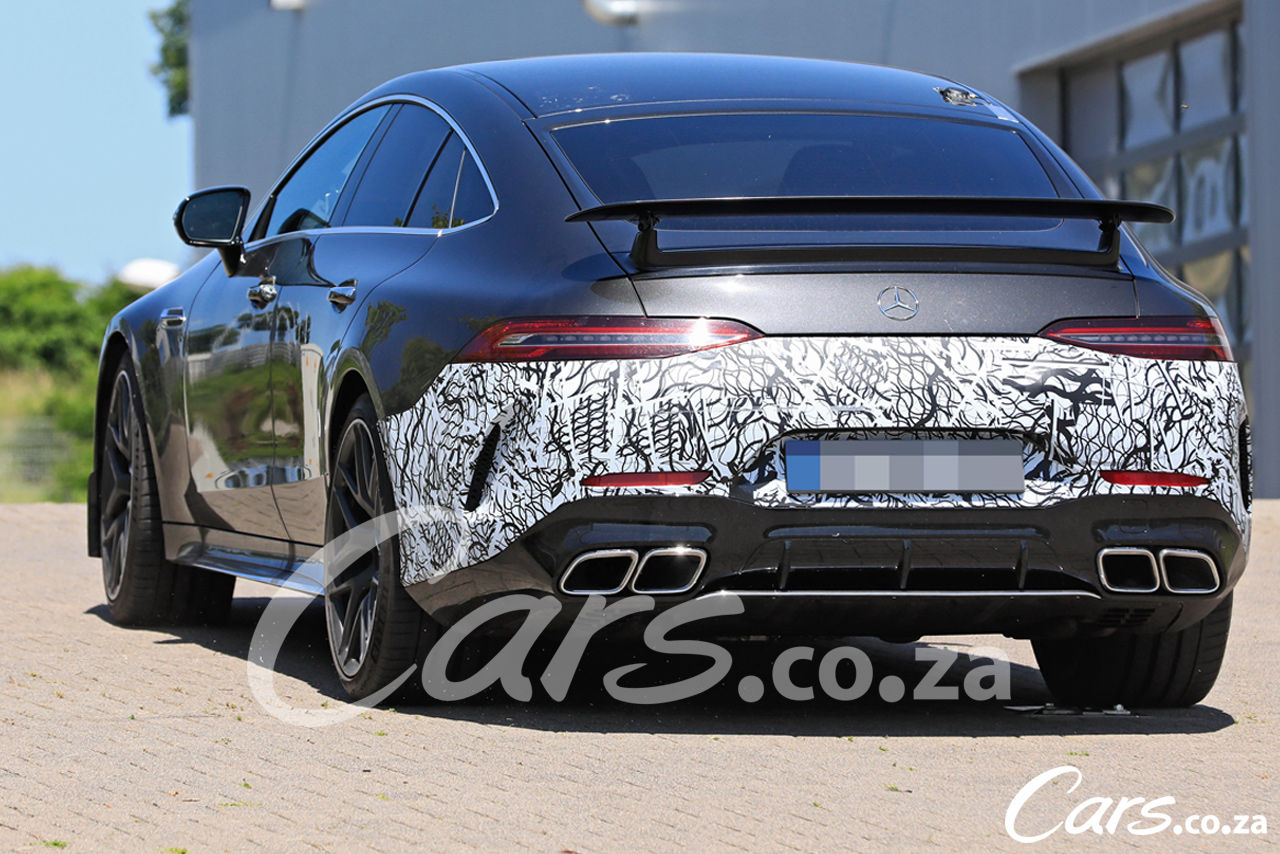
Mercedes-AMG is putting the finishing touches on its electrified AMG GT 4-door supercar. Here's what we know so far.
Picture credit: S. Baldauf/SB-Medien. We have paid for these photos and at the photographer's request, have watermarked them.?
Towards the end of May 2019, we ran a story that suggested Mercedes-AMG was going to electrify its 4.0-litre biturbo V8 motor. Now we're seeing the prototypes on the road. Our spy photographer said the car you see here arrived at the Nurburgring this week and will be taking to the famous circuit for dynamic testing.
Badged as the GT73e, this 4-door supercar is rumoured to be packing 600 kW and will have a sprint time of under 3 seconds to 100 kph. The key is the 4.0-litre biturbo V8 petrol motor, but with the assistance of an electric motor. Critically though, it should be able to run on pure electric power to circumvent the emission and congestion laws of most modern European countries. This is not a new recipe and we've seen this tech before in things like the McLaren P1.
We have had considerable experience with the AMG GT63 S already and its outputs of 470 kW and 900 Nm were very impressive, so we can only begin to imagine just how fast this electrified AMG will be! Expect to see a reveal of the GT73e before the end of 2020 and it will go up against the Porsche Panamera Sport Turismo e-hybrid.
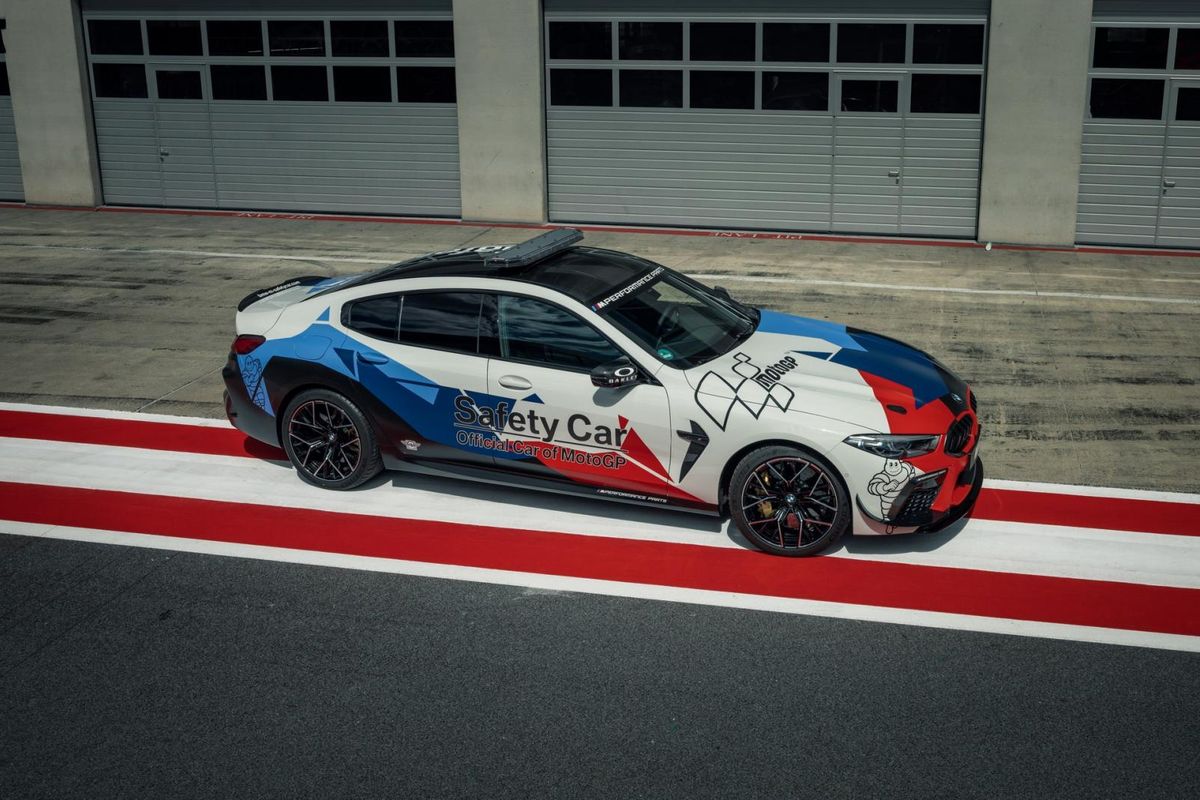
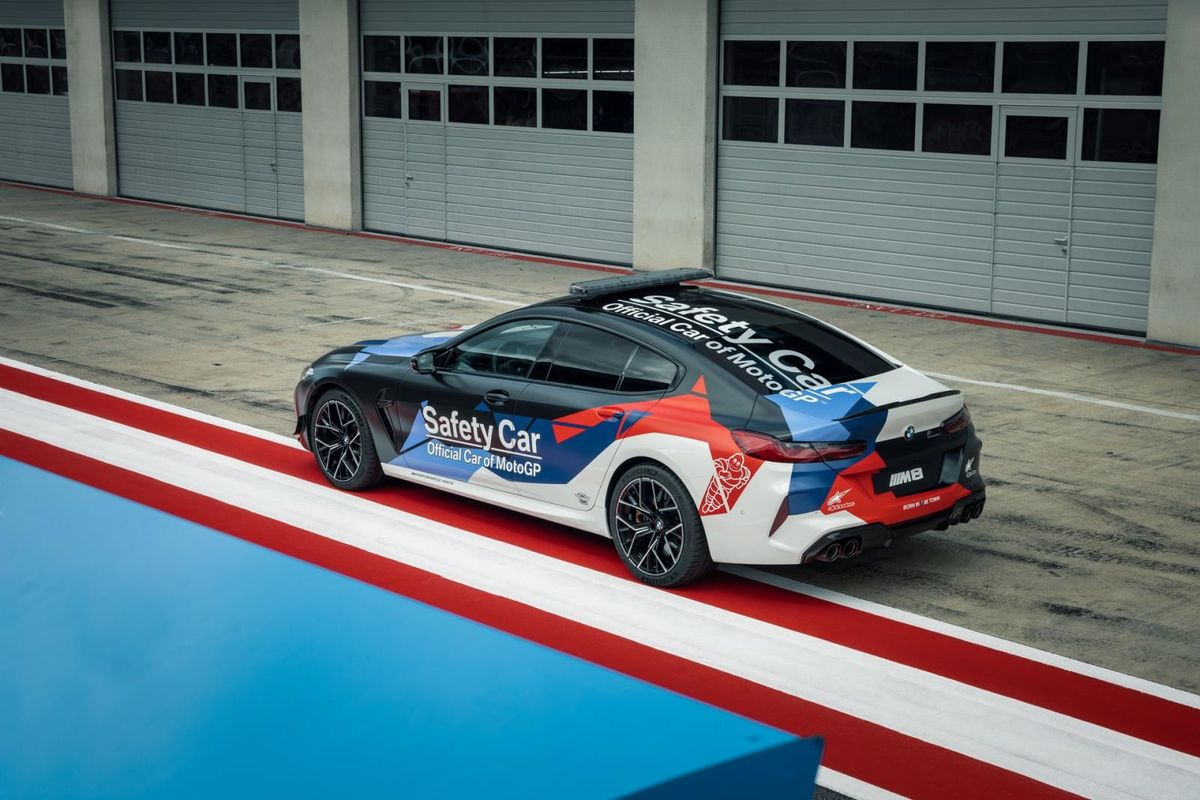
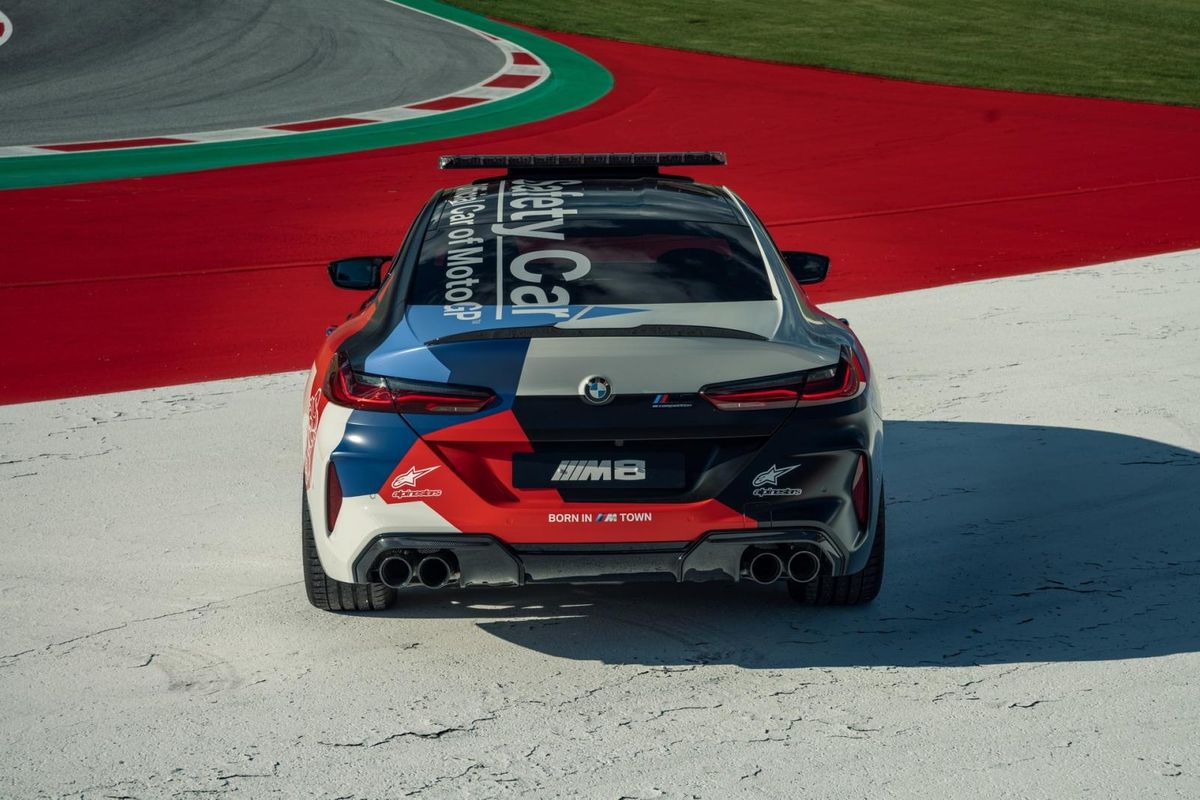
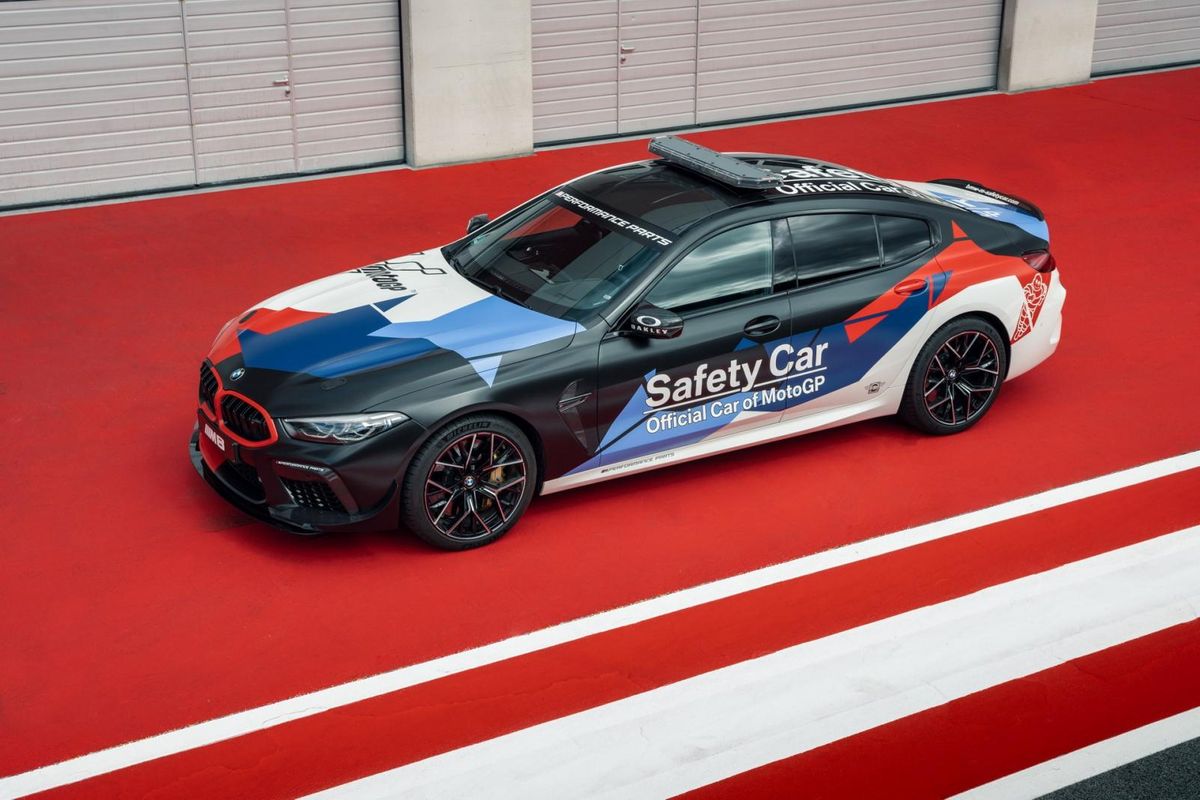
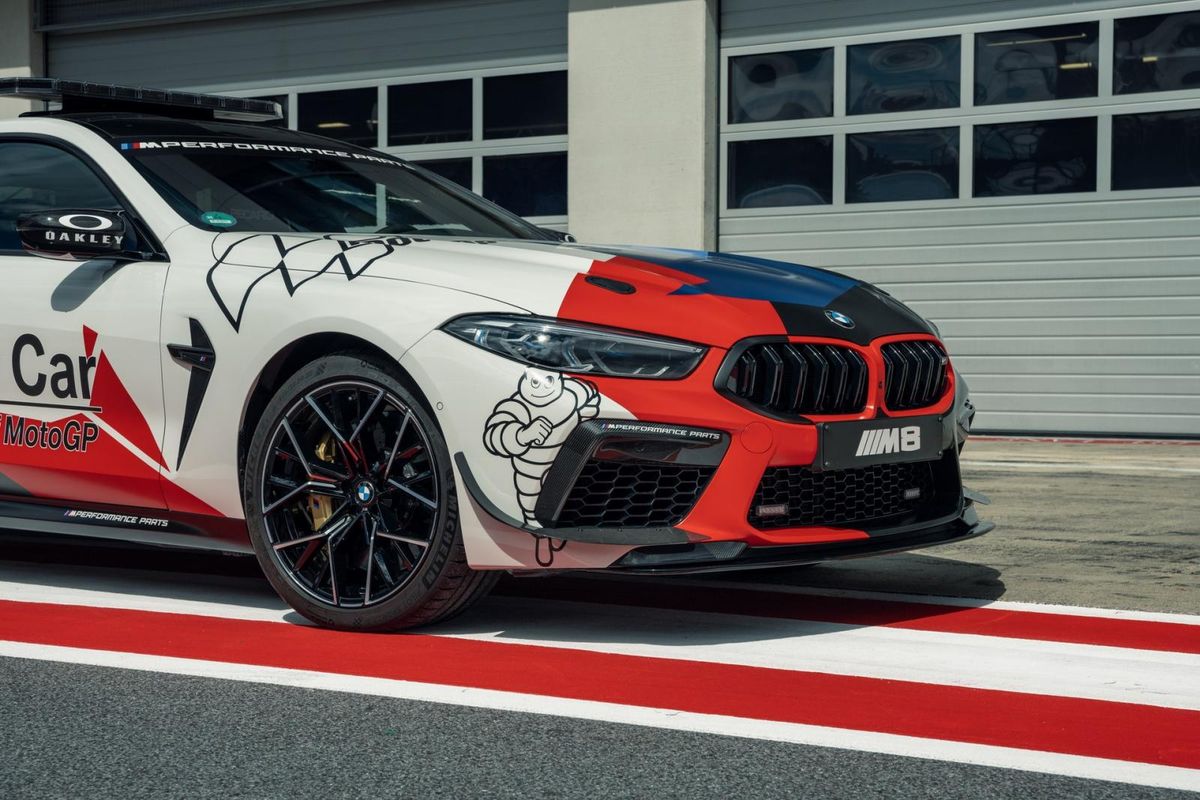
BMW M has been the long-time sponsor and supplier of vehicles for the MotoGP season. For 2020/2021, the new safety car is the BMW M8 Competition Gran Coupe.
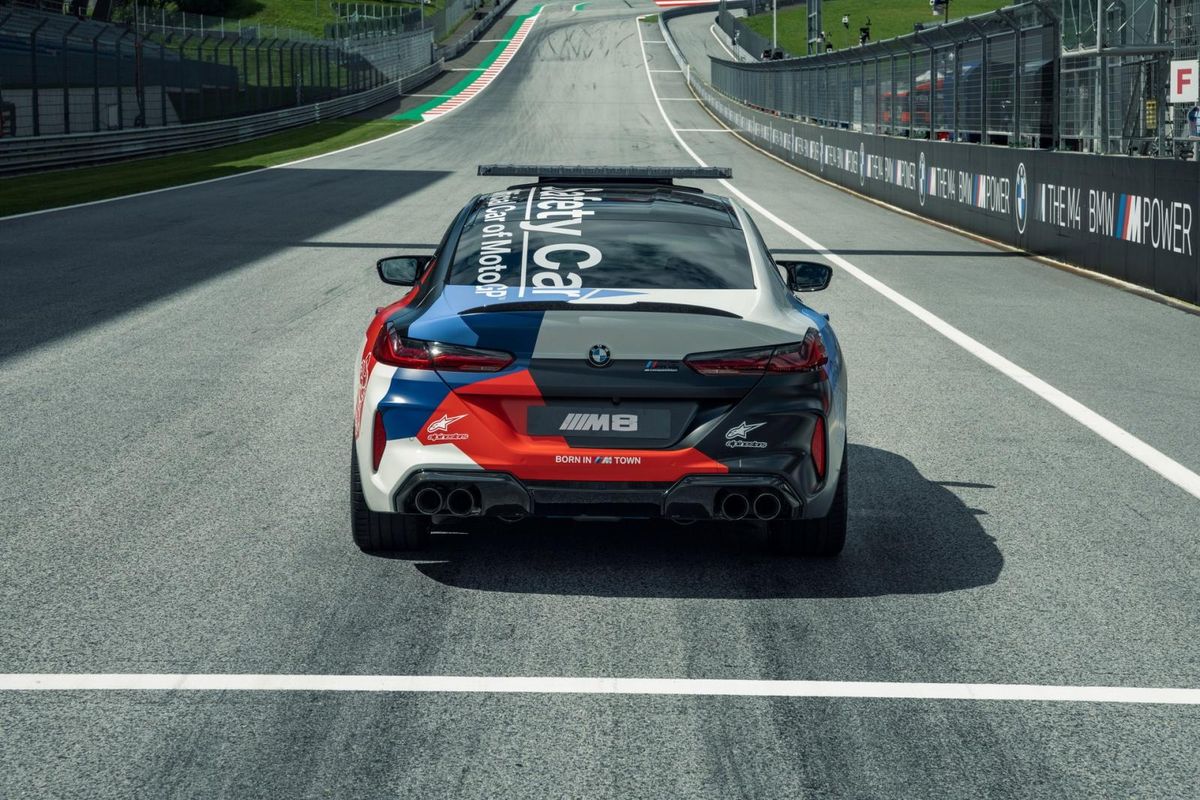
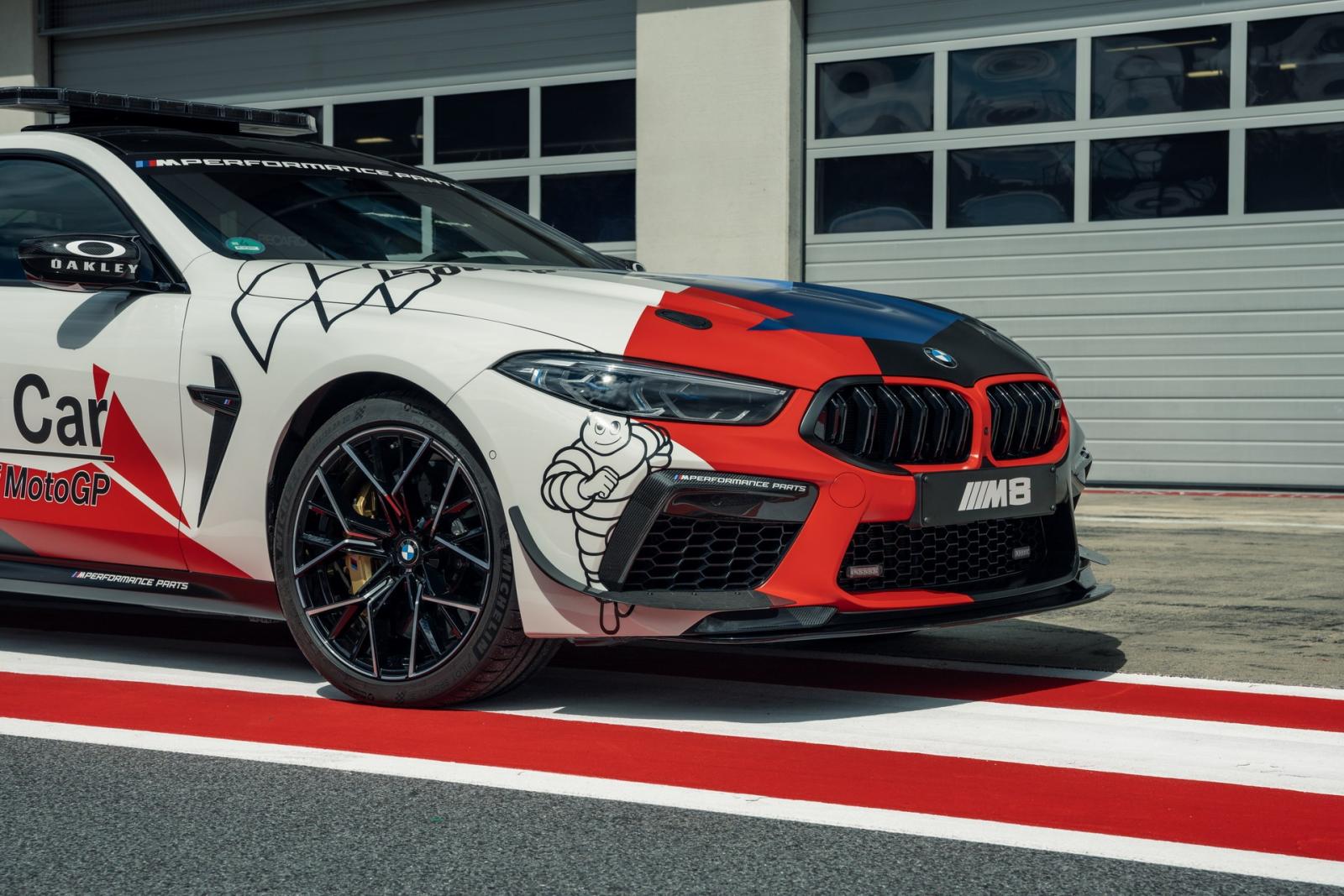
BMW M has been a sponsor and partner of MotoGP since 1999 and has always supplied vehicles as support and safety vehicles. Replacing the outgoing BMW M8 Coupe is this BMW M8 Competition Gran Coupe, completely decked out in BMW M branding and featuring the obligatory LED flashing lights.
With 460 kW and 750 Nm from a 4.4-litre twin-turbocharged V8 engine, the BMW M8 Competition Gran Coupe is no slouch at all, with a claimed 0-100 kph time of just 3.2 seconds. Or what MotoGP racers call 'quick-ish'. Sure, the BMW is very quick by vehicle standards, but will have a hard time chasing the likes of Mr Rossi, Mr Binder and co.
This particular BMW M8 Competition is based on the customer car, but boasts a lot of M Performance parts like a carbon engine cover, exterior mirror caps, rear spoiler, rear diffusor, carbon grille on the sides, carbon steering wheel, and custom-manufactured front flaps and splitter. The standard seats have been removed and in their place are purpose-built Recaro racing seats.
Lexus is targeting younger buyers with its UX and the Japanese marque recently added a more affordable hybrid derivative to its premium compact crossover range. Does the reduced spec (compared with the SE version) detract too much from the luxury offering, though?
We like: Efficiency, refinement, comfort
We don't like: Tiny load bay, hybrid driving style needs to be mastered, quirky infotainment system
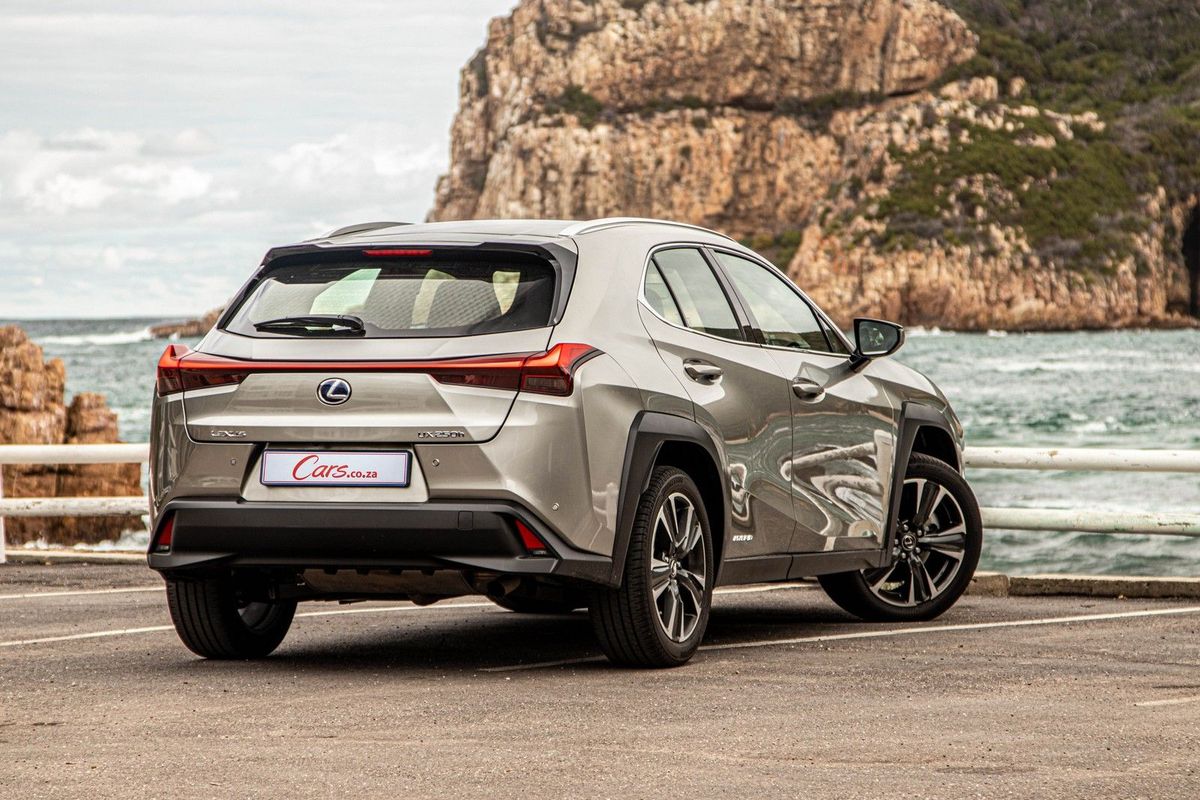
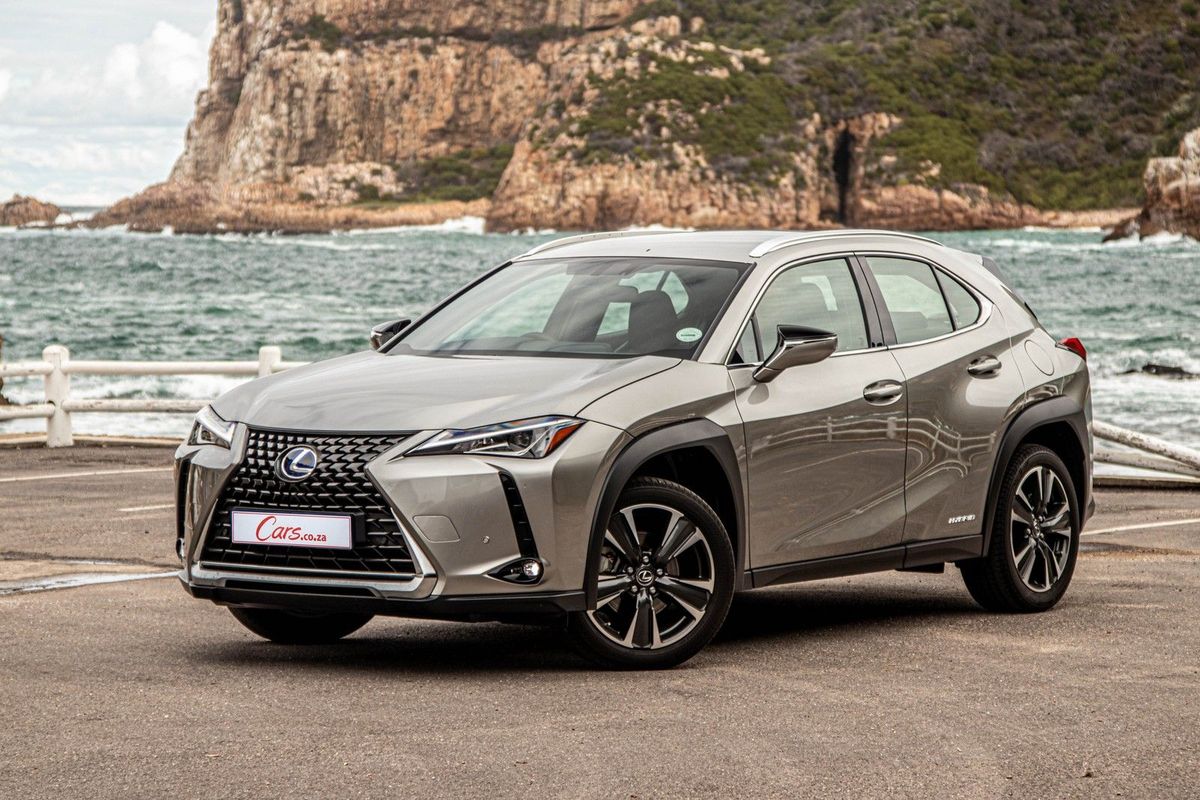
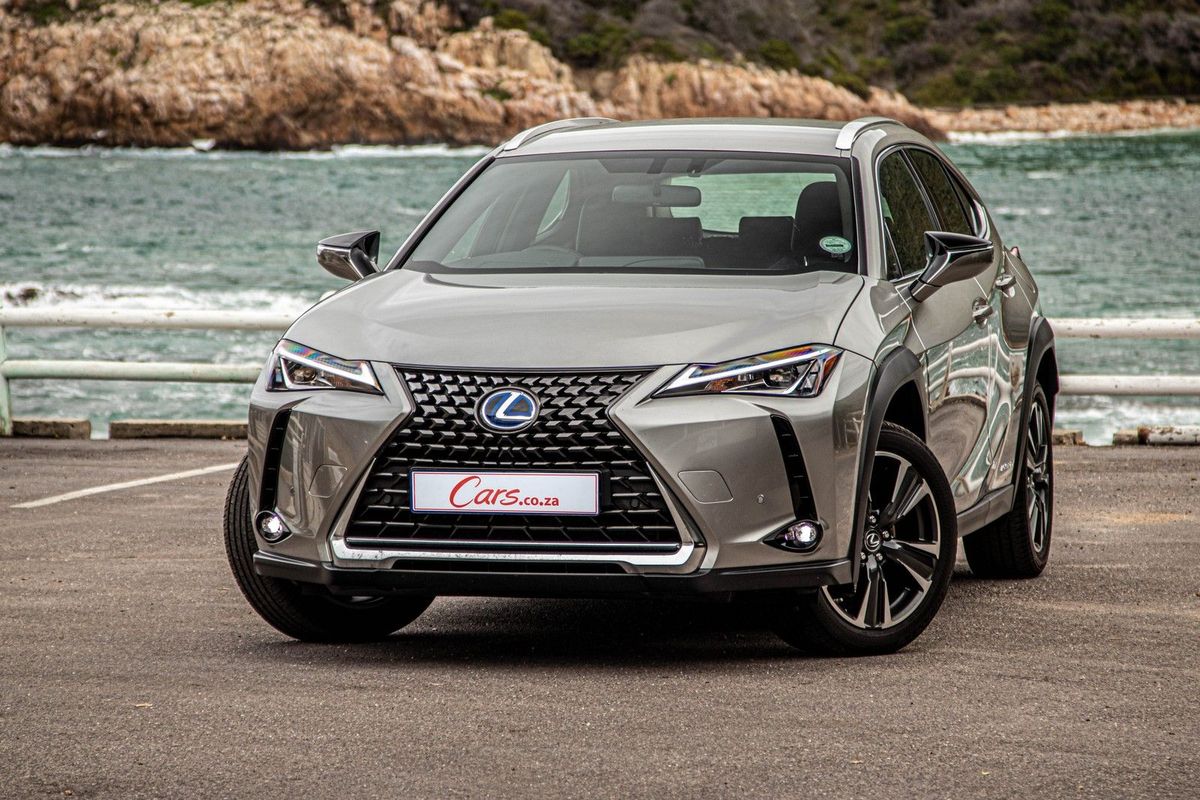
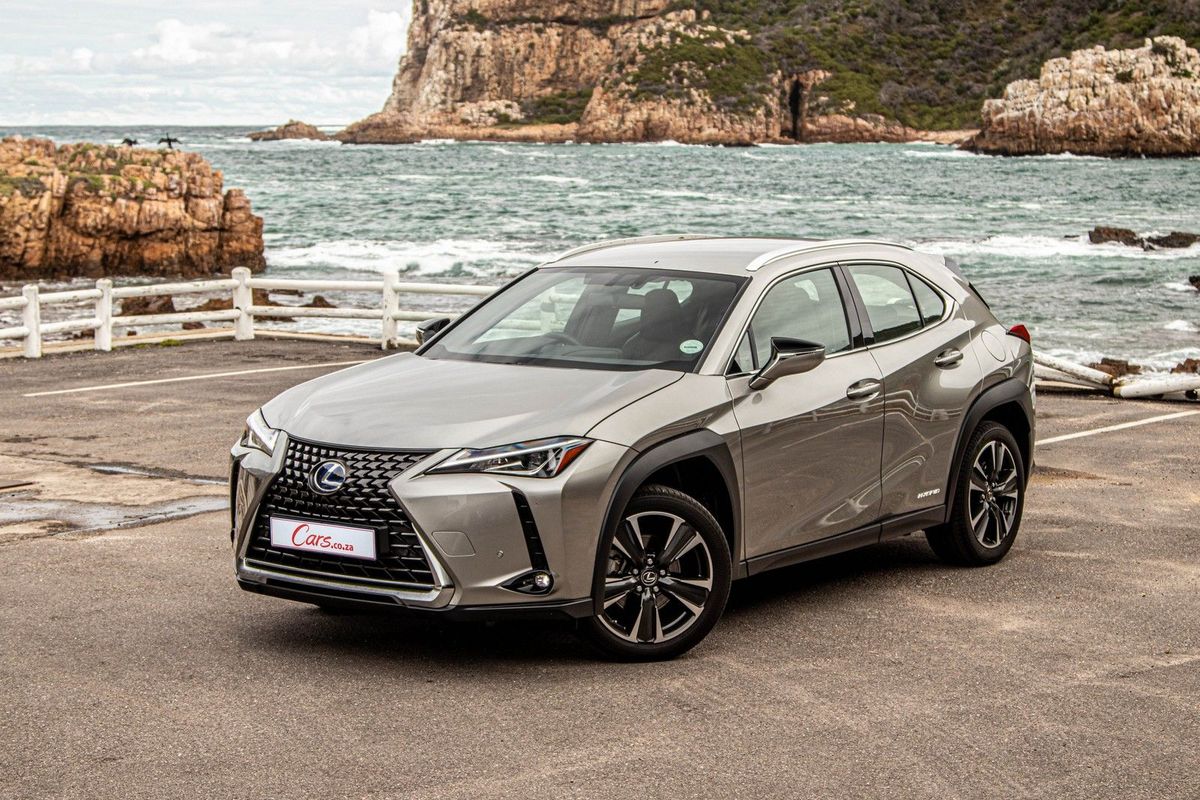
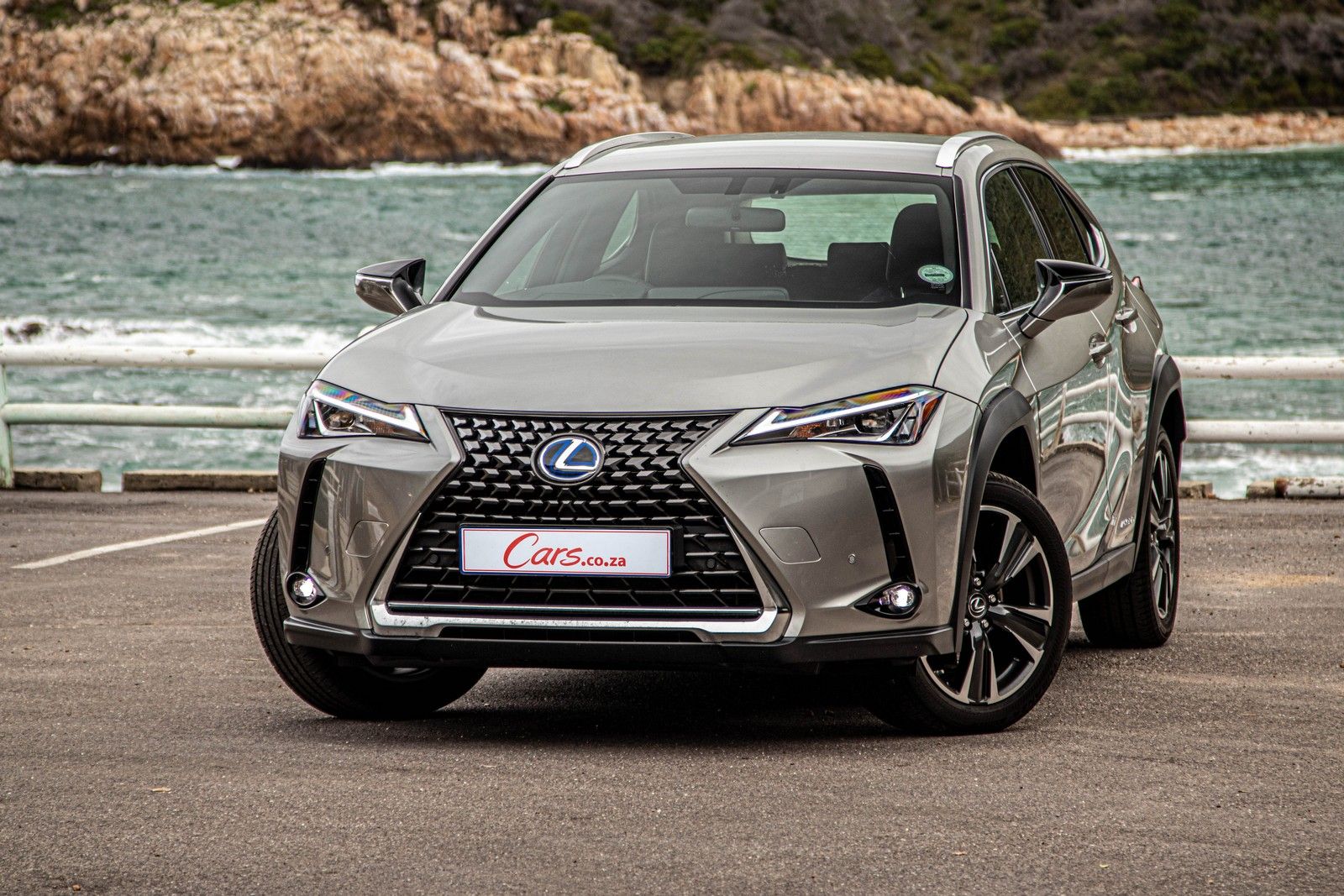
There's no mistaking that grille for anything other than a Lexus! The blue badge is the giveaway that this is a hybrid derivative.
When you think of Lexus, the first models that come to mind are softly-sprung SUVs and long-legged sedans (all of which are liberally equipped, of course), so it may come as a surprise to some that the Japanese premium marque has branched down into a new market segment – and a particularly competitive one. The UX is Lexus' smallest model (it effectively replaced the CT 200h), but, given how much movement there's been in the premium crossover segment, Lexus reckons it can snatch sales away from its rivals.
Speaking of rivals, there are many competitors to the UX… Audi offers its Q3 (and Q3 Sportback at the end of 2020), while BMW sells the X1 and X2. Jaguar and Volvo are in the mix with the E-Pace and XC40 respectively, while Mercedes-Benz has the GLA, as well as the upcoming GLB.
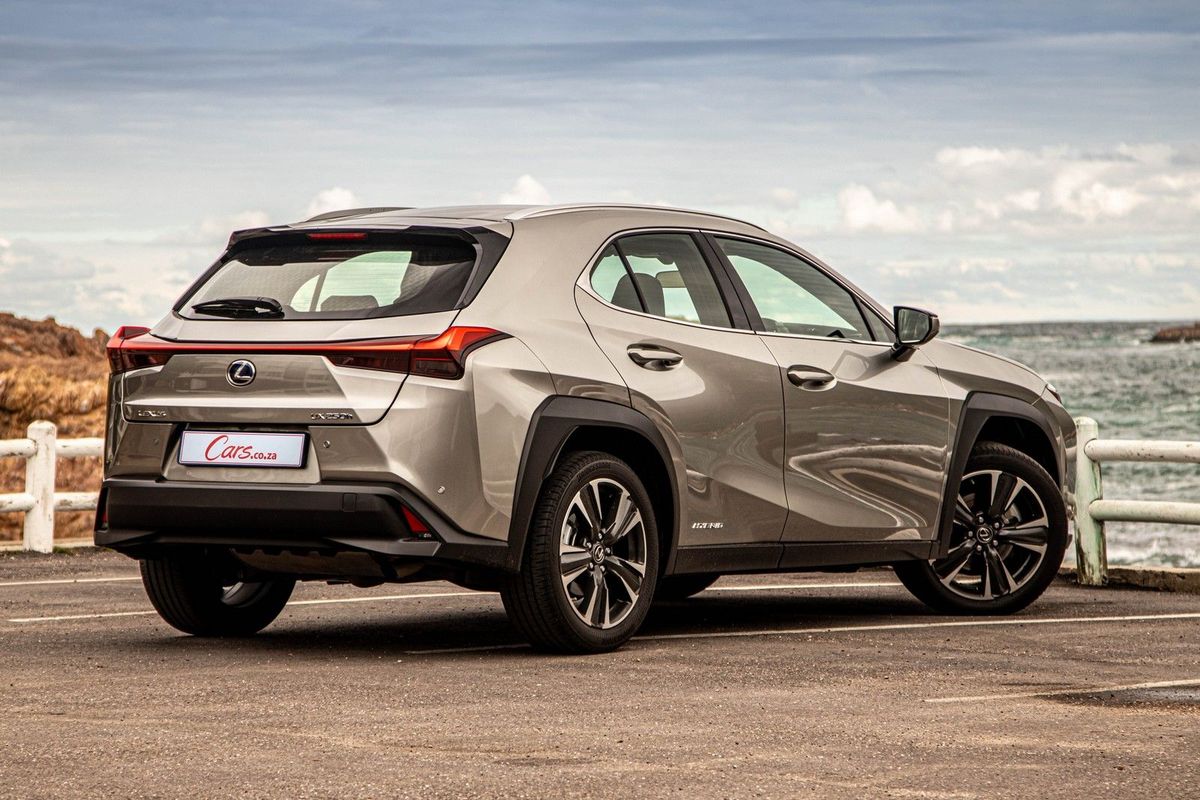
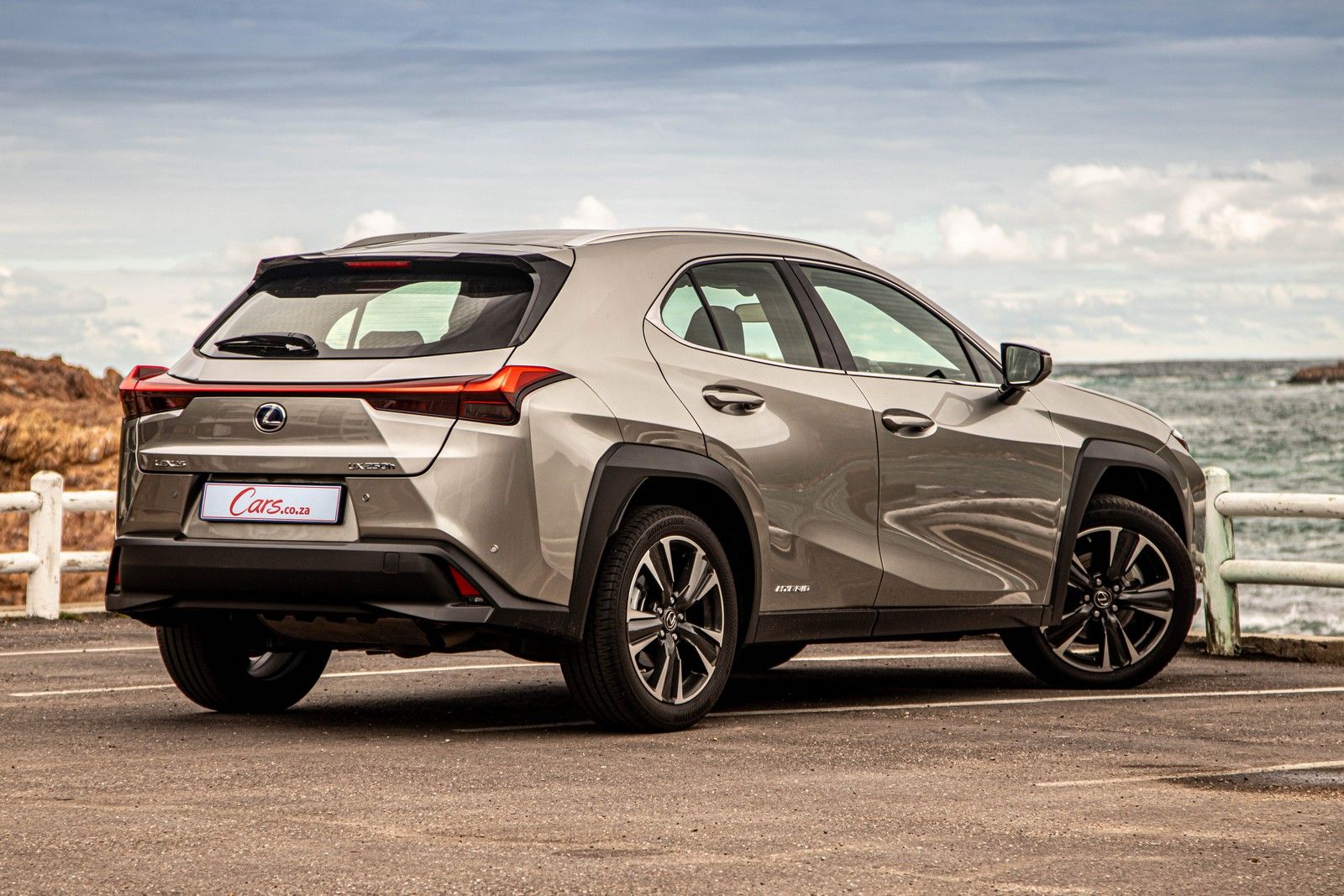
UX stands for Urban Crossover, which gives you some idea of the Lexus' proportions and ability. In terms of styling, the UX's exterior execution is sharp and angular, typical of most modern Lexus products. While the look may not win everyone over, there's no denying that it's distinctive. It's also the first Lexus to be based on the Toyota New Global Architecture, which underpins products such as the RAV4, Prius and new Corolla (to name a few examples). We have sampled several of those models' derivatives and have been impressed with their ride quality and impressive fit-and-finish. Therefore, our expectations of the Lexus UX (to deliver quality and refinement in abundance) are high…
How it fares in terms of…
Performance and efficiency
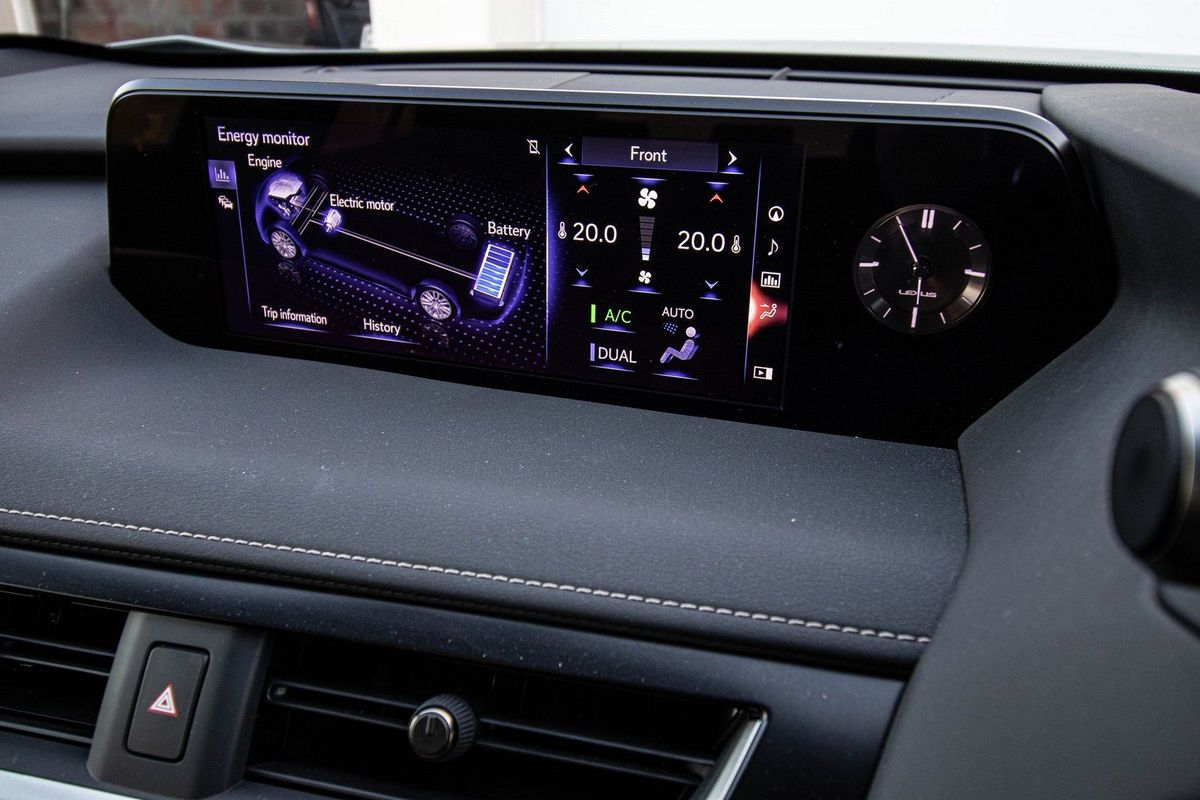
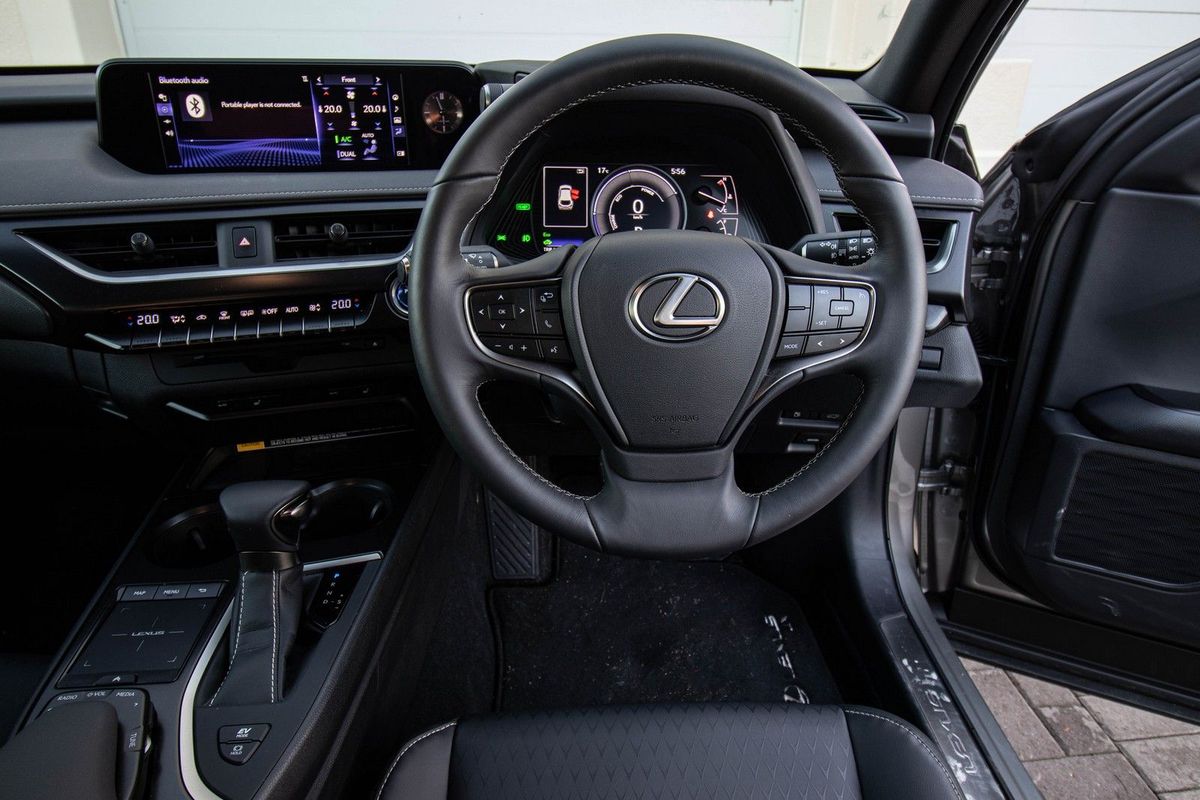
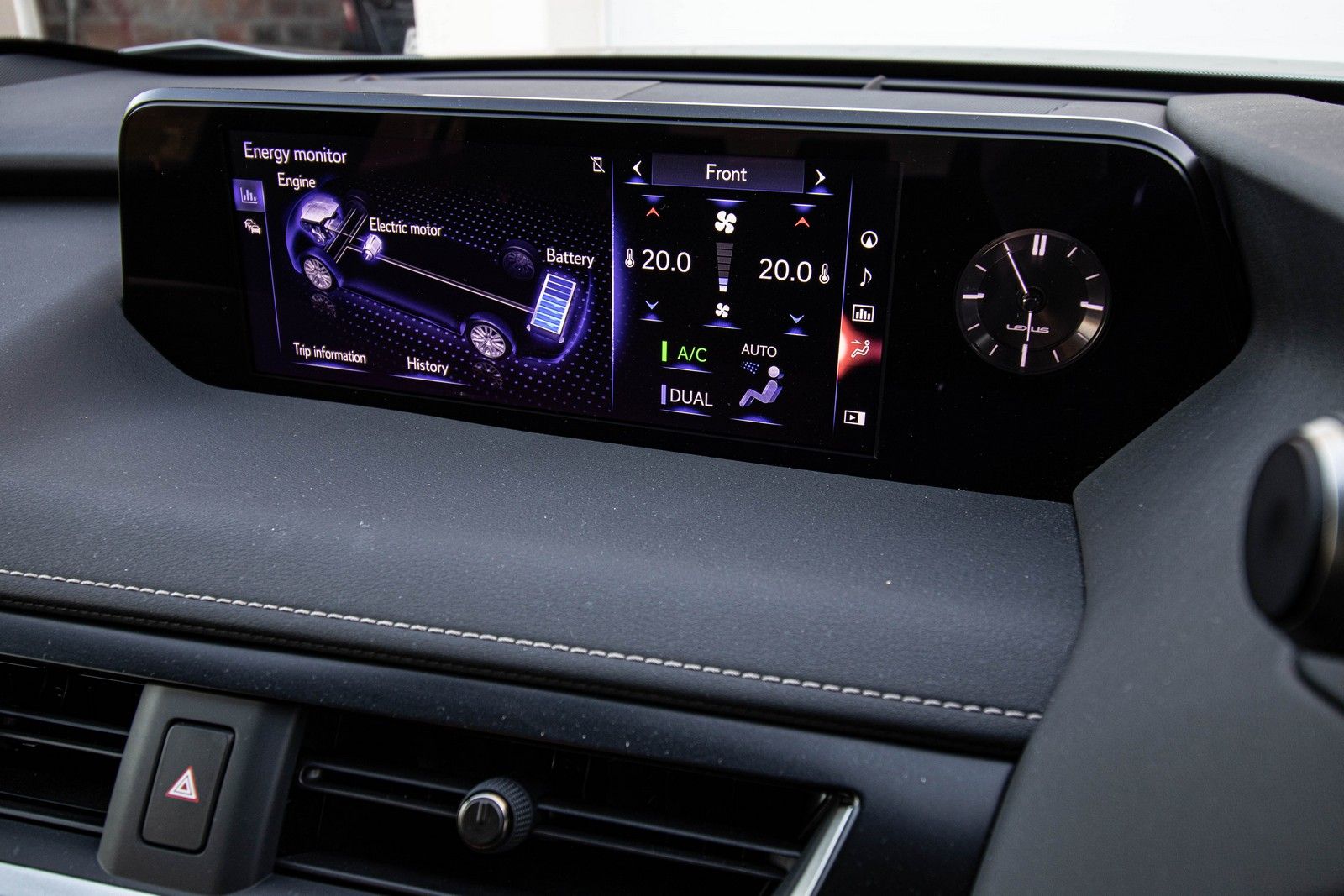
The infotainment system is functional, but lacks the modern graphics of its rivals. Nice to watch the hybrid system in action.
The UX 250h EX is powered by a 2.0-litre 4-cylinder naturally-aspirated petrol motor, which produces peak outputs of 135 kW and 180 Nm in conjunction with an electric motor. The Lexus hybrid system is now in its 4th generation and, for those who don't know how it works, it can propel the Lexus UX round town at low speeds on pure battery power (depending on the latter's state of charge). It can also assist the petrol engine by delivering extra power when required, like when executing overtaking manoeuvres.
Once the battery's charge needs to be replenished or the electric-mode speed limit has been exceeded, the petrol engine takes over. Battery recharging comes courtesy of regenerative braking, plus the engine acts as a generator. The fuel efficiency claim of 4.5 L/100 km is impressive and we managed 6.5 L/100 km, with is still good, considering that we took our test unit on a road trip up the Garden Route. We'd put money on consumption figures in the low 5s if you drove mostly in the city and didn't go on a 532-km trip!
That's because open-road cruising largely negates the efficiency gains of a petrol-electric hybrid system. That's not to say the UX 250h EX is no more fuel-efficient than a non-hybrid car on longer trips; it can be, but you have to change your mindset (and, therefore, driving style). When you're at the top of a hill, take your foot off the accelerator… the petrol engine will switch off as the vehicle transitions to electric power. Then, as you coast downhill silently, the battery is recharged. We learnt to anticipate intersections and coast to stops under pure electric power. Once the traffic started moving (and as long you didn't stab the accelerator pedal), the UX pulled away serenely on its battery alone.
This system works best in congested and built-up areas, where the average speed sits at around 40 kph. The best demonstration of this tech would be driving into Knysna (from the direction of Cape Town) on the N2 freeway. That gradual descent into the Southern Cape town provides plenty of opportunity for the battery to be recharged through engine coasting and regenerative braking. Due to traffic lights not being in our favour and mild traffic, the average speed wasn't very high and the test unit remained running on pure electric power before the petrol engine took over (as we climbed uphill upon exiting Knysna). Is it possible to complete short trips on pure electric power? Yes, definitely.
Premium driving experience
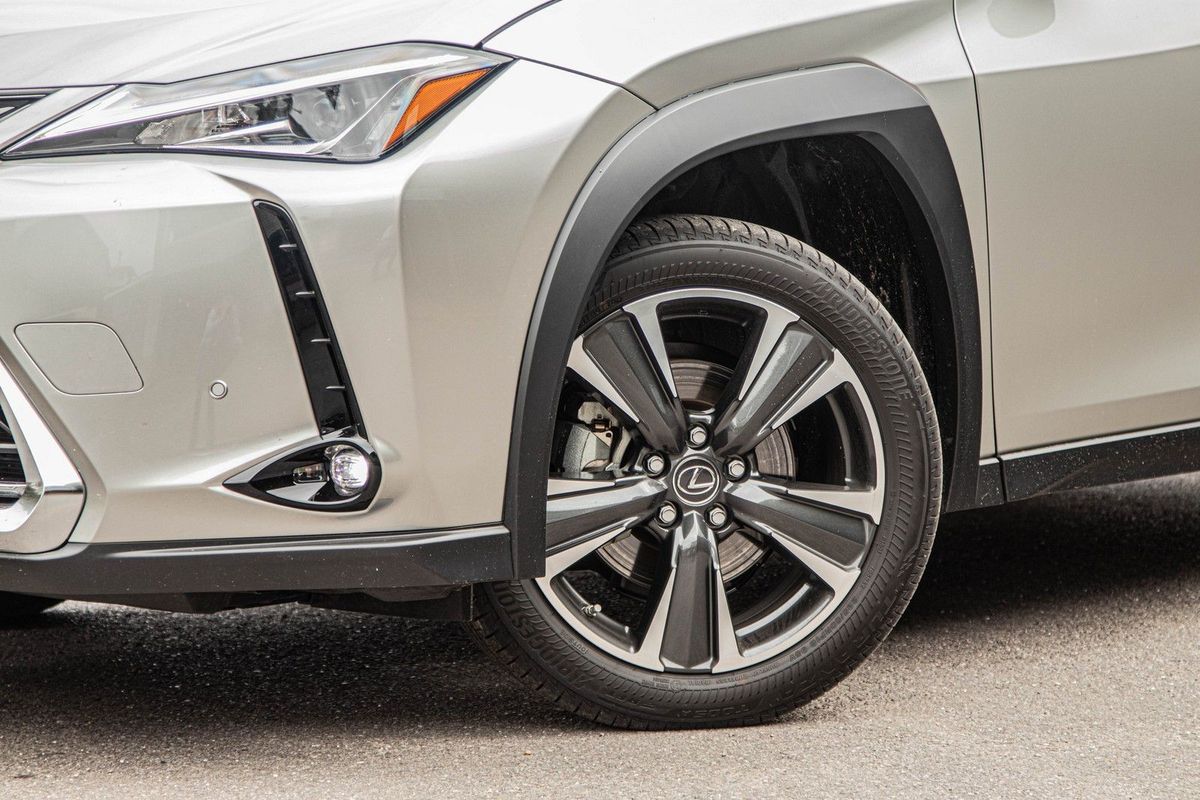
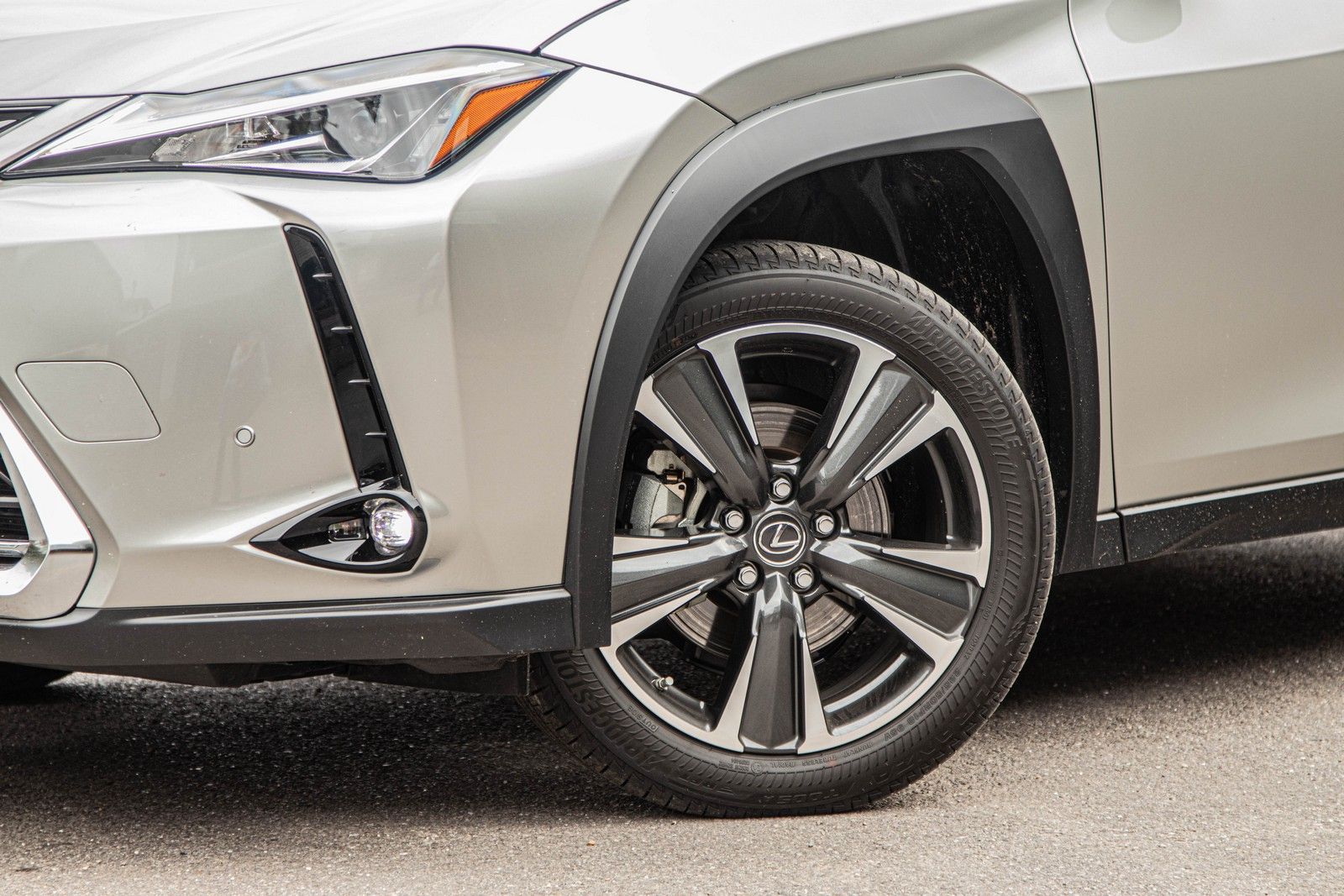
The Lexus UX 250h EX rides on 18-inch alloy wheels.
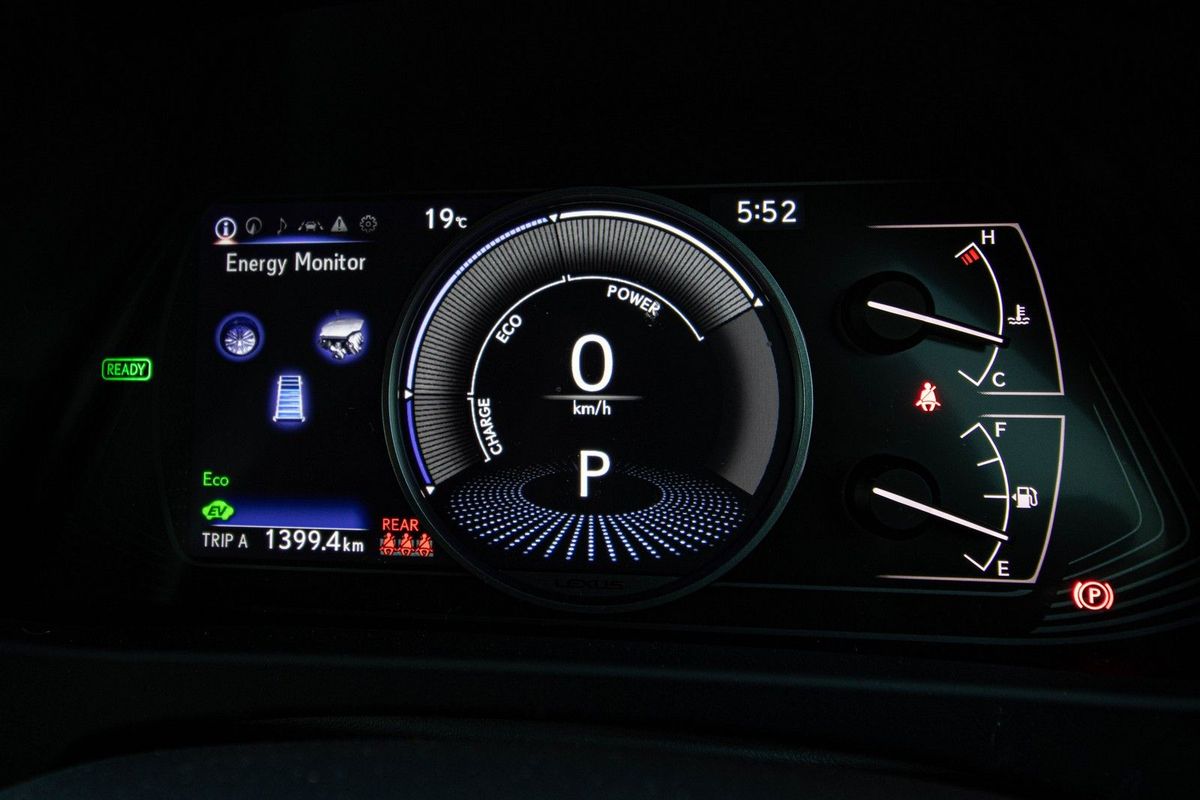
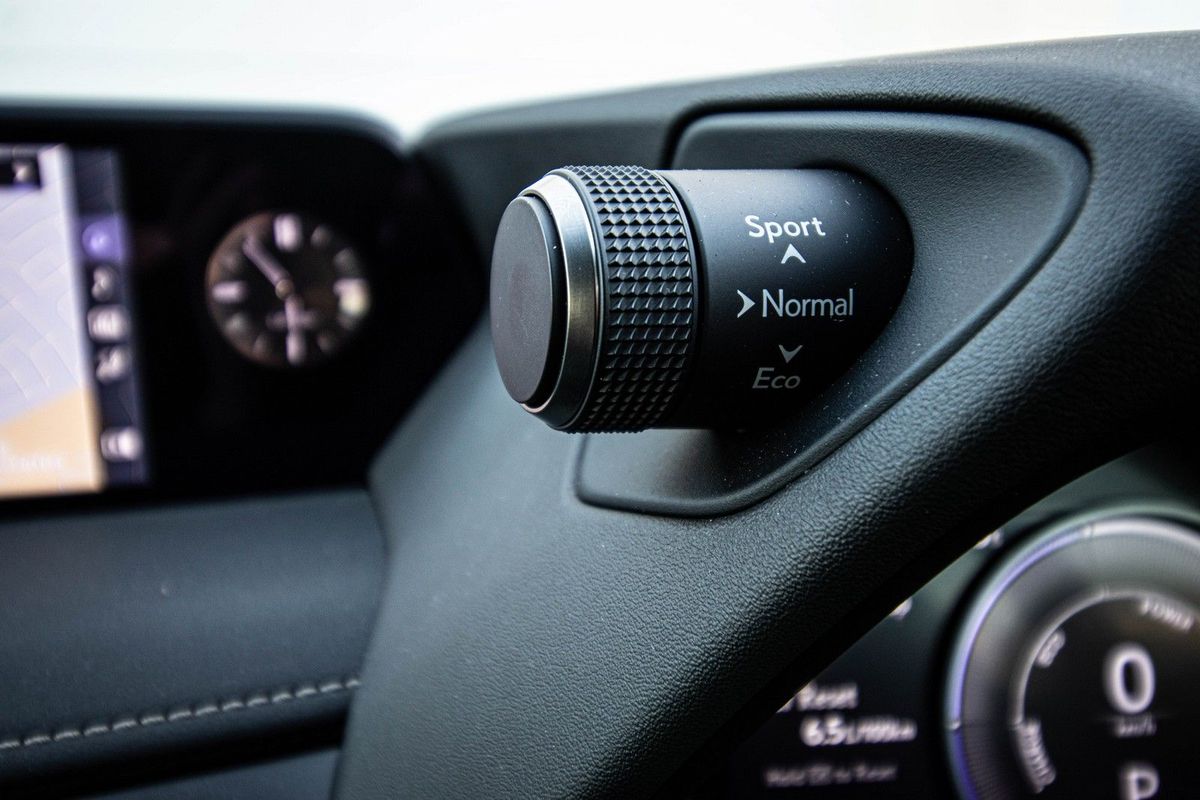
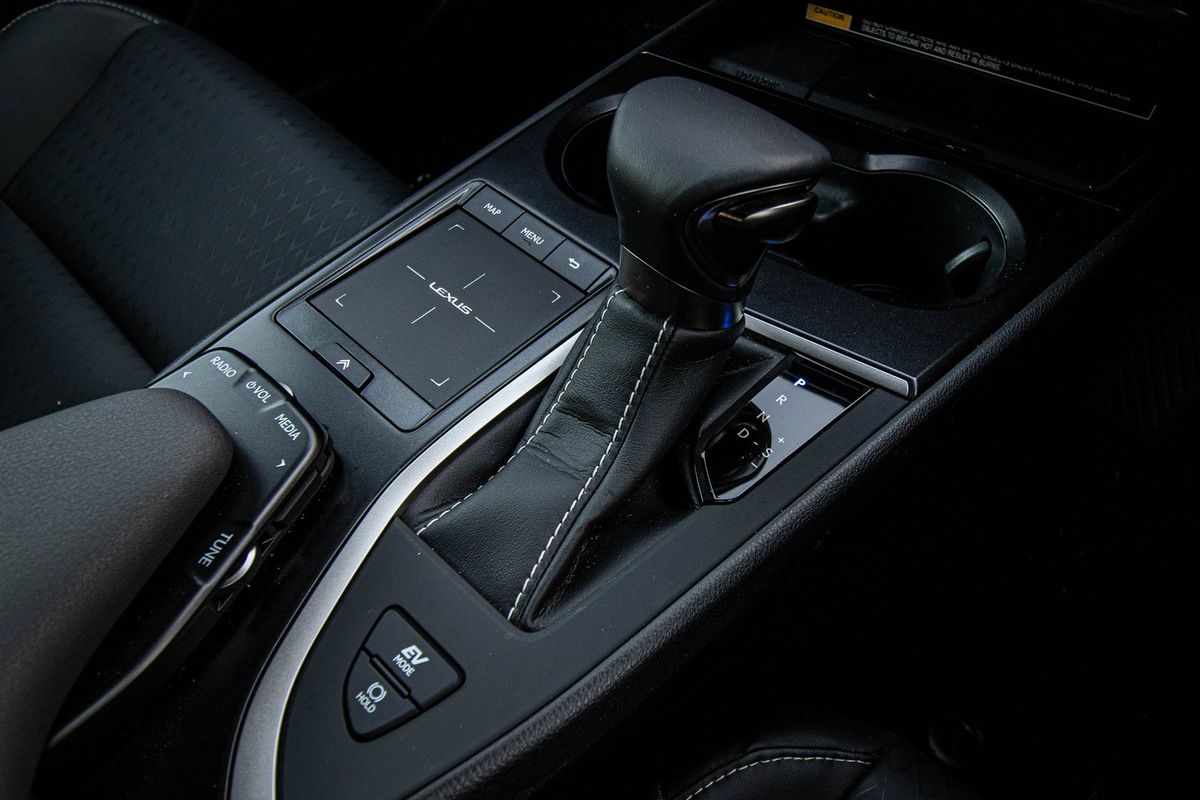
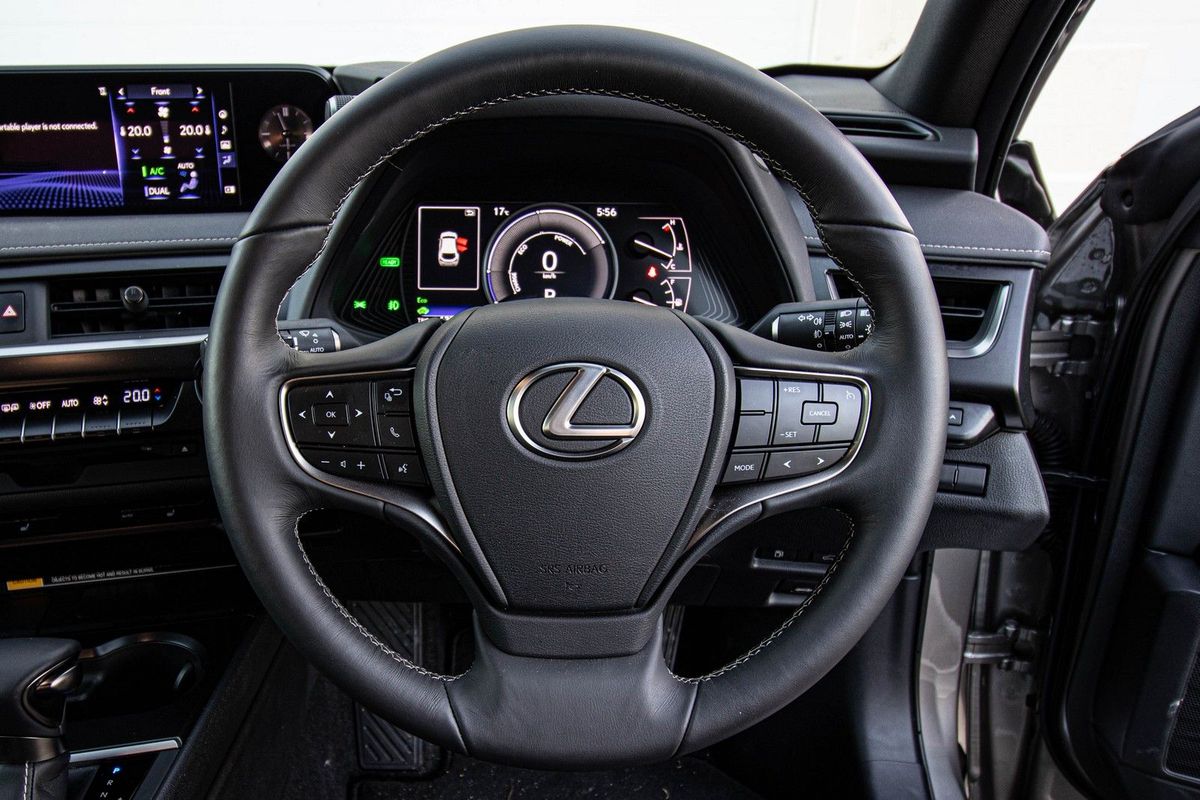
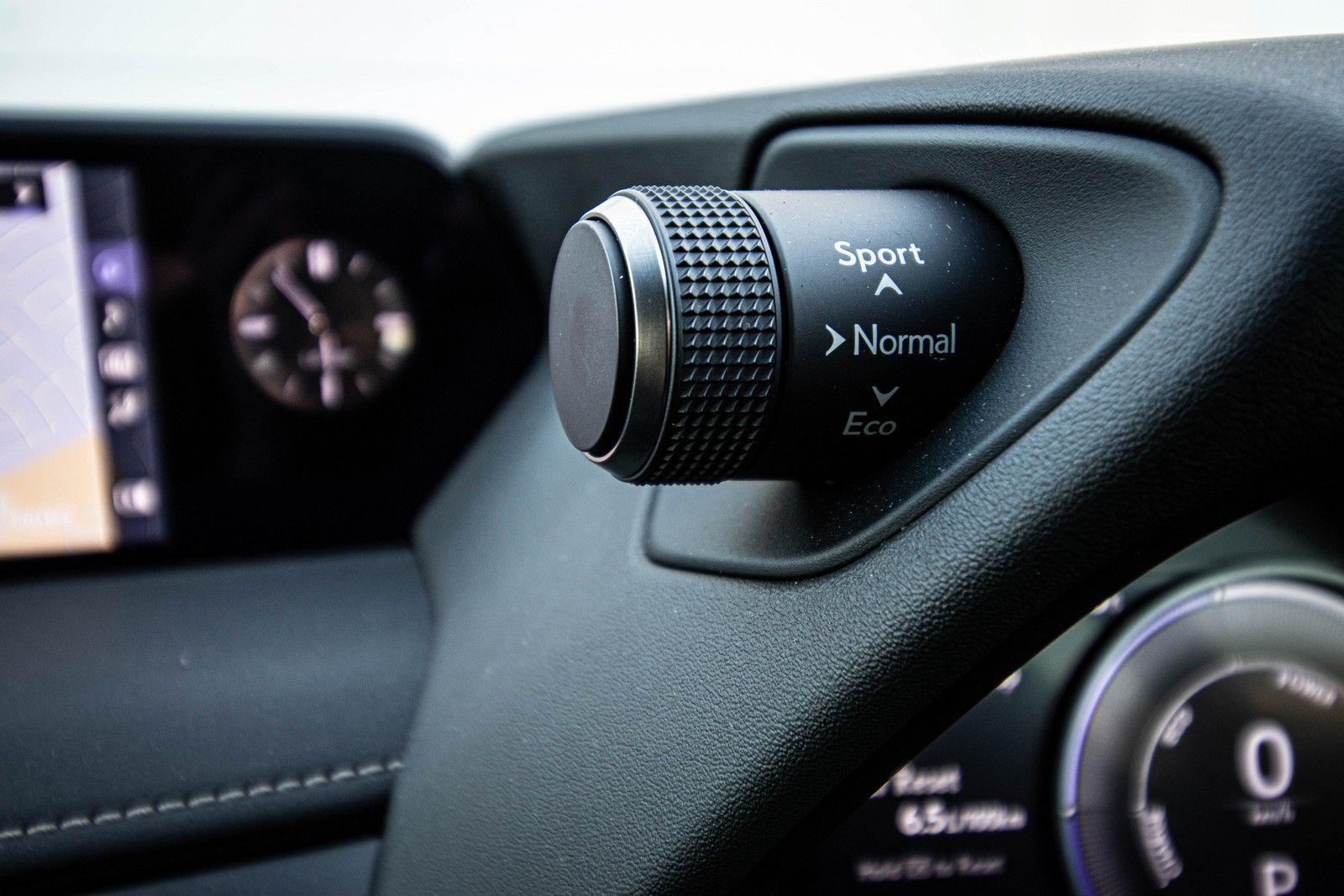
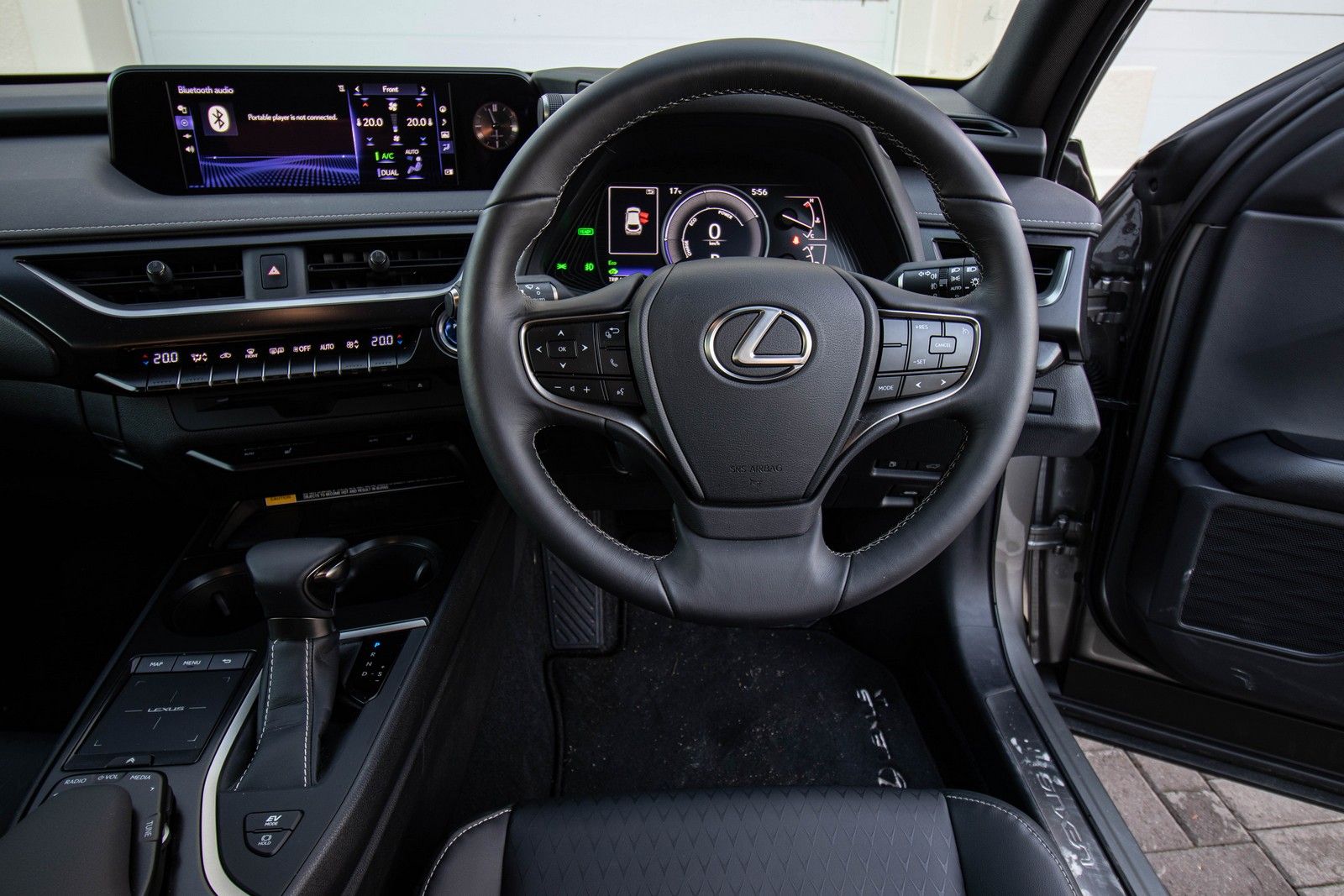
If you're a bit daunted by this tech, we're happy to report the vehicle is simple to drive; the entire hybrid process is completely automatic. The Lexus' continuously variable automatic transmission (CVT) provides a reasonably smooth power delivery – it's only when you mash the accelerator pedal that you'll encounter some "transmission drone", which is, to be fair, a characteristic of most CVT-equipped vehicles. Fortunately, there is a fairly good audio system in the UX 250h EX, which helps to drown out the uninspiring sound effect. Meanwhile, there are 3 driving modes: Sport, Normal and Eco, which can be selected by turning the curiously placed "stalk knob" on the top left of the instrument cluster (the one on the right is the stability control function). Because we wanted to put the UX's eco-credentials to the test, we utilitised its Eco drive mode throughout the test.
This stalk changes the Lexus' drive modes and the instrument cluster displays a separate theme for each of them.
The Lexus' driving experience is more akin to that of a hatchback than an SUV… The most impressive aspect of the package (in terms of refinement) is the quiet cabin, which seems admirably insulated from road and wind noise. Virtually every Lexus is engineered to be smooth and comfortable to drive – and the compact UX is no exception. Its 18-inch alloys, wrapped in Bridgestone rubber, soaked up most imperfections on asphalt roads. The setup leans more towards firm than soft, which was a little surprising.
The Japanese premium marque's models (with the exception of the sportscars) are usually quite inert in terms of handling prowess, but we were pleasantly surprised by the UX's lively steering. Despite being a hybrid vehicle, the 250h EX is not averse to providing hints of driver engagement when hustled into corners at "enthusiastic" speeds. The seating position is a bit lower than expected too, which helps. What's more, there's 160 mm of ground clearance, so the UX should be able to traverse gravel roads with ease.
The only minor bugbear we had with the Lexus' driving experience is that the crossover doesn't feel as punchy as some of its rivals, most of which are powered by turbocharged motors. There's no shortage of oomph, but the UX hybrid doesn't surge forward when commanded. Is it a reasonable sacrifice for better real-world economy, though? Sure.
Features and Practicality
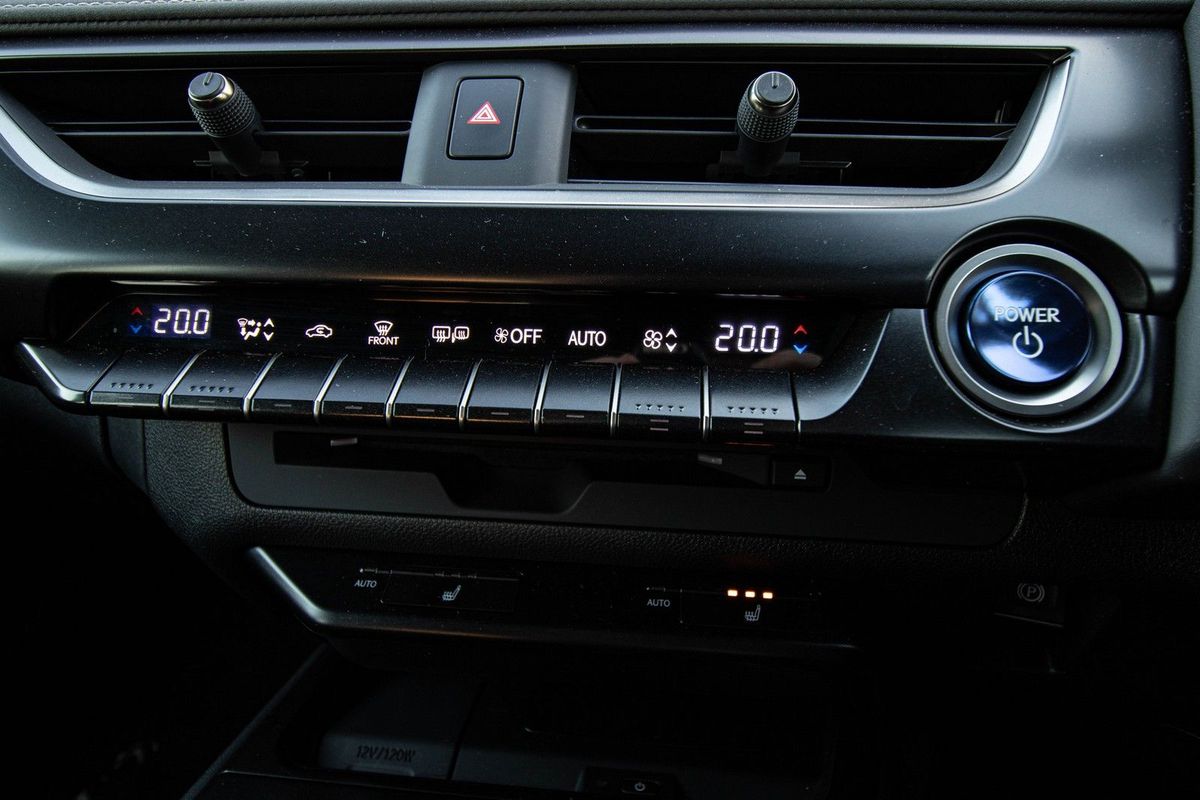
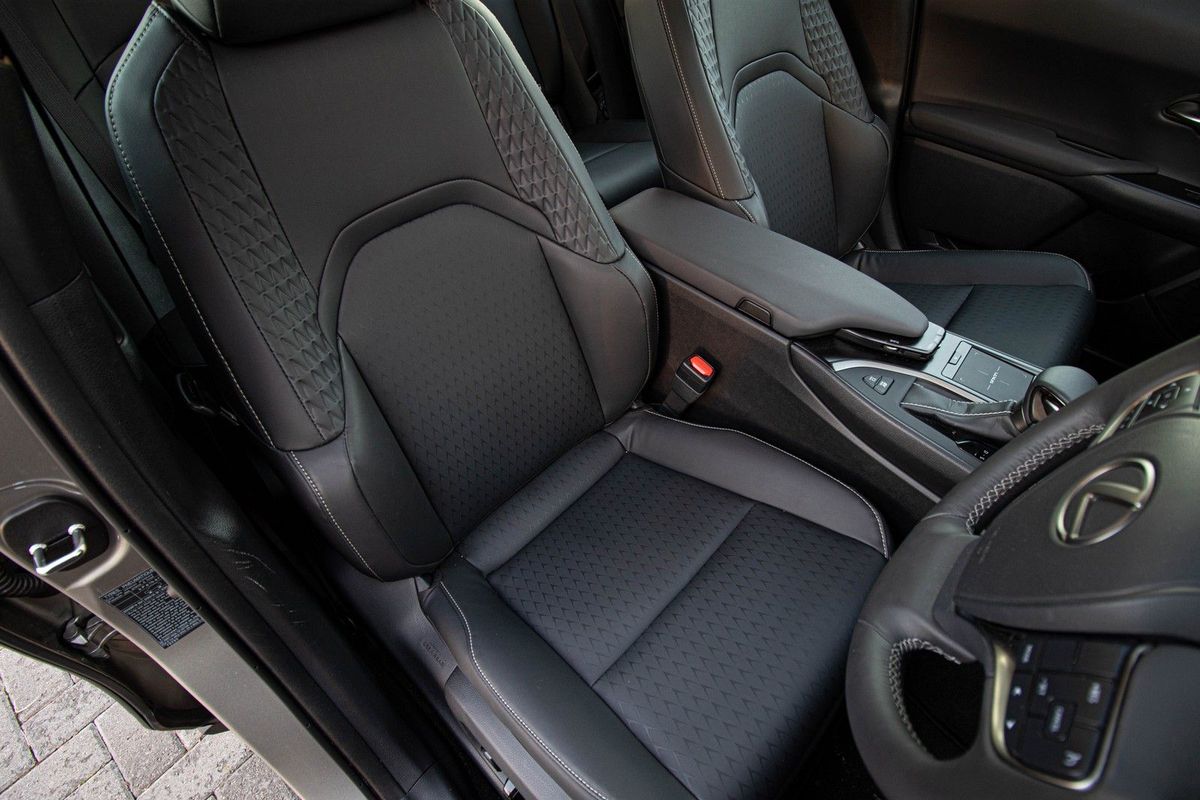
The EX-spec cabin does not seem feature-thin in the slightest.
Here is where things get interesting. Lexus rejigged its UX range in 2020, when it introduced this derivative (the 250h EX), which is R65 900 less expensive than the SE version. It loses some features, but Lexus has walked a tightrope of not skimping/still offering a generous level of standard equipment. In South Africa, the Japanese brand has a long-held market strategy of not offering any optional features, which is refreshing. Therefore, buyers need to pick a derivative, an exterior colour and an interior trim – that's about it!
Standard equipment includes park distance control with a reverse-view camera, a pair of rear USB charging parts, navigation, hands-free tailgate, heated seats and -side mirrors, an 8-speaker audio system, cruise control, a wireless charging pad, 2 front USB ports (in the central armrest), as well as Apple CarPlay and Android Auto compatibility.
Annoyingly, we couldn't get the Android Auto function to work, but we suspect it was the phone's fault, because the Android operating system's software seems to have been rather buggy of late… Google is reportedly frantically working on the next iteration of Android Auto, which should introduce wireless connectivity.
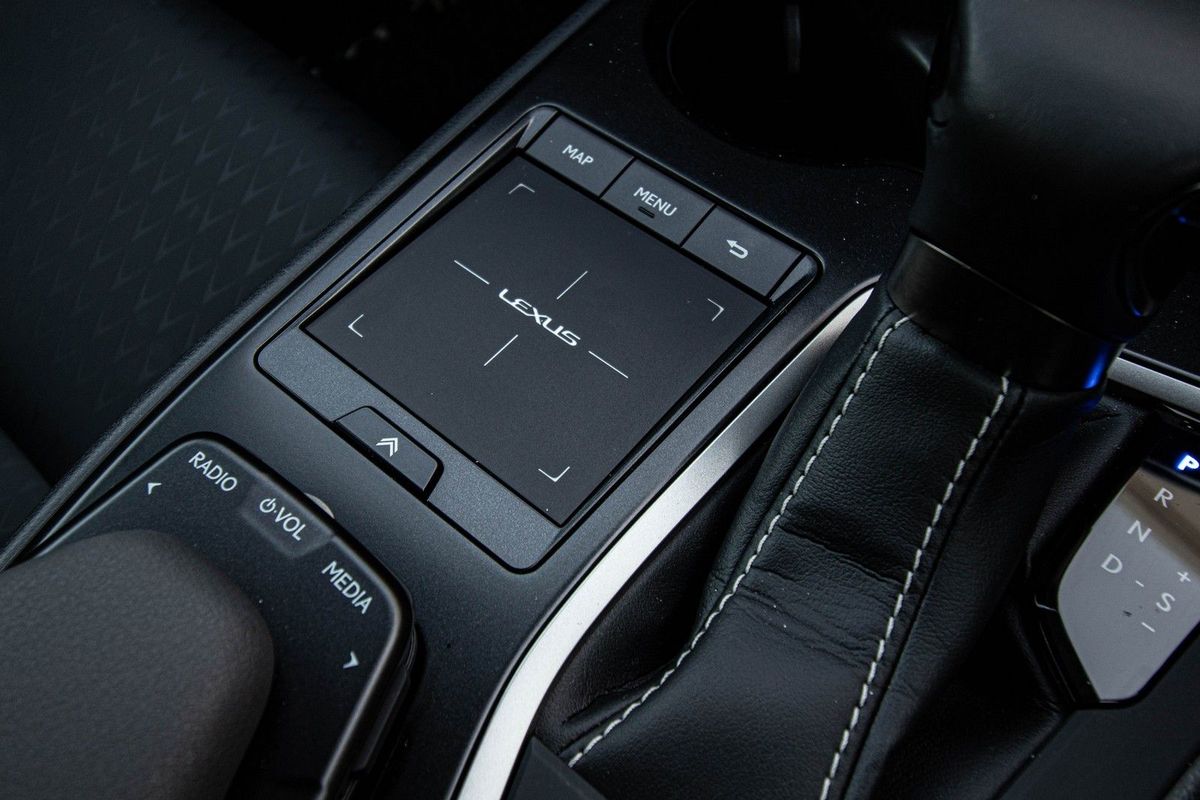
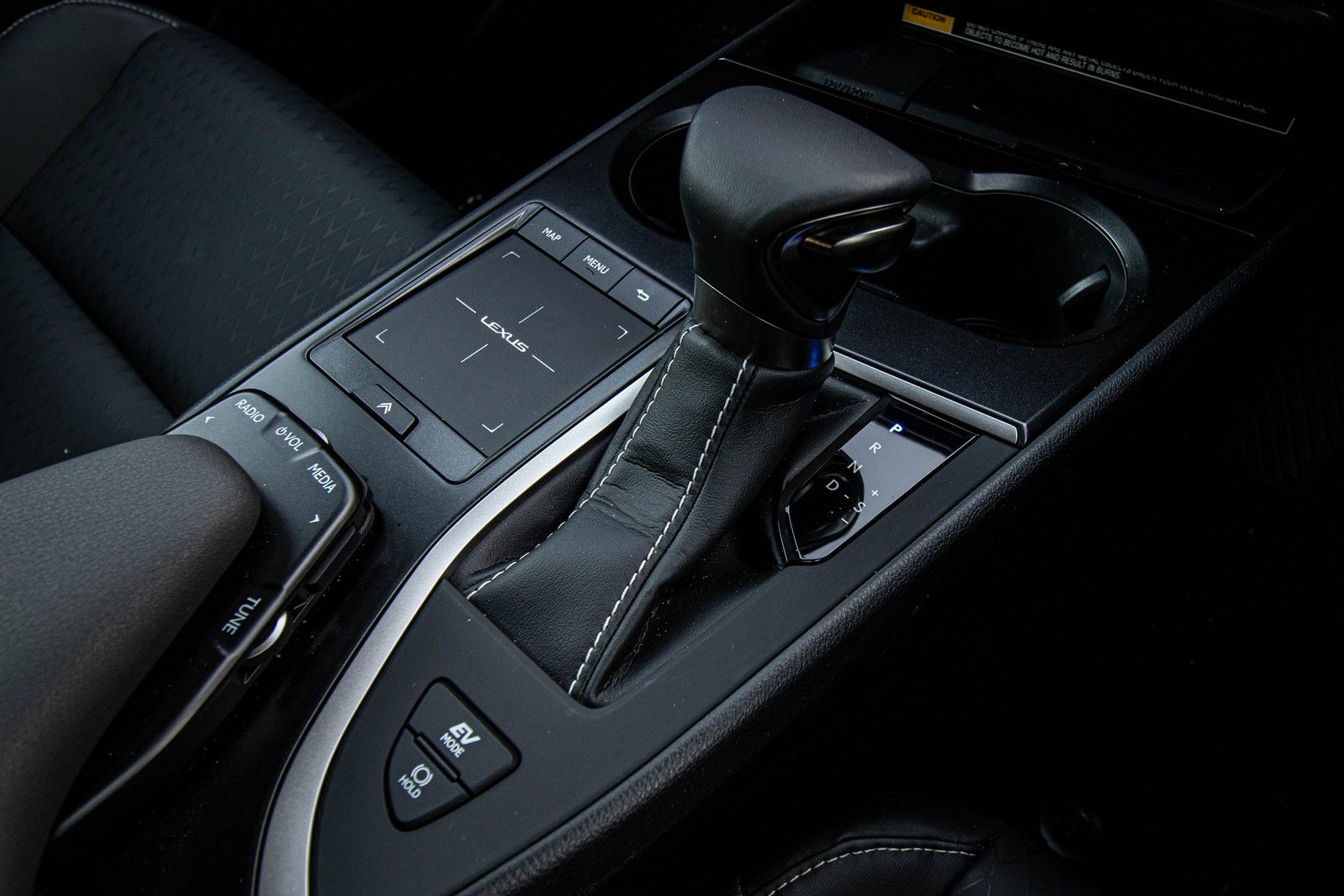
Lexus has persisted with trackpad controls for its infotainment system in the UX, but it doesn't seem the way of the future…
The reason we note our difficulties with using Android Auto is that the Lexus' infotainment system is not the easiest to use. There's a laptop-style trackpad, which isn't very intuitive/requires some patience to get the hang of. Also, in comparison with its rivals, the Lexus UX's graphics and interface lack some of the visual appeal and punch that some of its competitors' infotainment systems offer. Consider MBUX and Virtual Cockpit from Mercedes-Benz and Audi (respectively) as benchmarks in this regard.
The quickest way to distinguish the EX from its SE sibling, at least inside, is that the former's seats are trimmed in simulated leather, as opposed to full-leather upholstery. So what exactly has been removed? Lexus says this EX derivative lacks some of the active safety features such, as lane-keeping, blind-spot monitoring and Pre-cash Sense.
It still features 8 airbags and ABS, EBD and stability control. There's no adaptive cruise control (the EX makes do with conventional cruise control), while there is a reverse-view camera, but no surround-view setup. Finally, the standard LED headlights do not have an automatic high beam function. That's the short explanation of the R60k difference… The really nice-to-have features are omitted, but we think the standard specification is more than ample and will largely satisfy what customers are looking for in this segment.
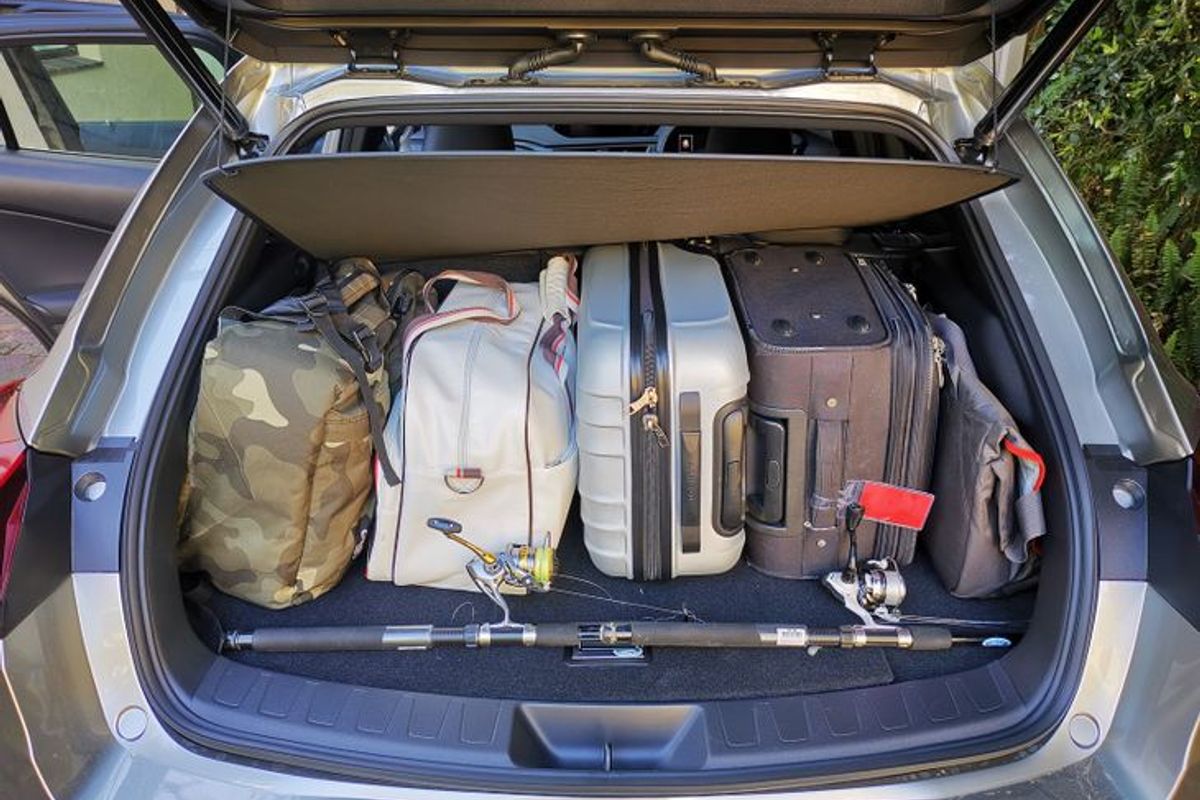
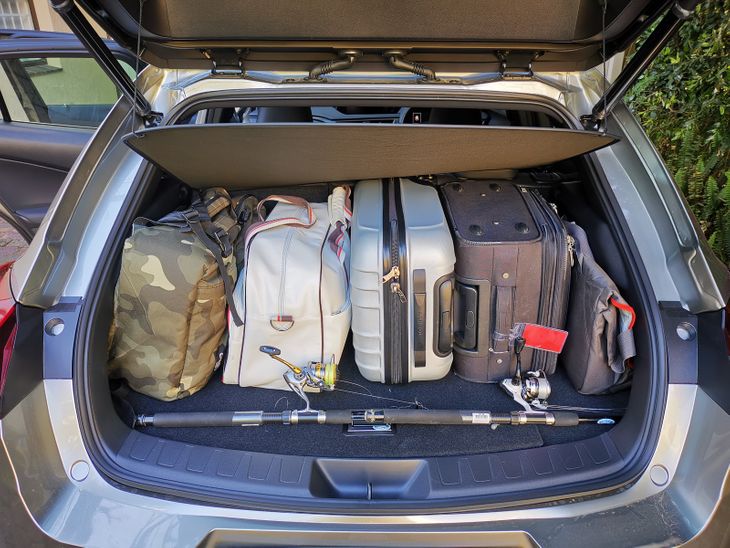
With intra-provincial travel approved, we loaded up the UX and headed to the Garden Route. Note the shallow load bay.
Despite the vehicle's dimensions at first glance, there's a lot more space inside than you might expect. The rear accommodation is pretty good, with enough leg- and headroom for a pair of adults. This comes at a price though, as the UX's load-bay capacity is rated at 265 litres, which is a lot smaller than most of its rivals, thanks in part to the hybrid battery pack taking up precious capacity. It's a shallow load area and the parcel shelf feels a mite flimsy – not quite up to the task of shielding your belongings, we'd say.
Pricing and after-sales support
The Lexus UX range starts at R654 700, with this 250h EX derivative retailing for R690 300. The top-of-the-range 200 F-Sport derivative costs R785 400. The vehicle is sold with a 7-year/105 000 km warranty and full maintenance plan. Vehicle service intervals are set at every 15 000 km, or once a year.
Verdict
Despite it being the smallest Lexus offering, the UX still retains all those wonderful Lexus traits of quality and refinement.
The Lexus is brand that plays to its strengths; it's been disinclined to experiment with niche models, but given the meteoric rise in the popularity of luxury compact crossovers – virtually every premium brand now offers one – the UX is a model the Japanese brand needs. This segment is perfectly positioned to catch those upwardly mobile high-earners who can't reach the R1-million luxury segment, but want to make a status statement. Similarly, it suits buyers who need to downsize, but still want to drive a premium brand.
Many regard the UX as more of a hatchback than a crowd-pleasing SUV, but that's not to say the Lexus doesn't acquit itself commendably well. Despite the fact that it's the "entry-level" offering in the brand's line-up, the premium compact crossover delivers an impressive level of "effortless refinement" that the Japanese premium marque's models are renowned for. Plus, although you may need to adapt your driving style to get the optimal fuel-efficiency benefit from the hybrid powertrain, it soon becomes second nature.
The 250h EX derivative may lack some of the high-end features of its SE sibling, but at this price point, none of the rivals offer them either. At a shade under R700 000, this UX derivative presents an interesting and refined proposition and, thanks to Lexus' comprehensive warranty and service plan, the cost of ownership is unlikely to break the bank.
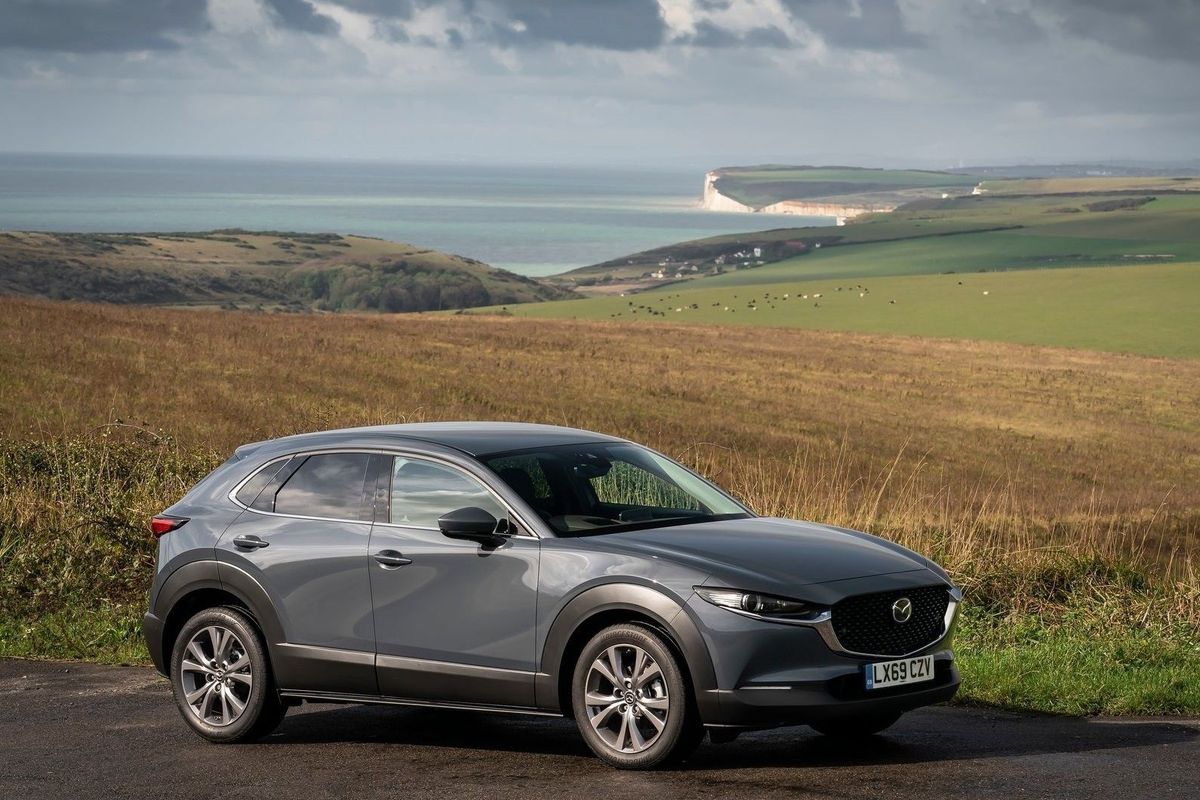
Petrolheads are excited about the new turbocharged engine from Mazda, which will find its way into the Mazda3. Now rumours suggest this motor will find its way into the CX-30 SUV.
The new 2.5-litre 4-cylinder turbopetrol produces 186 kW and 434 Nm, and combined with all-wheel drive gives the Mazda3 quite a performance edge. Now Carsdirect reckons this performance motor will find its way into the CX-30 SUV.
Based on an order guide for the US market, it appears the Mazda CX-30 will gain this powertrain and the model will go into production in November 2020. The source also suggests this motor will go into the Mazda6 sedan and CX-5 SUV.
Interestingly, this power figure is only available on 93 octane petrol, with the American market seeing a power reduction on 87 octane. The South African market won't have this problem with both 93 and 95 octane being offered.
At this stage, it's very early to confirm levels of spec, but Carsdirect says the CX-30 Turbo will feature 'black 18-inch wheels and outer mirror caps, a larger tailpipe, an engine "harmonic enhancer" and turbo badging.'
What we do know is that Mazda South Africa is bringing the CX-30 to our market, however it's just a case of when. Initially earmarked for the first half of 2020, the CX-30 has still not landed as we head into September 2020. We reached out to Mazda South Africa who are still unsure of the exact timing of the CX-30's introduction. Mazda SA also noted that the turbocharged engine is not coming to SA but destined only for American markets.
Toyota has filed a new mechanical engineering feature at the American patent office, with wildly exciting possibilities.
Amongst the flood of new patent applications received each month, a new articulated canopy design was delivered by Yasunori Hirozawa last week.
The application sketch clearly shows a supercar vehicle design, which is clearly relatable to the GR Super Sport project. Toyota’s mid-engined hypercar is to feature a 2.4-litre twin-turbocharged V6 and hybridized power augmentation, promising to deliver 745 kW.
In his patent application, Hirozawa details how the vehicle’s canopy can be opened from either the left or right side, by direct mechanical intervention or remote control. There are also knobs inside the cabin, for opening the canopy.
Why would Toyota be bothering with a very complex new canopy system, which has nothing at all to do with any of its double-cab bakkies? The company’s aerodynamicists want to have a small central cabin architecture for the GR Super Sport, which make conventionally hinged swing doors nearly impossible.
Like other mid-engined supercars with an extremely low aerodynamic profile and compact packaging, door design is a challenge for Toyota’s GR Super Sport project.
Although many consider gullwing- or scissor-doors to merely be elaborate instances of industrial design, they are very real engineering solutions to the problem of getting people into and out of a car with a compact cabin.
The forward articulating canopy is in many ways the simplest solution. Gullwing doors are top-hinged, which negatively impacts any supercar’s centre of gravity. By the same margin, scissor-doors add hinge complexity.
A forward-tilting canopy would appear to be the design that Toyota has chosen for its limited-edition GR Super Sports. It is also an indication that the company is following a no-compromise design philosophy with its future supercar.