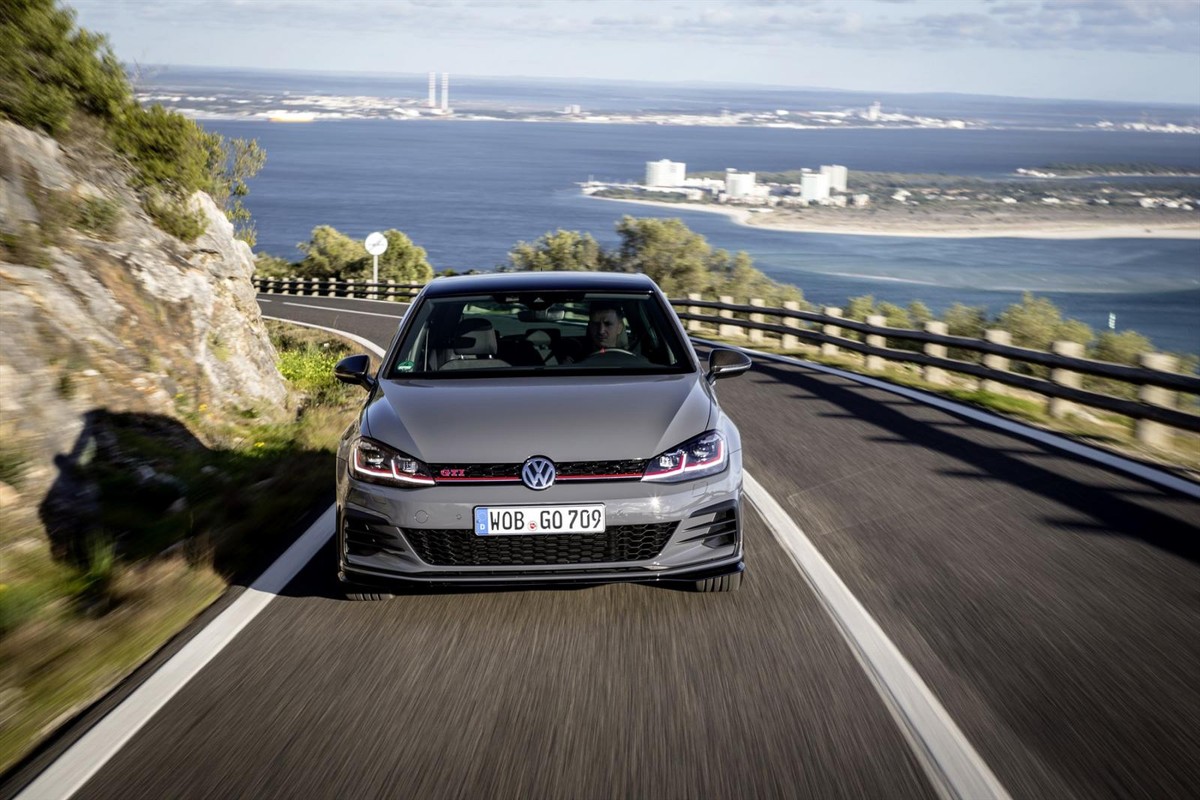
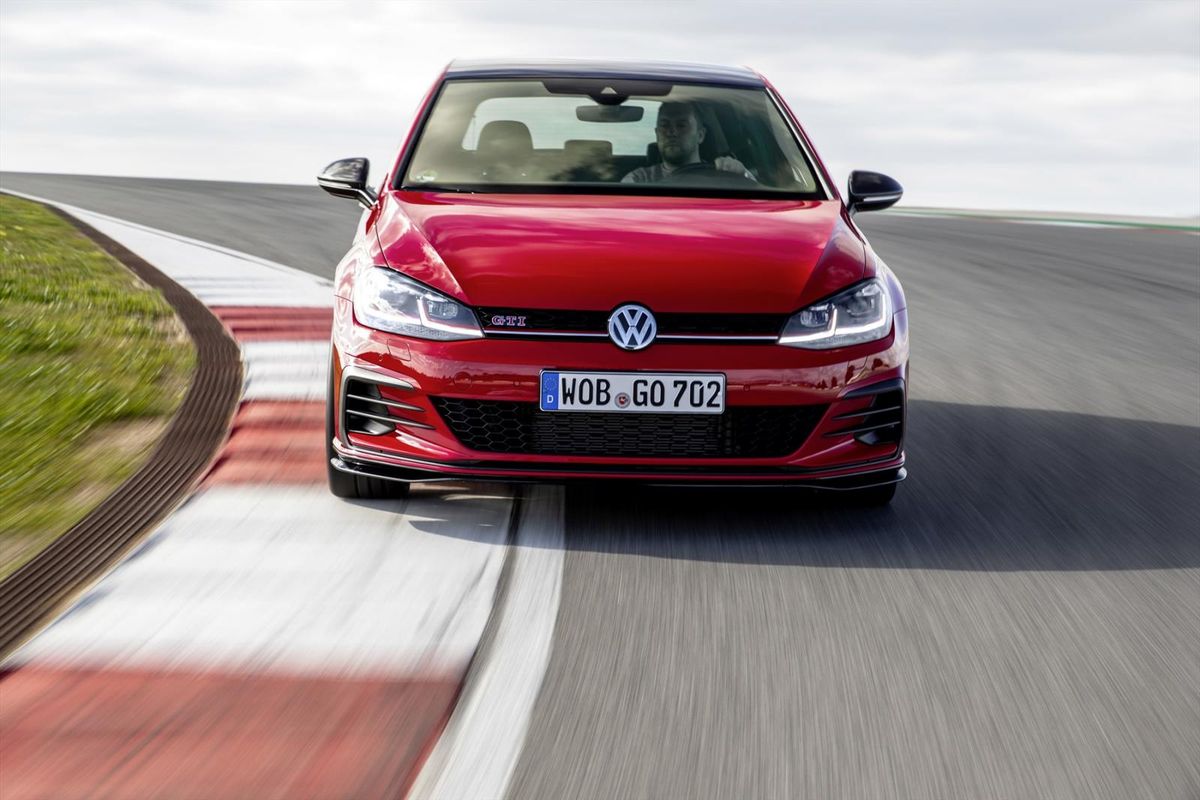
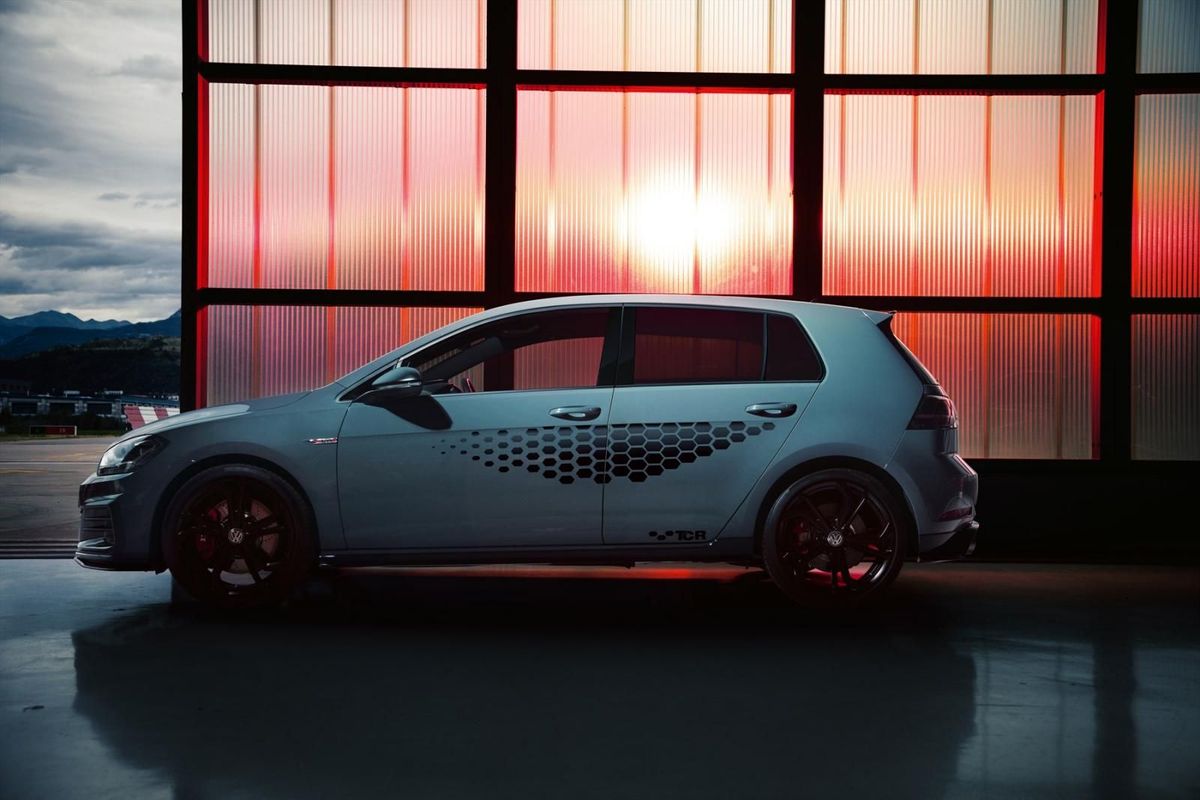
Volkswagen SA has launched the last hurrah of this generation of Golf GTI. Here are specs and pricing for the track-focused Golf GTI TCR.
For starters, this will be a limited-edition model with just 300 models making their way to South Africa. Each unit will be individually numbered, making it quite the collector's edition.
Power comes from the turbocharged 2.0-litre petrol engine and it delivers 213 kW and 380 Nm. Power goes to the front wheels via a 6-speed dual-clutch transmission. The Volkswagen Golf GTI TCR is capable of a 0 to 100 kph in 5.6 seconds and the South African spec cars will feature a top speed of 264 kph. We will be getting the 5-door model.
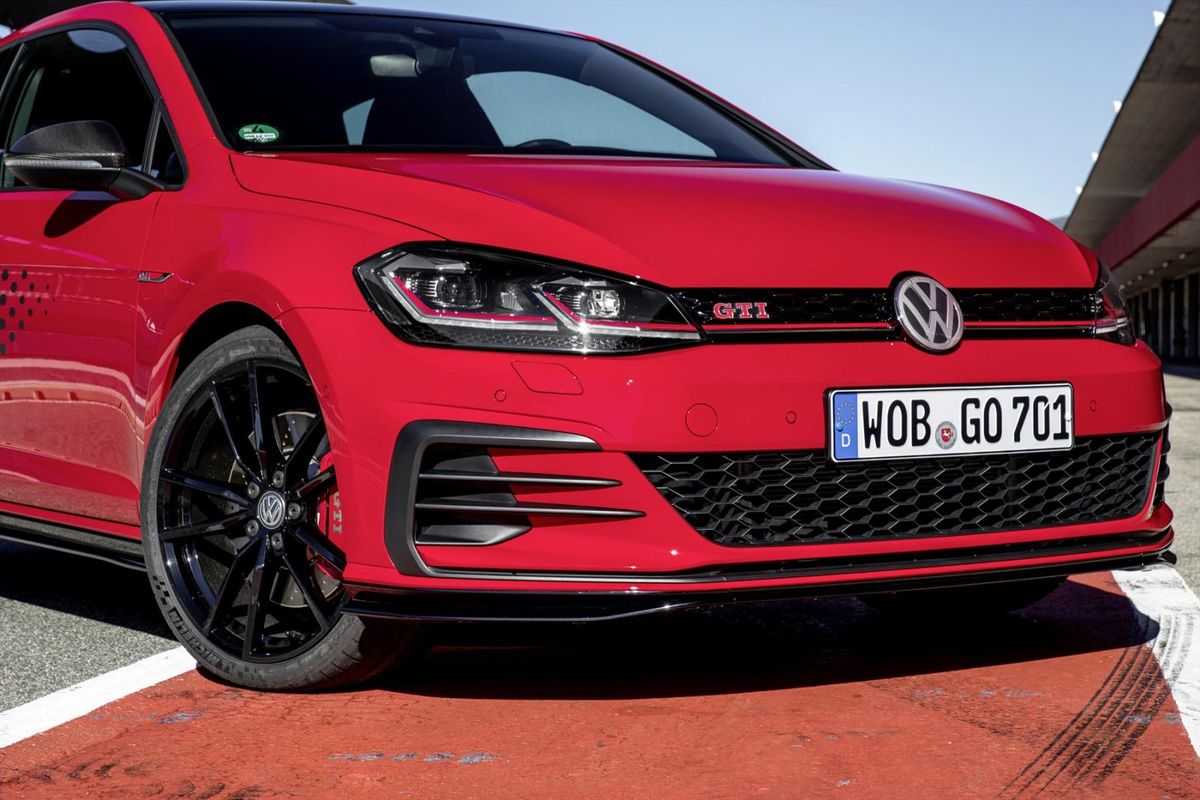
When it launches in 2020, the Volkswagen Golf GTI TCR will be available in 3 colours: Pure White, Pure Grey and Tornado Red. The spec appears to be decent too, with a panoramic sunroof, Alcantara sports seats with GTI TCR detailing, Dynamic Chassis Control, Active Info Display and park assist as standard. There will also be TCR insignia and side decals. SA-spec cars will be getting the 19-inch Reifnitz alloys and performance disk brakes.
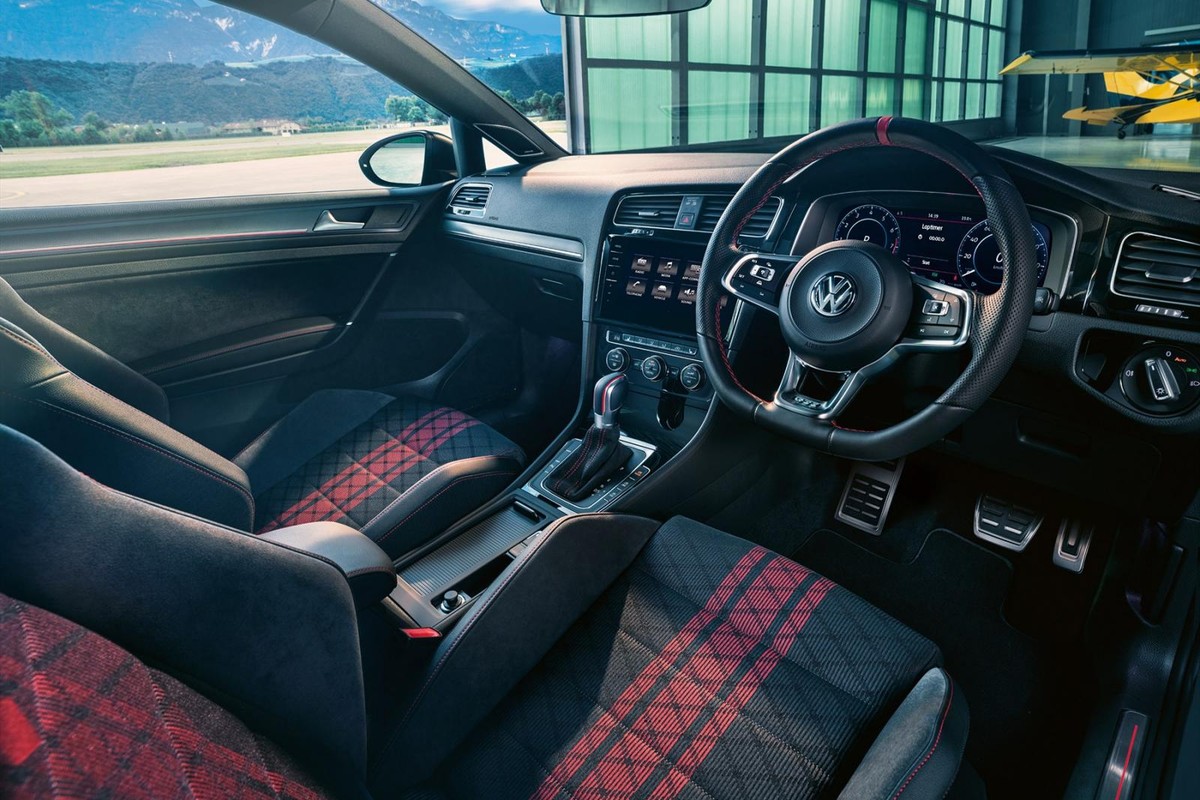
Inside, there are GTI TCR velour sport seats, velour gear boot, door, Alcantara trim as well as a special sports steering wheel. Owners will also get some exclusive TCR-branded merchandise as well as a certificate of ownership.
Volkswagen Golf GTI TCR Price in South Africa (April 2020)
The first Volkswagen Golf GTI TCR units are scheduled to hit showroom floors in July 2020, so if you are interested, contact your local Volkswagen dealer. Be aware that due to COVID-19, there could be some delays in getting the vehicles to customers.
The Golf GTI TCR comes standard with a 3 year/120 000km warranty, 5 year/ 90 000km Volkswagen Service Plan and a 12-year anti-corrosion warranty. Service interval is 15 000km.
As the month draws to a close and South Africa navigates the COVID-19 storm, fuel prices for May 2020 are set to plummet further still.
With April almost done, the AA has commented on unaudited month-end data released by the Central Energy Fund and back-to-back record reductions in fuel prices are a reality (for April and May 2020).
The COVID-19 pandemic has had adverse effects on the global economy and it’s been a brutal month for the South African Rand value which is averaging at about R18.45 to the US Dollar while the international oil price has collapsed in spectacular fashion.
The AA commented, "The Rand has been pummelled by COVID-19 and the Moody's downgrade to junk status, and yet we are still able to predict record-territory fuel price drops. This goes to show just how severely the world oil price has collapsed."
As for fuel price reductions for May 2020, the price for a litre of petrol is expected to drop by R1.74 while diesel prices could see reductions of R1.56 per litre. The price of illuminating paraffin is expected to be reduced by about R2.18.
Since January 2020, the price of 93 unleaded petrol (inland) would have been slashed by R3.84 while 95 unleaded petrol (inland) would realise R4.00 per litre reductions. The price of diesel will now be R3.49 cheaper than it was in January 2020. The last time fuel prices were expected to be this low was 5 years ago!
However, on the other side of the coin, the huge reduction in demand for fuel due to the lockdown has meant that the government is losing revenue from the General Fuel Levy (GFL).
"With the massive drop in fuel usage during April revenue from the General Fuel Levy (GFL) – which comprises about 25 percent of every litre of fuel – will also suffer. Considering the annual collection rate of the GFL, government will have lost between R6bn and R7bn in revenue through not collecting this tax,” the AA says.
Fuel retailers are also suffering hugely at this time and fuel price cuts aren’t helping them either.
“Many fuel retailers rely on in-store sales to bolster income but that will most certainly also have declined considerably because of the nationwide lockdown. With the margins on fuel low, and with usage plummeting, we believe many retailers will struggle to stay viable going forward,” the AA says.
The AA further adds, "It is nearly impossible to predict what might come next in the fuel market. If the ongoing oversupply forces world oil prices further downwards, we might see at-the-pump fuel costs decline to levels last seen a decade ago or longer. But if demand suddenly increases, the reverse could also happen and prices could spike – although from a lower base," the Association concludes.
Another BMW leaked: Facelifted 5 Series
First, we got a sneak peek of the 2 Series Coupe, then the iX3 popped up out of nowhere and now the updated 5 Series executive sedan has been leaked. Considering the recent spate of controversial designs released by BMW, the updated 5er looks like more like a grown-up 3 Series than a shrunken 7 Series.
We're beginning to think that BMW is either hopeless at keeping its secrets… or it has a tremendous covert marketing team that is well skilled at keeping the Munich-based brand in the news amid the new-product lull of the Covid-19 pandemic. The update to the G30-generation 5 Series, which was launched in South Africa 3 years ago and is a multiple #CarsAwards finalist in the executive sedan class, is not particularly far-ranging from an aesthetic point of view, but then we don't yet have specific details regarding the model's in-cabin refreshment or the revised derivative line-up.
The 5 Series is one of BMW's finest models, but its popularity has waned due to its price positioning and the market's obsession with SUVs.
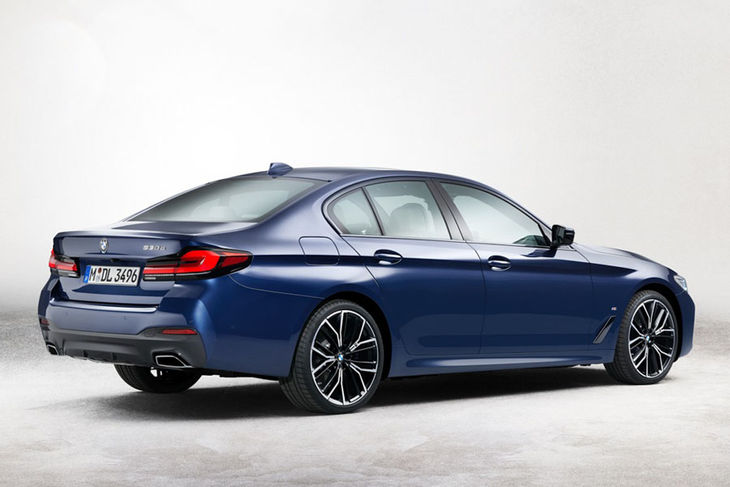
The model shown here is a 530e petrol-electric hybrid equipped with an M Sport package. From the rear, it is evident that BMW has kept the rear design virtually unchanged, apart from a new LED tail-lamp clusters that incorporate a hockey-stick-shaped brake-light detail. We are also pretty sure that the M logo has been repositioned (moved lower down) to just above the black front fender blade.
BMW SA has offered neither the 530e (nor the 390 kW/790 Nm all-wheel-driven M550i xDrive, powered by a 4.4-litre V8 turbopetrol motor) on the local market (even though both are available in right-hand-drive guise), but the revised version of the former iPerformance derivative will reportedly feature a larger-capacity battery pack, while the rest of range will receive various efficiency revisions.
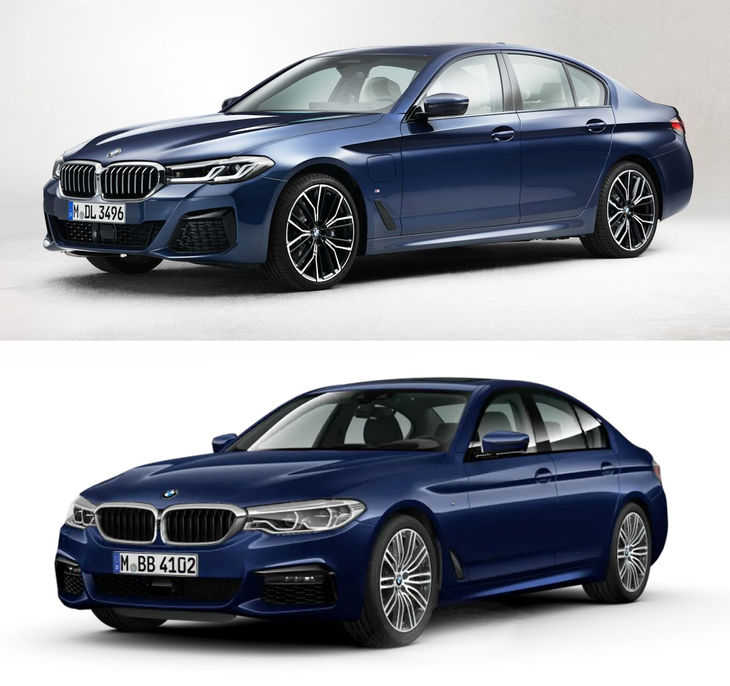
New vs Old: the biggest changes to the G30-generation sedan appear at the front. Note the revised new headlamps and bumper.
BMW raised eyebrows when it grafted the X7's oversized double-kidney grille on the 7 Series when the 1st-class sedan received its mid-product-cycle update last year; the Bavarian firm has resisted the urge to do the same with its middle child, although it's clear (as it was on the 1 Series and 2 Series Gran Coupe) that the brand's preferred grille treatment is no longer flat, but 3-dimensional, with the chrome-look bars (integral to the M-Sport package) that stand proud of the similarly-finished surrounds. The characteristic (slightly flattened) kidneys now flow into one another as well.
The overall look is very reminiscent to that of a specced-up G10-generation 3 Series, in fact. The 5 Series' slimmer and shapelier headlamp clusters each sport a pair of LED daytime running light details and sit atop a more sculpted front bumper with a V-shaped bar that divides the enlarged front air intake (with black mesh) into 3 sections – at least more so than on the pre-facelift car.
When do we expect to see the revised 5 Series in local showrooms? Probably before the end of the year, although BMW has made no announcements regarding the introduction date in South Africa. We can confirm, however, that the updated model will feature the latest 12.3-inch iDrive infotainment system (as found in the new X5 and X6).
Toyota has shown what might await global Supra fans soon, with the promise of more power.
Since its launch, followers of the new Supra have been wondering if Toyota would decide to use all the latent power available in its BMW sourced 3-litre in-line six engine.
There are various BMW applications where the B58 twin-turbo engine makes a lot more power than in Supra.
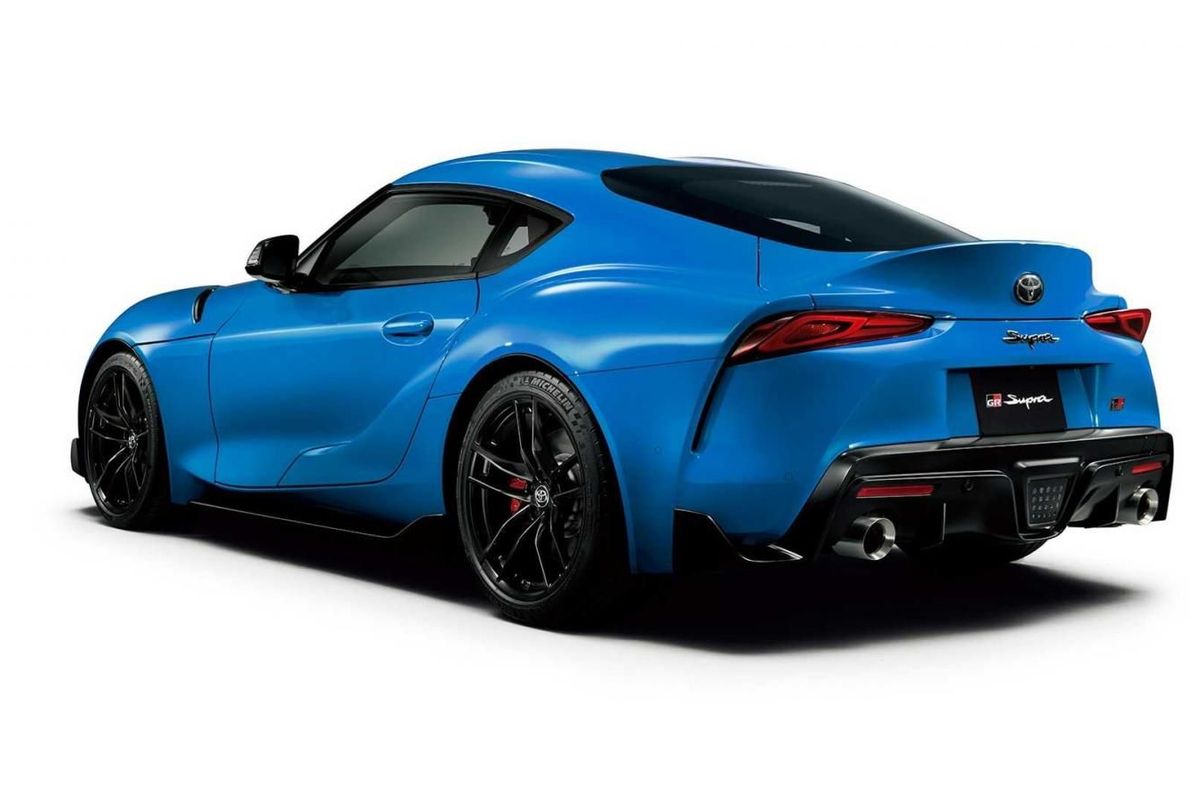
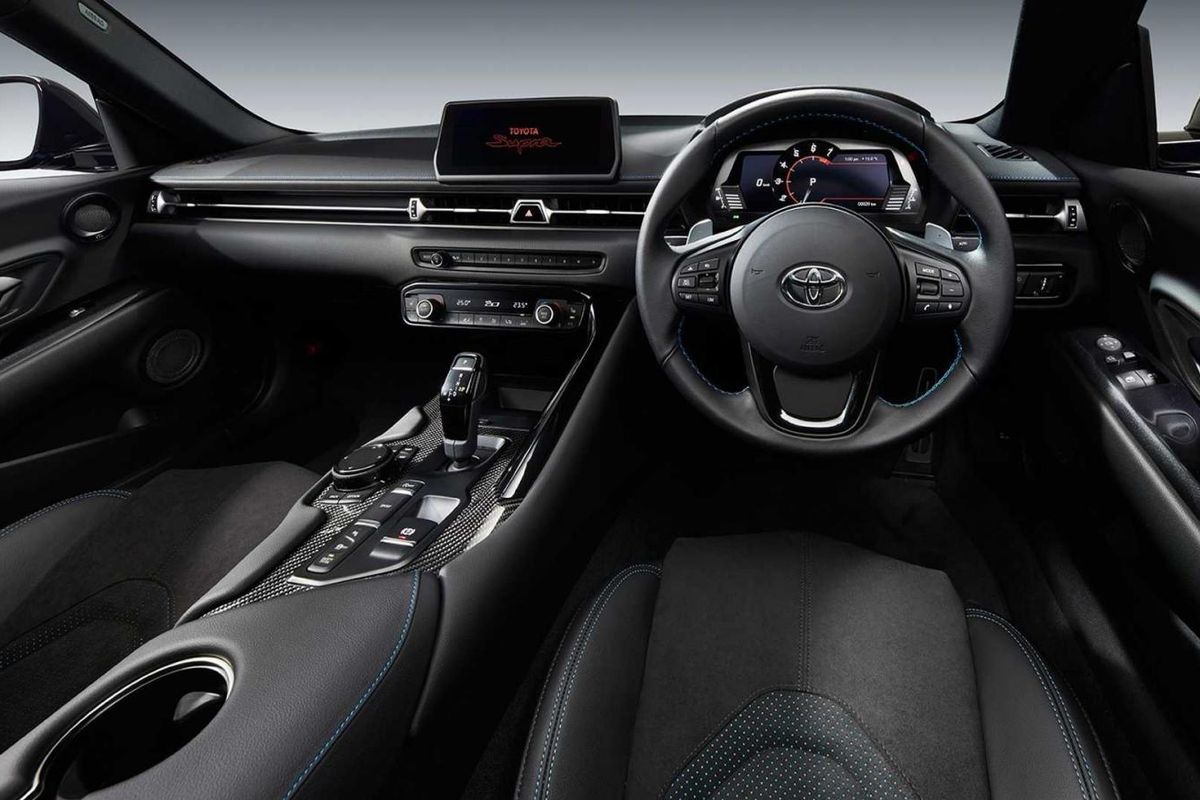
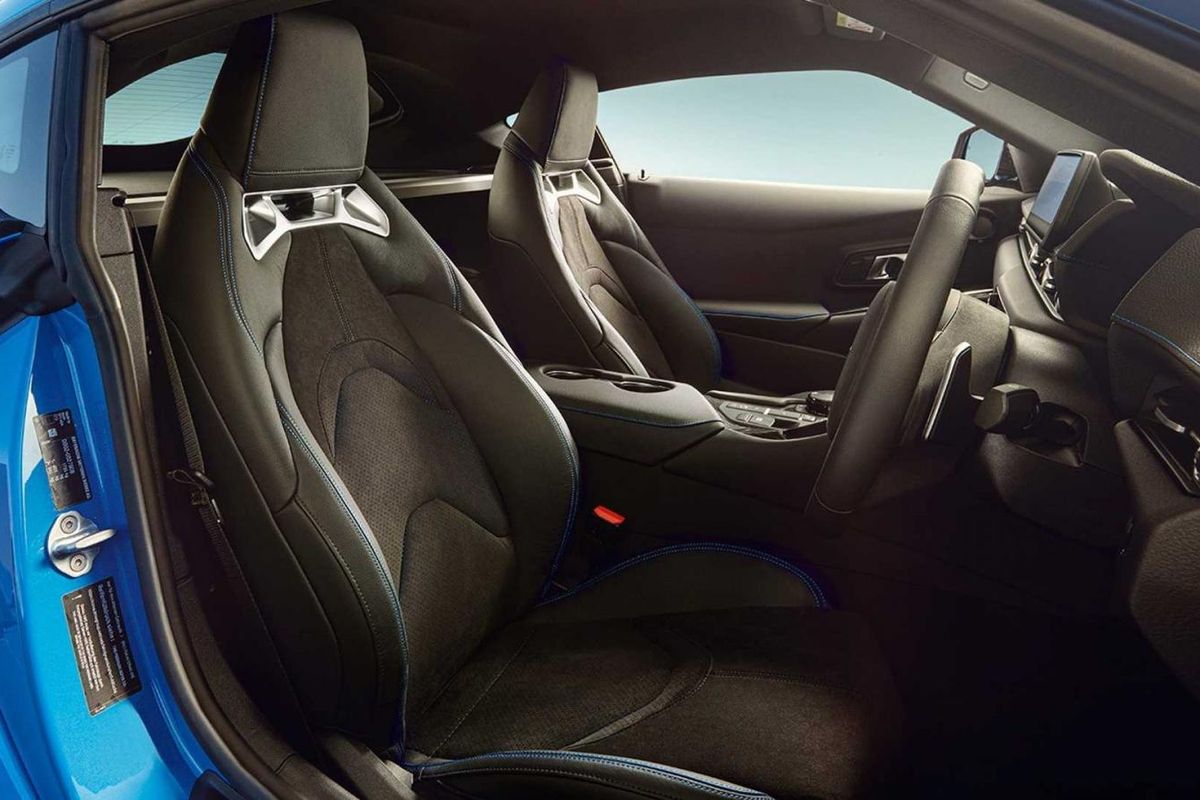
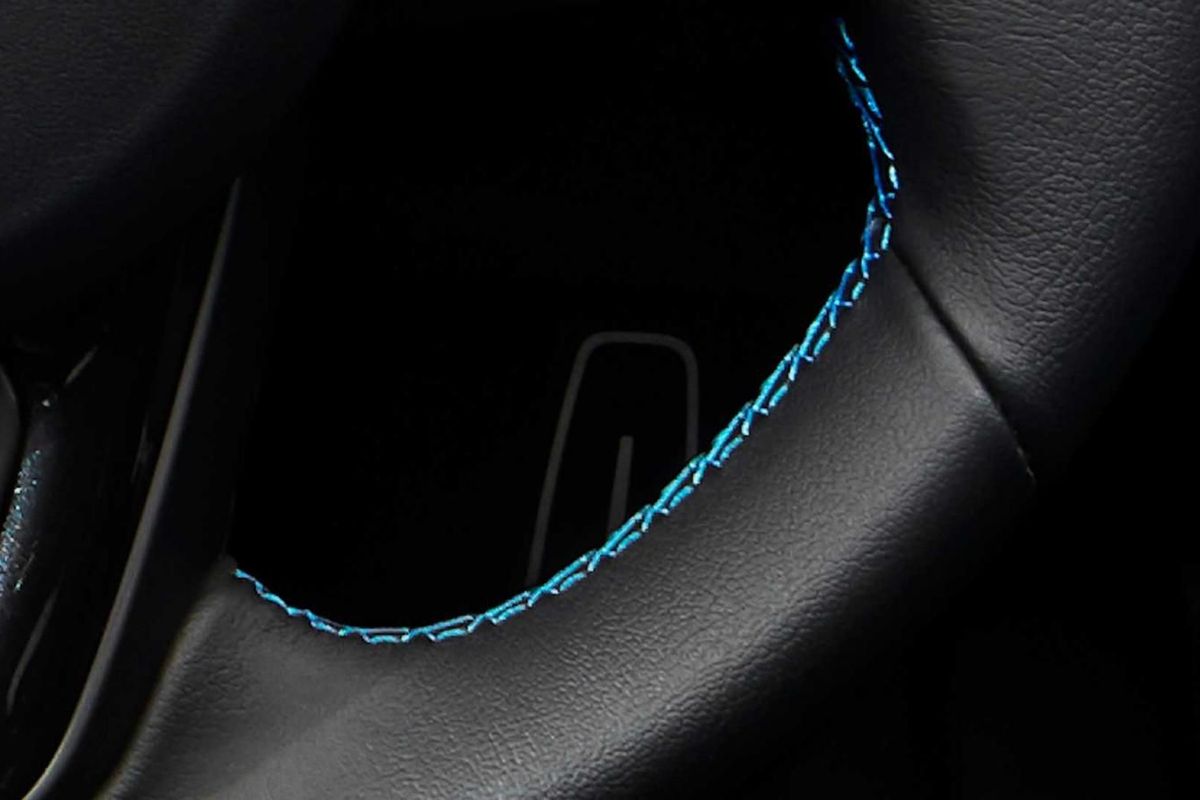
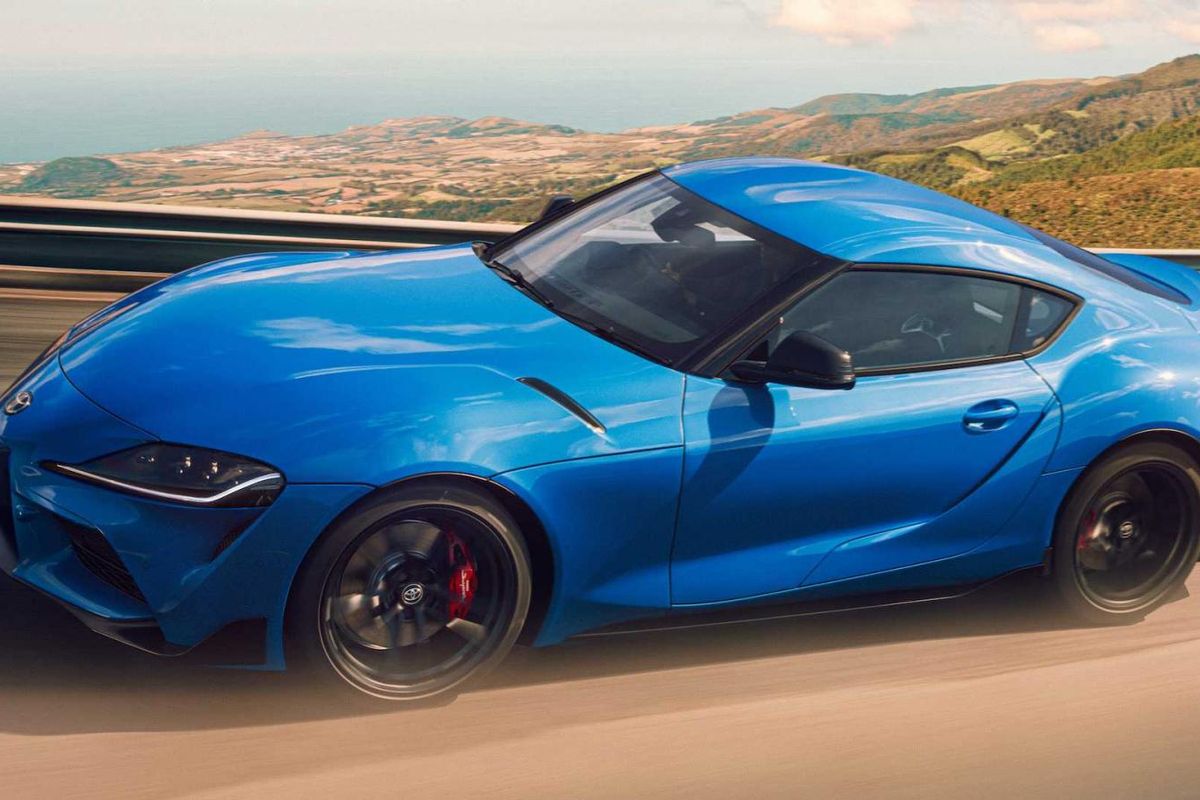
With the announcement of its new Supra RZ edition, for the Japanese market, Toyota has finally delivered an answer of sorts about the discrepancy in power between its cars and BMWs with the same engine. Beyond its Horizon Blue paint finish and matching blue cabin stitching, the most significant news this Supra RZ brings greater engine output.
The factory Supra has delivered 250 kW since its launch, but this RZ edition boosts 285 kW, which is on par with BMW’s M40i specification models, using the same B58 twin-turbo engine.
Performance gains see 0-100 kph in a tenth of a second less than before (down from 4.3 to 4.2 seconds) and under the bonnet there is a new aluminium strut brace arrangement, to increase lateral rigidity at the front end of Toyota’s limited edition Supra.
Other mechanical upgrades include new suspension bump stops and revised damper tuning, to account for the increase in power yielding high corner entry speeds. Toyota’s software engineers have also recalibrated the car’s eight-speed automatic transmission, to react appropriately to a 14% surge in engine performance.
Most other Supra markets are expecting a similar limited edition variant, with the 285 kW power rating, towards the end of 2020.
Spot The Cars Game: How Well Do You Know Your Cars?
We recently played Spot The Cars on our social media channels. Here are the answers! Feel free to save the image and play/share the game with your network of friends.
This Spot The Cars game aims to test your car name knowledge. Some of the cars in the image above are easy to spot, others not so much. Save the image above and play/share the game with your friends and family. the first person to name all 15 cars (make and model) wins!
Spot The Cars – Answers
1. Volkswagen Beetle
2. Ford Mustang
3. Sunbeam Tiger
4. Shelby Cobra
5. Datsun Honey Bee
6. Chevrolet Impala
7. GSM Flamingo
8. Pontiac Firebird
9. Plymouth Road Runner
10. Stutz Blackhawk
11. Audi Fox
12. Datsun Bluebird
13. Dodge Ram
14. Volkswagen Rabbit
15: Mercury Sable
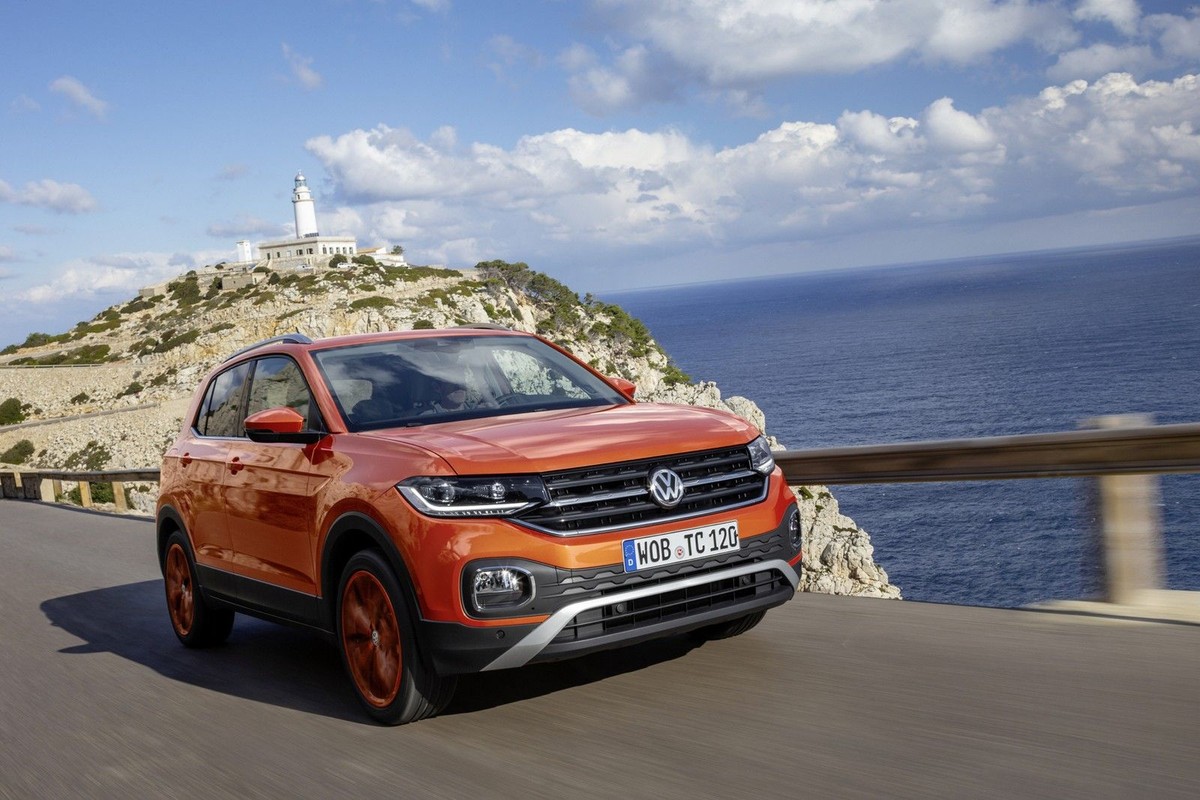
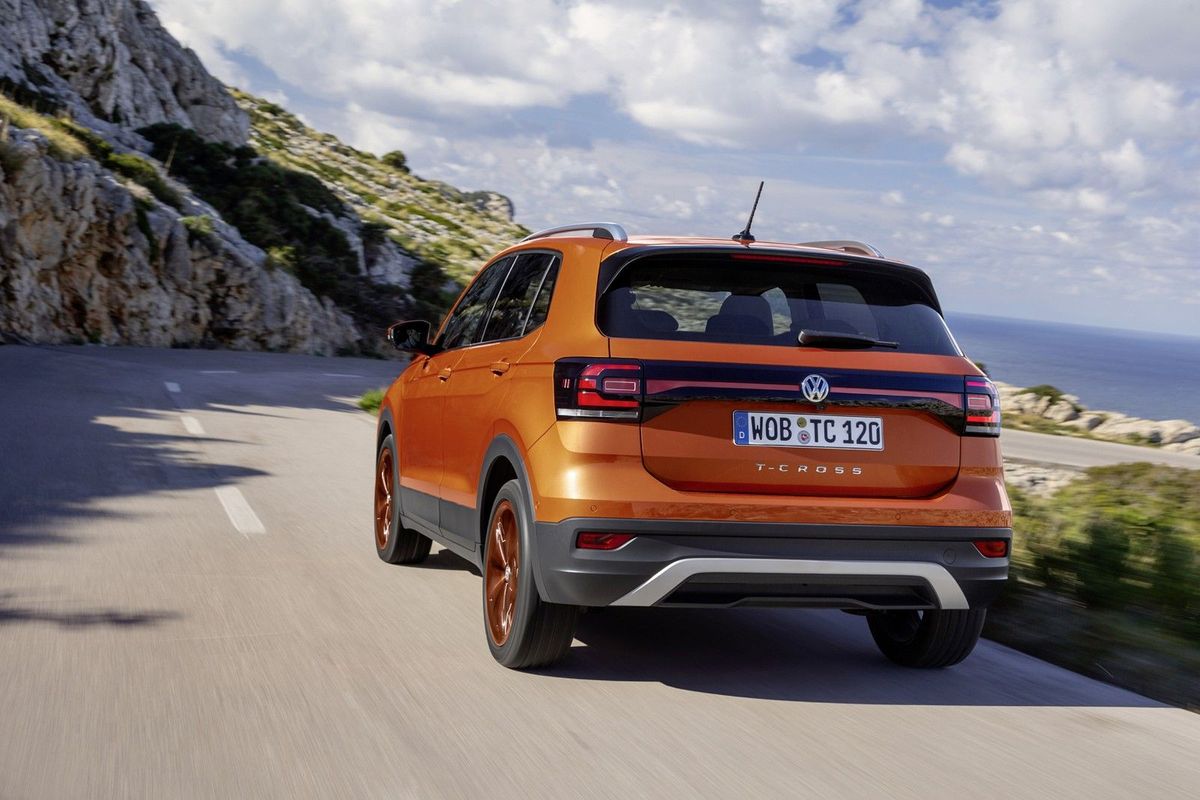
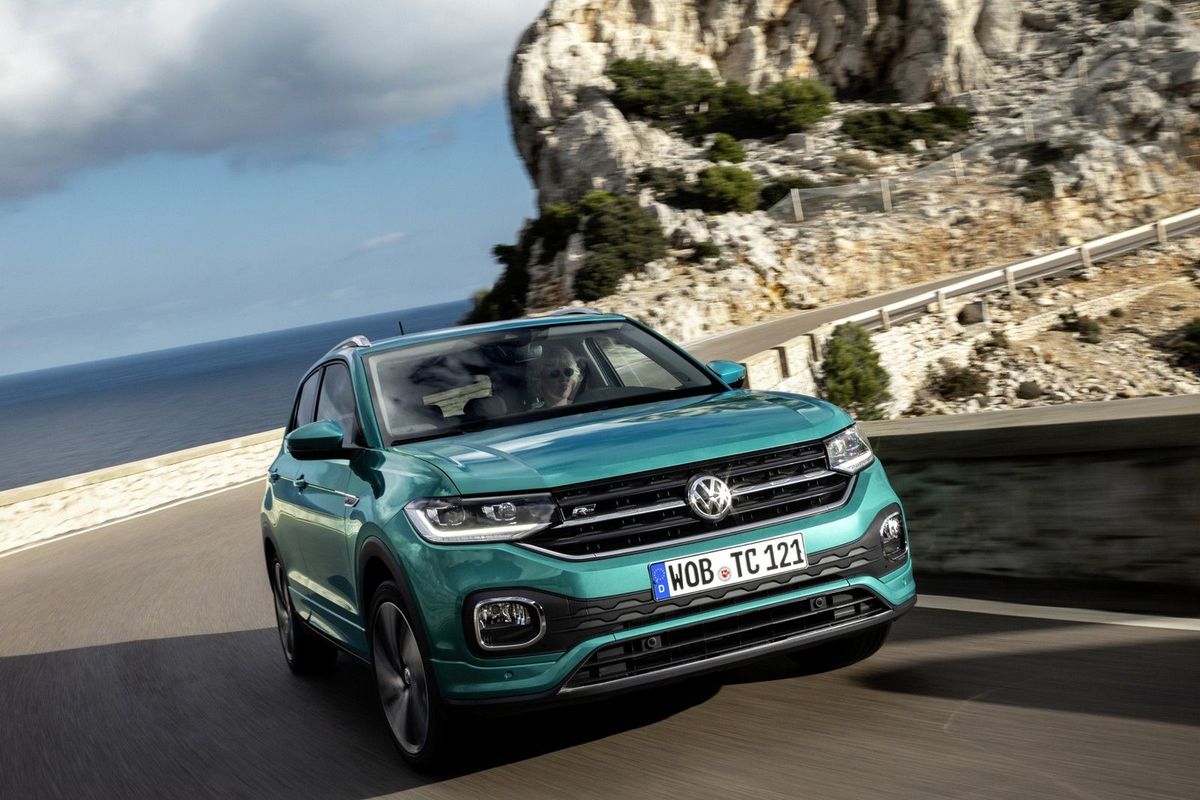
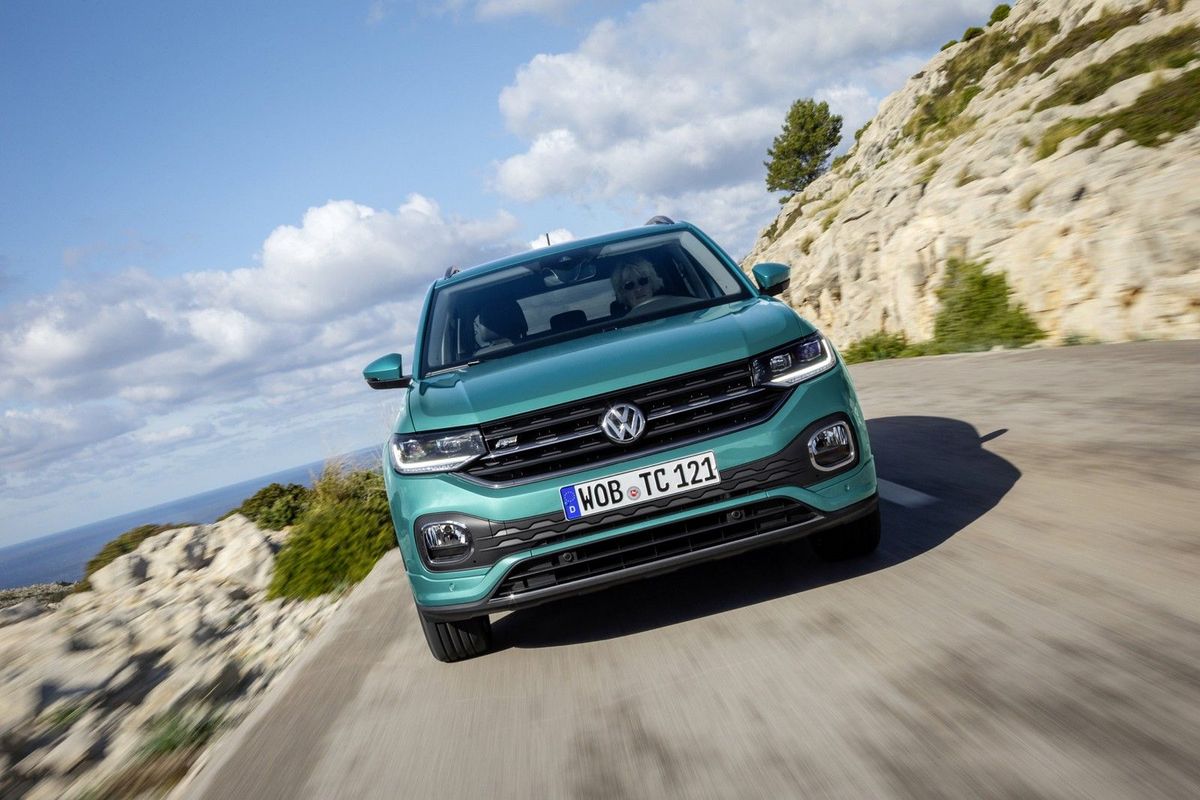
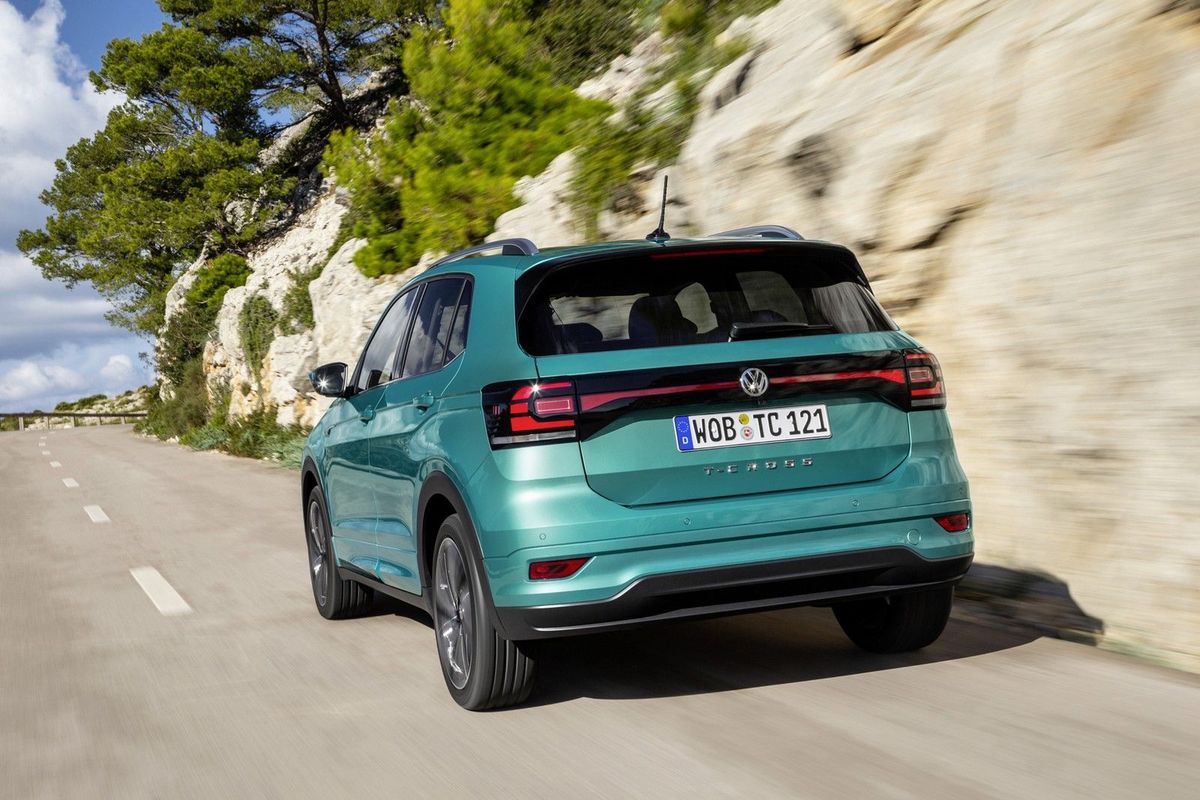
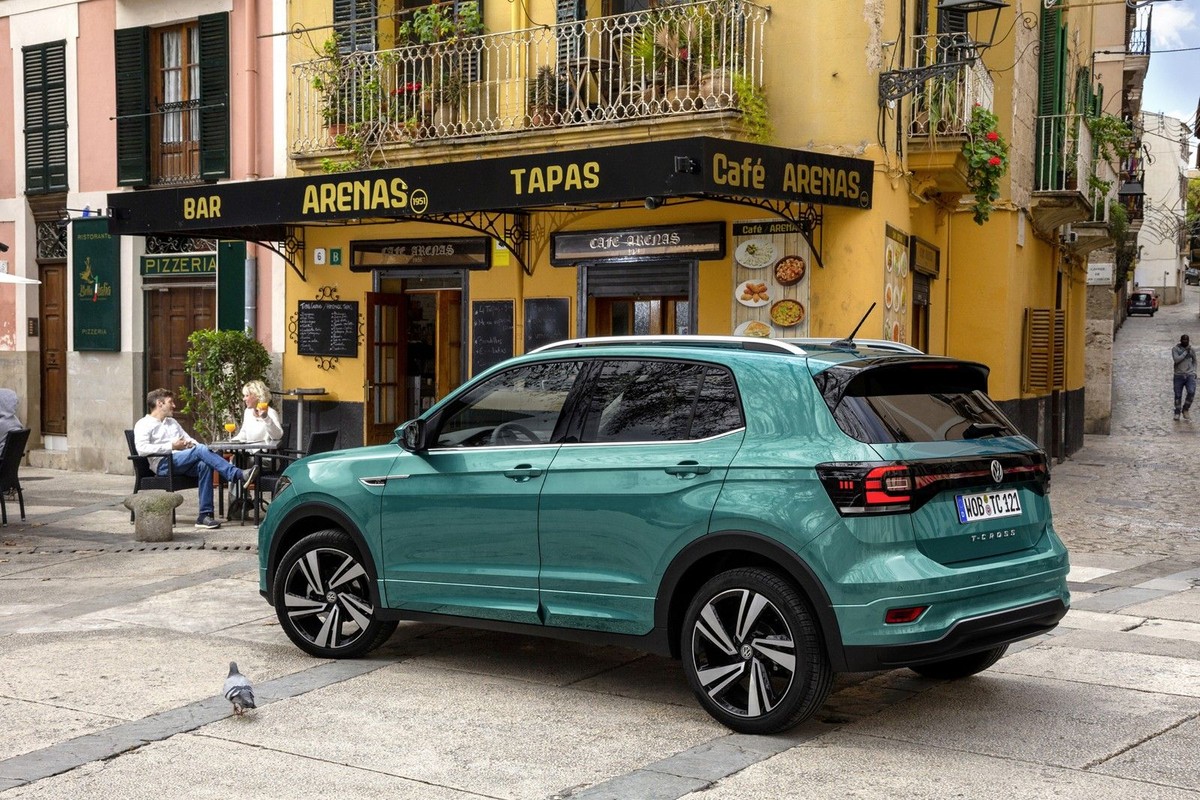
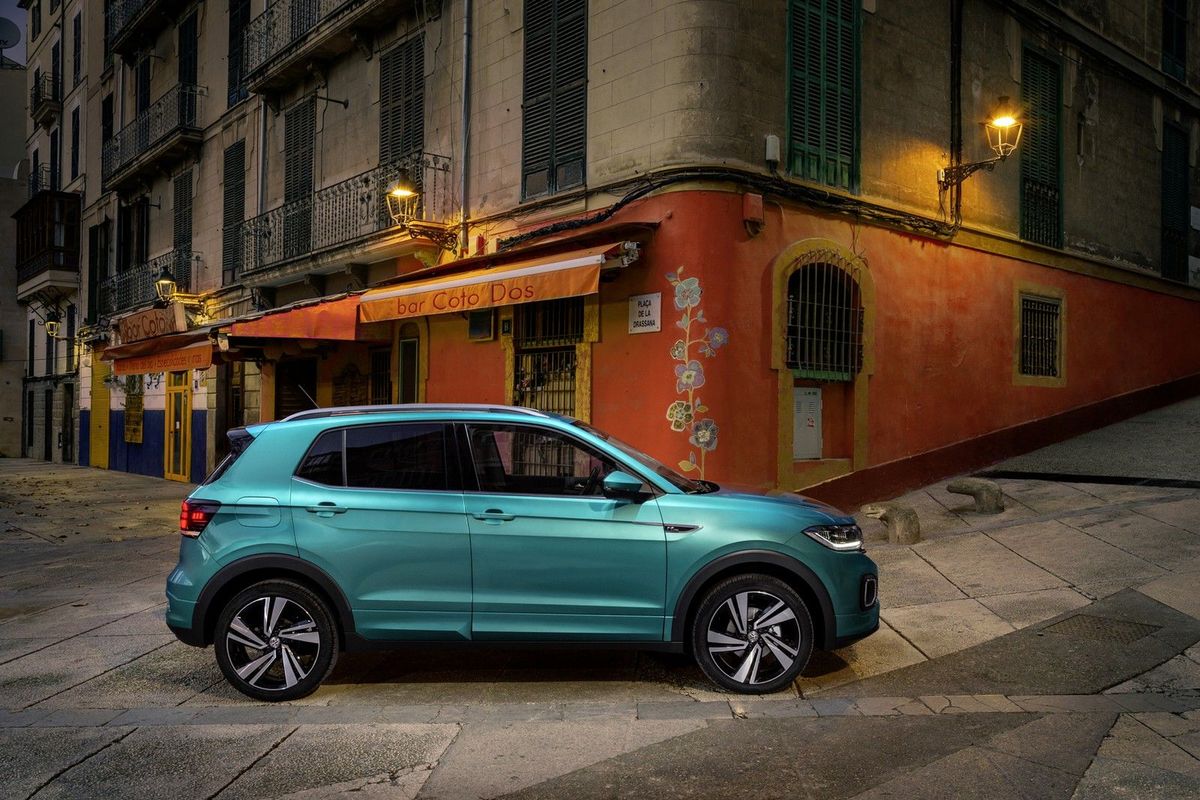
Volkswagen T-Cross (2020) Specs & Price
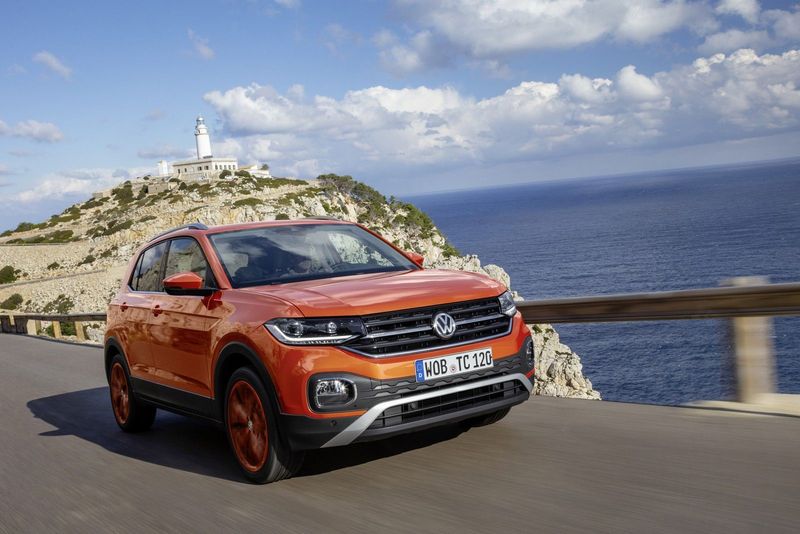
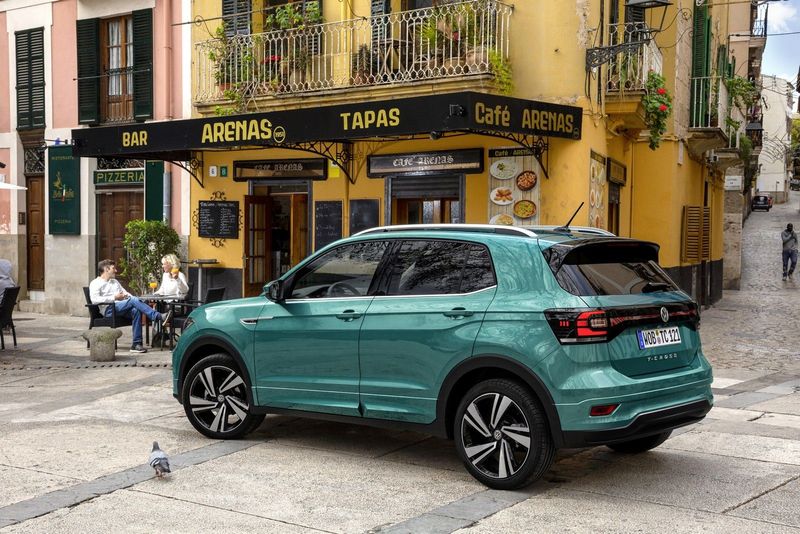
The Volkswagen T-Cross has been quite the hit since its launch back in September 2019. Now the range has been expanded to include the high-spec 1.5 turbocharged petrol model and here's how much it costs.
Volkswagen is rapidly expanding its SUV lineup [have you seen the Dune Buggy?] and the firm reckons that by 2025, every second Volkswagen sold will be an SUV. Furthermore, in that same year, Volkswagen will be offering more than 30 SUV models in markets all over the world.
The new Polo-based T-Cross will initially slot in under the Tiguan family car in Volkswagen SA's line-up, until next year, when the bigger (but still technically a compact family car) T-Roc will split them. Some of the Volkswagen T-Cross' rivals include the Ford EcoSport, Hyundai Creta, Honda HR-V, Nissan Qashqai and Suzuki Vitara.
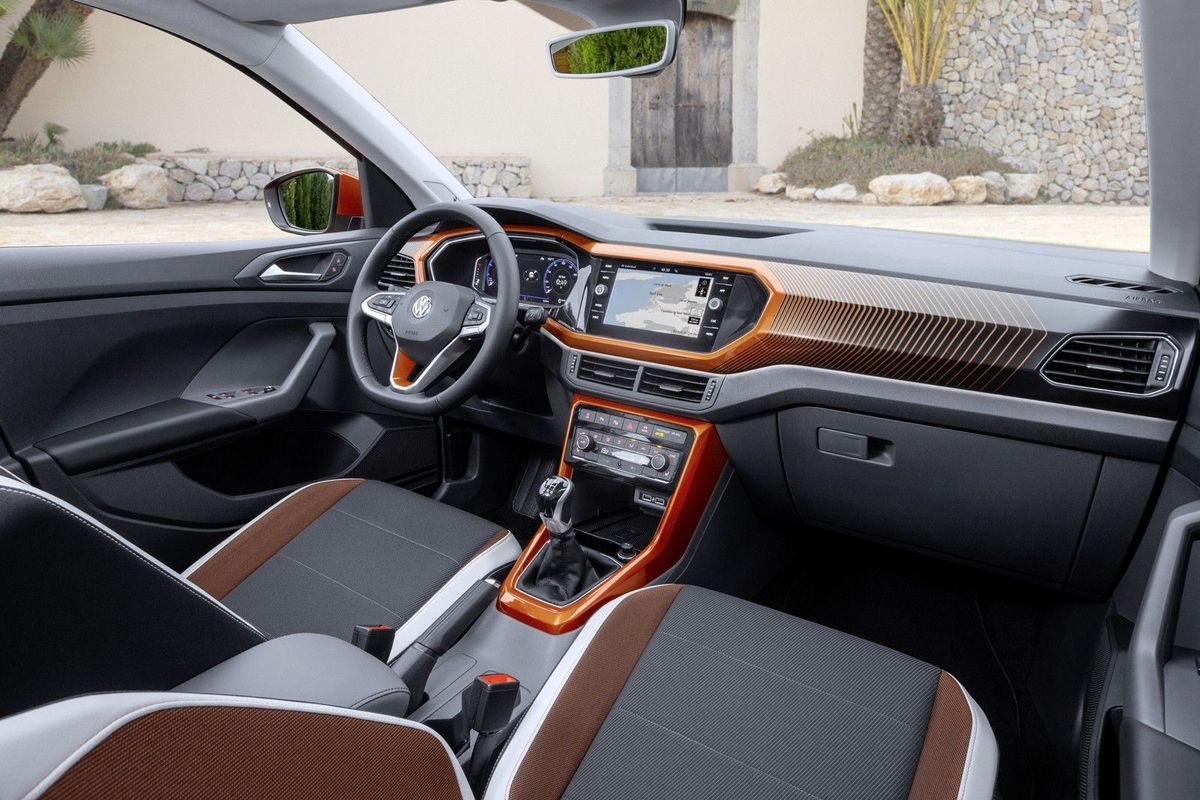
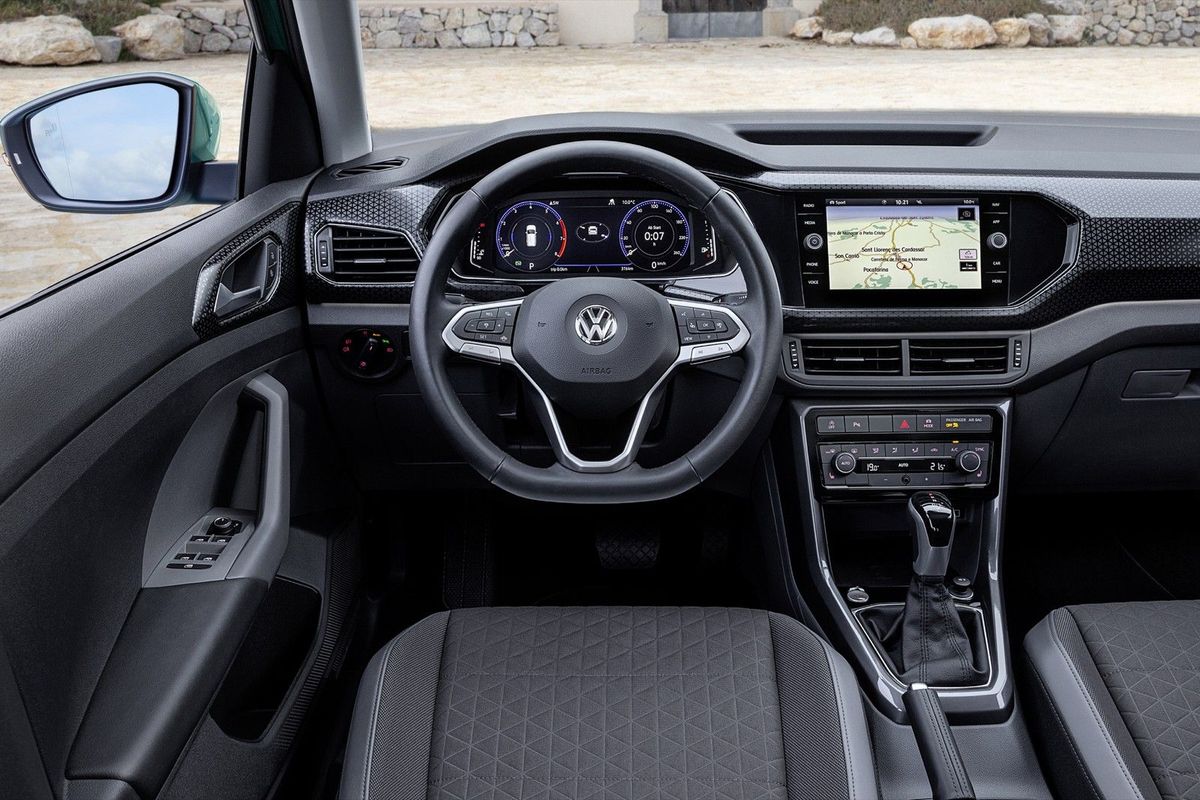
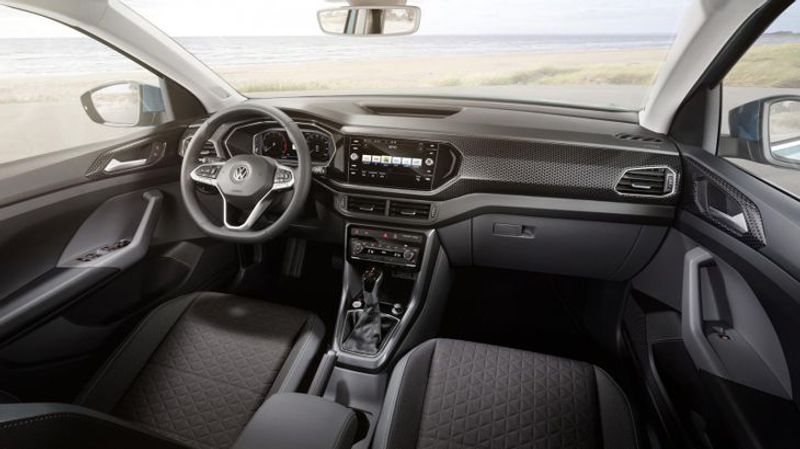
The interior of the T-Cross is similar to that of the popular Polo which by all accounts should bode well for this new model.
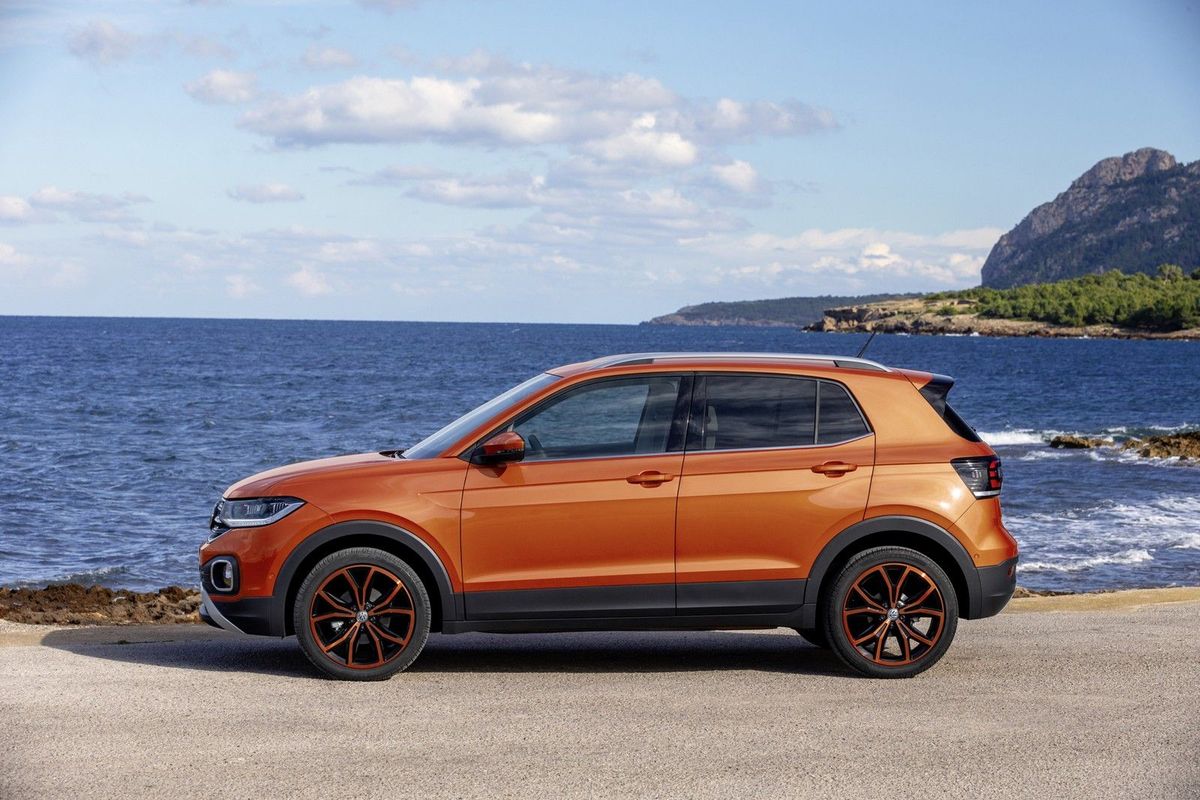
It rides on the MQB A0 platform shared with the Polo and measures 4 200 mm long, boasts a wheelbase of 2 551 mm and is 1 584 metres high. Despite its compact dimensions, there's a strong focus on practicality, with 377 litres of space being touted in the boot. However, this can be expanded to 455 litres if you slide the second row of seats forward. Fold them flat and you gain access to 1 281 litres of carrying capacity.
The T-Cross will be equipped with LED headlights (optional) and will ride on wheel sizes ranging from 16- to 18-inches. At least 12 exterior colour options (including two-tone) will be available to customers. The interior is very much familiar from the new Polo will be available with two-colour dash pads as well as Volkswagen's digital cockpit. Inductive smartphone charging and up to 4 USB ports will be offered. Electric windows and a height adjustable driver and passenger seat will be standard across the range and a 300W Beats sounds system with an 8-channel amplifier and subwoofer will be offered as an option.
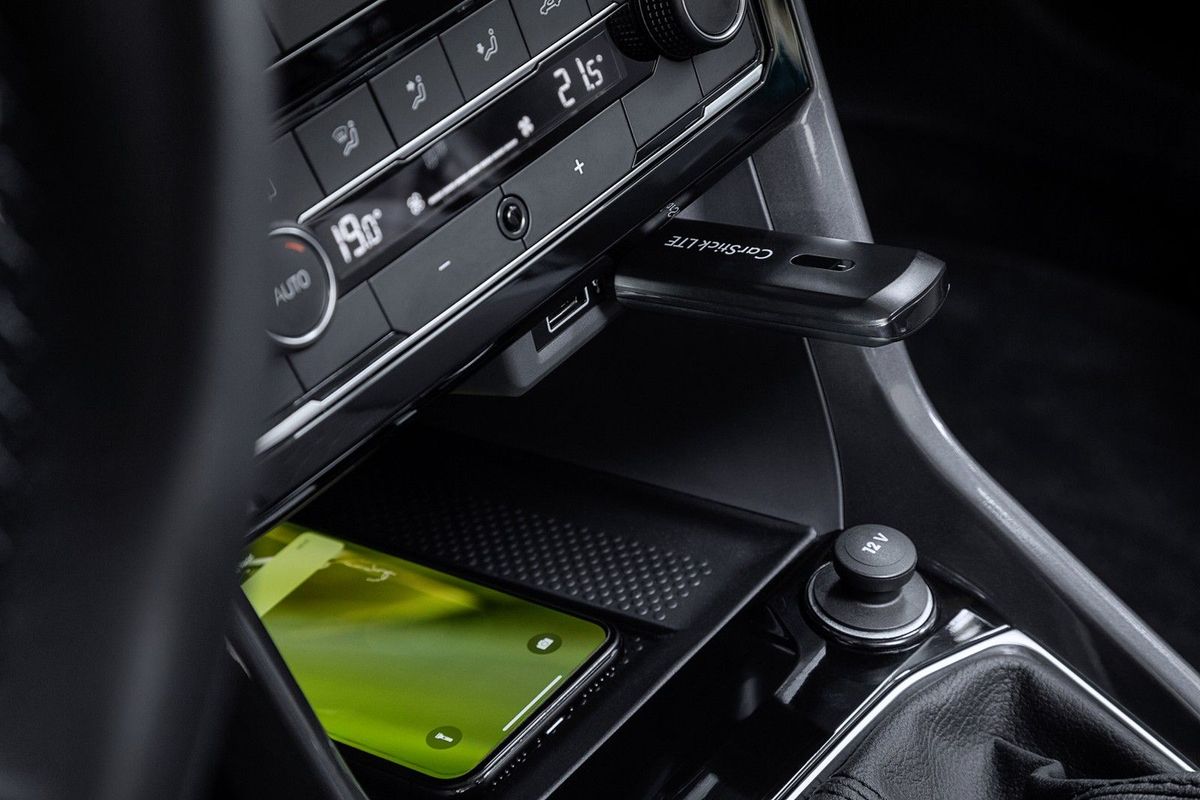
As part of Volkswagen's efforts to improve in-car connectivity, the T-Cross will debut the VW Connect dataplug. The dataplug is plugged into the Onboard Diagnostic Interface and then sends vehicle data via Bluetooth to the owner's smartphone, showing information such as car data, service information, driving style assessments, fuel consumption data and location information, to name a few. This system will be rolled out across the rest of the Volkswagen vehicle range in 2020 and will replace the current My VW App in South Africa. The VW Connect dataplug will be standard on Comfortline, Highline and R-Line derivatives.
A host of driver assistance features will be offered. A driver alert system will be standard, but a front-assist ambient monitoring system with pedestrian monitoring and city emergency braking, rear-traffic alert, lane-keeping assist, proactive occupant protection, blind-spot detection, hill start assist, automatic adaptive cruise control and Park Assist will be on the options list. The T-Cross holds a 5-star Euro NCAP safety rating.
Trim options
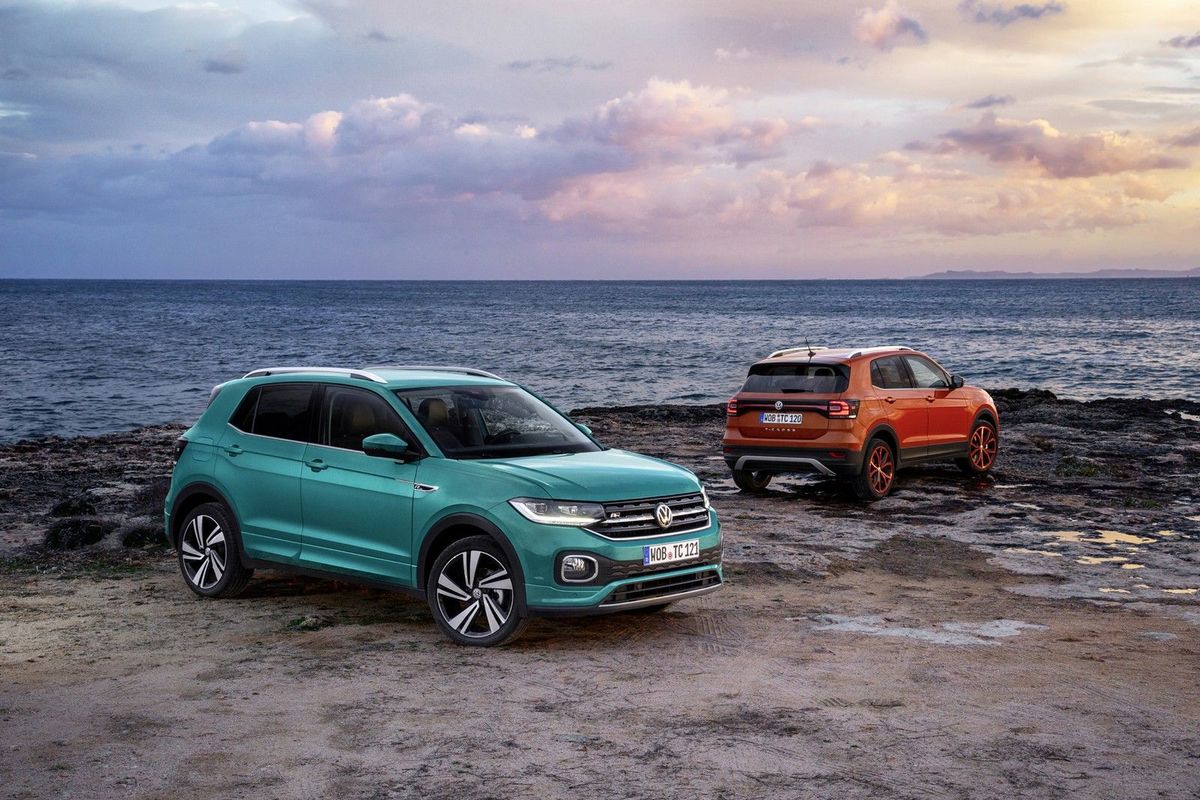
The T-Cross looks striking when specced in Energetic Orange which is optional in Highline guise.
The Volkswagen T-Cross will be offered in 3 trim levels including Trendline, Comfortline and Highline.
The T-Cross Trendline features 16-inch steel wheels, LED daytime running lights and tail lights, colour-coded handles and mirrors, electrically adjustable and heated side mirrors, electric windows at the front and rear, height and lumbar adjustable driver and passenger seats, split folding rear seats, tyre pressure monitor and a 6.5-inch 'Composition Colour' display. Front and side airbags are also included as well as Rest Assist and a Titanium black seat and instrument panel, black carpets and ceramique headliner.
Moving up to the mid-spec T-Cross Comfortline derivative, you can expect 16-inch Belmont alloy wheels, black roof rails, front fog lights, leather multi-function steering wheel with multi-function display, Park Distance Control (front and rear), cruise control, Light and Sight Package and a front centre armrest. Optional features for this trim line will include an R-Line exterior with 17-inch Manila alloy wheels, Beats sound system, inductive wireless charger, Composition Media with App-Connect, Discover Media (with Navigation), Active Info Display, Park Assist with Rear View Camera and Foldable Mirrors, Adaptive Cruise Control (includes Blind Spot Monitor, Foldable Mirrors, Lane Assist and Front Assist, LED headlights with Rear View Camera, Keyless Entry and Removable Towbar.
The top-spec Highline derivative adds standard features such as 18-inch Cologne alloy wheels, Comfort Sport Seats, inductive wireless charging, driving profile selection, dual-zone climate control air conditioning, LED headlights and Composition Media with App-Connect. Options for the T-Cross Highline include an R-Line exterior with 18-inch Nevada alloy wheels, Design Package in Energetic Orange, Beats sound system, Discover Media (with Navigation), Active Info Display, Park Assist, Adaptive Cruise Control (includes Blind Spot Monitor, Foldable Mirrors, Lane Assist and Front Assist), Keyless Entry, Removable Towbar and Titanium Black-Energetic Orange seats, titanium black instrument panel, black carpets and ceramique headliner.
Engine Choice
The T-Cross took the market by storm and many have found homes in SA.
From launch, the new T-Cross will be offered with a turbocharged, 3-cylinder 1.0-litre petrol engine offering 85 kW and 200 Nm of torque with a claimed fuel consumption figure of 4.9 L/100km and makes use of a 7-speed DSG transmission. A 70 kW version will arrive on local soil in Q2 2020 with a starting price below R300k in Trendline guise and will be offered with a 5-speed manual transmission.
Volkswagen T-Cross 1.5 110kW R-Line
A range-topping 1.5-litre turbopetrol engine will also be offered but will only be available in Q1 of 2020. Update: the 1.5 has arrived in SA and we can share the outputs plus price. The 1.5-litre turbocharged 4-cylinder produces 110 kW and 250 Nm, with power driving the front wheels via a 7-speed dual-clutch transmission. Fuel economy is claimed at 5.2 L/100 km. It will be the most potent of T-Cross models, with a claimed 0-100 in 8.5 seconds. It's available exclusively as an R-Line model.
It comes standard with 18-inch alloy wheels, Composition Media + App-Connect + Inductive Charging, Active Info Display and there are some options to be considered like a beats sound system at R9 150 and Park Assist + Rear-view Camera + Powerfold Mirrors for R9 300?.
Volkswagen T-Cross Price in South Africa (April 2020)
1.0 TSI 85kW Comfortline DSG R353 700
1.0 TSI 85kW Highline DSG R385 500
1.5 TSI 110kW R-Line DSG R403 500
The T-Cross comes standard with a 3-year/120 000 km warranty, a 3-year/45 000 km Volkswagen Service Plan and a 12-year anti-corrosion warranty. The service interval is 15 000 km.
Ciro De Siena drove the T-Cross in Spain, watch the video below or read his report here!
Hyundai N Line Elantra Inbound
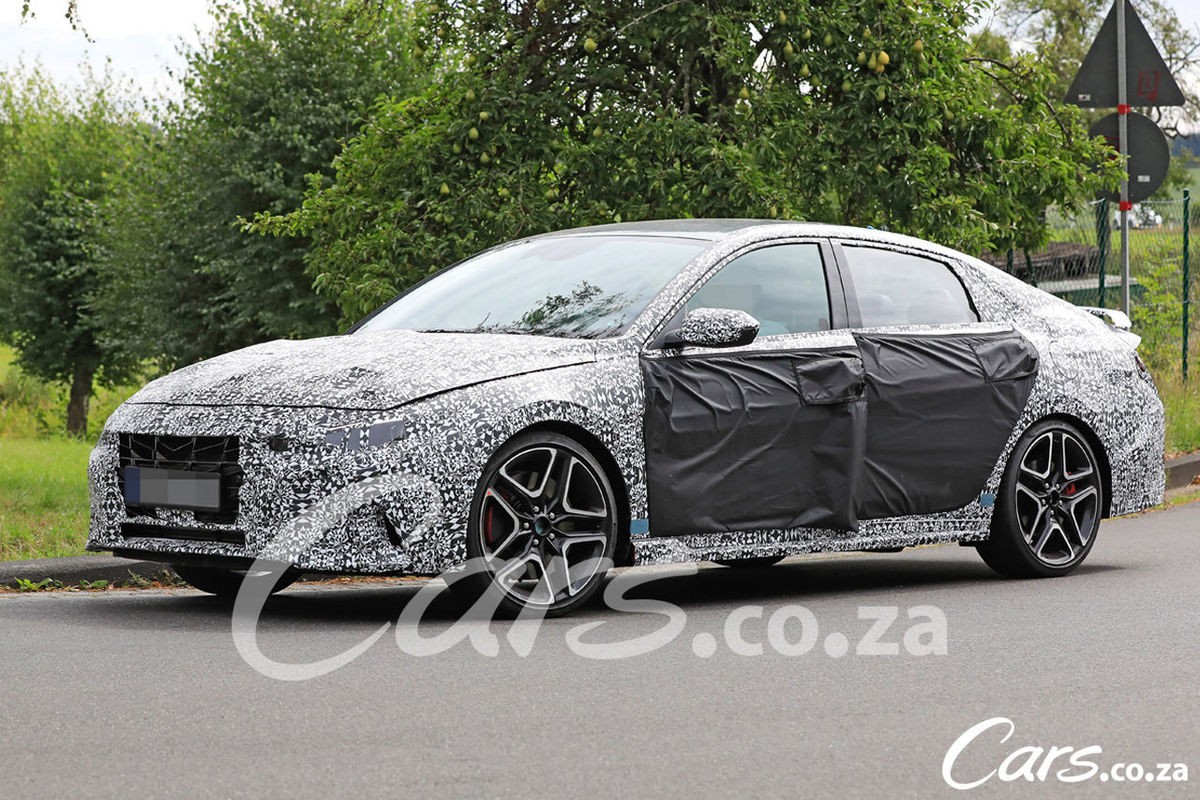
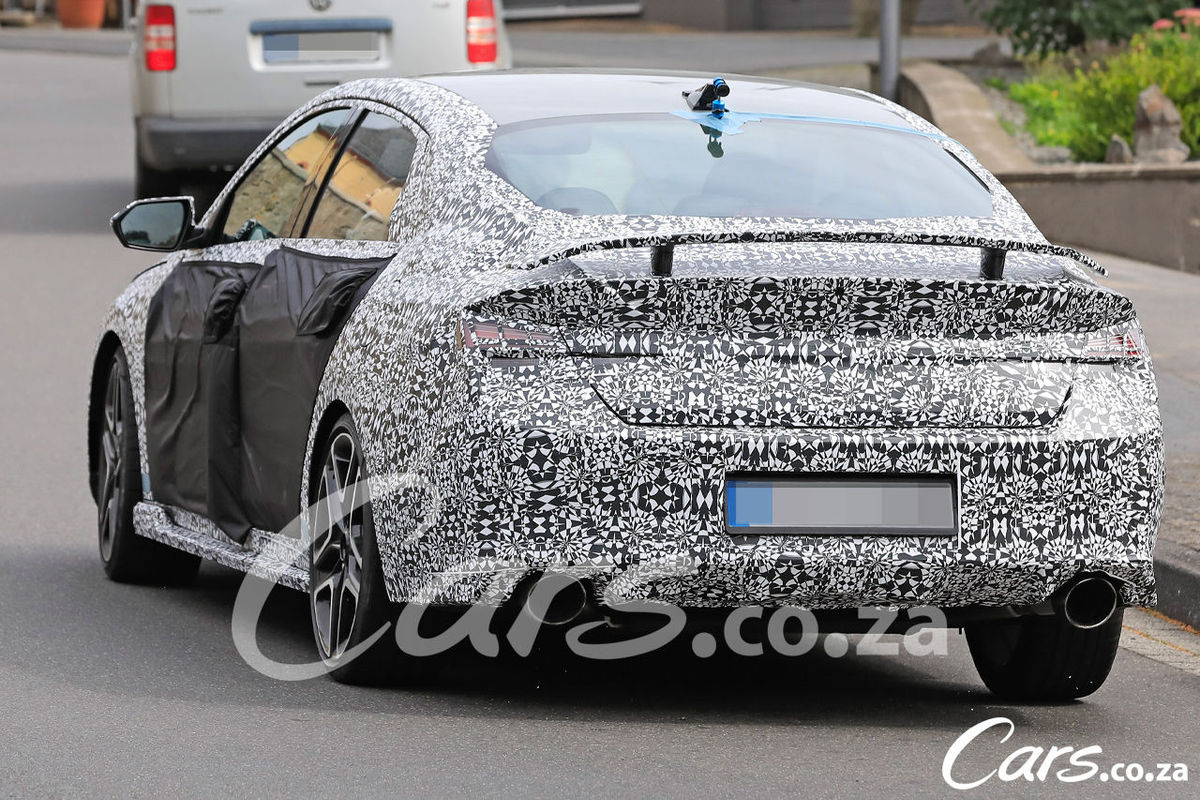
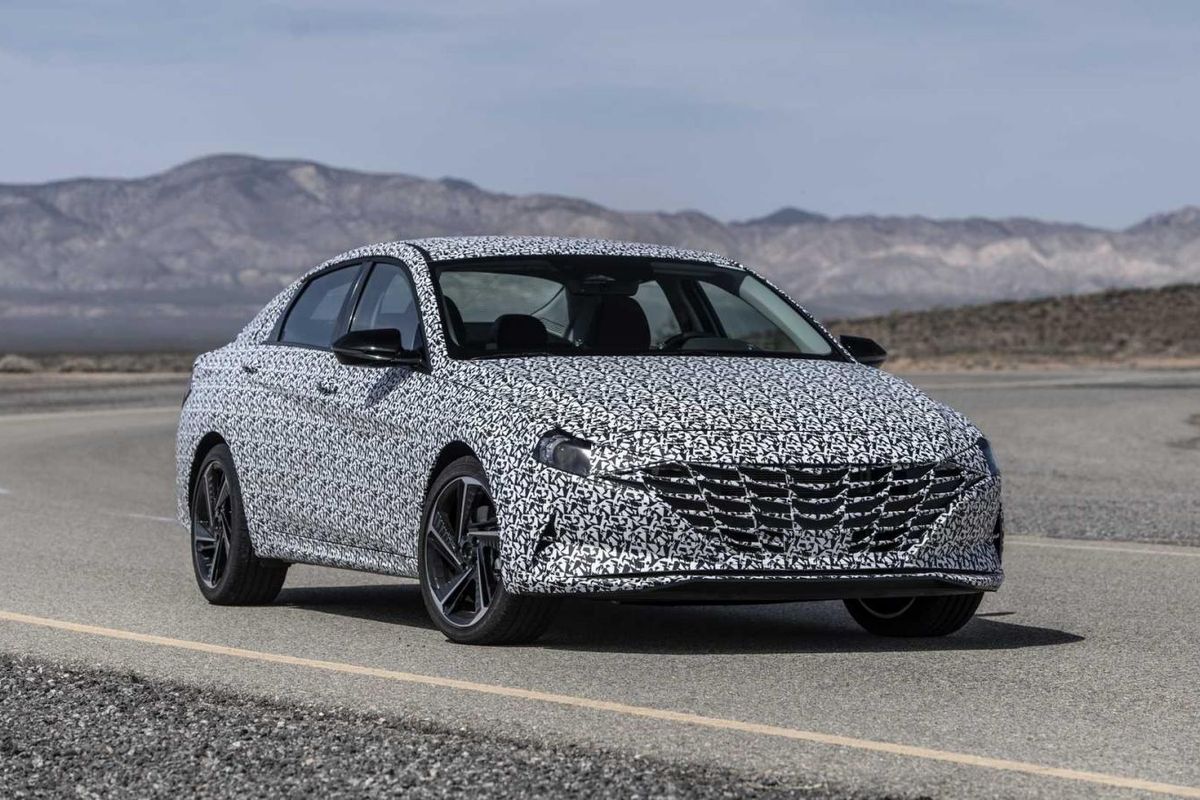
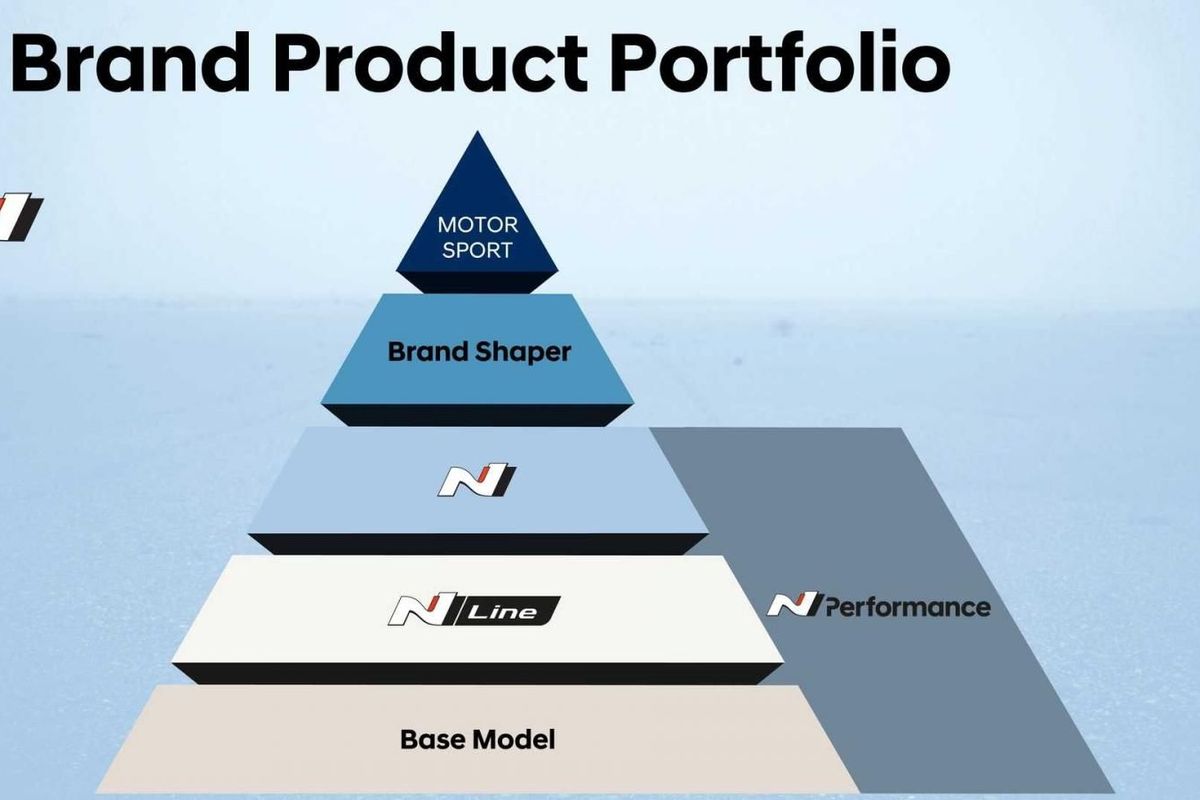
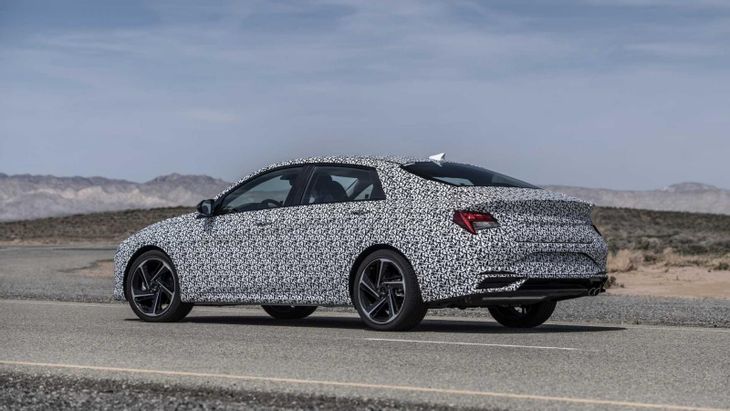
Hyundai is expanding its N brand and has teased the forthcoming Elantra N Line sedan.
Korean brand Hyundai is keen to push its N and N Line performance arms. The i30 N has been well received as has the Veloster N. We know Hyundai is about to reveal the Kona N, as well as a mid-engined hardcore Veloster N. There's also a facelifted i30 N Line that was teased not so long ago and the compact i10 is getting a sporty kit too. The freshly-revealed i20 is getting a full-blown N model to take on the Ford Fiesta ST and Volkswagen Polo GTI, and we have spyshots. The appeal has been broadened by the introduction of a dual-clutch transmission for those wanting ease of use.
Hyundai launched new versions of the Elantra and Sonata recently, but its the Elantra which is getting the sporty kit. It will be the first time N Line trim will be available on the Elantra and while it isn't a fully-fledged hardcore N model, Hyundai is promising chassis upgrades and a turbocharged engine paired with a sporty design. In the teaser video, you can see the test driver making use of the sporty steering-wheel shift paddles and there's a bit of a sporty noise to it too.
Watch this space as Hyundai pushes the N brand hard over the next few years.
Calvin Fisher reckons the return of drive-in theatres would be just the, um, ticket to reinvigorate a Covid-19-afflicted movie industry.
But first, you may ask, what the hell is a drive-in? And secondly, what the hell is wrong with the movie industry? Let's start with the latter and just admit to ourselves that because (mandatory) social distancing has become the new norm, our days of visiting the cinema are over for the foreseeable future. In fact, I can see movie theatres standing still until Christmas. This means that A, blockbusters (and movies in general) that were set to premiere during this period have been pushed right out to 2021 (and beyond) and that B, your favourite actors and the droves of film-making professionals that are required to make them look good can't be in the same room. Two femme fatales in particular: Black Widow and Wonder Woman have had to postpone their respective feature films.
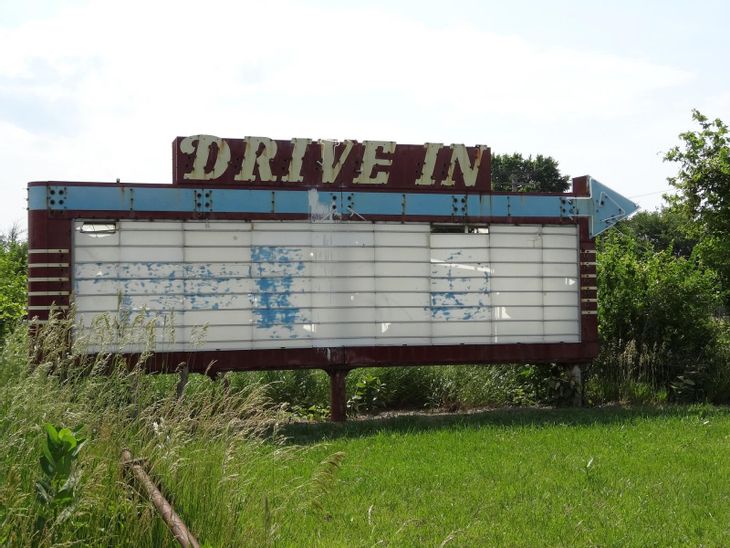
Since all of our old drive-ins have been dismantled, we will have to 'make a plan'
Many completed movies have left the cutting room and are ready to go on circuit, but think about it: what's the point of pumping one hundred million dollars into a movie's production if nobody has the spare cash in hand to buy tickets to watch movies in theatres they're not even allowed to enter? Risk-averse consumers don't even have money to splurge on merchandise either. And, while the likes of streaming services such as Netflix and Amazon Prime have been saviours for those stuck at home, the fact is that lockdown has affected the production of new content for those sites as well.
Which brings us neatly to the drive-in, which I will sum up as briefly as possible. Picture a parking lot with hundreds of parking bays all pointed at a gigantic white wall. Now imagine each bay sprouting a pole, holding a pair of speakers. The premise was that you and your family or, better still, a romantic partner would pay the price of admission and park in one of these bays. A powerful projector would, well, project the latest flick onto the massive screen for the congregated array of cars. Social distancing wouldn’t be a problem since you’d otherwise be at home with your fellow passengers, leaving you all to snuggle under blankets while gorging on popcorn, sodas, or whatever tasty (and probably calorie-rich) treats you prefer to indulge in. Tinny audio would be piped into your cabin via the aforementioned speakers, that is until technology caught up and operators realised they could transmit sound to your car’s stereo system. Bliss.
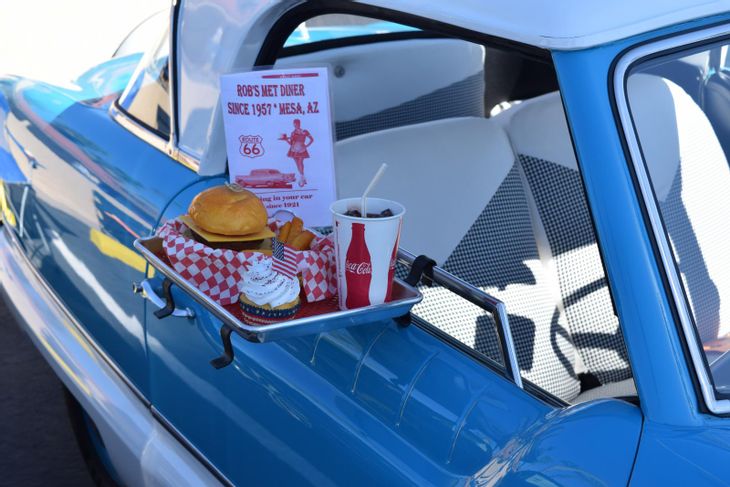
Under level 4 restrictions, takeaway restaurants could deliver to your car.
I'm 41 years old, so I lived through both eras of the "drive-in theatre" so after 2 weeks of lockdown, I set about turning a Suzuki Vitara into one, right at home in my garage. The job required little more than a USB C to HDMI cable, a cheap projector and some whiteboard. For an even more hi-tech version, you could substitute the projector and screen for a flatscreen TV, but then that would be defeating the more analogue nature of the drive-in experience, wouldn't you agree? The result was my little squad of 4 were able to watch Free Willy via Netflix in our single garage; the Suzuki’s booming audio system and cushy seats availed us with a premium setting. So what if the next day was spent vacuuming up kernels and Aromat off the Vitara's floor and from between the seats?
I’m certainly not the first to think this might be a great idea… Some places in America (Omaha and Arizona, to name but 2 examples) have already started turning their restaurant parking lots into drive-ins and hosting weekly viewings, and they serve food through a takeaway system. The Galileo open-air theatre (which operates in the Western Cape) has inflatable screens that are no longer in use due to the Covid-19 pandemic, so it might make brilliant sense to put those self-same screens to good use in parking lots around the county.
Inflatable screens could be used instead of expensive projectors.
So I say, it is time for a good ol' comeback; shopping centres, stadiums, megachurches and hotels should convert their parking lots into drive-ins so that we may pull up, park and purvey fine cinema once again. It’s not like you can't budget for a few weeks to afford tickets and besides, you’ll reinvigorate the film-, hospitality- and catering industries as a consequence. More than that, you’ll give families something new to do together. Since we’re doing everything together, regardless. Long live the drive-in cinema, long live!
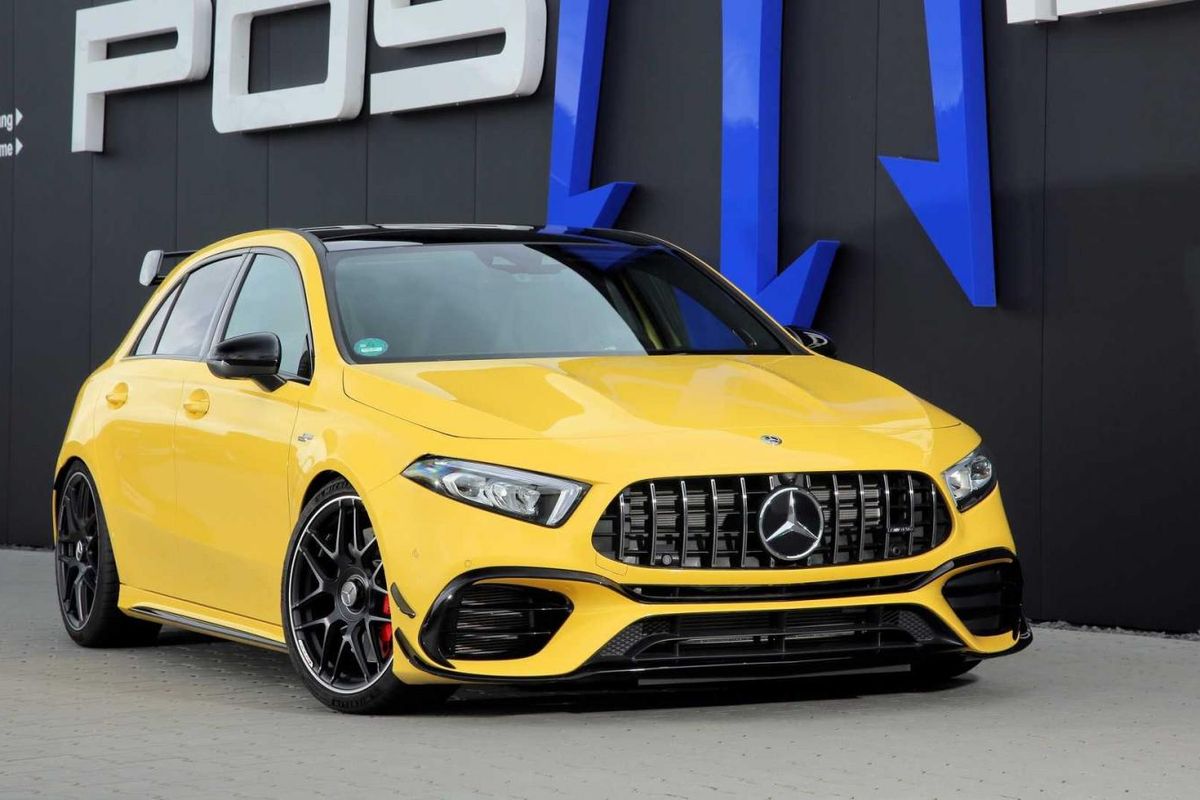
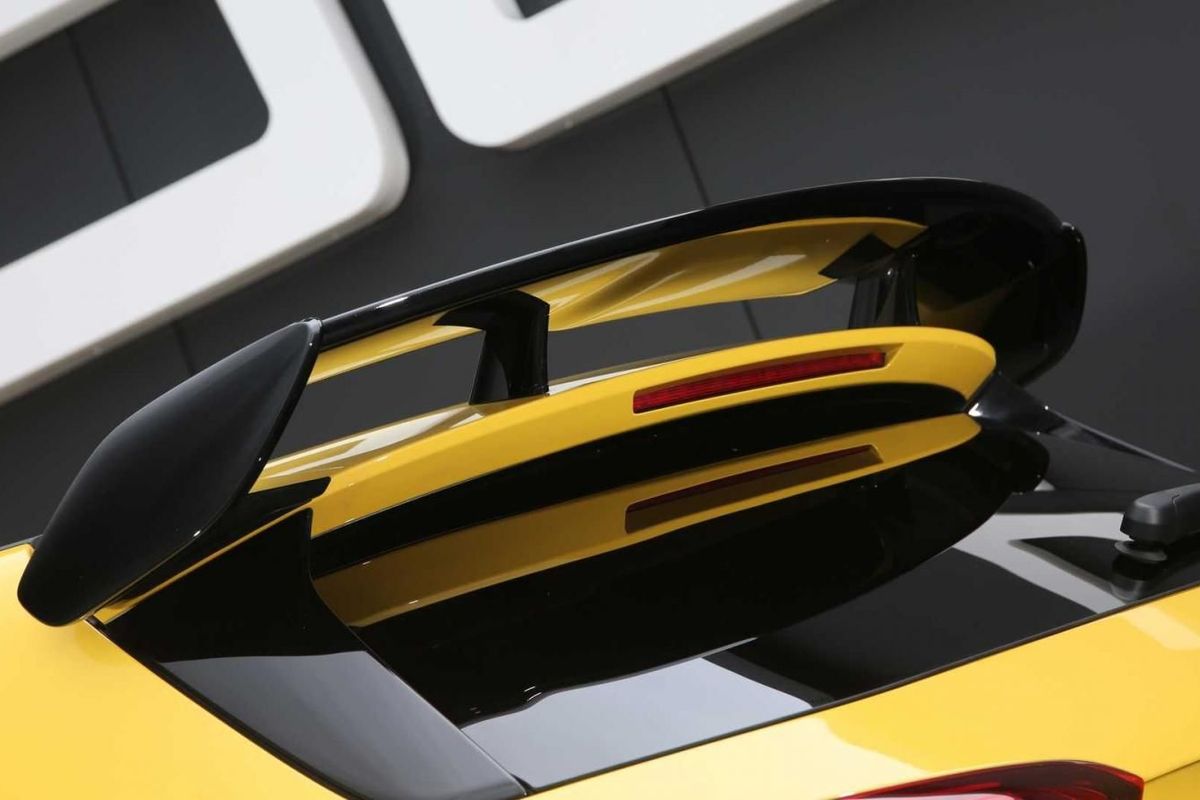
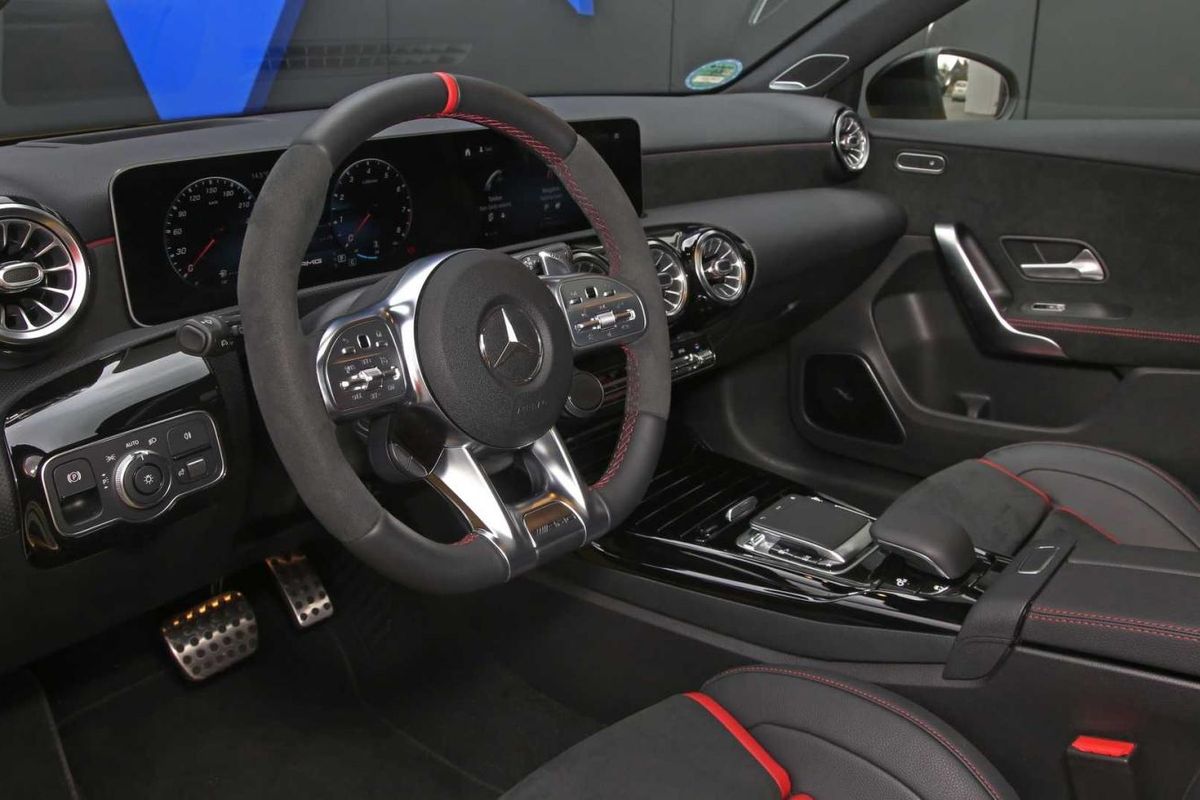
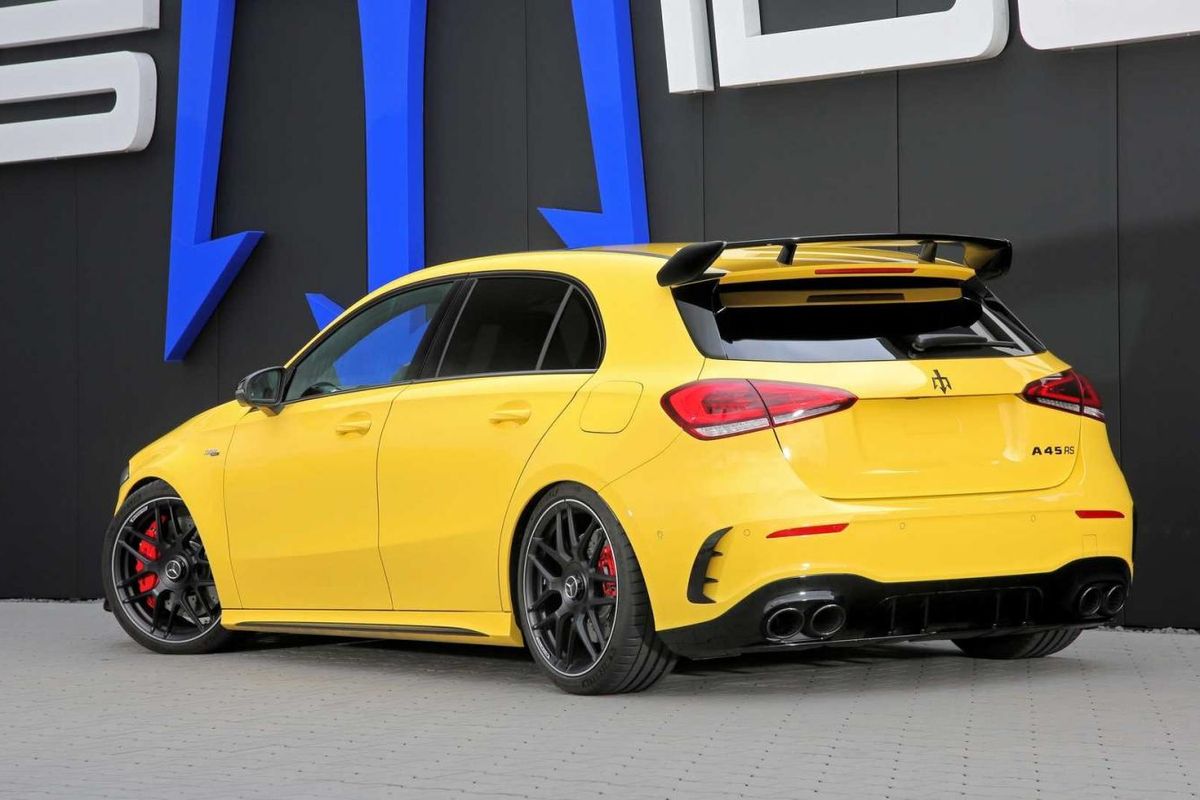
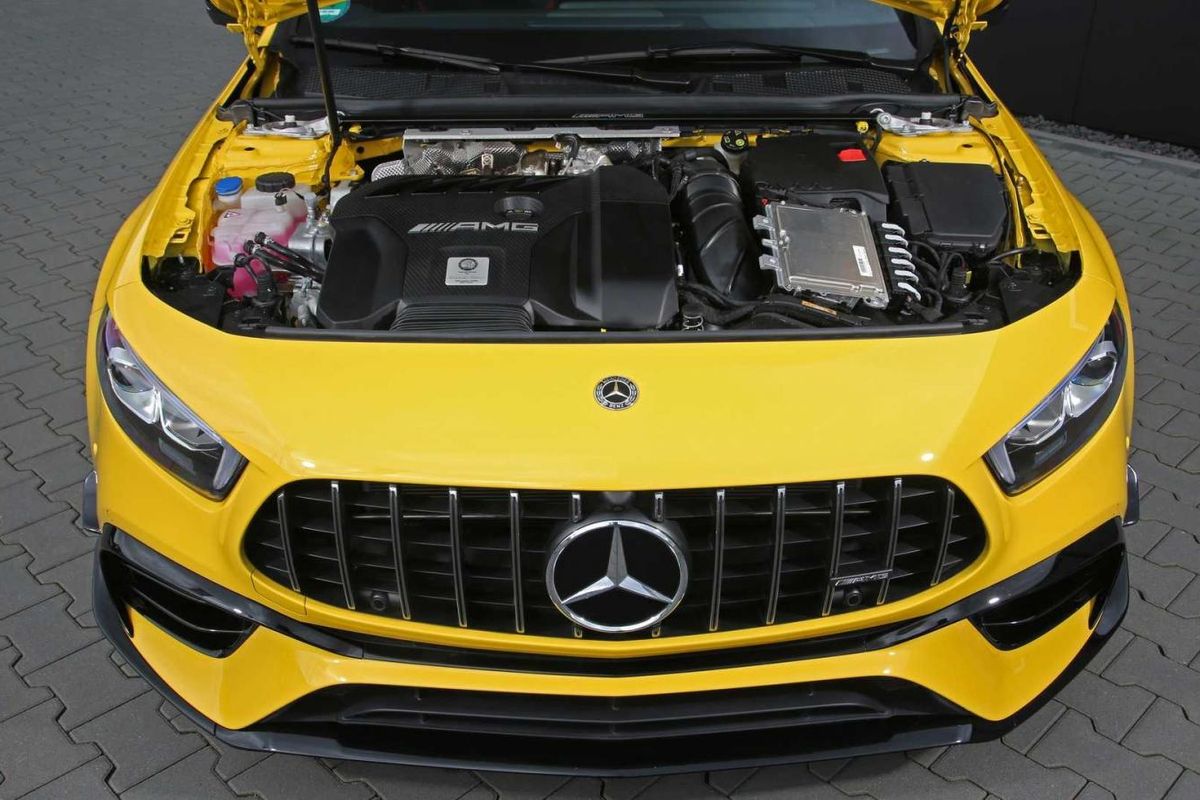
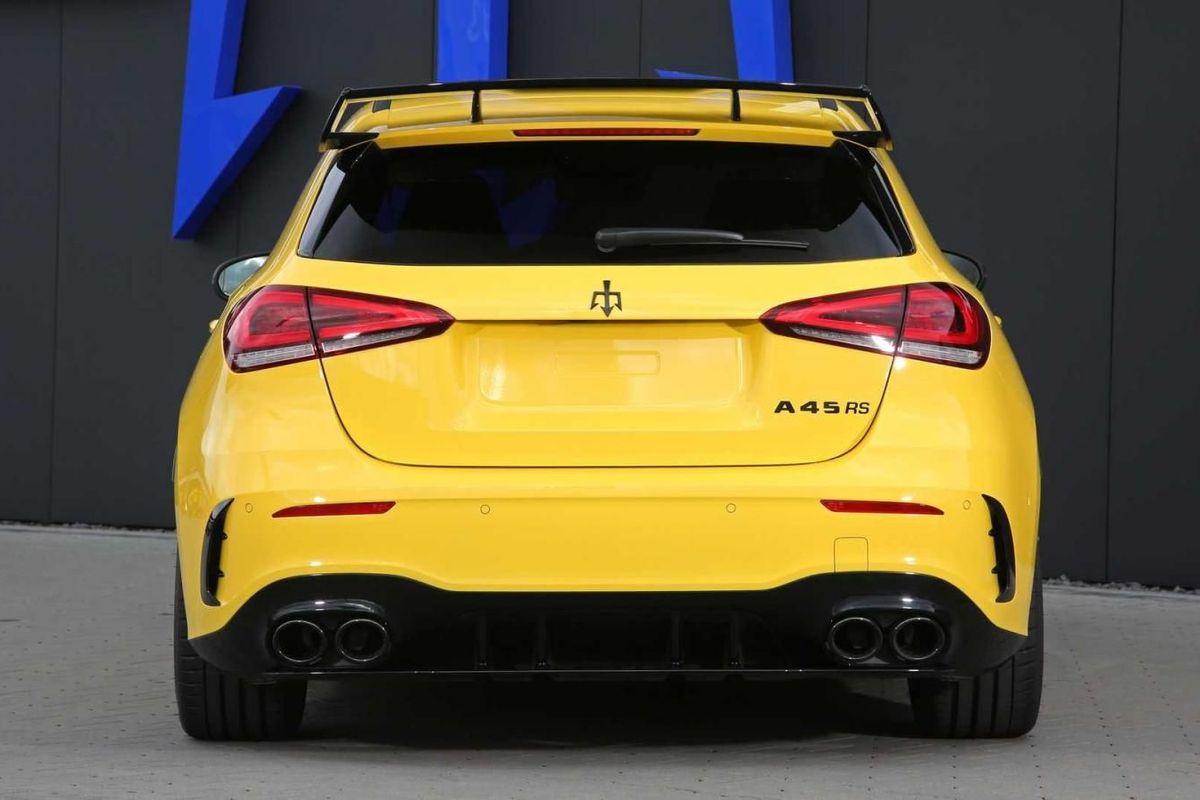
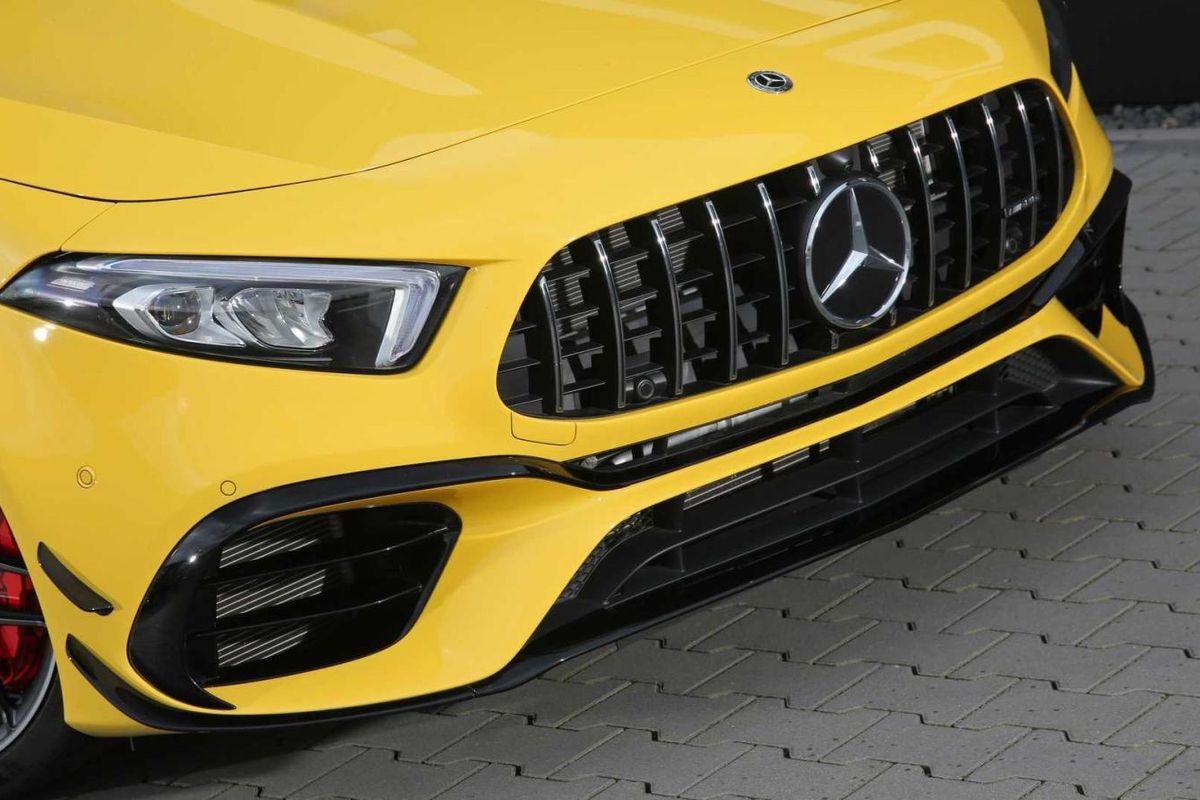
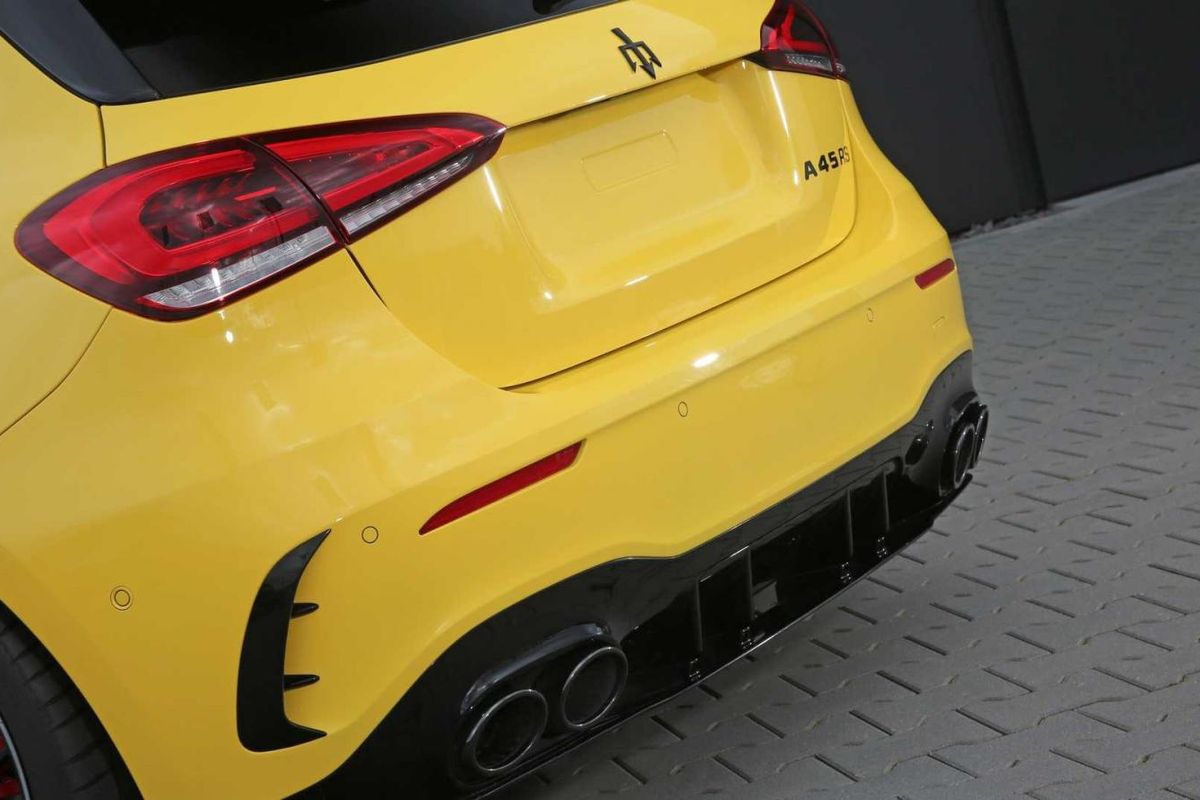
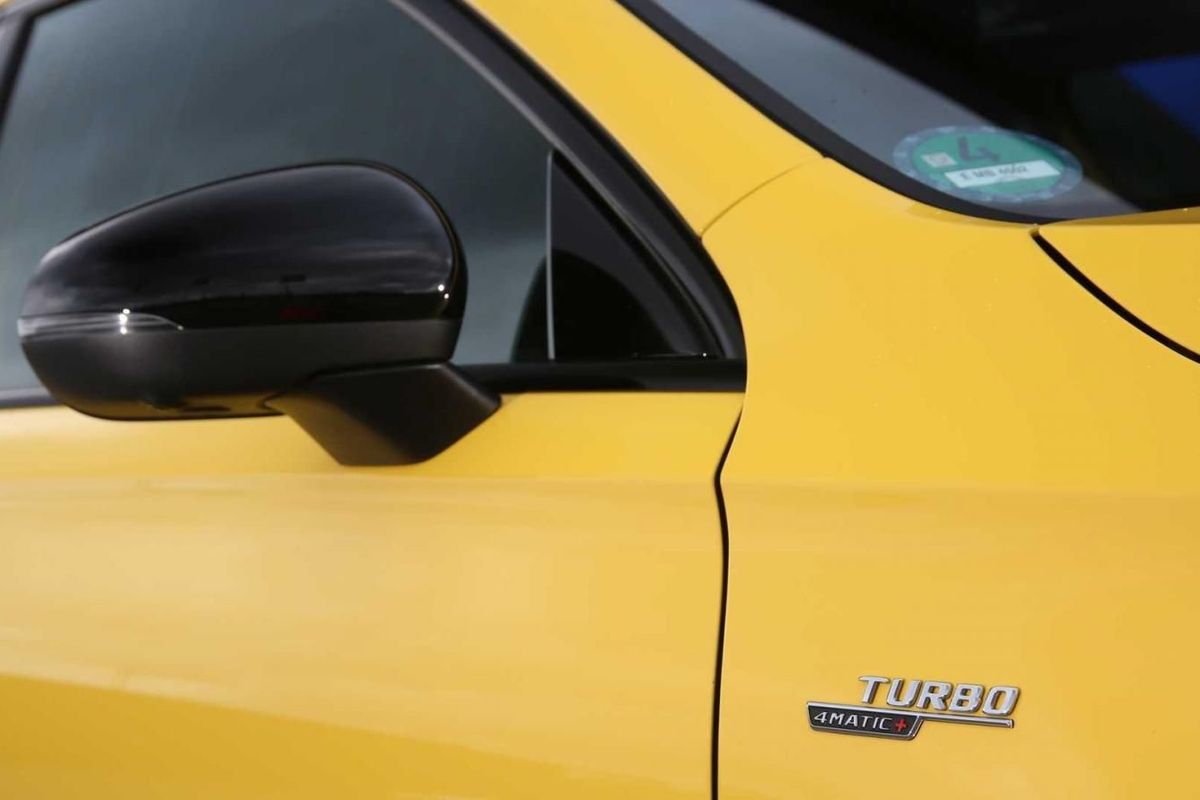
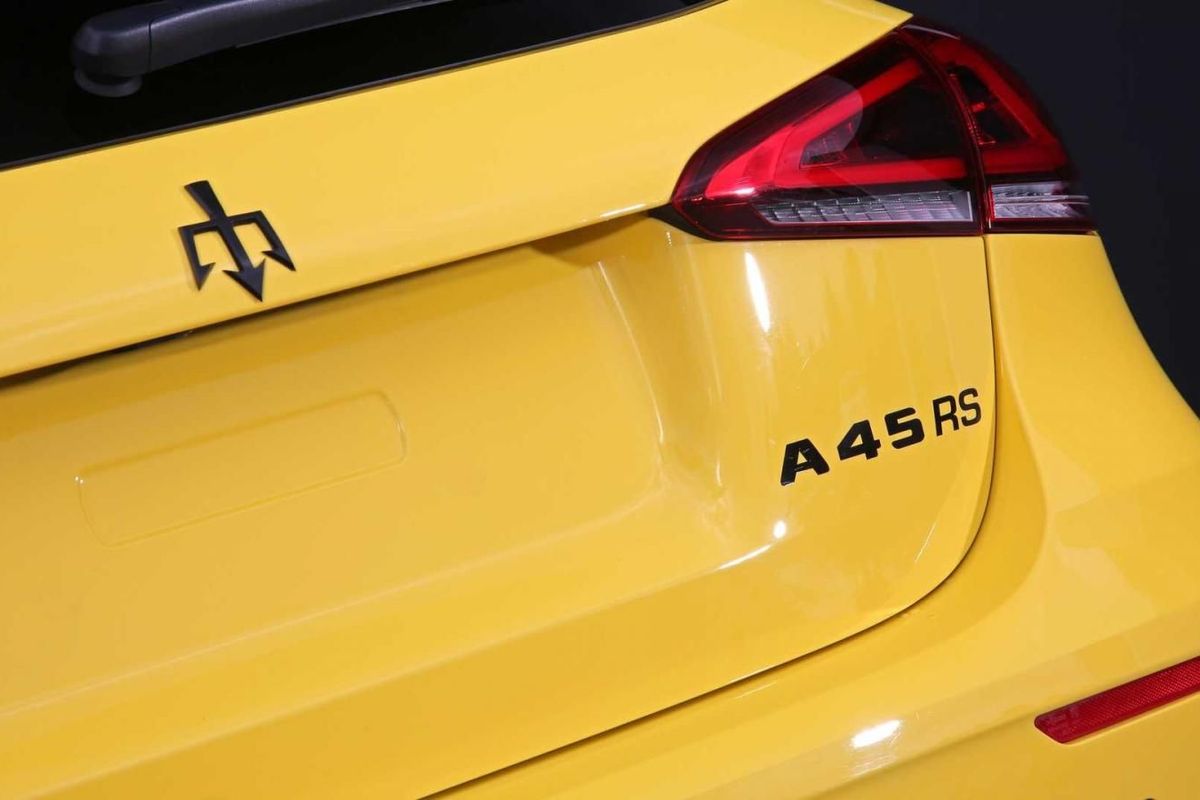
The current Mercedes-AMG A45 is a hugely powerful 2-litre, however, some German tuners have taken the A45 beyond 300 kph.
AMG’s de-restricted A45 S is an incredibly rapid super hatch.
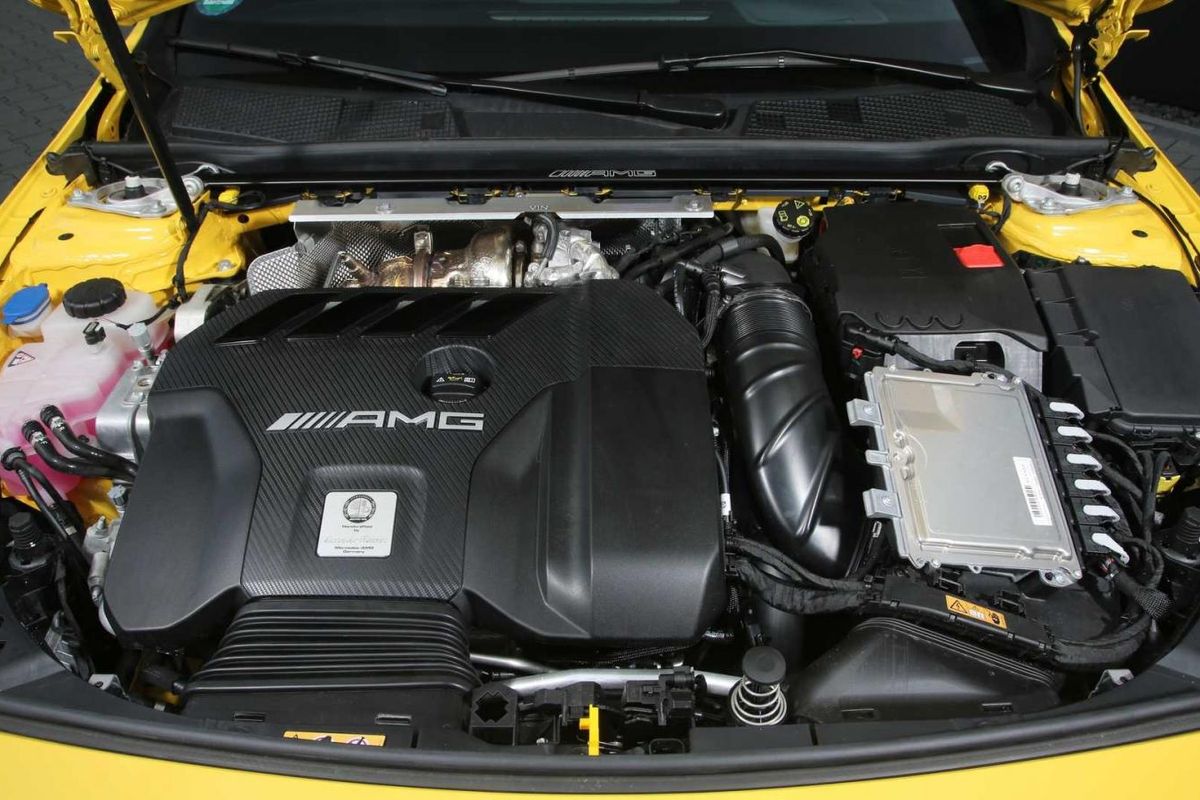
Powered by the world’s most potent 2-litre four-cylinder engine, it will run a true top speed of 270 kph.
It would be rather arrogant to believe that one could improve upon AMG’s engineering, but the German aftermarket tuning industry is full of ambitious and talented specialists. One of those is Posaidon, which despite the very un-German name, is located in Mülheim-Kärlich.
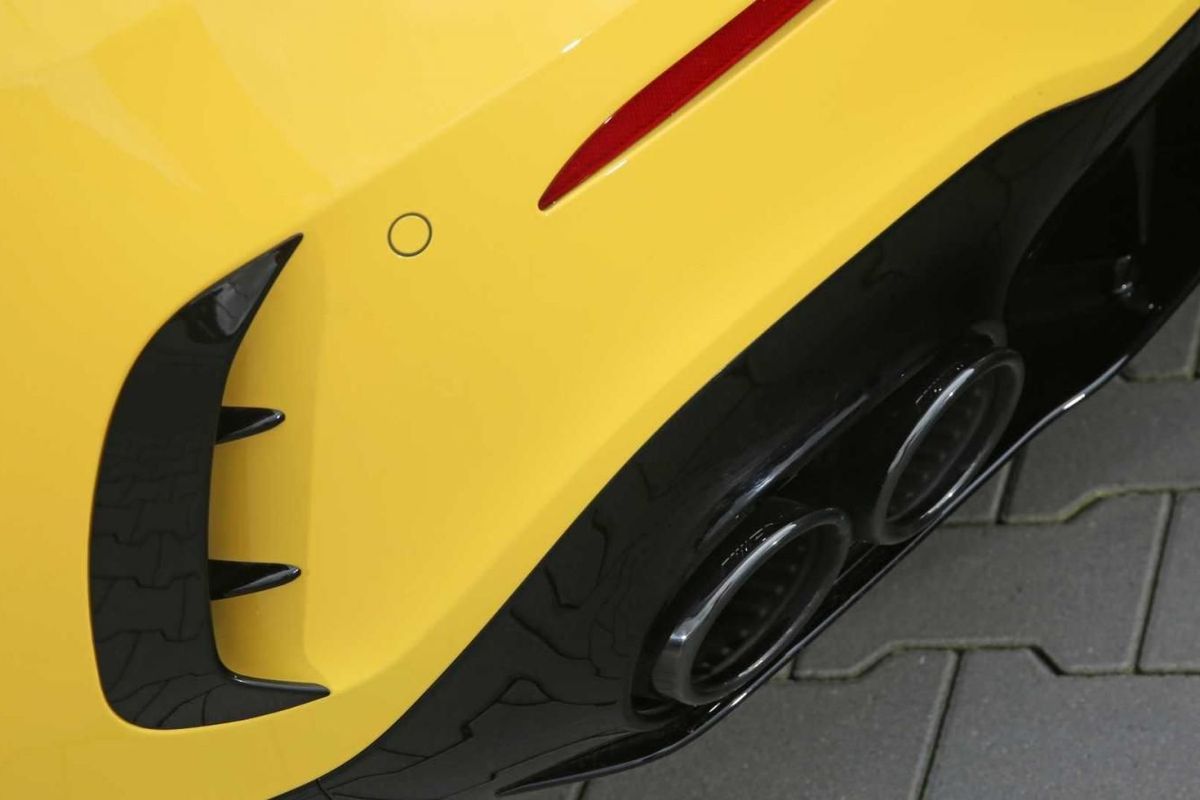
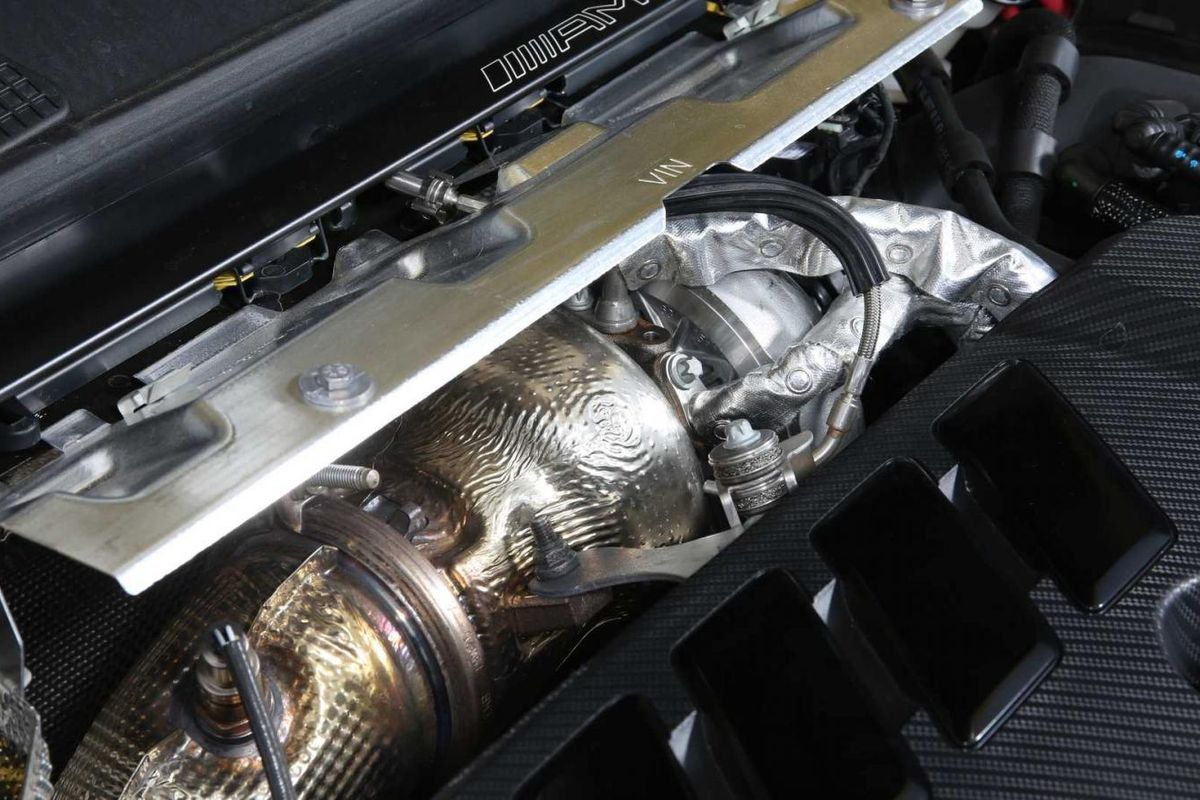
The company’s latest offering is a RS 525 upgrade of the A45. Posaidon’s technicians swap out the factory turbocharger for a new unit and appropriately reprogrammed the 2-litre engine’s control electronics to extract more power.
With a new turbocharger and revised control algorithms, the RS 525 boosts 386 kW and 600 Nm. Those are very impressive outputs for a compact four-cylinder engine, and notable gains on the factory AMG A45 S settings of 310 kW and 500 Nm.
Posaidon is aware that increasing the A45’s power by such a large amount could overwhelm AMG’s 4Matic drivetrain, especially its eight-speed dual-clutch transmission. To that end, the software which governs this RS 525 upgrade’s shift patterns, has been adjusted to account for additional engine output.
On a high-friction surface, the Posaidon A45 will run 0-100 kph in only 3.4 seconds, placing it firmly in supercar acceleration territory. Top speed is perhaps even more impressive, with the Posaidon super hatch capable of 324 kph. That's 201 mph in old money, a 200 mile an hour hot hatch!
Beyond its engine upgrade, Posaidon is also offering Evolution One rims for the A45. These wheels are sized at 20-inches and made from carbon-fibre, which means they only weigh 4.9 kg, radically reducing the vehicle’s rolling inertia.
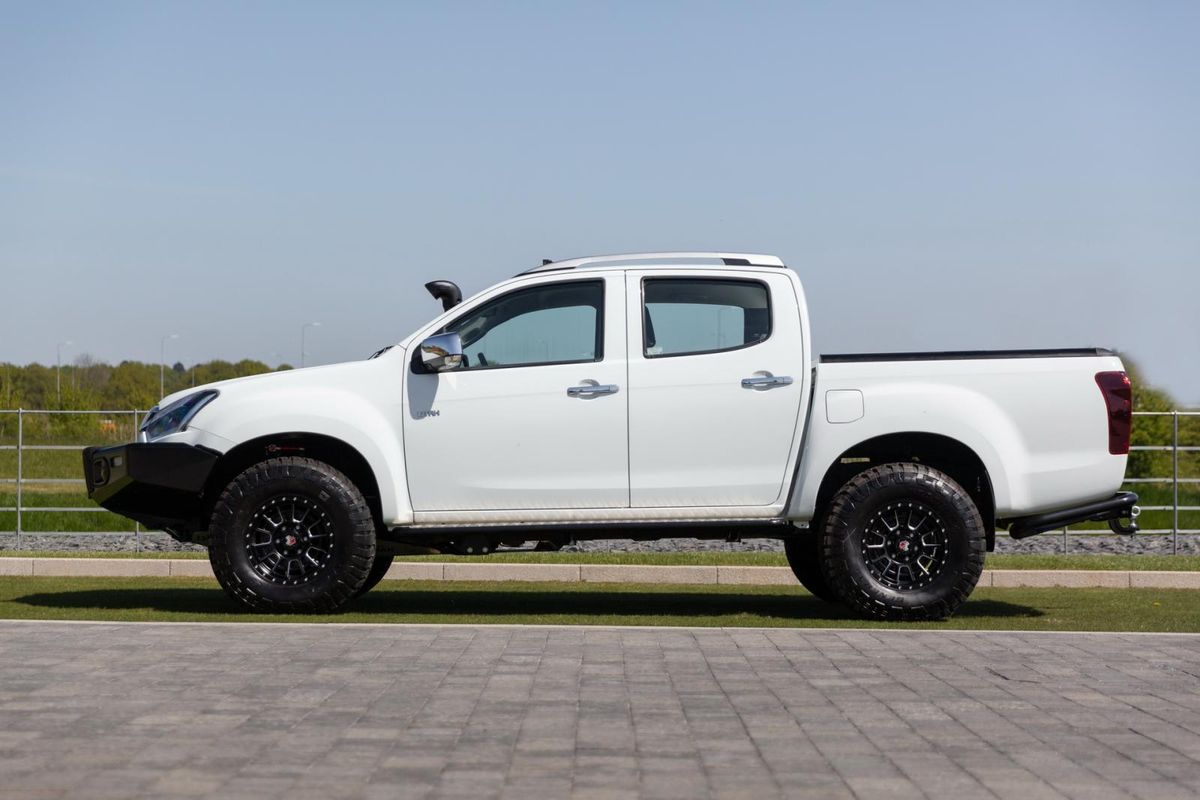
With time and money, your Isuzu D-Max can become a unstoppable offroader.
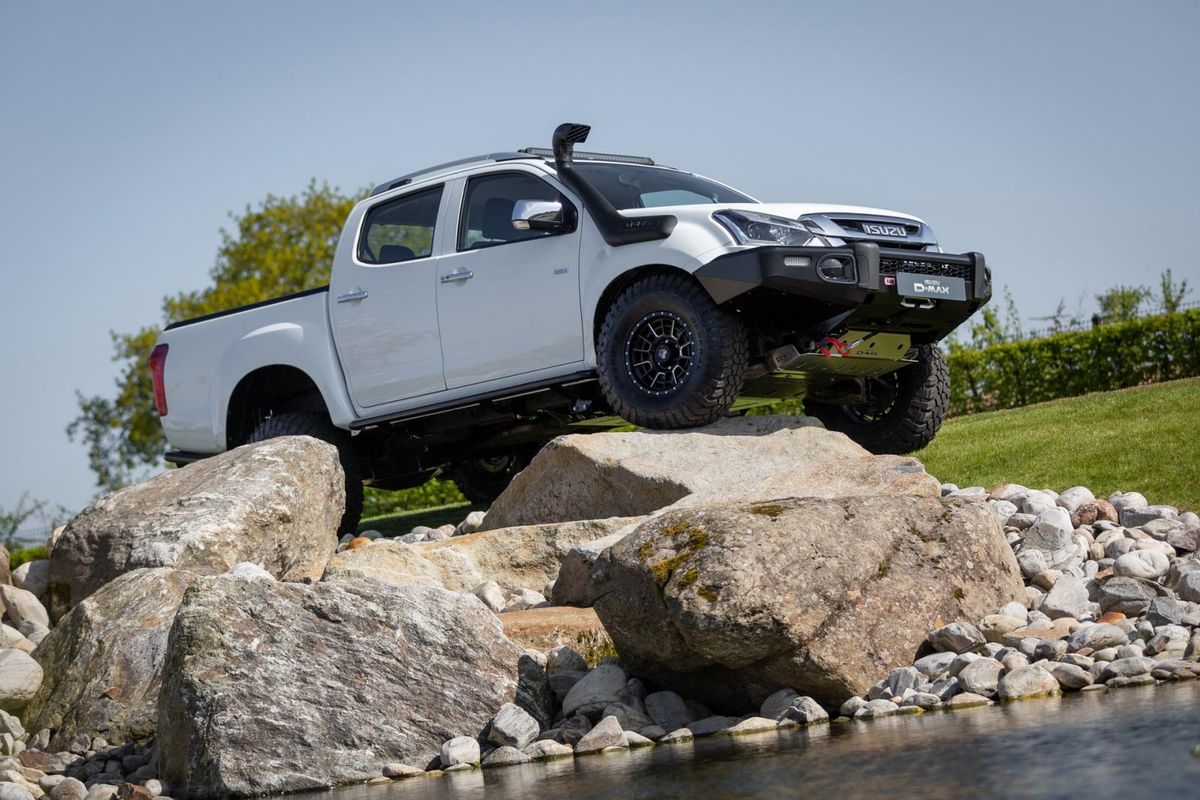
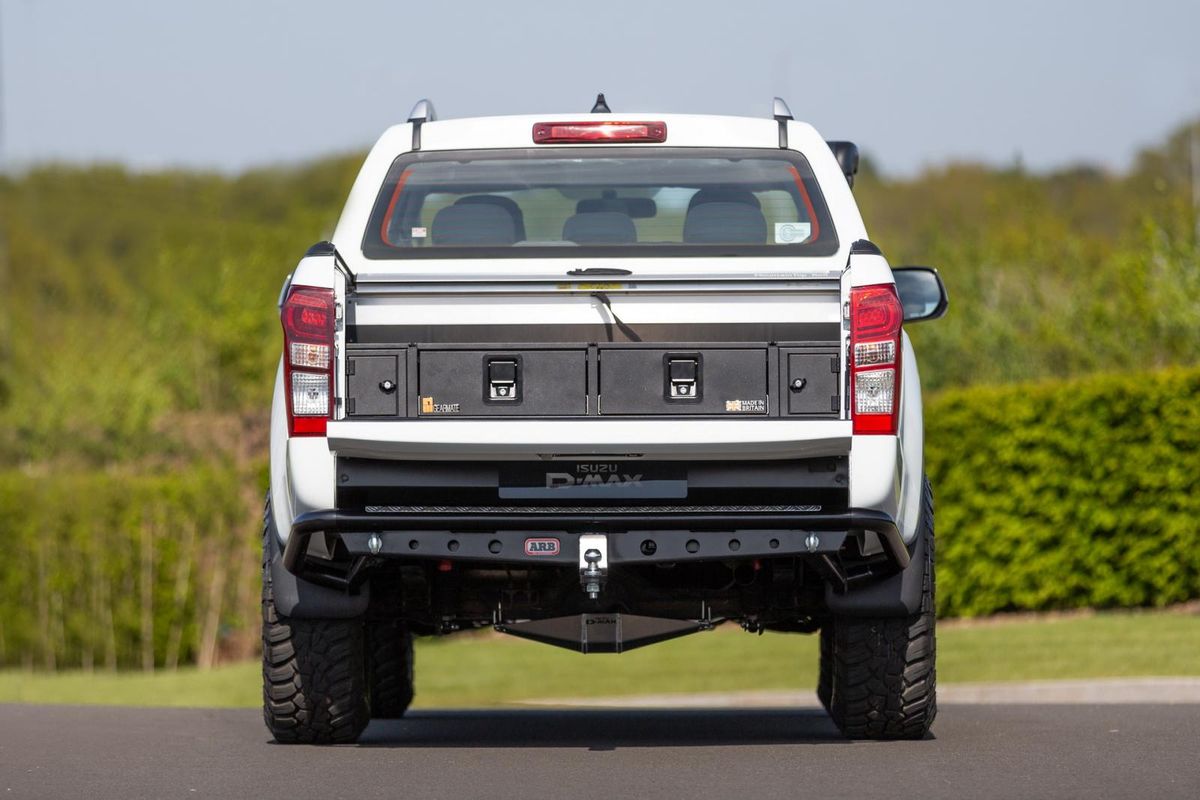
The Isuzu D-Max, in standard form, is already well-respected for its outstanding reliability record as well as its formidable workhorse ability in tough terrain. However, with time and money, any vehicle, the D-Max included, can be elevated to the next level. Take this UK-built Isuzu D-Max GO2 as an example.
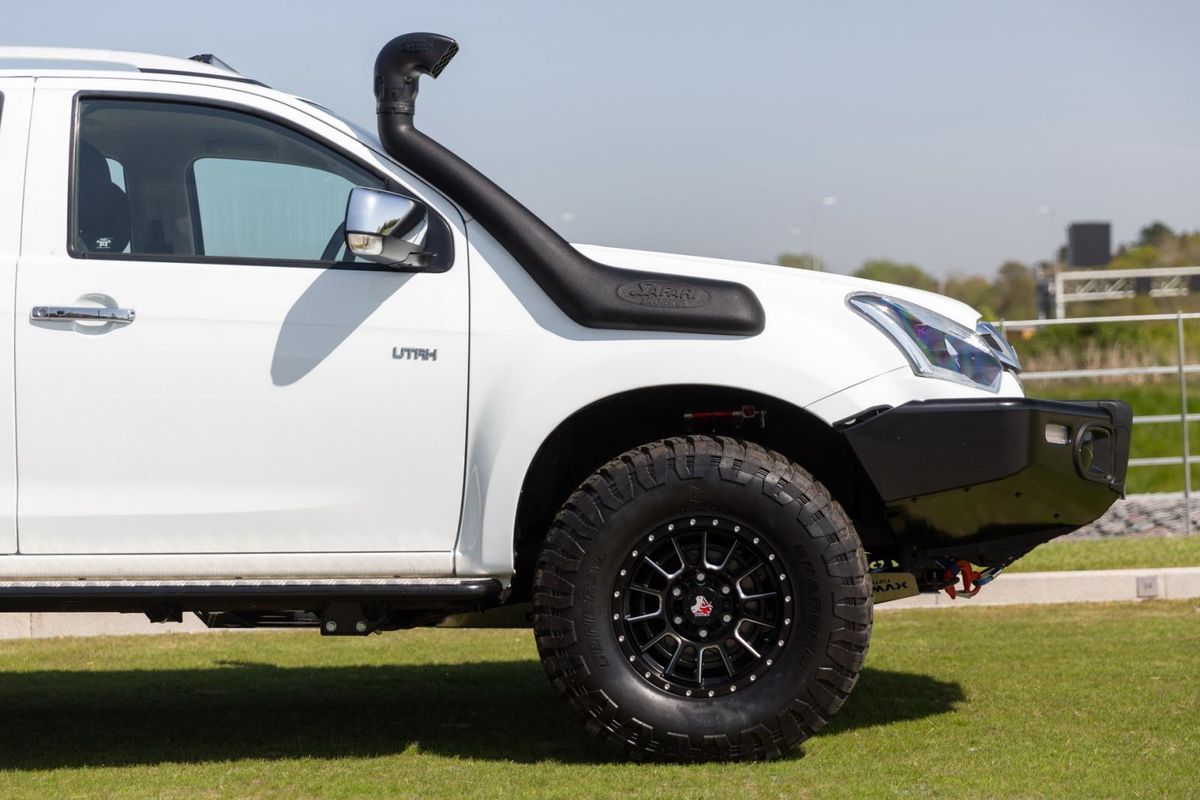
Perhaps the most prominent feature is the heavy-duty front bumper which has an ARB Sahara bar and is further equipped with a Britpart power winch, which according to Isuzu, is capable of pulling 4 tons, which is noteworthy.
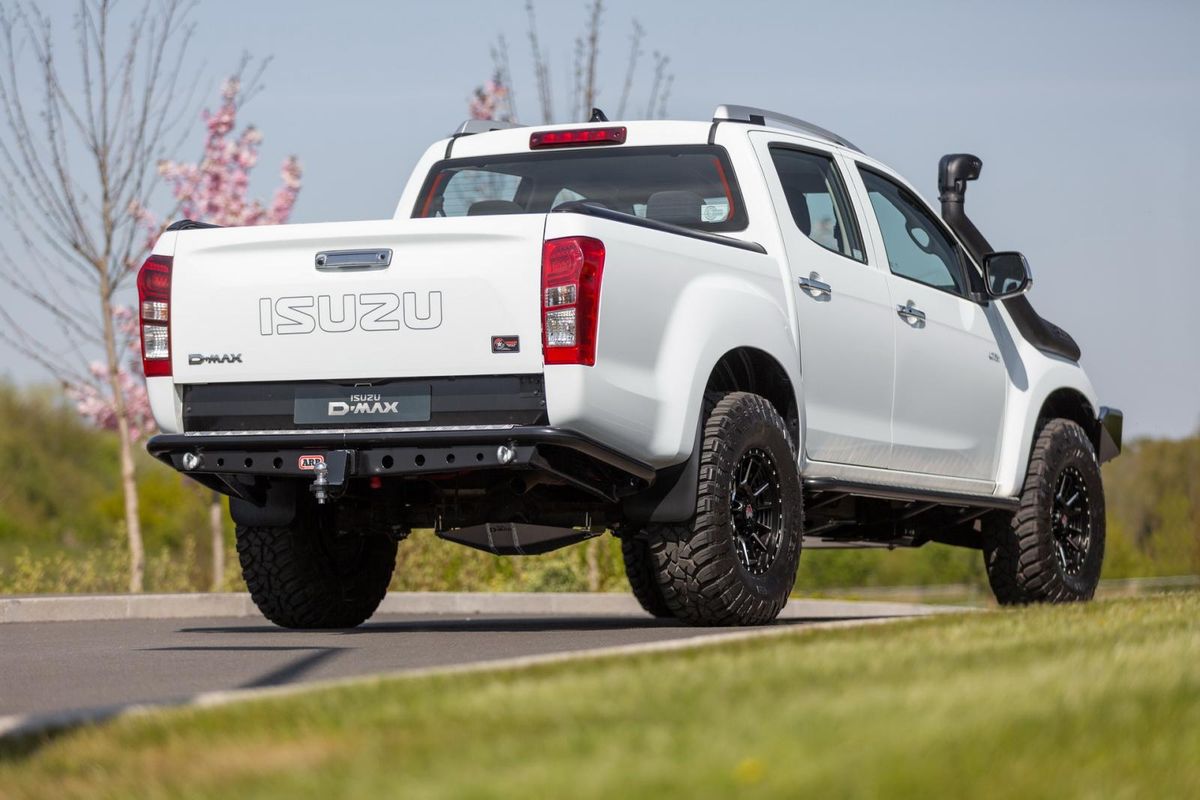
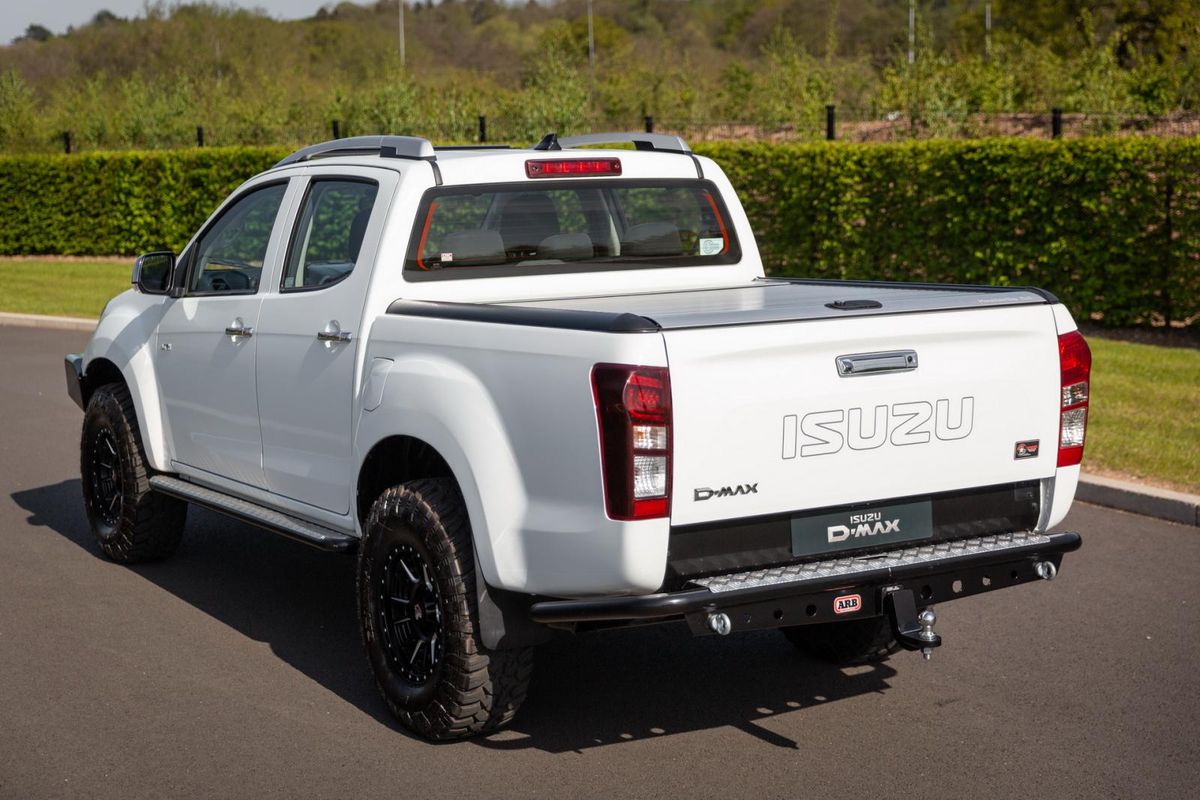
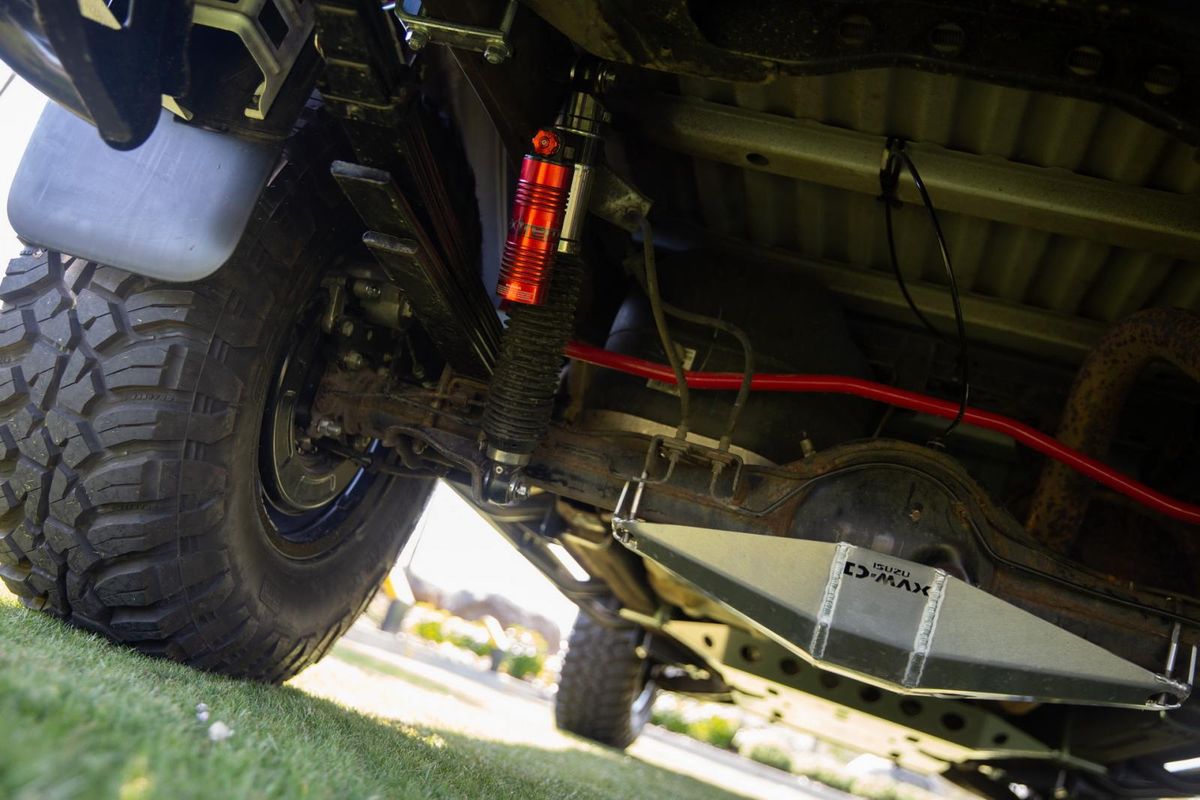
A full under-guard kit is fitted to prevent damage when traversing difficult terrain and 16-inch wheels with rugged 33-inch Grabber X3 Mud Terrain tyres will ensure maximum grip. The D-Max GO2 is also fitted with a Safari snorkel and beefed-up Pedders TrakRyder suspension system and a lockable rear differential. A heavy-duty rear bumper is also fitted along with a spring-loaded, Pro-Lift tailgate.
In terms of enhanced practicality, the load bay itself features a retractable Moutain Top cover and an aluminium bed draw system with lockable storage compartments.
Isuzu UK executive, Darren James commented “This is a fantastic working example of just how easily the Isuzu D-Max can be adapted and transformed into a ‘do anything, go anywhere’ pick-up and should definitely give our customers some inspiration for what they can achieve in their own D-Max,” stated
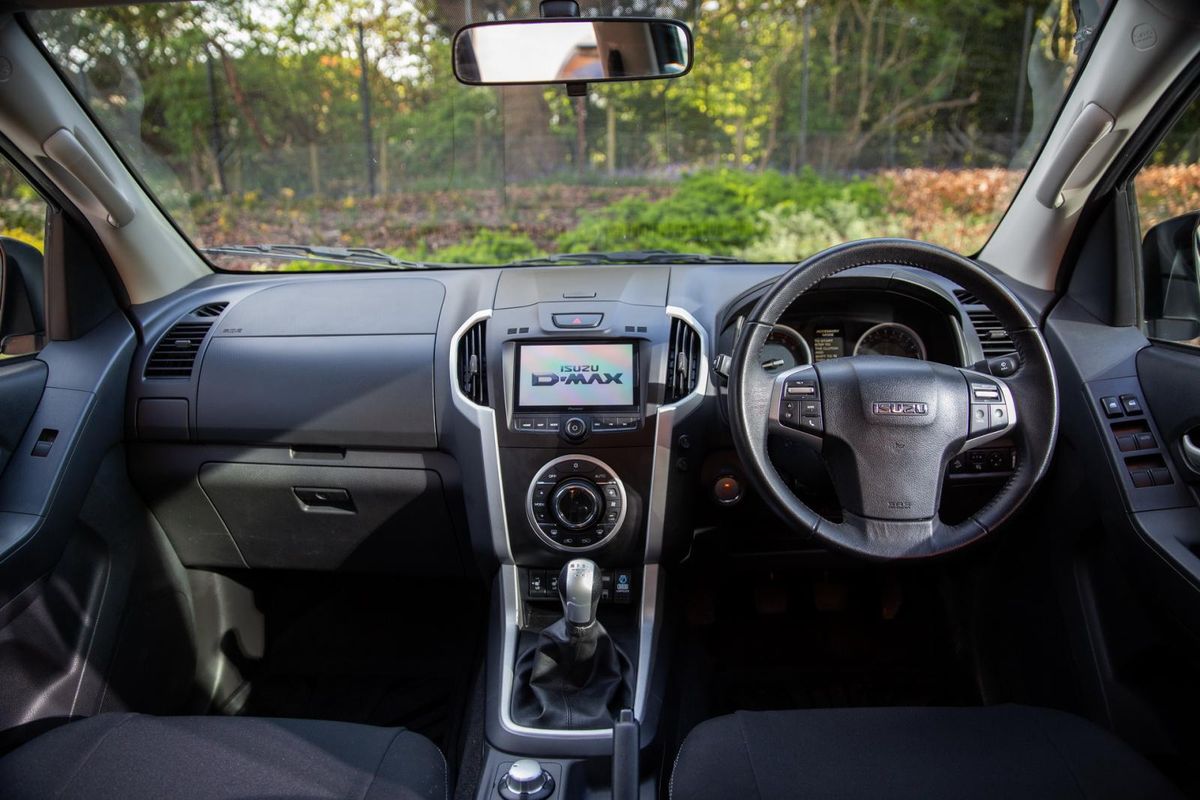
The Isuzu D-Max is powered by a 3.0-litre turbodiesel engine with 130 kW and 380 Nm of torque and is offered with either a 6-speed manual or a 6-speed automatic transmission.