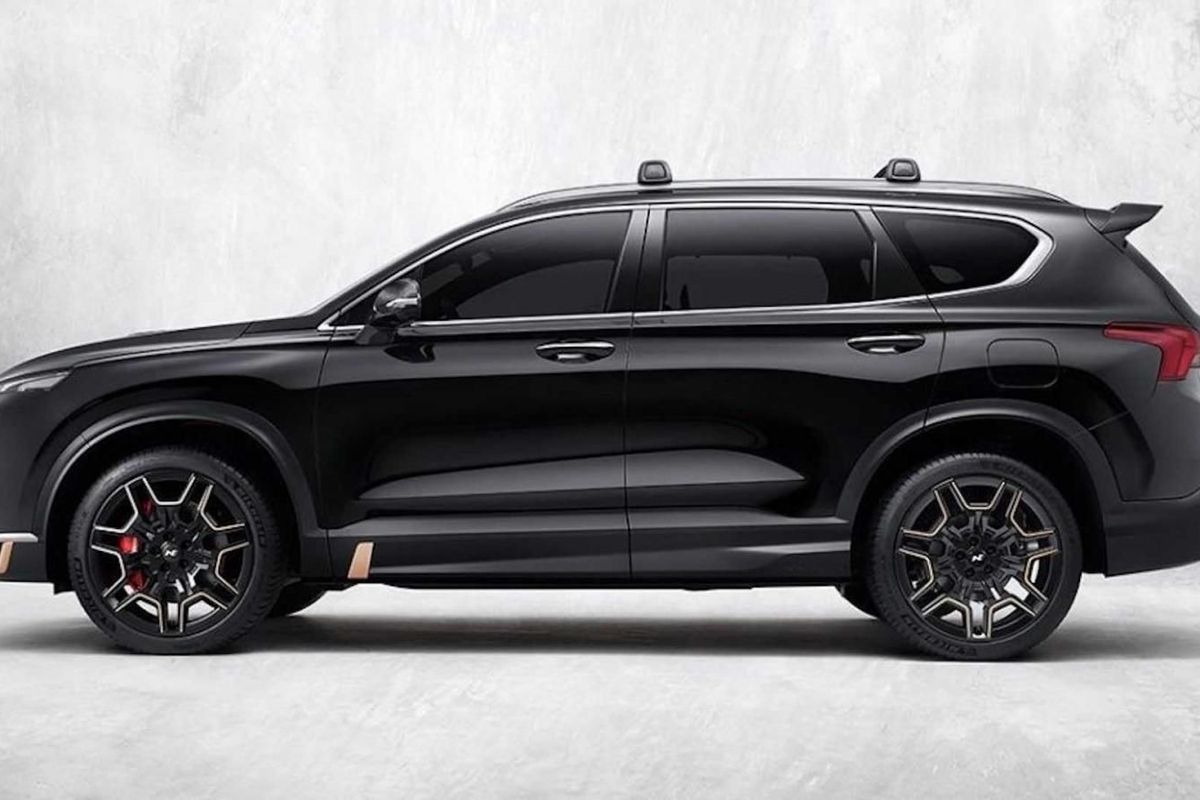
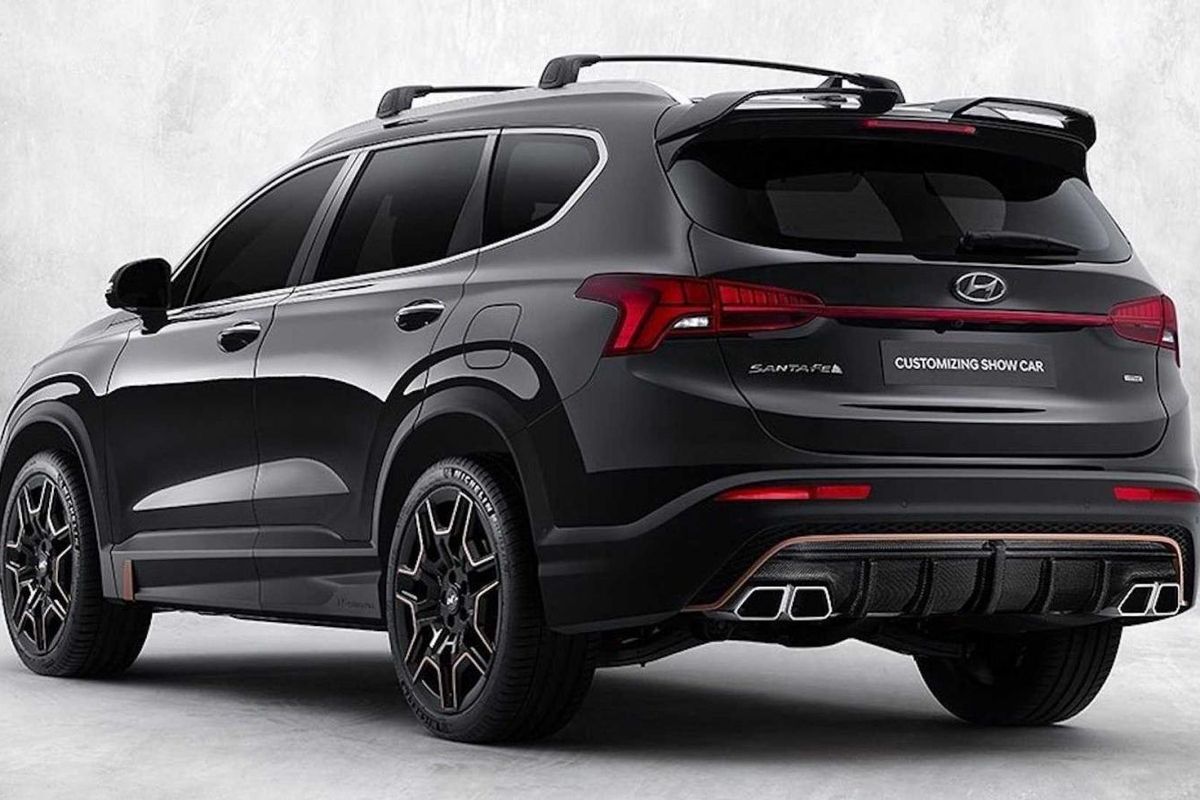
Hyundai has shown what can be achieved by offering N Performance Parts for its new Santa Fe SUV. Take a look…
Yes, you read that correctly, much like how BMW offers M Performance Parts for its vehicles, Hyundai’s N division is offering N Performance Parts for some of its vehicles, including the refreshed Santa Fe, which might have you asking the question, is N the new M?
Anyway, the bad news is that it’s only offered to customers in Hyundai’s home market of South Korea at this stage.
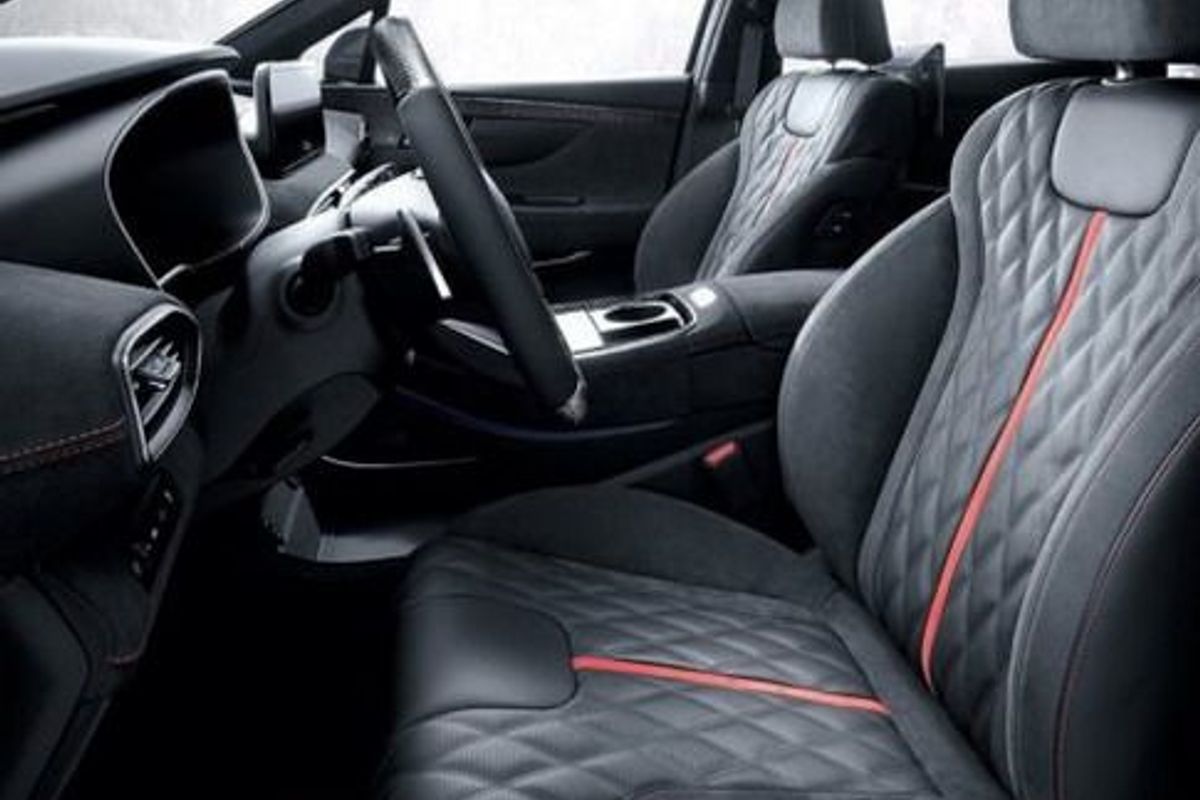
Some of the bits on offer include sportier front and rear bumpers, a striking N performance grille, carbon fibre bonnet trim, carbon fibre diffuser, carbon fibre side mirror housings, 21-inch N wheels shod with N Performance brakes, rear spoiler, fender flares and side steps. Moving inside, quilted Alcantara N sport seats can be had along with carbon fibre accents.
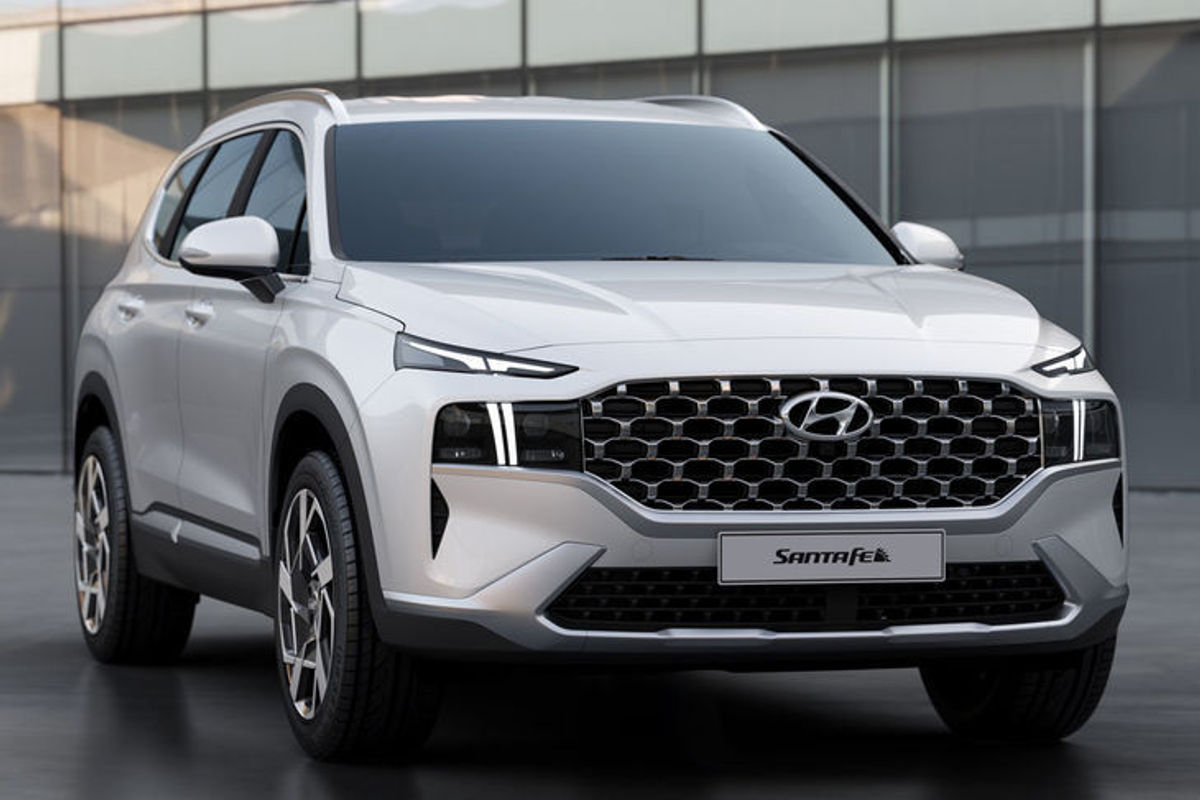
In standard form, the newly facelifted Santa Fe’s design is far from boring and many might argue that the N Performance Parts are not necessary, which is a fair view to hold.
The facelifted Santa Fe’s exact arrival in South Africa has yet to be confirmed but 2021 seems likely. Stay tuned for updates!
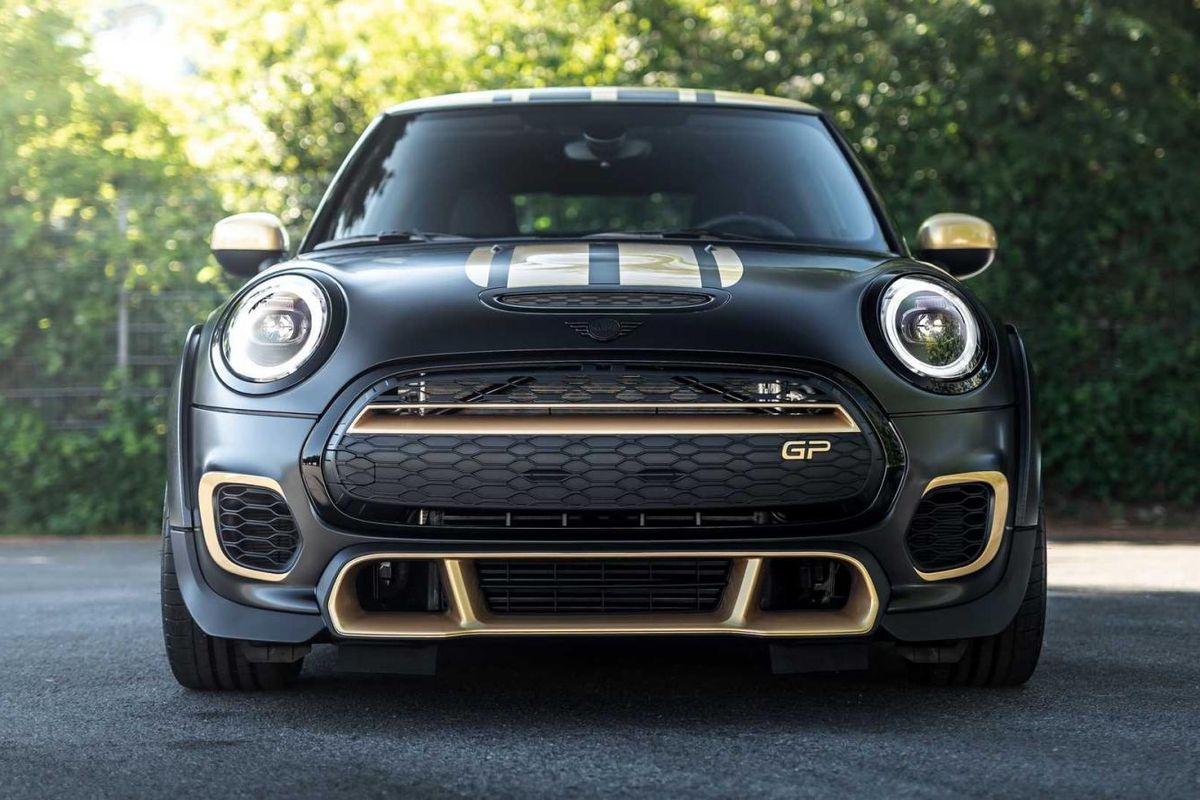
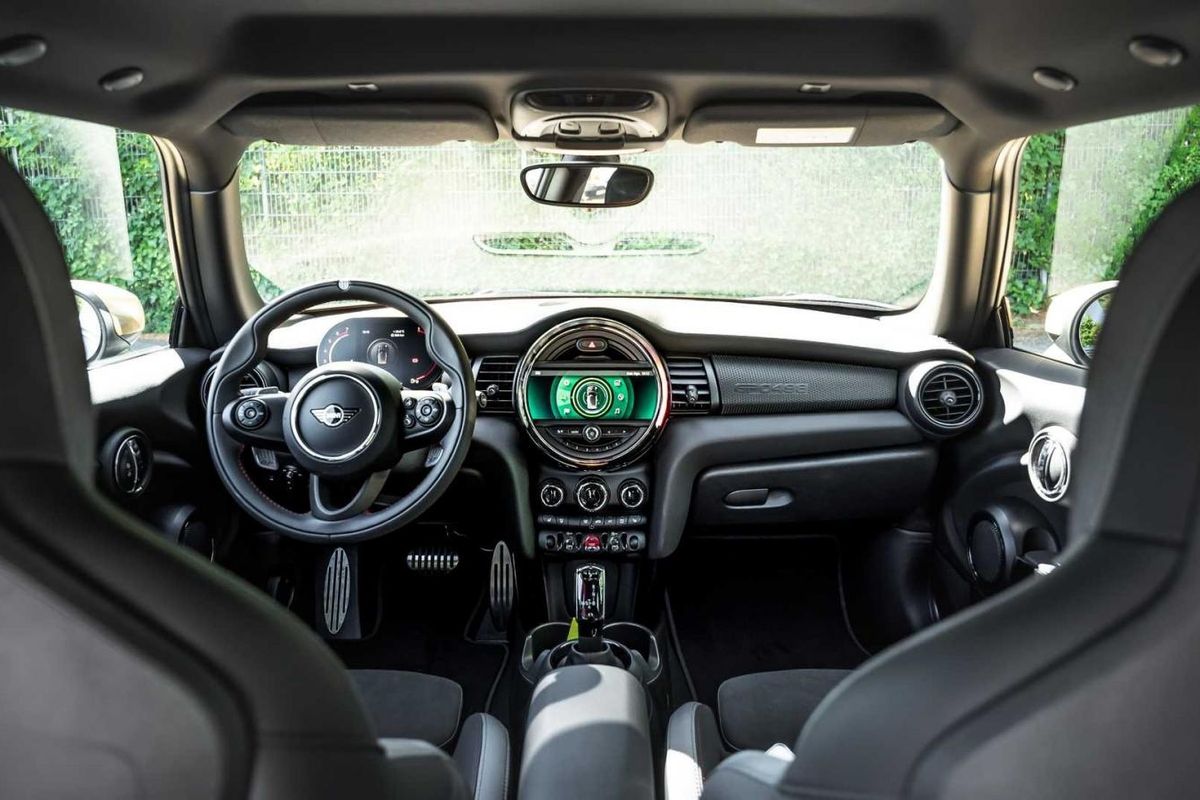
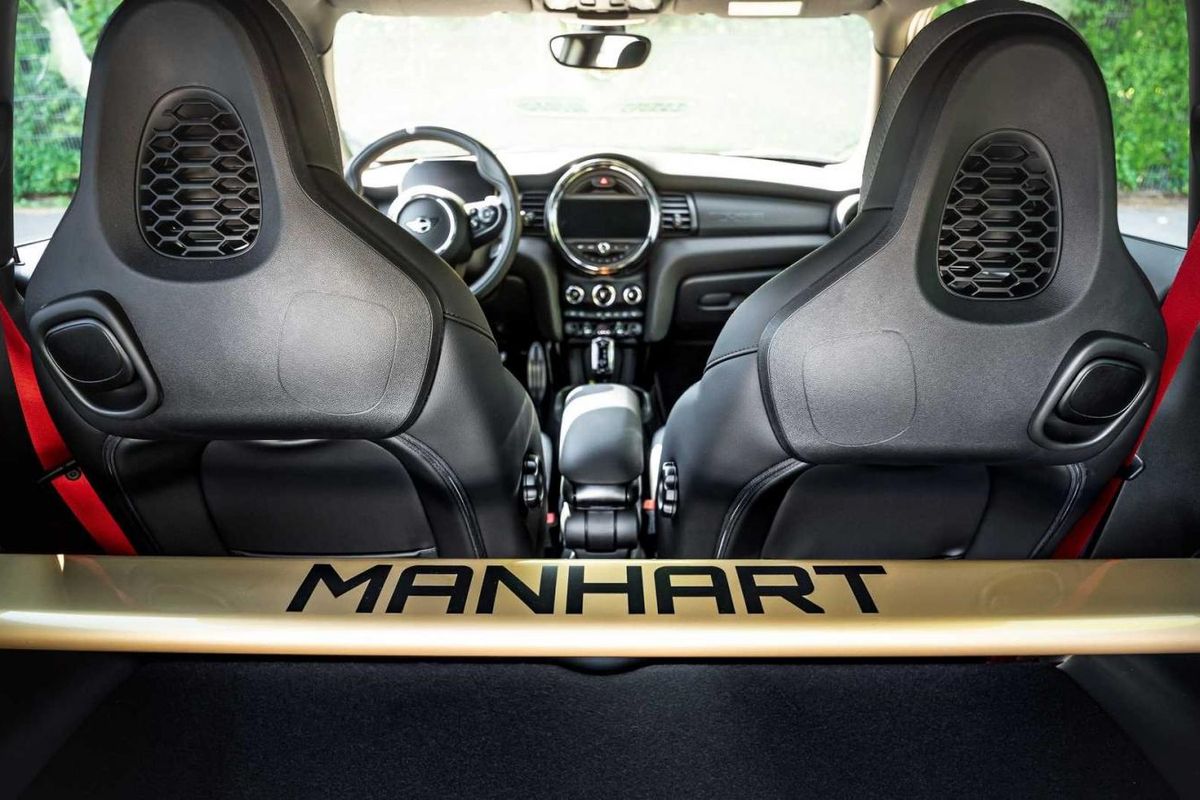
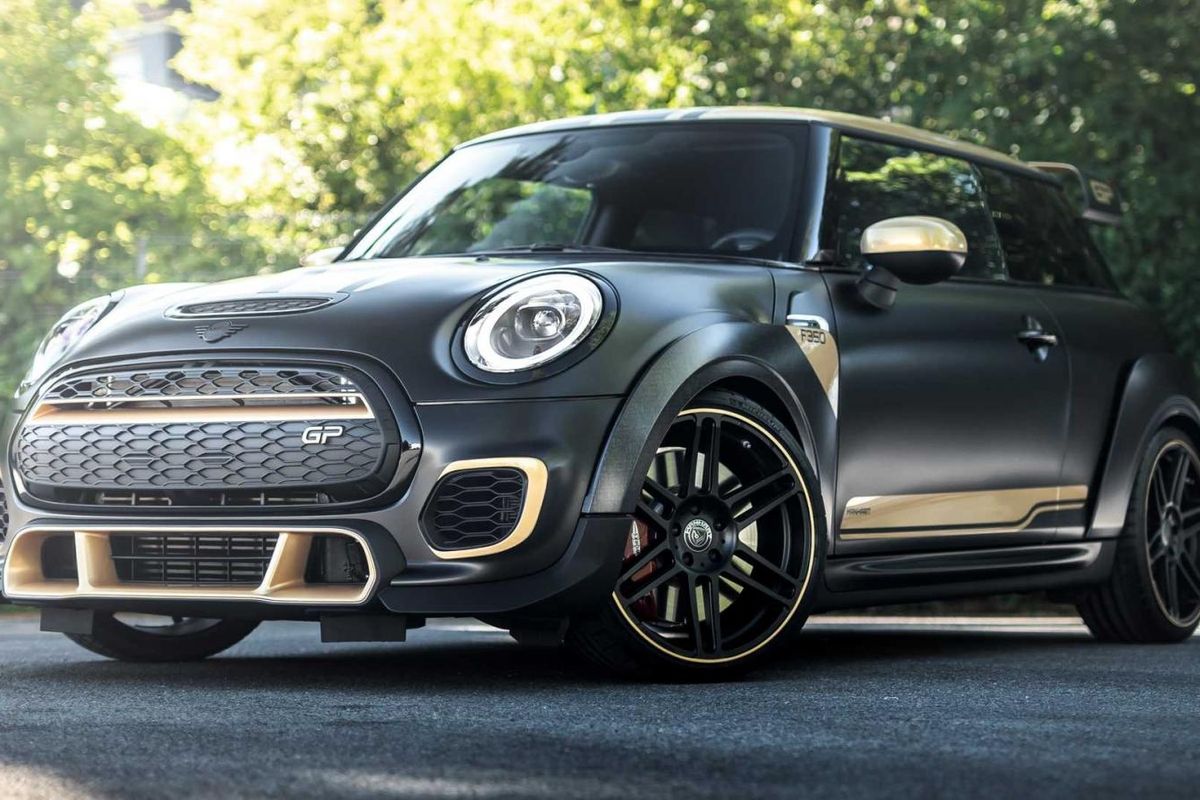
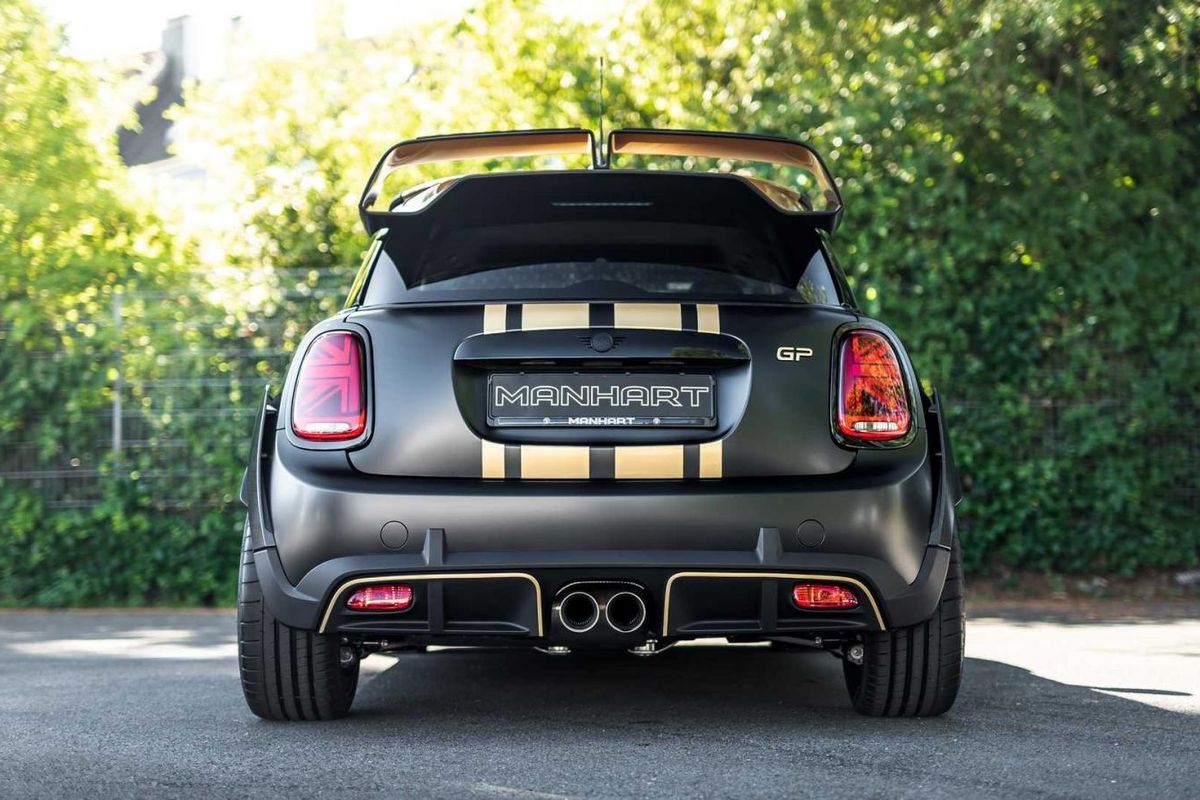
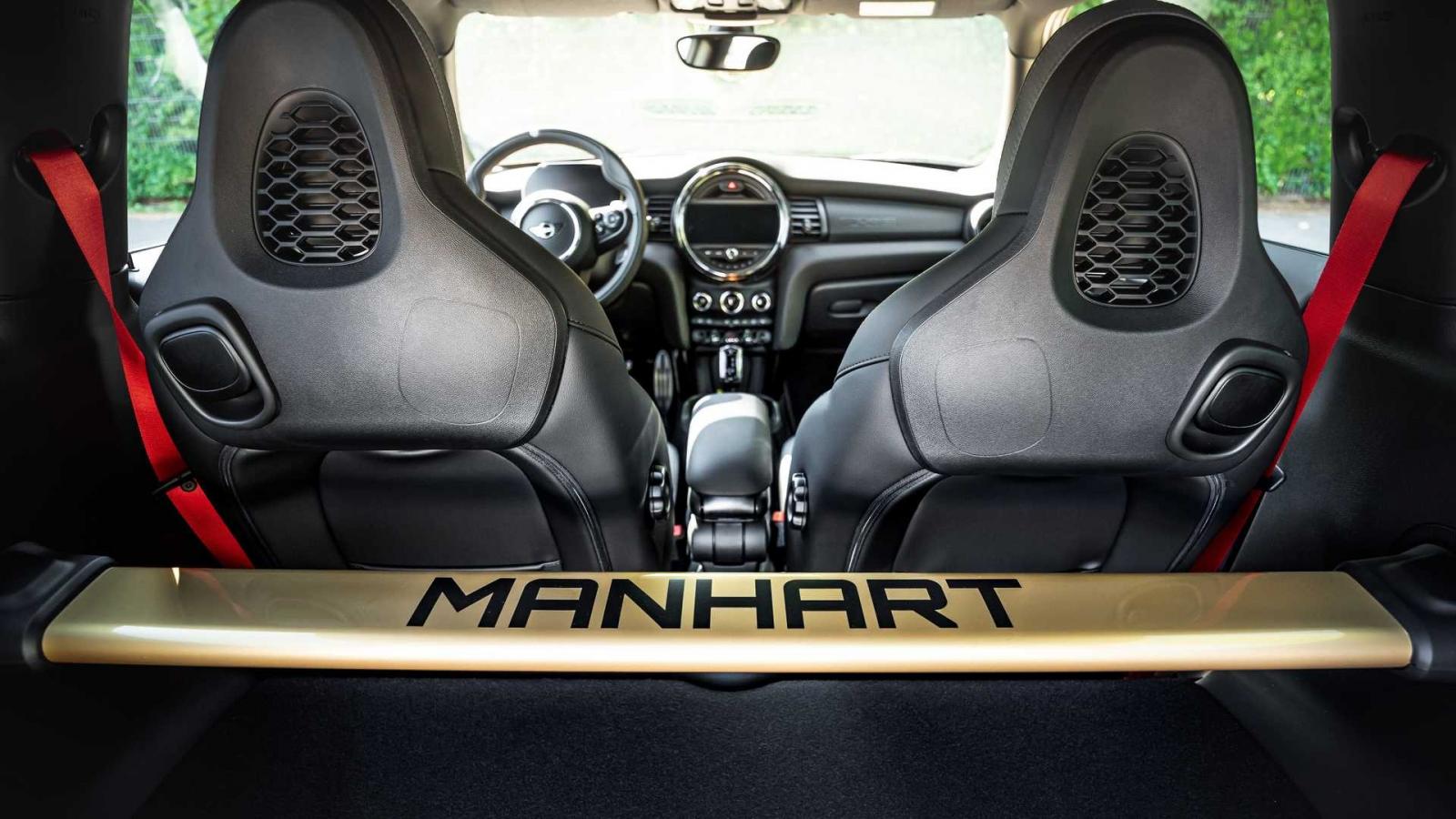
German tuner Manhart has cranked up the already crazy John Cooper Works GP to a new level of wicked.
What you see here is the Manhart GP3 F350, the result of a collaboration between Manhart Performance and MINISpeed.eu. The John Cooper Works GP is not a subtle offering and is the most hardcore iteration of the Mini. In terms of performance upgrades, Manhart has tweaked the B48 2.0-litre turbo motor and giving it quite a few more horses.
In standard form, this motor delivers 225 kW and 450 Nm, but after Manhart's work, these figures climb to 261 kW and 530 Nm. There's an ECU remap, custom intercooler, and a cat-back exhaust system with 4-stages of control.
The Manhart-tuned John Cooper Works GP has also been given a custom body kit, with gold detailing and Manhart branding. The car has been lowered by 20 mm at the front and 15 mm at the rear, giving it a menacing stance, and the Manhart wheels replace the stock items.
This is just the beginning of Manhart's work with the John Cooper Works GP and even more tuning is set to take place, with a carbon intake, and a further enhanced exhaust system setup is on the cards.
The John Cooper Works GP is scheduled to make landfall in South Africa before the end of 2020.
Retro style and a rugged platform for Chinese bakkie brand.
Influential Chinese automotive company, GWM, is going angular in its pursuit of adventure vehicle customers.
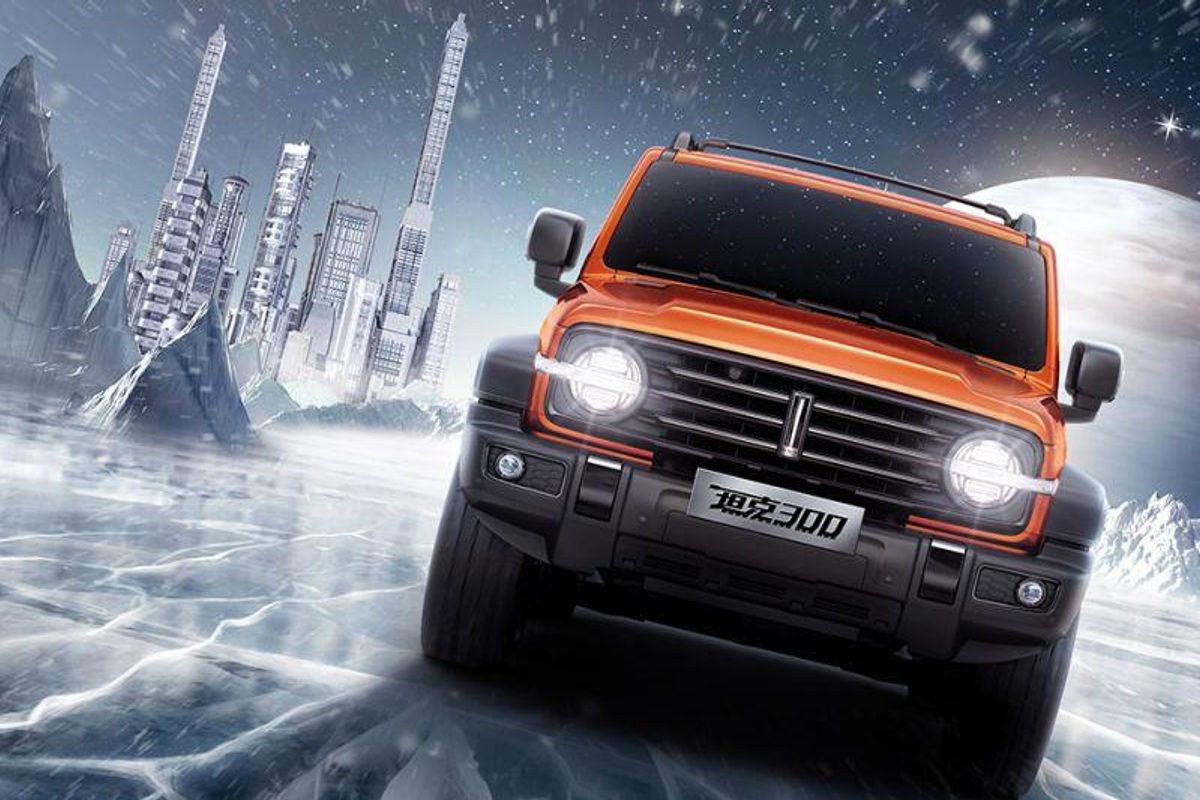
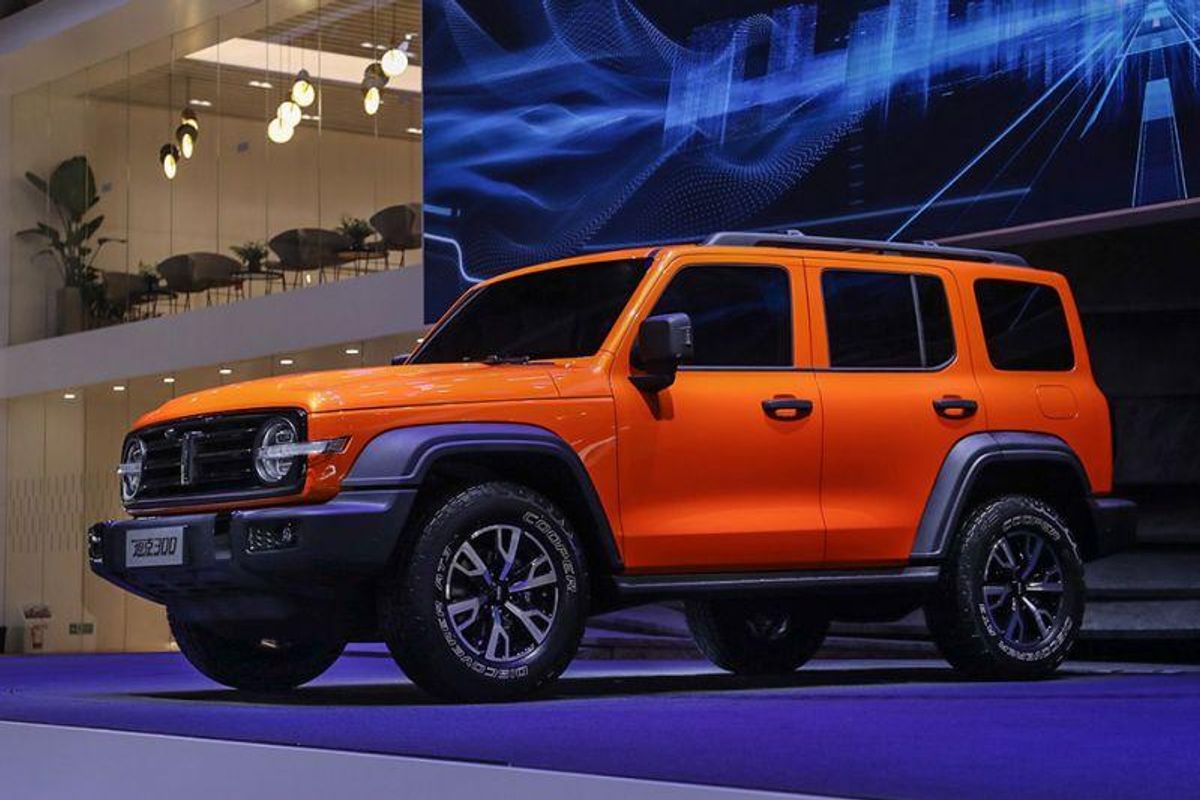
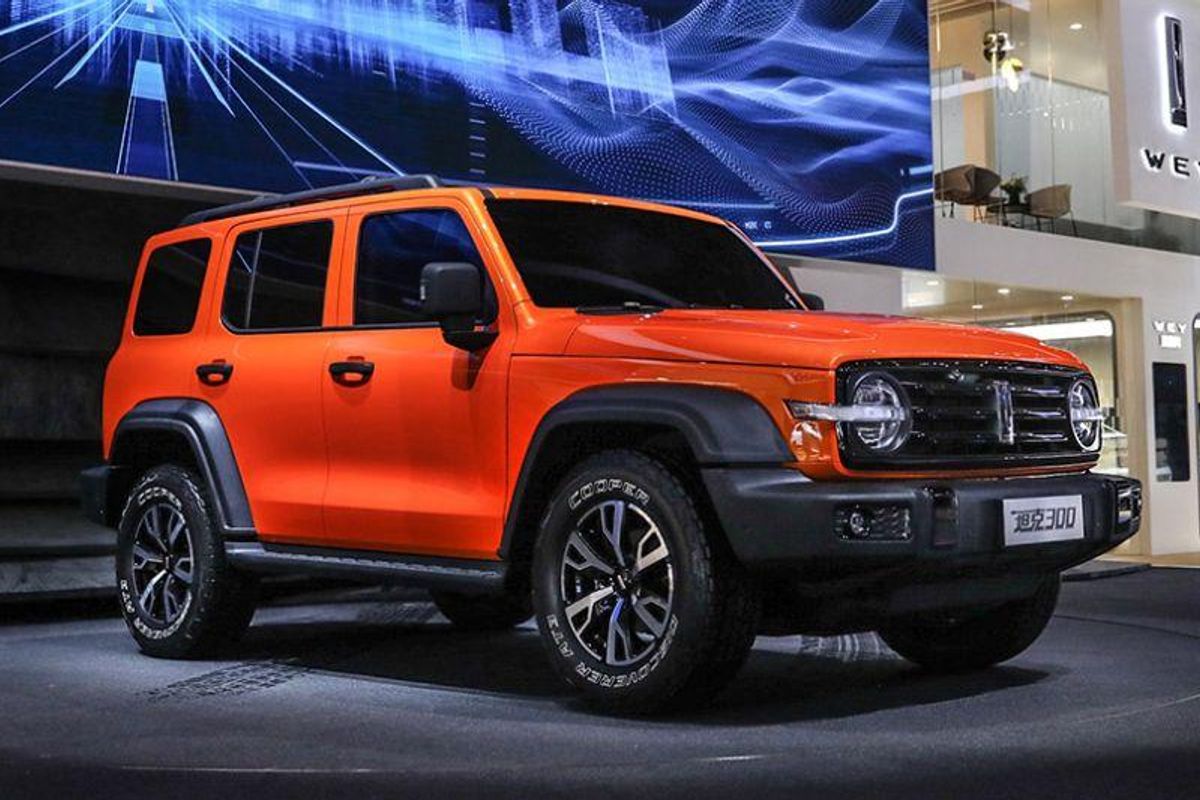
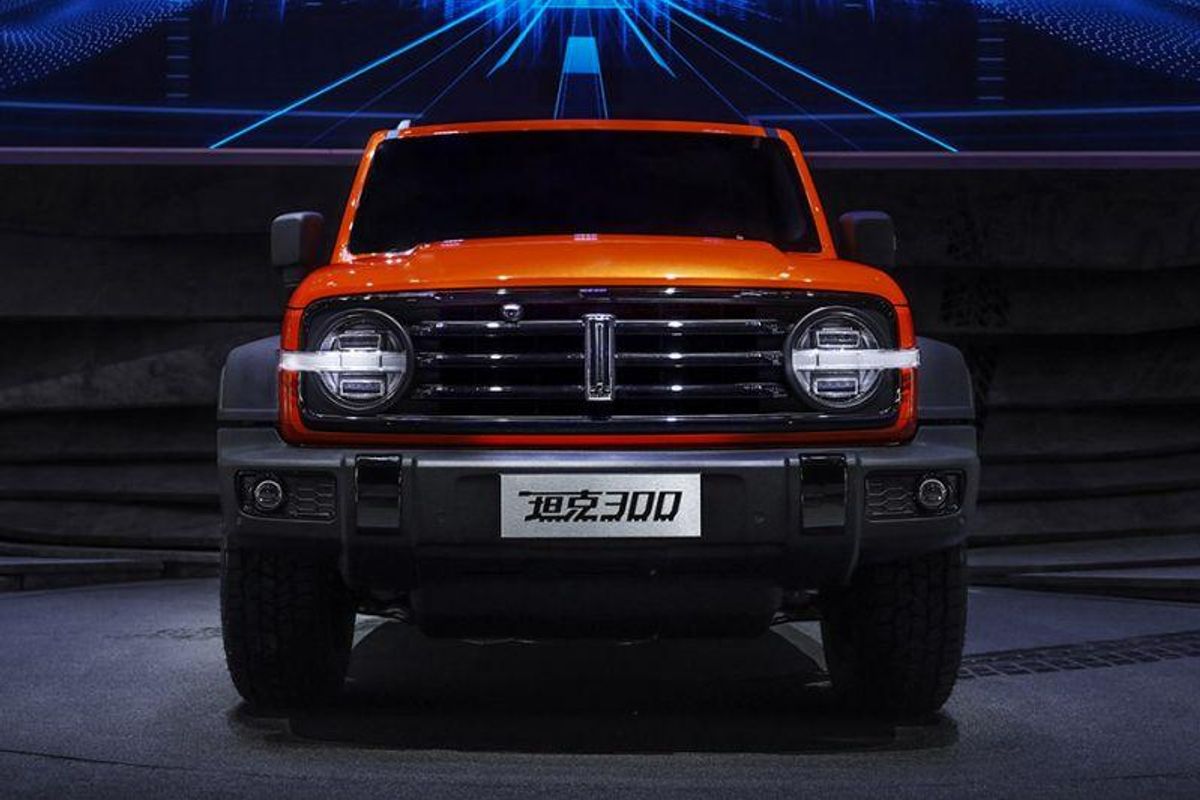
One of GWM’s sub-brands is Wey, and its latest product is the very indiscreetly named Tank 300. Although it does not ride on roller tracks, the Tank 300 is GWM’s idea of what a Chinese adventure 4×4 should be.
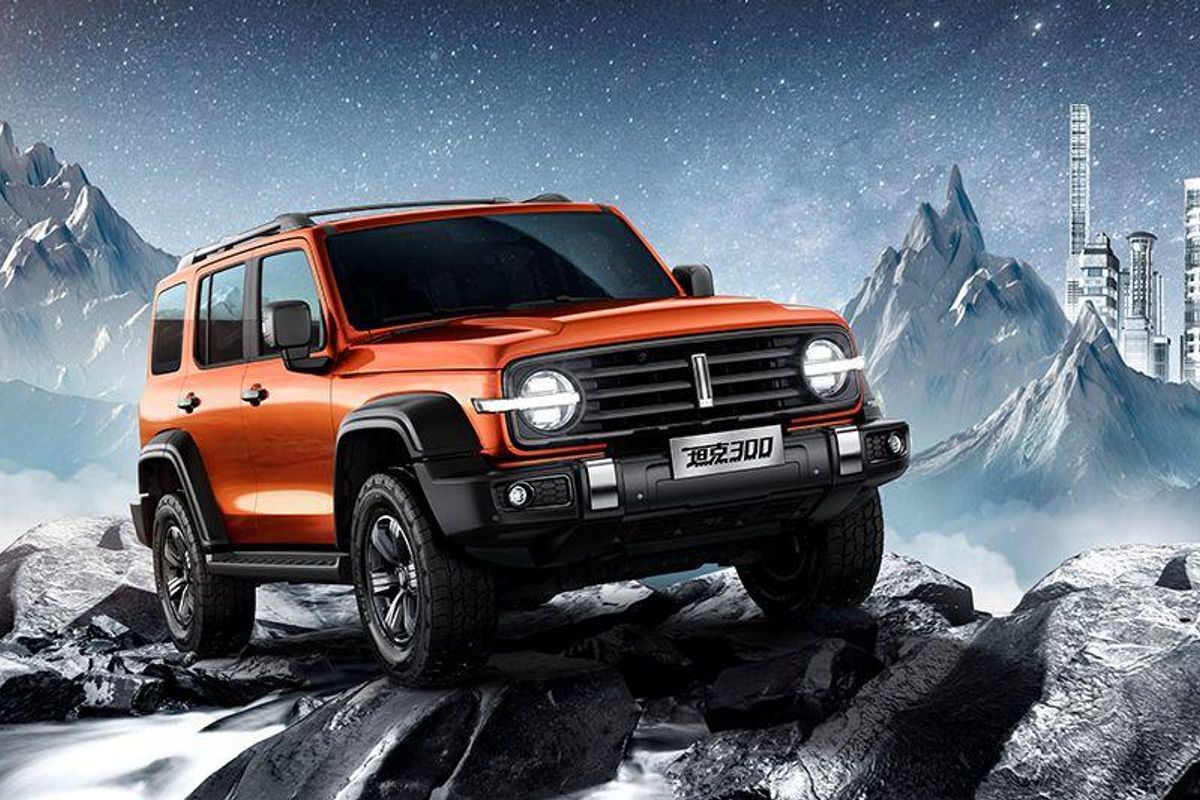
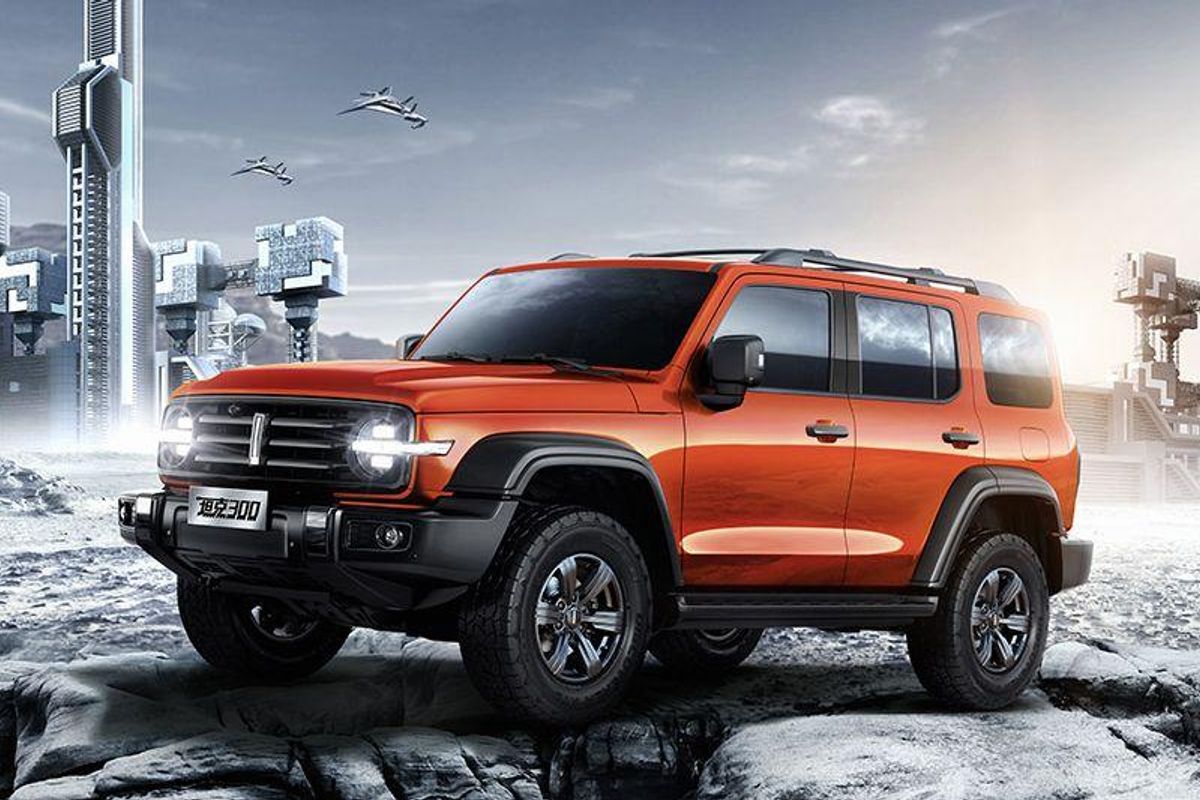
No doubt inspired by the revival of Land Rover’s Defender, and the Ineos Grenadier, Wey’s Tank 300 shapes a very boxy five-door bodyshell. Like the Ineos Grenadier and Land Rover’s original Defender, the Tank 300 has round headlights, with LED illumination.
The styling proportions and design details are all intentional, with a flat grille and angular bonnet juncture, dramatically extended wheel arches and a full-size spare wheel mounted on the Tank 300’s tailgate.
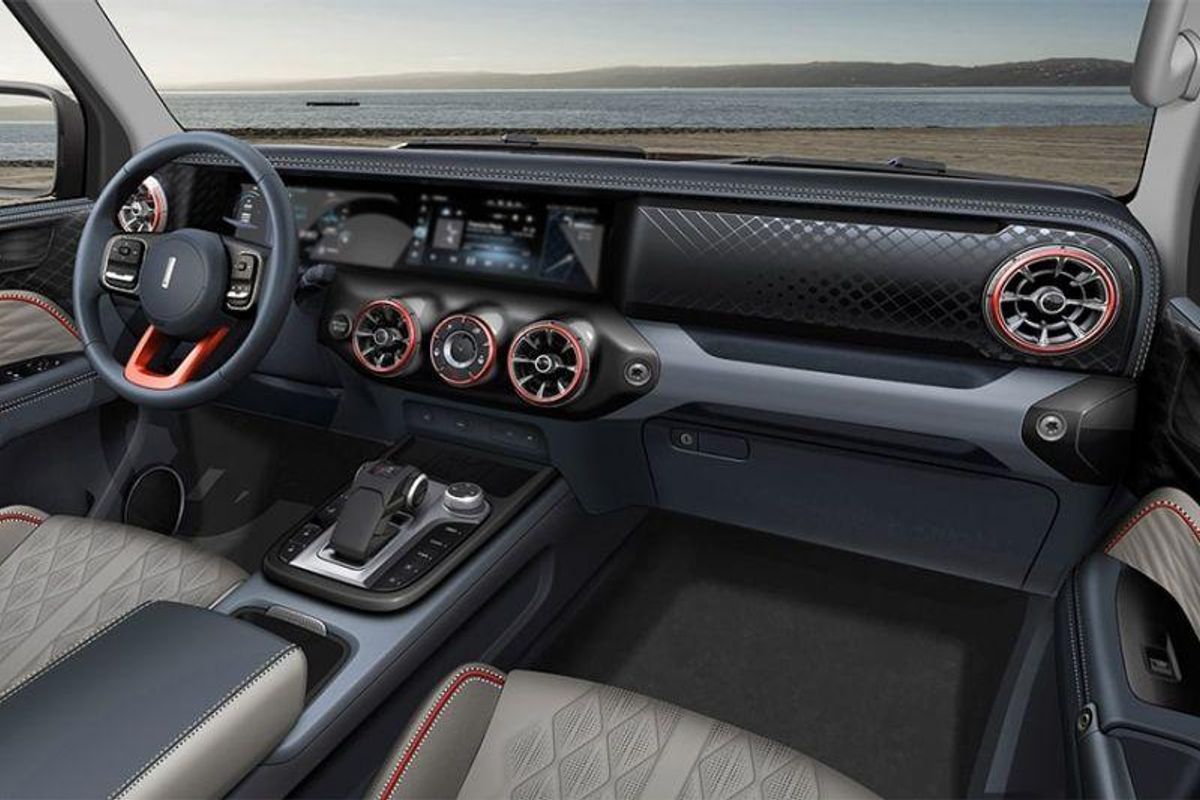
The interior looks an awful lot like anything you would encounter in a late model Mercedes-Benz crossover or A-Class. Those adjoining digital screens and vents are almost identical to Mercedes-Benz’s current cabin architecture.
Wey has not revealed the exact off-road capabilities of its new Tank 300, but we do know that it is should borrow engines from the Haval H9. That could mean the 2-litre turbocharged four-cylinder, boosting 180 kW and a 142 kW turbodiesel.
Like the Haval H9, this Wey Tank 300 will also ride on a traditional ladder-frame chassis, which should increase its appeal to hardcore off-road enthusiasts. It is unclear what the suspension configuration or collection of traction aids are, in terms of electronic wheelspin control and mechanical axle lockers.
The H9 is a proven platform, so it would make this Wey Tank 300 quite capable. GWM has not confirmed the global launch schedule or regional availability for its Tank 300, but there would definitely be some interest in its amongst South African off-roader seeking features at a fair price.
Now that Volkswagen’s revealed its facelifted Tiguan and new R flagship, the Wolfsburg-based brand’s readying a SUV-coupe variant of its family car for China… and the newcomer could be rolled out worldwide thereafter. Could this newcomer succeed in our market?
It seems Volkswagen has not yet exhausted the number of compact SUVs/crossovers that can be hatched from its MQB architecture… Next year, the facelifted Tiguan and its 235-kW R flagship derivative will be launched in South Africa and, although it remains to be seen whether the Nivus (underpinned by the MQB A0 platform of the Polo) will ultimately be made more widely available than South America and Europe, Volkswagen is clearly keen to exploit the popular compact family-car segment to the fullest.
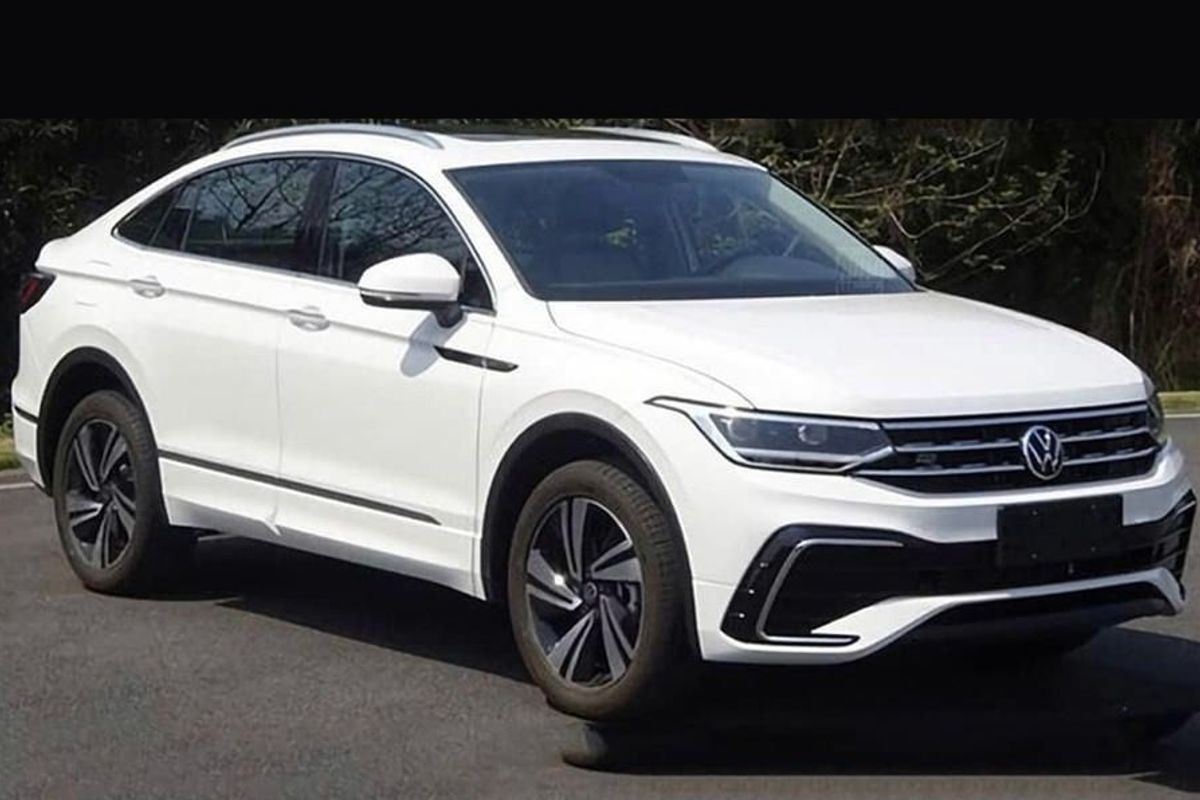
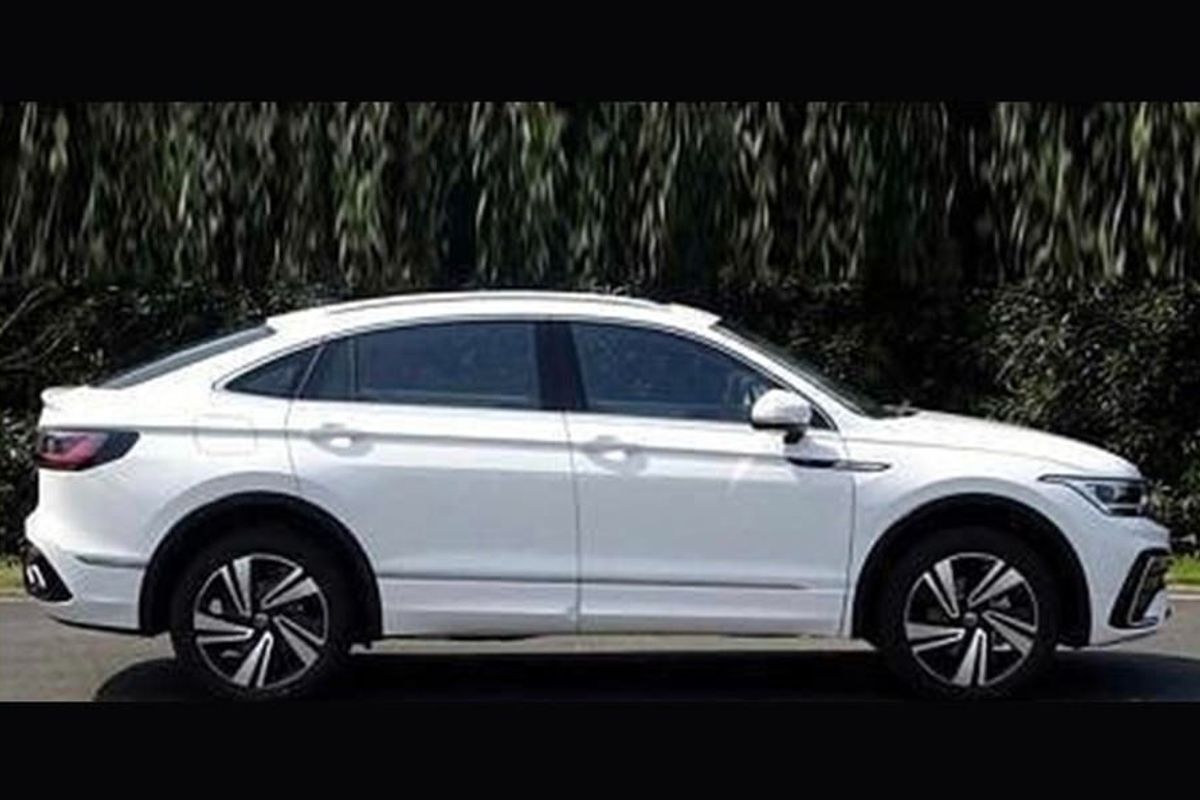
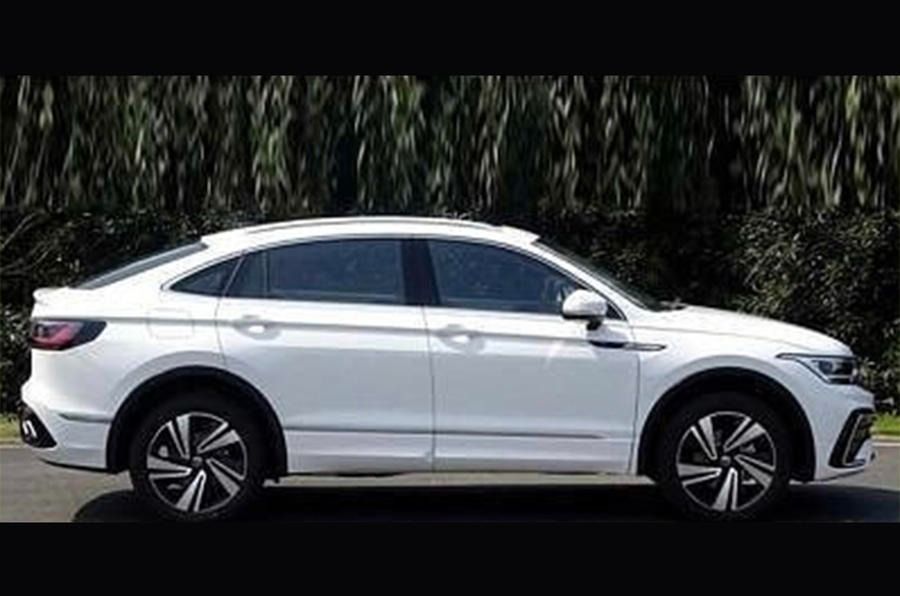
The Car News China Facebook page recently published these images (reportedly taken from the Chinese patent office) of the Tiguan X coupe-SUV derivative, which is expected to be launched in China in a few months’ time. The newcomer, which will be built by the FAW-Volkswagen joint venture in the People's Republic, is the 3rd variant of the Tiguan (after the 5-seater and 7-seat Allspace) and the 3rd “X model” in Volkswagen’s line-up; it will effectively sit in between the smaller Tayron X and larger Teramont X.
The newcomer's profile is very distinctive, but will Volkswagen faithful warm to attention-grabbing the coupe-SUV packaging?
The Tiguan X, which shares its 2 791 mm wheelbase with its Allspace sibling (the former #CarsAwards – powered by WesBank category winner, which was recently discontinued in the local market), will be exclusive to China, although several sites suggest that it could be sold globally later. According to the figures published by Car News China, the newcomer is 63 mm longer and marginally wider (by 20 mm) than the Allspace variant, but its striking sloping, coupé-like roofline is notably 37 mm lower.
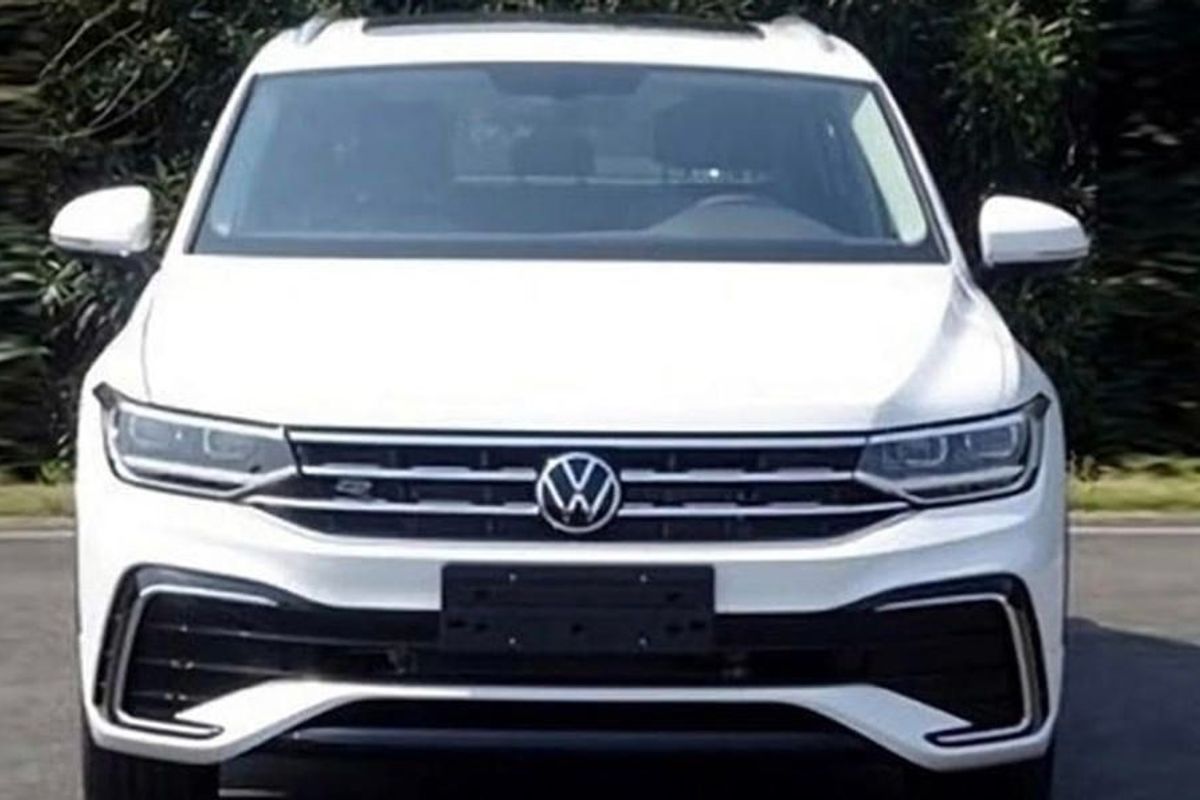
The front-end styling takes cues from the updated Tiguan, with more distinctive headlights and a sporty, elaborately-detailed bumper, but when viewed from the side, the differences become much more apparent: the A-pillar is less steeply-raked and the side-glass area tapers elegantly to the rear, where it ends in a triangular rear quarter light.
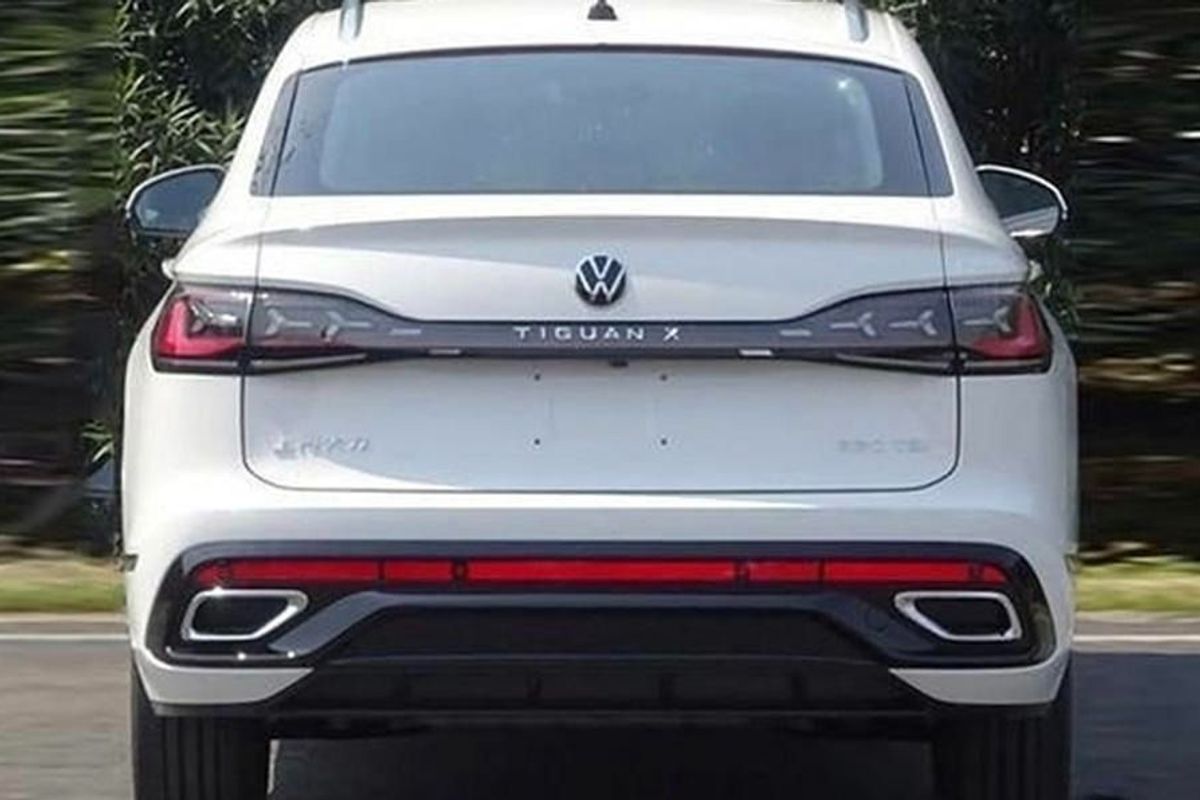
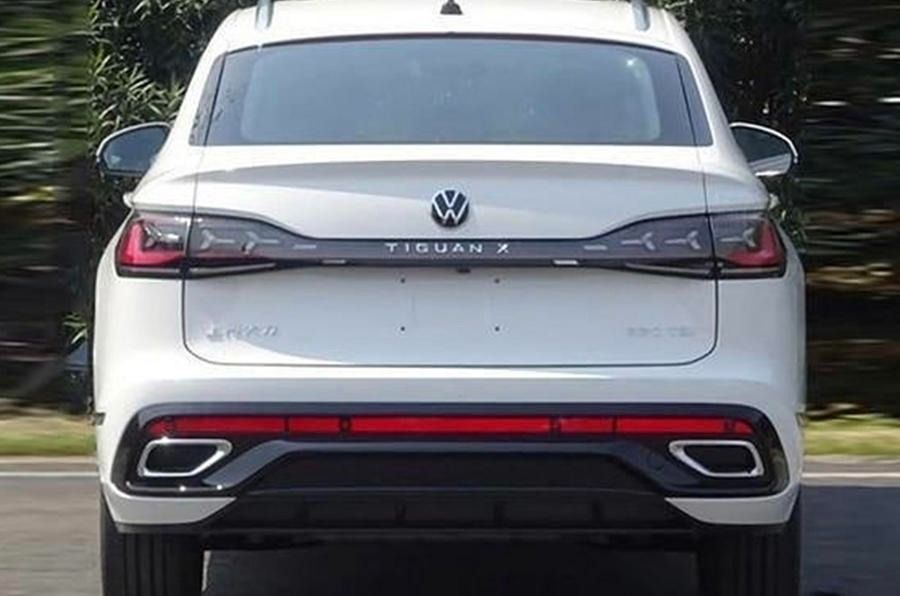
Note the new-generation VW badge on the tailgate and the subtle trim above the top edges of the Tiguan X's tail lights.
The Tiguan X’s rear end, meanwhile, is the most eye-catching and, arguably, the most divisive aspect of the design. A subtle spoiler lip bisects the tailgate and the full-width lighting element comprises 3-pointed accents in the rear-light clusters. The chunky bumper, for its part, features a bold reflector strip and trapezoidal (faux) exhaust outlets.
As for as Volkswagen SA's compact family car line-up is concerned for the immediate future, the next addition will be the T-Roc, which will arrive shortly to slot in between the (recently expanded) T-Cross and the 5-seat Tiguan ranges. Could there be room for a Tiguan X in a market where its cousin, the evocatively styled Audi Q3 Sportback is already offered? Well, the closely-related Audi Q2 and T-Roc will both be sold in Mzansi, plus we'd think there'd be plenty of interest in an R version of the Tiguan X, not so?
All-New Audi S6 Review: The Limo with an RS4 Engine
Join Ciro De Siena for a cruise in Audi's S6…
The new Audi A6 range has just gone on sale in South Africa and the first one we've got our hands on is this, the current flagship, the Audi S6. Sporting more aggressive styling, the S6 has been fitted with the 2.9-Litre V6 from the Audi RS4 and Audi RS5, however in this application it features an all new electric compressor, plumbed into the turbocharging system.
Our video journalist Ciro De Siena takes the Audi S6 out to a beautiful part of the Cape peninsula of South Africa, near Cape Point, which is usually buzzing with tourists. Hopefully the tourists will return soon, but in the meantime there are some blissfully quiet country roads to enjoy. Watch the video now!
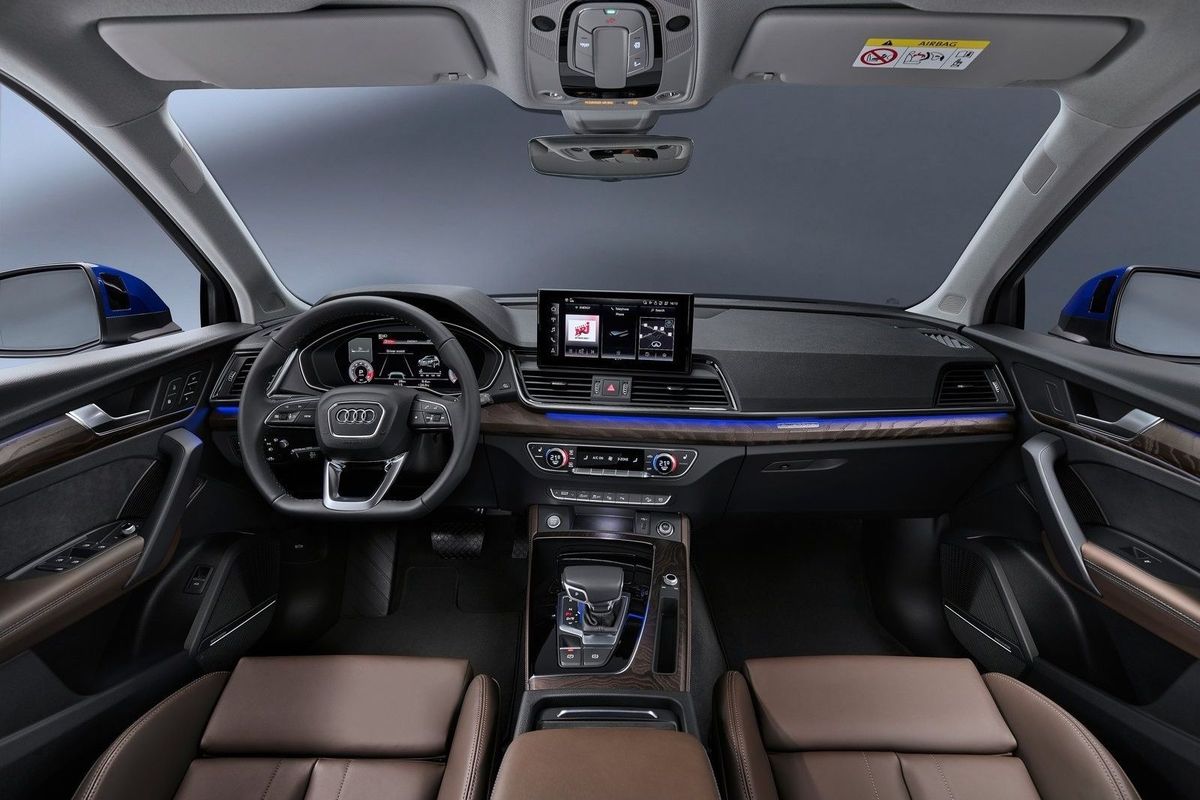
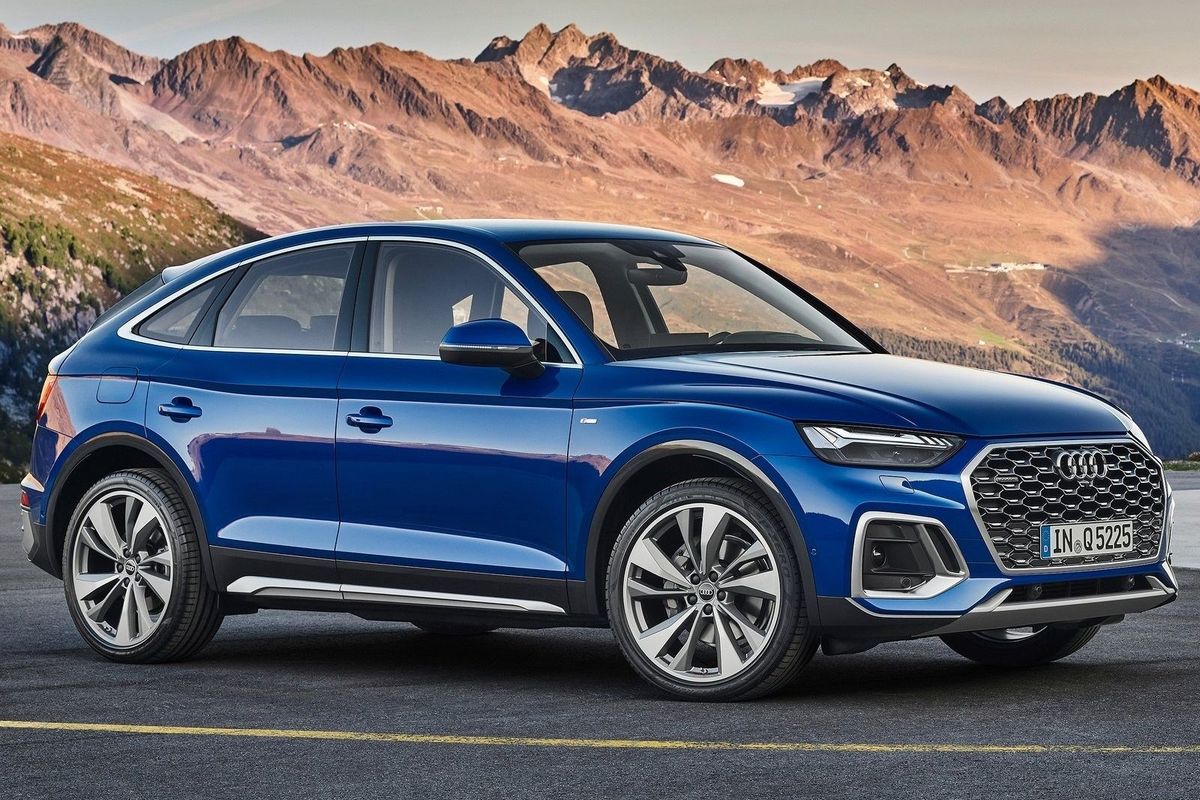
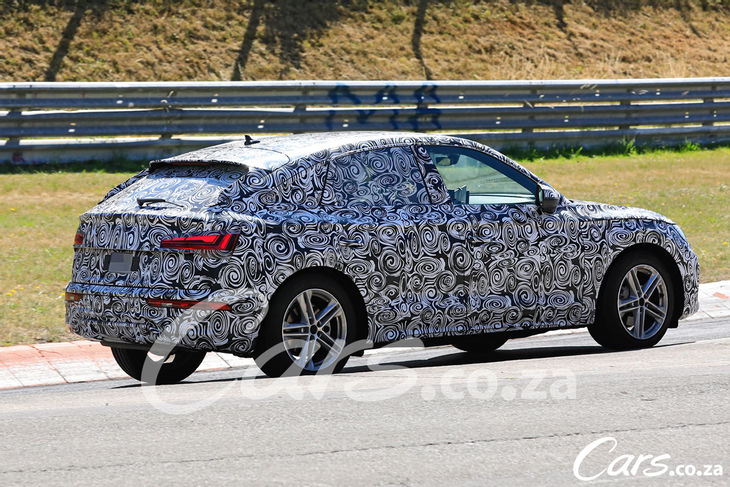
We have photos of a new Audi SUV that will be joining the portfolio. Here are the details regarding the Audi Q5 Sportback.
Picture credit: S. Baldauf/SB-Medien. We have paid for these photos and at the photographer's request, have watermarked them.?
With the likes of the BMW X4 and Mercedes-Benz GLC Coupe gaining a handful of sales, it should come as no surprise that Audi will be offering a Q5 Sportback version soon. Essentially, it's a coupe version of the Q5, in the same way as the Q3 Sportback is a coupe version of the smaller Q3.
Dominated by that sloping rear, the Audi Q5 Sportback is expected to boast the same powertrains as the normal Q5 and we predict petrol, diesel and electrified versions to be hitting the road in 2021.There's likely to be a performance-focused SQ5 Sportback, powered by the same 3.0-litre V6 turbo motor found in the SQ5. It has 260 kW and 500 Nm, and should be a match for the equivalent BMW X4 M40i.
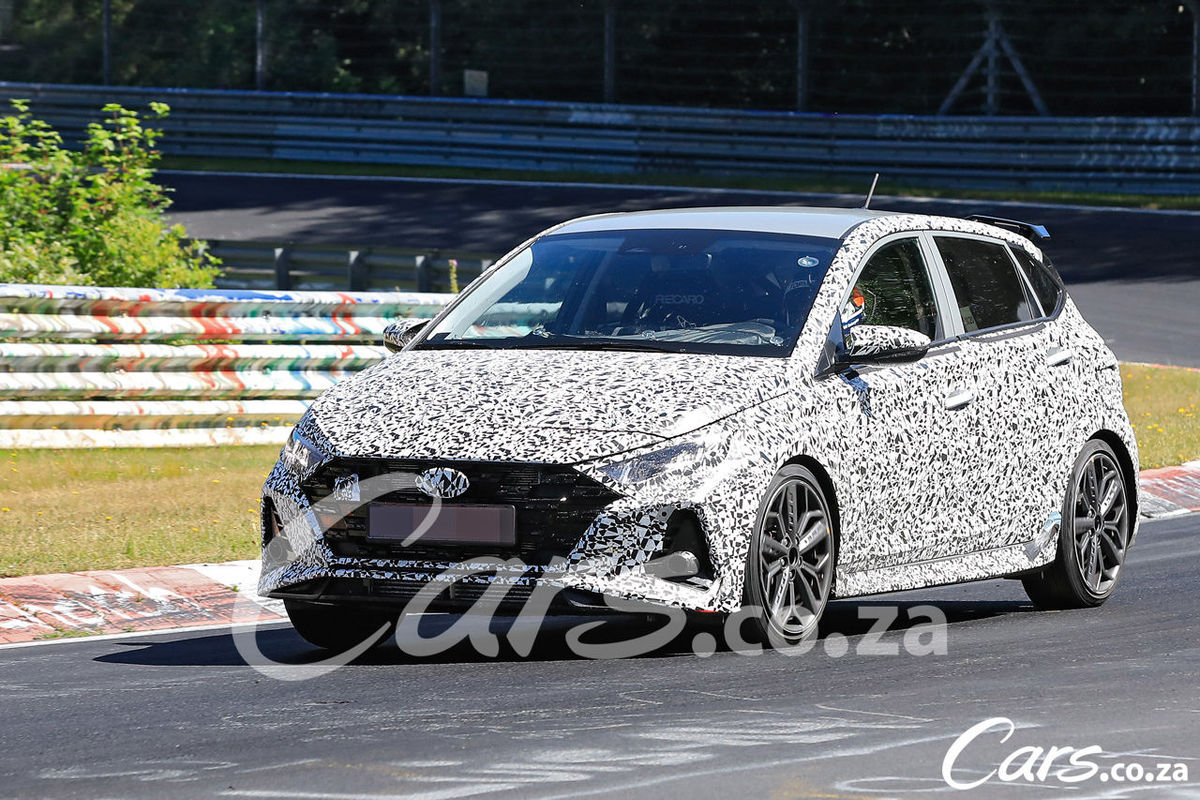
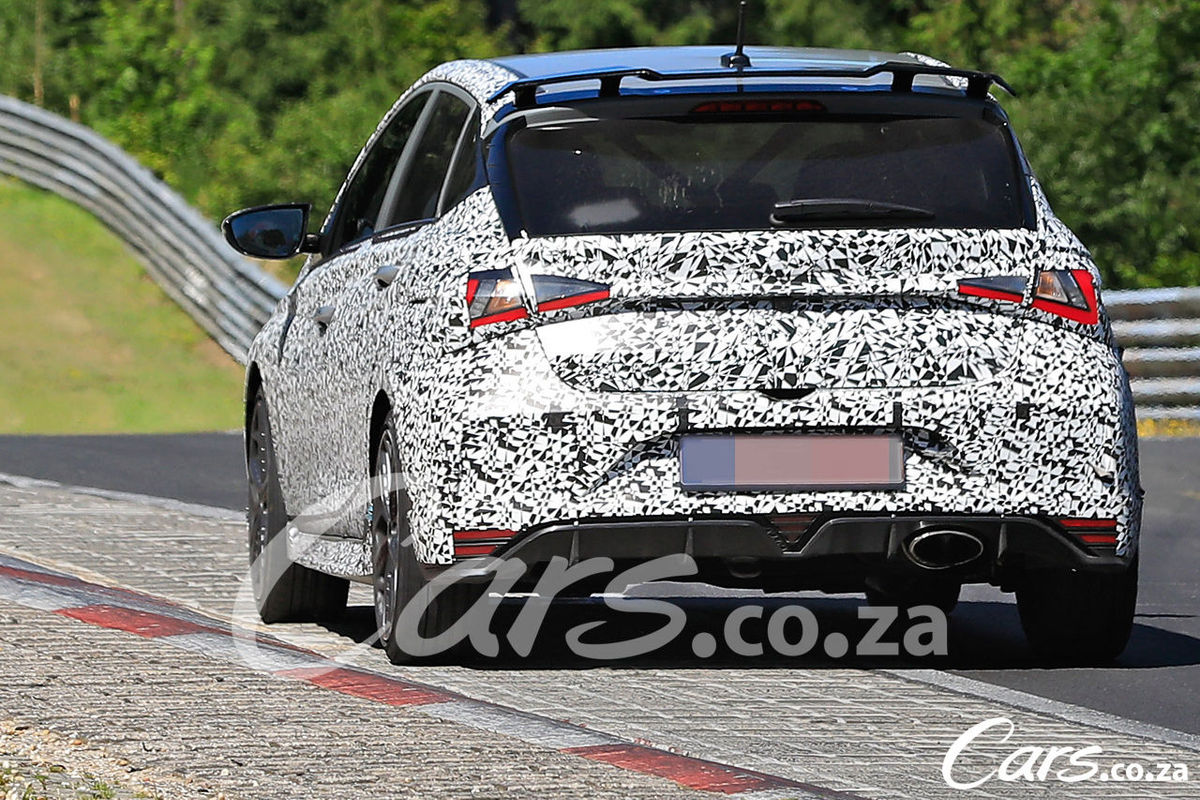
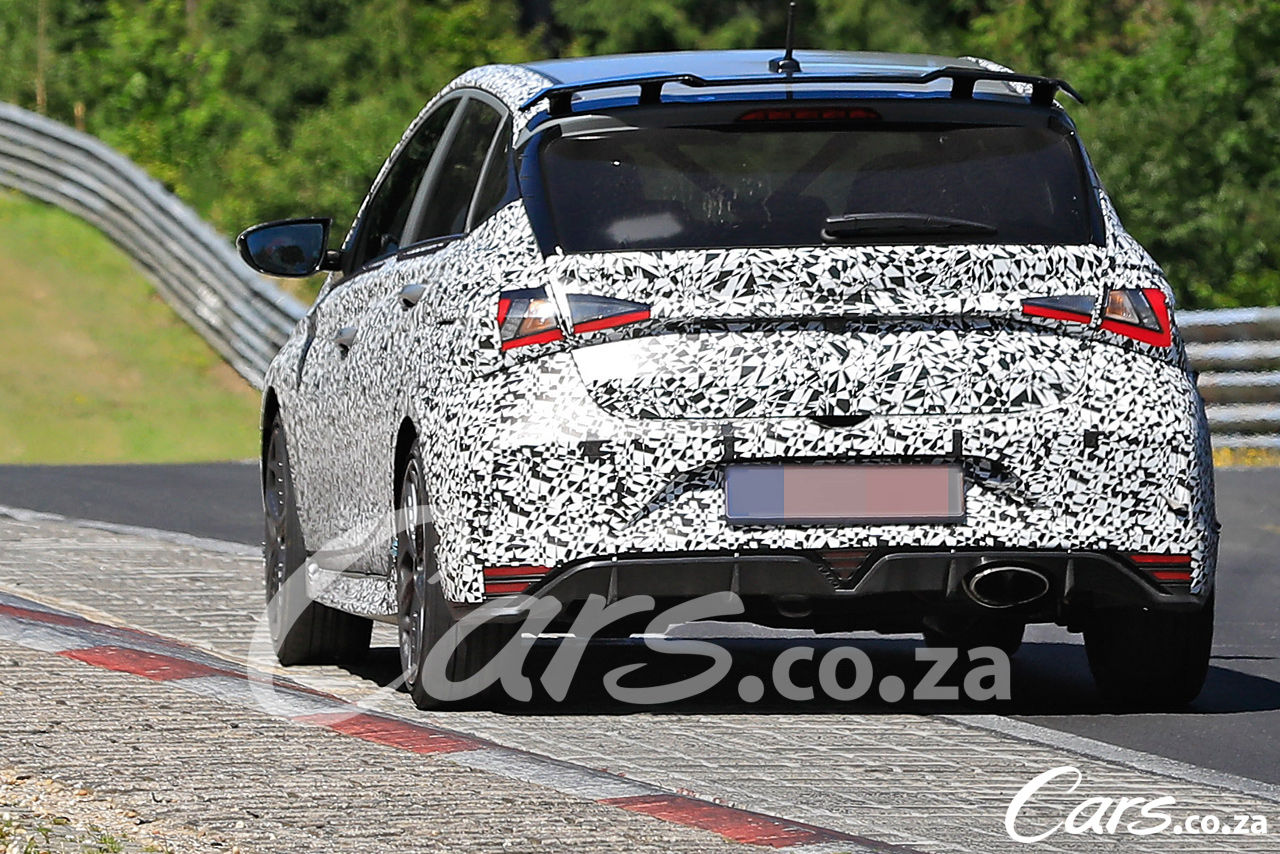
The Hyundai i20N has been spotted again, this time with less camouflage. We're getting closer to the production reveal of the Polo GTI fighter.
Picture credit: S. Baldauf/SB-Medien. We have paid for these photos and at the photographer's request, have watermarked them.?
Hyundai is another step closer to revealing its Polo GTI rival as this i20 N has shed quitae a bit of camouflage. Sporty detailing like the big alloy wheels and rear spoiler are clearly visible. There's also a fat oval-shaped exhaust at the rear.
The big question is what engine will be found under the bonnet? Some have suggested it could be a detuned version of the current i30N's 2.0-litre turbo mill, while others have speculated it could a modified version of the Veloster's 1.6-litre turbo. All we know is it's going to need around 150 kW to compete against the popular Volkswagen Polo GTI. It's likely to be offered with both a 6-speed manual gearbox and a dual-clutch transmission.
In terms of arrival time, we're expecting a global reveal before the end of 2020.
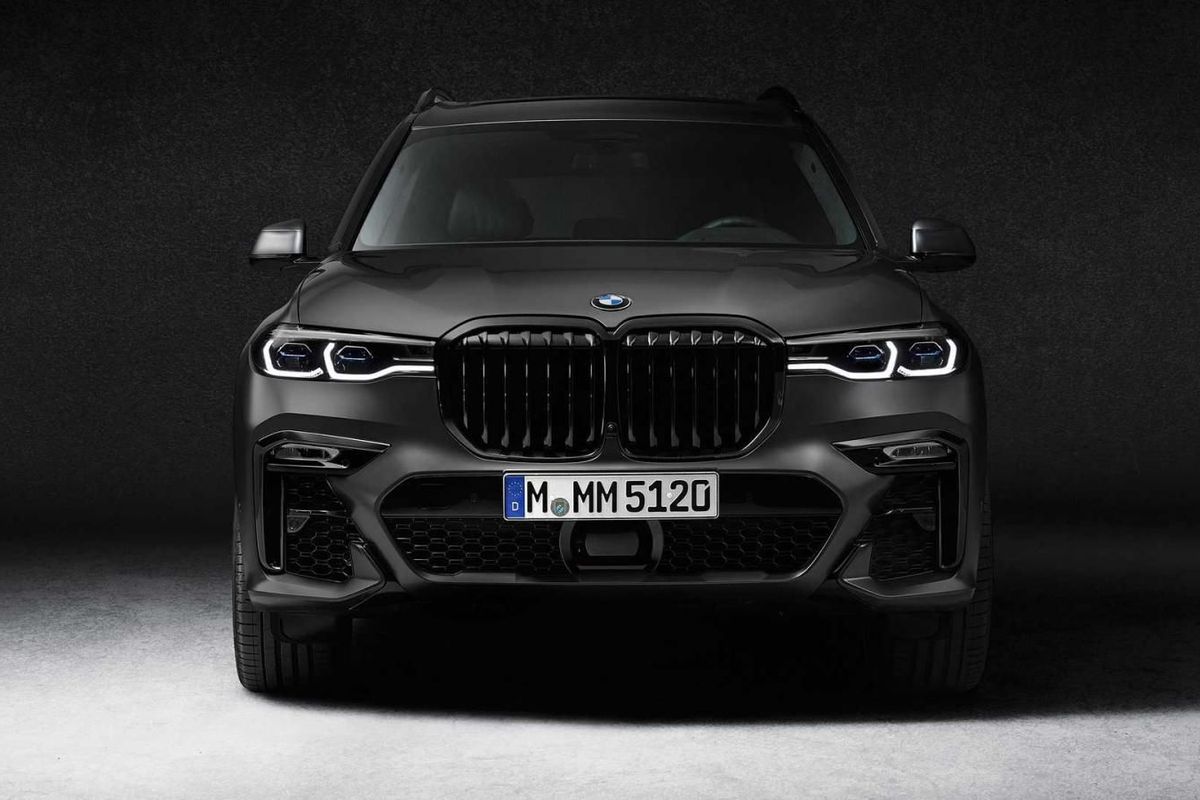
If you believe in the design philosophy that large SUVs always look best in darker colours, BMW’s latest limited edition X7 will be of great interest.
The company’s largest gravel travel capable vehicle is now available as a Shadow Edition and that means it's stealthier than a moonless Karoo night.
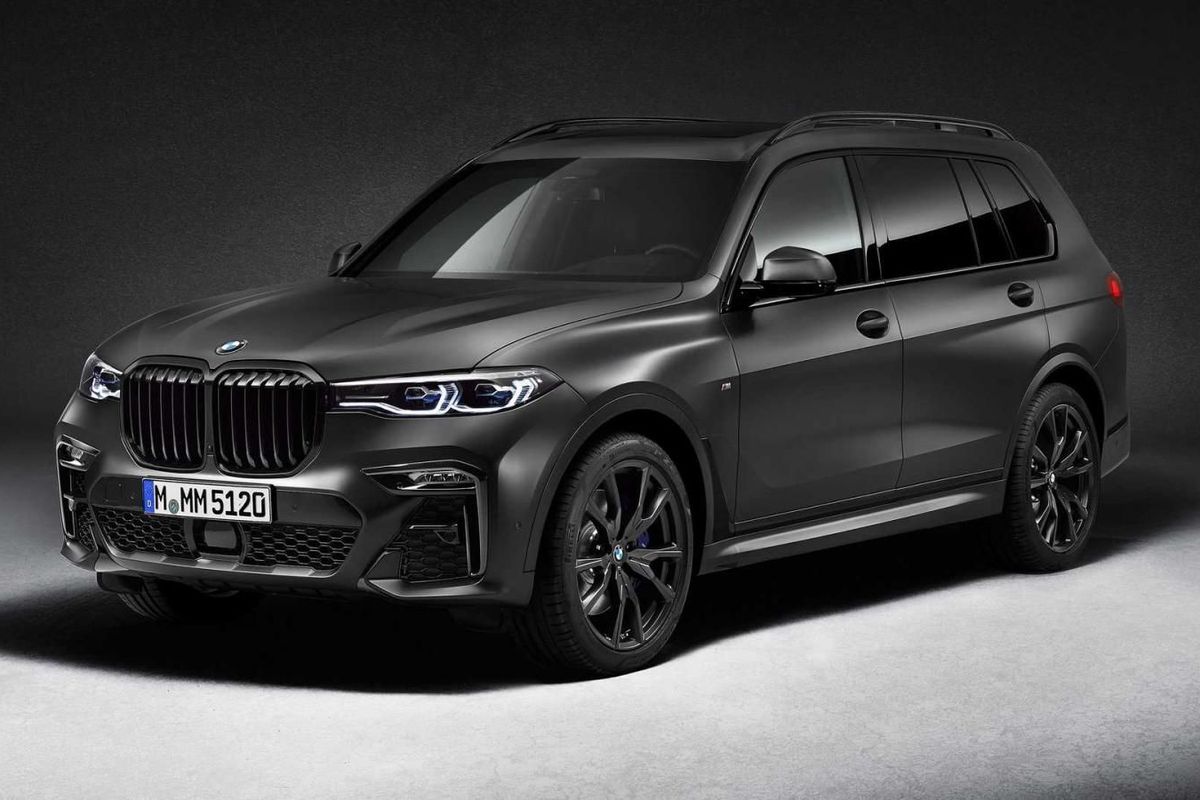
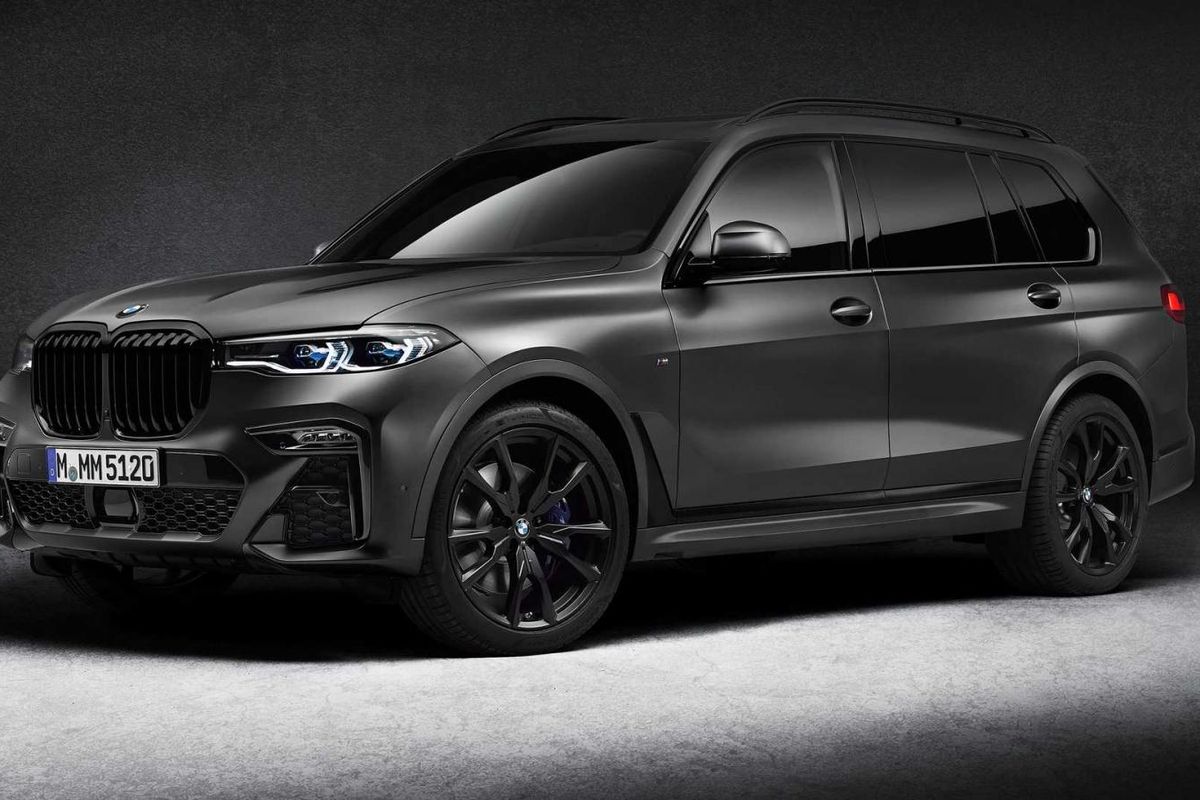
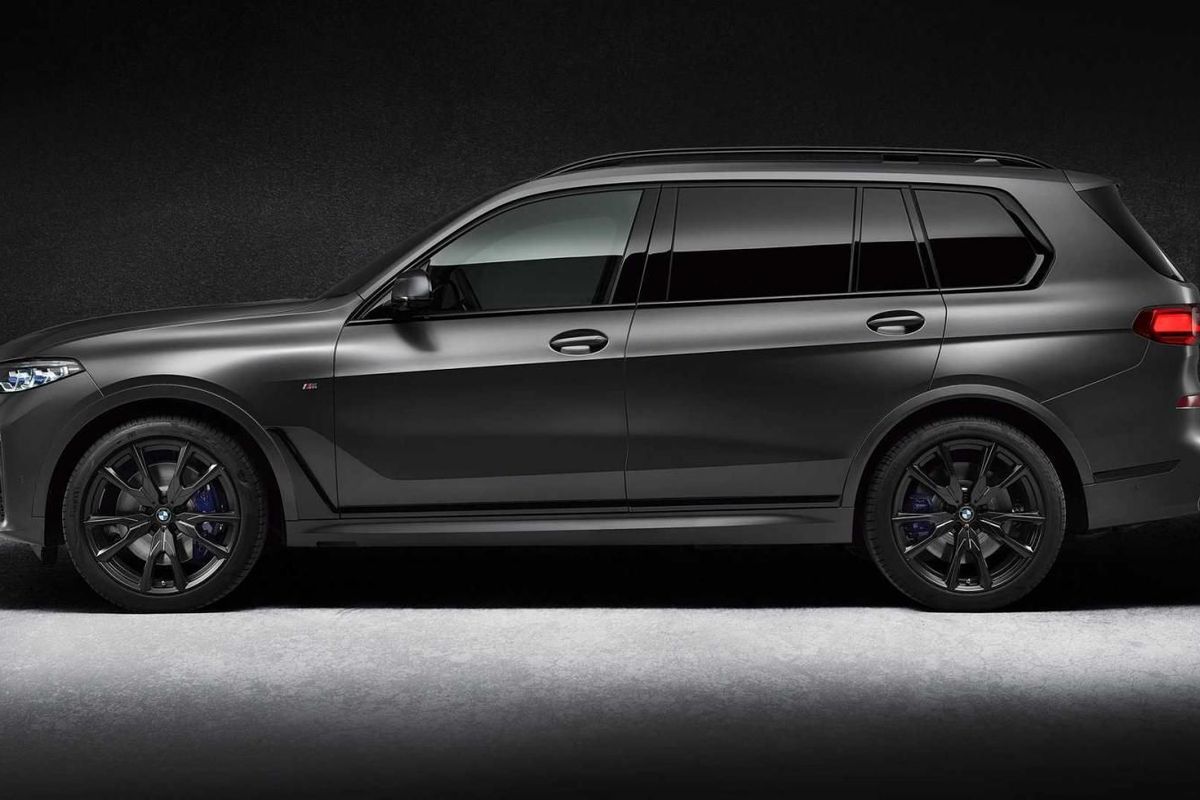
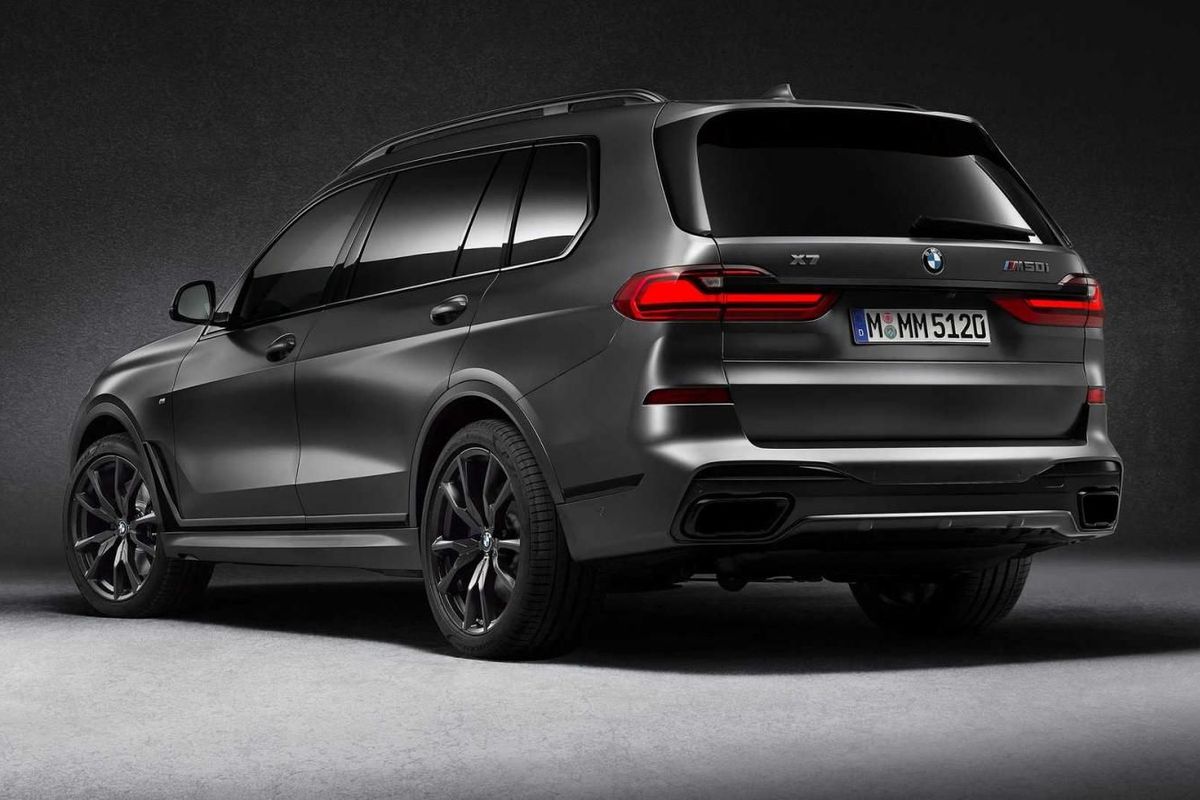
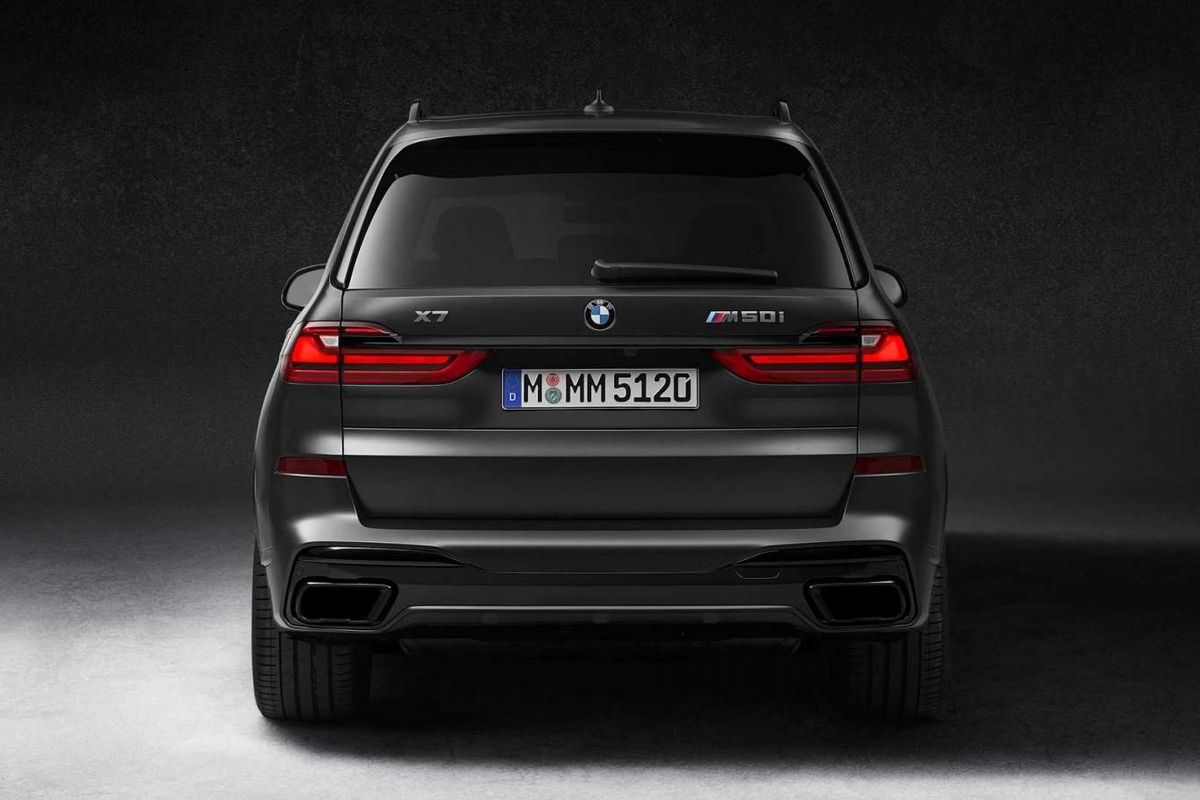
Using BMW’s Frozen Arctic Grey paint finish for the exterior panels, designers have also added high-gloss black trim bits to deliver some contrast. On the X7 Shadow Edition, you’ll find gloss black finishes on the roof rails, wing mirrors and door trim.
The X7 Shadow Edition’s B- and C-pillar are covered with gloss black material too, while at the front, those large lower valance air inlets are gain some gloss black surrounds. At the rear, this limited edition X7’s signature design is completed with black chromed exhaust ends.
No special edition BMW is complete without some outrageous wheels and in the case of X7 Shadow Edition, customers will be rolling 22-inch V-spoke alloys with a Jett Black finish.
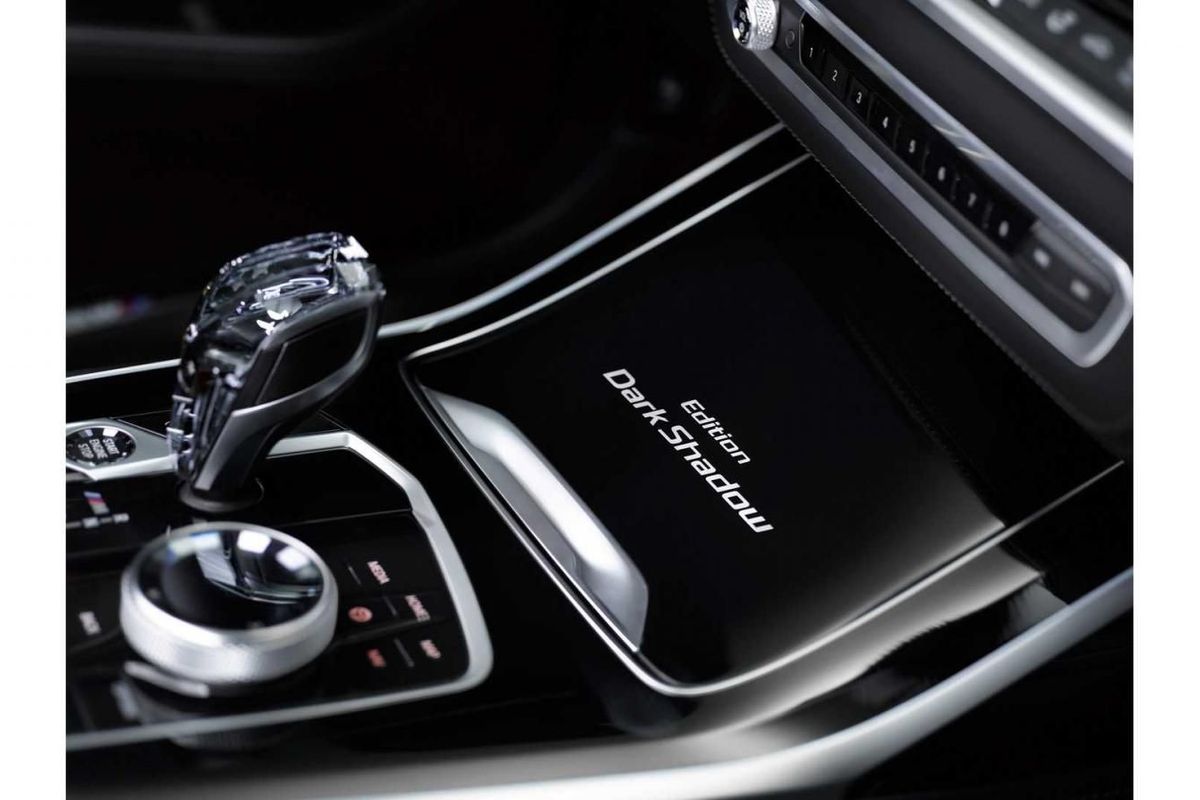
The Shadow Edition’s stealth design theme is repeated inside its cabin with a blend of two-tone Merino leather upholstery. Dark blue and black are the primary hues for its leather seats, while extended leather trim is present on the door panels, armrests and dashboard – to create a true ‘soft touch’ tactility to the Shadow Edition’s interior.
As one would expect from a limited edition BMW, various optional packages are fitted as factory standard. The BMW Driving Assistance Professional Package, Cold Weather Package, Luxury Seating Package, and Executive Package are included in the X7 Shadow Edition offering, offering owners a swathe of added luxury, convenience and driver assistance features.
Powering the X7 Shadow Edition is BMW’s potent 4.4-litre twin-turbocharged V8, boosting 390 kW and 750 Nm. Technical specifications are unchanged from other X7s, with an eight-speed automatic gearbox distributing drive to all four wheels and dual-axle air-suspension cushioning the big SUVs ride quality.
BMW will only be assembling 500 examples of its X7 Shadow Edition for all global markets, with production starting in August. It is unclear if any have been allocated to South Africa.
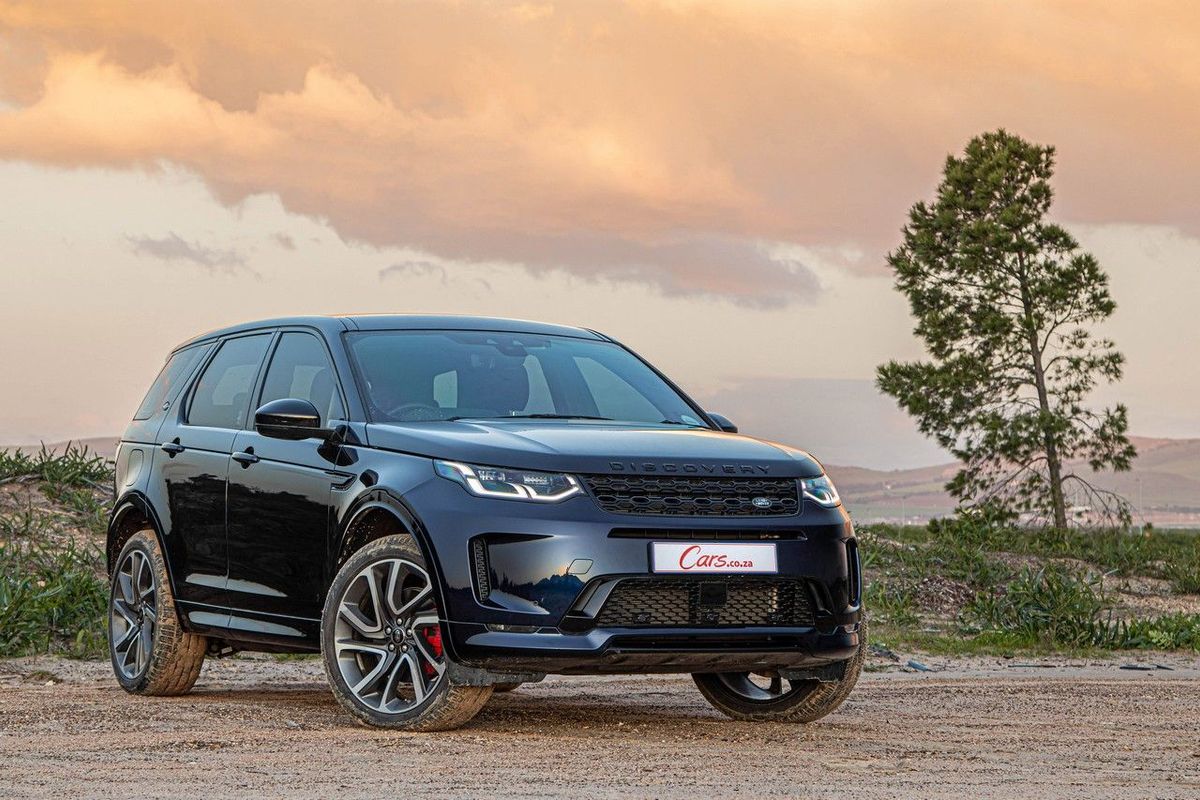
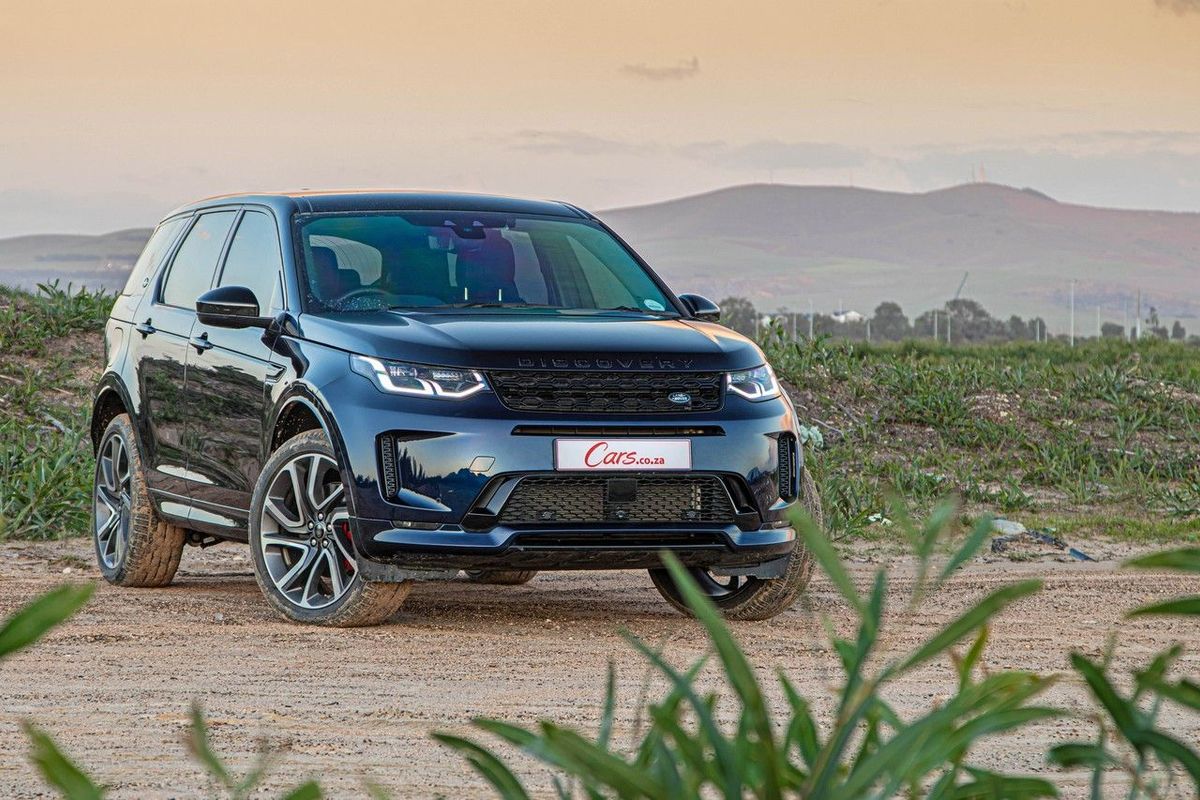
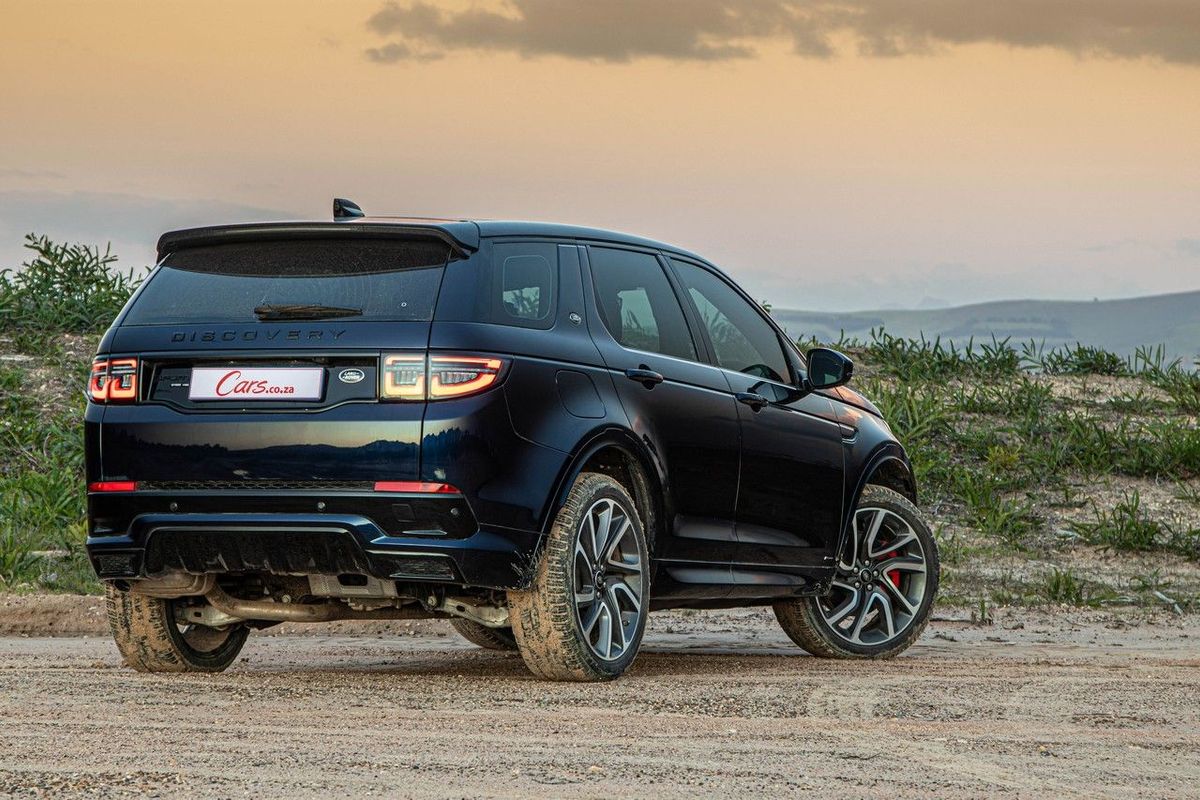
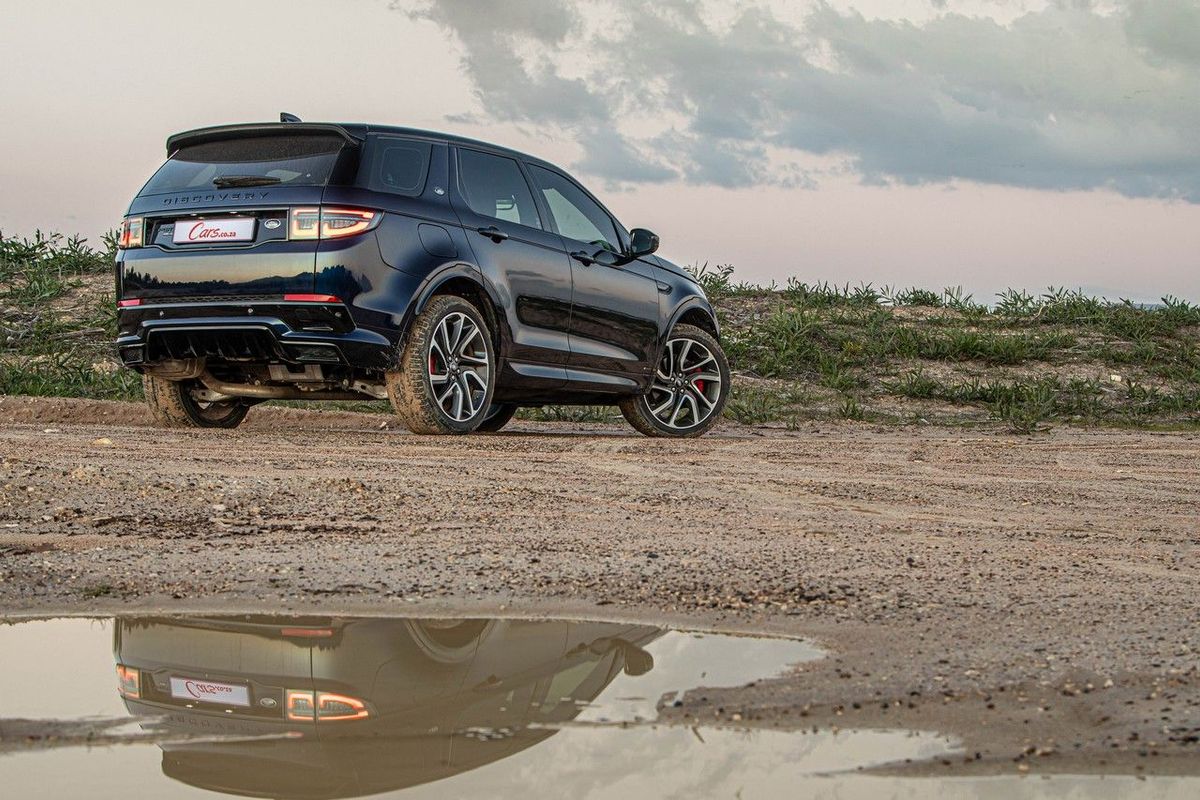
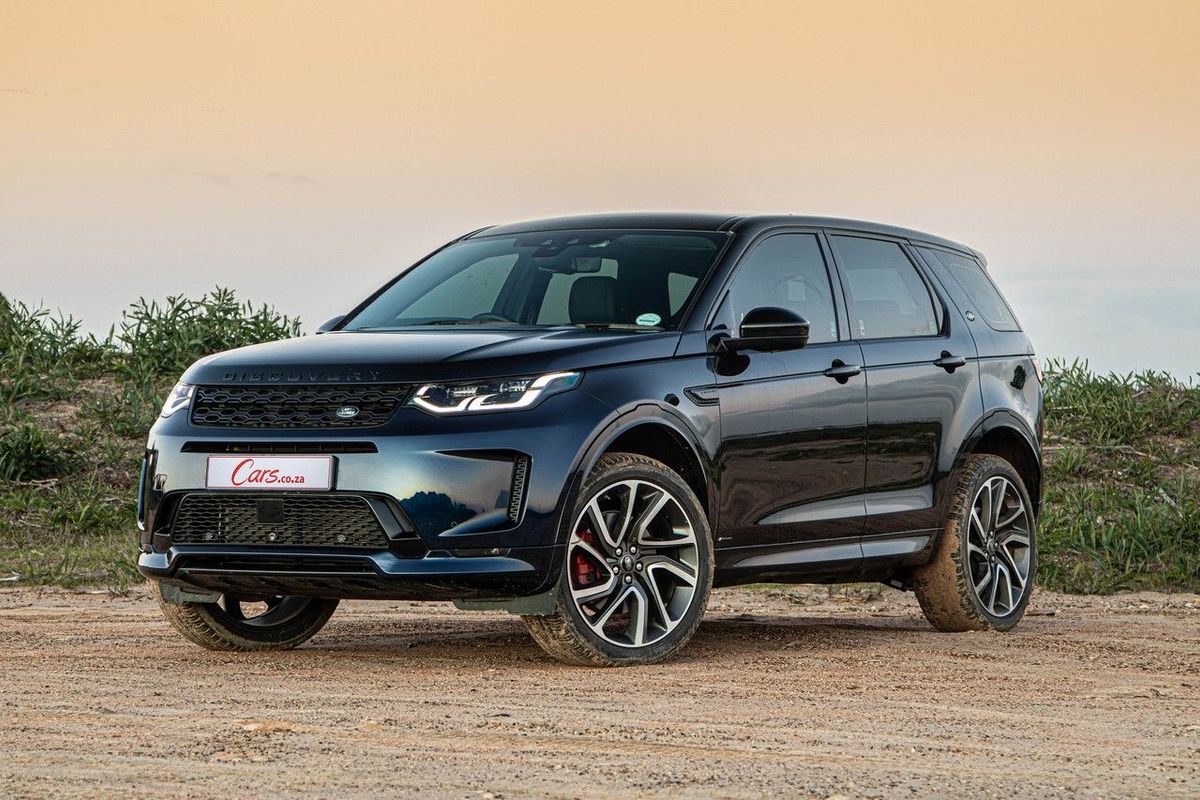
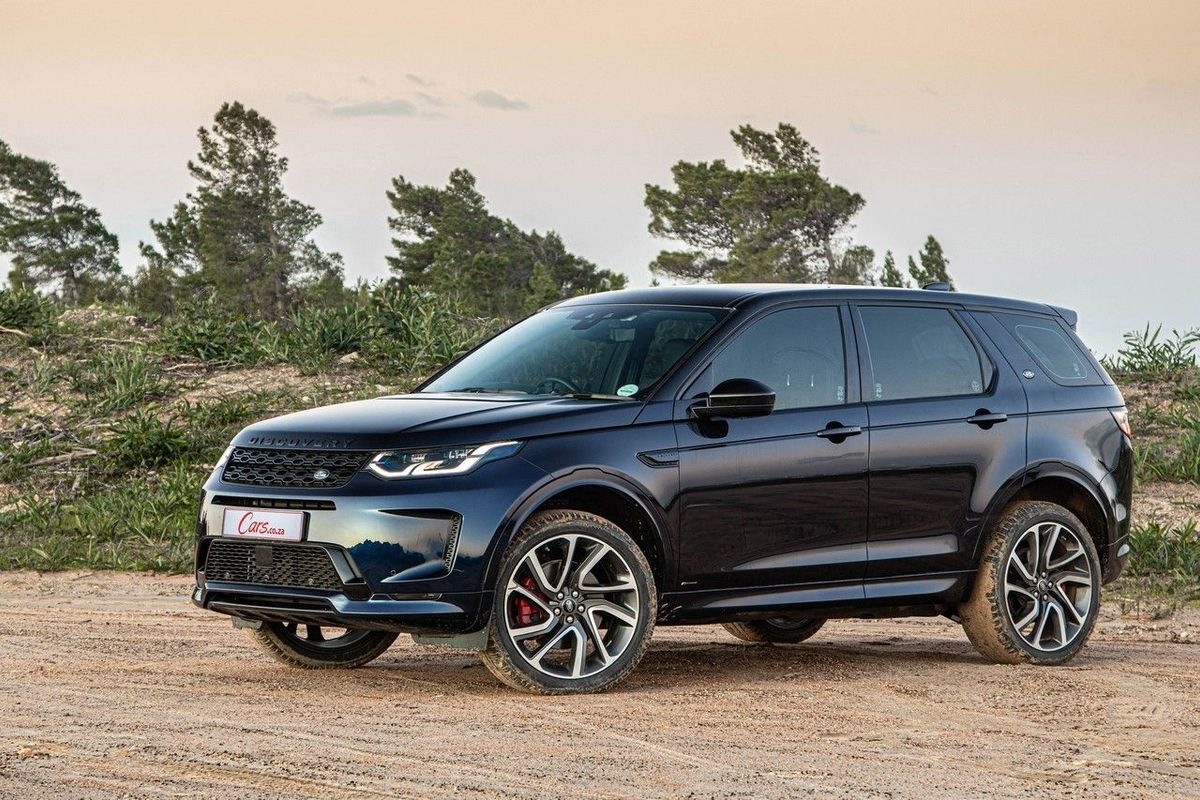
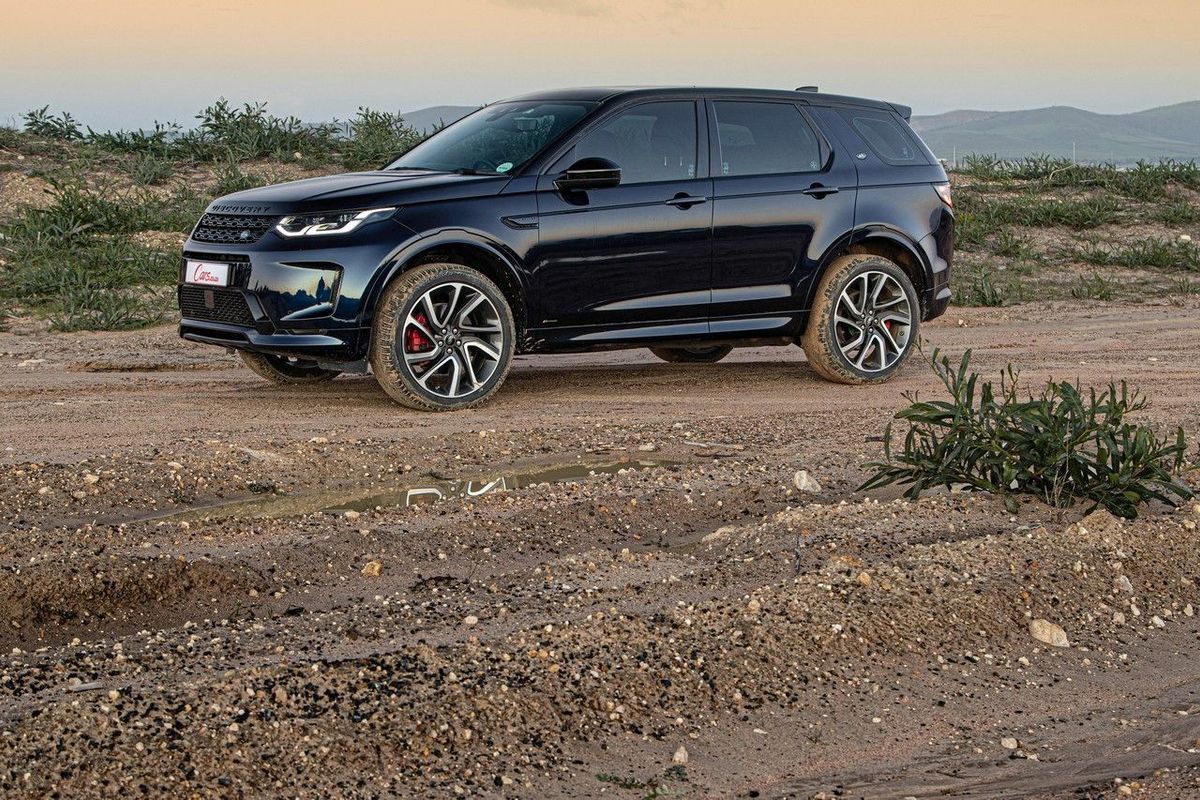
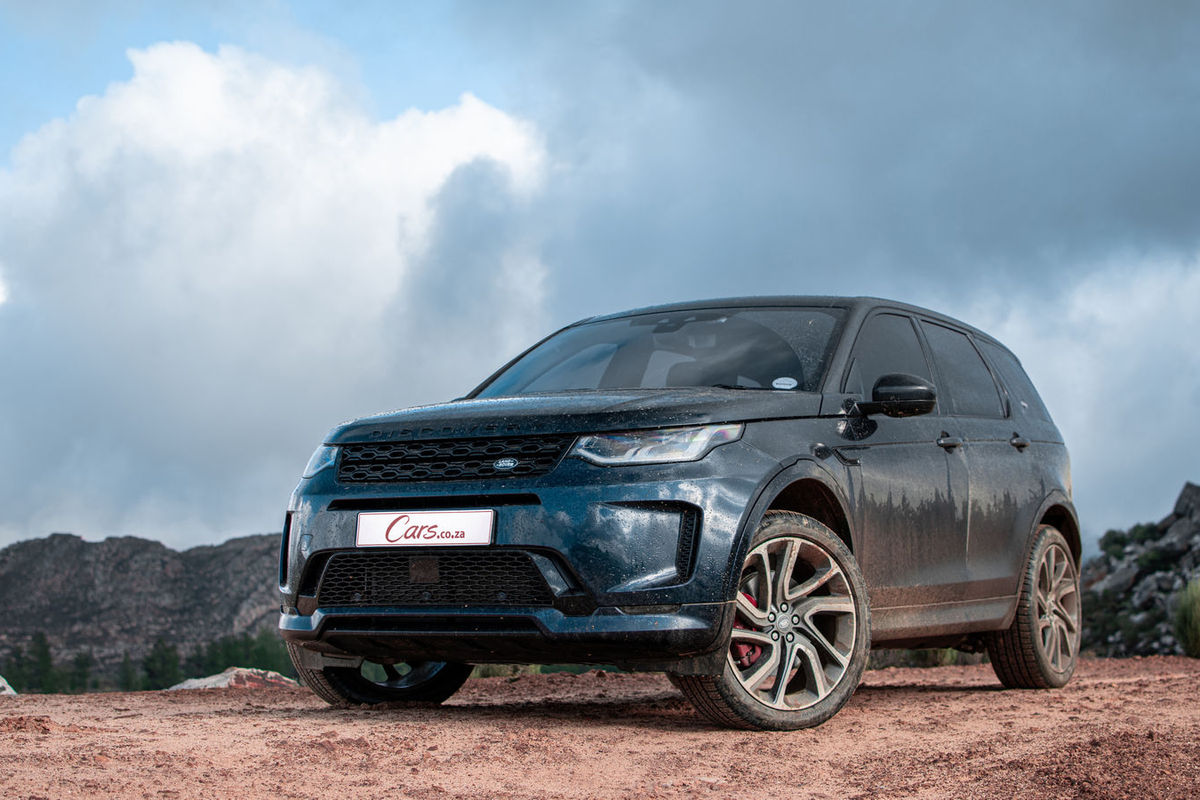
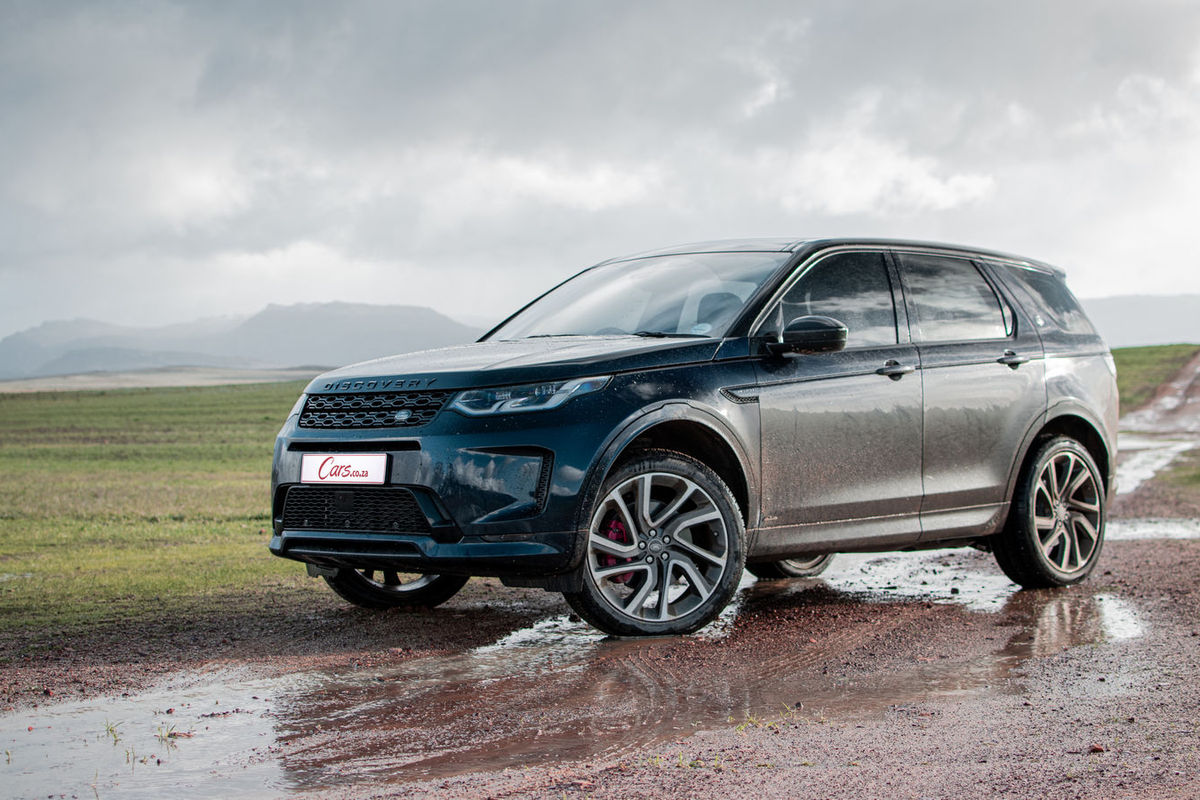
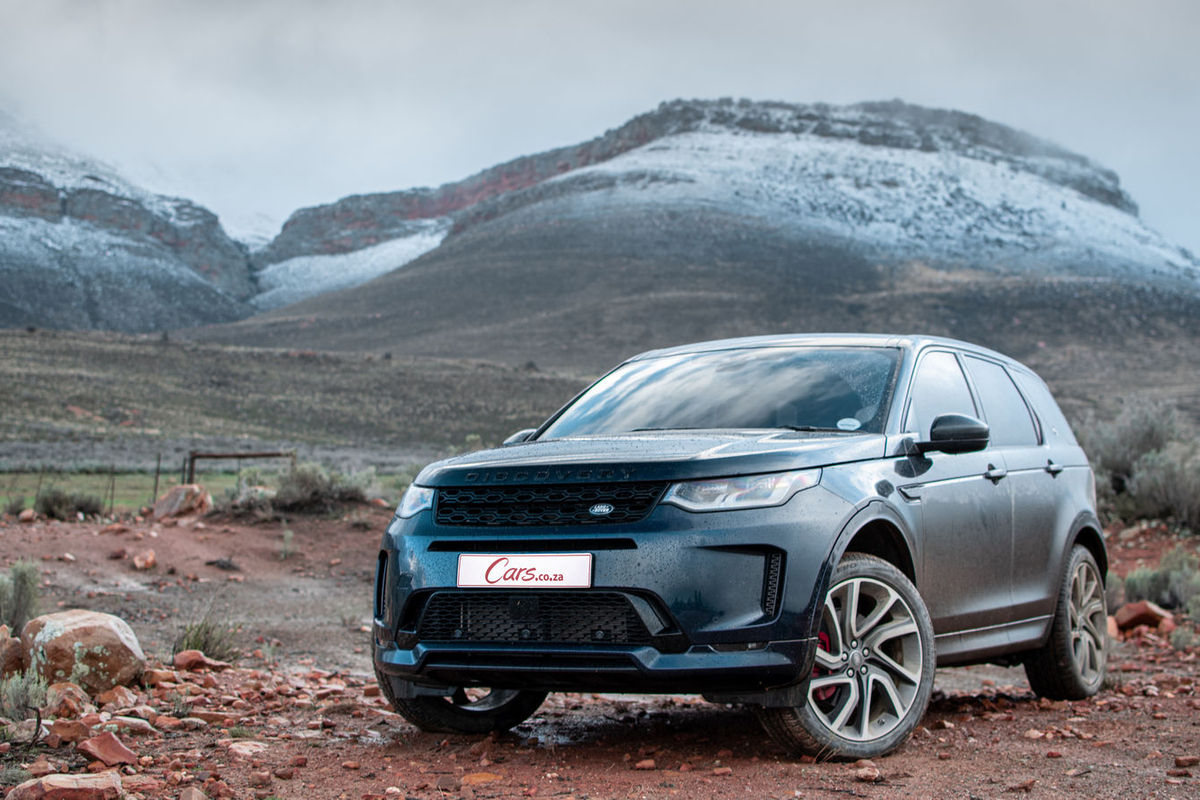
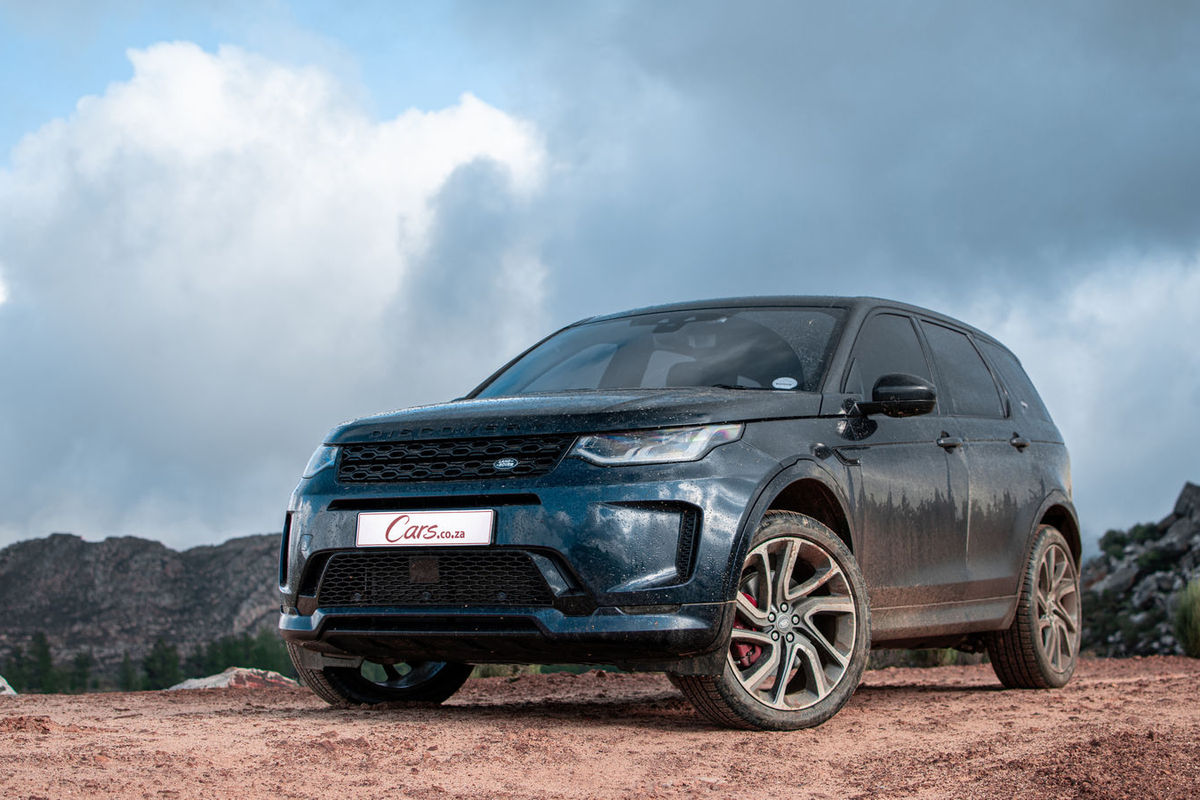
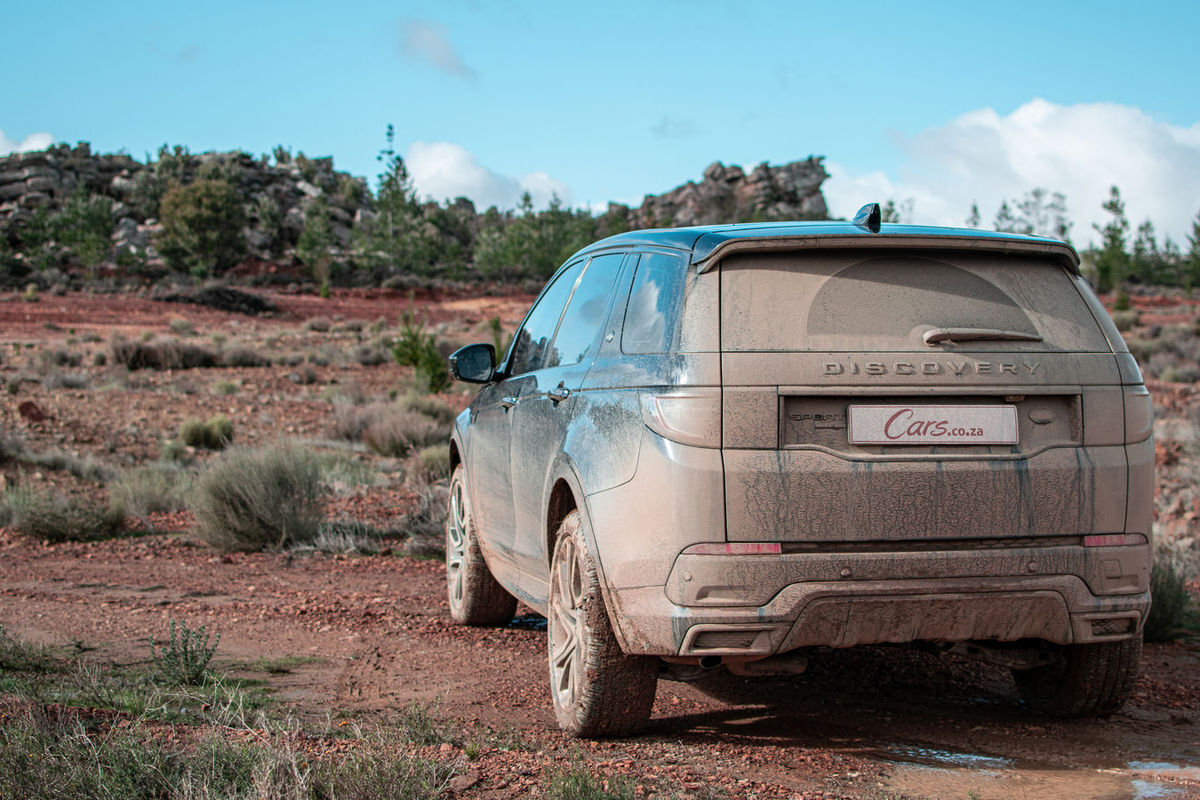
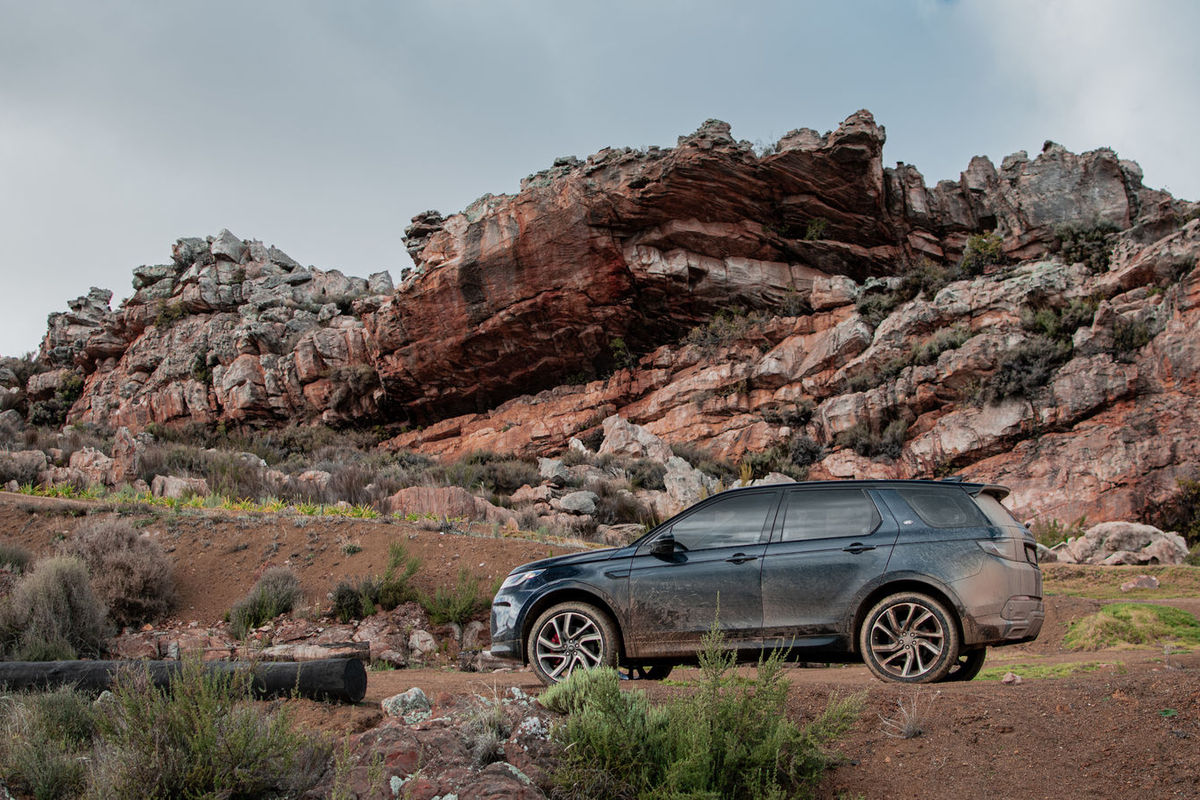
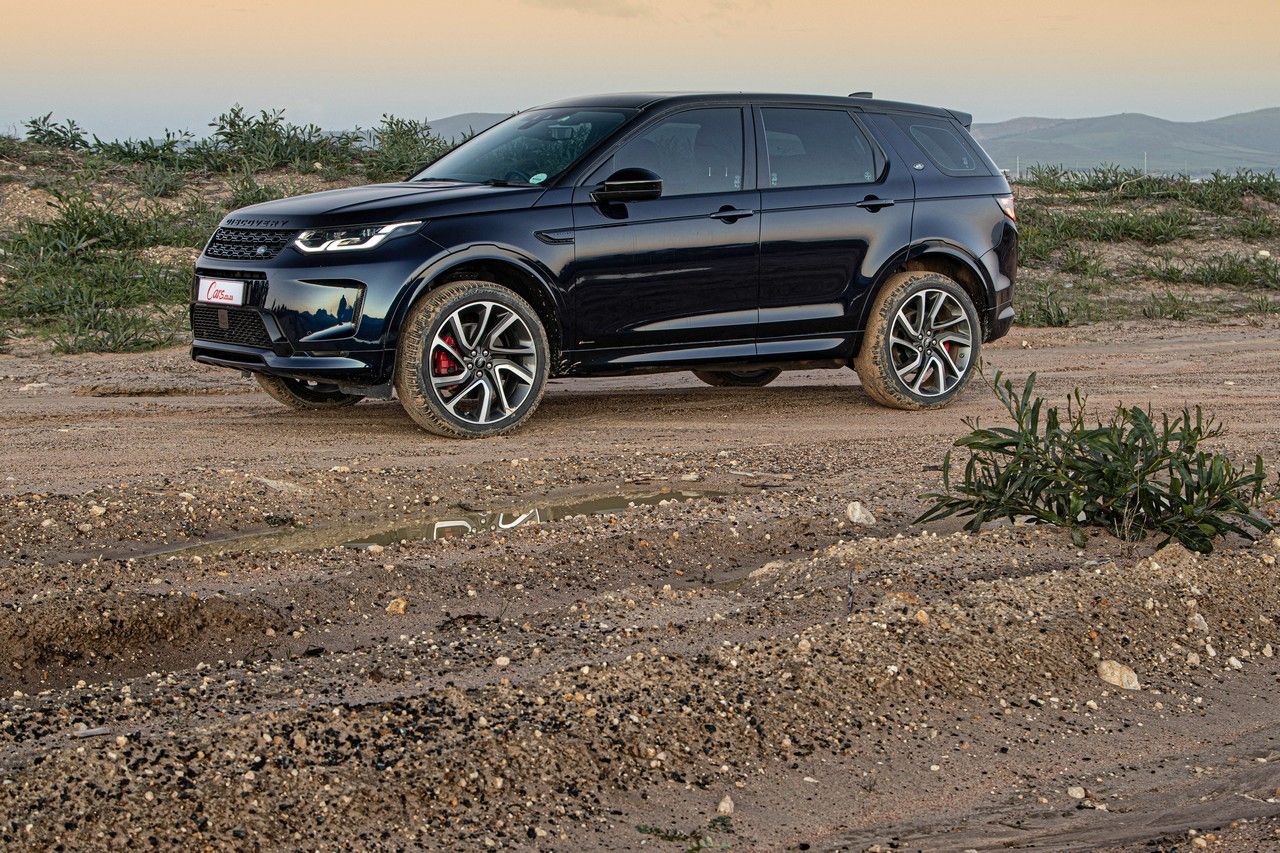
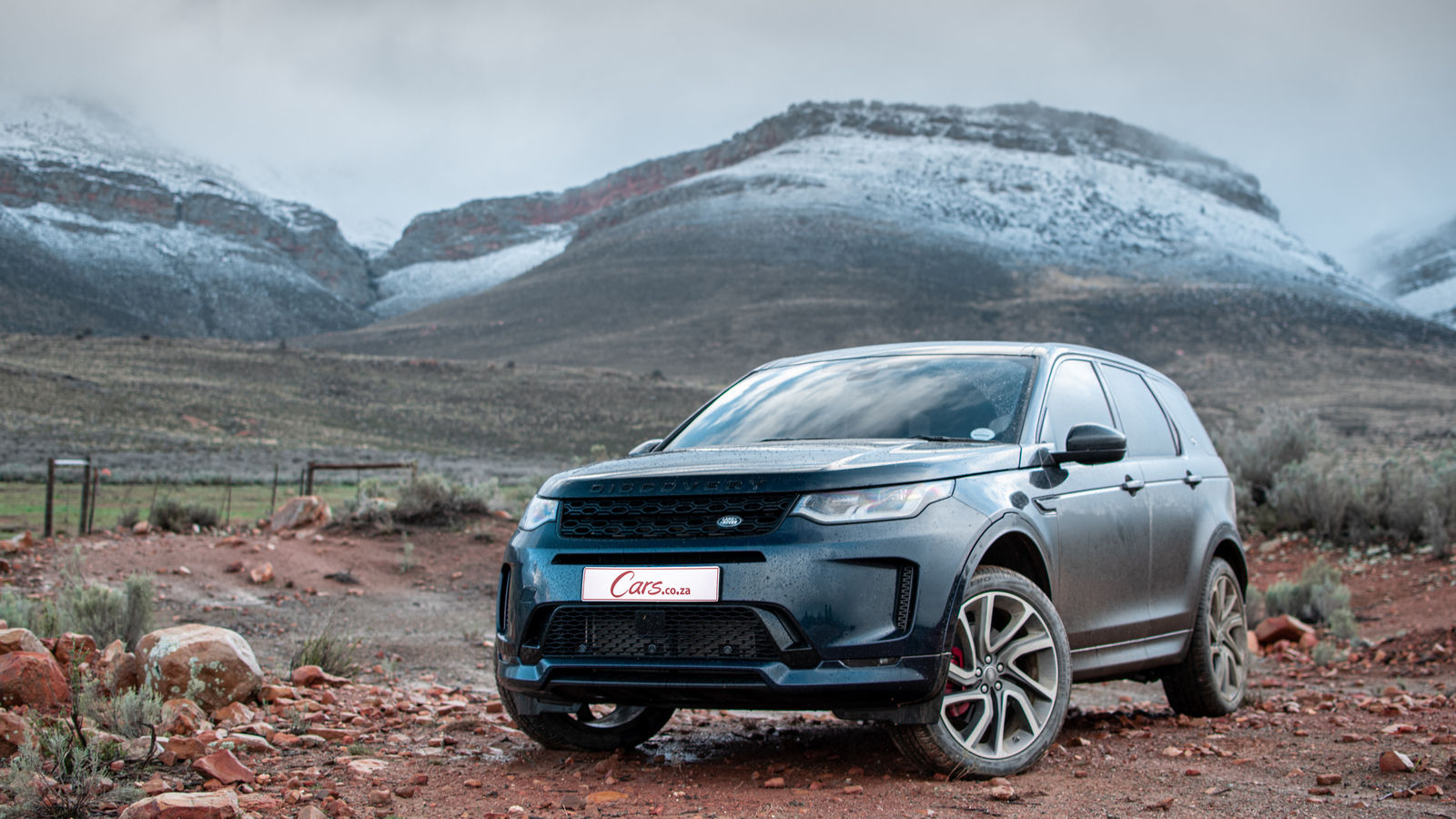
The Discovery Sport seems to have become more appealing since it morphed into a 7-seater back in 2015. Having recently received its mid-life update, does the British offering still feel fresh and modern in a sea of upmarket SUVs? We spent a week in search of snow to find out.
We like: Smooth and quiet ride, comfort and luxury, go-anywhere ability.
We don’t like: Thirstier than rivals, infotainment system crashy.
The facelifted Discovery Sport rides on a new platform borrowed from the new Evoque.
Post-facelift, the Discovery Sport rides on a different platform to its predecessor. In order to meet European emission targets, plug-in hybrid and 48V mild-hybrid derivatives had to be added into the Discovery Sport range. To make that possible, Land Rover now builds its executive SUV on the new Range Rover Evoque's platform. None of the plug-in hybrid or 48V mild-hybrid options are available in SA (yet), so it makes no difference to our market. However, what does make a difference is that the new platform is claimed to be 13% stiffer and offer improved noise, vibration and harshness (NVH) suppression. The fuel tank size has been increased to 67 litres and the load capacity is 20% larger.
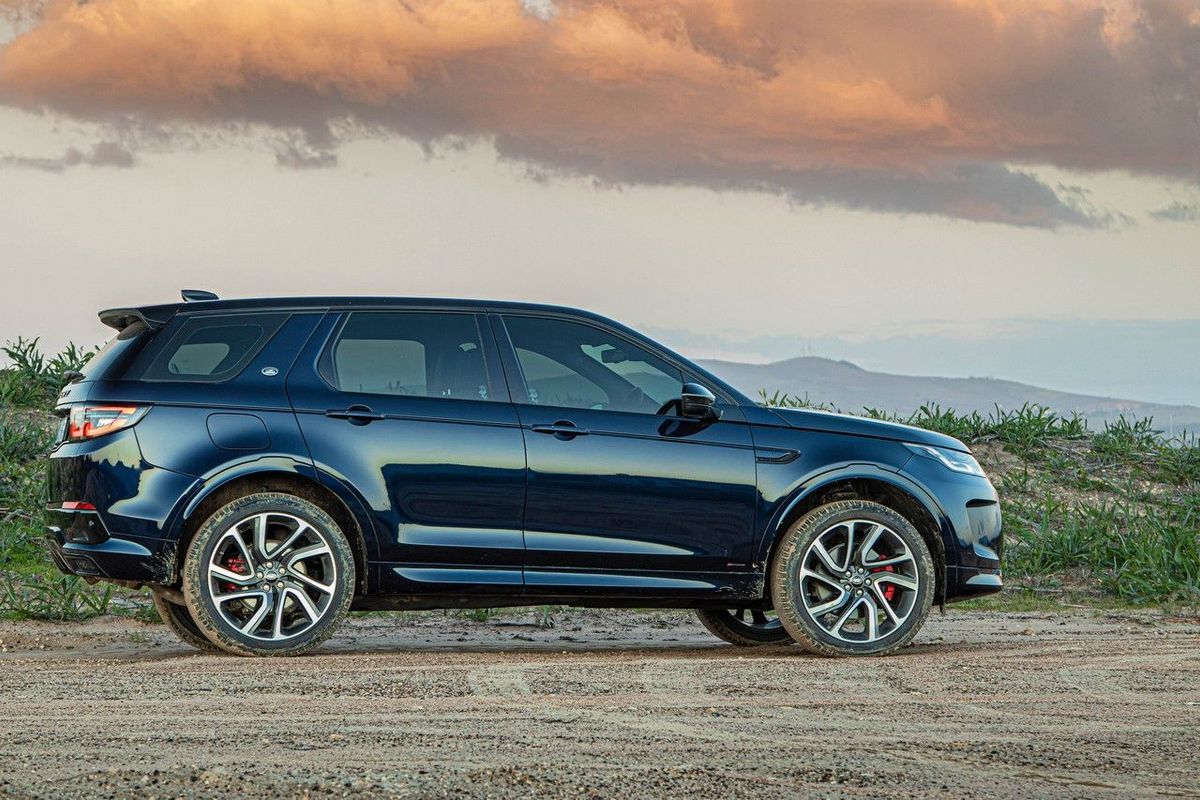
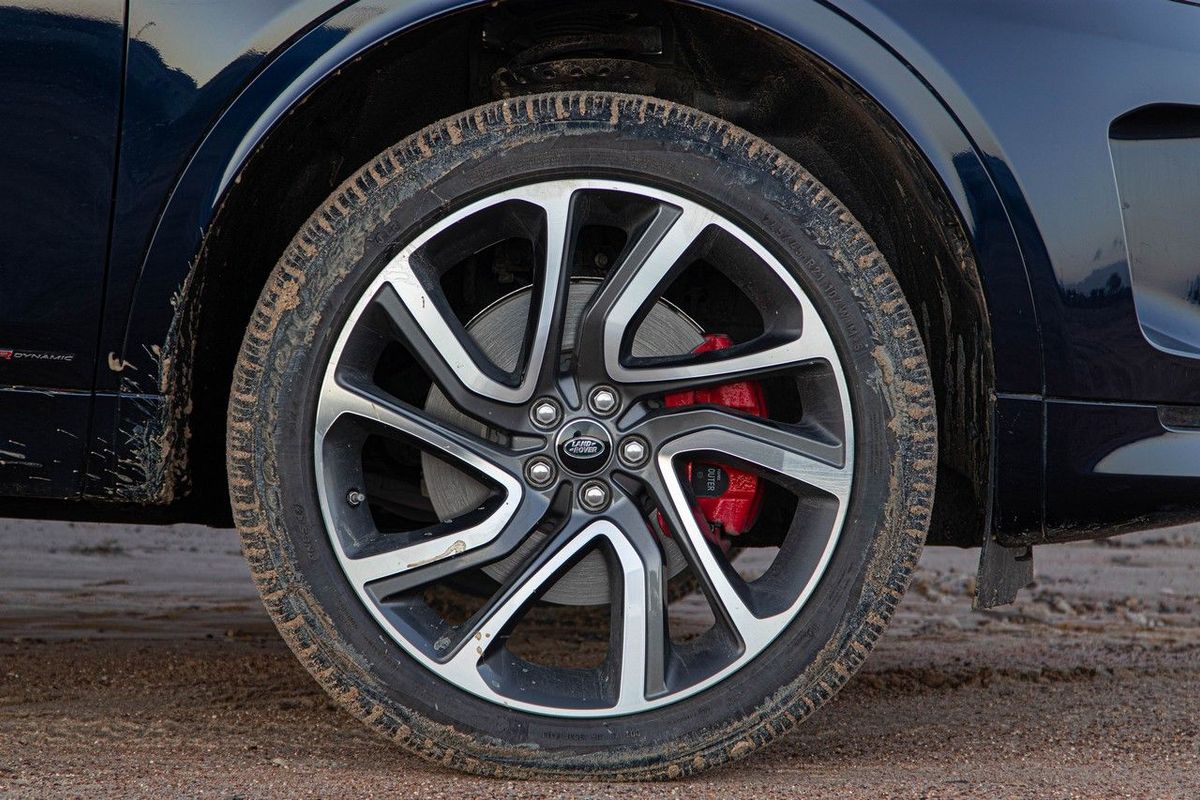
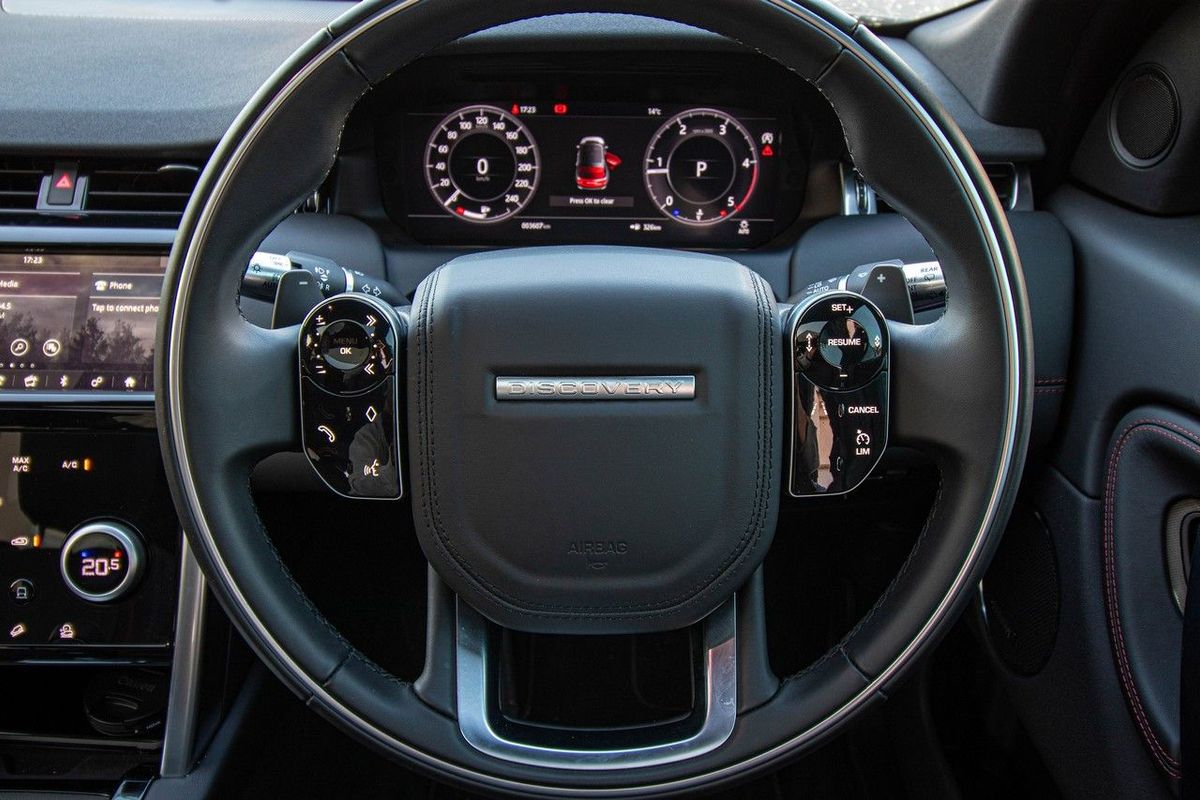
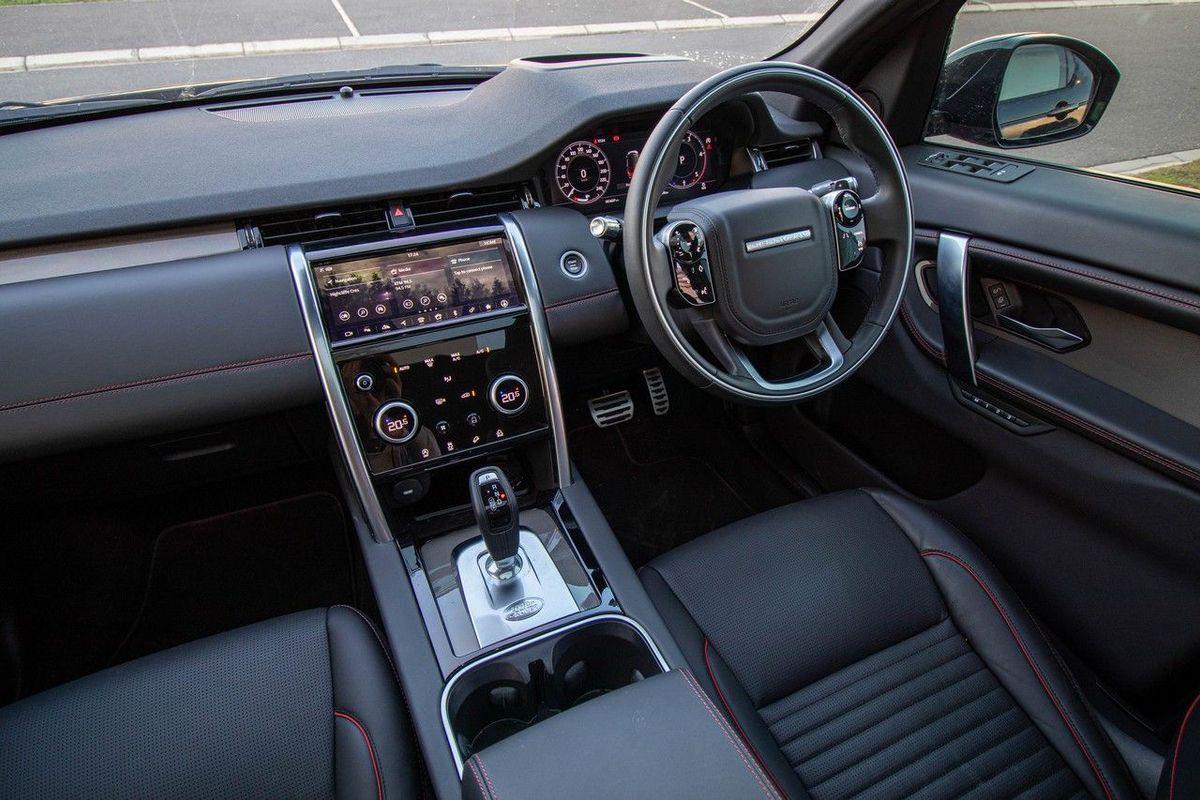
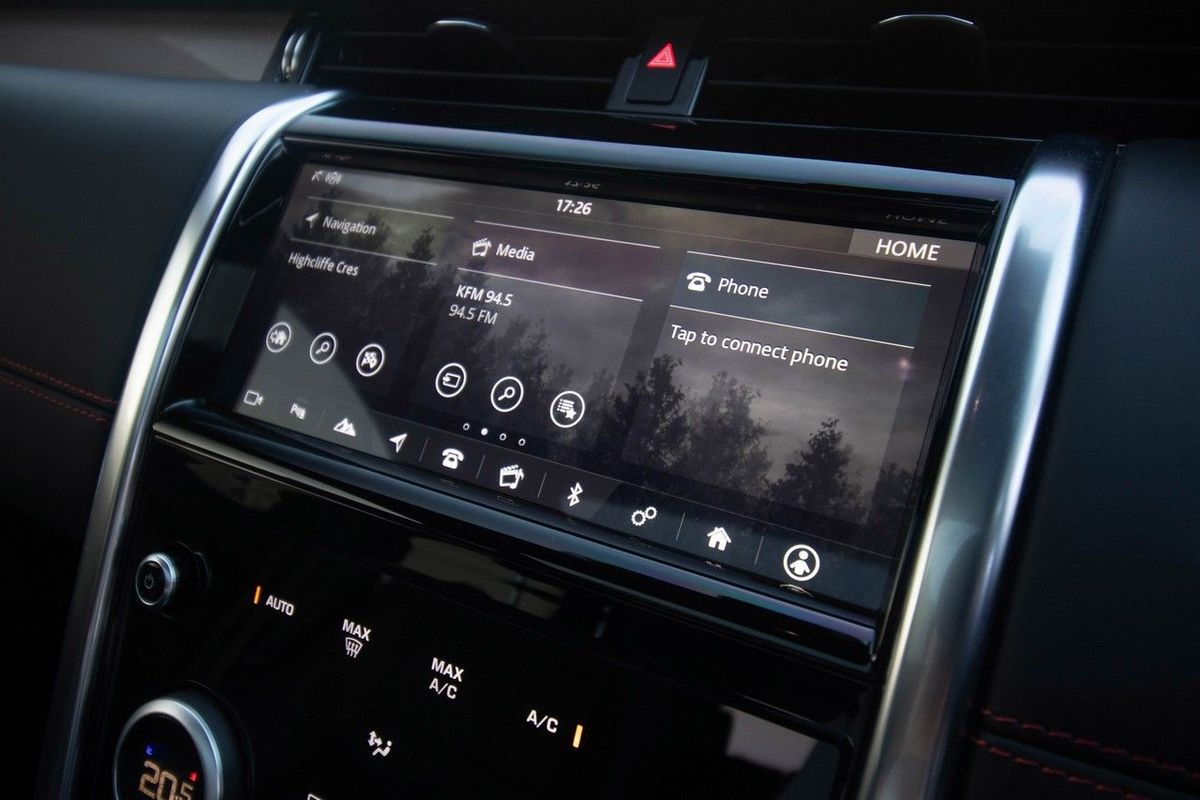
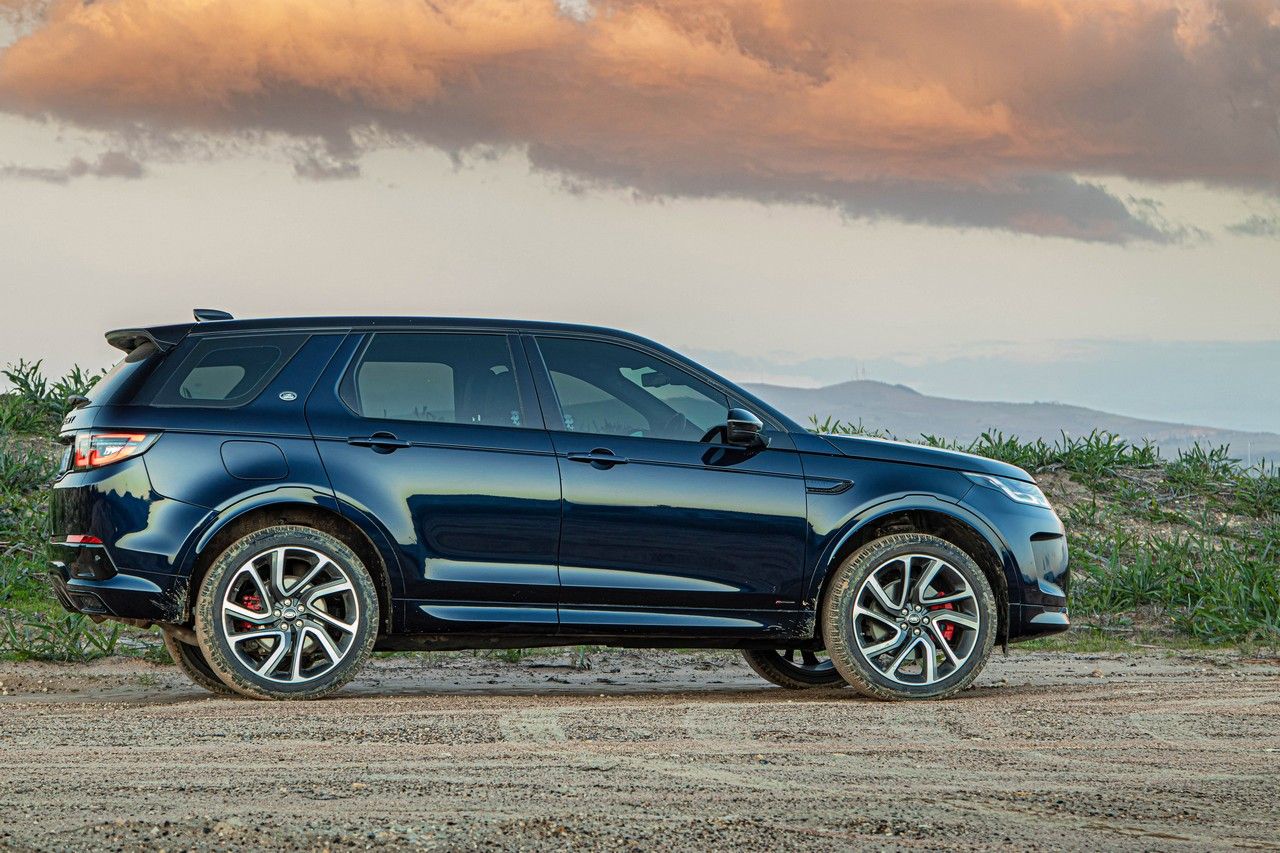
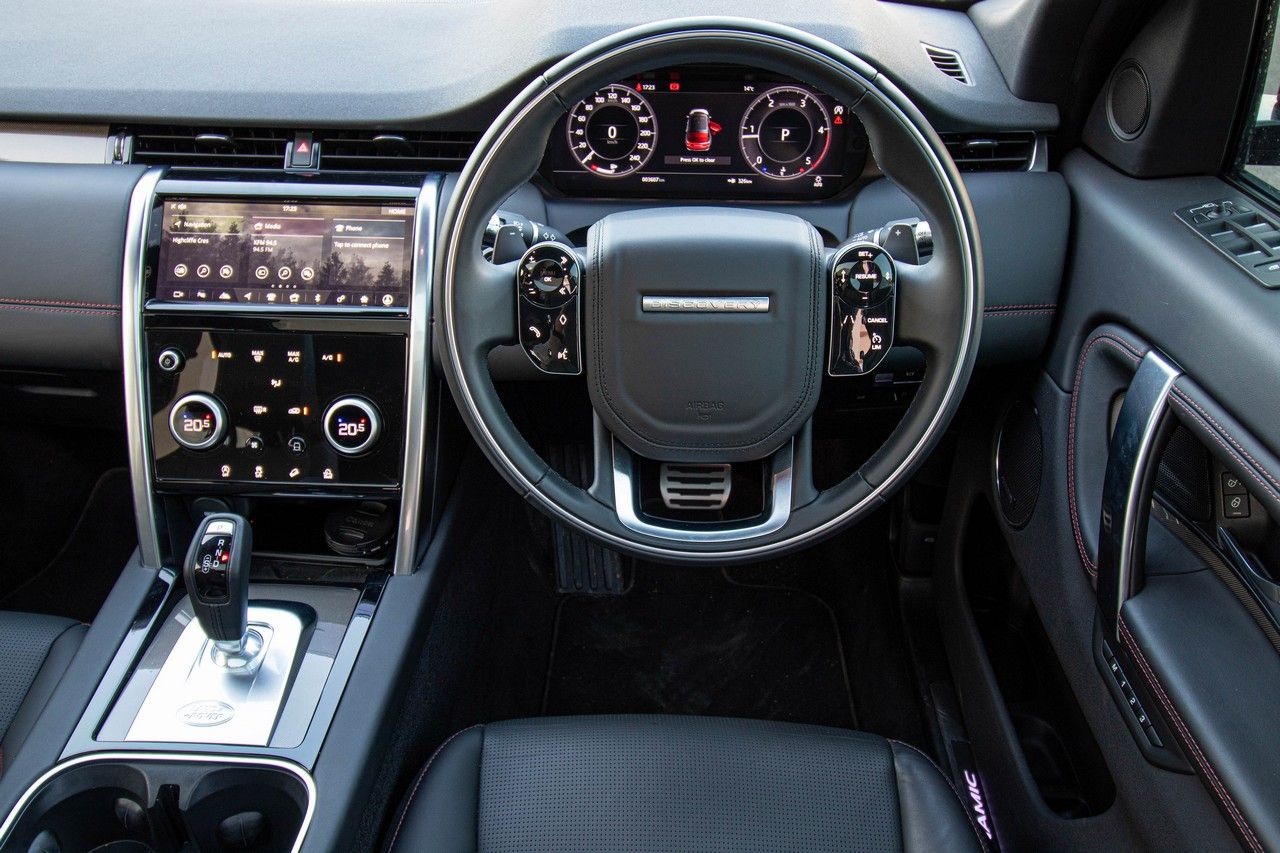
Visual tweaks are the norm with facelifts; to that end, the Discovery Sport now incorporates new options such as 21-inch wheels, while the interior has been updated with a newer touchscreen infotainment system and wireless charging capability, among other things.
How does it fare in terms of…
Performance & efficiency
The turbodiesel engine under the bonnet is sufficiently powerful… if a little on the thirsty side.
The subject of this review is the D180 HSE, which is powered by a 132 kW/430 Nm 2.0-litre 4-cylinder turbodiesel engine, which also does duty in the Evoque. In terms of peak outputs, the Discovery Sport lags a little behind its rivals, but it compensates by producing its maximum torque over a wider band of the rev-range (from 1 500 to 3 000 rpm).
As far its general on-road performance is concerned, the turbodiesel mill never feels slow or underpowered, but you often notice a slight pause after pressing the throttle while rolling before the engine begins to react. It’s something to be cognisant of when attempting swift overtaking manoeuvres or entering traffic circles. It’s not going to ruin the driving experience, but when you compare it with the best engines in the segment, the Land Rover lacks some of the urgency that its German rivals' powertrains offer.
In theory, the enlarged fuel tank should give the Discovery Sport a bit more range, which, at the claimed consumption figure of 7.0 L/100 km, should translate to 950 km per tank. Unfortunately, during our 1 000-km evaluation of the D180 HSE we achieved a figure of 9.4 L/100 km. While that doesn’t sound bad for a near 2-tonne family SUV, the Land Rover seems thirstier than almost all of its rivals. If fuel consumption is not a major consideration, perhaps the petrol-powered P250 derivative might be the better choice.
Handling and capability
Land Rovers always feel more at home off the beaten path than rivals.
While the Discovery Sport's engine isn't class-leading, it makes up for it with a good balance of ride quality and off-roading ability. The aforementioned NVH-suppression measures certainly make their presence felt at speed, where road and wind noise are muted. It makes for a peaceful and premium experience when piling on the miles.
While many manufacturers have tuned their Executive SUVs to offer improved handling ability (ostensibly in search of sportscar levels of agility!), Land Rover has refined the Discovery Sport's comfort levels and smoothed out the suspension movements to create a ride that cushions out bumps, jolts and road imperfections better than Its rivals. Its not an athlete, but certainly feels reassuring to drive over a mountain pass. There's more body roll than you'd get out of a BMW X3, but it's smoother in the way suspension responds to steering inputs. In tandem with the optional adaptive damping (R12 300) it provides the best balance of road comfort and handling composure in the segment.
Our test unit was equipped with the new optional 21-inch wheels (R13 400). While they look incredible and imbue the Discovery Sport with oodles of road presence, they are a little compromising in off-road situations. While the general ride of the updated Land Rover is excellent ,it felt like it was in spite of the "21s" rather than because of them. They feel a little too firm on gravel roads, where a 19-inch or even 18-inch wheel shod with more generously-sidewalled tyres would really soak up hard jolts better.
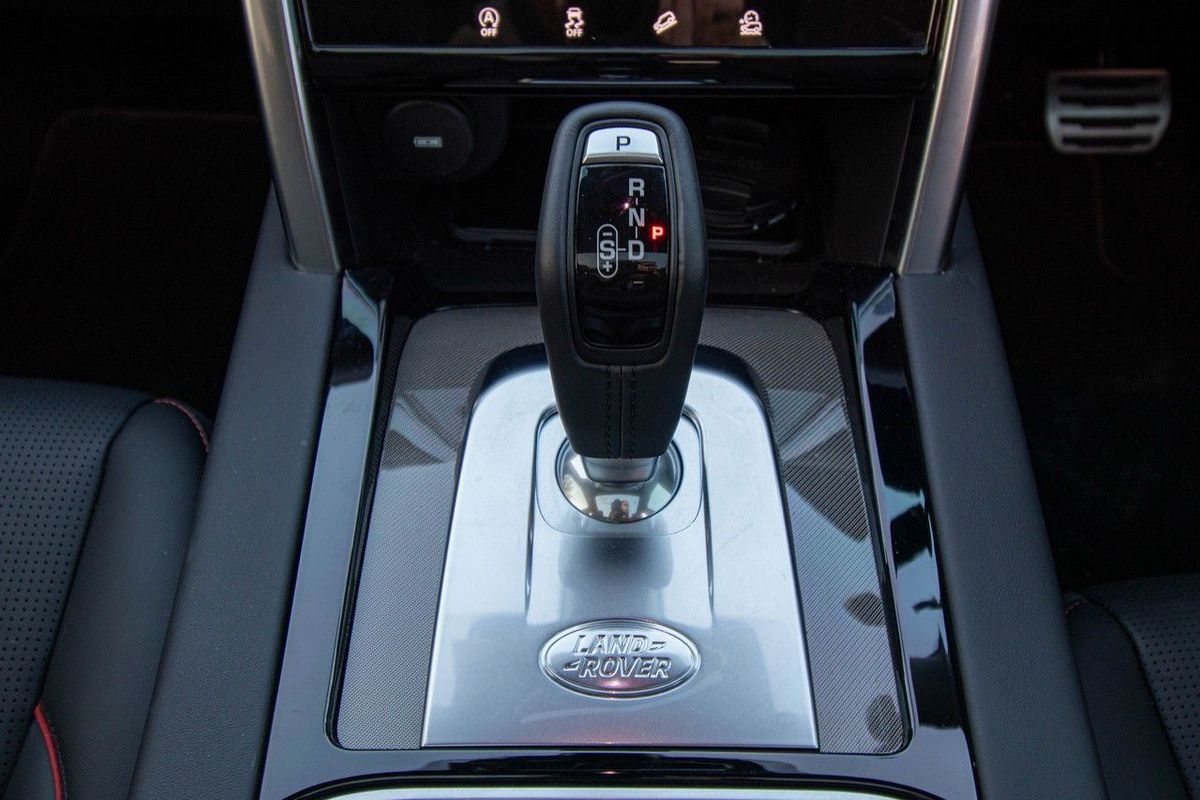
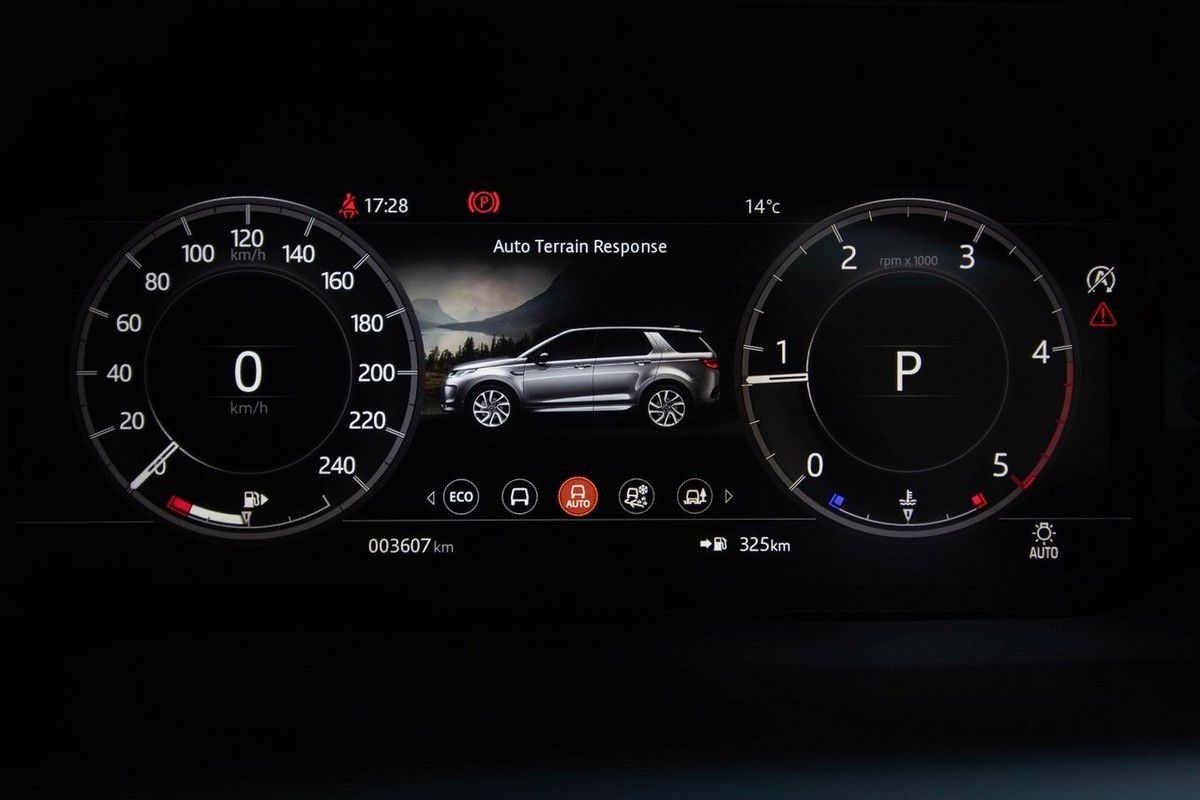
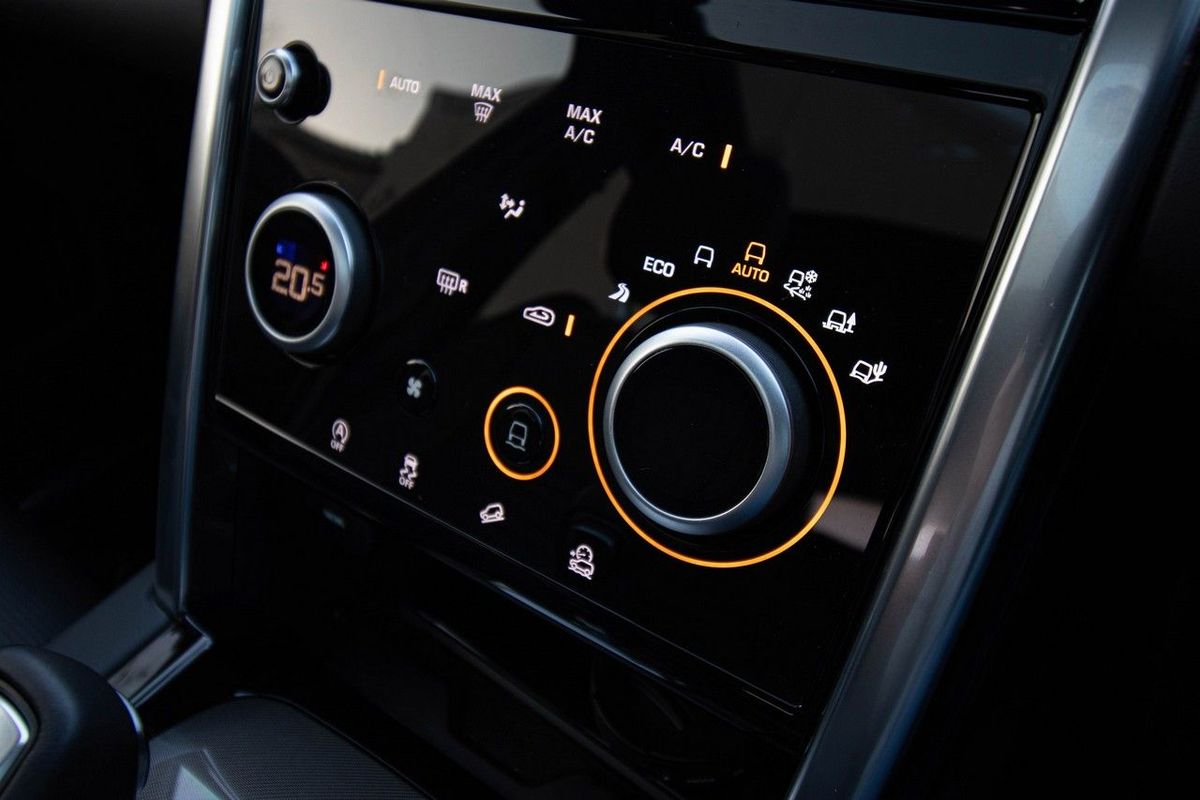
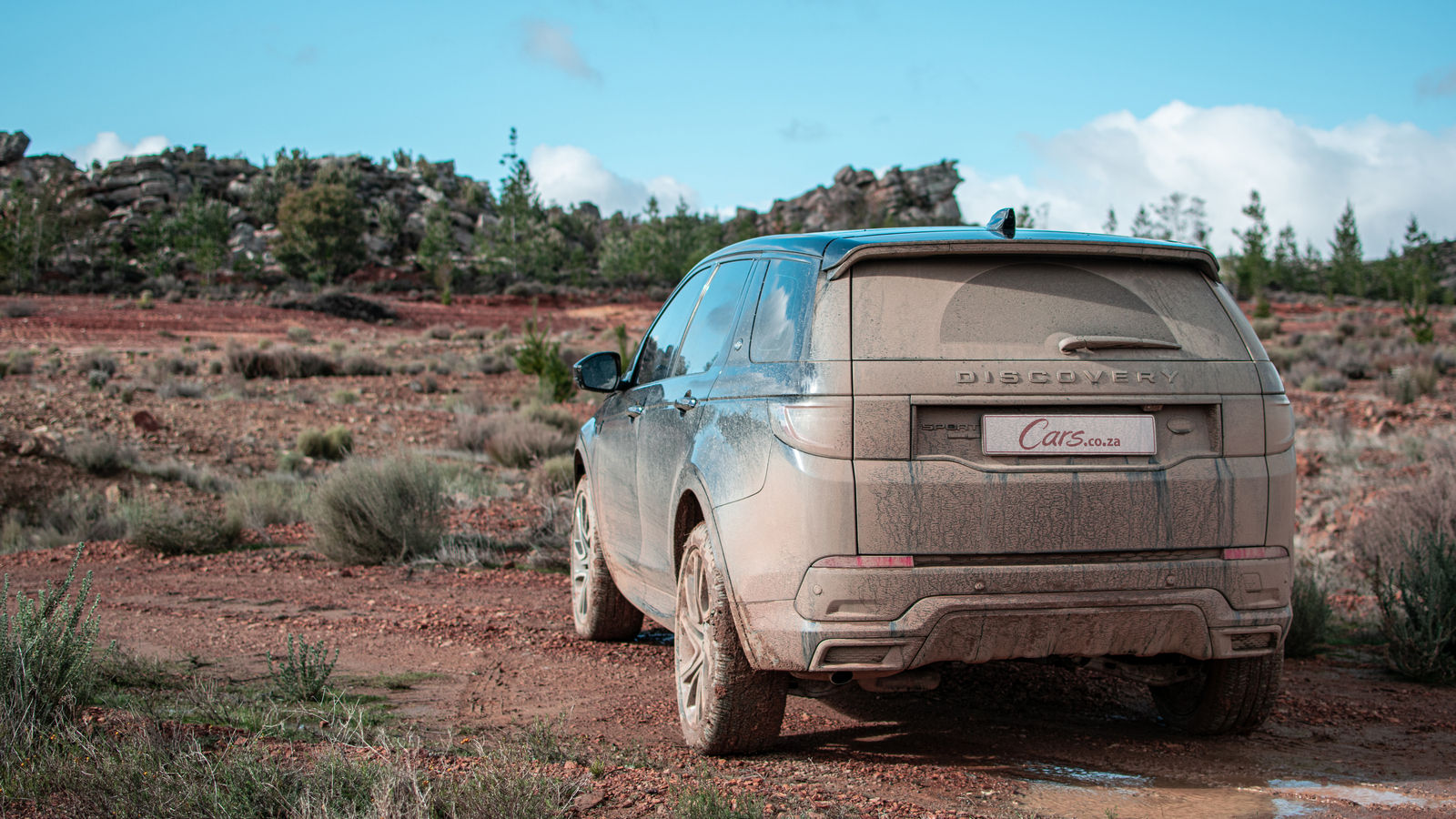
Off-road credentials are the very essence of every Land Rover and while the Discovery Sport may look like a soft-roader, it’s still very capable off-road. In normal conditions, the vehicle will default to front-wheel-drive, but as soon as the D180 HSE's electronic management system detects wheel-slip, the rear axle will kick in to help keep the vehicle moving. Terrain Response 2 is standard, but the buttons have moved from physical dials on the centre dash to being accessed via a single button, after which the driver can toggle between the modes by using the temperature dial. During a stint on the Matroosberg 4×4 loop (in search of snow), the Discovery Sport’s limits were hardly tested.
Practicality
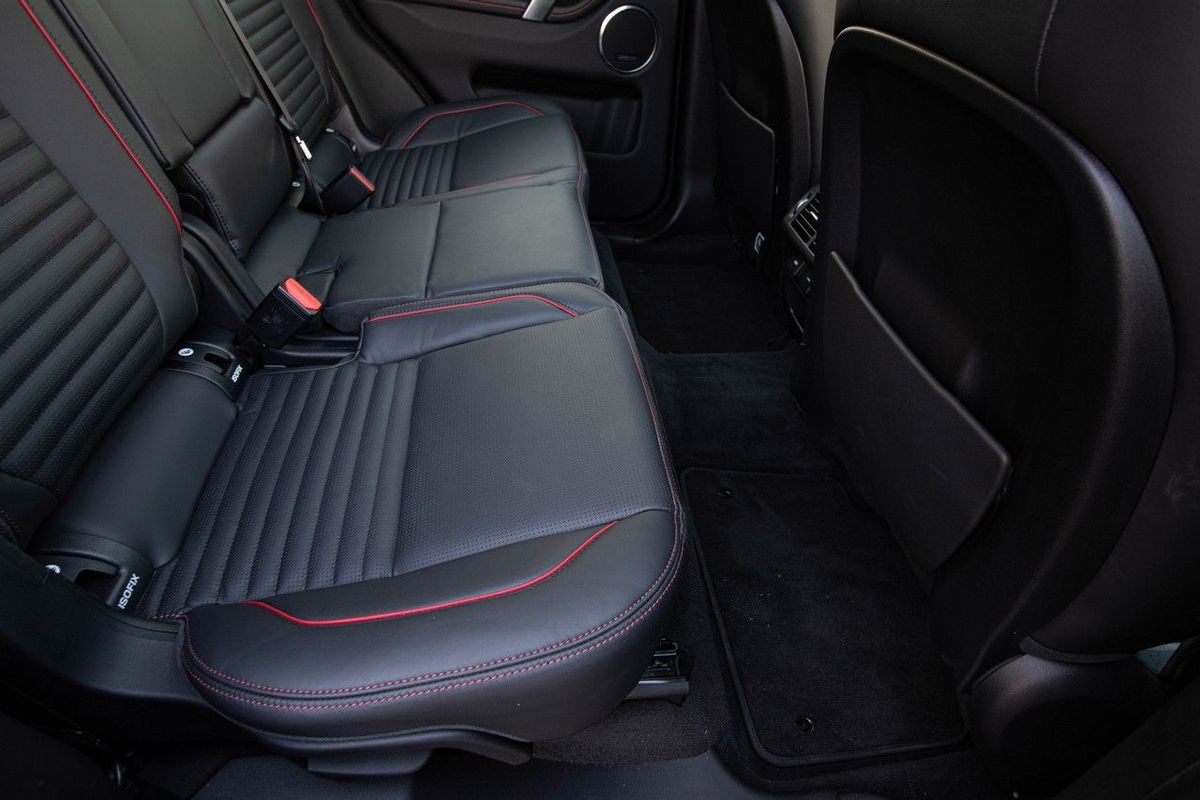
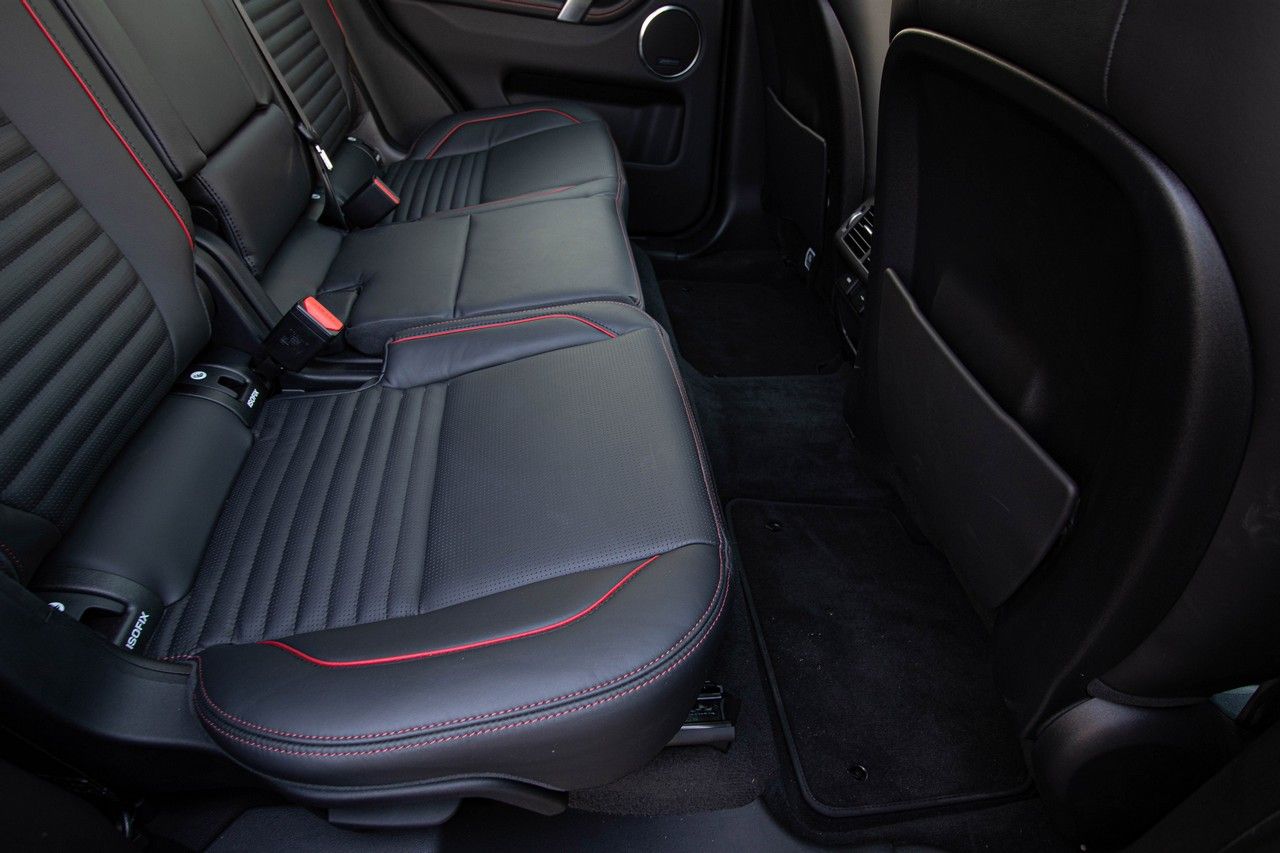
Rear seats slide on rails and can also recline.
The facelifted model is no longer a 7-seater vehicle in standard guise, it’s a 5-seater with the option of 2 extra seats, which cost an additional R14 300. The new (Evoque-sourced) underpinnings allow for more passenger and load space, which wasn’t something the pre-facelift model lacked, but then, space is never something one can have enough of in a family SUV.
Load space in the rear varies depending on where your rear seats are positioned (the rear bench can slide and recline), but in its smallest capacity the load bay will hold 963 litres worth of luggage (5-seat model) and with the rear seats folded down, a more-than-useful 1 794 litres of utility space is freed up. Suffice to say the Discovery Sport offers one of the biggest cargo and passenger spaces in the segment with rear passengers having more than ample room to stretch their legs and get comfortable.
Land Rover offers a plethora of options and accessories to cater for outdoor enthusiasts, from a waterproof activity key that you can wear on your wrist (while the proper key fob stays dry inside the car), to cargo nets for the rear and stowage rails to keep things from rolling about. Bike racks, which can be mounted on the roof (or the rear) are also available. An electric towbar is certainly one of the neatest bits of kit; it extends from the bumper only when needed and keeps the rear appendage-free when not in use.
Connectivity & entertainment
The Discovery Sport feels like an expensive product – it's interior is trimmed with premium materials.
Land Rover has been steadily improving its in-car tech for some time now. The British marque makes good use of camera technologies such as the "see-through bonnet" on the new Defender (Land Rover Models Gain ClearSight Tech) and the reverse-view camera display on the internal rear-view mirror, which we first encountered on the Evoque. This option was installed on our Discovery Sport test unit; it takes a bit of getting used to, but really improves rearward vision and is surprisingly clear at night too.
As for the infotainment system, Android Auto is finally available on Land Rover products (until recently, only Apple Carplay was supported), but we found it to be particularly buggy – it either randomly shut down or failed to start up when required. The infotainment screen's display quality is crisp and clear, but feels a little slow to react when navigating through the menus compared with the fast-paced systems fitted in some of its rival. This drawback has apparently been addressed in the latest Jaguar i-Pace update, in which the infotainment system is said to be much (around 85%) faster. This technology should trickle down into other JLR products in due course.
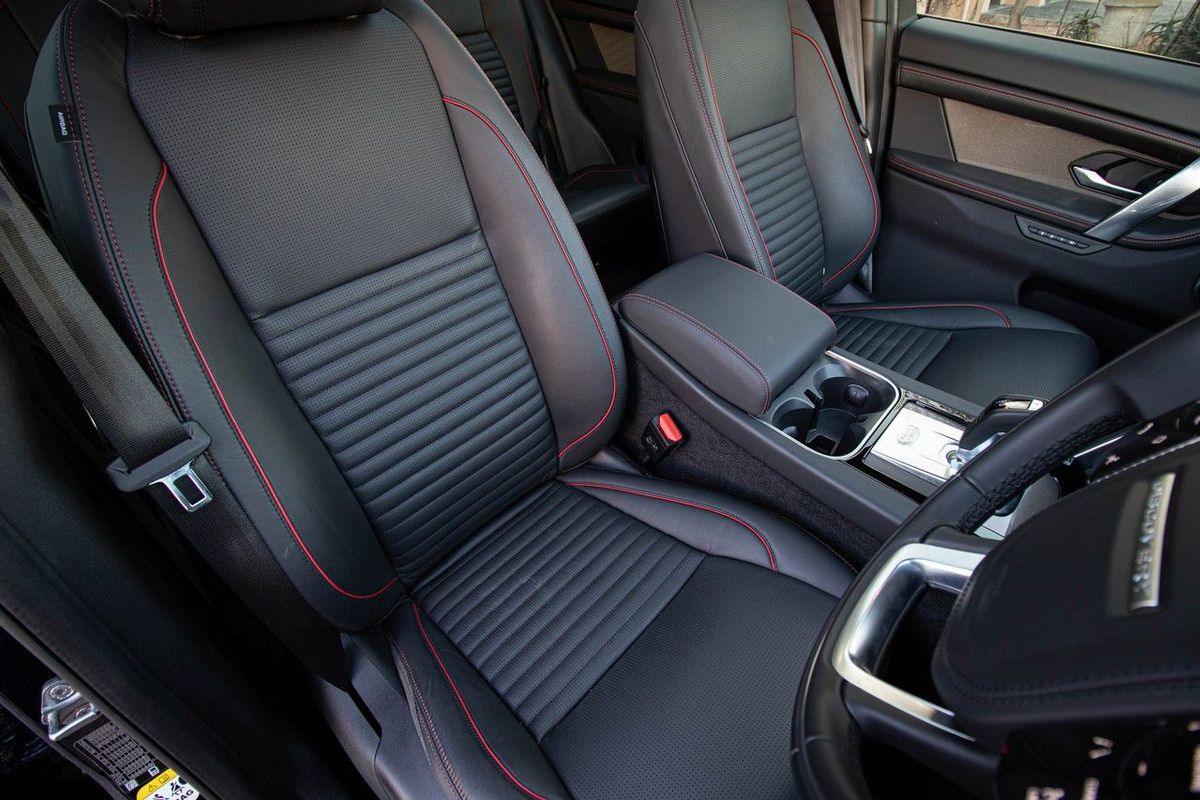
Land Rover certainly knows how to make a cabin feel luxurious and desirable. Whereas other manufacturers can leave you wondering where your money has been spent, Land Rovers always feel luxurious, with their plush leather choices and strategically placed soft-touch surfaces. What's more, the seats are always supportive and beautifully crafted – fore and aft. It’s rare that you come across a finish or surface inside a Land Rover product that you would consider marginal.
Pricing and after-sales service
Jaguar Land Rover will certainly struggle to keep pricing competitive going forward. The Pound is particularly expensive after the Rand’s crash during early 2020 and all JLR’s products are imported from the UK. The base price for this HSE (top spec) D180 Discovery Sport is R944 100 as of July 2020. For a full overview of the build click here.
All derivatives come standard with Care Plan, which includes a warranty and service plan valid for 5 years or 100 000 km, whichever comes first.
Verdict
An adventure to the snow seemed like an apt way to spend our time with the Disco Sport.
While many SUVs in the premium sector flaunt their performance (and supposedly sportscar-like handling), Land Rover has continued to target customers that actively pursue outdoor lifestyles. The car is suited to comfortable cruising, dirt-road travelling and, with its excellent 4×4 capabilities, access to those outdoor activities in hard-to-reach locales.
The Discovery Sport's engine (at least the one in the D180 HSE) might lack some of the responsiveness and efficiency of the top-tier German equivalents, but it’s still fit for purpose and won’t leave you wanting much more. It’s quiet inside too with excellent sound insulation.
As before, only more so, the interior is spacious and practical, but bathed in luxurious materials that make it feel premium. The infotainment system has a few niggly bugs that need to be solved, but fixes are apparently on the way too, as over-the-air updates are being pushed out regularly.
Compared with its rivals, the Discovery Sport is a more convincing offering, when its finely-judged balance of ride comfort and off-road capabilities are taken into consideration. What's more, it’s the only model in the Executive SUV segment that offers the option of a 7-seat configuration, which is certainly a feather in its cap.
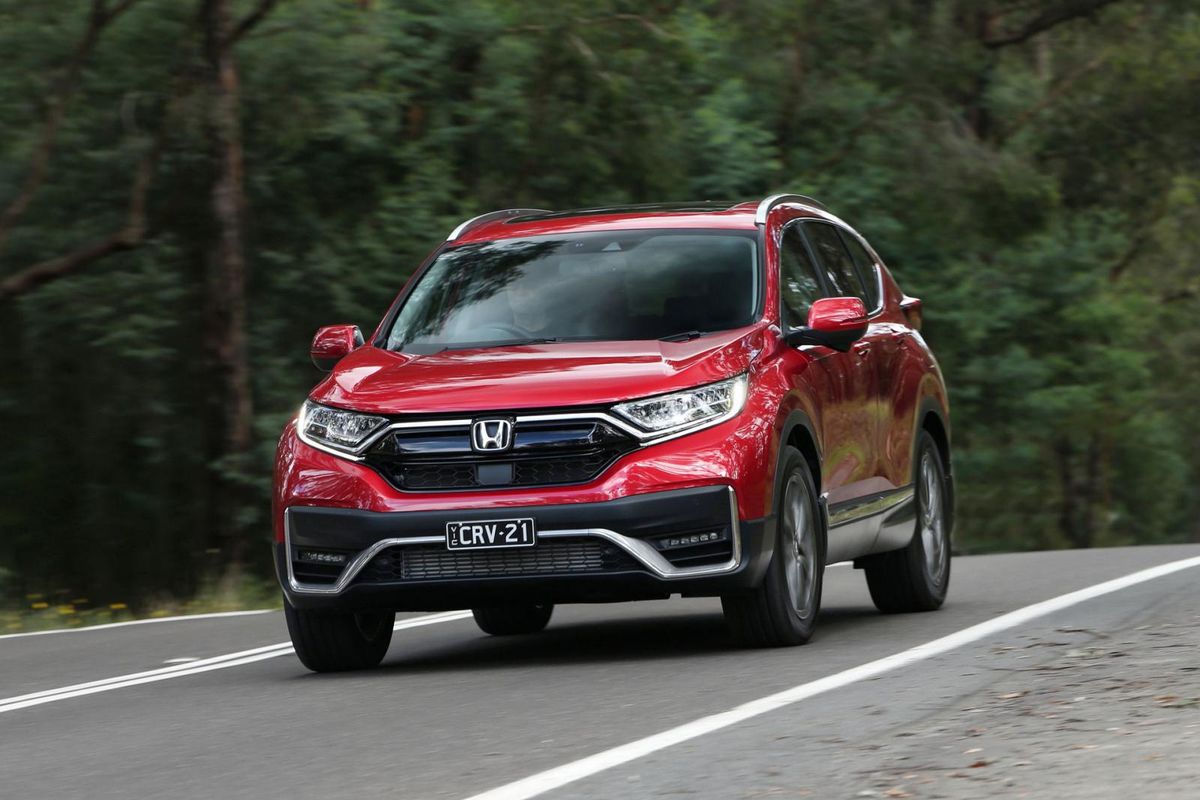
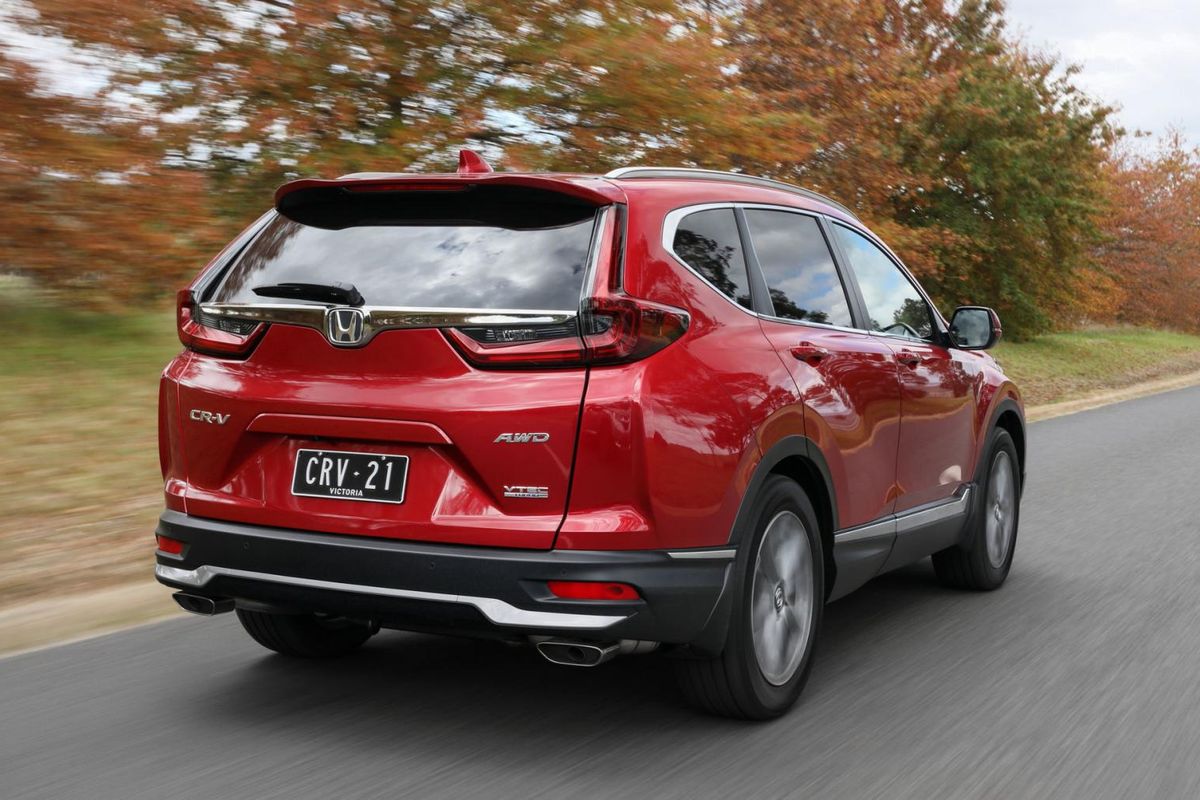
The 5th-generation Honda CR-V has received a midlife update. See what’s changed…
The new CR-V came to market back in 2017 and it competes in a competitive family car segment where cars such as the Hyundai Tucson, Volkswagen Tiguan, Mazda CX-5, Toyota RAV4 and Kia Sportage are vying for market share.
As part of its midlife refresh, Honda has applied a few changes to the CR-V in an effort to keep it relevant in this busy segment.
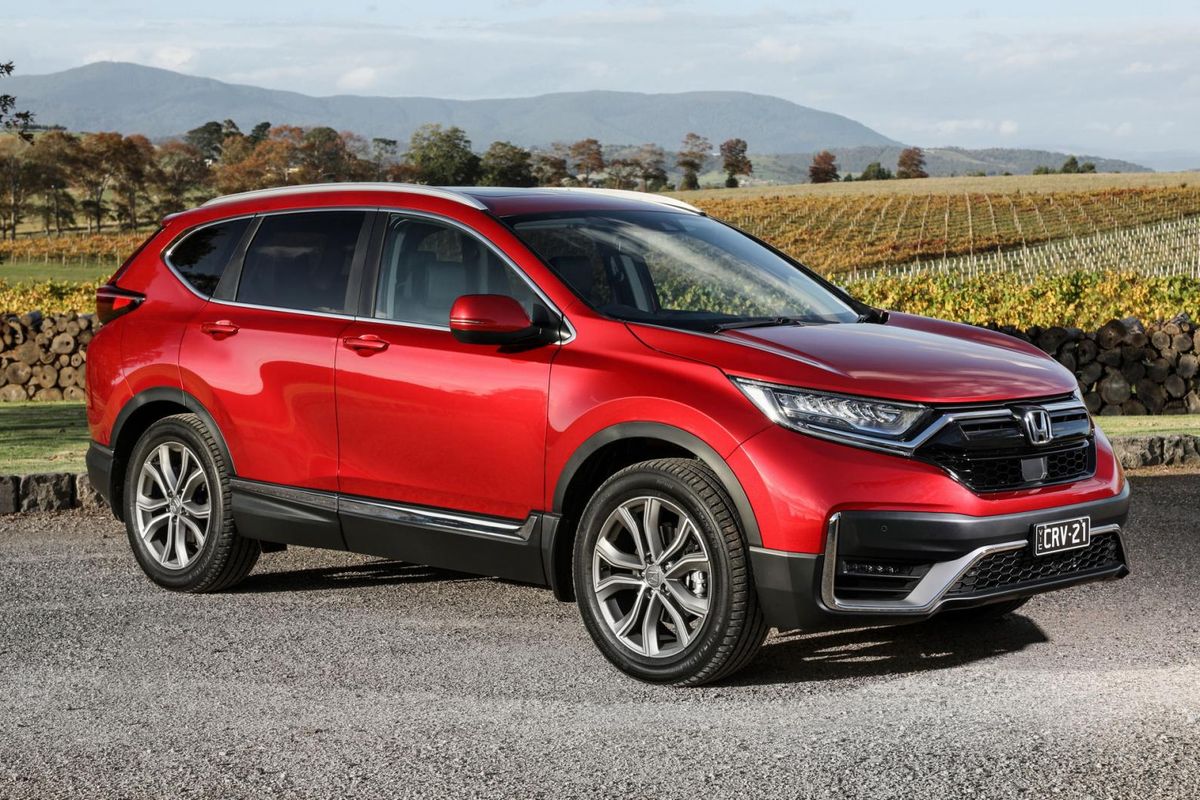
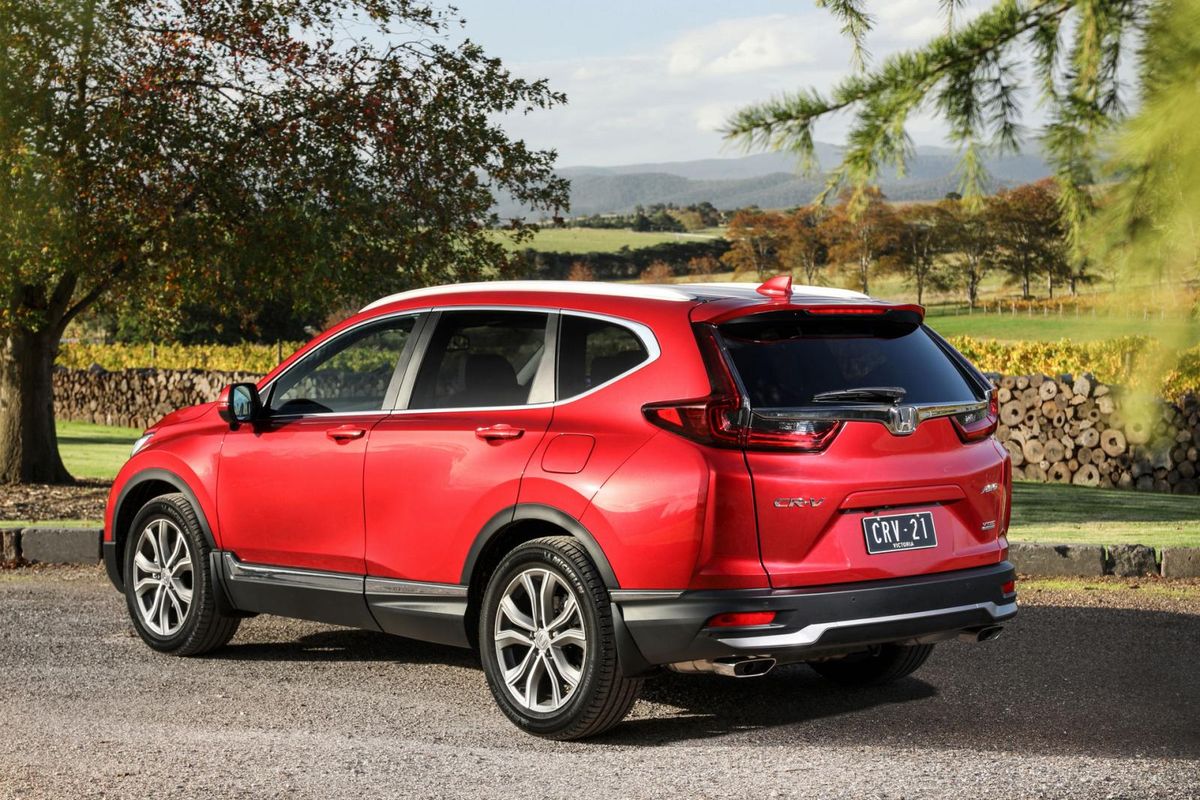
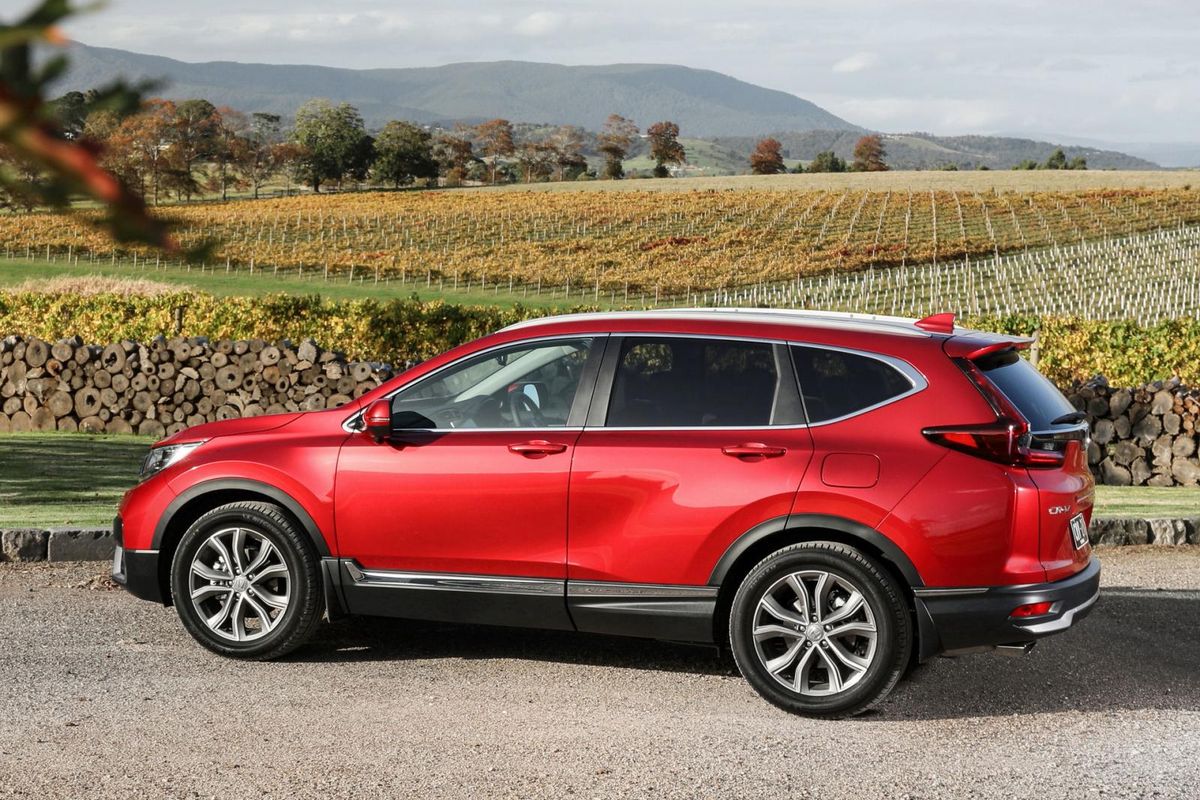
The CR-V gains redesigned front and rear bumpers as well as a dark chrome garnish that runs across the rear tailgate. The grille has also been redesigned and now features a larger black grille surface. The headlights have also been redesigned. The CR-V will also be offered with new wheel designs as well as new exterior colours such as Ignite Red metallic and Cosmic Blue metallic.
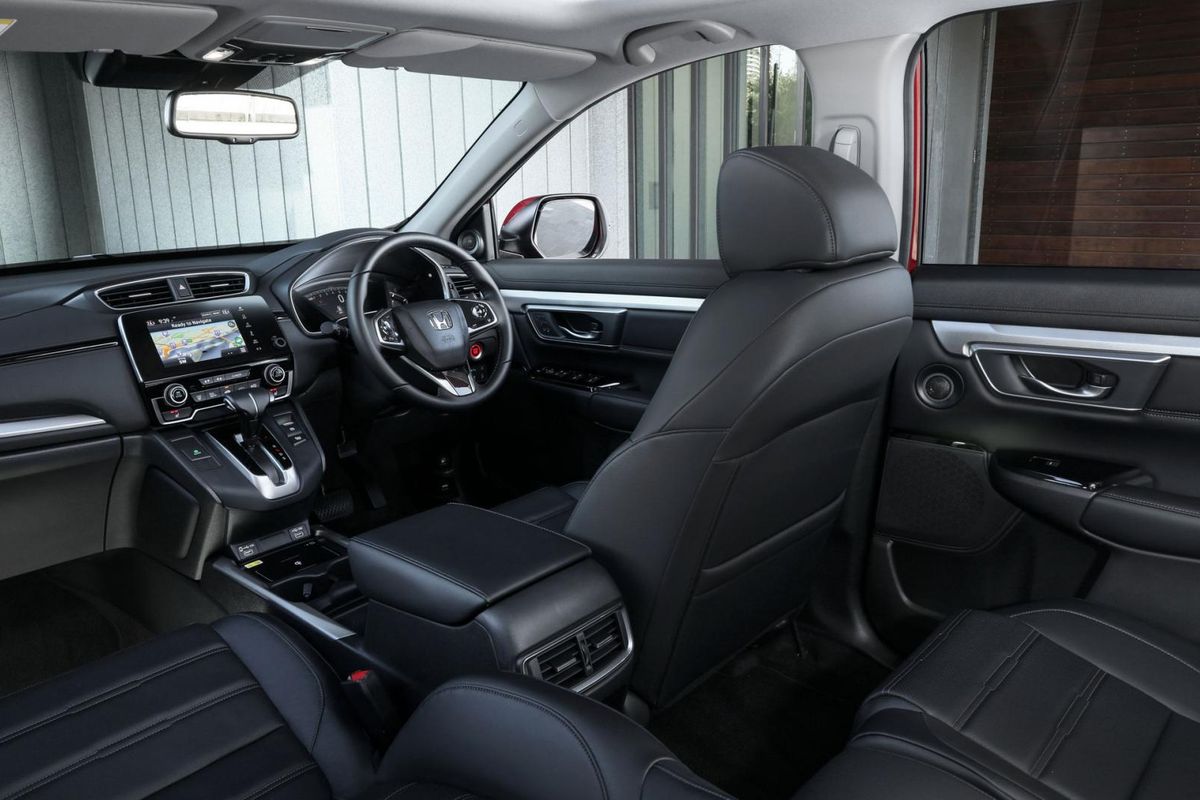
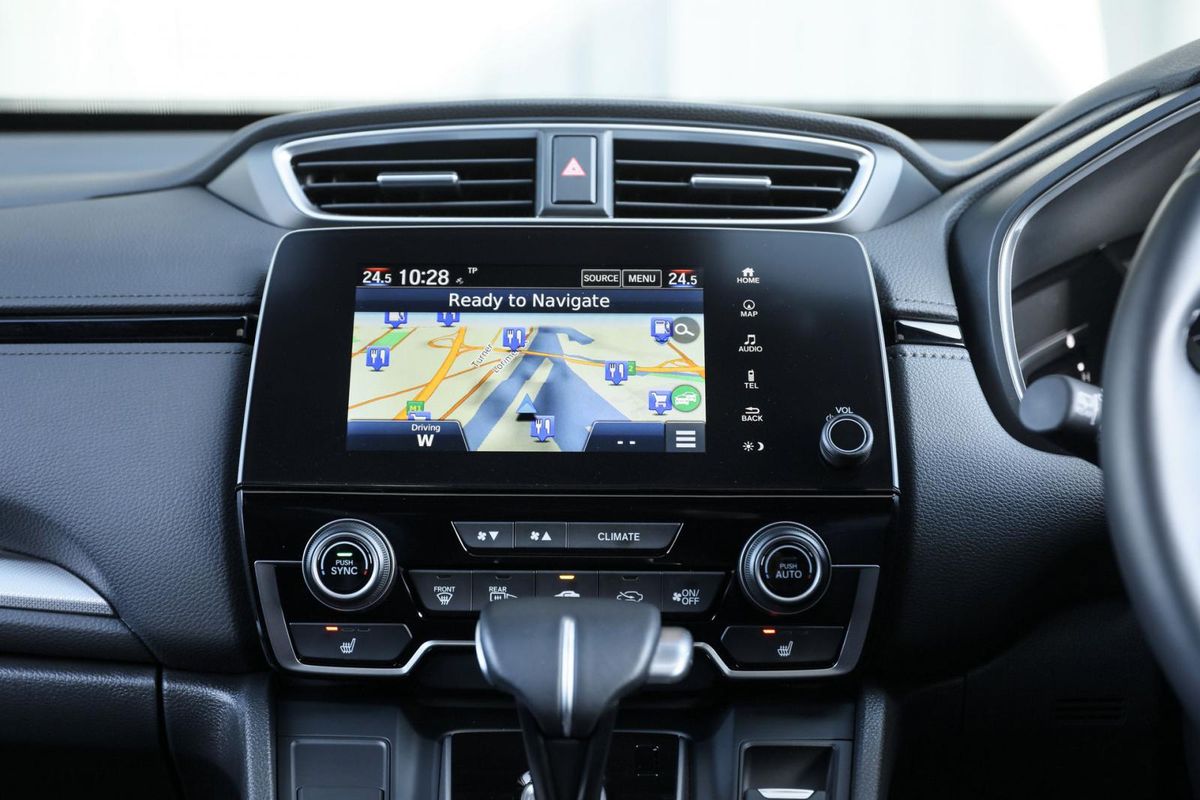
On the inside, Honda has redesigned the centre console which now features better storage and improved access to the USB charging ports. The CR-V can also be equipped with a wireless charging pad and an electrically-operated tailgate. It must be noted, however, that South African specification for the CR-V might differ to what is offered in other markets.
As for engines, Honda is likely to retain the current naturally-aspirated 2.0-litre petrol engine with 113 kW and 189 Nm of torque as well as the 1.5-litre turbopetrol engine with 140 kW and 240 Nm of torque. All CR-V derivatives will be paired with a Continuously Variable Transmission (CVT). As before, the CR-V will be offered in both front and all-wheel-drive guise.
The facelifted Honda CR-V is expected to arrive in South Africa in 2021 and we will confirm local specifications and pricing closer to launch.