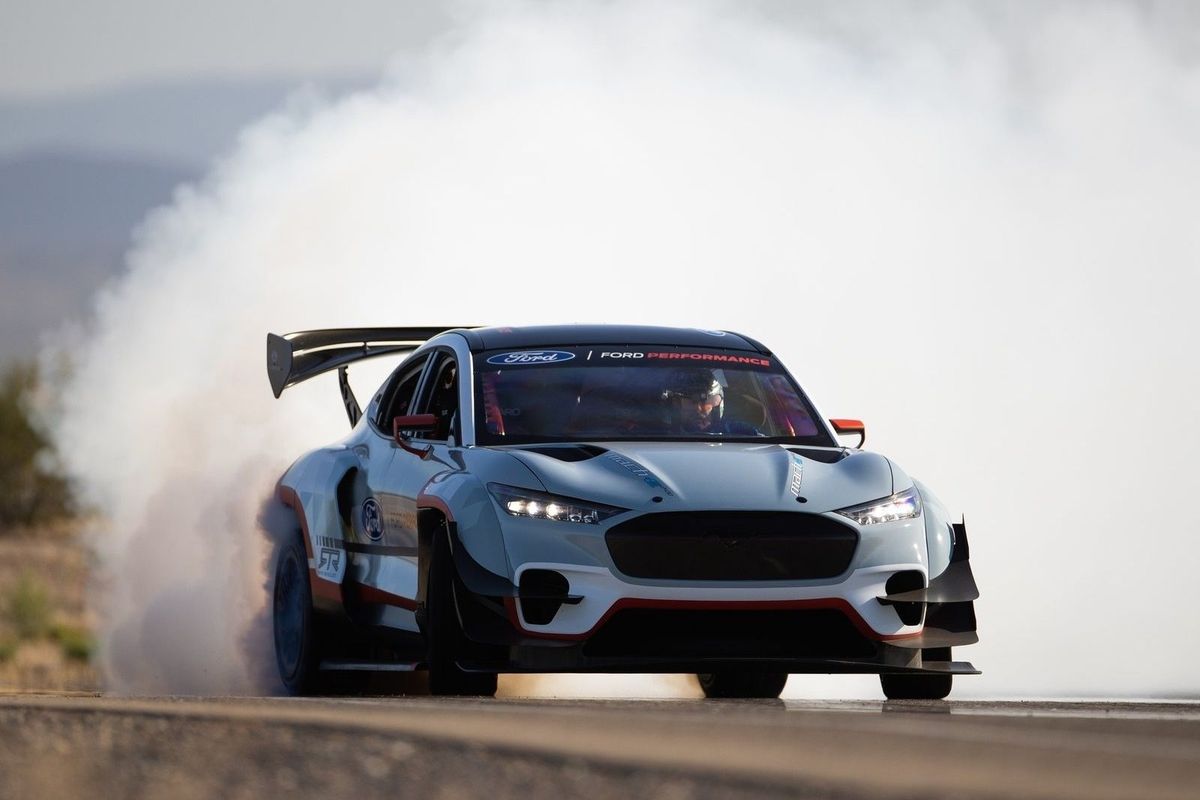
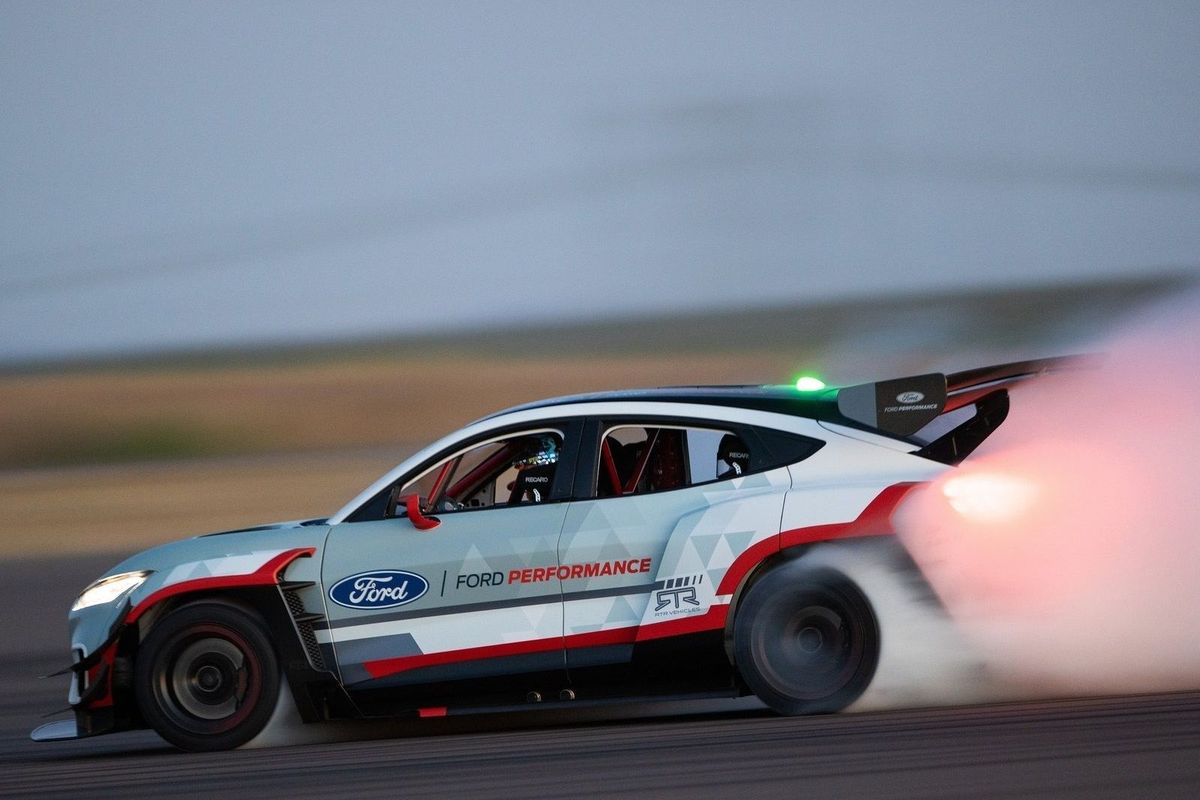
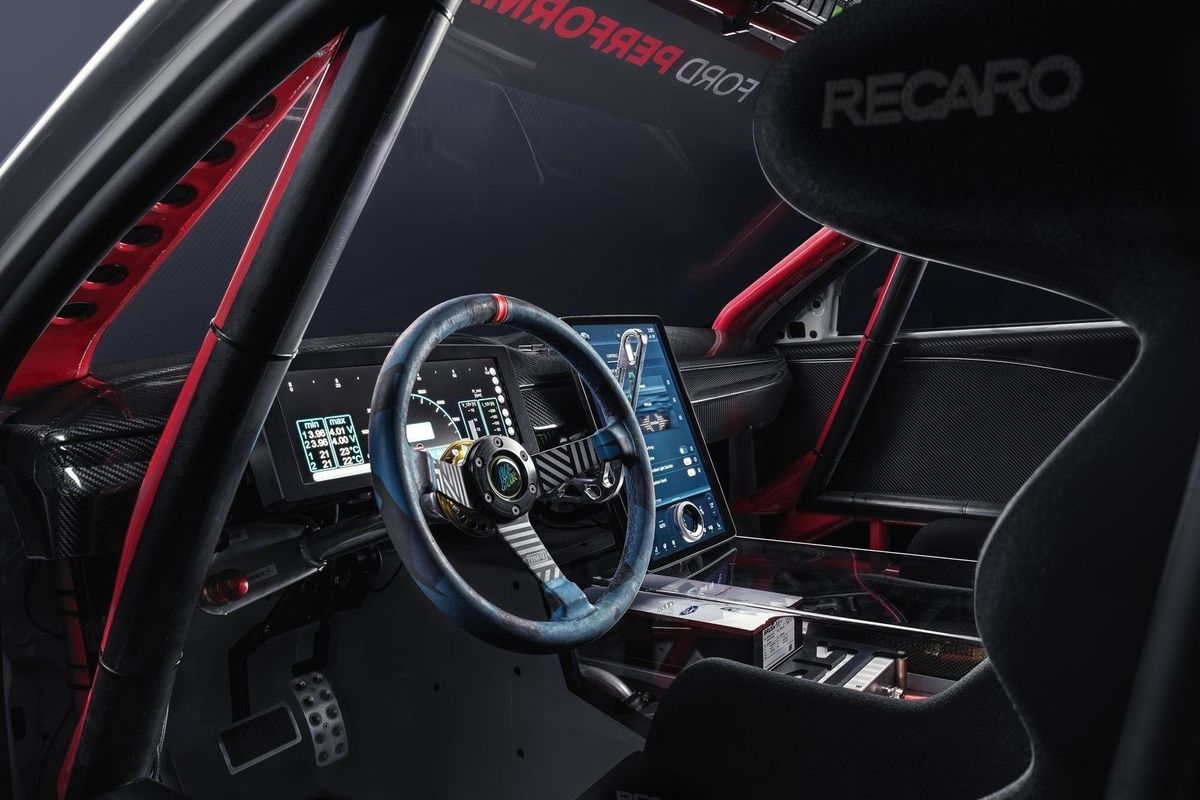
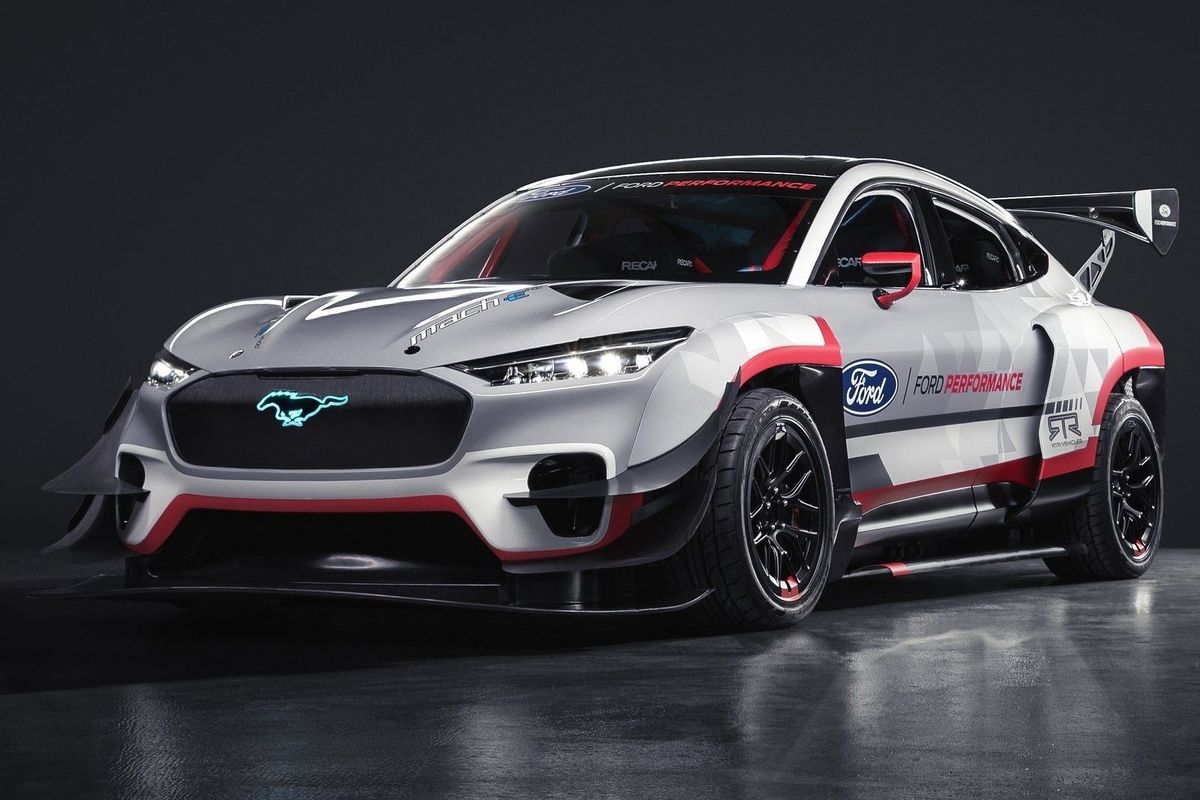
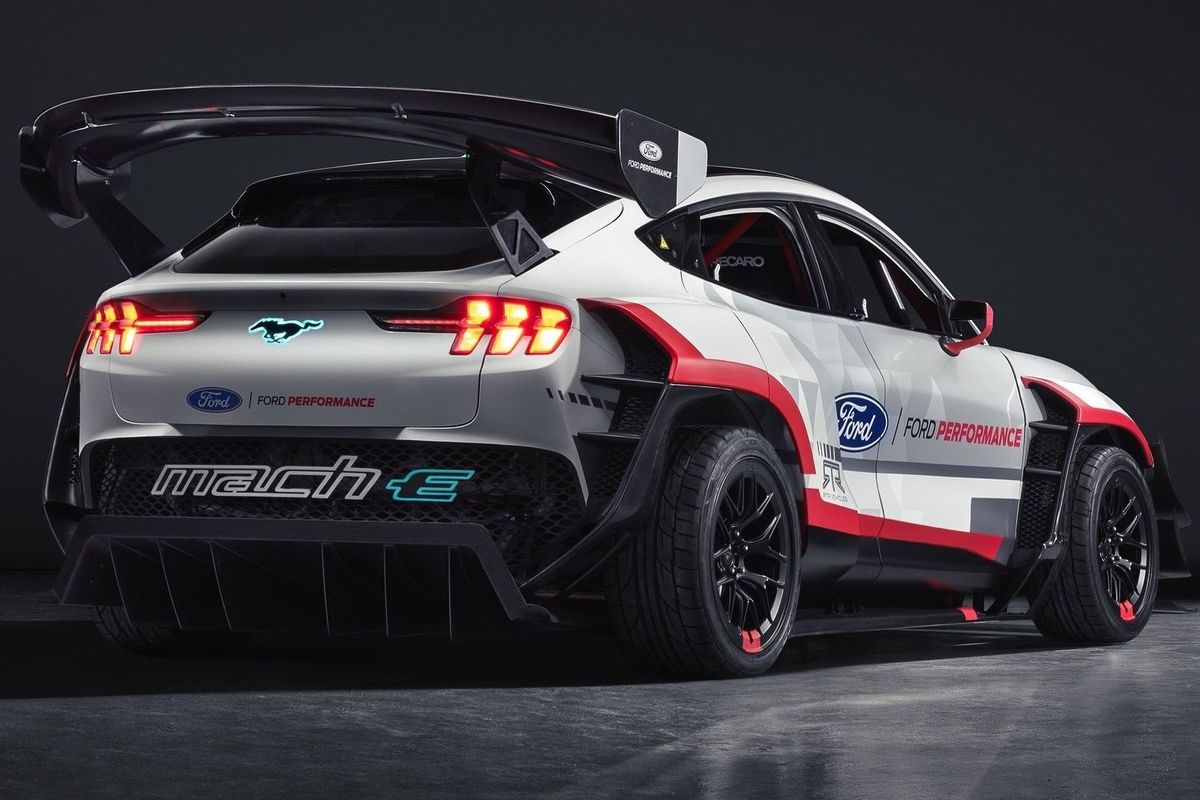
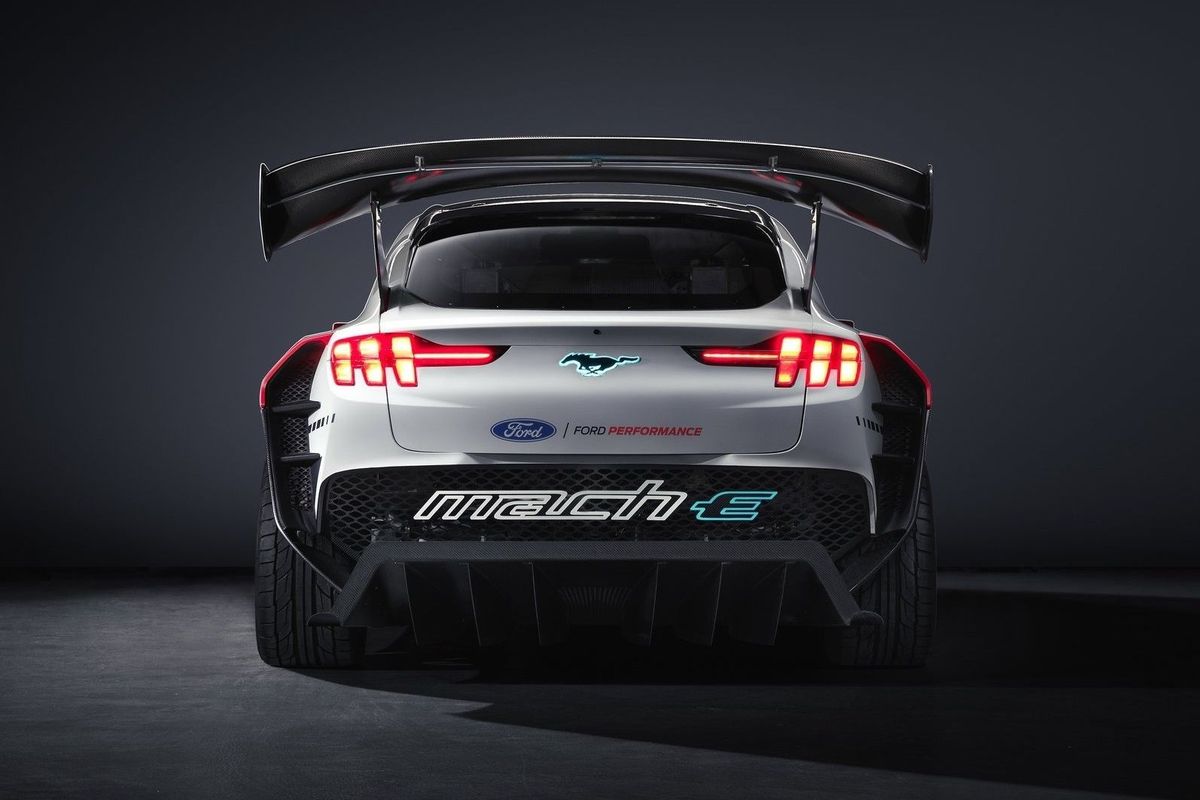
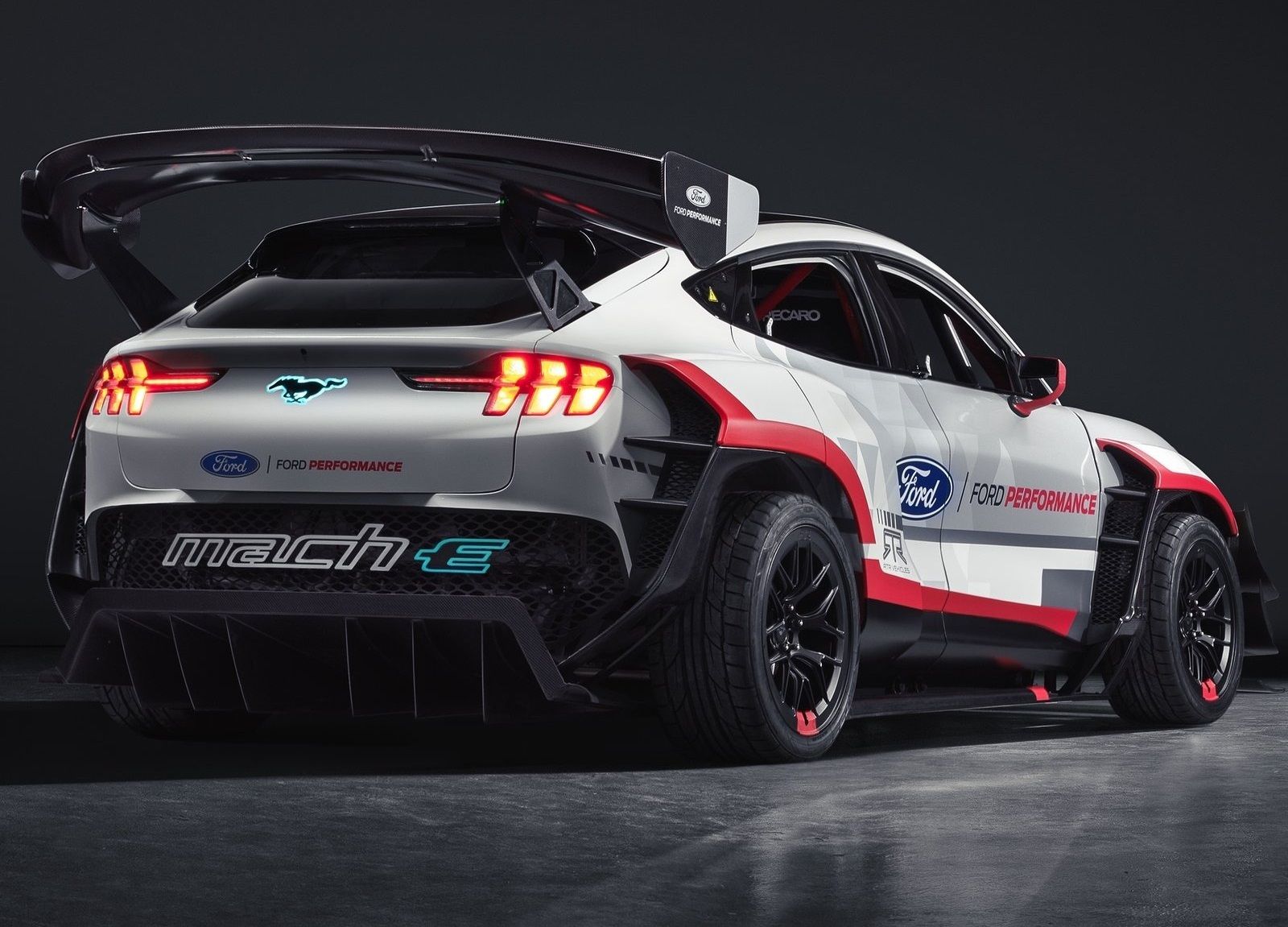
Ford has created the Mustang Mach-E 1400 concept – a wild and crazy racer powered purely by electricity.
This wild electric racer is the result of a collaboration between tuning house RTR and Ford. The aim of this vehicle is to bridge the gap between what an electric vehicle can do and what customers tend to believe it can do.
There are 7 electric motors with 3 attached to the front differential and 4 attached to the rear. There's a single driveshaft, and cleverly the car can be set up for circuit racing or just pure electric tyre-smoking burnouts. Power delivery can be split evenly between front and rear, or completely to one or the other. Output is rated at 1 400 hp, which is just over 1 000 kW.
There's also a rejigged chassis as well as a trick aerodynamics package, to ensure the vehicle's handling is top notch. Power comes from a 56.8 kW/h battery, which is made up of nickel manganese cobalt pouch cells. The battery system features a di-electric cooling system and there's regenerative braking built into the Brembo anchors. A hydraulic handbrake is also fitted, for those who want to let the rear hang out.
"Getting behind the wheel of this car has completely changed my perspective on what power and torque can be," said Vaughn Gittin Jr., RTR Vehicles founder, motorsports champion and professional fun-haver. "This experience is like nothing you've ever imagined, except for maybe a magnetic roller coaster."
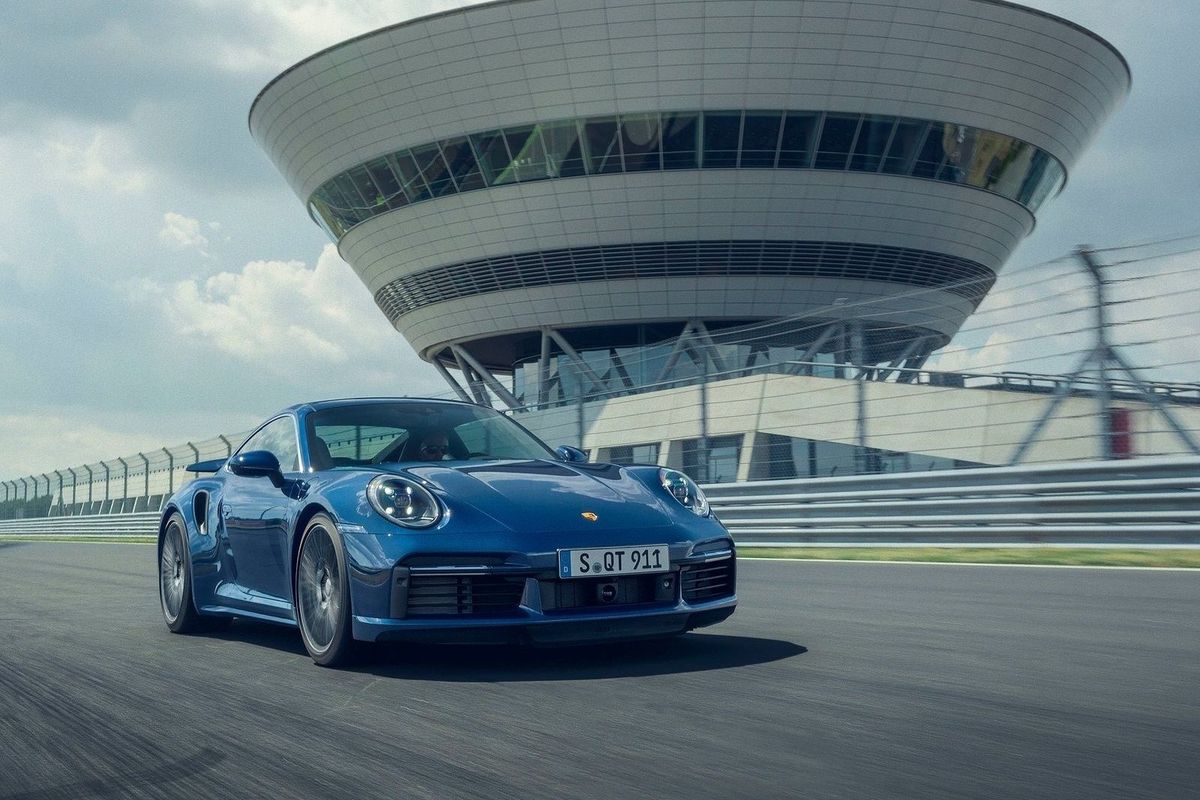
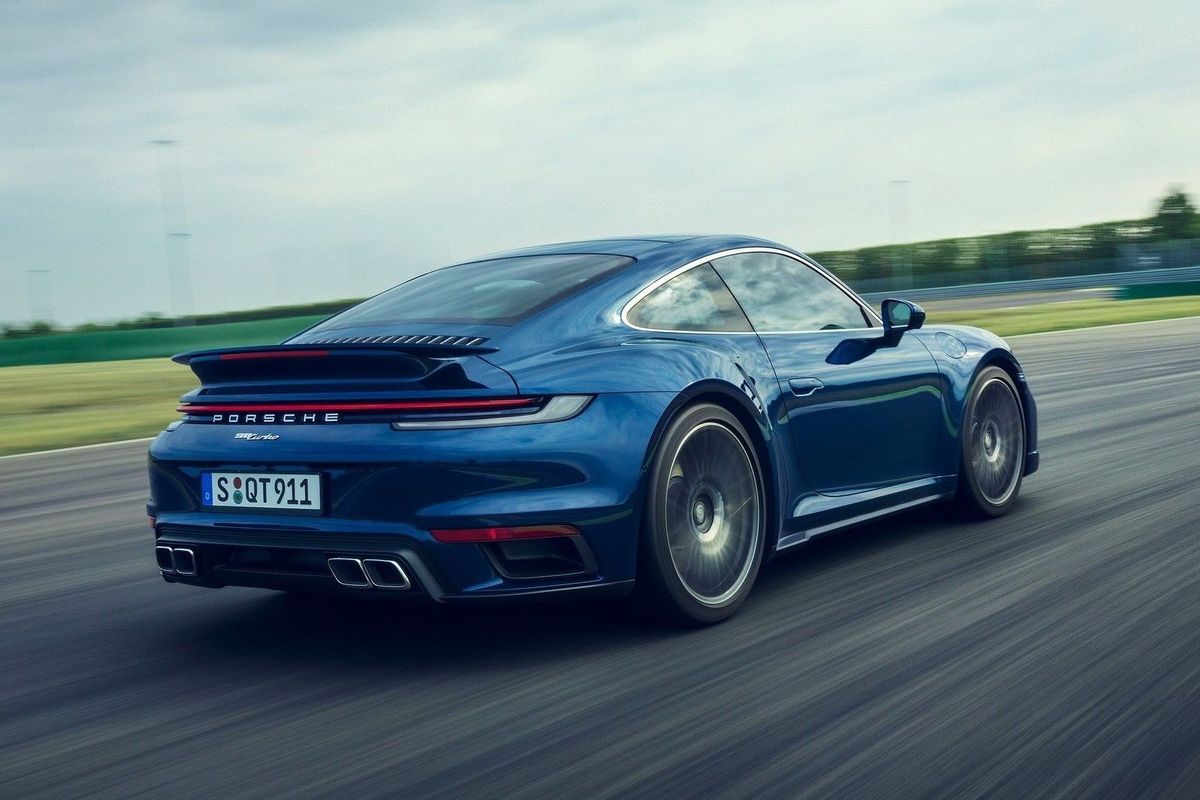
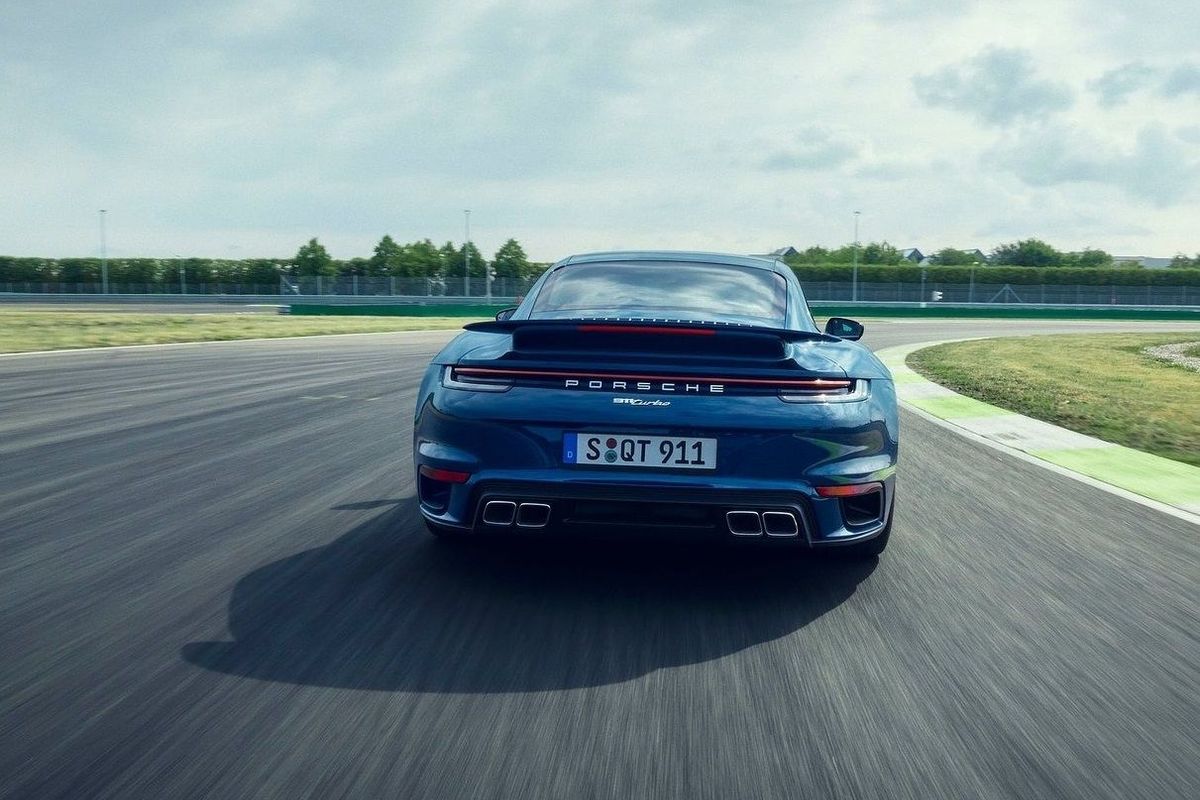
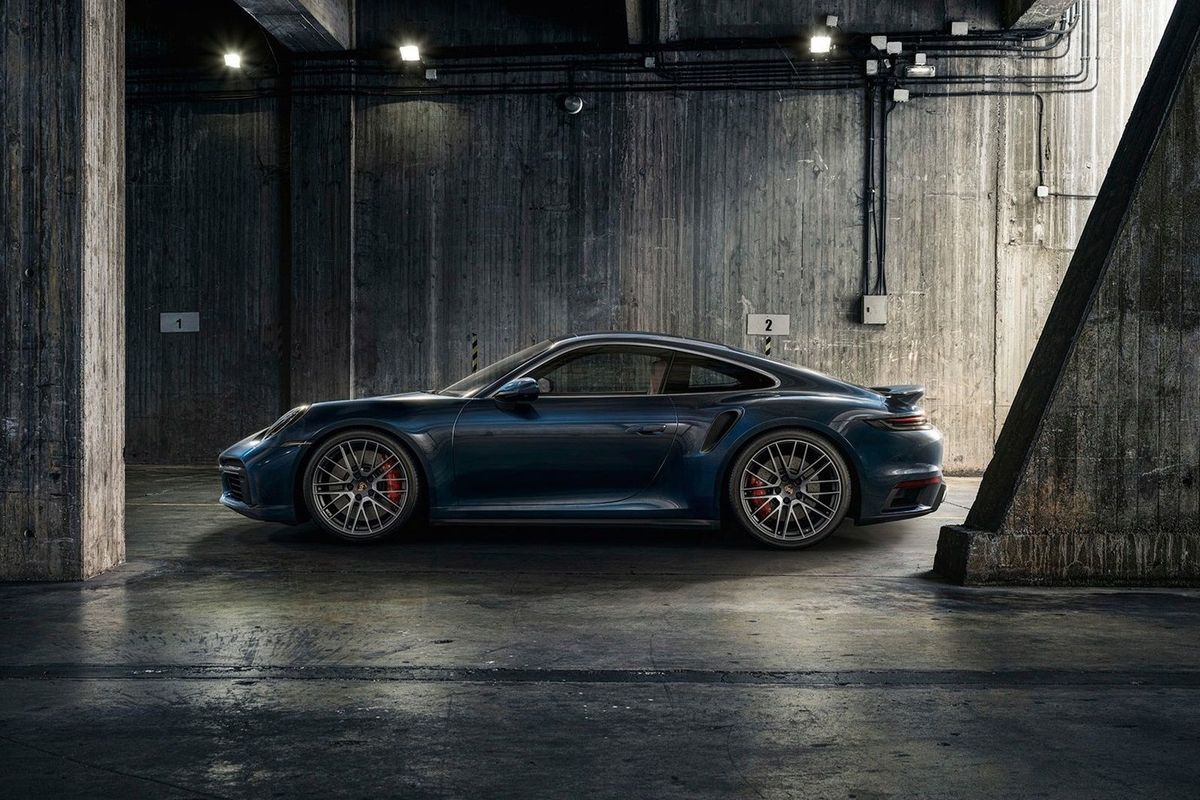
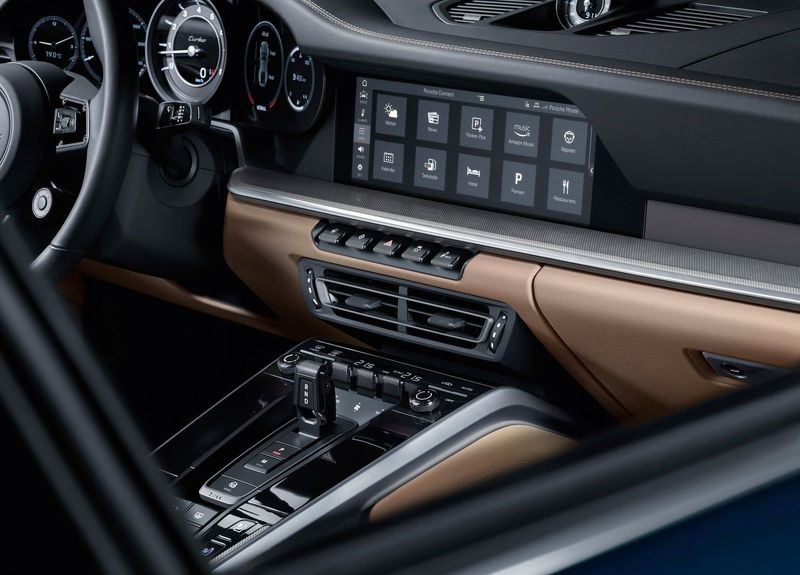
Porsche has just taken the wraps off the new 992-generation 911 Turbo, and we can share pricing for this model.
The new Porsche 911 Turbo is here, following on from its 911 Turbo S sibling which was revealed earlier in 2020.
In terms of power, you're looking at 427 kW and 750 Nm from the 3.8-litre twin-turbocharged 6-cylinder boxer motor. Porsche claims it'll breach 100 kph in just 2.8 seconds, thanks to the all-wheel drive and an 8-speed PDK transmission. Top speed? Well, if the road is long enough, Porsche says you can hit vmax at 320 kph.
The active all-wheel drive is said to be able to transfer even more power to the front wheels, while the rear axle sits on a new wider track. There are bigger brakes too, for increased stopping power.
Porsche has made customisation of its new 911 Turbo even easier with a whole raft of options. A sports exhaust option makes its debut, as well as 2 different chassis variants. PCCB ceramic brakes is an option to be ticked for those who really want the best stopping power. Porsche has also made available the Lightweight Design as well as the Sports packages.
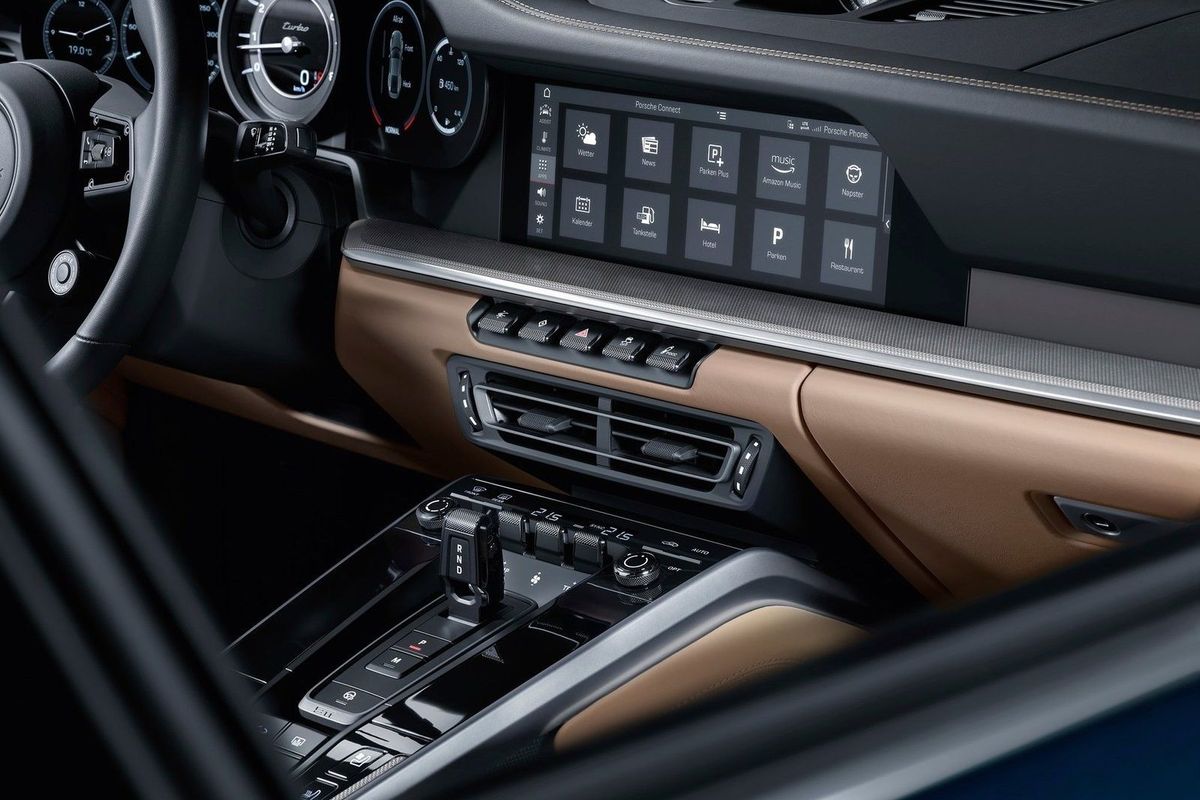
Standard equipment levels are high, with fully electrically controlled 14-way sports seats, the Sport Chrono package, a GT sports steering wheel with shift paddles, multifunction and mode switches as well as a powerful BOSE Surround Sound System.
Porsche 911 Turbo Price in South Africa (July 2020)
Both the Porsche 911 Turbo and 911 Turbo Cabriolet come with a 5-year Driveplan. A 3-year Driveplan is also available.
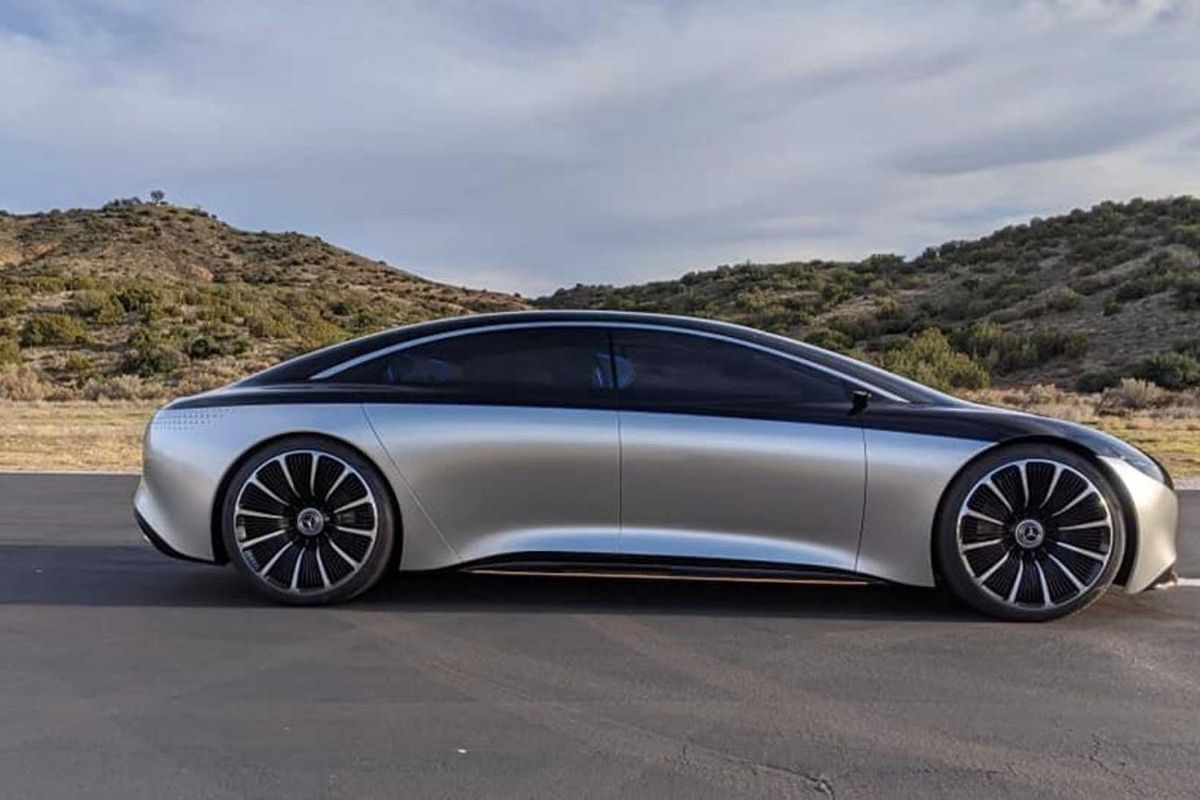
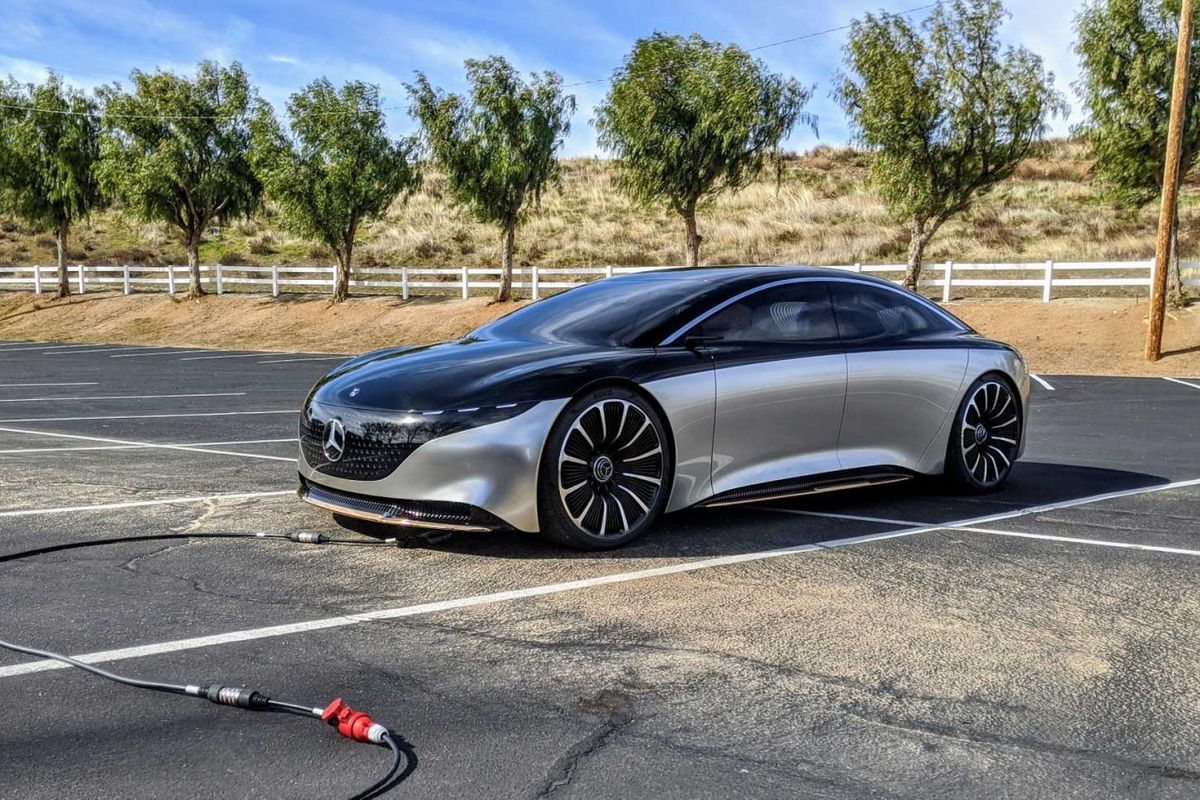
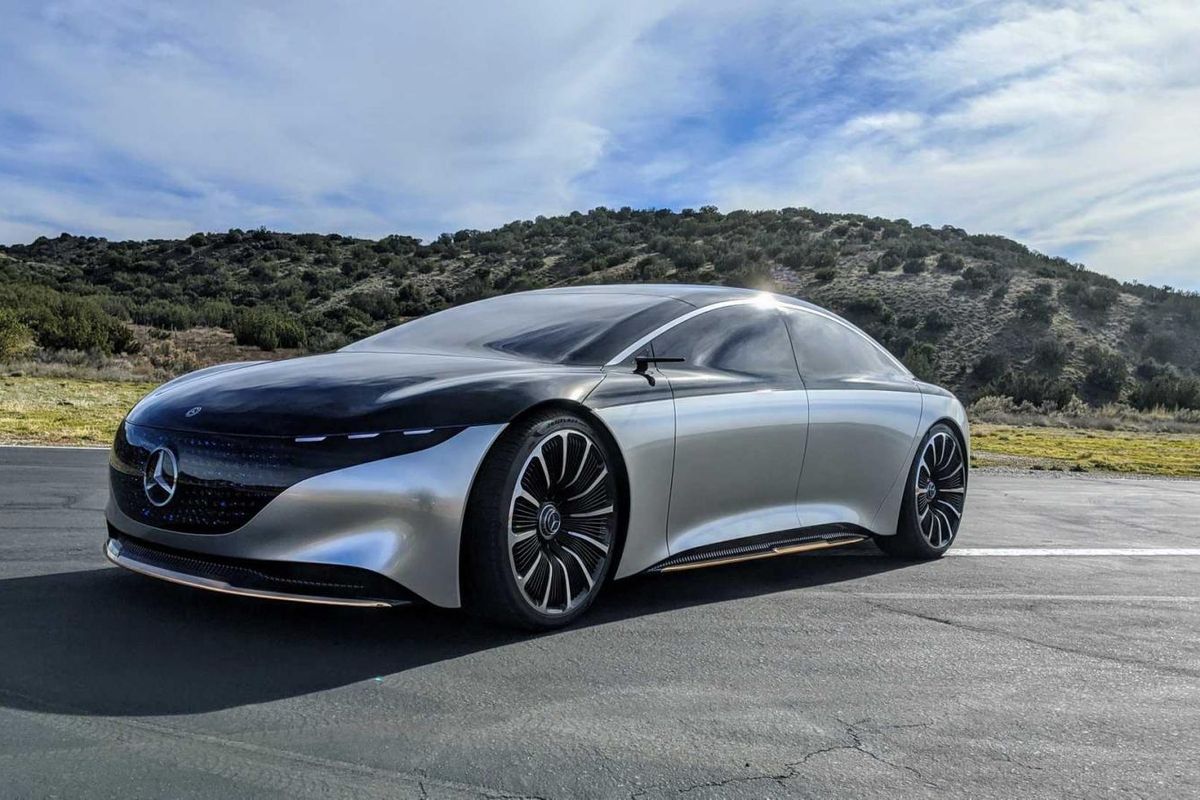
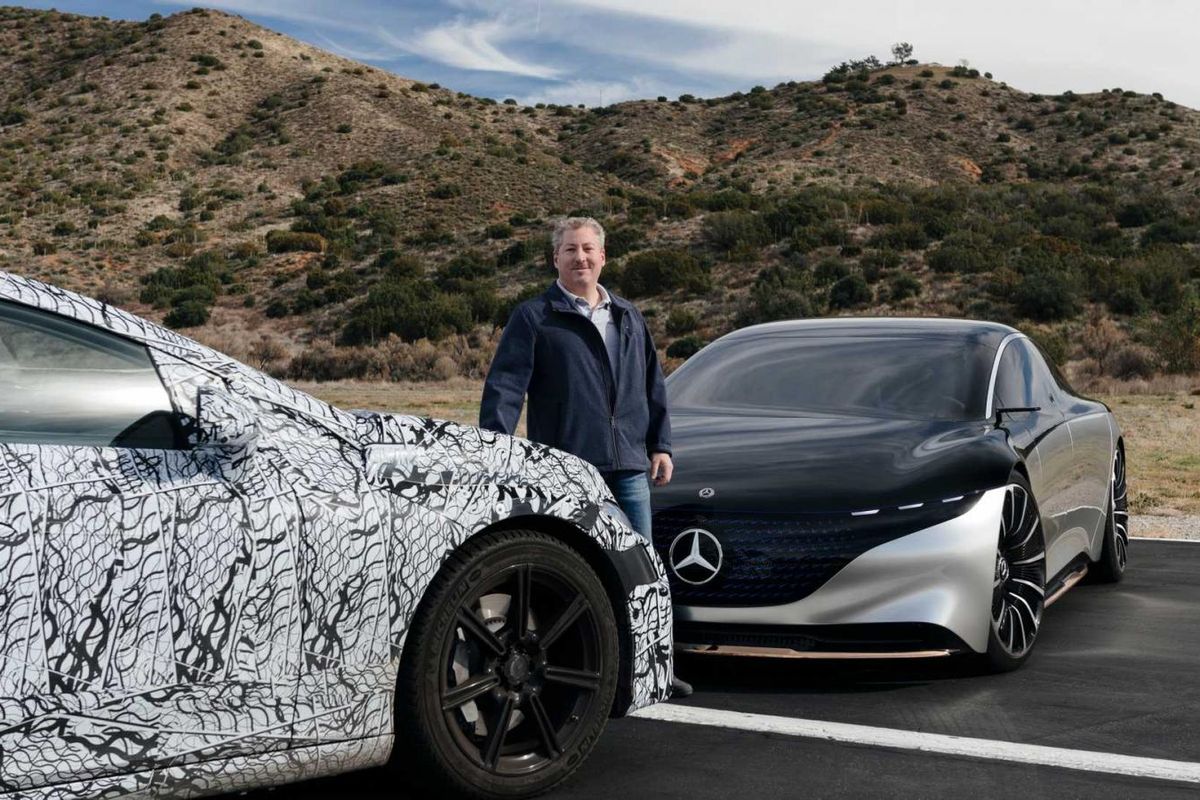
Mercedes-Benz has clearly benchmarked Tesla in the development of its new battery-powered limousine.
Aware that some of its customers are being wooed by the technology, performance and range of Tesla’s offerings, Mercedes-Benz has reacted with the EQS.
Unlike the German company’s multitude of hybrid vehicle offerings, EQS is a dedicated electric vehicle – engineered with the exclusive purpose of carrying batteries for fuel, instead of petrol or diesel.
Many traditionalists are keenly awaiting Mercedes-Benz’s new W223 S-Class, due for its global debut later this year, but some confirmed EQS numbers make for more interesting reading.
During an official conference call with shareholders, Daimler CEO Ola Källenius made mention of the EQS range capabilities – and they are astounding.
We know that EQS rides on its own dedicated platform and will be all-wheel drive, with each axle driven by a dedicated electric motor. Peak system outputs are not yet confirmed, but the expectation is for 350 kW and 760 Nm, which should give the EQS abundant performance.
In the electric vehicle space, especially when competing with Tesla, performance is a secondary consideration. Customers obsess about range.
Using its own battery chemistry, with energy packs assembled in the company’s Stuttgart-Untertürkheim facility, Mercedes-Benz says that its EQS is certified for more than 700 km of driving range on a single charge.
Most electric vehicle range claims are wildly optimistic and do not take temperature variation, high cruising speeds or topography into account. What makes the EQS range statistic so impressive, is that it is based on the newer (and stricter) Worldwide Harmonized Light Vehicle Test Procedure (WLTP).
Källenius knows that Mercedes-Benz needs to become a technology leader in the luxury electric vehicle segment and the ambitious EQS project is his vision of that reality.
If the production EQS is capable of delivering swift performance and 700 km of driving range, as it would appear to be the case, Mercedes-Benz has reason to be bullish about its limousine vehicle future.
The next Hyundai Tucson is on the way and an alleged teaser sketch of the newcomer’s interior shows what we can expect.
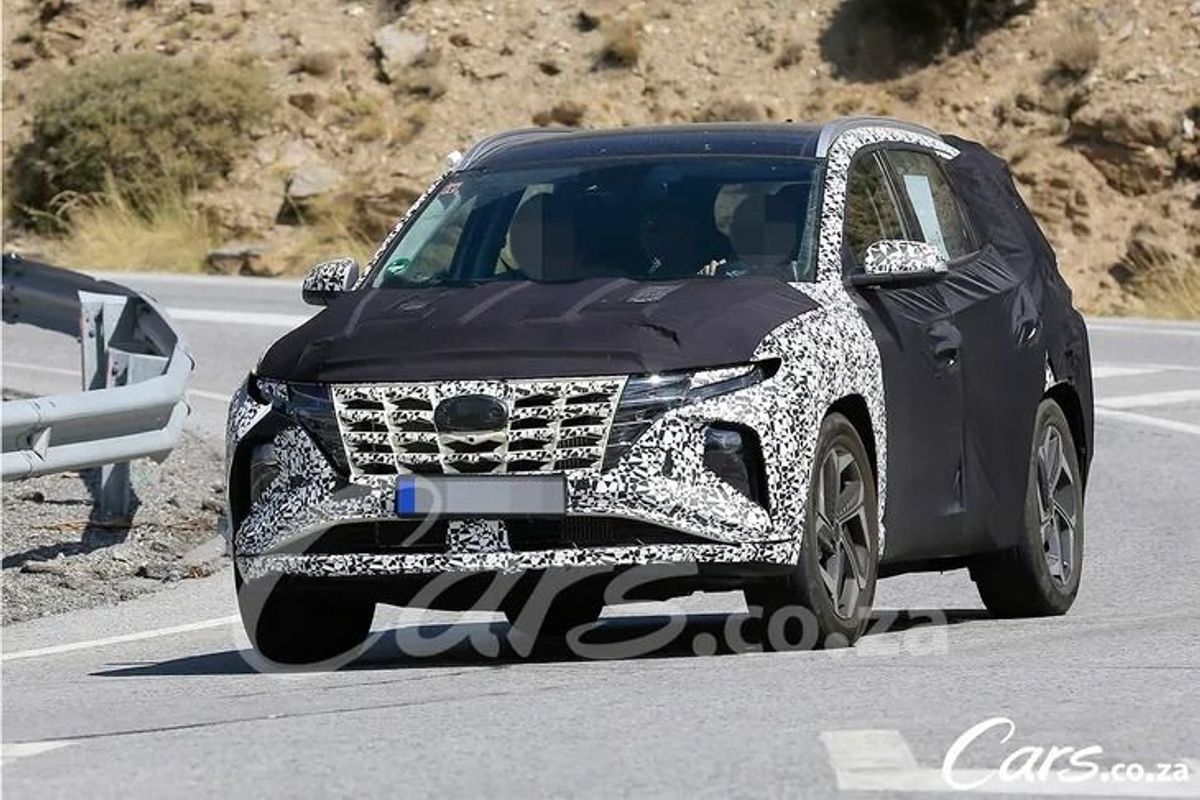
If one thing is certain, it’s that Hyundai is not holding back on the design of its next Tucson SUV which is expected to feature a bold interpretation of the brands new ‘Sensuous Sportiness’ design language.
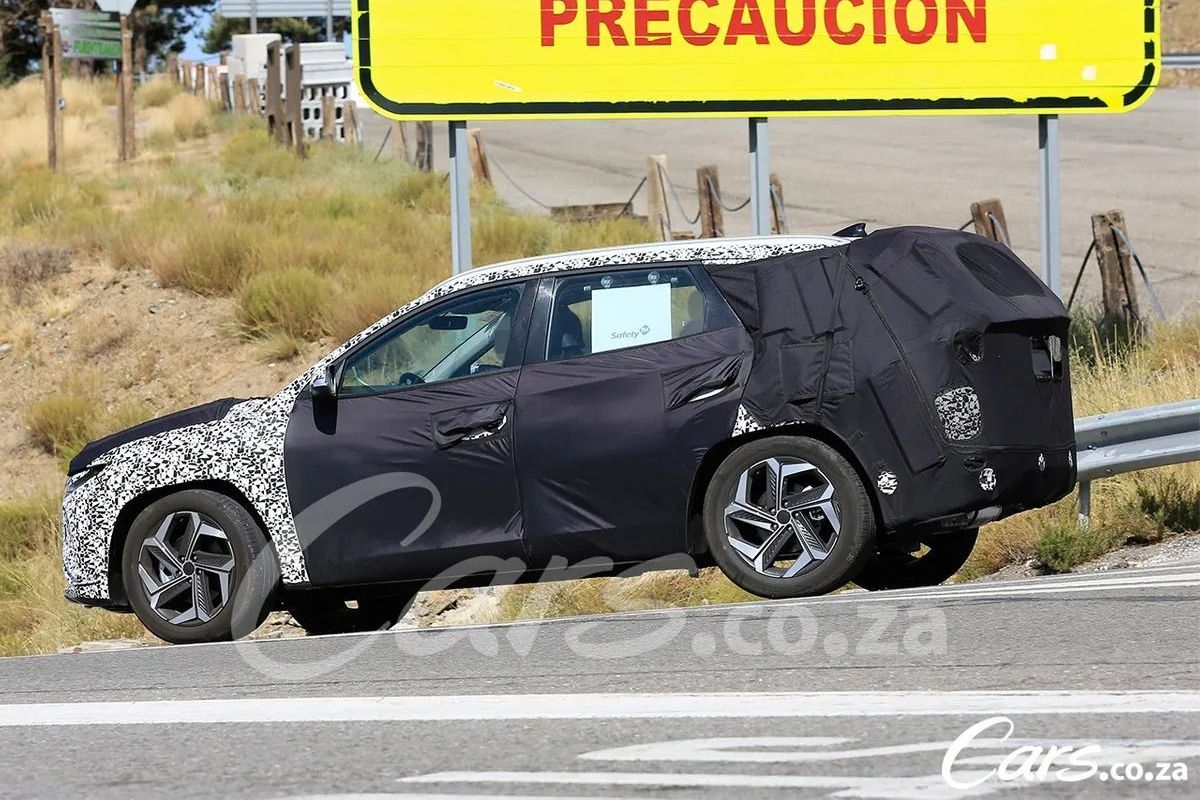
Prototypes of the new Tucson have also been spotted testing in heavy camouflage but even so, there is no hiding Hyundai’s intention for its next Tucson SUV. In a crowded family car segment where the Tucson rivals cars such as the popular Volkswagen Tiguan, Toyota RAV4 and Mazda CX-5, it simply has to stand out from the crowd if it’s to build on the success of the current generation.
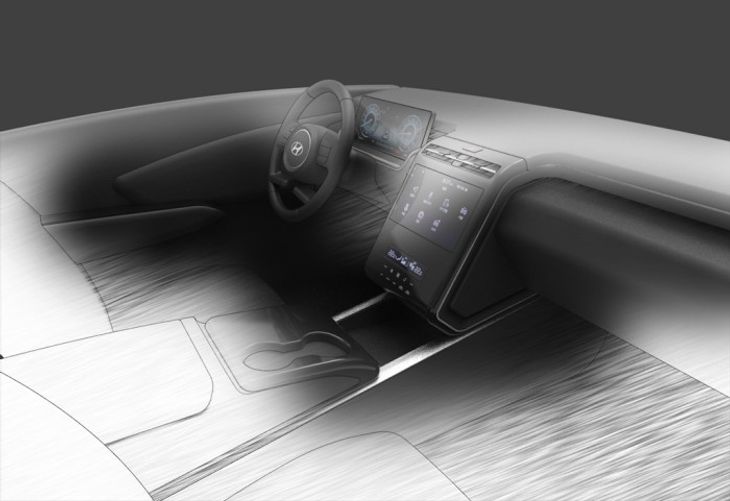
But what can we expect from the Tucson’s interior? Well, a teaser sketch has surfaced on an online forum showing what is believed to be the new Tucson’s interior. Hyundai, however, has reportedly denied the official release of the sketch and the origins of the sketch can’t be verified at this stage. Nonetheless, the interior sketch design does match interior spy photographs of the next Tucson which gives the sketch some credibility.
The next Tucson is going digital…
The sketch shows a tablet-style digital instrument cluster which is a refreshing change from the current-generation Tucson which features analogue dials. Also note the new steering wheel design. A large central touchscreen infotainment is positioned directly below a row of air vents with the air-conditioning controls integrated directly into the console. The overall design is very minimalist with little or no physical buttons visible. It’s also interesting to note that the sketch does not feature a transmission lever or stalks on the steering wheel. You can, however, expect the production version to broadly follow the design theme seen here.
Powertrain details for the new Tucson have yet to be confirmed but a 4-cylinder turbopetrol engine is likely and the Hyundai might even retain the current naturally-aspirated petrol engine along with a diesel option. More so, hybrid and plug-in hybrid variants are also expected.
The new Hyundai Tucson is expected to be revealed before the end of the year and as always, we will keep you in the loop as soon as more information becomes available.
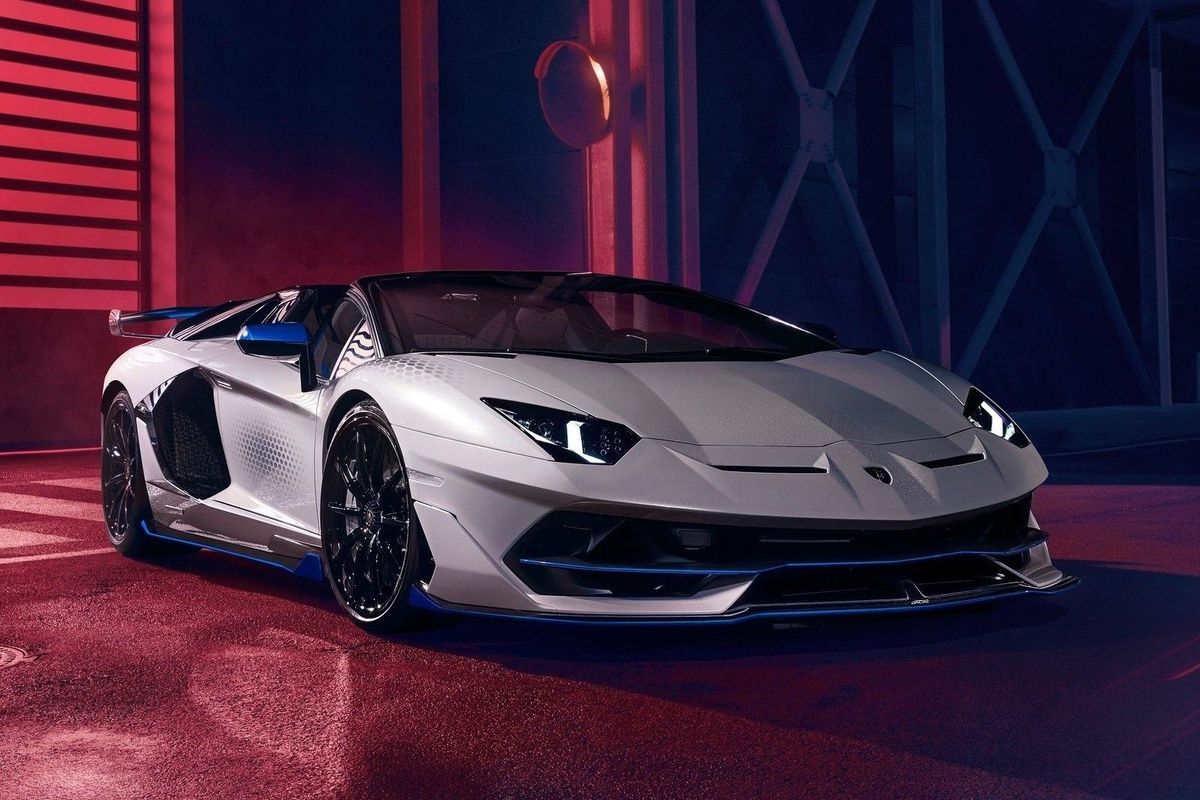
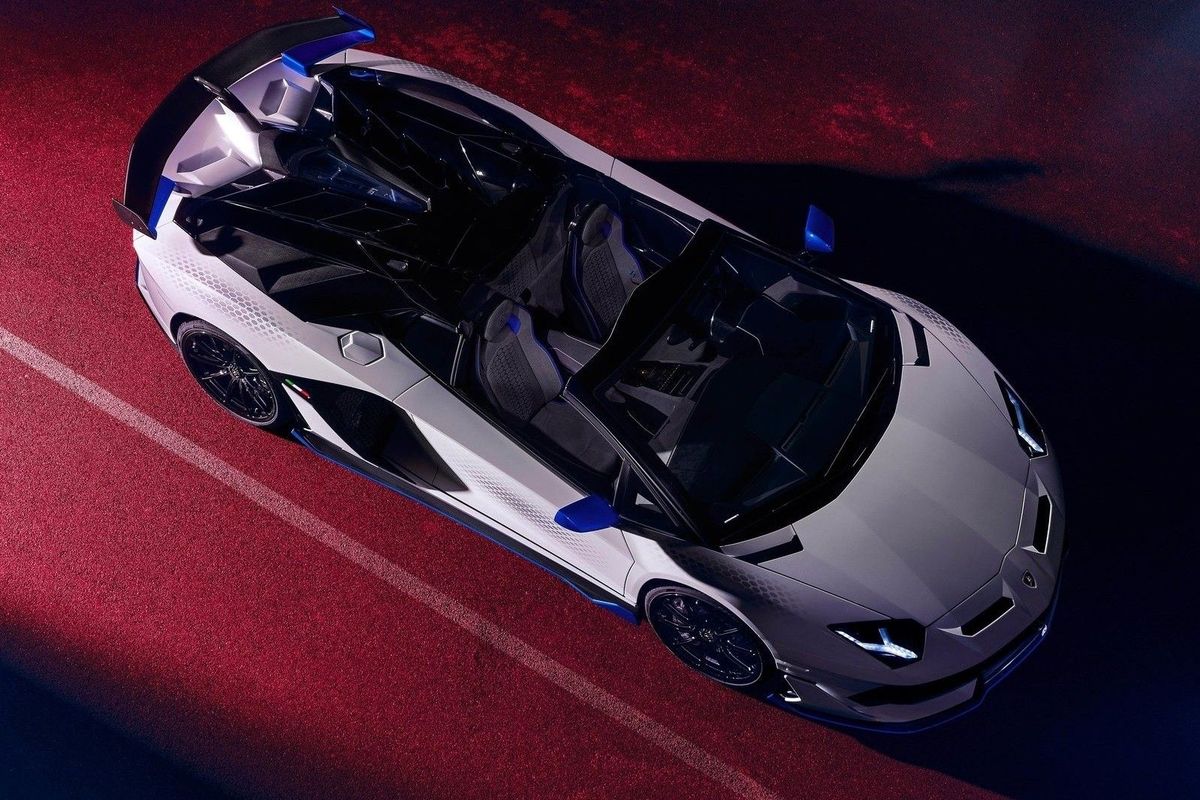
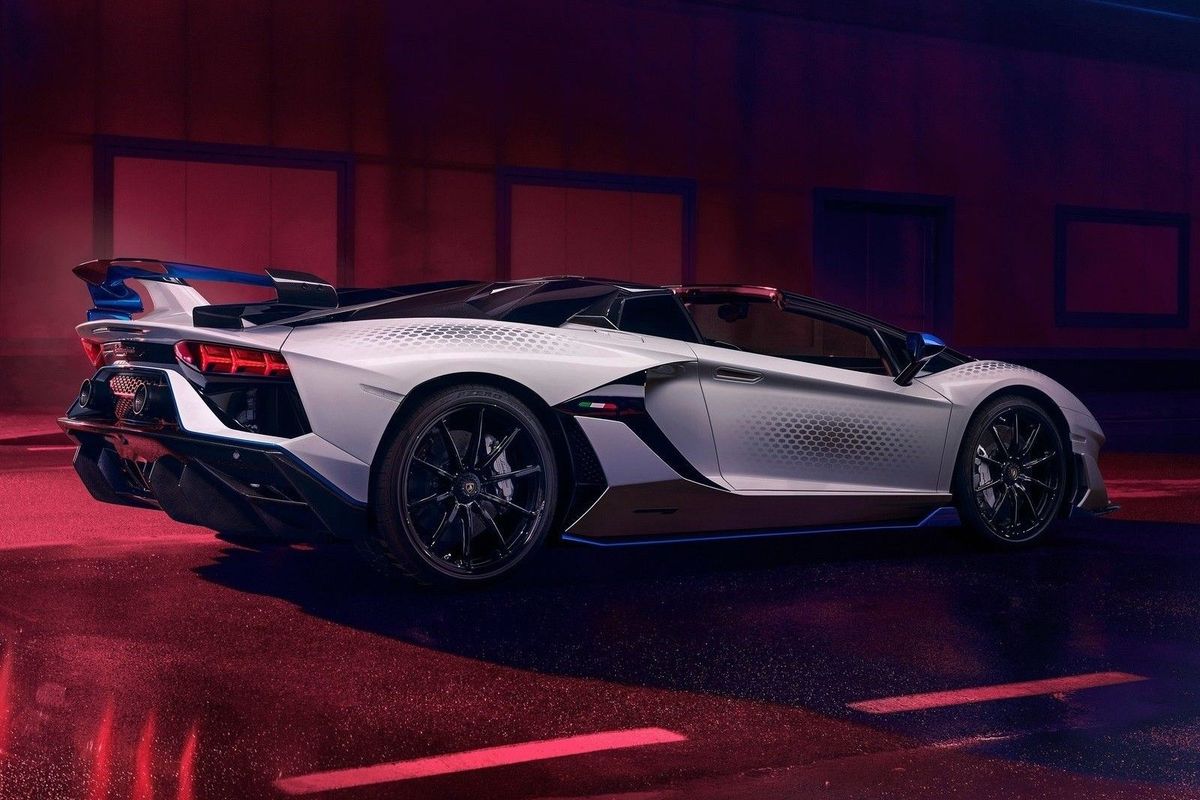
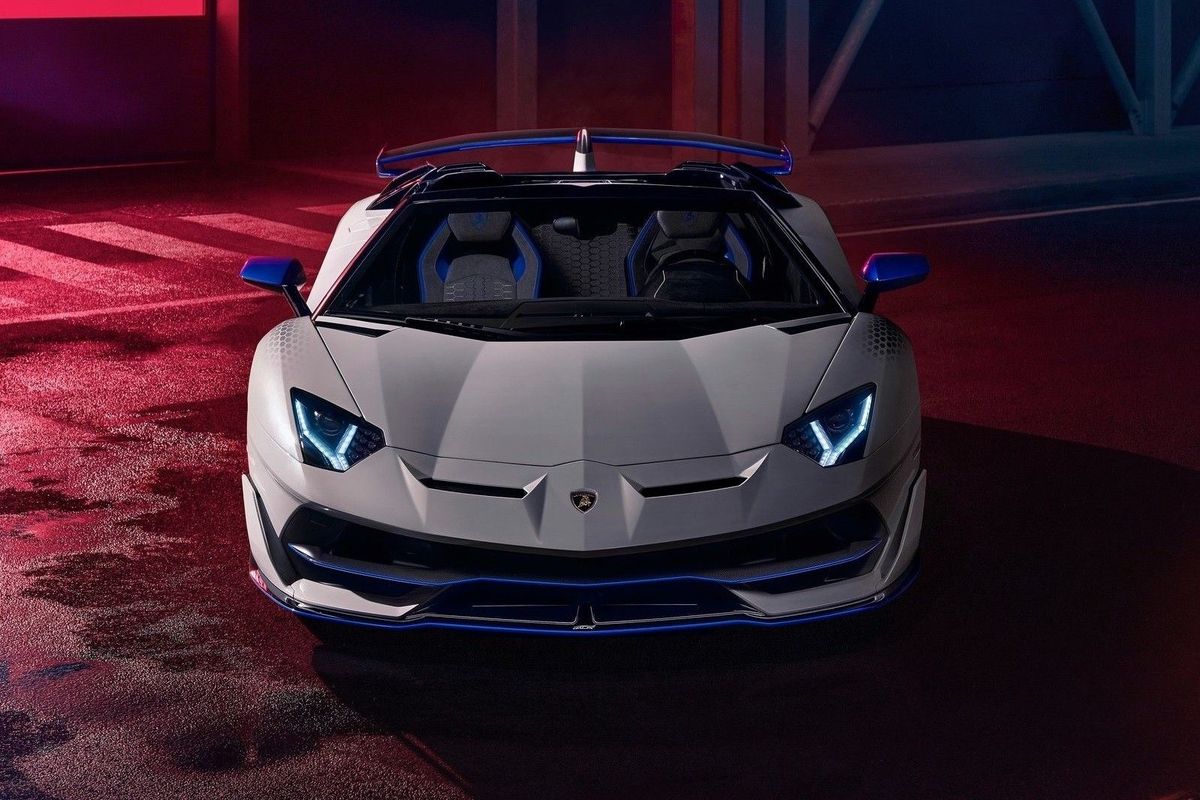
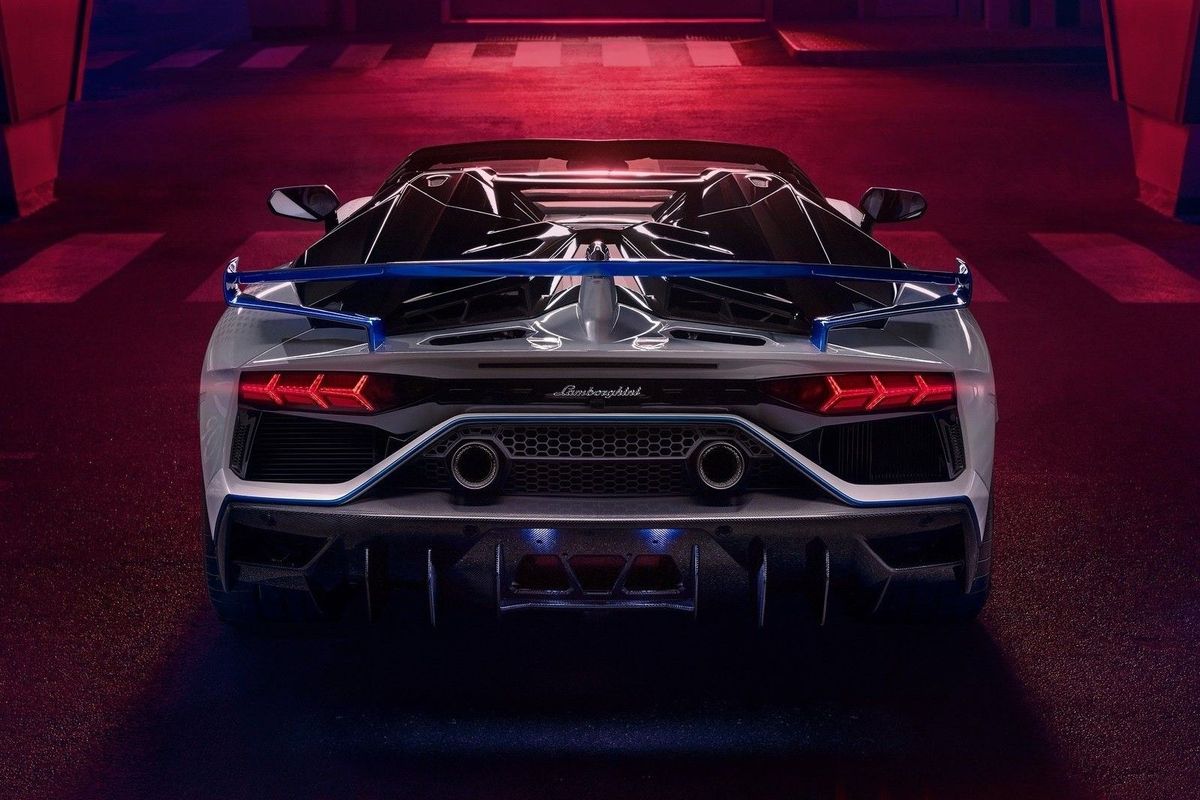
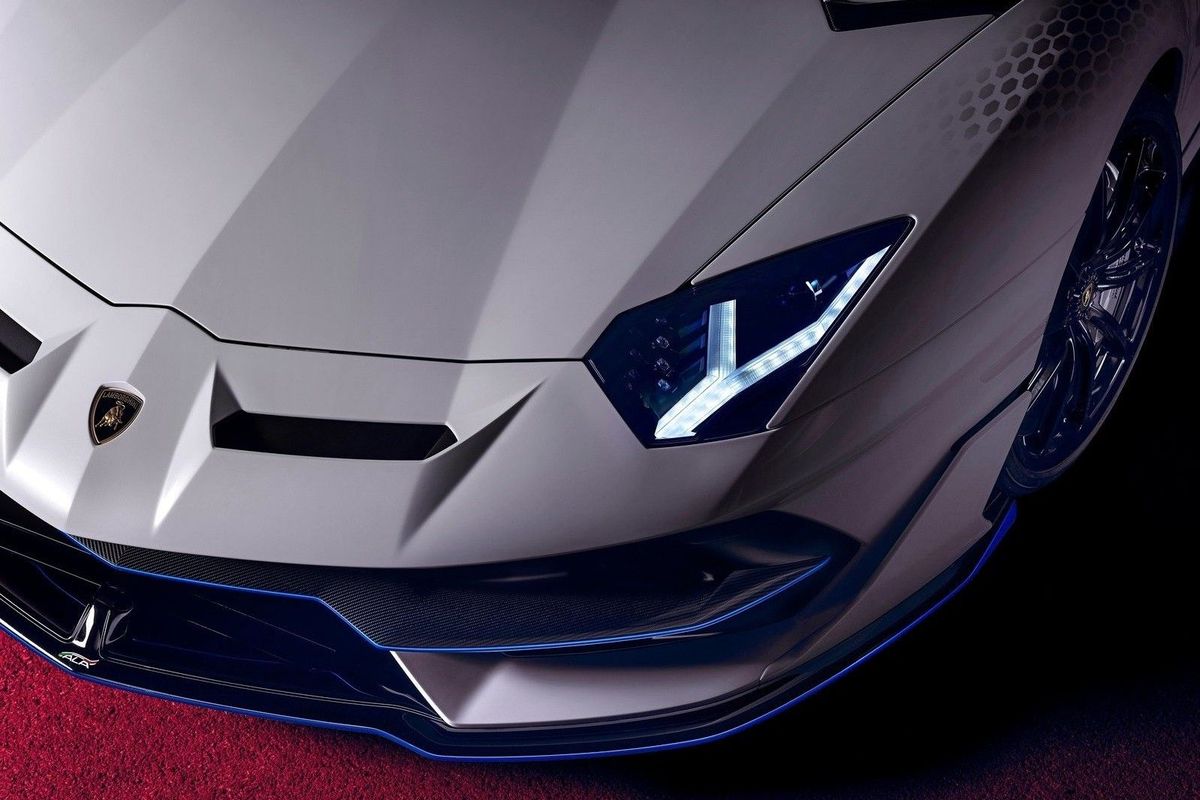
Just 10 lucky people will be taking ownership of the new Lamborghini Aventador SVJ Xago edition, built to celebrate Lamborghini's new personalisation studio.
The Ad Personam studio in Sant'Agata Bolognese, Italy allows customers to spec their cars to their heart's content, but from July 2020, customers will be able to do this virtually and there'll be no need to travel. Given how much focus is on personalisation of the vehicle, Lamborghini reckons its new virtual studio will be a winner. The takeup has been good so far, with more than 50% of Lamborghini vehicles coming off the line feature at least one item from the catalogue.
"Lamborghini is always thinking dynamically about the best solutions to challenges, and our new virtual Ad Personam studio consultations have been carefully devised to support clients who, in times where we are all cautious about international travel, still want the special, one-to-one experience of creating an entirely personalized car," said Giovanni Perosino, Chief Commercial Officer of Automobili Lamborghini. "We still look forward to welcoming clients to Sant' Agata Bolognese in the future but we expect more than 150 Ad Personam consultations to take place virtually within this year, and continuing as an option for the future. With the support of our dealers worldwide, who also have significant personalization experience and of course, samples and materials in their own dealerships, we have the exciting opportunity in an increasingly digital age to create one-off Lamborghini models virtually."
As for the Lamborghini SVJ Xago edition, it's said to be "inspired by the hexagon cloud shapes at the North Pole on the planet Saturn and the strength of the hexagon in nature." Thre's a unique Ad Personam contrast colour as well as gloss black Nireo wheels. Inside, there's an exclusive seat pattern with a hexagon theme and each car will have a numbered plate.
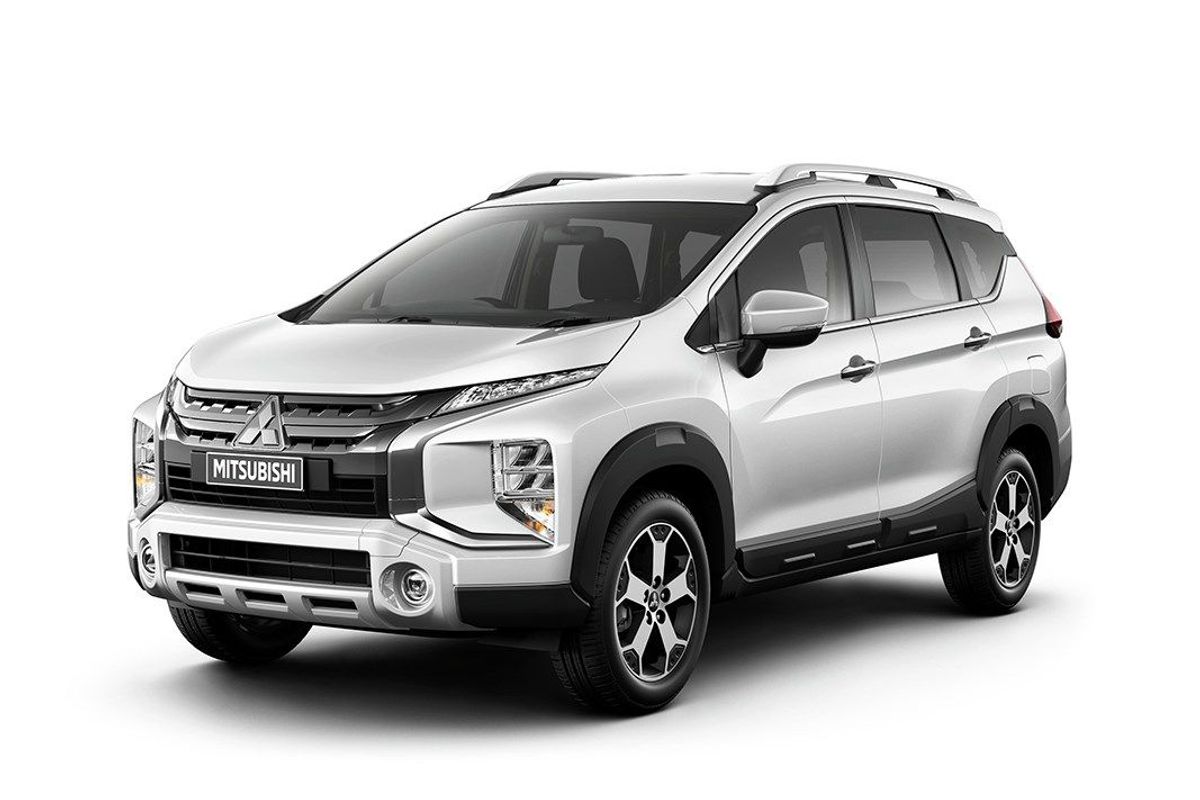
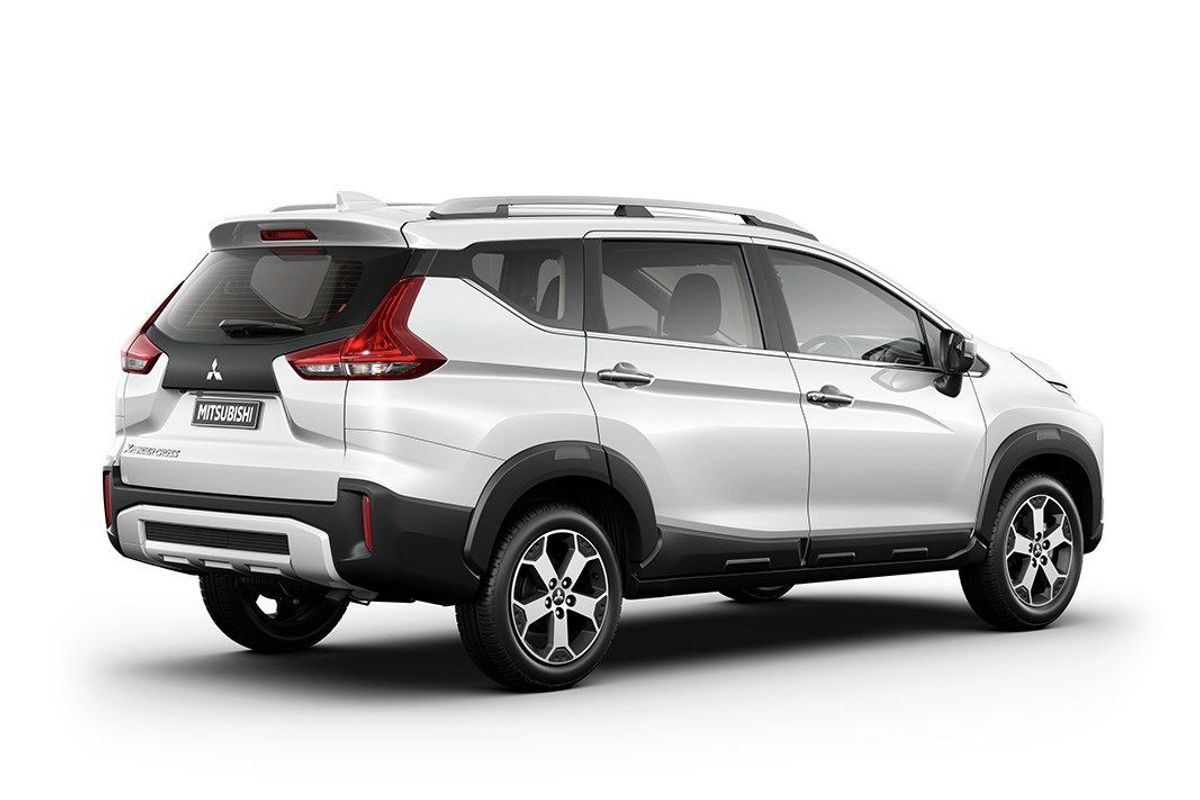
Late in 2019, Mitsubishi revealed the Xpander Cross and it might be coming to South Africa.
Touted as a 'family-friendly crossover MPV', the Mitsubishi Xpander Cross is a fresh and modern product which will be going up against things like the Toyota Rush and Honda BR-V, if it arrives in South Africa.
The new Xpander Cross was launched in Indonesia last year and has since also gone on sale in the Philippines and Thailand in March 2020 and it's proving to be popular and Mitsubishi has now launched the model in Vietnam.
But what about South Africa? Well, in November 2019, we reported that the Xpander Cross would be introduced in South Africa based on this comment from Nic Campbell, General Manager of Mitsubishi Motors South Africa, “Mitsubishi Motors South Africa started with the homologation process in preparation of the imminent launch of this vehicle in SA.”
However, while the local introduction of the Xpander Cross has been delayed, possibly due to the impact of Covid-19, it appears that it's still on the cards. Campbell recently commented, "The addition of the Xpander Cross to our lineup later, will offer new experiences for dynamic and energetic customers in South Africa." He further added, "We are investigating the all-new Xpander Cross for South Africa to a wider range of customers who are looking for style, ruggedness and practicality."
Key Features
Powered by a 1.5-litre motor and mated to a choice of either manual or automatic transmission, the Mitsubishi Xpander Cross is claimed to be the quietest vehicle in its class. Outputs are rated at 77 kW and 141 Nm. Despite it lacking 4×4 ability, the vehicle still boasts impressive ground clearance of 225 mm.
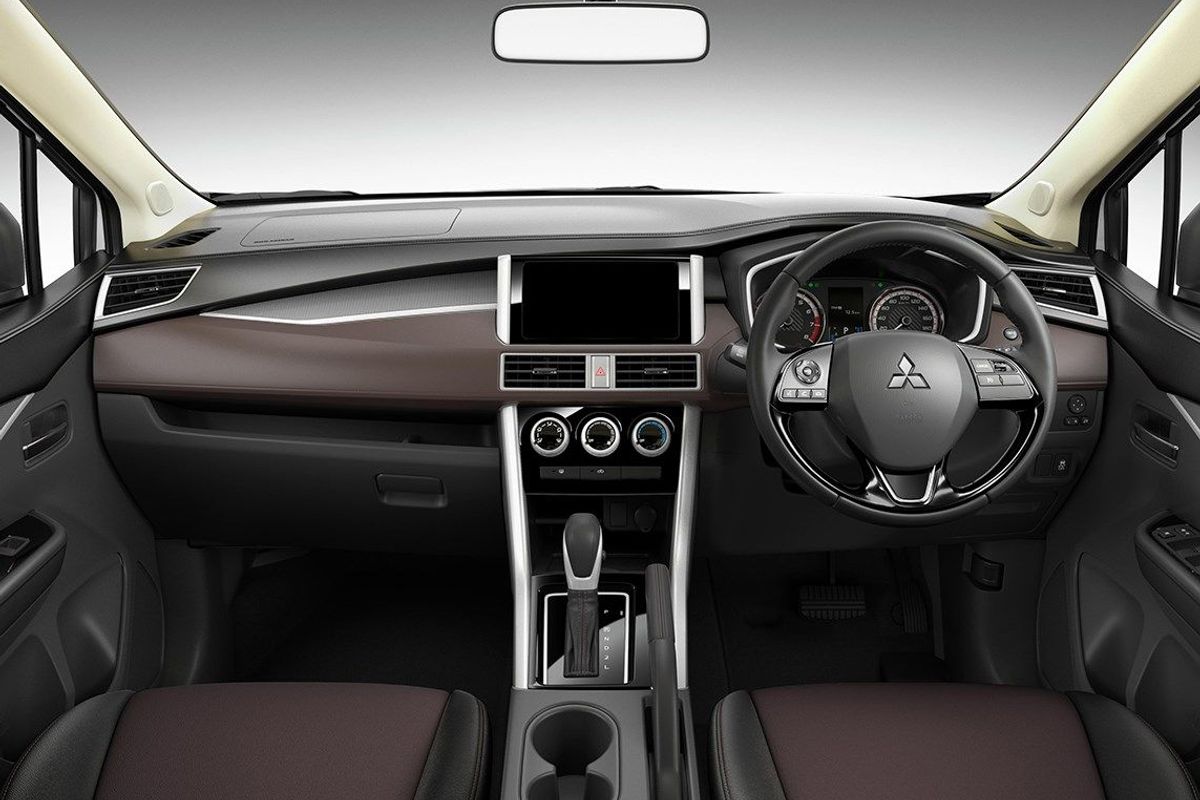
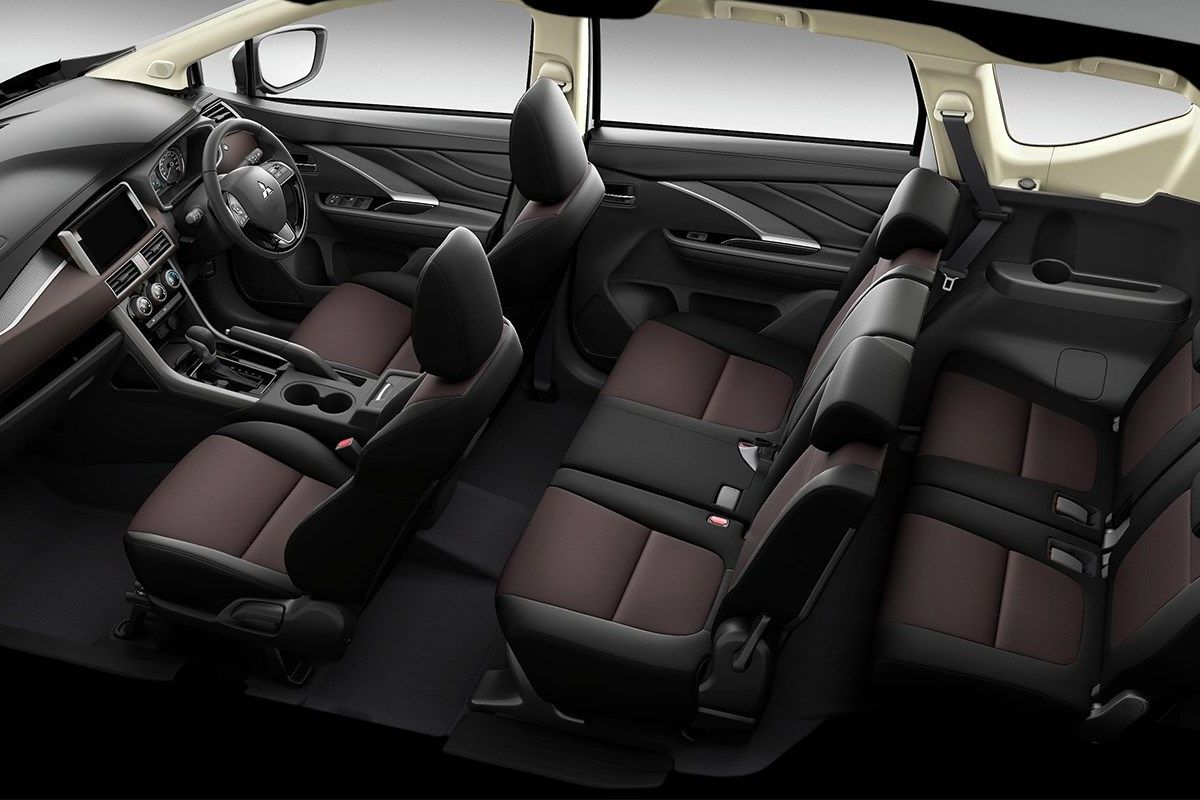
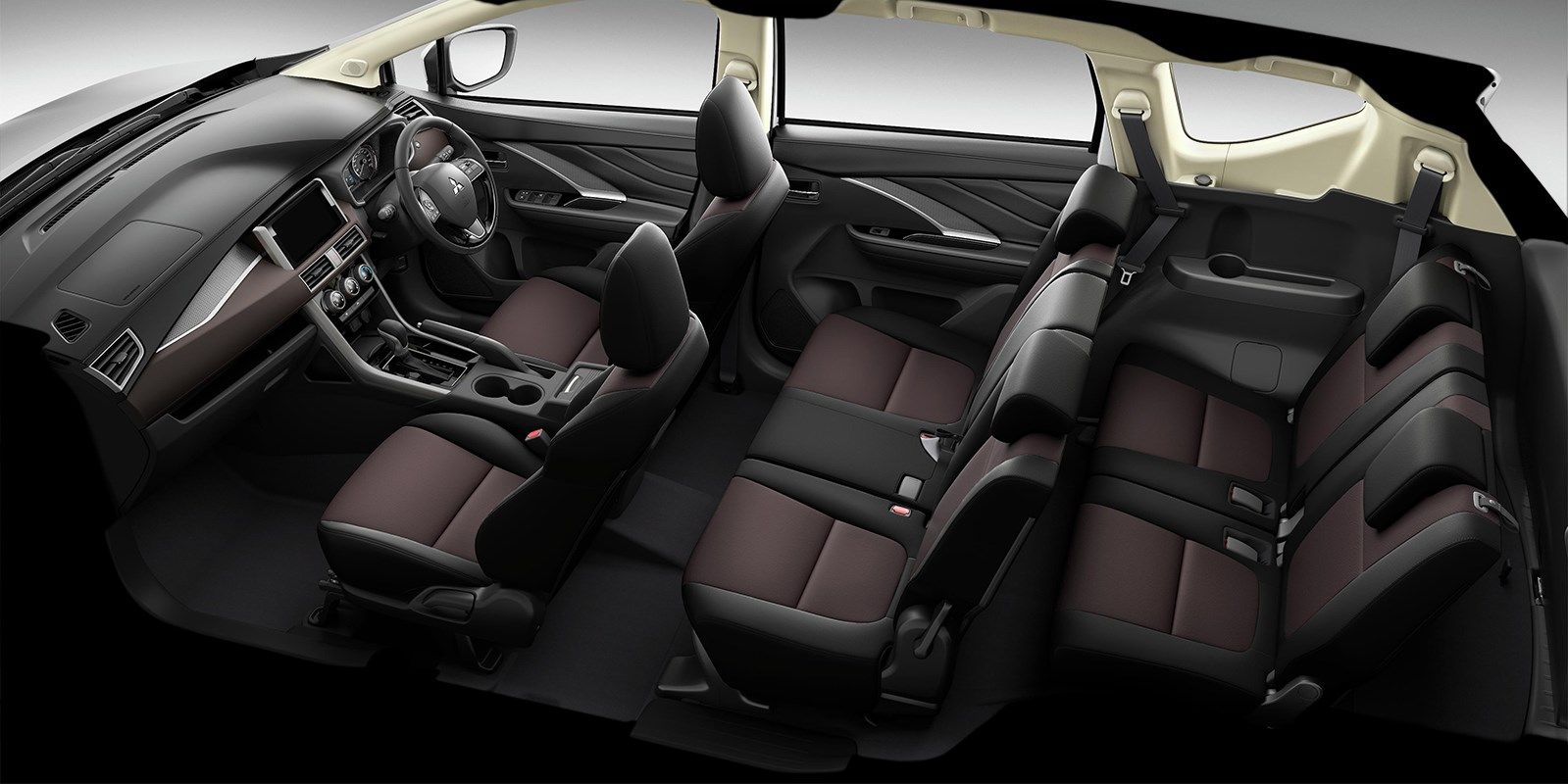
The Mitsubishi Xpander Cross is a 7-seater with practicality in mind. The 2nd and 3rd row of seats can be folded down to create a large storage area. In terms of features, Mitsubishi claims its Xpander Cross features a steering wheel with tilt and telescopic adjustment, cruise control, programmable exterior lighting to offer features such as Welcome and Coming Home illumination, comfort flasher and headlamp auto-off, high-contrast colour instrument cluster and best-in-class air conditioning with highly effective cooling.
We will keep you updated as soon as more details such as arrival dates, specification and local pricing becomes available.
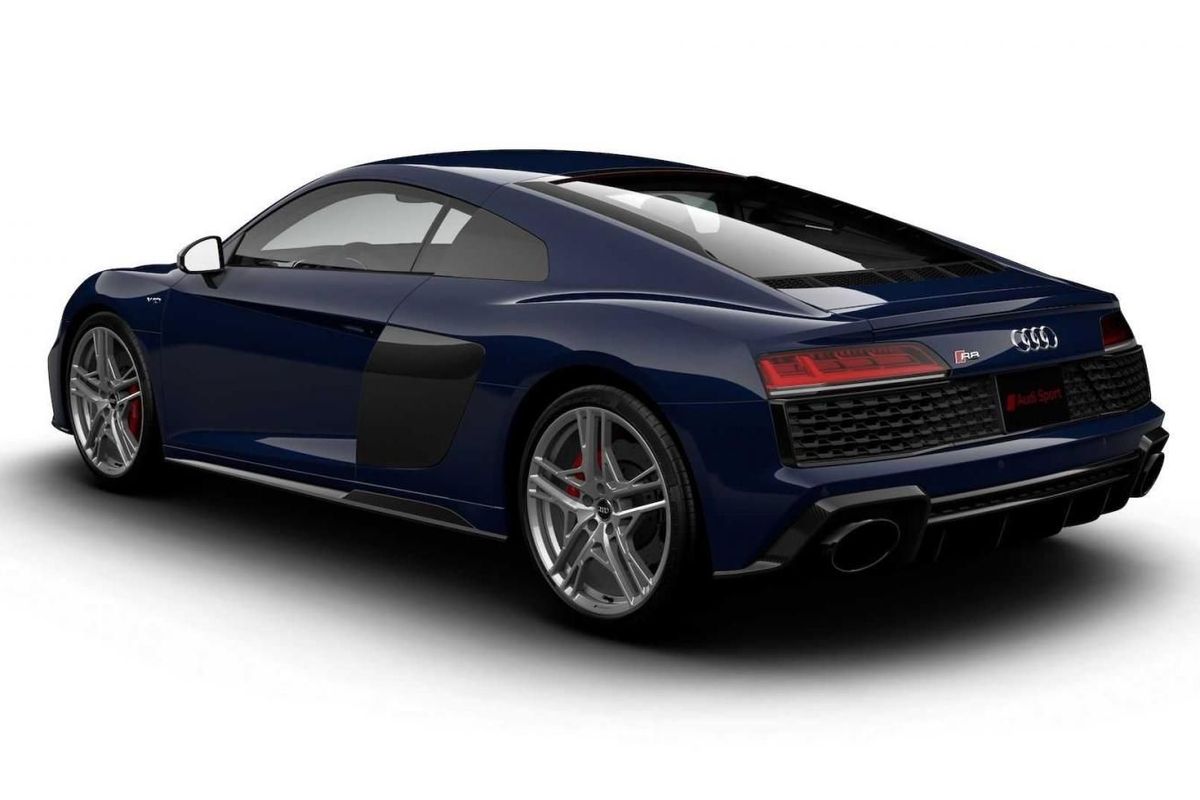
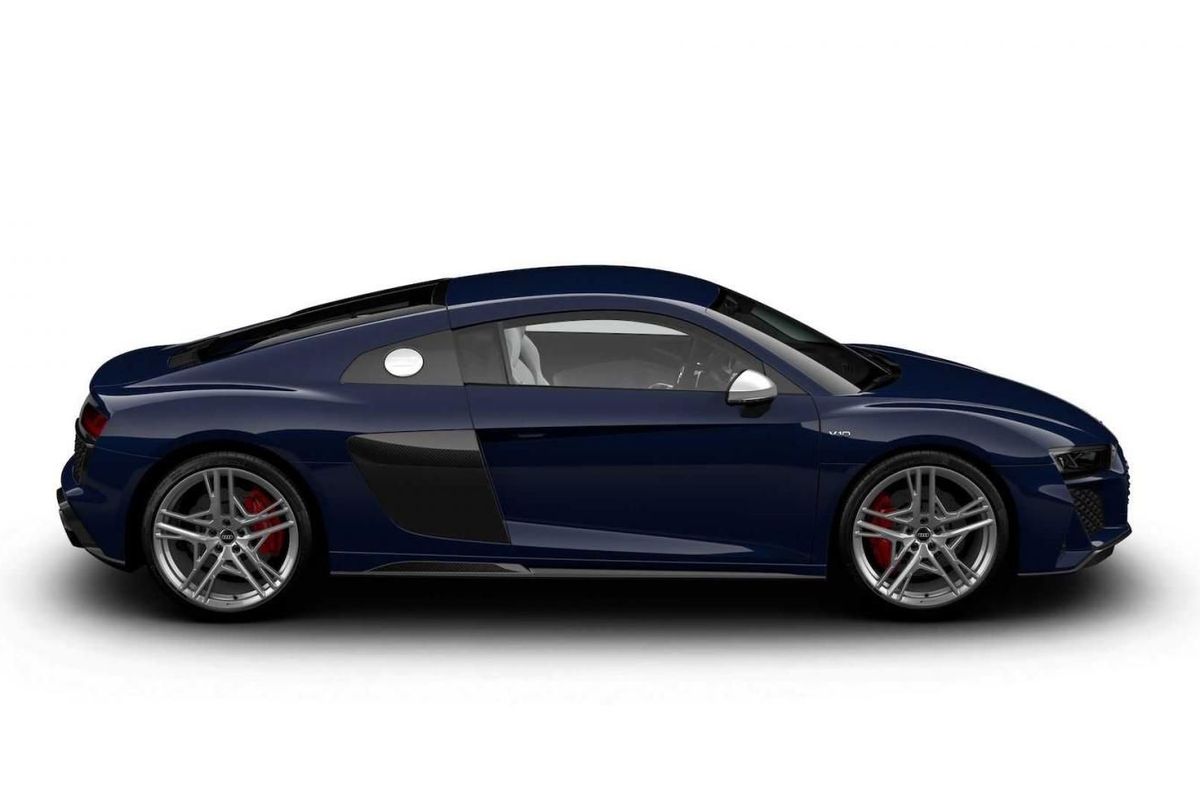
Audi is offering just 30 Limited Edition units of its R8 V10 quattro as a final send-off for its baby R8.
Audi is streamlining its R8 offering by culling the base model R8 V10 quattro while the R8 V10 Performance will forge ahead.
To call this car a baby does it a huge disservice as it still packs notable performance from its naturally-aspirated 5.2-litre V10 engine which produces 419 kW and 550 Nm of torque and is equipped with a 7-speed dual-clutch transmission that lays power down via Audi’s quattro all-wheel-drive system.
That all translates into a zero to 100 kph sprint time in roughly 3.4 seconds before going on to a top speed of 324 kph. The R8 Spyder is slightly slower to 100 kph in 3.5 seconds with a top speed of 322 kph.
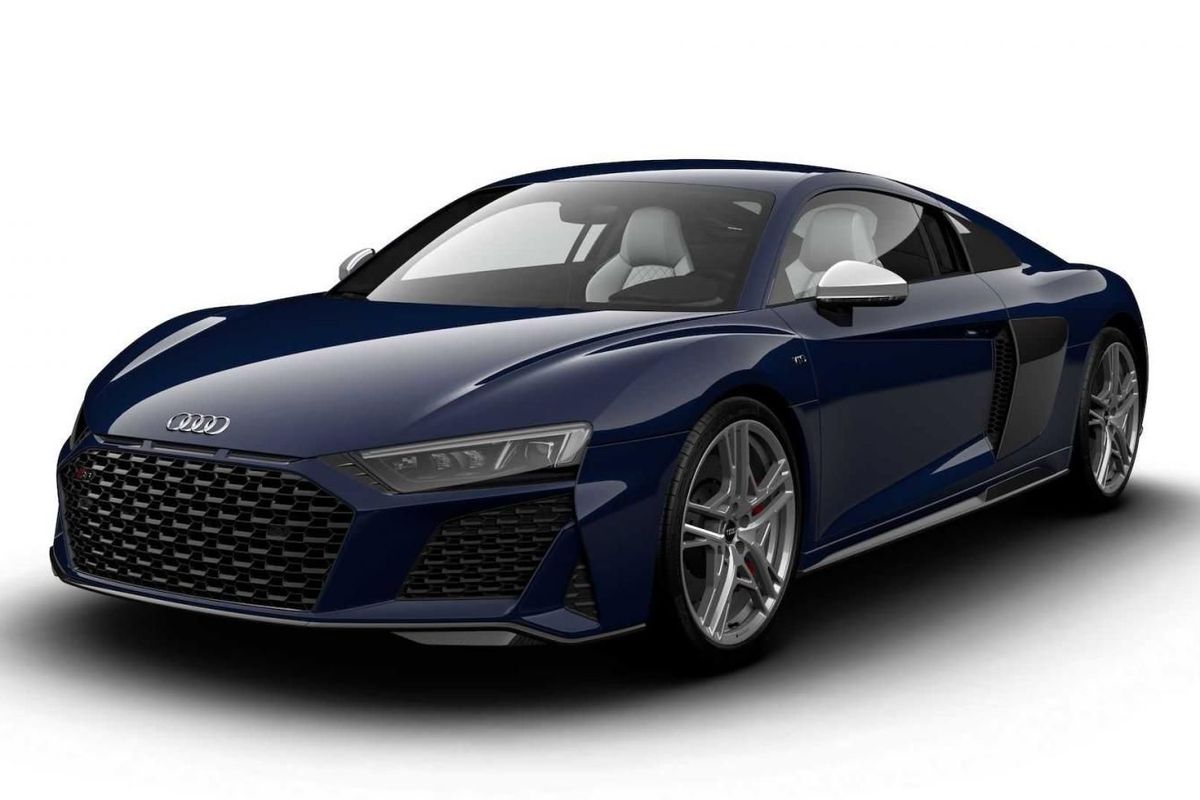
The R8 V10 Limited Edition sets itself apart with milled 20-inch silver wheels, alu-optic silver mirror housings and lower trim finishes in carbon fibre. Colour choices are limited to Mugello Blue, Avus Silver or Sonoma Green for the R8 Coupe while the R8 Spyder will only be offered in Mugello Blue.
This Limited Edition R8 V10 quattro gains features from the R8 Performance.
This Limited Edition R8 V10 quattro adopts features from its R8 Performance sibling which includes a front carbon fibre sway bar which shaves off 2 kg in weight as well and Audi magnetic ride with variable damper adjustment and variable steering adjustment based on vehicle speed and drive setting. A sport exhaust is also fitted which brings the sound of the V10 engine to life and can also be adjusted by the driver.
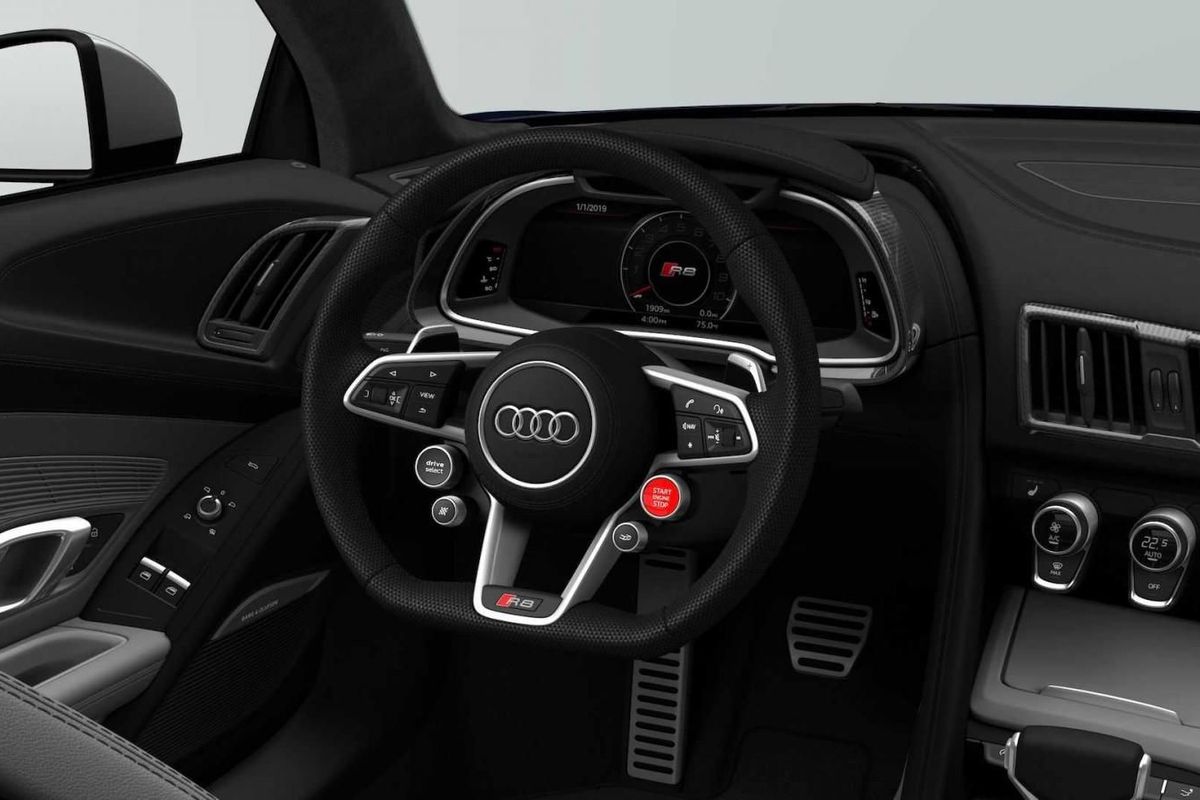
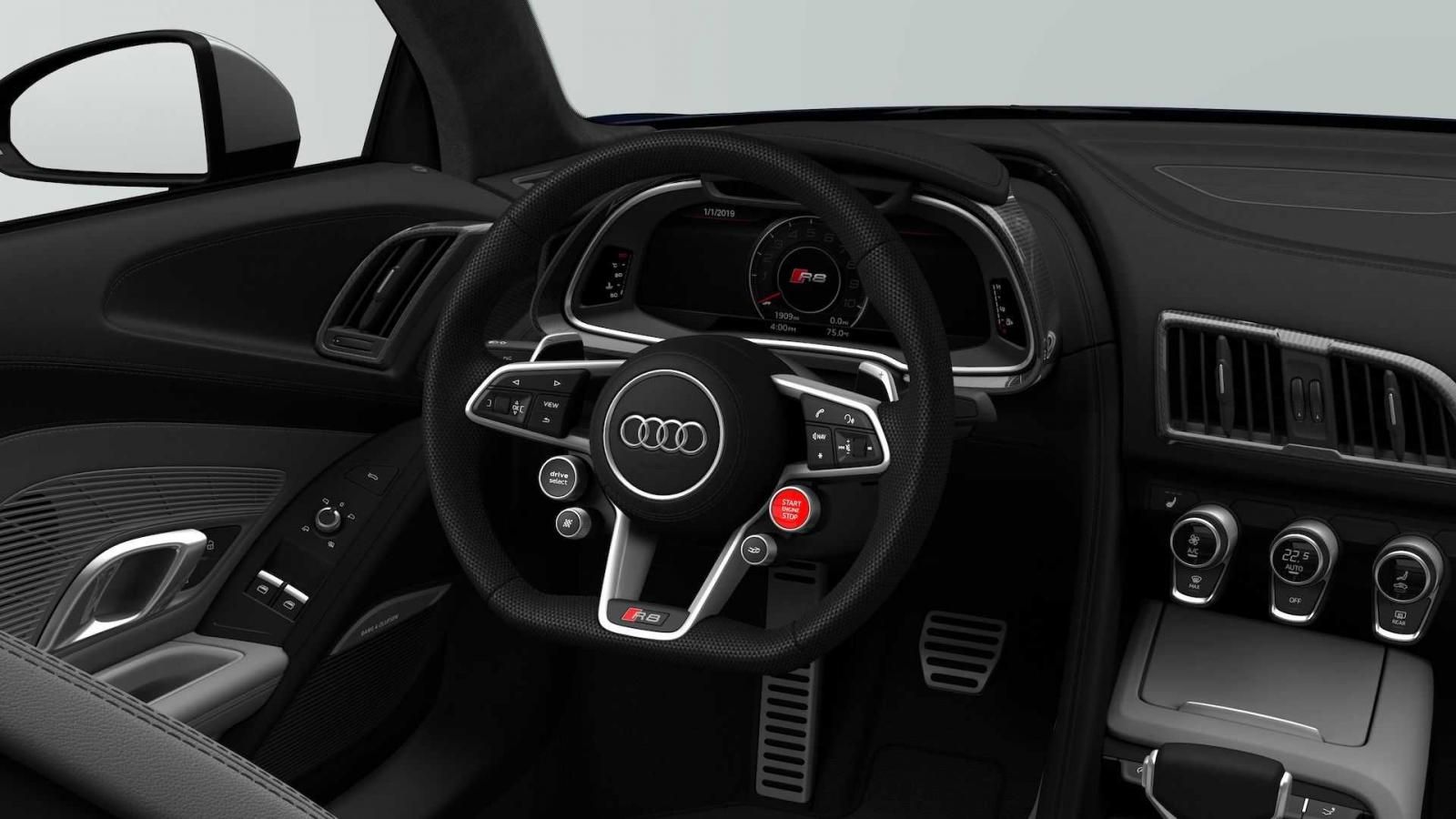
Interior features include 3-spoke, flat-bottomed steering wheel with mounted buttons for Start/Stop, Audi drive select, performance mode selector and the sport exhaust button. Audi’s virtual cockpit is also fitted with MMI Navigation Plus which is surrounded by high-gloss carbon fibre surrounds as well as carbon sigma high-gloss inlays. Coupe version also feature a diamond-stitched Alcantara headliner.
These final 30 Limited Edition R8 V10 quattro units appear to be earmarked for the U.S. market so don’t expect to see them in South Africa.
Behind the Scenes – How we made the BMW Anywhere spinning advert
Just before lockdown, BMW approached us and asked if we could come up with a way to demonstrate that you can now buy a BMW online, from anywhere, while doing anything.
You can now buy a BMW, online, from anywhere, while doing anything, and the car will be delivered to your door. Simply head to: buy.bmw.co.za
It was a huge logistical challenge securing the unfinished bridge in the centre of Cape Town for the shoot, but everything came together and there was nothing left for Ciro to do but sit in a spinning BMW and look thoroughly unbothered. Sean February was our chosen wheelman and he immediately proved that he was an incredibly skilled driver. The space he had to work in was very, very tight. For a shoot like this, you really want to capture the action from as many angles as possible.
This resulted in one of the largest crews we’ve ever worked with. The director, Justin Pinto, worked closely with the crew to get all the shots he envisioned for the edit. Stunt coordinator and producer Ernest Page made sure our DOP was safe while we got all these crazy shots. Ernest also made sure we had a lot of tyres on standby. Our producer Juan Crous made sure everyone was safe on the day. A huge thank you to everyone involved in the production, this was a very memorable shoot and we're very proud to have the video on our channel.
Final Product: BMW Anywhere Video
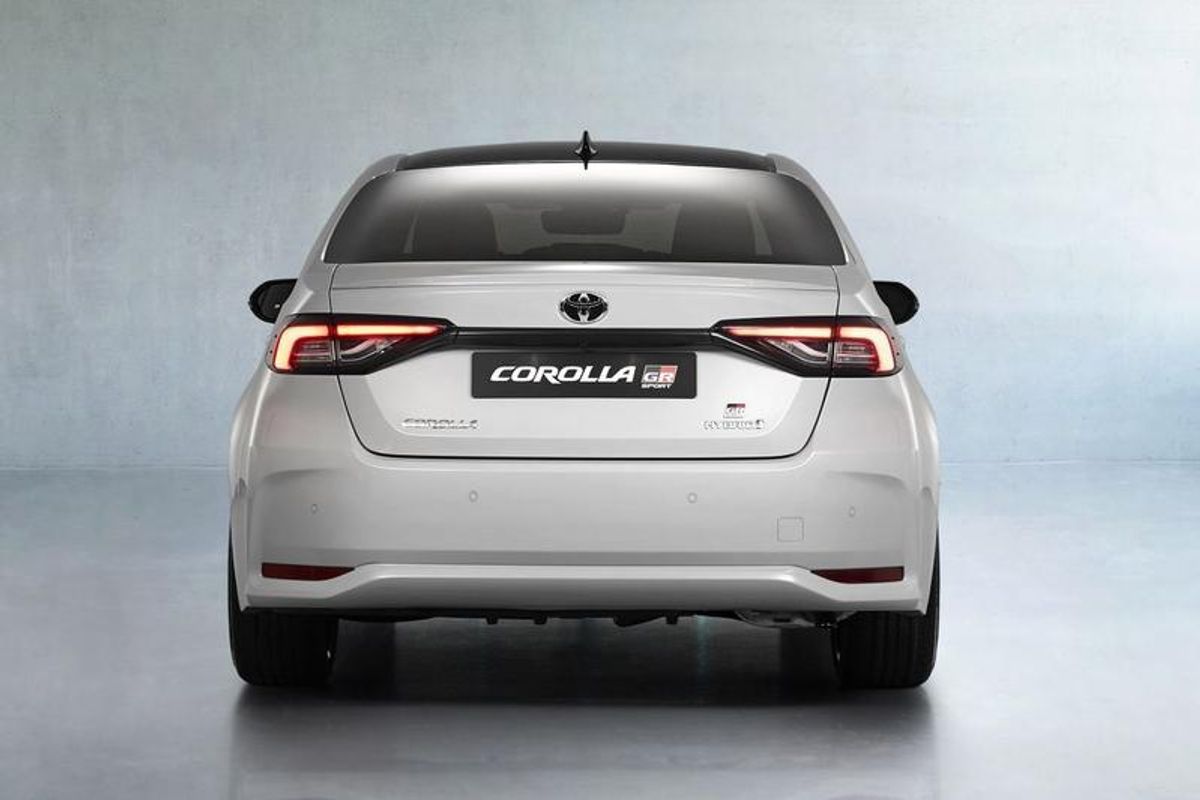
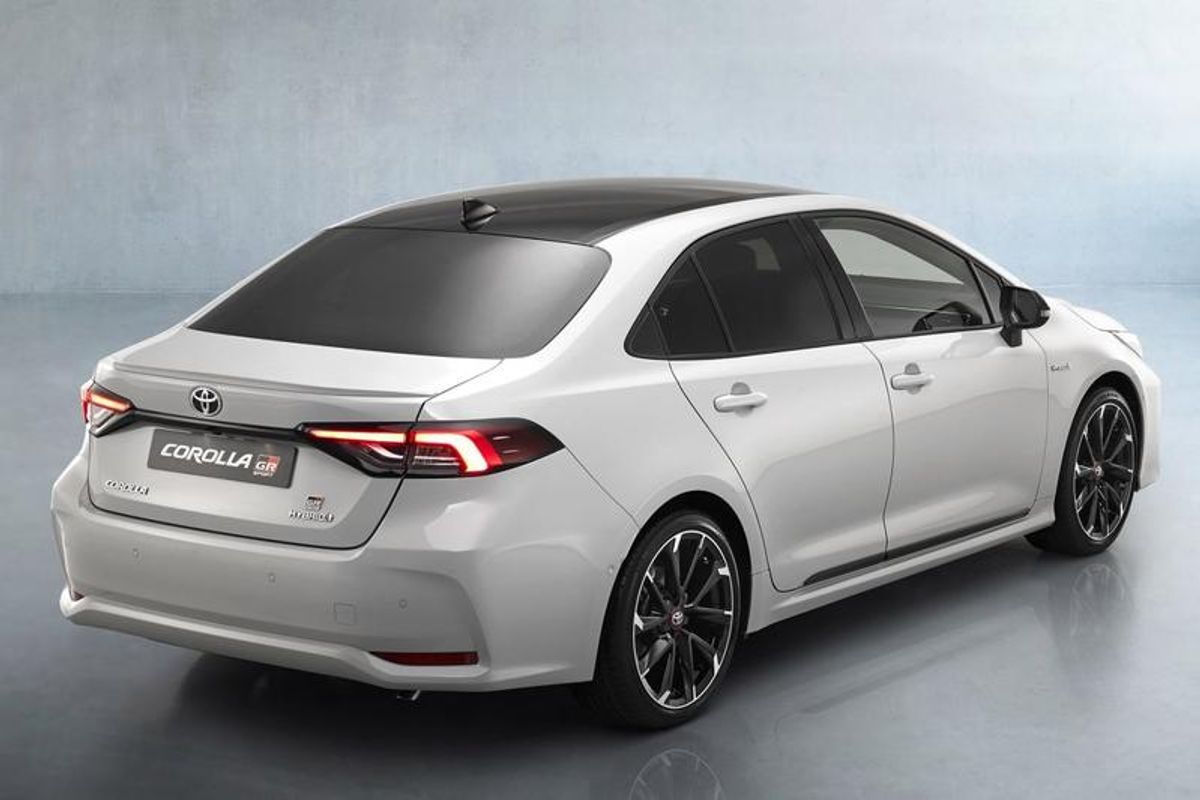
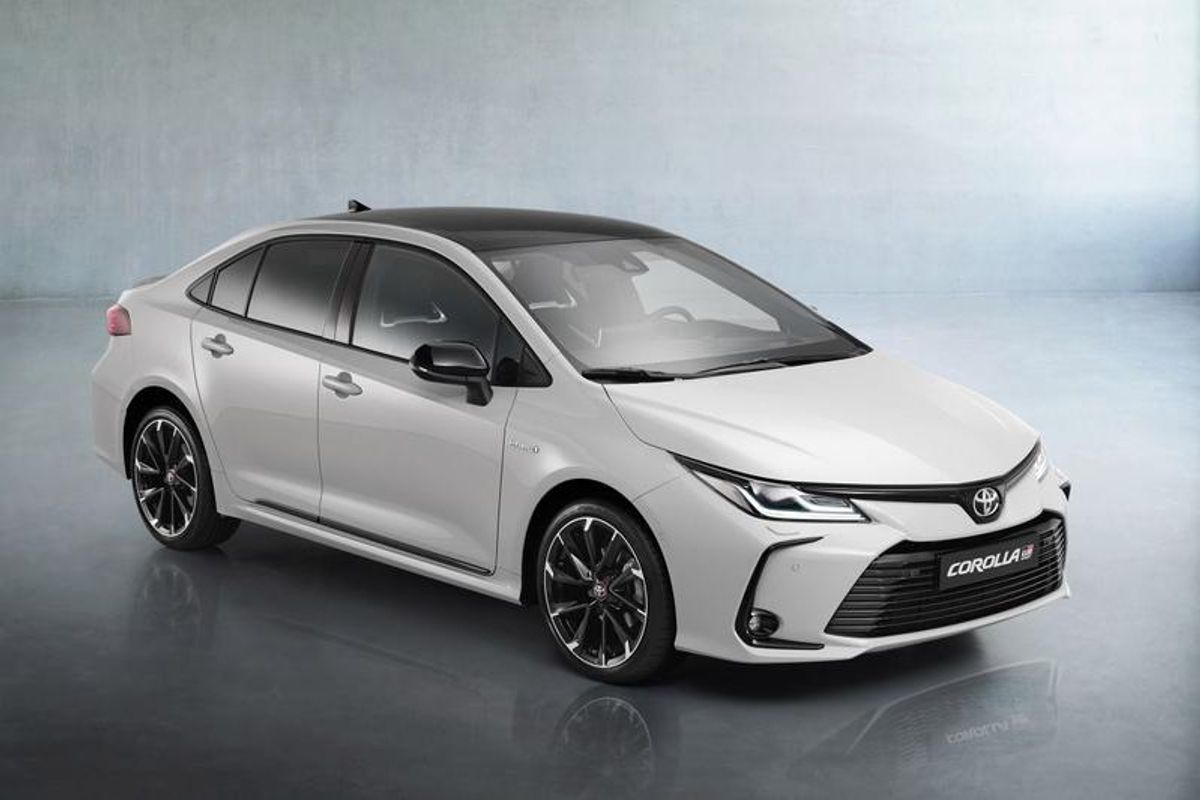
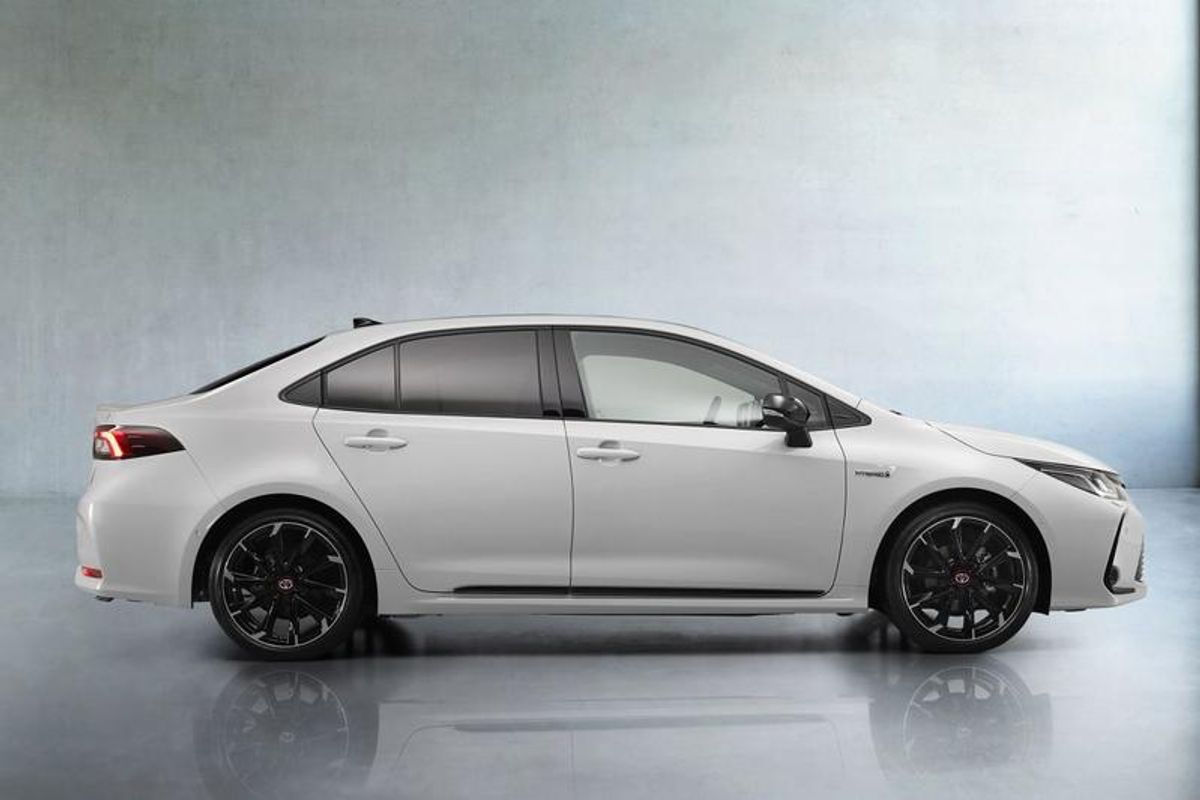
Toyota Reveals Corolla GR-Sport
Technically unchanged, but with more style.
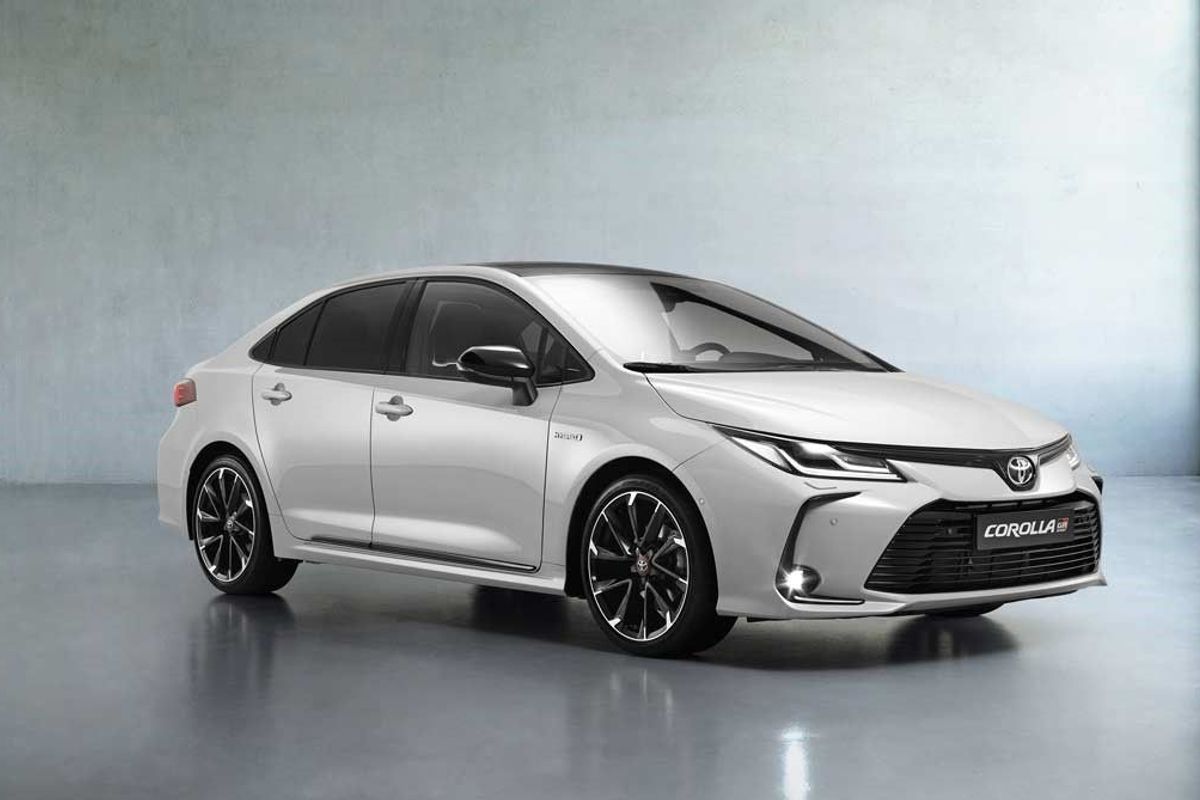
Toyota is expanding its GR-series derivatives, with a new version of the popular Corolla.
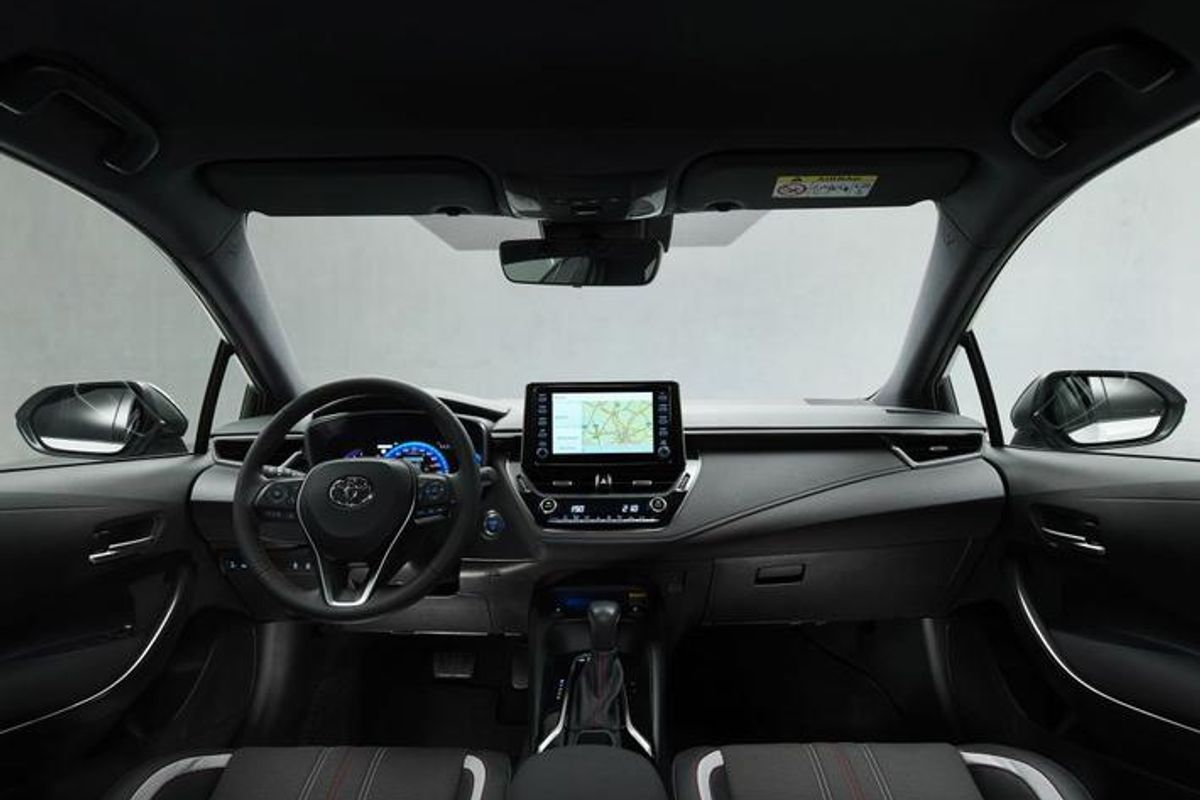
Although the GR upgrades are only limited to exterior and interior styling, instead of engine or suspension features, this Corolla Sport broadens the appeal of Toyota’s traditional mid-sized sedan.
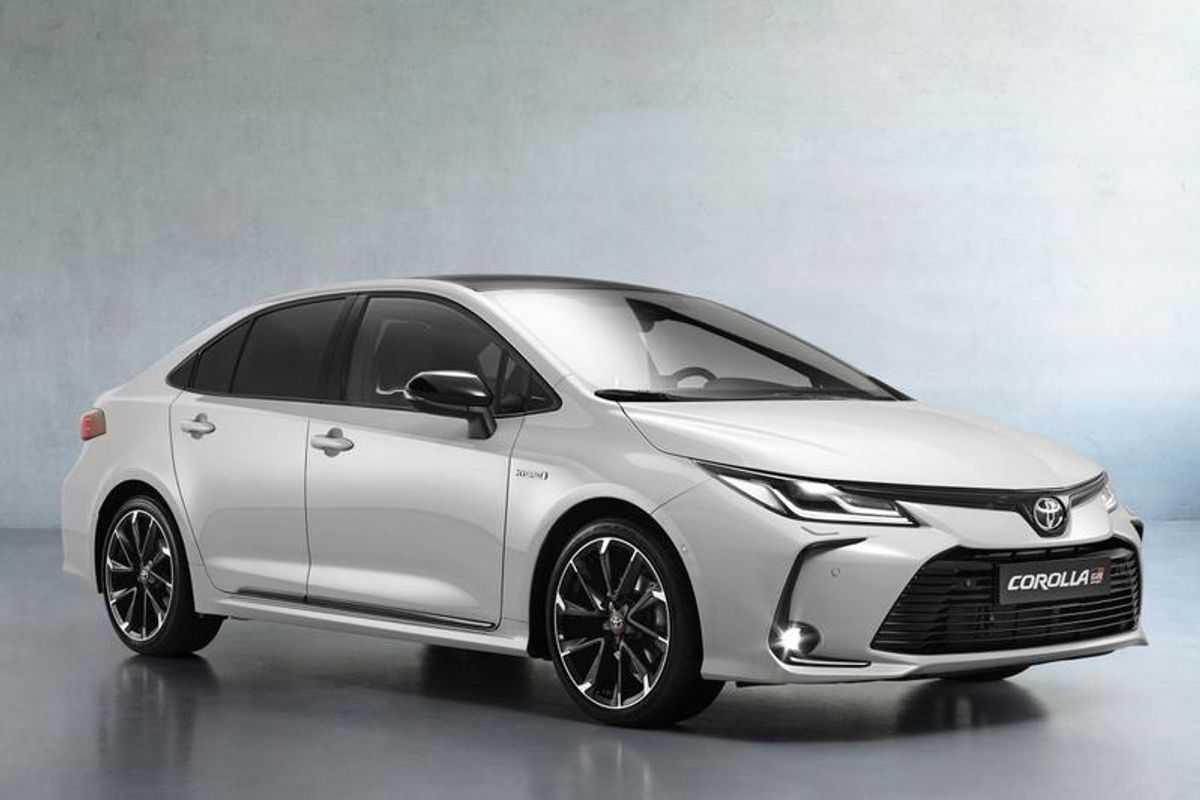
The Corolla is available in eight different exterior paint finishes, and with the GR-Sport, each of those can be had with a black roof or darkened wing-mirror end caps. The grille and side skirts also gain some black contrast colour detailing.
Around the rear, the boot lid gains a very subtle edge spoiler, which qualifies as a design justification instead of something which could meaningfully influence the car’s aerodynamic properties.
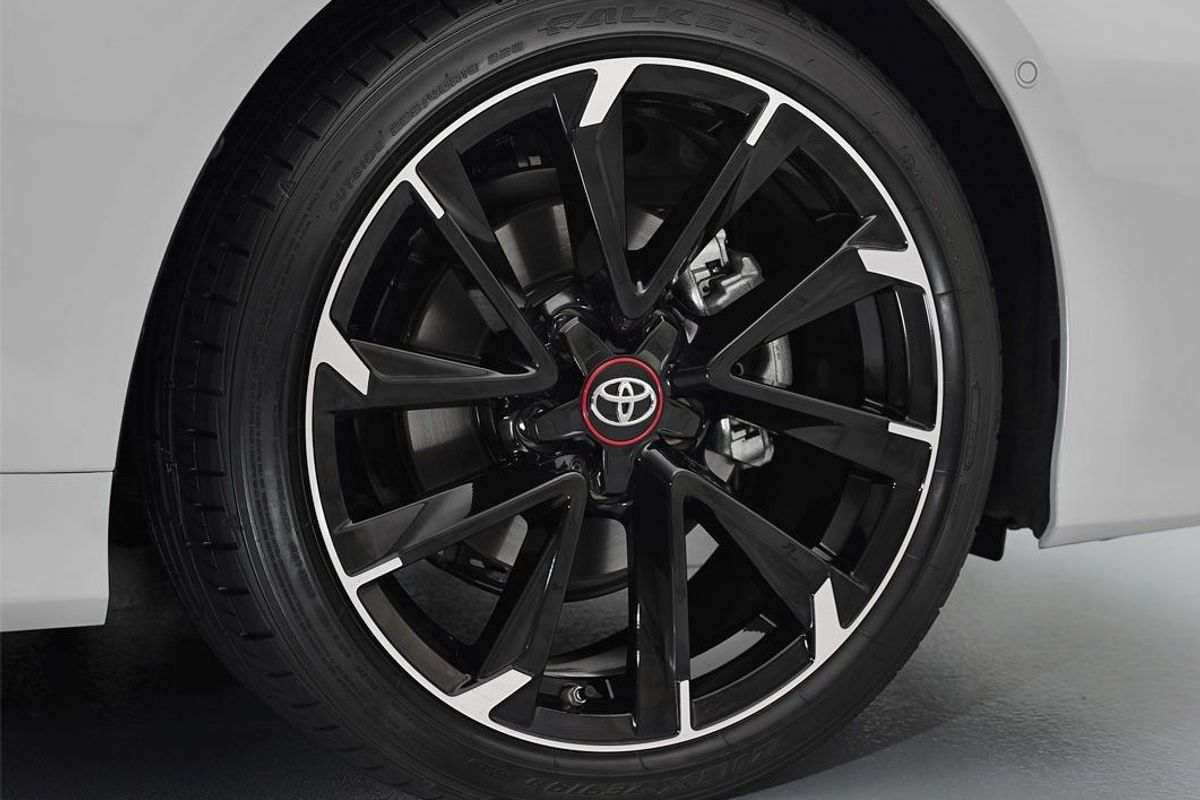
Rolling the Corolla GR-Sport along, are 18-inch alloy wheels, featuring a ten-spoke structural design. Toyota has not confirmed whether these wheels are shod with a more dynamic tyre option, either in its compound formulation or size.
Beyond the exterior design details, Toyota has updated the Corolla GR Sport’s interior too. Drivers grab hold of a steering wheel rim which is trimmed in perforated leather, whilst the front seats have been reshaped to provide lateral support. They are also upholstered in a blend of black fabric and white leatherette, bonded with red stitching.
Technically the Corolla GR Sport does not feature any changes to its suspension configuration, ride height or engine performance. The brand’s proven 90 kW 1.8-litre hybrid engine powers it along.
The global rollout for the Corolla GR Sport is expected to commence from November, starting with Europe, with other markets starting to receive the option early in 2021.
As a reminder of how Toyota tiers its performance models, GR Sport models are usually just sporty aesthetic upgrades (although the Hilux GR Sport received suspension improvements). GR models receive both performance and visual updates and GRMN models are the no holds barred performance versions.
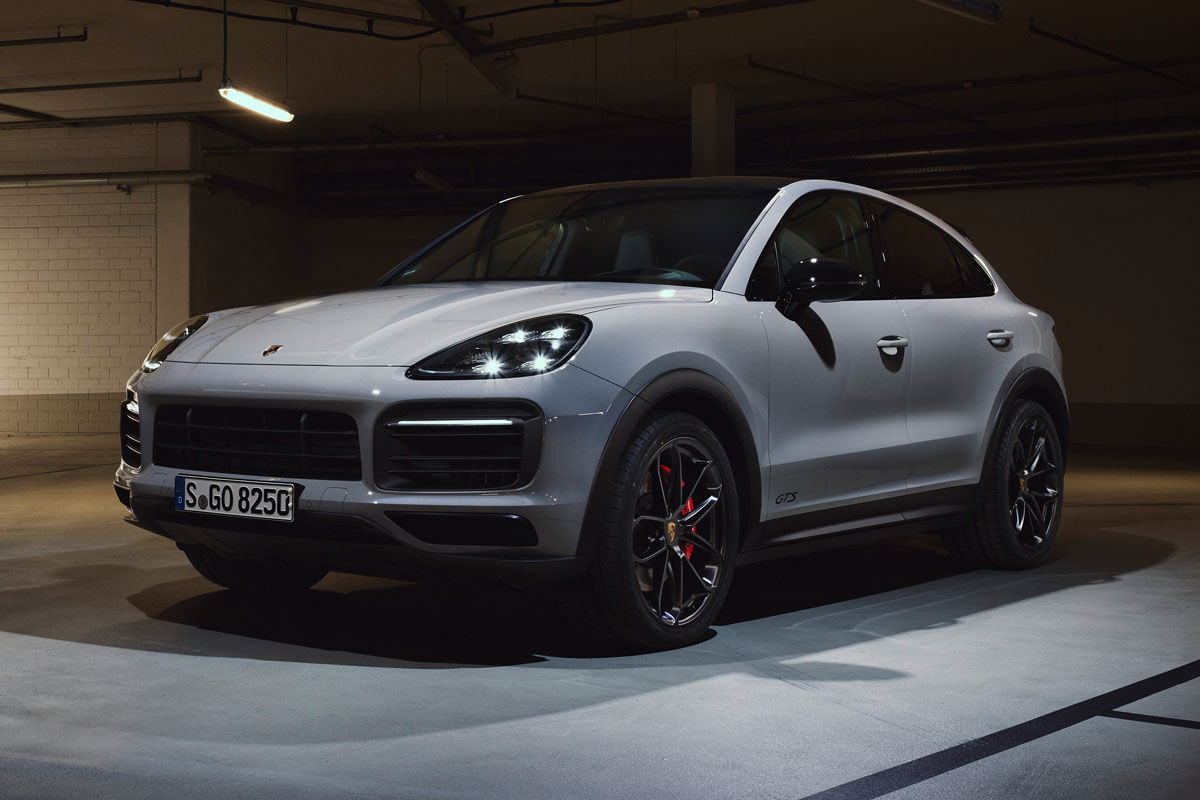
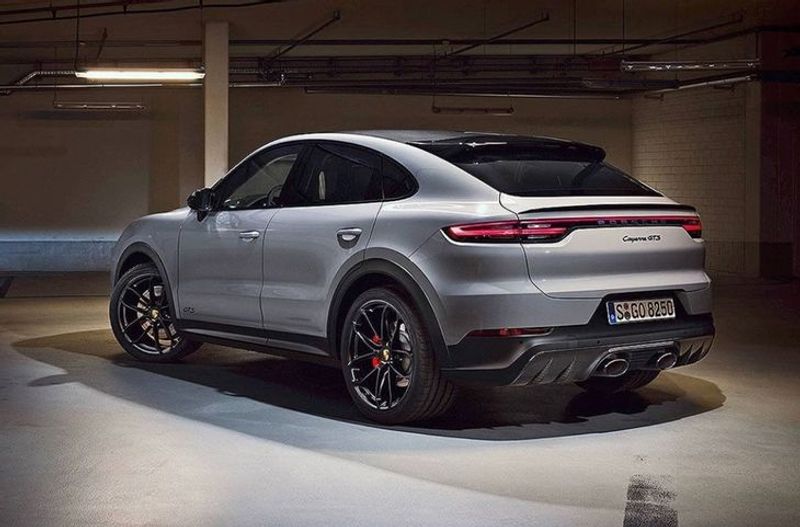
Porsche South Africa has published local pricing details for the new Cayenne GTS and Cayenne GTS Coupe on its official website. The sportily-packaged pair effectively slot in between the ranges’ S and Turbo derivatives.
Last month, the Zuffenhausen-based released official details of the newcomers: whereas the ranges' S derivatives are powered by a 2.9-litre bi-turbo V6 motor, the GTS twins utilise the 4.0-litre bi-turbo V8 of the Panamera GTS, which produces peak outputs of 338 kW and 620 Nm of torque (14 kW and 20 Nm more than its predecessor's 3.6-litre bi-turbo V6) and powers all 4 wheels through an 8-speed Tiptronic S automatic transmission. When specified with the optional Sport Chrono package, the 2 newcomers are claimed to accelerate from 0 to 100 kph in 4.5 sec, reach a top speed of 270 kph and are said to return average fuel consumption figures of between 11.2 and 11.4 L/100 km.
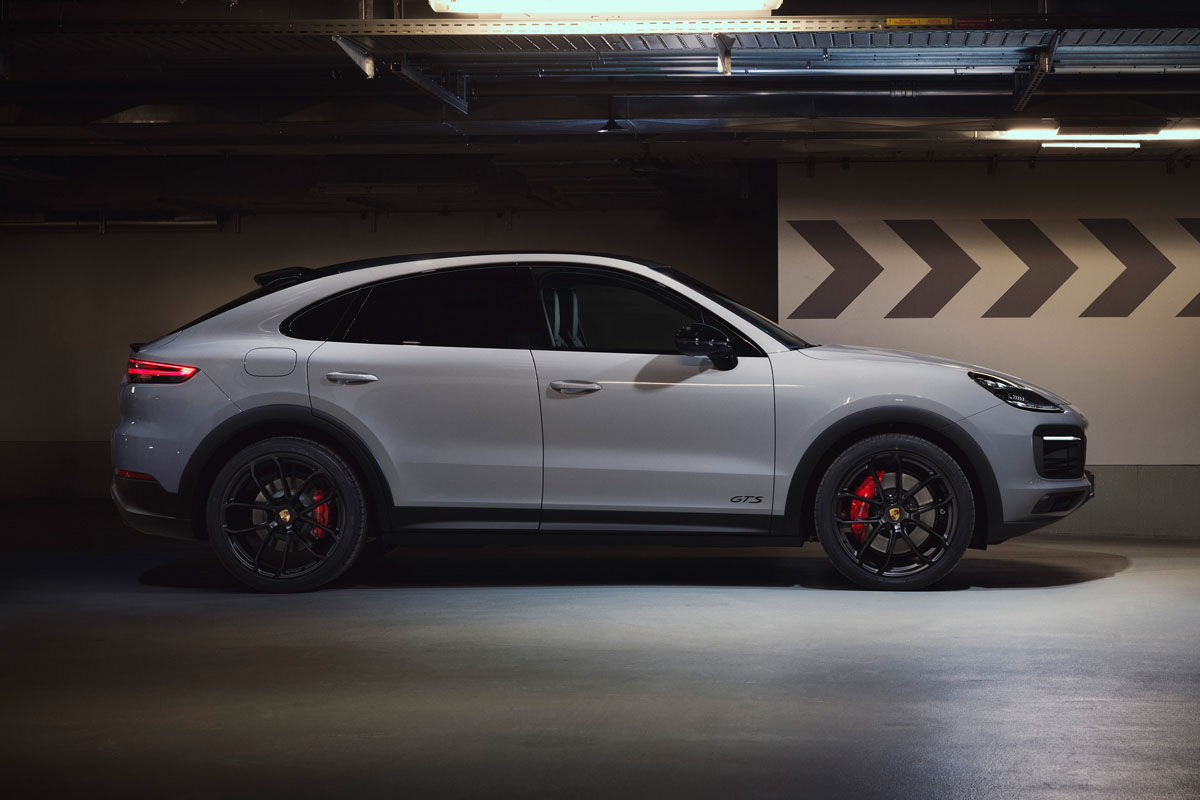
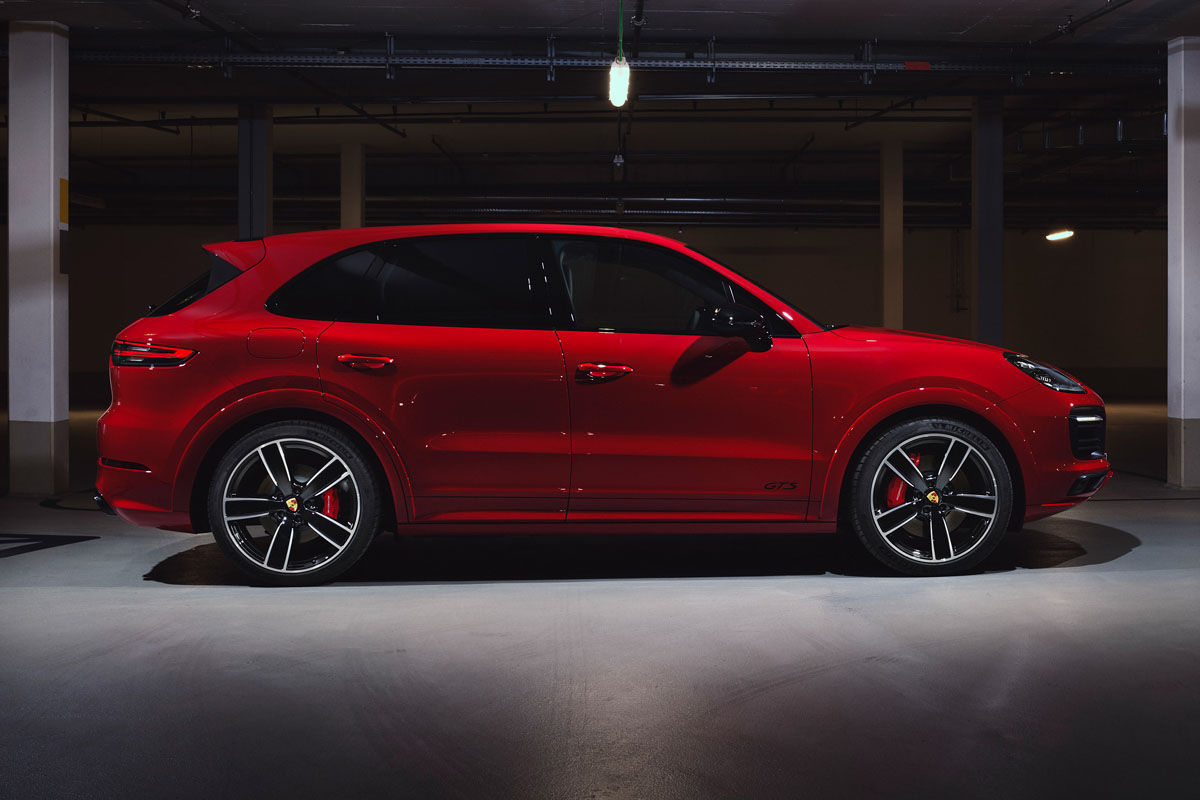
Apart from its 20-mm lower ride height, the GTS twins are fitted with 21-inch RS Spyder Design alloys and beefed-up brakes.
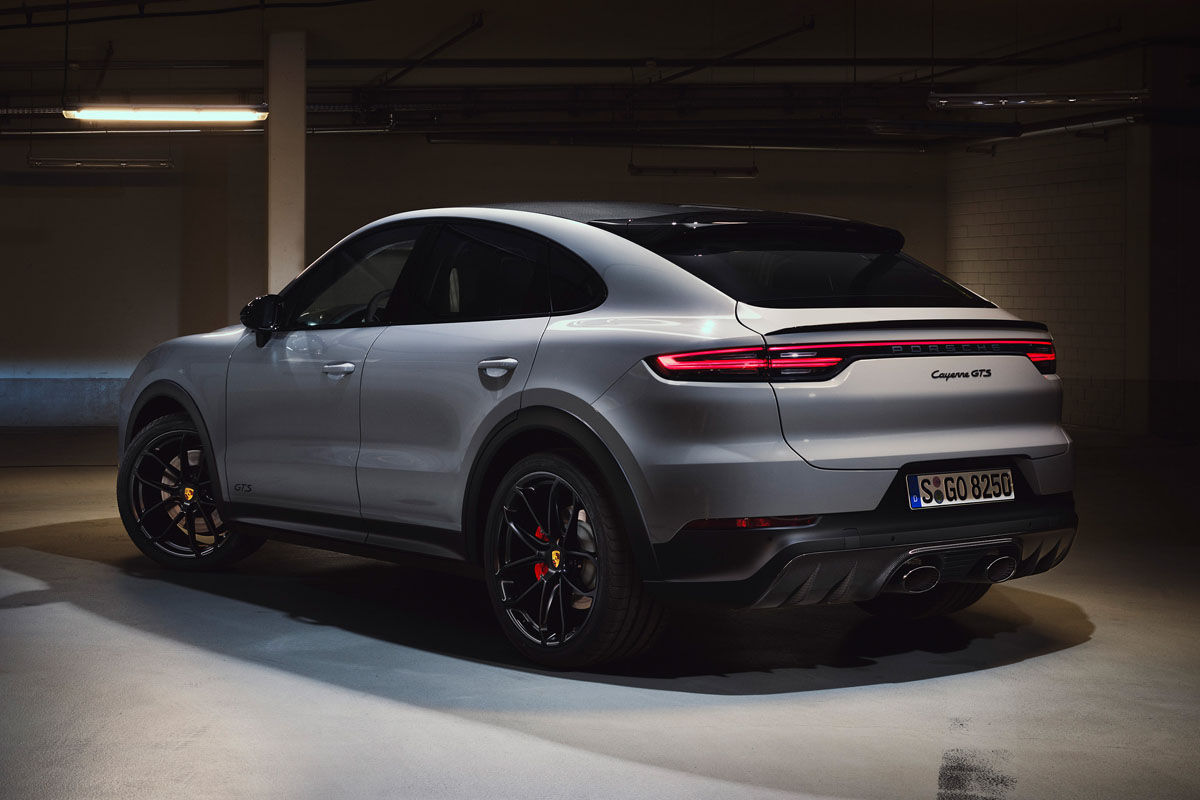
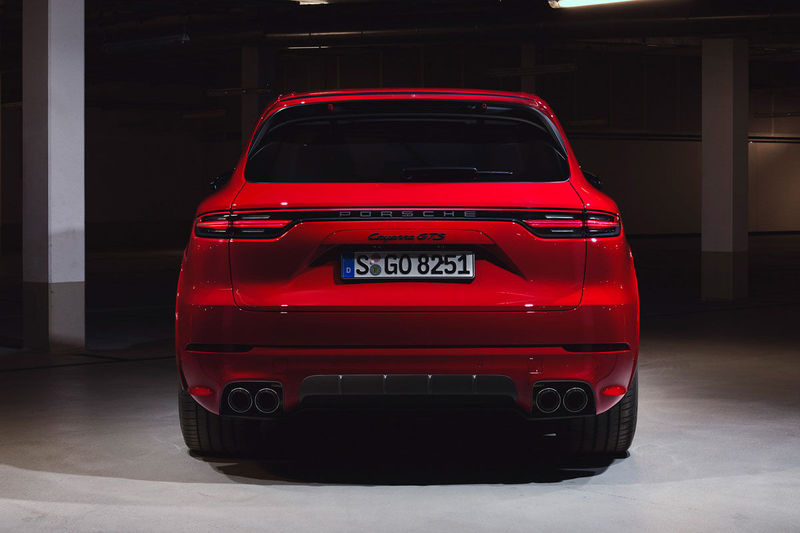
Compared with their lesser siblings, the GTS twins have markedly sportier kerb presences. Apart from being adorned with black GTS decals on their front doors and tailgates, the pair's ride heights have been lowered by 20 mm and they come standard with the Porsche Sport Design package, which incorporates gloss black bumper accents, mirror housings, window trim and exhaust ends. What's more, the LED headlamps (equipped with the Porsche Dynamic Light System) and LED tail-light bars are dark-tinted.
Over and above being shod with eye-catching satin-gloss black 21-inch RS Spyder Design alloys, the pair comes equipped with upgraded grey cast-iron brakes (390 x 38 mm discs at the front, 358 x 28 mm at the rear) in combination with red brake callipers. If buyers require additional (or at least more fade-resistant) stopping power on a GTS, Porsche can upgrade the brakes to a Surface Coated Brake (PSCB, with tungsten carbide coating) or the Porsche Ceramic Composite Brake (PCCB) setup at extra cost.
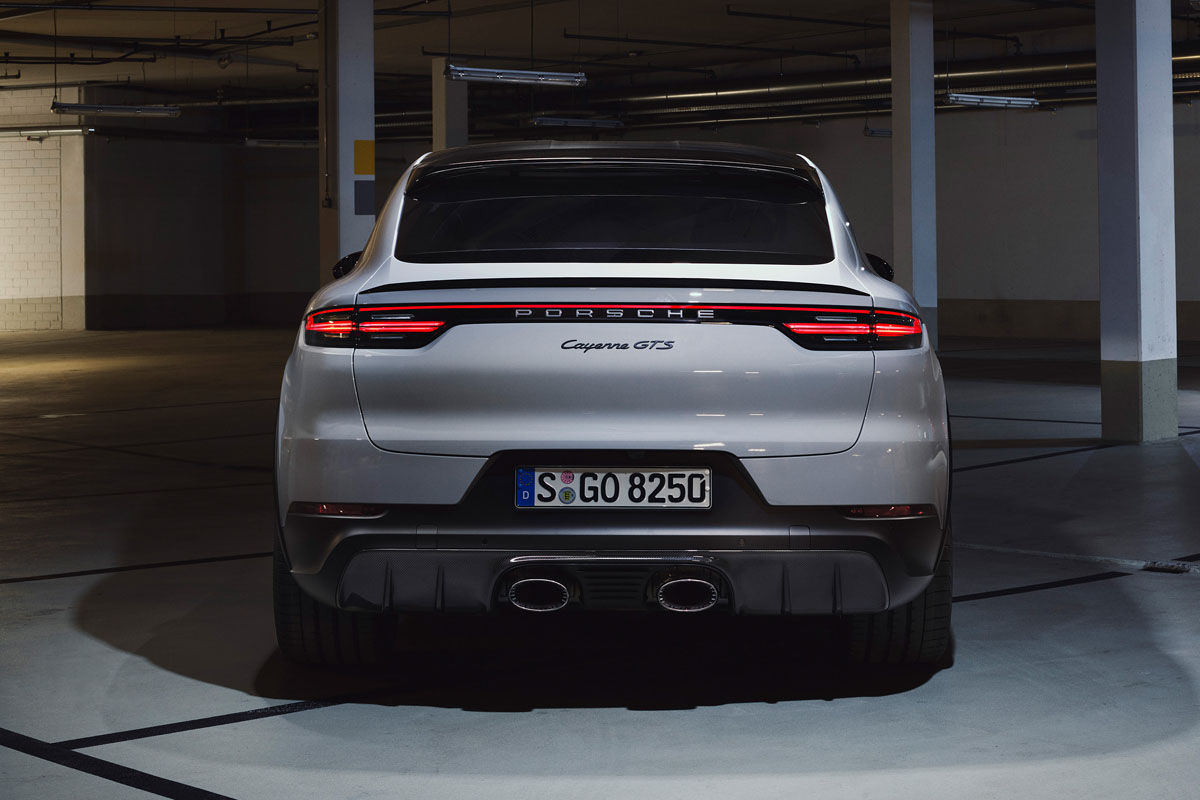
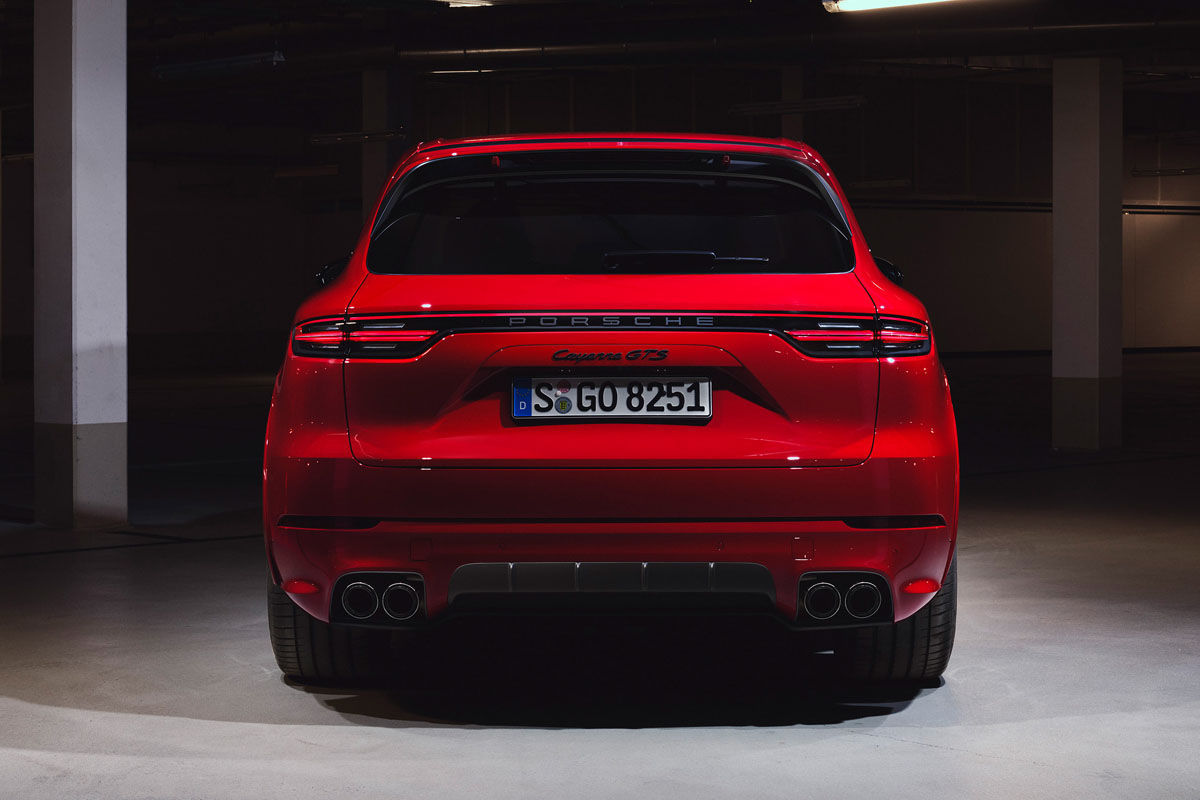
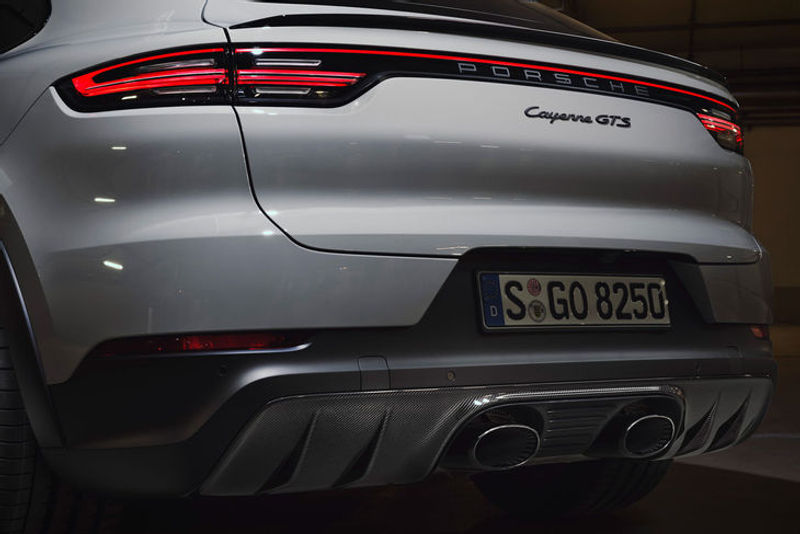
The Cayenne Coupe GTS can be specified with a pair of centrally-mounted large-bore oval tailpipes.
Similarly, while the brand's Active Suspension Management (PASM) and Torque Vectoring Plus (PTV Plus) are fitted as standard, the newcomers can be upgraded with a multitude of options, including a 10 mm-lower 3-chamber air suspension, rear-axle steering and the Porsche Dynamic Chassis Control (PDCC) active roll stabilisation system.
Porsche claims the newcomers' "specially configured sports exhaust systems deliver highly emotive aural experience(s)." Yes, you read that correctly: systems – plural. You see, the Cayenne- and Cayenne Coupe GTS derivatives come standard with the familiar quartet of exhaust ends, but in a new development, the German sportscar brand has introduced another optional setup: a pair of centrally-mounted, large-bore oval tailpipes, which it has dubbed the high frequency-tuned sports exhaust system. However, there's a catch: it is offered exclusively on the Cayenne Coupe GTS (and in future, on the Cayenne Coupe Turbo) – in combination with the optional Lightweight Sports Package.
The GTS signage on the Cayenne GTS' tailgate is in black and matches the horizontal divider between the tail-lamp clusters.
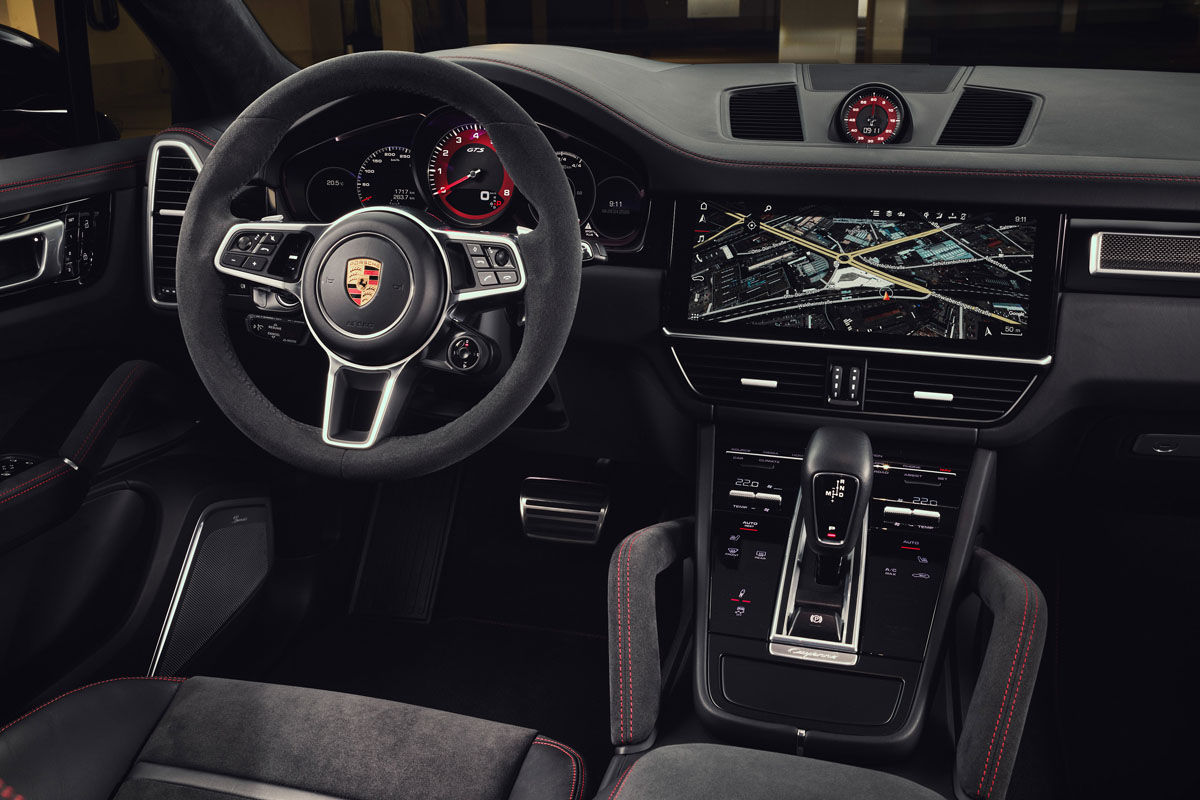
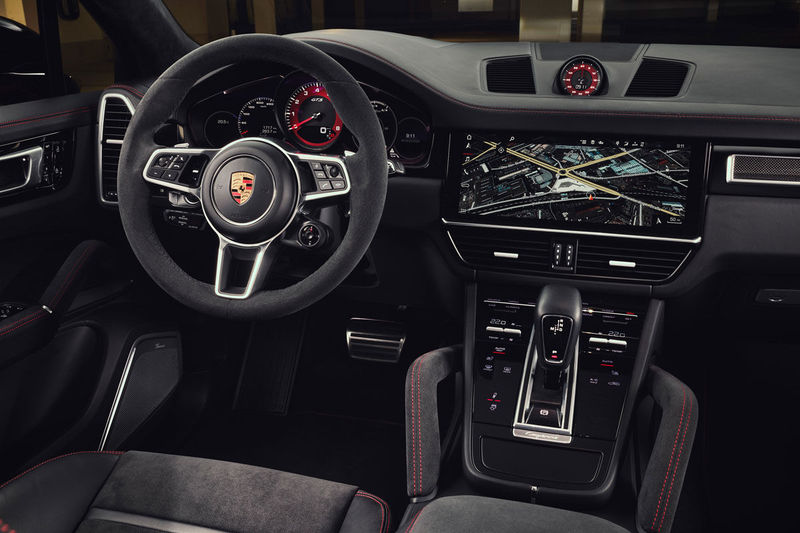
As expected, the interiors of the Cayenne- and Cayenne Coupe GTS derivatives are awash with sporty finishes and go-faster detailing. Note the liberal applications of Alcantara on the steering wheel, grab handles, door panels, centre console/armrest and roof lining. The cabins are further accented with dark-brushed aluminium inserts.
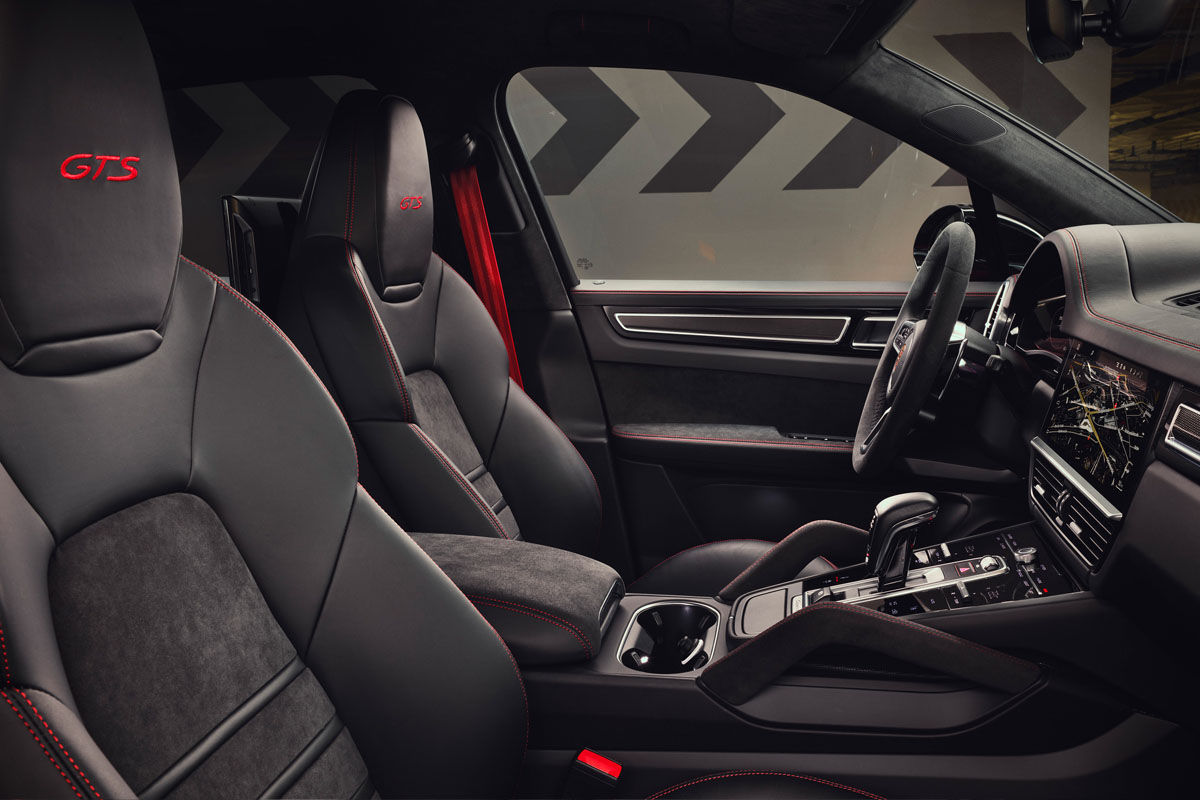
The 8-way electrically adjustable sports front seats (trimmed in a combination of leather and Alcantara, with GTS logos embroidered on the headrests) are exclusively reserved for the pair of newcomers to the Cayenne family, while the derivatives' (also GTS-marked) door-sill finishers are made of dark-brushed aluminium with a black anodised finish.
The interior is a melange of Alcantara with optional contrast stitching. Note the red detail on the central tachometer.
There are numerous personalisation options, including the GTS interior package, as shown here, where Carmine Red stitching features on the dashboard, door panels, seats, grab handles, armrest/centre console and the floor mats, all of which complements the dials of the rev counter and stopwatch, as well as the racy rouge seat belts, of course.