Audi's Q3 has finally landed in SA. It's on sale with only 1 drivetrain option but is that going to be a deterrent to buyers in a segment where looks and style trump performance?
We attended the international launch of this car in the middle of 2018 and so it feels a bit odd to only be publishing our full review on local soil now, nearly 2 years later.
However, the car was massively delayed in reaching South Africa and so the Audi Q3 is still fairly fresh on the scene. Importantly, it represents a strong rival in the segment and recently walked away with the Cars.co.za Consumer Award in the Crossover category at this year's ceremony.
This segment of the market is becoming increasingly popular as motorists buy down from more expensive segments, tempted by lower price tags but increasingly feature-rich cars such as the Volvo XC40, BMW X1 and Jaguar E-Pace.
In this video, Ciro De Siena takes a very detailed look at the Q3 35 TFSI S Line variant, and hopefully, by the end of this video you'll have learned everything you need to know to help you make your purchasing decision.
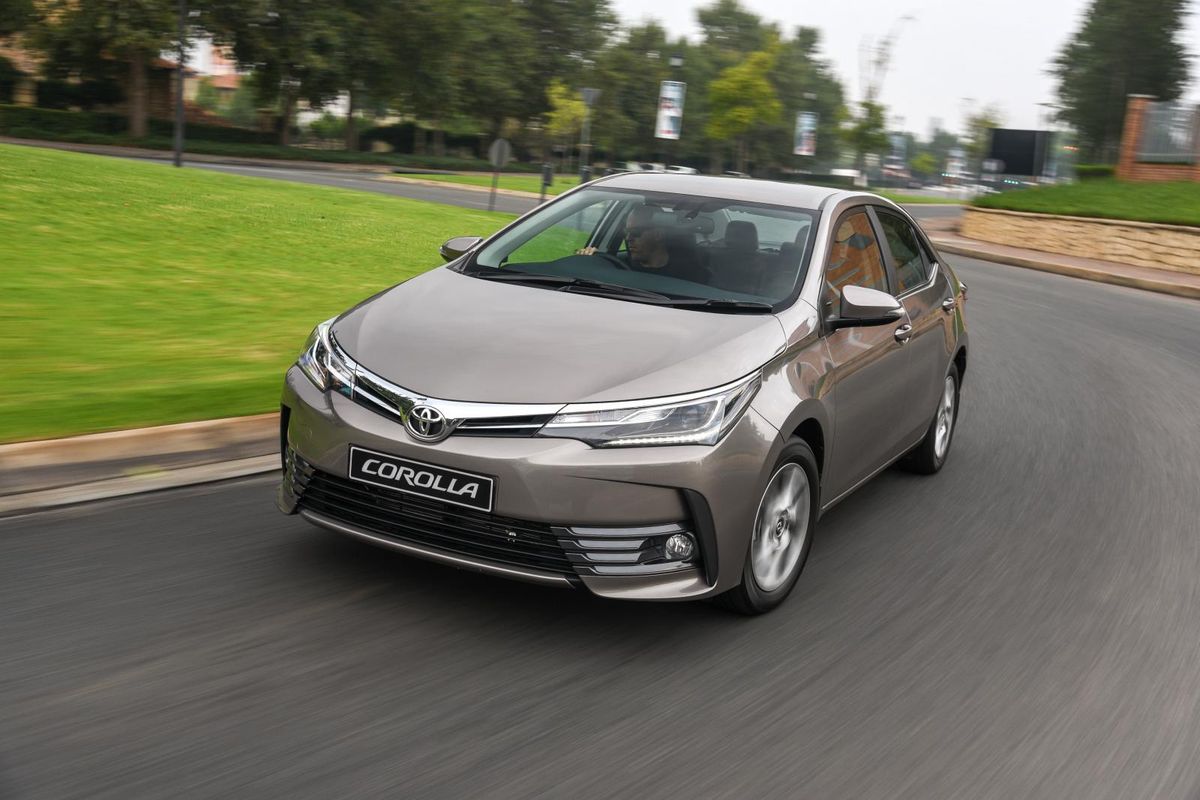
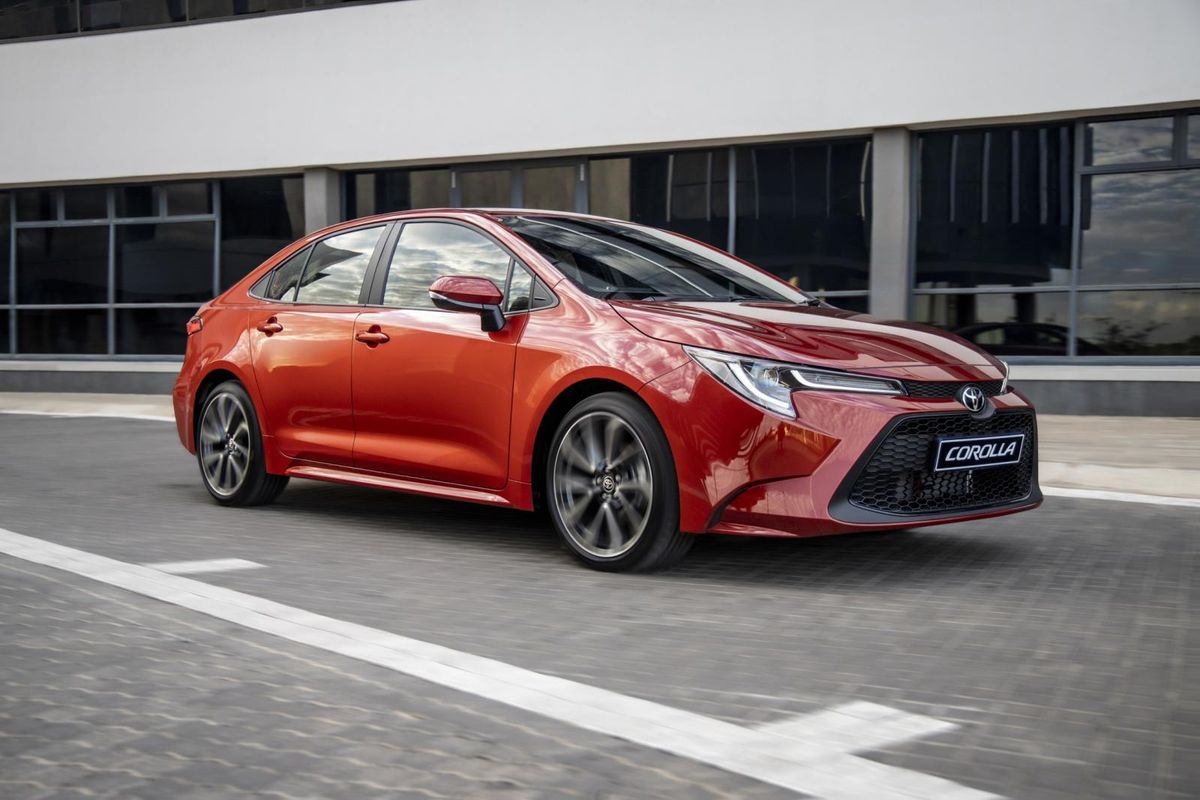
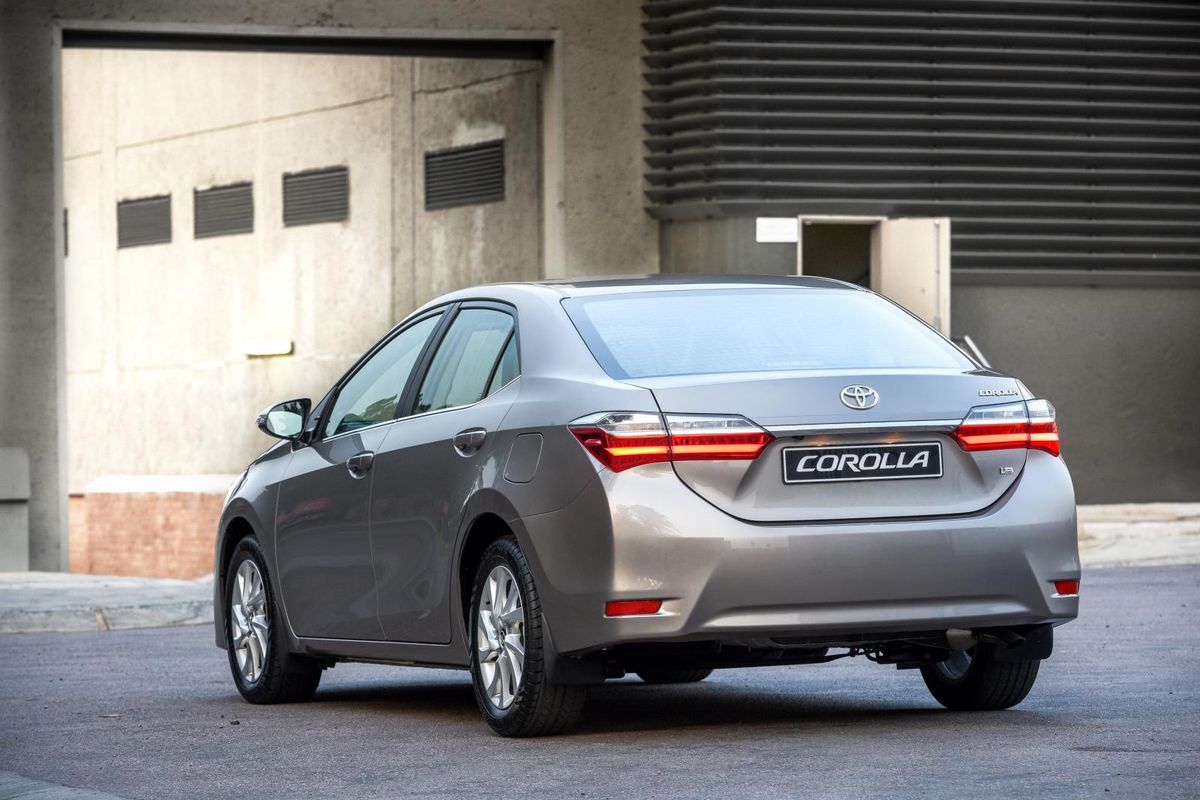
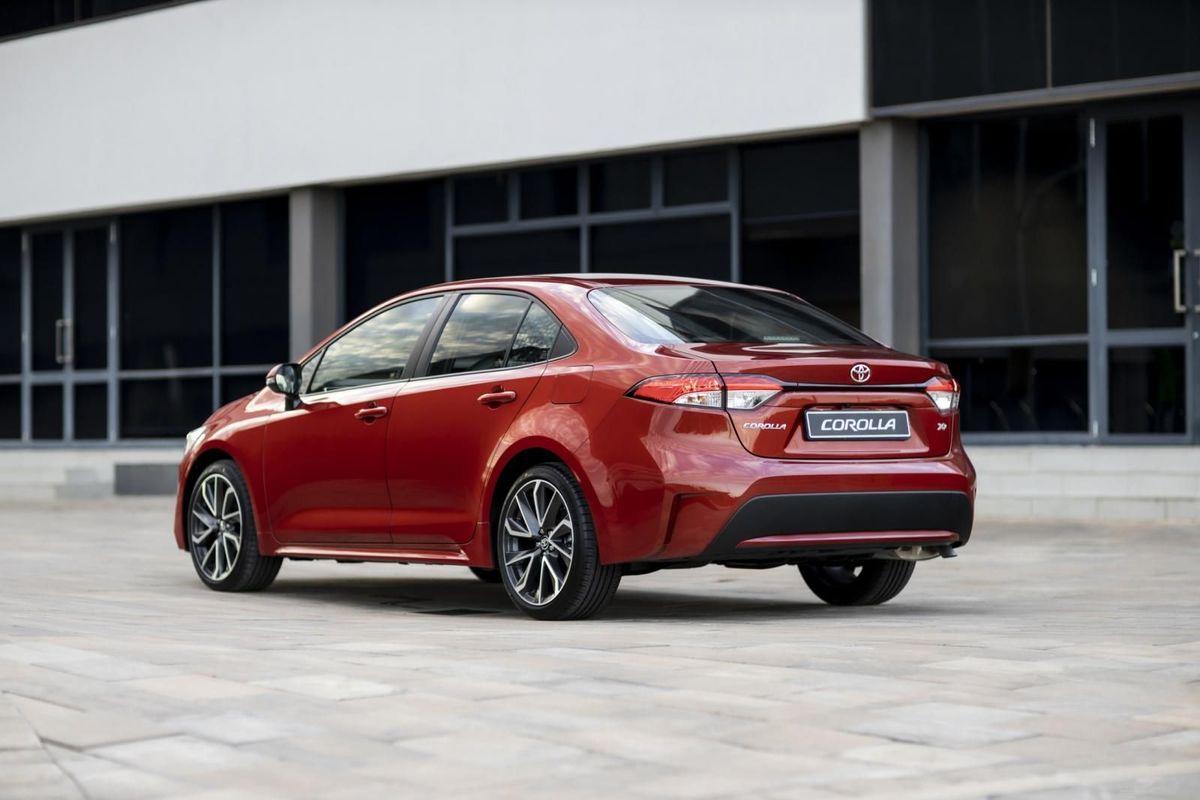
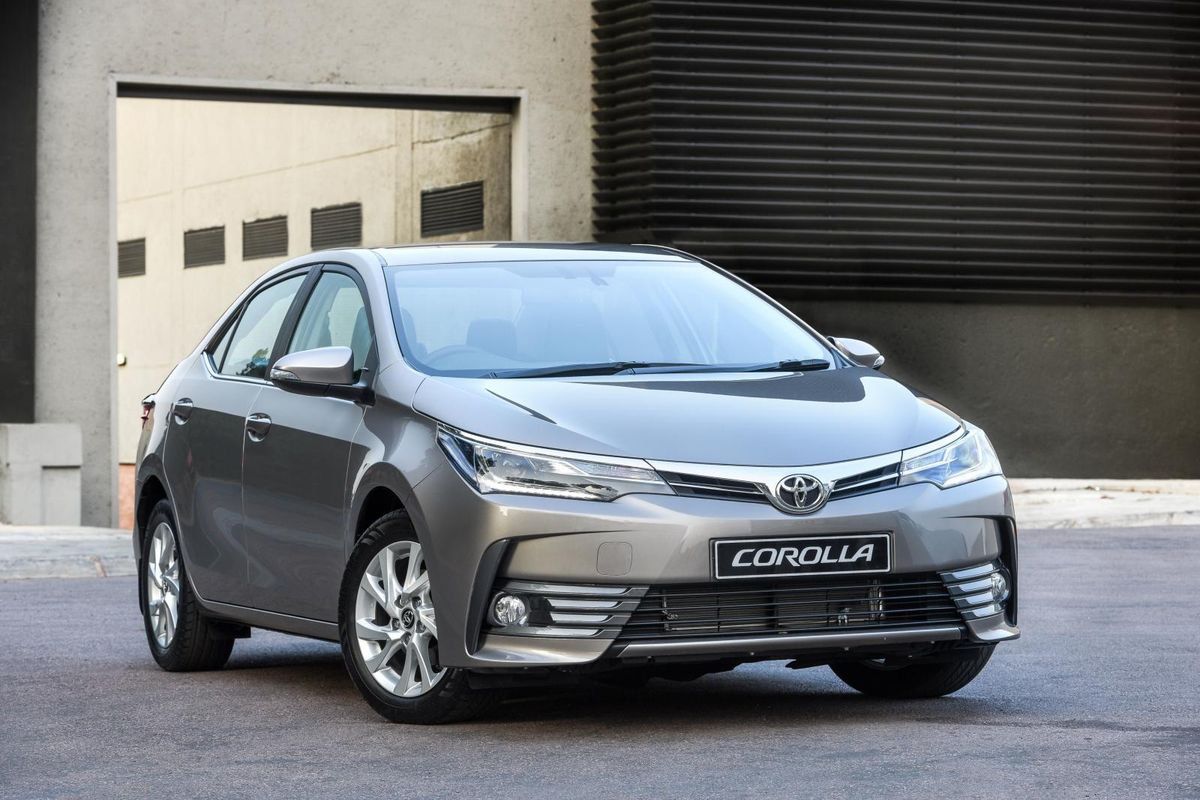
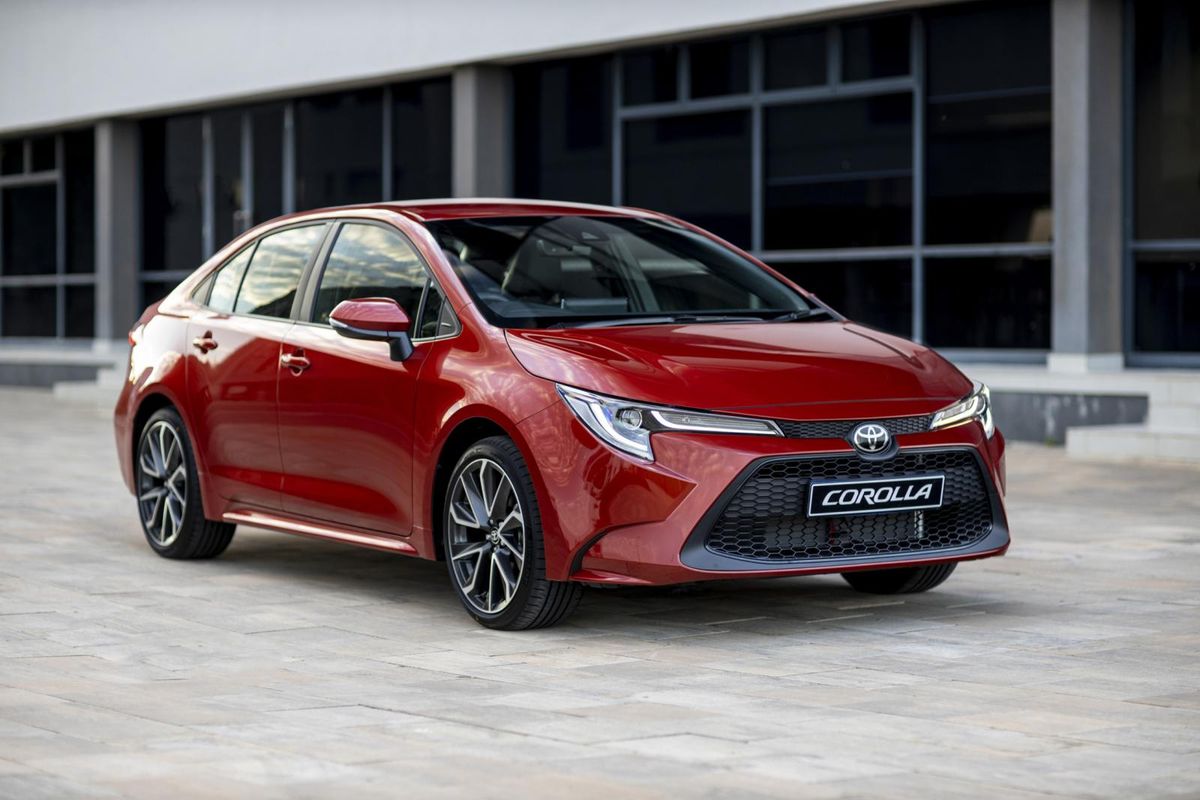
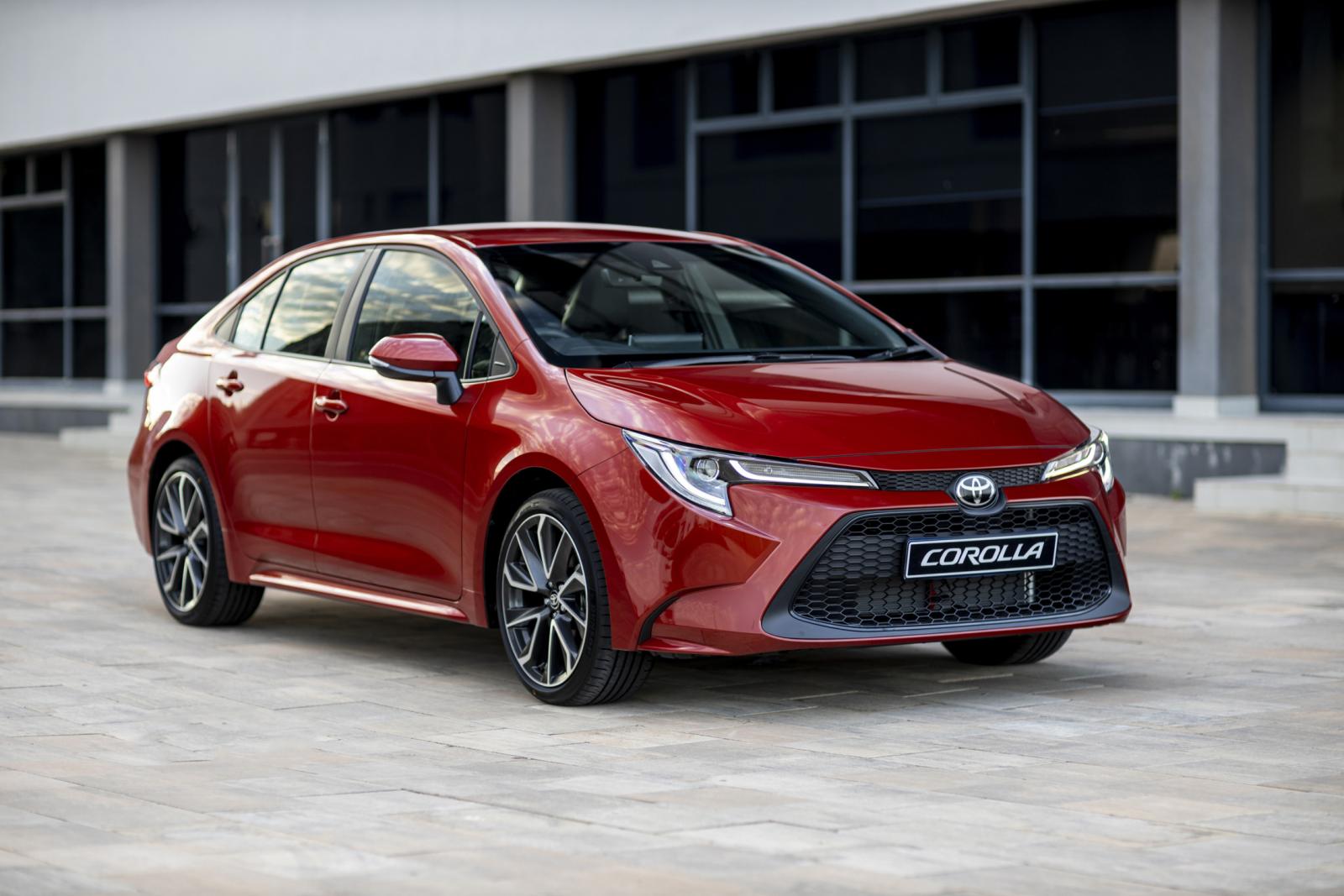
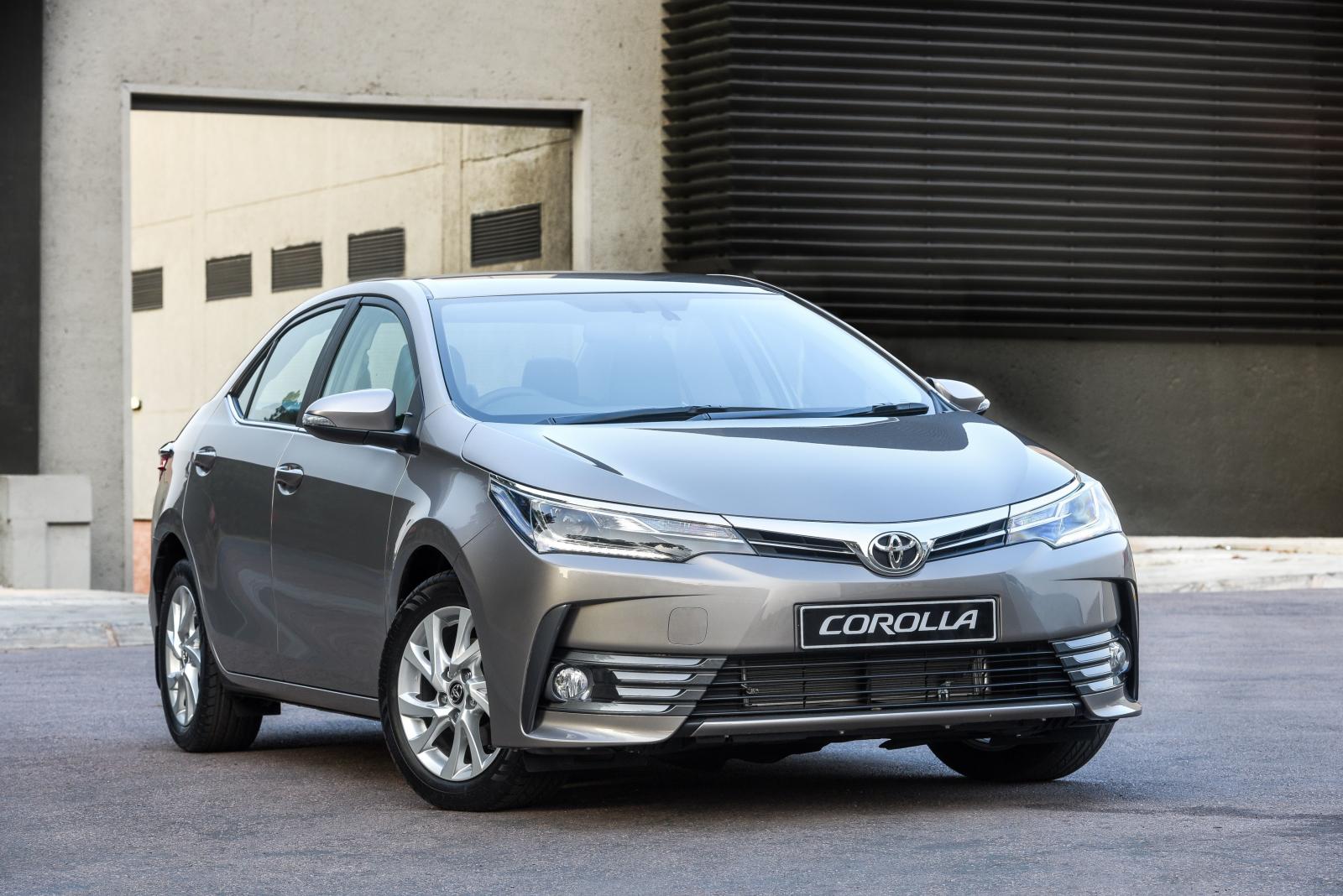
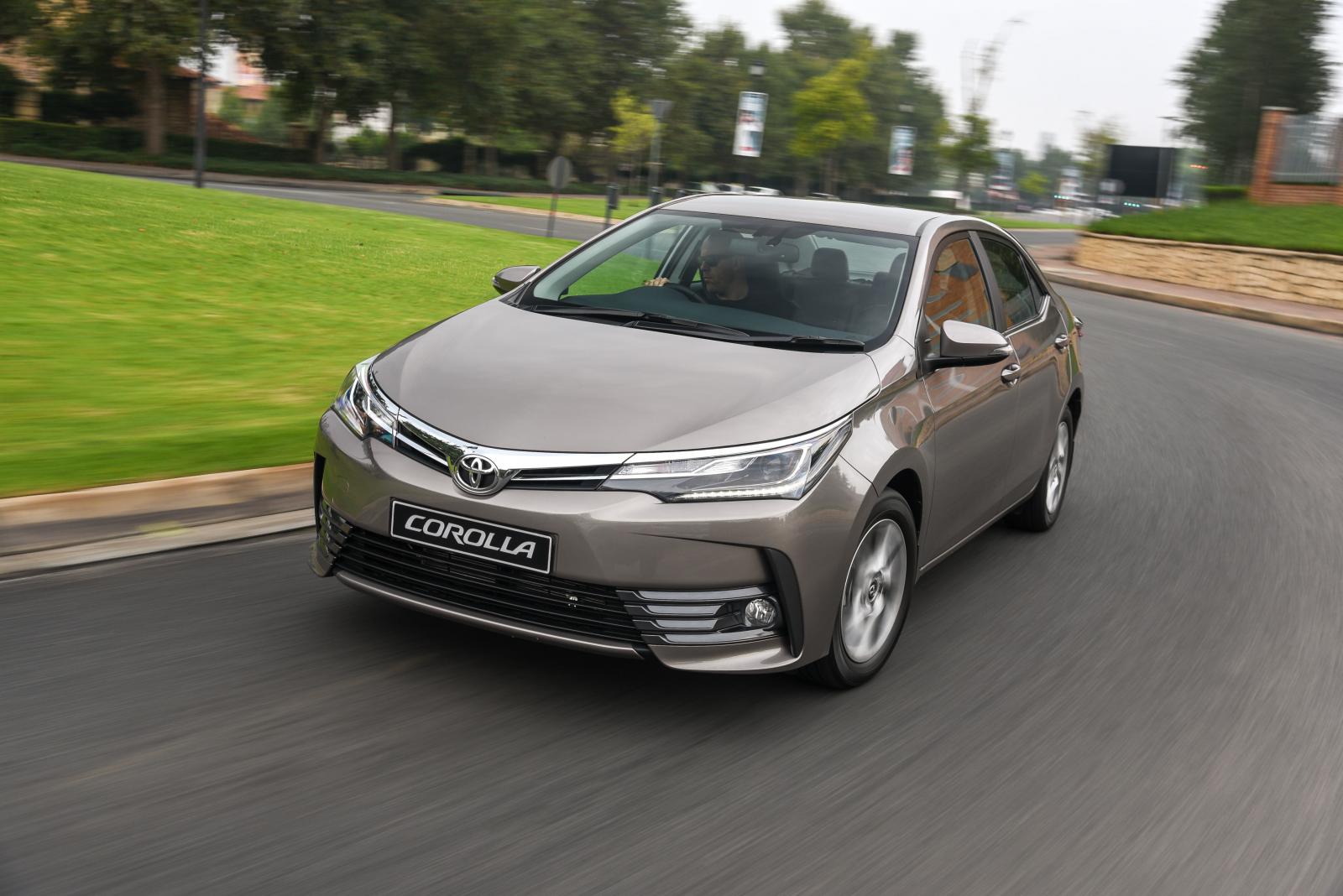
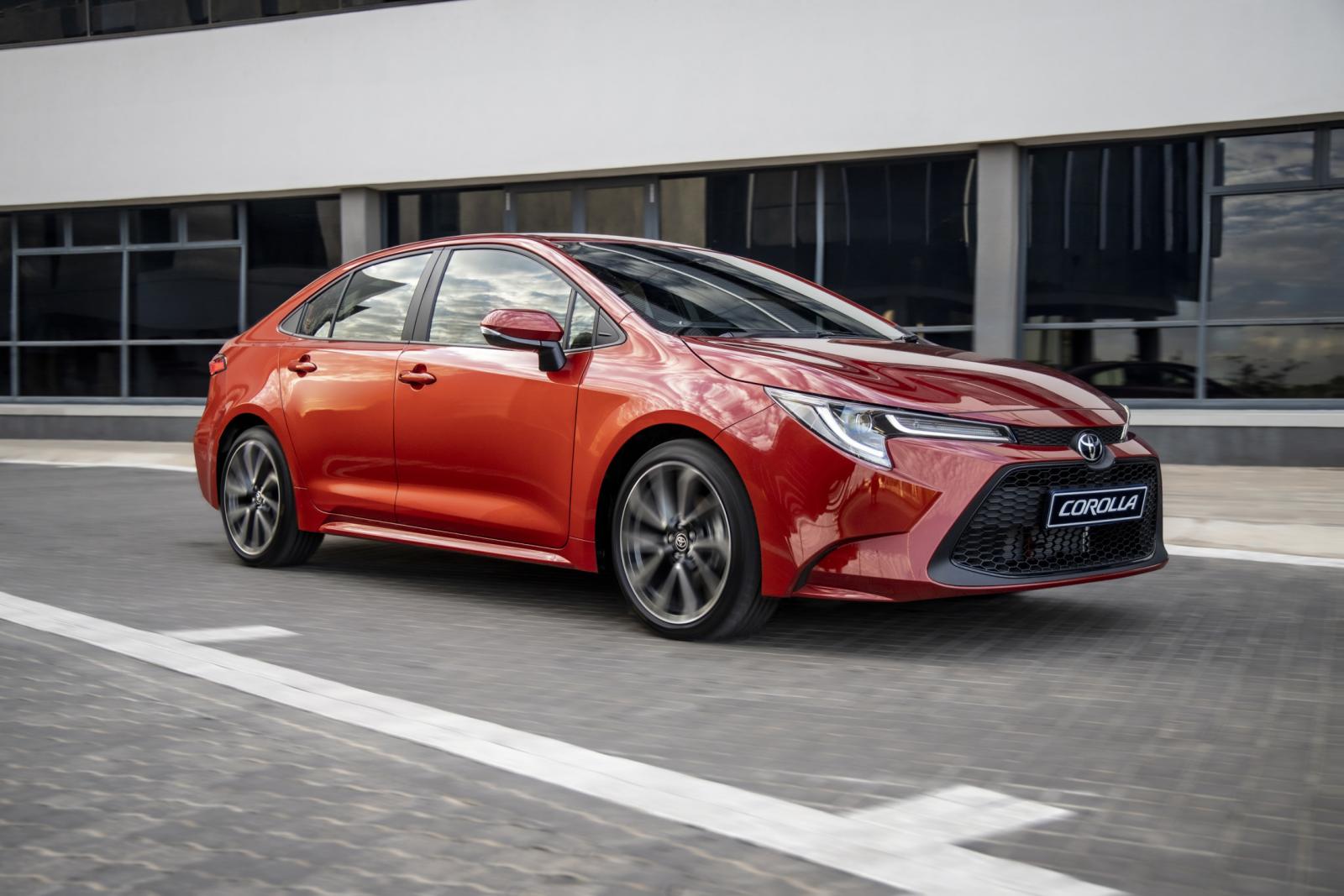
The new 12th-generation Toyota Corolla has arrived in South Africa. What are the key differences between the outgoing Corolla and its successor?
The Toyota Corolla is an iconic vehicle globally, with more than 45-million Corollas sold worldwide. Toyota goes on to make the claim that it's the best-selling car, ever. Locally, the Toyota Corolla has a long history in South Africa too, more than 40 years, in fact, starting with the introduction and local production of the third-generation Corolla in 1973.
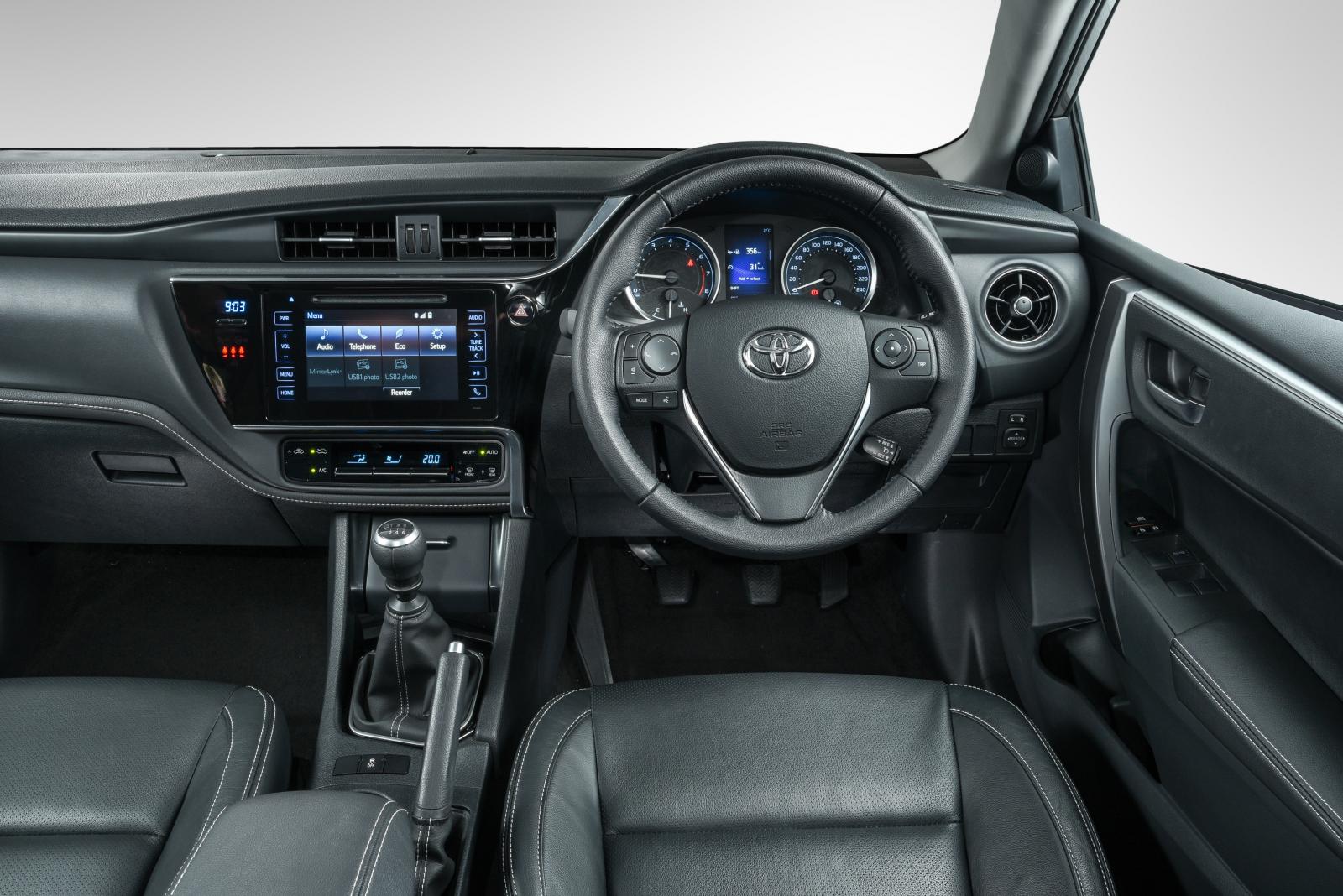
In March 2020, Toyota South Africa introduced the 12th-generation Corolla sedan. We mention sedan, as Toyota South Africa also sells a Corolla hatchback, which we've had some experience with. There's also the Corolla Quest, a pocket-friendly model. What has changed between the 11th-generation Toyota Corolla and the 12th-generation Corolla?
Toyota Corolla Key Changes
Dimensions
The 12th-generation Corolla is built on Toyota’s New Global Architecture (TNGA) platform, which the Japanese brand says gives it better driving characteristics and focuses on more comfort. Due to a platform change, the dimensions of the Toyota Corolla have changed albeit slightly. The outgoing model had a height/width//length/wheelbase of 1 465mm, 1 775mm, 4 620mm and 2 700mm respectively. In comparison, the newcomer has a height/width//length/wheelbase of 1 435mm, 1 780 mm, 4 630mm and 2 700mm. There's not much difference here, but Toyota claims an improvement in luggage capacity with 470 litres being available over the outgoing Corolla's 452 litres.
Engines
There was an assortment of both petrol and diesel options for the 11th-generation Toyota Corolla. The range started with a 1.3-litre derivative with 73 kW and 128 Nm of torque, moving up to a 1.6-litre engine with 90 kW and 154 Nm. At the top of the petrol pile was the 1.8-litre engine with 103 kW and 173 Nm. For those favouring low economy and strong in-gear shove, there was a 66 kW 205 Nm 1.4-litre turbodiesel engine. Both a manual gearbox and a CVT were offered.
The 12th-generation Toyota Corolla has 2 engine options, both of which are petrol. At the entry point is a 104 kW / 171 Nm 1.8-litre naturally-aspirated petrol engine. The second engine is a new 2.0-litre petrol engine which offers 125 kW and 200 Nm. A CVT is exclusive to the entry-level 12th-generation Corolla, while the top-spec model has the choice of either a 6-speed manual transmission or a 10-step CVT. If you're hopeful for turbocharged engines, then you'll have to look to the Corolla hatchback range with the 85 kW/185 Nm 1.2-litre turbocharged petrol motor.
Cabin and Features
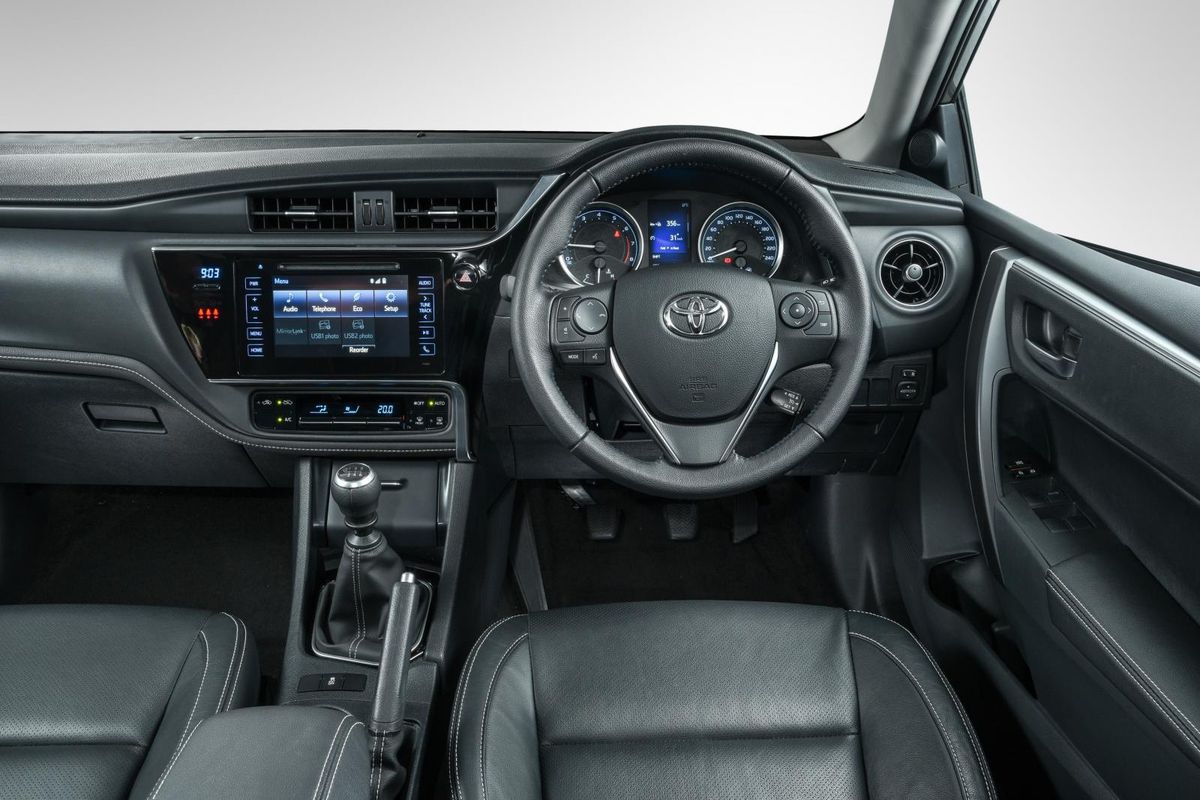
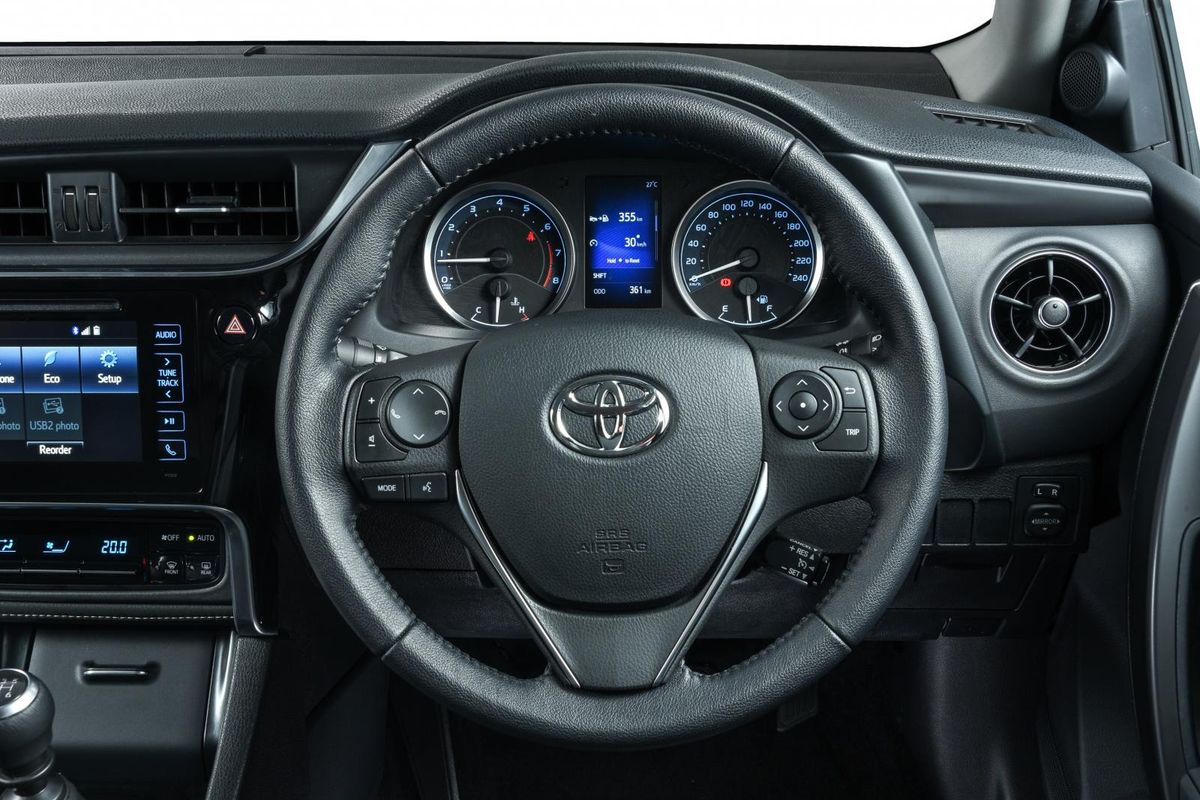
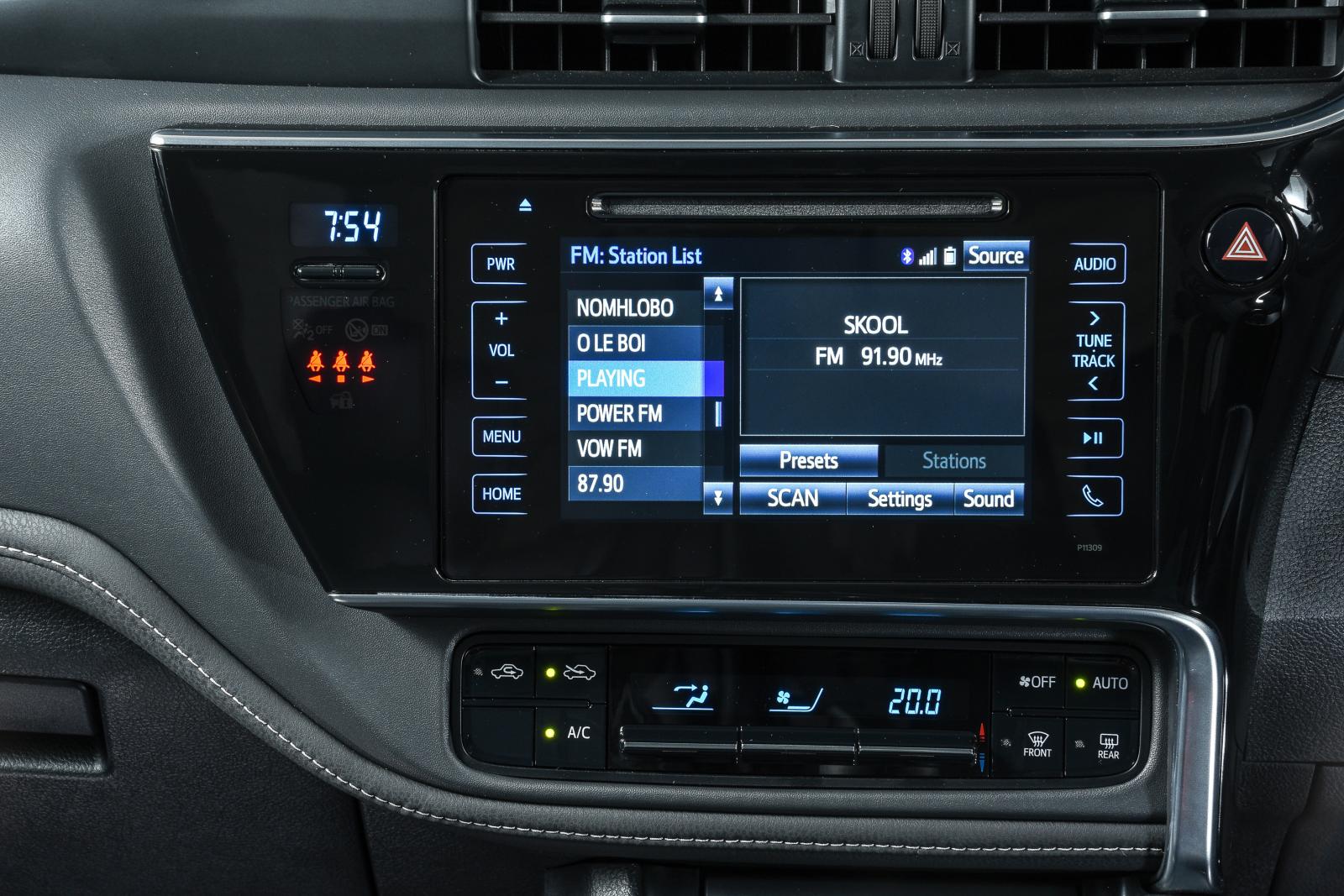
The 11th generation of Toyota Corolla was offered in Esteem, Prestige and Exclusive levels of trim, with a limited-edition Prestige Plus trim coming in the middle of the product lifecycle. It covered the basics with things like LED daytime running lights, 6 airbags, and multifunction steering wheel, USB/Aux/Bluetooth connectivity across the range. The top-spec Exclusive boasted niceties like climate control, auto wipers, keyless entry as well as additional airbags.
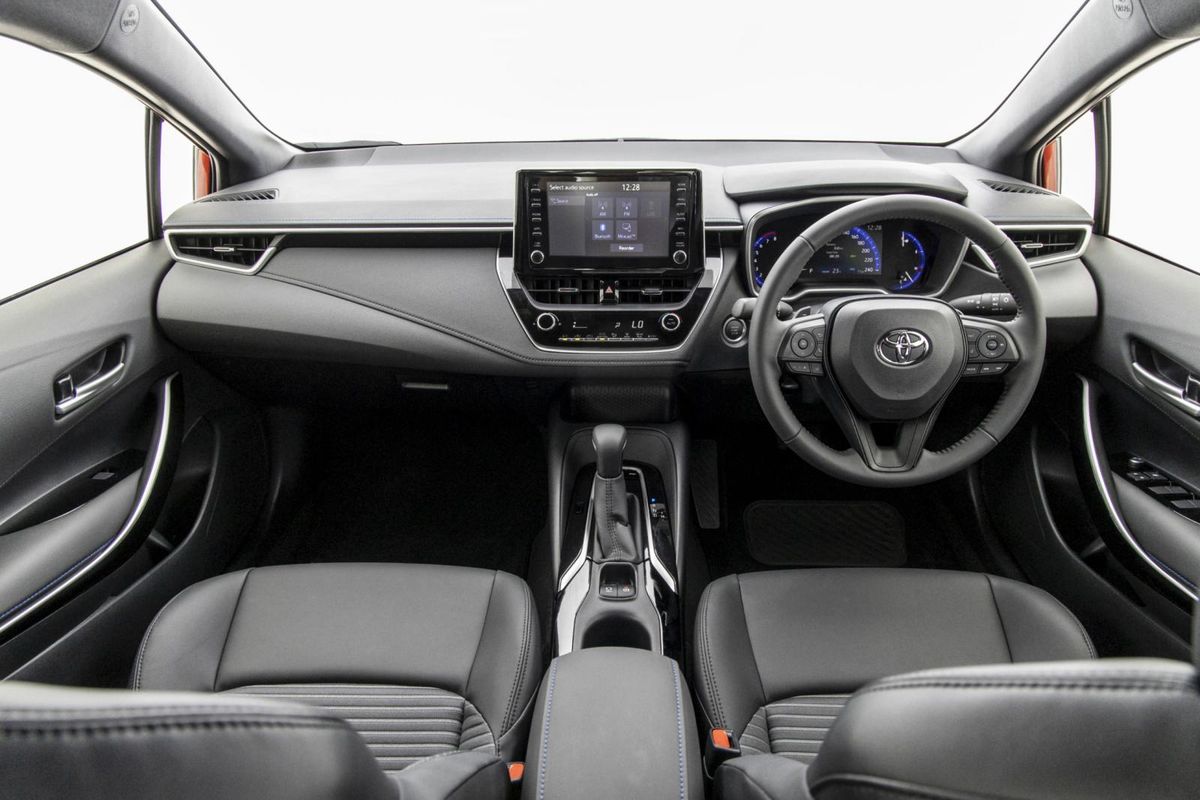
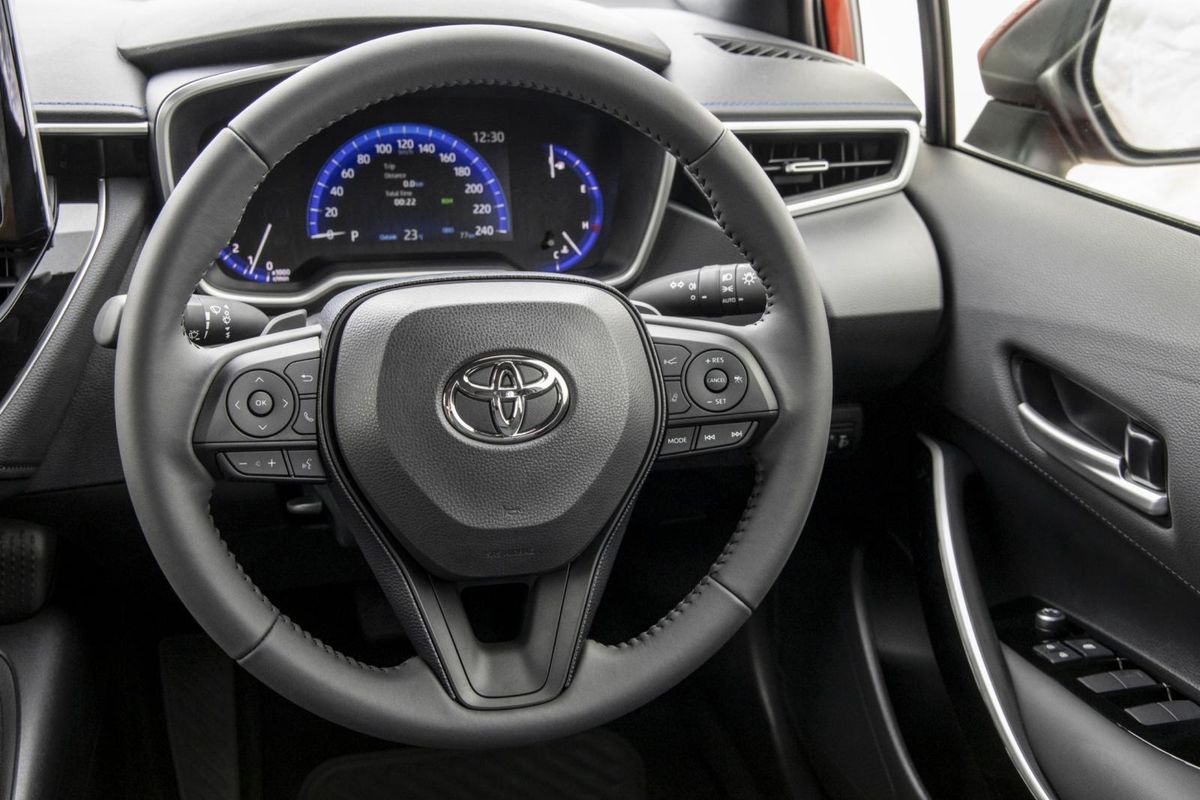
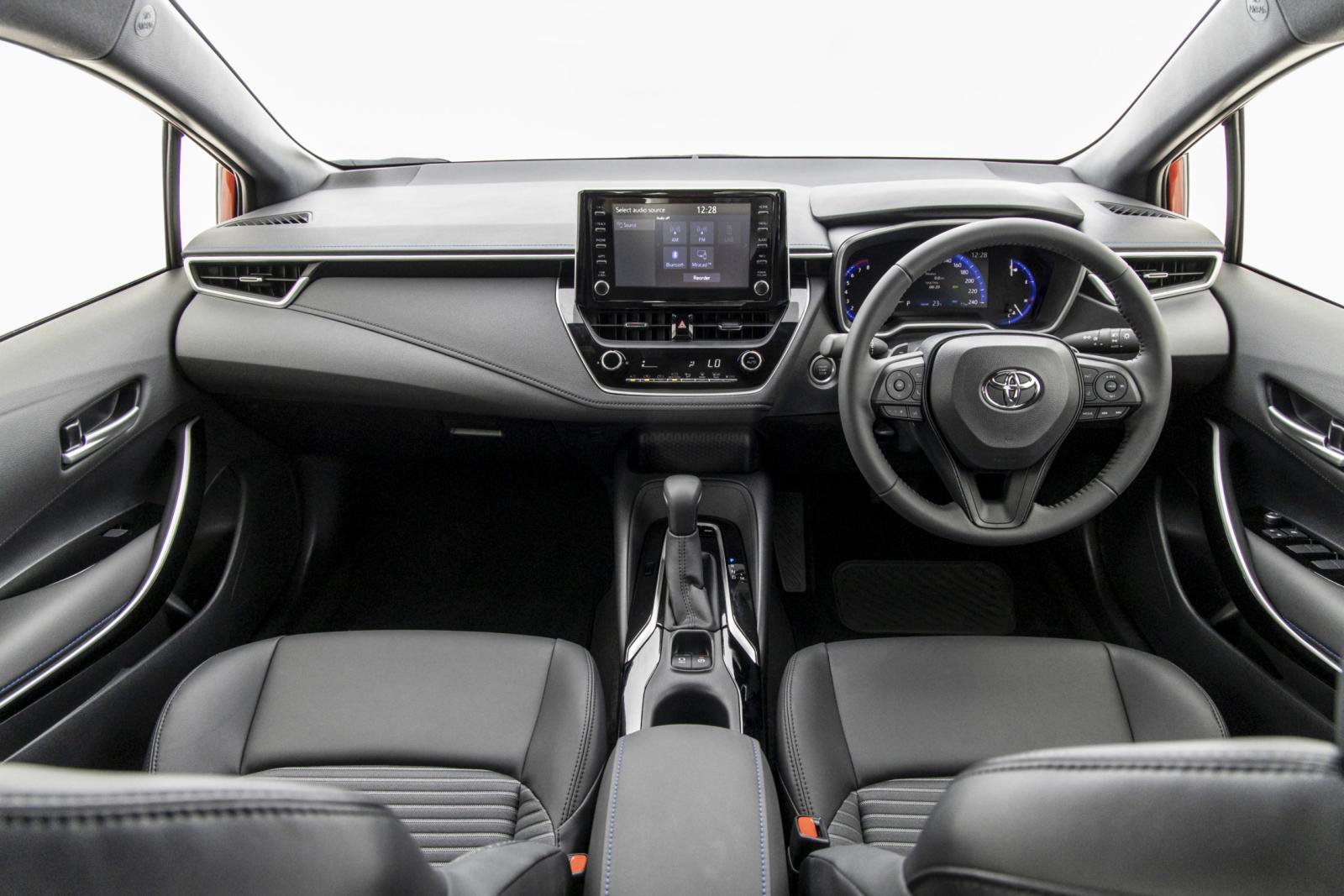
The new 12th-generation Toyota Corolla is offered in 2 trim grades: Corolla XS and the range-topping Corolla XR. The XS trim grade includes features such as LED headlights, push-button start, cruise control, automatic climate control, a reverse camera, multi-information display, steering wheel controls with voice control and the aforementioned Apple CarPlay and Android Auto functionality. In terms of safety, a total of 7 airbags are fitted as well as an electronic parking brake, Hill Assist Control and Vehicle Stability Control. The top-spec Corolla XR gains features such as Bi-LED headlights with automatic high-beam, smart entry, two-tone 18-inch alloy wheels, electro-chromatic rear-view mirror, combination leather upholstery, paddle shifters (CVT only) and Toyota’s Safety Sense System.
Tech
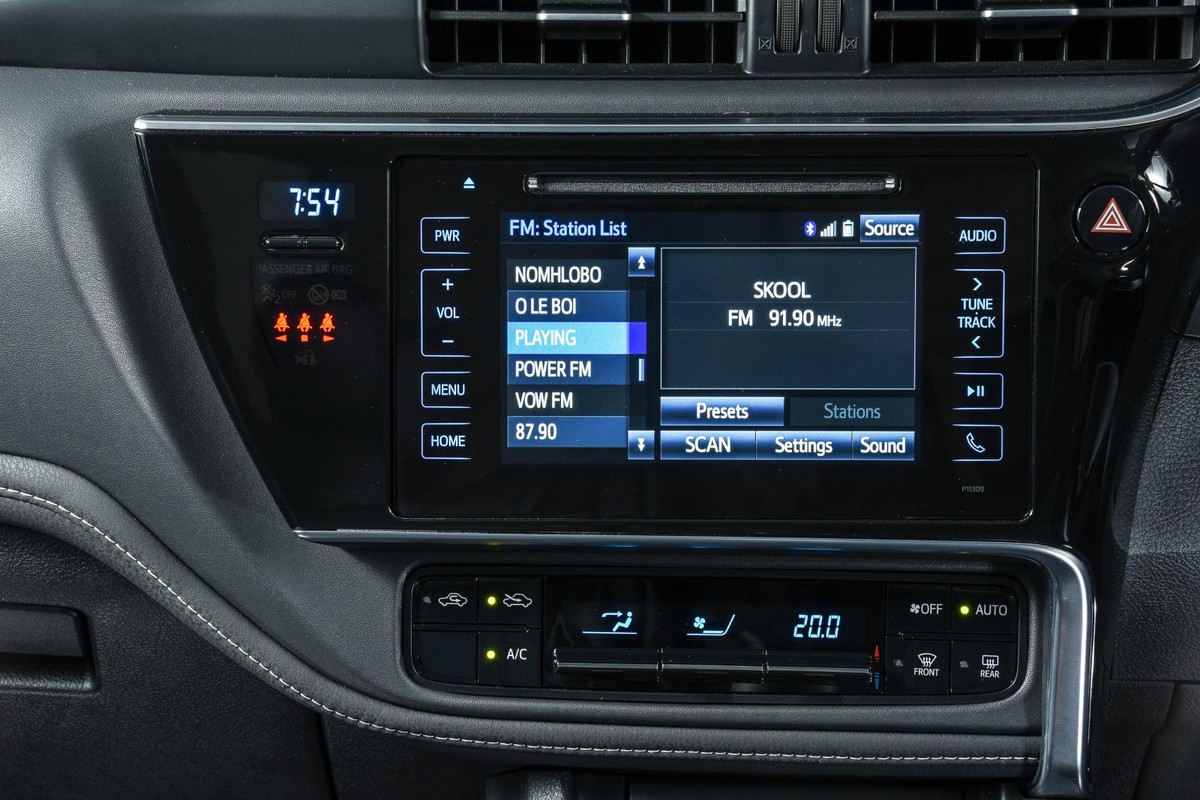
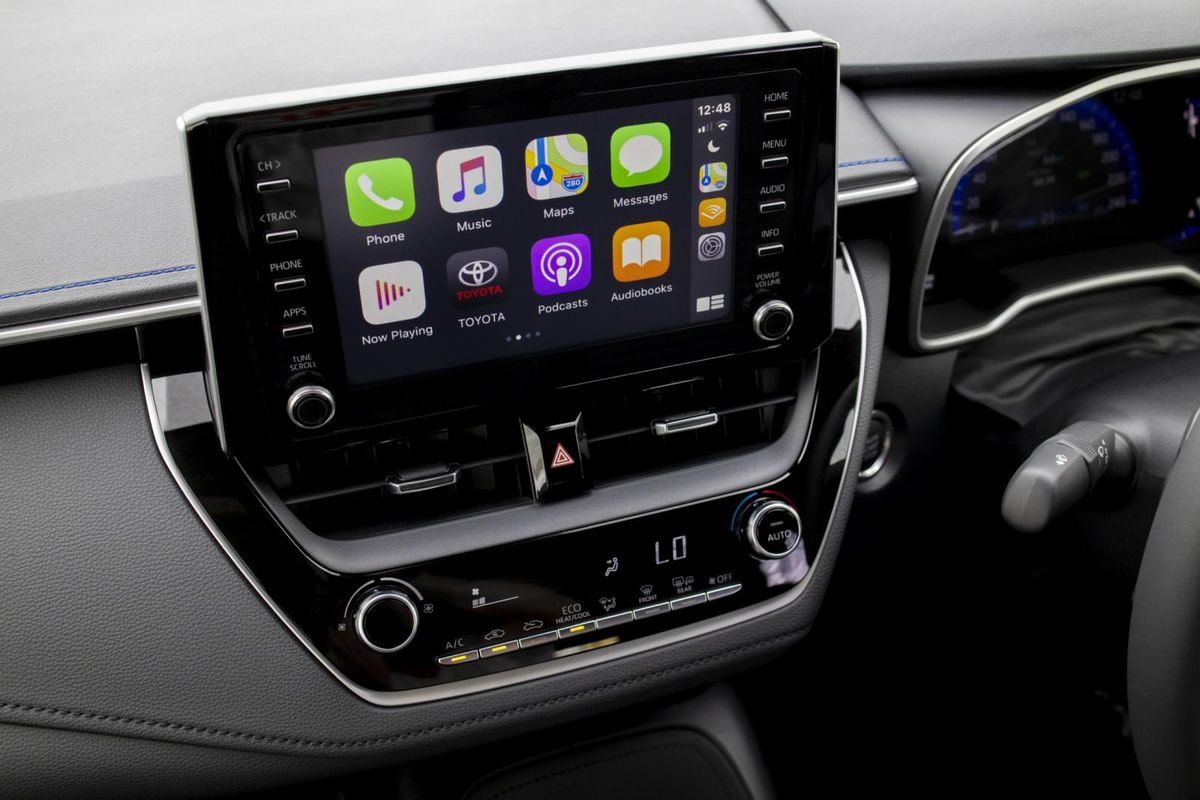
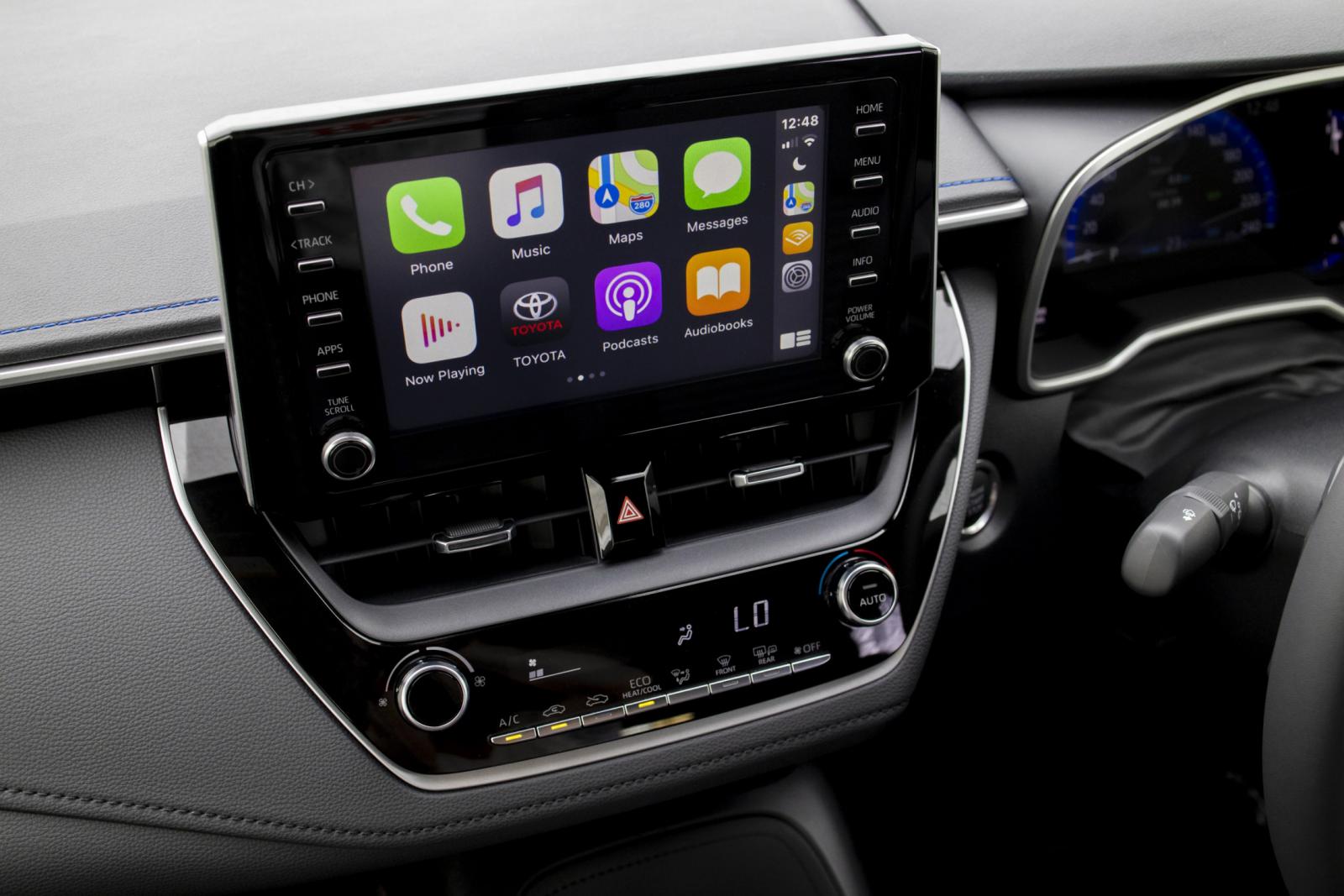
The tech and connectivity depart was one area where Toyota lagged behind its rivals, but with the new 12th-generation Corolla all has been forgiven as it ships standard with a digital dashboard as well as a new touchscreen infotainment unit. This new setup also includes Apple CarPlay and Android Auto, so you make the most of services like Google Maps and music streaming apps like Spotify. Most importantly, it's great to see the addition of some modern safety kit added to the Corolla. As mentioned earlier, the top-spec Corolla comes with Toyota Safety Sense, which includes things like Pre-Crash activation, Blind Spot Monitor, Adaptive All-Speed Cruise Control and Lane Departure Alert.
Final Thoughts
The 12th-generation Toyota Corolla has arrived in South African showrooms and should be on sale by the time you read this. Many of you have commented that the newcomer has become quite expensive, but we can see why as it is a big step up from the previous model. The addition of new safety tech and connectivity brings it right up to date.
Cleverly, this pricing strategy has opened the door for a pocket-friendly version of the Corolla. introducing the Toyota Corolla Quest, a locally-assembled model based on the outgoing derivative. It doesn't have all the boys and whistles unlike the new 12th-generation model, but has a 1.8-litre petrol engine and is still as good to drive. You can read a comprehensive review of that model here.
Toyota Corolla Price in South Africa
The new Toyota Corolla is sold with a 3-year/100 000 km warranty and a 6-service/90 000 km service plan.
Drastic times call for drastic measures and your budget 'skedonk' ain't going to cut it any longer! In an apocalypse, you will need something far more hardcore, something that will help you survive… Here is our list of ideal vehicles that will help you to survive an apocalypse! What would be your first choice?
We live in a crazy world and with South Africans on lockdown as a result of the COVID-19 outbreak, life as we knew it is history.
However, that doesn’t mean we can’t have fun and amidst all the chaos, our imagination drifts into an apocalyptic world where your cheapy is finally relegated to the scrap heap in favour of something more capable and more hardcore in an effort to survive. What would you choose to drive?
To ensure survival, we think the ideal vehicle for an apocalypse needs to be well-equipped to tackle tough terrain while also offering features that could help you survive.
In no particular order, here is a list of 10 vehicles that we think would make for awesome rides in an apocalyptic world.
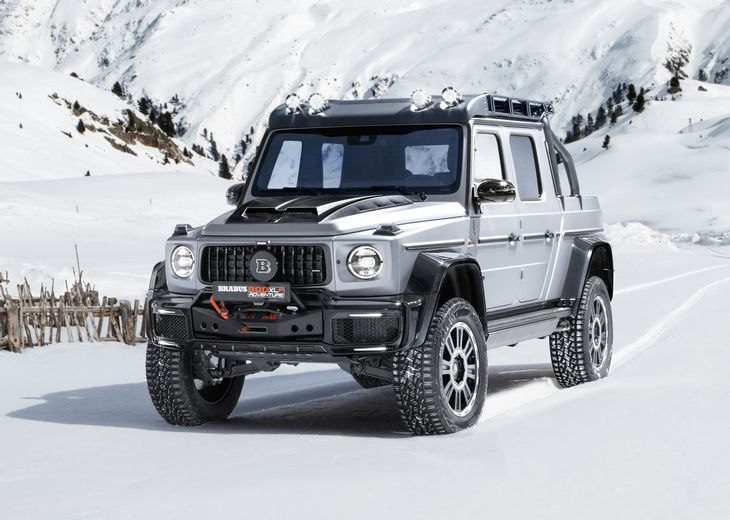
Brabus 800 Adventure XLP
This list wouldn't be complete without the formidable offroad capability of the Mercedes-Amg G63 and in extreme conditions, we call upon this, the Brabus 800 Adventure XLP!
Using the mighty G63 AMG as a base, the Brabus 800 Adventure XLP has all the power you will need with a beefed-up 588 kW and 1 000 Nm of torque on offer from its twin-turbocharged V8 engine and will smash zero to 100 kph in just 4.8 seconds.
Need to deliver food to your family and friends in a remote location? No problem! This vehicle has a loadbed which is equipped with a landing and take-off module for a Wingcopter which can fly at speeds up to 240 kph and has a 120 km range to get supplies to remote areas. Four mounted LED lights provide lighting for driving in the dark.
Inside, you can expect some of the finest finishes in the business to make sure that you are comfortable in your quest to survive…
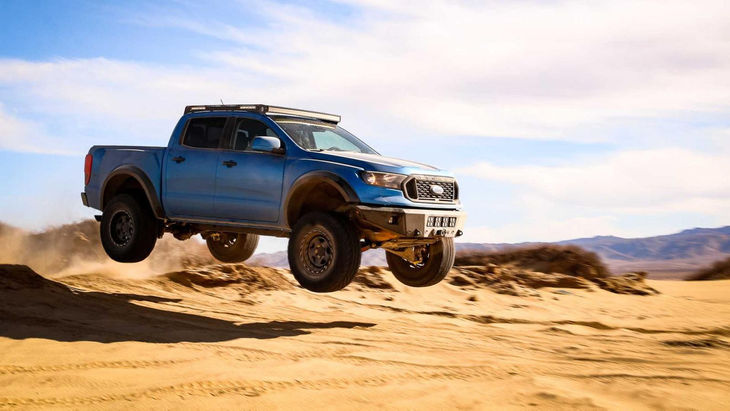
Ford Ranger Raptor by APG
Now for something more accessible to the masses – the Ford Ranger Raptor. It might not be as glamorous as the G63 above but it has exceptional high-speed offroading abilities that will help you cover tough terrain quickly. The raptor makes use of a 2.0-litre bi-turbocharged diesel engine with 157 kW and 500 Nm of torque and is mated with a new 10-speed automatic transmission.
However, for added capability, we feel the upgrades offered by California-based tuning company, APG, are more useful in the event of an apocalypse. The standard FOX position-sensitive damping (PSD) shock absorbers have been modified with APG’s long-travel which includes new upper and lower control arms as well as extended tie rods and CV shafts which, in combination, increase ground clearance from 283 mm to a stilted 318 mm.
Don’t forget to engage Baja mode as often as you can and enjoy high-speed offroad drifting while you at it.
Oh, and watch our Ford Ranger Raptor video review below while you at it!
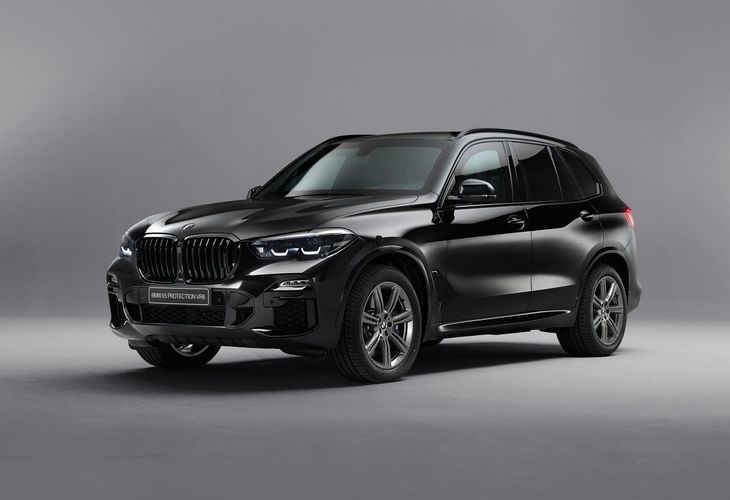
BMW X5 Protection VR6
The BMW X5 has all the luxuries you need wrapped in a stylish body, but this X5 Protection VR6 is built to keep you and your passengers safe from a range of external threats. To achieve high levels of protection, this X5 VR6 features 35 mm thick safety glass and body armour and can withstand hand grenade attacks, AK-47 assault and resist a 15 kg TNT explosion from 4-metres away. Also, you can spec your X5 VR6 with an armoured roof that can withstand drone attacks.
In terms of capability, a 4.4-litre twin-turbocharged V8 engine, boosting 390 kW and 750 Nm is fitted.
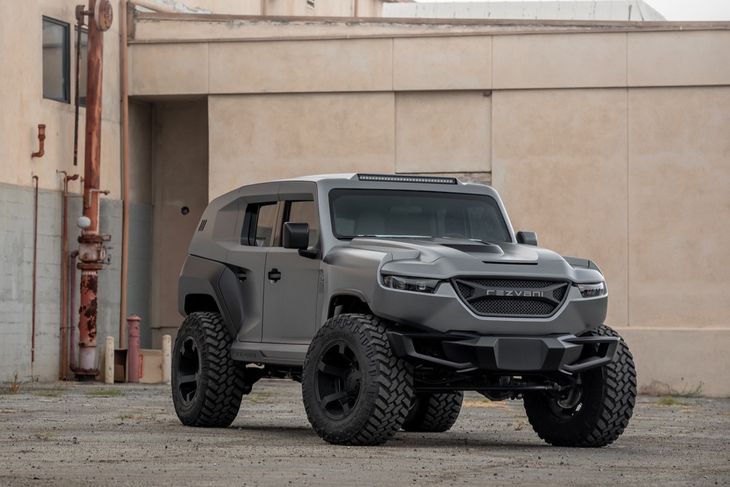
Rezvani Tank
Let’s up the ante with the hardcore and aptly-named Tank produced by California-based firm, Rezvani. Power comes from a 373 kW 6.4-litre V8 engine as standard (a 746 kW supercharged 6.2-litre V8 is optional), on-command 4×4 capability, a top-end FOX off-road suspension system and GRID off-road wheels.
But that’s only the start of it, the Tank has an array of equipment that makes it the perfect vehicle for surviving an apocalypse. The Tank is equipped with high-intensity LED lighting, a thermal night vision system and even an electromagnetic pulse protection system.
If you upgrade to the military-spec Tank, you will gain bulletproof body armour and glass, explosive protection, a smokescreen, military run-flat tyres, self-sealing fuel tank and a survival kit with gas masks, to name but a few…
If you are after a bad-ass vehicle to survive just about anything, then the Rezvani Tank is a good bet…
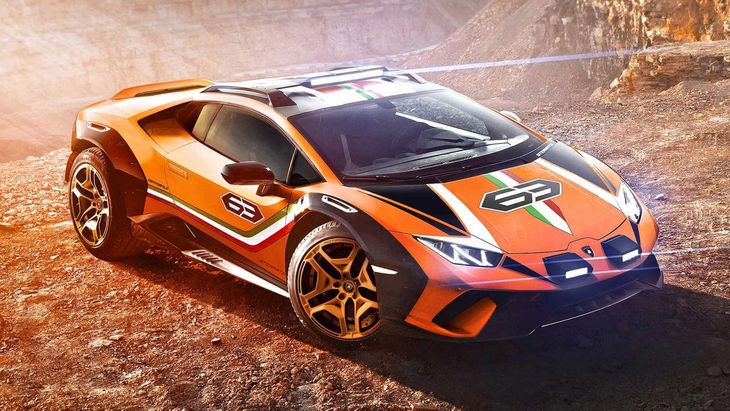
Lamborghini Huracan Sterrato
Although an unlikely candidate for an apocalypse and while it’s not the most hardcore option on this list, it’s certainly the fastest! The Lamborghini Huracan Sterrato is based on the Huracan Evo but features a few modifications to help it cope offroad. These features include a raised ground clearance (+47 mm), carbon-fibre fender protectors and LED light bars on the roof and bonnet. Gravel stone chips are kept in check with inconspicuous mud flaps and tracking width has been increased by 30 mm for added stability. The Sterrato rolls 20-inch wheels wrapped in high- volume tyres to tackle offroad terrain.
The Sterrato also features a recalibrated version of the Huracán Evo’s Lamborghini Dinamica Veicolo Integrata (LDVI) master algorithm, with driving modes better suited to loose surfaces and the car’s higher centre of gravity.
The best part, however, is engine performance with no less than 470 kW and 600 Nm developed by its 5.2-litre naturally-aspirated V10 engine.
If you need a to make a fast get-away, this Lambo will oblige with a zero to 100 kph sprint time of around 2.9 seconds!
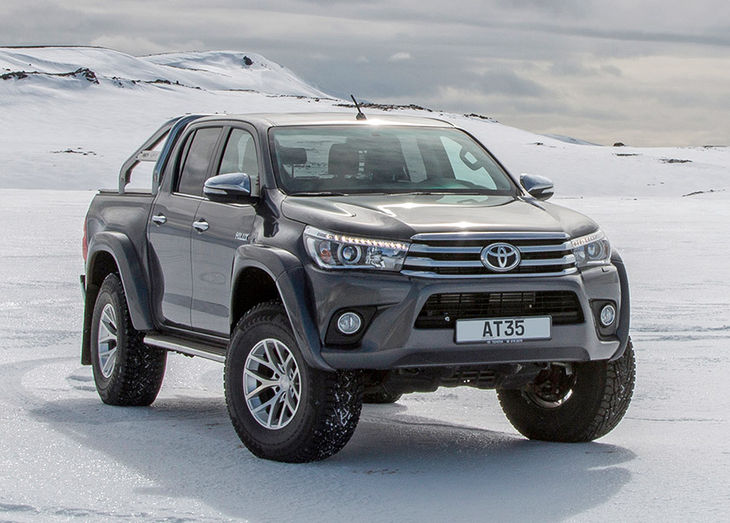
Toyota Hilux Arctic Trucks AT35
Made famous by BBC’s Top Gear Polar Special, the Arctic Trucks Toyota Hilux is built to conquer the toughest terrain on earth and its capability has been proven with over 300 000 km’s driven to both poles and even across all 7 continents.
Combining the Hilux’s formidable offroad capability and expertise from adventure specialists, Arctic Trucks, this Hilux is built to perform in extreme conditions. Based on the current-generation Hilux, the Arctic Trucks Hilux AT35 features a performance suspension which raises ground clearance by an additional 40 mm over the standard 284 mm to 326 mm. In combination with 17-inch offset alloy wheels shod with 35-inch tyres, the Arctic Trucks Hilux AT35 is near-unstoppable over difficult terrain.
A reliable 2.4-litre turbodiesel engine with 110 kW and 400 Nm does duty under the bonnet and comes mated with a 6-speed automatic transmission.
If on doubt, this Hilux will serve you well…
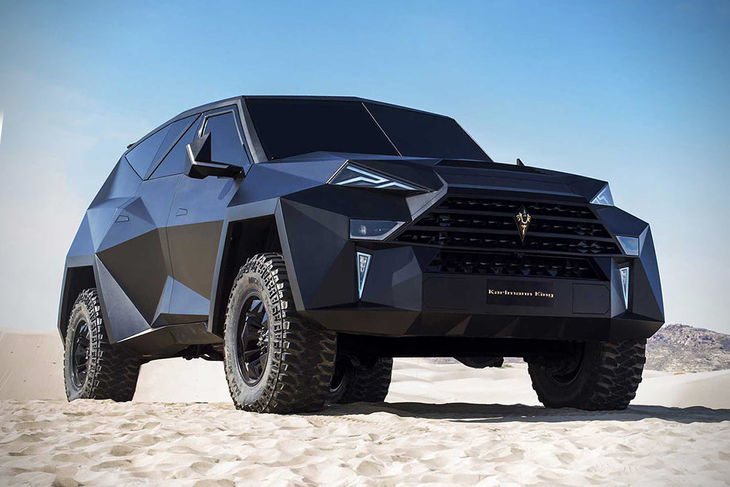
Karlmann King Ground Stealth Fighter
The Karlmann King Ground Stealth Fighter is a luxury SUV featuring a striking diamond bulletproof armour and is powered by a powerful 6.8-litre V10 engine producing 268 kW and 620 Nm of torque. Weighing in at 6-tonnes, this SUV can only reach a top speed of 140 kph but can operate in temperatures of up to 90°C and -40°C.
While you focus on surviving, the Ground Stealth Fighter will take care of your needs by offering a range of luxury features for the well-heeled. Apart from a lavishly styled cabin, features include a limousine-like rear passenger cell that’s equipped with a retractable wide-screen television, a Nespresso machine, a mini-fridge, a small safe and pop-out tables.
The Karlmann King Ground Stealth Fighter is ideal for those who can’t do without luxury and opulence, even in tough times…
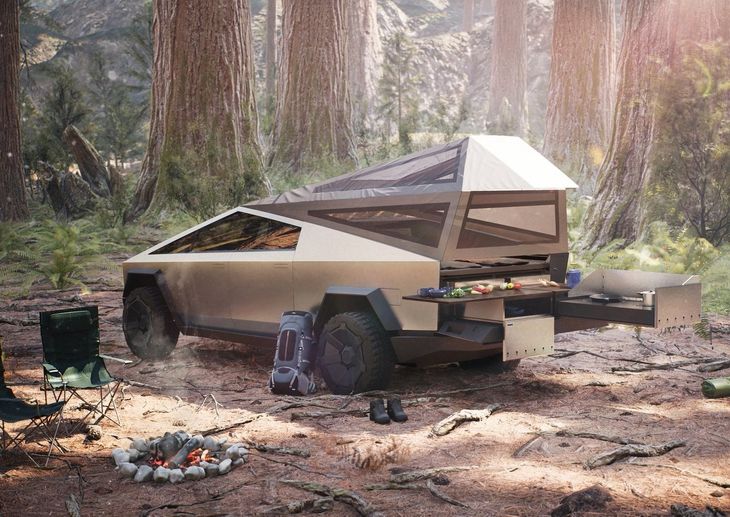
Tesla Cybertruck
If we had to choose an electric vehicle to survive the apocalypse (and provided that electricity is available) the Tesla Cybertruck would be a good choice. Built with ultra-hard, cold-rolled stainless steel and boasting a range of over 800 km while offering sportscar performance (zero 100 kph is claimed at 2.9 seconds), the Cybertruck looks like its built for the apocalypse. Admittedly, the interior isn’t as lavishly-equipped as other options on this list but a super-size 17-inch touchscreen will keep you entertained. The Tesla Cybertruck can be had as a single motor rear-wheel drive, dual-motor all-wheel drive and a tri-motor all-wheel drive, but for maximum performance, we opt for the latter.
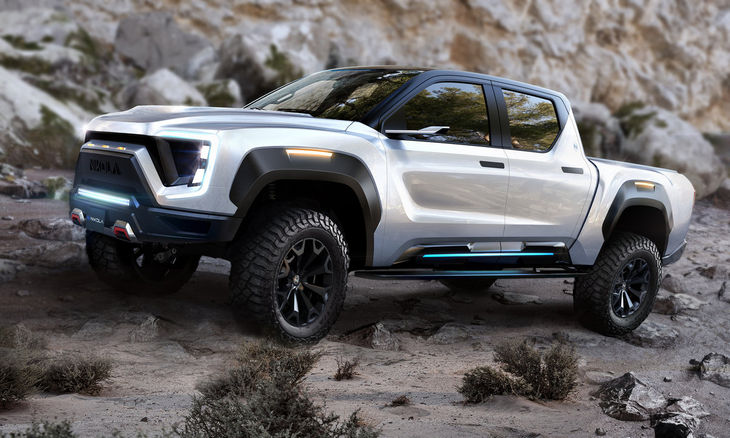
Nikola Badger
This badass truck is the Nikola Badger which combines a 150 kWh battery pack and a 120 kW fuel cell to develop substantial outputs of 675 kW and 1 320 Nm of torque which results in a zero to 100 kph sprint time of around 2.9 seconds. More so, a range of 1 000 km is particularly useful. The Badger also boasts a towing capacity of up to 8-tons!
For outdoor applications, a 15 kW power outlet can power things like power tools and mini compressors. It can also act as a generator delivering power when there isn’t any.
The Badger definitely looks built-for-purpose too…
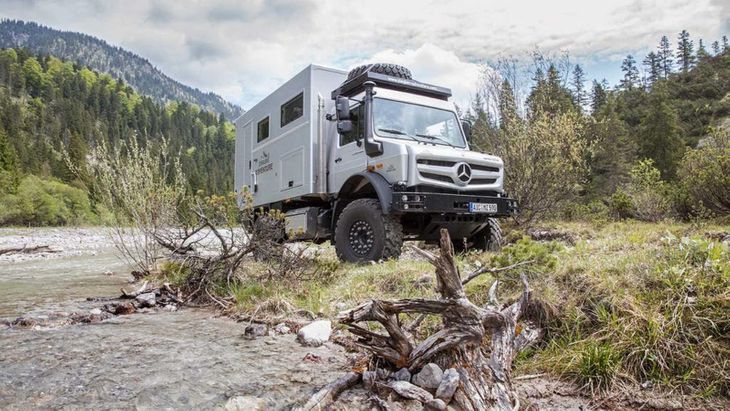
Mercedes-Benz Unimog
The Unimog is perhaps the most capable and respected offroader on the planet Earth and serves as a formidable overland vehicle. The modern Unimog is powered by either a 4- or 5.0-litre litre turbodiesel engine offering up to 170 kW and 900 Nm of torque. All-wheel-drive offroad capability is ensured with portal axles, dual differential locks and a central tyre inflation system.
The Unimog is also highly adaptable and can be converted to suit your every need, making it the perfect basis for a mobile home.
What other cool apocalypse survival cars would you add to this list?
All-new Pajero will be a… plug-in hybrid?
If the Land Rover Defender and Mercedes-Benz G-Class can be reinvented after several decades (admittedly, the former more so than the latter), then surely the Mitsubishi Pajero, the 4th generation of which debuted as long ago as 2006, could get a new lease of life too…
Although Mitsubishi’s revered off-roader has received several update packages to (at least try to) keep up with the times, it was widely believed that Pajero’s production run would finally come to an end when a Final Edition derivative – limited to just 700 units – was released in the Japanese market last year. The Pajero remains listed on Mitsubishi Motors SA’s website for the moment, but there has been no talk of an all-new model to replace the venerable SUV.
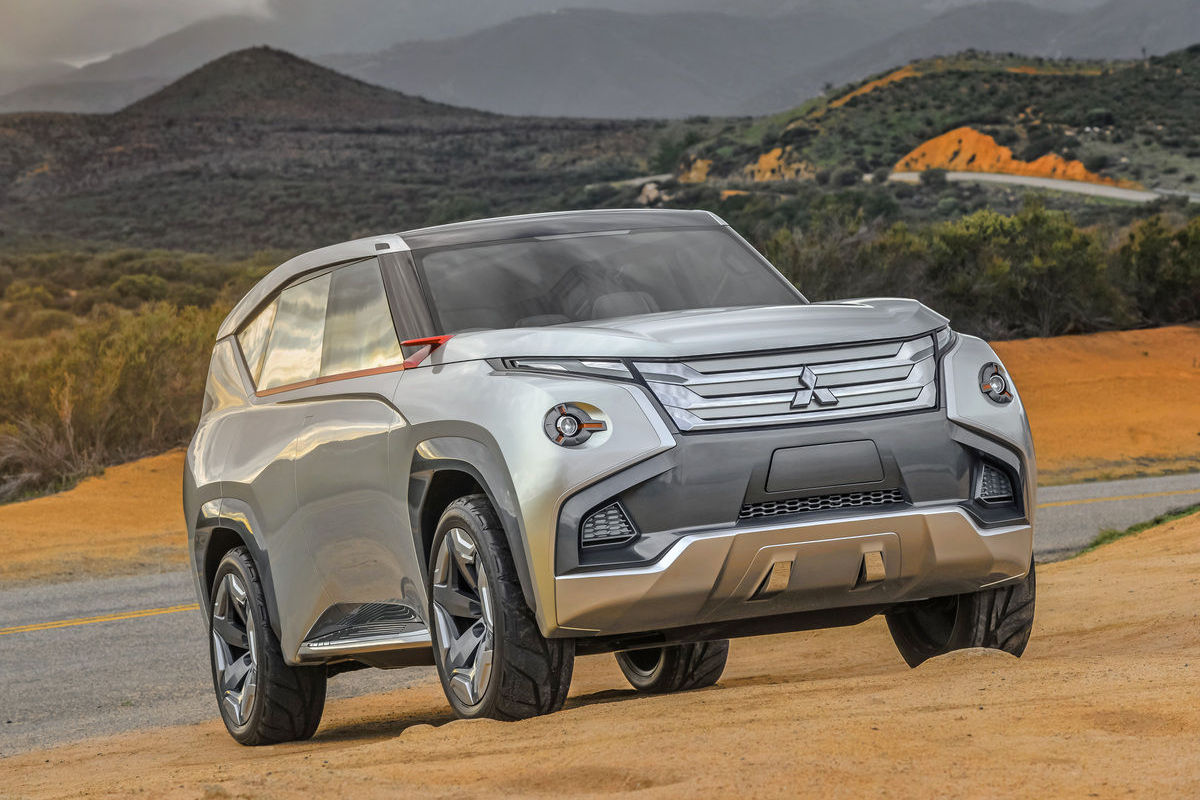
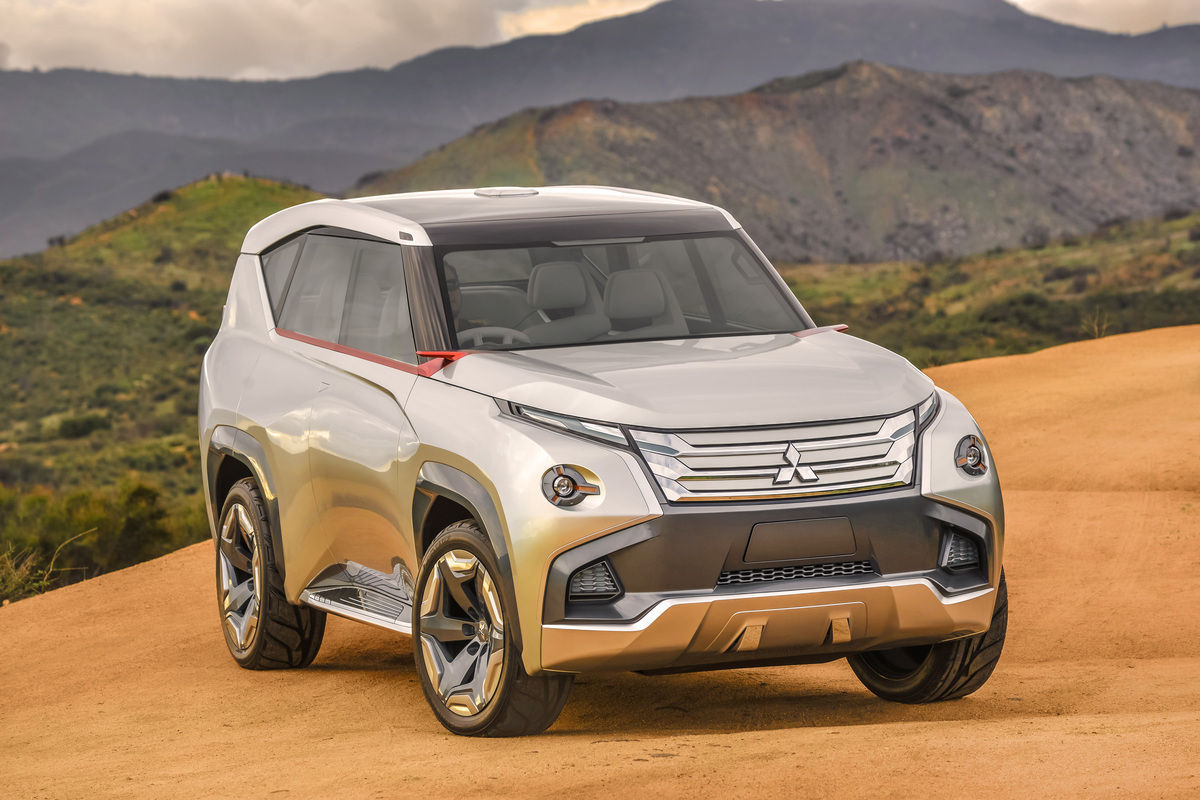
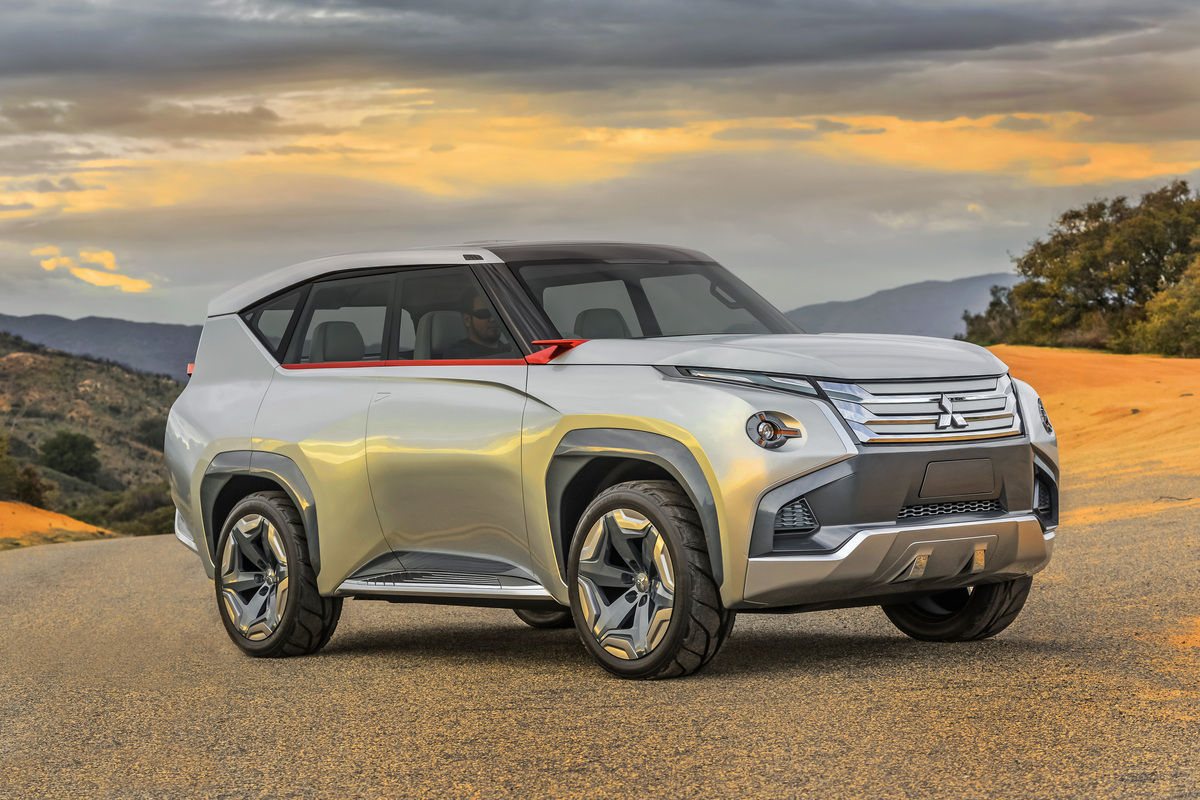
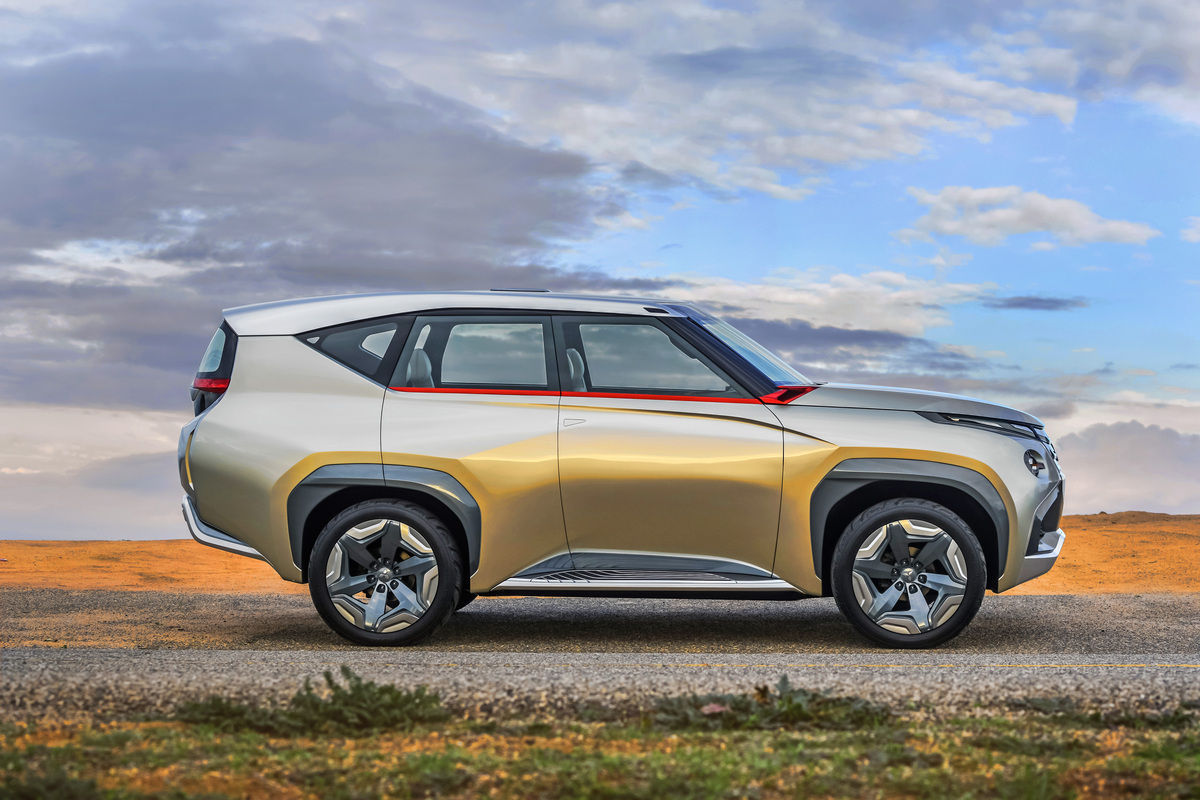
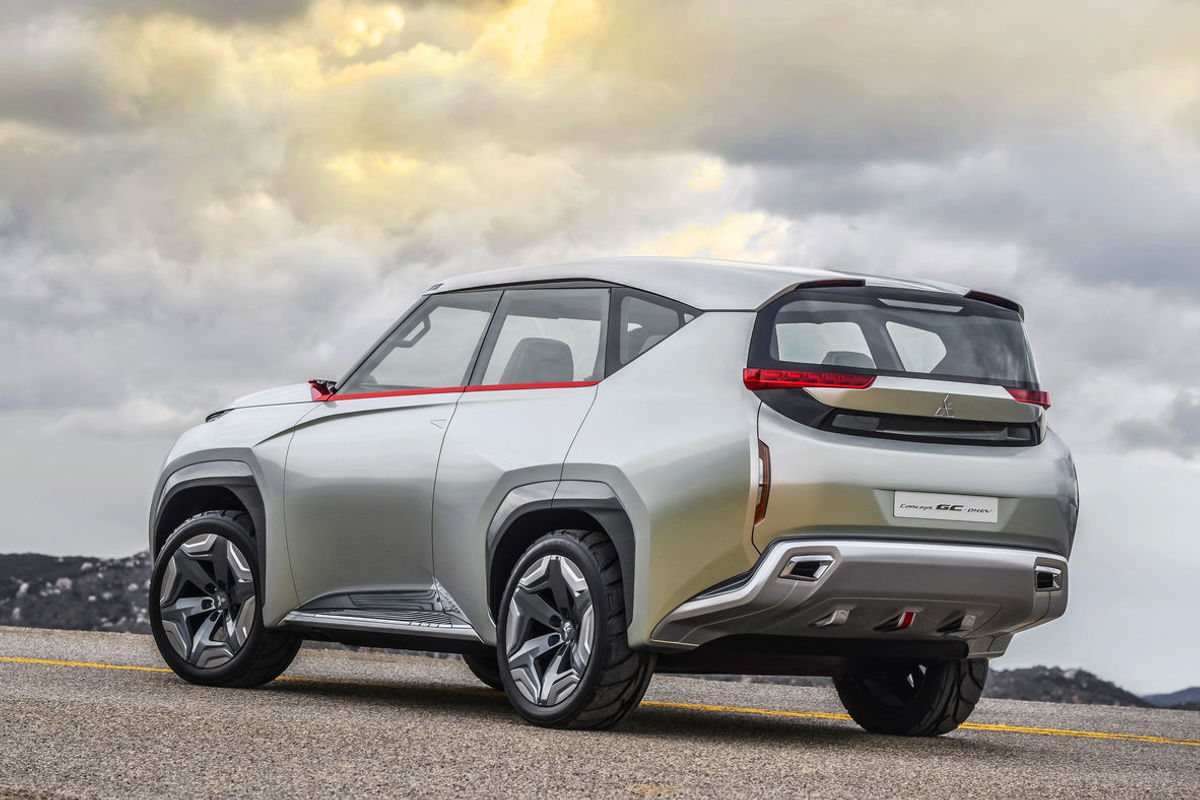
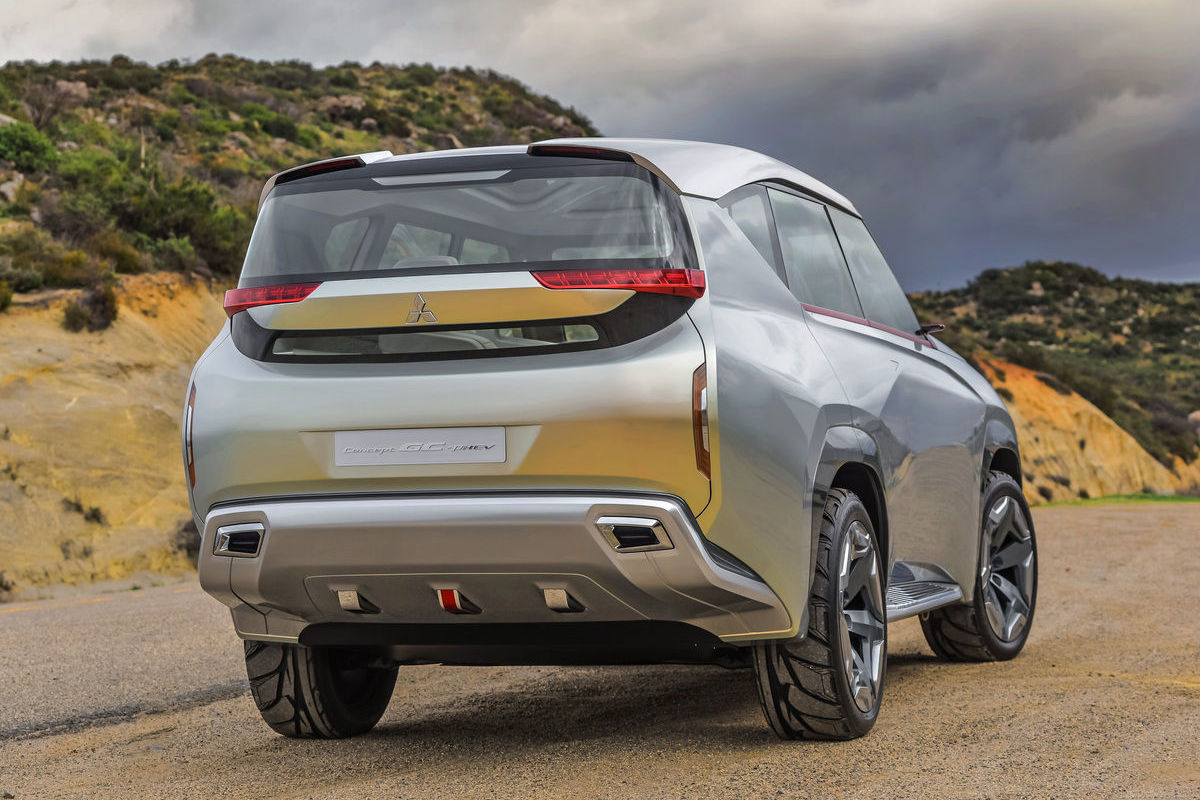
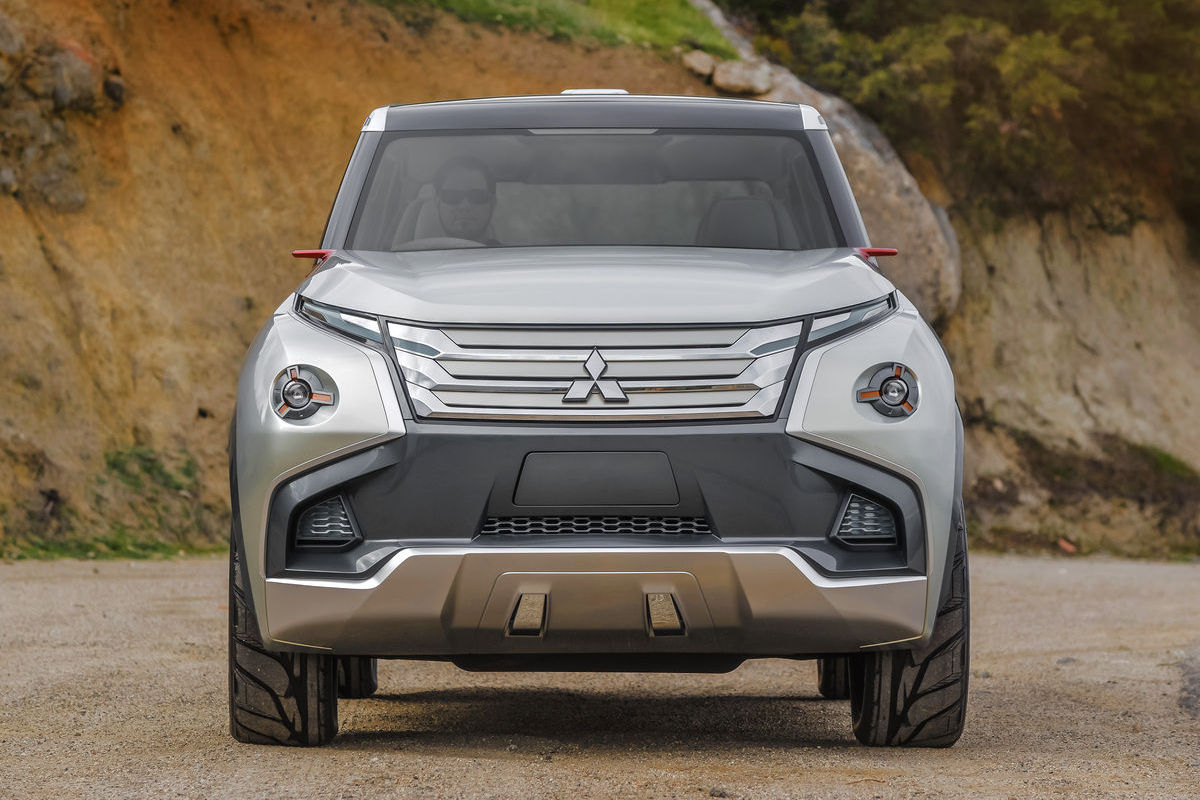
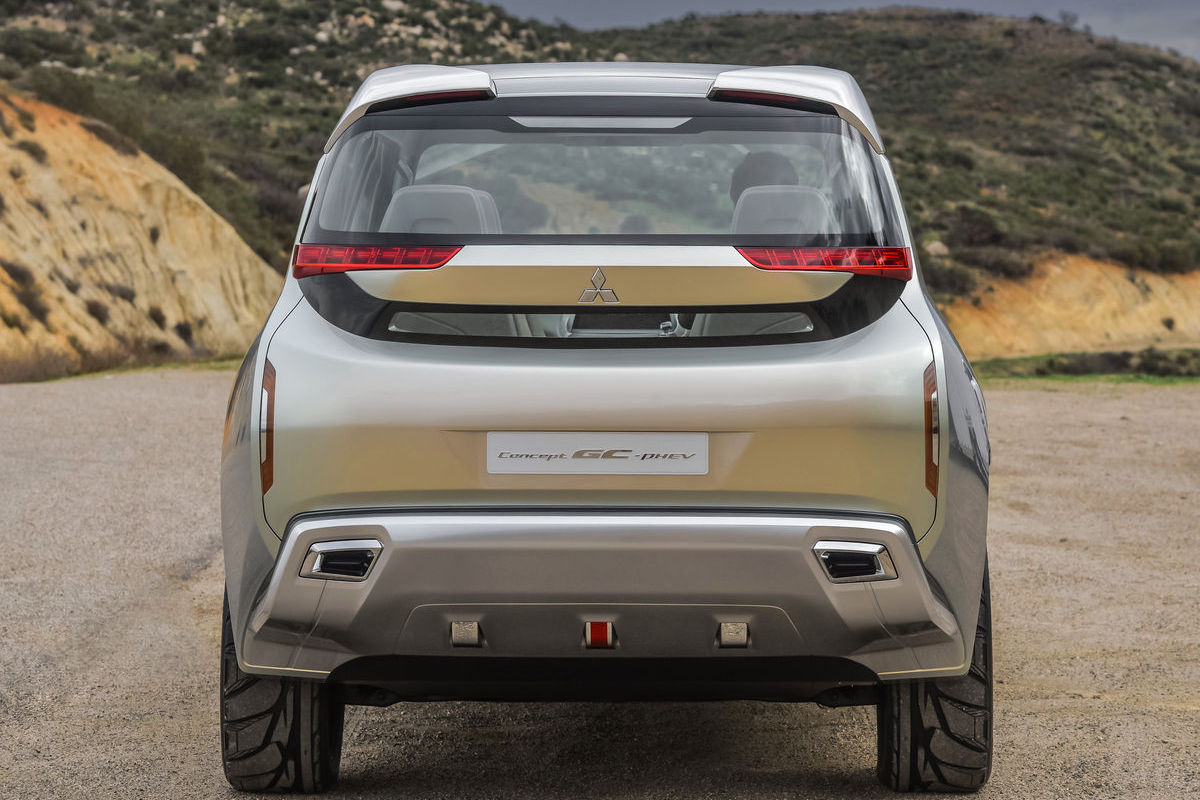
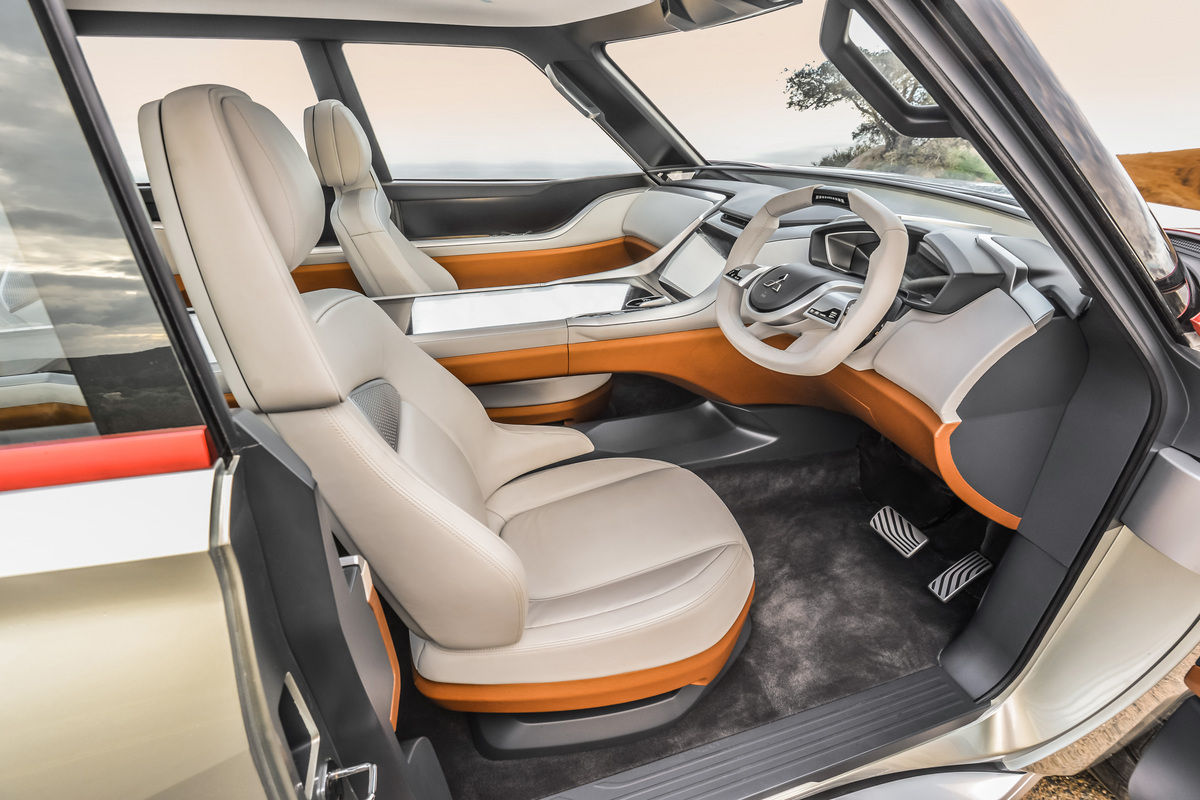
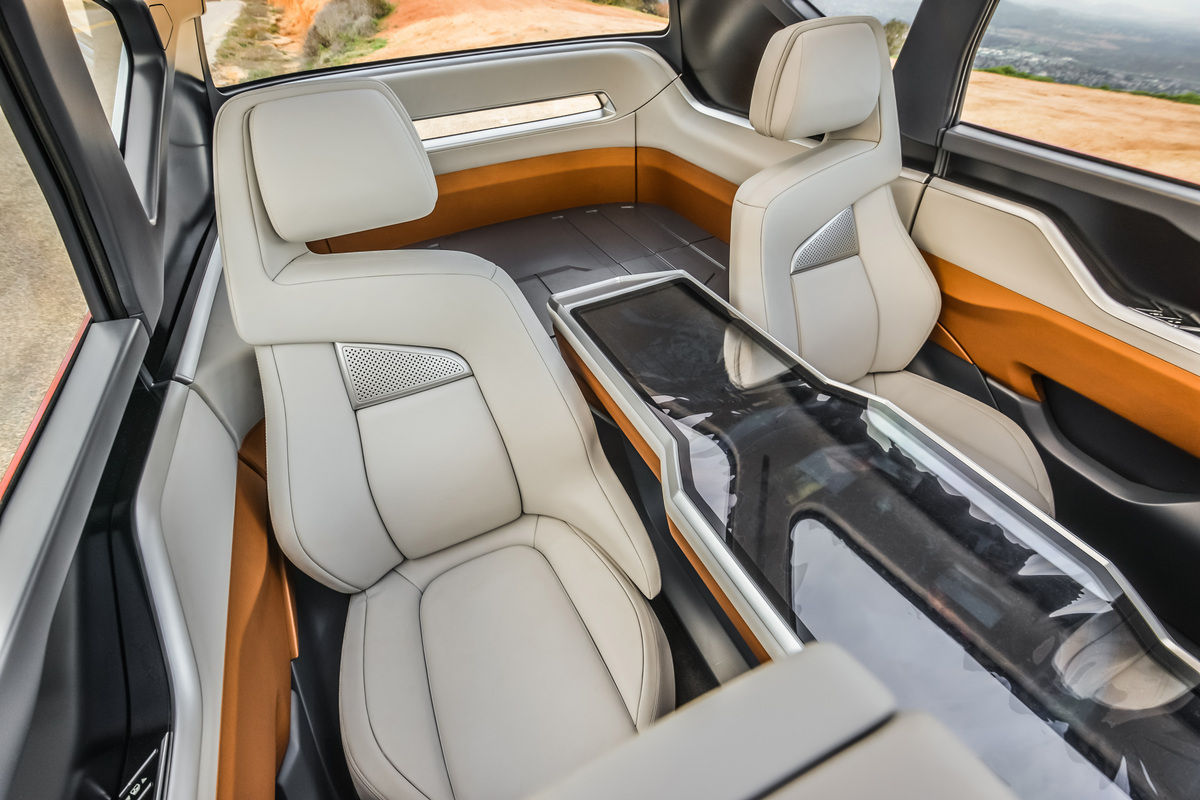
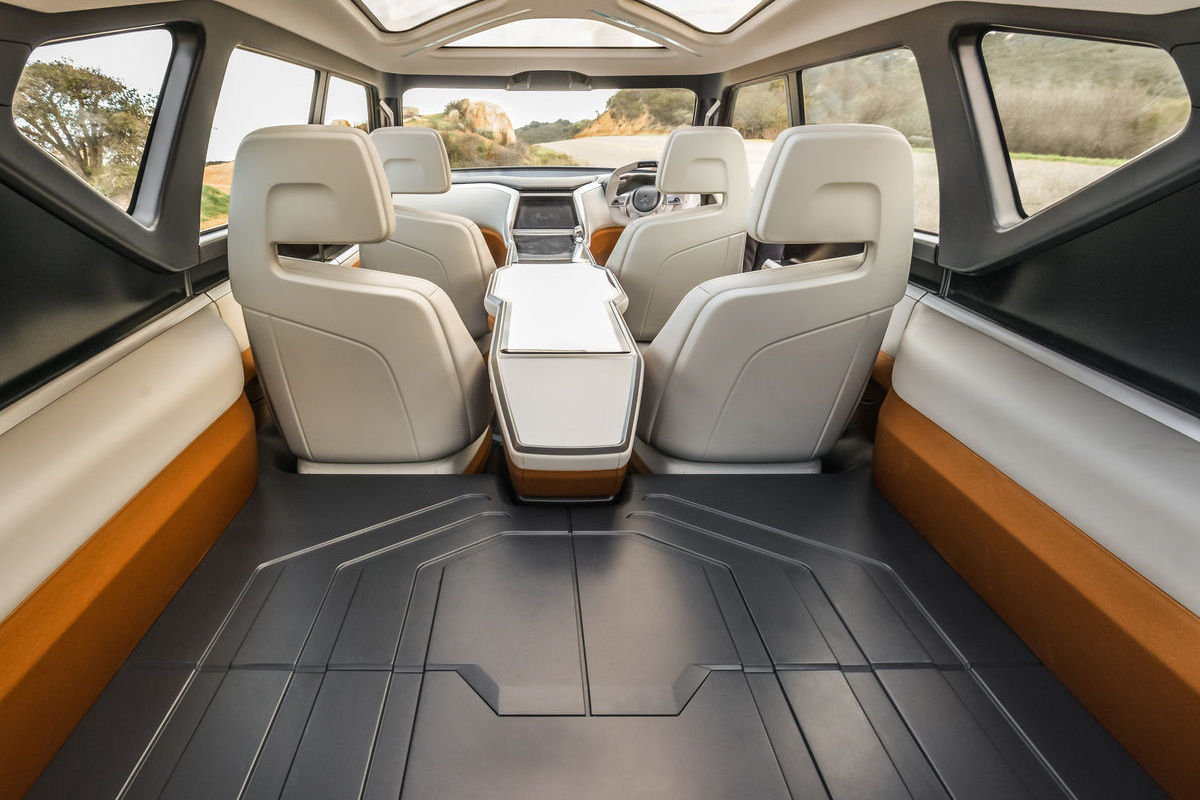
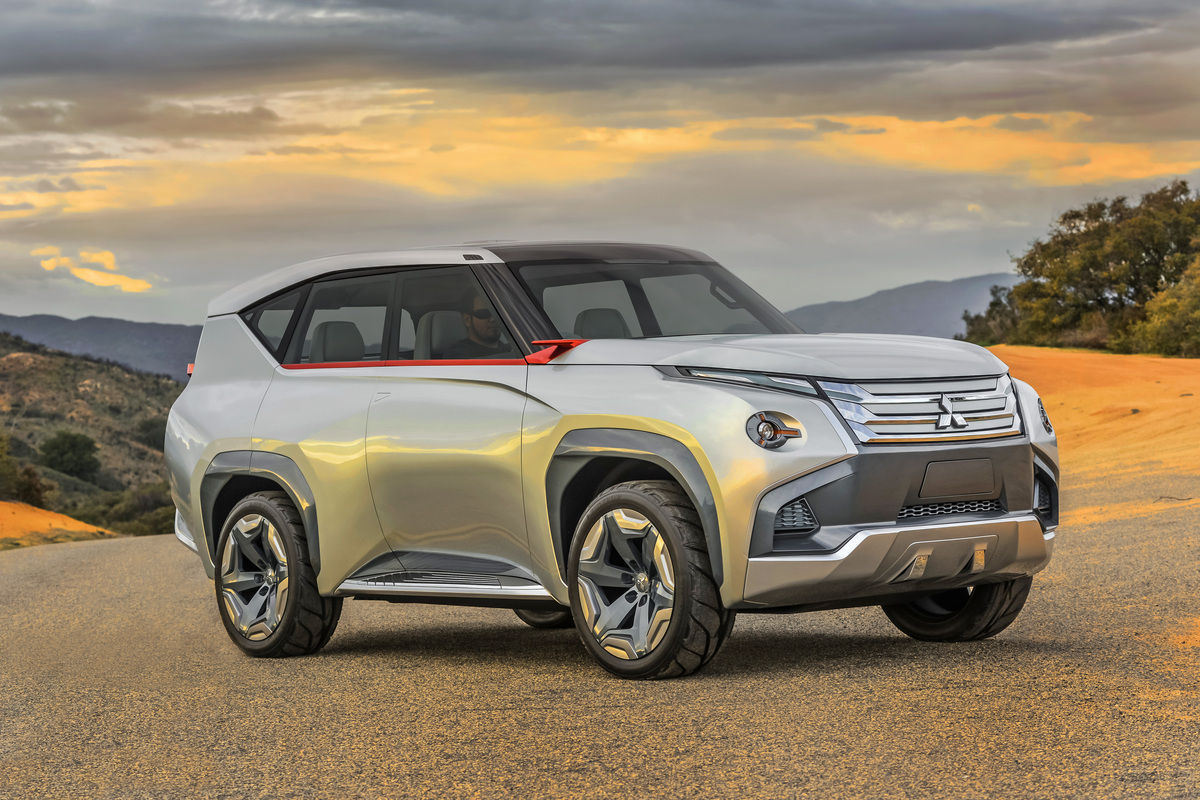
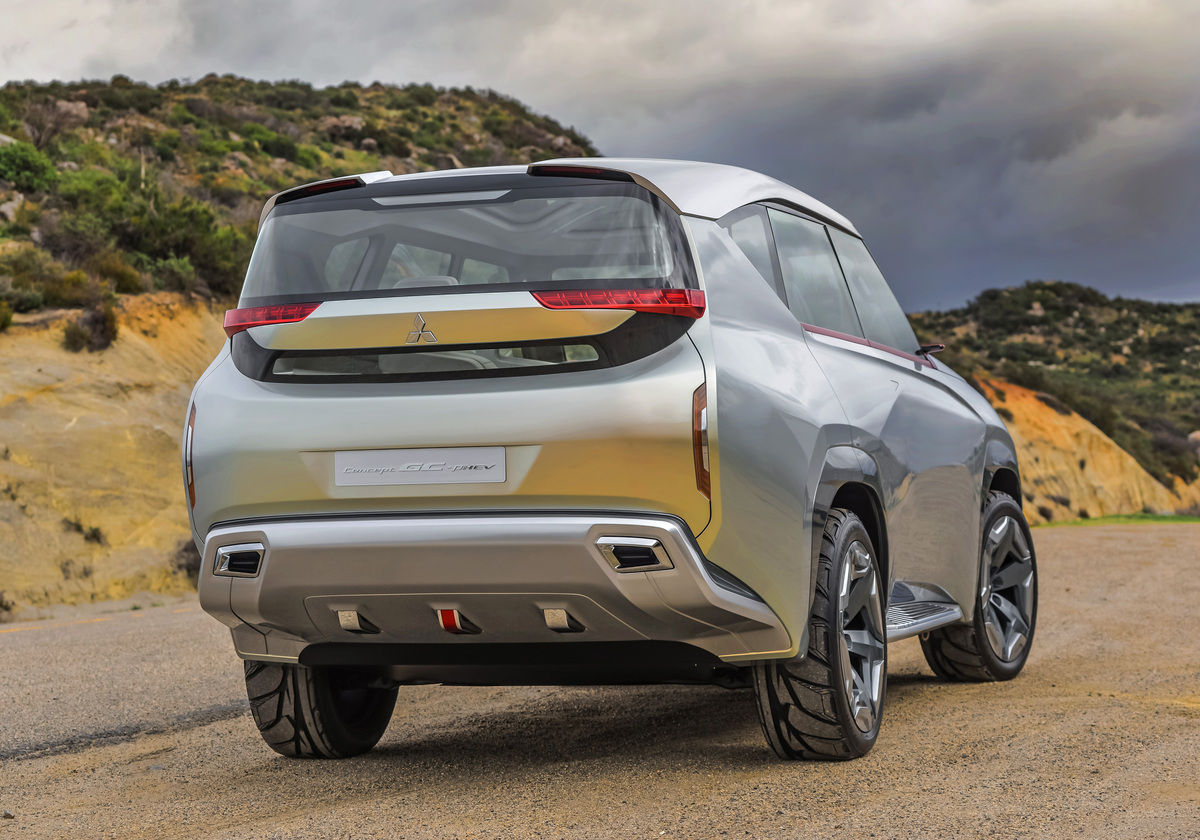
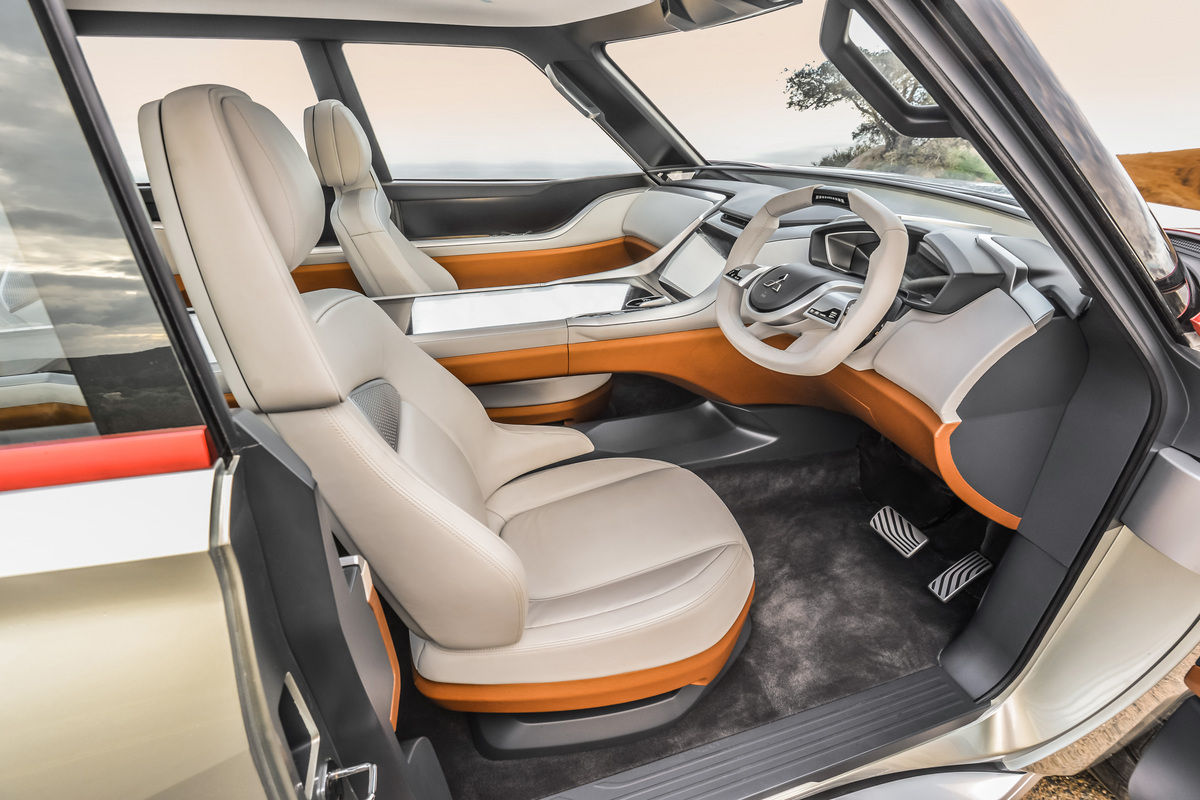
And now, all of a sudden, the Japanese motoring news site Spyder7 is reporting that an all-new Pajero model, styled along the lines of the Concept GC-PHEV (pictured), which appeared on the international show circuit from 2013 to 2015, will be revealed in “late 2021 or 2022”.
According to the site, the new Pajero will adopt a new-generation ladder-frame chassis and longer wheelbase, but it will have roughly the same dimensions as the current model… The retention of a body-on-chassis configuration, better space utilisation and improved overall rigidity will undoubtedly please luxury SUV clientele, as well as the off-roading fraternity.
But what of the plug-in hybrid powertrain, then? Well, the report claims that Mitsubishi, which already offers the Outlander in that configuration in some markets, will equip the new Pajero with a 2.4-litre 4-cylinder petrol engine combined with a pair of electric motors. The optimal electric-only range is expected to be about 75 km, which is more than the 65 km of Outlander PHEV, the report says.
Seven years seems like an eternity in car-design terms (that’s how long the Concept GC-PHEV has been around), but then again, the Pajero’s overall shape, much like that of the Toyota Land Cruiser Prado (and its bigger brother, the 200), Range Rover and Mercedes-Benz G-Class seems to the relentless onslaught of time.
Therefore, the next-generation Pajero is bound to retain the current model’s overall blocky shape with short overhangs and a bluff front end. We imagine the concept's "Dynamic Shield" front-end treatment, with the overt chromed grille with a trio of crossbars is bound to be retained.
Spyder7 further suggests the next Pajero will incorporate the Concept GC-PHEV’s enlarged three-quarter lights, adopt a side character line that “follows the flow of Mitsubishi cars” and the shape of the tail-light clusters will be more akin those of the facelifted Pajero Sport’s “vertical design with the aim of improving rear visibility… (the rear-end) is likely to (look) quite aggressive and powerful.”
If Mitsubishi seeks to evolve the next-generation Pajero into a Premium SUV – the new Defender, capable as it is, has also moved upmarket, for example – it makes sense that the petrol-powered derivative would be offered with hybridisation (plug-in or otherwise) for the sake of fuel economy and, of course, remaining competitive in a cut-throat luxury SUV market…
We would not be too surprised, however, if Mitsubishi also retained the 3.2-litre turbodiesel and 5-speed automatic transmission, in conjunction with the current model's proven off-road underpinnings and onboard systems, to appease seasoned off-roaders. After all, the Pajero nameplate has a lot of brand cachet in off-roading circles… Mitsubishi will, in all likelihood, be keen to leverage that. We guess that's why the ladder-frame construction will live on…
Mitsubishi Pajero Sport (2020) International Launch Review
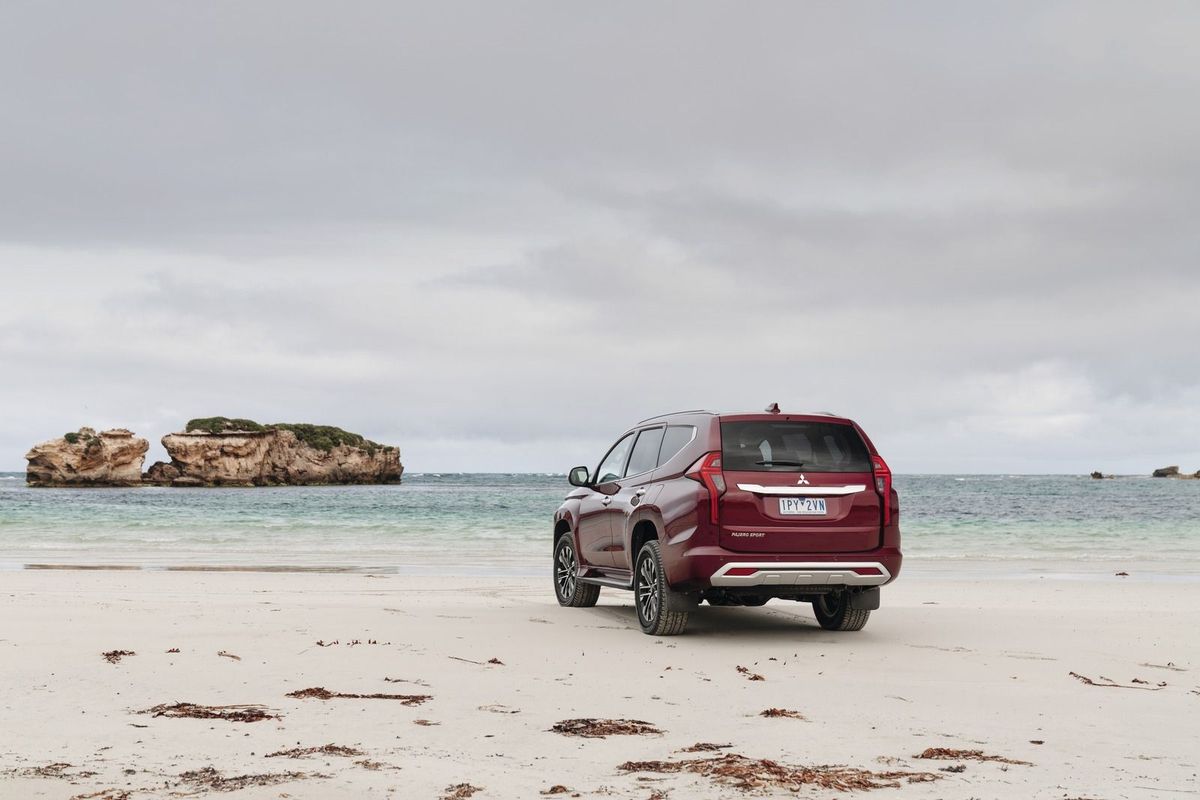
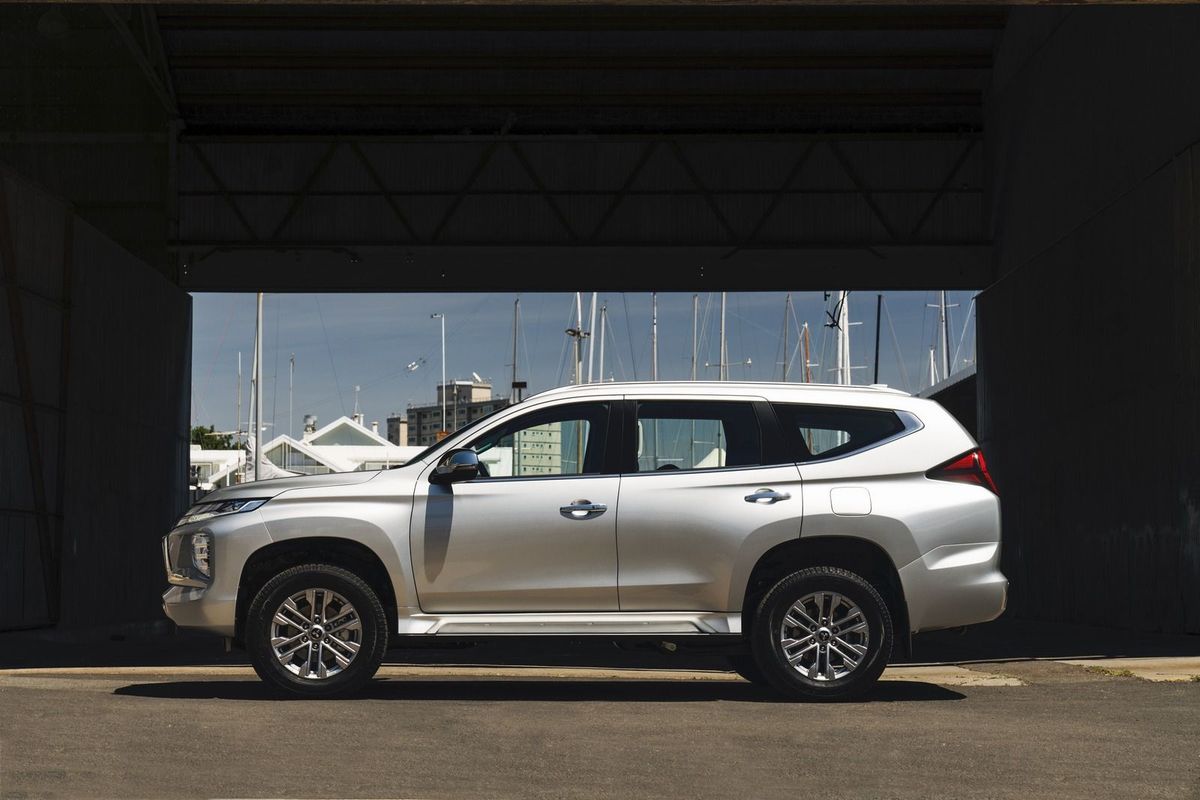
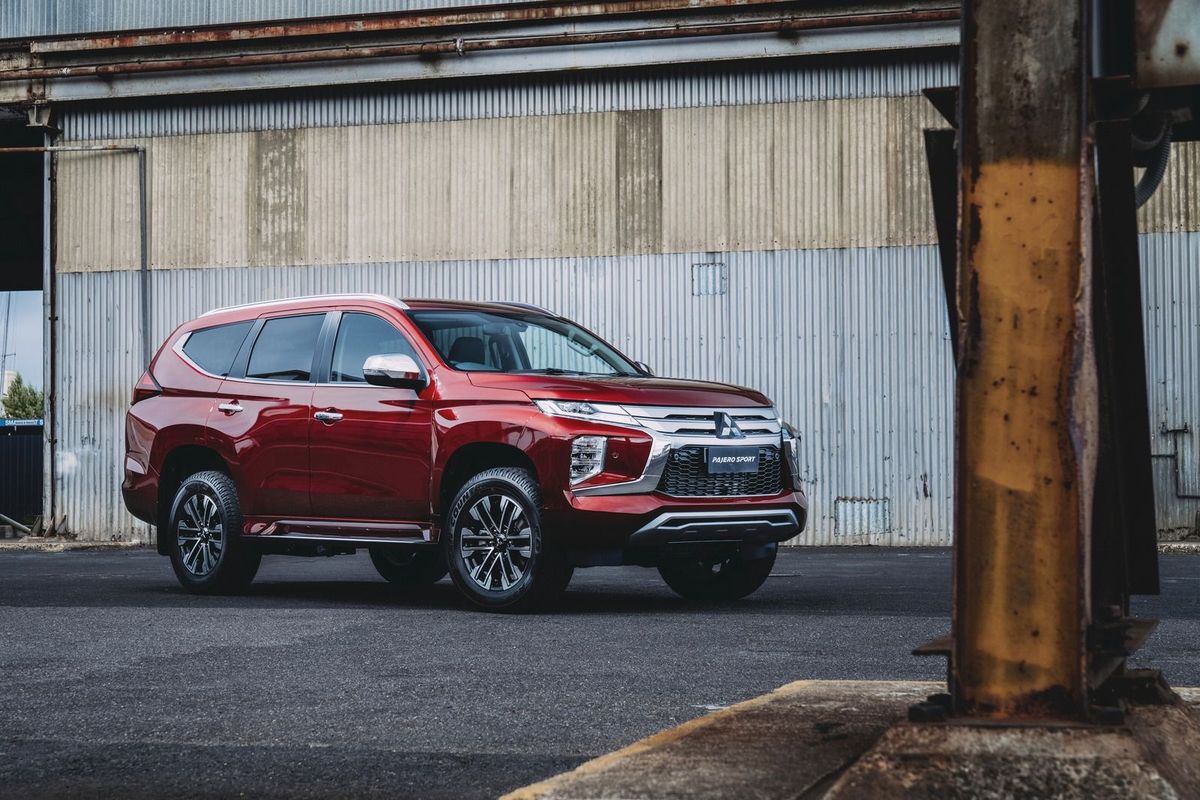
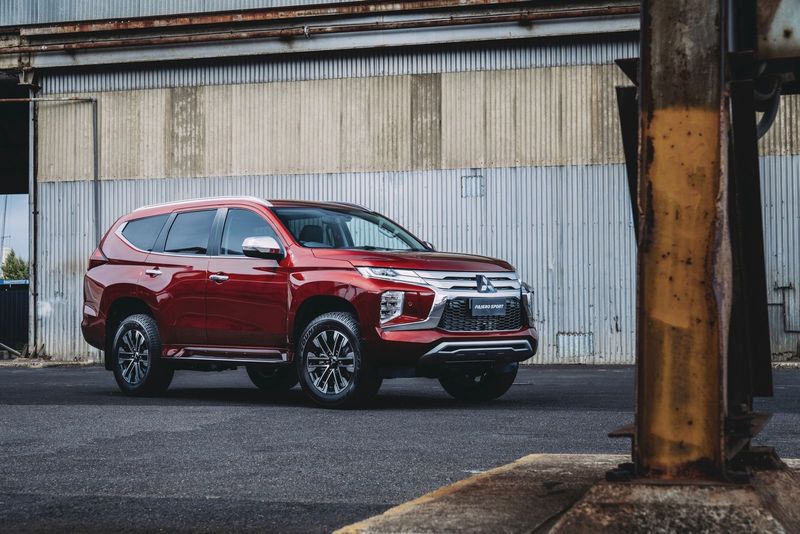
The Mitsubishi Pajero Sport has been updated with new technology, a slightly revised look and a number of other changes. Do the changes help this bakkie-based Adventure SUV stand out in a segment dominated by the Toyota Fortuner? Matt Campbell drove the updated 7-seater in Australia ahead of its arrival in South Africa later this year.
The Mitsubishi Pajero Sport – for the uninitiated – is a 7-seat Adventure SUV based on the Triton bakkie. It carries over a lot of the Triton’s technology and equipment, not to mention the same underpinnings (aside from the rear suspension). Revised pricing and equipment levels are still to be announced for South Africa, but here’s an early taste of what to expect of the updated model.
New look, but is it improved?
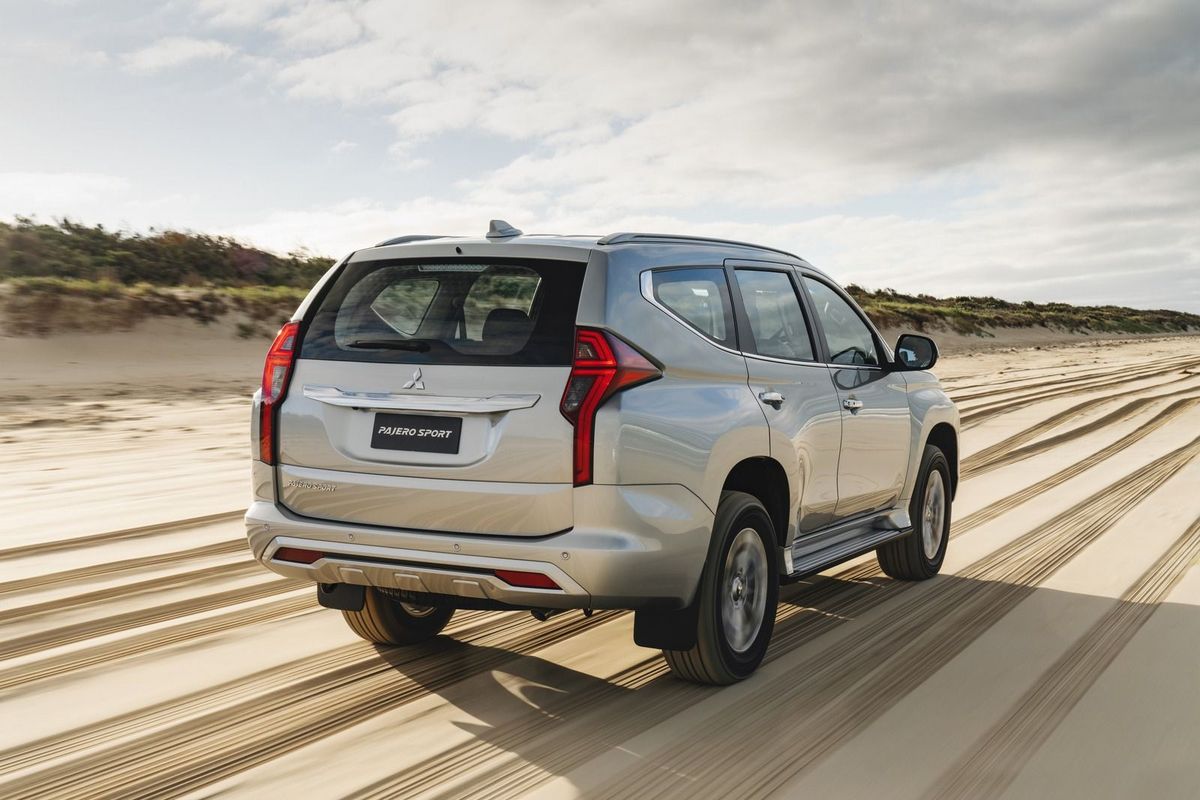
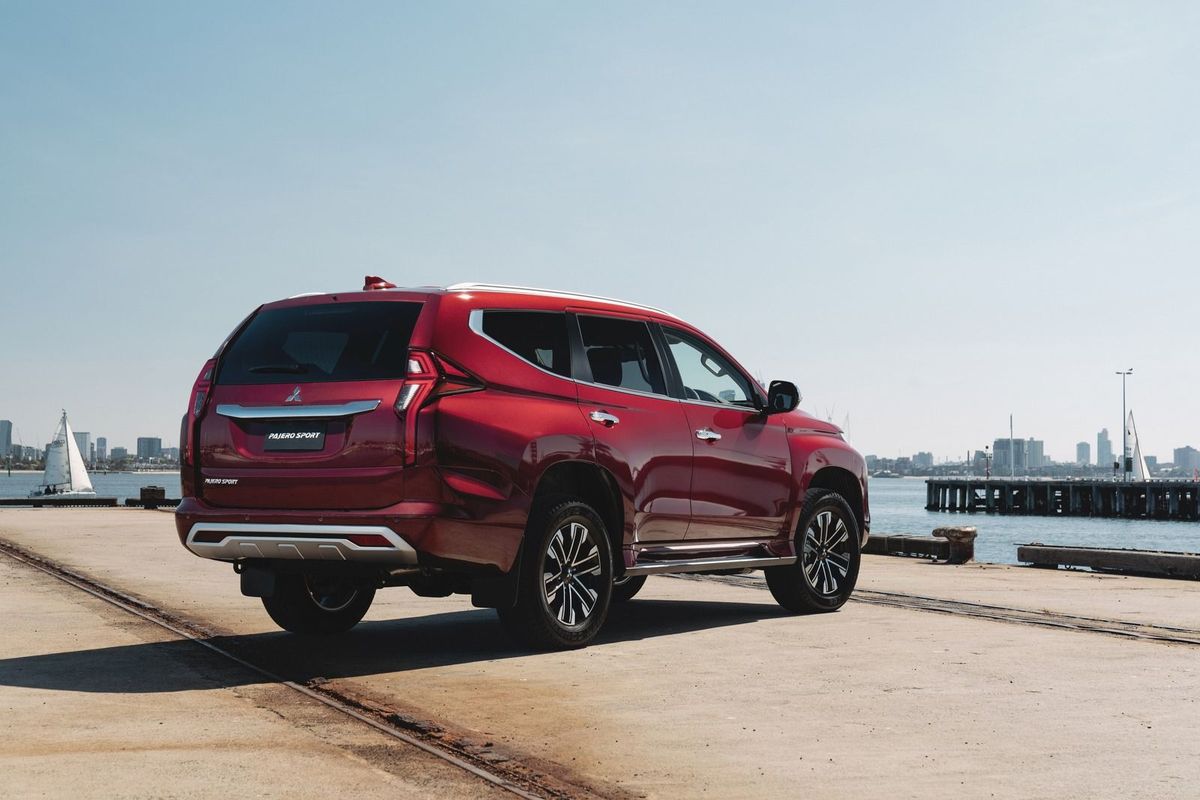
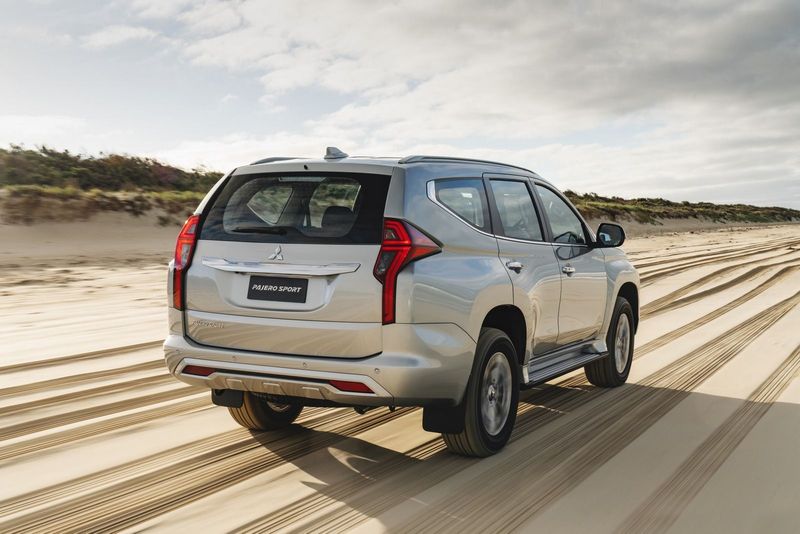
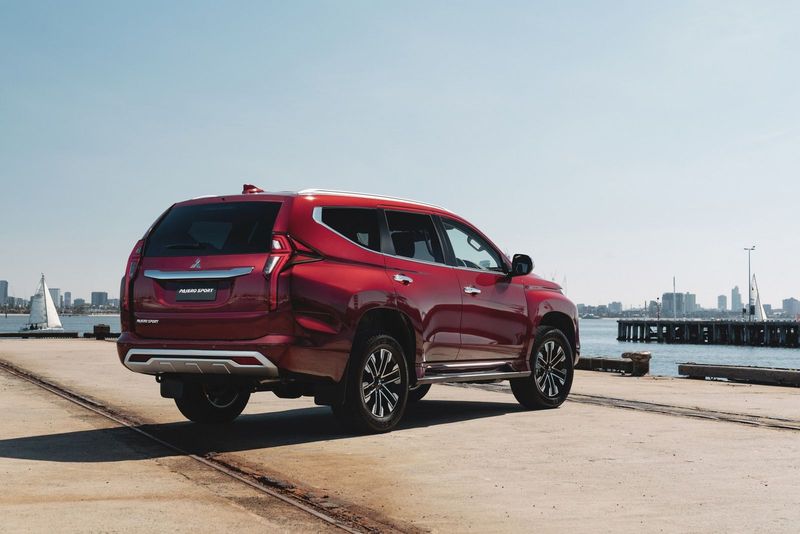
The rear light design has been trimmed down somewhat but remains a polarizing aspect.
One of the most interesting things about car design is just how subjective it can be. You might see this new-look Pajero Sport and think: “That’s hideous.” Alternatively, you might be in the other camp and say: “That looks a lot better than before.” Comment below to let us know into which camp you fall…
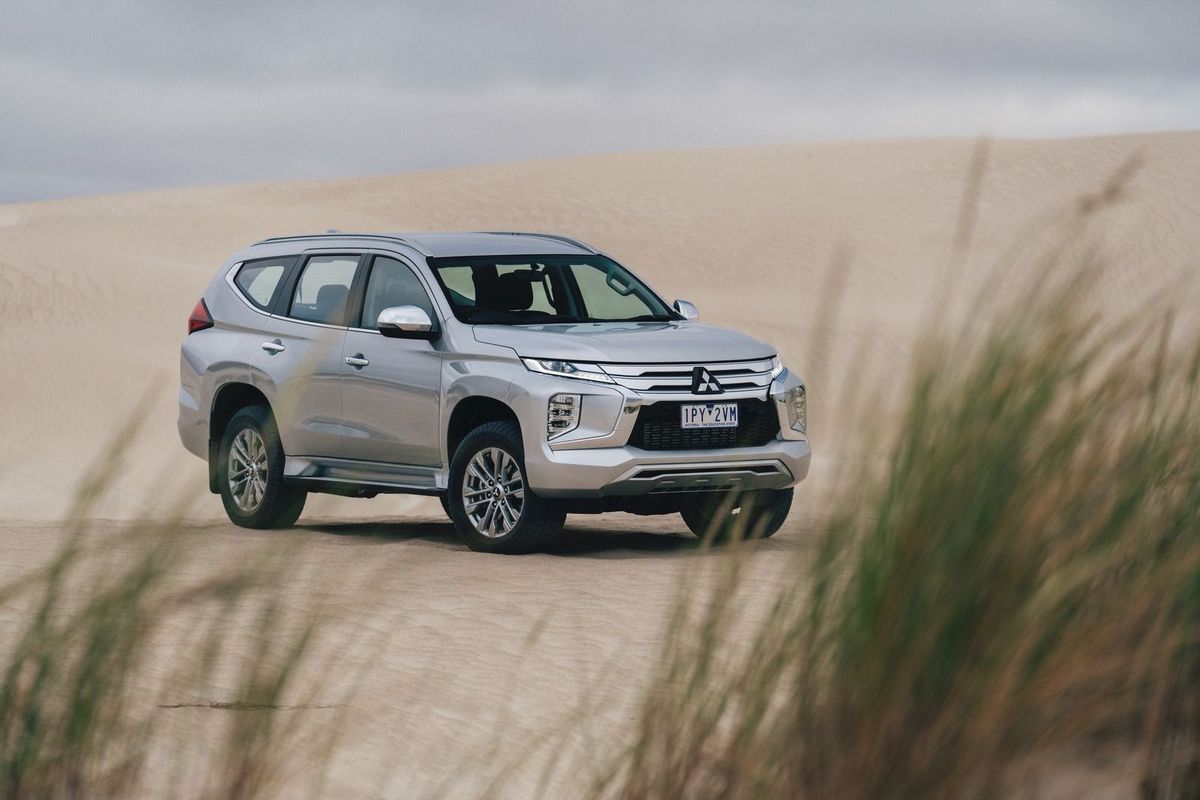
The exterior styling changes aren’t far-reaching, but somehow they are substantial.
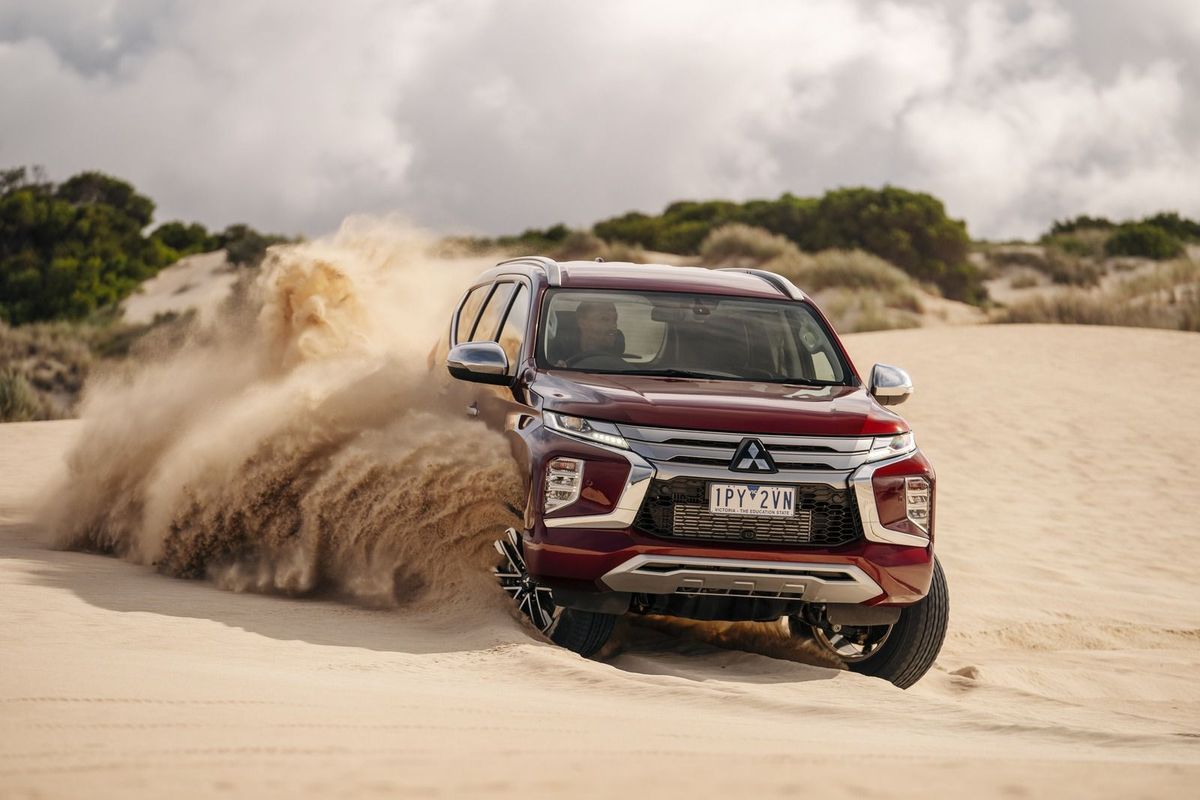
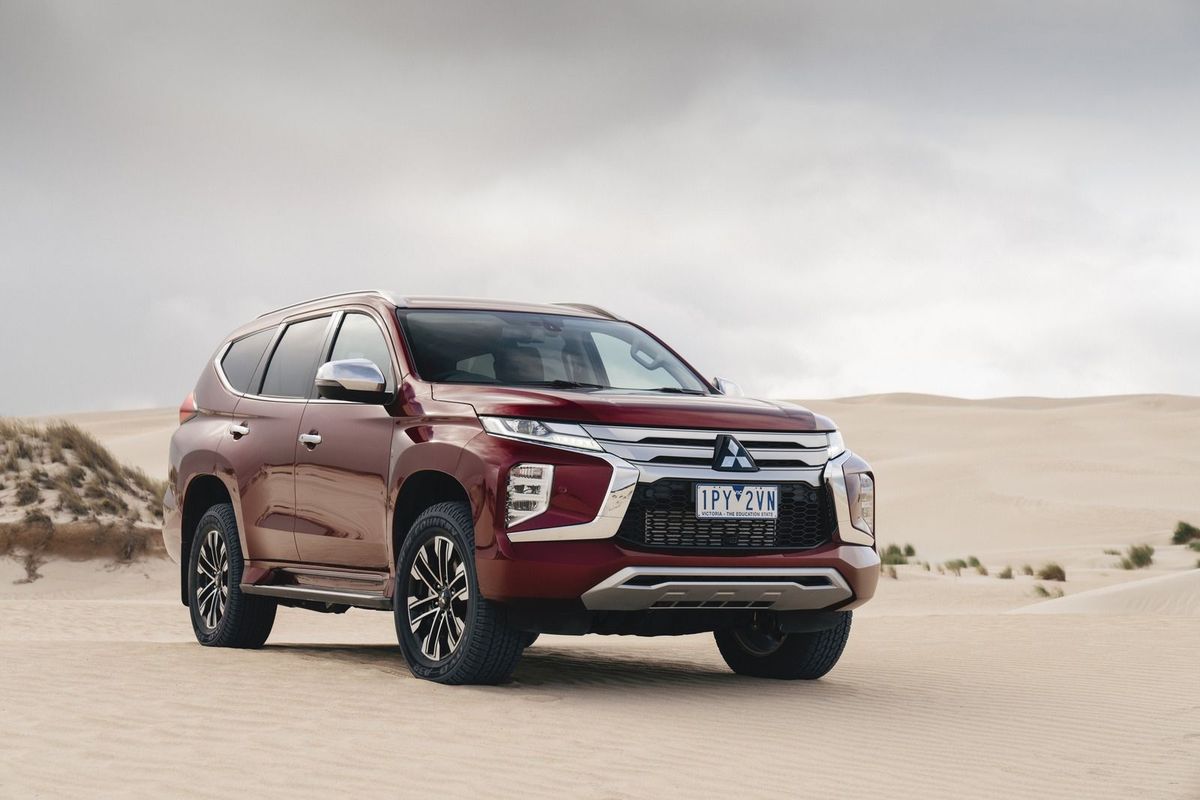
The front-end design has been adapted to suit the “Dynamic Shield” finish already applied to some of the other models in the range. Essentially, there are now large fog lights where there were previously plasticky finishes, as well as broader chrome trim and a higher bonnet line as a result of the reworked grille. For the record, all Aussie derivatives of the Pajero Sport have LED headlamps and -daytime running lights.
The rear-end has seen those “crying clown” tail-lights trimmed a tad, thanks to a revised design and re-shaped lower rear bumper. There are new wheel designs offered in international markets, and in Australia, there’s also a more rugged all-terrain tyre design for the range-topping derivative.
Creature comforts
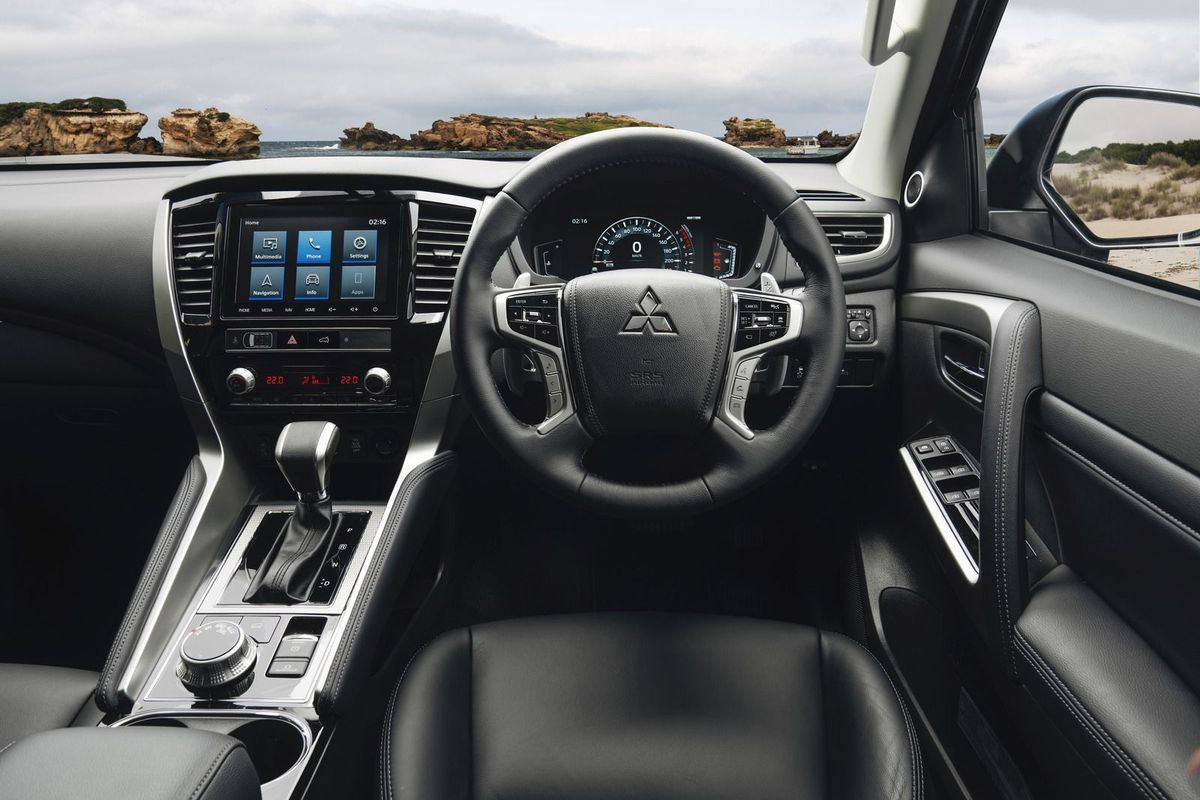
Now kitted with more modern tech, the Pajero Sport is a stronger match for the Everest.
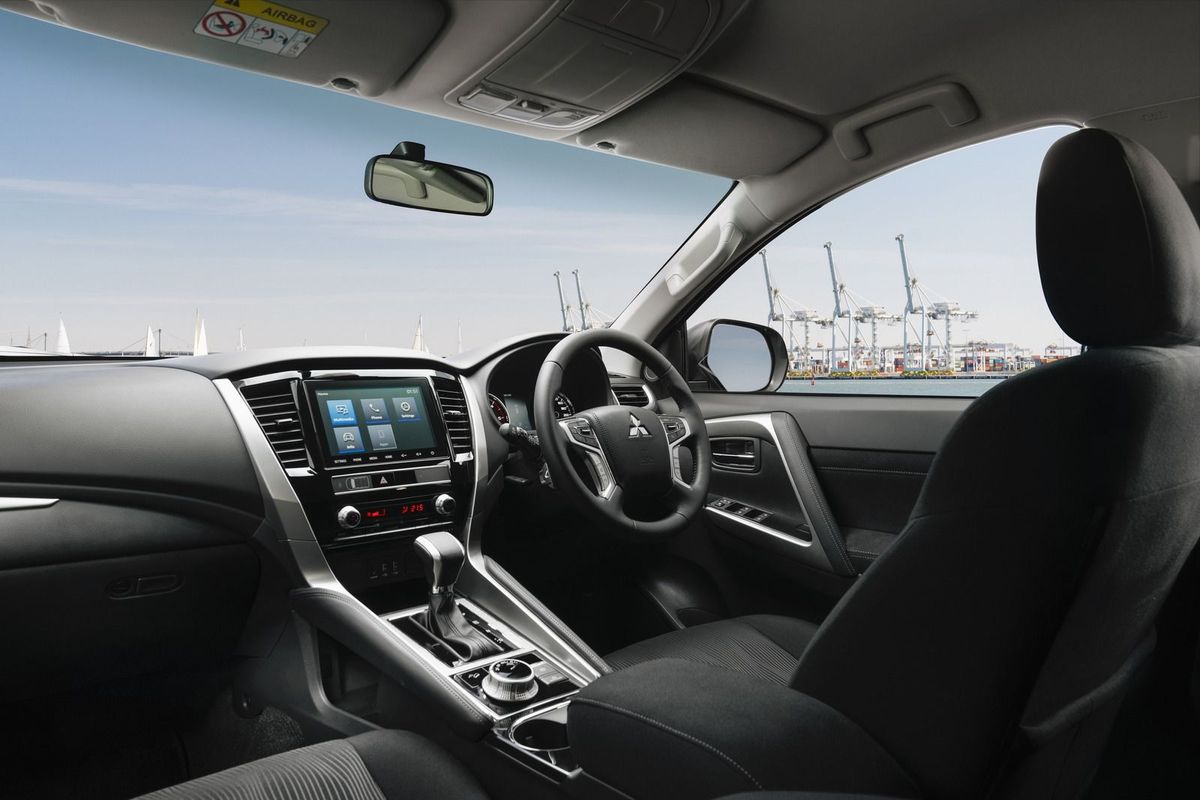
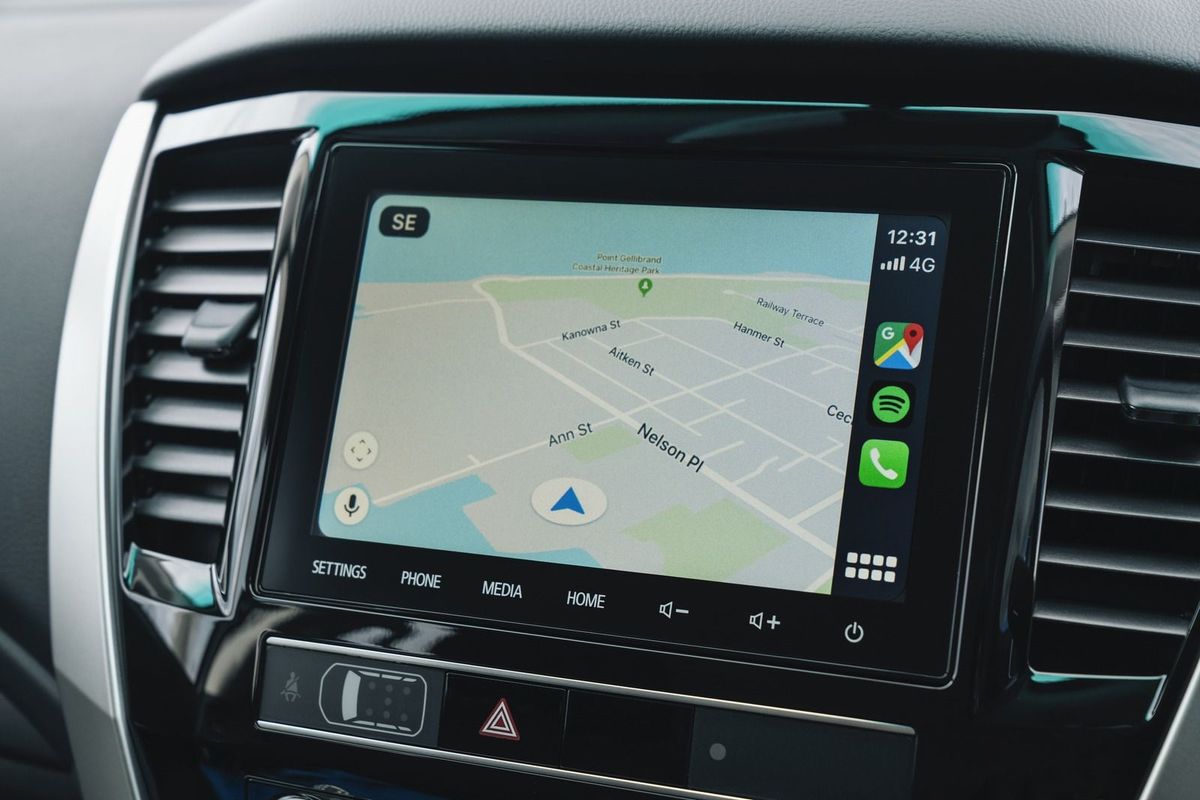
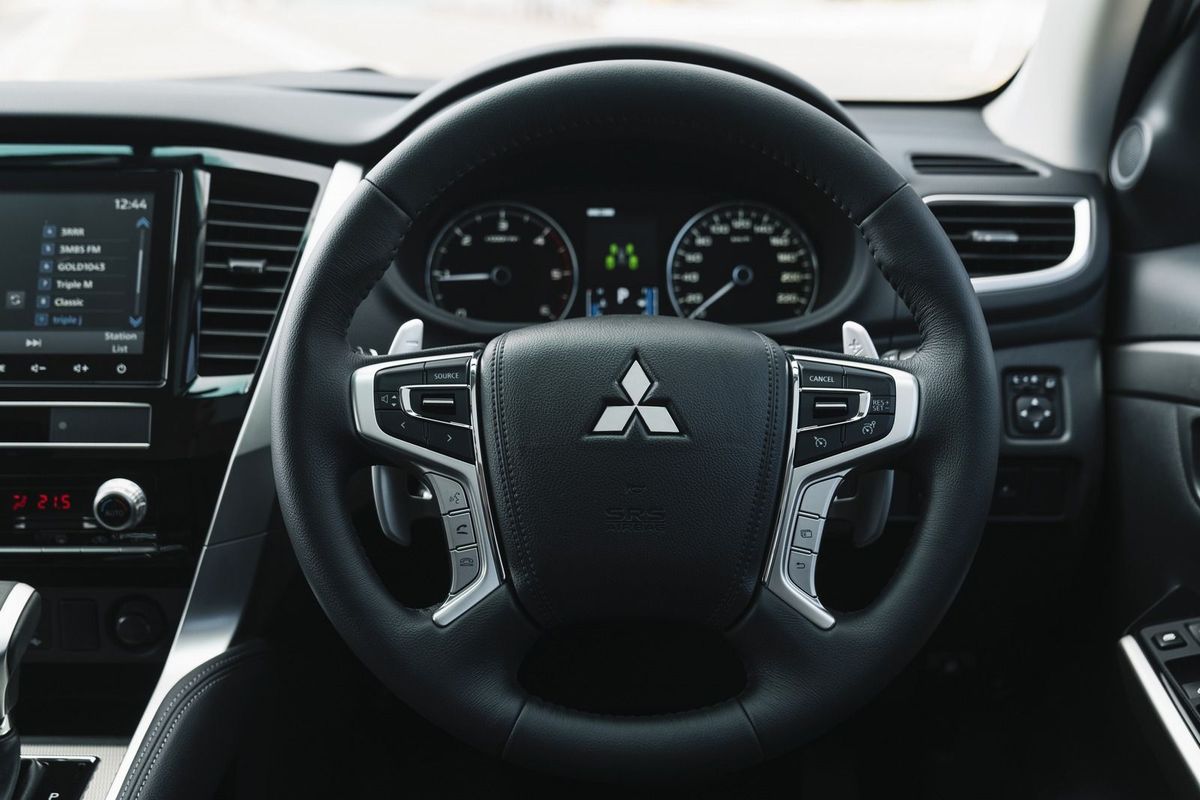
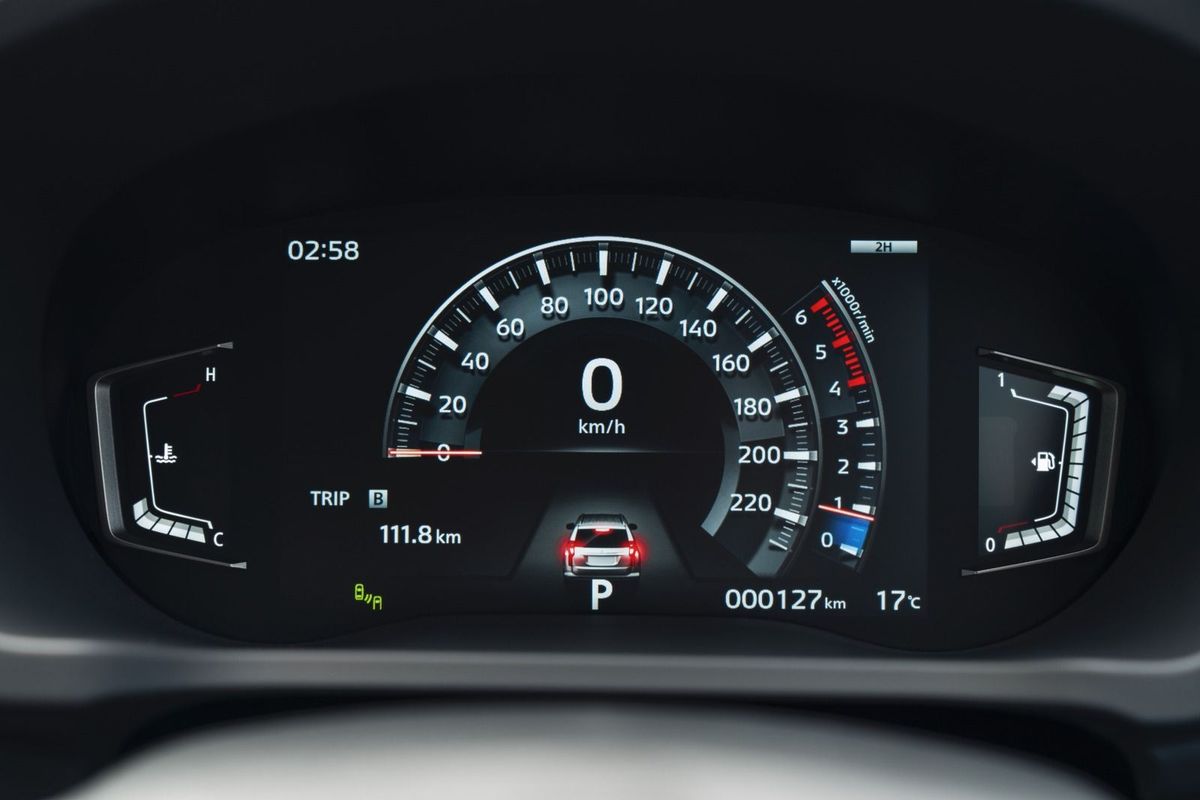
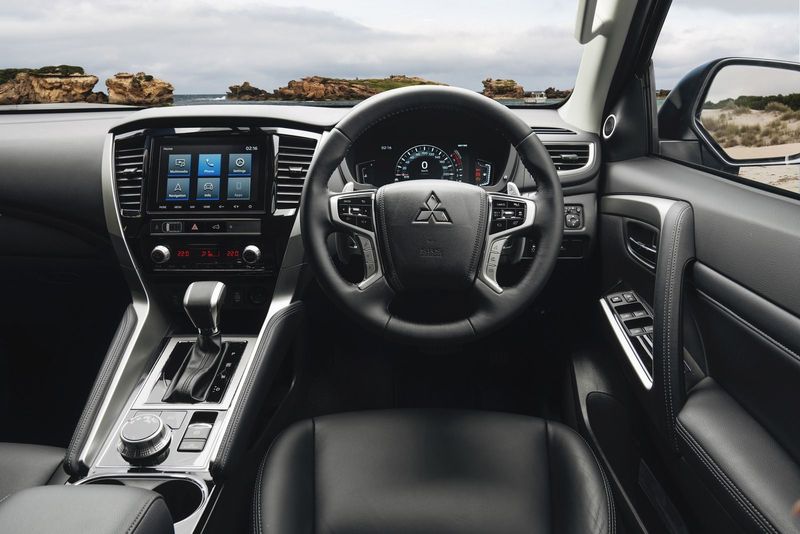
The top-of-the-range derivate in the Australian market sports a number of new additions inside the cabin, including a larger (8.0-inch) touchscreen infortainment system with Apple CarPlay and Android Auto, as well as built-in satellite GPS navigation (for the first time), not to mention Bluetooth and USB connectivity. There’s also a new 8.0-inch driver LCD display with a sizeable configurable layout and a speed display – very handy to keep an eye on your pace.
Aside from a couple of other minor trim changes inside the cabin, it’s otherwise a carryover offering. That means nice-to-have elements such as dual-zone climate control, smartphone-charging USB ports and a 12V power outlet in the 2nd row, electically-folding mirrors, electric windows and a leather-trimmed steering wheel (with audio and cruise control buttons) are retained.
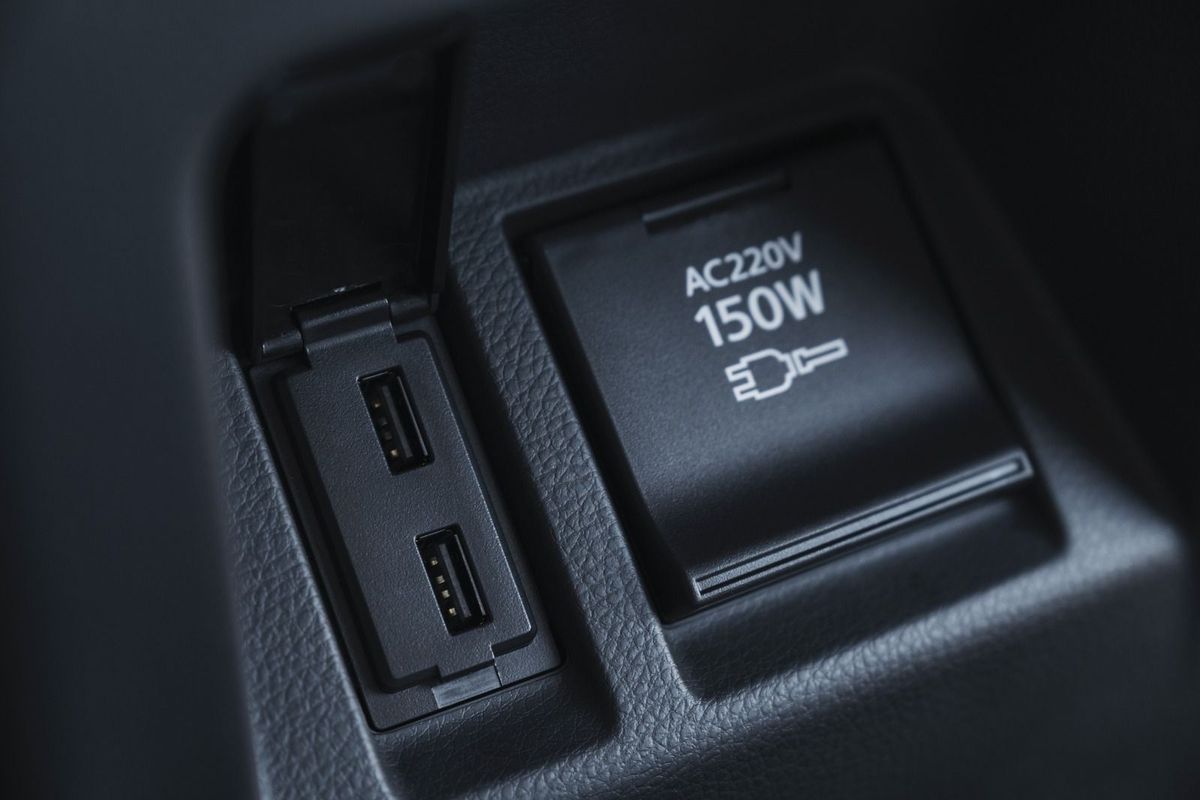
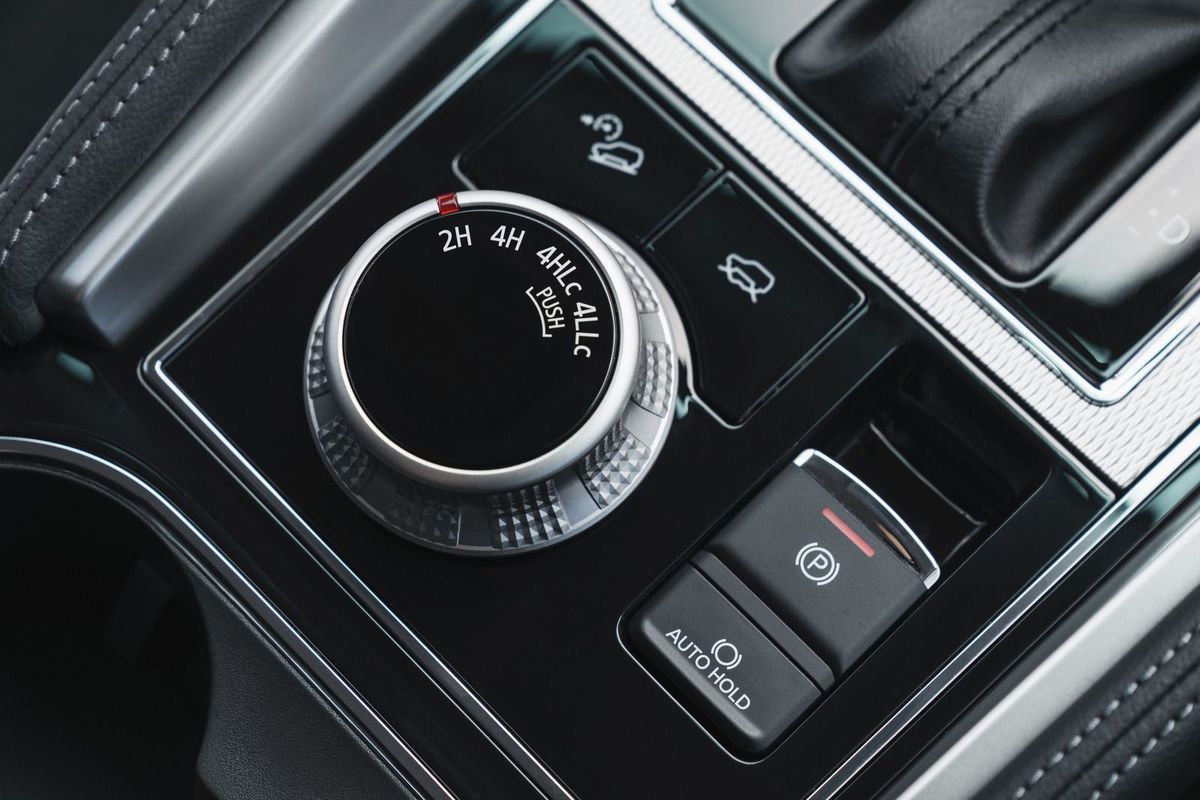
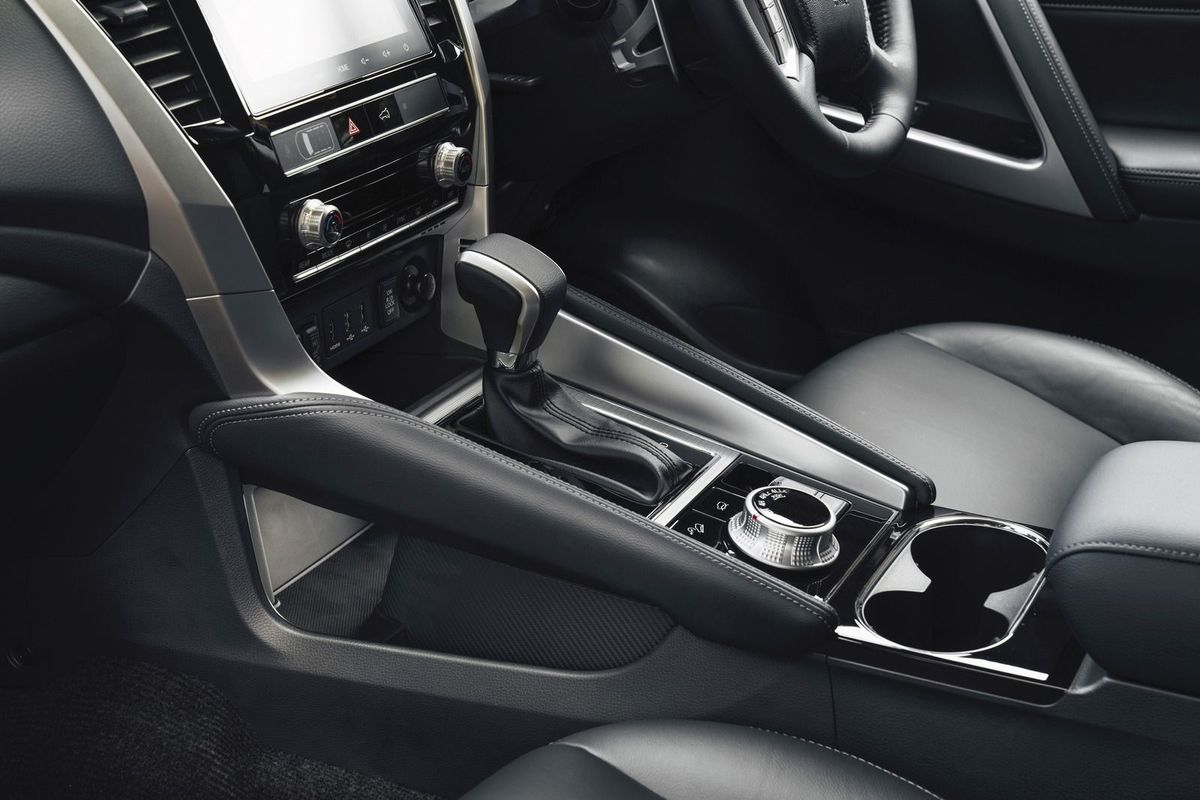
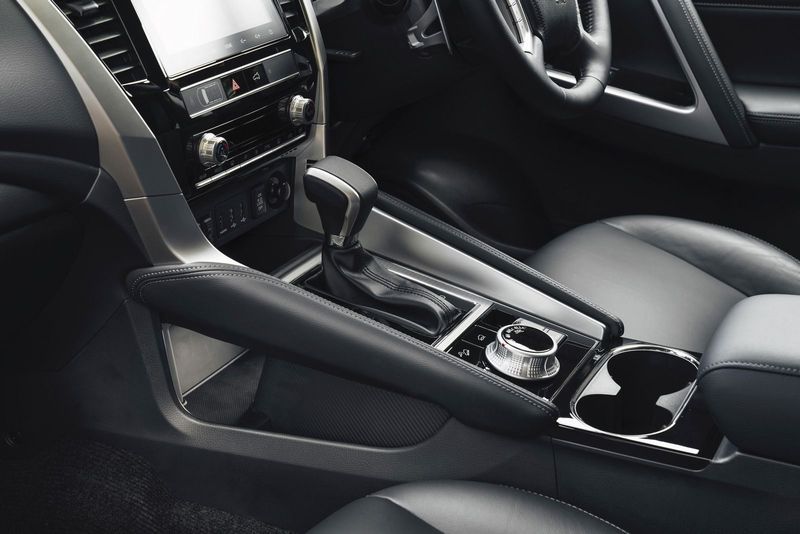
An easy to use off-road system and multiple charging and power outlets have been added in the new model.
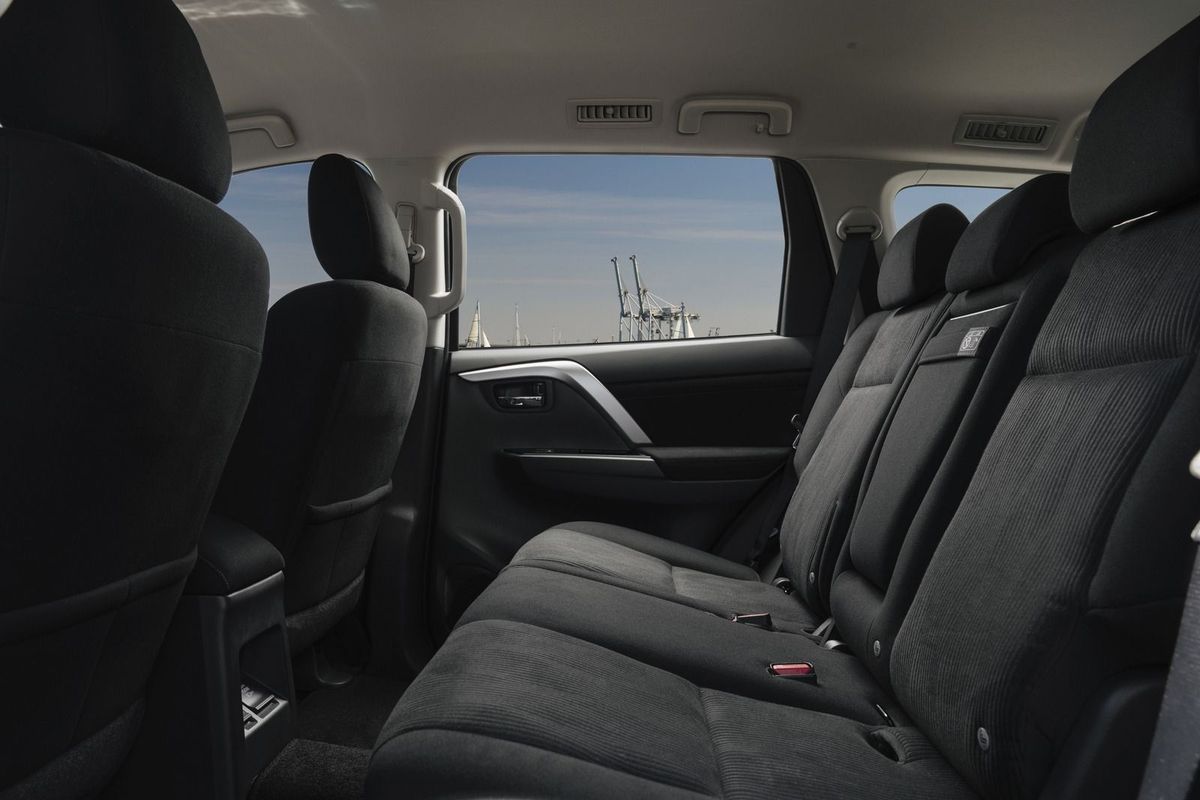
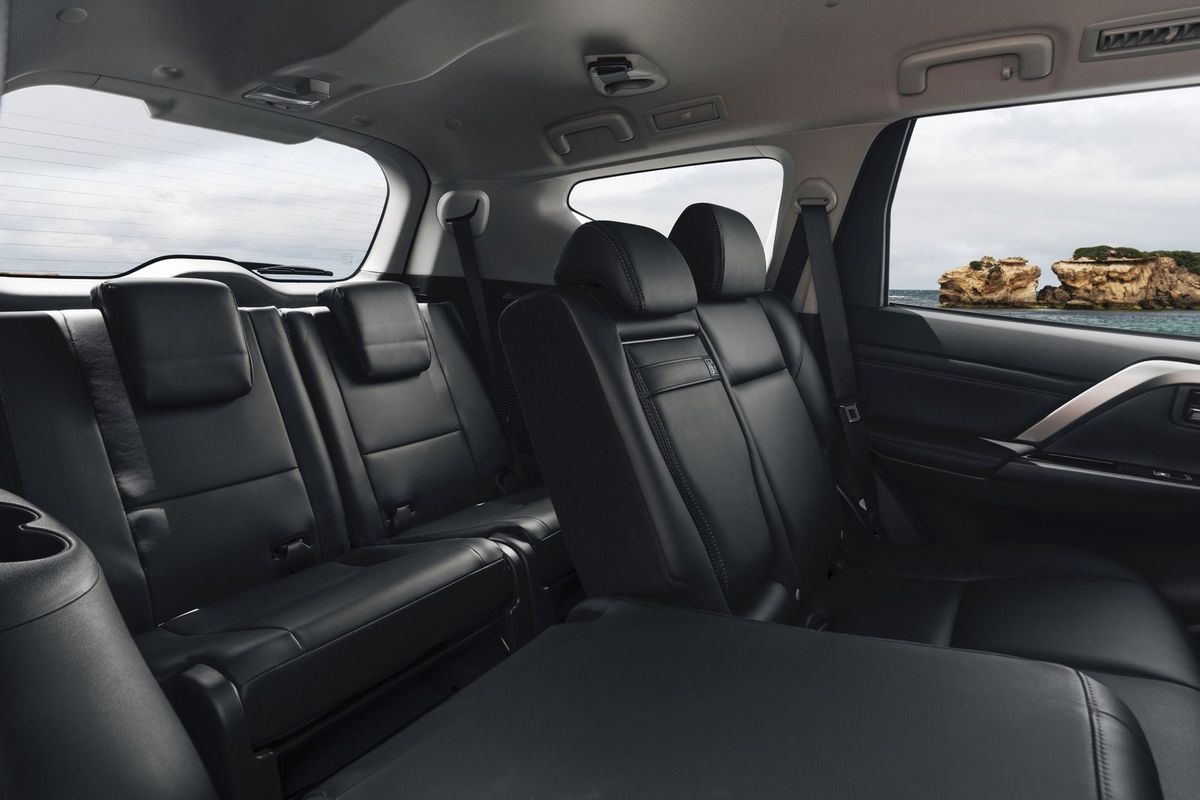
As before, the Pajero Sport has a 7-seat layout. However, the 2nd row doesn’t slide fore and aft, as it does in most of the Mitsubishi's rivals. Instead, the 2nd row flips and tumbles forward to allow access to the 3rd-row occupants.
The rearmost row retains its “stowaway” seat bases, which makes their operation fiddlier than in, say, an Isuzu MU-X or Ford Everest. You need to click the seat bases into place separately to the seatbacks, which means it’s arguably a harder job to do with your hands full.
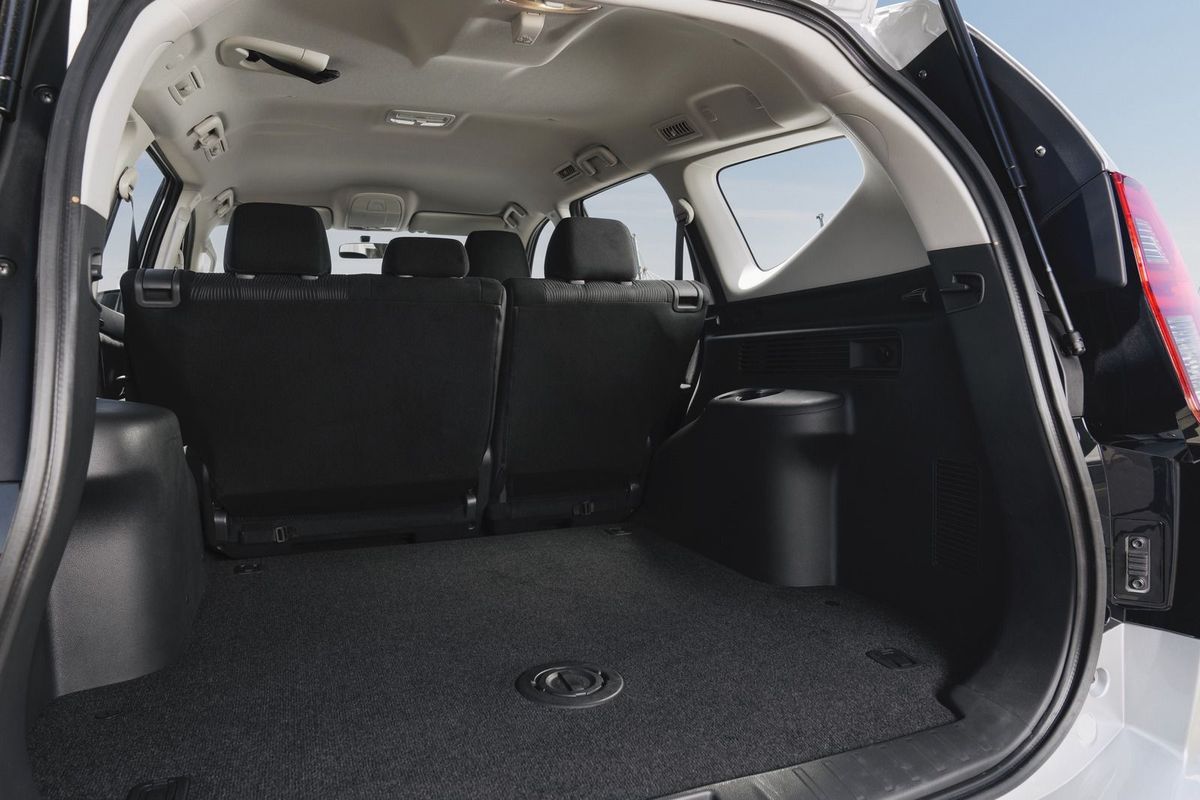
But the Pajero Sport does retain good practicality overall. With the 3rd row in place, 131 litres of luggage capacity is at your disposal (which is enough for a pram or some small suitcases). With the 3rd row stowed, space increases to 502 litres and, when the 2nd and rearmost row are folded away, a claimed 1 488 litres of utility storage becomes available.
Note, however, that if you’re buying the Pajero Sport as an alternative to a conventional people-mover, the positions of the tether points for child seats could be an issue. The 2nd row features a pair of ISOfix mounting points, with a trio of anchorage points mounted far back in the ceiling above the 3rd row. That means when child seats are correctly mounted, their extended tethers render the last row (which doesn't feature ISOfix points itself), unusable for seating.
On the road
It remains powered by a 2.4-litre turbodiesel engine.
There haven’t been any notable changes to Pajero Sport's driving experience – that wasn’t the focus of this update, but that doesn’t really matter much, because it was already one of the most agreeable bakkie-based SUVs to drive.
The 2.4-litre 4-cylinder turbodiesel Mivec engine produces the same peak outputs (133 kW and 430 Nm of torque) and is still mated to an 8-speed automatic transmission as standard, whether you opt for the 4×2 rear-wheel-drive derivative, or the flagship 4×4 version (as I drove in Oz).
The engine is a quiet and reliable; it offers reasonable pulling power and feels unflustered at cruising speeds. At lower speeds, however, it can be a little less eager, but it’s never slow and, come to think of it, considerably more refined than some of the other agricultural motors in this segment.
The 8-speed auto does a nice job of shifting between the gears, and hardly ever gets caught in the wrong gear (it's well calibrated to the engine's performance characteristics). Overall, it’s smooth and inoffensive.
The way the Pajero Sport drives on the road is, funnily enough, quite similar to the Triton. The front suspension is the same (double wishbone), but the rear suspension (3-link coil spring with stabiliser bar) feels more road-focused.
The ride is decent if not perfect, with a bit of roughness if the surface isn’t perfect. But overall, it is nicely settled at pace, and easy to drive around town. The steering is accurate, and the action is easy, too – the turning radius is smaller than most other SUVs of this size (5.6 metres), making it easier to park than most of its rivals.
The model sampled in Australia had the full gamut of safety technology, including auto emergency braking with forward-collision warning (but not pedestrian or cyclist detection), blind-spot monitoring, rear cross-traffic alert, lane departure warning and 7 airbags (dual front-, side-, driver’s knee- and full-length curtain units).
Off the road
It remains a sure-footed off-roader with 2 lockable diffs.
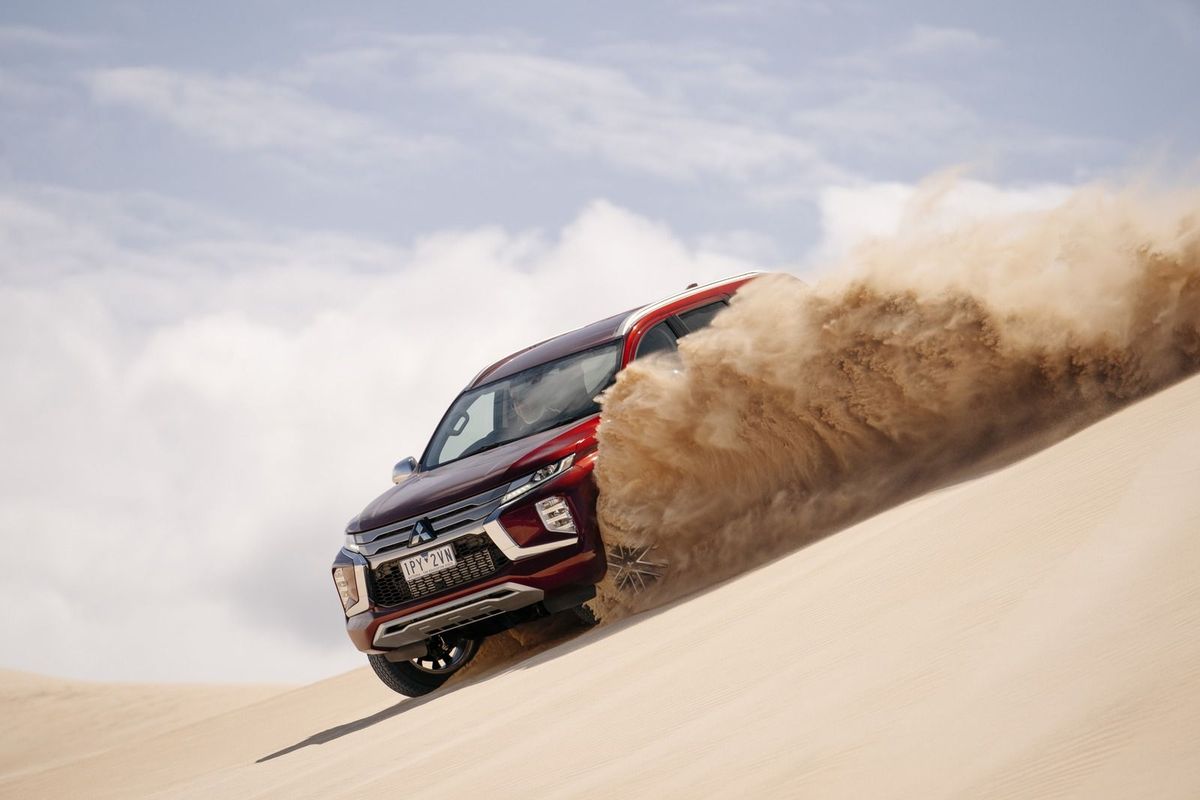
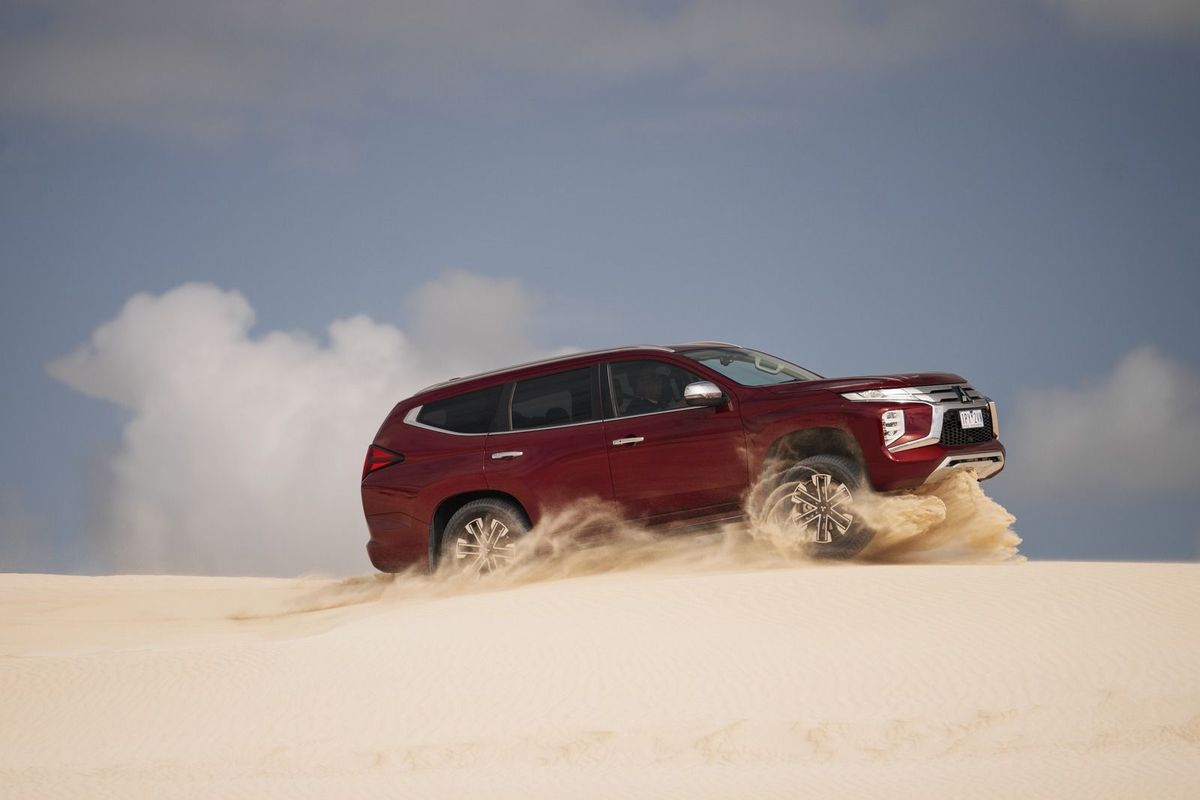
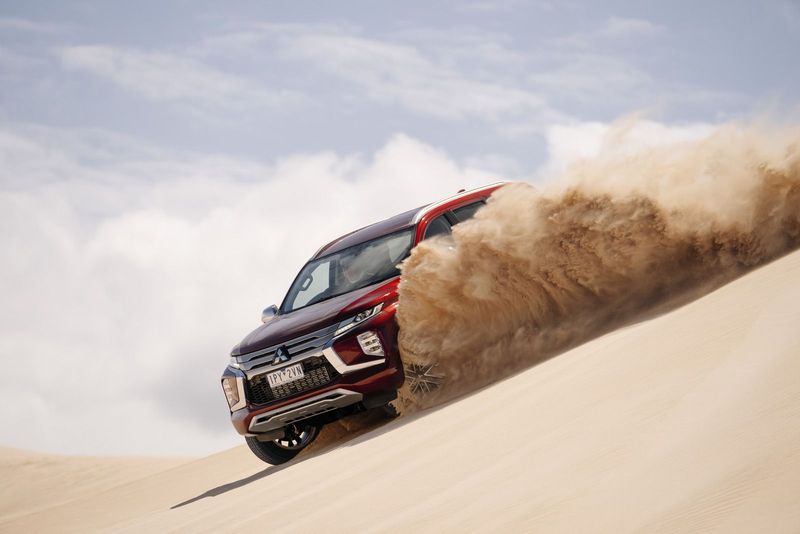
The Pajero Sport is not only an effective and comfortable on-road option, but it’s also surprisingly adept at serious off-road driving. The 4×4 version has Mitsubishi’s excellent Super Select II 4WD system, which allows you to lock the centre diff and choose specific modes if you’re in high-range (Gravel, Mud/Snow, Sand, Rock [4L only]). In low range, if you lock the rear diff as well, you can’t choose the mode you want – but it should theoretically get through just about anything with everything engaged, based on our testing.
It has a steep 30-degree approach angle, reasonable 23.1-degree ramp-over angle, and a good 24.2-degree departure angle. That, combined with a clever and not-too-obtrusive hill descent control system, a 700-mm wading depth, 218 mm of ground clearance, and the new Toyo A/T Open Country tyres fitted to the derivative I drove, made for pretty impressive off-road progress.
Over an arduous, angular hill climb with deep ruts, an at-times slippery surface, washouts and fallen trees to dodge, the Pajero Sport proved capable, if lacking a bit of wheel articulation. In some instances it fell deep into ruts and holes, leading its rear-end to kick up and lose contact with the surface below.
However, it was easy to place the Pajero Sport where you needed to: its steering offers good feel, forward visibility is good and the powertrain operates very predictably in low-range.
During high-range four-wheel-driving on loose gravel tracks, the Pajero Sport was nicely resolved and felt ready to eat up the kilometres. But just keep in mind, with a fuel tank capacity of only 68 litres, longer drives in the great outdoors might require you to take extra fuel with you, just in case. Most rivals have 80-litre – or larger – fuel tanks.
Summary
The Pajero Sport still has a smaller fuel tank than its rivals, which is something to think about when venturing far out.
The Mitsubishi Pajero Sport was already a commendable option for those looking at a reasonably affordable 7-seat Adventure SUV, and its appeal hasn’t been hampered as a result of this mid-life facelift – quite the opposite, in fact.
Mitsubishi South Africa has historically priced itself extremely keenly against locally-produced rivals. Expect this model to continue that trend, but with its improved visual appearance and updated tech features, it certainly offers a stronger proposition than before…
The Italian supercar maker is working on a track-only high-performance model. Listen to that V12 motor!
What you see in the video is Lamborghini's racing team Squadra Corse carrying out the first shakedown. Set to be a limited-edition track-only hypercar, this new Lamborghini will have a naturally-aspirated 6.5-litre V12 motor developing around 620 kW. interestingly, the project is claimed to be co-developed by Squadra Corse and Centro Stile Lamborghini, so you know it's going to be properly engineered for race circuits.
The new Lamborghini will feature a large rear wing, airscoop on the roof and a racing hood with dual air intakes – things you won't find on Lamborghini's road-going range. The copy supplied with the video also made mention of an aluminium front frame and a carbon fibre monocoque, as well as an innovative self-locking type differential which allows better driveability on the circuit. Rubber is to be supplied by Pirelli and the wheels are single-nut units.
Lamborghini and Squadra Corse are aiming to reveal the new track-toy later in 2020.
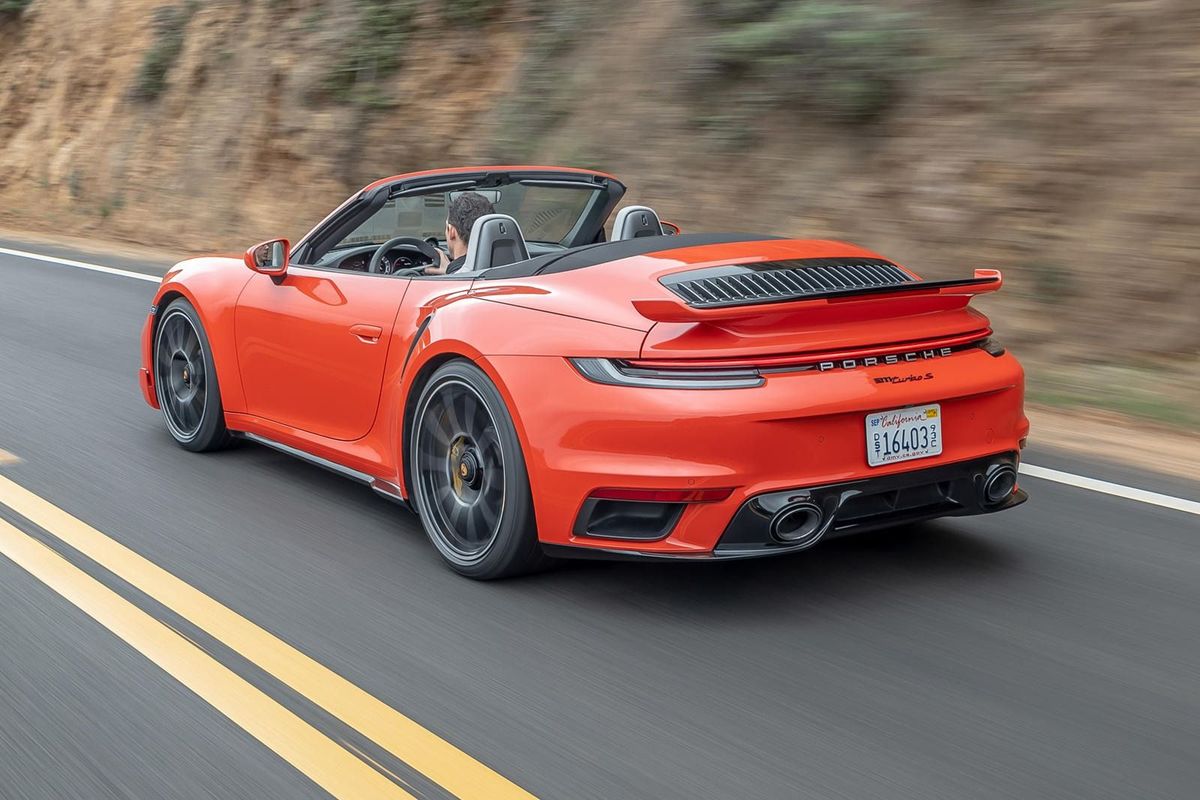
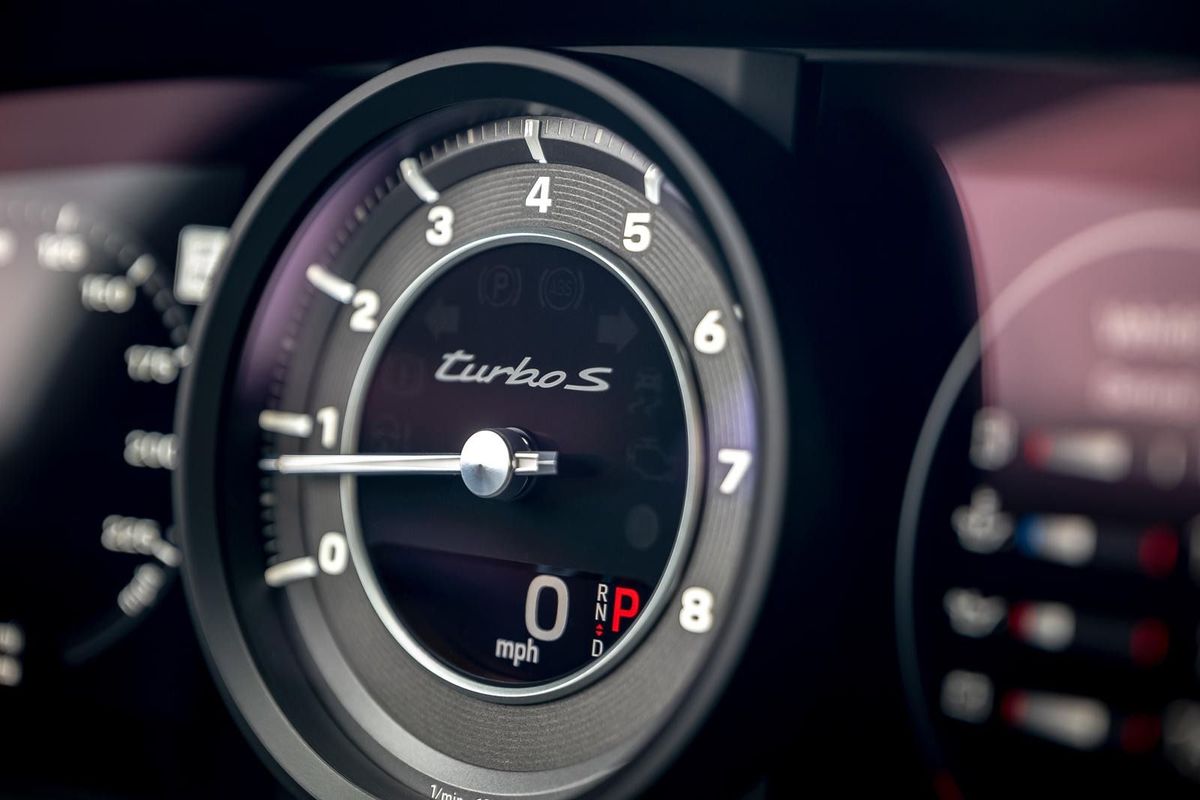
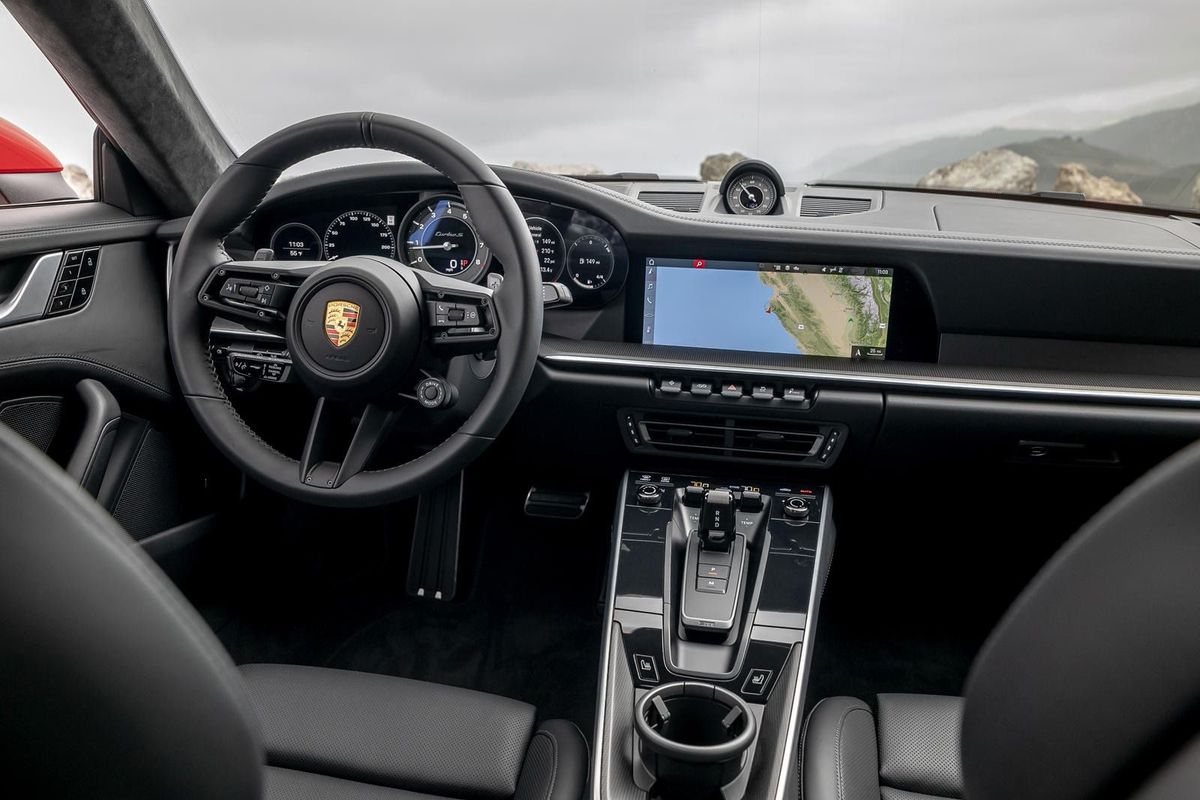
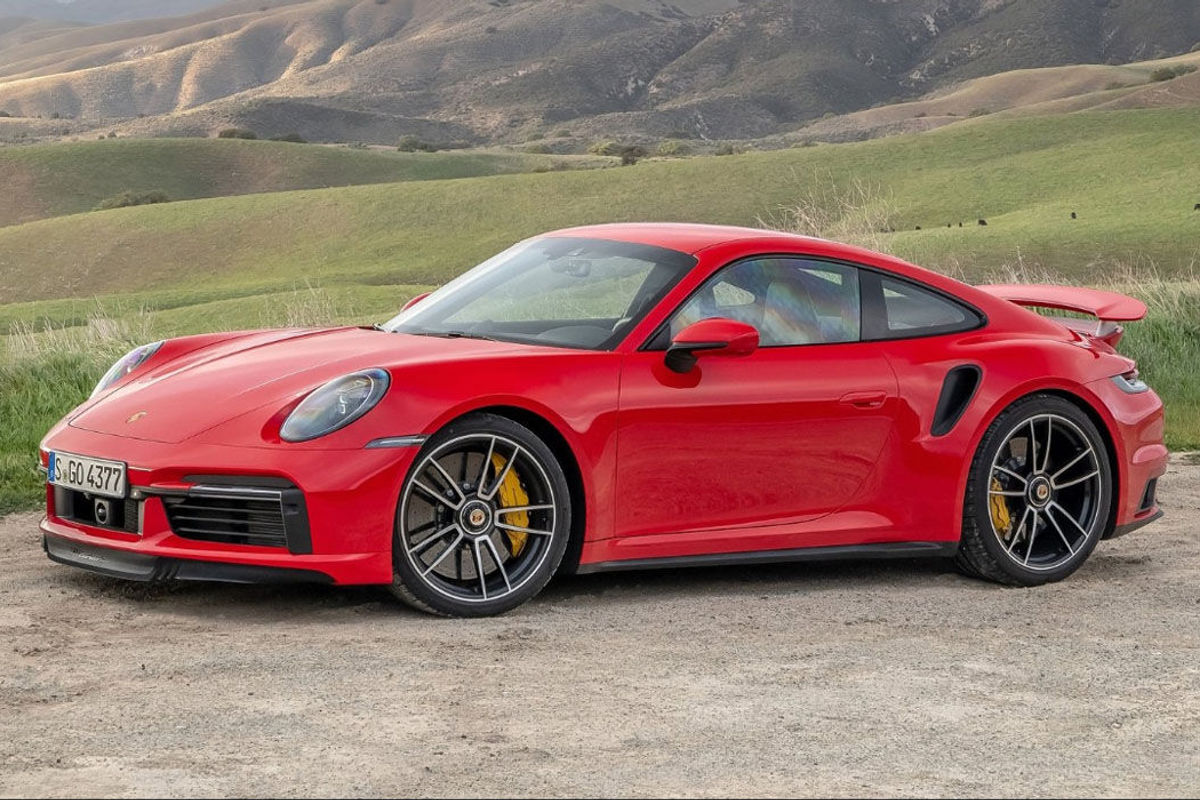
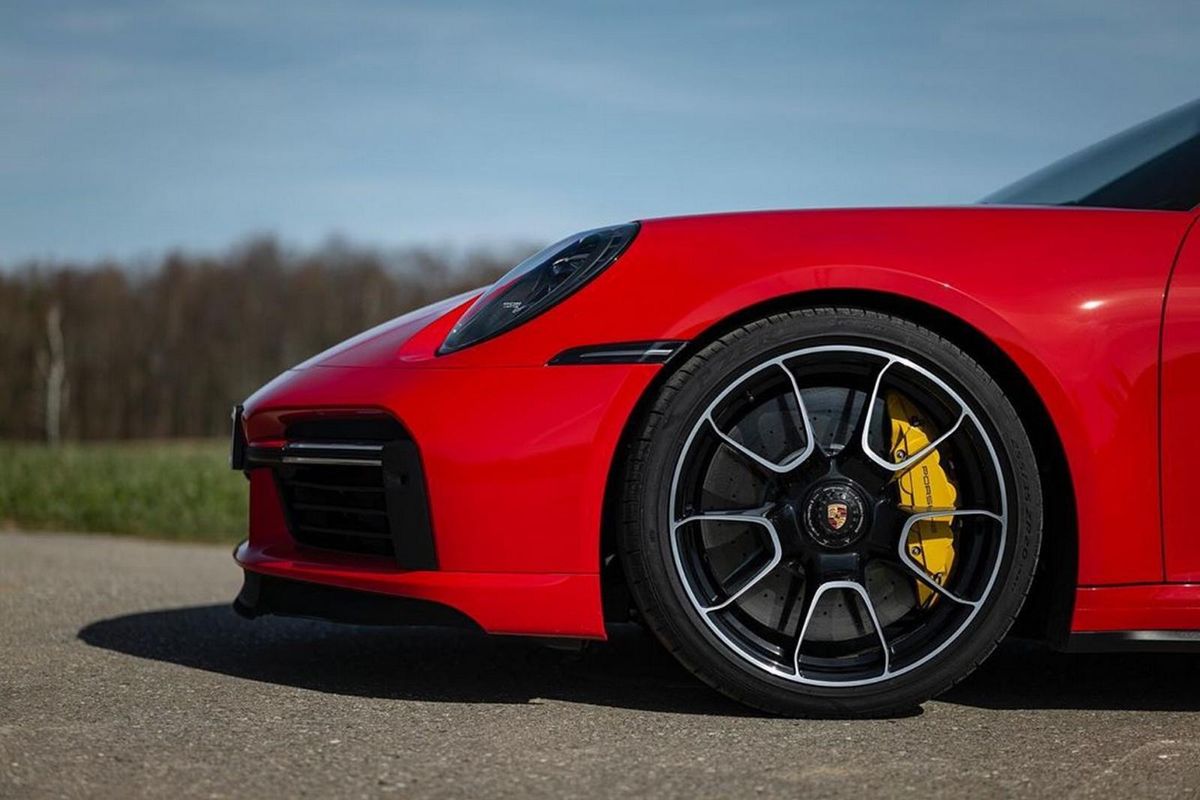
The 478-kW 911 Turbo S was recently unveiled and will hopefully land in South Africa in May, but Porsche is already availing Sport Design and Lightweight packages for its newcomer.
Powered by a state-of-the-art twin-turbocharged 3.8-litre flat-6 engine that develops peak outputs 478 kW and 800 Nm, the all-wheel-driven 911 Turbo S offers nothing less than meteoric performance: It is said to dispatch the 0-to-100 kph dash in a mere 2.7 seconds and achieve a maximum speed of 330 kph.
Cars.co.za recently reported that the Turbo S would arrive on the local market in 2 months’ time (ideally, of course) and that the coupe version would cost R3 542 000, with its cabriolet sibling retailing for R3 716 000.
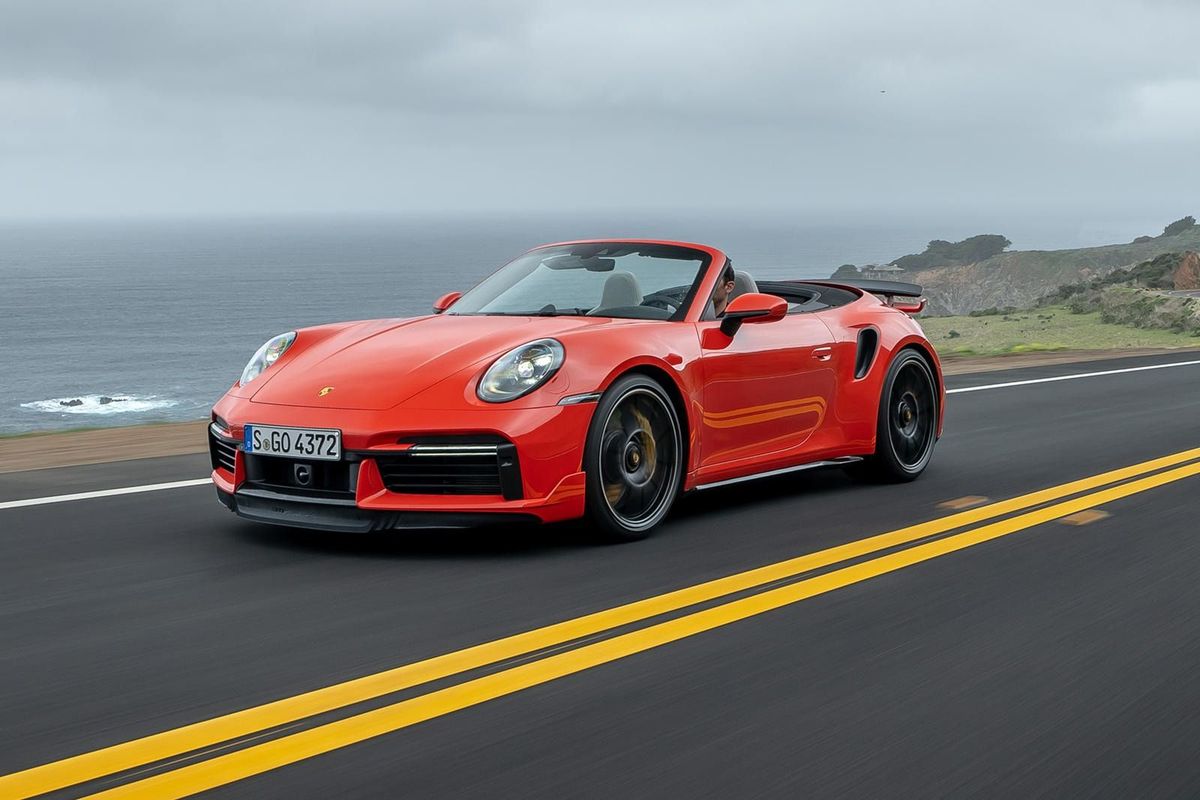
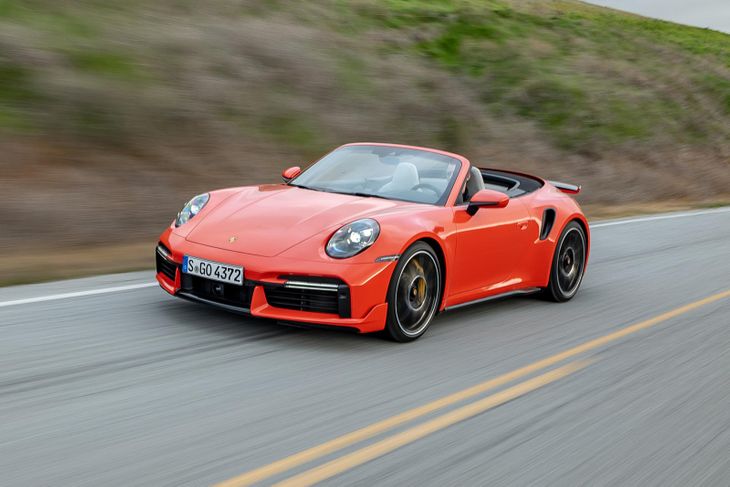
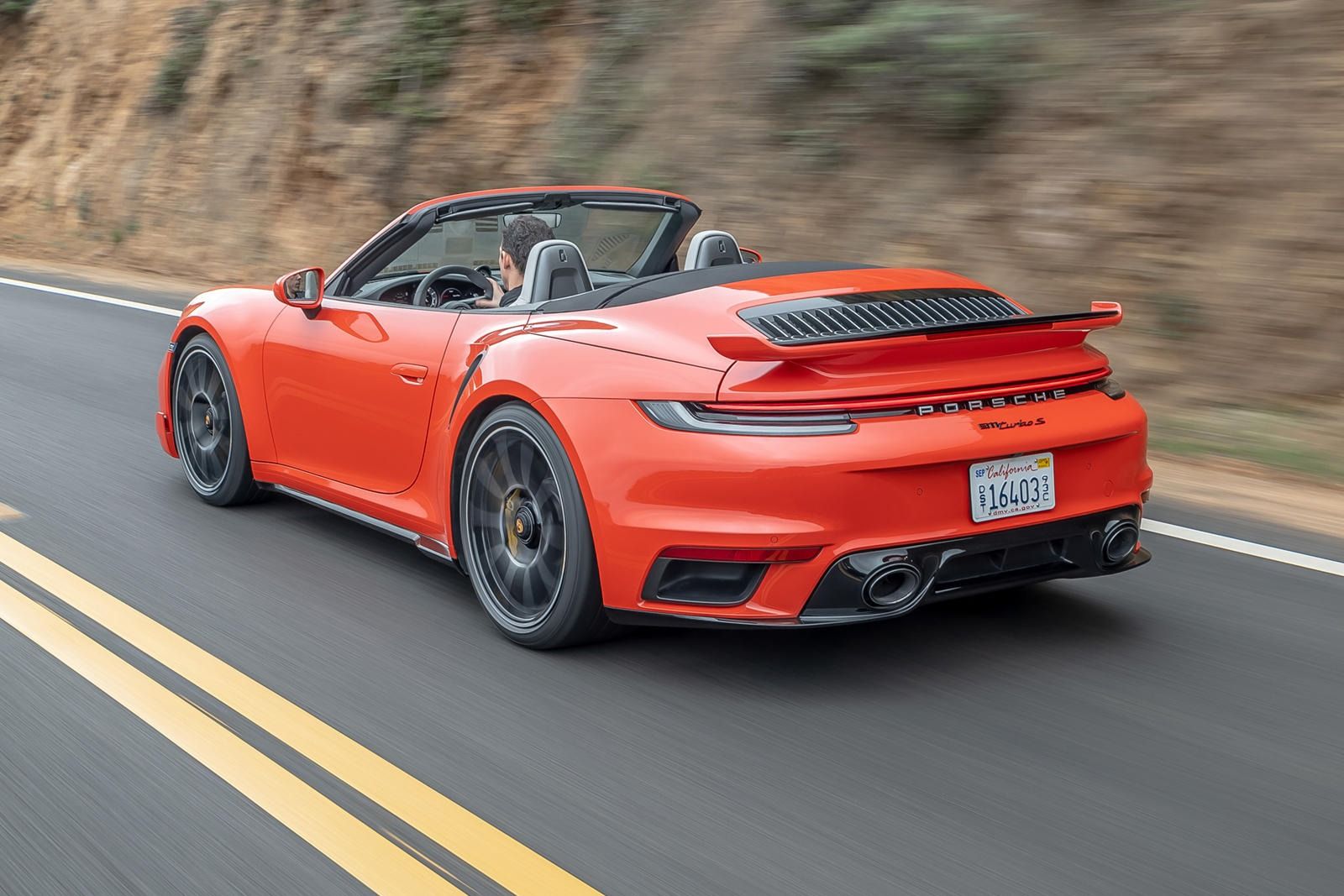
Meanwhile, Porsche’s Exclusive Manufactur division has been rolling out purposeful-looking optional accoutrements for the Turbo S, which can be seen in detail on the Lava Orange example of the Turbo S Cabriolet shown here.
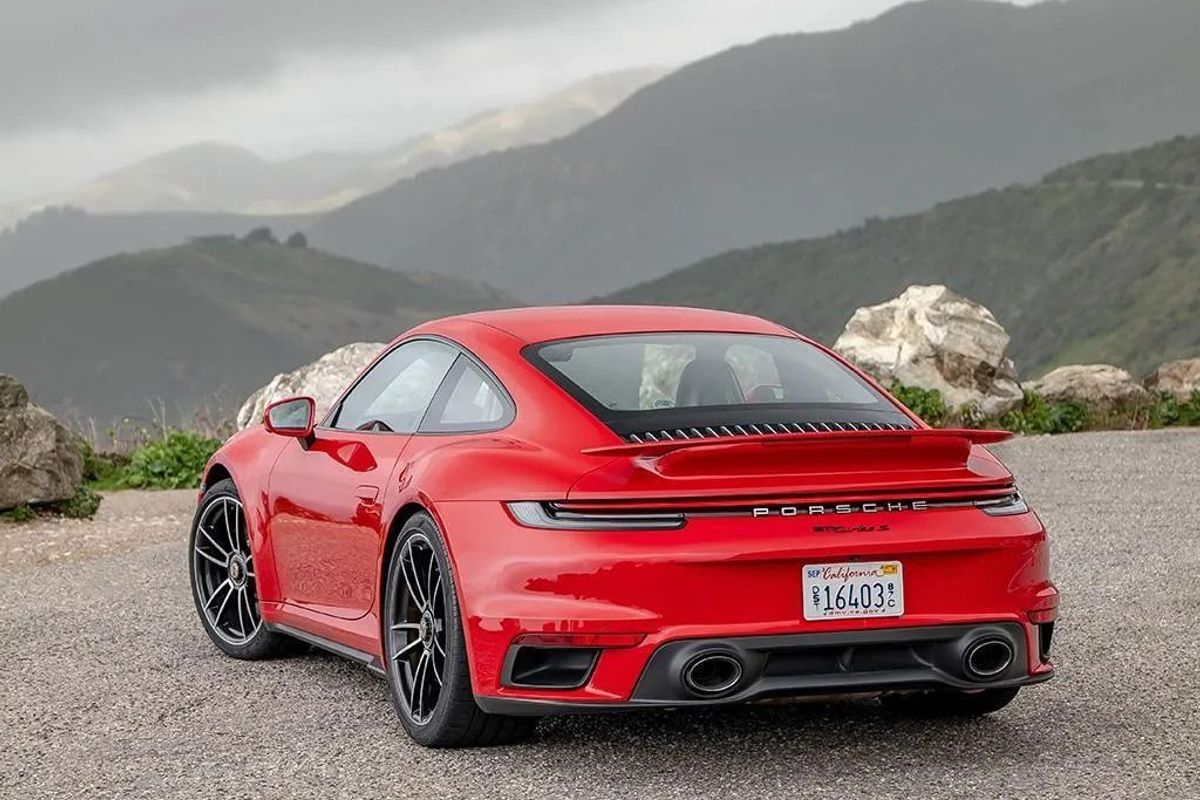
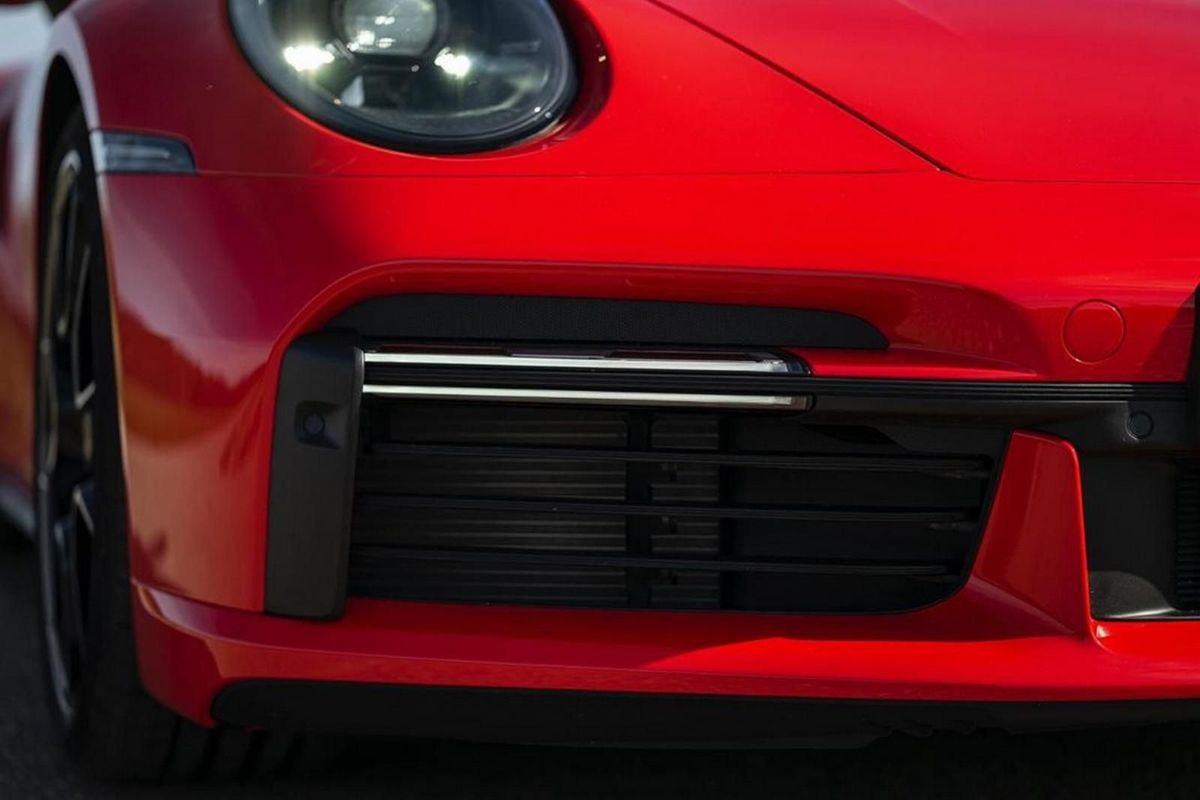
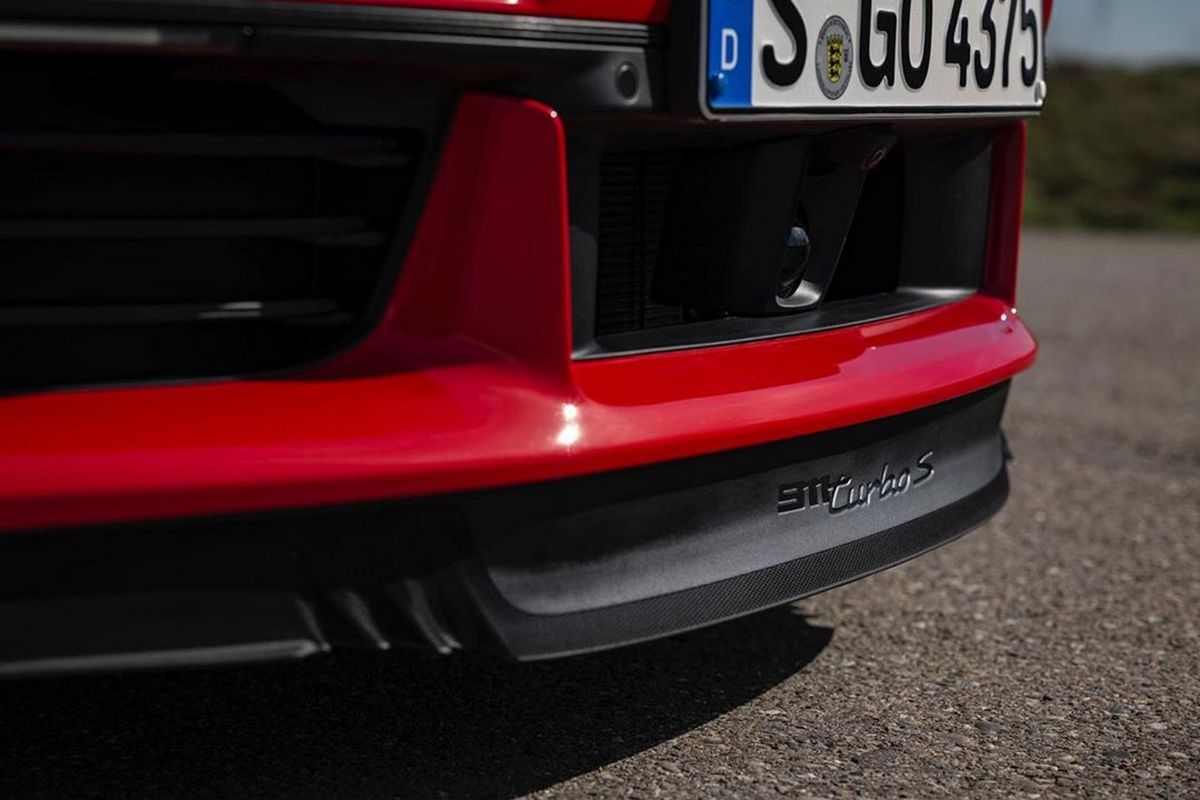
The Sport Design Package adds a beefier front splitter with distinctive side fins, more elaborate side skirts, and a reshaped rear spoiler with upturned edges. Compare the details of the orange car with images of the red Turbo S Coupe (specified with a sport exhaust) to note the subtle aesthetic differences between them…
For buyers who have specified the sport exhaust, which substitutes the standard car’s quad rectangular pipes with two large-bore oval ends, the Sport Design Package also includes a redesigned, colour-coded rear apron. In the case of the orange cabriolet, however, that part is finished in optional gloss black, as are the centre of its front splitter, the lower trims of side skirts and the inner, extending part of its active rear wing.
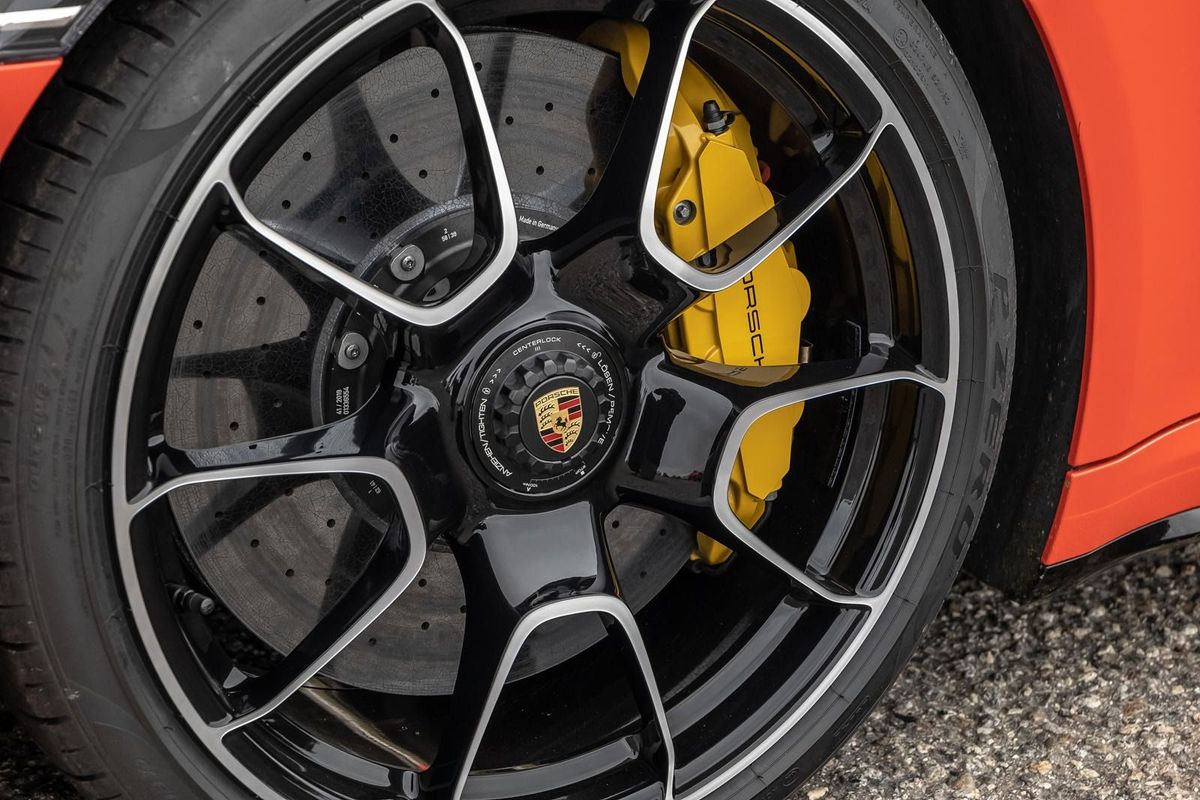
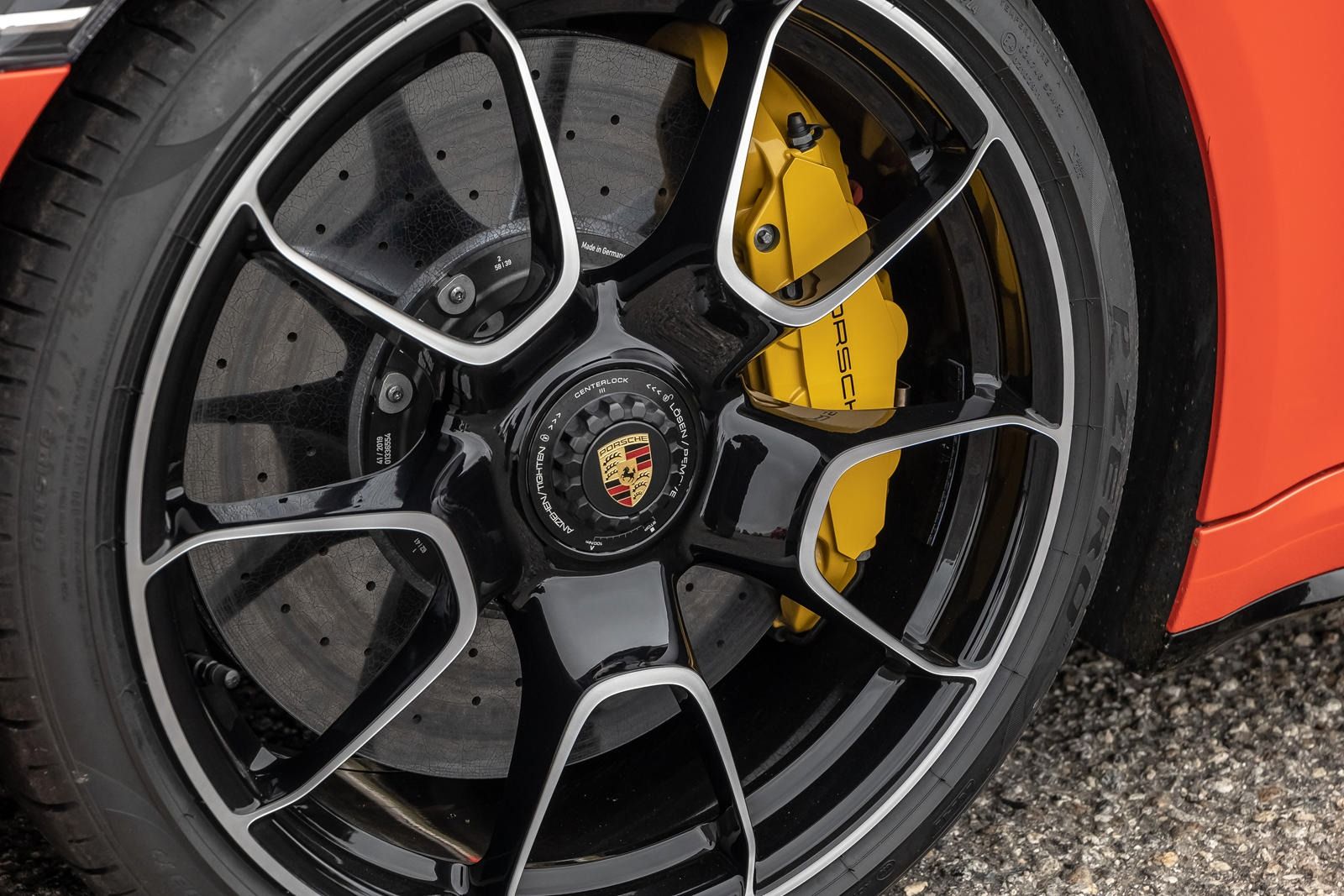
It’s been reported that the Sport Design catalogue will include bespoke tail-light clusters, additional gloss-black accents, dark-silver 10-spoke alloy wheels (see below), as well as a lightweight carbon-fibre roof (for coupe versions).
The new Lightweight Package meanwhile, is exclusively available for the coupe and said to result in a kerb weight reduction of 30 kg and, as far as we can deduce, a much more cacophonous cabin~
The revisions include the removal of the Turbo S’ rear seats – as well as a wad of interior sound-deadening material – and the installation of a pair of lightweight bucket front seats and slimmer acoustic glass. The PASM sport suspension and aforementioned sport exhaust come included as part of the package, however.
SentiMETAL Shop: Buy 3 items or more and get 15% off
The SentiMETAL online store, the shop for Petrolheads, continues to expand its offering. Customers who buy 3 items or more now also automatically qualify for a 15% discount.
"The SentiMETAL store is currently having its best month on record," says project manager, Hannes Oosthuizen. "Our expanding line-up of scale model cars, carefully selected with the South African audience in mind, is doing particularly well," he adds.
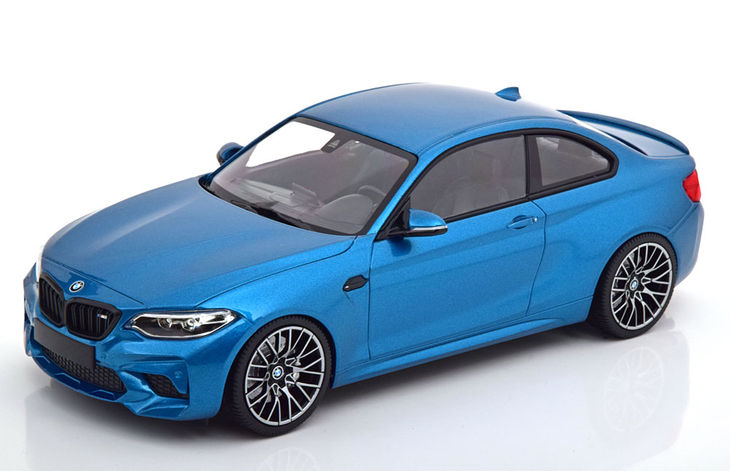
One of the most popular recent additions has been this 1:18 scale version of the BMW M2 Competition, by Minichamps.
Relatively new additions to the catalogue include the BMW M2 Competition and the Volkswagen Golf VR6 – real-world interest in these cars appears to be mirrored on the local scale model scene.
The Heritage Print series, focusing on uniquely South African cars, continues to perform well, too, with particularly the BMW 325iS "Gusheshe", Opel Kadett Superboss and Alfa Romeo GTV6 3.0 selling strongly. A new addition to the line-up is a striking print featuring the Opel Kadett 200t S.
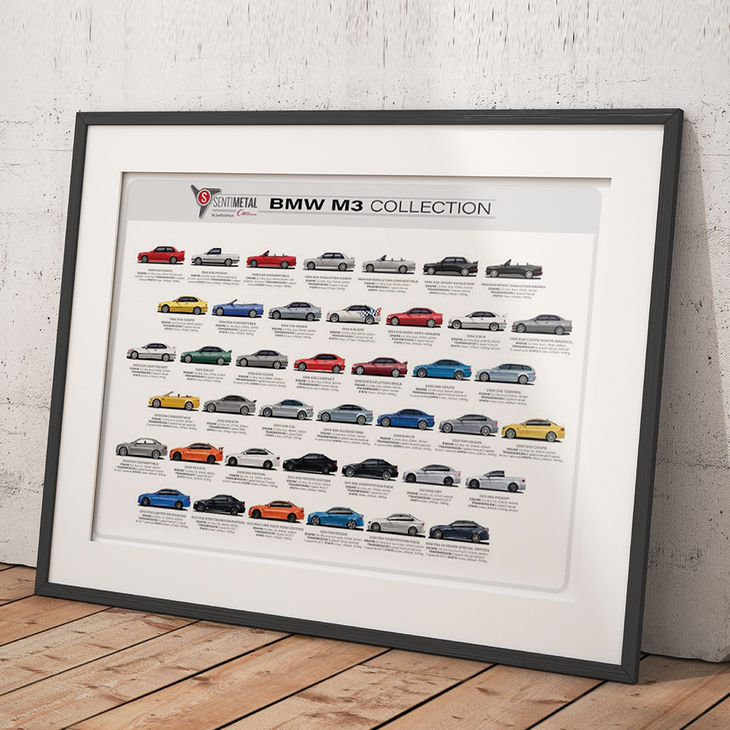
"The store's best-seller," says Oosthuizen, "is, however, the BMW M3 Collection artwork." This giant piece features just about every iteration of the iconic M3, even one-offs and specials like the E30 and E92 bakkies. It sells for R450.
SentiMETAL store during the Lockdown Period
The store's top-seller is this magnificent A1-size print featuring 30 years of BMW M3s.
The SentiMETAL online store will still be taking orders during the lockdown period, but shipping is prohibited. "Customers should be aware that there will be a delay in getting their products to them, but at the same time must also be cognisant of the fact that we deal in limited-edition items," Oosthuizen says. "We are still seeing a significant number of orders being placed by customers who want to secure an item and not risk the possibilty of it being 'sold out' before the lockdown concludes."
To make use of the current 15% discount offer, go here.
Digital Power Boost for Ford Focus ST
You can download more power for the MK4 Focus ST. Well, if you're lucky enough to get the ST in your country.
British Ford performance car specialist, Mountune, is offering a compelling power upgrade for Focus ST owners.
If you are fortunate enough to own the fourth-generation Focus ST and find its urgency of performance a touch lacking, then Mountune is here to help.
Having extensively mapped the 2.3-litre turbocharged engine, Mountune evaluated elements where control software could be optimised. The result is a tidy power and torque increase.
Marketed as the Mountune M330 update (denoting its output in horsepower, if you are wondering), this upgrade will boost 243 kW and 515 Nm from a 2020 model year Ford Focus ST. Those totals are a very respectable increase of 37 kW and 95 Nm over the standard factory tune.
Mountune has not only improved the Focus ST’s power output but also sharpened its ability to deliver lower-speed driving drama. As part of the M330 upgrade, there is are no-lift ignition timing and exhaust overrun features too (crackles and pops), which are sure to appeal to those customers who value the entire hot hatchback ownership experience.
Best of all, the Mountune M330 power surge is an entirely digital product. You are not required to deliver your Focus ST to a technical centre to have it done. Simply download the Mountune Smartphone App and install the M330 software to your car.
Pricing
All the power and convenience, for only an estimated R12 000. Such a shame that Ford’s fourth-generation Focus ST is not available in South Africa.
The first restoration by a franchised Porsche dealership in South Africa belongs to one of the marque's most fervent supporters, the one and only Porsche Girl Cape town, Michelle Hambly. Watch the film featuring the Porsche 356 B Super 90.
A SentiMETAL episode featuring Michelle was on the cards from the first day the video project started, for 2 main reasons. Firstly, Michelle is so passionate about the brand (her collection includes even a classic tractor) and secondly… well, let's just say we had a lot of cars we could pick from!
It took a while, however, because we wanted to choose the right car, and the right car was not immediately ready. You see, we settled on her cute 356 Super 90 as a feature vehicle, then being restored by Porsche Classic in Cape Town.
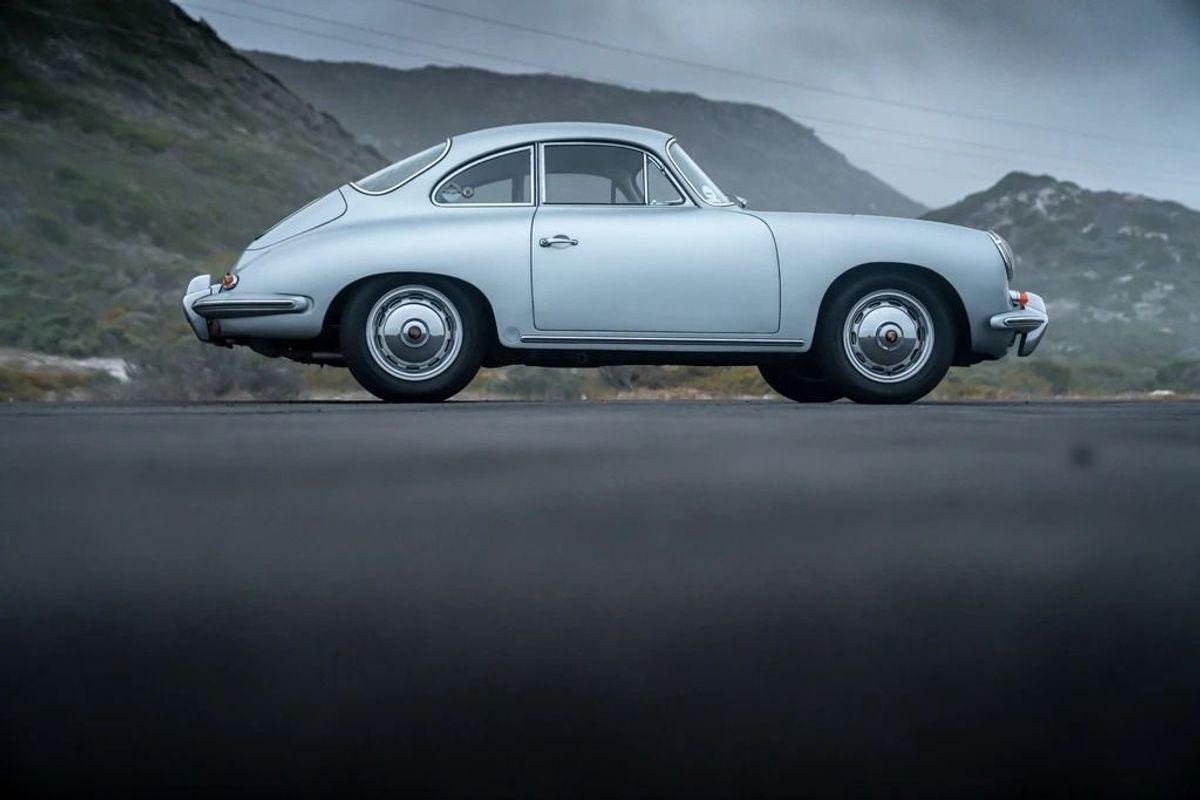
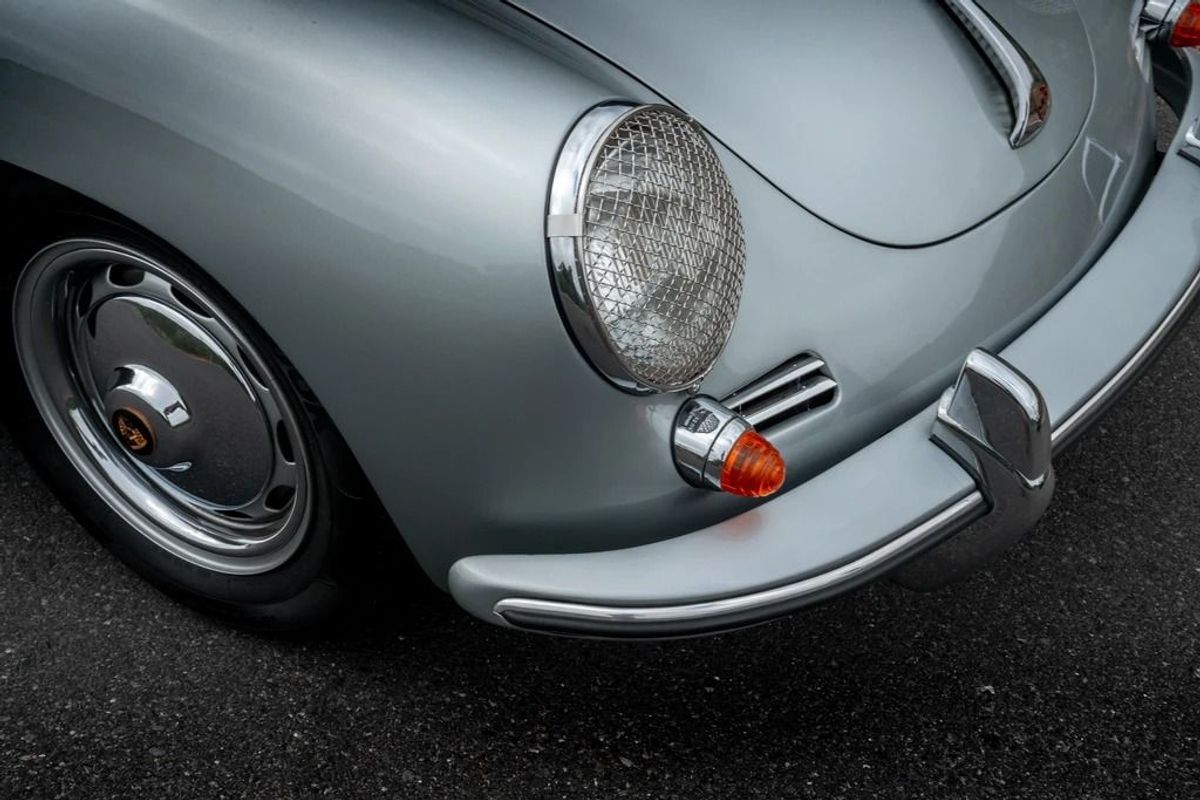
Eventually, however, the car was ready and looking splendid in its new coat of silver. Even on a cloudy, misty day in Cape Town, the 356 B is a visual delight, with almost impossibly many curves packed into such diminutive dimensions. Michelle's car is a 1962 model, and only 899 Super 90s were built in that year.
This being a Super 90, it had a bit more grunt than most 356s – the 1.6 boxer engine delivers – you guessed it – 90 hp (just shy of 70 kW) at 5 500 rpm, which seems like very little, but then you must remember that the 356 weighs less than 1 000 kg. So it's an eager little car, responsive to the throttle and Michelle has no qualms about "giving it stick".
According to Porsche, the top speed is 115 mph (185 kph). No wonder it made an effective racer back in the day – it's deceptive speed was coupled with dynamic finesse. Carrera and Super 90 models, like this one, had compensating transverse single-leaf springs to aid handling ability.
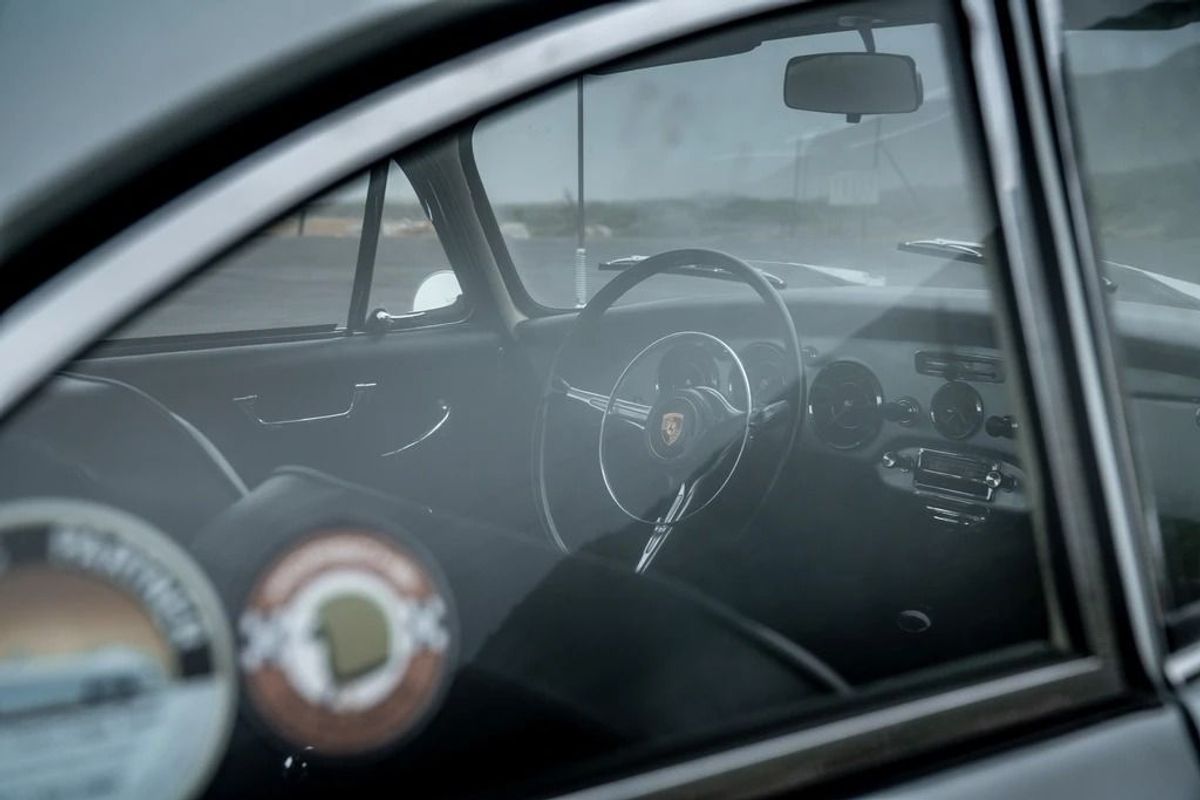
This particular car has had 2 owners prior to becoming a part of Michelle's collection. As she explains in the video, every piece of paper and accessory that originally came with the car has been preserved, including a box with light bulbs, a medicine kit and a Porsche badge.
After acquiring the car, it was decided that a full restoration would be needed – it was no longer in its original colour, and some mechanical components were in dire need of replacement. And so began the first restoration conducted by a franchised Porsche dealer in South Africa.
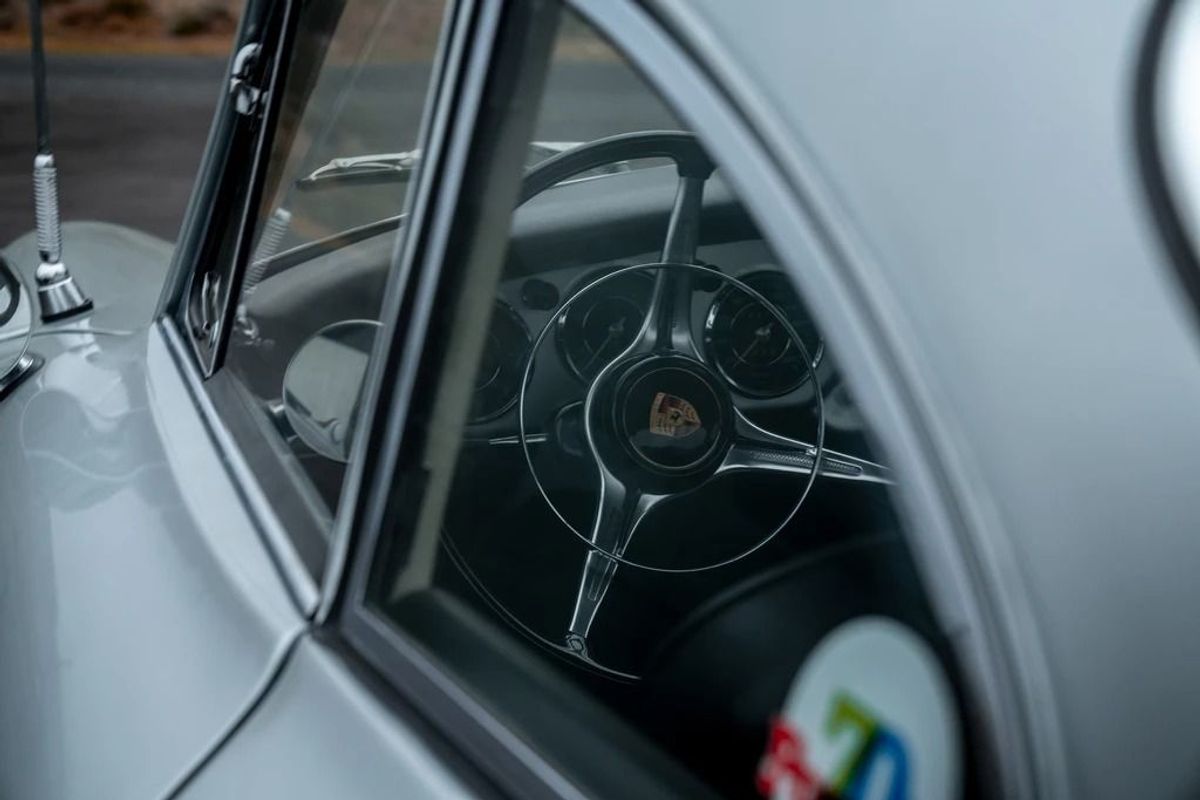
The result is a spectacular-looking car, back in its original silver, and with an engine bay as neat and tidy as the minimalist dashboard. Following some further work, primarily on the gearbox, by Porsche expert Tim Abbott in Johannesburg, this 356 B Super 90 is now back to as-new condition and driven regularly (and hard) by Michelle.