California tuning company adds more clearance for Ranger 4×4.
Ford’s Ranger Raptor is a spectacularly capable 4×4 double-cab, but there will always be those customers who desire even more.
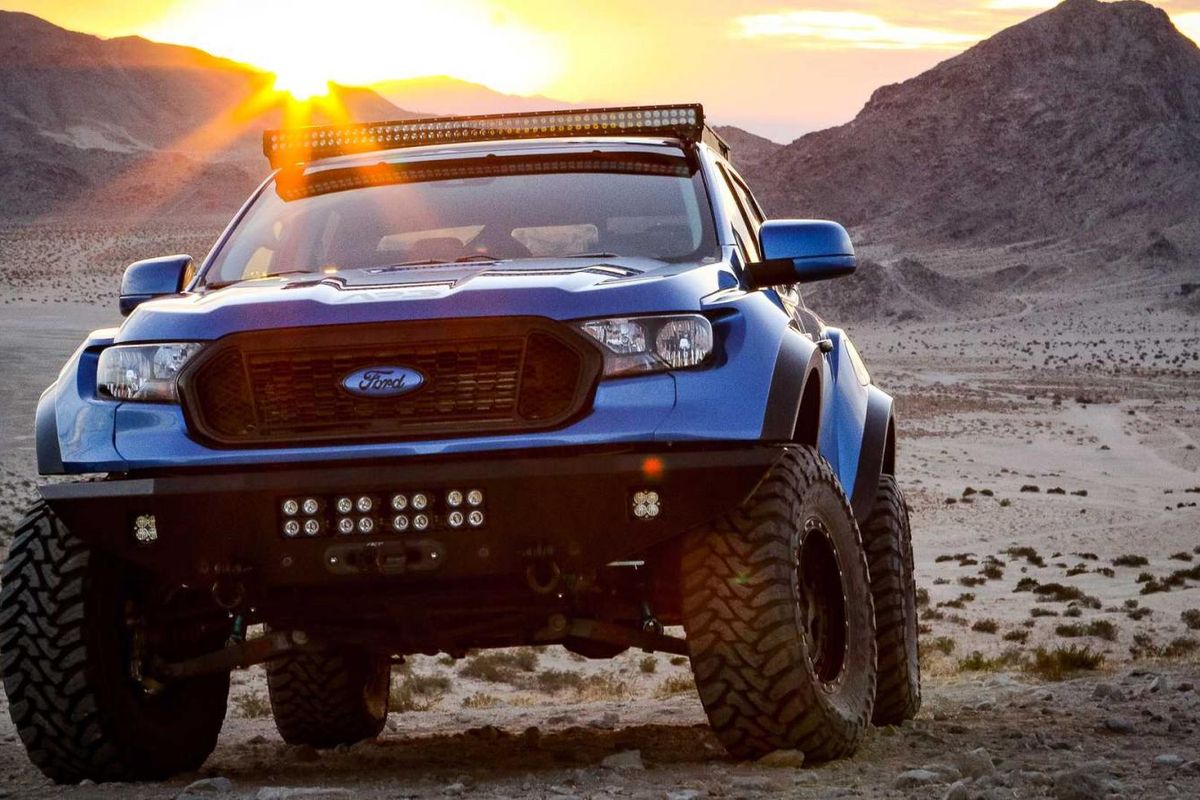
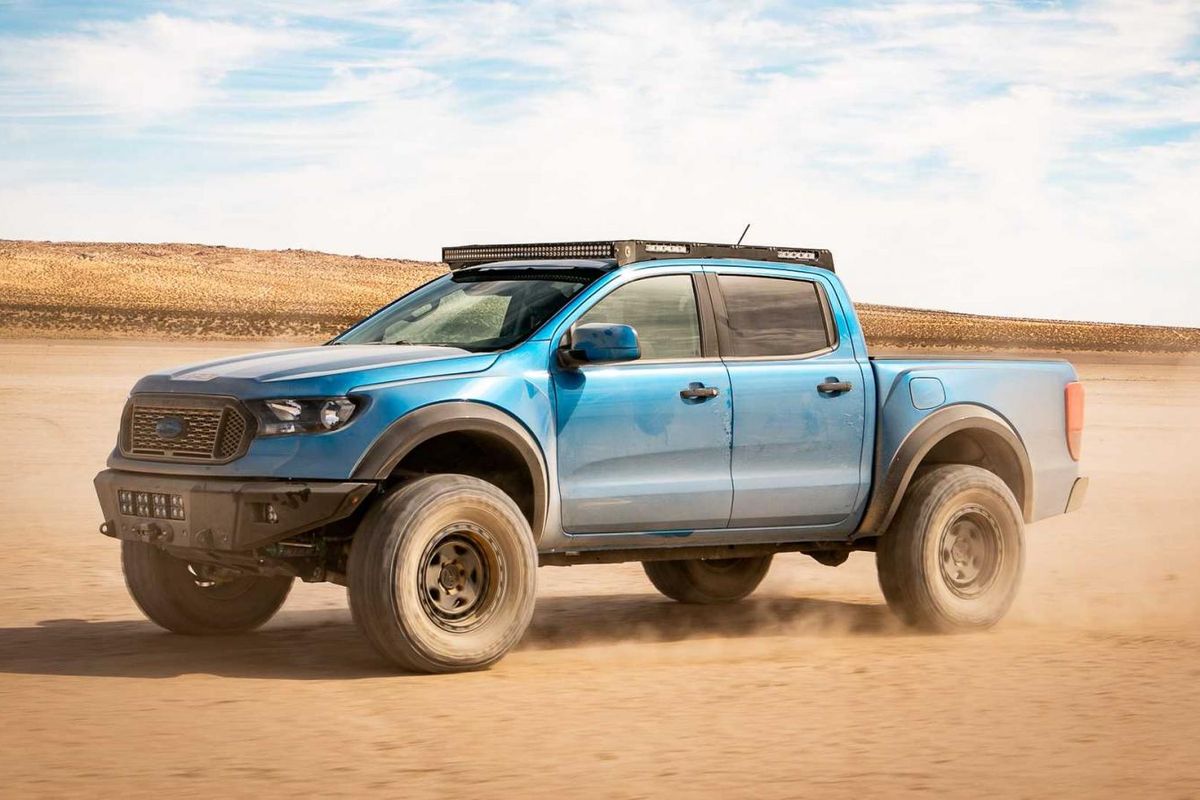
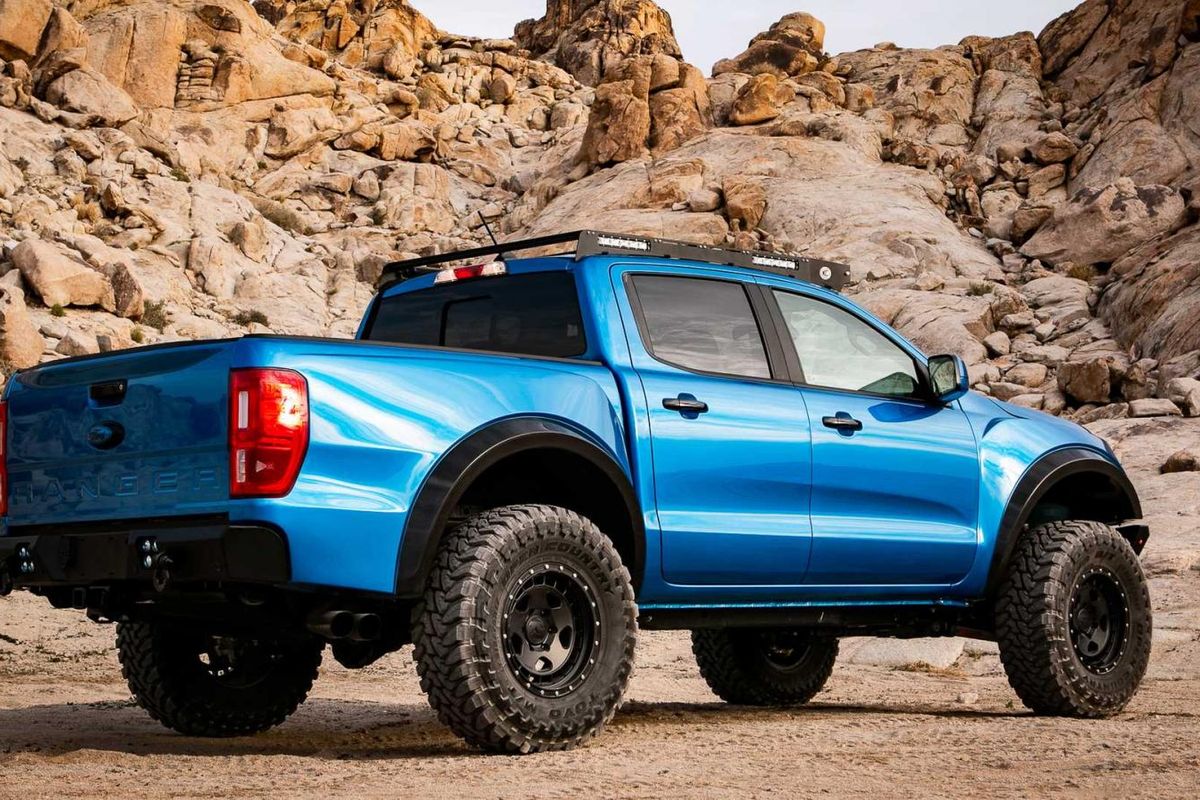
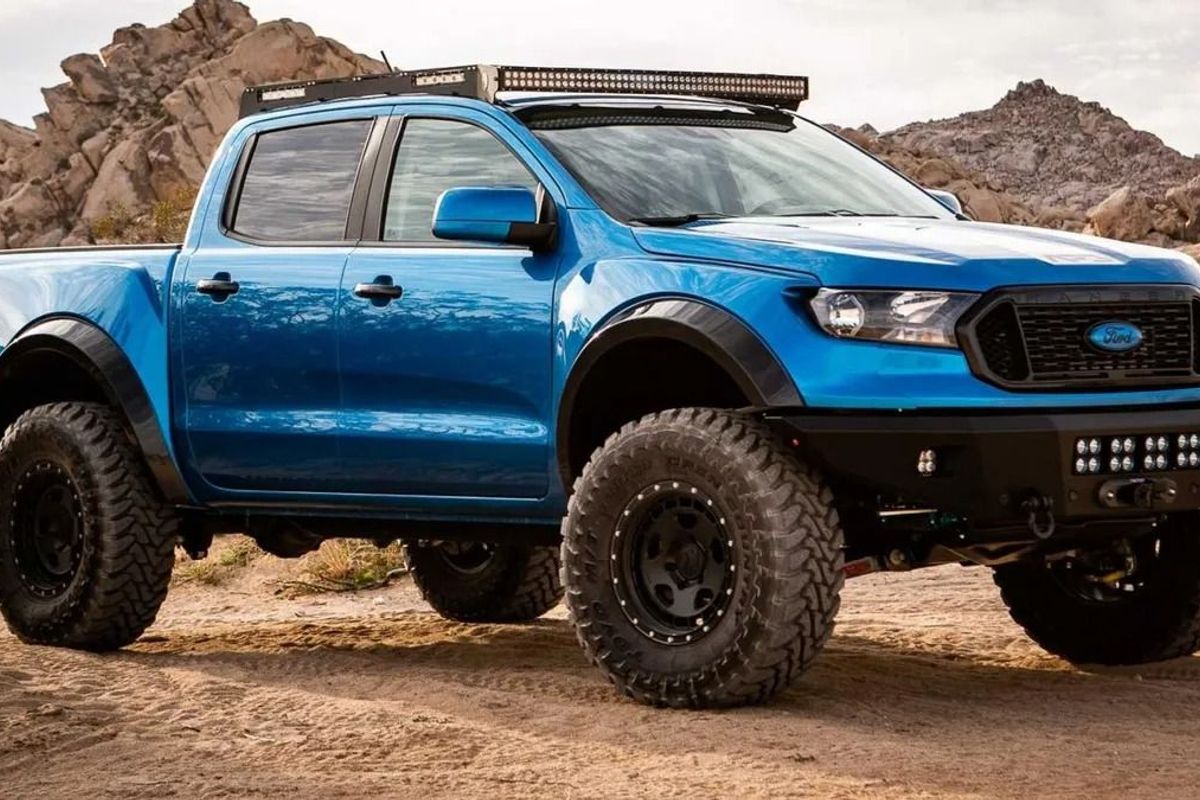
To answer the demand, California’s APG has produced a very tidy upgrade of Ford’s standard Ranger, to Raptor-rivalling specification.
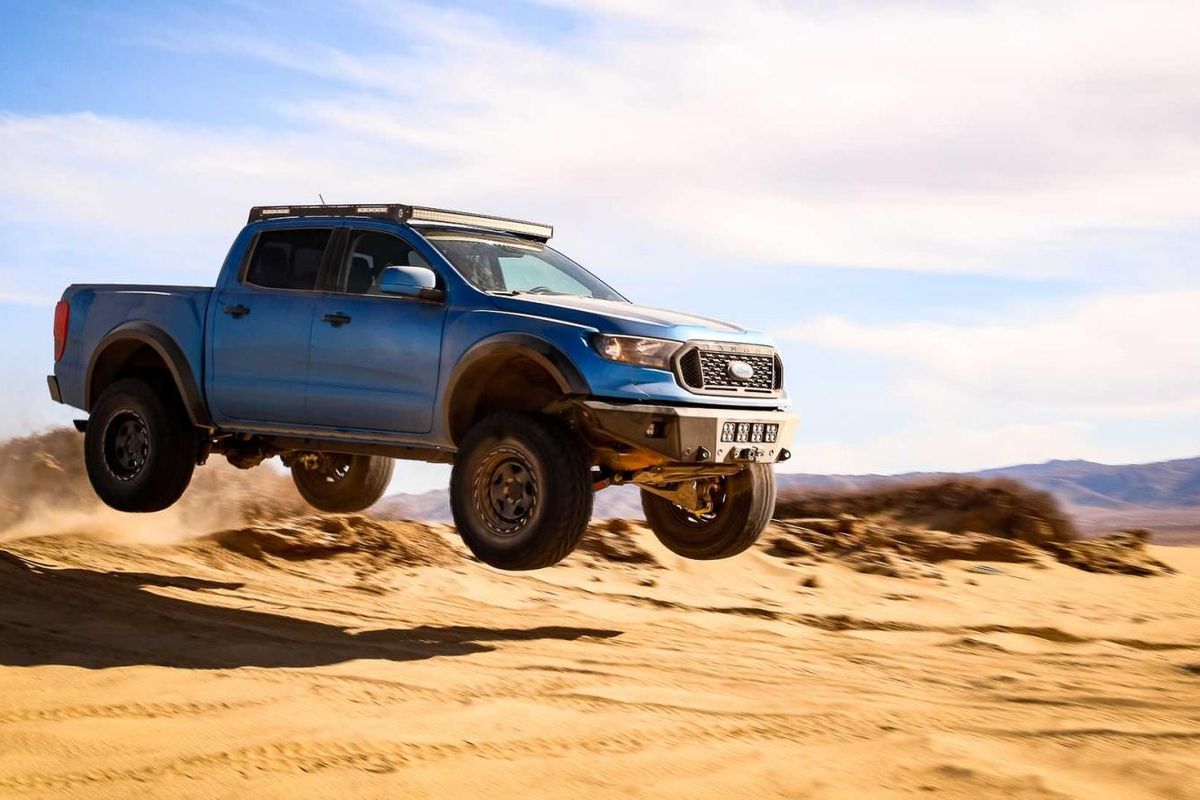
APG’s aim was to increase wheel travel and terrain taming ability. To achieve this, meant altering the Ranger’s bodywork and the result is a double-cab bakkie with tremendous presence.
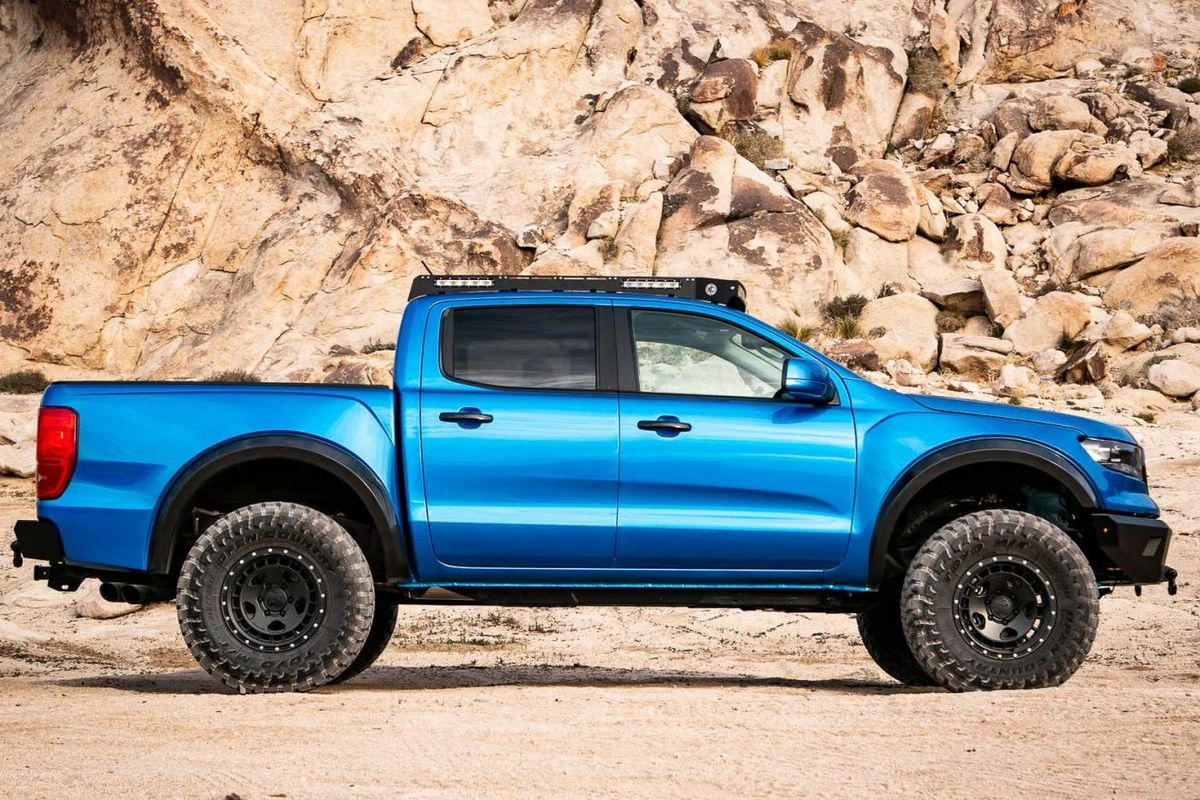
The factory Ranger Raptor is a wide bakkie, but this APG version adds an incredible 254 mm of width with its interpretation. Fabricated from carbon-fibre, the APG bodywork includes massively flared wheel arches.
Although the APG Ranger’s bodywork looks radical, it serves a purpose. To ensure there isn’t tyre rub on the inside of the wheel arches, during maximum suspension compression, APG had to reshape them.
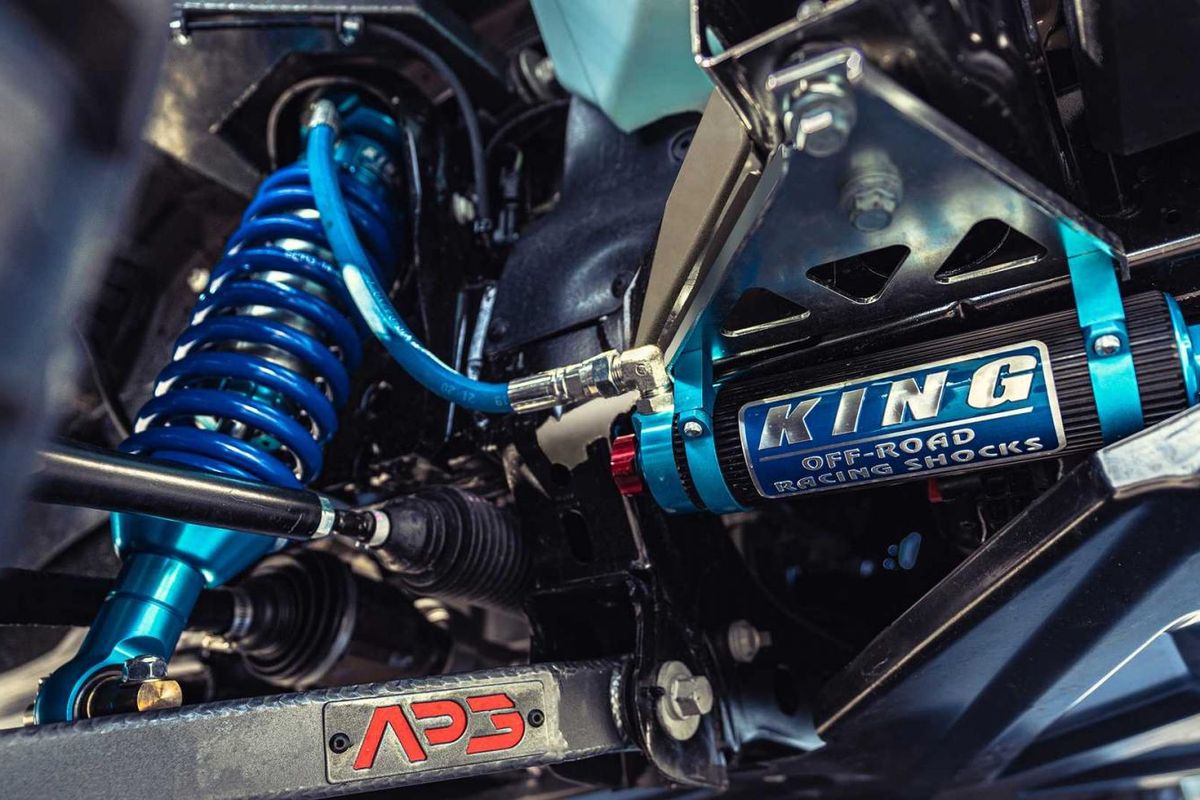
Beyond the new bumpers, a custom roof rack and additional LED illumination points, the APG Ranger’s most significant feature is its suspension upgrade.
APG’s long-travel suspension kit for Ranger includes new upper and lower control arms – all of which, are powder-coated. The tie rods and front axle CV shafts are also extended. In combination, these modifications deliver 318 mm of total ground clearance, compared to the factory Raptor’s 283 mm.
Pricing
The cost of upgrading your standard Ranger to an APG pseudo-Raptor is R260 000. If you are a skilled mechanic with an assortment of tools at home, APG’s will supply you all the parts for R190 000, and you can spend weekend-upon-weekend, assembling it all, yourself.
Thanks to the Crossley and Webb dealership in Cape Town, Ciro De Siena and our video team were afforded the opportunity to spend time with one of the rarest cars on earth, the Lexus LFA.
Only 500 of these were made and there are only three reported to be in South Africa, so this really was a unicorn encounter.
In this video, we spend a lot of time getting to know the car, while Ciro takes us through the history of it's development, takes you on a tour of the interior and the engine, and of course turns it on to hear what is surely one of the world's best-sounding cars ever made.
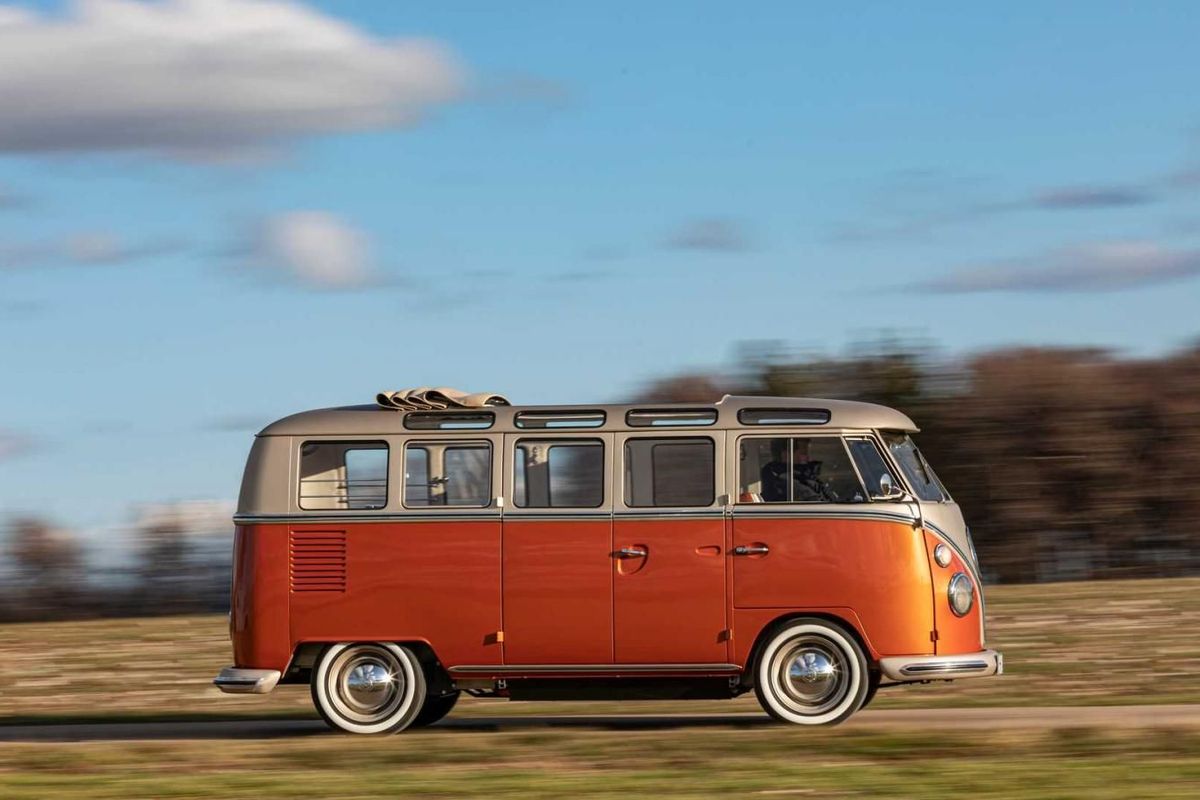
eBus could become an official thing, long live the T1 split window!
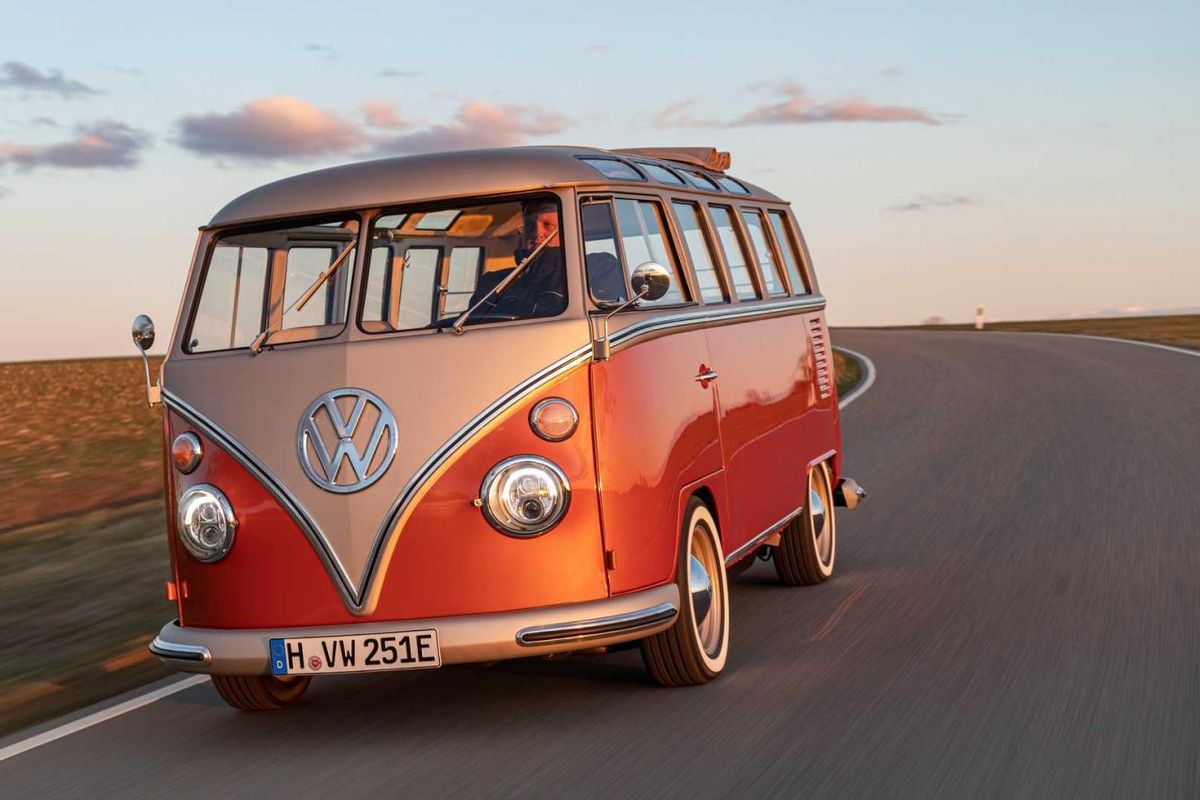
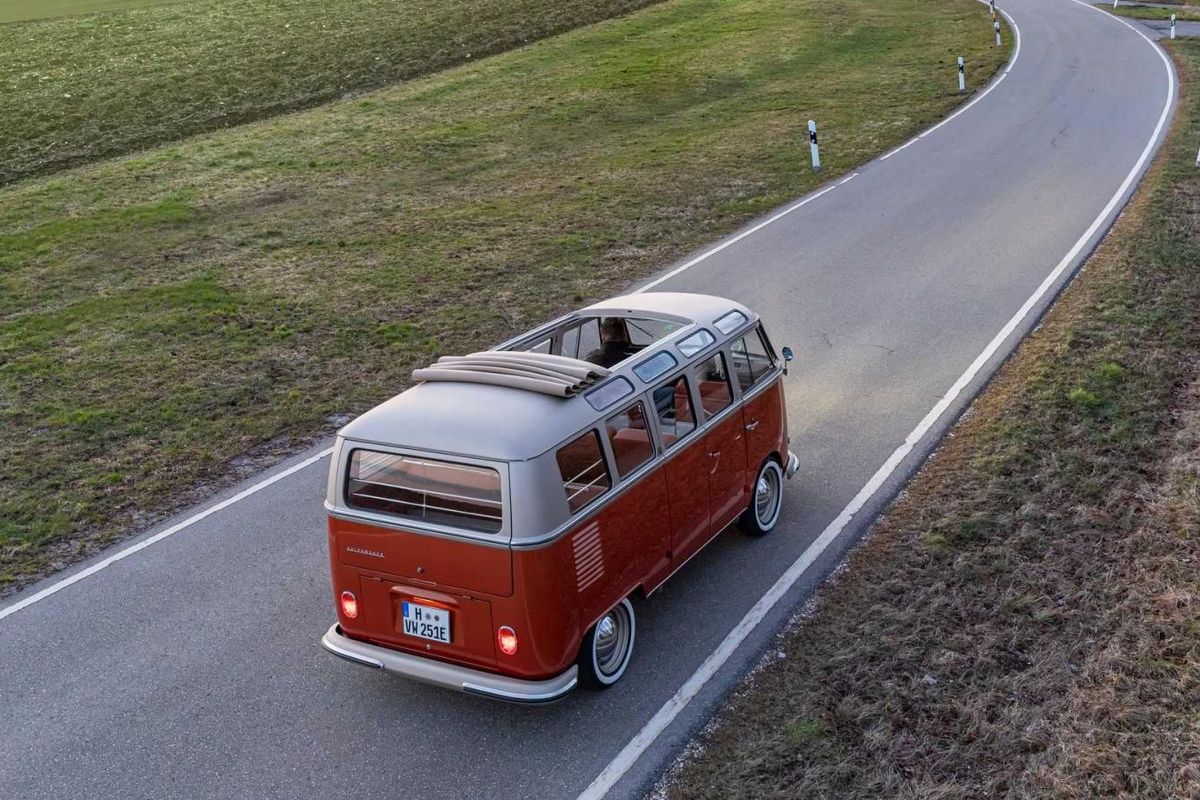
Hipsters who wish to channel those hippie motoring memories of yore will rejoice at VW’s latest product announcement.
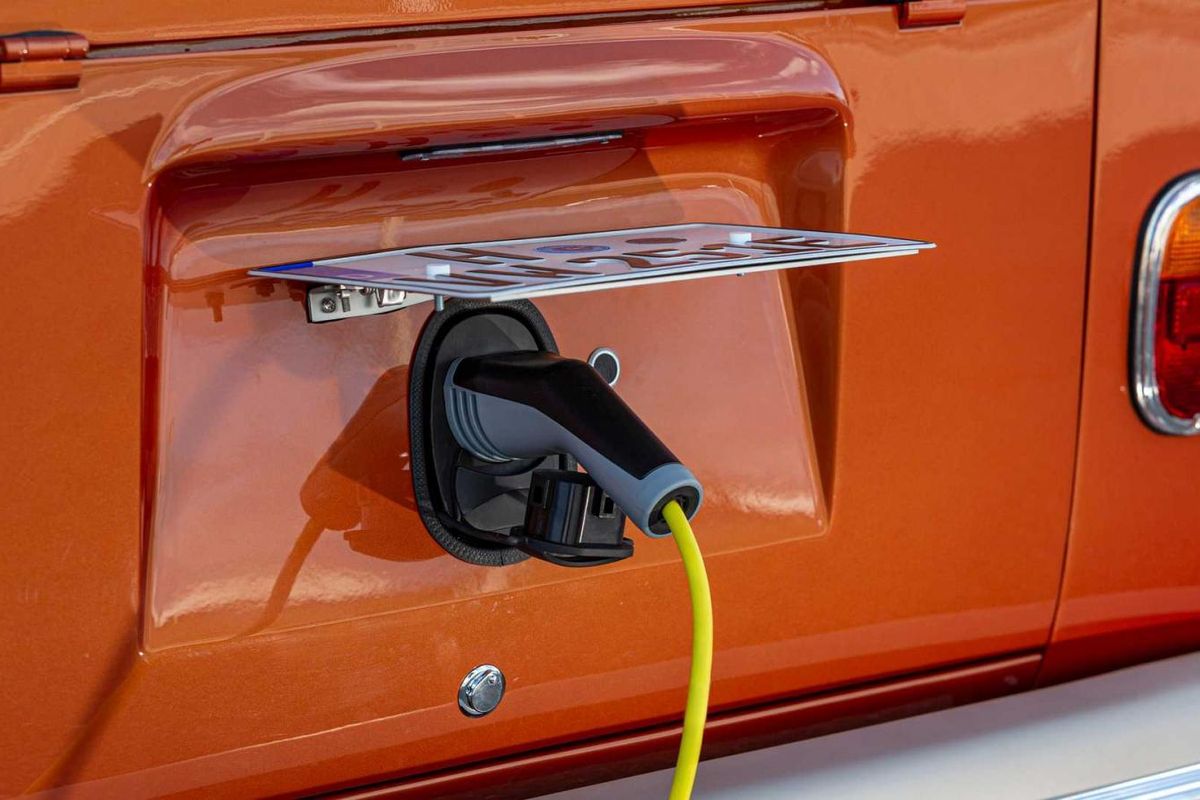
The e-Bulli concept might look like a VW T1 bus, but it features a wonderfully sophisticated powertrain, with zero emissions.
VW has built this e-Bulli concept as part of its drive to greater electrification. Partnering with eClassics, who specialise in converting older vehicles to modern battery drivetrains, the e-Bulli will hopefully become available commercially.
Powering the e-Bulli is a 45 kWh lithium-ion battery pack. This is effectively the lowest energy-density battery VW has designed, for its forthcoming range of ID platform vehicles.
The battery pack spins a 61 kW electric motor, with 212 Nm of torque That is nearly double the potency of VW’s original T1 air-cooled four-cylinder engine.
Aerodynamic realities and stability considerations have made VW limit the e-Bulli’s top speed to only 130 kph, which is still 25 kph more than an original T1 could manage.
Old-school bus underneath
The T1 platform structure has not been altered, but VW and eClassics have added many component upgrades.
Instead of traditional drums, there are ventilated disc brakes at all four wheel corners. A multi-link front suspension, with adjustable coil-over dampers, allows e-Bulli to add more compression damping when required – better balancing this eBus when it is heavily laden.
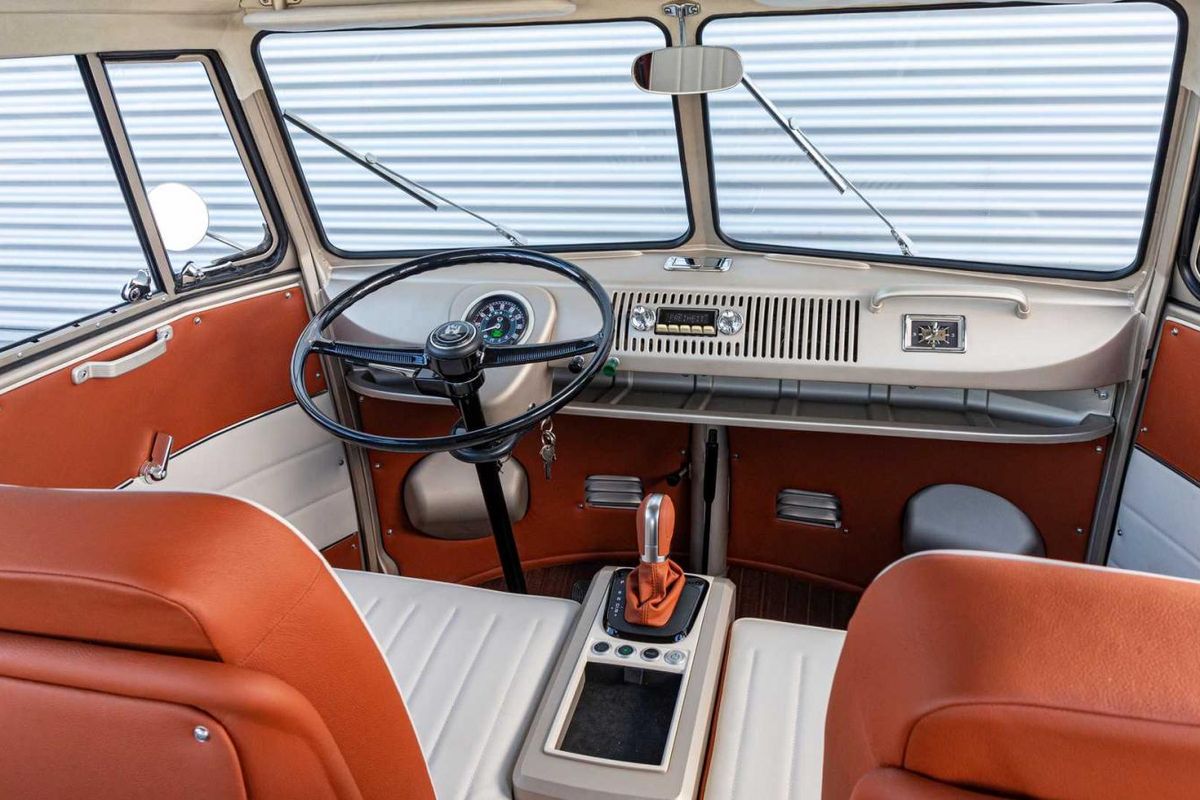
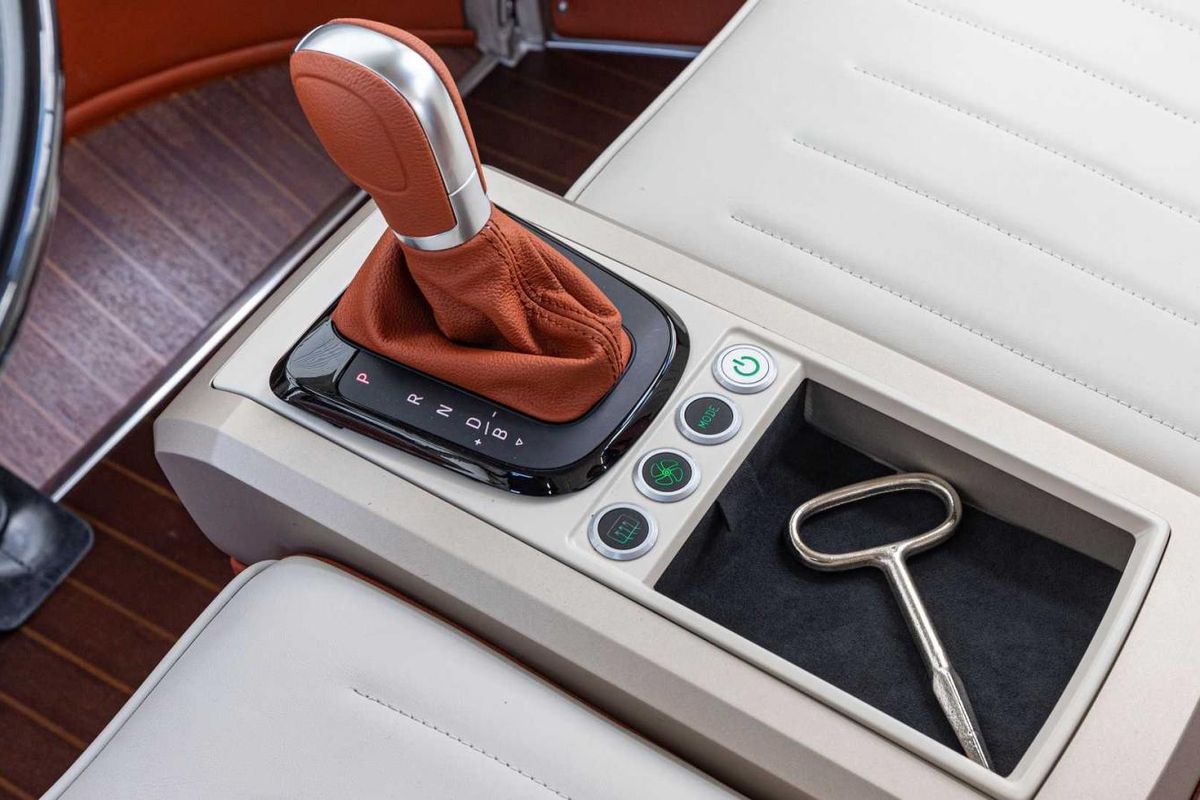
Beyond the new bits, VW and eClassics have managed to retain the retro feel, whilst adding daytime running lights and LED turn-signal indicators. Although the cabin might have the appearance of a fantastically 1960s design celebration, a Smartphone synching infotainment system has been integrated to the e-Bulli’s interior.
VW has built the e-Bulli as a proof of concept. The T1 is a very popular VW heritage vehicle with many still running in show condition. The vision is that owners could be willing to embrace the e-Bulli concept, which might trigger a viable upgrade option, from VW.
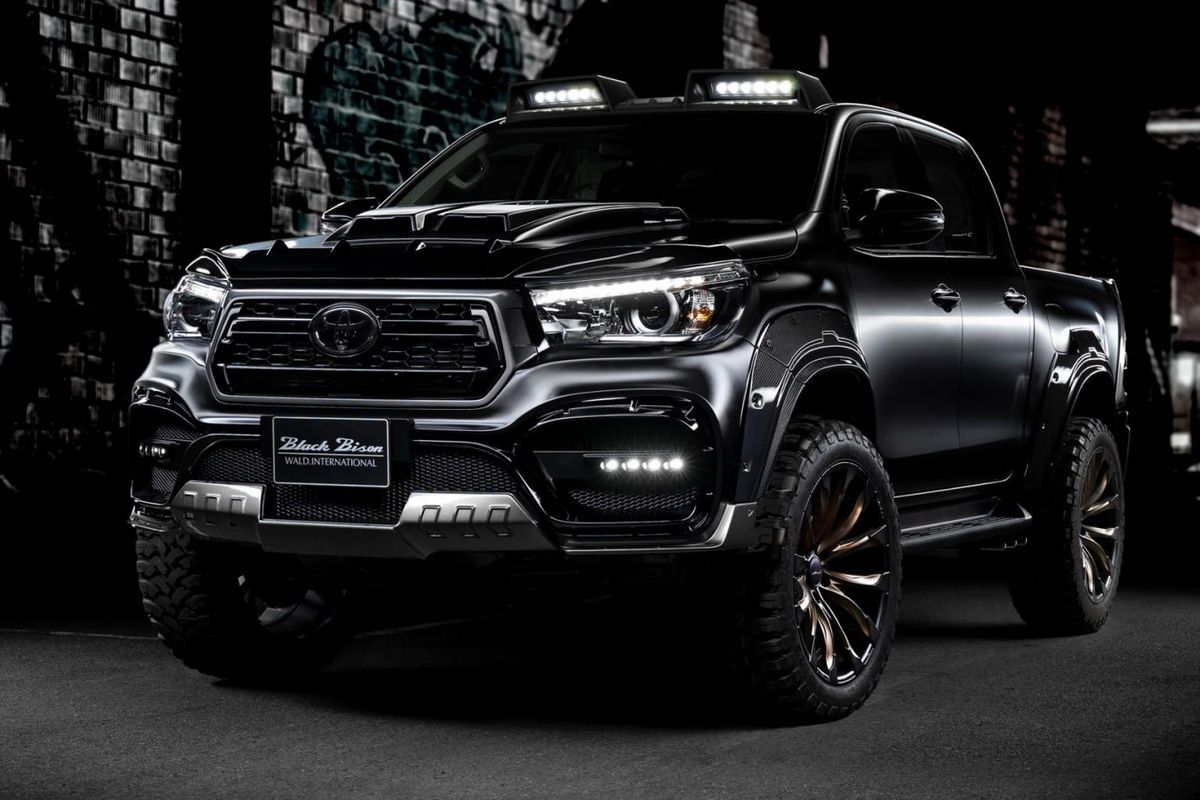
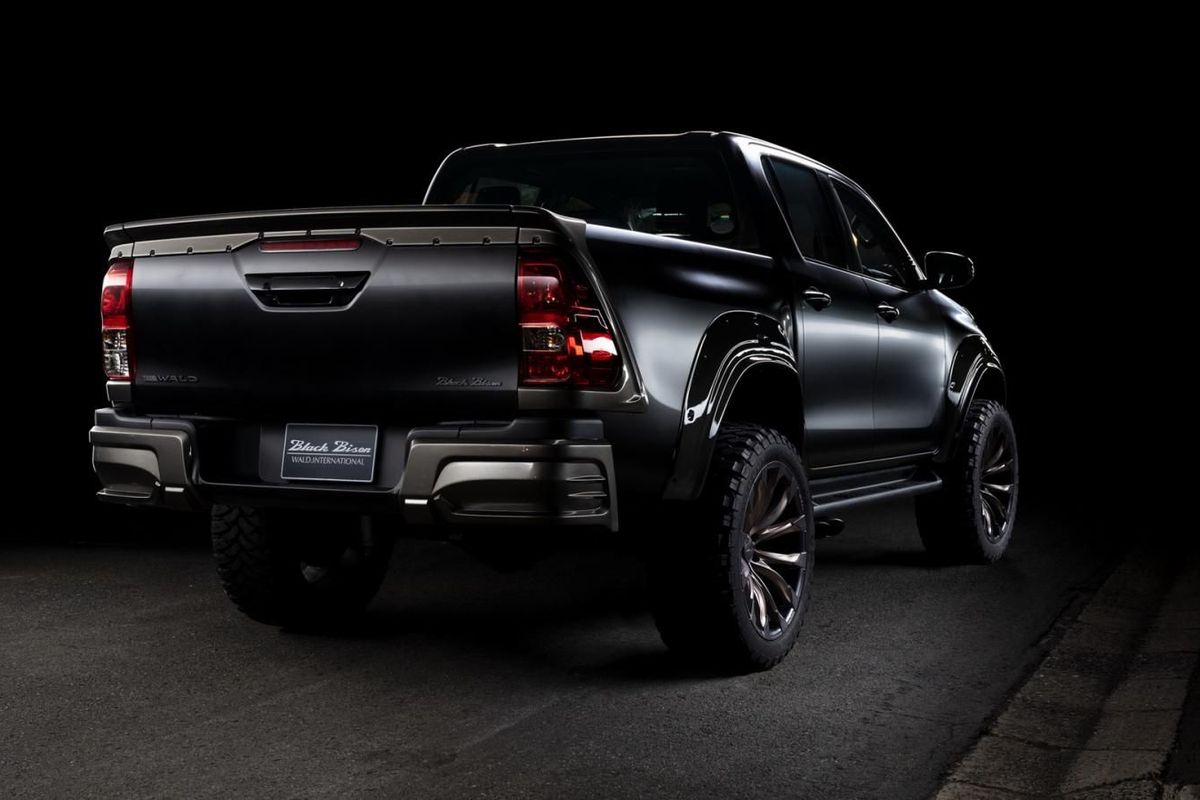
Japanese tuning company, Wald International, has taken the Toyota Hilux to the dark side with its Sports Line Black Bison Edition and we like it!
This is perhaps one of the most striking bakkie mod we have seen in a while.
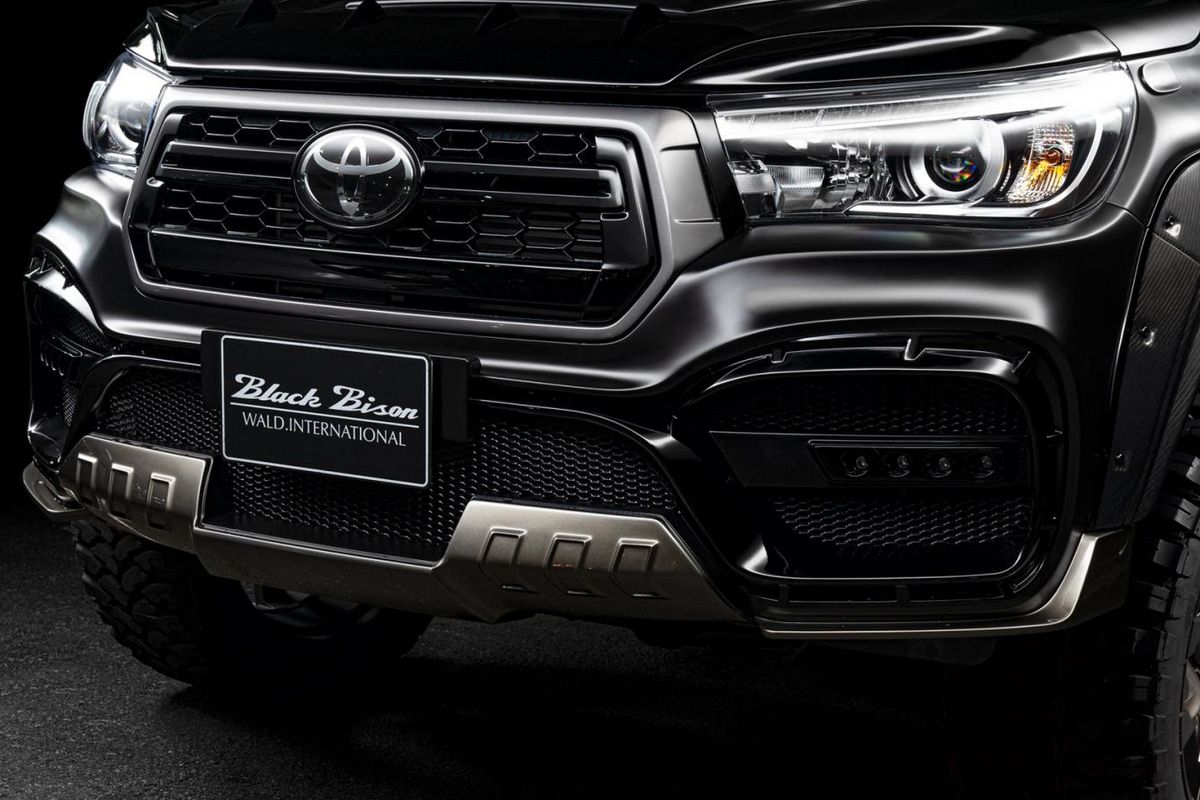
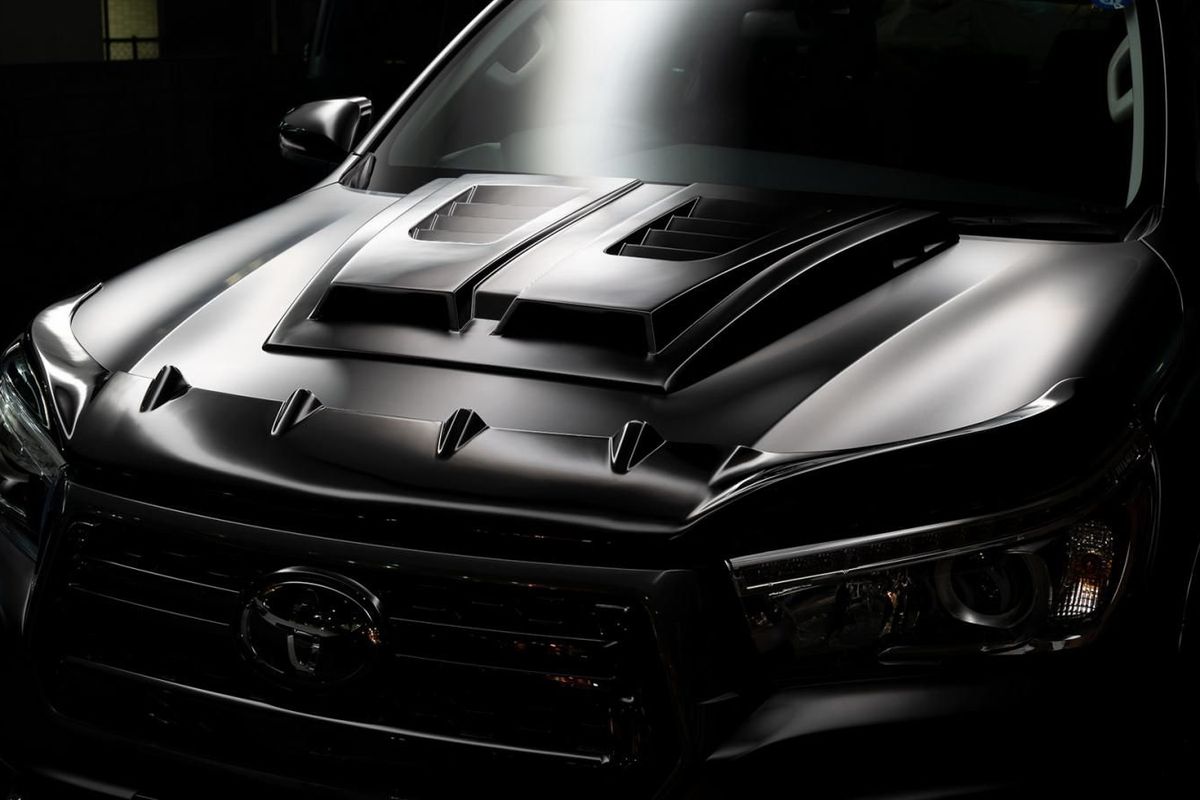
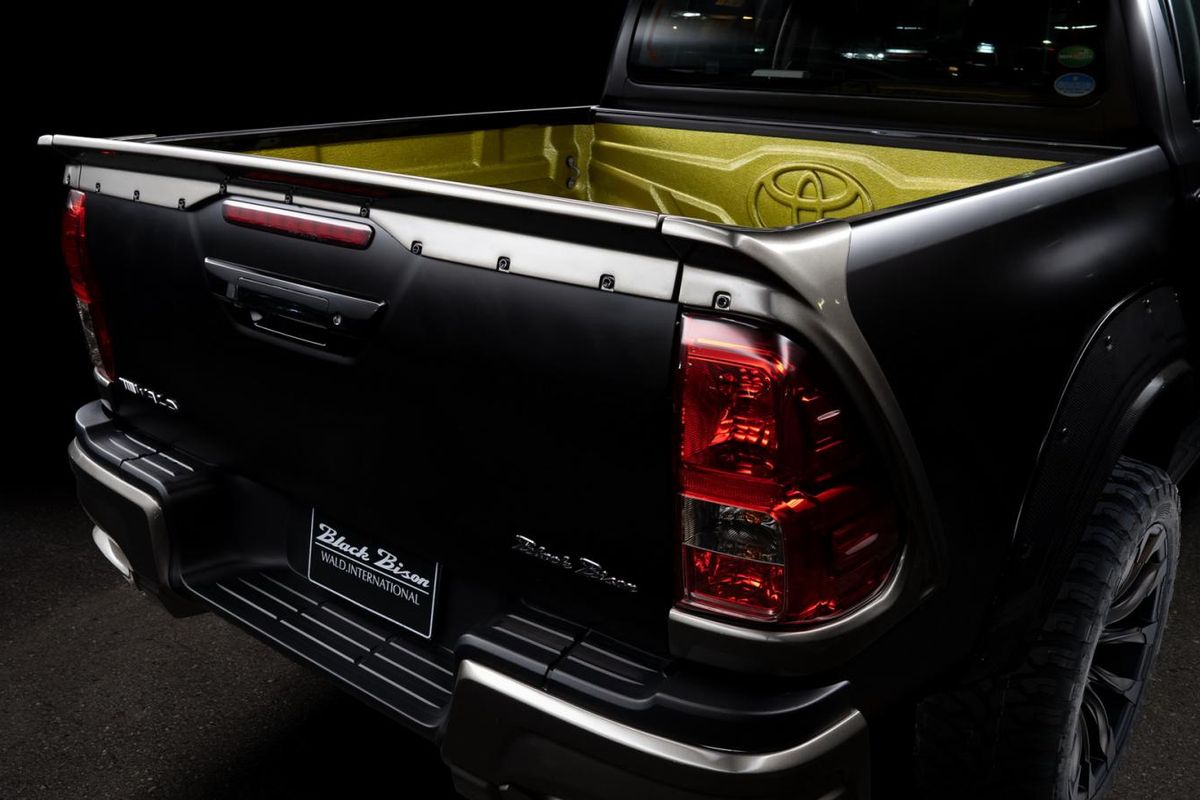
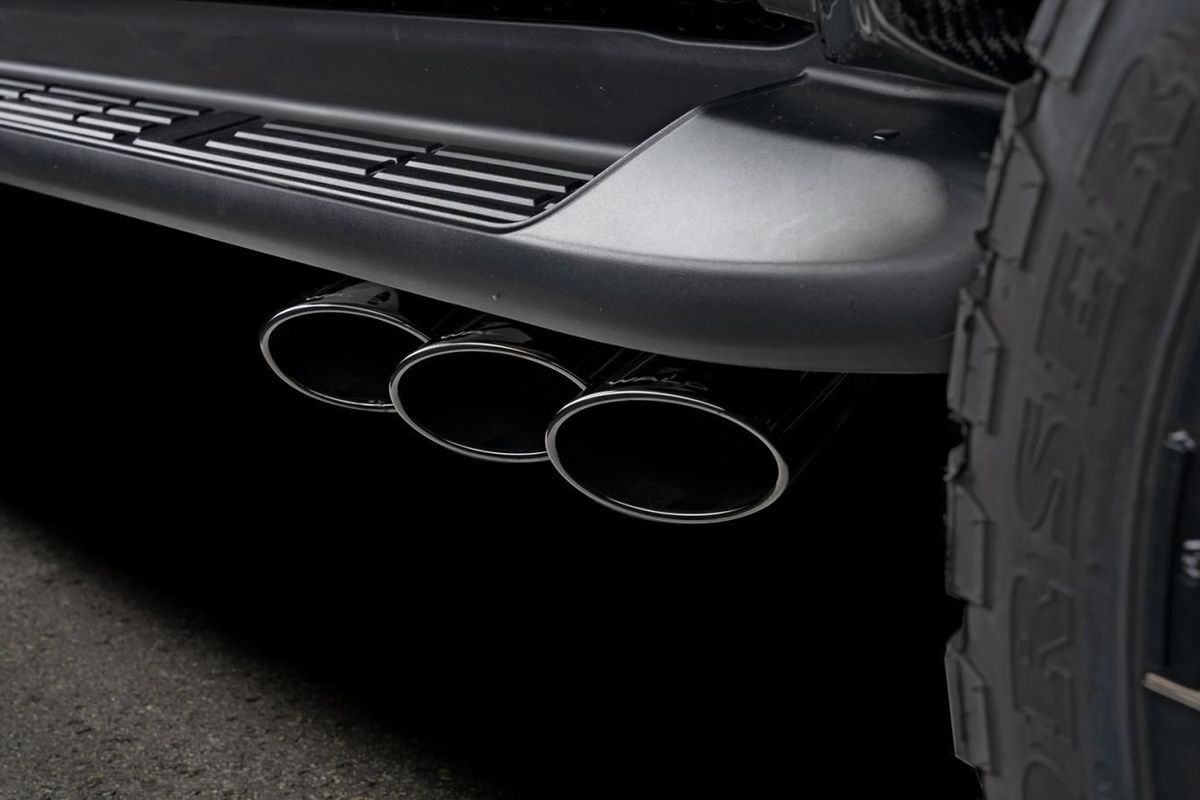
This special Hilux features modified front and rear bumpers, bug guard and a bonnet scoop cover, additional LED lights and a widebody kit that makes this Hilux some 55 mm wider. Also, large rugged. You will also notice the rear tailgate spoiler, rear spats and a tri-side-exhaust system finished in stainless steel. With the fender extensions, large 22-inch Jarret rims can be fitted and shod with chunky offroad tyres.
The modifications are purely cosmetic and Wald doesn’t appear to have fiddled with the Hilux’s 2.8-litre turbodiesel engine which offers 130 kW and 450 Nm.
Do you like the look of this Toyota Hilux Sports Line Black Bison Edition?
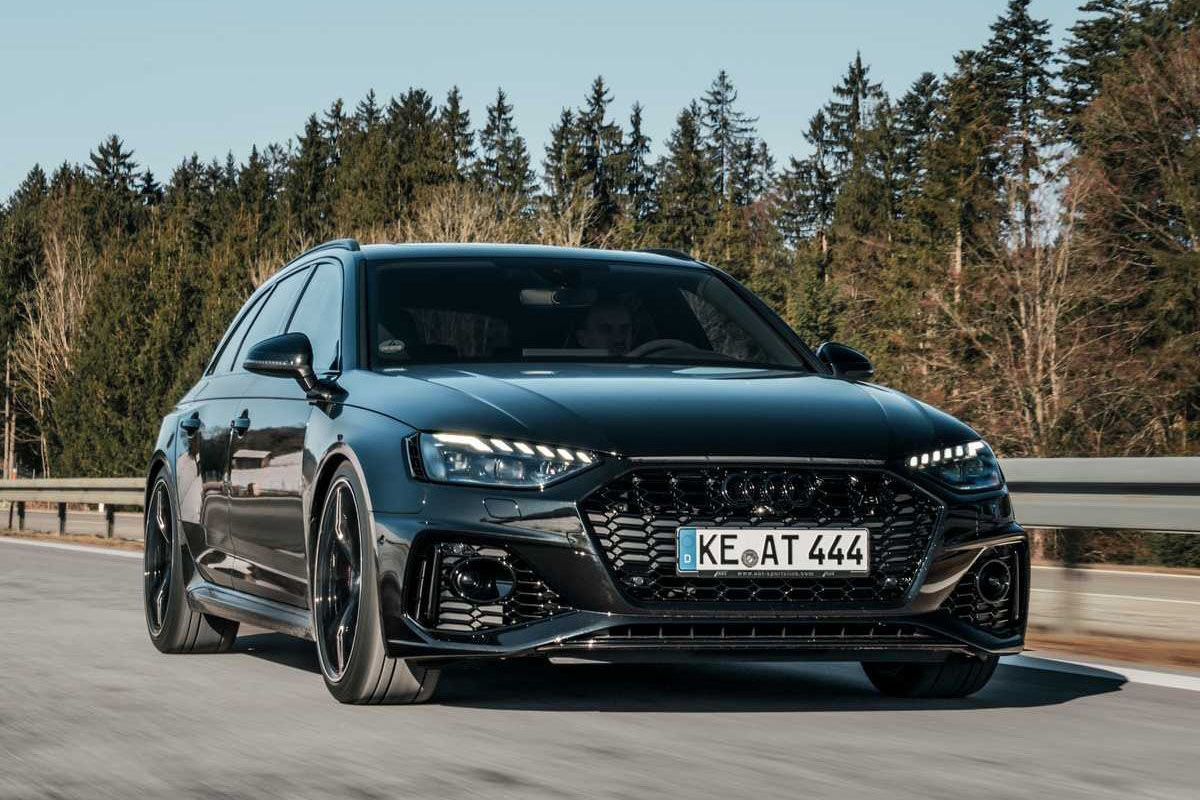
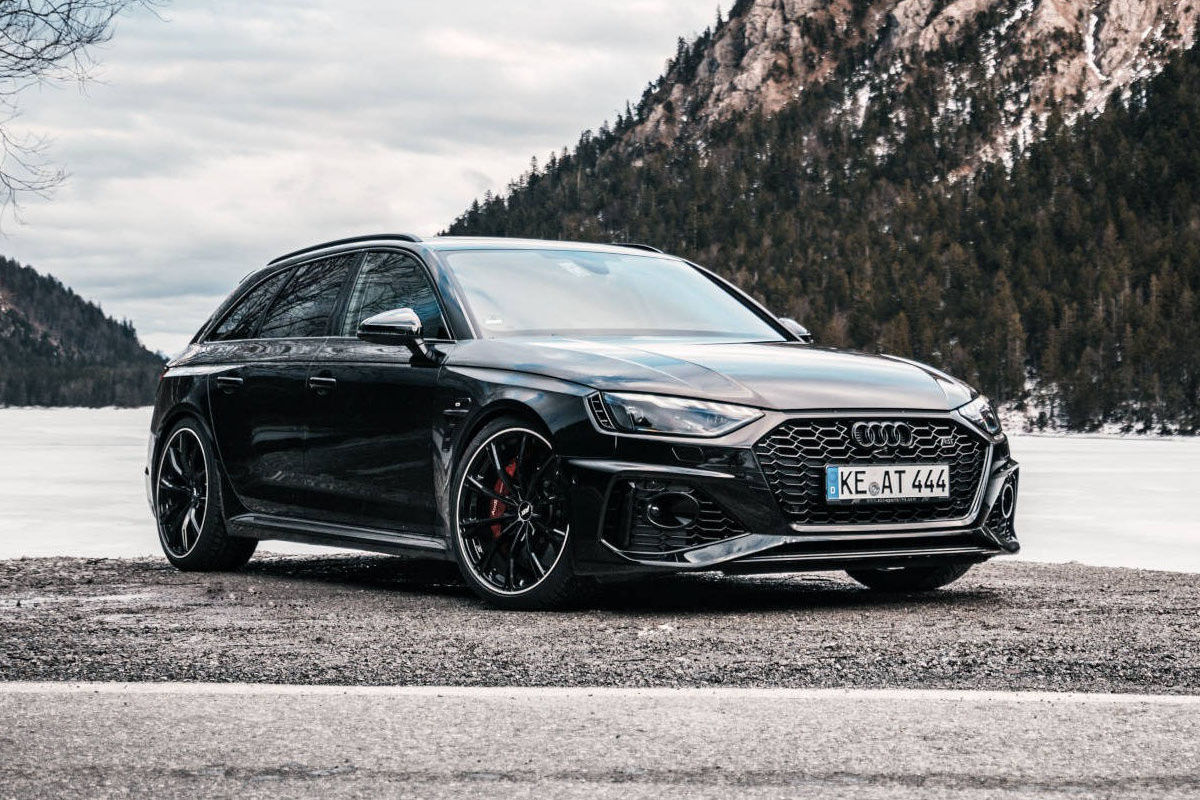
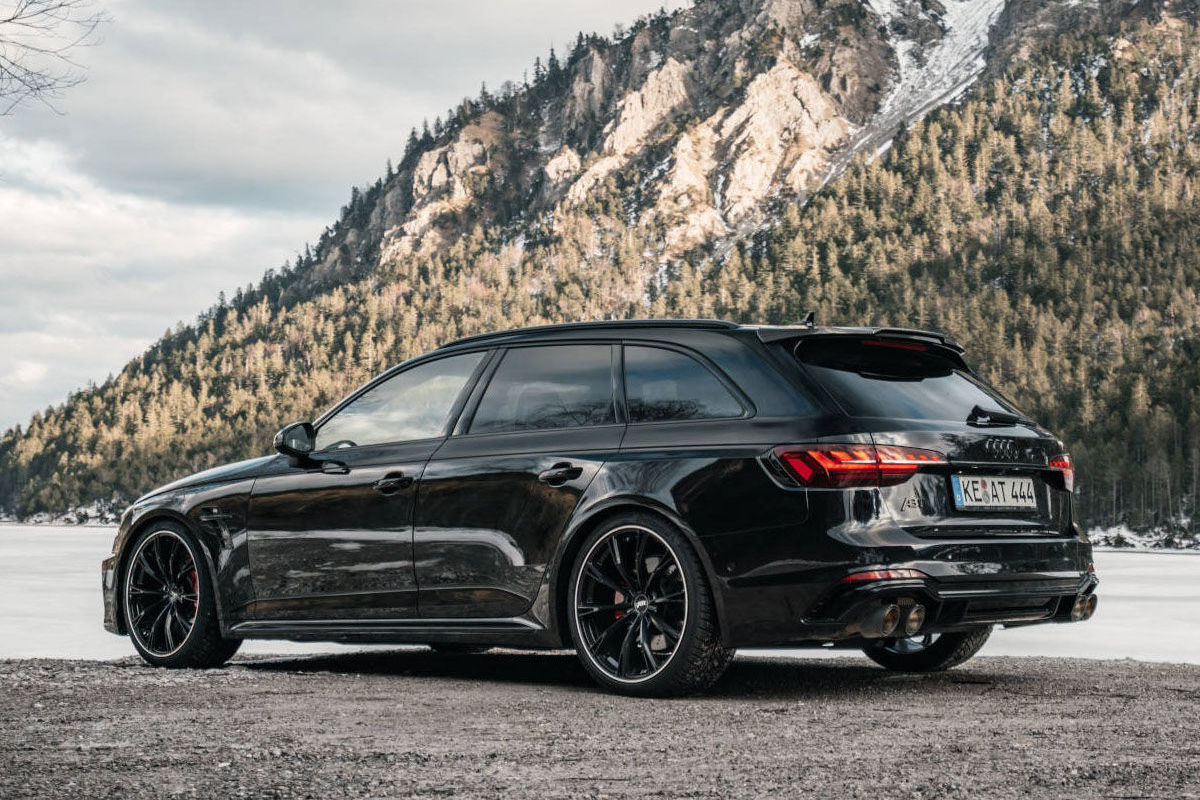
German tuning firm Abt Sportline has turned up the wick further on the Audi RS4 Avant. Its first upgrade package for the Ingolstadt-based firm’s performance ‘wagon boosted its peak output from 331 kW to 375 kW, but now, through the introduction of the Power S package, the 2.9-litre twin-turbo V6 produces a whopping 390 kW and 680 Nm.
Abt’s Power S package comprises the fitment of a bespoke ECU, an additional water cooler kit and air-intake cover. The result is a boost of 59 kW and 80 Nm over a standard Audi RS4 Avant. A beefed-up intercooler is also available.
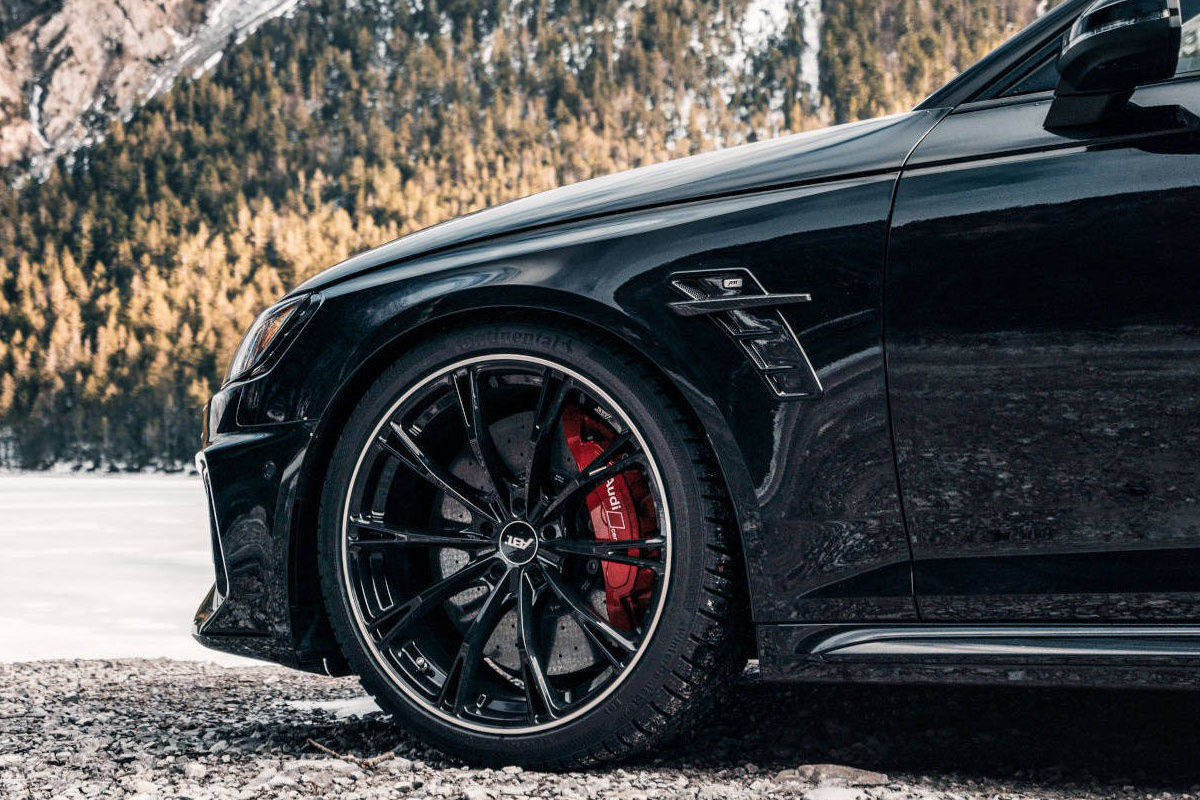
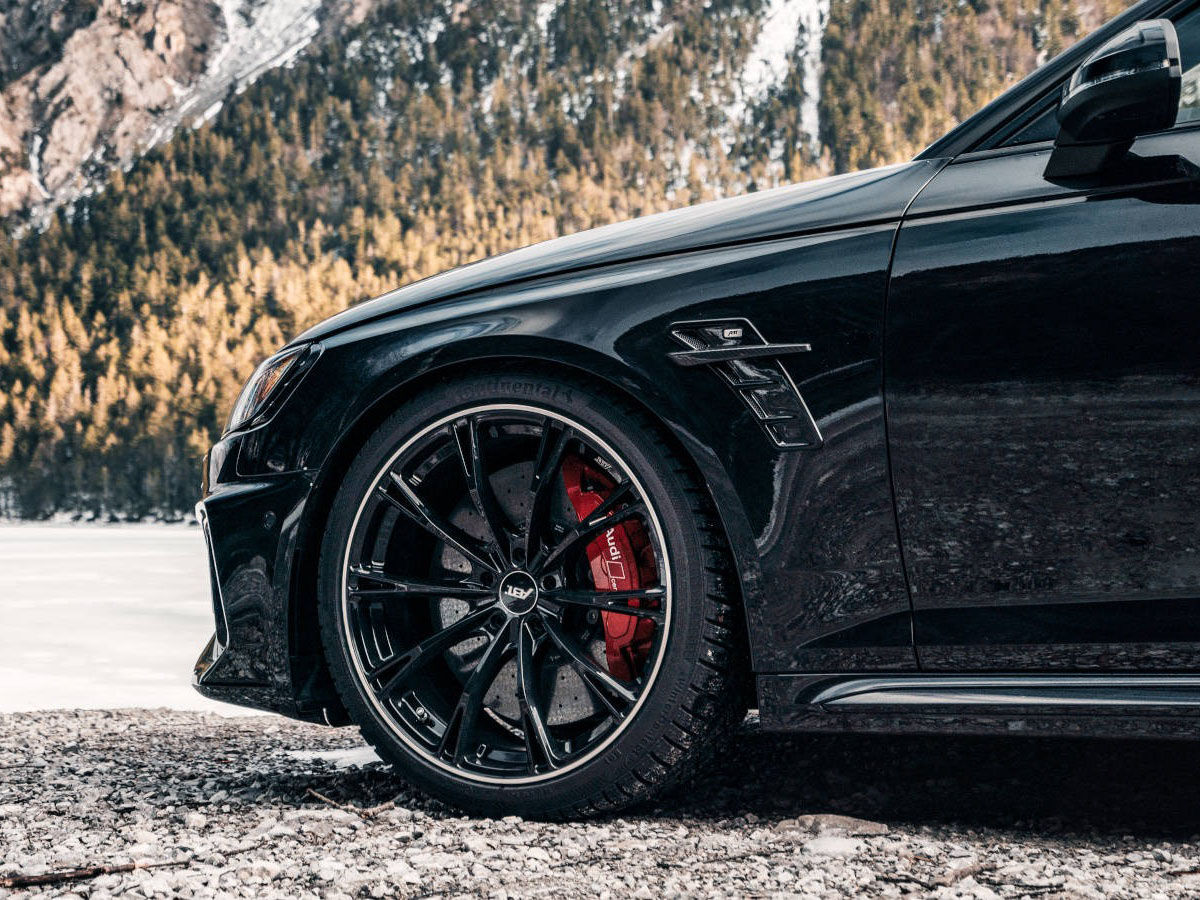
To make the German thunderwagon look the part, Abt – the world’s largest tuner of Audi and VW vehicles – has festooned the RS4 Avant with a host of aerodynamic addenda. Fender-mounted side strakes, which are said to be “adorned with real carbon fins” – dubbed Abt wheelhouse ventilation – are located behind the wagon’s front-wheel arches.
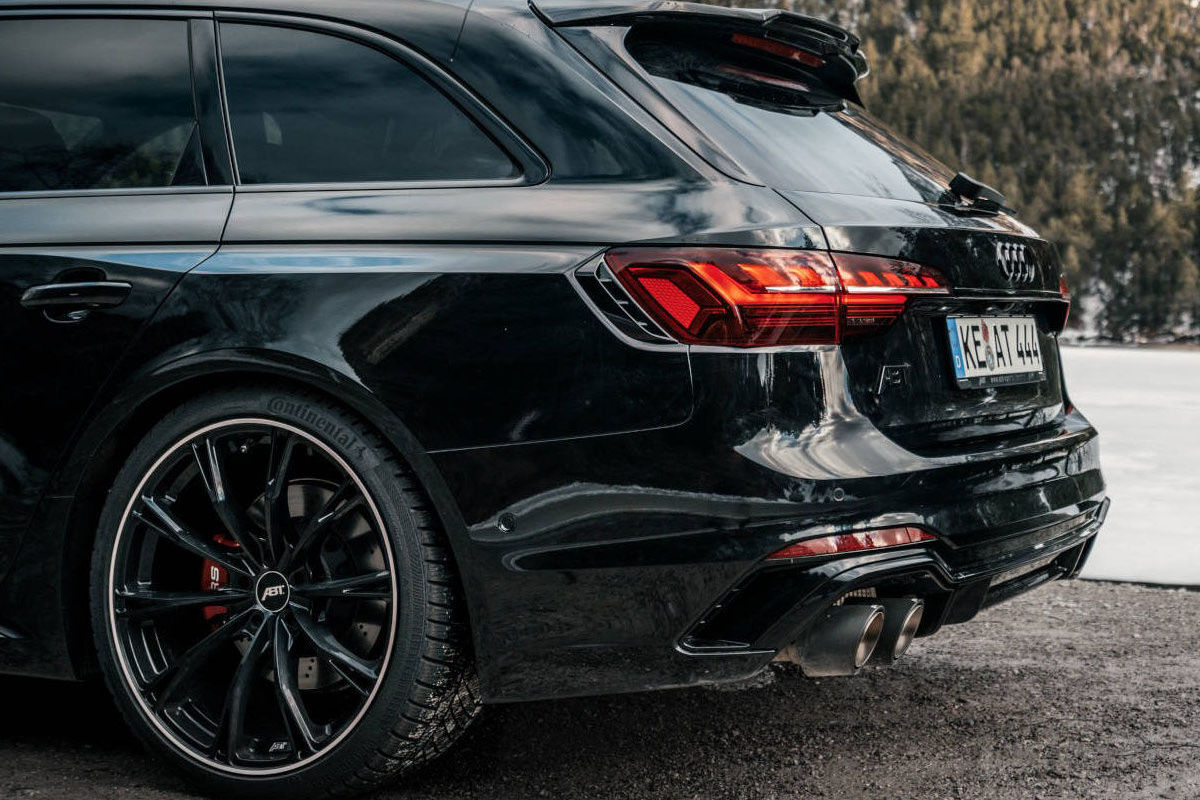
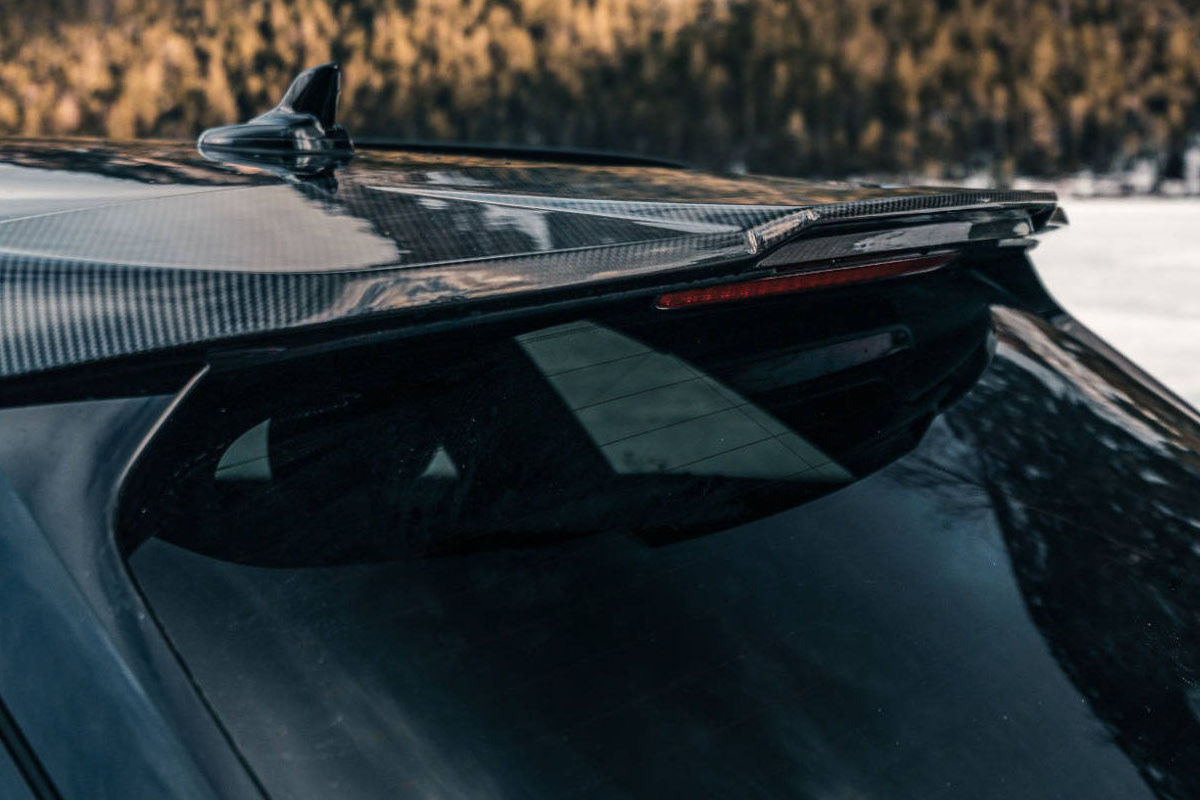
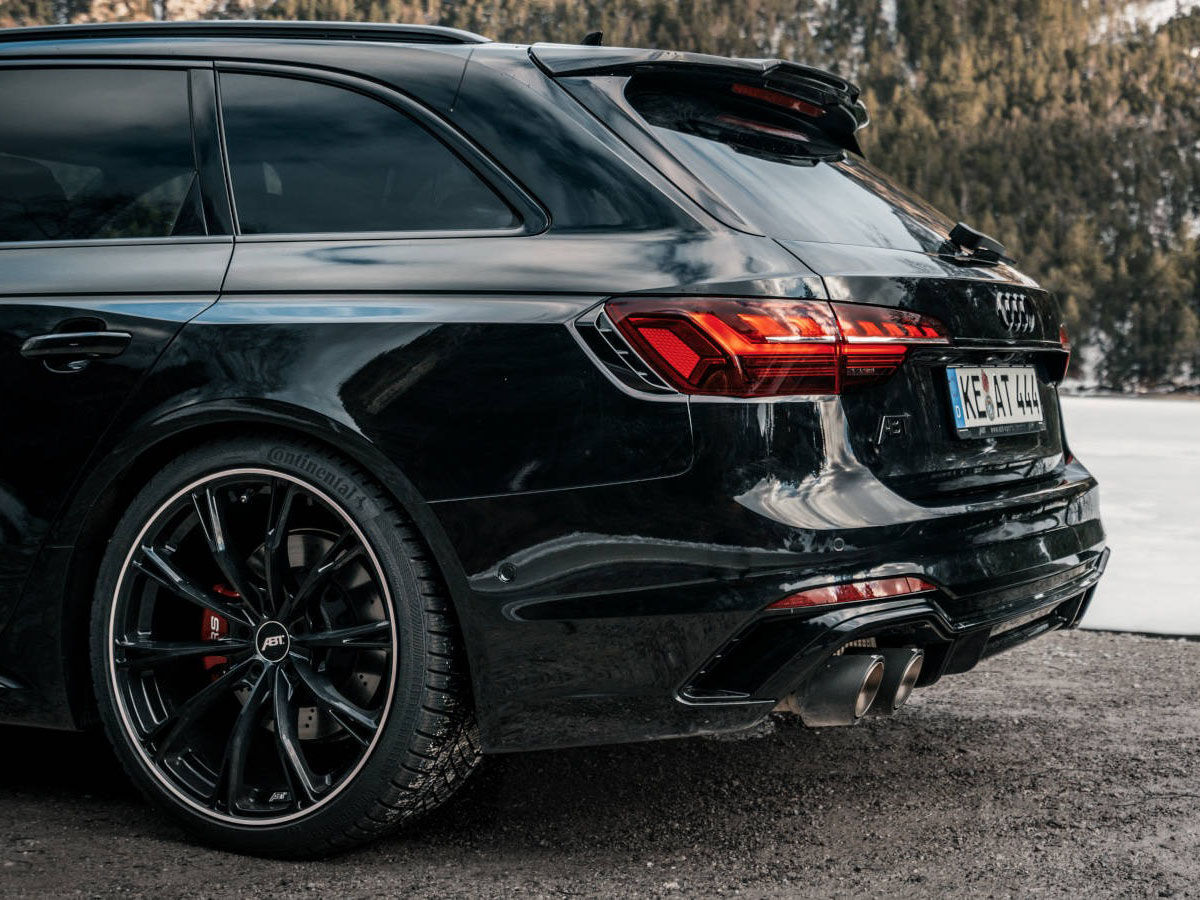
At the back, a gloss-finished carbon-fibre reinforced polymer spoiler is mounted atop the tailgate and a quartet of carbon-fibre exhaust ends – each with a diameter of 102 mm – protrude from the rear apron. Those big-bore outlets are the finishing touches of a bespoke stainless-steel exhaust system that is said to enhance the soundtrack emitted by the beefed-up 2.9-litre V6, plus they're framed by gloss-black inserts Abt custom-designed for the installation.
In terms of alloy-wheel options, the tuning firm has availed 20-inch DR and FR designs finished in mystic black. Alternatively, a GR design is available in gloss- or matt black in 20- or 21-inch sizes. Customers can additionally specify Abt height-adjustable suspension springs with, or without, Abt anti-roll bars for the front and rear axles.
Although the tuning firm did not release interior images of the Power S Package-equipped RS4 Avant, it has announced that a number of interior accoutrements are also available for the Audi, including an Abt start-stop switch cap, carbon fibre front-seat frames and -fascia inserts, an Abt shift knob, integrated entrance lights and a leather/carbon steering wheel finish.
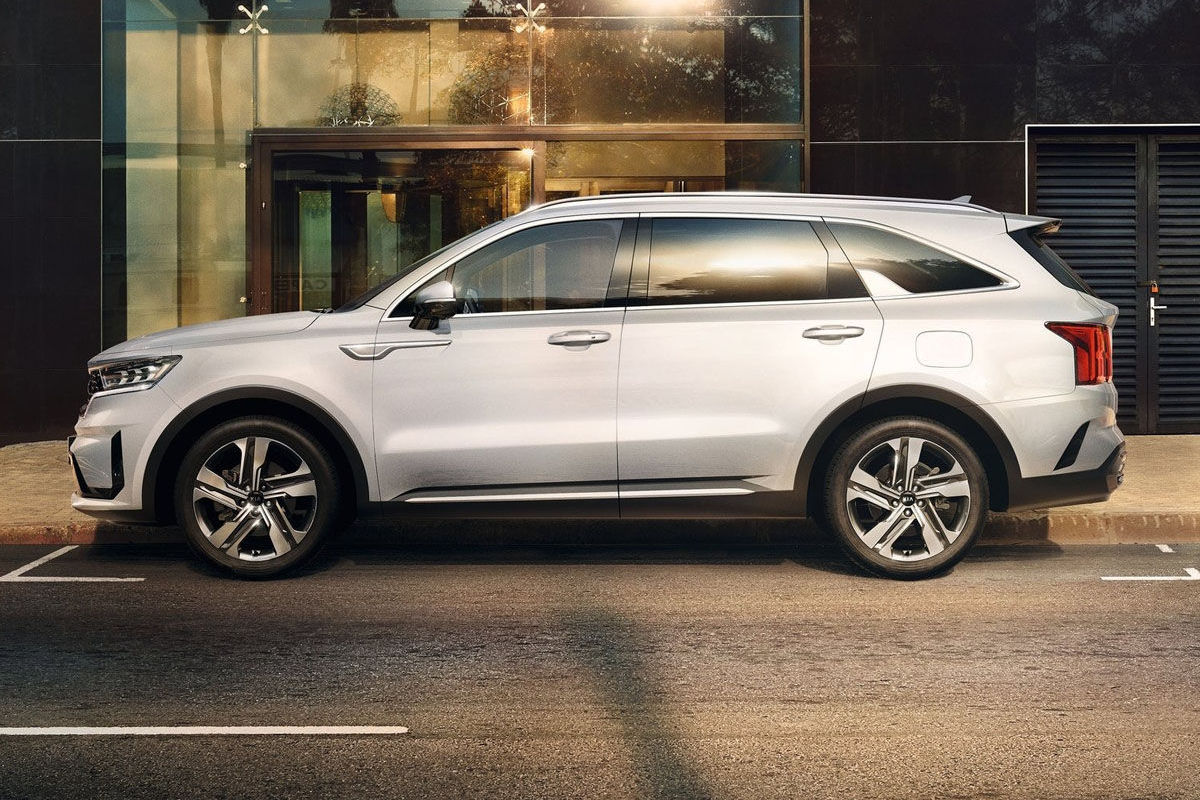
The next-generation Kia Sorento has been fully revealed. Here are all the details, including its new engine range. There's also a strong chance this 7-seater SUV will come to SA too.
Although it would be an exaggeration to say we’ve seen as many spy shots of the Sorento on social media as of "upcoming Volkswagen Golf 8 performance derivatives undergoing winter testing", we’ve already published a couple of articles about Kia’s newcomer, based on Instagram and Facebook posts and design sketches.
Now that we can study these official photos (Kia is yet another brand to post images of its Geneva star ahead of the show), there aren’t major surprises compared with what we’ve already published, but there are tantalising details that weren’t visible before. The new model is based on an all-new platform and claimed to “raise standards in (its) segment for space, practicality, efficiency and quality”.
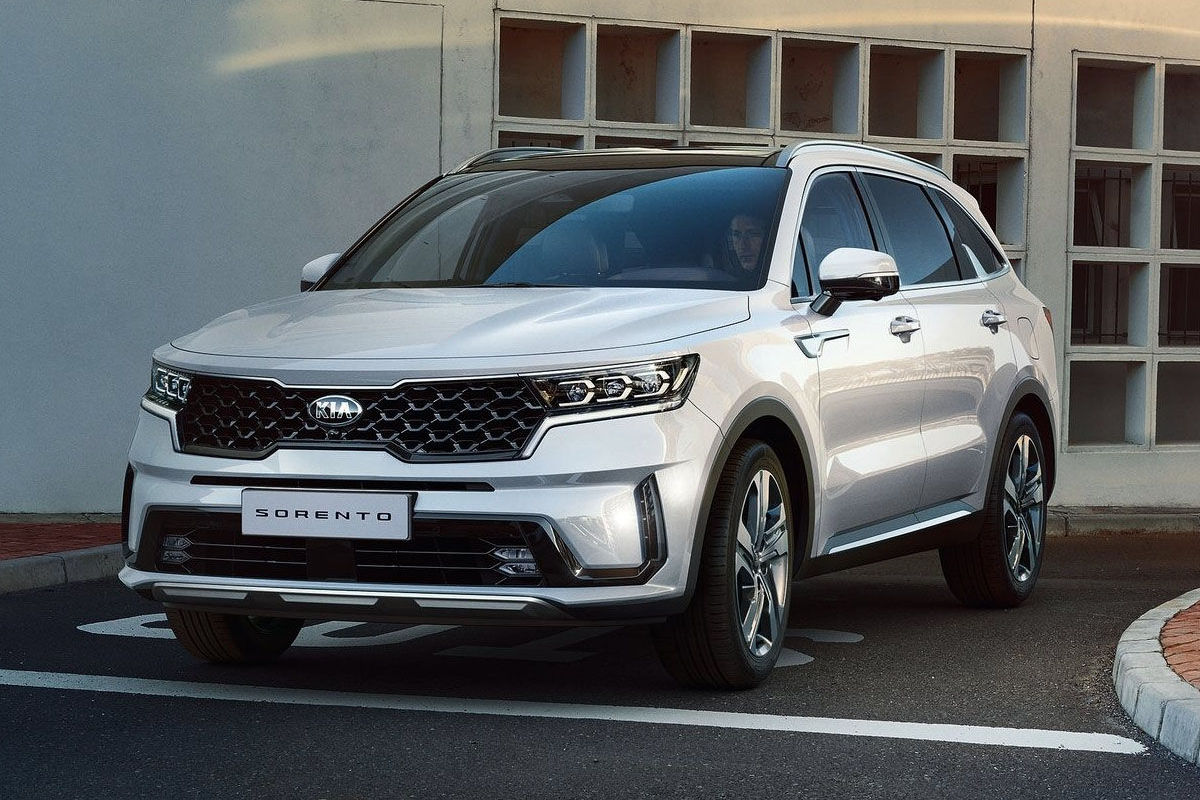
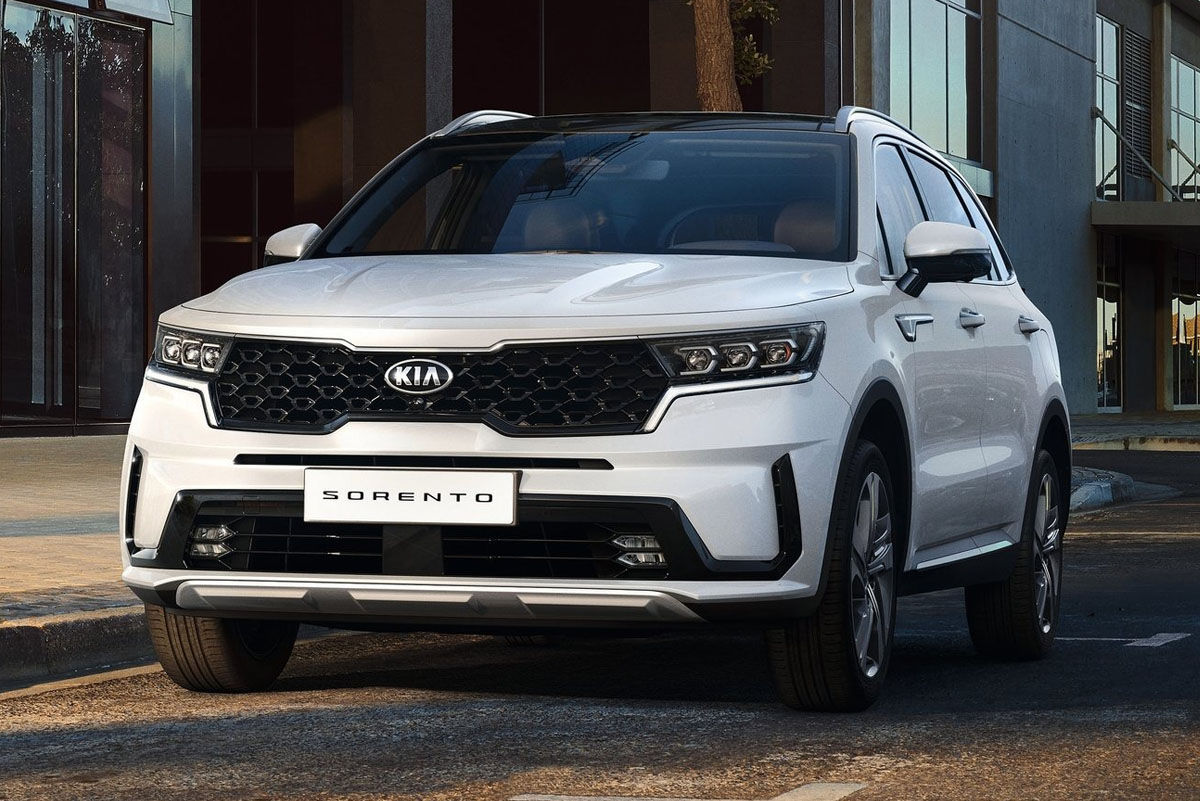
Yes indeed, the new Sorento's headlamp clusters sit inside of the SUV's characteristic tiger-nose grille.
In the South African market, the Sorento competes with bakkie-based Adventure SUVs, but the new model clearly aims to take on the executive SUV brigade led by offerings such as the Audi Q5, BMW X3, Mercedes-Benz GLC and Volvo XC60.
Kia’s designers drew inspiration from what the Korean firm describes as the “concept of refined boldness”. They’ve referenced the designs of earlier generations of the model, but have also applied “a greater degree of refinement and elegance” to produce “a more confident, more mature and more desirable design”, Kia claims.
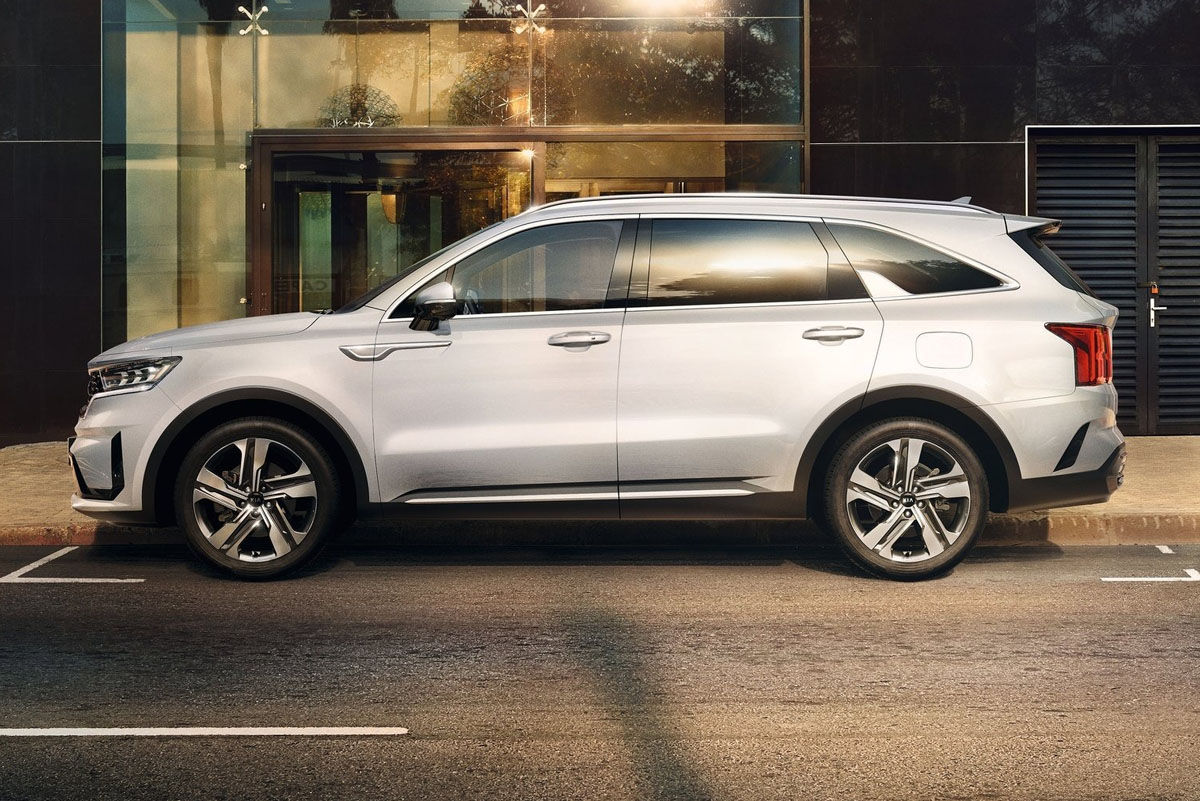
Marked by its sharper lines and uninterrupted sheet-metal surfaces, the new Sorento looks decidedly more sculpted than any of its predecessors. It’s clearly a big brother to the eye-catching Seltos and appears sportier and more square-jawed than ever.
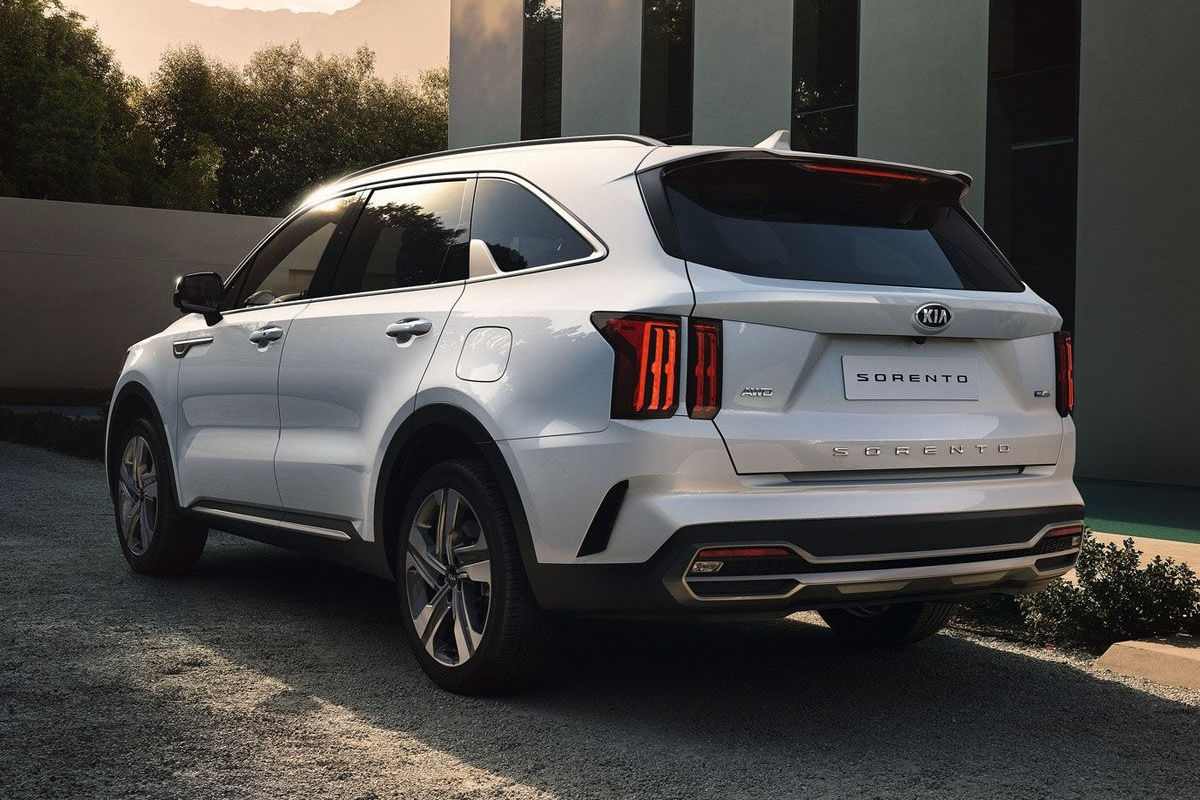
Note the ornate side-strakes underneath the side-mirrors and the shark's fin motif in the rear 3-quarter lights.
Apart from the bold “chain mail” mesh of the signature "tiger nose" grille and swept-back slim-line headlamps (with distinctive C-shaped LED daytime running lights), the bold chrome-look surround is the standout element, because it encases the grille and the lighting elements. The trailing edge of the bonnet wraps around the fenders and turns into bold character lines that extend along the sides of the SUV. Also note the bold, ornamental side strakes that bisect the front fenders and –doors…
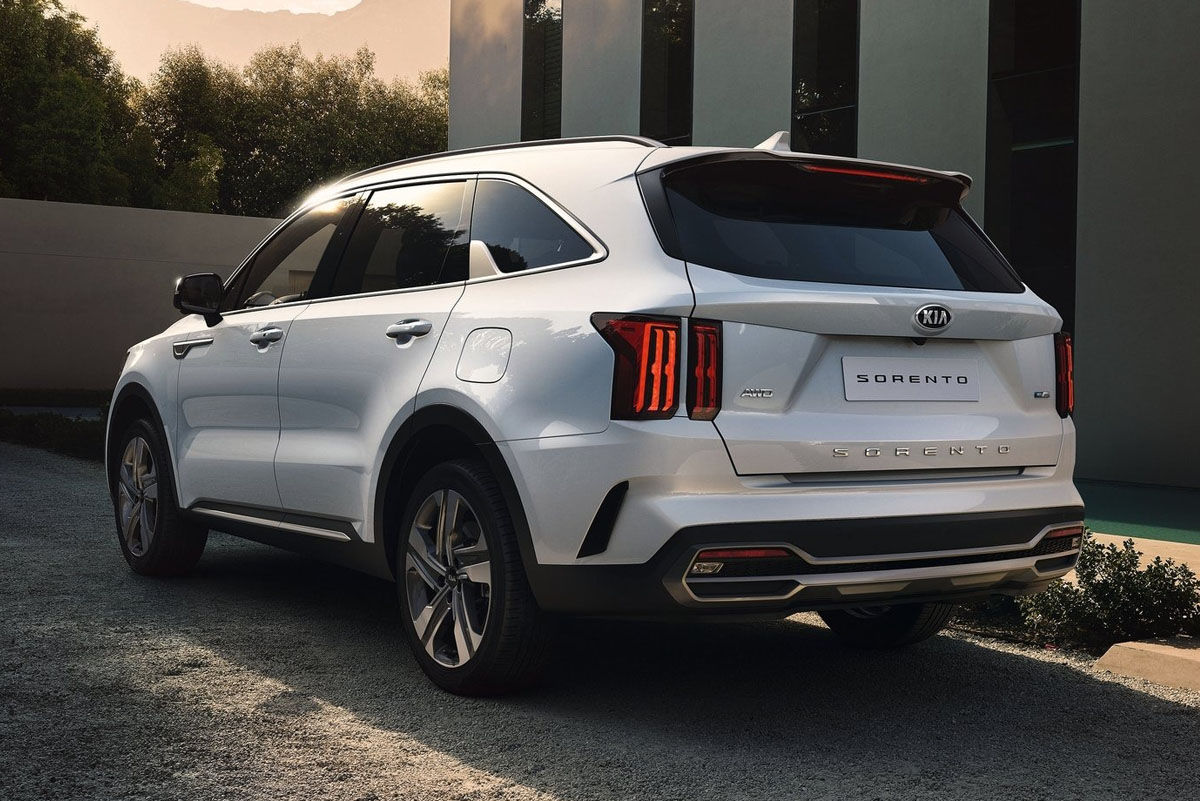
The newcomer appears longer than before by virtue of shorter overhangs (it has a longer wheelbase than the current model). The bonnet has been lengthened too, which pushes the A-pillars 30 mm back for a more “cab-rearward” design. At the back, a quartet of (refreshingly geometric) vertical tail light clusters nestles under a tapered mid-tailgate ledge that blends into the SUV's shoulder lines.
In an era of organically-shaped and elongated wraparound tail-light clusters, the new Sorento bucks the trend.
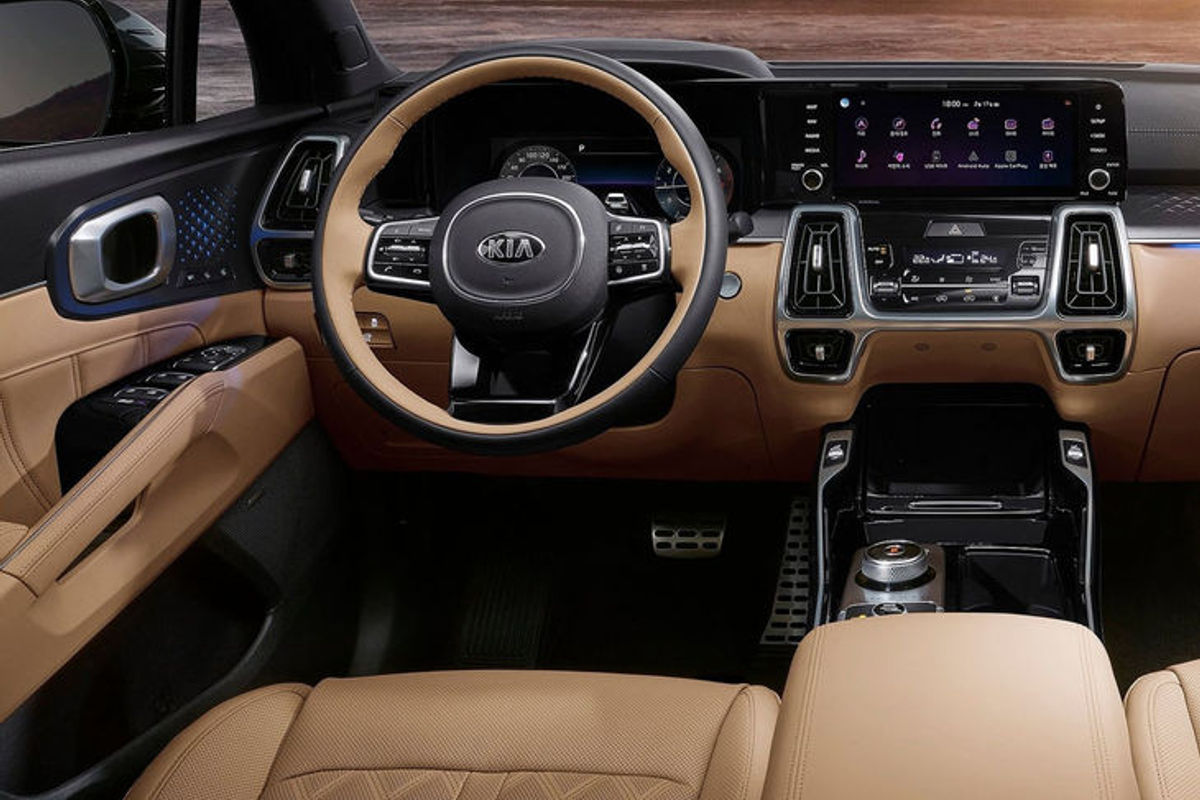
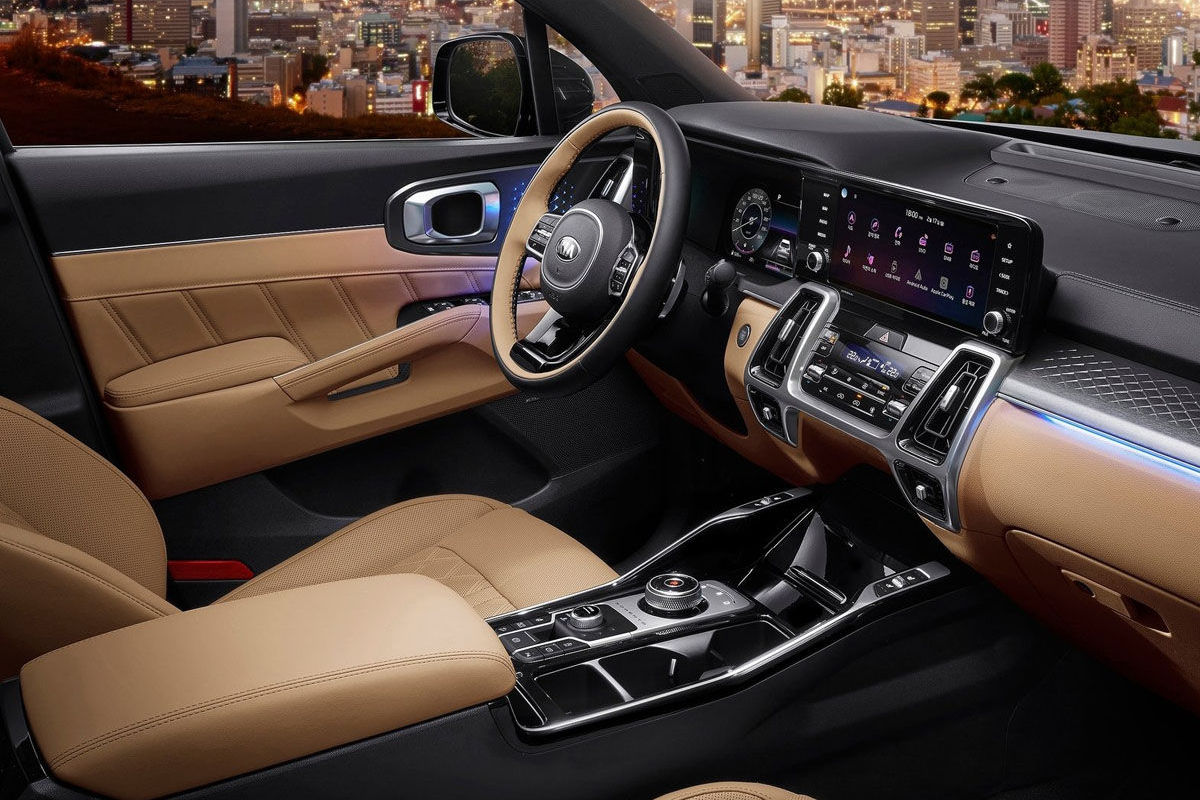
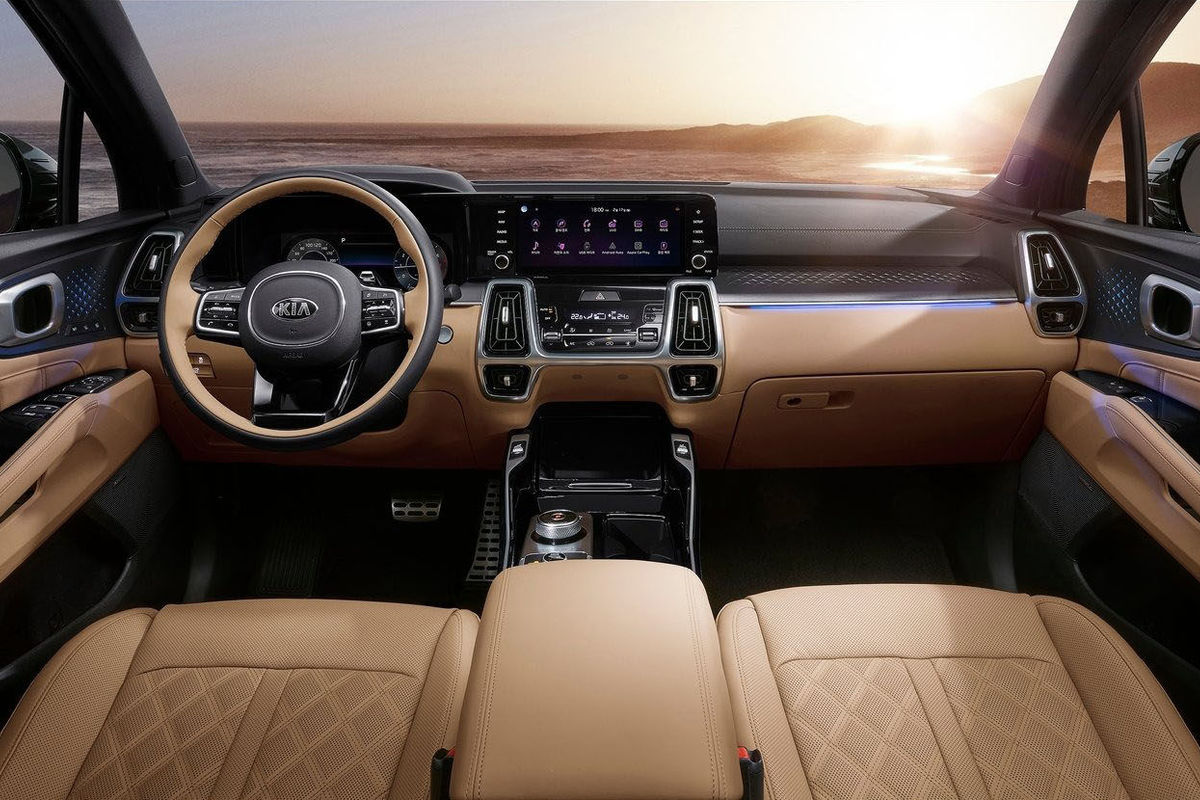
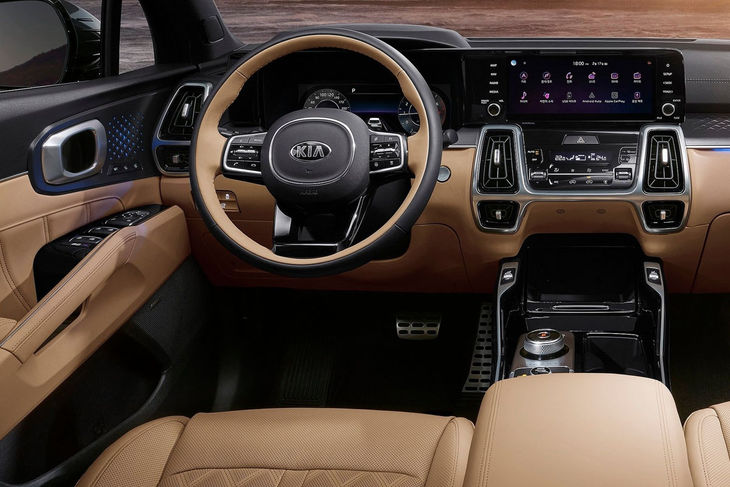
In many ways, the new Sorento’s cabin steals the show. The interior is a melange of metallic accents, leather trim and embossed wood-effect surfaces – “one of the highest-quality interior spaces in any Kia to date”. What’s more, it “integrates new technologies to enhance connectivity, driver assistance and infotainment” and represents the “most high-tech (vehicle interior the company) has created”.
Other “contemporary geometric details” that are continued on the inside include the ornate rectangular door handles and vertically-stacked air-vent pods. A 10.25-inch touchscreen infotainment system is flanked (and complemented) by a 12.3-inch high-resolution digital instrument cluster and we assume those units will be customisable with extended features/Apple CarPlay/Android Auto capability. There's plenty of semi-autonomous safety tech too, such as Kia's latest Forward Collision-avoidance Assist (FCA) technology with pedestrian, cyclist and vehicle detection. This also detects oncoming traffic when making a turn at a junction. The Sorento is also available with Blind-spot View Monitor (BVM), Surround View Monitor (SVM) and Blind-spot Collision-avoid Assist (BCA), Intelligent Speed Limit Assist (ISLA), Smart Cruise Control with Stop&Go (SCC) and Navigation-based SCC (NSCC), Lane Following Assist (LFA), Driver Attention Warning (DAW), and Highway Driving Assist (HDA).
The tasteful dual-tone interior treatment of the new Sorento incorporates tasteful lighting elements and metallic-finish accents.
But there are details that Kia didn’t mention in its press material that deserve to be pointed out… Note the double-stitched (leather?) dashboard, how the subtle LED interior lighting extends to the metallic speaker covers next to the door handles, of which the toothed pattern is duplicated on the sill ahead of the front passenger. Toggles on either side of the centre console suggest the front seats will be both heated and ventilated and – it’s too obvious to miss – there is a Jaguar/Land Rover-style transmission selector knob on the centre console. We assume a wireless charging pad will be located under the new Sorento's fascia hang-down section.
It’s too early to speculate on the number of features the new Sorento will gain over the current model in our market (but we definitely expect more mod cons and integral safety systems), but the 2.2-litre turbodiesel (mated with an 8-speed automatic transmission) is likely to remain the only powertrain in the SA range; if Kia’s current line-up is anything to go by, there will be at least 2 trim levels, as well as both 2- and 4-wheel-drive derivatives in the line-up. Globally, Kia will also offer a hybrid powertrain for the first time in the Sorento, but it is unlikely to make its way to South Africa.
The Kia Sorento Hybrid features a new powertrain called the Smartstream. It's a 1.6-litre T-GDi (turbocharged gasoline direct injection) with a 1.49 kWh lithium-ion polymer battery pack and 44.2 kW electric motor. It packs 170 and 350 Nm torque, with power sent through the 6-speed automatic transmission via a transmission-mounted electrical device. There's also a new four-cylinder 2.2-litre ‘Smartstream’ diesel engine is also available for European customers, producing 149 kW and 440 Nm torque. This new aluminium block is 19.5 kg lighter than the cast-iron block of its predecessor and it is paired with KIA’s new eight-speed wet double-clutch transmission (8DCT).
We’ll bring you more information about the new Sorento’s local arrival date, specification and derivative line-up as soon as it becomes available. European sales are expected to kick off in the 3rd quarter of 2020, while Kia South Africa says it'll advise when the new Sorento is due.
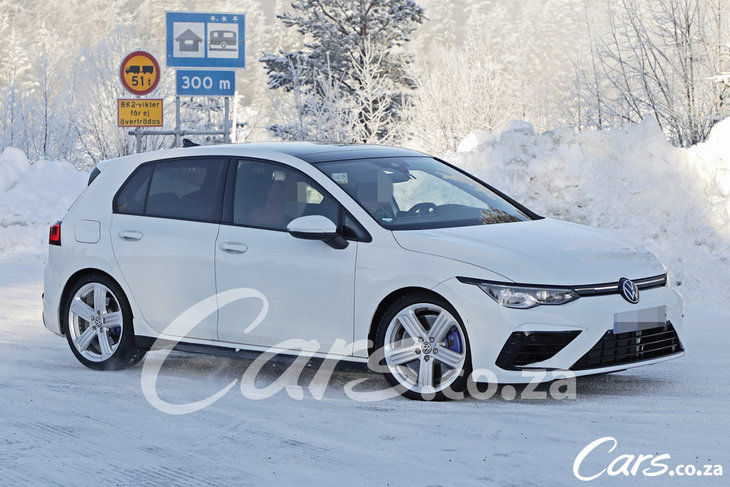
As anticipation for Volkswagen’s new Golf 8 R builds, take a look at what you can expect from Wolfsburg’s potent hot-hatch…
While we wait for the new Golf 8 to land in South Africa, we can’t help but ponder on what Volkswagen is preparing for its range-topping R model.
Earlier this year, Volkswagen revealed the next-generation Golf GTI, the diesel-powered GTD and the electrified GTE. Local GTI fans will get their first taste of the new 180 kW / 370 Nm GTI when it arrives in the 4th quarter of 2019 but the venerable Golf R is only expected to arrive later in 2021.
No Hybrid Power for Next VW Golf R
A production Golf 8 R is expected to be fully revealed later this year.
Volkswagen’s R division is rolling out a number of new R derivatives across the brand’s vehicle lineup including the recently-revealed Touareg R plug-in hybrid which is currently the first hybrid R model while also being the most powerful vehicle in Volkswagen’s stable with a combined output 340 kW and 700 Nm.
For those of you who are concerned that the next Golf 8 R might go the hybrid route, fear not! In a recent interview with American publication, Motor Trend, the Volkswagen R performance head-honcho, Jost Capito, confirmed that the new Golf R will not make use of hybrid power, pointing to development cost as the main prohibitive factor.
Instead, the beloved Golf R will make use of a revised 2.0-litre turbopetrol engine that will offer in the region of 245 kW with all-wheel drive ensuring brisk performance with a zero to 100 kph sprint time below 4.5 seconds expected using a dual-clutch transmission. It was also mentioned that a manual transmission is a possibility too. Capito also commented that the new Golf R will be a “real driving machine”.
Visually, the new Golf R will be more aggressively styled and will wear a newly designed R-badge. On the inside, the Golf R will likely be fitted with sports seats, flat-bottomed steering wheel and the latest connectivity features housed in Volkswagen’s latest Innovision Cockpit as seen in the GTI which comprises a 10.25-inch Digital Cockpit instrument cluster and the 10-inch touchscreen infotainment system.
BMW SA Pauses Production At Rosslyn Due to COVID-19
BMW Global has taken the decision to pause production at its facilities in Europe and South Africa. Here's all you need to know.
The reason behind the shut down is, you guessed it, COVID-19. As this pandemic has reached global proportions, the best bet is to self isolate and avoid being in large groups of people. BMW announced it will be shutting down its plants and we have comment from both BMW CEO Oliver Zipse and locally, BMW SA.
“We take our responsibility seriously, both when it comes to ensuring the protection and health of our employees and to achieving the best possible balance in terms of profitability,” CEO Oliver Zipse said in a statement on Wednesday. “Our production is geared towards sales development forecasts – and we are adjusting our production volumes flexibly in line with demand. Since yesterday: We began to shut down our European and Rosslyn automotive plants, which will close by the end of the week. The interruption of production for the mentioned plants is currently planned to run until April 19.”
We reached out to BMW SA's Manager Business Communications, who replied with a statement. "With global demand in the car market expected to drop, the BMW Group is responding by adjusting production well in advance and using its broad spectrum of flexibility tools. Today, we will start to shut down production (and) by the end of the week at our car plants in Europe and at Plant Rosslyn. The shutdowns are initially scheduled to last until 19 April 2020. After that, we will continue as the situation requires. The operation of our engine and component locations – as well as our international automotive plants – will be decided in the next few days. This will depend on the development of demand. Initially, the flexibility instruments agreed upon by the company will apply to the employees concerned."
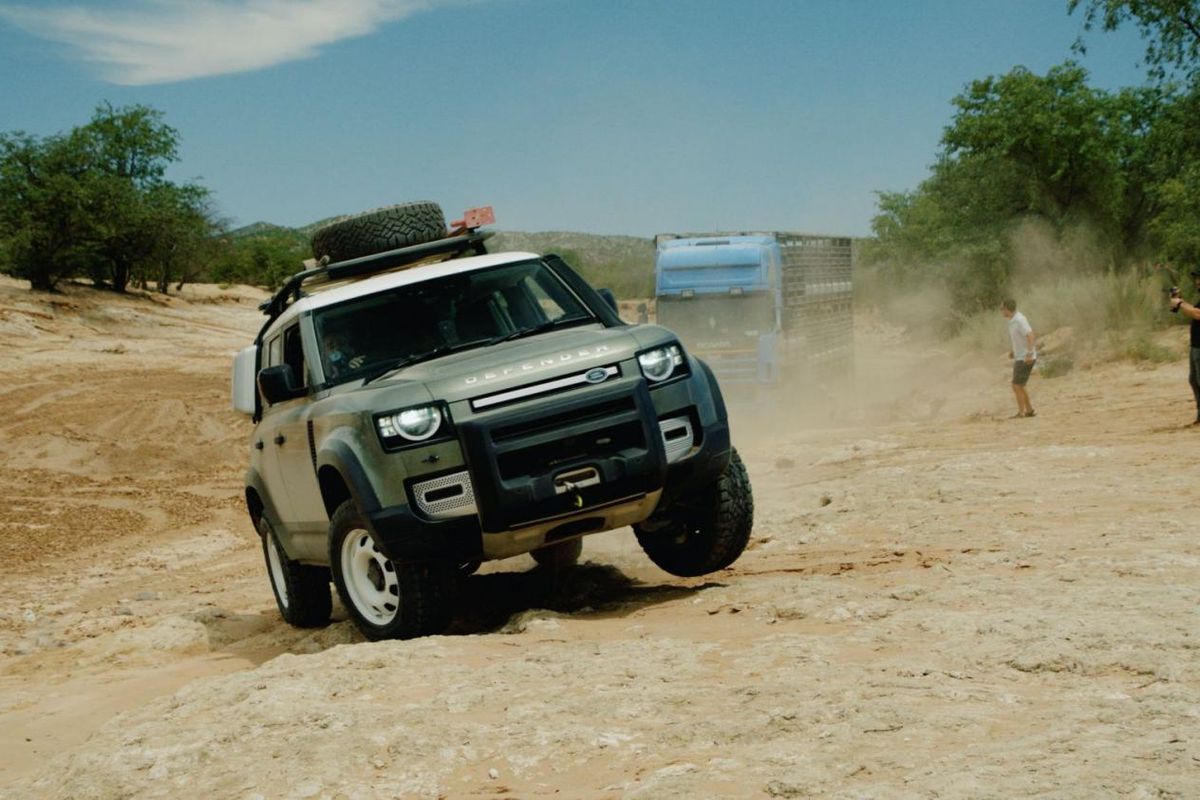
A large truck and the new Land Rover Defender meet in a dusty riverbed for a mighty rescue.
*Video courtesy of Carscoops.com
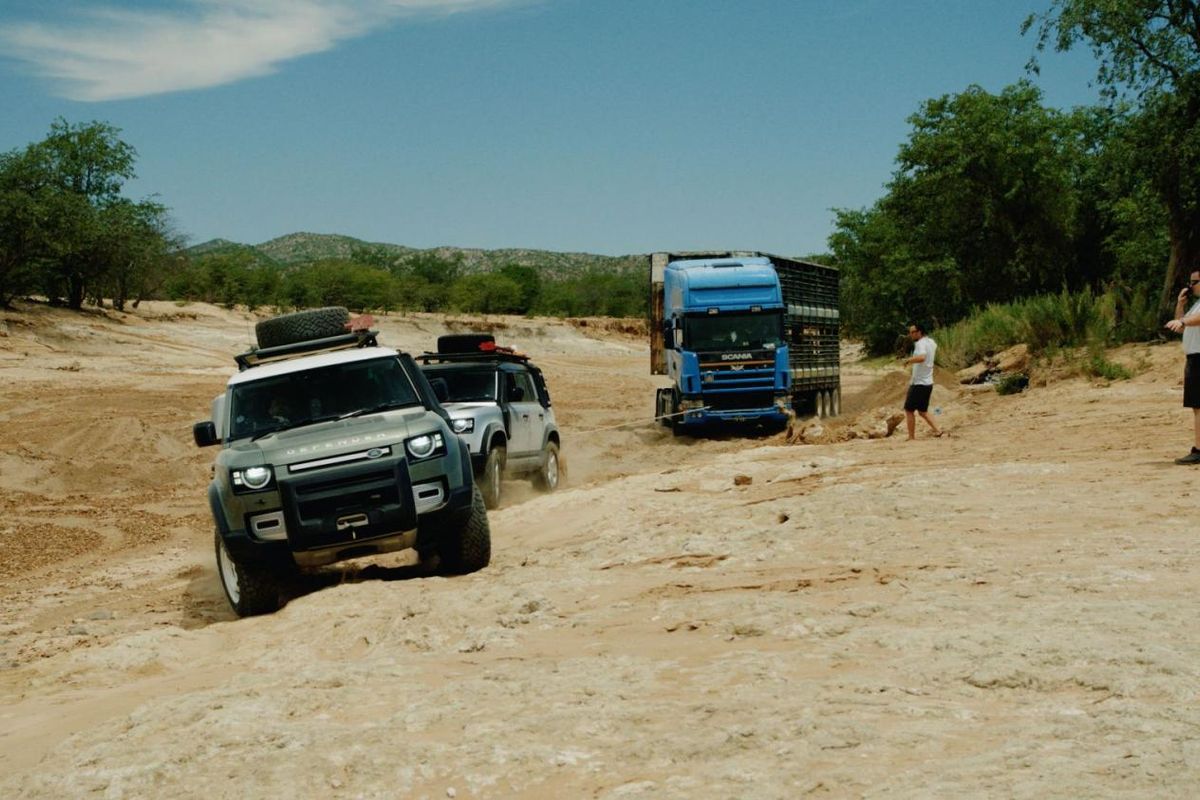
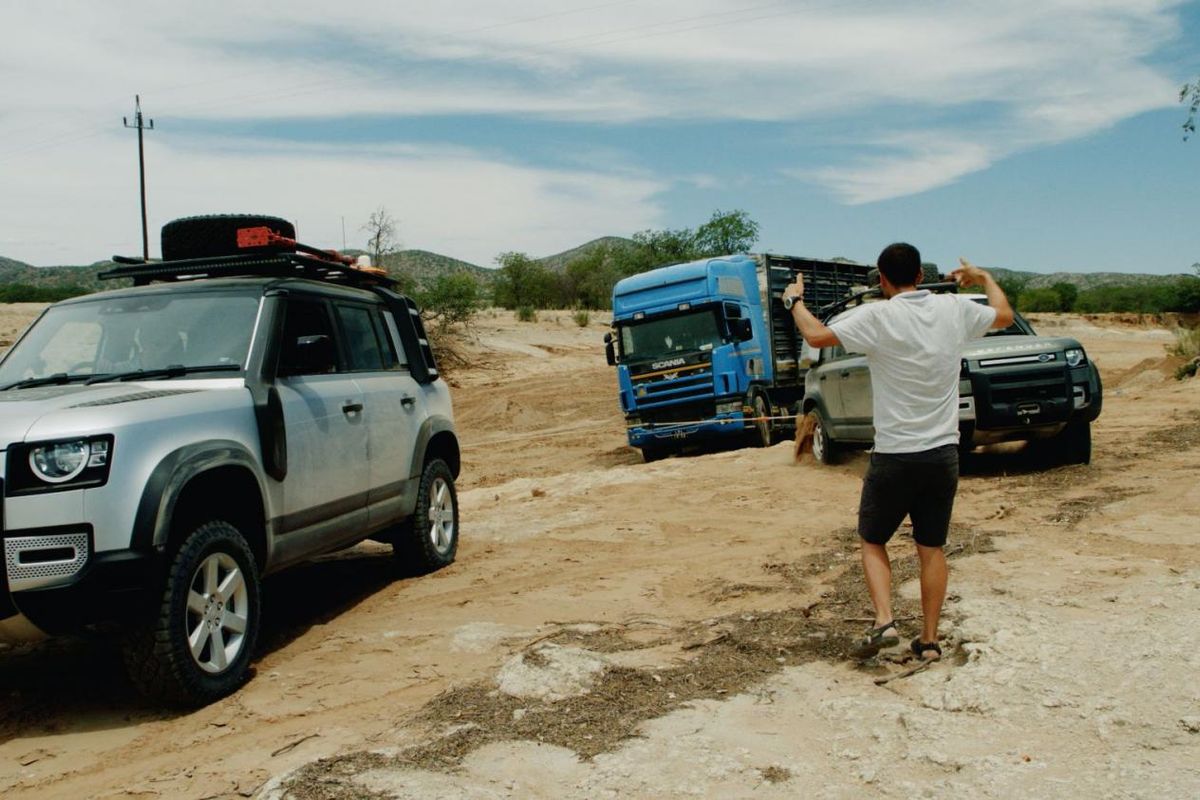
The Defender nameplate is synonymous with offroad capability and while on a video shoot in the Namib desert in Namibia, a team from Land Rover stumbled upon a truck that was stuck in a dried-up riverbed and required assistance.
Reports indicate that the truck driver had been stranded for 3 days with limited supplies. For Land Rover, this was a perfect opportunity to lend a helping hand and put 2 new, fully-equipped Defender 110s to use.
Despite slippery sand and a maximum tow rating of 3 500 kg, the 2 Defenders managed to haul the large Scania truck out of its predicament.
We can’t wait to test the capabilities of the new Land Rover Defender on South African soil but we will have to wait until June 2020 for the Defender to arrive in our market.
When it arrives it will initially be offered in 110 guise with the short-wheelbase Defender 90 following later.
If social distancing means getting away from home and into the middle of nowhere, then you'll never want to go home, with one of these.
At its most extreme the Ford Ranger might be all about Raptor, but how adaptable is the latest T6 bakkie platform to serious overlanding?
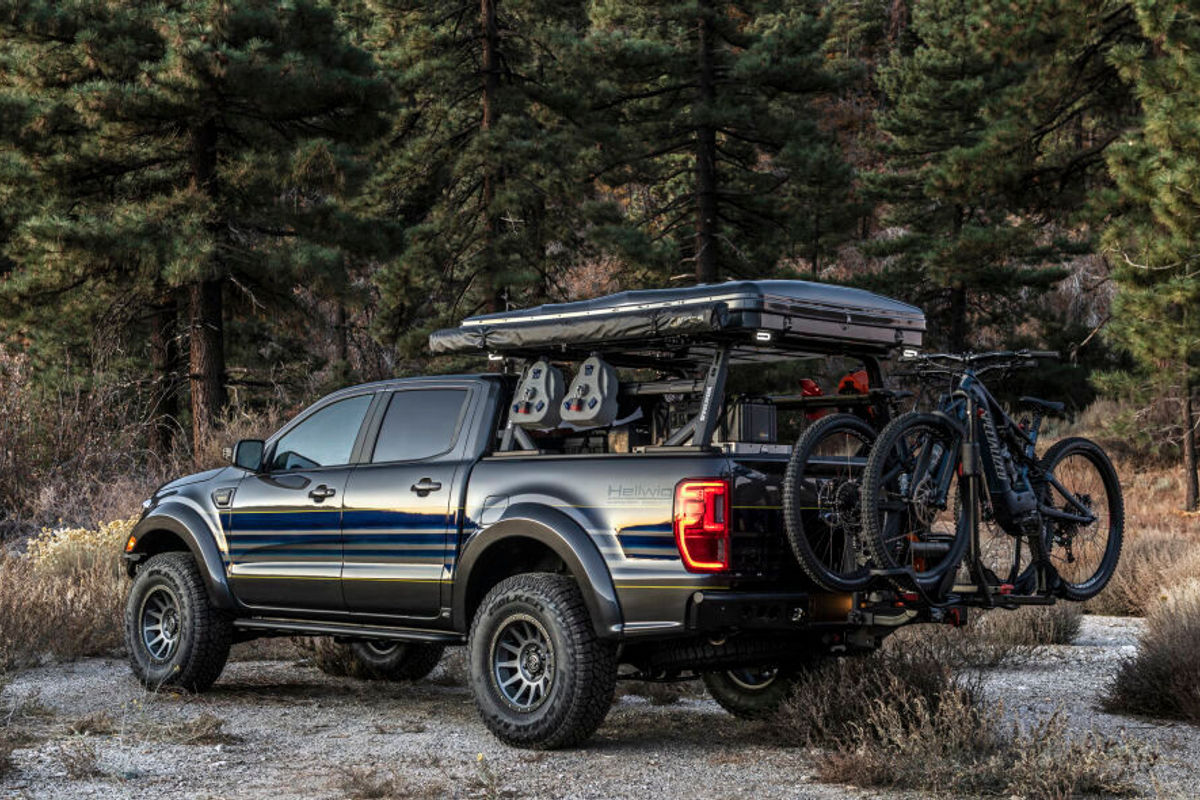
To answer that question, Ford commissioned Hellwig, an adventure gear specialist, with a simple brief: build the most adventurous Ranger money can buy.
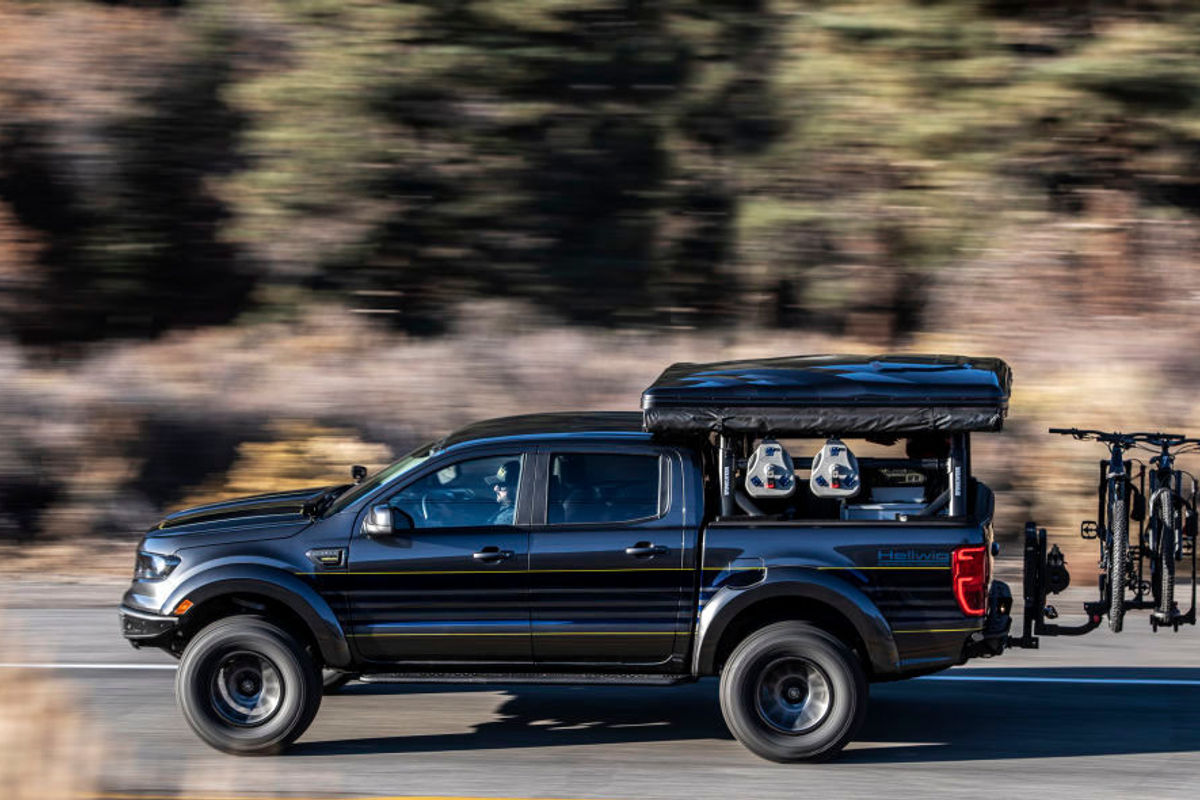
The result is a Ranger that could support your sense of escapism way beyond the traditional long weekend. Using the Ranger XLT as a departure point for the project, Hellwig did not spare any cost and the outcome is self-supported bakkie adventuring of a very high calibre.
You’ll immediately notice how purposeful the stance of this Hellwig Ranger is. The standard Ranger bumpers and fenders have been removed. Their replacement parts increase the bakkie’s approach angle and make room for more wheel travel.
Most of the factory suspension was exchanged for bits from Icon Vehicle Dynamics. These include forged sway bars and beefier rear leaf springs. The total lift gain is 88 mm and rolling Falken Wildpeak high-volume off-road specific tyres, we can’t imagine many trails or technical obstacles that will present an issue to this Hellwig Ranger.
Beyond the suspension upgrade and monstrous tyres, Hellwig have added some great convenience and comfort features. The loadbox features a comprehensive racking system, with a full-frame roll bar construction, which supports the Tepui HyBox tent.
Leveraging off the loadbox racking and stowage system is a Goal Zero Yeti 1400 power station, with supplementary solar panels to charge your devices. A trail kitchen and ARB fridge keep your supplies fresh and food warm.
The best feature of this Hellwig Range is perhaps also its least sophisticated, a Krazy Beaver recovery shovel.
Ranger Hellwig Price
Pricing for the Hellwig Ranger (including the XLT-specification bakkie) is an estimated R1.4m ($80 000), which is significantly more than a Raptor. But if you want a Ranger double-cab which could really do the Cape-to-Cairo mission in absolute comfort, this isn’t the worst idea we’ve ever seen.