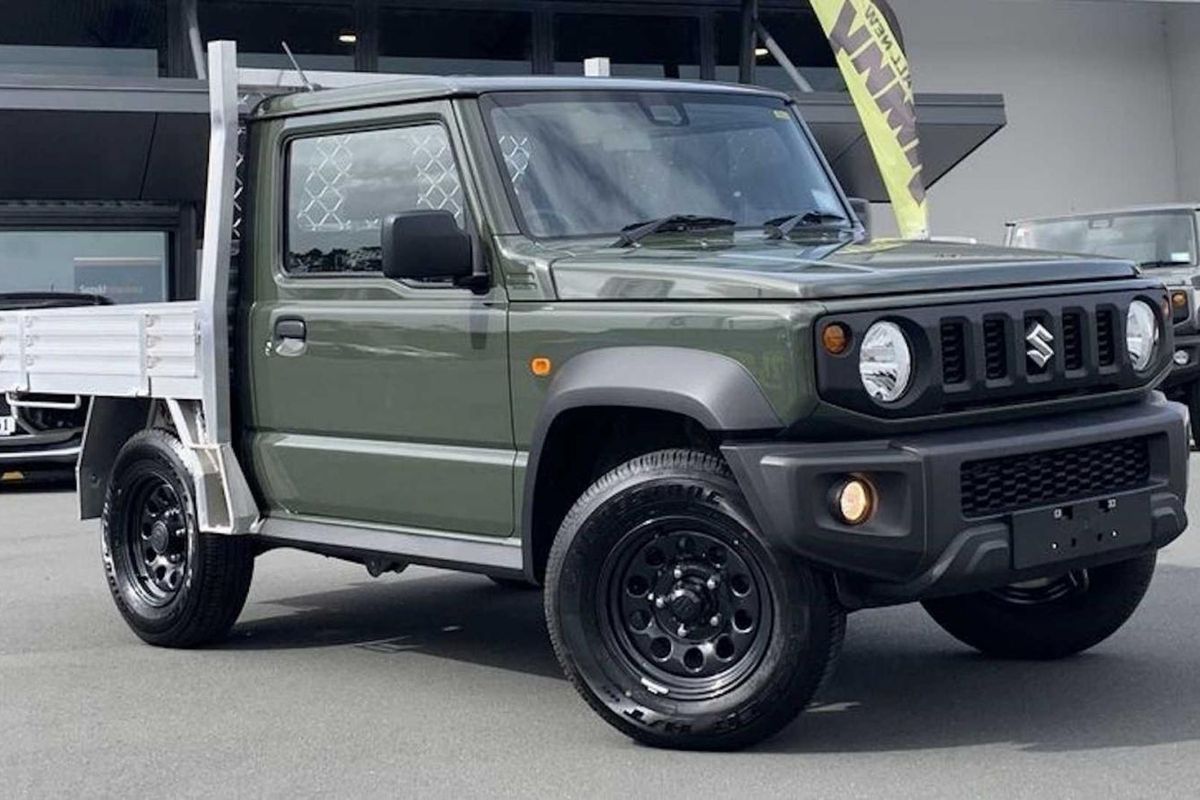
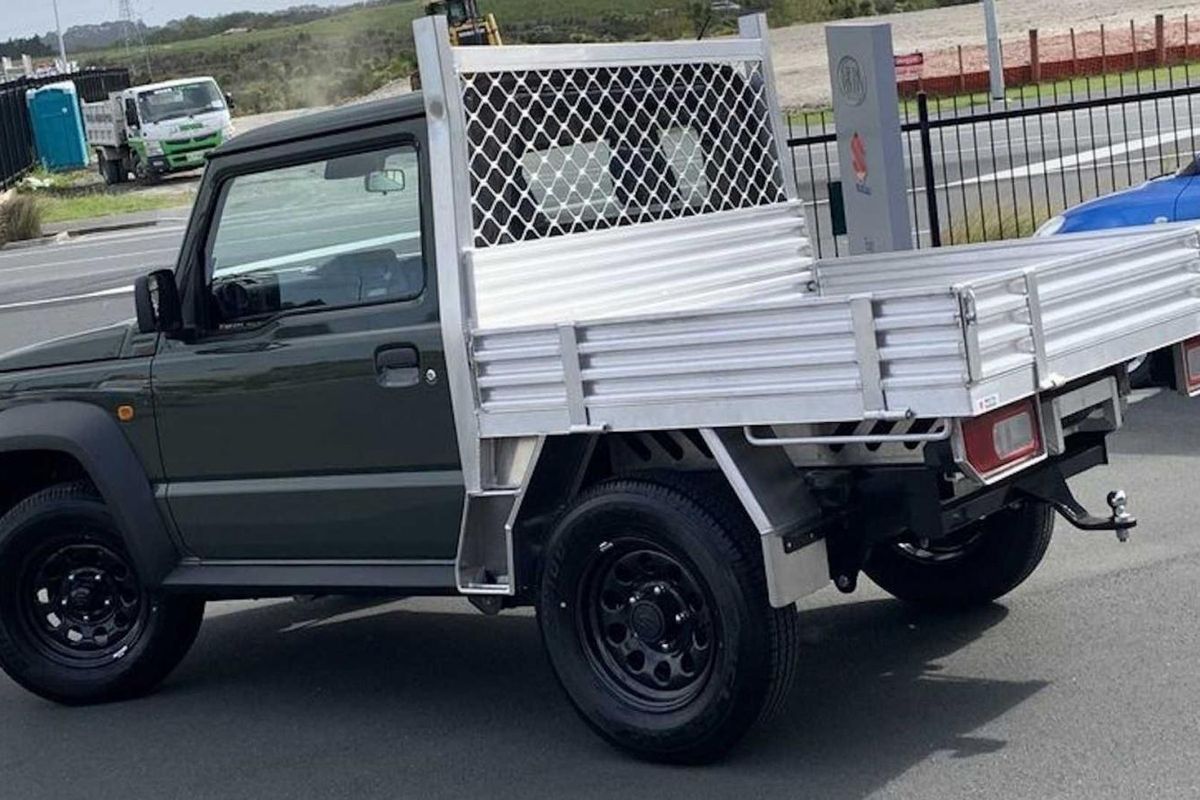
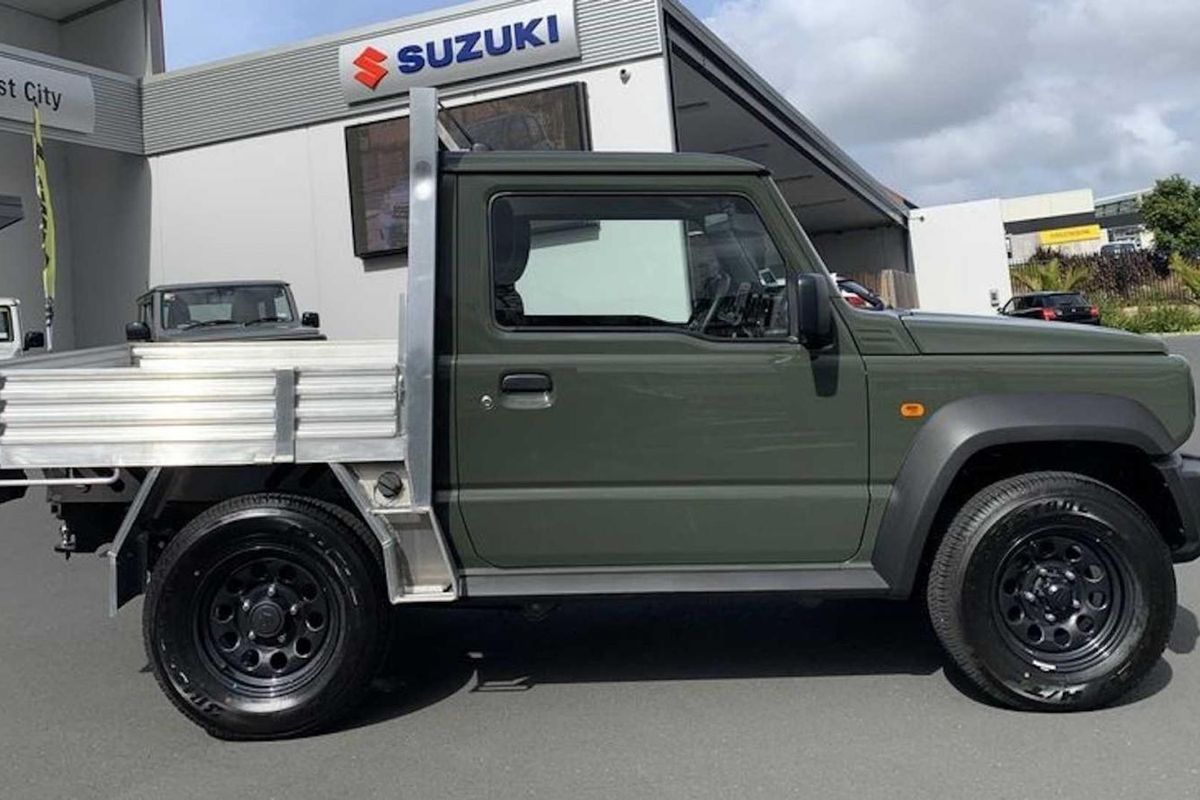
Suzuki New Zealand has made a single-cab bakkie Jimny and we love the look of it.
It's hard to dislike the Suzuki Jimny. Not only does it look adorable, but its go-anywhere attitude and abilities have won it many fans, including us. One of the very few downsides to Jimny ownership is the lack of practicality and space. The physical boot size is barely big enough to swallow anything bigger than a laptop bag.
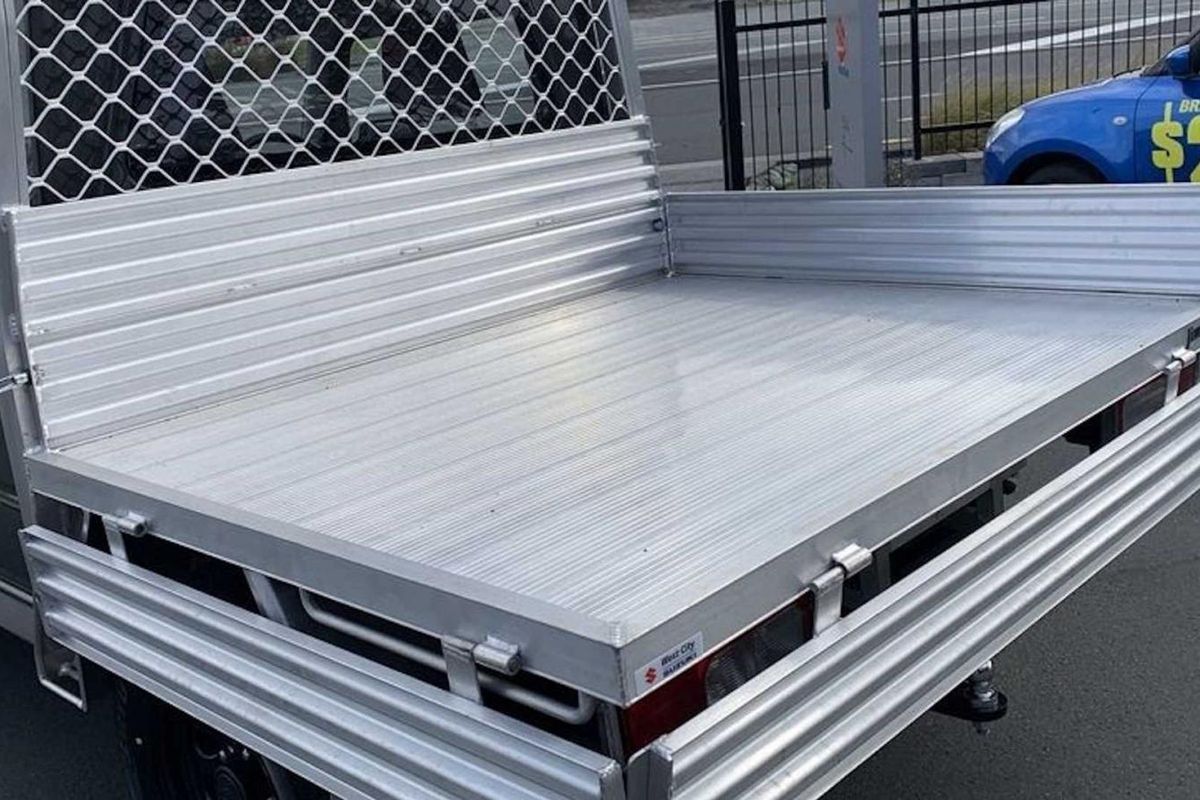
Enter Suzuki New Zealand who has made an official Suzuki Jimny single-cab bakkie. First spotted by Driven.co.nz, this is no backyard hack job either as it is an official product sold with a full warranty. It appears a standard Jimny loses its rear and on goes a small deck over the rear axle. The deck also features collapsable sidings and we estimate it has a capacity of 750 kg. A 3/4 ton in other words. Inside, there's a carpeted area behind the front seats.
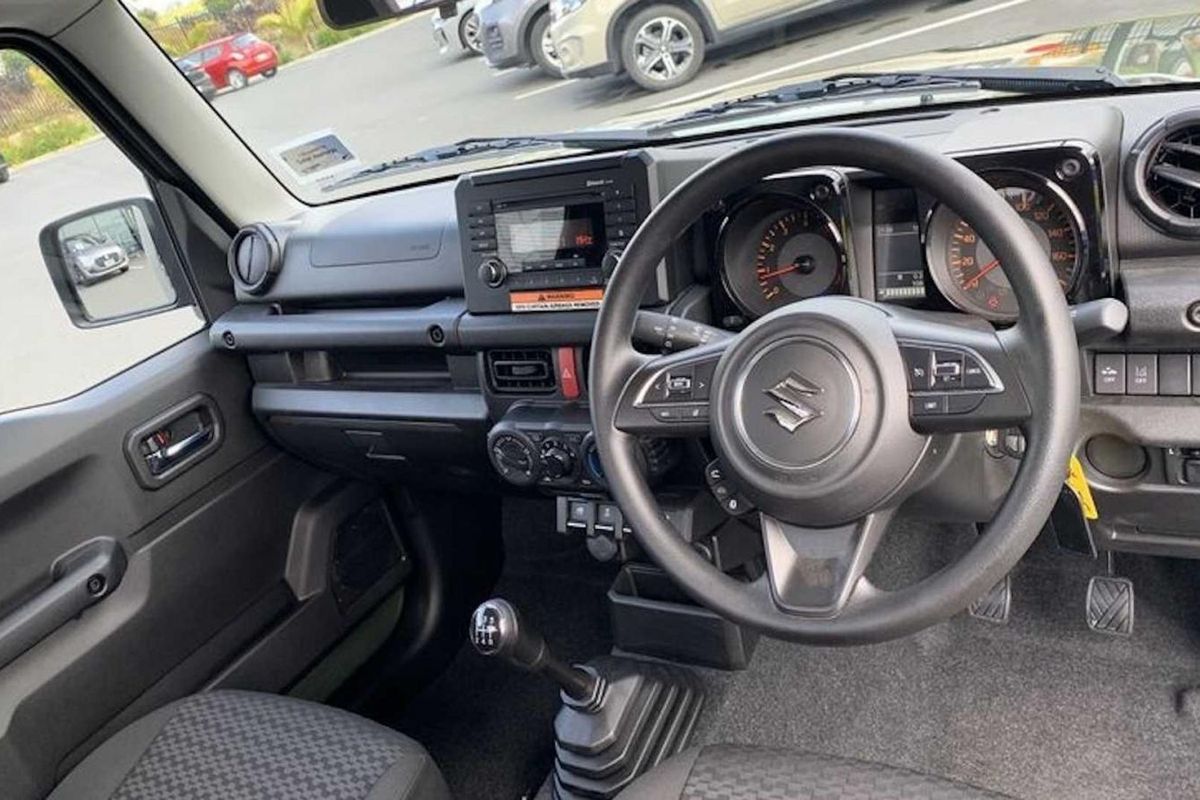
Suzuki New Zealand has based this model on a low-spec of Jimny, so it does lose comfort features like touchscreen infotainment, climate control, LED headlights, alloy wheels and the leather steering wheel. Instead, you get basic halogen lights and black steel wheels, which some will appreciate. The Suzuki Jimny is powered by a 1.5-litre naturally-aspirated 4-cylinder motor producing 75 kW and 130 Nm.
We'd love to see something like a Suzuki Jimny bakkie in SA, given our love for the workhorse. Should Suzuki SA bring some in?
Italian icons close up shop amidst virus outbreak.
Coronavirus concerns have finally reached into the supercar realm and ended production at two of the world’s most iconic facilities.
Both Lamborghini and Ferrari have announced that their Sant’Agata Bolognese and Maranello industrial assets will be closed until the end of March.
As Italy battles the worst coronavirus outbreak in Europe, economic activity in the country’s industrialised north has ground to a halt. Inevitably, that has meant an end to all automotive assembly.
For Lamborghini and Ferrari, who each had record production and revenue performances in 2019, losing a few weeks of production will be significant.
Although overall build volumes are relatively low for these two elite Italian automotive companies, they serve a very demanding global customer base. Lamborghini and Ferrari customers pay a premium for their vehicles and don’t take kindly to having their patience tested by delayed delivery.
If the Lamborghini and Ferrari factories manage to reopen on schedule, towards the end of March, they could still suffer restarting issues. Many of the specialist suppliers, who produce intricate componentry crucial to Lamborghini and Ferrari’s supercars, could still have problems in terms of staff or supply chain, due to the coronavirus, affecting their larger corporate customers.
Another aspect of the Lamborghini and Ferrari shutdown concerns R&D. Although engineers will be able to operate some software from home, the tangible work of wind tunnel testing, 3D prototype printing and dynamometer engine runs, will be lost for a few weeks. This could significantly impact the rollout of new Lamborghini and Ferrari models, or even mild updates, planned for the near future.
The all-electric Ford Mustang Mach-E is due to go sale in the U.S and Europe later this year and Ford has released a video showing what the Mustang Mach-E is capable of in the snow. Bring on the drift!
Whether you love or hate the idea of an electric Mustang compact SUV, the forthcoming Mach-E is likely to sell up a storm when it goes on sale later this year.
While the Mustang name is synonymous with brawny V8 power and rear-wheel-drive goodness, the electrified Mustang Mach-E will be offered in either rear or all-wheel-drive formats with either a 75.7 kWh or 98.8 kWh battery pack which offer a driving range of 338 km and 483 km respectively. Power outputs range from 190 kW in the base version to 248 kW in the long-range version. Other more powerful variants are expected to be introduced too…
If you doubt the performance abilities of the Mustang Mach-E, watch the video below to see how the all-wheel-drive Mustang Mach-E handles a drift in the snow.
South Africa has a brutally competitive double-cab bakkie market, so is there really room for a French option?
The South African bakkie market has 3 major players: Toyota, Ford and Isuzu. Nissan might achieve respectable overall volumes, but its leisure double-cab offering (the Navara) can't compete with the sales numbers that Hilux, Ranger and D-Max generate.
Beyond those models and Nissan's overall bakkie tally, the South African market is a scrap between peripheral players. We can credit Volkswagen as an exception of sorts, with the Amarok 3.0-litre turbodiesel V6 derivatives dominating the market for bakkies beyond R700 000 (earlier this year, the Wolfsburg-based brand's bakkie won its category of the Cars.co.za Consumer Awards for a 3rd consecutive year). By contrast, vehicles such as the Mitsubishi Triton, Fiat Fullback and Mazda BT-50 are almost forgotten.
That does beg the question: Could a keenly-priced double cab perhaps make more of an impression than a Triton or BT-50? A bakkie endowed with great diesel-engine technology, purposeful design and clever features. Something different. Something French.
Peugeot doesn’t have to fake being a bakkie brand
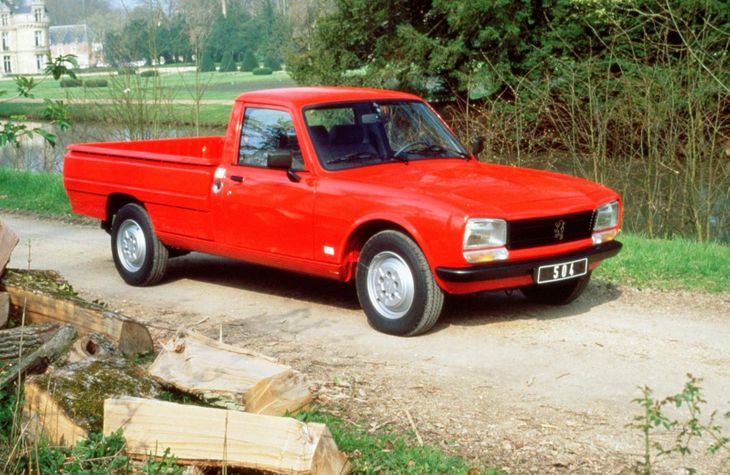
Peugeot's 504. Easily the best looking single-cab bakkie of the 1980s.?
One of the most significant surprises of the motoring year has been the reveal of Peugeot’s Landtrek. The French company has a proud bakkie heritage, especially in Africa, but it has been so long since Peugeot sold a load-box vehicle, most bakkie fans have long forgotten about the legendary 404 single-cab.
The Landtrek has been confirmed for South Africa; it's scheduled to arrive in 2021. Could it possibly become a stronger alternative to Hilux, Ranger and D-Max, as well as either Triton or BT-50 have been?
Peugeot will be cautiously confident of its prospects, because the French brand does not have to fake any bakkie credentials. It can leverage the authentic workhorse heritage of its 404 and 504 bakkie models from yesteryear.
Global automotive product planners will undoubtedly have taken careful notice of Mercedes-Benz’s X-Class misadventure – and Peugeot will be studying the mistakes that were made by the German marque in South Africa. If the world’s oldest car company could fail that spectacularly at marketing a new double-cab bakkie, it serves as a warning to everyone else…
Has it got the right bits?
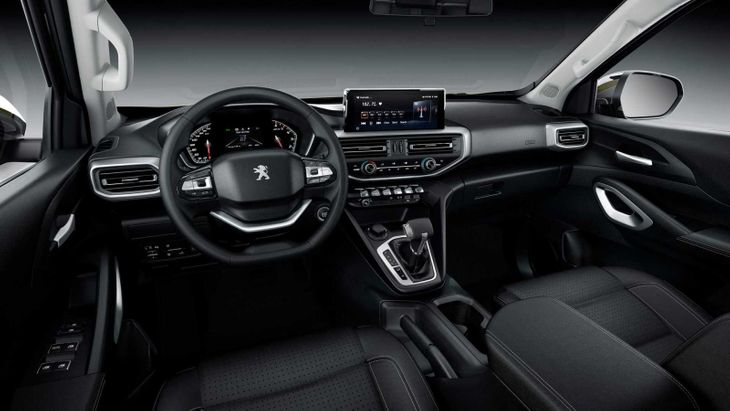
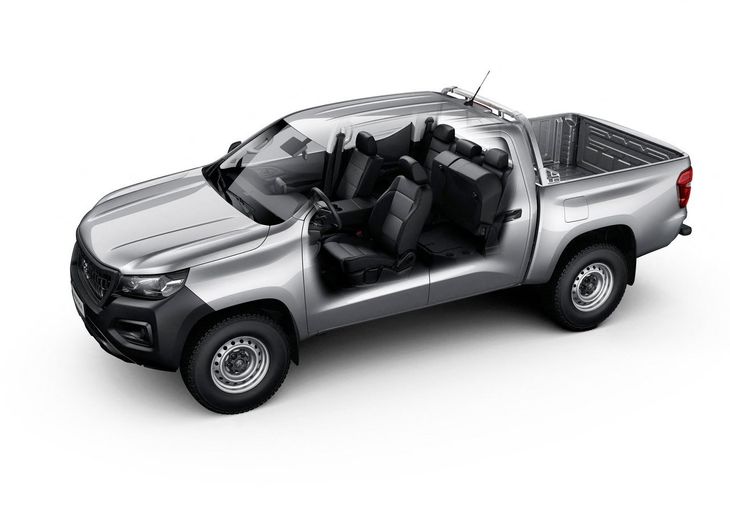
Crossover cabin design and ergonomics make the Landtrek more passenger-friendly inside.?
There is no hiding the fact that Peugeot’s Landtrek is a joint-venture project, in partnership with China’s Changan. Landtrek is the development twin of Changan’s Kaicene F70, which was launched in China late last year.
Smart design has always been a symbol of French automotive excellence and Peugeot has done a stellar job with its Landtrek: it possesses a bold appearance without cloning any of the market leaders from Toyota or Ford. This design nous is even better inside…
Indeed, Peugeot has been brilliantly innovative with the Landtrek’s cabin architecture and features. By borrowing components from the company’s passenger vehicle parts-bin, Peugeot has managed to craft an outstanding cabin environment. Bakkies should look robust from the outside, yes, but customers appreciate them being much more car-like on the inside.
Peugeot has managed to gift the Landtrek a slick passenger-vehicle-like interior, replete with a 2-spoke steering wheel and 10-inch touchscreen infotainment system. The rear bench’s seatback can also fold flat, creating a robust load surface rated for 100 kg of items.
This cabin could, at the very least, have the measure of its other bakkie competitors in terms of ergonomics and fluency of infotainment functions.
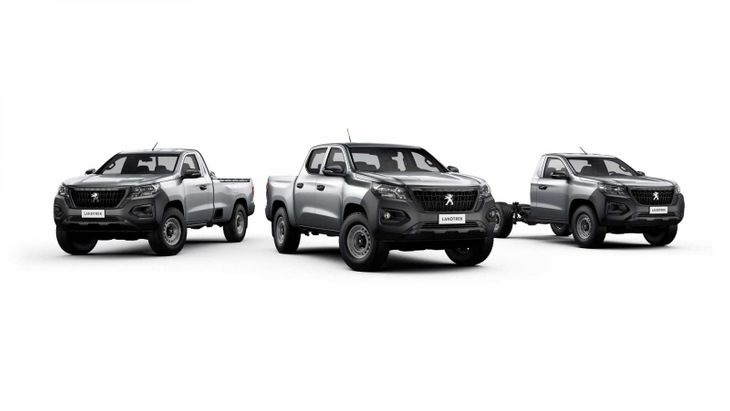
Peugeot is going to field a broad range of Landtreks, including single-cab derivatives and a variety of turbocharged engines. For the local market, Peugeot’s strategy should follow that of Mitsubishi and Volkswagen; it will offer only double-cab derivatives.
And the engine?
Peugeot is targeting the whole range, from single to double-cab and commercial use.
The Landtrek's 1.9-litre turbodiesel powerplant will be of particular interest. Supplied by Chinese powertrain company, Kunming Yunnei, its similarity in size and output to Isuzu’s 1.9-litre turbodiesel, which is available in European D-Max bakkies, but not South Africa.
Although both the Landtrek and D-Max’s 4-cylinder turbodiesels are marketed at 1.9-litre engines, the Peugeot bakkie has a 1.85-litre capacity, with a 92 mm of stroke, compared to the D-Max’s 94 mm of piston depth.
The Kunming Yunnei engine produces 110 kW and 350 Nm. Those numbers should make the Landtrek a fair performer compared with the Hilux 2.4GD-6, yet lacking the potency of Ford’s Ranger 2.0-litre single turbo, which is good for 132 kW and 420 Nm.
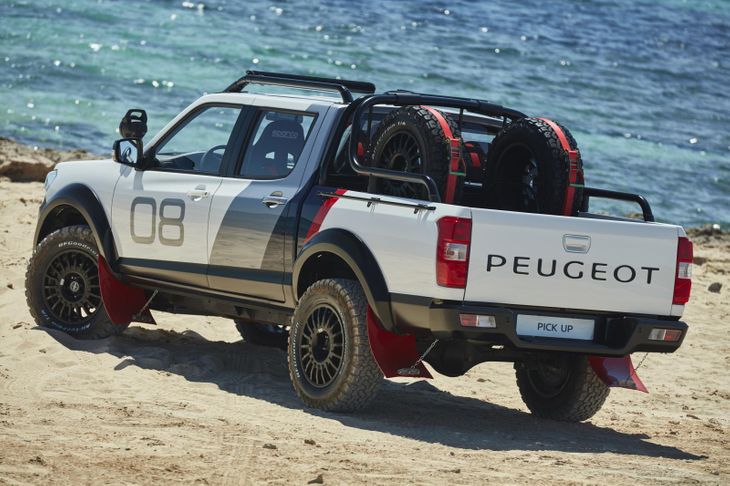
Landtrek will offer 40 accessory options. This 2017 prototype bakkie shows what might be on offer?.
Those who have had indifferent experiences with Chinese engines, mostly in terms of heavy fuel consumption for the relative power on offer, can take solace in the involvement of FEV with this 1.9-litre turbodiesel unit. Kunming Yunnei engineers have been developing the Landtrek's 1.9-litre turbodiesel in consultation with the German firm's engine specialists. FEV’s involvement should bode well for the performance, efficiency and reliability of the Peugeot’s powerplant.
Gearboxes could be an issue, though. Demand for automatic transmission double-cab bakkies are increasing in South Africa and the Landtrek is only available with a 6-speed manual gearbox, supplied by Getrag, for the moment.
Although the fitment of a low-range transfer case has been confirmed on 4×4 derivatives, there isn’t clarity on the presence of a lockable rear differential – on either the 4×2 or 4×4 versions of the French bakkie.
Could it be built in Namibia?
The reasons that Hilux, Ranger and D-Max dominate the local market are scale and price. South Africa’s department of trade and industry handsomely incentivises Toyota, Ford and Isuzu to build their bakkies domestically and source parts from local suppliers.
In a country with crippling unemployment, the investment made by these companies is significant. This somewhat justifies the import barrier duties applied to rival bakkies, which are sourced from overseas.
To illustrate how much import duties can influence sales and brand awareness, consider the position of Mitsubishi’s Triton in South Africa versus its position in the Australian market. In Australia, Triton outsells D-Max. It is the 3rd-most popular bakkie, behind Hilux and Ranger. Mechanically there are no fundamental differences between the Australian- and SA-specification Tritons, but Mitsubishi is a more substantial business in Oz than SA.
The rear seats fold down, as well as up in the Landtrek.
Expansive dealer networks and sustained high sales volumes have enabled Hilux and Ranger to use economies of scale with regards to minimising parts pricing. That has made their bakkies more attractive as ownership prospects, compared to Triton and other imported double-cabs. So where does this leave Peugeot, with its Landtrek launch strategy?
Peugeot does not have a local production- or assembly facility to enable the French firm to benefit from domestic production incentives. That means Landtrek will be exposed to exchange rate volatility and import tariffs. With the Rand currently at very weak levels against the Euro and Dollar, this could ruin any possible competitive pricing structure for Landtrek.
But Peugeot might have a backdoor solution. Although the firm has been very opaque about details, Peugeot has commissioned an assembly facility in neighbouring Namibia. Located in the port city of Walvis Bay, this Peugeot asset is configured for a peak throughput of 5 000 vehicles a year.
What Peugeot could choose to import nearly-complete (semi-knocked down) Landtreks to Walvis Bay, before simply tightening the last few bolts to complete assembly. These bakkies would then be shipped south or trucked over the border, into the South African market, without incurring punitive tariffs.
Those tariff savings could make Landtrek prices competitive in a manner that other imported bakkies have not been able to achieve in the local market. But there is an issue: stalled production at the Walvis Bay facility.
Peugeot’s ambitions for its Namibian assembly facility is the subject of political friction. There appears to be disagreement over whether vehicles that are assembled in Walvis Bay should be free to be imported into the South African market without being subjected to import tariffs. In late 2019, the French firm threatened to disengage from its Walvis Bay assembly project if a resolution to the issue could not be found.
Peugeot’s Landtrek has the technical formulation to be a great value double-cab bakkie in the South African market. Its exterior and interior design will successfully differentiate it in a competitive market.
The risk is that unless Landtrek can be launched in South Africa with a viable price structure, it will suffer the same indignity of poor sales that has befallen Triton and the (eventually quashed) X-Class.
Petrol Price Relief for April 2020 as Oil Price Crashes
We're headed for an interesting period as the impacts of COVID 19, Rand/Dollar exchange rates and an oil price crash combine, resulting in chaos for the fuel price for April 2020. The petrol price is coming down!?
"The current data shows petrol down by up to R1.11 a litre, diesel by R1.10 and illuminating paraffin by R1.18. However, these declines must be weighed against the 25 cent increases to the fuel levies announced by the Finance Minister in February which come into effect in April," said the Automobile Association of SA. With the levies thrown in, we're still looking at a reduction of 86 cents per litre for petrol and 85 cents per litre for diesel.
Despite the Rand suffering heavily losses against the US Dollar, there's been chaos in the oil production with Saudi Arabia breaking ranks with OPEC. The Saudis not only slashed prices, but upped production substantially. "The AA says Saudi Arabia's actions come at a time where global oil demand is in decline as the COVID-19 virus hits manufacturing and commerce, leading to a steep slump in the oil price. The last time oil prices dropped this suddenly was in the first Gulf War, almost 30 years ago. However, it means good news at the pumps for South Africans," said the AA.
How long will all of this last? "There is little indication of what the final picture of COVID-19 spread will be, nor where the Rand will stabilise against the dollar. It can also not be predicted how long the Saudis are prepared to hold out in their oil price war, since their oil industry is believed to be able to maintain profitability at substantially lower per-barrel prices than the current level," the AA notes.
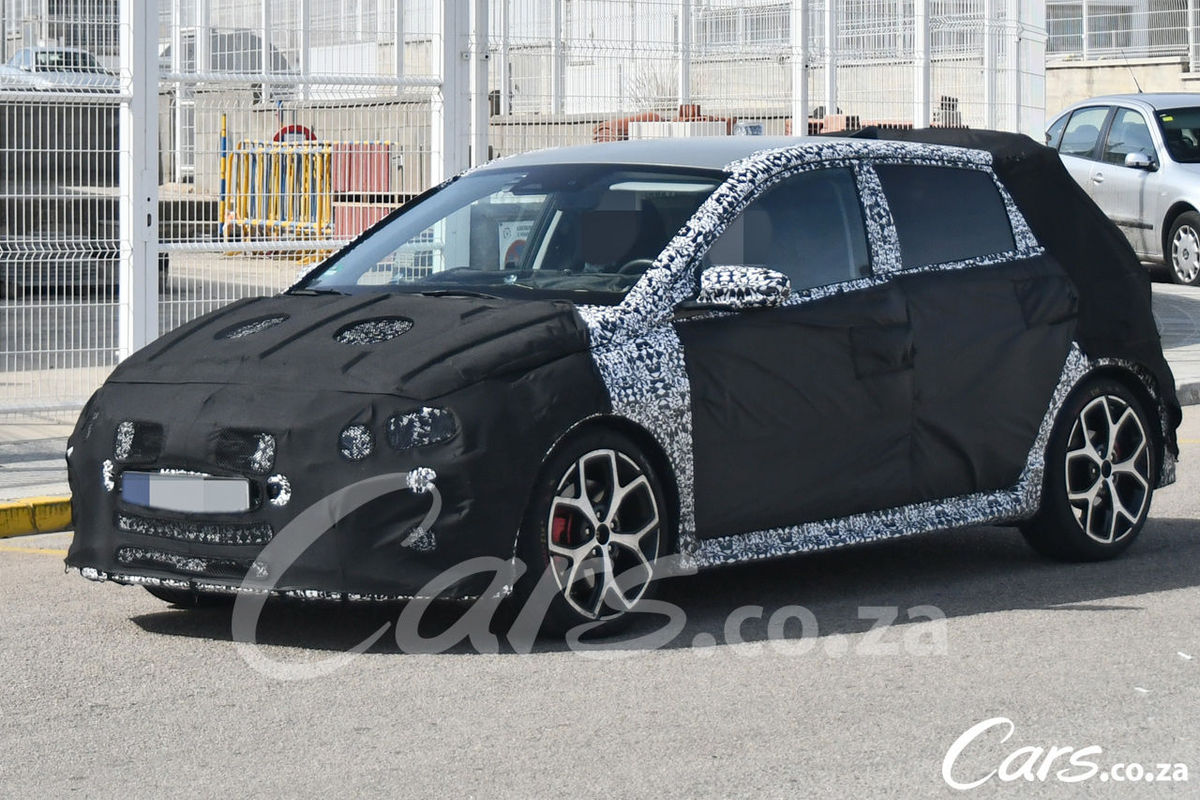
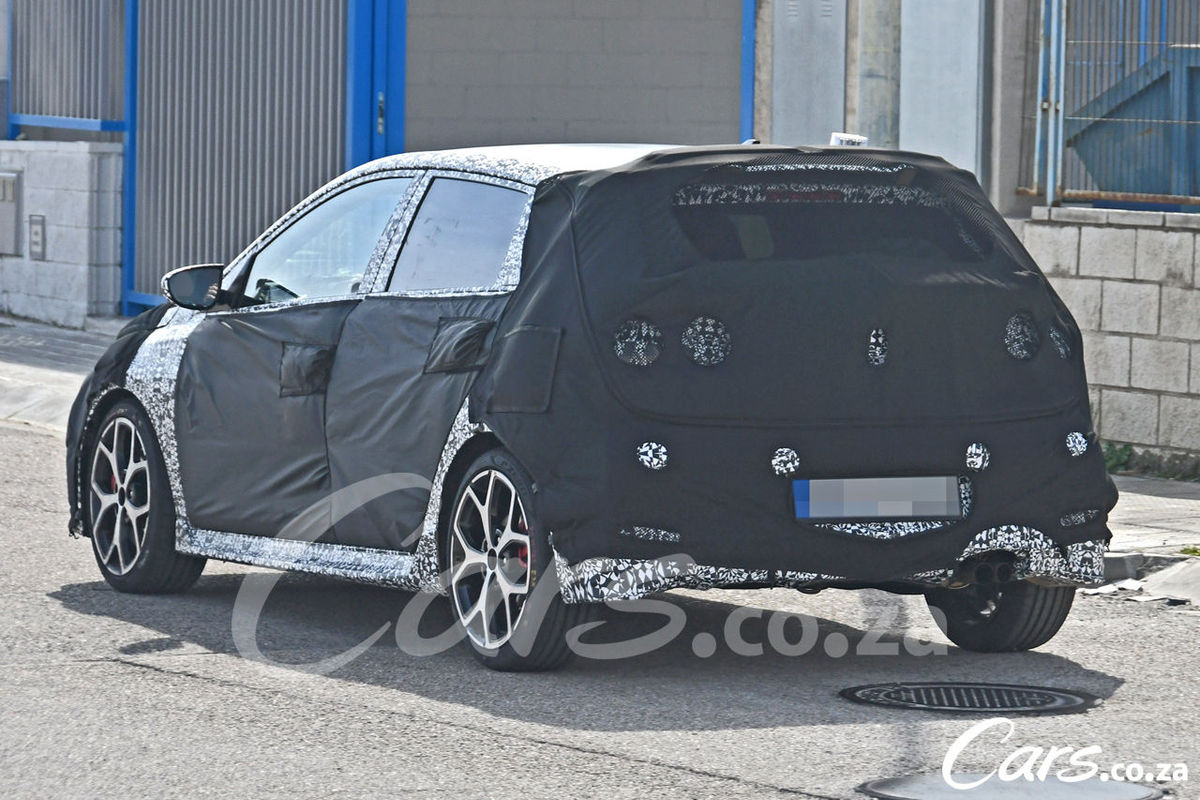
We have experienced the Hyundai i30 N but Hyundai is developing an i20 N. Our spy photographers have caught an i20 N prototype testing…
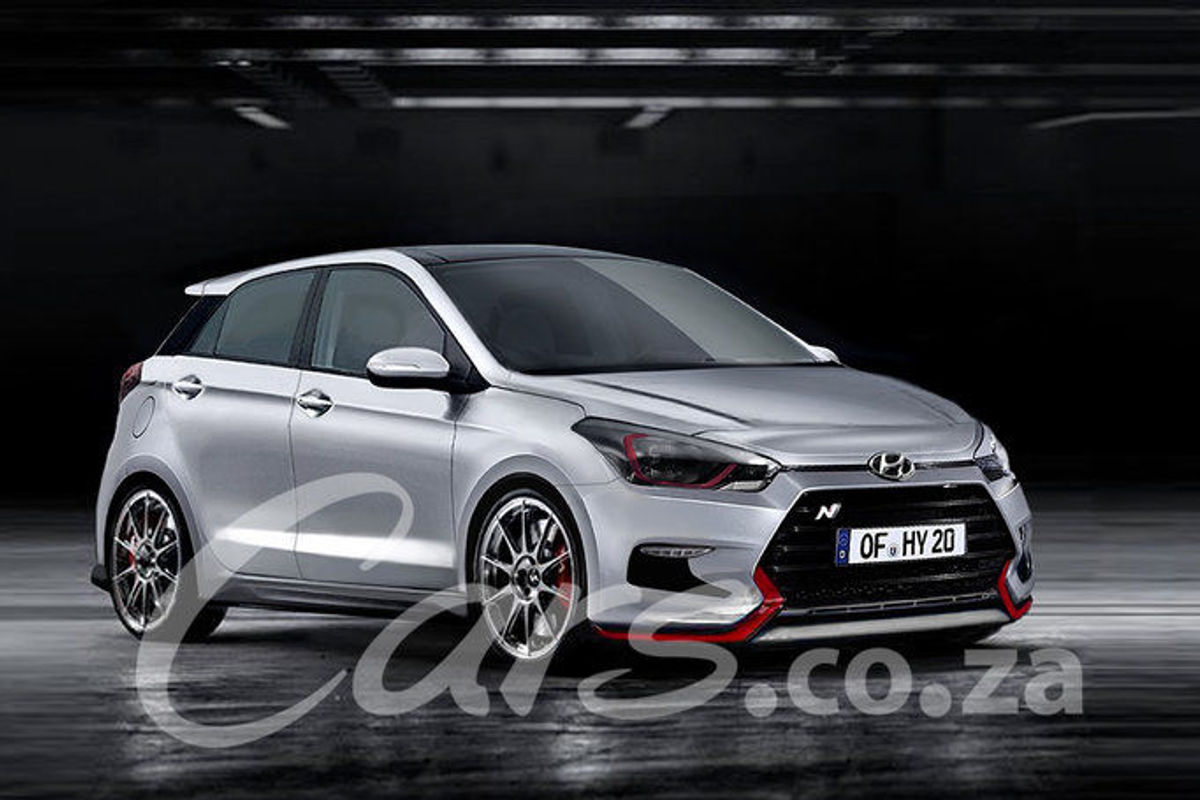
Picture credit: S. Baldauf/SB-Medien. We have paid for these photos and at the photographer's request, have watermarked them.?
Last year we saw spy shots of an i20 N test mule being put through its paces and more recently, Hyundai revealed a new and rather sporty-looking i20 hatchback. A fully-fledged i20 N just seems like a logical step for Hyundai’s N Division which has a wealth of motorsport experience to draw upon considering its successful exploits with the i20 in the World Rally Championship (WRC).
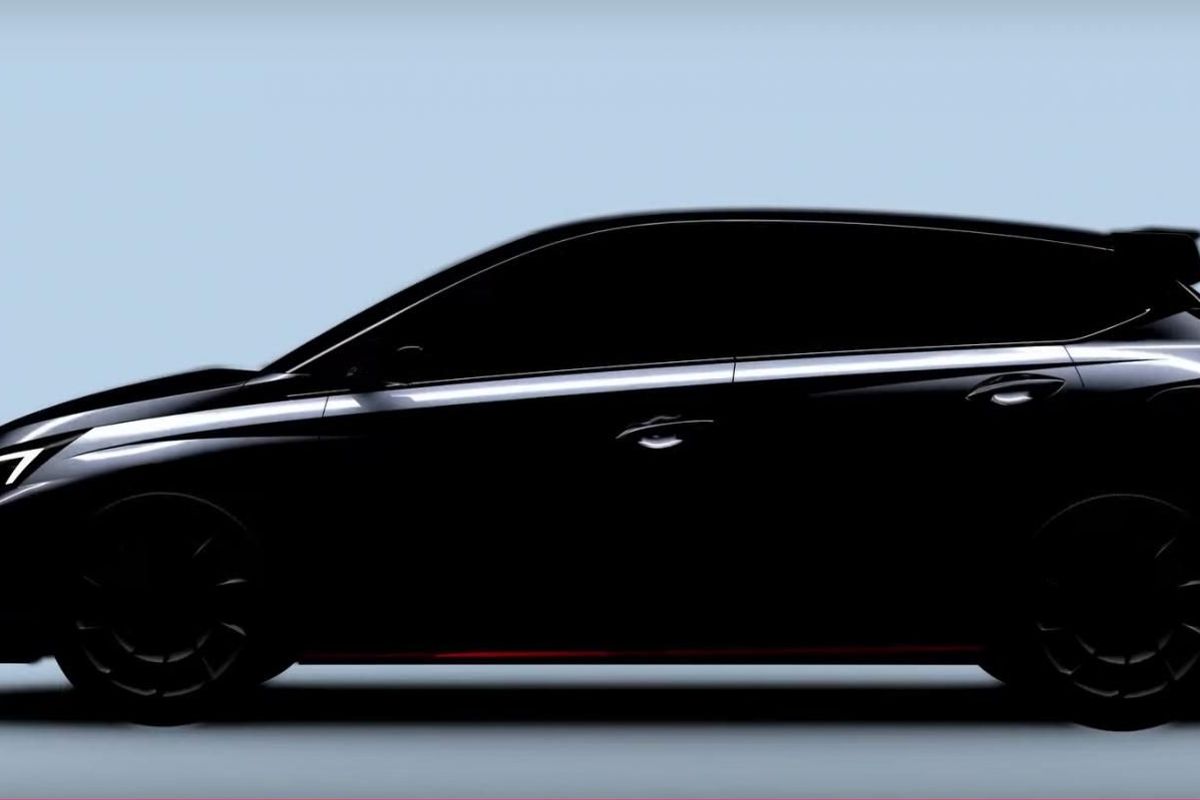
Recent promotional i20 video content from Europe points to a sporty silhouette of what we think is an i20 N. Giveaway features include a chunky high-mounted spoiler, beefier wheels and red detailing seen along the side skirts.
You will recall that Toyota recently revealed its new Gazoo Racing Yaris and an i20 N would make for an exciting match-up. The i20 N will also take aim at the Volkswagen Polo GTI.
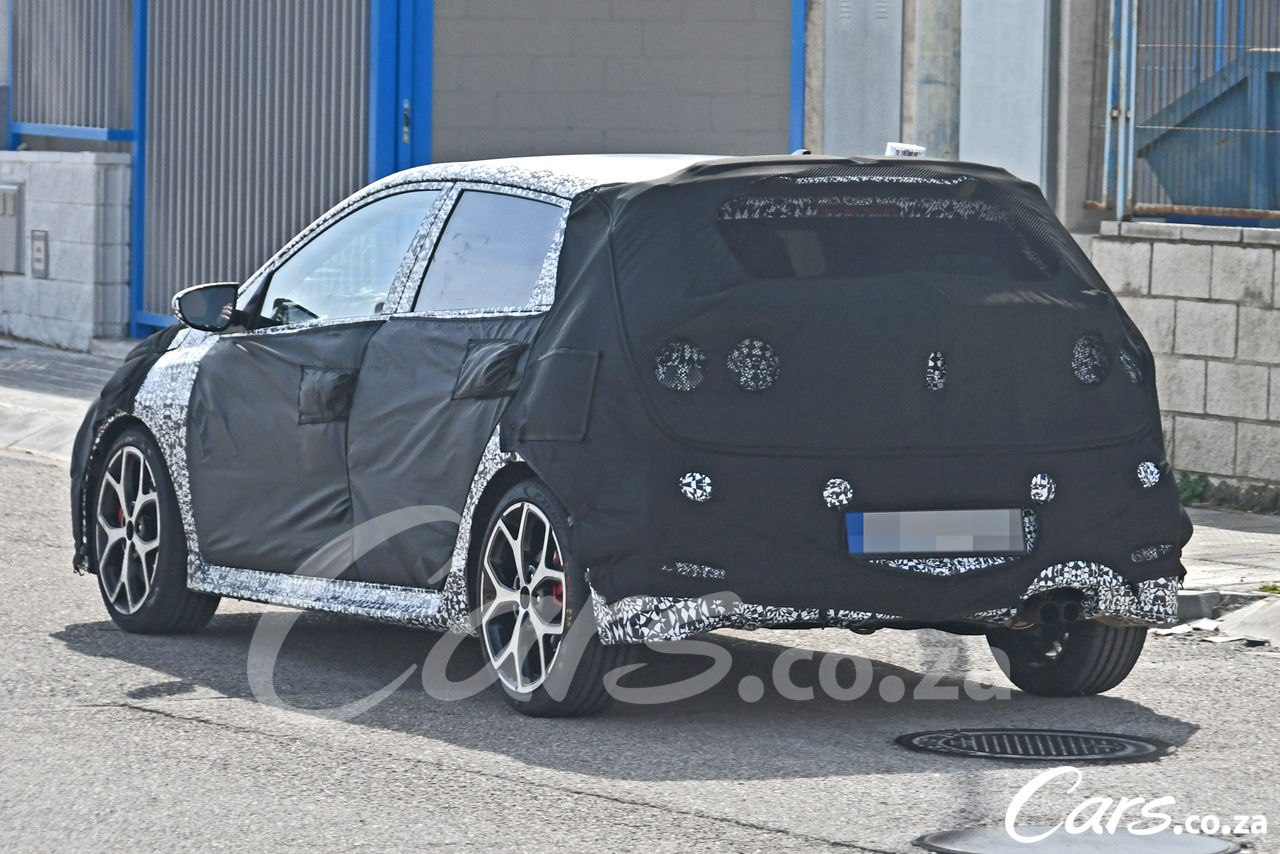
Now, a new batch of spy images has landed on our desk once again confirming that Hyundai is hard at work on a hot i20 N model. The prototype is heavily camouflaged but the twin-exhaust system is a clear sign of performance intent. You can also see the high-mounted spoiler visible beneath the camouflage.
Dual-exhaust pipes and a high-mounted spoiler are signs of what's to come from Hyundai…
As for what will power the i20 N, that’s up for debate, but if you consider that the Toyota Yaris GR offers 192 kW and 360 Nm of torque from a 3-cylinder, 1.6-litre turbopetrol engine, the i20 N will have to offer similar potency. We previously pointed to the possibility of Hyundai making use of a revised 1.6-litre turbopetrol engine, the same that powers products such as the Veloster Turbo, Tucson and Elantra Sport. Time will reveal all!
In terms of transmissions, a 6-speed manual is a strong possibility and should make enthusiasts happy but a dual-clutch transmission is not out of the question either. The i20 N is also likely to feature a stiffer and sportier suspension to complement its performance intentions.
We will keep you up to date as soon as Hyundai drops any more clues regarding the i20 N, so stay tuned!
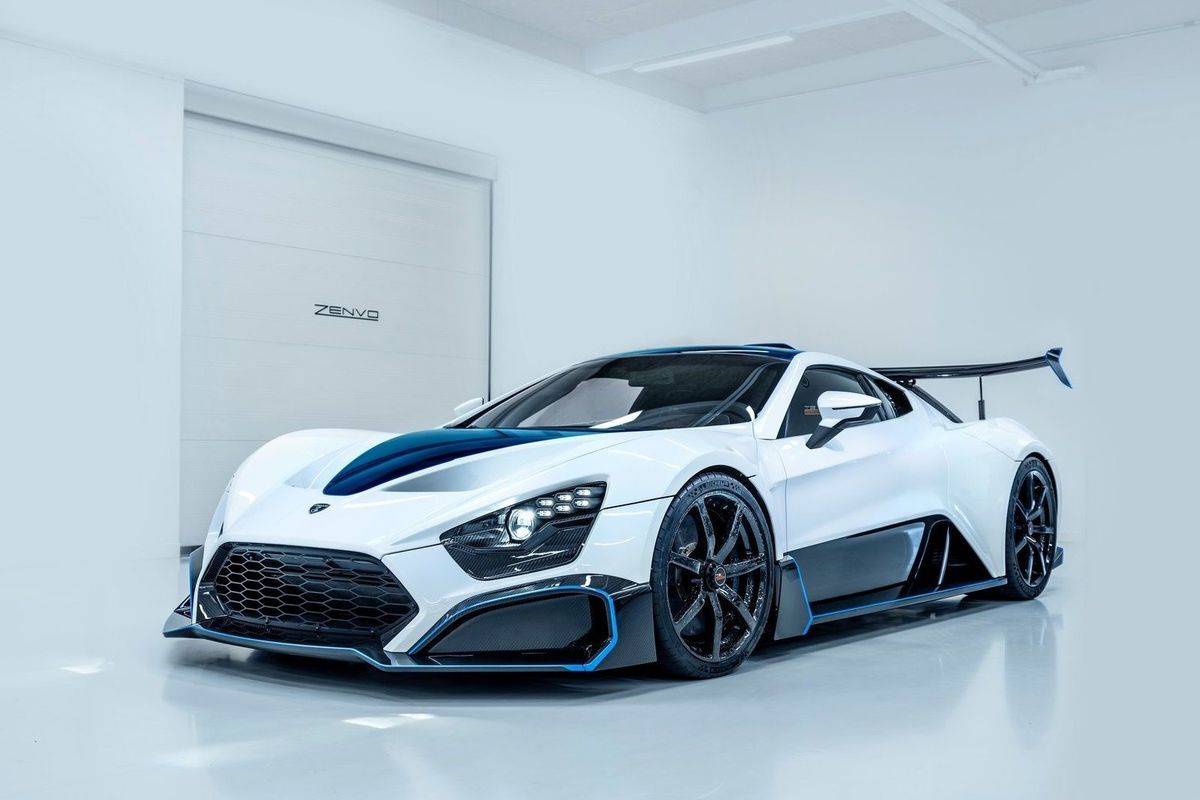
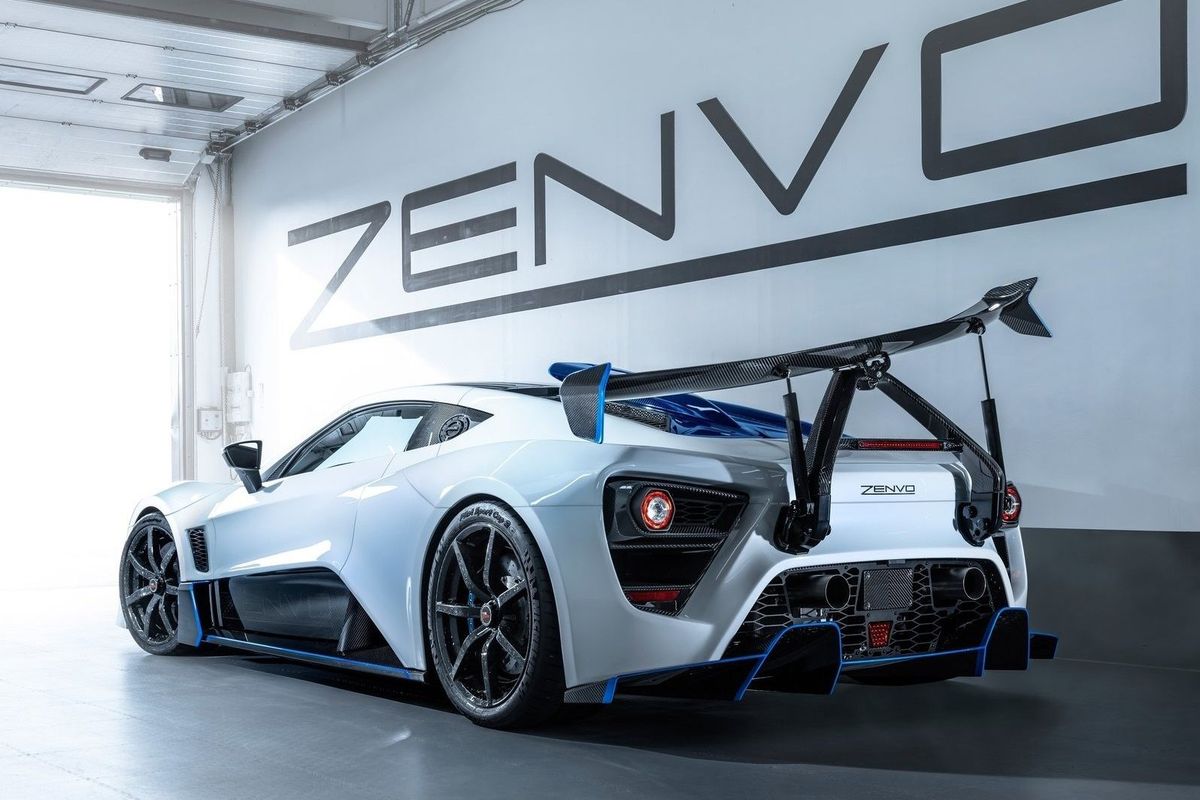
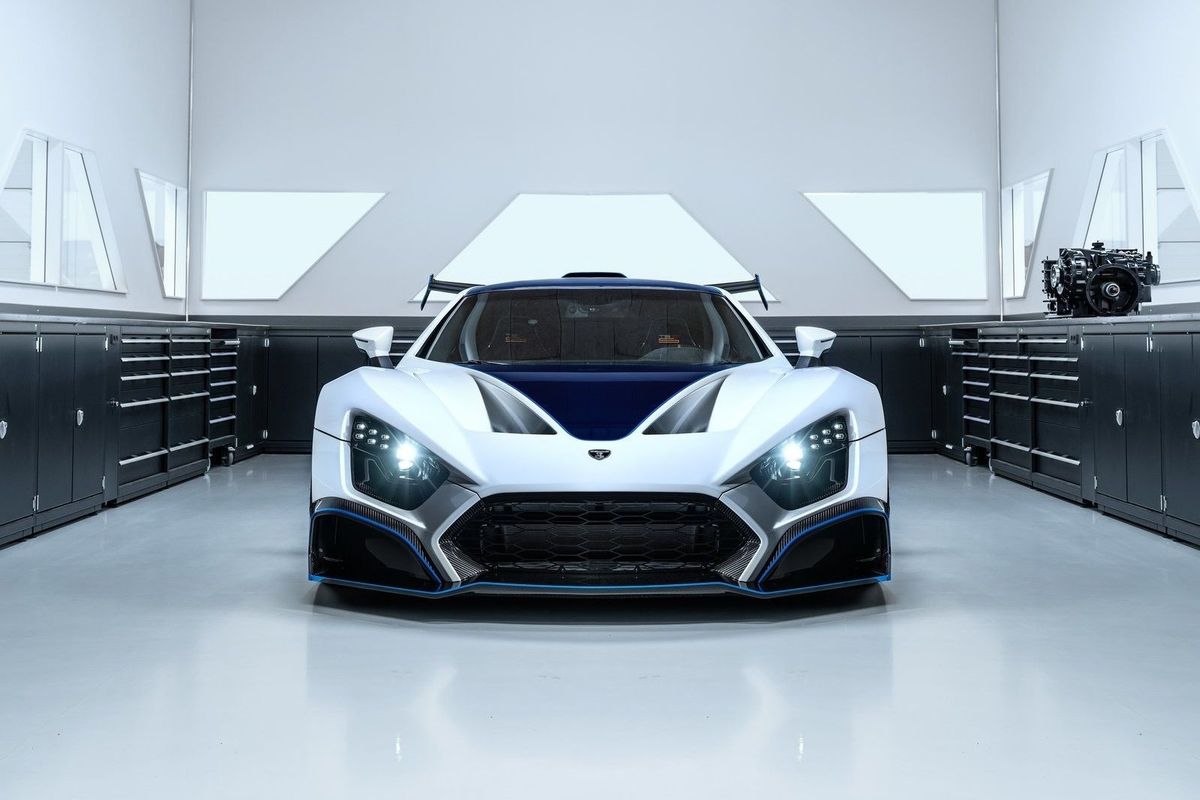
The Danish hypercar maker has revealed its latest offering. Meet the Zenvo TSR-S.
Powered by a 5.8-litre twin supercharged petrol V8 motor with 880 kW, the Zenvo V8 TSR-S is the street-legal version of the brand's track car.
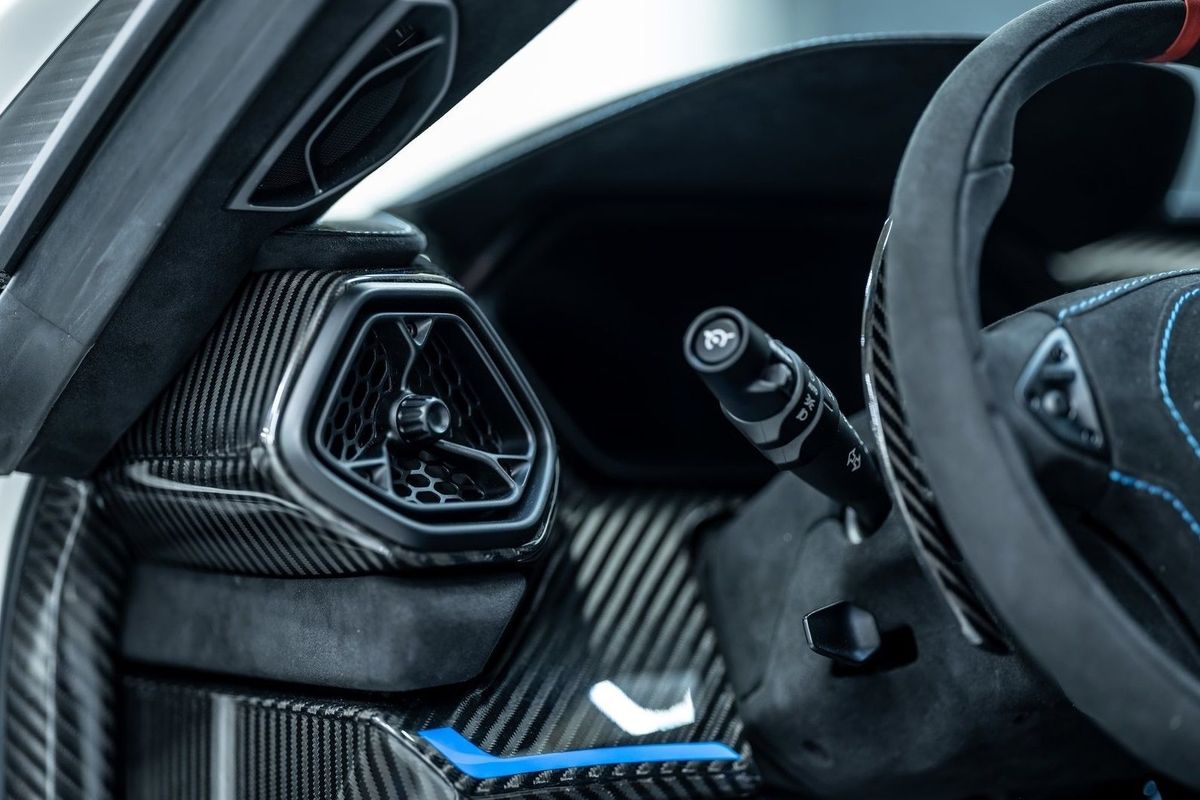
There's extensive use of carbon fibre and the vehicle features full fragmented lightweight carbon fibre wheels as well as exposed carbon fibre body sections. These wheels are 15 kg lighter than their aluminium equivalents and each takes 1 week to create.
Along with the vehicle's reveal, Zenvo has announced a hybrid version of its 7-speed sequential gearbox with helical-cut dog gears. The new 'box offers two modes; Road and Race. Road removes the harshness in favour of comfort, while Race gives you that fast and direct gearshift. Interestingly, the new 'box also features a hybrid module which gives the car an electric power boost, while engaging reverse gear sees the car use full electric power to go backwards.
This is Zenvo's flagship product and performance looks mighty impressive. The Danes claim 0-100 kph in 2.8 seconds and an electronically-limited top speed of 325 kph. Price? Zenvo is making just 5 cars per year at a cost of €1.45m each.
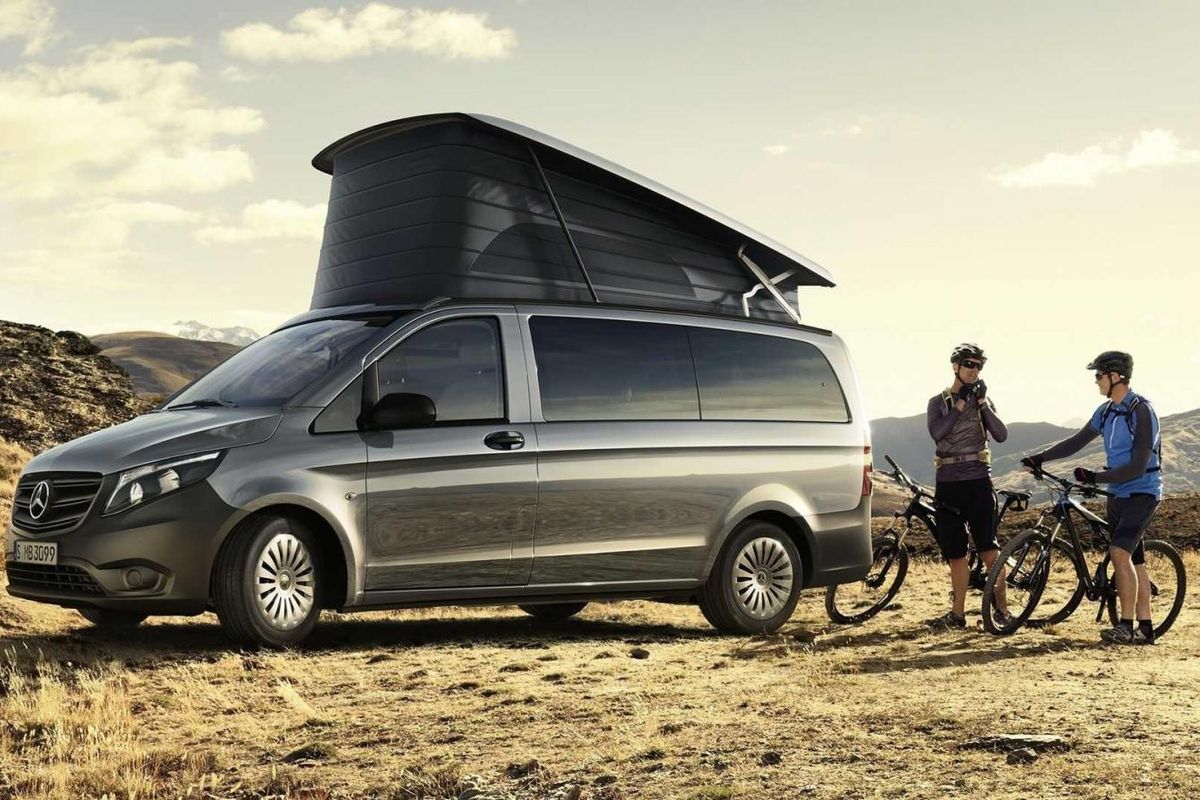
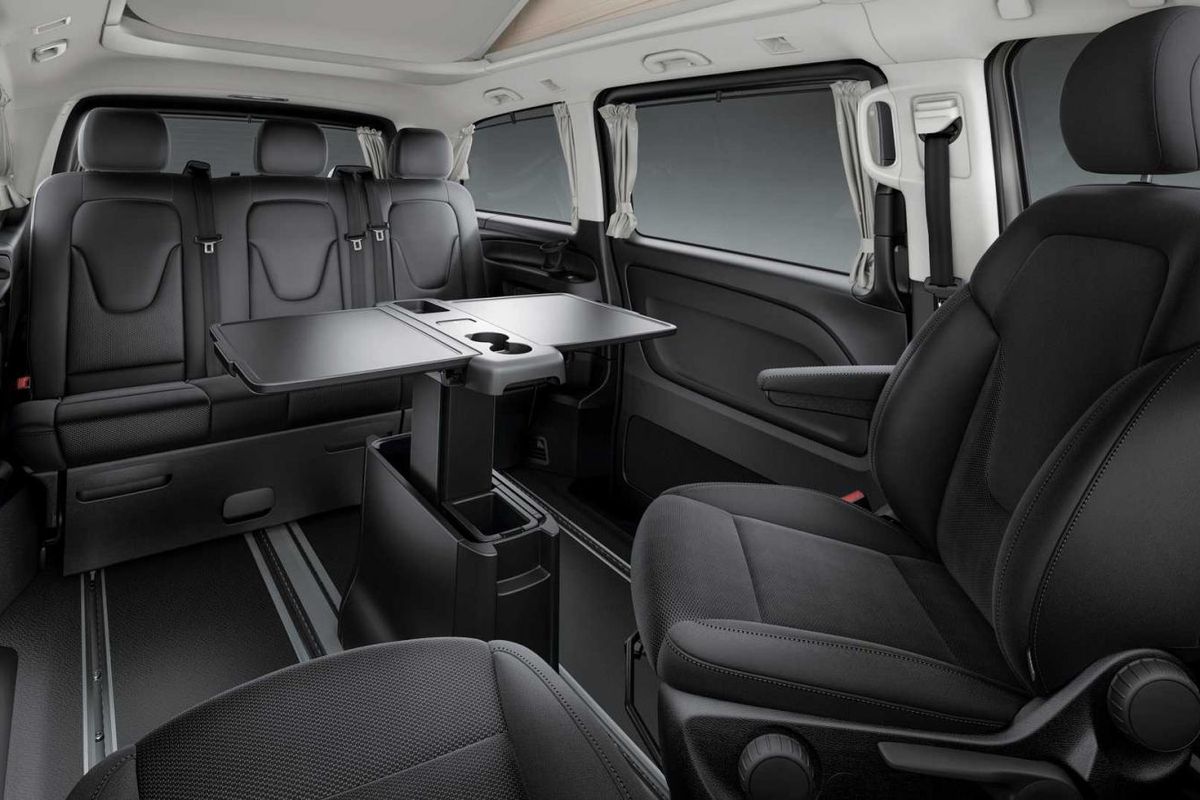
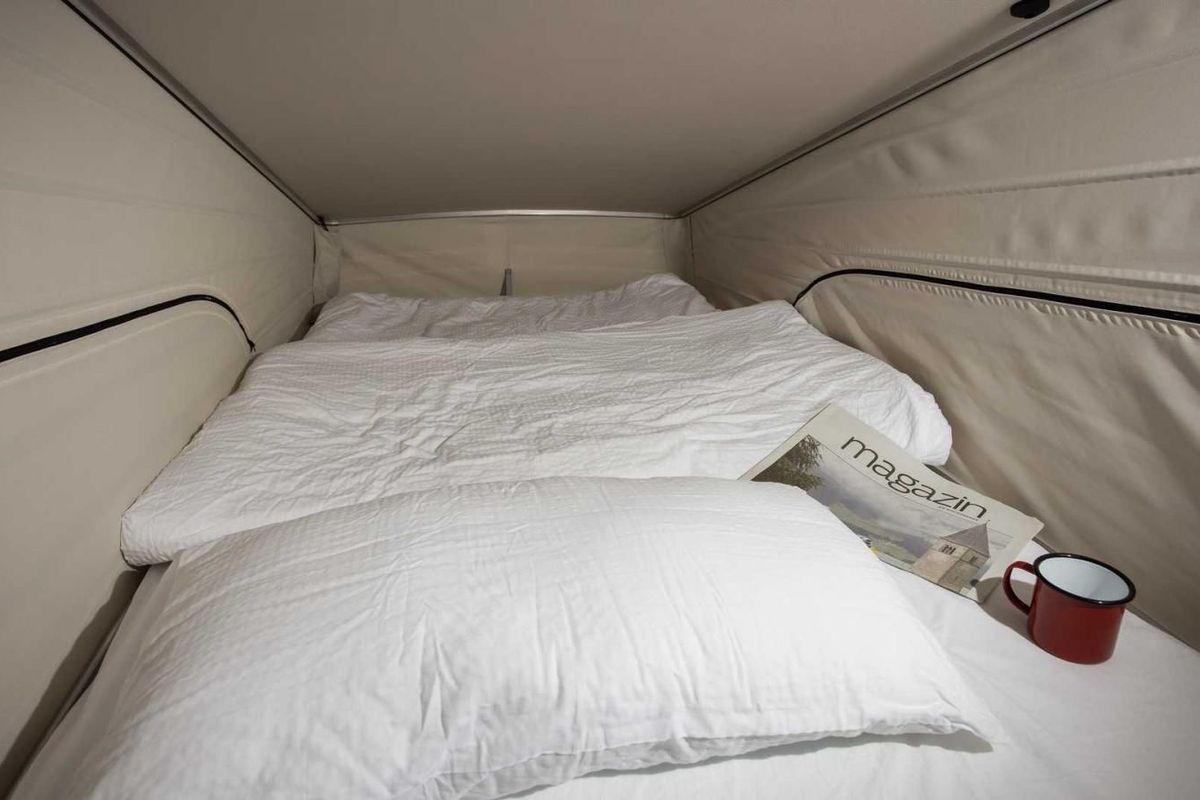
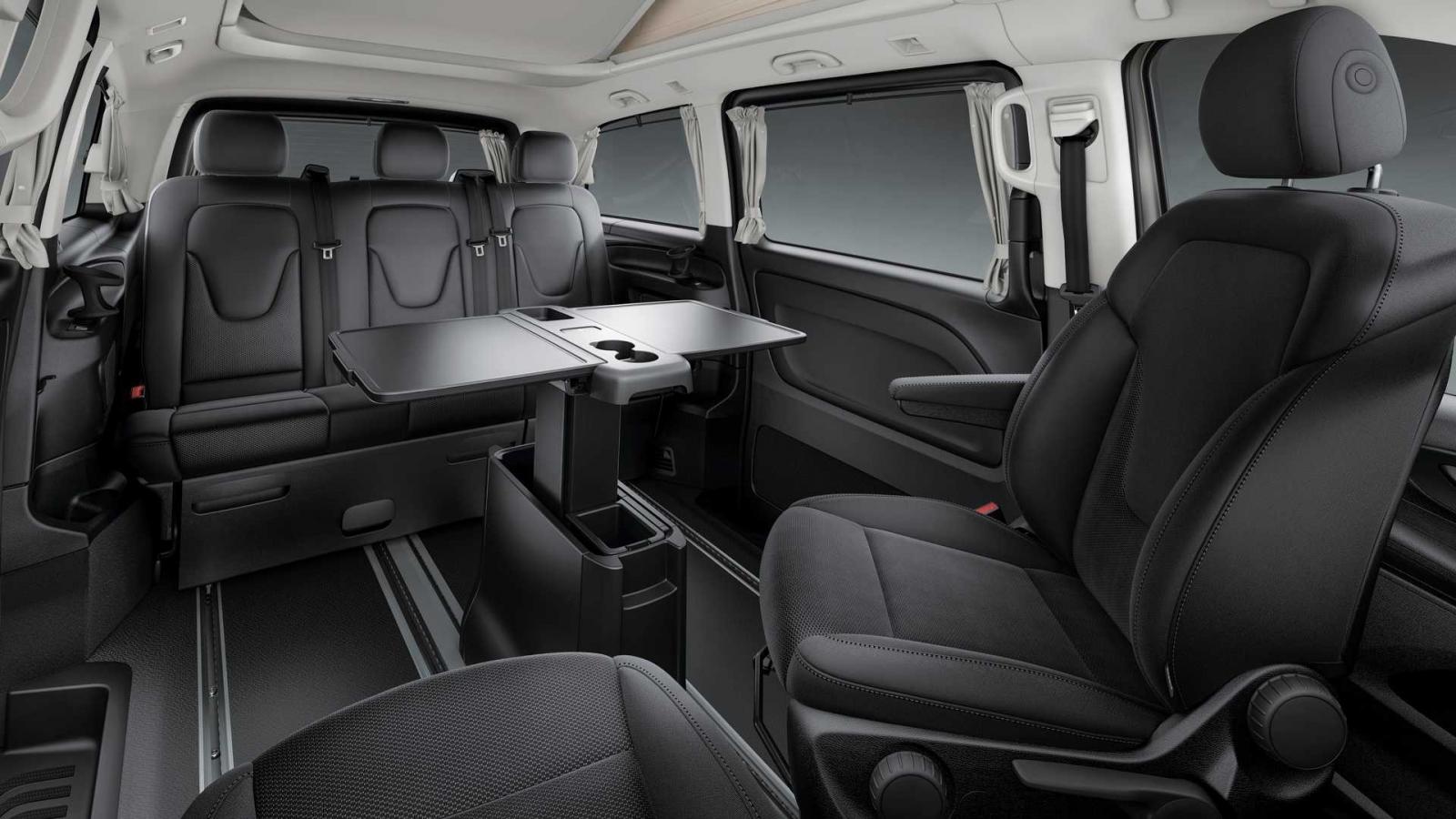
Mercedes-Benz has upgraded its Vito Marco Polo Activity touring vehicle for 2020. Check it out.
The changes are mostly mechanical and focus on the driving aspect. The Mercedes-Benz Marco Polo Activity features an updated 176 kW and 500 Nm diesel engine in its flagship derivative, giving it performance stats of 0-100 kph in 7.9 seconds and a top speed of 210 kph.
Airmatic air suspension makes its debut in the Mercedes-Benz Marco Polo Activity for the first time, improving ride comfort and handling. It can also raise the body up by 35 mm at speeds of up to 30 kph – useful when you want to cross some gravel. There's also been an improvement when it comes to the safety side of things and Distronic, Active Brake Assist and a digital inside rearview mirror have been added.
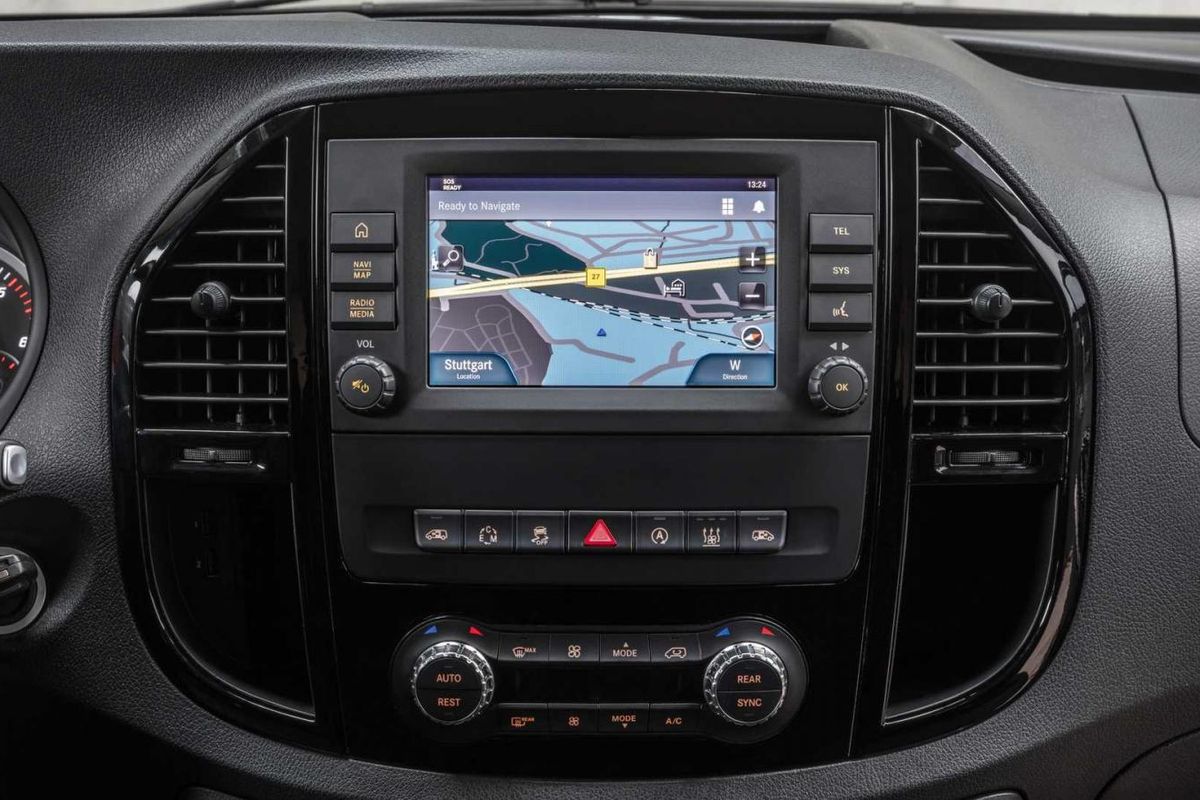
These updates will be rolled out from October 2020 and the vehicle will also feature a redesigned rear bumper as well as underbody trims. Inside, digital radio (DAB+) is now offered as well as smartphone integration via Apple CarPlay and Android Auto. The cabin has been given a mild refresh too and there are new-look air vents and a chrome package. On the outside, the new model can be differentiated by its restyled radiator grille and colour-coded bumpers.
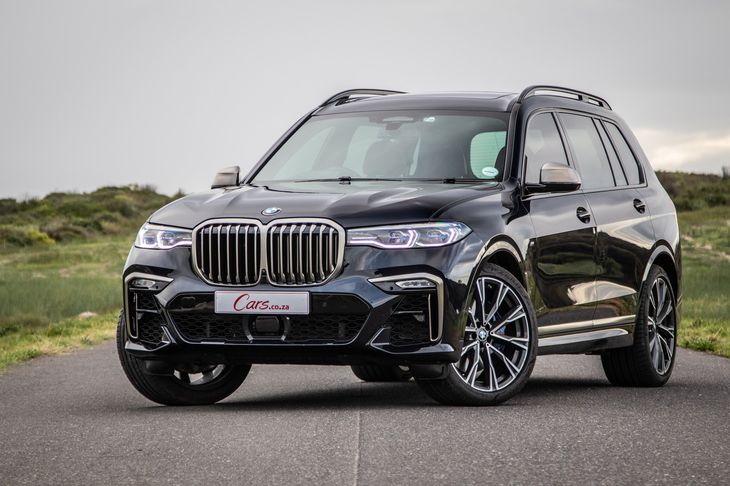
BMW will have 5 EV models on the market by the end of 2021 and 25 electrified derivatives by 2023, but it will also reduce the number of traditional–drivetrain variants (which we understand to be non-hybridised turbopetrol and -diesel derivatives) by up to 50%.
Oliver Zipse – the chairman of the Board of Management of BMW AG – this week announced the results for the BMW Group at the end of the 2019 financial year. Although the group had delivered a record 2 538 367 units and its revenue exceeded €100 billion for the year for the first time, its profit (before financial result) was €7.4 billion, which was 17% lower than in 2018.
BMW acknowledged that the provision of €1.4 billion (following the receipt of a Statement of Objections from the EU Commission, in connection with ongoing antitrust proceedings), as well as upfront expenditure for research and development, had reduced profits and “as expected, headwinds also came from negative developments in currencies and raw materials prices.”
BMW's 2019 Q4 revenue – the highest ever for a single quarter – has helped by a growing demand for its upper-luxury vehicles.
Profit (before tax) ended up at €7.2 billion (which is 26.1% lower than in 2018) and net profit amounted to €5 billion (a reduction of a whopping 28.9%).
The good news for the BMW Group was that "in 2019, we improved our profitability from quarter to quarter. This shows we have the right products and that our strategy is effective," Zipse was quoted as saying. "We are embracing the transformation of our industry and have trust in our innovative strength. We recognised the signs of change at an early stage and made preparations accordingly.”
‘CO2 reduction goals on target’
The BMW Group was confident that it would achieve its CO2 fleet target for its European new-car registrations again this year, which is approximately 20% below last year’s target. “A third of that step can be achieved by further improvements to conventional drivetrain systems and the rest by the growth in the field of electrified vehicles,” the company said in a statement.
By the end of 2021, the BMW Group intends to have more than 1 million vehicles with all-electric or plug-in hybrid drivetrains on the roads. At that stage, the BMW Group will offer 5 all-electric vehicles: the i3, Mini Cooper SE (which will be launched in South Africa soon), the BMW iX3 (which will soon go into production in Shenyang, China), followed, in 2021, by the BMW iNext in Dingolfing, Germany, and BMW i4 at the Group’s Munich plant.
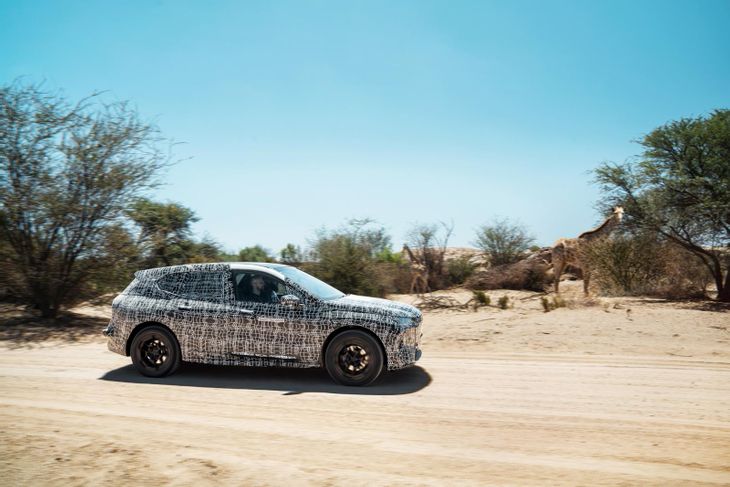
The iNext – BMW’s forthcoming luxury electric SUV – has been doing some hot-weather testing in South Africa.
25 electrified derivatives by 2023
The BMW Group expects that by 2021, the global demand for electrified vehicles will be twice as high as it was in 2019. Sales of EVs will grow, on average, by more than 30% per annum up to 2025.
By 2023, the BMW Group plans to have 25 electrified models in its product line-up – of which more than half will be all-electric. The key to achieving that objective was “to have intelligent vehicle architectures that allow models to be powered fully electrically, as a plug-in hybrid or with a combustion engine."
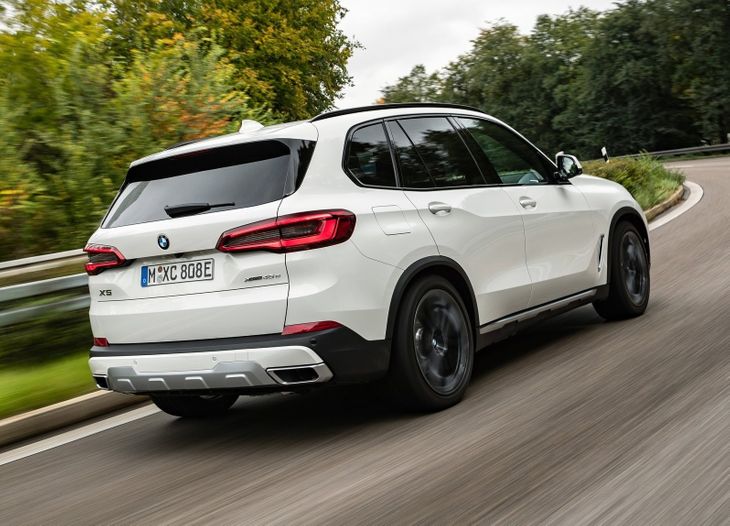
Following the local launch of the X5 xDrive45e, BMW now offers its premium SUV in turbopetrol-, -diesel and PHEV guises.
The high costs of EV technology
The BMW Group spent €6 billion on research and development last year (11.9% more than in 2018), while capital expenditure increased by 12.3% to €5.7 billion. That trend is unlikely to change, so to compensate for the high upfront costs of future-oriented technologies, the BMW Group remains committed to improving efficiency continually as part of the Performance > NEXT programme, which is expected to generate efficiency savings (through faster digital processes and leaner structures) in excess of €12 billion by the end of 2022. New model development times will be reduced by a third.
Will the rationalisation of BMW's line-up spell the end for a few turbodiesel derivatives, now that diesel motors are no longer in vogue?
50% reduction in traditional drivetrains
On the product side, up to half of traditional (non-electrified) drivetrain derivatives will be eliminated from 2021 onwards in the transition to creating enhanced, intelligent vehicle architectures – in favour of additional electrified drivetrains. “It is in this area that the full impact of these measures will come into effect, particularly in the years after 2022,” the statement said.
Meanwhile, the BMW Group’s model portfolio is being regularly assessed to find additional potential ways of reducing complexity. Apart for seeking greater efficiency through indirect purchasing and better leveraging of material and production costs, the Munich-based group is focusing on new models in segments where the rates of return are highest: One of the Group's targets, the company claims, is to double its sales volume in the luxury segment from 2018 to 2020…
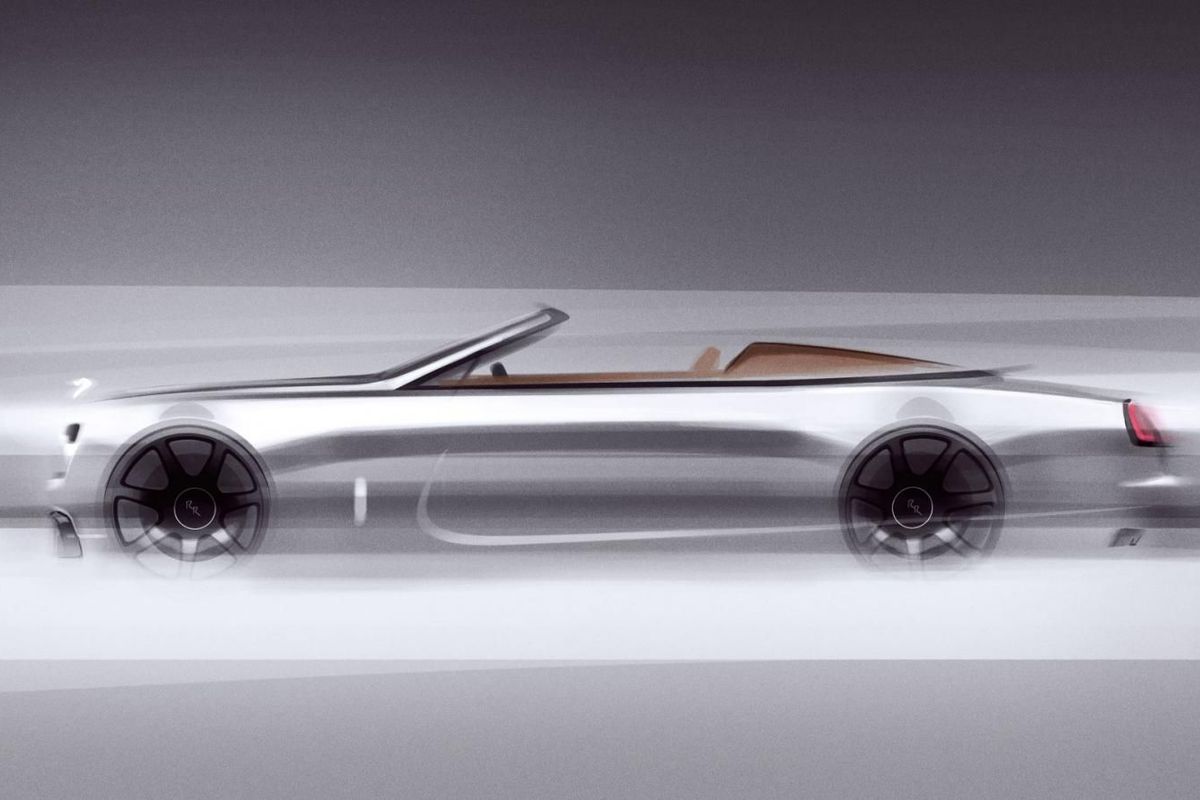
Rolls-Royce will build a special Dawn Silver Bullet Collection car to celebrate the new decade in style by drawing inspiration from the long-gone 1920’s…
Rolls Royce describes the Dawn Silver Bullet Collection as an “ode to decadence, to frivolity, to heady heydays and irreverent past times. Traversing the landscape with supreme accuracy, travelling great distances with speed and precision, this open-top roadster iteration of Dawn, is, like a silver bullet.”
Much like the roadsters of the ’20s, the Dawn Silver Bullet Collection will be rare and only 50 will be made.
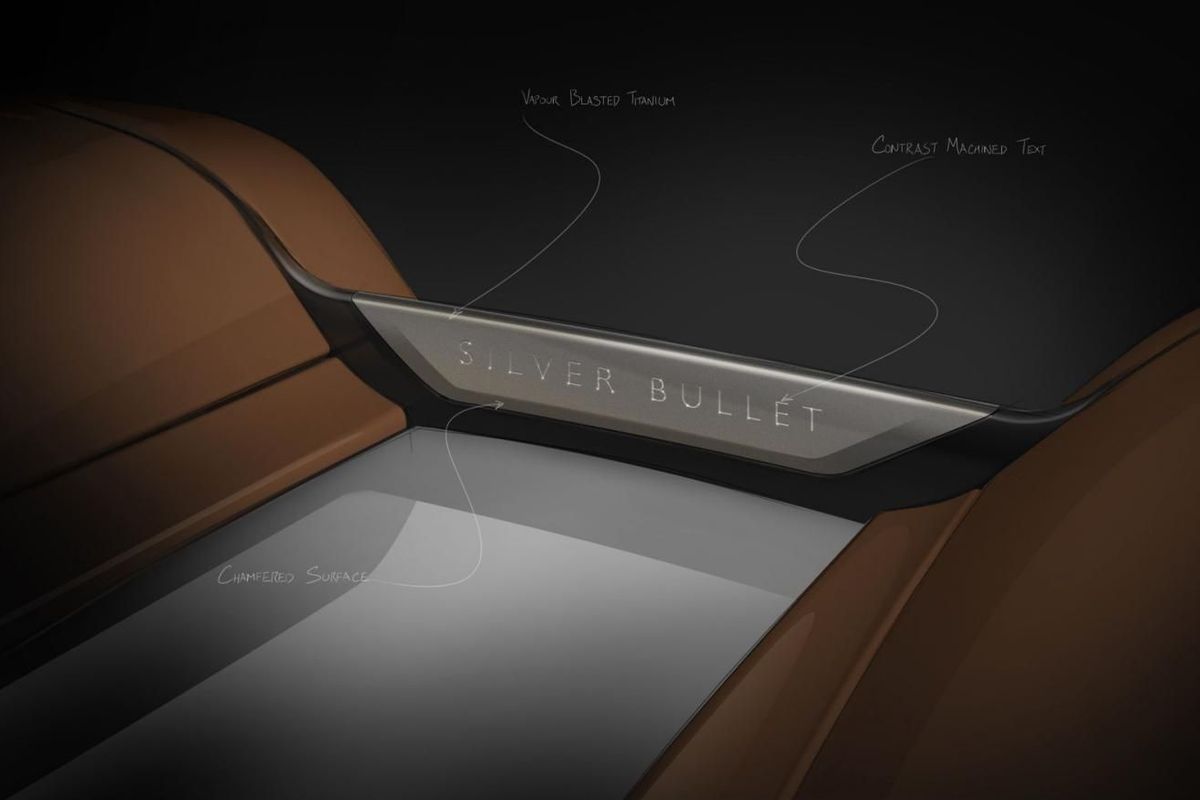
Key details include the Aero Cowling which gives the car a ‘sense of speed and purpose’. A rakish centre spine brings the bodywork into the cabin while a vapour-blasted titanium finisher windbreak bears the ‘Silver Bullet’ name. The model will feature a bespoke, ultra-metallic silver paint finish which contrasts with darker elements such as the dark headlights and bumper finisher. The wheels are part-polished with a translucent shadow finish and a single silver pinstripe.
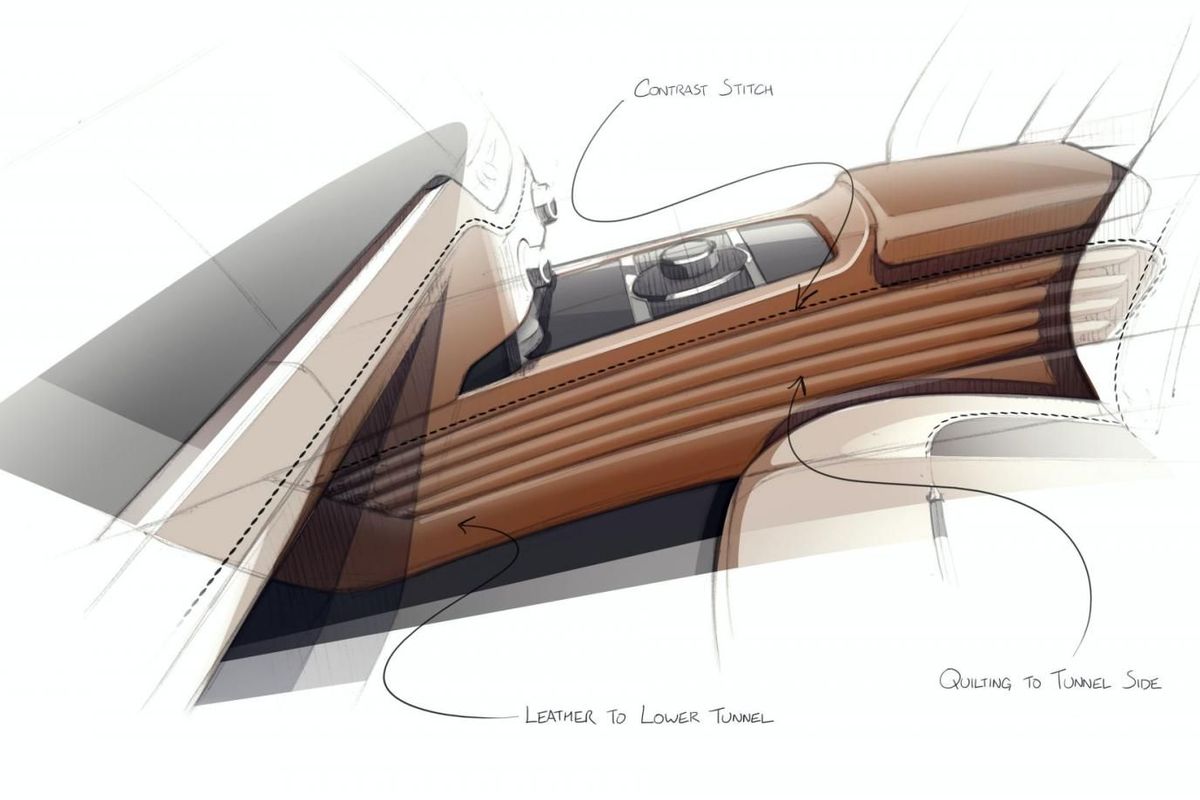
Moving inside, the Dawn Silver Bullet Collection features top quality finishes including an open-pore carbon fibre fascia and quilted transmission tunnel resembling a rebellious leather jacket.
As the car embodies the spirit of freedom, Rolls-Royce will curate a series of ‘Silver Bullet Drives’ for owners of this bespoke car to enjoy.