Facelifted Mercedes-Benz E-Class Revealed 
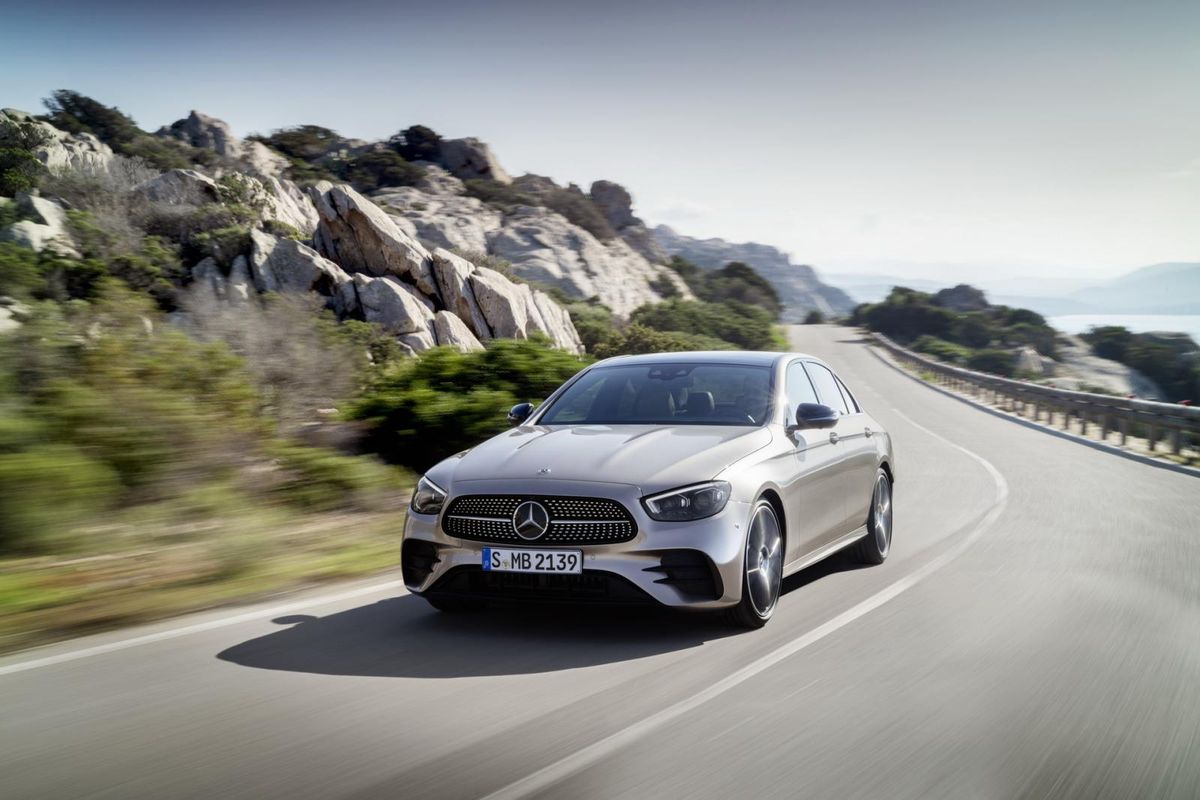
Mercedes-Benz has revealed its facelifted E-Class executive sedan, see what’s changed below…

A few weeks back Mercedes-Benz gave us a taster of its updated E-Class which was shown in disguised form. Now, the facelifted E-Class has broken cover. It was meant to make an appearance at the Geneva Motor Show in Switzerland but due to a Coronavirus outbreak, the show was cancelled late last week. 

What’s changed? 
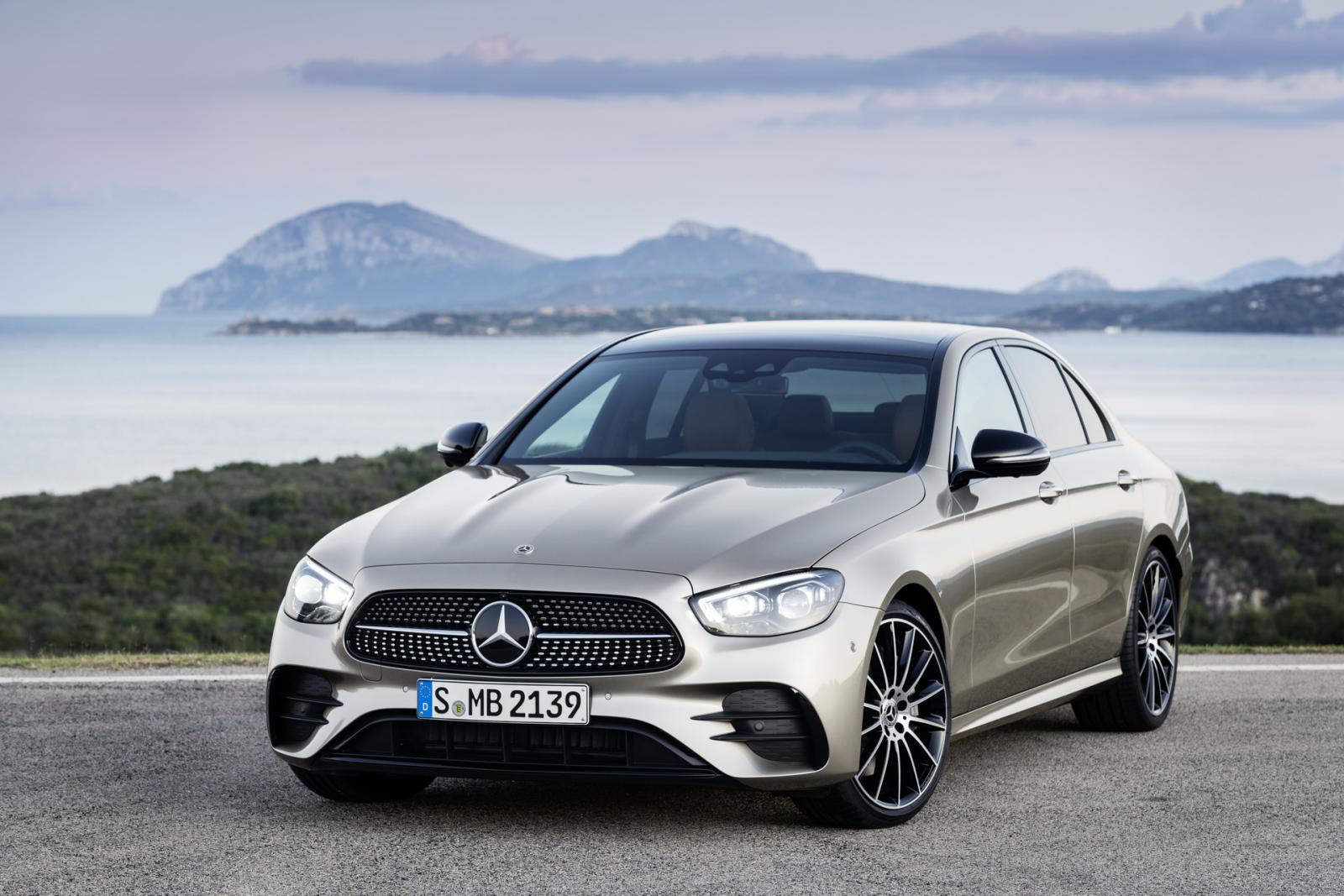

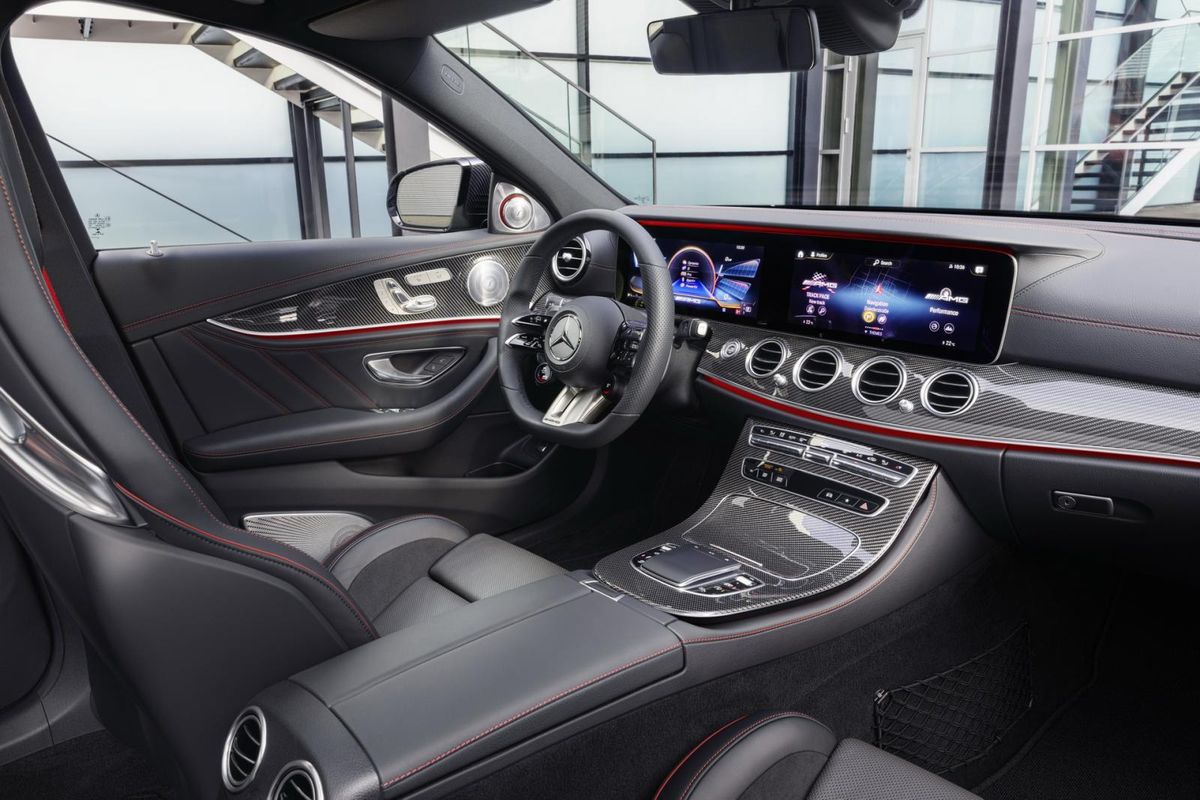
While the E-Class' exterior design has undergone mild changes, the interior sees more substantial upgrades. 

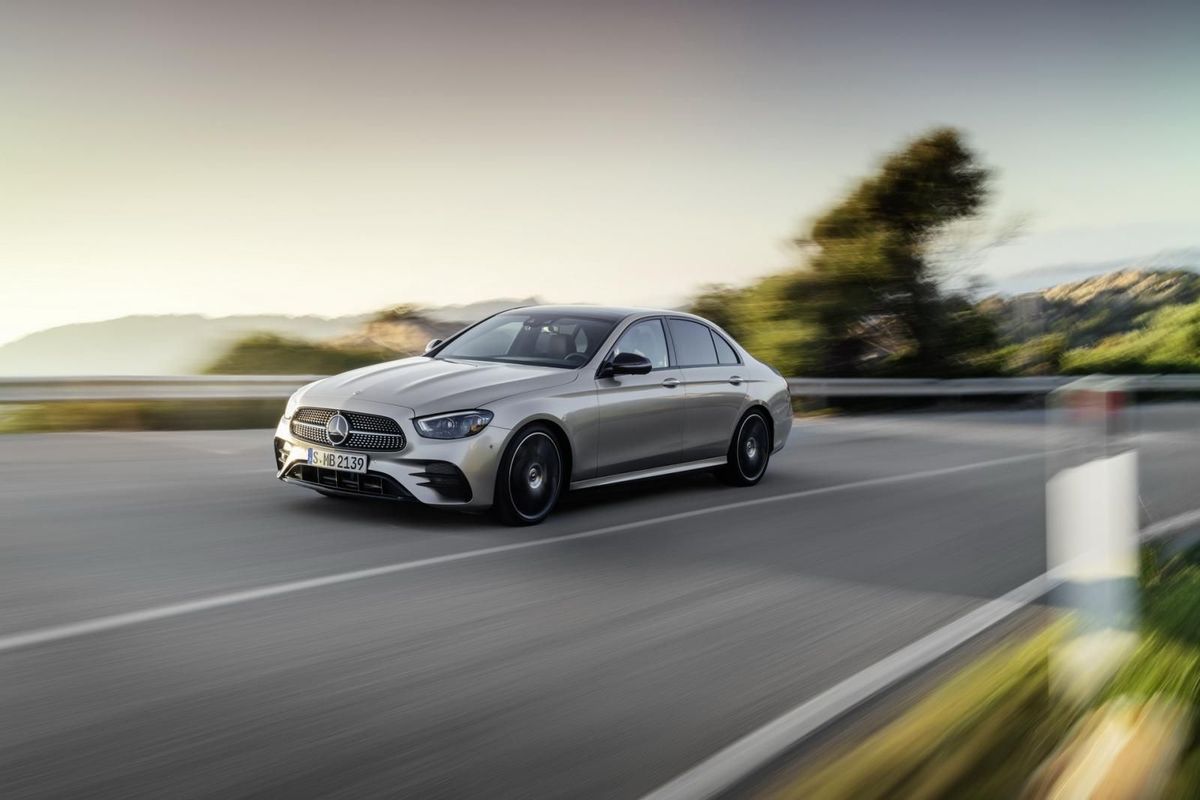
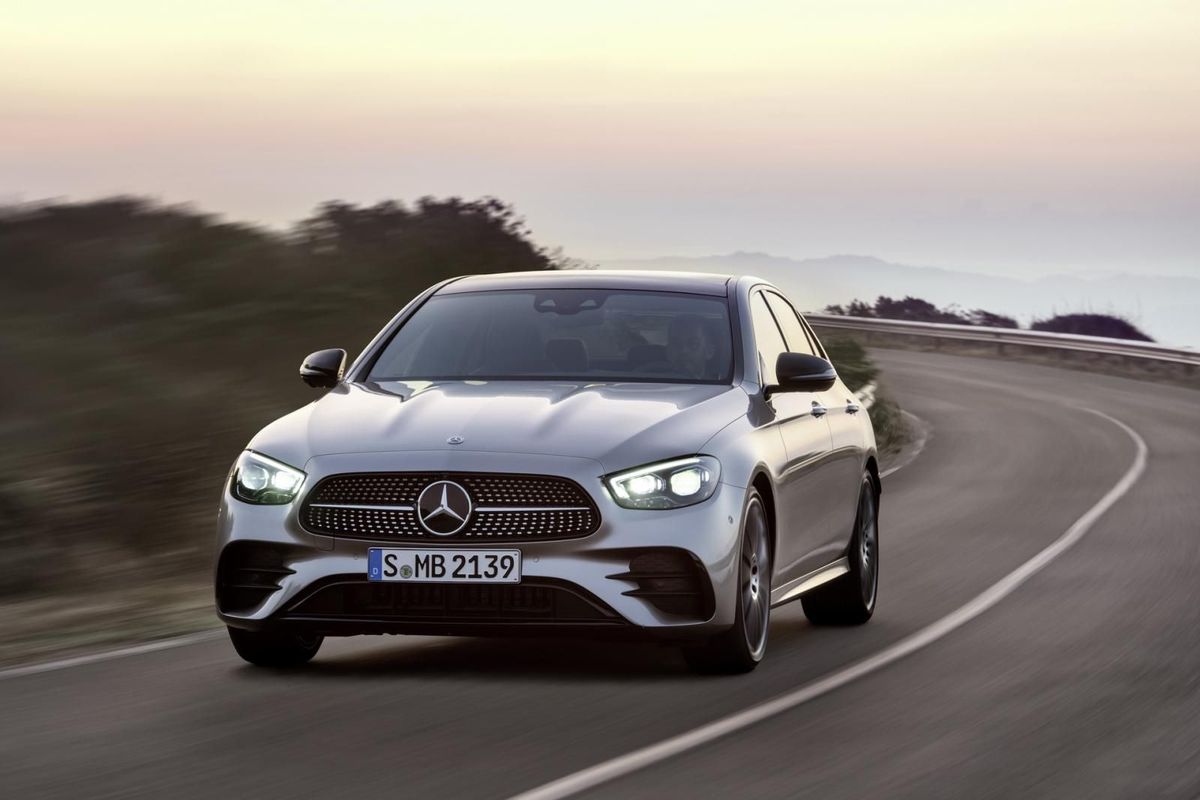
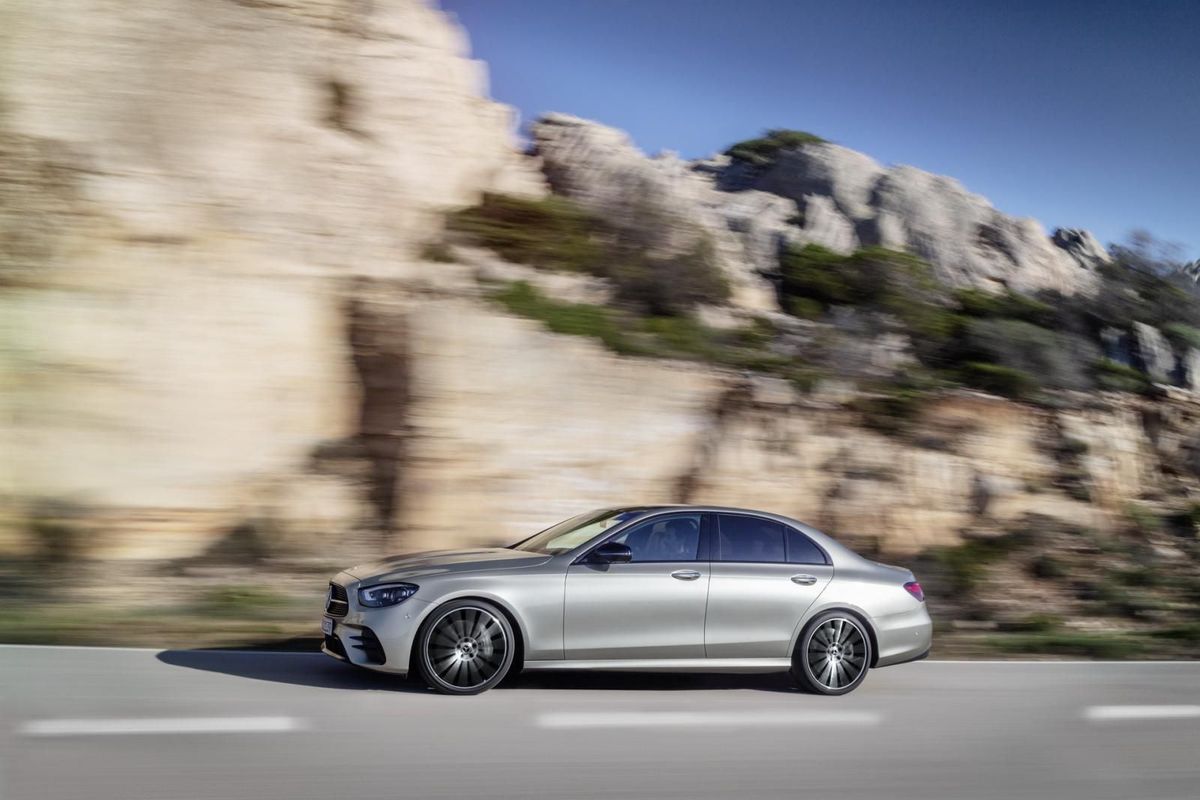
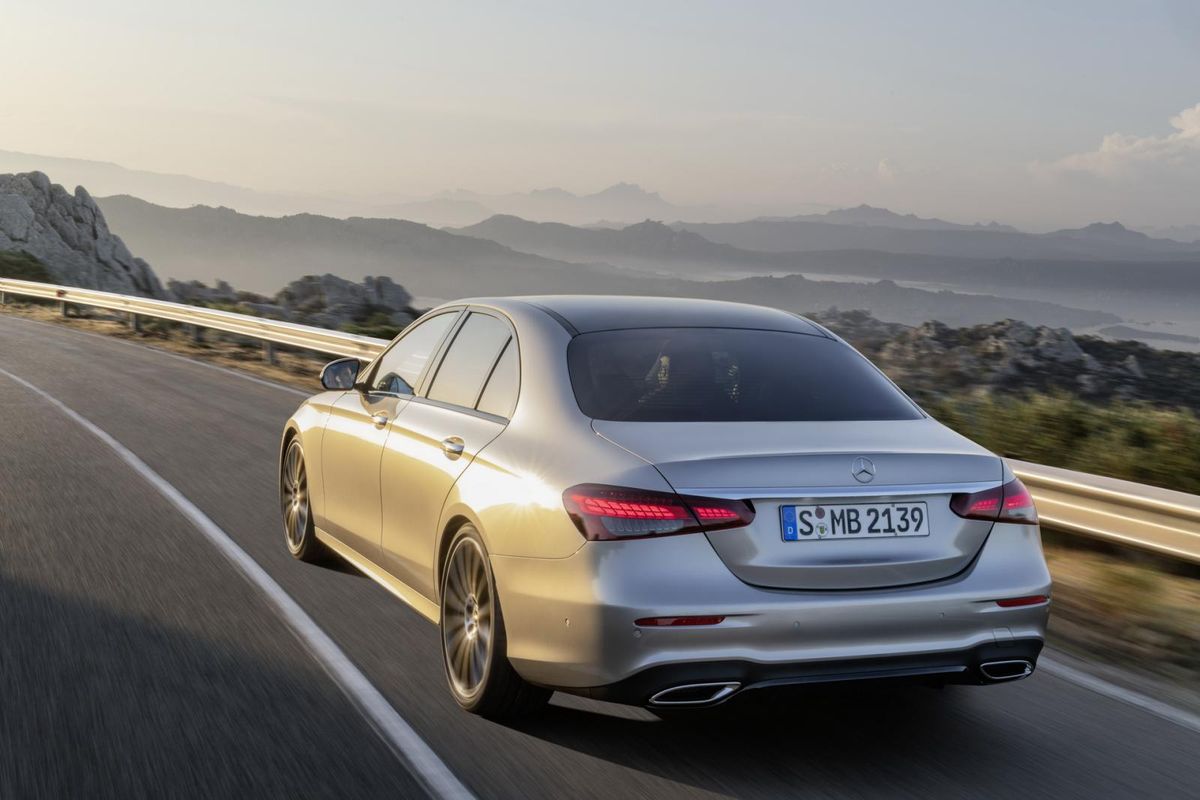
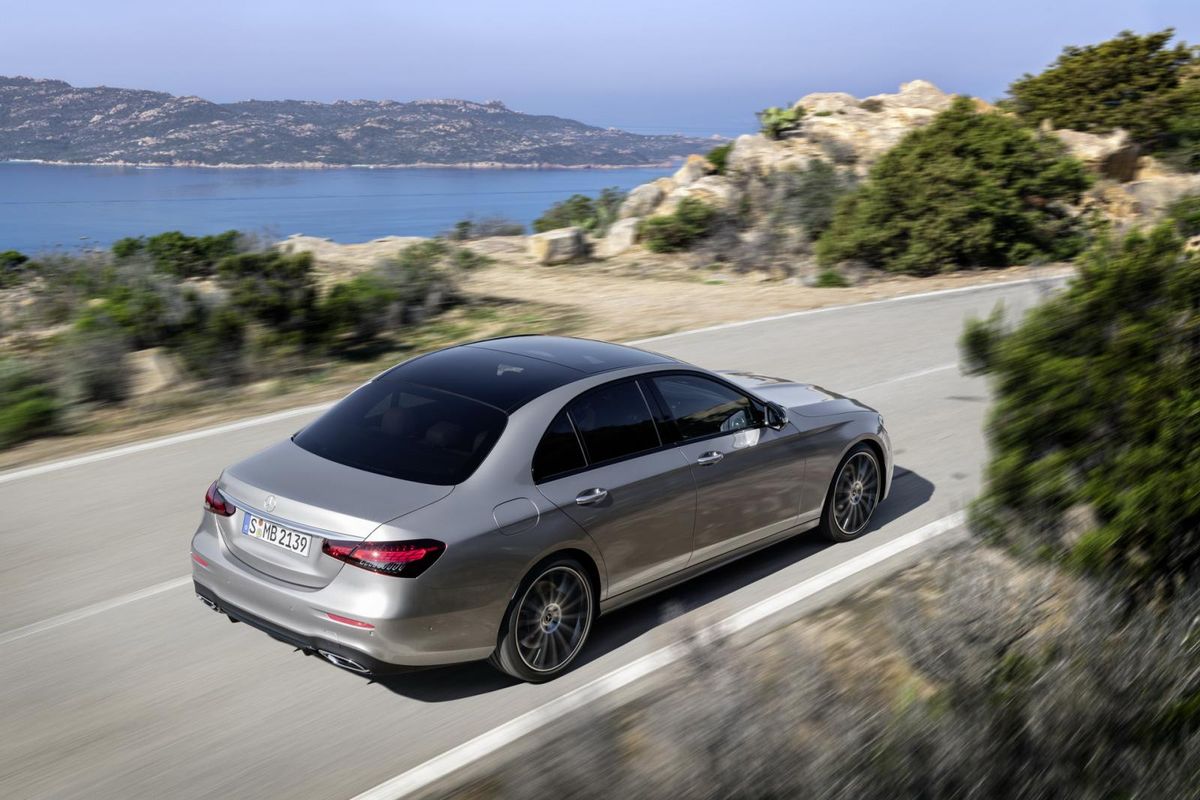
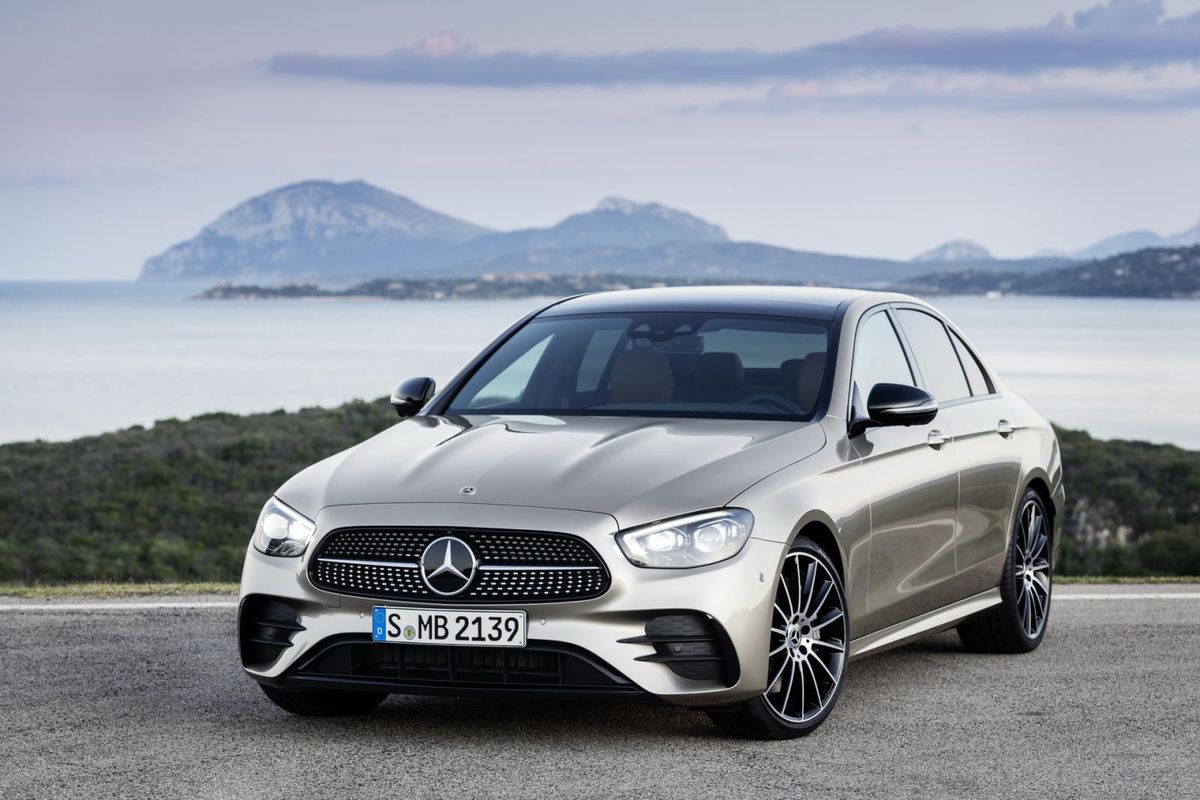
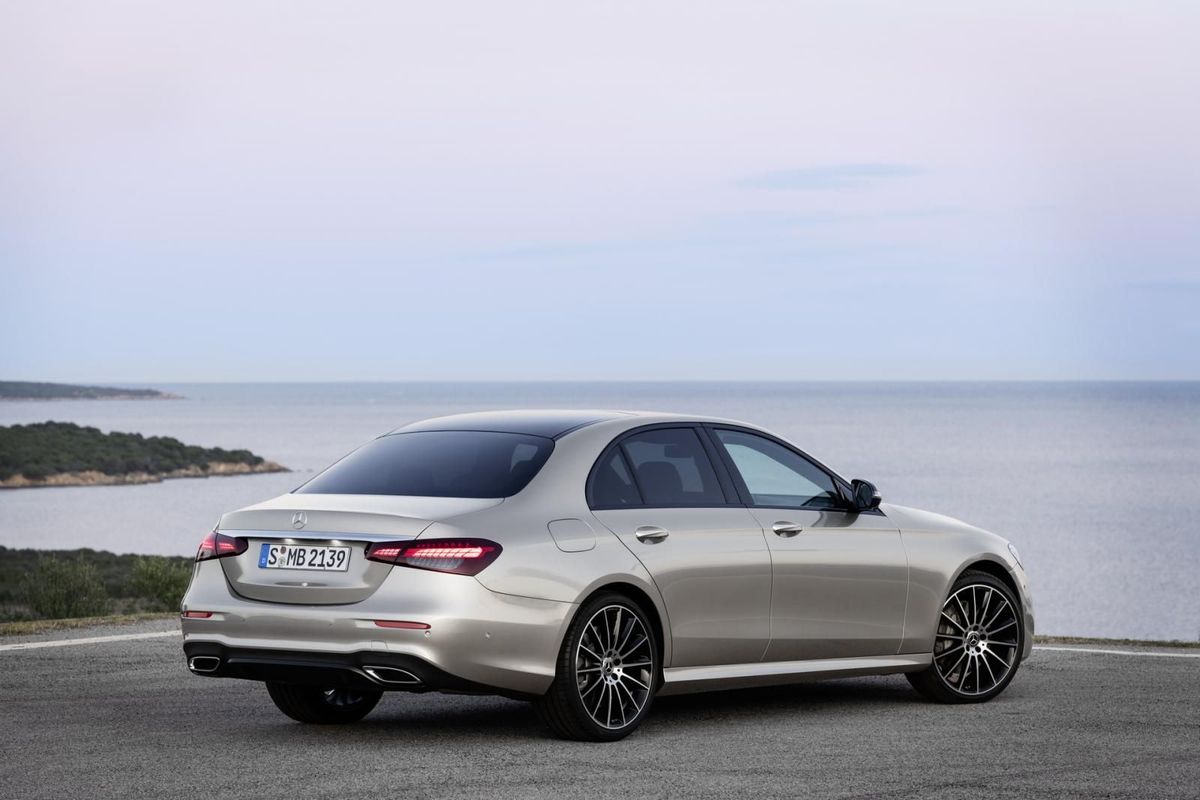
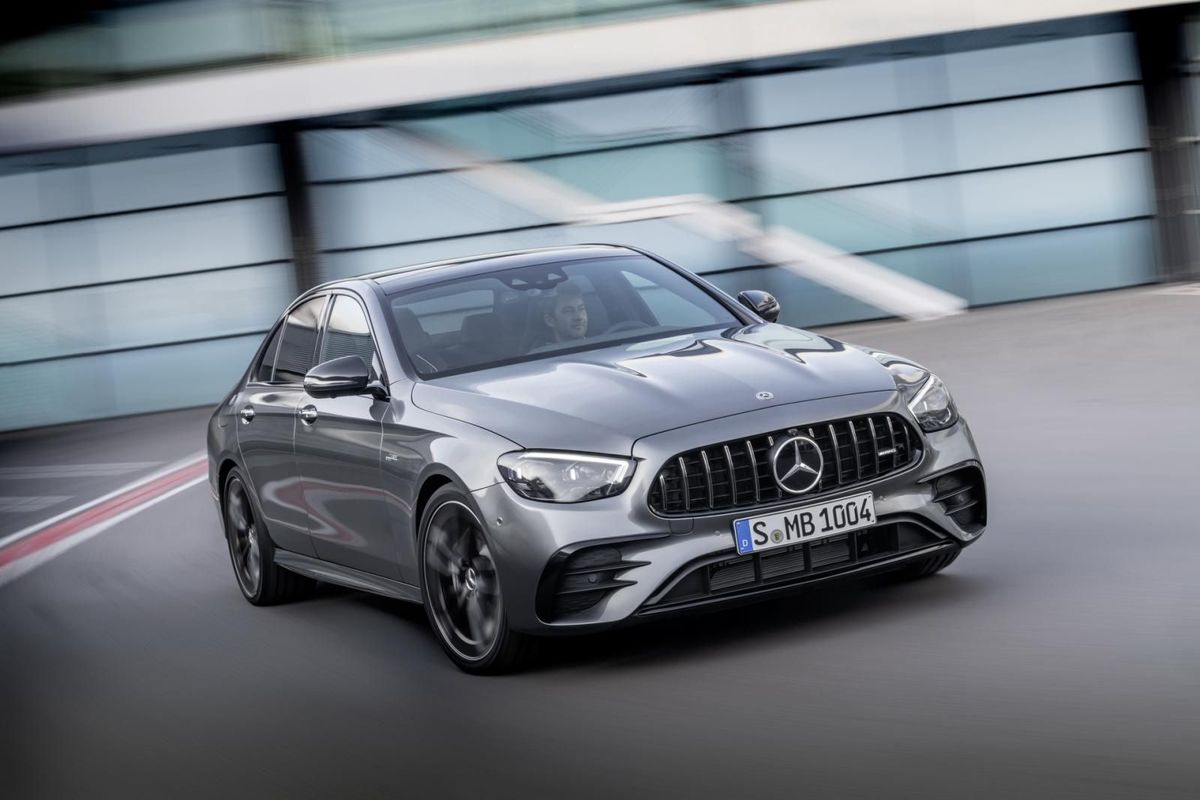
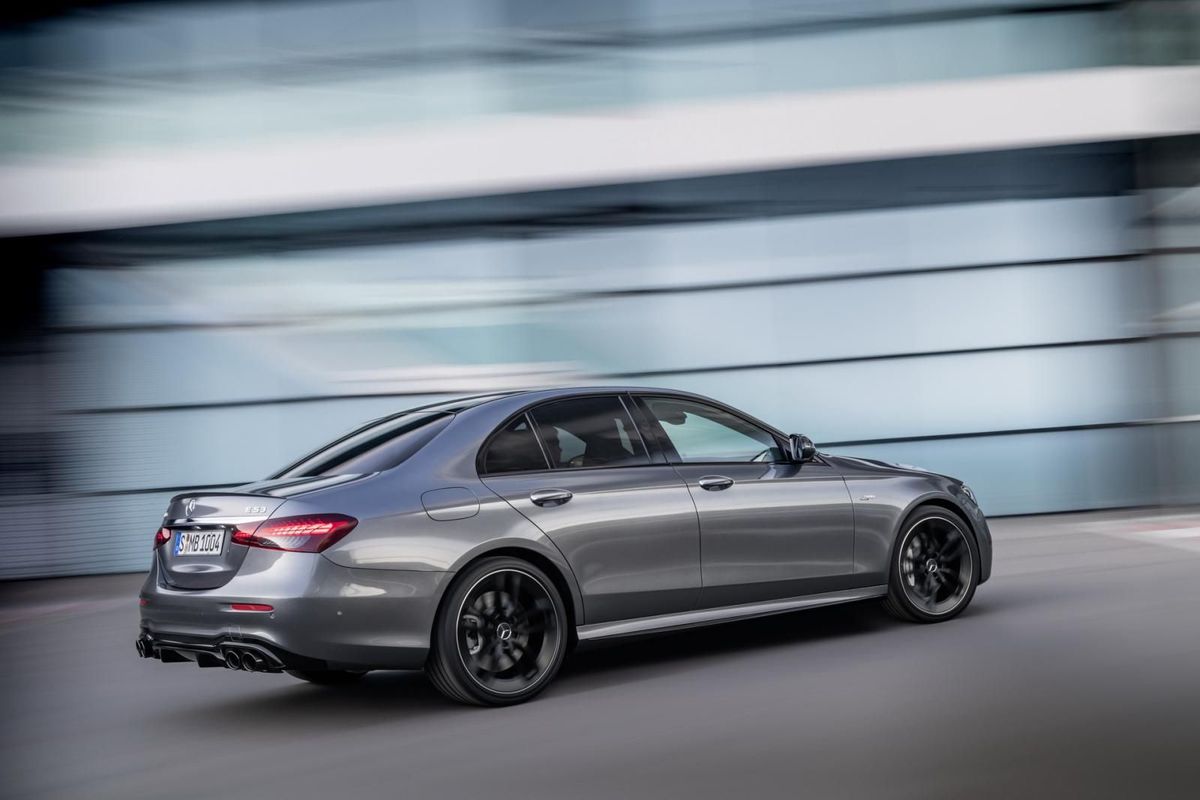
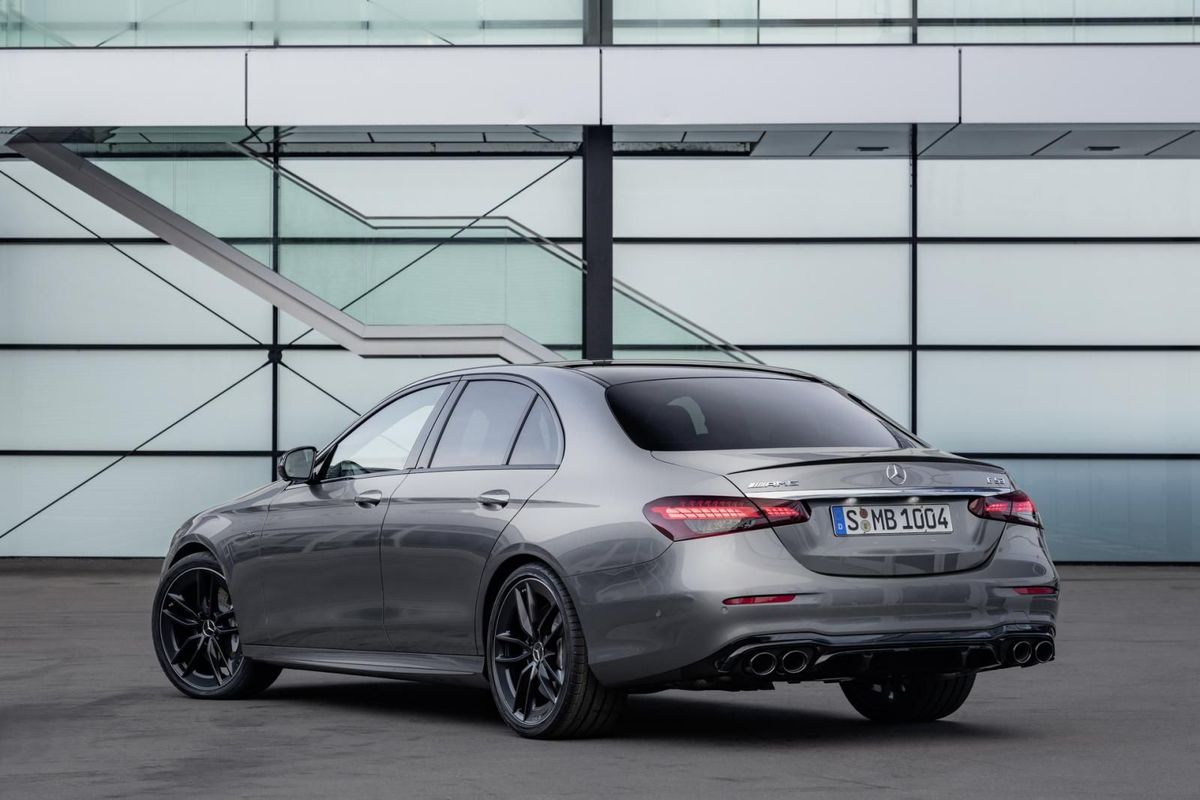
Visually, the E-Class has been refined with a wider grille design, updated bumpers and a newly shaped boot lid. The standard LED headlights have been redesigned (LED Multibeam headlights are optional) while tail lights also take on a fresh design. There are 3 new body colors are on offer as well as aero wheels which aim to save fuel and improve efficiency.

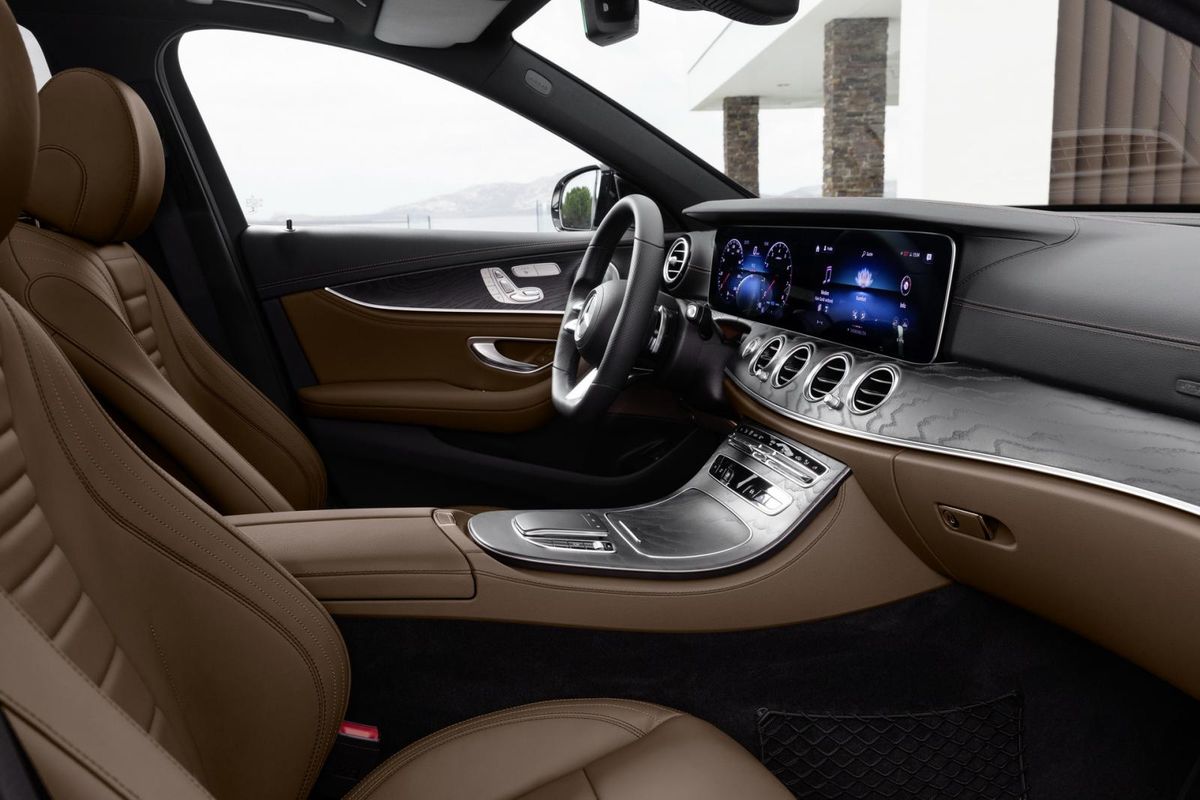
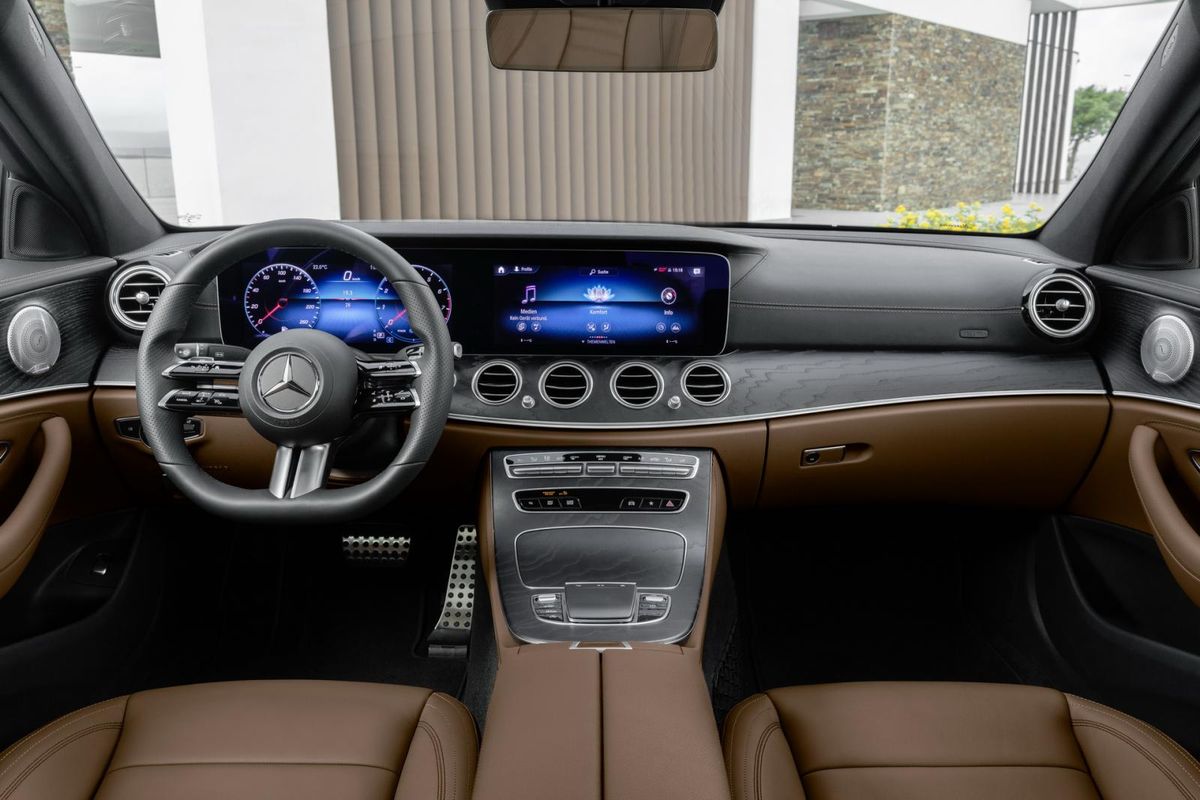
Most of the changes can be found on the inside. The E-Class’ cabin now features updated trim finishes as well as a new multi-function steering wheel with capacitive hands-off detection. Another change is the presence of a touchpad to control the infotainment system which replaces the previous rotary controller. A widescreen cockpit featuring two 10.3 inch screens can be had or buyers can upgrade to the larger 12.3-inch widescreen cockpit layout. The latest Mercedes-Benz User Experience (MBUX) operating system will also be fitted with voice control and augmented reality.  
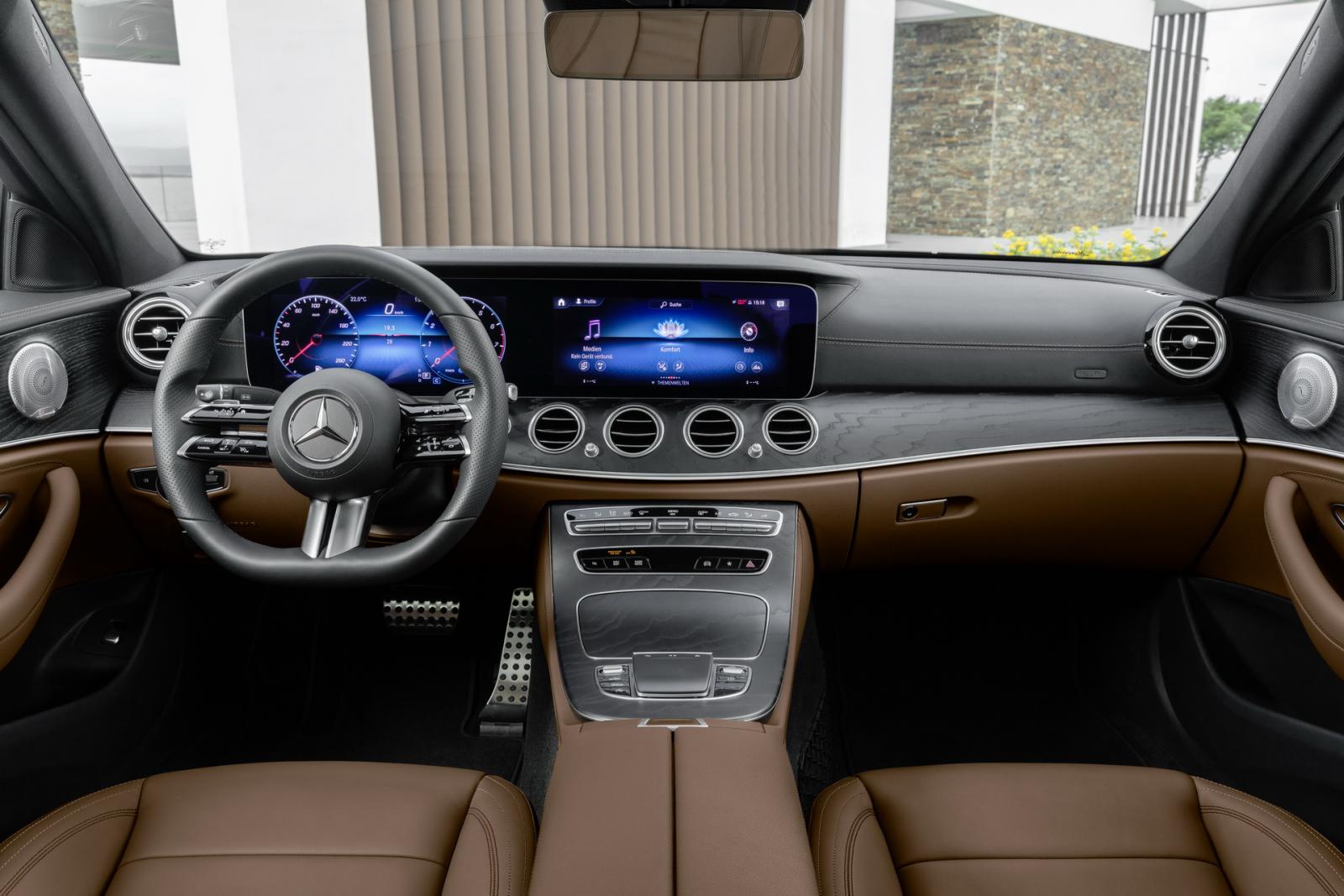

A new steering wheel is a major highlight inside the latest E-Class.

While the changes to the E-Class may seem superficial, the company says that it’s actually one of the most comprehensive facelifts it has undertaken. This is because Mercedes-Benz has thoroughly revised the electrical system of the E-Class which has made it possible to introduce a host of driver assistance systems.  

Some of these driver assistance systems include: 

  • Active Distance Assist Distronic with route-based speed adjustment: with the help of information from LiveTraffic, the E-Class can recognise and respond to traffic jams and slow-moving traffic even before the driver becomes aware of them. When a traffic jam is detected (and if the driver does not choose a different response), Distronic (if activated) will reduce the car’s speed to around 100 kph as a precaution.

  • Active Traffic Jam Assist: in the event of a freeway traffic jam (where there are clear lane markings), the system can substantially assist the driver with lane-keeping and maintaining a safe distance at speeds up to around 60 kph.

  • Active Steering Assist: can assist the driver with steering into an emergency lane on multi-lane roads.

  • Active Brake Assist with cross-traffic function: if there is a danger of a collision with “oncoming traffic when making a turn across a freeway, the E-Class can apply braking at the speeds typical of such manoeuvres”, Mercedes-Benz claims.

  • Active Blind-spot Assist with exit warning: this function can lower the risk of a collision with other road users, for example passing cyclists. Active Blind Spot Assist also monitors the blind spot when at a standstill, and can warn the driver of approaching vehicles, motorcycles or bicycles when opening the door.

  • Parking Package with 360-degree camera: Side View gives the Parking package a new function that keeps an eye on the entire side of the vehicle. The extended side view makes it easier to manoeuvre alongside nearby, parallel obstacles.

Electrified E-Class 
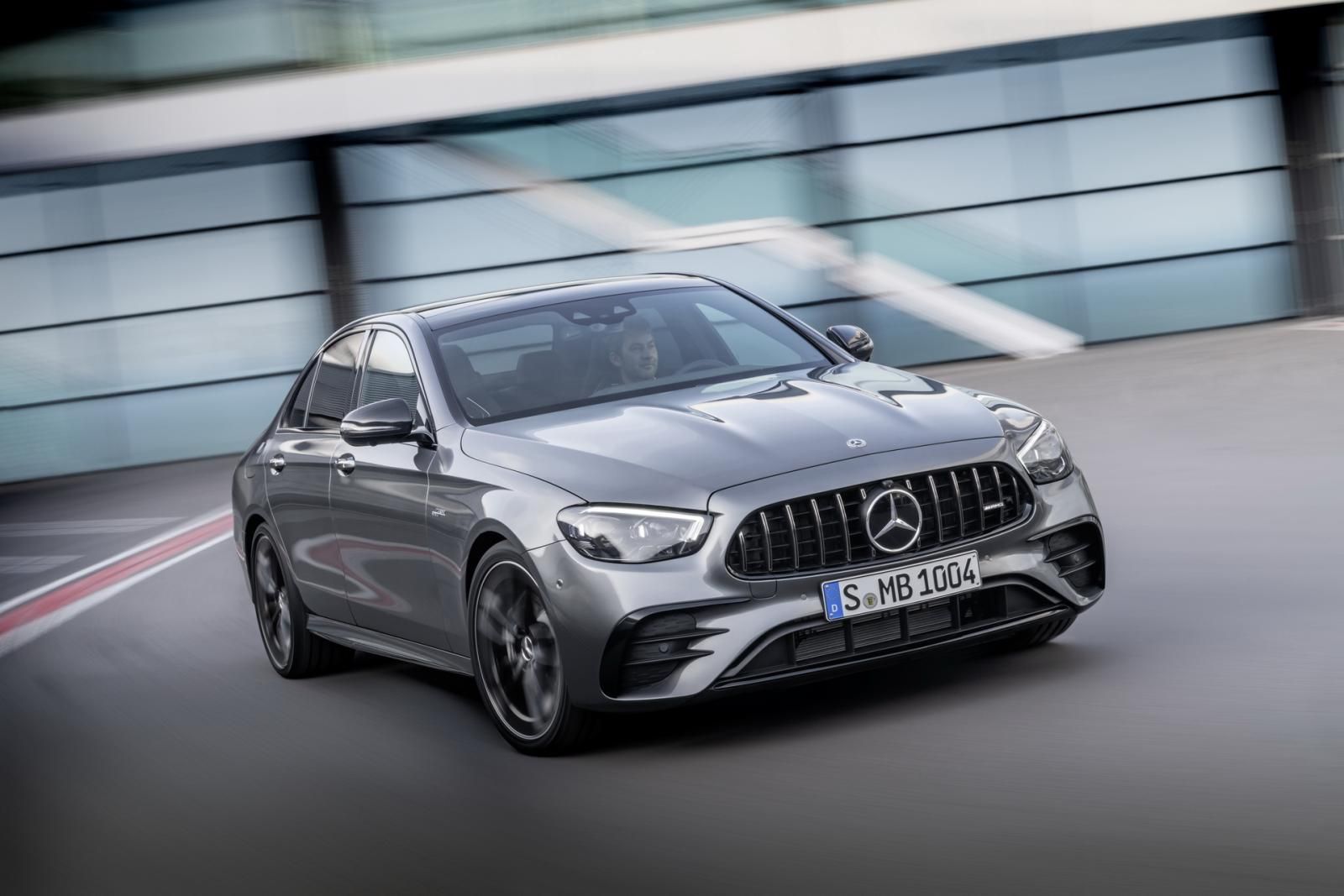

The AMG E53 4Matic will sprint from zero to 100 kph in 4.5 seconds. 

Mercedes-Benz has electrified its E-Class range and in some markets, up to 7 plug-in hybrids will be offered in petrol and diesel guise as well as in rear-wheel-drive and all-wheel-drive formats. Mercedes-Benz says that the petrol engine range will cover outputs of between 115 kW to 270 kW while the diesel E-Class will offer between 118 kW to 243 kW.

A 200 kW (+15 kW) four-cylinder 2.0-litre turbopetrol engine and an in-line 6-cylinder, 3.0-litre engine will be equipped with an Integrated Starter-Generator (ISG) and a 48-Volt on-board electrical system. A 6-cylinder, 3.0-litre turbodiesel engine will also be offered in some markets. A 9-speed automatic transmission is standard. 

In South Africa, however, the current 145 kW and 190 kW 2.0-litre turbopetrol and 143 kW turbodiesel engines are expected to carry over. 

Mercedes-Benz also took the opportunity to reveal the AMG E53 4Matic which is powered by a twin-turbocharged 3.0-litre petrol engine that develops 320 kW and 520 Nm of torque. An EQ Boost starter-alternator provides an additional 16 kW and 250 Nm while feeding the 48-Volt onboard electrical system, taking outputs to 336 kW and 770 Nm. The AMG E53 4MAtic makes use of a 9-speed AMG SpeedShift twin-clutch transmission. Zero to 100 kph is claimed at 4.5 seconds with a limited top speed of 250 kph. The AMG Driver's Package will take that top speed to 270 kph. 

We will keep you updated as soon as local specification and pricing becomes available. 

Buy a Mercedes-Benz E-Class on Cars.co.za


Bentley Bacalar Fully Revealed

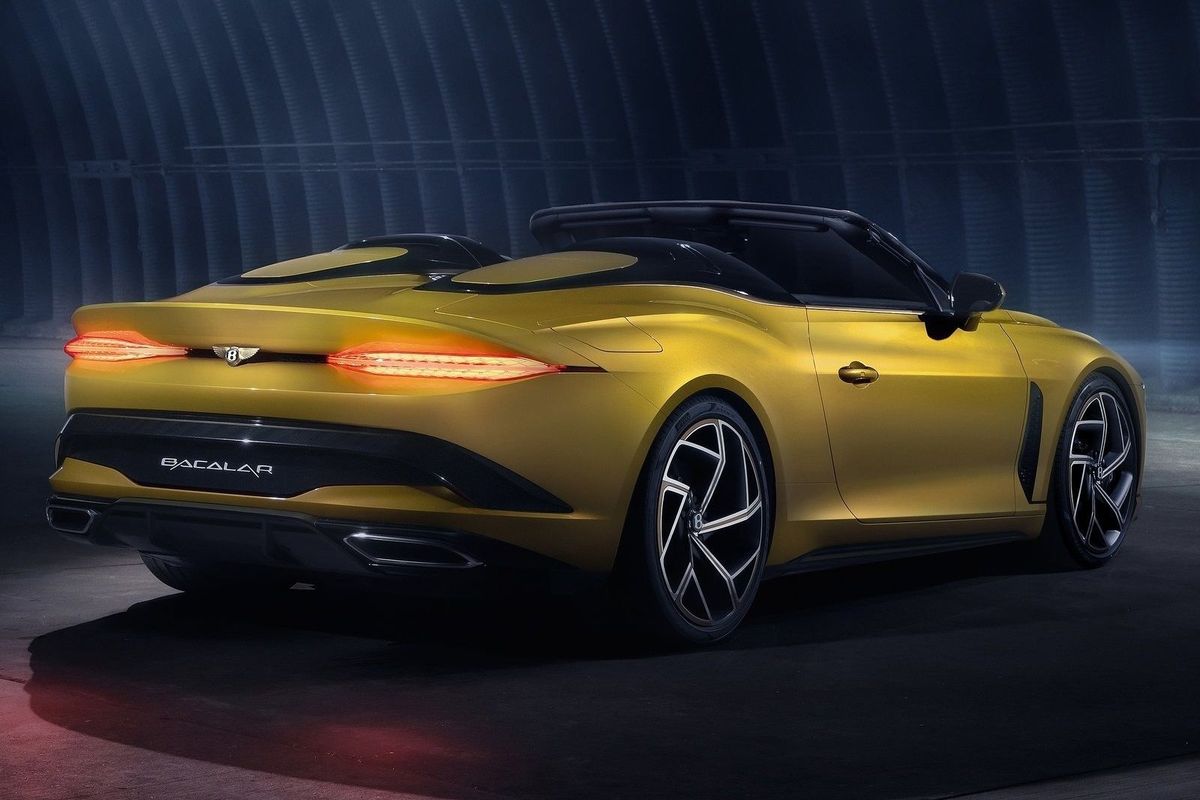
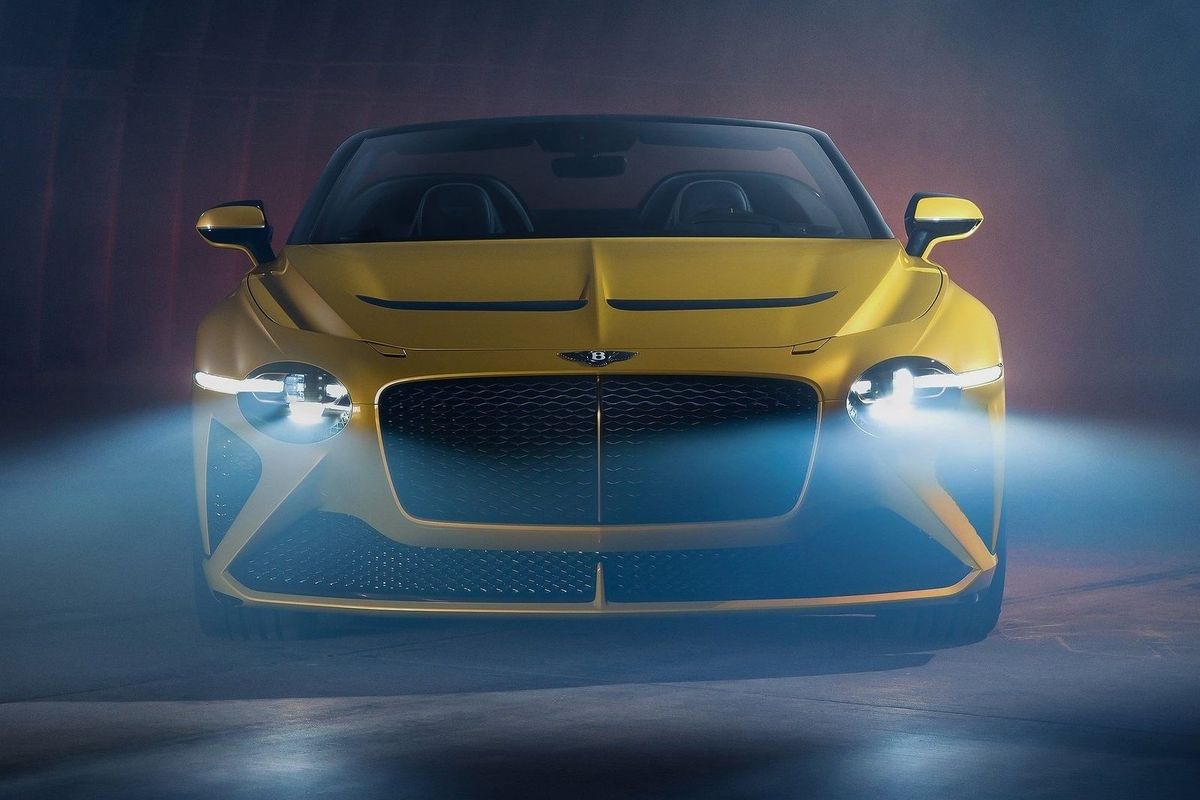
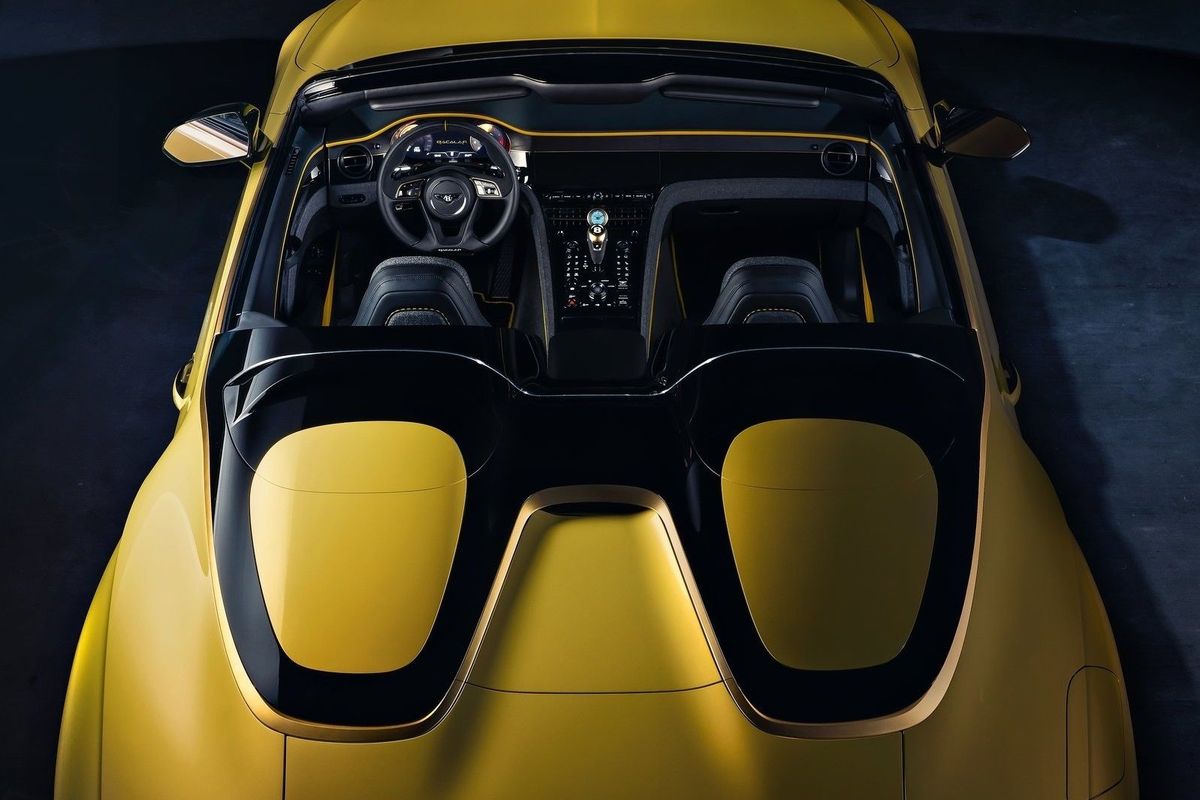
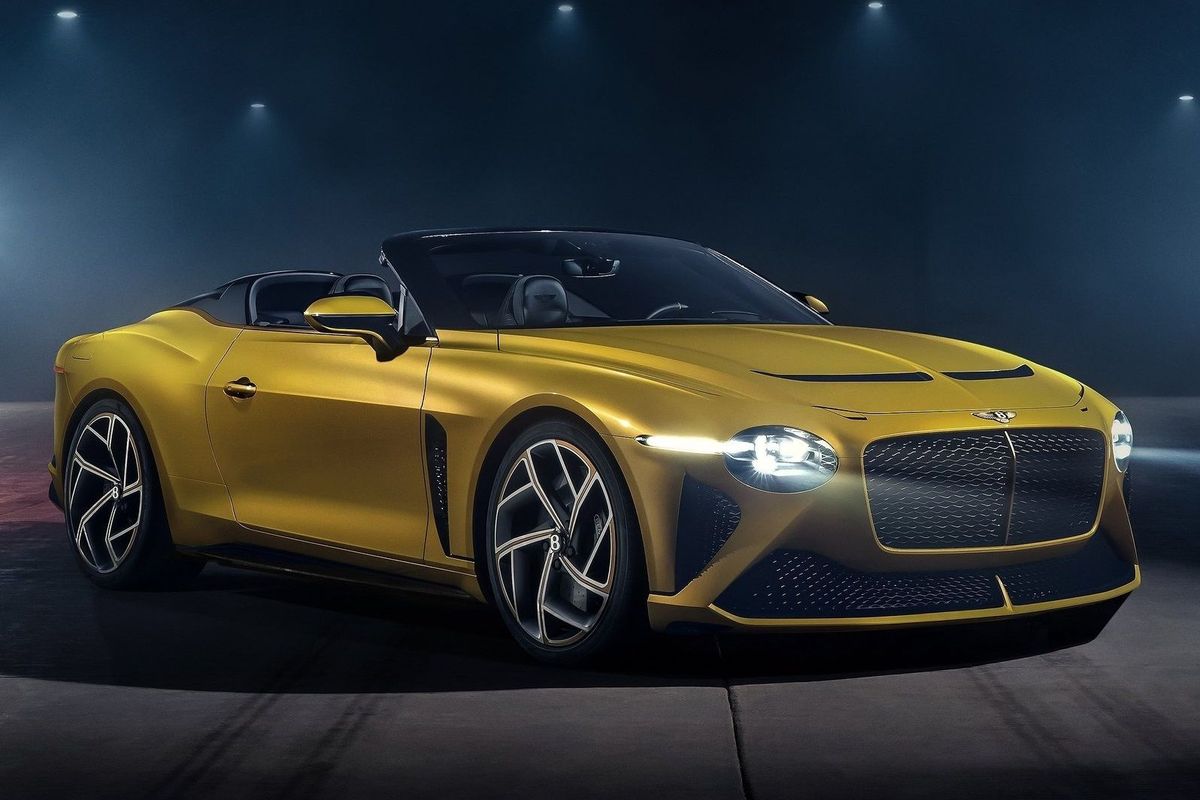
Bentley Mulliner has revealed its new Bacalar – a striking limited edition convertible GT.

There'll be just 12 of these Bentley Mulliner Bacalars built and it will be the rarest 2-door Bentley of the modern era. The name comes from a Mexican lake known for its natural beauty. 

Bentley Mulliner is the world's oldest coachbuilder – they've been around since the 1500s, and the focus here is rarity, exclusivity and supreme luxury. The Bacalar's reveal coincides with Mulliner's new strategy which sees the creation of 3 portfolios: Classic, Collections and Coachbuilt. 

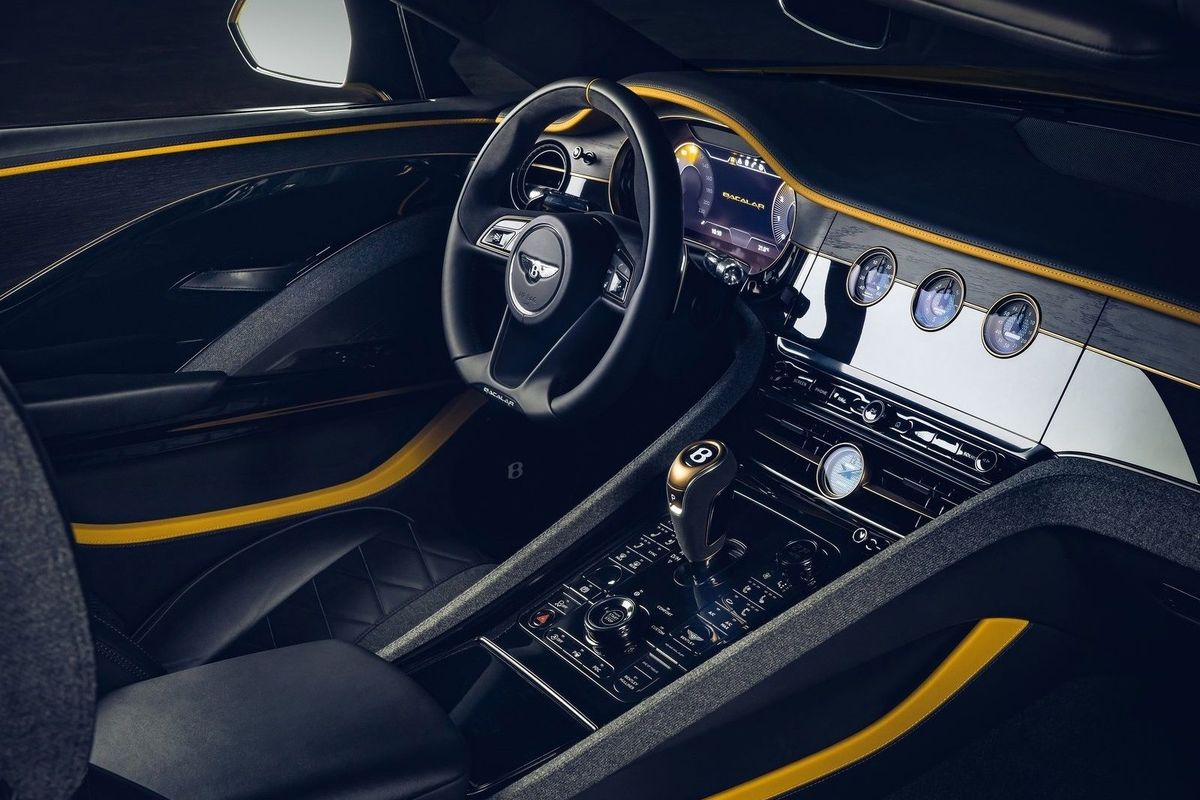
Under that bold bonnet is the 6.0-litre W12 TSI motor with 485 kW and 900 Nm. Bentley claims its the most advanced 12-cylinder engine in the world and power goes to an advanced all-wheel-drive system. The cabin is made from luxury trim, some of which Bentley claims comes from ethical sources. 

All Bentley Bacalars have been allocated to customers from around the world, so sadly there won't be any for sale and each model is hand-built at Bentley's factory, which is the first certified carbon neutral plant for luxury car manufacturing. Price? Estimates suggest £1.5 million, which comes to about R30 million.

Further Reading

10 Cool Things: Bentley Continental GT Mulliner Convertible

Bentley Hybrid Bentayga Hits Europe

Flying Spur to Rival AMG S65

Bentley Expands Continental Offering With V8 Engines

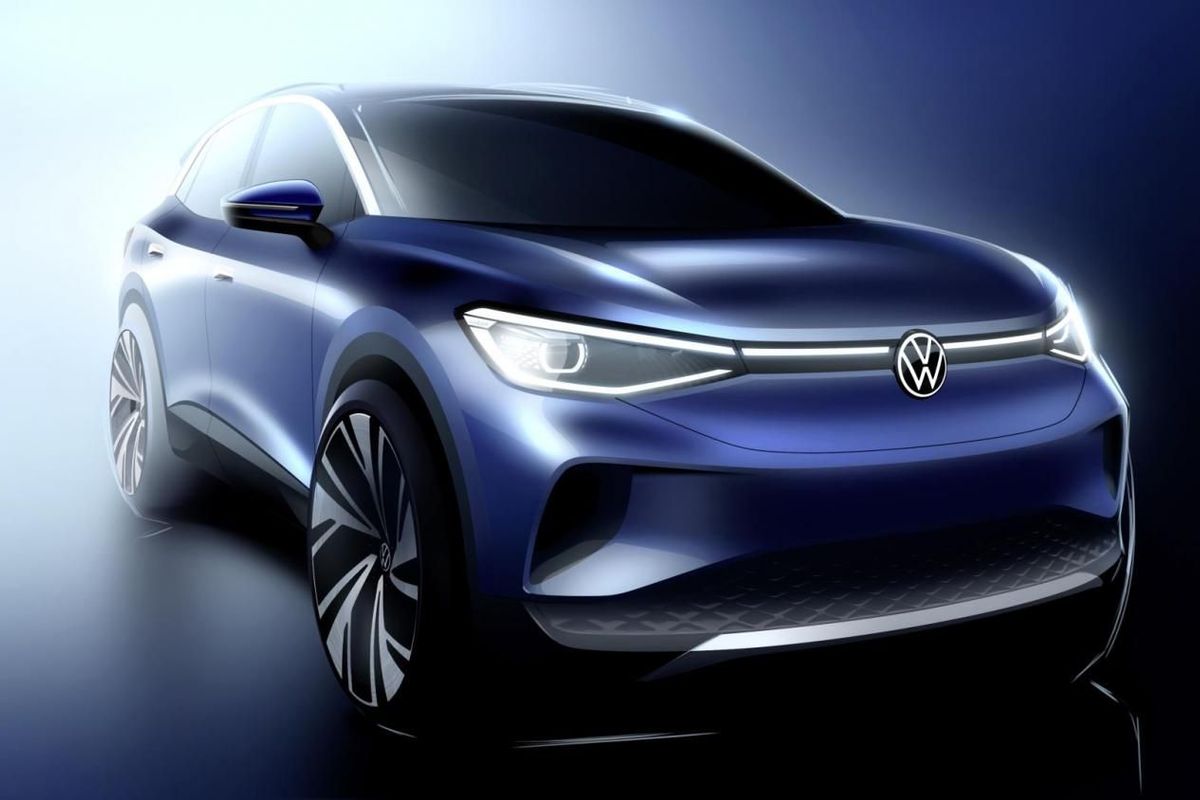
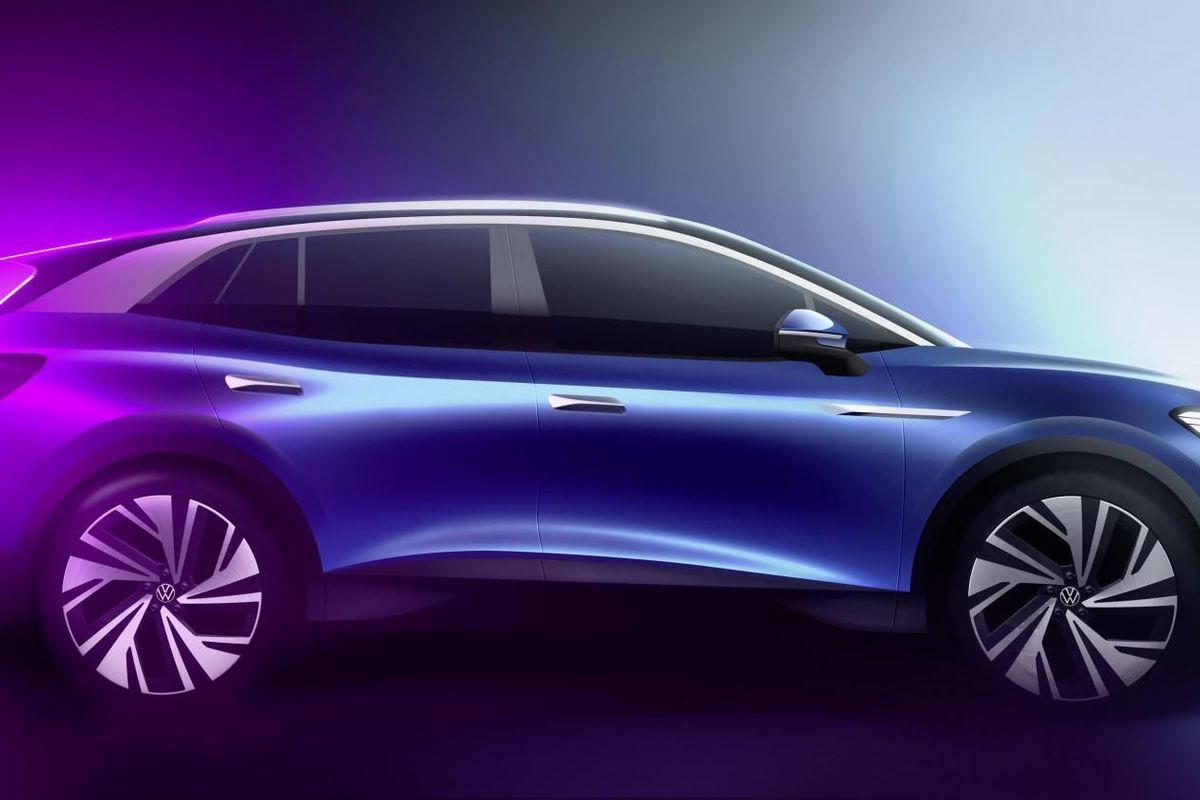
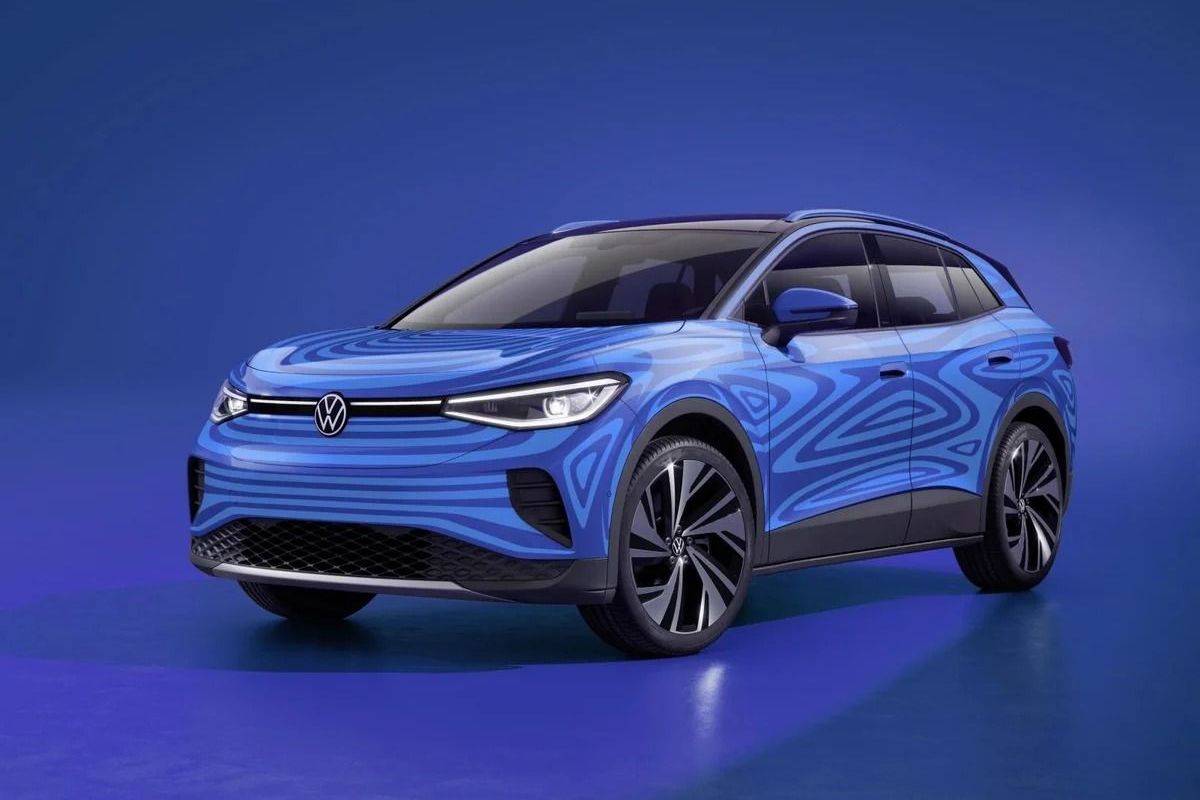
Volkswagen ID4 Details Announced

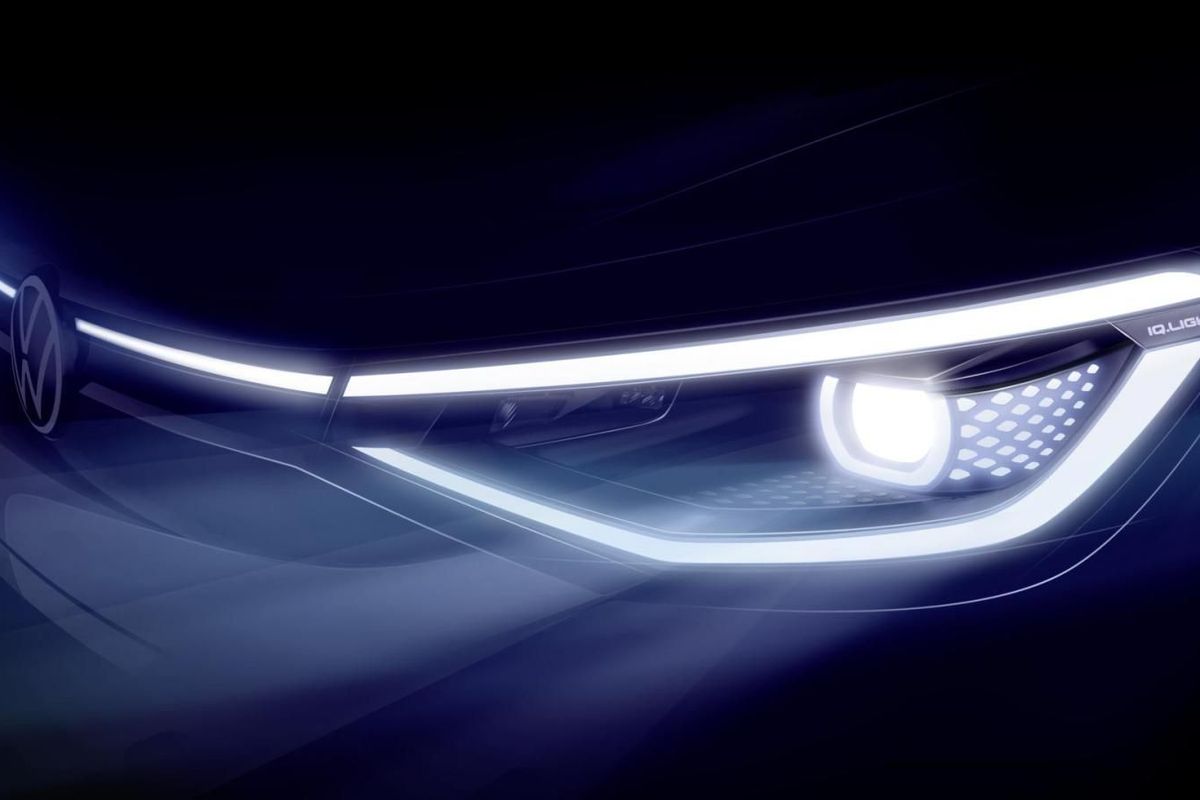
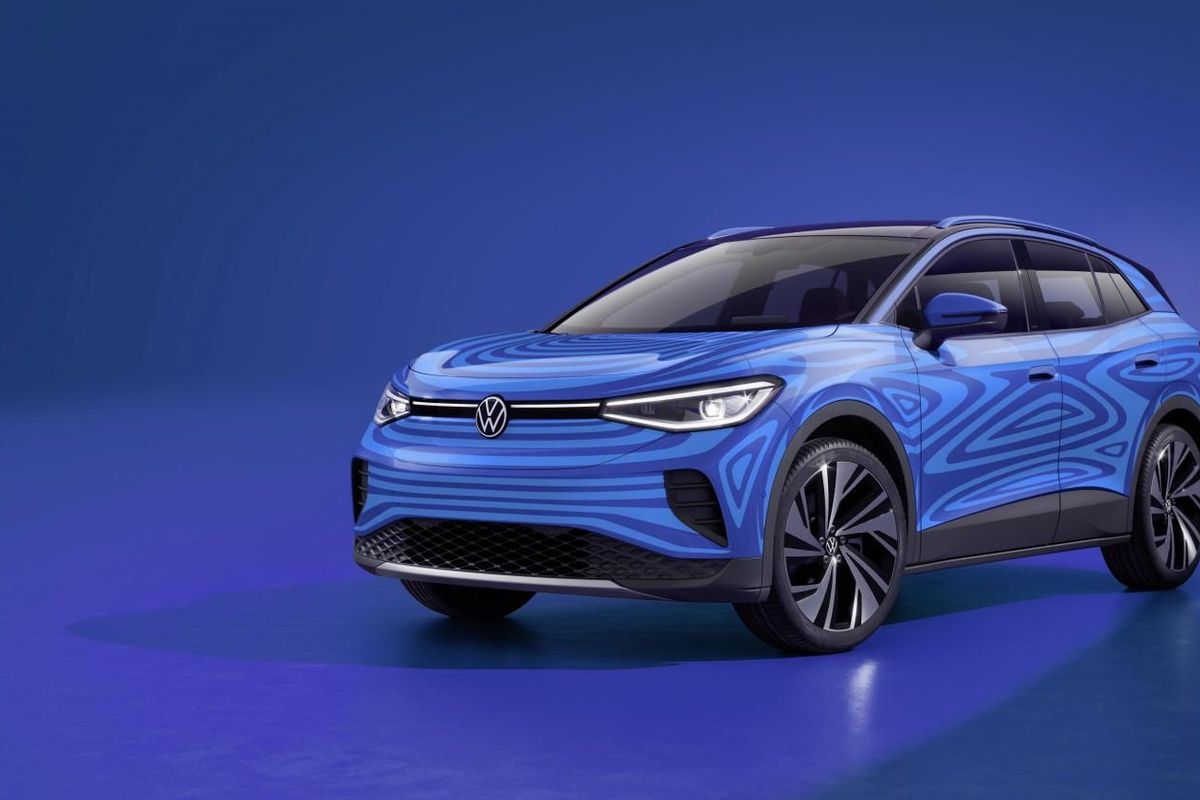
Volkswagen has shared some details regarding its forthcoming ID4 electric vehicle, likely to be the first electric car from the brand to be sold in SA.

Volkswagen's details regarding this zero-emission SUV have been scarce until now and we can share a bit more info about what you can expect. There's a big focus on aerodynamics firstly, which will see the ID4's range stretch up to 500 km, depending on which drive package the customer has opted for. 

When it launches, the Volkswagen ID4 will come with rear-wheel drive, while an all-wheel-drive model will come later. Built on Volkswagen's new MEB electric platform, the ID4 has interior space as a priority thanks to clever positioning of the battery in the underbody, which promotes a low centre of gravity, which in turn improves handling and balance. 

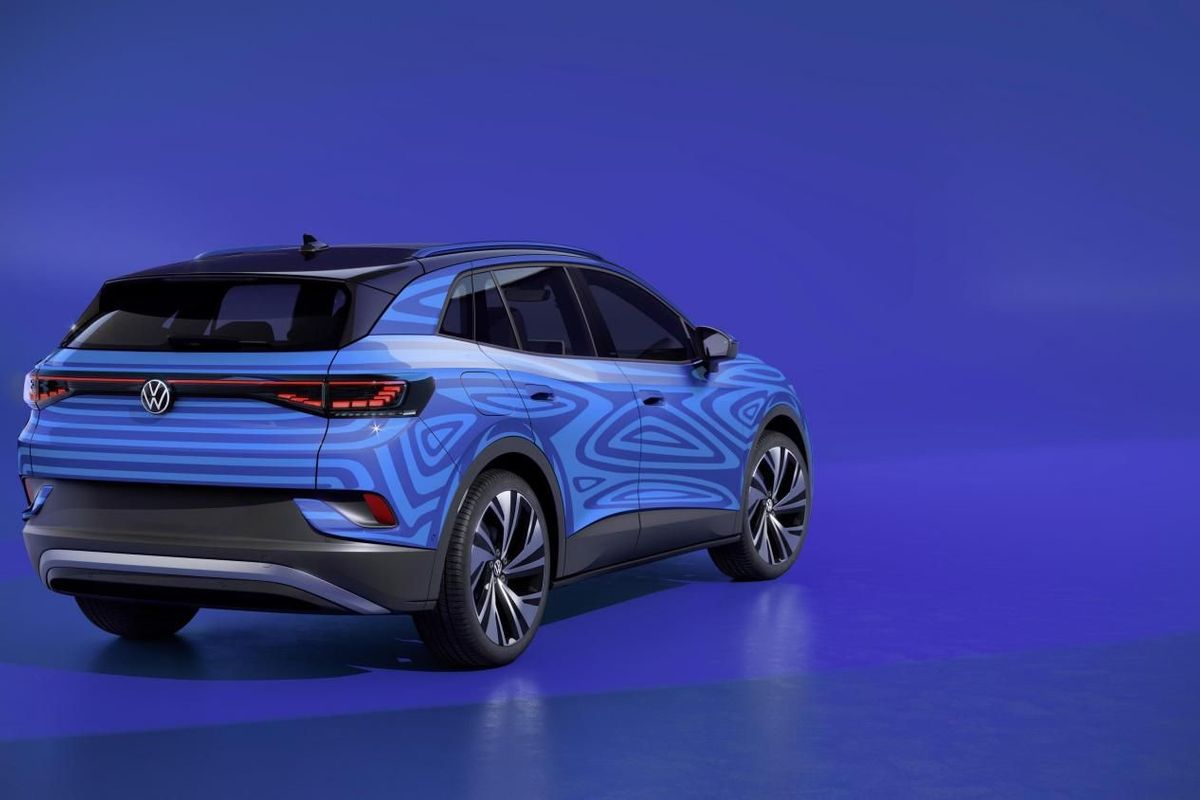
As for the looks, we're glad to see there's some semblance of a normal production vehicle. Frequently, electric cars have resembled outrageous concepts with completely polarising designs. For electric cars to succeed, they need to look more generic and thus become more accepting by the mainstream public. The Volkswagen ID4 will be a global vehicle that's manufactured and sold in European, Chinese and North American markets.

Volkswagen's goals are ambitious as it wants the brand to be entirely carbon-neutral by 2050 and it is currently investing 1 billion Euros to electrify its current portfolio. The Volkswagen ID4 will be fully revealed in 2020, with a potential SA introduction date towards the end of 2021.

Further Reading 

VW's Electric Strategy Kicks off in SA

Electric Cars: Understanding the Terms

Why VW Should Build this Electric Bakkie

Volkswagen ID3 Goes Official

Volkswagen ID.4 set for mid-year debut

Volkswagen's EV plans for SA


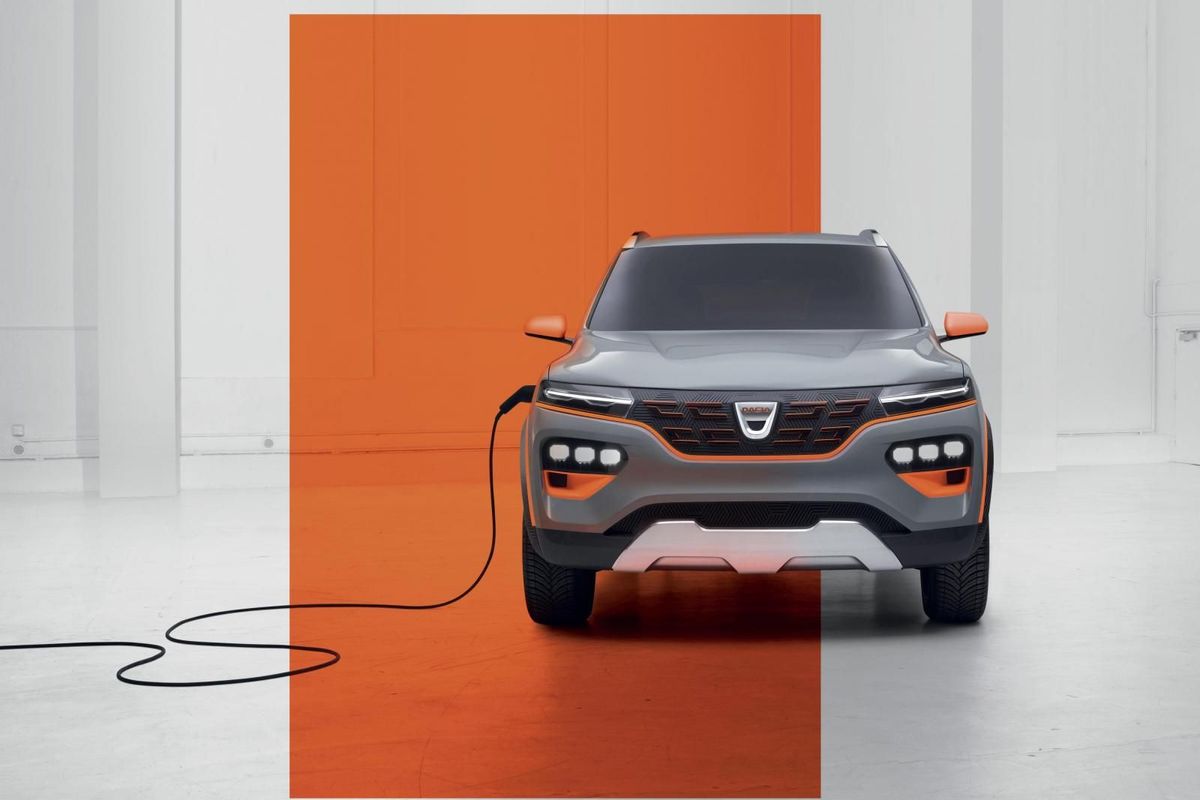
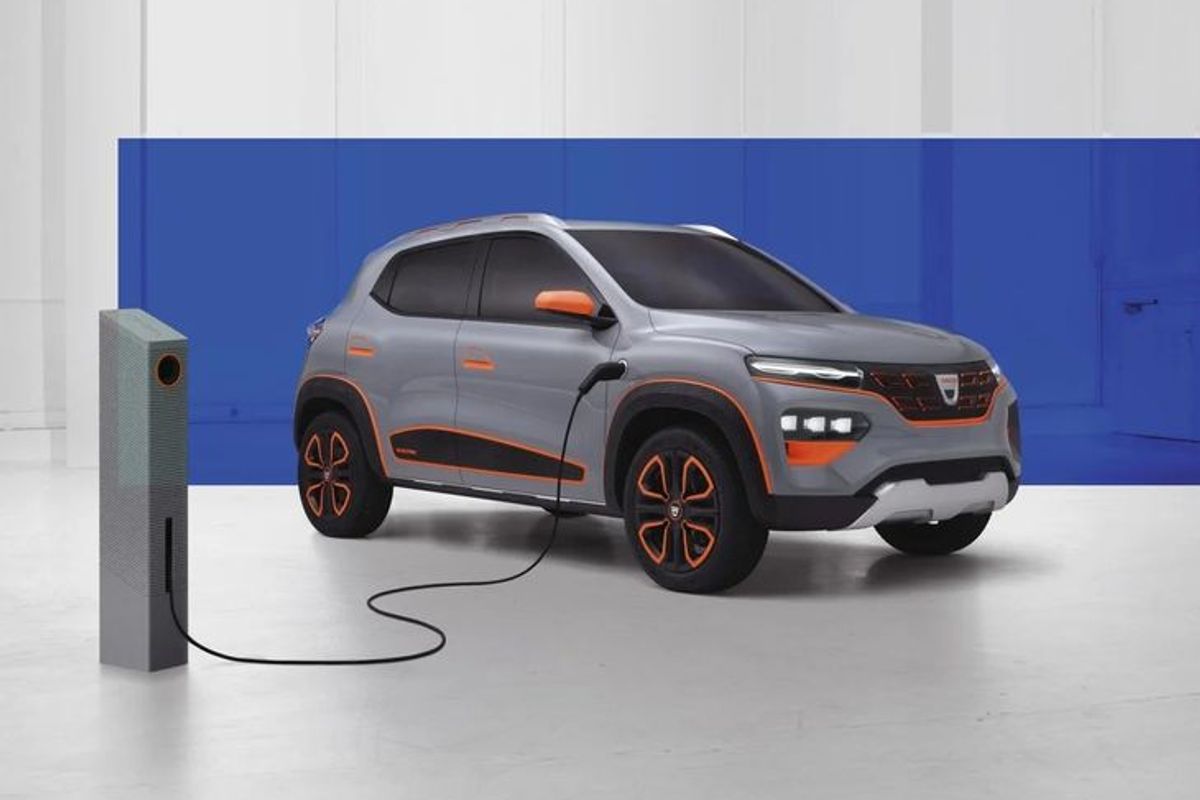
Dacia Concept Previews Electric Kwid

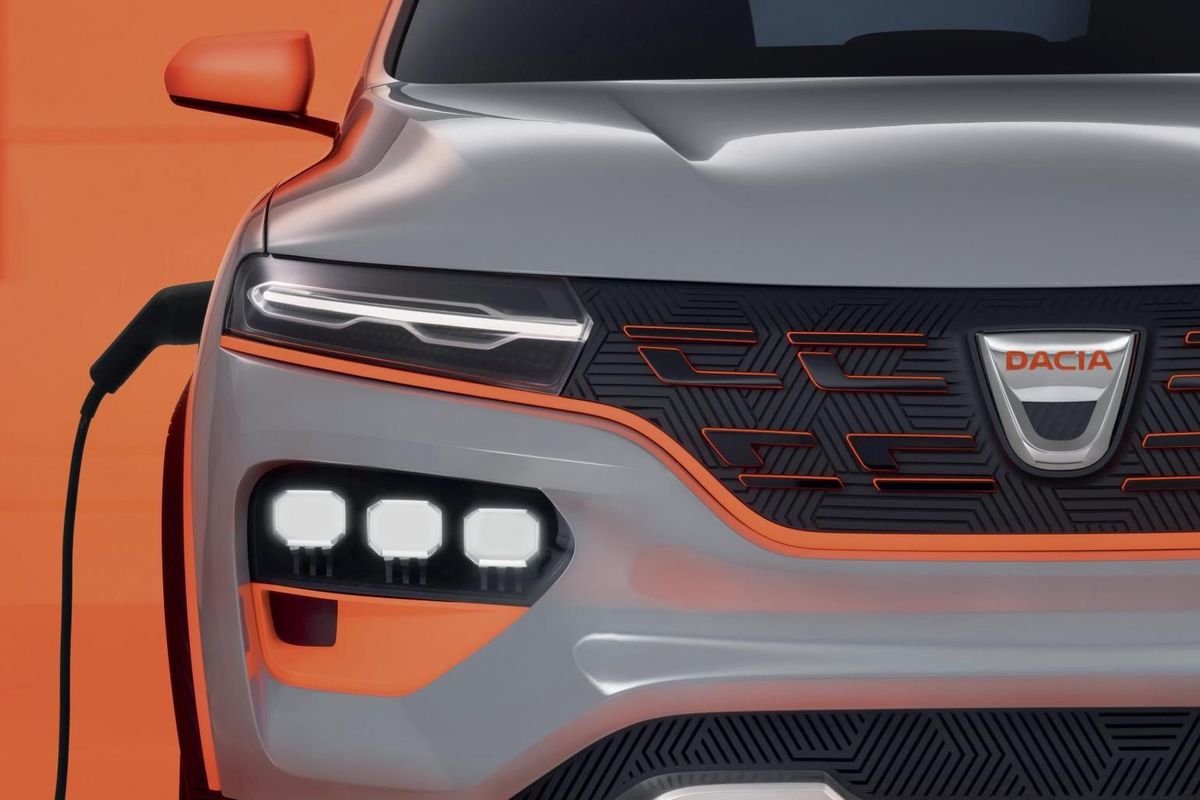
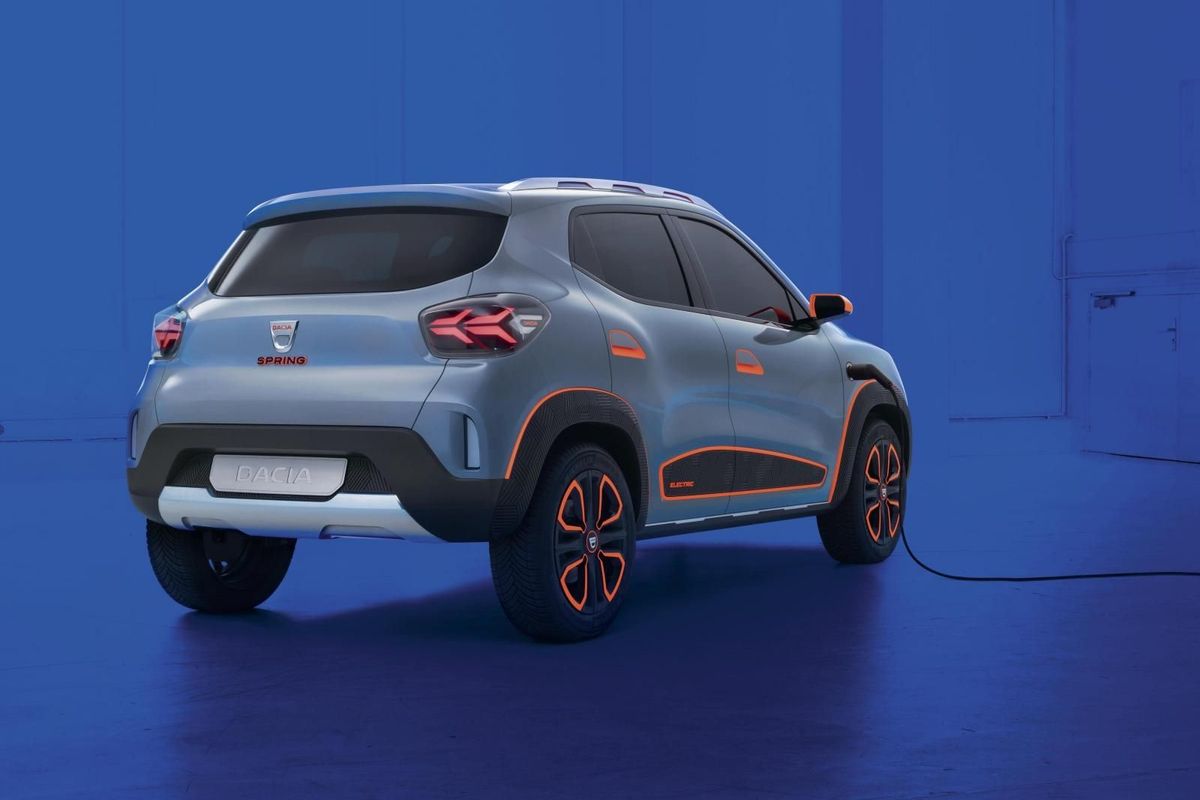
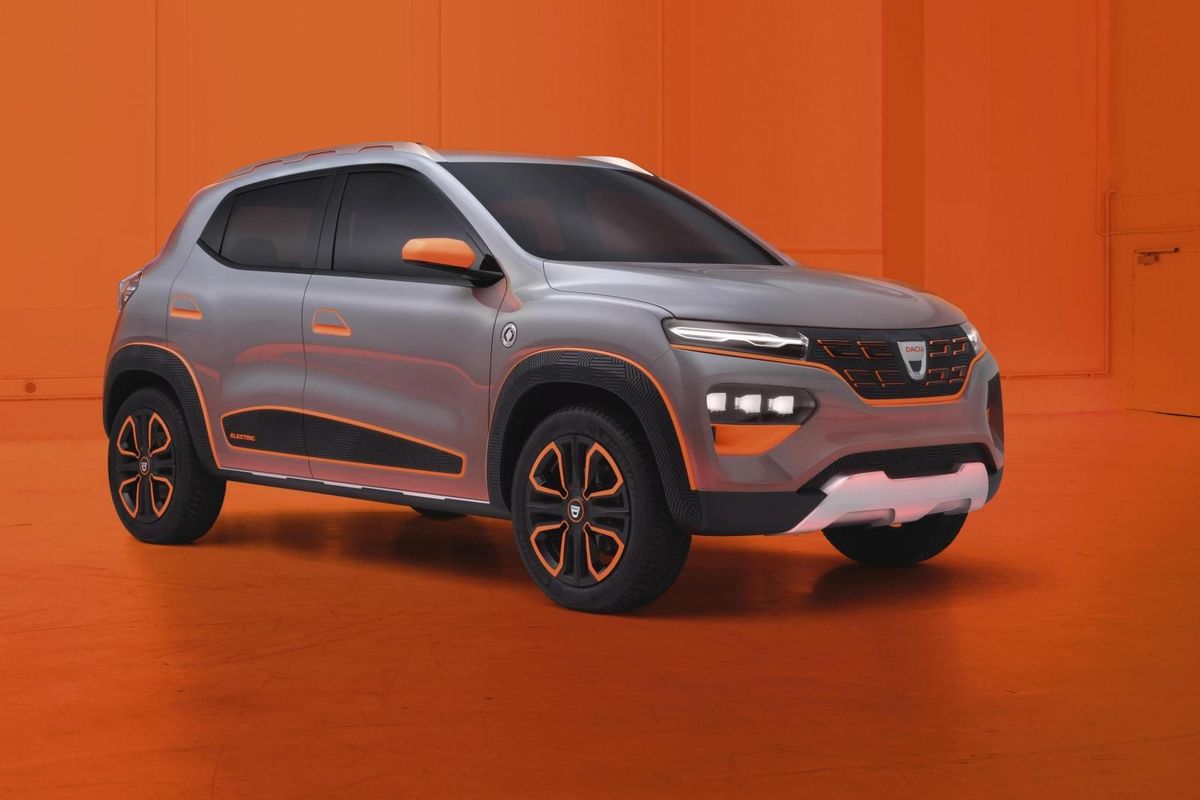
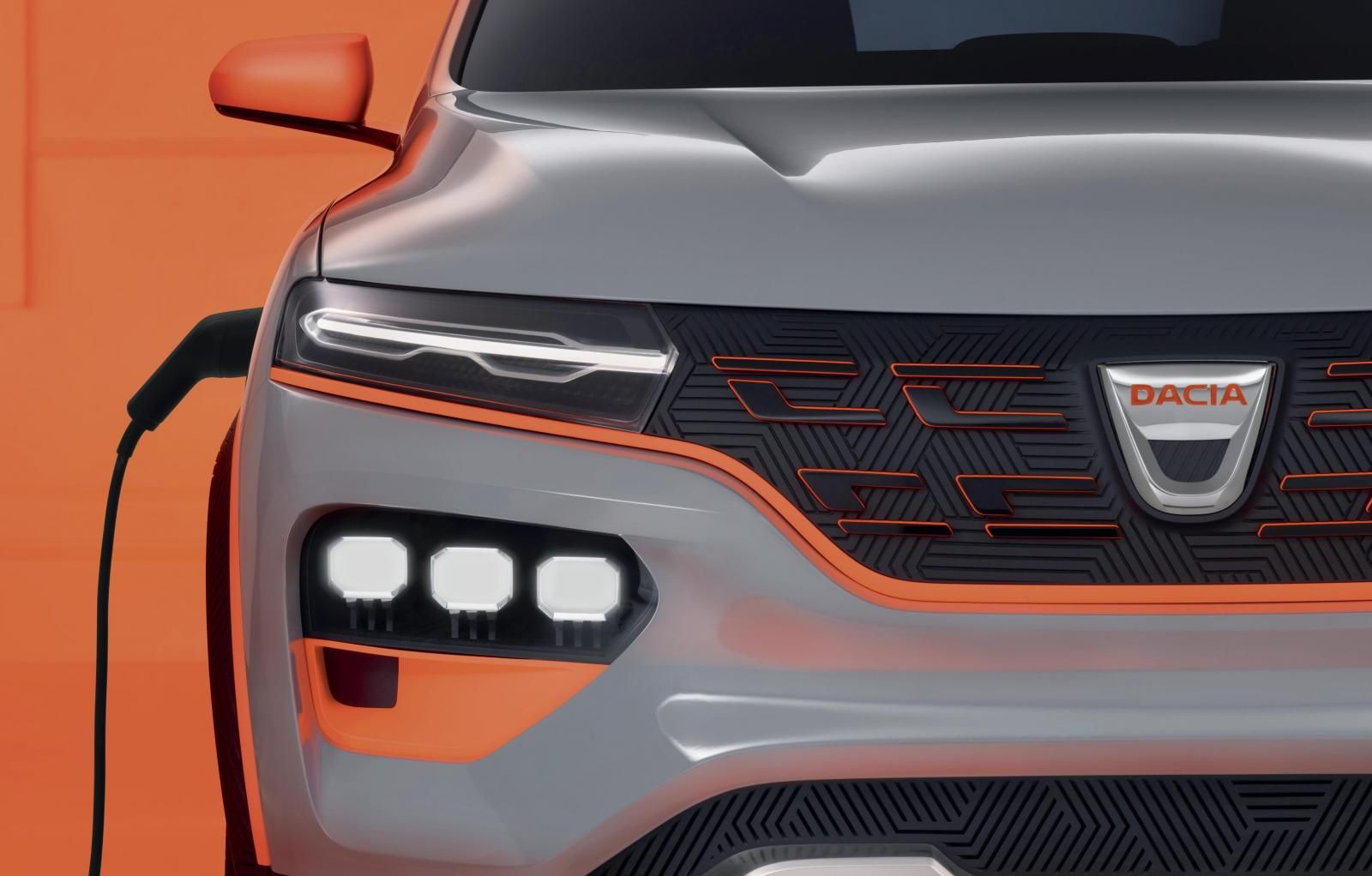
Dacia has revealed its Spring Electric Concept, which previews the brand's first all-electric model. Can you say Renault e-Kwid? 

Dacia, the Romanian carmaker with exceptionally close ties to Renault, has revealed a compact electric city car, which the brand claims will be going on sale as soon as 2021 in selected markets.

It's a city car concept and range is just 200 km based on the WLTP test, but if you're just needing wheels, it should be just about adequate. 

It's interesting to note the current Renault Kwid is not sold in Europe, with Renault focusing on the developing markets like India and South Africa and is packaged accordingly (read cheap), so seeing this concept being touted to the European market raises an eyebrow. The current production Kwid lacks safety features like stability control so it's unlikely to meet the tough safety standards set by the European markets. When this Dacia electric city car comes to market, you can bet that Renault will have overhauled the safety features and strengthened the body shell. A stronger, tougher and safer Renault Kwid, irrespective of powertrain choice, is needed, but this will come at a cost, which is one of the car's aces in its sleeve.


It may be a concept for now, but Dacia/Renault want an electric Kwid on the road as soon as early 2021.

Further Reading

Renault Kwid (2019) Launch Review 

Renault Kwid Restyled for 2020

New Renault Kwid in SA (2019) Specs & Price 

Suzuki's S-Presso is a Shot at Kwid

BMW’s 390kW i4 Revealed

Meet the next-generation of BMW’s electric vehicle strategy.

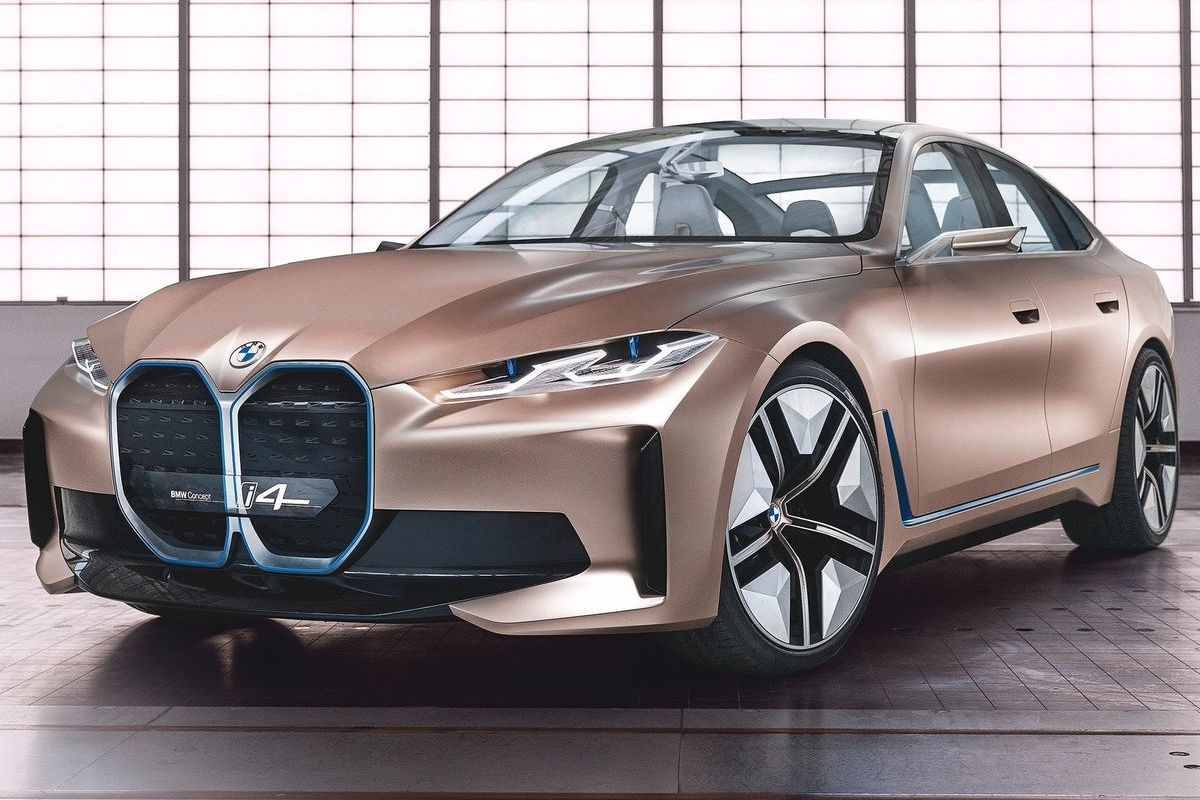
Although its debut event has been cancelled (following the Geneva auto show’s annulment), BMW is still proud to digitally reveal its i4 Concept.

The i4 Concept will become a production vehicle in 2021 and BMW’s most significant electric vehicle effort yet, positioning between the brand’s i3 and i8.

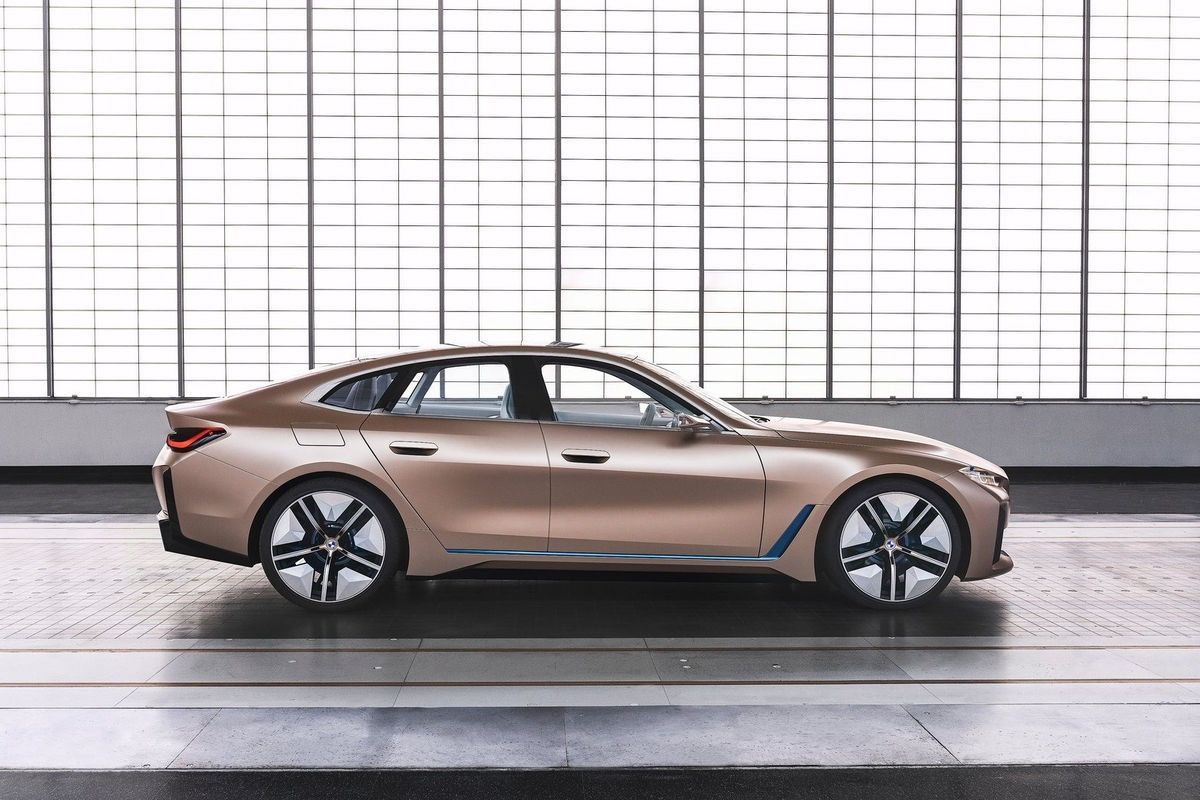
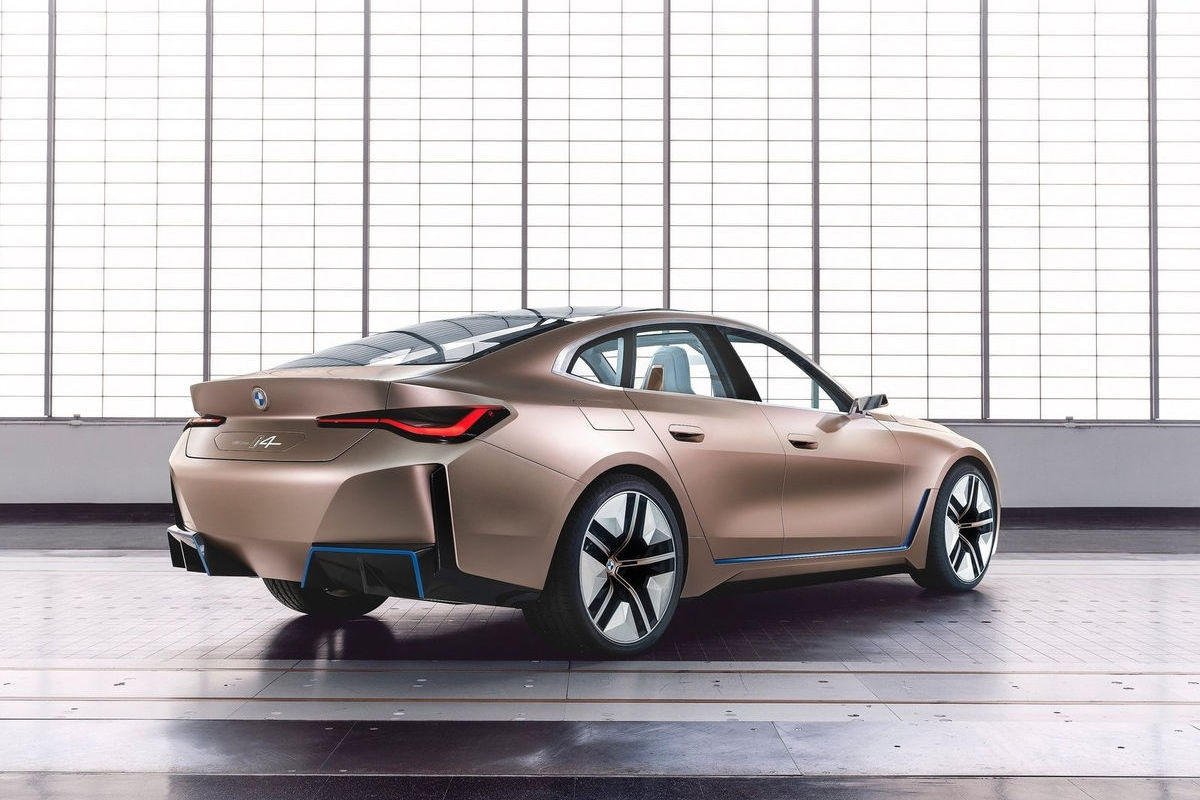
Whereas SUVs and crossovers have become the demand vehicles for most premium brands, BMW has remained true to its sedan heritage with the i4. It features a silhouette which is reminiscent of the brand’s Gran Coupes and seats four passengers.

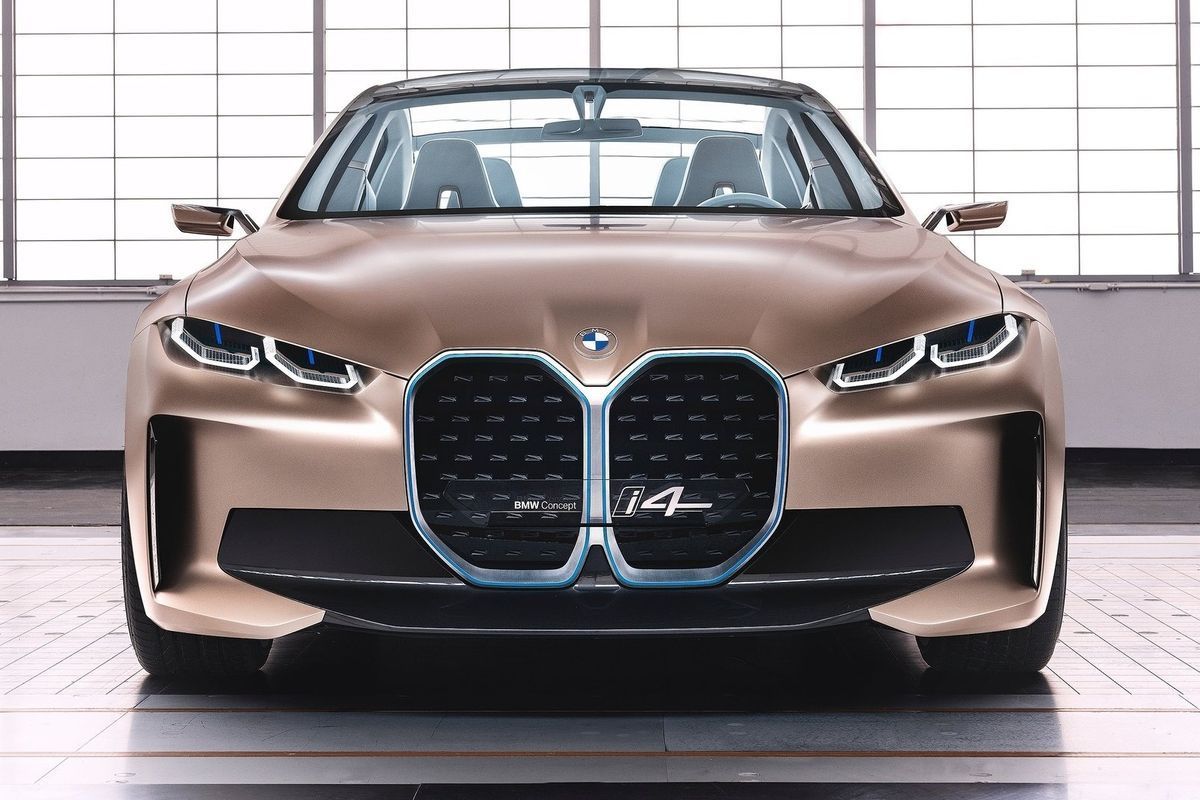
The most notable front styling detail is a huge vertically orientated kidney grille, which is non-functional, and now merely a decorative element, due to the absence of any requirement for radiator cooling. At the rear, there are generous aero ducts at each corner of the bumper, framed by diffusers.

Aerodynamic efficiency was a huge design goal for the i4 Concept team and as such this BMW rolls a unique alloy wheel design, with low-drag properties.

Powering the i4 is a hugely potent 80 kWh battery system, which also happens to weigh a substantial 550 kg. There is enough energy to produce 390 kW of electric motor power, which gives the i4 significant performance credentials. BMW is claiming a 0-100 kph sprint time of only 4 seconds.

The i4 might be performance-car-fast, but range is where BMW has invested most of its engineering resources with this electric vehicle. Running in ideal conditions, BMW believes i4 will be good for 600 km on a single charge, which puts it at an equivalent standing to the fuel/energy efficiency of an internal-combustion powered 4 Series.

Recharging dynamics depend on what you plug the i4 into. Access to any 150 kW high-energy charger will net you 80% of the battery’s capacity in only 35 minutes.

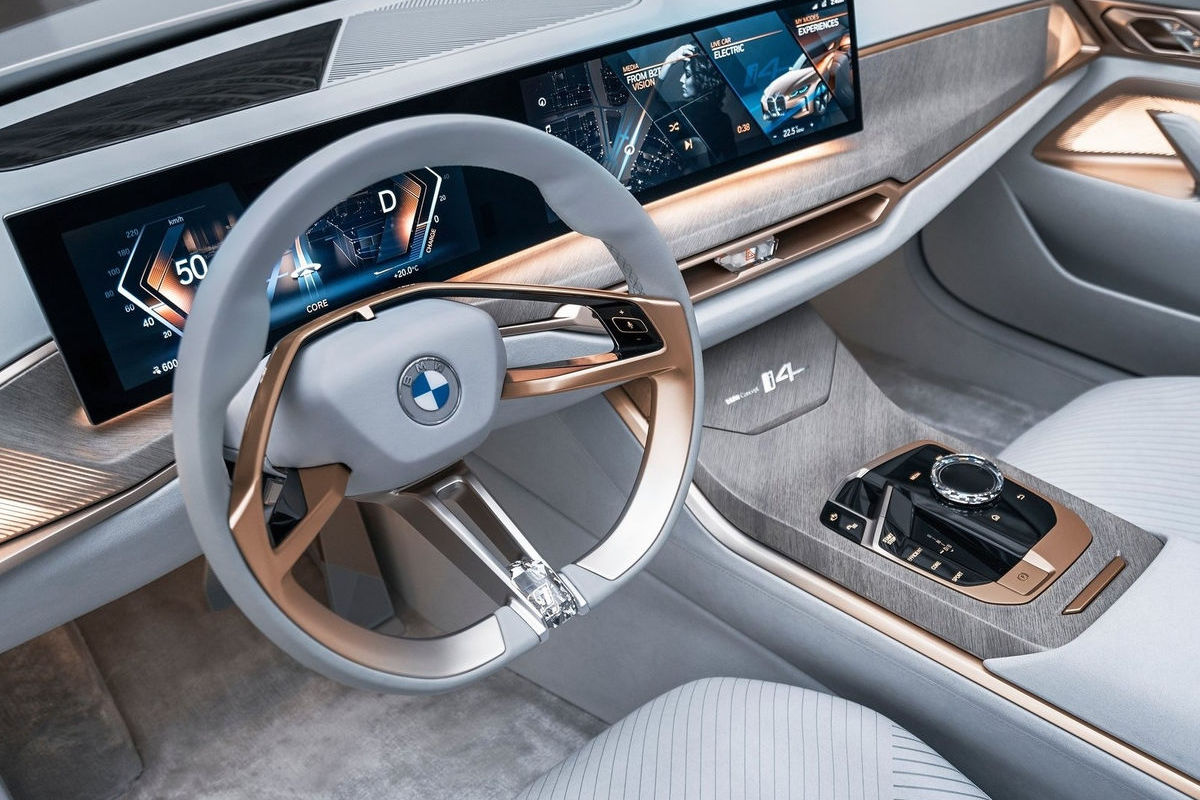
Elements of the i4 Concept’s futuristic cabin will be refined for the 2021 production version. One curious feature of the interior, is that even this show car version, retains a physical iDrive controller.

Related content

Audi e-tron (2019) International Launch Review

Electric Cars to Tour South Africa in October 2019

Electric Cars: Understanding the Terms

Cinquecento-e: Fiat reimagines the 500

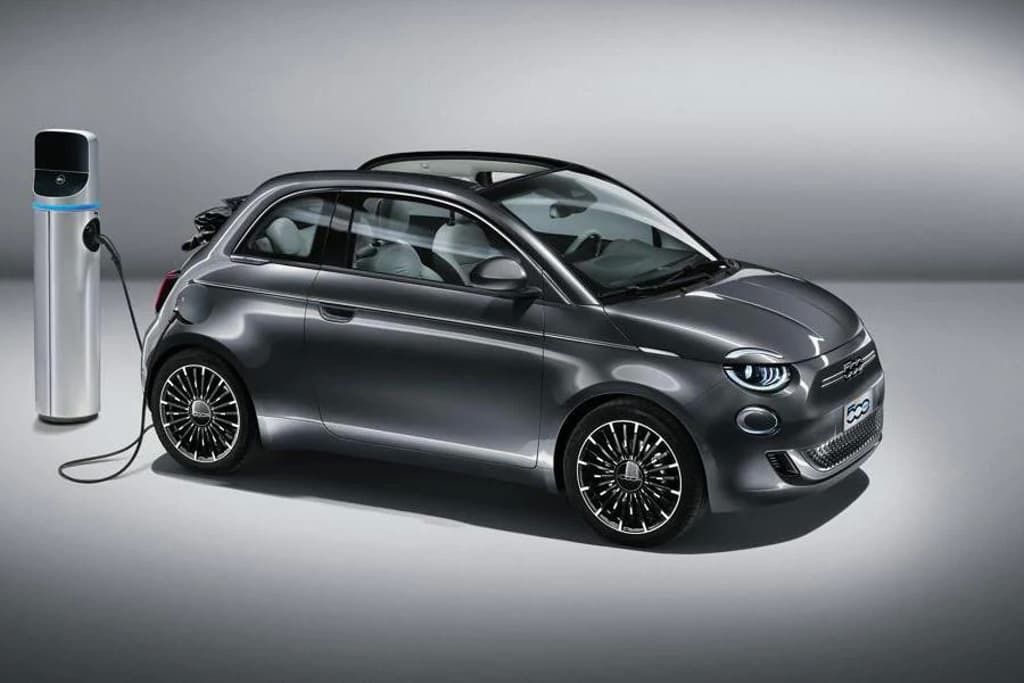
The Fiat 500, once an affordable runabout, has been transformed into an all-electric “urban Tesla”, in fact, it’s not even branded a Fiat. By becoming a product to rival the Mini Electric and Honda e, the all-new electrified 500 has moved very much upmarket, which unfortunately decreases the likelihood of it coming to South Africa soon.

Last night, Italian car site AutoDato leaked images of the all-new 500e. With Fiat committed to the idea of producing a zero-emission compact hatchback, there will be no combustion engine in this model; the electric newcomer is brand new from the ground up and based on a dedicated EV platform.

FCA’s chief marketing officer, Oliver Francois has been quoted as saying: “Premium is the way we will go with the (electric-powered 500). It’s a new 500, totally renewed. Totally electric. It’s kind of an urban Tesla, with beautiful style. (It embodies) Italianness… dolce vita in an electric car.”


The 500e could be regarded as the harbinger of a new premium compact sub-brand of the FCA stable. 

Francois added that the current 500 range would remain in production (so there is no need to fear that it will soon disappear from the local market), which leads us to believe that Fiat will position 500e – which will be built will on a dedicated assembly line at the firm's retooled Mirafiori plant in Turin –   as a new premium small car sub-brand. Curiously, instead of a traditional Fiat emblem, the small supermini sports a “500” nomenclature, outside and in.

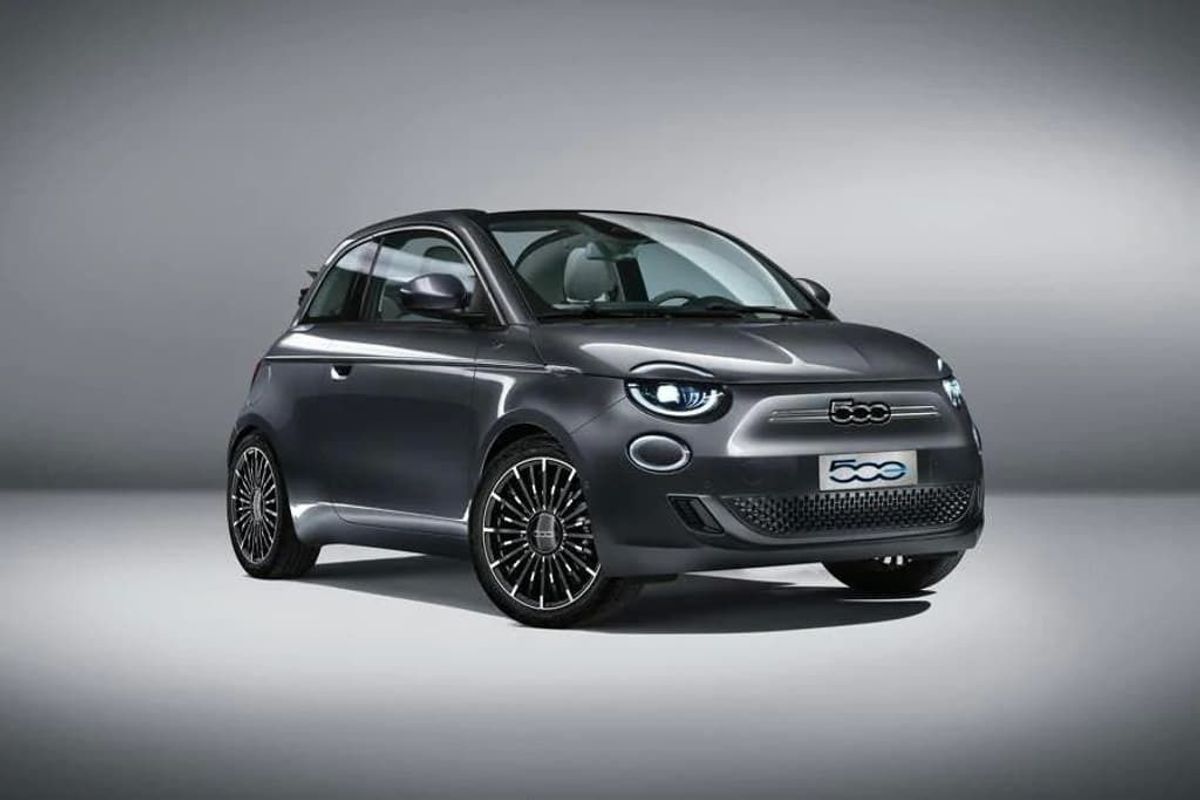
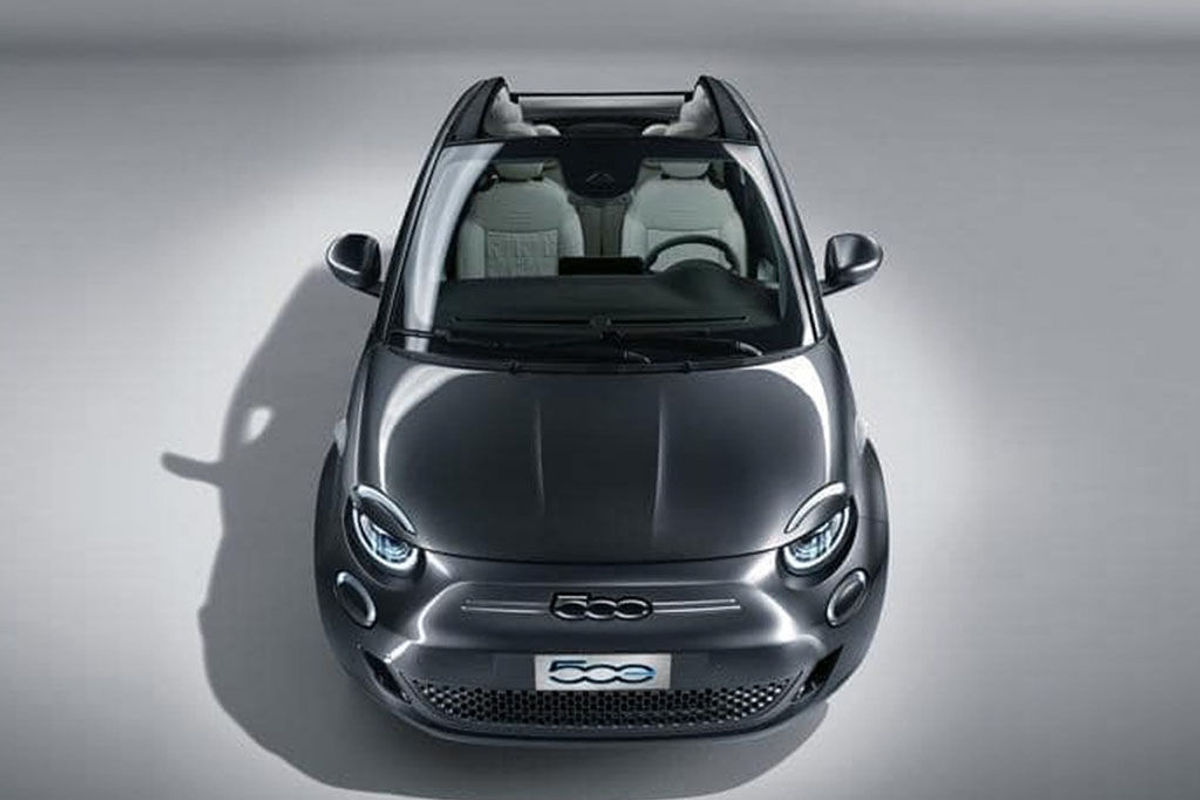
In terms of its aesthetic execution, the 500e is still instantly recognisable as a 500, but it features much smoother lines, simpler detailing (note the recessed door handles) and virtually no chrome-look brightwork. The new headlamps are now oval-shaped and complemented by similar-shaped driving lights.


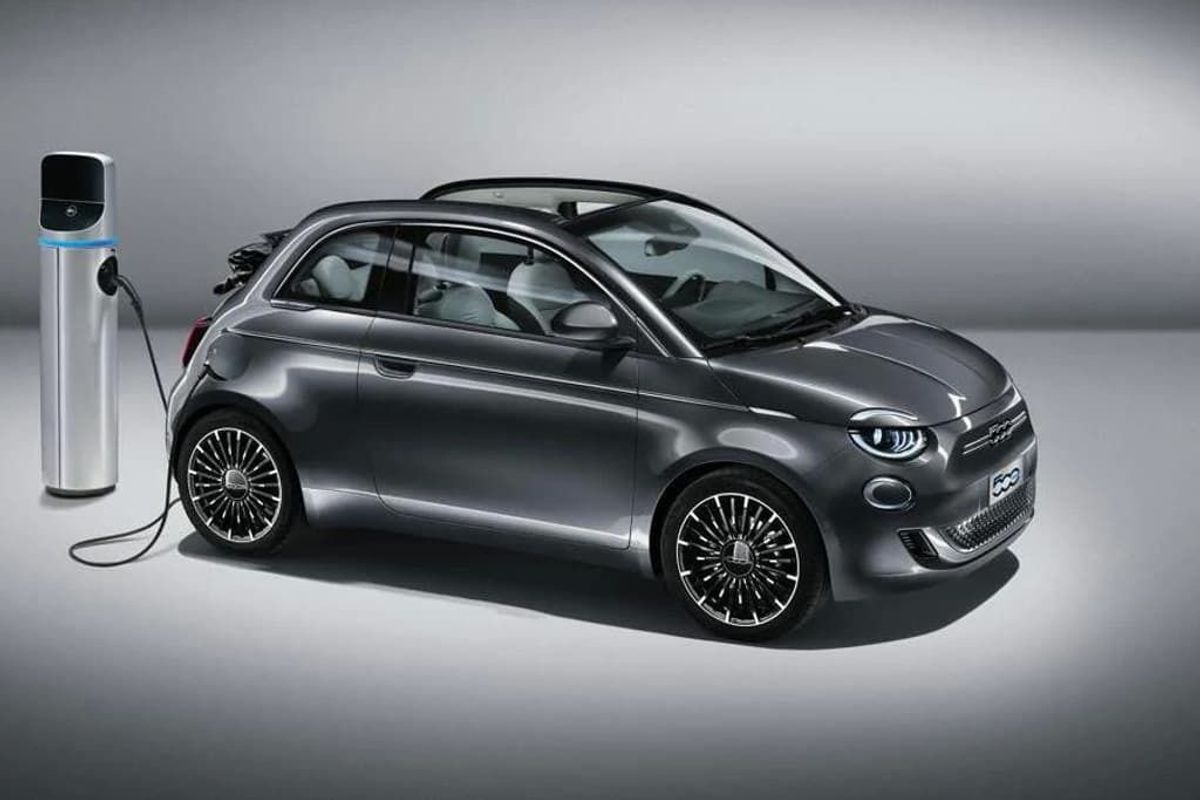
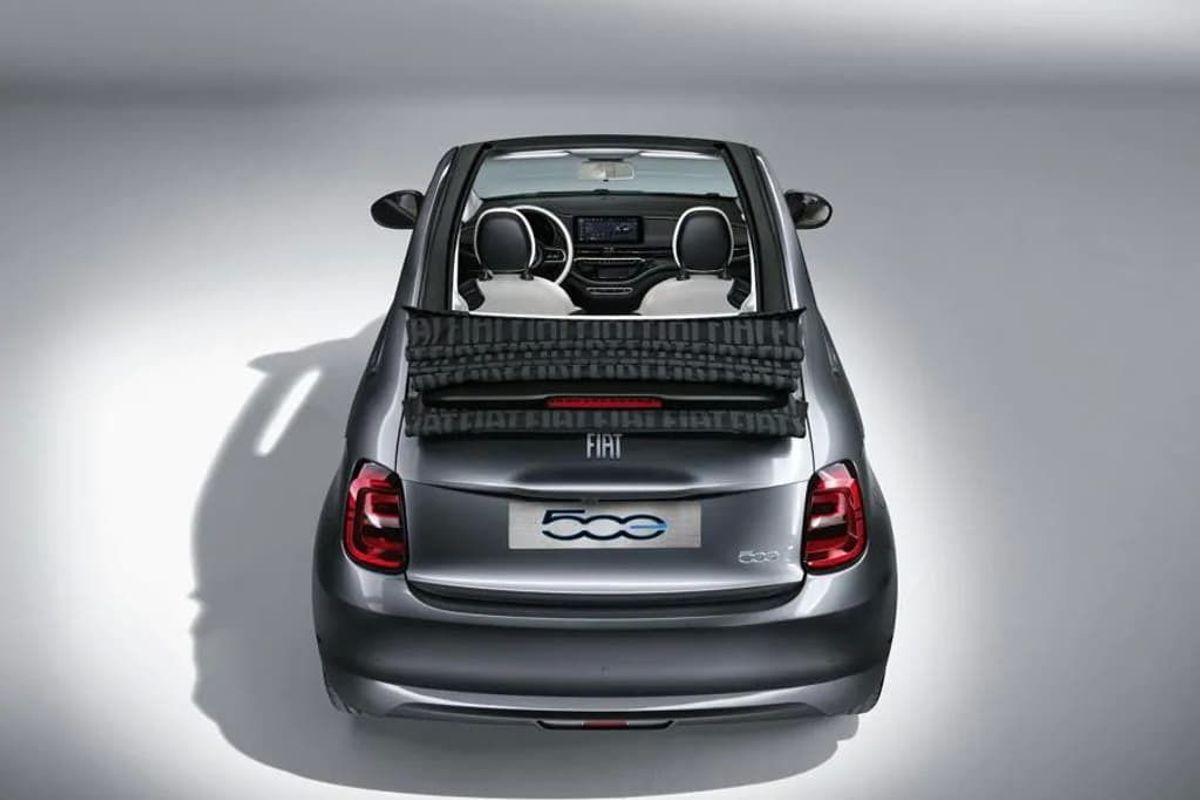
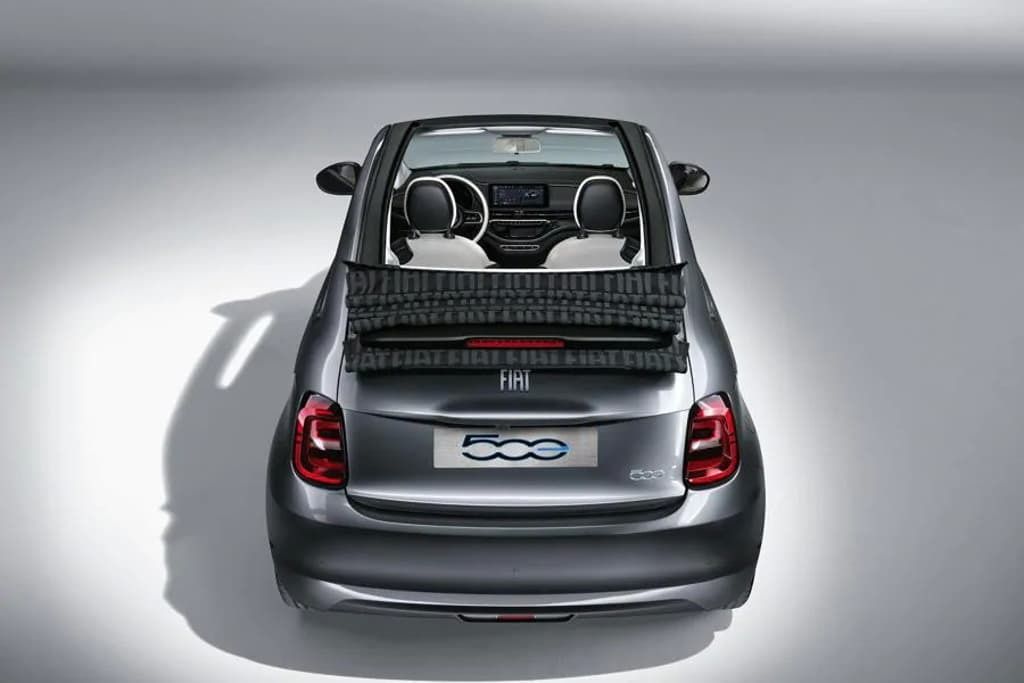
It looks like just another 500C from this view, but note the absence of an exhaust outlet and the 500e's premium fascia layout.

The newcomer’s bumpers and side skirts are subtly flared (ostensibly as to improve the 500e’s drag-reduction), the side mirrors have been relocated to the corners of the A-pillar and bold shoulder lines span the hatchback’s flanks. The rear features enlarged D-shaped tail lamps, a redesigned luggage hatch and, of course, a retractable canvas roof similar to that of the current 500C.

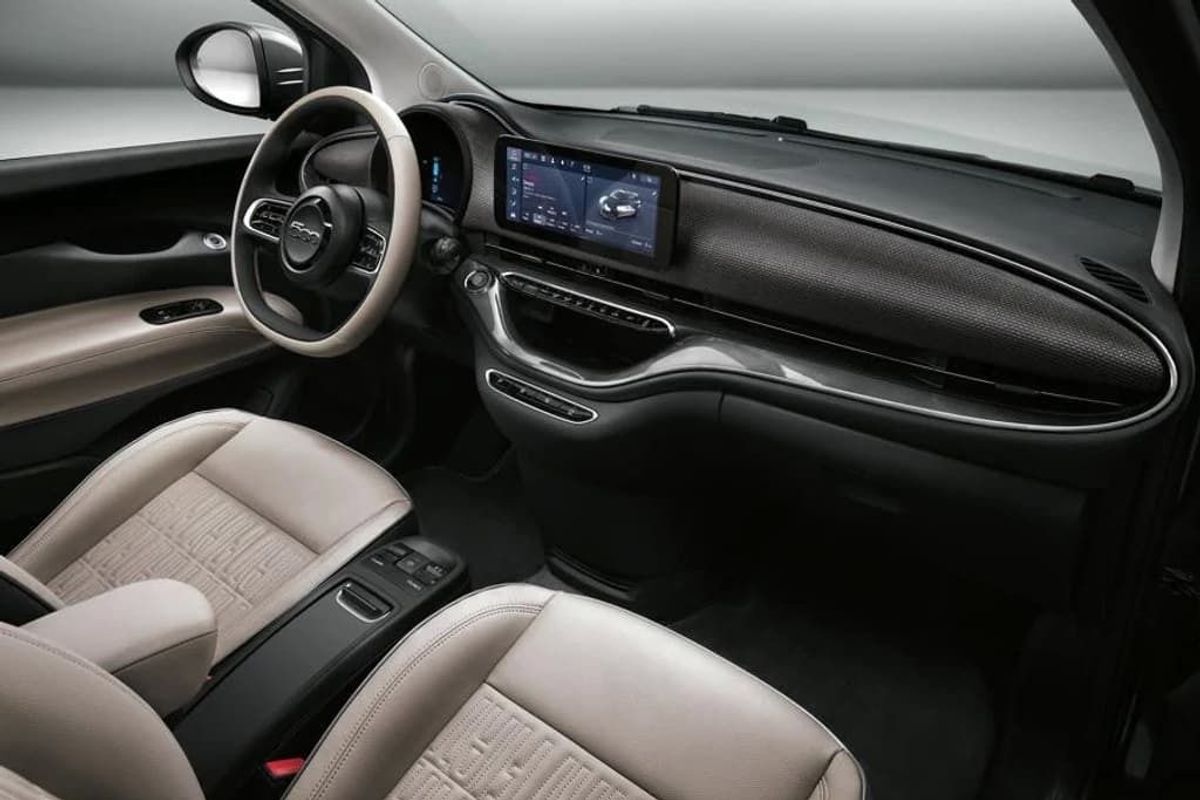
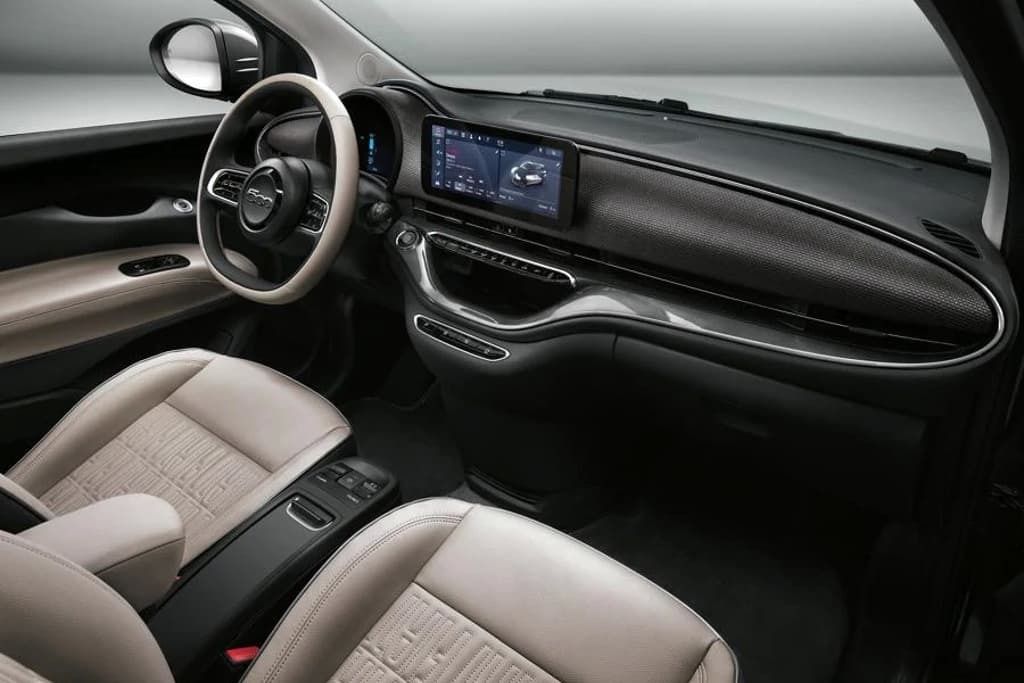
Compared with the newcomer’s evolutionary exterior design, the 500e’s minimalist – but undoubtedly smart – cabin is a revelation. The futuristically-shaped fascia is trimmed in upmarket materials and features a digital instrument cluster (more like a pod, come to think of it), a large infotainment screen and floating centre console. The seats are trimmed in FIAT-pattern embroidered leather, but the dual-tone multifunction steering wheel bears a 500 badge.


The front part of the 500's cabin looks quite spacious now that a transmission tunnel is no longer required.

Given the newcomer's all-electric architecture and relatively pricey packaging (think of the expensive battery pack), the 500e’s asking price is likely to be significantly higher than that of the current model despite the cars being similar in size and, to a lesser extent, layout. However, Fiat is planning to undercut both of Mini and Honda’s upcoming offerings (and whichever other all-electric light hatchbacks are destined for imminent for an introduction) on price.

Fiat has set approximately R13.7 billion to re-tool the Mirafiori plant to produce the 500e, but the company is bullish that it will easily recoup that investment, with a forecasted annual production capacity of 80 000. Plus there’s potential for further expansion, should customer demand exceed expectations…

Related content:

Abarth 595 Pista Goes Green

Abarth celebrates with new 595 'SS'

Fiat's New Double-cab Revealed

Alfa Romeo Unveils Hardcore Giulia GTA

New Car Sales in SA: February 2020

While the declining car sales slump is set to continue, February 2020 sales numbers reflected a sliver of positivity against the backdrop of a struggling economy. 

While many may have predicted worse scenarios, aggregate new car sales in February 2020 proved to be better than expected, but still fairly grim… Aggregate new vehicle sales posted a marginal decline of only 0.7% across the board, which is a marked improvement over January’s 8.1% decline. It must be noted, however, that the omission of BMW’s sales figures in January painted a less desirable picture. Now, though, BMW and Mercedes-Benz will provide quarterly sales figures and the latest figures from The National Association of Automobile Manufacturers of South Africa (NAAMSA) provide sales estimates for each company. 

The good news is that the new passenger car market grew by 7.6% year-on-year. The bad news is that the Light Commercial Vehicle (LCV) segment declined substantially by 17.7%. Exports also declined by 8.4%… 

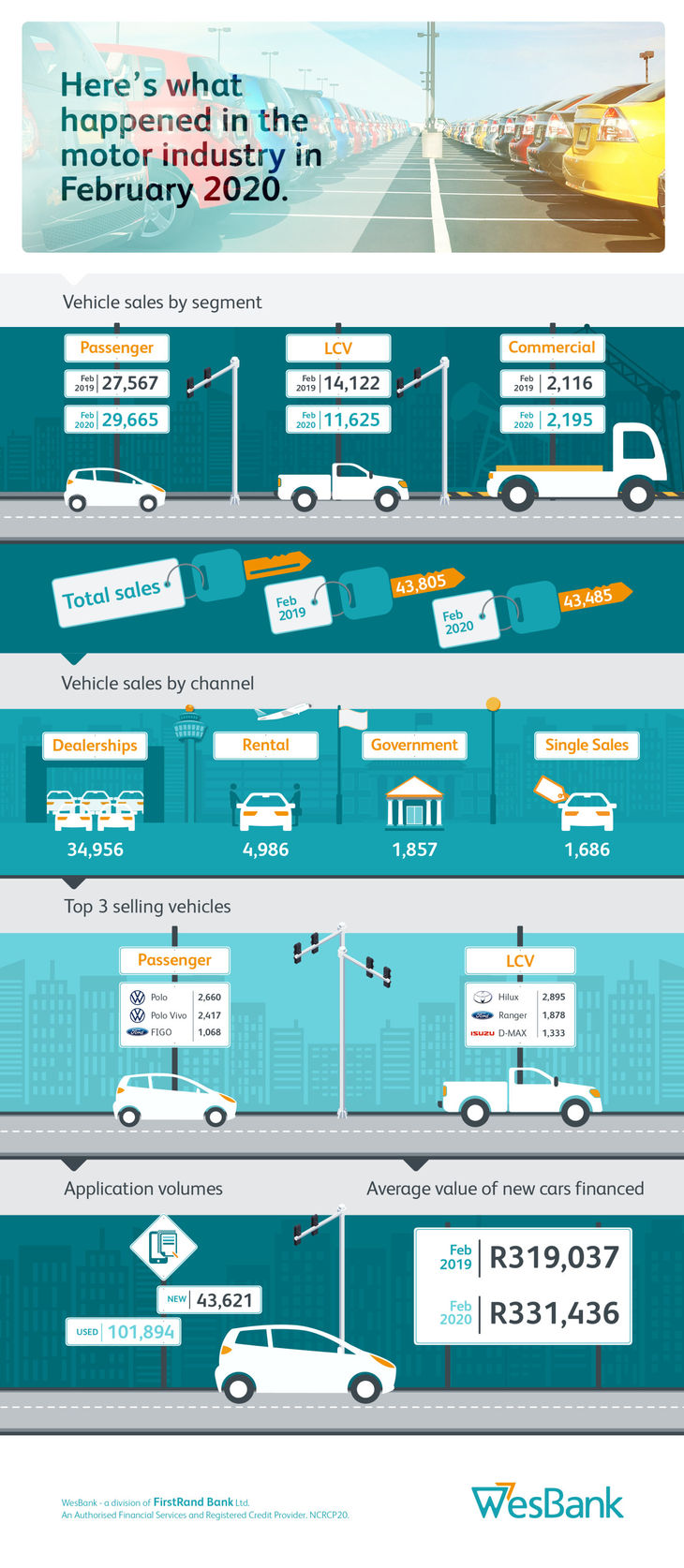
“More selling days than usual during February thanks to the leap year may have contributed to the improved performance of the market. Reported numbers also include BMW sales, showing a more representative outlook than January was able to” says Lebogang Gaoaketse, Head of Marketing and Communication, WesBank. 

New Car Sales Summary in SA: February 2020

  • Aggregate new car sales at 43 485 units down by 0.7% (-320 units) compared with February 2019.

  • Passenger car sales of 29 655 units up by 7.6% (+2 098 units) compared with February 2019 

  • LCV sales of 11 625 units down by 17.7% (-2 497 units) compared with February 2019

  • Export sales of 30 832 units down by 8.4% (-2 843 units) compared with February 2019

Top 10 Car Brands in SA 

  1. Toyota – 9 374 units

  2. Volkswagen – 7 674 units 

  3. Ford – 4 375 units 

  4. Nissan – 3 493 units 

  5. Hyundai – 2 926 units

  6. Renault – 2 231 units

  7. Mercedes-Benz – 1 831 units

  8. Suzuki – 1 696 units 

  9. Isuzu – 1 545 units

  10. Kia – 1 375 units

Top 10 Best-Selling Cars in South Africa


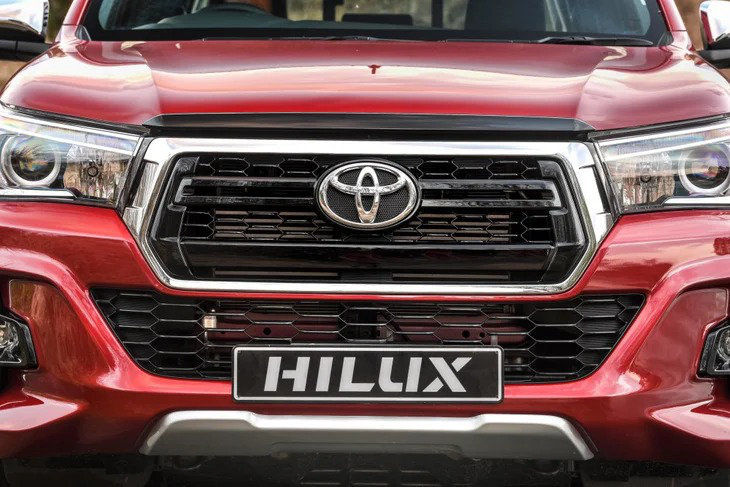
  1. Toyota Hilux – 2 895

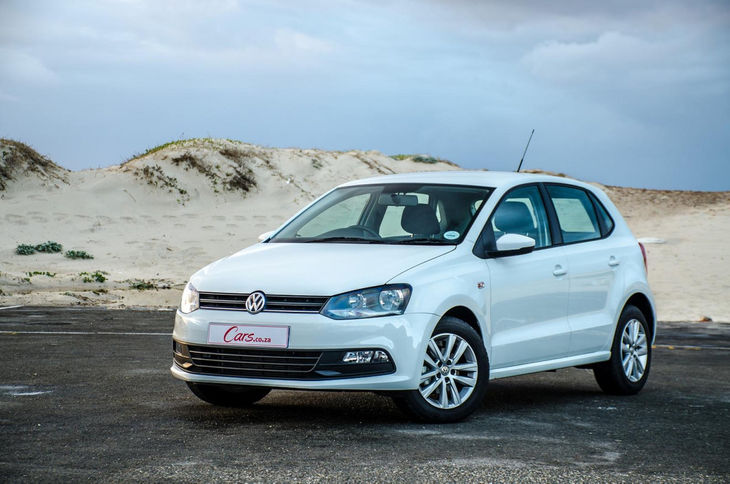
  2. Volkswagen Polo Vivo – 2 417 units

  3. Volkswagen Polo  – 2 120 units 

  4. Ford Ranger – 1 878 units 

  5. Isuzu D-Max – 1 333 units 

  6. Nissan NP200 – 1 167 units 

  7. Toyota Hi-Ace – 1 083 units 

  8. Ford Figo – 1 068 units 

  9. Ford EcoSport – 997 units 

  10. Toyota Fortuner – 975 units 

Sales Outlook


The outlook for the foreseeable future remains uncertain. Low economic growth projections and the ongoing threat of load-shedding by Eskom continues to depress consumer and business confidence. The effect of the Coronavirus outbreak continues to impact global markets and the repercussions thereof will continue to affect supply chains and disrupt manufacturing operations. While new car sales are expected to remain depressed, an uptick in export sales is expected with a projected figure of roughly 390 000 units for 2020, which is expected to trump last year’s record of 387 125 units. 


Peugeot 208 Wins European Car of the Year

The Peugeot 208 has won the 2020 European Car of the Year and it will be coming to South Africa before the end of 2020.

Peugeot's compact 208 is a rival to the Volkswagen Polo, Ford Fiesta, Renault Clio and Mazda2 to name but a few. It managed to see off strong competition in the form of the BMW 1 Series, Ford Puma, Porsche Taycan, Renault Clio, Tesla 3 and Toyota Corolla to clinch the win.

The European Car of the Year judges are 60 automotive experts from across Europe. Built on a new platform that's 30kg lighter, the new 208 is powered by a range of four engine options. Three output grades of Peugeot’s 1.2-litre three-cylinder petrol engine will be on offer (56-, 75- and 97 kW), with the most powerful turbocharged engine driving the front wheels through an eight-speed automatic transmission. The entry-level 56 kW engine is unboosted and shifts gear via a five-speed manual, whilst the mid-grade 75 kW option offers both six-speed manual or eight-speed automatic shifting. A sole alternative fuel engine will be available too, a 75 kW 1.5-litre turbodiesel. There's also an electric version called the e-208.

Peugeot South Africa confirmed the all-new Peugeot 208 will make landfall towards the end of 2020.

Further Reading

2020 Peugeot 208 Revealed: Now With Electric Power

Peugeot 208 GT-Line (2018) Quick Review

Peugeot Introduces GFV Program in SA

Peugeot 208 GTi unleashed

Peugeot 208 GTI Reviewed

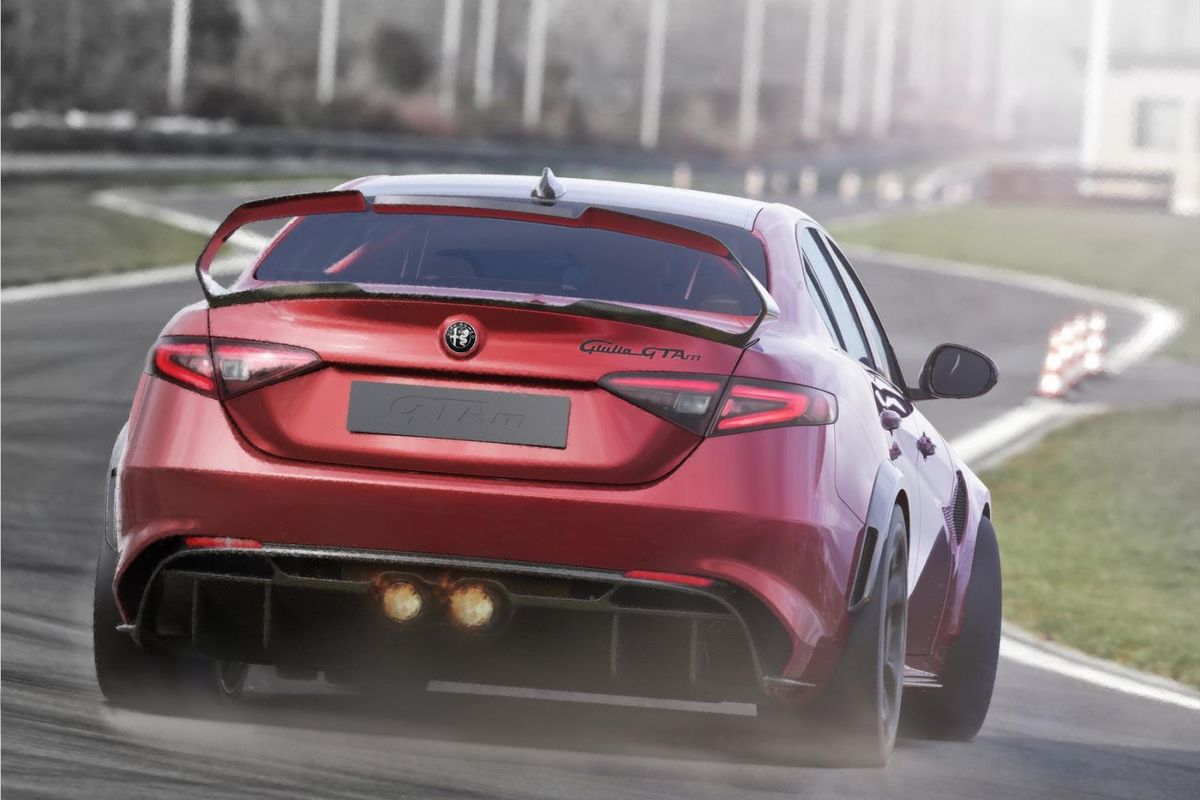
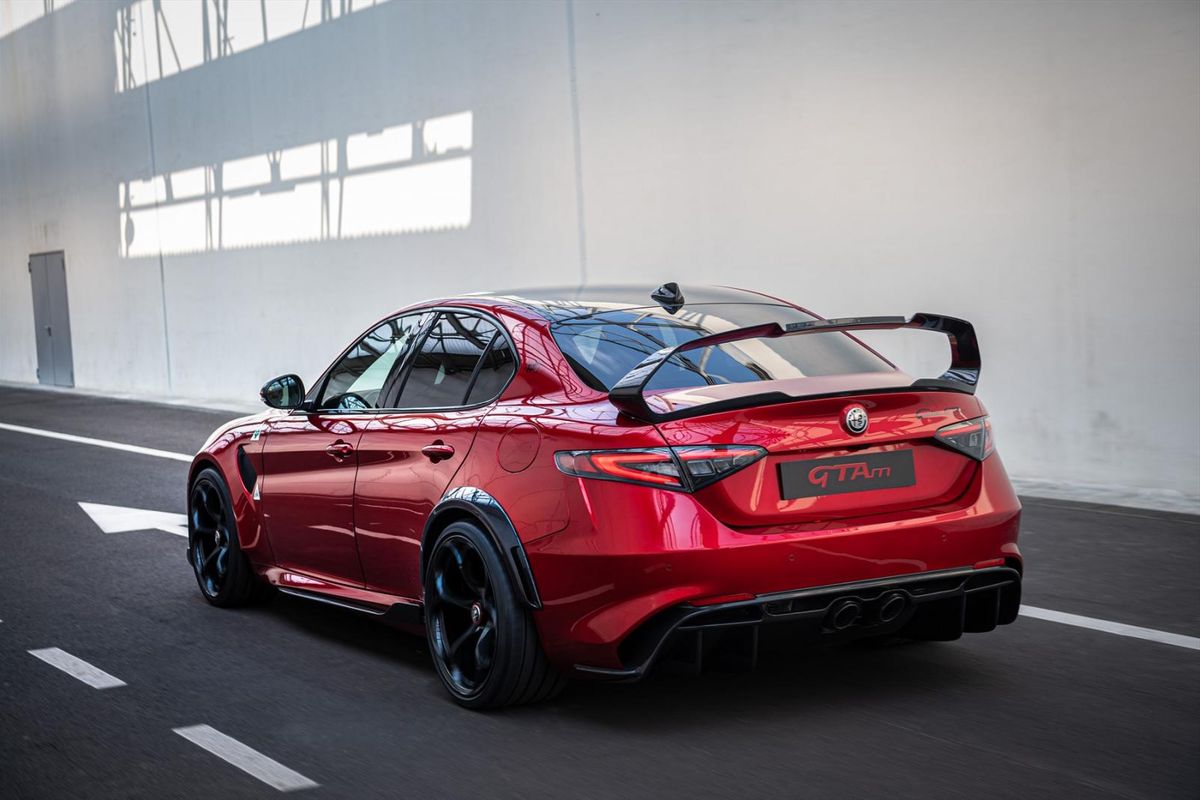
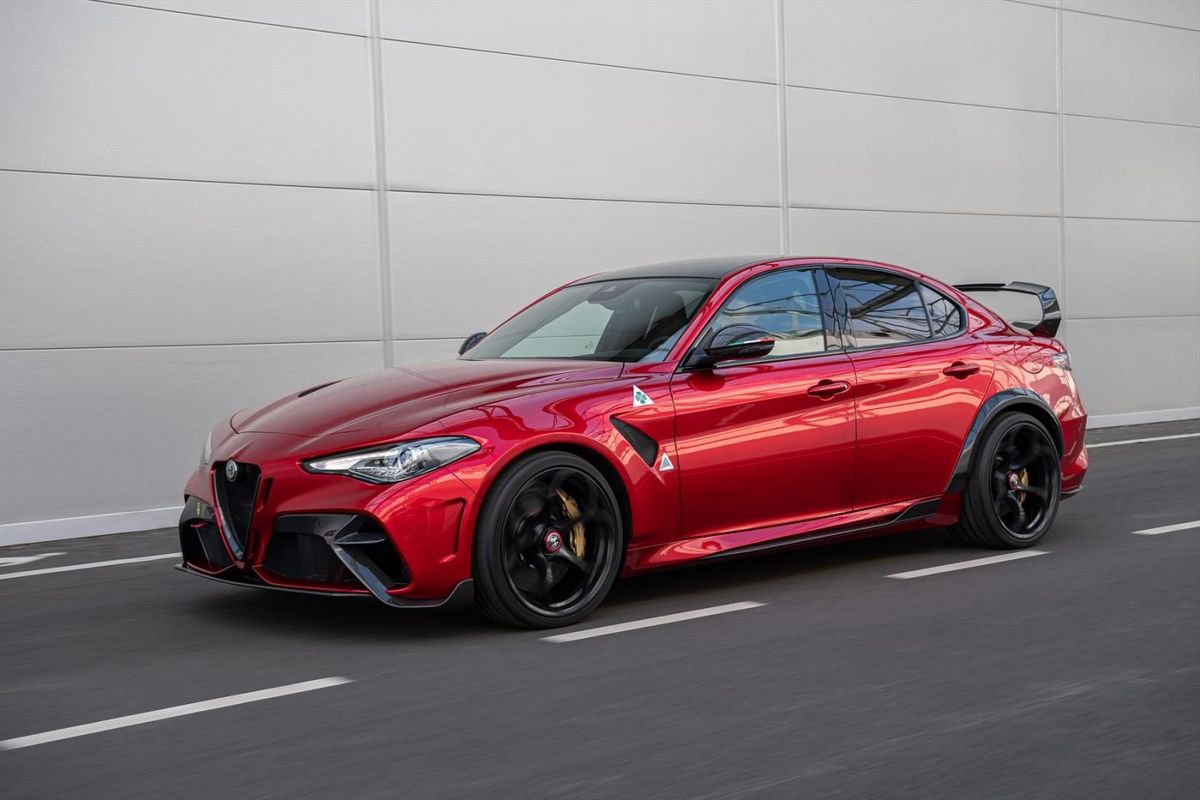
Alfa Romeo Unveils Hardcore Giulia GTA

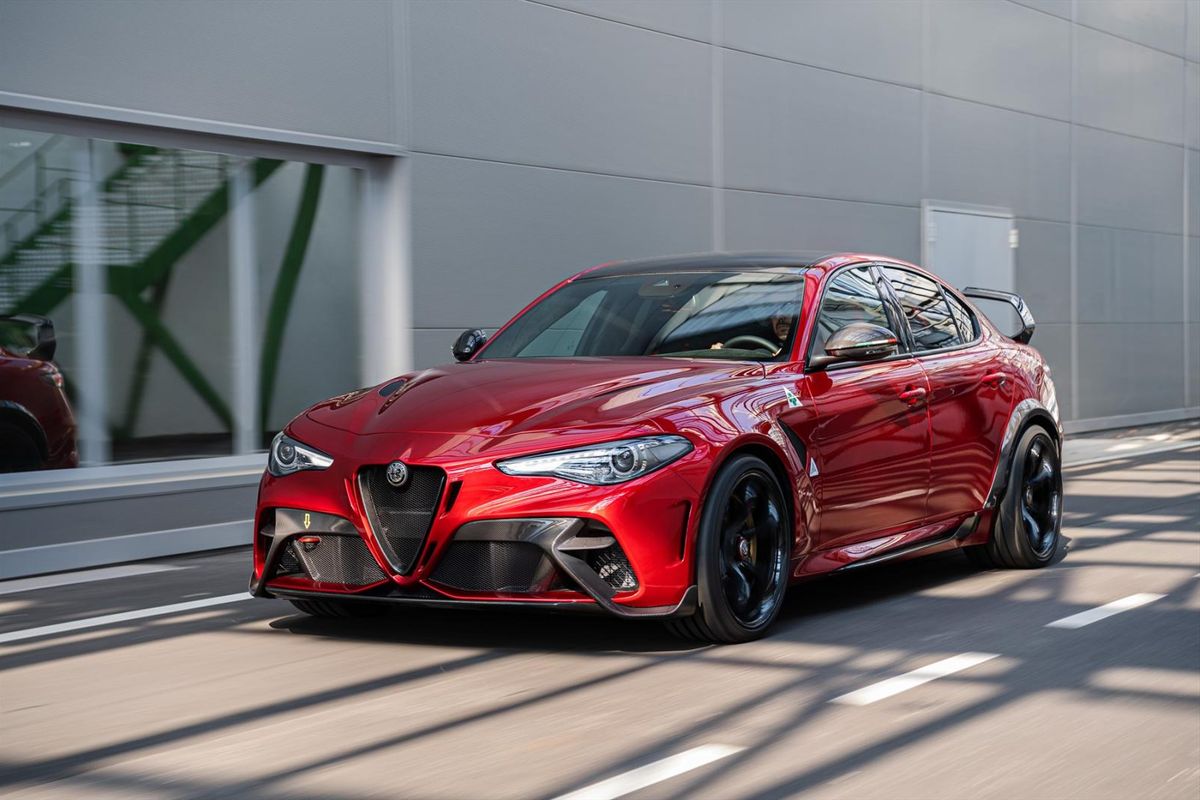
The Alfa Romeo Giulia Quadrifoglio didn't need a performance version and yet the Italians have gone on and reincarnated the iconic GTA nameplate.

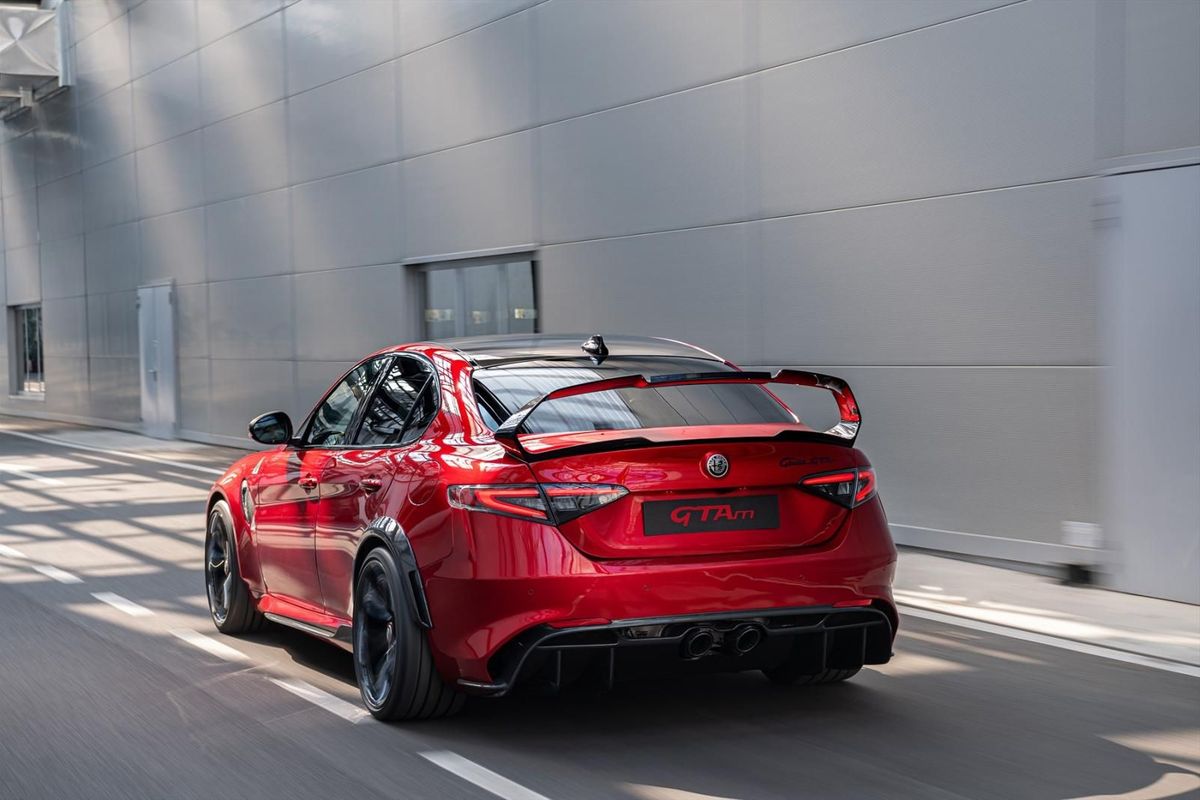
Limited to just 500 units, the Alfa Romeo Giulia GTA is a lighter and faster version of the already quick Giulia Quadrifoglio. Built to celebrate 110 years of Alfa Romeo, the new Giulia GTA boasts some upgrades to give it a hardcore track focus. Think of this as Alfa Romeo's answer to the BMW M4 GTS and Jaguar XE Project 8.

The 2.9-litre biturbo V6 sourced from Ferrari has been given some tweaks, with power now rated at 403 kW, from 375 kW and 600 Nm. There's a new Akrapovic titanium exhaust system, identified by the large central exhausts. Performance figures are decent, with a 0-100 kph of 3.6 seconds – a marked improvement over the standard car's 0-100 kph in a claimed 3.9 seconds.

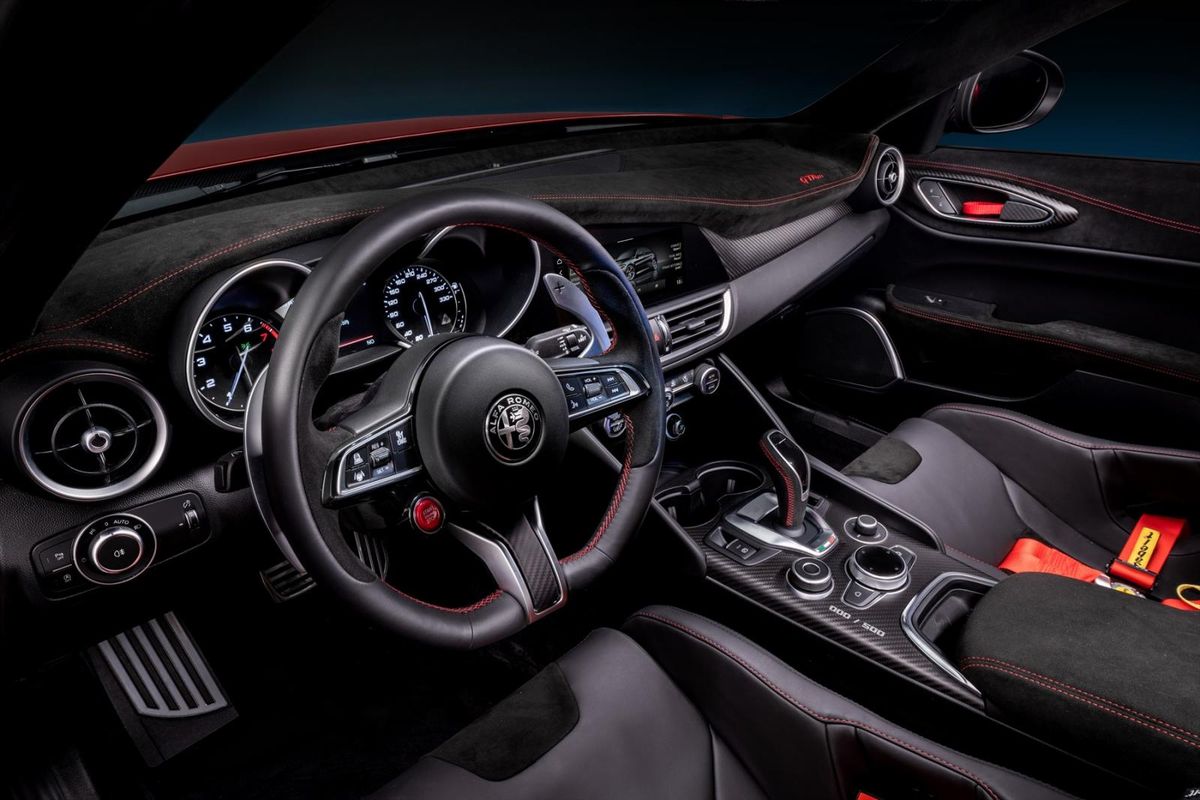
The entire car has gone on a diet, losing around 100 kg thanks to the extensive use of even more carbon fibre, bringing the total weight to just over 1 500kg. The car boasts carbon fibre in the bonnet, wings, boot, bumpers and bucket seats. For those wanting even more, there's the crazier version called the Alfa Romeo Giulia GTAm, which removes the rear bench seats and replaces them with a roll cage. There's a carbon rear wing as well as an extended front splitter for more aerodynamic effects and inside are full racing harnesses. It's essentially a stripped-out but street-legal racecar.

The Alfa Romeo Giulia's suspension has been uprated too, with engineers widening the track by 50 mm and there are new springs, shocks and bushes. The cabin gets a new-look steering wheel design made from, you guessed it, carbon fibre and there's plenty of Alcantara splashed across the interior. 

Further Reading

Alfa Romeo Tonale Concept Revealed

Alfa Romeo Tonale Production Model Leaks Early

Alfa Romeo GTV6 3.0: SentiMETAL Ep9

Alfa Romeo Stelvio (2017) Launch Review

Alfa Romeo Giulia 2.0T (2017) Review

Alfa Romeo Giulia Quadrifoglio (2017) Video Review

Building the Ford Ranger Raptor’s Engine

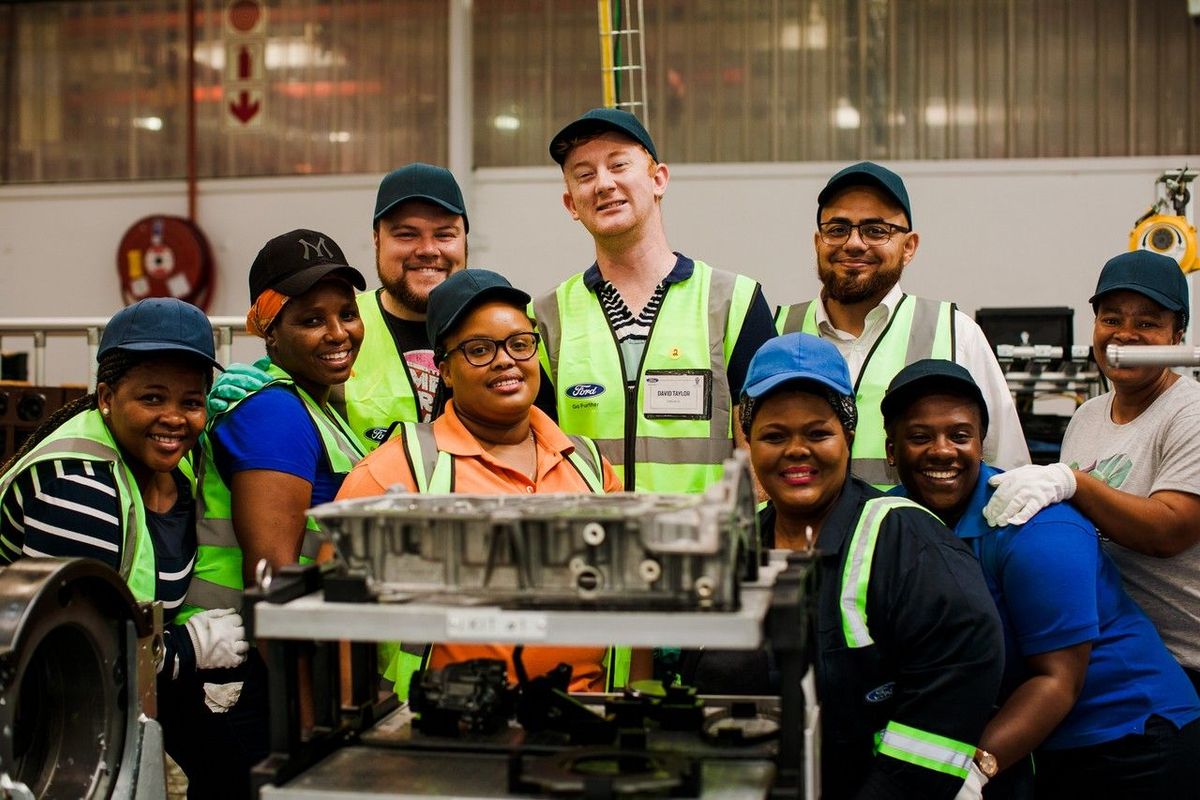
Ford South Africa offered Cars.co.za and other media representatives a once-in-a-lifetime opportunity to help its employees assemble 2.0-litre turbodiesel engines for the Ranger and Everest at the company's Struandale engine facility in Port Elizabeth. What could possibly go wrong? 
A lot. An awful lot could go wrong, especially considering that, before we embarked on this outing, Ford Motor Company of Southern Africa (FMCSA) informed us that the engines we'd help assemble were – like all the other powerplants produced on Struandale's production line – destined for the Ford factory in Silverton, Pretoria and would duly find their way into the engine bays of South African-built Rangers and Everests (destined for both the local and export markets). There were no second chances; no dummy lines to practice on. Every mistake would cost FMCSA money, but fortunately, the factory had put in extra shifts to make provision for any hiccups. No pressure then… 

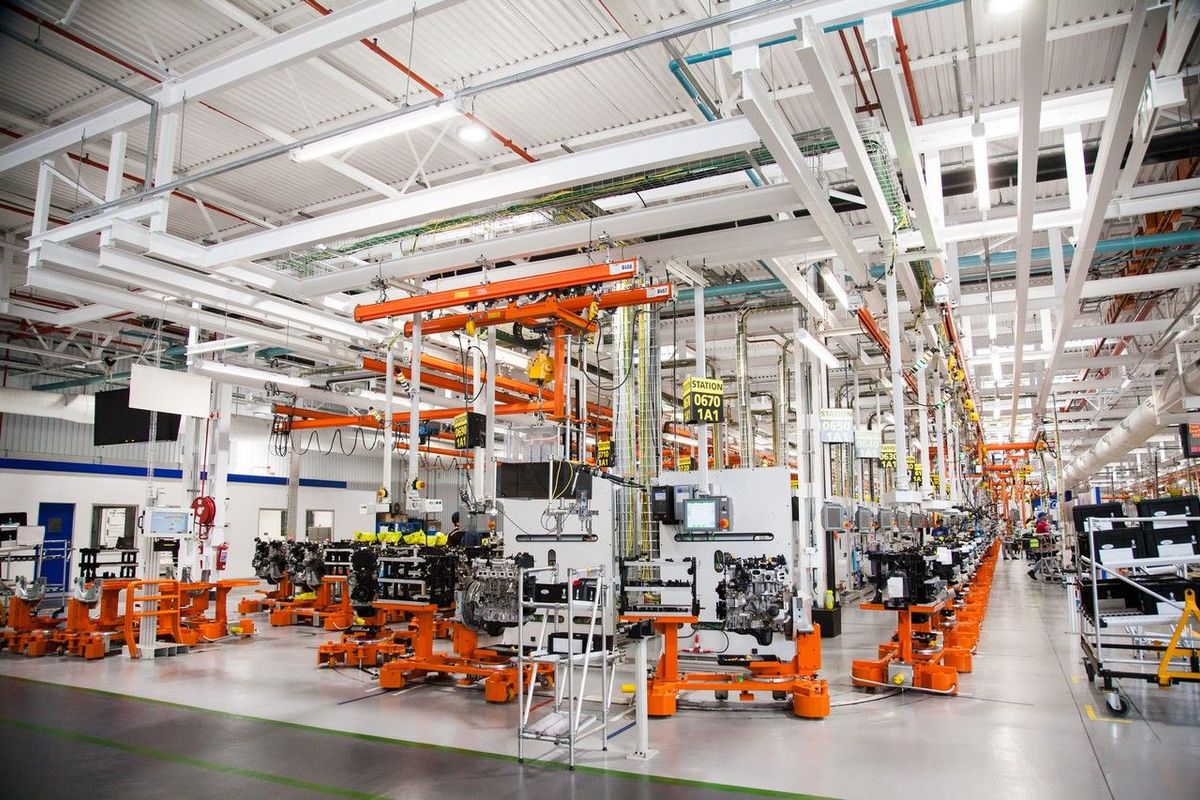
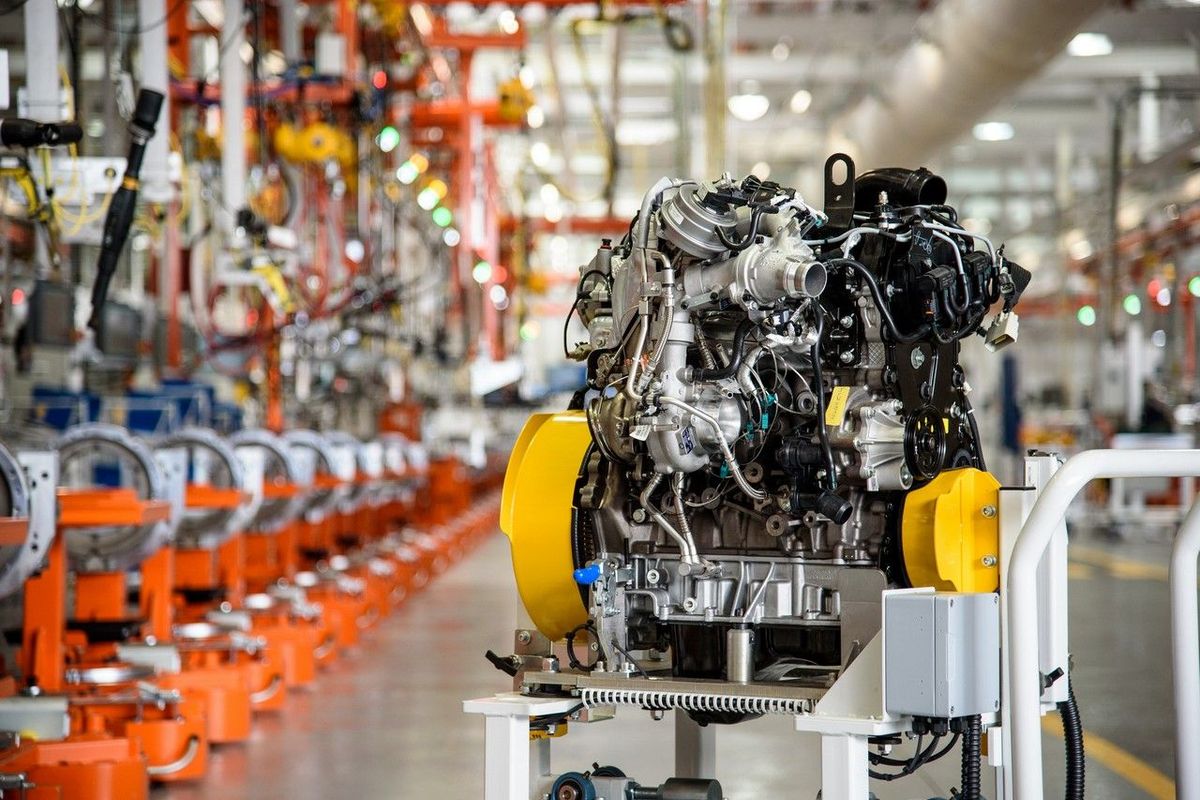
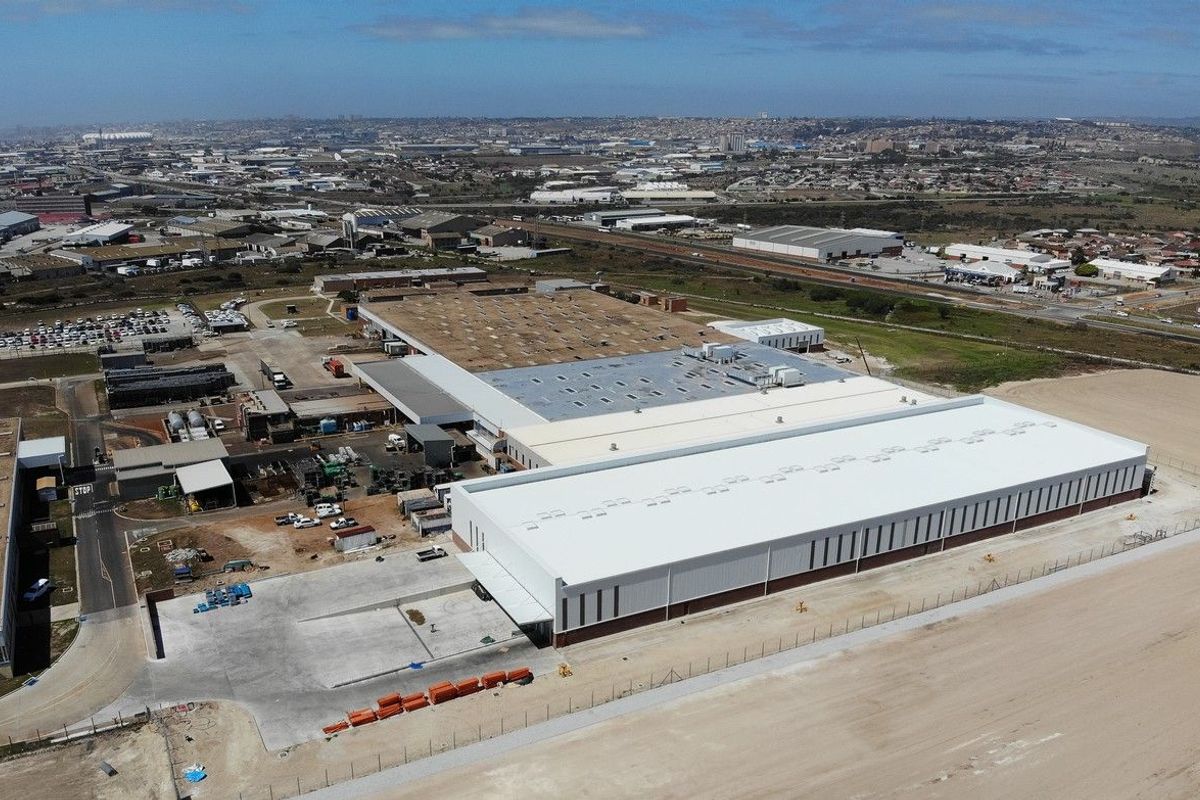
Ford's Struandale plant in Port Elizabeth was built back in 1964 and since its inception, it has produced no fewer than 10 different engines, including some well-known units like the Essex V6, Kent and RoCam motors. It celebrated the 3-million-engines-produced mark back in 2014 and now it assembles the 3.2-, 2.2- and new 2.0-litre turbodiesel engines. We'd be working on the latest high-tech motors to be assembled, the 2.0-litre single turbo and the 2.0 bi-turbo diesel powerplants. The Struandale plant has an installed capacity to make 120 000 of these new-generation 2.0-litre engines a year. 

These new-generation motors are built in a 3 900 square-metre hall on a 312-metre assembly line. There are 110 work stations and 96 operators per shift. Ford currently runs 2 shifts per day, 5 days a week and the plant puts out one completed engine every 134 seconds. Every day, around 576 engines (loaded on 6 trucks) hit the road and head to Gauteng, where they are built into the locally-produced Rangers, Ranger Raptors and Everests, while a further 7 containers with 72 engines and various components head to the harbour to be shipped to the export market. There is extensive use of robotics too, both on the main assembly line and sub-assembly line.

What's deeply impressive is the focus on quality and the number of cameras, transponders and quality management systems. If a defective engine goes out, the Ford team will be able to trace exactly what time that engine was assembled. We'd help to build the 2.0-litre biturbo with 157 kW and 500 Nm, which does duty in the Ranger Raptor and Ranger Wildtrak, as well as the 2.0-litre single turbo (132 kW/420 Nm) found in XLT derivatives.

Time to build


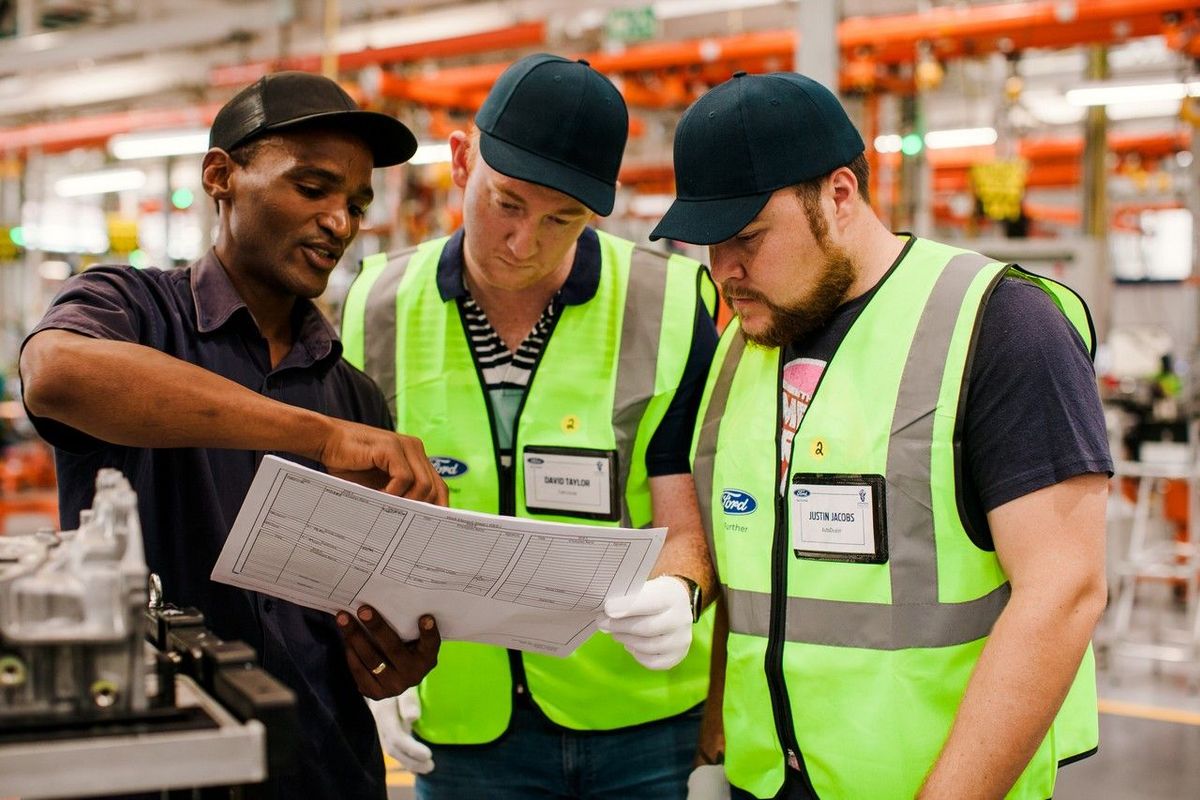
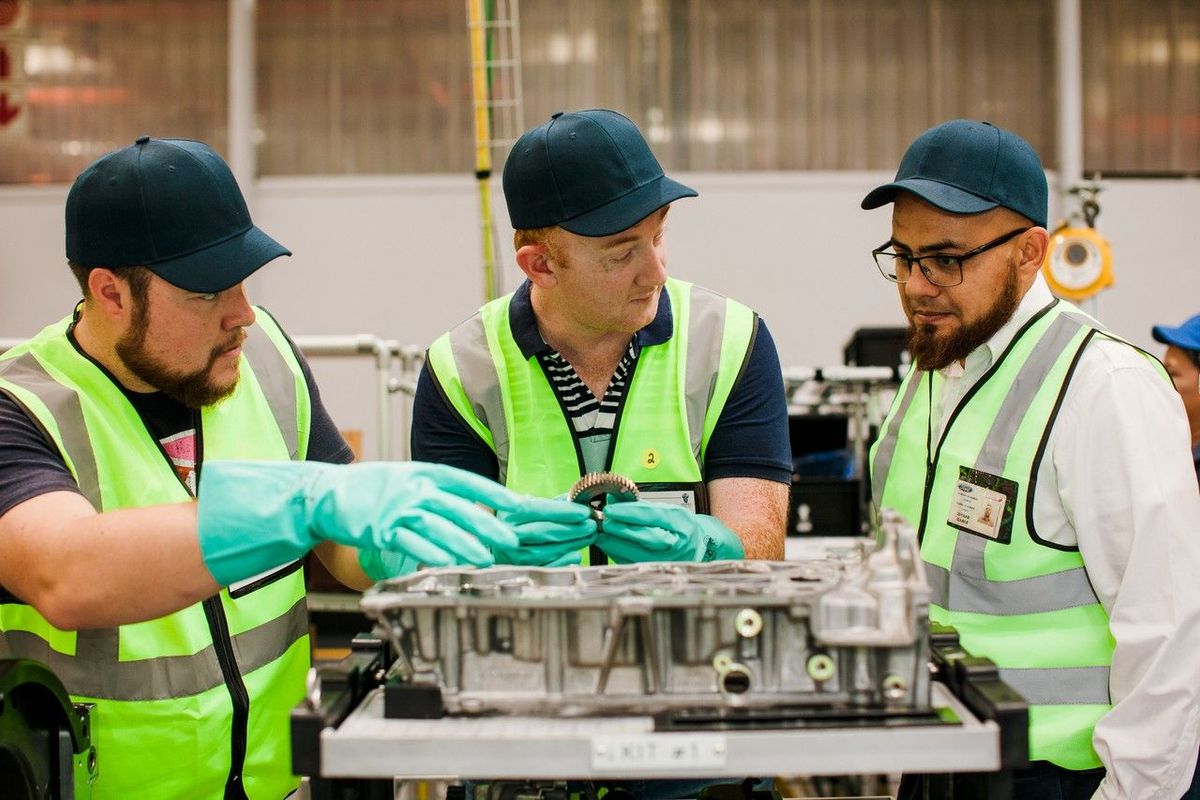
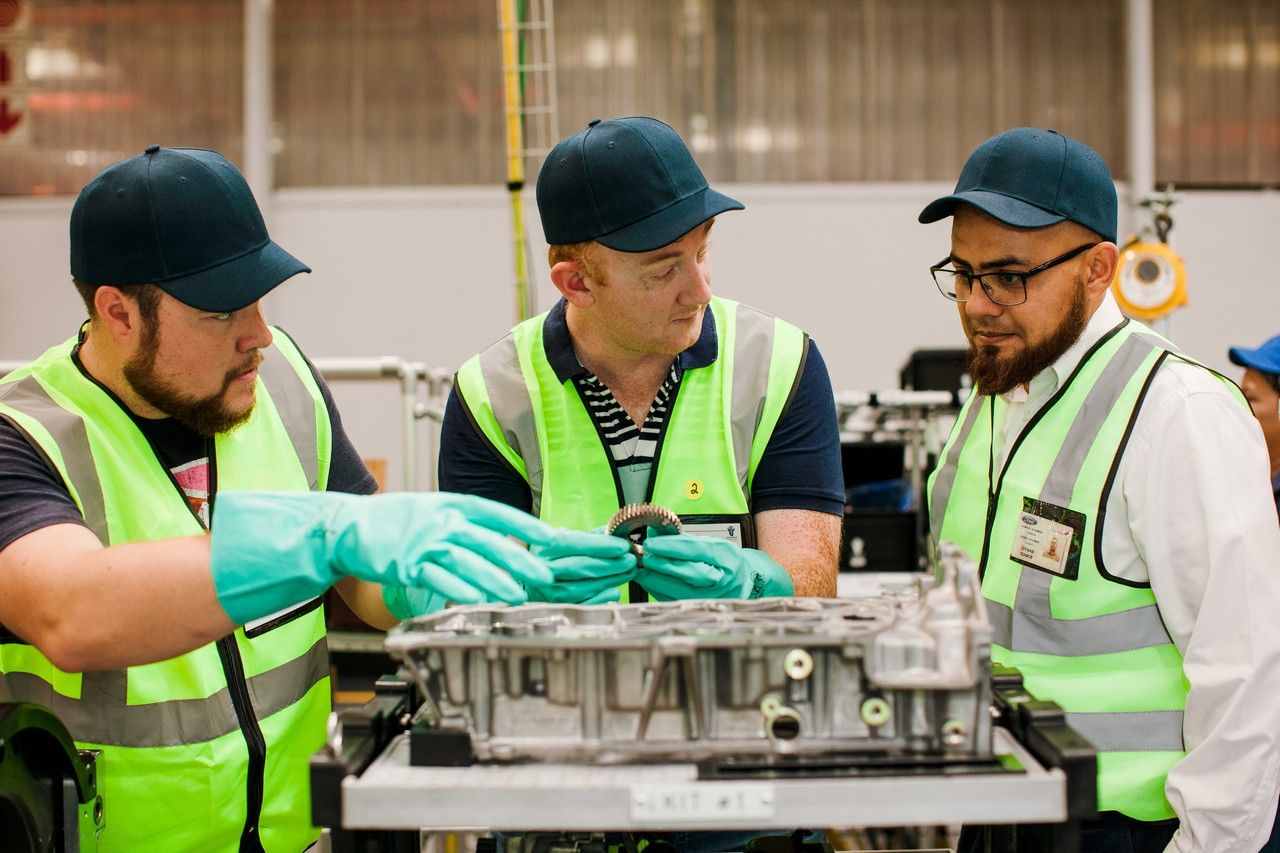
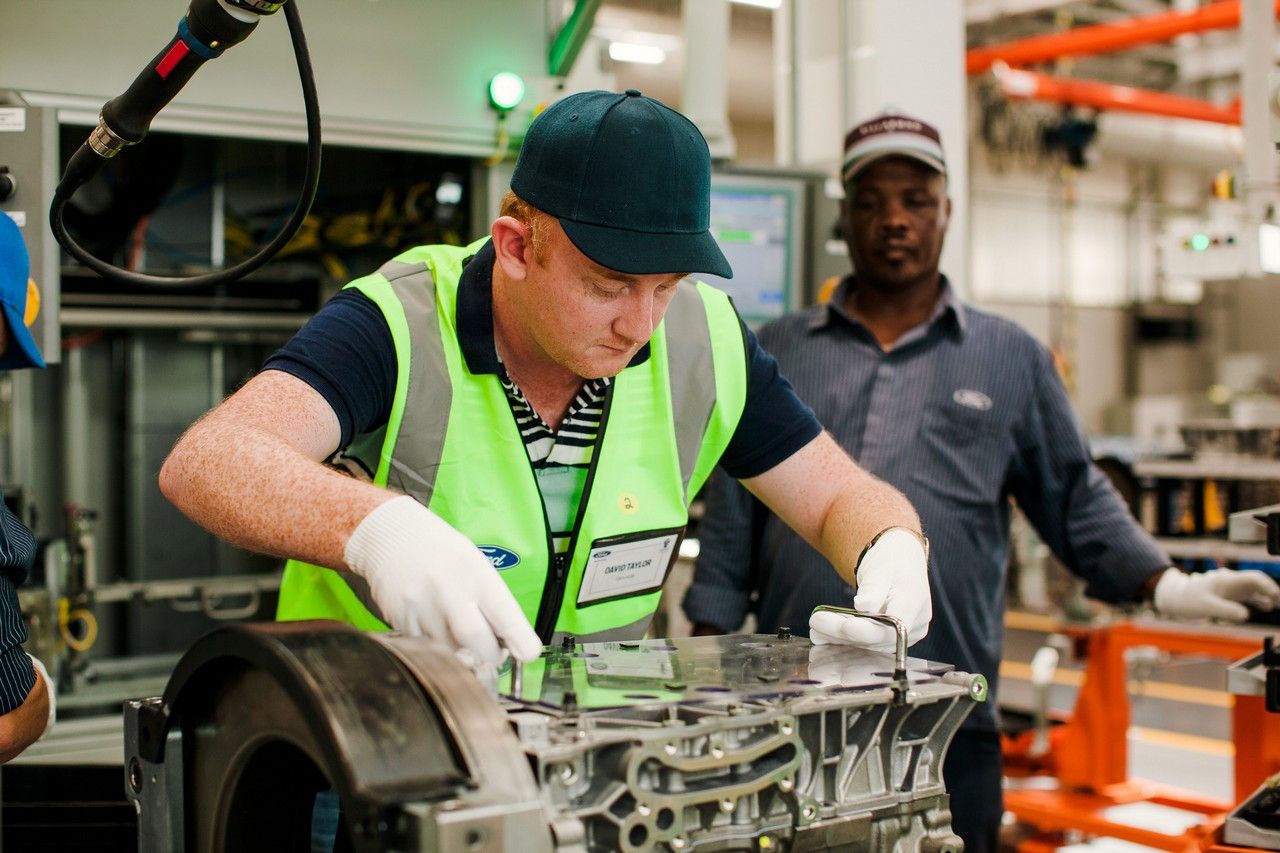
Auto Dealer and Cars.co.za under the careful watch and supervision of Ford SA's Ziyaad Isaacs
If you have not yet been fortunate enough to visit a car factory, you should try your utmost to join one of the many tours offered by South Africa's car factories; the finely-tuned processes and general cleanliness observed by those facilities are surely examples to us all. To use that cliche, the floors are so clean that you could (almost) eat off them. Safety is the top priority here; there are plenty of machines that could cause serious injury (or even death) if the utmost of care isn't taken. Having received a thorough health and safety briefing, it was time to kit up and we were issued with proper workboots and safety hats. If you're not prepared, the noise, and in some sections, the heat can be unsettling.


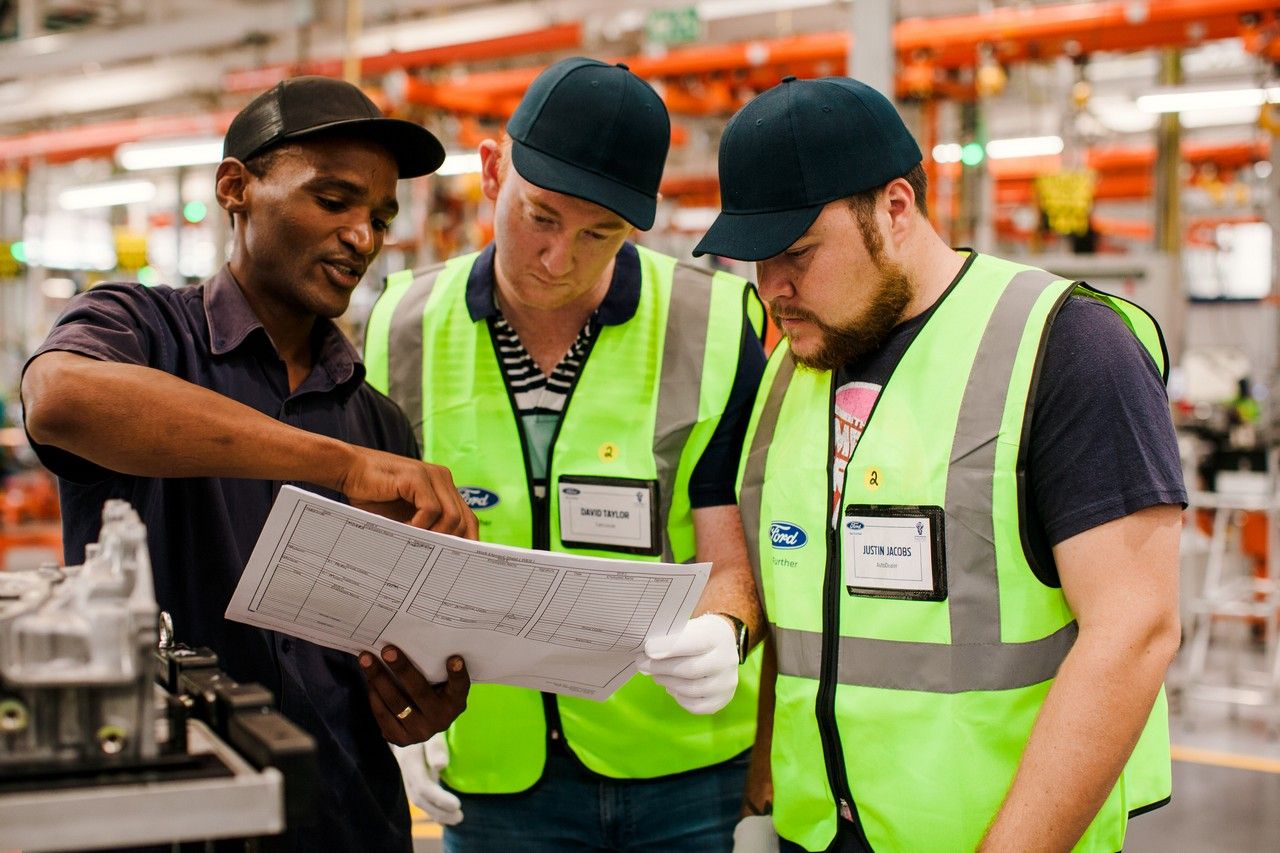
"Alright gents, this is exactly how things are assembled at this station. Do not deviate, do not try to improve, just follow the procedure."

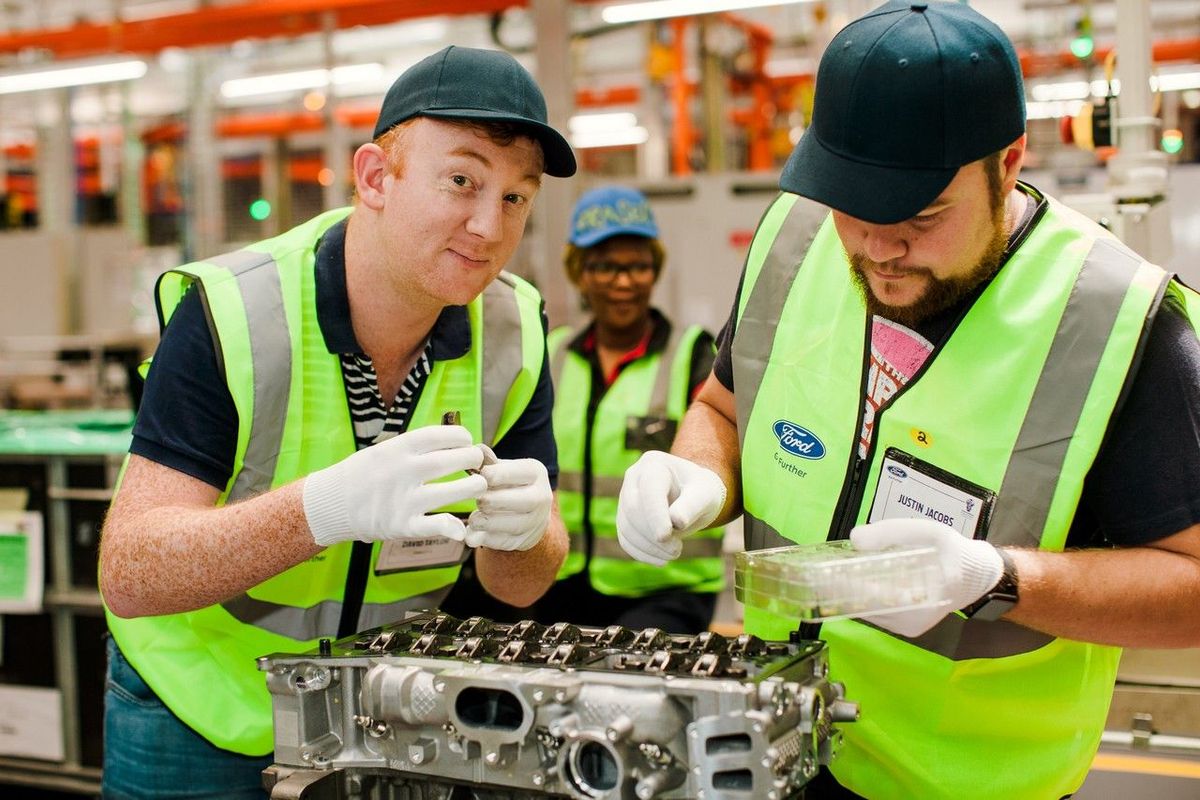
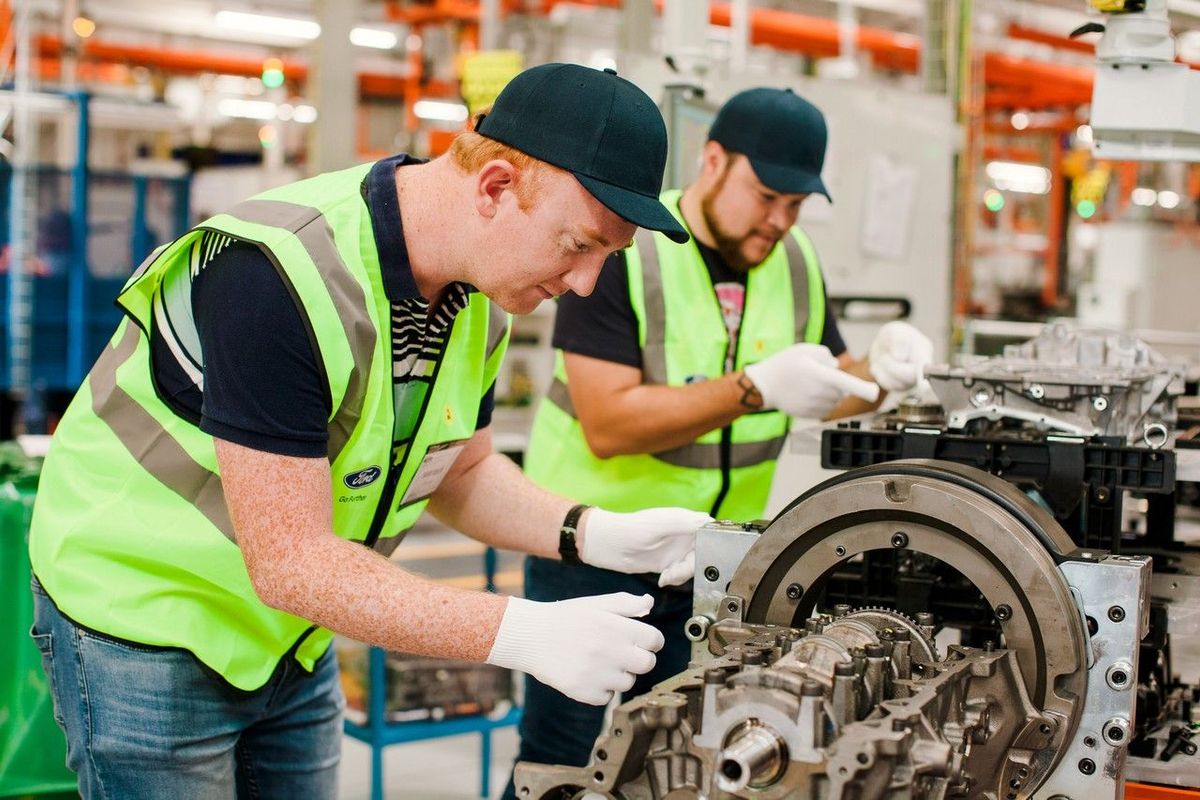
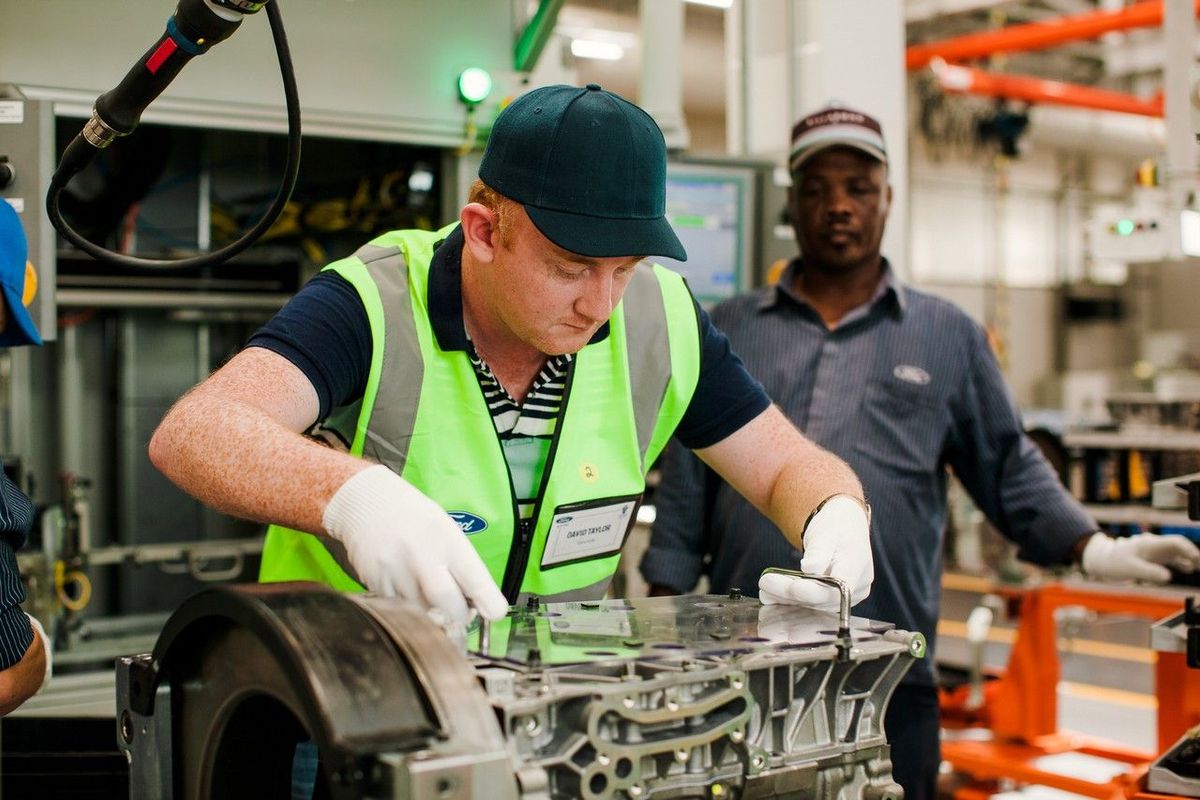
After a tour of the line, my partner and I were dispatched to a station to work on engines' bottom ends. We had a quick tutorial on what exactly happens at that station; then it was our turn. Remember the line is continually moving and while it was at a snail's pace, there's a real risk of falling behind and if you hesitate or make a mistake, you have to catch up. "Can't they stop the line?" you may ask. Well, they can, but any stoppage costs money. A minor incident later that day (it wasn't us) resulted in a line stoppage of over 20 minutes and the smiles and jovial vibe were replaced by irritation and concern from the Ford SA management, as well as mutterings of "well, that delay certainly cost us…"


Yours truly trying to fit components onto the engine block which is moving along.

You must be thinking this tale is a little far-fetched. Did Ford SA really allow journalists to build their engines? Where's the control? Are those engines safe for customers? Yes, and yes, we were watched and supervised extensively. Those engines are probably on their way to the final assembly in Silverton, Pretoria. See, give the Ford team its due, they'd worked extra shifts prior to this day to build a surplus, just in case things went awry and production slowed. So even if the line lost plenty of units thanks to some careless writers, the plant was on course to reach its targets. Also, with that much supervision and microscopic attention to detail, surely nothing could go wrong? Yet, sadly it did, for me. 

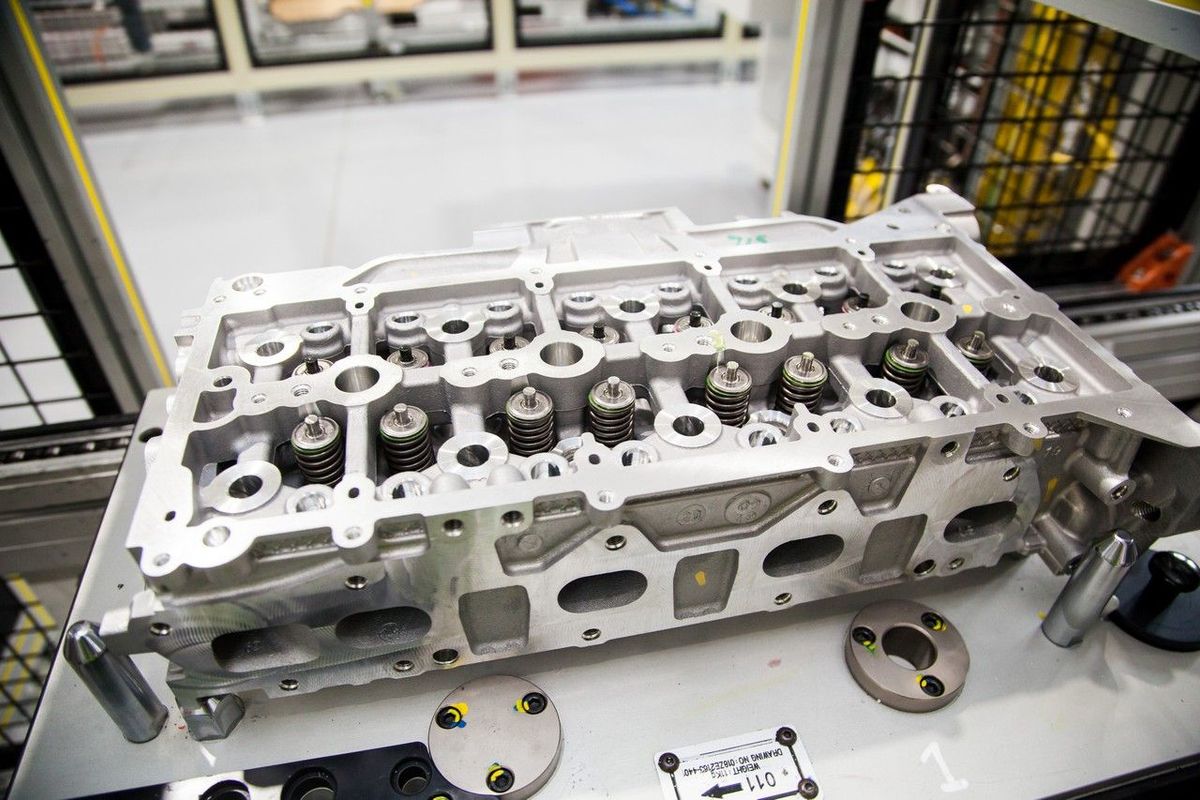
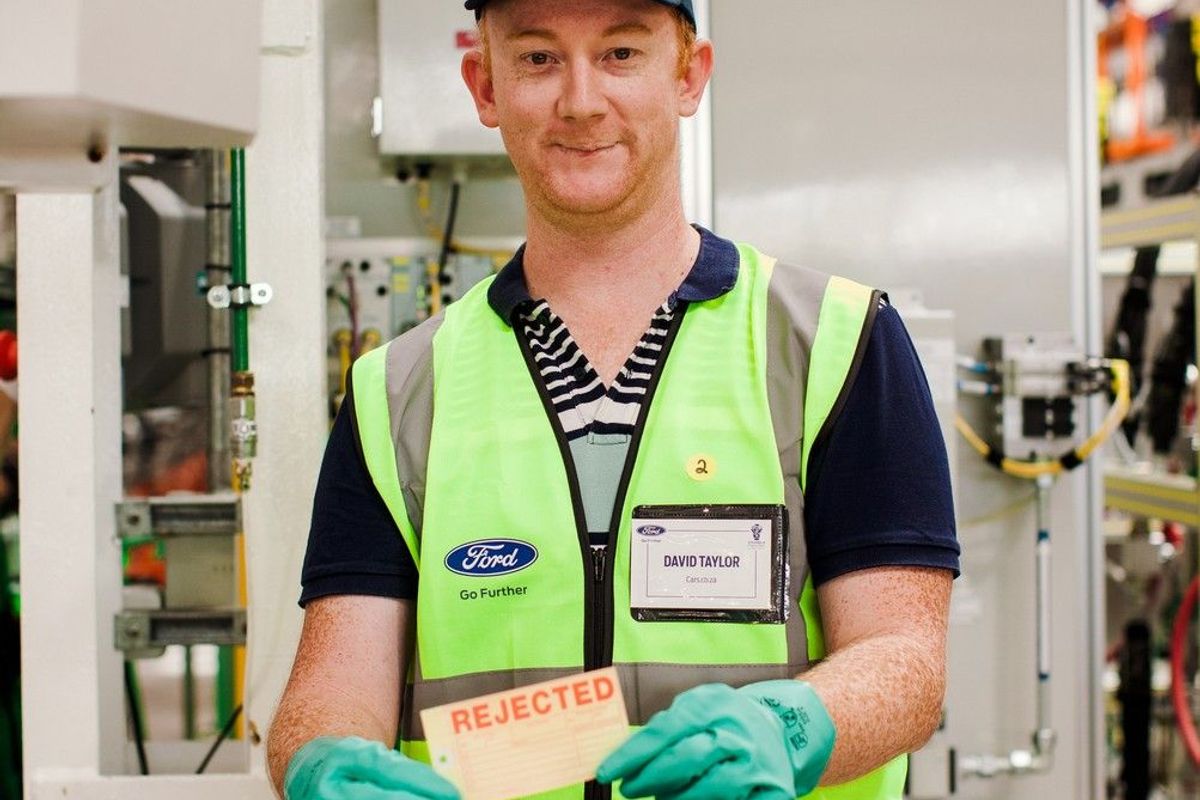
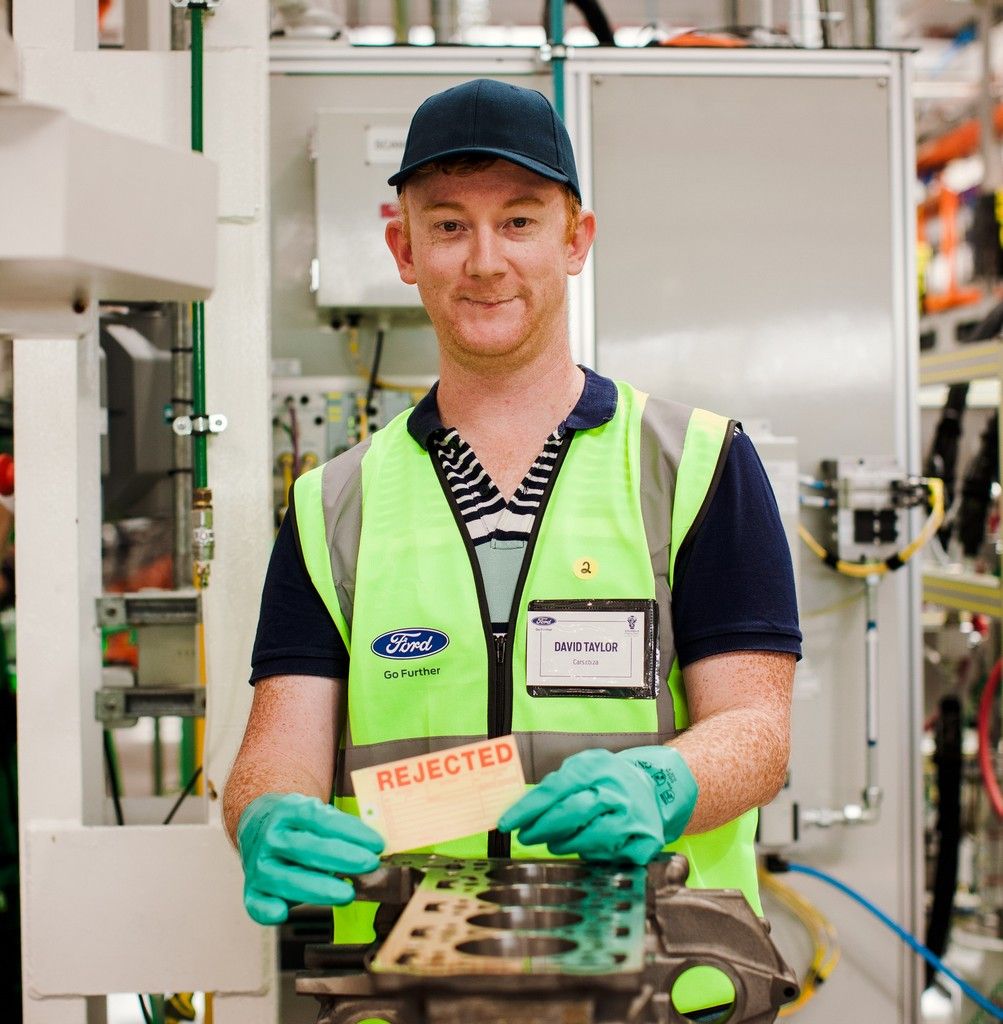
We were shifted around the plant and experienced all aspects of engine building. My partner and I were subsequently moved to a section that checks the bore of engines' cylinders. The task was straightforward; reposition the block, add this part, place sensor in position, run test, return sensor, reposition block and push the approval button. However, the sensor was incorrectly placed on its stand and when the next block came into play, the sensor was in the wrong position and the result was a failure. A few sirens went off and a manager was summoned to fix the errors. The block had failed its cylinder bore test and was tagged and bagged as a reject. Oops.


The shame! This block simply travelled down the line again, passed the tests the 2nd time around and is now on its way into a vehicle.

Being thrown onto the front line and working alongside the Ford Motor Company employees gave us incredible insights into production-line management, processes and quality control. It was an eye-opening experience to see not just how the engines are assembled and thoroughly tested, but also what goes into making a highly-efficient and controlled production line. We put our sweat and tears (fortunately no blood) into those engines and all but one passed the stringent quality control, so if you land up driving a Ranger or Everest with an engine made during the first shift on the 20th February 2020, it'll have some Cars.co.za soul in it. Would we do this again if you asked us? In a heartbeat.
Follow the engine building process [Video]

Further Reading

Mustang power for Ranger Raptor

Ford Ranger Takes International Pick-Up Award Victory

Building the Ford Ranger Raptor

Ford Ranger Raptor (2019) Video Review

Ford Ranger (2019) Launch Review