Only a few days into being in the hot seat at Isuzu, we speak to the Japanese marque's new local CEO and MD, Billy Tom.
We recently reported on the appointment of Billy Tom (50) as the new CEO and MD of Isuzu, a brand which has been re-energised since "going it alone" following the departure of General Motors. Tom seems perfectly suited to the job, with not only previous experience with General Motors itself but also in the banking and FMCG sectors, education in the Eastern Cape (Rhodes University) and a passion for farming, all of which will stand him in good stead with a brand such as Isuzu.
Business in a post-COVID19 world
Perhaps predictably, Tom's first days in the office will be focused on getting business going again in a very different consumer landscape. "A lot has changed," he says, "the motor industry will never be the same again. Social distancing, for example, is here to stay, but beyond that, we need to figure out how consumer demands have changed, and consequently how we should change our business."
"A good example is our online presence," he explains. "People are still kicking tyres, but they're doing it on the Internet, so we have to ensure that our platforms and systems are as user-friendly as possible. Our customers are our reason for existence and we need to always ensure that we put their needs first.”
Renewed focus
In the ongoing Cars.co.za Ownership Satisfaction Survey, conducted in partnership with Lightstone, it recently emerged that Isuzu's salespeople were the highest rated in the industry (2019). This is a particularly surprising and strong performance, given that in the past, when Isuzu was distributed through General Motors dealerships, the GM network was typically rated poorly. This follows on the brand's surprise second-place finish in the prestigious Brand of the Year category at the 2019/2020 Cars.co.za Consumer Awards – Powered by WesBank. We asked Tom how the brand's dealerships have managed to improve so much in a relatively short space of time.
"It's all about focus. In the past, the salespeople sold a suite of products, of which Isuzu was but one, but now they are brand specialists. They live and breathe Isuzu and whether they're selling you a bakkie, an SUV or a truck, they know the product, which in addition to being a by-product of being specialists, is also the result of a significant investment in training."
Isuzu currently has 79 dealerships and growing the network is not a priority at the moment. "Dealership sustainability is key," says Tom.
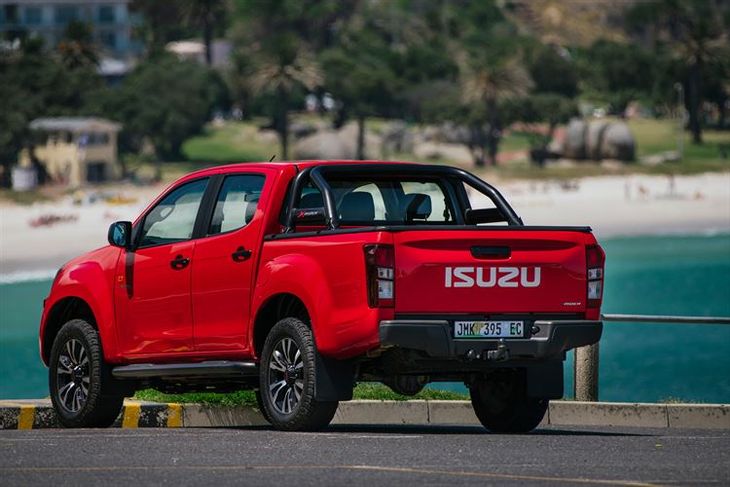
Newly added automatic derivatives of Isuzu's D-Max 250 Double-Cab could perfectly fit changing customer trends.
"Consumers are big on relationships. Brands tend to get transactional very quickly, but we need to invest more time in understanding our customers. In the coming months and years, consumers will be very careful with their money. People are going to shop for value. We may also see the recreational side picking up, because people may want to venture out on their own and require vehicles that fit that lifestyle."
Isuzu's m-UX was recently upgraded and could be one of the brand's products to benefit from the predicted trend, but Tom believes that the new automatic D-Max double-cabs, which are offered at a very attractive price point, could benefit most.
The new D-Max
Just over six months ago Isuzu Motors of Japan confirmed that it will be investing R1.2 billion into the next-generation D-Max bakkie programme in South Africa, while an additional total local content value of R2.8 billion will be generated through the lifecycle of the programme. Tom says that, despite the COVID-19 pandemic, plans are still on track for a local launch date during the second half of 2021.
Bentley has surpassed an important milestone for its Bentayga SUV.
The British luxury vehicle brand announced that the 20 000th Bentayga has been delivered, which marks a notable achievement.
Although the Bentayga was considered deeply divisive of Bentley’s traditional values at launch, it has become a vital product in the company’s portfolio.
Product planners at Bentley realised that wealthy customers were not always domiciled in places with great tarmac driving roads. They desired the design, luxury cabin craftsmanship and technical features which have always defined Bentley, but with an ability to drive on all terrain types.
The solution has been Bentayga, which has conquered new customers for Bentley and added additional revenue, without sacrificing too many engineering resources. Although a tremendously heavy vehicle, even more so than Bentleys limousines, the Bentayga has adequate engineering applied, to ensure it drives as a Bentley is intended to.
Balancing the large SUV through corners are electrically powered anti-roll bars, which manage to do a very credible job of keeping the Bentayga centred.
Despite the success of Bentayga, there are issues with Bentley’s overall business plan. The company is planning and executing all research and product development according to a new ‘Beyond100’ strategy. This to ensure that Bentley remains a leader in luxury motoring, for the next 100 years.
An unexpected part of this Beyond100 programme has been the unhappy outcome of redundancies. Bentley has discovered that it is overstaffed for current product demand and announced that nearly 1 000 employees will be retrenched. That number accounts for nearly a quarter of Bentley’s entire workforce.
Unlike most automotive manufacturers, Bentley is labour intensive and has resisted the rampant mechanisation of many high-volume assembly plants. Many parts of a Bentley are built by hand, especially the highly customizable cabin architectures and finishes.
Despite valuing the art of craftsmanship and handbuilt excellence, not even Bentley has proven immune to weak luxury car demand. Or the pressures of cost analysis and the lure of increase mechanisation.
BMW is celebrating all things M-Division with a new, limited-edition, M4.
This collector’s version fo the M4 features a very interesting roof design, with BMW’s technical people having integrated the M-Division’s colours into the carbon-fibre roof surfacing.
Viewed from above, or a high-aspect side angle, you’ll notice the signature BMW racing stripes, in light and dark blue, with red, which have been embedded into the roof’s carbon-fibre.
Beyond its trick roof colour contrasting, the M4 Heritage edition rolls star-spoke design alloy wheels, 20-inches in diameter.
Inside you’ll have the option on three different contrasting hues for BMW’s bicolour M-specification seats, whilst red and yellow contrast stitching keeps the cabin’s leather trim together.
As with all limited-edition models, BMW is keen to remind its M4 Heritage customers exactly which number they own. To serve this purpose, and increase the future value of these latest M4s, you’ll find a Heritage number badge on the dashboard’s passenger side carbon surfacing and door sills.
BMW has also added ‘Heritage’ lettering to the front headrests.
Mechanically there are no changes over what you’d expect from any other M4. All engine energy output goes to the rear wheels via a seven-speed dual-clutch transmission and there are 331 kW and 550 Nm to power it along, sourced from a twin-turbocharged 3-litre in-line six.
Total global production for the M4 Heritage will total only 750 cars, due to be assembled between November and April of 2020. South Africa is on the list with just 10 models making their way here.
BMW M4 Heritage Edition Price in South Africa June 2020
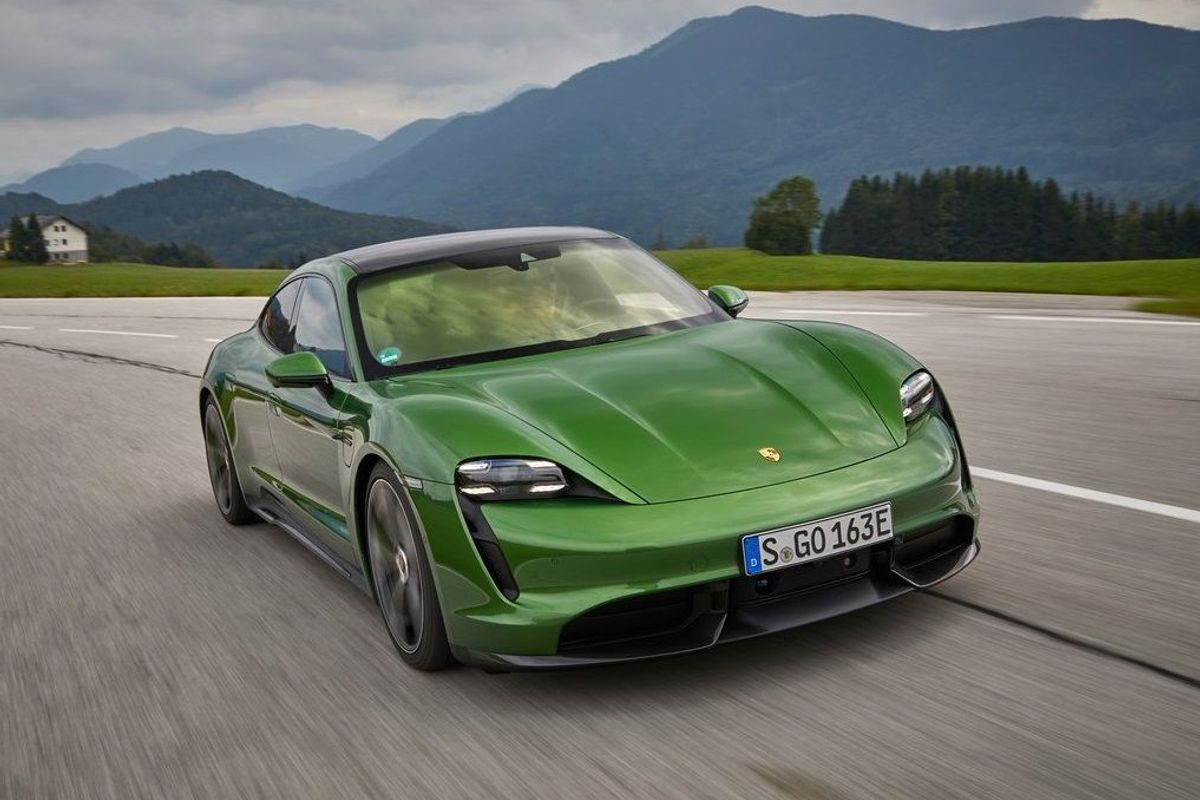
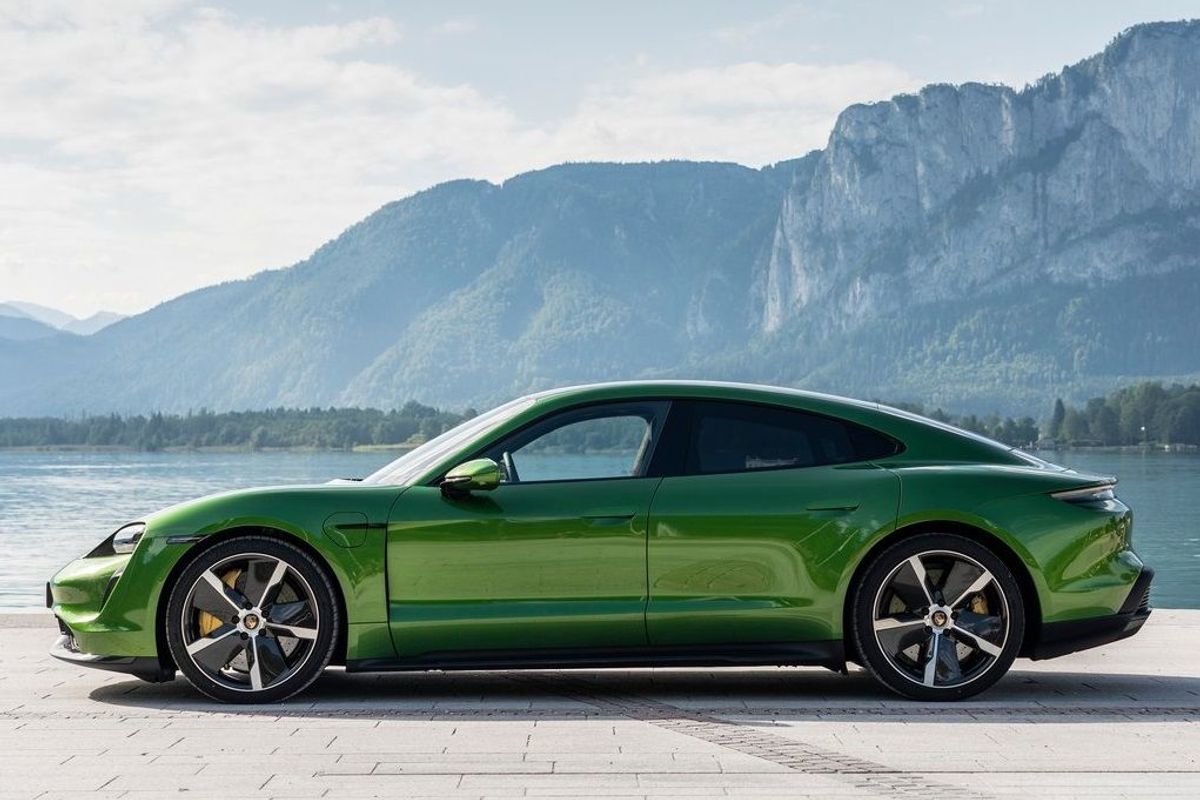
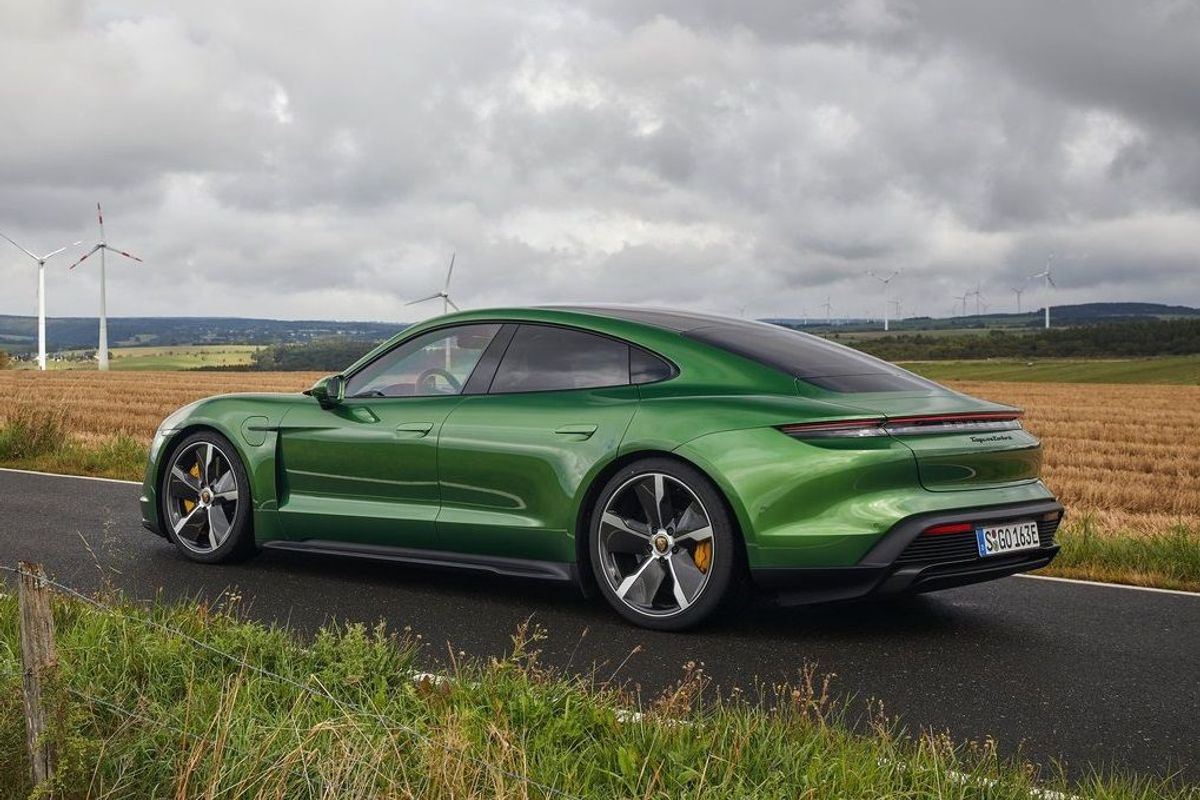
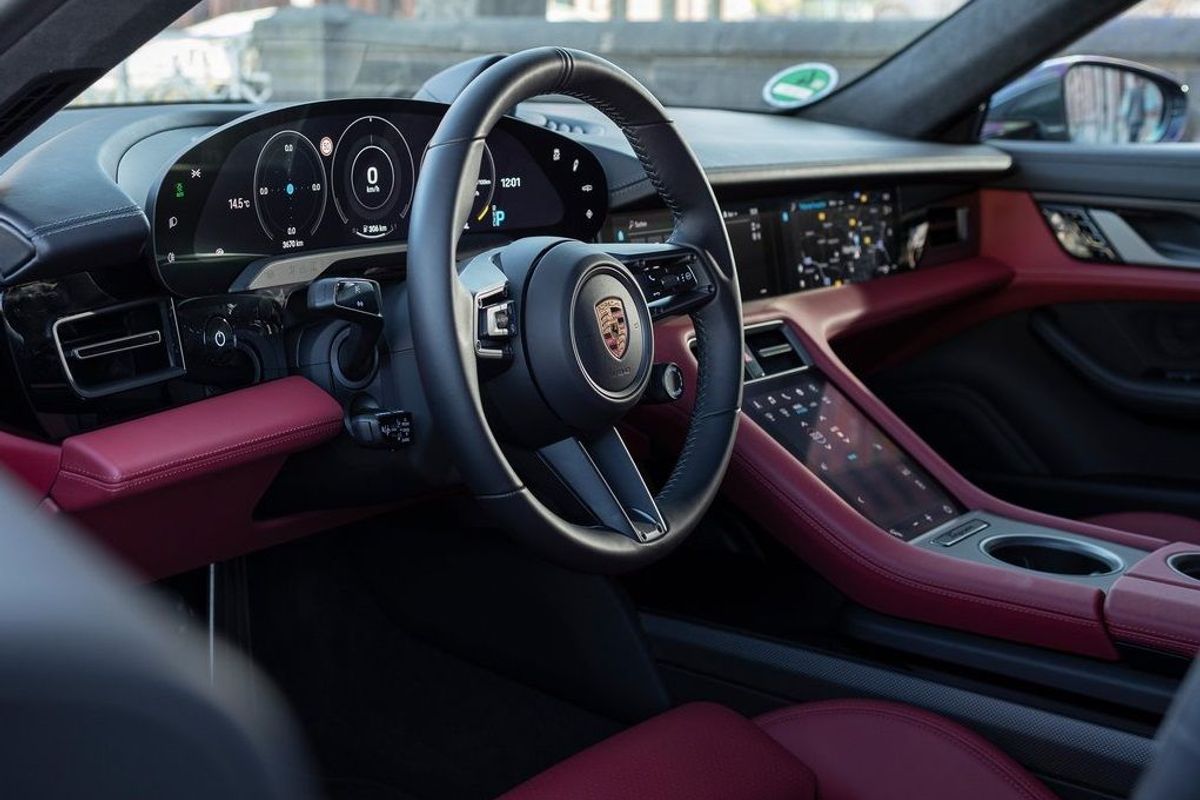
Porsche’s highly-anticipated electric sportscar, the Taycan, has arrived in South Africa and pricing has appeared on the brand’s local website.
The Porsche Taycan can now be purchased in South Africa and the all-electric sportscar is offered in 3 flavours including the Taycan 4S, Taycan Turbo and the range-topping Taycan Turbo S.
A pair fo synchronous electric motors, one powering each axle, generates a maximum of 390 kW and 640 Nm of torque in the Taycan 4S which comes equipped with a 79.2 kWh battery pack. Performance from zero to 100 kph is claimed at 4.0 seconds with a top speed of 250 kph. Maximum range is estimated at 407 km.
Outputs increase to 500 kW and 850 Nm in the Taycan Turbo and this derivative is equipped with a more powerful 93.4 kwh battery pack and range is estimated at 450 km. The Taycan Turbo, however, is substantially quicker in the sprint from zero to 100 kph with Porsche claiming 3.2 seconds with a top speed of 260 kph.
The range-topping Taycan Turbo S maxes out with outputs of 560 kW and 1 050 Nm and comes equipped with the same 93.4 kWh battery pack found in the Turbo derivative. Zero to 100 kph is claimed at 2.8 seconds with a top speed of 260 kph. Range is claimed at 412 km.
Charging will take roughly 22 minutes if connected to a high-power 270 kW or 800-volt fast-charging station.
In terms of pricing, see what you can expect to pay for the Taycan below.
Porsche Taycan – Price in South Africa
Taycan 4S – R2 586 000
Taycan Turbo – R3 476 000
Taycan Turbo S – R4 077 000
A Porsche Driveplan is standard, offering 3-year/90 000 km maintenance cover while a 5-year Driveplan is optional.
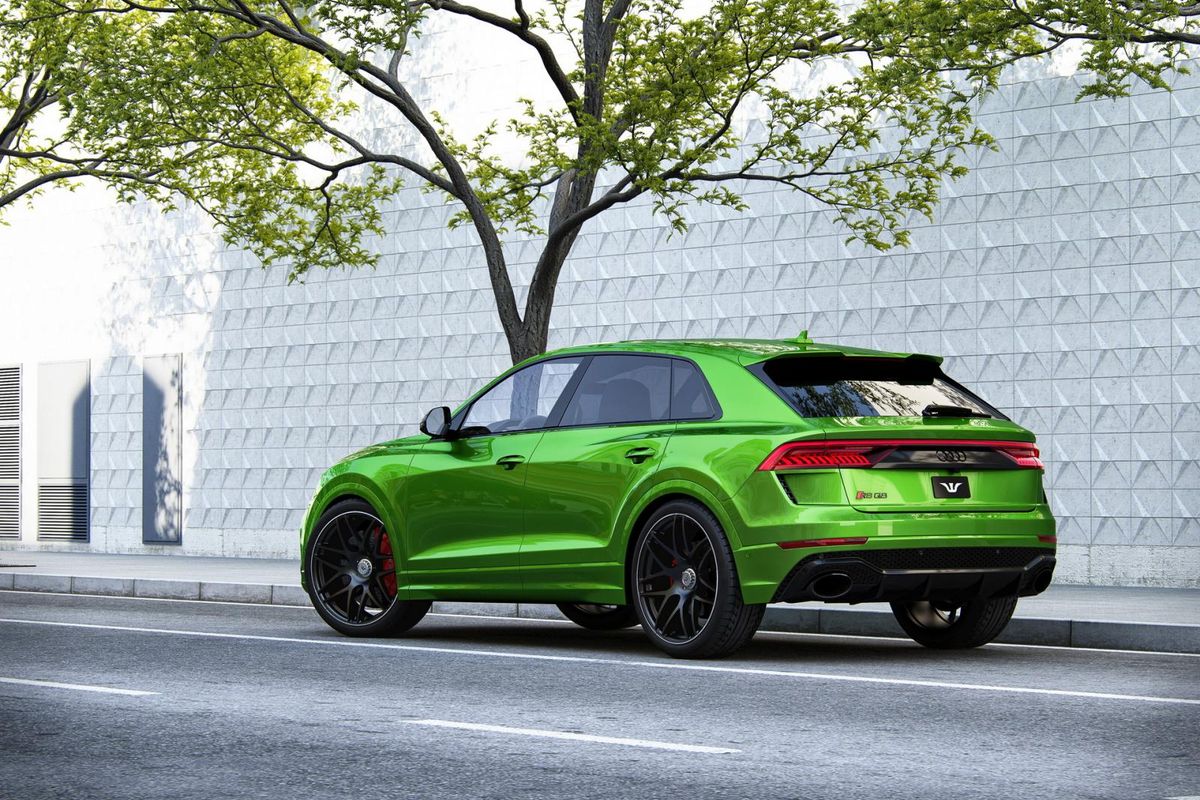
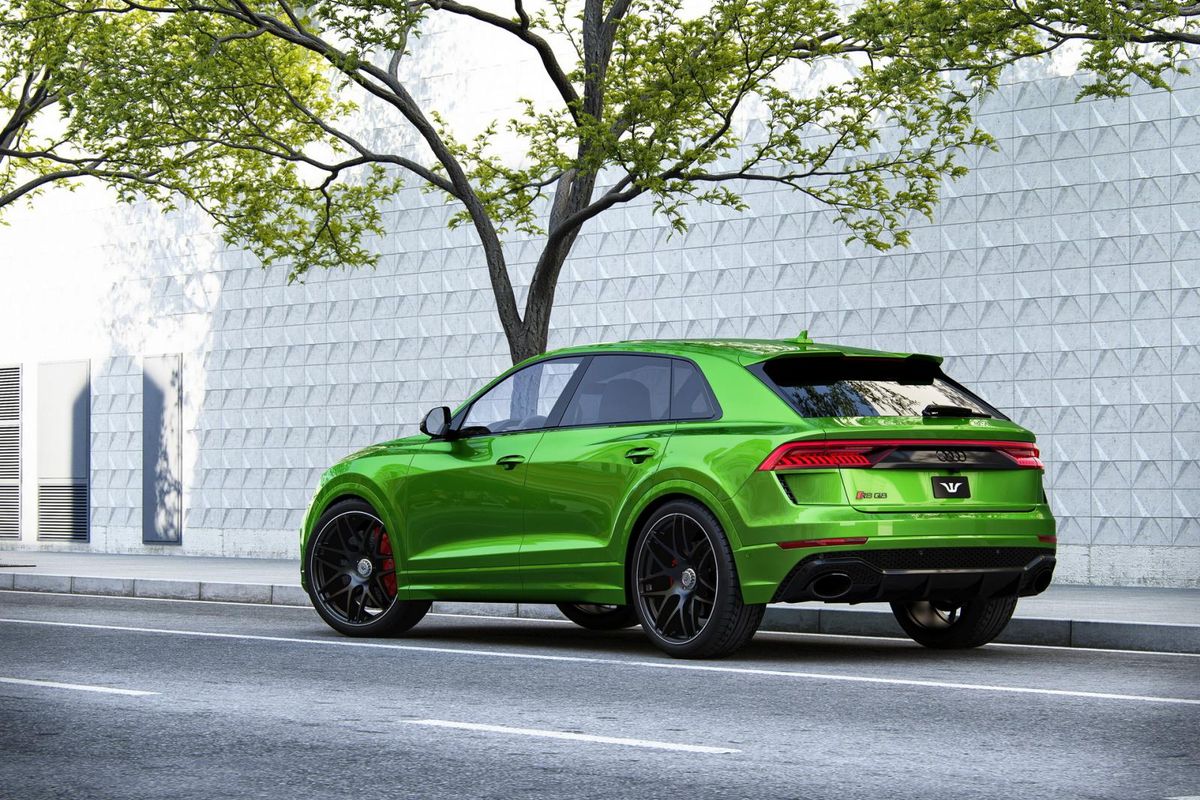
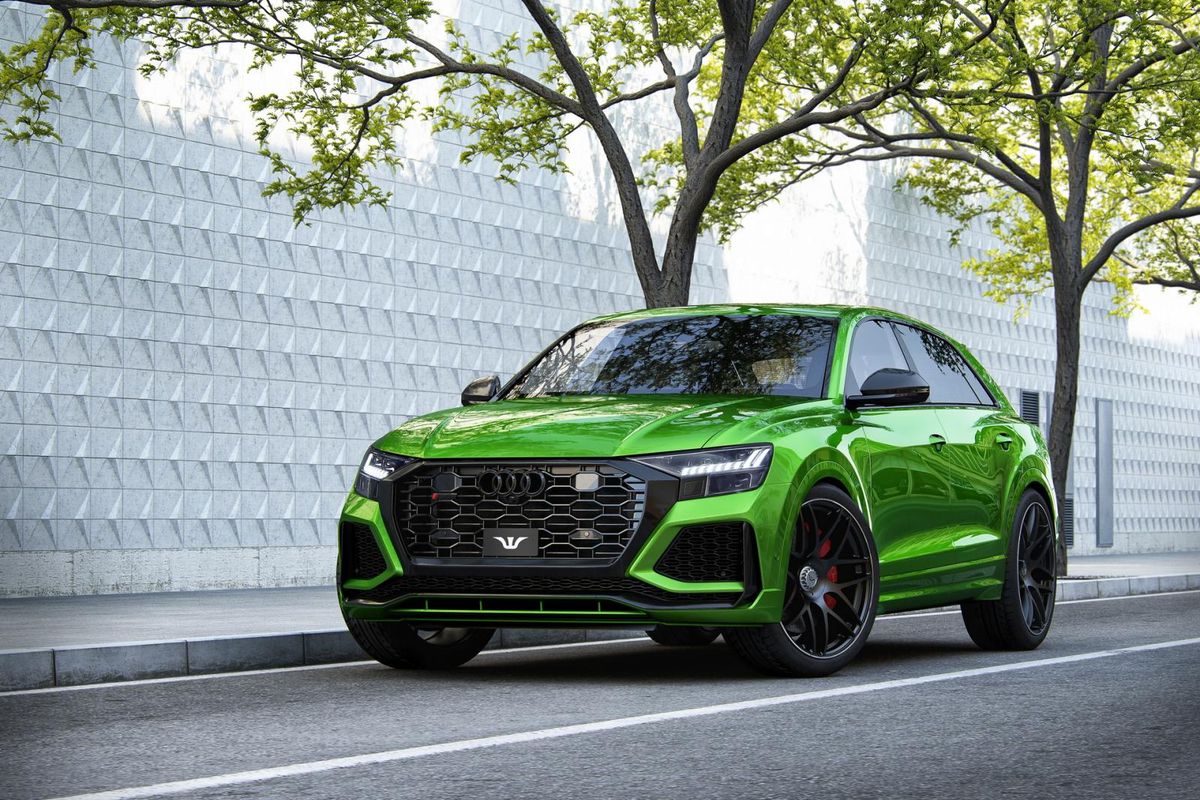
With its RS Q8, Audi has asked uncomfortable questions of the Lamborghini Urus, in terms of which is the most significant performance SUV for the money.
If you wish to settle that debate beyond any further dispute, there is now a monumental upgrade of Audi’s fastest SUV.
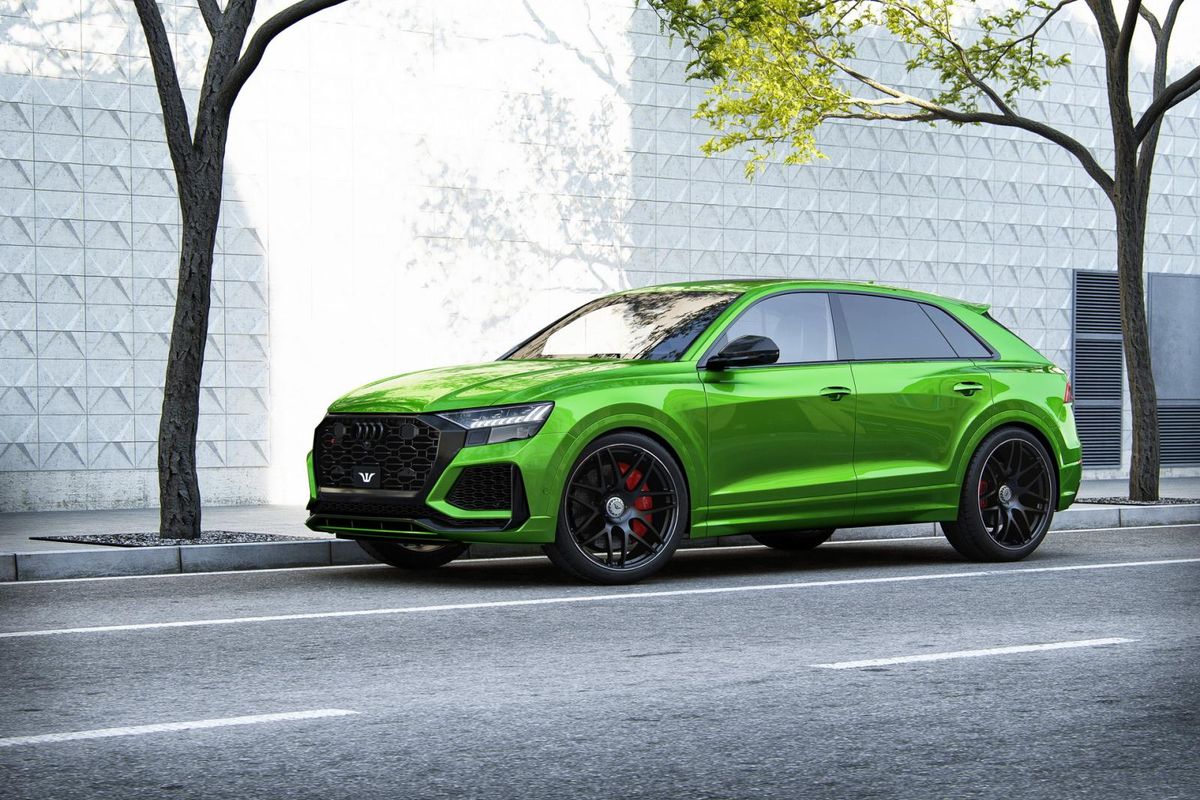
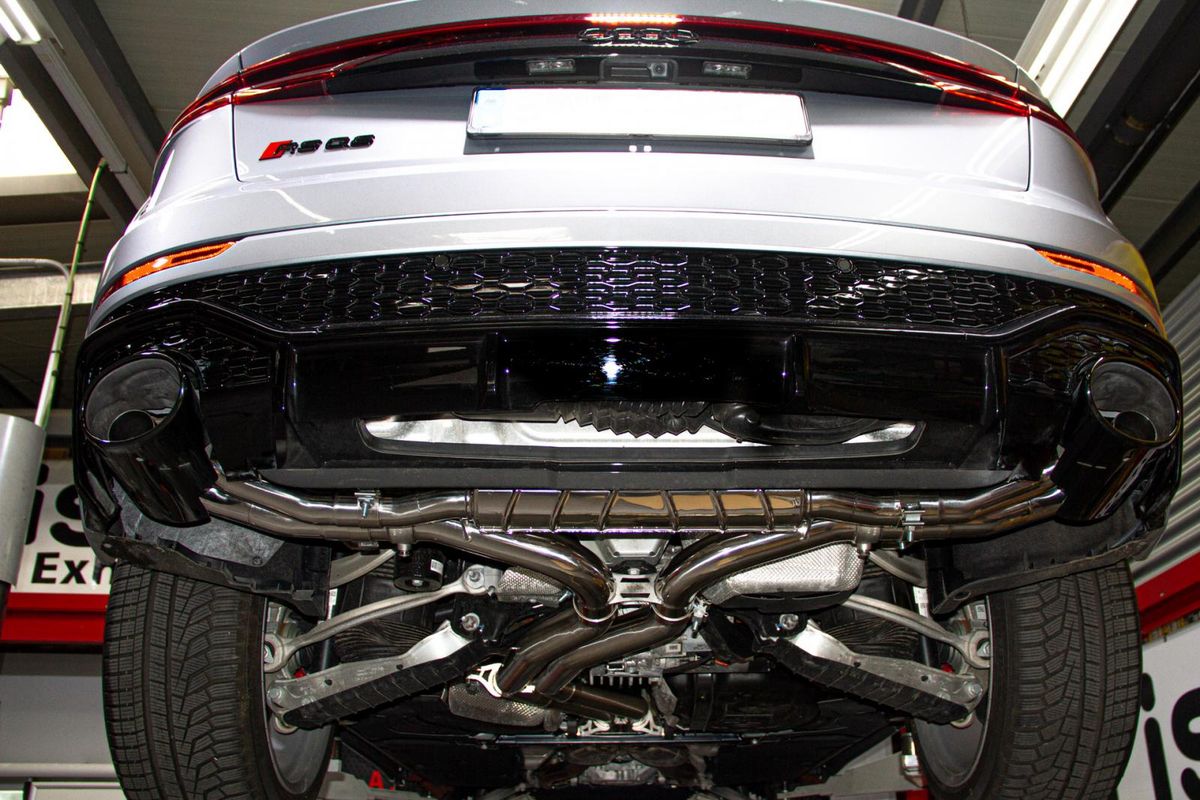
German aftermarket engineering consultancy, Wheelsandmore, is offering Audi RS Q8 customers an incredibly power upgrade – at an equally unbelievable price premium.
Audi’s RS Q8 produces a very decent 441 kW, from its bi-turbocharged 4-litre V8. But Wheelsandmore claim they can boost the large Audi high-performance SUV to 743 kW.
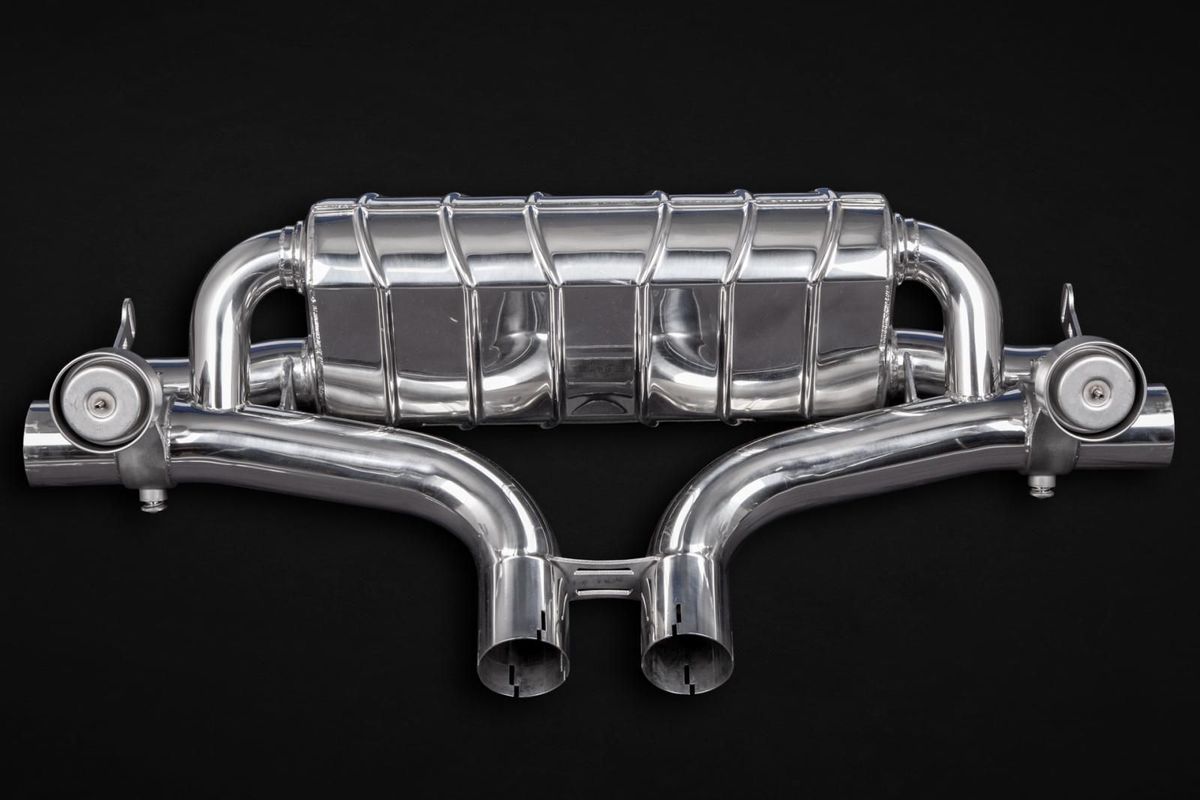
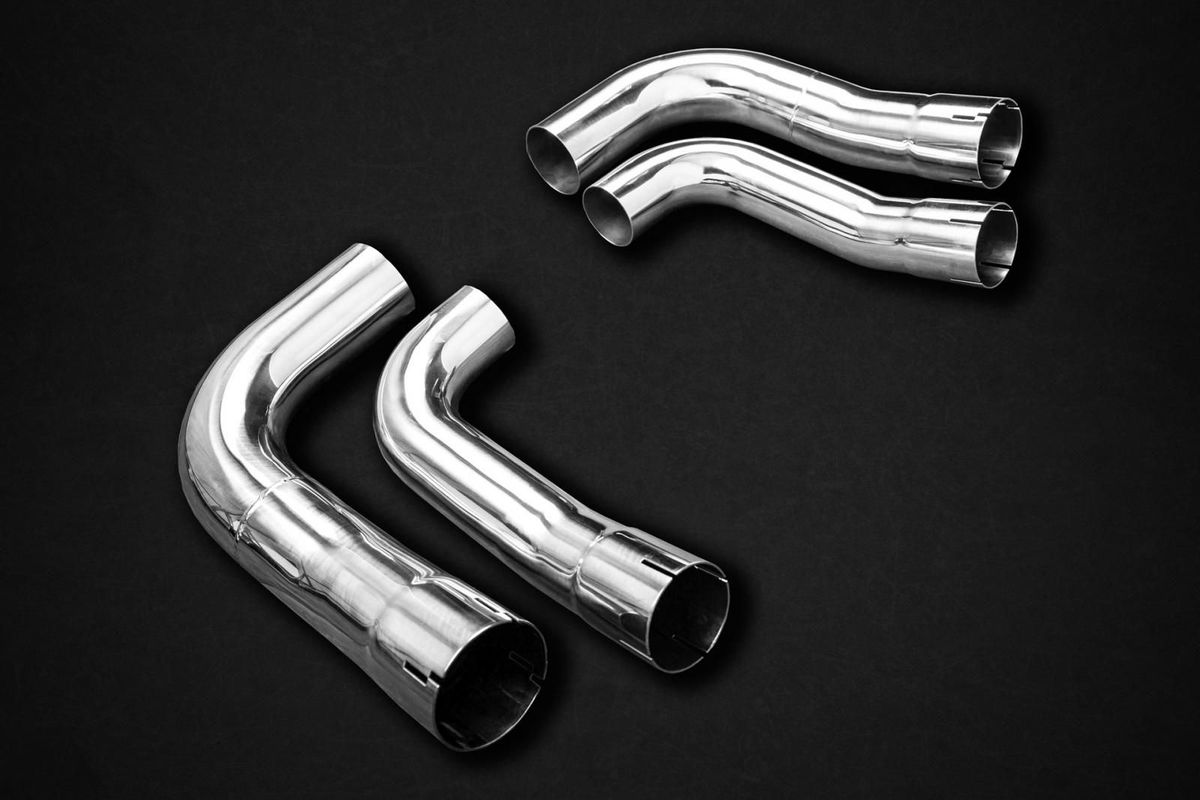
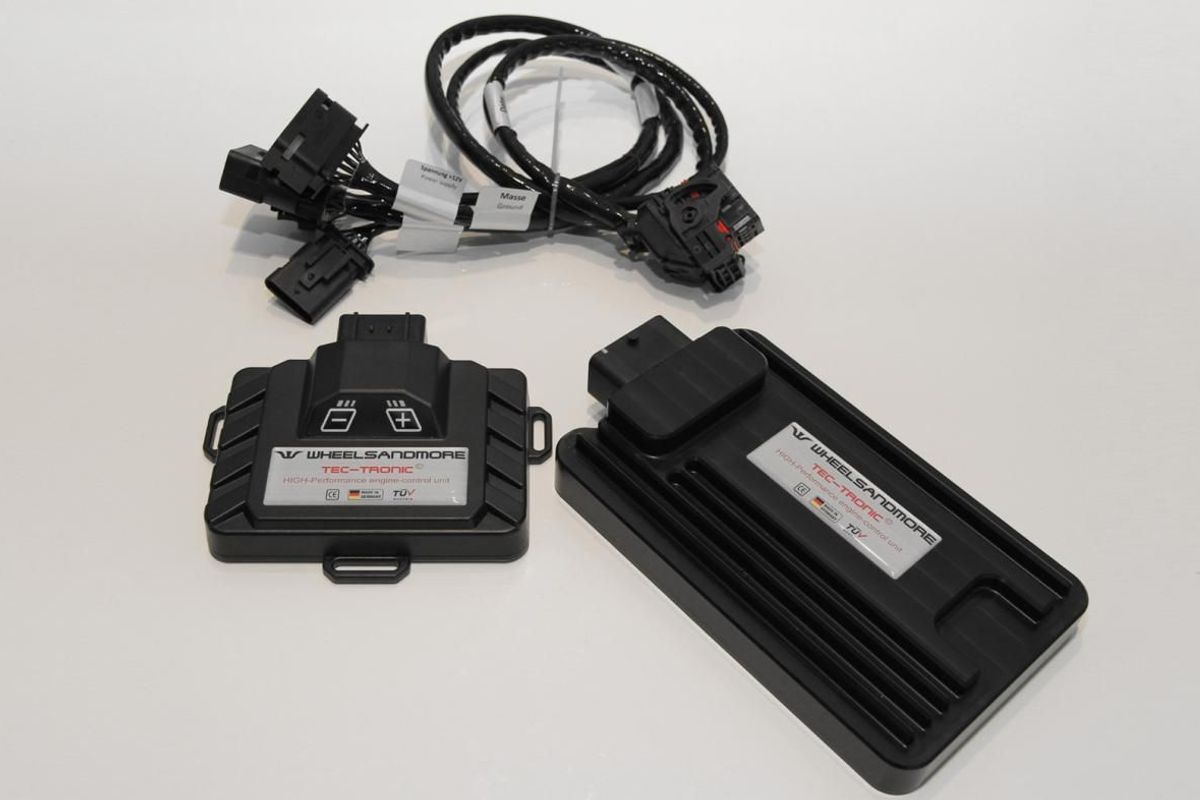
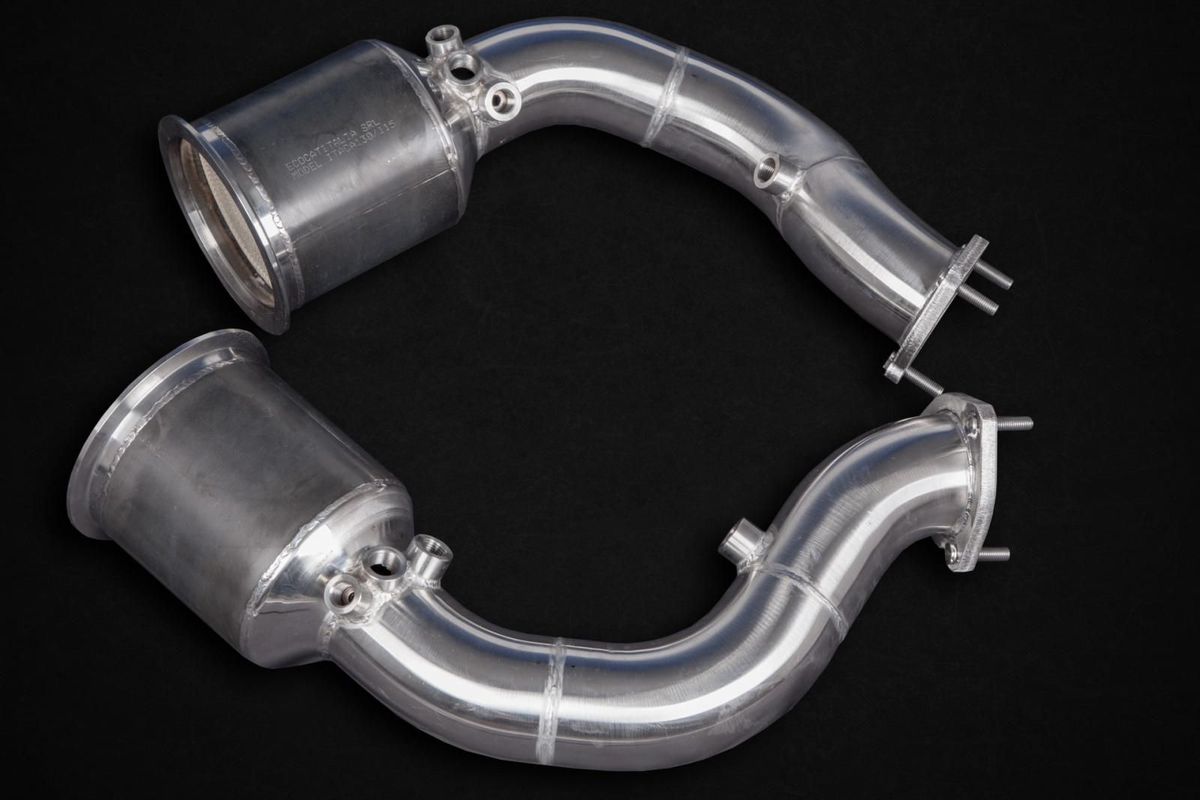
How does Wheelsandmore manage to extract that much more power from the Audi 4-litre V8? First of all, the install their own engine control module, which operates under very liberal parameters. A custom crafted exhaust system and downpipes improves gas-extraction efficiency and there are reshaped air intakes. They will even naughtily remove all particulate filters to improve flow rates.
The result is a supercar rivalling 743 kW and 1 250 Nm. Quite how the ZF eight-speed automatic transmission deals with all this, is unclear.
No 0-100 kph claims are made, and this is understandable, as al that additional power will buffer against the diminishing return curve of traction. The Wheelsandmore RS Q8 is good for a top speed of 305 kph.
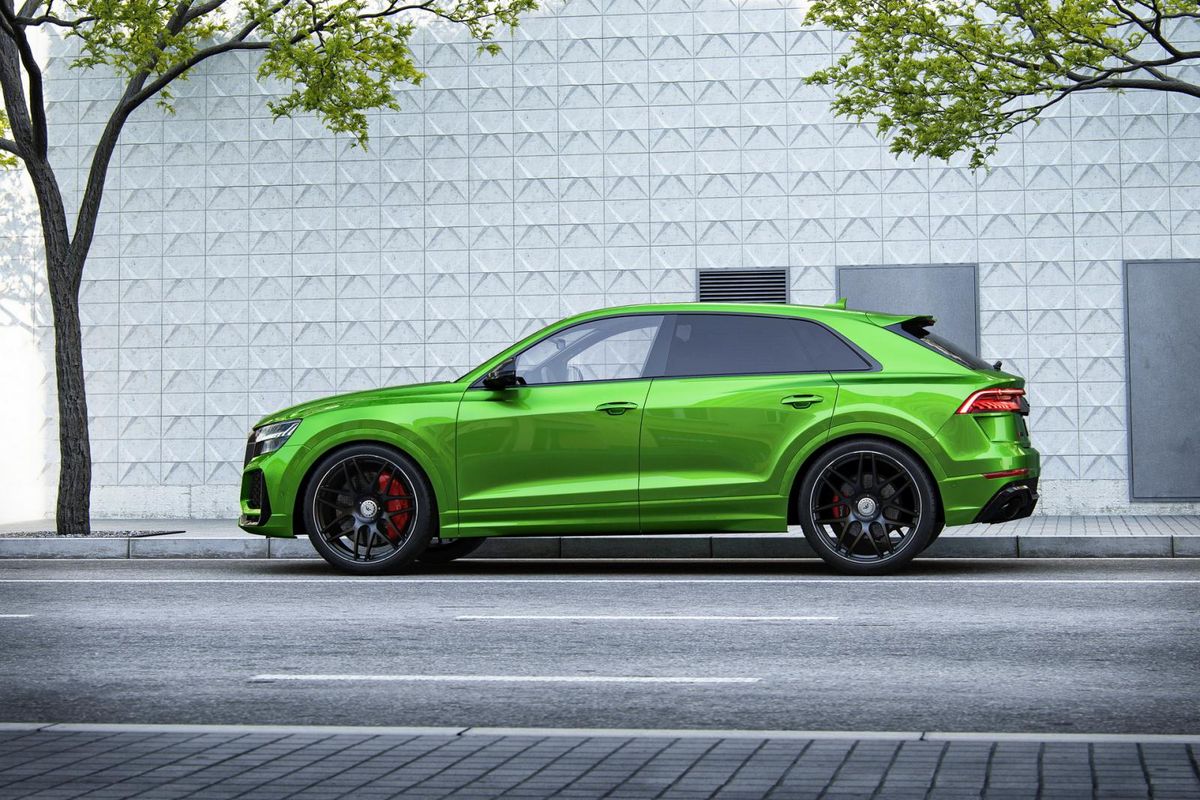
Entirely appropriate for an upgrade this outrageous, are the Wheelsandmore RS Q8’s wheels. They measure 24-inches and roll 295/30 tyres up front and 355/25s at the rear, with rubber being supplied by Vredestein.
Pricing
Owning a 743 kW Audi RS Q8 does not come cheap, as Wheelsandmore have priced their upgrade kit at an estimated R750 000.
Father's Day is around the corner, but don't worry, SentiMETAL has all the gifts that any petrolheaded dad could dream of.
The SentiMETAL online store's product line-up continues to expand and now includes more limited-edition prints, scale model cars and other motoring-related goods than ever before. Shoppers who make use of our special Father's Day promotion will not only get 15% off when they spend R1000 or more, but also get the fabulous OTTO magazine as well as our new Live to Drive double-sided licence disc sticker as free gifts.
Our new double-sided SentiMETAL licence disc sticker will mark you out as someone who "Lives to Drive".
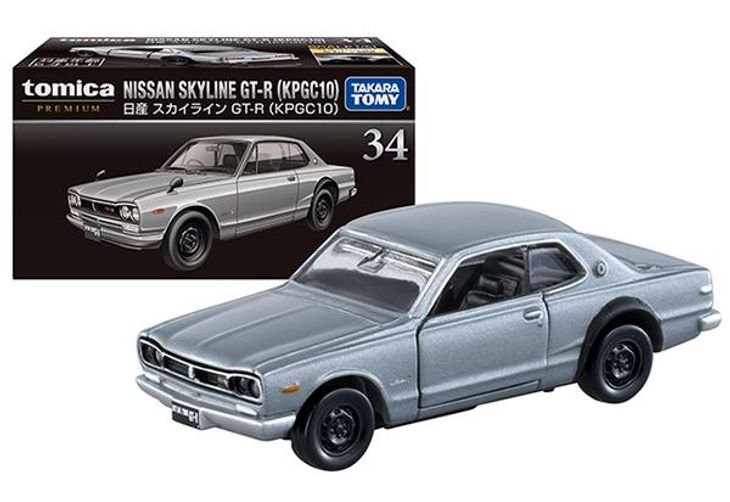
A new shipment of collectible toy cars from Hot Wheels and Japan's Tomica have just arrived. The Tomica cars are renowned for their quality and impressive detailing for the 1:62 scale. Some of the first arrivals include the legendary Nissan Skyline GT-R (KPGC10), Toyota 2000 GT and even the Alitalia-branded Lancia Stratos rally car.
The legendary "Hakosuka" Skyline is now available in miniature form on the SentiMETAL store.
For those collectors who focus on the bigger scales, there are a number of impressively detailed 1:18 models from the likes of Minichamps, Ottomobile and Norev. Recent additions include the AC Cobra 289 and a stunning Toyota Land Cruiser FJ40 by Triple 9 models.
Ottomobile is regarded as one of the best scale model car producers in the world, and SentiMETAL is currently offering its limited edition BMW M3 CSL and Mercedes-Benz G55 AMG models for purchase.
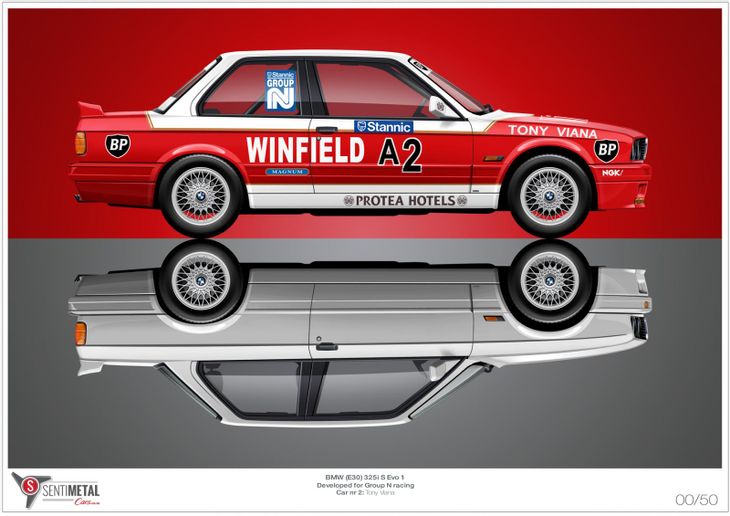
Get your Legends of Group N print, featuring the BMW 325iS before they're all gone.
And then there is the ever-expanding series of limited-edition prints. SentiMETAL recently launched a series celebrating South Africa's Group N legends, and the first two releases feature the iconic BMW 325iS (in Winfield colours), and Mike Briggs' A1 Opel Kadett Superboss. These prints are limited to 50 copies each, so be fast!
For Mercedes-Benz fans there is also something very special – a new series of prints featuring the SL series, with the first 2 prints focusing on the iconic 300 SL and the "Pagoda". Again, only 50 prints of each will be offered for sale, each individually numbered.
To browse the full selection of products on the SentiMETAL store, go here.
2021 BMW M4: Is this it?
The dust has barely settled on the global reveal of the BMW 4-Series and now we have a leak of the all-new BMW M4.
The origins of this photo are not apparent, but seems like it started on Reddit. What you see here is what looks a lot like the all-new BMW M4 in a very nice shade of grey.
The looks are bold and menacing, with that grille dominating proceedings. Also not the flared arches and staunch stance. If you look closely at the grille, you'll see its slightly different to the one of the BMW M440i.
We expect that the S58 3.0-litre twin-turbocharged 6-cylinder of the BMW X3 M and X4 M will be utilised in the next M3. That motor delivers 375 kW and 600 Nm in its Competition spec, but bear in mind that the M Division may want to keep a bit in reserve for hotter versions of the G80.
It's highly-likely the xDrive all-wheel-drive system (like the BMW M5) will make its debut in the all-new BMW M3. This will upset many purists, but there's also news of a potential entry-level "Pure" model which will feature rear-wheel drive and a manual gearbox.
Expect the new BMW M3/M4 to be revealed in September 2020.
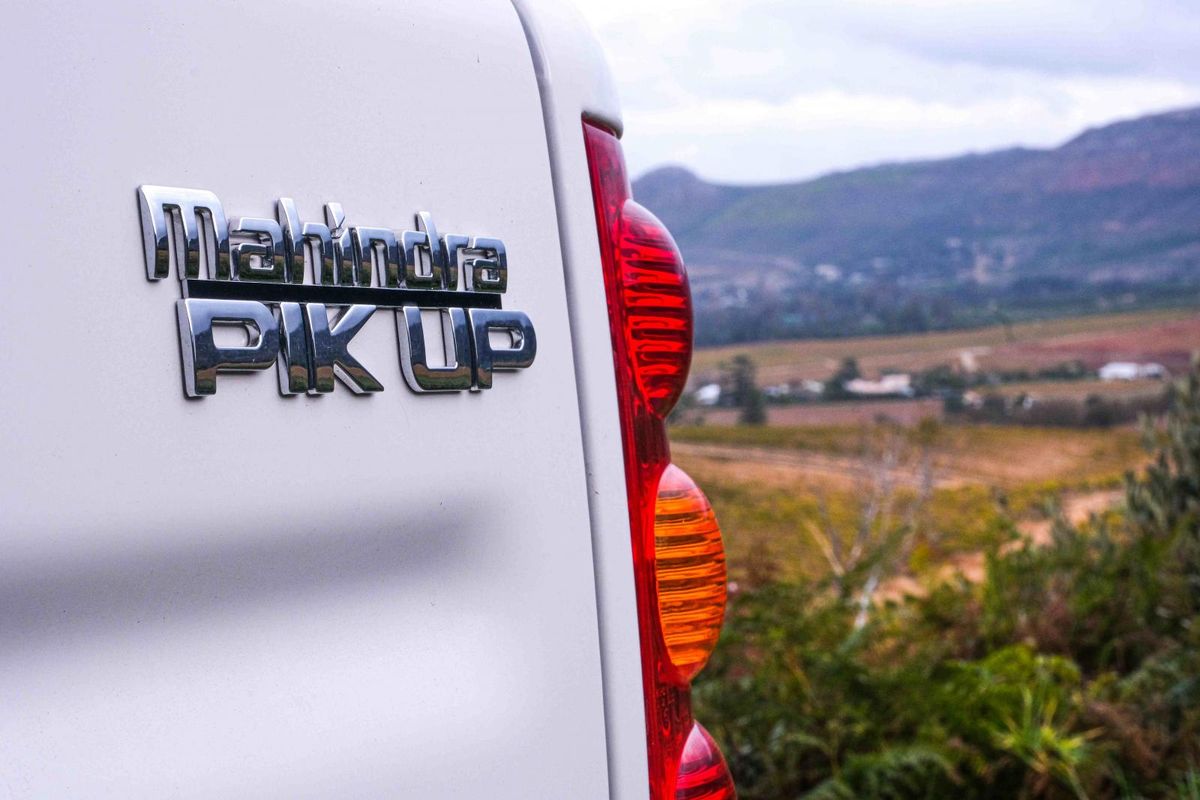
Mahindra Pik Up 2.2CRDe S11 4×4 Auto (2020) Review
In an effort to broaden the appeal of its Pik Up double-cab, Mahindra has introduced a pair of 6-speed automatic derivatives to its bakkie range. We take a closer look at the S11 4×4 version to see how well it performs and gauge whether it's worthy of your consideration…
We like: Good overall performance and economy, SUV-like interior, affordability
We don’t like: Some interior ergonomic issues, lack of interior storage spaces
Fast Facts:
Price: R414 999 (June 2020)
Engine: 2.2-litre turbodiesel
Power/Torque: 103 kW/320 Nm
Transmission: 6-speed automatic
Fuel consumption: 8.1 L/100 km (claimed)
Payload capacity: 995 kg
What is it?
The Mahindra Pik Up S11 Automatic now sits at the top of the local Pik Up range.
Earlier this year, Mahindra introduced a new 6-speed speed automatic transmission to its Pik Up bakkie range. According to Mahindra SA chief executive Rajesh Gupta, the move was prompted by “overwhelming demand for an automatic transmission” and the Indian manufacturer will undoubtedly be hoping to build on the impressive growth it achieved in the local market in 2019. Last year, the brand’s total market share grew to about 1%; Mahindra is evidently one of the fastest-growing vehicle brands in Mzansi.
The Pik Up S11 automatic is offered in 4×2 and 4×4 guises and should appeal to buyers looking for value and convenience in the lower end of the double-cab market.
How it performs in terms of…
Exterior styling
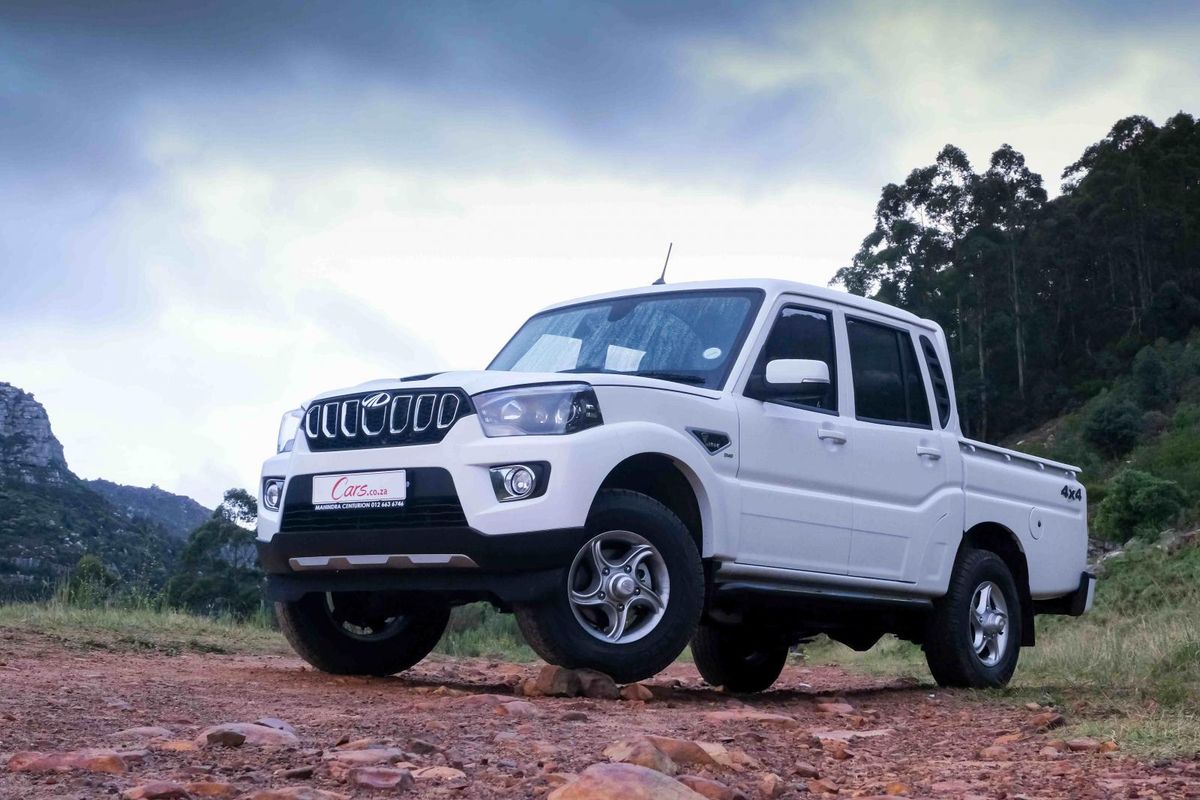
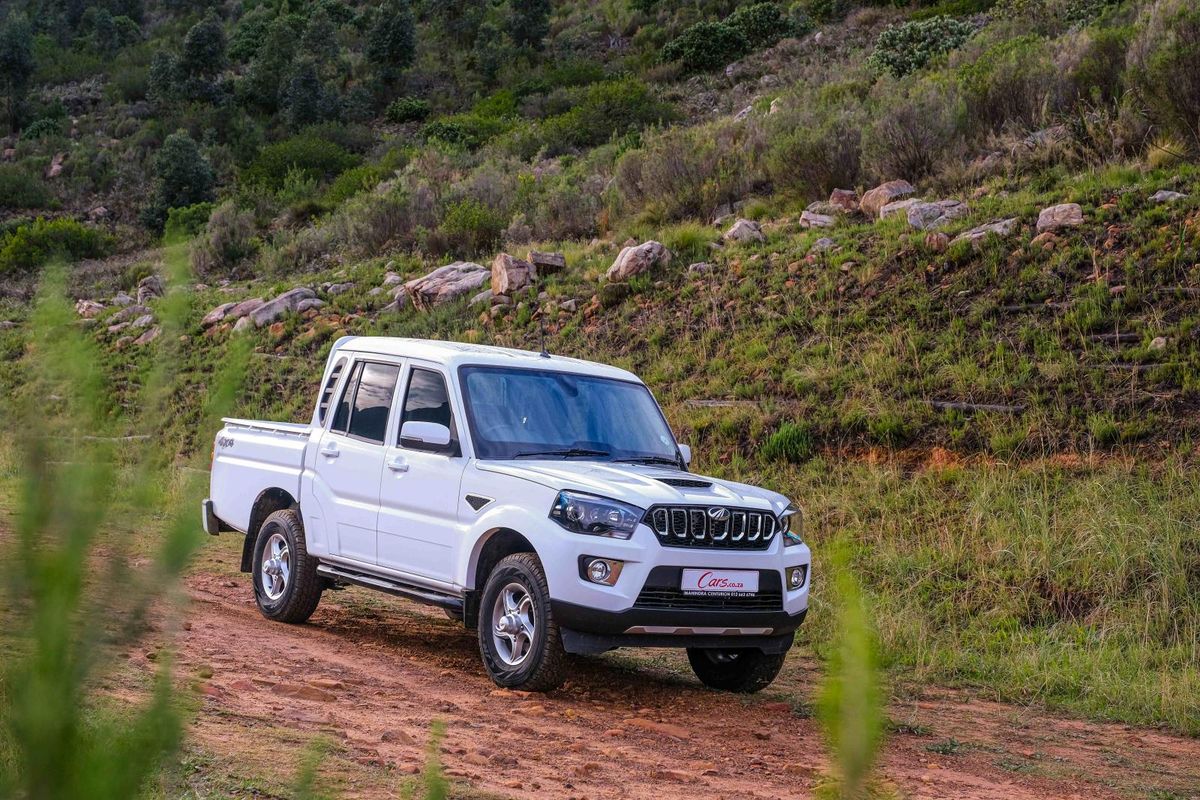
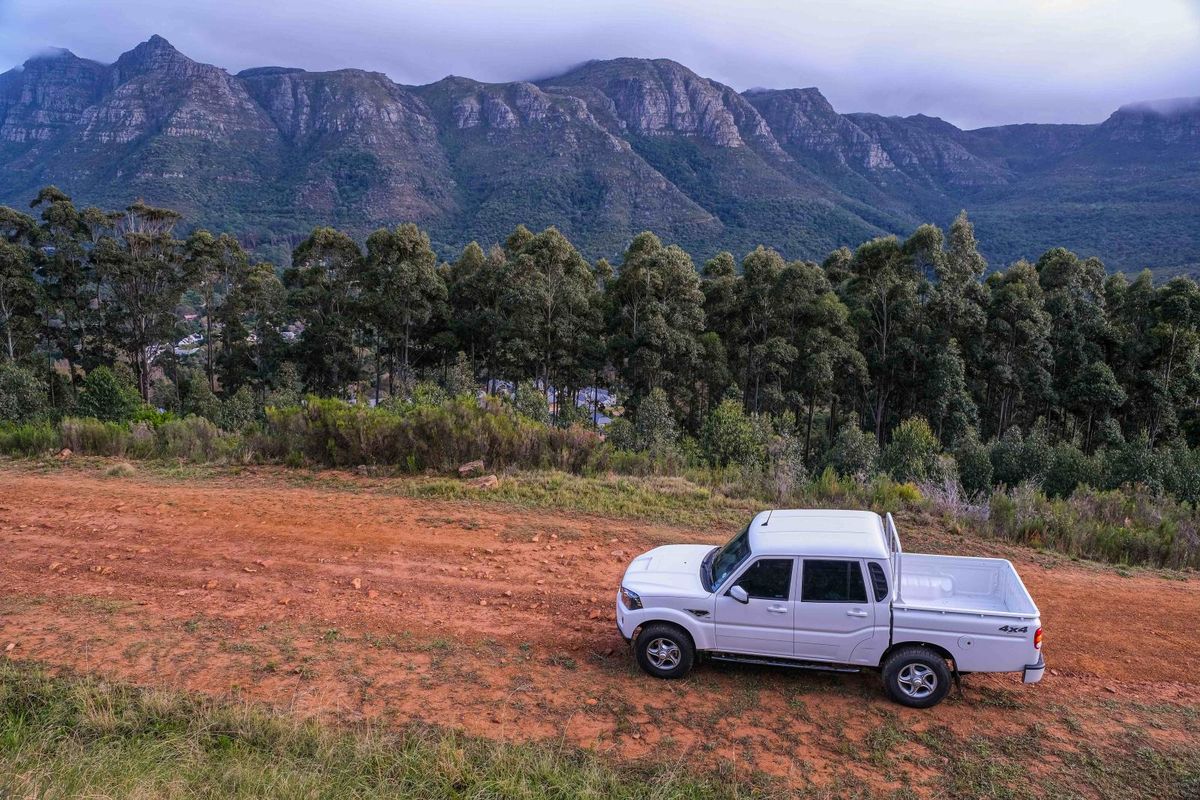
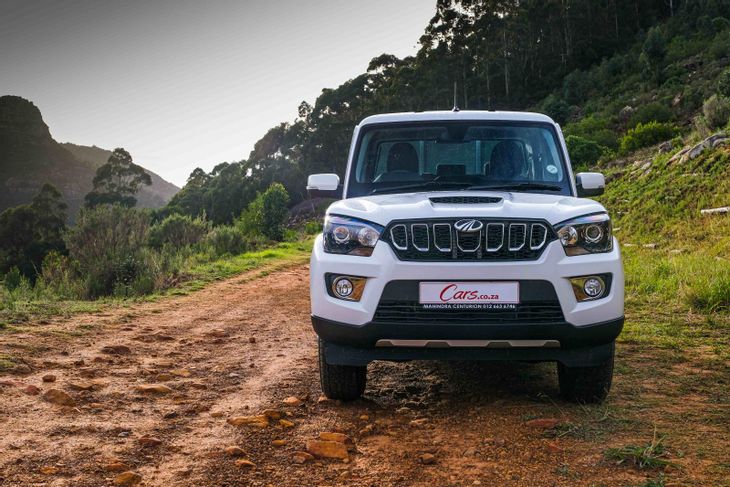
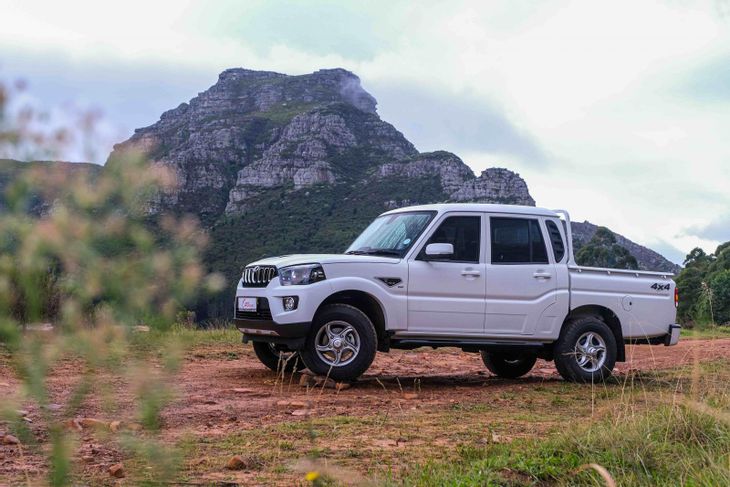
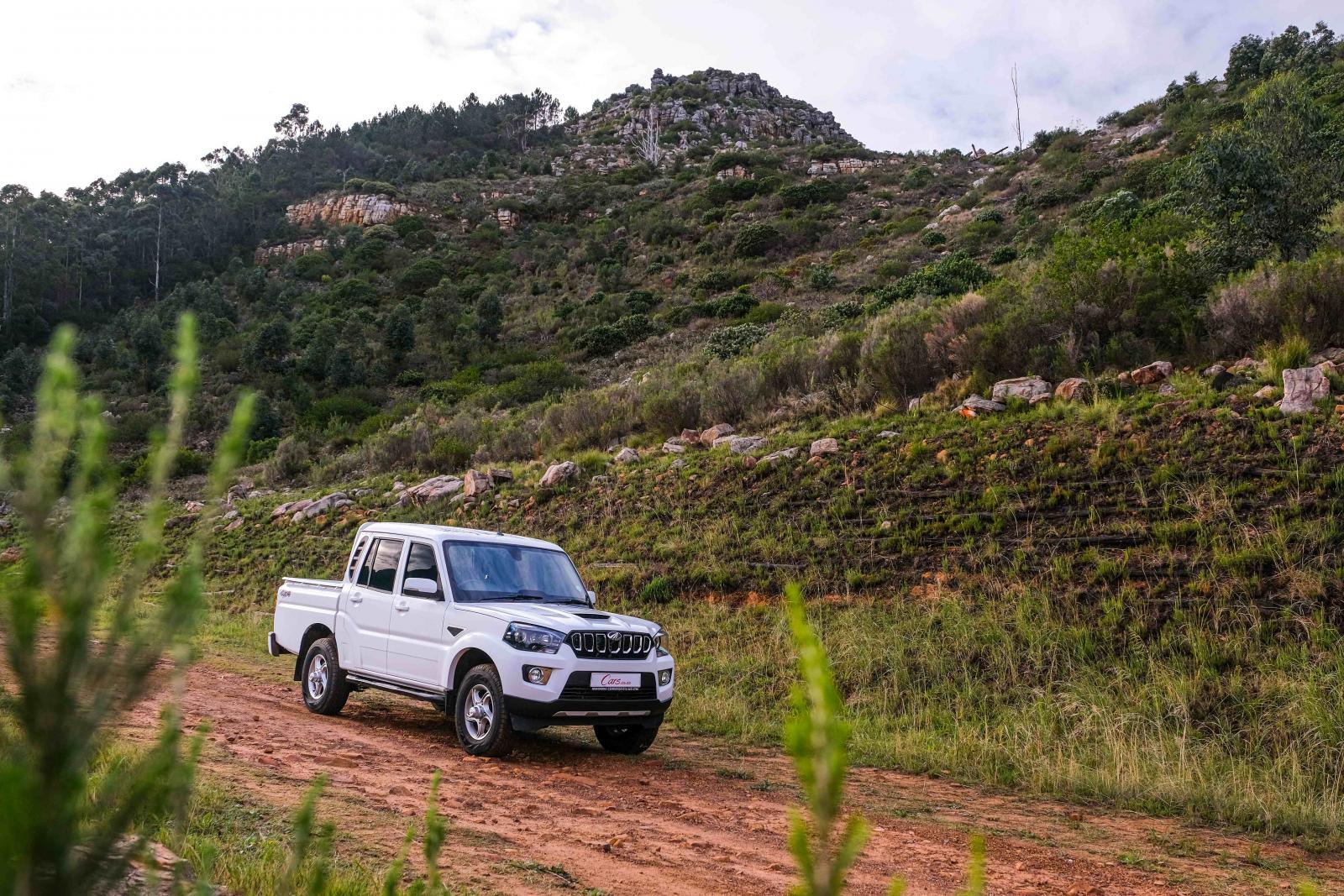
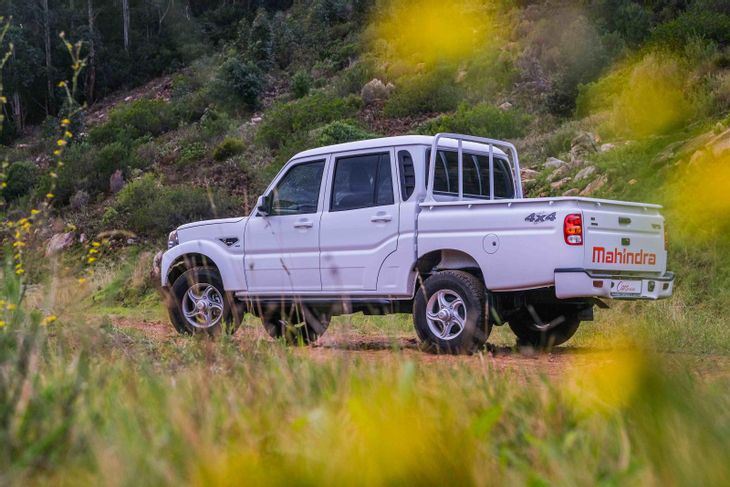
The Mahindra's boxy design won't appeal to everyone, but the S11 4×4 Auto is here to work, not win beauty pageants.
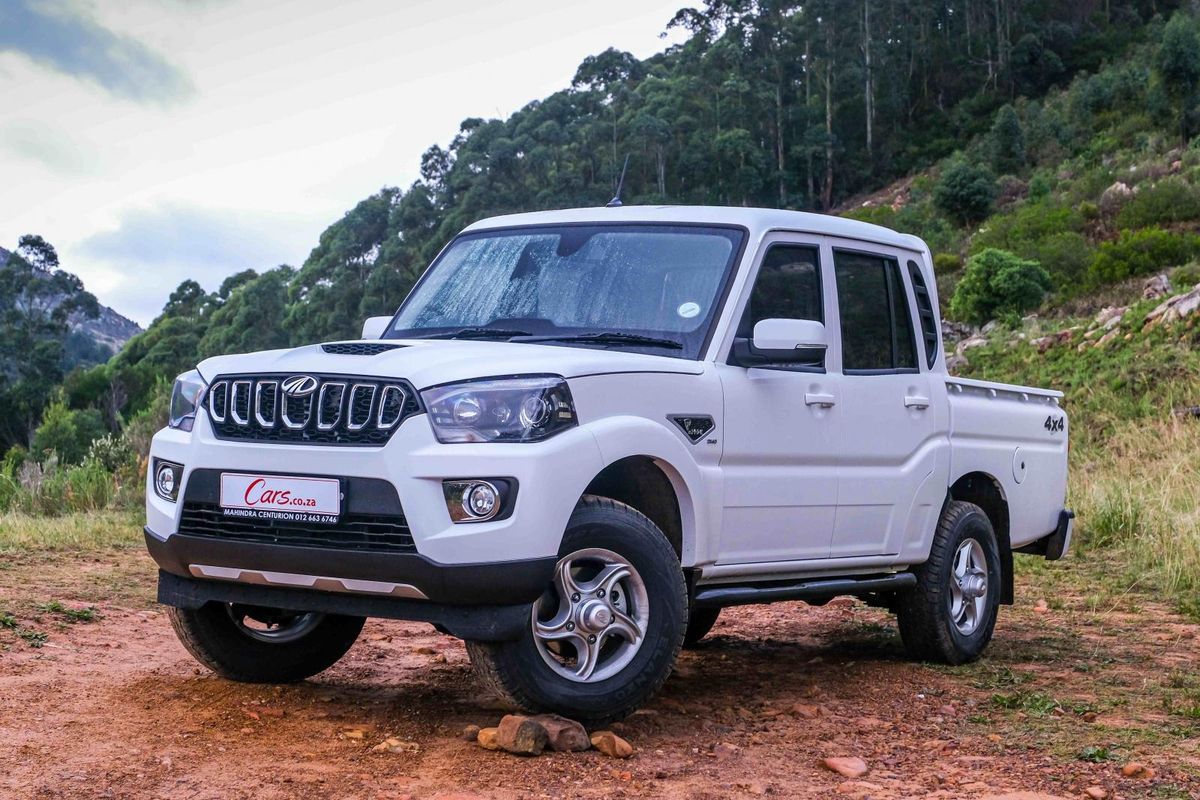
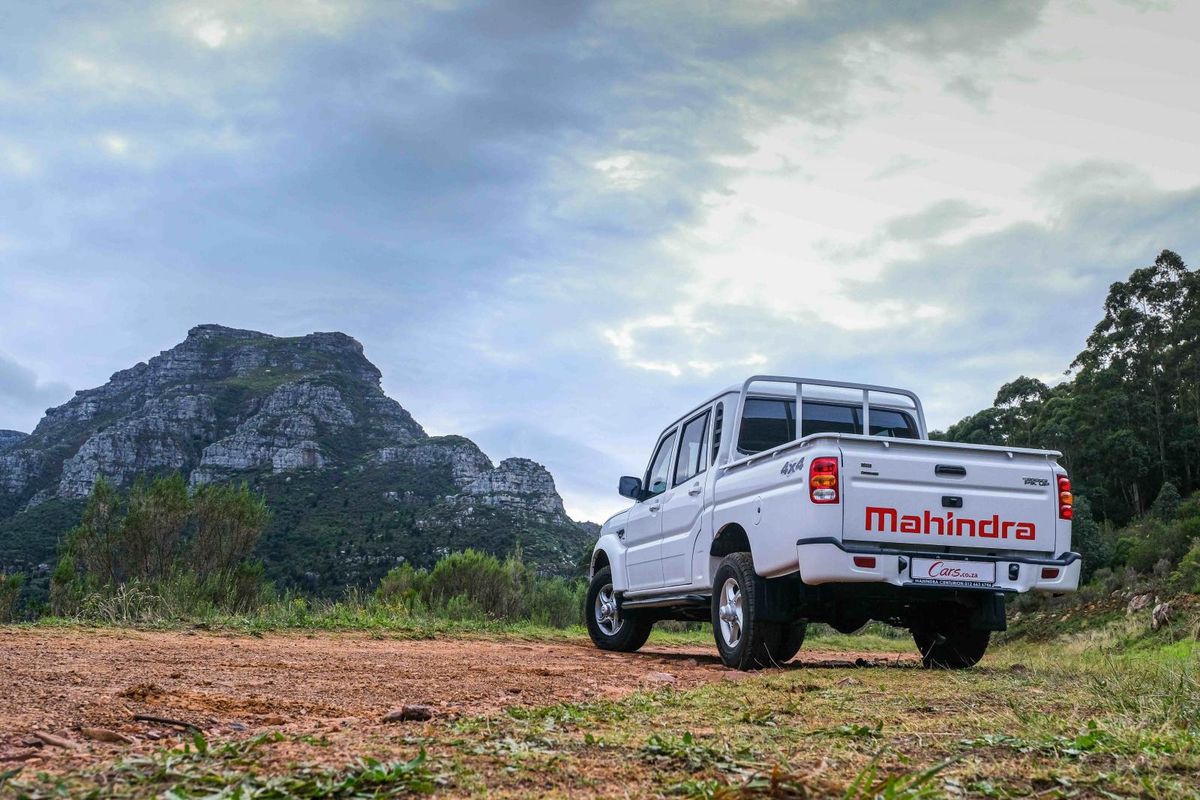
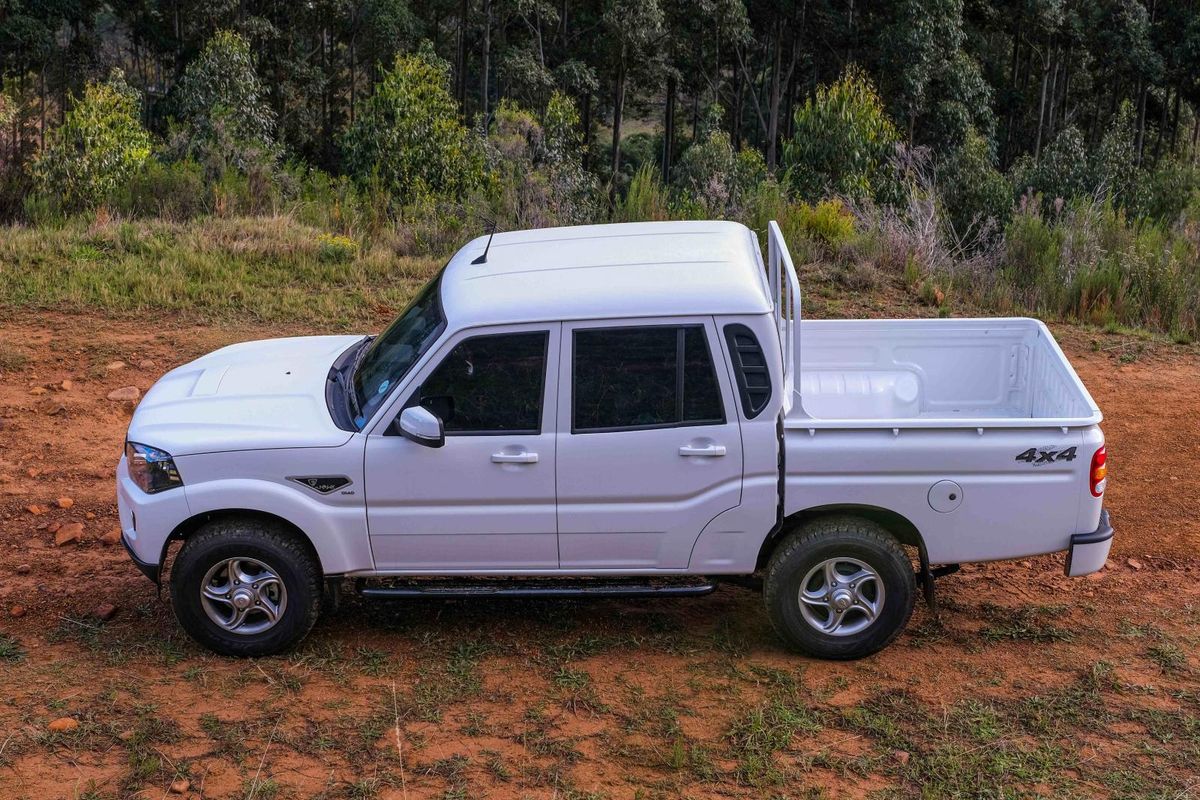
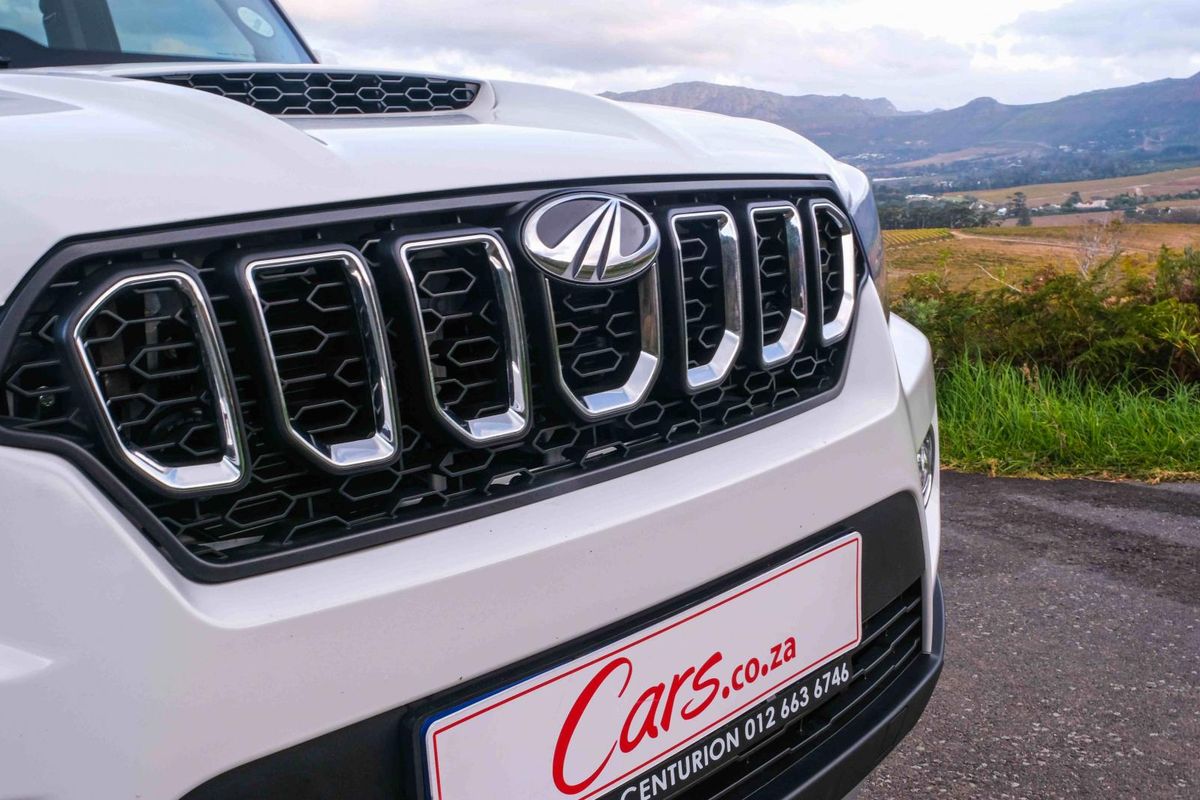
If we’re honest, the Mahindra Pik-Up looks a bit ungainly with its overtly boxy design and unusual detailing (such as the awkwardly shaped grille, headlamps, fender vents and rear three-quarter lights), but it's not ugly – you soon get used to it; besides, the Mahindra has a more old-school workhorse appeal, which some people prefer to the look of blingy "lifestyle-oriented" bakkies. The Pik Up S11 is now the range-topper and, as such, it’s differentiated by those aforementioned new-look headlights, grille and bumper.
Like most double-cabs, the Pik Up is a large vehicle. With a ground clearance of 210 mm, it stands quite tall, but the running boards help with ingress to, and egress from, the cabin. However, while most tall vehicles have grab handles conveniently placed on the A-pillars to help the driver and front passenger hoist themselves in, the Pik Up doesn't.
Interior execution and features
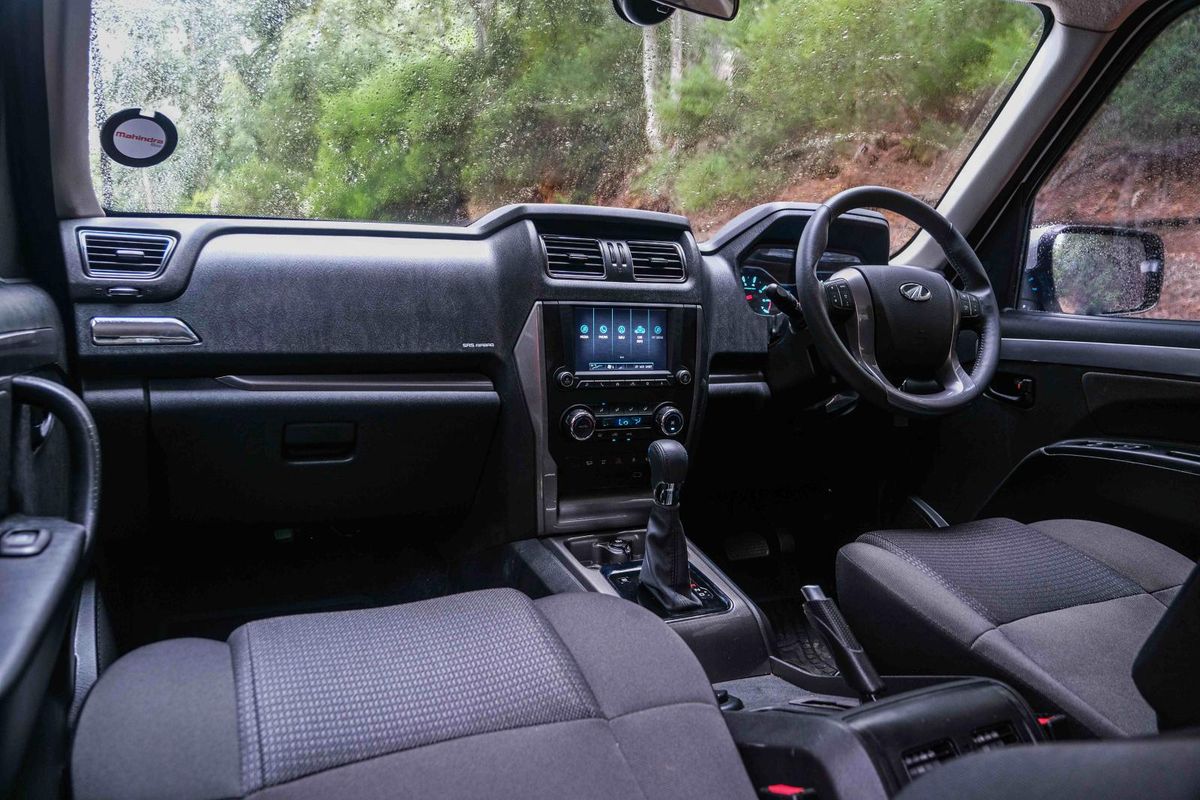
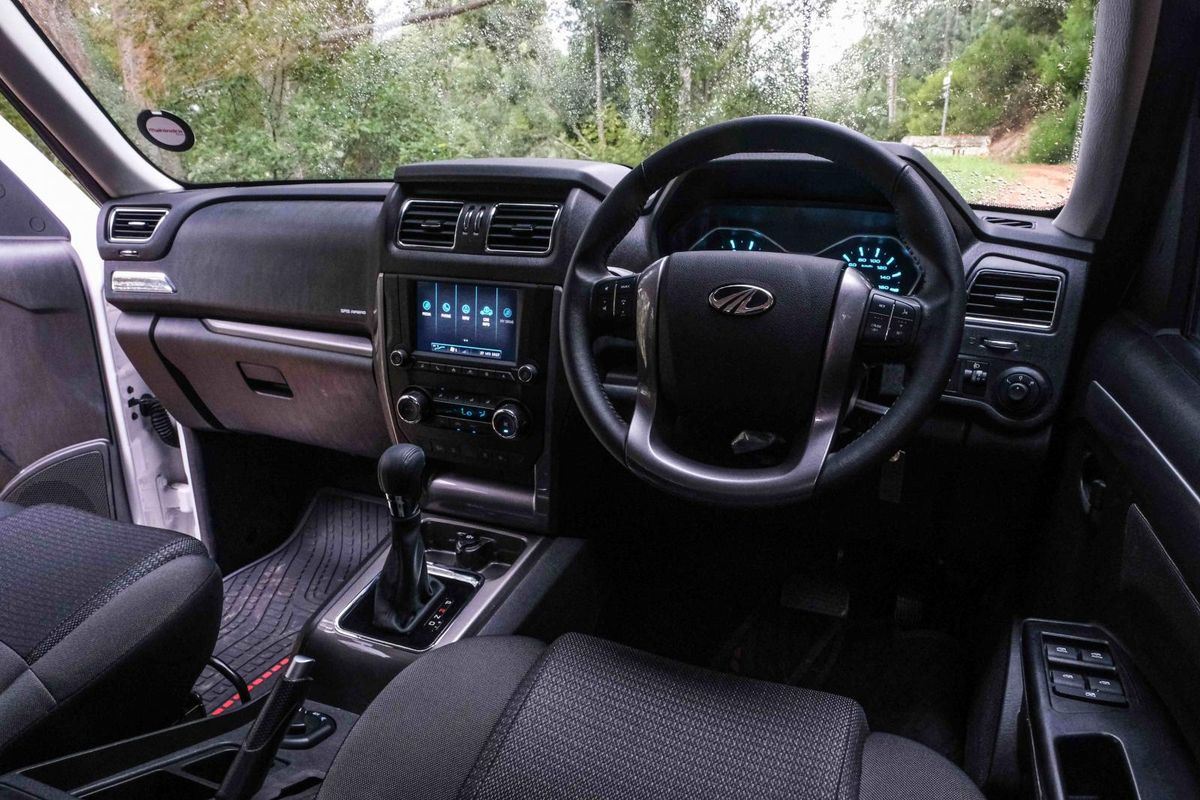
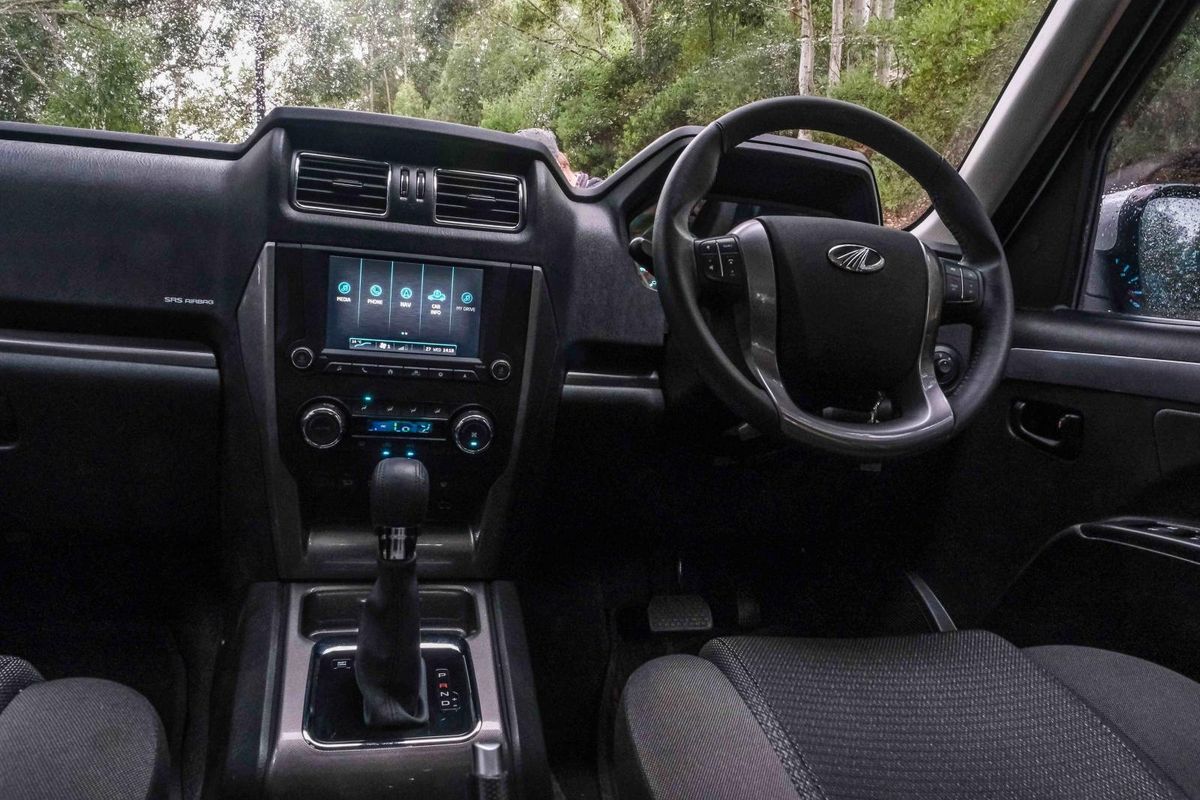
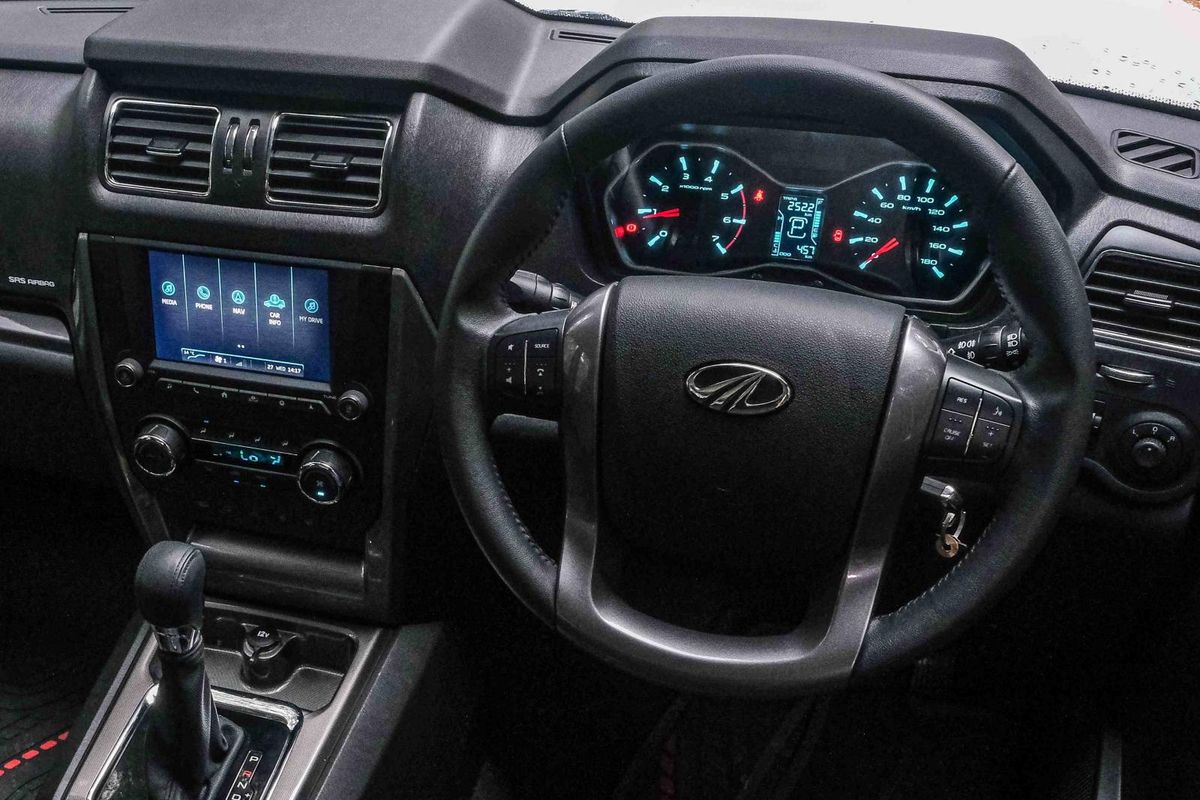
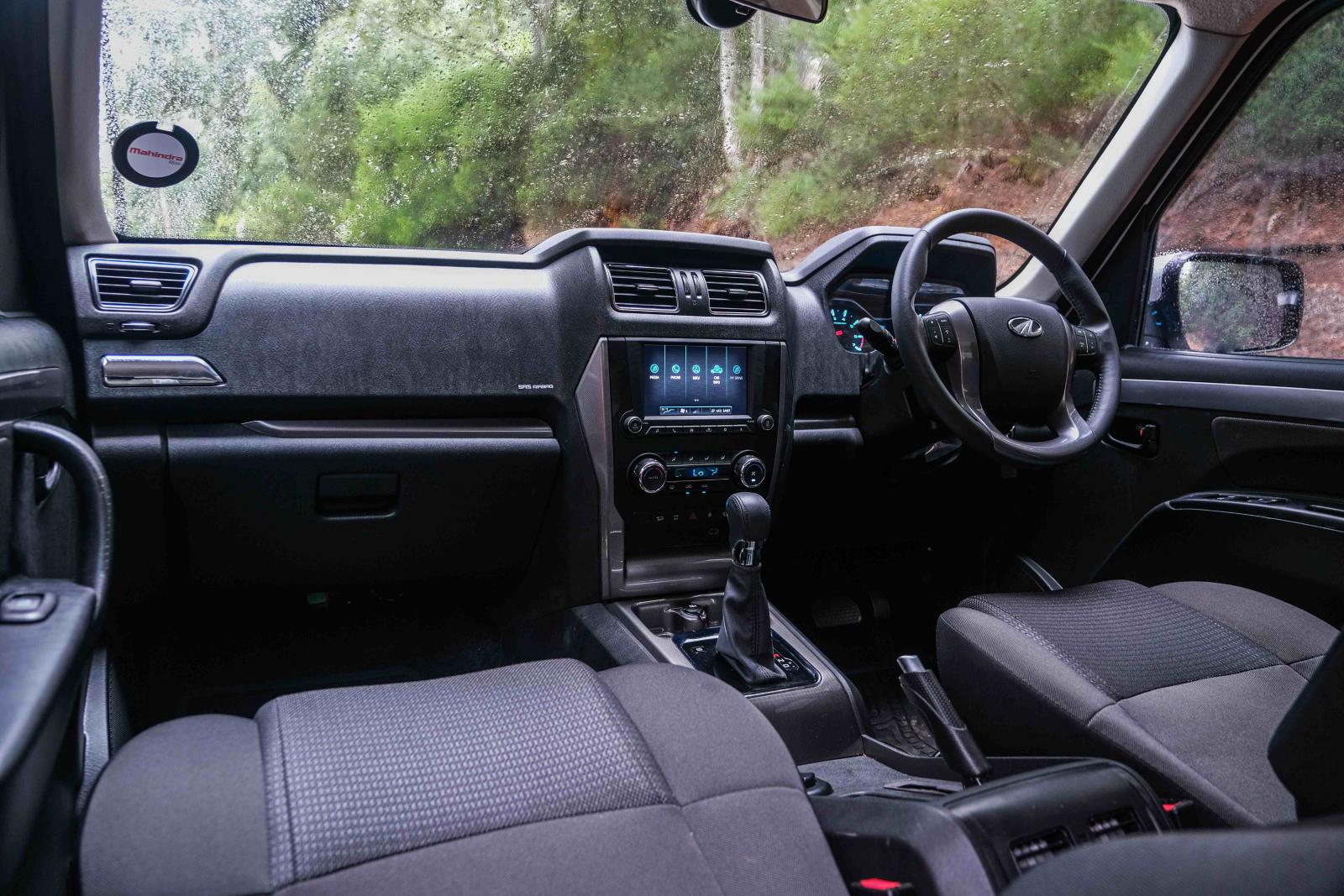
The Pik Up S11's interior is not as workmanlike as you would expect. It's more like an SUV…
The first thing you'll notice when you're ensconced behind the 'wheel of the Mahindra is that you sit quite high – almost as if you are perched atop the driver's seat (rather than sitting in it) – but the view of the road from that vantage point is quite commanding, which shorter drivers will particularly appreciate.
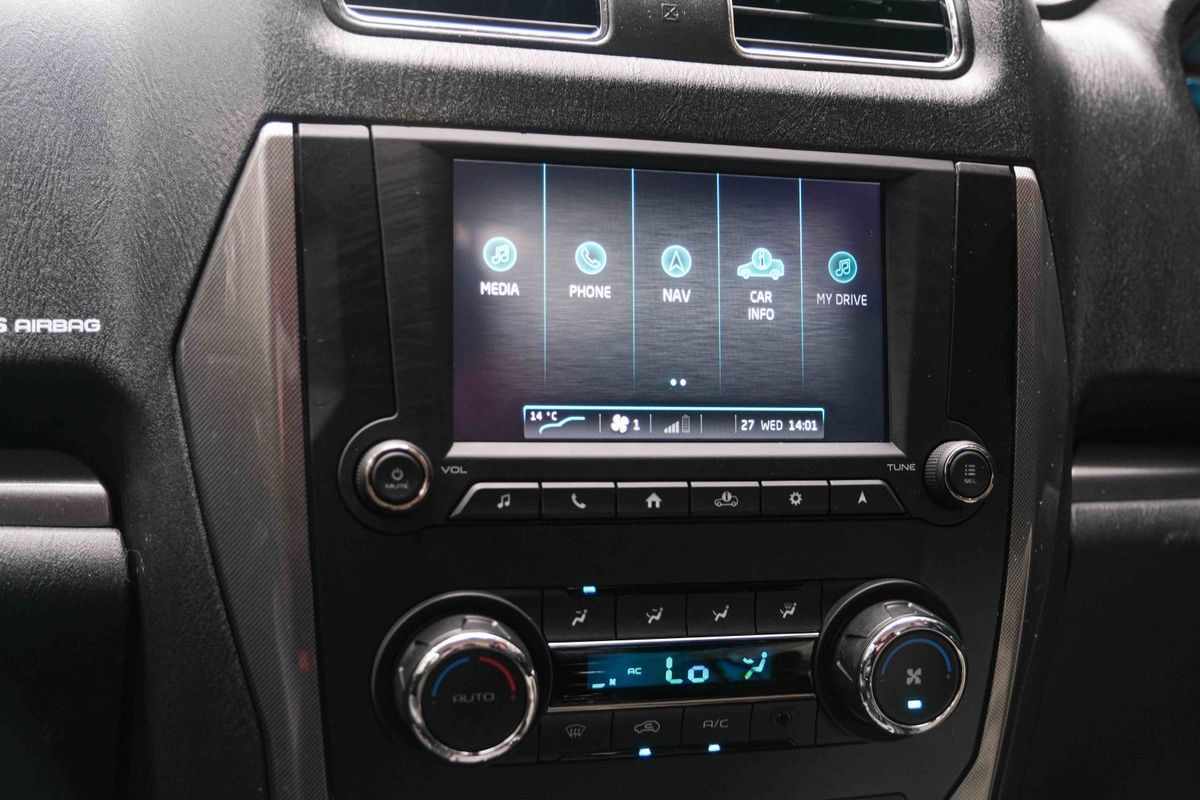
One of the interior highlights is the new 7-inch touchscreen infotainment system, which offers Bluetooth, satnav and, for the first time, the feed from a reverse-view camera. It’s great to have extra rearward visibility on a vehicle of this size, but the camera guidelines are static, so you still need to be vigilant when executing reversing manoeuvres.
Sadly, the infotainment system doesn’t offer Apple CarPlay and Android Auto functionality, but its interface is intuitive; it requires little familiarisation. The touchscreen is positioned relatively low in the fascia, so it has a tendency to draw your eyes from the road (when you're using it on the move). Also, it has a rather annoying jingle at start-up.
The Mahindra's perceived interior build quality is better than we expected – the level of fit and finish feels a little more upmarket than, say, in a comparable Isuzu D-Max, which is admittedly quite dated by now. The Pik Up S11 may look like a workhorse, but its cabin does not feel utilitarian; it’s decidedly SUV-like inside, which we think is a good thing.
Other notable features include a multifunction steering wheel, cruise control, climate control (auto aircon) and front and rear electric windows. It’s worth pointing out there is very little space to store oddments inside the Pik Up, especially if you want to keep personal items out of sight. There are no bottle holders in the front doors or a central storage bin.
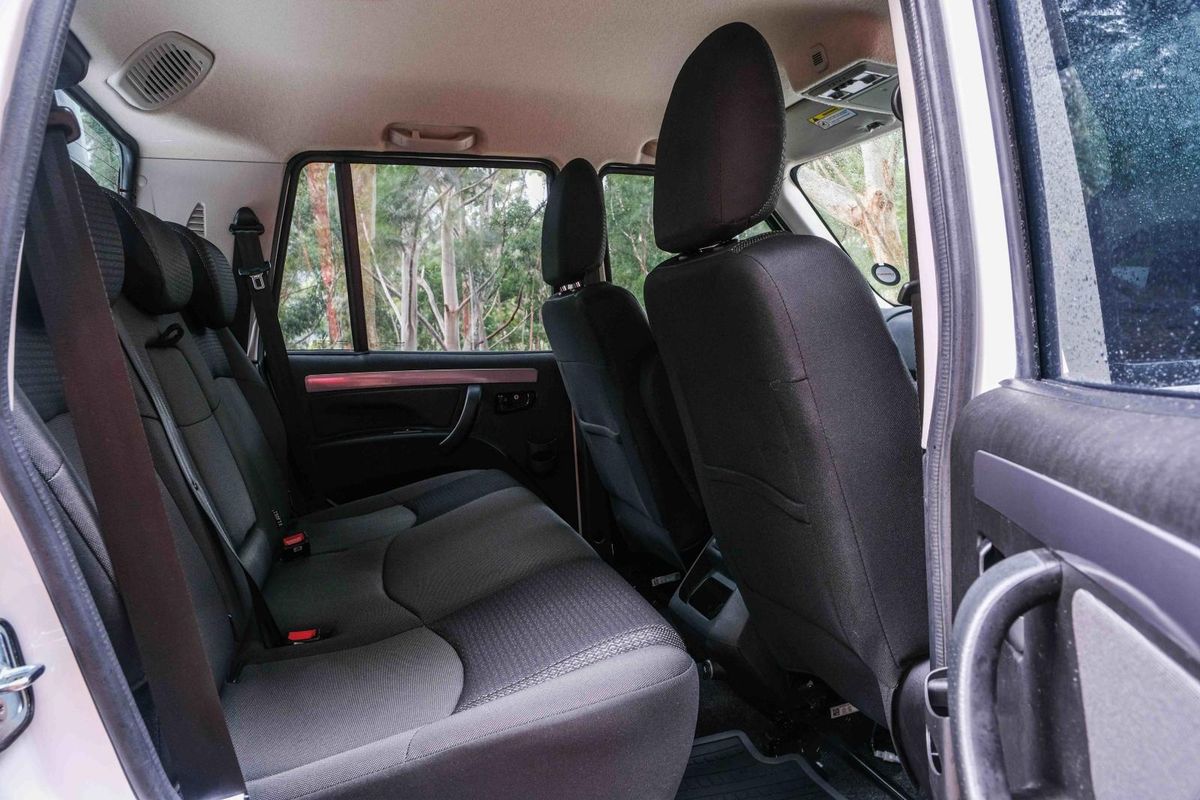
To its credit, however, the Mahindra affords rear passengers fair amounts of leg, head and shoulder room; it’s actually quite comfortable to be seated on the backbench.
Performance and Fuel Economy
The Mahindra Pik Up S11 automatic performs surprisingly well.
The tried and tested 2.2-litre M-Hawk turbodiesel engine is a bit noisy at startup (especially from cold, as most bakkie motors are), but it does offer 103 kW and 320 Nm of torque. While it may not be the most refined engine on the market, it does offer decent acceleration when you plant your foot flat. It definitely doesn’t feel sluggish.
By virtue of its new 6-speed auto 'box, the Pik Up is much easier to drive in congested traffic, where the transmission shifts through its gears relatively smoothly. In terms of fuel efficiency, Mahindra claims an average consumption figure of 8.1 L/100 km and we were quite surprised to see returns of around 9.4 L/100km, which is commendable indeed.
The ride quality can become unsettled over rougher surfaces (especially when the bakkie's unladen), but in general, the Pik Up rides comfortably enough on the daily commute. Our biggest gripe with the S11 4×4 Auto's on-road performance is its gargantuan turning circle; we found it a chore to turn the bakkie around or park it in confined spaces.
The Pik Up S11 does come with a rearview camera but its large turning circle makes it difficult to manoeuvre in tighter spaces.
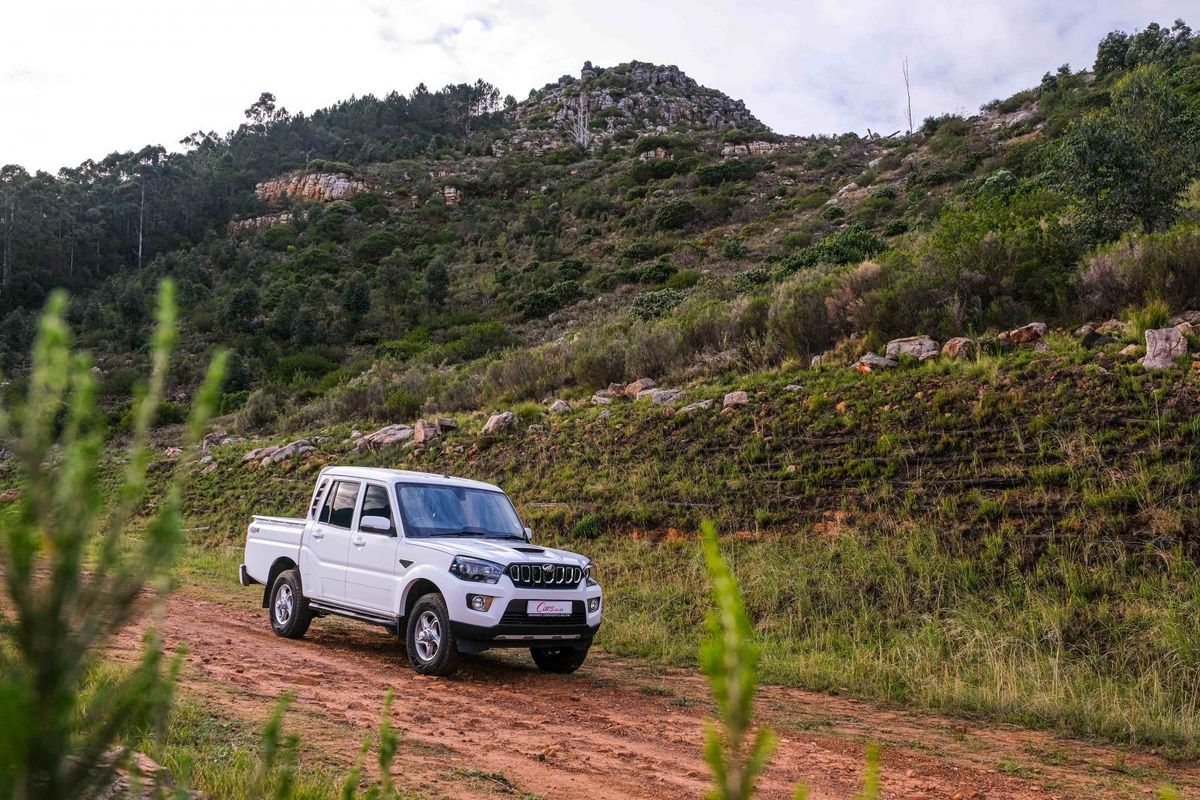
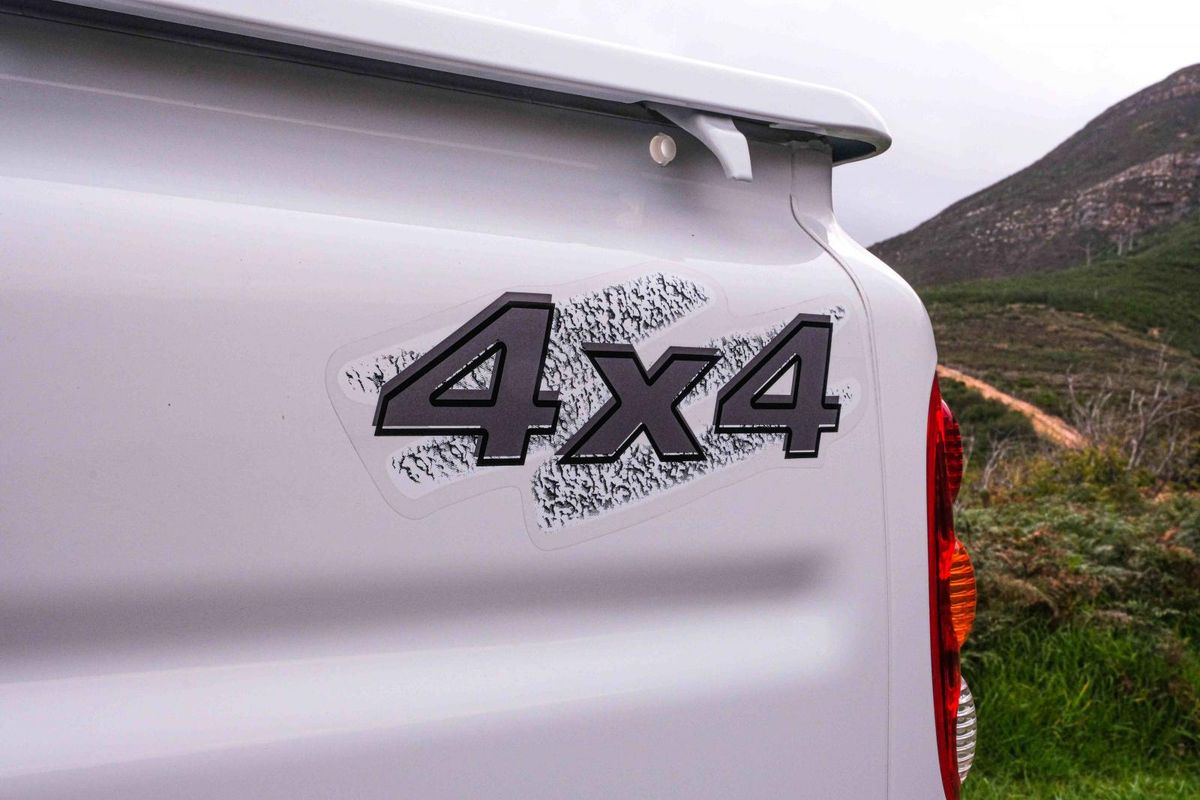
In terms of off-road capability, however, the Pik Up coped well in mild to moderate off-road terrain. A dial in the centre console allows the driver to easily switch between 2H, 4H and 4L. Moreover, when the going gets tough, there's a mechanical differential lock to help you conquer demanding terrain. Hill descent control is also part of the package.
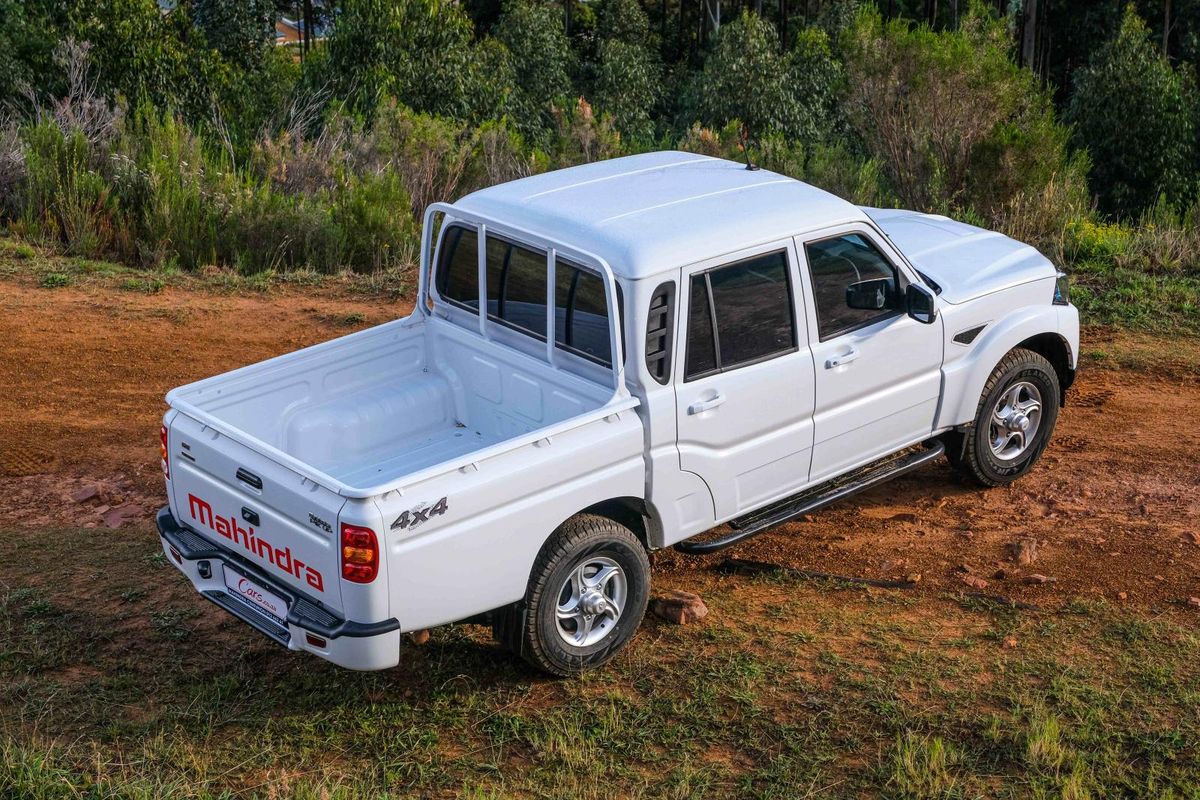
As for the load bay, this 4×4 derivative has a load capacity of 995 kg, which is just about on par with other offerings in this segment, but it is worth noting that the bakkie's tub is deeper – but perhaps not as long – as other double-cabs in the market.
Pricing and warranty
The Mahindra Pik Up 2.2CRDe S11 4×4 Automatic is priced from R414 999 while the 4×2 Automatic derivative retails for R384 999. The Pik Up is sold with a 4-year/120 000km warranty and a 5-year/90 000 km service plan.
Underrated and surprisingly capable, there's more to the Mahindra Pik Up S11 than meets the eye…
This Mahindra Pik Up reminds us not to judge a book by its cover. Its overall performance surprised us: not only does it offer an adequate engine and transmission combination, but it comes quite well-specced as standard. We think it’s quite underrated and deserves a closer look if you are in the market for an affordable automatic double-cab bakkie.
In these cash-strapped times, which has been exacerbated by the ongoing Covid-19 pandemic, an increasing number of buyers will be prioritising value-for-money in their new car purchasing decisions… If you can wrap your head around the Pik Up’s odd looks, you will find a double cab that is attainable, capable and even charming.
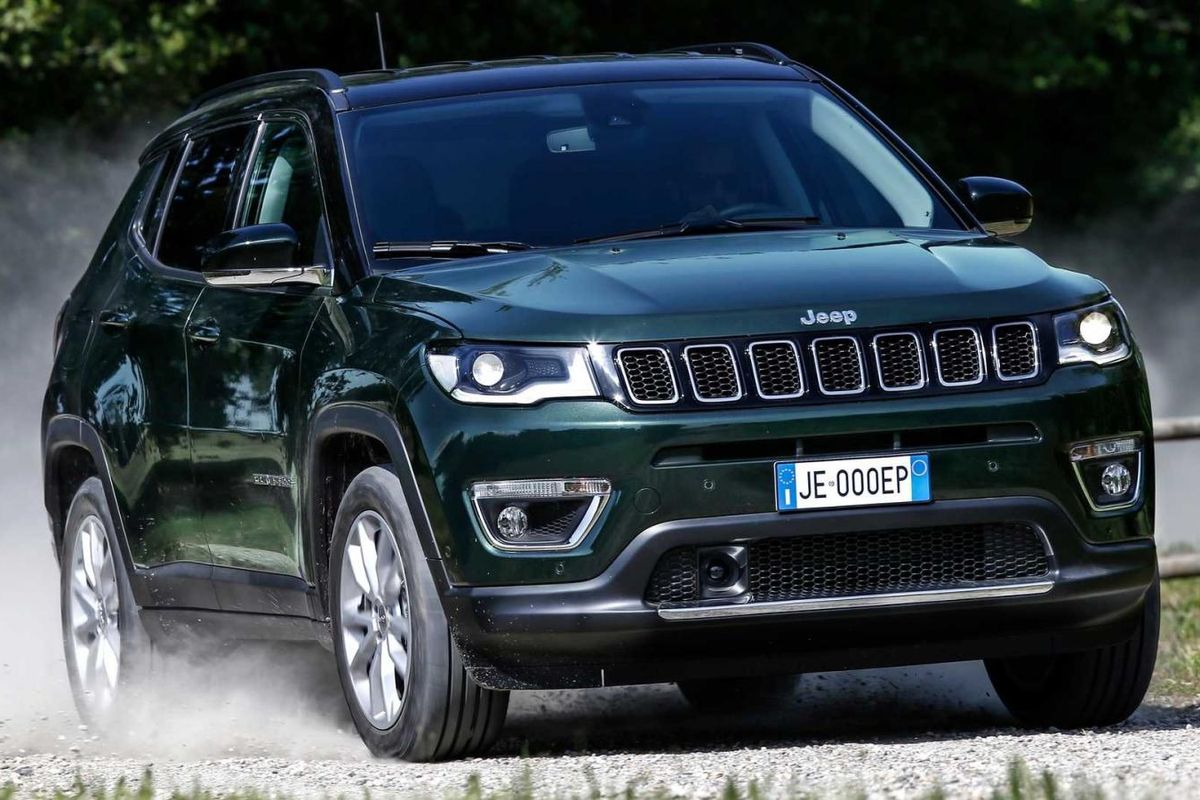
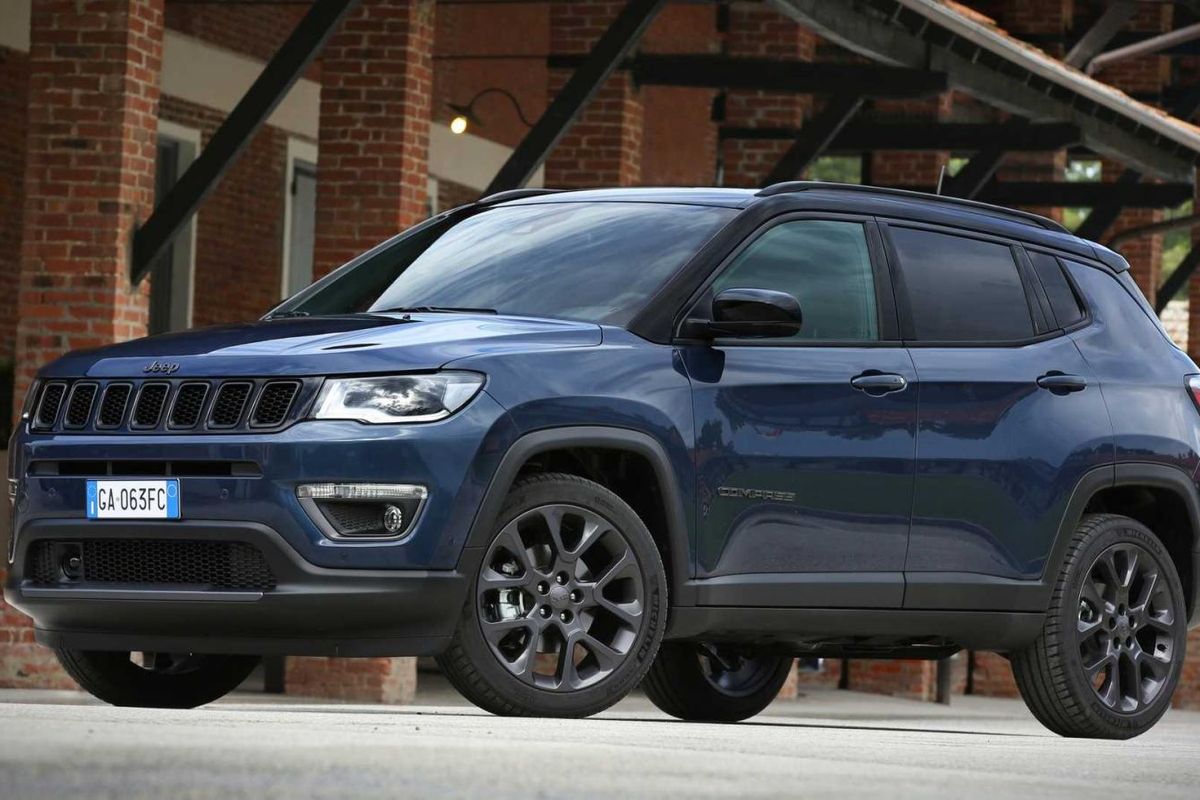
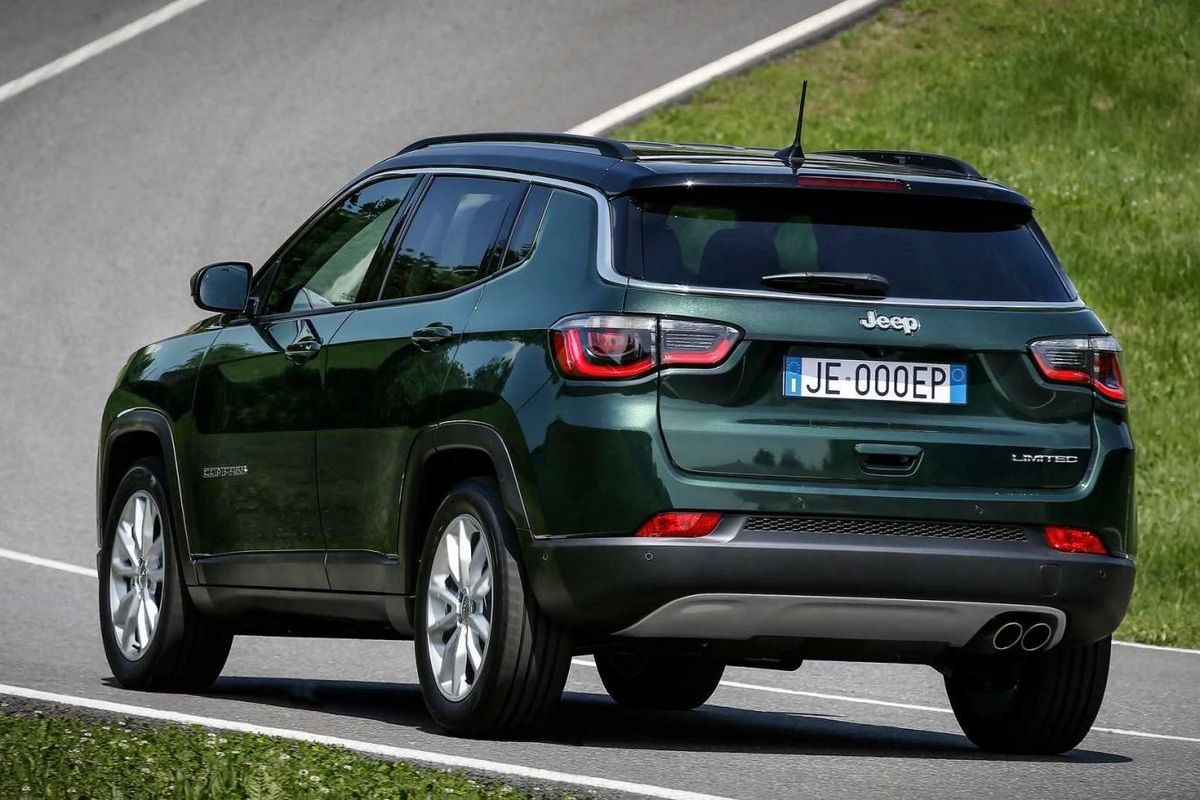
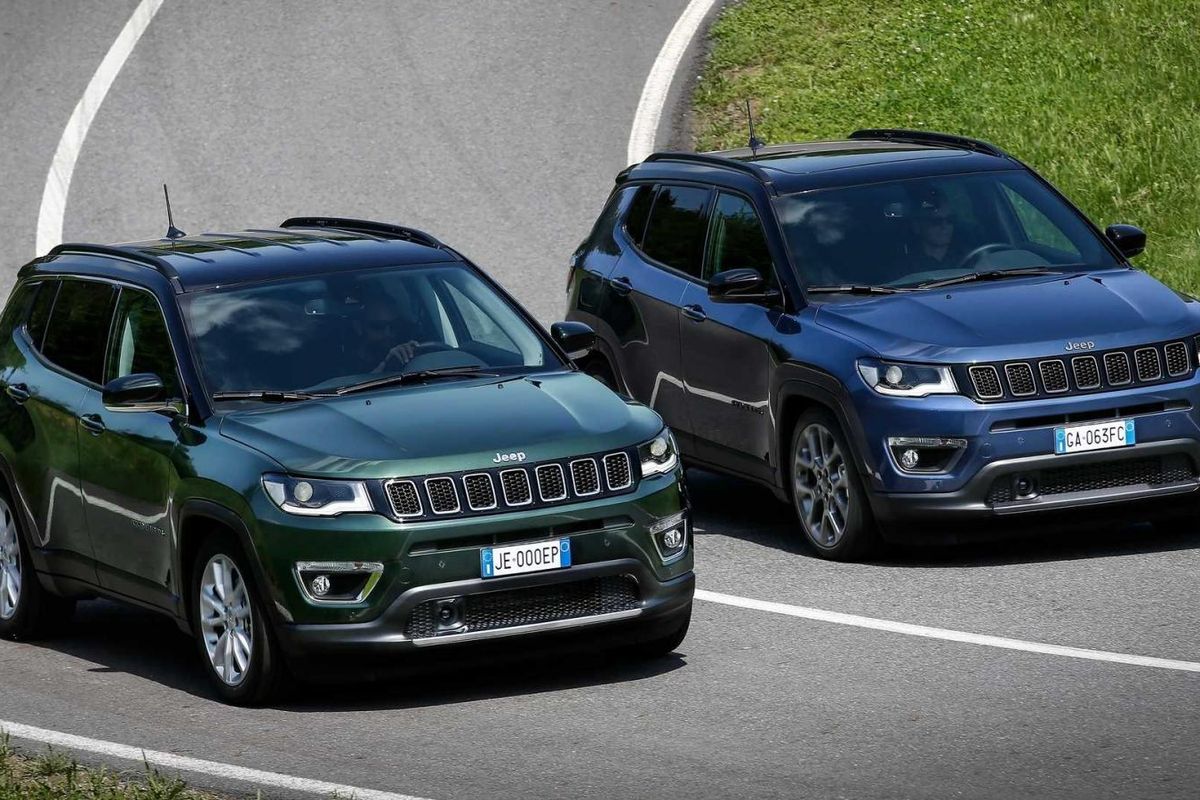
Jeep has expanded its Compass portfolio with an updated model with a new engine and new infotainment tech.
The Jeep Compass is what the American brand calls a global model as its assembled in Mexico, Brazil, China and now in Italy. Understandable when you consider that Jeep forms part of the FCA Group. The Melfi plant in Italy has already started the assembly of the 2020 Jeep Compass. The real headline here is the addition of an all-new engine.
Petrolheads will scoff at the idea of a big Jeep like the Compass being powered by such a small motor, but the reality is that almost every brand offers a compact turbocharged powertrain. The 1.3-litre 4-cylinder turbo is available in 2 states of tune, 97 kW and 110 kW. Both models offer 270 Nm. The lesser-powered model is available with a 6-speed manual gearbox, while the more potent offering is available with a 6-speed DCT. Both models are front-wheel driven.
The main benefit of this engine is the economy and efficiency, with Jeep claiming a reduction in the latter by up to 27%. Fuel economy has improved by up to 30% on the WLTP cycle. For those wanting a diesel motor, the 1.6-litre diesel MultiJet II is available with 90 kW and 320 Nm.
There's also electrification in the pipeline, with Jeep offering 4xe models with plug-in hybrid tech. This means an electric motor mated to the 1.3-litre turbo motor and these will come a little later.
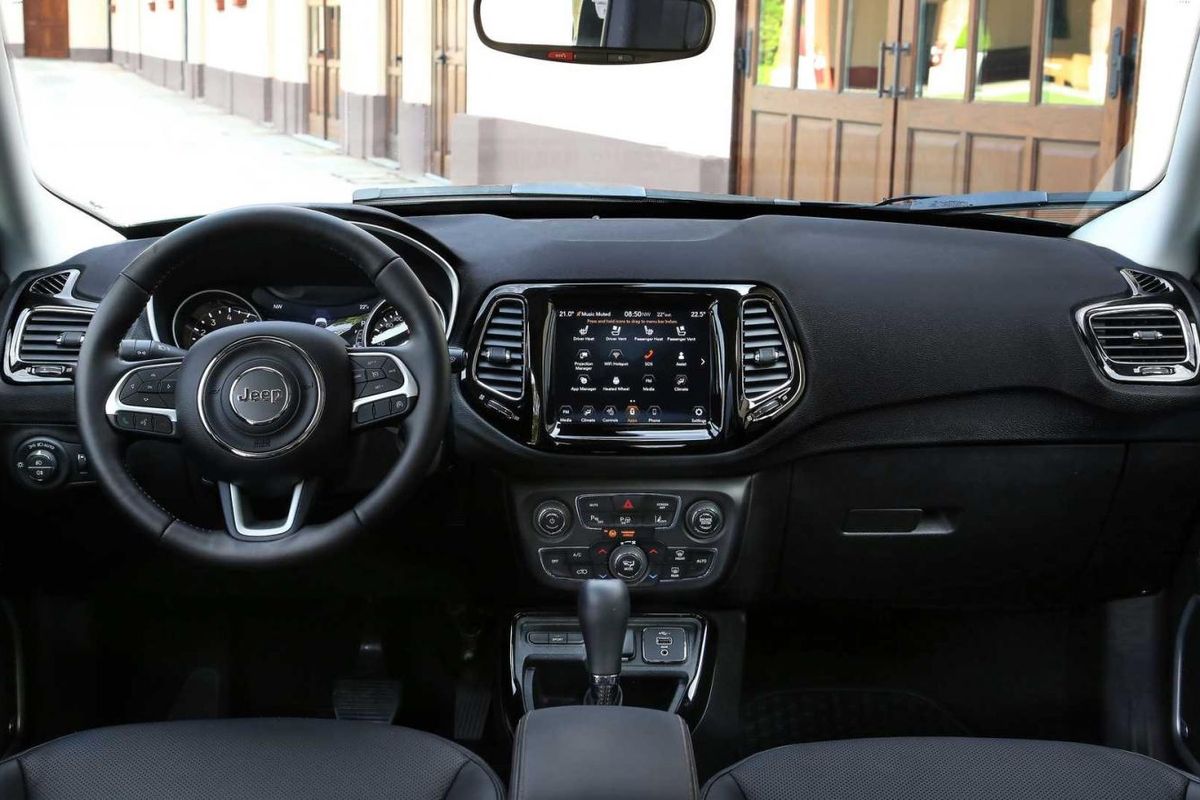
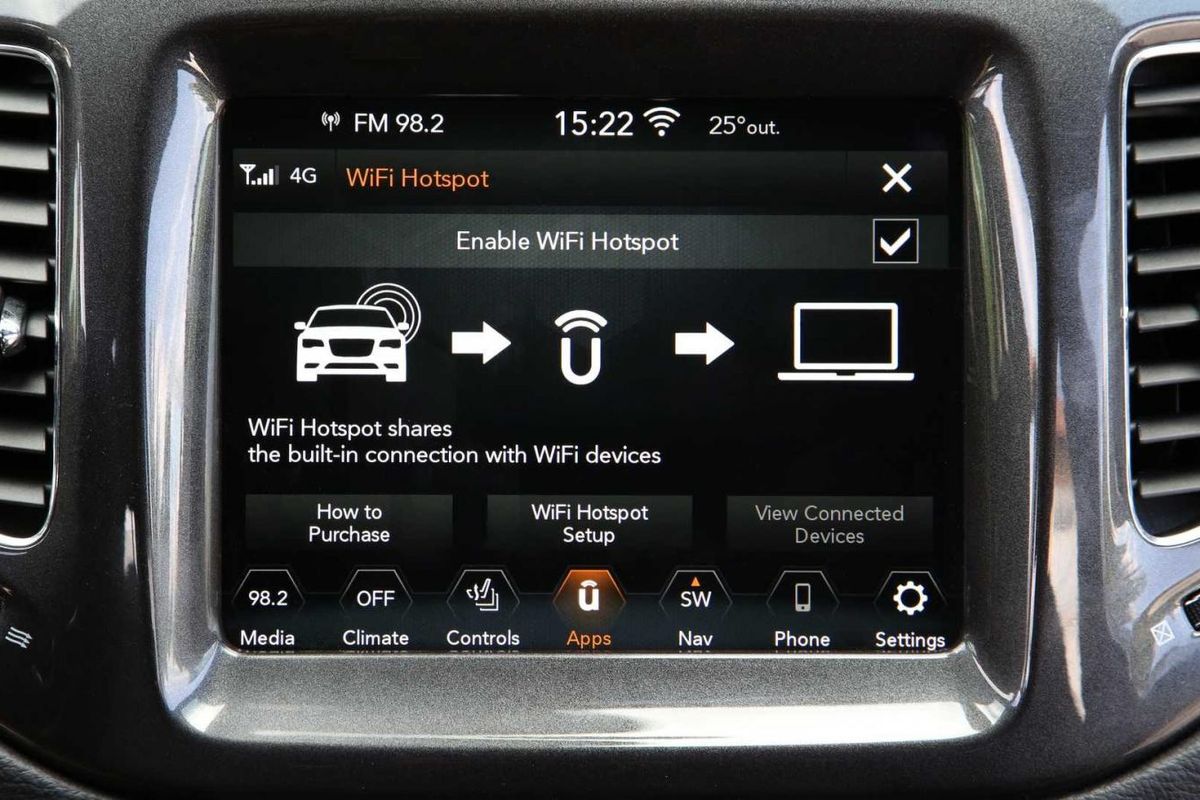
Inside, the updated Compass features the latest Uconnect Services infotainment system that was seen in the Renegade. Uconnect Services are divided into several packages. Available as a basic service, My Assistant is activated from plant, and offers emergency services in case of crash, roadside assistance services including the vehicle’s recovery and vehicle health reports. My Car, My Remote, My Navigation (on Uconnect 8.4” navigation only) packages are offered as standard services.
The updated Jeep Compass will be offered in 5 levels of trim, although we'll await final specifications from Jeep SA. Right now, the only model in the portfolio is the top-spec Trailhawk.
Jeep Compass Video
Watch a summary video of the changes to the Jeep Compass below:
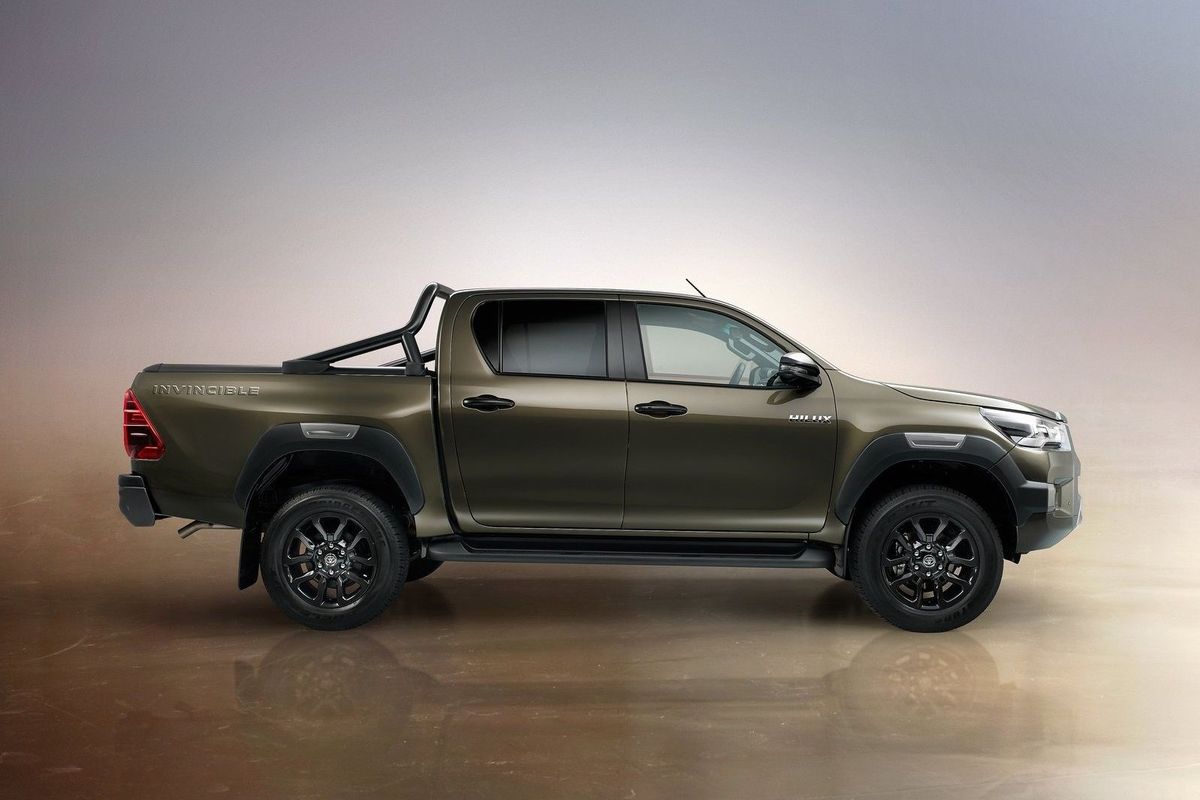
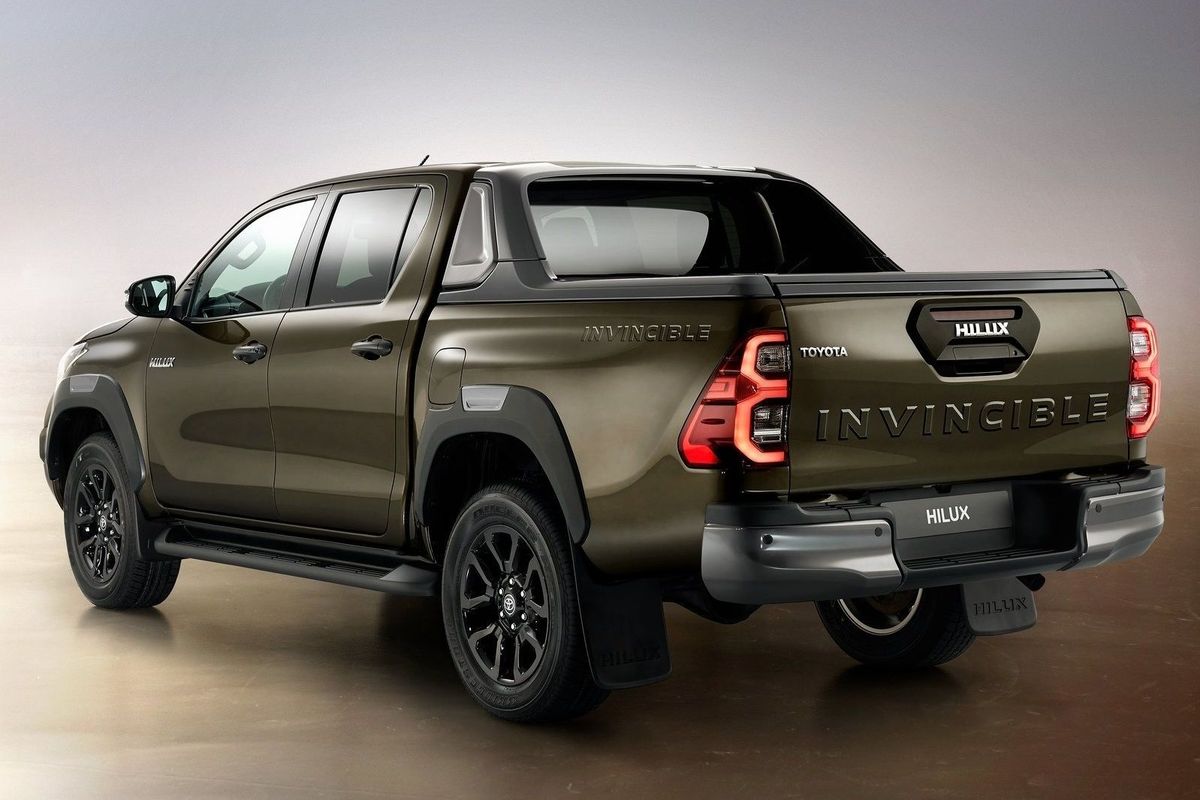
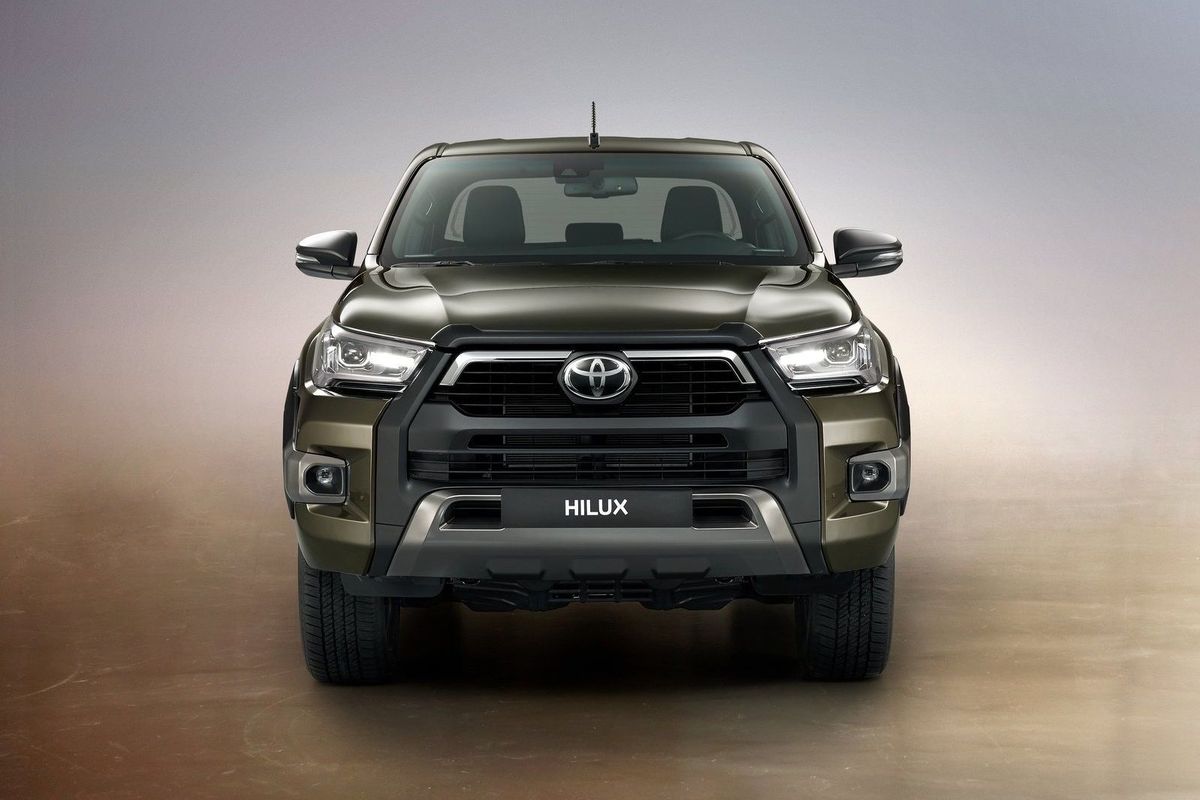
2021 Toyota Hilux Invincible X Detailed
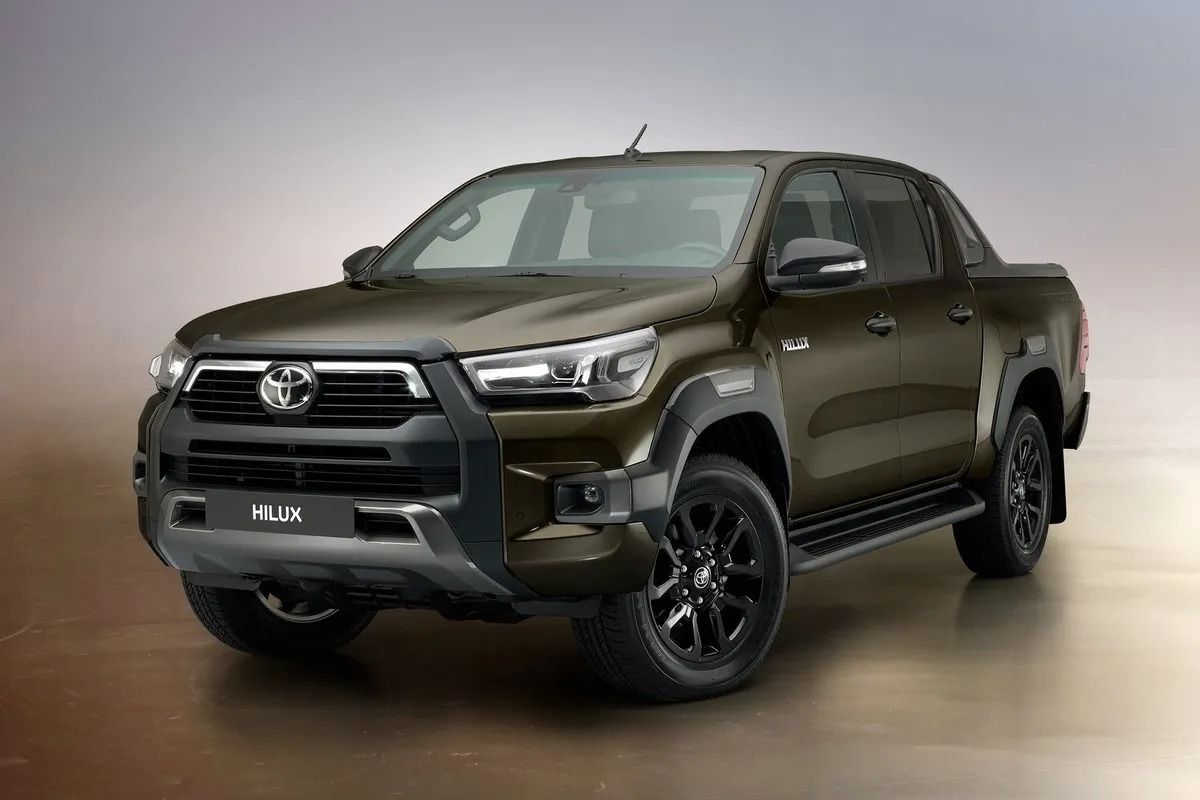
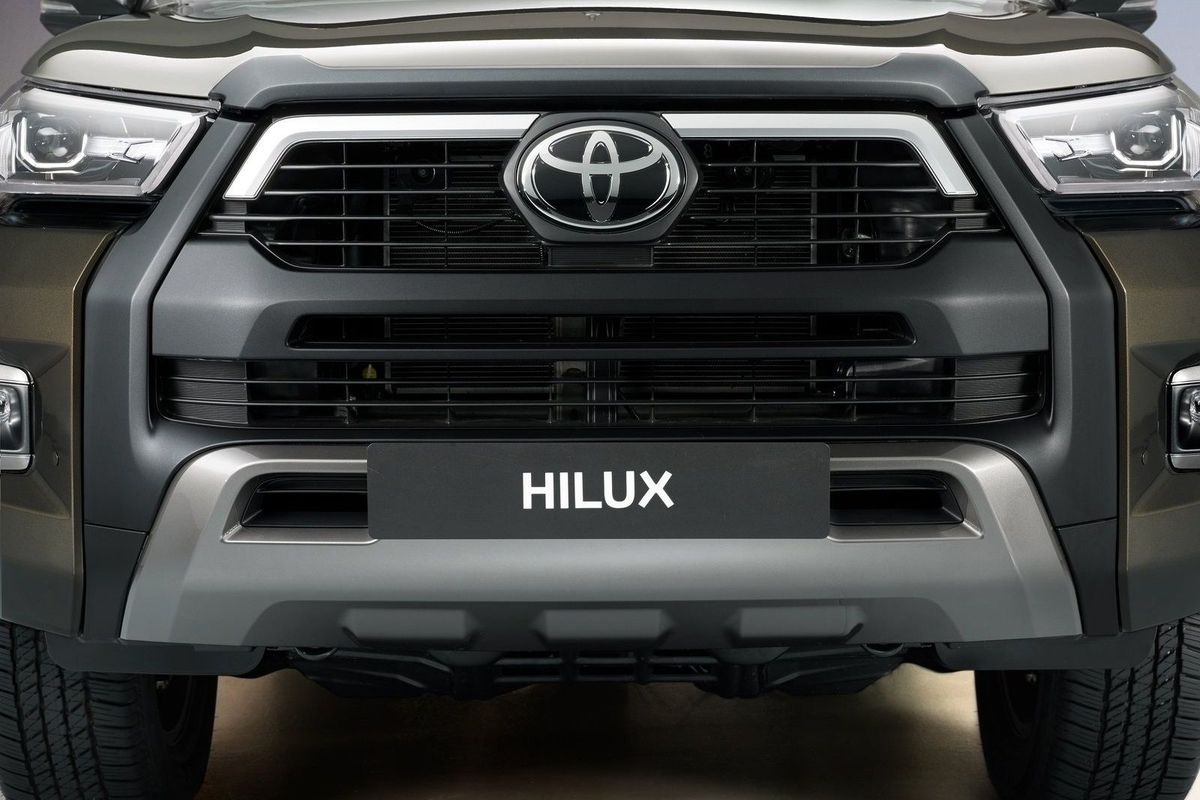
After the reveal of the updated Hilux, we were interested in the aggressively-styled model in the media pack. This is the Toyota Hilux Invincible X.
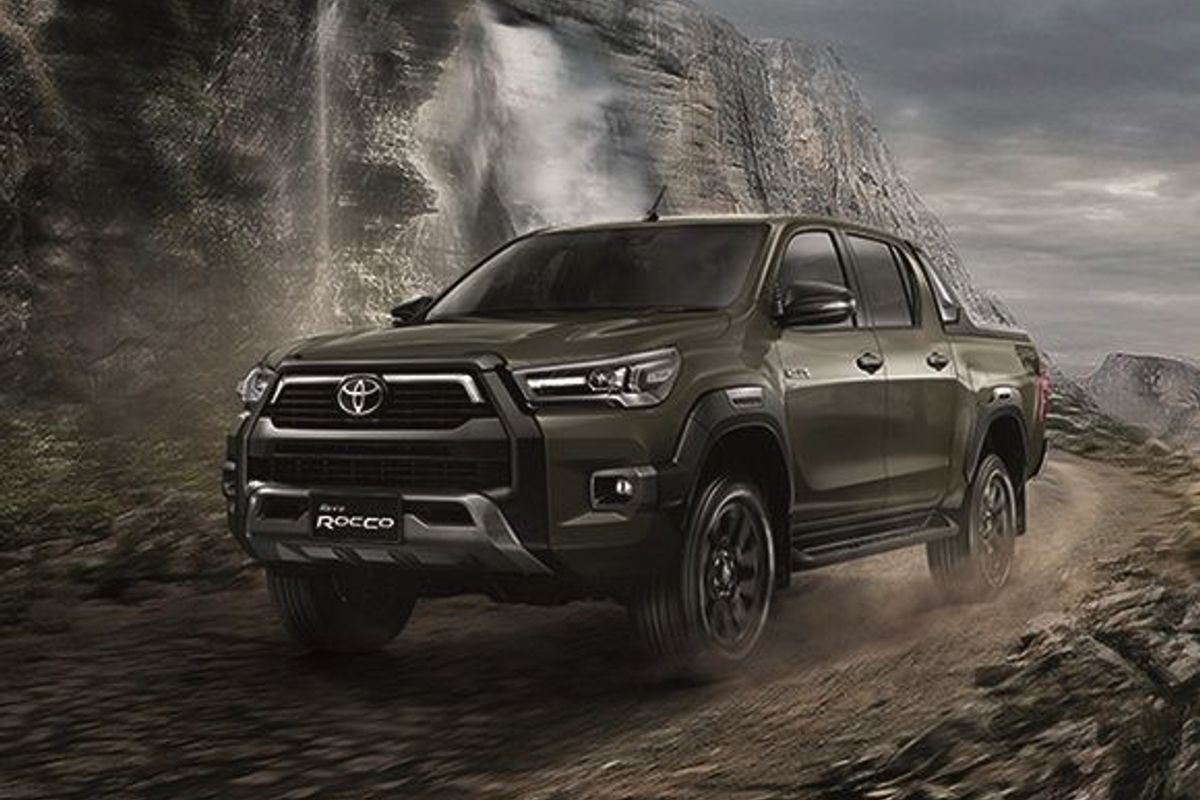
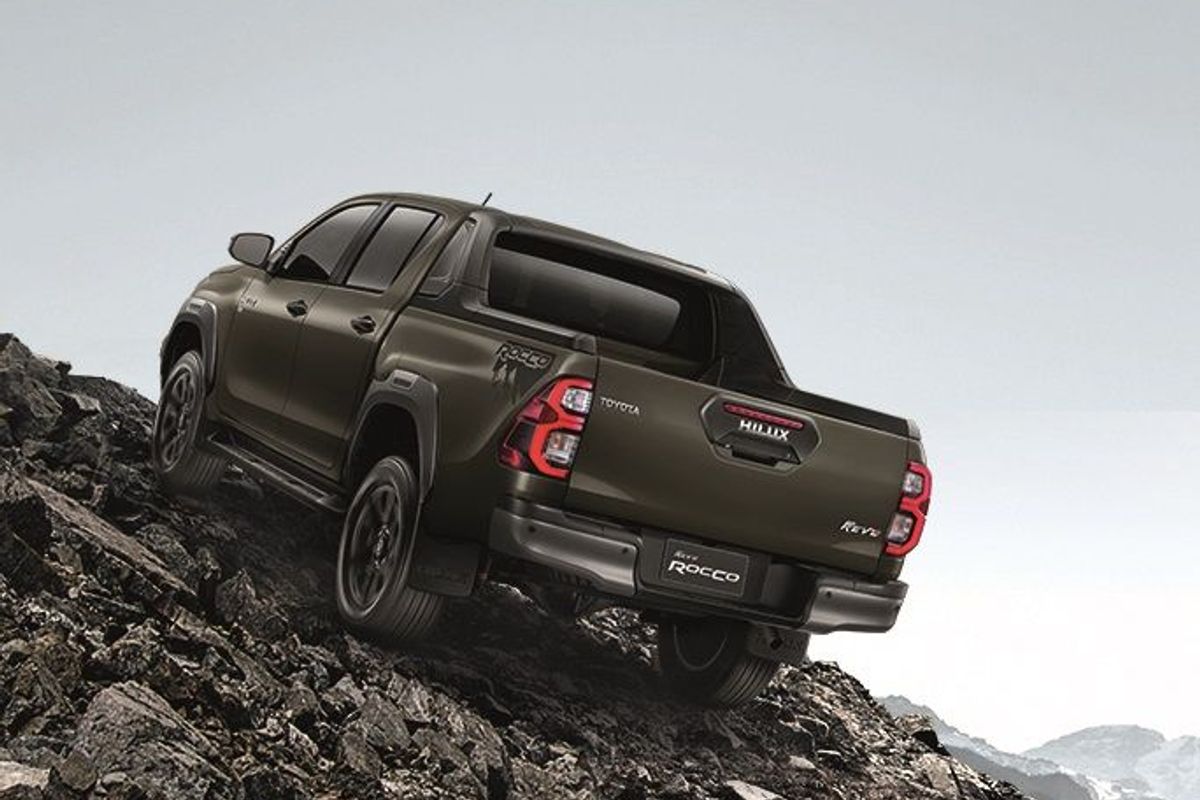
The Toyota Hilux has received quite an update, complete with a new look, new cabin as well as an upgraded engine.
Let's kick off with the engine news, where the 2.8-litre 4-cylinder turbodiesel engine has received a power bump to 150 kW, while peak torque (on the automatic derivative) now sits at a hearty 500 Nm. The best part is Toyota claims that despite the power and torque increase, fuel consumption has improved "by up to 11%". There are also mechanical changes to the suspension.
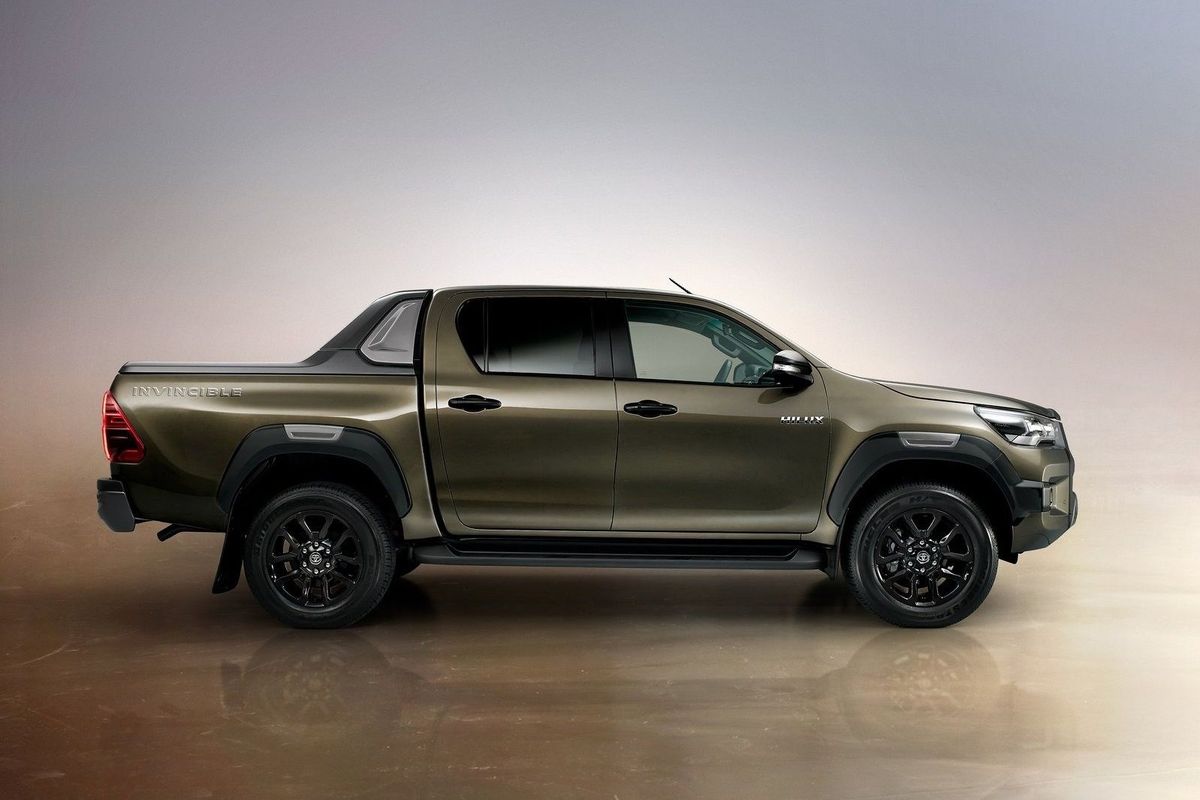
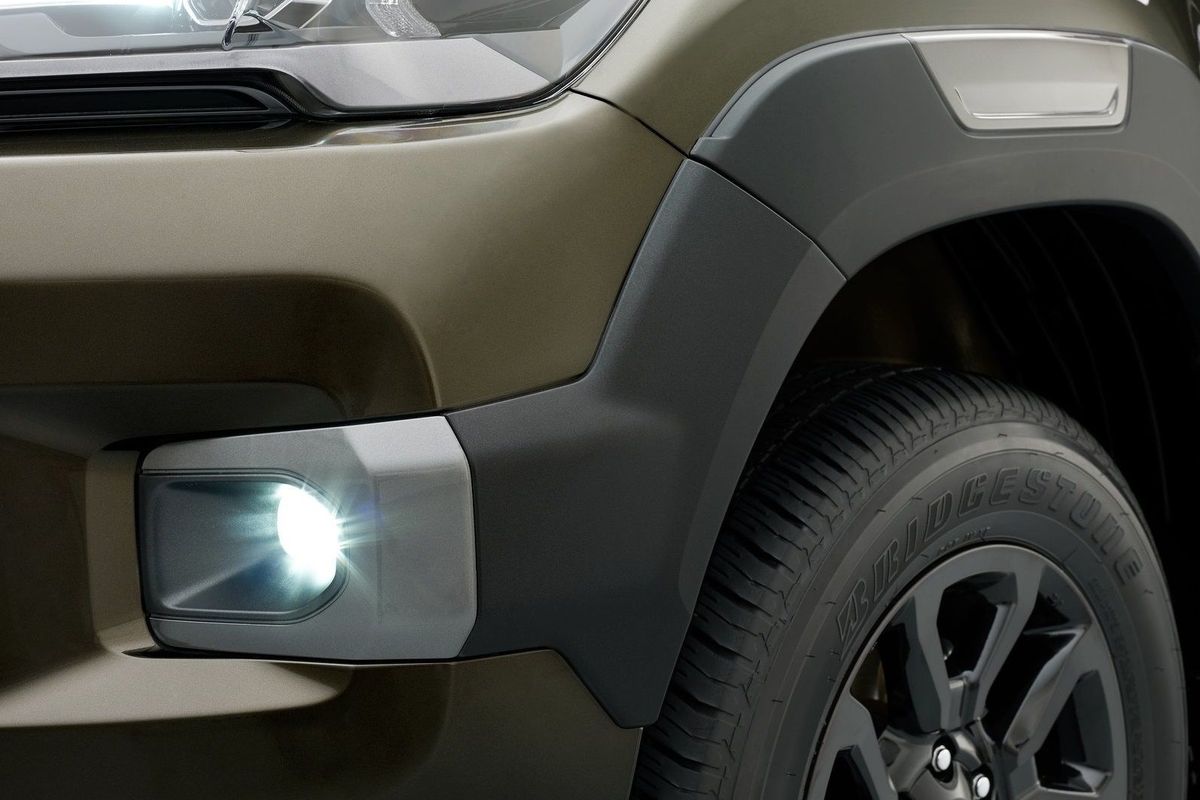
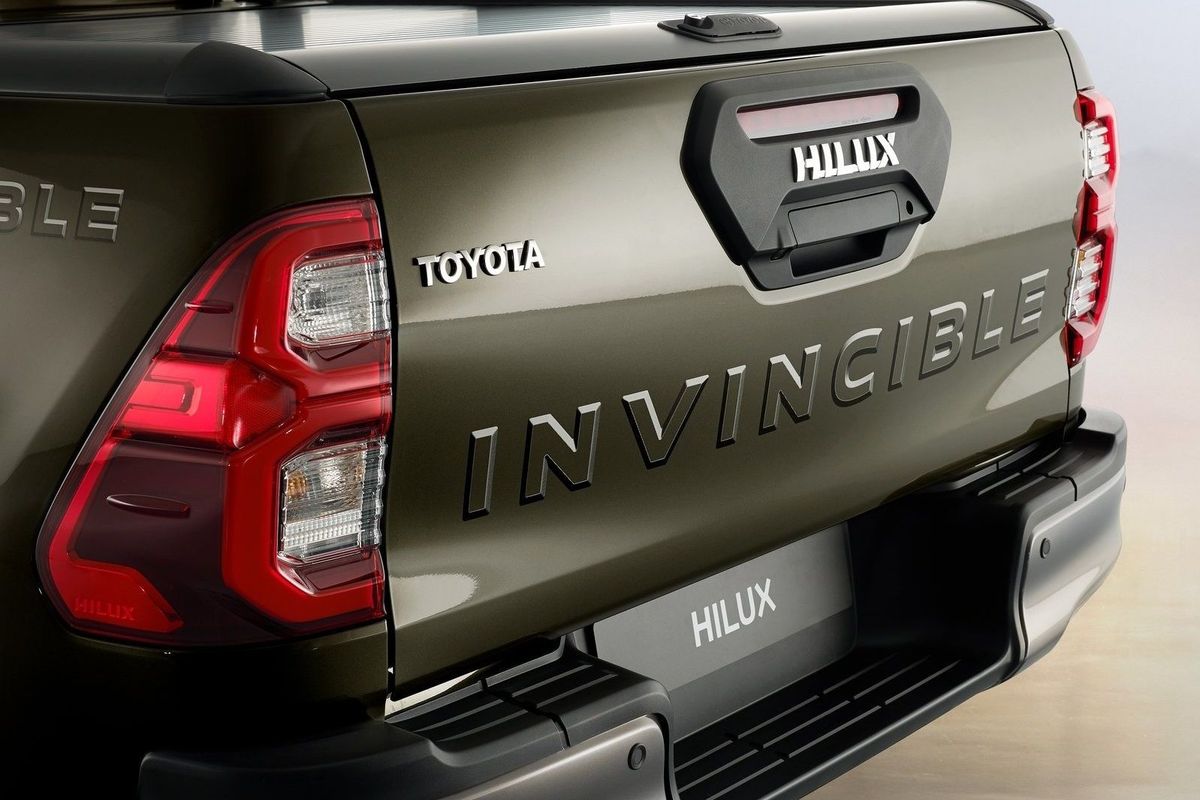
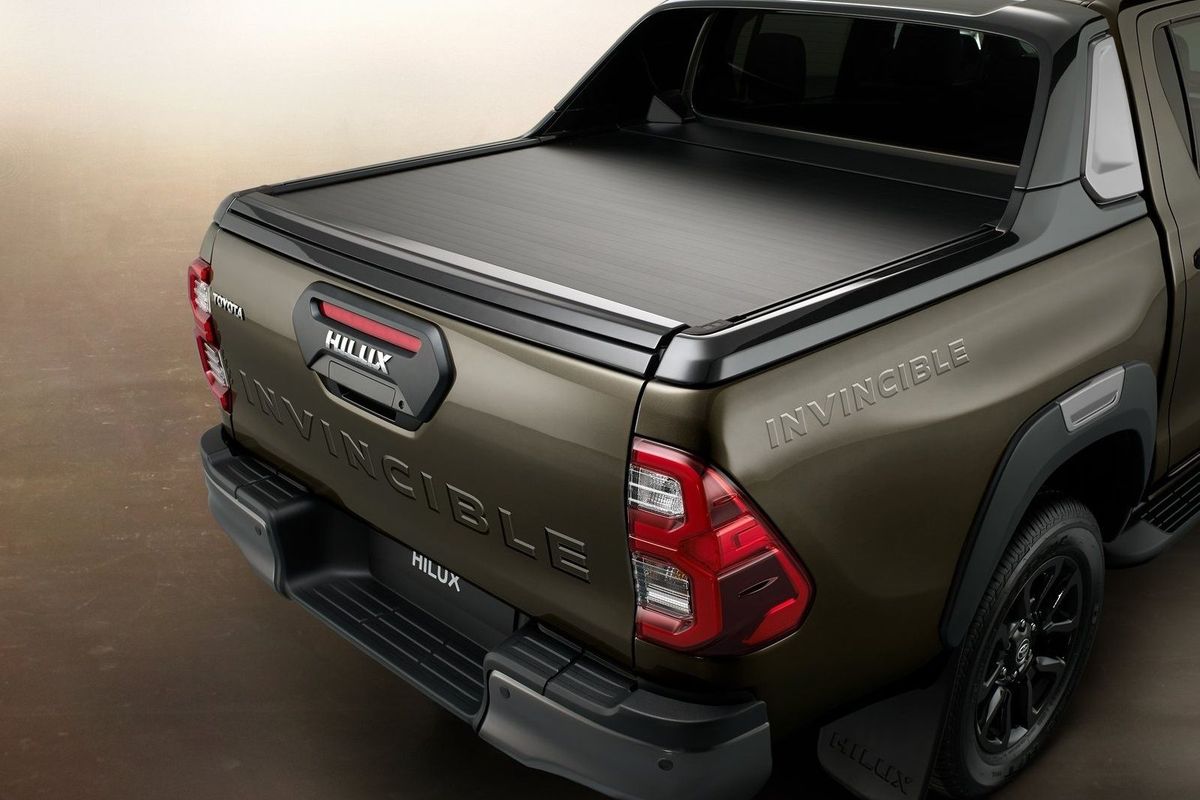
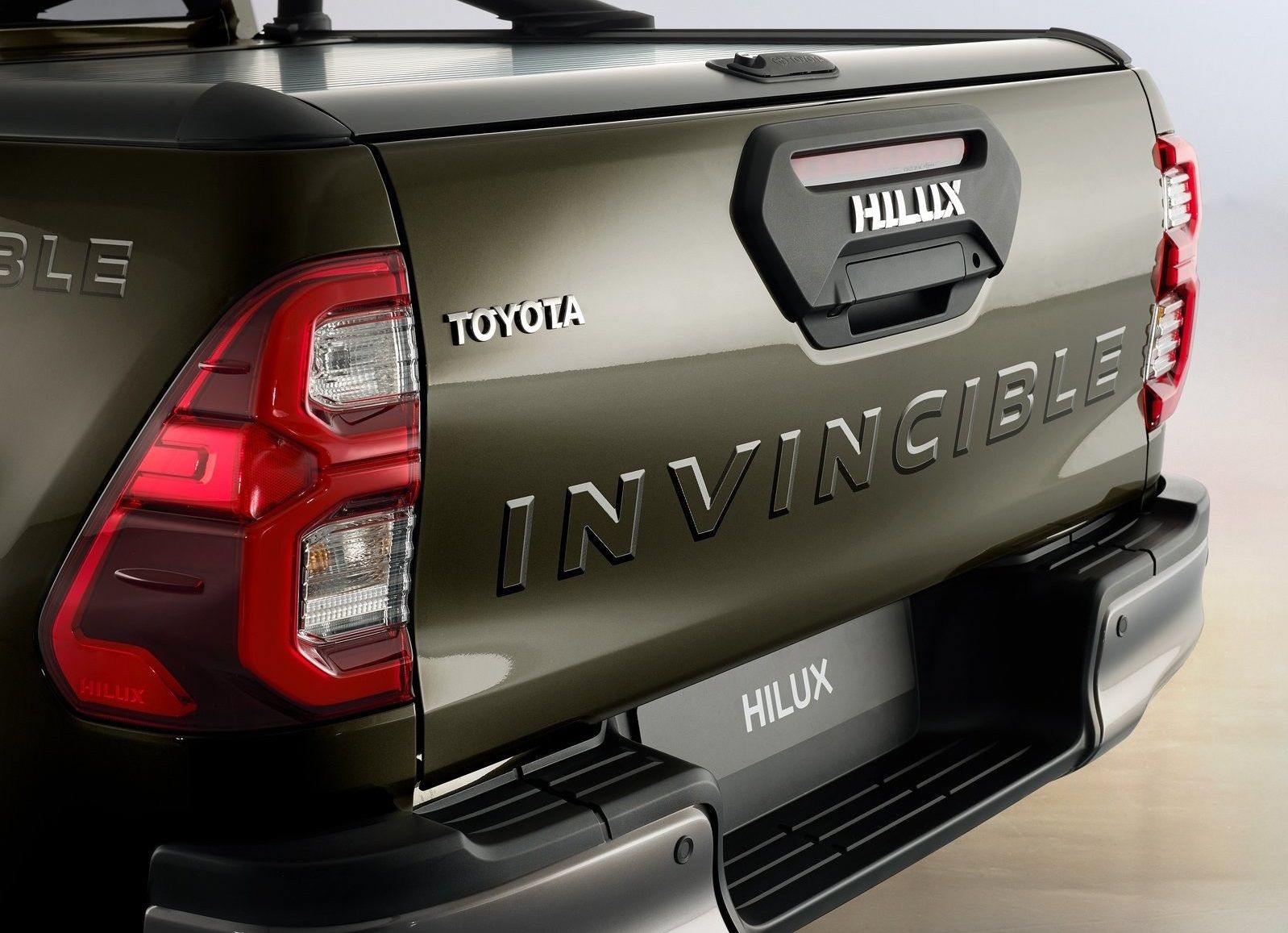
However, let's take a moment to focus on the looks and aesthetics. This is not your run-of-the-mill Toyota Hilux. Toyota calls this the Hilux Invincible X and its the range-topping double-cab model. It comes with exclusive styling such as the bold grille and front bumper. There's a skid plate, runner boards, wheel arch cladding, and bigger wheels. If you look closely, there's also a unique design on the tailgate. Did we mention there are plenty of Invincible badges everywhere too?
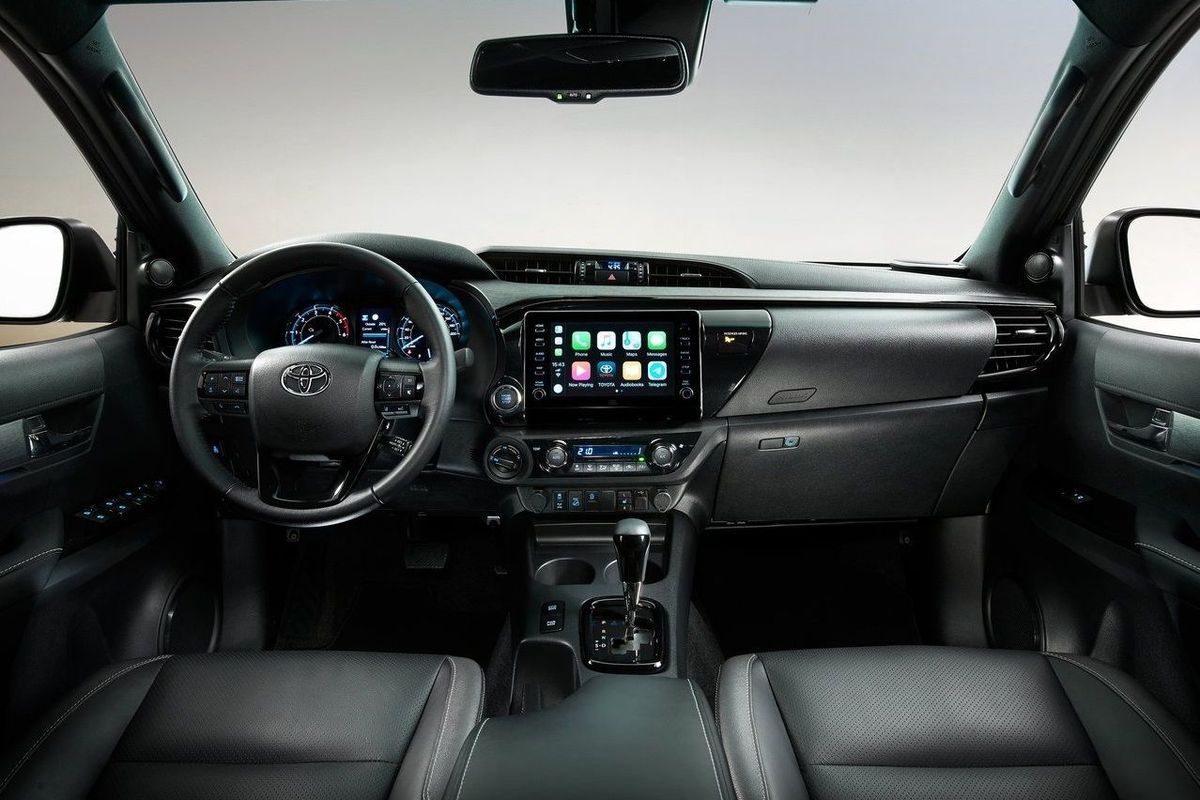
Inside, the Toyota Hilux Invincible X has black metallic and black chrome trim accents, model-specific smart entry key, and dual-tone perforated leather seats.
Toyota South Africa told us: "We will be getting those models, but not immediately. Our timing is quite different to Australia; they don’t source their vehicles from SA. Unique-to-SA derivatives such as the Legend 50 and Dakar bridge the gap and extend the life of our current Hilux offerings." When pushed for a date, it was suggested that Australia would likely receive this facelifted Hilux in August with South Africa's units following "months" later.