Citroen C3 1.2 Feel (2019) Review
The C3 is Citroen's answer to the market's current crop of safe-but-predictable compact hatchbacks, as well as the entry point to the returning French marque's product line-up. Is the newcomer any good, however? We spent some quality time with the entry-level 1.2 Feel derivative.

We like: Unique and bold styling, peppy engine, comprehensive specification, eager performance, keen pricing.

We don't like:  Long clutch travel, notchy gearshift action, new Citroen aftersales programme still unproven.

Fast Facts

  • Price: R249 900
  • Engine: 1.2-litre naturally-aspirated 3-cylinder
  • Power/Torque: 60 kW/118 Nm
  • Transmission: 5-speed manual
  • Fuel consumption: 5.7 L/100 km (claimed)
  • ??Load capacity: 300 litres

Own a Citroen? Tell us about your experience here

SERIOUS ABOUT BUYING?

Where does it fit in?

Citroen's is desperate to undo years of haphazard servicing and mismanagement, which has left many of its SA customers disappointed and disillusioned. With an entirely new management team and a strong product line-up, the brand's local management has reasons to be optimistic, however. Spearheading the return is what you see here: the C3. It's diving into one of the most competitive segments, where the likes of the Ford Fiesta, Kia Rio, Hyundai i20 and Renault Clio all fight for the scraps left over by the dominant Volkswagen Polo. The C3 is available in 2 flavours: 1.2 Feel and 1.2T Shine, with the latter adopting a perkier turbocharged engine. The former is the derivative under scrutiny here.

How it fares in terms of…

Kerb appeal
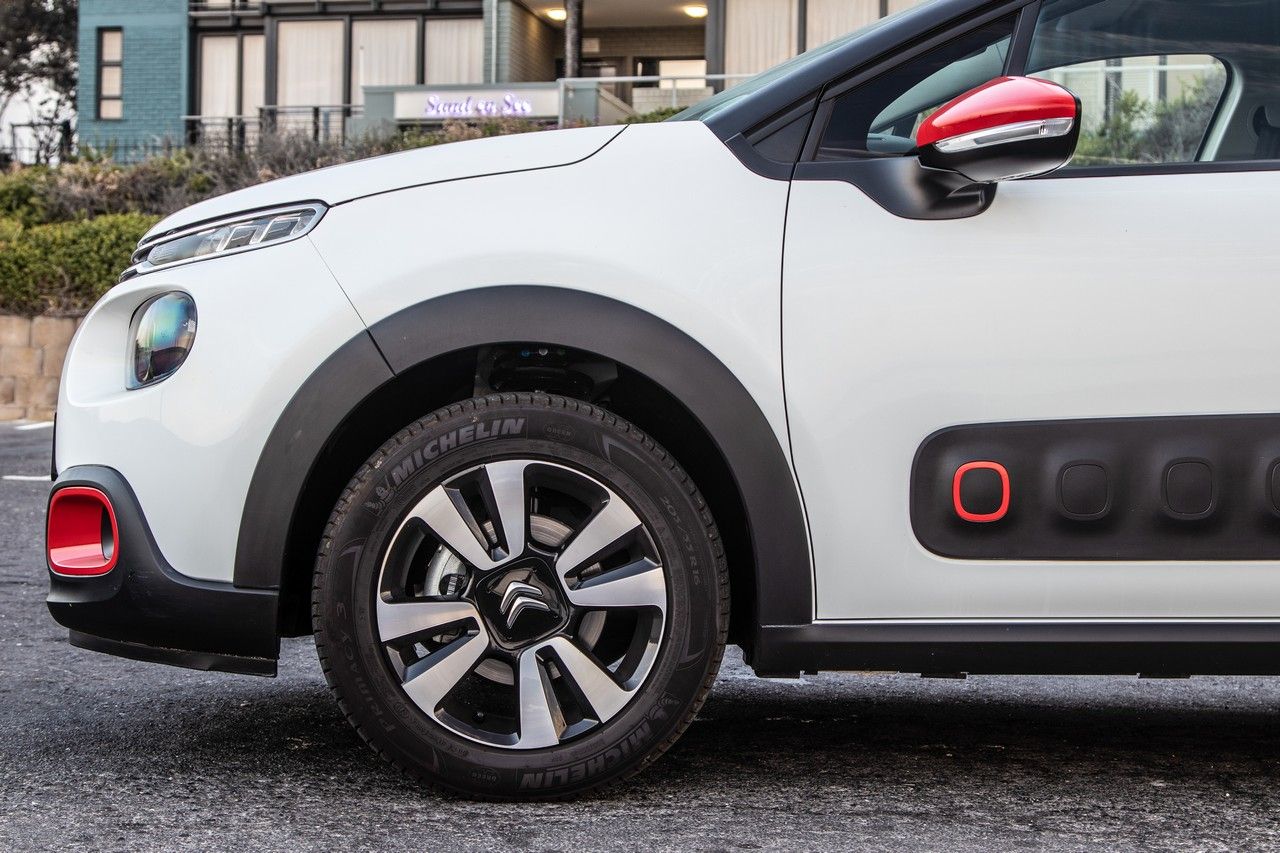

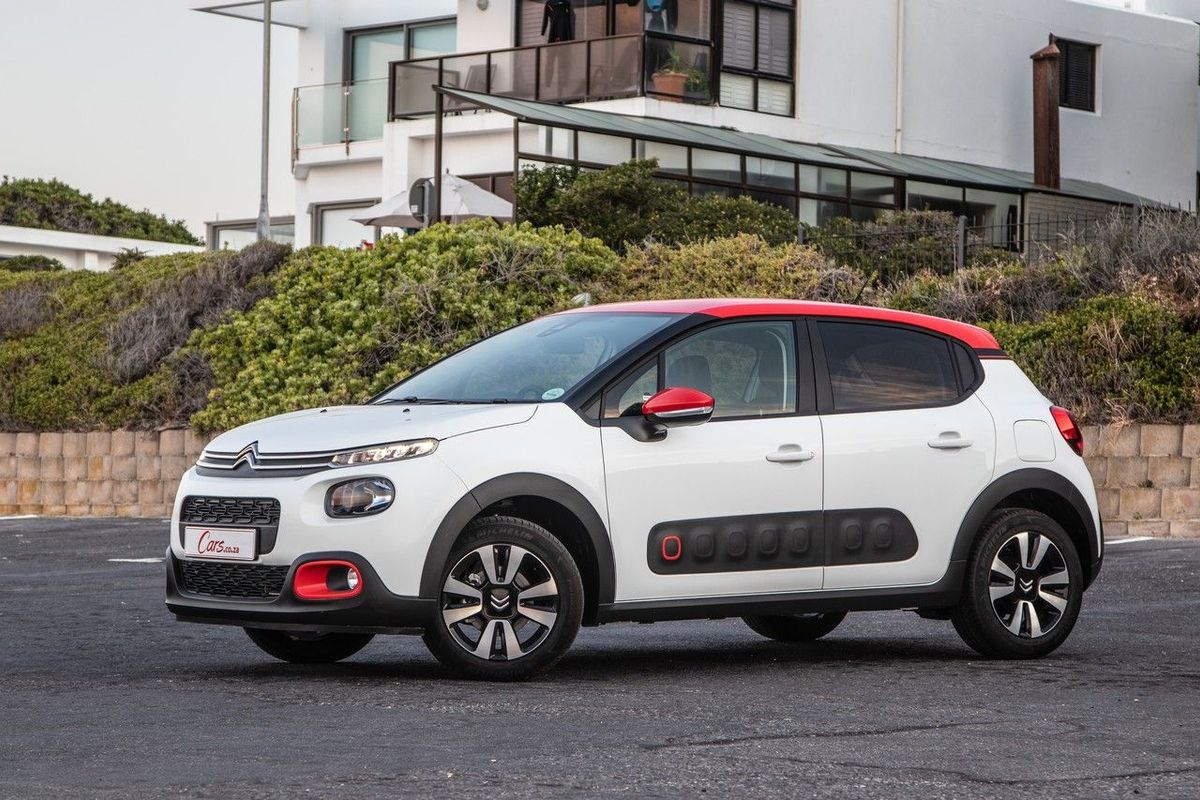
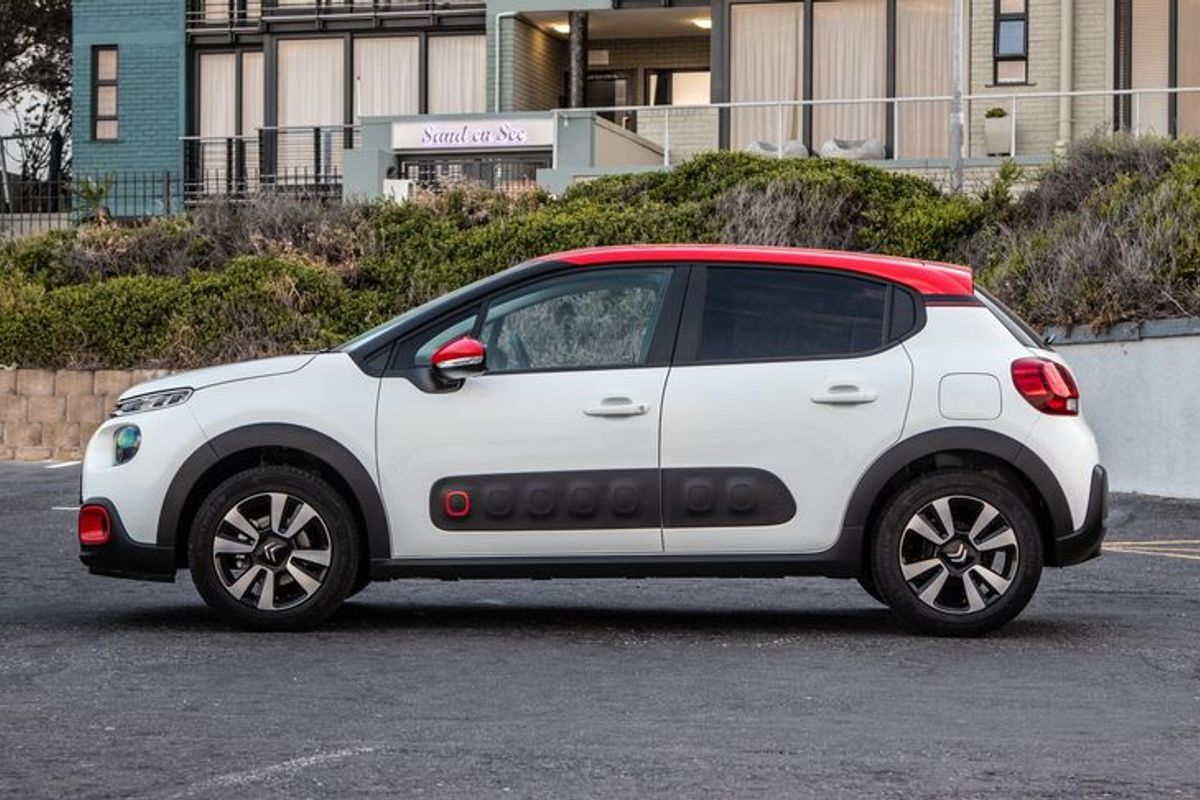
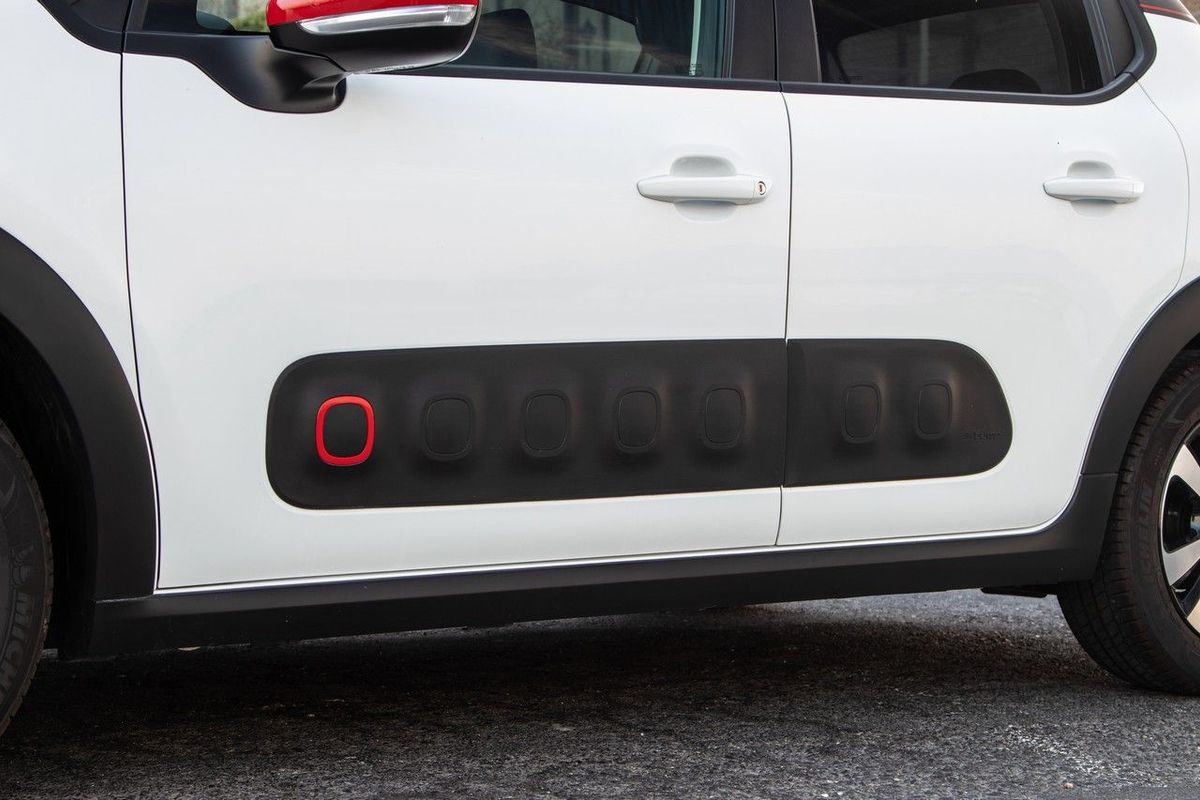
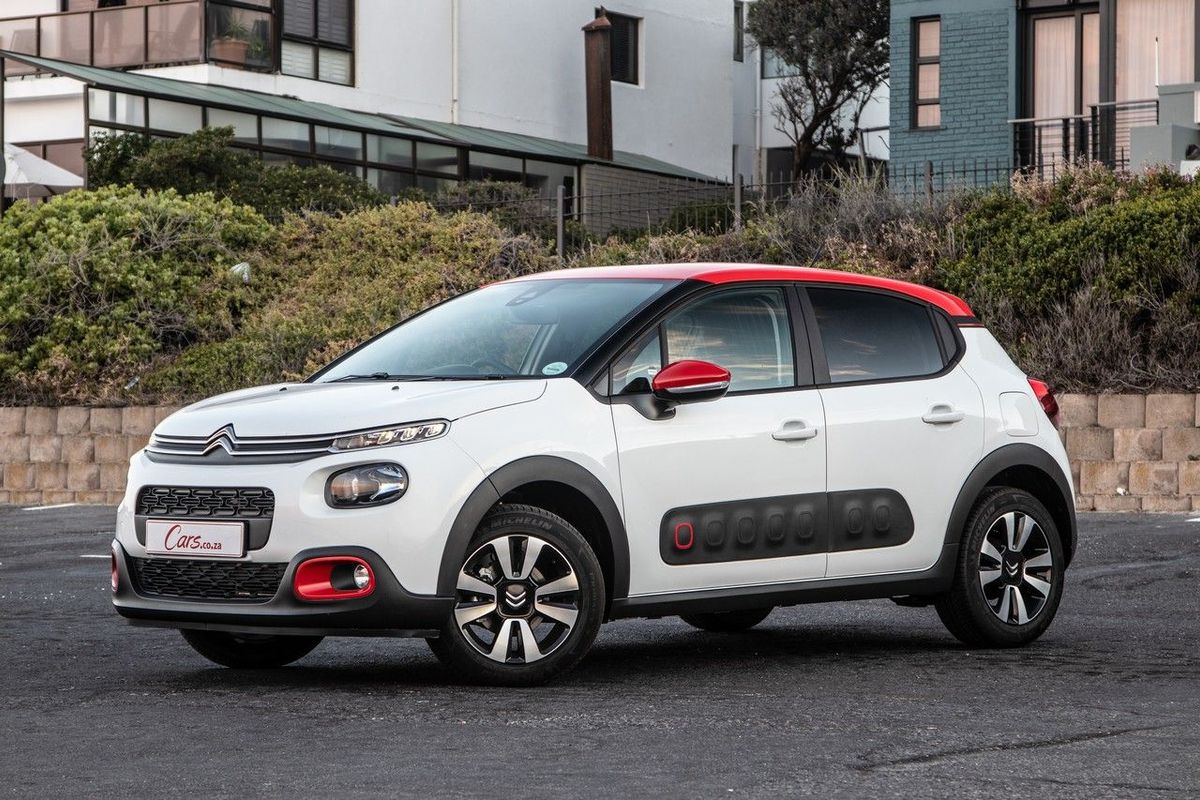
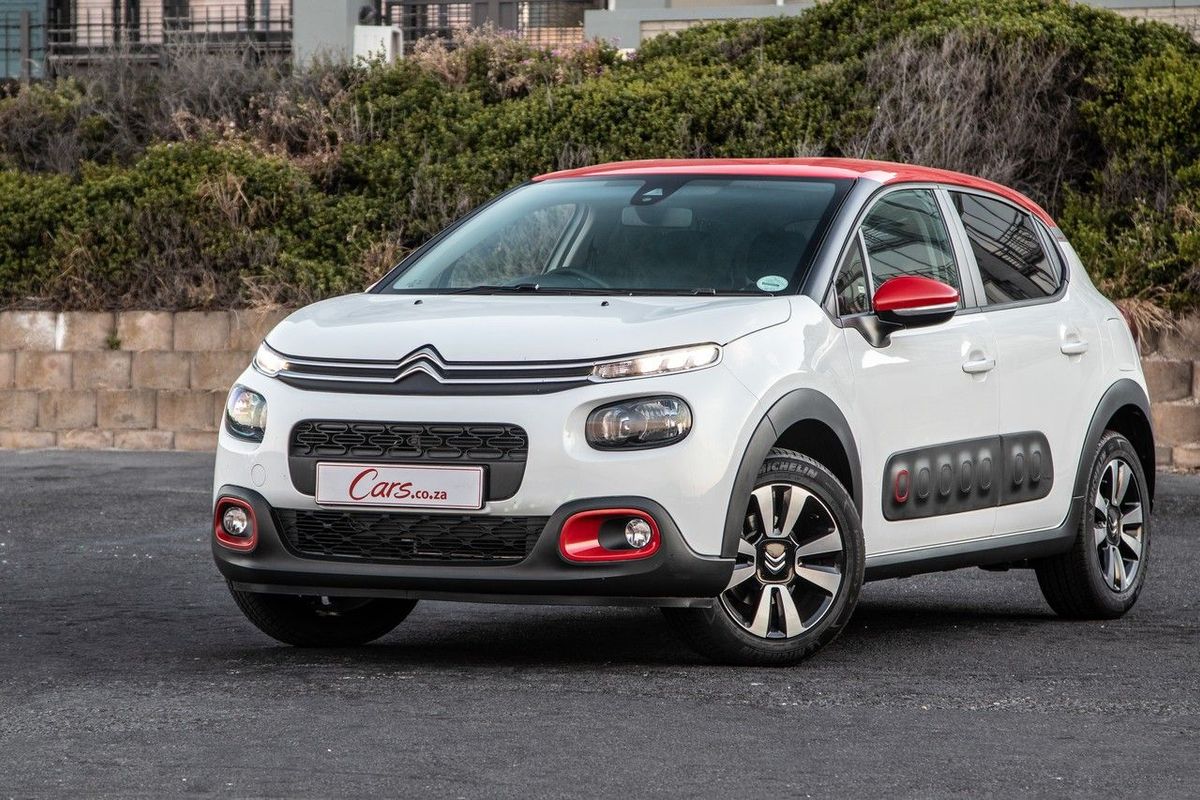
With its distinct Airbumps on the flanks and quirky styling, there's no mistaking the C3 for anything but a Citroen.

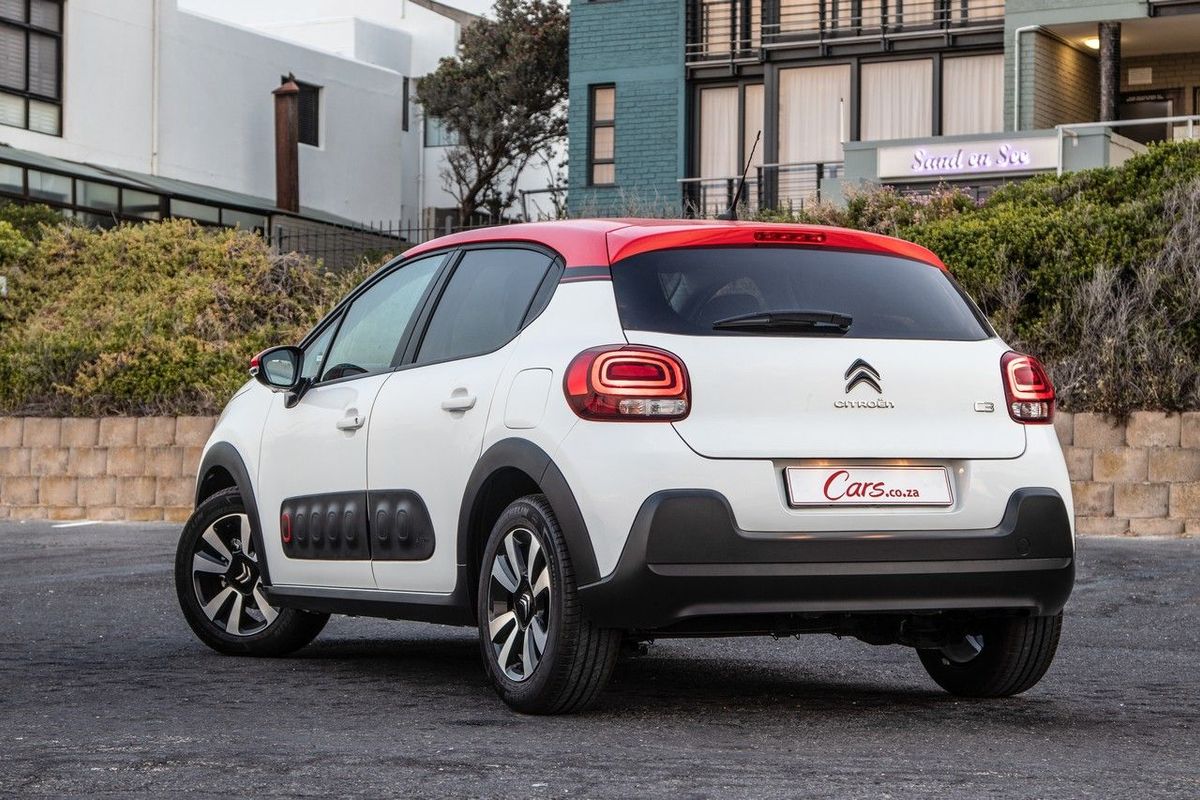
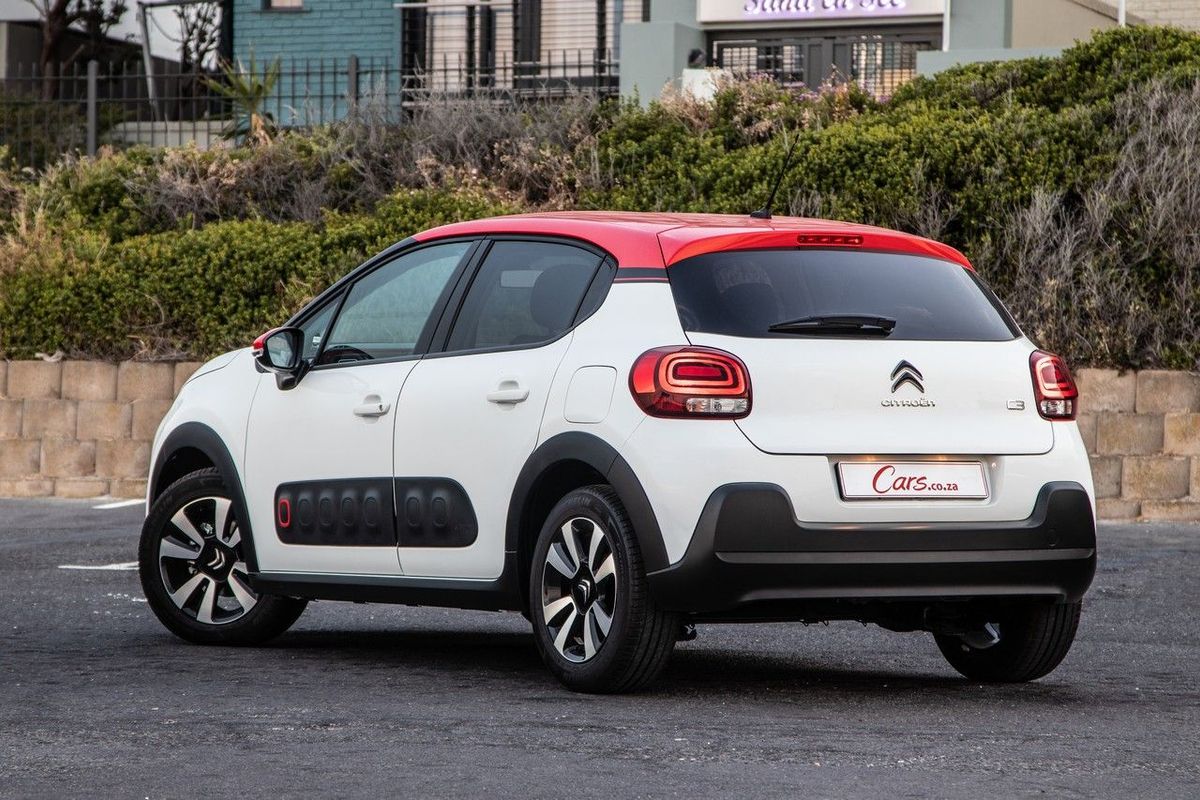
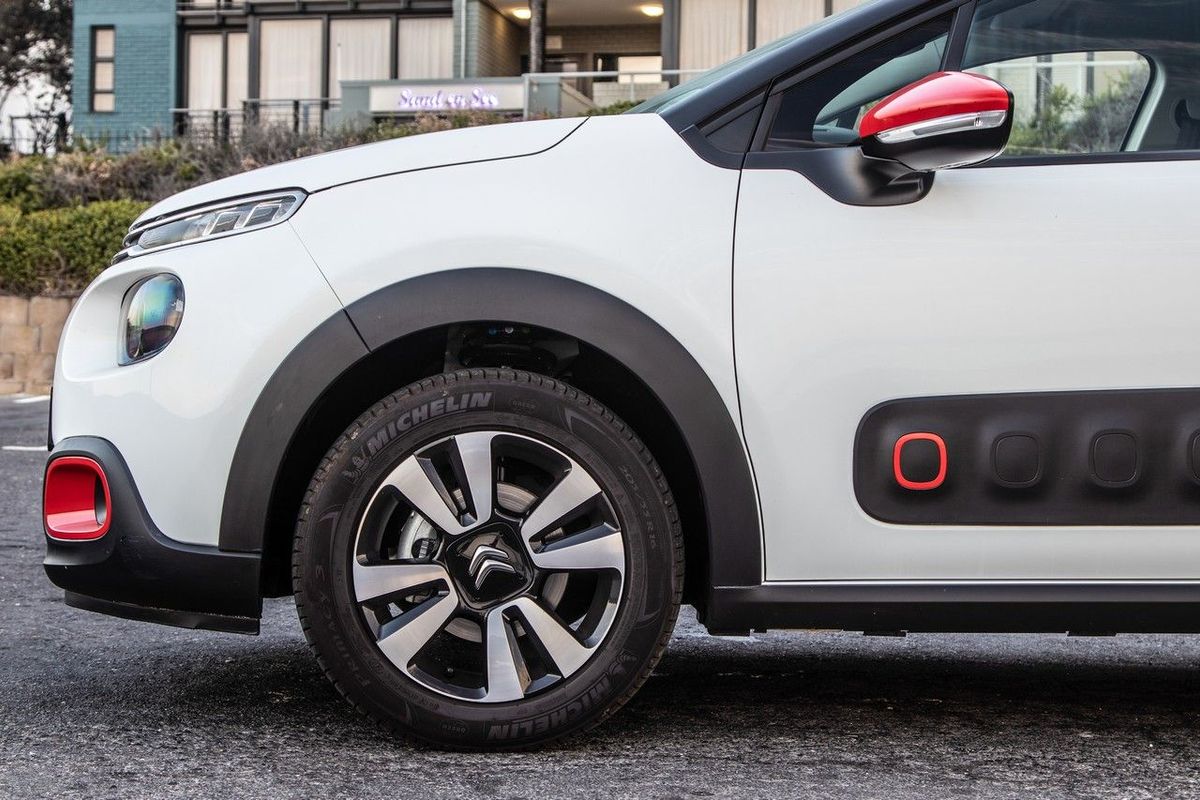
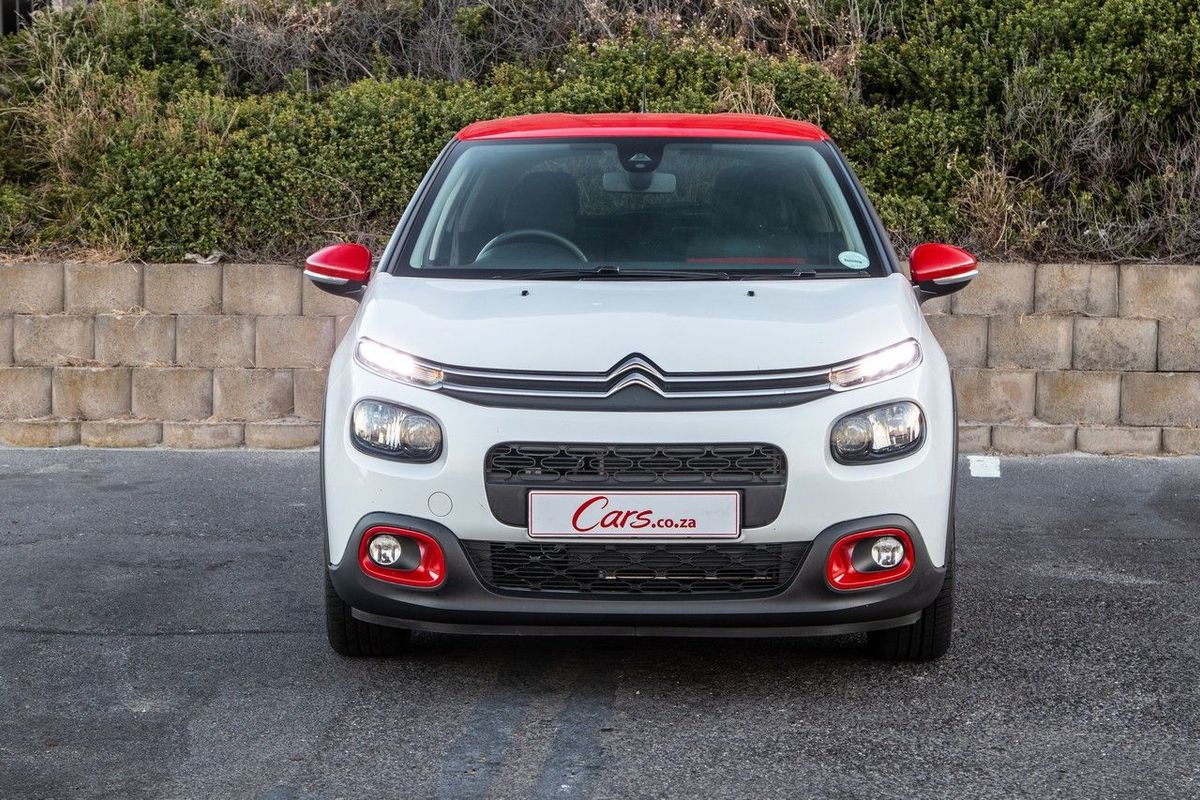
We live in an era in which car design has become predictable due to safety, aerodynamics and brand identity, so it's refreshing to see something as challenging as the Citroen C3. The narrow headlights and colour elements, as well as the Airbumps adorning the flanks are unique and unlike anything in this segment. While the styling may be a bit too "out there" for some, there's no denying it stands out from the rest of the segment… You can't say it's not interesting. 

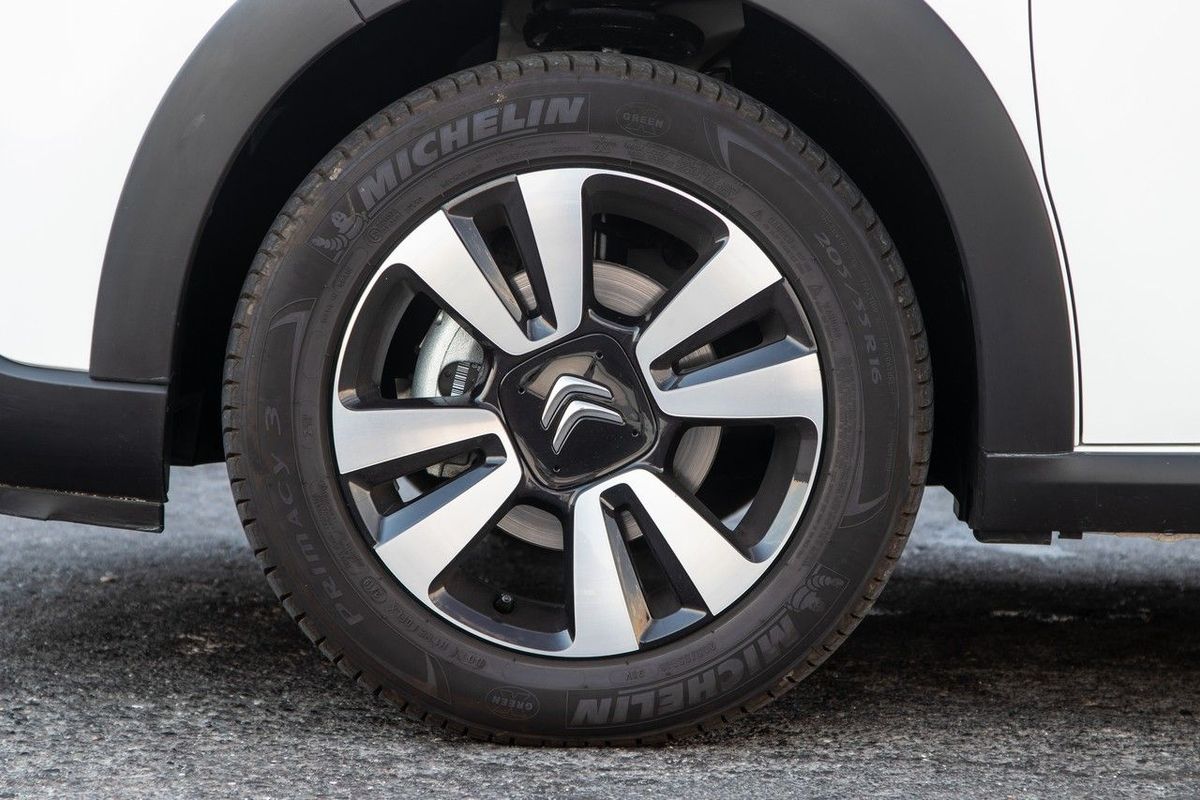
Both C3 derivatives sport attractive-looking wheels, with the top-spec adorned with 17-inch units. Our test unit came shod with 16-inch examples wrapped in Michelin rubber. There's also a contrasting roof colour scheme: ours was red, which smartly matched all the other splashes of red across the vehicle. This segment could be accused of being a touch too boring and predictable, and therefore, we think the Citroen C3 adds some flavour and emotion to this segment.

Driving experience
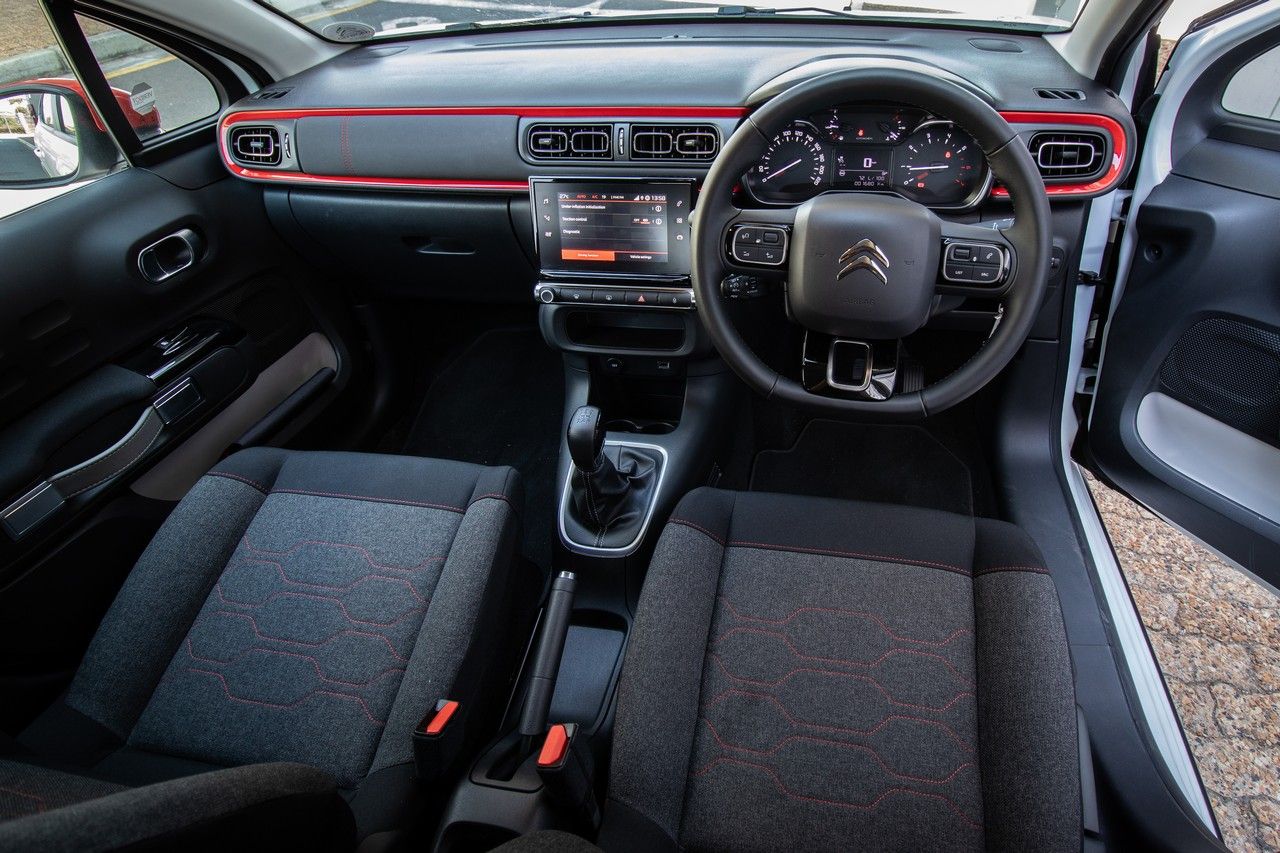

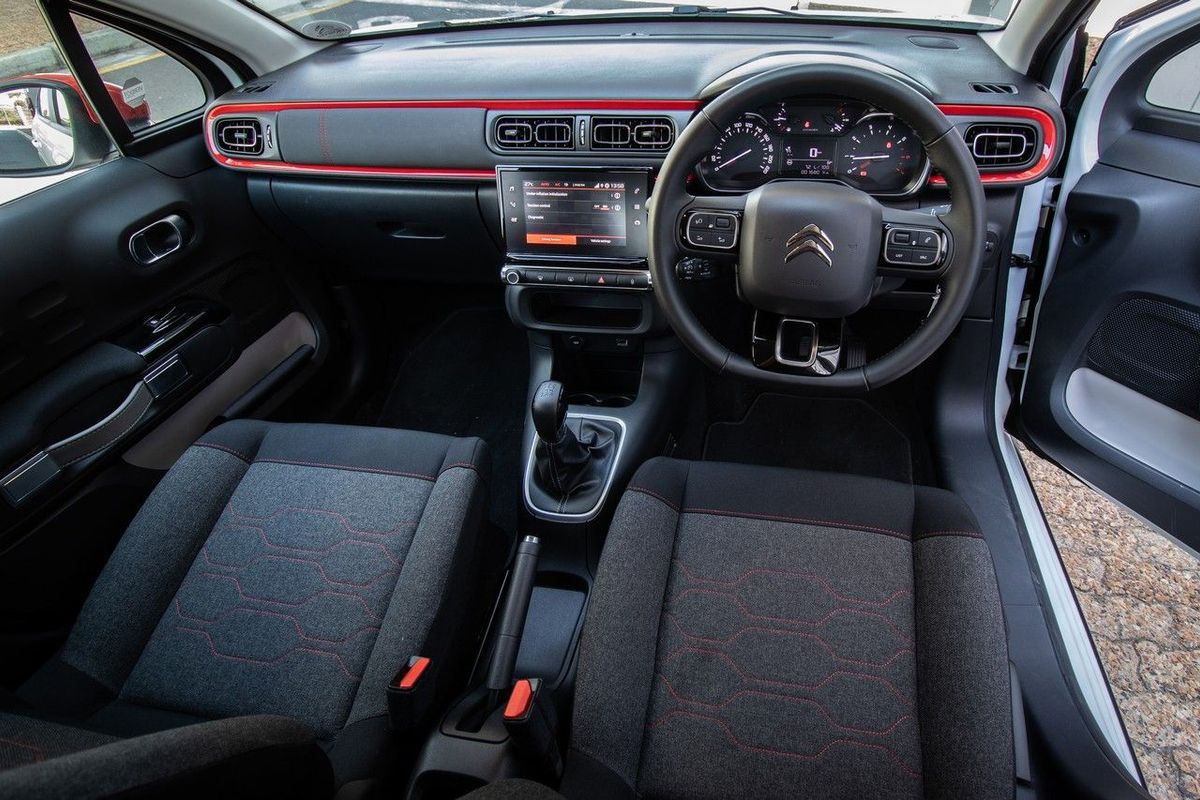
The cabin is dripping with funkiness, charm and vibrant colour touches.

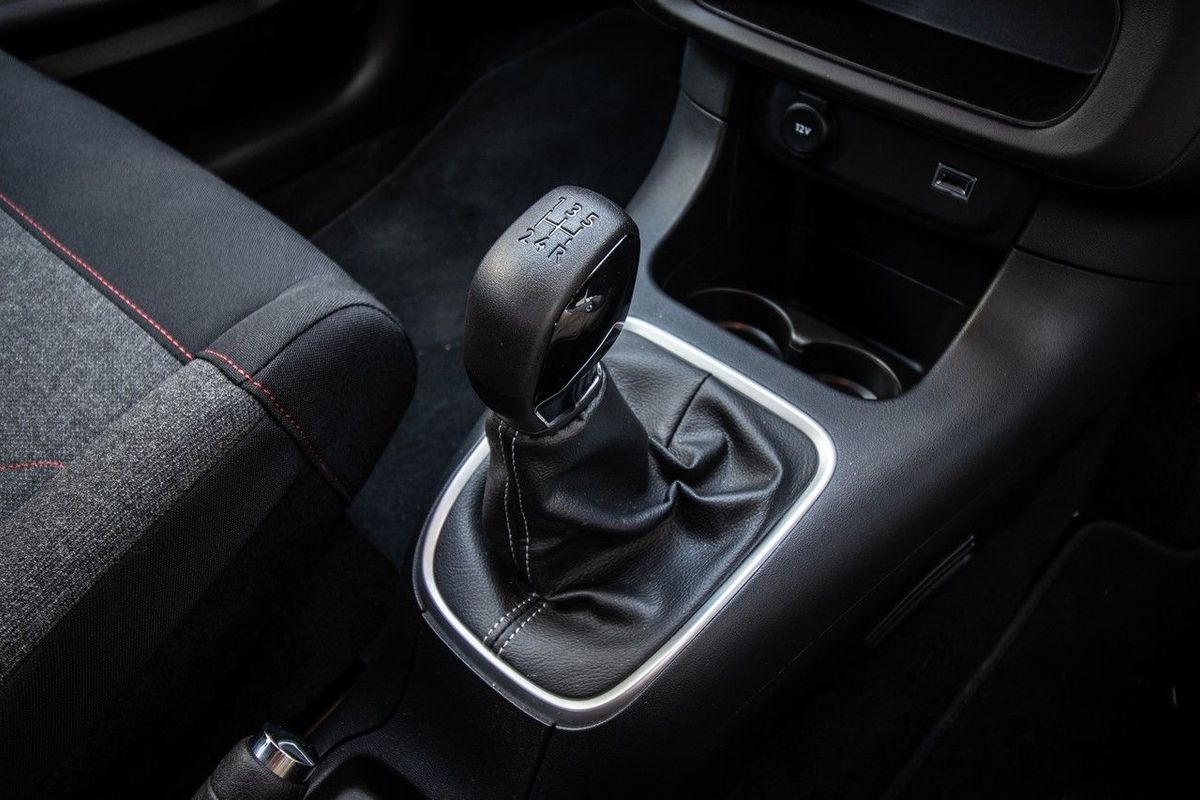
To reiterate, there are 2 powertrain options in the C3 range. The 1.2 Feel is powered by a naturally-aspirated 1.2 3-cylinder motor, which produces a workmanlike 60 kW and 118 Nm. Those peak outputs may not sound substantial, but when you factor in the derivative's low kerb weight (just 975 kg), the engine doesn't need to work all that hard to get the compact French car going. Citroen claims a 13.2-second 0-to-100 kph time, which seems sluggish. Well, to be fair, the C3's 5-speed manual gearbox doesn't help in that regard – it's not particularly smooth-shifting. Not only are the gear changes notchy, but the clutch pedal's travel is excessively long. Due to the combination of those factors, forward progress is not fluid, which is a shame, given the willingness of the engine. The good news is that Citroen does offer an automatic transmission for the C3, but in conjunction with the excellent turbocharged 1.2-litre 3-cylinder motor.

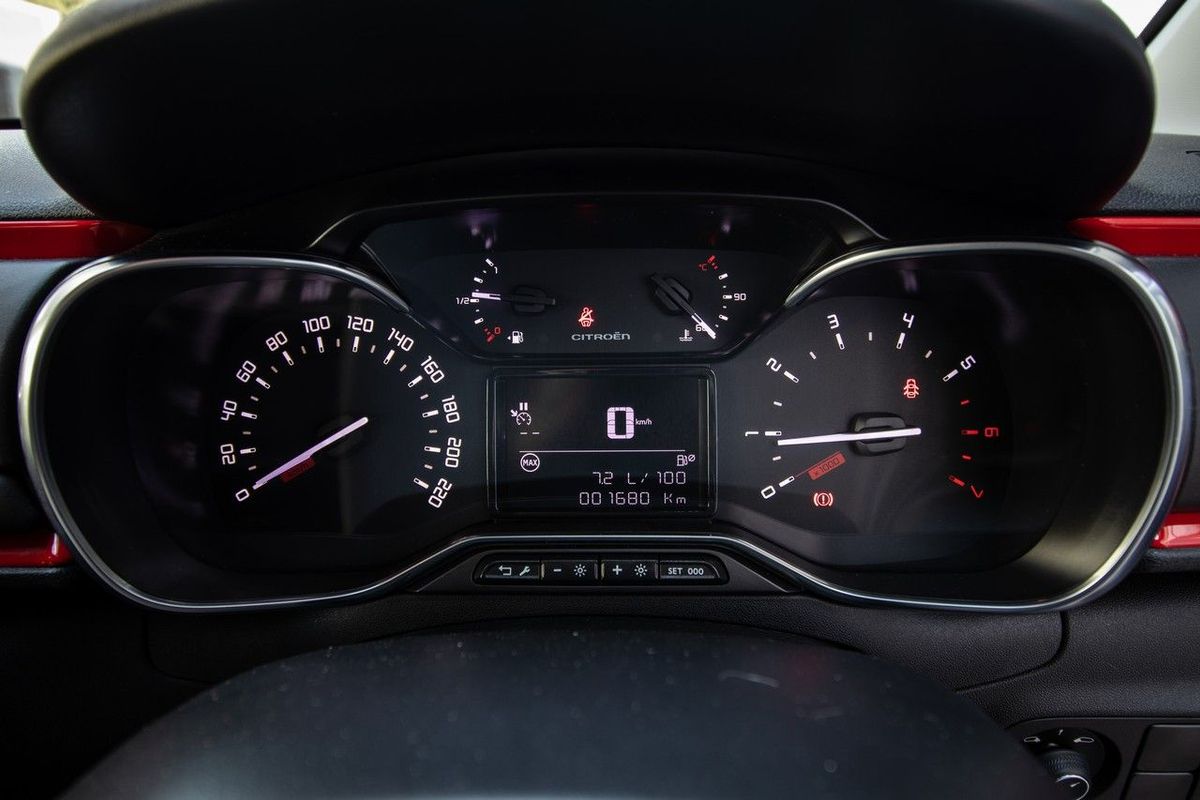
That being said, despite its middling engine outputs and odd gearshift action, the C3 1.2 Feel punches well above its weight… so much so, that this author was, at one point, "almost certain" he was at the 'wheel of the turbocharged higher-spec 1.2T Shine, which, of course, has an automatic transmission, so the illusion was fleeting. The naturally aspirated C3 does lose a bit of grunt when it's travelling on the open road, however; if you want to execute a swift 80-120 kph overtaking manoeuvre, you have to work the car's gearbox extensively. Still, the good fuel economy makes up for the lacklustre shift action, with our test unit returning a more than reasonable 7.2 L/100 km from a 45-litre tank.
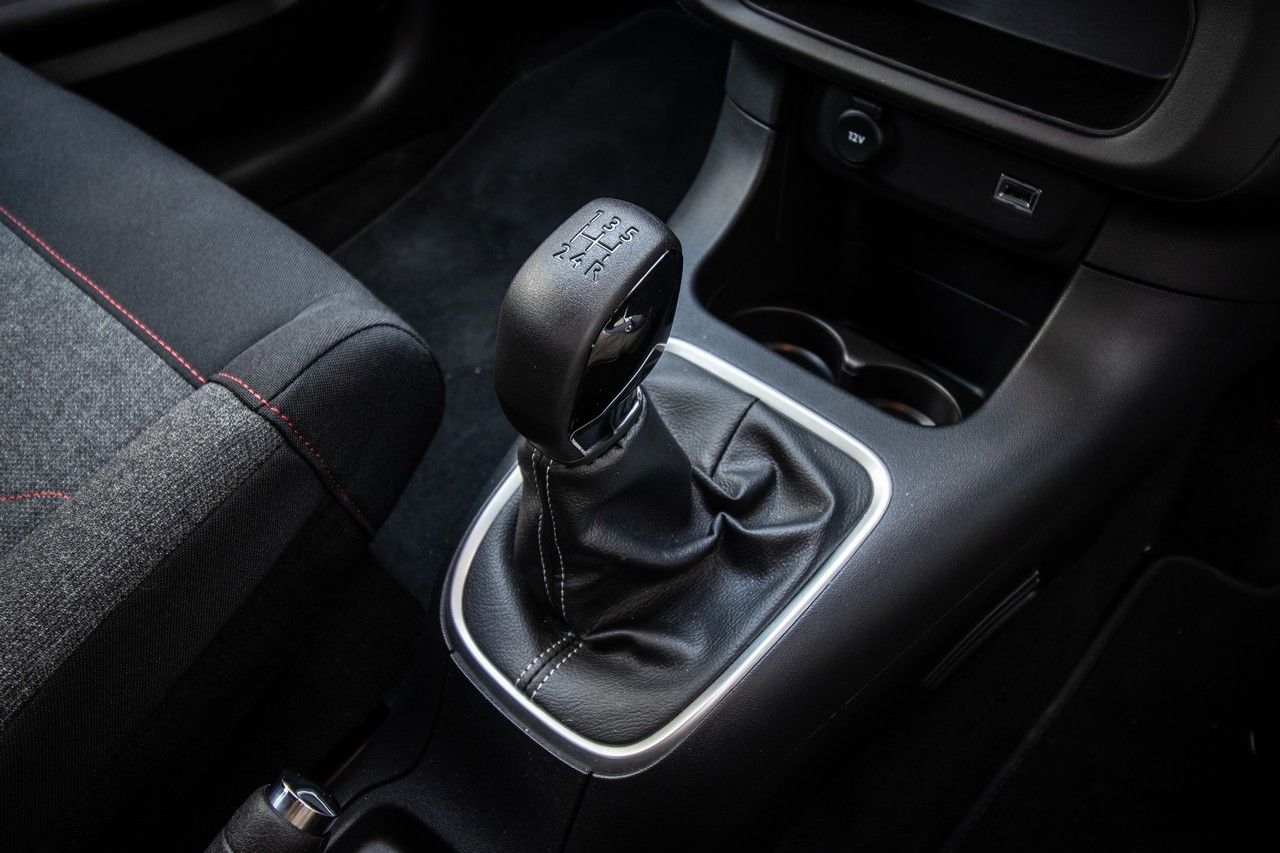

The 5-speed manual gearbox isn't the best, with a notchy shift action and the long travel clutch requires effort.

In terms of handling ability and ride quality, the C3 is about average when compared with its rivals. It's nowhere near as hands-on or engaging as something like, say a Ford Fiesta, nor does it have the Volkswagen Polo's enviable level of on-road refinement. However, considering that those rival derivatives cost substantially more than the C3, we're prepared to cut the newcomer some slack. The softly-sprung suspension is the "culprit" behind its imprecise body control… it never really tightens up. It can wallow a little through corners, not helped by the light steering. Don't get us wrong, we love a light steering setup in town and at slower speeds, but when one travels at 3-digit kph speeds, a measure of weight and firmness is reassuring; it just makes the car feel more stable. Another negative aspect is that due to the front seats' lack of side bolstering, you feel like you're about to slide out of your seat if you go around corners too quickly. 

Interior quality
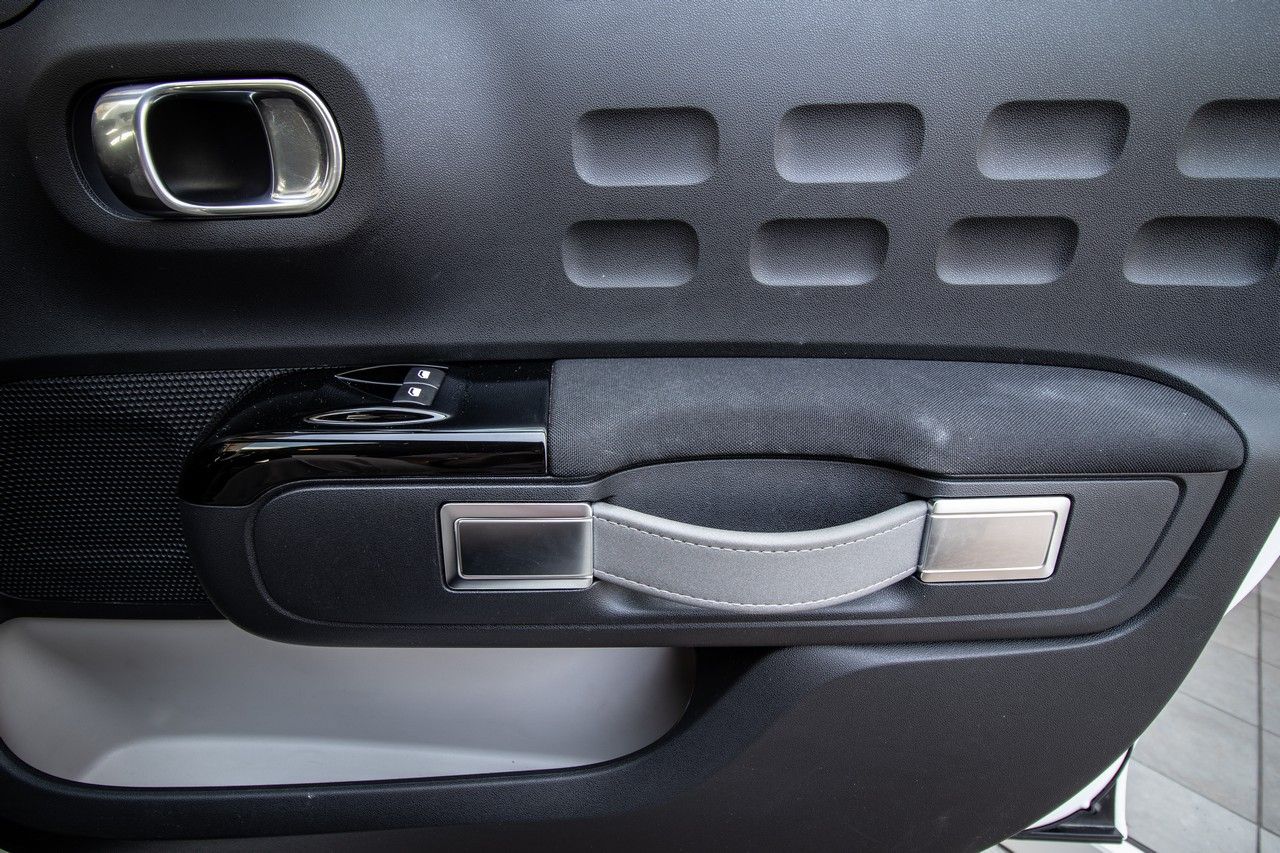

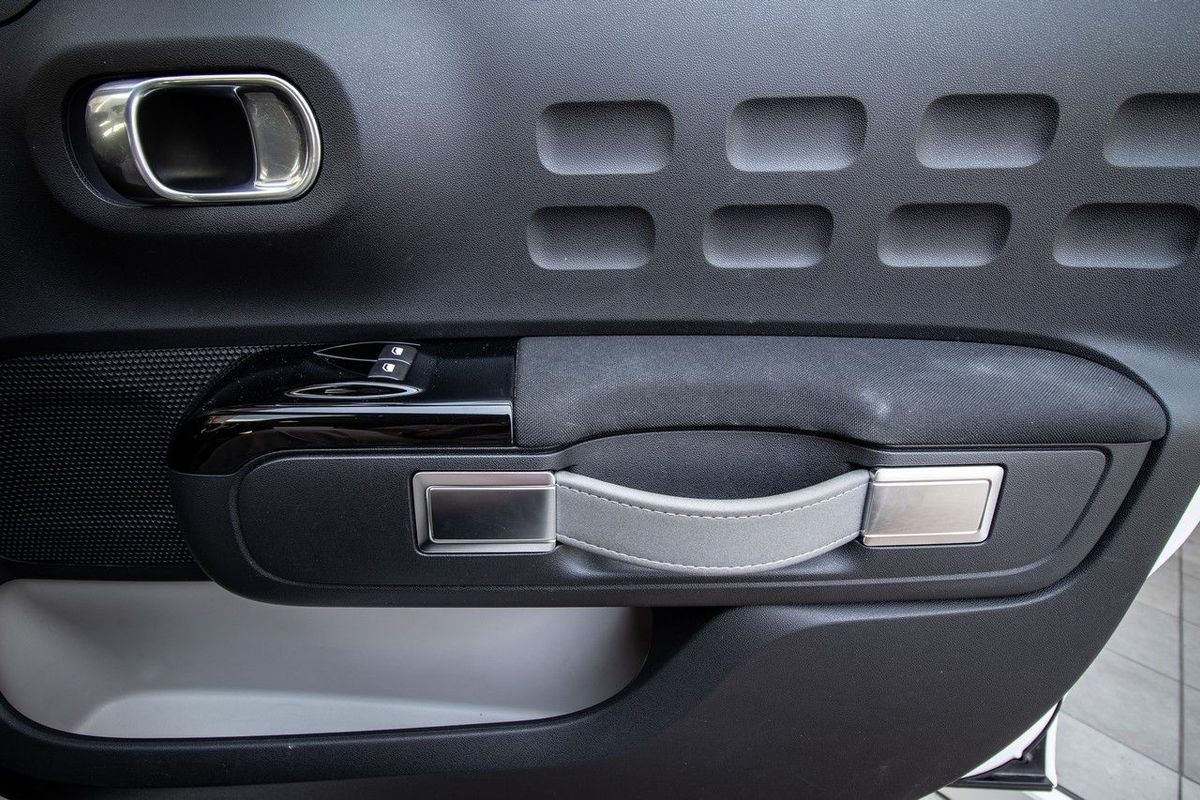
The charm continues with these cute luggage straps as door handles.

Citroen is a quirky brand, which is evident in its eccentric cabin layouts. Consider the door handles you see above, they're luggage straps and there's inverted Airbumps on the interior panelling. What we really like is the design of the cabin, it's genuinely interesting and undeniably stylish. Some of the plastics feel a bit cheap though, but nothing surprising nor unforgivable at this price point. The vehicle feels solidly finished, despite the lack of soft-touch materials.

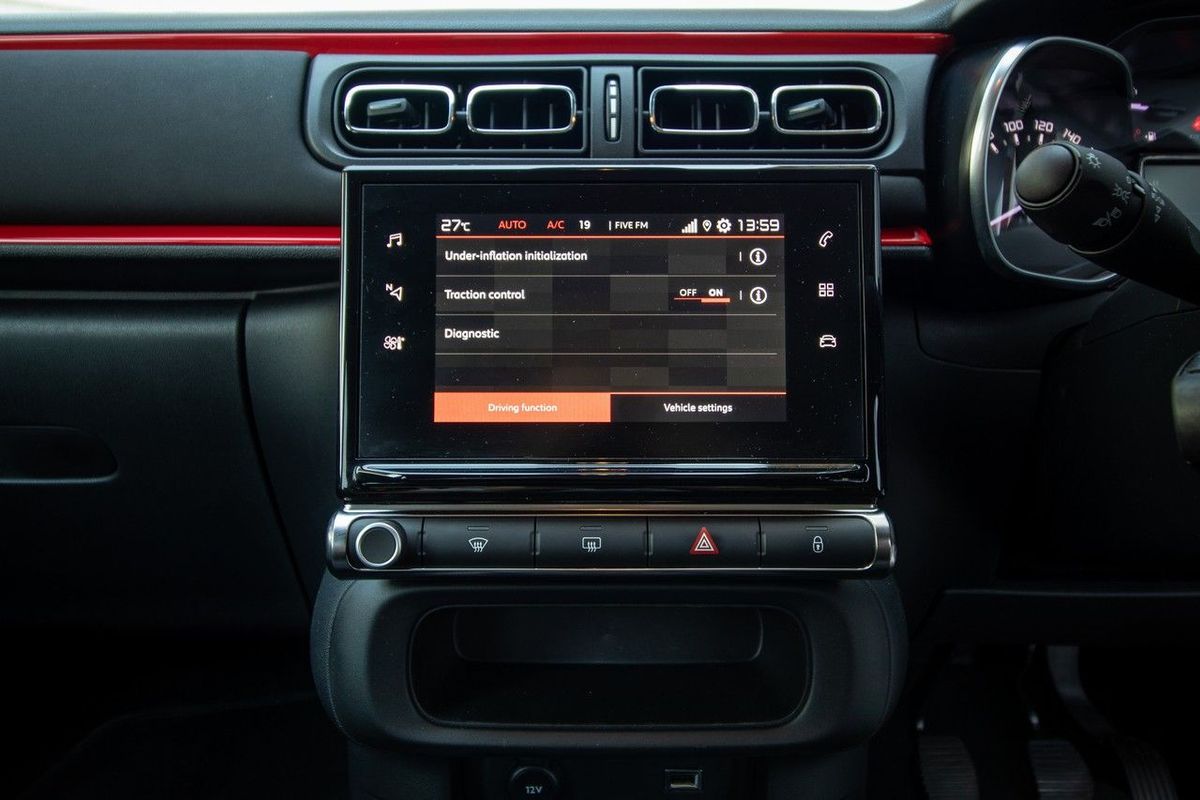
The first thing that is likely to catch your eye is the large infotainment touchscreen, which controls many of the car's features. While it does help to unclutter the fascia, its user experience is a bit flawed: there's no quick way to access something such as heating-, cooling and ventilation settings without diving into a menu and tapping on the screen a few times. On the plus side, Apple CarPlay and Android Auto are supported, which adds a few more features to the car. 

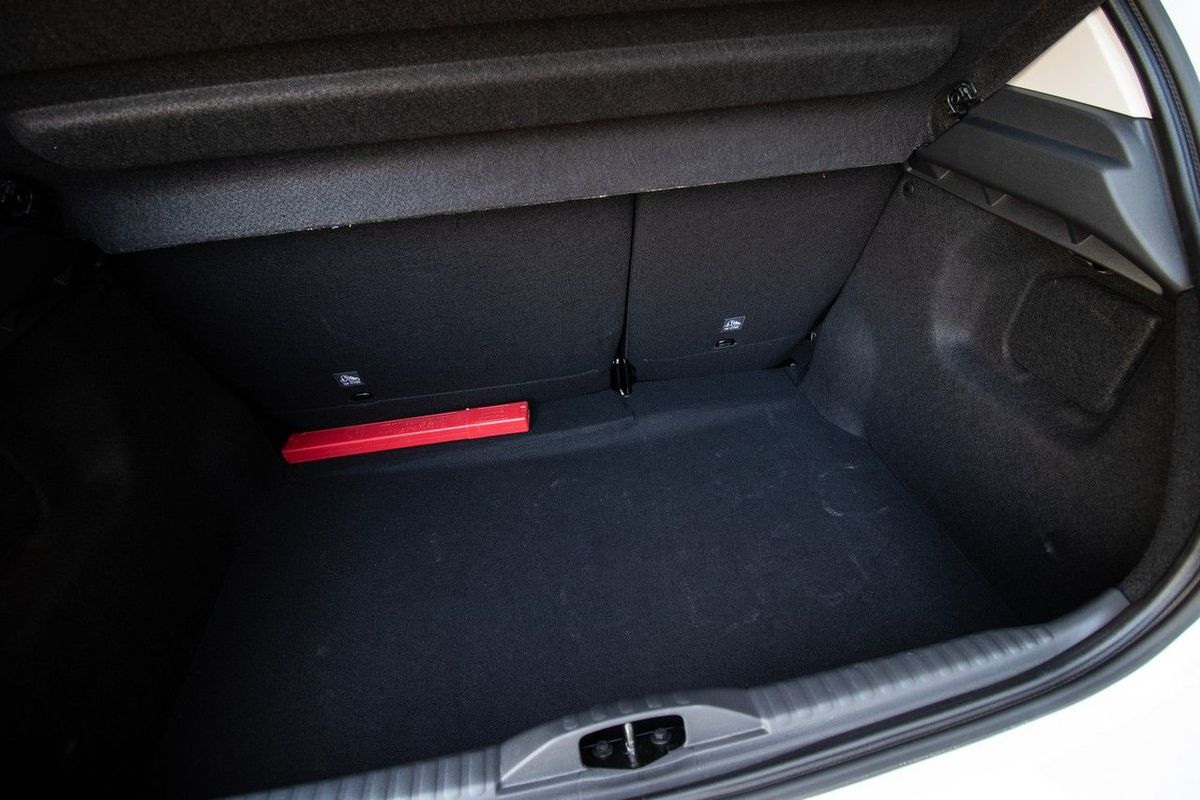
In terms of space utilisation, the Citroen C3 is indeed a small car on the inside. Rear legroom is just about acceptable (taller occupants will battle with knee room, however) and the claimed load-bay capacity is 300 litres, which is notably less than what its main rivals are said to offer. The Kia Rio, for example, is said to accommodate up to 325 litres, while the Suzuki Baleno comes with a relatively generous claimed capacity of 355 litres. 
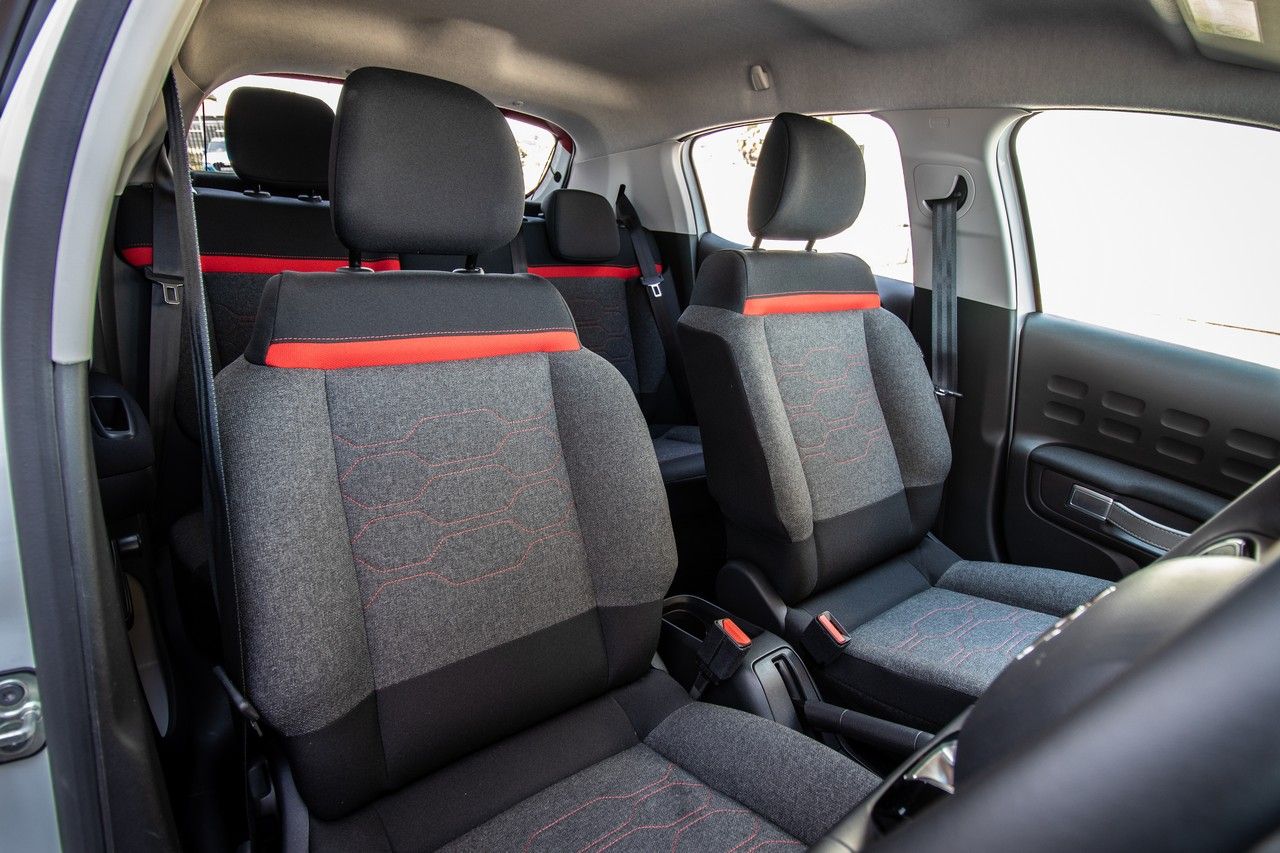

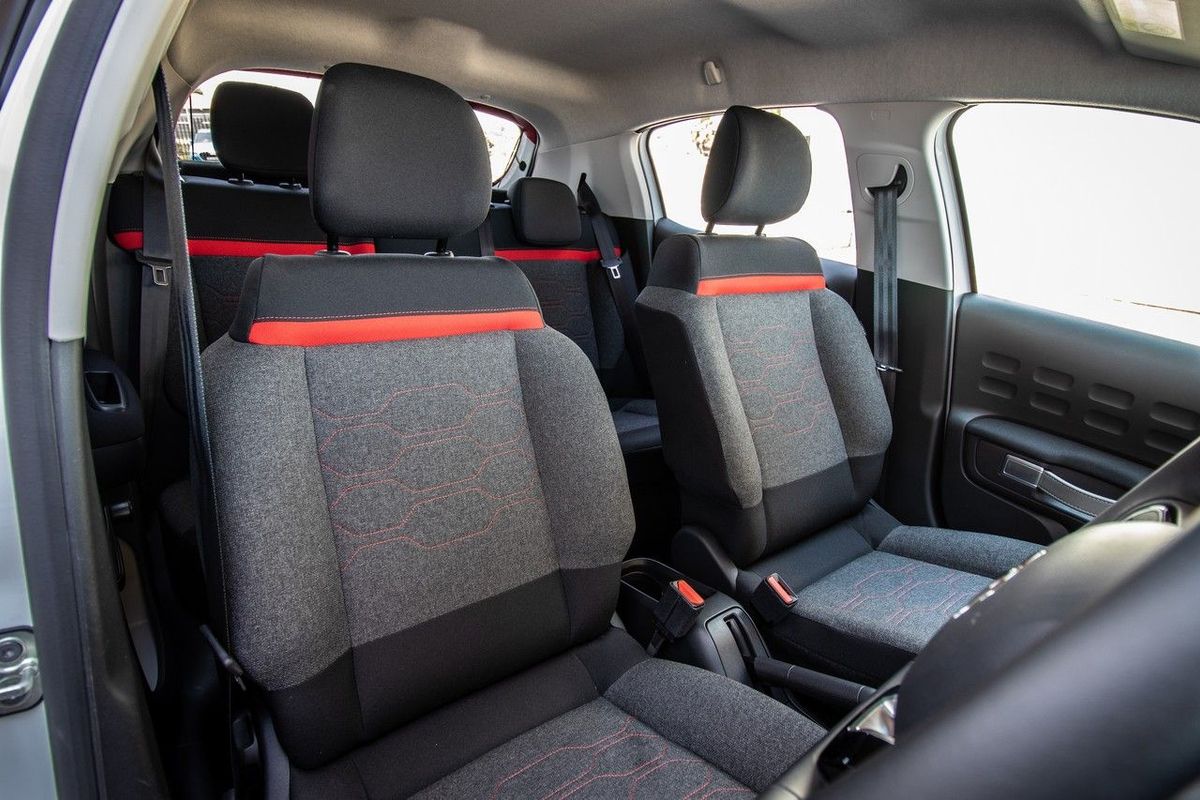
The C3's cabin execution is youthful and cute, but we do wish those attractive front seats offered additional side support.

Standard features

If there's one aspect that Citroen has really got spot-on with the C3, it's the 1.2 Feel's standard specification. Unless you spend thousands on optional extras or opt for the higher-spec derivatives of other brands, there's little (or nothing) to touch the C3's features list at this price point. The safety spec alone deserves special recognition: there are 6 airbags, anti-lock brakes with EBD, stability control, hill assist, as well as tyre pressure sensors. Commendable indeed! 

Other standard features include cruise control with speed limiter, automatic air conditioning, electric front windows, a 7-inch touchscreen infotainment system with USB/Bluetooth/Aux/12V connectivity, Apple CarPlay- and Android Auto compatibility, daytime running lights, leather-wrapped steering wheel/handbrake, multifunction steering wheel, trip computer and 60/40 folding rear seats. In fact, it's easier to tell you what's not fitted to the Citroen C3: rear parking sensors, rear electric windows and automatic headlights. The support of Apple CarPlay and Android Auto is a big plus, because you gain access to streaming music services and critically, navigation via Google Maps/Waze/Apple Maps.
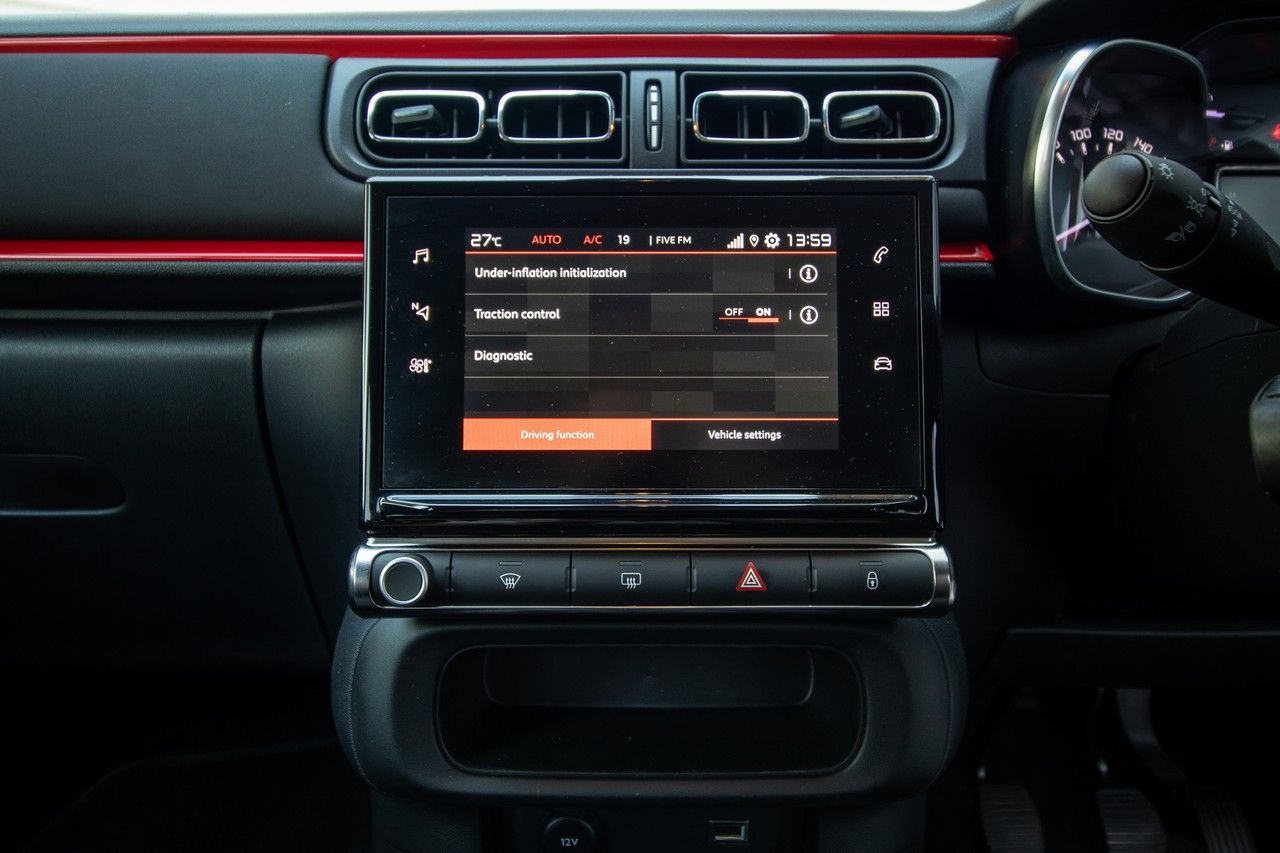

The Citroen's comprehensive infotainment system, which has removed the need for many buttons dotted around the cabin.

Price and after-sales support

The asking price of the Citroen C3 1.2 Feel is R249 900 and comes with a 5-year/100 000 service plan, warranty and roadside assistance. The top-spec 1.2T Shine costs R299 900.

Verdict

Despite the seemingly furious rush by consumers to snap up manufacturers' small crossover and compact SUV models, there's still a strong case to be made for the compact hatchback. The sales numbers of the Volkswagen Polo alone are quite staggering and its rivals are fighting over the proverbial scraps. However, at this price point, we have to consider naturally-aspirated offerings as rivals to the C3 1.2 Feel; products such as the Kia Rio, Hyundai i20 and Suzuki Baleno come to mind, all of which have strengths and weaknesses… Both Koreans offer excellent build quality, but are slightly down on safety features, while the Suzuki's cabin space and luggage capacity is arguably segment-leading.

So, should you buy a C3? There's no doubt about Citroen's ability to produce stylish and well-specced compact hatchbacks. During its tenure in our test fleet, the 1.2 Feel drew numerous positive responses and you can't help but develop a soft-spot for its charms and quirks. It also looks unlike anything else in the segment, so for those who crave individuality, this Citroen will "tick the box". It's not the most engaging nor fun-to-drive car, but those aren't pillars for success in this segment. We weren't particularly pleased with the long clutch pedal travel and notchy gearbox, but there is an automatic option available, which is coupled with a punchy turbocharged motor for R50k more. We've experienced this combination in the Citroen C3 Aircross and we think it's more suitable for those who commute in congested traffic. If you don't need a large load bay, nor need to frequently transport more than 2 people, the Citroen C3 is worth a look.

A big question many of you have asked is: "Has Citroen's after-sales and servicing has improved since the brand's return?" Citroen South Africa claims to offer comprehensive cover for all of its products, including a 5-year/100 000 km service plan, 5-year/100 000 km warranty plan, 5 years (or 100 000 km) roadside assistance, 12-year anti-perforation cover and a 3-year paint warranty. It's a good start; we're hopeful Citroen SA will "put its money where its mouth is".
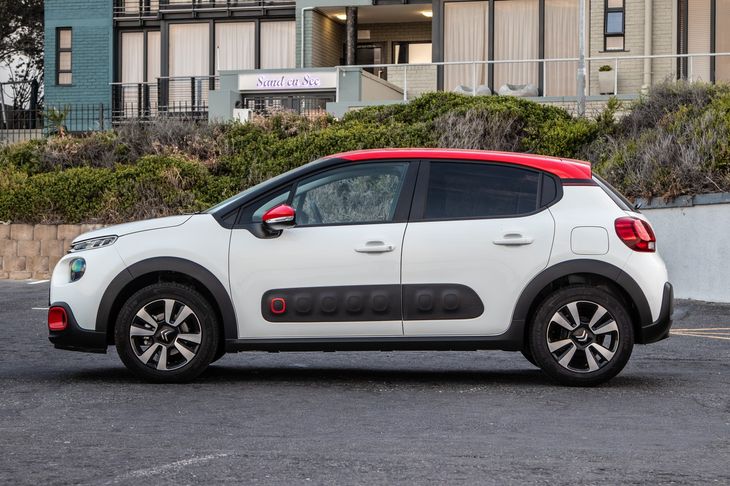

The Citroen C3 is a charming and cool hatchback, but is that enough to compete at this level?

Related content:

Citroen Returns to South Africa

Citroen C3 Aircross 1.2T Feel (2019) Review
Peugeot, Fiat tie-up creates world's 4th-largest car firm

Citroen C4 Cactus (2015) Review

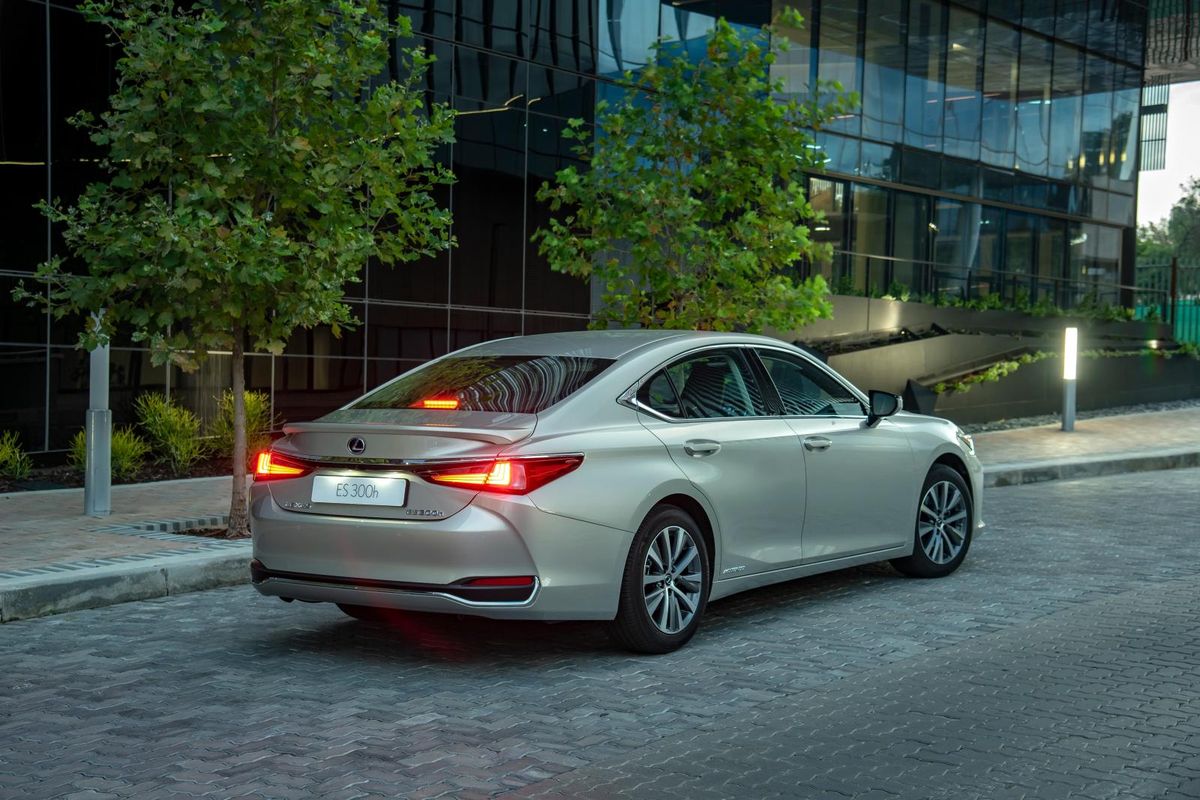
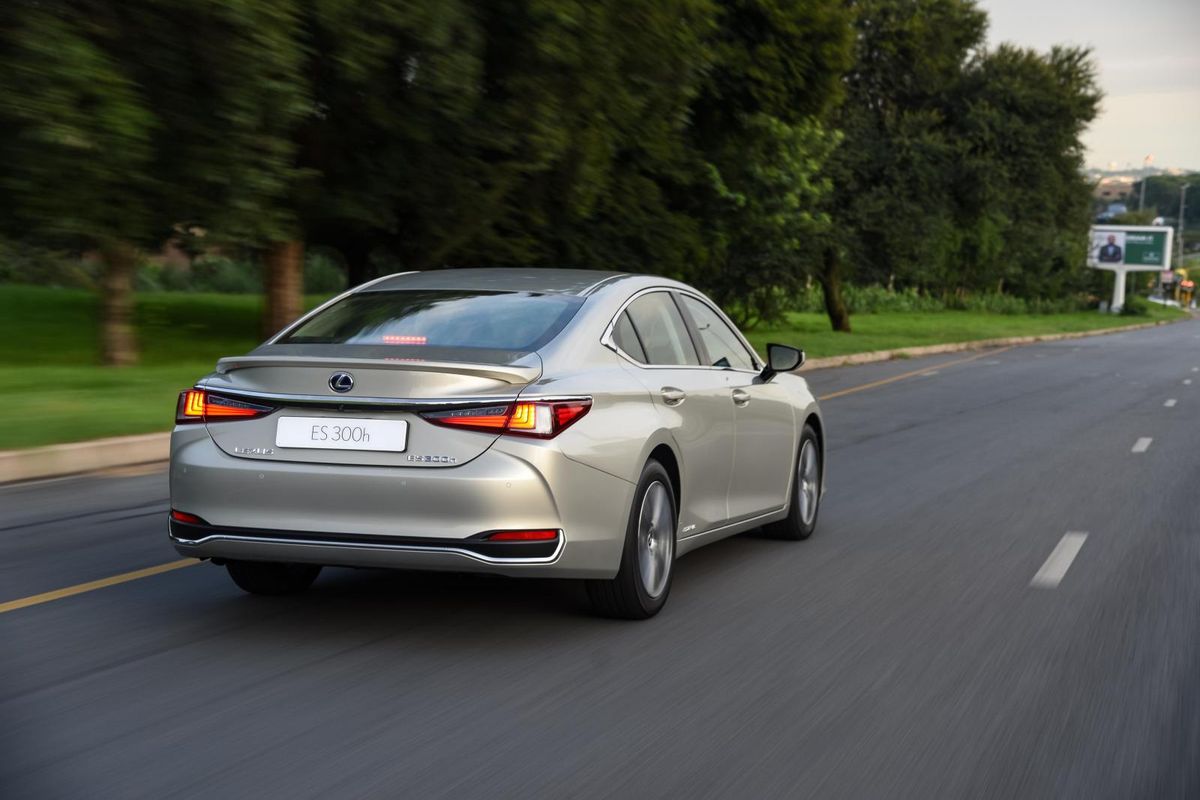
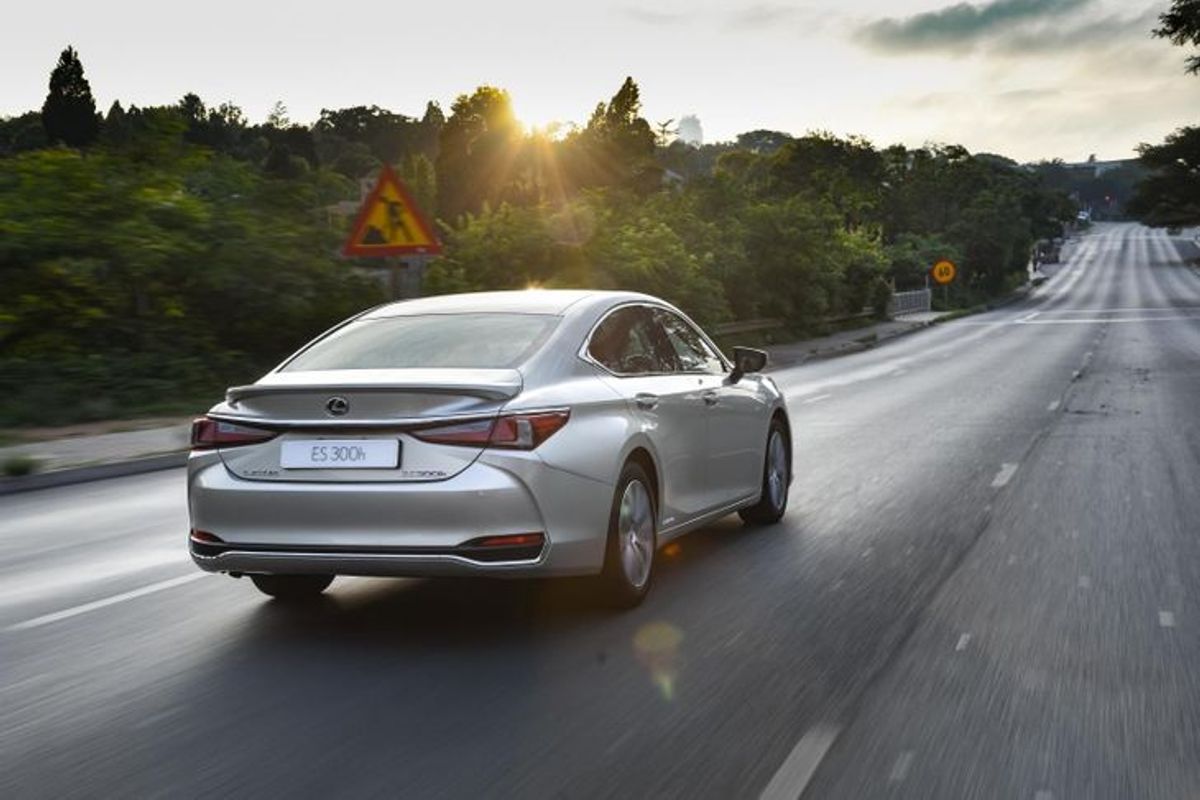
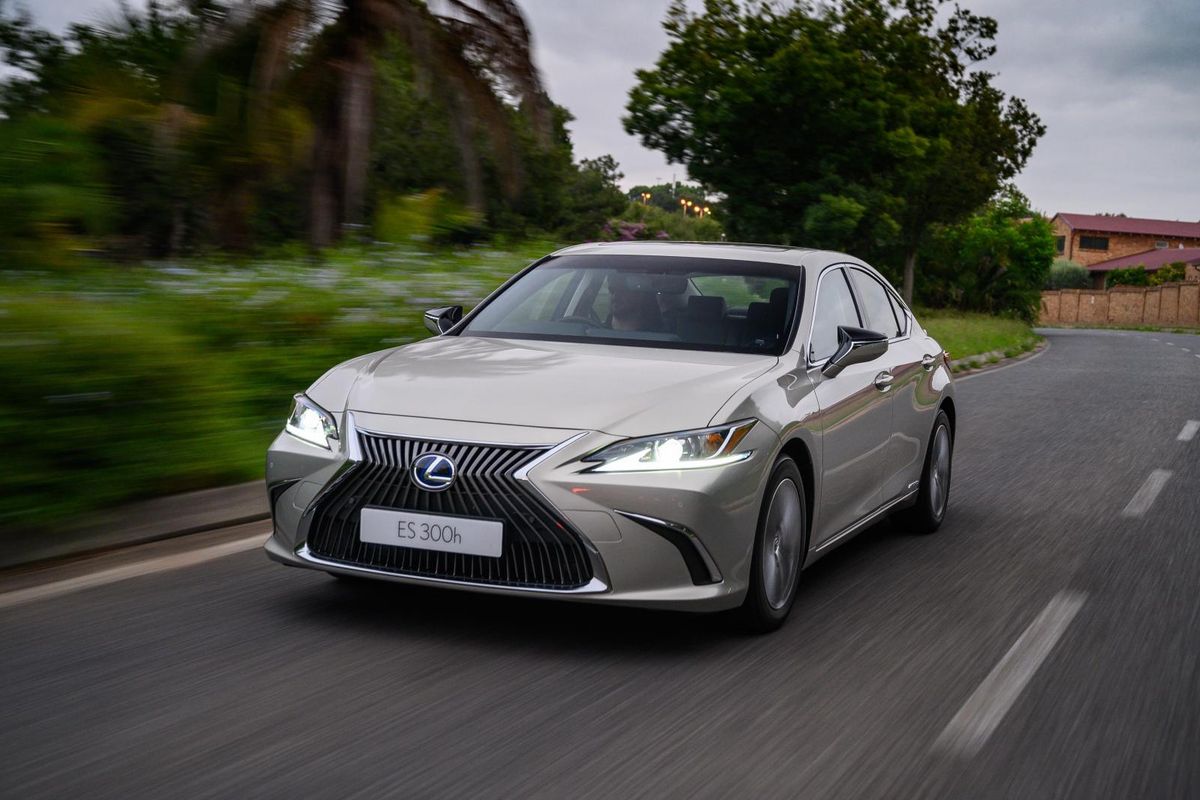
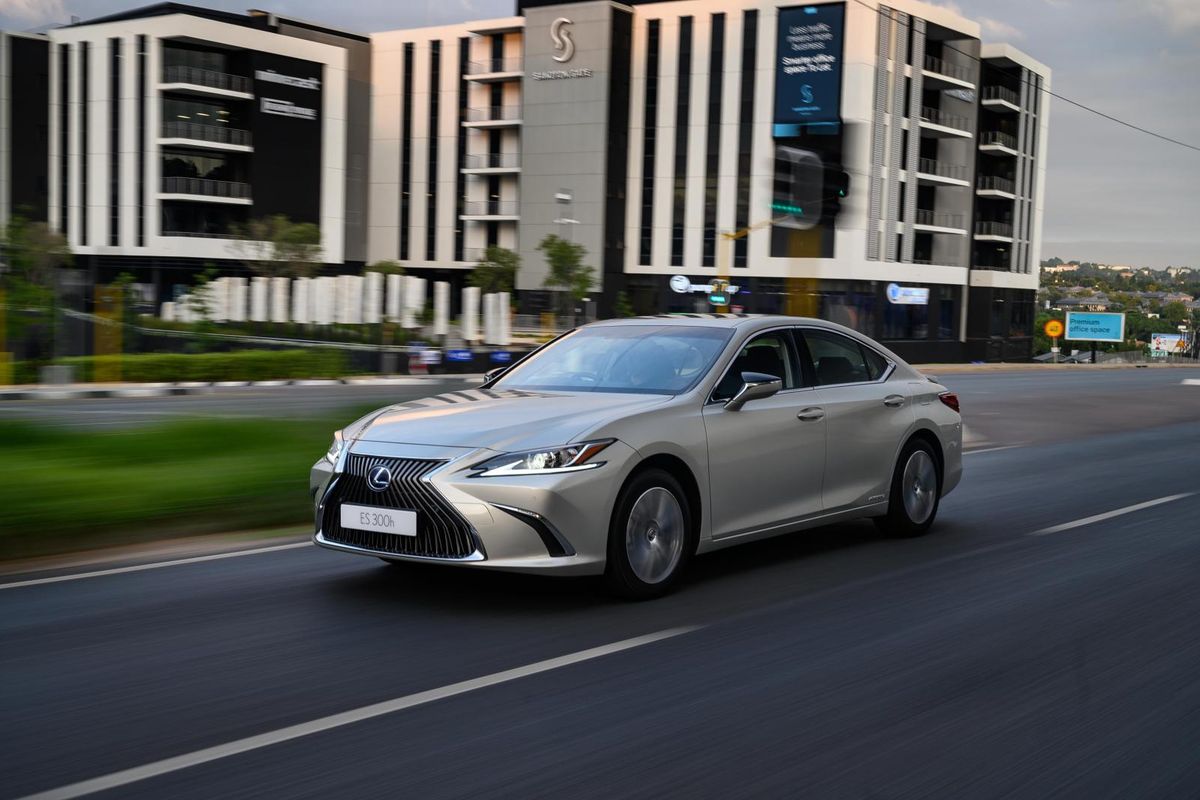
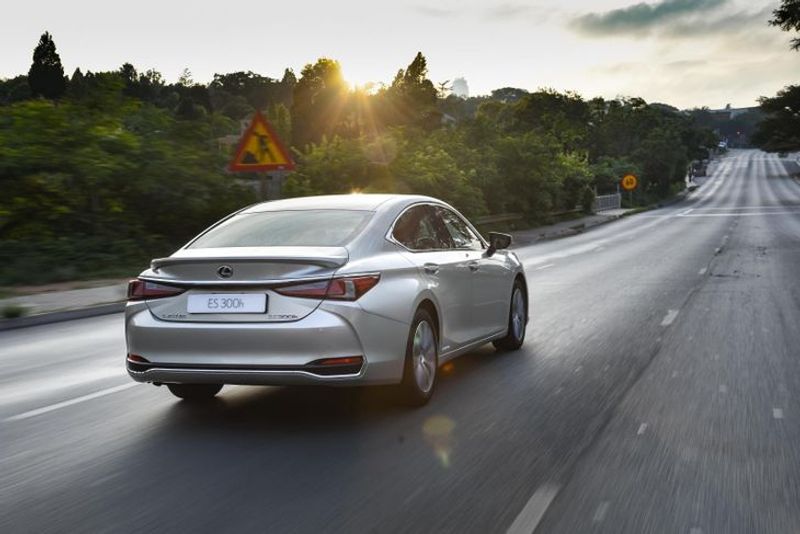
Lexus ES Hybrid (2020) Launch Review

The Lexus ES executive sedan range now sports a pair of petrol-electric hybrid derivatives. As severe weather patterns across the globe heighten consumers' awareness of climate change and the need for greater conservation of our environment, has Lexus stolen a march on its (mainly Teutonic) rivals?

What’s new?

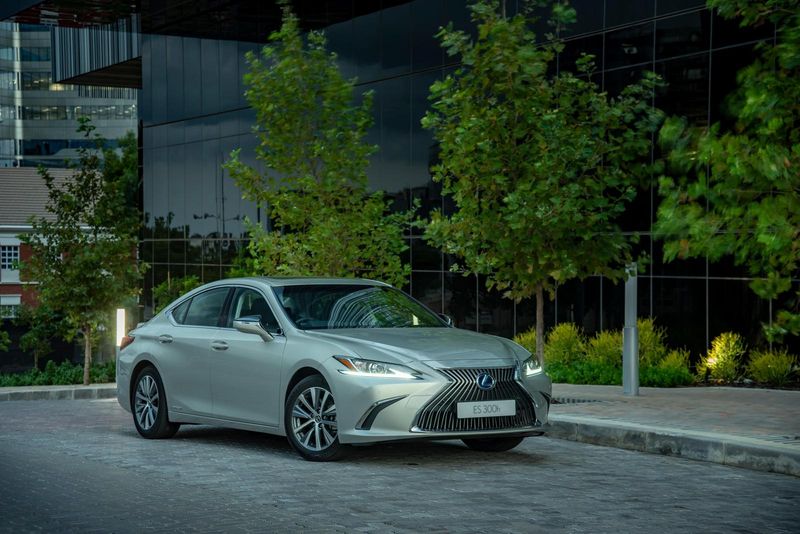
When the ES range arrived in SA in 2018, the naturally aspirated 4-cylinder-powered 250 represented good value in the executive sedan segment. It was later joined by the 300 hybrid (in SE guise) and there's now an EX version as well. Lexus names its models and versions so similarly that it’s often confusing to know what’s what. For example, the ES comes in EX and SE specifications, so it’s easy to confuse this BMW 5 Series competitor's respective derivatives.


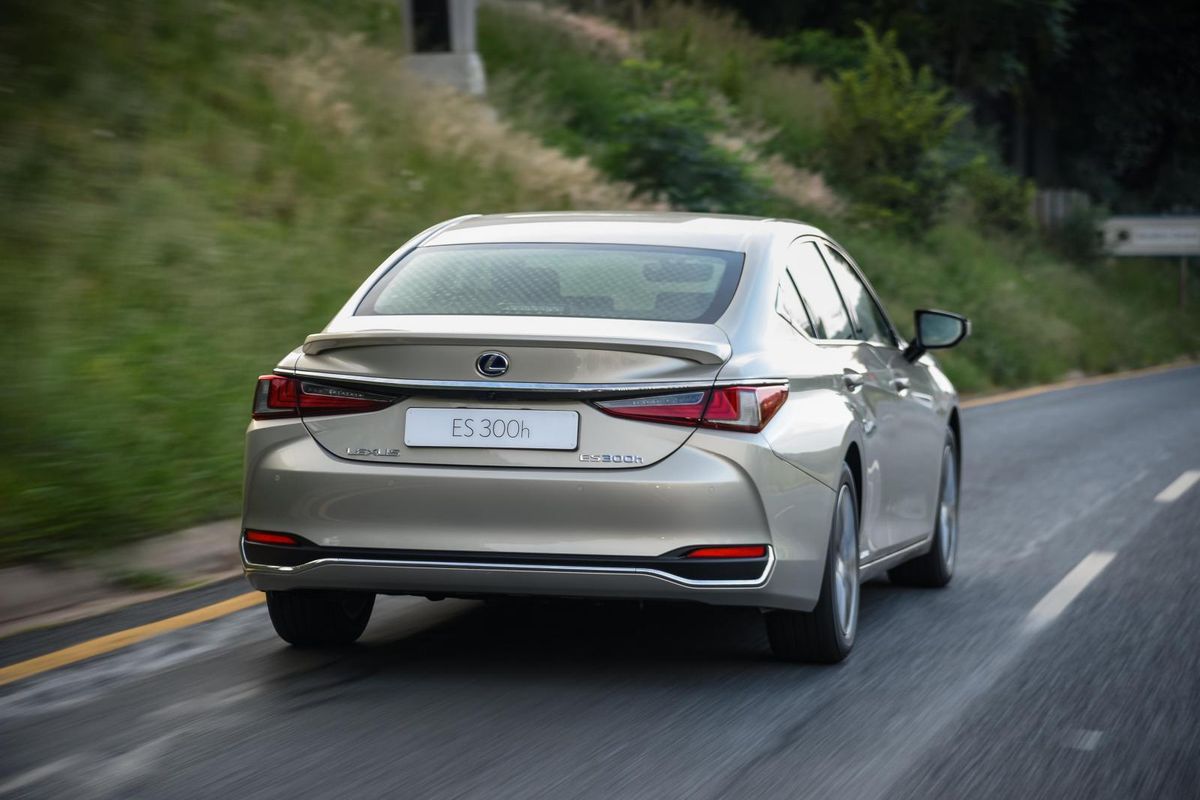
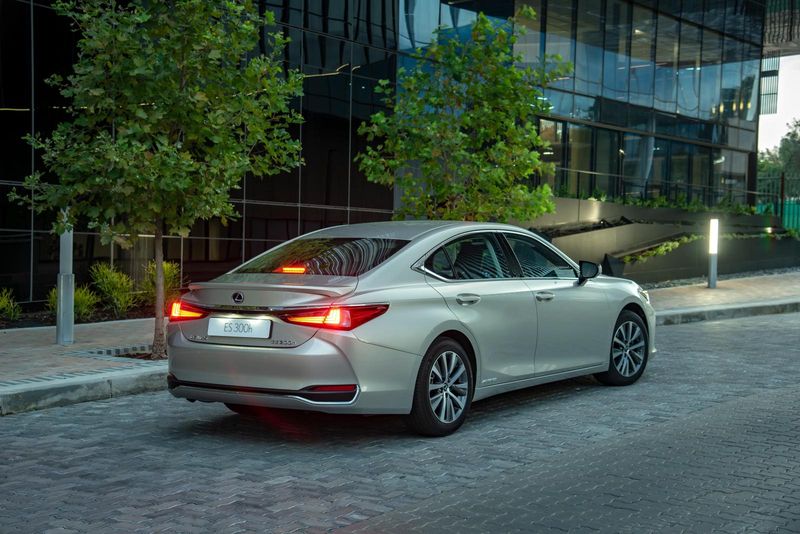
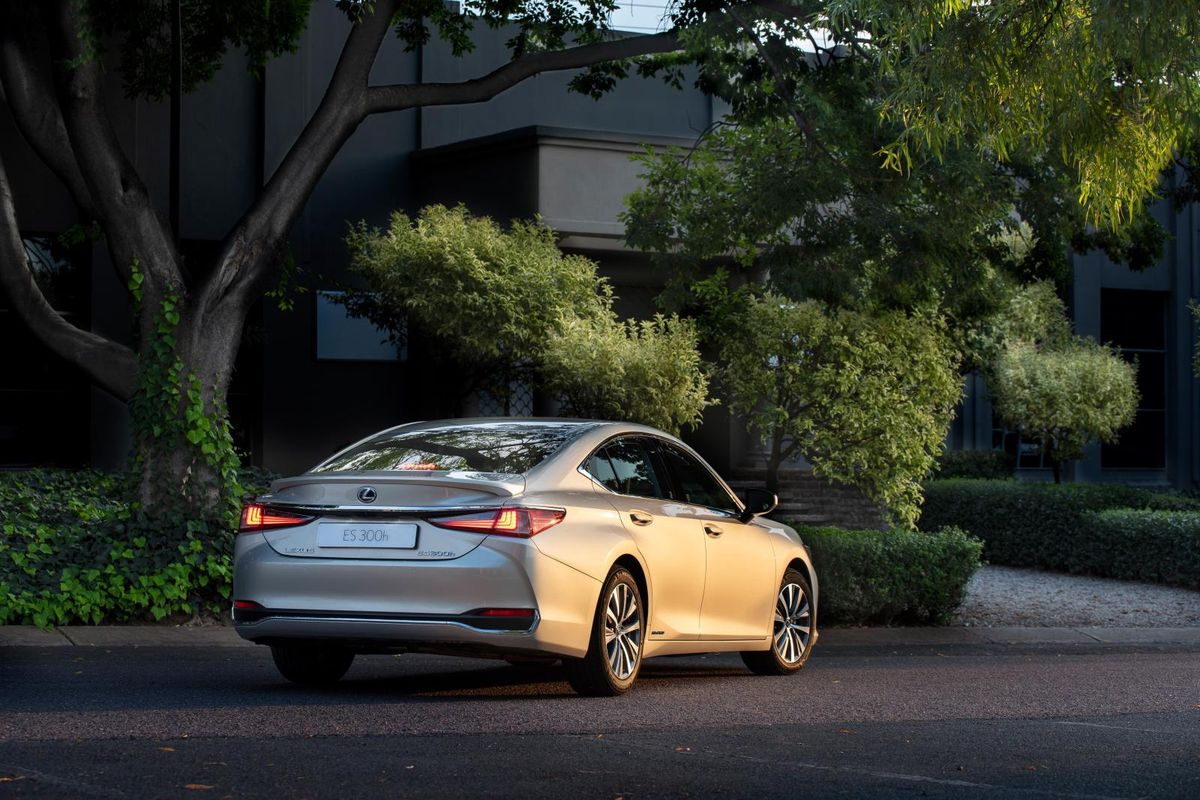
Blue hybrid badging on the rear denotes the ES' green intentions.

Whereas the 300h SE is equipped with all the bells and whistles, the EX is more moderately specced. Both derivatives feature the same drivetrain with new, 4th-generation hybrid technology. Best of all, however, is that this Lexus' infotainment system is compatible with both Apple Carplay and Android Auto – it was about time, wasn't it?

Is it a good hybrid?

Under the bonnet sits a 2.5-litre, 4-cylinder petrol engine that produces total outputs of 160 kW and 221 Nm of torque in conjunction with an electric motor. The power unit is hooked up to a CVT auto 'box that drives the front wheels.

Hybrid drivetrains have improved impressively over the years; during our 150-km evaluation route, I found the 300h relied on supplementation from its electric motor far more than its predecessors. The powertrain works best in urban driving conditions, where the motor offers enough oomph to keep the ES rolling without the petrol engine cutting in and using fuel. If you drive in slow-moving traffic every day, you should be able to achieve excellent consumption figures.


Claimed fuel consumption is 4.6L/100 km. We achieved 5.9L/100 km over the launch route.

Our route included a stint of freeway driving too, where the petrol motor did almost all of the work. When the 300h settles at a steady 120-kph cruise, the electric motor has more impact than in previous generations of petrol-electric Lexus models. The motor now produces enough grunt to effect small surges of acceleration on its own, but, if you need to execute brisk overtaking manoeuvres, the fossil-fuel-burning ICE is the primary source of forward thrust.

The result of our drive was a fuel consumption return of 5.9 L/100 km – that's pretty impressive and certainly the equivalent of what a Mercedes-Benz E220d or a BMW 520d would consume (on average).

Is it comfortable?

Lexus knows its ES customers well: the sedan is plush and extremely quiet inside. There’s no inkling of sportiness to the handling – the ES is meant to get you to the end of your journey in the most comfortable, non-taxing way possible.

In terms of ride quality, the ES wafts over bumps gently and settles down like sinking into a comfy mattress. It’s adept at both sitting in traffic for hours and ticking off the kilometres on the mesmerisingly straight roads of the Karoo.


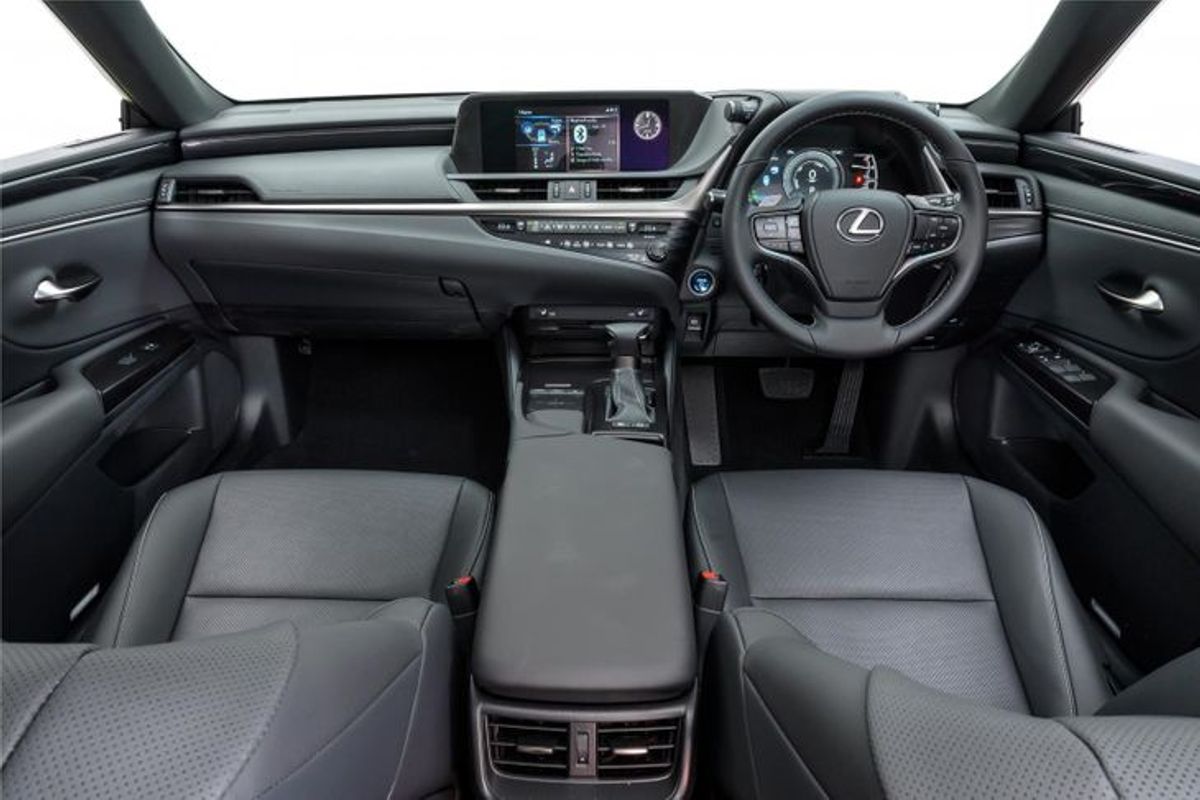
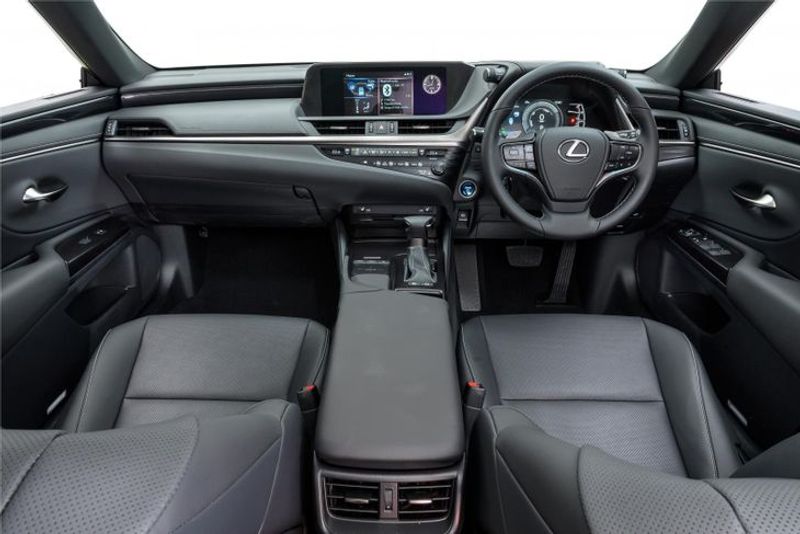
More soft-touch materials and less plastic than German counterparts.

Even the power delivery is linear and smooth, there’s no aggression to the Lexus' acceleration, even when you give the throttle pedal a good ol' stomp once in a while. The CVT ‘box does a good job in the city and goes unnoticed at freeway speeds. The powertrain does labour audibly (as if it sounds a trifle reluctant to hurry up) when you attempt quick overtaking manoeuvres, but that’s something drivers of CVT-equipped vehicles have become accustomed to.

Is it luxurious inside?

We only drove the ES in EX specification, but even that feels expensive inside. Apparently the seats' upholstery is made from Nulux, which is some sort of simulated leather. It feels and looks like leather, so that should be enough for most consumers and besides, it's not like that pleather stuff that always looks like it’s sweating out its colour.

Most of the contact points are soft-touch and feel expensive. Rear occupants have ample legroom and a large centre armrest that folds out with its own cupholders and storage bin, There are 3 UBS ports: 2 at the front and 1 in the rear.


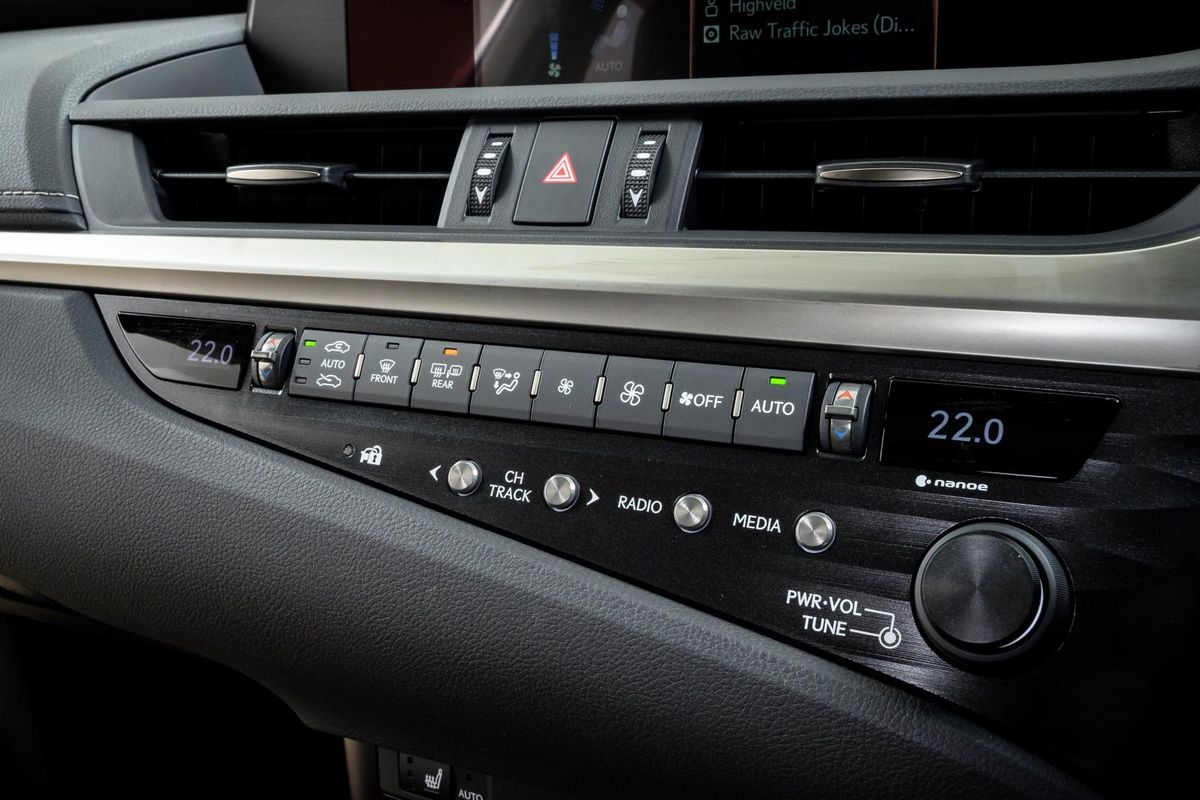
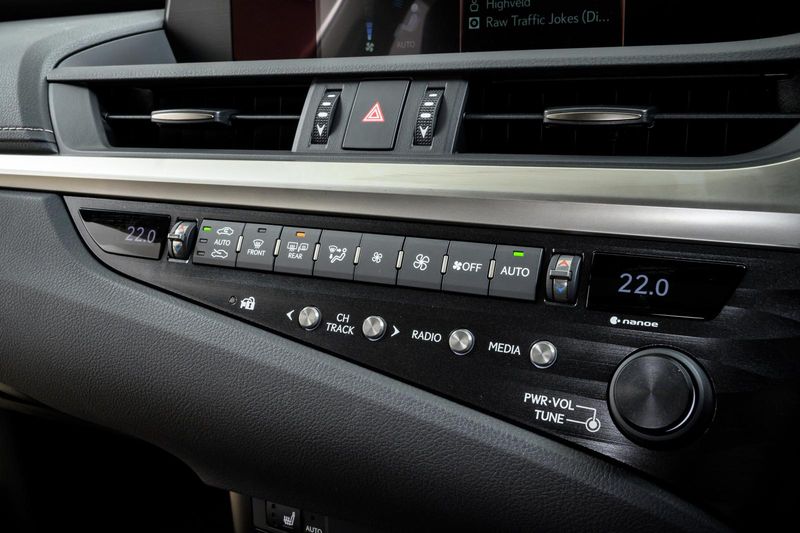
Old-school buttons on the fascia are a little passe compared with modern touchscreen systems.

As for the interior design, I wouldn’t exactly call it "modern". It feels a bit dated with the old-school buttons in the centre of the fascia and an infotainment screen with much lower-res graphics than those of its rivals. Thankfully the ES comes equipped with Apple CarPlay and Android Auto compatibility and that will be the case for all future Lexus models too…

What’s the difference between EX and SE?

The 300h EX is kitted out with some solid standard features, such 17-inch wheels, a 10-speaker sound system, cruise control, heated seats for the front passengers and a reverse-view camera, allied with park distance control.

The SE ups the premium levels of the ES (and, of course, the price tag) so it comes equipped with 18-inch alloy wheels, genuine leather trim, a Mark Levinson audio system and a raft of extra active safety features (including auto high beam lights, head-up display, blind-spot monitor, adaptive cruise control, lane assist), as well as a wireless charging bay, to name just some of the extra features.

Summary


At a time when climate talk is prominent, the hybrid tag could play in Lexus' favour.

While South Africa hasn’t had to adhere to many of the strict CO2 restrictions of Europe and much of the developed world, companies and individuals are becoming significantly more aware of vehicles' effect on the environment and are seeking out ways to mitigate their harmful emissions. When having to choose between, say, a turbodiesel- and a hybrid-powered model, environmental awareness may sway some consumers' purchasing decisions to the latter…

That’s not a bad thing, because the ES is an excellent offering. The ride is supremely comfortable and the drivetrain, despite its complexity, is up to the task of matching that premium feel and laid-back-luxury persona. 

The Lexus' interior is upmarket and has more soft-touch and high-end materials than some of its German counterparts. It is a little behind the game in terms of infotainment capability; it lacks those nice crisp instrumentation and infotainment screens that are now common in this segment, but the Japanese offering is well-priced enough to intrigue those shopping in the mid- to upper end of the Audi A4, BMW 3 Series and Mercedes-Benz C-Class segment.

Pricing in South Africa (January 2020)

ES 250 EX R640 400

ES 300h EX R774 300.

ES 300h SE R910 900.

All Lexus models are offered with a standard  7-year/105 000km warranty and maintenance plan.

Related content:

Lexus ES 300h SE (2019) Review
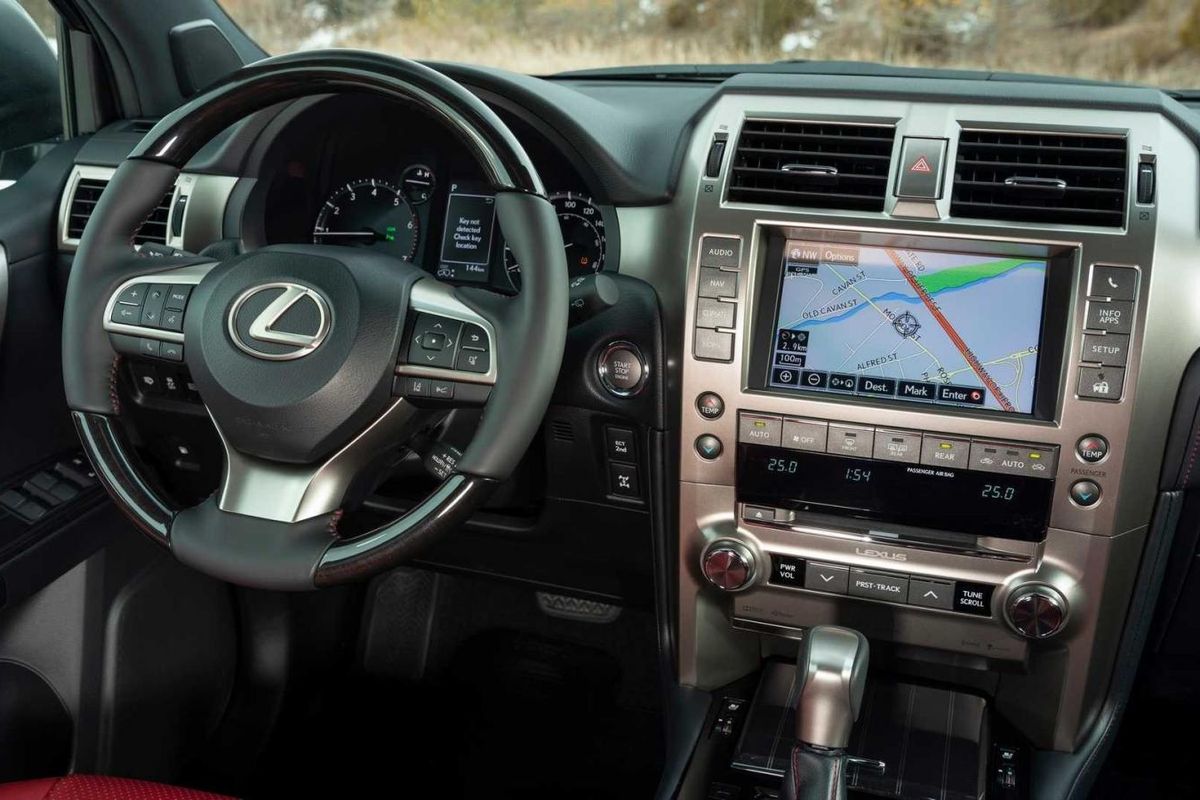
Lexus GX Overland Concept Revealed

Lexus RX (2019) Launch Review

Lexus GX Overland Concept Revealed

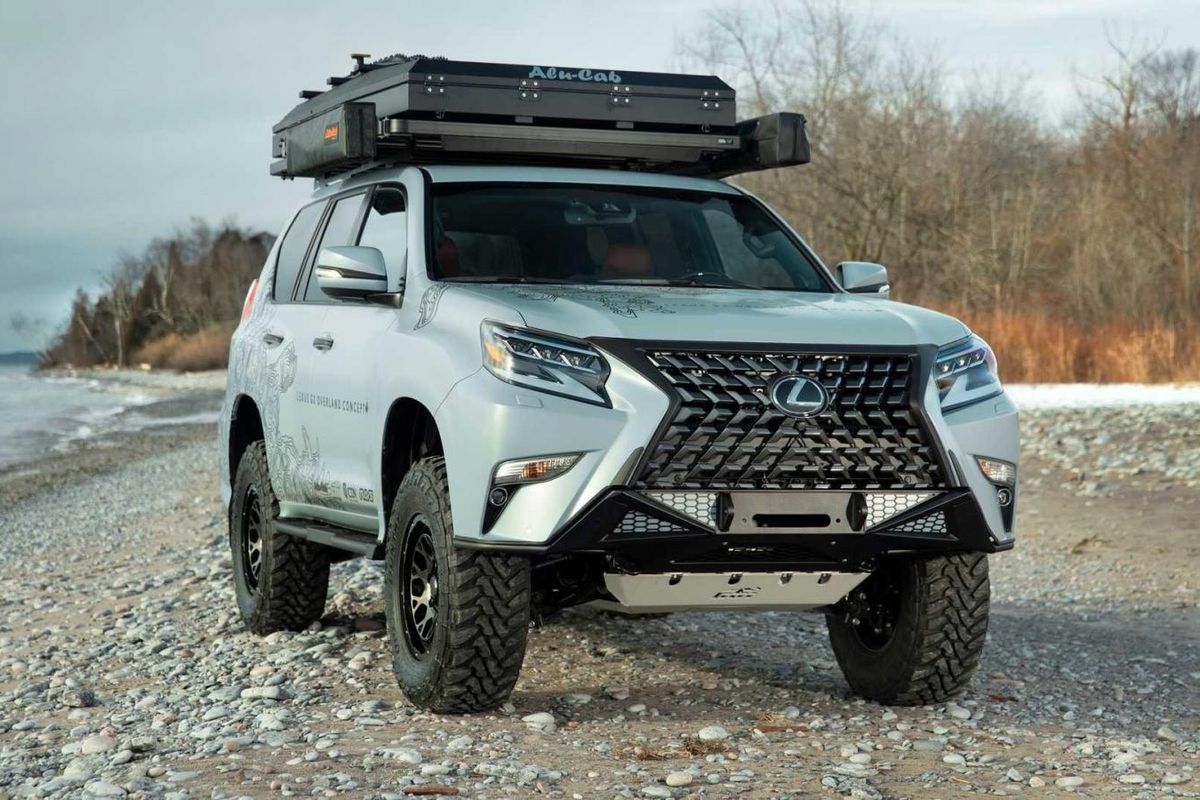
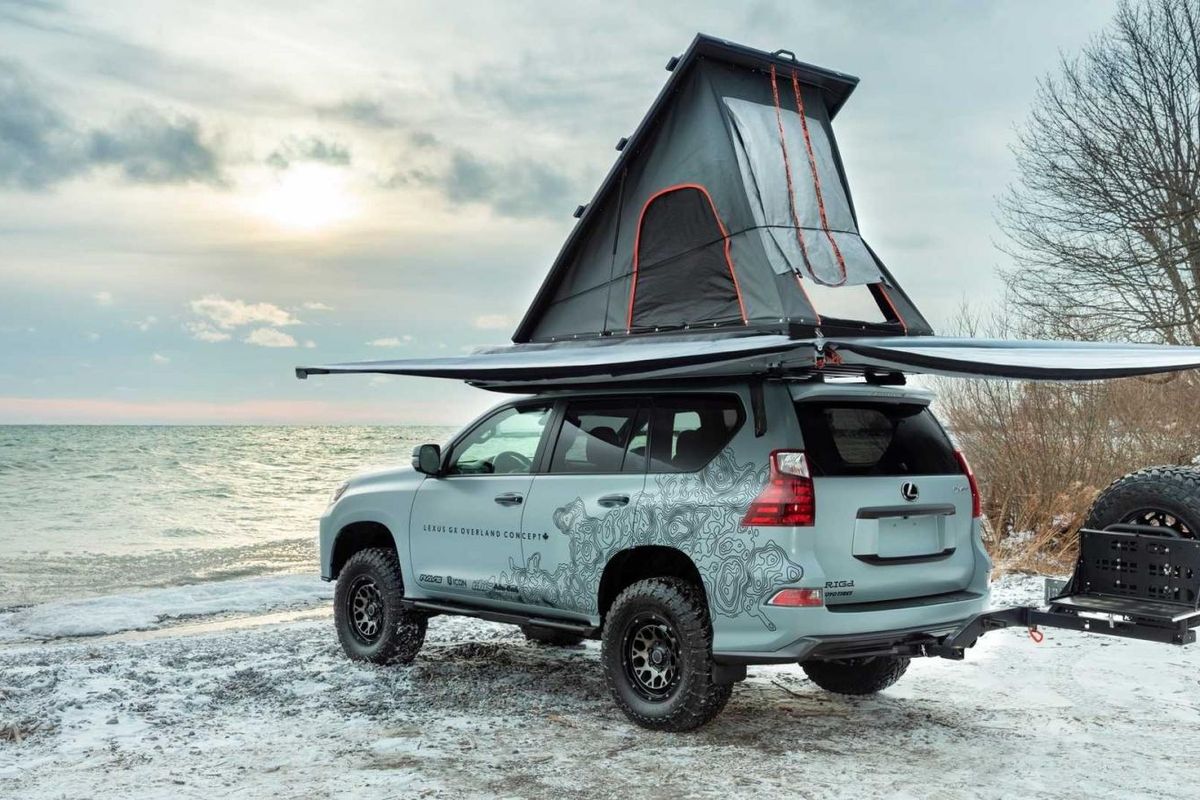
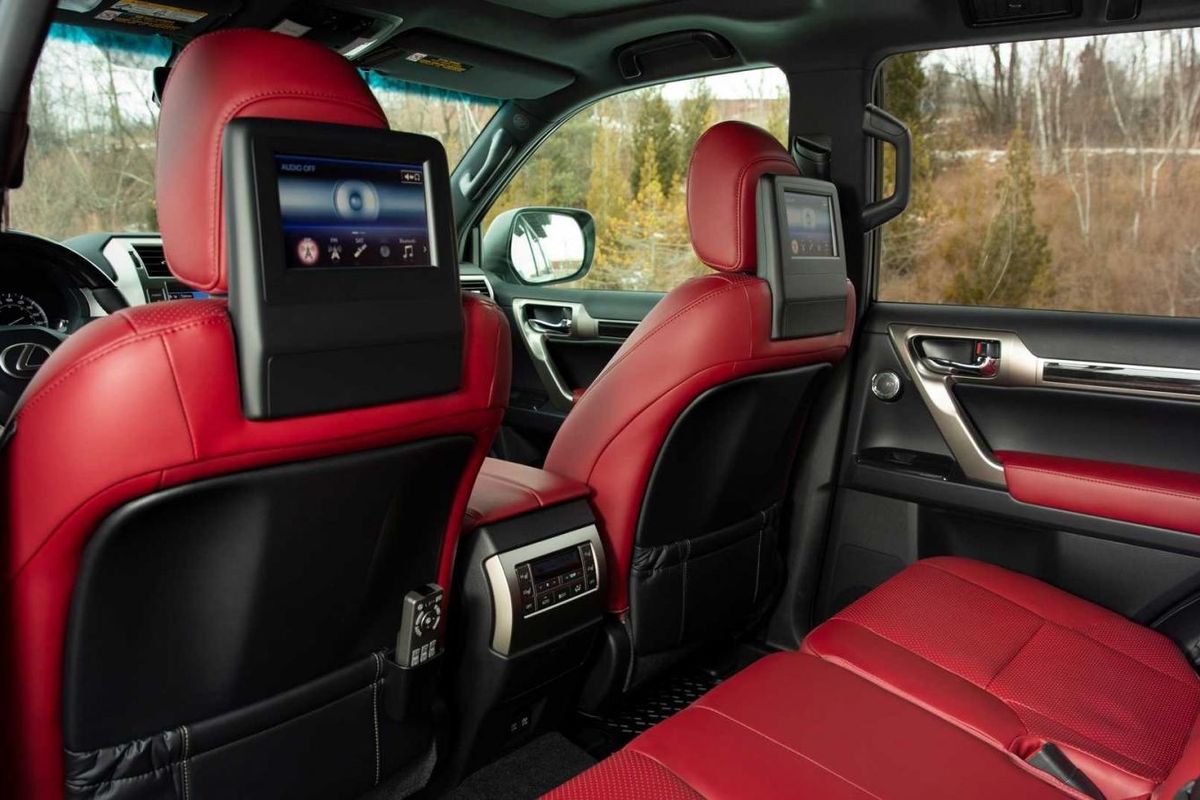
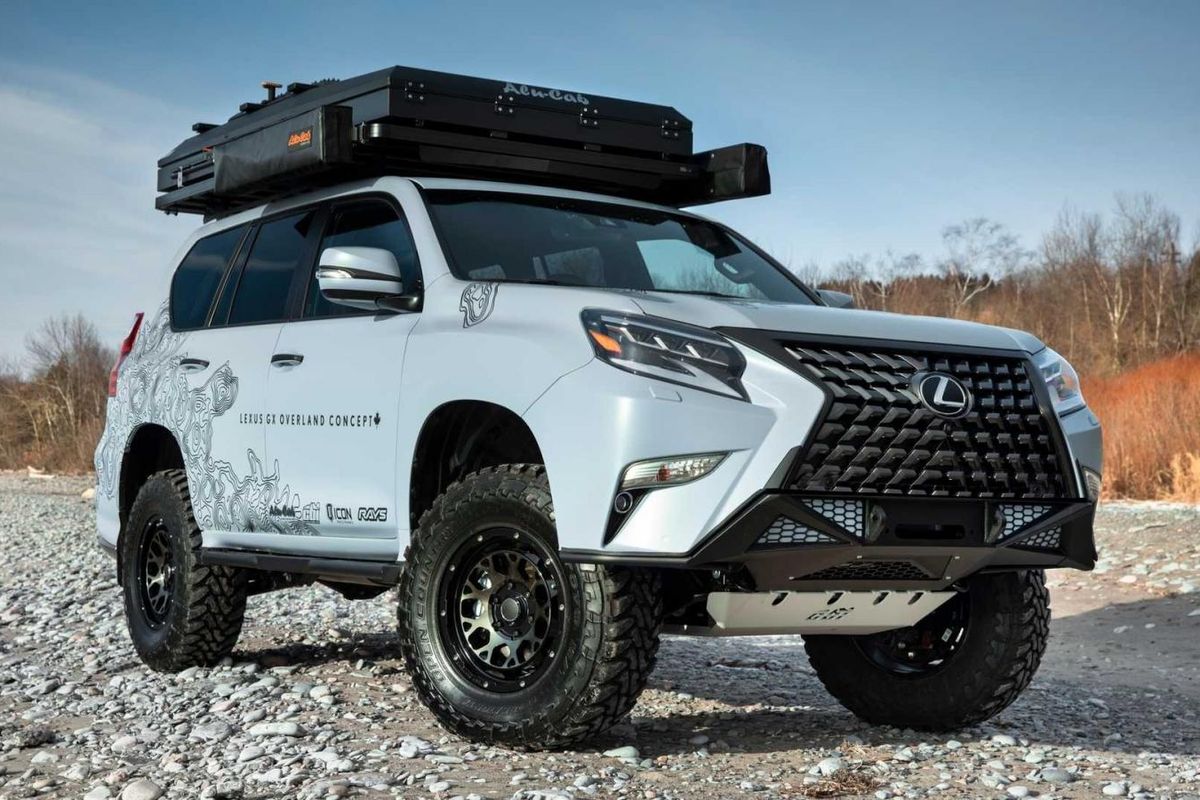
Ahead of the 2020 Montreal Motor Show, Lexus Canada built something quite special. Meet the 2020 Lexus GX Overland Concept.

While this is a total one-off project and sadly the South African market doesn't even get the Lexus GX, we can dream right? 

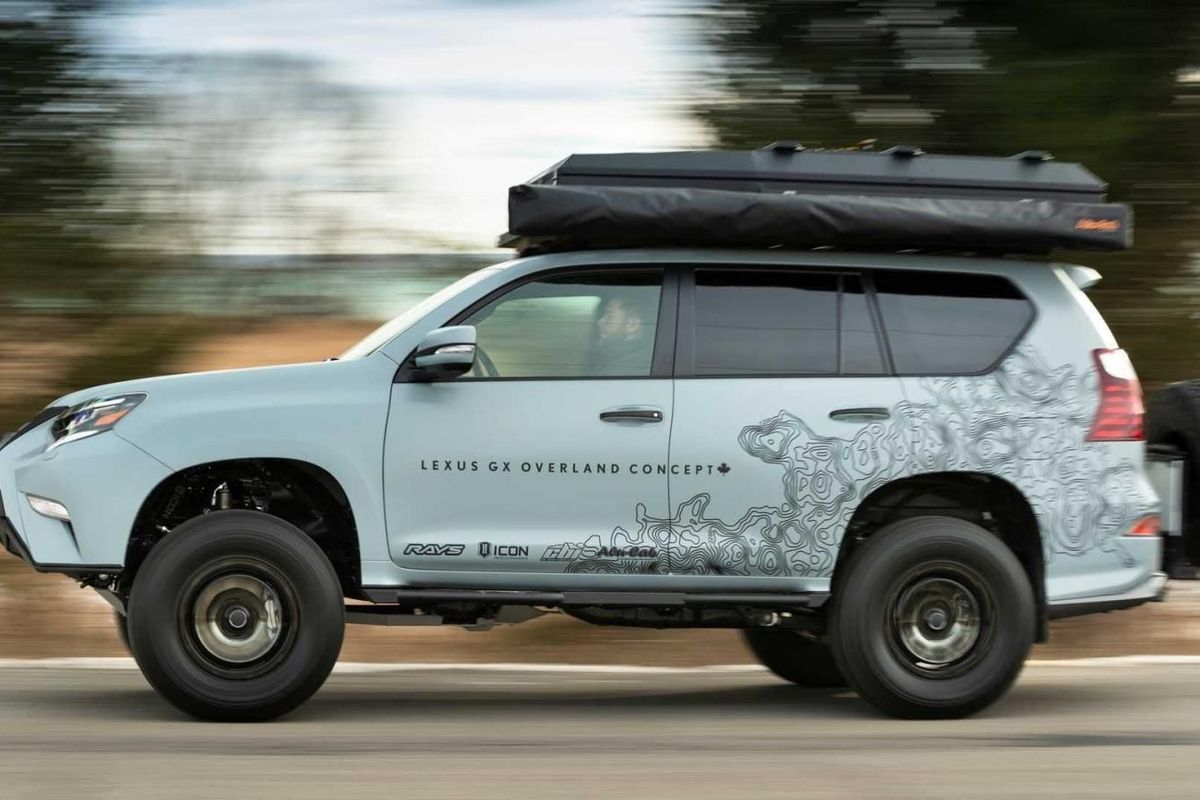
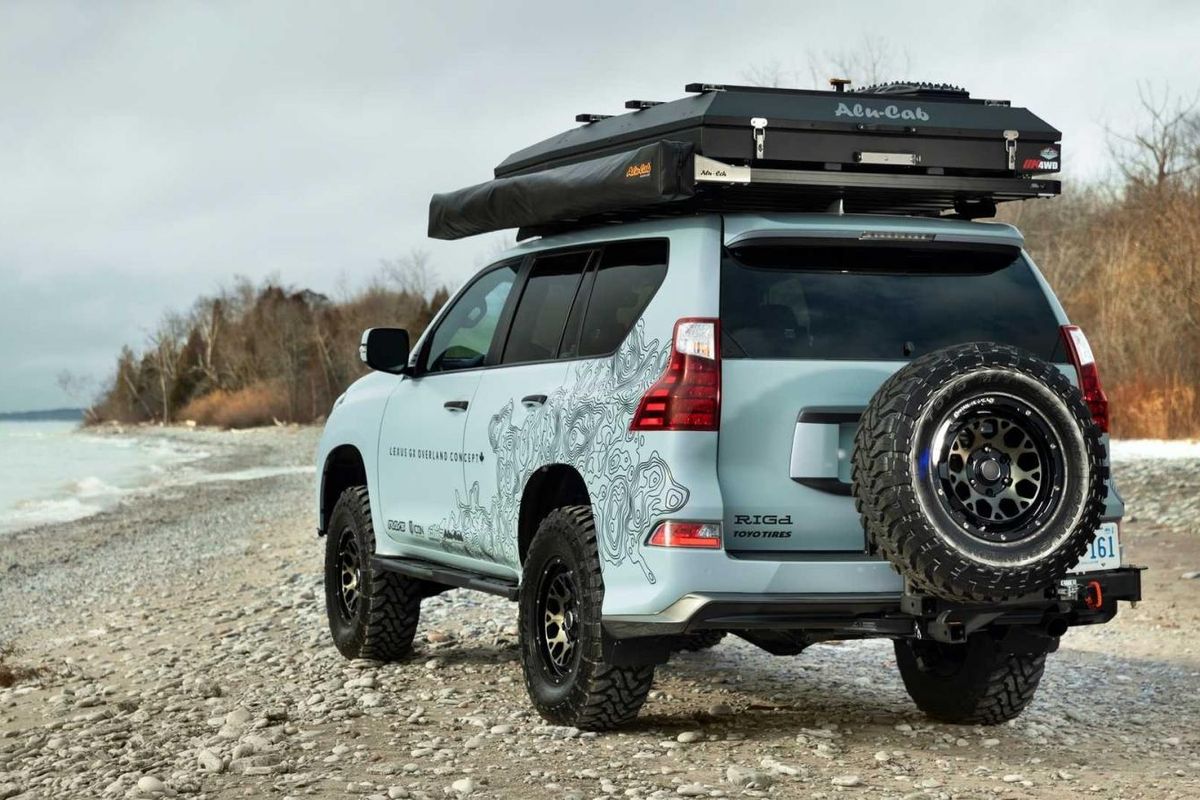
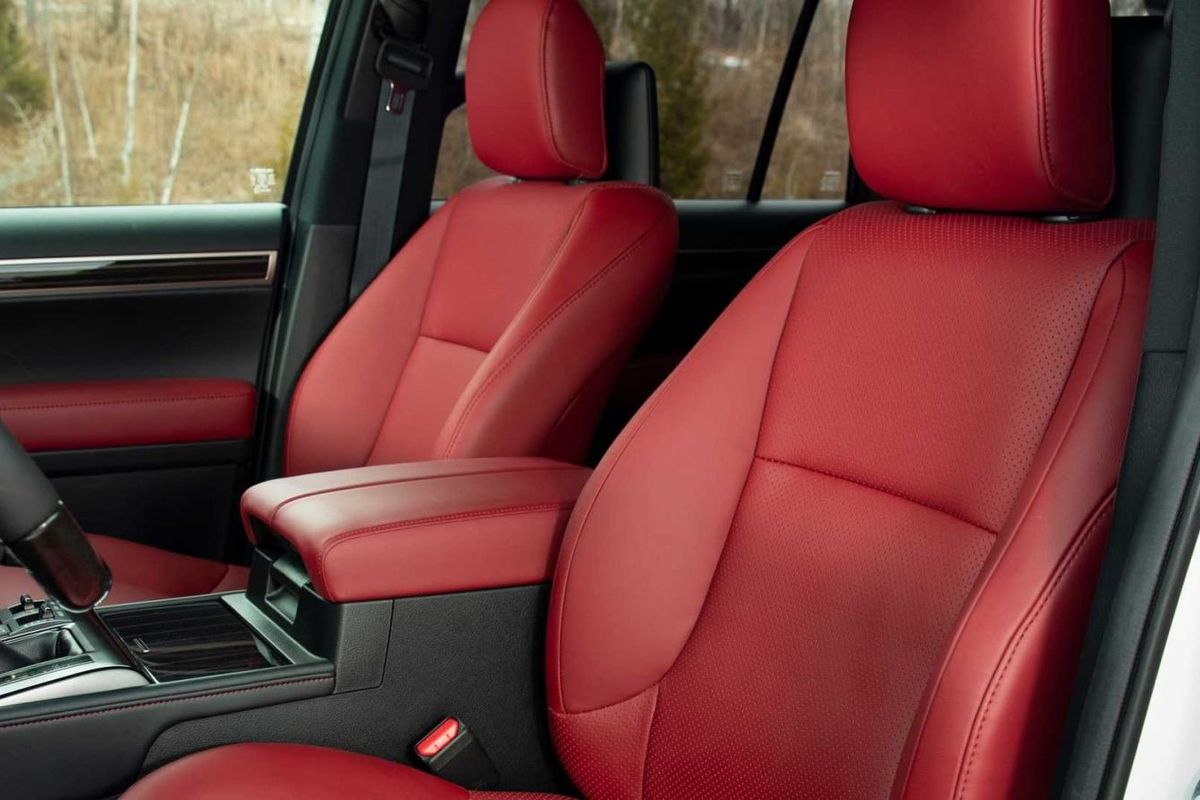
Created with the idea of beauty meets beast and to push the boundaries of luxurious camping, this Lexus GX has undergone some radical changes. Built on the 2020 Lexus GX 460 Executive Package, there's a rooftop tent with bed, awning as well as a shower cube for proper remote living.

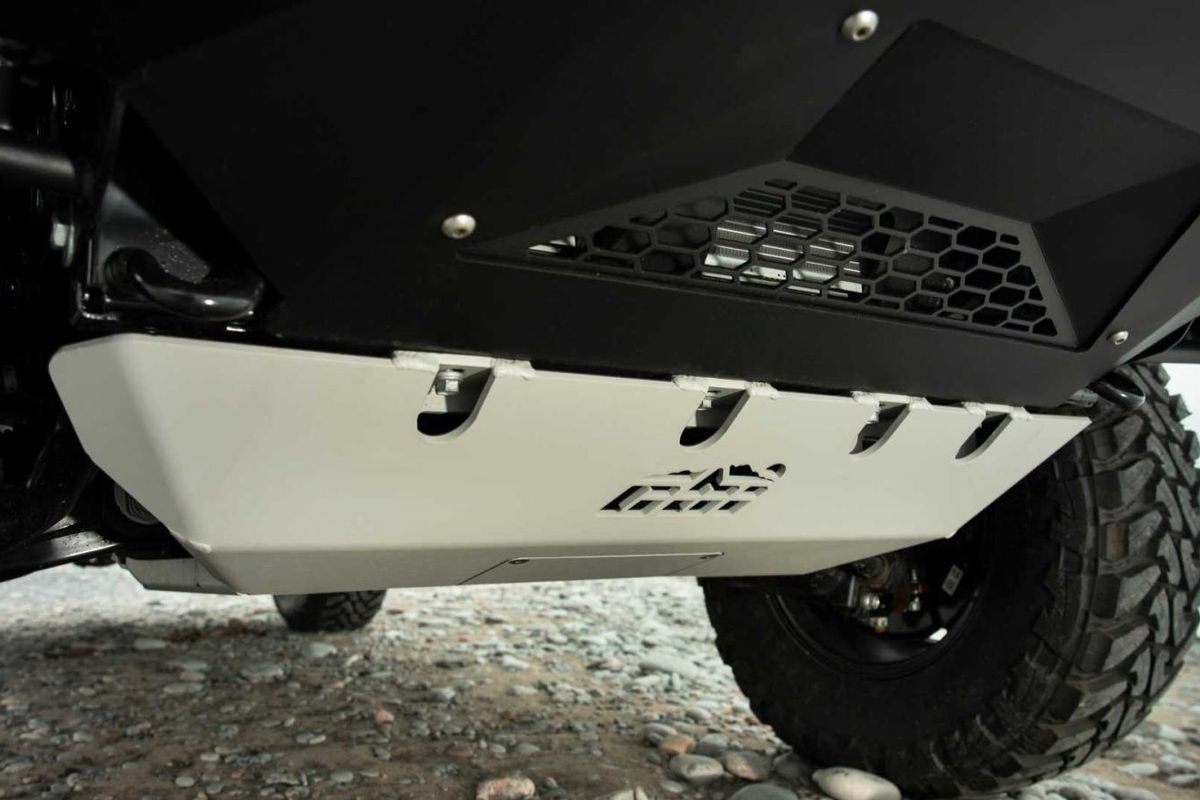
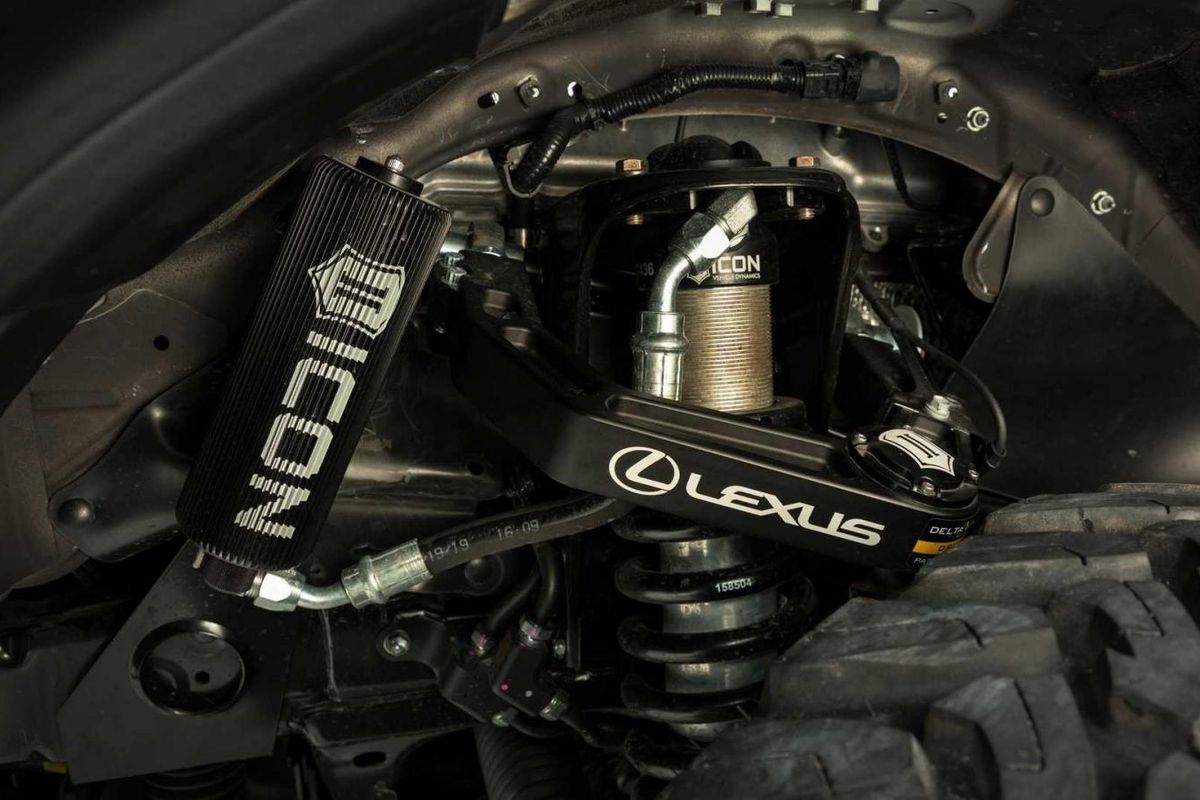
To get to the most remote of areas, this Lexus gained some hardcore offroad tyres, wheels and uprated suspension with increased travel. A complete underbody armour system has been fitted to protect the mechanicals, while a front winch bumper bolsters its capabilities. 

Watch a detailed walkaround of the 2020 Lexus GX Overland Concept

Further Reading

Lexus RX (2019) Launch Review

GXOR is a Lexus Overlander

Sexy Lexus LC500 Convertible Coming to SA in 2020

Lexus Updates its Land Cruiser

Volkswagen ID.4 set for mid-year debut

VW is surging ahead with its hugely ambitious electrification strategy.

As the 2020 auto show season prepares to start, the Germany automotive giant is readying some of its new all-electric models to debut at the world’s most celebrated shows.

VW is amidst a massive transformation of its powertrain business and believes that electrification is the most viable future motoring solution. The company has invested massively in new battery specific vehicle platforms and this could enable it to emulate the huge platform-sharing success achieved in the late 1990s.

Under the control of Ferdinand Piëch, VW consolidated all its brands and initiated an amazing shared component strategy which had never before been attempted. This revolutionised its business and boosted VW to record profitability by the late 2000s. With the new range of ID electric vehicles, it is hoping for much of the same.

Industry sources detail that VW will debut its new electric crossover, the ID.4, at the 2020 New York auto show, in June 2020. Although the ID.3 hatchback was shown at the 2019 Frankfurt auto show, VW realises that much of the new range’s success will hinge on a crossover version.

Producing a battery-powered crossover is crucial to VW’s immediate ambition of establishing demand for its electric vehicles. As crossover vehicles continue to grow in popularity, a crossover ID model is crucial. The ID.4 appears to be a more technically involved vehicle than its ID.3 hatchback sibling. This is since it will feature two drive configurations: rear- and all-wheel drive, whilst the ID.3 will only be available in rear-wheel drive.

Powering the ID.4 will be a selection of battery packs, with differing energy densities and price points, much like the ID.3. With much of the ID.4 demand expected to come from Northern Europe and the United States, where battery vehicle adoption has been strongest, an all-wheel drive option isn’t surprising. These markets have a high demand for secure traction on snow and sleet covered roads in winter. In the South African context an all-wheel drive ID.4 model option, would theoretically be very capable for long-distance gravel traveling.

Further Reading

Why VW Should Build this Electric Bakkie

Volkswagen ID3 Goes Official

Volkswagen's EV plans for SA

Spy Shots: VW ID4 Crozz

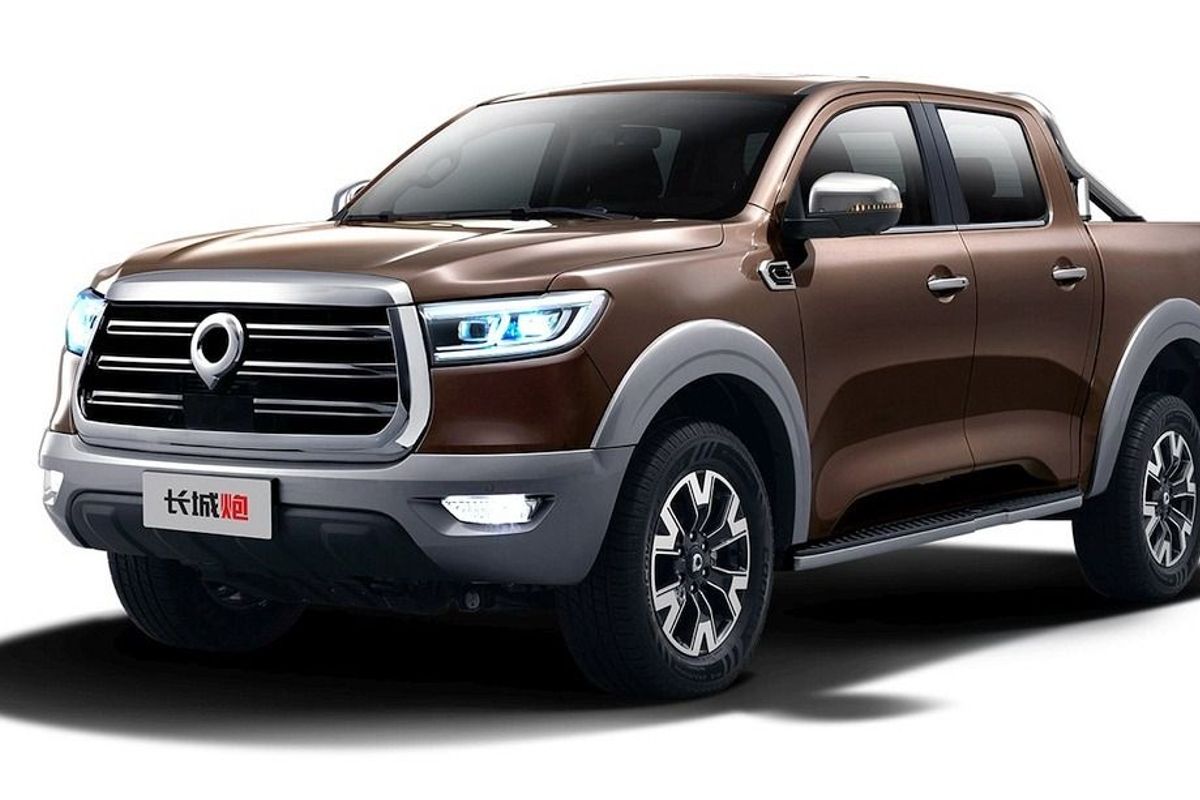
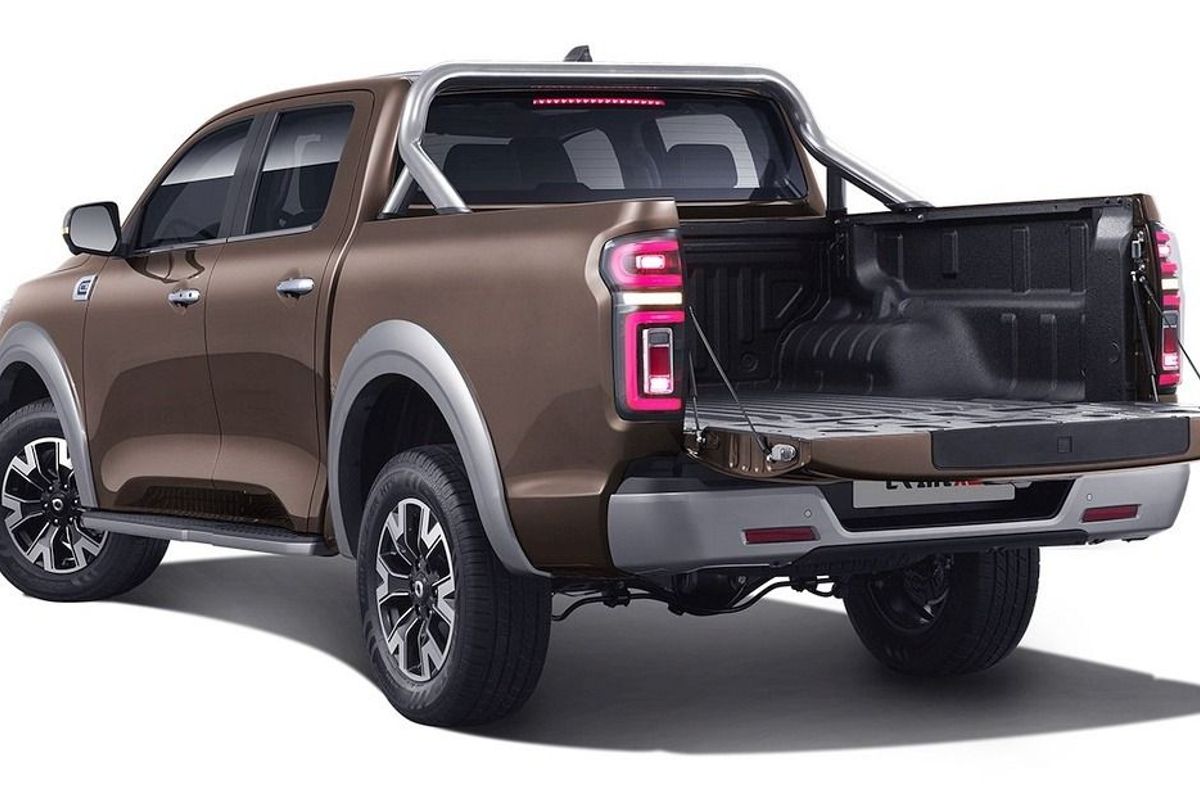
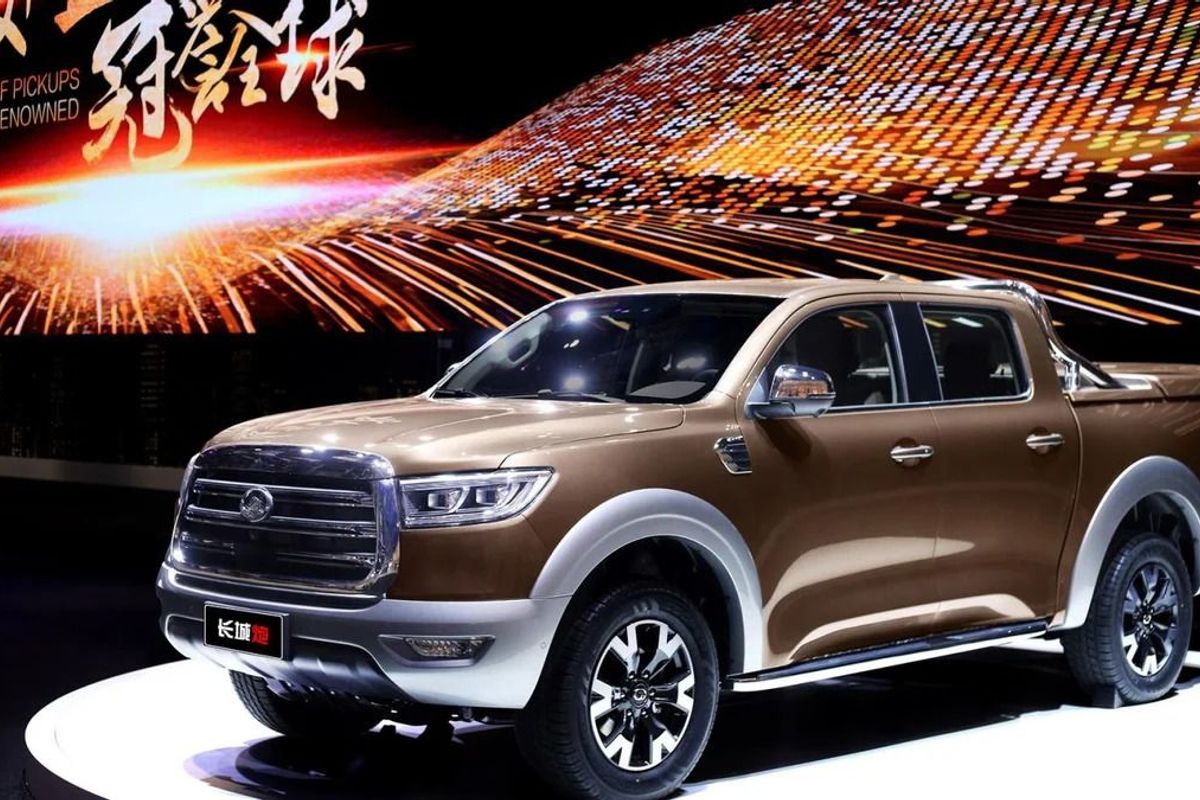
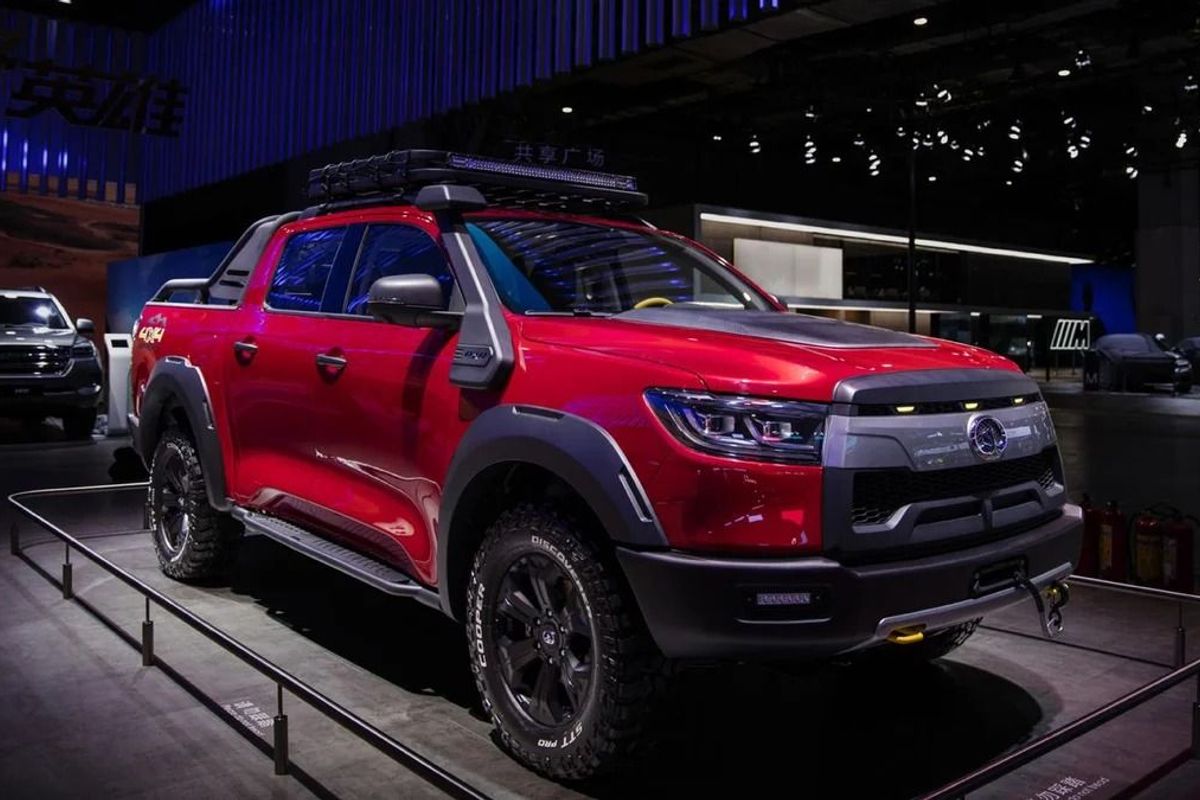
GWM P Series Bakkie – SA Details

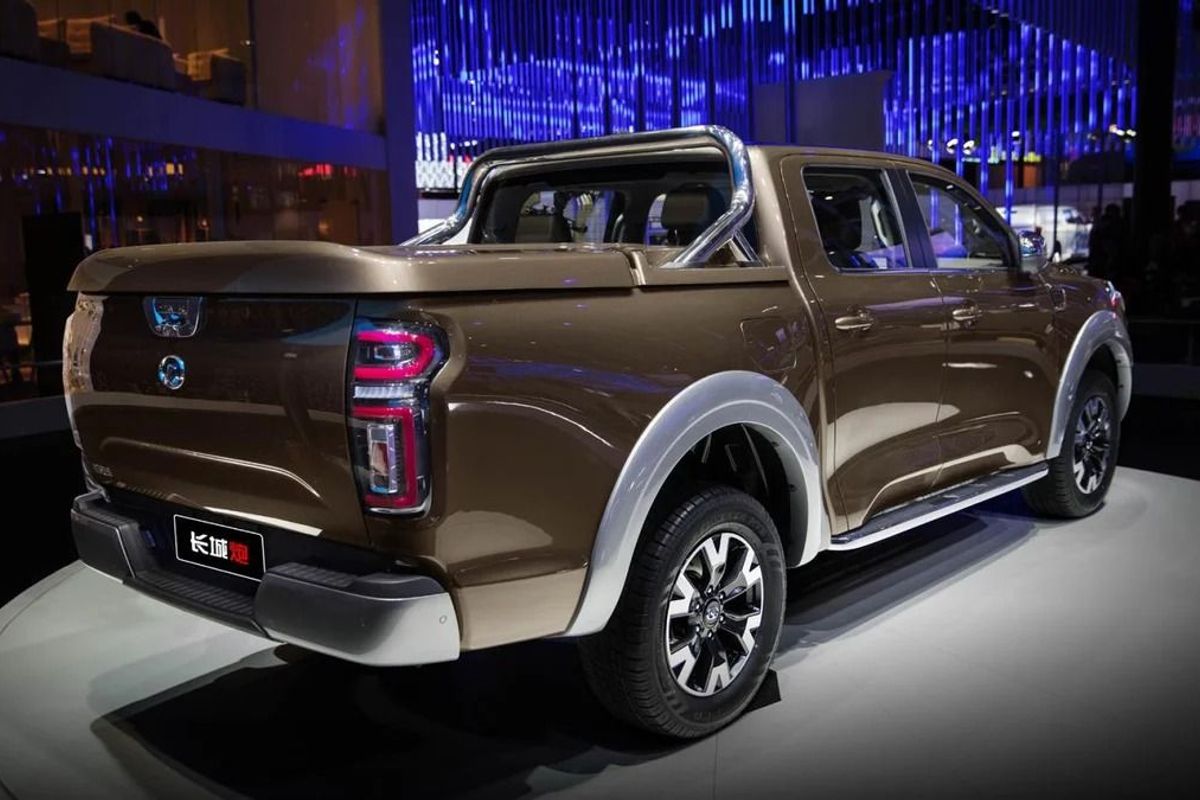
This is the GWM P Series bakkie and it's coming to SA in 2020. Here's all you need to know about this rival to the Ford Ranger, Toyota Hilux and Volkswagen Amarok.

Billed as the most ambitious Chinese double-cab to date, GWM has stated its intentions to become a 'Top 3' bakkie brand with its new P Series.

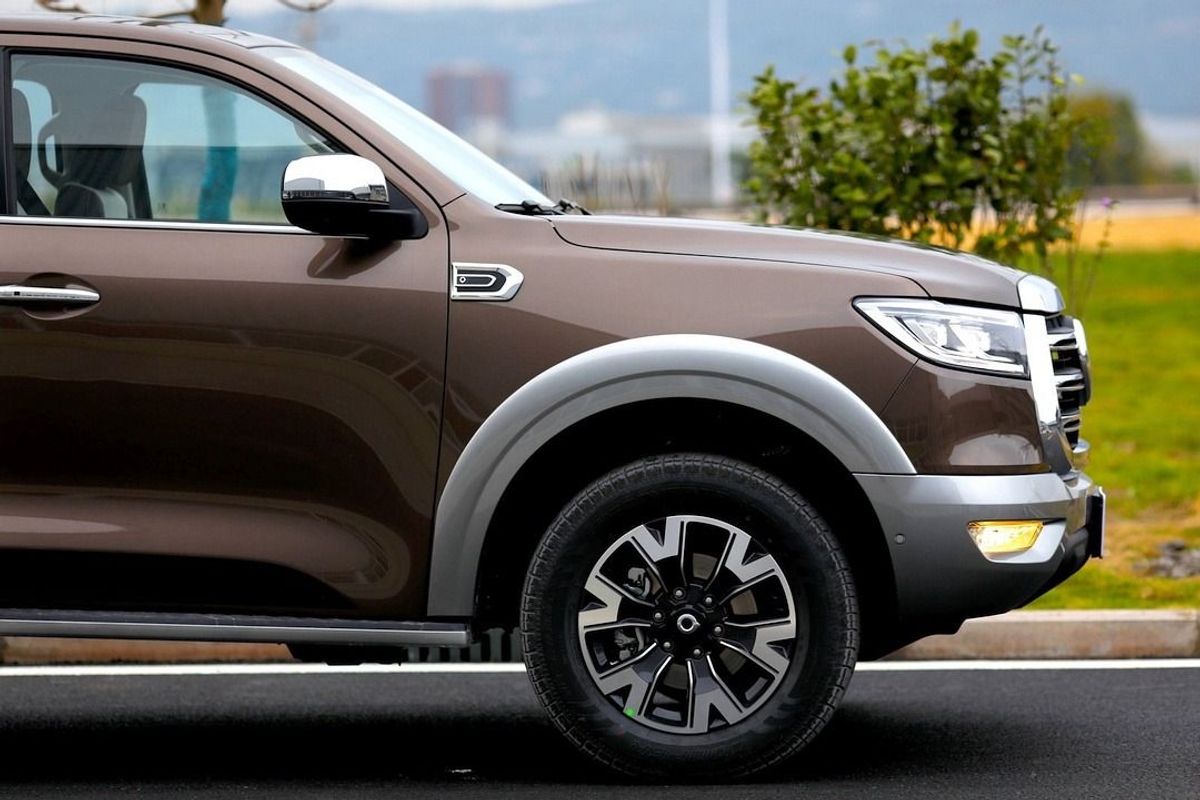
Design proportions are bold, and the P Series measures 5.4 metres nose-to-tail, 1.86 metres wide and stands 1.93 metres tall. This new Chinese double-cab rides on the P71 ladder-frame platform, which it shares with the Haval H9 large SUV – familiar to South Africans who are followers of the Chinese brand.

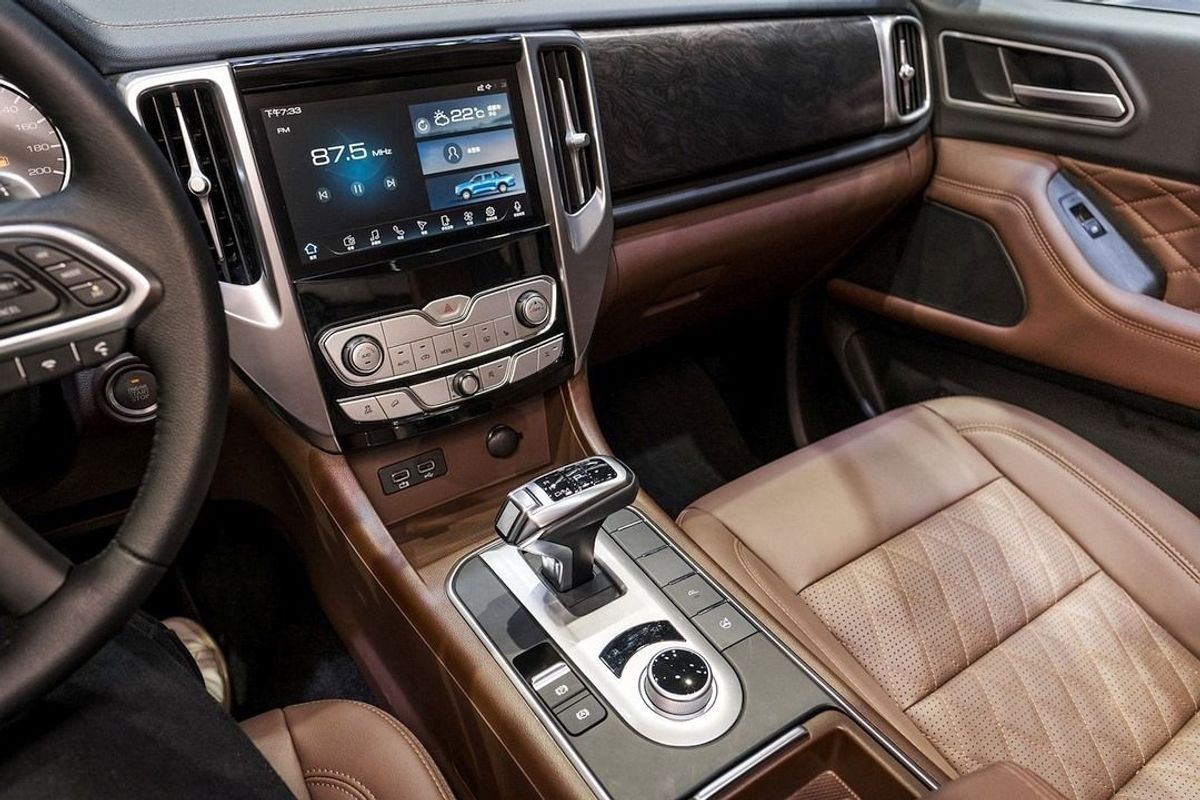
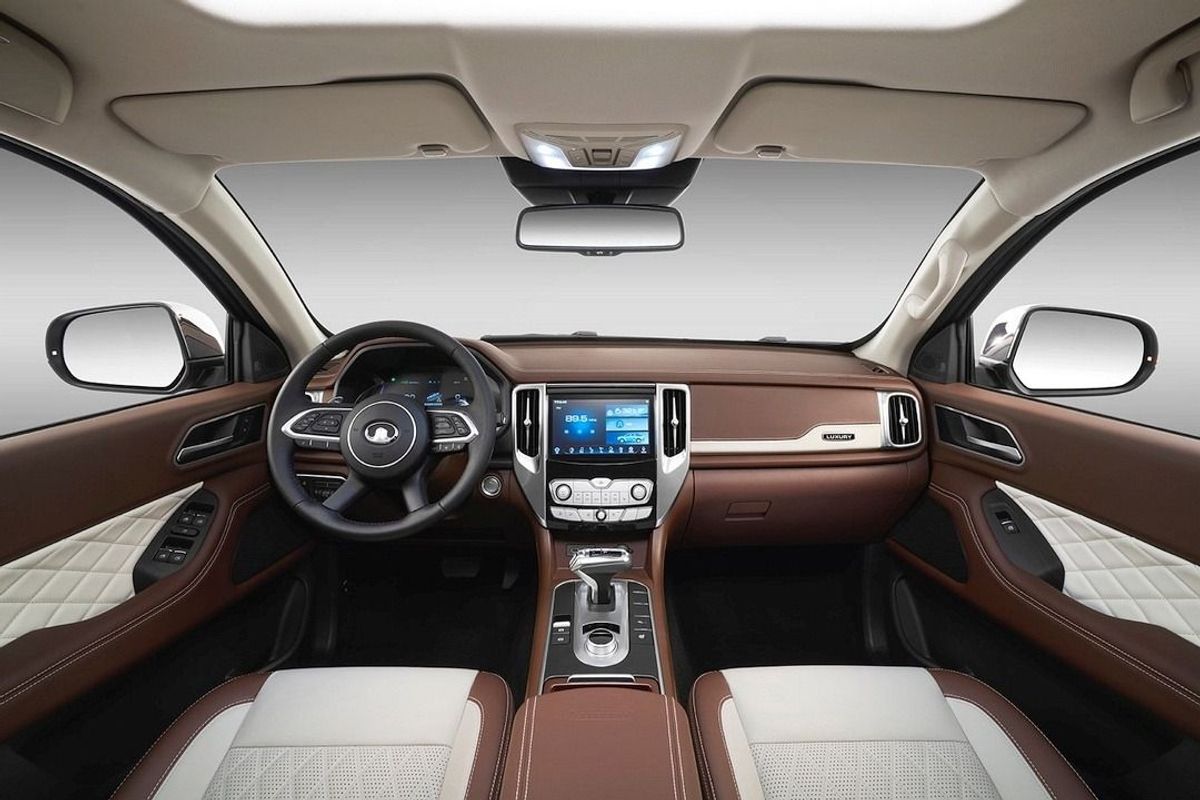
The cabin architecture is impressive for a Chinese vehicle with a large touchscreen infotainment system and passenger vehicle-like ergonomics.

Mechanically, the P Series is powered by a 2.0-litre turbocharged petrol which drives all four wheels via an 8-speed ZF automatic transmission. The 2.0-litre four-cylinder engine boosts 140 kW and 360 Nm. GWM has also equipped the P Series with 3 differential locks, which should theoretically give it unrivalled off-road ability. GWM has not yet been clear as to whether the 3 differential locks will be a standard configuration or optional, as part of a dedicated off-road package. Features? Plenty. There is a surround-view camera, rear-view camera and 12 radar pods allow for lane departure warning and adaptive cruise control. All active safety interventions systems are managed by Bosch’s 9.3-generation stability control.

When is it coming to South Africa? During the recent Haval H2 facelift launch in January 2020, we chatted to GWM/Haval staff about its pickup aspirations and they confirmed the P Series introduction in South Africa will begin in April 2020, with the launch of the mid-spec model. The flagship GWM P Series bakkie will be arriving in South Africa towards the end of 2020 and while pricing and spec are yet to be confirmed, we suspect the Chinese will come in with an aggressive pricing strategy.

Buy a new or used GWM on Cars.co.za

Related Content

GWM Teases New Hilux Rival

GWM Extends Warranty in SA

Haval H2 (2020) Launch Review

The facelifted Haval H2 compact family car has landed in South Africa and we had a chance to sample the latest version of a former Cars.co.za Consumer Awards – powered by WesBank semi-finalist. Do the improvements make it an even stronger proposition?

Vehicle-launch press conferences are usually a mixed bag of messages: superfluous PR fluff interspersed with genuine nuggets of information. In Haval's case, the headline news is significant: South Africa is now the biggest market for the SUV brand outside of mainland China. It's impressive, considering the next biggest country is mighty Russia.

Haval is a fledgeling brand in South Africa (in our market, it's been around for less than half a decade), but its sales figures are noteworthy. Since its local introduction in May 2017, the H2 has been Haval's best-selling model (more than 7 235 units have found homes in Mzansi). As a matter of fact, it's the 3rd-best seller in its market segment, Haval claims. Interestingly, China sold about 10 000 per month for 4 years in a row, which is one way of saying that Haval's home market is comparatively humungous.

What's on offer?


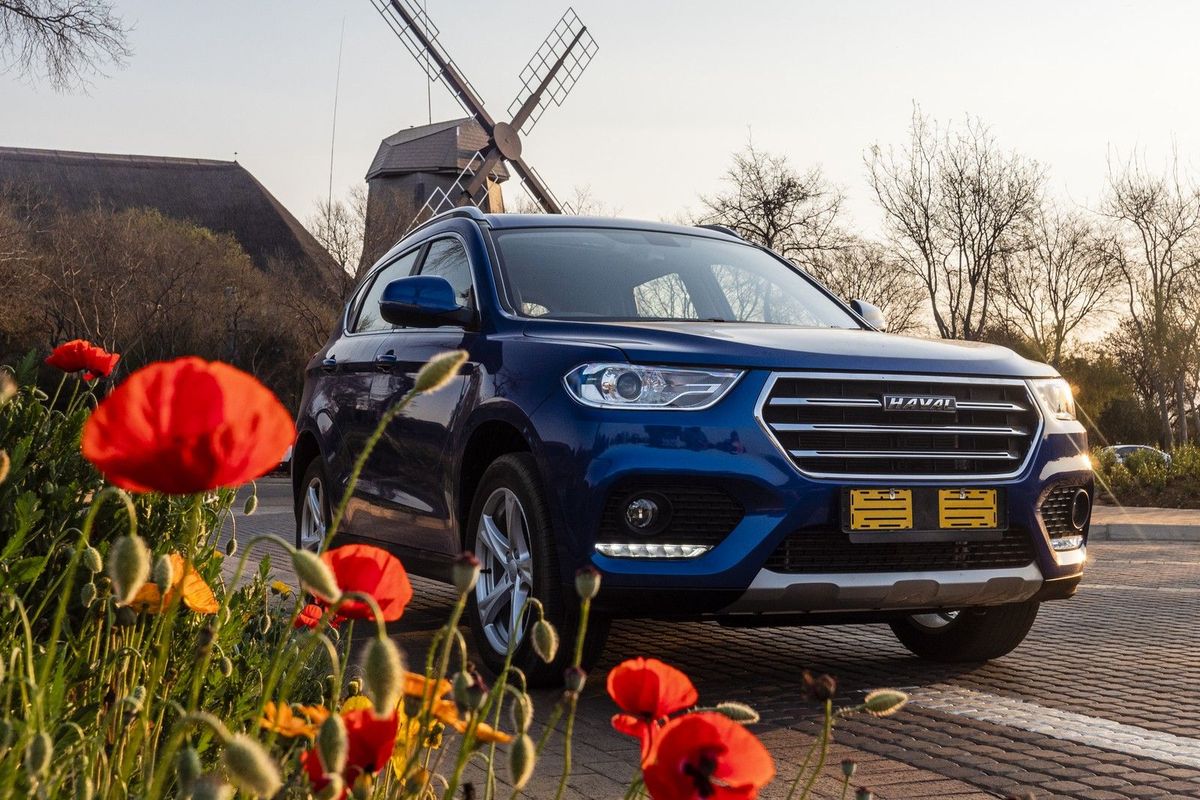
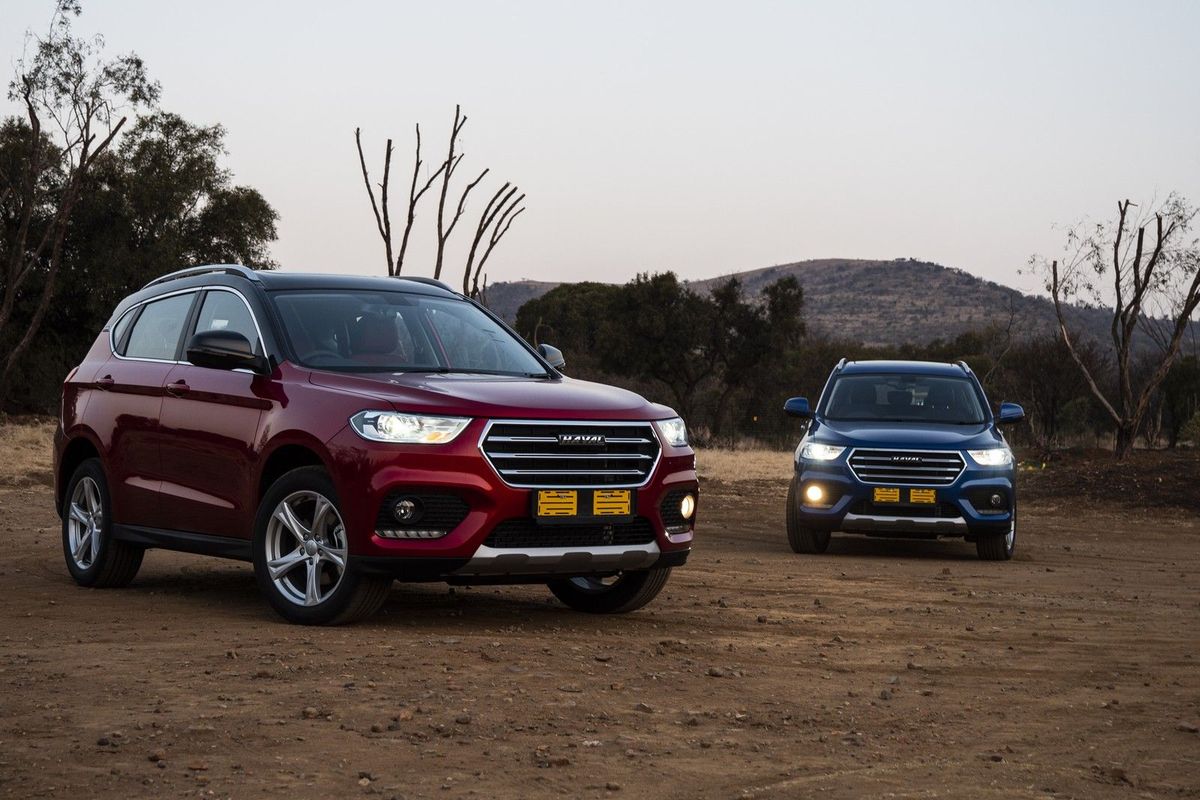
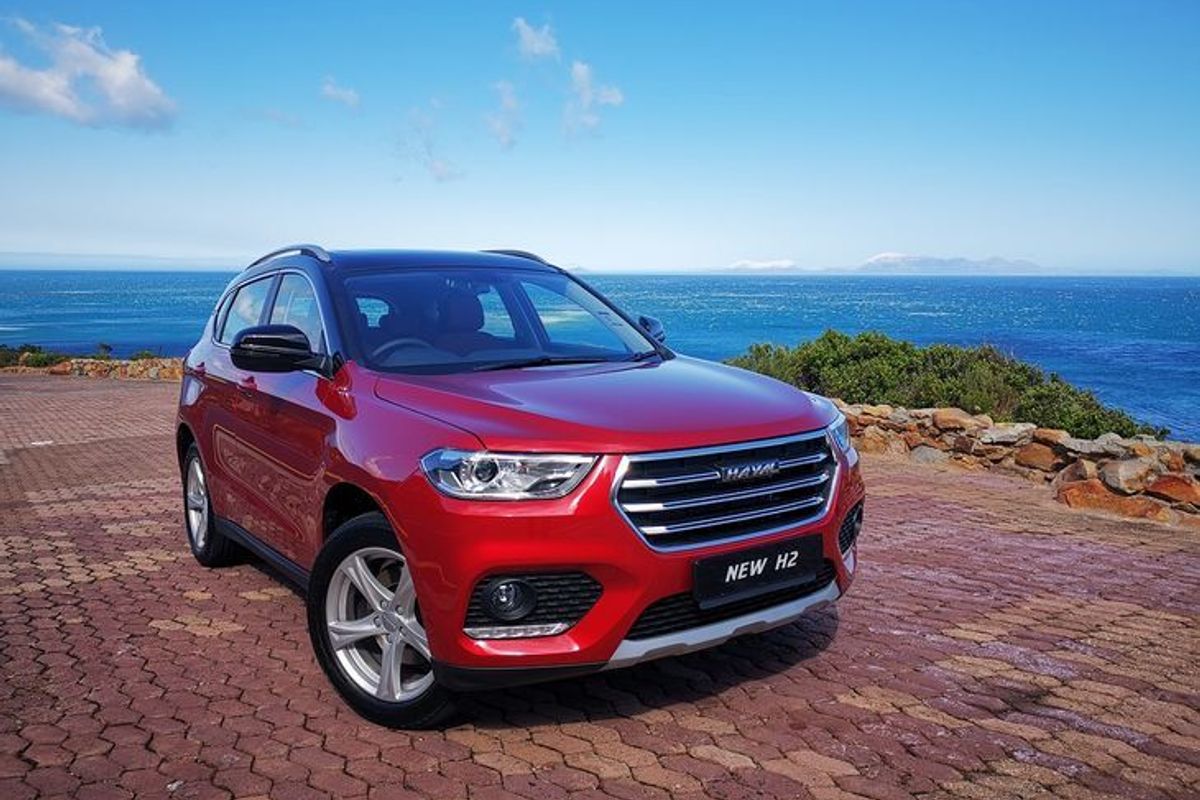
The updated Haval H2 has landed in SA, complete with fresher looks and generous specification.

The updated range comprises 4 derivatives. The solitary engine offering is a 1.5-litre 4-cylinder turbopetrol (with peak outputs of 105 kW and 202 Nm), mated with either a 6-speed manual gearbox or a 6-speed automatic transmission. In terms of fuel economy, Haval claims 8.2 and 9.0 L/100 km respectively. The trim levels are City and Luxury.

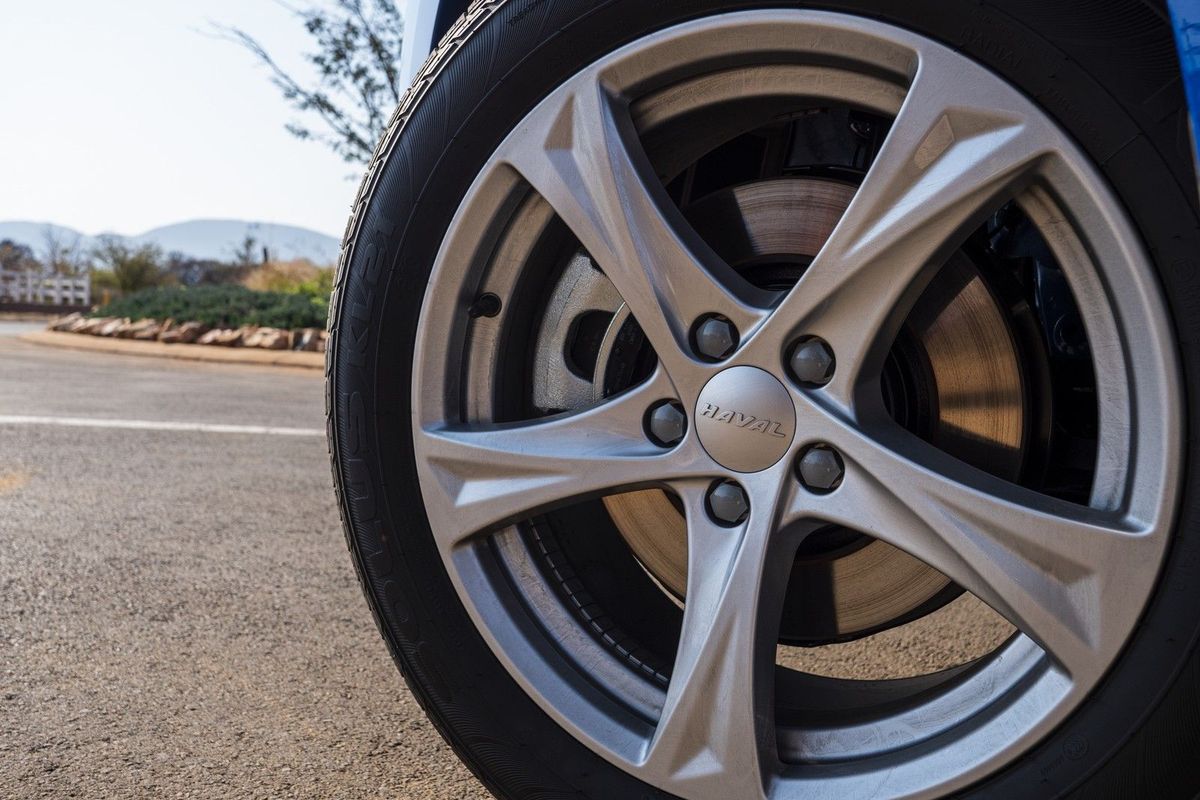
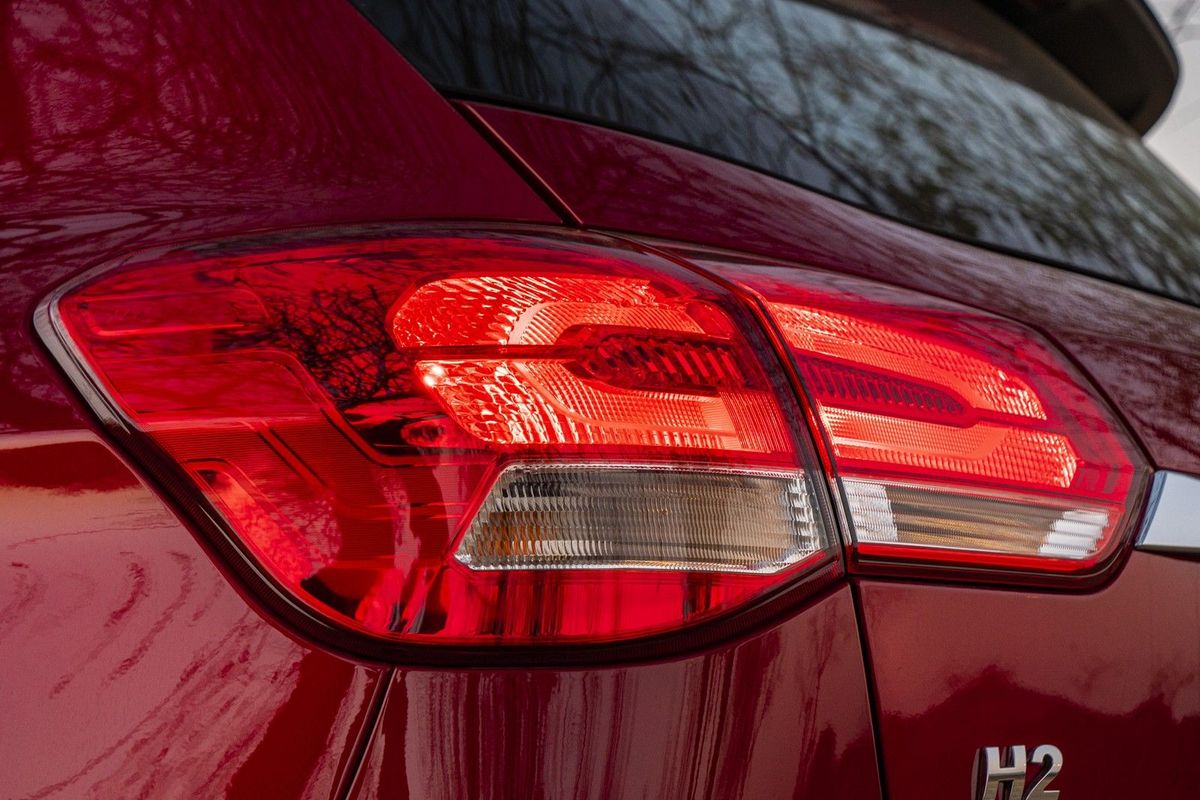
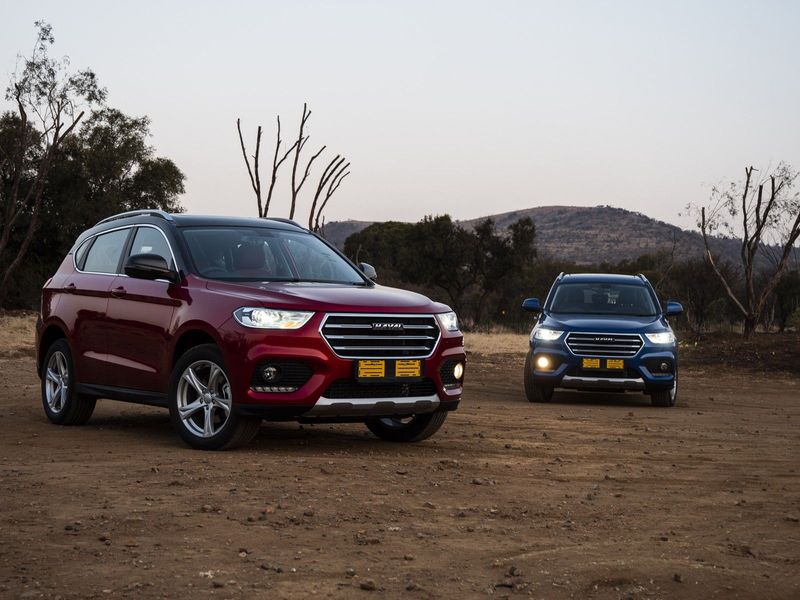
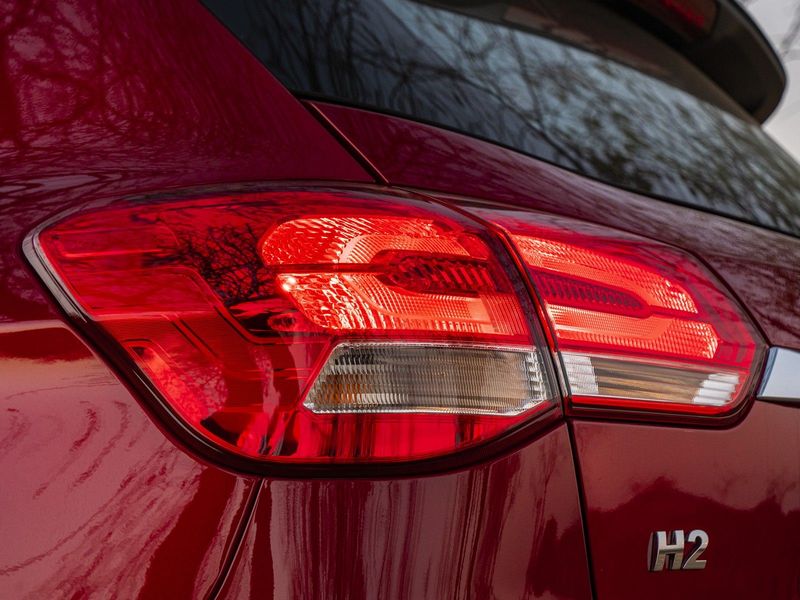
The latest H2 gains a revised grille, new arrow-design headlamp cluster, fresh foglights and a revised lower bumper. Newly-designed 18-inch wheels and a panoramic sunroof (on Lux versions) are also notable additions. At the rear, the newcomer benefits from a new splitter plate and larger exhaust tips. The rear aspect is characterised by additional protective cladding and a redesigned bumper, while the taillights are hexagonally-shaped. The facelifted H2 is further distinguishable by a chrome strip that links the taillights. 

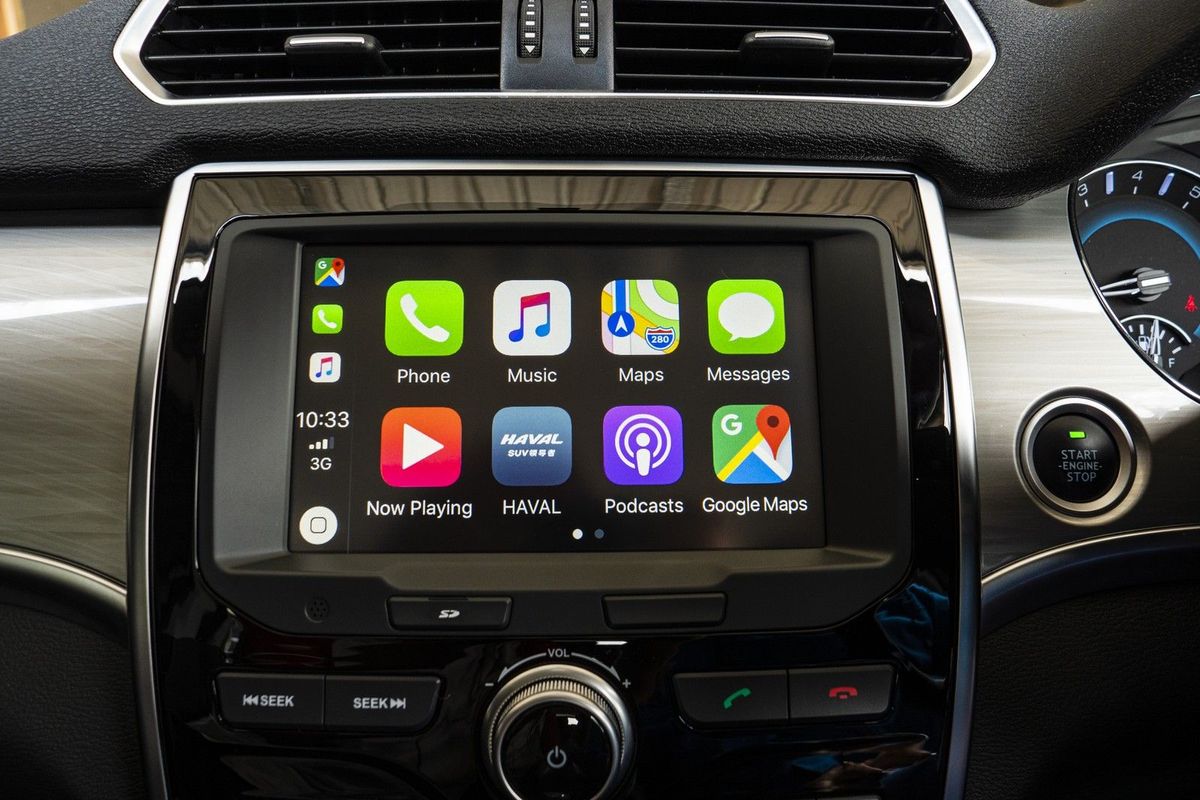
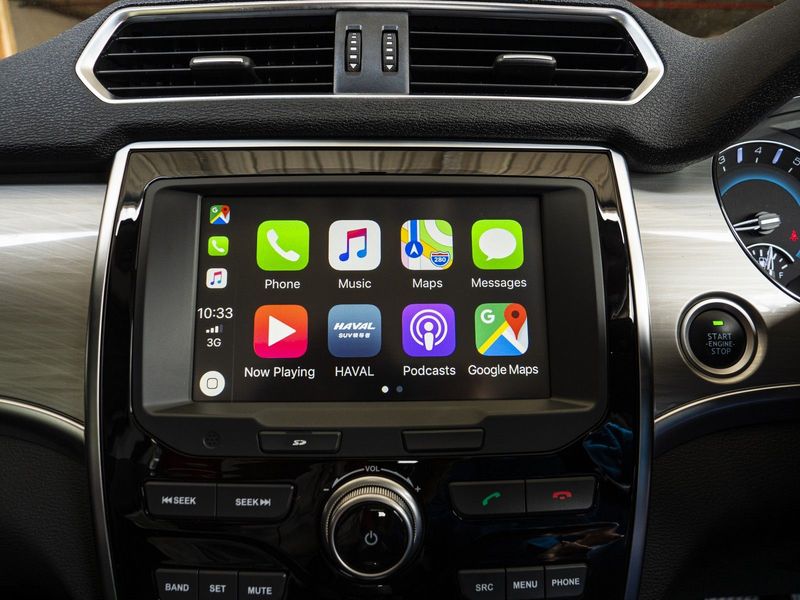
On the inside, the H2's infotainment cluster gains Apple CarPlay compatibility, while Bluetooth hands-free and audio streaming functionality, as well as cruise control, are standard across the range. Curiously, however, there's no Android Auto… The steering wheel features controls for the audio system, Bluetooth and cruise control.

Safety-wise, the H2 is now equipped with 6 airbags as standard as well as ABS with EBD, brake assist and electronic stability control. Every derivative comes with rear park distance control with a reverse-view camera, as well as a tyre-pressure monitoring system. To reiterate, Lux versions feature panoramic sunroofs, which is rare in this segment.


A panoramic sunroof is now available in our market, but it only features on the top-spec versions.

What's it like to drive?

We had a chance to put the facelifted Haval H2 through its paces on the R44/Clarence Drive near Gordon's Bay in the Western Cape. It's an exhilarating route, known for its spectacular scenery and excellent tarmac. Annoyingly, the road's almost too smooth (so, not ideal for evaluating a car's general ride quality) – even the most track-focused hypercars ride sublimely on that route! What we hadn't factored in was the wind. Recently, Cape Town and its surrounds have been buffeted with excessively gusty winds; so strong, in fact, that they've prevented ships from leaving the harbour. For road users, it has been a battle to keep cars in their lanes, with the lateral gusts doing their best to push vehicles off course. Surprisingly, the Haval H2 delivered great grip and road-holding; despite the fact that its aimed at a budget family-car market, it exudes a big-car feel.

The big-car feel is a wonderful thing, especially in the compact family car segment, where many offerings are based on puny compact hatchbacks. It's pleasant and endearing to pilot a vehicle that doesn't cost the earth, yet feels upmarket/premium. The steering is good, with a reassuring solidity in feel at low speeds, but with sufficient weighting as you pick up pace. As we mentioned, the tarmac was too good to evaluate ride quality, but we can mention there was a touch of road noise from the 18-inch tyres at higher speeds.


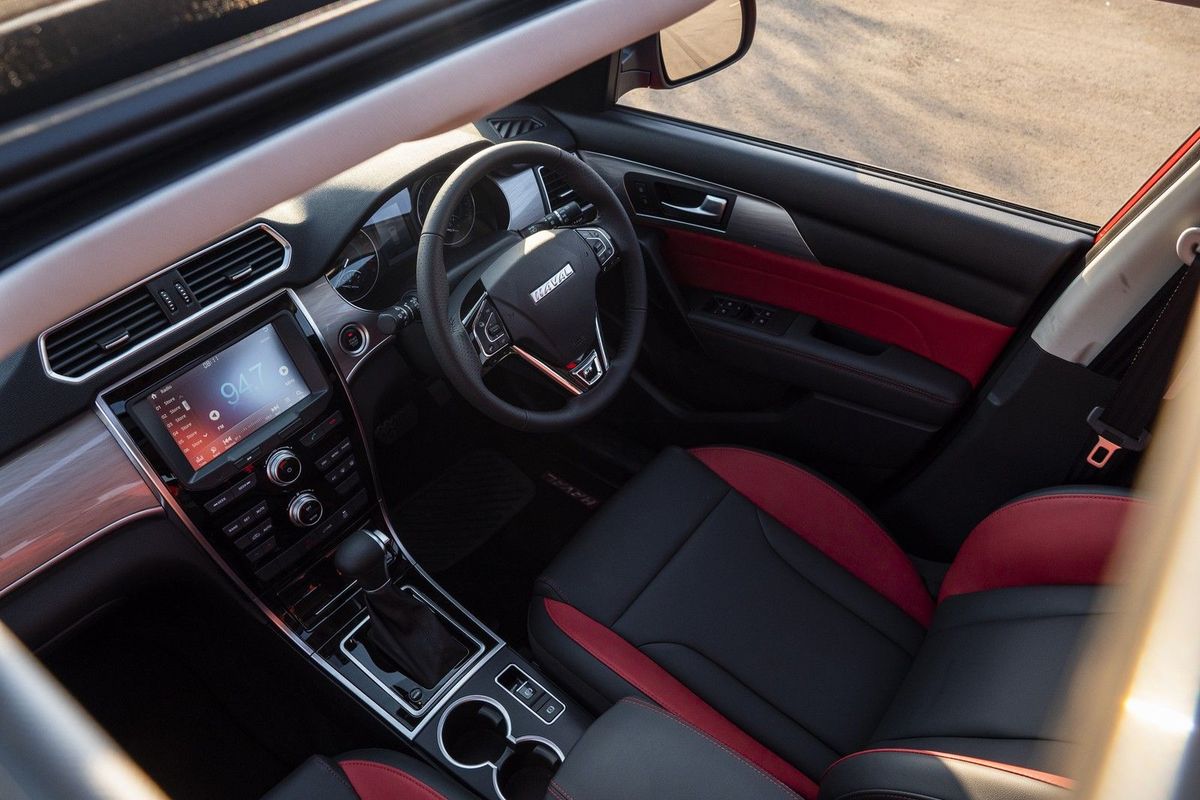
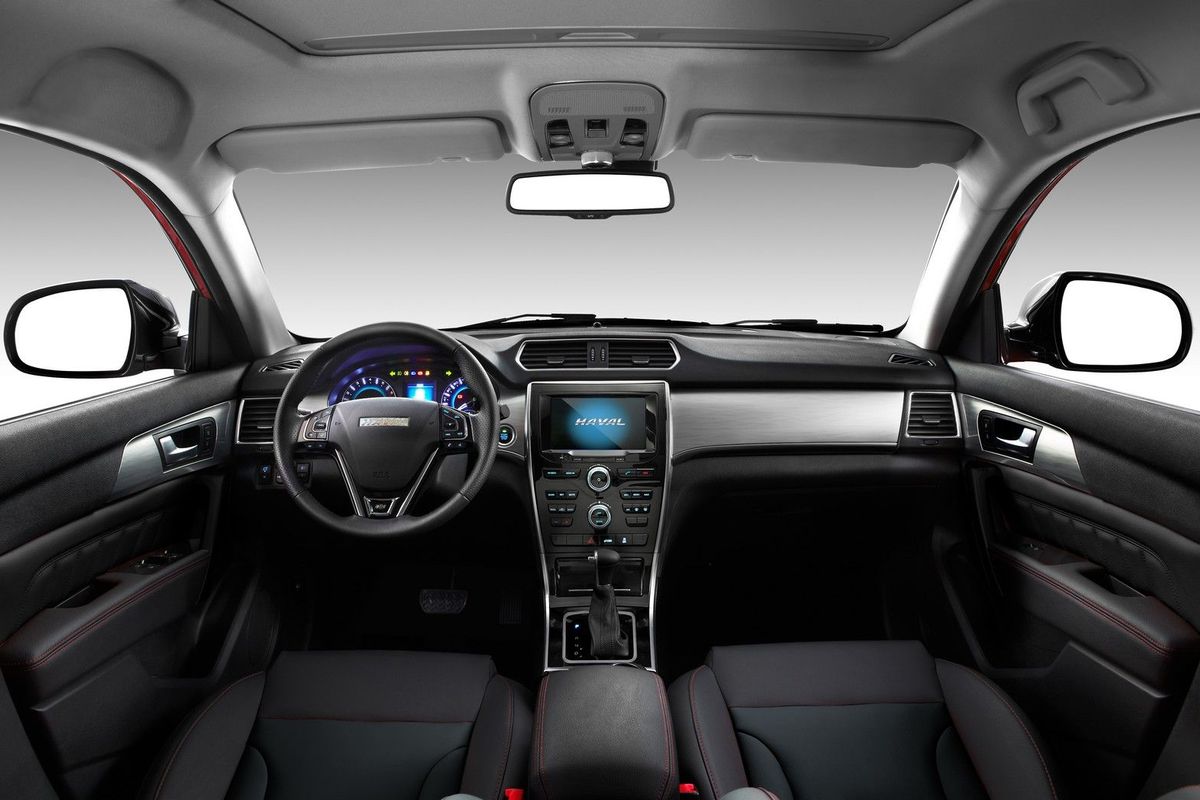
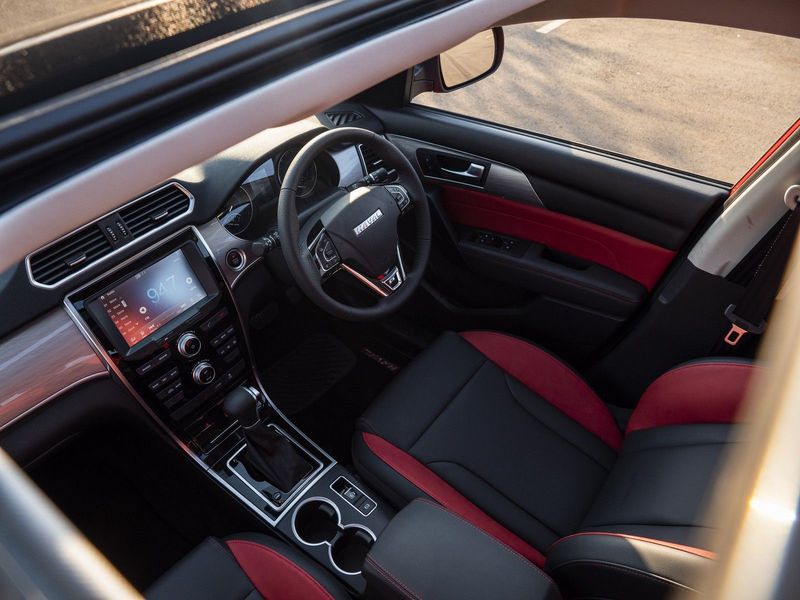
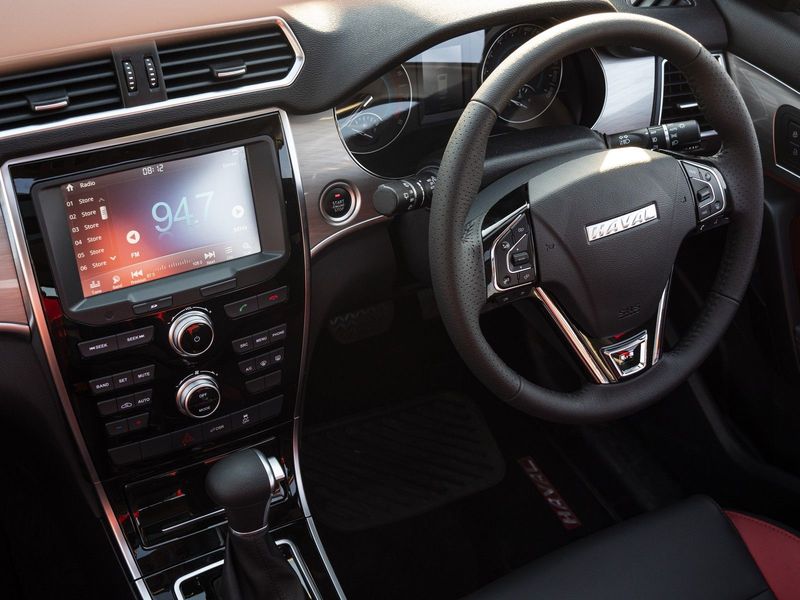
The cabin feels modern and solidly finished.

Speaking of speed, our vehicle for the launch evaluation was the top-spec H2 Luxury with an auto 'box. We found the performance adequate, but the engine could have been freer-revving in nature. Not only did the engine feel "tight", it was quite vocal at higher revs. We'll attribute that to the vehicles being brand new; our red unit (pictured at the top of the article) had only 180 km on its odo'. We suspect that power delivery would be a lot smoother and progressive after the vehicle had been run in (clocked up more mileage).

Still, there's a lot to like here. Many would expect that the cabin quality would be middling (given the H2's particular price point), but in truth, the Haval's solid build quality and good-quality finishes rank among the best in the compact family-car class. The soft-touch dashboard feels wonderfully upmarket and the fascia boasts all the convenience features one'd expect. Apple CarPlay makes its debut, with the USB port located neatly in the centre armrest to keep your phone out of sight, but curiously Android Auto is not supported. We had a good poke around the cabin and noted the rear legroom is decent enough for an adult male to sit behind himself. The luggage space is reasonable too.


Apple CarPlay makes its debut in the Haval H2

Summary

Our time with the facelifted Haval H2 was short, but suffice to say we're itching to delve deeper into what this updated Chinese model has to offer. We'd love to get our hands on a unit that has been run in and drive it on some gravel roads. With 180 mm of ground clearance, it surely should offer more than enough ability to traverse the odd gravel route or farm road? As for rivals, this is one of the most hotly-contested segments in the market, with the likes of the Renault Duster, Volkswagen T-Cross, Hyundai Creta, Ford EcoSport and many more are fighting for their place in the sun. Haval is proof that the Chinese brand is dynamic; its products' quality gets better with each new model we test. 

Should you buy one? Keenly priced, with solid aftermarket support and a substantial warranty/service plan, the Haval H2 again represents astonishing value; it should continue right where its predecessor left off. Impressively, the price hasn't increased dramatically either – the starting price of the previous range was R264 900 and the flagship offering retailed at R324 900 (updated pricing is at the bottom of this article). We're keen to spend more time with the H2 and eagerly looking forward to giving it a thorough evaluation.


The updated Haval H2 looks to continue its sales success story.

Haval H2 – price in South Africa (January 2020)

H2 City 6MT – R269 900
H2 Luxury 6MT – R294 900
H2 City 6AT – R304 900 
H2 Luxury 6AT – R329 900

The Haval H2 is sold with a 5-year/100 000km warranty, a 5-year/60 000 km service plan and with 5-year/unlimited km Roadside Assitance.

Buy a Haval H2 on Cars.co.za

Related content: 

Haval H2 facelift (2020) Specs

Haval H2 1.5T Luxury Auto (2017) Video Review

Haval H2 1.5T Luxury Auto (2017) Review [with Video]

Haval H2 (2017) Launch Review

Mercedes-Benz previews E-Class facelift

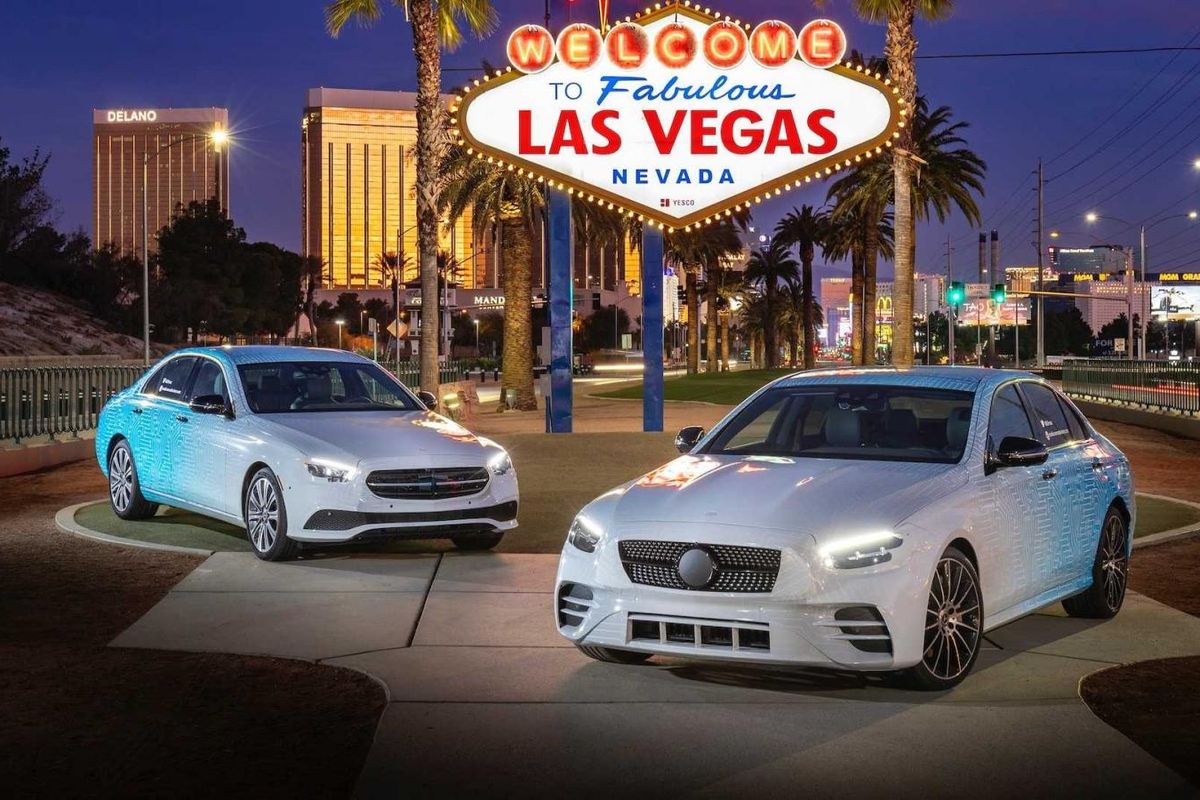
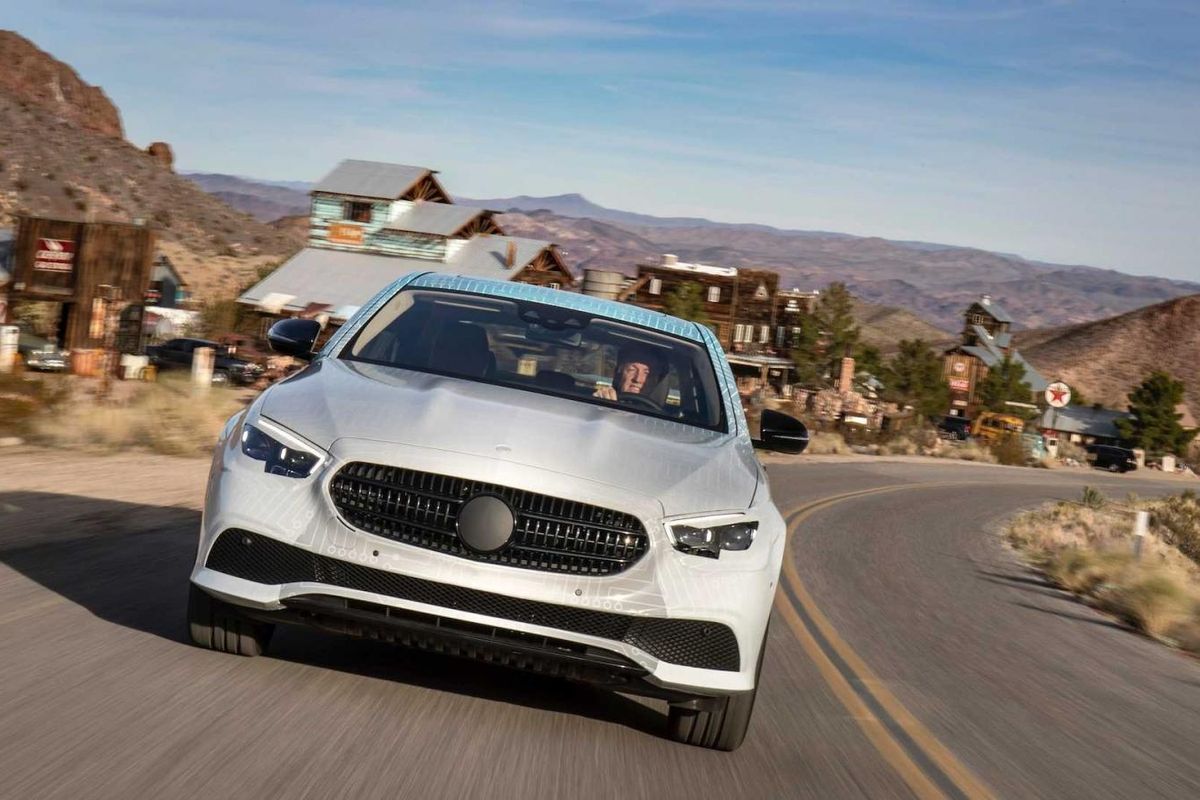
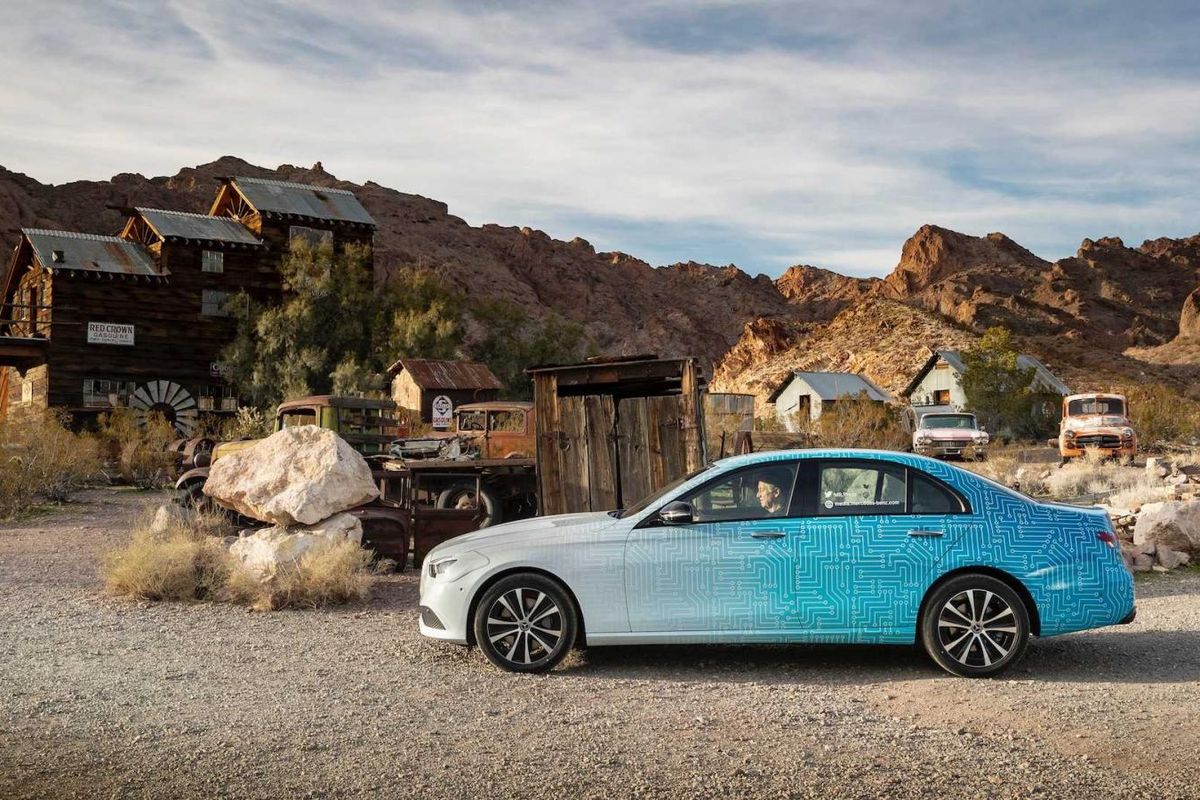
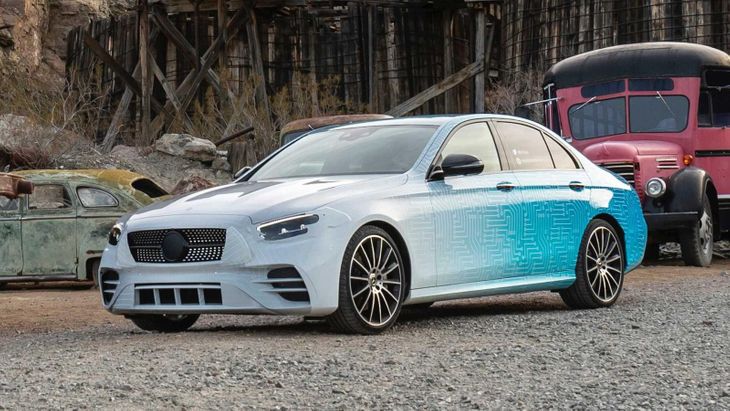
Mercedes-Benz has offered the world's media a foretaste of its facelifted E-Class executive sedan, which is expected to debut at the upcoming Geneva Show. The upgrade to its electrical system is said to be “more advanced than the S-Class in certain areas.”

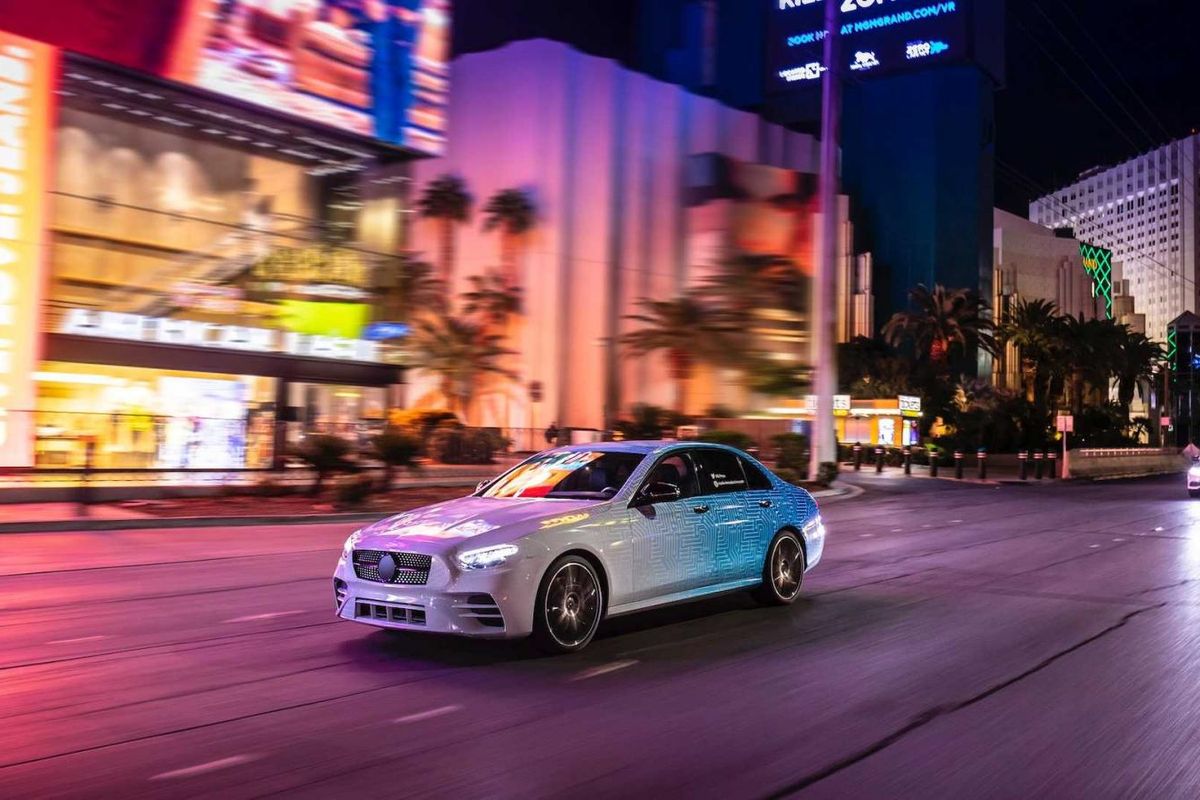
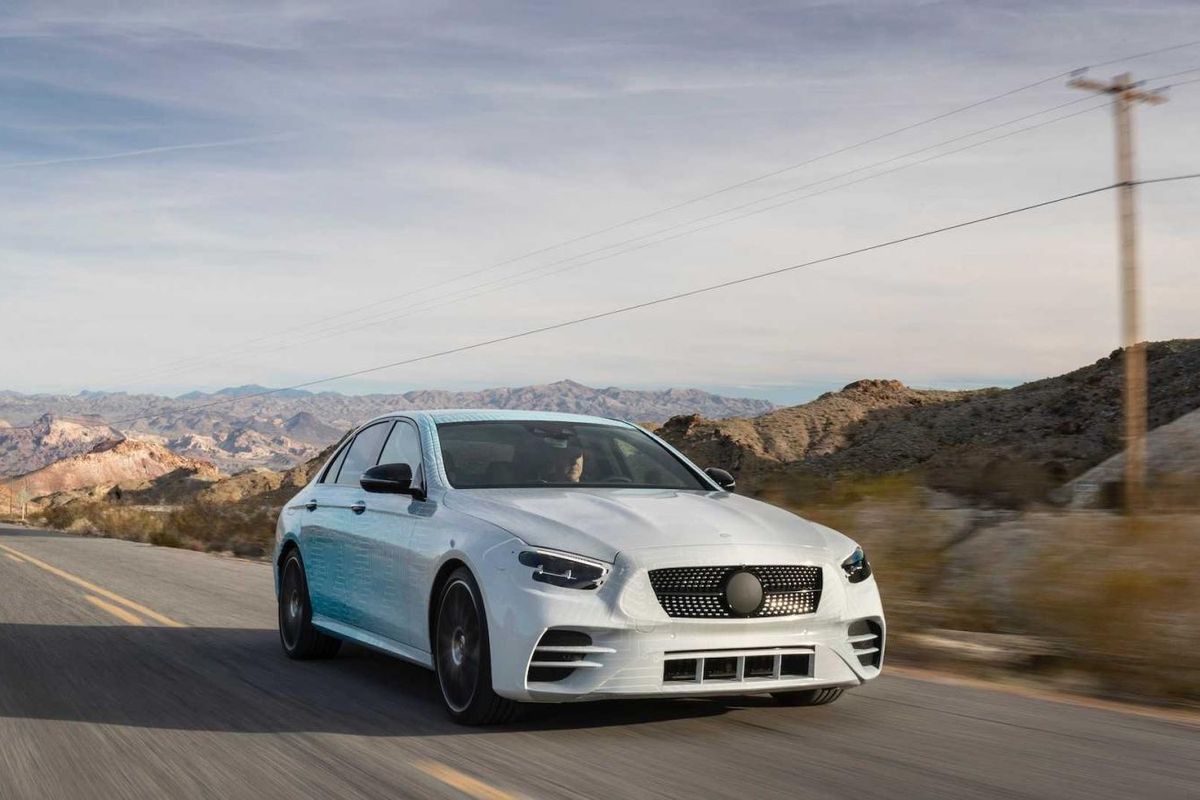
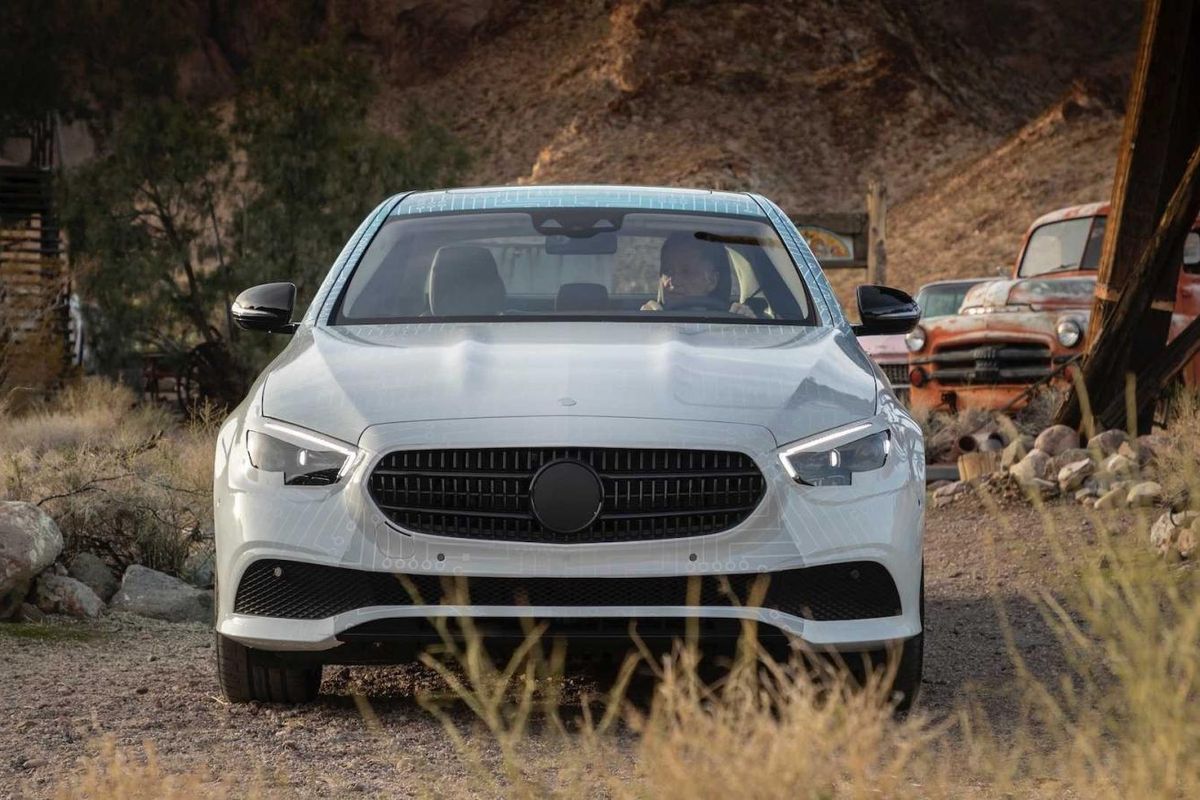
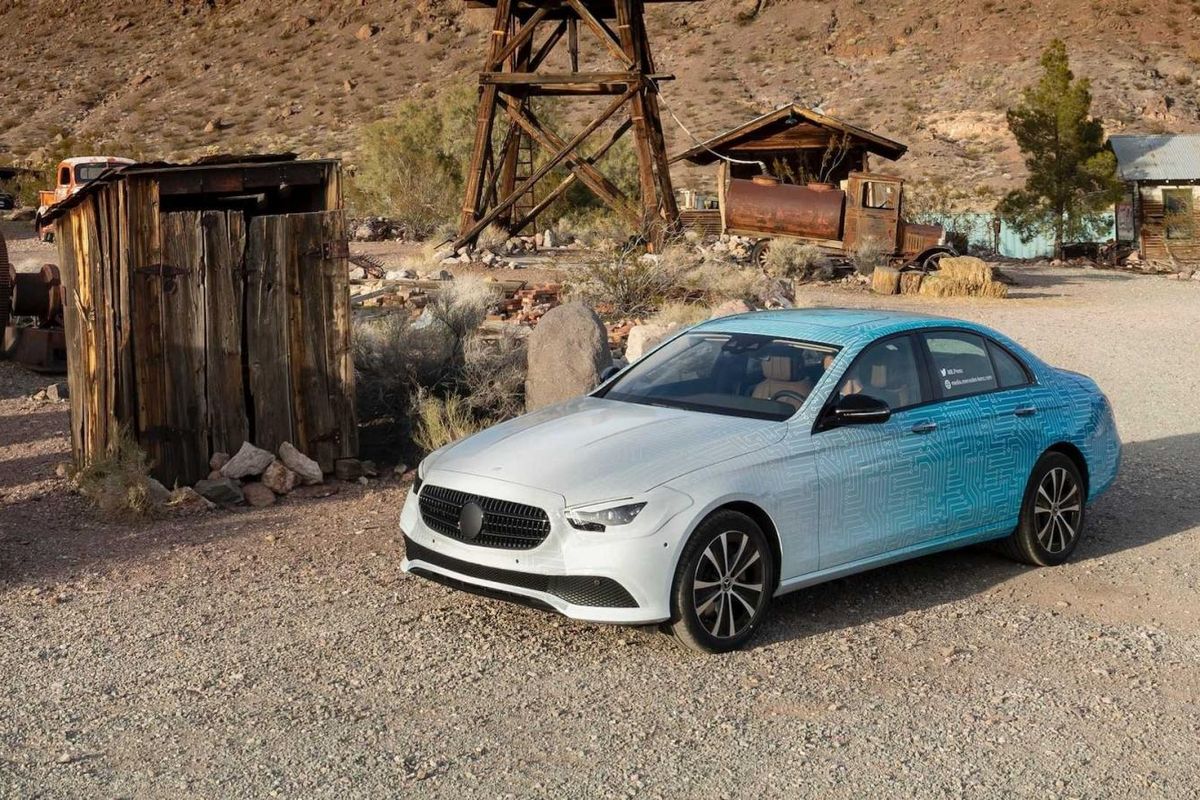
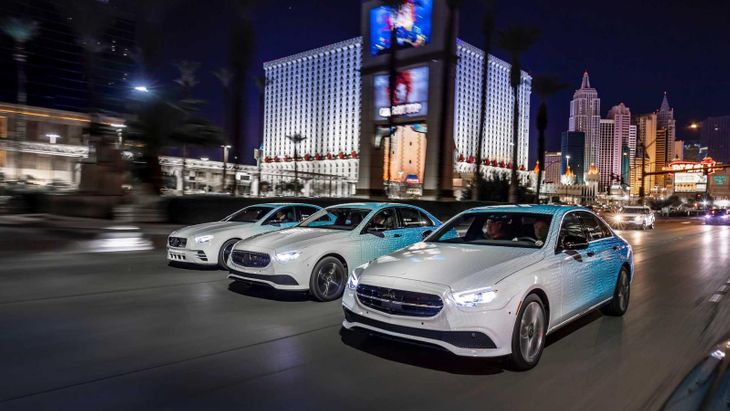
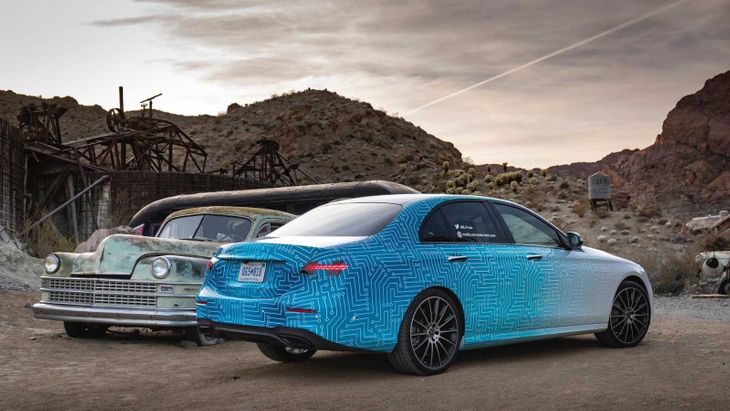
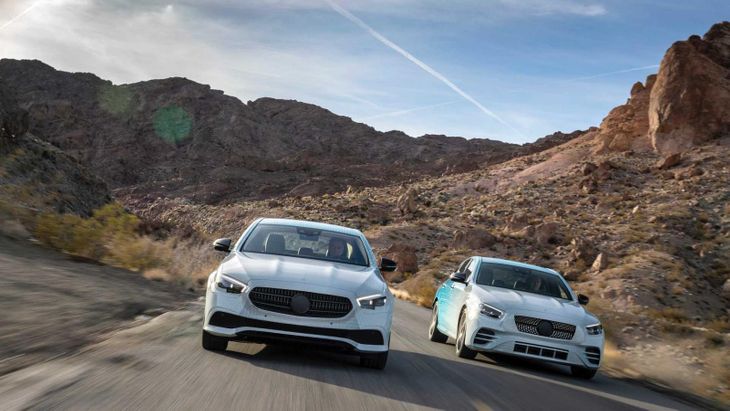
Because vehicle manufacturers have to compete against one another for notable press exposure during international motor shows, many marques have chosen to avoid the traditional media melee and opted to “leak” official details days or weeks before the event (heck, some have even released complete press kits). So, in the lead-up to its product’s full unveiling in Geneva, Mercedes-Benz has showcased thinly-disguised examples of its revamped E-Class to the media in Nevada, USA.


The thinly-disguised facelifted E-Classes cruise down the famous Las Vegas strip.

“It might not look like it, but it’s one of the most comprehensive facelifts we’ve ever undertaken,” Mercedes-Benz’s Head of E-Class Development Michael Kelz told autocar.co.uk, “(The significant) upgrade to the electrical system (has allowed) us to add a number of new intelligent driver assistance systems. (As a result, the E-Class is) now more advanced than the S-Class (first-class saloon) in certain areas.”

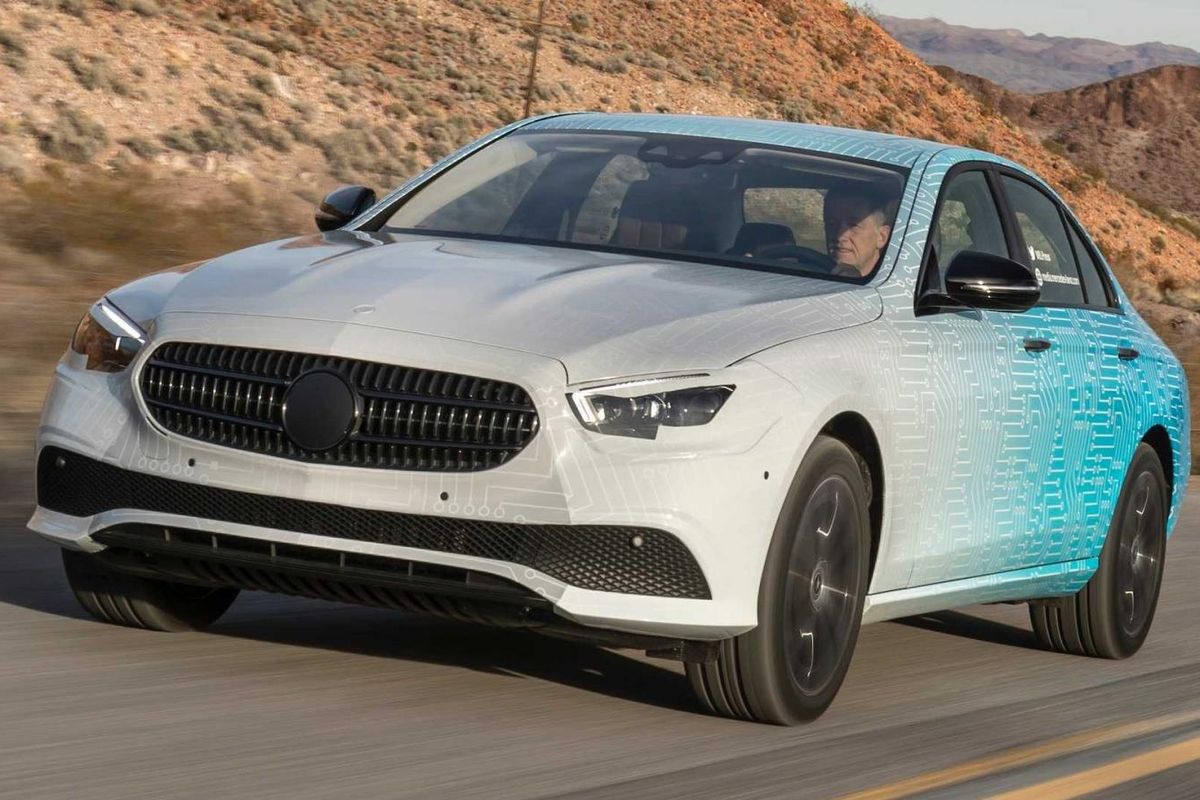
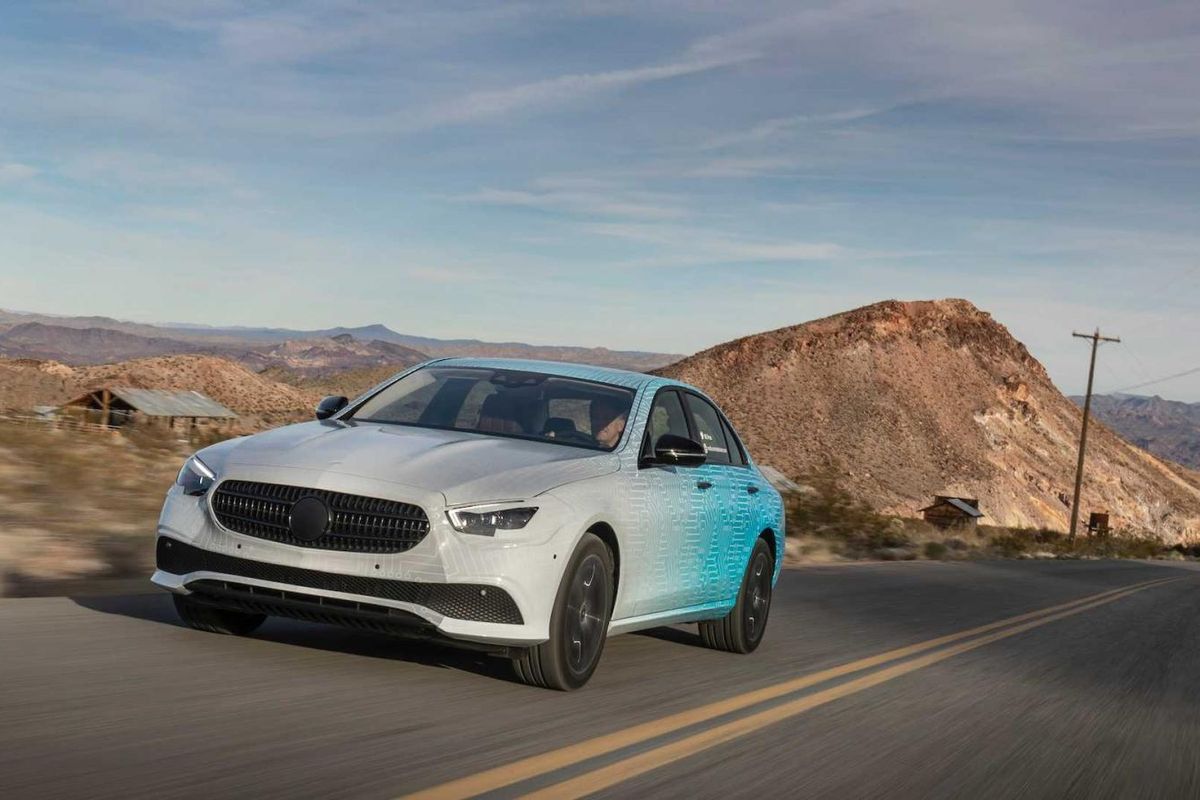
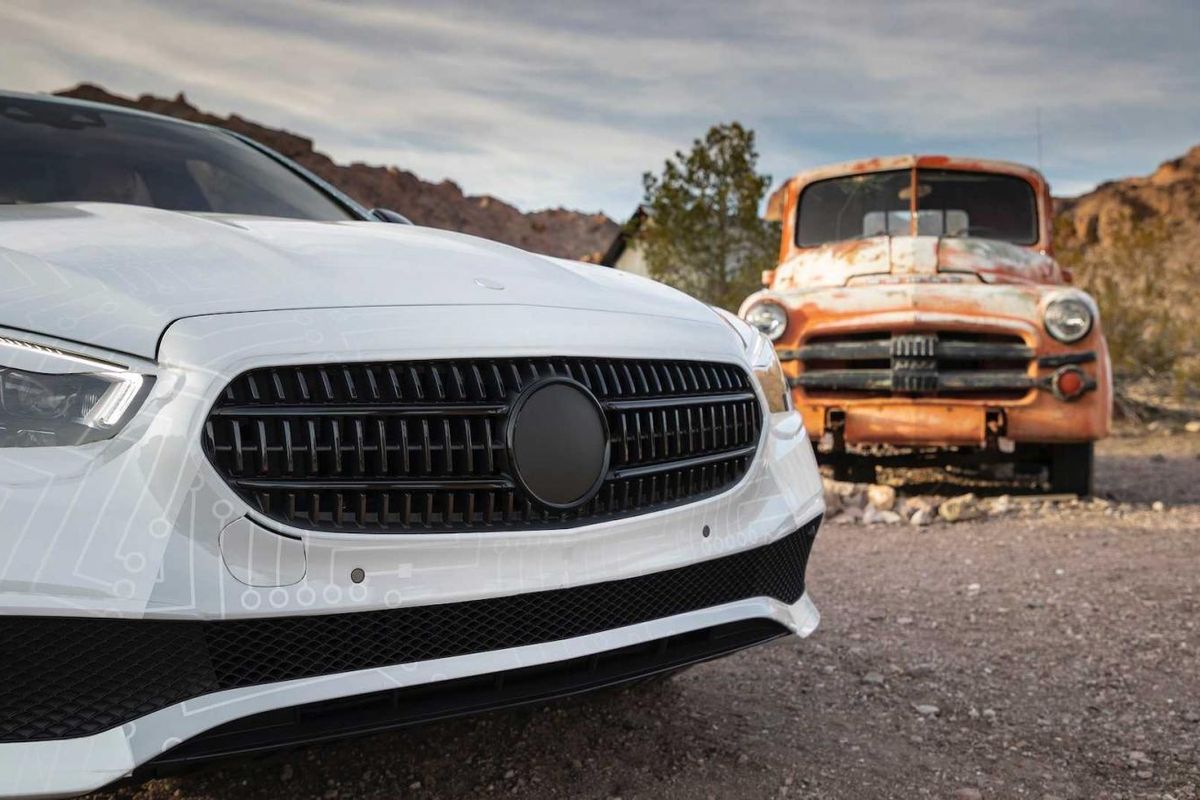
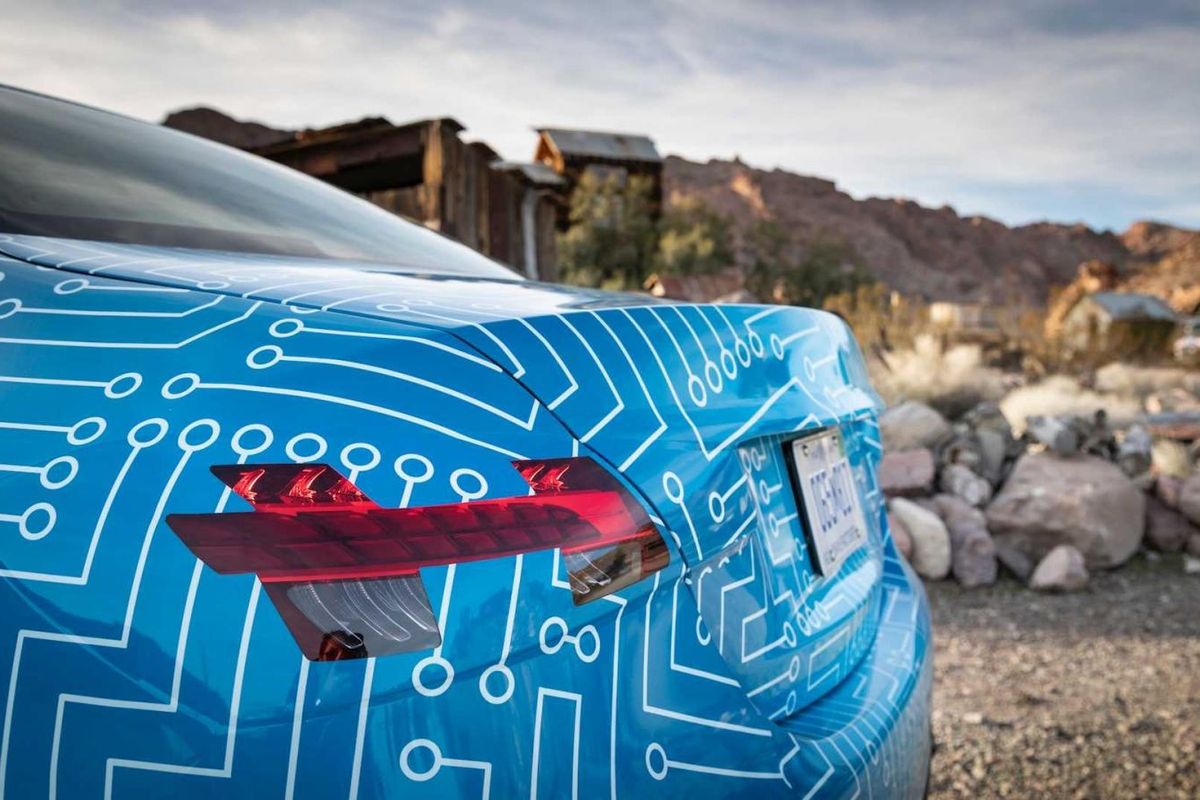
The W213-generation Mercedes-Benz E-Class sedan debuted in the South African market in 2016 and won the executive sedan category of the Cars.co.za Consumer Awards – powered by WesBank – in 2018 as well as 2019. We expect the newcomer to arrive in the local market well into the 2nd half of 2020; the updated E-Class will be distinguishable by its wider grille, redesigned bumpers and boot lid. The Avantgarde trim line will be standard, with the Executive- and AMG- lines optional.


The elaborate air intakes and daimond grille indicate this pre-production derivative has a sportier AMG-line trim. 

Inside, the revised E-Class features a new multi-function steering wheel, a frameless rear-view mirror, updated trims and materials, a touchpad infotainment controller (which replaces the current car’s rotary controller) as well as a pair of 10.3-inch infotainment and instrumentation screens that can be upgraded to 12.3-inch units.

The W213’s aforementioned new electrical system first makes its presence felt through the addition of the now-familiar Mercedes-Benz User Experience (MBUX) interface with "Hey Mercedes" voice control and augmented reality (information such as house numbers are shown virtually in the video image of the surroundings on the media display), combined with Interior Assist (which allows intuitive, natural operation of different comfort and MBUX functions by movement recognition).


You can notice the revamped E-Class' reprofiled bumper and boot-lid treatment in this image.

Other new features include Energising Comfort Control and -Coach (the individual fitness recommendations are based on an intelligent algorithm), Energising seat kinetics and Power Nap (in conjunction with 48V system or plug-in hybrids), an air-quality indicator and Mercedes-Benz Urban Guard (all-around surveillance of the parked vehicle with collision damage-, tow-away protection- and anti-theft warnings, tracking function in case of theft and the owner's ability to deactivate the vehicle key by smartphone as a preventive measure if the key is lost or stolen, Mercedes says.

Other benefits of the revised E-Class’ new electrical system include the introduction of new Mercedes-Benz Intelligent Drive functions such as:

  • Active Distance Assist Distronic with route-based speed adjustment: with the help of information from LiveTraffic, the E-Class can recognise and respond to traffic jams and slow-moving traffic even before the driver becomes aware of them. When a traffic jam is detected (and if the driver does not choose a different response), Distronic (if activated) will reduce the car’s speed to around 100 kph as a precaution.
  • Active Traffic Jam Assist: in the event of a freeway traffic jam (where there are clear lane markings), the system can substantially assist the driver with lane-keeping and maintaining a safe distance at speeds up to around 60 kph.
  • Active Steering Assist: can assist the driver with steering into an emergency lane on multi-lane roads.
  • Active Brake Assist with cross-traffic function: if there is a danger of a collision with “oncoming traffic when making a turn across a freeway, the E-Class can apply braking at the speeds typical of such manoeuvres”, Mercedes-Benz claims.
  • Active Blind-spot Assist with exit warning: this function can lower the risk of a collision with other road users, for example passing cyclists. Active Blind Spot Assist also monitors the blind spot when at a standstill, and can warn the driver of approaching vehicles, motorcycles or bicycles when opening the door.
  • Parking Package with 360-degree camera: Side View gives the Parking package a new function that keeps an eye on the entire side of the vehicle. The extended side view makes it easier to manoeuvre alongside nearby, parallel obstacles.


Both the new 4- and 6-cylinder turbopetrol engines feature 48-V electrical systems and integrated starter motors.

On the engine front, Mercedes-Benz has introduced a pair of inline turbopetrol engines with 48-V electrical systems and integrated starter motors that provide them with mild-hybrid properties. The longitudinally-mounted 2.0-litre 4-cylinder (M254) engine, which will also find its way into a host of other Mercedes-Benz models, produces peak power of 200 kW and the 3.0-litre 6-pot 270 kW, each of which are supplemented by 15.7 kW from an electric motor, autocar.co.uk reports.

We’ll bring you more details on the facelifted E-Class’ arrival date in the South African market and local specifications as soon as they become available.

Related content:

Mercedes-AMG E53 4Matic+ (2019) Specs & Price

Lexus ES 300h SE (2019) Review
BMW 540i M Sport (2017) Review [with Video]
Volvo S90 T6 R-Design (2017) Quick Review
Cruise Origin Shows Public Transport Future

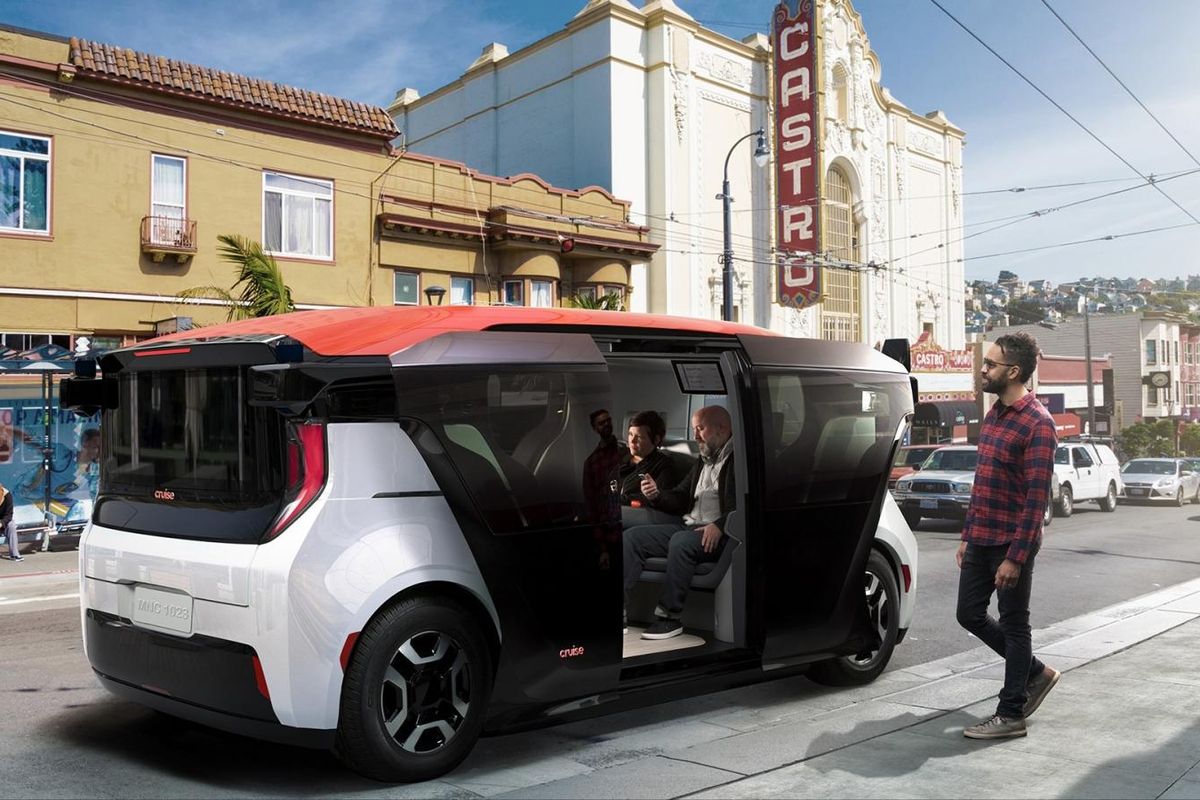
Self-driving car company, Cruise, has revealed its new fully autonomous Origin shuttle which makes a compelling case for the future of public transport. 

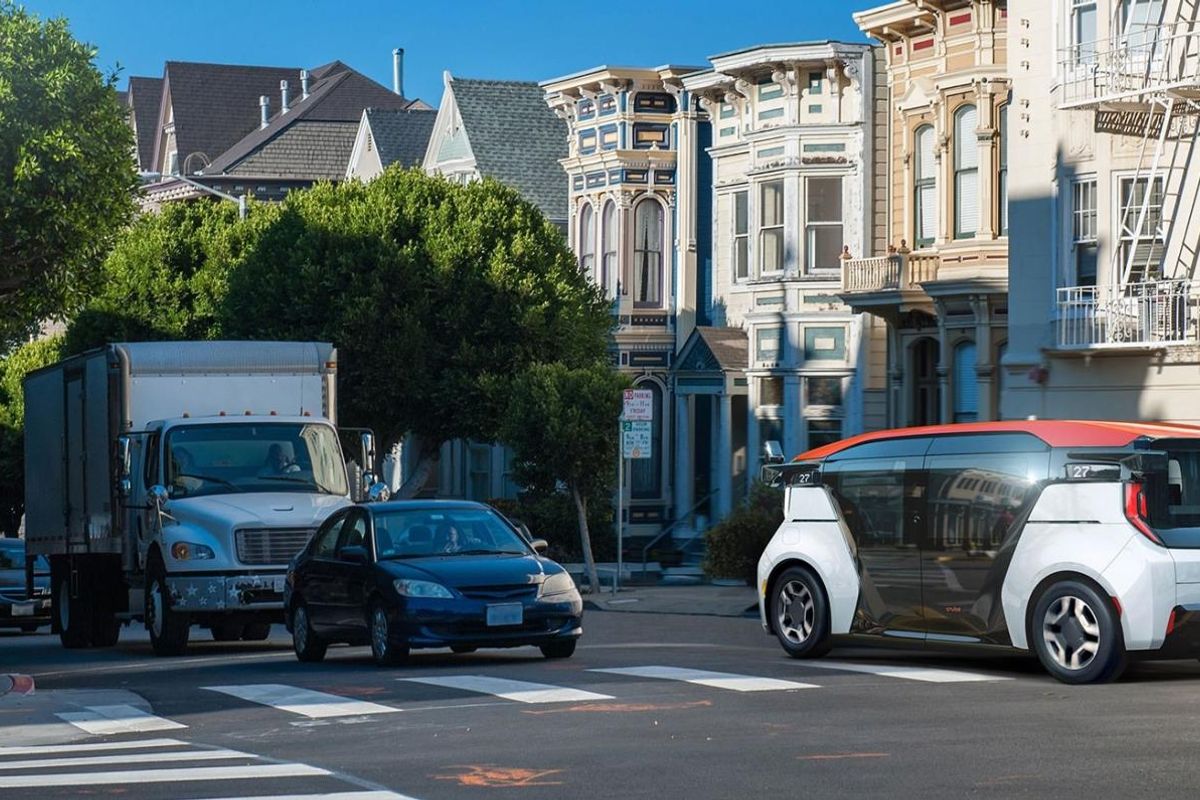
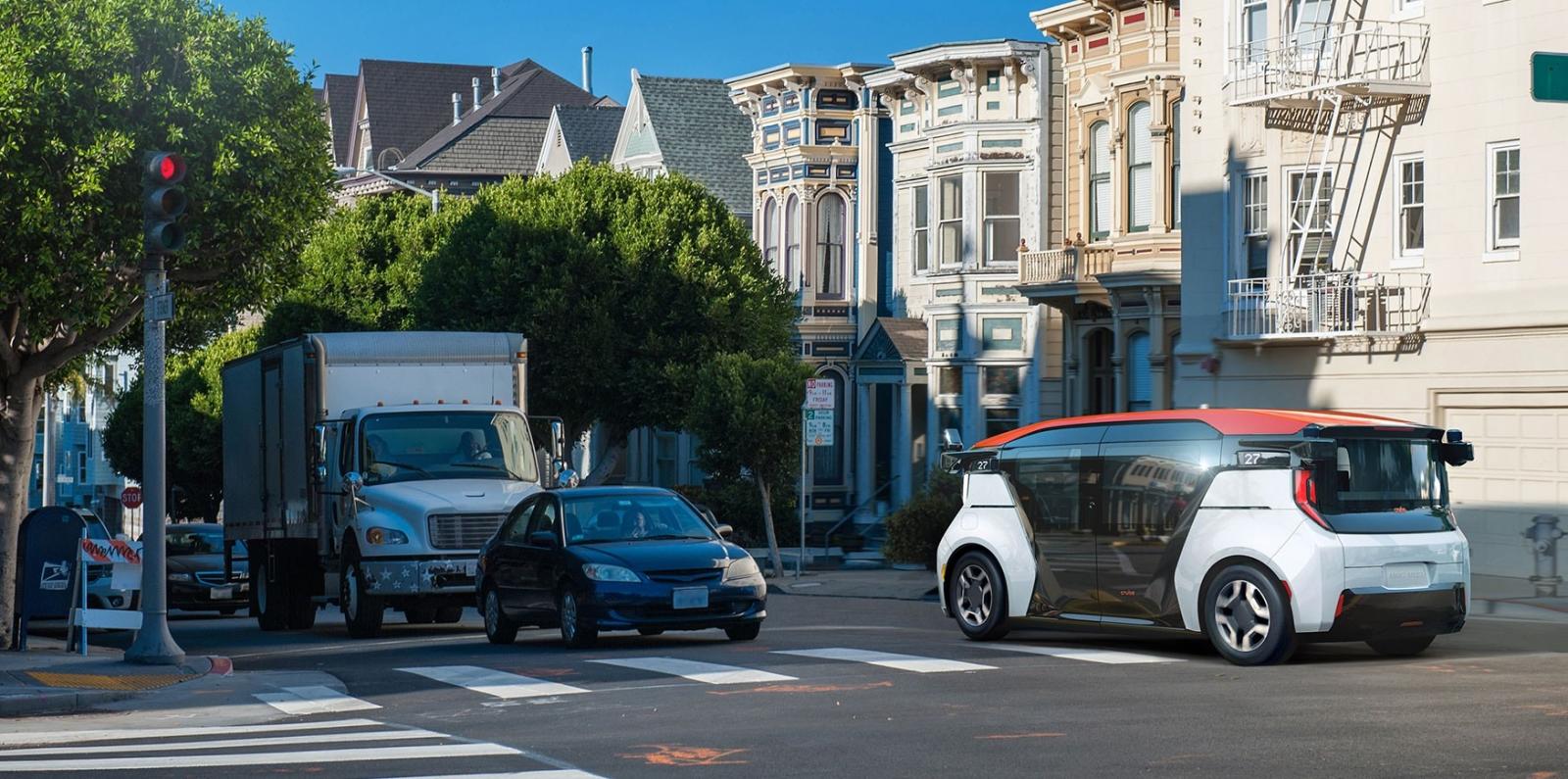
Cruise, an autonomous technology company based in San Francisco, California, has revealed the Origin, an electric, driverless vehicle that the company intends deploying for a scalable ride-sharing service. 

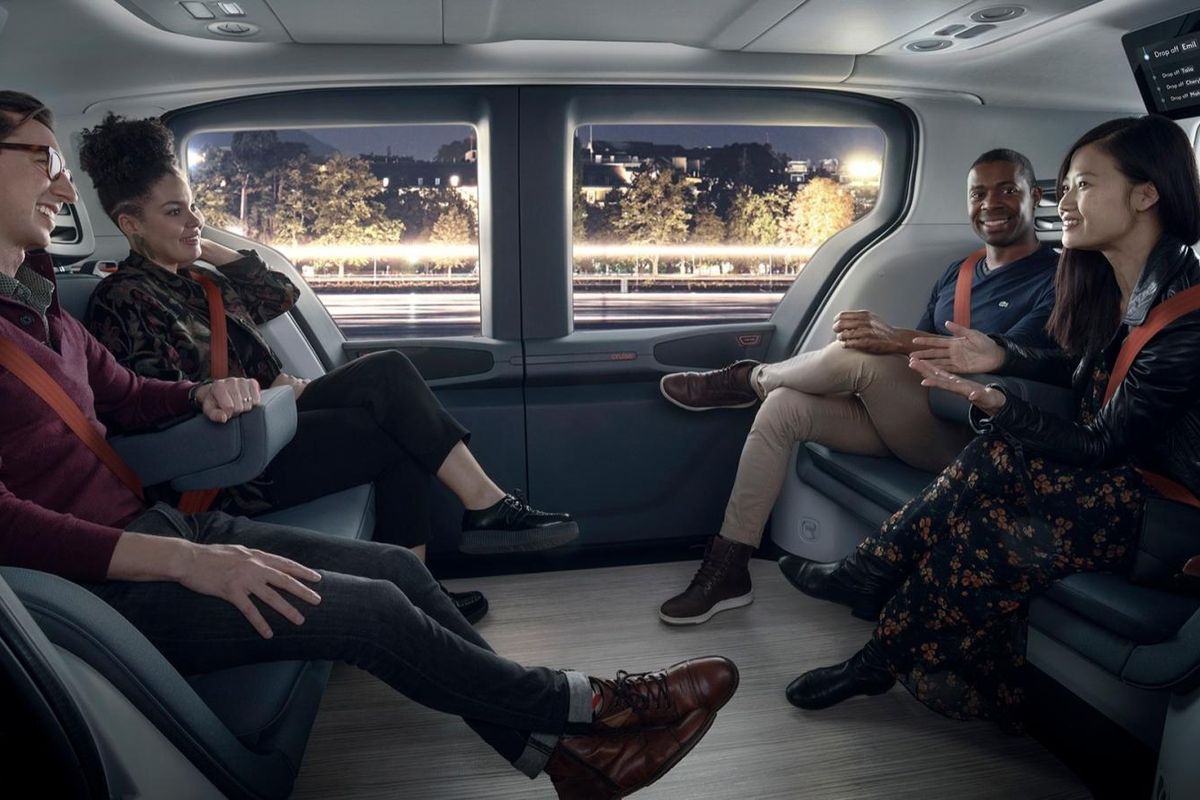
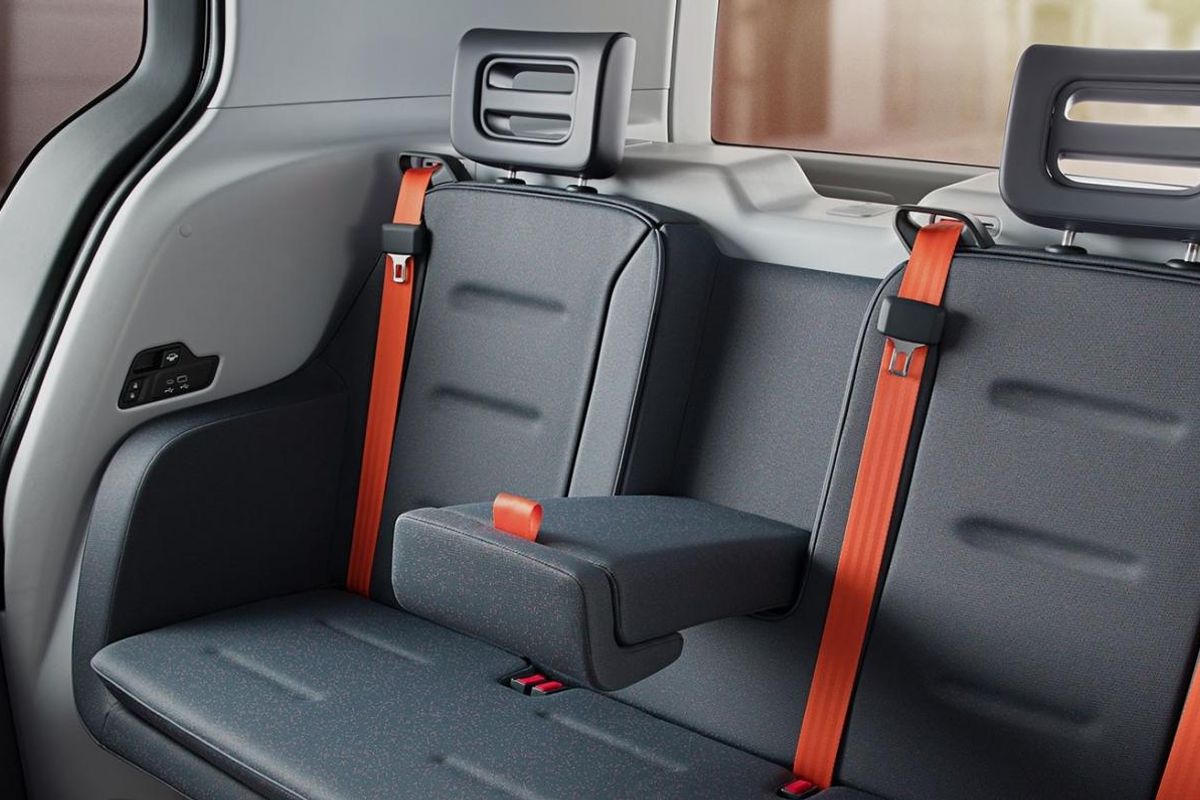
This might look like a concept, but it’s not. It’s actually production-ready and traditional driving instruments such as a steering wheel, pedals and instrument cluster don’t feature, which creates more space to accommodate passengers. Passengers face each other inside the origin and each person has access to their own USB ports to charge devices. Mounted screens are also fitted to provide ride information. Access to Origin is gained via sliding doors as opposed to outward opening doors. 

Cruise CEO, Dan Ammann, said  “We’ve been just as obsessed with making the Origin experience as inexpensive as possible. Because if we’re really serious about improving life, and our cities, we need huge numbers of people to use the Cruise origin. And that won’t happen unless we deliver on a very simple proposition, a better experience at a lower price than what you pay to get around today.”

The Origin is designed to operate for over 1.6-million km and is modular and upgradeable which means individual components can be easily replaced. Since Cruise specialises in autonomous technology, the Origin is equipped with a multi-layered sensor system that makes use of radars and cameras that are able to track people and objects in a way that creates a safe and reliable autonomous public transport solution.


Is this what the future of public transport looks like?  

Details regarding the electric powertrain are unknown at this point but parent company General Motors (GM) is expected to produce the Origin on its electric vehicle platform. 

However, as it stands, it might take some time before the Origin is put to work in cities as it reportedly doesn’t yet meet Federal Motor Vehicle Safety Standards (FMVSS) which are U.S. federal regulations that dictate design, construction, performance, and durability requirements for motor vehicles and regulate automobile safety-related components, systems, and design features. 

We will keep you updated as soon as more details become available.


Haval H2 (2020) Specs & Price

Haval has launched a facelifted H2 compact family car in South Africa. Herewith specification and pricing details…

Since its arrival on local soil back in 2017, Chinese SUV brand has experienced notable success in the local market and over 7 235 H2s have been sold to date. Now, a facelifted H2 will look to carry that success forward into 2020 and beyond.  

What’s changed? 


A panoramic sunroof is now offered and connectivity has improved with the addition of Apple CarPlay. 

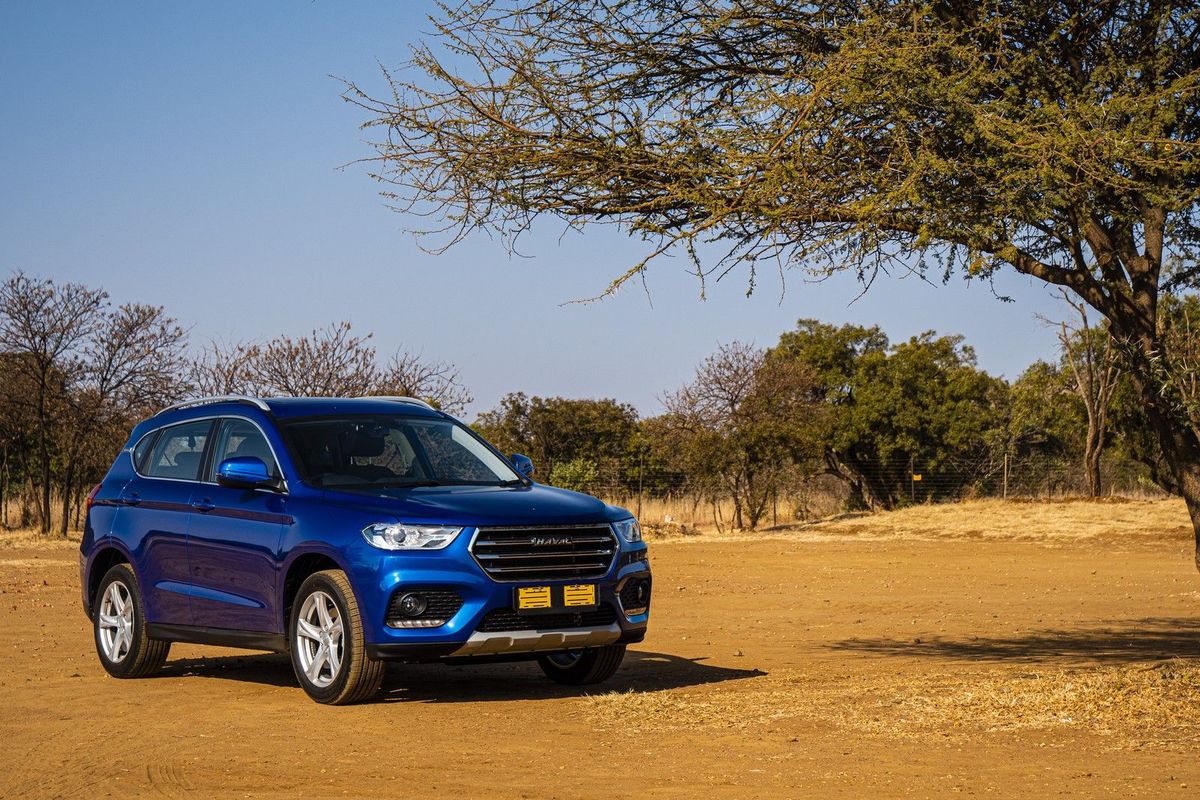
The latest H2 gains a revised grille, new Arrow headlights, foglights and revised lower bumper. Newly-designed 18-inch wheels and a panoramic sunroof are also notable additions. At the rear, the H2 benefits from a new splitter plate and larger exhaust tips. There’s also additional protective cladding at the rear with a redesigned bumper while the rear taillights now feature a new hexagon shape. The facelifted H2 is further distinguished by a chrome strip seen across the boot lid. 

On the inside, the H2 gains Apple CarPlay functionality while Bluetooth and cruise control is standard across the range. Mounted steering wheel controls, including audio, Bluetooth and cruise control, is standard. The H2 is now equipped with 6 airbags as standard as well as ABS with EBD, brake assist and electronic stability control. Rear park distance control with a rear camera as well as a Tyre Pressure Monitoring System is also standard.

Customers can choose between the entry-level City grade or the high-spec Luxury grade. 

Look at specification details for the Haval H2 here! 

Engine Power 

The H2’s 1.5-litre turbopetrol engine offers 105 kW and 202 Nm of torque and can be had with either a 6-speed manual or 6-speed automatic transmission. Fuel consumption is claimed at 8.2 and 9.0 L/100km respectively. 

Haval H2 – Price in South Africa 

H2 City 6MT – R269 900

H2 Luxury 6MT – R294 900

H2 City 6AT – R304 900 

H2 Luxury 6AT – R329 900

The Haval H2 is sold with a 5-year/100 000km warranty, 5-year/60 000 km service plan and 5-year/unlimited km Roadside Assitance

Buy a Haval H2 on Cars.co.za

Related Content 

Haval H2 facelift (2020) Specs

Haval H2 1.5T Luxury Auto (2017) Video Review
Haval H2 1.5T Luxury Auto (2017) Review [with Video]
2020 Volkswagen Golf R Outputs Confirmed

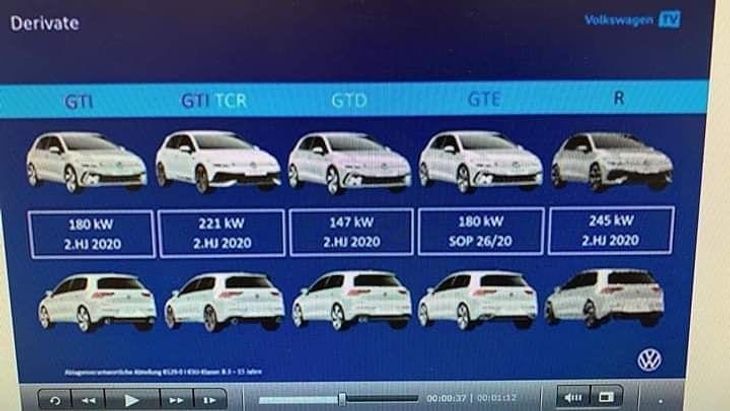
The outputs of the performance versions of the Volkswagen Golf 8 have been leaked. 245 kW Golf R? Yes please!

The leaks just keep on coming. We've just seen a leaked shot of the new Volkswagen Golf 8 GTI thanks to Instagram user Wilcoblock, now it appears that a screenshot of a product strategy document has been posted by Cochespias

As for the outputs, the document below shows that there'll be substantial power upgrades across the board. The Volkswagen Golf 8 GTI will boast 180 kW from a 2.0-litre turbocharged 4-cylinder motor. Power goes to the front wheels via either the acclaimed DSG or a manual gearbox. Our love for the fast-shifting dual-clutch transmission means, it's highly unlikely we'll get the manual 'box. 


A post shared by CocheSpias (@cochespias) on

Now here's where things get exciting. The document gave us the outputs of the Volkswagen Golf 8 TCR, which will come to market with 221 kW from a 2.0-litre turbocharged 4-cylinder engine. Finally, the mighty Volkswagen Golf 8 R will feature 245 kW from a 2.0-litre turbocharged 4-cylinder. Power will be sent to all 4 wheels and given this much power, it would not surprise us to see it hurtle to 100 kph in under 4.5 seconds.

These outputs bring the new Volkswagen Golf 8 GTI and R closer its rivals like the soon-to-be-launched Hyundai i30 N (202 kW) and venerable Renault Megane RS280 (205 kW), while the Golf R will be more than a match for the fresh duo of the Mercedes-AMG A35 and BMW M135i xDrive. Let the battle commence!

Further Reading

Volkswagen Golf 8 – 3 Things You Need to Know

Volkswagen Golf 8 (2020) International Launch Review
2020 Volkswagen Golf 8 Officially Revealed

Volkswagen Golf 8 (2020) SA Launch Details [w/Video]