Lowering Speed Limits ‘not a Magic Bullet’

It’s said that the UK government introduced its first speed limit because a man named Jack Sears drove an AC Cobra coupe at 185 mph on the M1 highway. Back in 1964, that was perfectly legal. By December 22, 1965, however, the speed limit on the M1 was legally declared 70 mph. Speed limits are necessary, but there is a limit to what be can achieved by lowering them…

Across the pond in the United States, the reasons to institute speed restrictions seemed more sensible; the American legislators used a multitude of factors to eventually formulate its limits. One of those factors was something called the 85-percentile rule, which was based on the actual speed travelled by most road users on a given road, depending on the conditions. This theory accounts for the average speed, as well as the difference in speed between road users. It was also established that the optimal speed for reasonable fuel consumption was 55 mph (88.5 kph) and that’s how the US also got speed restrictions.

Back home, the South African National Road Traffic Act of 1989 ensured that our roads were kept safe by limiting speeds to 60, 100 or 120, depending on road location and conditions and now, 30 years later, the South African government is looking to reduce the speed limit by 20 kph across the board. Suffice to say it has had countless motorists up in arms… 

Upon reading the article, I could barely stop my knee from jerking in sympathy. As I scrolled through the comments I found myself agreeing with most of the sentiments; it smacked of a state-sanctioned money grab (through officious speed-fining), or simply an over-correction in response to South Africa’s frankly unacceptable road-accident figures. Is this just another poorly-planned and -executed plaster applied to a gaping wound, as blood continues to be spilt on our roads… OR is the government unintentionally hitting the nail on the head?

Look, change IS needed
A look at the stats provided by Transport Minister Blade Nzimande shows that 1 612 people died on South African roads between 1 December 2018 and 8 January 2019. Now I know we’ve all read these stats many times and have become numb to them but imagine that: more 1 500 people died over the 2018 holidays; they’re lost to their friends and families.

Unlike our other recent successes on the world stage, this is nothing to be proud of. These figures put us 159th out of 175 countries when it comes to total road deaths. Something has to be done and, understandably, the government has to be seen to be doing something. Certainly, the need to enforce lower speed limits on residential, rural areas and accident hot spots is something we can all agree on. But, that’s not all that our government has planned.

Are stricter rules really the answer?

South Africa has a diverse mixture of languages and cultures and its road network is equally kaleidoscopic: We have bustling cities, split by long winding highways. National roads that pass through rural villages and major centres, all within a few hundred kilometres of each other. It's not uncommon to see farm animals on our roads and pedestrians crossing busy highways. Many of these conditions exist out of necessity, we are still, after all, a developing country. Our current road network is multi-faceted and, to be blunt, almost unmanageable. 

And now, the government is trying to “manage” it even more.

'90% of road deaths occur because of driver error.'
According to the report, we can expect more roadblocks, a clampdown on bribery (which is a good thing) and, as the article suggests, lower speed limits.  In the same report, it is stated that in excess of 4 000 vehicles were impounded. An impressive stat, but with only 5% of road deaths caused by vehicle failure, is this where we should be focusing our attention?

According to the report, 90% of road deaths occur because of driver error. Errors made by the driver… “It’s an open and shut case”, I hear you say. 

We’ve all seen horrifying instances of vehicles overtaking slower traffic on blind rises and other flagrant flouting of rules, sometimes with potentially dire outcomes. Driving under the influence of alcohol, and of course, the world’s latest vice, texting and driving, is rampant.

These infringements are committed by young and old, private and taxi- or bus drivers alike. When comparing our statistics with countries with much lower road death figures, driver attitude, behaviour and respect for the rules of the road seem to be major key differences.   

The autobahnen of Germany is a good example. Some sections of the Teutonic road network are indeed de-restricted, but then German drivers are usually fastidious about which lane to use (whether they’re cruising or in a hurry) and minimum speed limits are usually adhered to as to lower the speed differential between fast and slow-travelling vehicles. With 1.6 deaths per billion travel-kilometres, It remains one of the safest road networks in the world.

And it could be worse.

Studies have shown when speed limits are lowered, it could lead to more congestion, more road rage and increases in “speed differential”. Which, unlike speed itself, is the real killer. A study done by the US Department of Transport found lower speed limits don’t necessarily reduce accidents, but does significantly increase the number of speeding fines issued… 

It’s called the “Wild West” for a reason

In cowboy movies (Westerns), the premise is either that law enforcement is lacking, slack or missing completely.  Characters seemingly gun each other down at will and ride their horses as fast as they dare. Unless there’s a new sheriff in town, stricter rules simply don’t work.

Given our infrastructure, there will certainly be a reduction in road deaths if the speed limits are lowered, especially in rural and residential areas. But that’s like saying that you lessen blood loss by putting a bandage on a gunshot wound. Yes, but you don’t stop the bleeding. 

As road users on one of the most dangerous road networks in the world, we’ve had to accept that there is a chance of sustaining injuries when travelling at anything faster than walking speed. And I’m sure, just like me, you too may or may not have been part of the problem at least once. The road users on our road network need education and training, more effective policing and an efficient infrastructure… Not drive slowly for slowly’s sake.

There are ways to minimise “driver error”, but lowering speed limits isn’t one of them.

Related content:

Will Speed Limiters Really Arrive by 2022?

Understanding the Nissan NP300 Zero-Star Crash Test

Infotainment Systems: As Distracting as your Smartphone?
10 Things You Should Do When You're Hijacked

Know Your Roadblock Rights

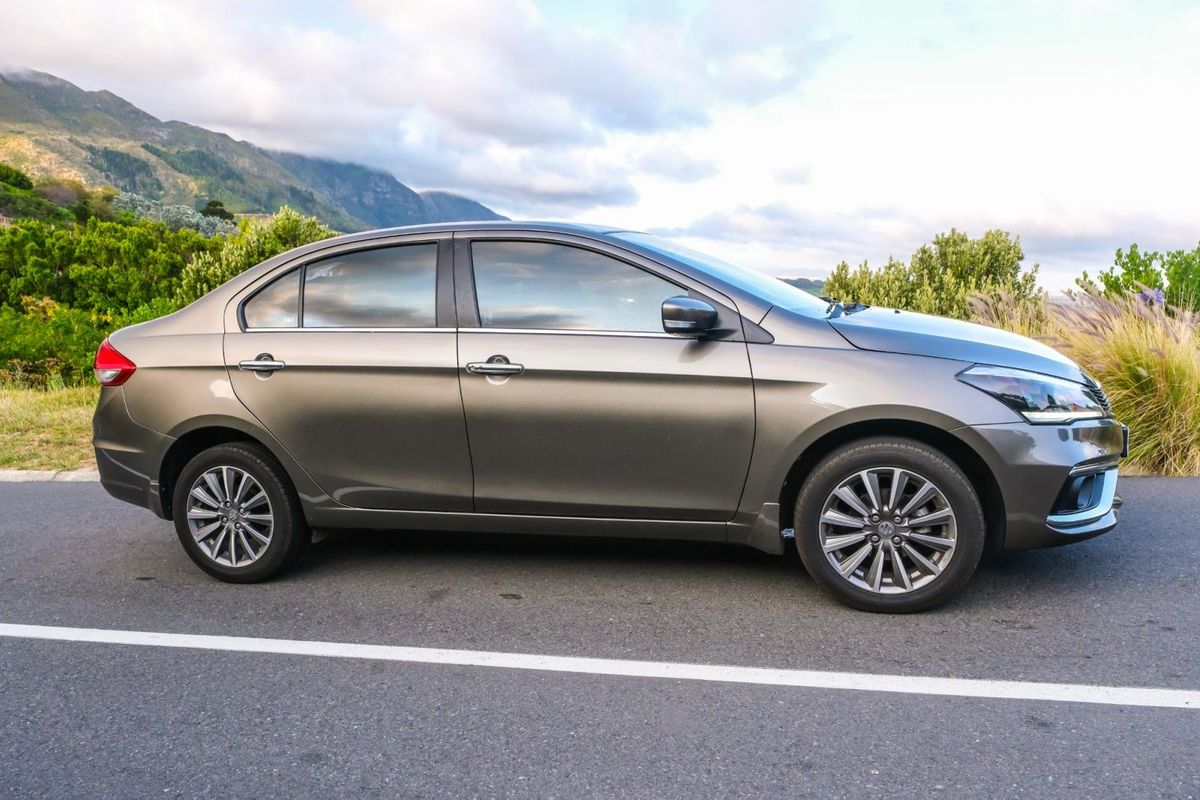
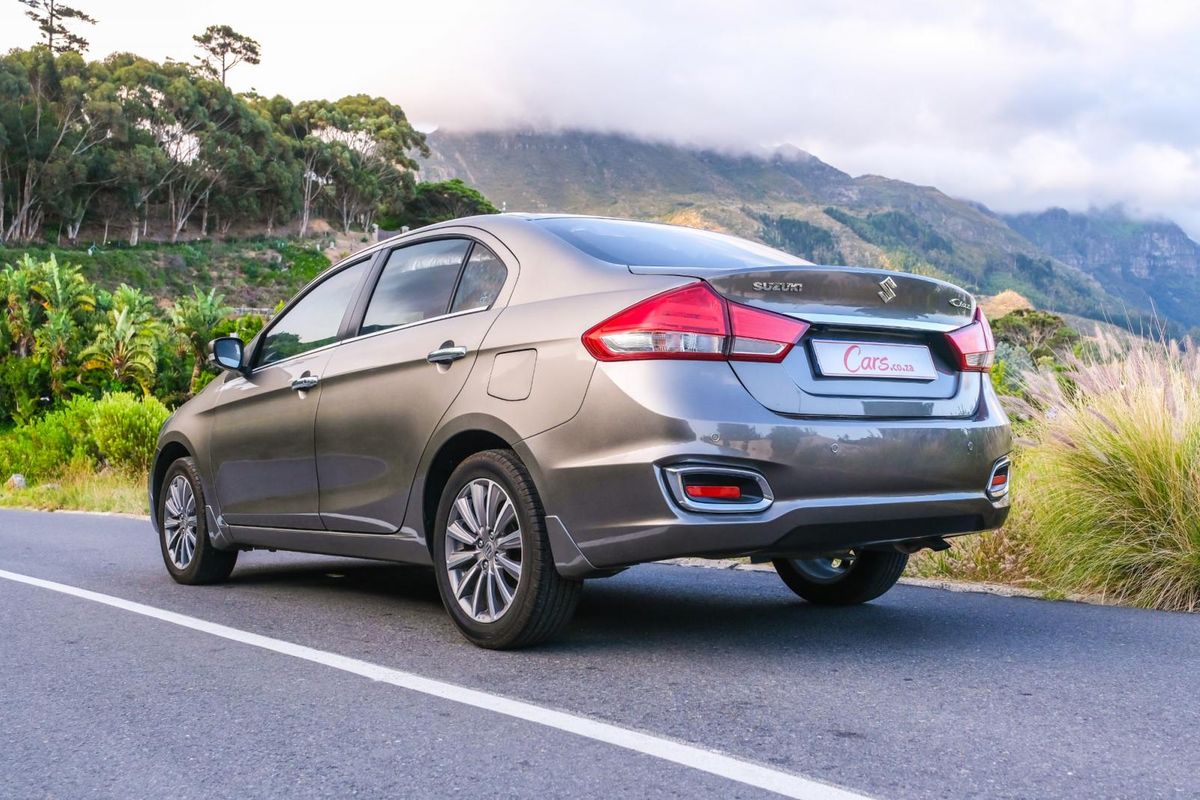
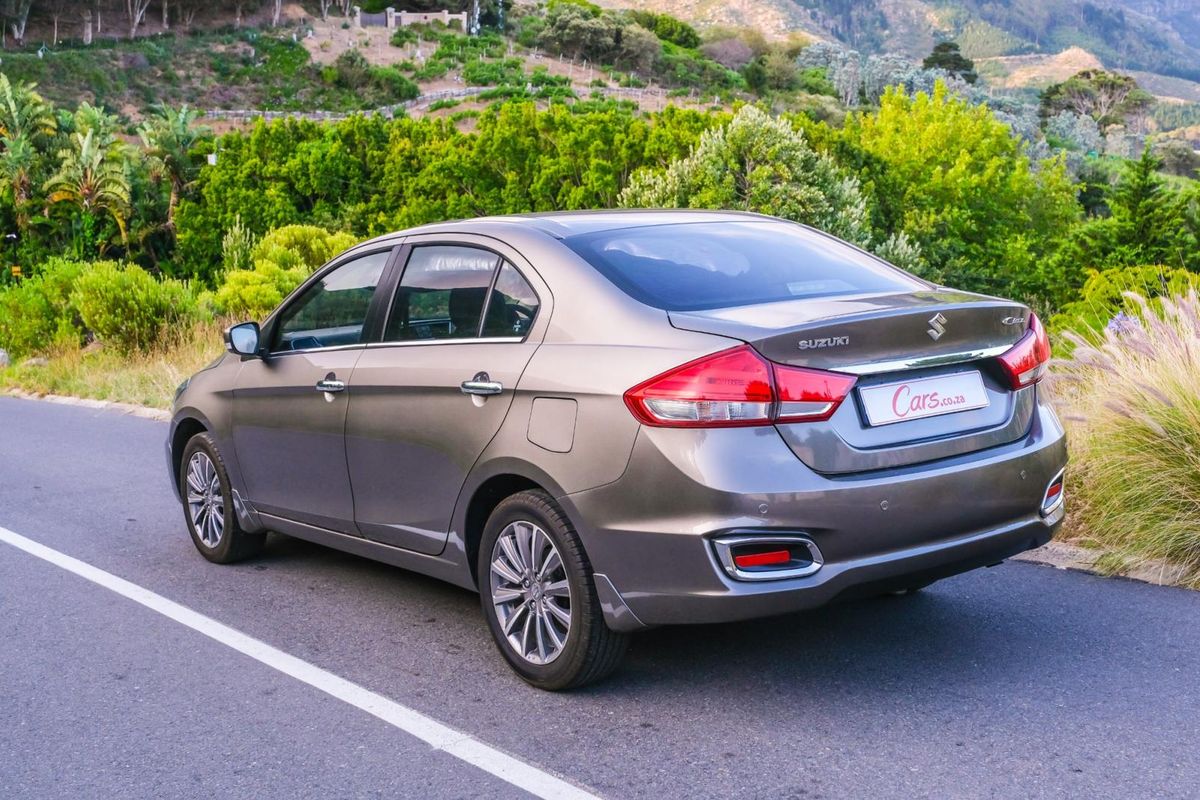
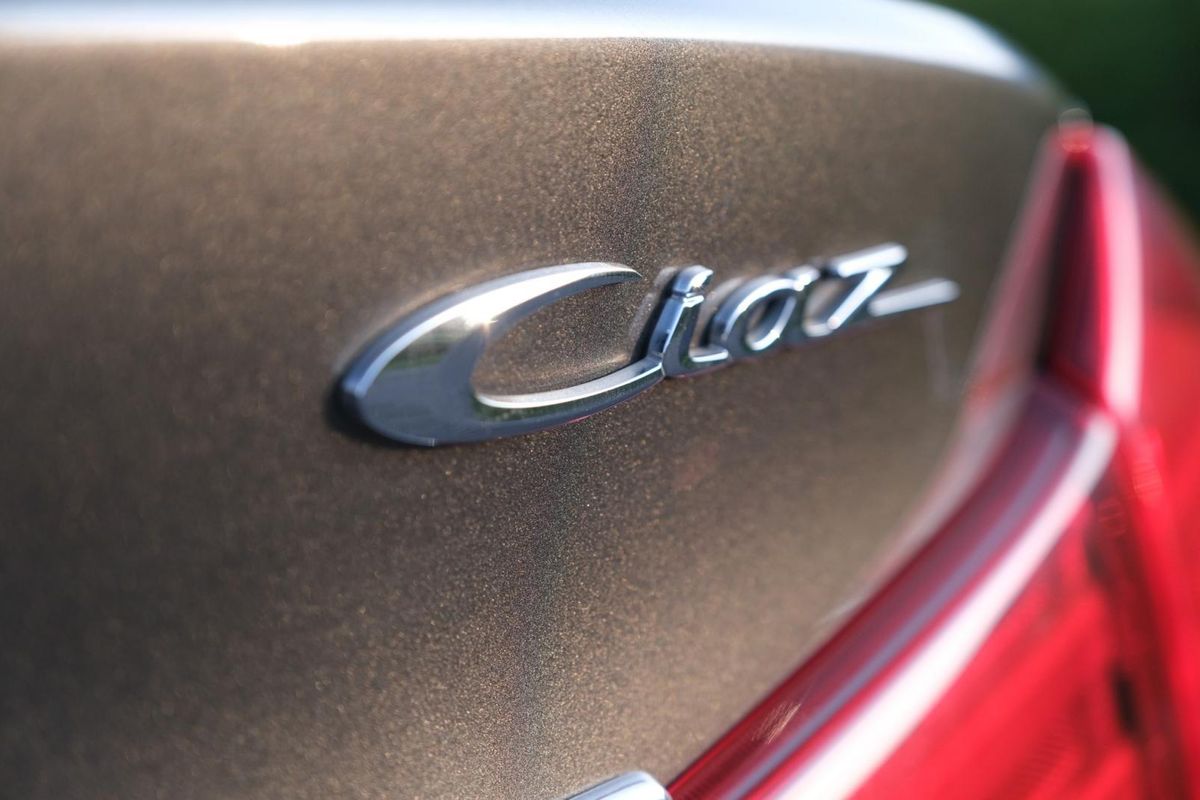
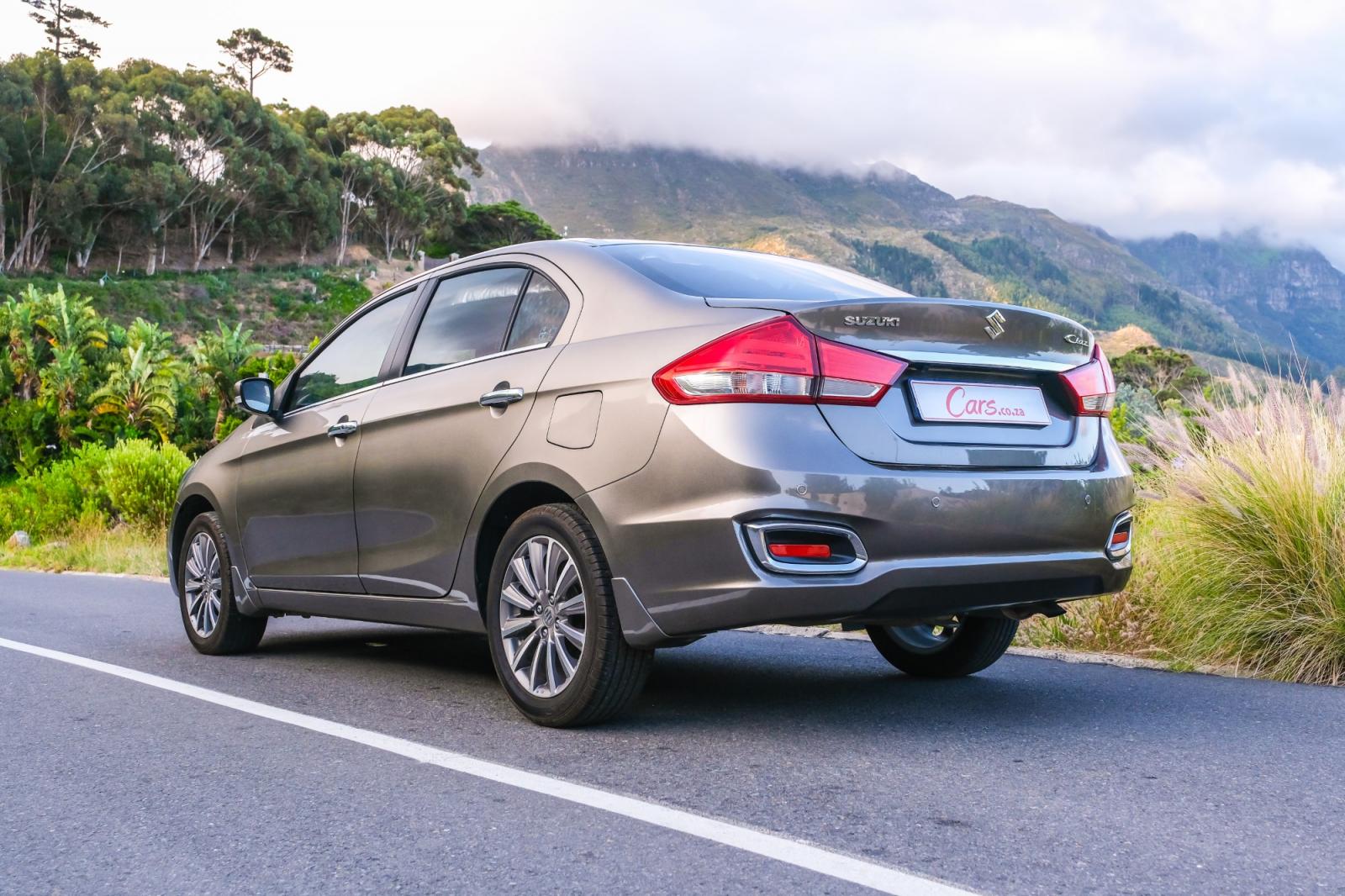
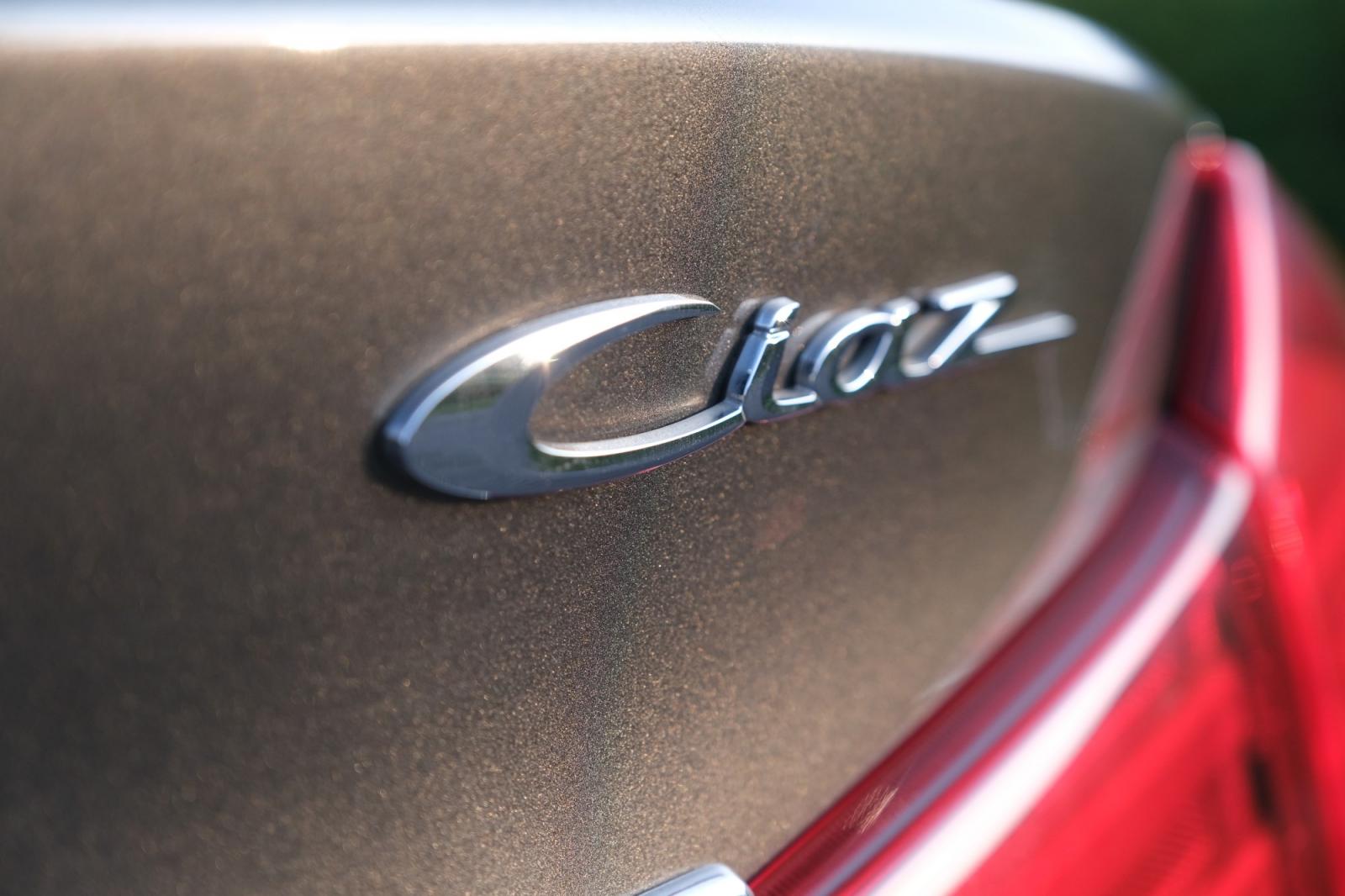
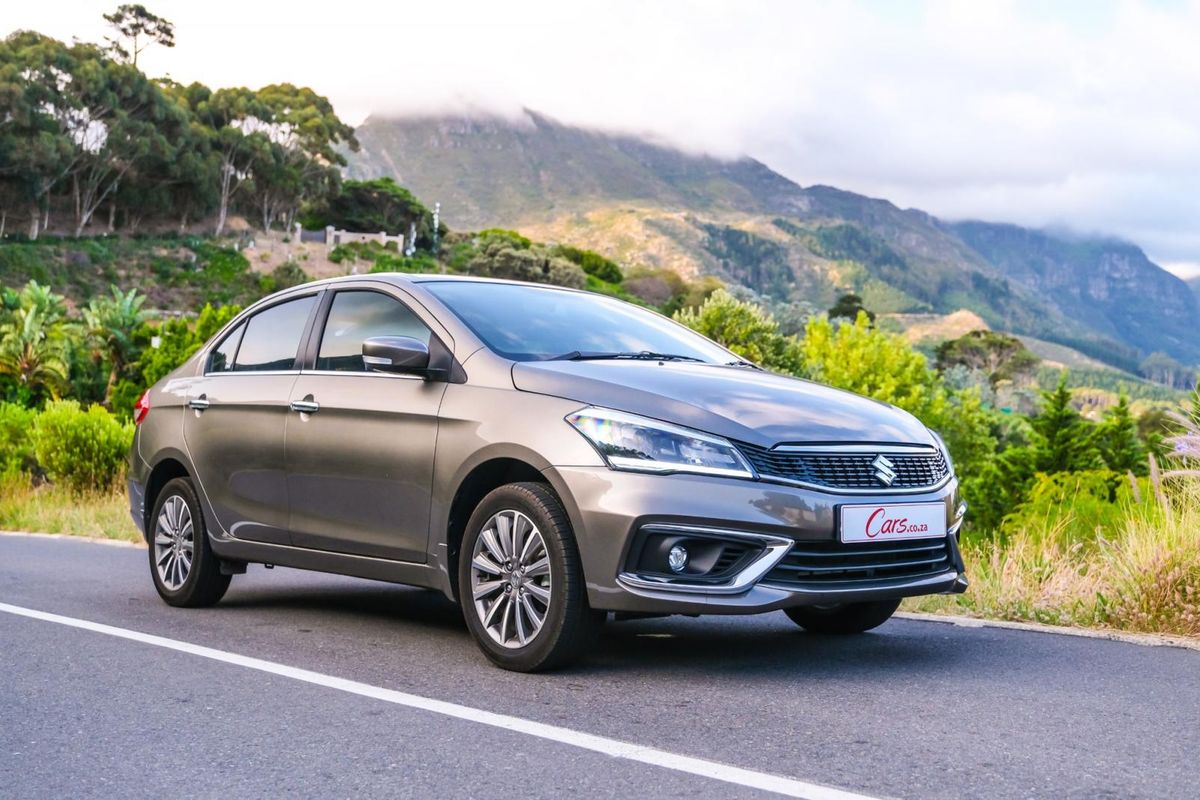
Living with the Suzuki Ciaz

Cars.co.za journalist, Gero Lilleike, spent the festive season with the Suzuki Ciaz 1.5 GLX. Take a look at what he discovered about Suzuki’s top-spec budget sedan below…

My colleague, Ashley Oldfield, reviewed this Ciaz 1.5 GLX in 2019 and I won’t bore you with another review of the same car. You can read Ash’s review here!

What I will do though, is give you some of my feedback on the Ciaz based on my experience over the holiday season. The Ciaz covered over 1 500 km and took me from Cape Town to Knysna and back, while also serving as my companion on several surfing strike missions up and down the coast.  

Here are a few aspects I liked about the Ciaz as well as some aspects I didn’t like. 

3 Things To Like about the Suzuki Ciaz 

Performance and economy 


The Ciaz's 1.5-litre petrol engine offers good overall performance while also returning pleasing fuel consumption figures.  

The Suzuki Ciaz is equipped with a naturally-aspirated 1.5-litre, 4-cylinder petrol engine that offers 77 kW and 138 Nm of torque. Now while those numbers are not very inspiring on paper, real-world performance is actually far better than you would expect. This is quite a peppy daily runner!

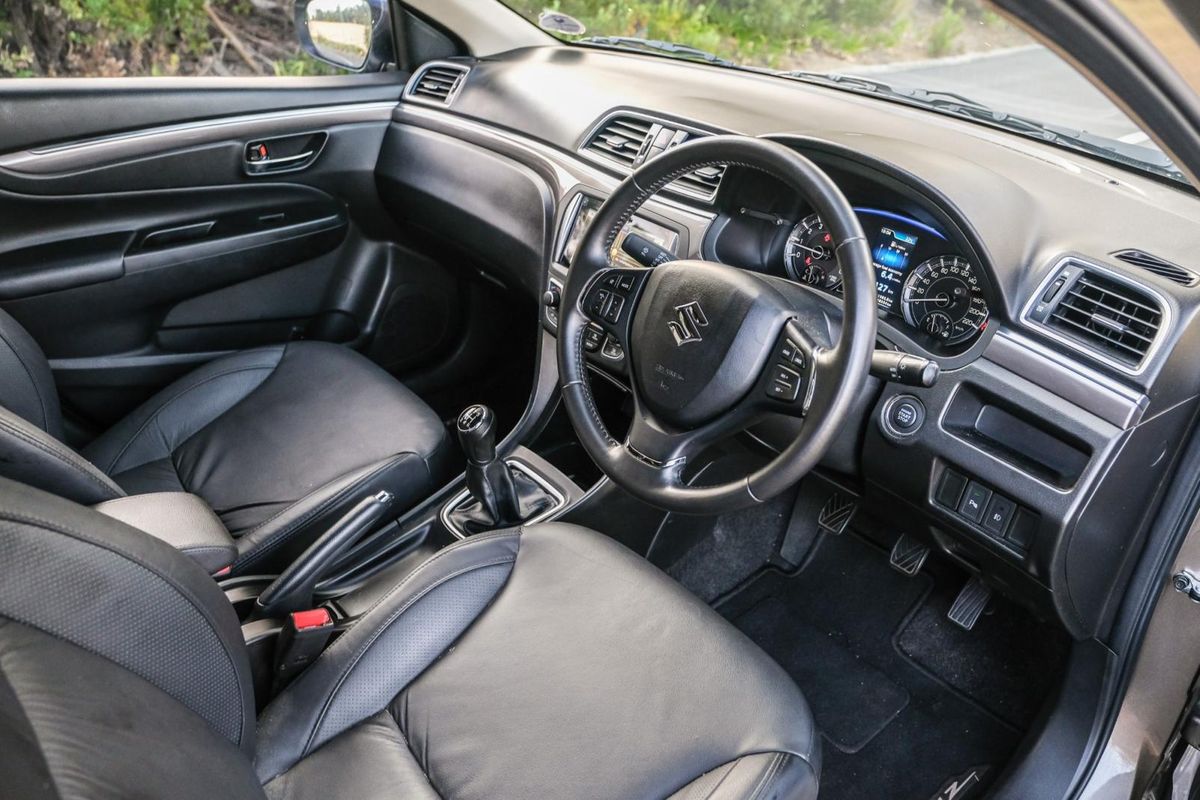
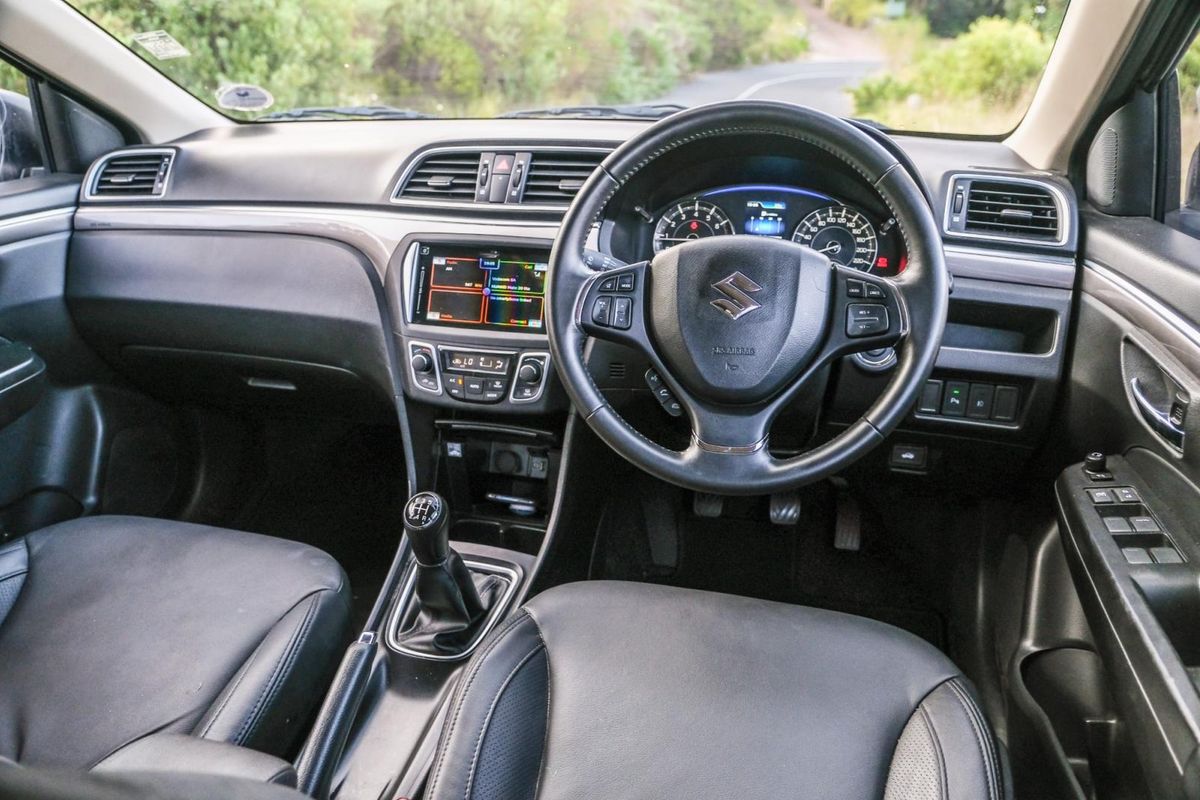
Mated with a 5-speed manual transmission directing power to the front wheels, the Ciaz gets up to highway speed without feeling underpowered or sluggish. Quick overtakes are also easy to execute and the transmission has a positive action and gears can be engaged with confidence. 

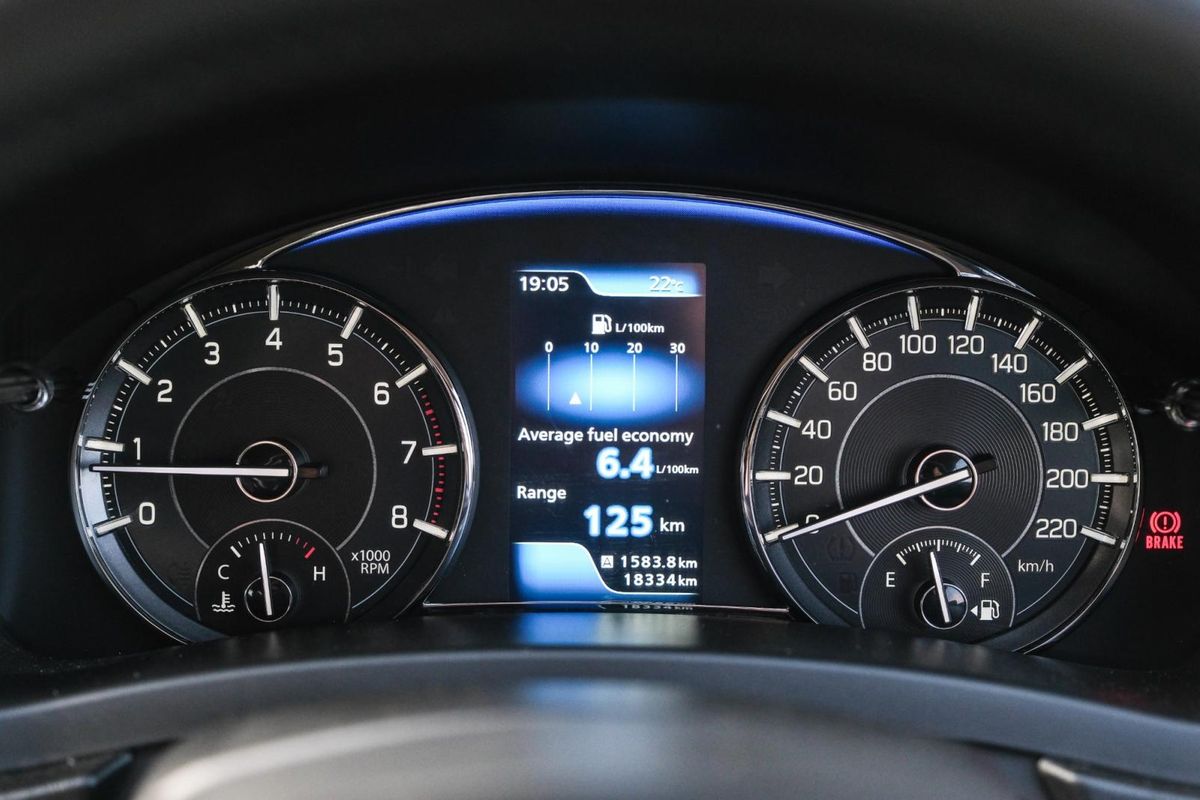
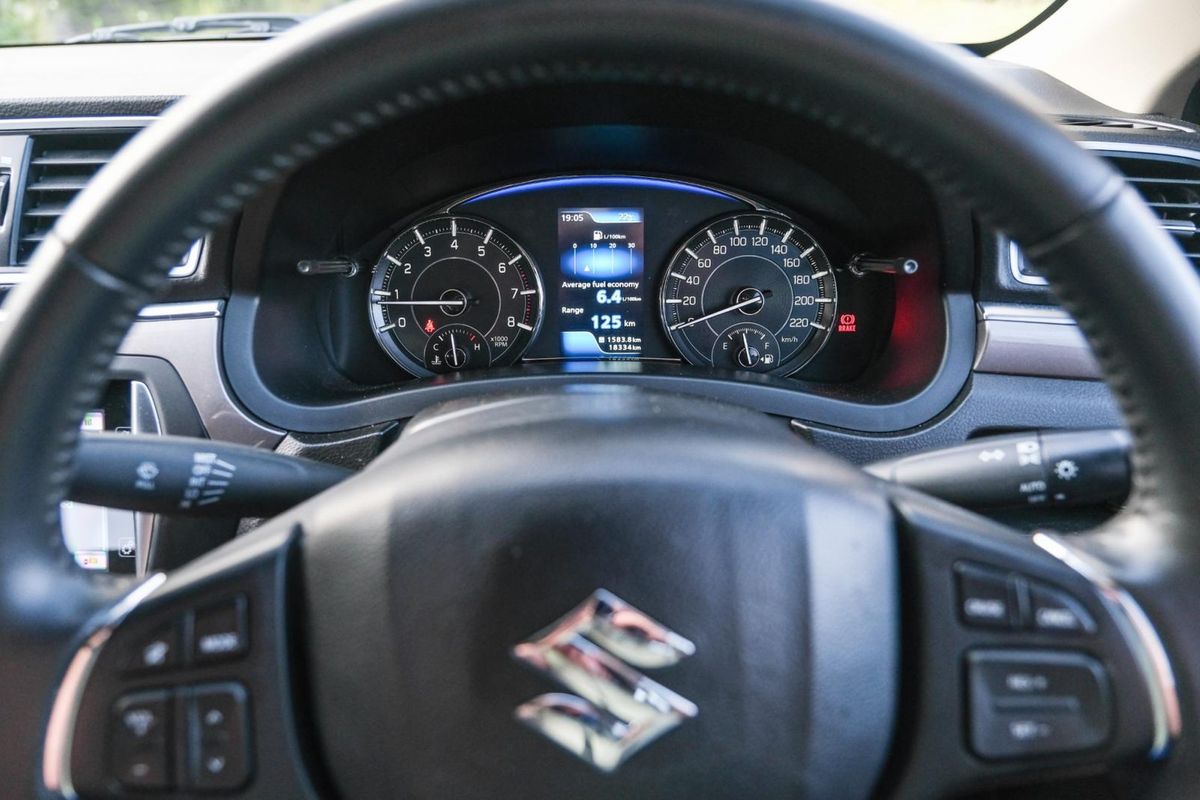
The Ciaz was also delivered good fuel consumption figures and our test consistently yielded figures around 6.4 L/100km. 

Interior comfort


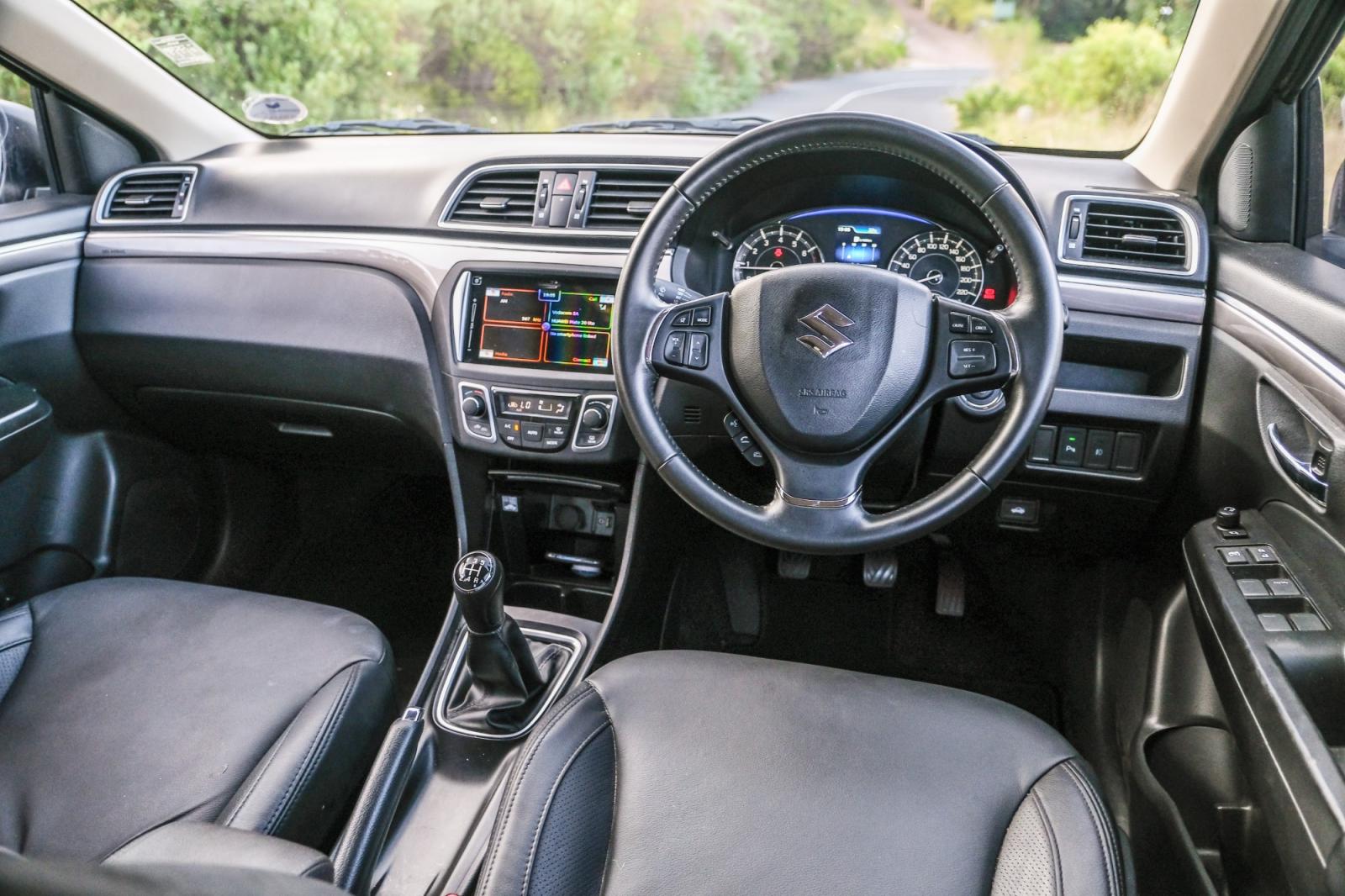
The top-spec Ciaz GLX comes well-specced with standard features. 

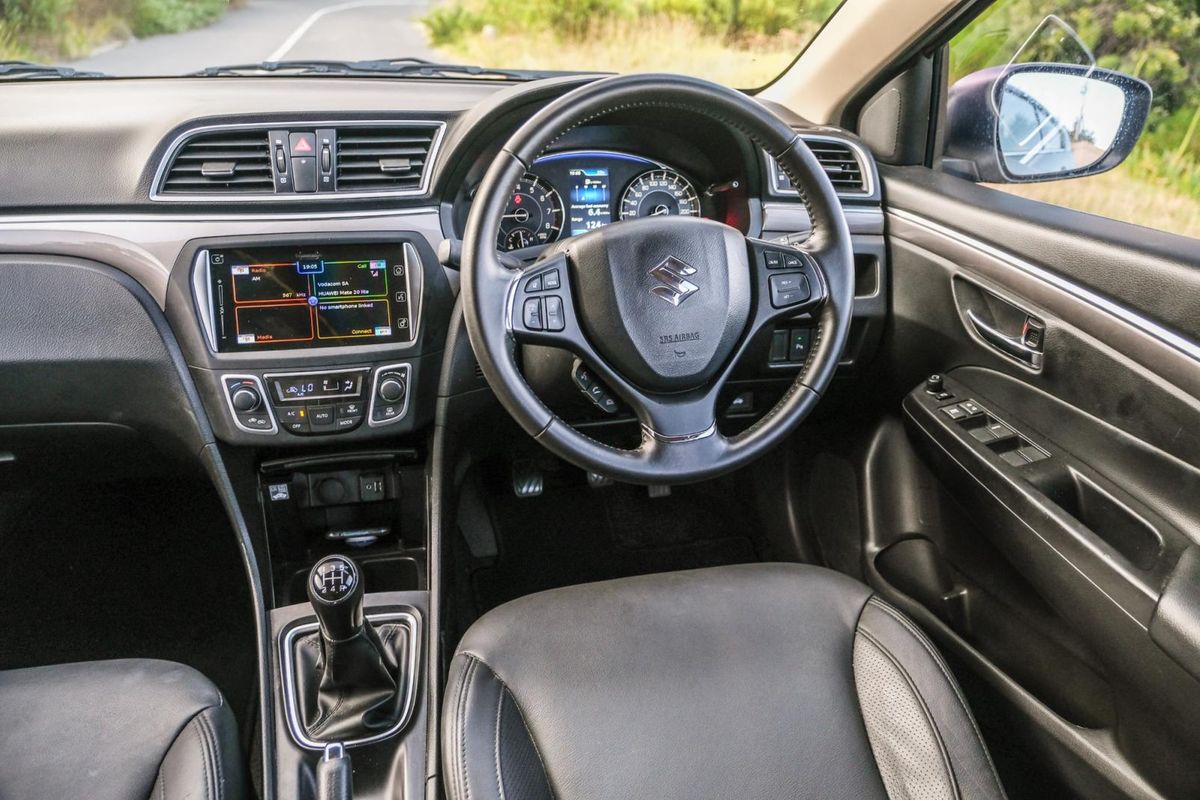
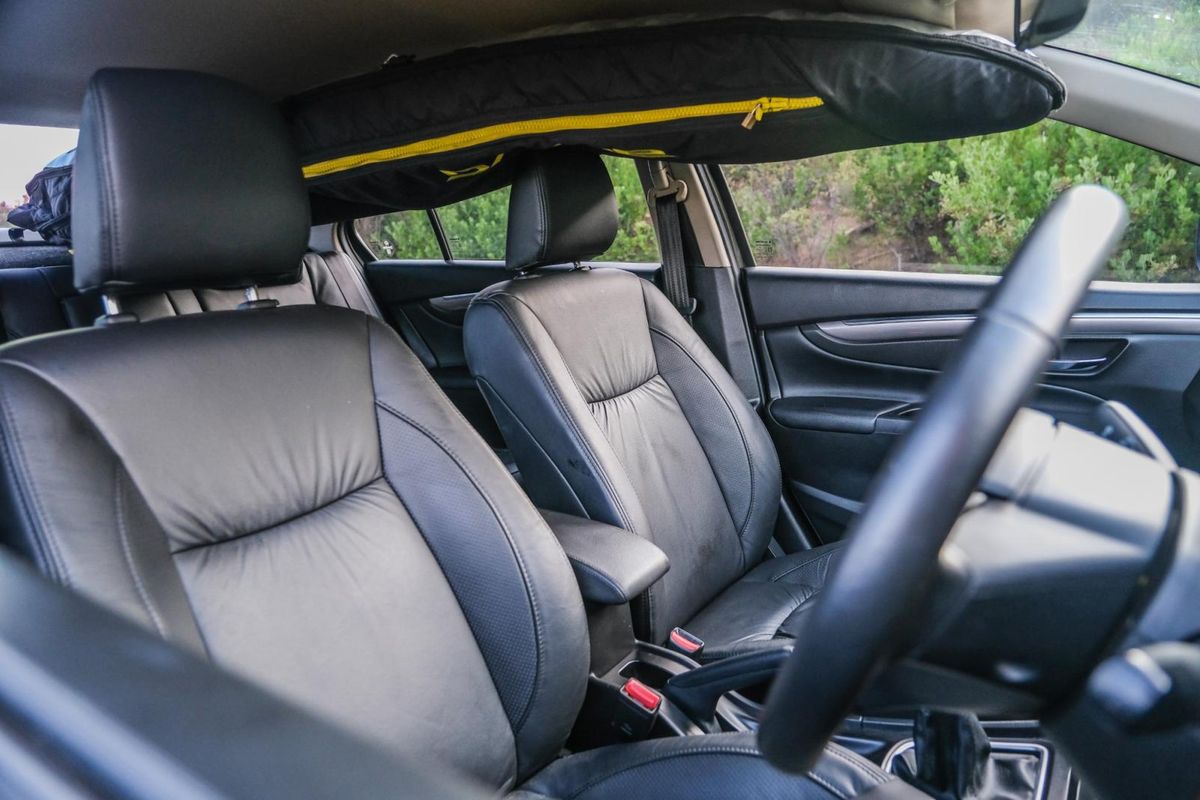
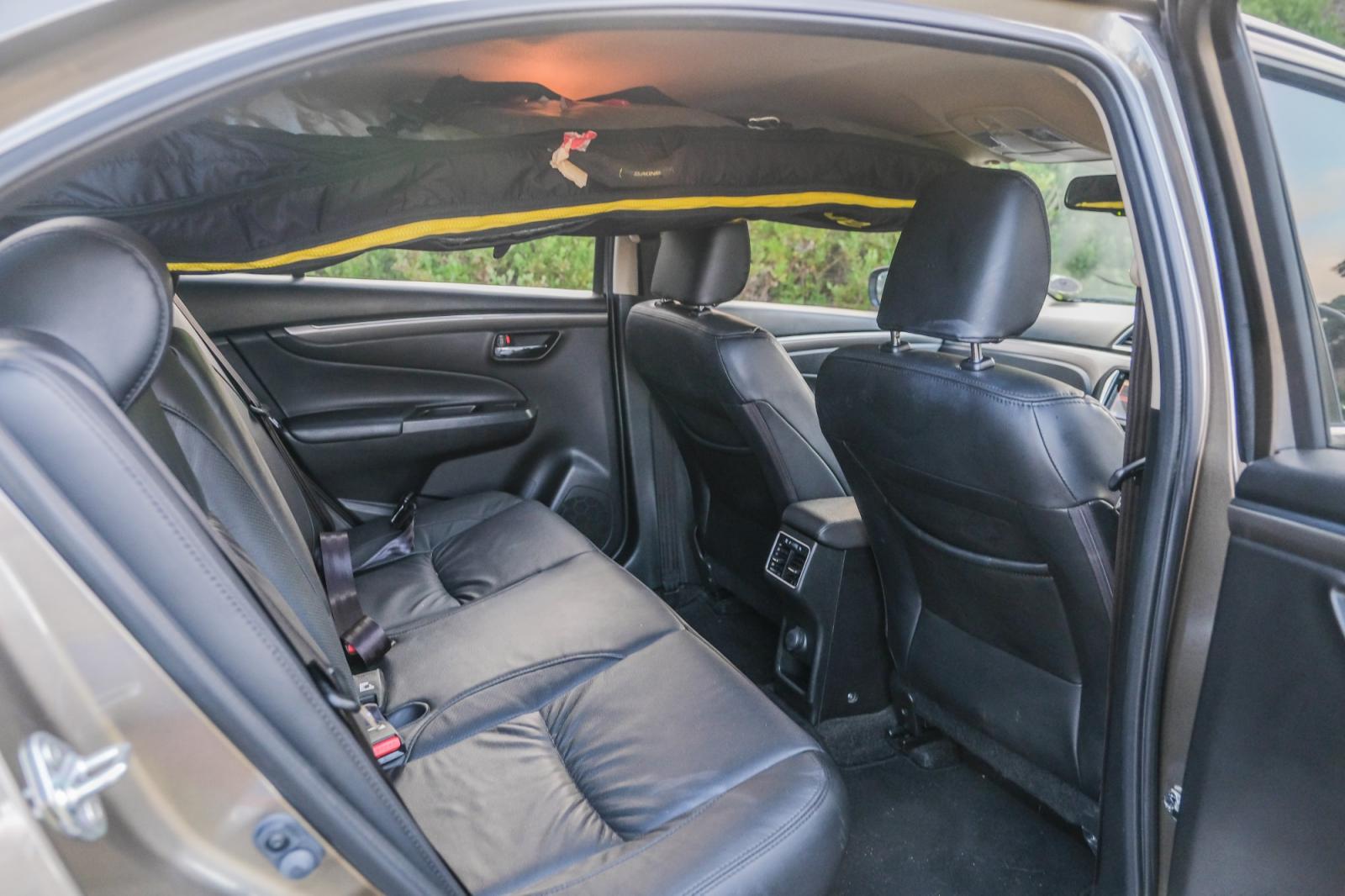
This top-spec Ciaz 1.5 GLX comes with leather seats which I found to be suitably comfortable for long-distance driving. Not only does leather lift the perceived interior quality appreciably, but it’s also a bit more practical in terms of maintenance as they can be easily wiped down. It’s also worth mentioning that rear legroom is good too.

Standard specification is decent and some nice-to-have features include climate control air conditioning, cruise control, electric windows, rear park distance control with a rear-view camera and folding rearview mirrors. 

Big booty


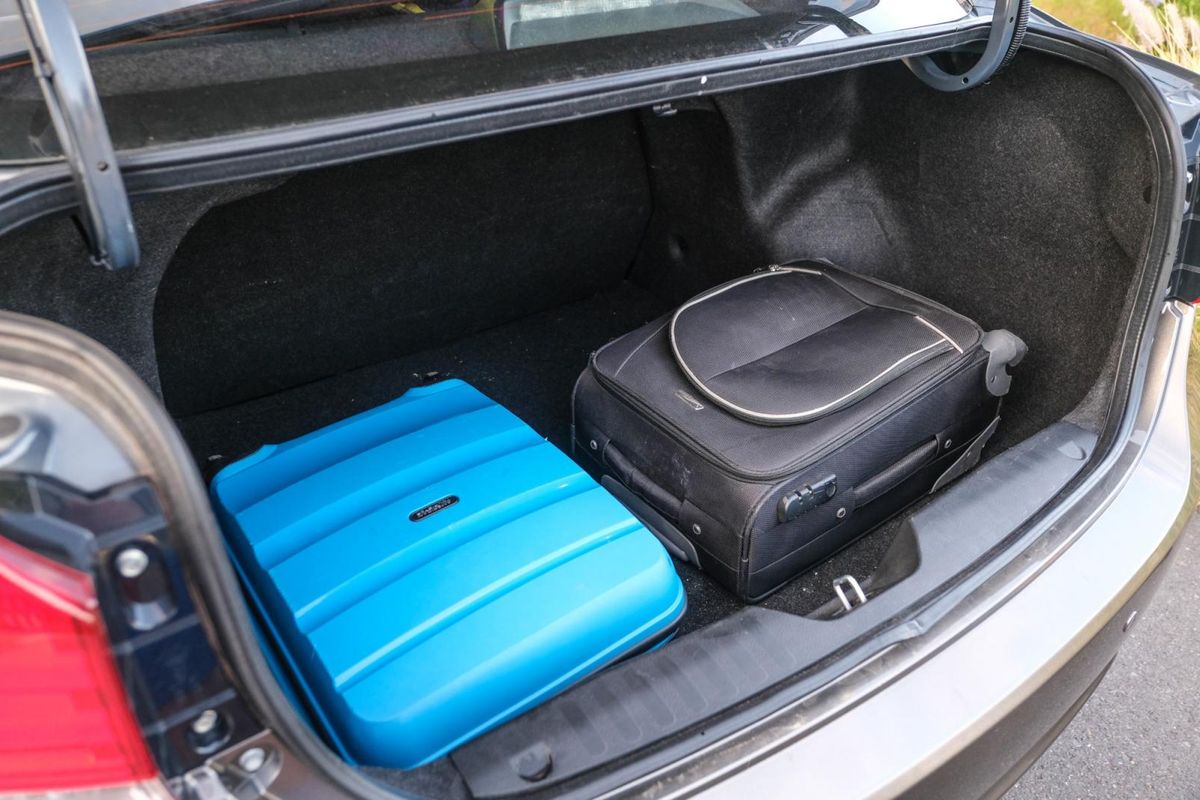
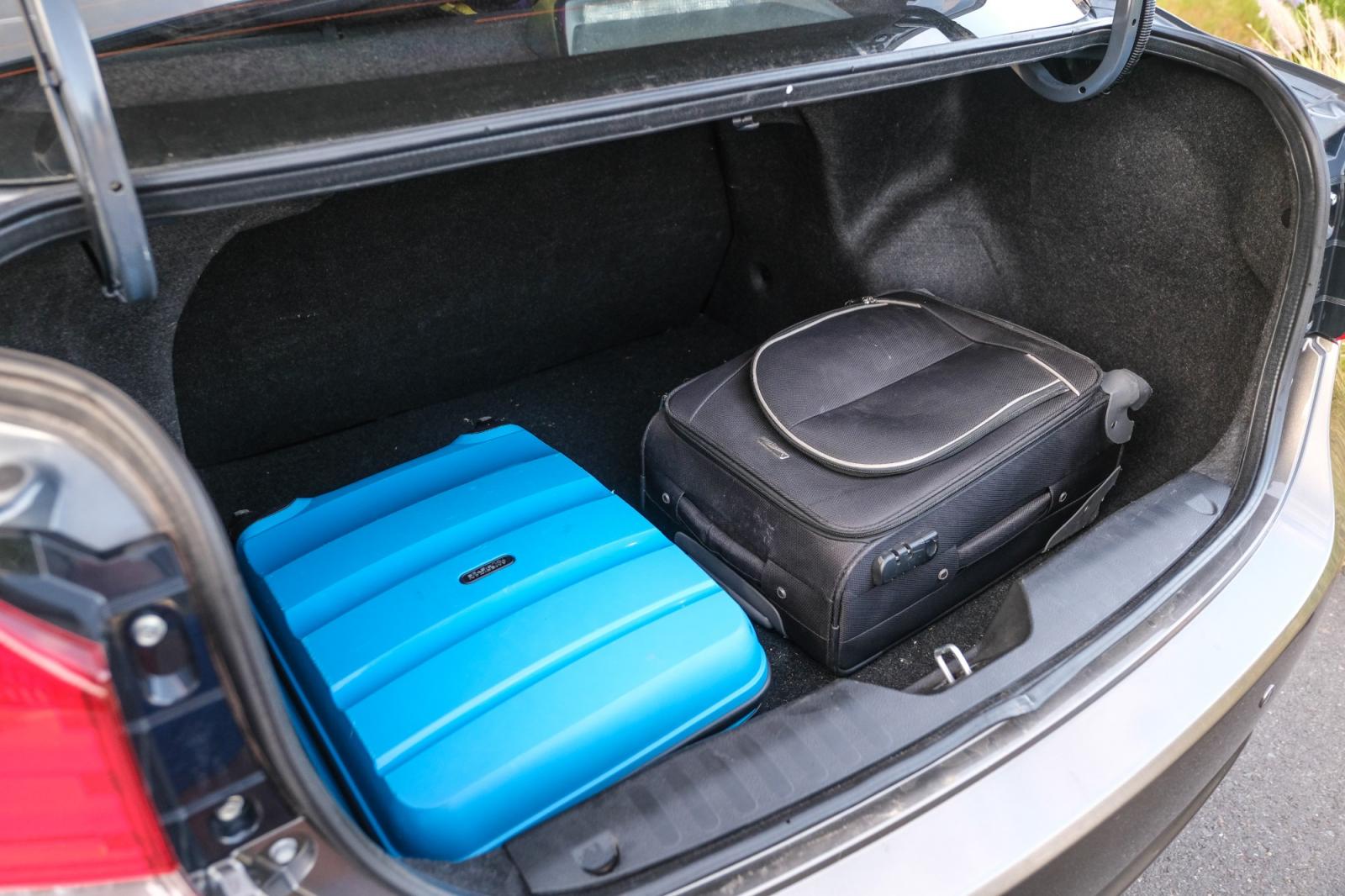
The Ciaz's boot is capacious and can accommodate a wide range of luggage of various sizes. 

If you like a big booty, then you will like the Suzuki Ciaz! The boot is very generously-sized and offers a claimed 480-litres of space. During the holiday period, the boot was packed with a wide range of items of various sizes including lots of luggage, surfing paraphernalia, a braai and a ton of Christmas presents. The Suzuki had no problem carrying everything!

3 Things to Dislike about the Suzuki Ciaz

Clunky Infotainment System


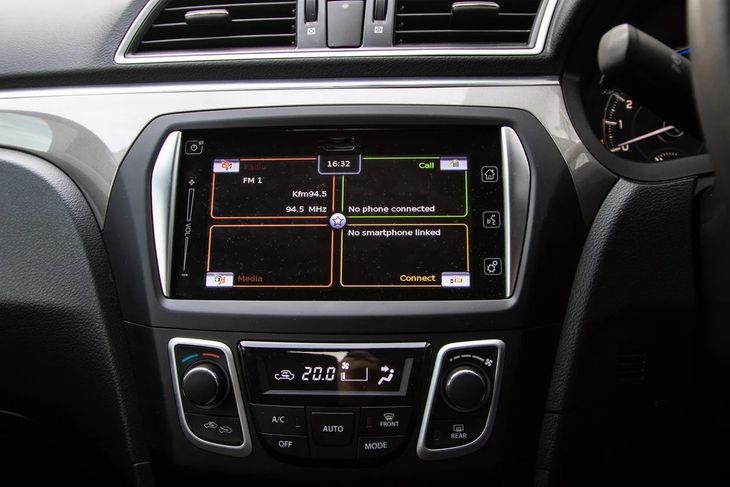
The infotainment system can be slow and occasionally unresponsive. It does offer Apple CarPlay and Android Auto though. 

I appreciate that Suzuki has adopted touchscreen infotainment technology in its latest offerings and buyers, in particular, will be happy to know that Android Auto and Apple CarPlay is offered. Nonetheless, I found the 7-inch system in the Ciaz to be frustratingly painful to use at times. 

I had no problem connecting my smartphone via Bluetooth but the system, in general, is quite slow to respond to inputs. In fact, certain functions such as play/pause, skip and so forth froze on me on numerous occasions and no matter how I touched the screen, the screen was simply unresponsive to my inputs. Touchscreen technology has come a long way in recent years and while Suzuki was a late adopter in this regard, I do hope to see better systems making their way into Suzuki’s lineup in the future. 

The rear seats don’t fold down


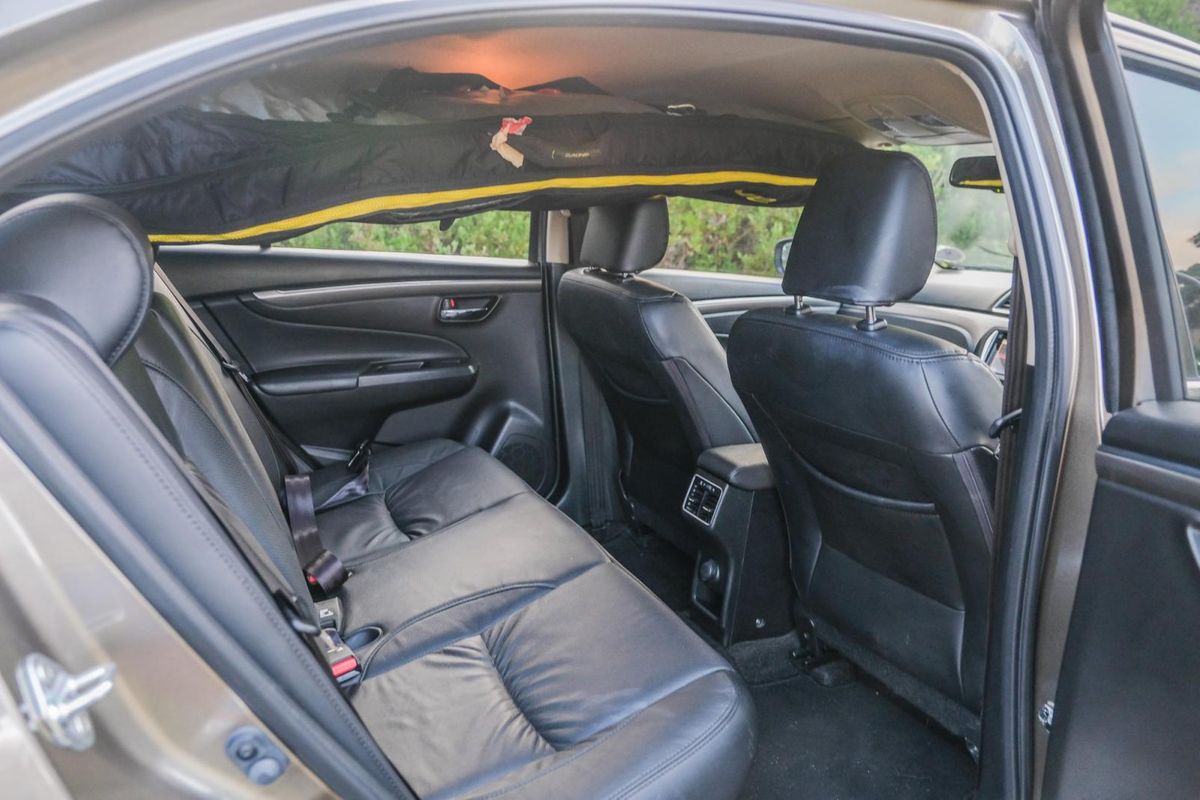
Long items, such as a surfboard, are difficult to transport as the rear seats can't fold. 

The fact that the rear seats in the Ciaz aren’t split and can’t fold down might disappoint you. While this is unlikely to bother everyone, if you need to transport longer and bulkier items, it might very well become a problem as it did for me.  

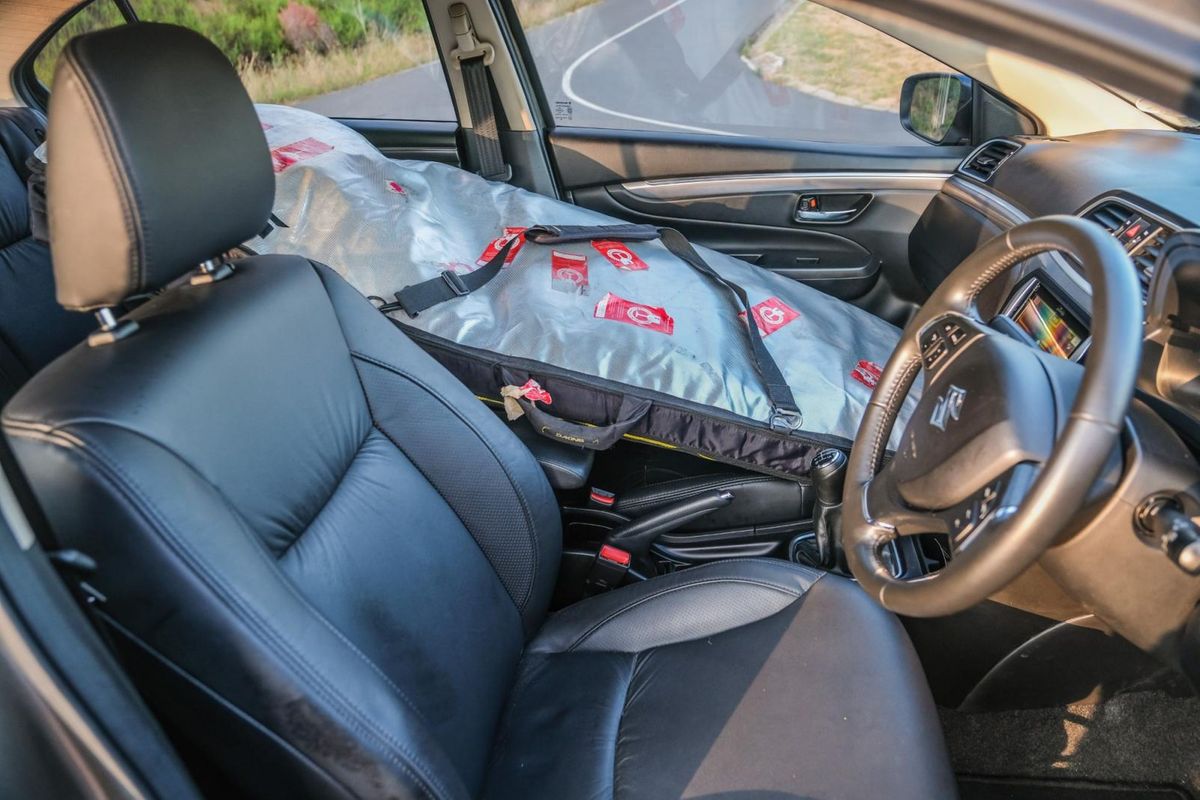
I had a surfboard to take on holiday with me and without a roof rack, there was no way in hell I was leaving my surfboard behind. I made a plan by sliding the surfboard up against the roof inside the car and although it impacted on my wife’s headroom in the front passenger seat, I was grateful that I could bring it along. A Gero without a surfboard is a very grumpy Gero…

Without a front passenger, a surfboard is somewhat easier to transport as it simply lies on the front seat.

Granted, in most cases, cars aren’t necessarily manufactured to cater for surfboards but they are a good acid test for how spacious and adaptable a car’s cabin is to accommodate long and bulky items.    

Faulty Boot Lid Mechanism 


How many times should you try to close a boot lid? I lost count…

My most frustrating experience with the Ciaz was by far the boot lid. Instead of the boot lid closing the first time, a faulty mechanism often meant that I had to continuously slam the boot lid to get it closed and it often took longer to close than should ever be experienced. It's unclear whether it's an issue with this particular test unit or if it's a common problem for the Ciaz. Either way, it was hugely annoying…

Final thoughts

The Suzuki Ciaz 1.5 GLX proved to be a capable holiday companion and not only did it offer good general performance but it also returned commendable fuel economy on a daily basis. In GLX guise, the standard specification is good too and for R249 900, we think the Ciaz 1.5 GLX is worth a closer look if you are willing and able to accept its pitfalls. The Ciaz, however, is ideally positioned to cater for the Uber/taxi market and it, therefore, warrants your attention if that’s what you are looking for. In terms of mechanical reliability, Suzuki has proven to be one of the top brands in the country scooping overall Brand of the Year awards as well as individual vehicle wins in the Cars.co.za Consumer Awards – powered by WesBank. 

Suzuki offers a 3-year/100 000 km warranty as well as a 3-year/60 000km service plan.

Buy a Suzuki Ciaz on Cars.co.za

Related Content  

Suzuki Ciaz 1.5 GLX (2019) Review

2020 Honda Civic Type R Revealed

The Honda Civic Type R has been given the mildest of updates.

To be fair, the Honda Civic Type R didn't need much updating as its already pretty much the best hot hatch out there, despite what social media suggests. There's so much to like, a rorty turbo engine, sublime handling and outrageous looks. The best part? There's a generous boot and it's comfortable enough to be driven as a daily.

For 2020, Honda has given the Civic Type R a larger grille which is said to aid engine cooling and this funky new Boost Blue paint job. The cabin gets an Alcantara steering wheel as well as a new gear level with shorter shift throws. There's an Active Sound Control unit which has been added for additional aural effects too.

Under the skin, Honda has tweaked the front suspension, improved the steering wheel and enhanced the dampers for a smoother ride. There's enhanced grip with stiffer rear bushings. The 2.0-litre turbo 4-pot is unchanged and still produces 228 kW and 400 Nm. Power goes to the front wheels via a 6-speed manual gearbox and a limited-slip differential.

Like we said, there's not much that needed to be done as the Civic Type R is one very polished offering.

Further Reading

Honda Civic Type R (2018) Video Review

Honda Civic Type R (2018) Launch Review

Every Type R On One Track: Honda Civic Type R Special [Video]

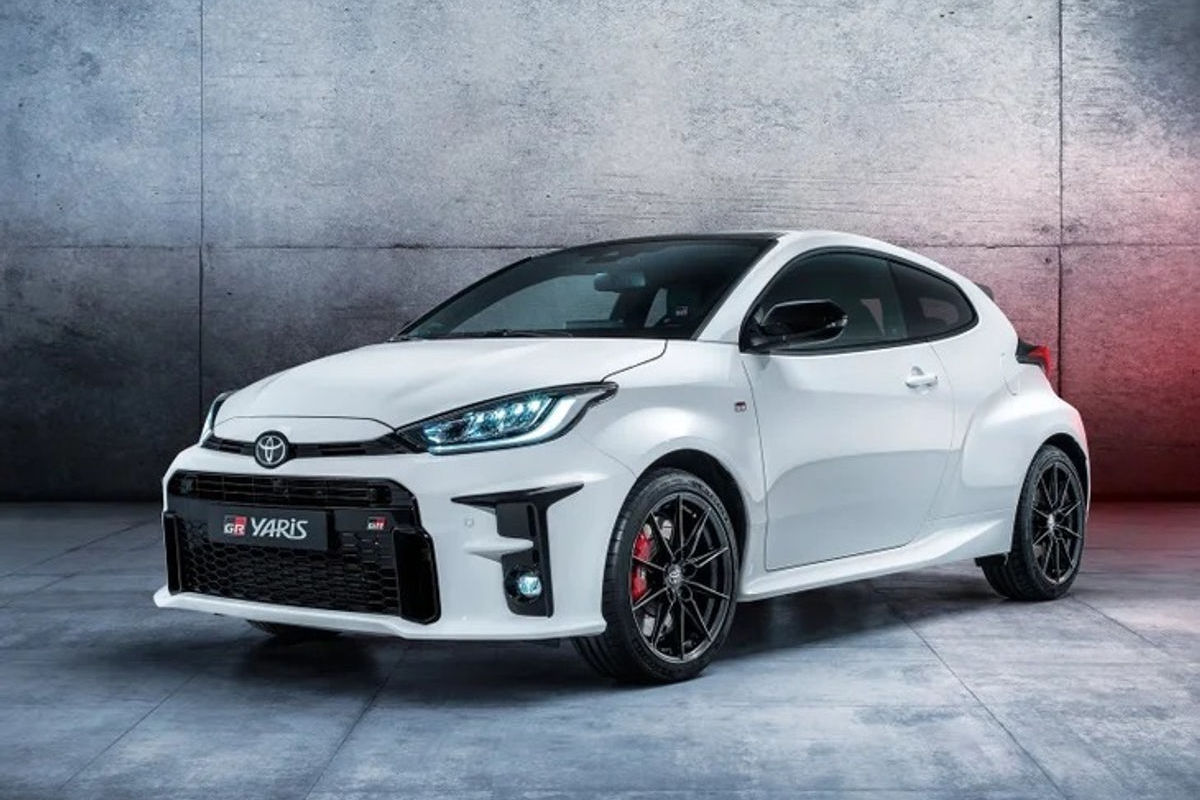
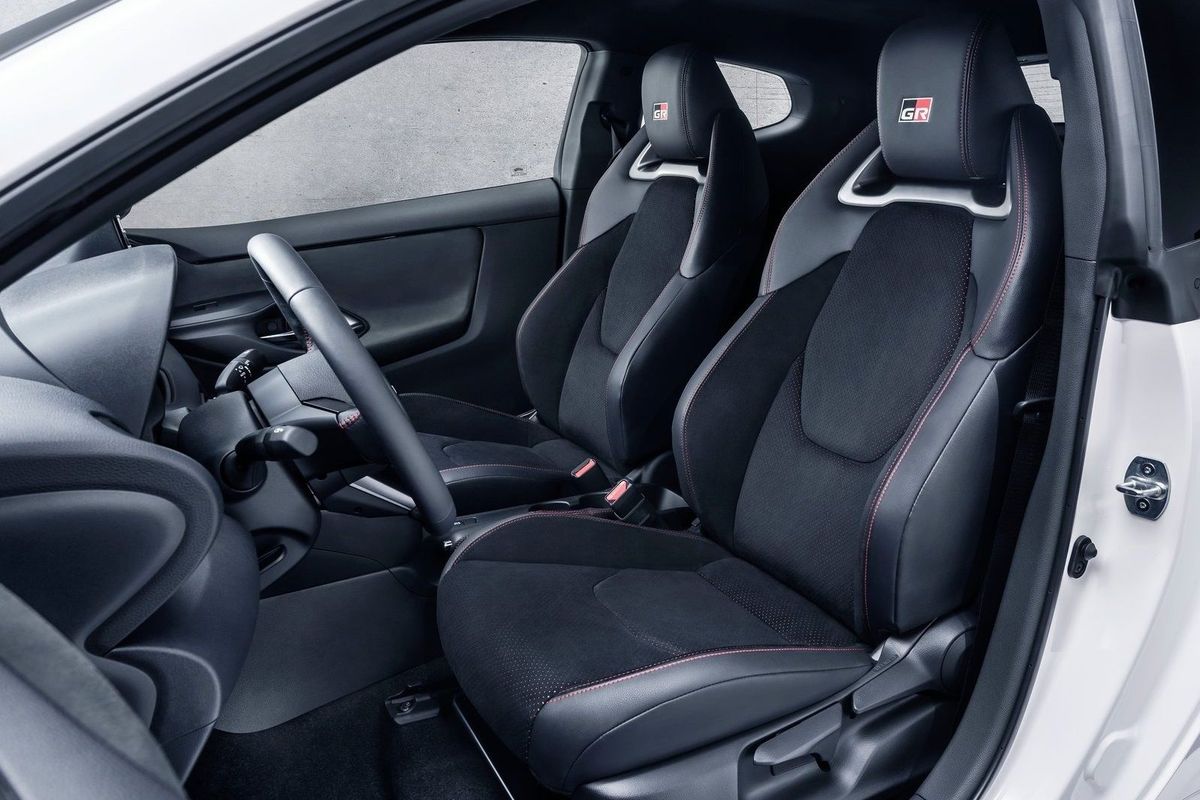
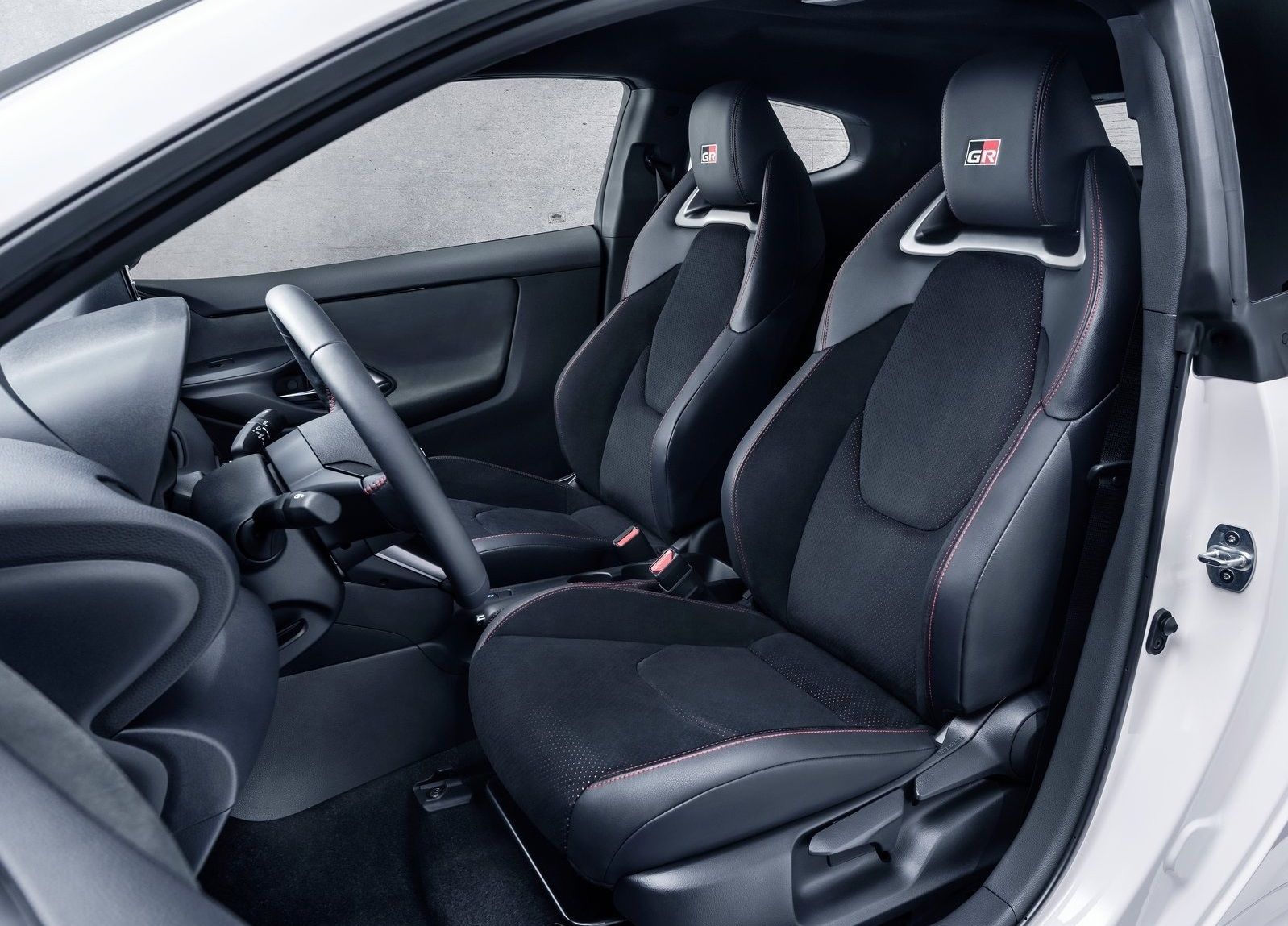
Toyota Reveals Rally-Inspired GR Yaris

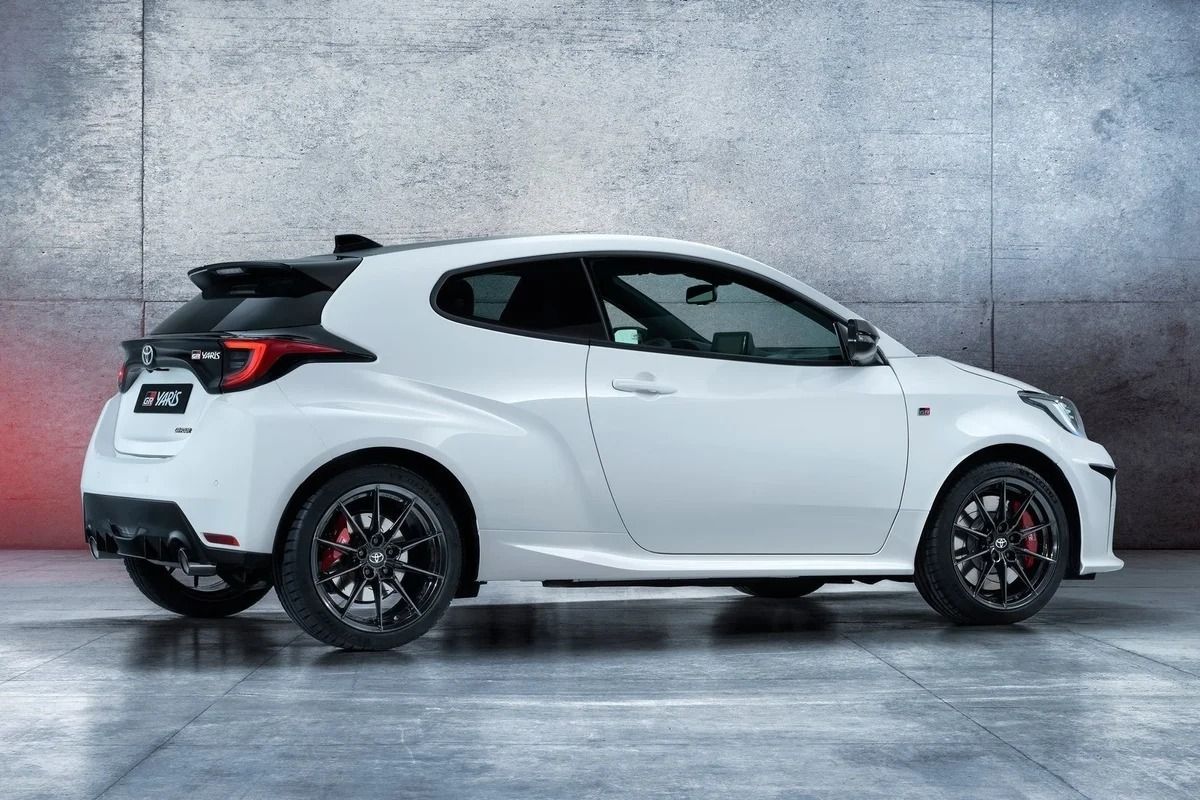
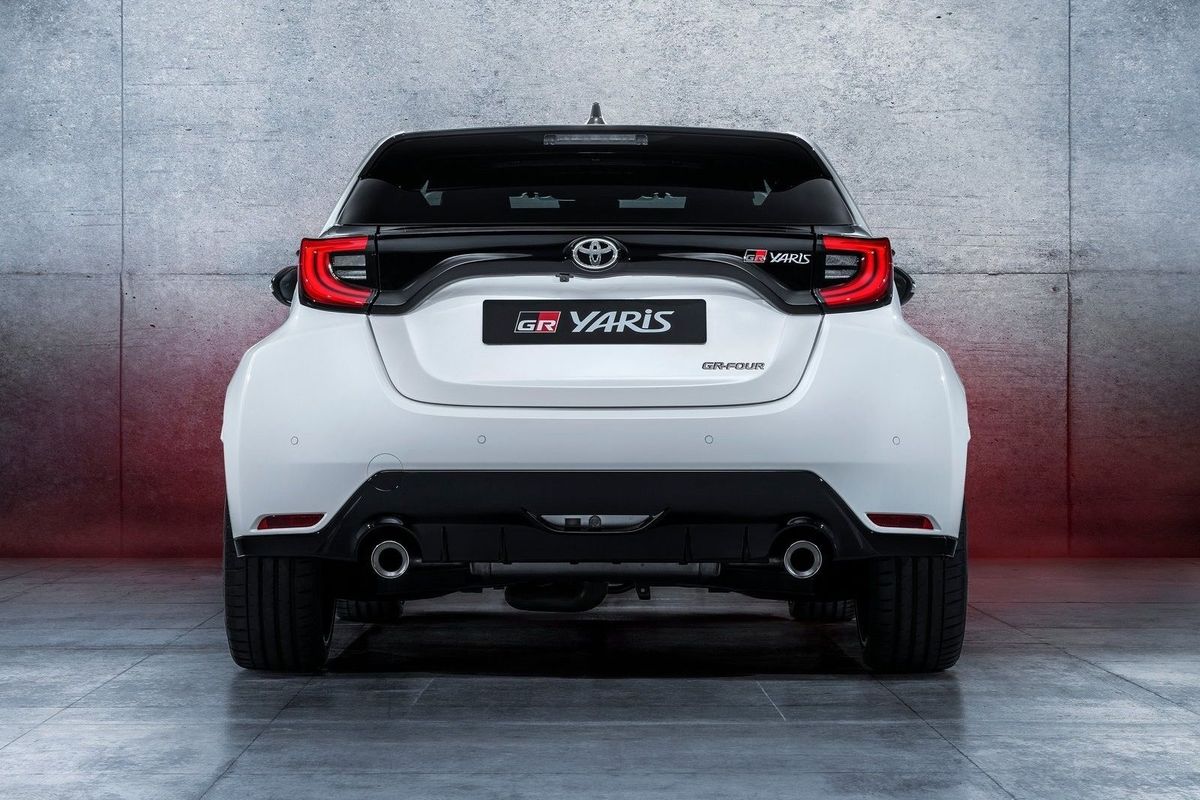
Toyota has released a high-performance Yaris that's imbued with the Japanese brand's World Rally Championship know-how. 

Toyota has been doing the most to shake off its predictable image over the past few years. Now it has revealed the Toyota GR Yaris, a homologation model which will serve as the basis of the next-generation Yaris WRC racecar. This one is completely road-legal and will be going on sale to the public. Toyota has a commendable rally heritage and we can all recall the gorgeous Castrol-liveried Celica from way back.

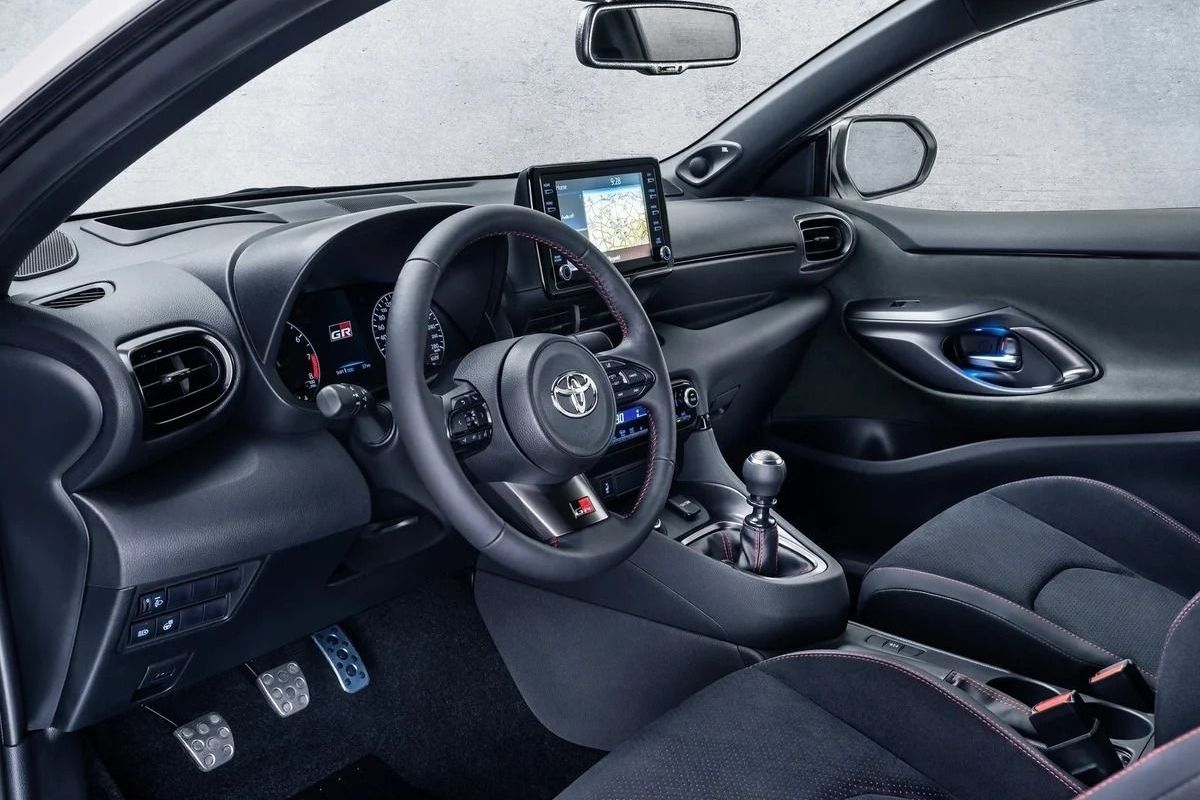
The numbers make for exciting reading. The engine is a 1.6-litre turbocharged 3-pot, with 192 kW and 360 Nm, which Toyota claims is good for a sub-5.5 second run to 100 kph. The trick here is the all-wheel-drive setup, providing exceptional traction off the line. Top speed is rated at 230 kph. There's no fancy dual-clutch transmission here, instead a 6-speed manual gearbox is on duty.

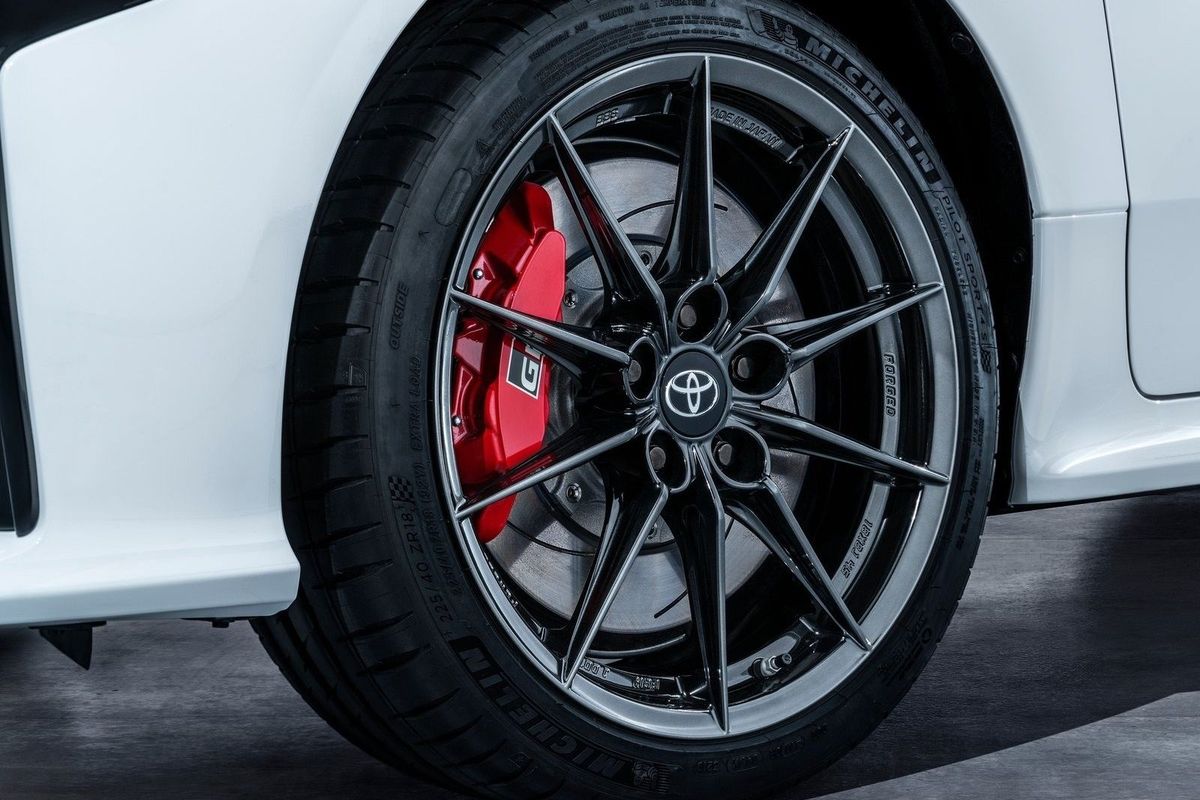
This new all-wheel-drive system can transfer torque completely to the front or rear axle, so the potential for big rear-wheel drifts on gravel is completely plausible. There are driving modes which set the bias accordingly. In Normal, it's 60:40, Sport is 30:70 and Track features 50:50. Customers can opt for a Circuit Pack, which comprises a Torsen limited-slip differential on both the front and rear axle, performance-tuned suspension and 18-inch forged alloy wheels with Michelin Pilot Sport 4s 225/40R18 tyres.

At this stage,it's too early to tell if Toyota South Africa will be bringing this exhilarating little number to our market. Fingers crossed a few units make their way here as its predecessor, the Yaris GRMN was simply sensational to drive.


The rally-inspired Toyota Yaris GR looks to be one of 2020's most exciting performance cars.

Further Reading

Toyota GR Yaris Teased Again

All-New Toyota Yaris Revealed

All-New Yaris to use Toyota TNGA platform

Drag Race: Volkswagen Polo GTI vs Toyota Yaris GRMN

Toyota Yaris GRMN (2018) Local Drive

Standout car technologies from #CES2020

Each year kicks off with a bang at CES (Consumer Electronics Show) in Las Vegas, and every year more car concepts are showcased that are clearly worthy of being at a tech show… rather than an auto show. #CES2020 brought us some incredible concepts, most of which will never make it to production – but they certainly capture our imagination.

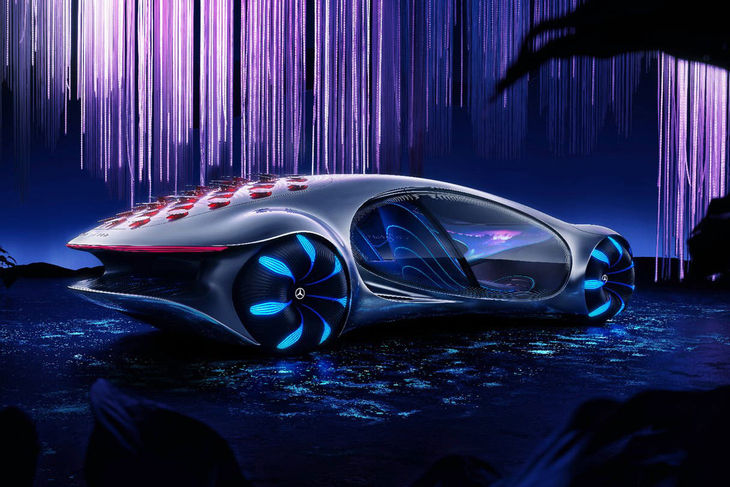
Mercedes-Benz Vision AVTR

One of the most interesting-looking concepts out of CES was by Mercedes-Benz, inspired by the sci-fi movie Avatar, with James Cameron himself lending a hand in the creative process. This “living creature” of a vehicle called Vision AVTR (Advanced Vehicle Transformation) looks like something straight out of the future, complete with reptile-like scales and movements like a crab.

Its has a unique, standout body with clear glass doors and eye-catching wheels. The vehicle is meant to have a biometric connection with the driver; there is no steering wheel, instead it features a "multi-functional control element" that you put your palm on. It's powered by a 110kWh battery that is free of rare-earth metals and biodegradable. The vehicle can also move sideways (up to an angle of 30 degrees).     

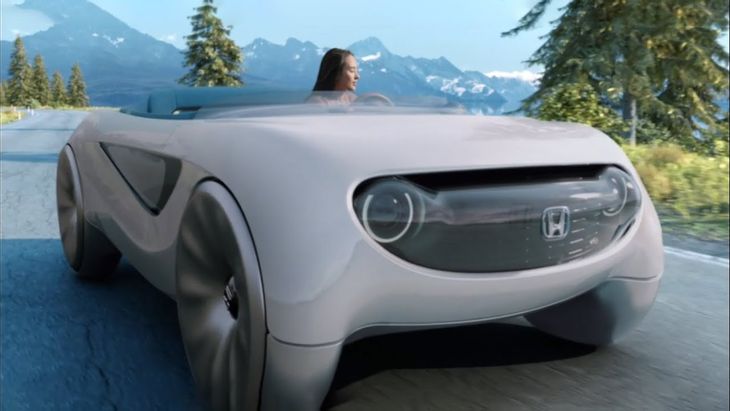
Honda Augmented Driving Concept

In line with its slogan: The Power of Dreams, Honda unveiled its Augmented Driving Concept of what humans dream of: going where we want in safety and augmenting human ability and curiosity. The result is a roofless autonomous-to-semi-autonomous roadster (with more than 8 driving modes) that switches can be toggled between manual and automatic modes.

The car is equipped with sensors to read the user’s intentions to shift between these modes, has no windscreen or side glass panels, making it easier for you to take photos as you weave through picturesque landscapes. If you pat the steering wheel twice, the vehicle starts; if you pull it, the car slows down, and if you push it, it accelerates. Who needs pedals anyway?

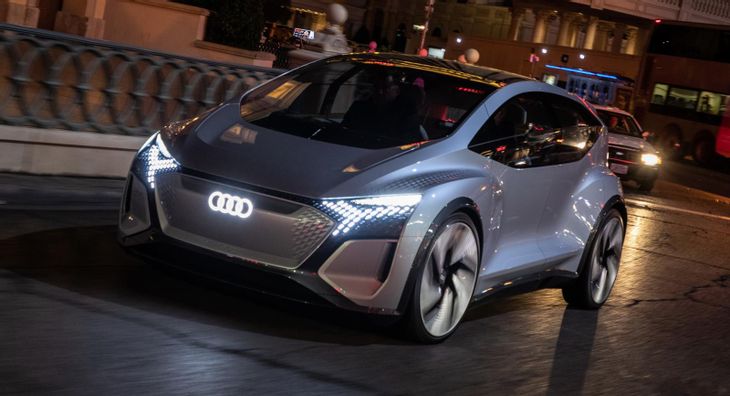
Audi AI:Me

Audi has unveiled an "empathetic" self-driving car concept – the AI:Me (pronounced Amy) – that has a bunch of exterior lighting to better communicate with people on the outside, considering a computer will be operating the vehicle. So if you’re stuck in traffic, simply put on a pair of VR goggles to enjoy a virtual flight across the mountains and then you can return to reality when you reach your destination.

The car uses its intelligent functions combined with AI (artificial intelligence or machine learning) to increase passenger safety, wellbeing and comfort, and learns your behaviour over time to adjust comfort settings accordingly. When the autonomous mode is turned on, AI:Me's steering wheel retracts, and in its place, you get a wooden dash to place a laptop or something similar.

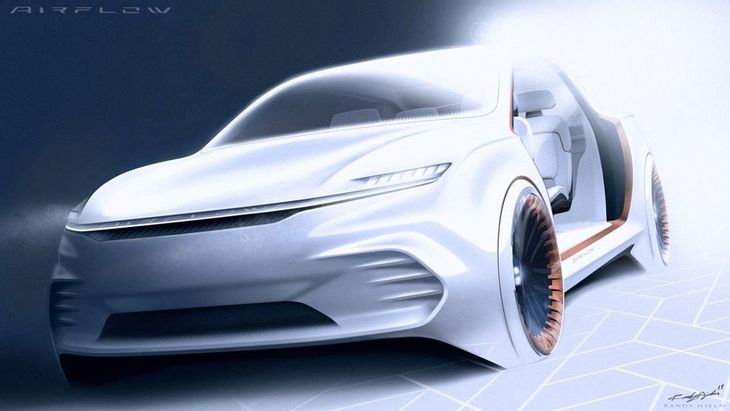
Fiat Chrysler Airflow Vision

Fiat Chrysler (FCA) has unveiled a fully-digital cabin with its Airflow Vision concept, featuring 6 screens for the driver and passengers to interact with, and unquestionably cool wraparound wheel-arches. The 4 front screens display the instrument cluster, climate control functions (and other info about the car and journey) and can be utilised to display various kinds of media. The passenger screens are customisable and can share information with all other screens.

Thanks to the plethora of touchscreen interfaces, the only physical buttons in the vehicle are the start button, and whatever functions a driver needs to quickly access from the steering wheel. The company says the interface is “safe, easy to use and understand” without being distracting. There’s no word on whether it will be a fully-electric car, but it is being touted as "a luxury machine with a calming interior".

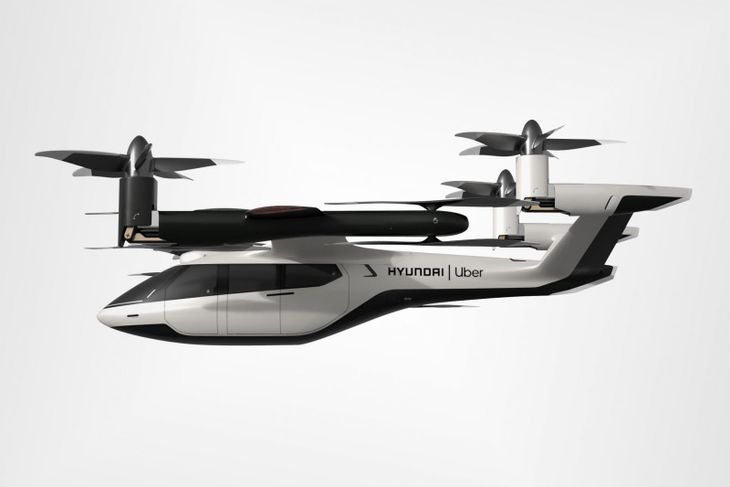
Hyundai/Uber Elevate S-A1

Slightly different to last year’s 4-legged walking car, Hyundai unveiled an electric "urban air mobility solution" in partnership with Uber Elevate, the company’s upcoming air-taxi service. The S-A1 concept is fully electric, can seat up to 5 people (including the pilot), cruise at speeds of 290 kph at an altitude of 1 000 to 2 000 feet. This aerial ride-sharing 'copter will take off vertically, and can make round trips of up to 100-km in distance.

The A-A1 can be recharged fully between 5-7 minutes. It features smaller rotors to minimise noise levels in the urban areas it will operate in. Uber Elevate head Eric Allison hopes to see it in the air as early as 2023. Initially it will be operated by a pilot, but will eventually become autonomous…

Sony Vision S

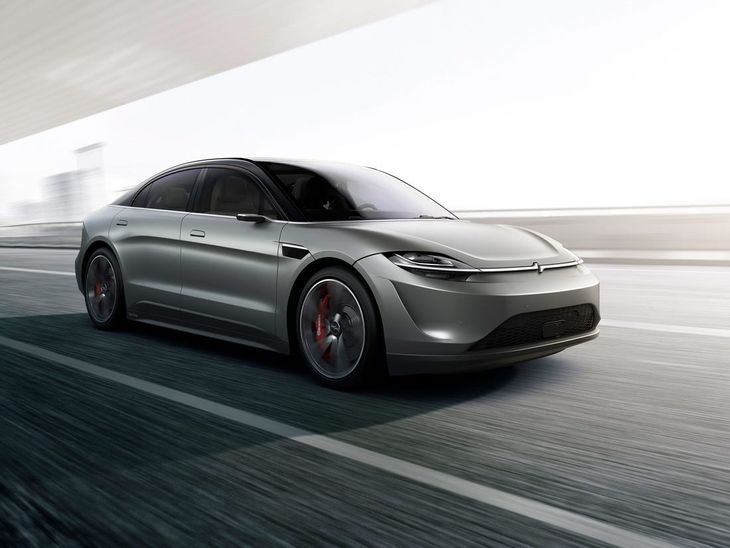
The most unexpected announcement at CES came from Sony – the company unveiled an electric concept car called the Vision S, which was created to showcase the company’s technologies. The Japanese electronics giant has no plans to mass-produce the vehicle or get into the car making business, however. 

The Vision S is equipped with 33 sensors for autonomous driving including LIDAR, radar and ultrasonic ones; has panoramic screens across the dashboard with touchscreens on the middle and passenger side, including access to media controls, vehicle settings, Sony entertainment content and games; and a 360-degree Reality Audio sound system with 3D speakers on each seat. Sony will test the tech on the roads this year. Read more here.

Related content:

Bosch Virtual Visor Impresses at CES

Upcoming BMW M4 GT3 Teases Production M4

Hyundai Vision T Concept Previews New Tucson

Lexus Reveals Its First Electric Vehicle

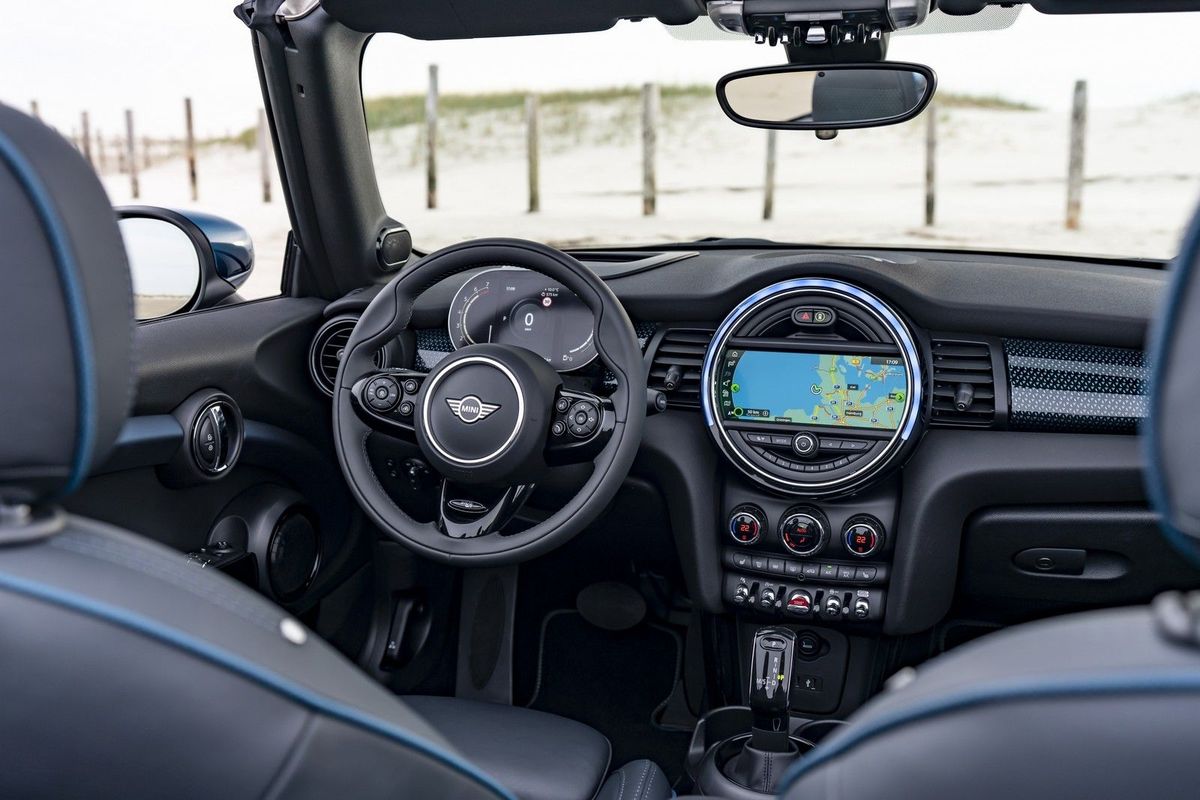
Mini Confirms Sidewalk for SA

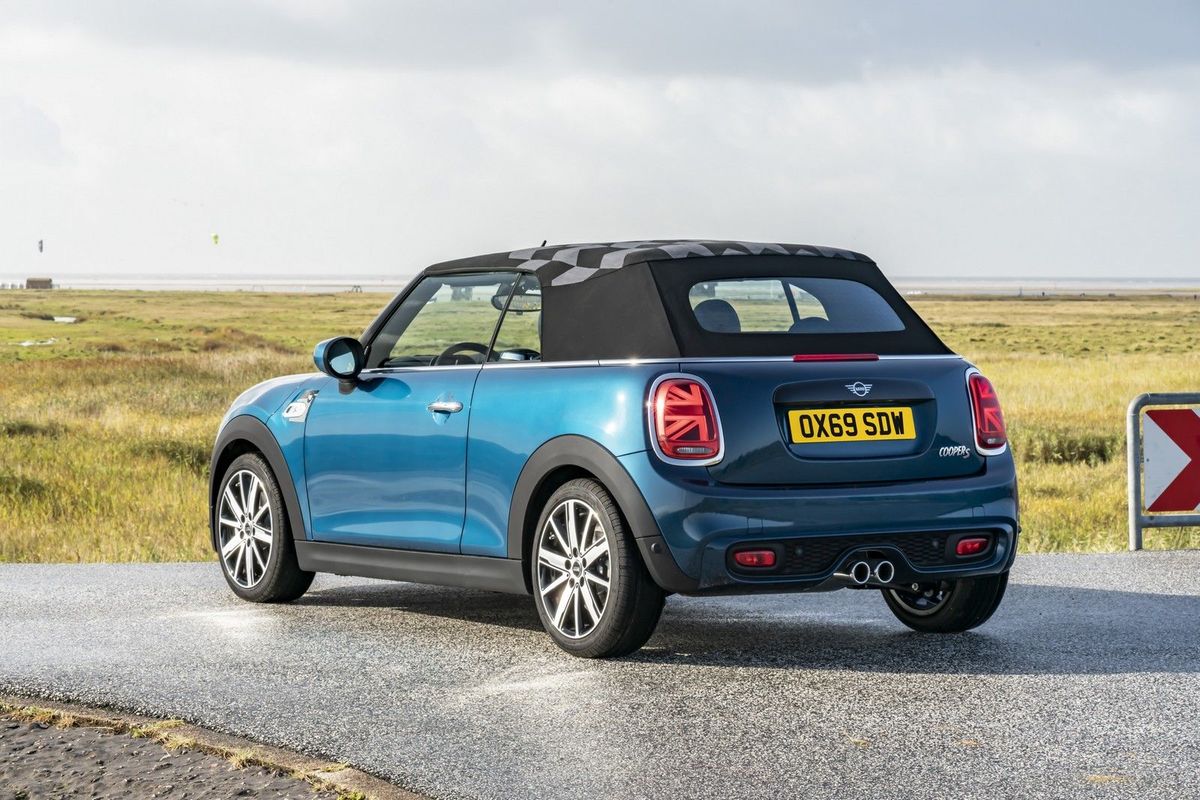
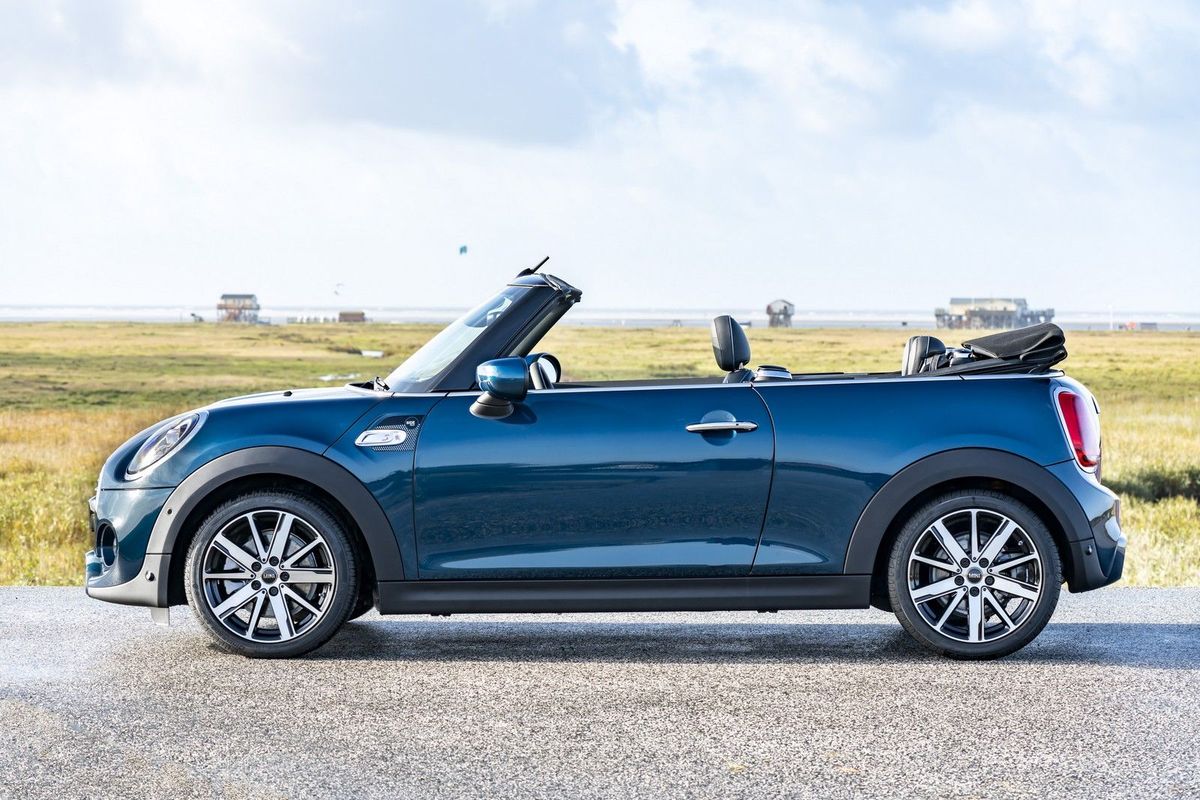
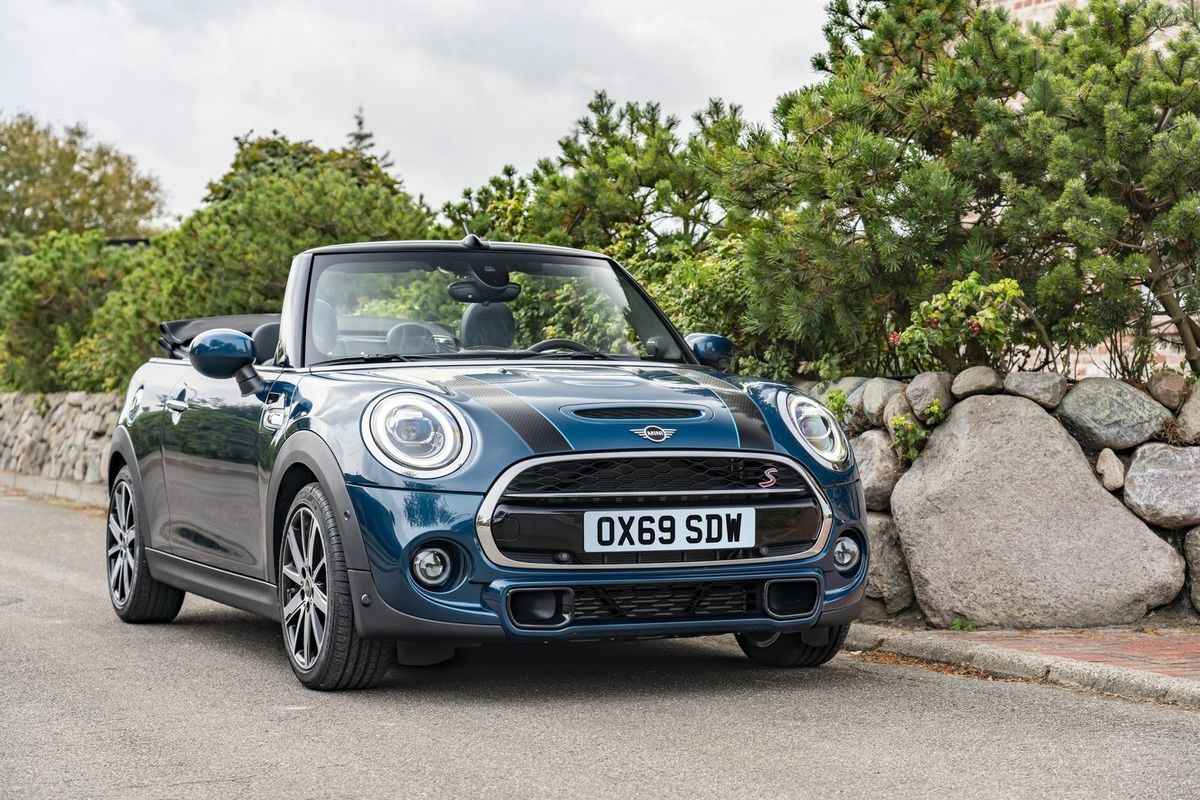
Mini has announced a special edition of its convertible and it's confirmed for SA market introduction in 2020. Meet the Mini Convertible Sidewalk.

The Mini Convertible Sidewalk will be reaching South Africa in the 2nd quarter of 2020 and will be available in Cooper and Cooper S derivatives. 

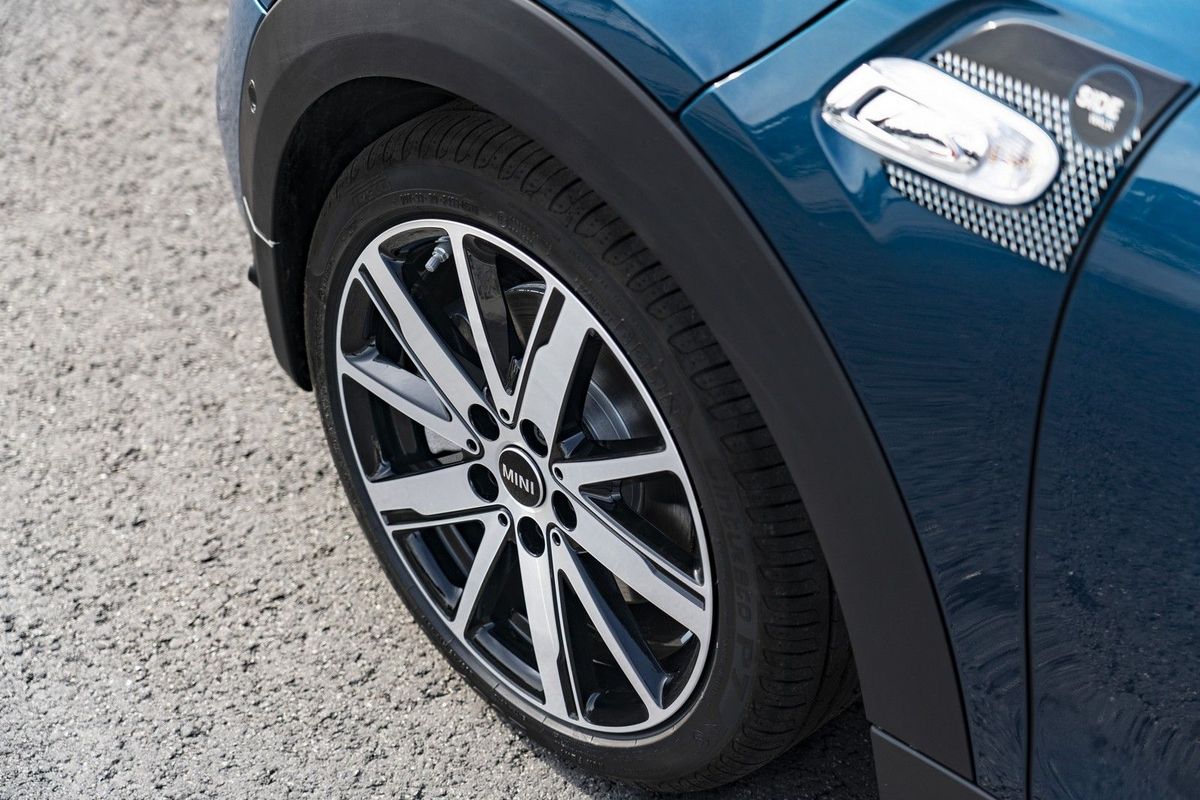
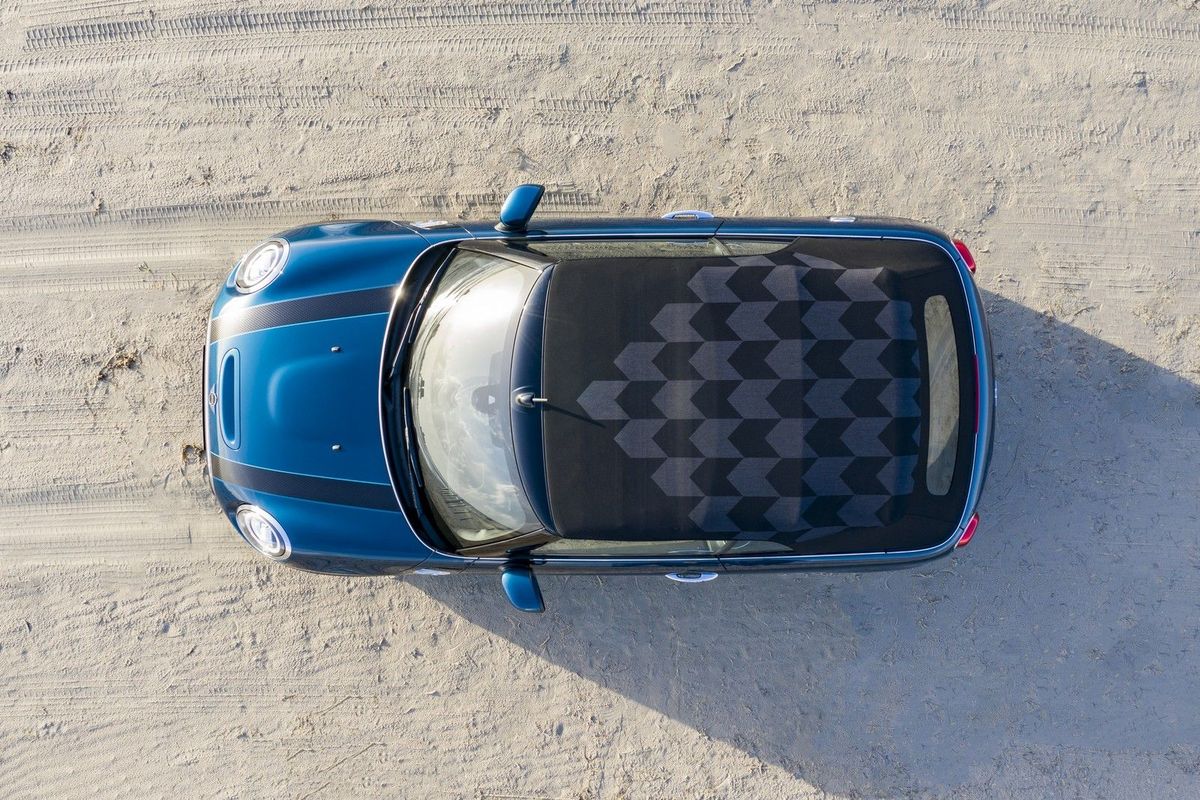
The Sidewalk model features exclusive paintwork, a unique soft top and special light-alloy wheels. The paint finish is attractive and is called Deep Laguna, while the textile soft-top roof can be opened and closed in as little as 18 seconds. The wheels are 17-inch light-alloy Scissor Spoke 2-tone units and there are subtle Sidewalk badges. Inside, there are exclusive MINI Yours Leather Lounge Sidewalk seats which are anthracite in colour with contrasting seams in Petrol and Energetic Yellow. There are also doormats which have matching dark Petrol surrounds and Energetic Yellow seams.

The engines available are the Cooper with the 1.5-litre 3-cylinder with 100 kW, while those craving more fun can go for the Cooper S with a 2.0-litre with 141 kW. Both vehicles feature 7-speed Steptronic transmissions, although the Cooper S can be equipped with a sportier gearbox complete with paddles on the wheels.

Further Reading

Mini Cooper S Automatic (2019) Review

All-Electric Mini Cooper SE for SA in 2021 

Hardcore Mini JCW GP Coming to SA

Euro NCAP’s Safest Cars of 2019

Euro NCAP tested 55 different vehicles in 2019 and they found that these cars are the safest. 

Car safety is a topic which is close to our hearts and we are always interested to see how cars fare when they're crashed. 2019 was a busy year for new car introductions and the European New Car Assessment Program (Euro NCAP) crash-tested 55 models from different car companies to see which were the safest. 

The scoring, according to Euro NCAP, is "a calculation is made of the weighted sum of the scores in each of the four areas of assessment: Adult Occupant, Child Occupant, Pedestrian and Safety Assist. This sum is used as the basis for comparison of the vehicles.

"Cars qualify for ‘Best in Class’ based only on their rating with standard safety equipment. Additional ratings based on optional equipment are excluded.”

Supermini

Audi A1

Renault Clio 

Ford Puma (runner up)

Small Family Car

Mercedes-Benz CLA

Mazda3  (runner up)

Large Family Car

Tesla Model 3

BMW 3 Series

Large Off-Roader

Tesla Model X

Small Off-Road / MPV

Subaru Forester

Mazda CX-30 (runner up)

Volkswagen T-Cross (runner up)

Further Reading

Cars Awards-powered by WesBank

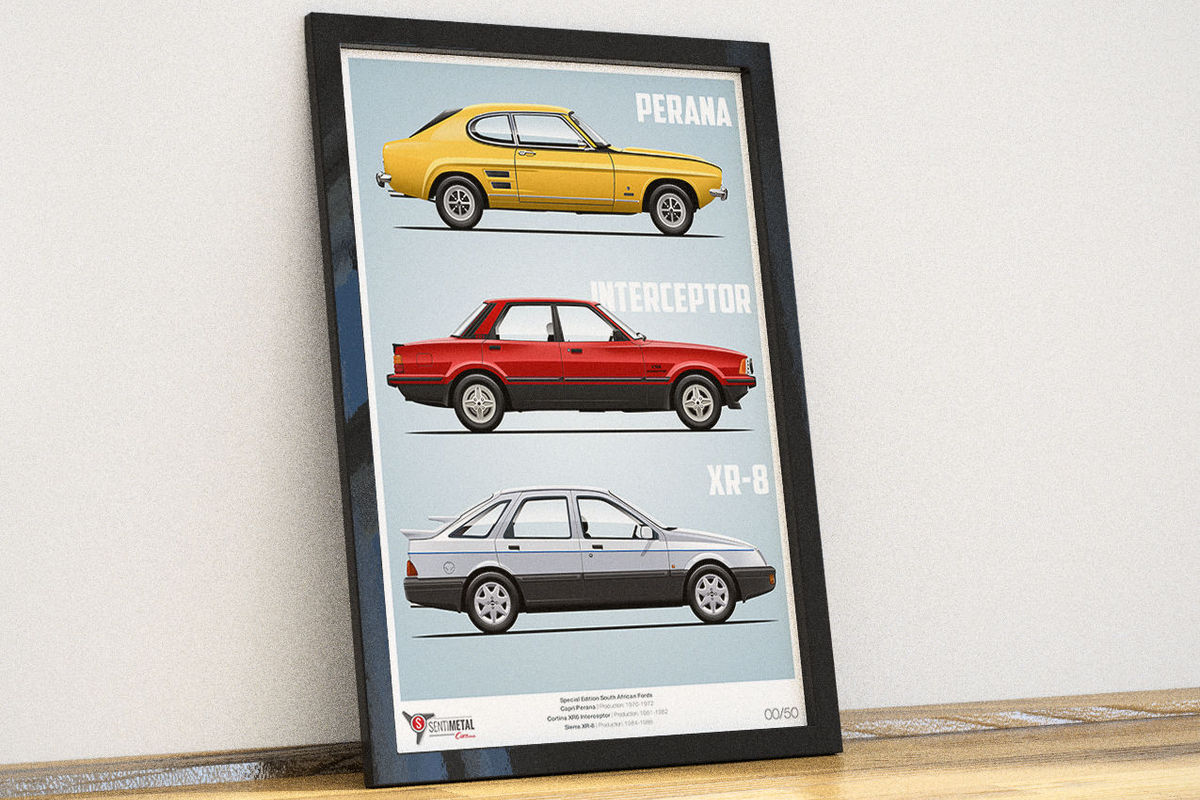
For the Ford fans – new prints from SentiMETAL

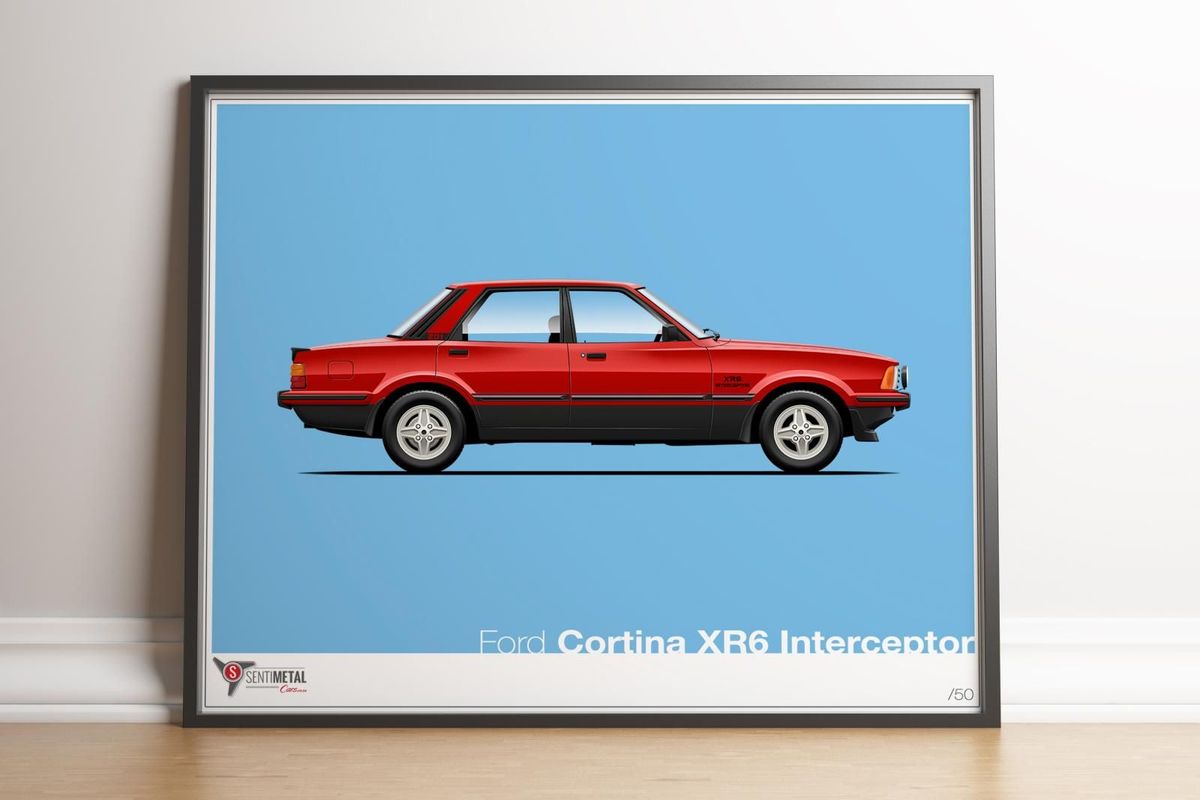
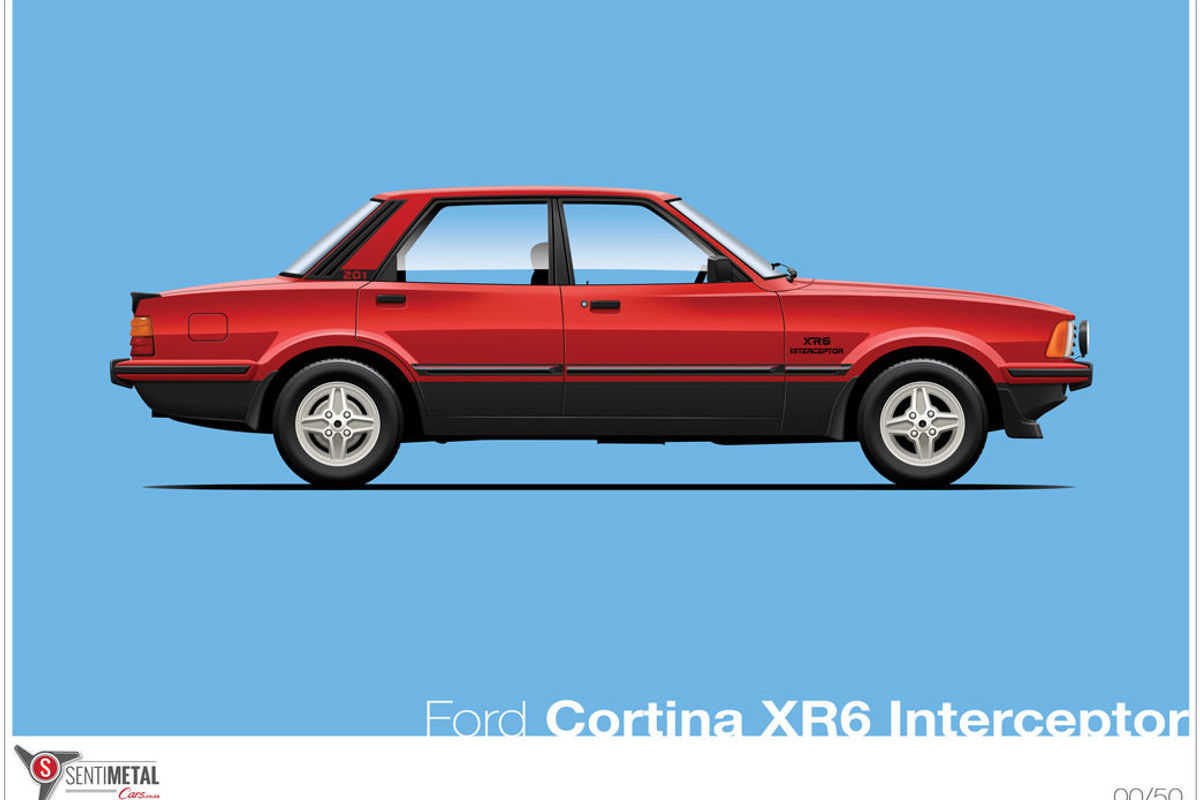
Cars.co.za's car-culture sub-brand SentiMETAL has released a pair of new prints aimed at Ford enthusiasts.

Both prints form part of SentiMETAL's Heritage collection, which consists of artwork featuring exclusively South African cars. The third Ford print to become available, and joining the existing Sierra XR-8 and Capri Perana pieces, is one featuring the iconic Cortina XR6 Interceptor. Available in A2 and A3 sizes, with each limited to 50 copies, the print is now on sale on the SentiMETAL online store, which can be found, here.

You can find out more about the Cortina XR-6 Interceptor by watching the video below. 

Ford has a strong performance heritage in South Africa and has, through the years, developed a number of unique-to-SA derivatives, mostly with motorsport success in mind. The second new limited-edition print to join the line-up features 3 of the most memorable cars, the Basil Green-developed Capri Perana, the Cortina XR6 Interceptor and, of course, the Sierra XR-8. All of these cars were built in limited numbers and are increasingly regarded as highly collectable.

?Ford Capri Perana – Developed locally by Motorsport legend Basil Green, and with full Ford factory support, the Perana is the only Capri V8 in the world that carried Ford's official blessing.  It was, of course, developed with motorsport very much in mind and its 5.0L V8 certainly made a wonderful noise. 

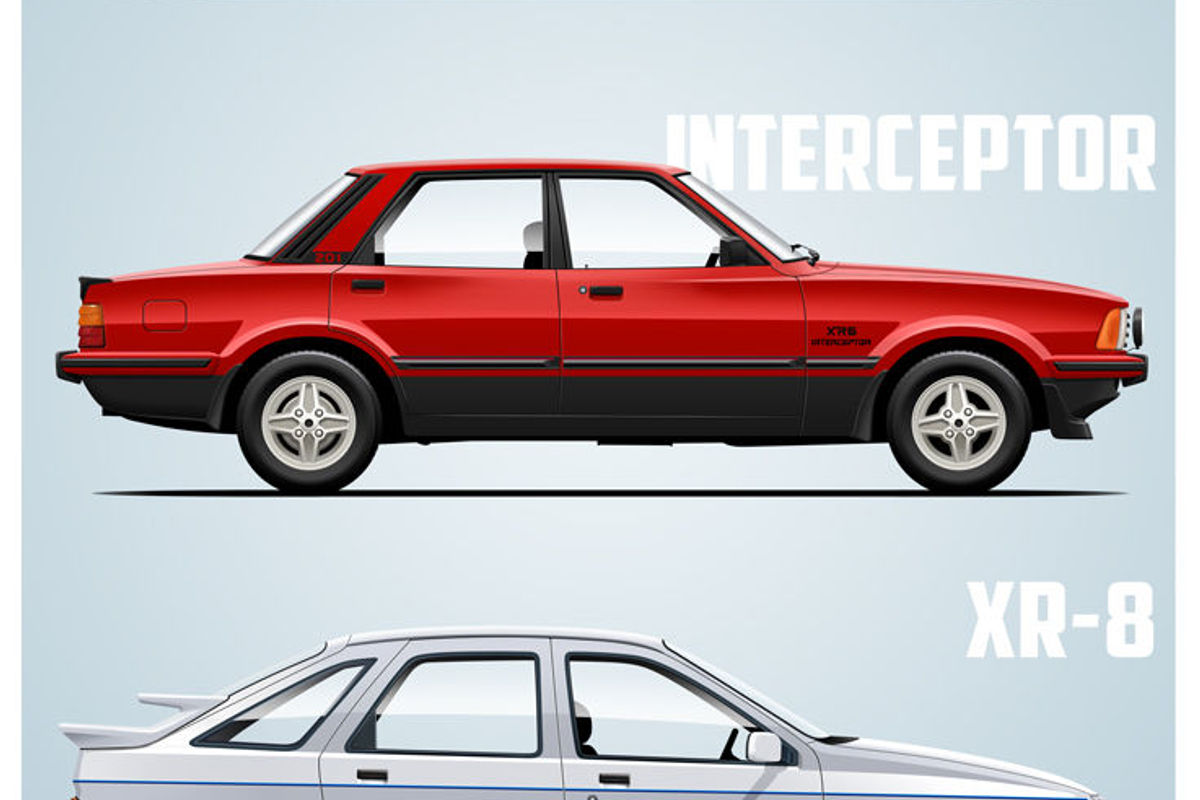
Ford Cortina XR6 Interceptor – Come 1981 and Ford introduced the XR6 Interceptor. This car was developed and released as a homologation special to allow Ford to compete in the local production car race series called Group One. Interceptors featured triple-downdraft 42 Weber carburettors, an aggressive camshaft, a different exhaust manifold and suspension updates. Assisting with a better foot print, wider Ronal 13-inch wheels were also fitted. It is believed that around 250 were built. The car featured in the print wears the number 201 (the same as the car featured in our Episode 12).

Ford Sierra XR-8 – Another one of the famed local homologation motorsport specials, the Sierra XR-8 was powered by a Mustang-sourced 5.0L V8 engine and developed with local circuit racing in mind, the XR-8 packed enough punch (161kW) to blast to 100kph in less than 7 seconds, and could top 230kph. It cost less that R28 000 when it was launched, and these days you'll be rewarded handsomely if you've kept your XR-8 stock and neat…

You may also be interested in;

Gifts for petrolheads: Super deals at the SentiMETAL Store

BMW's Awesome Foursome: SentiMETAL launches new print

New Car Sales in SA: December 2019

New car sales in South Africa ended on a high according to the National Association of Automobile Manufacturers of South Africa (NAAMSA). 

2019 was a challenging year for the local automotive industry which suffered an overall decline of 2.8% (-15 601 units) compared to 2018. A subdued economic environment, low business/consumer confidence and depressed consumer disposable income all contributed negatively towards 2019 new car sales results.

However, December 2019, represented a relatively strong finish to a difficult year and according to NAAMSA, aggregate new vehicle sales recorded an increase of 4.2% (1 678 units) compared to December 2018. Light Commercial Vehicle (LCV) sales, however, registered a decline of 6.7% as did exports, which took a bigger knock, declining by 57.7% during December but overall export figures for 2019 reached an annual record high in the first 11 months of the year with a cumulative export figure of 386 863 units which represents a gain of 10.2% (35 724 units) over 2018 export sales of 351 139. Passenger car sales recorded an increase of 9.1% during December 2019.

New Car Sales Summary – December 2019

  • Aggregate new car sales of 41 698 units up by 4.2% (+1 678 units) compared with December 2018
  • New passenger car sales of 28 965 units up by 9.1% (+2 418 units) compared with December 2018
  • LCV sales of 10 461 units down by 6.7% (-750 units) compared with December 2018
  • Export sales of 13 298 units down by 57.7% (-18 124 units) compared with December 2018 
     

Top 5 Best-Selling Car Brands in South Africa 

  1. Toyota – 10 936 units 

  2. Volkswagen – 6 850 units

  3. Ford – 3 489 units 

  4. Hyundai – 2 937 units 

  5. Nissan – 2 737 units

Top 10 Best-Selling Cars in South Africa

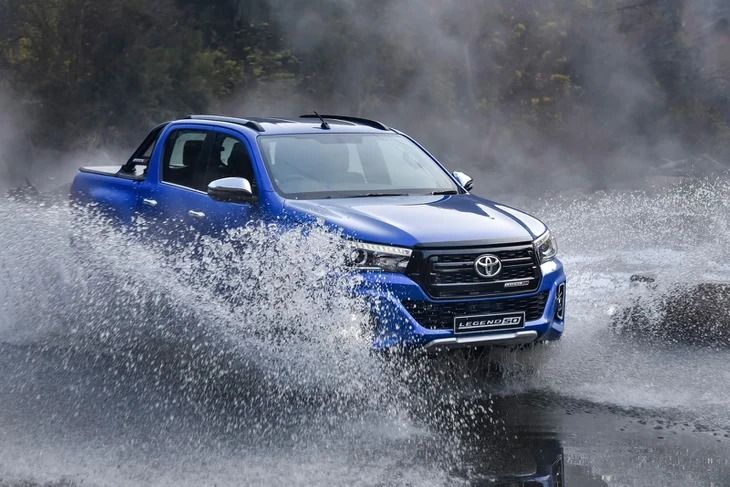
  1. Toyota Hilux – 3 080 units 

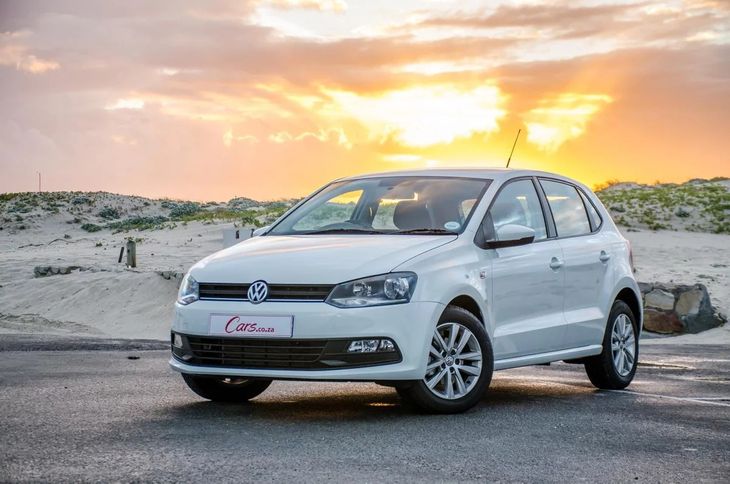
  2. VW Polo Vivo – 1 779 units 

  3. Ford Ranger – 1 724 units 

  4. Renault Kwid – 1 631 units 

  5. Toyota Etios – 1 433 units

  6. Volkswagen Polo – 1 410 units 

  7. Isuzu D-Max – 1 344 units 

  8. Toyota Hi-Ace – 1 083 units 

  9. Toyota Fortuner – 974 units 

  10. Toyota Corolla Quest – 963 units 

Outlook for 2020 

With an expected annual economic growth rate of 1% or more on the cards for 2020 and combined with improved customer and business confidence, NAAMSA projects a 2% increase in year-on-year aggregate sales volumes. It must be noted, however, that most car brands are predicting a flat market in 2020.  

Exports are also expected to improve in 2020 and local car production is predicted to increase from roughly 640 000 units in 2019 to approximately 660 000 units in 2020. 

Factors that will continue to threaten the economy include Eskom and the on-going load shedding crisis, Moody’s pending investment rating announcement for South Africa and the lingering weak economic growth outlook. Inflation, however, has declined to within the target range of between 3% and 6% and exports will continue to support the industry as a whole. 


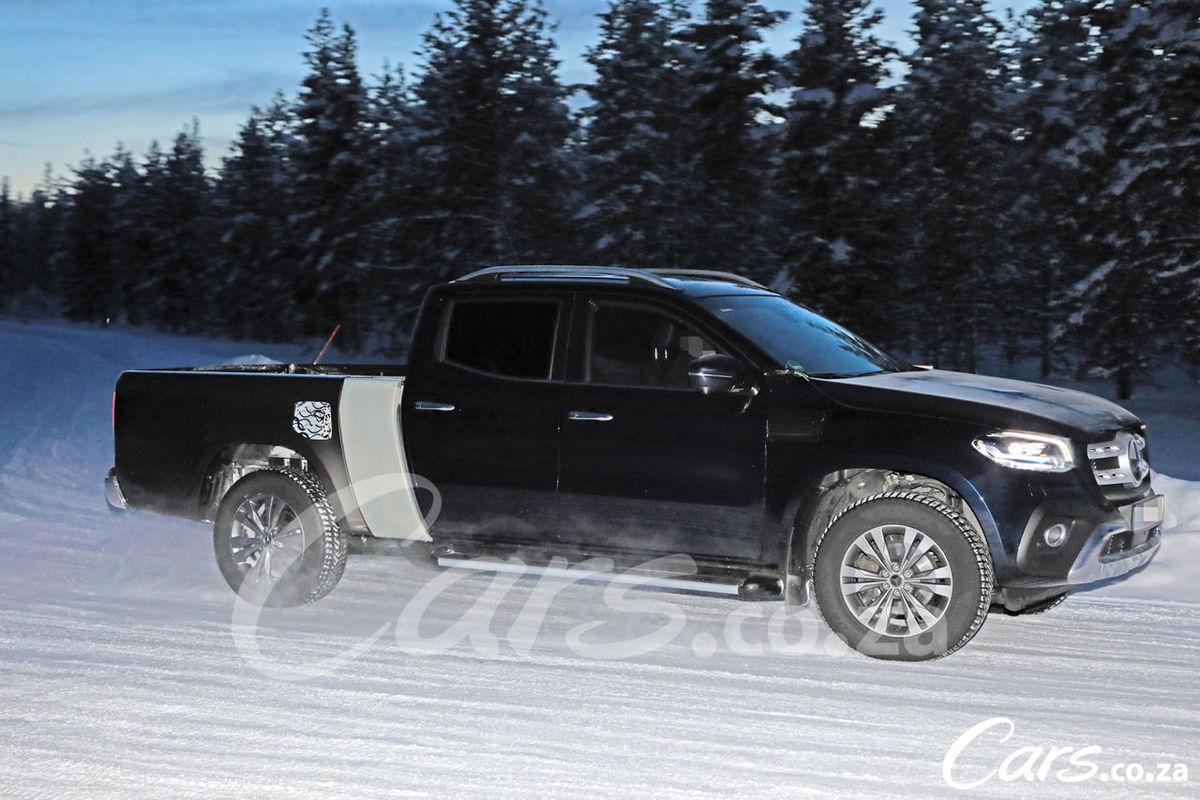
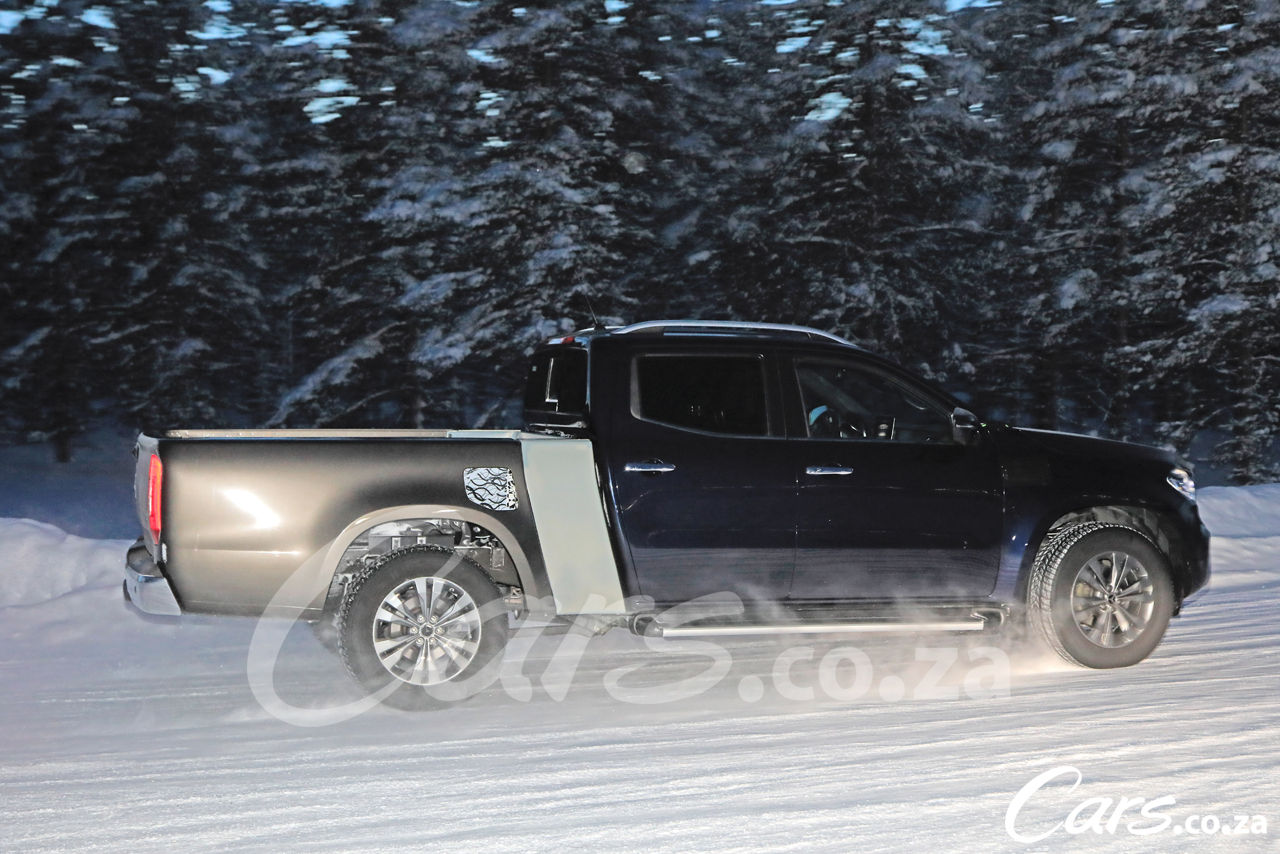
Spy Shots:2021 Mercedes-Benz X-Class LWB

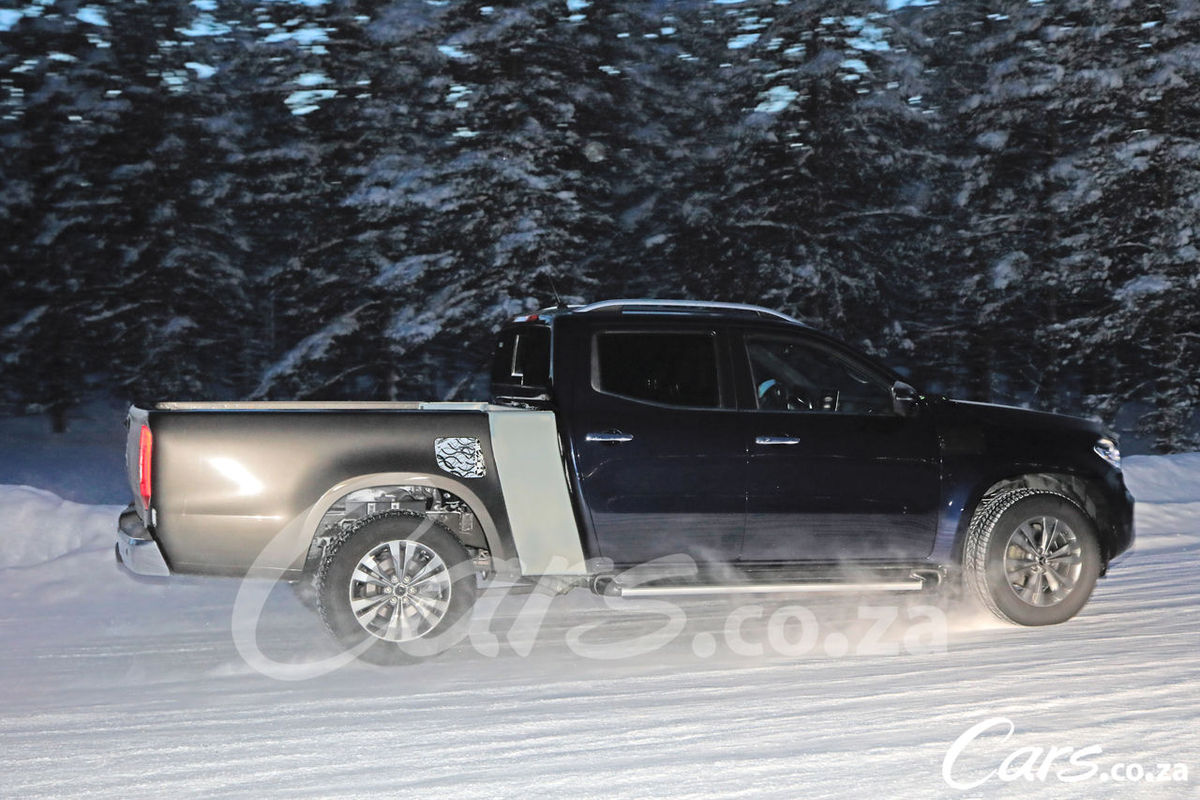
Mercedes-Benz is busy testing a long-wheelbase version of its X-Class double-cab bakkie. 

Picture credit: S. Baldauf/SB-Medien

The Mercedes-Benz X-Class hasn't been a stellar success by any stretch of the imagination, but Merc is attempting one more roll of the dice by introducing a long-wheelbase version. Spotted undergoing winter testing is this mule, which shows the new stretched area in a relatively undisguised body. We suspect that Mercedes-Benz will have reworked the suspension to cope with the additional load.

When it comes to market, we're expecting the same engines to power it. The first is the 4-cylinder 2.3 turbodiesel with 140 kW, with the second being a 190 kW / 550 Nm 3.0-litre turbodiesel V6. This flagship powertrain comes with a seven-speed automatic transmission and 4Matic all-wheel-drive system as standard.

As for a potential arrival, we think that Mercedes-Benz will showcase the newcomer at the 2020 Geneva Motor Show.

Further Reading

Why the X-Class is Failing

Mercedes-Benz X-Class Edition 1 Revealed

Maybach-inspired Mercedes-Benz X-Class Anyone?
Mercedes Benz X-Class (2018) Video Review