Aston Martin has teased a limited-edition open-top supercar.
The V12 Speedster, as the name suggests, is powered by the 5.2-litre twin-turbo V12 motor developing around 510 kW and 700 Nm. Power will go the rear wheels via an 8-speed automatic gearbox supplied by ZF.
There'll be just 88 units available for the global market and we expect it to be a rival to the recently-announced McLaren Elva and the Ferrari Monza SP1. However, unlike the single-seat Ferrari, this Aston will feature 2 seats.
Expect a full reveal of this vehicle at some point in 2020, with deliveries starting in the first quarter of 2021.
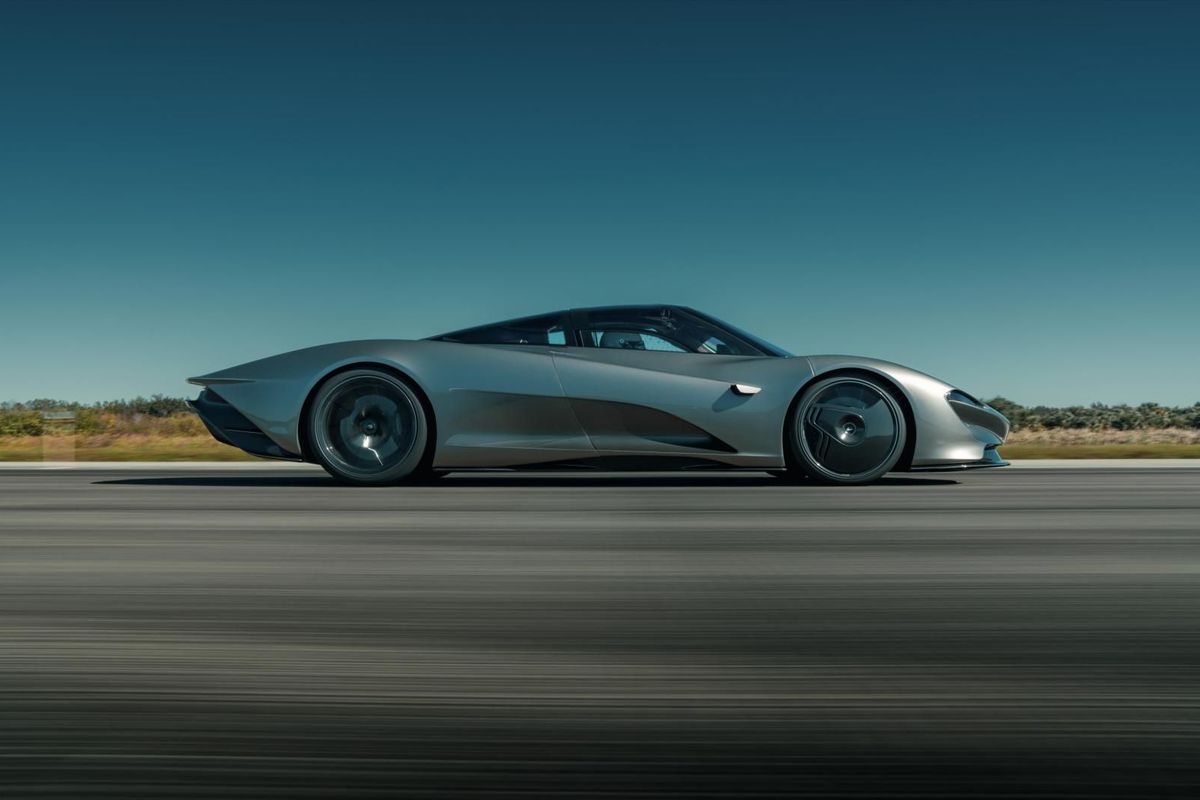
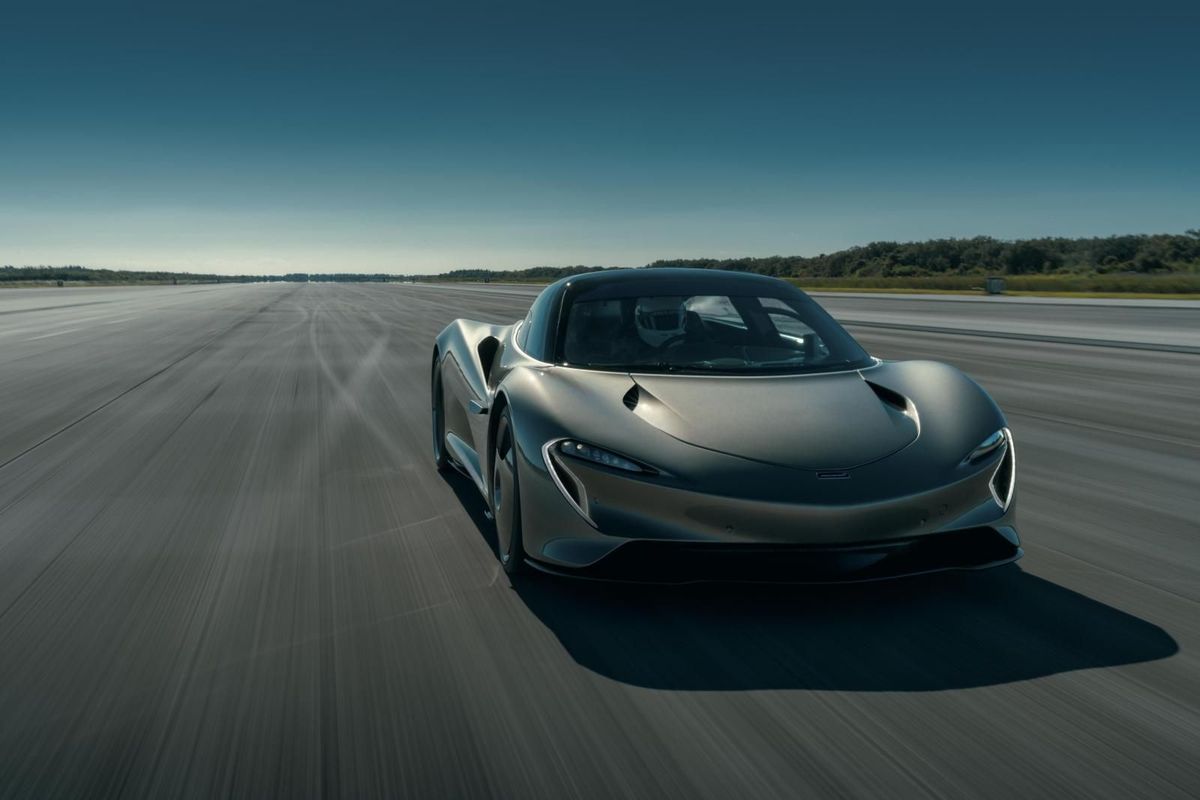
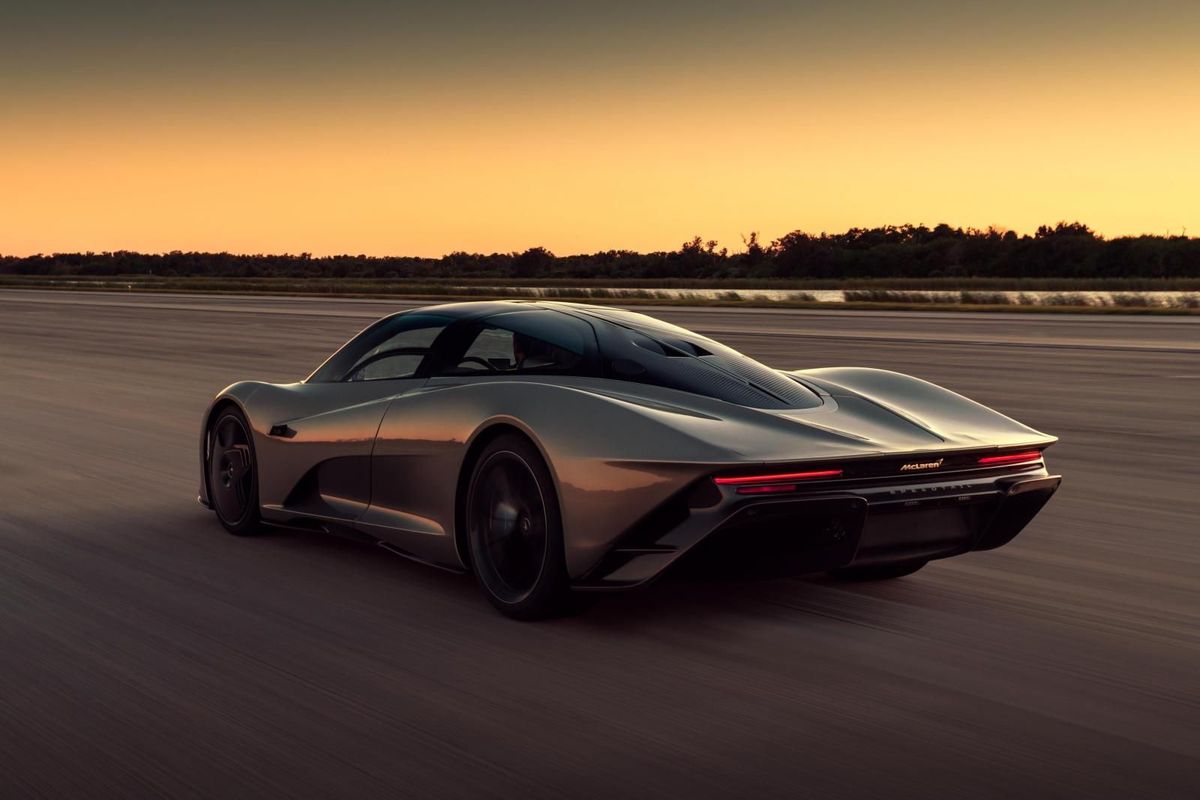
The McLaren Speedtail has finished testing and customers will start getting their cars from February 2020. How fast did it go? A very decent 403 kph!
You may be wondering where a vehicle can safely drive at speeds of 403 kph, but McLaren found the perfect location at the Kennedy Space Center in Florida, United States of America. Nothing quite like a wide and very long runway designed for jets and spacecraft to test your high-performance new offering! McLaren's chief test driver Kenny Brack took the new Speedtail up to 403 kph at least 30 times.
There'll be 106 units hand-built by McLaren and the first deliveries will commence in February 2020. The 3-seater McLaren Speedtail is powered by a petrol-electric hybrid 4.0-litre twin-turbo V8 motor producing 787 kW and 1 150 Nm, making it the most powerful road car made by McLaren. The acceleration figures are insane, with 0-300 kph achieved in less than 13 seconds.
“It’s fitting that the Speedtail’s high-speed test programme concluded with multiple maximum-speed runs at a location strongly associated with pushing the boundaries of extreme performance and engineering excellence,” commented McLaren Automotive CEO, Mike Flewitt. “The Speedtail is a truly extraordinary car that epitomises McLaren’s pioneering spirit and perfectly illustrates our determination to continue to set new benchmarks for supercar and hypercar performance.”
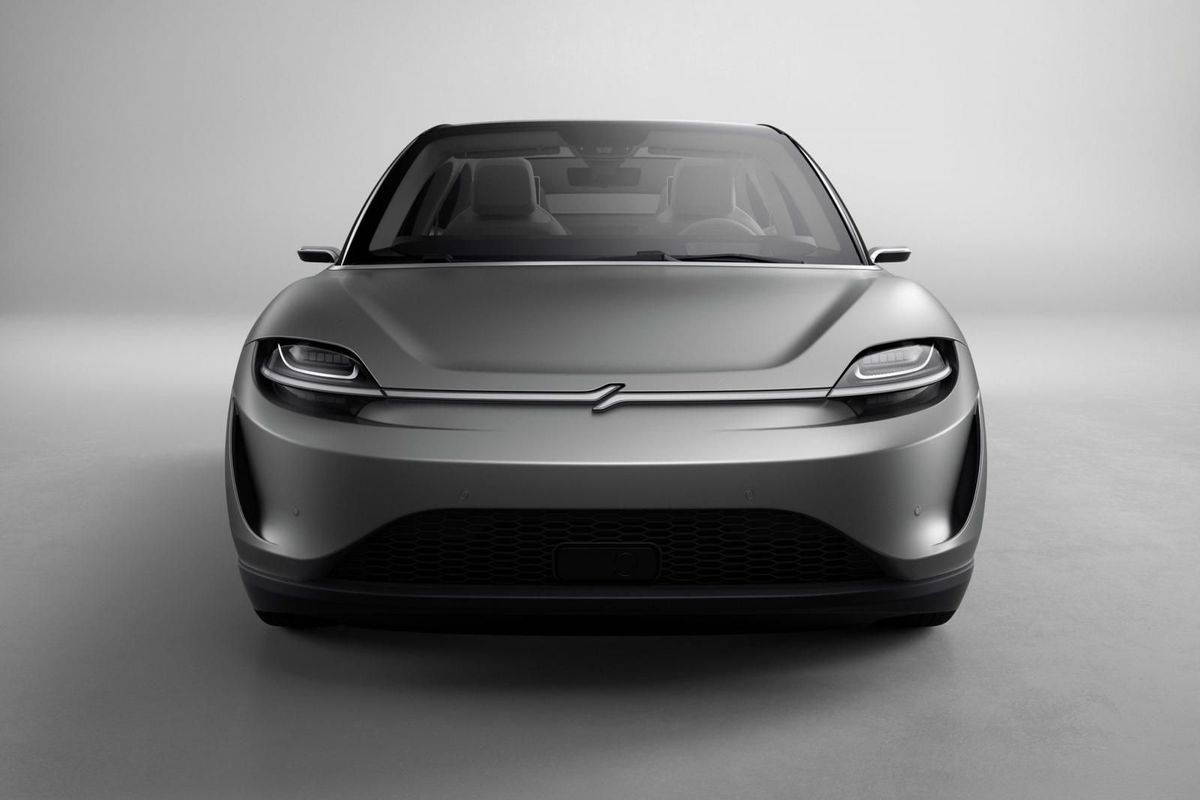
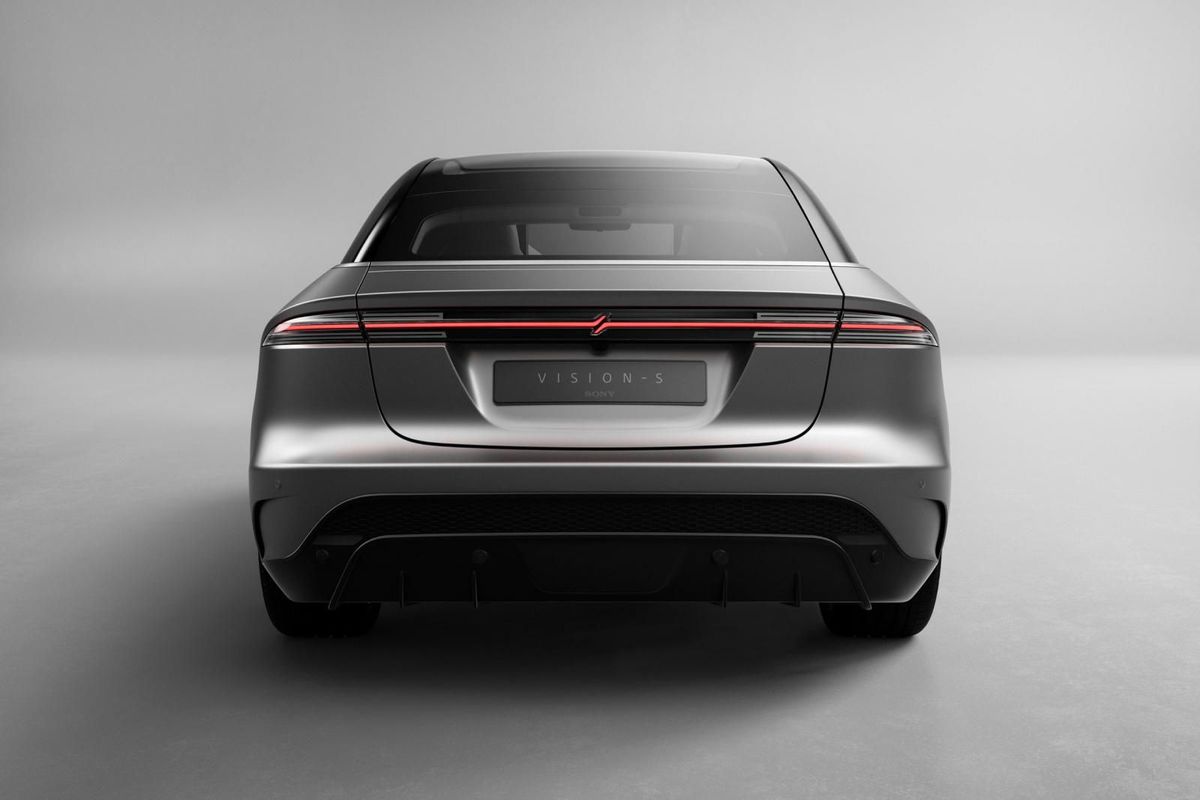
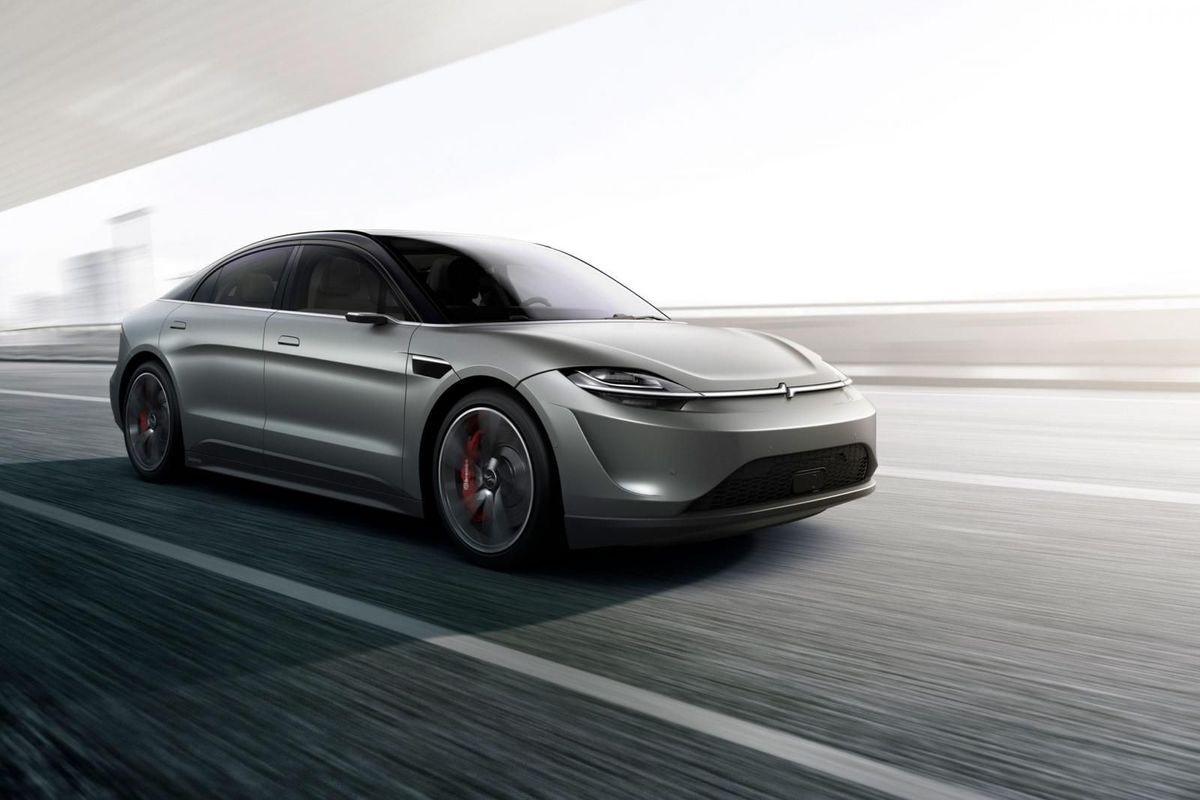
Japanese tech giant, Sony, has shown its battery-powered sedan at the Consumer Electronics Show (CES).
Sony has surprised brand followers and industry rivals by revealing a concept car.
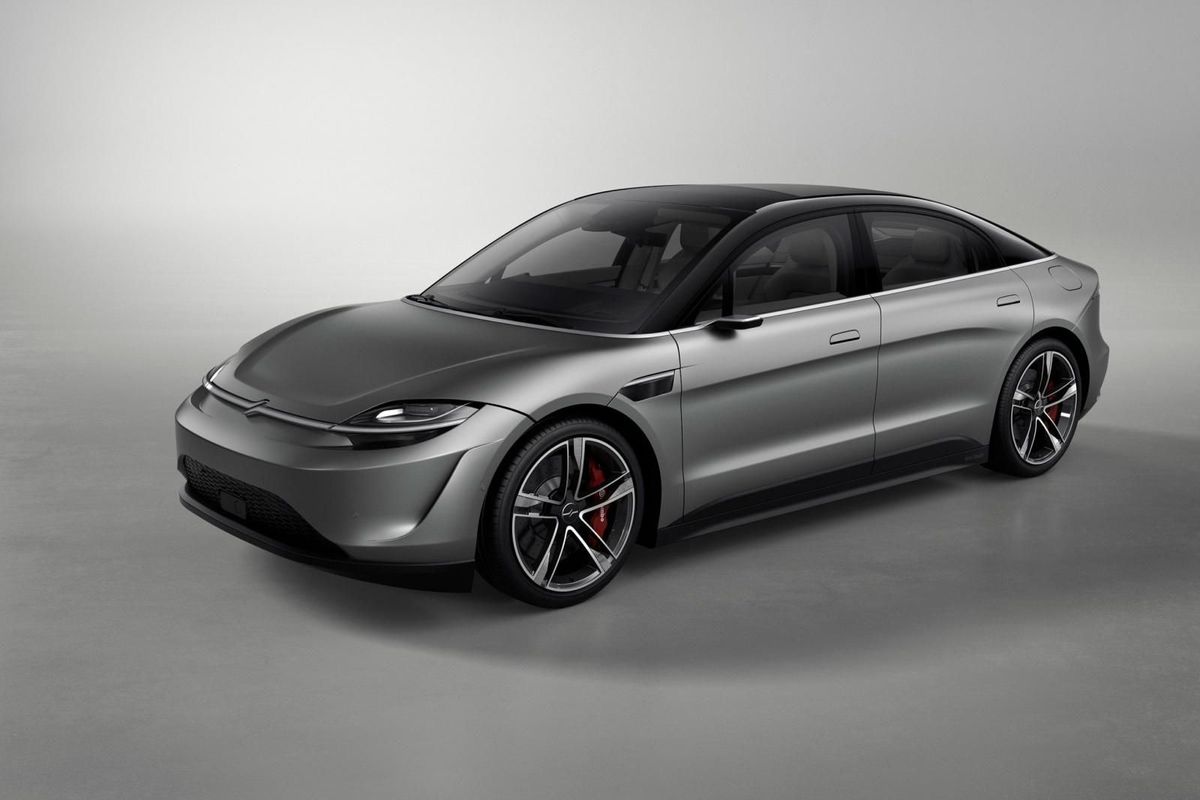
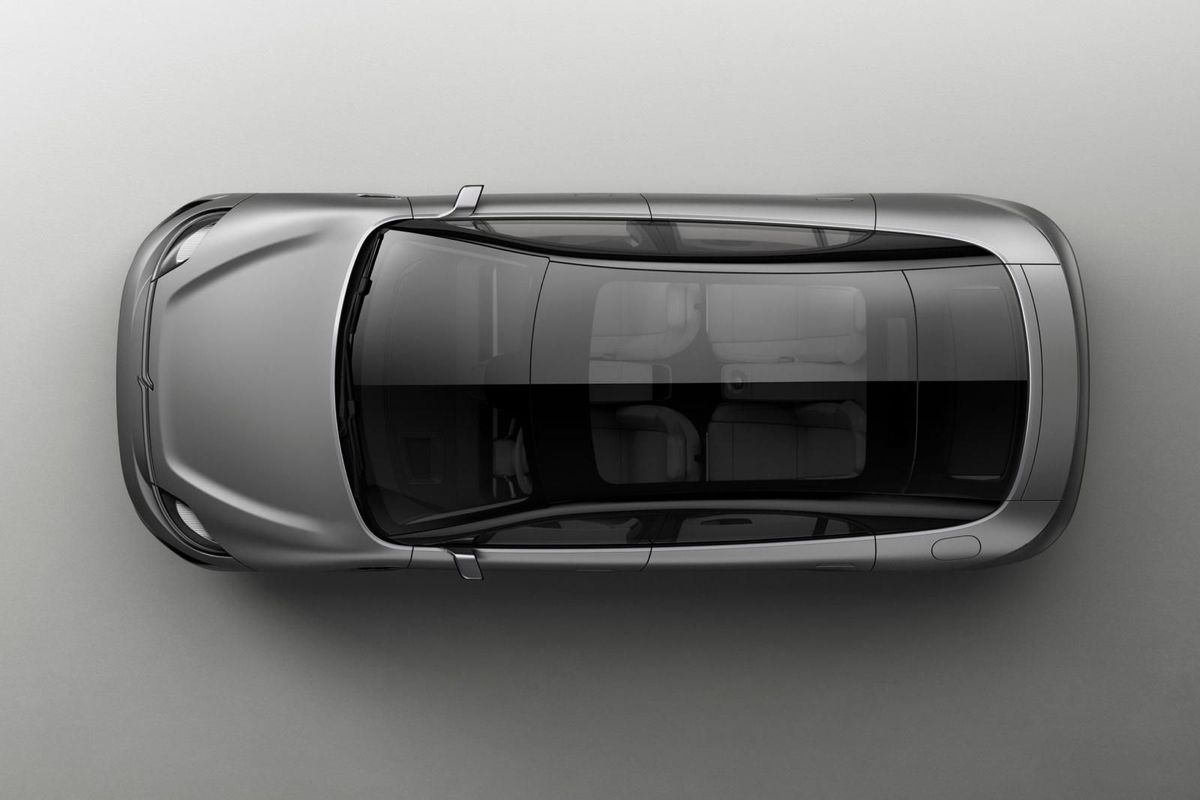
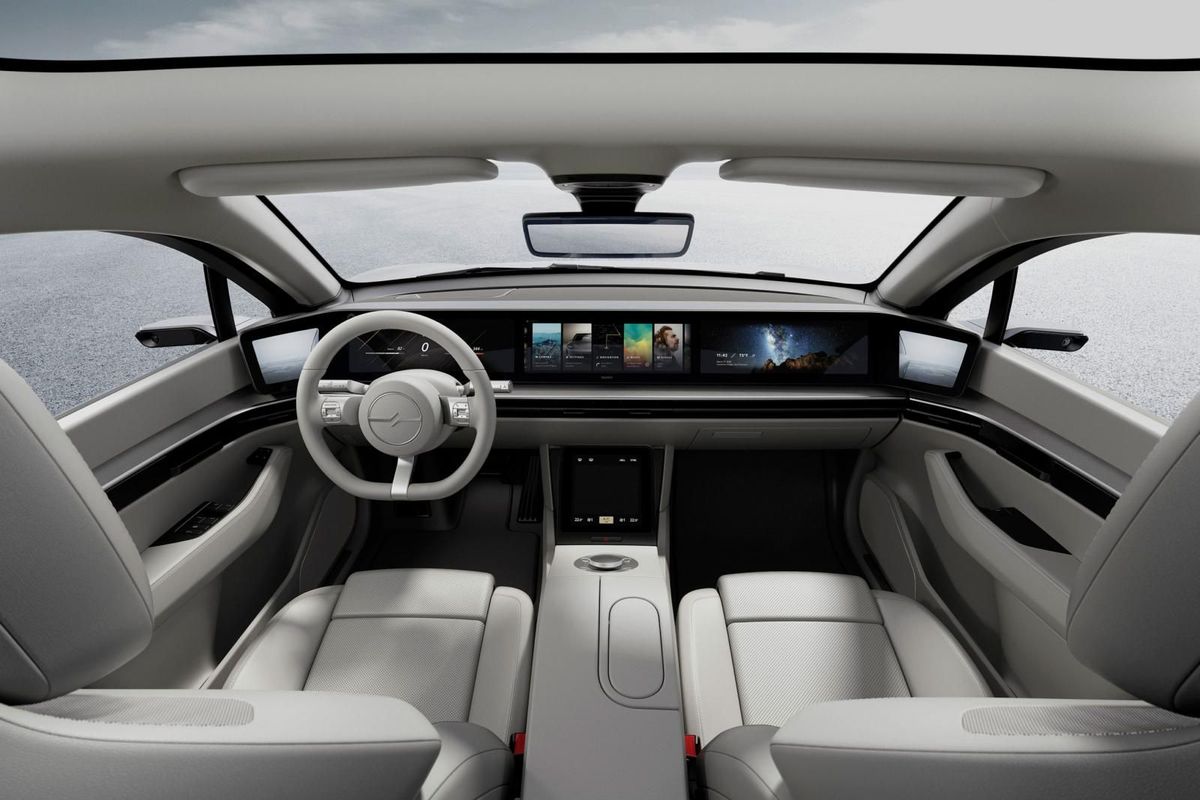
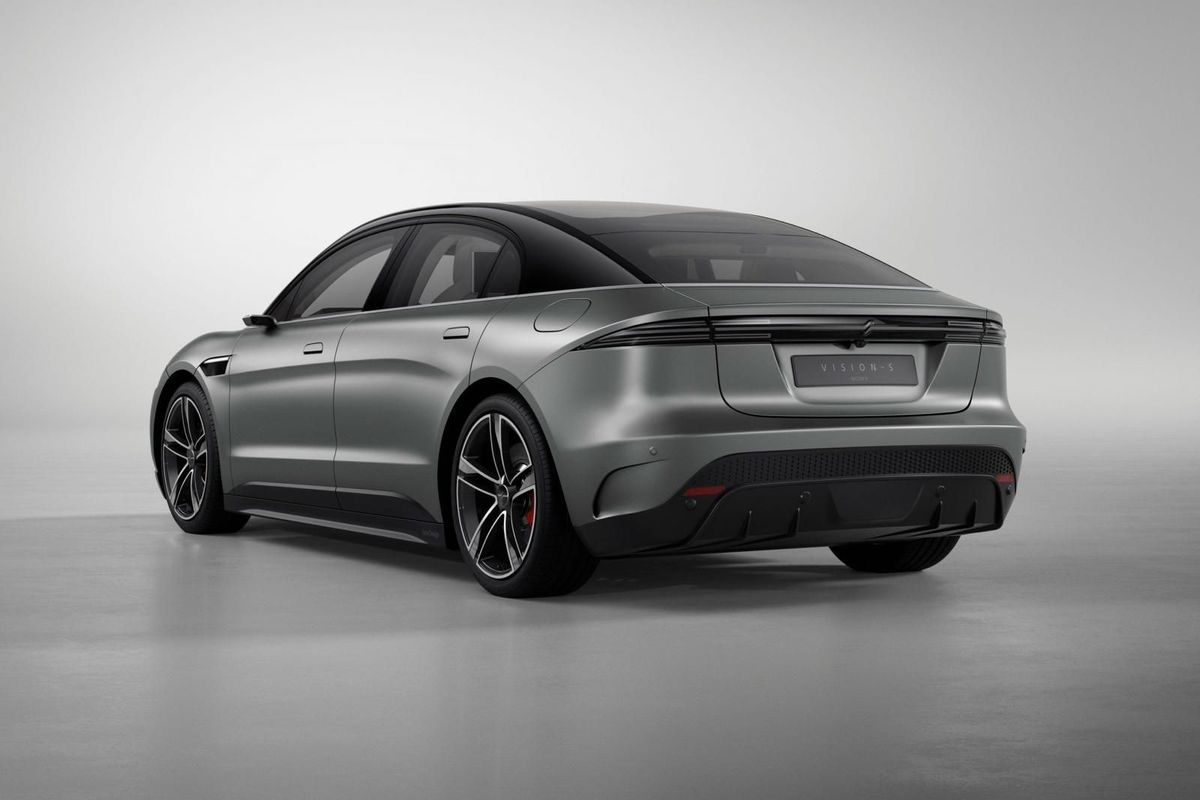
During a media session at the 2020 CES event in Las Vegas, Sony announced its Vision-S electrical vehicle. Although the car is conceptual, it has proportions and styling details which are very much closer to those of a production vehicle rather than being a pure concept car.
Sony claims that its Vision-S is a technology showcase, illustrating the array of technologies Sony possess, which are applicable to the fields of autonomous driving, enhanced cabin entertainment and passenger comfort.
The vehicle platform for Sony’s Vision-S is supplied by Canadian automotive supplier conglomerate, Magna. More specially, its Austrian subsidiary, Magna-Steyr, which is an assembly hub of choice for the likes of Mercedes, Jaguar and Toyota. Magna-Steyr builds the I-PACE, so they were an ideal partner for Sony, regarding its Vision-S battery-powered sedan.
By far the most impressive technical detail concerning Sony’s Vision-S, are its sensors. There are a total of 33 sensors inside and outside of the Vision-S and Sony has used its advanced digital camera experience to provide smart solutions to autonomous driving issues.
Challenging light conditions (in harsh backlighting or fog), can often confuse traditional digital camera sensors. Sony has been a leader in digital camera sensors technology for decades and it has used this ability to develop new CMOS sensors which have enormous dynamic range and very accurate object recognition.
Beyond the trick camera sensors helping the Vision-S sedan to understand its environment, there is also solid state LiDAR, allowing for incredibly accurate distance measurement, to objects. Sony believes that the combination of its latest-generation CMOS digital camera sensors and solid-state LiDAR give the Vision-S powerful autonomous driving and collision avoidance abilities.
Inside, the cabin there's a wraparound display screen which runs the entire width of the dashboard and immersive infotainment technologies. These include music reverberation through the seats and cameras which identify where passengers are seated and their height, to ensure the most pleasing possible projection of sound and visuals.
Although Sony hasn't announced any production details for its Vision-S, it is a very symbolic concept vehicle, for the Japanese brand.
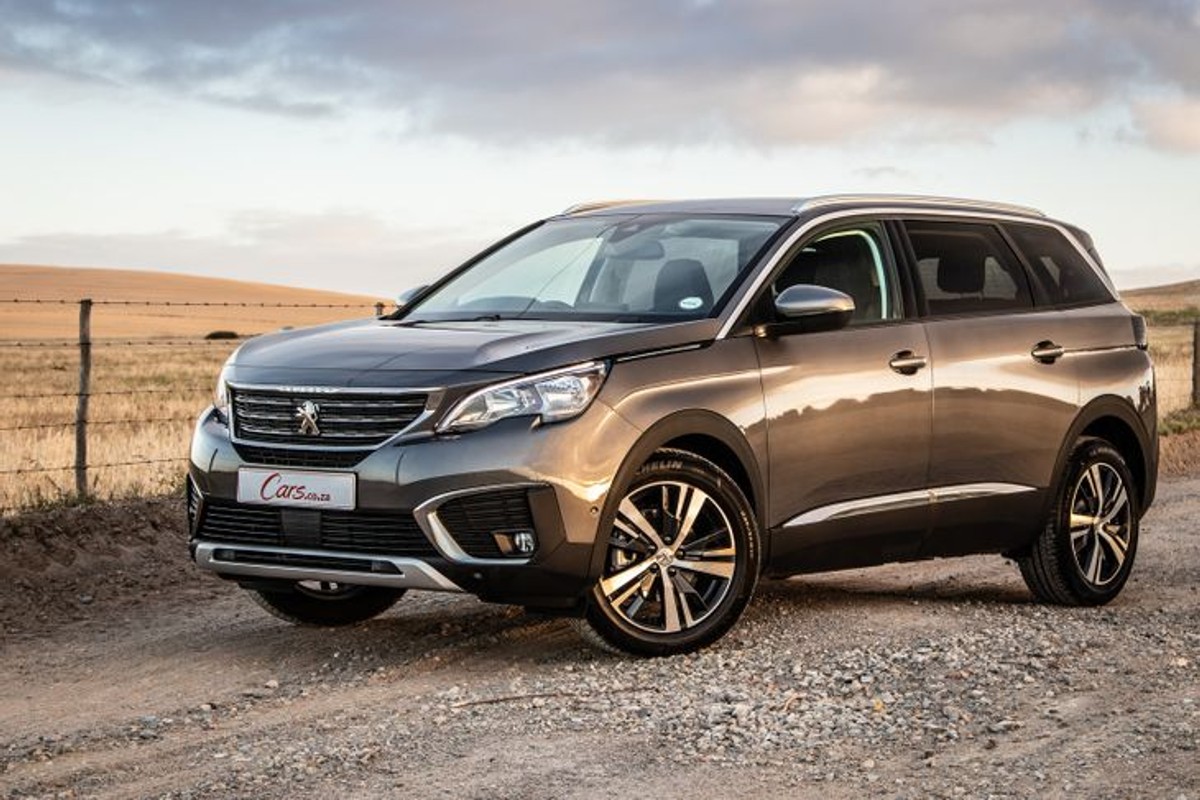
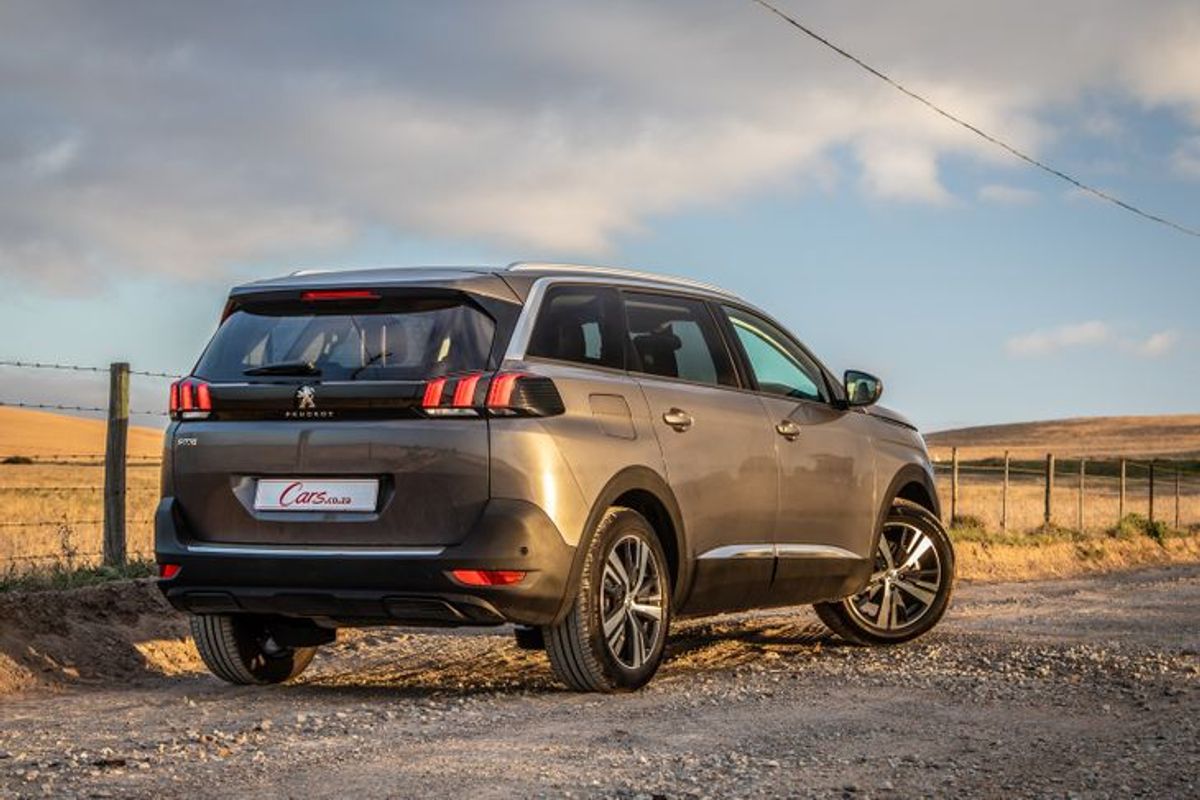
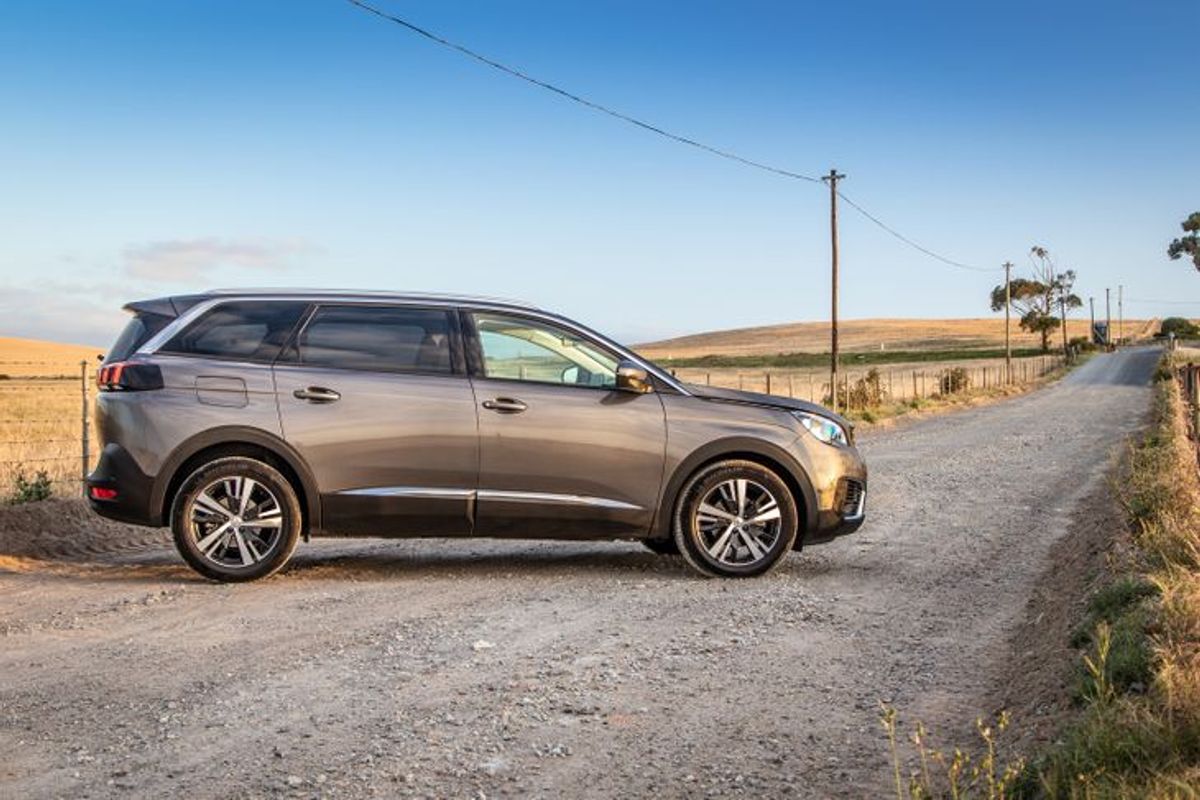
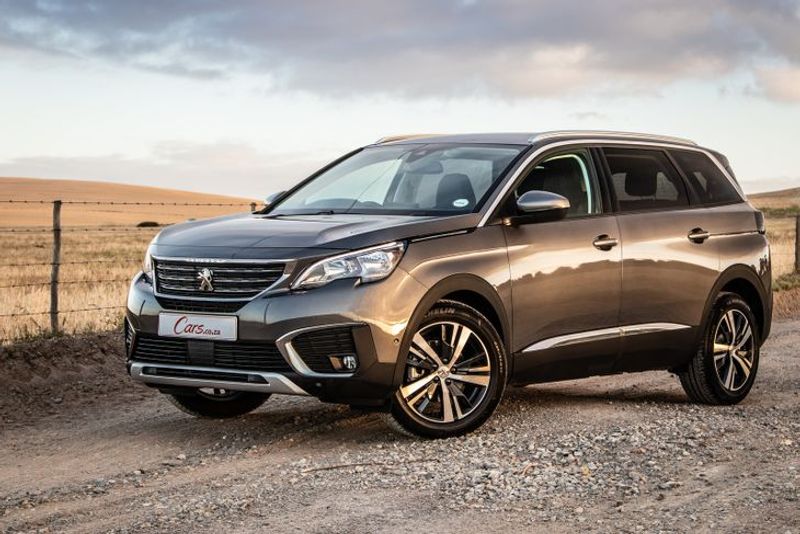
Peugeot’s flagship family car – replete with seating for 7 occupants – recently arrived in South Africa and we got behind its ‘wheel to see if the French newcomer could replicate its smaller sibling’s success. How did the Peugeot 5008 fare? We tested it in entry-level 1.6T Allure trim…
We Like: Practicality, powertrain, stylish cabin, refinement and excellent build quality
We Don’t Like: Average 3rd-row legroom, quirky driving position, revamped Peugeot SA after-sales strategy yet to prove itself
Some Peugeot dealers regularly offer specials: Have look here.
What is it?
At first glance, the new Peugeot 5008 looks a lot like the current 3008.
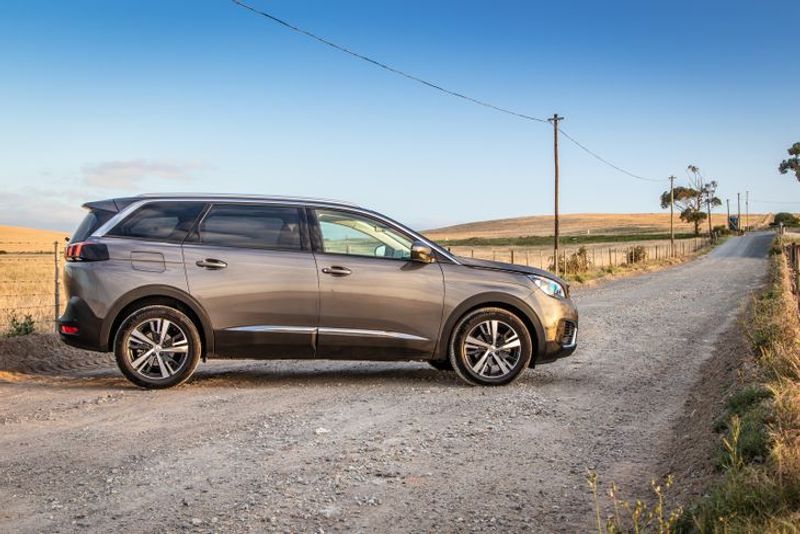
The Peugeot 5008 has undergone quite a transformation during its model life. Once a frumpy, but eminently practical, 7-seater MPV (which was offered in South Africa about a decade ago), the 5008 is now a modern, slick and stylish 7-seater family SUV, which has been launched in South Africa as part of Peugeot and Citroen’s high-profile relaunch in the local market. It’s easy to see why the French marque has transformed its people carrier. SUVs are all the rage at the moment (and we see little reason why that won’t continue for some time) and buyers want to get behind the ‘wheels of cars that look off-road capable and boast high driving positions. Essentially, the Peugeot 5008 is a stretched version of the 3008, a vehicle we’re familiar with (and rather fond of). So much so, the 3008 has cracked a finalist spot in the #CarsAwards – powered by WesBank. But what about its big brother – the 5008 – in 1.6T Allure trim?
How it performs in terms of…
Interior quality and features
Whereas the 5008’s exterior design needs no introduction (it’s a stretched version of the 3008, which is widely regarded as a handsome, sophistically-styled family car, even if not everyone is enamoured with a plethora of curves on an SUV, even in city-slicker guise). The newcomer’s interior is bound to be more universally appreciated, however… because it’s anything but a study in bland people-mover utilitarianism.
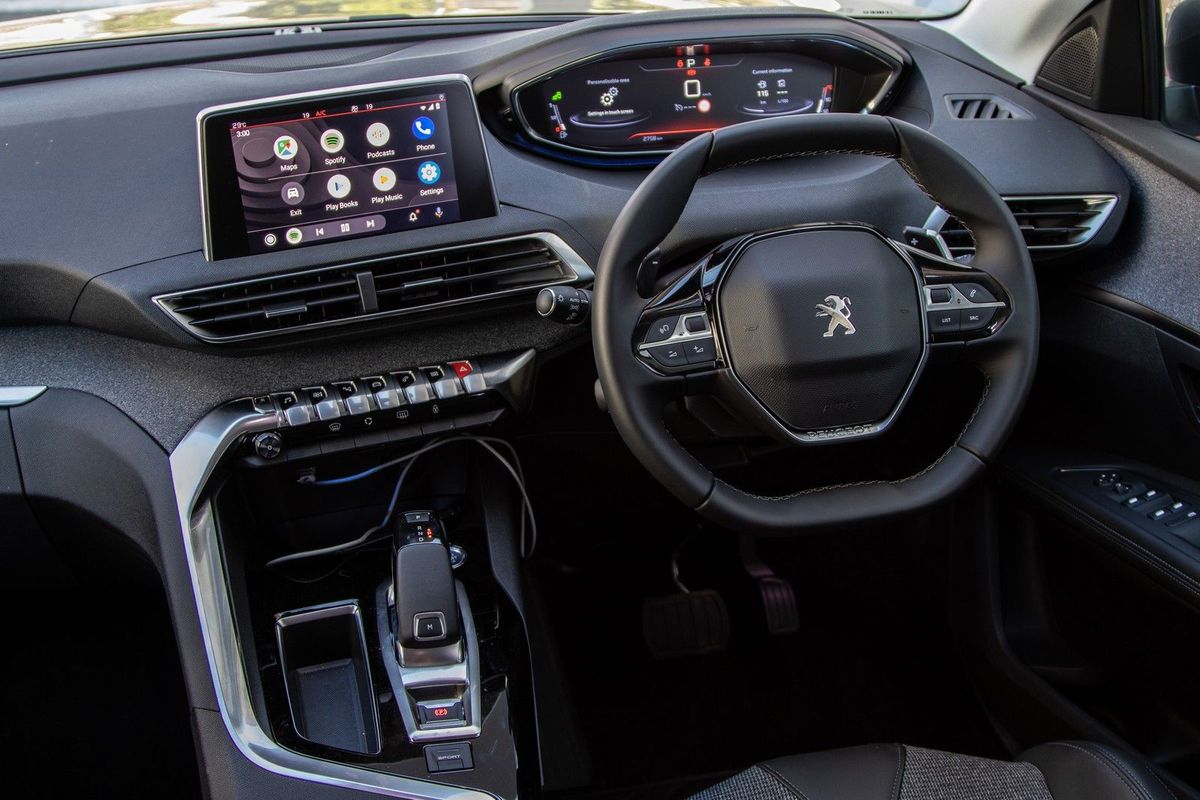
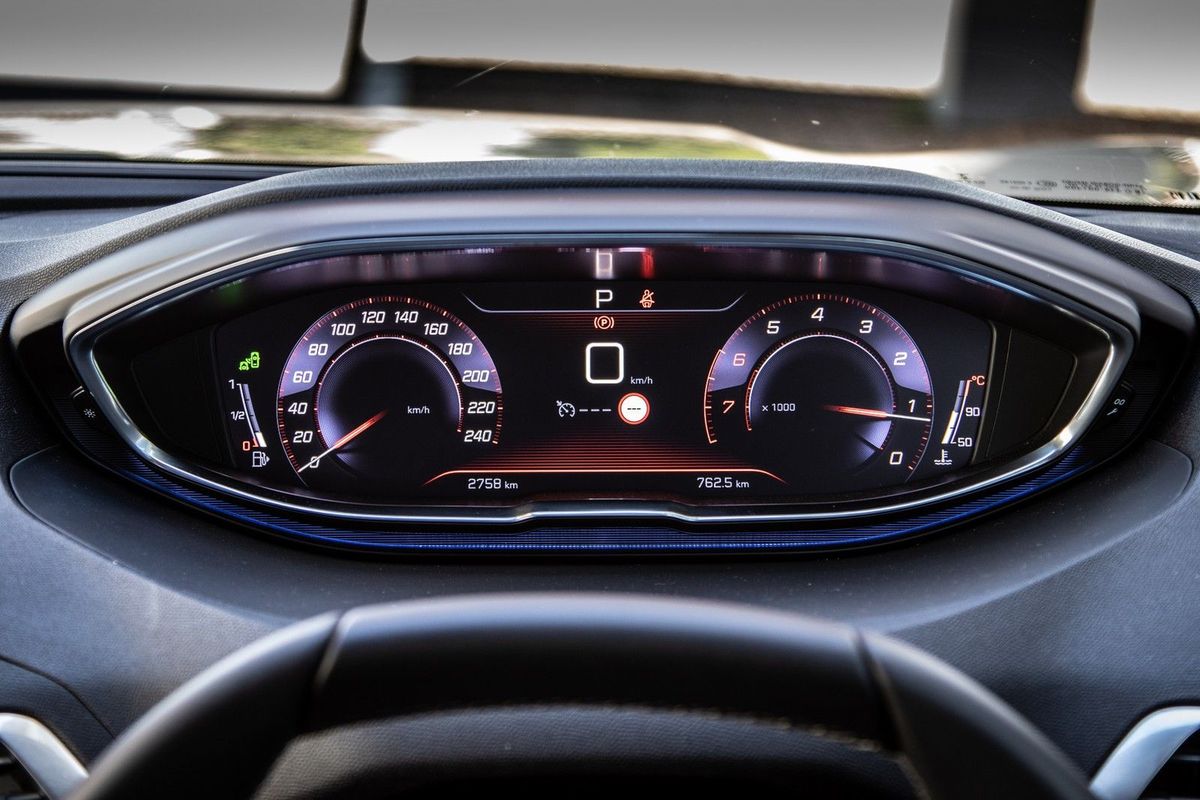
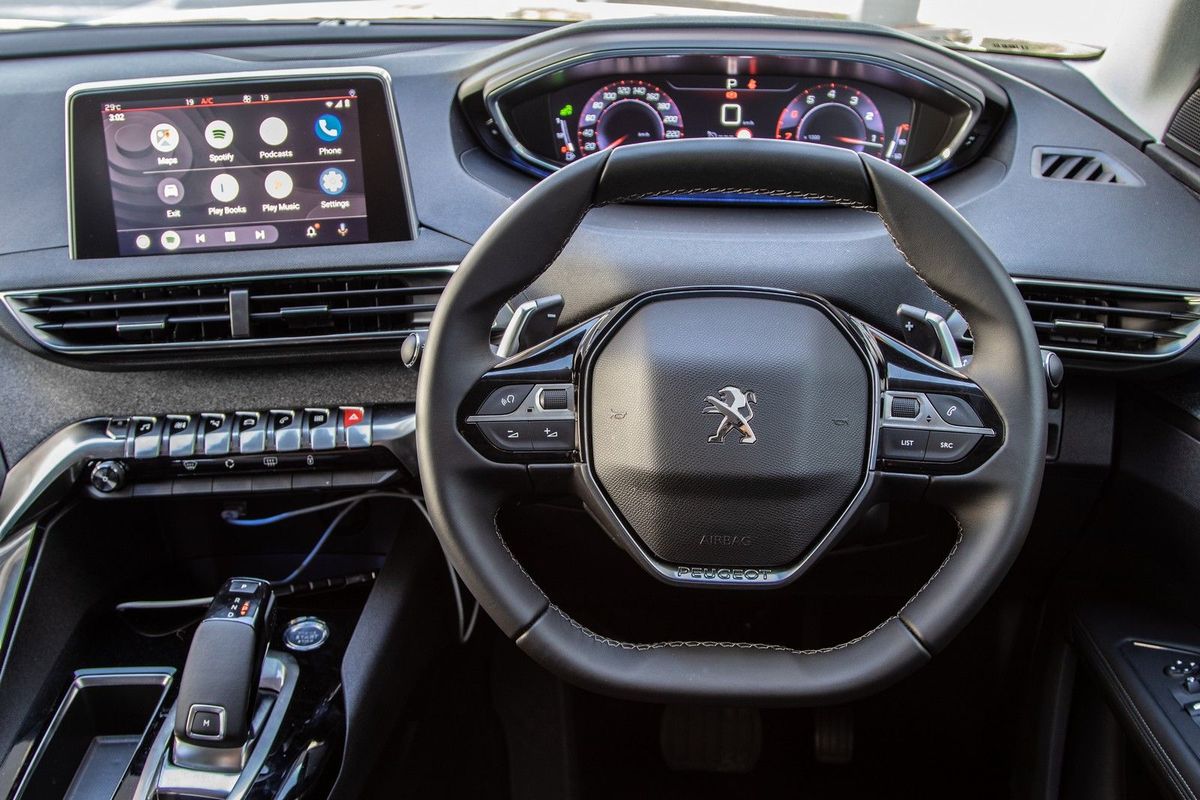
When you step inside the vehicle’s cabin and activate the ignition, the first thing you’ll notice is the Peugeot’s cool digital interface. Dubbed i-Cockpit, the system is beautifully designed and intuitive to operate. It’s a “complete 180” from traditional instrument cluster-fascia combos and the majority of our testers loved the 5008’s setup. In this entry-level 1.6T Allure derivative, you’d expect to miss out when it comes to luxury features, but the 5008 is quite well-equipped.
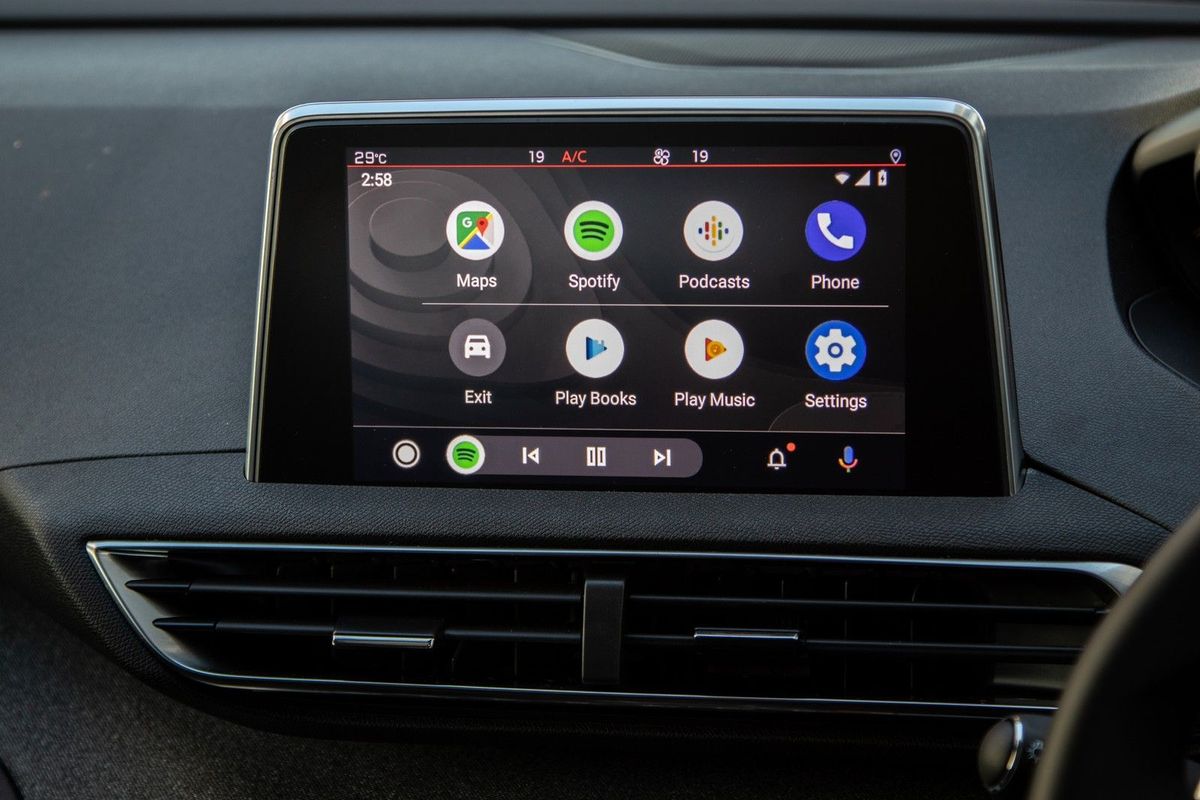
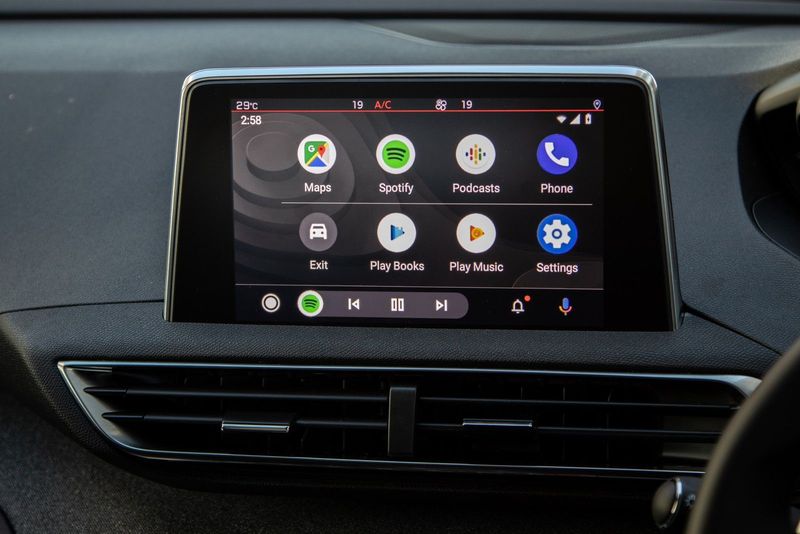
Nice-to-have convenience features, such as tyre-pressure monitoring sensors, a hands-free (electrically operated) tailgate, auto headlamps and wipers, daytime running lights, dual-zone climate control, parking sensors, as well as an Android Auto/Apple Carplay compatible infotainment system, which also offers USB ports and Bluetooth connectivity, are standard equipment.
Android Auto is standard on the Peugeot 5008.
Practicality
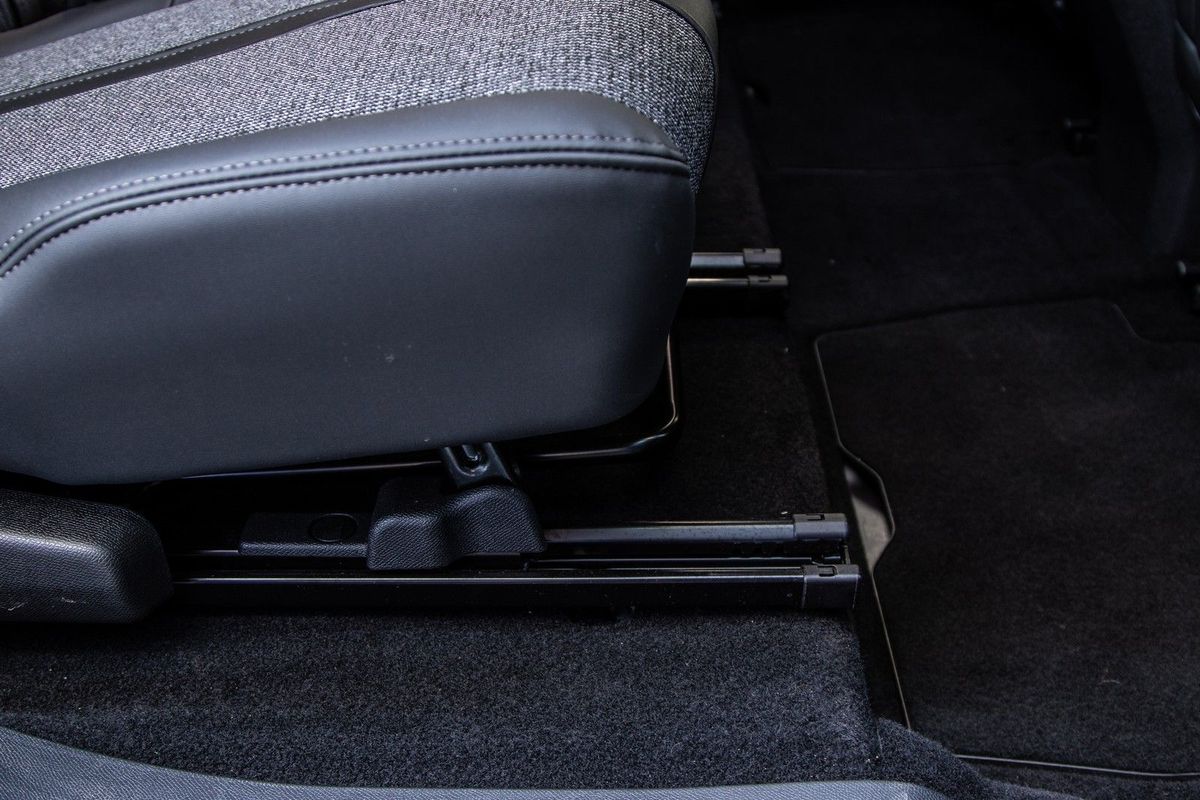
If there’s one area where the Peugeot 5008 truly excels, it’s in terms of practicality. The first thing you’ll notice is that the 2 rear doors are longer (than on the 3008), which results in easier ingress and exit for aft passengers. The 2nd row of seats is a model of nifty interior execution… all 3 seats are the same size, have child-seat mounting points and legroom is exceptional, plus you can slide them fore (to increase loading space) or aft (for more comfort) individually.
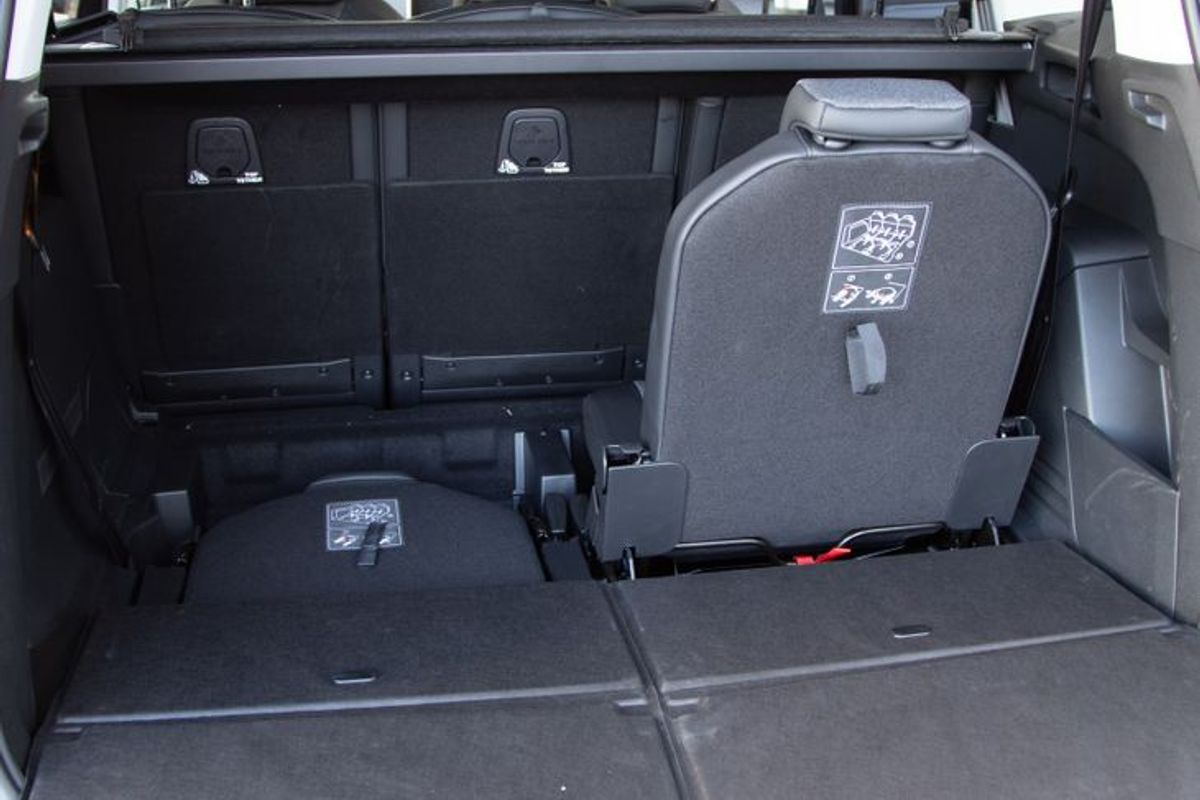
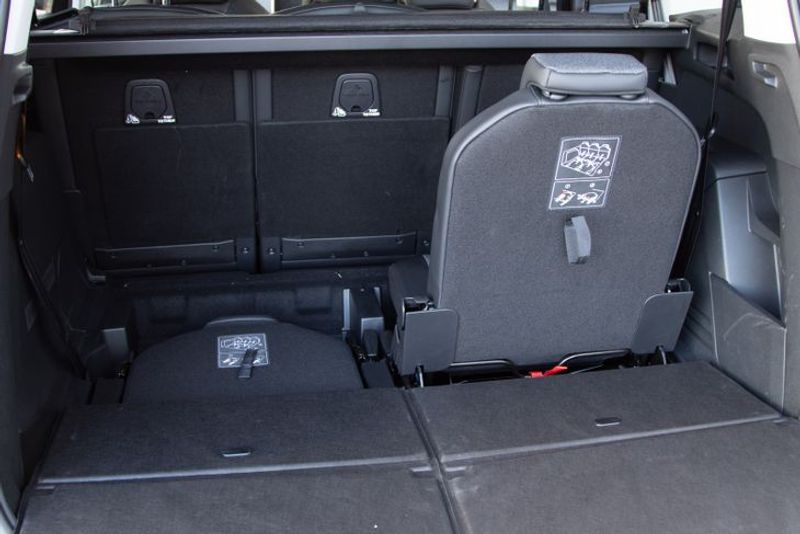
Those who occupy the 3rd row are not afforded the same level of comfort, however, as legroom is tight, making the 2 seats only really suitable for small children. Also, trying to get in and out of that 3rd row as a full-sized adult is not the most dignified of processes. On the plus side, the 2 seats easily fold flat into the load bay and, in 5-seater configuration, the cargo capacity is massive. For even more space, you can detach the seats and take them out of the vehicle.
One of the 3rd row of seats deployed. As you can see, rear legroom will not be the most generous
Performance and economy
The 1.6T Allure is powered by the PSA Group’s tried-and-tested 1.6-litre 4-cylinder turbopetrol, which produces 121 kW and 240 Nm, drives the vehicle’s front wheels and is mated with a 6-speed automatic transmission. Those outputs aren’t muscular by contemporary standards and when the 5008 is loaded to the gills with passengers and cargo, its driver is likely to make liberal use of the accelerator pedal to maintain momentum – to the detriment of fuel economy.
Peugeot claims an average consumption figure of 7.0 L/100 km, but, after a few runs with a number of passengers on board in congested traffic conditions, we battled to break under the 9.0-L/100 km mark with the 1.6T Allure. We suspect the 2.0-litre turbodiesel (HDi) version with its beefier peak torque figure (370 Nm) would yield significant fuel savings (an average of 4.8 L/100 km is claimed by its manufacturer), provided you can stretch your budget by R20k. This derivative does come equipped with shift paddles, but we found them largely ornamental because they are affixed to the steering column – as opposed to the ‘wheel – and they are less than tactile to operate.
There are 2 engines and 2 levels of trim available in the 5008 range.
Ride and handling
Like most modern Peugeot offerings, the 5008 has an eccentrically-sized (read: small-diameter) steering wheel. Compared to the steering wheels of its contemporaries, the Peugeot’s tiller feels comically small and when combined with a high driving position, the ‘wheel rim can obstruct the driver’s view of the dials. It will take some time to find that perfect driving position as the cockpit is designed for the driver to see the dials over the wheel as opposed to through it.
The feel of the variable steering system is generally good; it transitions from light in the confines of a city to heavier when you’re on the highway. Like most modern steering setups, it could always do with a bit more directness, because it can feel a bit remote, although not overly so for a family car. The EMP2 platform upon which the 5008 is built offers a nice blend of comfort and sportiness, but despite the Sport button, the 5008 is anything but an athlete.
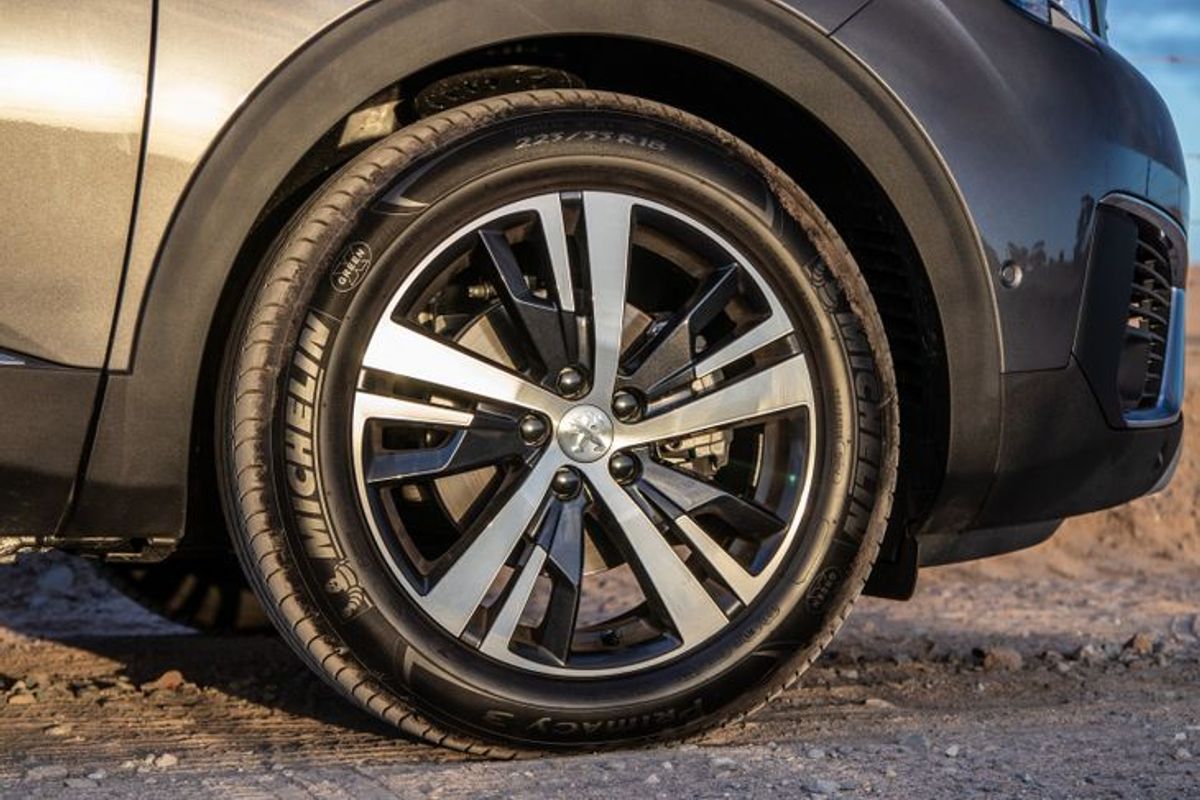
One can justifiably expect good levels of ride comfort and on-road refinement from a vehicle that costs in excess of R500 000 – and the 5008 ticks both boxes with ease. Despite its sporty 18-inch wheels and tyres, the 1.6T Allure’s ride quality is generally pliant and the French firm’s engineers have done well to insulate the cabin from external noises and mechanical vibrations and harshness. And, despite its lack of all-wheel drive, the French compact SUV/family car offers 236 mm of ground clearance, which will come in handy if you’re expecting to traverse uneven gravel routes during jaunts to the countryside.
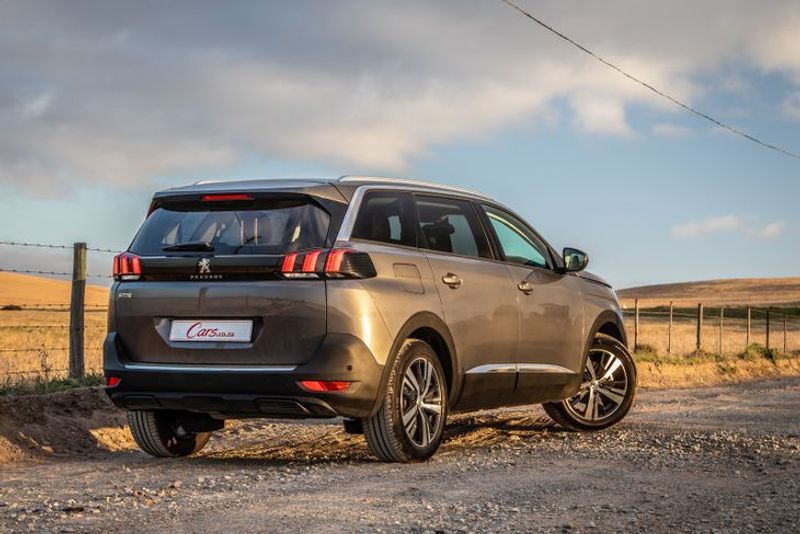
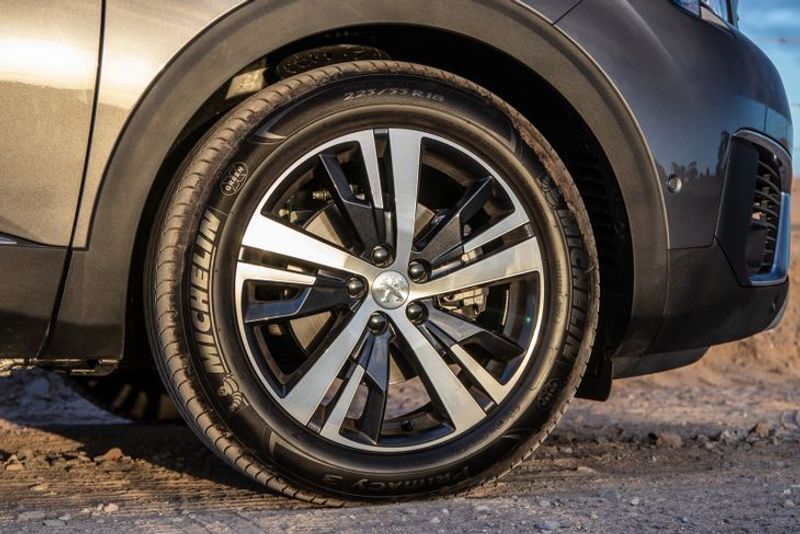
The Peugeot 5008 comes with 18-inch alloy wheels which not only look good, but give the car a refined ride quality.
Pricing and warranty
The asking price for the Peugeot 5008 1.6T Allure is R534 900 and all derivatives in the range are sold with what the brand calls Peugeot Pride, which combines a 5-year/100 000 km comprehensive warranty, a 5-year/100 000 km comprehensive service plan and roadside assistance, access to a 24-hour customer-care contact centre, a licence renewal reminder, as well as service plan and warranty expiry notifications.
Much like its shorter/smaller 3008 sibling, the 5008 represents another big step forward for Peugeot. Not only does it offer high levels of fit and finish, a good standard specification and excellent practicality, but its ride quality and driving experience are on par with the Volkswagen Tiguan Allspace, which is its most natural rival. There seems some truth to the claims that Peugeot is trying to market itself as “The French Volkswagen”. However, the big question we’ve found ourselves asking is this: “Does the family-car segment need 7-seater models?” What does the 5008 offer buyers over and above the 3008? The answer is: “Not much.” We don’t feel there’s enough differentiation between the models…
Should you buy one? Look, if you need a brand new 7-seater at all cost, then the 5008 should be on your shortlist. The 1.6T Allure may be the entry-level derivative, but it lacks little in the way of standard features. For those who want a bit more, there’s the GT Line that comes with visual add-ons and luxuries such as massaging seats. There’s also the aforementioned diesel engine, which we think would make for a better all-round experience. The big issue for us is Peugeot’s reputation. Recent PSA-group products have been of good quality and nice to drive (in general), but the real test will be if the renewed vigour in the halls of Peugeot South Africa will translate into improved customer service.
If you absolutely need 7 seats then the Peugeot 5008 is worth considering, but for most family-car buyers, the excellent 3008 is more car than they’ll ever need.
The Raptor's cylinder count might double – as the T6-series Ranger starts maturing in its production lifecycle, Ford is reportedly working on a project to bring even more performance to its headlining bakkie derivative.
Since its launch, the Ranger Raptor has set new standards for off-road ride quality and terrain-taming ability. The only point of contention has been its engine, which is a modern, but workmanlike, 4-cylinder turbodiesel.
Although the Raptor’s 2.0-litre bi-turbo powerplant is entirely adequate for technical terrain driving (in low-range), it is not the quickest bakkie in its class. On the open road and in terms of overtaking acceleration, there are swifter rivals…
To address this issue and bring the Ranger Raptor closer to its antecedent American Raptor cousins, Ford is working on a petrol-powered solution, at least if reports from Australia are to be believed.
The Ranger’s engine bay is certainly large enough to accommodate a more powerful petrol engine. And Ford has an excellent candidate engine in the guise of its 5.0-litre naturally-aspirated V8, which has proved itself in the Mustang. This engine also uses the same 10-speed automatic transmission as utilised in the Ranger Raptor.
A potential problem is the cost of development and creating the capacity to produce such a vehicle. Any Ford Ranger Raptor V8 would be an extremely niche vehicle – because of its low projected sales numbers, and the complicated engineering required to fit a V8 petrol engine in a body that was never designed to utilise it, the business case for Ford to produce such a derivative on its normal Ranger production line looks marginal.
If Ford Australia does execute the Ranger Raptor V8 project, the chances are that the production of the derivative would be contracted to a specialist assembly company. This would be similar to other unique Ford high-performance products that have been introduced in the Australian market, such as the Mustang R-Spec.
How would a possible Range Raptor V8 for the Australian market affect South African Ford bakkie fans? There are aftermarket V8 engine conversions available to local Ford Ranger customers, although they are not specifically geared to the Raptor-specification bakkie.
Considering the enormous increase in performance that a Mustang V8 engine would bring to the Ranger Raptor bakkie, and the potential warranty issues that may arise from even more punishing, much higher-speed off-road use, the rumoured Ford engine swap would probably be contained to the Australian market. And at a very premium price, too.
Engineering and technology giant, Bosch, has developed an innovative virtual sun visor which has been shown at the Consumer Electronics Show (CES) in Las Vegas.
When it comes to cutting-edge technology, the CES in Las Vegas is the place where the latest innovations are shown to the world.
The Bosch Virtual Sun Visor is one such innovation which has garnered significant attention, so much so in fact, that it has won the CES Best of Innovation award.
Blinding glare from the sun while driving can be debilitating and can pose a safety risk. For decades, the sun visor flap has been used to block the sun’s glare but it also blocks the driver’s vision at the same time which means it’s not entirely effective either.
Bosch has gone back to the drawing board to find a better solution and the Virtual Visor is the result. The innovation uses transparent LCD display technology, camera technology and computer controls to effectively block glare while maintaining high visibility.
A camera facing the driver detects the driver’s face and eyes and where glare is present. Using liquid crystal technology, the section of the transparent screen required to block the glare is darkened, thereby casting a shadow over the driver’s eyes while the rest of the screen remains transparent.
If you consider how far automotive technology has come, the sun visor, as a feature, hasn’t changed for decades and it’s great to see brands such as Bosch re-thinking and innovating new solutions for simple problems. However, it remains to be seen if car brands will adopt this technology in future cars. We think it’s a no-brainer…
Mercedes-Benz V250d (2020) Review
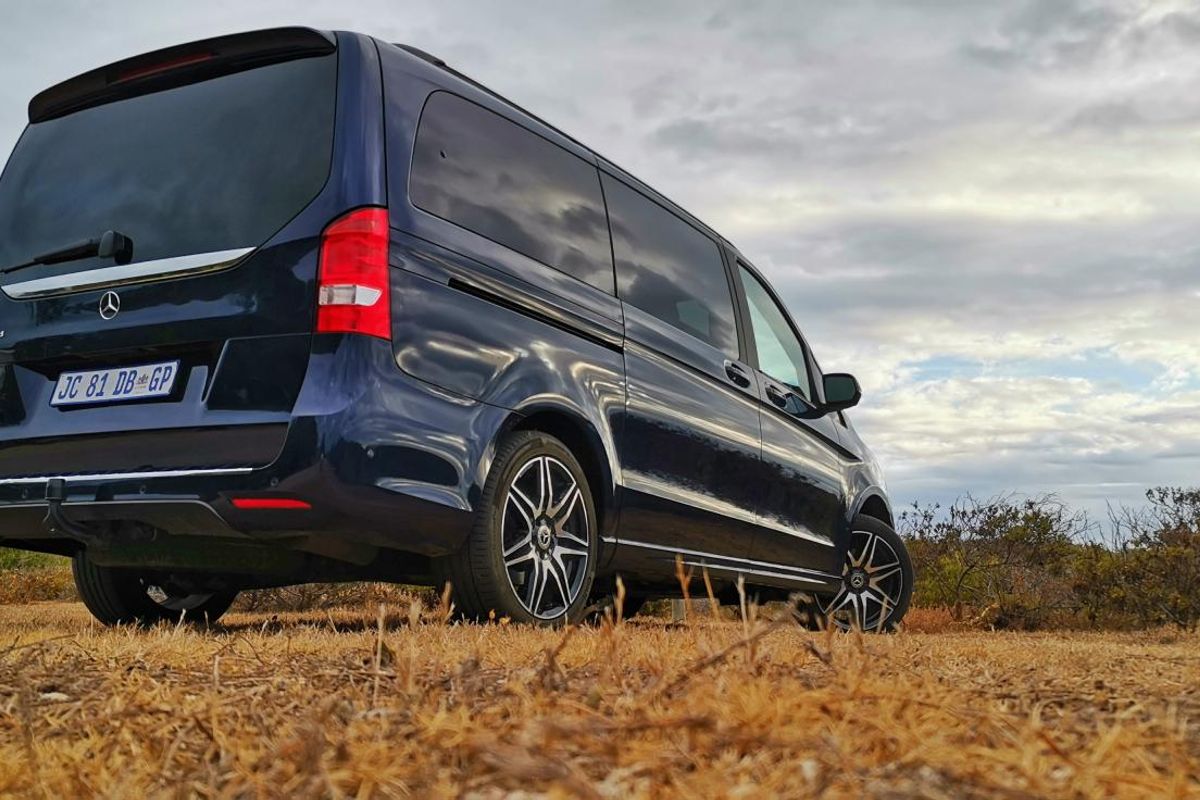
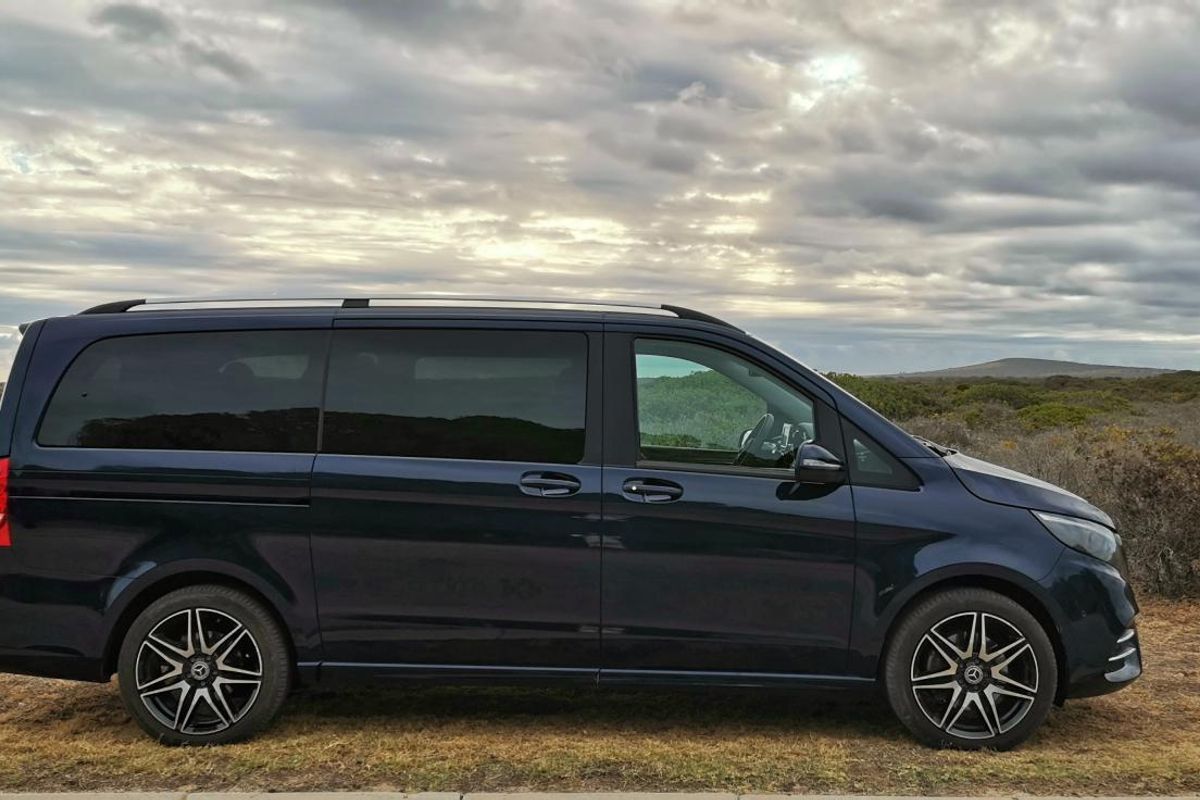
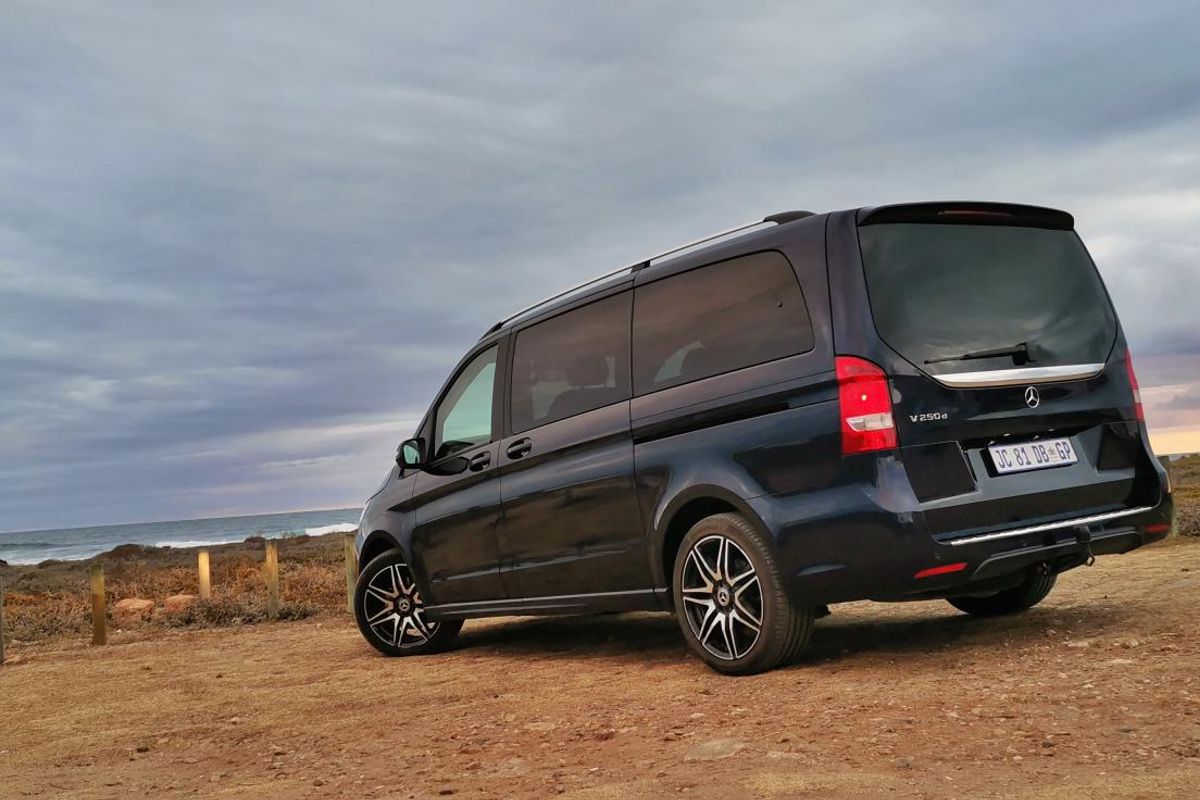
The Mercedes-Benz V-Class received a subtle facelift towards the end of 2019, and we were happy to receive the V250d variant for an extended test during the festive season – a perfect test for any luxury bus's talents.
We like: Spaciousness, build quality, clever/practical features, touring economy
We don't like: Lacks some features at this price (electrically adjustable front seats, for example), outdated infotainment system
Some Mercedes-Benz dealers regularly offer specials: Have look here.
Where does it fit in?
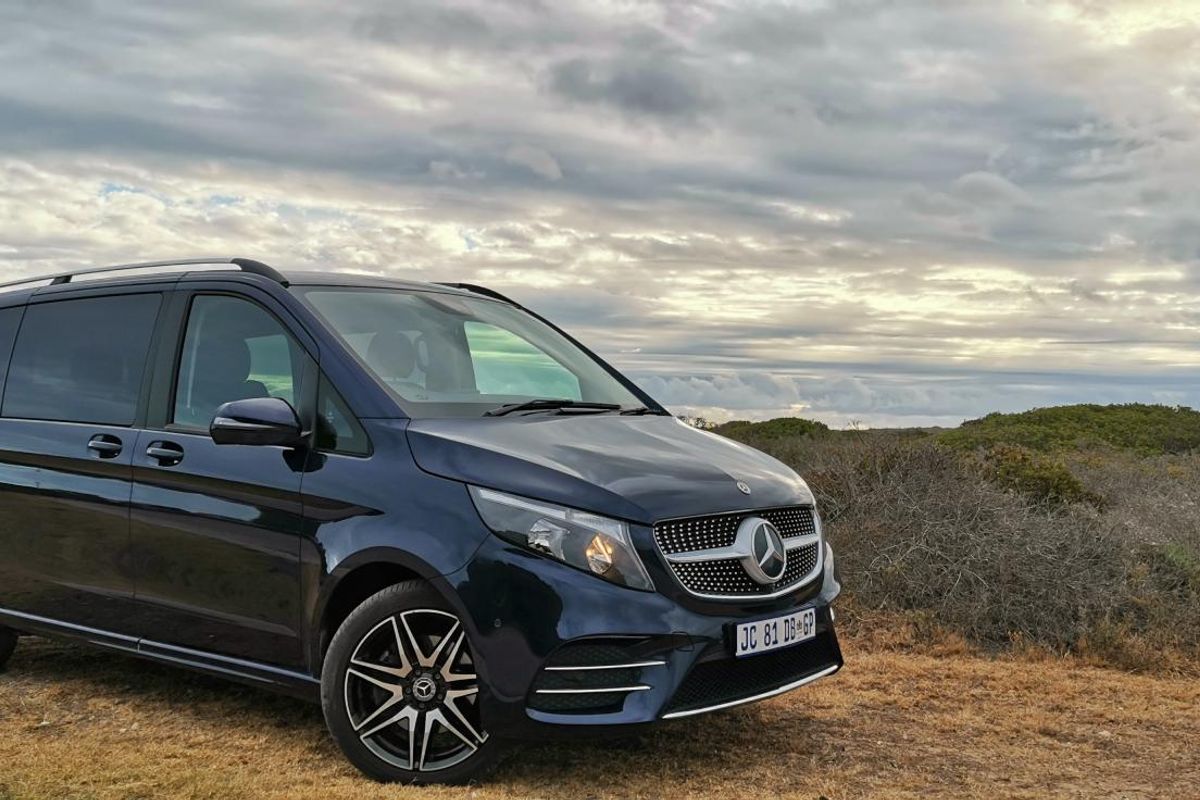
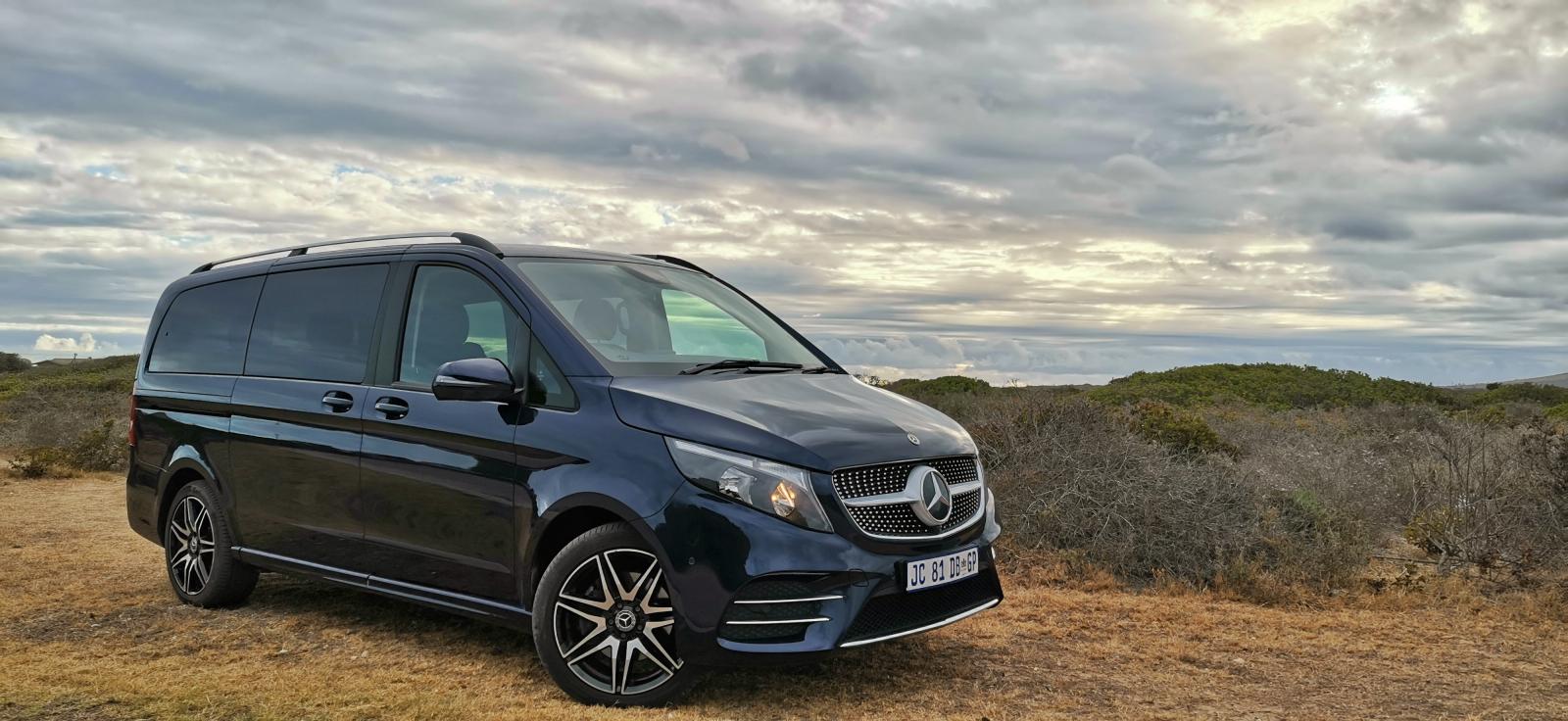
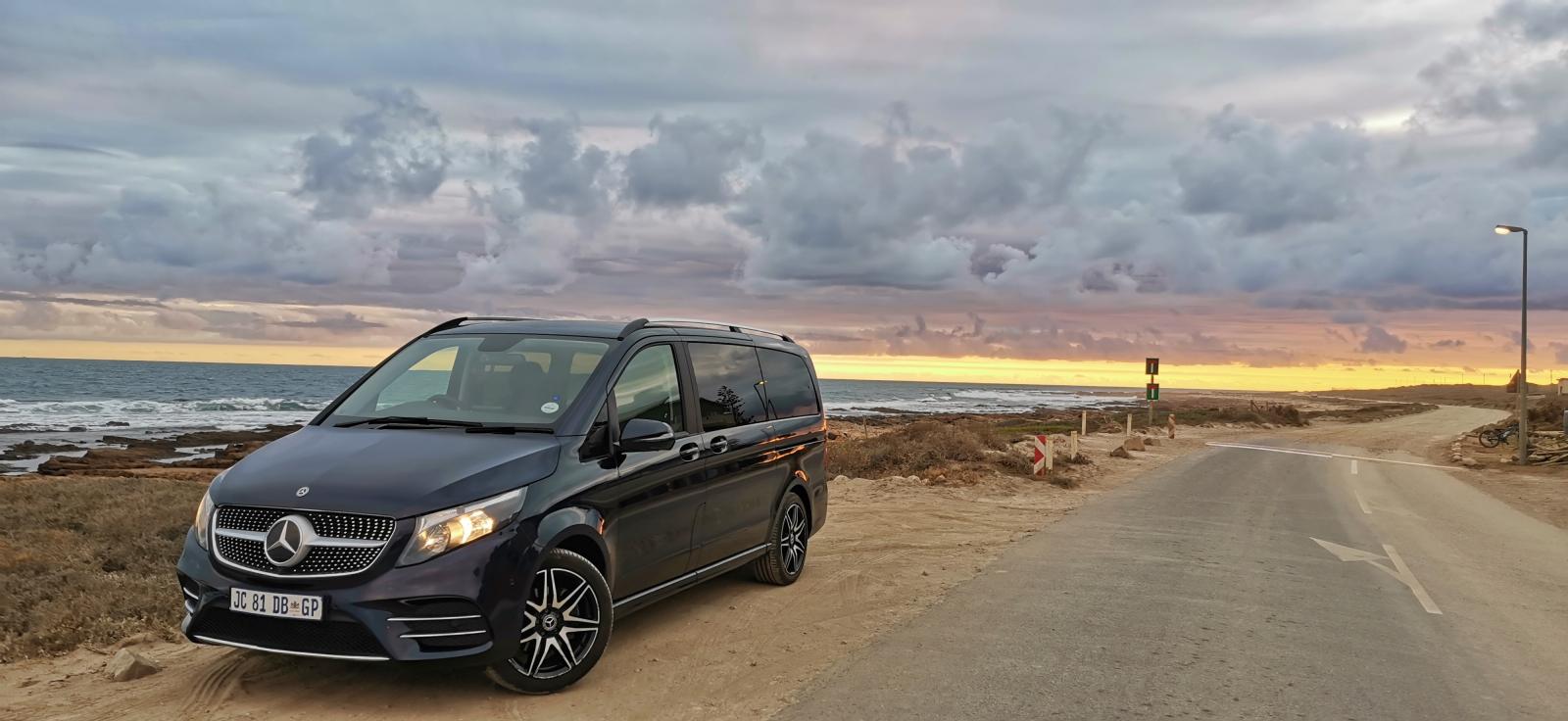
The easiest way to spot a facelifted V-Class is the revised front bumper and, in the case of this test unit, the diamond studded grille.
The MPV, as it turns out, is not dead. For a significant number of buyers a 7-seat SUV or crossover simply offers neither enough packing space, nor enough third-row legroom. And while most of these family-oriented minivans have their origins in more utilitarian, or commercial-market targeted vehicles, the companies that make them have found a ready market for more luxurious, yet still very practical offerings. That's why, in 2018, the Mercedes-Benz V-Class had its best sales year ever (64 000 units sold), and why the likes of the Volkswagen Caravelle and, more lately, the new Toyota Quantum, are becoming increasingly sophisticated. Even Lexus is getting in on the act!
But sitting at the top of the pile in terms of brand appeal, at the very least for now, is the Mercedes-Benz V-Class, slightly refreshed towards the end of 2019 and sporting some new design as well as safety touches. Is it worth the more than R1 million outlay? We spent a month with a V250d during the festive season to find out.
How it fares in terms of…
Design & Packaging
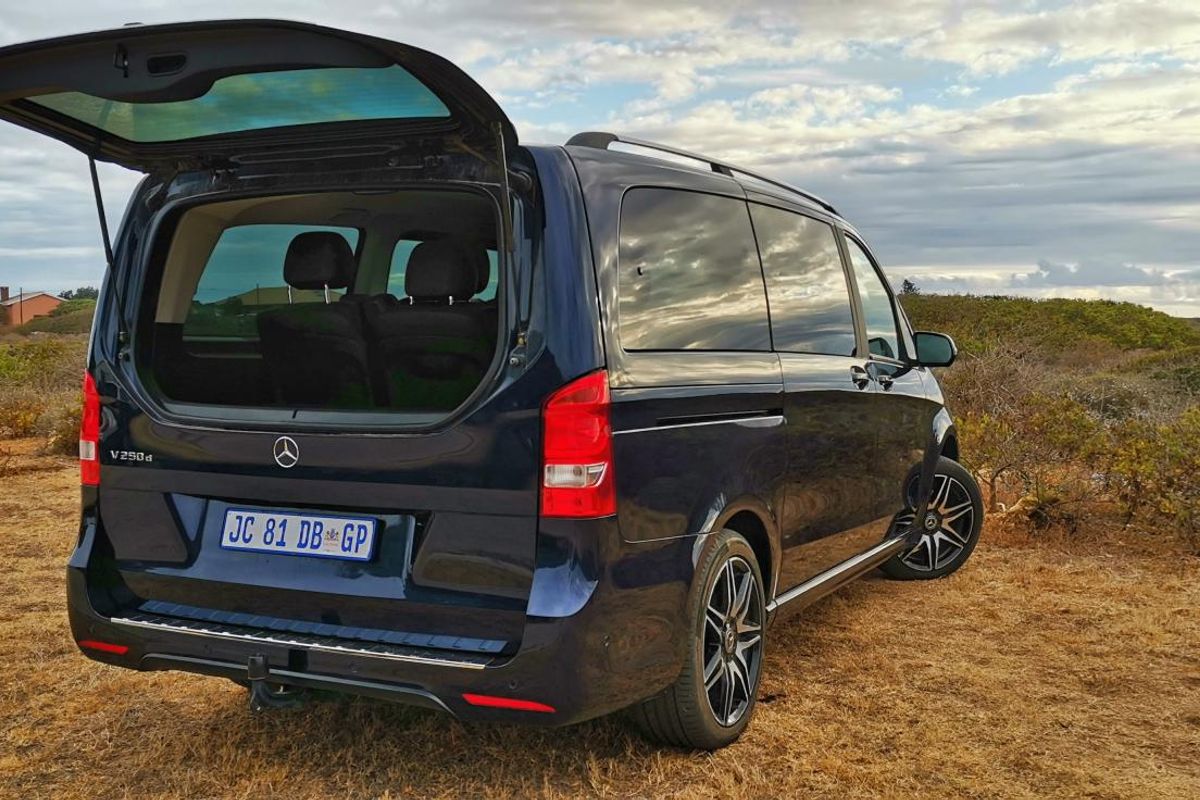
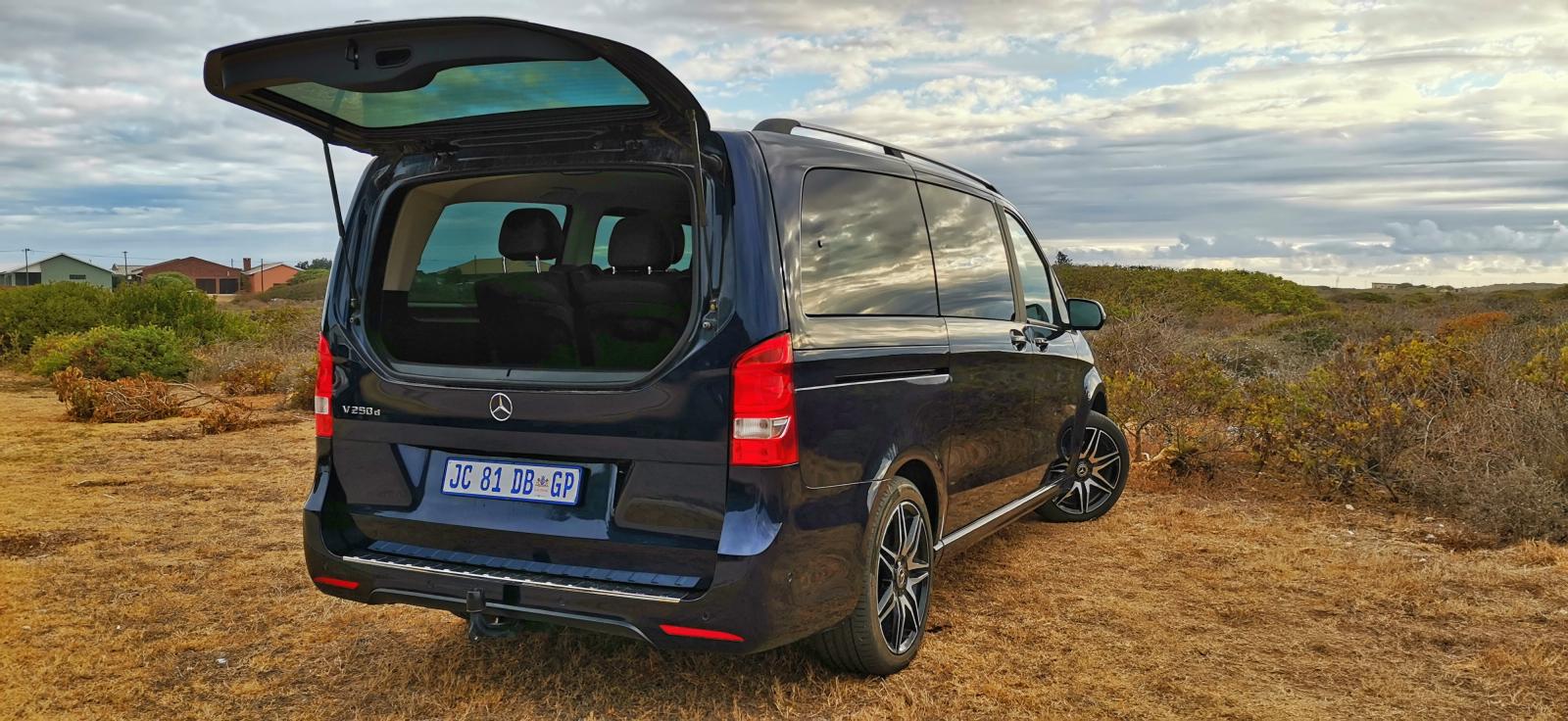
A very practical touch is the separately opening tailgate glass, particularly because the tailgate itself requires lots of muscle to close.
The German brand likes to talk of the V-Class being the "Mercedes-Benz" of MPVs, positioning it as a premium offering in what could be perceived as an otherwise largely utilitarian vehicle segment. The late-2019 facelift attempted to bring the big Benz's design into line with more of the marque's later offerings, and as such it gained a new bumper and more modern grille treatment, complete with diamond radiator chrome pins on vehicles equipped with the AMG Line package, such as this one.
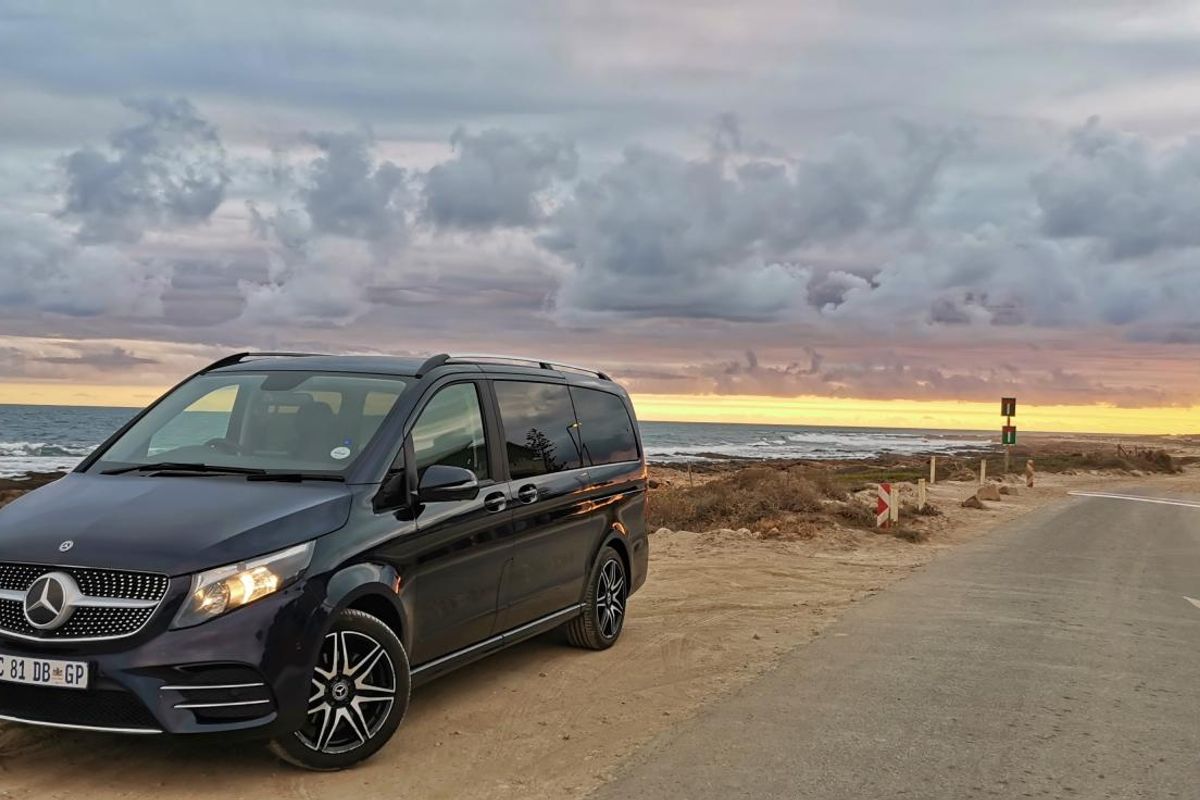
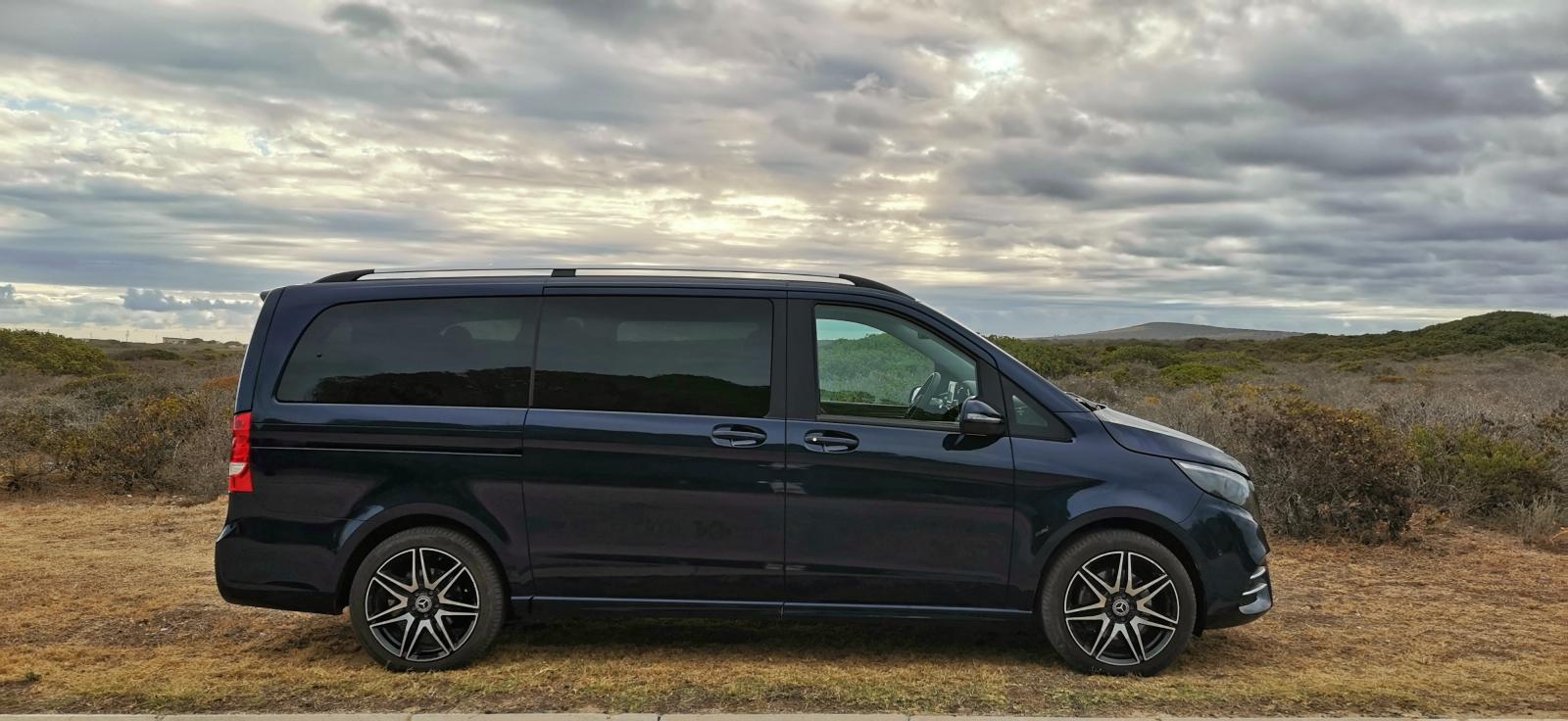
Our test unit also sported large 19-inch wheels with black detailing (more on the tyres fitted to them a bit later) and a panoramic sunroof. Finished in dark metallic blue and with just the right amount of chrome and window tinting, this V250d looked suitably upmarket, and definitely not like a commercial van.
It's a very large vehicle, though, which is something to keep in mind when purchasing especially if you're looking for a family vehicle that's mostly going to be used around town. The 3 200mm wheelbase makes manoeuvring in tight spots quite tricky, but thankfully our test vehicle was equipped with a bird's-eye view camera system. At times we wished the front park sensors would activate a bit sooner, though. It's worth noting that with a height of 1 880mm, the V-Class is lower than the Caravelle and Quantum, and it comfortably clears all underground parking scenarios we encountered.
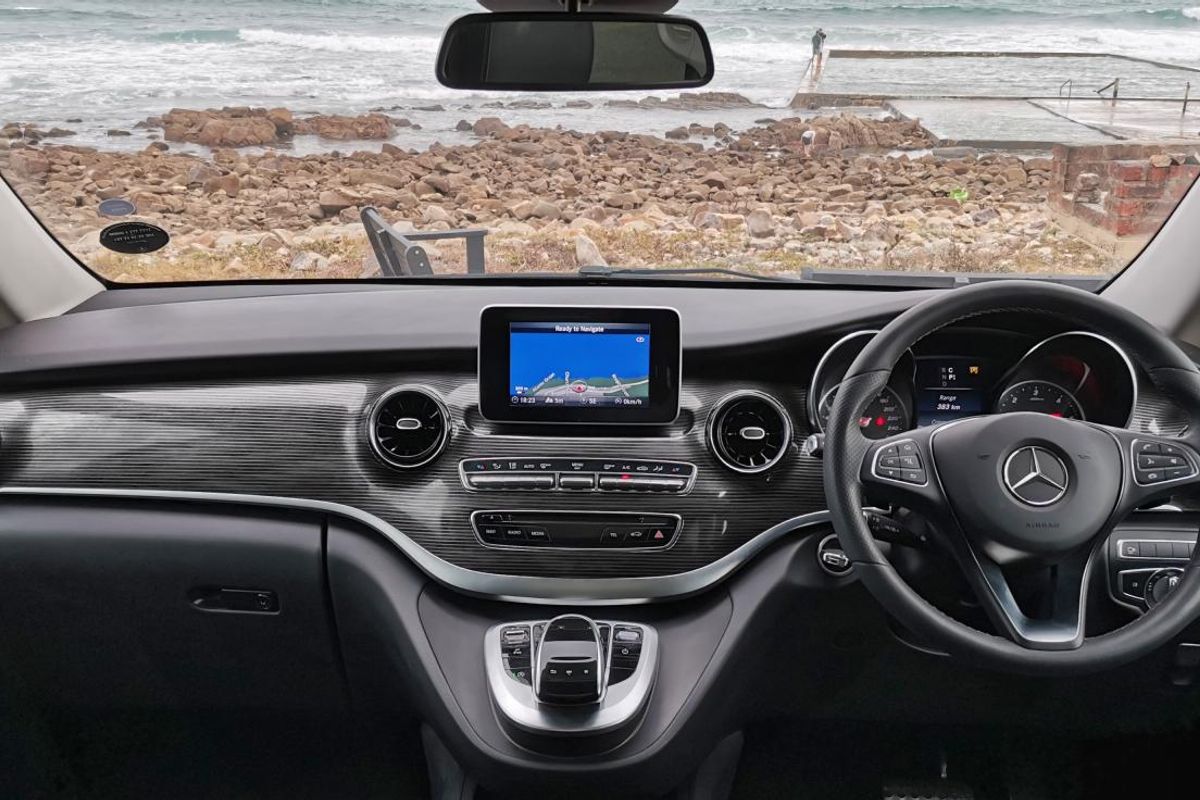
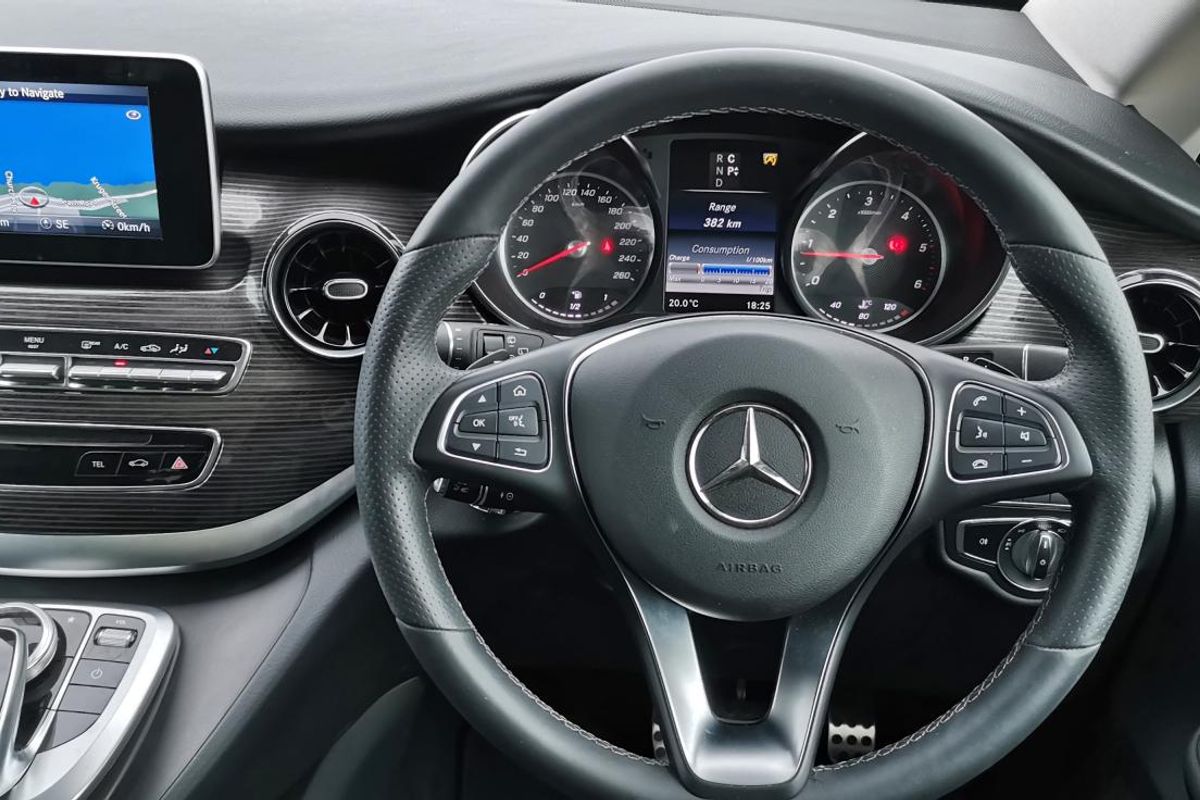
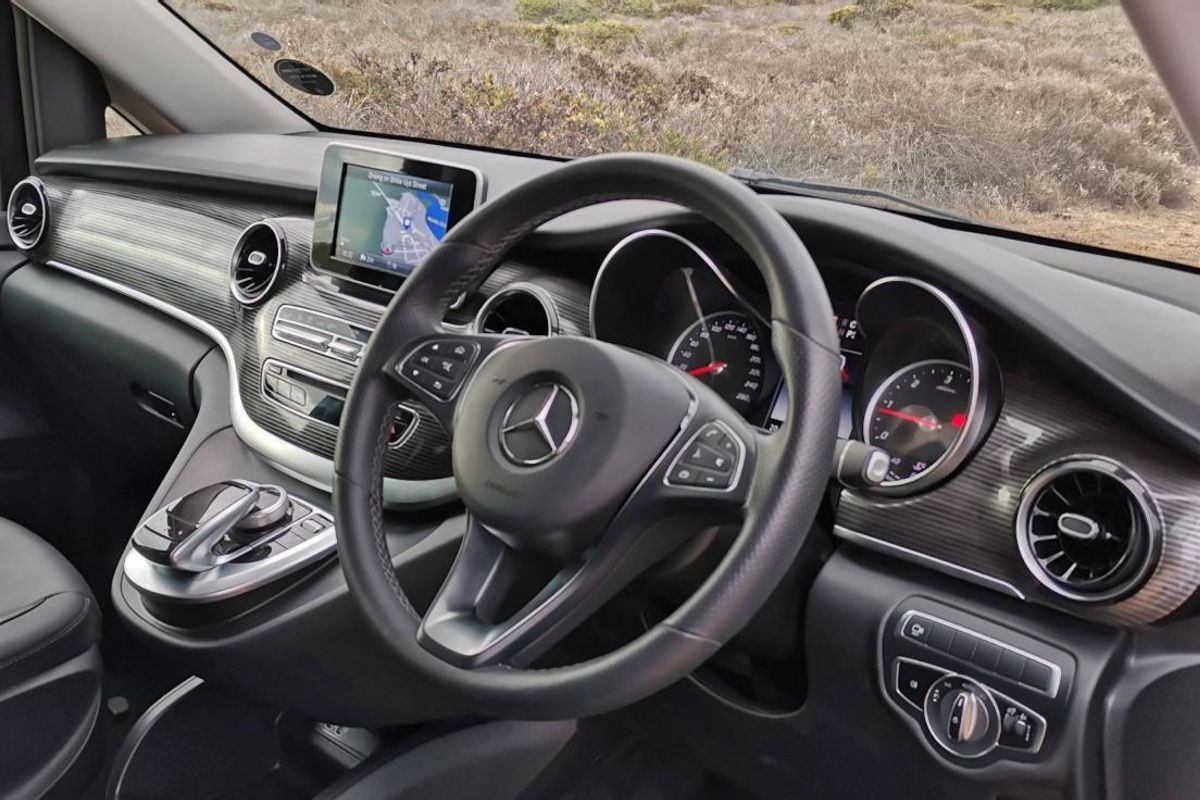
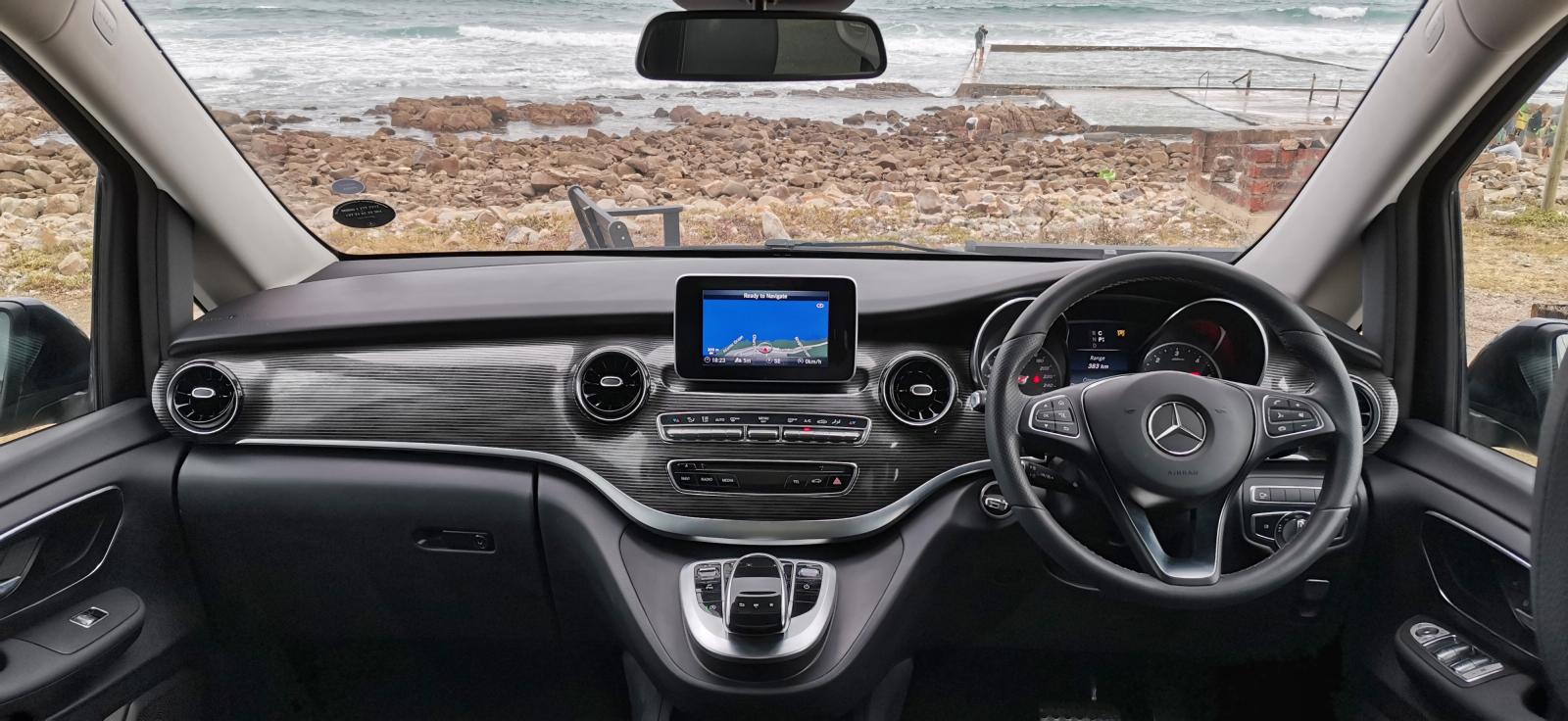
Modernised cabin features new trim materials and ventilation outlets. Sadly, no MBUX…
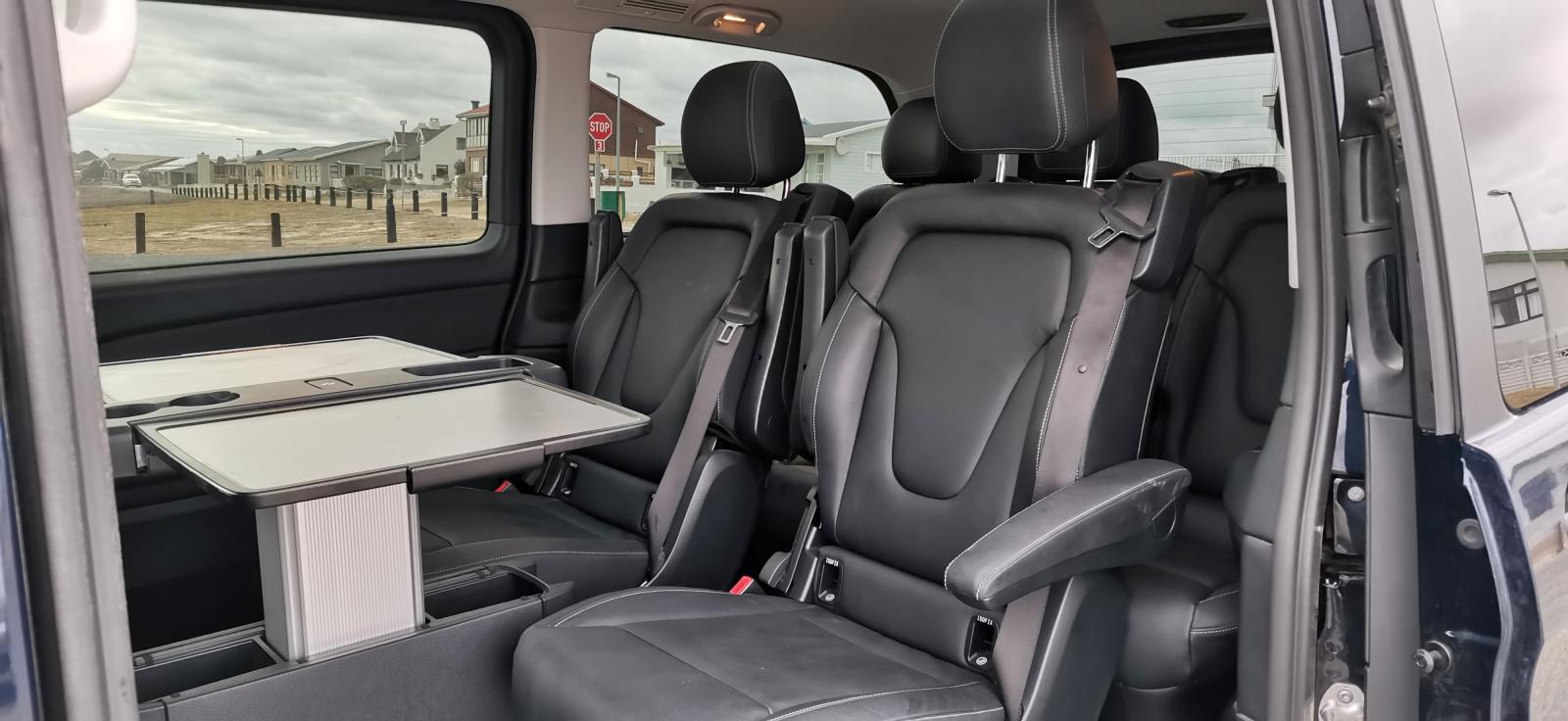
The advantage of that big footprint and box-like body is, of course, massive interior space. As standard the V-Class is a 6-seater, but our test unit featured the more traditional 2/2/3 seating configuration, with a neat pop-up table in the middle row. There's more than enough space for 7 occupants, though ultimately the V-Class is bested in this regard by the 9-seater Quantum.
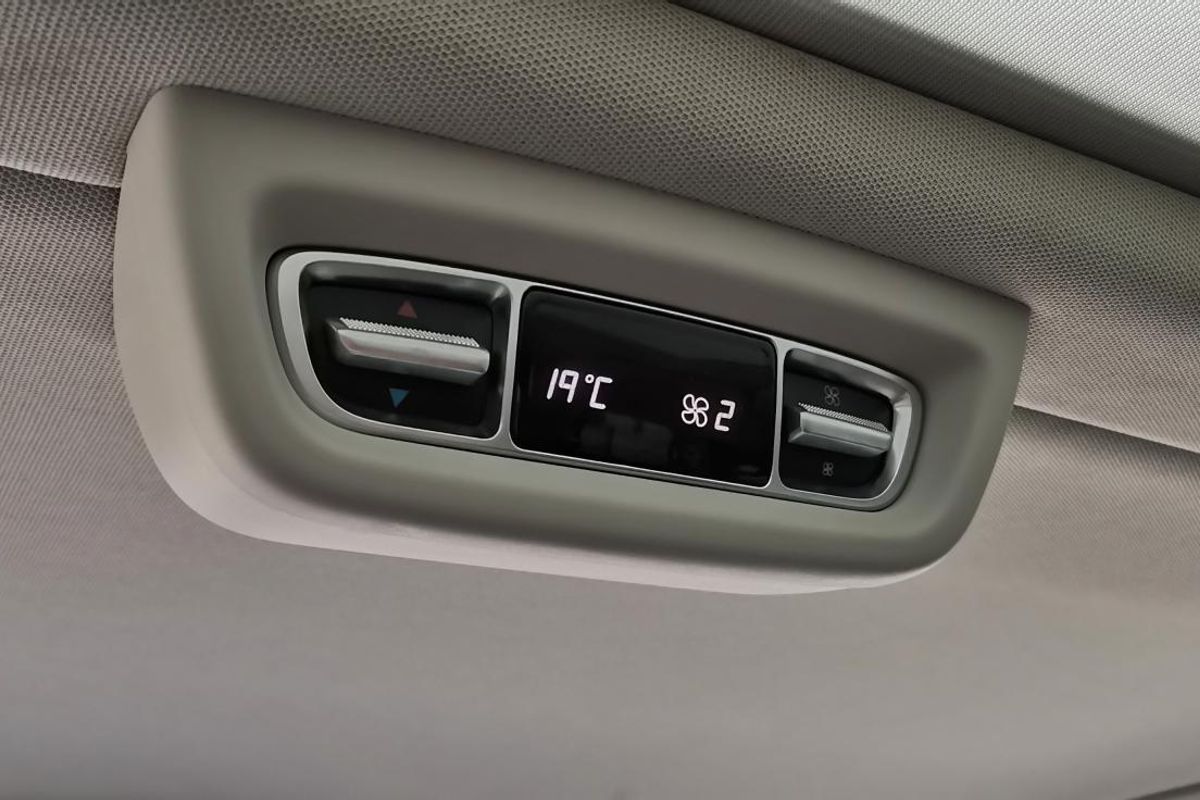
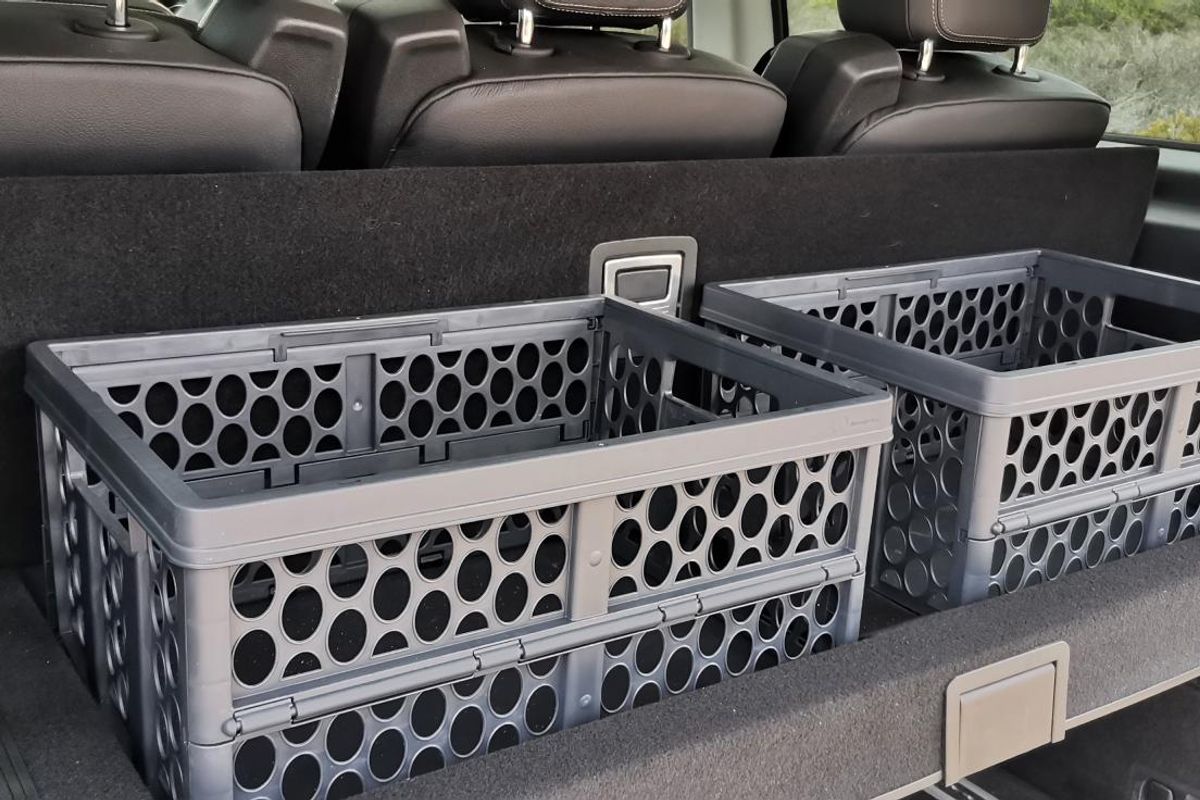
The big advantage that these large minivans have over, for example, 7-seat SUVs, is that they retain usable luggage space even when all the seats are occupied. "Our" V250d had a split-level boot with a removable divider at chest height that can also be folded forward. Lift a flap on this "table" and two collapsible shopping baskets are revealed. These came in very handy during our holiday, as it stops items (like watermelons, for example) from rolling around. We also appreciate the ability to open the rear tailgate glass separately, because the tailgate itself is very heavy to close. Rear passengers also get their own climate control system, with the controls mounted in the rooflining.
Performance & Efficiency
Great long-distance cruiser – we averaged 8.5L/100 km during our test period.
The V250d is powered by a 2.1L 4-cylinder turbodiesel engine that delivers 140kW and 440Nm of torque, the latter figure available from 1 400 to 2 400 rpm. The engine is mated with a 7-speed automatic transmission and, surprisingly for a vehicle like this, there are even gearshift paddles behind the steering wheel and a "Sport" mode. Stomp on the throttle from a standing start and you should be able to get the hefty V-Class to 100kph in 9,1 seconds, says Mercedes-Benz.
But sprinting performance is not what this bus is about. It's got long legs, and prefers the open road where it cruises in a relaxed, quiet and efficient fashion, yet has the power in reserve to execute overtaking manouevres when required. We travelled long distances with all seats taken, and the boot loaded to maximum capacity, yet achieved a fuel consumption average of 8.5L/100km, which is not to be sniffed at. Mercedes-Benz's claims a combined cycle consumption figure of 6.5L/100L/100km by comparison, which would be very difficult to achieve, even when using the "E" mode which optimises the drivetrain for efficiency.
Ride & Handling
Optional 19-inch wheels do a lot to lift the V250d from its "van" origins, but replacement tyres are very, very pricey.
You sit high in the V-Class, with a commanding, SUV-like view of your surroundings. While the facia design with its new air-vents and trim materials may look sedan car-like, there's no getting away from the fact that you're behind the wheel of something big. Manoeuvring in tight spots is a nerve-wracking affair, even with the bird's-eye view camera as the long wheelbase makes clipping a kerb a regular potential hazard. That said, the steering is light, so at least you'll not be sweating because of exertion.
Soon after taking delivery of the V250d, we encountered a problem. The tyre pressure monitoring system informed us that the left front tyre had lost pressure, and upon inspection, appeared to be accurate. We had a flat. Fitted with optional 19-inch wheels on 245/45 rubber, we knew the fix was not going to be cheap! After a few fruitless attempts at the nearest tyre outlets, we found a replacement tyre at Tiger Wheel & Tyre for R3 334,20. Somewhat more alarming than the price was the claim that there were only 2 such tyres in stock in the country!
Other than that, we enjoyed the V-Class driving experience. Even with the big wheels and low-profile rubber the ride quality remains good, and it handles surface changes well. Cabin insulation is also good. With the active cruise control set at 120kph, the V250d was a quiet, relaxed place to spend time in. The new cruise control system will bring the V250d to a dead stop when needed, too.
Price and warranty (January 2020)
The V250d sells for R1 027 686 (January 2020) without options. Included in the price is a 2 years/unlimited km warranty and 5-years/100 000km maintenance plan.
Verdict
With its mix of practical features and luxury touches, the V250d is a "dream car" for big families.
The V250d fitted our family's holiday requirements like a glove, impressing with its open-road efficiency, comfort and practicality. We really appreciated touches like the folding baskets in the boot, the collapsing table in the middle row and the opening tailgate glass. Of course, we can nit-pick about a few things… the wheel to manually adjust the backrest angle of the driver's seat is very awkwardly positioned, which highlighted our view that at this price level, an electrically adjustable driver's seat (at least should really be standard). And perhaps we've been spoilt by the MBUX systems in the latest Mercedes-Benz's, but the older COMAND system in the V-Class now feels outdated by comparison, and lacks modern smartphone functionality (Apple Carplay, Android Auto).
Then again, you can always delve into the optional extras list. Luxury seats are available, and those offer reclining and back massage functions as well as air conditioning.
The annual #CarsAwards was devised to help South Africans make the best-considered new-car buying decisions. With the programme's 2019/20 awards ceremony imminent, WesBank can facilitate those buying decisions through the introduction of a new fast-track application service: FastApp – a quick, seamless method to apply for vehicle finance.
Now in its 5th year, the Cars.co.za Consumer Awards – powered by Wesbank (#CarsAwards) has steadily grown in stature, reach and influence with the support of South Africa’s leading vehicle and asset finance provider.
Following the 2-day test session at Gerotek on October 31 and November 1 2019, during which a panel of 20 experienced judges tested the 39 finalists vehicles in respective categories back-to-back, the 13 category winners, as well as the recipient of the coveted Brand of the Year title (entirely based on consumer data), of the 2019/2020 #CarsAwards will be announced at a gala event at Kyalami on 6 February 2020.
Visit www.carsawards.co.za to find out more about #CarsAwards’ category criteria, finalists, semi-finalists, scoring system and judges. Suffice to say the 65 cars listed as contenders for the 2019/20 programme's honours roll represent the best purchasing propositions out of all the vehicles that were listed as available from new on September 1 2019.
WesBank FastApp
On each of the finalists and semi-finalists’ summaries in the 13 #CarsAwards categories, users can click to WesBank FastApp. If you’re thinking of buying a vehicle on credit, WesBank Fastapp is a good starting point, whether you're exploring your finance options or looking to get a quick approval.
With WesBank Fastapp, consumers are able to navigate the car-buying journey with ease and get finance approval on a vehicle within minutes by completing only 5 required data fields which then provides an immediate outcome with further financial guidance on their application, WesBank says.
“Our recently launched Fast Application has revolutionised how consumers apply for vehicle finance,” says Lebogang Gaoaketse, WesBank’s communications, social media and PR manager. “If consumers happen to find their dream car through the #CarsAwards, WesBank is a proud sponsor of the programme and available to assist with finance and help navigate the car buying journey with ease through this application.”
Audi Freeway Plan extendable up to 10 years or 300 000 km [Video]
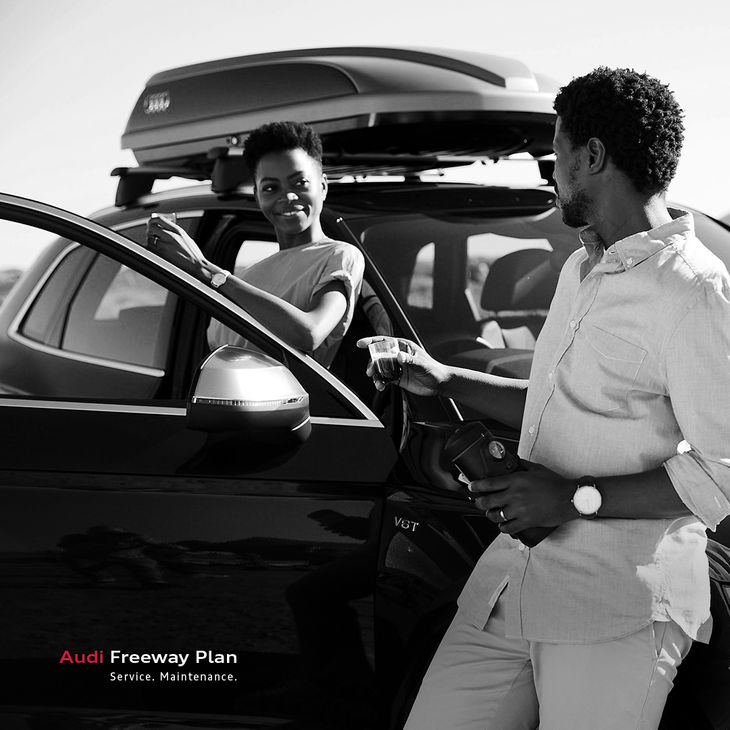
All new Audi vehicles in South Africa are sold as standard with a 5 year/100 000 km maintenance plan. Audi customers are now able to extend their cover by up to 10 years or 300 000 km, in increments of 1 year or 30 000 km.
SPONSORED ARTICLE
If you are an Audi owner whose car is nearing the end of its maintenance term, this is an attractive option worth investigating to ensure peace of mind motoring as your car ages. It’s the plan made by Audi, for your Audi.
What is covered by the Audi Freeway Plan (AFP)?
A maintenance plan by definition is designed to shield you from unexpected vehicle maintenance costs and to provide emergency assistance in the case of a breakdown. Services, wear and tear and certain repairs are covered by the AFP. The top four wear and tear items covered by the AFP are usually the clutch, brake pads, brake discs and wipers, and all four are covered by the AFP. Exclusions include the tyres and windscreen.
Audi also offers the choice to select a service plan option only, which excludes replacement of wear and tear items and repairs, and only covers servicing of the vehicle. As a rule of thumb, as a car gets older, certain parts are more likely to need to be replaced. Extending your AFP may help you reduce the cost of maintaining your vehicle in the long term.
Extending your Audi's Freeway Plan ensures that you can experience the full benefits of Audi ownership for longer than 5 years.
When can I choose to extend my AFP?
You may opt for an extension anytime within the contract period of the initial AFP, from day 1. Some financial institutions may help finance the extension. It is important to note that once your initial 5 year/100 000 km AFP expires, you will not be able to apply for an extension. You are welcome to contact your closest Audi dealer or the Customer Interaction Centre on 041 994 4883 in order to find out when your current AFP is expiring. They will be able to advise and recommend on which extension plan is best suited to you.
The AFP can be extended at any point during the duration of the vehicle's maintenance plan, even from day 1.
How do I extend my AFP?
Quotes and sales of AFP Extensions are available from any Audi Dealer or the Customer Interaction Centre. The cost of your extension will be determined based on the mileage and age of your vehicle.
The coverage of the plan is immediate with no waiting period. Only franchised Audi Dealers may be utilised for claims as this ensures that only Audi Genuine Parts are fitted to your Audi. Importantly there is no limit on the claims value and no limit on the individual parts used in the claim.
How do I avoid invalidating my AFP?
As an Audi driver, you must ensure that you monitor the following conditions as part of your AFP contract:
Servicing your vehicle on time as per the specified service intervals reflected in your vehicle’s service book and/or the onboard computer.
Service repairs must be carried out by a franchised Audi Dealer.
Unauthorised modifications/tuning/upgrading/overhaul to the engine/suspension will invalidate the AFP. Only Audi Genuine Parts and Accessories obtained and fitted by an Audi Dealer are allowed.
Accident damage is not covered by the AFP but the incident must be reported to Audi for record keeping. Damage caused to the vehicle’s body components must be repaired by an Approved Audi Motor Body Repairer.
For change of ownership when your vehicle is sold, details of the new owner must be registered with Audi South Africa. (Audi SA may require an Audi 80 point approved quality check to be completed by an Audi Dealer).
There is no rush to sell on your Audi when its standard maintenance draws to a close, you can extend it up to 10 years/300 000 km.
What Value Added services are offered?
As part of your AFP, owners will benefit from the Audi Assist programme (also known as roadside assistance). This means that Audi SA and its dealers aim to provide you with peace of mind motoring by providing the infrastructure to support a countrywide emergency service available 24 hours a day, every day of the year.
This roadside assistance programme operates via 086 043 4838 within the border of South Africa, and +27 41 994 5616 in neighbouring states for Swaziland, Lesotho, Namibia and Botswana.
The benefits of Audi Assist includes assistance as a result of mechanical or electrical breakdown. The Audi Assist call out includes addressing: flat tyres, flat batteries, fuel shortage, vehicle keys locked inside the vehicle; all other costs are for your account unless these are covered by the Warranty and/or Maintenance Plan.
The Audi Assist programme (also known as roadside assistance) is there to come to your aid if your vehicle experiences a technical problem.
The objective is to provide on the spot roadside assistance offered by a fully equipped and trained Audi technician. The primary focus is to get you mobile in your own vehicle. Where roadside cannot be affected and the vehicle needs to be towed to the nearest Audi dealer, you and the occupants of the vehicle will be transported to a place of safety in the dealer’s roadside assistance vehicle.
Where your vehicle cannot be repaired at the point of breakdown to render it mobile, you are entitled to courtesy transport if the breakdown is within 100 km of your normal place of residence, provided that such transportation will only be arranged to one address. Where your vehicle cannot be repaired at the point of breakdown to render it mobile, and the breakdown occurs further than 100km from your place of residence, you may elect to one of the following benefits:
Hotel accommodation: Audi Assist will arrange and pay up to two days towards the Audi South Africa preferred hotel accommodation for you and the occupants of the vehicle.
Car rental: should you prefer not to elect the hotel accommodation as per above, Audi Assist will arrange and pay for car rental for a maximum of 48 hours (against certain terms and conditions as part of the rental agreement).
The benefits of Audi AFP and Audi AFP extensions are valuable. There are no grey areas, unexpected surprises or sub-standard parts.
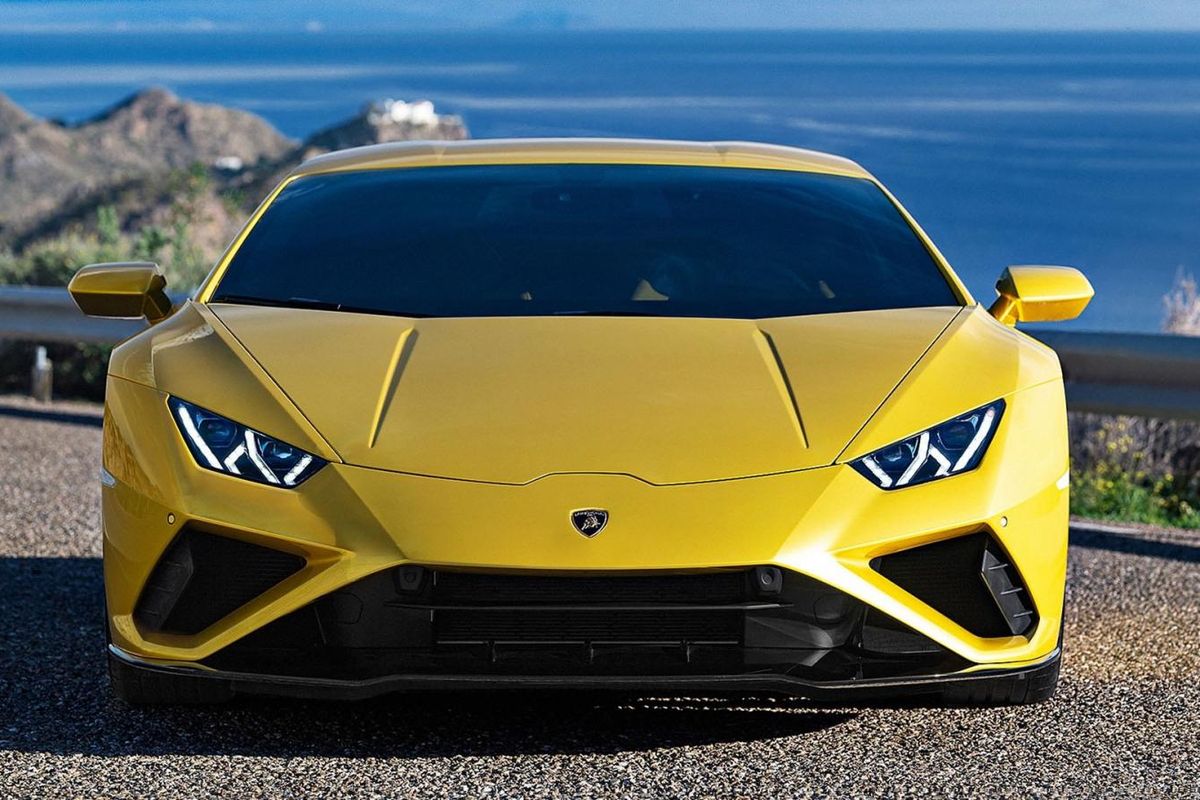
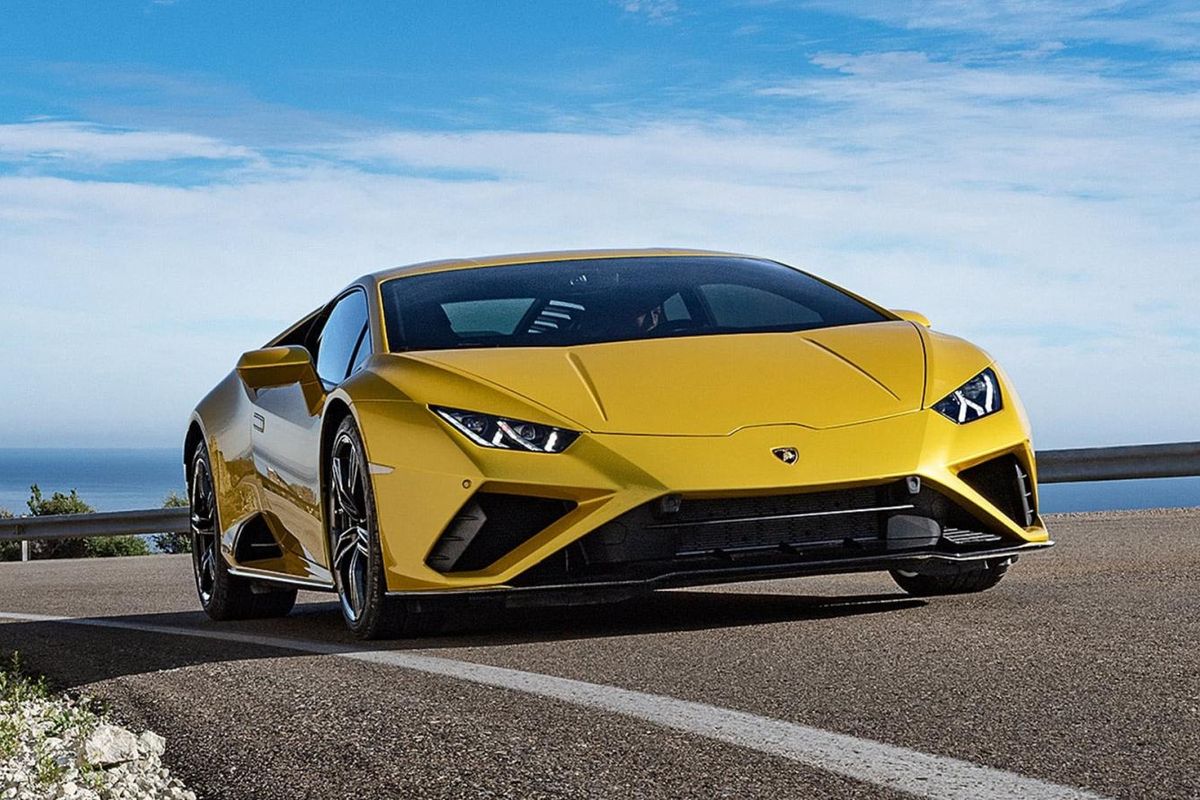
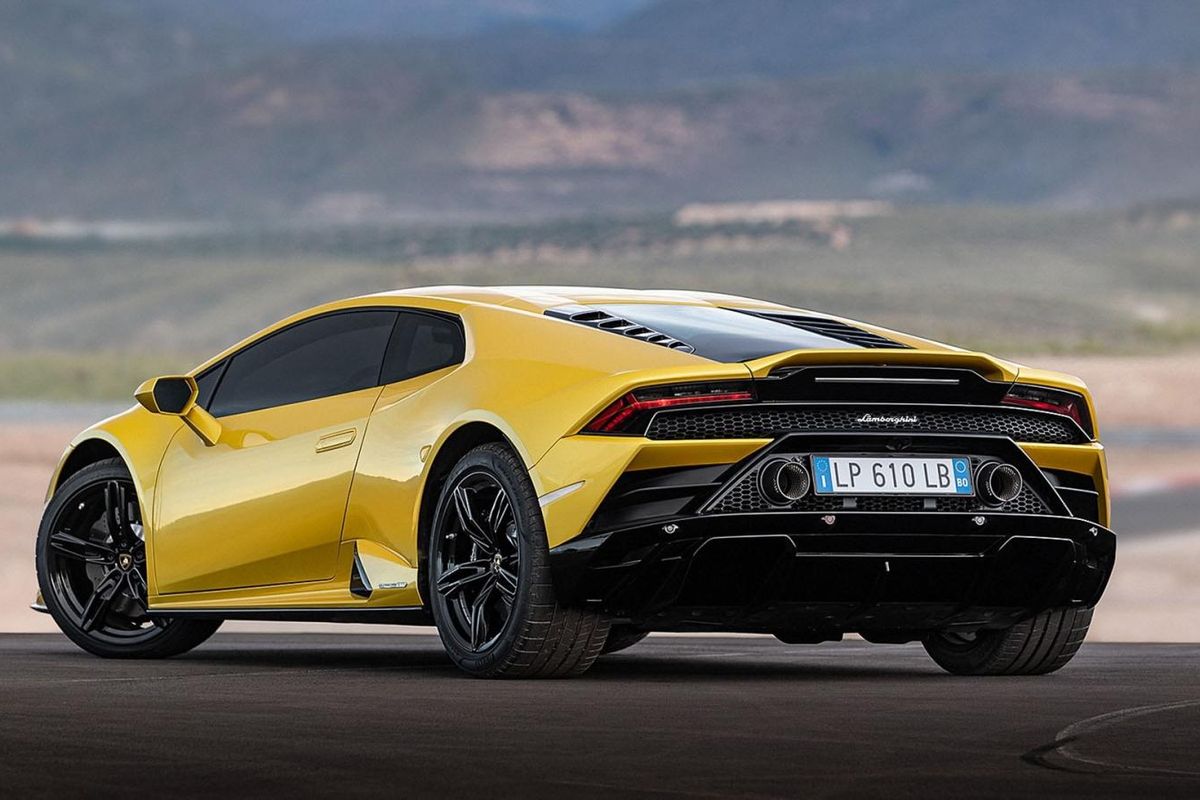
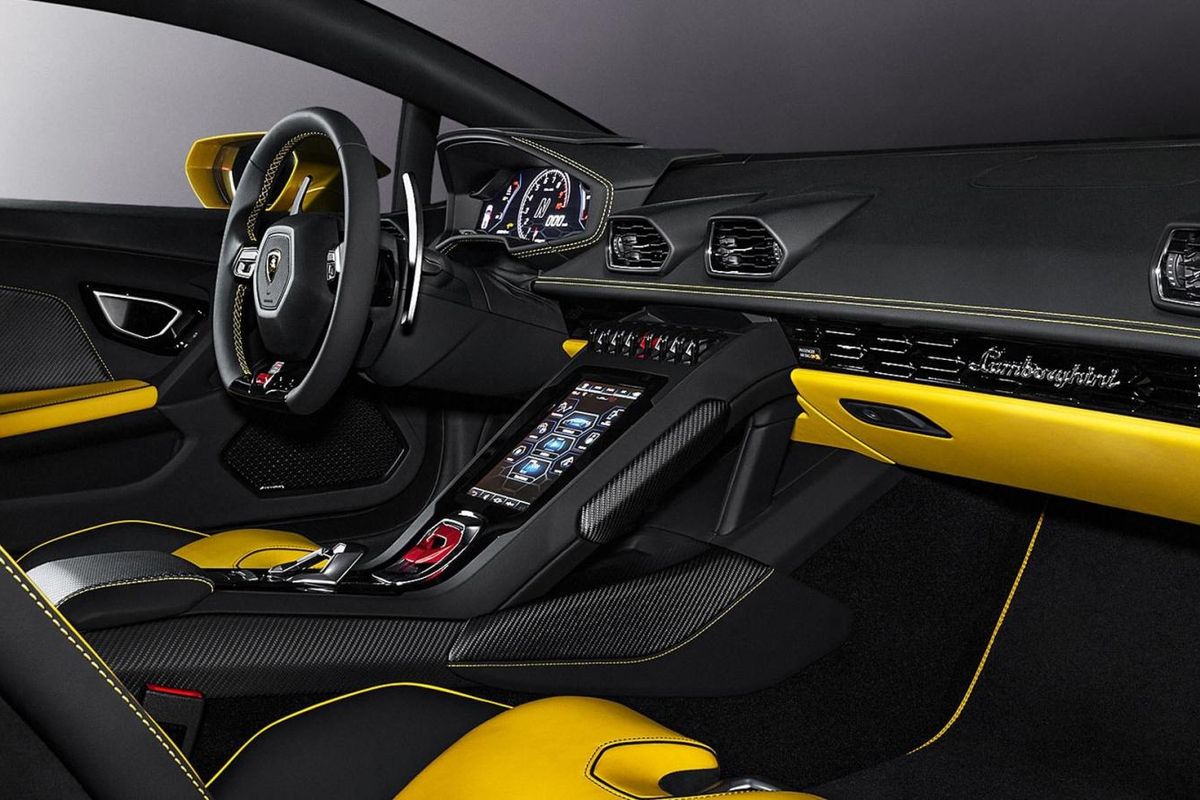
This latest version, however, is a rear-wheel-drive beast that does away with the fancy features found in its all-wheel-drive sibling, including torque vectoring and four-wheel steering, while also shedding some 33 kg and weighing in at 1 389 kg.
It’s powered by the same naturally-aspirated 5.2-litre V10 engine that powers the AWD Huracan Evo, but in this RWD application, it produces slightly less power and torque at 449 kW and 560 Nm compared to the 470 kW and 600 Nm offered by its AWD Huracan Evo sibling.
Using a 7-speed dual-clutch transmission and with launch control engaged, this new Lambo will dart from zero to 100 kph in just 3.3 seconds while the 200 kph mark comes up at only 9.3 seconds before reaching a top speed of 325 kph. Those figures are mightily impressive but it’s only slightly slower than the AWD version which is 0.4 secs faster in the sprint to 100 kph and claims the same top speed.
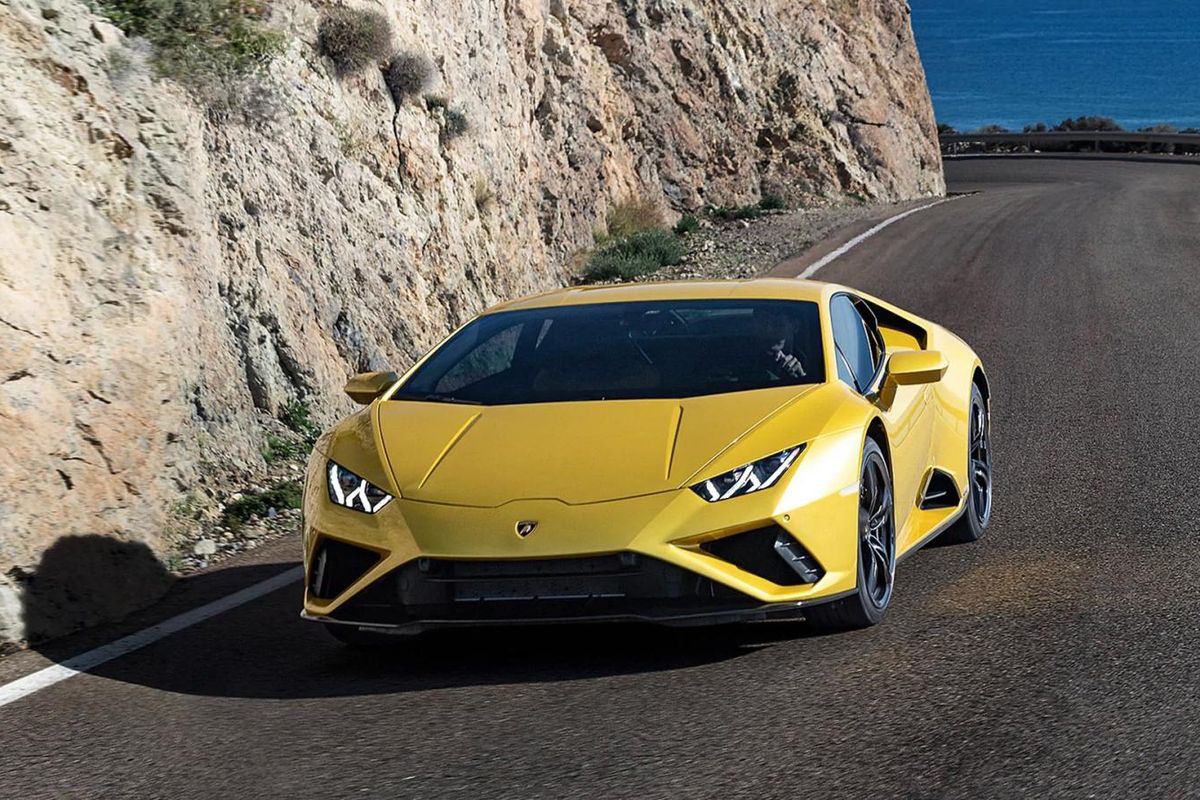
The Huracan Evo RWD features a new Performance Traction Control System (P-TCS) which was specifically developed for this vehicle and unlike a conventional traction control system, it allows for torque delivery torque even during drifting and side-slipping.
“Whereas a ‘normal’ traction control system delivers a sharp decoupling, waiting for a car to become completely stable before delivering torque again, the P-TCS car delivers torque in advance, avoiding a harsh torque cut and assuring better traction when exiting a corner,” according to Lamborghini.
The driver can choose between 3 main driving modes including Strada, Sport and Corsa. Strada minimises rear wheel slippage and is used for everyday driving conditions and to ensure maximum safety. If you wish to up the ante, flick it into Sport for some tail-happy fun which is delivered in a predictable and controlled manner. Corsa is calibrated to achieve rear-wheel slip that optimizes the car's traction and agility when exiting a corner in an effort to maximize performance.
Would you go for the all-wheel-drive Huracan Evo or would you put your driving skills to the test in this latest Huracan Evo RWD? Let us know in the comments below!