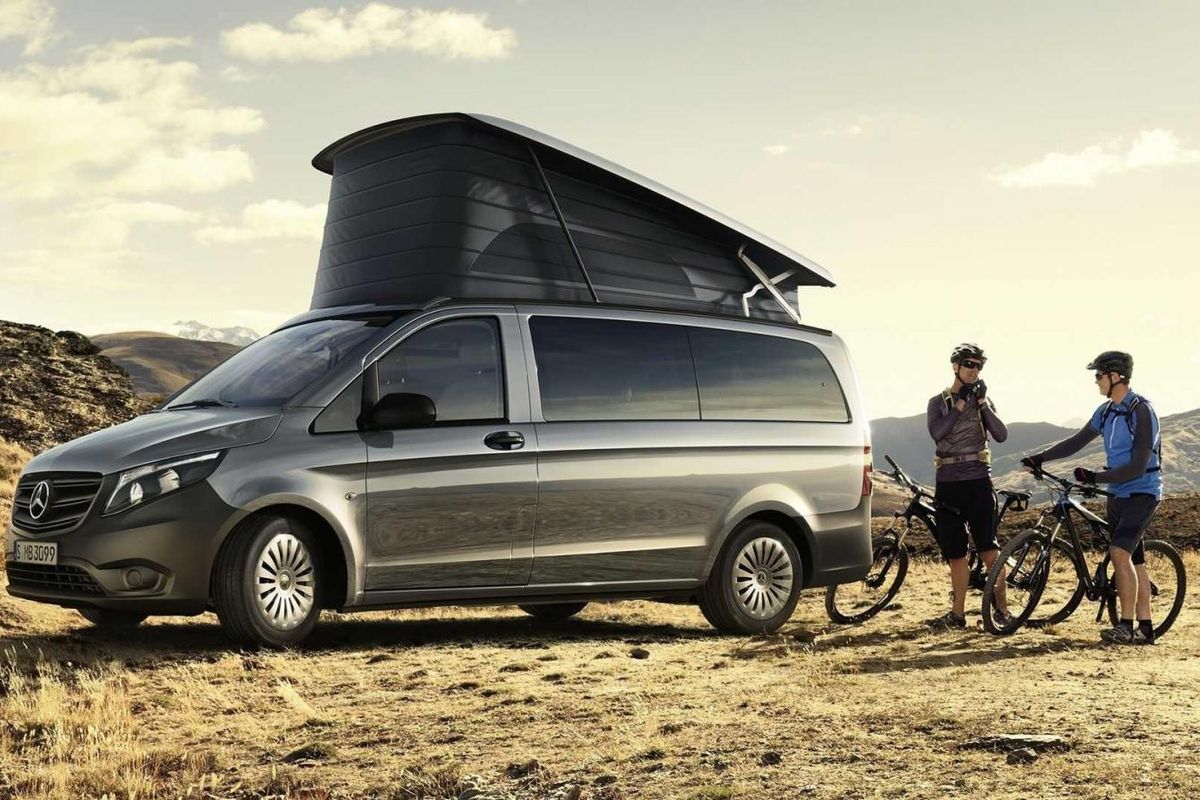
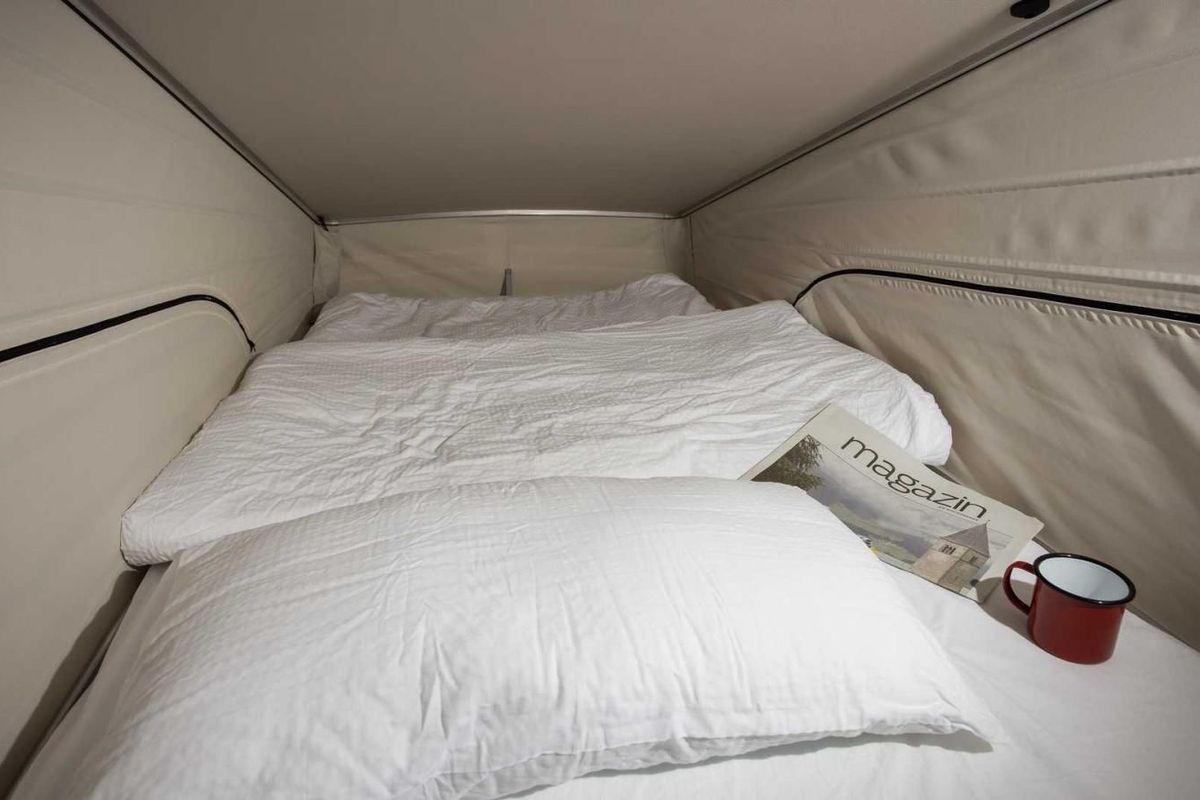
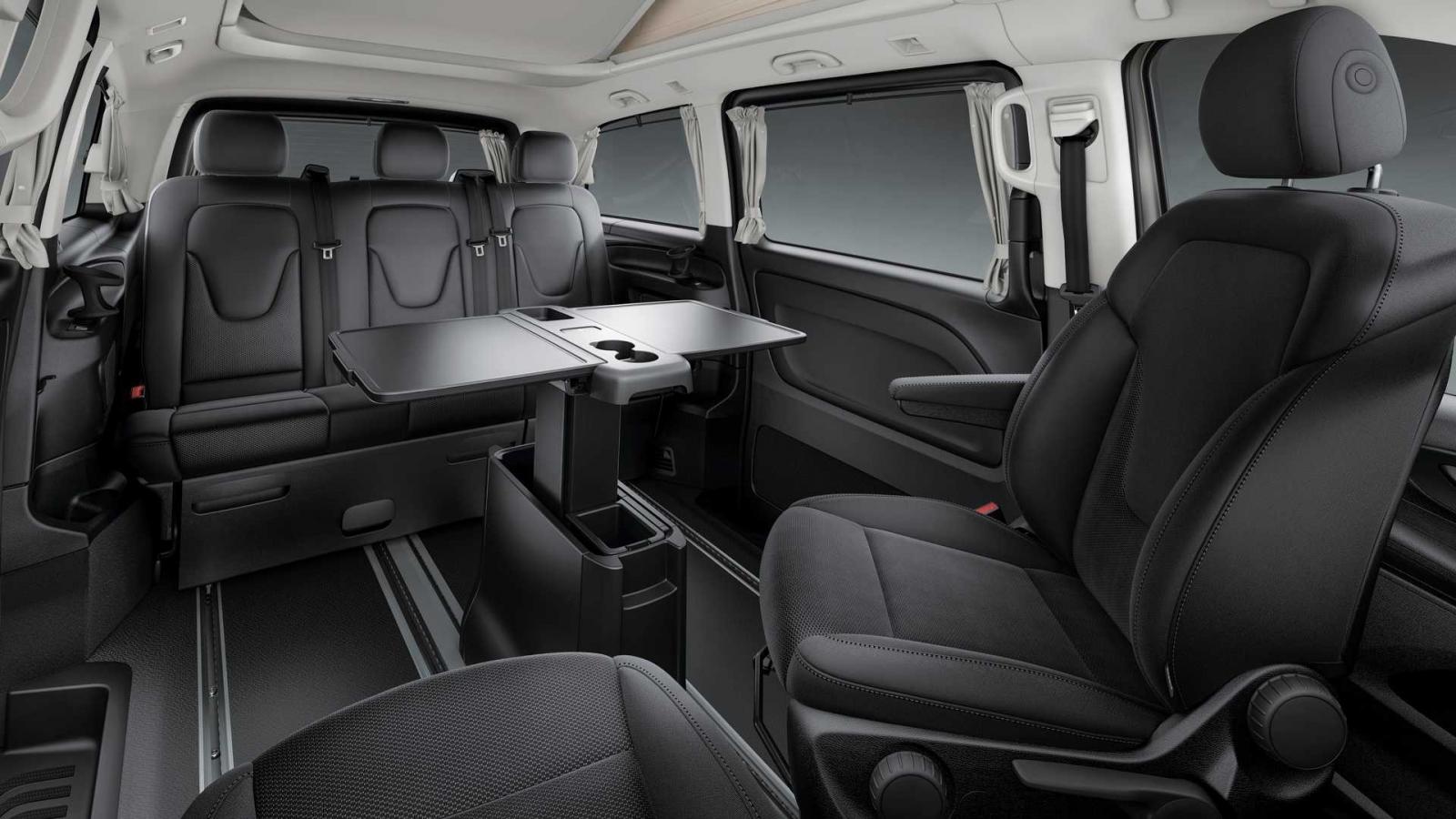
Mercedes-Benz has upgraded its Vito Marco Polo Activity touring vehicle for 2020. Check it out.
The changes are mostly mechanical and focus on the driving aspect. The Mercedes-Benz Marco Polo Activity features an updated 176 kW and 500 Nm diesel engine in its flagship derivative, giving it performance stats of 0-100 kph in 7.9 seconds and a top speed of 210 kph.
Airmatic air suspension makes its debut in the Mercedes-Benz Marco Polo Activity for the first time, improving ride comfort and handling. It can also raise the body up by 35 mm at speeds of up to 30 kph – useful when you want to cross some gravel. There's also been an improvement when it comes to the safety side of things and Distronic, Active Brake Assist and a digital inside rearview mirror have been added.
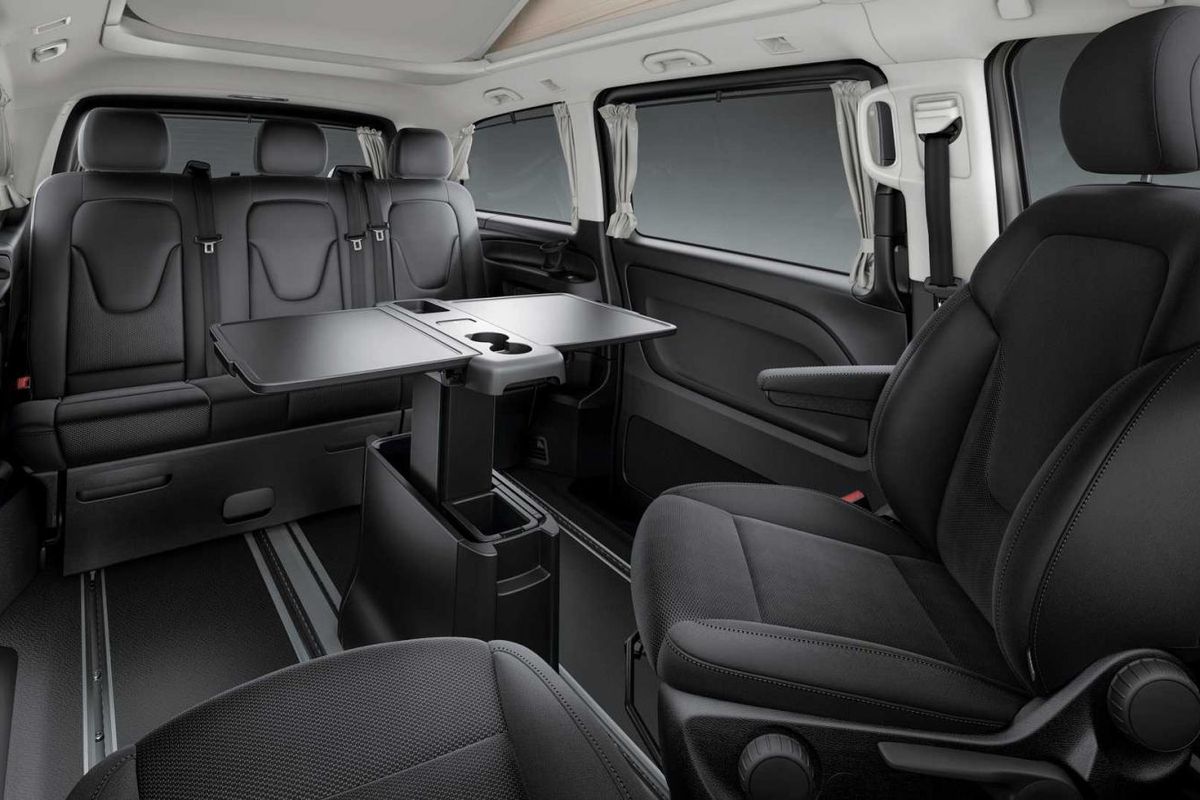
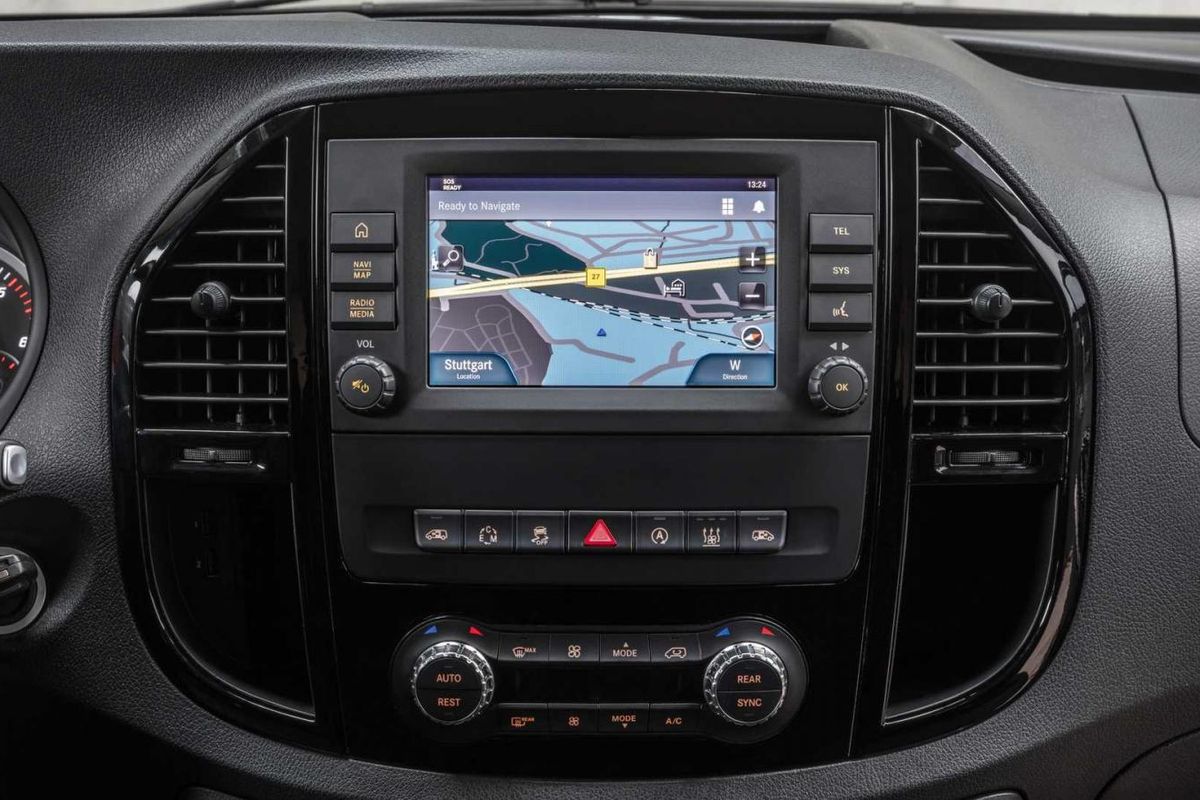
These updates will be rolled out from October 2020 and the vehicle will also feature a redesigned rear bumper as well as underbody trims. Inside, digital radio (DAB+) is now offered as well as smartphone integration via Apple CarPlay and Android Auto. The cabin has been given a mild refresh too and there are new-look air vents and a chrome package. On the outside, the new model can be differentiated by its restyled radiator grille and colour-coded bumpers.
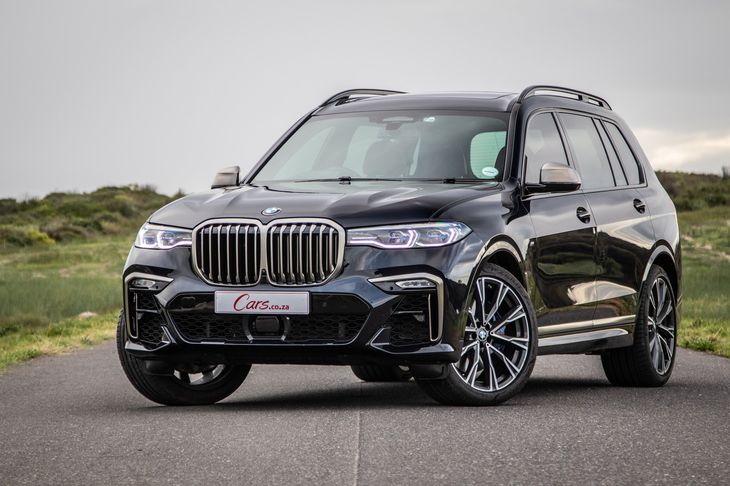
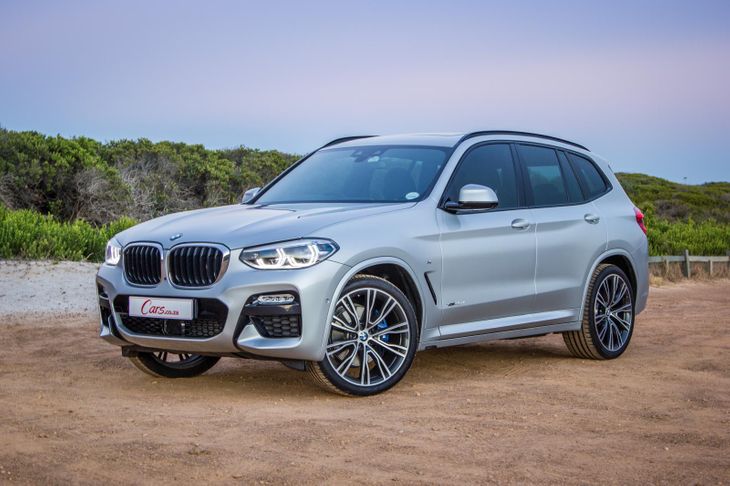
BMW will have 5 EV models on the market by the end of 2021 and 25 electrified derivatives by 2023, but it will also reduce the number of traditional–drivetrain variants (which we understand to be non-hybridised turbopetrol and -diesel derivatives) by up to 50%.
Oliver Zipse – the chairman of the Board of Management of BMW AG – this week announced the results for the BMW Group at the end of the 2019 financial year. Although the group had delivered a record 2 538 367 units and its revenue exceeded €100 billion for the year for the first time, its profit (before financial result) was €7.4 billion, which was 17% lower than in 2018.
BMW acknowledged that the provision of €1.4 billion (following the receipt of a Statement of Objections from the EU Commission, in connection with ongoing antitrust proceedings), as well as upfront expenditure for research and development, had reduced profits and “as expected, headwinds also came from negative developments in currencies and raw materials prices.”
BMW's 2019 Q4 revenue – the highest ever for a single quarter – has helped by a growing demand for its upper-luxury vehicles.
Profit (before tax) ended up at €7.2 billion (which is 26.1% lower than in 2018) and net profit amounted to €5 billion (a reduction of a whopping 28.9%).
The good news for the BMW Group was that "in 2019, we improved our profitability from quarter to quarter. This shows we have the right products and that our strategy is effective," Zipse was quoted as saying. "We are embracing the transformation of our industry and have trust in our innovative strength. We recognised the signs of change at an early stage and made preparations accordingly.”
‘CO2 reduction goals on target’
The BMW Group was confident that it would achieve its CO2 fleet target for its European new-car registrations again this year, which is approximately 20% below last year’s target. “A third of that step can be achieved by further improvements to conventional drivetrain systems and the rest by the growth in the field of electrified vehicles,” the company said in a statement.
By the end of 2021, the BMW Group intends to have more than 1 million vehicles with all-electric or plug-in hybrid drivetrains on the roads. At that stage, the BMW Group will offer 5 all-electric vehicles: the i3, Mini Cooper SE (which will be launched in South Africa soon), the BMW iX3 (which will soon go into production in Shenyang, China), followed, in 2021, by the BMW iNext in Dingolfing, Germany, and BMW i4 at the Group’s Munich plant.
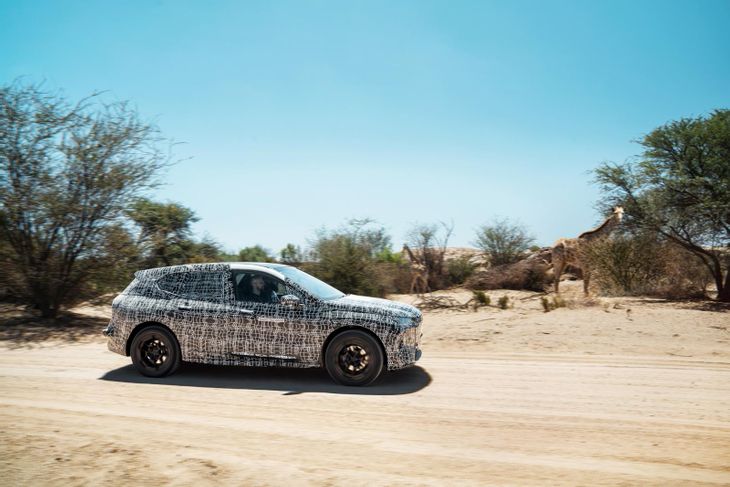
The iNext – BMW’s forthcoming luxury electric SUV – has been doing some hot-weather testing in South Africa.
25 electrified derivatives by 2023
The BMW Group expects that by 2021, the global demand for electrified vehicles will be twice as high as it was in 2019. Sales of EVs will grow, on average, by more than 30% per annum up to 2025.
By 2023, the BMW Group plans to have 25 electrified models in its product line-up – of which more than half will be all-electric. The key to achieving that objective was “to have intelligent vehicle architectures that allow models to be powered fully electrically, as a plug-in hybrid or with a combustion engine."
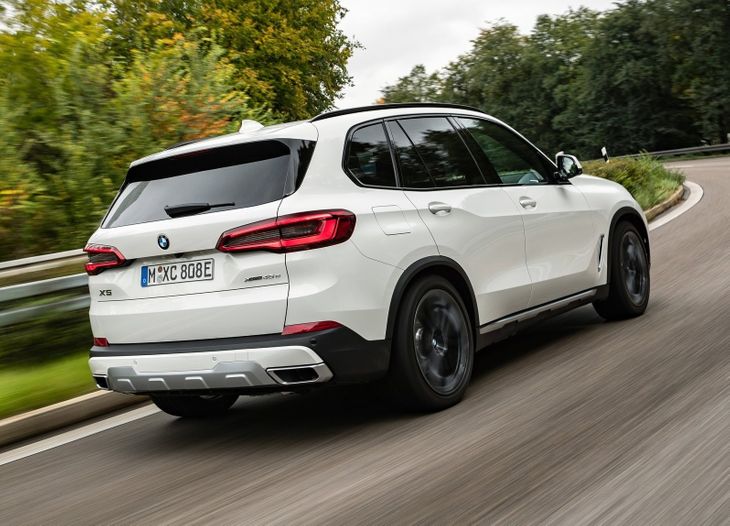
Following the local launch of the X5 xDrive45e, BMW now offers its premium SUV in turbopetrol-, -diesel and PHEV guises.
The high costs of EV technology
The BMW Group spent €6 billion on research and development last year (11.9% more than in 2018), while capital expenditure increased by 12.3% to €5.7 billion. That trend is unlikely to change, so to compensate for the high upfront costs of future-oriented technologies, the BMW Group remains committed to improving efficiency continually as part of the Performance > NEXT programme, which is expected to generate efficiency savings (through faster digital processes and leaner structures) in excess of €12 billion by the end of 2022. New model development times will be reduced by a third.
Will the rationalisation of BMW's line-up spell the end for a few turbodiesel derivatives, now that diesel motors are no longer in vogue?
50% reduction in traditional drivetrains
On the product side, up to half of traditional (non-electrified) drivetrain derivatives will be eliminated from 2021 onwards in the transition to creating enhanced, intelligent vehicle architectures – in favour of additional electrified drivetrains. “It is in this area that the full impact of these measures will come into effect, particularly in the years after 2022,” the statement said.
Meanwhile, the BMW Group’s model portfolio is being regularly assessed to find additional potential ways of reducing complexity. Apart for seeking greater efficiency through indirect purchasing and better leveraging of material and production costs, the Munich-based group is focusing on new models in segments where the rates of return are highest: One of the Group's targets, the company claims, is to double its sales volume in the luxury segment from 2018 to 2020…
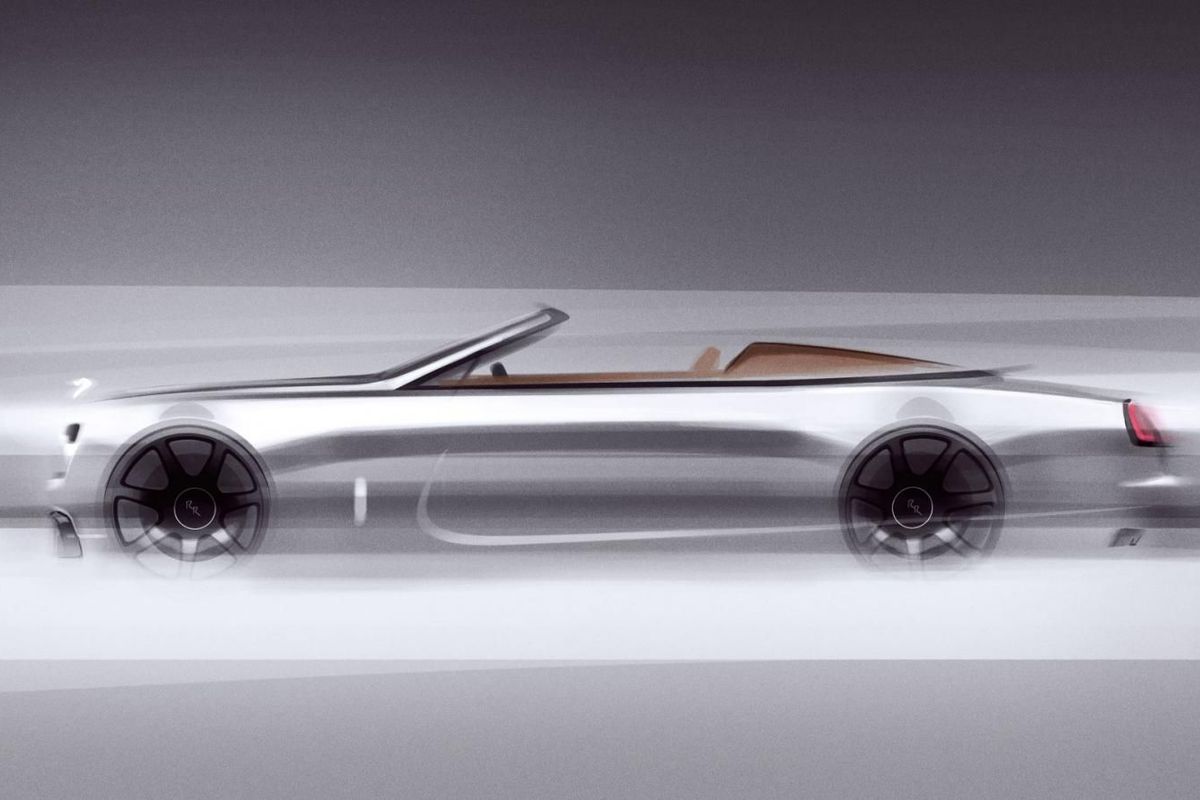
Rolls-Royce will build a special Dawn Silver Bullet Collection car to celebrate the new decade in style by drawing inspiration from the long-gone 1920’s…
Rolls Royce describes the Dawn Silver Bullet Collection as an “ode to decadence, to frivolity, to heady heydays and irreverent past times. Traversing the landscape with supreme accuracy, travelling great distances with speed and precision, this open-top roadster iteration of Dawn, is, like a silver bullet.”
Much like the roadsters of the ’20s, the Dawn Silver Bullet Collection will be rare and only 50 will be made.
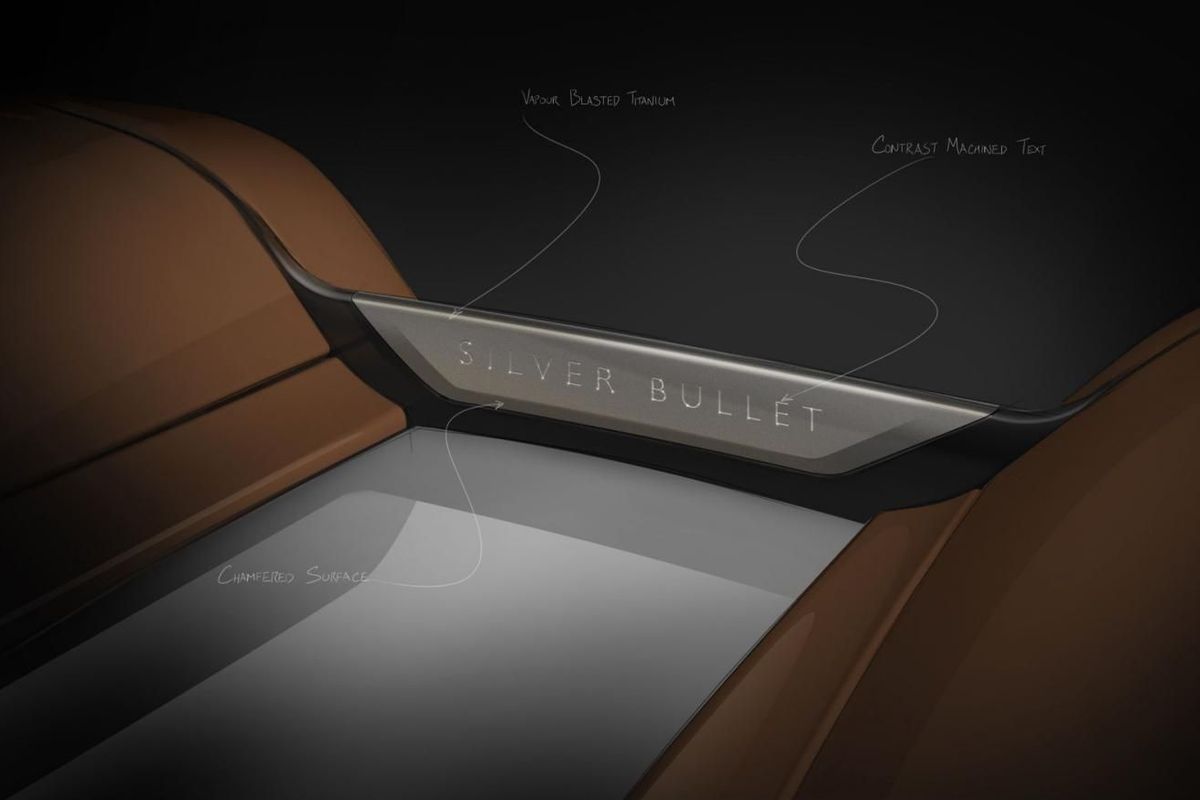
Key details include the Aero Cowling which gives the car a ‘sense of speed and purpose’. A rakish centre spine brings the bodywork into the cabin while a vapour-blasted titanium finisher windbreak bears the ‘Silver Bullet’ name. The model will feature a bespoke, ultra-metallic silver paint finish which contrasts with darker elements such as the dark headlights and bumper finisher. The wheels are part-polished with a translucent shadow finish and a single silver pinstripe.
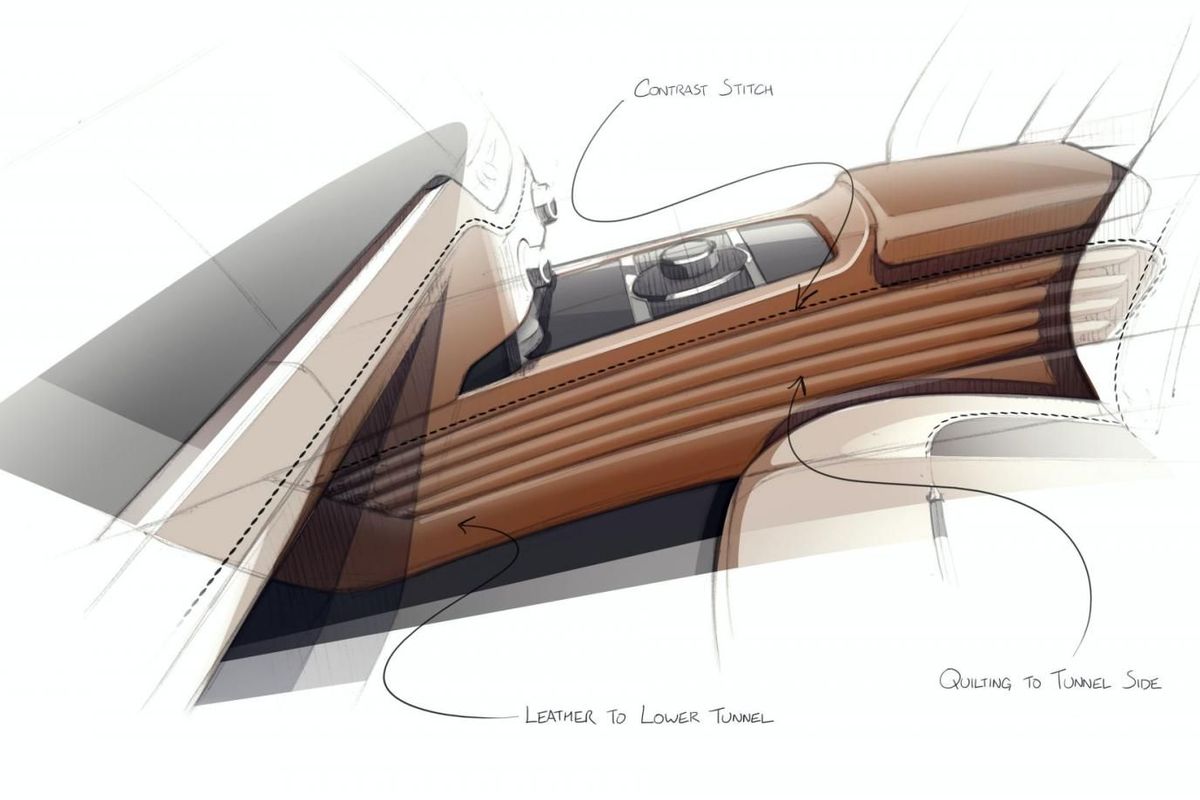
Moving inside, the Dawn Silver Bullet Collection features top quality finishes including an open-pore carbon fibre fascia and quilted transmission tunnel resembling a rebellious leather jacket.
As the car embodies the spirit of freedom, Rolls-Royce will curate a series of ‘Silver Bullet Drives’ for owners of this bespoke car to enjoy.
New BMW 118i Review – Has Front-Wheel-Drive Ruined The 1 Series?
BMW's first front-wheel-drive 1 Series joined the market at the end of 2019. Ciro De Siena spent some time behind the wheel of the entry 118i to bring you this video review.
Platform-sharing makes a lot of sense, especially to accountants. BMW has resolutely stuck to rear-wheel or all-wheel-drive drivetrains thus far but for the 1 Series, the allure of sharing drivetrains across the MINI and BMW brands proved too strong for the company to resist.
Add to that that polling BMW customers revealed that most 1 Series drivers couldn't even tell if their very own cars were FWD or RWD. So, here we are in 2020, test driving a FWD 1 Series.
In this in-depth video, our video guy Ciro De Siena takes a detailed look at the newcomer, and tries to answer the question that most people who buy 1 Series couldn't give two hoots about, but many fanboys have lost sleep over: has front-wheel-drive ruined the 1 Series?
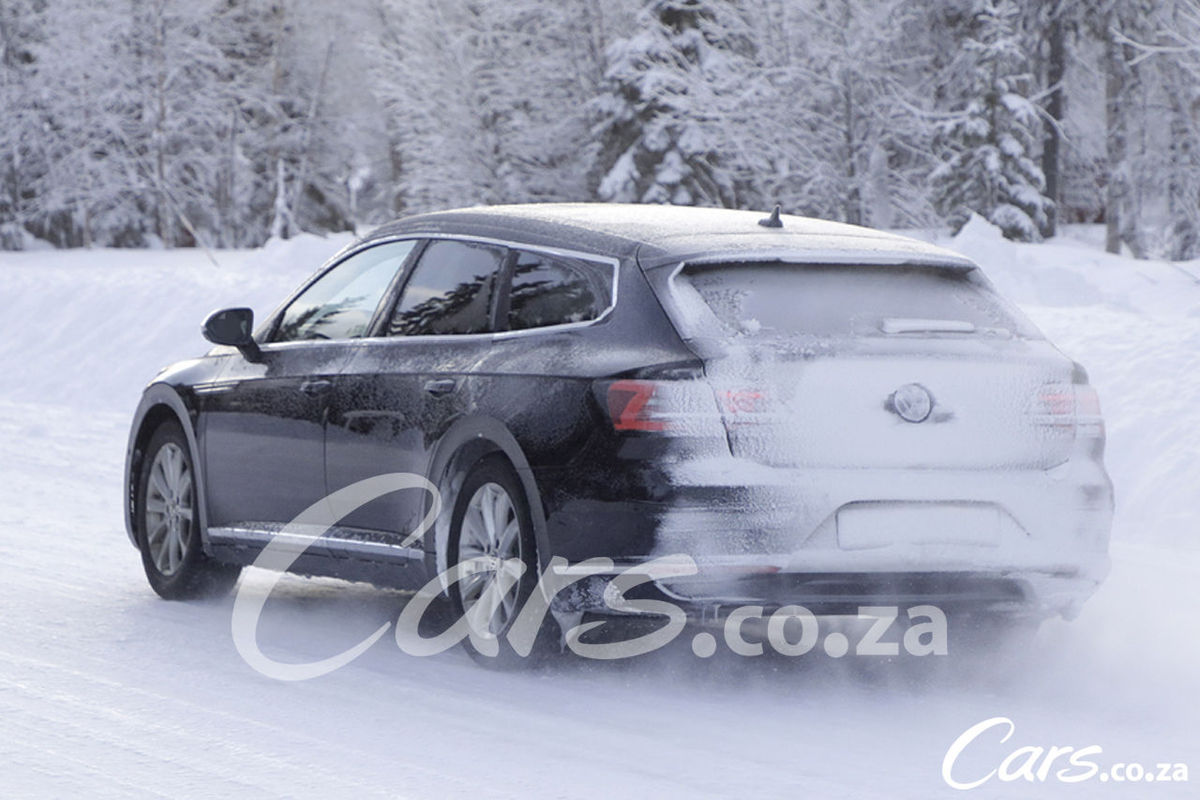
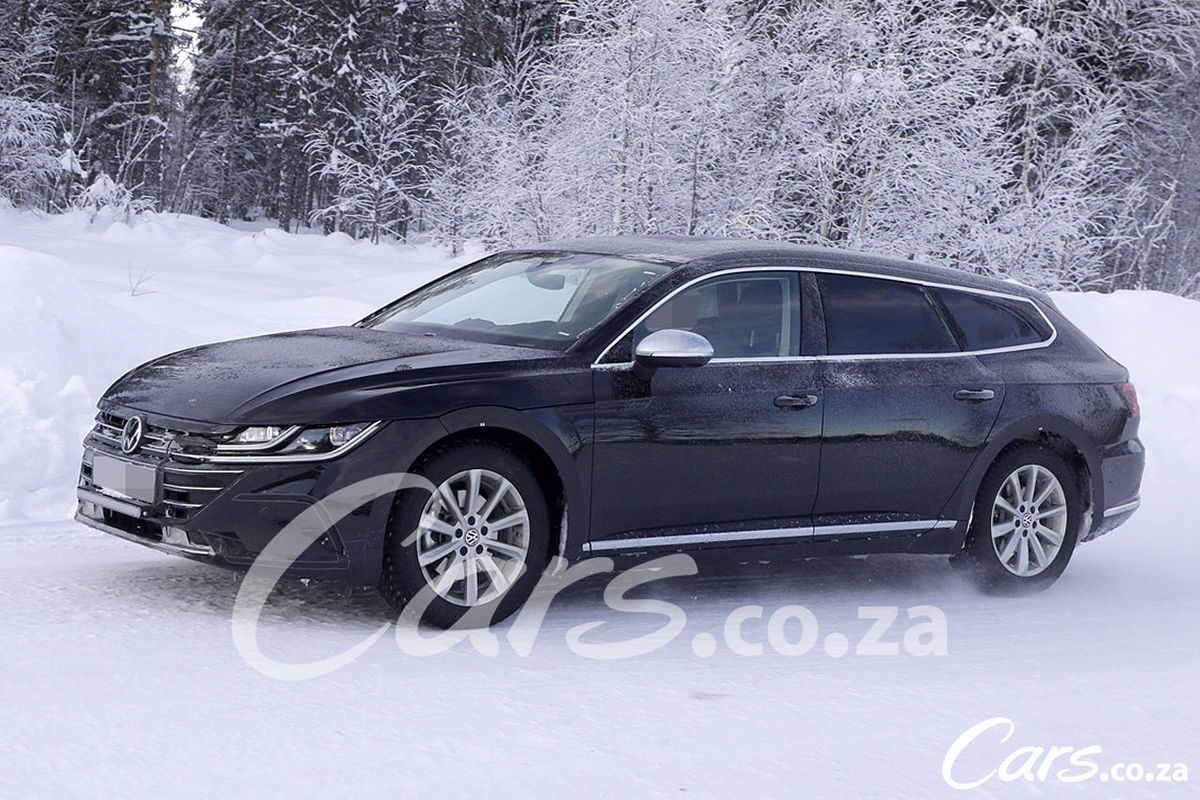
Volkswagen is readying an estate version or Shooting Brake of its Arteon premium sedan. Here's what we know so far.
Picture credit: S. Baldauf/SB-Medien. We have paid for these photos and at the photographer's request, have watermarked them.
The Volkswagen Arteon is a stylish sportback-styled luxury sedan. Powered by a choice of either turbopetrol and turbodiesel engines, the Arteon has a lot going for it. It also bagged a win in the #CarsAwards-powered by WesBank.
Now Volkswagen is working on an interestingly-styled Shooting Brake version of its Arteon which will debut alongside a facelifted model. The Shooting Brake will bring even more practicality to an already spacious vehicle.
The updated Volkswagen Arteon will feature substantial revisions both inside and out, with many speculating it'll gain the all-new infotainment system that's been seen in the new Volkswagen Golf 8. In terms of engines, we're expecting largely the same engines as before, the option of all-wheel drive on some models, which should find favour in the colder European markets. There's also a strong rumour of an Arteon R, packing the same engine from the Volkswagen Golf R.
The sad part of all of this is this is the beginning of the end for Volkswagen's internal combustion engines for this line of cars as the ID Space Vizzion previews the way for a stylish estate powered by electricity. Expect to see the updated Volkswagen Arteon as well as the Arteon Shooting Brake revealed before the end of 2020.
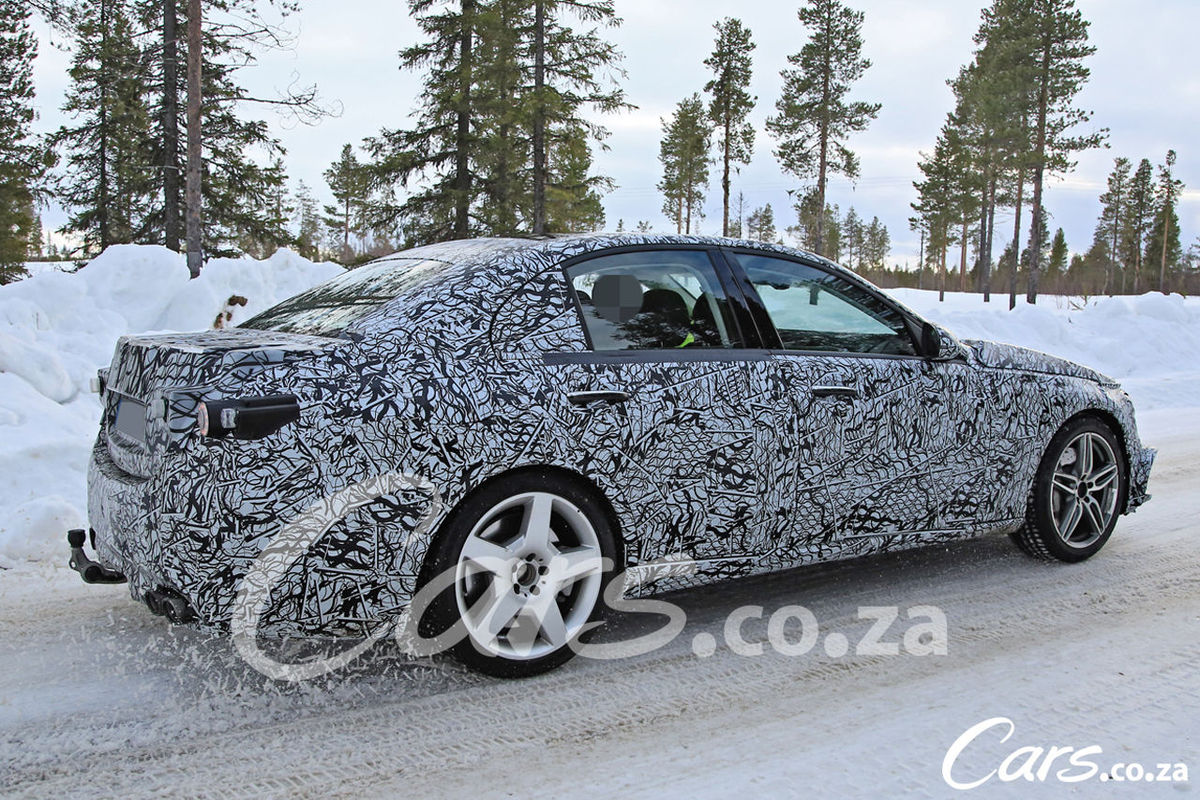
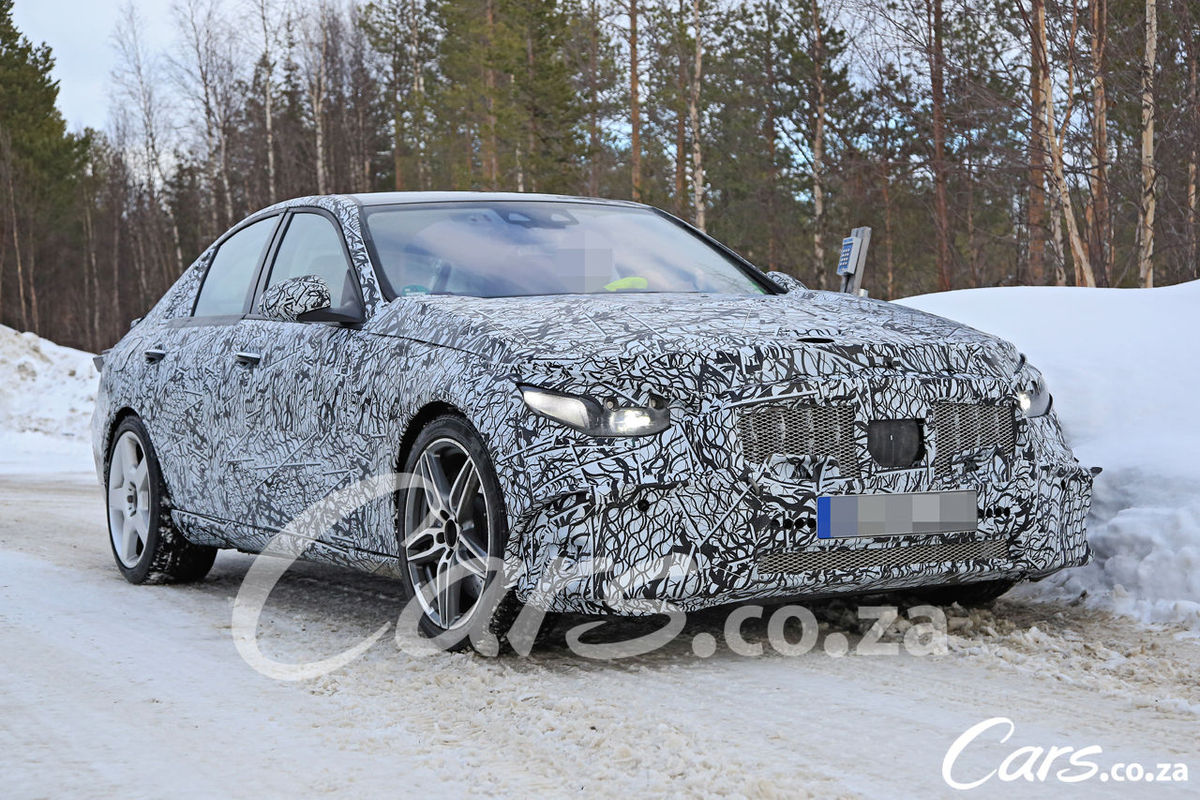
Spy shots of the next-generation performance Mercedes-AMG C-Class have emerged. This will be the new C53.
Picture credit: S. Baldauf/SB-Medien. We have paid for these photos and at the photographer's request, have watermarked them.
The new 5th generation Mercedes-Benz C-Class will be revealed soon, but attention is focusing on the performance variants. When we got wind of the Mercedes-AMG C63 losing its iconic 4.0-litre turbocharged V8 in favour of a 4-cylinder motor, we were keen to see what AMG would come up with.
What you see here is the Mercedes-AMG C53 4Matic, which will rival the BMW M340i xDrive and Audi S4. We know it's an AMG thanks to its grille, performance wheels and big brake callipers. There are also large exhaust tips, indicating this isn't your average C-Class. Under the bonnet is not going to be the 3.0-litre inline 6 like the E53 and CLS 53, but rather an advanced version of the 2.0-litre turbocharged 4-cylinder motor which we've experienced in the compact Mercedes-AMG A45 S hatchback. For the record, that motor produces 310 kW and 500 Nm. That's more power than the current C43 3.0-litre biturbo V6 which makes 287 kW.
Expect to see a production reveal of the all-new Mercedes-Benz C-Class before the end of 2020, with the AMG performance models following on in 2021.
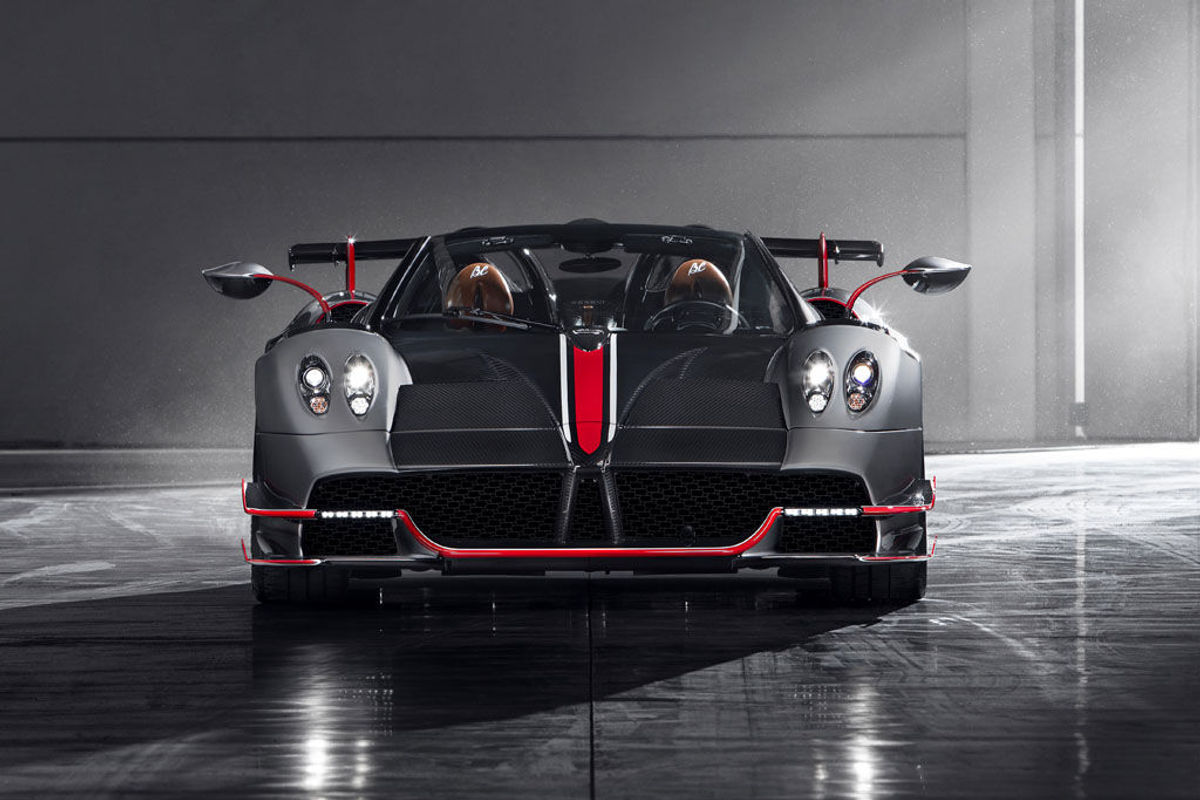
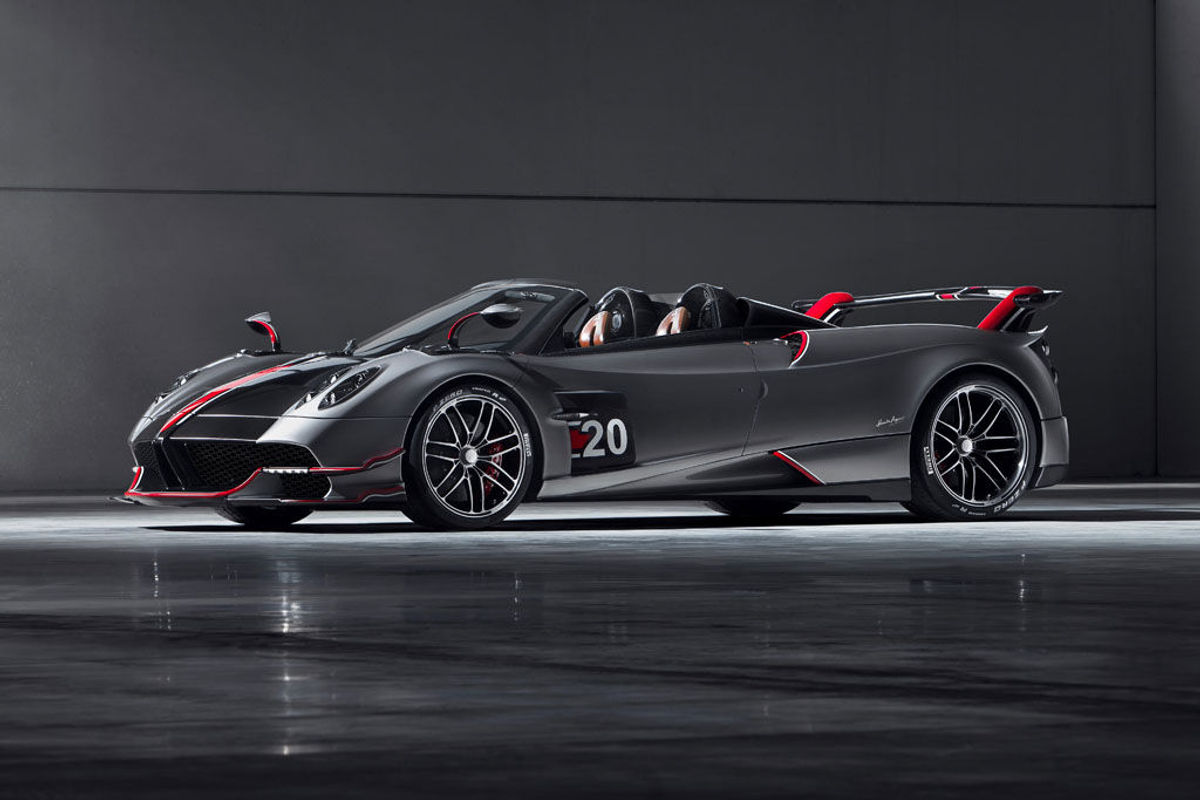
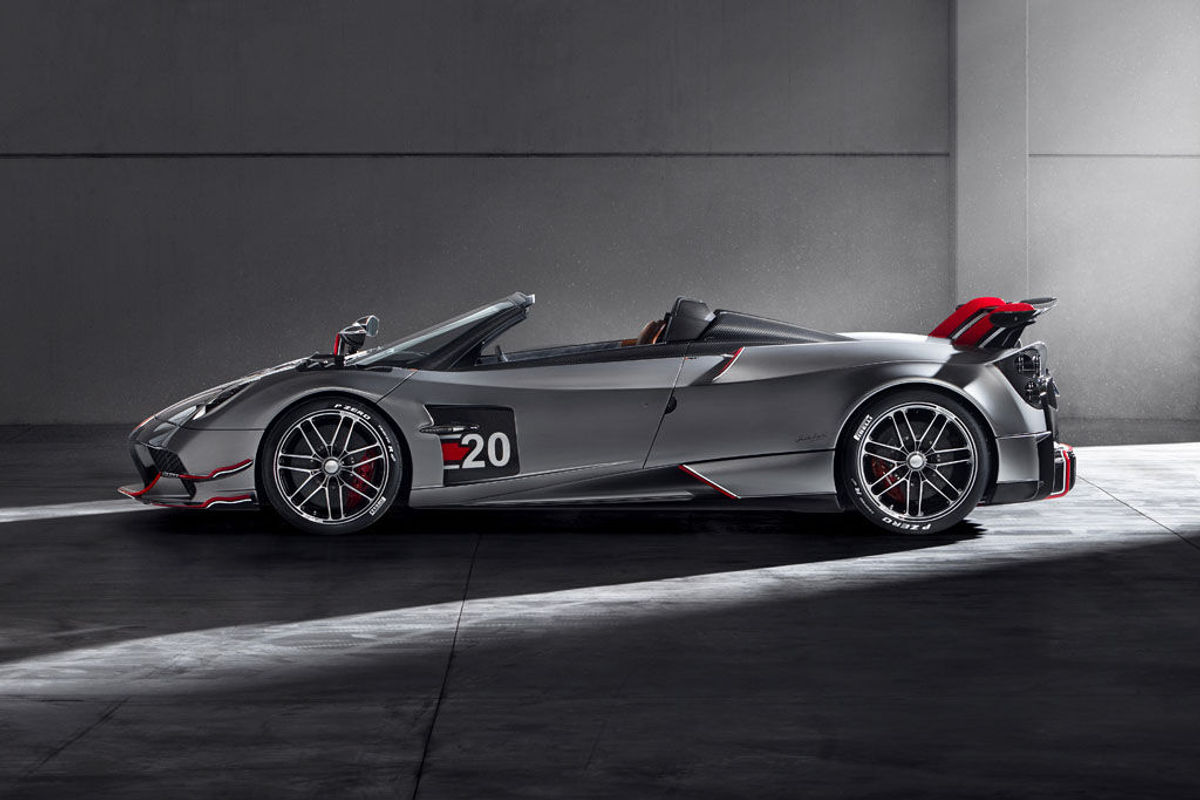
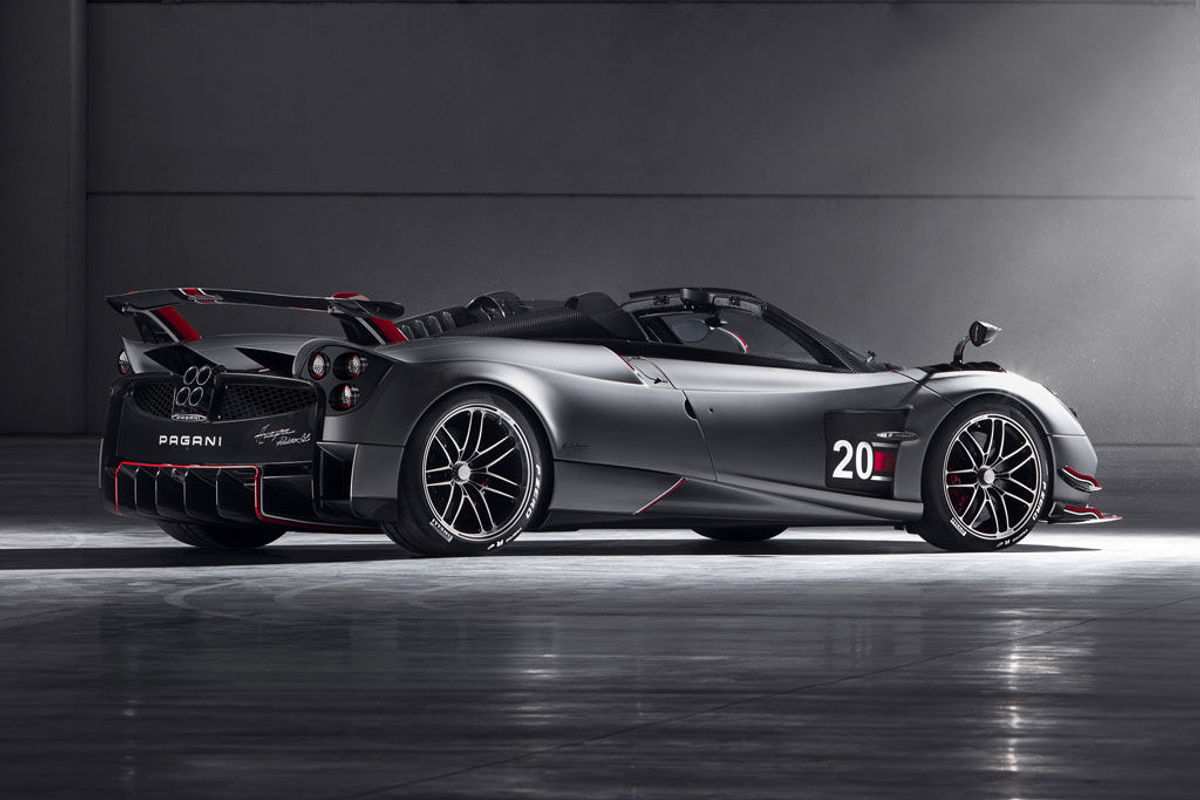
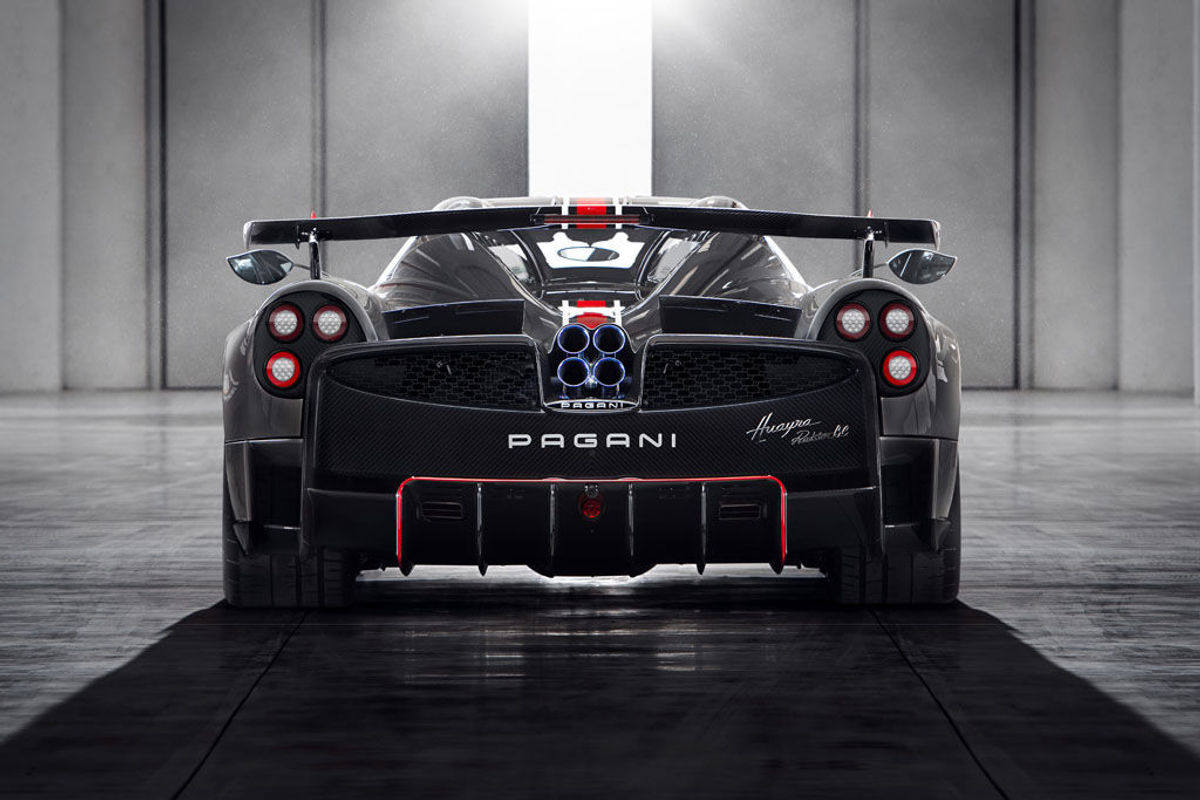
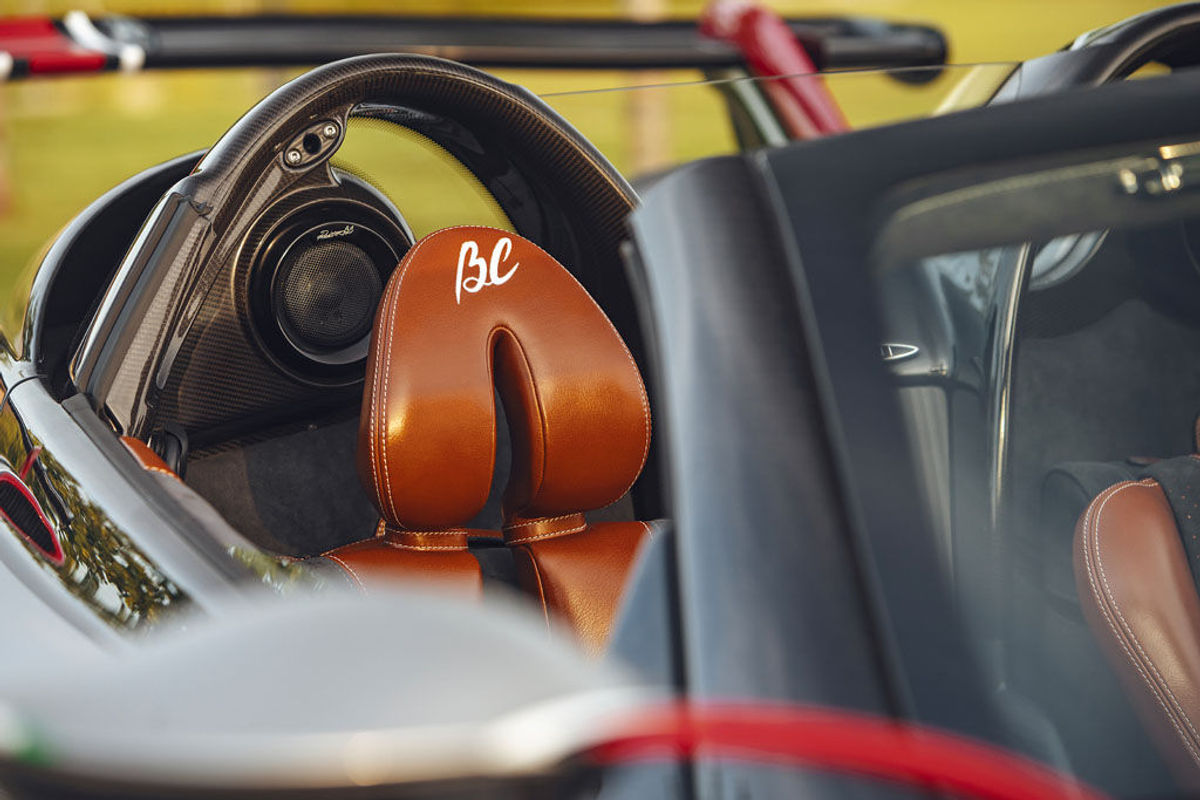
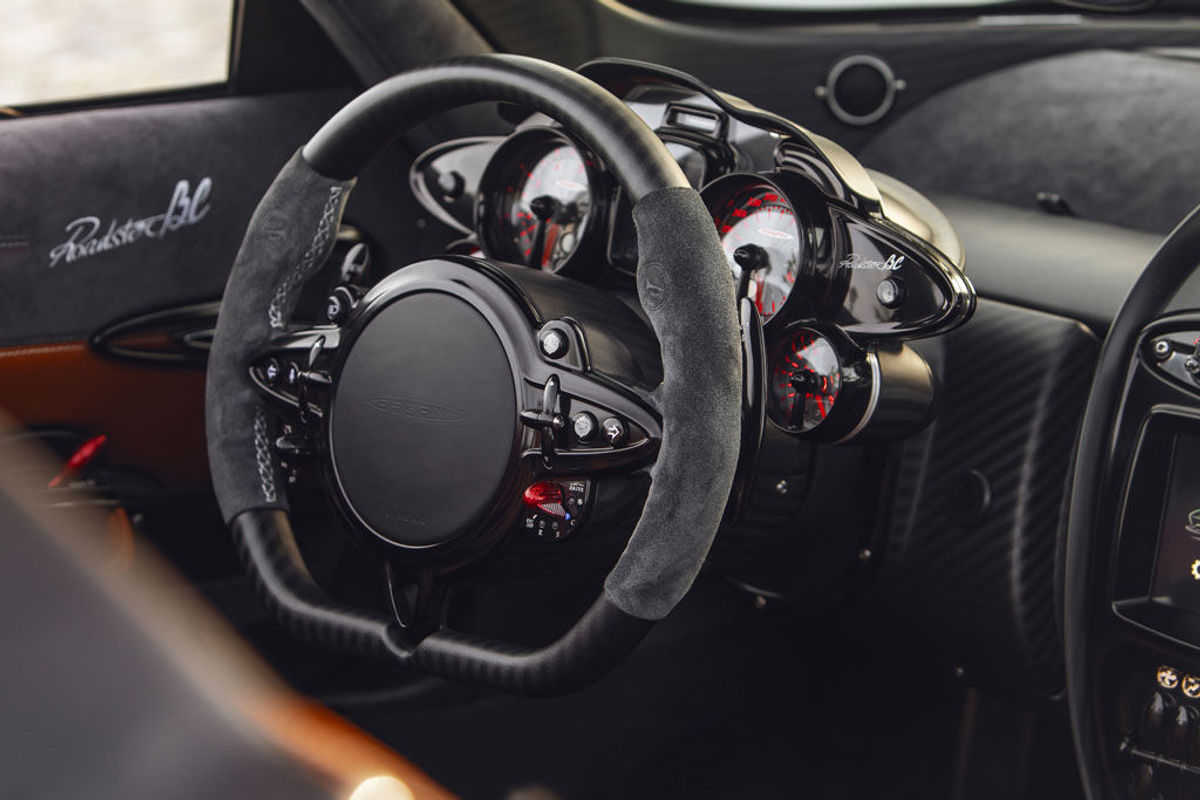
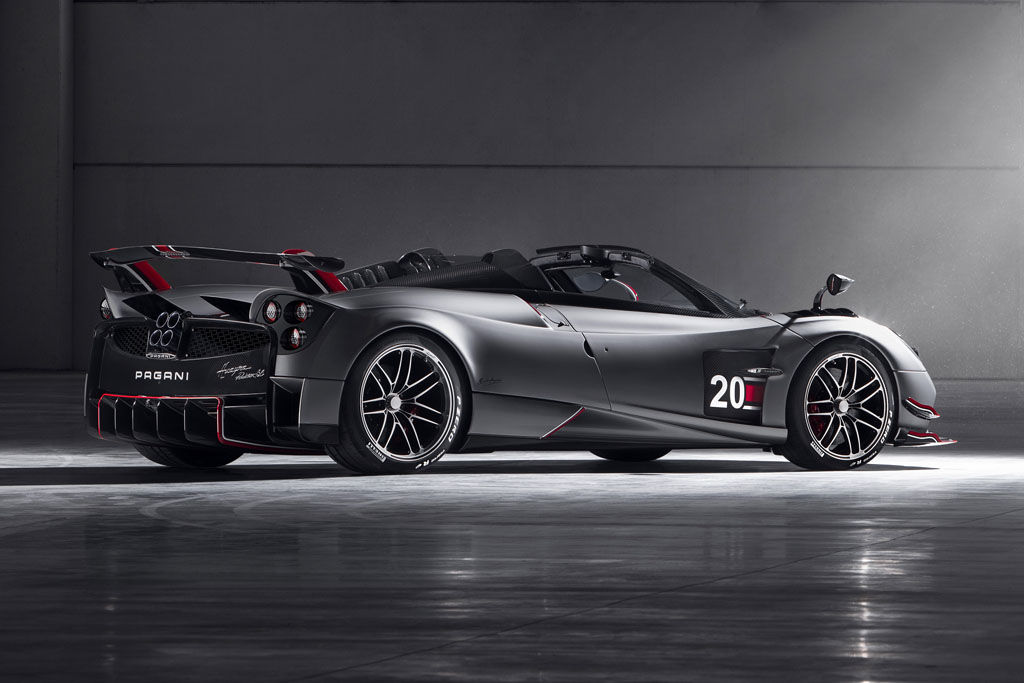
The charismatic founder of the Modena-based supercar maker has unveiled the Imola and BC Roadster derivatives of the Pagani Huayra hypercar on YouTube.
Although both cars were due to be shown at the (subsequently cancelled) 2020 Geneva Show, Mr Pagani opted to reveal both limited-edition machines in the metal, live from the company’s headquarters in Modena, Italy via its official YouTube channel.
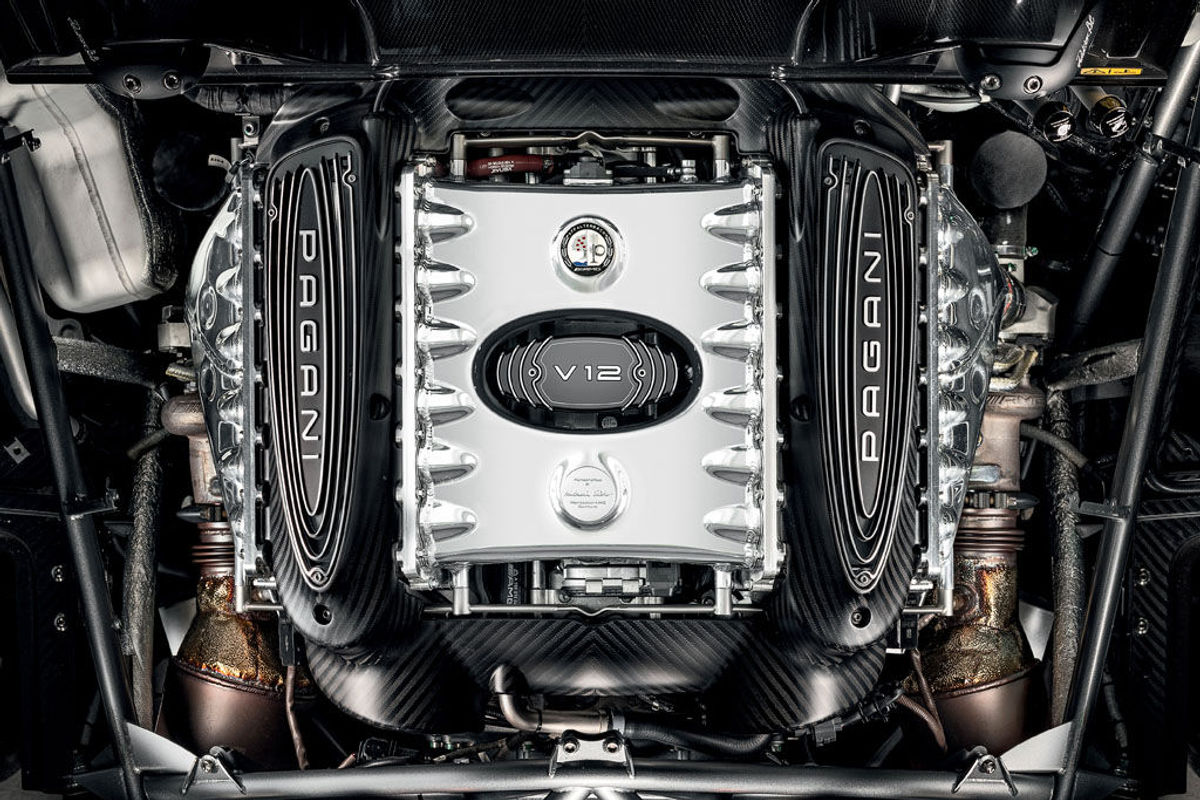
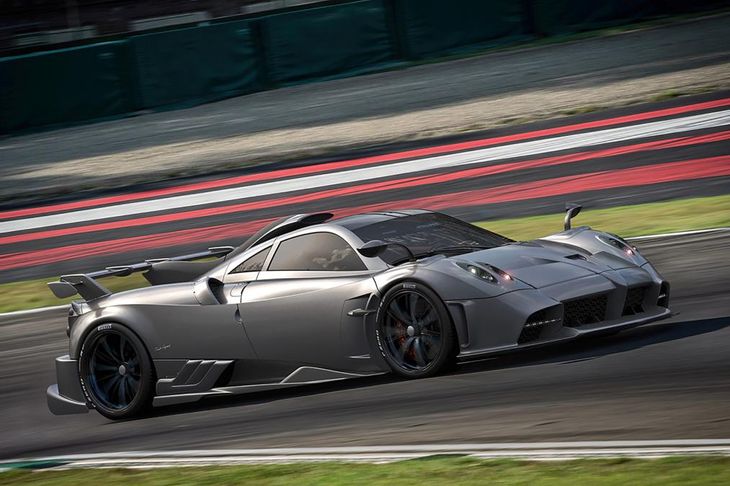
Last month we reported that Pagani would produce just 5 examples of its track-optimised Imola hypercar – the most powerful Huayra the firm has ever built and valued at approximately R80 million. Powered by a newly-developed Mercedes-AMG twin-turbo 6.0-litre V12 engine, the Imola produces peak outputs of 608 kW and 1 100 Nm, but thanks to the extensive use of composite materials, including carbon-fibre and carbon-titanium in its construction, the hypercar weighs just 1 240 kg.
The production run of the Huayra Imola is just 5 units; it features the new 6.0-litre V12 engine from AMG tuned to 608 kW.
The Imola further features a sophisticated aerodynamics package, with a roof-mounted scoop and combination of large wing/diffuser combination at the rear. In partnership with the car’s flat underside, the surface aerodynamic details generate massive amounts of downforce as speeds increase.
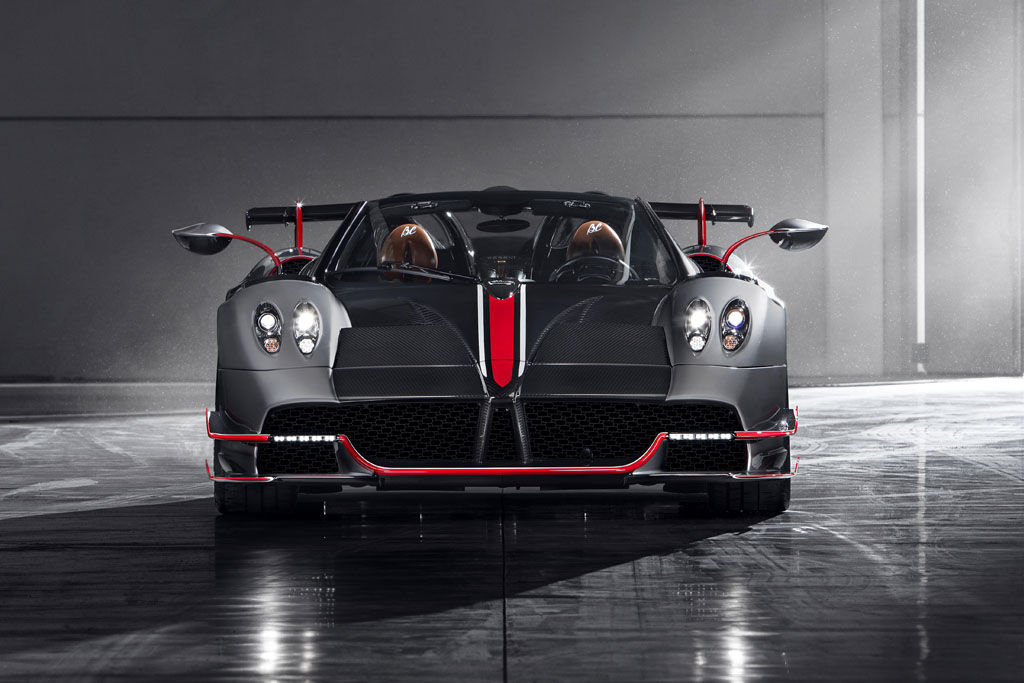
But, apart from the Imola (#3 out of 5), Pagani also showcased the Roadster BC, which tips the scales at only 10 kg more than the Huayra Imola: 1 250 kg…
The Imola and BC Roadster are believed to be two of the last derivatives of the Huayra that Pagani will produce.
In the case of the BC Roadster, its 6.0-litre twin-turbo V12 produces slightly milder outputs (590 kW at 5 900 rpm and 1 050 Nm from 2 000-5 600 rpm) and is mated with a 7-speed sequential gearbox – its flywheel-clutch unit consists of a triple-disc clutch, electronically-controlled diff and a 3-way coupling system – the complete transmission is 35% lighter than a comparable dual-clutch ‘box.
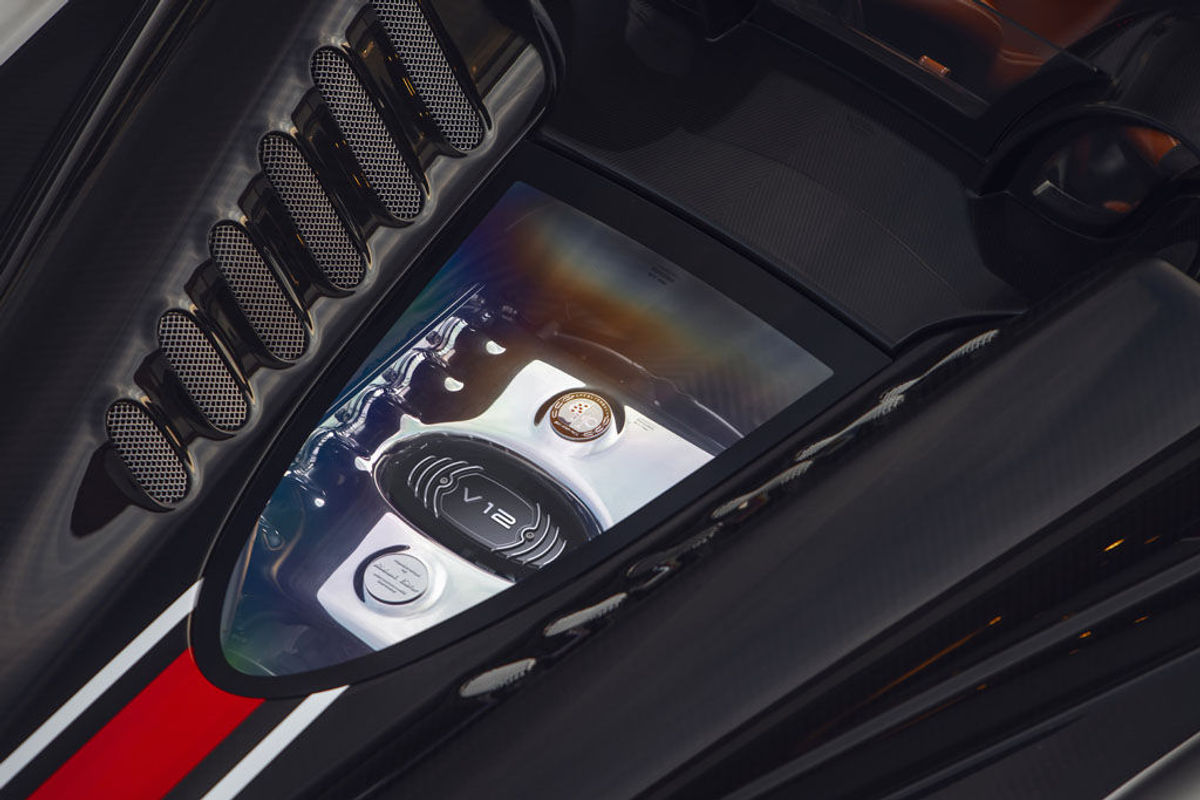
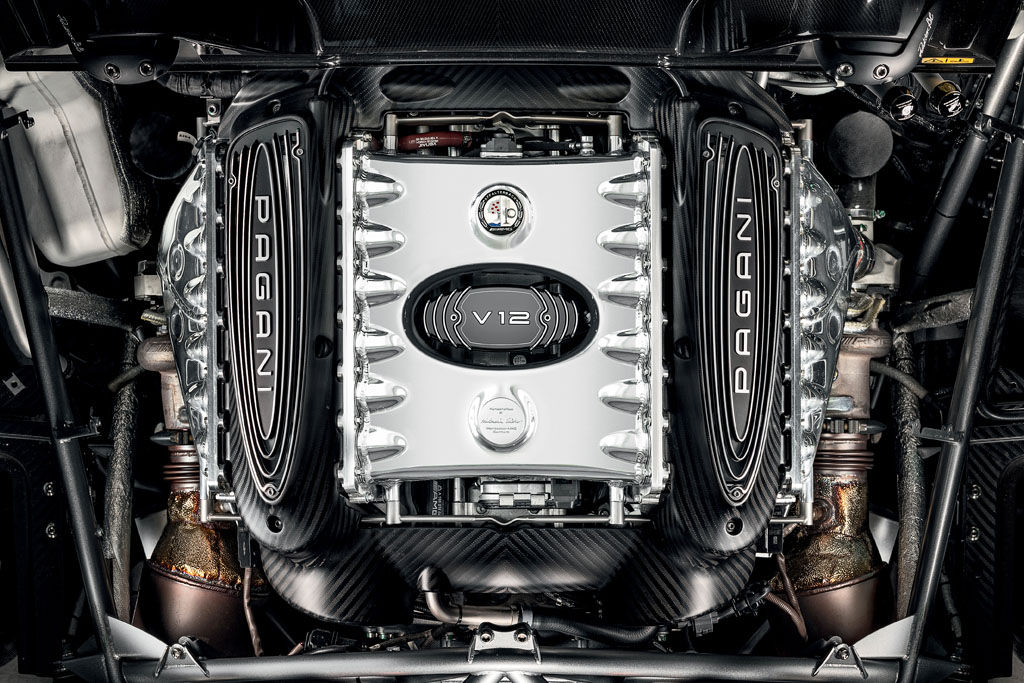
Apart from a pair of new-generation turbos, the Affalterbach-built V12 features a novel hydroformed manifold, twin throttle bodies and no fewer than 4 intercoolers. Meanwhile, the monster engine’s titanium 6-pipe exhaust features 2 extra direct outlets from the catalytic converters to exploit the “blown-diffuser” principle of the BC Roadster’s active dynamics to generate further downforce.
Mercedes-AMG builds the Pagani's twin-turbo V12 motor exclusively for the Italian supercar firm.
As such, the Roadster BC was designed to generate an aerodynamic load with a downforce target of 500 kg at 280 kph, while maintaining a ground clearance “that will allow passengers to (still) enjoy driving it on public roads".
With the benefit of Pirelli PZero Trofeo R tyres (20-inch at the front, 21-inch at the rear), which were tailor-made for the model, the open-topped Pagani is claimed to go from 0-100 kph in 3 seconds, hit a top speed of 383 kph and achieve lateral acceleration of 1.9g during constant running, with peaks of 2.2g, and a longitudinal deceleration of 2.2g.
The BC Roadster is shod with 14-spoke APP forged monolithic aluminium alloys (20-inch at the front, 21-inch at the rear).
To help the BC Roadster remain firmly (and safely) on terra firma, the newcomer is underpinned by a forged aluminium-alloy independent double wishbone suspension with helical springs and electronically-controlled shock absorbers.
Stopping power comes courtesy of a Brembo carbon-ceramic system, with 398×36 mm discs with 6-piston calipers at the front, with 380×34 mm units with 4-piston calipers at the rear.
Compared to the Imola, the BC Roadster is in relatively generous supply… Instead of just 5 cars, Pagani will build 40 units. Price? It’s yours for R57 million (we assume that excludes delivery).
Watch a video that details how the BC Roadster was developed:
Safari 911 meets Dakar 959 as legendary Porsche specialist Gemballa takes the 911 where it was never meant to go.
If a Cayenne Coupe Turbo is too tame for Porsche fans, they might soon have the option of something much wilder.
Legendary Porsche specialist, Gemballa, is planning a radical version of the 911 which might have particular appeal to South Africans wishing to explore gravel roads at supercar speeds.
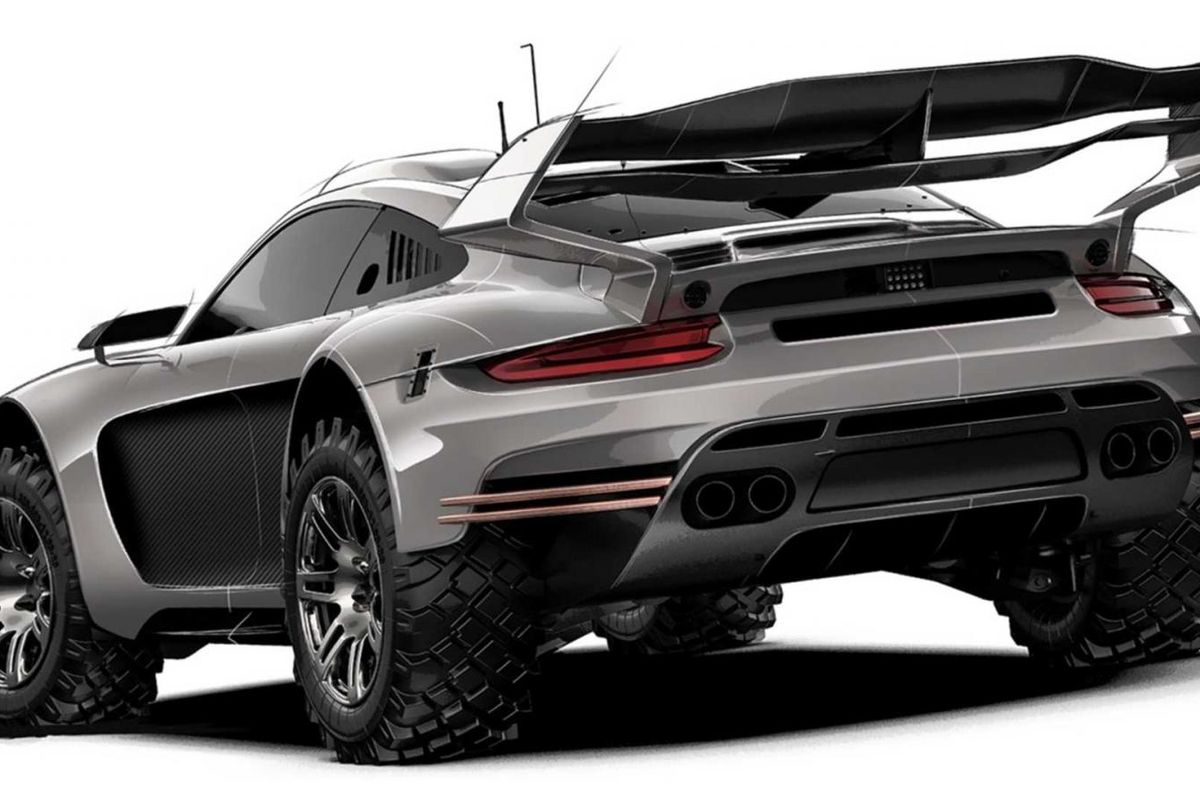
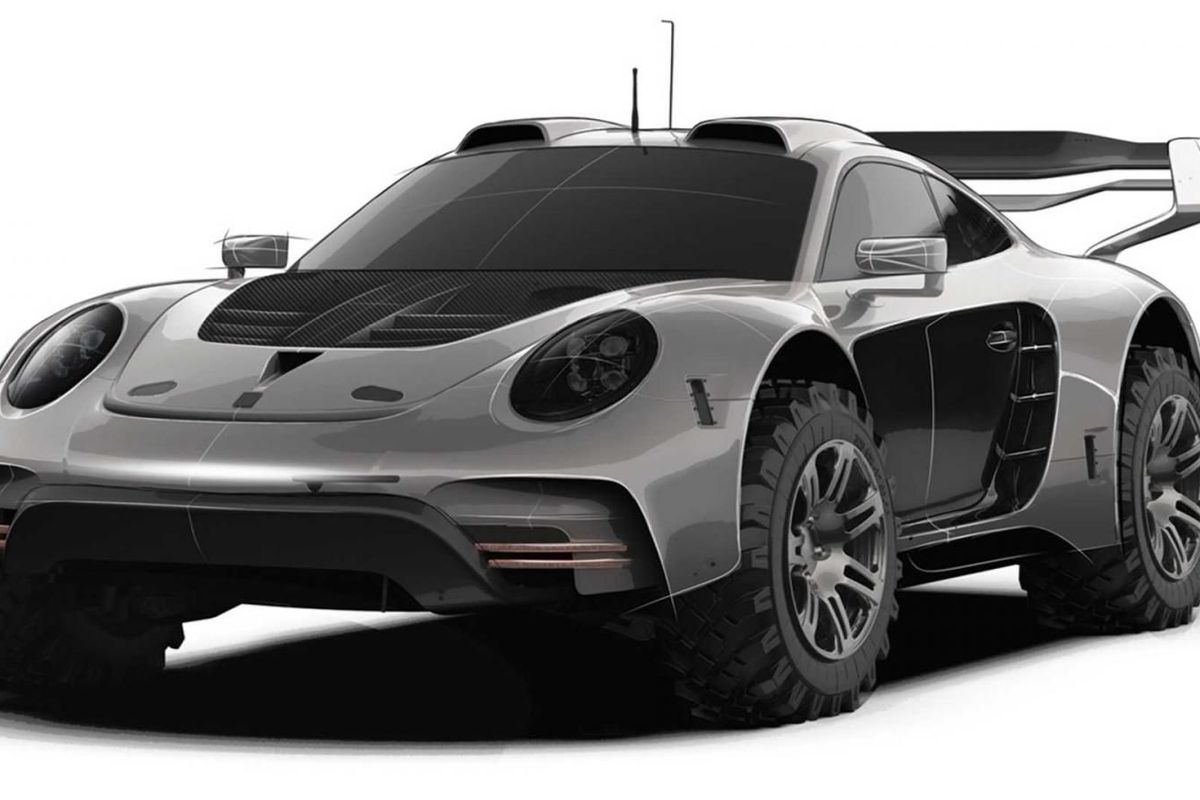
The car in question will be a high-riding version of the Gemballa's Avalanche, adding a lot of ground clearance to Porsche’s 911 platform. Porschephiles will notice the design sketches based on a 991, instead of the current 992. Gemballa is confident that its Avalanche upgrade will be applicable to the current 911 too.
In typical Gemballa style, the overall design is outrageous, with enormous wings and air inlets, all of which justify their presence by virtue of some aerodynamic or cooling benefit.
Gemballa’s Avalanche 4×4 will also feature massive wheel arches to accommodate oversized off-road tyres. The company is not yet at liberty to explain how it will achieve the huge increase in ride height shown in these 911 Avalanche design sketches, but it will certainly involve custom fabricated suspension components.
Although Gemballa gas been coy about exact engineering details or the presence of specific off-road traction system, the Avalanche should feature an abundance of power. Gemballa’s modified version of Porsche’s 3.8-litre flat-six engine is twin-turbocharged and good for 609 kW, which would theoretically give this 911 Avalanche incredible performance, over any terrain.
Production is scheduled for the end of 2020. Those Porsche followers who believe the company’s coolest ever car was the 959 Dakar racer, could have their interest piqued by this Gemballa 911 Avalanche 4×4.
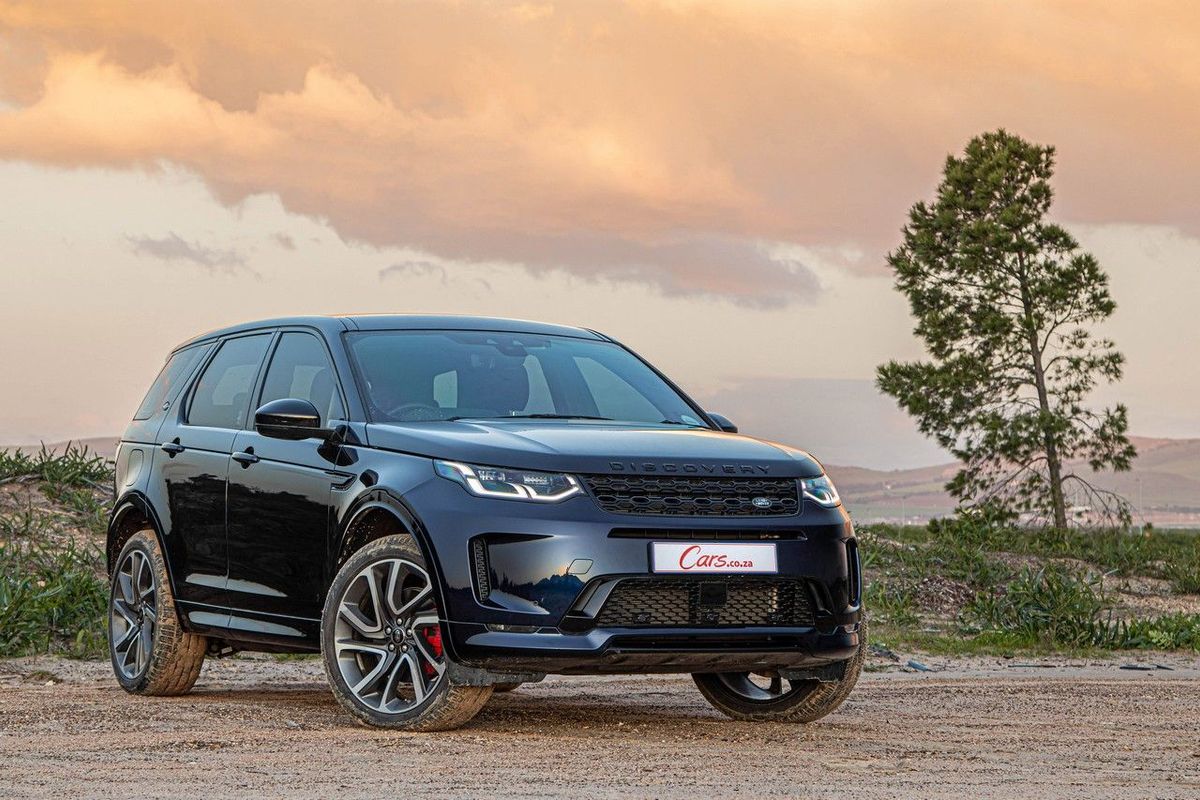
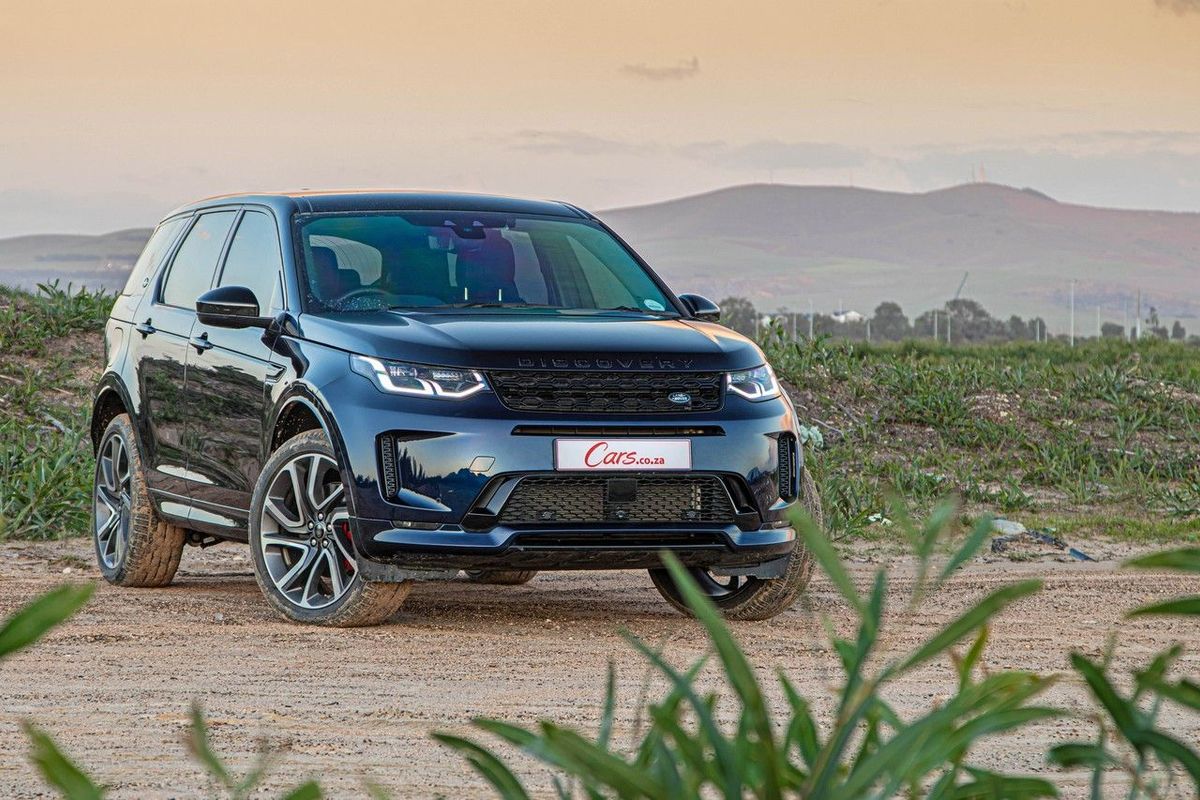
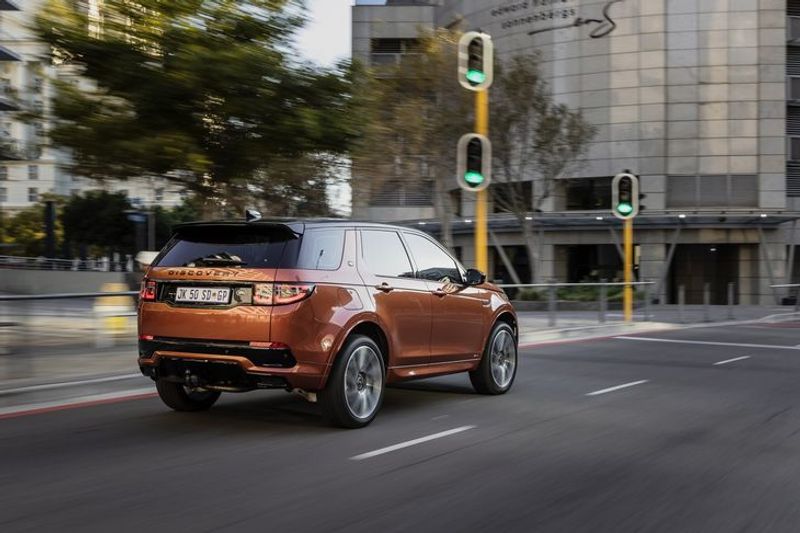
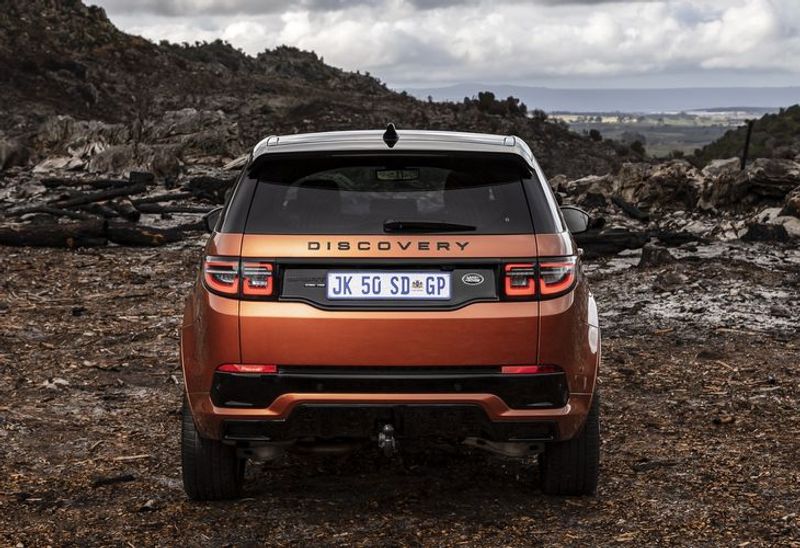
The facelifted Land Rover Discovery Sport has arrived in South Africa and we spent an extensive 2 days sampling the newcomer across a variety of terrains.
The Land Rover Discovery Sport is a 7-seater Executive SUV and a past #CarsAwards – powered by WesBank – Lifestyle SUV and Leisure Car category winner. Given how SUVs have dominated global sales charts, it's imperative that Land Rover keeps pace with its rivals and the British brand has duly released a substantially-updated version of its Discovery Sport.
What's changed & what's on offer?
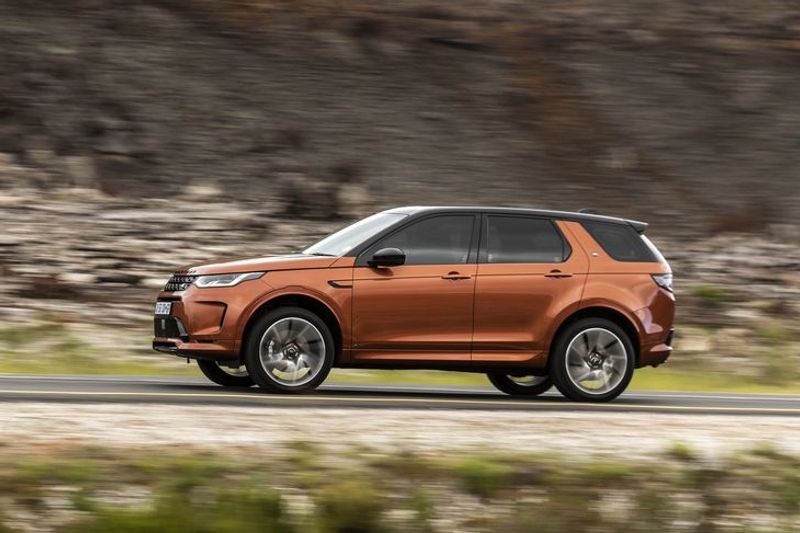
The Land Rover Discovery Sport has been given a substantial update, both inside and out.
In South Africa, the new Land Rover Discovery Sport is available in either base- or, for those want something sportier, R-Dynamic, trim, the latter of which is offered in S, SE and HSE specifications. There are 2 engines in the launch line-up; Land Rover has dipped into its diverse powertrain inventory and installed the Ingenium 2.0-litre turbopetrol and -diesel powerplants in the updated range.
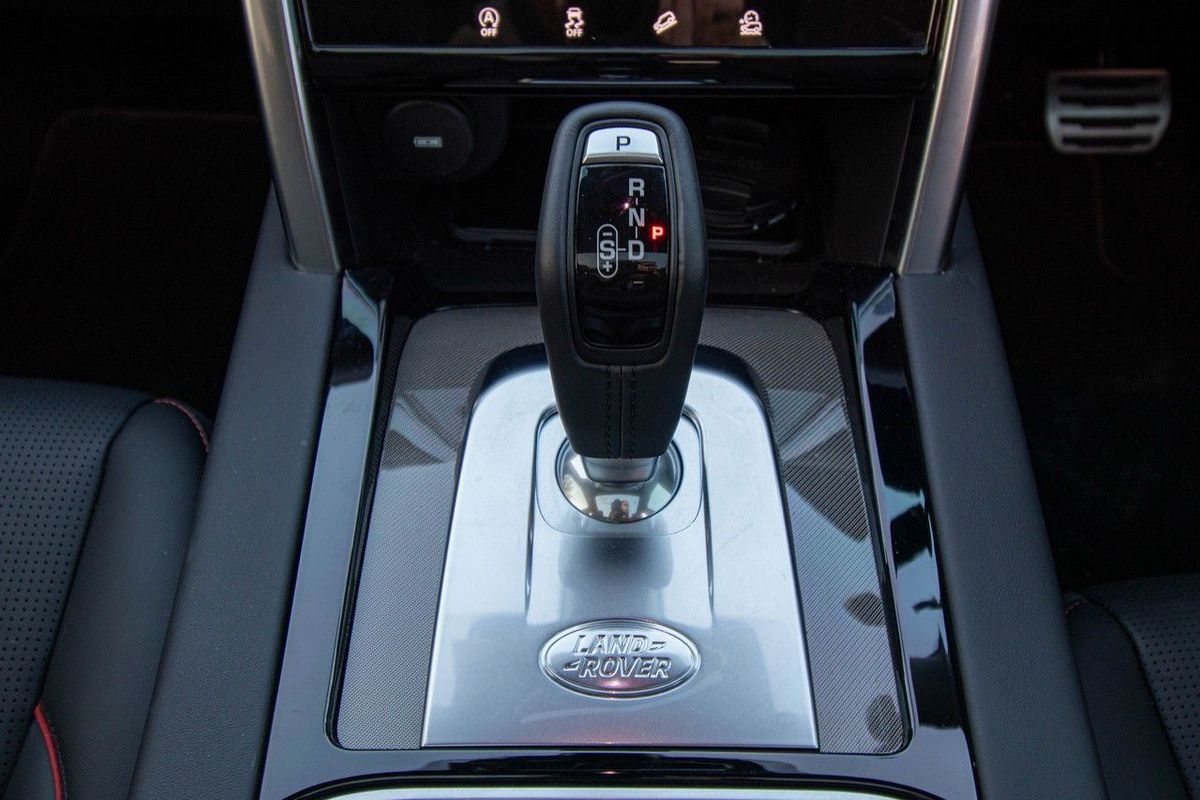
We only had the turbodiesel D180 units to sample on the launch and, given our prior experience with the petrol-engined Discovery Sport, the former is the one to have based on its superior fuel economy (Land Rover claims an average consumption figure of 5.8 L/100 km). The 2.0-litre turbodiesel delivers 132 kW and 430 Nm, while the petrol equivalent produces a more performance-orientated 184 kW and 365 Nm. All derivatives feature all-wheel drive, as well as a revised 9-speed automatic transmission. An uprated fuel tank of 65 litres has also been added,
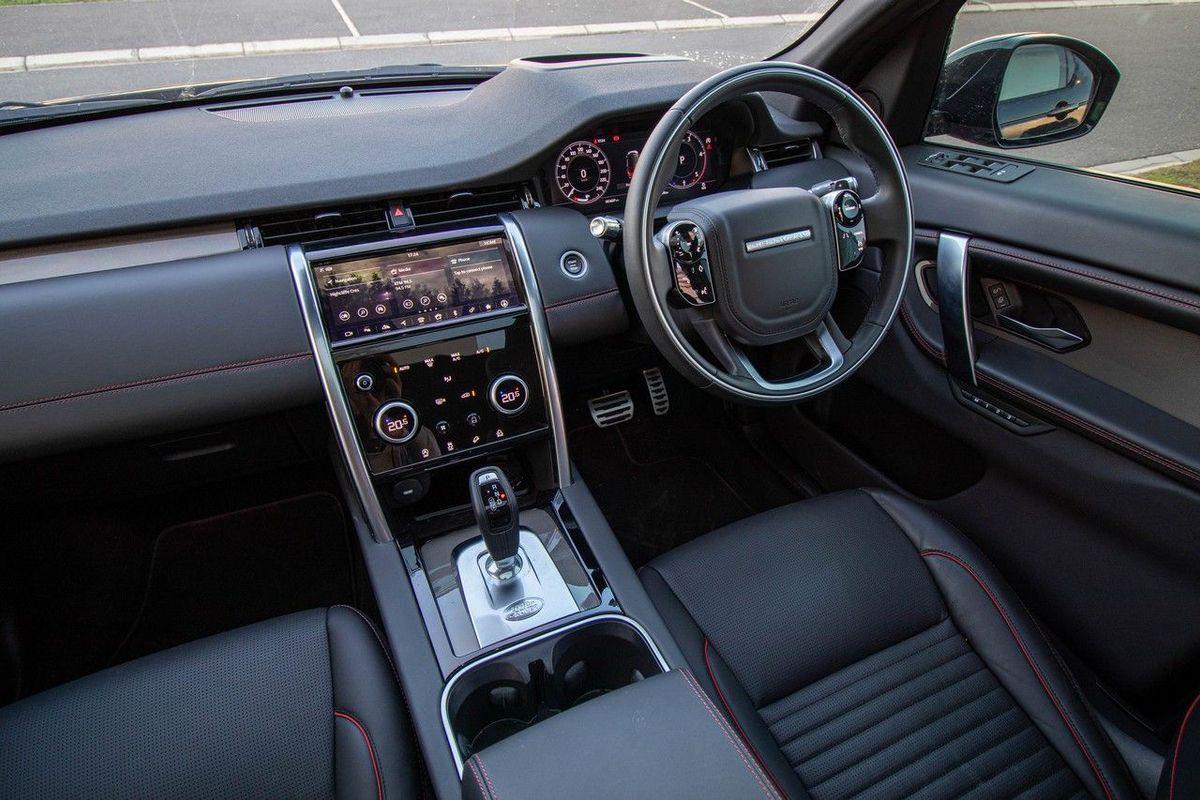
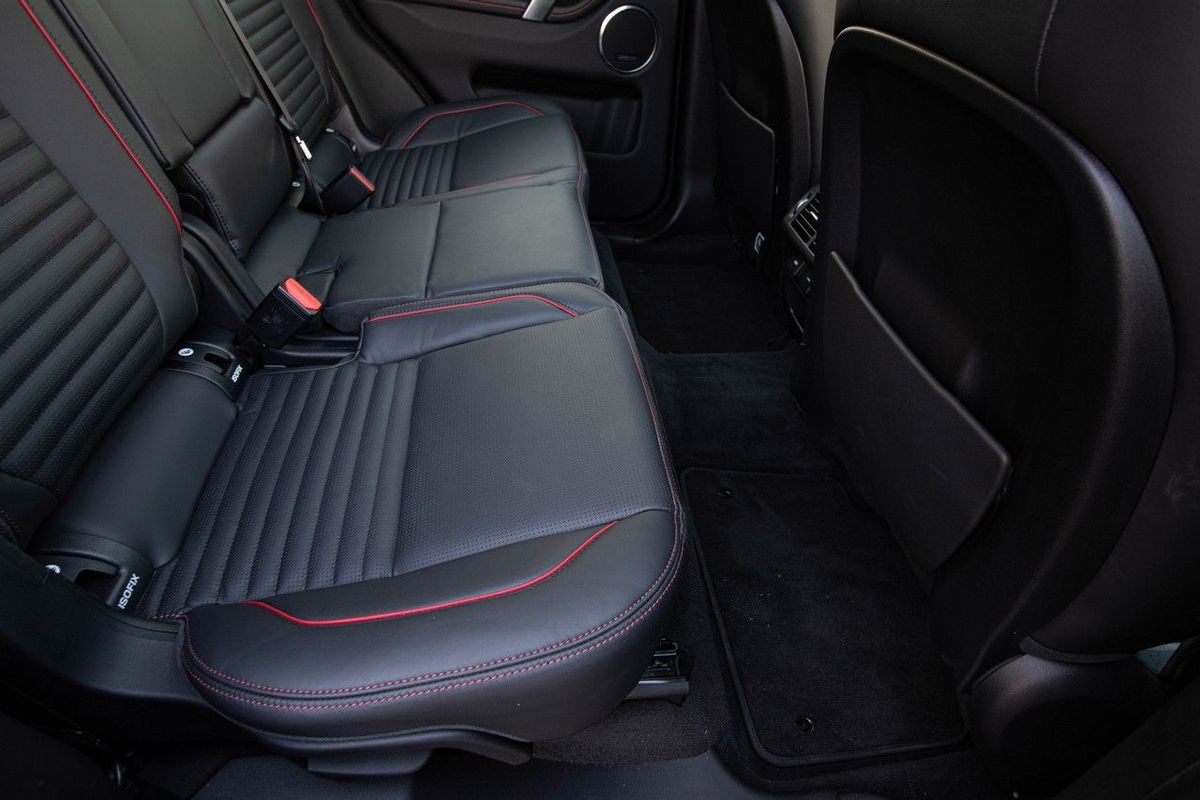
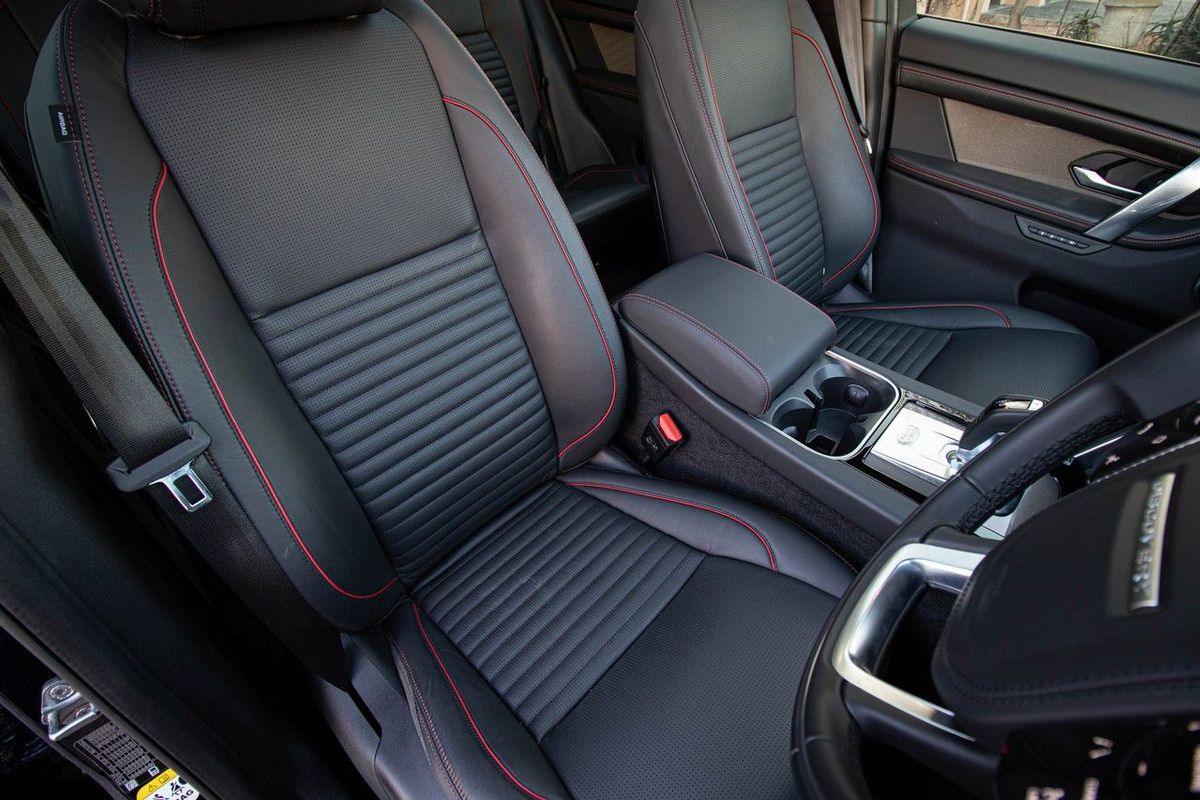
The real changes are to be found under the newcomer's sheet metal, with a switch to a more modern platform (which also underpins the new Range Rover Evoque). This new architecture is stiffer and claimed to facilitate improvements in terms of noise- and vibration reduction, occupant comfort, as well as safety. Needless to say, the newcomer's appearance has been given a subtle update and we really like the new LED headlights, while the cabin gains some more luxury trim. There's a rejigging of the seating arrangements: the Discovery Sport is marketed as a 7-seater SUV, but its 3rd row of seats is optional. If so equipped, up to 24 seating combinations are available! As for the seats themselves, Land Rover says they're brand new; the 2nd row can be folded in a 40:20:40 configuration.
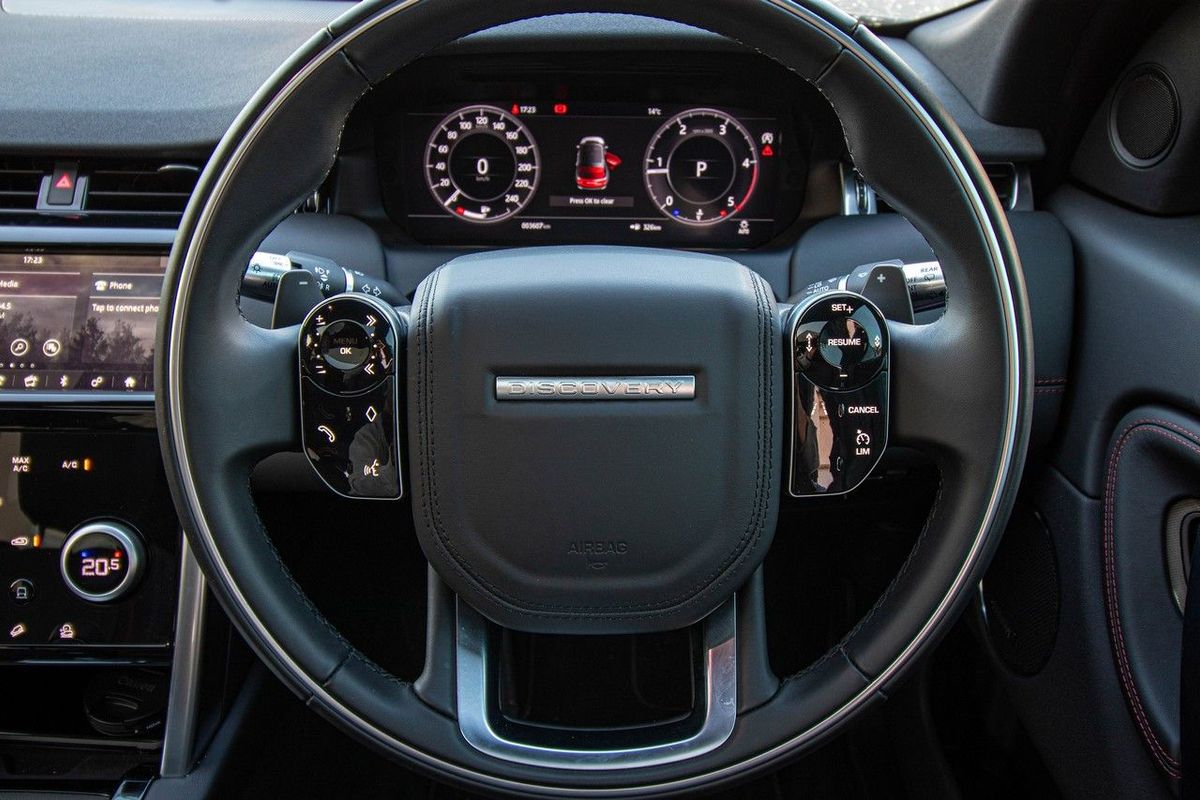
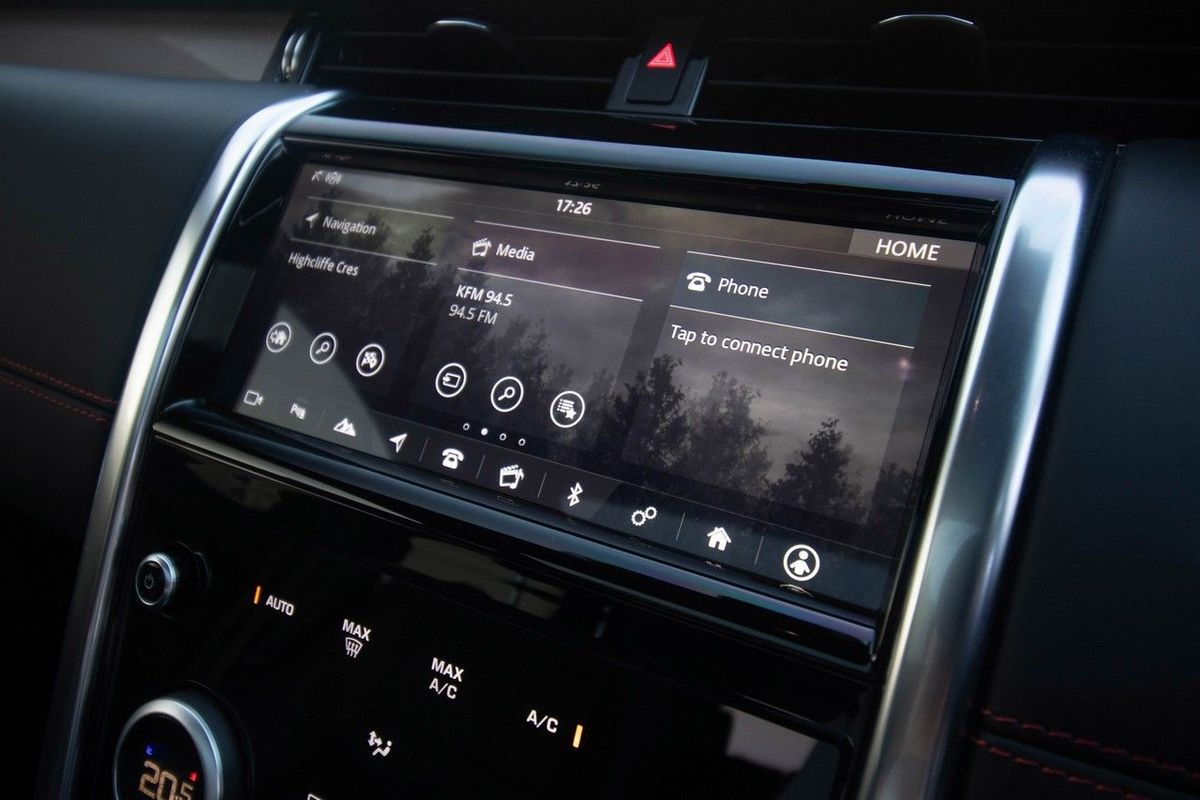
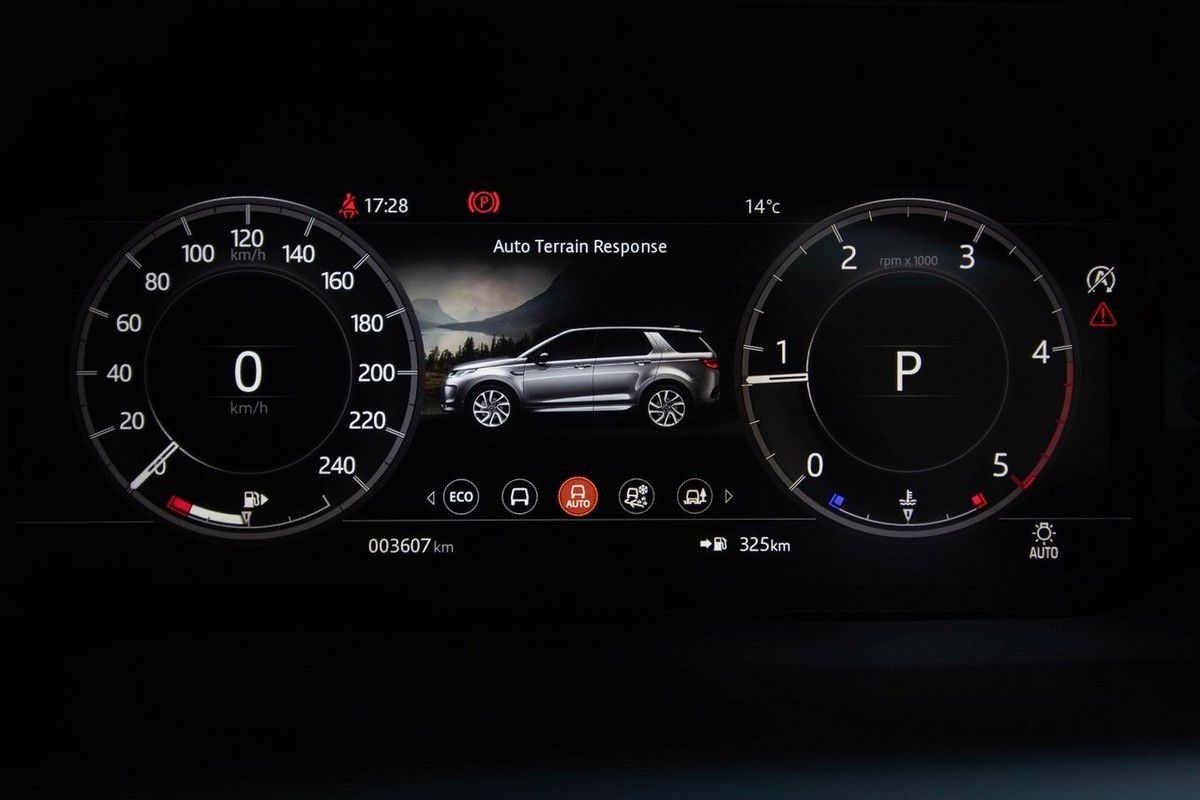
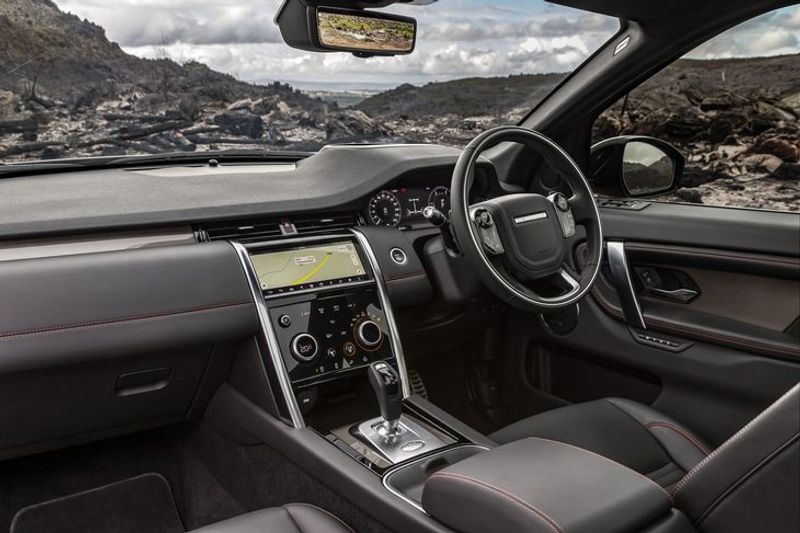
The cabin gains the latest infotainment system from JLR, while the clever rear-view mirror and digital dashboard are optional.
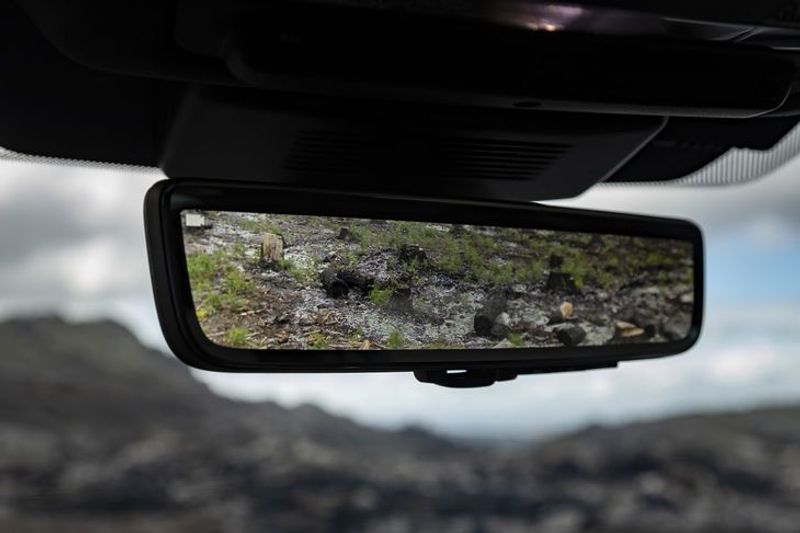
Meanwhile, the newcomer features the intuitive Touch Pro touchscreen infotainment system, which is Android Auto and Apple CarPlay compatible. The ClearSight rear-view mirror, which uses a rearward-facing camera located on the roof to provide a high-def video with a wide field of view, is particularly impressive. You have the option to turn it off, but given how much more detail it displays compared with a conventional mirror, it's a must-have. A wireless charging pad, 4G wifi hotspot, and plenty of USB power ports (to ensure devices remain charged) are other noteworthy features.
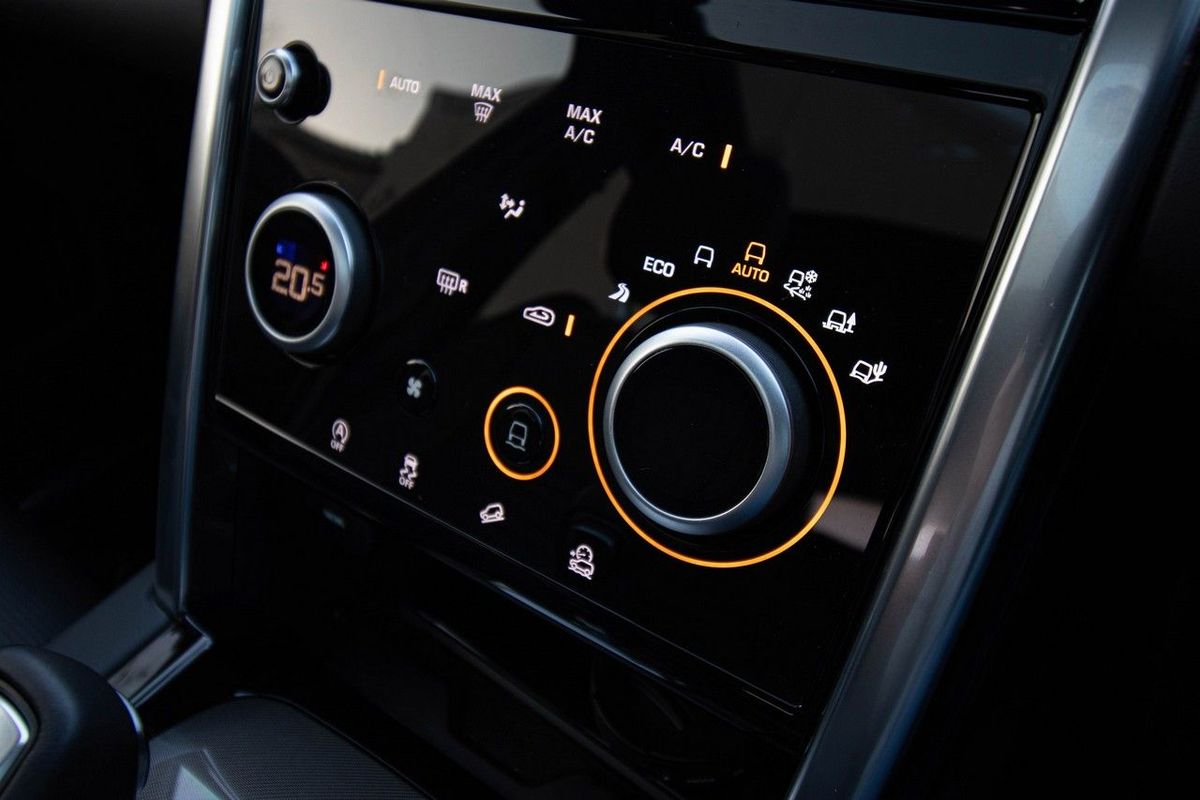
In true Land Rover tradition, the new model is just as capable as its predecessor in terms of off-road ability. It features a wading depth of 600 mm and a ground clearance of 212 mm. The vehicle features the 2nd-generation Active Driveline system, as well as Terrain Response 2. The new Discovery Sport is primarily front-wheel-driven, but if the vehicle detects a slippery road surface, its powertrain will automatically send power to the rear wheels and adjust the torque delivery to suit prevailing conditions. There are 4 offroad modes: Comfort, Sand, Grass/Gravel/Snow, Mud/Ruts.
The ClearSight rear-view mirror is a game-changing piece of technology.
What is it like to drive?
Land Rover South Africa really likes to show off its products' capabilities on new-vehicle launch events and we undertook a long road trip, the route of which comprised urban roads, national highway- as well as plenty of gravel driving. There was even a spot of off-roading, so that we could thoroughly put the newcomer through its paces… Our first impression of the Discovery Sport's open-road performance is that while the turbodiesel engine's outright power output may seem low, 400 Nm of torque is very useful, particularly when executing 80-120 kph overtaking manoeuvres. The 9-speed auto transmission does a great job of smoothly shifting cogs without interruption and while many would think 9 ratios are too many, you'll appreciate how quiet the car is when cruising in top gear.
When it comes to premium cars (with suitably premium price tags), buyers expect cabins that exude a feeling of luxury and offer refinement in abundance. In that regard, Land Rover has thoroughly fulfilled that requirement with the new Discovery Sport. We drove both an S and HSE and despite the price and spec difference, both derivatives make you feel like "you're in something expensive".
While it can go off-road and is a lot more capable than you think, the Disco Sport will usually be driven, at leisure, in the city.
Open-road refinement aside, the Discovery Sport handles with a feeling of solidity and sure-footedness, particularly when tarred roads turns into gravel routes. We comfortably traversed great swathes of loose dirt and soft sand at near the national speed limit and the Land Rover did not skip a beat. It was interesting to bring up the powertrain graphic on the infotainment system to watch the Landy's wheels and axles in action. On a notably tight corner, the all-wheel-drive system really proved its worth; the Discovery Sport mustered so much grip, the stability control didn't even need to intervene.
As the Discovery Sport is set up to favour of comfort over cornering, it's not as engaging to drive as, say, a BMW X3, but honestly, who wants to cane an Executive SUV around a mountain pass for fun? If you attempt that in the Land Rover, you feel it wallow and float about with body roll. It's a fair trade: this model's German rivals don't come with 7 seats and lack comparable off-road capability.
Ride quality is generally good, but be mindful of speccing the good-looking 21-inch alloys
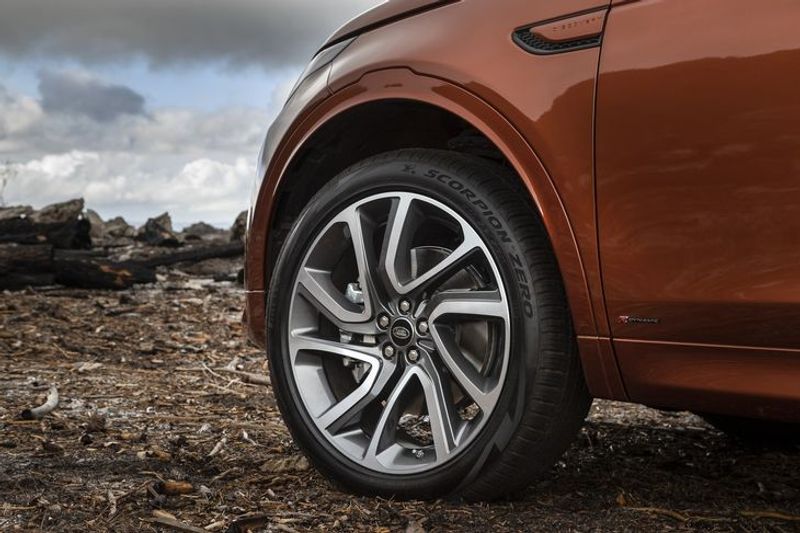
Like its predecessor, the Discovery Sport offers a relaxed and refined ride quality, but be mindful when choosing your wheel size. The model is available with 21-inch alloys, which look great, but we'd suggest going a tad smaller (with a thicker tyre) to cope with the worst road imperfections. The big wheels contribute to a choppy ride at very slow speeds, but things improve as the pace increases.
We also had a brief chance to tackle some steep roads, riddled with ruts and loose stones, on a wine farm located near Riebeek-Kasteel. Traversing such a route with a luxury vehicle, even one with an off-road bent, is usually a daunting prospect, but the Discovery Sport's Terrain Response system cleverly juggled its power delivery across the Land Rover's axles to ensure that we didn't get stuck. Few people will want to take their brand-new shiny Disco Sports off-road, but it's reassuring to know the newcomer can actually perform like a pukka 4×4 vehicle.
Summary
It offers 7 seats and can go properly off-road – something its rivals can't do.
The updates to the Discovery Sport are substantial and make the Land Rover's Executive SUV an even stronger proposition than before. Its detractors may suggest the only reason the Discovery Sport exists is due to the fact that Land Rover doesn't want to lose customers who cannot afford the step up to a full-blown Discovery… Given its reasonable price tag (for what it is), the new model offers almost just as much luxury and comfort as its Discovery sibling; sure it doesn't have as much off-road technology, but that won't matter all that much to the Discovery Sport's target market.
Our advice to you is to spec your preferred derivative exceptionally carefully, as extra features (or option packages) can increase the asking price of your (already premium) vehicle considerably. That being said, you can't accuse Land Rover of offering minimal features on the new model; the revised Discovery Sport does come well specified from the get-go.
Should you buy one? If you want to make that bold statement that "you've made it" with a vehicle that can also transport your family in luxurious comfort, then you'd be hard-pressed to resist Land Rover's latest offering. Granted, the Discovery Sport's rivals are strong and numerous with the Audi Q5, BMW X3 and the Mercedes-Benz GLC, as well as the superb Volvo XC60, but the Land Rover differentiates itself by offering 7 seats as well as being remarkably capable when it comes to the off-road stuff. Roll on the group test!
Land Rover Discovery Sport Price in South Africa (March 2020)
All derivatives come standard with Care Plan, including a warranty and service plan valid for 5 years or 100 000 km, whichever comes first. Note the price includes VAT, but excludes the CO2 tax.
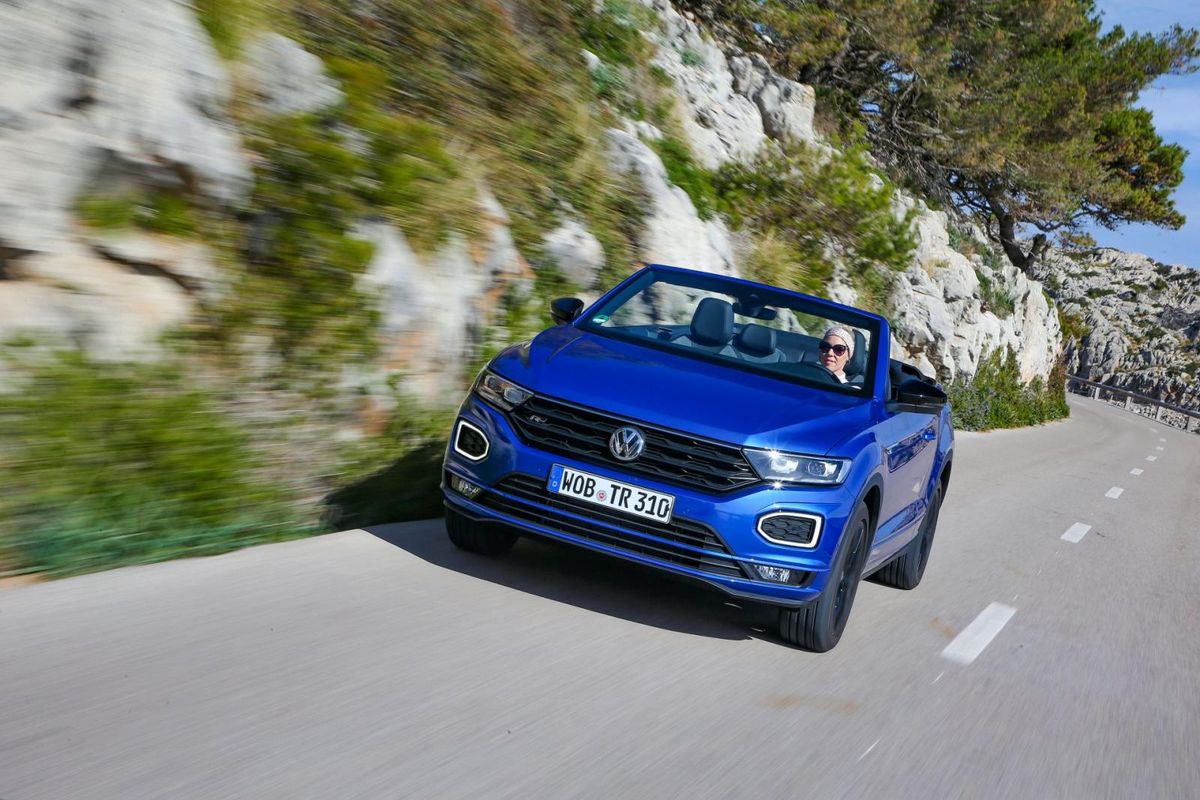
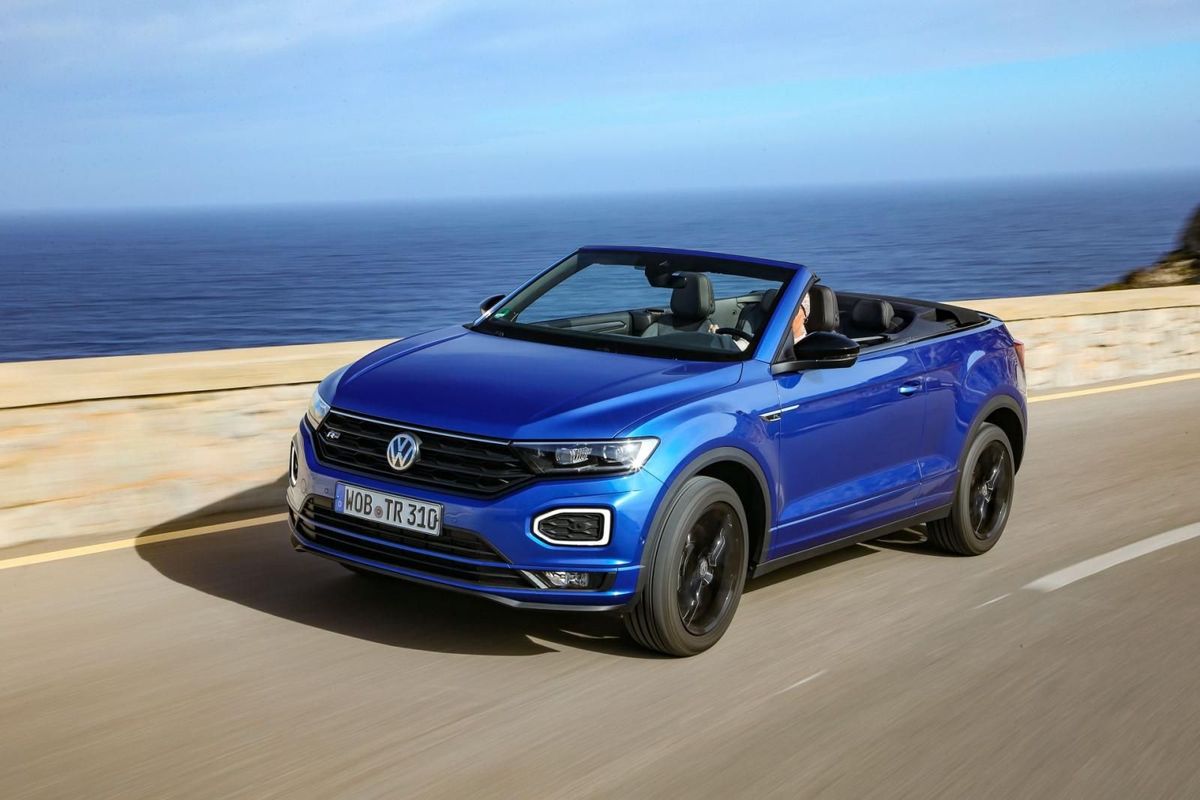
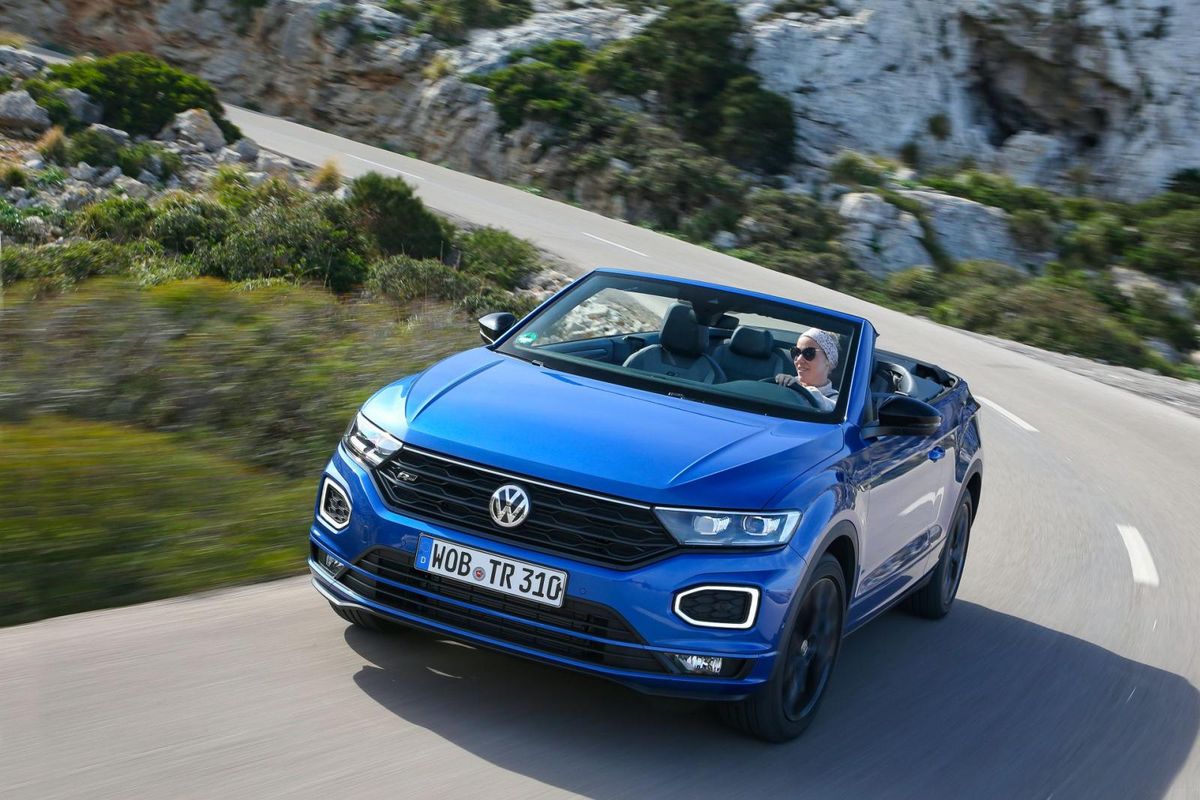
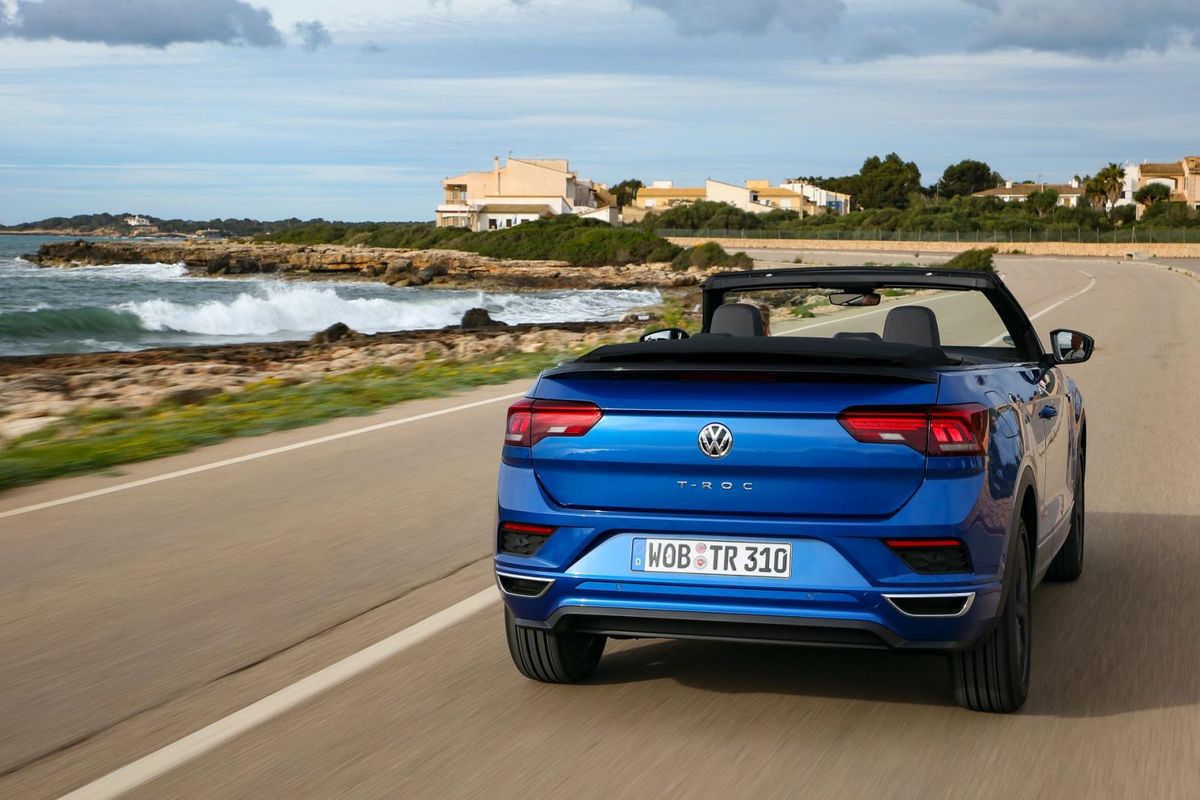
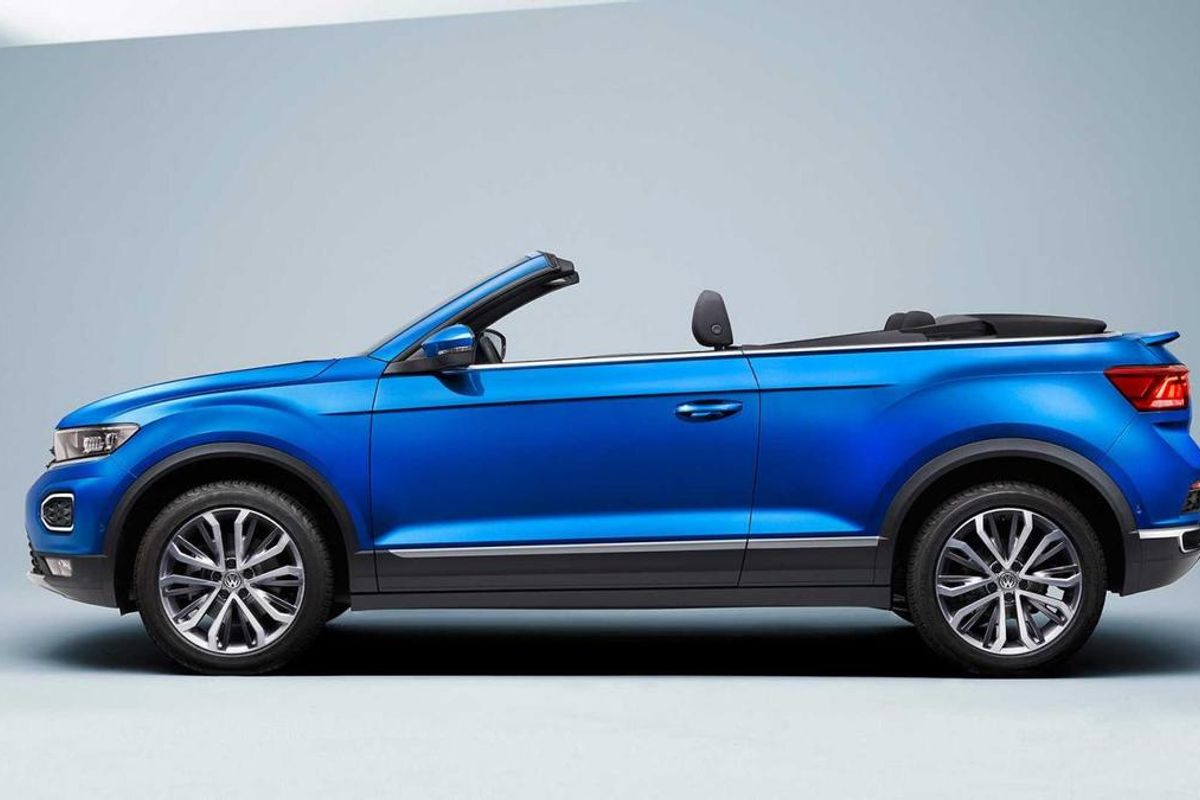
Volkswagen's ultra-niche, two-door T-Roc soft-top might look appealing to some but it sadly won't make it to South Africa.
Volkswagen's new T-Roc SUV is due to arrive in South Africa later this year (Q3) but its soft-top sibling won't be offered locally.
Nonetheless, let's dream for a second…
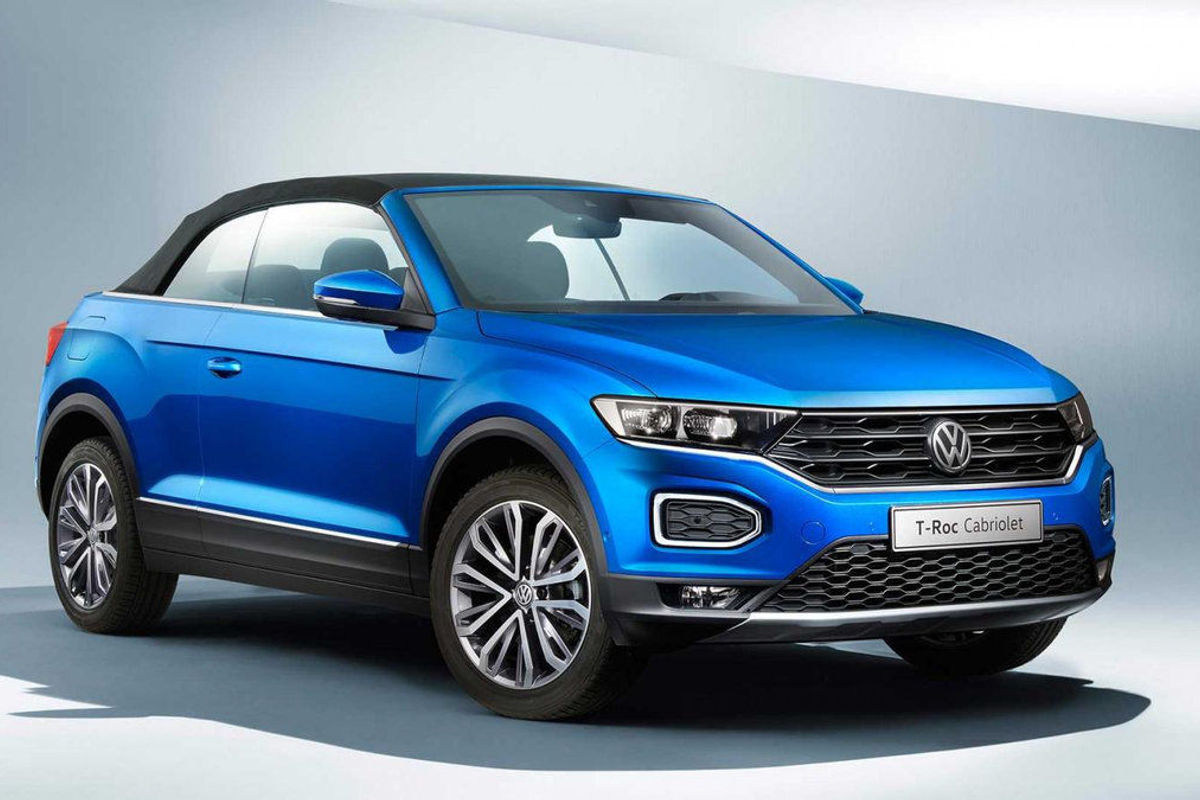
If you like wearing a really big hat whilst driving your Volkswagen crossover, the German brand has made your potential driving experience that much more appealing with its latest cabriolet.
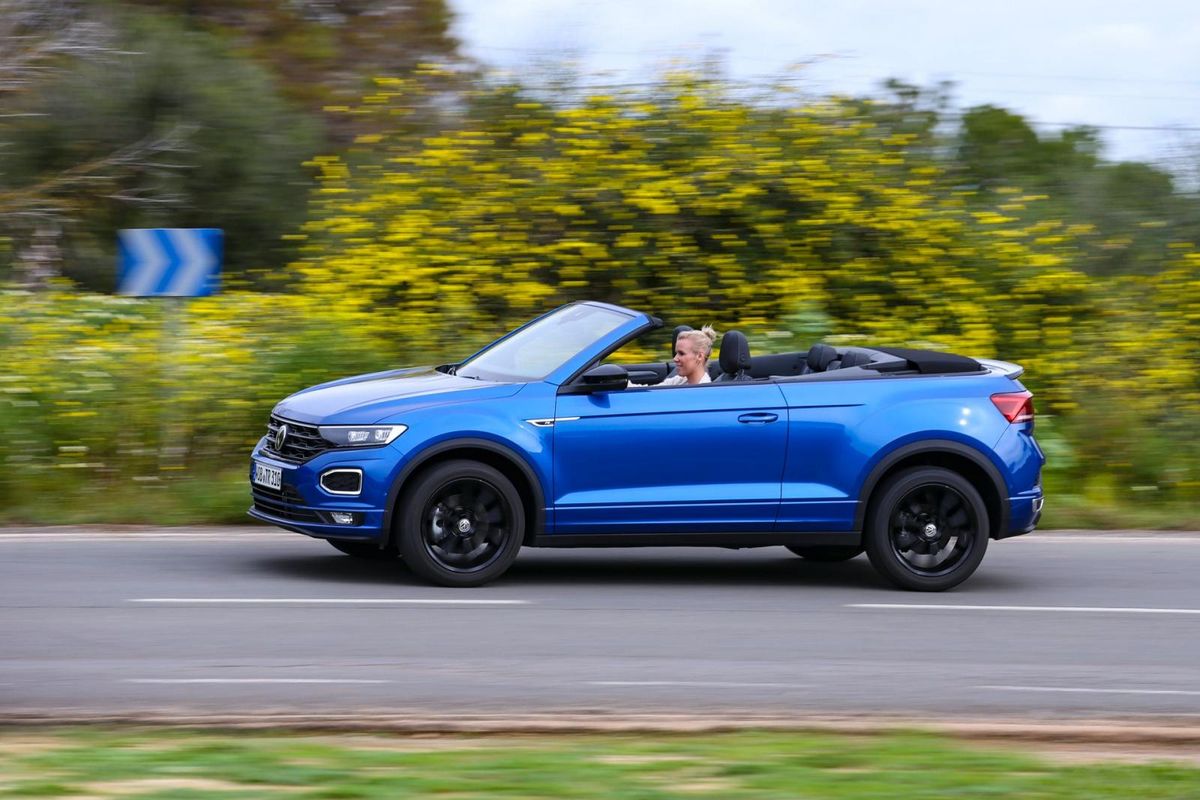
Although the folding fabric roof vehicle market is contracting, in lieu of customers choosing crossovers instead of cabriolets, Volkswagen has managed to combine both with its new T-Roc Cabriolet.
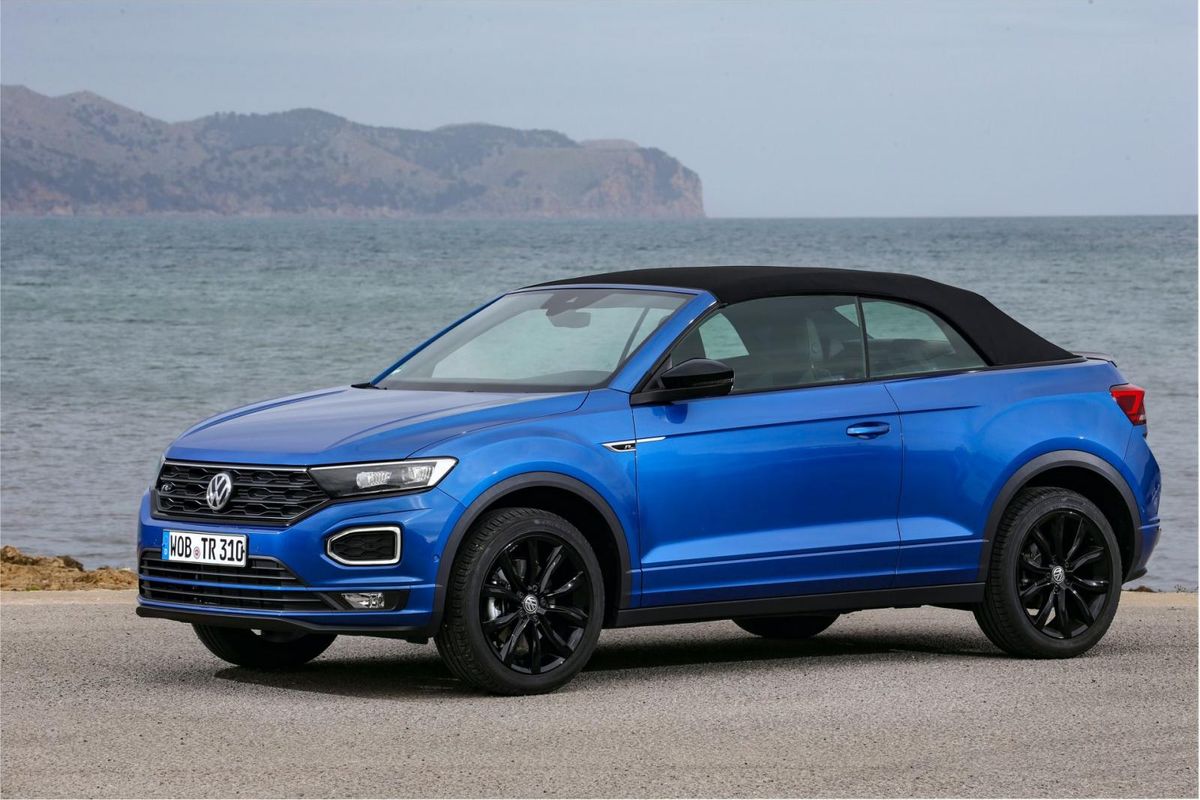
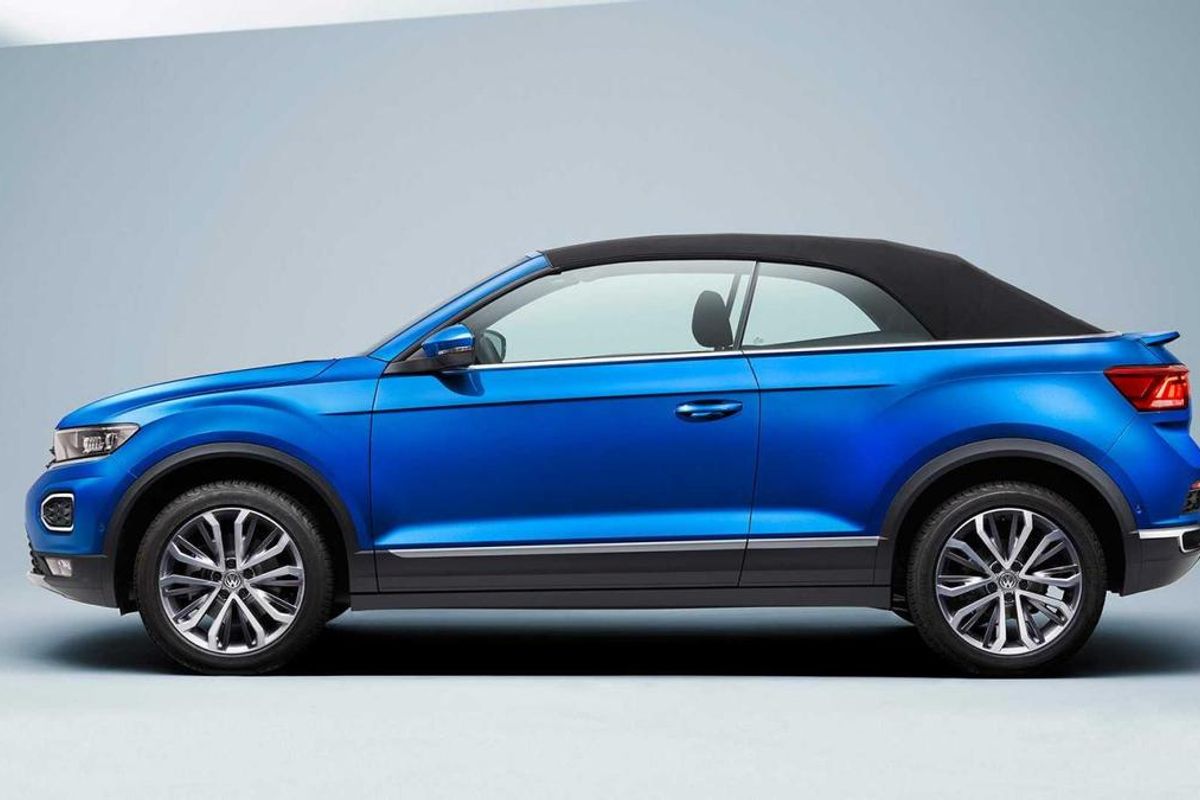
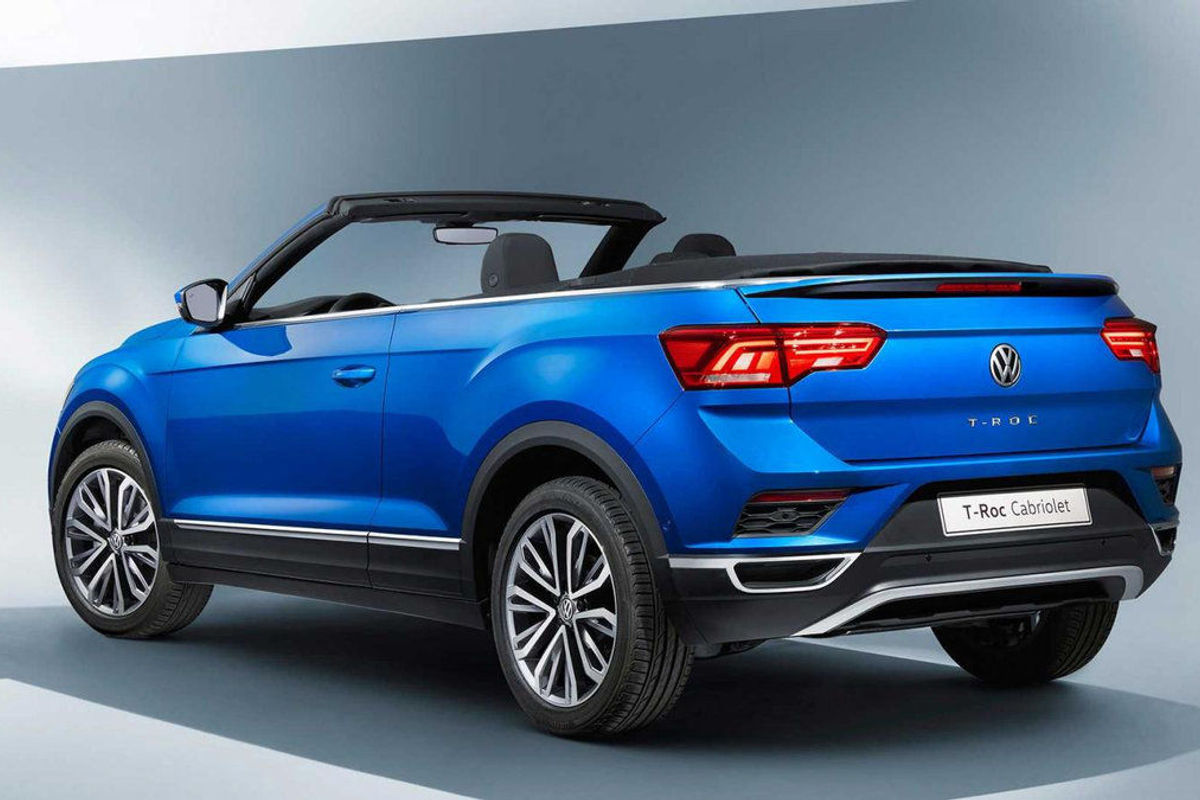
It's apparent that Volkswagen designers have done an excellent job of transforming the T-Roc from a metal-to-fabric roof vehicle, while also making it a two-door.
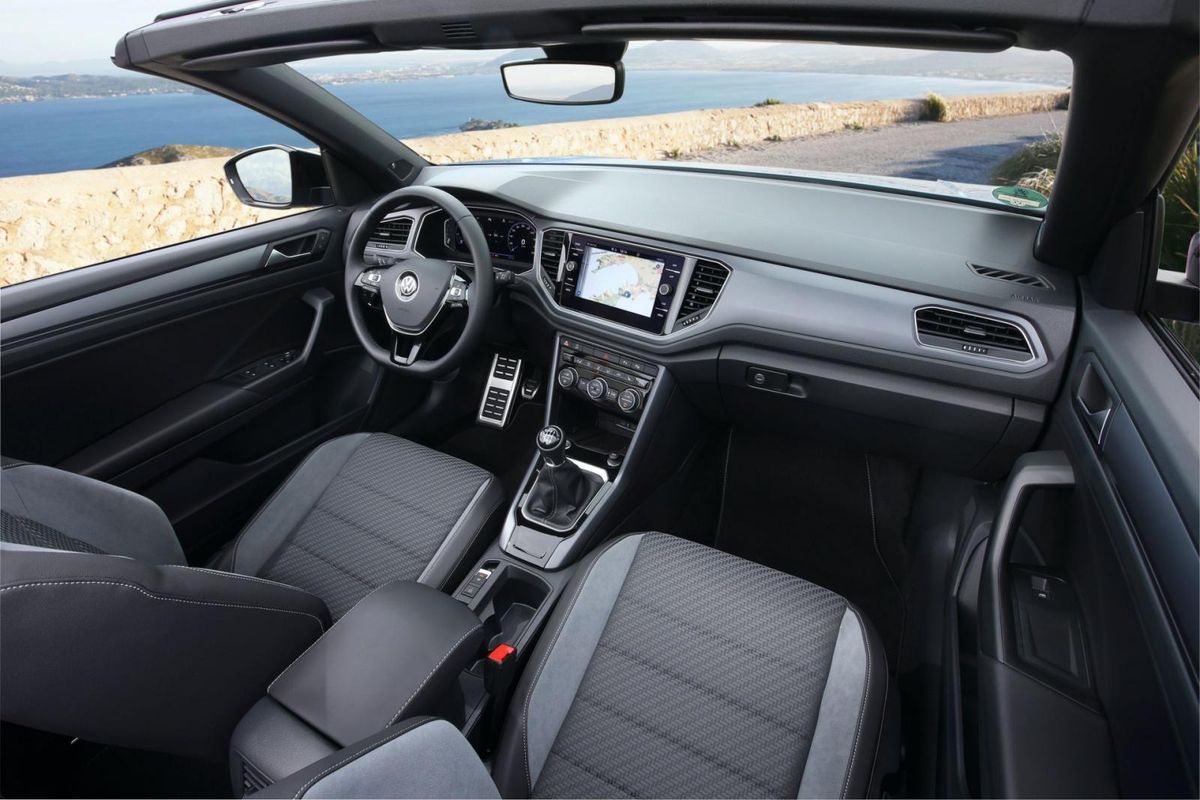
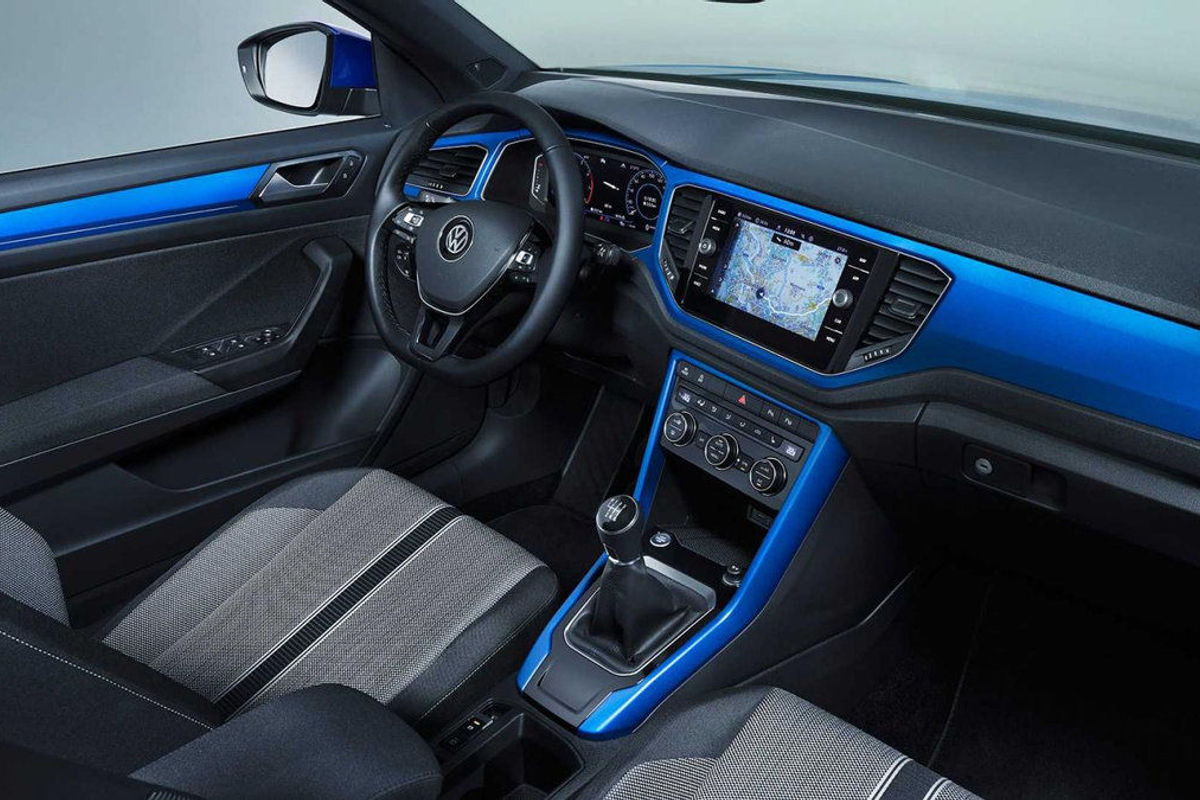
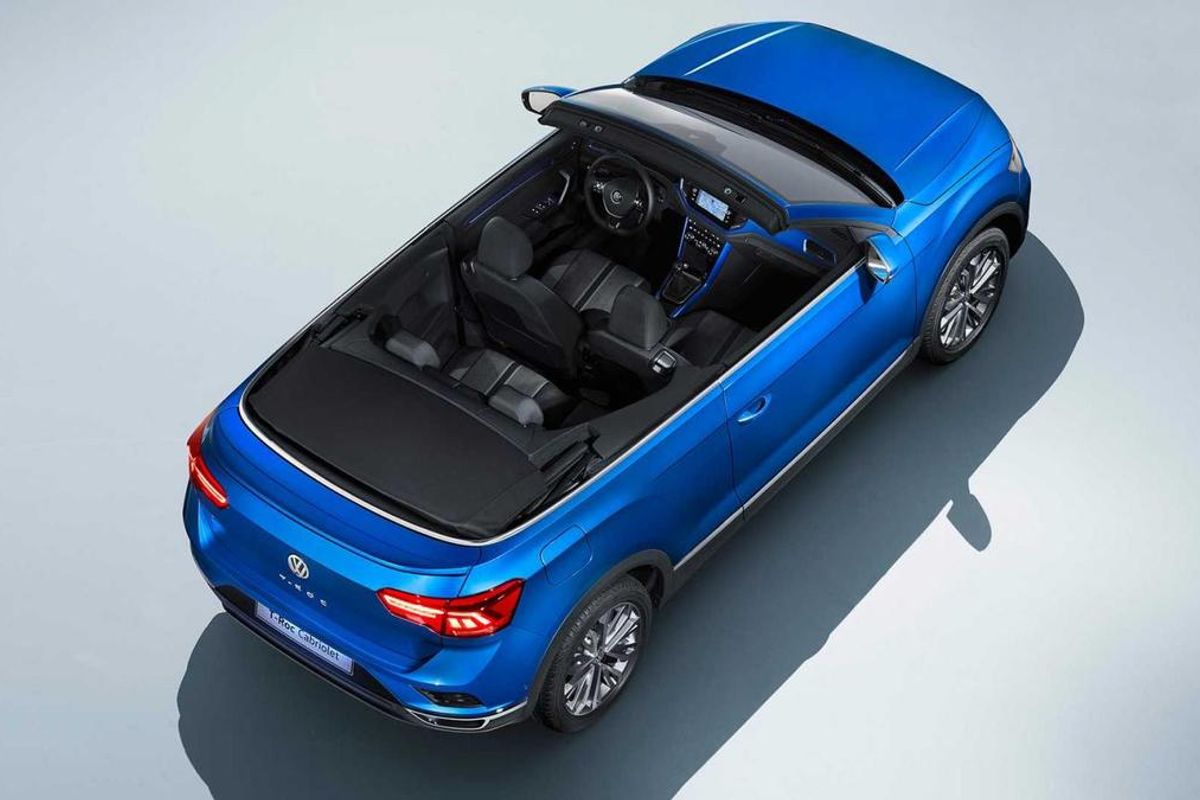
Only available in front-wheel drive, the cabriolet configuration has added 40mm of length compared with the T-Roc SUV. Volkswagen claims that it is a true four-seater cabriolet and although it only has two doors, there is a nod to practicality with ski-hatch load tunnel which opens through to the cabin when the rear seats are folded down.
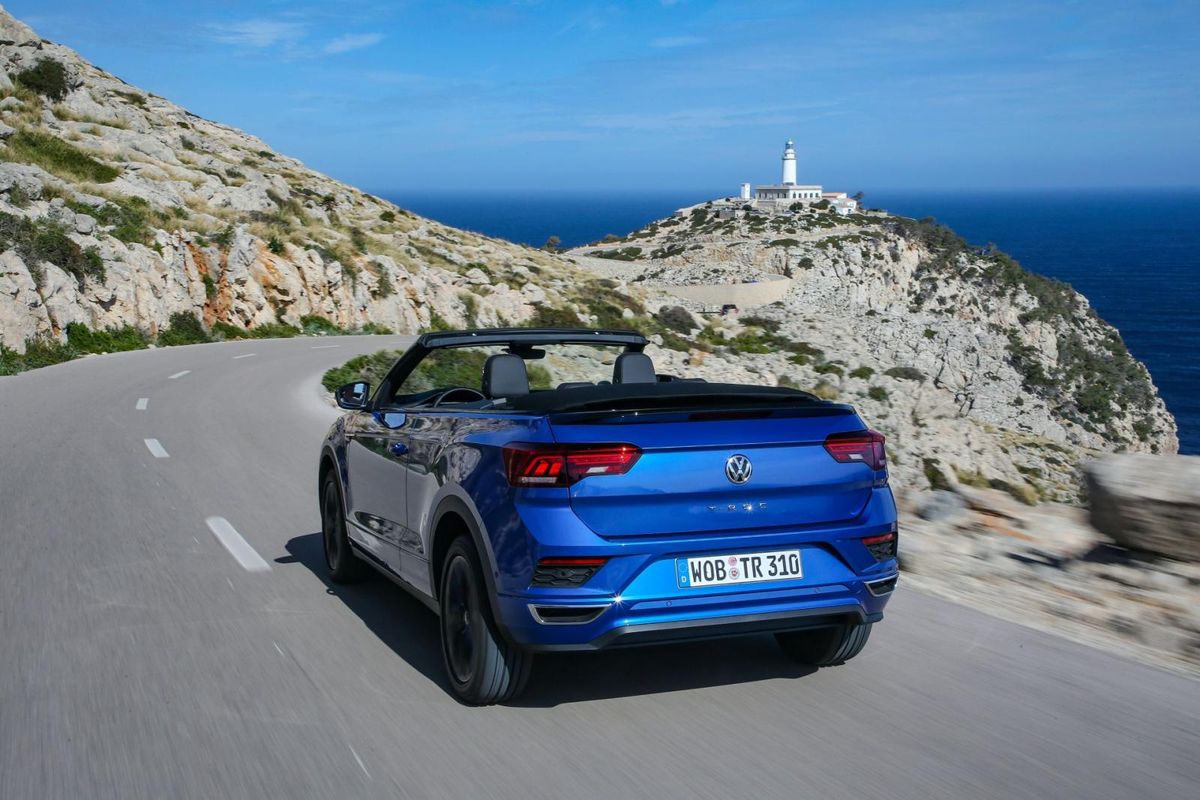
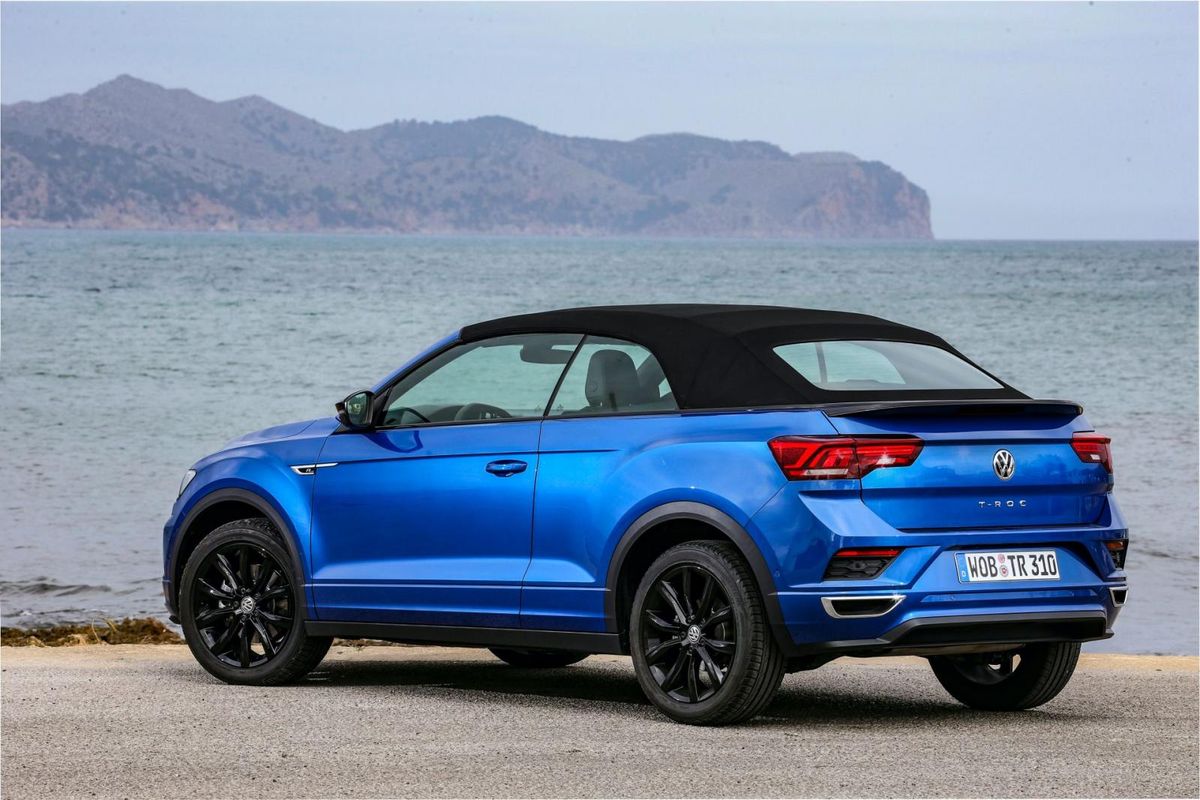
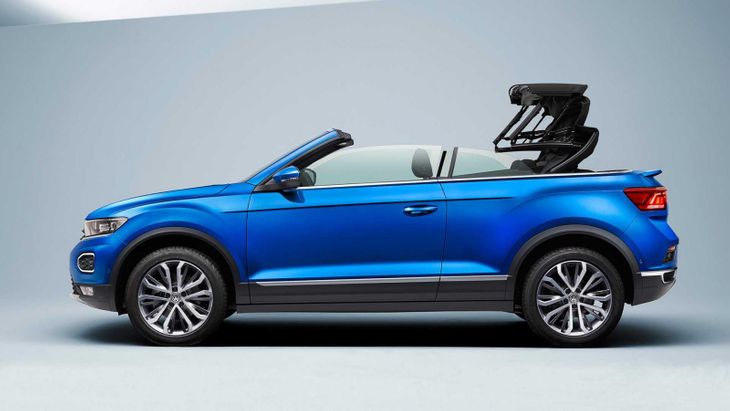
The fabric roof takes 9 seconds to open and close but space in the load bay is compromised.
For the T-Roc Cabriolet, Volkswagen is releasing 2 exterior design packages, with the Style version being a touch subtler: featuring 17-inch wheels and dark plastic body cladding. Upgrade the T-Roc Cabriolet to R-Line trim and it looks more the part of a compact summer status car: rolling 19-inch wheels and featuring more body coded exterior finishes.
Powering the T-Roc cabriolet will be Volkswagen's 1- and 1.5-litre turbocharged petrol engines. The smaller triple produces 85kW and 200Nm, whilst the larger four-cylinder engine is good for 110kW and 250Nm. 6-speed manual gearboxes are standard, with an option to upgrade to the convenience of a seven-speed dual-clutch.
How clever is the roof mechanism? Well, Volkswagen claims that it can open or close at speeds of up to 30kph and should take no longer than 9 seconds to retract – which is impressive.
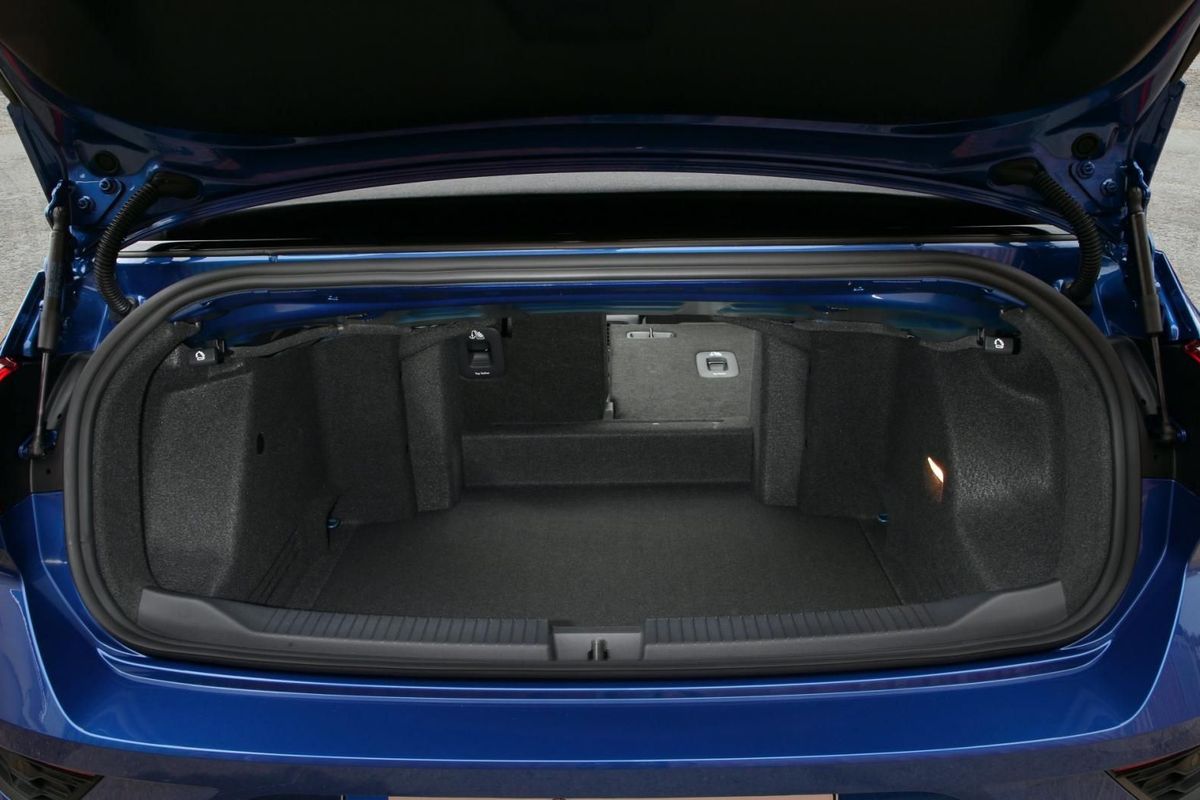
The image appeal of VW’s crossover cabriolet does come at a sacrifice to the T-Roc luggage capacity. Whereas a five-door, metal roof T-Roc can carry 445-litres of gear in the back, the cabriolet’s capacity is reduced to 280-litres.