Volkswagen Golf 6 (2009-2013) Buyer’s Guide
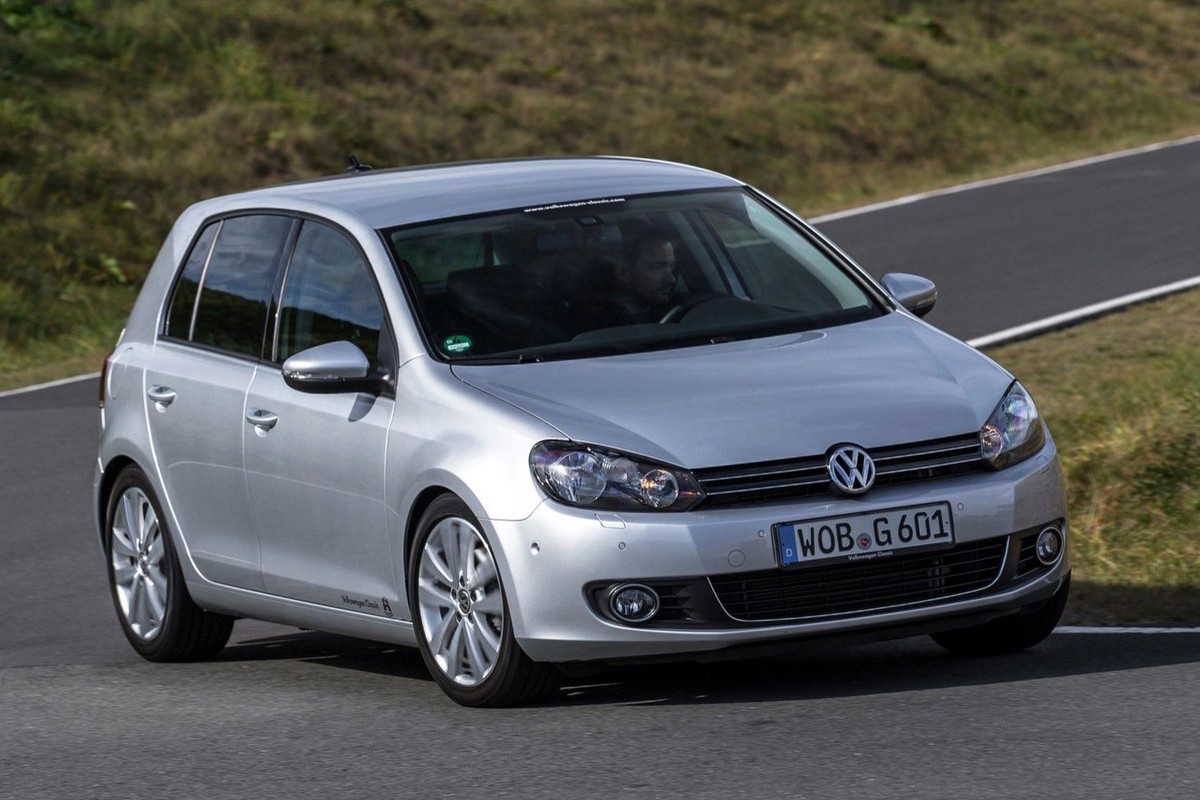
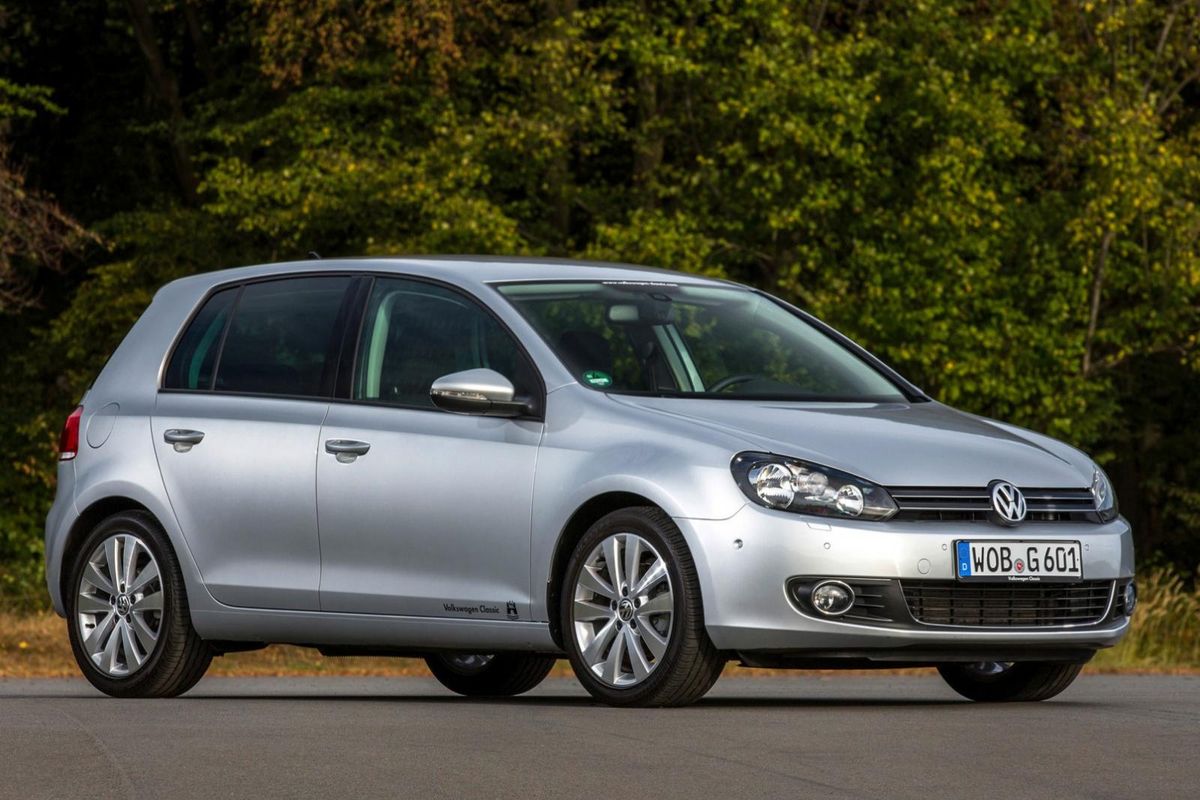
Launched in 2009 Volkswagen’s Golf 6 brought new levels of refinement and safety to its class, and today remains a favourite in the used car market. But which is best, and what should you look out for?

A perennial top seller when it was new, even at a “premium” price compared with its main rivals, the youngest Golf 6 available today on dealership floors is already more than 6 years old. Even so, shoppers looking for a classy car that offers good safety, parts backup and resale value that will remain strong in years to come still favour this attractive hatchback over newer, smaller offerings from rival brands. 

VW Golf 6 Model Line-Up

Golf 6 arrived in South Africa in the first half of 2009 and was initially offered in the following variants;

  • 1.6 Trendline (75 kW/148 Nm) 5-speed manual
  • 1.4 TSI (90 kW/200 Nm) 6-speed manual Trendline & Comfortline
  • 1.4 TSI (118 kW/240 Nm) 6-speed manual Highline
  • 2.0 TDI (103 kW/320 Nm) 6-speed manual Highline

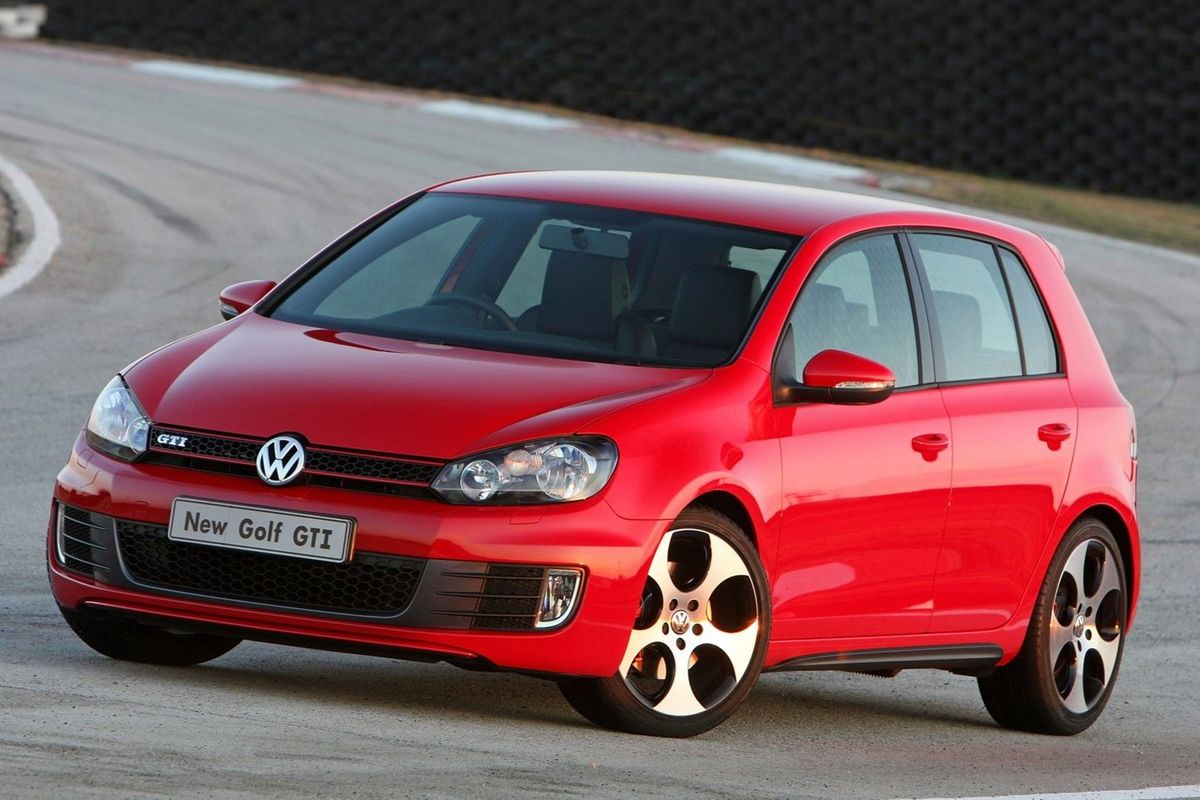
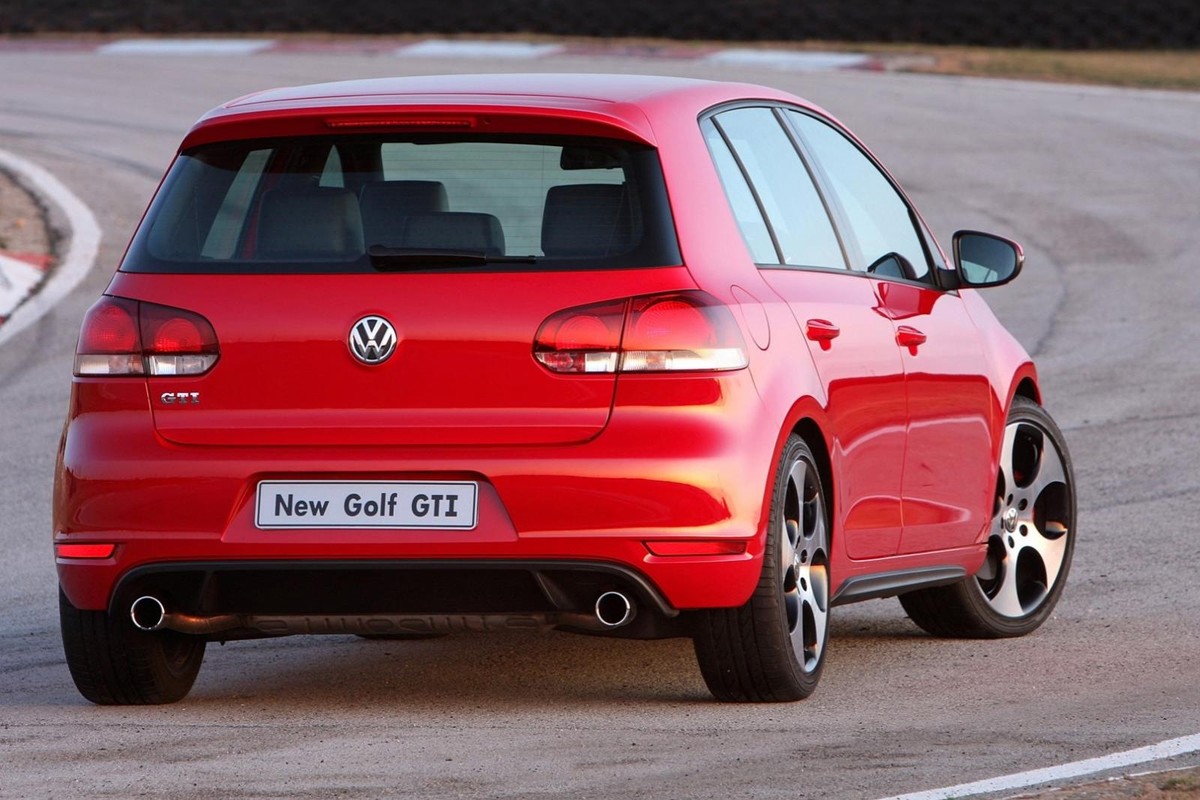
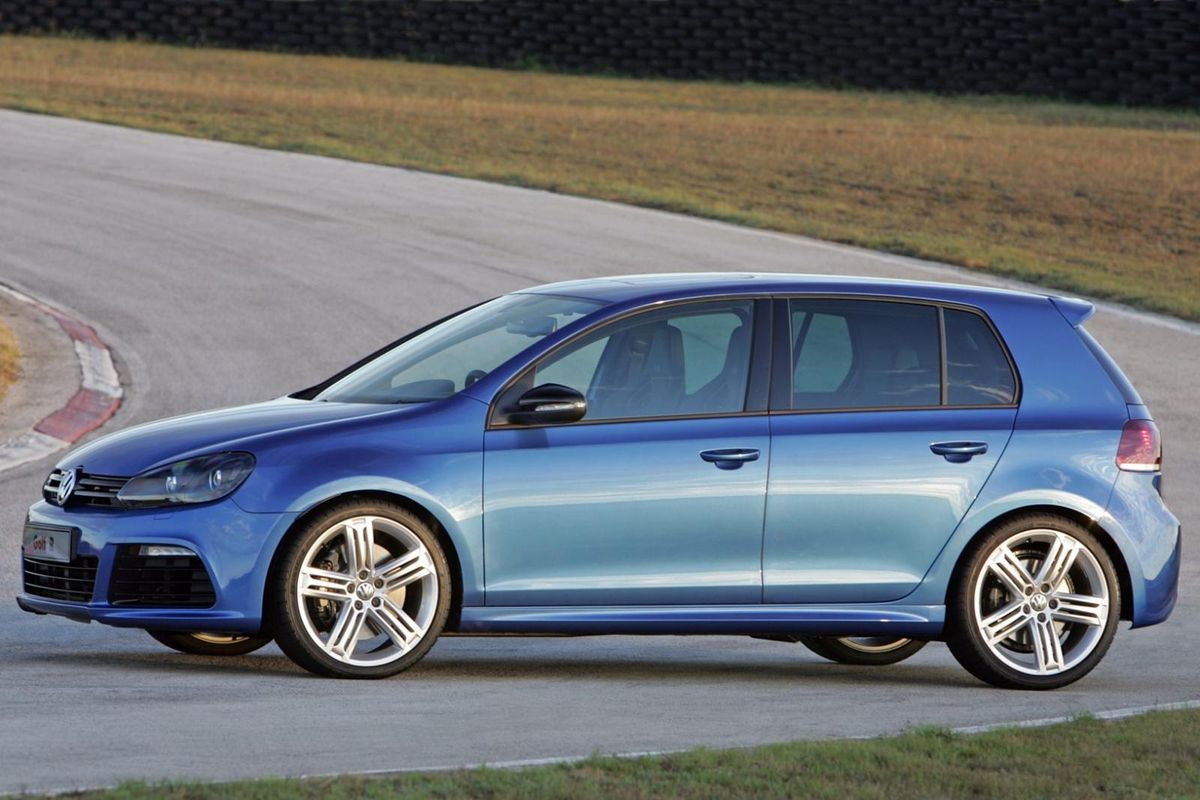
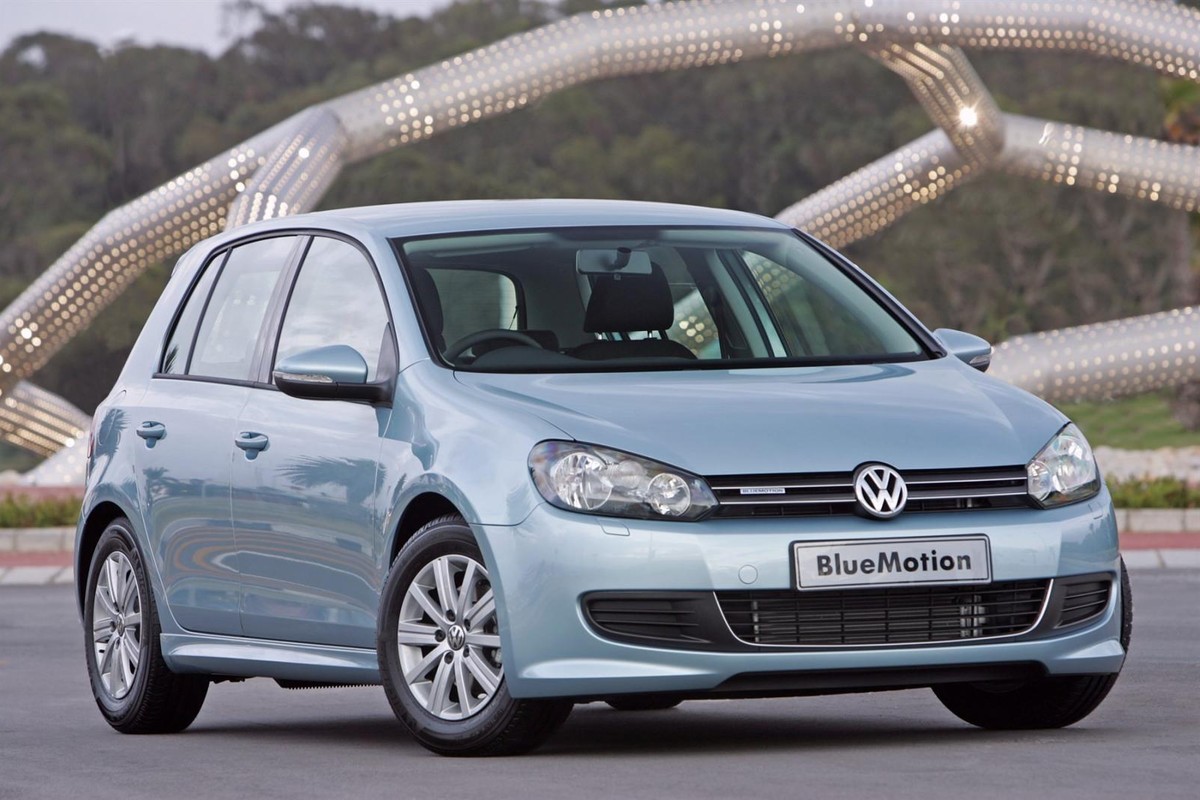
Soon after the launch of the mainstream Golfs, the new 6 GTI (155 kW/280 Nm) arrived, offered in 6-speed manual and 6-speed DSG guises. A more frugal 1.6L TDI became available in manual and DSG variants, too. Volkswagen then later also added the very frugal Golf Bluemotion (1.6L turbodiesel) in December 2010 that was claimed to use only 3.8L/100 km. The very hot Golf R arrived in April 2011, powered by a turbocharged 4-pot delivering 188 kW/350 Nm and was also offered in manual or DSG form. The latter-equipped Golf R was faster than the manual, with a 0-100 kph time of 5.5 sec. 4Motion all-wheel drive was fitted.

> ALSO READ: VW Golf 6 1.4 TSI Trendline Driving Impression

> ALSO READ: VW Golf 6 GTI driving impression
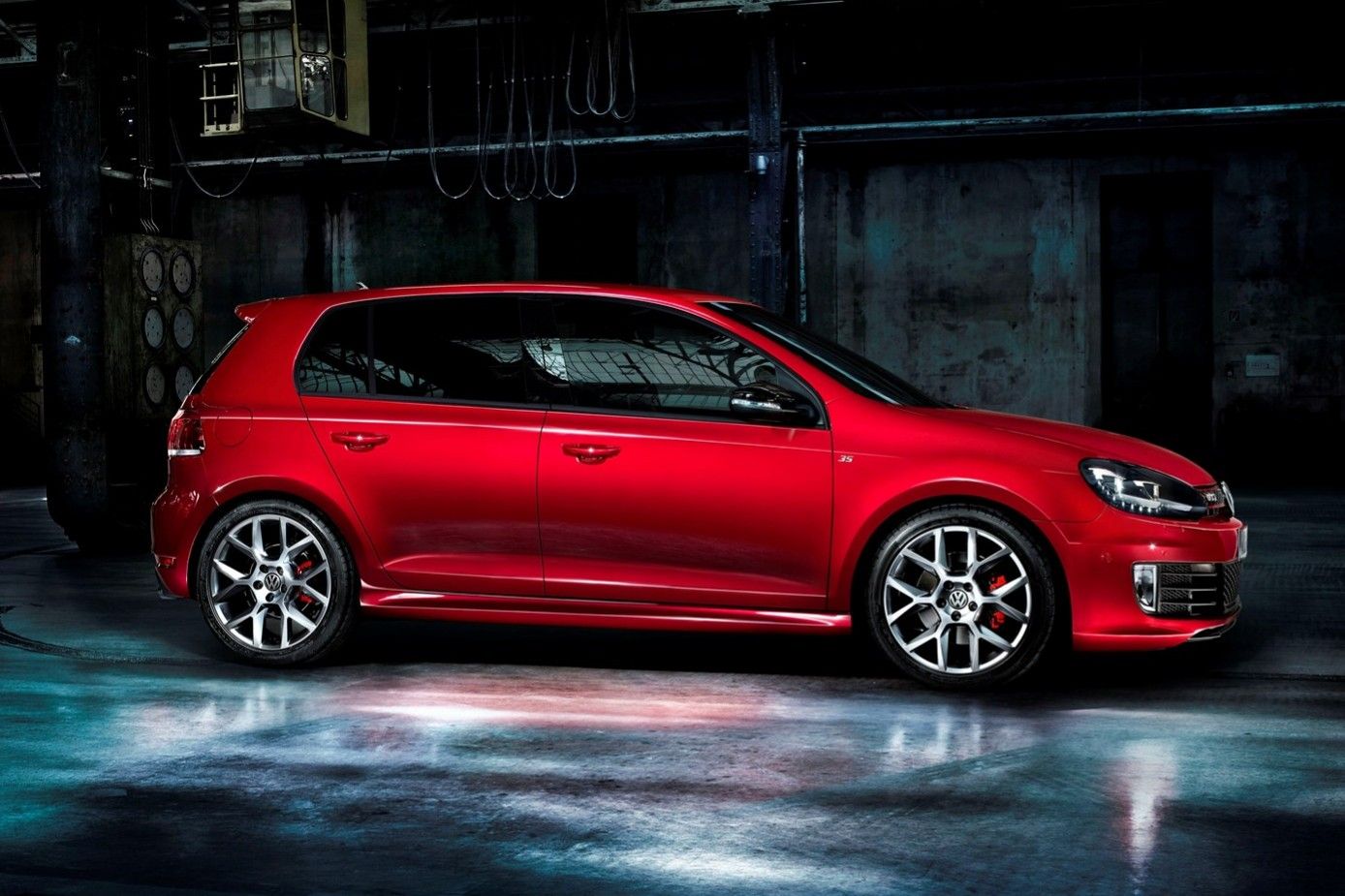

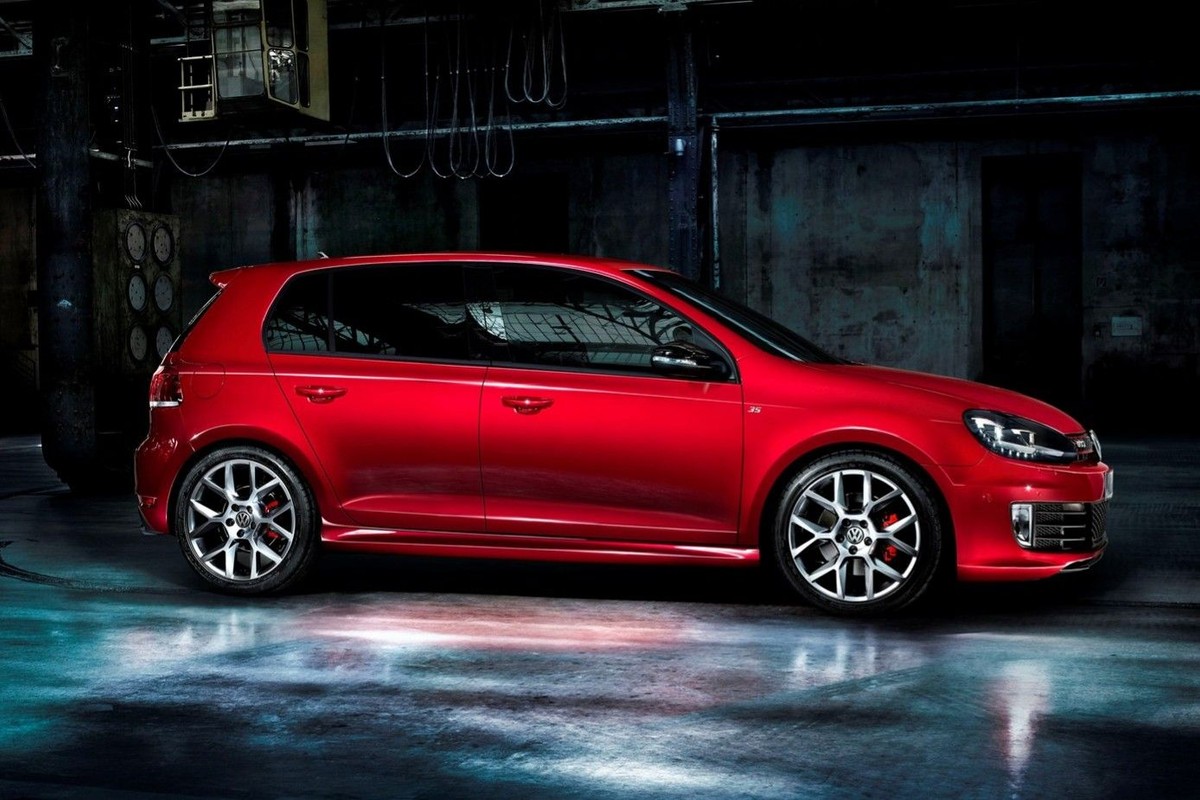
The Golf GTI Edition 35 offered an 18kW increase over the standard GTI, but Dynamic Chassis Control remained an option.

One of the rarer Golf 6 derivatives, the limited-edition Golf GTI Edition 35, arrived in February 2012 and offered 18 kW more than the standard GTI. With 173 kW of power and 300 Nm of torque, the Edition 35 was available with manual or DSG transmissions with the latter version sprinting to 100 kph in only 6.6 sec. It looked the part, too, riding on 18-inch Watkins Glen alloy wheels. According to Lightstone Auto 274 manual Edition 35s were sold locally, and a whopping 645 DSGs found homes in SA, so they shouldn’t really be that difficult to find.

> ALSO READ: VW Golf GTI Edition 35 Driving Impression

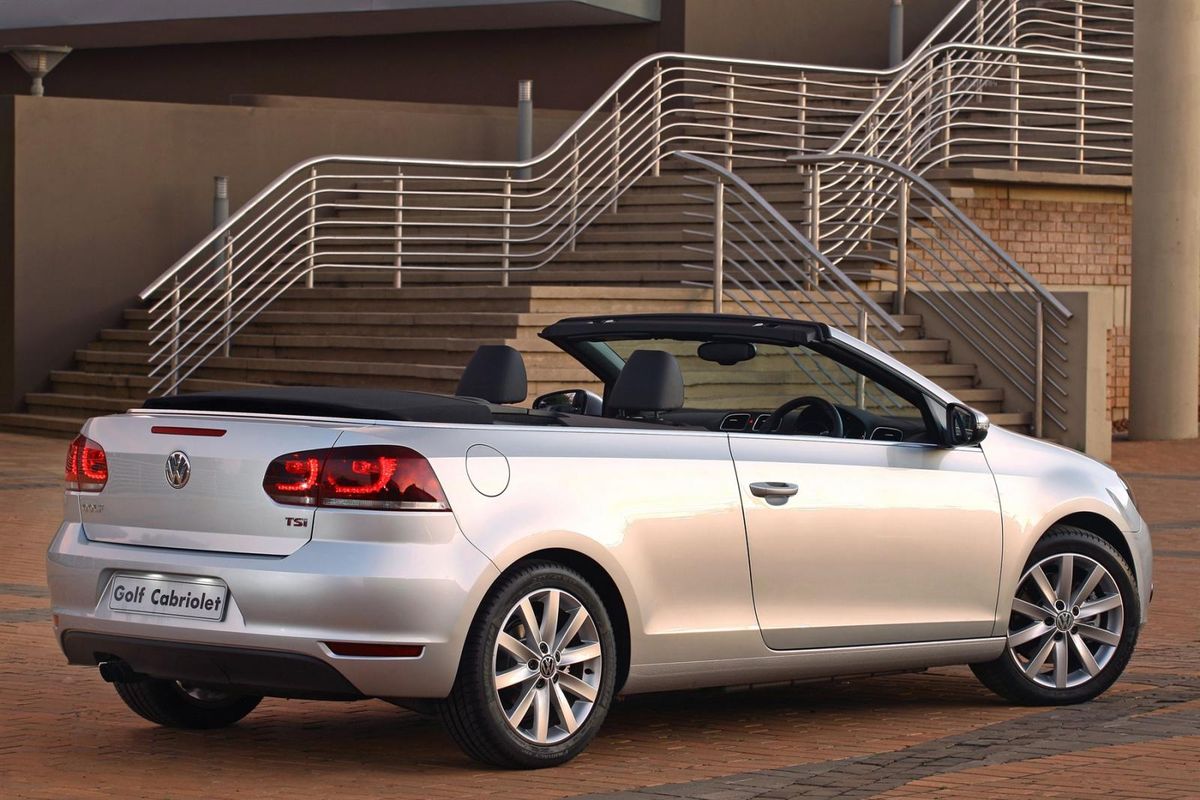
At around the same time in 2012, the Golf 6-based Cabriolet arrived and was offered with 90 kW or 118 kW 1.4 TSI engines, mated with a 6-speed manual transmission or optional 7-speed DSG. A DSG-equipped 1.4 TSI Comfortline 5-dr variant was offered for a relatively short period of time towards the end of the Golf 6’s lifecycle.

Product Strengths
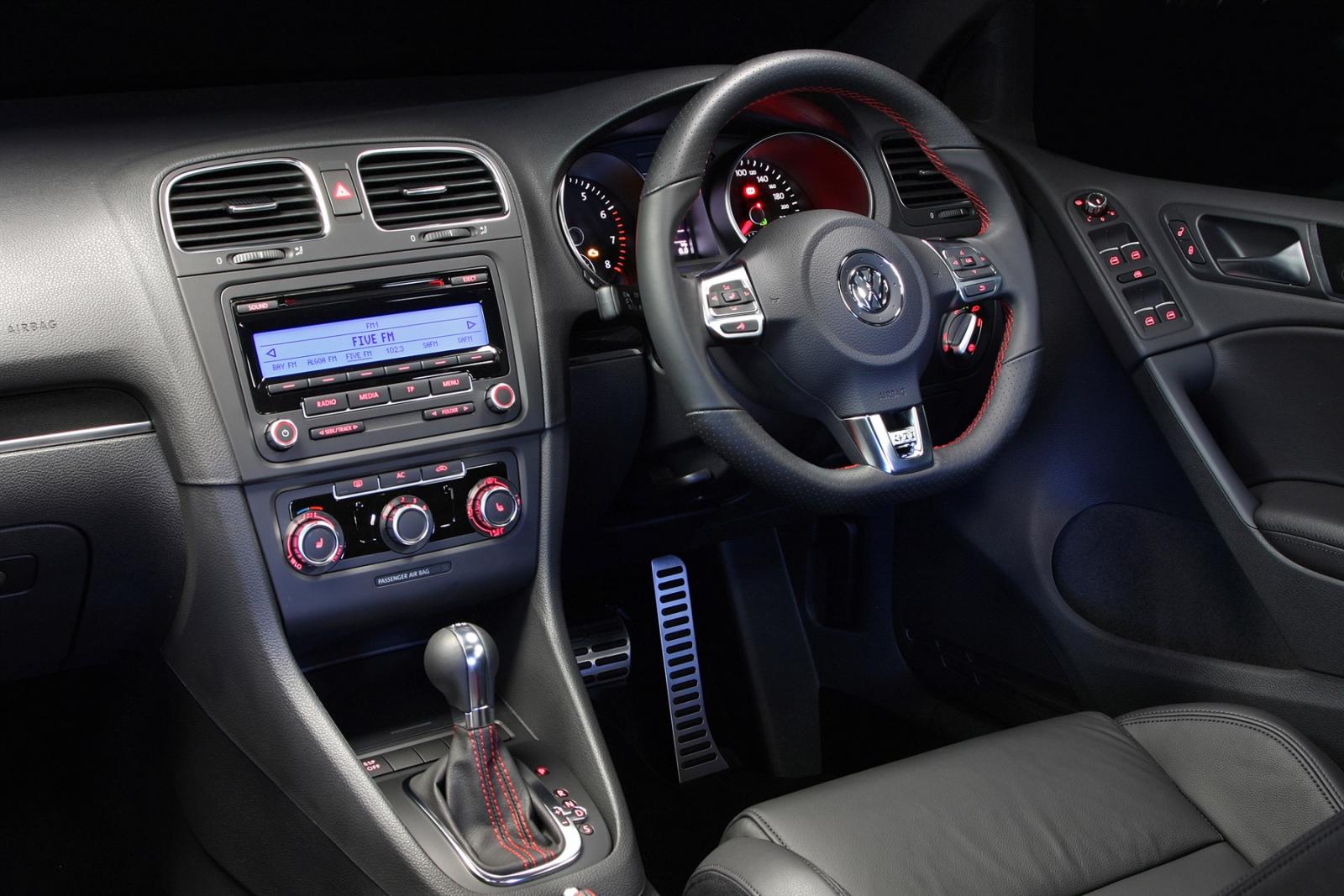

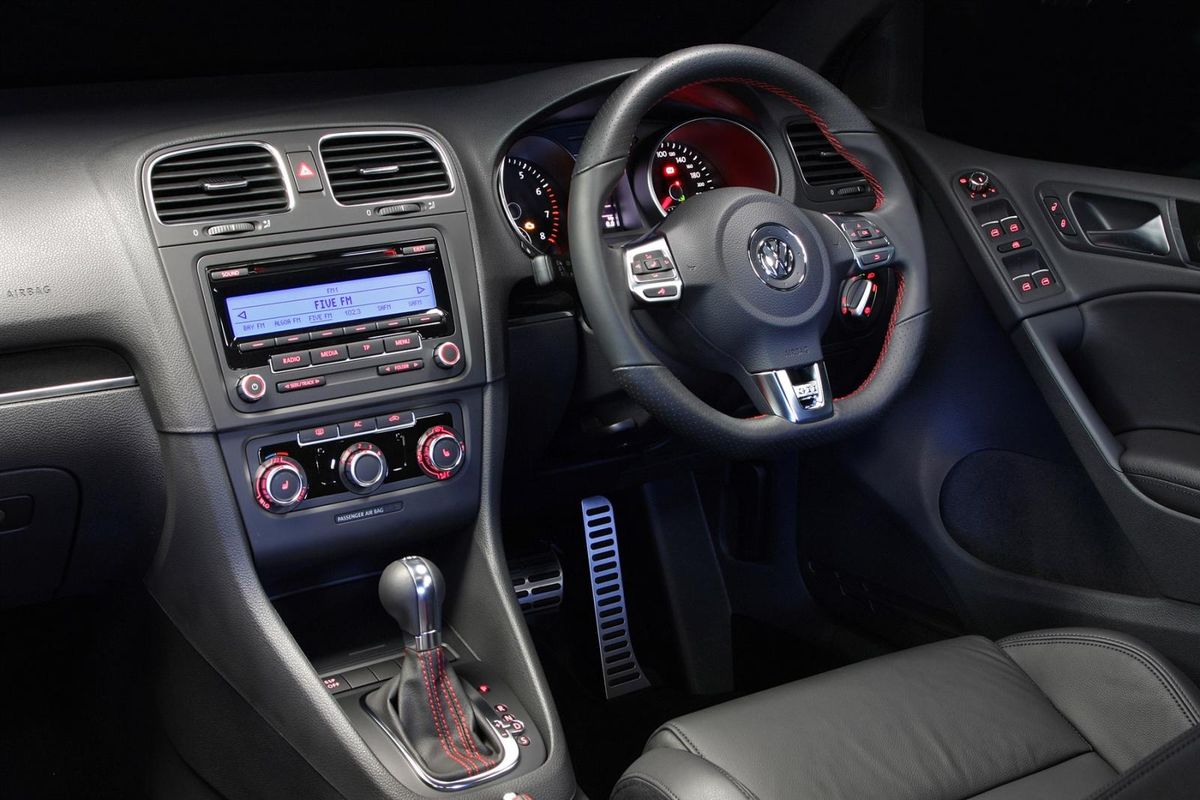
Golf 6 brought premium class materials and finishes to the family hatchback segment. This is the GTI cabin.

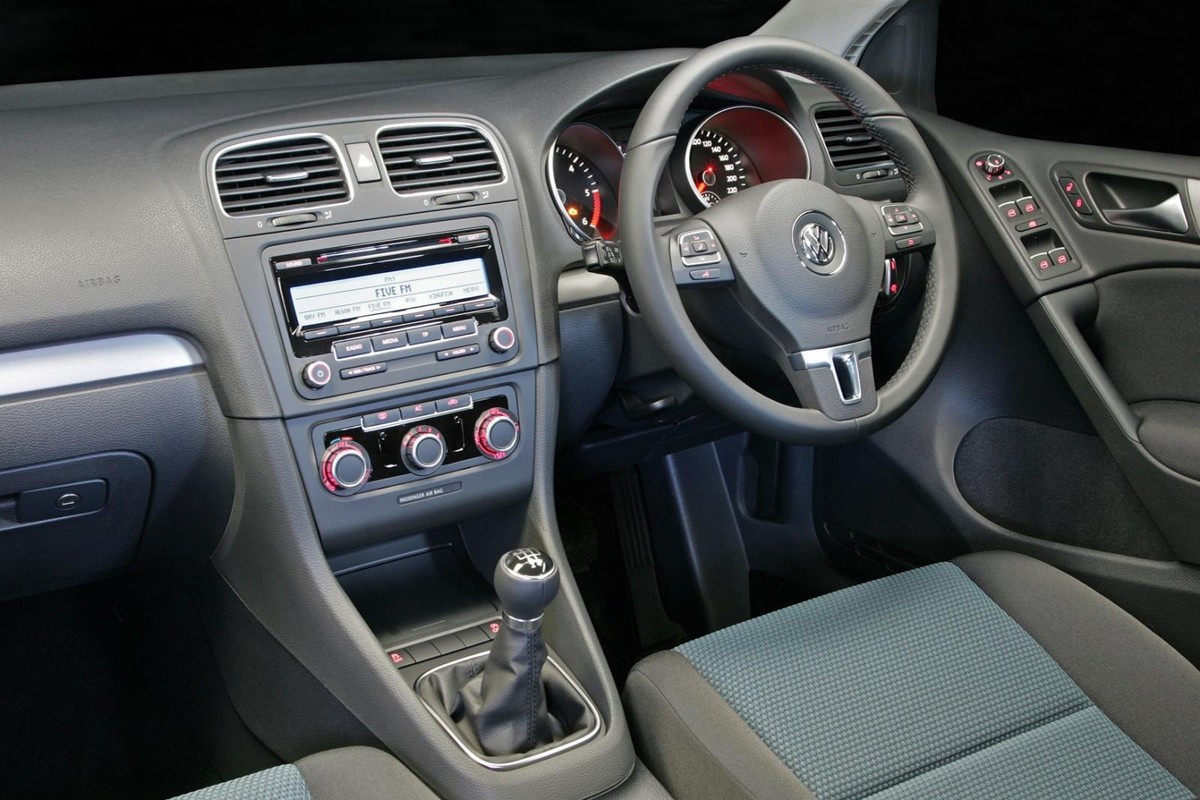
Styled under the watchful eye of the legendary Walter de Silva, the Golf 6 was in fact a careful evolution of the Golf 5, and only slightly shorter and wider than its predecessor. The focus with Golf 6 was to bring the levels of refinement and detailing from higher-end cars into the C-segment. Consequently, the Golf 6 boasted an easily class-leading cabin with superior ergonomics and excellent finishes. It was also very quiet, due to better (and more) sound insulation and even thicker glass.

It won the World Car of the Year award in 2009, and at the time recorded the best-ever score in EuroNCAP crash testing. All cars sold in South Africa featured 7 airbags (generous at the time) and also boasted ESP (electronic stability control). Advanced features such as partly automated parking, rear-view cameras and touch-screen infotainment systems were offered as optional extras.
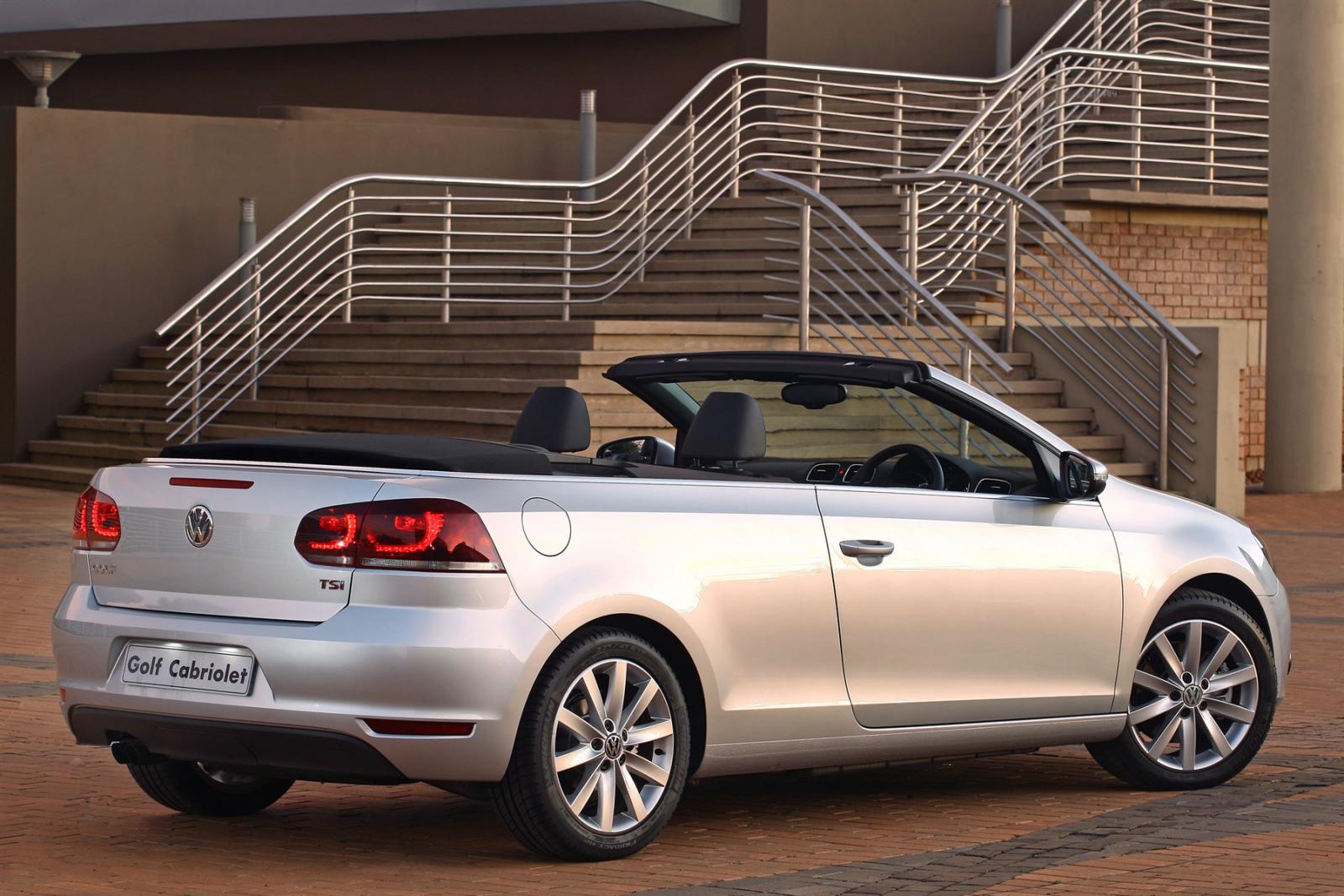

Golf 6 Cabriolet arrived near the end of the model’s lifecycle and is a stylish used car buy these days.

The base 1.6-litre petrol engine is a reliable enough offering, but in terms of power/economy balance the 1.4 TSI powerplants can’t be beaten. The 90 kW variant featured only turbocharging and is probably the engine to have, while the punchier 118kW derivative was the so-called “twin-charged” engine that also featured supercharging. This more complex arrangement can result in some reliability issues that may be difficult/expensive to fix. The 2.0L turbodiesel is a proven unit, but beware high-mileage cars.

Featuring a multi-link set-up at the rear and carefully honed suspension from the acclaimed Golf 5, the “six” was a refined car that struck a fine balance between agility and handling dynamics. The sixth-generation of GTI was a great one and still demand good prices in the used car market for its blend of near-timeless looks, performance and handling.

Of course, given Volkswagen’s footprint in South Africa, parts availability should not be a problem and if you ever decide to sell your Golf 6 again, there will always be a ready market for it.

Product Weaknesses
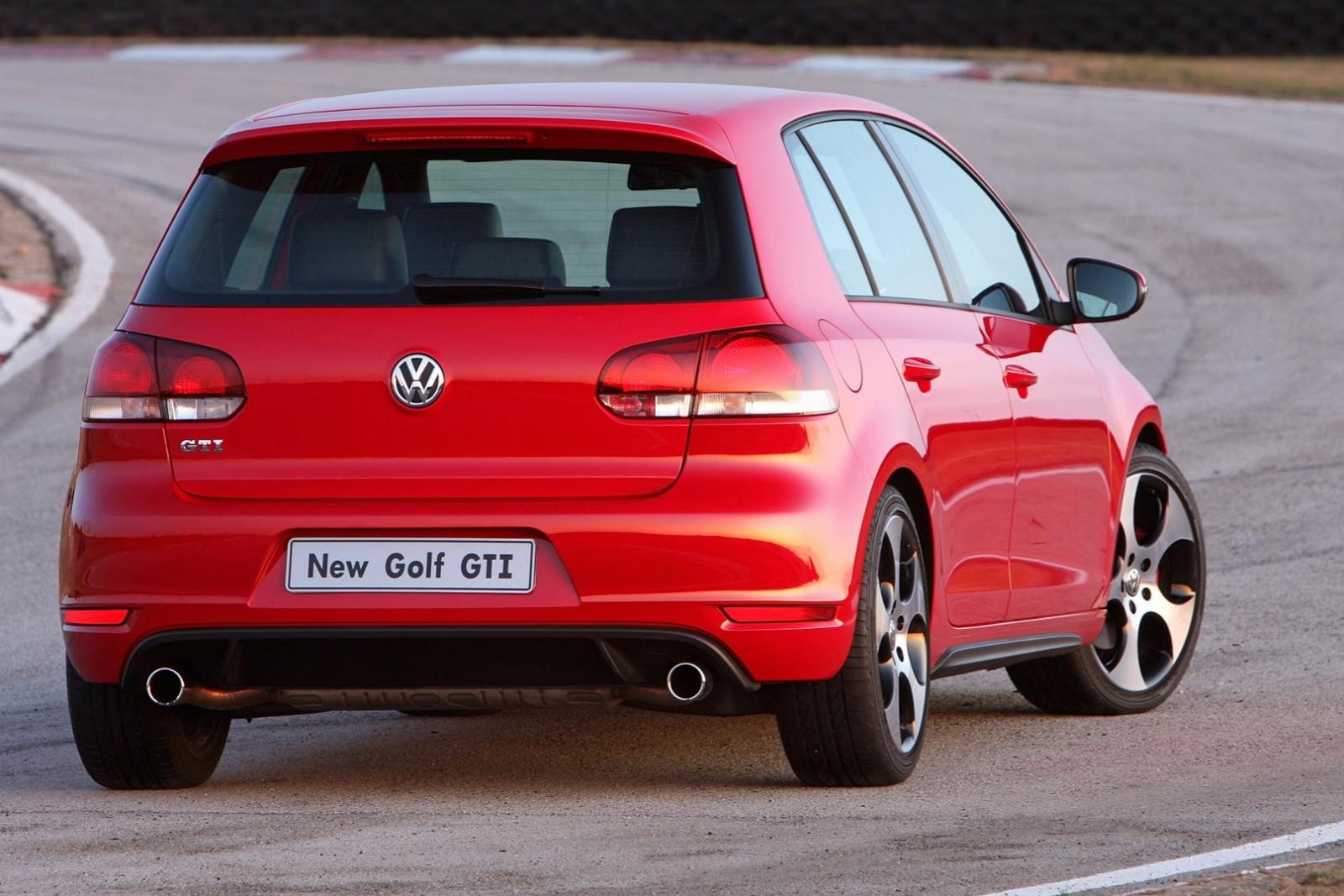

Beware high-mileage GTIs and also cars that show signs of gearbox/clutch trouble. GTIs have often been abused/modified.

The Golf 6 was a well-engineered product with few major flaws, but it is sensitive to poor maintenance and major failures are both difficult and expensive to fix. Those in the industry recommend being on the look-out for the following issues.

Oil consumption: Apparently a common issue with Golf 6, and one that you won’t easily identify on the test drive because the problems causing the oil consumption don’t generally advertise themselves through smoke out of the exhaust. Instead, you may have to keep a very watchful eye on the oil consumption during the first 500km of ownership, and if there appears to be an issue, head straight back to the dealership to sort it out (provided you have some sort of a warranty in place). 

Worn clutches/DSG on GTI: We’re told that the DSG is actually pretty robust, but that the drivers that the GTI attract often abuse the cars, so expensive clutch replacements are common. When test driving, make sure that there’s no perceptible slip from the transmission when chasing the revs up.
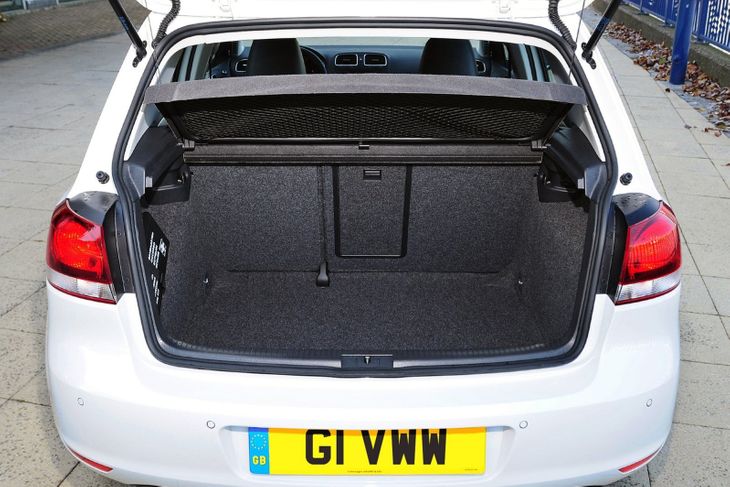

The Golf 6’s boot is nicely shaped but its at best about average in size for this segment. A full-size spare wheel further hampers overall space.

Carbon build up: As is generally the case with higher mileage direct injection engines, the petrol units fitted to the VW Golf 6 can suffer from carbon build-up. You might be able to notice this during the test drive in a relative lack of performance or misfiring after a cold start. Of course, the engine light being on might be a warning of this issue, too. 

Worn timing chains: The 1.4 TSI engines can suffer from worn timing chains after (or sometimes even before) 100 000 km. A warning may be the presence of a rattling sound after a cold start-up.

Turbo failure: Particularly on 1.4 TSI, and due to a number of potential causes (actuators/diverter valves etc.). Take note of an engine that feels underpowered or which exhibits a very short powerband. 

When test driving the Golf 6 pay attention to misfiring/rattly engines and any of the warning lights staying on during the drive.

EGR (Exhaust Gas Recirculation) valve failure: This appears to be quite common with the Golf 6 and when it happens can lead to a long list of other (expensive) issues, such as a failed turbocharger. Look out for black smoke from the exhaust, misfiring, illuminated EPC light, rough idling and stalling.

The need for careful maintenance: The majority of serious problems related to the Golf 6 can generally be attributed to its sensitivity to poor maintenance. It is advised that owners should not wait for the 15 000 km service intervals to change the oil, for example, but rather do this sooner (at 10 000 km). Also make sure that all the warning lights go off after starting, particularly the EPC light. 

What to Pay?
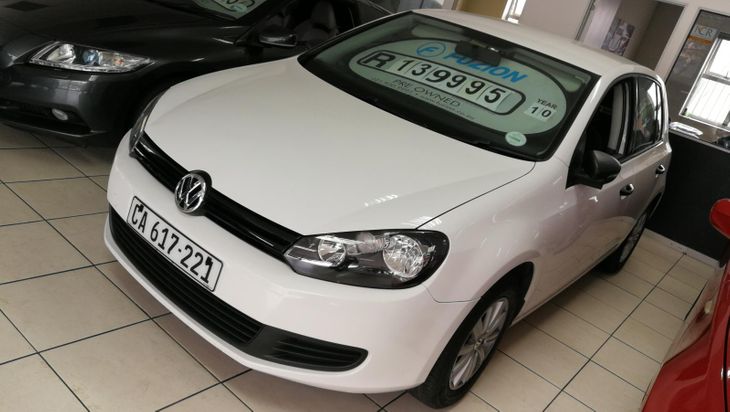

There’s lots of choice in the used car market. This 1.6 Trendline at Fuzion Pre-Owned in Cape Town is a very clean example.

Browse the listings on Cars.co.za and you’ll notice there’s certainly choice, but a carefully maintained, low-mileage car should be your goal here.

  • Below R125 000: Prices start at just over R100 000 for high-mileage cars, but you can pick up a clean 1.6 Trendline or 1.4TSI (Trendline or Comfortline) for below R125 000 if you shop around and are patient. We spotted a few cars with mileage of below 100 000 km. 
  • Between R125k and R150k: This appears to be the sweet spot when shopping for a Golf 6. Don’t get too excited about GTIs at this price level, however, as they’re most likely abused or extremely high mileage. Stick to original cars that don’t show any sign of modification. We found some very clean-looking 1.4 TSI Comfortlines (as well as the more complicated 1.4 TSI Highline) for below this price cap, with mileages of below 100 000 km.
  • From R150 000 to R200 000: At just over R150 000 you can pick up a low-mileage, well-cared for Bluemotion 1.6 TDI, which given the recent fuel price increases should pay back handsomely at the pumps. Even at this price level a low-mileage, unmolested GTI is a rare thing, but they’re out there, just be patient. Clean cabriolets can also be found at this price level.
  • R200 000 and up: We wouldn’t recommend spending this much on a “mainstream” Golf 6, but if you’re looking for a very low-mileage GTI and particularly the Edition 35, be prepared to fork out. Clean, low-mileage Edition 35s and Golf Rs start at over R250 000.

> CAN YOU AFFORD A GOLF 6? Find out here

Pick of the Range?
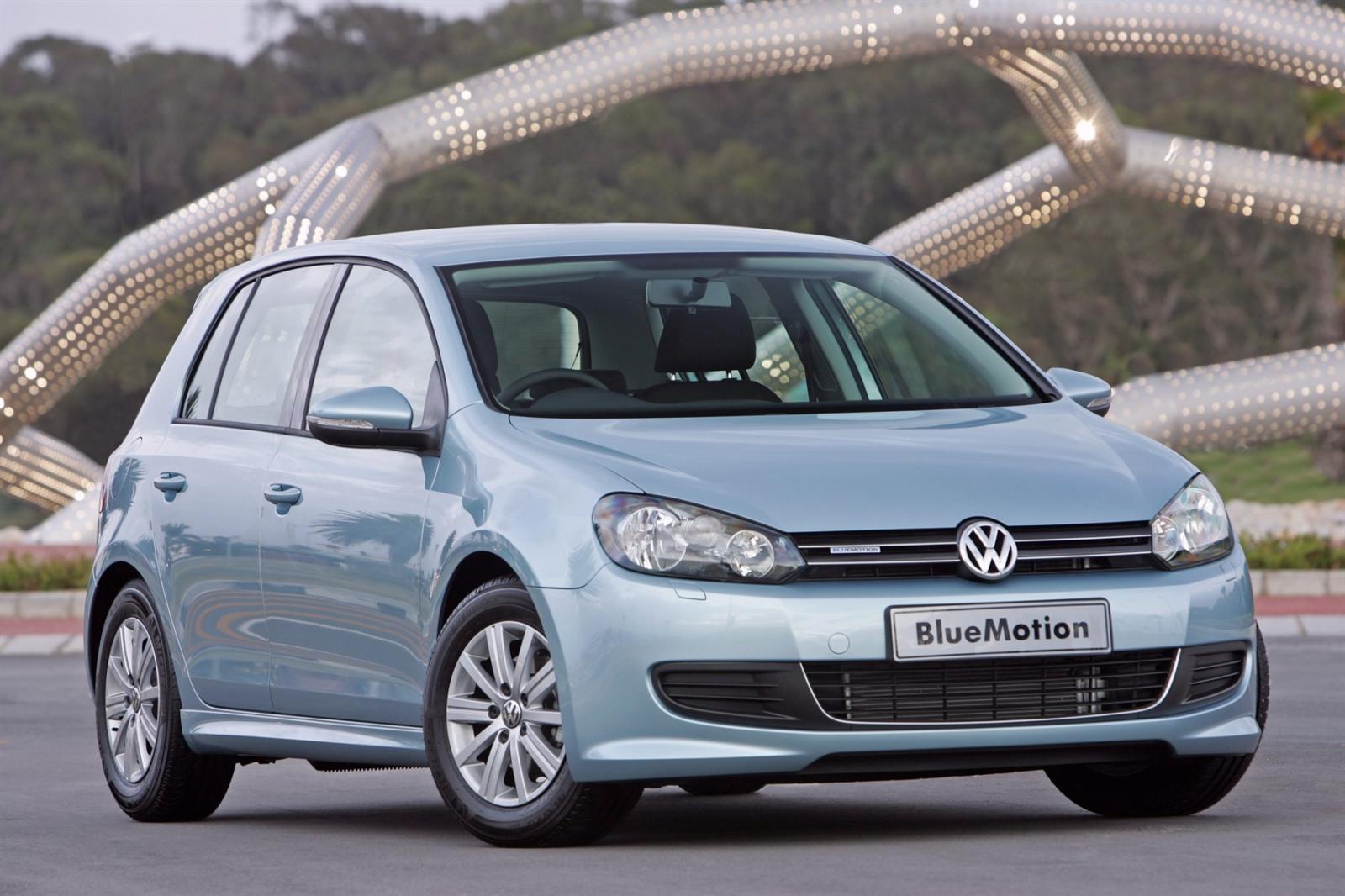

Though they demand a premium the Golf Bluemotion is so economical that it might just be the pick of the bunch.

All things considered, we think the 1.4 TSI Comfortline is the best-balanced offering in the range. It may lack the Highline’s extra power, but you also don’t have the added complexity of the more powerful car’s engine. Besides, the 90 kW/200 Nm on offer from the Comfortline is more than good enough for most needs. Although the standard specification was pretty decent, a fair number of buyers added optional extras, and the more of those you can get on your car the better. Dual-zone climate control, park sensors and the touch-screen system with navigation are the most attractive features to look out for. Just take note of the problem areas highlighted above and make sure the service history is complete.
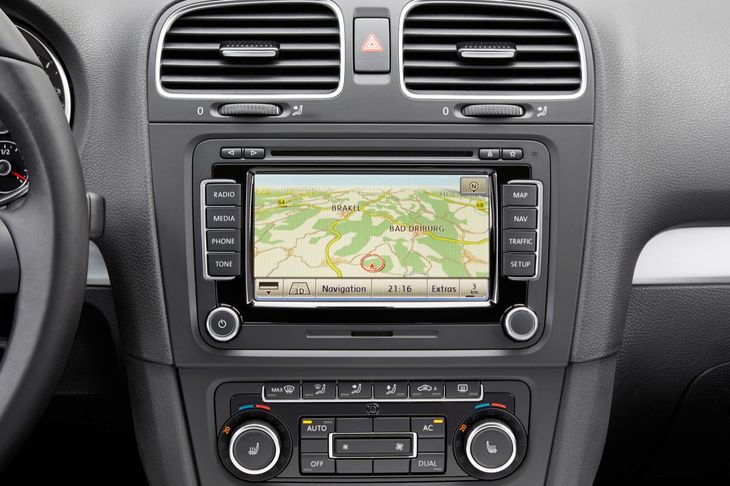

Find a car with the built-in touch-screen system and your Golf 6’s cabin will still look remarkably contemporary. 

You should also consider the Bluemotion turbodiesel variant. Given the price of fuel at the moment, the Bluemotion’s very low consumption (claimed 3.8L/100 km) is attractive. Even if you can’t match the claimed fuel consumption you should still be able to do about 1 000km on a single 55L tank. As is the case with mosth (relatively) high-tech turbodiesels, your goal should be to find the lowest-mileage car with a full service history. 

Top choice for petrolheads… the GTI. The Golf 6 GTI was a good one, but like all GTIs they tend to attract the type of buyer that wants to make use of that performance. That means there are some very abused and/or modified cars out there. The GTI was one of the best sellers in the Golf 6 line-up so there are plenty around. Take your time and choose carefully. If you can get your hands on a clean Edition 35, even better.

Verdict
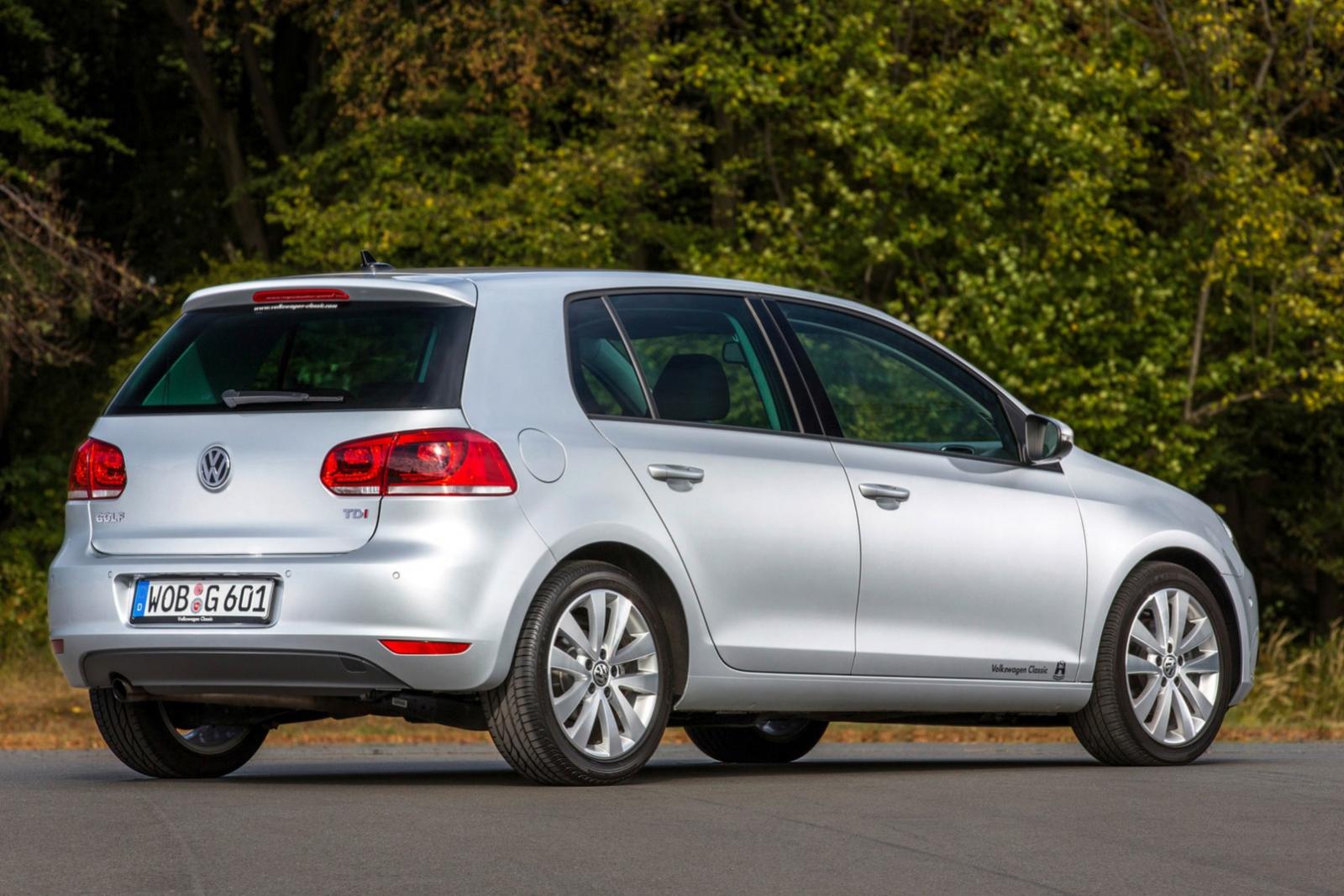

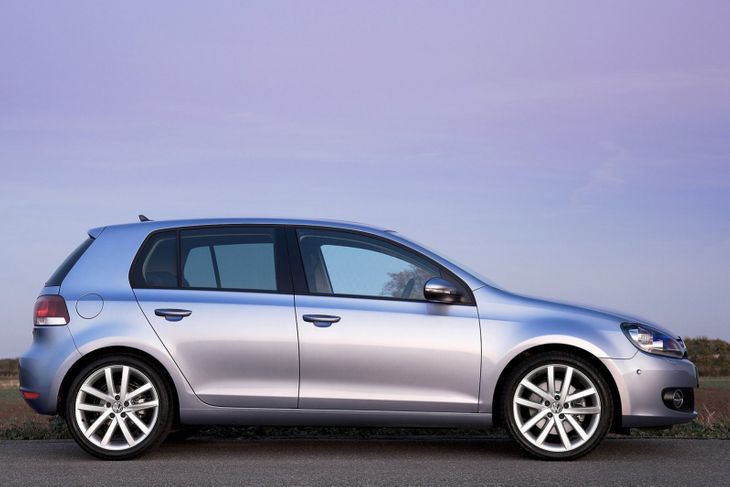
Golf 6 still looks fresh and if you can get your hands on a low-mileage, cared-for example, is a solid purchase.

Still classy, comfortable and, provided you get a good one, efficient and reliable, too, the Golf 6 can be a great used buy. It’s important, however, to be extremely pedantic when shopping for one, as they’re quite sensitive to poor treatment from their previous owners. An interesting alternative for roughly the same kind of money would be sibling brand Audi’s A3 Sportback. On the other hand, if the Golf’s upmarket image, “premium” cabin and turbo engines are not must-haves, you may want to consider less complicated, but similarly packaged cars such as the Mazda3, Toyota Auris and Honda Civic.

Other rivals include the facelifted second-generation Ford Focus or the Opel Astra but neither of these cars can match the Volkswagen’s overall package though. As a performance alternative, the 2nd-generation Focus ST may, however, very well be worth a look. 

Parts Pricing

We asked Volkswagen SA for the pricing of some of the major parts for the Golf 1.4 TSI Comfortline (manual) and Golf GTI DSG. These prices are exclusive of VAT.

Part (item) Golf 1.4 TSI Comfortline Golf GTI DSG
Air Filter R2 000.00 R2 495.00
Oil Filter R333.00 R315.00
Pollen Filter R193.00 R193.00
Spark Plug (each) R183.00 R153.00
Wiper blades (set) R330.00 R330.00
Front brake pads R985.00 R985.00
Rear brake pads R750.00 R875.00
Cambelt or Timing Chain R900.00 R1 105.00
Tensioner R895.00 n/a
Front brake discs R1 290.00 R1 405.00
Rear brake discs R1 100.00 R2 425.00
Clutch plate R1 985.00 n/a
Pressure plate R1 715.00 n/a
Flywheel R3 900.00 R13 800.00
Fanbelt (Polly V belt) R740.00 R505.00
ECU R17 800.00 R15 500.00
Bonnet R5 530.00 R5 530.00
Front bumper skin R5 310.00 R5 320.00
Grille R1 575.00 R1 575.00
Left front fender R2 775.00 R2 775.00
Wheel rim R8 670.00 R11 000.00
Front left headlamp assembly R4 595.00 R4 395.00
Front windscreen R4 725.00 R4 725.00
Air-con condenser R6 800.00 R6 590.00
Radiator R3 890.00 R5 450.00
Right-hand front door R1 205.00 R1 205.00
Right-hand rear door R1 475.00 R1 475.00
Tailgate R6 840.00 R6 840.00
Rear window glass R3 265.00 R3 265.00
Left rear taillamp assembly R1 170.00 R1 375.00

Looking for a VW Golf to buy?

Find one today on Cars.co.za by clicking here

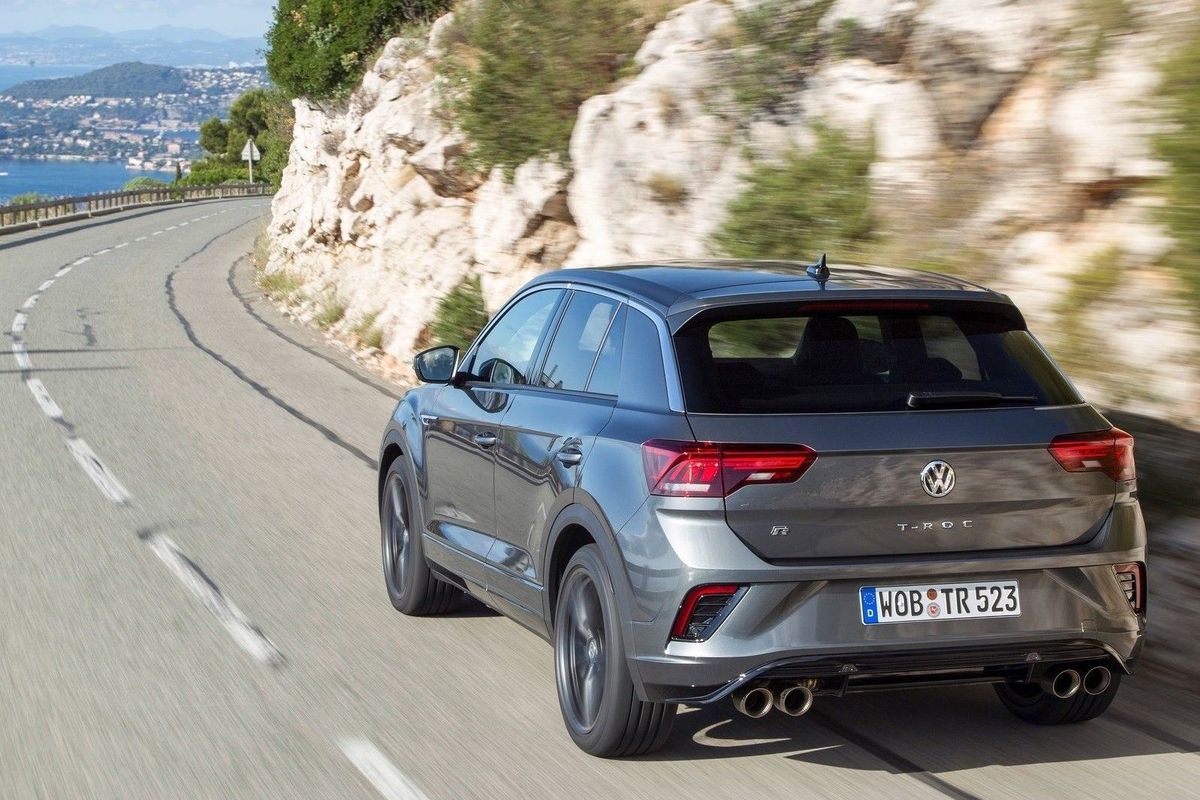
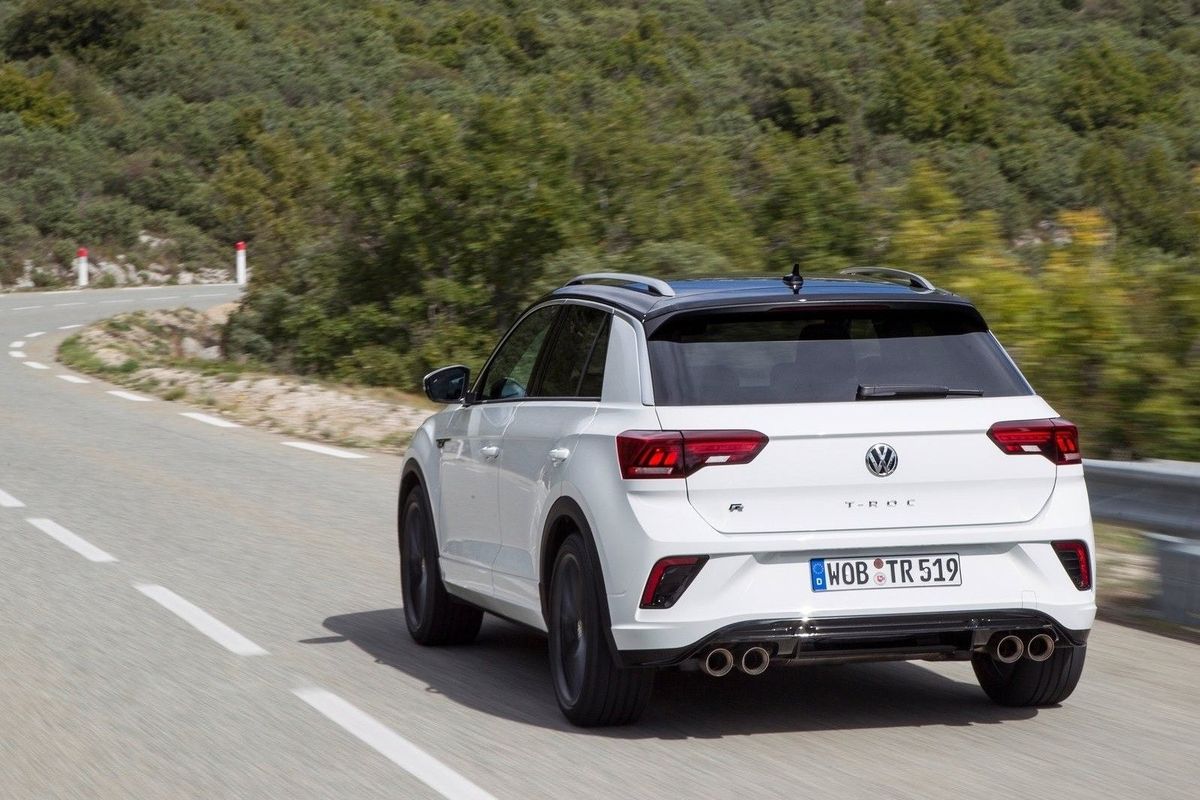
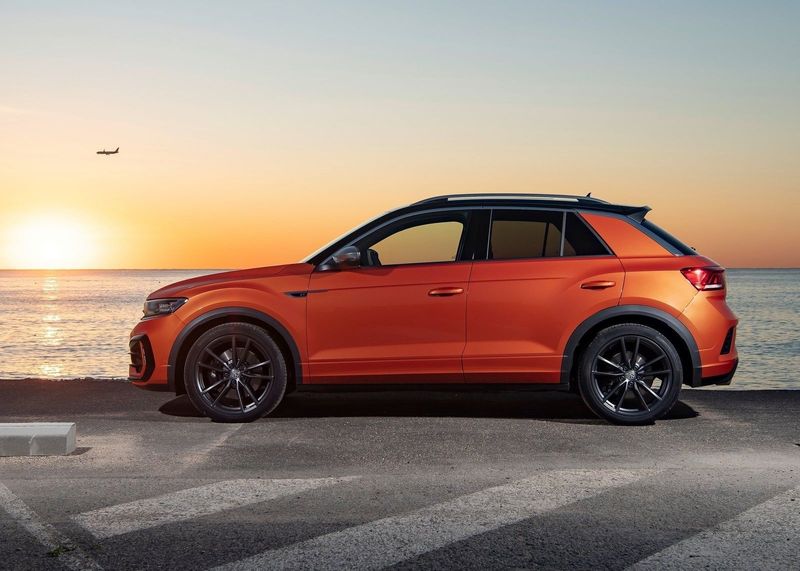
Volkswagen T-Roc R (2019) International Launch Review

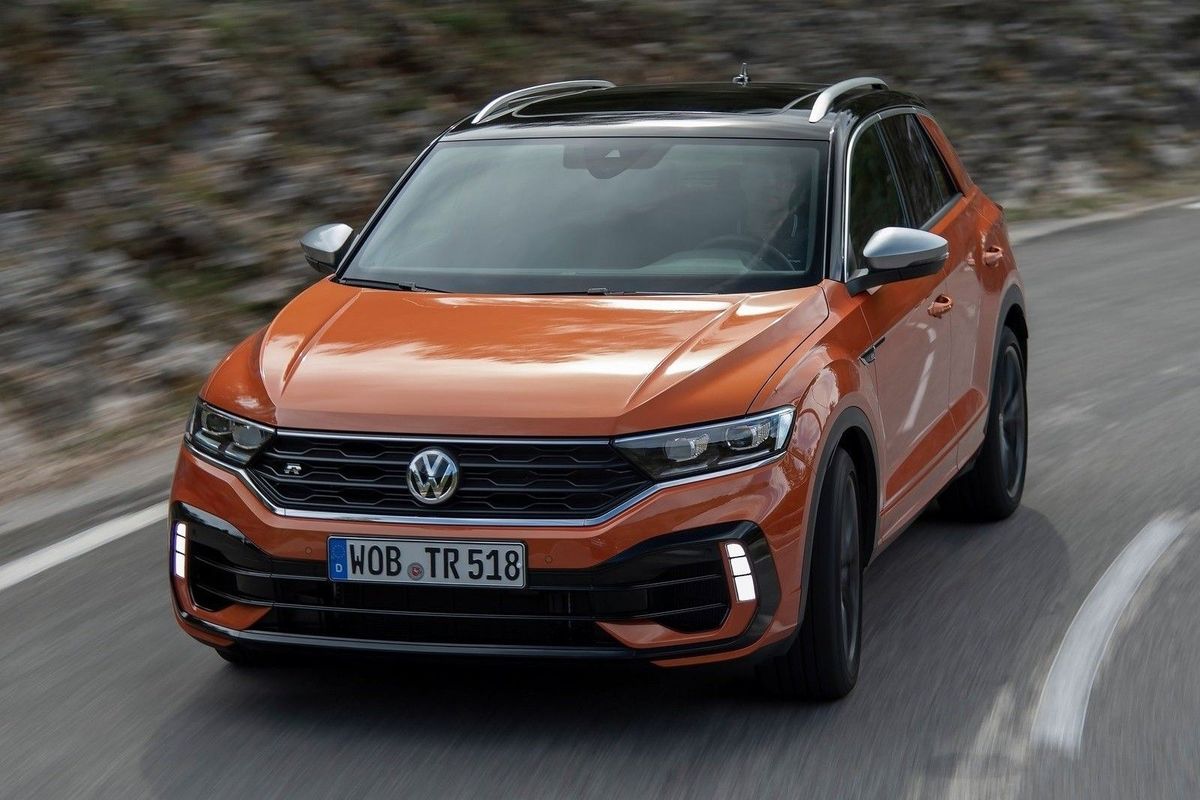
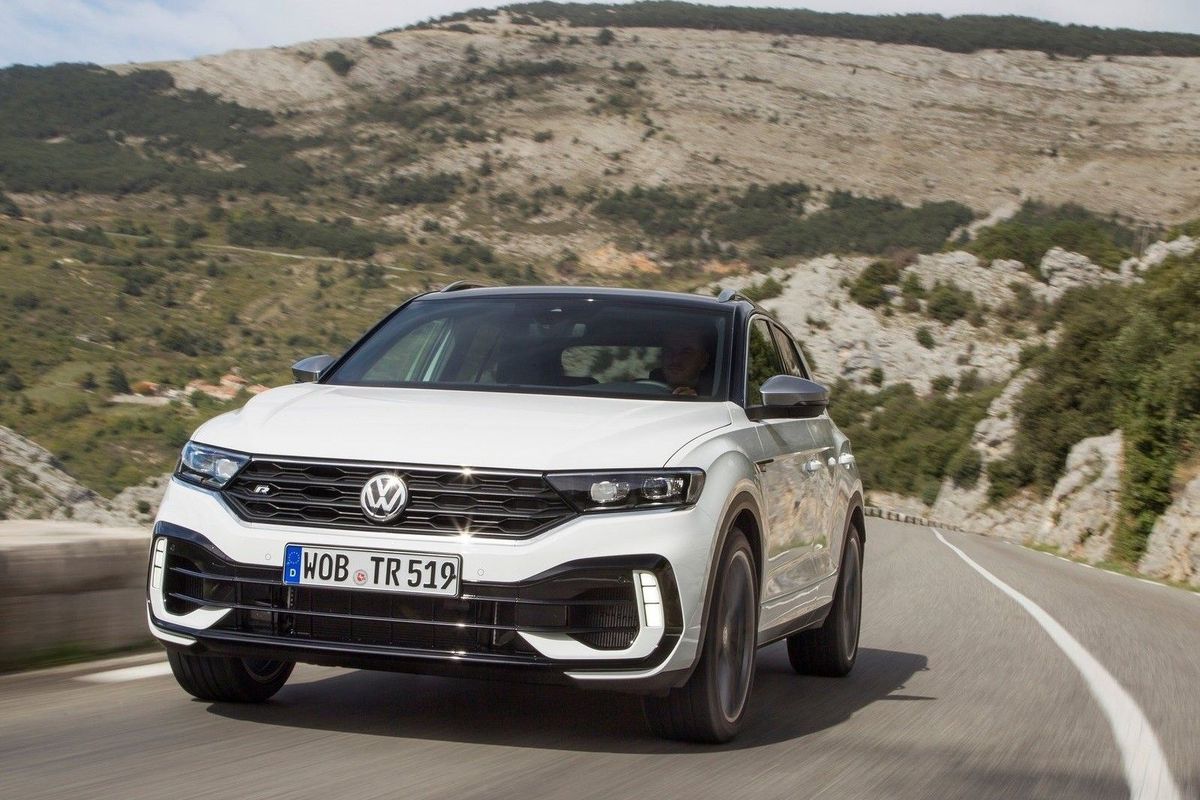
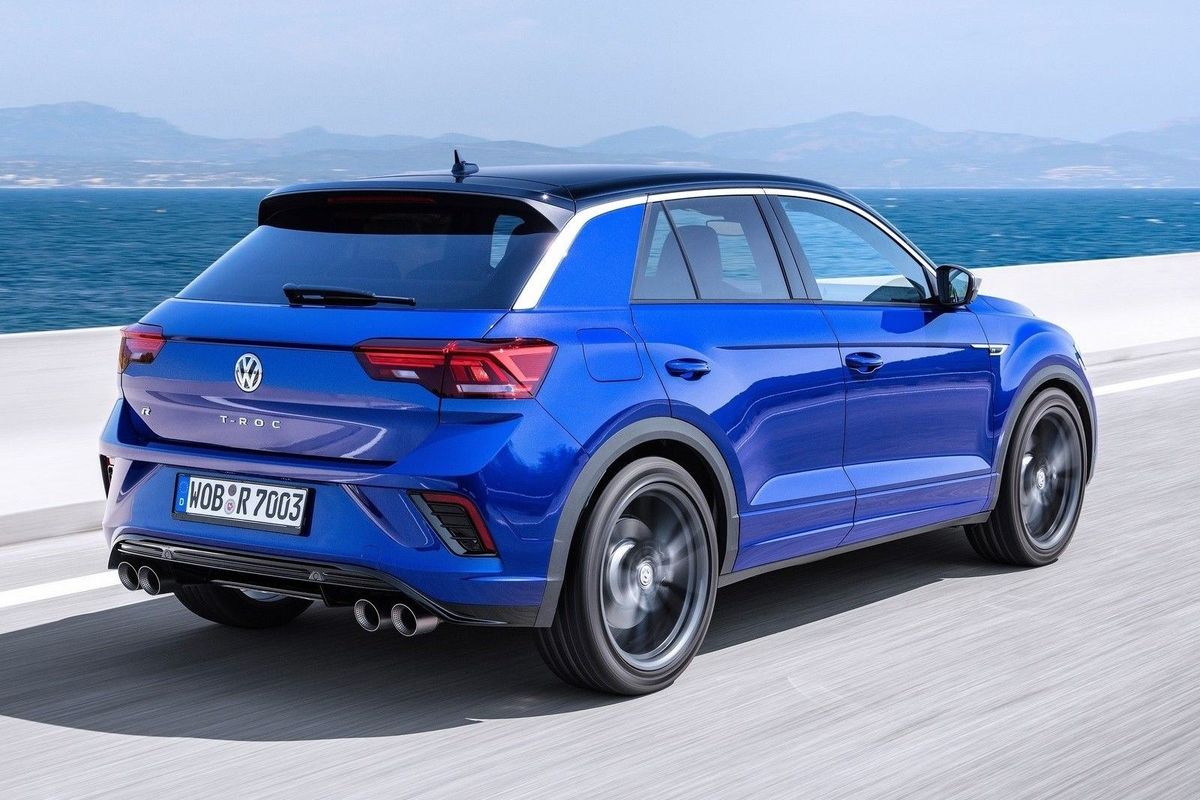
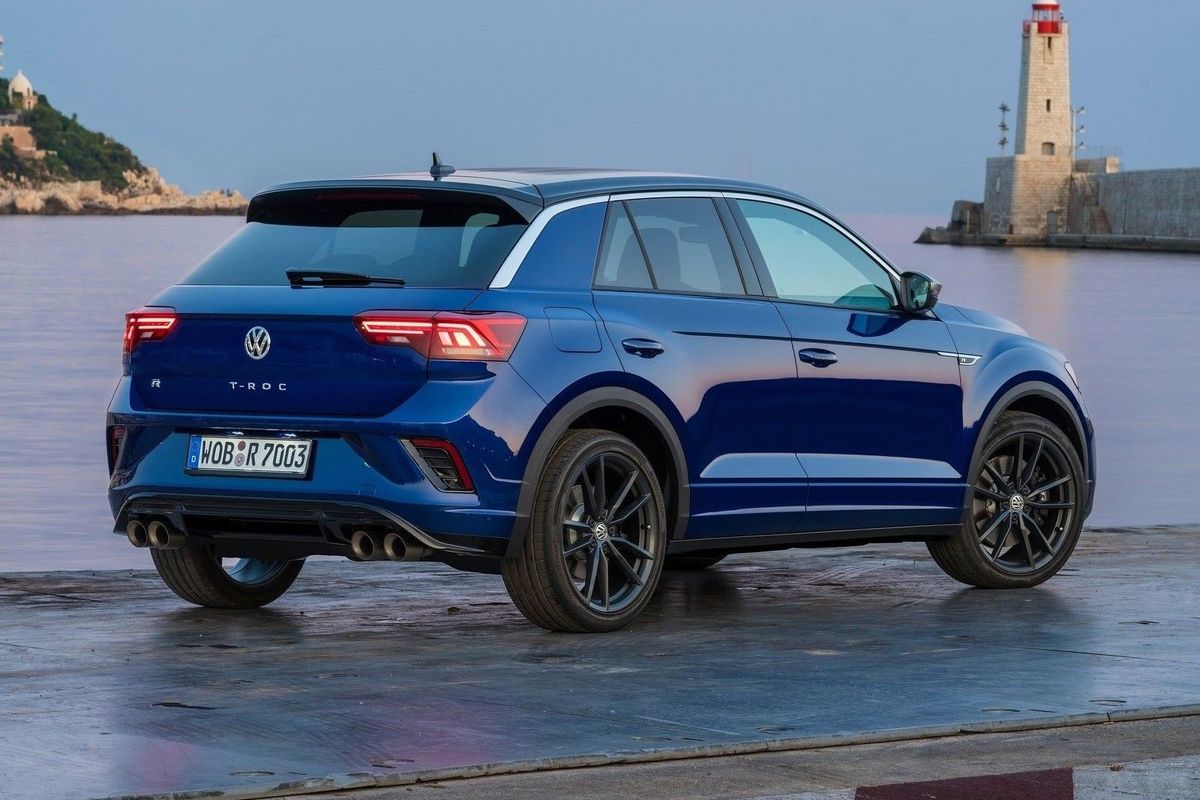
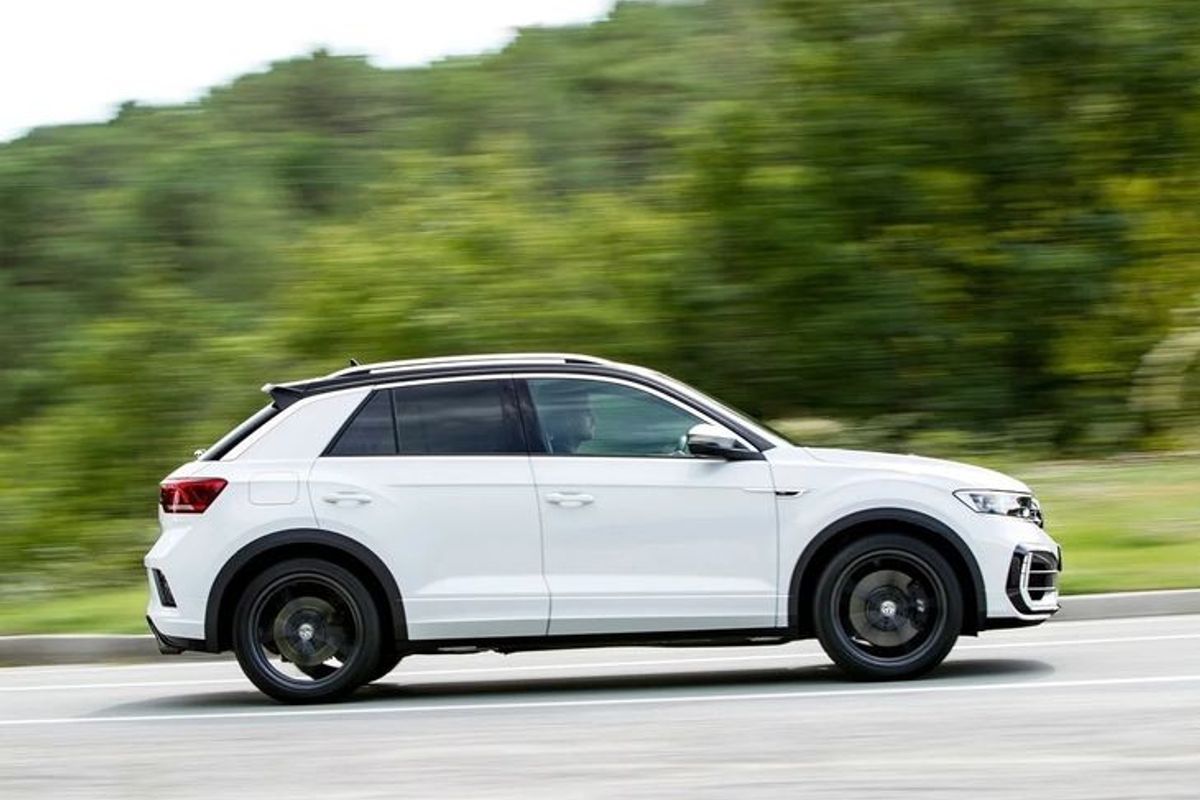
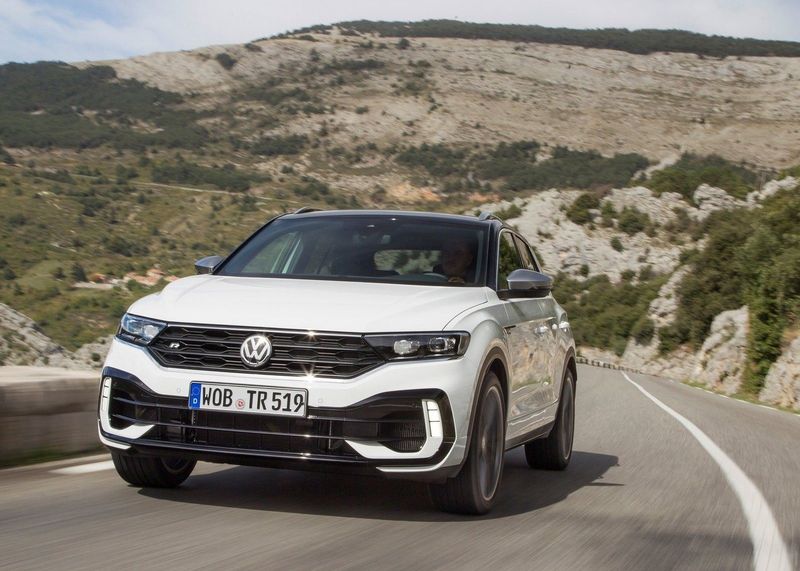
When the T-Roc arrives in South Africa in March 2020, it will slot in between the T-Cross and Tiguan in Volkswagen's line-up. In flagship R guise, the T-Roc is essentially "a high-riding Golf R" and – arguably – the world's best performance crossover. Our correspondent Simon Davis gave the newcomer a close look at its international launch in the South of France.

What is it?

It’s not often that the Volkswagen Golf R has company, but it’s a fairly apt sign of the times that the newest member of the Wolfsburg-based brand’s high-performance family is SUV-shaped. This is the T-Roc R, and it joins the likes of the BMW X2 M35i in the growing performance-crossover niche.


Based on the SQ2, which is not coming to SA, the T-Roc R is quite a different prospect altogether.

Like its T-Cross and Q3 relatives (not to mention the aforementioned Golf R), the T-Roc R is based on Volkswagen’s MQB architecture and makes use of the now exceptionally ubiquitous EA888 turbocharged 2.0-litre 4-cylinder motor. It develops the same peak outputs (221 kW and 400 Nm) as its cousins, all of which is deployed via a 7-speed dual-clutch ‘box and Haldex clutch-based all-wheel-drive system. 

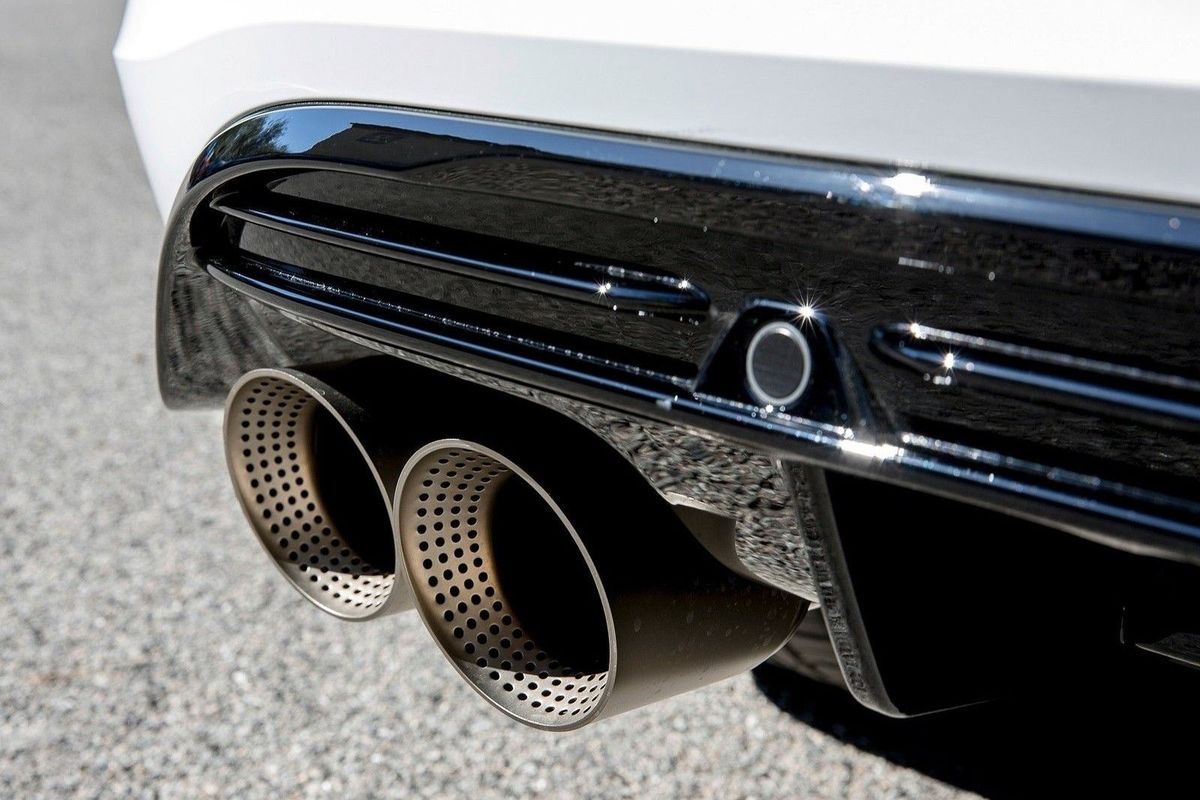
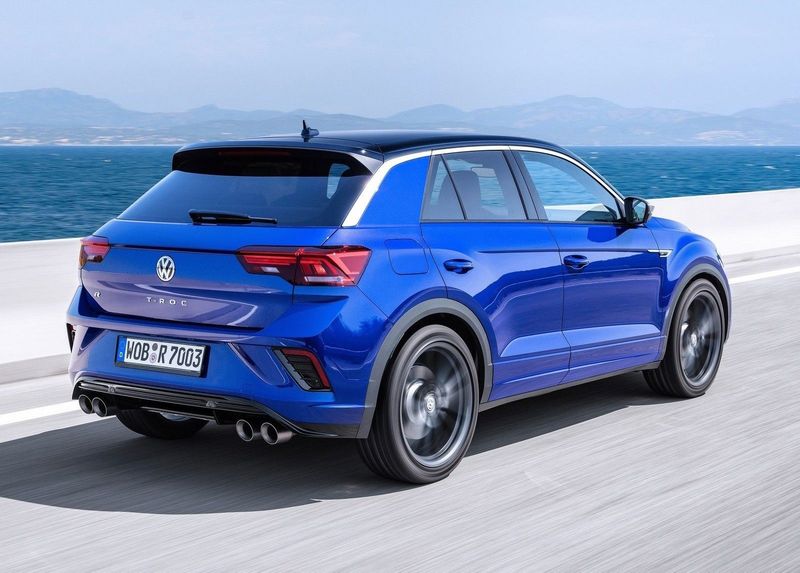
A new aluminium subframe helps facilitate a far sportier suspension calibration, while the uprated 17-inch performance brakes (which are optional on the Golf R) are fitted as standard in the T-Roc R. Adaptive dampers and an Akrapovic sports exhaust can also be specified at extra cost. Our evaluation unit had both, as well as the 19-inch "Pretoria" (that's right, Pretoria!) alloys and an 8-inch Discover Media infotainment system.

What's it like to drive?


Performance SUVs are beginning to find their way into smaller products; the T-Roc R is arguably ahead of the curve.

On Nice’s congested inner-city roads the T-Roc R’s sporting pretentions are reasonably well masked, but still a long way from inconspicuous. With the dampers in their midway setting, vertical body movements are kept well in check over lumps and bumps, but not to the extent that compressions force the wind from your lungs. The T-Roc R breathes a little easier in Comfort mode, although it seems there’s no escaping the often violently loud thumps from the suspension as the wheels pass over smaller ruts and expansion joints. It’s certainly more liveable than an X2 M35i, however…

Breaking out of Nice and the surge of midday traffic, we begin a hard charge up the technical mountain roads that lead to Col de Vence. With everything set to Race, the T-Roc R proves brutally effective. The DSG ‘box’s tendency to be caught out is minimised, and the EA888 motor is as heavy-hitting as ever. More than anything, however, it’s the levels of lateral grip that the T-Roc R is capable of generating that impresses most. 


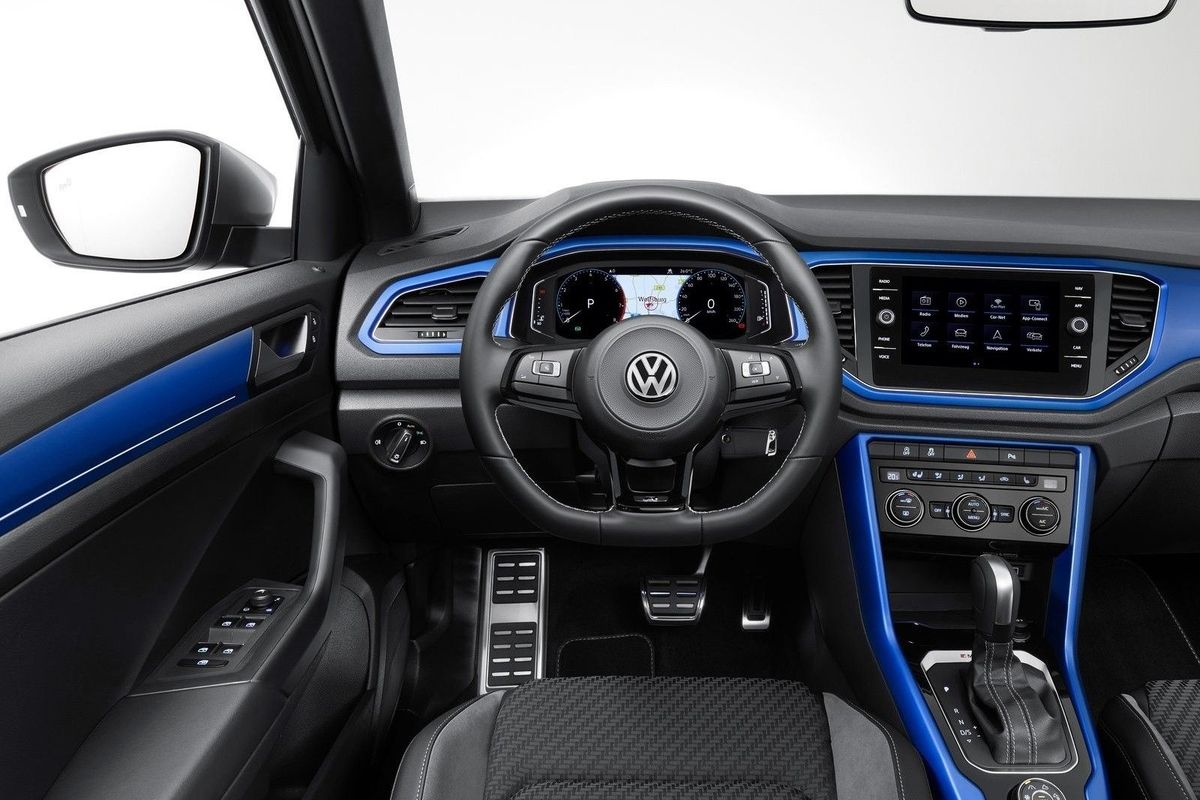
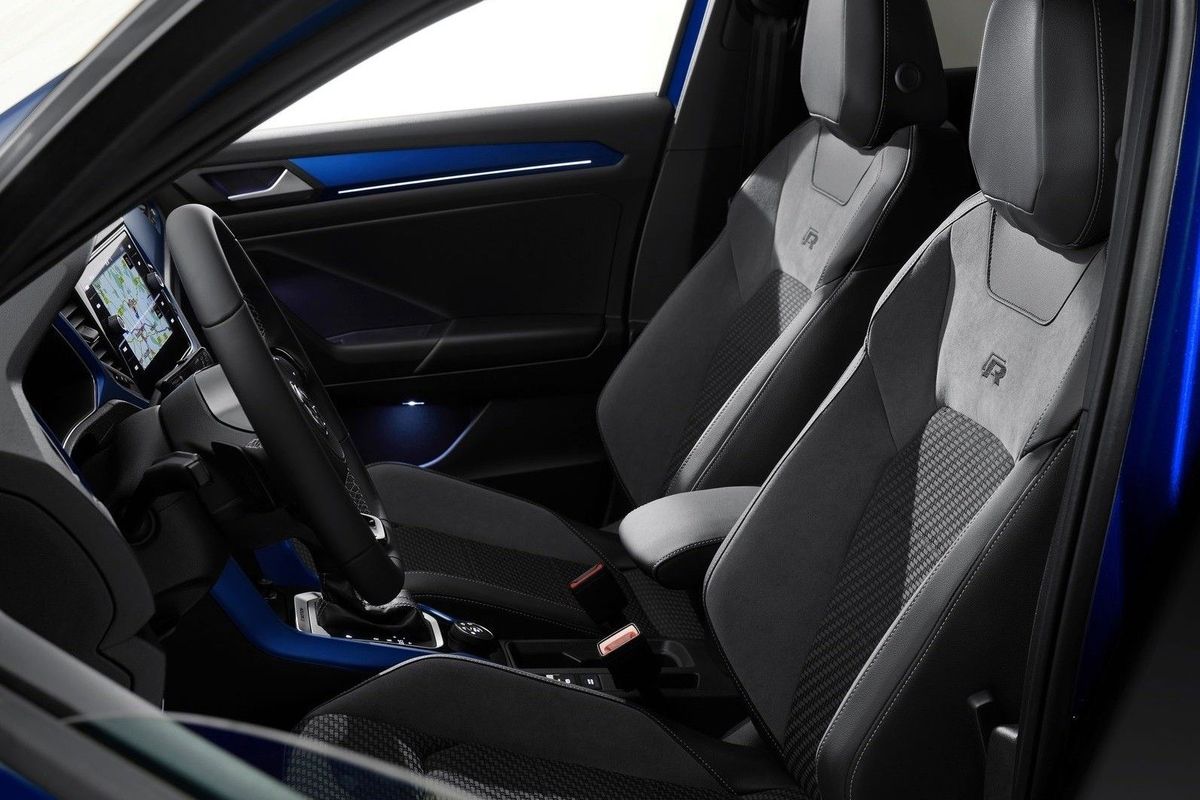
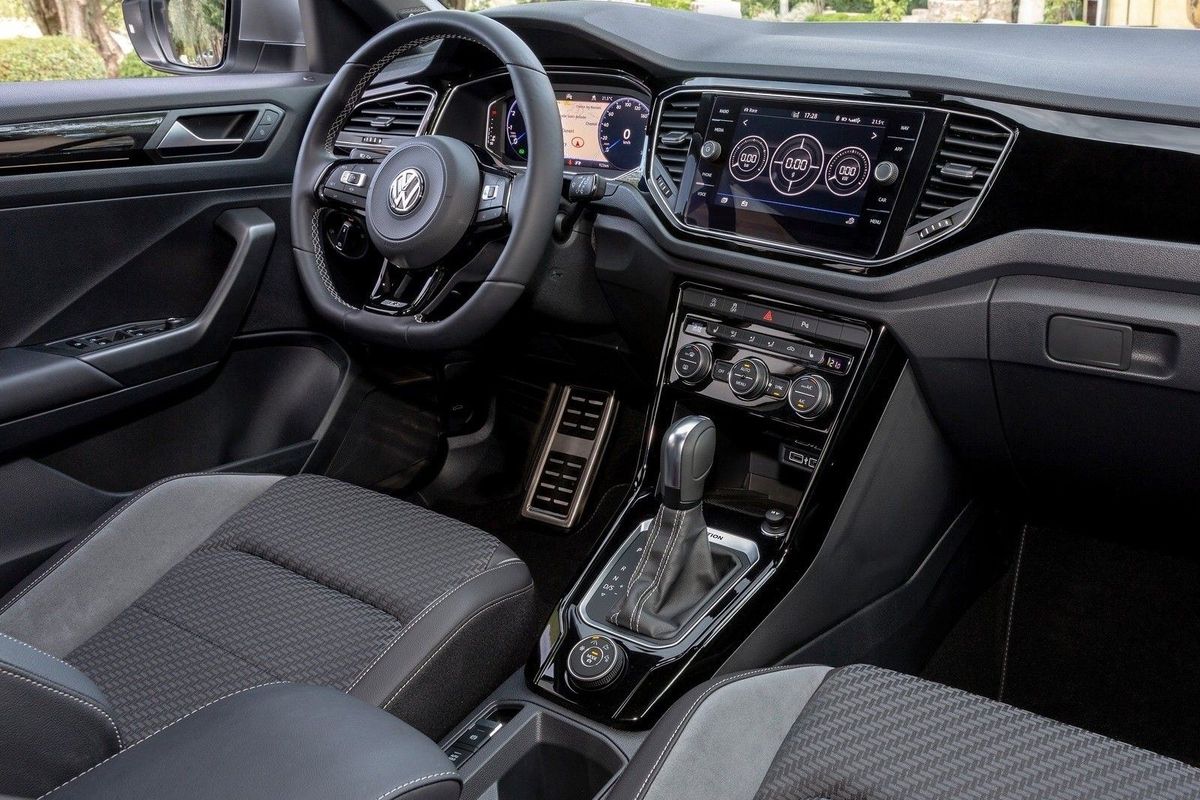
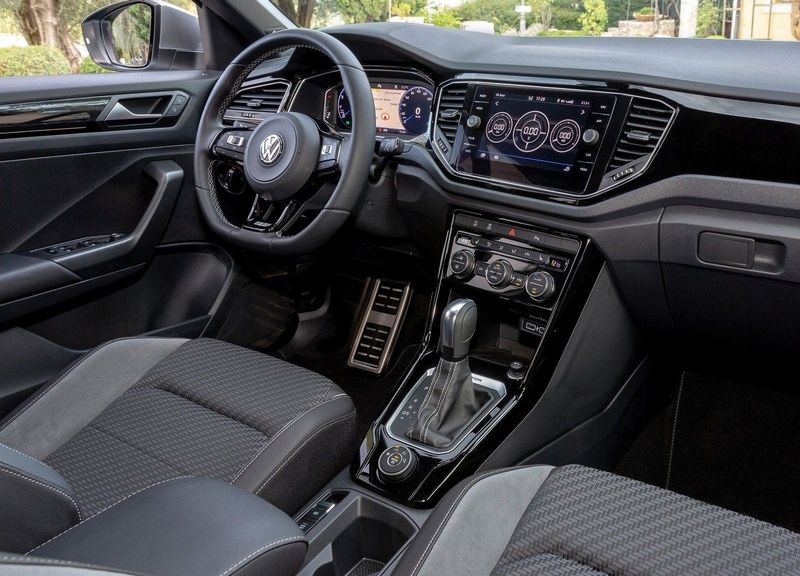
The interior could do with a few more R touches. Specific performance screens have been added to the infotainment system.

Performance enthusiasts will be delighted to learn that the T-Roc R corners incredibly neutrally; in fact, its 4Motion all-wheel-drive seems capable of effectively eliminating understeer. Turn the wonderfully weighted, precise steering wheel and the front end bites in towards the apex hard, before the rear-end digs in to slingshot you out the other end.

Any meaningful "hip wriggling" is clinically choreographed out of the Volkswagen's cornering routine, but the tenacity with which it clings to the tarmac is very addictive. And, while you’re always aware of a heightened level of body roll through fast sweeping bends, it’s not so prevalent so as to detract from the otherwise highly enjoyable process of driving this car fast on a fantastic road.

That said, the driving environment itself is a bit of a letdown. The hard interior plastics that were acceptable in lower-grade versions of the T-Roc feel drab and out of place in this performance derivative. An X2 M35i feels far classier in this regard. Practicality is good, though. There’s enough room for taller passengers to sit in reasonable comfort in the 2nd row, while its 392-litre load bay is a fair whack smaller than the BMW’s (470 litres).

Should I buy one?


It certainly looks the performance part with quad pipes. Akrapovic pipes are an optional extra too.

Based on our brief test drive in France it seems fair to conclude that as an overall package, the T-Roc R trumps both the flagship X2 and its cousin, the SQ2. It seems to ride considerably better on its adaptive dampers and absolutely doesn’t give anything away for sheer cross-country pace or engagement. Dare I say it, this might even be the first time where the old adage of ‘just buy a Golf R instead’ doesn’t apply.

Volkswagen South Africa has informed Cars.co.za that the T-Roc R is under consideration for South Africa, but currently not destined for our market. Should exchange rates become more favourable the situation may be revisited, though… 

Related content:

Volkswagen T-Roc (2020) International Launch Review

Volkswagen T-Cross 1.0TSI Highline R-Line (2019) Review

BMW X2 M35i (2019) Review

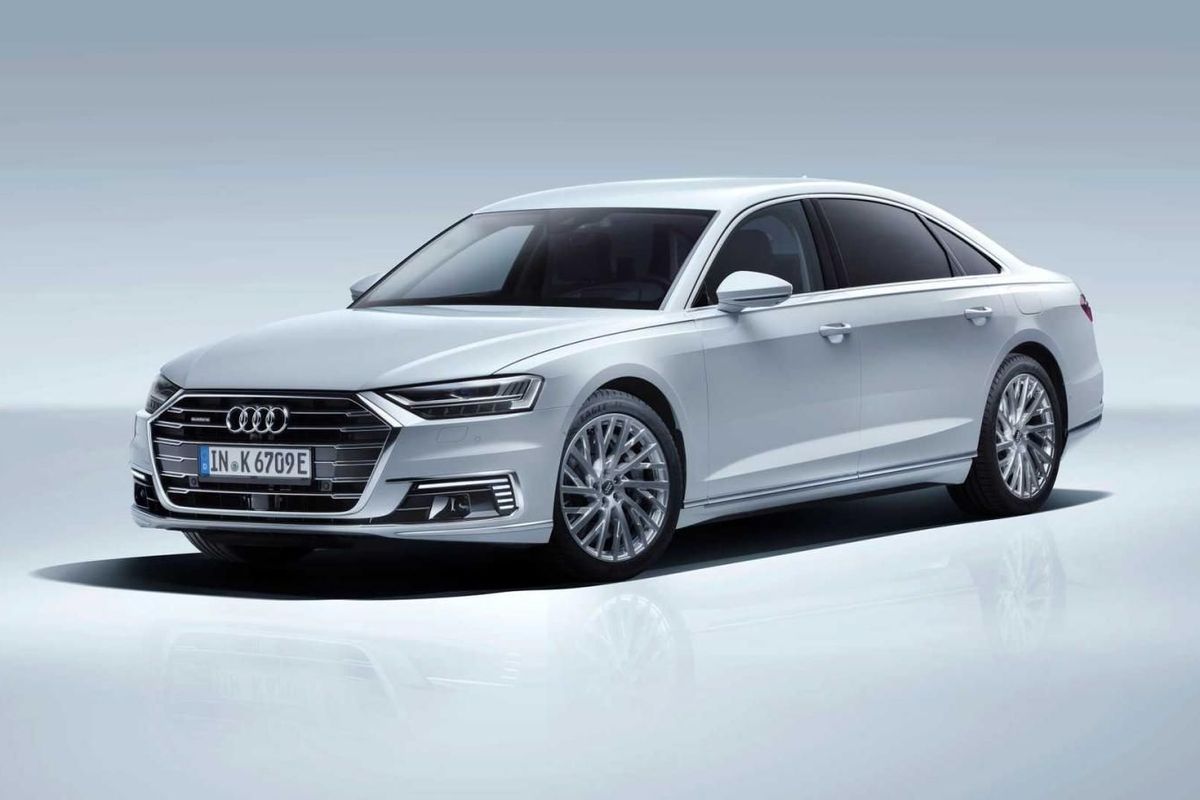
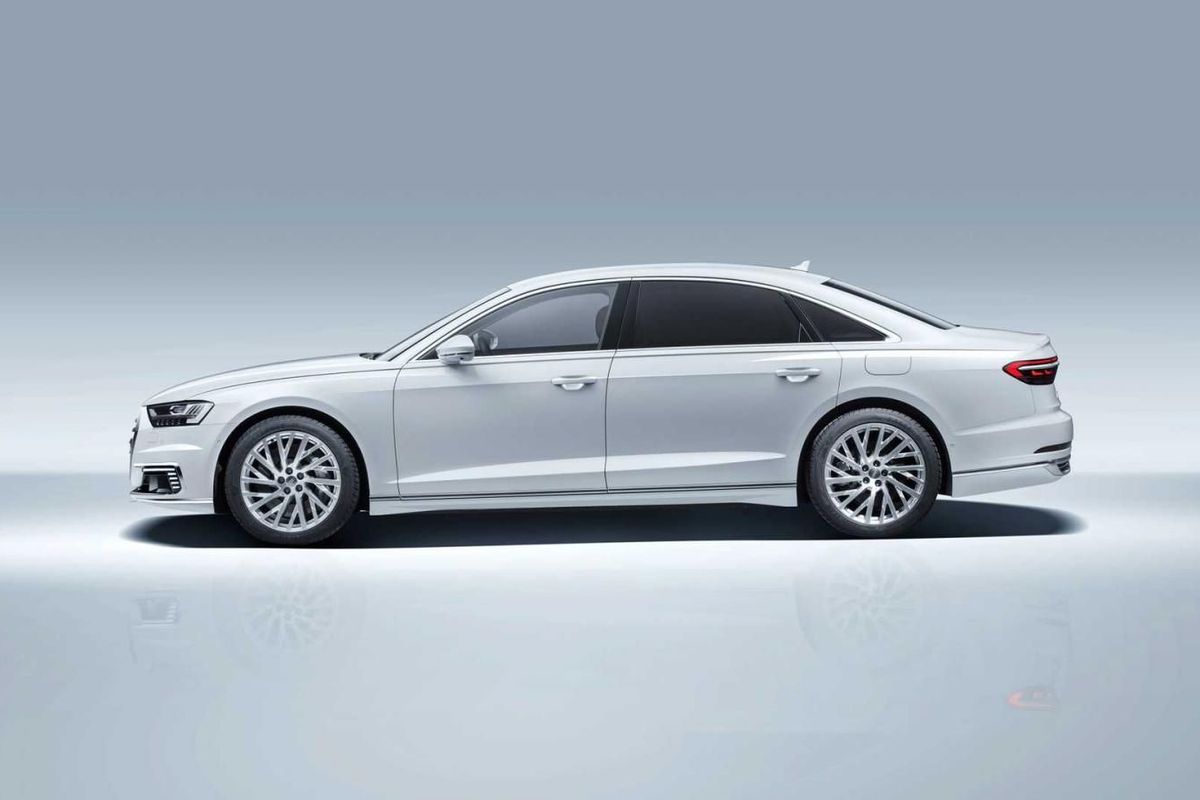
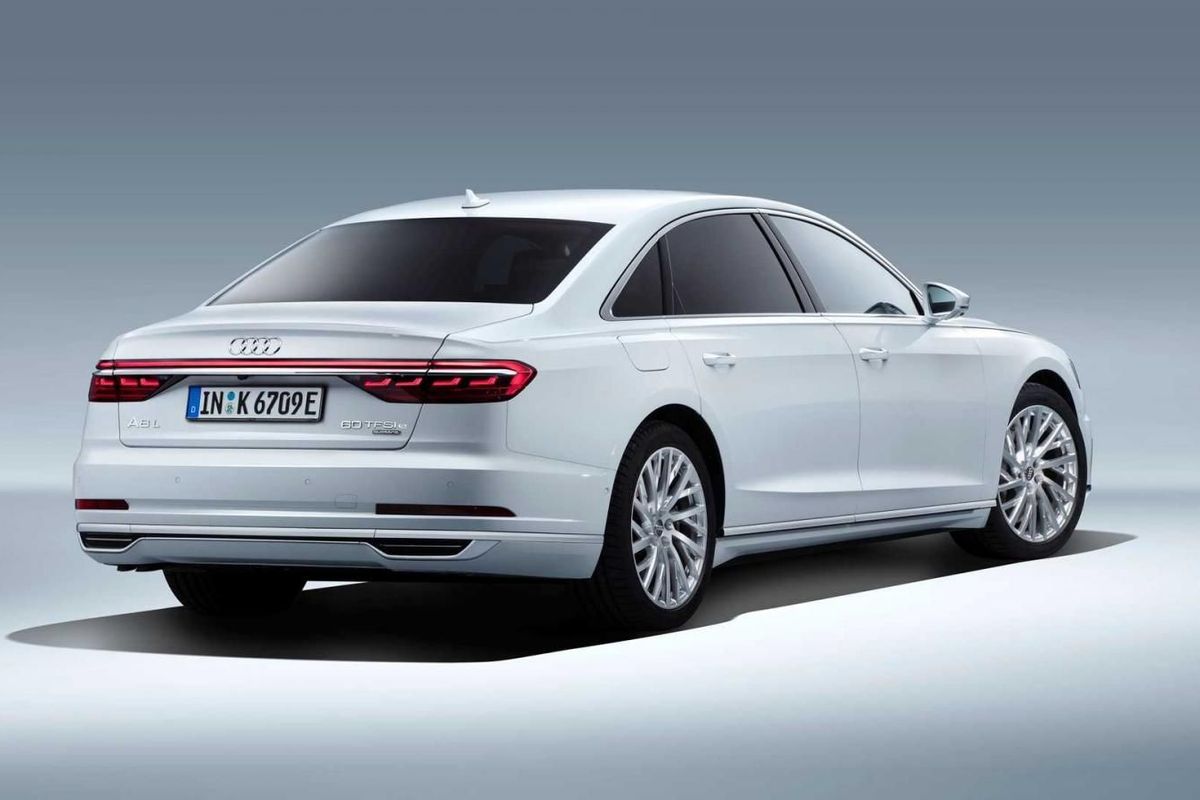
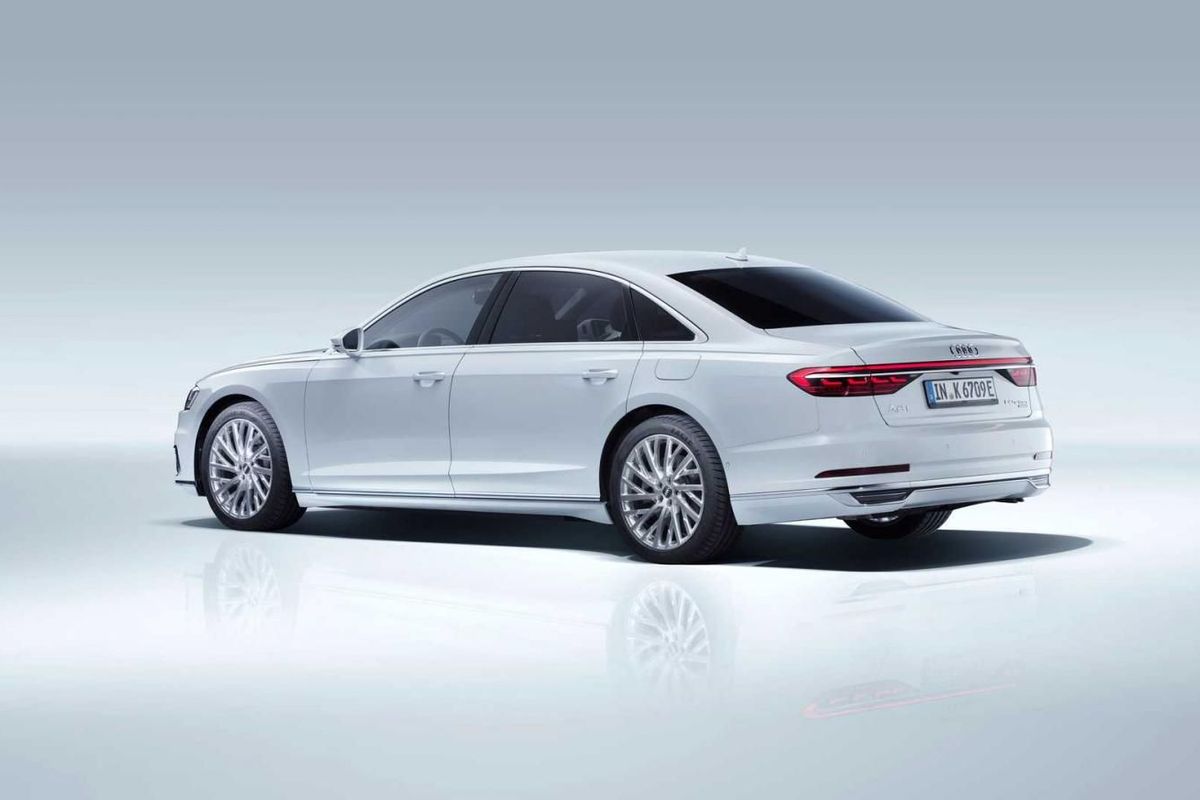
A8 Limo Adds Battery Power

Potent luxury limo and incredibly light on petrol. 

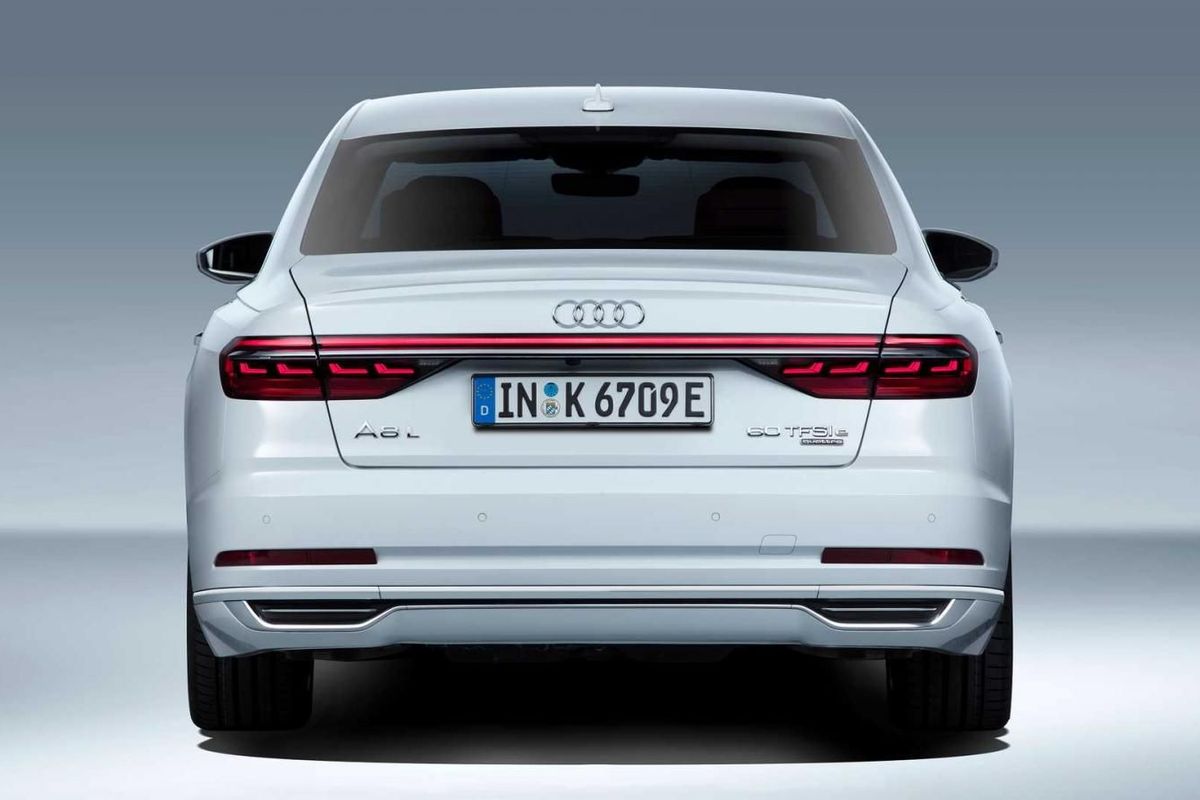
Audi has added yet another hybrid model to its line-up with the reveal of A8 L 60 TFSI e.

Like many other new Audis, this luxury limousine features an integrated electric motor, which is homed in the A8’s eight-speed automatic transmission’s clutch-pack.

The A8 L 60 TFSI is a plug-in hybrid which also features impressive energy recuperation technology, but in terms of design, it does not look much different to any other A8: a slight reshape of the front bumper and concealed charging port being the only changes. 

Primary power sources from Audi’s familiar 3-litre V6 turbocharged petrol engine, which boosts 250 kW and 500 Nm. The synchronous electric motor can add 100 kW and 350 Nm, drawing its energy from a 14.1 kWh battery pack.

Total system output, delivering during peak acceleration, equates to an impressive 330 kW and 700 Nm, numbers which convert to 0-100 kph in 4.9 seconds and a predictable top speed, restricted to 250 kph.

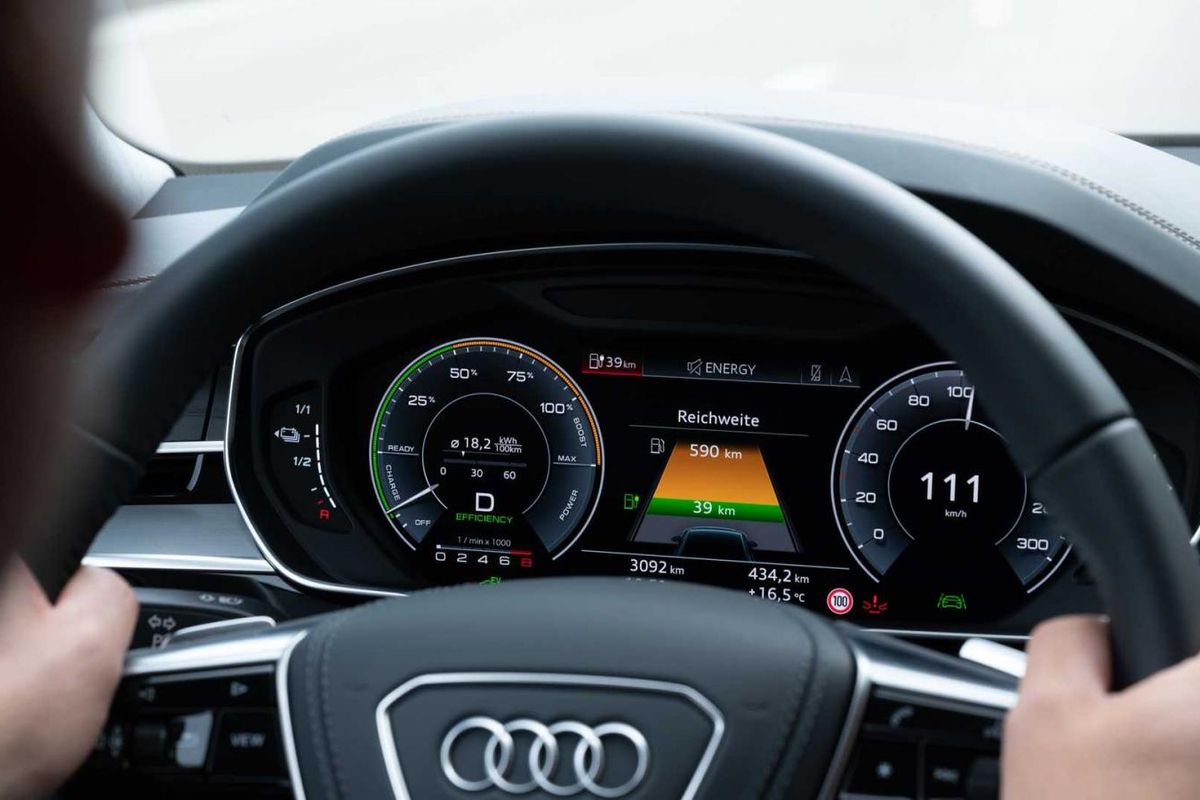
As with any hybrid vehicle, efficiency and low fuel consumption are notable attributes for its A8 L 60 TFSI e, Audi is claiming 2.5L/100 km while cruising.

The energy harvesting system uses SatNav to determine its most efficient conversion profile and can recoup up to 80 kW of power during braking, when forces go beyond 0.3g of deceleration.

In low-speed urban driving, virtually all the A8 L 60 TFSI e’s braking is done by the regeneration function of its electric drivetrain components.

Drivers can also choose between three different modes: auto, hold and EV. In the auto mode, electric energy is dispersed as required, whilst in ‘hold’ it only release when the driver desires. The A8 L 60 TFSI e drives in EV mode by default, which uses pure battery power to move this large Audi limousine from standstill, with its petrol engine engaging as required.

The A8 L 60 TFSI e has a pure electric driving range of 40 km, which is best used in congested city traffic, where it uses no liquid fuel at all.

Related content

Audi S8 Brings Big V8 Power 

BMW 7 Series (2019) Specs & Price

Mercedes-Benz S-Class (2018) Launch Review

Best Premium Hatch in SA – #CarsAwards Finalists

Meet the finalists in the Premium Hatch category of the 2019/20 Cars.co.za Consumer Awards – powered by WesBank!

Now in its 5th year, the #CarsAwards was conceived to be South Africa's definitive automotive awards programme and is backed, for the 4th year running, by the country's leading supplier of vehicle finance, WesBank.

Read more about the finalists in the 2019/20 Cars.co.za Consumer Awards – powered by WesBank here!

Best Premium Hatch in SA

The Premium Hatch category is guided by both eligibility factors and Pillars of Success. Eligibility for this category includes a list price that must exceed R400 000 but not R600 000  (prices as of 1 September 2019), must offer a hatchback shape (3-door variants included), ESP (Electronic Stability Control) and dual front, side and curtain airbags. 

Pillars of Success in this category include powertrain technology, practicality, brand strength, design and quality appeal, ride and handling, safety and in-car entertainment and connectivity. 

Visit www.carsawards.co.za for more information. The finalists are as follows:

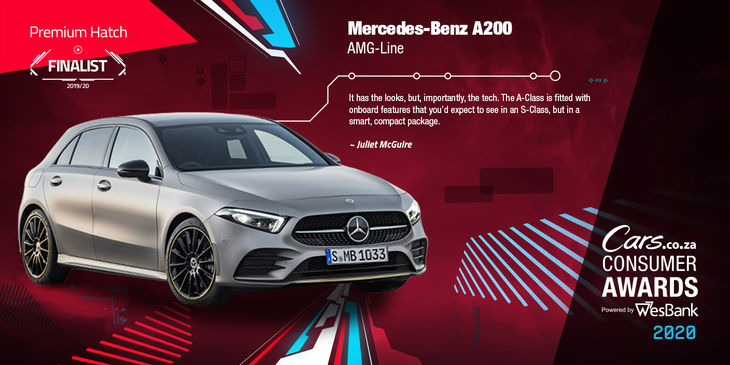
Mercedes-Benz A200 AMG Line

The old A-Class, which marked the transition of Benz's compact offering from an MPV-ish shopping cart to a desirable premium hatchback, was not without its faults. The ride was harsh and some of the cabin materials weren’t of the quality you’d expect from the Three-pointed Star. The new version claims to have addressed the ride quality issues and the cabin is one of the most advanced we’ve ever seen in this category. The A200 is back this year to retain the title it scooped last year.

View specification details for the Mercedes-Benz A200 AMG Line here
Do you own a Mercedes-Benz? Have your say and complete our Ownership Satisfaction Survey here
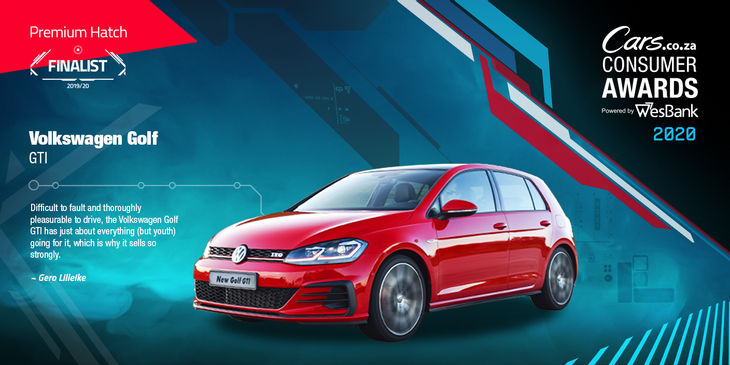
Volkswagen Golf GTI

Although the Volkswagen badge may not be perceived to be at the same level as the likes of BMW, Audi and Mercedes-Benz, the GTI moniker drips with enough desirability to make this Golf derivative a very strong seller in the South African market. Its appeal goes beyond performance credentials, though. The Golf GTI is also packed with standard features and put together every bit as well as the best in this class.

View specification details for the Volkswagen Golf GTI here
Do you own a Volkswagen? Have your say and complete our Ownership Satisfaction Survey here
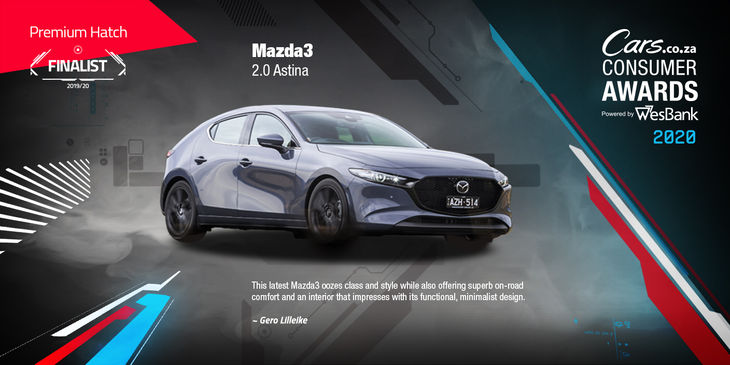
Mazda3 2.0 Astina

Just look at it! The handsomely styled new Mazda3 arrived in South Africa mid-way through 2019 and has made an instant impact, not least because of its surfeit kerb appeal. While its refined Kodo design language may draw various opinions, we think this new Mazda3 is one of the more striking and classy-looking premium hatchbacks. With this new 3, the brand has really moved upmarket; it demonstrates serious intent to compete with the premium brands.

View specification details for the Mazda3 2.0 Astina here

Do you own a Mazda? Have your say and complete our Ownership Satisfaction Survey here

See last year's #CarsAwards winners here!

Toyota C-HR GR Sport Revealed

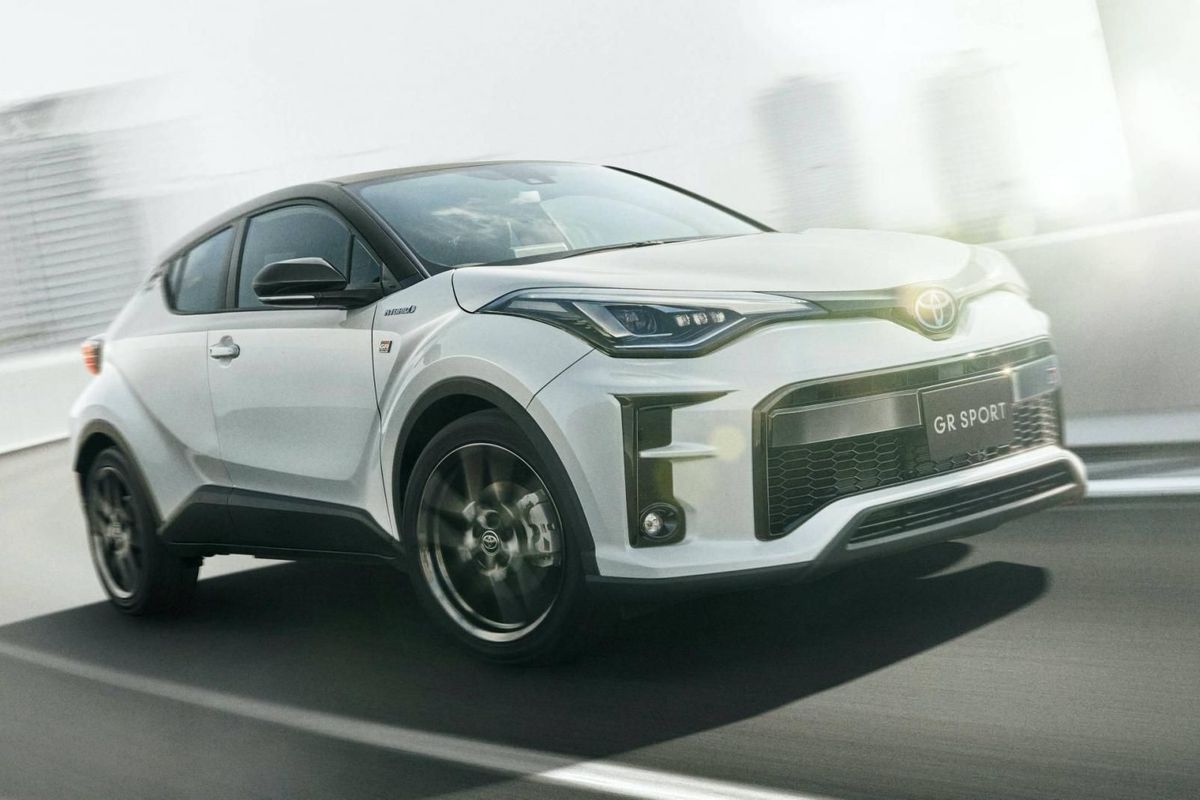
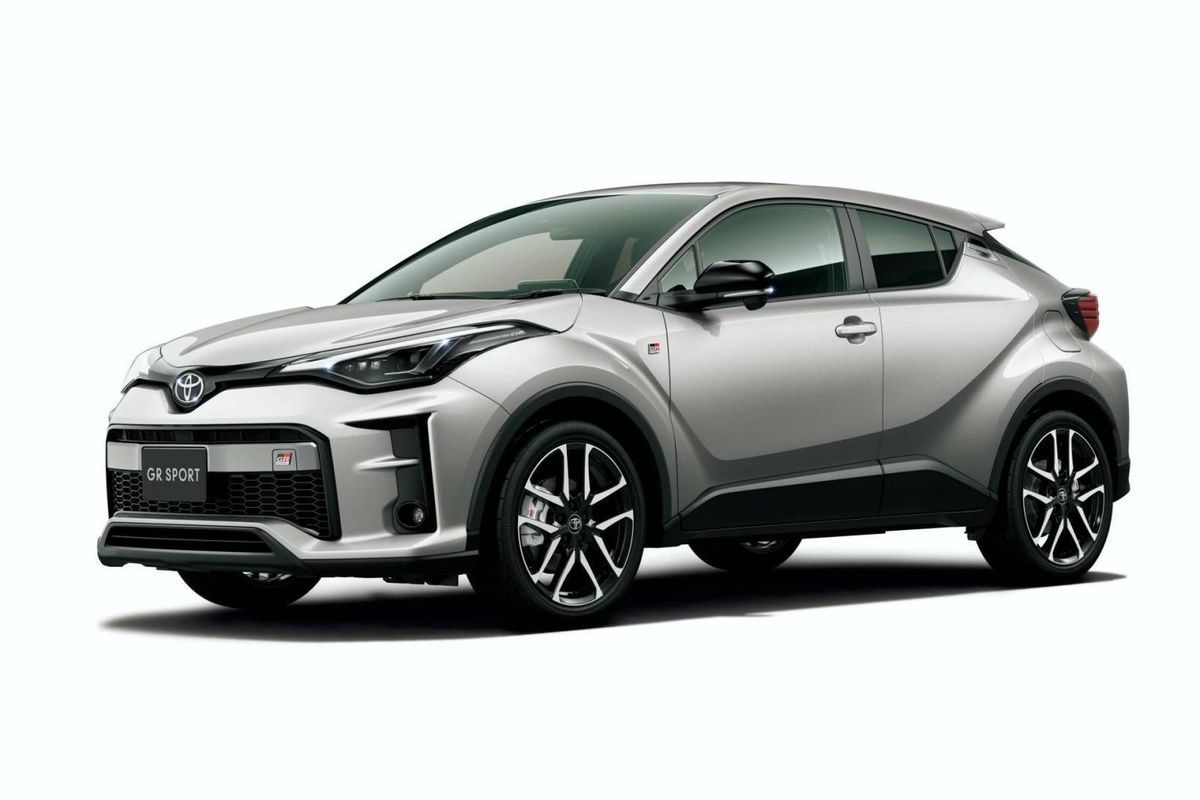
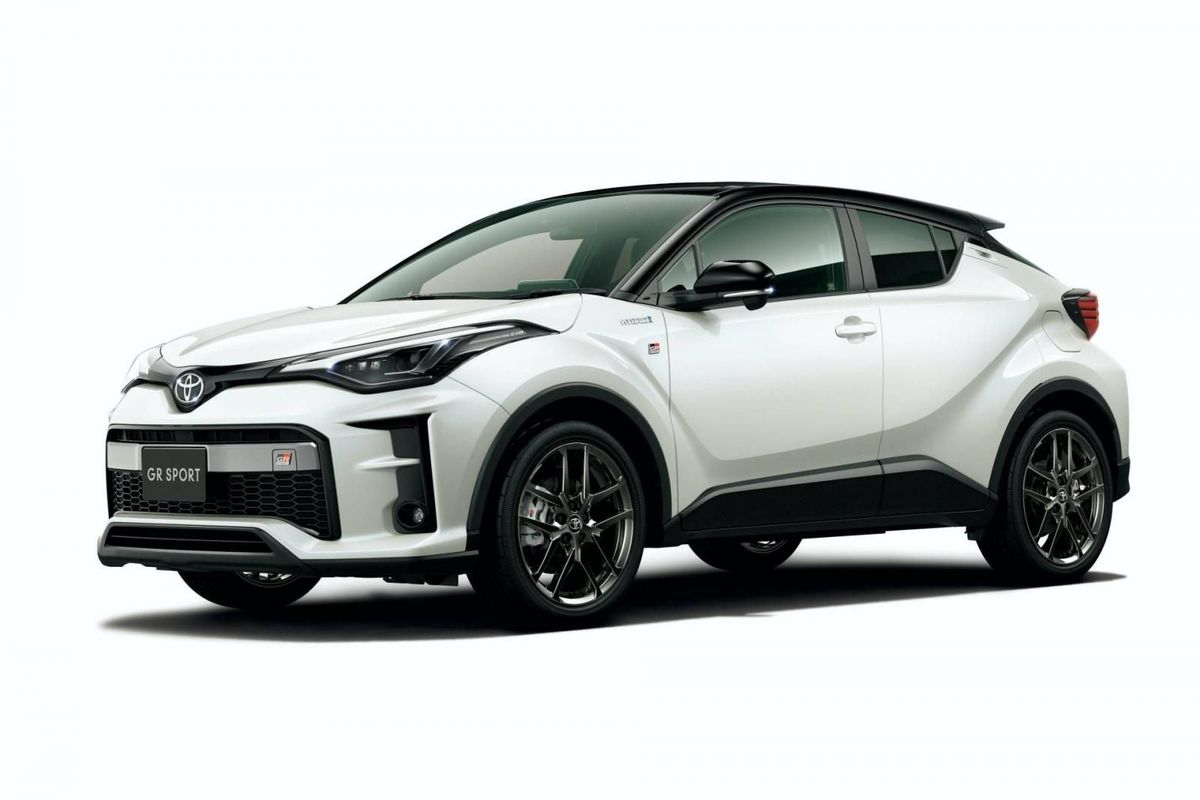
Now that the Gazoo Racing brand is almost established, it's keen to start tinkering with Toyota's lineup. The next model to get the GR treatment is the C-HR and the C-HR GR Sport is now official.

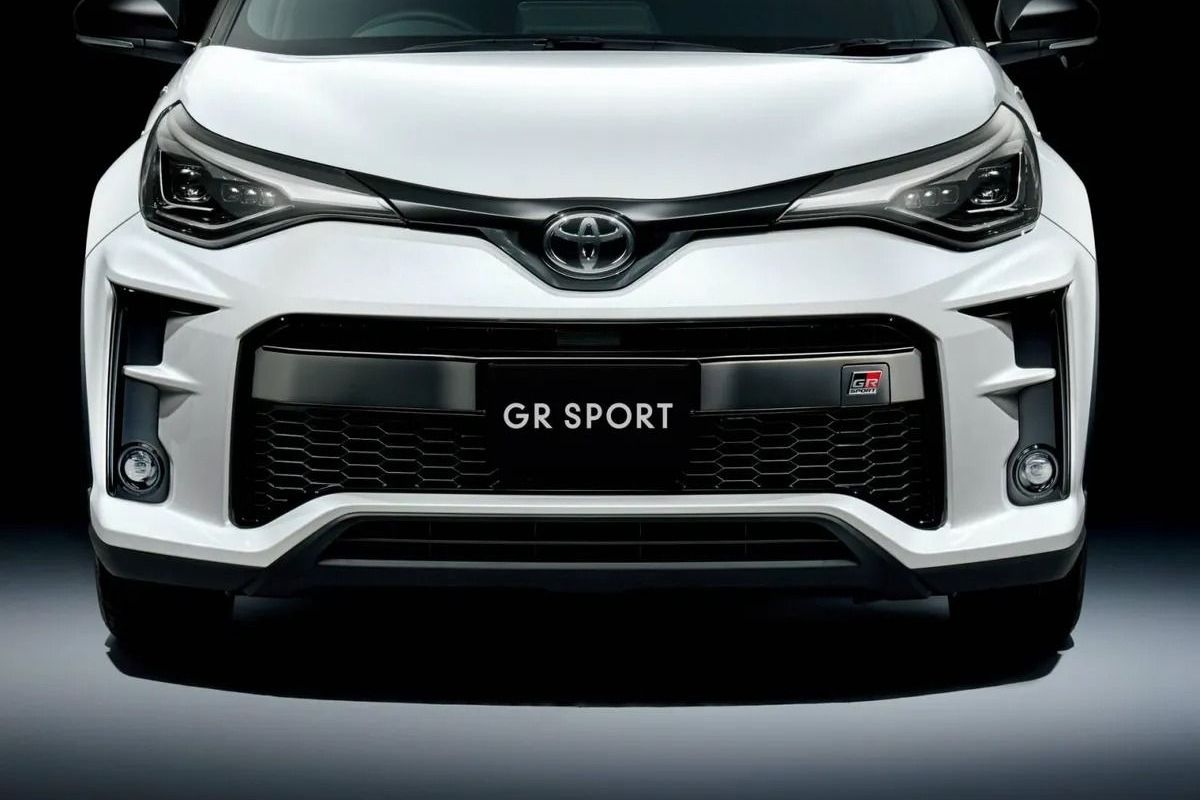
As you can see, it's gained quite the visual upgrade. There are also changes to the chassis to liven up the driving experience. There's a new bumper up front with a large grill, with GR Sport badges on the grille, front fenders and tailgate. Also thrown in are these attractive 19-inch dual-tone alloy wheels wrapped in 225/45 R19 rubber. Toyota says its new C-HR GR is available in 11 colours, including 5 2-tone schemes with black roof.

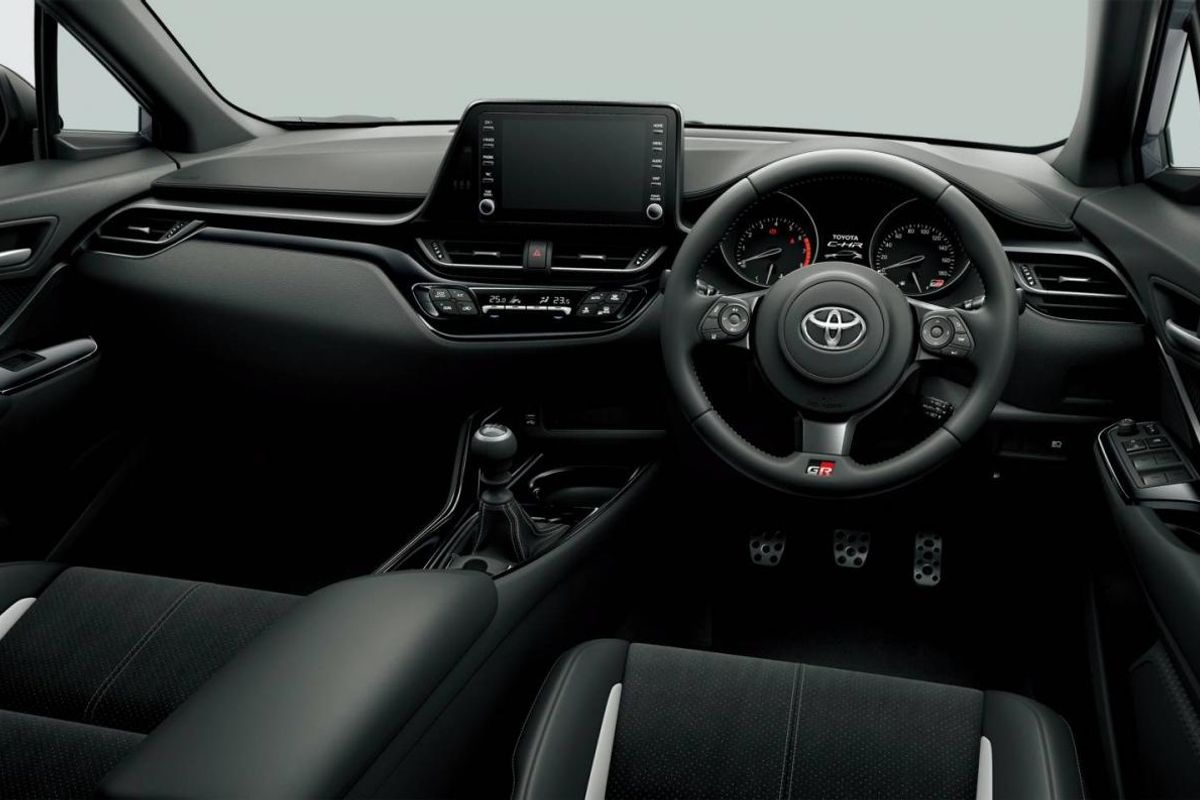
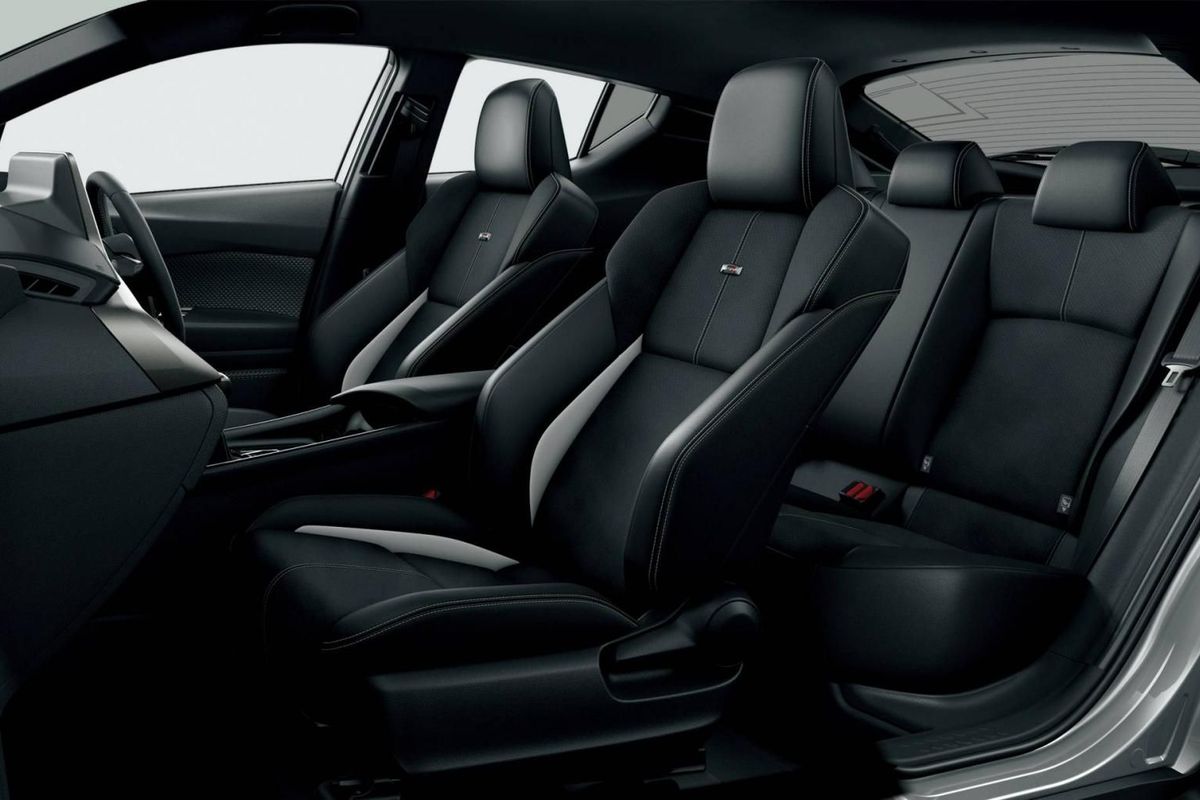
The Toyota C-HR GR Sport cabin gets a sports steering wheel wrapped in leather with silver stitching and a GR logo, as well as sporty seats with GR logos and aluminium pedals. Under the skin, the GR Sport treatment includes a centre brace to enhance rigidity, and a suspension package comprising coil springs, shock absorbers and stabilizers. The steering has been tuned for more responsiveness. The engine, a 1.2-litre turbocharged 4-cylinder with 85 kW and 185 Nm, is untouched.

Further Reading

Better Tech for Toyota C-HR

Toyota C-HR 1.2T Luxury (2018) Quick Review

Toyota C-HR (2017) First Drive

Toyota C-HR (2017) International First Drive

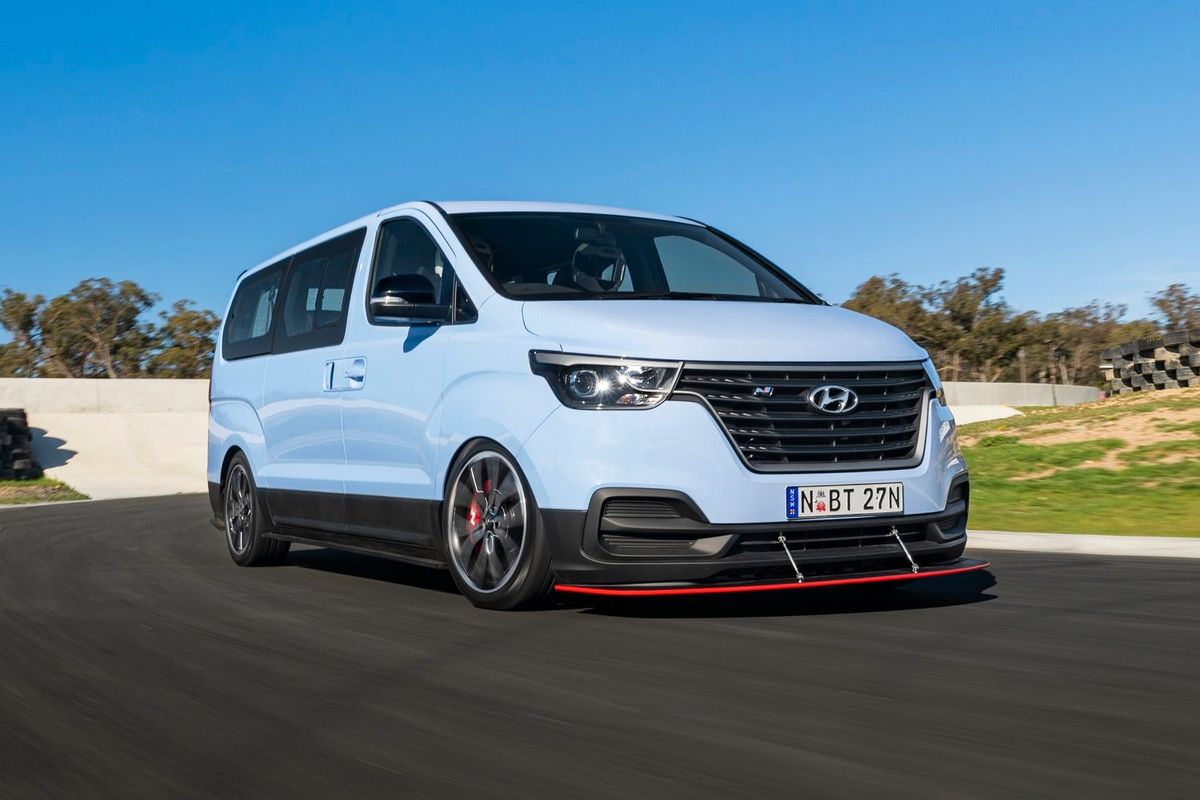
Hyundai Makes Ultimate H1 With V6

Meet the ultimate Hyundai H1, complete with a turbocharged V6 with over 300 kW and 500 Nm! 

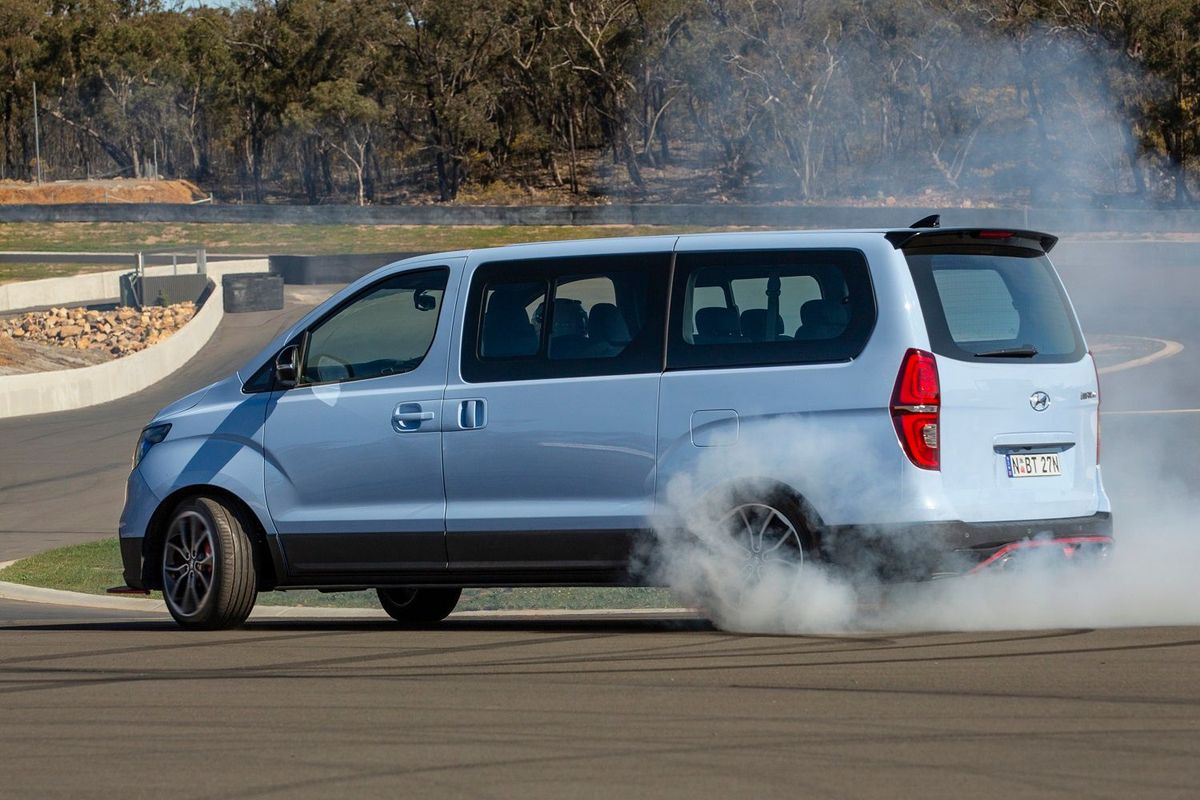
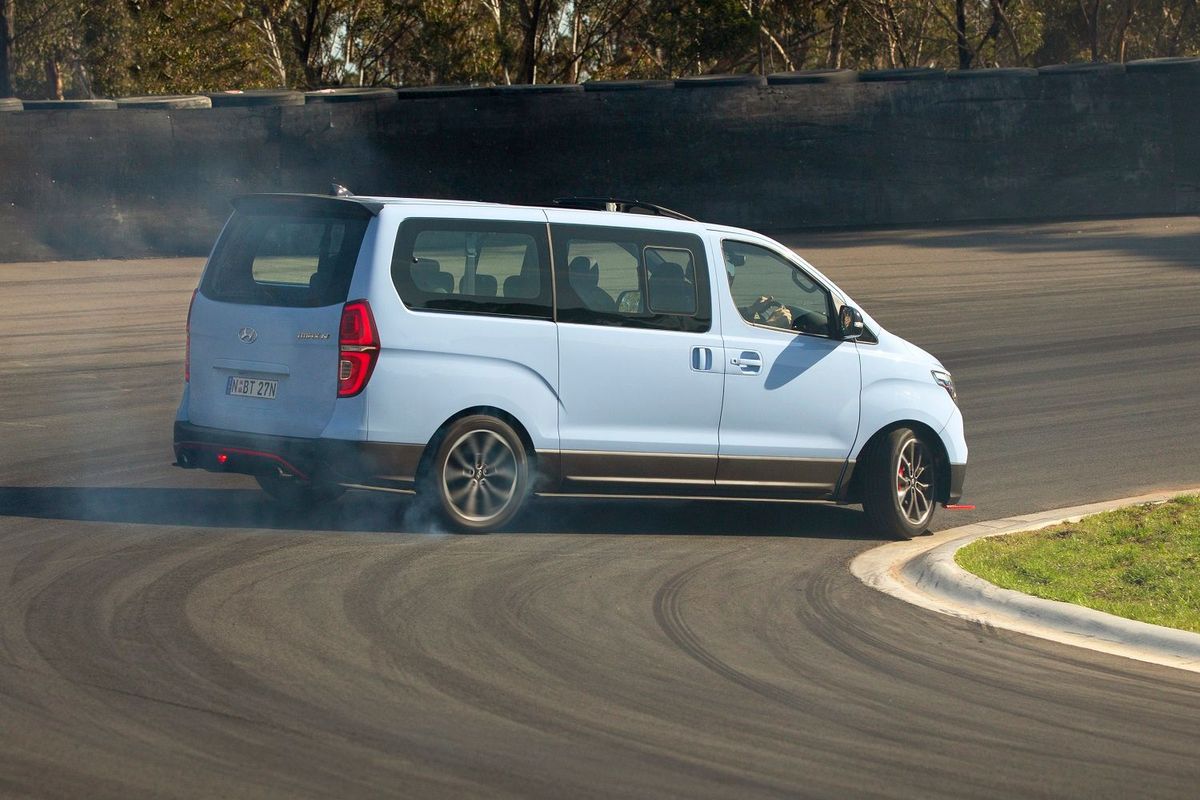
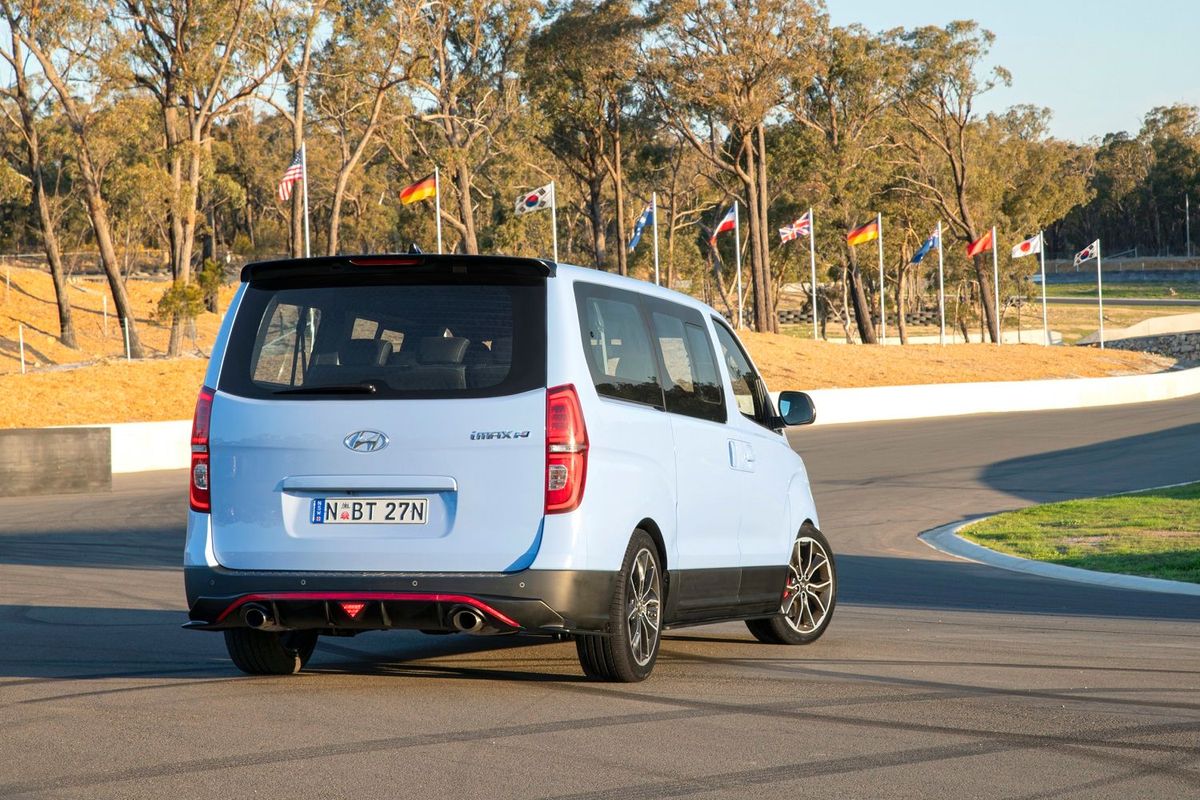
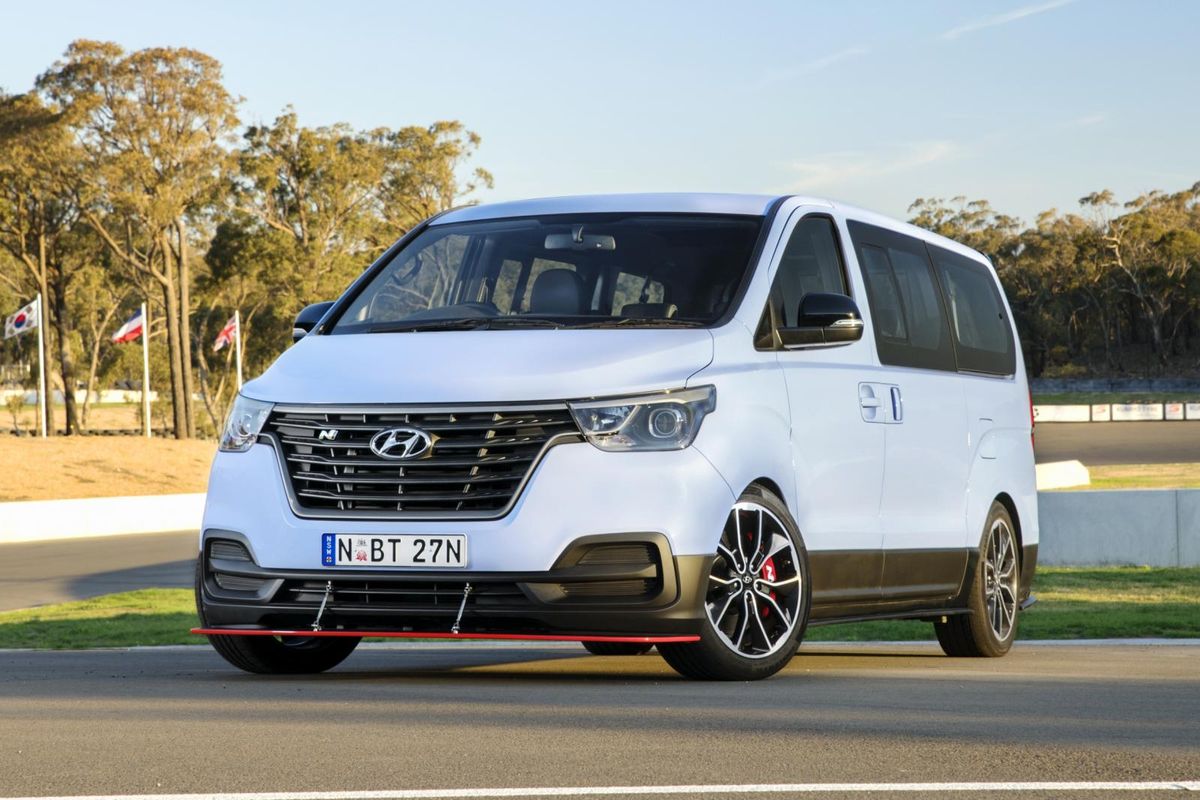
Sadly, don't get your hopes up or get too excited as this is a once-off custom creation from Hyundai Australia. Dubbed the Hyundai H1 iMax N Drift Bus (H1 is the iMax Down Under), it's been extensively modified and is inspired by the N brand, 

The 2.5-litre CRDi diesel motor was ripped out and replaced with a rorty 3.5-litre twin-turbo V6 with over 300 kW and 555 Nm, all of which is sent to the rear wheels via an 8-speed automatic gearbox. A differential was also fitted. Hyundai Australia says it has 50/50 weight distribution and it'll accelerate to 100 kph in under 5 seconds.

The suspension also features electronically-controlled dampers, while the brakes have also been given an N performance upgrade. The 19-inch alloy wheels are straight from an i30 N and the vehicle gets the N Performance Blue exterior paint as well as a bodykit.

Further Reading

2019 Hyundai H1: Now with 12 Seats

Hyundai H1 (2018) Specs and Price

Hyundai H-1 2.5 VGTi 9-seater Bus (2016) Review

Volkswagen T-Cross 1.0TSI Highline R-Line (2019) Review

This is it! The new Volkswagen T-Cross has arrived on the local market and the compact family car is already selling up a storm! We recently tested the range-topping 1.0TSI Highline R-Line to find out what all the fuss is about… 

We like: Styling, performance, interior quality, in-car tech.

We don’t like: Firmer ride, engine could be more refined, pricey when specced up.

Fast Facts

  • Price: R382 850
  • Engine: 1.0-litre turbopetrol
  • Power/Torque: 85 kW / 200 Nm
  • Transmission: 7-speed dual-clutch transmission
  • Fuel economy: 5.3 L/100km (claimed)
  • Load space: 377-1 281 litres

Where does it fit in? 


Only one engine is currently available but more engine options are expected to join the range early in 2020. 

The T-Cross is a Polo-based compact family car (it's hard to believe, but this is the small crossover that Volkswagen has launched in South Africa). Based on the brand’s MQB platform and positioned beneath the forthcoming T-Roc (which is due here in the first half of 2020), the T-Cross joins a crowded segment that includes, inter alia, the Suzuki Vitara, Mazda CX-3, Hyundai Creta/Kona, Ford Ecosport, Renault Duster and Opel Crossland X. Nonetheless, the T-Cross has racked up impressive sales numbers in its first month on the market, with over 800 units finding homes in Mzansi. 

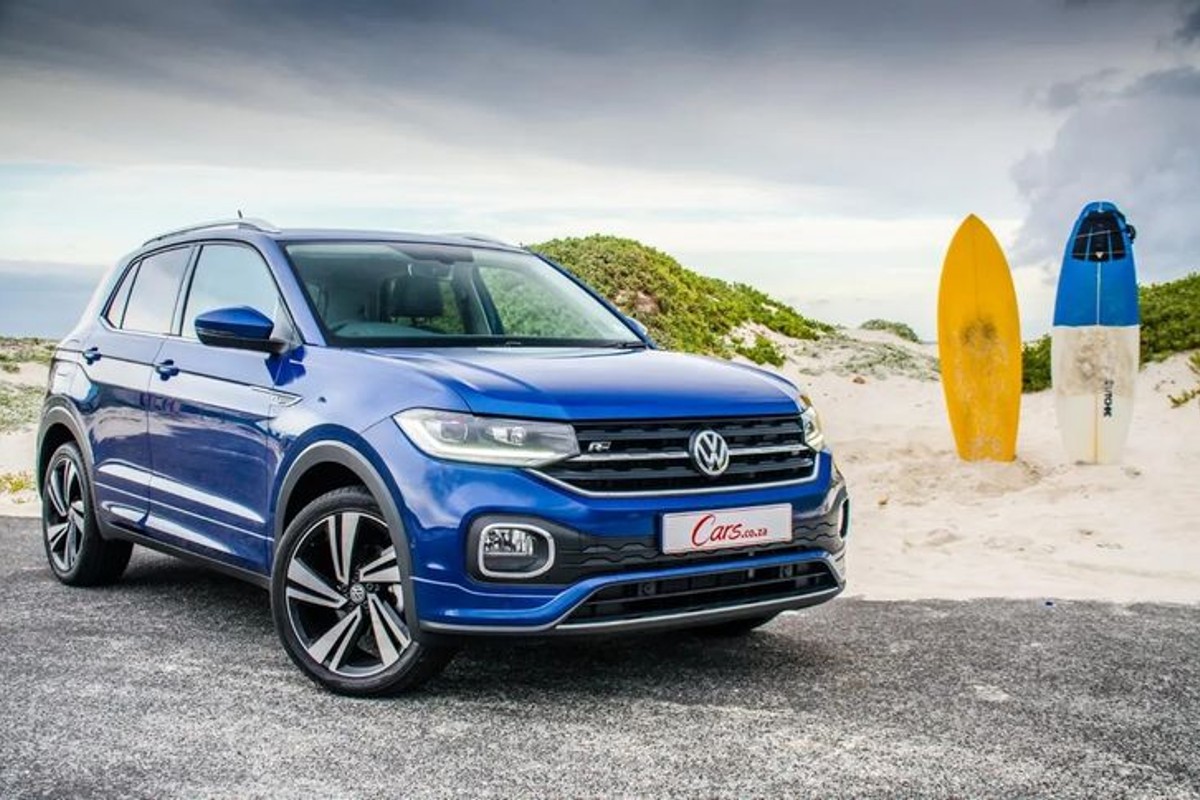
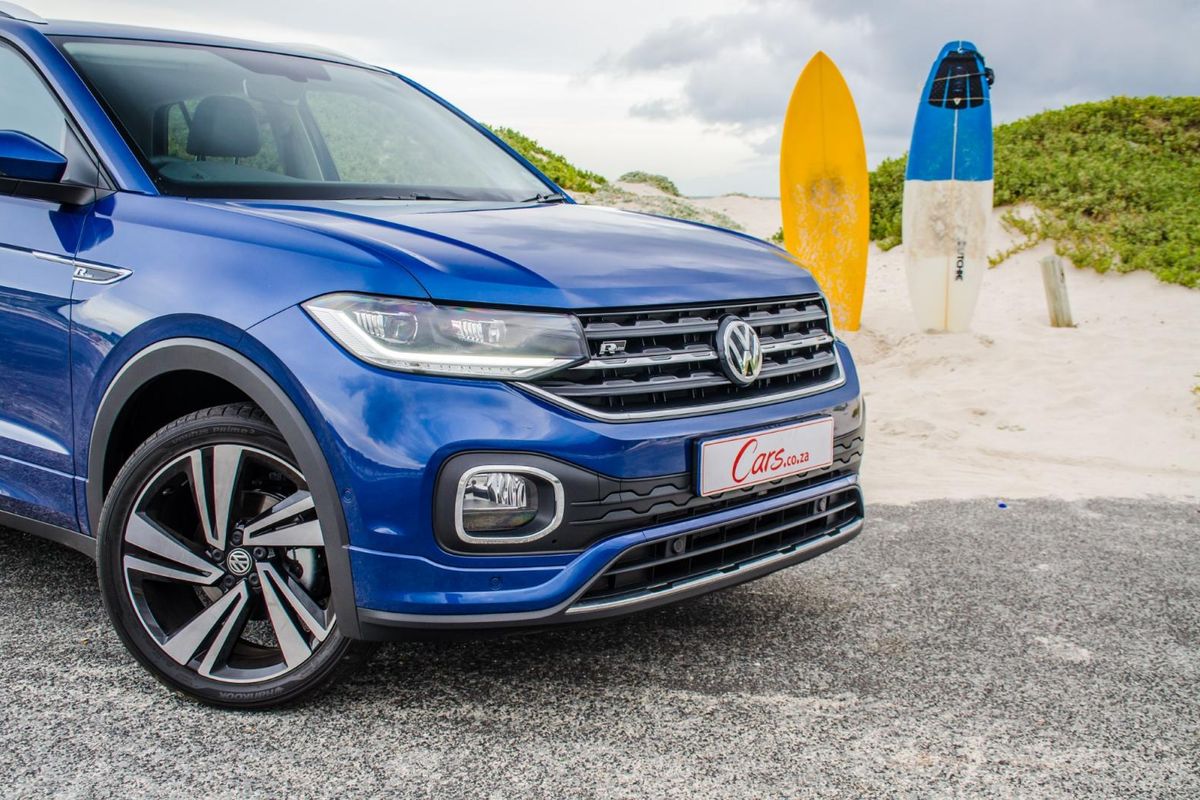
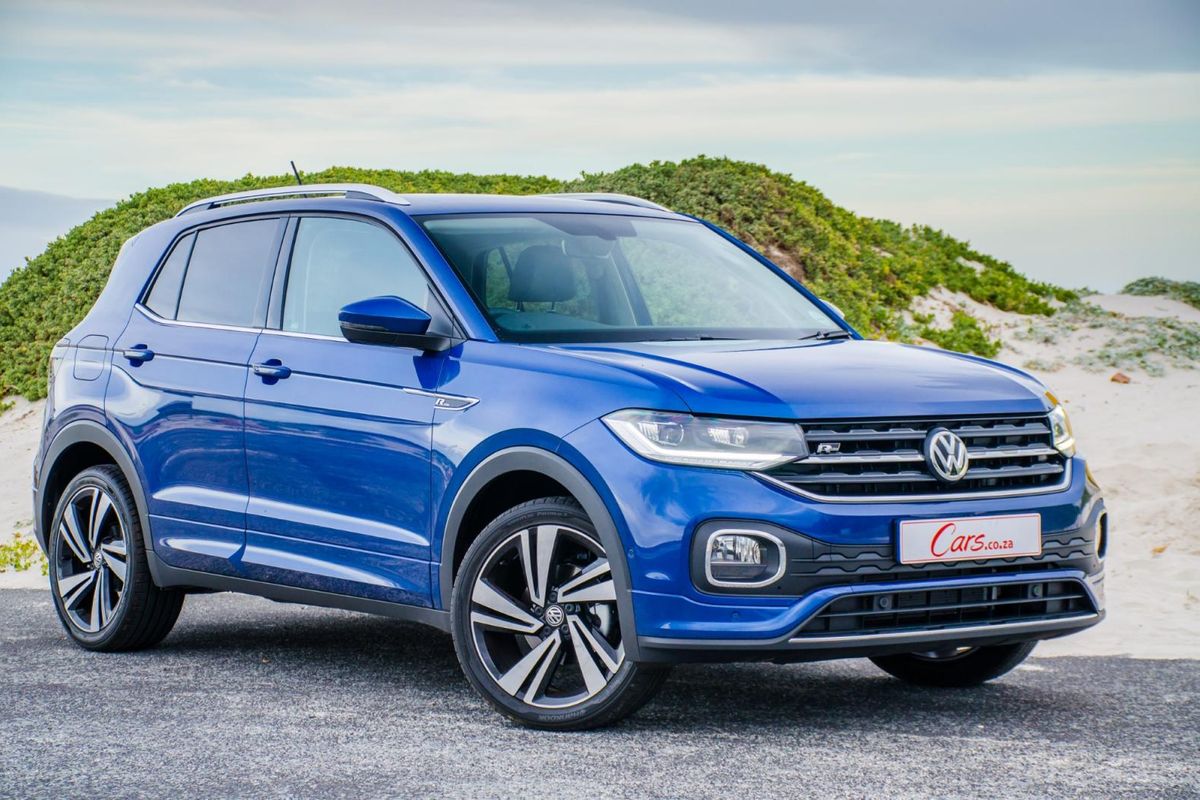
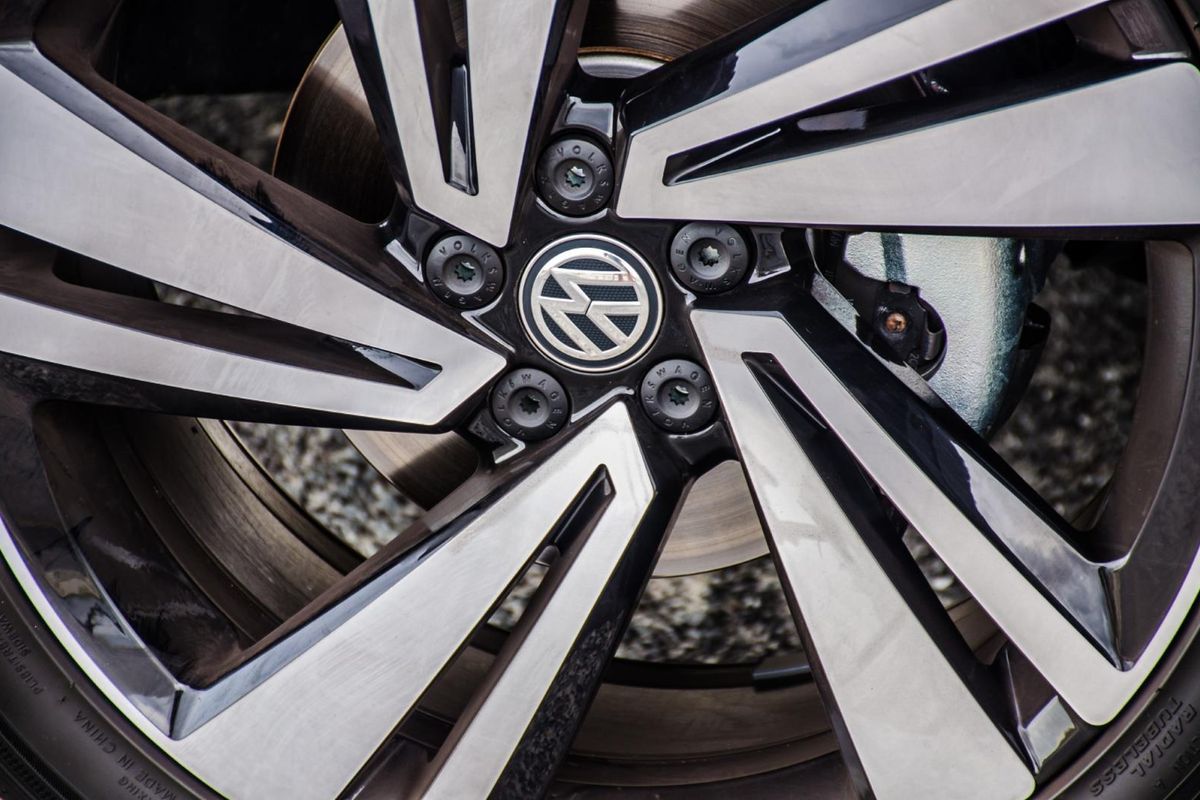
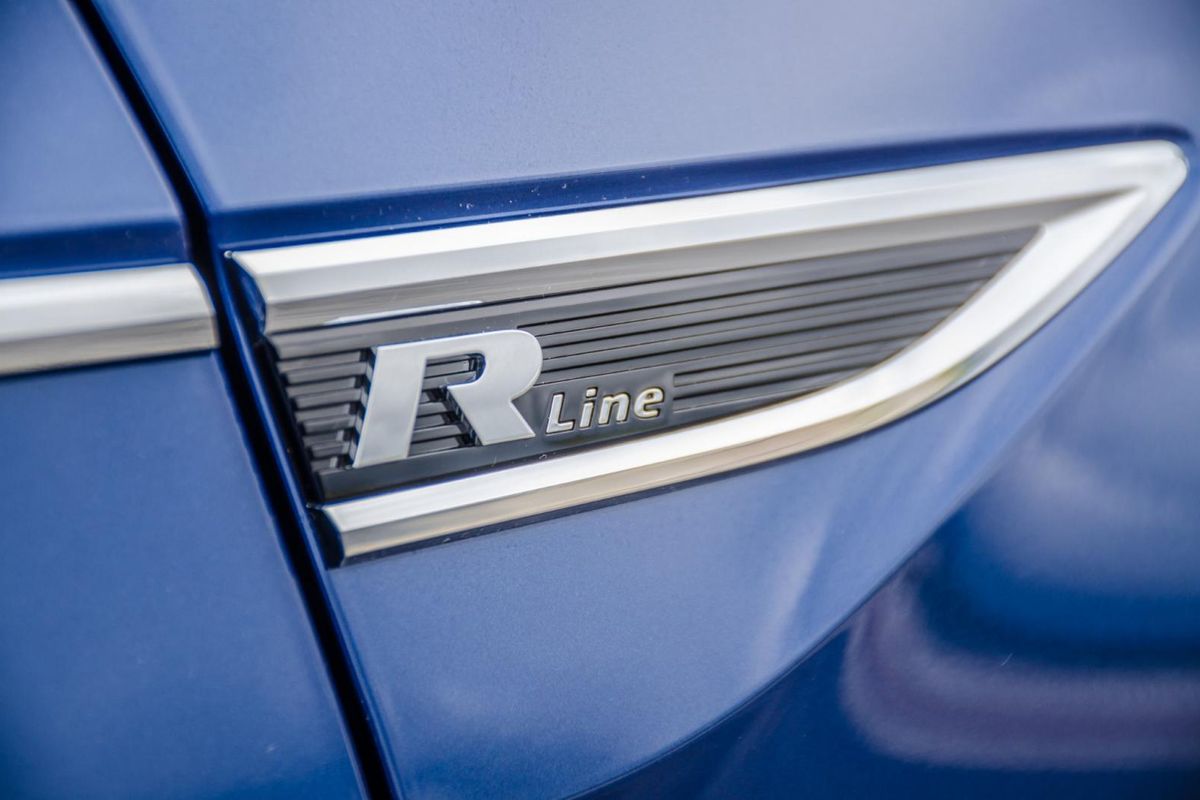
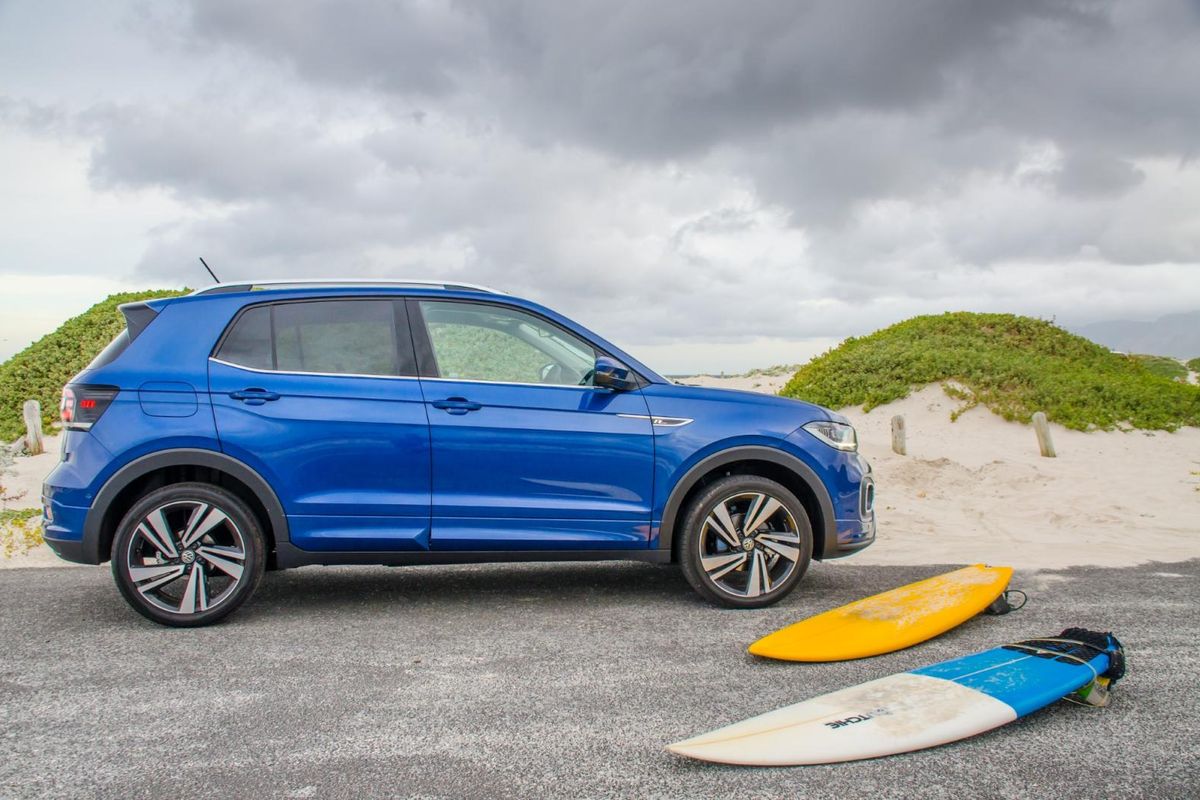
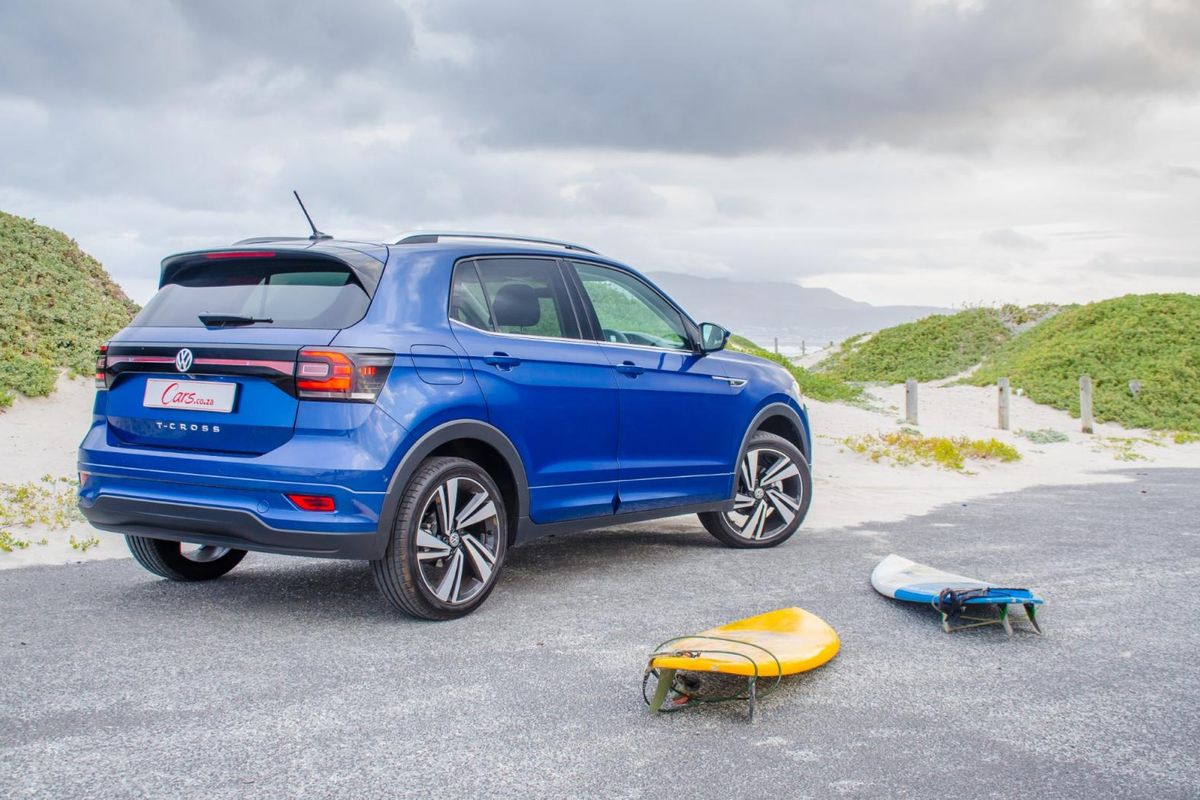
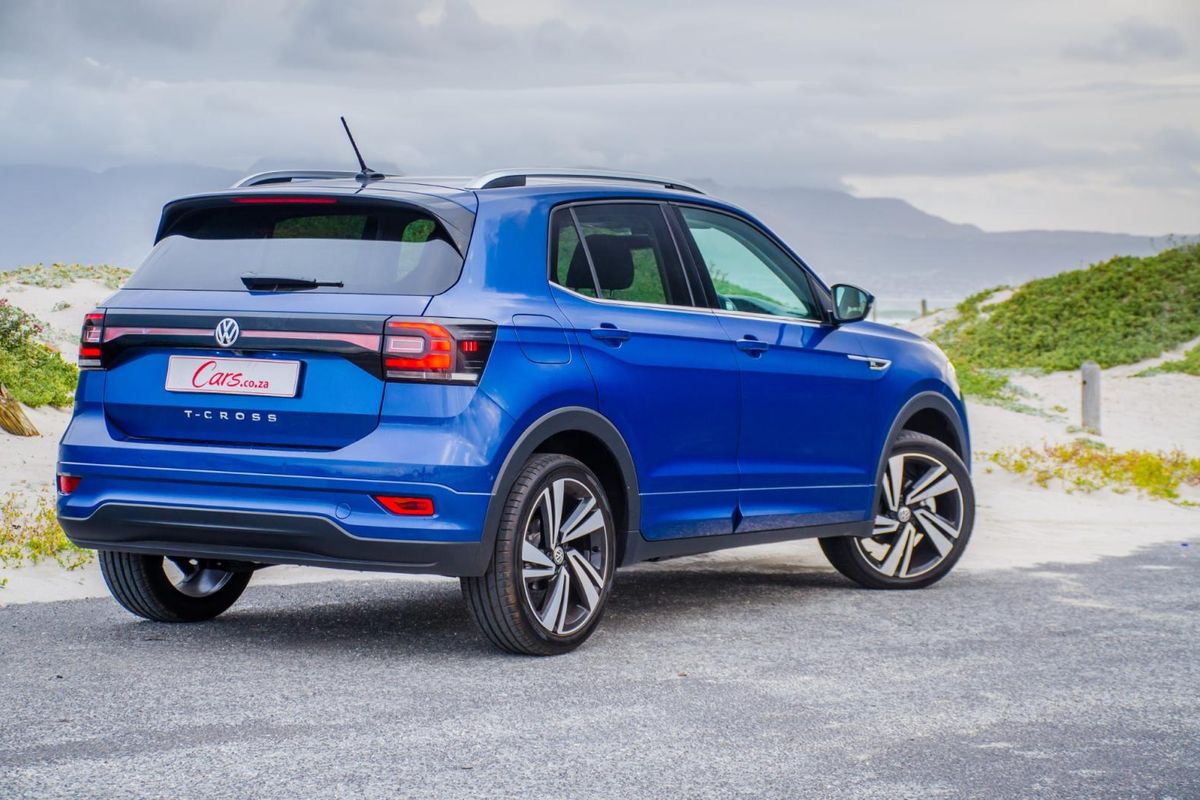
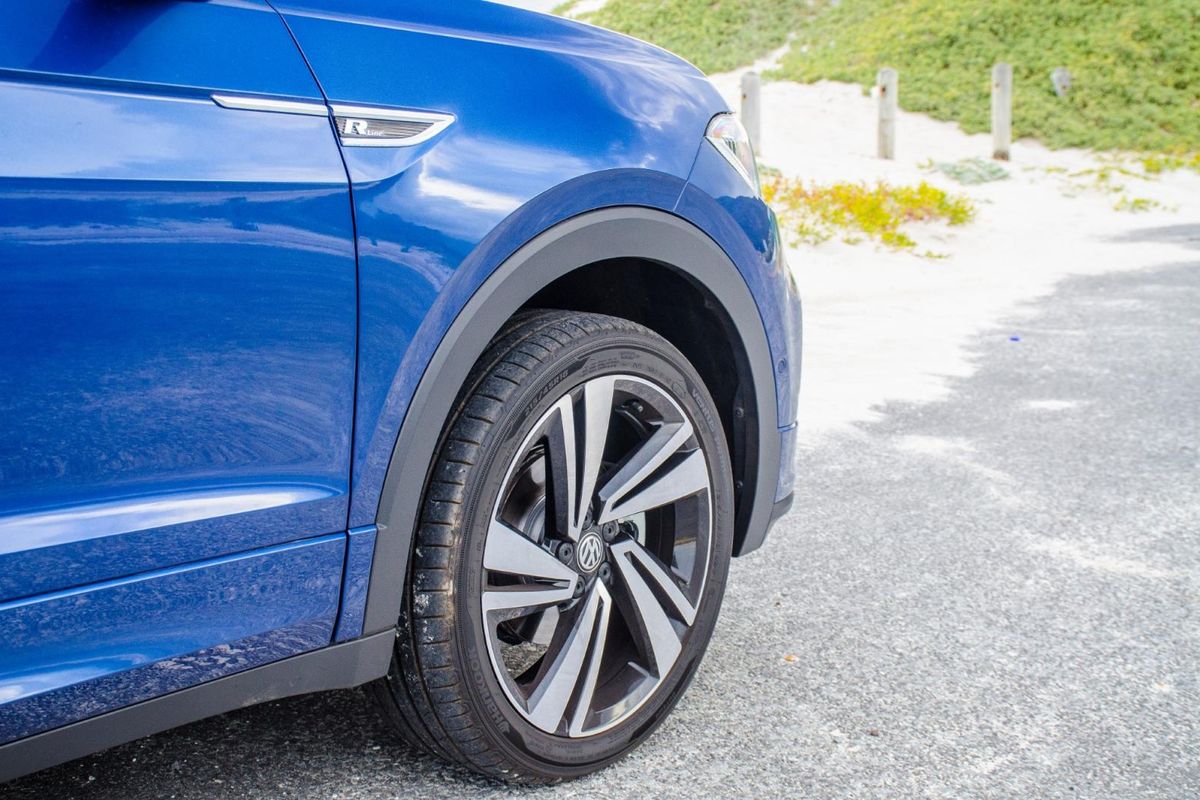
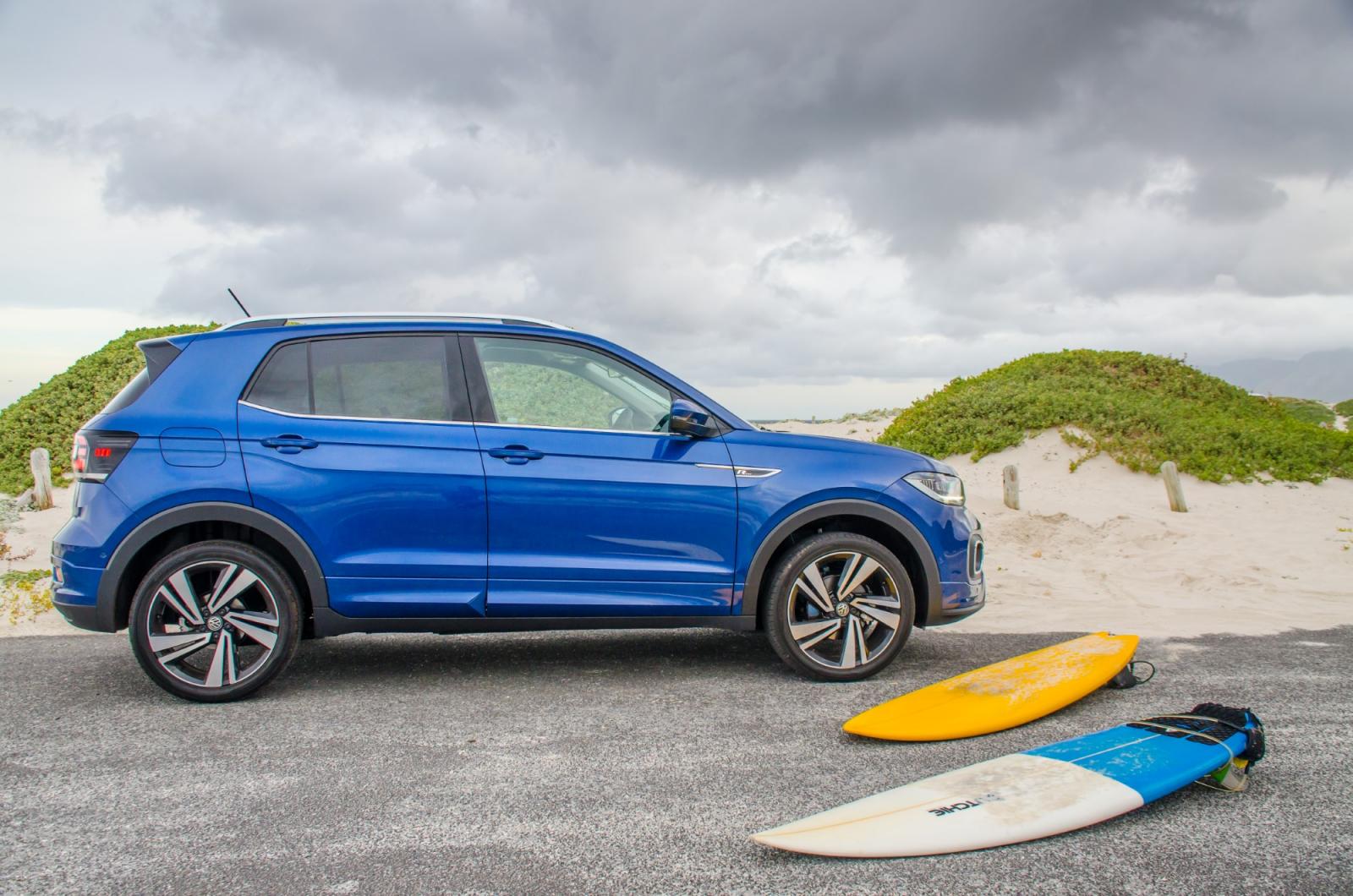
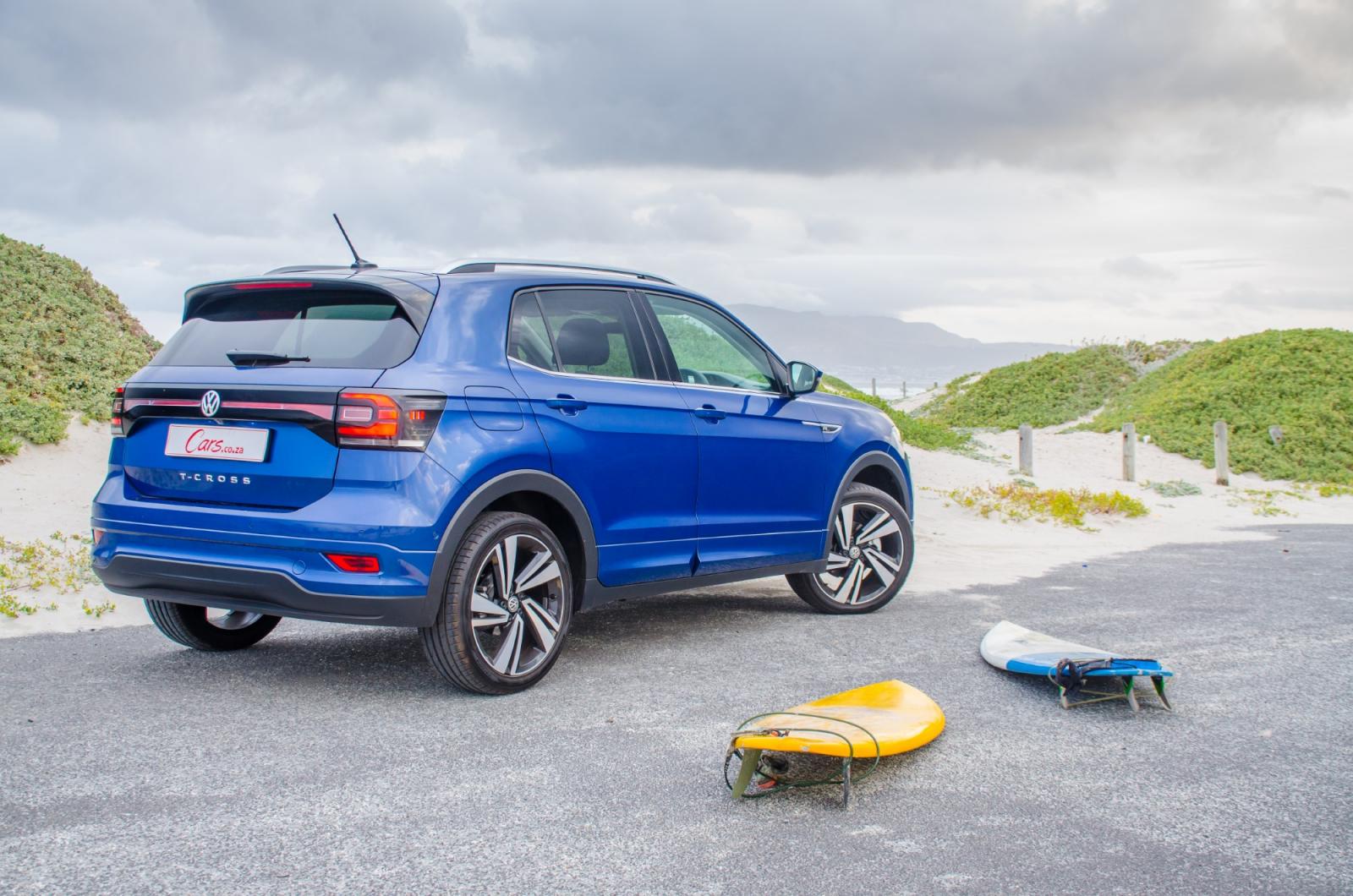
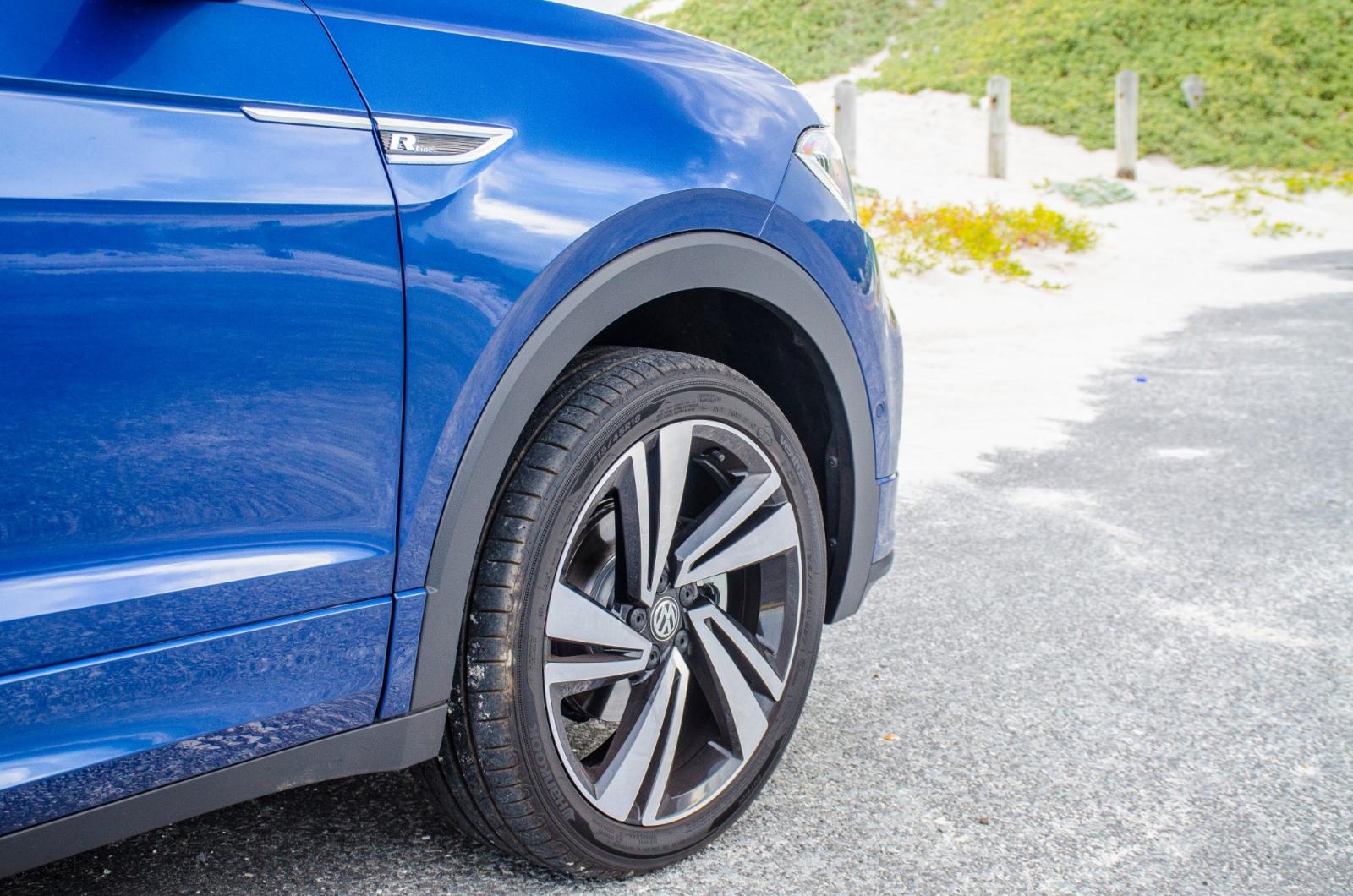
On test here is the range-topping T-Cross 1.0TSI Highline R-Line dressed in Reef Blue metallic paint and riding on 18-inch Nevada alloy wheels. Note that the R-line kit adds an additional R17 850 over the standard T-Cross 1.0TSI Highline derivative, which is priced at R365 000.

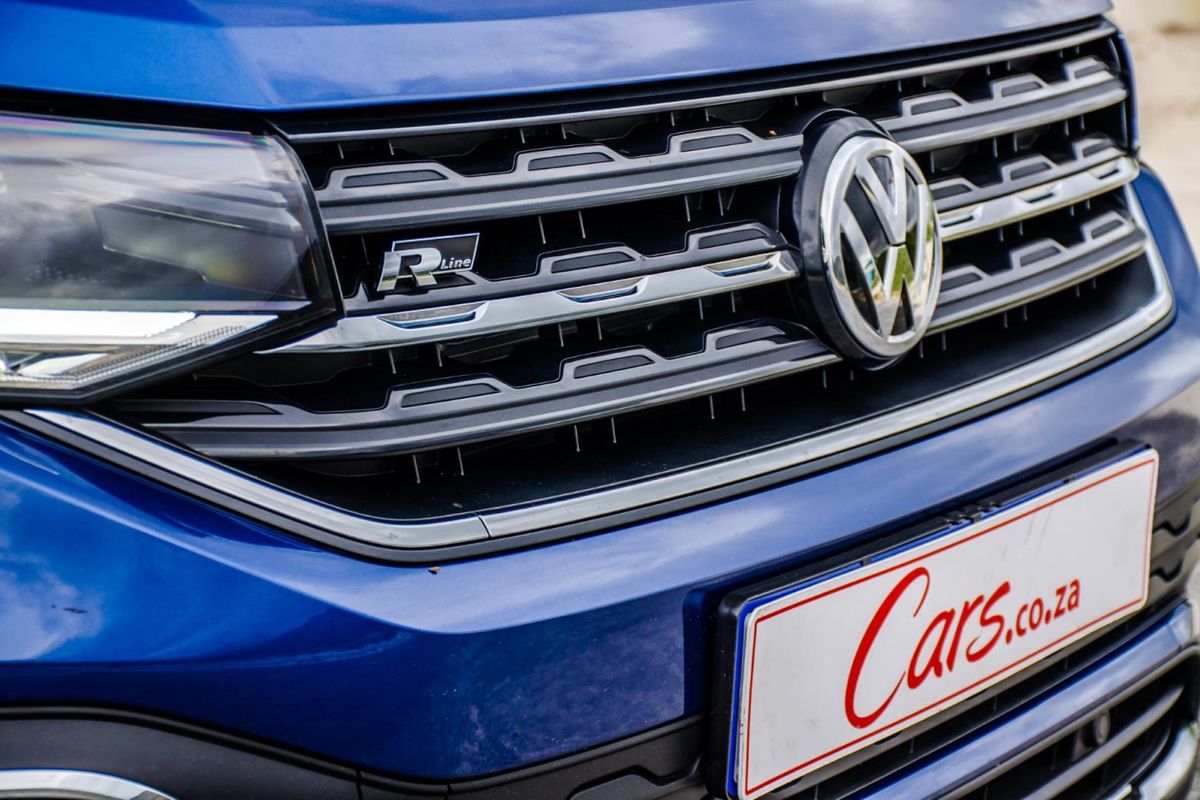
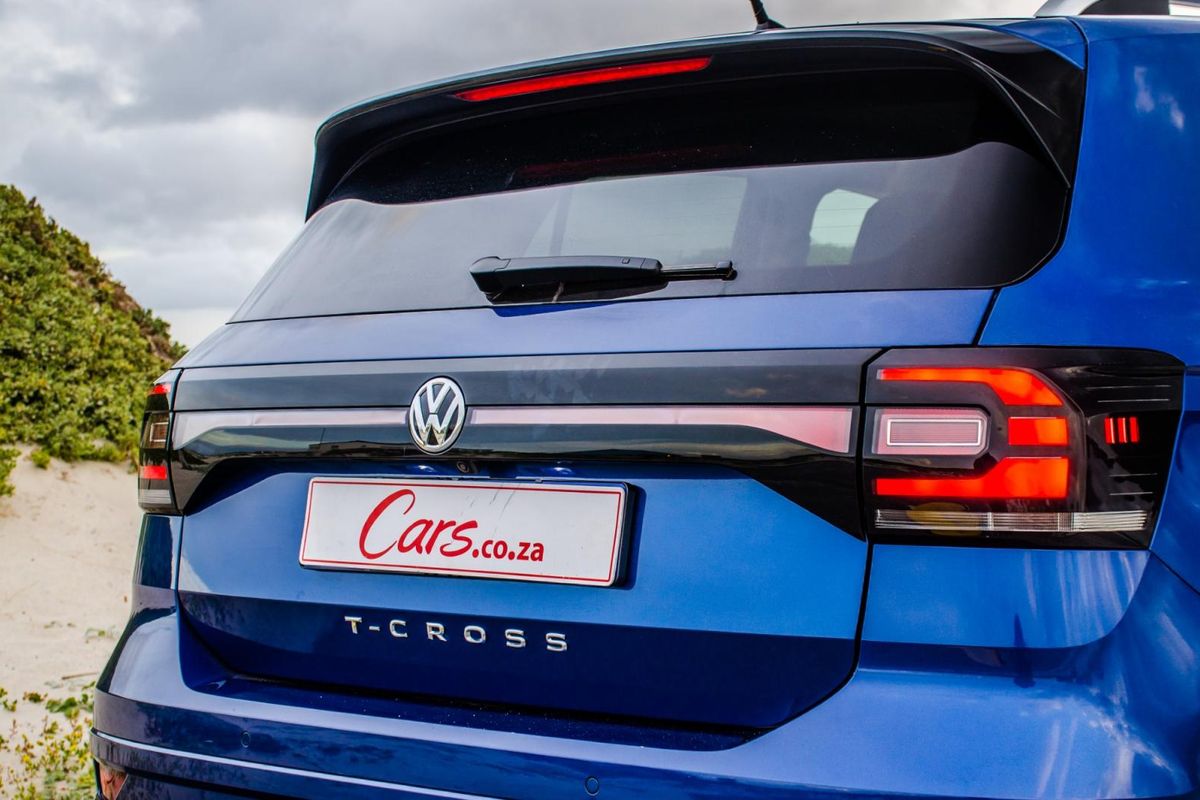
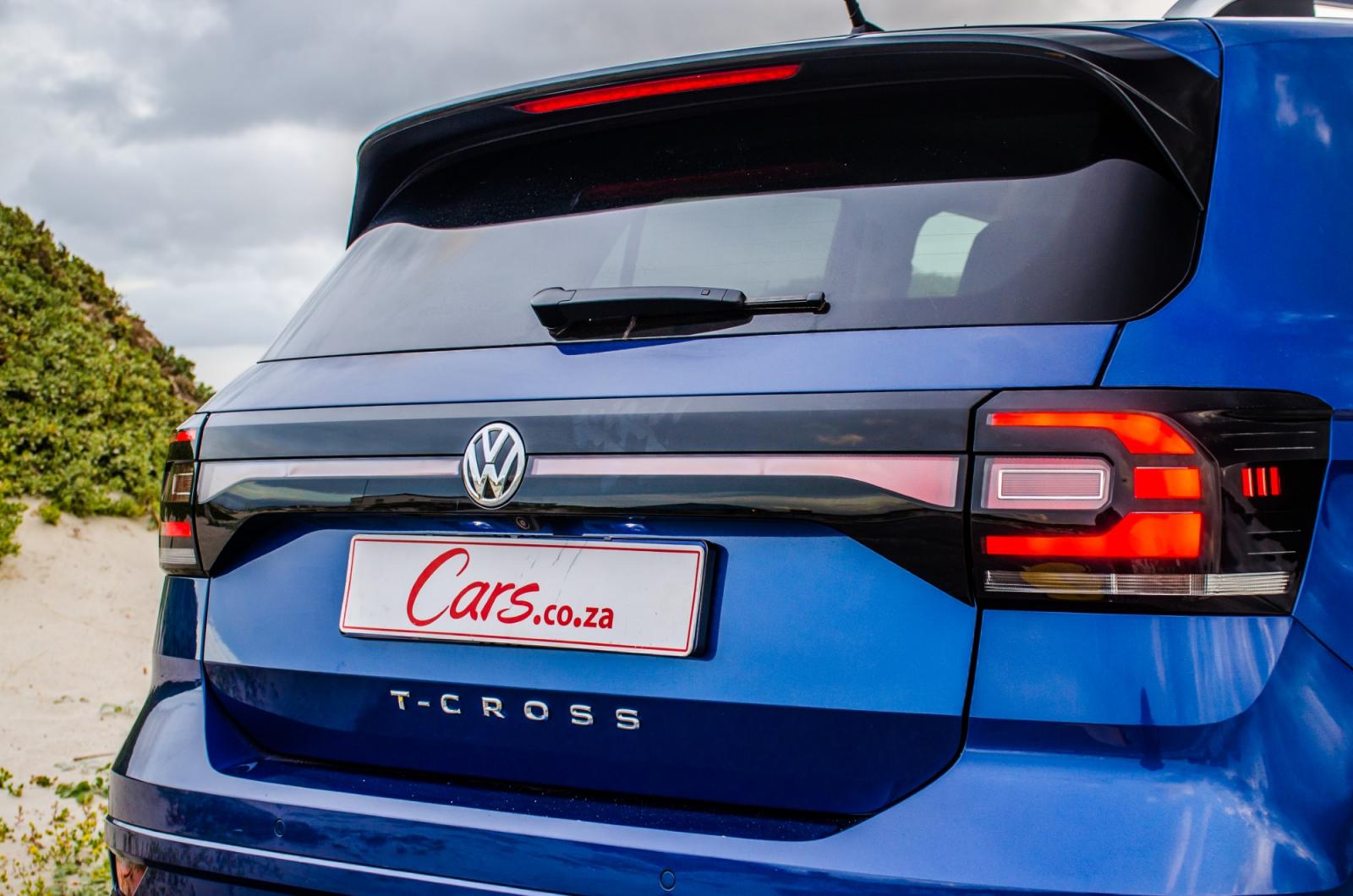
It’s undoubtedly a great-looking car; the chrome detailing, in combination with the vibrant body colour, gives this particular test unit some notable road presence. So it has the right look and grille badge, but how does Volkswagen's compact family car package perform overall? Let's find out.

How it performs in terms of…

Performance and economy


Performance is good and should satisfy most buyers' needs in this segment. 

There only 1 engine in the local T-Cross range (although the line-up is scheduled to diversify in 2020) – a 1.0-litre turbopetrol powerplant that offers peak outputs of 85 kW and 200 Nm of torque. Power is directed to the front wheels via Volkswagen's 7-speed dual-clutch transmission.

Its a willing engine with sufficient low-down torque, but it can be quite noisy at higher revs and, in our opinion, it's not the most refined motor in its class (but it's no better or worse than those of its rivals). Nonetheless, the motor performs admirably. The T-Cross hustles hard on urban routes (it will likely spend most of its life in the city), but when you're travelling to your holiday destination with 4 occupants and their luggage on board, you may have to temper your pace, especially when trying to overtake slower traffic (not least on inclines). The transmission shifts relatively smoothly, but should you feel the need to "squeeze a little more juice" from the engine, you can utilise the steering wheel-mounted shift paddles. 

In terms of fuel efficiency, Volkswagen claims 5.3 L/100 km and during our test, we achieved an average of 7.3 L/100 km, which is acceptable given the mix of city and freeway driving we did (at times the T-Cross worked hard, like when it was loaded up with people and surfboards).   

Ride & handling


With a firmer ride, the T-Cross' ride and handling could be better, but it's not too compromised. 

Is the T-Cross as good to drive as it looks? No, not quite… We were expecting the T-Cross to fare better in terms of its ride and handling balance. It's not that we think the 1.0TSI Highline R-Line won't serve its target market well – at this end of the market, style often overrides practicality anyway…

Firstly, we were expecting a more forgiving and comfortable ride quality. Instead, the Volkswagen's ride was a trifle firm, even choppy (over rougher surfaces). That’s not to say that the ride is unpleasant; it’s just a little less forgiving when the road surface deteriorates. Considering that it shares its MQB platform with the Polo, Q3, Tiguan etc, our expectations were perhaps a little too high. The sporty profile of the 18-inch tyres doesn't help matters either.

The steering is light, pleasant to wield and feels nicely weighted, however, it’s not particularly responsive and there is a fair amount of "numbness" at the centre, which creates an impression of vagueness, but the T-Cross remains planted and composed through corners, thanks to its fine chassis. 

Interior quality and features


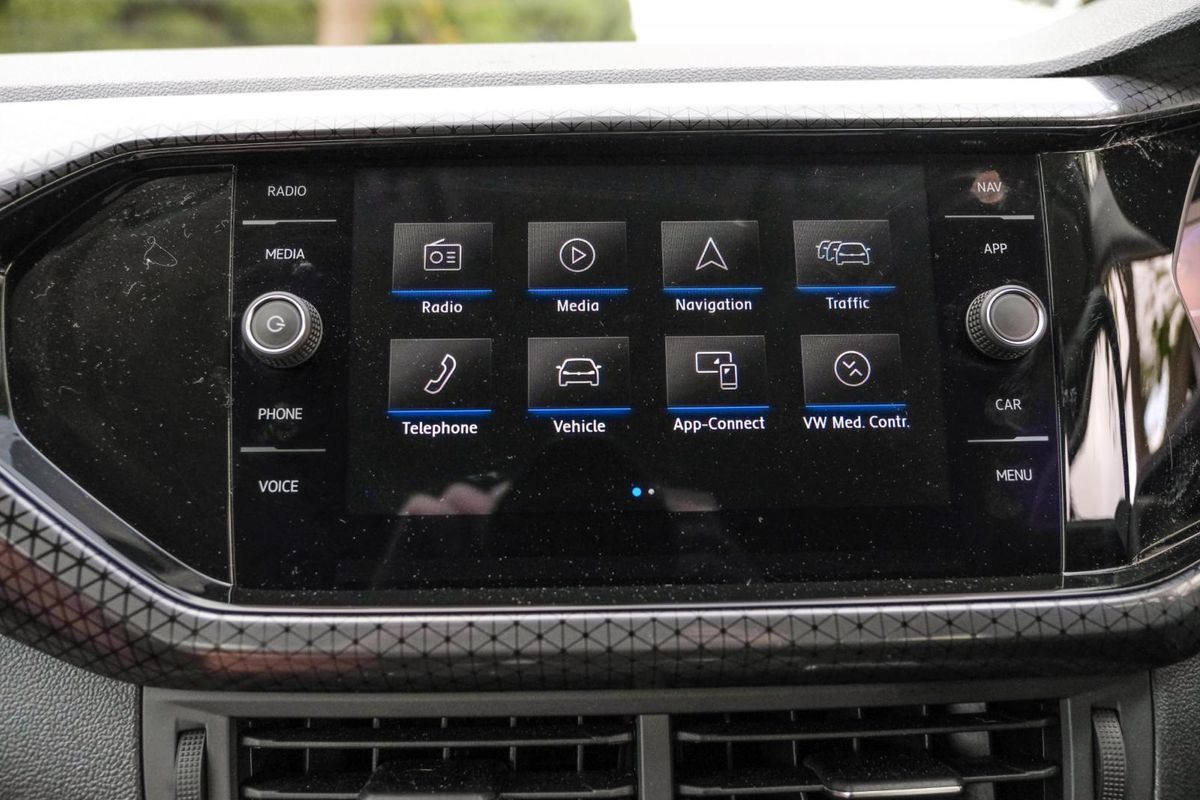
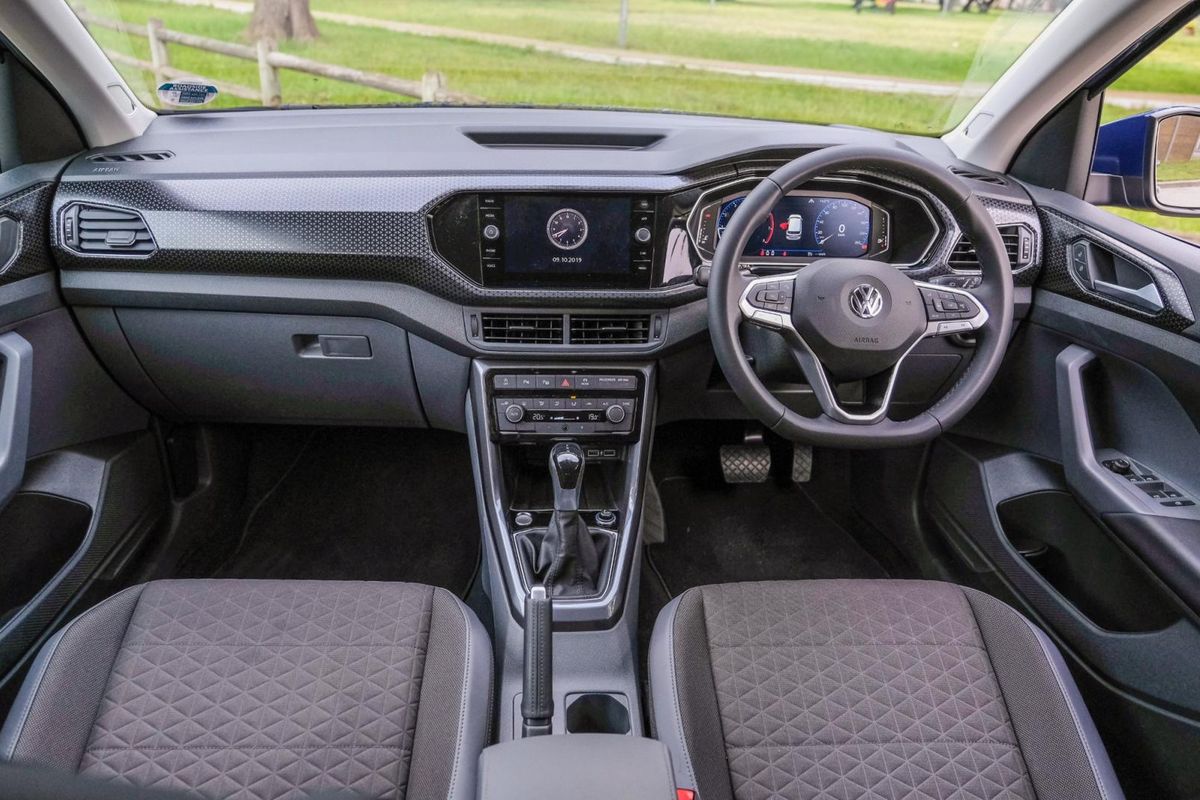
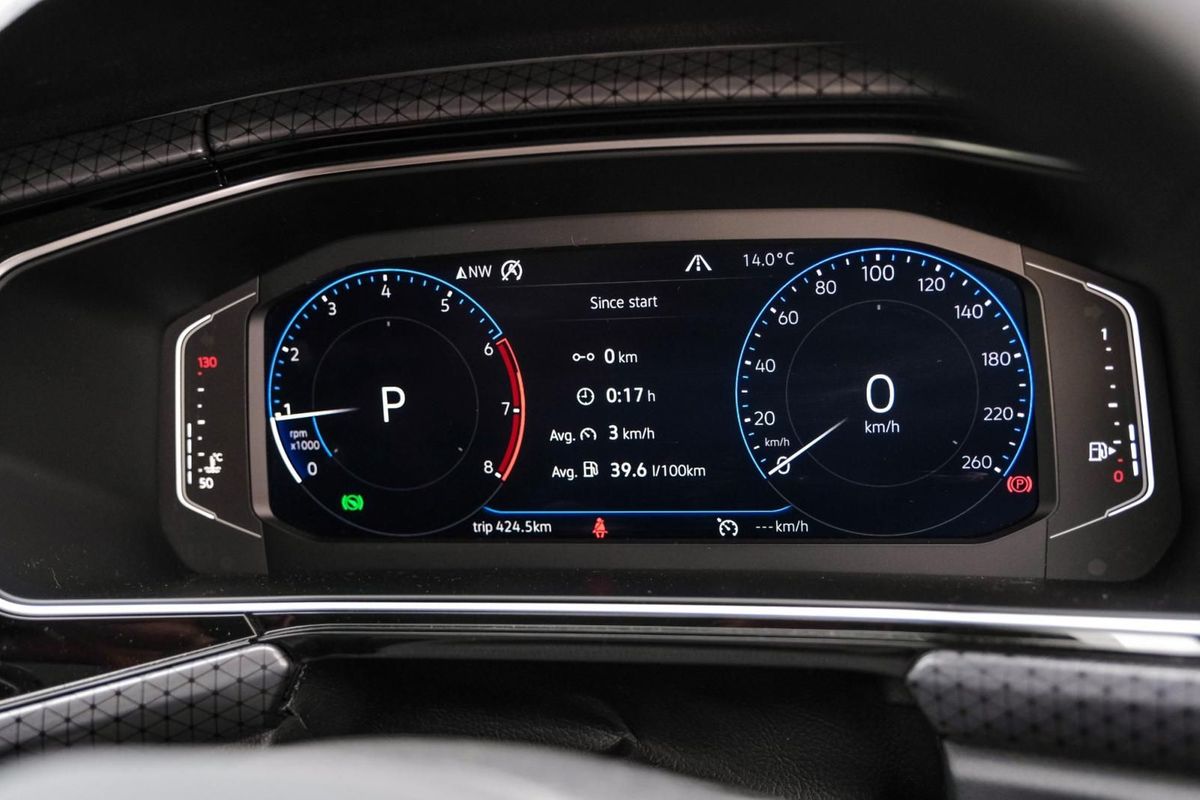
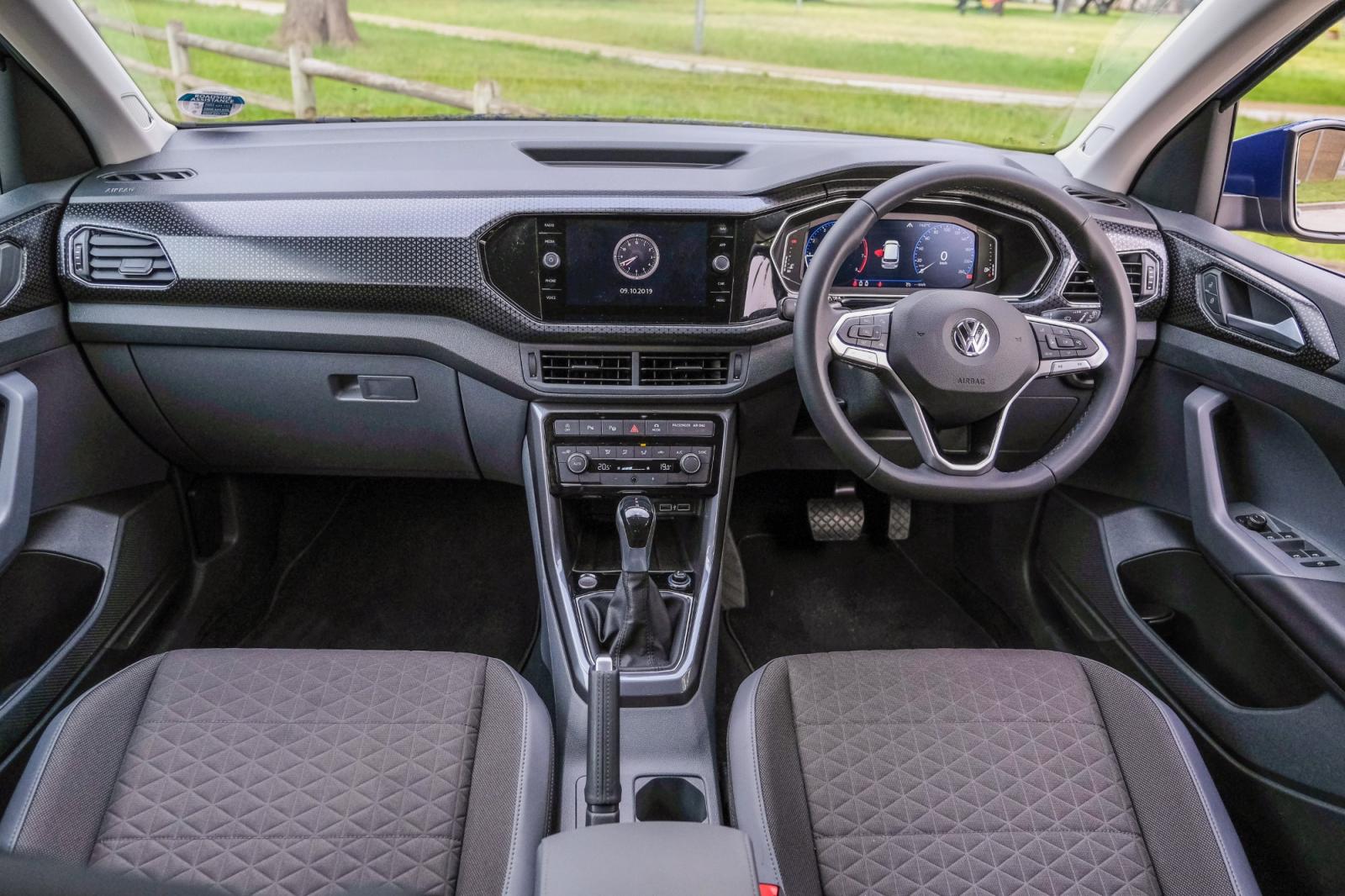
The optional Active Info Display and Discover Media infotainment system makes the T-Cross look and feel very premium.  

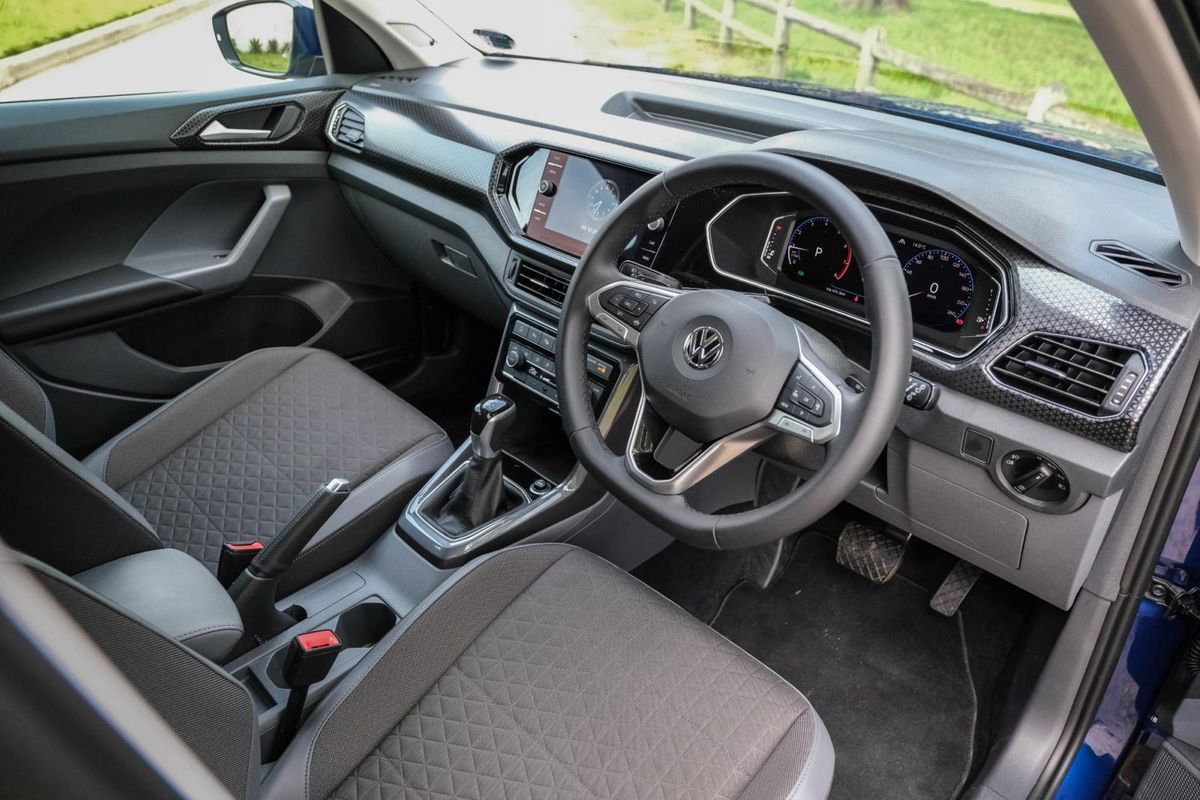
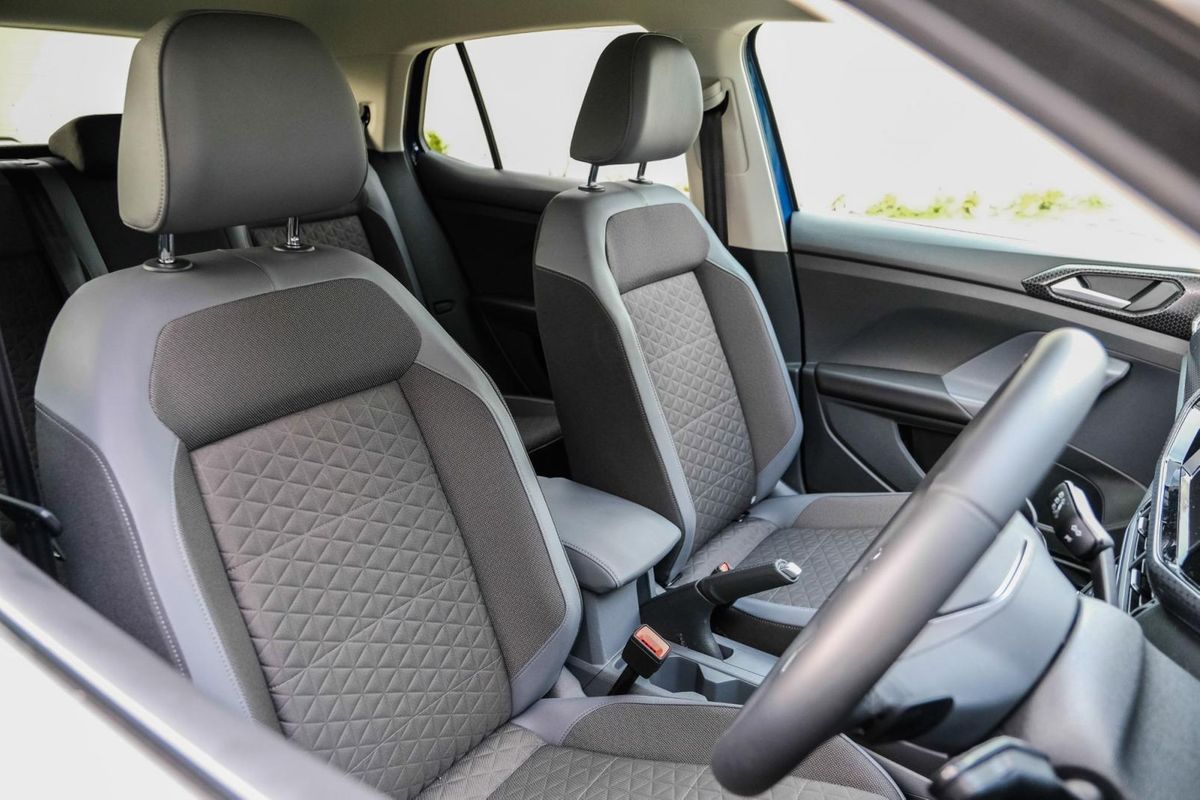
We were generally impressed with the interior build quality of the T-Cross: the cabin is stylish, practical and ergonomically sound. However, there are some harder and cheaper-looking plastics which detract from the overall premium look and feel. In particular, the interior door panels and grab handles feel a bit harsh for common touchpoints. It must be said that the cloth seats are comfortable to sit in and offer good bolstering/side support.

A big highlight is the multitude of onboard technologies that are available. This 1.0TSI Highline R-Line test unit was a good example of what a T-Cross can look like if you are willing to spend extra on optional equipment… 

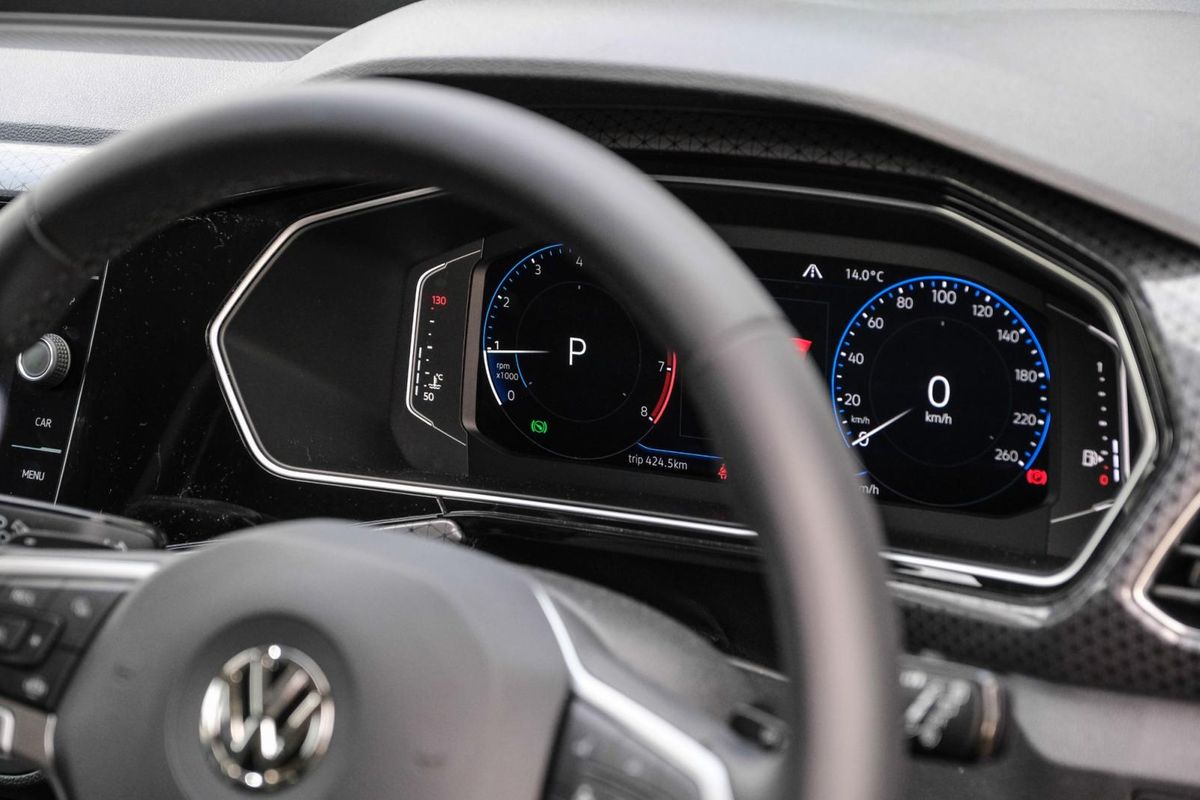
Music lovers will appreciate the Beats sound system, which delivers great sound quality and can be had for an additional R8 800. Volkswagen also offers the excellent Discover Media touch screen infotainment system (R22 850), which includes 3D maps, Apple CarPlay/Android Auto capability and voice control (A Composition Media system is standard). This, in combination with the optional Active Info Display (R9 000) really elevates the interior to a premium level and we think it looks fantastic. 


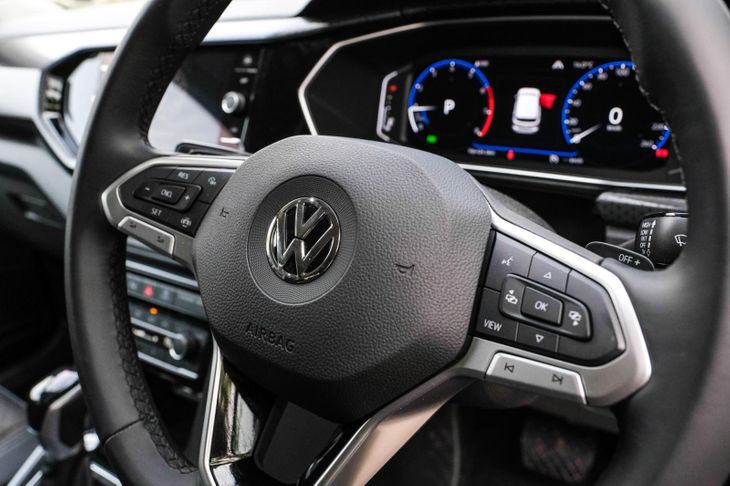
A leather steering wheel with mounted controls puts vital functions at the driver's fingertips. 

The infotainment system is slick and easy-to-use and the infotainment display can be customised to display a variety of useful information using the mounted steering-wheel controls. Other optional equipment includes a Park Package (R8 950), which adds a rear reverse camera, front and rear park-distance control and electric folding and heated side mirrors. A Kessy Keyless access system can also be fitted for an additional R5 050.

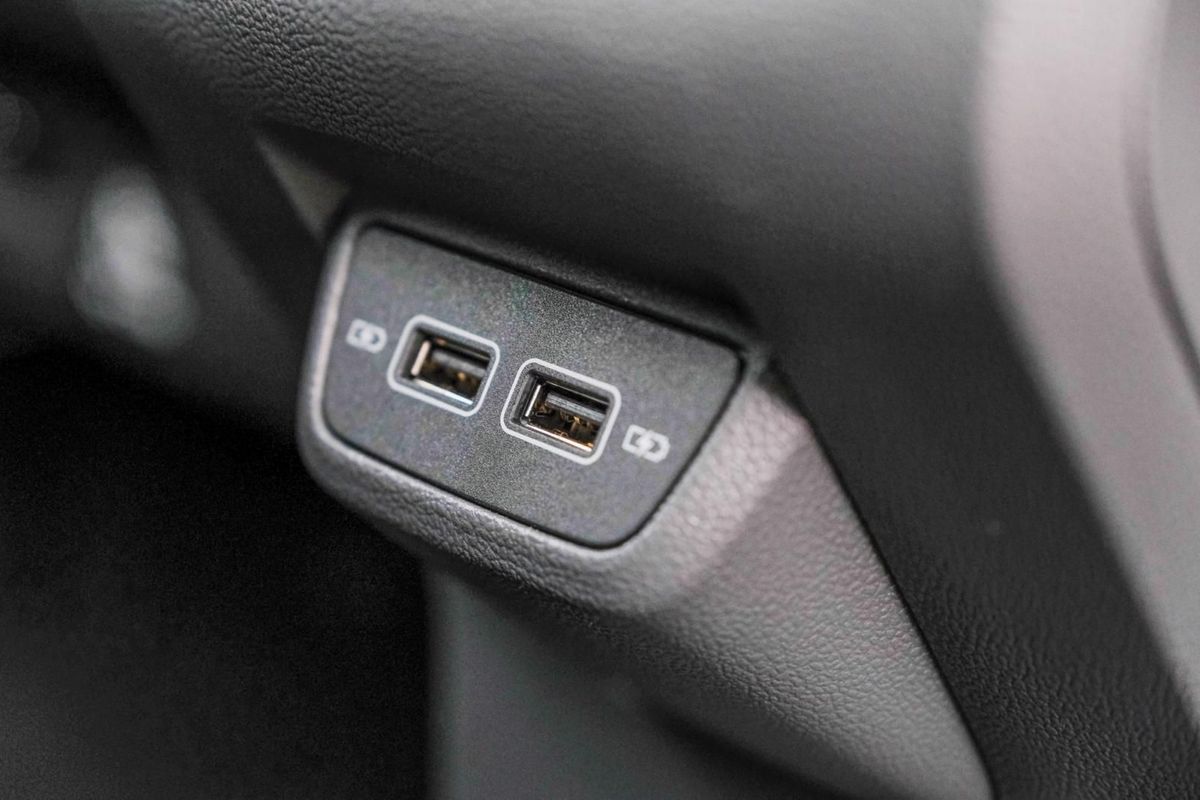
As for key standard features, the T-Cross 1.0TSI Highline R-Line comes equipped with climate control air-con, 4 USB ports (2 front and 2 rear), rake- and reach-adjustable steering column, cruise control, electric windows, rain-sensing wipers and a height-adjustable driver's seat.  

Safety kit includes 6 airbags, ABS with EBD, brake assist and stability control (including traction control).  

Practicality 


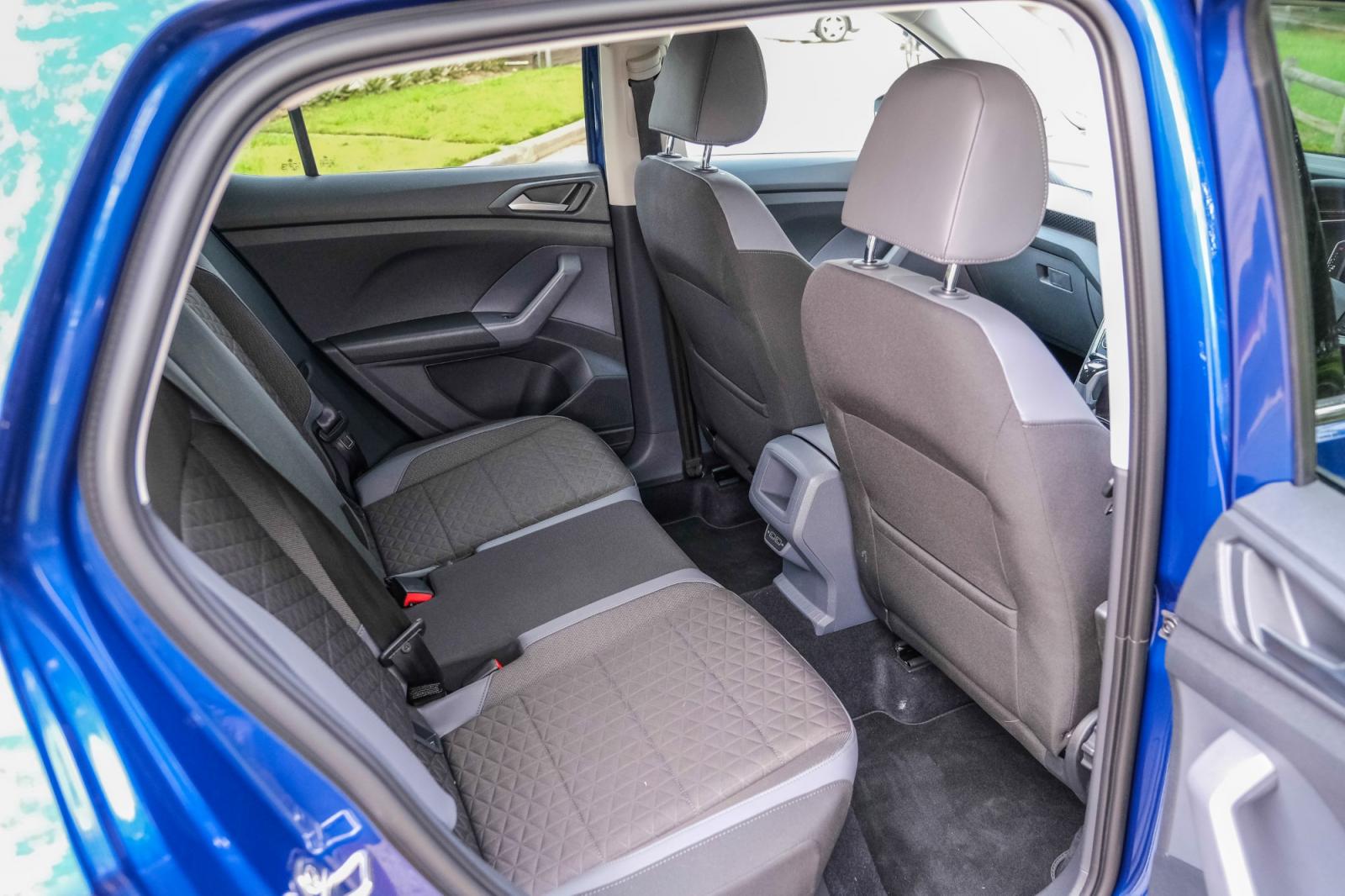
Rear legroom is good and 2 rear USB ports will prove useful for charging devices on longer journeys.  

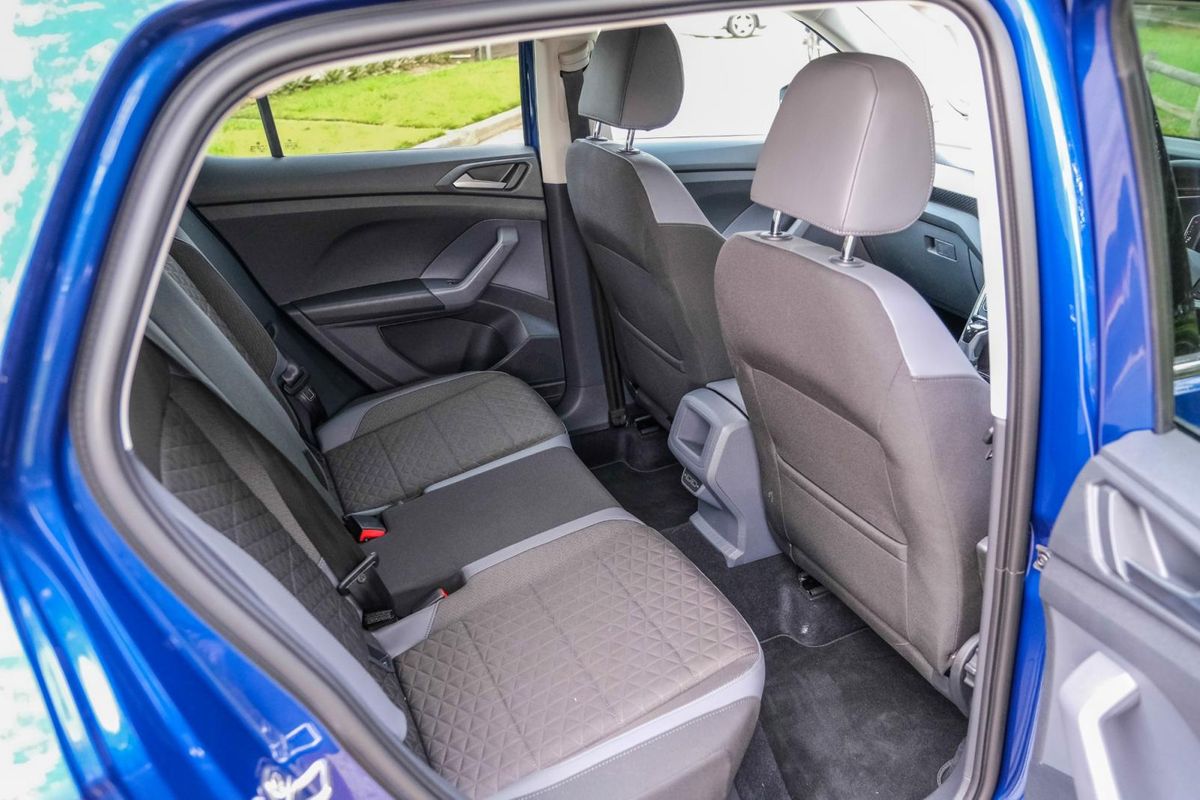
While there are larger cars on offer in this segment – such as the Renault Duster and Suzuki Vitara, the T-Cross still manages to offer a practical cabin, albeit with more compact dimensions. Rear passenger head and shoulder space as well as legroom, is fairly good, but not generous. 

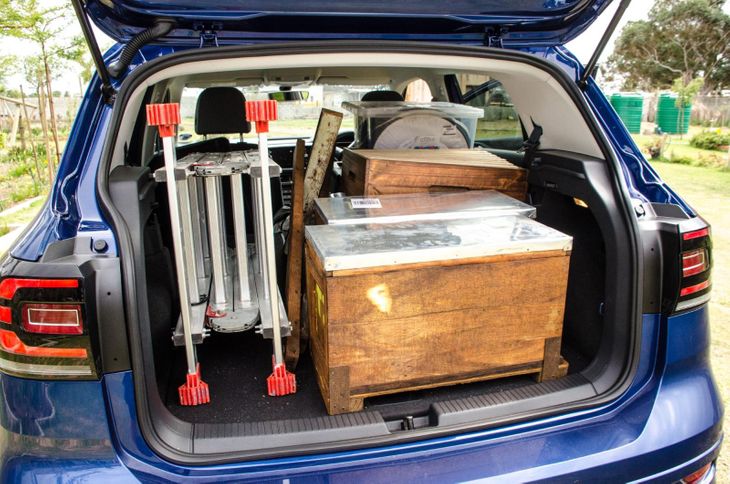
The size of the load bay is claimed at 377 litres and the rear seats are split 60:40. The rear bench also slides fore and aft on rails, which allows you to create more luggage space (if you push it forward) or legroom (if you pull it back) depending on what you require. In its forward-most position rear loading space improves from 377 to 455 litres. We put the T-Cross’ load-carrying capacity to the test by loading it with a variety of items of varying sizes including a foldable ladder, 3 large buckets and even 2 beehives. Due to its compact size, longer items such as surfboards do impinge on the front-cabin space but overall, we found Volkswagen's compact family car to offer sufficient load space to suit a small, growing family’s needs. 

Useful storage space is afforded ahead of the gear lever, as well in the small centre bin. There is a pair of cupholders and the door pocket mouldings offer additional space for bottles and anything else you might want to store. 

  
The T-Cross can carry a variety of random items as our in-house bee-keeper Gero Lelleike tested.

Price and warranty 

The T-Cross Highline R-Line is priced from R382 850 and is sold with a 3-year/120 000 km warranty and a 3-year/45 000 km service plan. 

Buy a new or used Volkswagen T-Cross on Cars.co.za

Verdict


The T-Cross Highline R-Line is well worth considering if you can afford it…

The T-Cross 1.0T Highline (in R-Line guise) is arguably the best-looking compact family car on the market and while it’s not perfect, it’s still a very capable all-rounder that will continue to find favour with local buyers. In fact, the T-Cross is bound to grow further in popularity – Volkswagen plans to introduce a detuned 70 kW derivative as well as the forthcoming 110 kW, 1.5-litre turbopetrol engine option (pre-booking is now open).  

This derivative currently sits at the top-end of the price spectrum in this segment and when you add some of the nice-to-have optional features, it becomes a pricey proposition, albeit for a more premium product. With all the bells and whistles specified, this T-Cross’ price totals roughly R437 500! With that money, and if space matters to you, you could very well step into a larger SUV in an effort to get more car for your money.    

If you like the T-Cross, but can’t afford to spend in excess of R400k, then we advise that you rather look at the more modestly-priced T-Cross 1.0T Comfortline priced from R334 600, which offers you the same engine, but a little more financial flexibility to add some features, at least if you want to. With the 70 kW version coming in Q2 of 2020, you may even be able to step into a T-Cross for under R300k! (pricing has yet to be confirmed). 

Related content:

Volkswagen SA to expand T-Cross range in 2020

Volkswagen T-Cross (2019) Launch Review

Volkswagen T-Cross (2019) International Launch Review [w/Video]

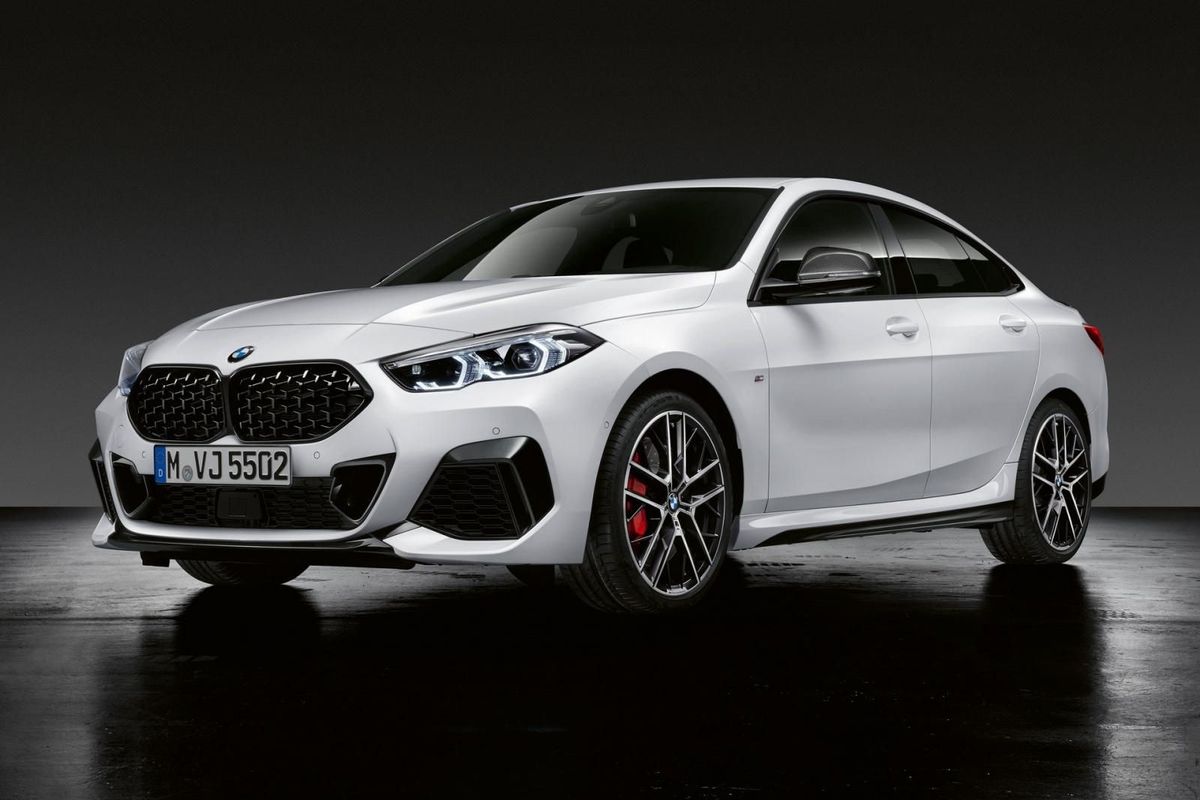
BMW 2 Series Gran Coupe M Performance Parts Shown

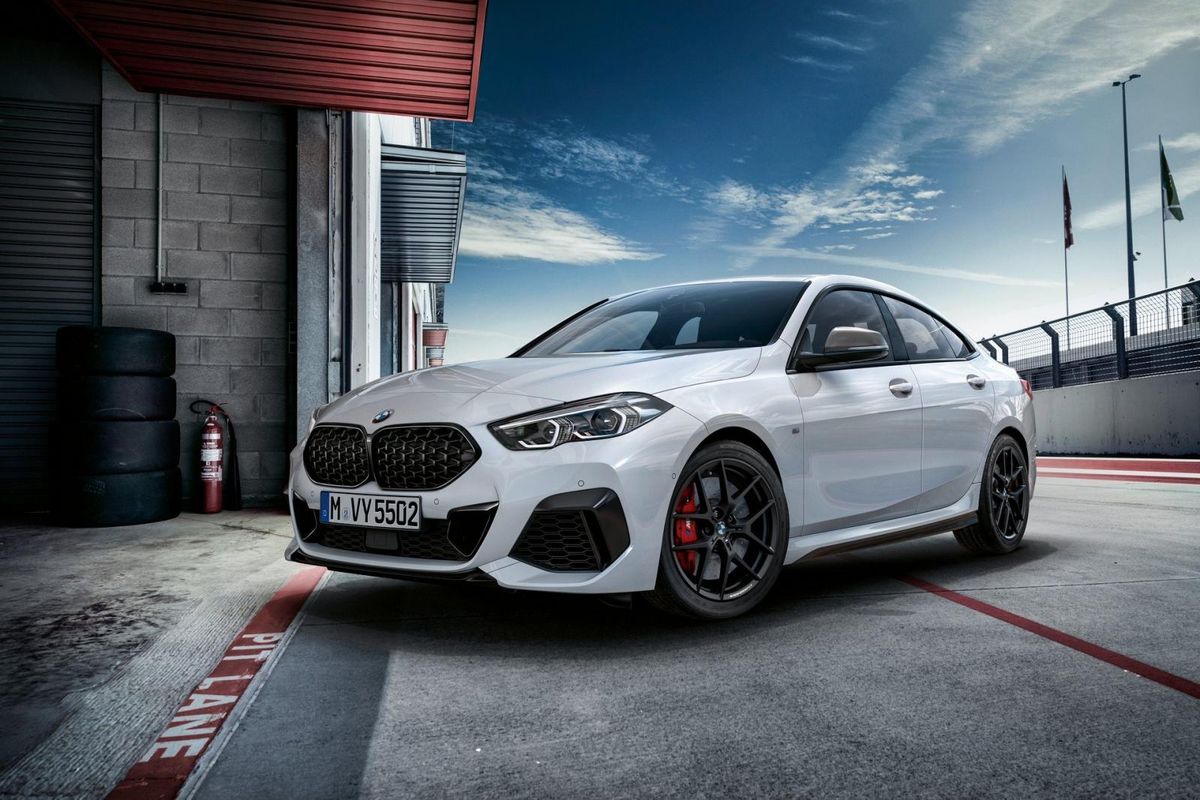
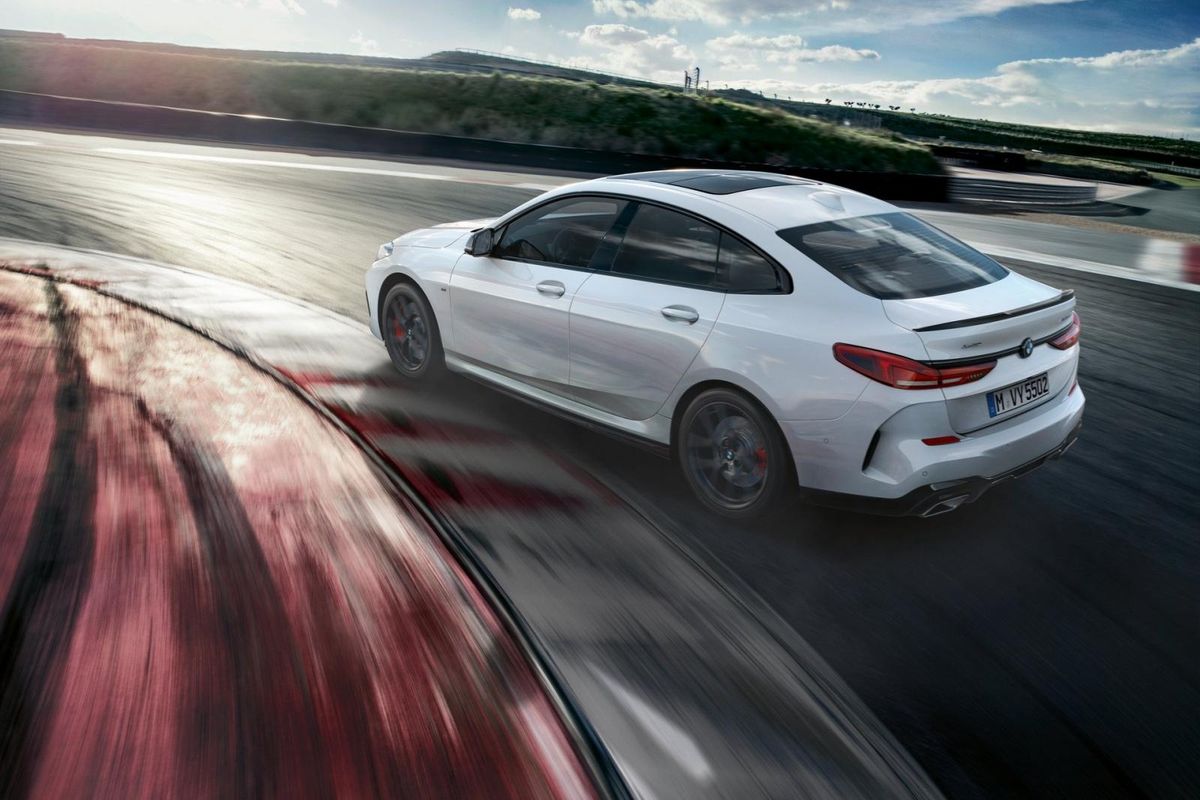
As is customary after a BMW launch, the M Performance catalogue for the new model is revealed. This time it's the new BMW 2 Series Gran Coupe which gets the treatment.

The BMW 2 Series Gran Coupe has raised quite a debate thanks to its controversial styling. With the addition of some BMW M Performance parts, maybe things get better? We certainly think so.

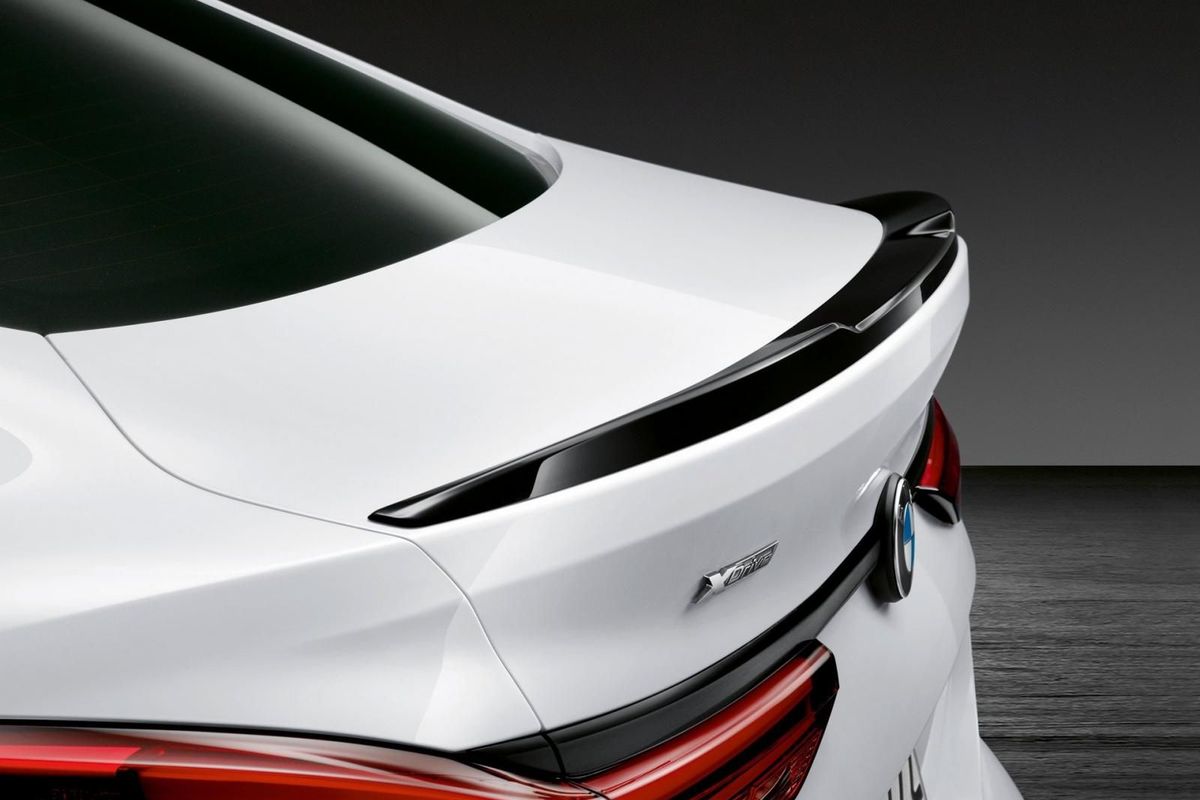
Available to order is a high-gloss black grille, carbon fibre M Performance mirror caps, gloss black lip spoiler, and M Performance stainless steel tailpipes. 

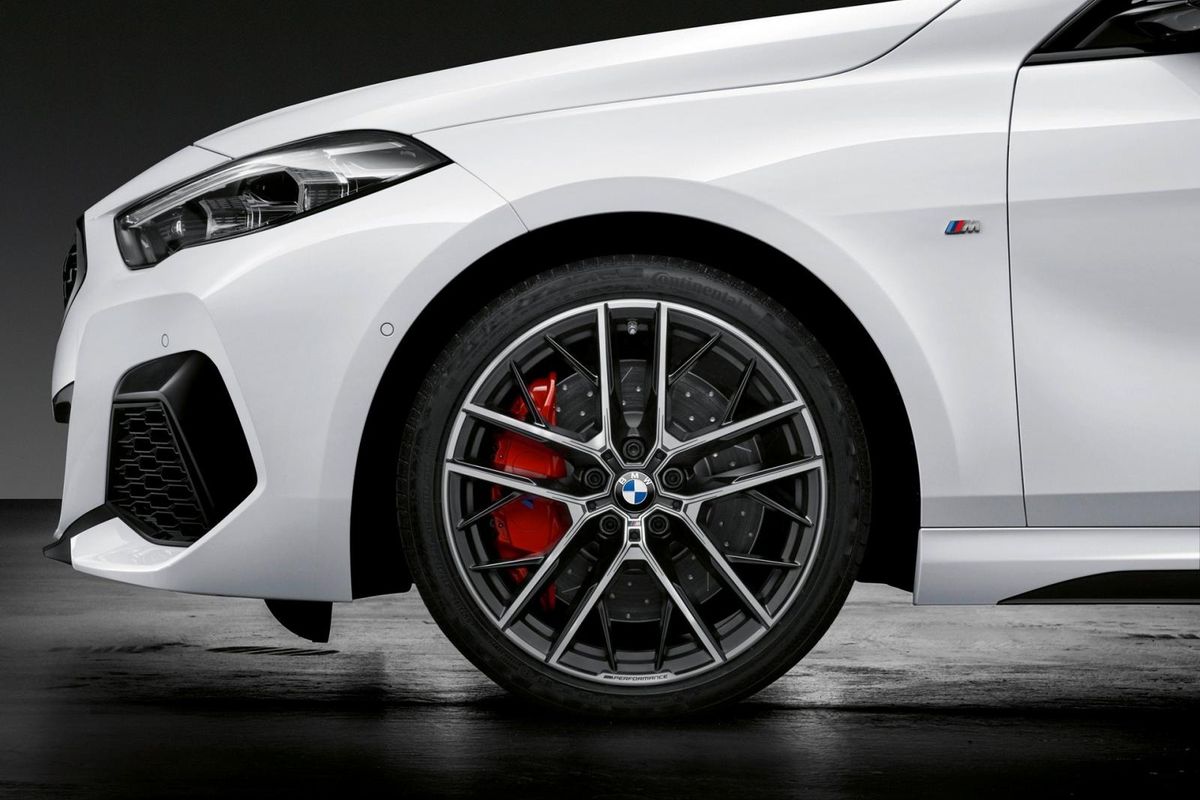
There are some tasty additions to the wheel range too, including 18-inch M Performance 554 M forged wheels and 19-inch M Performance double-spoke 555 M alloys.

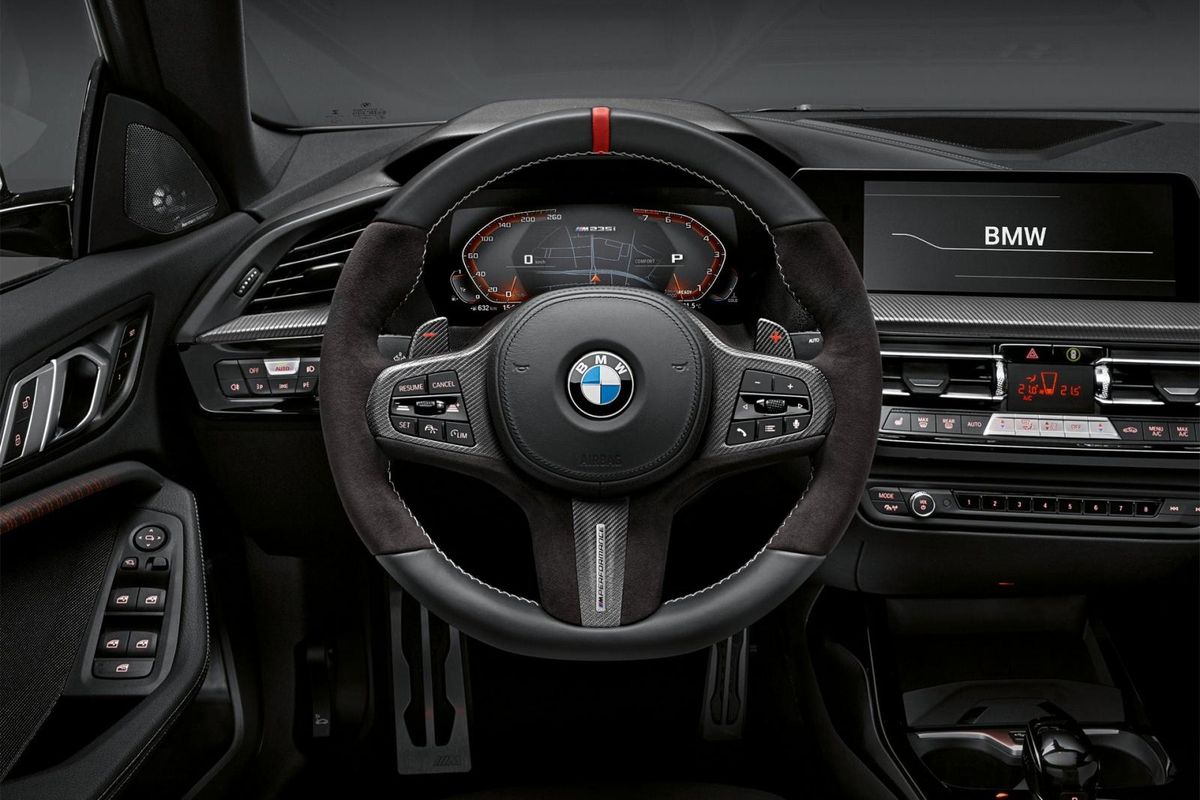
Inside, you can go wild with the carbon fibre look and you can see the entire steering wheel unit covered in it. There are also M Performance floor mats, unique LED door projectors, M Performance key and if you're carting your tyres about, an M Performance tyre bag.

Further Reading

BMW 2 Series Gran Coupe revealed

BMW 1 Series (2019) International Launch Review

BMW 2-Series (2014) Driven

BMW Putting Final Touches on 2 Series Gran Coupe

Facelifted BMW 2-Series (2017) Specs & Price

BMW 2-Series Active Tourer (2015) Review

RIP C63 S 4.0 V8?

There are rumours swirling that the 4.0-litre biturbo V8 in the Mercedes-AMG C63 S is to be axed to make way for a 2.0-litre turbocharged hybrid setup. What?!

According to the story which appeared on Autocar and written by Greg Kable (who has written for us before), Mercedes-AMG will be ditching its V8 motor for the 3-generation C63 in favour of a 4-cylinder hybrid engine. While we may miss the gorgeous soundtrack from one of the world's most iconic engines, we're quite interested in the replacement motor.

The report suggests the replacement motor is the 2.0-litre M139, which if you're a car nerd, will recognise that as the turbo setup found in the all-new A45 S. However, in this iteration, it will receive an electric boost in the form of a 48V starter motor not too dissimilar to that found in the E53/CLS53 AMG. The benefits of such a system are immense, not only are the fuel-saving measures impressive, but the system eliminates lag and makes for a responsive drive. The source article suggests that the new 2.0-litre turbo electric engine will match the current C63 S output of 375 kW, but there'll be an even more torque. Not bad for an engine that's lost 2 litres of capacity and 4 cylinders.

It appears rear-wheel drive is being lost, in favour of 4Matic+, which will make the vehicle a bit more manageable. The new 4-wheel drive system will likely be similar to that of the E63 S which allows power to be sent exclusively to the rear axle, making for tail-happy antics and drifting action.

Expect to see the all-new Mercedes-AMG C63 revealed in 2023.

Further Reading

A45 S International Launch Review

Mercedes-AMG C63 S (2019) Launch Review

Mercedes-AMG C63 S (2018) International Launch Review

Fuel Price Changes October/November 2019

A mixed bag of fuel price fluctuations is what the AA is predicting for November 2019, with some increasing and some decreasing. Here's what you can expect.

It's looking likely that 93 octane petrol will decrease by 5 cents, while 95 octane will increase by 10 cents. Diesel will also increase by 2 cents. 

"The Rand, which lost considerable ground against the US dollar in the second half of September, has stabilised around the R15.20 mark and has generally offset slight rises in international oil prices. In its turn, oil has retreated from the price spike arising from last month's Saudi oil refinery attacks, giving a more stable picture for the motorist," says the AA.

The AA claims that the oil price seems to be finding its way back to normal, but the Rand, as ever, is a bellwether of the current mix of poor economic conditions and reticence by investors. However, given the Rand's performance against the Dollar, the increases may be less by the end of the month.

Related Content

Fuel Price Breakdown: What do you pay for?

5 Ways to Beat the Fuel Price Hike

Most Fuel Efficient Budget Cars in SA

Most Fuel-Efficient Double-Cab Bakkies in SA

5 Fuel-Saving Car Features & How They Work

Most Fuel Efficient Budget Cars in SA

Most Fuel Efficient Diesel Cars in SA

Most Fuel Efficient Petrol Cars in SA

10 Ways To Save Fuel