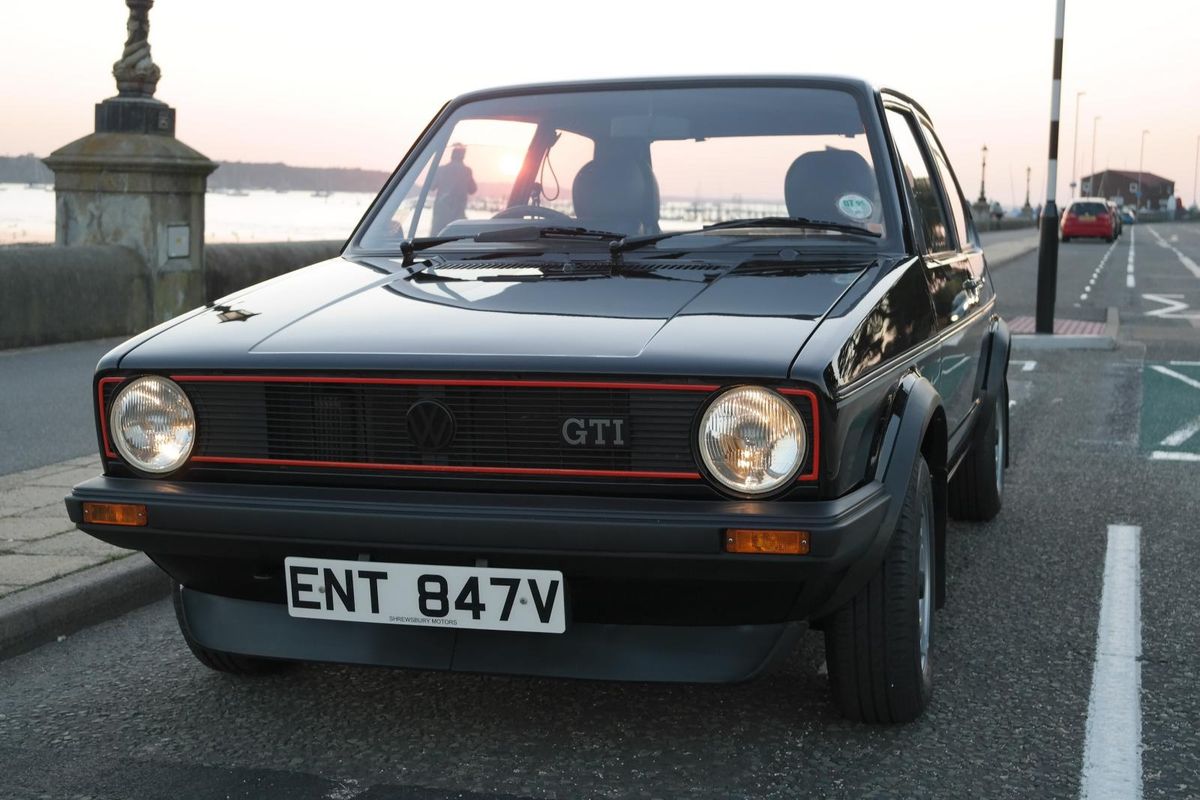
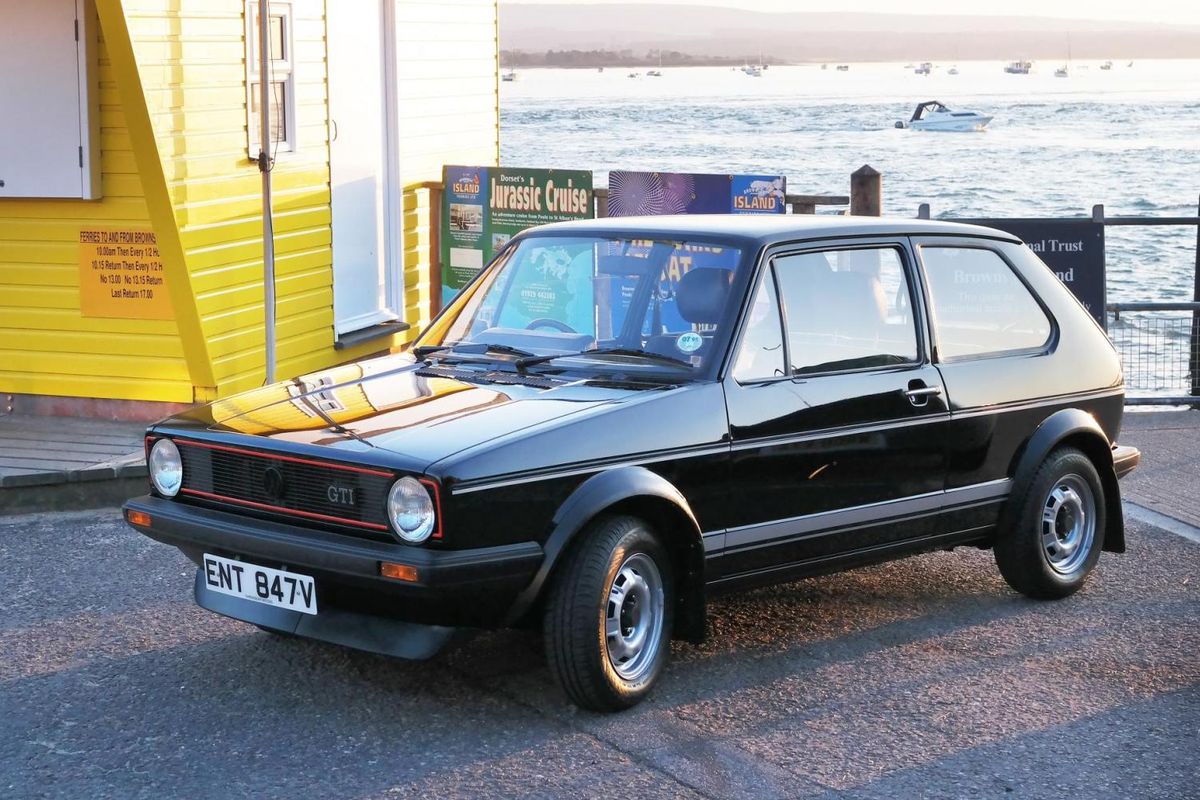
The world's best Volkswagen MK1 GTI is up for auction.
With each year more legacy cars become modern classics and for South Africans, the original Golf GTI remains an icon like no other.
Perhaps it is a question of the country’s special relationship with the first-generation Golf platform, locally built for decades after its international discontinuation, that makes the MK1 GTI such a South African hatchback hero.
Finding a perfectly original Golf GTI is deeply challenging. Many cars have been slightly altered over time, especially with regards to cabin comfort and upgraded radio/infotainment systems. But if you seek a unicorn first-generation GTI, in concourse condition, your Golf of destiny might have just come up for auction.
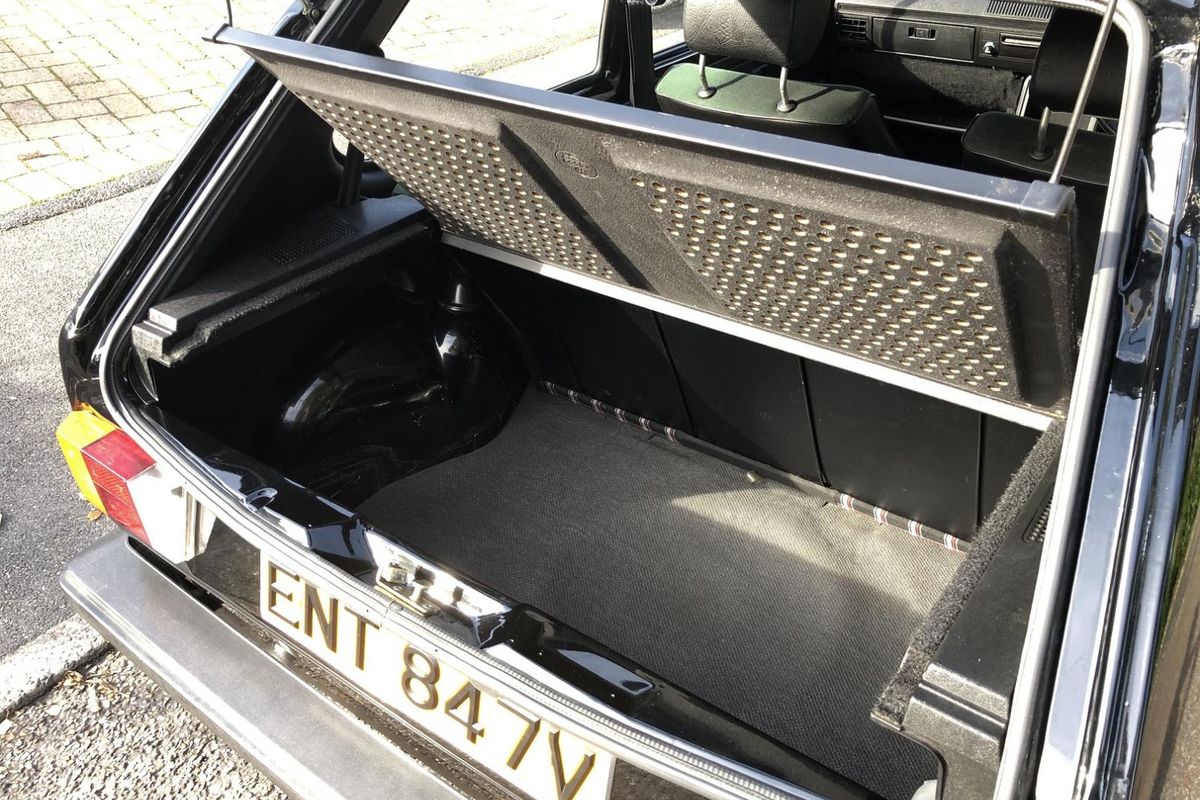
An original MK1 1.6 GTI has been released for sale in the UK and it appears to be the world’s finest running example in right-hand drive. The car in question was bought in September 1979 and has only done 27 358 km since then.
Powered by a 1.6-litre engine, good for 82 kW, and weighing only 840 kg, it is a reminder of a time when performance-by-lightness was the design mantra of hot hatch engineers.
This 1979 GTI’s configuration adds to its historic value with a treasure of small details. Perhaps the most important of these is its four-speed manual gearbox, which was upgraded to a five-speed shift pattern later in 1979.
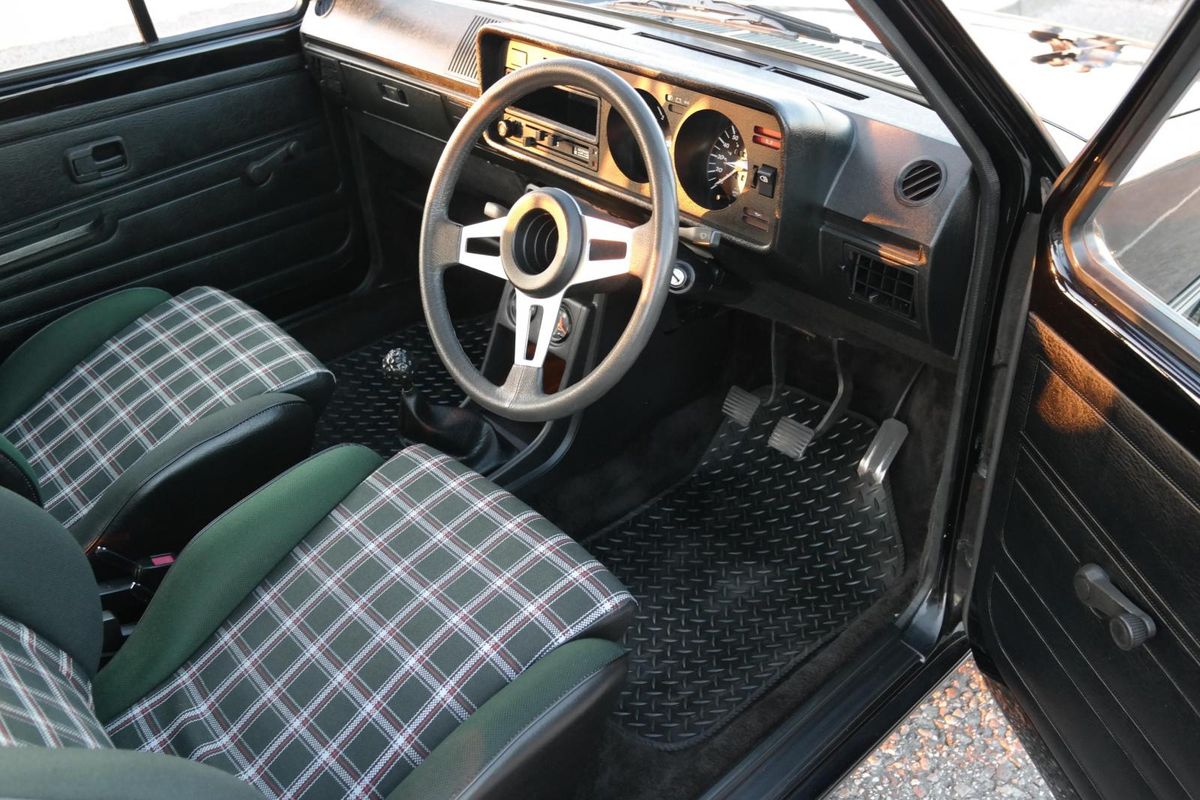
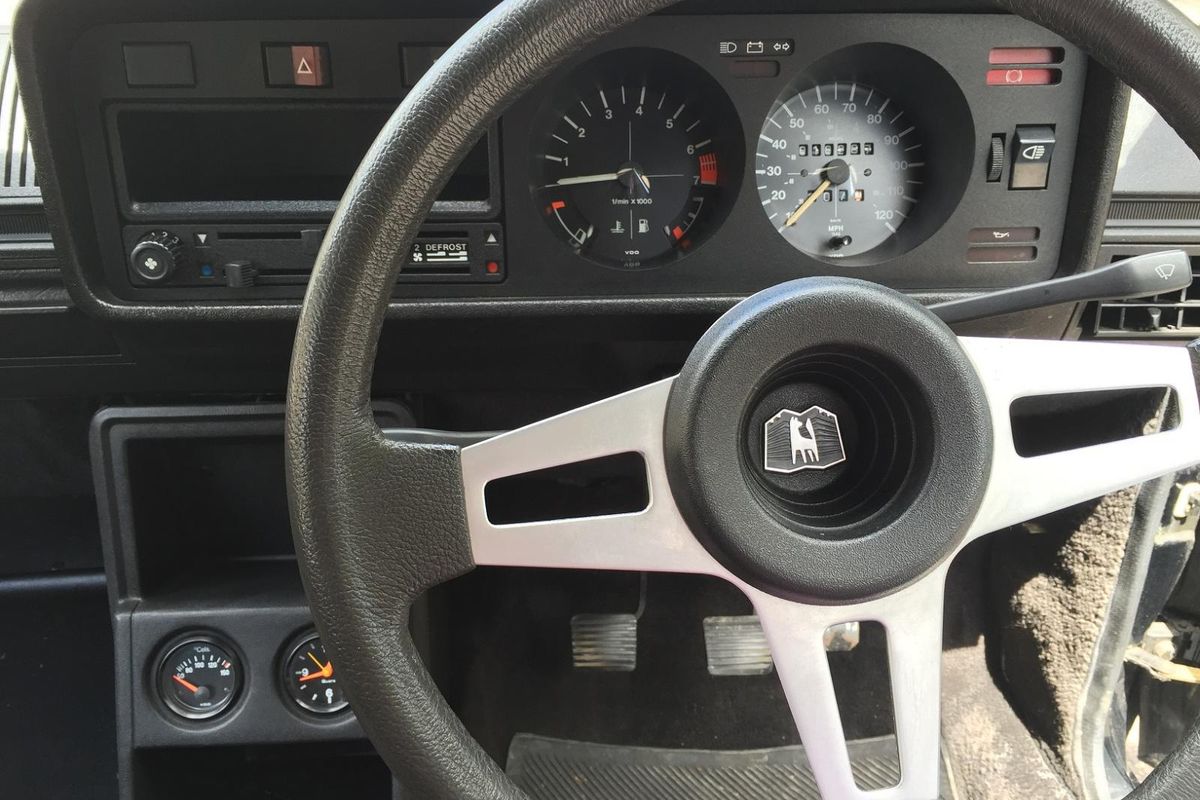
Beyond the mechanical novelty of this GTI’s gearbox, it also has some charming cosmetic quirks, such as the fuel-filler cap, which doesn’t have a key slot lock. Inside you’ll find the traditional three-spoke Wolfsburg steering wheel and dimpled golf-ball shifter top. True to its original GTI roots, this 1979 car does not have a factory fitted radio.
Based in the UK and immaculately maintained, the claim of this GTI being the finest original car available for sale, is not ridiculous. What is it going to cost? Regarding the issue of price, auction projections are that it is expected to go for between R660 000 and R900 000 when the bidding starts later this month.
The new Ferrari F8 Spider is on its way to South Africa. Here's how much you can expect to pay for Maranello's latest.
The new Ferrari F8 Spider is the brand's latest addition to the convertible V8 portfolio and it replaces the 488 Spider. The roof mechanism is a retractable hardtop and impressively the vehicle is 20 kg lighter than the outgoing model. This new roof takes only 14 seconds to stow in the rear deck area.
In terms of powertrain, Ferrari has fitted its F8 Spider with the award-winning twin-turbocharged V8 motor. The 3.9-litre twin-turbocharged V8 motor produces a sensational 530 kW and 770 Nm, with the Italian brand claiming 0-100 kph in 2.9 seconds. What's perhaps more impressive is the 0-200 kph claimed time of 8.2 seconds and if the road is long enough, it'll hit a V-max of 340 kph. Power goes to the rear wheels via a 7-speed dual-clutch gearbox.
Scuderia South Africa CEO, Mervyn Eagles, comments: "We opted to launch the revolutionary F8 Spider in conjunction with the completion of our new corporate identity facelift of our flagship showroom in Bryanston, Johannesburg. Both the F8 Spider and the newly renovated facilities are set to pioneer the next generation of the customer experience in our market"
As far as pricing goes, the base price for the Ferrari F8 Spider is R6 103 400. First deliveries are scheduled in the 4th quarter of 2020.
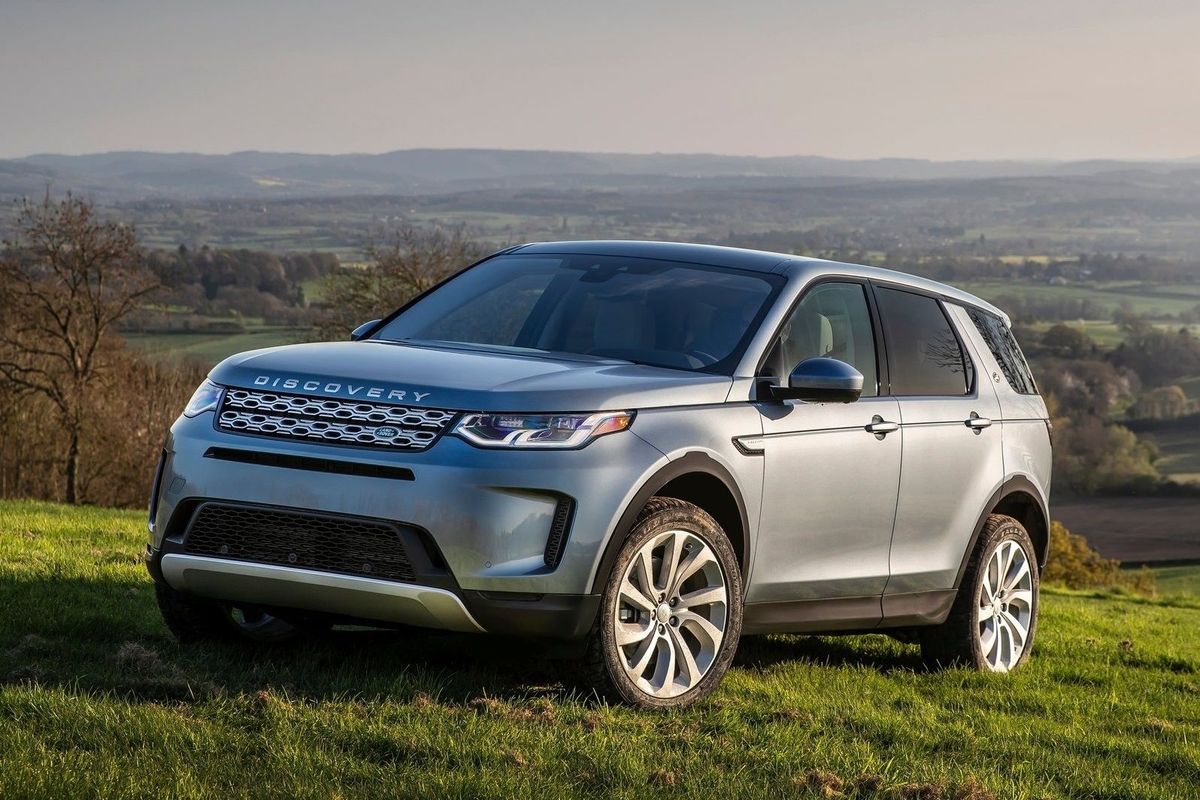
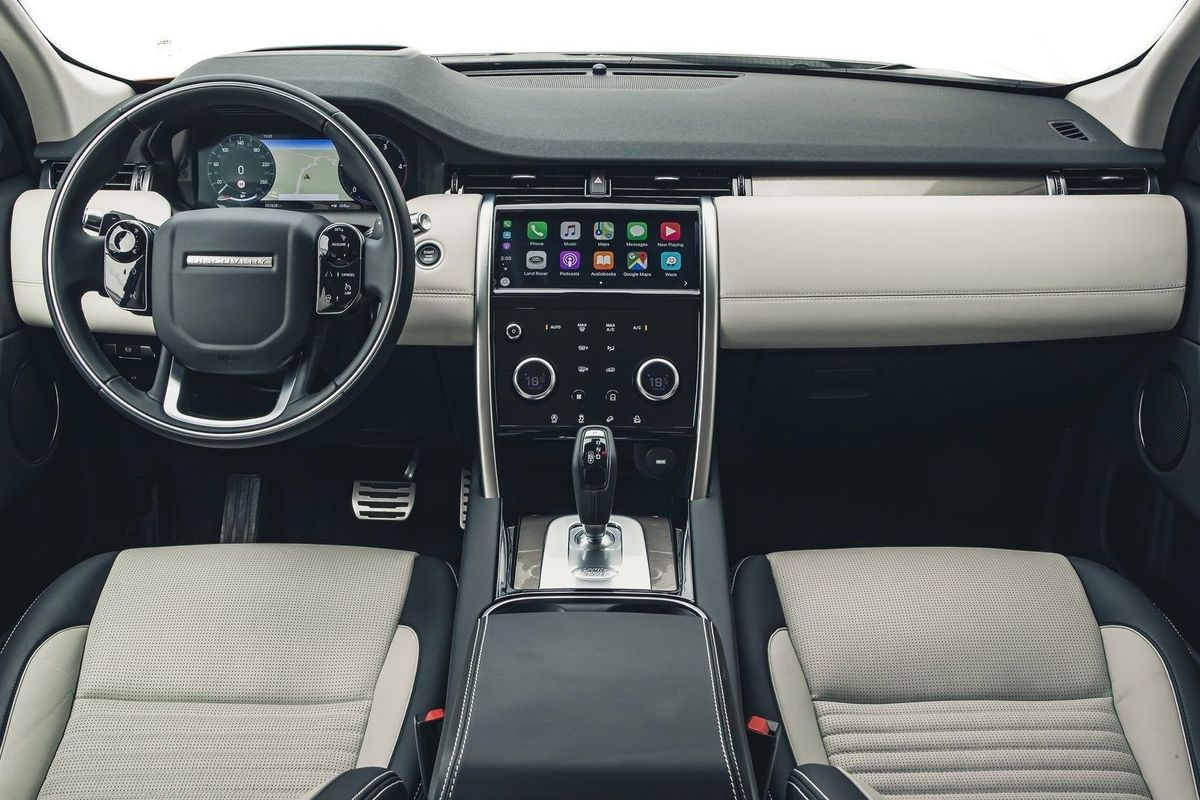
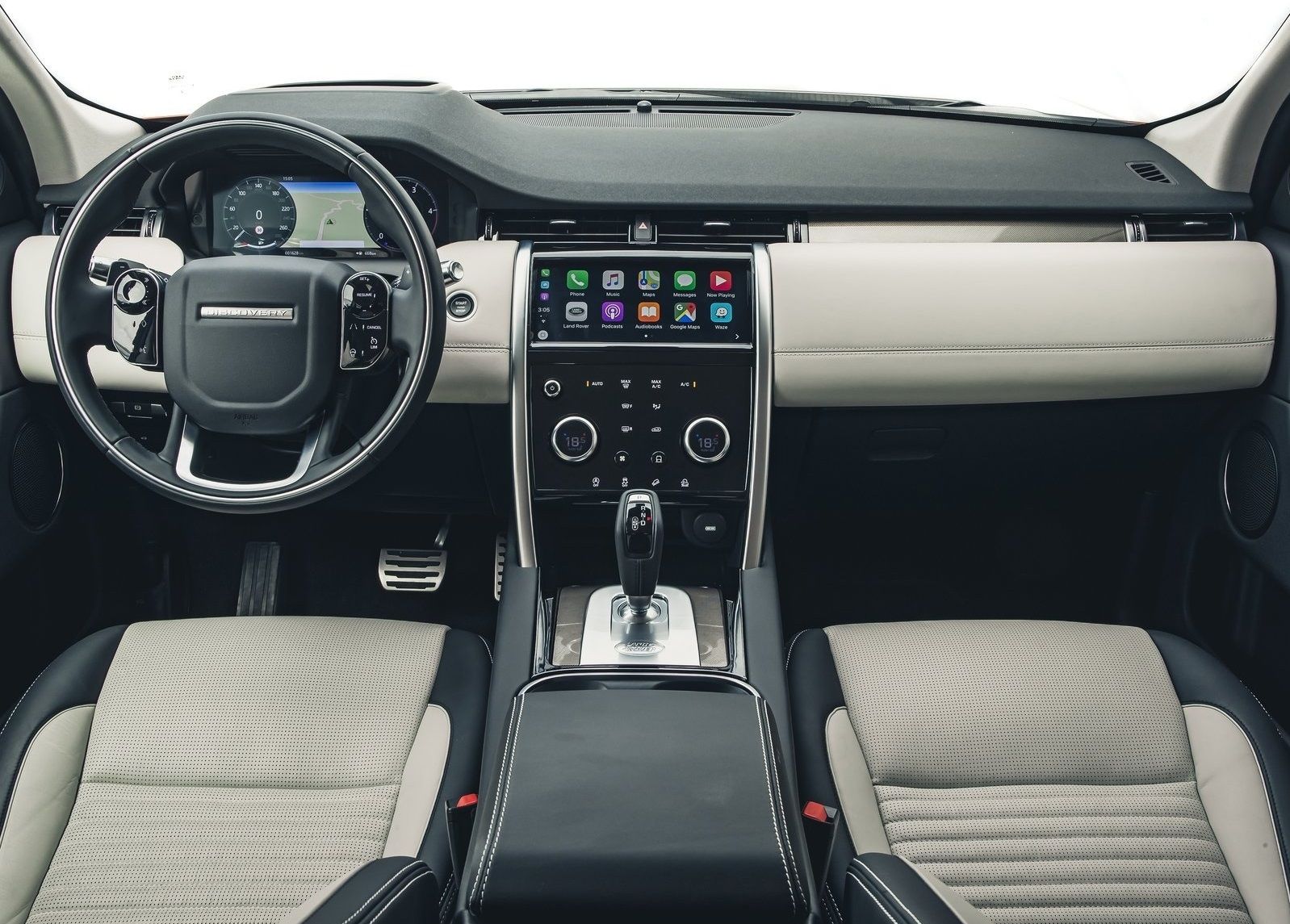
The updated Land Rover Discovery Sport is on its way to South Africa and we unearthed pricing for this model. Here's how much it costs.
The Land Rover Discovery Sport is a 7-seater SUV and a past #CarsAwards – powered by WesBank winner.
From what we can see on Land Rover SA's configurator, we're getting 2 engines. The petrol motor is the P249, which is a 2.0-litre turbocharged 4-cylinder engine and it produces 183 kW and 365 Nm. For the diesel fans, there's the D180 which is a 2.0-litre turbocharged diesel which has 132 kW and 430 Nm. All models feature 9-speed automatic transmissions and all-wheel drive.
There will be 2 models, a standard and an R-Dynamic, and the latter boasts 3 levels of trim: S, SE, HSE. A quick glance at the configurator shows the S rides on 18-inch wheels, the SE on 19-inch units, while the HSE boasts 20-inch alloys. A 21-inch alloy is available as an option.
We've been told by a JLR representative that the brand is busy updating its website so final pricing is yet to be confirmed. We'll update the final pricing and specifications closer to the launch.
Land Rover Discovery Sport Price in South Africa (March 2020)
Land Rover Discovery Sport D180 R749 500
Land Rover Discovery Sport P250 R760 000
Land Rover Discovery Sport D180 R-Dynamic S R819 000
Land Rover Discovery Sport D180 R-Dynamic SE R855 000
Land Rover Discovery Sport D180 R-Dynamic HSE R898 000
Land Rover Discovery Sport P250 R-Dynamic S R829 500
Land Rover Discovery Sport P250 R-Dynamic SE R865 500
Land Rover Discovery Sport P250 R-Dynamic HSE R908 000
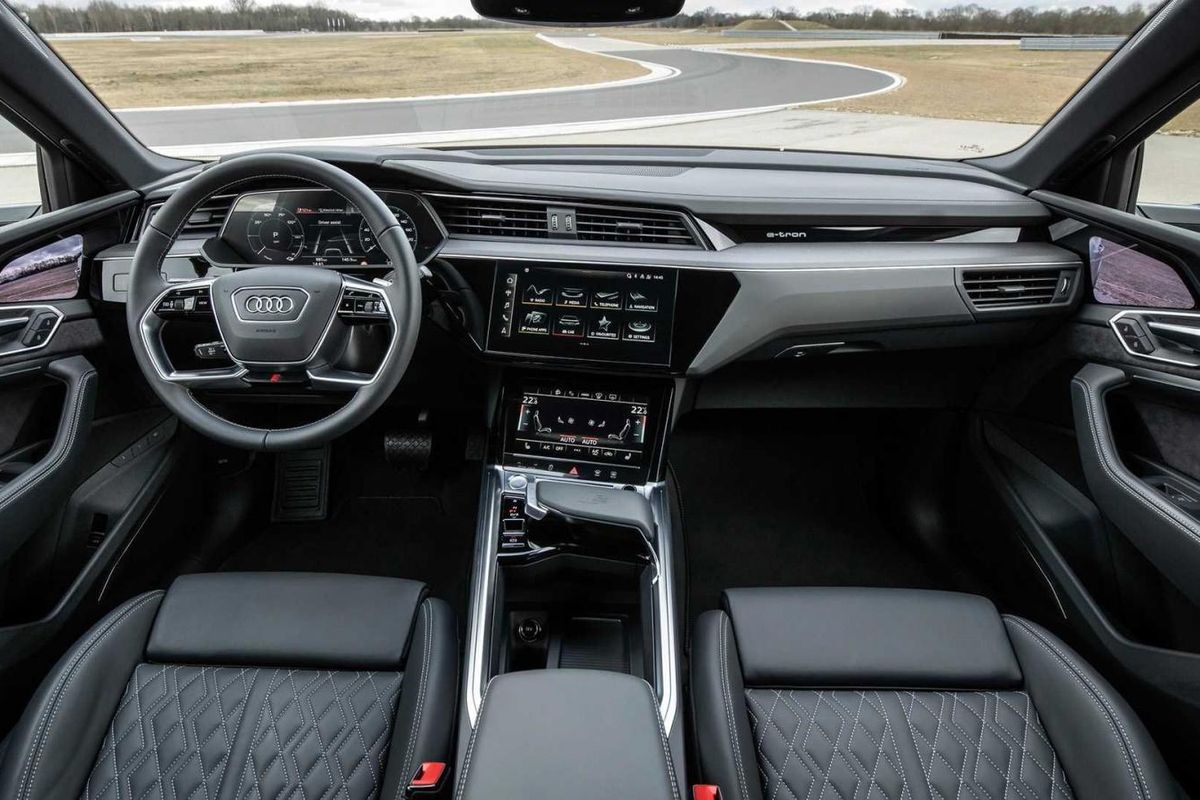
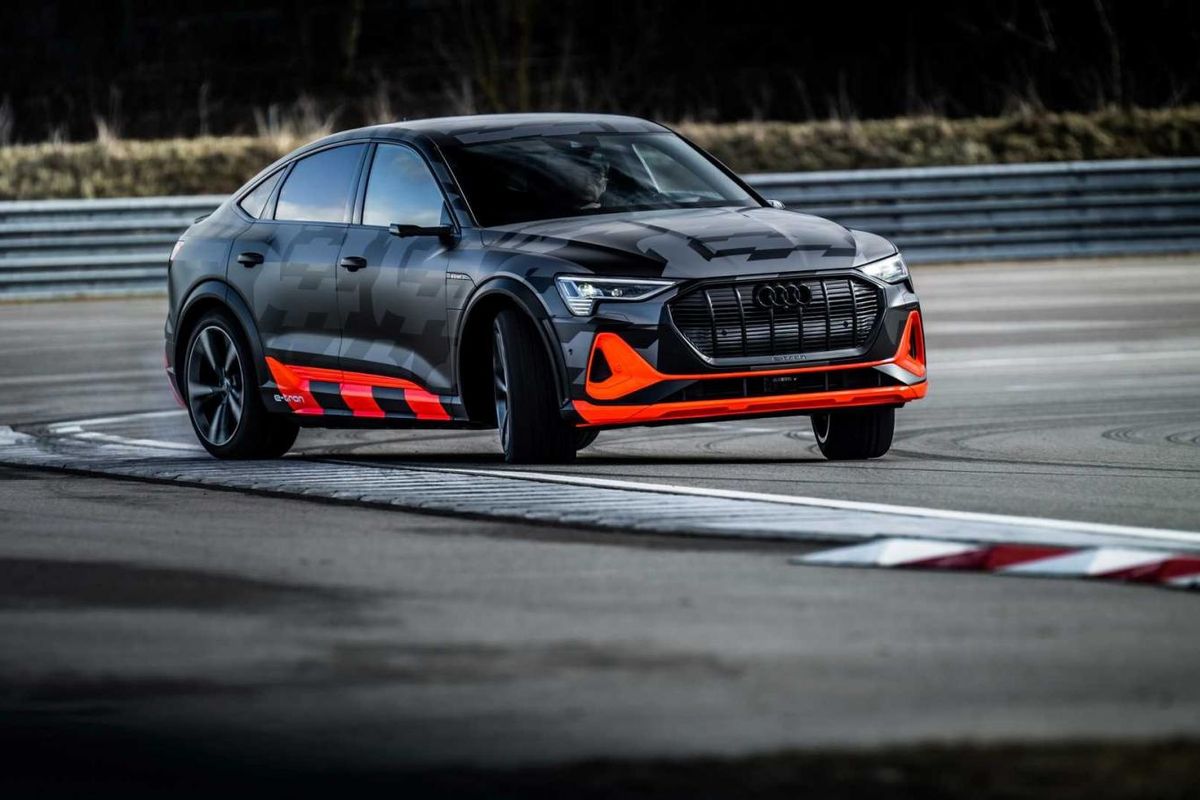
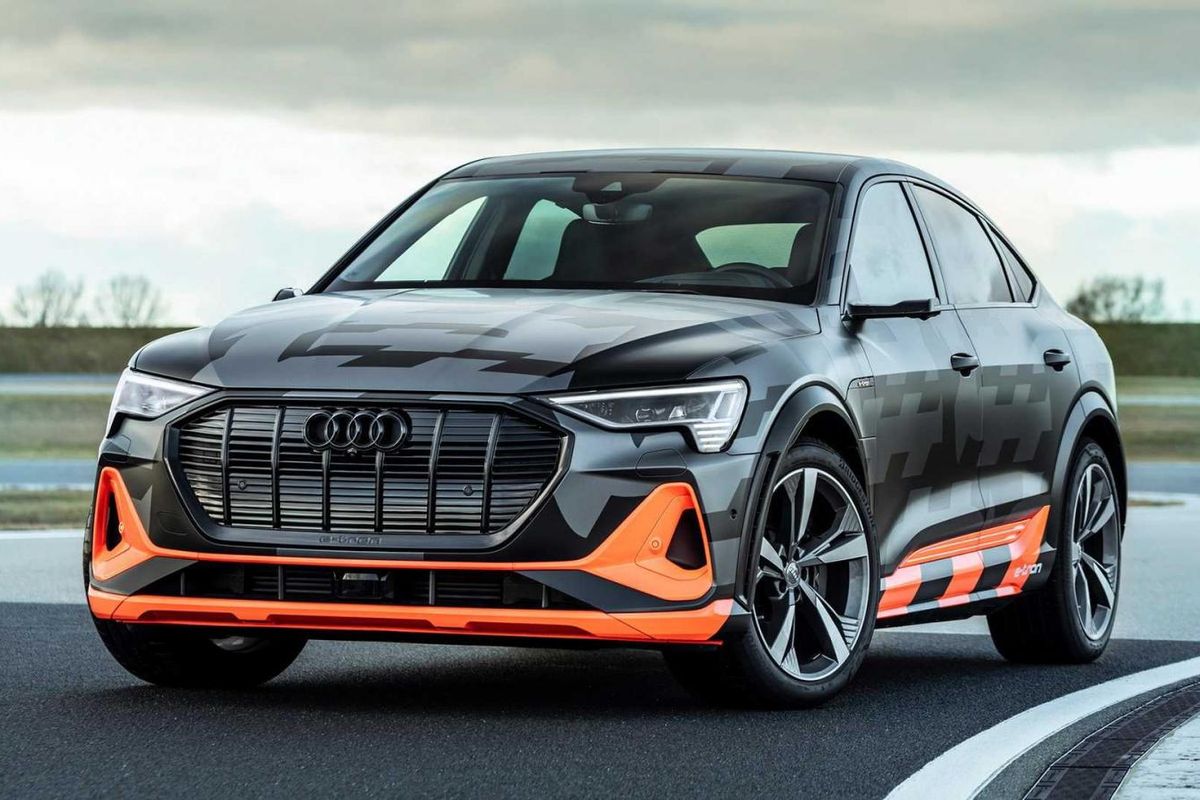
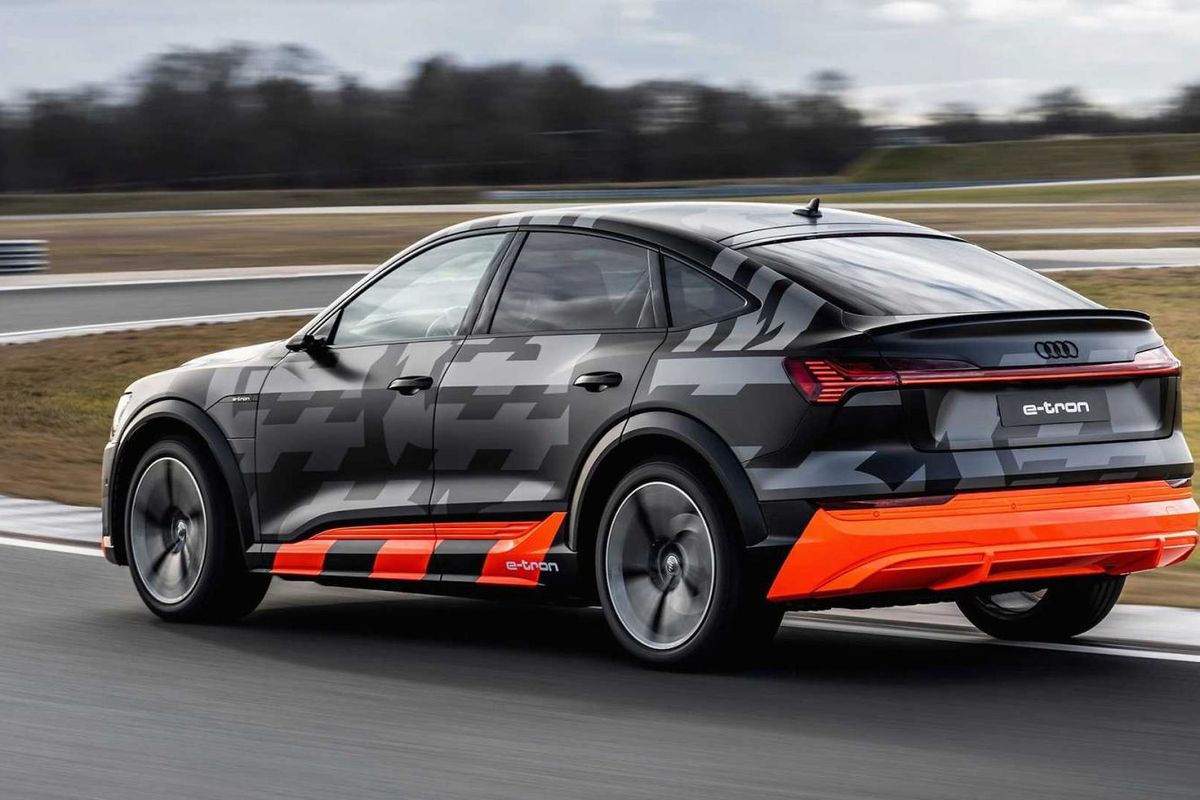
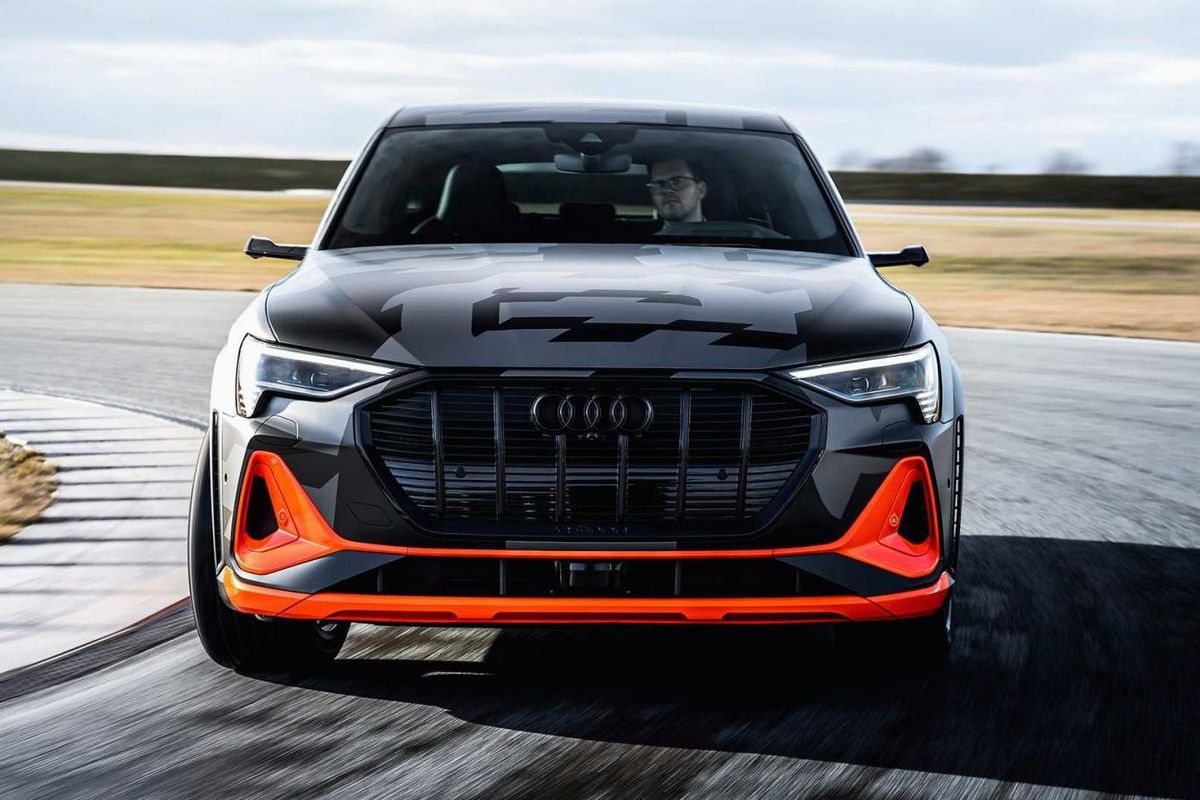
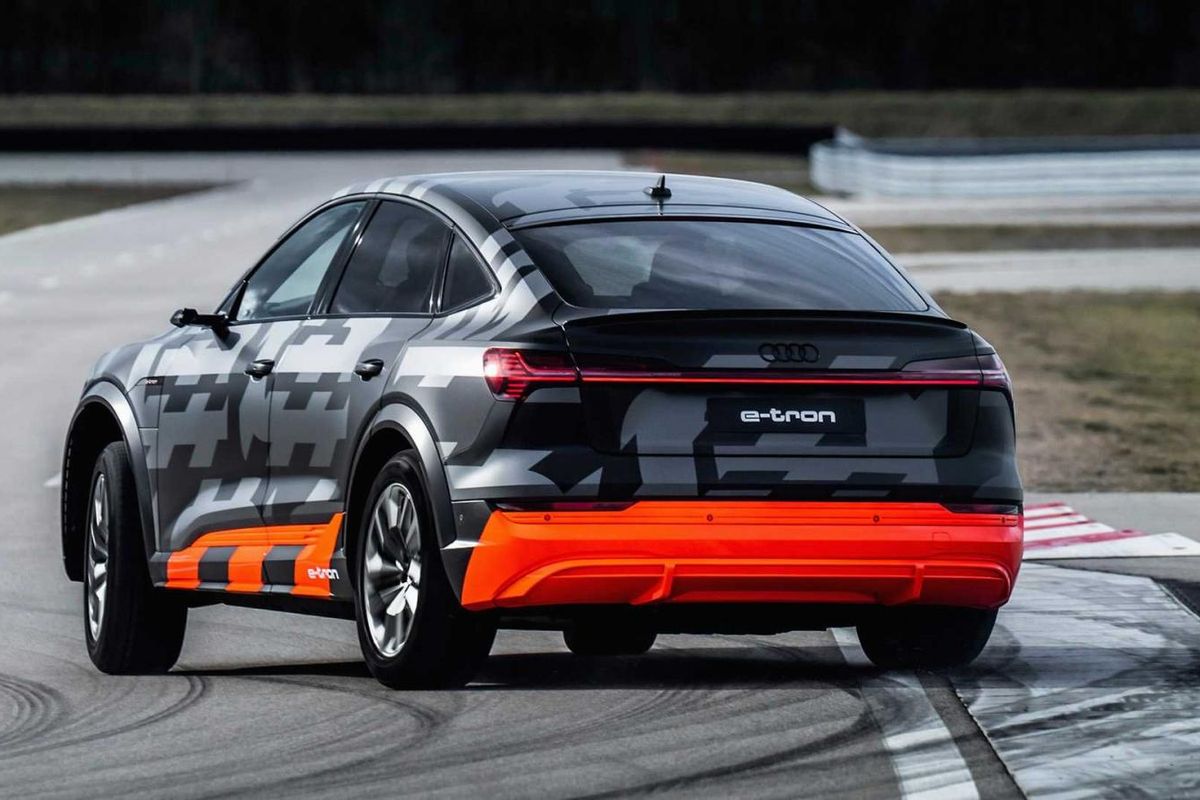
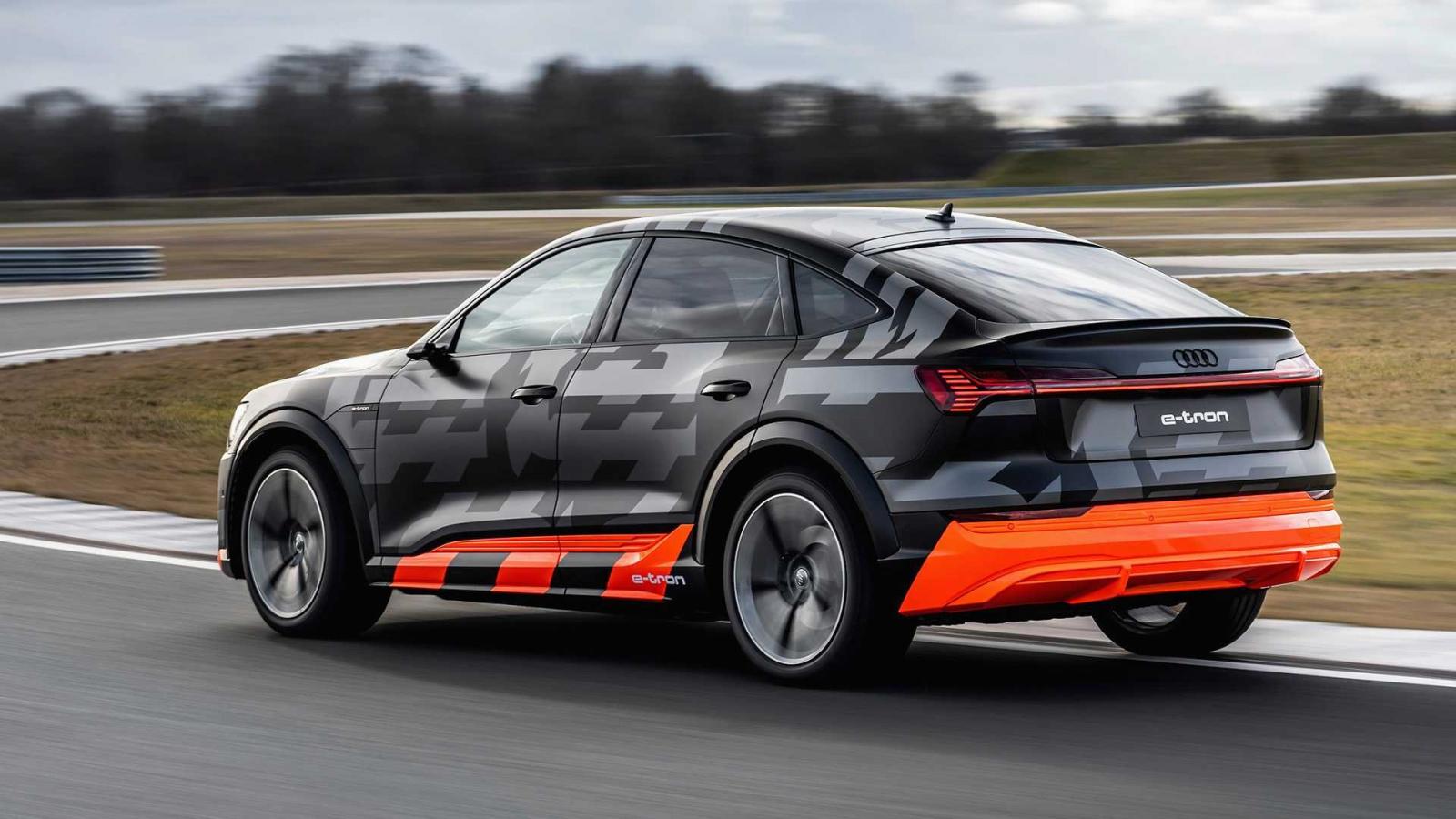
Audi has previewed sportier versions of its e-tron electric SUV. Meet the soon-to-be-revealed Audi e-tron S.
Given the instantaneous torque from an electric engine that is addictively good fun, it was only a matter of time before electric car makers started applying liberal doses of sportiness to its EV range.
Audi will be making S versions of its e-tron range and released some details and images of its forthcoming products. What you see here are prototypes wrapped in Audi's infamous testing colours. If you see a vehicle with a black, grey and orange colour scheme, it's most likely a new Audi product which is close to release.
The new Audi e-tron S will be available in 2 body styles. Audi claims this is a 3-motor electric setup with enhanced quattro and electric torque vectoring, and total outputs are rated at 370 kW and 973 Nm. Those are serious numbers and Audi claims a 0-100 kph sprint time of 4.5 seconds and a top speed of 210 kph. Interestingly, the car can only produce that insane amount of power and torque for a short period of time. Standard outputs are not too shabby either at 320 kW and 808 Nm. The secret to this performance is the addition of a 3rd motor. In the standard Audi e-tron, there are just the 2 motors producing 265 kW and 561 Nm, but in its sportiest of settings, it'll deliver 300 kW and 664 Nm.
The new electrical torque vectoring replaces the conventional sport differentials by being able to send the power directly to each wheel. The responsiveness is near-instantaneous and Audi claims if a driver accelerates out of a curve in a sporty manner, the electric motor gives the rear wheel on the outside of the curve up to 220 Nm more torque than the wheel on the inside of the curve. Can you say electric SUV power slides? There's also adaptive air suspension which can vary the ride height by up to 76 mm. If you favour sporty driving, it'll lower by 26 mm and conversely, if you want to go offroad, it'll rise up to clear obstacles.
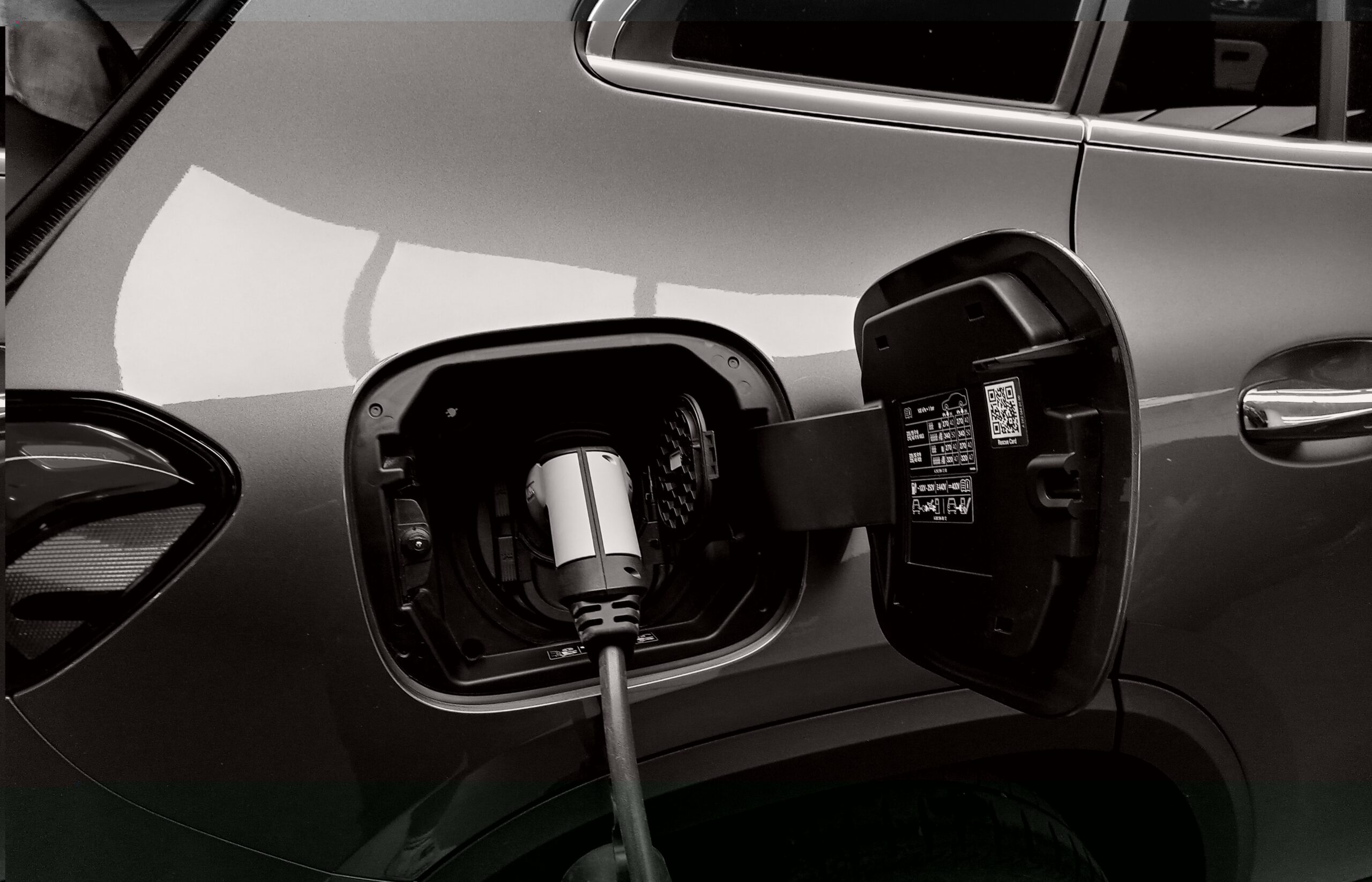
As for charging and range, Audi didn't give exact figures other than when it's plugged into its high-powered 150 kW charger, the Audi e-tron S can go from 5% to 80% in about 30 minutes. We should see the Audi e-tron S revealed at the 2020 Geneva Motor Show. The standard Audi e-tron should arrive in South Africa before the end of 2020.
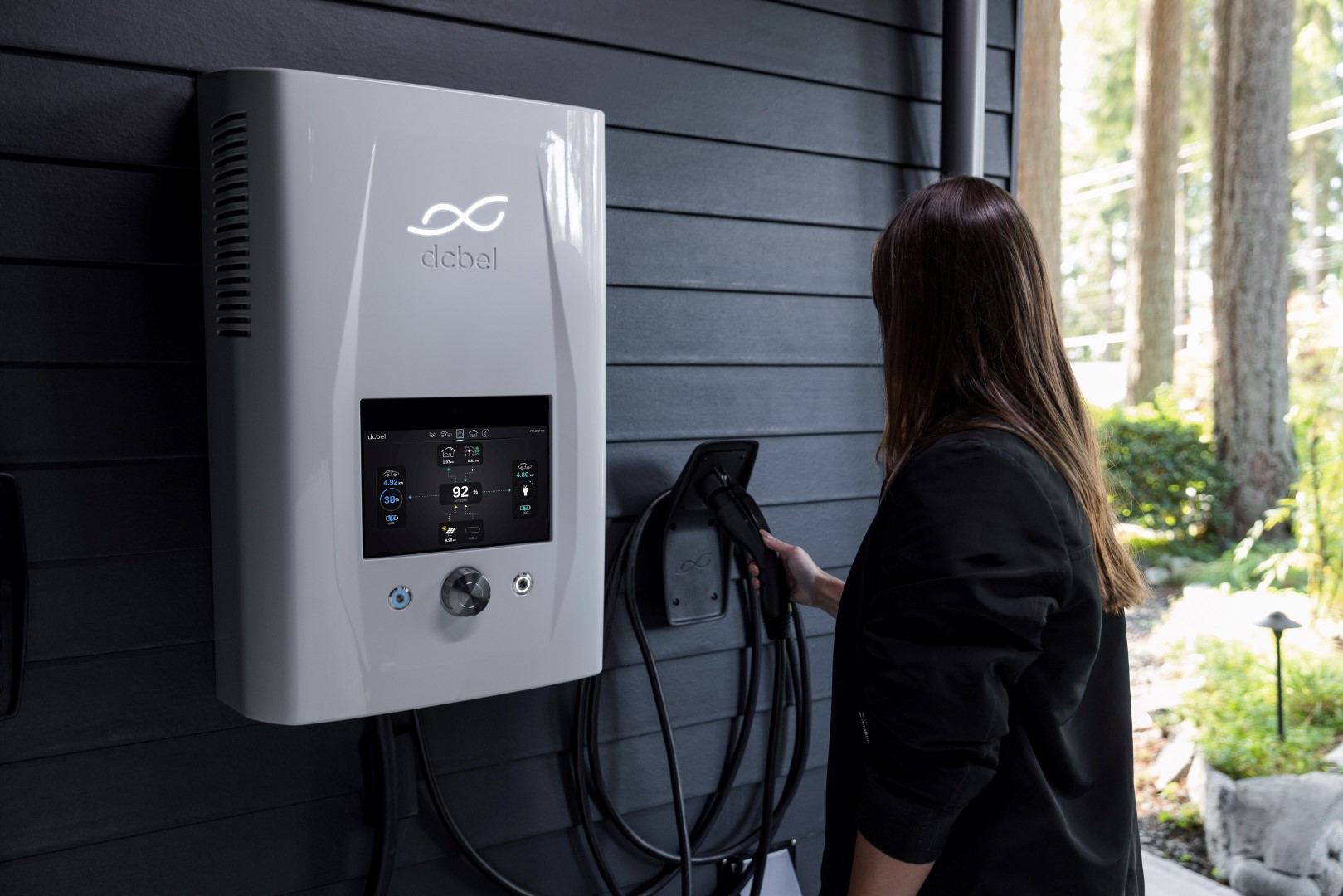
If you are already driving an electric car or are considering buying an electric car, you will have to learn how to charge it. Here’s a basic guide on how to charge an electric car.
Unlike conventional Internal Combustion Engine (ICE) cars which either use petrol or diesel, electric cars are powered using electricity and you will have to “fill up” at a dedicated Electric Vehicle (EV) charging station, whether it be public or at your home.
How to charge your EV at a public charging station
Public EV charging infrastructure is becoming more prolific in South Africa, especially in urban areas, and finding a public charging station to charge your EV is easy with the help of technology such as the PlugShare app which can be downloaded on your smartphone. PlugShare will show you all the public charging stations in your vicinity, show what type of charging stations are available and whether the stations are operational. EV drivers will also be able to use the PlugShare app to plan driving routes to ensure that they don’t run out of range. The Plugshare app is therefore an essential tool if you are driving an EV.
The charging requirement for every EV will be different and so it’s worthwhile referring to your vehicle’s user manual to understand how and where you are able to charge your EV.
Your EV will be registered to use public charging infrastructure and an EV charging card will allow you to charge your EV at a public charging station. The card is either credited or you will be charged appropriately for charging on a monthly/annual basis.
Note that the cost of charging your EV will vary depending on what public EV charging station you use but bare in mind that public EV charging is more expensive than charging your EV at home.
How to charge your EV at home
Charging your EV at home is by far the most cost-effective charging solution.
Depending on what EV you drive or are planning to buy, a home charging system may or may not be bundled together with the purchase price of the EV. It’s best to ask the brand dealer if a home charger is included. If not, you will have to pay for the purchase and installation of the home EV charger over and above the purchase price of the vehicle. Pricing will vary greatly depending on the type and output of the system.
Once installed, your EV can be plugged in and charged while you are at home and the electricity usage will be billed to your municipal account. However, if you want to “go green” and avoid the effects of load shedding, you might want to consider investing in a solar system to power your EV charger. While this route might be expensive initially, the cost will be offset during EV ownership as your EV will be powered by the energy of the sun and you will no longer be paying for electricity to keep your EV charged.
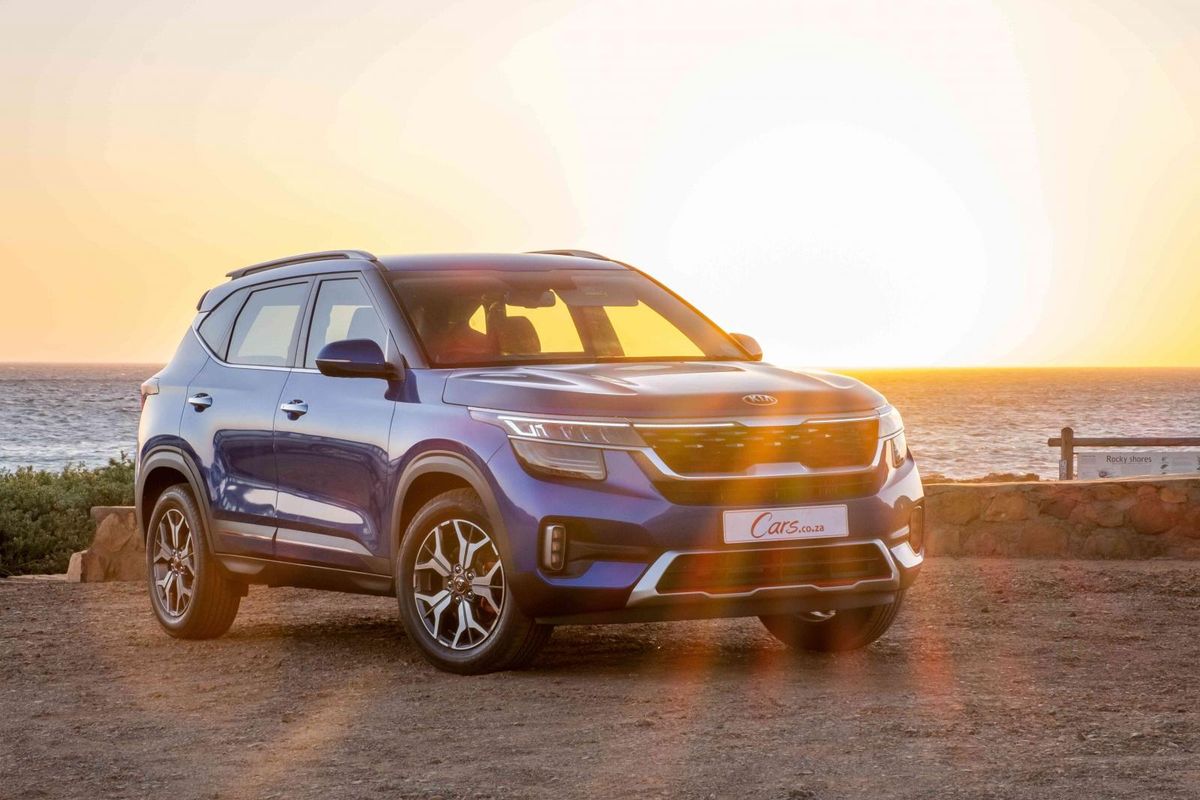
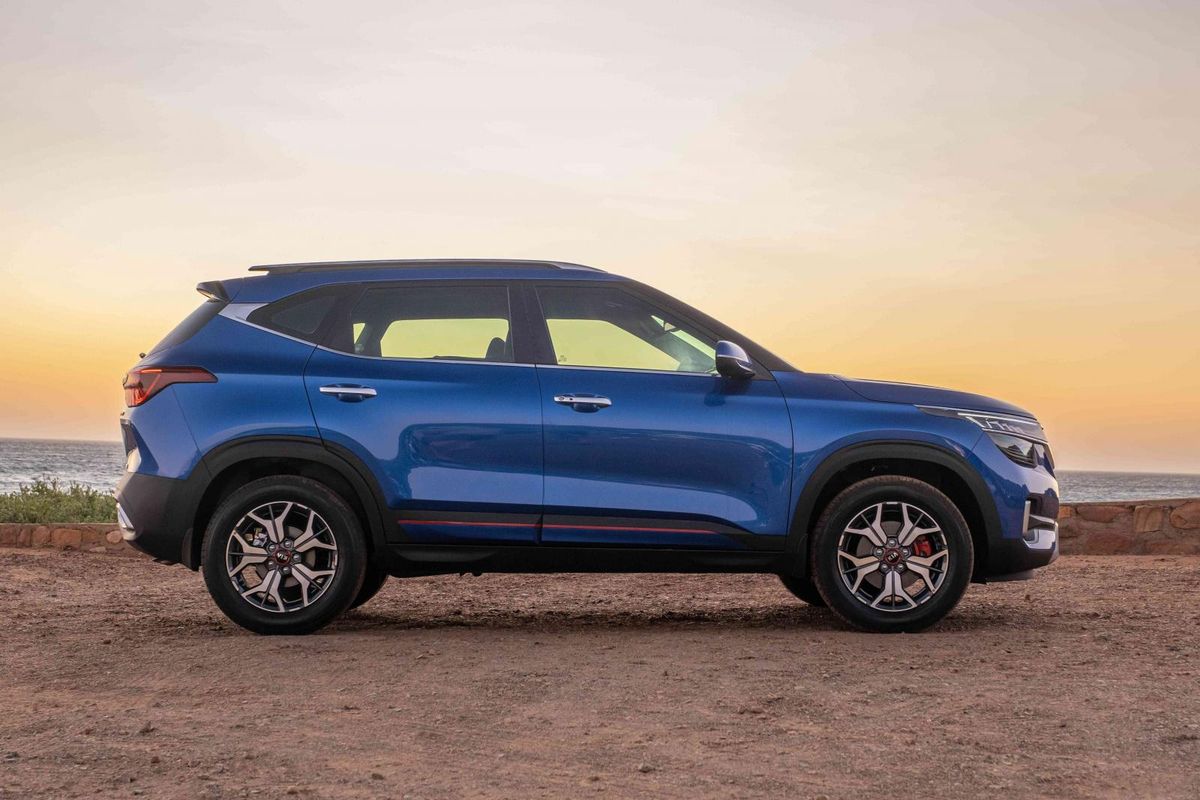
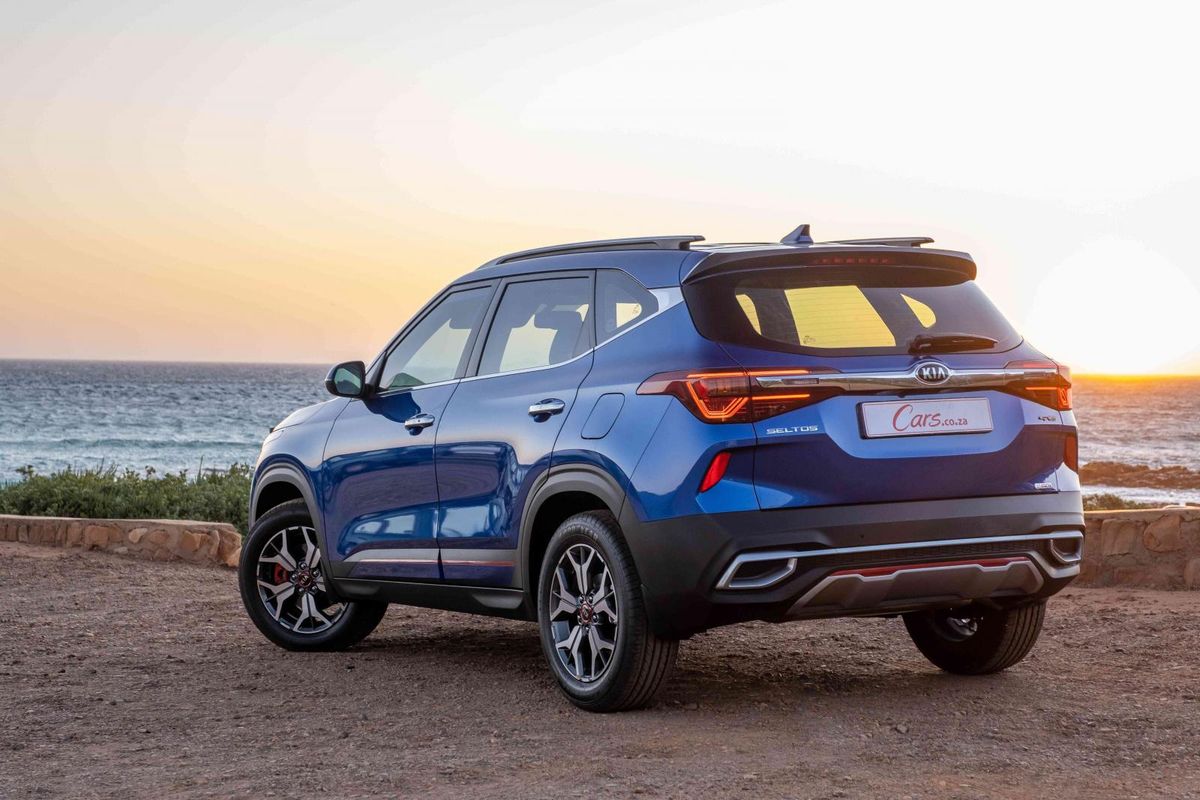
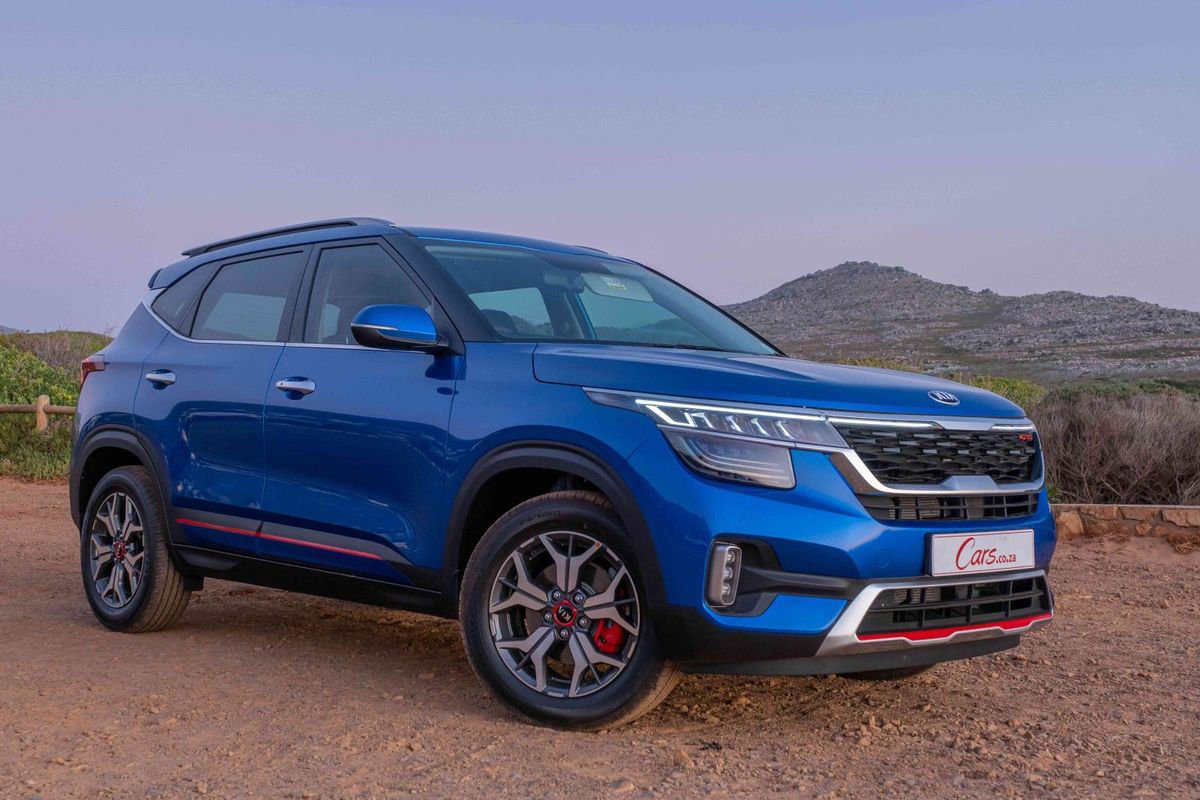
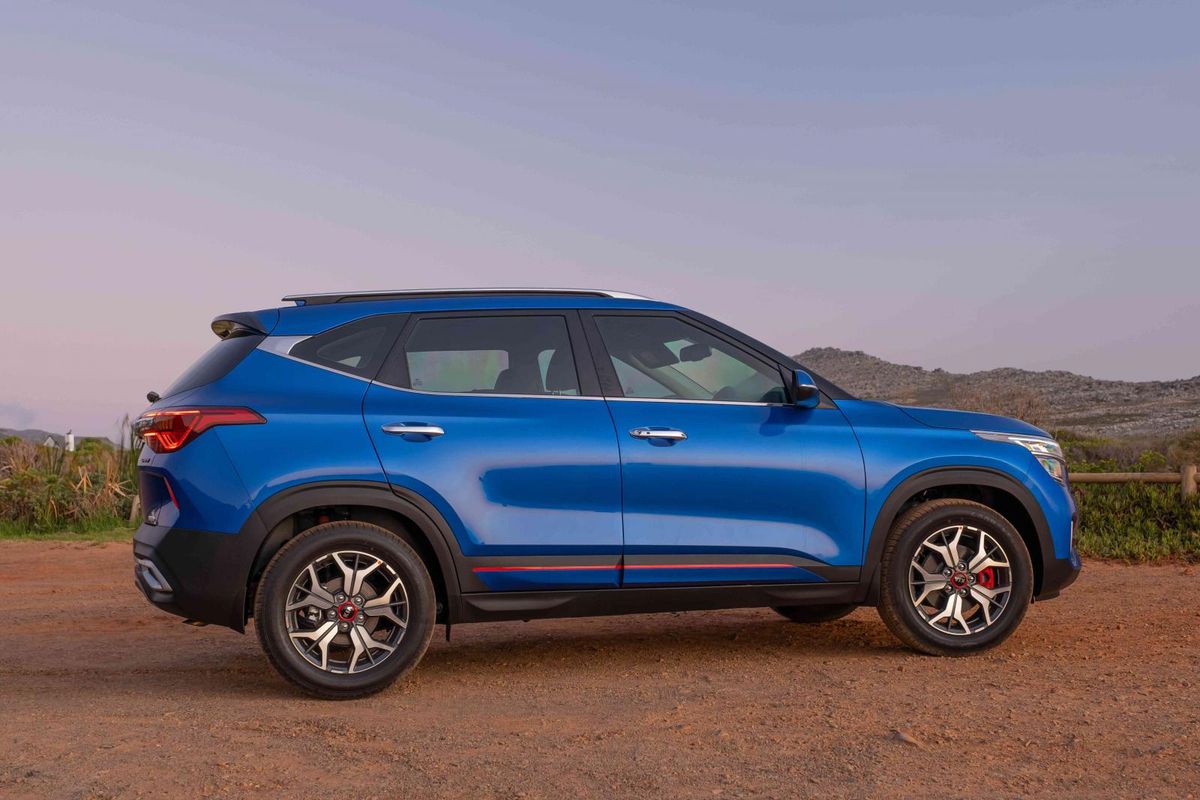
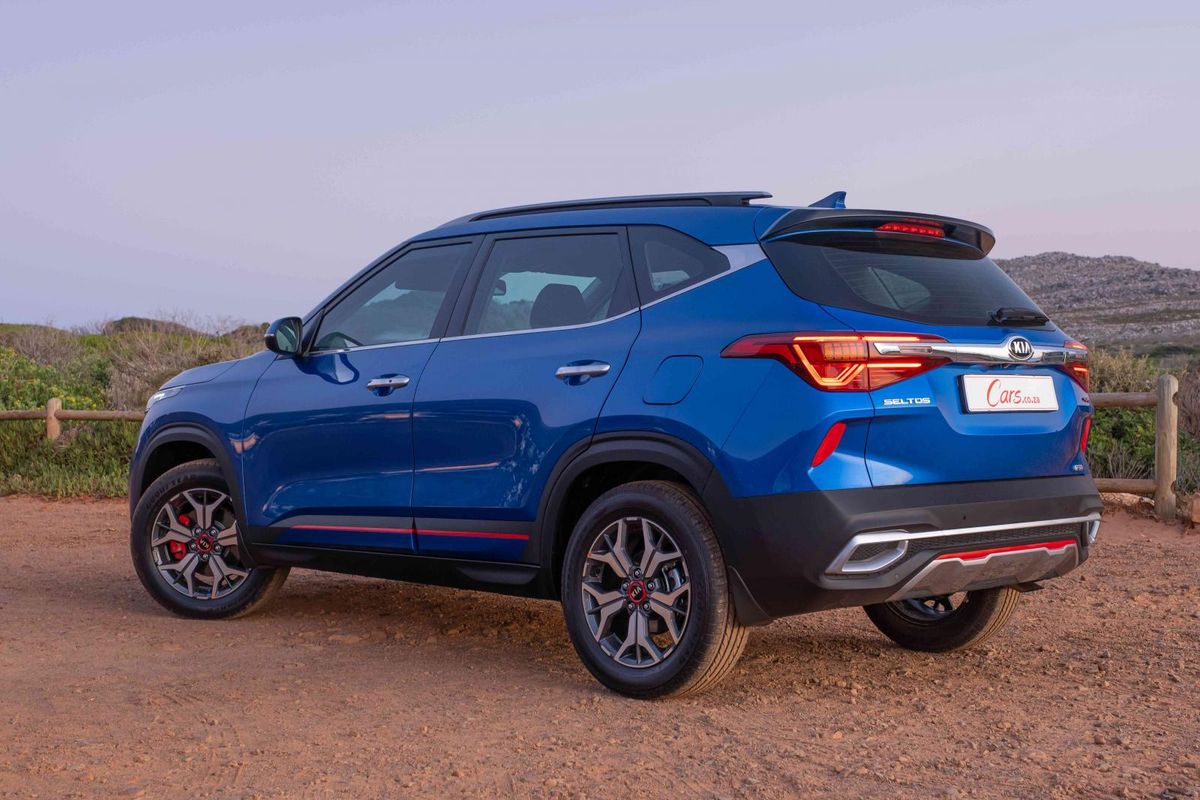
The Kia Seltos has joined a crowded compact family SUV segment. This top-of-the-range Seltos 1.4T-GDI GT Line's exterior execution may divide opinion, but its performance, spacious interior and practicality are certainly big drawcards. Can it justify its R445k asking price, however? Let's find out.
We Like: Punchy engine, comfortable ride quality, practicality
Another day, another new SUV. This is the new Kia Seltos!
The Seltos is produced in India and slots in below the Sportage in Kia’s local product offering. It’s considered to be a compact family SUV (but it's larger than most models in its segment) and it competes with a wide range of rivals such as the Volkswagen T-Cross, Renault Duster, Nissan Qashqai, Suzuki Vitara, Mahindra XUV300, Honda HR-V and Hyundai’s Creta, to name just a few…
The eye-catching newcomer was Kia’s best-selling model in February 2020 (when 377 units were sold) and there’s little reason to think that it won't continue to sell strongly. However, the mid-spec 1.6 EX and EX+ derivatives are bound to constitute the volume of Seltos sales. Could the turbocharged 1.4T GDI GT Line, which offers appreciably more kerb appeal, be worth the extra outlay?
How it performs in terms of…
Kerb appeal
Not everyone will like the look of the Seltos, but it should still sell very well in South Africa.
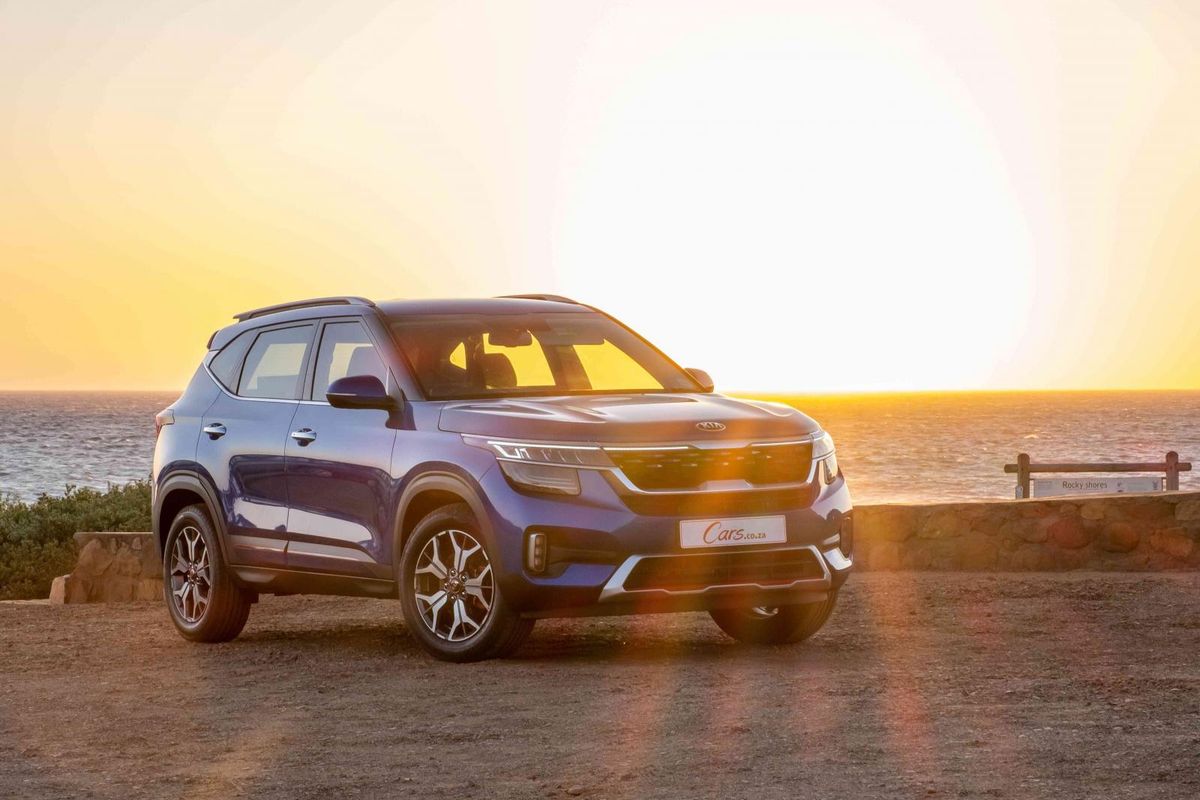
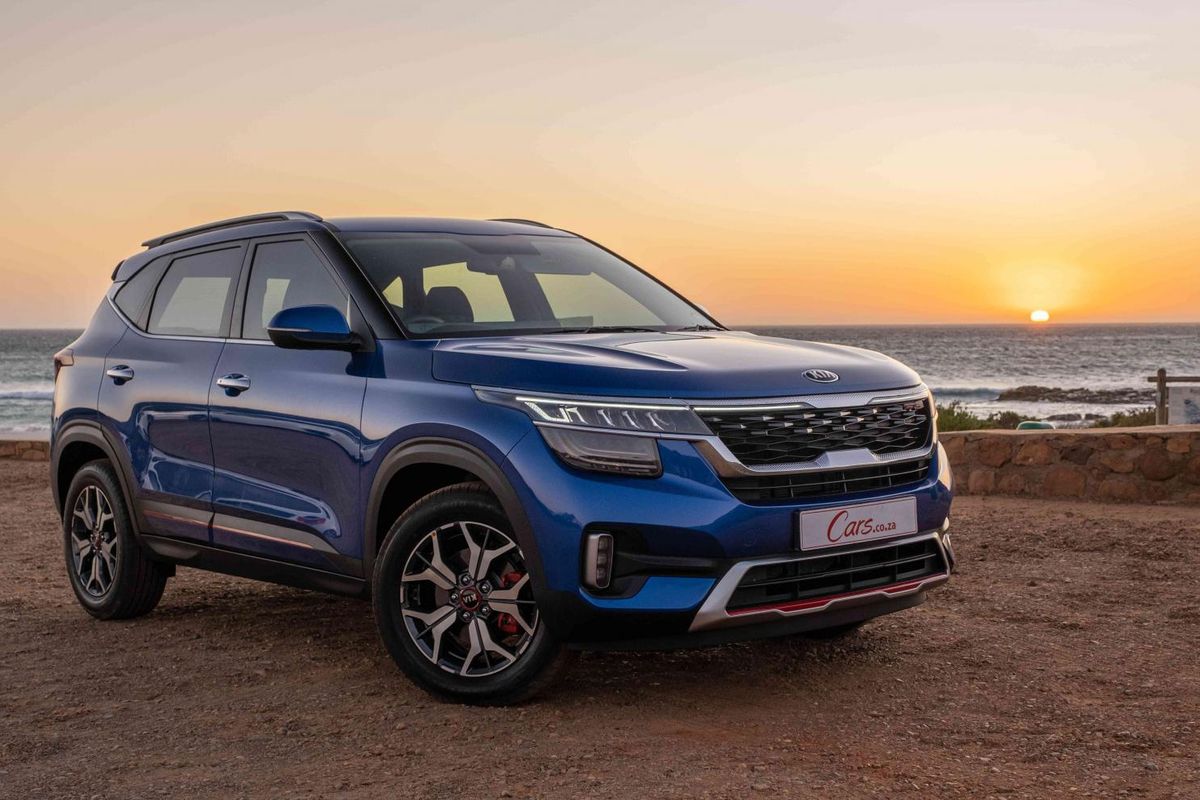
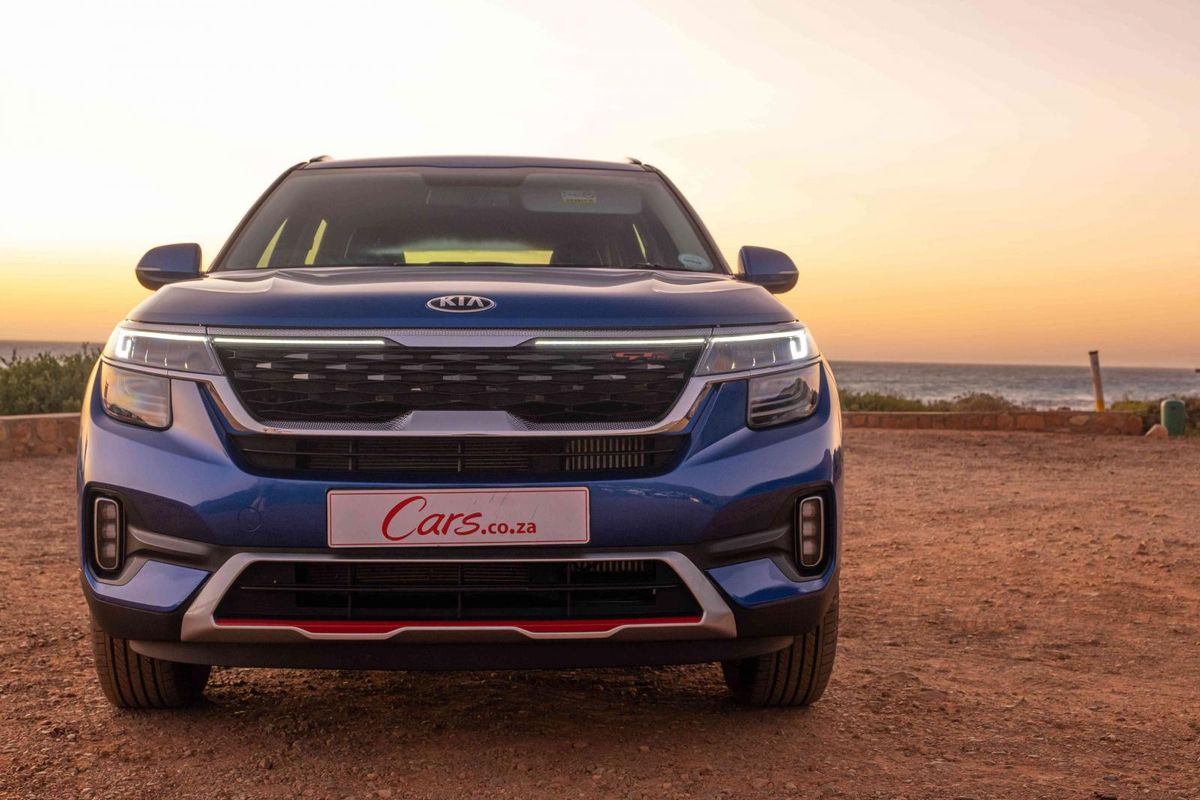
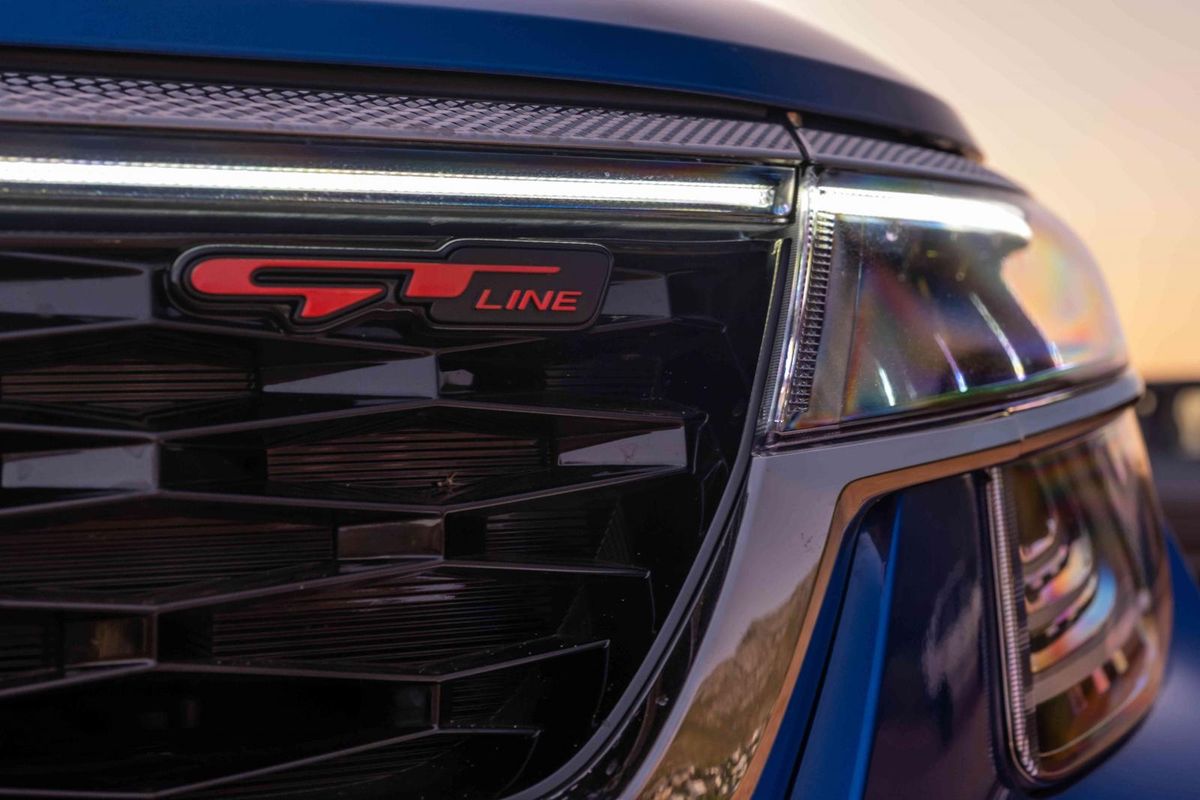
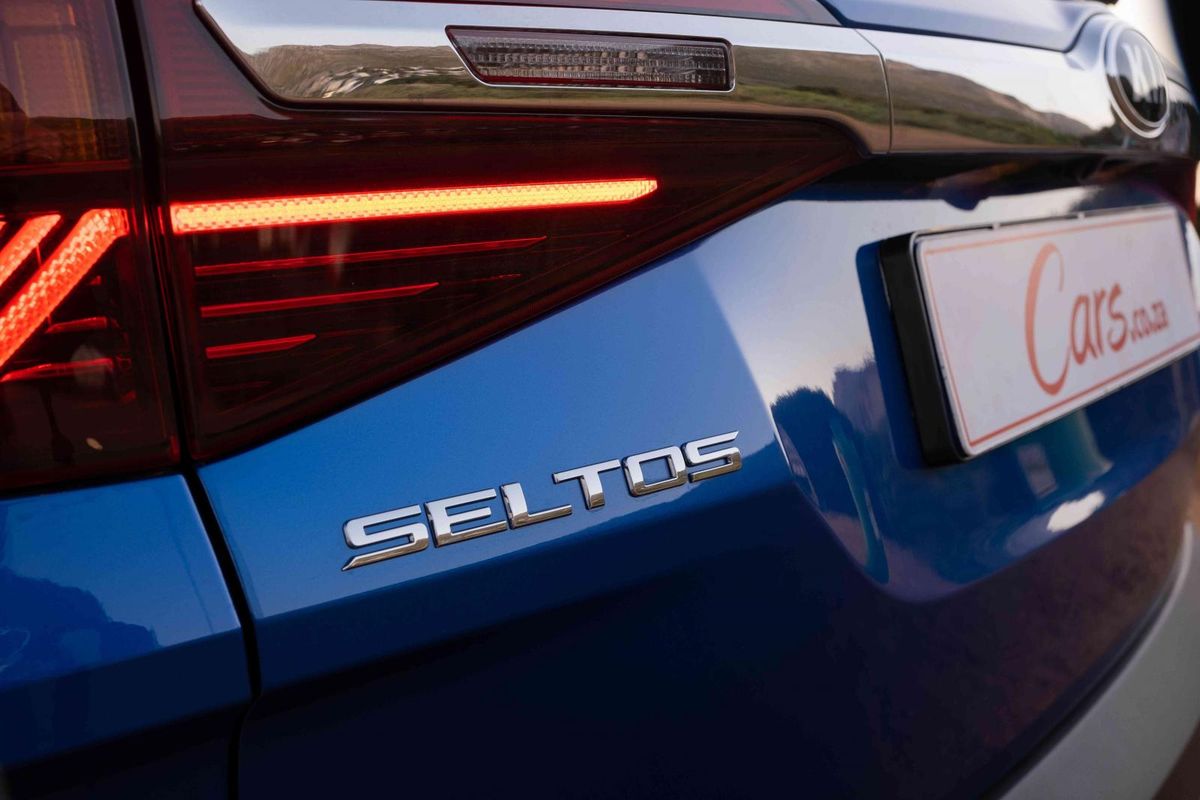
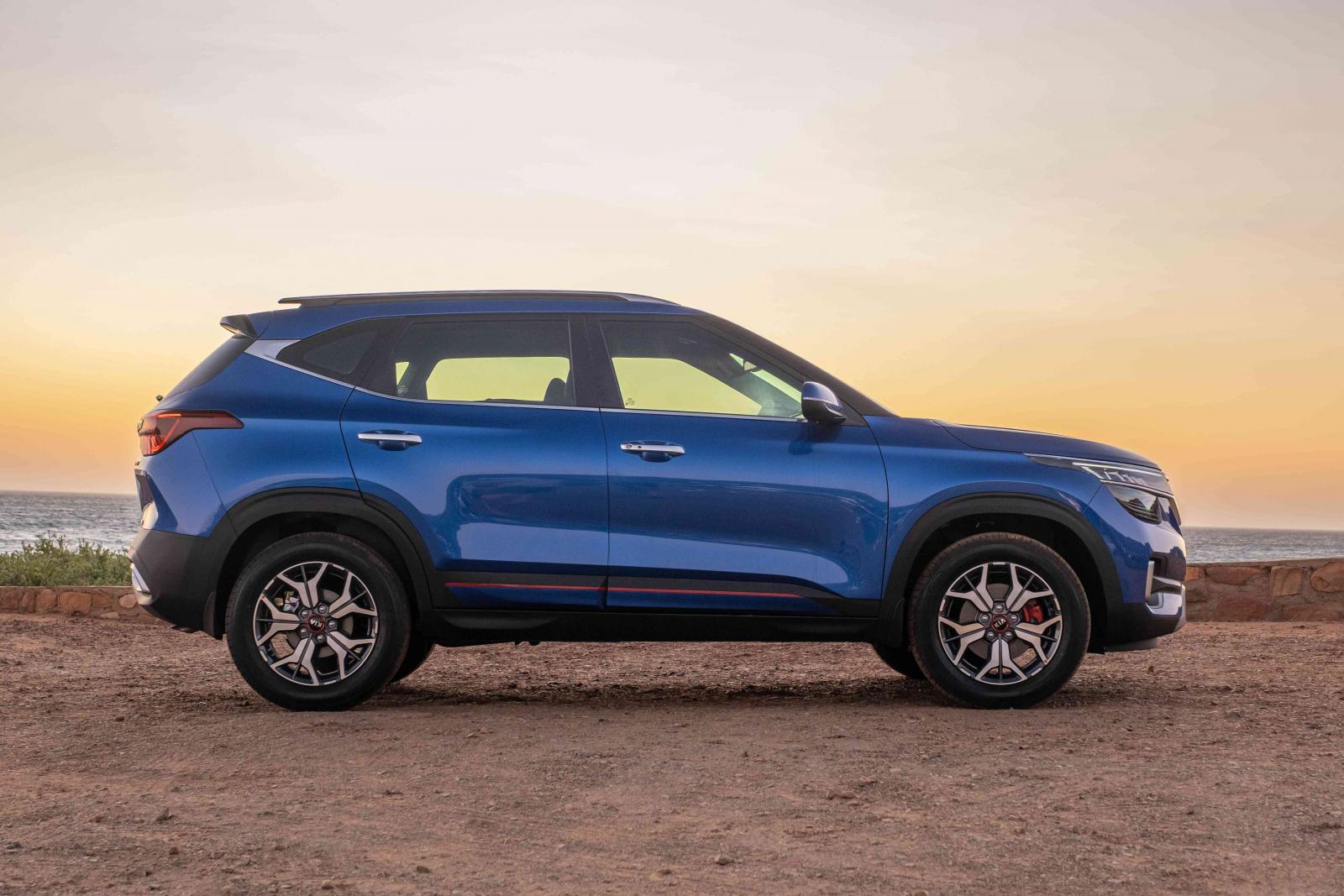
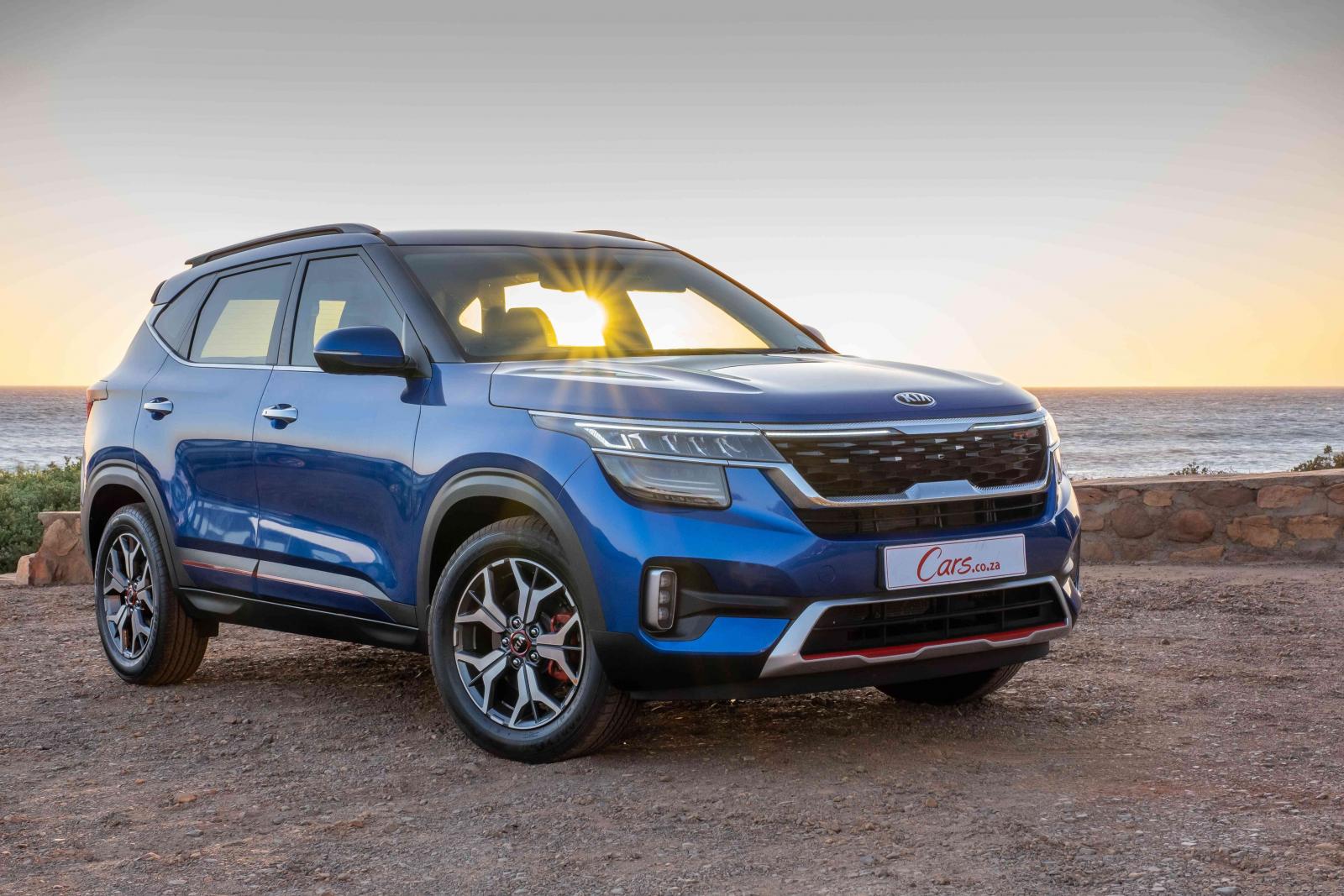
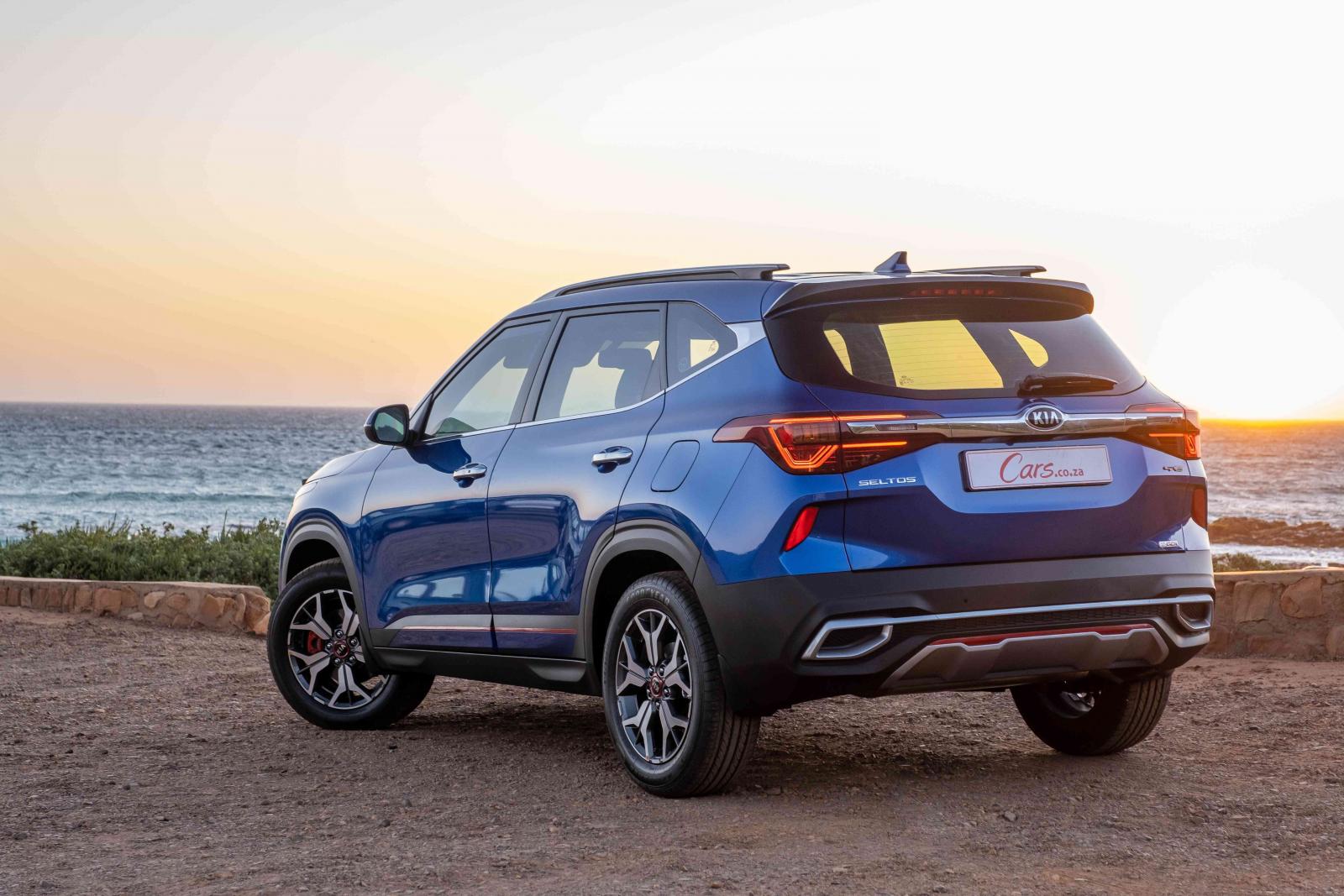
The Seltos certainly injects bold styling into a segment filled with inoffensive-looking offerings, but in GT Line trim, the Korean compact family car's looks are so expressive that they might not be to everyone's taste. A few of our testers didn’t like the "busy design" and some onlookers even used words such as "kitsch" to describe the vehicle's cartoonish front-end styling. The plethora of lines and bulges do catch the eye, however – the design is far from boring and Kia deserves some credit for that. This particular test unit came dressed in the vibrant Intelligence Blue body colour, which is complemented by red detailing and -GT Line badging on the tiger-nose grille and tailgate. It rides on 17-inch alloys accented with red brake callipers, which add a dash of sportiness to the package.
Interior execution and features
The Seltos is solidly-built but some of the interior finishes could be of better quality.
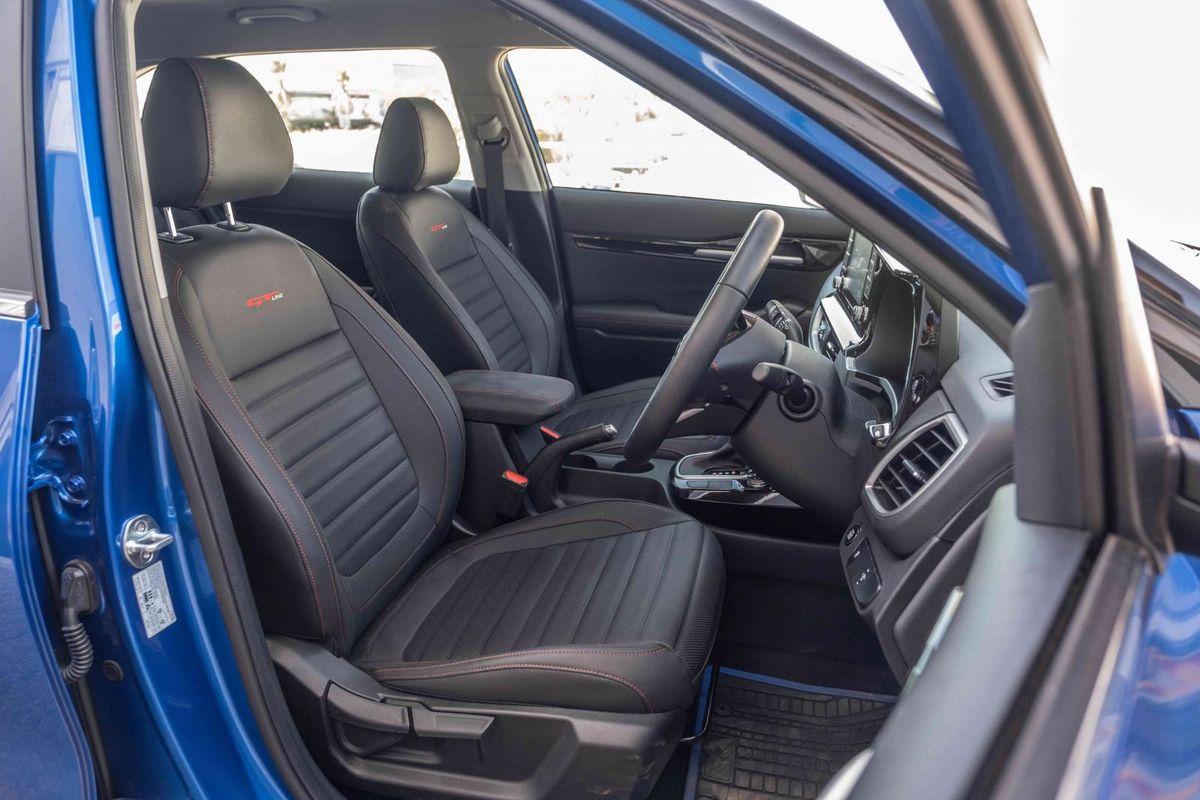
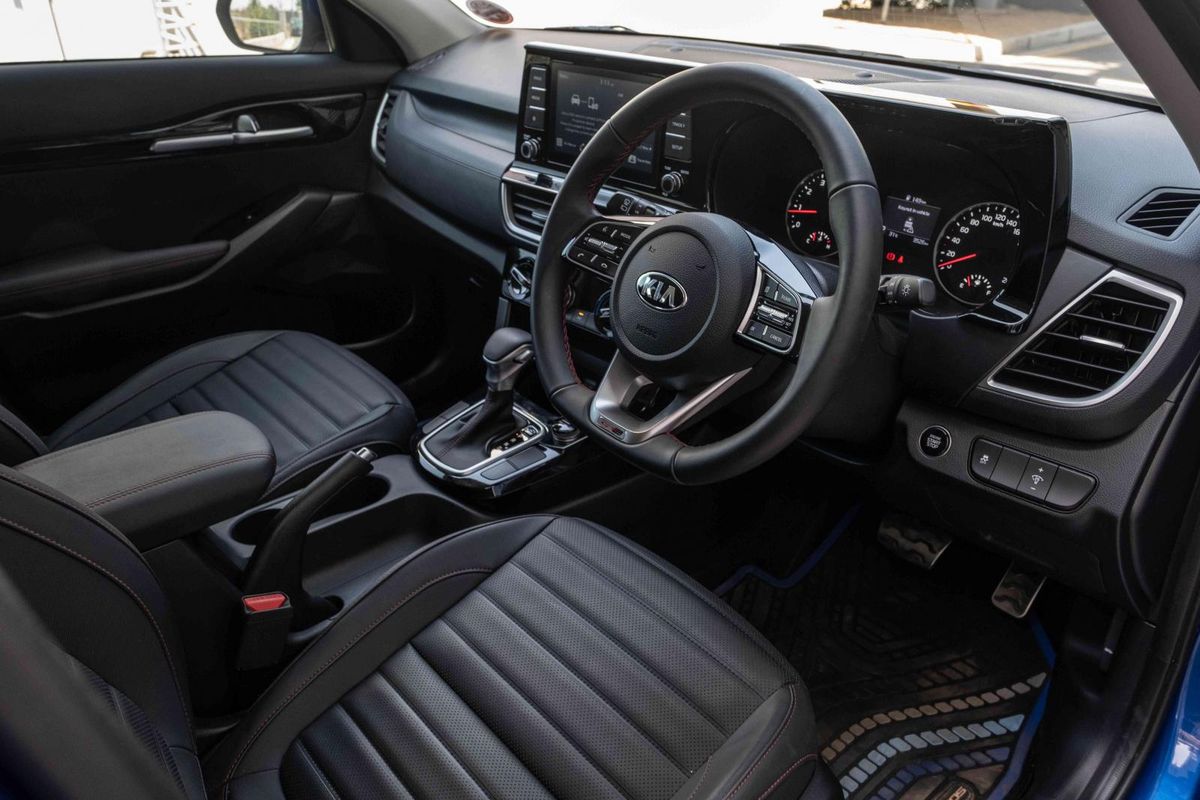
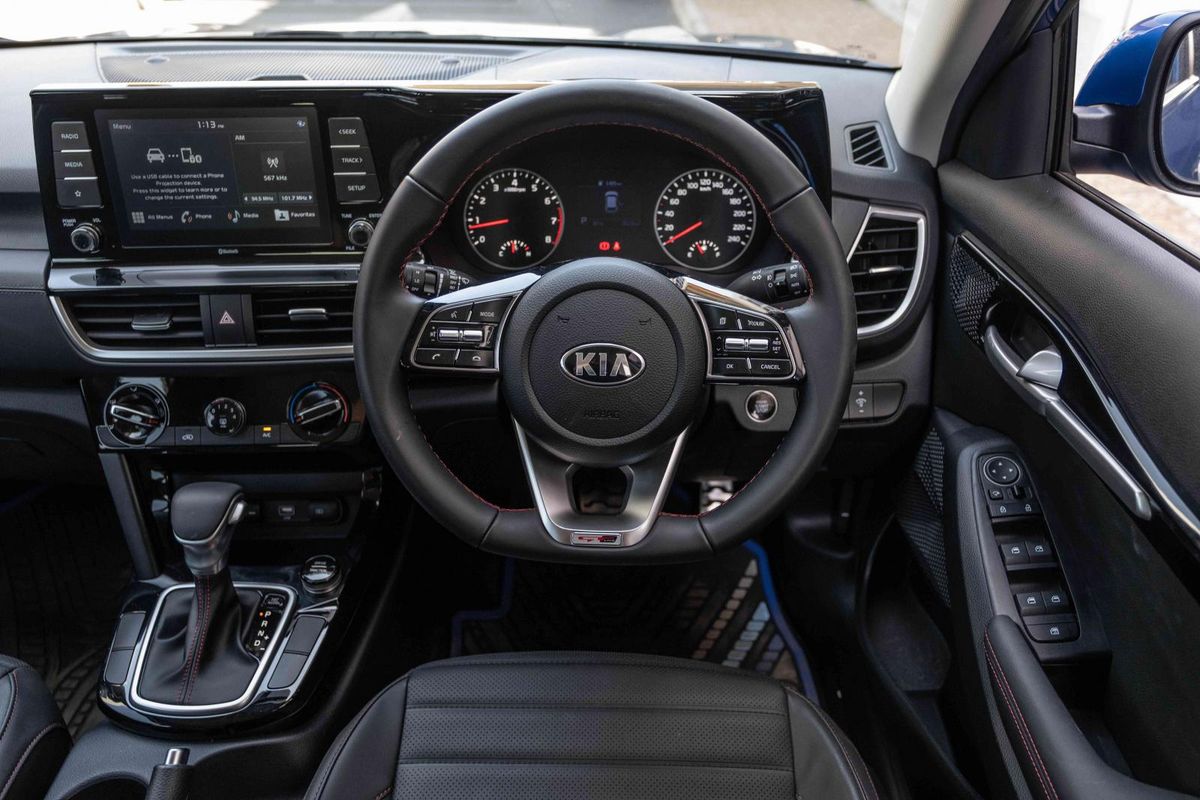
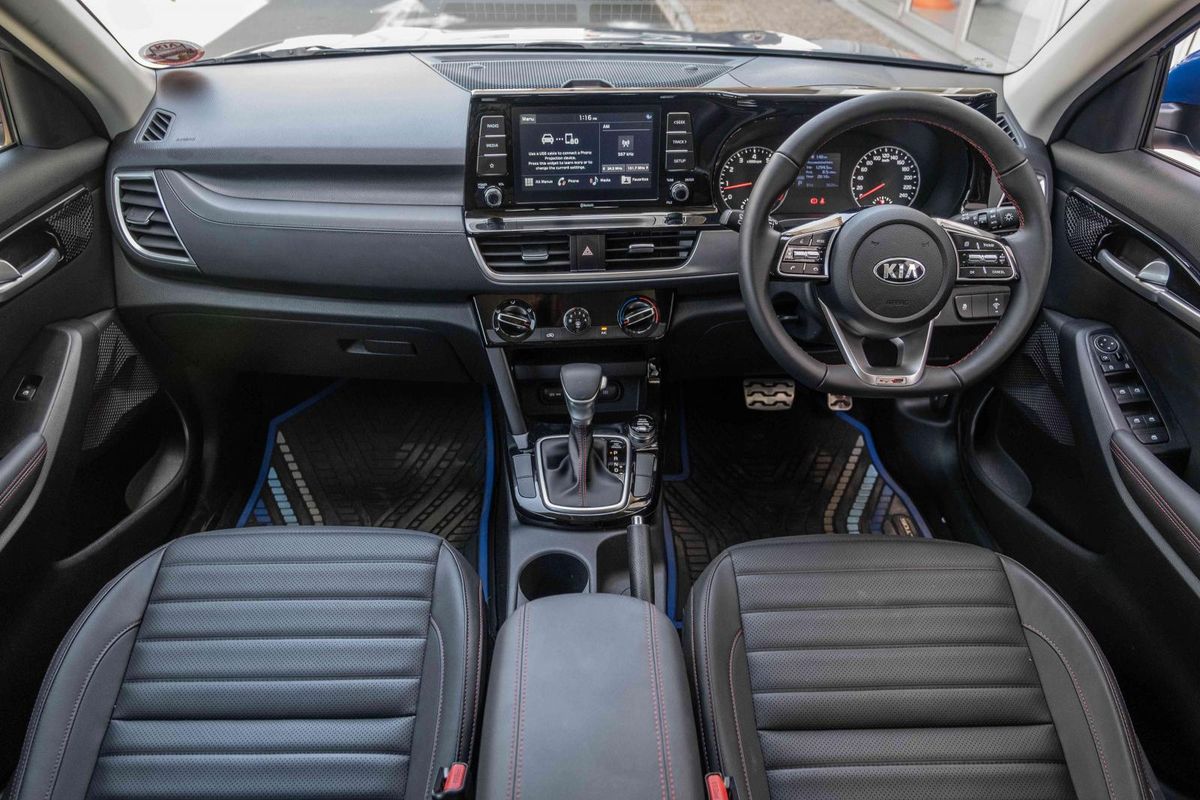
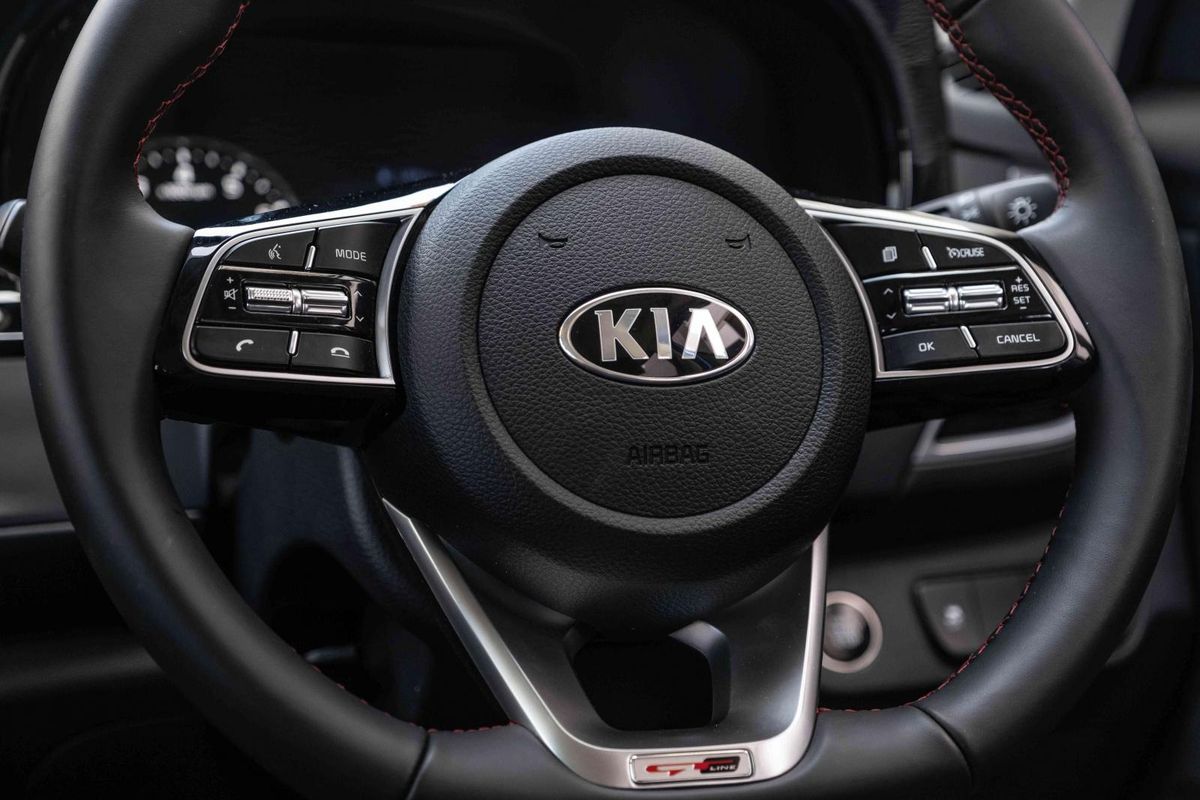
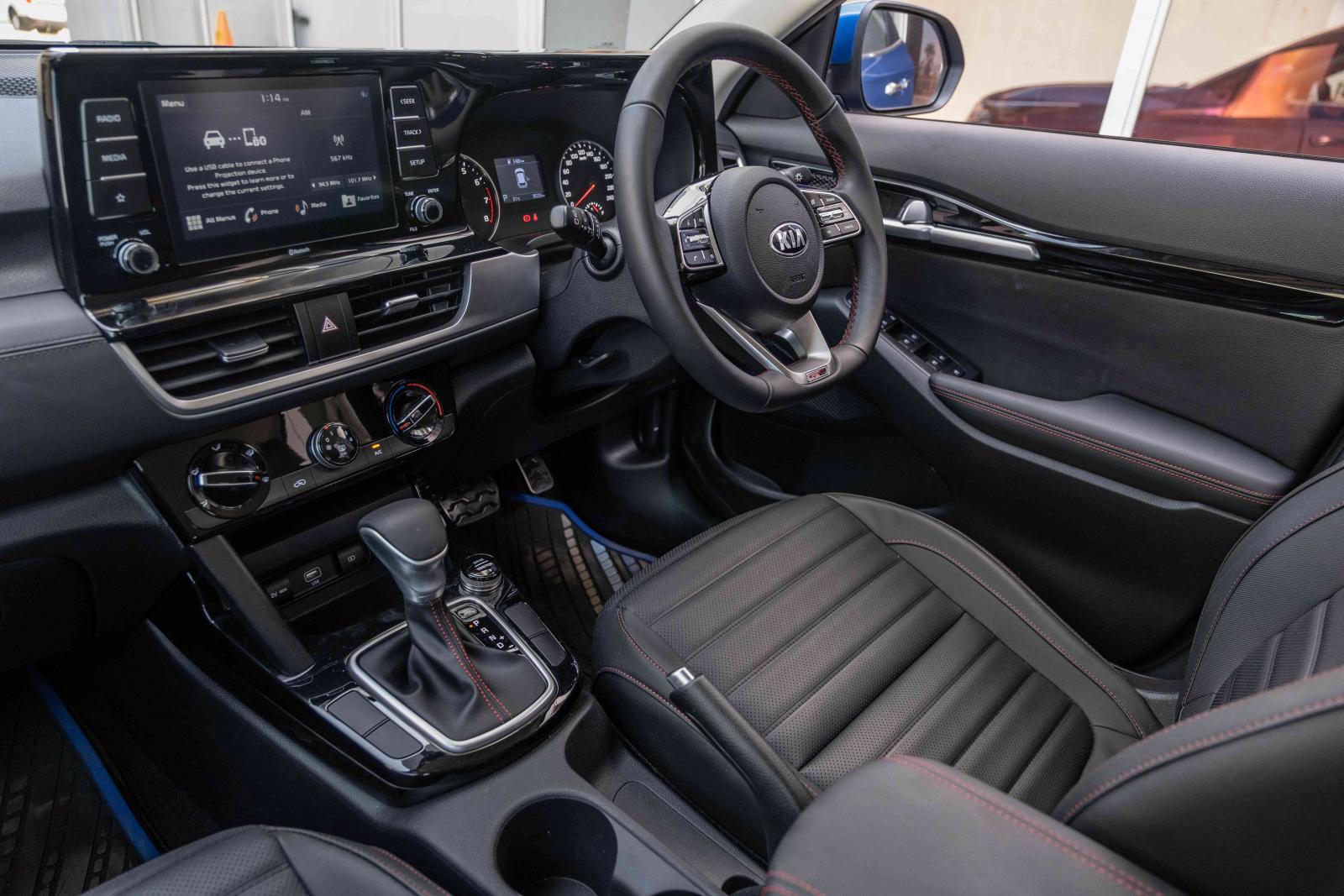
Prospective buyers will be happy to know that the Seltos' perceived interior build quality is generally quite good. The GT Line gains a few more nice-to-have features over its lesser siblings, such as leather upholstery, a flat-bottomed multifunction steering wheel, stainless steel-finished pedals and interior mood lighting. The angular speaker-cover design in the doors is also rather interesting…
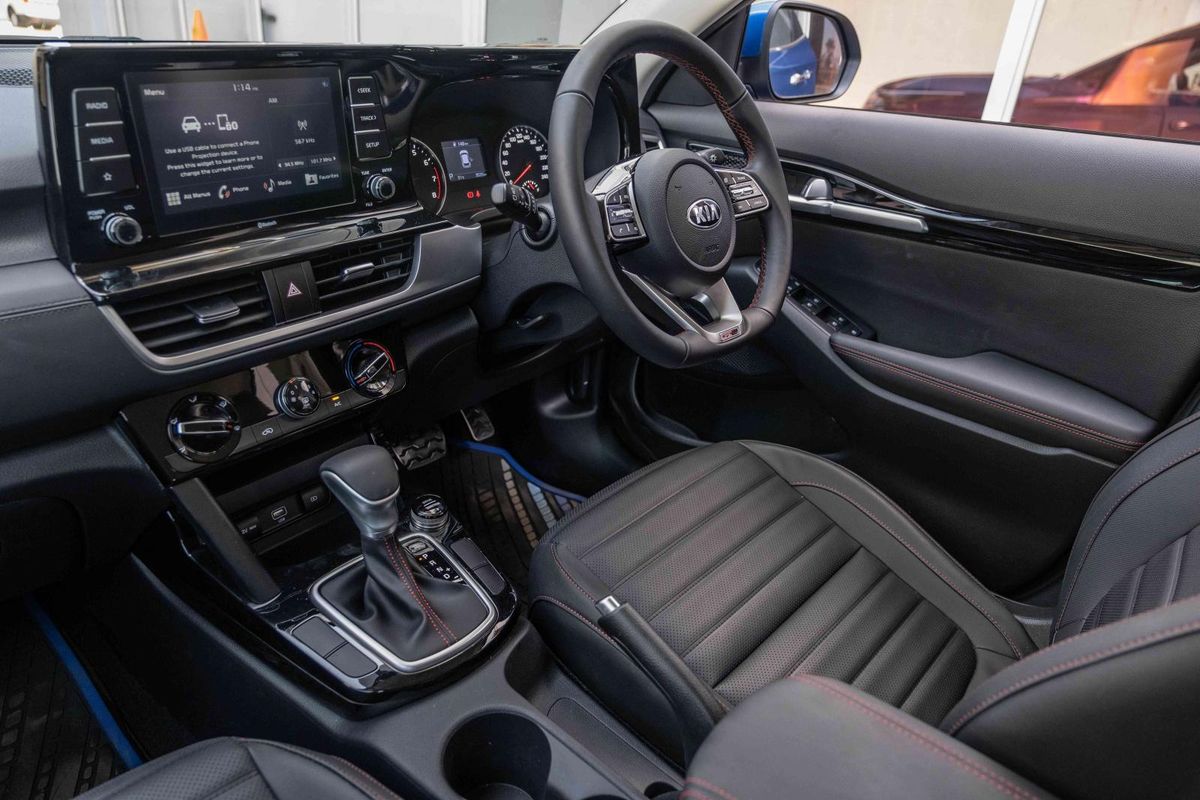
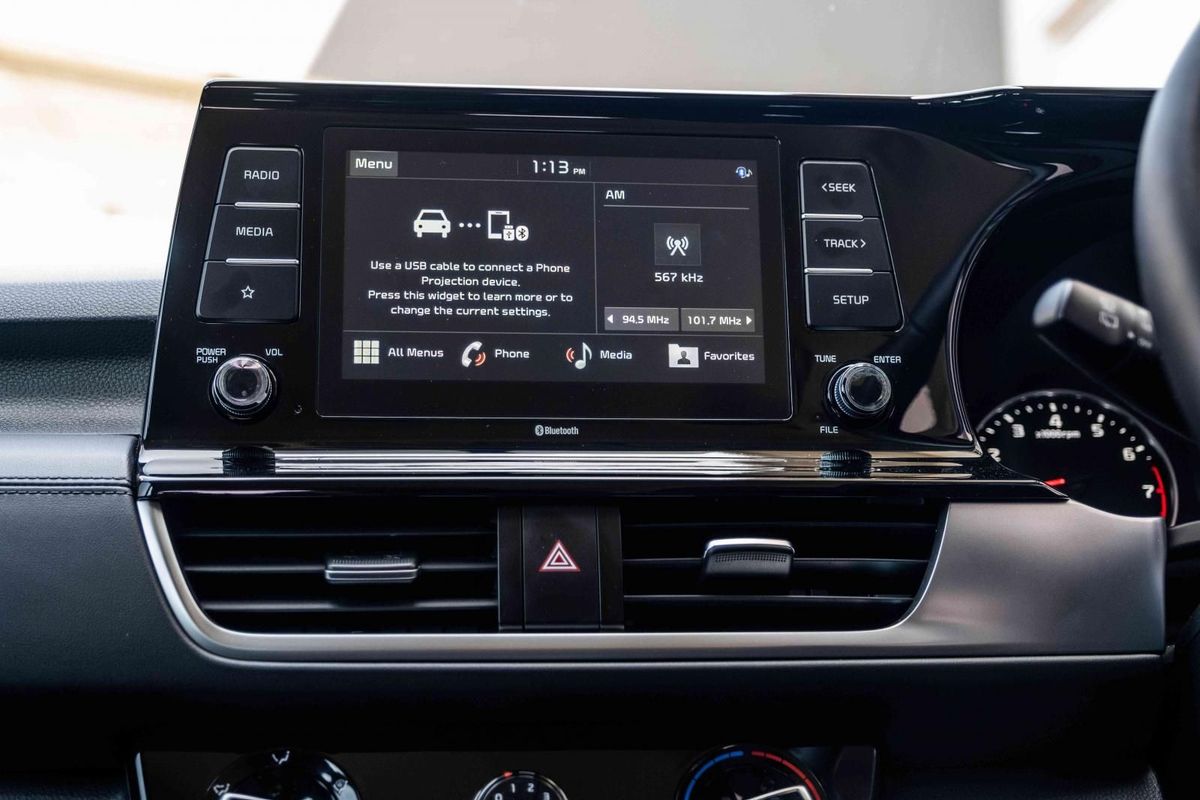
Perhaps the most prominent (and controversial) cabin feature is the bolt-upright instrument binnacle, which houses the instrument cluster (with analogue dials) and the 8-inch touchscreen infotainment system. The menus are easy to read and operate, while Android Auto- and Apple CarPlay compatibility is a welcome feature. The binnacle, however, has a shiny piano-black plastic surround that not only attracts dust and fingerprints, but cheapens the overall interior look and feel of the fascia – in our opinion. The same material is used lower down in the console, which doesn't help matters.
Moreover, the lack of dual-zone climate control (or a wireless charging pad) is glaring in this top-spec derivative and the humdrum heating-, ventilation- and aircon dials look as if they were hastily sourced from Kia’s budget-car parts bin. Cruise control and rear park distance control with a reverse-view camera are standard, but the image quality delivered to the screen is disappointingly poor.
On the safety front, the 1.4T-GDI GT Line is suitably equipped with a total of 6 airbags, ABS with EBD, brake assist and electronic stability control.
Practicality
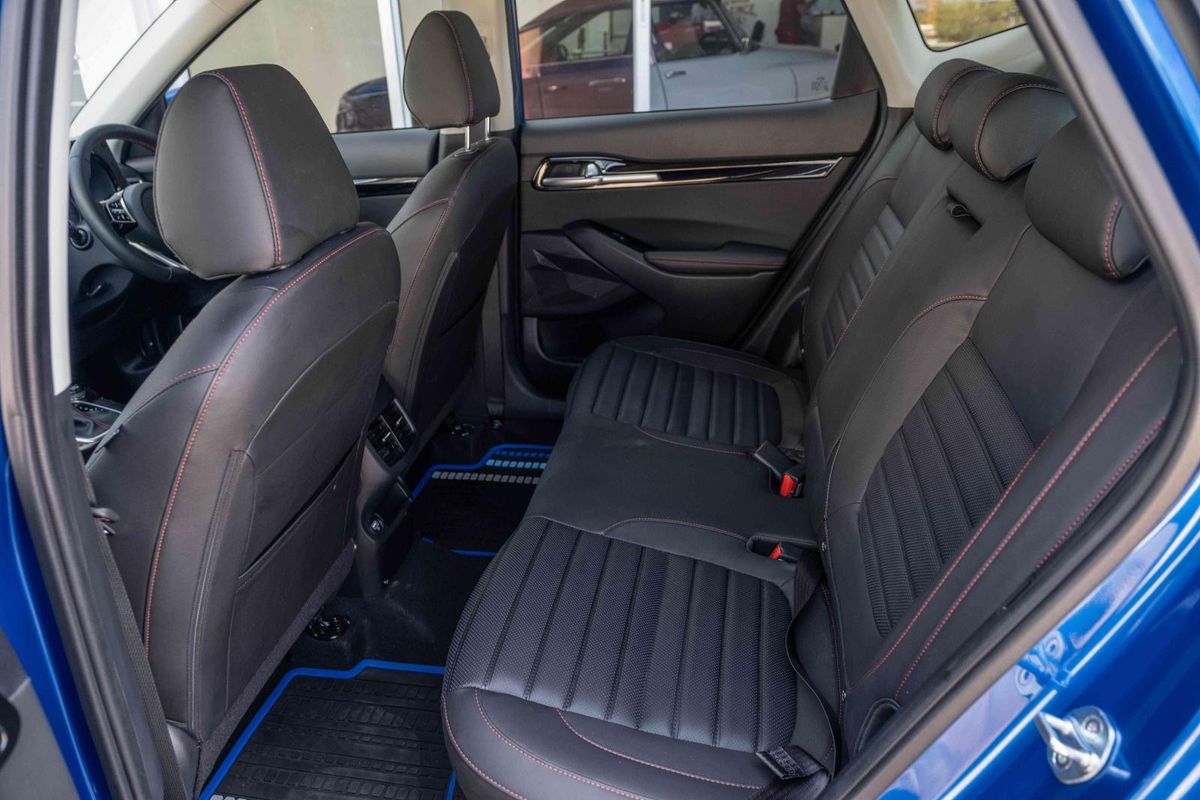
Practicality and space are core strengths of the Seltos – it's larger inside than most offerings in the compact family segment.
The Seltos is larger than most of its direct rivals and its roominess is immediately apparent when you slide into the driver’s seat. It's as if you've stepped into a bigger family car; it feels that substantial. The seat cushions (fore and aft) are very comfortable and the height-adjustable driver’s seat and rake- and reach-adjustable steering column should make it easy to find your preferred driving position.
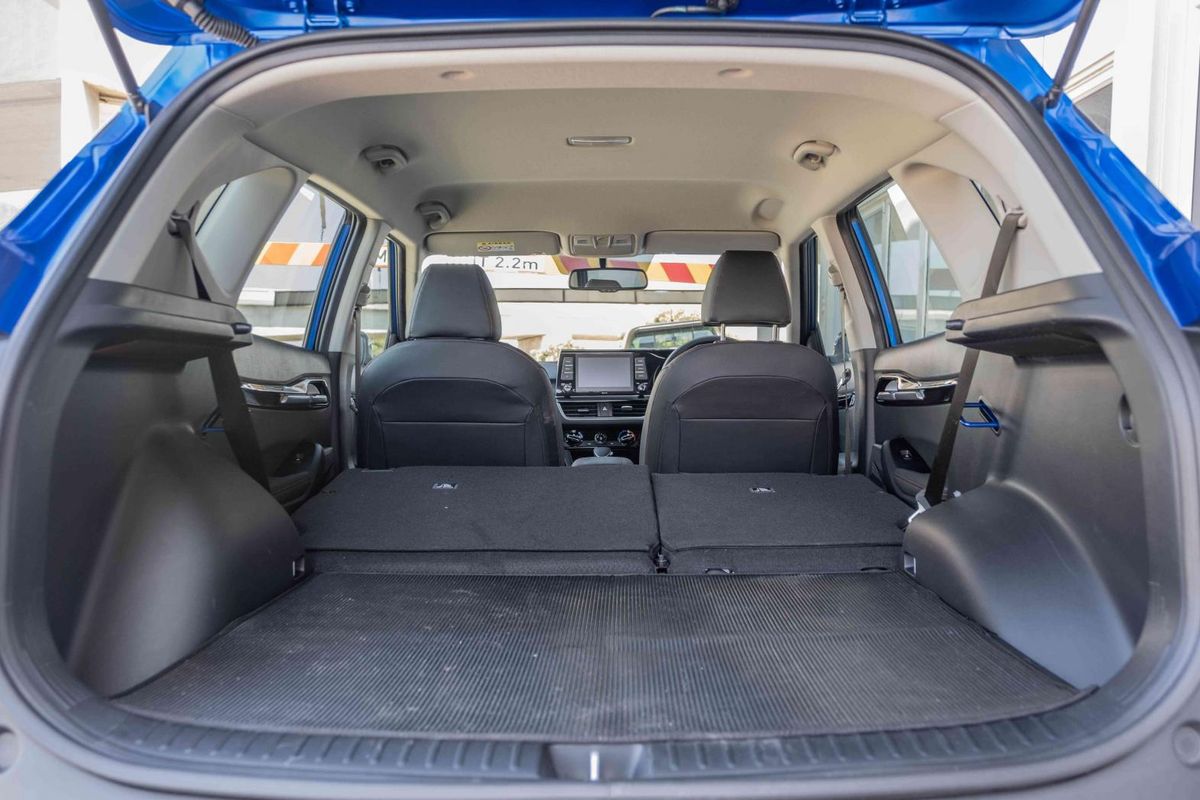
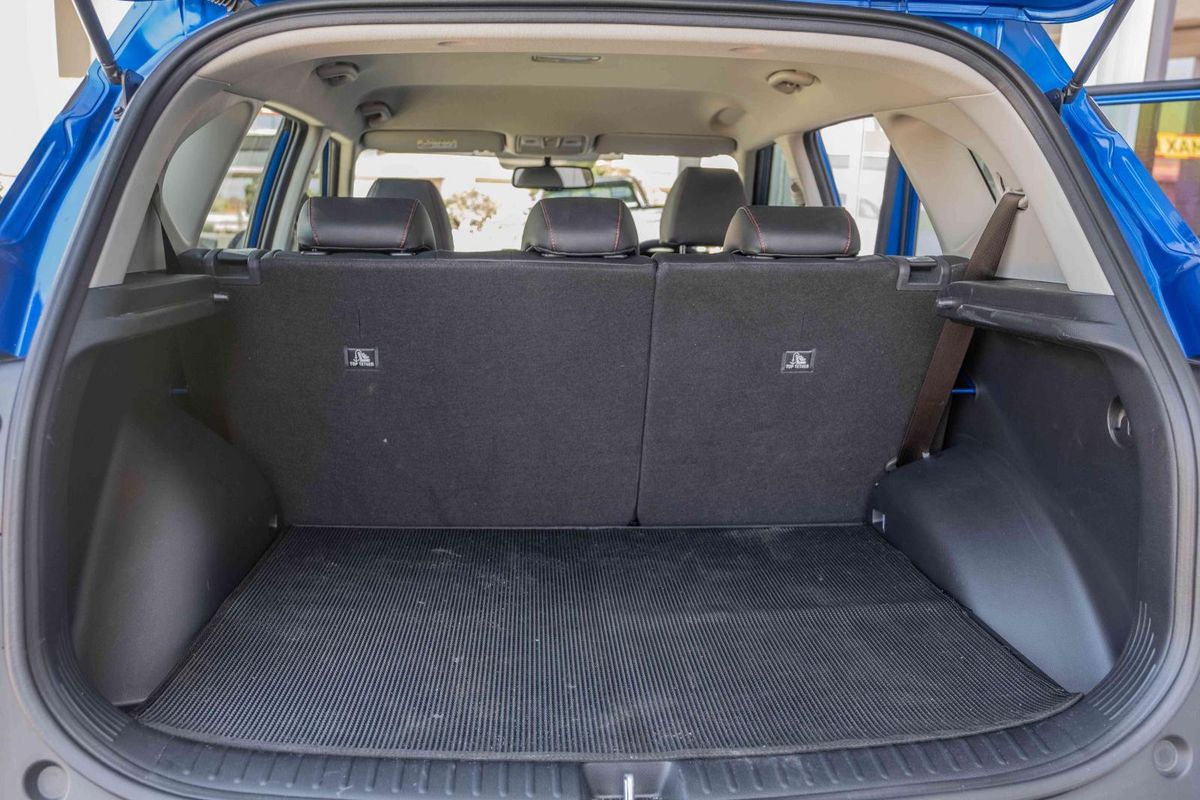
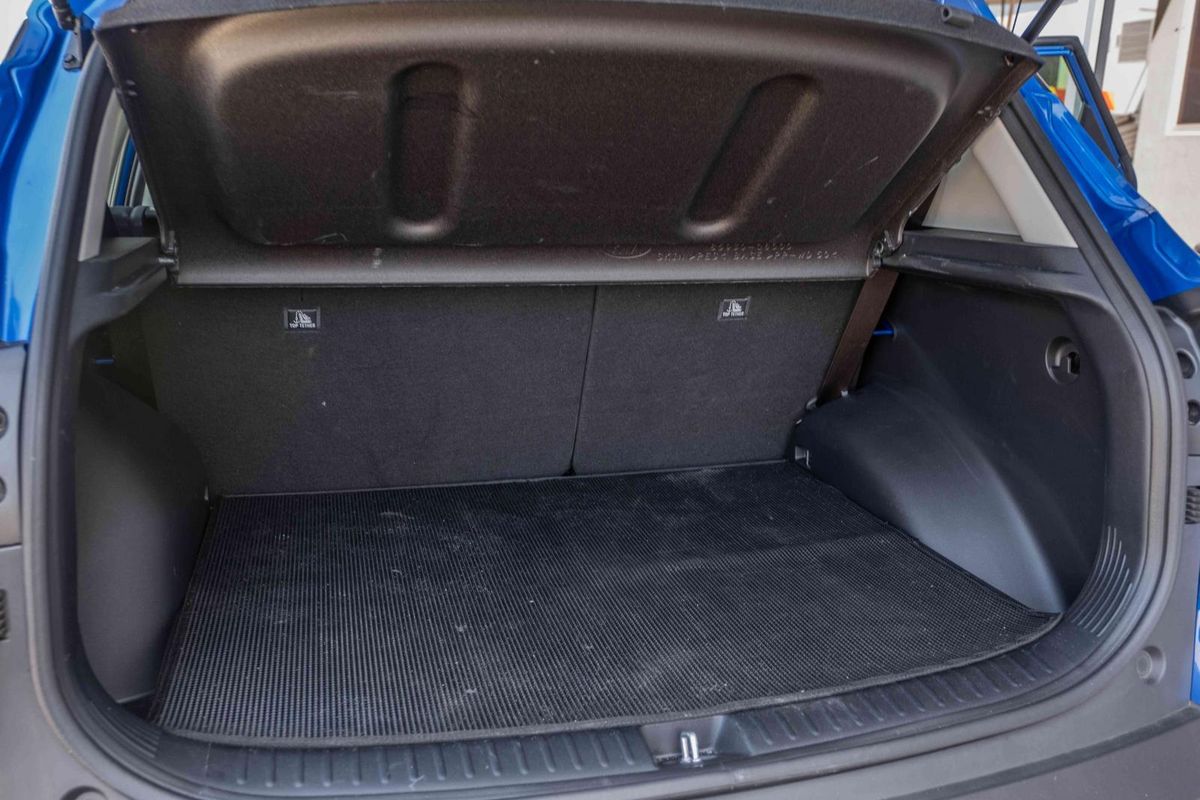
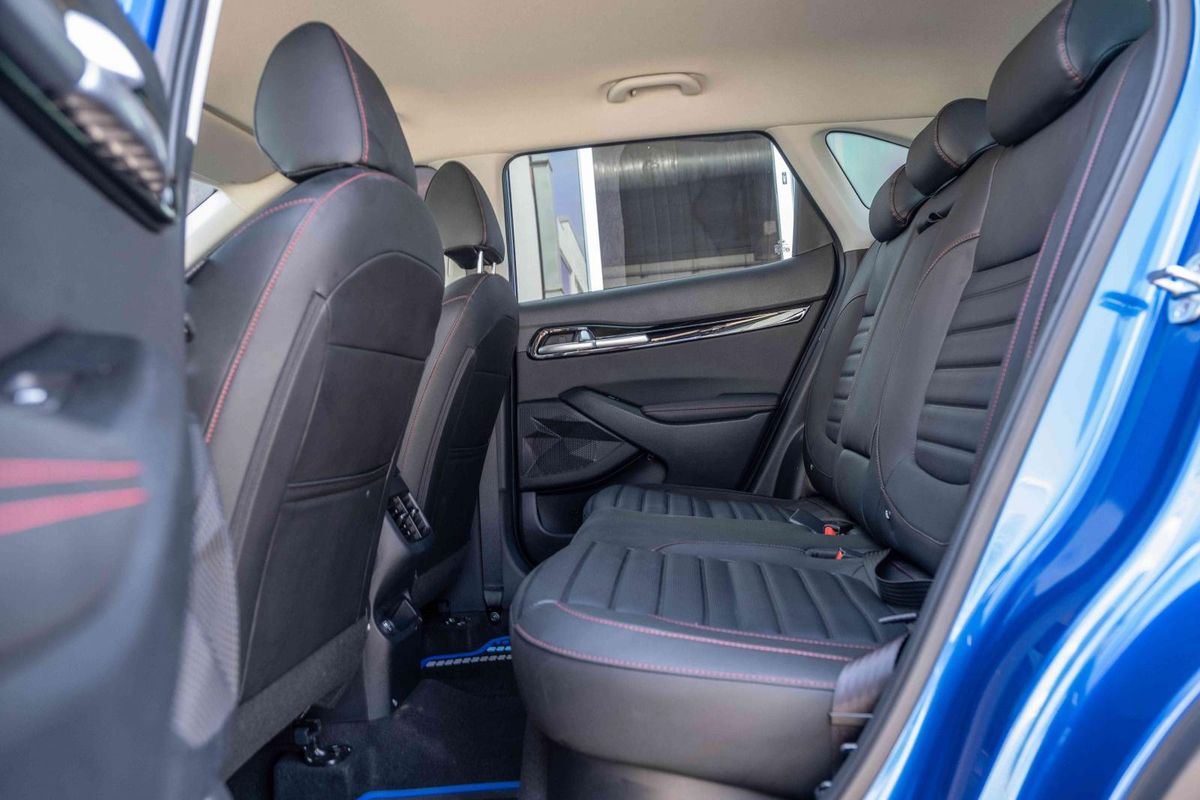
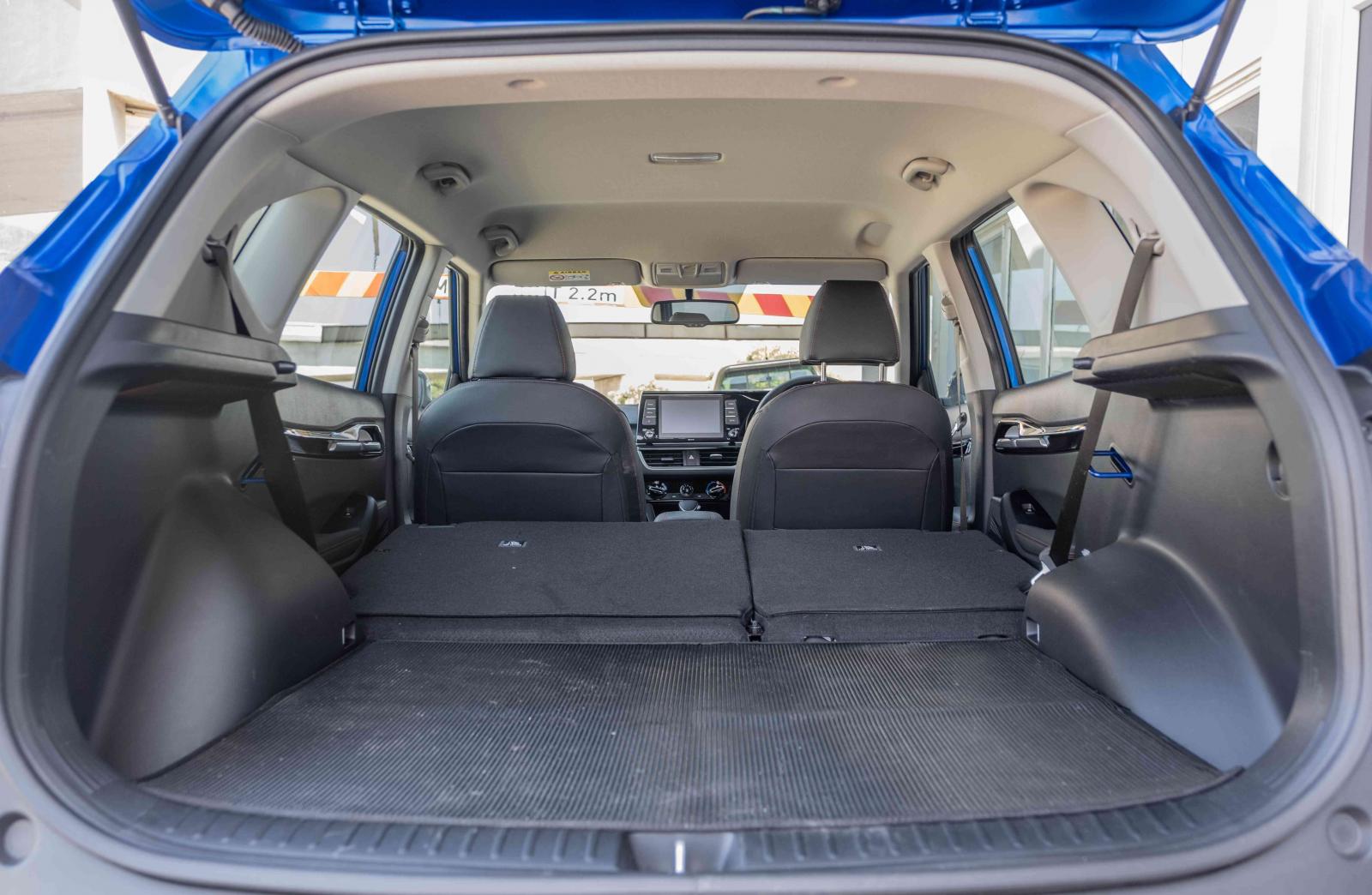
Rear passengers are afforded more than adequate head-, shoulder- and legroom, as well as a USB port to charge their devices. We took the Seltos on a camping trip up the West Coast… not only is its load bay (claimed to offer a 433-litre capacity) generous, the rear seatback splits in a 60:40 configuration and can fold completely flat, which opens up the rear area for loading longer or bulkier items.
There are 2 cupholders up front and ample storage in the door mouldings to store bottles and other goods. You can also stow valuables in the centre bin and we like that it has a sliding bin lid that doubles up as a comfortable armrest. In terms of practicality, the Seltos gets a thumbs up!
Performance and economy
Punchy performance and forgiving ride quality make for a pleasant drive.
The 1.4T-GDI GT Line is the only turbocharged derivative in the range (at least until a turbodiesel derivative arrives later in the year). The flagship's 1.4-litre turbopetrol engine develops peak outputs of 103 kW and 242 Nm of torque and directs those figures to front wheels via a 7-speed dual-clutch automatic transmission.
It’s a punchy engine that has little trouble getting the Seltos up to highway speeds. There is some initial lag before purposeful acceleration ensues (such as when you need to execute quick overtaking manoeuvres), but for the most part, the Seltos performs spiritedly.
However, the transmission's shifts are perceptibly notchy and don't seem perfectly calibrated. Coupled with an overly-sensitive throttle, the Seltos can be a trifle lurchy in congested/stop-start traffic conditions or when driven with "a heavier right foot". The transmission tends to respond appreciably better to measured accelerator pedal inputs. It’s by no means a deal-breaker, but quite noticeable.
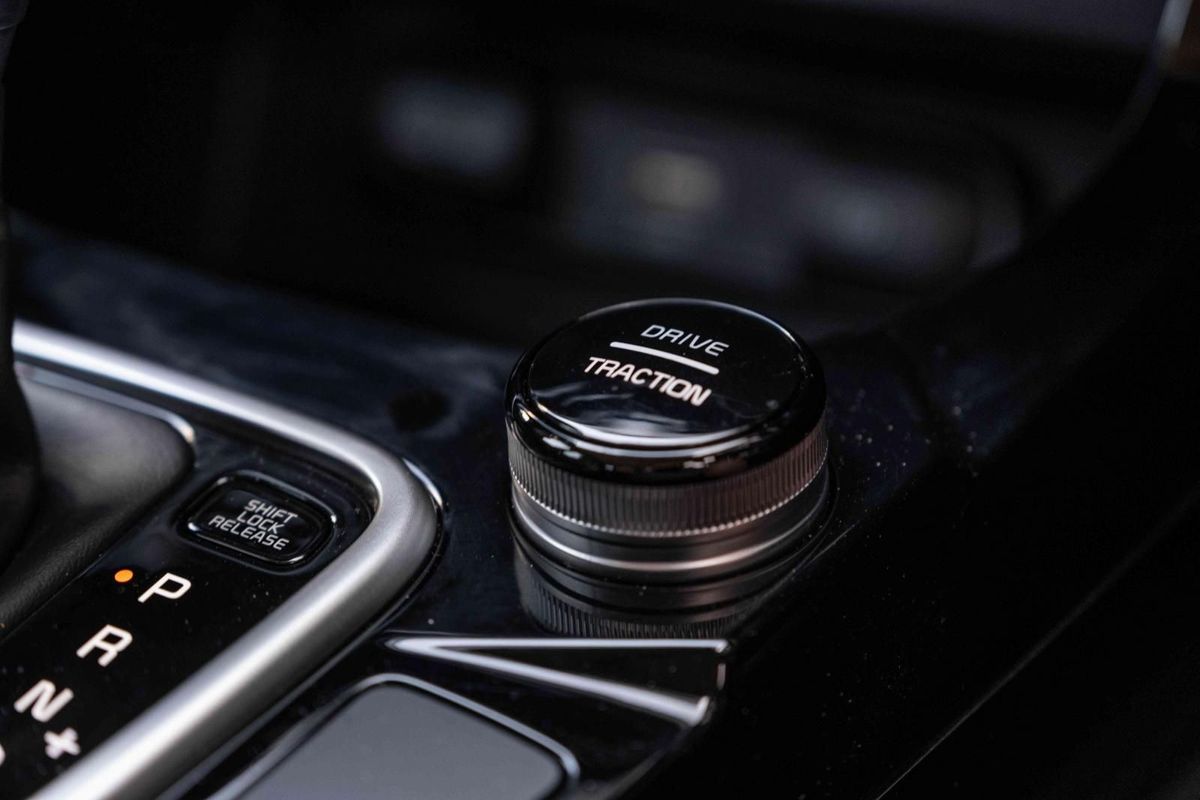
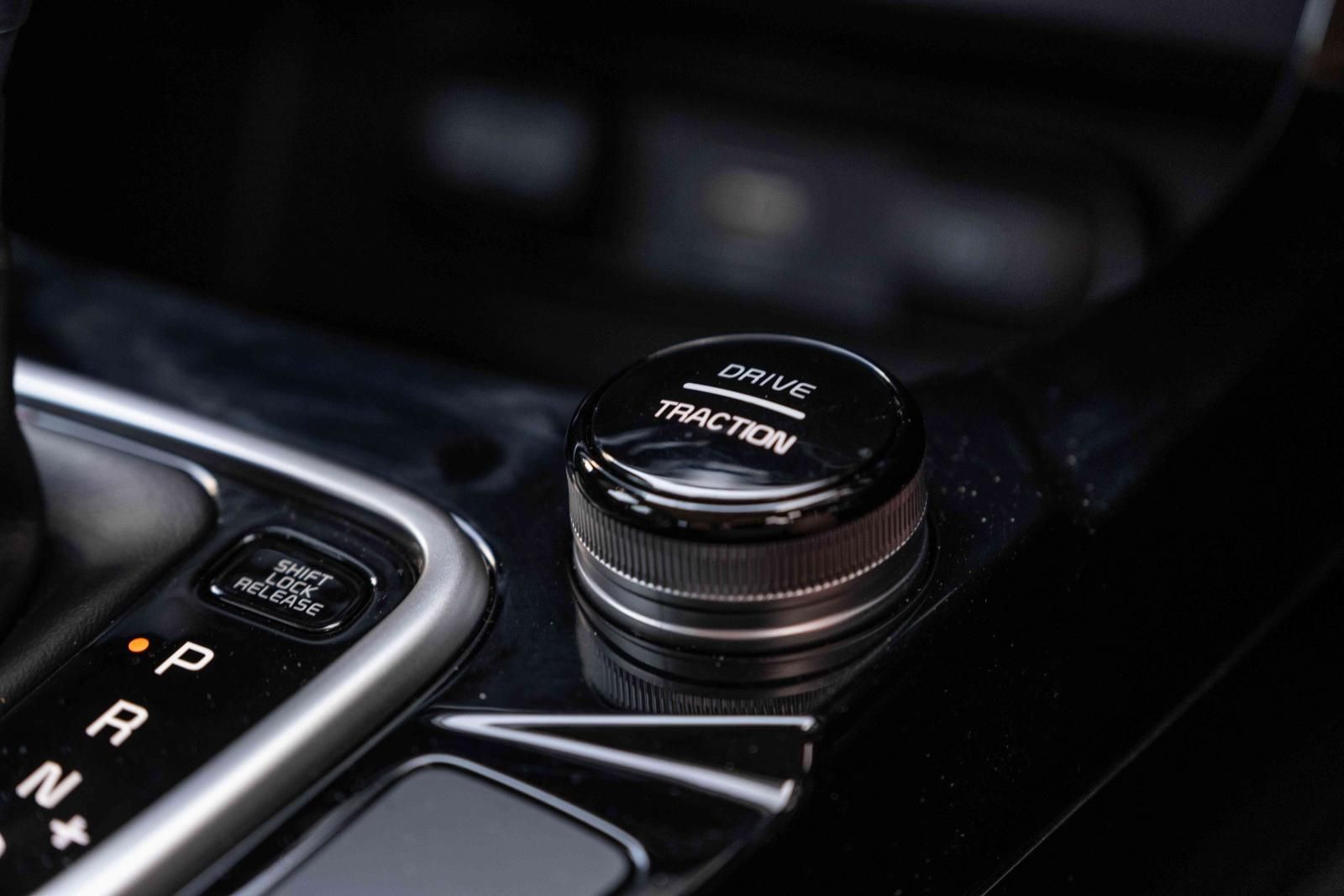
Drive and traction modes are accessed using this dial…
The GT Line is further equipped with a dial drive mode selector that allows its driver to choose between Normal, Eco and Sport settings. Furthermore, there are 3 terrain modes to choose from: Snow, Mud and Sand. As an ostensibly urban-based front-wheel-drive car that will hardly ever traverse unsealed road surfaces, except perhaps on weekend excursions, these modes seem rather superfluous in the Seltos and we can’t imagine that they'd make much of a difference. To be fair, although we did drive the Seltos on a gravel route for a brief period, we didn’t strictly go off-road with this test unit.
In terms of fuel economy, Kia claims 6.3 L/100 km, which is ambitious, considering that we averaged around 8.5 L/100 km during our test.
It’s worth mentioning that the Seltos offers a pleasing ride quality, which buyers in this segment won't necessarily expect – but appreciate nonetheless. Its suspension is pliant and forgiving and copes well on various surfaces – yes, including gravel. Together with evenly-weighted steering and a commendably well-insulated cabin, the Seltos is perfectly suited for being a family runabout.
Price and warranty
The Kia Seltos 1.4T-GDi GT Line is priced at R444 995 and is sold with a 5-year/unlimited km warranty and a 5-year/90 000 km service plan.
This Seltos GT Line has a lot going for it but it's priced on the high end of its segment.
There’s much to like about the Kia Seltos and one of its most endearing traits is its big-car personality. It rides well and serenely enough and the 1.4-litre turbopetrol engine is punchy. The transmission could be more refined, but compact family car buyers should find it adequate for the purposes of commuting to work and running daily errands. As for the interior, it’s appreciably spacious for its class and generally well-made, but the inconsistent quality of the finishes and a lack of a few nice-to-have luxury features (most notably dual-zone climate control) is disappointing in a flagship offering.
As much as we appreciate its powerplant, the 1.4T-GDI GT Line is steeply-priced for a derivative that offers mostly cosmetic upgrades over its mid-spec siblings. We have yet to test the naturally aspirated Seltos 1.6 EX+ (R389 995), but we have reason to believe that it will offer better value overall as it's more competitively priced against other offerings in this segment.
For about the same money as the flagship Seltos (R445k), you can step into (albeit soberly-specced) derivatives of family cars such as the Toyota RAV4, Subaru Forester and Mazda CX-5. And for about R70k less you can opt for the range-topping Volkswagen T-Cross Highline R-Line (R374 500), Suzuki Vitara Turbo (From R386 900) or, notably, this derivative's aforementioned 1.6 EX+ sibling.
So who should consider the Kia Seltos 1.4T-GDI GT Line? Buyers who can afford a mid- or entry-level family cars, but specifically want something more compact and stylish. Alternatively, if the look-at-me exterior execution of this range-topper really appeals to your discerning taste, you may well find it worthwhile to fork out the extra R55k to have one of the smartest small crossovers in your street.
We do, however, look forward to testing the Kia Seltos 1.6 EX+ in the near future. Hopefully, it will make a stronger case for itself than this flagship version. Stay tuned!
Jaguar I-Pace Vlog – Will Electric Cars Work in South Africa?
Right, what's it like to live with an electric car in South Africa? We spent a month with the Jaguar I-Pace electric car to find out.
One of the Cars.co.za CEO's has just lived with the new Jaguar I-Pacer for a month, but he's not keen on stealing Ciro's job. And so in the run-up to the 2020 Cars Awards, Ciro was in Johannesburg for a few days and stole the keys. Here's the vlog he made about his two days with the car.
Recently we installed our first electric vehicle charger at the Cars.co.za Johannesburg headquarters. We're gearing up to test electric cars and our first test unit came from Jaguar in the form of the rather impressive I-Pace.
The I-Pace was the outright winner of the World Car of the Year award, the World Design award and the World Green Car award in 2019, and has been widely acclaimed as one of the best EV's put on the market to date.
It is currently one of only two EVs that motorists can choose from in South Africa, the alternative being the BMW i3. That should change soon as VW, Audi and Mercedes Benz gear up to the launch ID.3, e-tron and EQC locally, but right now, your choice as a car buyer who wants to go electric is severely limited in this country.
In the meantime, if you have around R2 million and you want to stop using petrol, is the I-Pace going to work for you? You've come to the right place to find out.
For more information about the Jaguar Powerway, the network of superchargers which helps I-Pace and all-electric owners charge their cars in convenient locations, visit this link below:
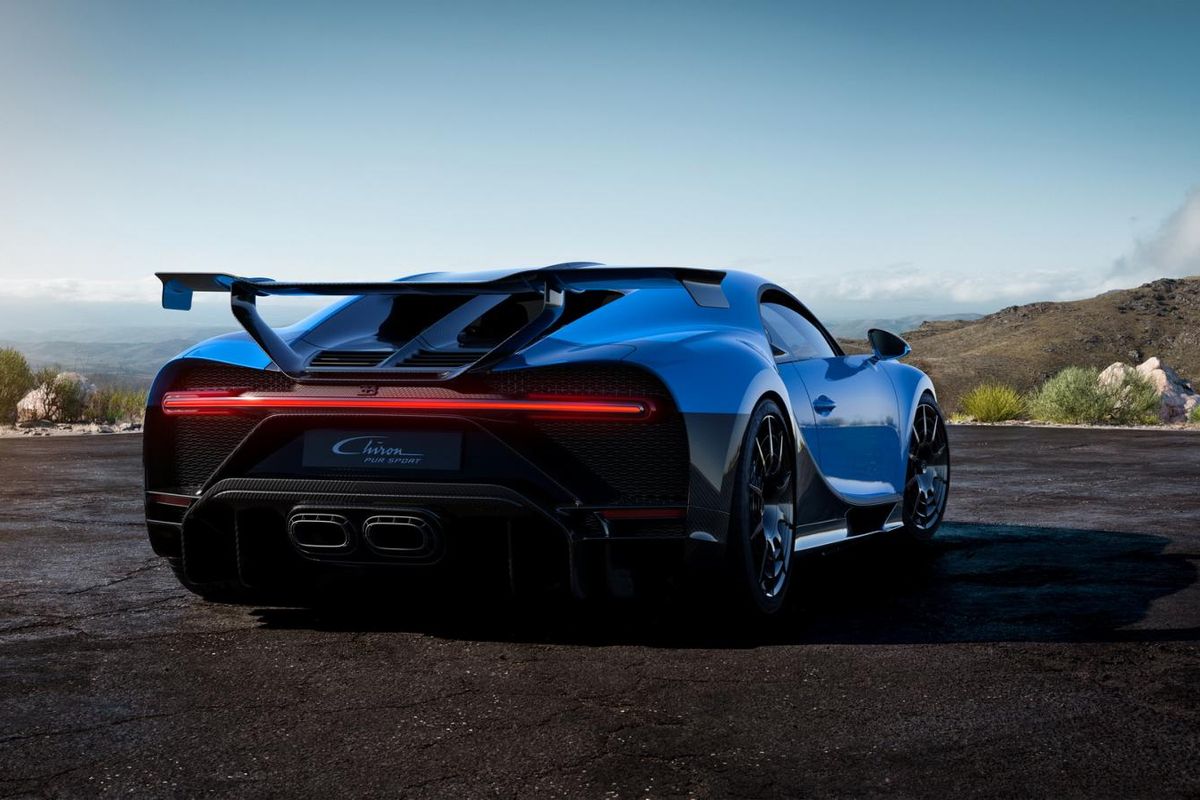
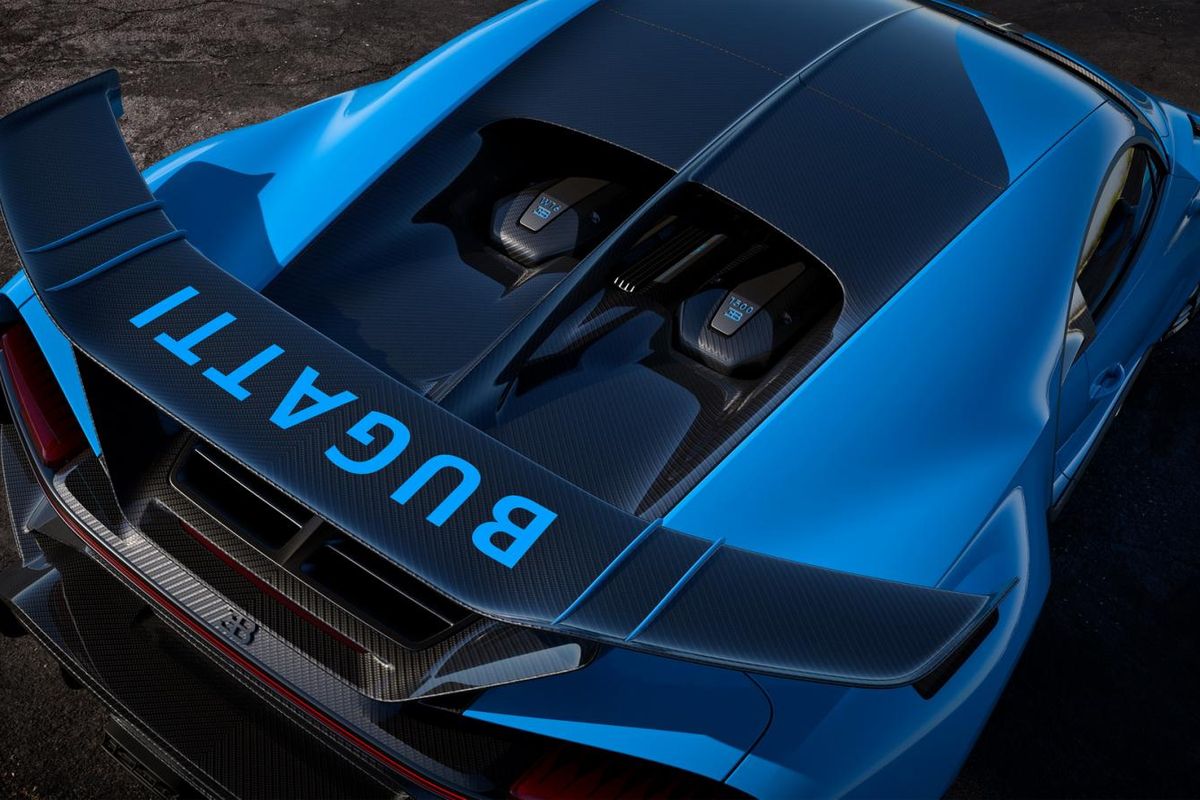
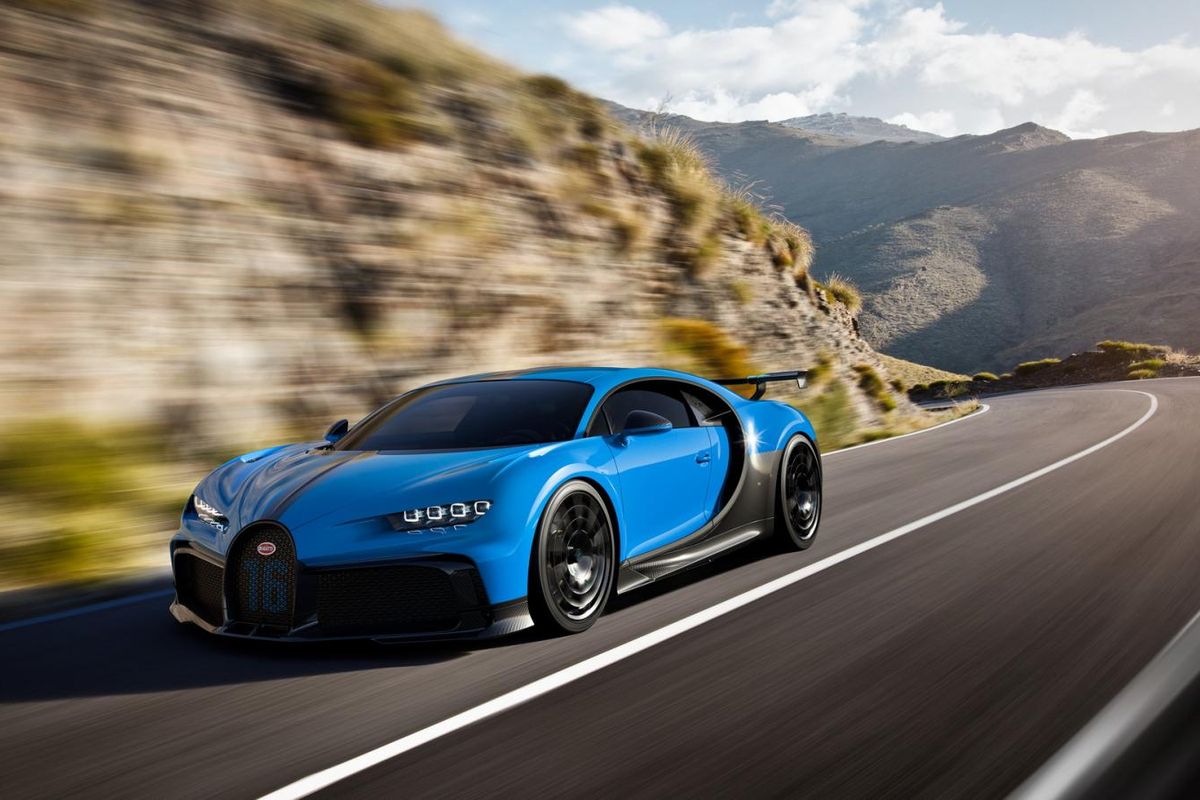
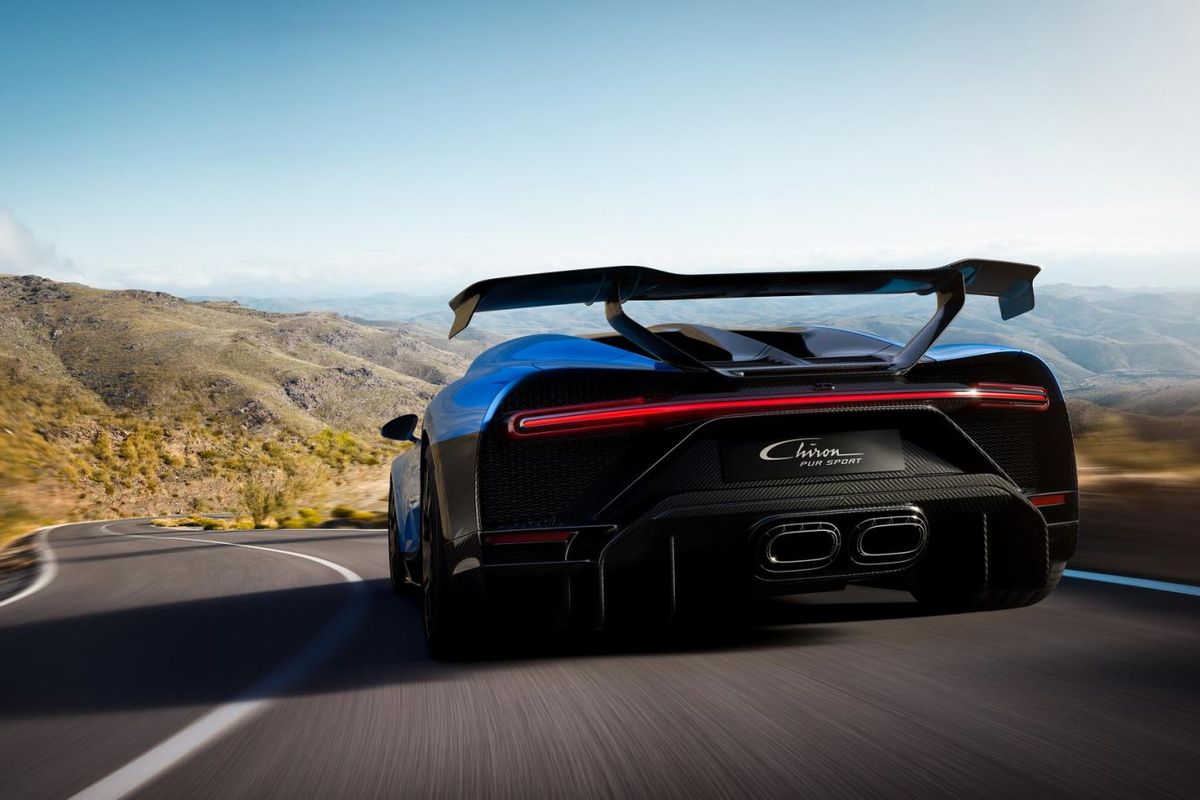
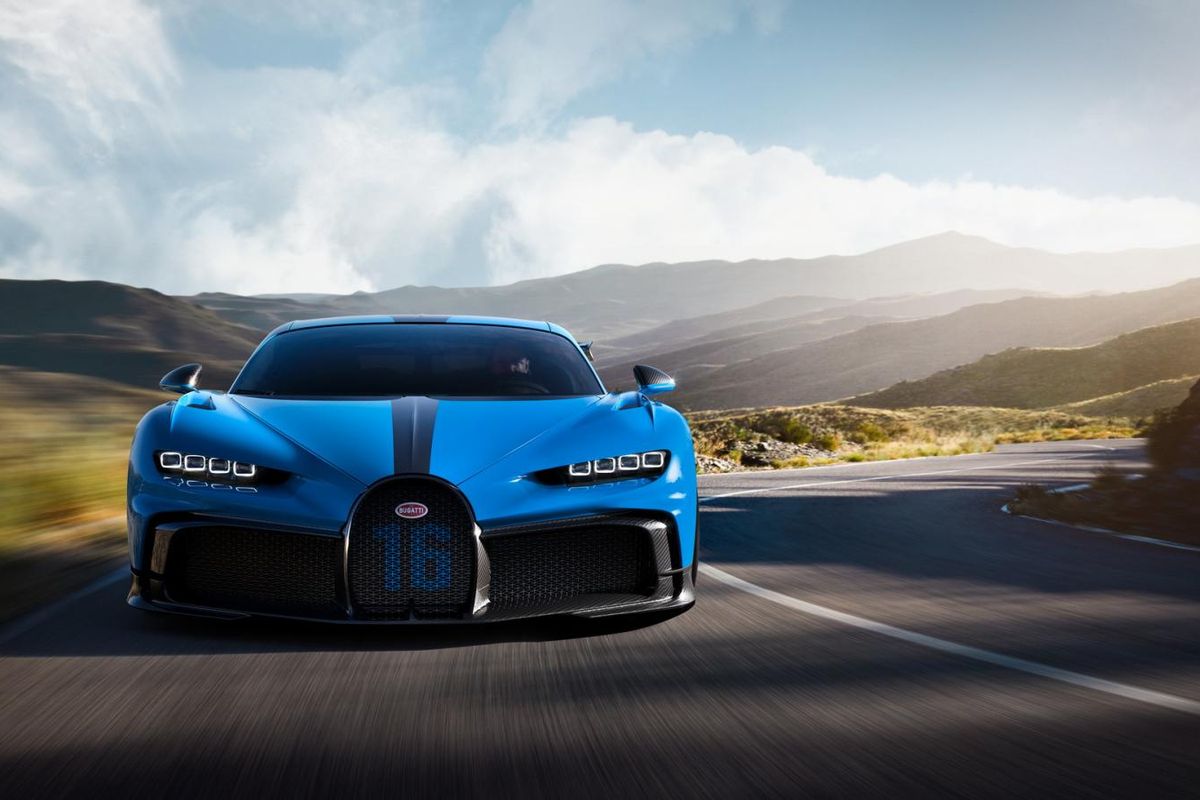
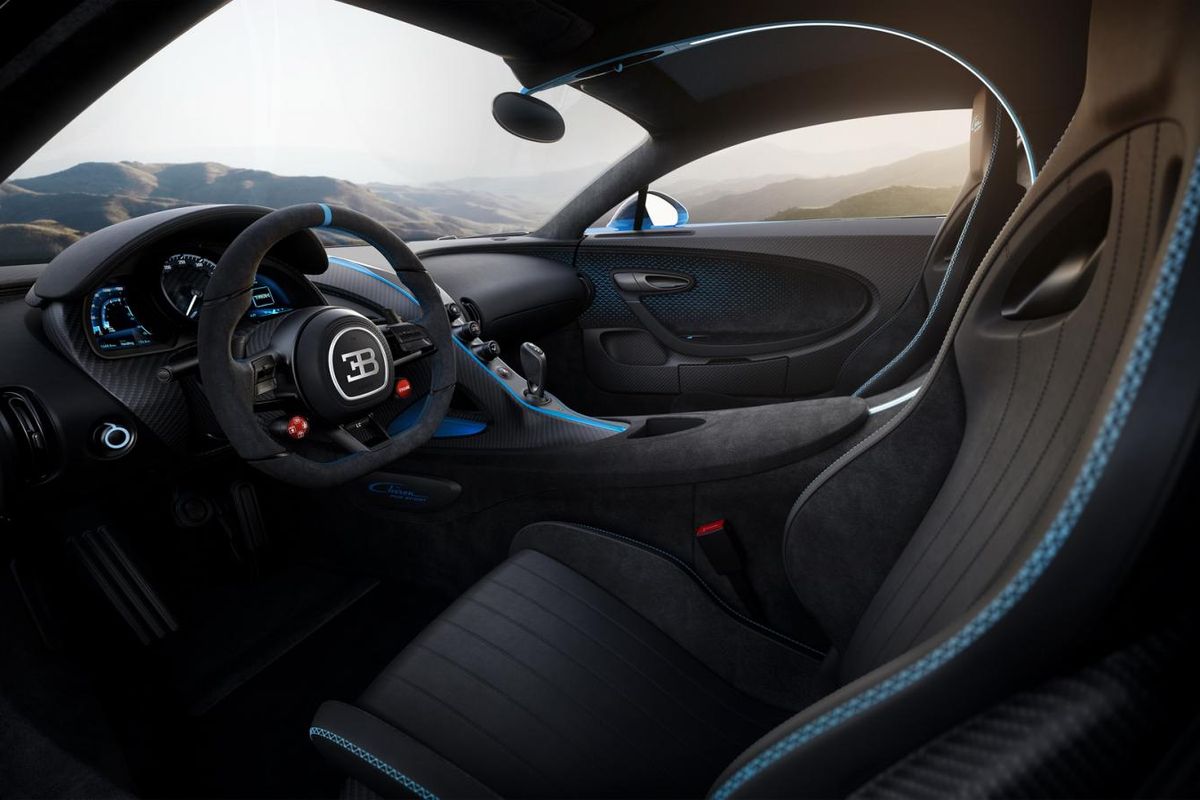
Bugatti has revealed a sportier Chiron. Meet the Bugatti Chiron Pur Sport.
With a claim that it's new offering 'yearns for corners and challenging country roads,' the new Bugatti Chiron Pur Sport focuses on agility. The key changes are its trick aerodynamics as well as weight reduction. It also boasts a close-ratio gearbox as well as grippier special tyres. They're called Bugatti Sport Cup 2 R and were developed in conjunction with Michelin.
"We spoke to customers and realised they wanted a vehicle that is geared even more towards agility and dynamic cornering. A hypersports car that yearns for country roads with as many bends as possible. An unadulterated, uncompromising driving machine. Consequently, the vehicle is called Chiron Pur Sport", explains Stephan Winkelmann, President of Bugatti. "By cutting the weight by 50 kilogrammes while simultaneously boosting the downforce and configuring an uncompromising, sporty chassis as well as suspension setup, the Chiron Pur Sport boasts incredible grip, sensational acceleration and extraordinarily accurate handling. It's the most uncompromising yet agile Bugatti of recent times."
The hypercar manufacturer is claiming 2020 will be a big year as it will be delivering the first Divo units to customers, while 60 people will be fortunate enough to land one of these high-performance Chiron Pur Sports. Being a Bugatti, they're not going to be cheap, with suggestions of 3 million Euros before VAT.
Bugatti Chiron Pur Sport Video
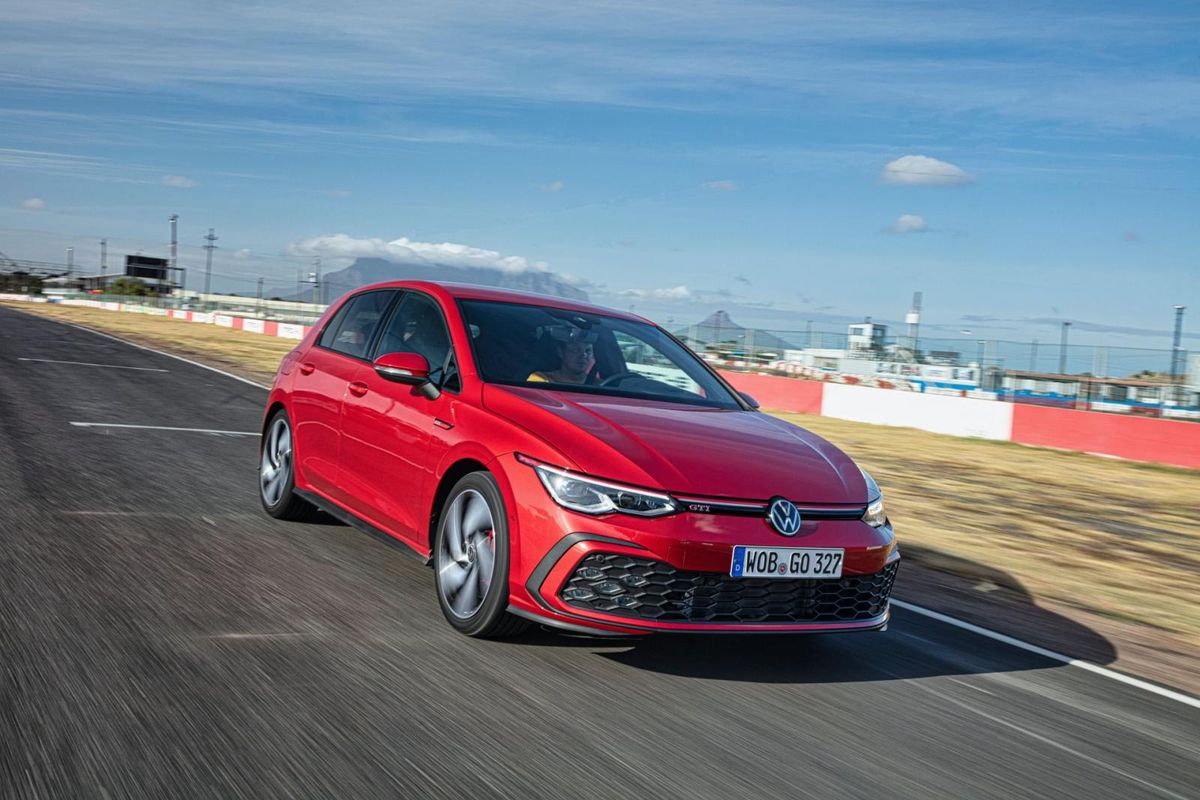
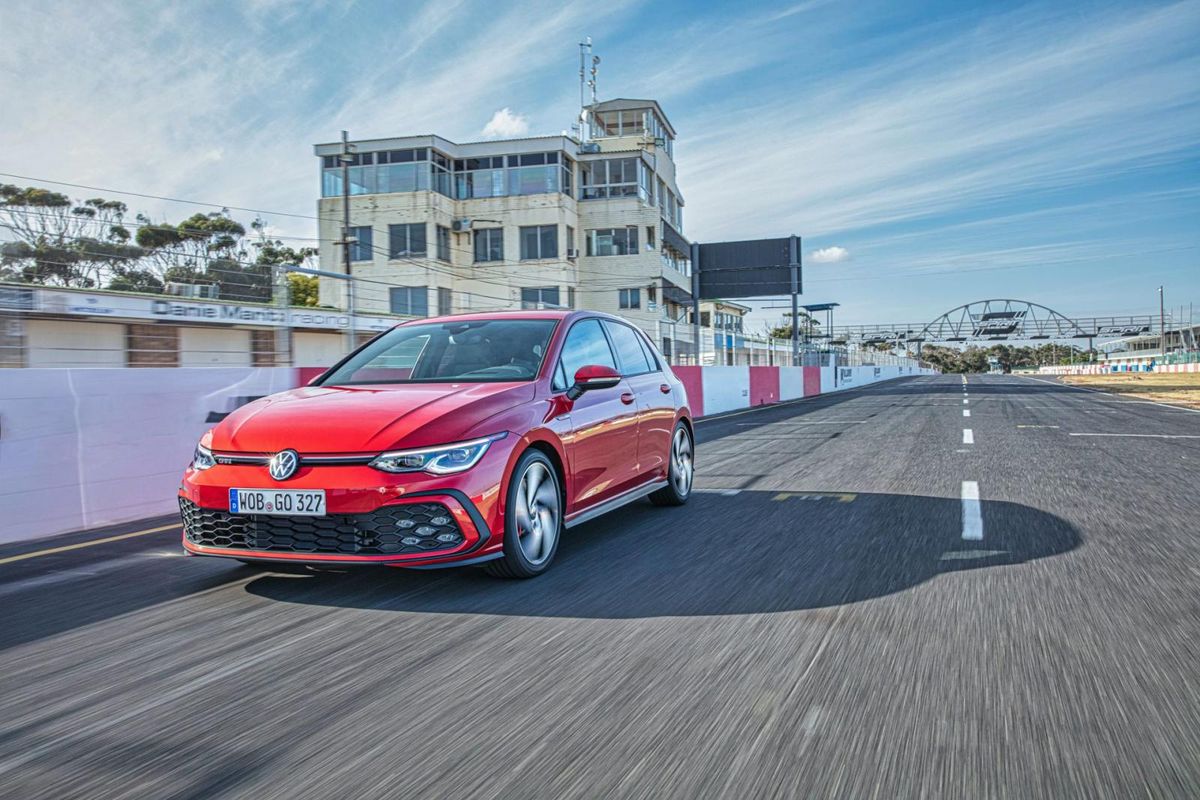
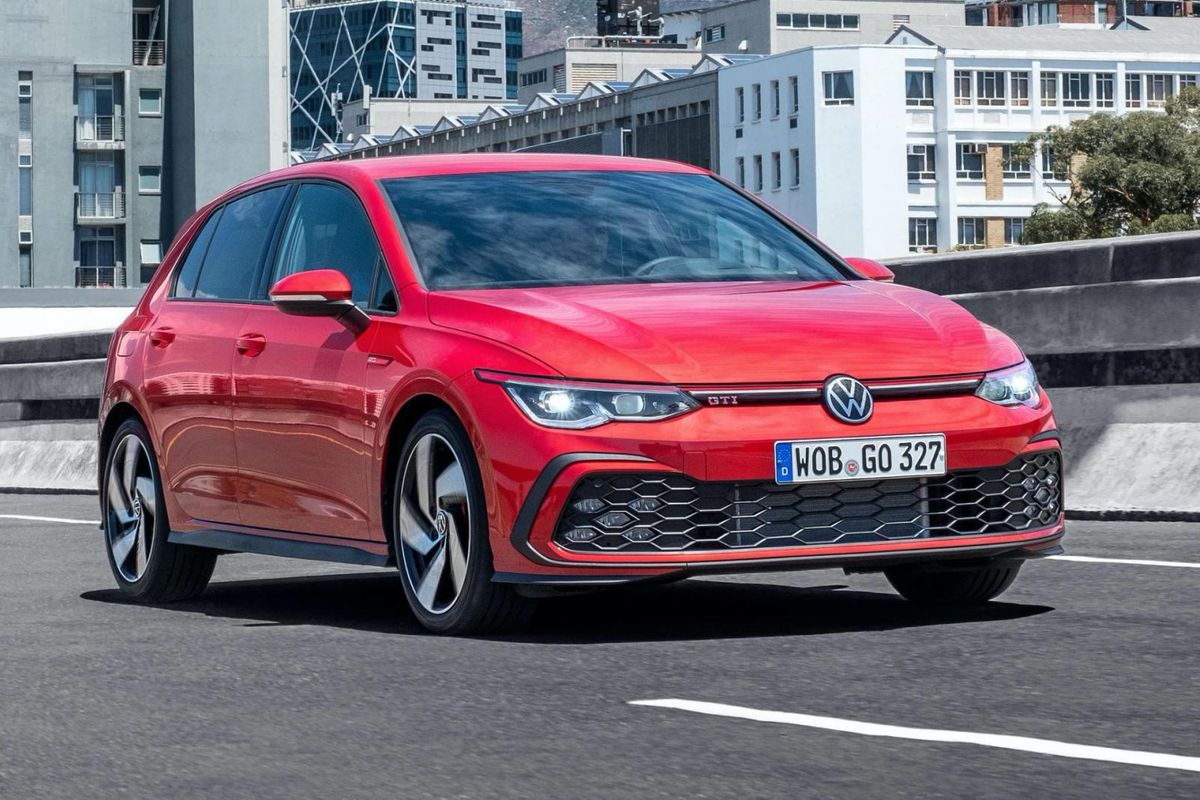
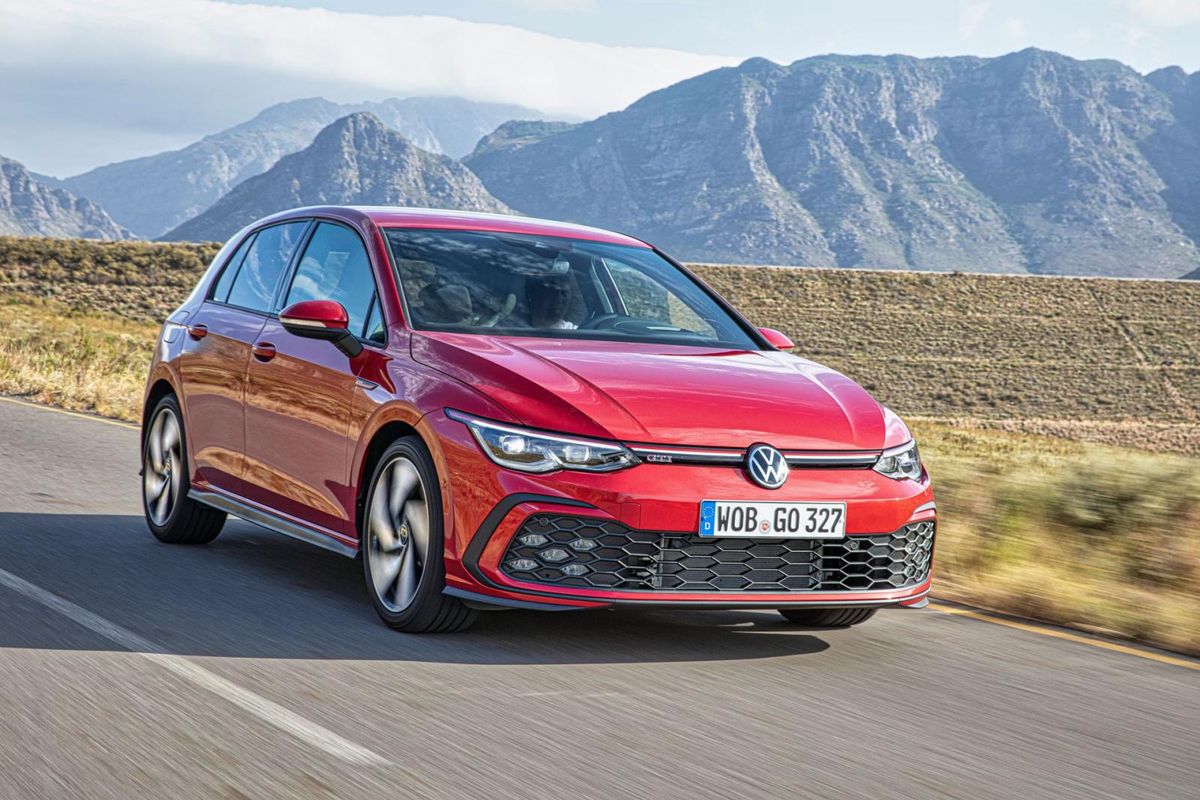
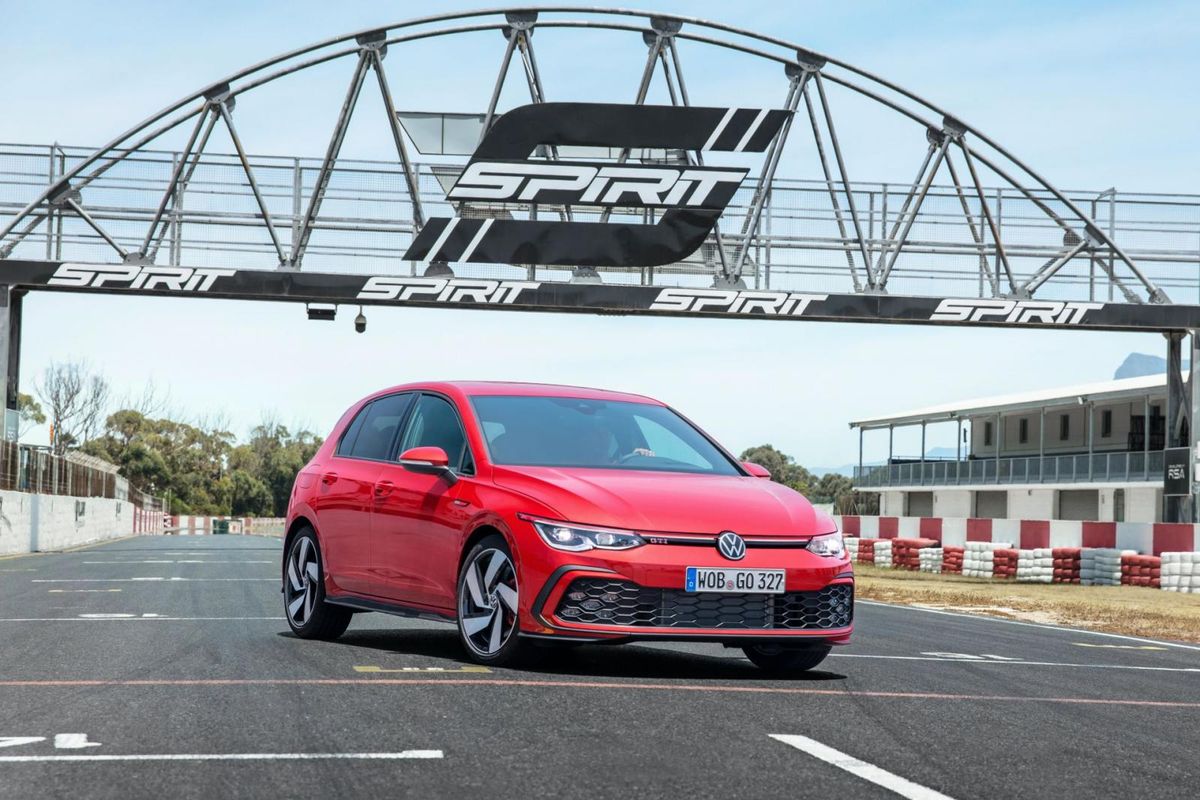
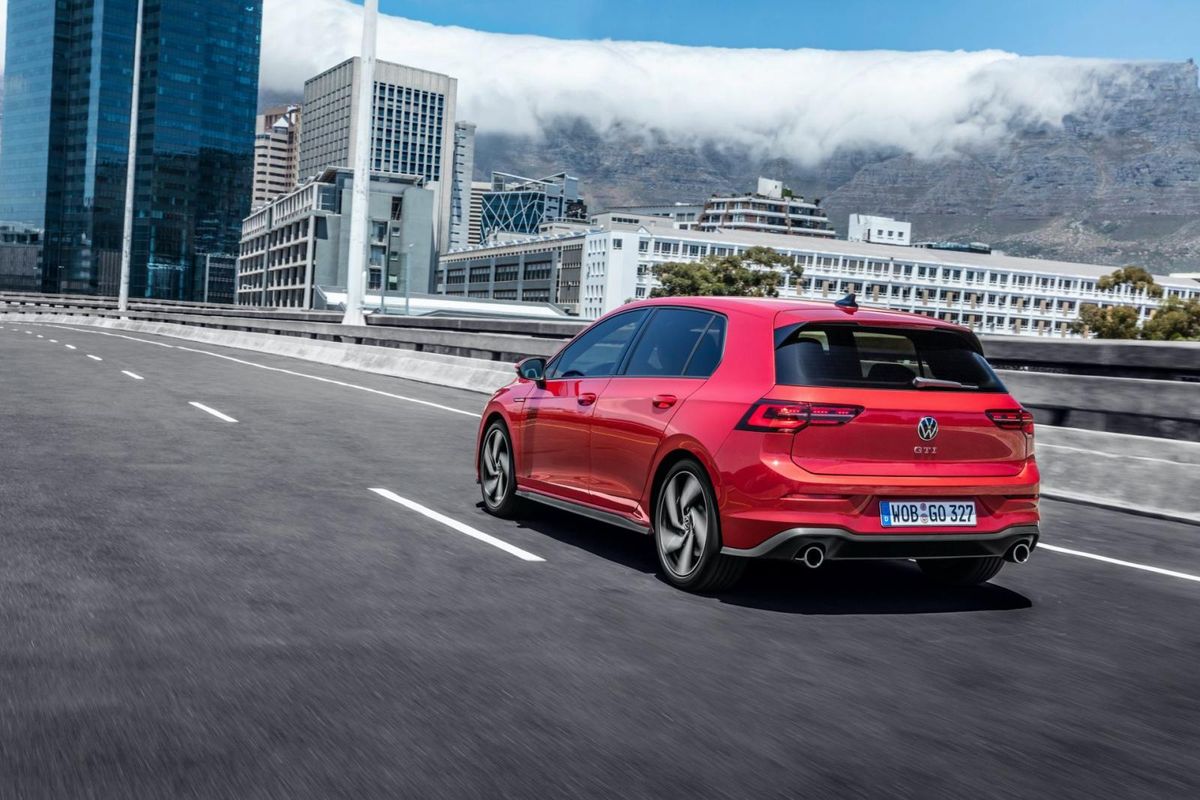
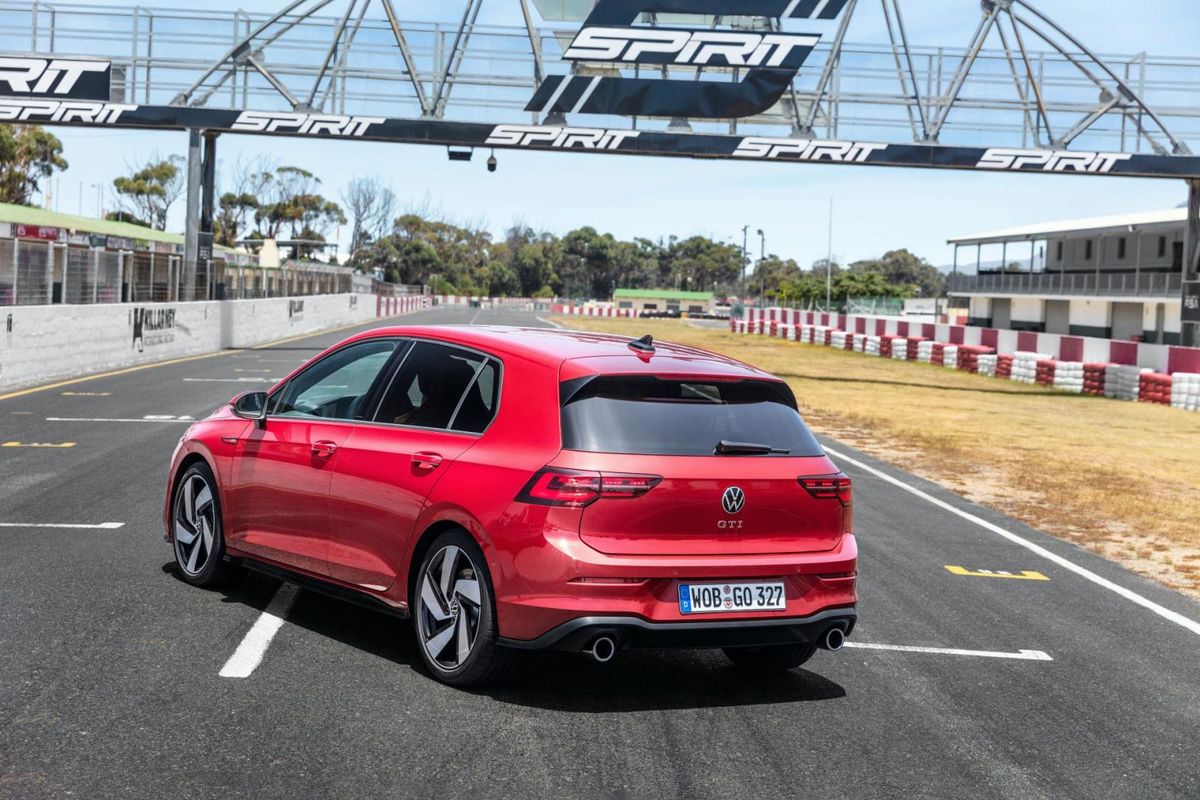
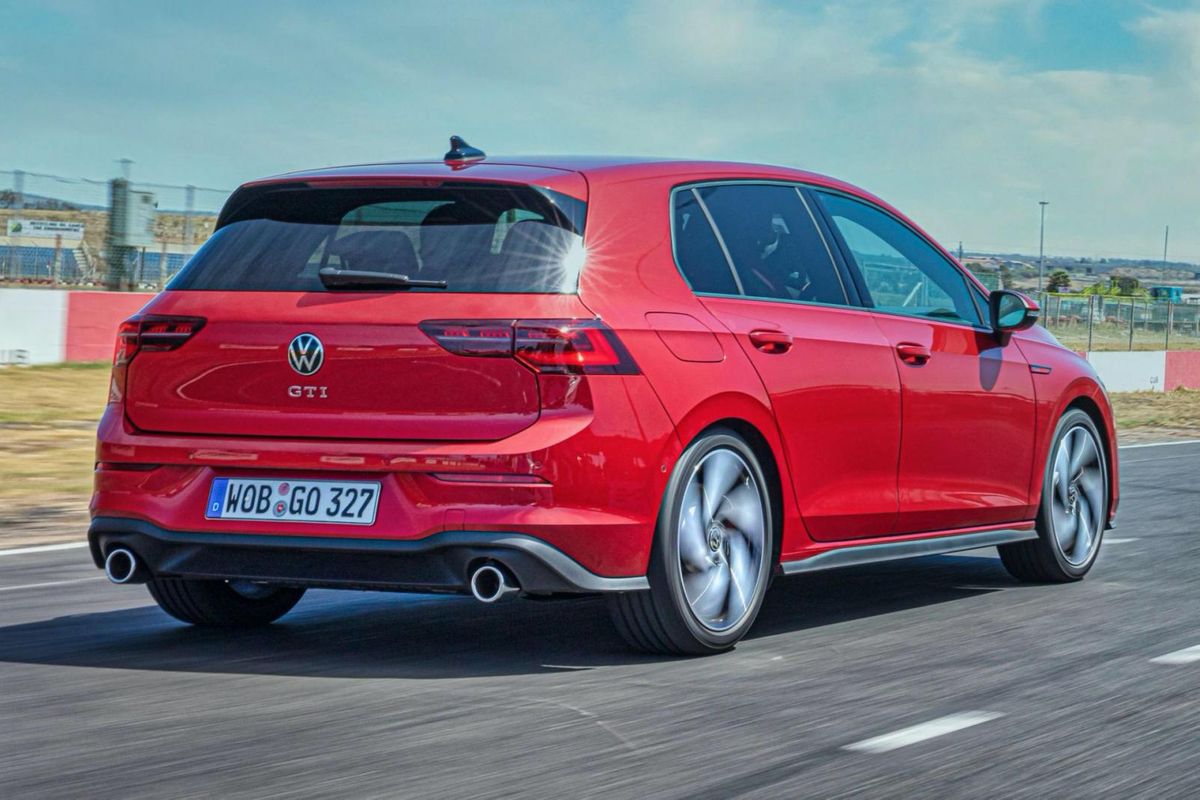
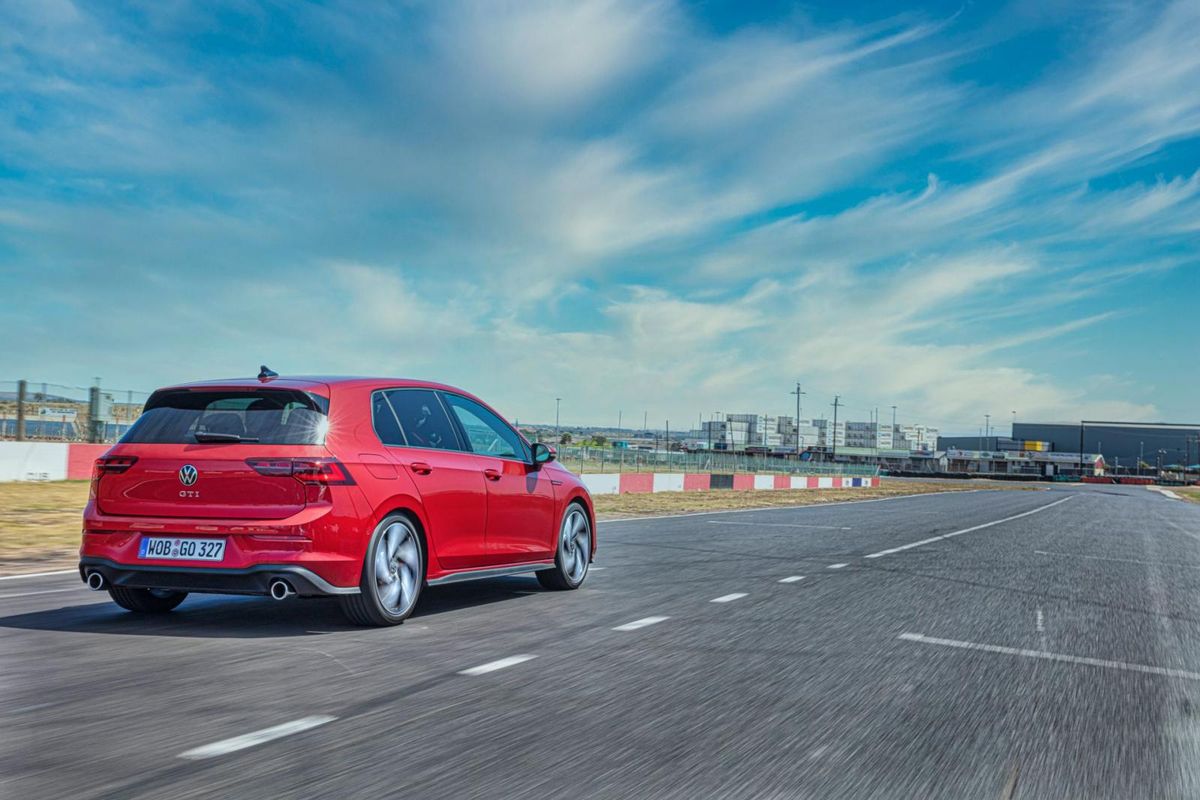
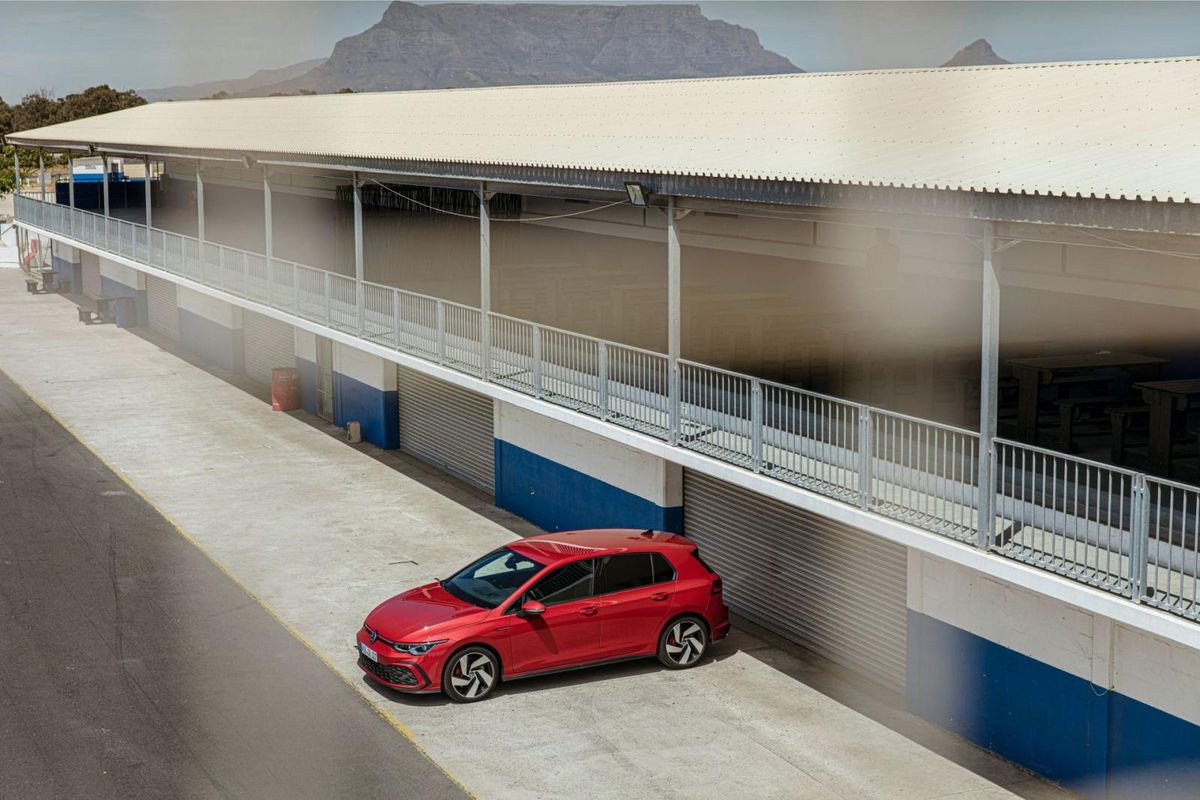
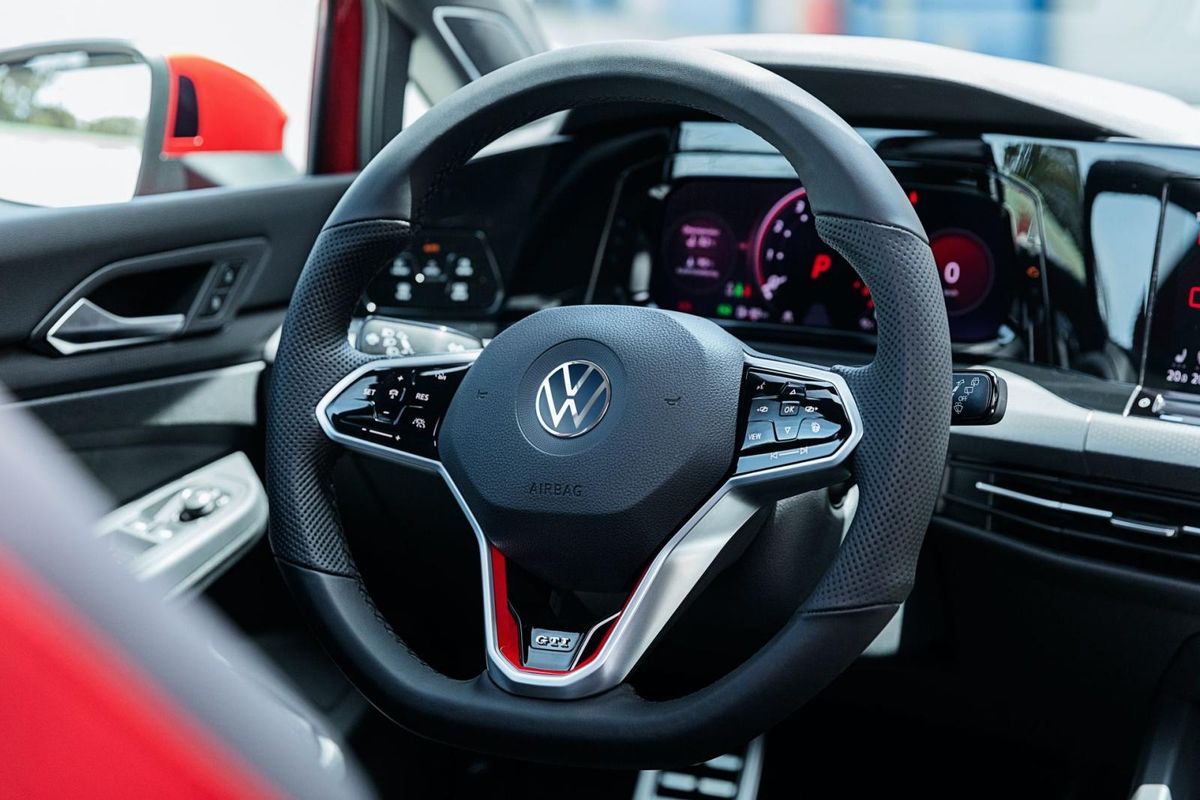
Volkswagen Golf 8 GTI Filmed in Cape Town
The new Volkswagen Golf 8 GTI promotional video was filmed in Cape Town South Africa. Check it out!
As we've already confirmed, Wolfsburg-based firm said the newcomer is powered by an EA888 (evo4) 2.0-litre turbocharged and direct-injection 4-cylinder engine with peak outputs of 180 kW and 370 Nm of torque; don't be worried, fanboys, there will definitely be hotter versions to come, like the R and TCR! A 6-speed manual gearbox (MQ350) is standard in the Europen market, but we believe the local GTI will be exclusively equipped with the 7-speed dual-clutch transmission gearbox (DQ381 DSG).
Despite Volkswagen's crossover and SUV strategy radically changing its volume dependency on Golf, the GTI remains one of the most important legacy car in VW’s product portfolio for the SA market. The Golf 8 will become available locally in the last quarter of 2020 and should usher in a new era of digitisation for VW. Intuitive Smartphone pairing, superior App integration and driver assistance technologies will be hallmarks of the Golf 8.
For its reveal at the now-cancelled 2020 Geneva Motor Show, Volkswagen paired its original Golf mk1 GTI with the newcomer and created a really slick film. The best part? It was filmed right here in Cape Town, South Africa.
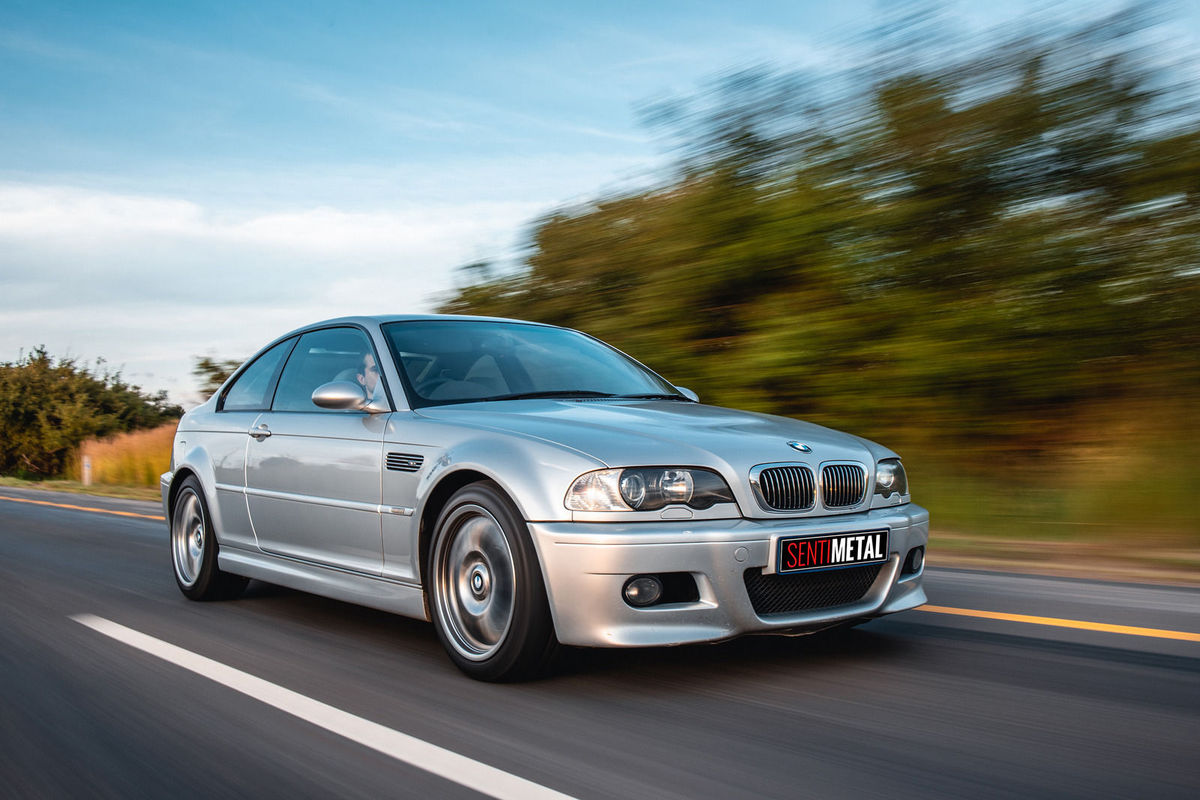
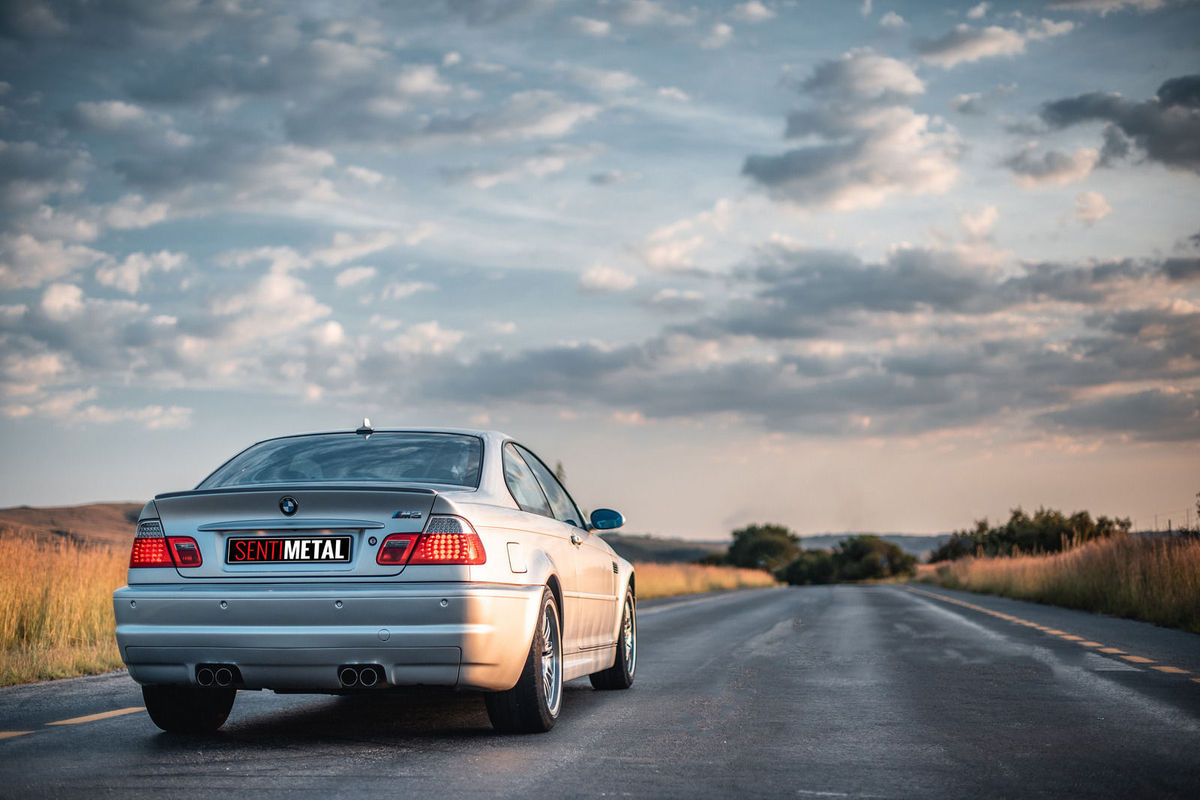
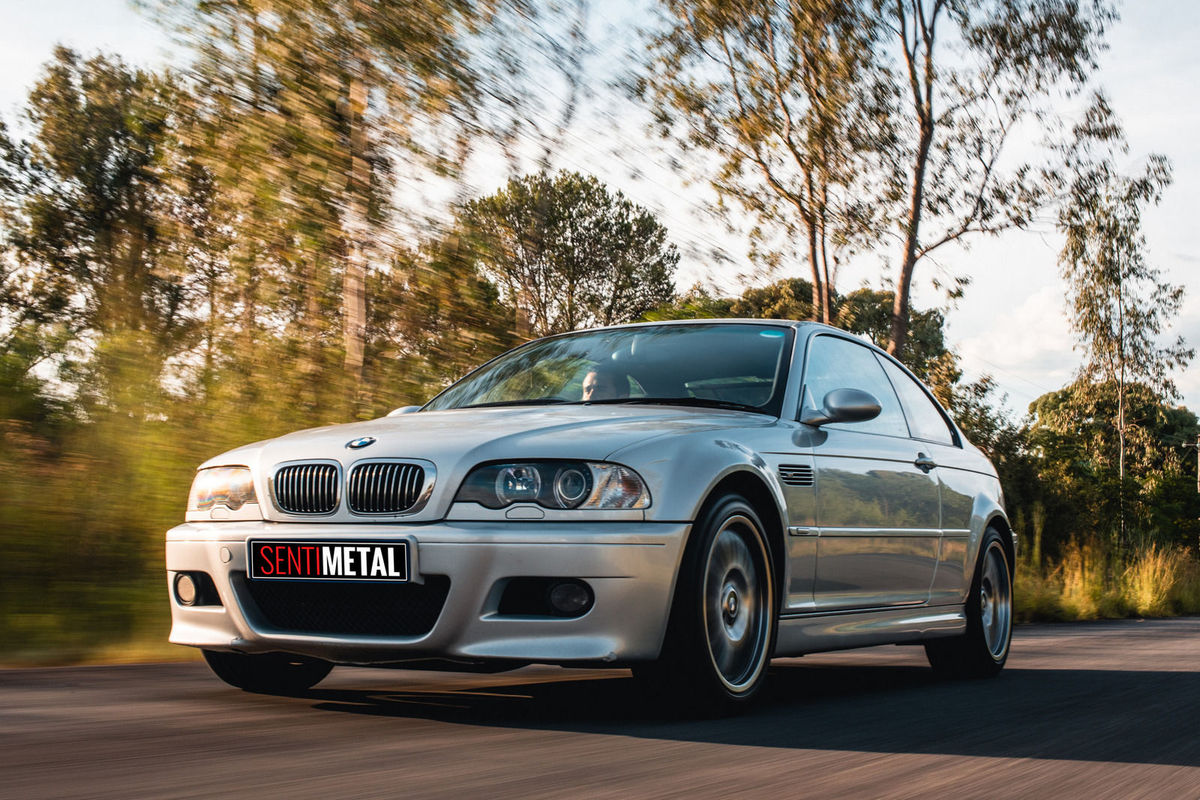
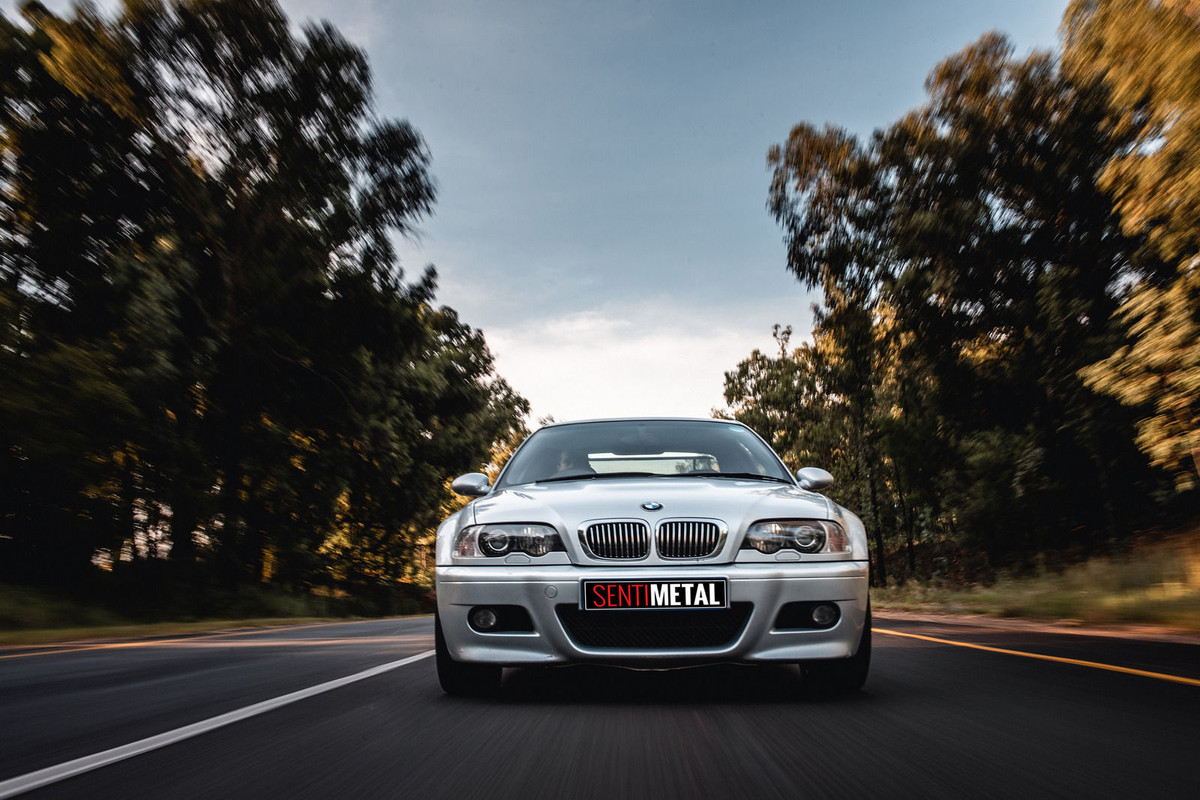
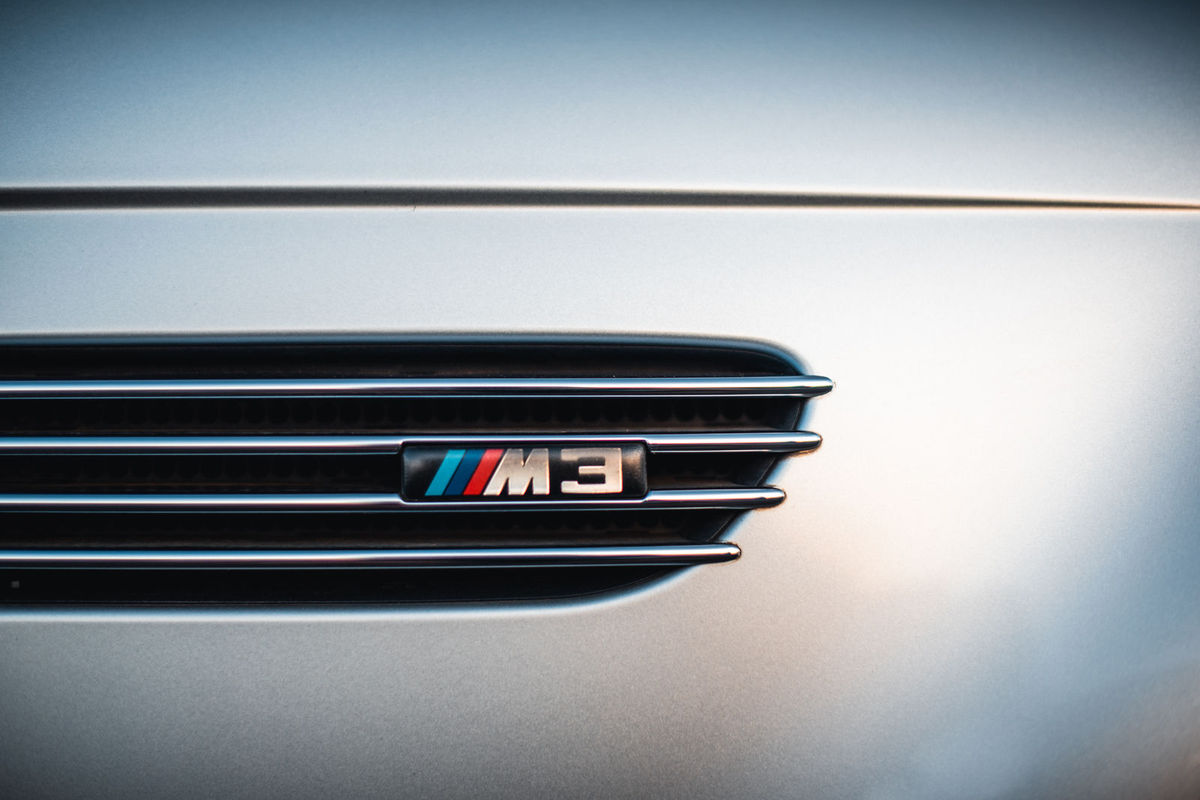
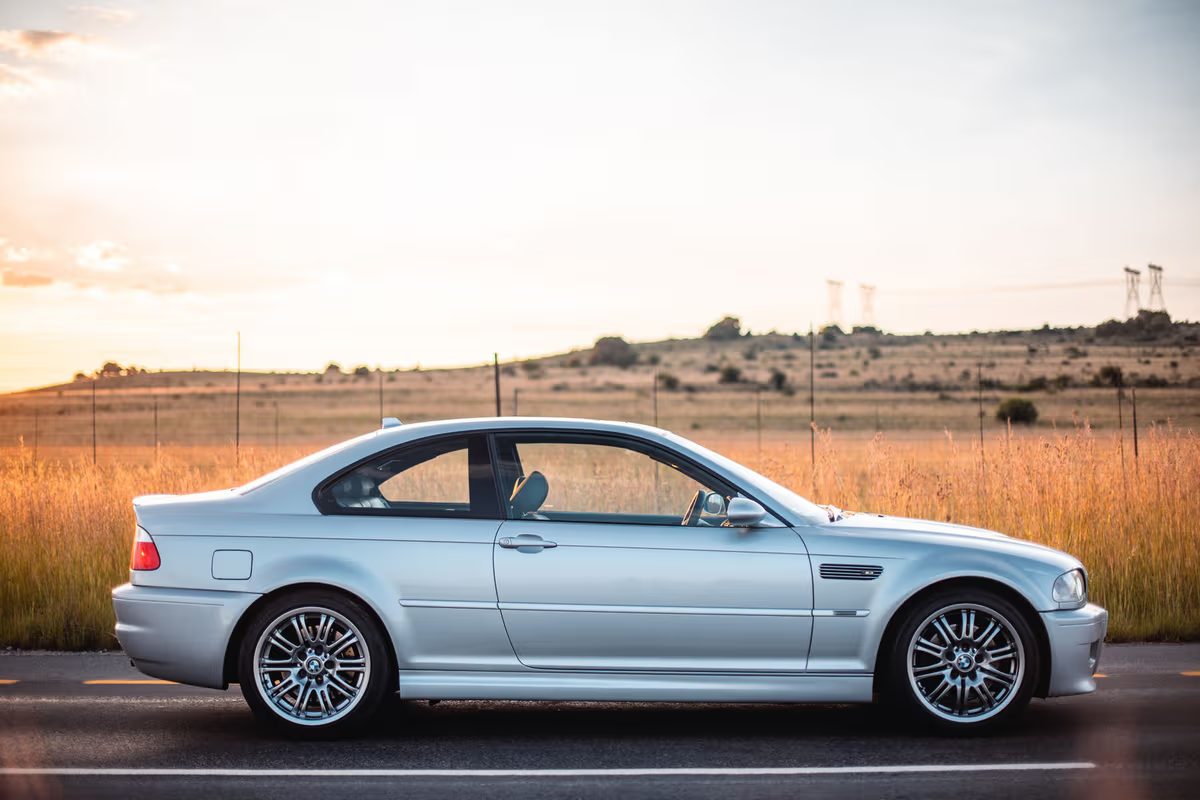
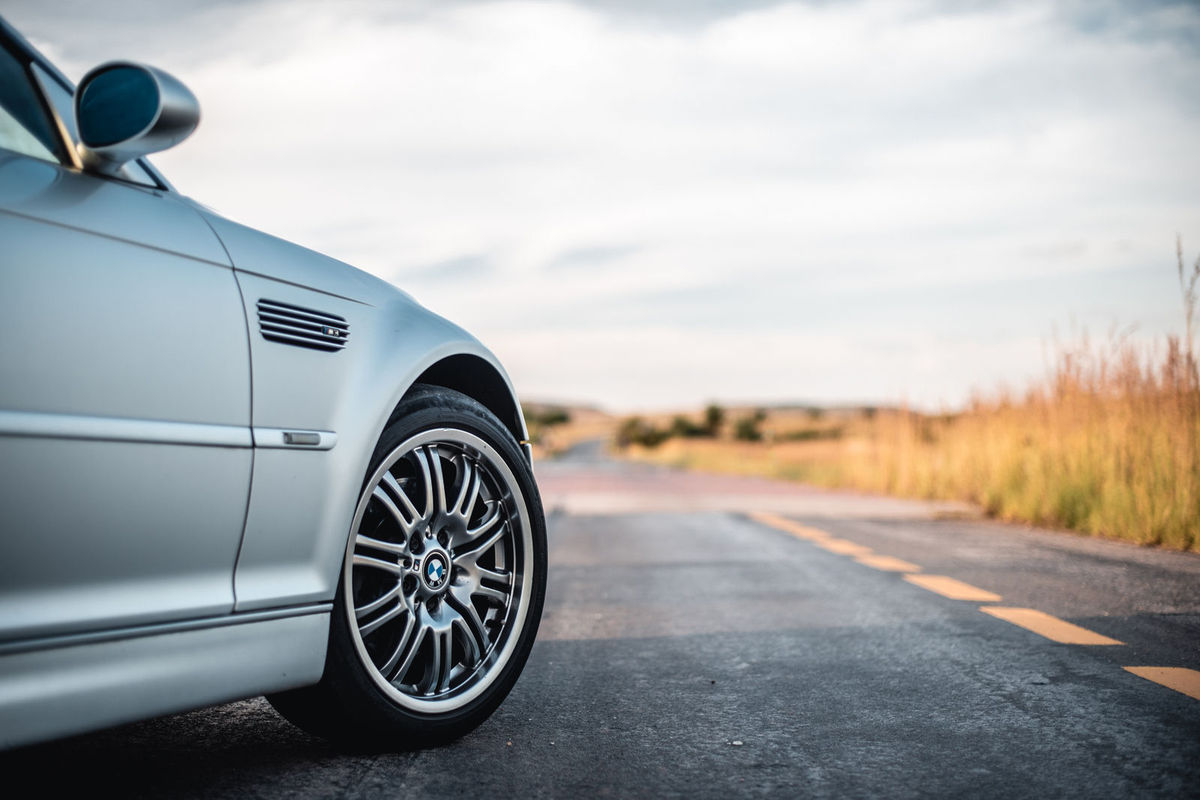
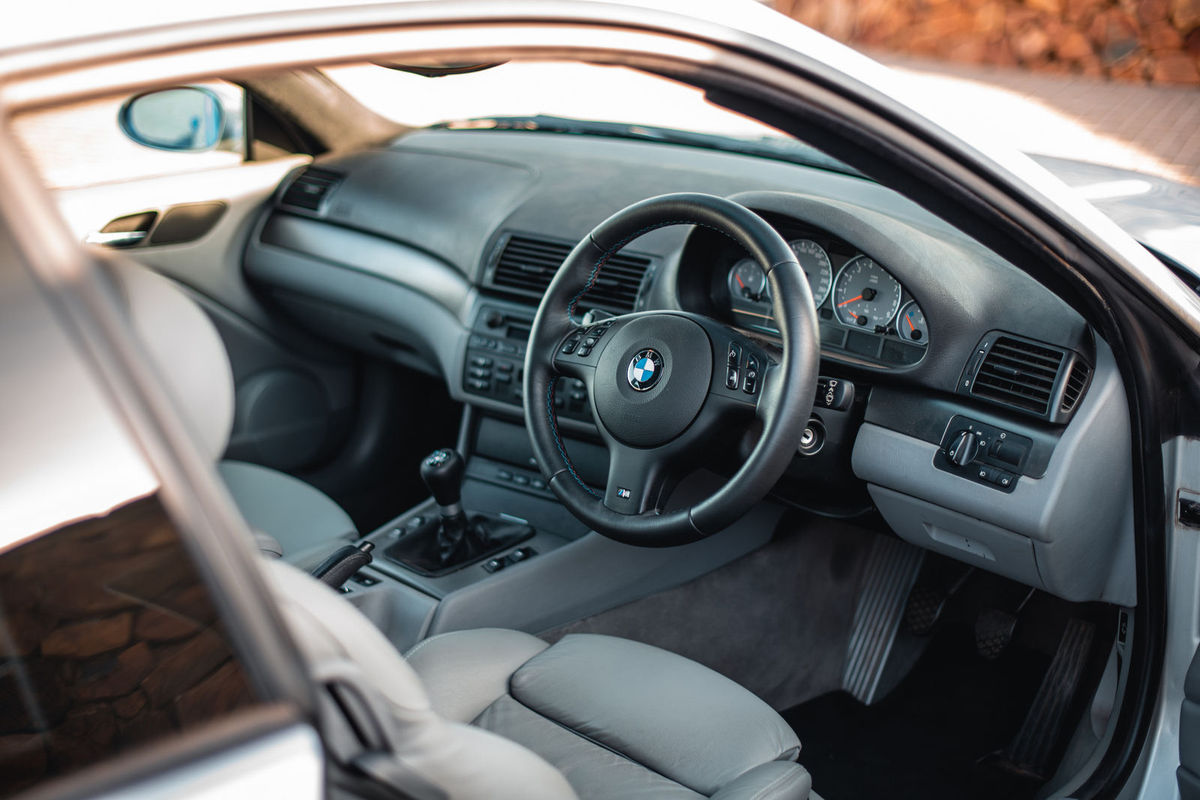
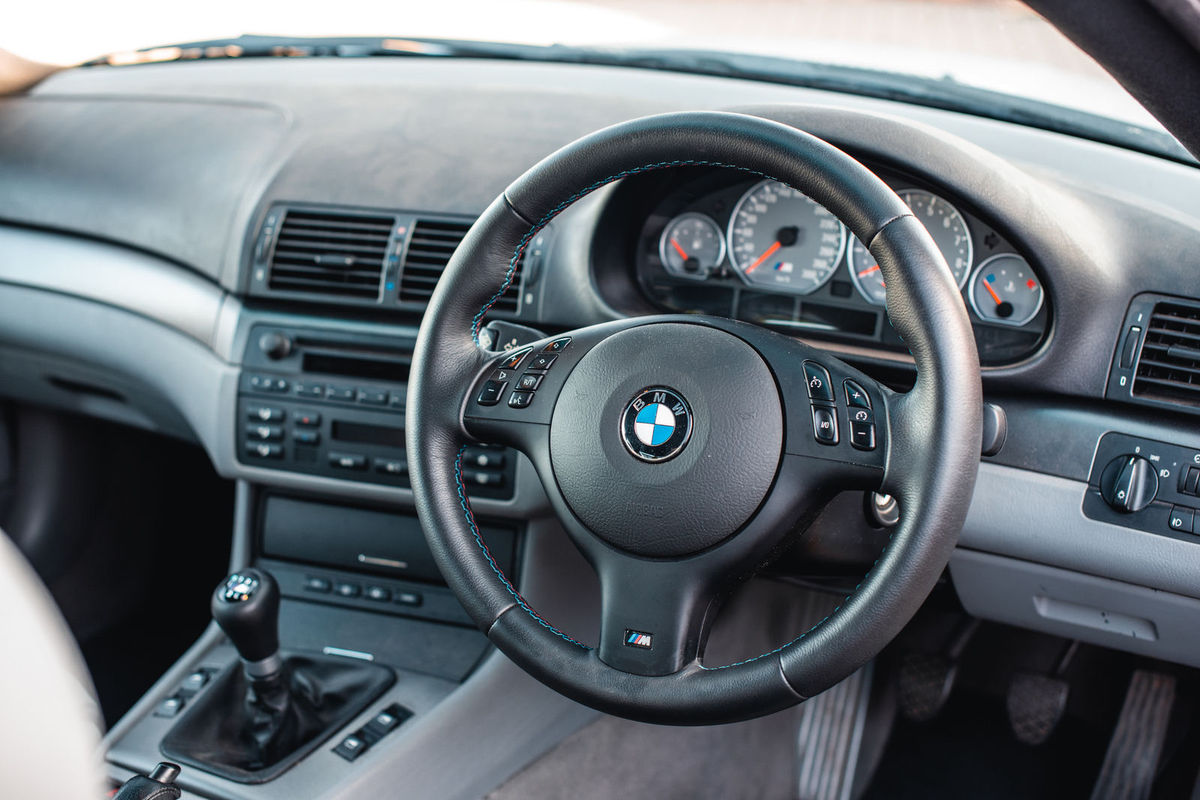
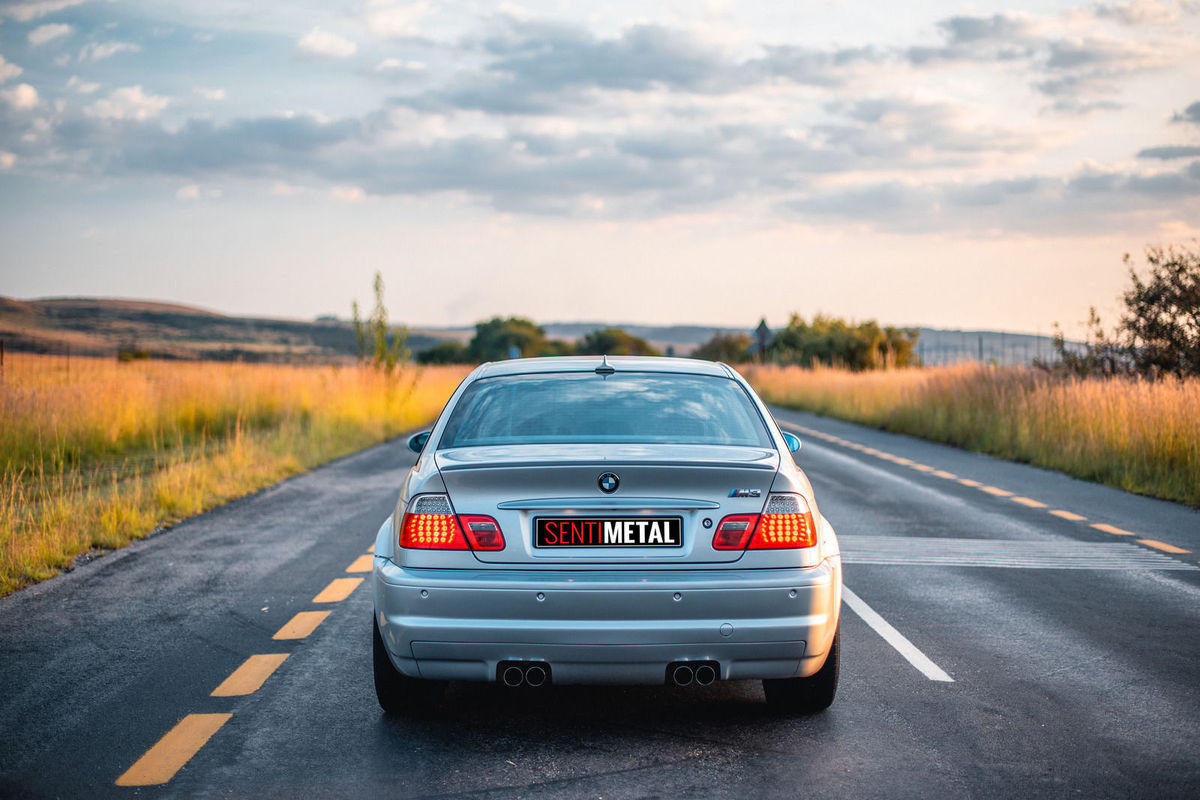
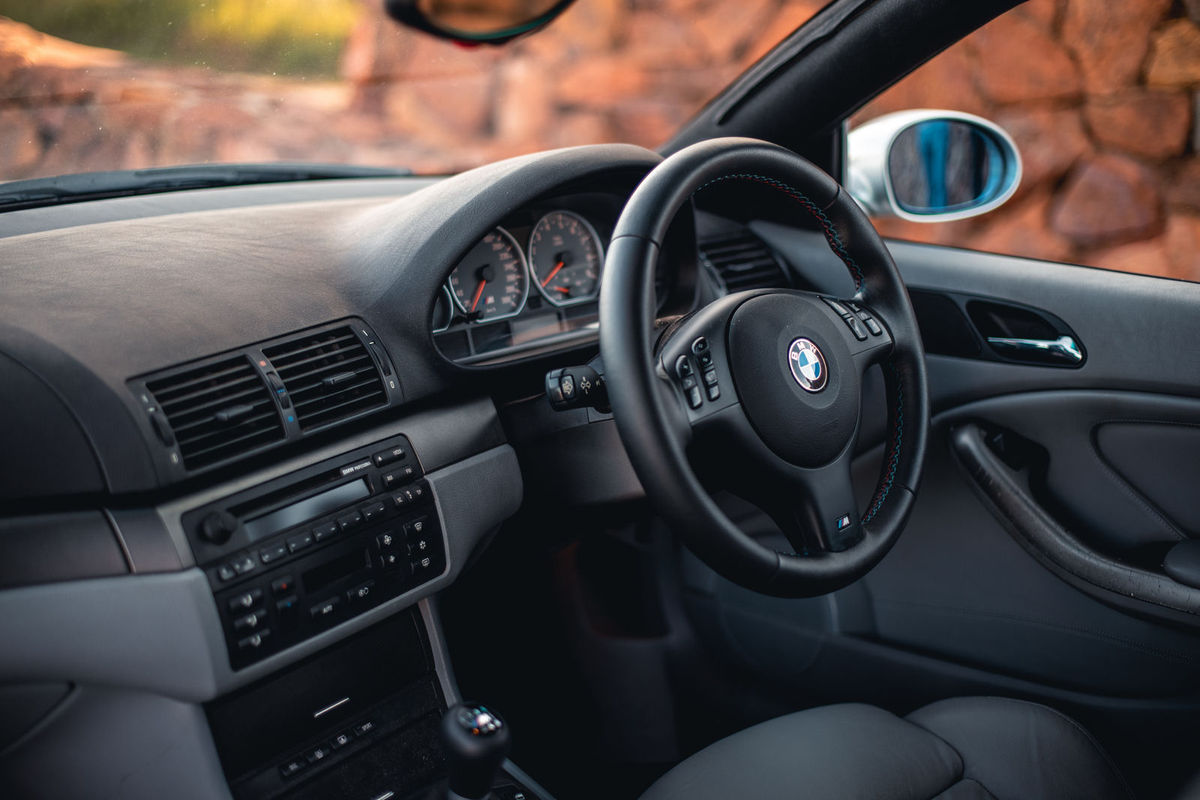
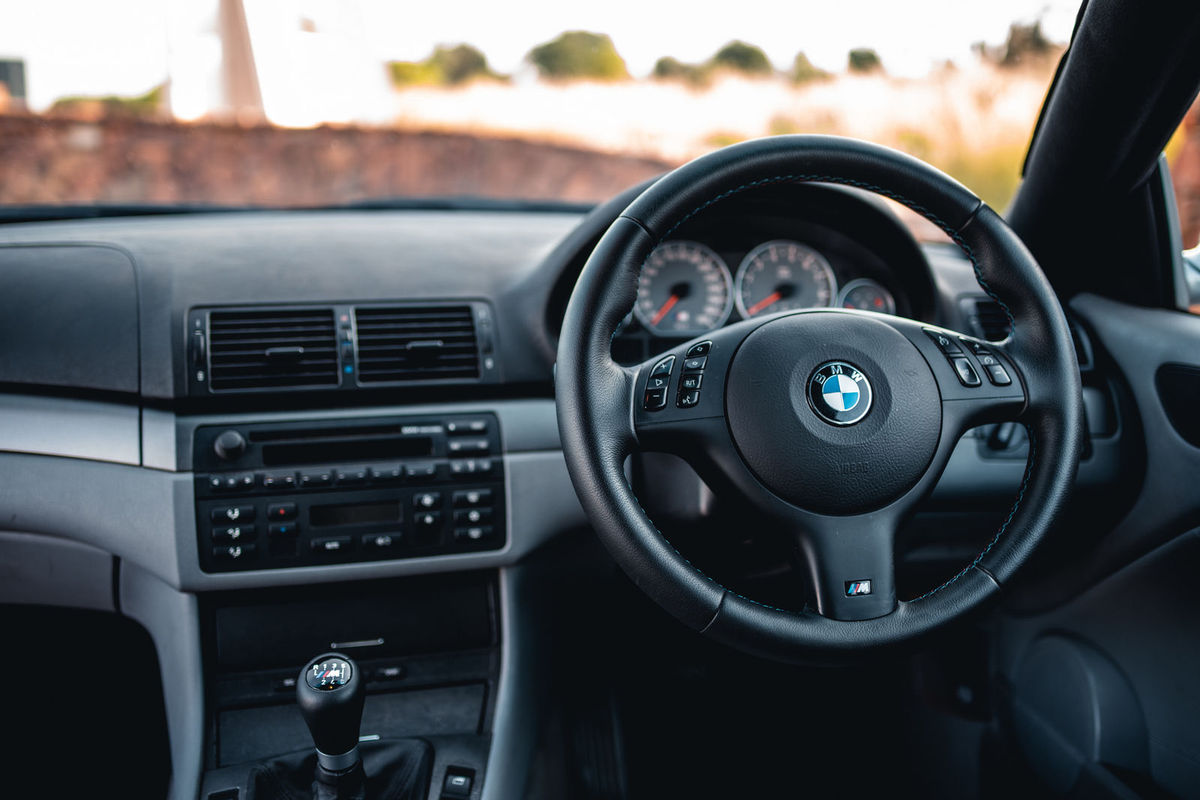
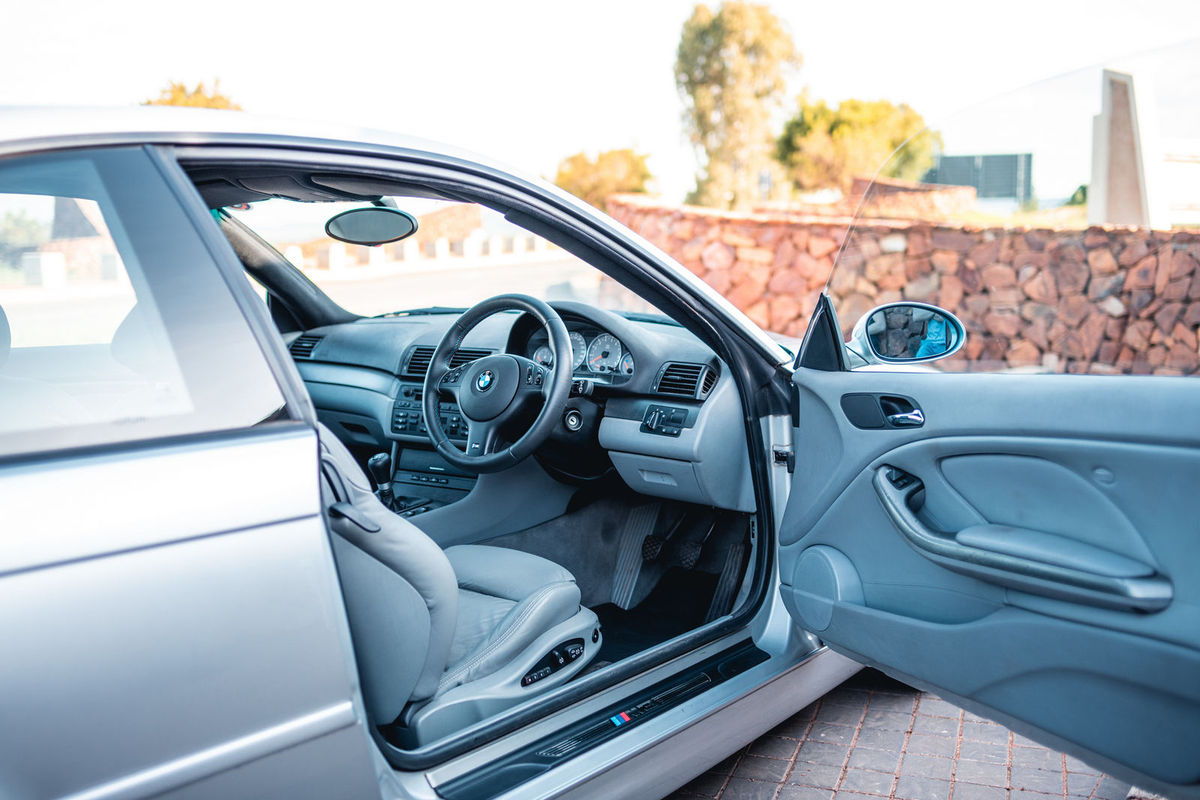
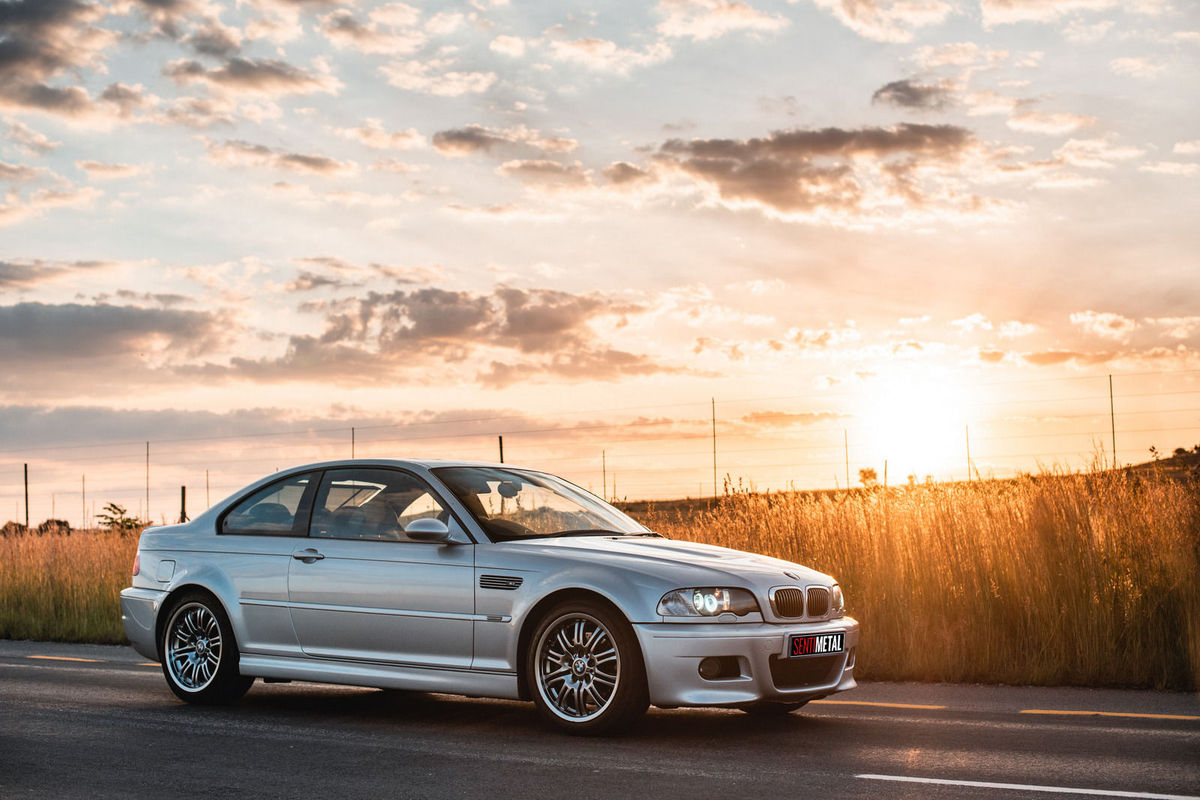
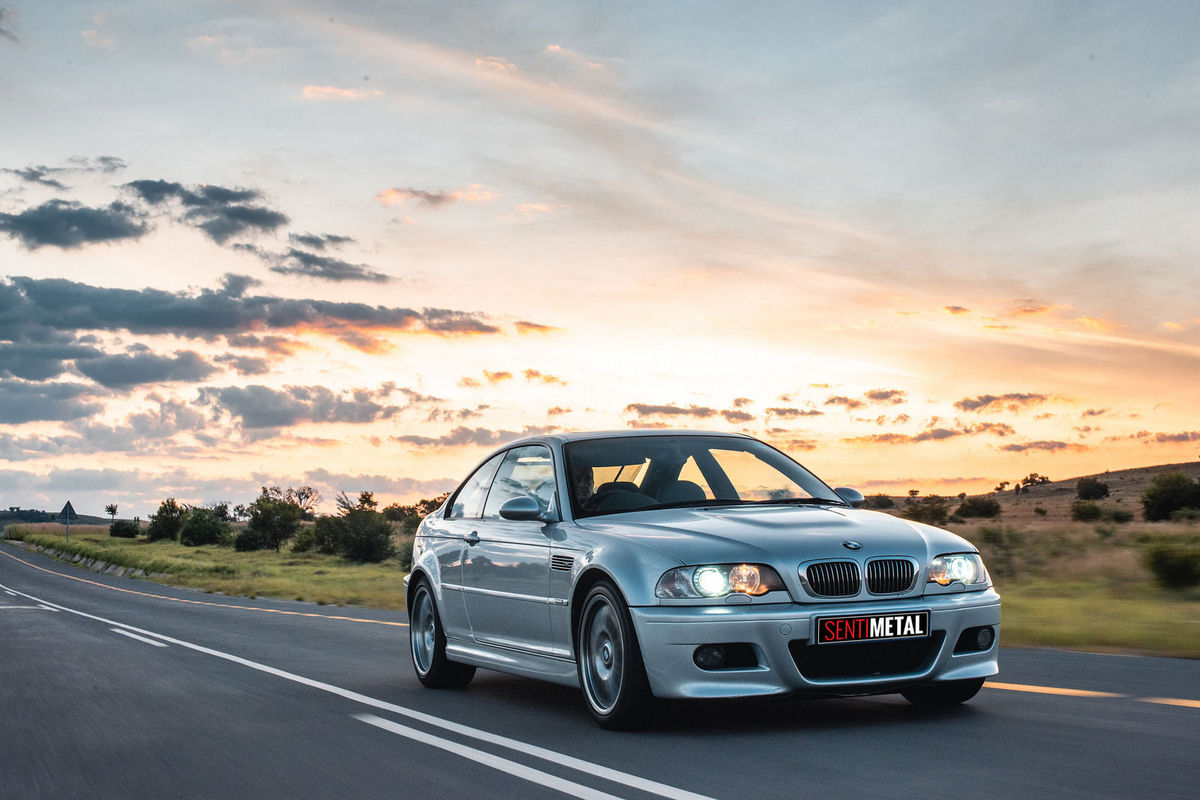
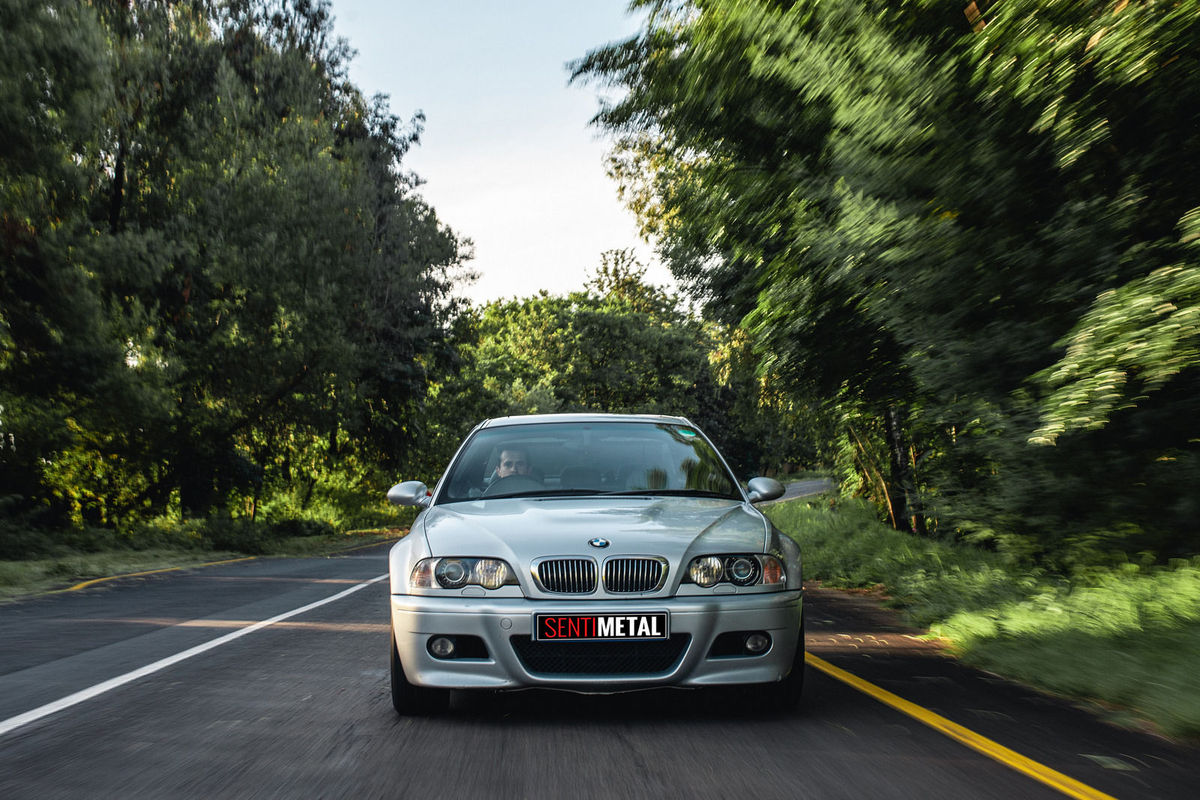
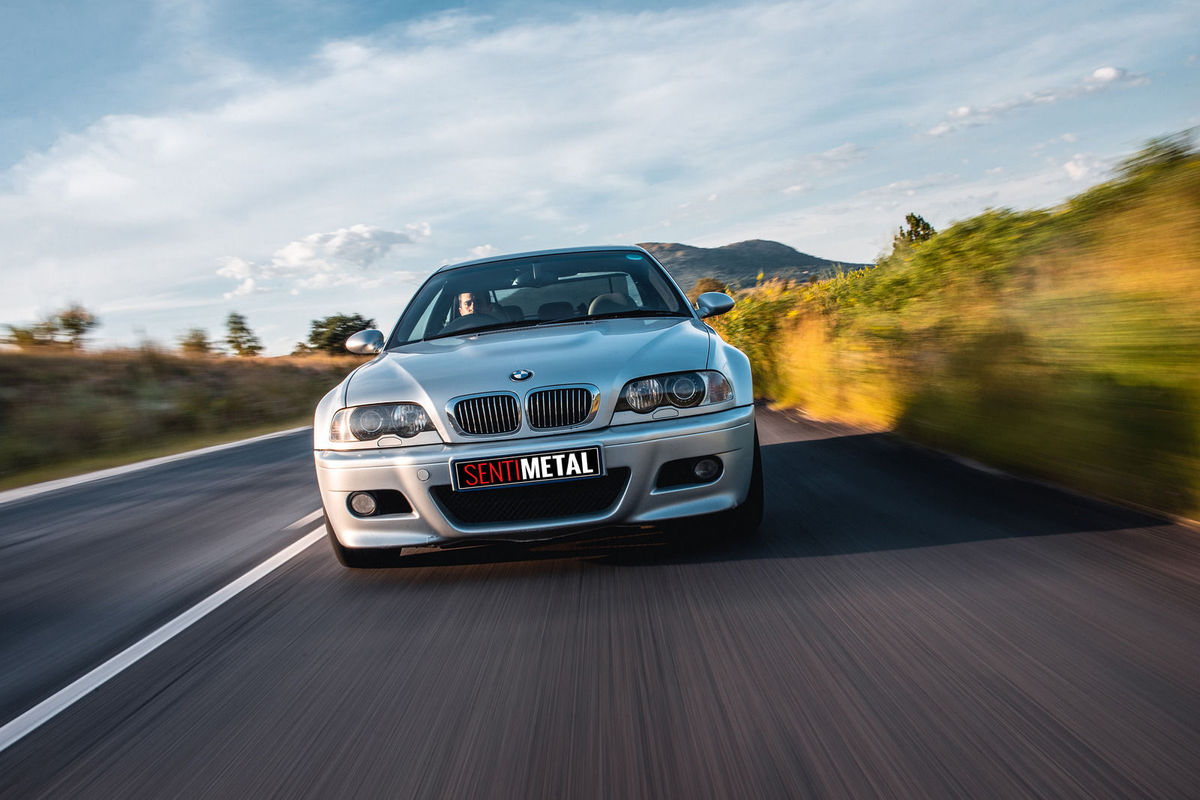
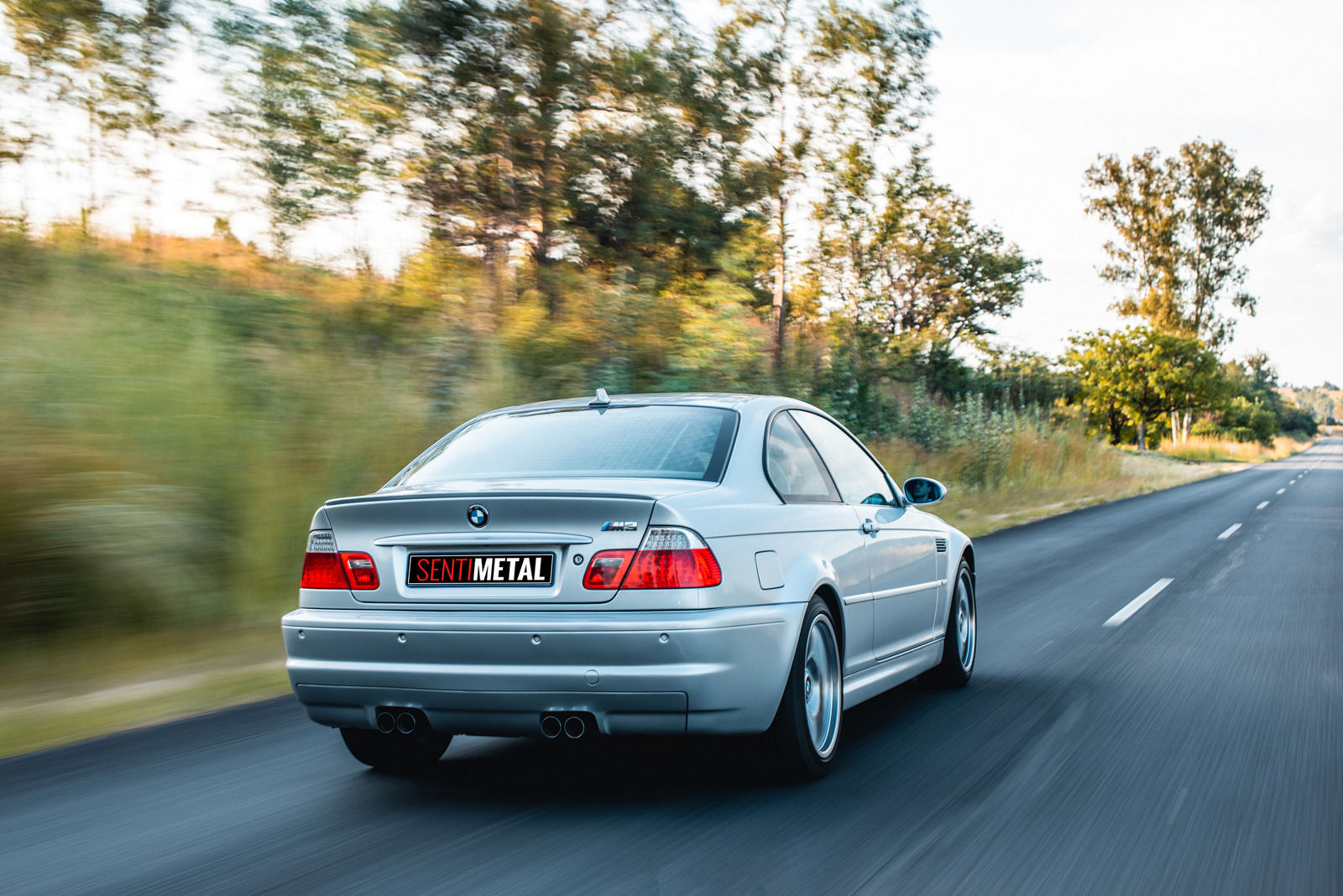
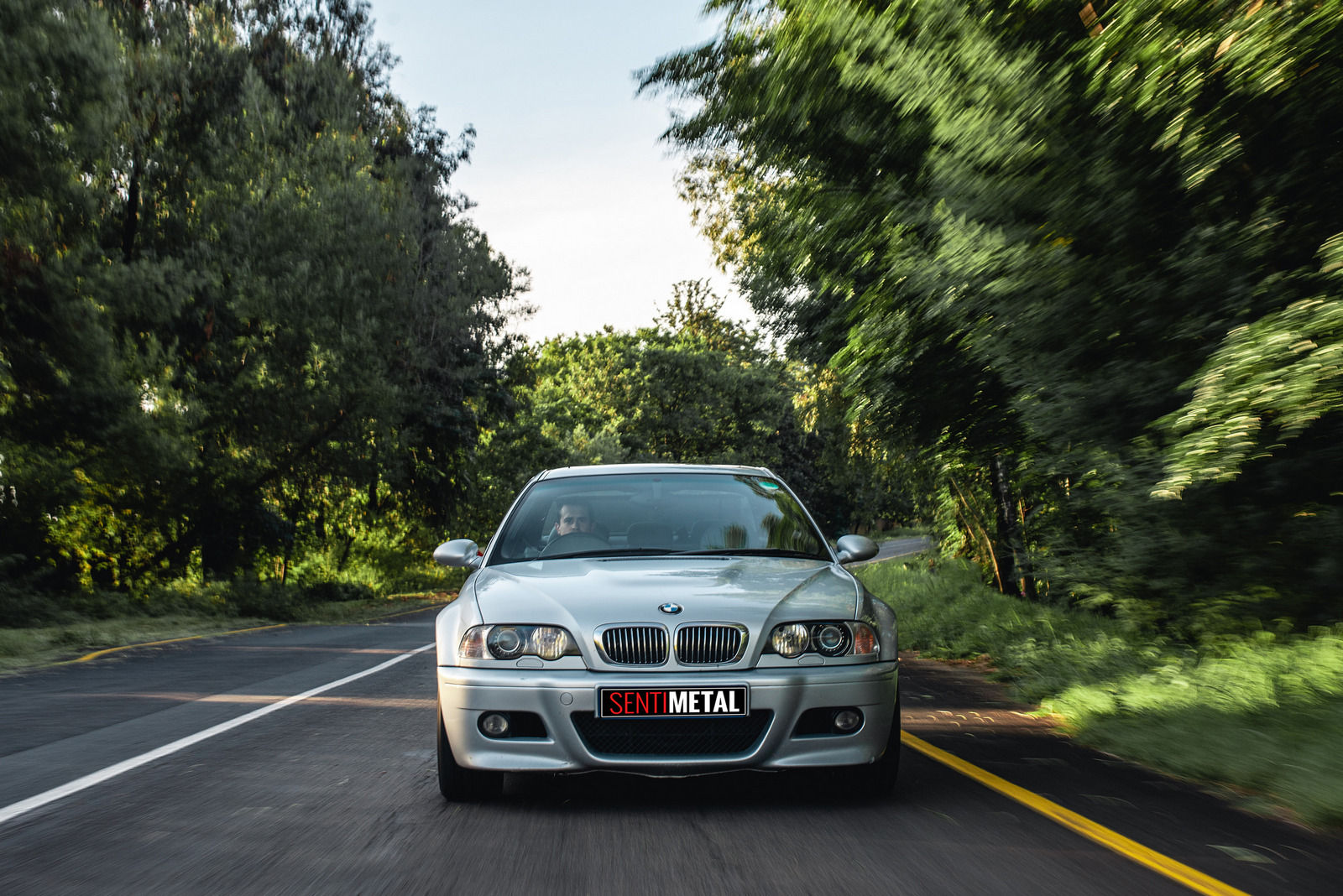
Are you're keen on buying a modern classic car? The BMW E46 M3 – widely regarded as one of the finest M cars ever made – offers visceral performance thrills at a (currently) enticing price and could be just what you're looking for. Here's what you need to know when searching for one on the used market.
There’s no arguing that BMW M has enviable brand cache. The aspirational value of an M car is difficult to explain to those who don’t quite get it and, in South Africa, both BMW and its M sub-brand have a remarkable following. The success of BMW’s M Festival at Kyalami Grand Prix Circuit is a testament to this with the event garnering some 60 000 attendees over its 3-day run in 2019.
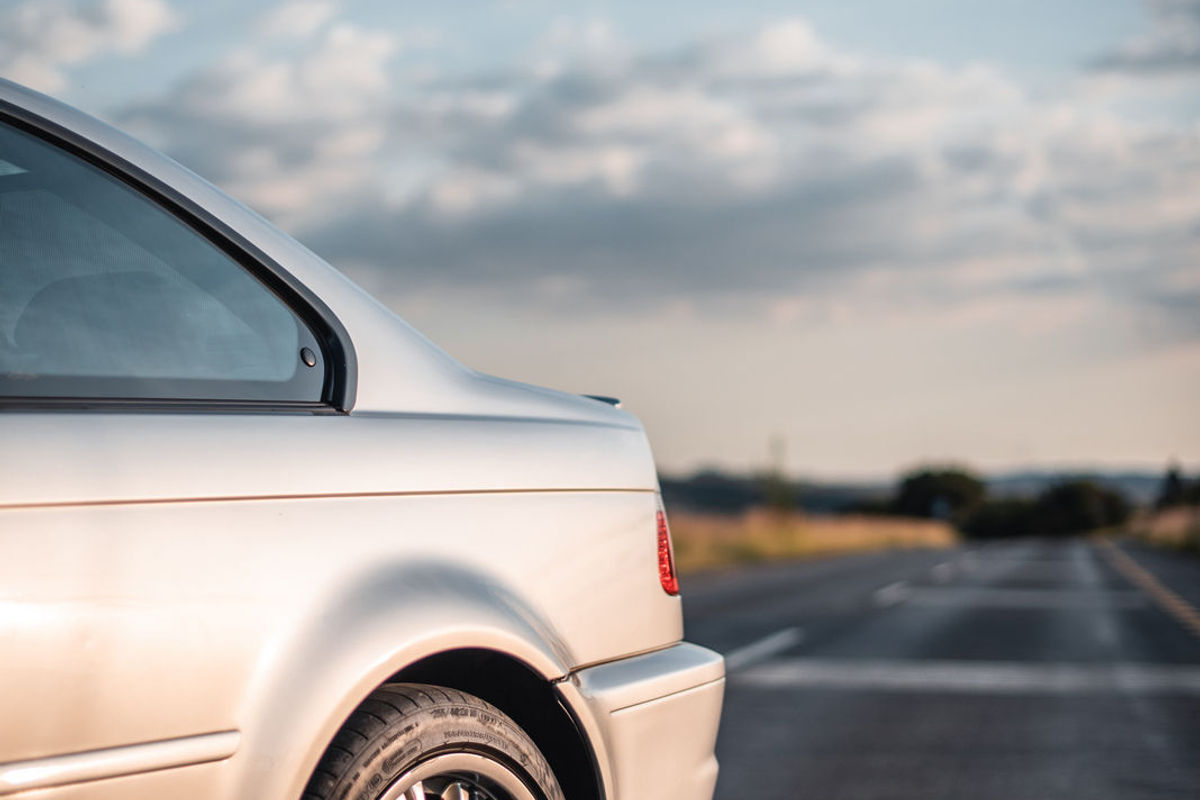
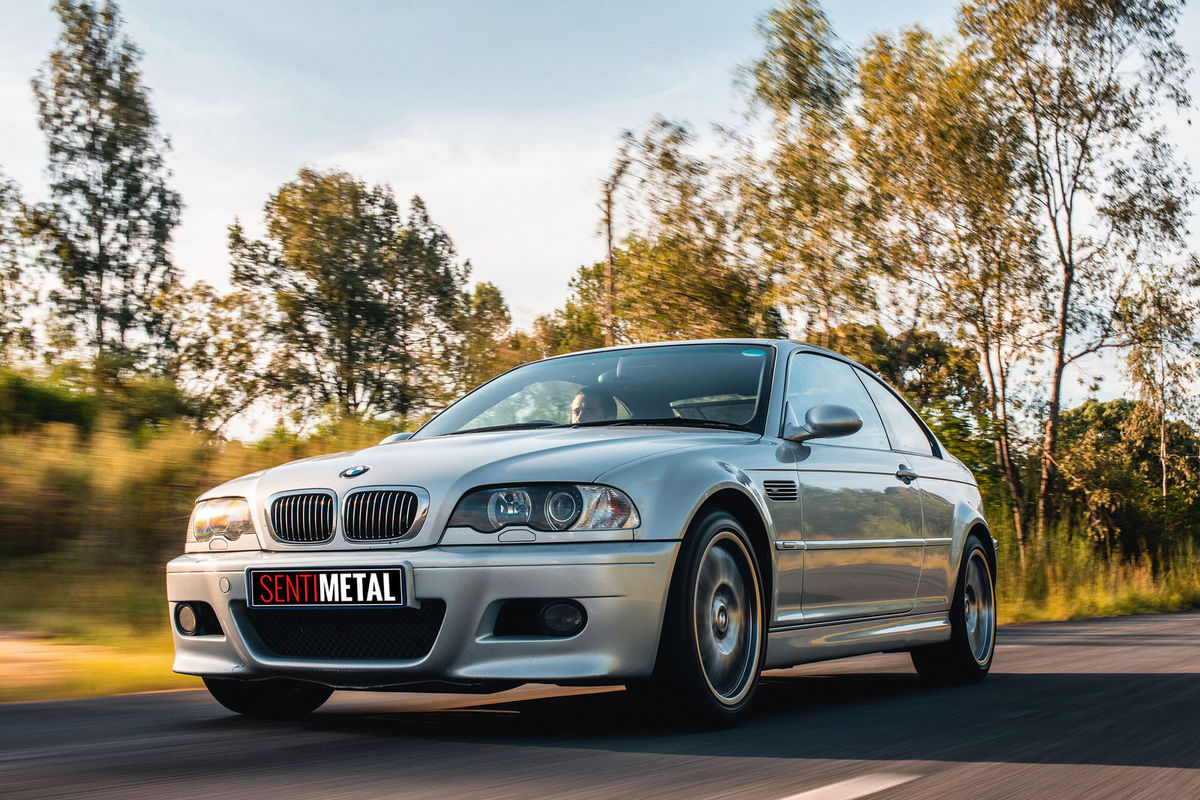
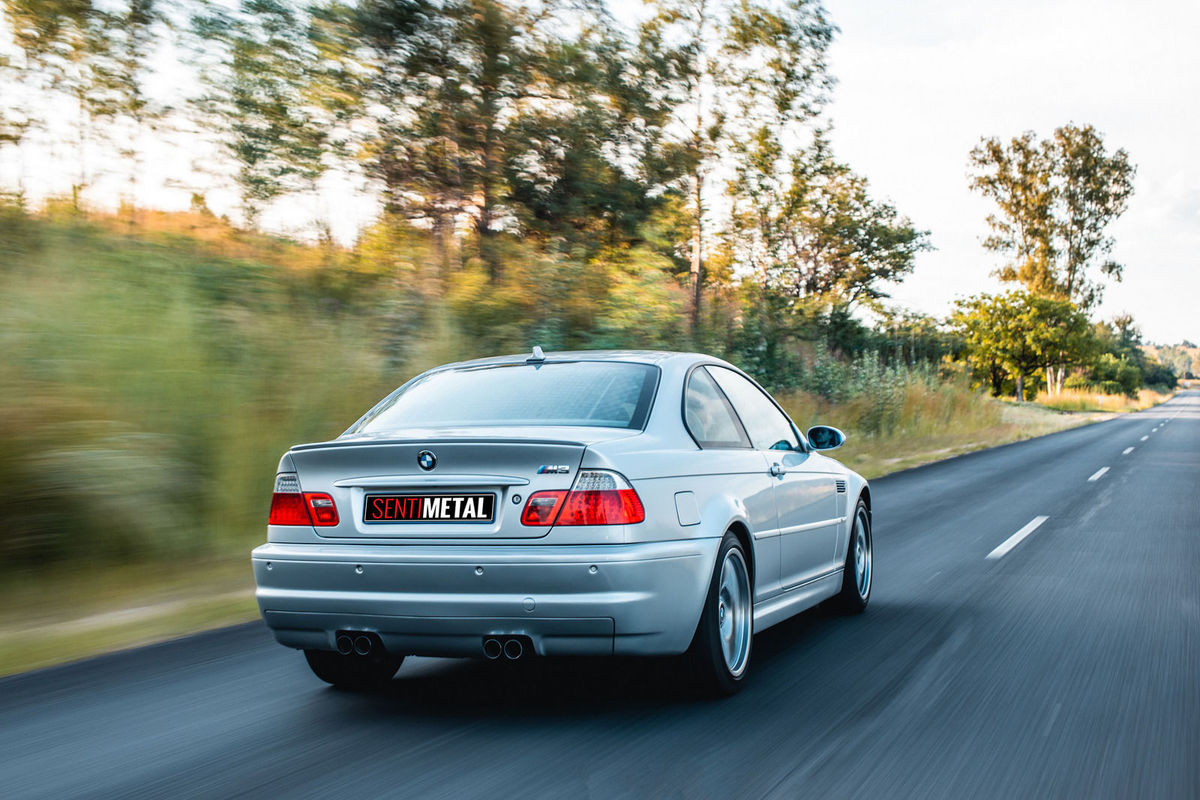
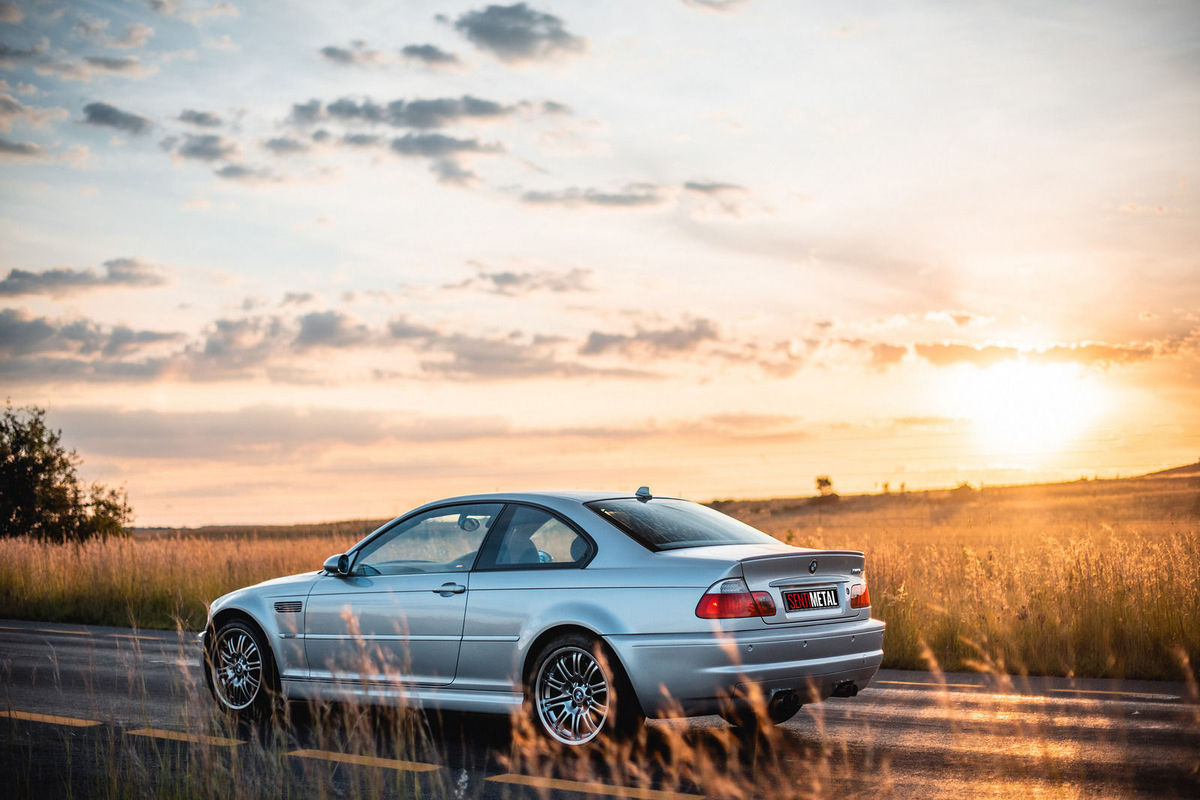
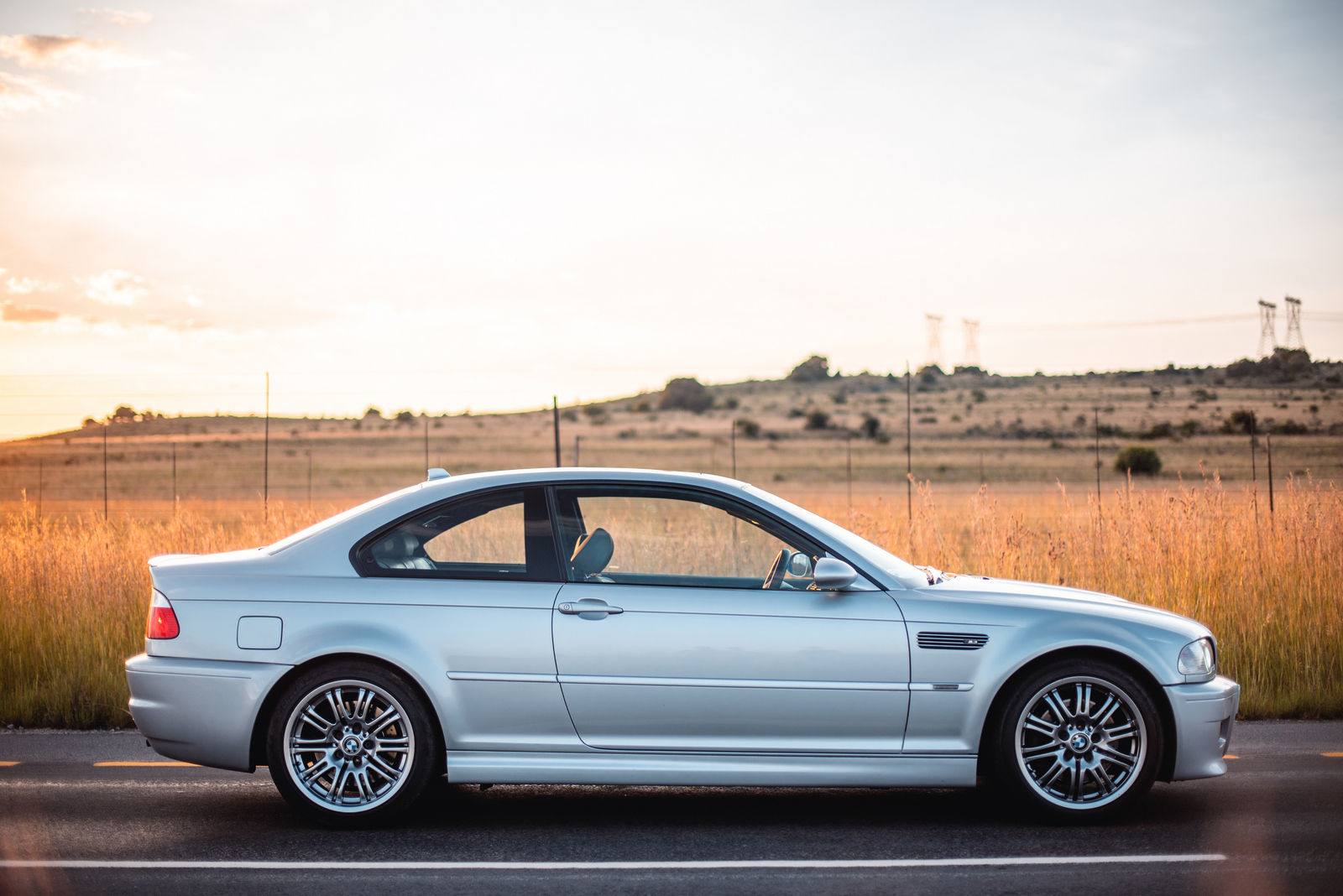
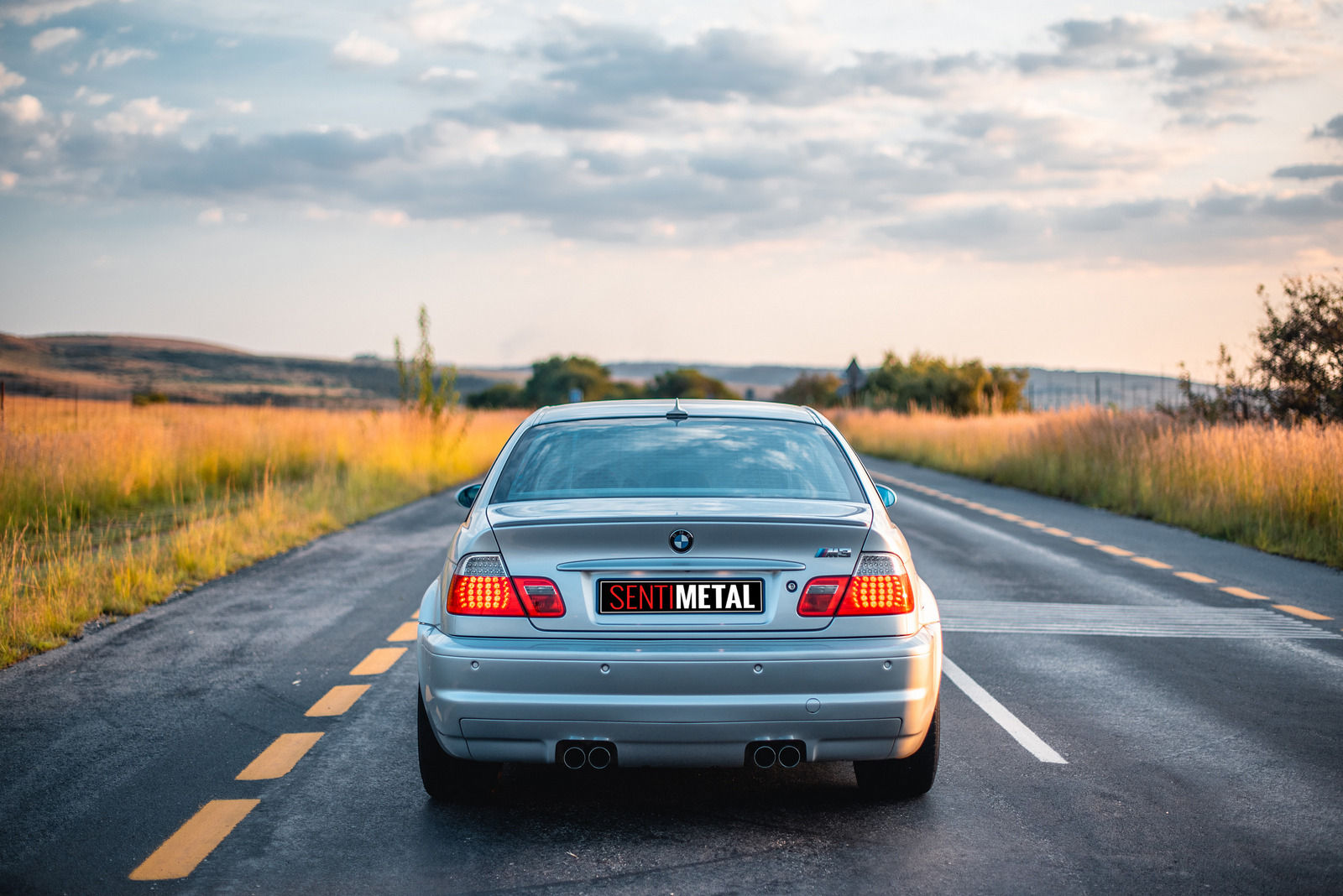
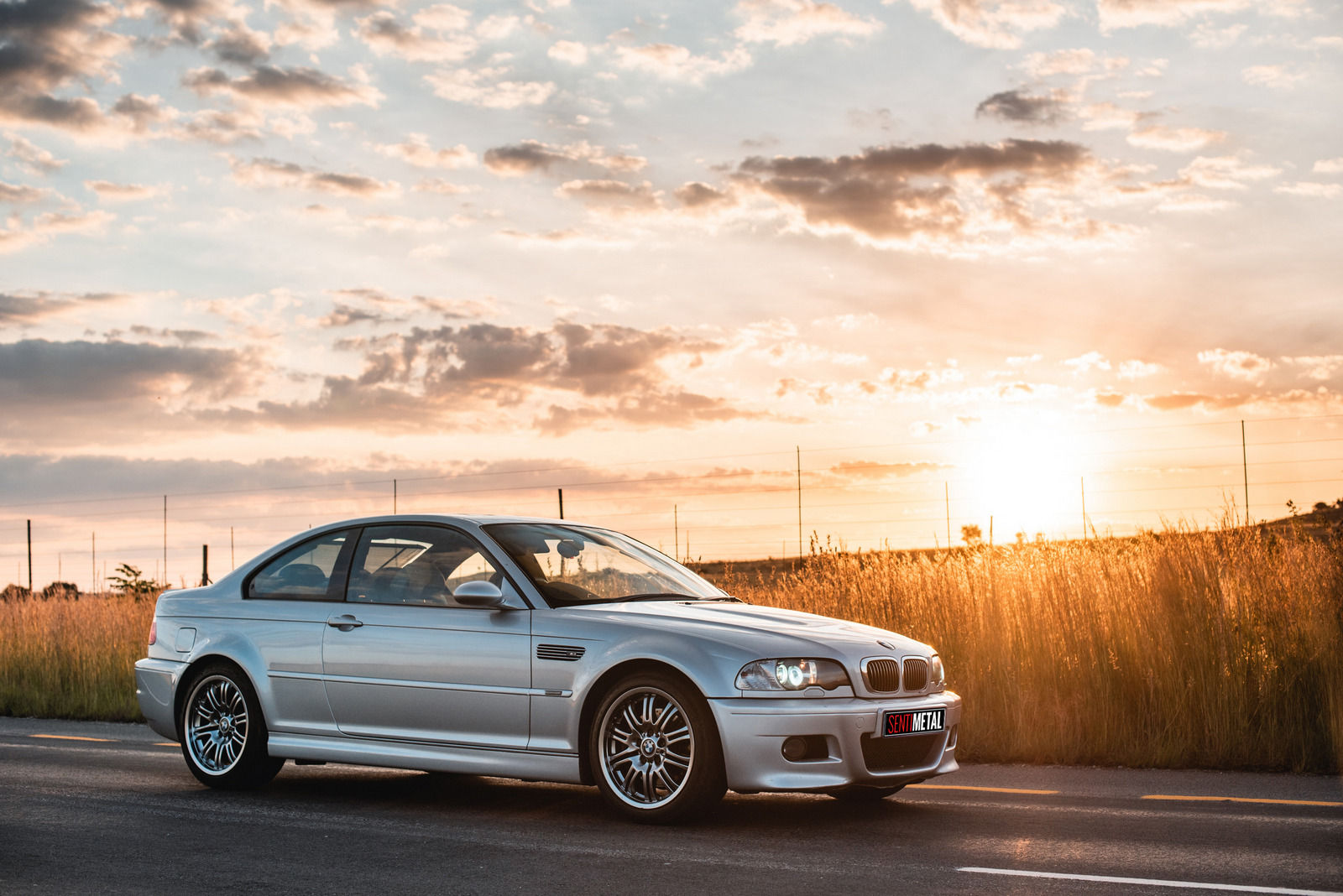
The E46 coupe has a seemingly timeless shape with no fussy lines or swoopy arches. The 3-box formula at its best.
Of course, countless people aspire to own a BMW M car, but only a fortunate few will ever get to realise that dream. Having said that, the entry point to that rarefied owner's circle isn't that difficult to attain as one might assume. Certain M models are starting to become more affordable as they age with grace, they cost no more than a new, moderately-specced family hatchback (to buy, anyway).
Unlike its E36-based predecessor, the E46 M3 was available only as a coupe and cabriolet, there was no sedan version. It is an iconic sportscar in almost anyone's book and when it debuted in 2000 it was deified by the world's motoring press. In fact, a certain British publication placed it 2nd in the list of cars vying for the 2001 Car of the Year title (the winner was the Pagani Zonda C12 S).
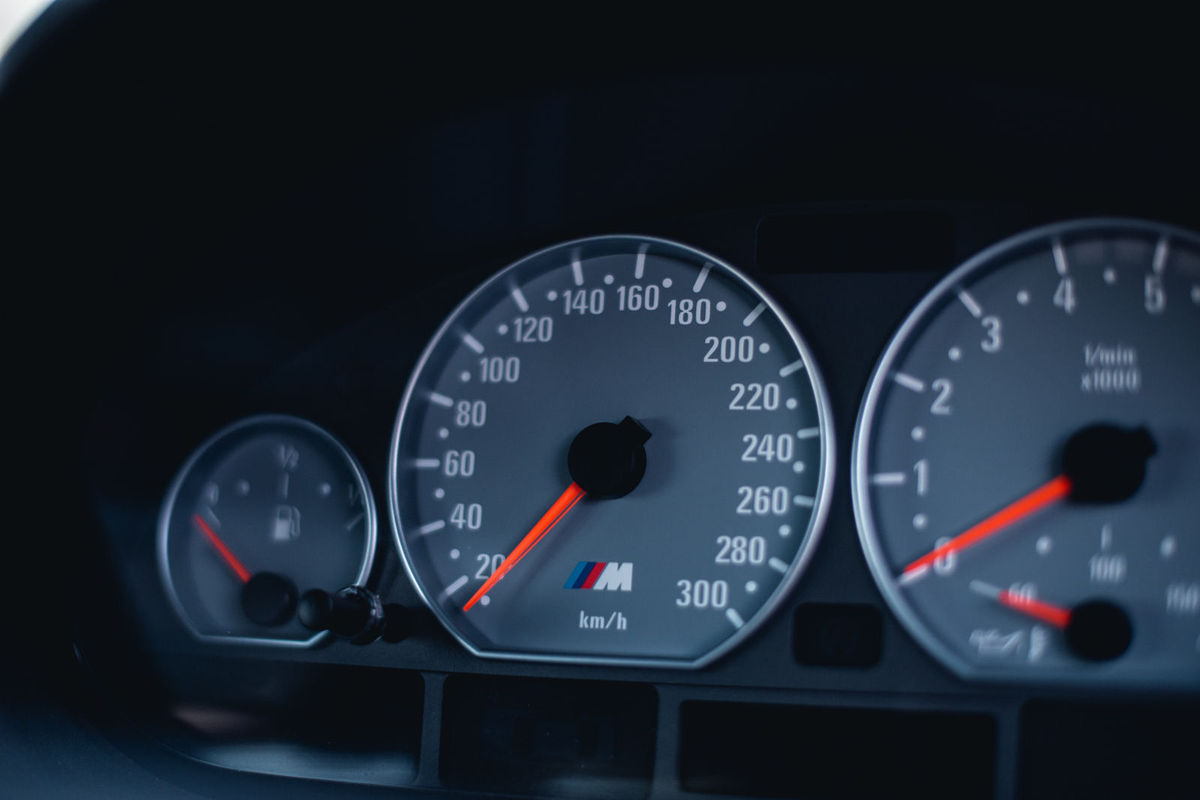
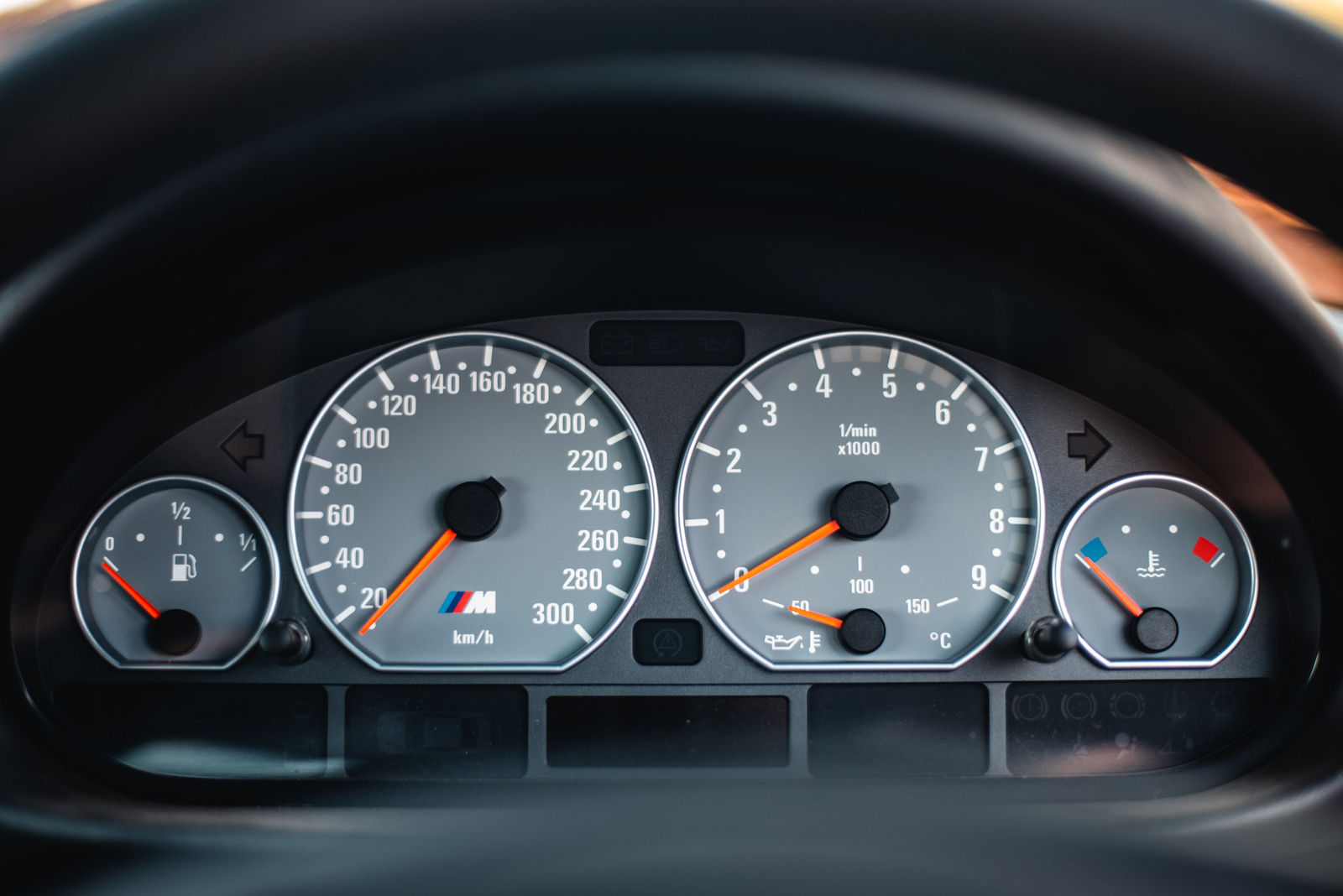
The M3’s 3.2-litre straight-6 (referred to as the S54 by anoraks) screamed all the way to its 8 000 rpm redline and offered one of the highest specific outputs of any production powerplant at the time with 252 kW and 365 Nm. This, coupled with the everyday usability and practicality of the E46 platform, made it an almost unbeatable package, now even more so given their depreciation with age.
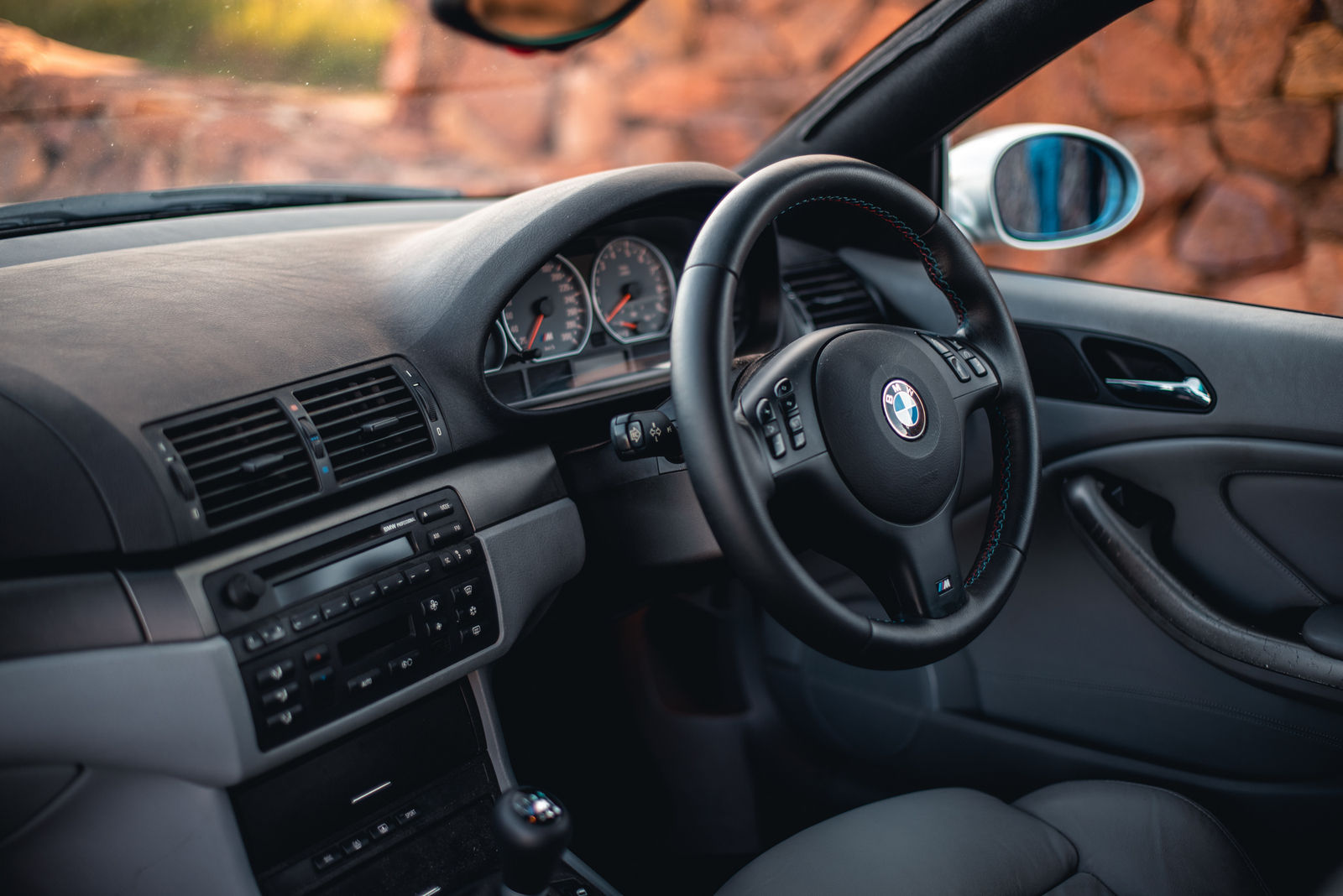
The M3 feels surprisingly modern to drive, even by today’s standards. One is reminded of just how communicative hydraulically assisted steering racks were before the "more efficient, but alas, lifeless" electrically-assisted setups became the norm. There is a Sport button, which sharpens up the throttle response and reduces steering assistance, but the most surprising aspect of the driving experience is just how balanced the entire package is. At no point does the Bimmer's power reserve seem intimidating – I think we have the all-the-torque-and-all-the-torque-now turbocharged engines to blame for that – but there really is something so engaging and rewarding about having to extract the best from an engine by building up and to and exploring its redline. And, then there's the profound sound it emits when it gets there!
Back in those days, drivers had lots of revs to work with, but only the powerplants that revved over 5 000 did anything meaningful.
Compared with the E46 M3's 3.2-litre motor, which develops its peak torque at 4 900 rpm, the twin-turbocharged 3.0-litre unit in the contemporary M3/M4 produces its maximum "pound-foot force" at only 1 850 rpm. This inevitably makes the latter car feel appreciably faster, as the low-down grunt creates an urgency to the torque delivery that is somewhat lacking in naturally-aspirated vehicles. That’s not to say the S54 doesn’t feel fast – it's fast enough for a 20-year-old car – but from a sheer numbers perspective, it's outdone by the newer S55 motor with its sledgehammer torque delivery.
The E46 M3 also feels a lot smaller than its newer counterparts, but that would make sense, considering this bizarre trend of each new 3 Series model being bigger than its predecessor – it's daft, really.
The E46 M3 feels much smaller than its modern contemporaries because it is. And bigger isn't always better.
There’s something to be said about NVH levels too – the E46’s cabin would likely be considered as unacceptably noisy by today’s standards of refinement (some might call it noise insulation, but to others, it's nothing but sensory deprivation), but that too adds to the whole experience of being involved in the process of going fast, or slowly, whichever way it is that you intend to drive your M3. At low speeds, the S54 motor ticks away with a bassy burble that you can feel in the seat of your pants, and when you make the engine perform like it was designed to do, it has a raspy, raucous and tinny howl that I’ve only ever heard from one other vehicle – a McLaren F1. It's by no means raucous inside, but you definitely notice more road and wind noise than you would in a new 1 Series, for example.
Sounds great, I’d like to buy one
The brakes are something that you could look at upgrading down the line.
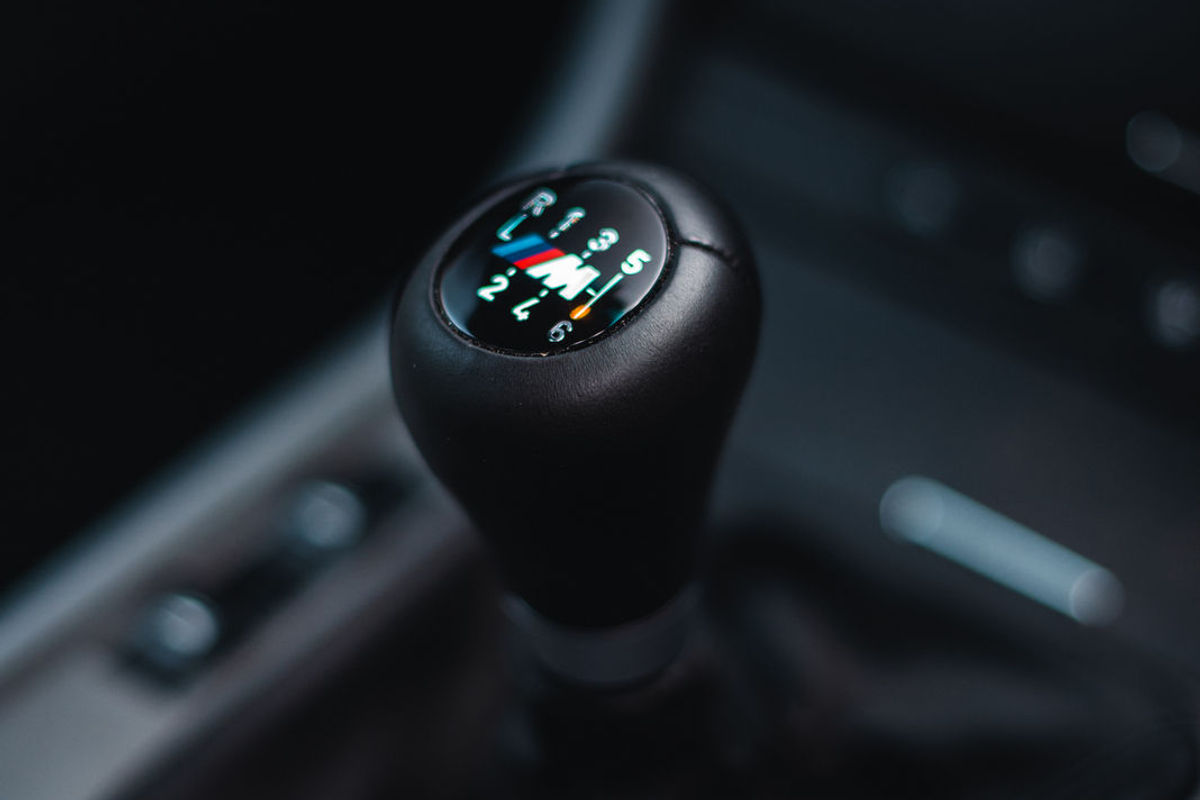
As far as performance bargains go, you’ll struggle to find more performance car for your Rand than an E46 M3. Some might say this statement is subjective, but that's the appeal of a modern classic: it's an object of sheer indulgence, but you don't have to spend R1 million to get your hands on one? A mere R130k will get you a tired SMG Coupé with many hard kilometres on the clock, whereas R350k to R450k will buy you a manual-shift "minter". If you’re an enthusiast, a manual Coupé is the car for you, and if you aren’t, then perhaps consider an SMG convertible? The infamous SMG gearbox featured essentially the same 6-speed Getrag manual gearbox as in the "stick shift" E46 M3. However, its clutch was electro-hydraulically controlled; you effectively drove the vehicle like a conventional automatic, except with a lot more rolling back and forth and pained expressions from your passengers as they wondered why their necks were sore and your clutch control so horrid.
What do I need to look out for?
Well, in petrolhead circles, the term "M-Tax" is often bandied about. In short, it implies that because a vehicle is an M-car, it’s highly likely that prior to being bought by you, it spent most of its life being thrashed by its previous custodians. What this means is that components such as the brakes, suspension and certain engine parts will have experienced more wear than if the car was used to potter to the shops and back once a week. This shouldn’t surprise you, though, as the E46 M3 is a serious performance car, so it should make sense that it’s been driven with intent – and often. Luckily for new owners, a great deal is known about the shortcomings of the M3’s mechanicals and, as such, failures are rather well documented, making maintenance and diagnosis significantly easier.
Serious things
It's not going to be plain sailing the minute you buy an E46 M3, it had a few problems.
Connecting-rod bearings
These tend to wear sooner than they would in a conventional motor. The main reason for that is the high-revving nature of the S54 motor. As such, it is suggested that these be replaced preventatively when nearing the 100 000 km mark. It isn’t quite as simple as that, however – factors vary per vehicle and some might soldier on well past 150 000 km with original bearings whereas others have spun bearings well below 100 000 km. Key to the longevity of these bearings, however, is ensuring that the 10W-60 oil used in the S54 is up to running temperature before engaging in spirited driving.
Subframe cracks
This is somewhat of a contentious topic when discussing E46 M3s is the infamous "cracked subframe". What actually happens here is that the rear-axle carrier isn’t able to withstand the high-torque outputs of the M3 and inevitably, cracks begin to develop in the panel. These cracks can be found on almost all M3s and once they develop past a certain point, they tend to spread at an exponential rate, so it’s best to get this checked and remedied as soon as possible.
There’s no exact science as to how this should be remedied. BMW's solution was to fill lower sections of the rear axle carrier panel with structural foam or replace the entire rear-axle carrier panel (RACP) – neither of which were ideal solutions. The best route to go would be to either repair existing cracks and weld in a Vince Bar, which helps distribute the drivetrain load to stronger parts of the vehicle; or to have a look at the solution that Redish Motorsport has developed – essentially reinforcement plates that are welded to the underside of the RACP.
SMG hydraulic pumps
BMW’s SMG gearbox could be described as an acquired taste, one which the overwhelming majority of enthusiasts have yet to acquire. It’s jerky at low speeds and not nearly as engaging as a conventional 6-on-the-floor shifter. One could perhaps overlook these faults, however, if the SMG-II box found in certain E46 M3s was a fine example of gearbox reliability. You won’t be surprised to learn, then, that it isn’t. The SMG pump may as well be fashioned from leaves and is yet another "when, not if" failure item on the M3. The best way around this is to just get a good ol’ manual.
VANOS
VANOS is the name that BMW gave to its variable valve timing system of the era and failure of various aspects of the system can either lead to lessened engine performance or bank account-altering catastrophic failure. Failure of the exhaust-cam hub tab results in the tab falling into the engine and wreaking all manner of havoc. The VANOS solenoids are a common fault area and can be cleaned, but will eventually have to be replaced. VANOS seals also tend to perish and have to be replaced timeously.
Try getting hold of an E46 M3 with a manual gearbox, you'll be glad you did in terms of reliability and driveability.
Less serious things
Cooling system
It is widely acknowledged that E46 cooling systems were basically made from chocolate and as such, fail on a regular basis. This is mainly due to the extensive use of plastic components, which really do not weather well (they become brittle with age). There are many aftermarket fixes for this; most of them entail replacing OEM hardware with harder-wearing equivalents.
VANOS- and power-steering hoses
The VANOS external accumulator may burst on earlier vehicles and should be checked. Also, inspect the power steering hoses, which are highly pressurized and, after time, often begin to sweat and eventually burst, which is not ideal as this can spray oil all over the engine bay. These pipes are rather shapely and quite difficult to repair so best to just buy a new one, as expensive as they may be.
Fluids
It would be advisable to check the quality of the fluids before purchasing a vehicle. Once you've bought an E46 M3, consider replacing all of the fluids systematically. This isn’t a hugely expensive process and goes a long way to ensuring that components are running as they should. As with any high-performance vehicle, it is imperative that the correct fluids are used throughout the vehicle.
Engine: 10W-60 Differential: OEM differential oil with friction modifier booster Gearbox: Gearbox fluid BMW MTF-LT2
How to spot a lemon
It cannot be overstated enough that you do your own research on a vehicle you may be interested in.
As with any used vehicle, there are bound to be many lemons out there. As a buyer, you need to ensure that you are not only well informed but well aware of what you’re looking for when you inspect a vehicle. It almost goes without saying that a vehicle should never be purchased sight-unseen – this is tantamount to financial suicide when you’re looking at purchasing something like an E46 M3.
Popular modifications
There are aftermarket audio head-units available if you like modern features such as Apple CarPlay or Android Auto.
As long as motor vehicles have been an extension of people’s, um, personality, there seems to have been a desire, if not compulsion, to better the supreme and all-knowing engineering skills of those specialists who designed and made those vehicles. As is to be expected then, there is an array of popular modifications that can be done to E46 M3s. Some are great, and some aren’t.
Decat
Removing the catalytic converter from your car is not only reckless and unkind to the environment – it also makes your car sound a little racier and leads to a nominal improvement in performance. This mod is, therefore, a matter of preference as it certainly increases the raspy sound that the S54 motor emits, but if the modification is done badly it can also make the car sound broken.
Uprated brakes
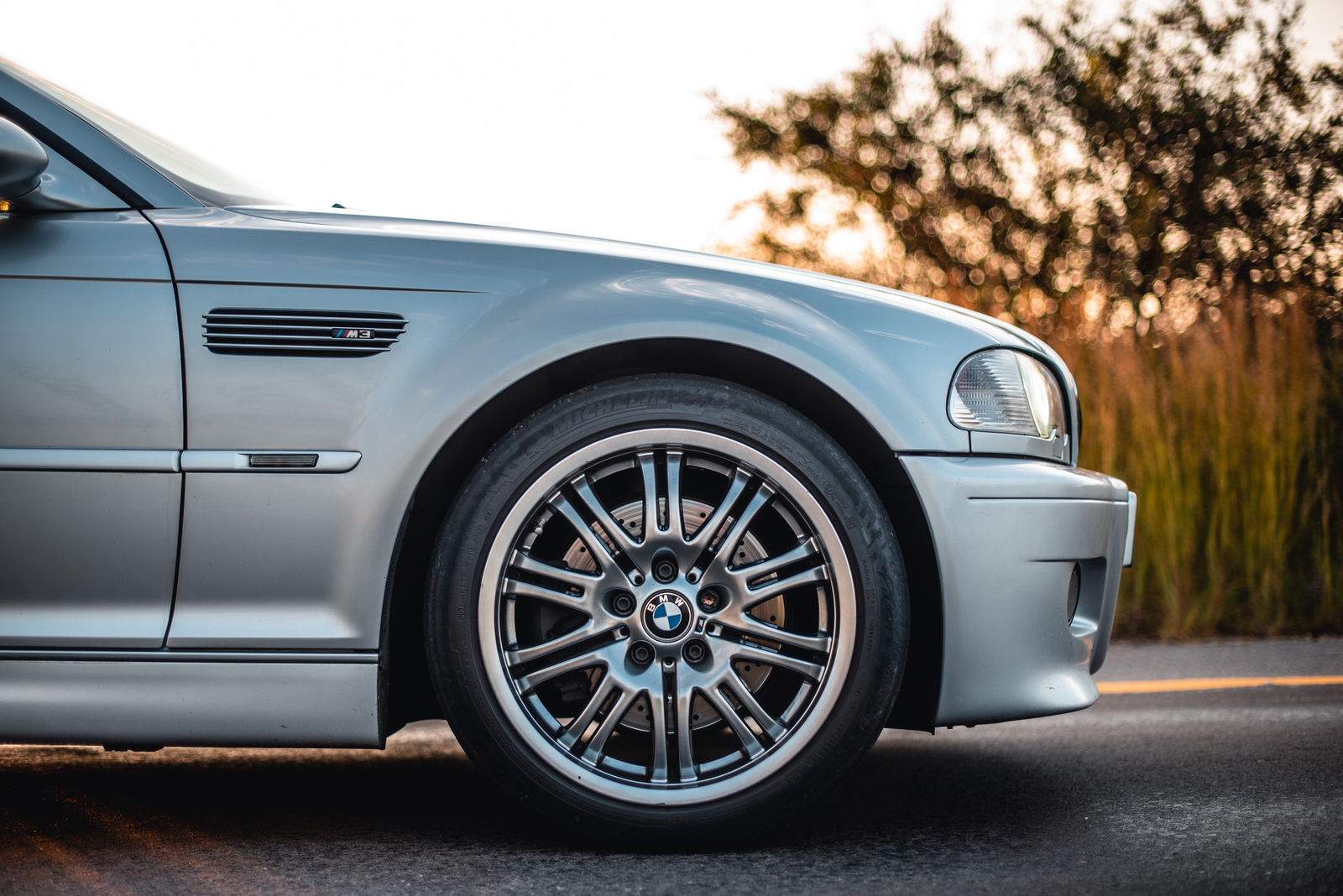
This is one of the nicer (and popular) modifications to the E46 M3. You can upgrade the standard brakes to those of either the Z4 M (E85) or E46 M3 CSL, which has compatible braking systems. They offer improved braking performance thanks to larger-diameter discs and a different caliper-carrier at the front, as well as larger pistons at the rear.
Z4 M steering rack
This is a great update to consider should you ever decide to drive your M3 on track days. It just sharpens up the rack and makes the car respond slightly quicker to steering inputs.
Nice-to-haves
Where possible, keep it stock, it will only help the resale value if you ever decide to sell.
Another popular modification is to fit the manual shifter from the E46 330d as it has a slightly shorter throw than the stock M3 unit.
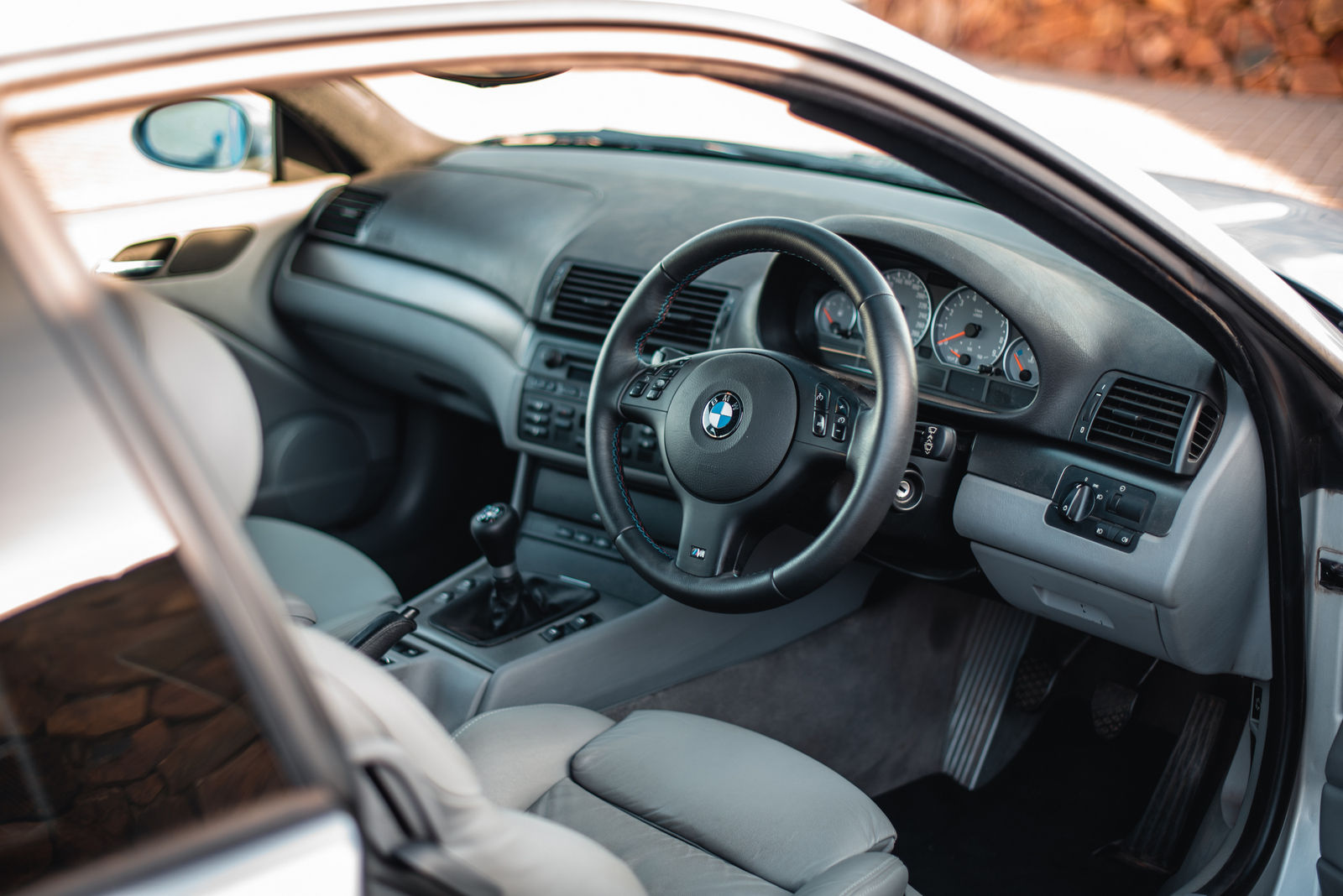
The M3’s stock head unit is also quite ancient by today’s standards and if you’re the sort of person who likes to stream tunes from your smartphone, you may want to consider a DynaVin unit or similar – there are many options out there that look similar to the stock nav unit, but offer Apple CarPlay and Android Auto compatibility.
Intakes
The most widely discussed modification for the E46 M3 is undoubtedly the air intake. Following the aural pornography that was the induction noise of the M3 CSL, every M3 owner wanted to replicate this with a cone filter here and some bolt-on piping there. Again, there are many options out there that all change the characteristics of your car, ranging from noisy and slow to less noisy and almost as fast as stock. My recommendation here is to not fiddle with the car's intake system if you cannot afford to upgrade it properly – there really isn’t anything wrong with how a stock M3 sounds, anyway.
SMG to manual conversions
Is this perhaps the pinnacle of the driver's M car?
There are a surprising number of these out there, some have been done rather well and others look like they were done via cross-continent correspondence. Unless you know exactly what you’re looking at (one would hope that the conversion has been properly documented), it is advisable to steer clear of these. Rather look a little harder and find the car you want – don’t settle for a sub-standard vehicle, because that sort of compromise will almost certainly come back to bite you in years to come.
And there you have it, sports fans! Shopping in the used car market is always an adventure and while there is no way to guarantee that you won’t buy a dud, there are definitely ways to upskill and inform yourself before making a purchase. The E46 M3 is an absolute legend and should you be in a position to consider adding one to your garage, just make sure you get yourself the right one!