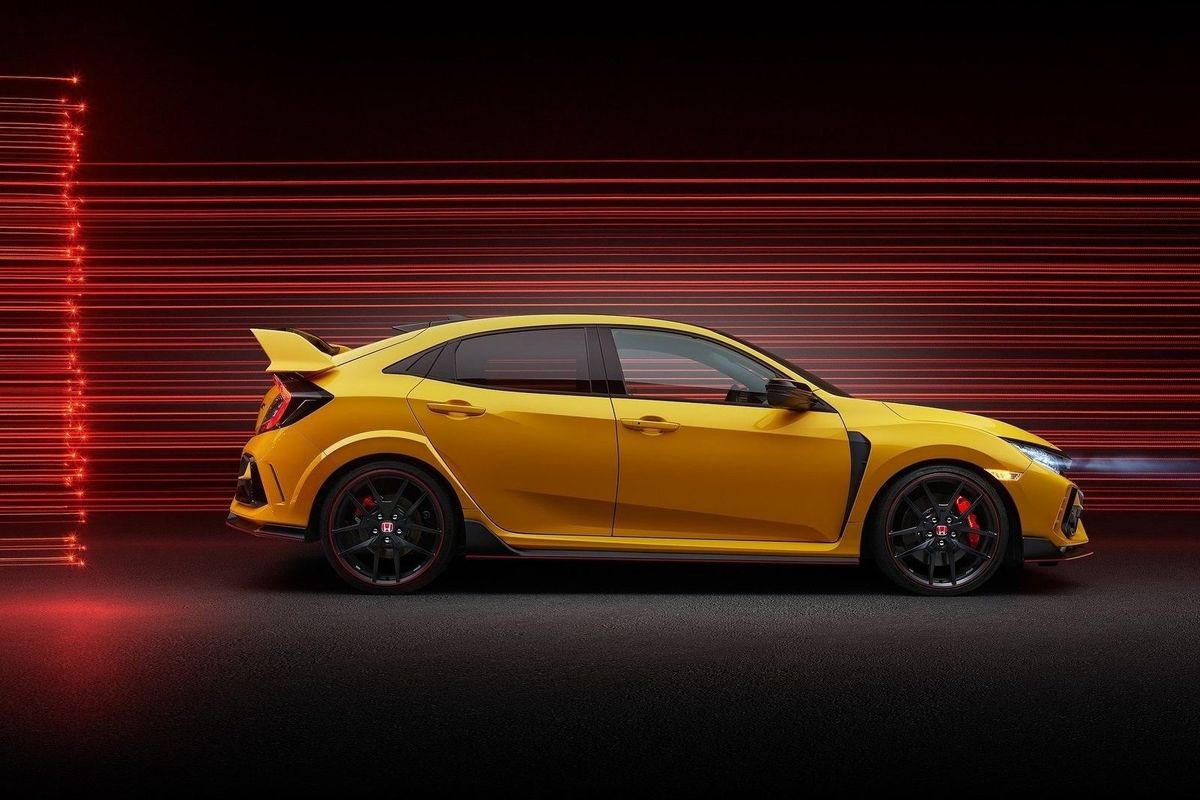
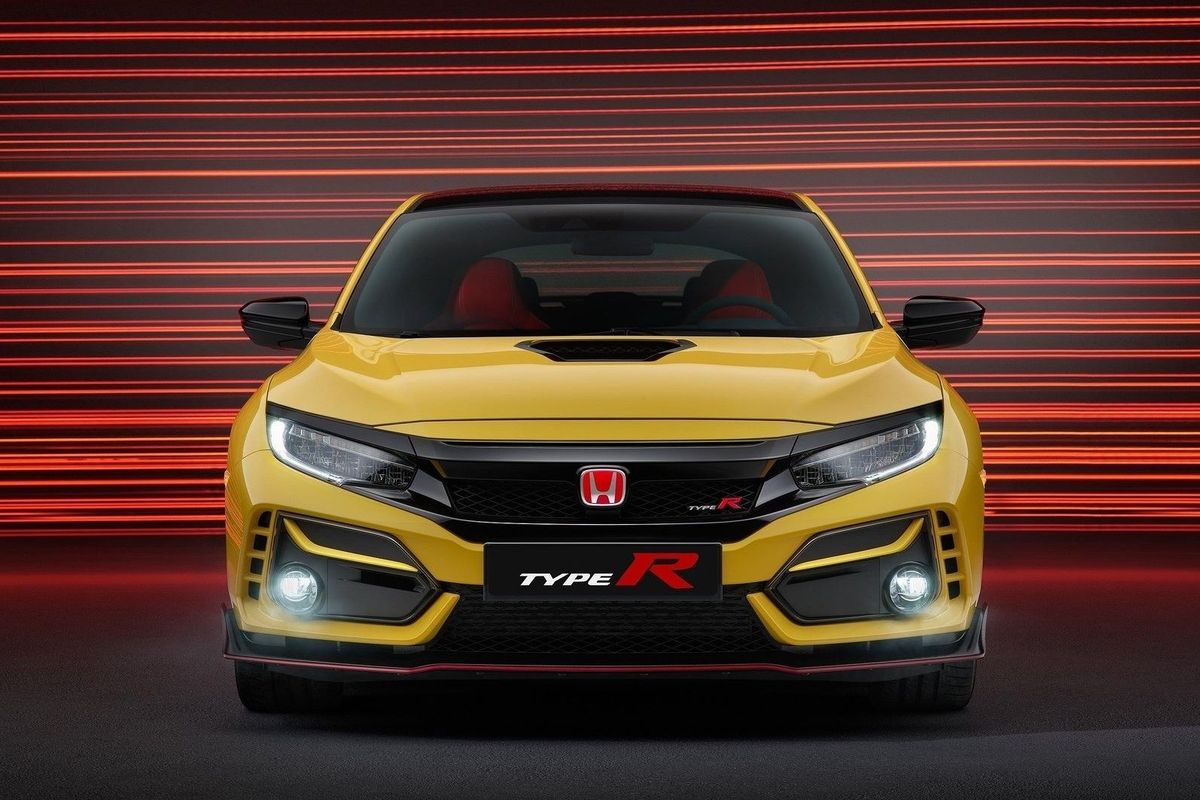
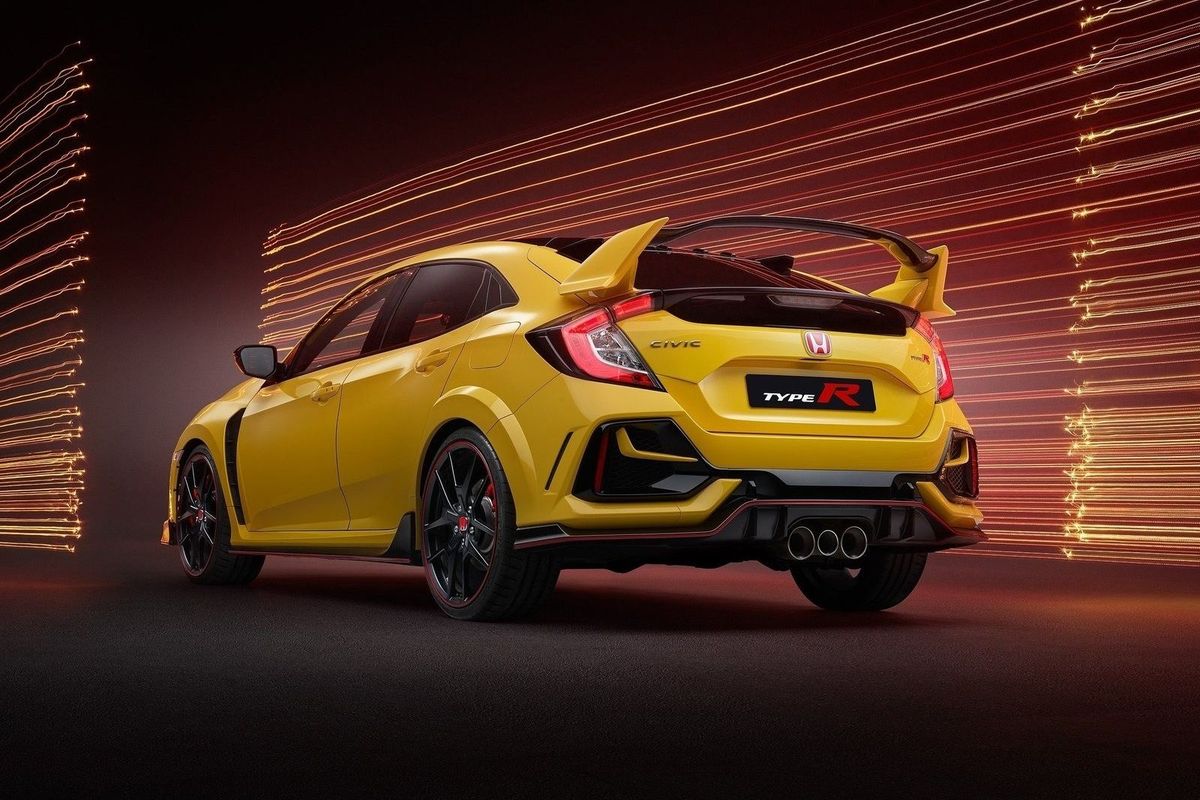
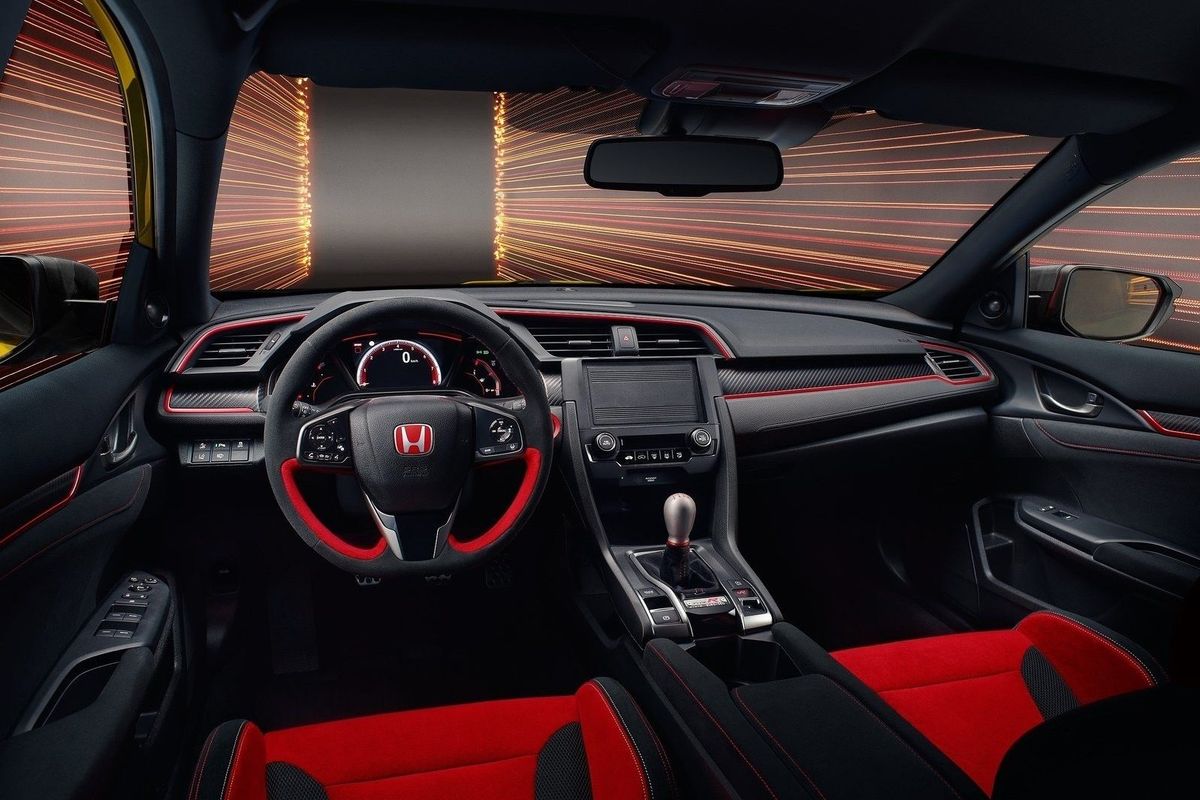
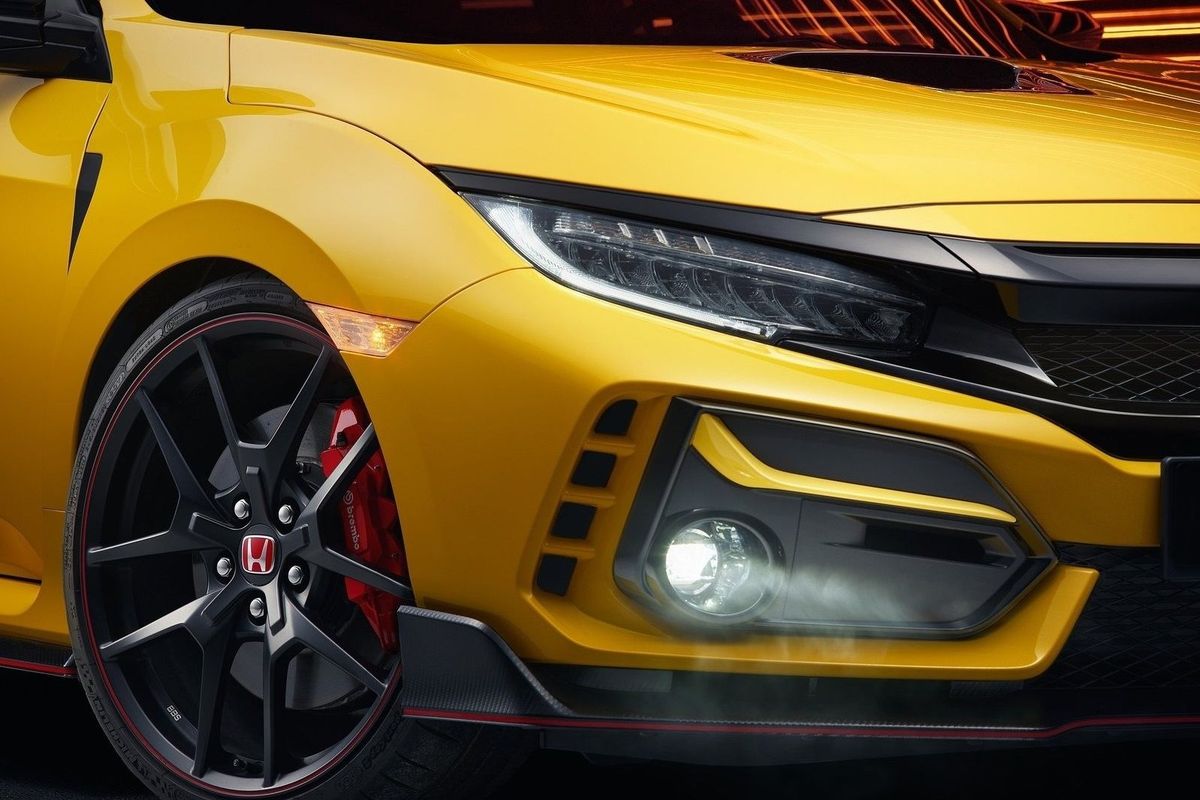
The Honda Civic Type R Limited Edition has been revealed and there's going to be just 100 units for Europe.
The Civic Type R is one incredible machine. Not only does it look outrageous, but its also exceptionally quick on racetracks. For a period of time, it held the Nurburgring lap record for a front-wheel-drive hatchback.
Now there's a limited edition model, which Honda claims has been designed and engineered to be the most dynamic front-wheel drive hatchback. Essentially, Honda has focused on putting the Civic Type R on a diet, stripping out the interior and the extensive use of lightweight components.
The new Honda Civic Type R Limited Edition features lightweight 20-inch forged BBS alloy wheels wrapped in Michelin Cup 2 rubber. There are tweaks to the dampers which are said to "optimise this new wheel and tyre combination and recalibration of the steering offers maximum control and feedback." There's also a new colour called Sunlight Yellow which you can see here.
Inside, the infotainment system and climate control has been removed to save weight. Additional weight savings come from the removal of sound-deadening materials in the vehicle and while it may not sound like much, Honda claims 47 kg has been saved. The engine has been carried over from the standard model and its a 2.0-litre turbocharged 4-cylinder with 228 kW and 400 Nm, giving it a claimed sprint time to 100 kph of 5.7 seconds.
932 kW Czinger Hypercar Coming to Geneva (w/Video)
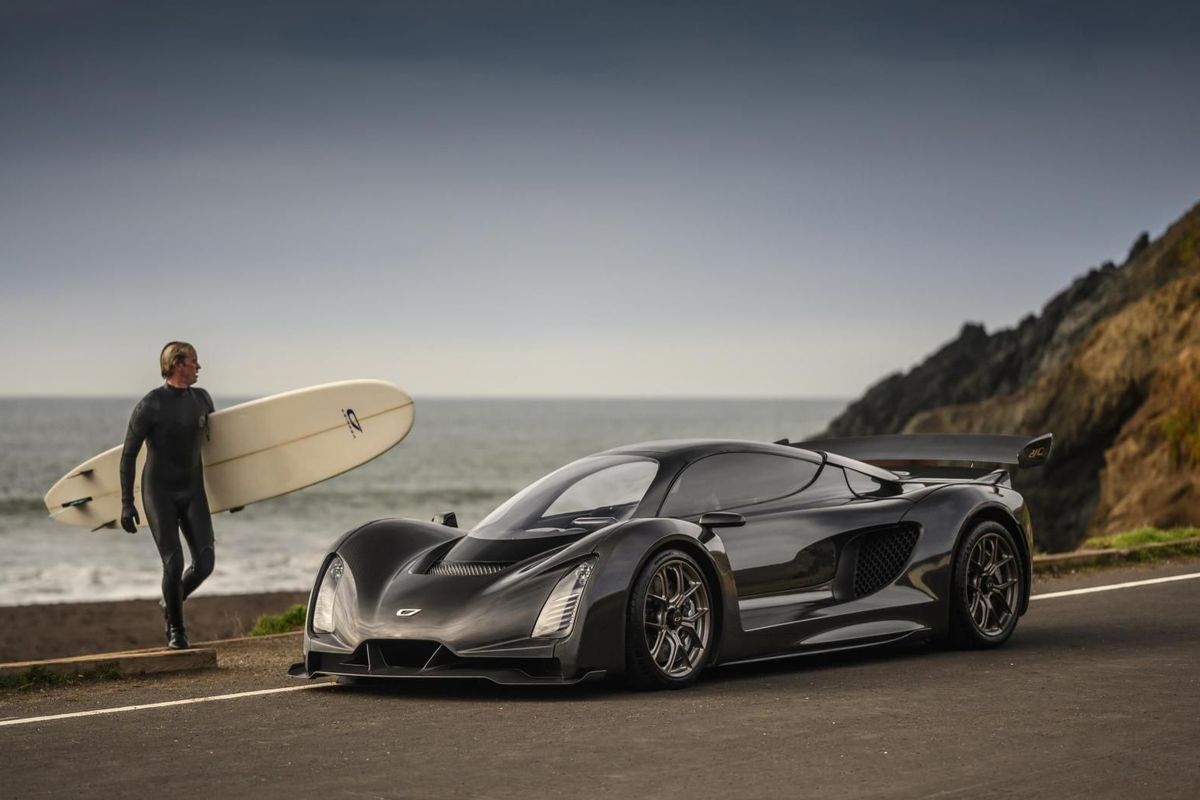
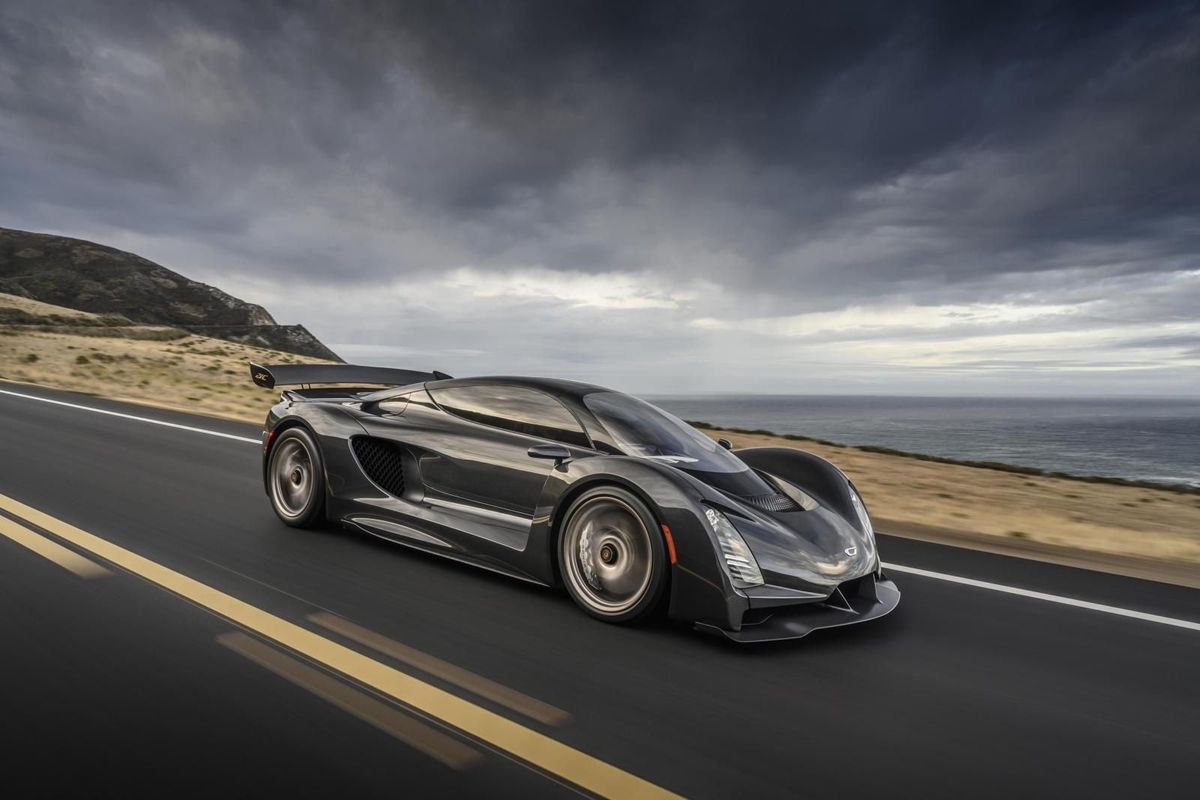
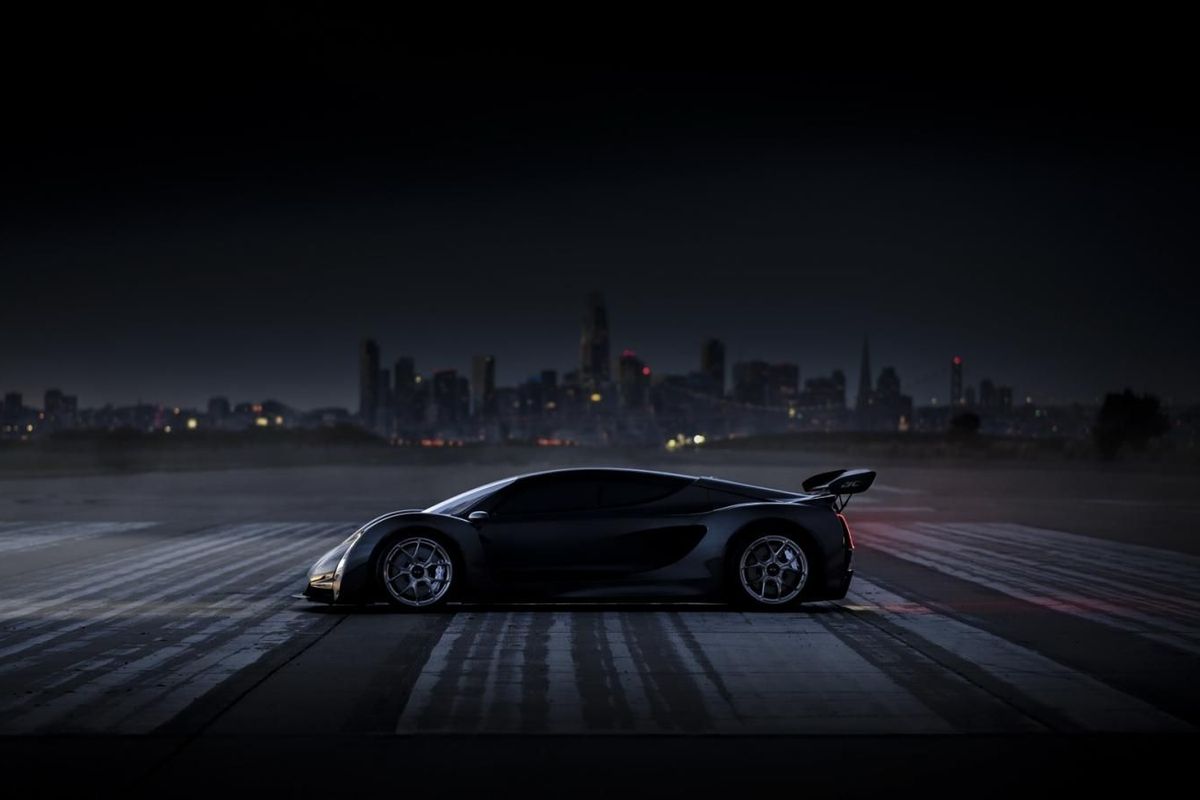
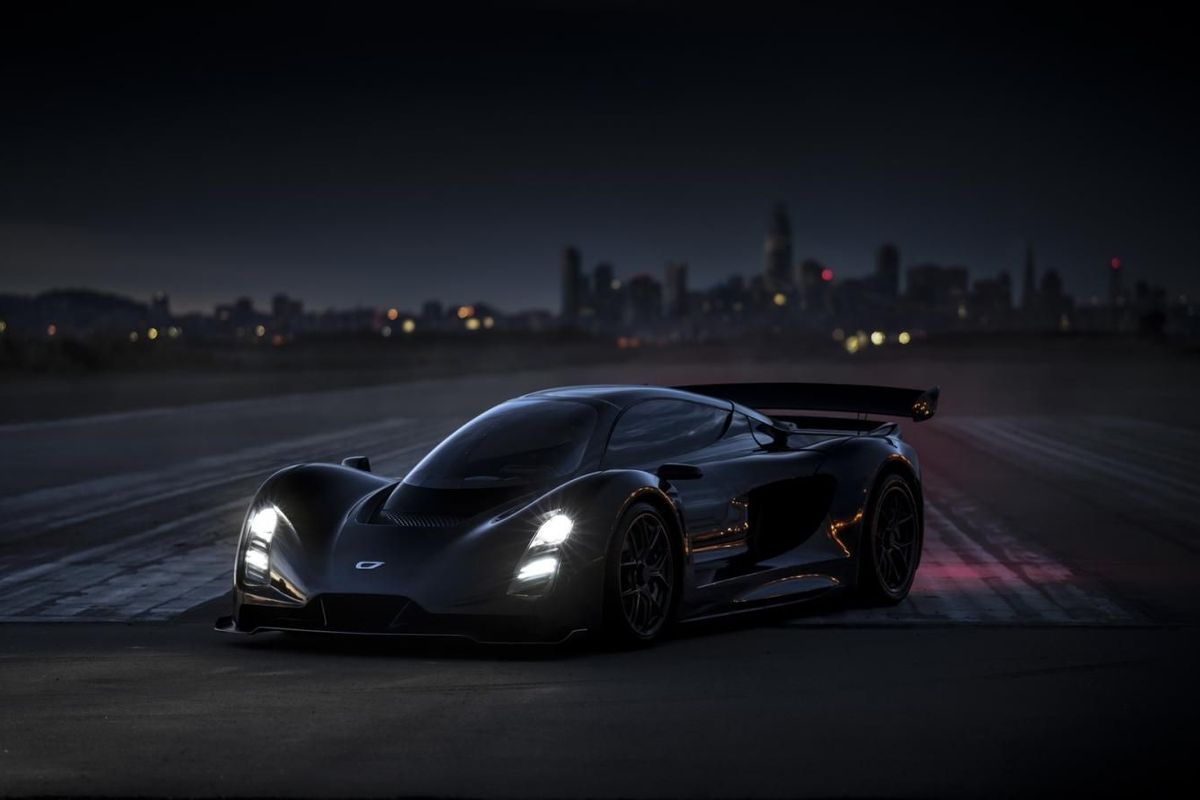
There's a new supercar brand out. Check out Czinger's hybrid weapon, capable of 0-100 kph in just 1.9 seconds and packing a mighty 932 kW!
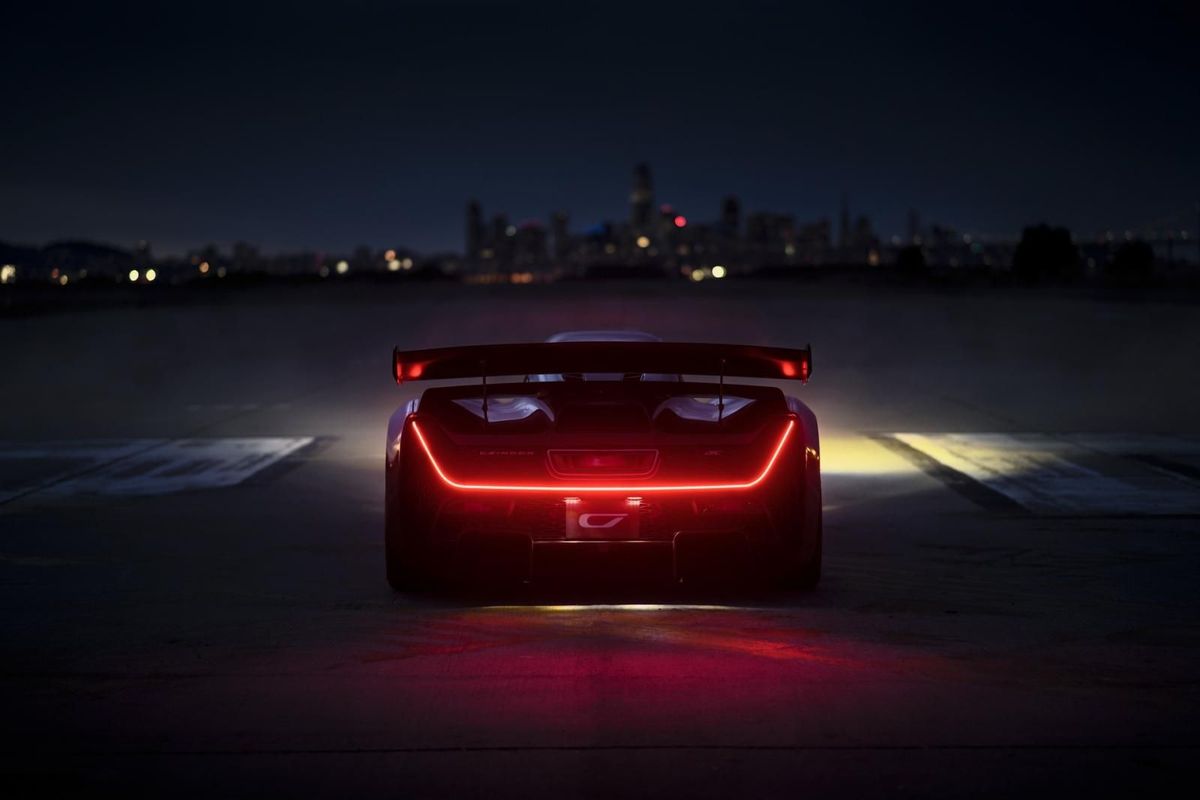
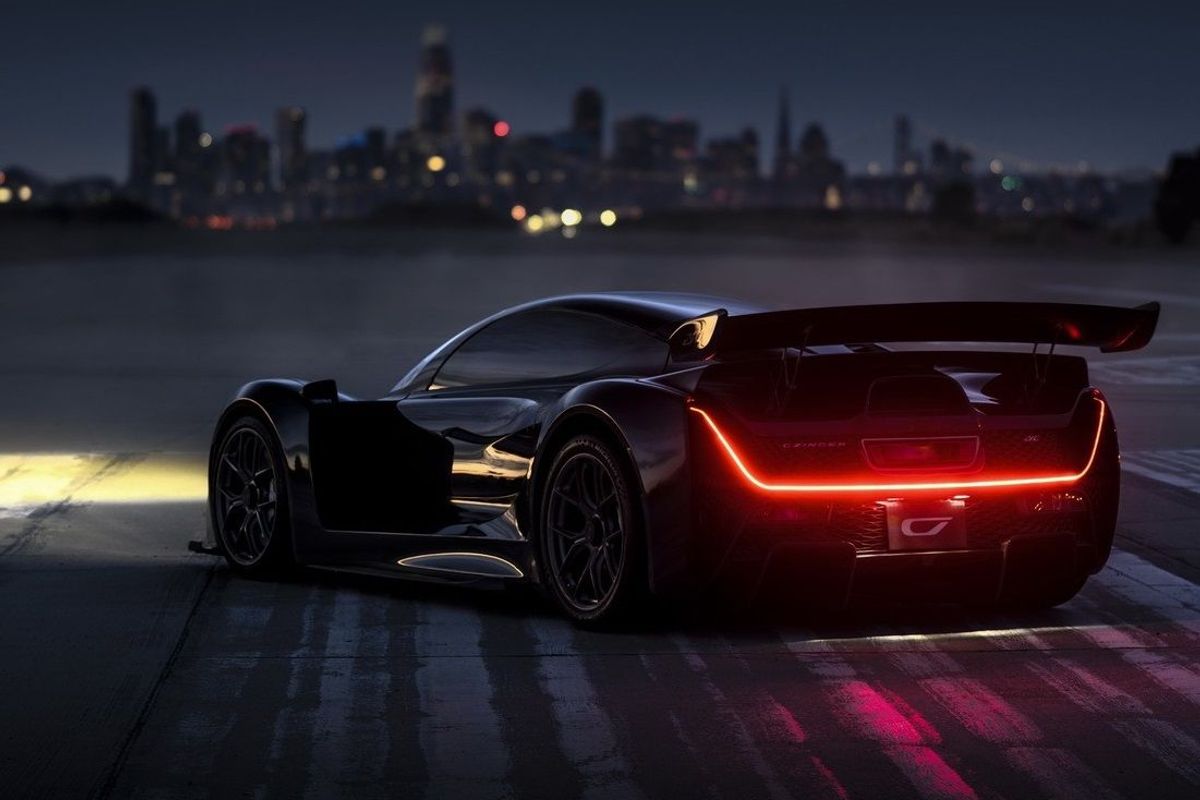
Czinger, a Los Angeles-based startup, recently teased its 21C hypercar ahead of its formal reveal at the upcoming Geneva Motor Show and now the company has revealed some specification details.
The 21C was developed by a small team of designers, engineers and scientists which used a "revolutionary, patented, production system. This proprietary production system enables design, engineering, optimisation and innovation in vehicle creation beyond what has previously been possible" says the company,
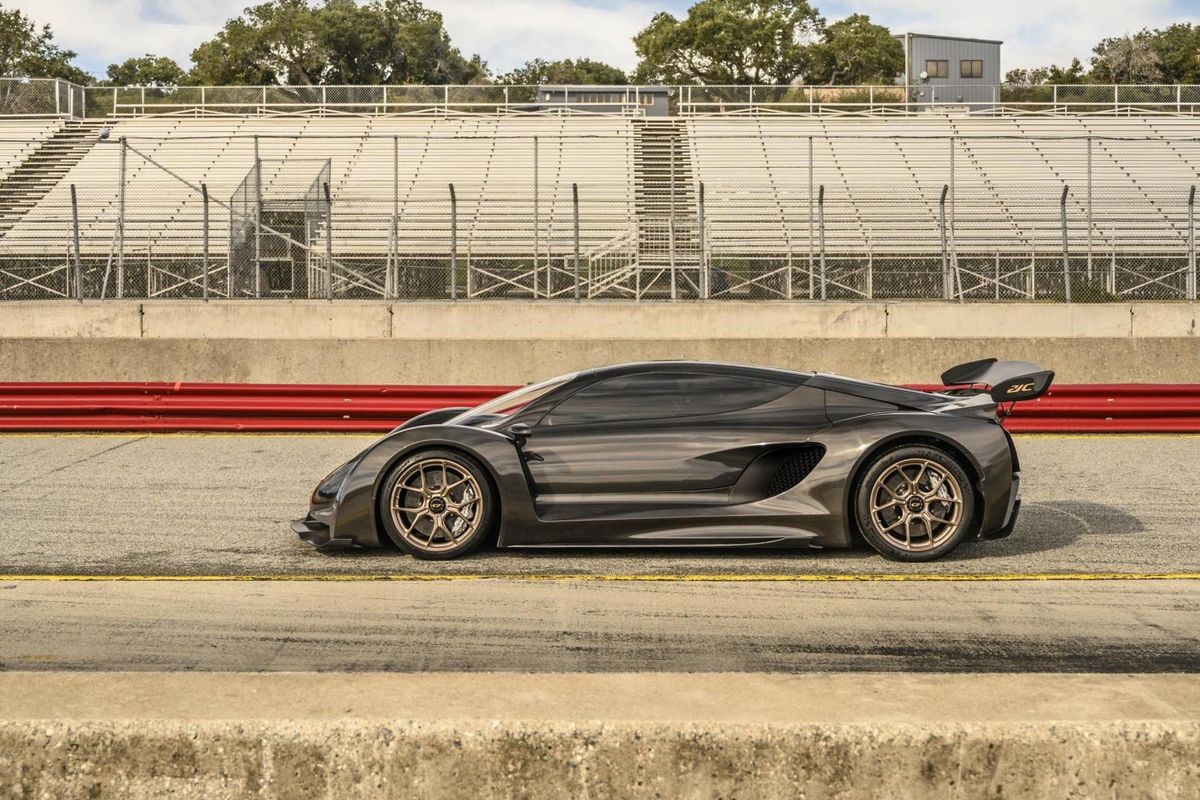
Czinger has divulged that the 21C will pack 1 250 hp or 932 kW and will be capable of a zero to 100 kph sprint in just 1.9 seconds. Zero to 400 kph and back to zero will take only 29 seconds according to the Czinger. The 21C hits the redline at 11 000 rpm… The 21C is an all-wheel drive hypercar, equipped with a hybrid powertrain featuring a mid-mounted 2.88-litre, flat-crank, twin-turbo V8 engine and two high output electric motors at each front wheel with torque vectoring. A lightweight 7-speed automated manual transmission is used to lay those mighty numbers down on the tar. The 21C has a dry weight below 1 200 kg with a true power-to-weight ratio of 1:1.
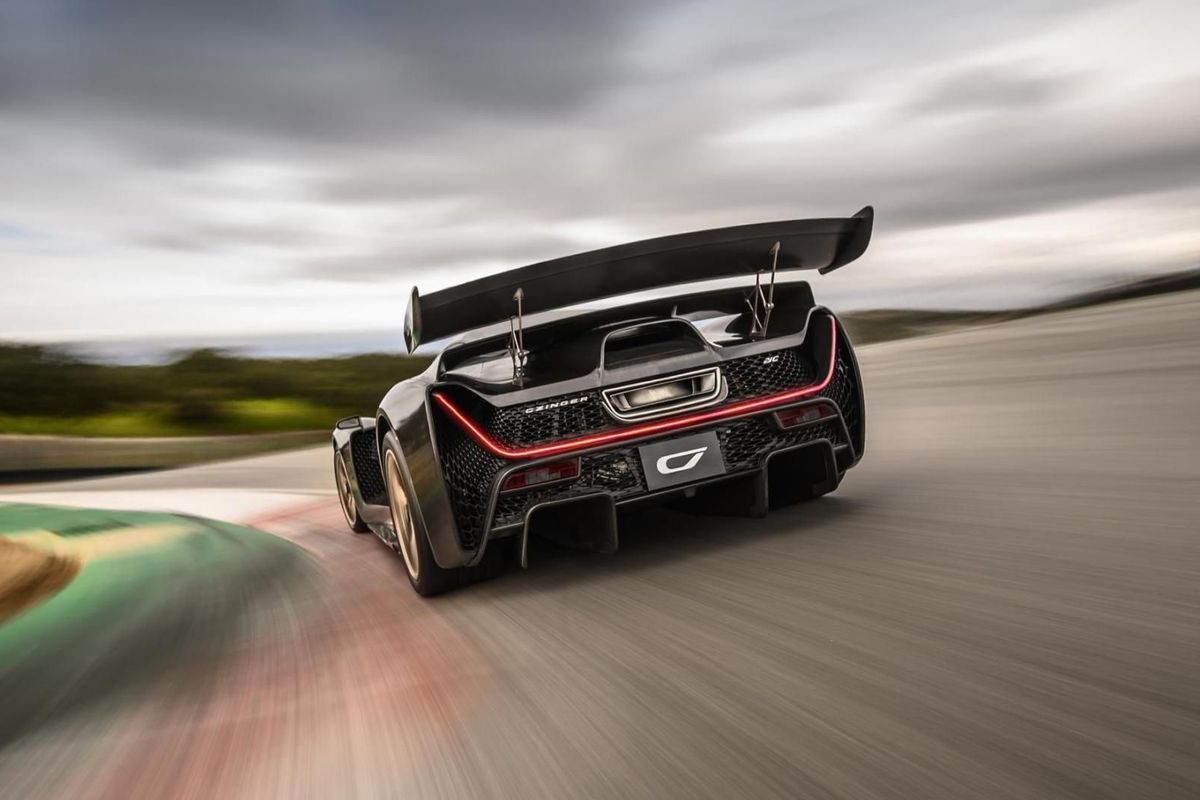
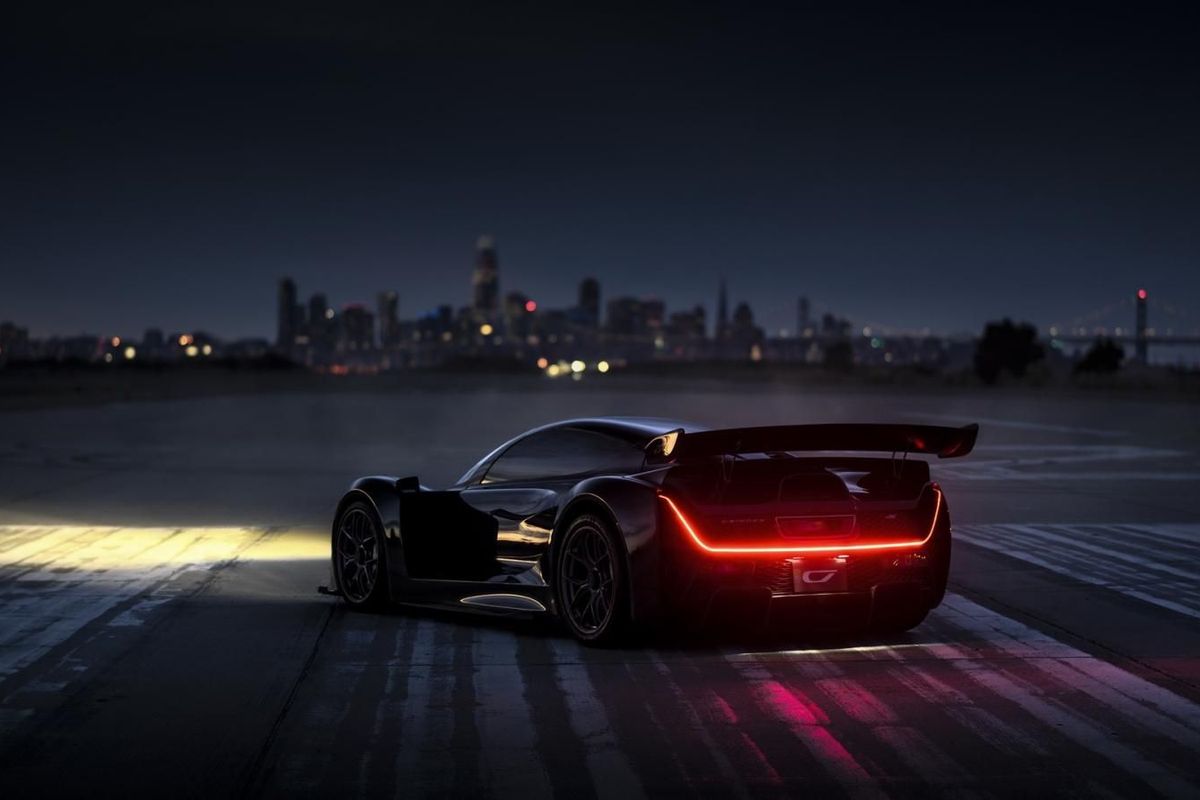
Given how much power and performance is being claimed, aerodynamics are going to play a huge role and there's a massive wing on the rear. Czinger says that 790 kg of downforce is generated at 250 kph. We really like the rear light strip too. Czinger says its 21C features tandem seating for two, like a McLaren F1.
Stat tuned for more details, watch the video below!
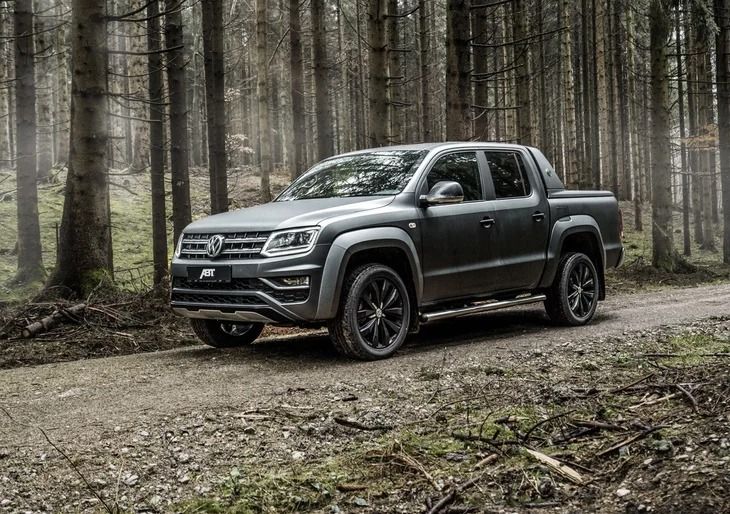
Volkswagen has revealed a new variant of its Amarok double-cab, packing 200 kW.
Set for its global debut in the Australian market by May, this new bakkie is VW’s Amarok 580S. In terms of position, it sits between the Highline Black and Ultimate V6 Amaroks.
The naming convention for VW’s latest special edition bakkie is quite easy to understand, with ‘580’ referring to the engine’s peak torque output.
Powering these Amarok 580S special edition bakkies are the 2020 version of VW’s 3-litre V6 turbodiesel, tuned for a potency of 190 kW and 580 Nm. For short bursts of peak throttle loading, the engine will overboost to a power number of 200 kW.
Distinguishing the 580S from other V6 Amarok bakkies, is its carbon-steel paint code and roll bar mounted LEDs. Standard features include Bi-Xenon headlights, 20-inch alloy wheels and inside you’ll be accommodated on art-velour upholstered seats, which are also heated for the front passengers.
With Mercedes-Benz having confirmed it will retreat from the premium double-cab market, VW is sensing the opportunity to reinforce its status as the only true German luxury bakkie brand. This Amarok 580S special edition is a symbolic representation of that.
Although the Amarok 580S will only be produced in a limited run of 200 units, for the Australian market, South African fans will take note of the colour code and those roll bar mounted LEDs. Both features could possibly find their way into a more global portfolio of VW Amarok options, in future.
Volkswagen has released a teaser image of its soon-to-be-released Golf 8 GTI.
Set for its world premiere at the Geneva Motor Show in March 2020, the Volkswagen Golf 8 GTI is a highly-anticipated model. Volkswagen is claiming this new model will be a 'pure, intelligent and superior high-tech sports car for the digital age.'
We're quite excited by this teaser image as it shows the new Volkswagen Golf 8 GTI will feature a bold face comprising a light bar as well as smart LED foglights.
As for the outputs, a leaked document showed there'll be substantial power upgrades. The Volkswagen Golf 8 GTI will boast 180 kW from a 2.0-litre turbocharged 4-cylinder motor. Power goes to the front wheels via either the acclaimed DSG or a manual gearbox. Our love for the fast-shifting dual-clutch transmission means, it's highly unlikely we'll get the manual 'box.
The Volkswagen Golf 8 GTI will reach South Africa in the fourth quarter of 2020.
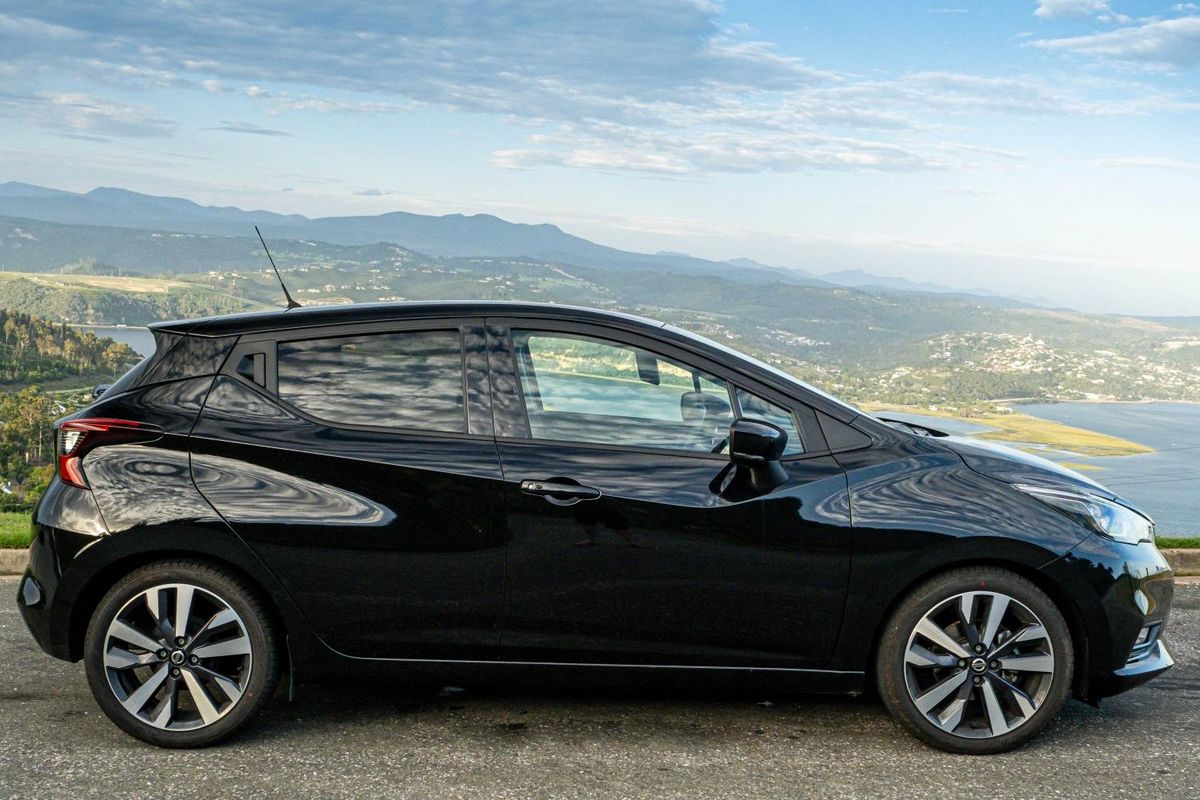
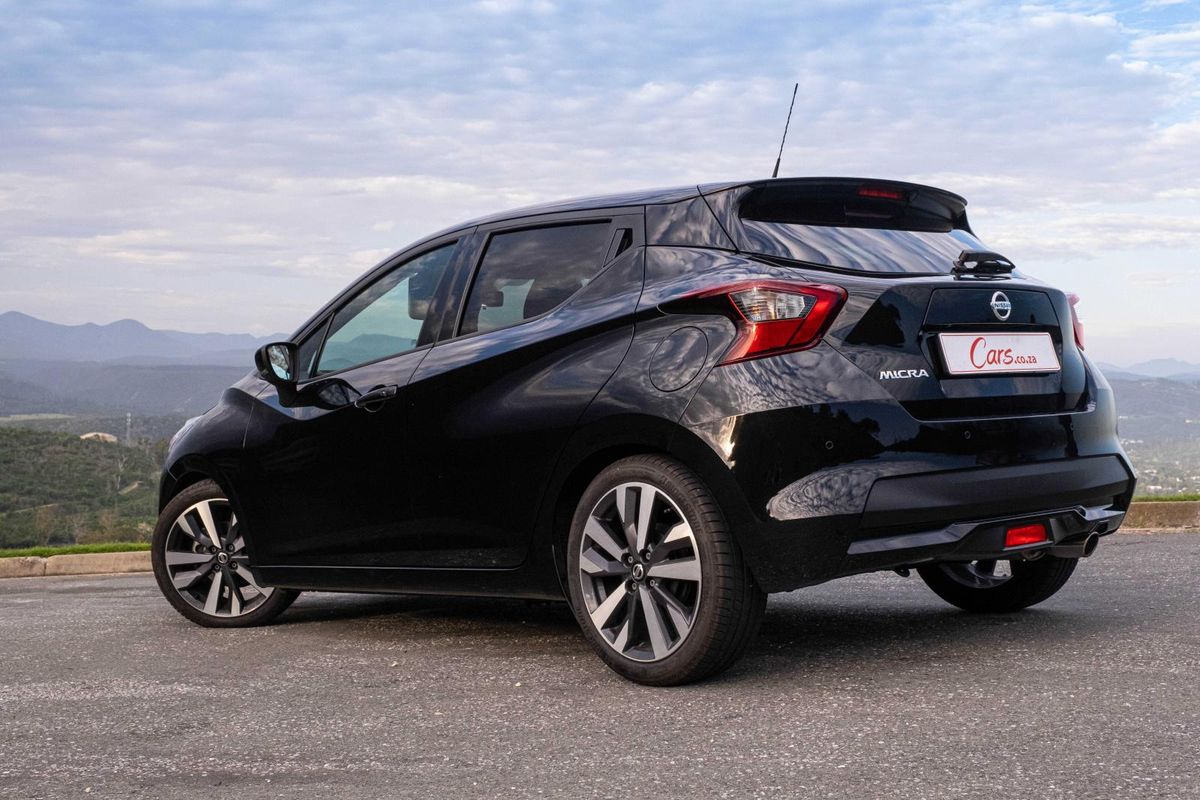
A sportier version of the Nissan Micra, equipped with a more powerful engine, tweaked suspension and some added features, arrived in South Africa late last year. We recently spent a week with the range-topping Micra 84 kW Turbo Tekna Plus to find out if you should consider buying it…
We like: Punchy engine, fuel economy, crisper handling, unique sound system, standard features
We don’t like: Excessive road-noise, lurchy gearbox under hard acceleration, not as practical as rivals
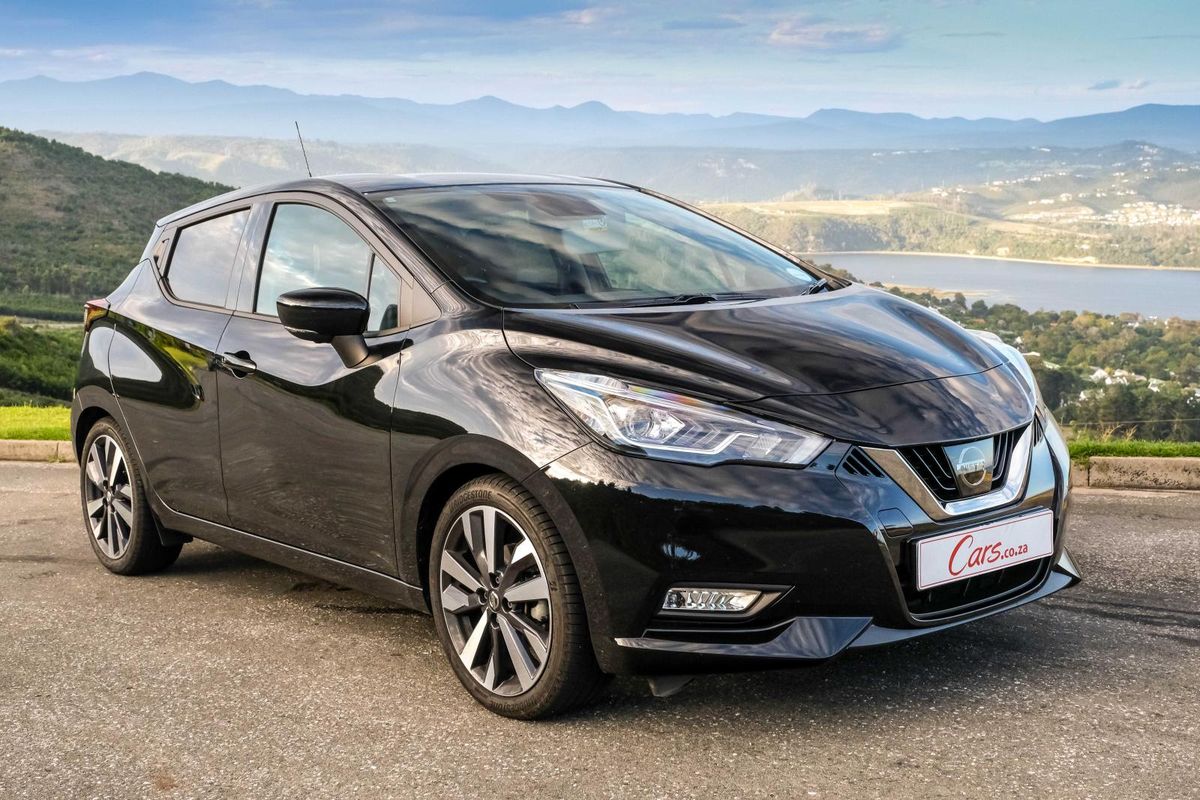
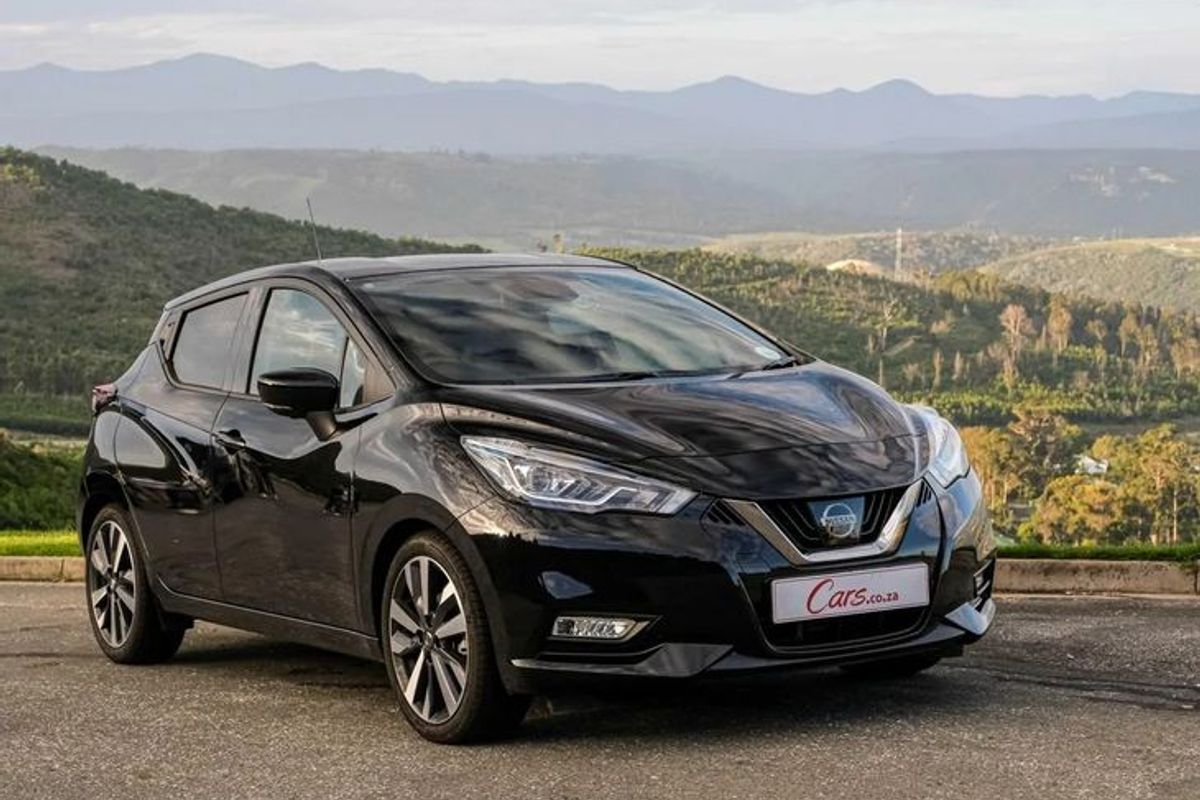
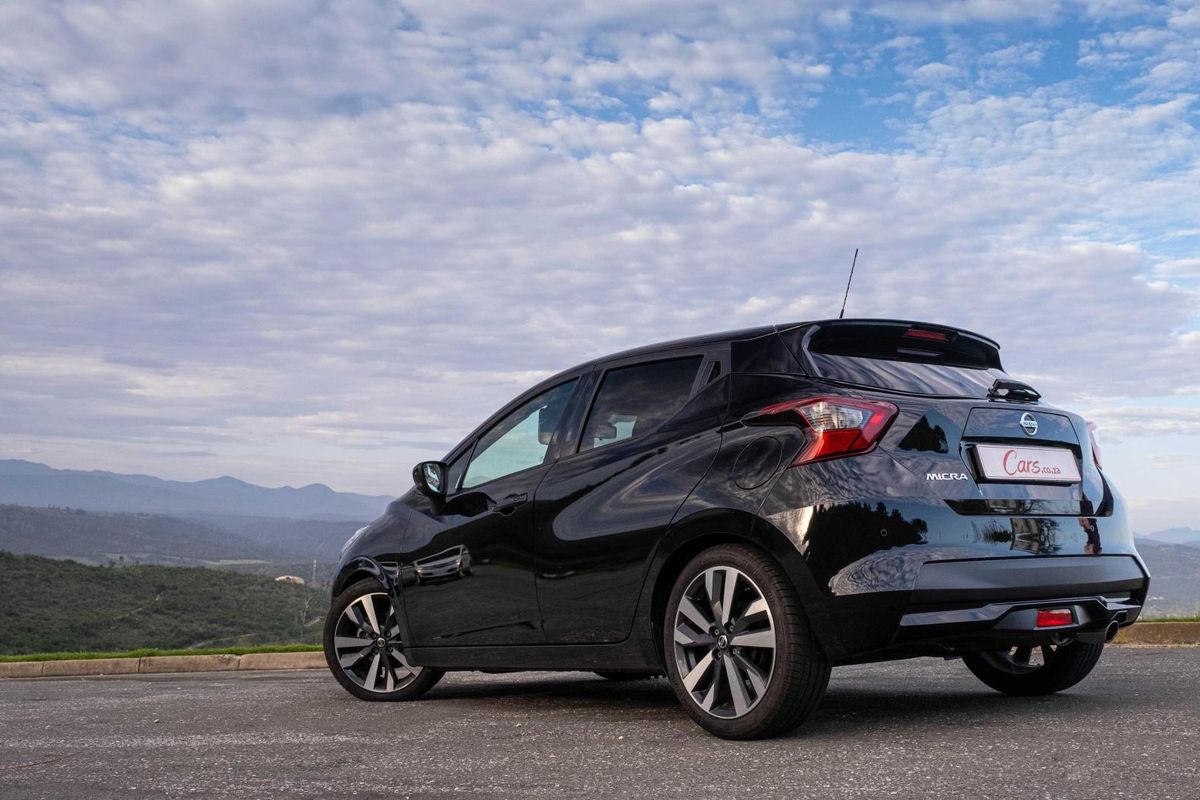
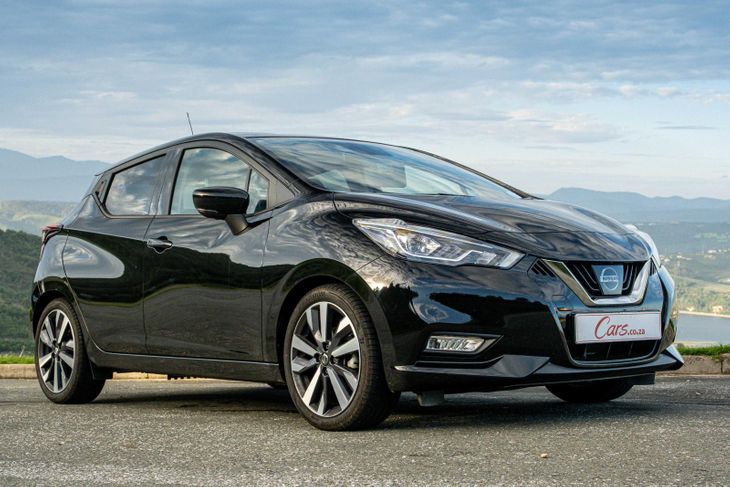
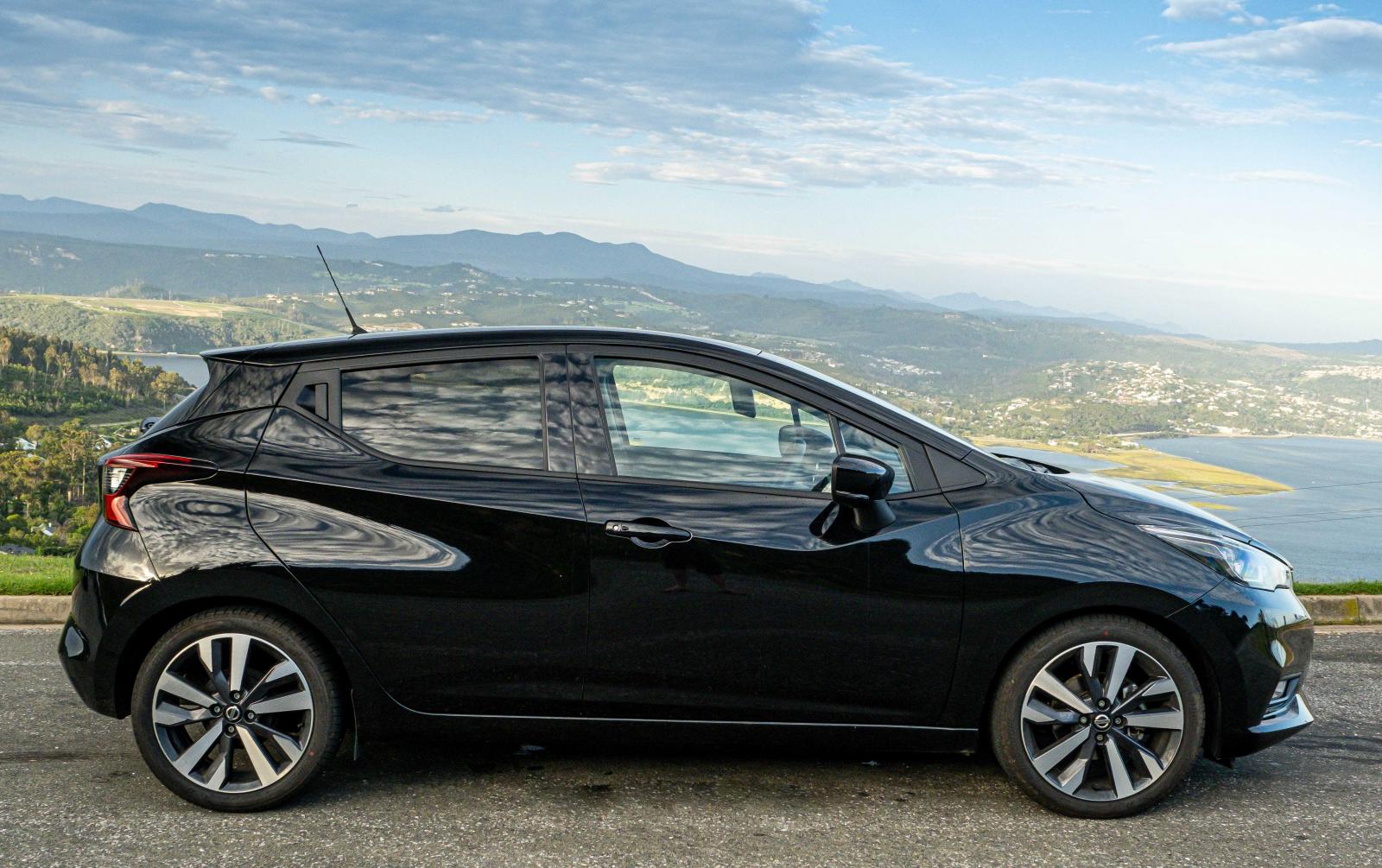
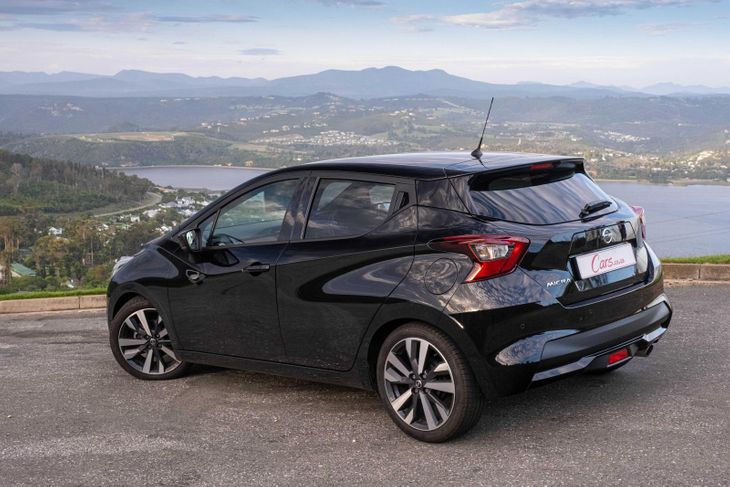
Available only in 'Enigma black', the 84 kW Micra Tekna Plus has more oomph as well as a dropped suspension for a sportier ride.
A much-improved 5th-generation Micra arrived in South Africa back in 2018 and while its sales have been sluggish compared those of rivals, such as the Volkswagen Polo and Ford Fiesta, the pint-sized Nissan has still managed to garner a sliver of sales. Face it: unless a compact hatchback has (especially) a VW-badge on its nose, it's just making up the numbers in Mzansi's new-vehicle market
The tried-and-tested 0.9-litre turbopetrol engine in the Micra, which is also used in the Renault Clio, has been around for 8 years and is, comparatively-speaking, weedy compared with the 1.0-litre engines in the aforementioned Polo and Fiesta. Before the arrival of the 84-kW motor, it was the range's sole powerplant, which may have contributed to the Micra’s underwhelming sales performance.
However, Nissan now offers a Micra with a new 1.0-litre, 3-cylinder turbopetrol engine encased in a sportier package with a lowered sports suspension and sharper steering to deliver a more engaging driving experience. Moreover, this Tekna Plus derivative is offered only in "Enigma Black" exterior body colour, while the interior is finished in what Nissan calls an "invigorating red" colour scheme.
There are also some other nice-to-have features such as a Bose Personal audio system and, as such, the Micra 84 kW Turbo Tekna Plus is targeted squarely at the youthful buyer looking for a bit more flair than you can have in low- to mid-spec compact hatchbacks. Does the package work as and should you consider it? Let’s put this Micra under the, umm… micrascope then, shall we.
How it performs in terms of…
Engine performance and fuel efficiency
The 84 kW Micra has some impressive punch and it returns decent fuel consumption figures too!
This new 3-cylinder engine, which was jointly developed by the Renault-Nissan Alliance and Daimler, delivers promising outputs of 84 kW and 180 Nm, with an overboost function that takes torque up to 200 Nm (in bursts), which is impressive for such a small motor. It has enough grunt to compete with the equivalent Fiesta and Polo derivatives, but it's only offered with a 6-speed manual transmission.
For this test, we decided to let the Micra run wild on the open road from Cape Town to Knysna and back. For the most part, this new engine offers commendable punch! You can hear the turbo spooling up and once that initial lag has been overcome, the Micra accelerates up to highway speed quickly and it’s also quite happy to push further if you need it to. This Micra has some legs!
While the transmission can be lurchy when you attempt to execute quick shifts under hard acceleration, it’s a solid gearbox with a solid, positive shift action (at least most of the time). Overtaking manoeuvres can be executed with little effort and in-gear tractability is good, which means you don’t need to go hunting for the peak-torque band all that often.
That 6th gear does wonders for conserving fuel; we were happy to see fuel consumption returns of around 6.5 L/100 km, which is good, considering that Nissan claims an ambitious 5.0 L/100km.
Ride and handling
The tweaks to the suspension and steering makes this Micra more nimble and responsive through corners.
In an effort to infuse the Micra with more sporting appeal, Nissan lowered the car's ride height by 10 mm, stiffened the suspension and tweaked the steering ratio to enhance responses to driver inputs and, of course, the Tekna Plus' handling characteristics. In combination with the more powerful engine, those tweaks do make a difference – this Micra feels palpably livelier to drive.
The steering is light and direct, which is helpful when you are scooting around corners at a fair lick of pace. The ride quality is on the firmer side of pliant: there were some jarring bumps and ruts that thudded through to the cabin, but for the most part, this Micra strikes a good balance between sportiness and everyday usability. It’s worth noting that road noise entering the cabin at highway speed can be excessive, however. The Micra rides on 17-inch alloys shod with lower-profile tyres, which is a key contributing factor. It’s by no means a dealbreaker, just something you will have to live with.
Interior quality and features
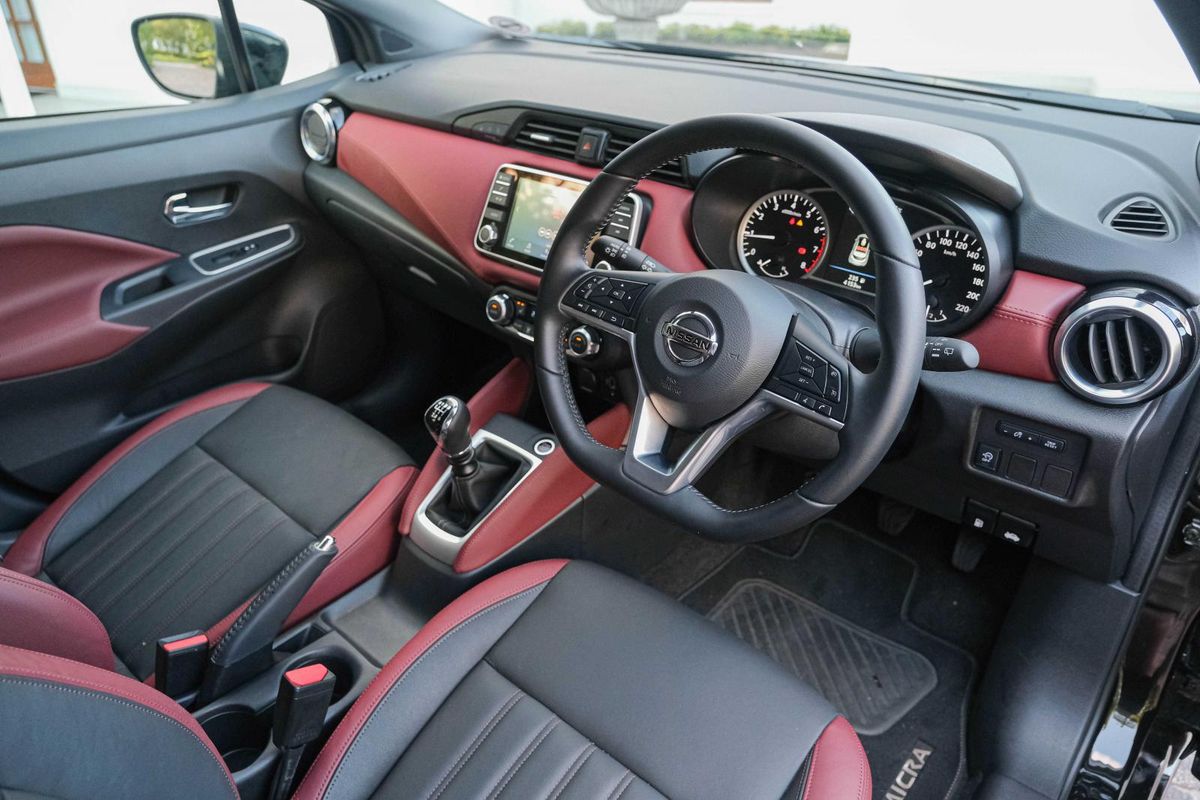
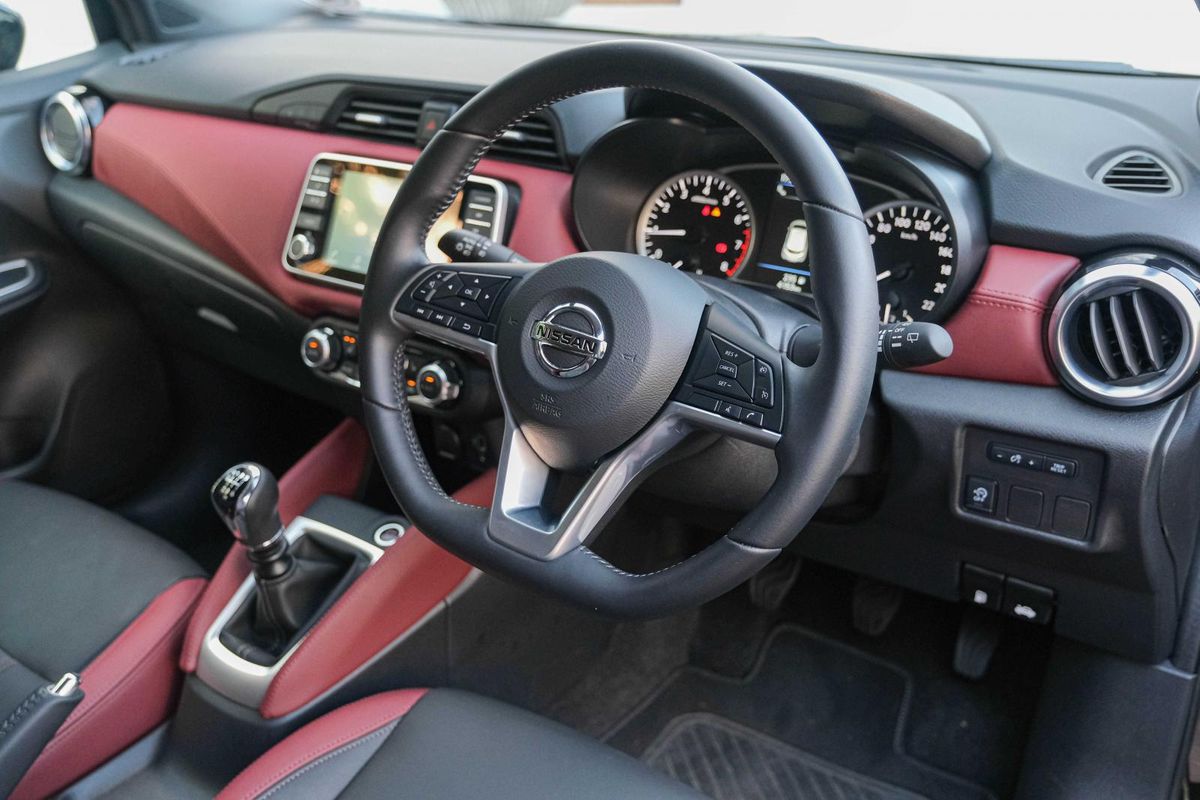
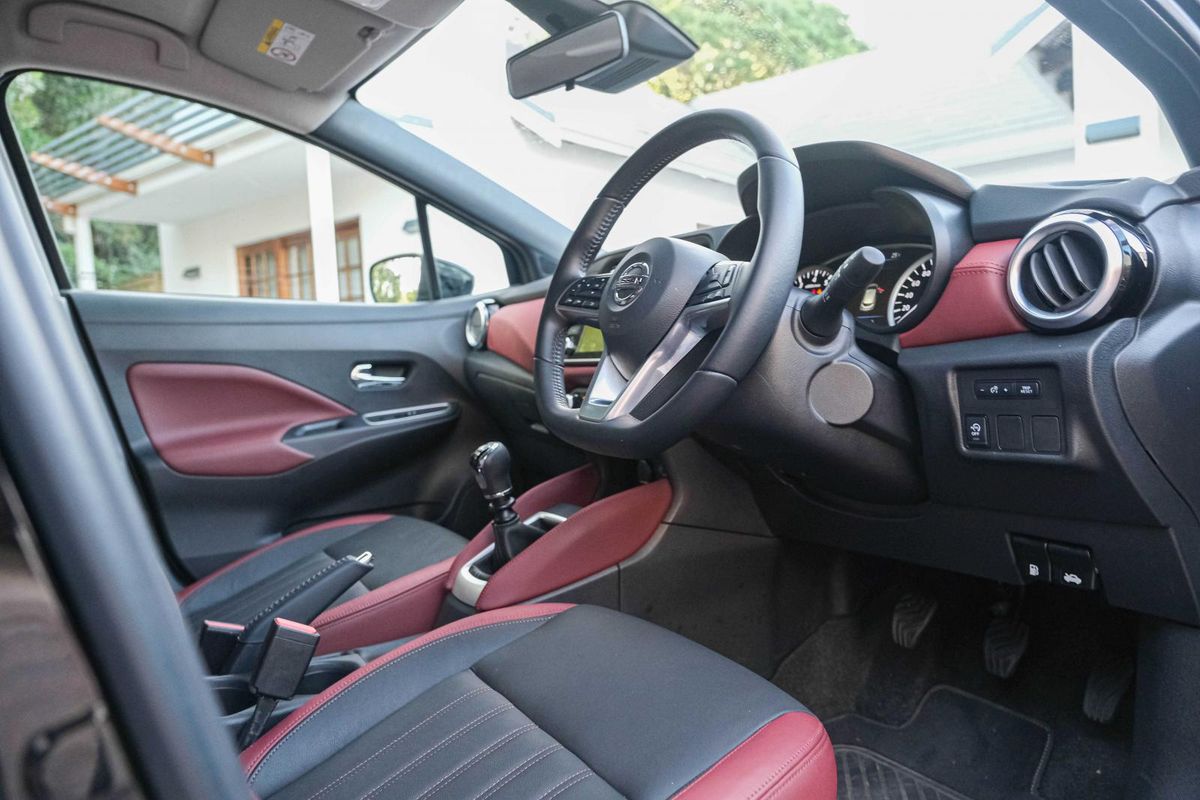
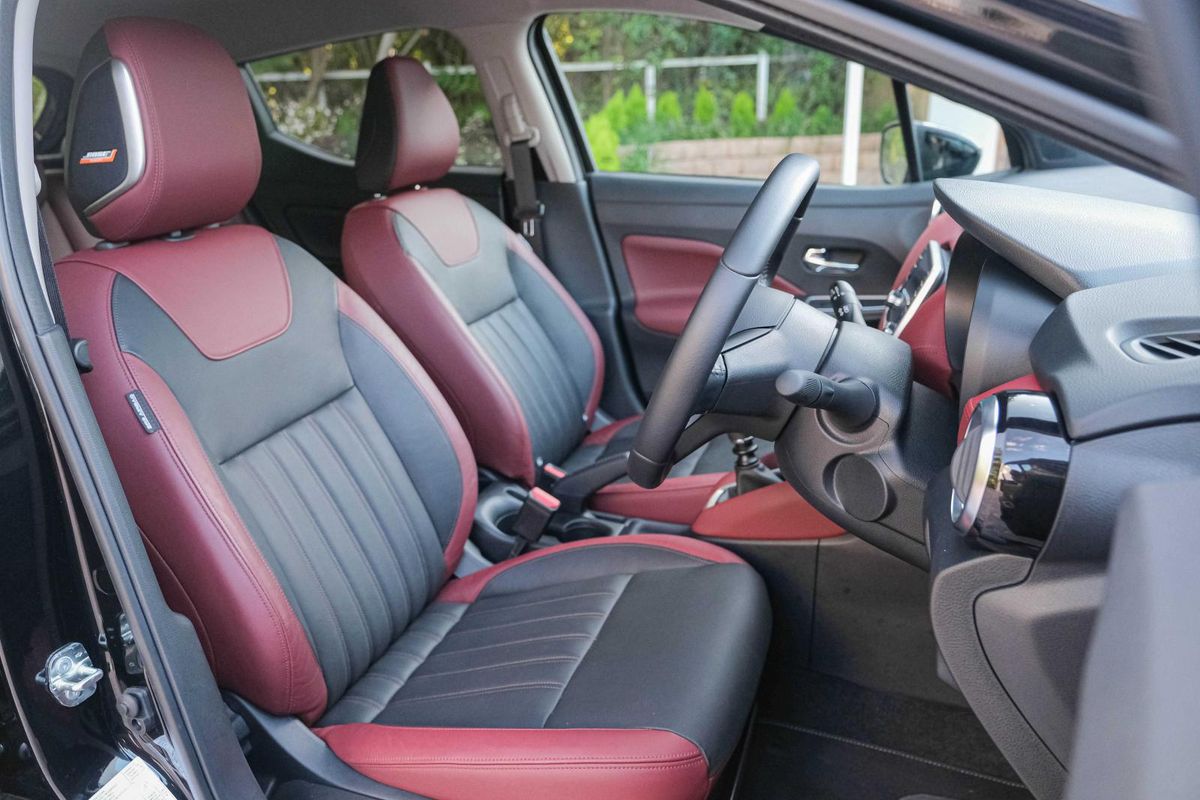
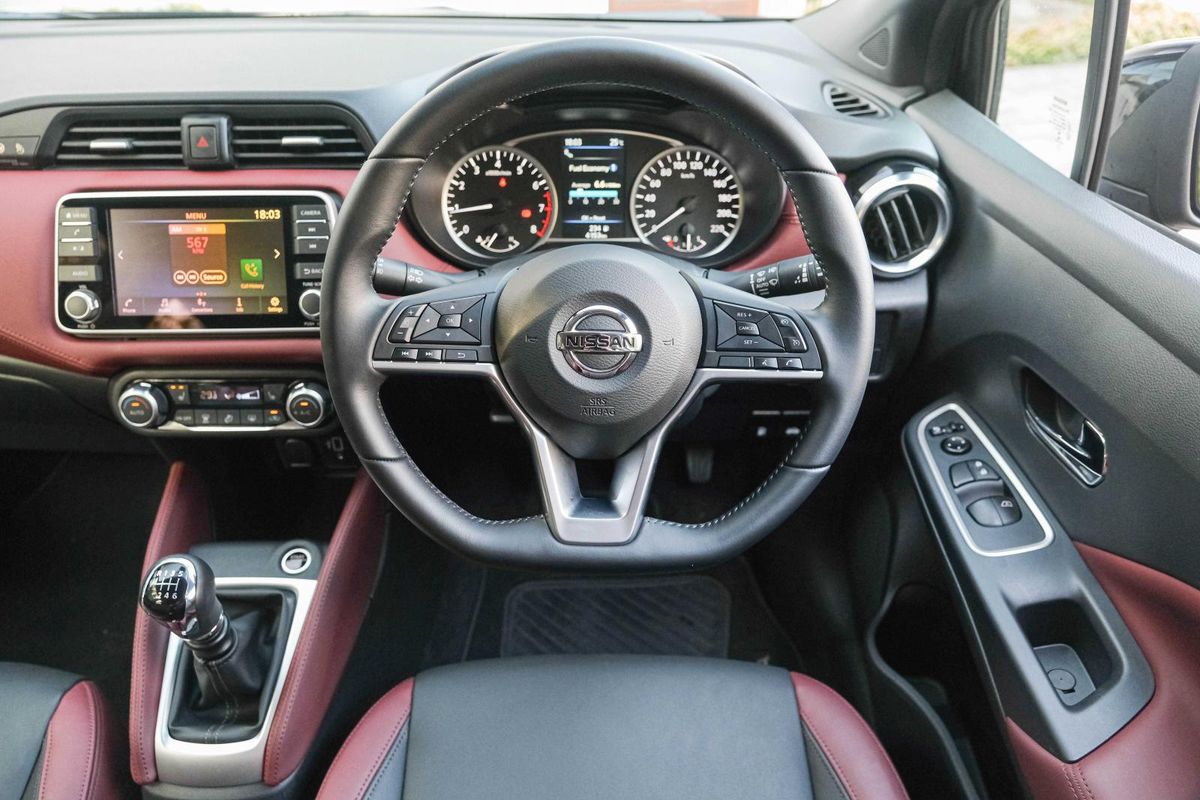
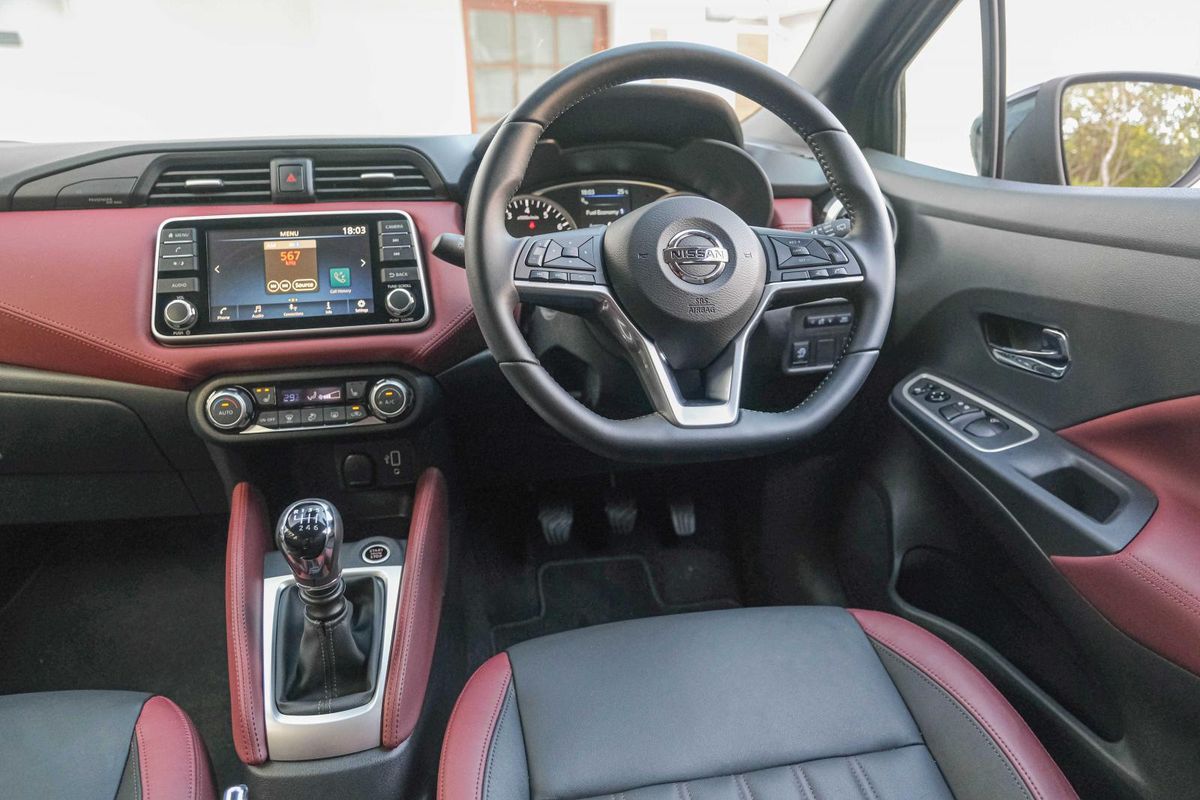
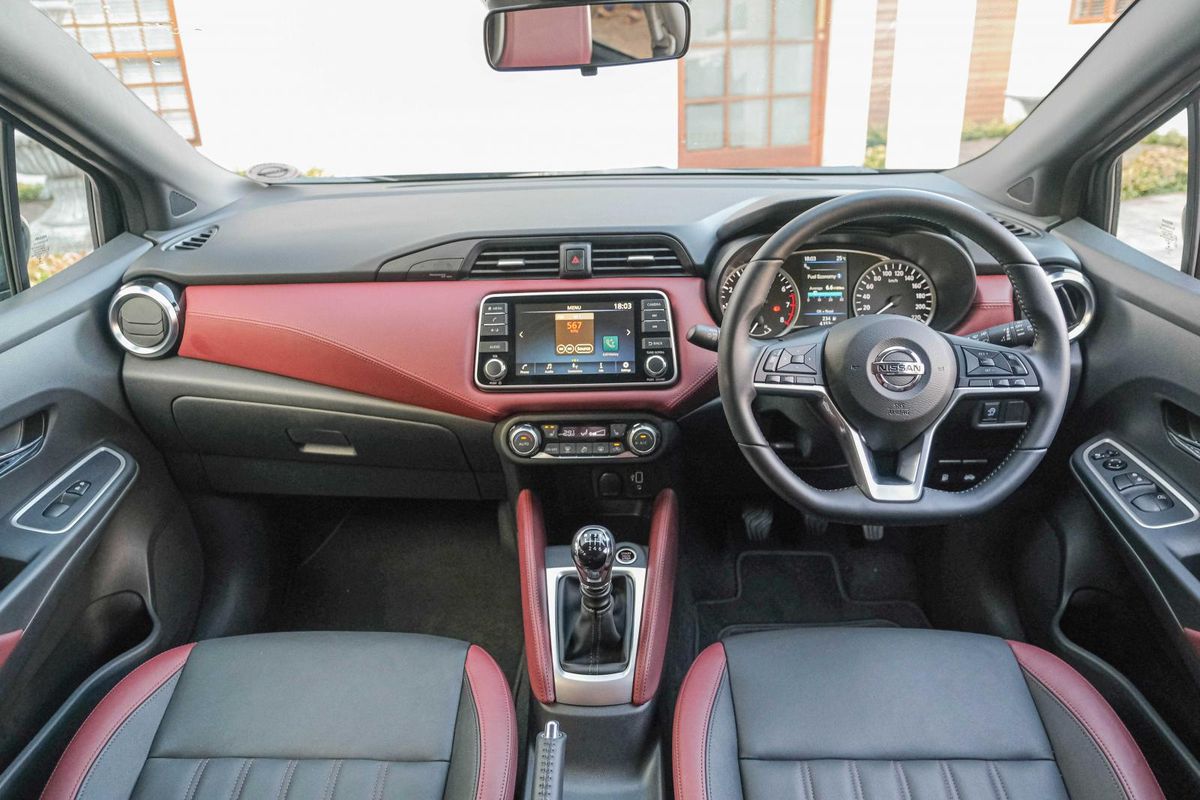
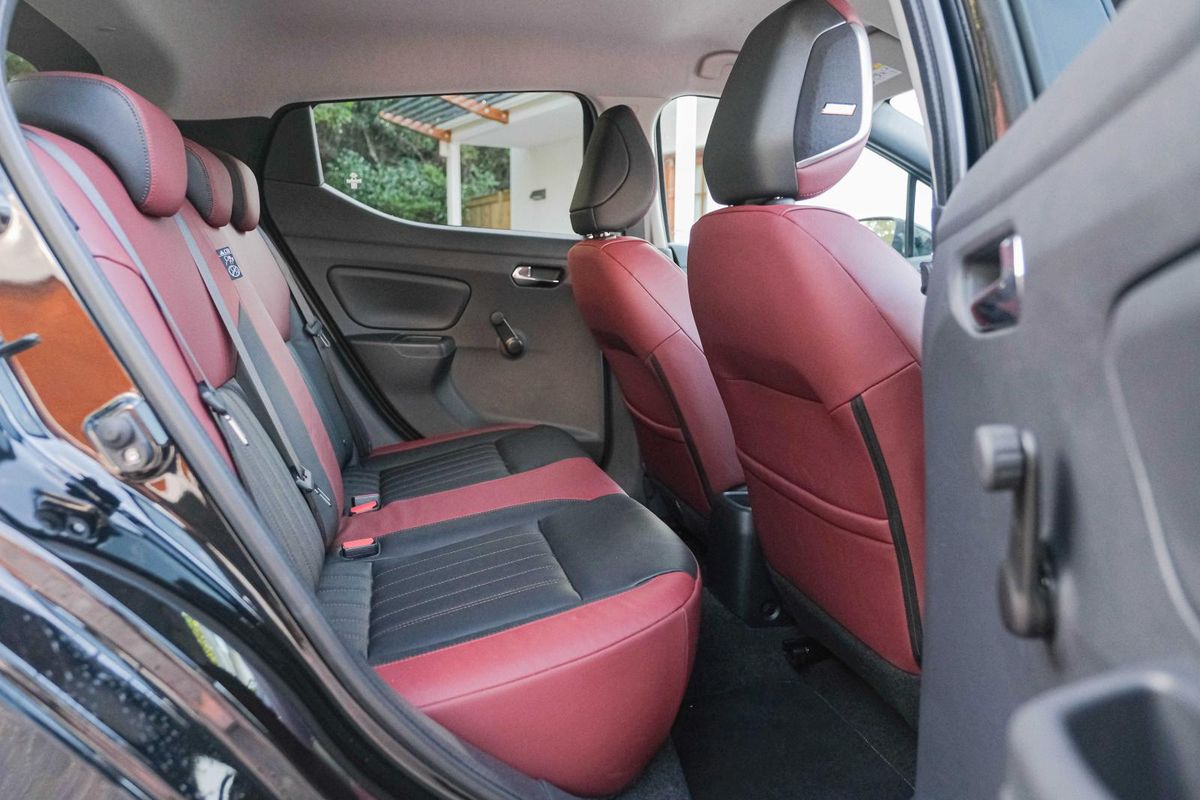
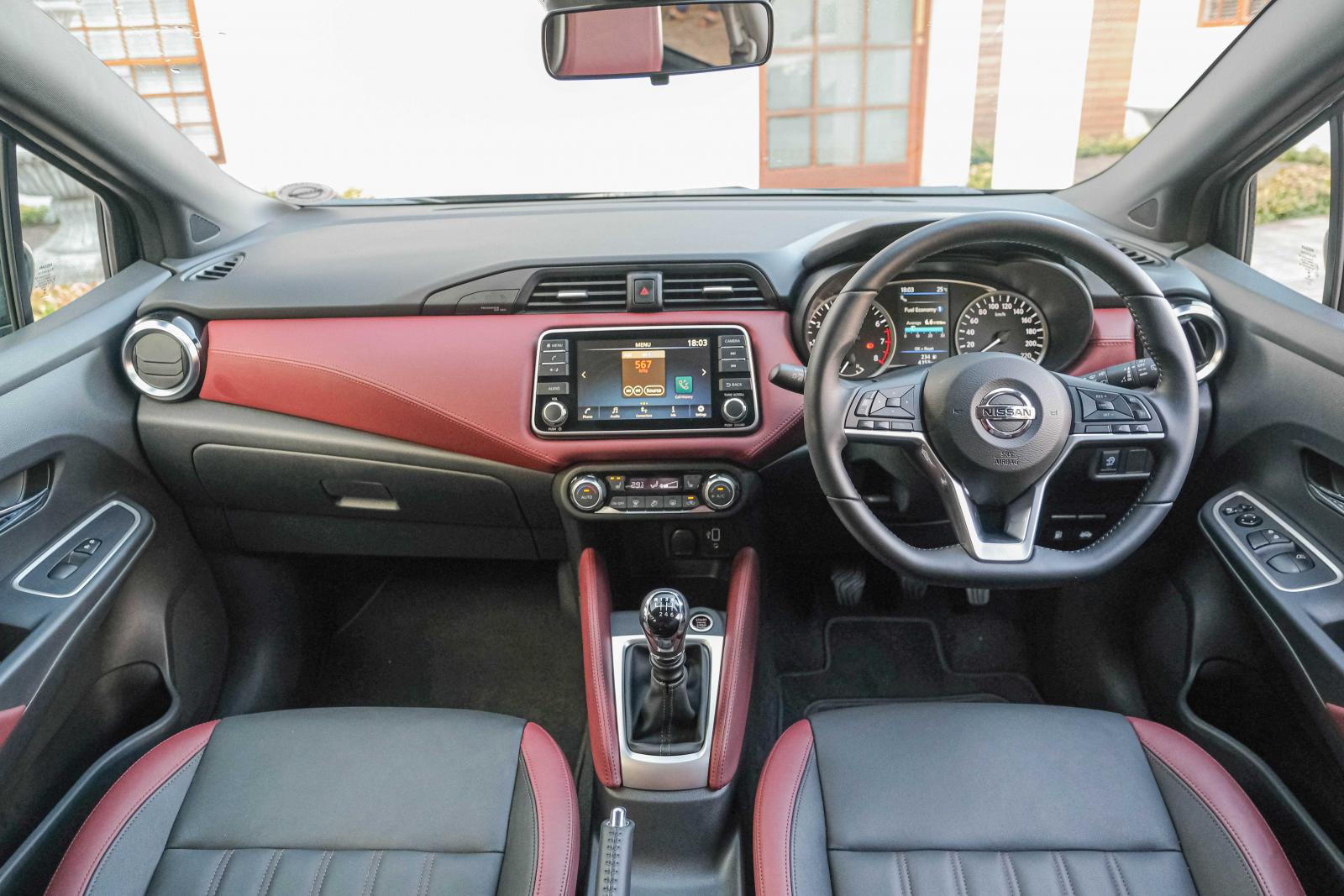
A smartly executed red-and-black leather interior adds premium appeal to this range-topping Micra.
A red-and-black leather-trimmed interior awaits you inside this Micra. Some of our testers found it appealing, others didn’t, so you will have to make up your own mind in this regard. While the perceived build quality is generally good, we did find some cheap plastic in the centre console that appeared to be installed poorly (it felt quite loose).
Nonetheless, the front seats are comfortable and feature a heating function, but they do lack some side-bolstering. The leather steering wheel can be adjusted for rake and reach and a multifunction steering wheel, with mounted controls for the audio system, Bluetooth telephony/streaming and cruise control are included.
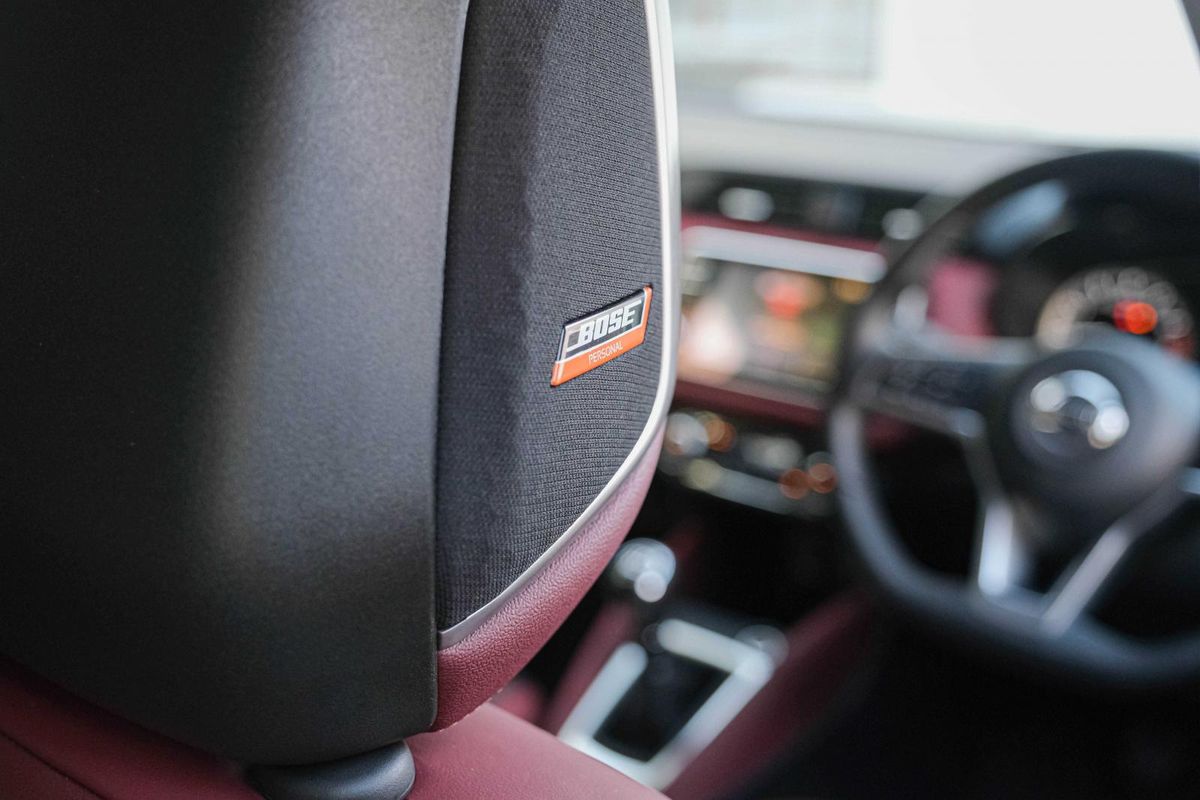
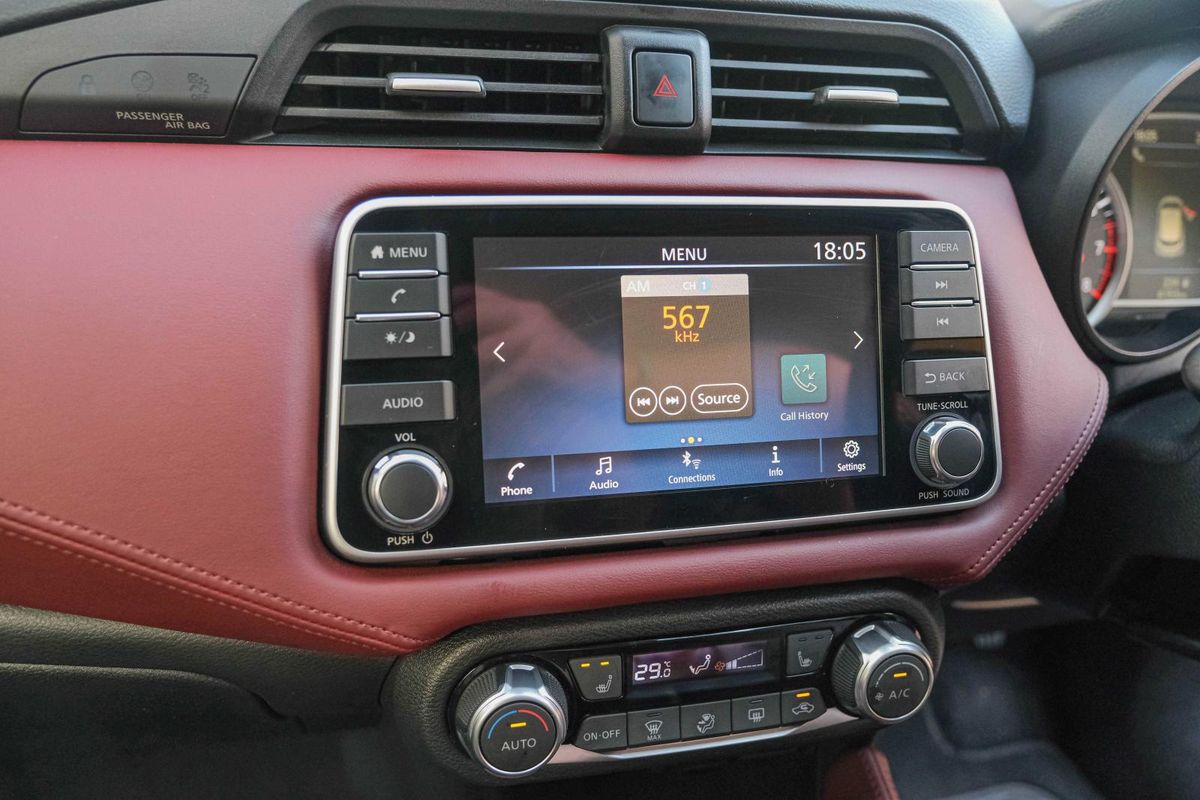
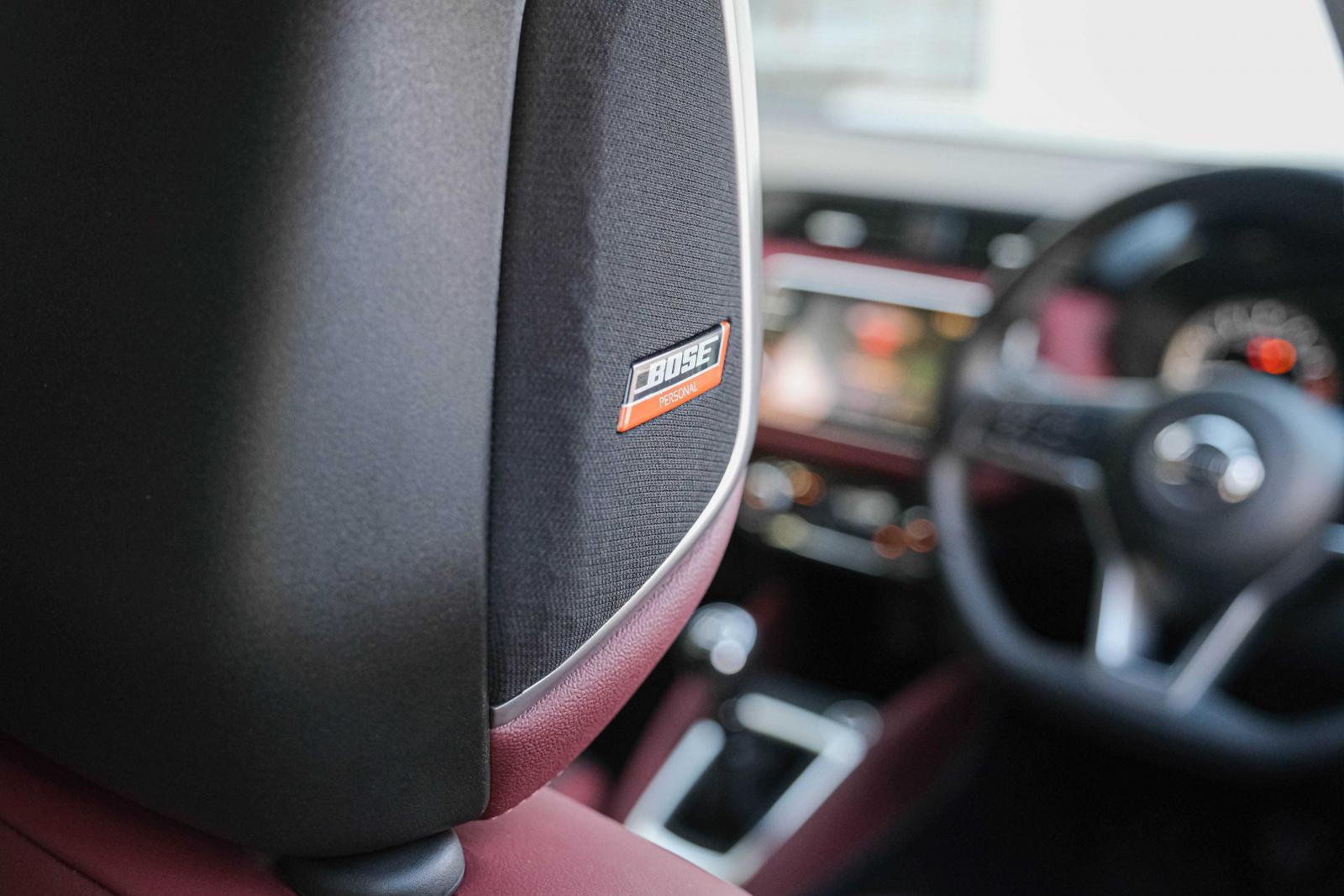
For music lovers' pleasure, a special Bose Personal auto system is fitted; its bound to appeal to a younger clientele. The system includes an amplifier under the driver’s seat, wide-range speakers in the doors, tweeters in the dashboard and 2 speakers mounted in the driver’s headrest. Sound quality is very good and you can adjust the sound settings via the 7-inch touchscreen infotainment system.
Speakers in the driver's headrest enhance the quality of the sound from the Bose Personal sound system.
The infotainment system is compatible with Android Auto and Apple CarPlay, which is a boon, but we found the touchscreen interface a bit dopey at times, which can be frustrating when you have to poke the screen several times to register the desired input. Apart from that, the system does an adequate job of connecting devices. The screen also displays the Around View Monitor which is very useful for parking in tight spaces, but the image quality is poor.
Other nice features fitted inside this range-topping Micra include keyless entry, push-button start, automatic aircon, electric windows and electric-folding mirrors, a reverse-view camera, rear park distance control, blind-spot monitoring and moving object detection. A total of 6 airbags are also fitted, along with ABS with EBD, brake assist and electronic stability control.
Space and Practicality
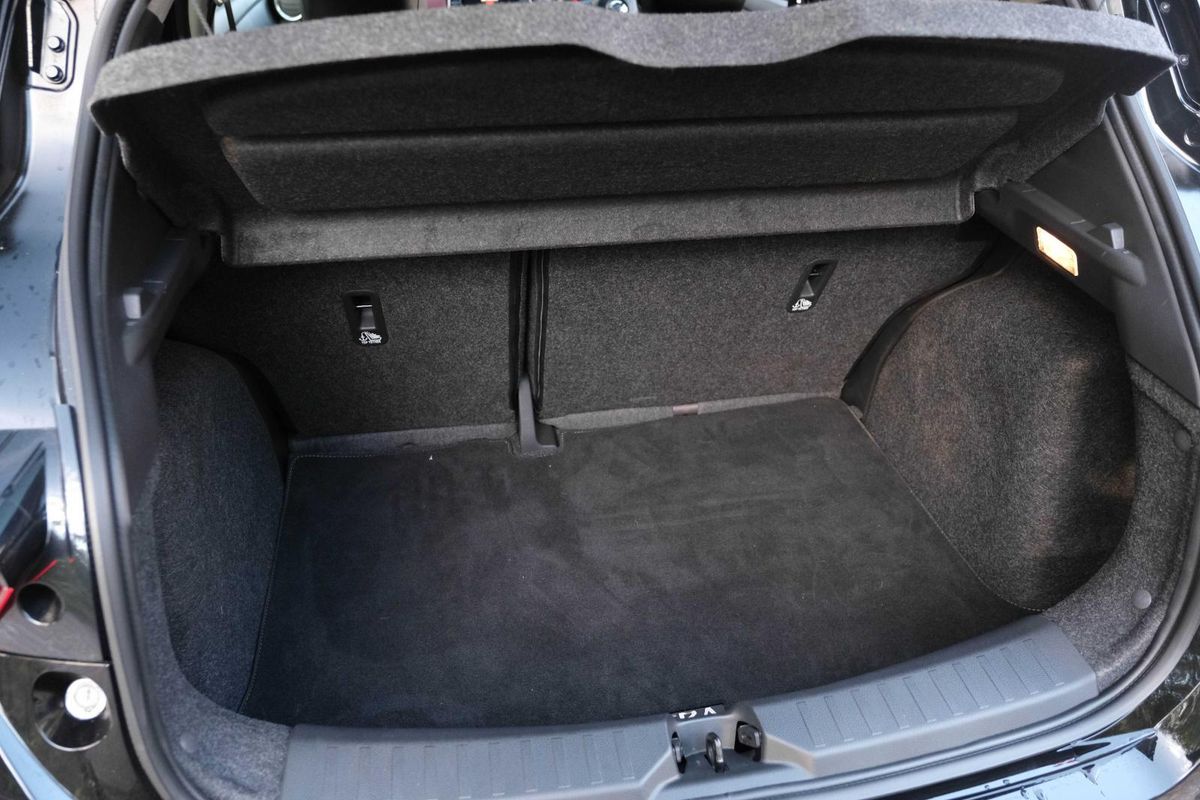
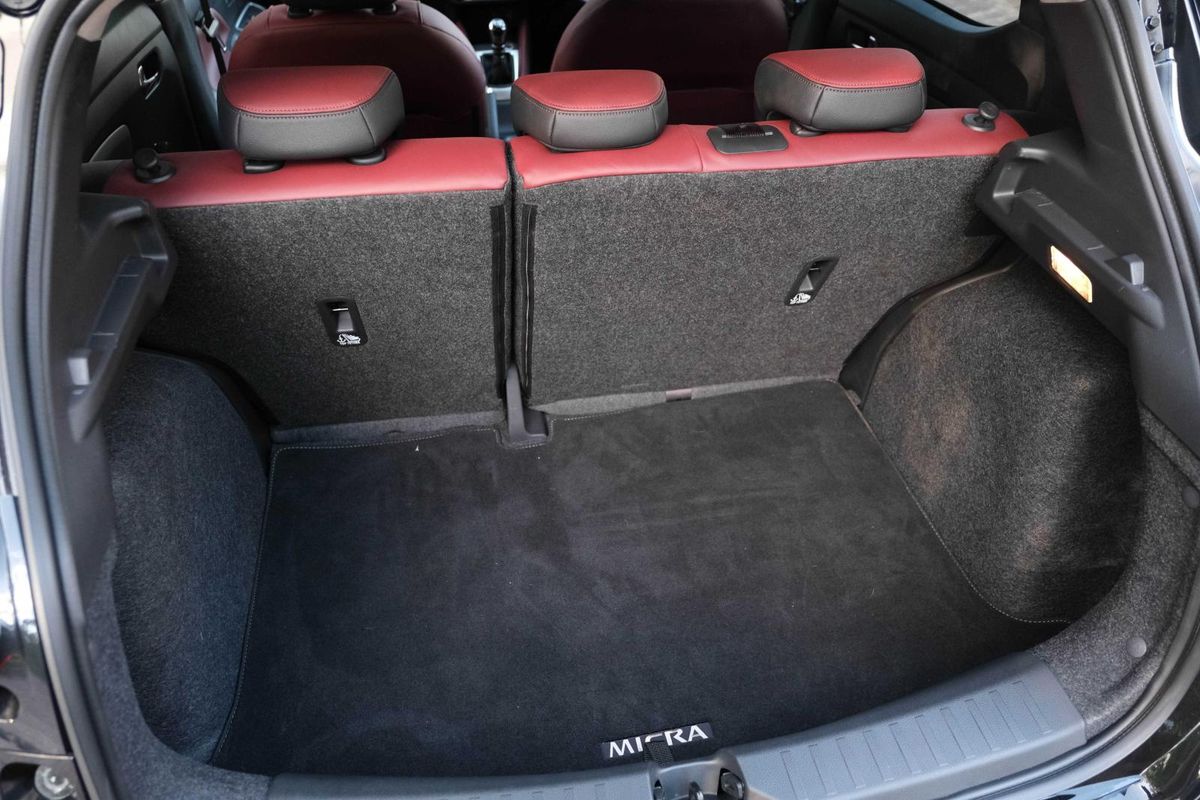
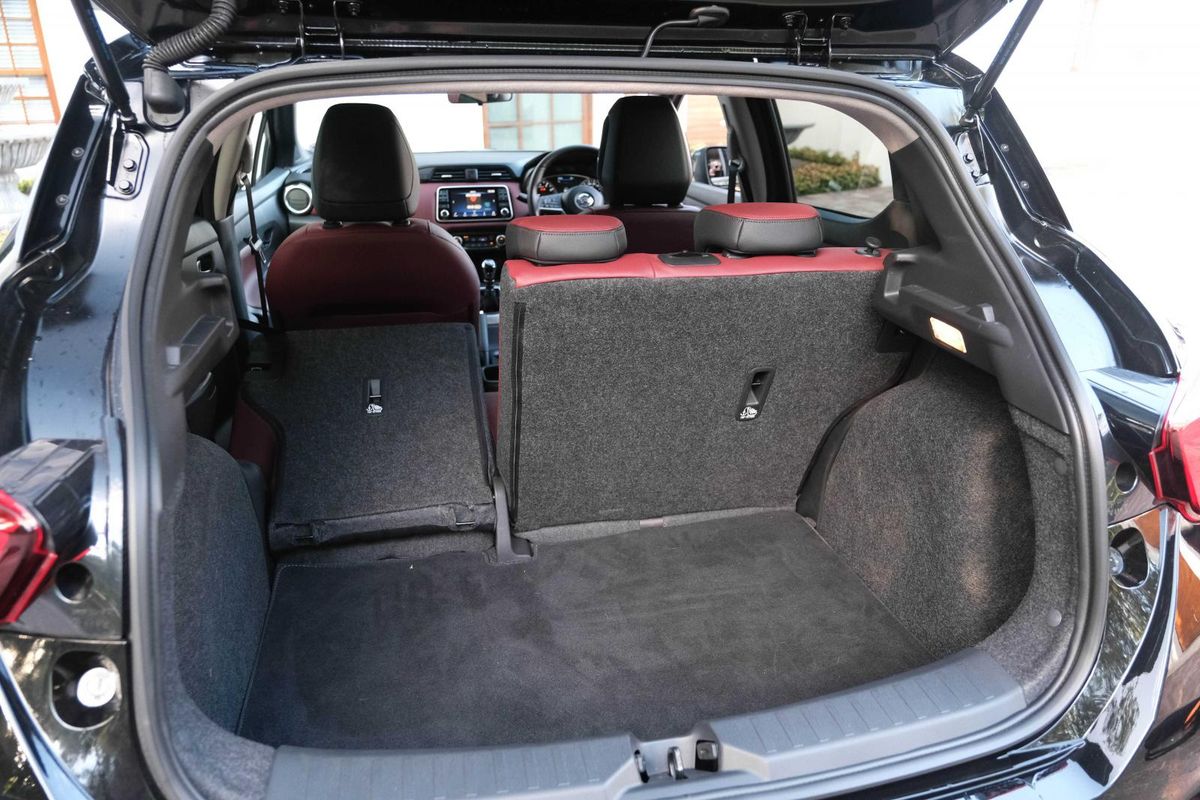
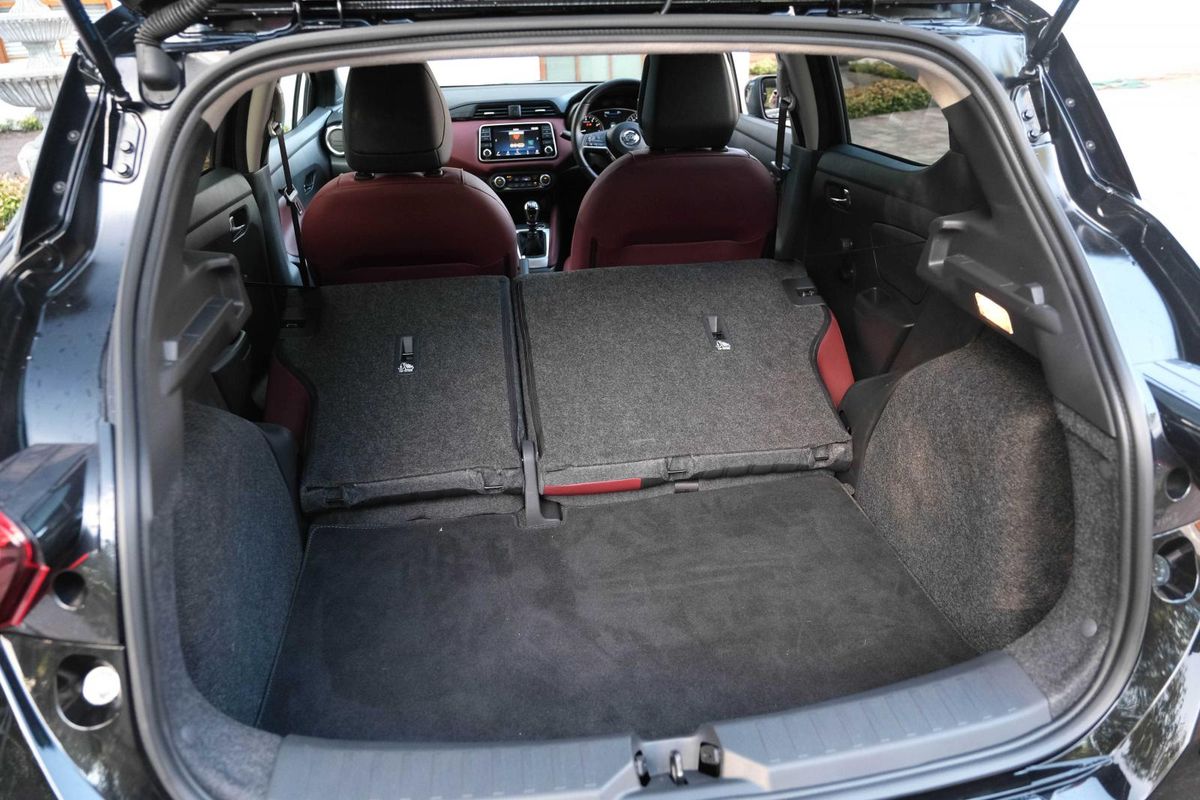
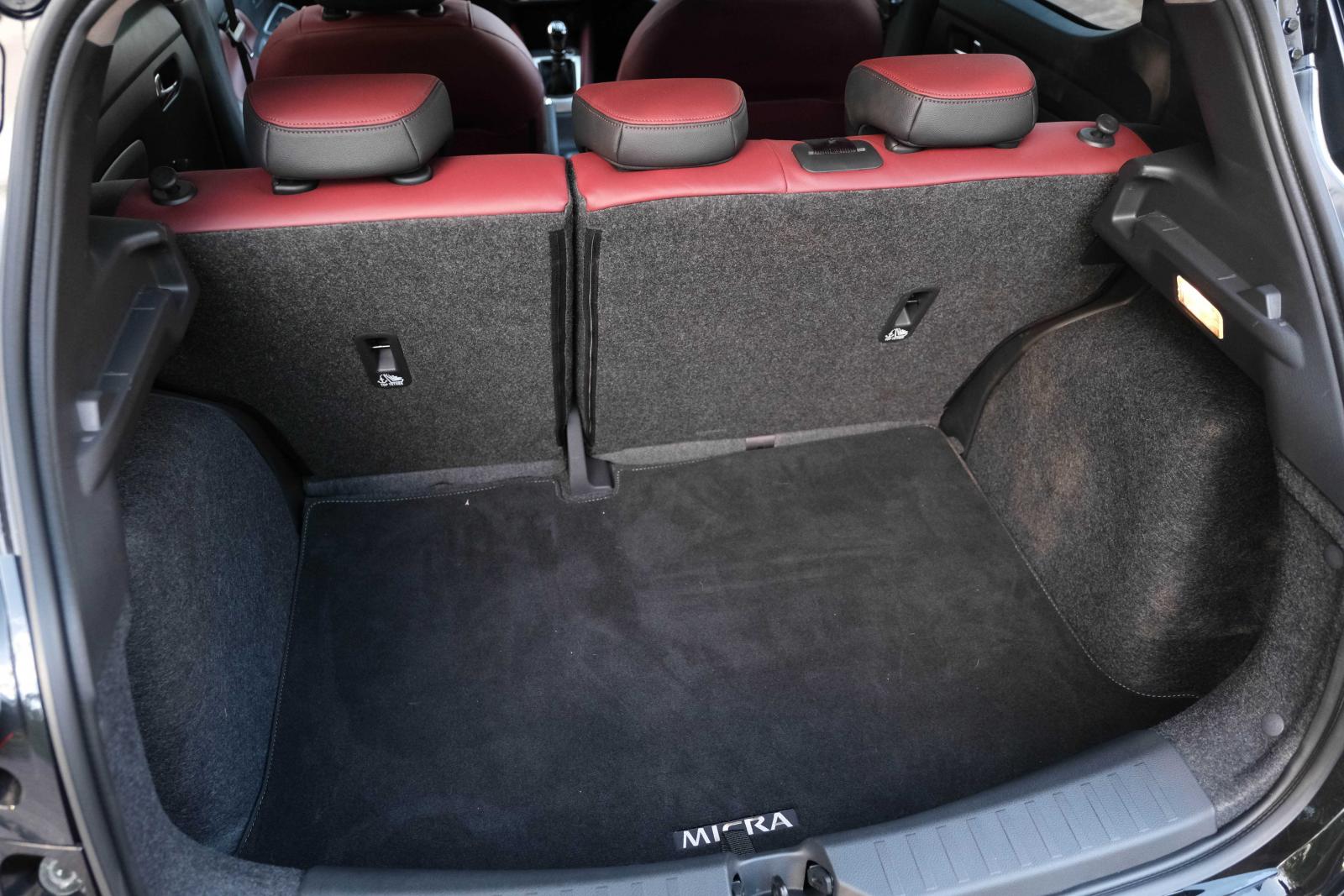
Load space is average but not segment-leading. Rear legroom could be better too.
The Nissan Micra lags behind rivals such as the Volkswagen Polo and Ford Fiesta when it comes to space and practicality. Nissan claims 300 litres of luggage space, which increases to 956 litres with the 60:40 split rear seats folded down. In comparison, the Polo offers 350 litres, while the Fiesta is similarly sized at 303 litres.
Taller rear passengers may find the Micra lacking sufficient rear legroom, but average-sized adults should find the accommodation adequate (with cooperation from the front occupants). There are useful cupholders up front, as well as storage space ahead of the gear lever. Overall, this Micra is average in terms of practicality – there are certainly more spacious options on the market.
Price and after-sales support
The Nissan Micra 84 kW Turbo Tekna Plus is priced from R342 600 and includes a 6-year/150 000 km warranty and a 3-year/90 000 km service plan.
The 84 kW Micra Tekna Plus balances performance and economy well.
We think this 84-kW Micra is a welcome addition to the local range; it should appeal to buyers looking for a little more performance and spec than what other derivatives can offer. The 1.0-litre engine delivers usable and efficient performance in a good-looking, well-equipped package. If Nissan offered this derivative in other exterior colours (other than black) the derivative would have so much more appeal. Still, the leather interior looks very smart and the Bose audio system is a USP in this segment. Nissan’s 6-year/150 000 km warranty also adds peace of mind to the purchasing proposition.
The Tekna Plus does look pricey against the Polo 1.0TSI Highline R-Line (R315 100) and the feature-laded Fiesta 1.0T Titanium (R328 500), but bear in mind that the opposition's base pricing doesn’t tell the whole story. In the case of the Polo, a number of features are optional (leather upholstery, Discover Media, Blind Spot Monitor, Park Distance Control etc), all of which push up the asking price.
We think this 84-kW Micra deserves more attention if you are in the market for a punchy 1.0-litre hatchback and if you are willing to accept its handful of shortcomings…
Next Mazda BT-50 vs New Isuzu D-Max: What’s the Difference?
The recent bakkie-collaboration between Nissan and Mercedes-Benz has ended in disappointment, especially for the latter firm. But like it or not, shared-platform bakkies are the way of the future. How much are partnerships like Isuzu and Mazda's going to influence the packaging of your favourite double cabs?
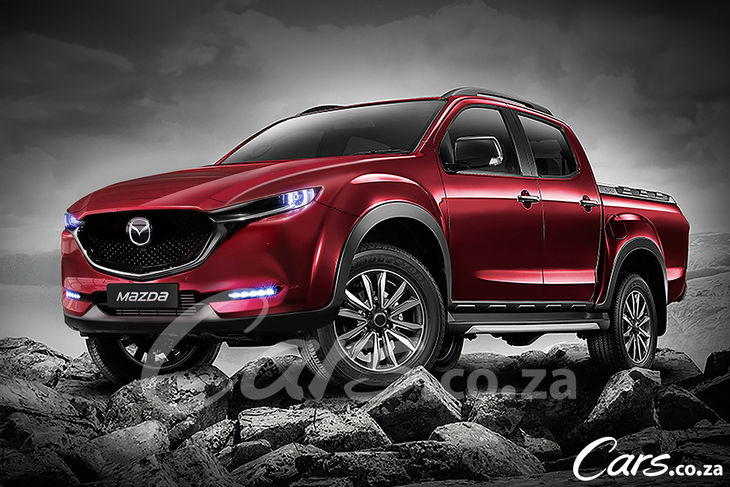
BT-50 render credit: Duwyne Aspeling – Cars.co.za
South Africans' bakkie loyalties might appear absolute, but their brand allegiances and perception will be severely tested over the next decade. With the global automotive industry staggering after one of its worst-ever years, "consolidation and risk management" is the mission for 2020. For bakkie customers, that means some of your favourite brands are going to become a lot more alike than before.
Many of the world’s automotive companies cannot absorb the cost of developing new electric vehicles and autonomous driving technology in parallel with their existing petrol and diesel vehicles. That means their obligated to partner up with rivals to split the risk and not be saddled with exorbitant research and development costs.
Although the demand for battery-powered bakkies isn’t quite there yet, their development will not be unaffected. Narrowing budgets will force double-cab rivals to work together in developing new products on shared platforms. Could that erode legacy bakkie loyalties and create a new buying dynamic?
Do YOU notice the difference between badge-engineered bakkies?
Nissan's latest Navara has underwhelmed somewhat, considering the previous generation's local sales success.
Although bakkies have incredibly-defined brand identities in South Africa, the local market has coped with joint-venture platform sharing with little trouble before, but not always.
Ford and Mazda have sold virtually the same bakkie product for decades in South Africa. Courier/Drifter and Ranger/BT-50 models were only differentiated by some minor exterior/interior styling tweaks and a slight alteration in lead petrol engines between the brands. Neither Ford nor Mazda ever seemed to experience much in the way of tension with this arrangement.
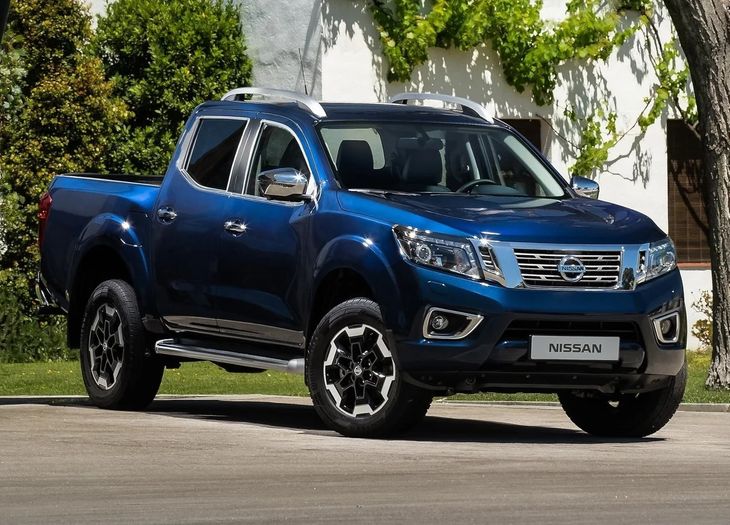
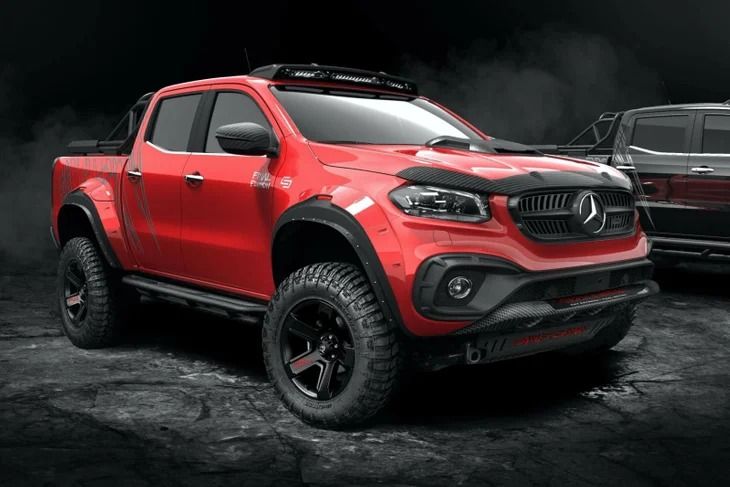
Some of the recent shared-platform exercises in South Africa have been less than rosy. Nissan’s Navara has underwhelmed in terms of sales figures and its mechanical twin from Mercedes-Benz, the X-Class, has proved a calamitous failure. Given the huge pricing discrepancy, the Navara and X-Class might have shared mechanical traits, but they never competed in respect of market positioning.
In order to try and shift the X-Class, tuners have got hold of it and attempted to increase its appeal.
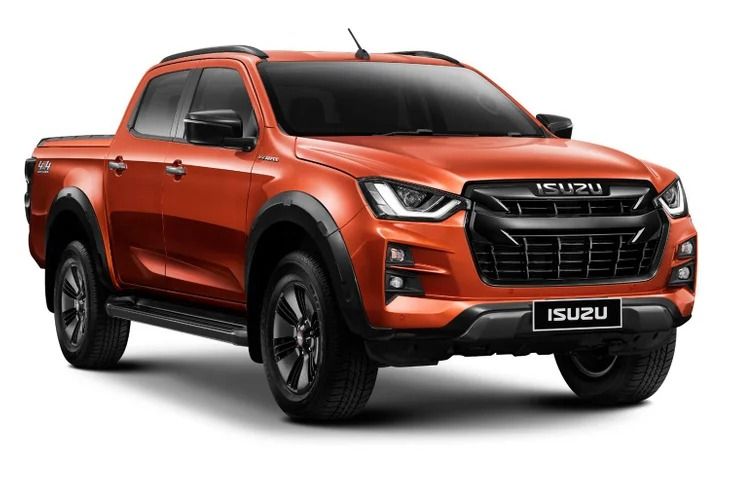
After the failure of Navara-X-Class, the next shared platform bakkie venture due for the local market is a partnership between Isuzu and Mazda, the former of which is confirmed to arrive here in 2021.
Both these Japanese brands have good standing in South Africa, but their scale and customer profiles could not be more different… Isuzu is purely a bakkie business (with a smattering of MU-Xs and light trucks), whereas Mazda has primarily been a passenger-car brand in the recent past; it has transitioned from hatchbacks and sedans to crossovers and light-duty SUVs.
How, then, will Isuzu and Mazda approach the marketing for what is essentially a twin D-Max/BT-50 bakkie project?
The good and bad of localisation
Although Isuzu revealed its 3rd-generation D-Max in October of 2019, the bakkie will only be available next year. This delay is even more troubling to understand, as the D-Max is locally built, in the Japanese manufacturer's plant in Port Elizabeth.
If the D-Max’s international reveal was nearly half a year ago, and Isuzu has a humming factory in Struandale, why is the bakkie only arriving in 2021? The answer is simple: localisation.
South African regulations require Isuzu to source a greater number of local components for its new D-Max. That is a good news story because it develops local engineering skills and supports a local supply chain. The problem is the timeline: finding and validating all those technical suppliers isn’t the work of a moment and this has pushed out the delivery timetable for new D-Max.
There will be a wait for the local D-Max as the PE plant undergoes changes in order to produce it locally.
Loyal Isuzu bakkie fans might find the delay annoying, but it also gives Isuzu South Africa's technical staff an opportunity to do some further localisation, including work on the bakkie’s suspension specification so that it will be best suited to our particular market. The KB/D-Max product heritage has always been supported by inspiring gravel road ride quality and stability dynamics.
In many global markets, this might not be an issue, but South Africa has a vast and heavily utilised gravel road network. Some of those roads are of good quality, while others are so poor that they could be classified as grade-2 off-road obstacles. Suffice to say Isuzu’s engineers are dedicated to developing an appropriate suspension set-up for South African conditions.
When the 3rd-generation D-Max does roll out of Isuzu’s Port Elizabeth assembly plant and is transported to dealerships across South Africa in 2021, expect it to feature a slightly different damper and lead-spring set-up from the default global specification.
How will Mazda position the BT-50?
We haven't seen any hints of what the new BT-50 will look like, but a CX-5/CX-30 face on a D-Max looks alright?
What about the "other D-Max", Mazda’s forthcoming BT-50? These bakkies will share a common platform and many components, but Mazda’s double-cab will be imported, instead of locally produced.
That will create pricing pressure on Mazda, with BT-50 not benefitting from the localisation and export credits due to Isuzu. Mazda’s BT-50 marketing effort is a lot narrower and simpler than for Isuzu – its new D-Max range will be massive, including single-, extended- and double-cabs.
Although its bakkie business might barely be ticking over, Mazda South Africa has successfully transitioned from being a broad bakkie brand to a vendor of specialist lifestyle double cabs. The profit opportunity with high-specification double-cab bakkies is much greater than utilitarian single-cabs.
This simplification of Mazda’s bakkie business was forced upon it by Ford when the companies formed a single entity in South Africa decades ago. As the Ranger product portfolio expanded, Mazda's was rationalised. A consequence of this is that the (now independent) Hiroshima-based company does not have to replace a massive legacy bakkie range with the new BT-50.
Mazda’s customer expectations are simpler to manage than Isuzu’s. South African customers only expect a BT-50 double-cab. There is no pressure on Mazda to launch a diverse range of cab-styles, trim levels or engine options.
What are Mazda’s risks with new BT-50? Pricing will obviously be an issue, with Mazda being a pure importer, without the leverage of export credits (such as Isuzu, Ford, Toyota, VW and Nissan).
Looking on from the sidelines will be VW and Ford as they team up for the next Ranger/Amarok bakkie.
The other issue is that BT-50, despite overwhelming mechanical similarities to new D-Max, will not benefit from the possible local engineering input that Isuzu South African can affect. Mazda will have to settle for an international specification BT-50, whereas Isuzu South Africa could be afforded the latitude for some slight D-Max adaptations, tailored to local conditions.
A potential advantage for Mazda could be the BT-50’s cabin architecture. Isuzu is a bakkie and truck company, which doesn’t build passenger vehicles or even crossovers. Cabin ergonomics and features are designed and developed with utilitarian users in mind.
Mazda, by contrast, is a passenger car company that has evolved a portfolio of crossovers. It can leverage the passenger vehicle interior design and infotainment technologies, which are superior to Isuzu, and apply them to new BT-50. That could give the new BT-50 a slight edge in terms of cabin architecture.
As illustrated by the Volkswagen Amarok's hat-trick of category wins in the #CarsAwards, double-cab customers are increasingly appreciating the value of a slick infotainment system and cabins awash with creature comforts. In an increasingly sophisticated bakkie market, where buyers are trading from traditional passenger vehicles to lifestyle double-cabs, BT-50’s interior design could be crucial.
When the D-Max/BT-50 platform twins arrive locally next year, at approximately the same time, it will be a noteworthy test case of how South Africans react to a mechanical similarity marketed by 2 very different motoring brands.
Ranger and Amarok product planners and customers will also take notice of the market reaction to D-Max/BT-50. It could hold crucial lessons for the next generation bakkie from Ford and VW, which will also be a joint development…
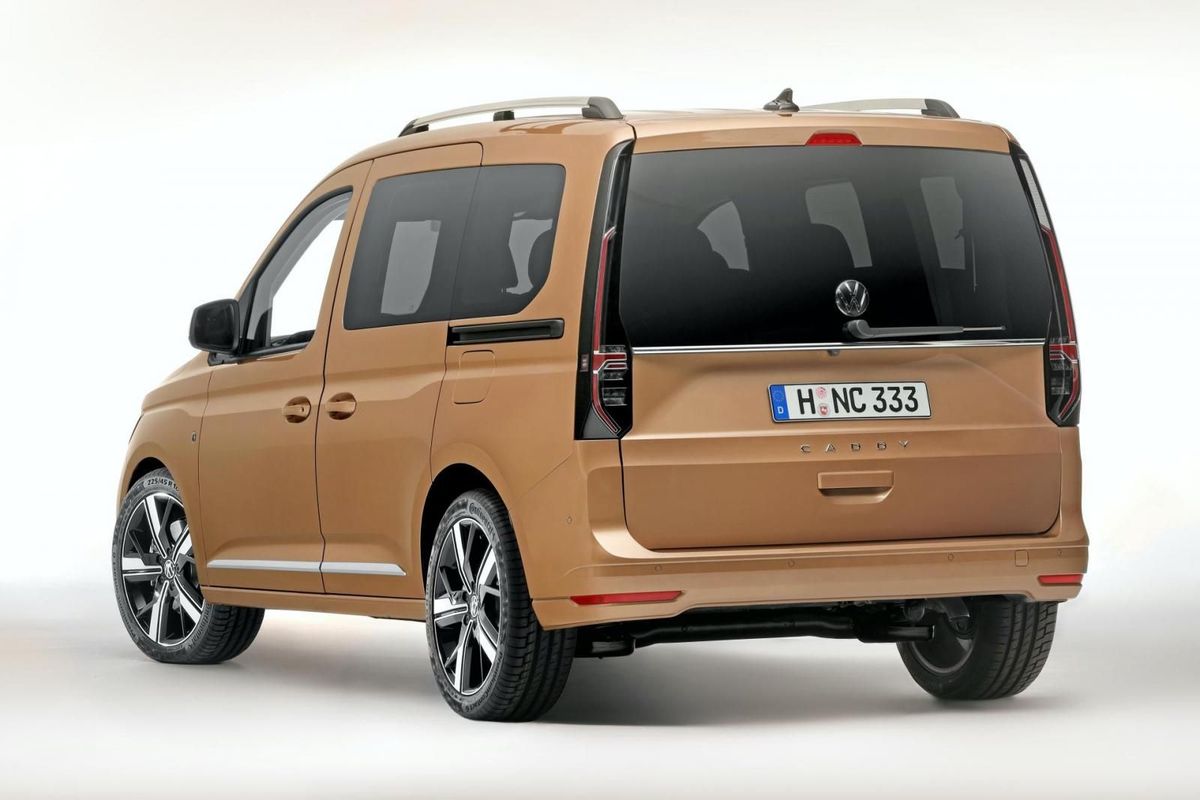
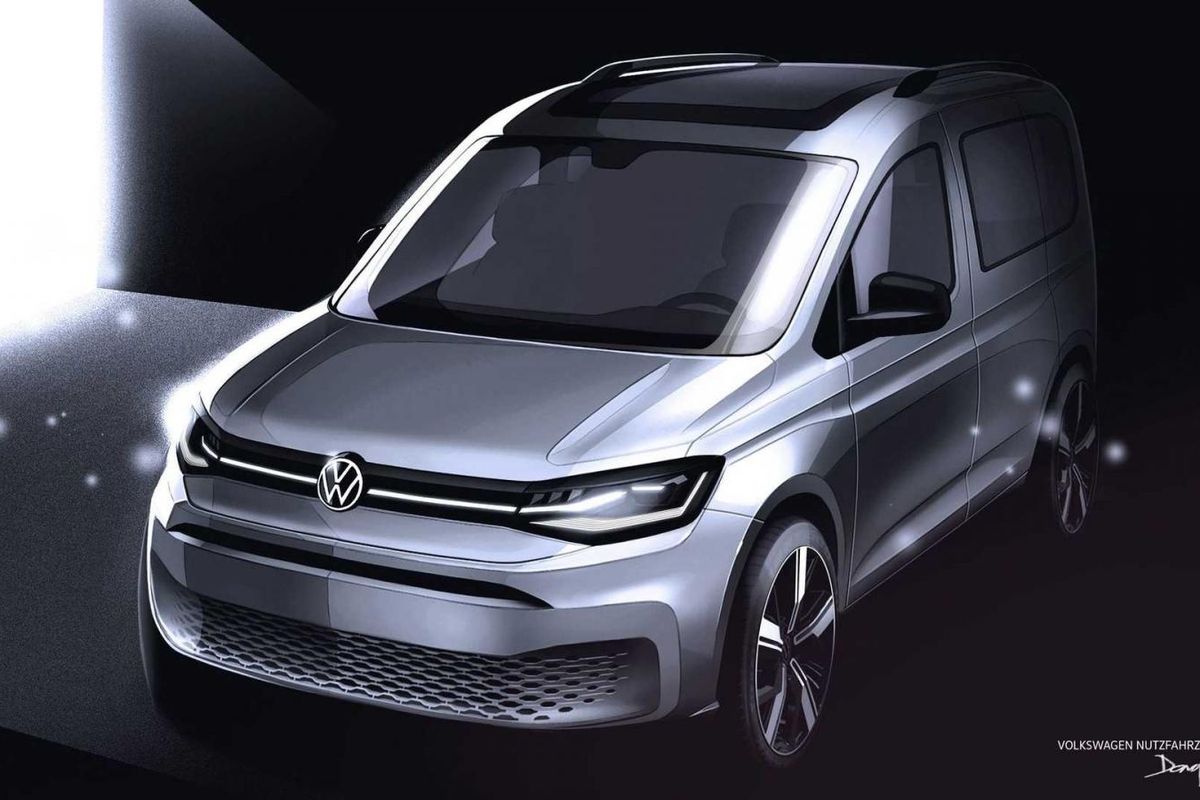
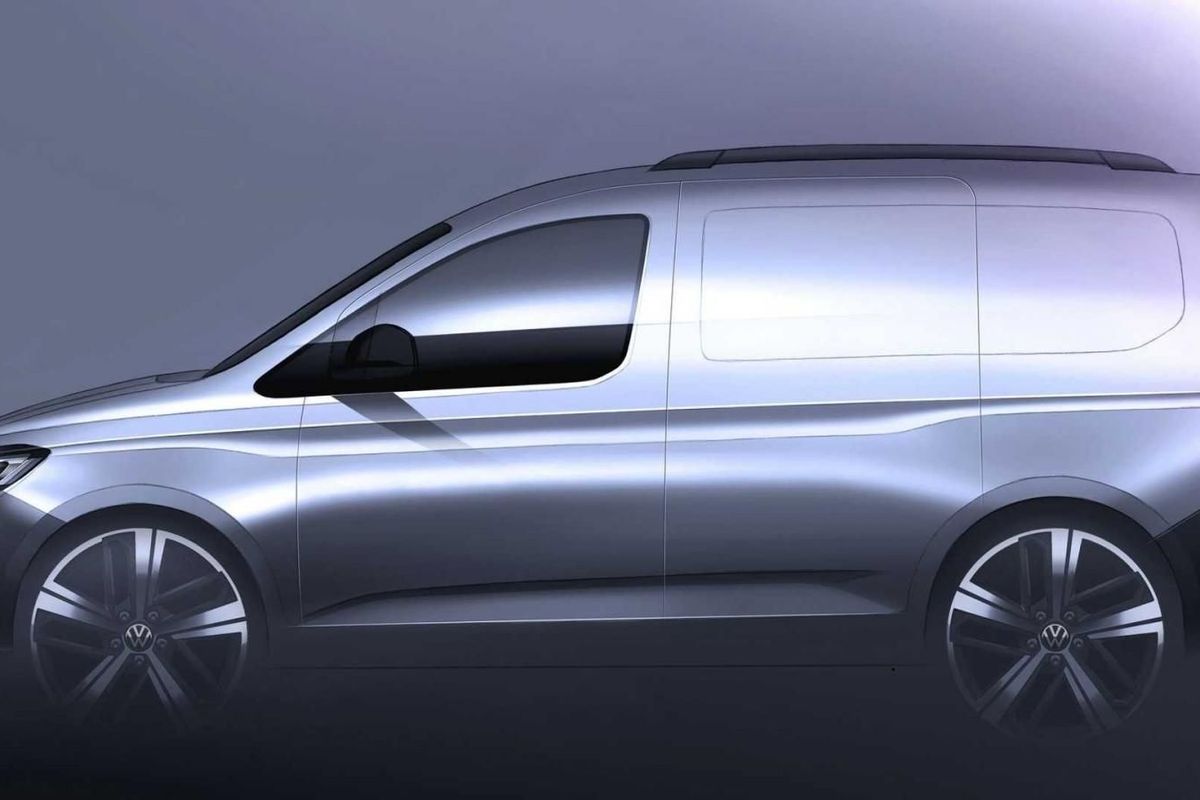
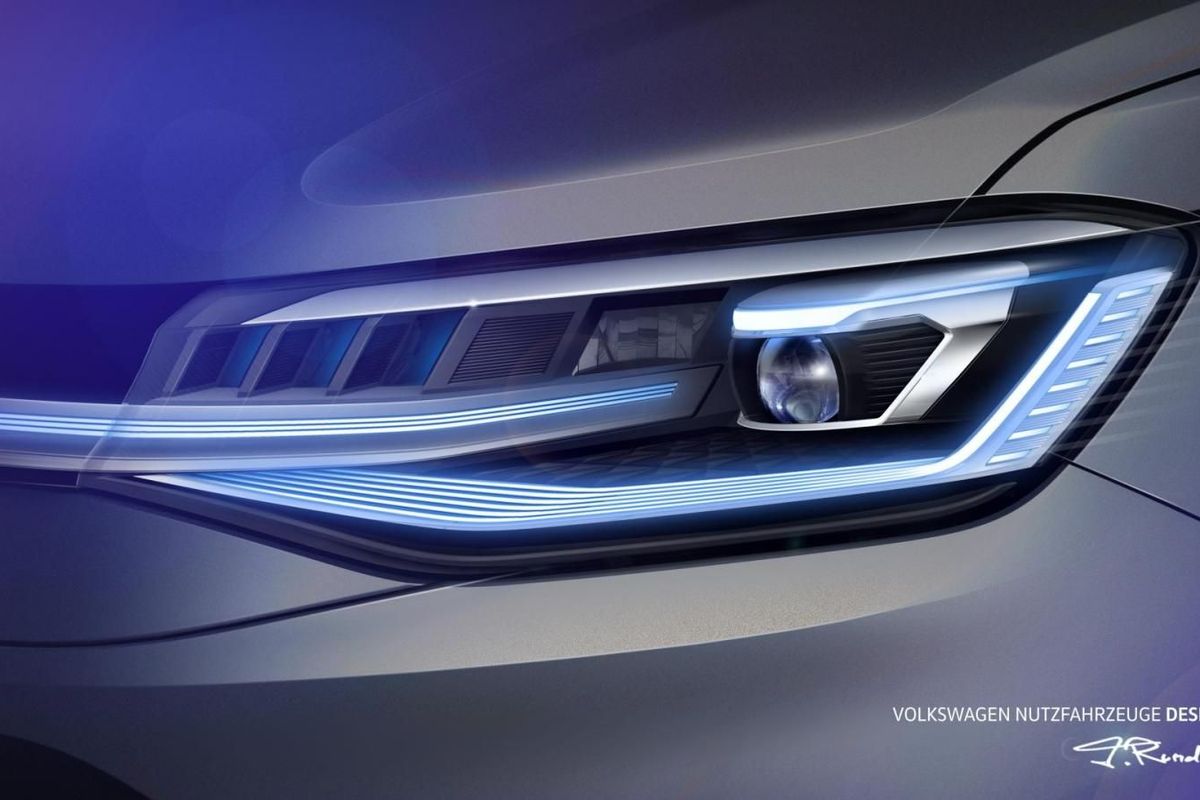
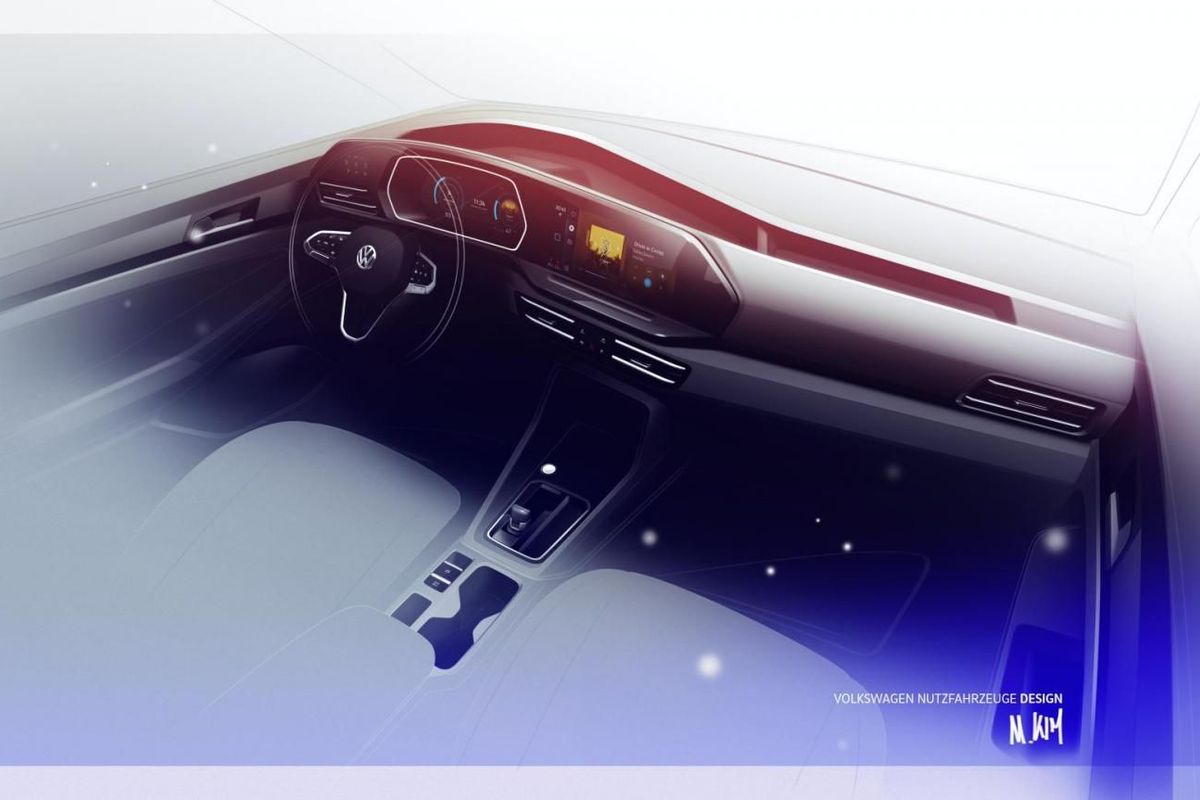
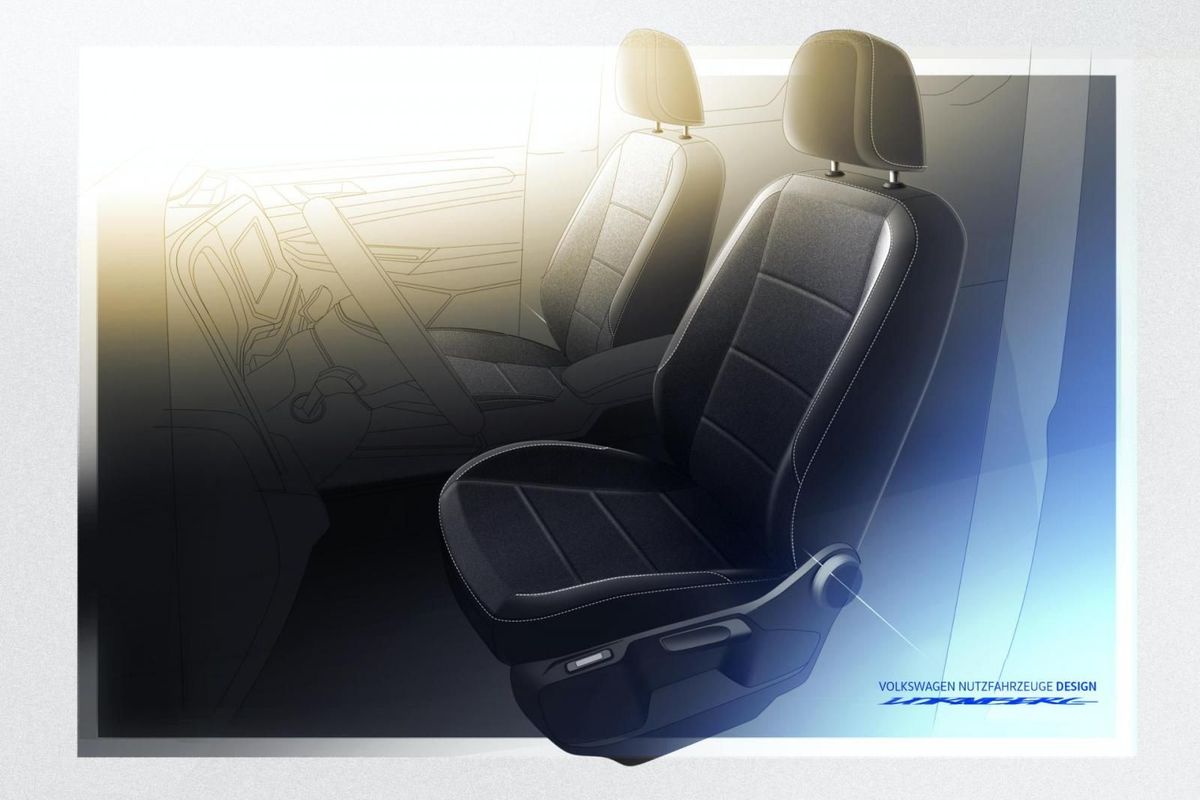
Following a pair of recent teaser sketches, further details of the new Caddy family MPV and Caddy Cargo have emerged. It's coming to South Africa in 2021!
The Volkswagen Caddy serves as both a family MPV or cargo-hauling business vehicle and more details of the new 5th-generation Caddy have now been revealed.
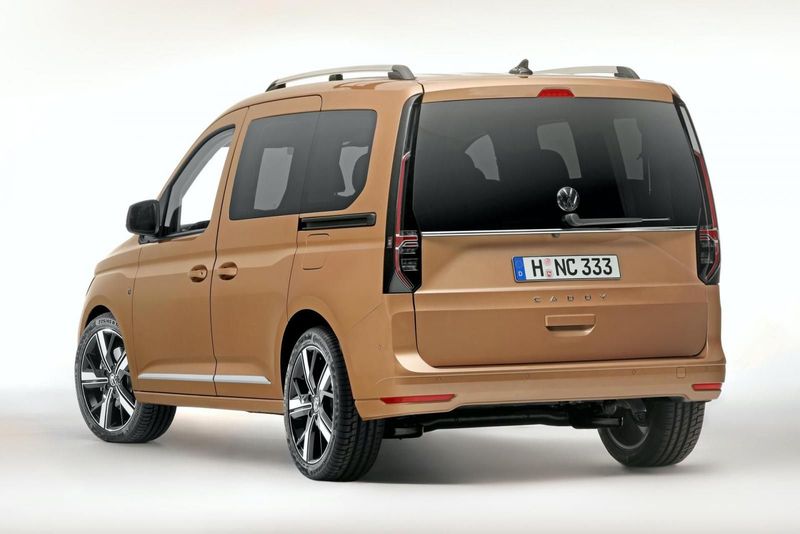
The Caddy is built on Volkswagen's highly scalable MQB platform and rather than re-designing the wheel for its new Caddy, Volkswagen design approach is more evolutionary. The face of the new Caddy and the grille in particular is much slimmer than before with newly-designed headlights and a honeycomb mesh design for the lower grille completing the front-end design. The Caddy's rear end gets slim vertical LED headlights. The Caddy will be offered with either a single large tailgate or dual rear doors as well as single or double side sliding doors. These doors can also be opened or closed electrically if you wish.
If you are looking for a stylish panel van to haul goods, or people, the new Caddy is probably a good bet.
The Caddy's interior has been redesigned and infotainment screens will range from between 6.5-inches to 10-inches and a Volkswagen's Digital Cockpit will also be on the options list. A new multifunction steering wheel and automatic transmission lever are fitted and the new ergonomic seats should provide higher levels of comfort. Keyless Access will also be offered. A host of driver assitance systems will also be on offer including Travel Assist adaptive cruise control, Trailer Assist and Side Assist with Rear Traffic Alert.
A range of petrol and diesel engines will be offered with the 2.0-litre turbodiesel engine outputs ranging from 55 kW to 89 kW. An 85 kW 1.5-litre turbocharged petrol engine is also on the cards and Volkswagen says that fuel consumption has improved by up to 12% compared with the outgoing Caddy. A supercharged natural gas engine is also in the mix. A choice of a 6-speed manual or 7-speed dual-clutch automatic will be offered and both front-wheel and all-wheel-drive layouts will be available. Engines for South Africa, however, have yet to be confirmed…
The new Caddy will be offered as a Caddy family van or as the Caddy Cargo and will be available in short and long-wheelbase formats.
Volkswagen South Africa has confirmed that the new Caddy will reach South Africa in 2021.
You Could Soon Service Your Car Anywhere And Keep Warranty
The Competition Commission believes you, the consumer, should have the right to have your in-warranty car serviced or repaired at a workshop – other than one approved by the vehicle's manufacturer – without the fear that your warranty will be invalidated as a consequence.
The Commission has gazetted draft guidelines that seek to put an end to motorists being forced to have their in-warranty cars serviced or repaired only at the manufacturer’s approved service dealerships – and allow for the fitting of non-original parts where a specific part's warranty has expired – without risking the cancellation/voiding of their warranties.
The guidelines also state that at the time of a vehicle's sale, dealers and financiers must provide the consumer with details of all inclusions and exclusions in the service and maintenance plans.
Prepared in terms of the Competition Act, the guidelines provide practical guidance to firms in the automotive sector on conduct that may be anti-competitive, and encourage competition through greater participation of small businesses and historically disadvantaged groups.
A finalised set of guidelines will be implemented as part of the Competition Act and will give authorities the power to “pursue anti-competitive behaviour through enforcement”.
Currently, owners of new cars in South Africa are unique in the world in being “locked into" using a vehicle manufacturer's service centres, repair shops and parts with "embedded" maintenance- and service plans (included in the purchase prices of vehicles from new). If they decide to use an independent service or repair provider of their choice, vehicle manufacturers void their warranties.
New guidelines are set to make this practice illegal
The Competition Commission seeks to remove barriers to entry for unaccredited service centres.
Many are hailing the move as a major win for consumers, most notably the Right to Repair South Africa (R2RSA), a Section-21, not-for-profit organisation which has been advocating for freedom of repair choice for vehicle owners for several years. R2RSA has welcomed the Commission’s publication of draft guidelines for the automotive aftermarket sector, describing it as a positive move for the industry and a big win for consumers.
“Now that we have the guidelines, fair competition can be implemented speedily,’ said R2RSA chairman Gunther Schmitz. “It’s an opportunity for market players to report uncompetitive behaviour. It is encouraging to see such a strong focus on increased consumer choice, fair competition and competitive pricing.”
In the past, lack of access to technical information had constrained the independent aftermarket, he said, but the Commission was removing that obstacle by directing Original Equipment Manufacturers (OEMs) to share key technical information with independent service providers (ISPs) for both in-warranty and out-of-warranty motor vehicles.
“Our hope is the OEMs remove the barriers for consumers and do not try to make access to technical information unaffordable,” he added.
Naamsa believes that systems were already in place to reform the industry and this order will have a negative affect.
Predictably, the National Association of Automobile Manufacturers of South Africa (Naamsa) was not impressed by the Commission’s publishing of the draft guidelines, saying while it was “not substantively opposed to the proposed reforms”, it objected to the way the Commission was going about it.
“Introducing these enforceable guidelines is extremely punitive and a dangerous retrogressive step that is counterproductive and which will harm the economy,” said Naamsa chief executive Michael Mabasa. “I admire the courage of the Competition Commission in many other areas of their work, but it is our considered view that on this occasion, they sort to unjustifiably impose a blunt instrument on an industry that has already agreed to self-regulate and reform.”
The motor industry had already developed an ambitious automotive masterplan, including developing inclusive market access to ensure greater participation of previously disadvantaged firms in the components manufacturing, vehicle maintenance, mechanical and motor-vehicle body repairs, Mabasa said.
All the reforms in the proposed Commission guidelines were covered in the work that its technical workstreams would cover, all monitored directly by the Minister of Trade and Industry, he added.
“We believe the industry is gradually creating a fertile environment upon which these reforms can be implemented without harming the economy. We urge the Competition Commission to reconsider its punitive approach and rather use any guidelines it formulates as an industrial policy tool to stimulate economic growth and inspire business confidence.
“The trajectory chosen by the Commission at this time… is likely to achieve the opposite outcomes,” he concluded.
It seems there are mixed reactions from the public with cases for both points of view.
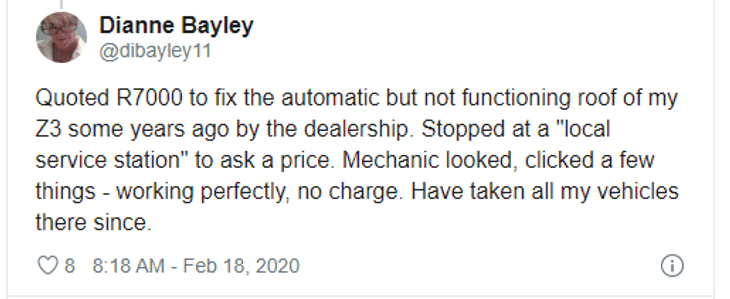
Social media reaction to the news of the draft guidelines was mixed. Freelance writer Dianne Bayley was firmly in the pro camp: “I was quoted R7 000 to fix the automatic, but not-functioning roof of my BMW Z3 some years ago by the dealership,” she tweeted.
“I stopped at a local service station to ask for a price. The mechanic looked, clicked a few things, got it working perfectly, no charge. (I've) taken all my vehicles there since.”
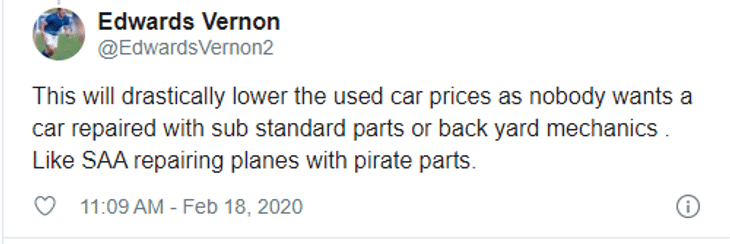
But Edwards Vernon took an opposite view: “This will drastically lower the used car prices as nobody wants a car repaired with sub-standard parts of back yard mechanics.”
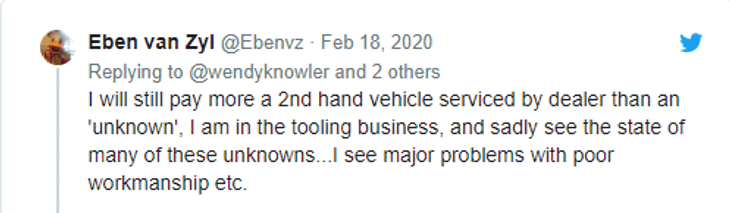
And Eben van Zyl added: “I will still pay more for a second-hand vehicle serviced by a dealer than an “unknown”.
“I am in the tooling business, and sadly we see the state of many of these unknowns. I see major problems with poor workmanship.”
Carmakers will need to approve independent workshops
But the Commission envisages the current constraints to effective entry and participation by independent workshops being remedied by manufacturers approving those which meet their standards and specifications to undertake services during the warranty period.
“In this regard, the manufacturers must disclose and make public the quality criteria in their appointment of service providers,” the Commission says.
Myen Govender of Durban’s recent experience is typical of the kind of scenario the guidelines seek to outlaw: “My entire warranty is now null and void.”
A KZN Renault dealership refused to repair his in-warranty Stepway’s air conditioner under warranty because he had the car serviced at a “non-approved” dealer, albeit one with a workshop that was RMI (Retail Motor Industry Organisation)-approved.
The big issue appears to be the quality of the service centre used can no longer be determined if it's not accredited.
The Commission states in the guidelines that the process was triggered by multiple complaints the Commission received from various independent players in the automotive aftermarket, as well as members of the public: “They raised concerns about alleged anti-competitive practices, such as pricing behaviour in the automotive aftermarket, and agreements that foreclose independent players at all levels of the automotive value chain.”
Motor manufacturers have in the past warned that if they lose the ability to stipulate that their vehicles be serviced at dealerships quality assured and monitored by them, consumers won’t have the assurance that staff at independent workshops have the training and skills of those in the manufacturer-linked workshops, or that top quality parts will be used.
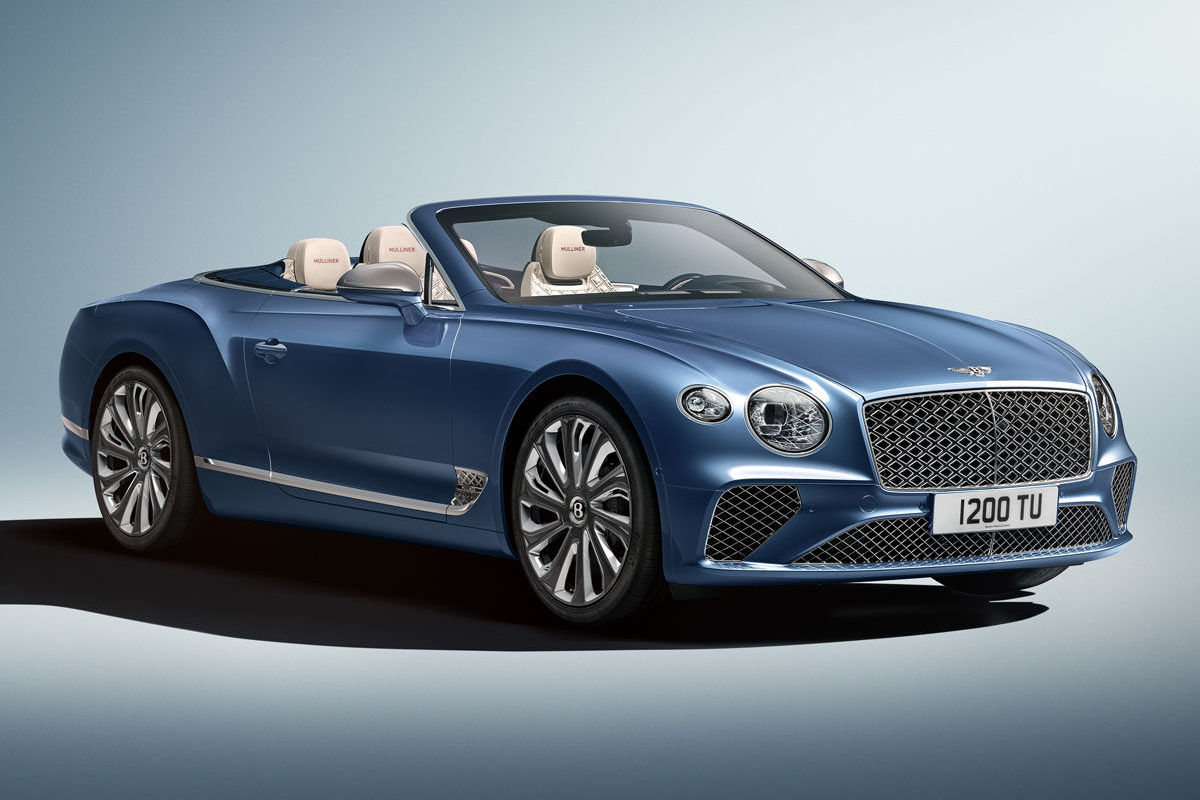
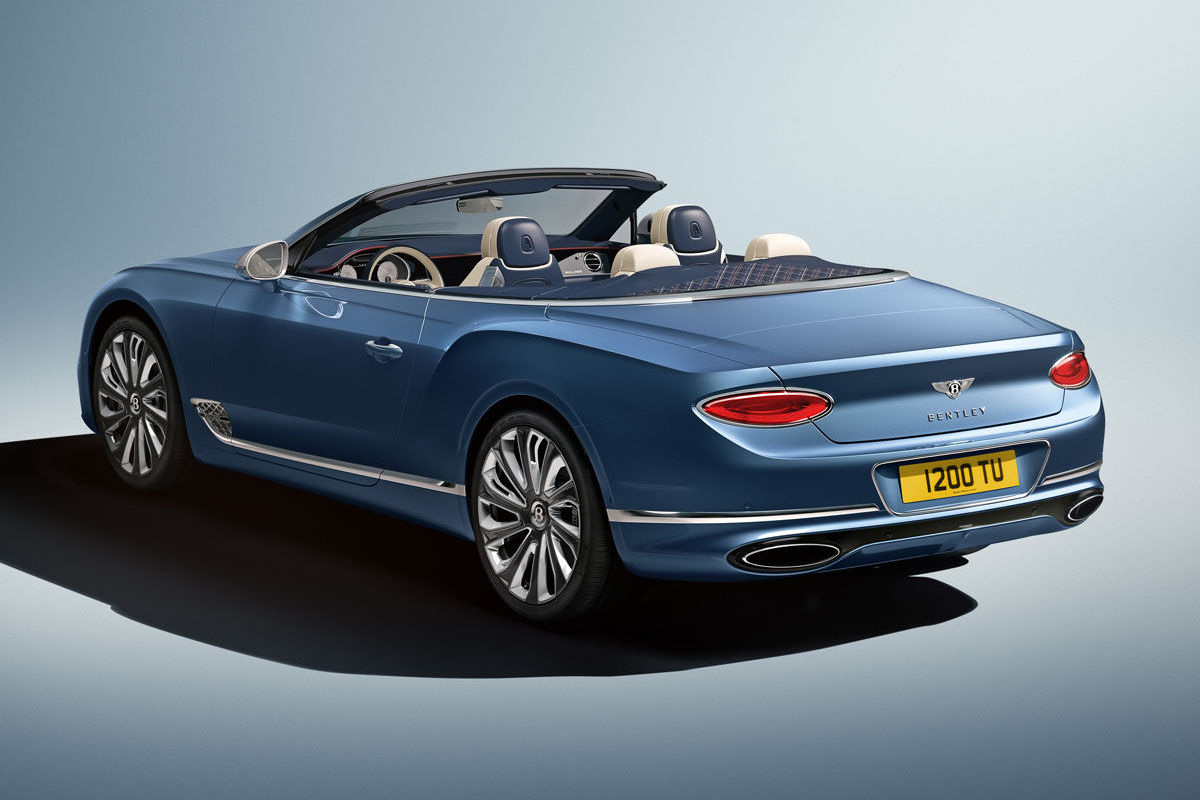
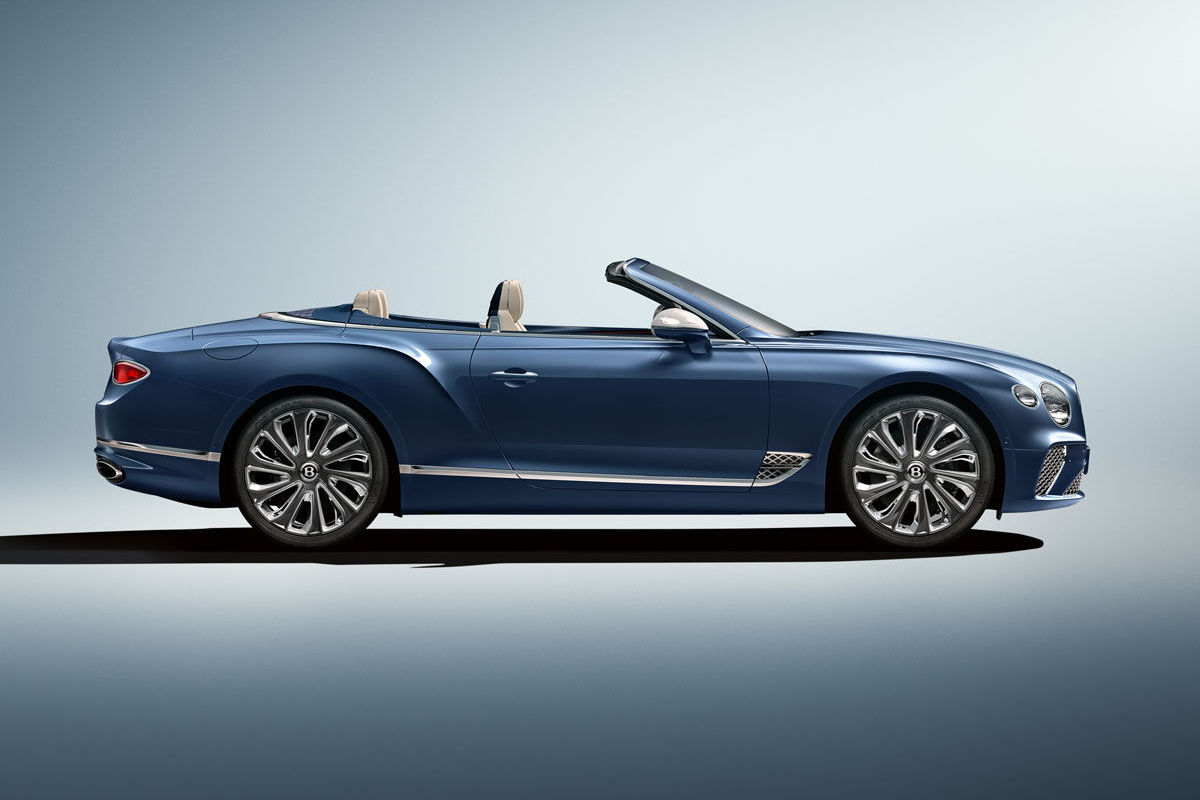
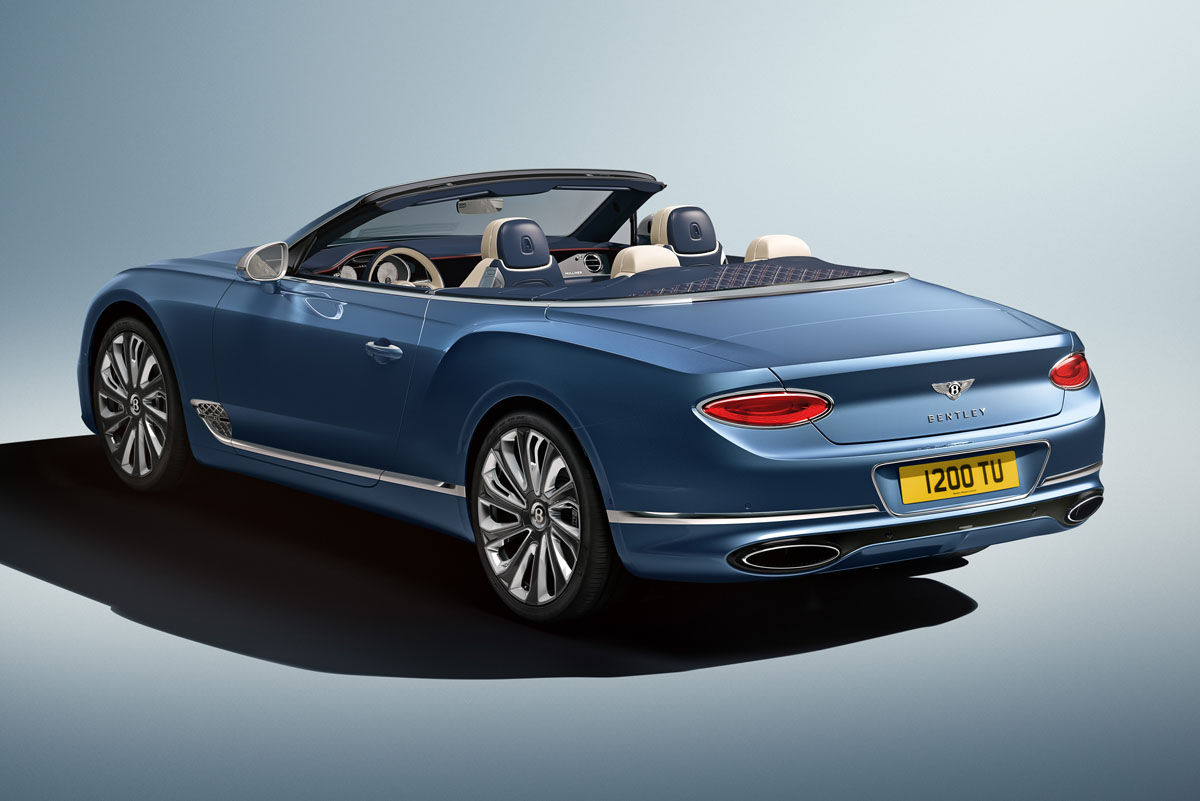
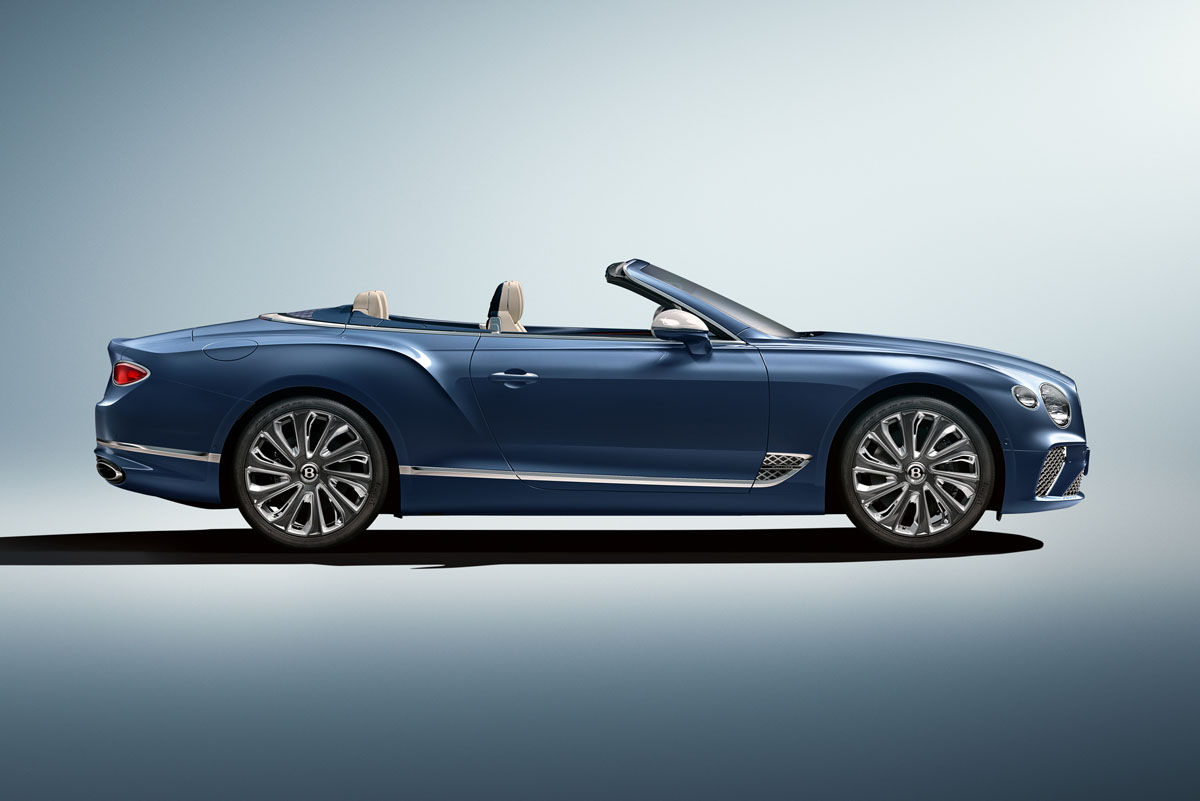
Bentley will unveil the pinnacle of its Continental GT range at the upcoming Geneva Show. Suffice to say the exquisite Continental GT Mulliner Convertible – designed and built by the oldest coachbuilder in the world – will serenely glide into the limelight… with its top down, of course.
1. All about the diamonds
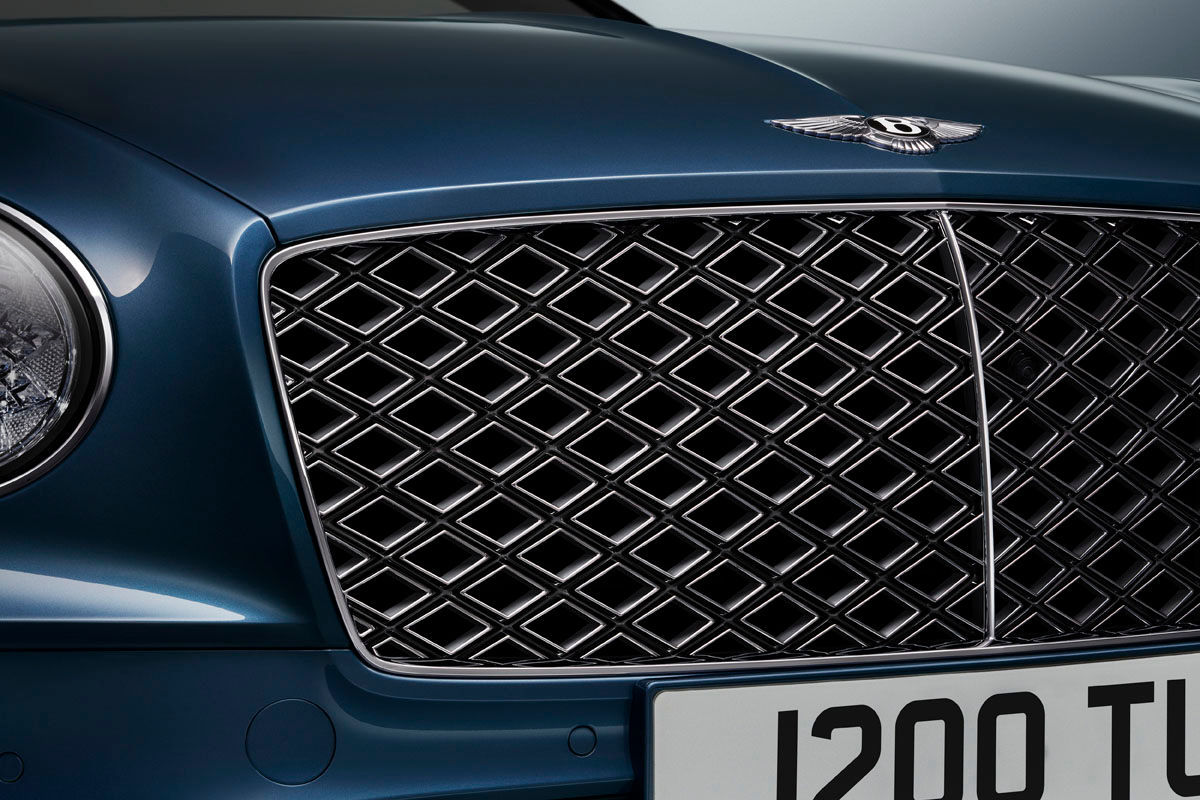
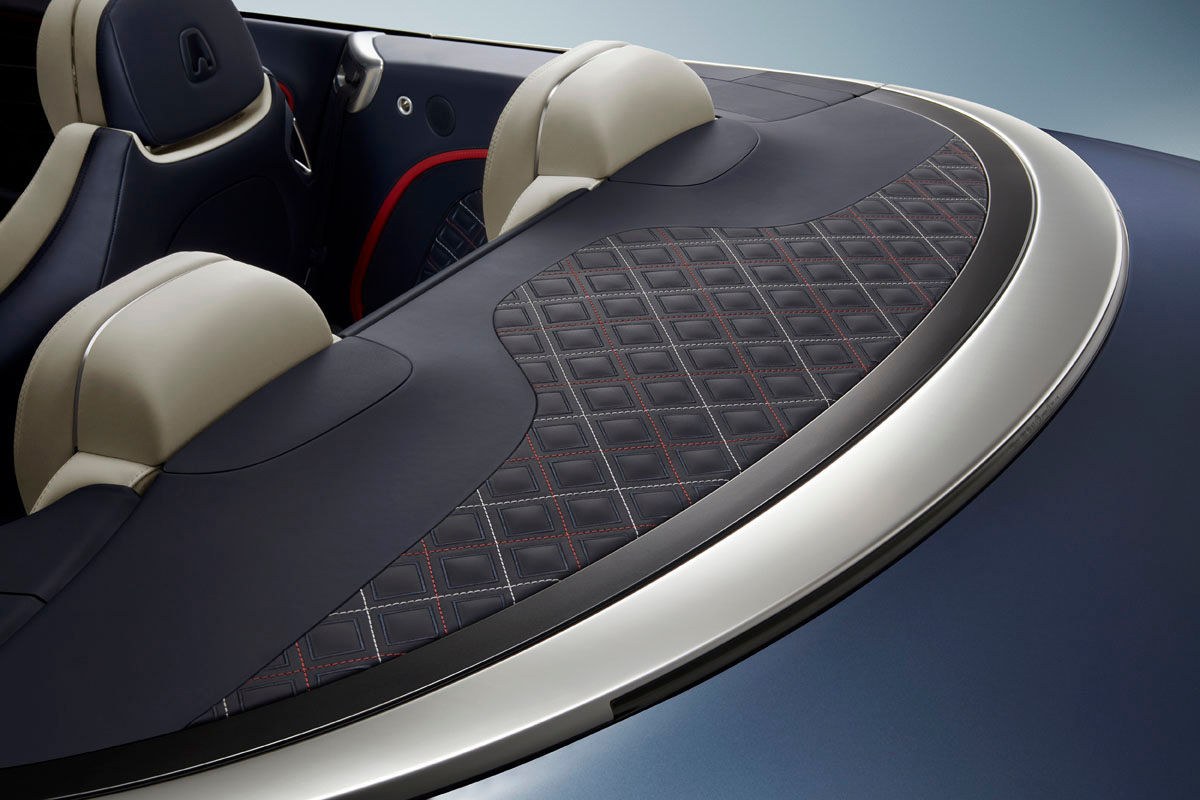
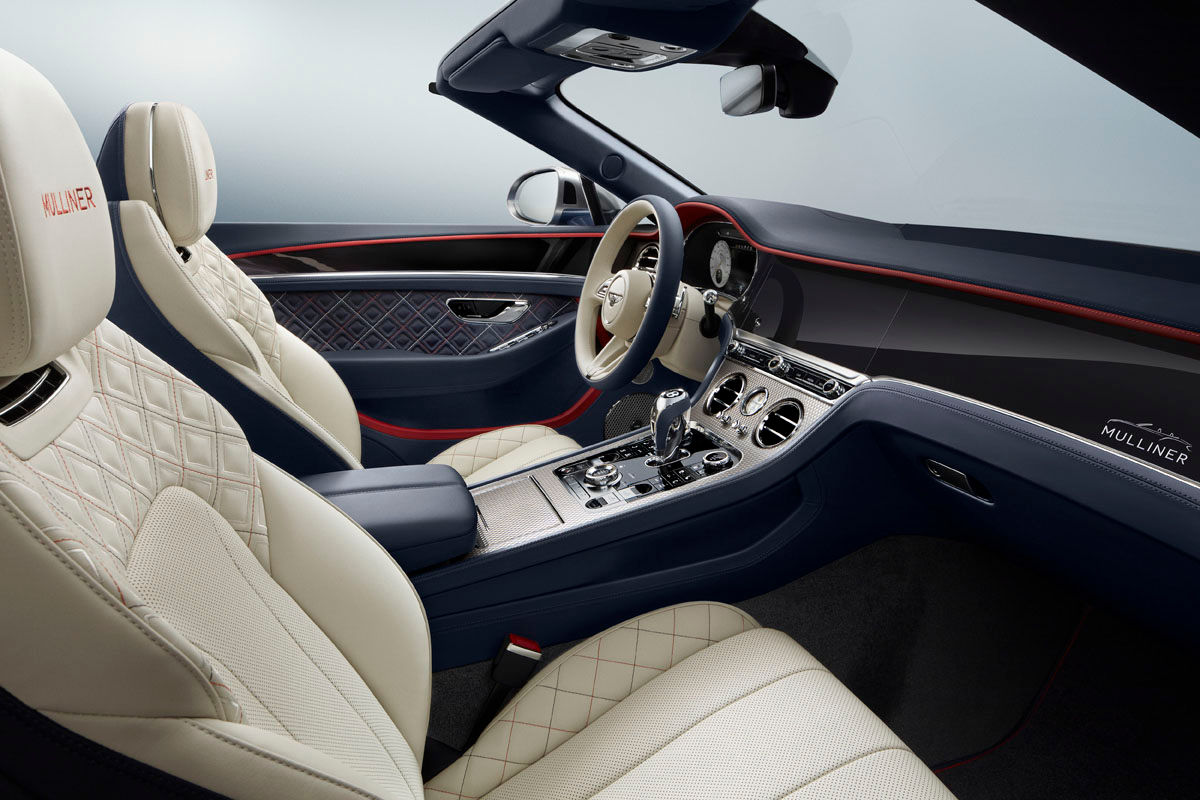
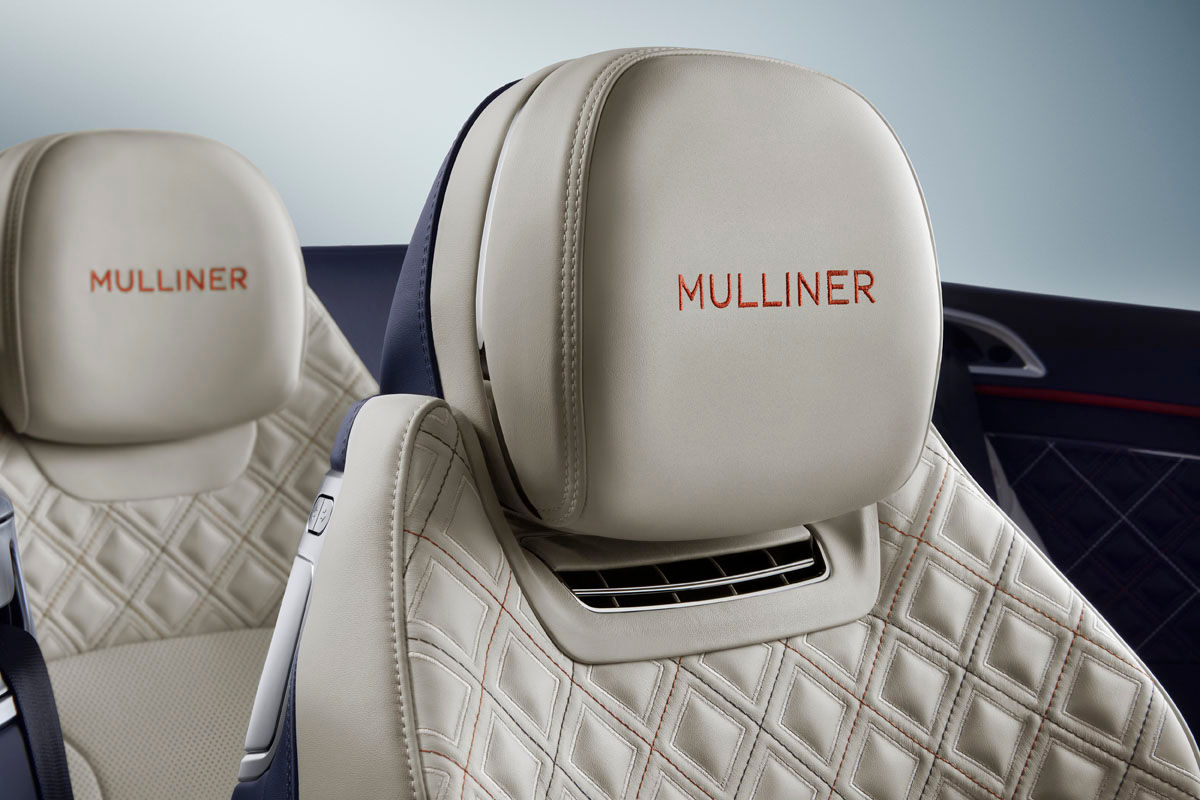
For this bespoke model, Bentley Mulliner has introduced a new "Double Diamond" grille, which is complemented by branded side vents that continue the characteristic silver-on-black diamond theme. The grille’s bold design was inspired by Bentley’s exclusive Diamond-in-Diamond interior quilting concept, which adorns all 4 seats, the door casings, rear quarters and, for the first time, tonneau cover.
The daimond detailing extends to the opulent convertible's meshed side vents and even the folding roof's tonneau cover.
2. Order it in any colour you want
The Continental GT Mulliner Convertible is available with a choice of 61 exterior paint finishes, but if a customer still can’t find the exact colour they want, Bentley’s artisan paint specialists can fashion a bespoke colour (matched to any item or sample) for them.
No matter in which position the Bentley's wheels are when the car stops, the Bs in the wheel-centres will always be upright.
3. Self-levelling badges
Bentley Mulliner’s newcomer rides on all-new 22-inch, 10-spoke painted and polished wheels equipped with self-levelling wheel badges that remain upright as the wheels rotate.
4. Eight bespoke tri-colour interior combos
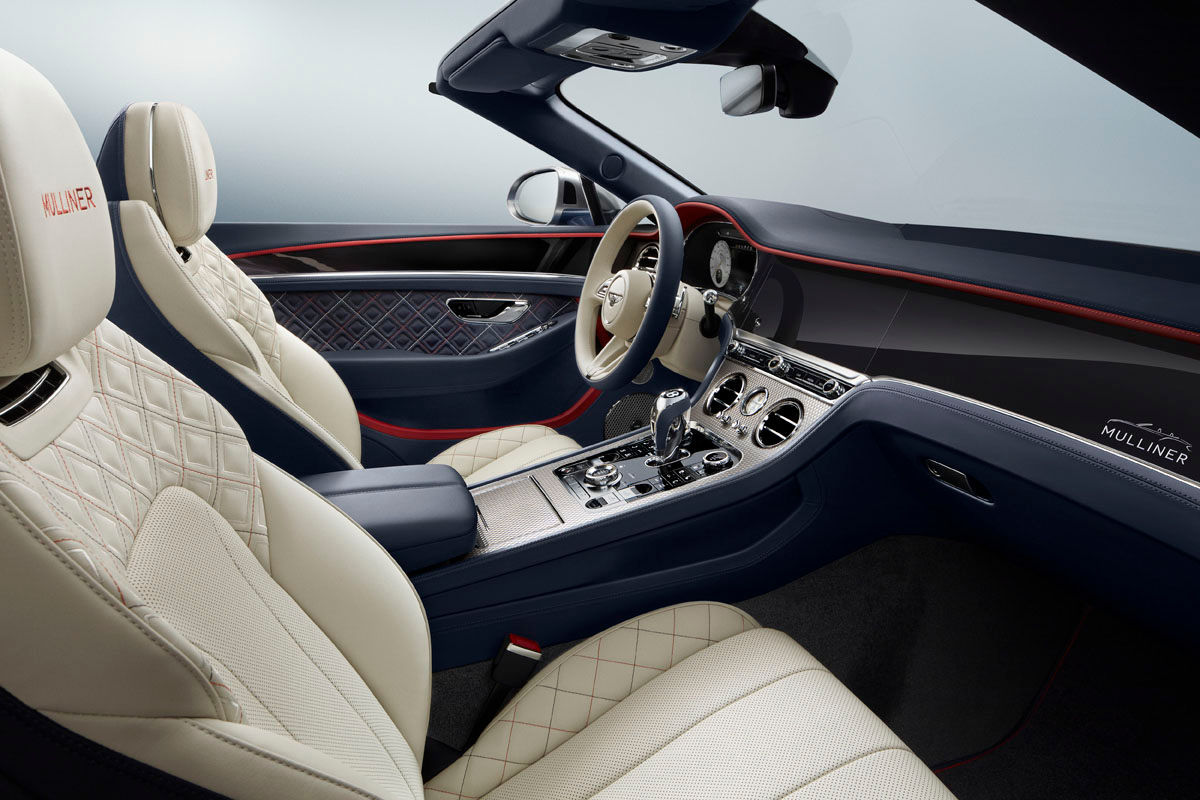
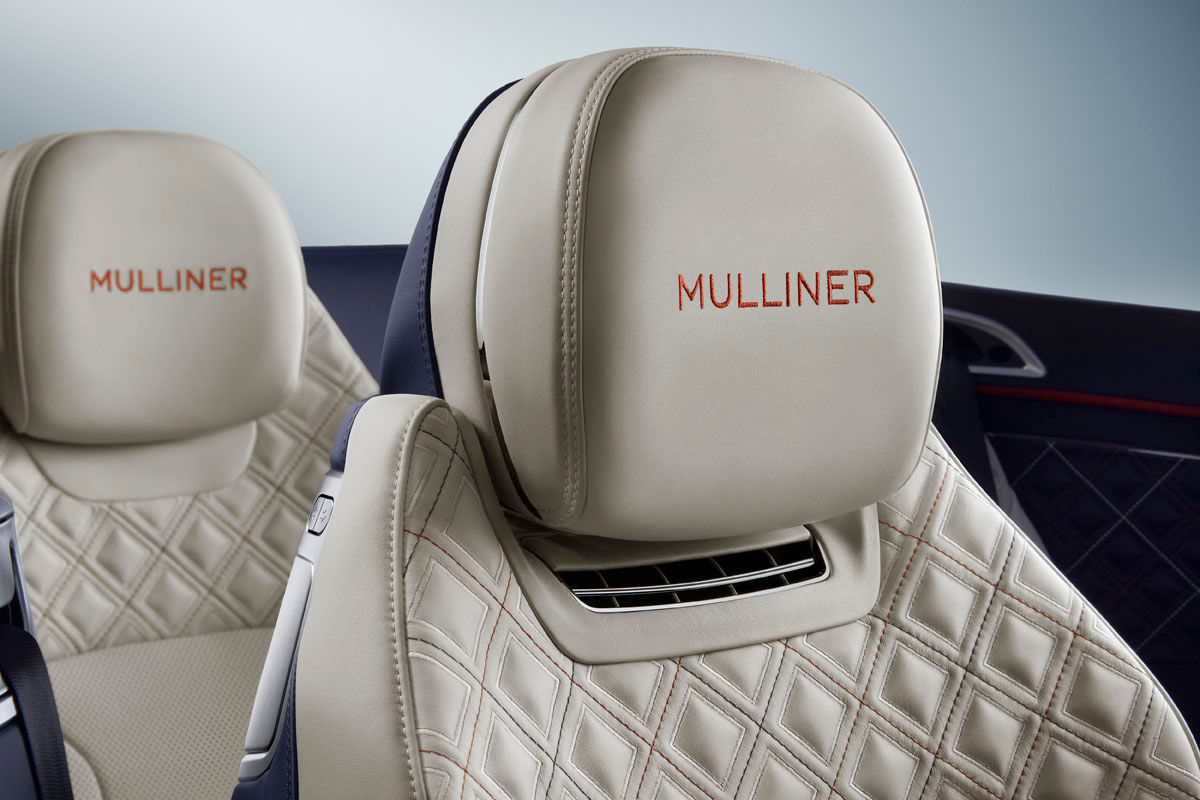
The Continental GT Mulliner Convertible is available with a choice of 8 custom-made tri-colour interior schemes. A Mulliner-designed palette defines the 8 combinations, of which the 3rd of the 3 colours accents the interior by way of a distinctive design line (red, in the case of the car pictured here). What’s more, the hand-stitched leather is embroidered with Mulliner branding in the headrests.
It took 18 months to finalise a stitching process for the leather trim that would befit a car of the Mulliner Convertible's exclusivity.
5. 400 000 stitches
The Diamond-in-Diamond interior quilting features contrast stitching in 2 complementary colours to accentuate the thread against the quilting. According to Bentley, it takes almost 400 000 stitches to deliver this quilting across the cabin of the car, with each diamond containing exactly 712 individual stitches – each one precisely aligned to point to the centre of the diamond it creates.
6. Hand-crafted detailing; time by Breitling
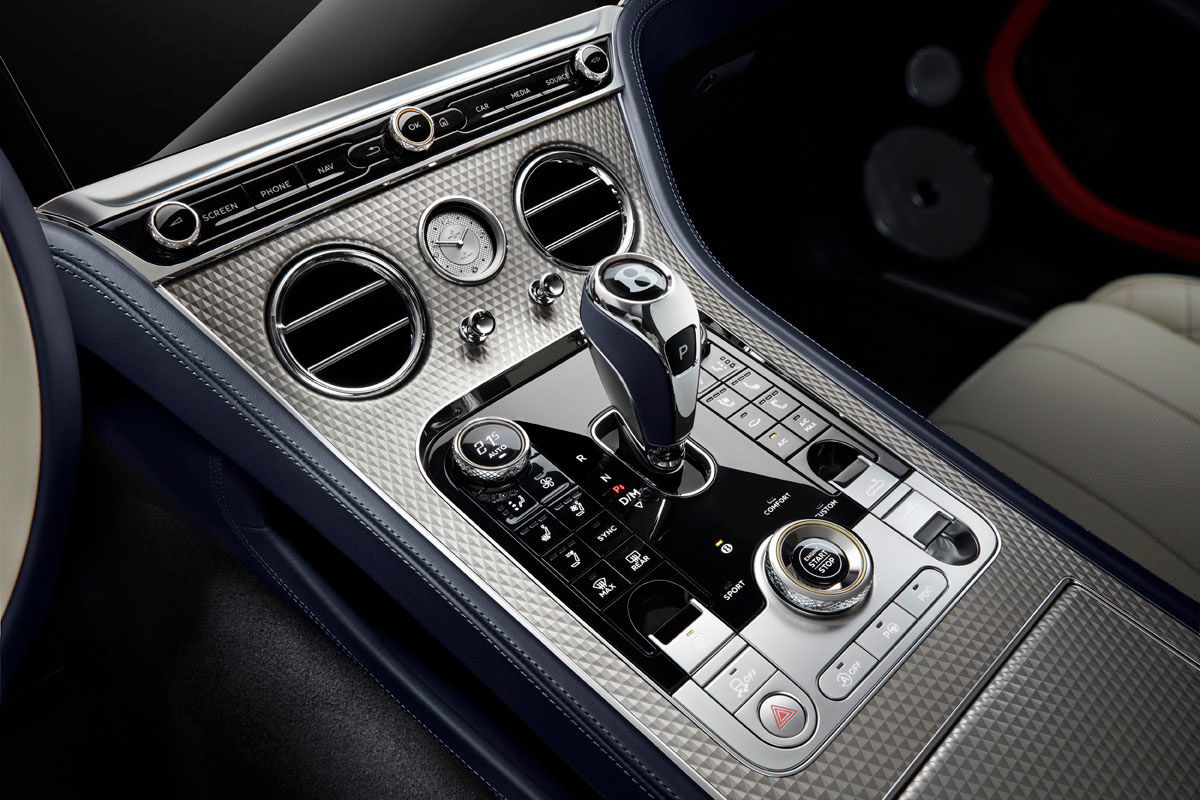
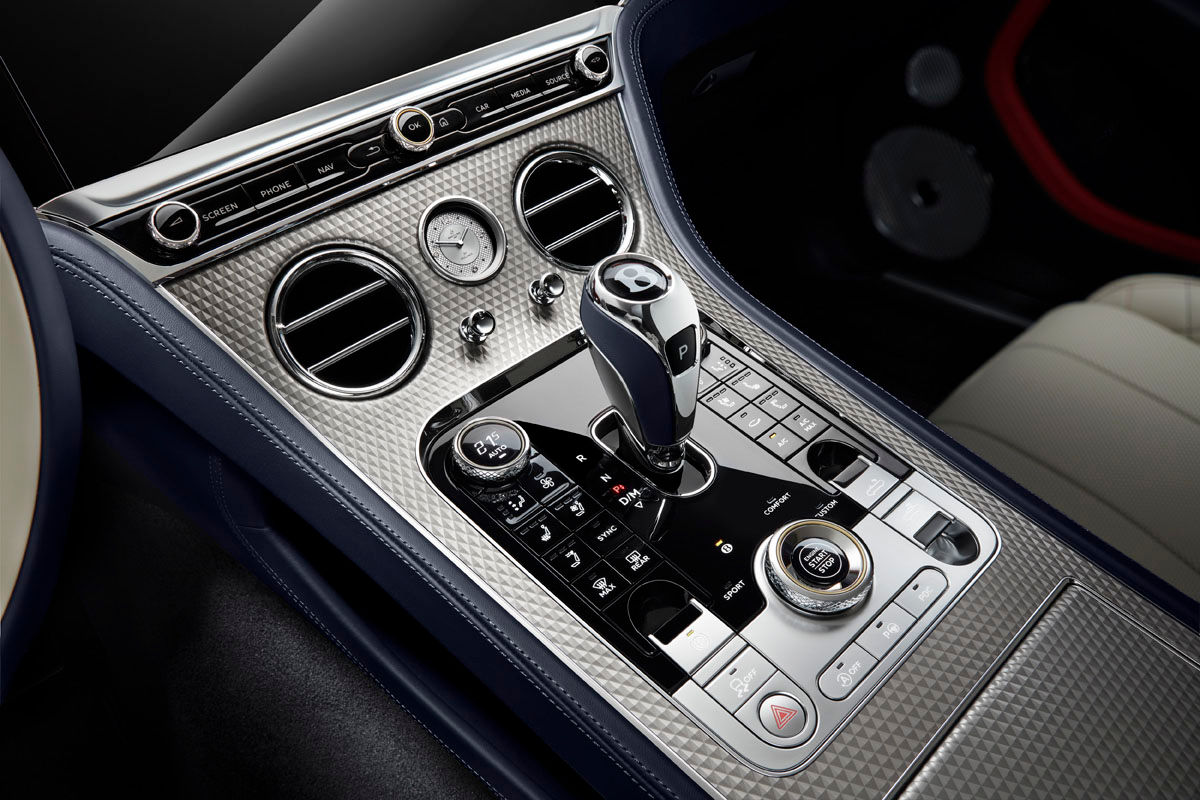
But wait, there are even more "diamonds": the centre console features a contrasting diamond-milled technical finish, topped off by a new and exclusive brushed-silver Breitling timepiece set within a quartet of chrome bullseyes. Oh, would you look at the time?
Note the sumptuous contrast diamond-pattern detailing in the metallic finish of the newcomer's centre console…
7. Evocative interior lighting
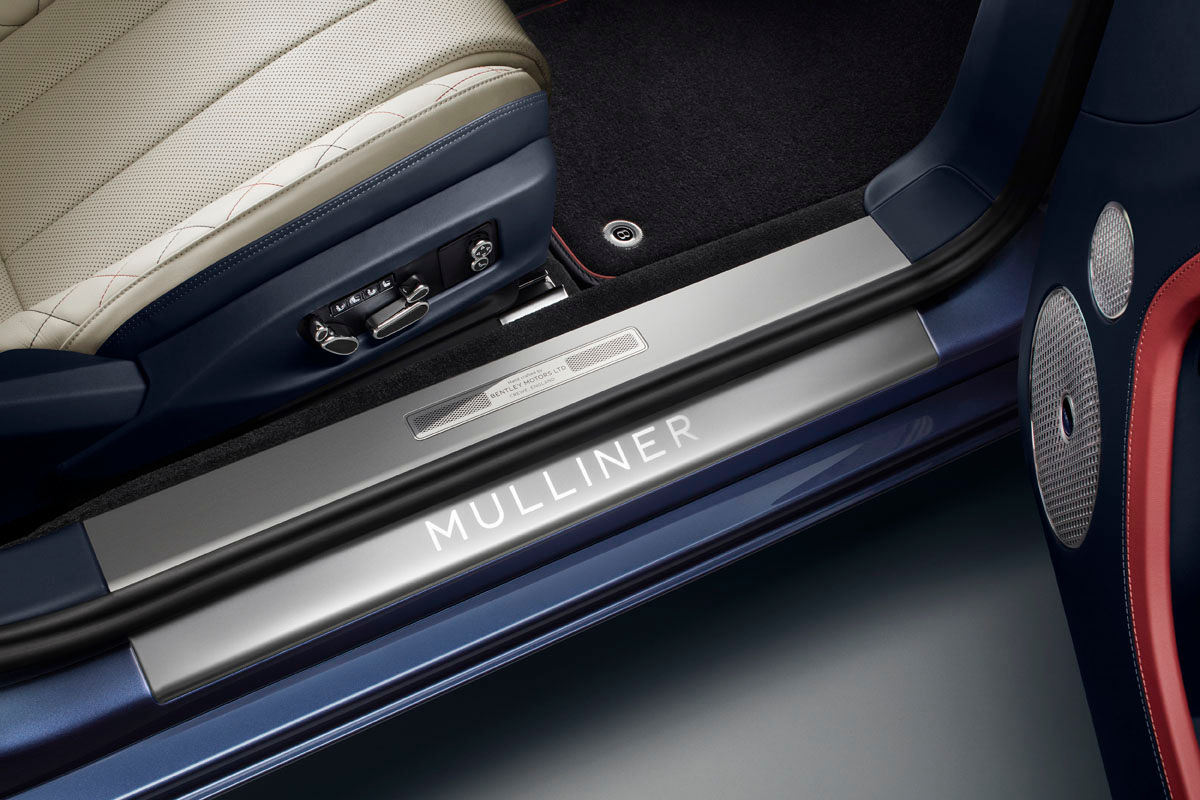
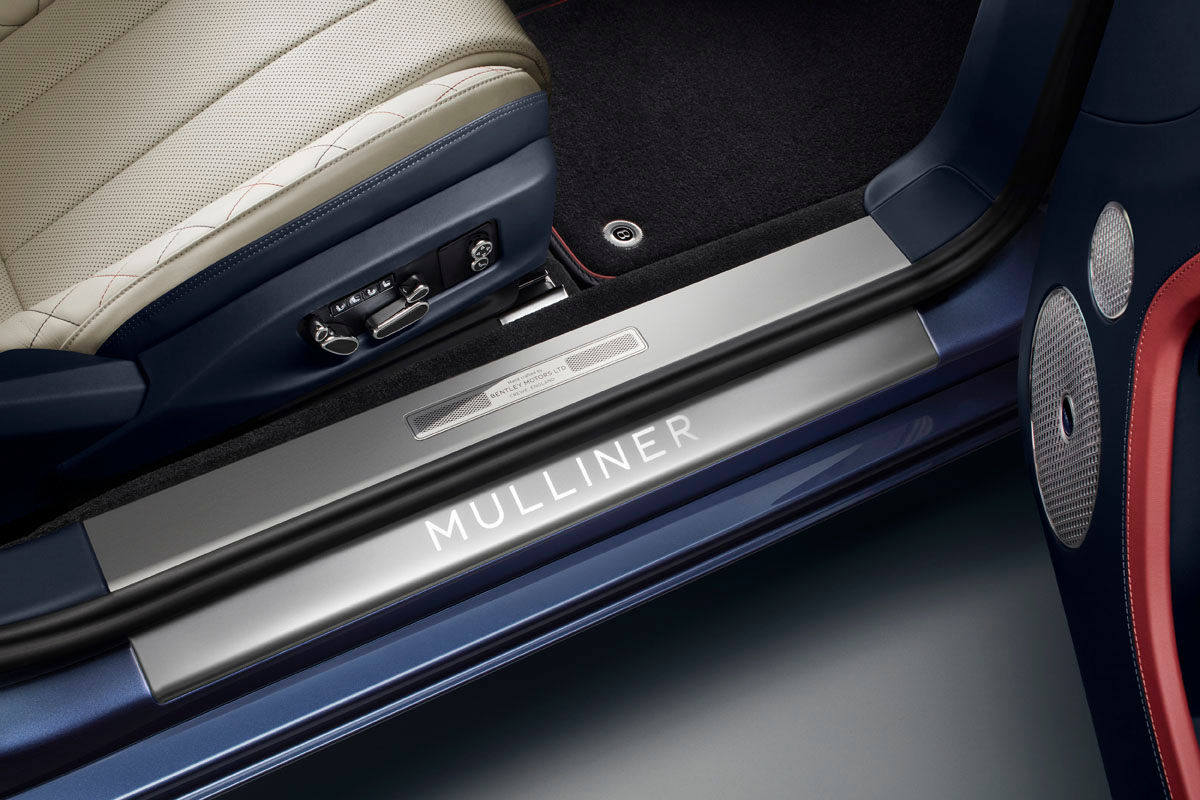
The new Continental GT Mulliner Convertible features 7 distinct LED mood lighting themes, complemented by illuminated Mulliner tread plates and, of course, welcome lamps that project the famous Bentley wings to the ground from the door mirrors.
8. A 2 200-Watt, 20-channel Naim audio system
The Continental GT Mulliner Convertible is available with the top-of-the-range "Naim for Bentley" audio system. The setup comprises no fewer than 18 speakers and two Active Bass transducers driven by a 2 200-watt, 20-channel amplifier and 8 DSP sound modes (with Active Bass).
Illuminated Mulliner tread plates are complemented by LED welcome lamps that project the famous Bentley wings on the ground.
9. The 'unboxing'
When customers of Bentley Mulliner's latest creation take delivery of their vehicles, they will receive a leather key in a sumptuous, Mulliner-branded handcrafted presentation box that, wait for it… matches the 3-colour interior configuration of the convertible. The pair of keys is provided in similarly colour-matched cases with contrast stitching.
10. Capable of 333 kph
The Continental GT Mulliner Convertible will be available with either a 4.0-litre, twin-turbocharged V8-, or a 6.0-litre, twin-turbocharged W12 powerplant. Those who opt for the former will be able to waft from 0-100 kph in 4.1 seconds and achieve a 318-kph top speed, Bentley claims. In the case of the latter, the stated 0-100-kph time is 3.8 seconds and the top speed 15 kph higher (333 kph).
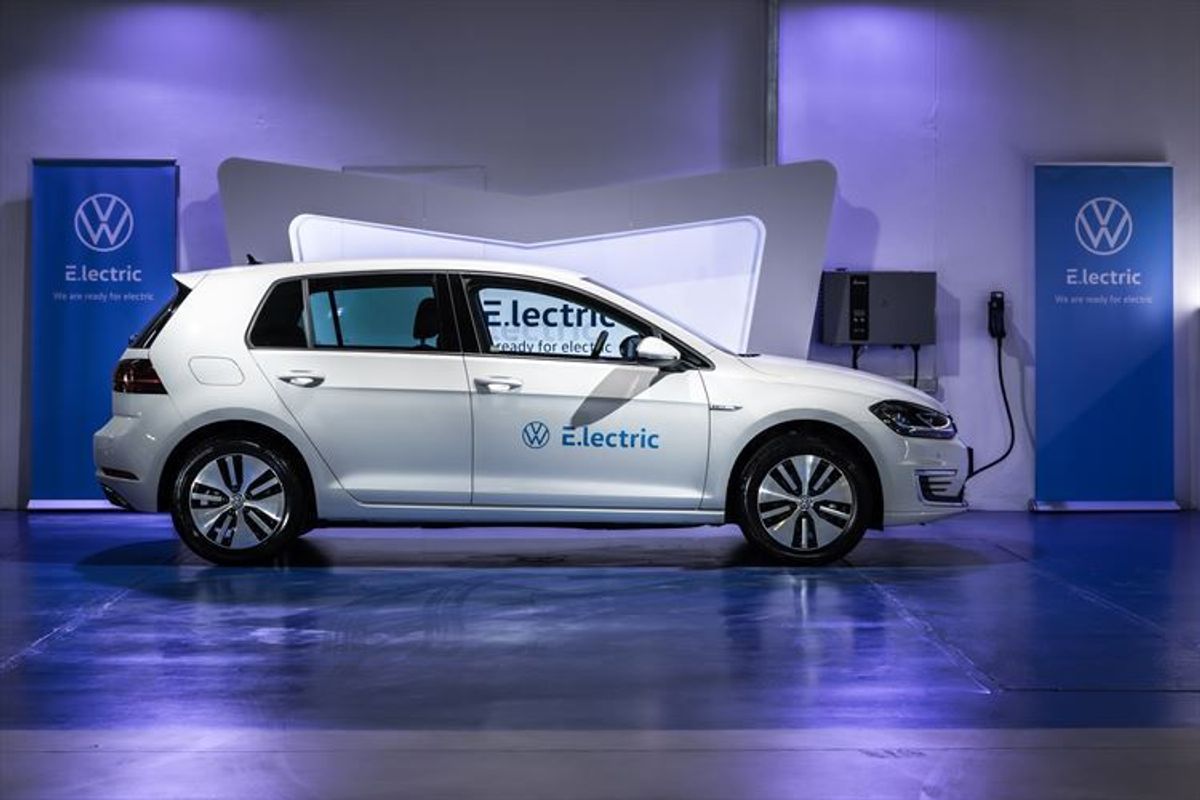
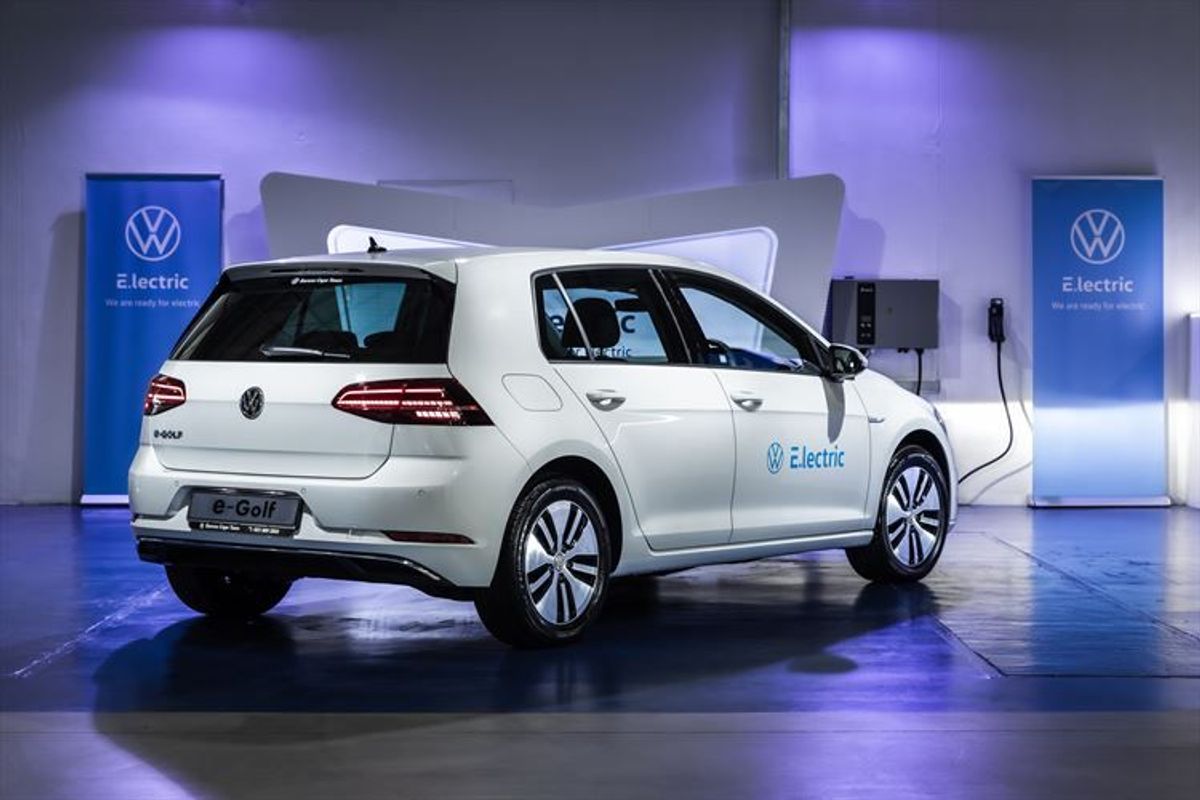
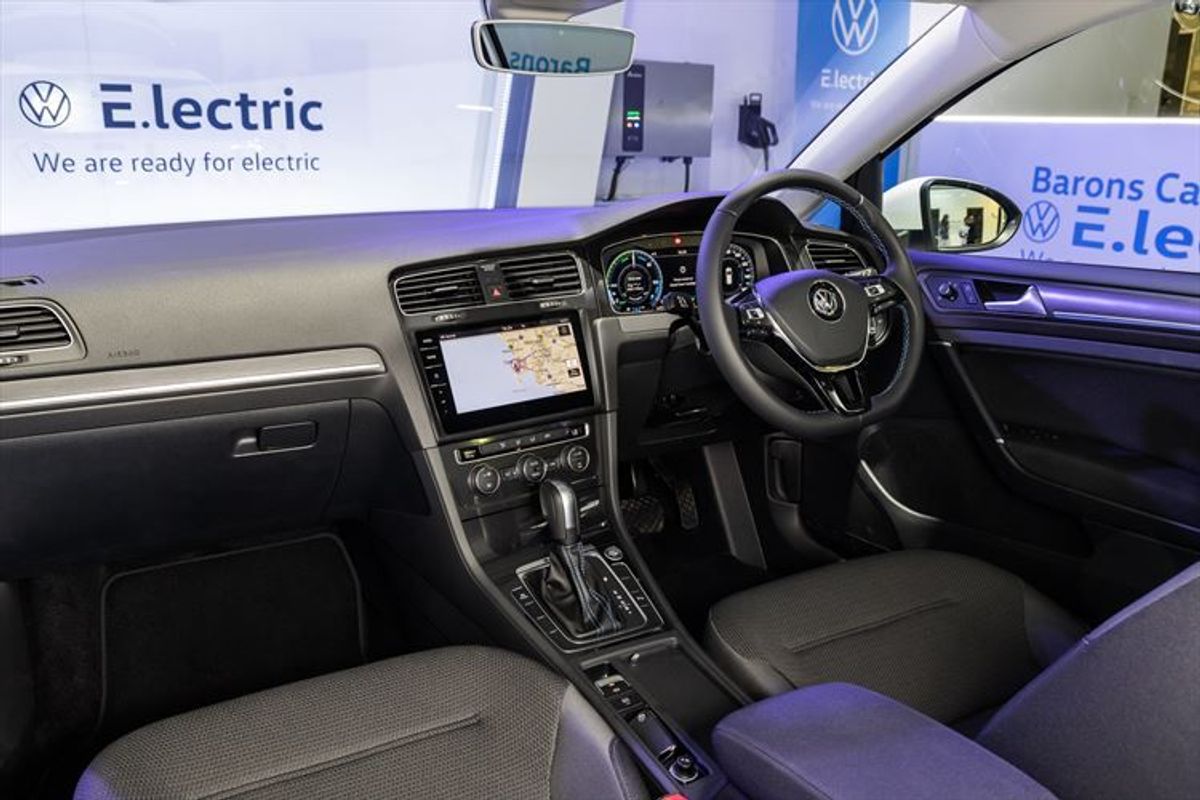
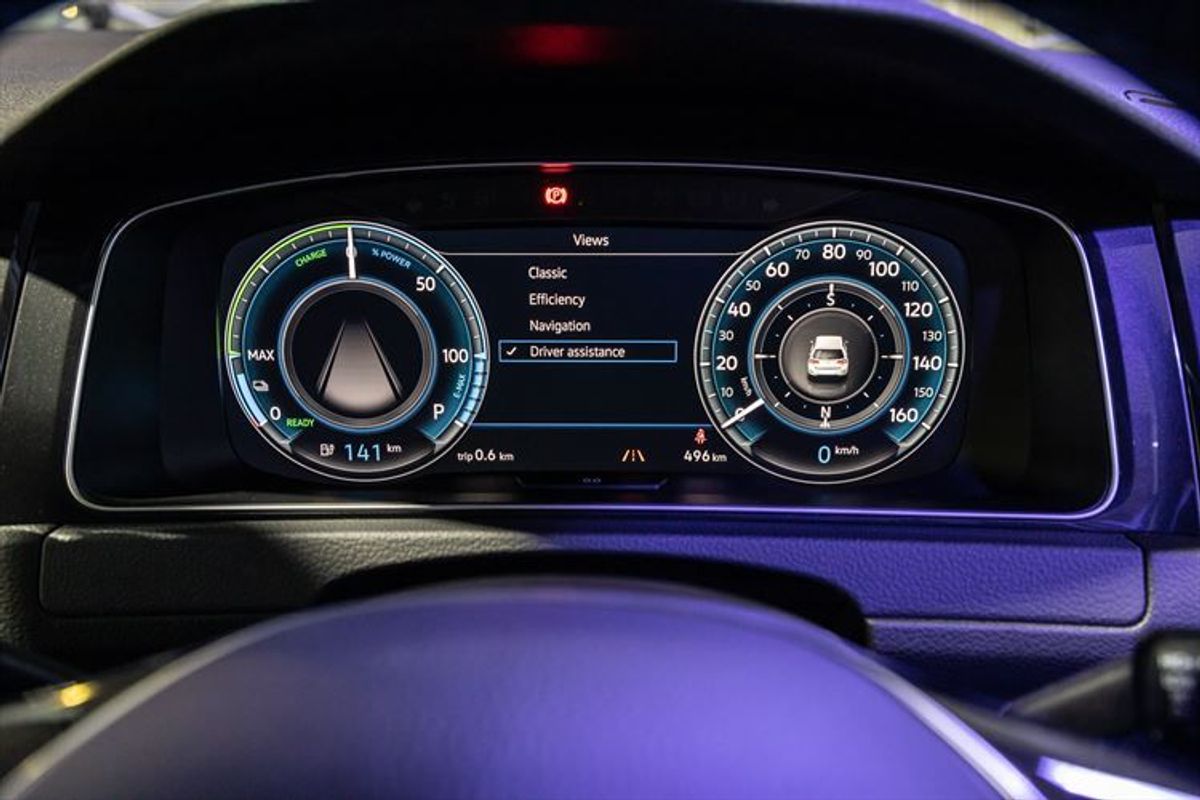
Volkswagen has launched the e-Golf pilot project in South Africa, which is the brand’s first step in its commitment towards electric mobility South Africa.
After Rwanda, South Africa is now the second country in Africa where Volkswagen electric vehicles are being introduced. VWSA welcomes a total of 6 fully electric e-Golfs to the country that will be tested by local media, selected dealerships and employees in an effort to gain insight into what it’s like to use and live with an electric car in South Africa.
In fact, Cars.co.za, will be testing the e-Golf extensively at our Head Office in Johannesburg, so look out for updates coming soon!
The e-Golf offers 100 kW and 290 Nm form its electric drivetrain which includes a 35.8 kWh battery. The e-Golf’s electric range is pegged at 190 km.
Apart from gaining knowledge and insight, the pilot project also aims to drive customer awareness and education regarding electric vehicles. The e-Golf’s will be deployed in Gauteng and the Western Cape and will also be used as shuttles and courtesy cars for Volkswagen customers.
"At Volkswagen, we want to democratise electric mobility and that is why the e-Golf pilot project is a key initiative for the brand. With the help of our dealers, we want to get as many South Africans as possible to drive and experience an electric vehicle as this is the future of our brand," said Mike Glendinning, Sales and Marketing Director for Volkswagen Group South Africa.
The e-Golf pilot project is the first of three phases that will eventually lead to the inclusion of electric vehicles in Volkswagen’s local product portfolio. The second phase is expected in 2021 when a full fleet of ID.3 electric hatchbacks will be included in the project. The third and final phase will see electric Volkswagen’s go on sale to the public in 2022.
For the moment, both the e-Golf and forthcoming ID.3 will not be on sale in South Africa.