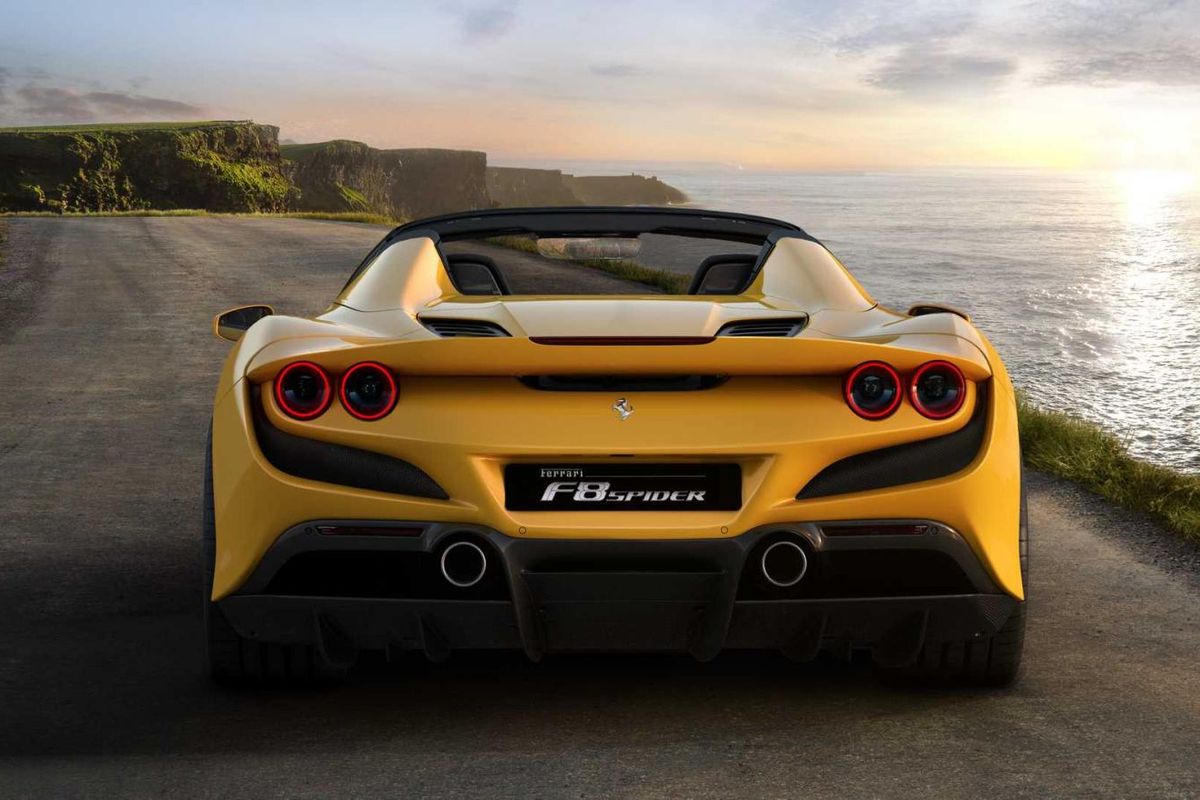
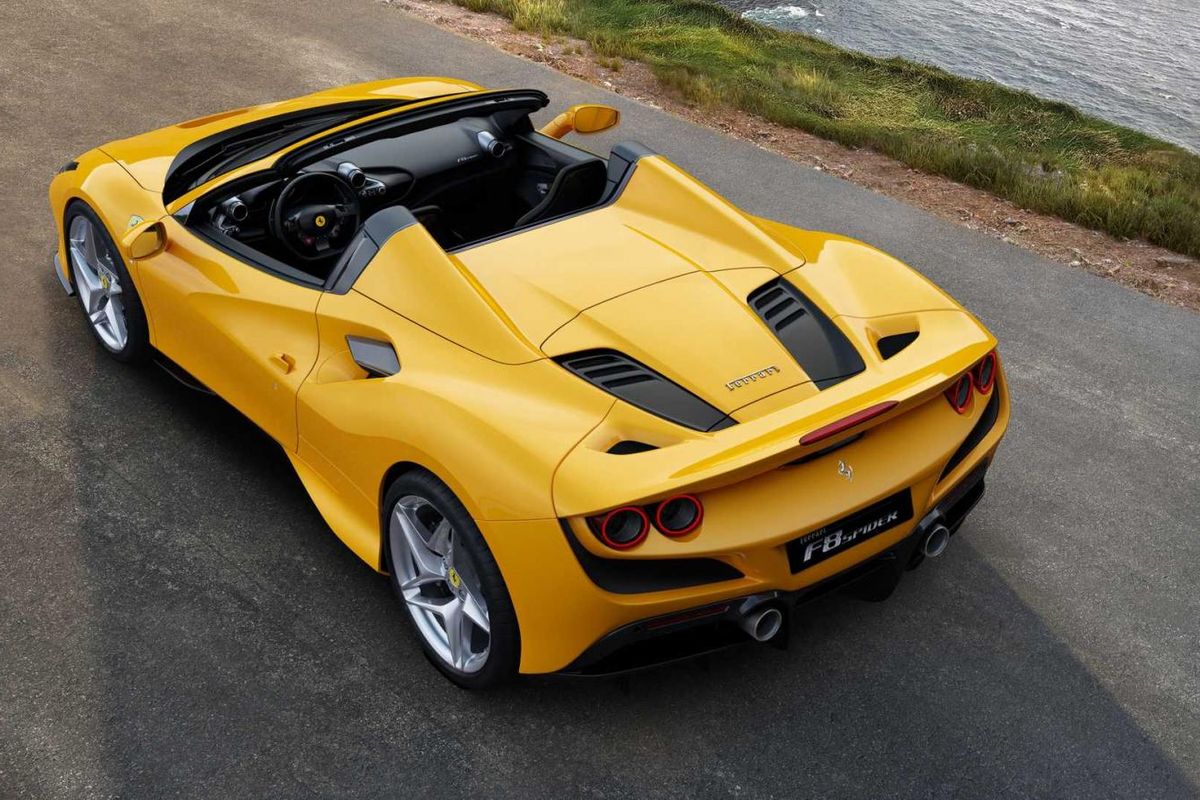
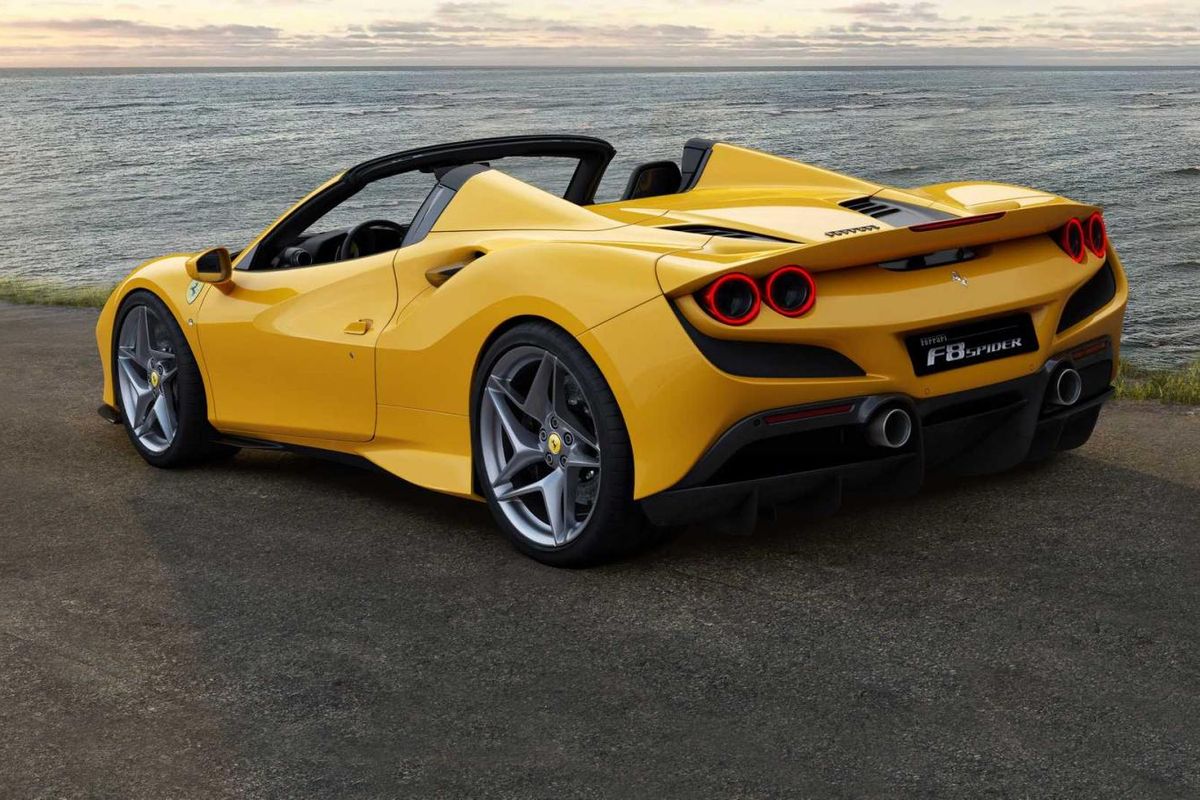
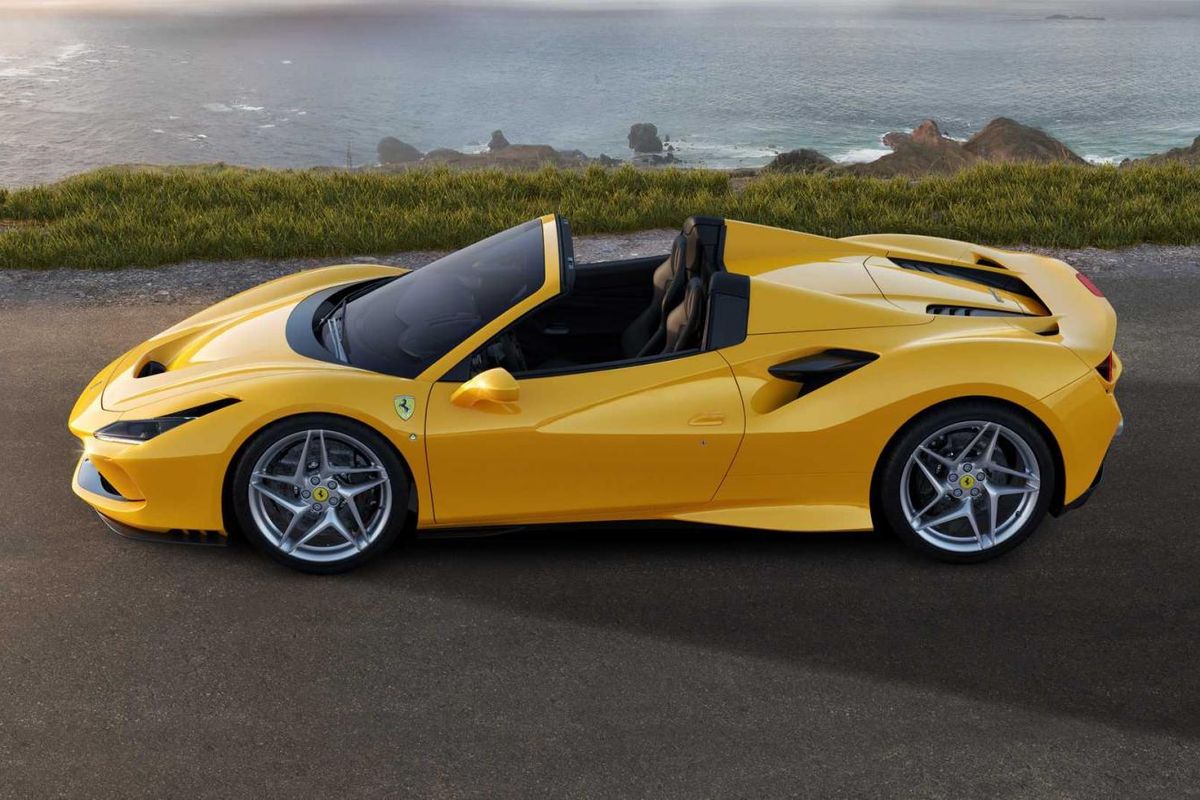
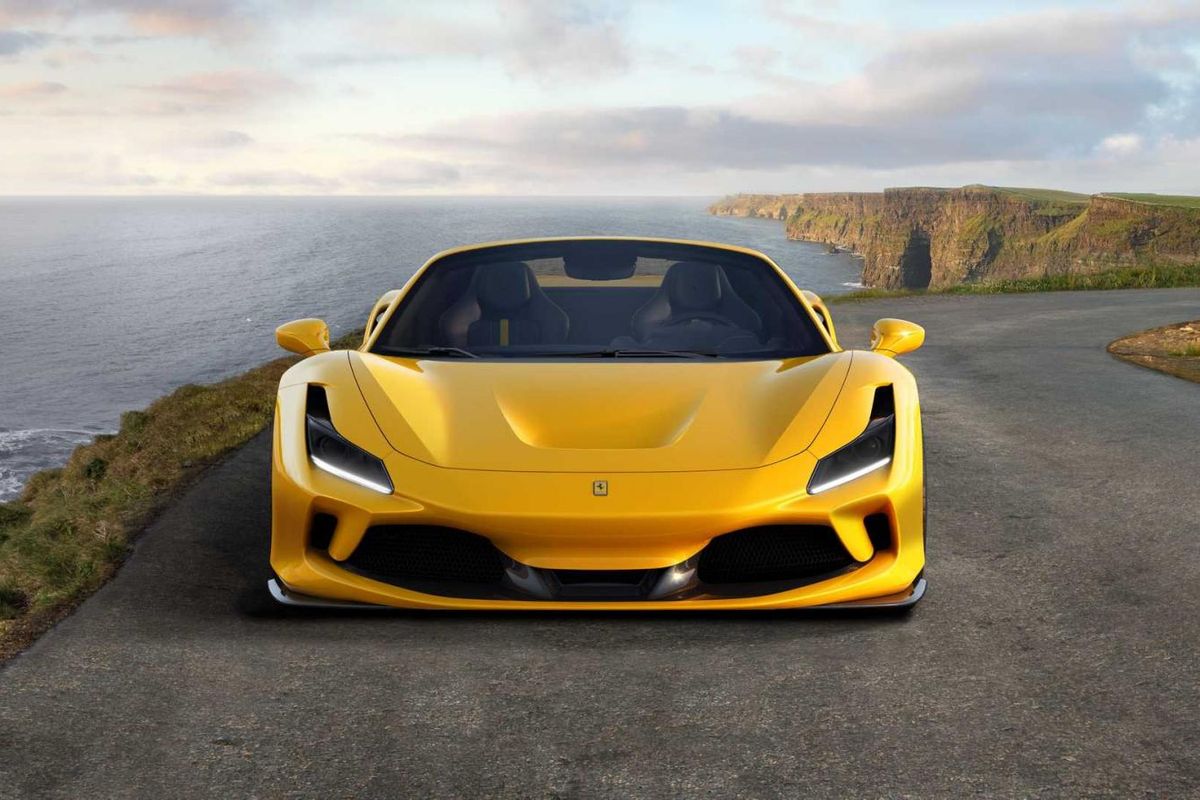
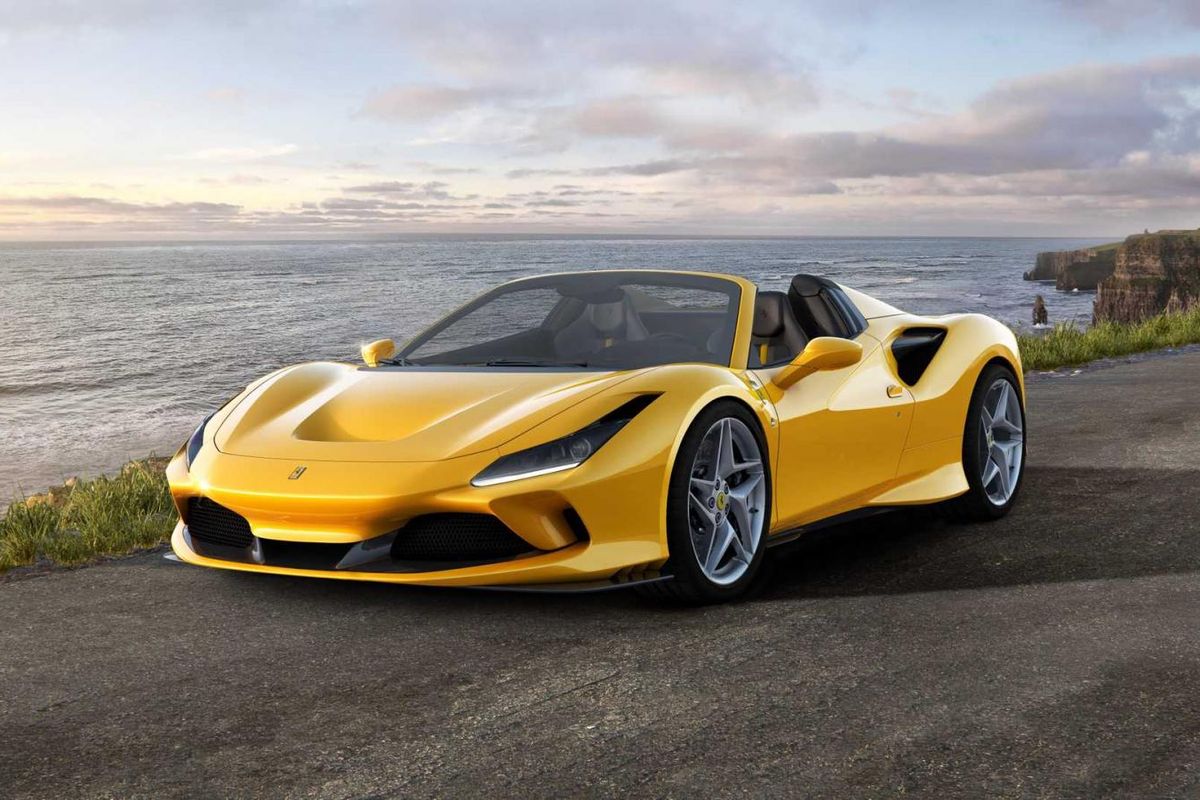
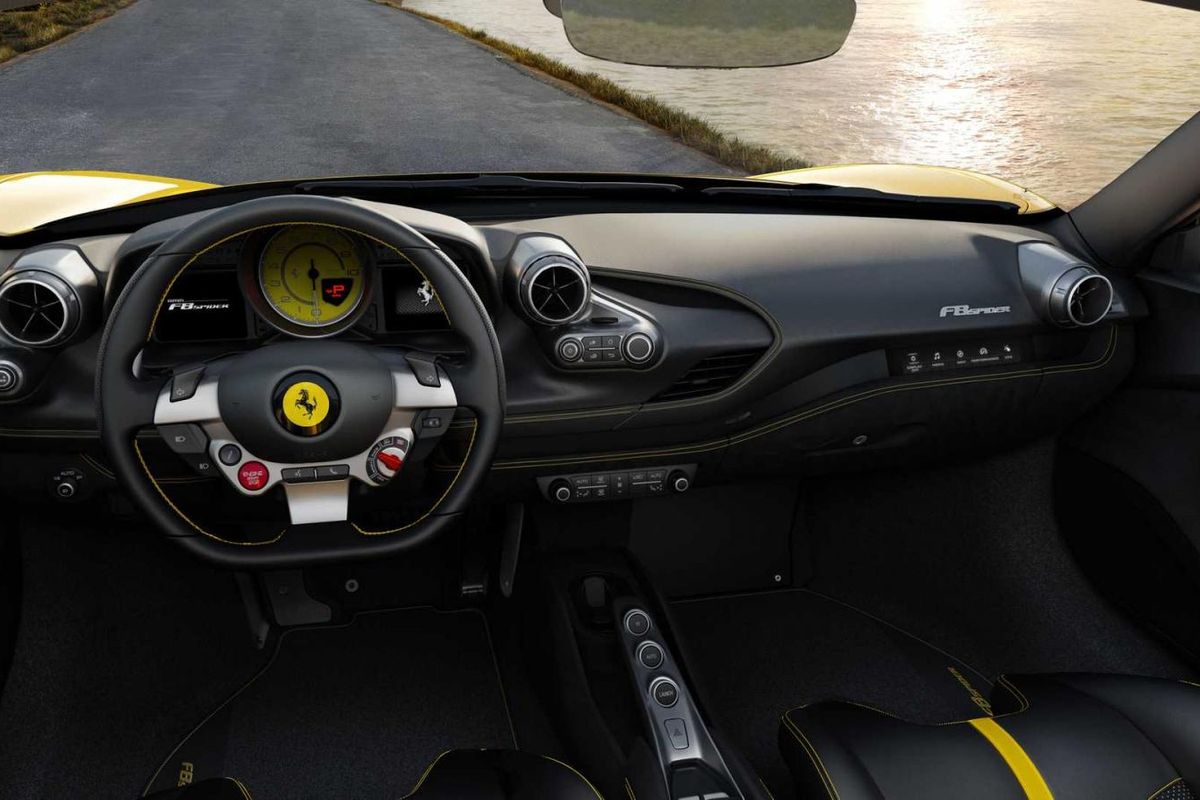
Ferrari has made its mid-engined V8 supercar heavier, by taking off its roof.
The new F8 Spider is a folding soft-top version of the Tributo and offers immense performance for an open-topped car.
Although the F8 Spider than a Tributo coupe, by 70 kg (due to structural reinforcement countering reduces roof rigidity), it is lighter than its predecessor. Ferrari’s 488 Spider was 20 kg heavier than this new V8 open-top Ferrari.
The F8 Spider operates an electrically retractable fabric roof, which takes only 14 seconds to stow in the rear deck area. Ferrari’s engineers had to apply a slight redesign of the F8’s aft cover panels to accommodate the folding fabric roof.
Most of the trick aero bits applied to the Tributo are applied to this new F8 Spider, which totals 10% gain in drag efficiency.
Powering the F8 Spider is Ferrari’s turbocharged 3.9-litre V8 engine. With an intake system and Inconel exhausts manifold from the 488 Challenge competition car, this F8 Spider does not lack for potency.
The V8 engine boosts 530 kW, supported by 770 Nm of torque. Those outputs turn the rear wheels via a seven-speed dual-clutch transmission. It ranks as a terrifically quick car, capable of 0-100 kph in 2.9 seconds and a top speed of 340 kph – preferably with the roof in place.
Ferrari’s version 6.1 slip-angle software balances performance by mastering all the intervention and driver-assist systems to optimise performance without imperilling safety.
A specific pint of appeal concerning this new F8 Spider, as has been the case with many mid-engined Ferrari soft-tops before, is that it allows occupants more direct exposure to the acoustic drama of the brand’s engines.
The service interval recommendation for this new Ferrari are every 20 000km and it comes with a comprehensive seven-year mechanical maintenance plan. Ferrari expect to deliver its new F8 Spider to customers by late 2019.
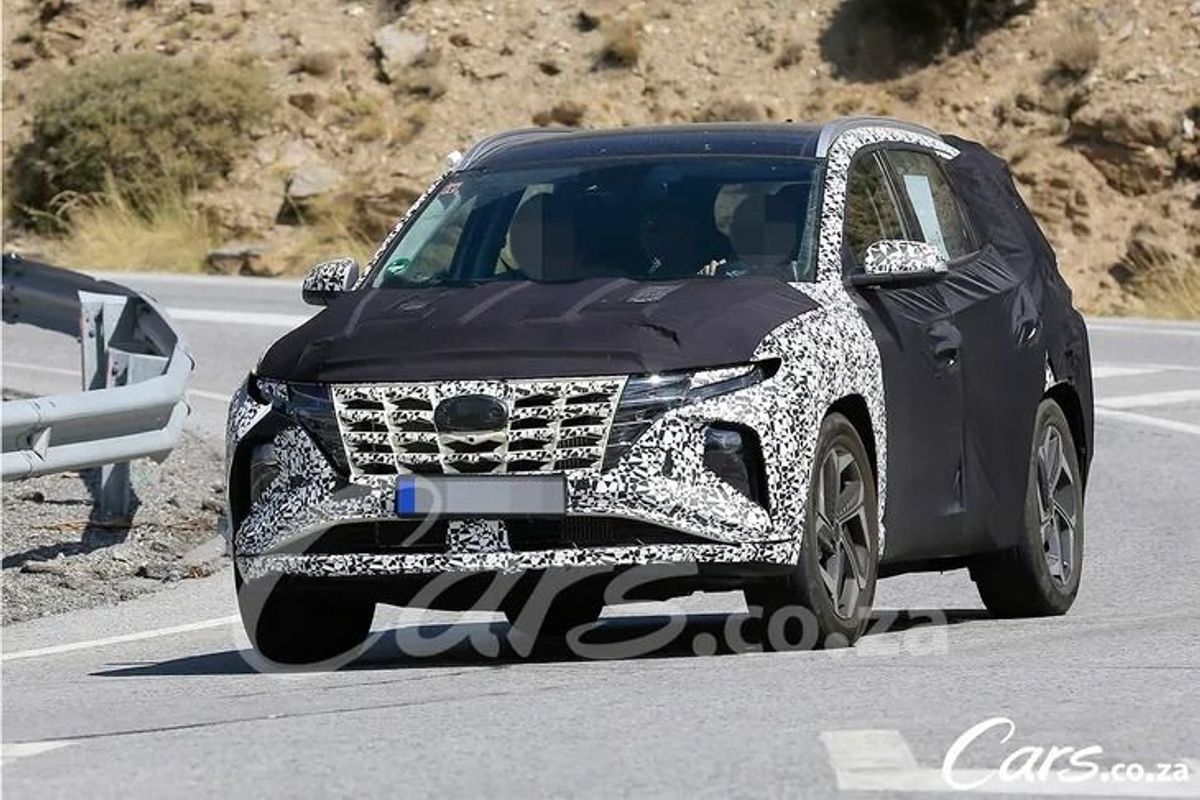
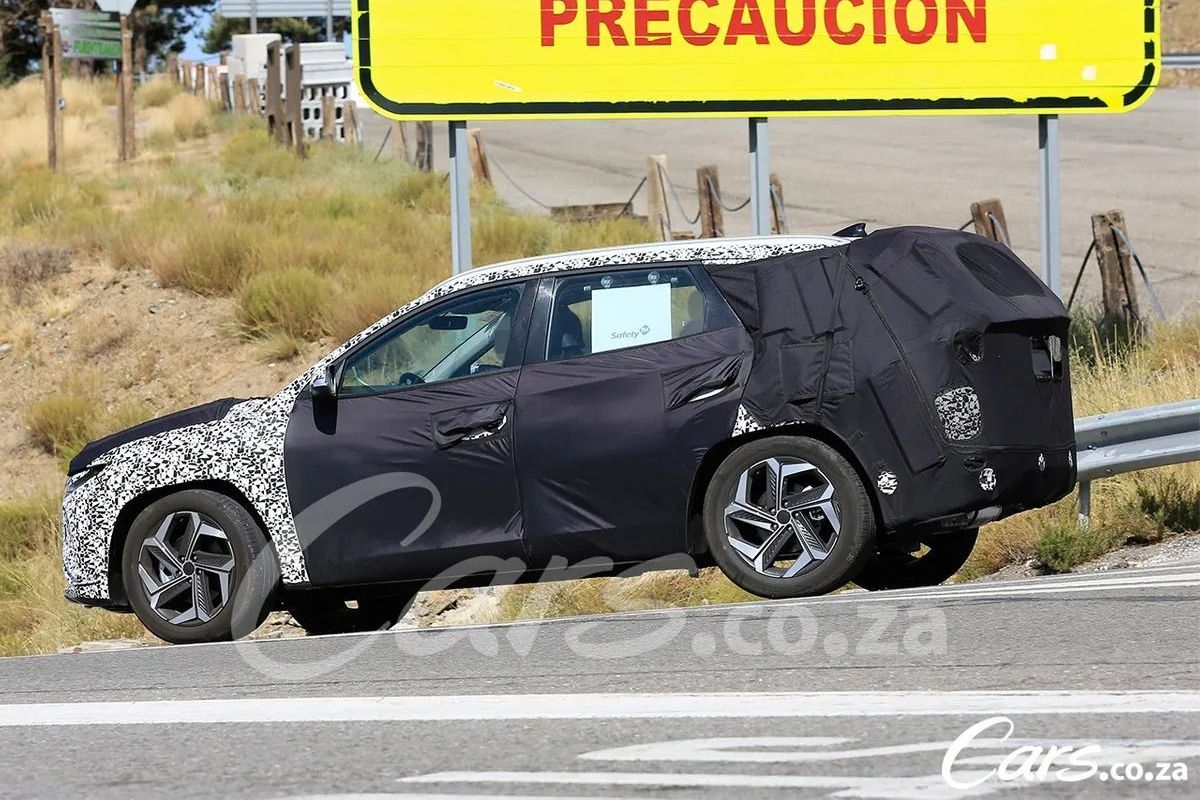
Our spy photographers have snapped a new-generation Hyundai Tucson undergoing some testing. Here's what we know so far.
While the vehicle is still heavily camouflaged, we can get some semblance of the frontal design. The entire front facia looks modern and adopts the latest Hyundai design language. Think of the Kona's current front for some idea of what the next-generation Tucson will resemble.
Given the massive camo on the back of the car, we suspect that the rear has been completely reworked and there's renewed focus on cabin space for rear passengers and boot space. It's too early to talk about powertrains, but we would be surprised if there was not some of electrification thrown into some models. The global market is lapping up SUVs at an impressive rate and this segment, in particular, is jampacked with competitors such as the Toyota RAV4, Honda CR-V, Volkswagen Tiguan to name but a few.
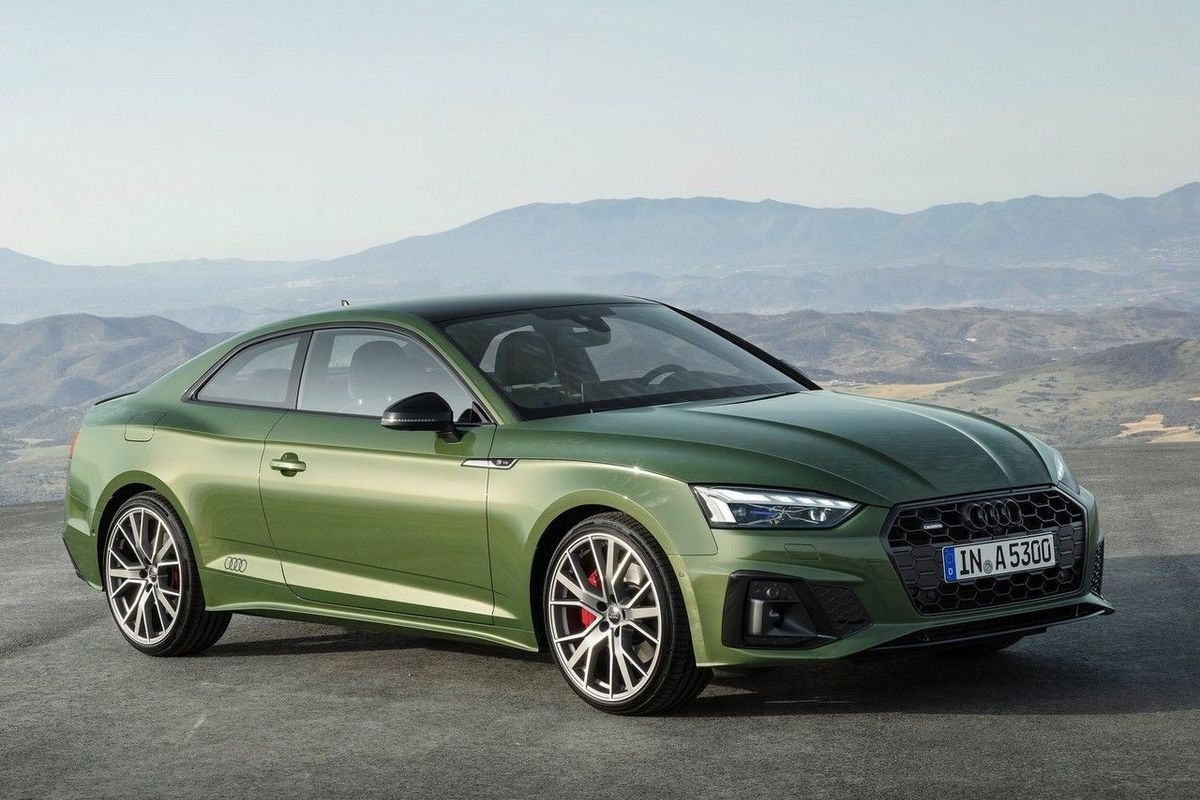
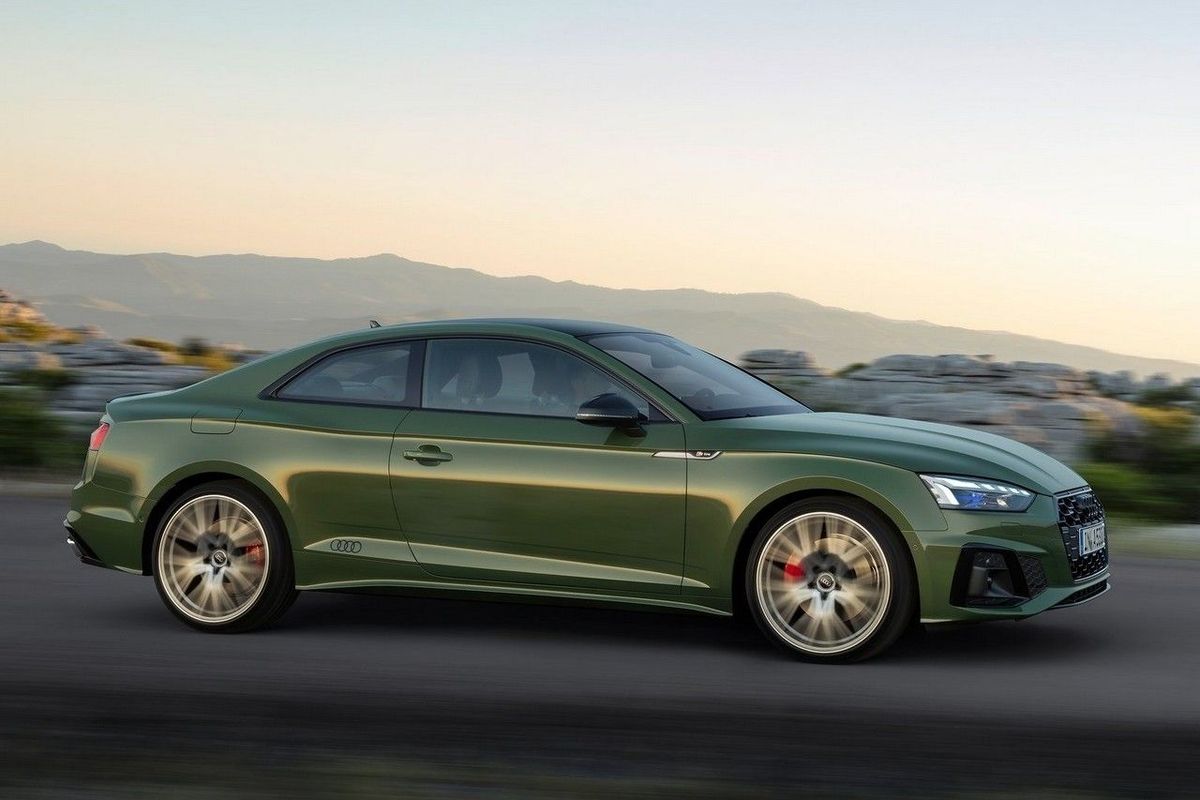
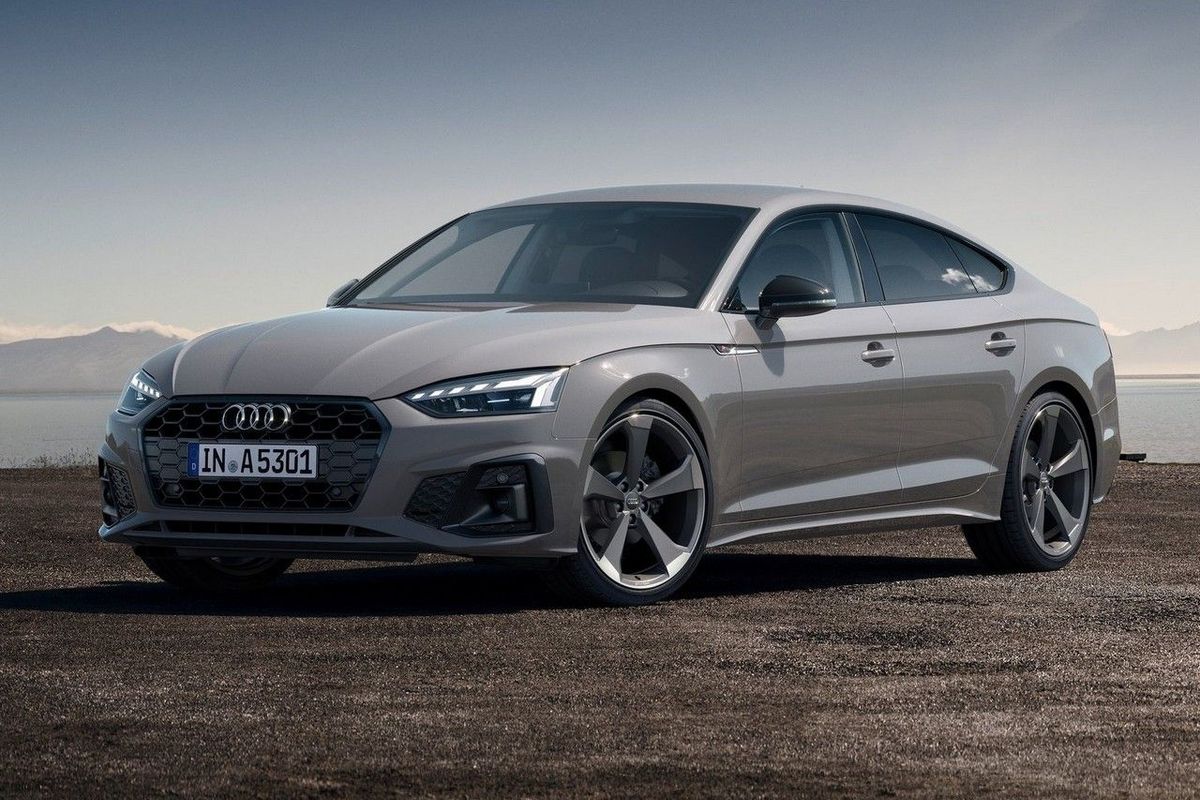
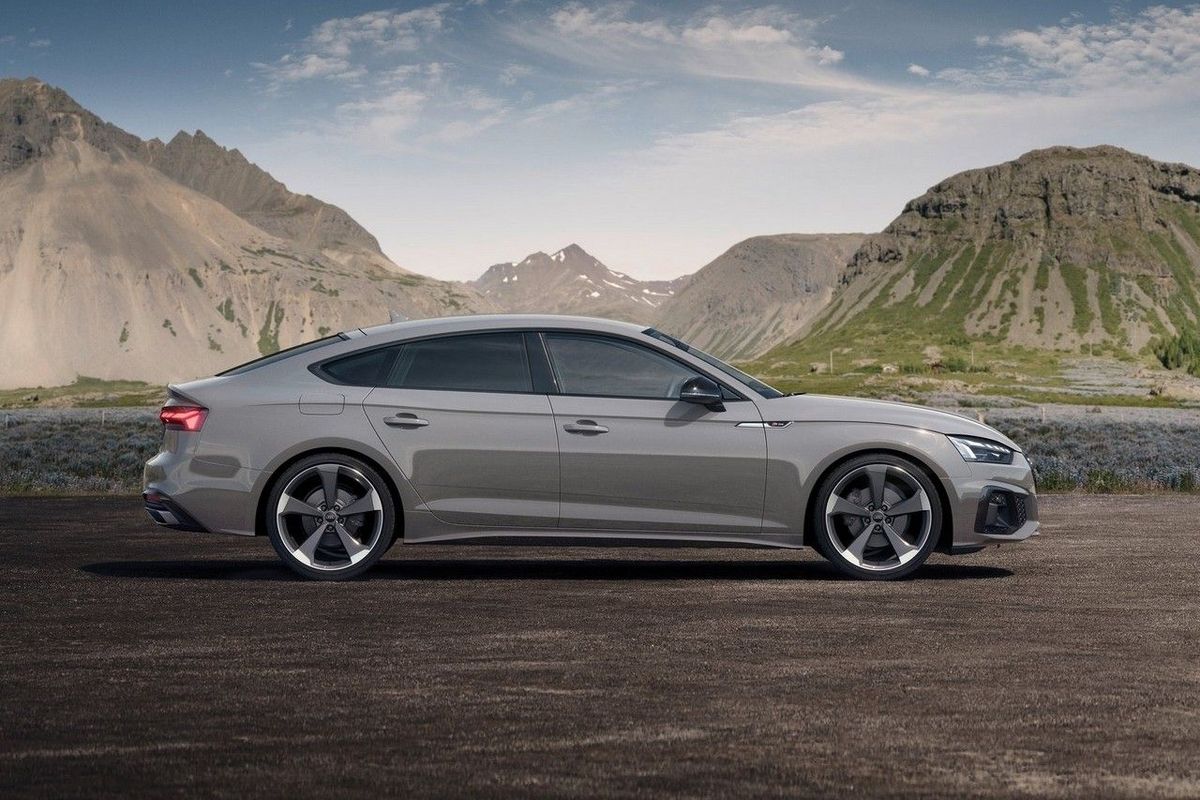
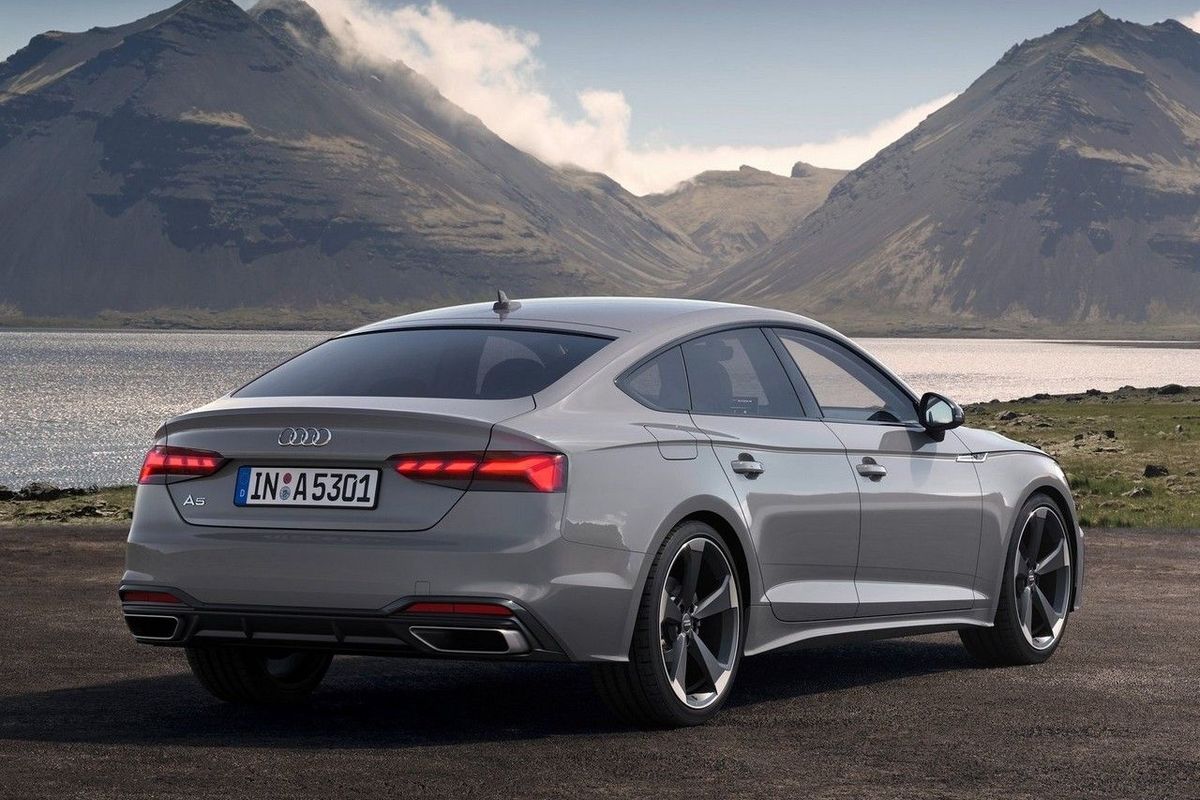
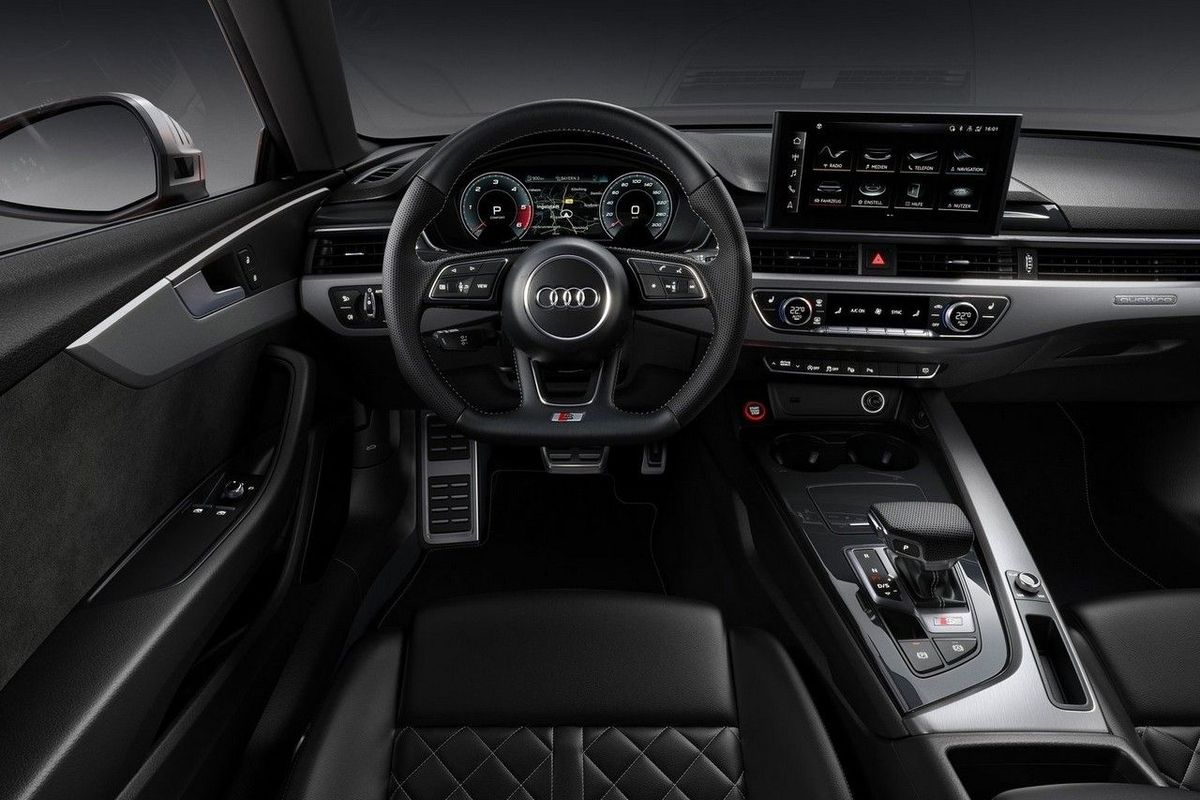
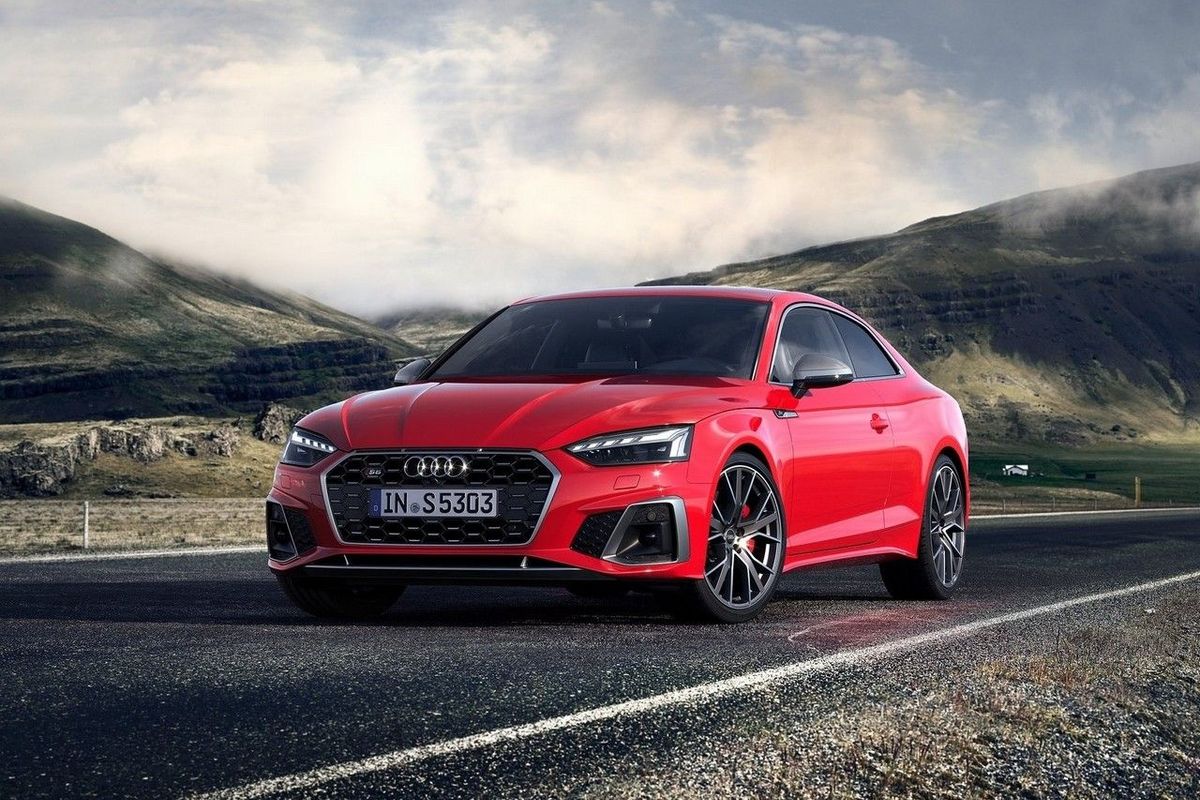
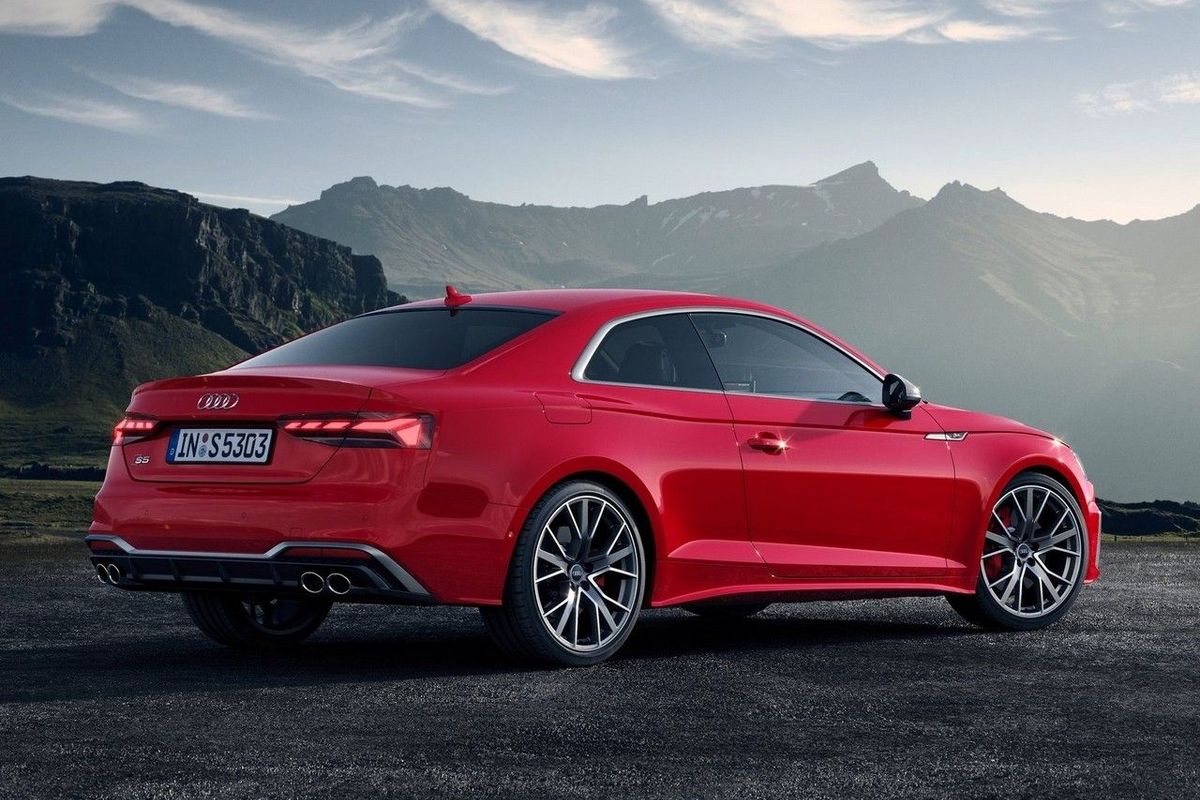
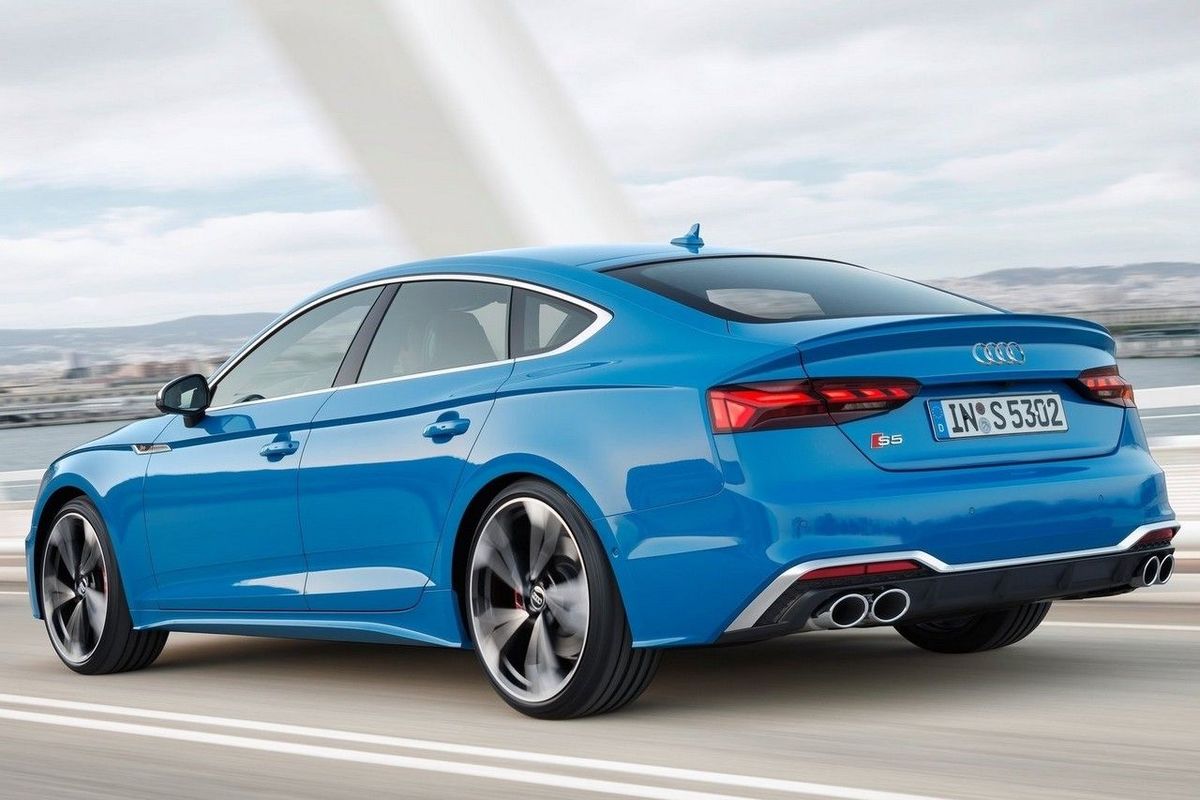
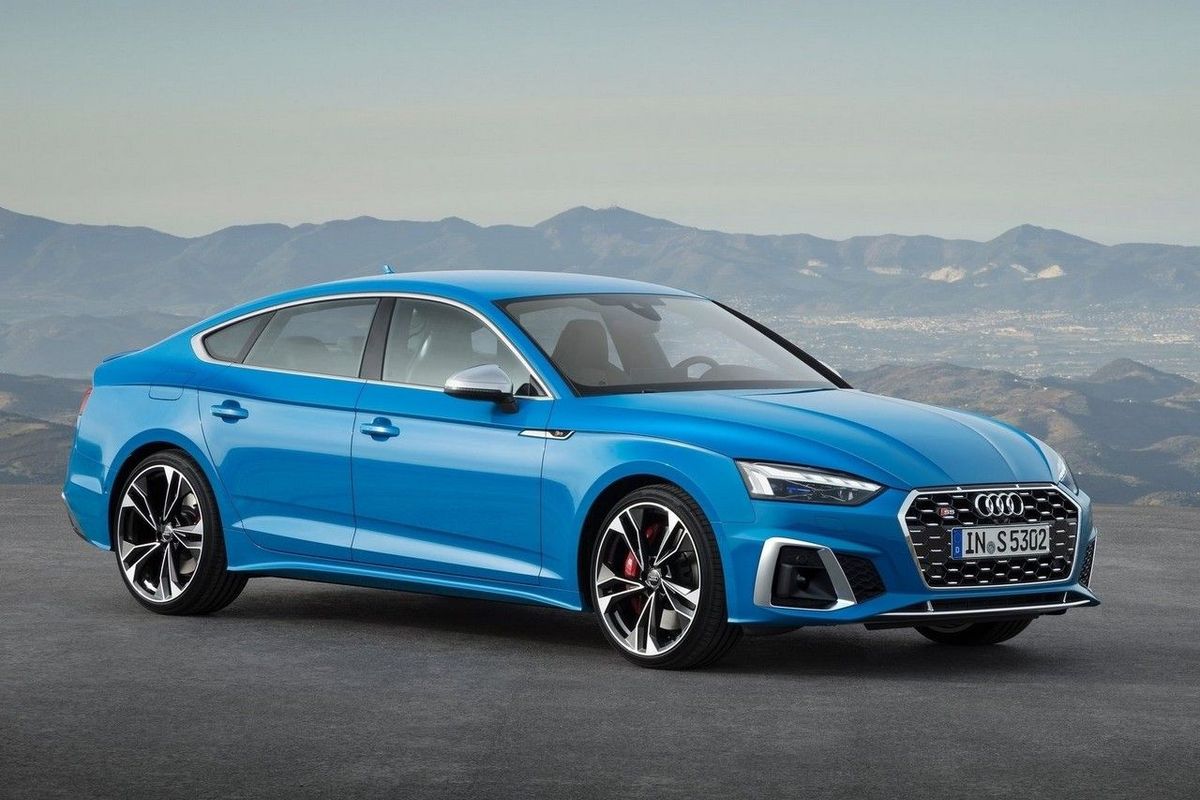
The Audi A5 Coupe, A5 Sportback as well as the S5 Coupe and S5 Sportback have received some mild updates. Here's what you need to know.
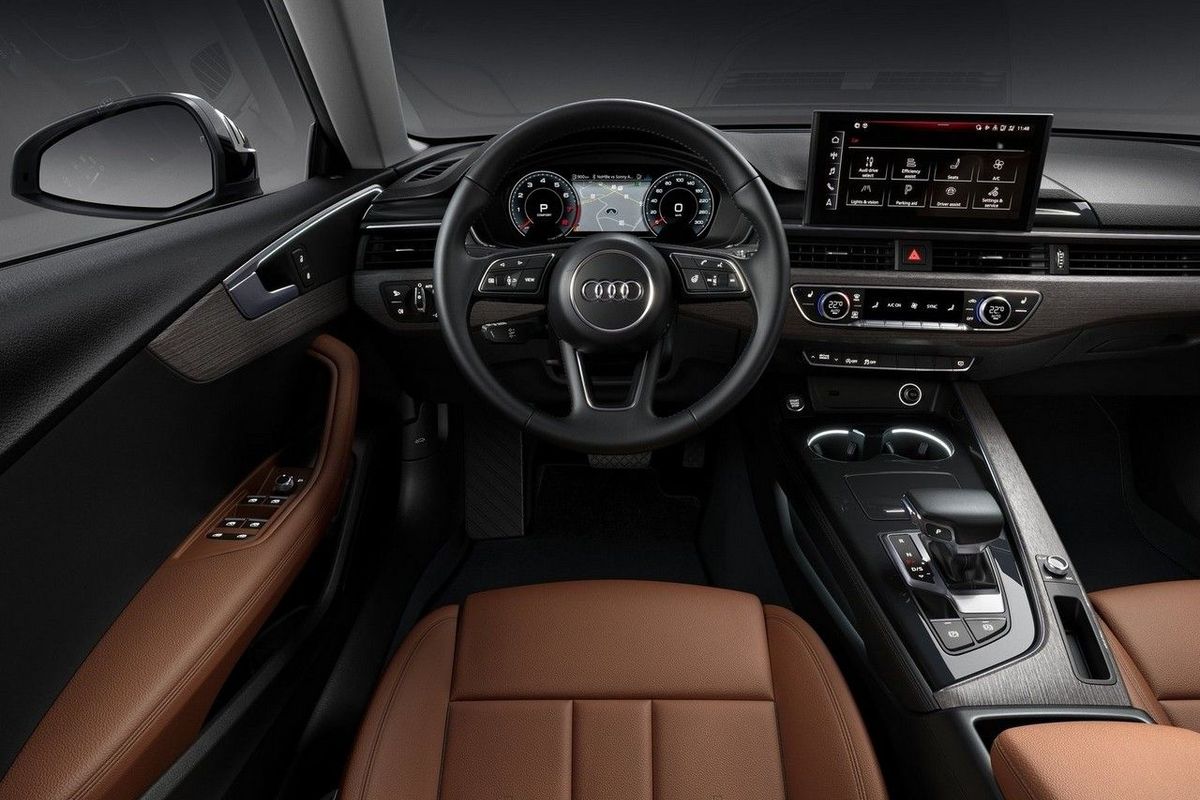
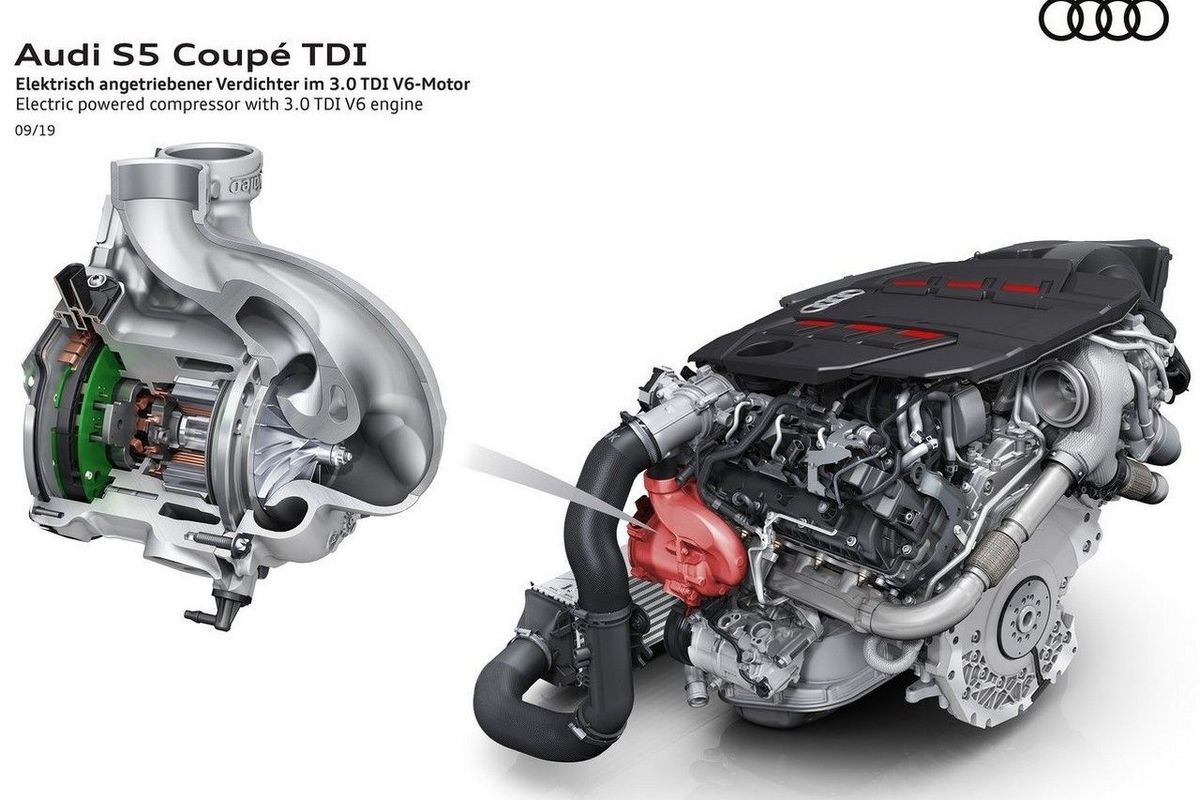
The changes range from some visual tweaks giving the cars a newer look, to an update to the MMI infotainment system. There's also the introduction of mild hybrid technology which is claimed to reduce consumption. When it comes to the performance versions, the S5 now features a TDI motor with an electrically-powered compressor and 48-volt main electrical system.
Visually, all A5 models now roll off the line with LED headlights as standard fittings, but you can optionally fit the Matrix LED lights. Audi Europe is offering the A5 range in 2 optional lines of trim: advanced and S line.
Inside, the updated MMI system which we first experienced in the A1, Q3 and Q8 makes its way into the A5. It's a crisp and intuitive setup, and brings the A5 up to date with the rest of the Audi portfolio.
In terms of powertrain, the updated A5 models are available in Europe with the lowest output being 120 kW. There are no manual transmissions, with a 7-speed S tronic or an 8-speed tiptronic doing duty. Many of the A5 engines will feature mild hybrid system (MHEV) technology. Audi claims it works with a belt alternator starter, which is connected to the crankshaft to recover energy during deceleration and stores this in a compact lithium-ion battery. With the 4-cylinder engines, the MHEV system is integrated into the 12-volt electrical system and into a new 48-volt main electrical system in the S TDI models. In the S5, Audi claims fuel consumption is reduced by up to 0.4 liters per 100 kilometers.
Petrolheads will be most interested in the S5 TDI. With 255 kW and 700 Nm headed to all 4 wheels, the S5 has impressive power claims. The 0-100 kph sprint is completed in under 5 seconds and it'll run to a top speed of 250 kph. In other markets, the S5 and S5 Sportback will be offered with a turbocharged petrol engine with 260 kW and 500 Nm, enabling it to hit 100 kph in 4.7 seconds.
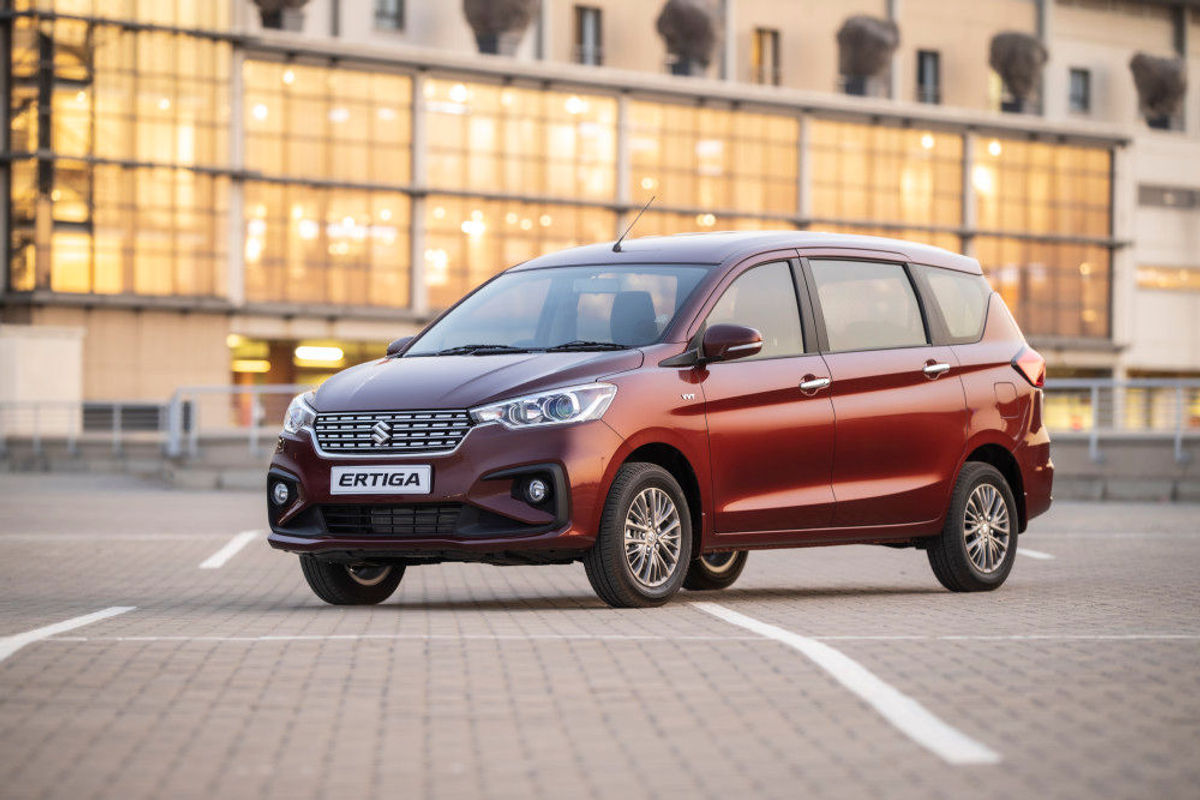
The new Ertiga gains another derivative in the form of the GLX which boasts a range of additional exterior and interior features. See details and pricing below…
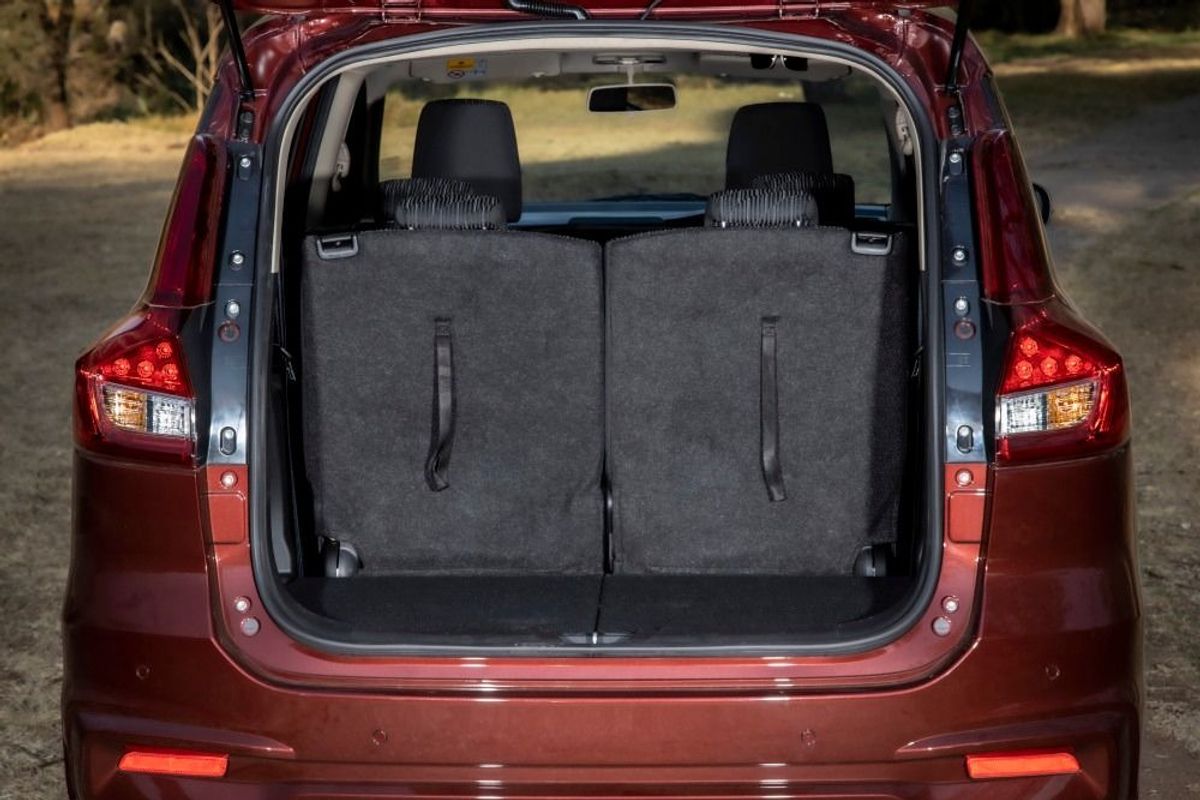
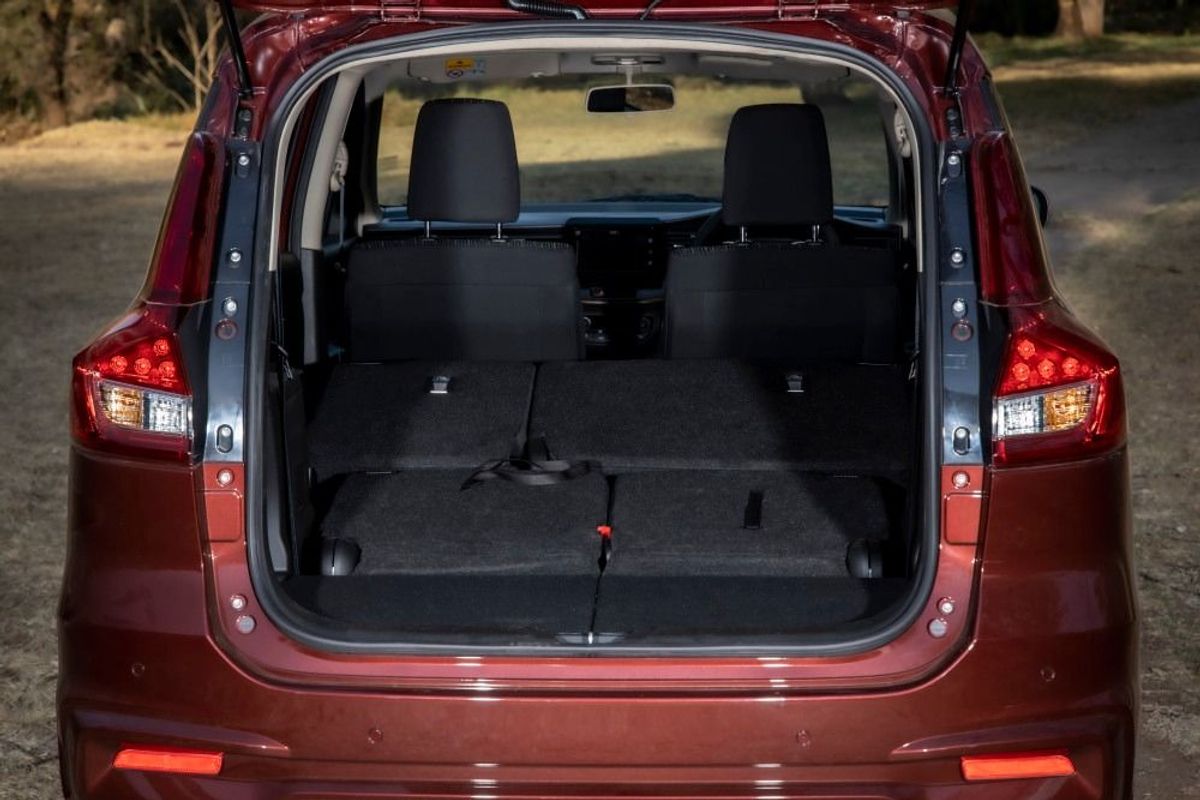
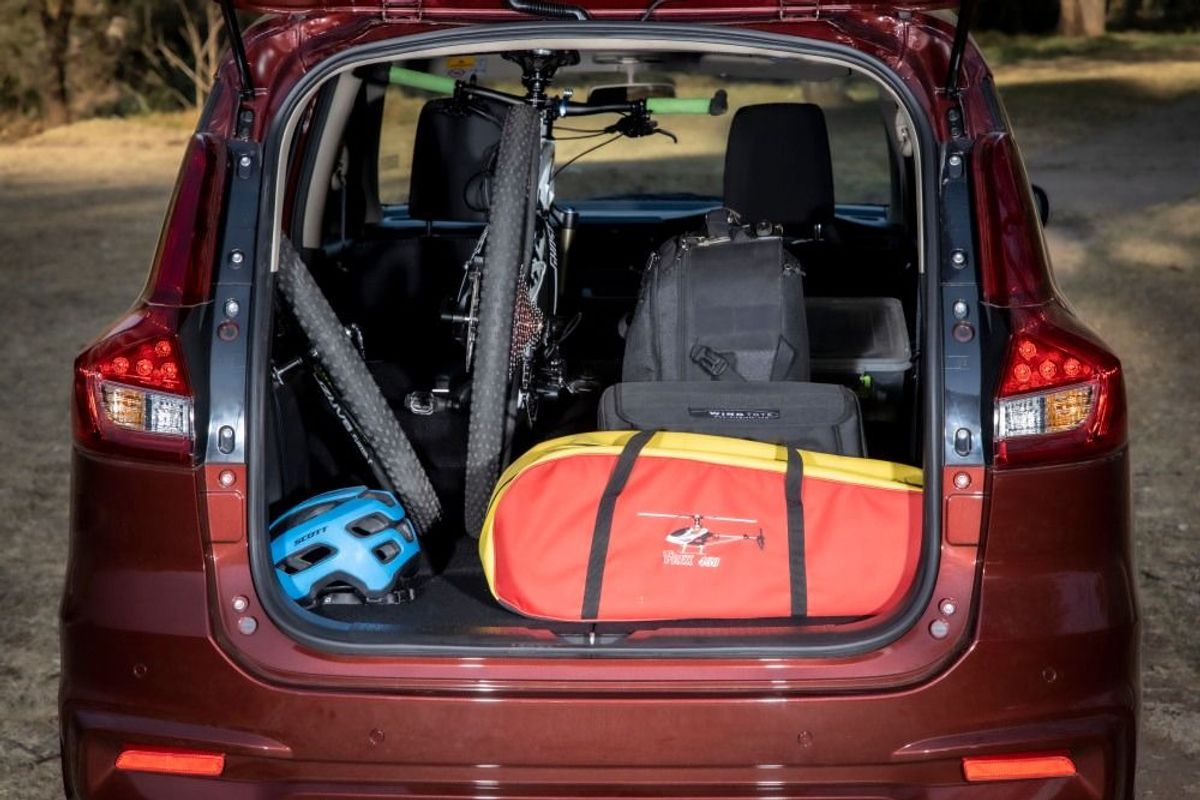
Suzuki’s latest Ertiga is one of the best 7-seat MPV’s on offer in South Africa and a higher-specification GLX derivative no joins the local lineup with host of extra features that buyers might appreciate.
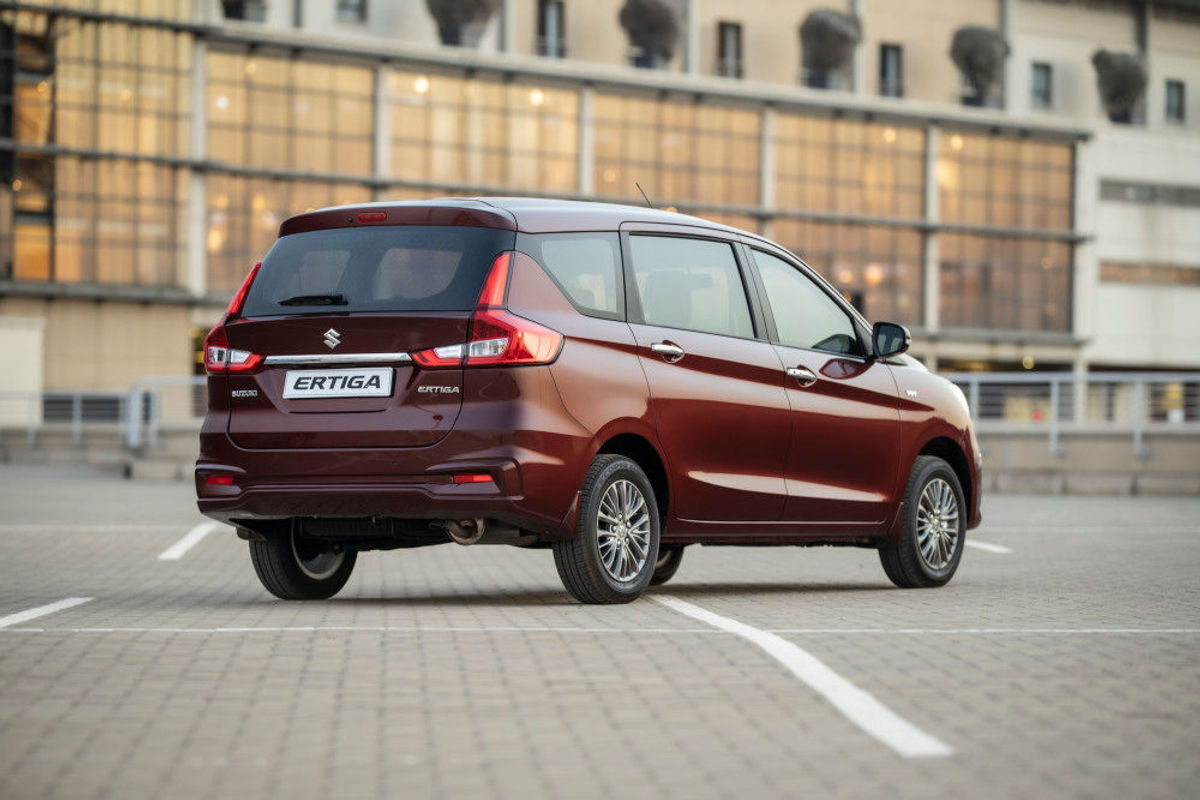
The Ertiga GLX is based on the GL trim but adds additional features such as chrome door handles and rear chrome garnishes while the GLX also rides on 15-inch alloy wheels. A rearview camera is also fitted. Front and rear mud flaps are fitted as well as front fog lights. At the rear, a curved LED light strip is another key differentiator for the GLX.
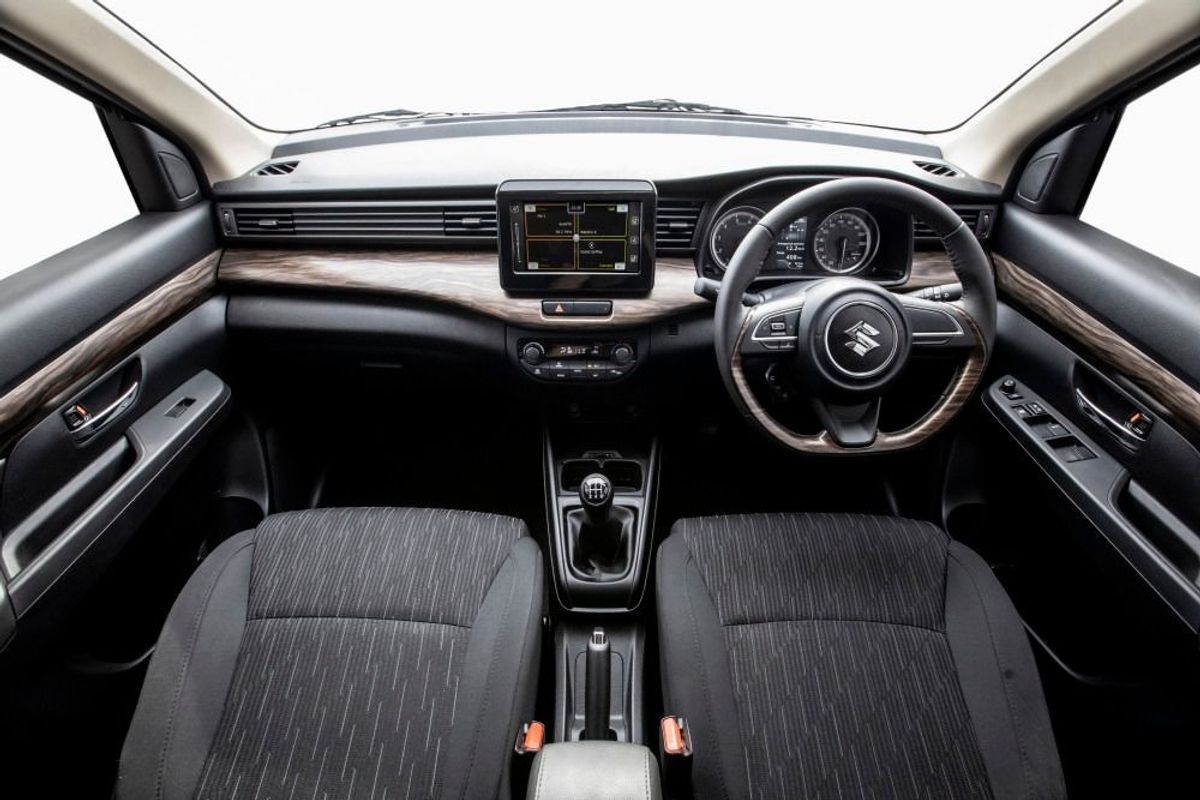
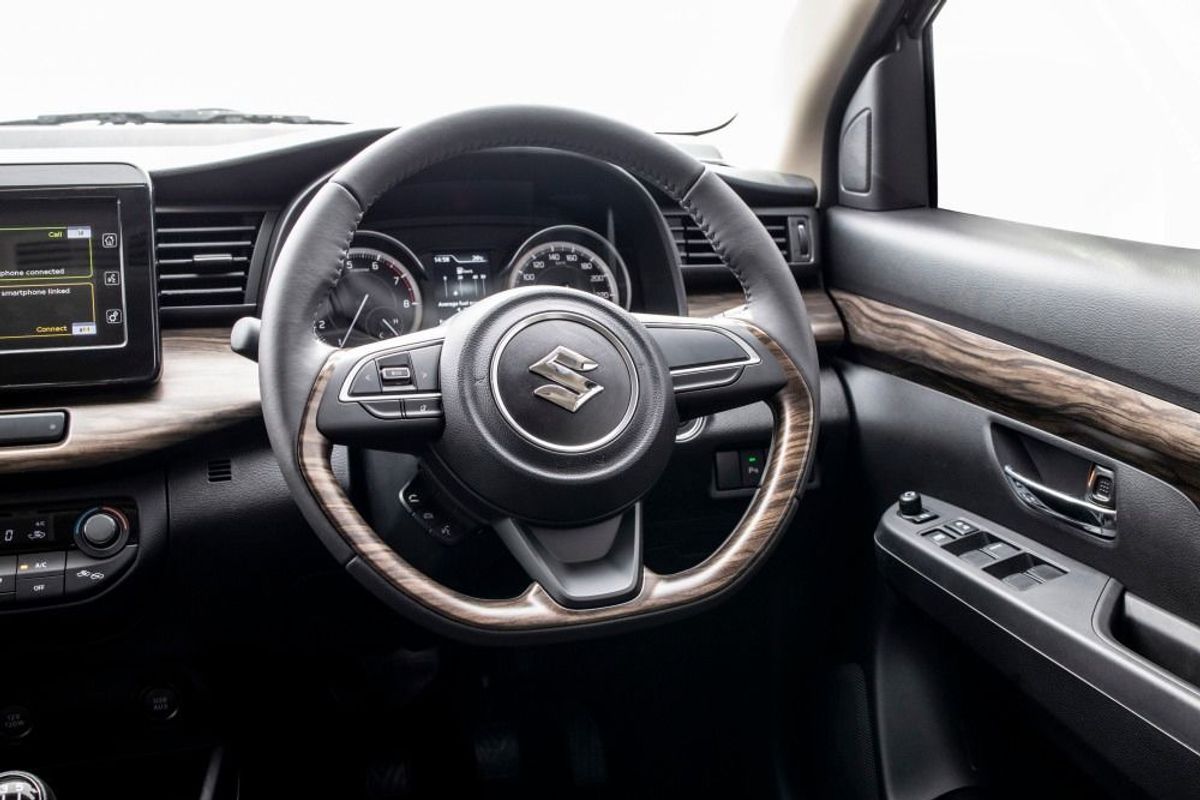
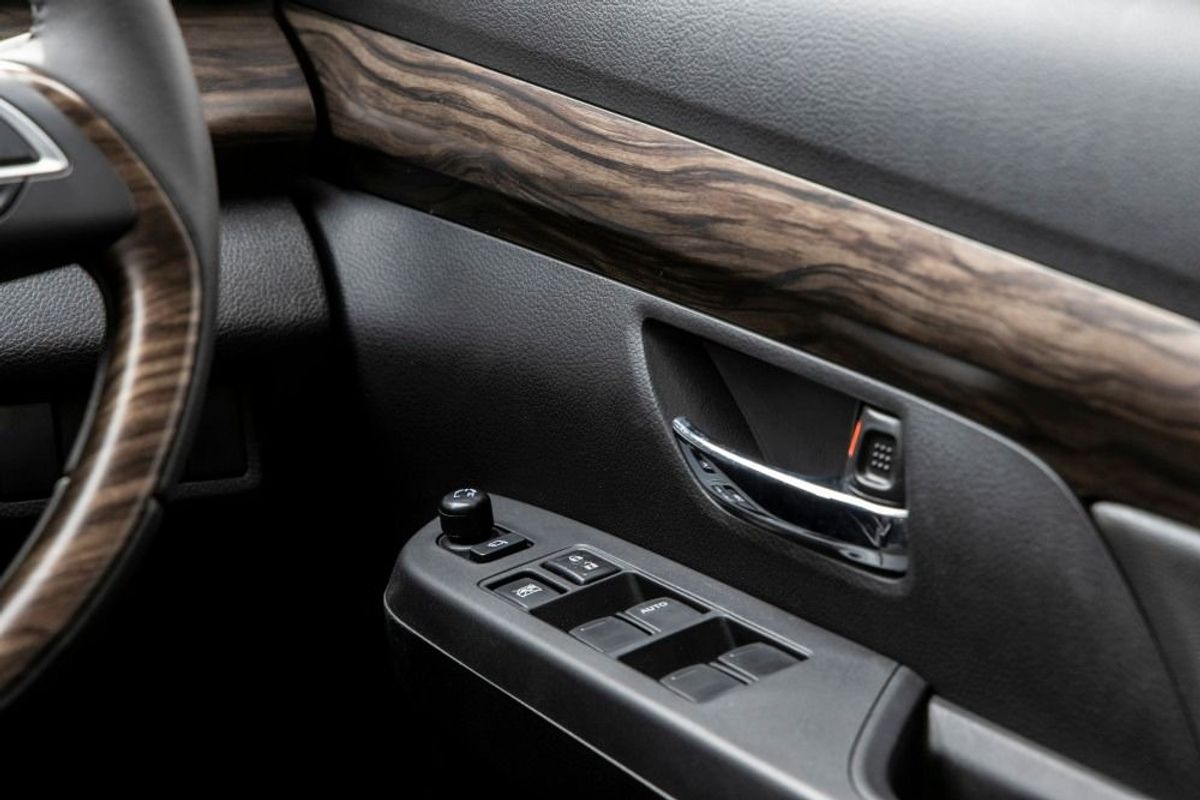
Wood-grain trim has been added to the Ertiga GLX in an effort to boost perceived interior quality.
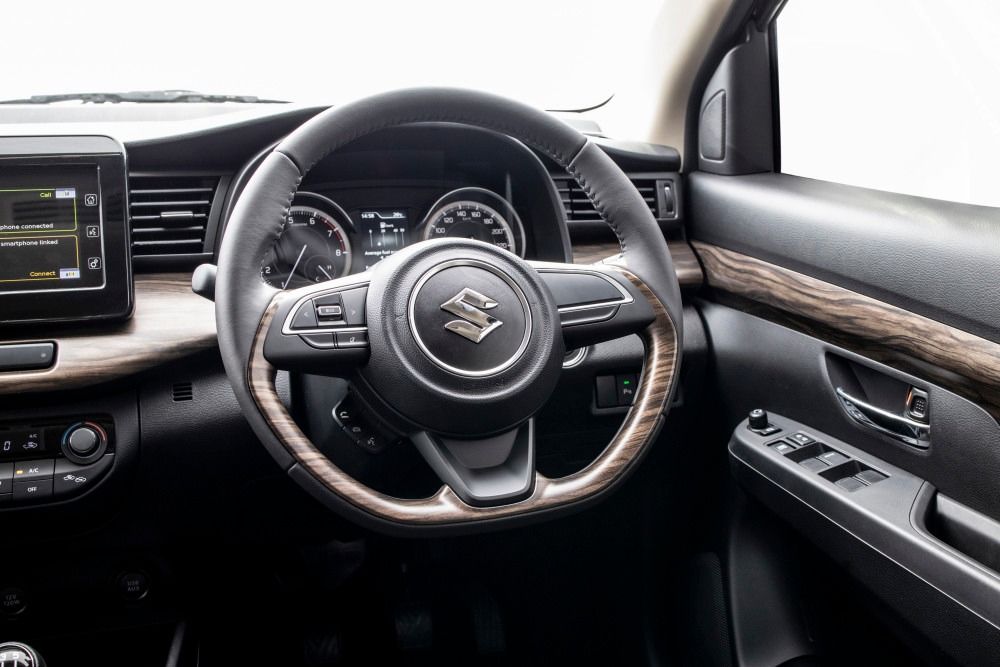
Inside, Suzuki has fitted a new wood-grain trim while the driver seat now boasts height adjustment. The new bin in the centre console also now serves as an armrest for the driver and front passenger. Features such as keylees access, Start/Stop button and automatic climate control is also standard on the Ertiga GLX.
More noticeably, the Ertiga GLX is fitted with a 7-inch touchscreen infotainment system which is Apple CarPlay and Android Auto compatible. Also, a second 4.2-inch multi-information display has been added to the instrument cluster to display information such as average fuel consumption, driving range, power and torque delivery, and fuel consumption and speed.
Safety kit includes 2 front airbags and ABS with EBD.
In terms of engine power, the Ertiga GLX is fitted with a naturally-aspirated 1.5-litre petrol engine with 77 kW and 138 Nm of torque and is offered both manual and automatic transmissions. Fuel consumption is claimed at 6.2 L/100km.
Suzuki Ertiga – Price in SA
Ertiga 1.5 GA (manual) – R216 900
Ertiga 1.5 GL (manual) – R241 900
Ertiga 1.5 GL (auto) – R256 900
Ertiga 1.5 GLX (manual) – R267 900
Ertiga 1.5 GLX (auto) – R282 900
The Ertiga GLX is sold with an extended 4-year / 60 000 km service plan as well as Suzuki’s promotional 5-year / 200 000 km mechanical warranty.
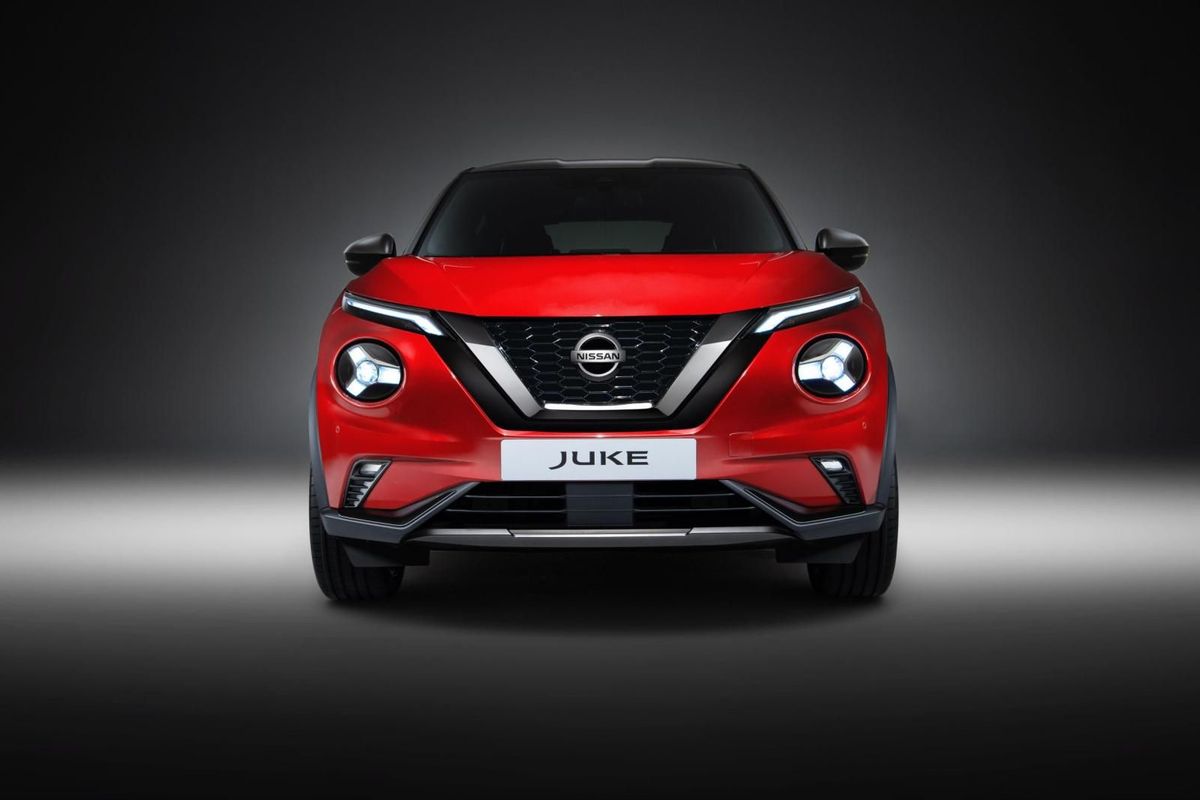
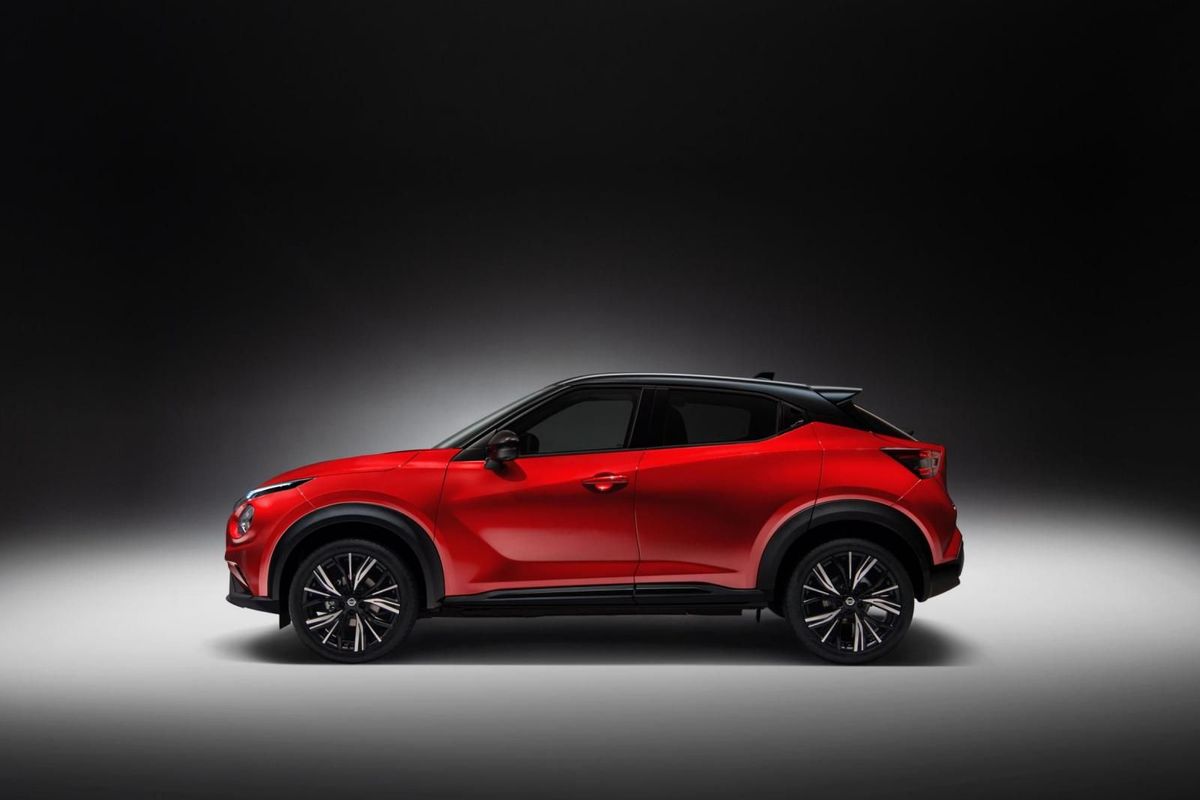
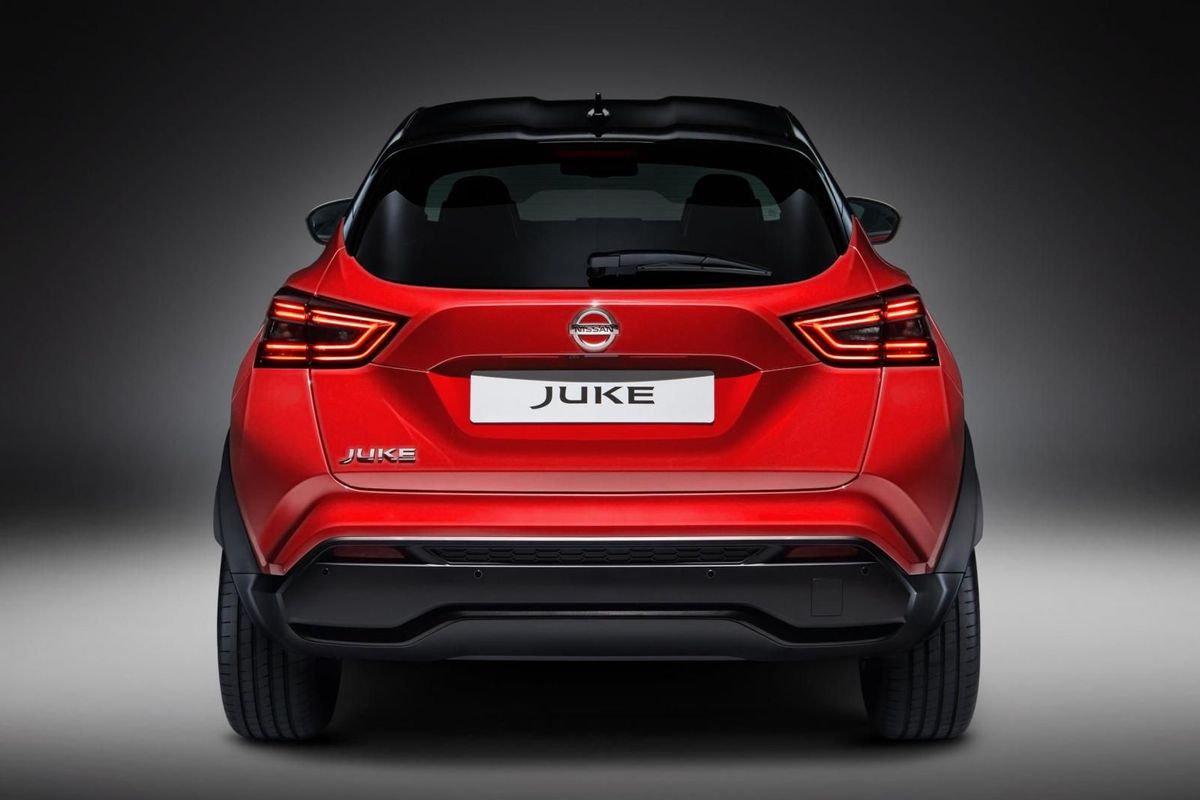
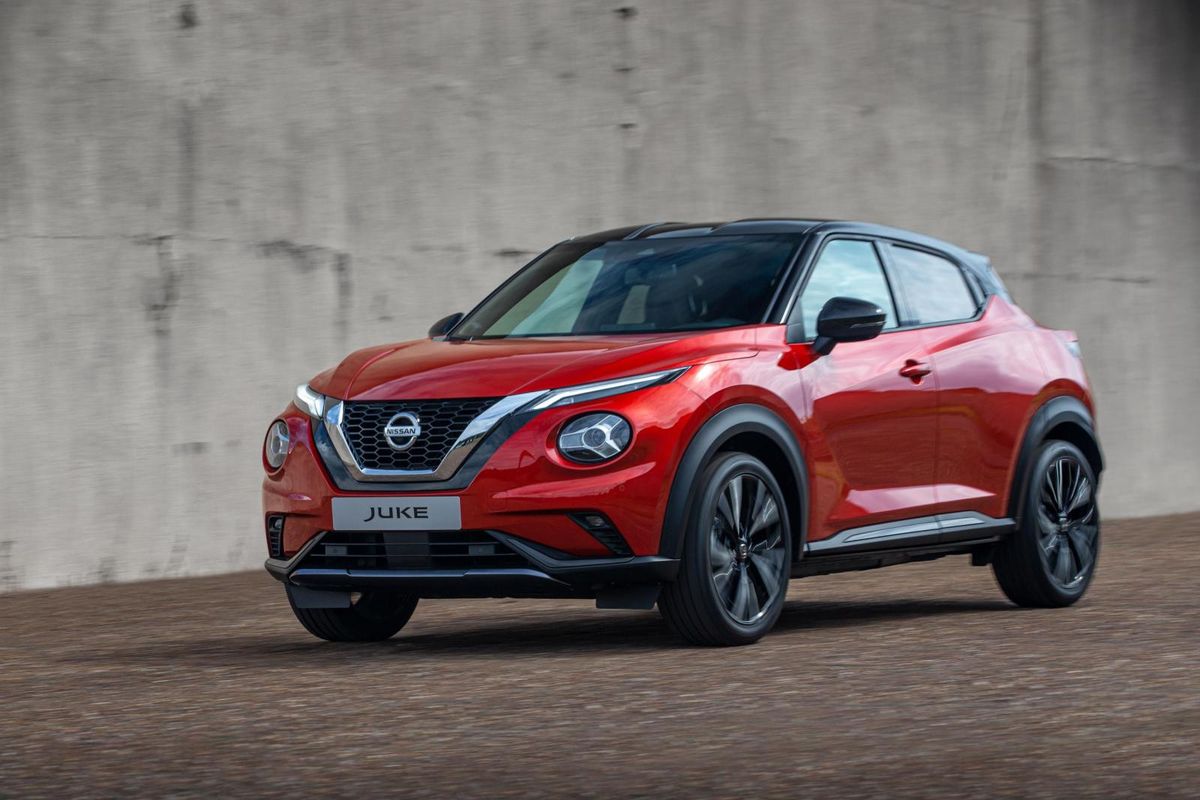
This new version of the car which established Nissan’s presence in the compact crossover market rides on Renault’s CMF-B platform, which it shares with the current Renault Clio and Captur.
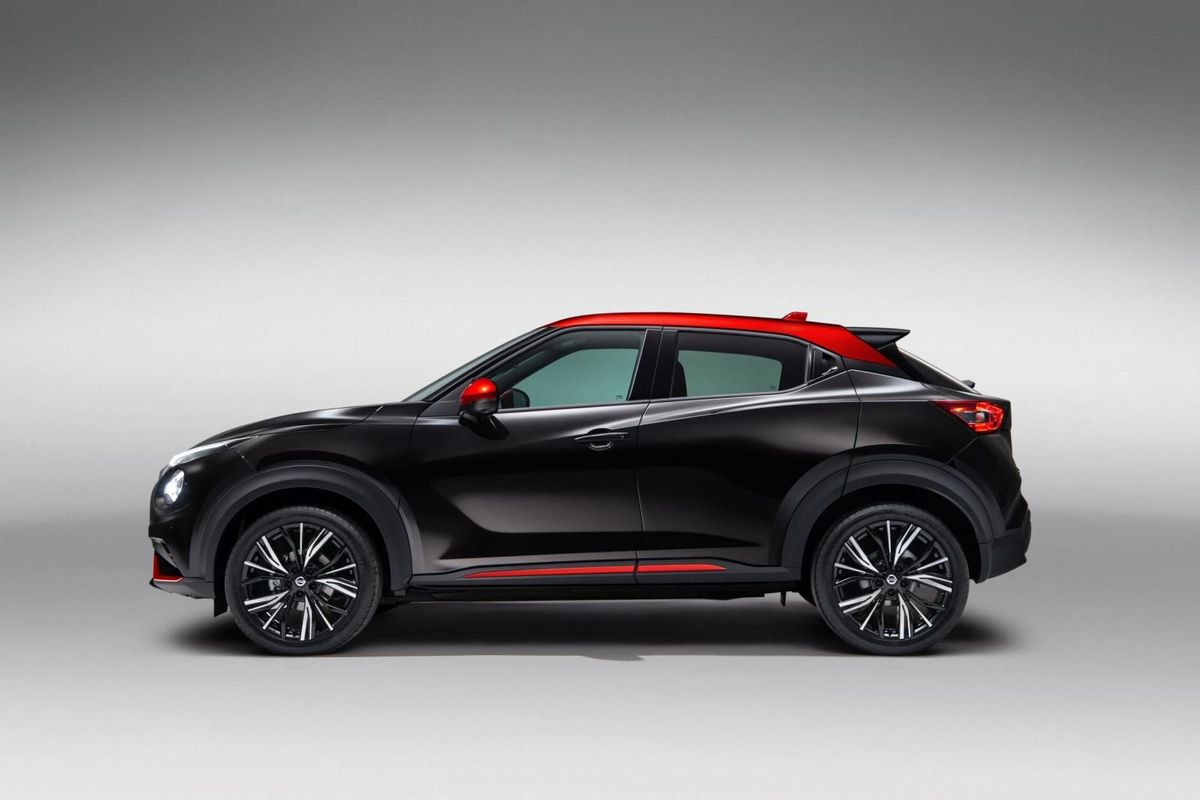
Although the styling isn’t quite as outrageous as Nissan’s original Juke, it remains a daringly designed vehicle with the same dual headlight design and a Y-shaped grille. Nissan’s design goal was to create a compact crossover which was roomier inside and retained the distinct presence customers have come to expect from Juke. To that end the Juke has grown by 85mm nose-to-tail, 35mm across and stands 25mm taller. Despite the increase in size, it is 23kg lighter.
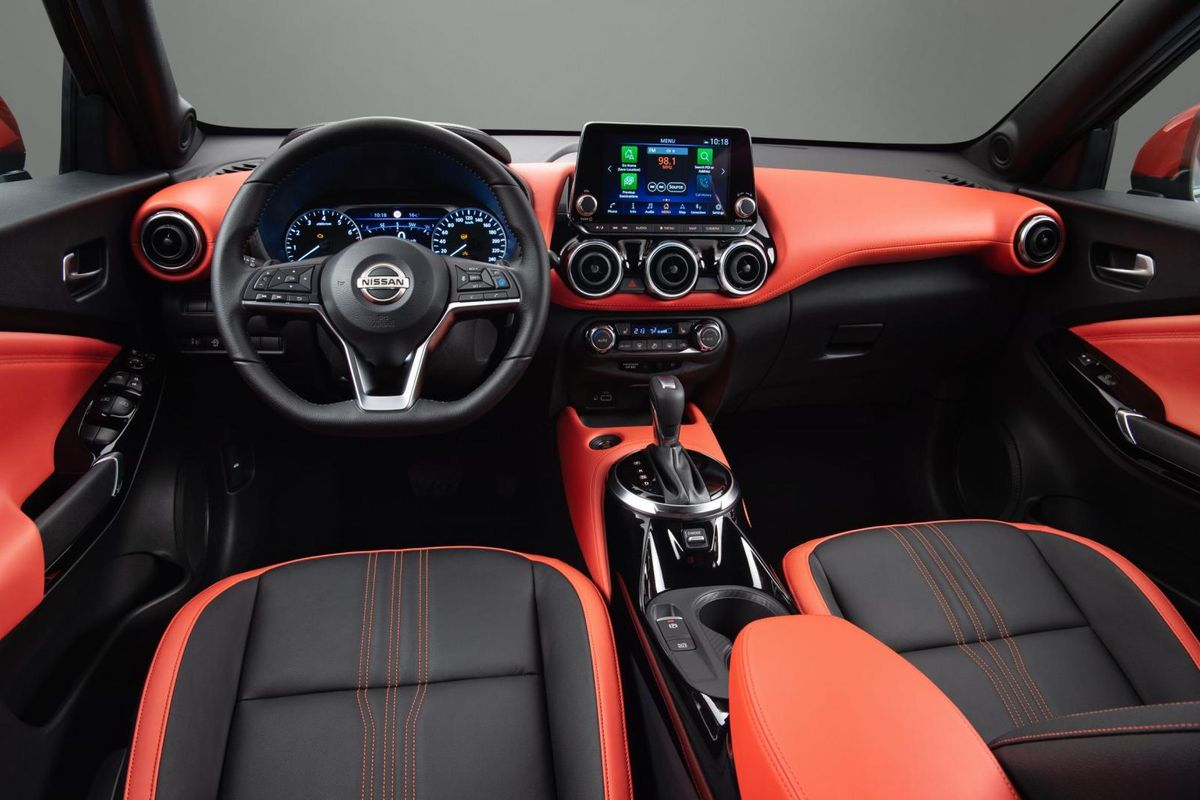
Those stretched dimensions yield a cabin architecture which creates a passenger environment that offers 58mm more rear knee room and 11mm greater headroom. Luggage capacity has swelled to 422-litres, which is an improvement of nearly 20% over the first-generation Juke. The Juke features an array of advanced technological features. These include electronically assisted steering, acceleration and braking. There is intelligent autonomous braking too, with pedestrian and cyclist detection.
Connectivity is comprehensive too, which includes Apple CarPlay and Android Auto, controlled via an eight-inch touchscreen. Nissan will offer eleven different colours with its new Juke, and wheel sizes up to 19-inches. Powering the new Juke is a 1-litre turbocharged triple, boosting 86 kW, with two gearbox options: either a six-speed manual or seven-speed dual-clutch.
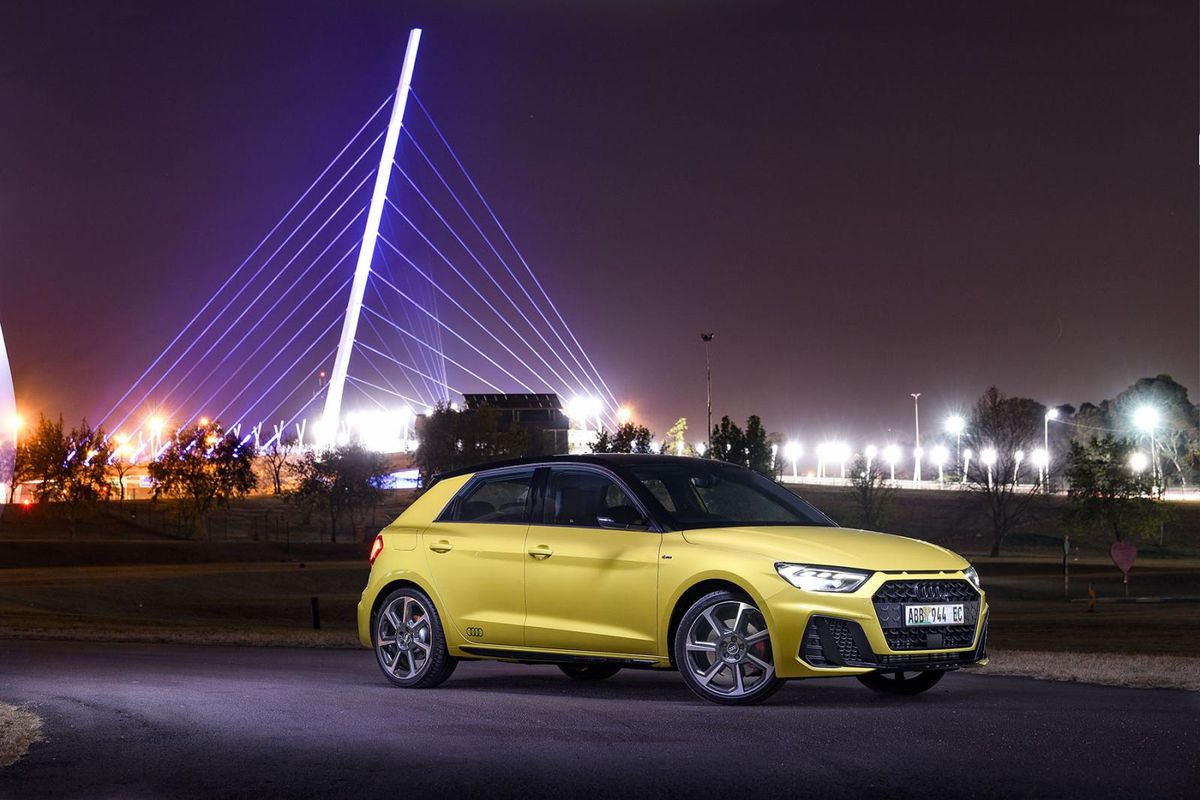
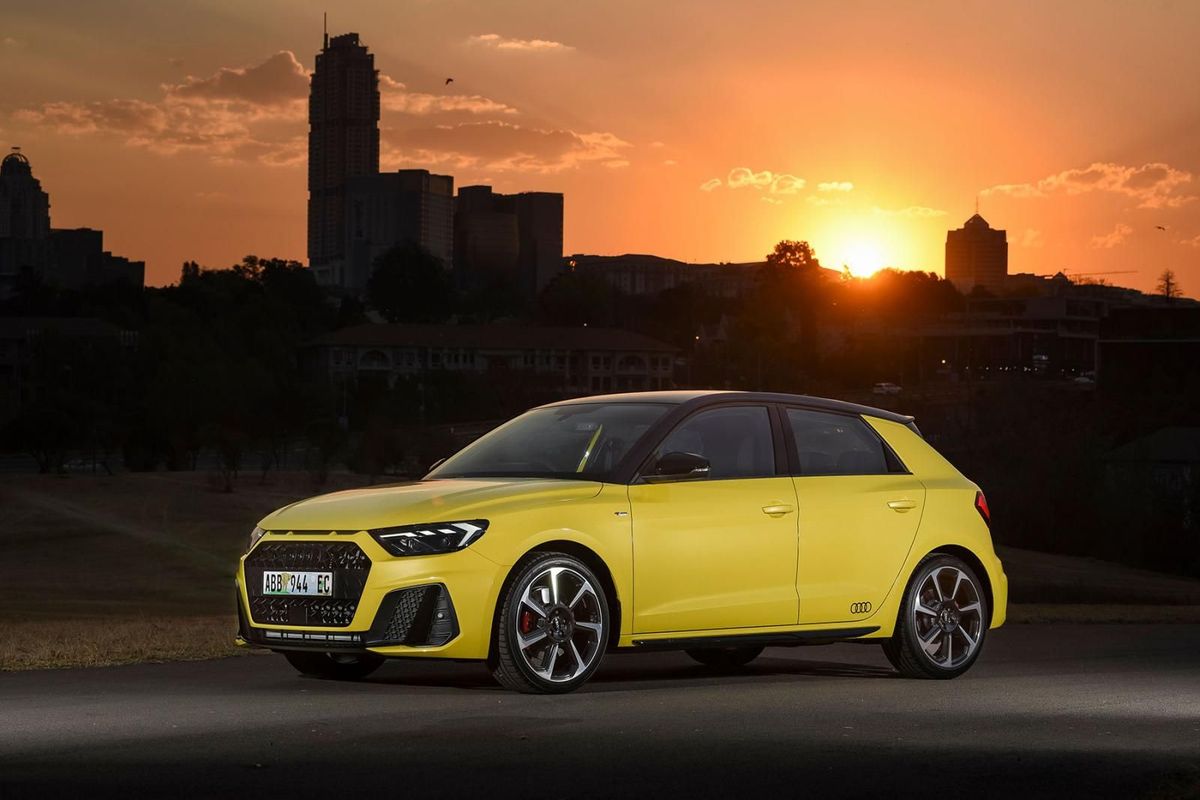
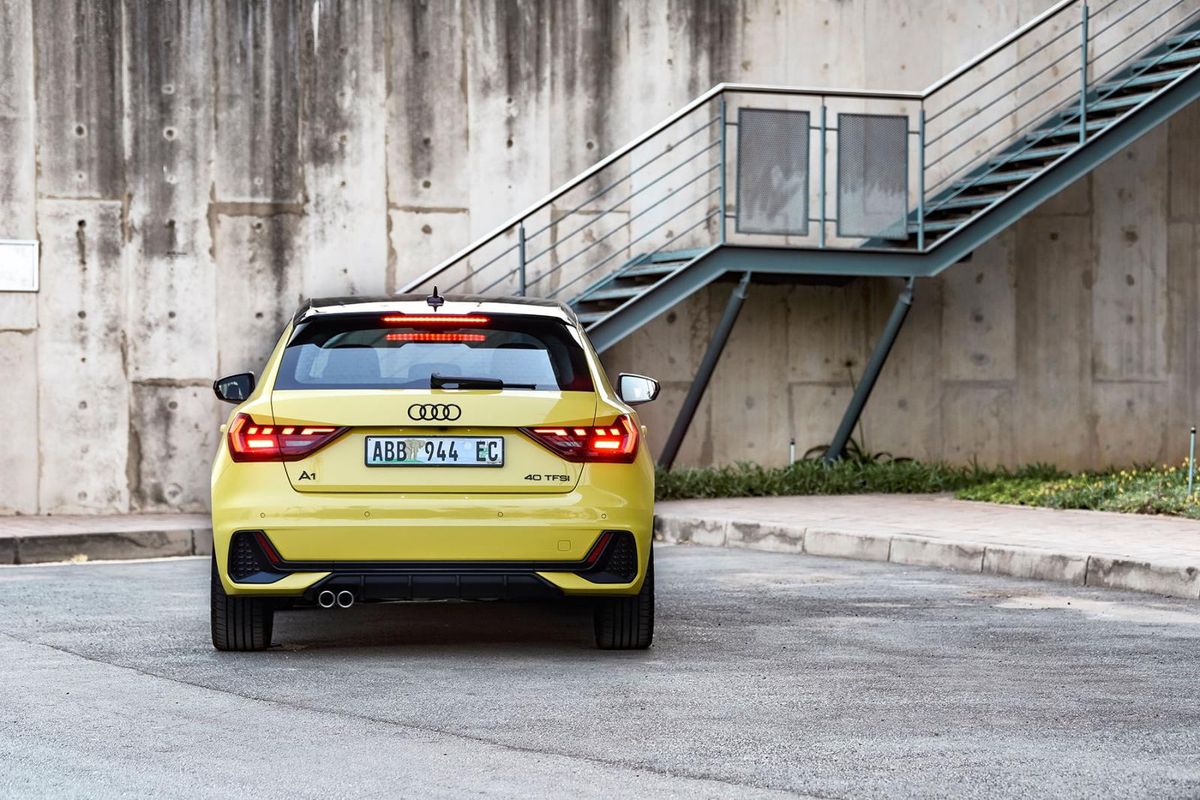
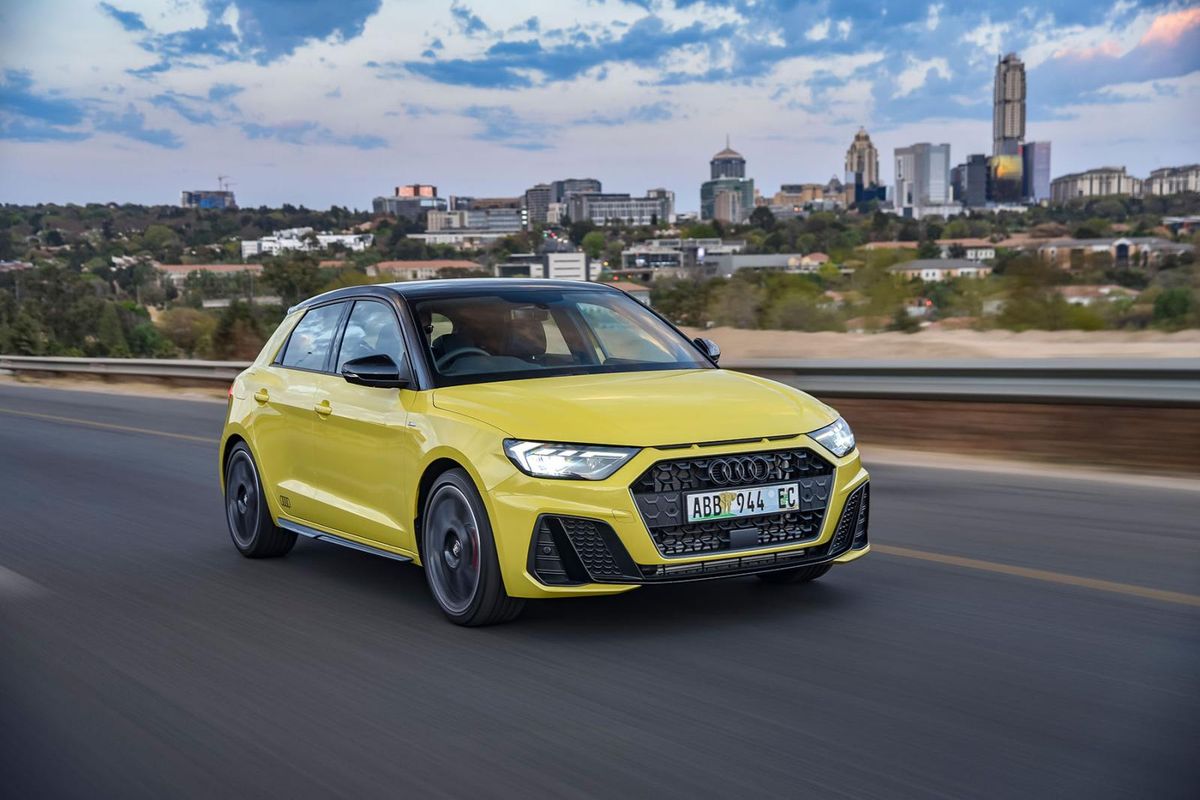
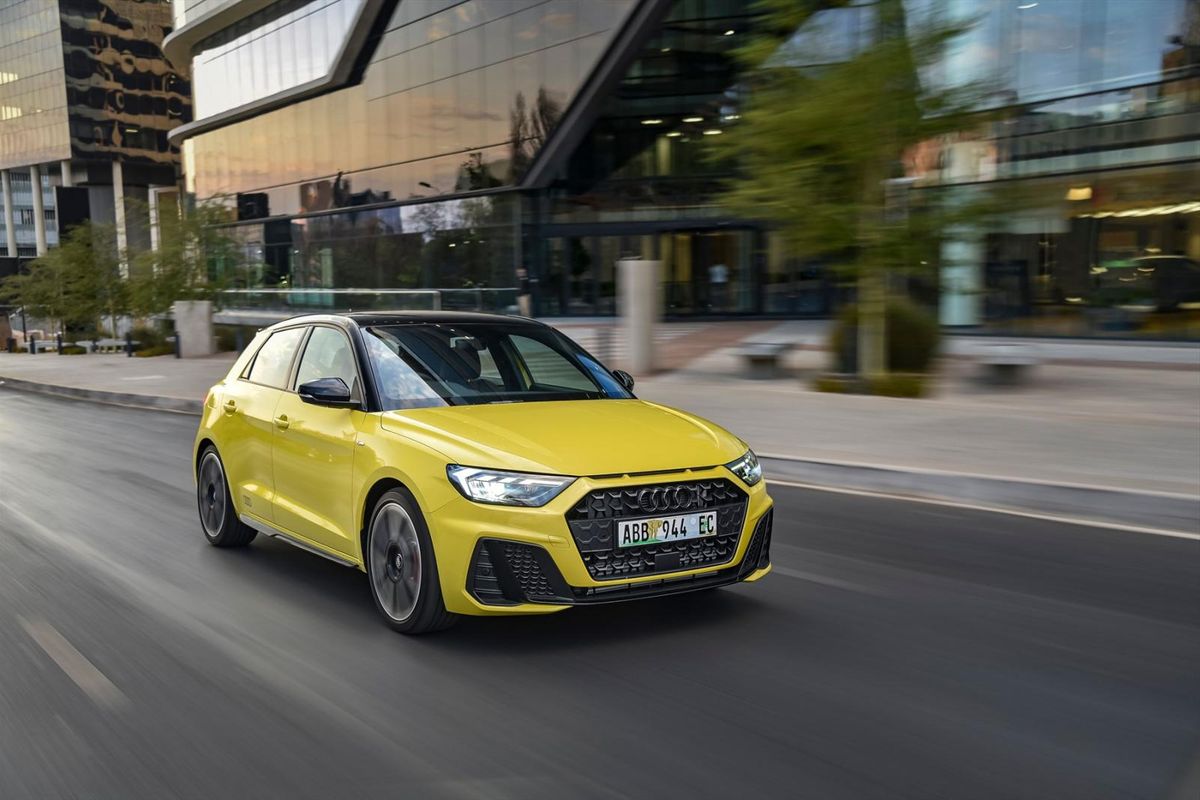
The new-generation Audi A1 – a bigger, more distinctive car than its predecessor – has arrived in South Africa. We drove the new iteration of Audi's premium small hatchback on the outskirts of Johannesburg to get a feel for it.
What's new?
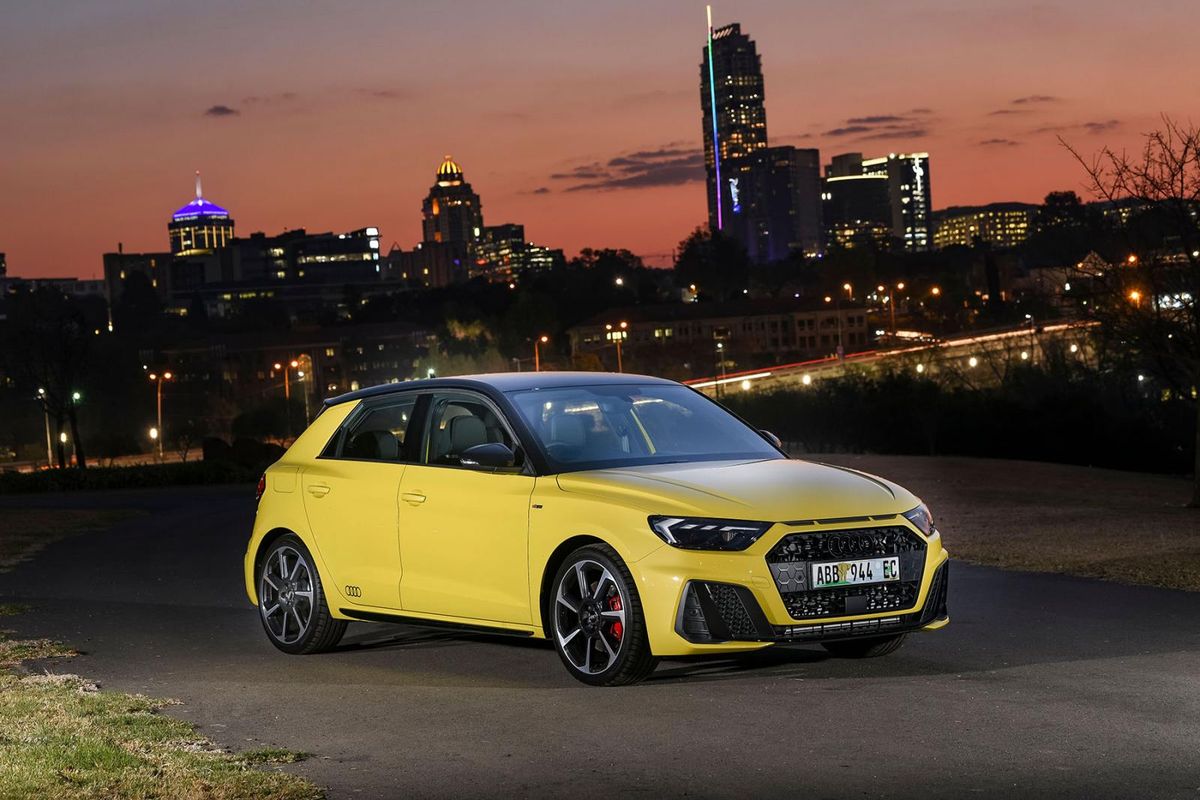
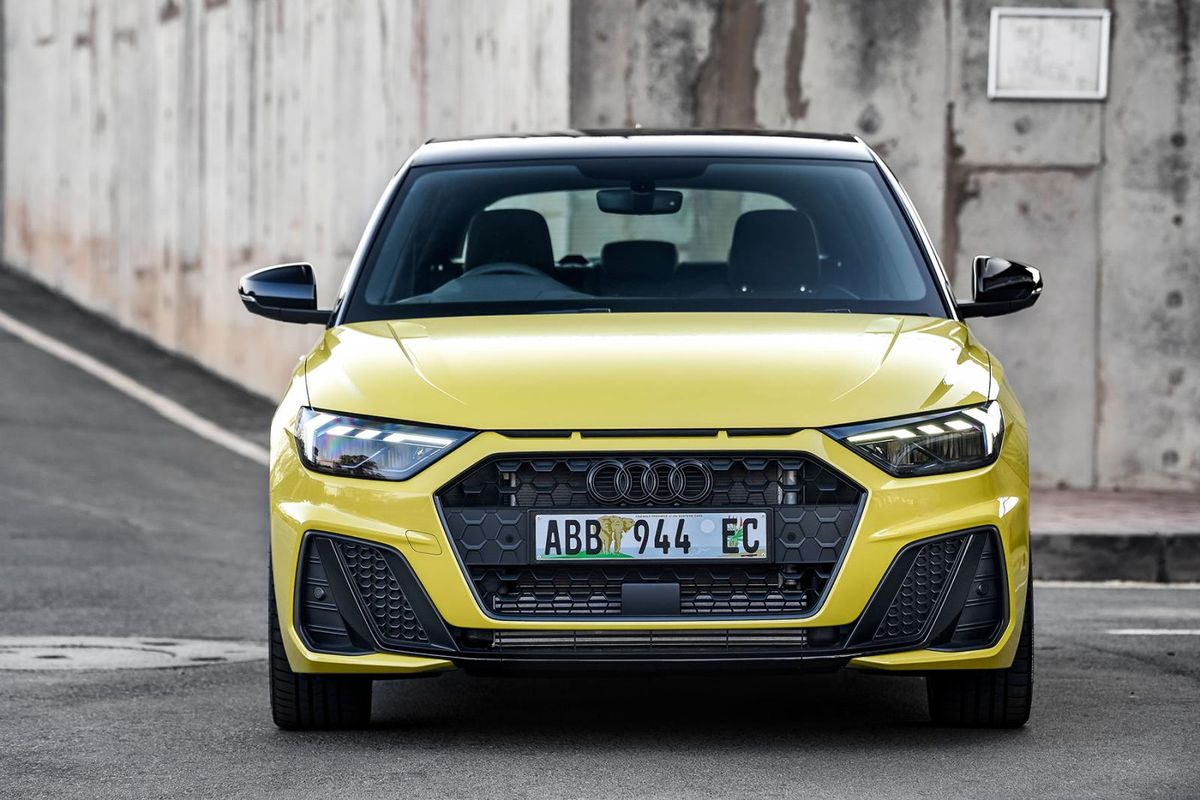
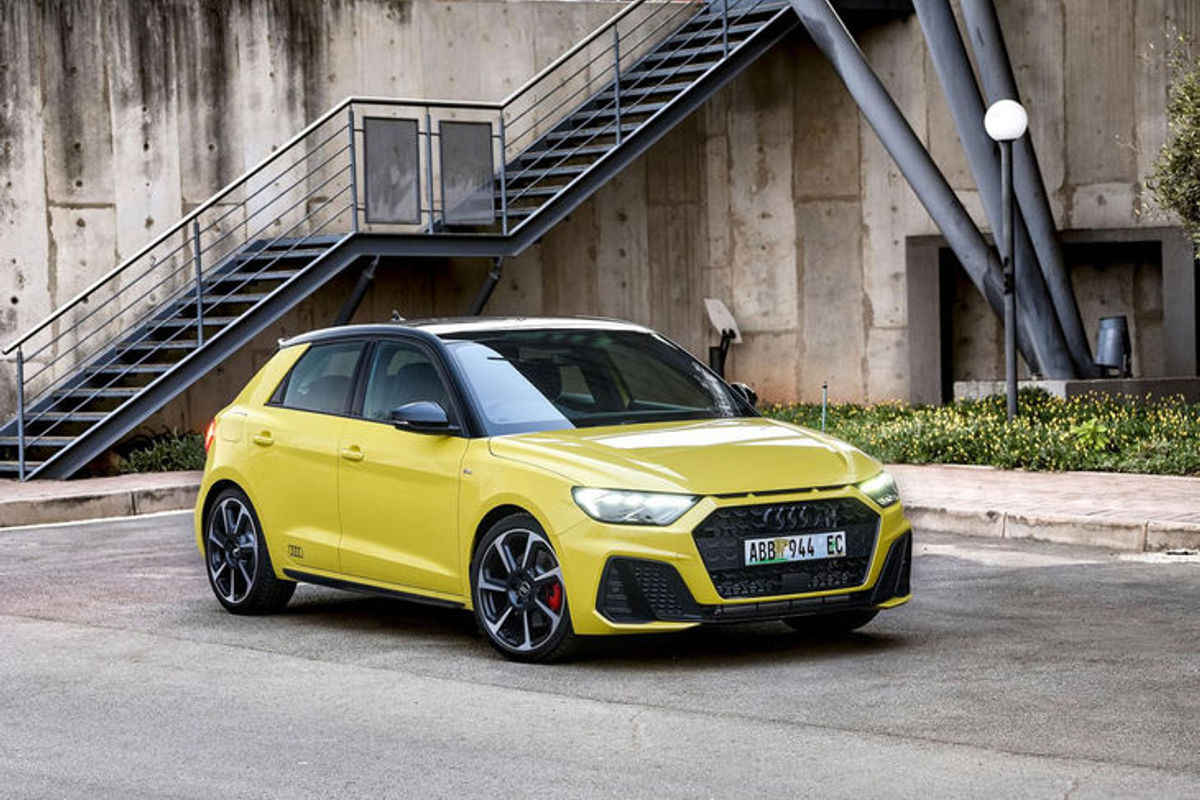
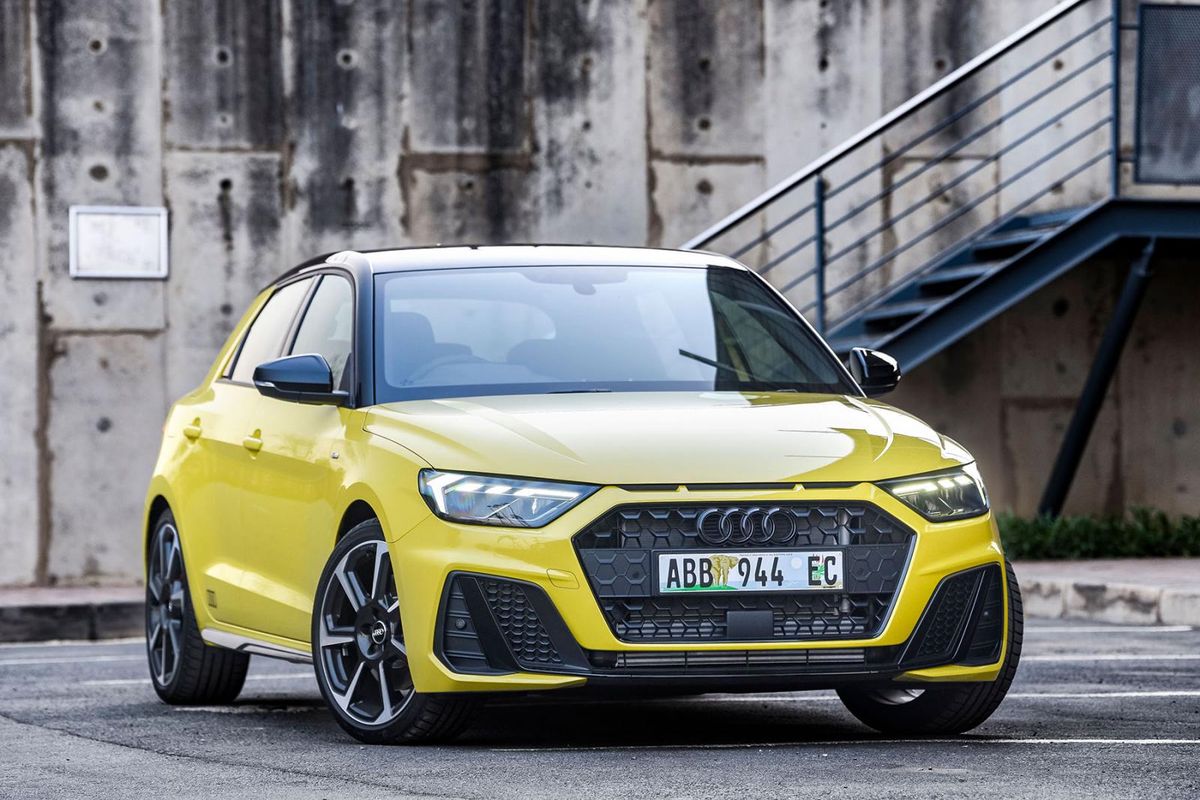
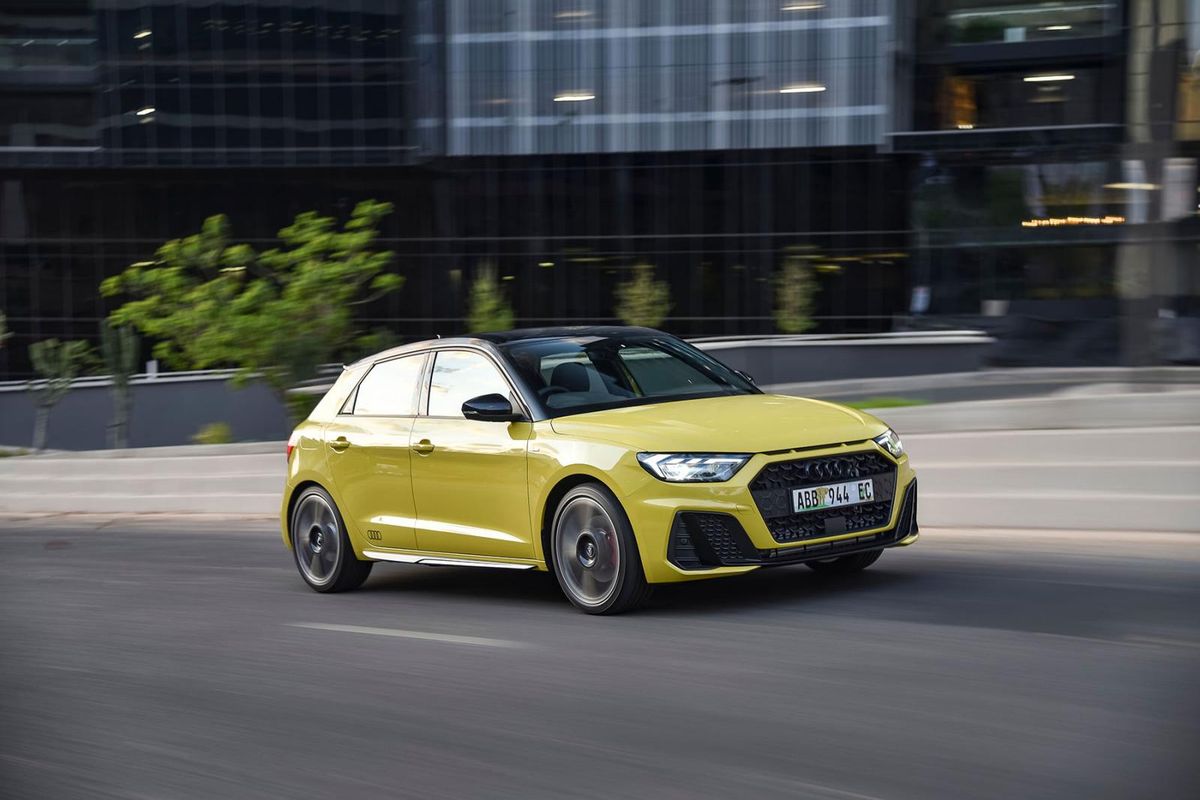
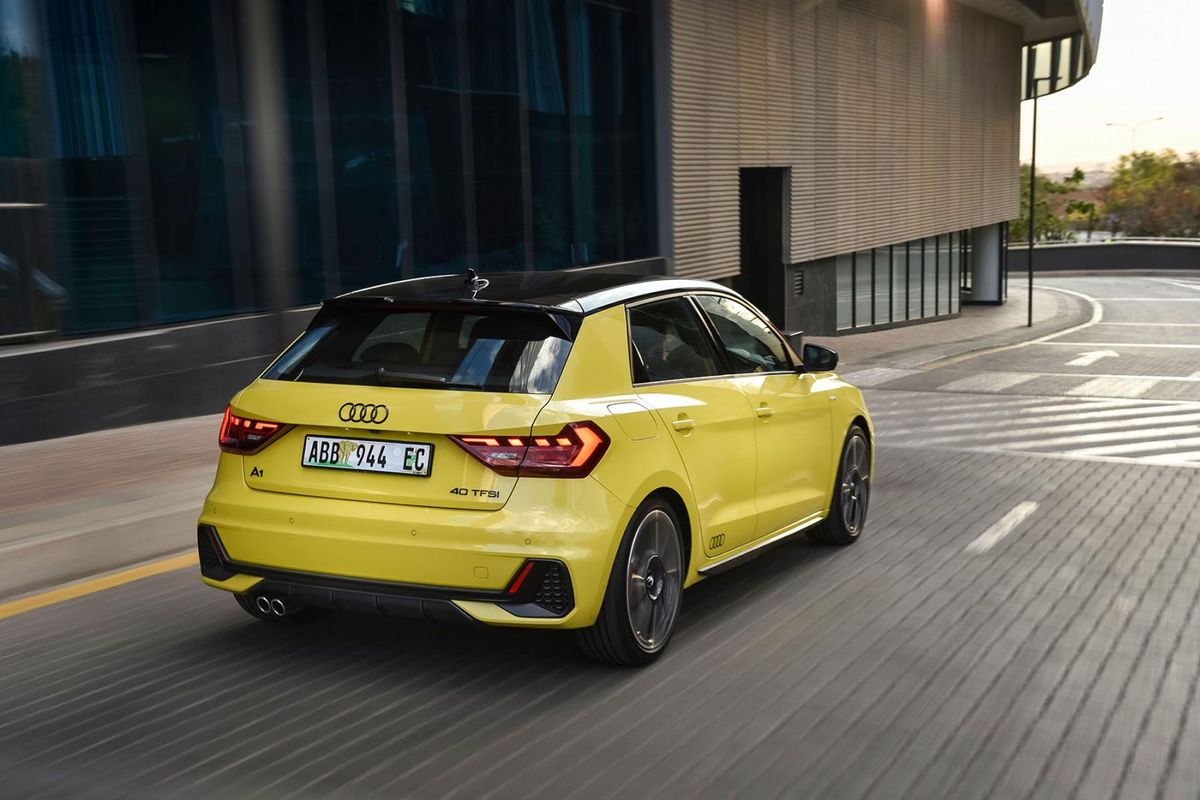
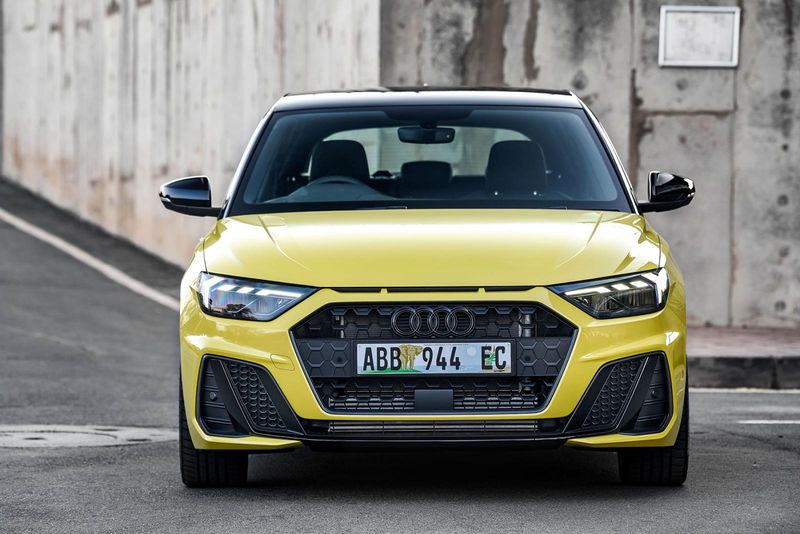
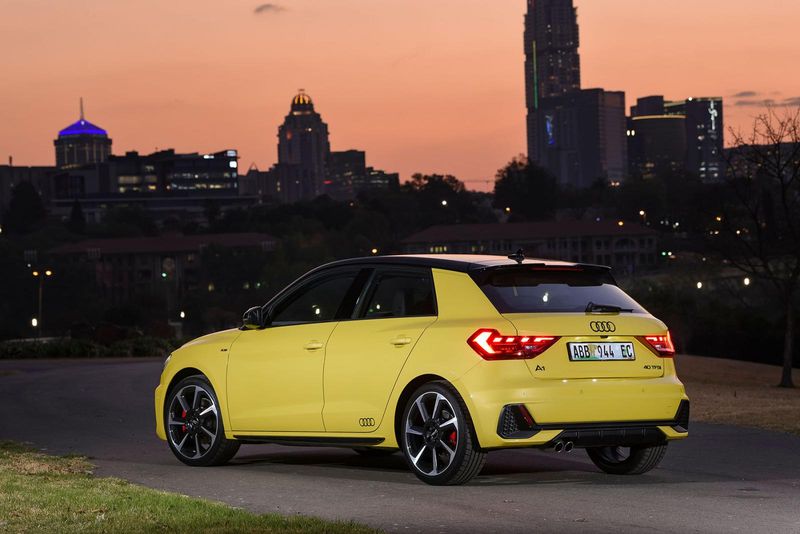
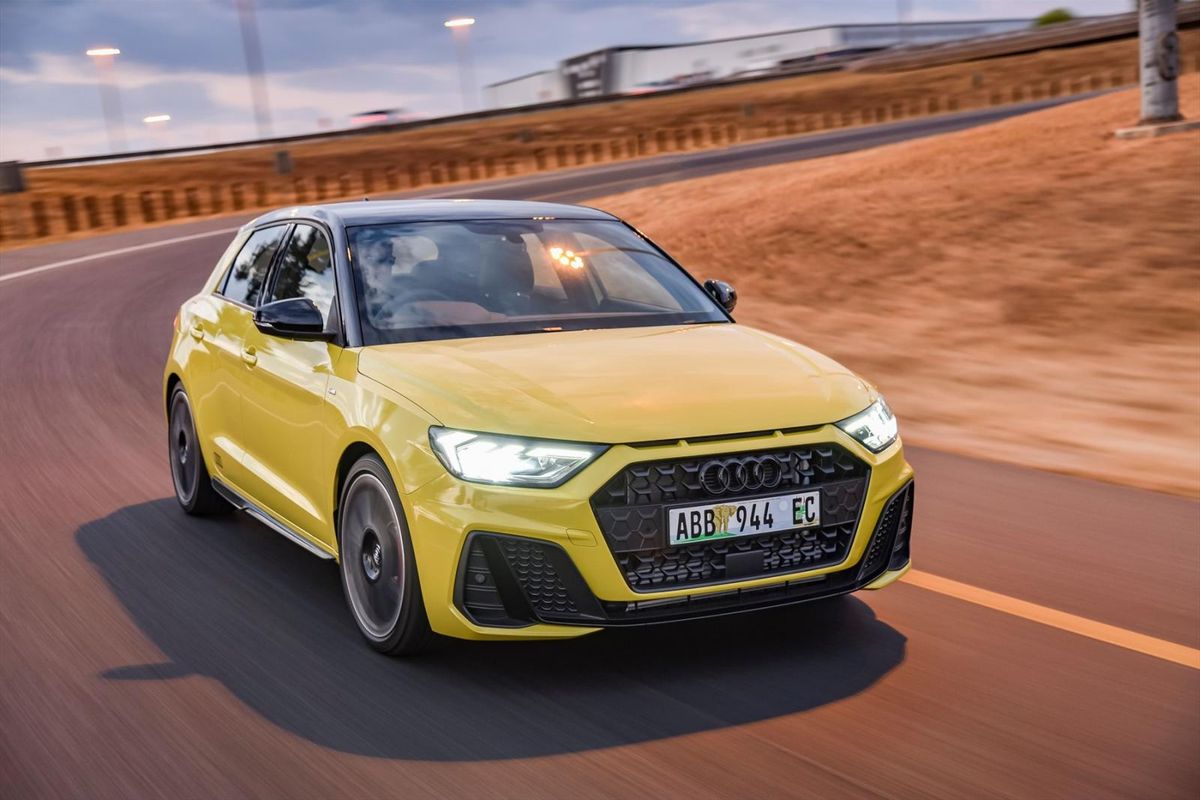
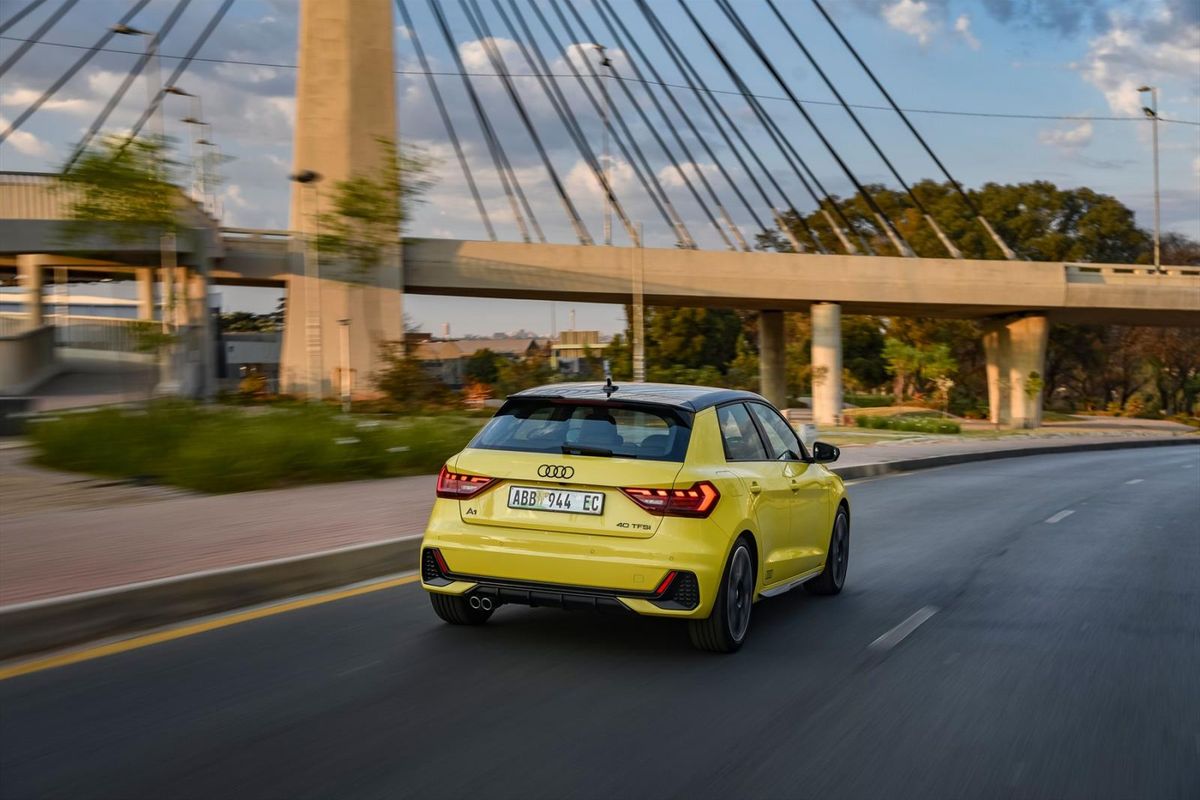
Well, for a start, the new model certainly looks very different from the previous-generation car. It's got appreciably more attitude and personality than the outgoing model, which, even though its shorter by some 56 mm, looks a bit cutesy and plump by comparison.
Most of that length has come courtesy of the MQB platform, which also underpins the Volkswagen Polo, Golf, Tiguan and Audi Q3). It makes the A1 more spacious inside and along with the scrapping of 3-door derivatives, the A1 seems more of a premium small car than an entry-level hatch.
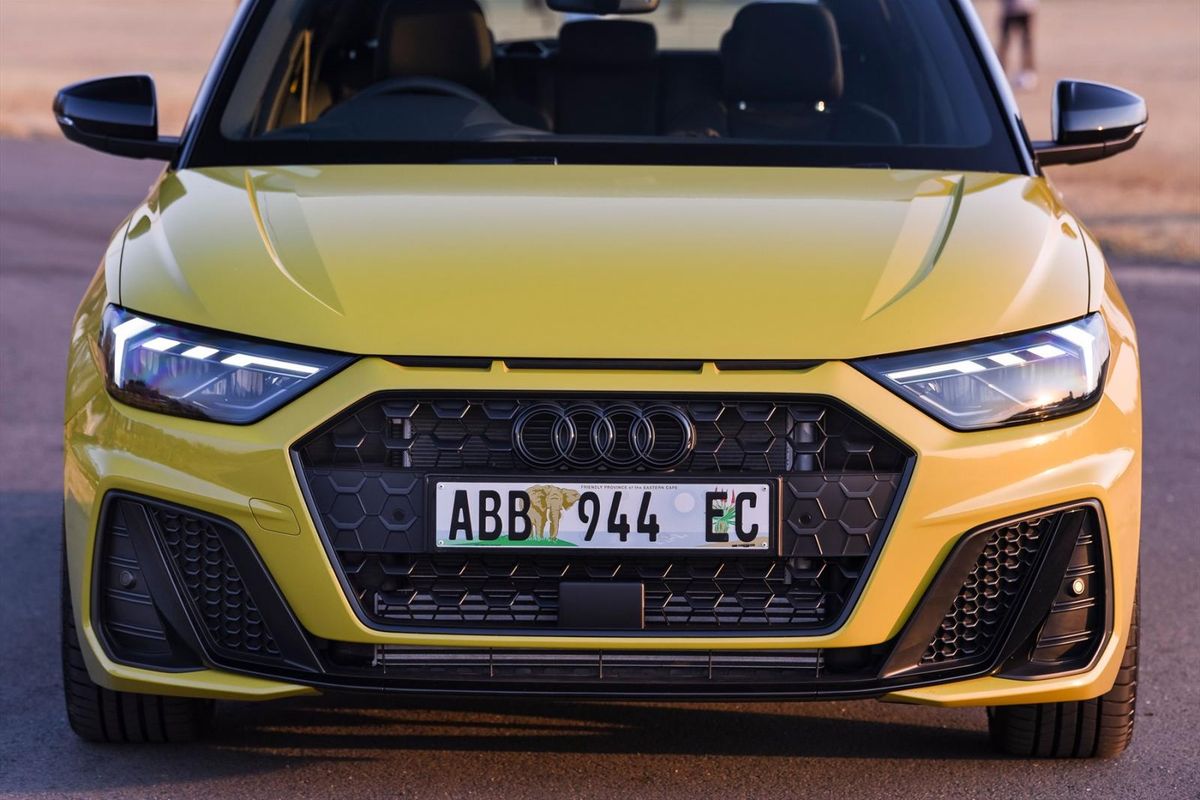
A much more distinctive front end for the new A1.
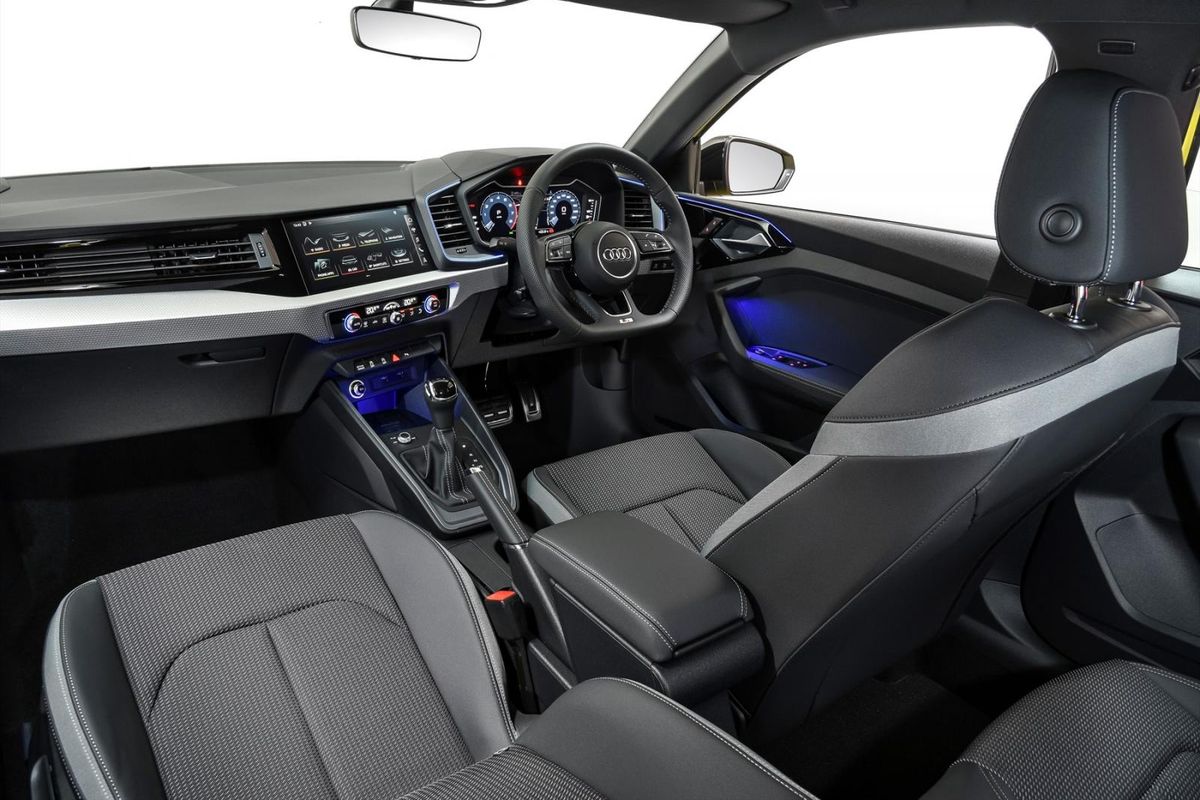
The newcomer's interior architecture has been revamped with modern tech, including more smartphone integration and an improved infotainment system. Audi SA has also tried to reduce the length of its optional extras list and grouped linked options into trim packages buyers can select from.
What's on offer?
There are 3 derivatives to choose from, namely a 30TFSI, 35TFSI and a 40TFSI. Audi's new naming convention for its derivatives isn't the easiest to understand, but the 30TFSI makes use of a 3-cylinder 1.0-litre turbopetrol that produces 85 kW and 200 Nm of torque. The 35TFSI uses the group's new 1.5-litre turbopetrol unit with similar outputs to the old 1.4 (110 kW and 250 Nm). It is, however, more efficient with a claimed consumption figure of 5.1 L/100 km. The 40TFSI motor plays the performance role; it utilises the VW Polo GTI engine to develop 147 kW and 320 Nm of torque.
Edition #1 model gets the black badges and dark-tinted lights.
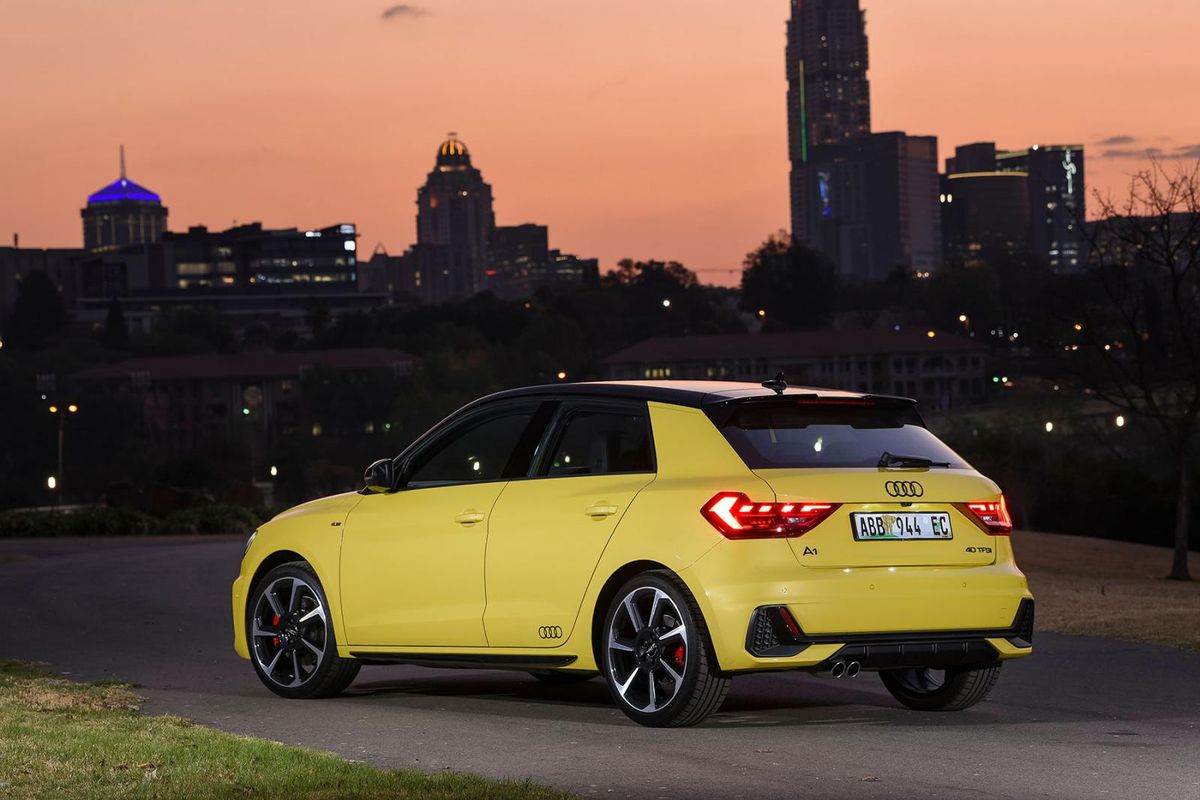
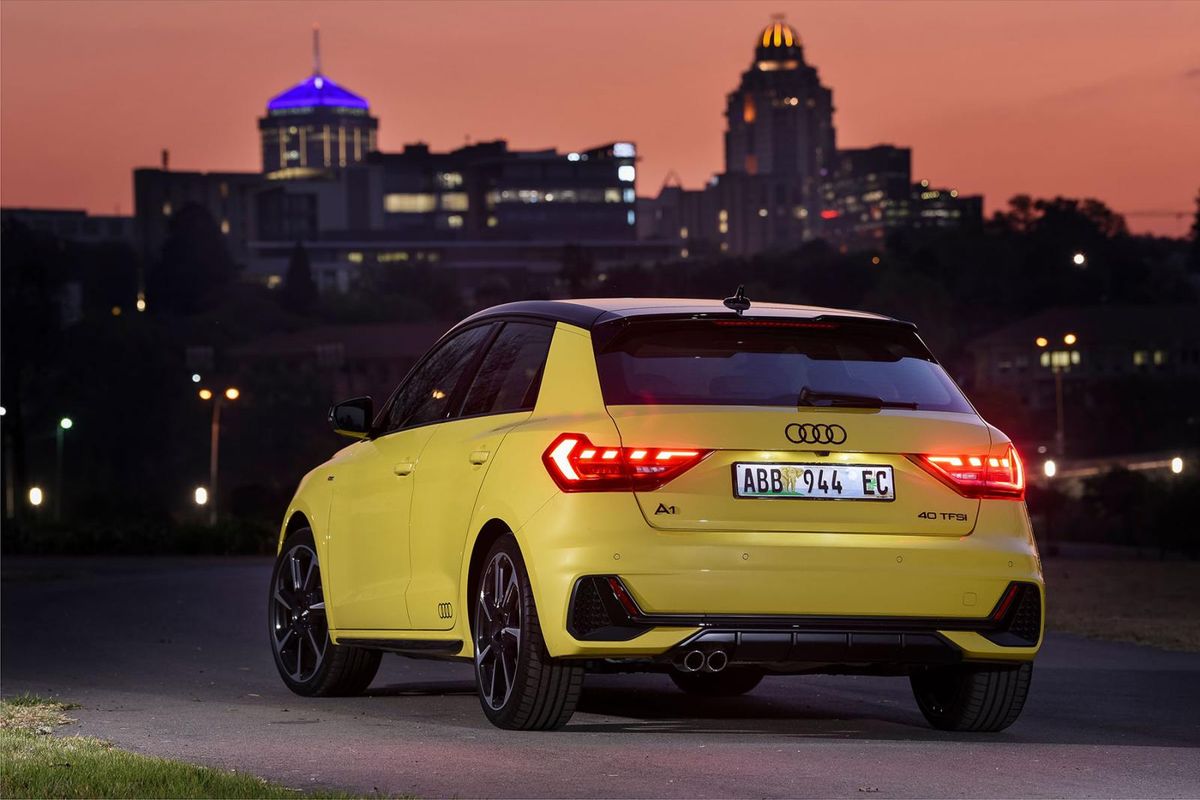
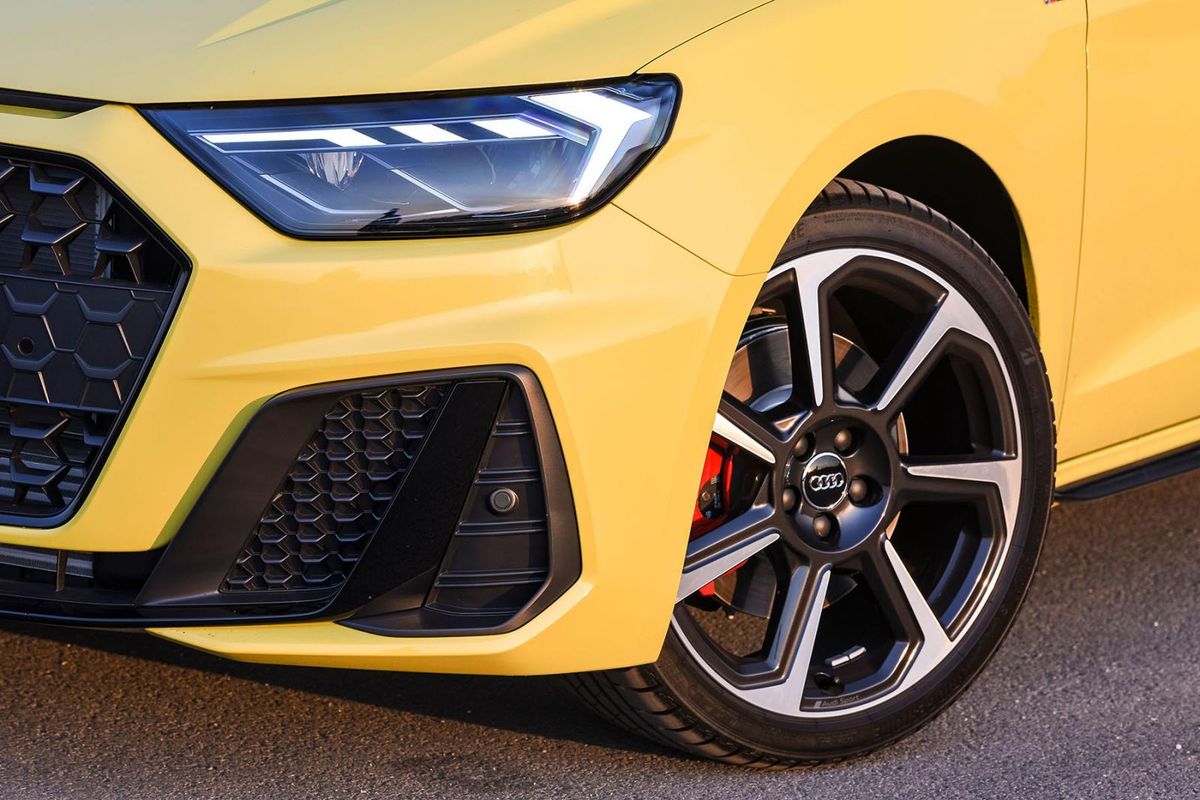
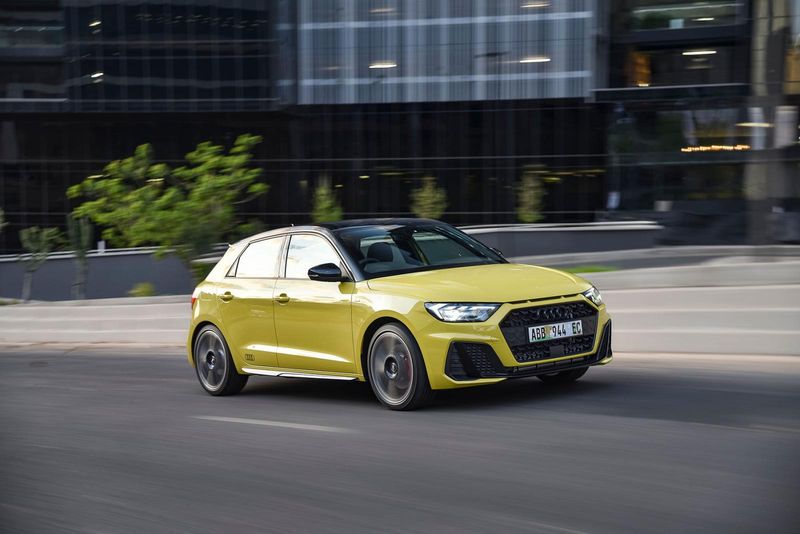
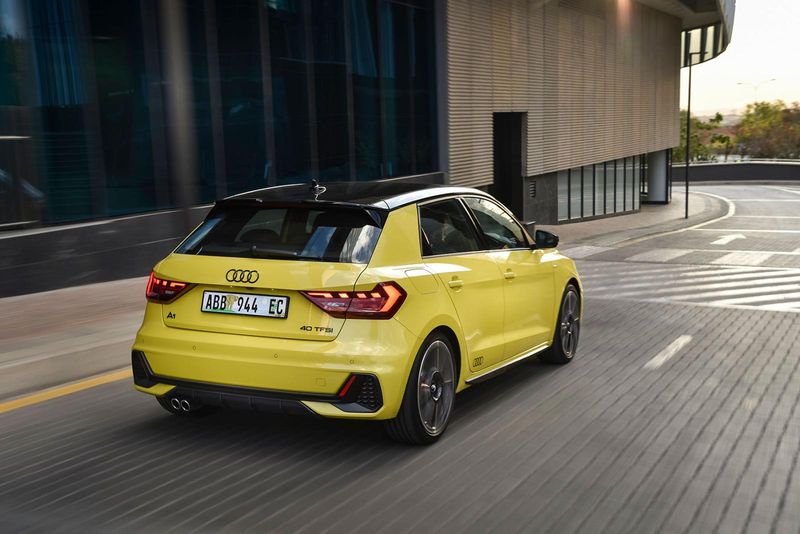
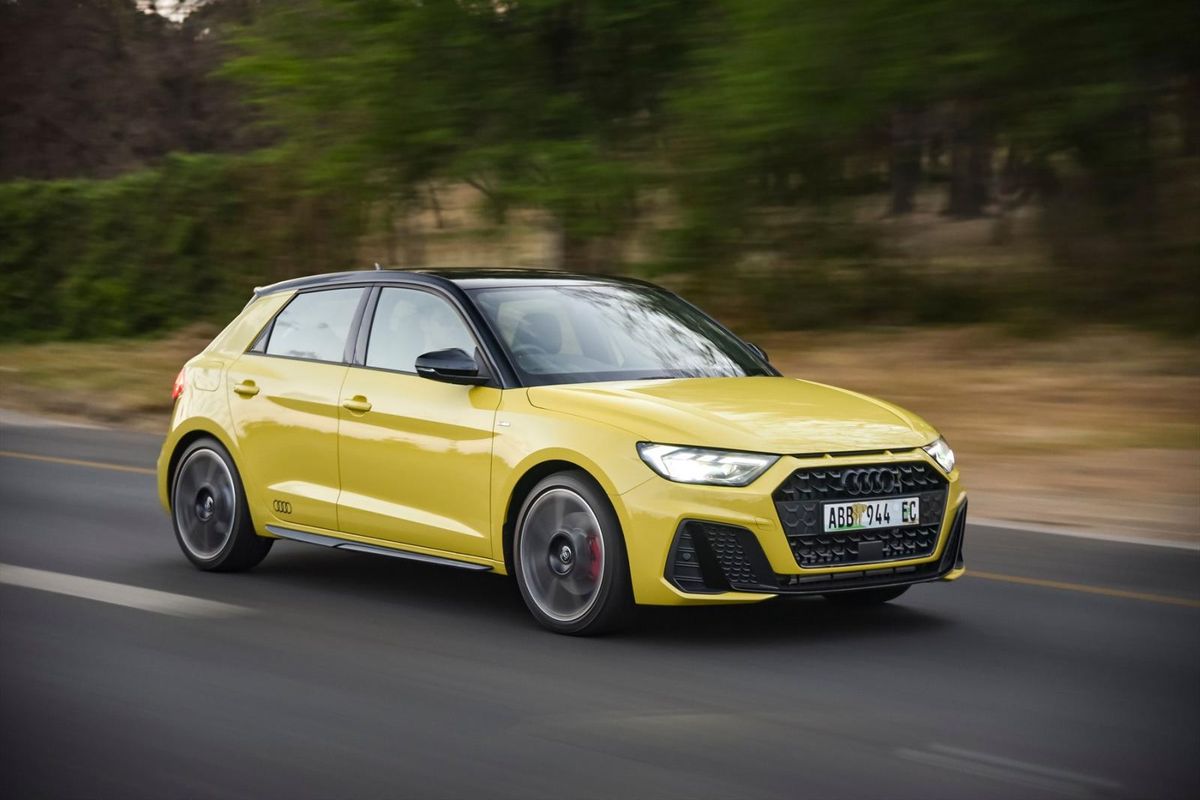
There are 10 exterior colours to choose from, but Python Yellow is bound to be very popular. It shows off all the new lines, bulges and creases of the new A1. What's more, there's an Edition #1 version that gets black badging 18-inch wheels, black contrasting roof and darkened LED lights.
Is it as fast as it looks?
We were only able to sample the 35TFSI during the launch event, but will have a 40TFSI to test in a few weeks. The new 1.5-litre feels smooth and capable but its performance is undramatic. All derivatives feature a 7-speed automatic (S-tronic) gearbox, which is just about as good as it gets: it shifts up and down imperceptibly and allows the engine to ride the torque wave through in-gear acceleration rather than constantly shifting down.
Efficiency wise, the 1.5-litre A1 (35TFSI) impressively returned indicated consumption figures in the low 6 L/100 km region over the 200 km route.
What is it like to drive?
Not a pointy hot hatch but a good mix of sportiness and comfort.
With its new aggressive looks, the A1 might be expected to be a bit of a wild child to drive, but it isn't. It feels familiar (well to anyone who's driven an Audi) and plush. There's a firm feel to the ride, but it doesn't bounce or shake excessively when things get bumpy. The newcomer instils the sensation that it is well-damped; its sure-footedness is particularly confidence-inspiring. When you drive it with verve, the little-big Audi seems to shrink in size and cocoons you. Meanwhile, the planted feel engenders "complete control" over the A1's actions; while it doesn't dig in and corner tightly, it responds quickly and energetically. It's not like driving say, a Cooper S or a Fiesta ST, it's more grown-up but confident in what it can do.
How's the interior?
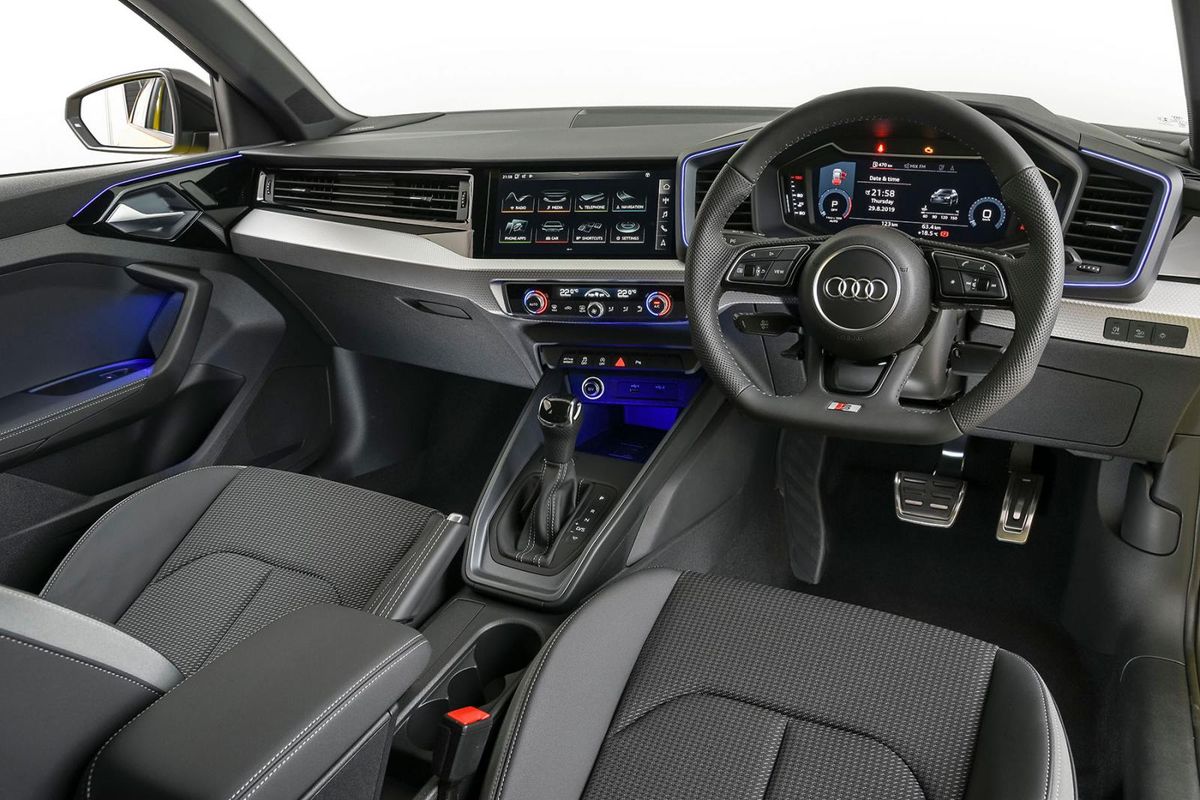
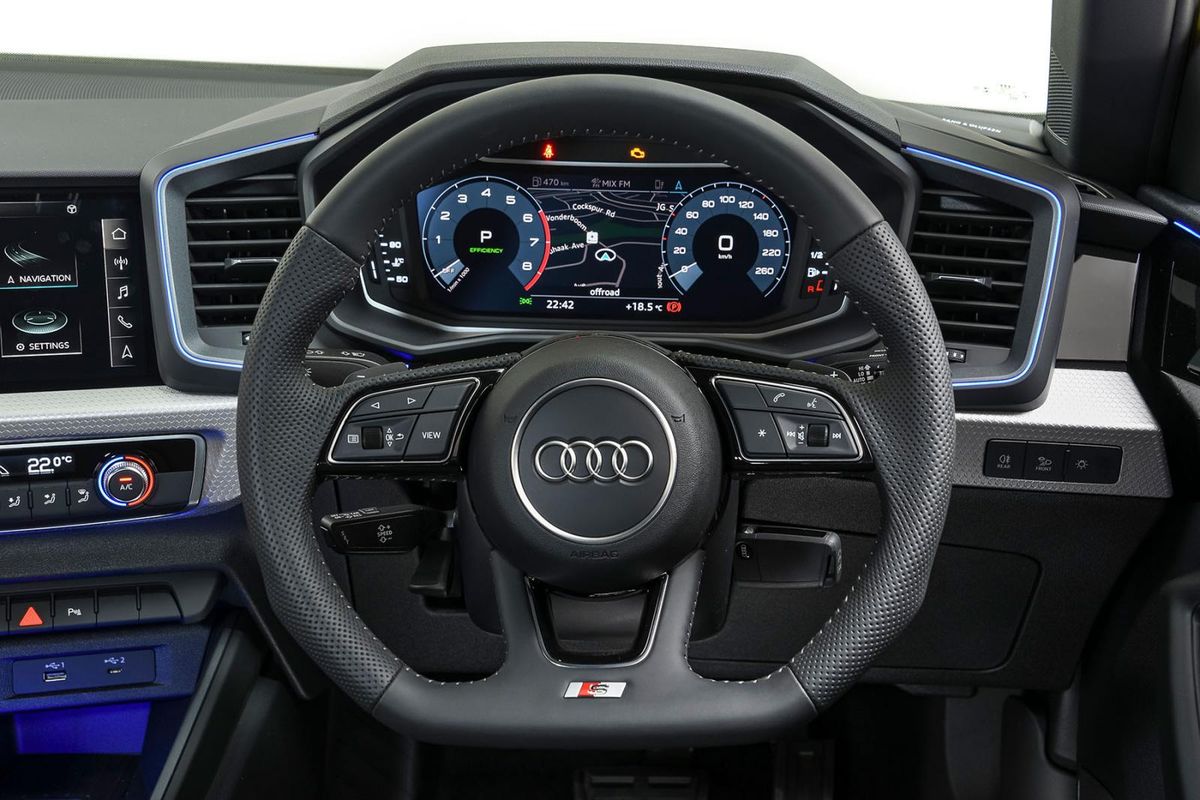
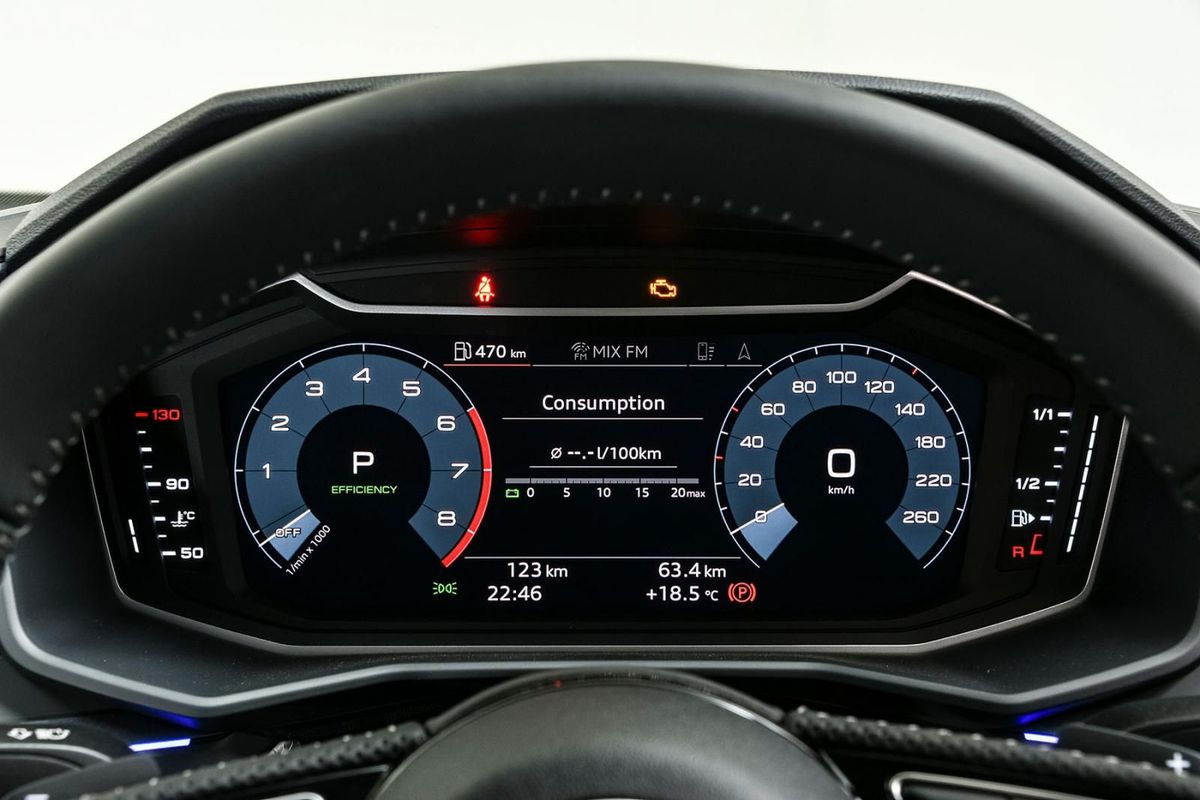
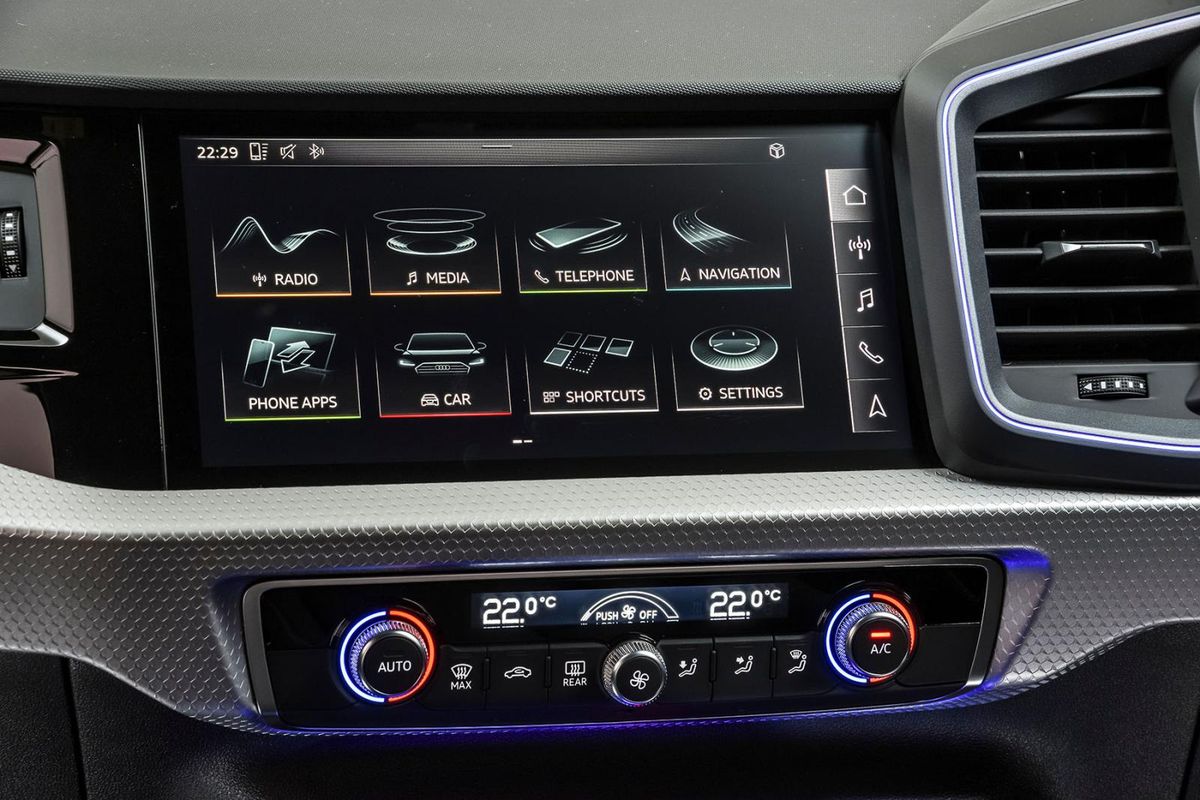
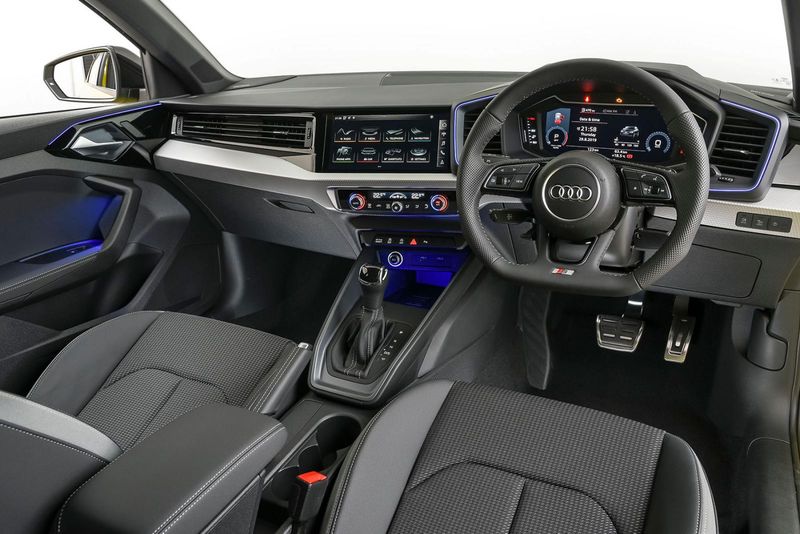
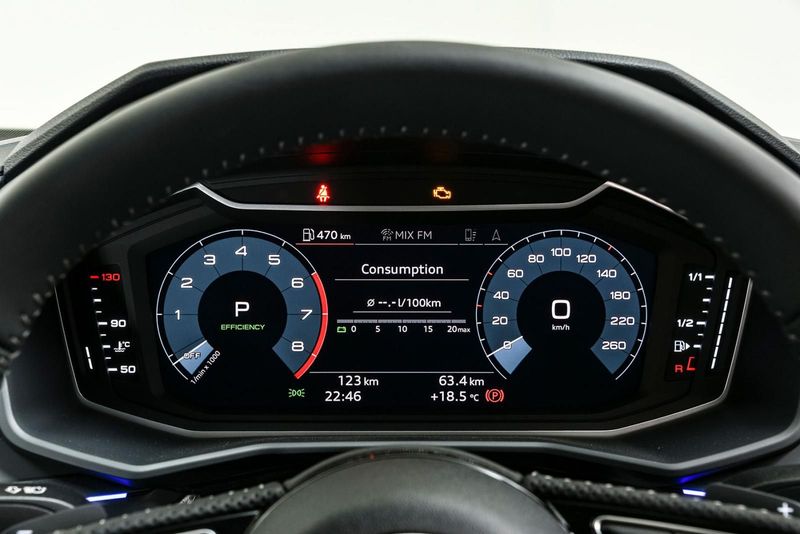
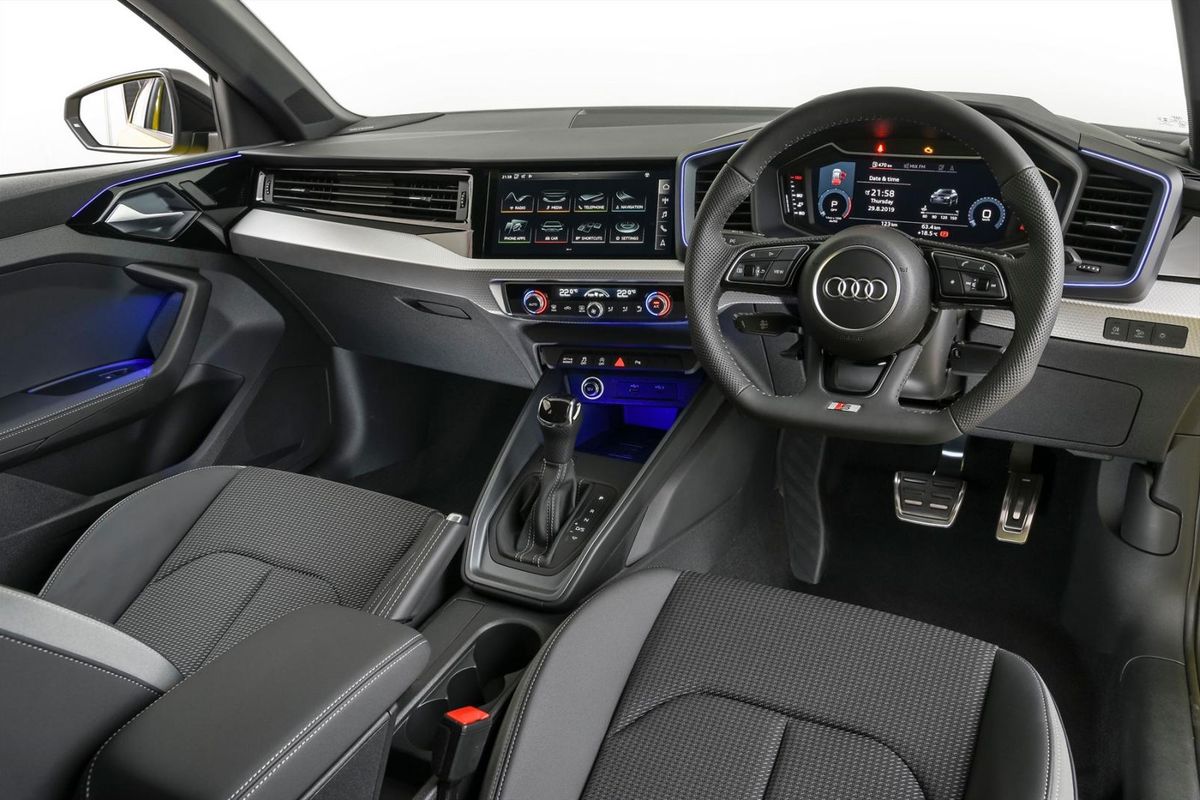
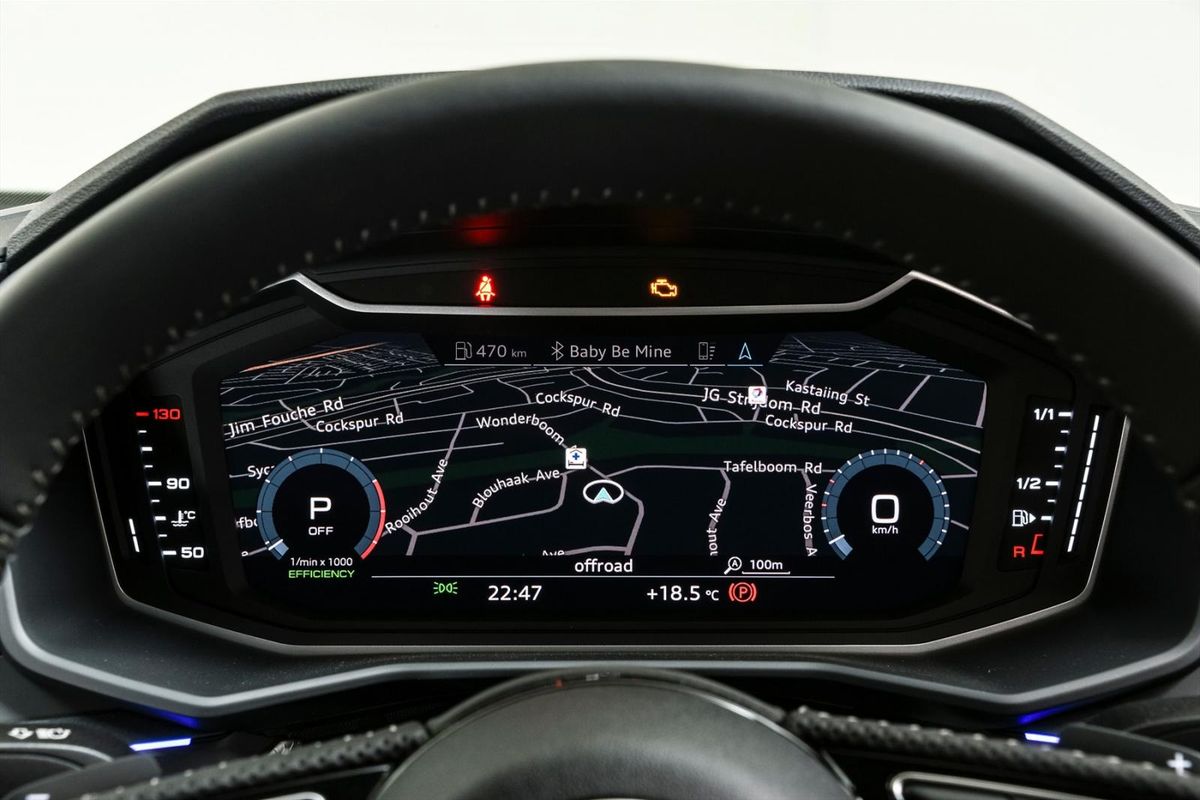
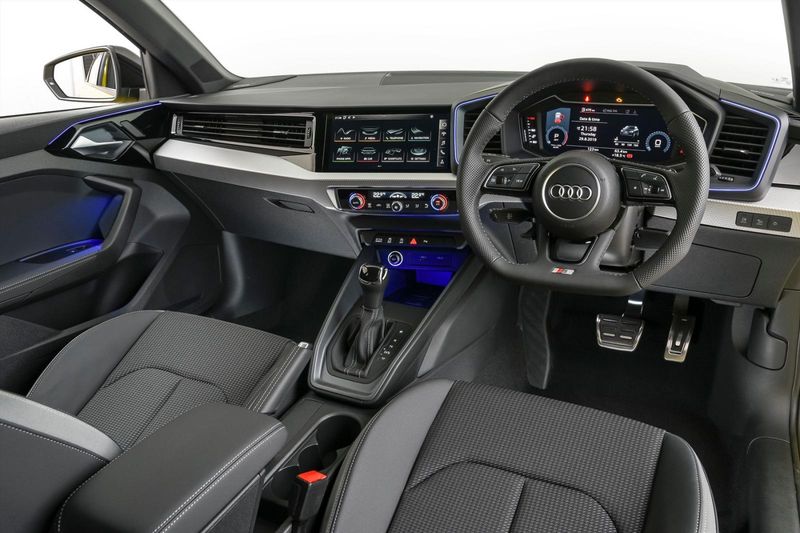
The trickle-down of top-end tech into Audi's entry model is evident: the new infotainment screen of the Q8 has been introduced, there's a wireless charging pad and the Virtual Cockpit digital instrument cluster is available as an option (although standard spec is also digital, just not as fancy).
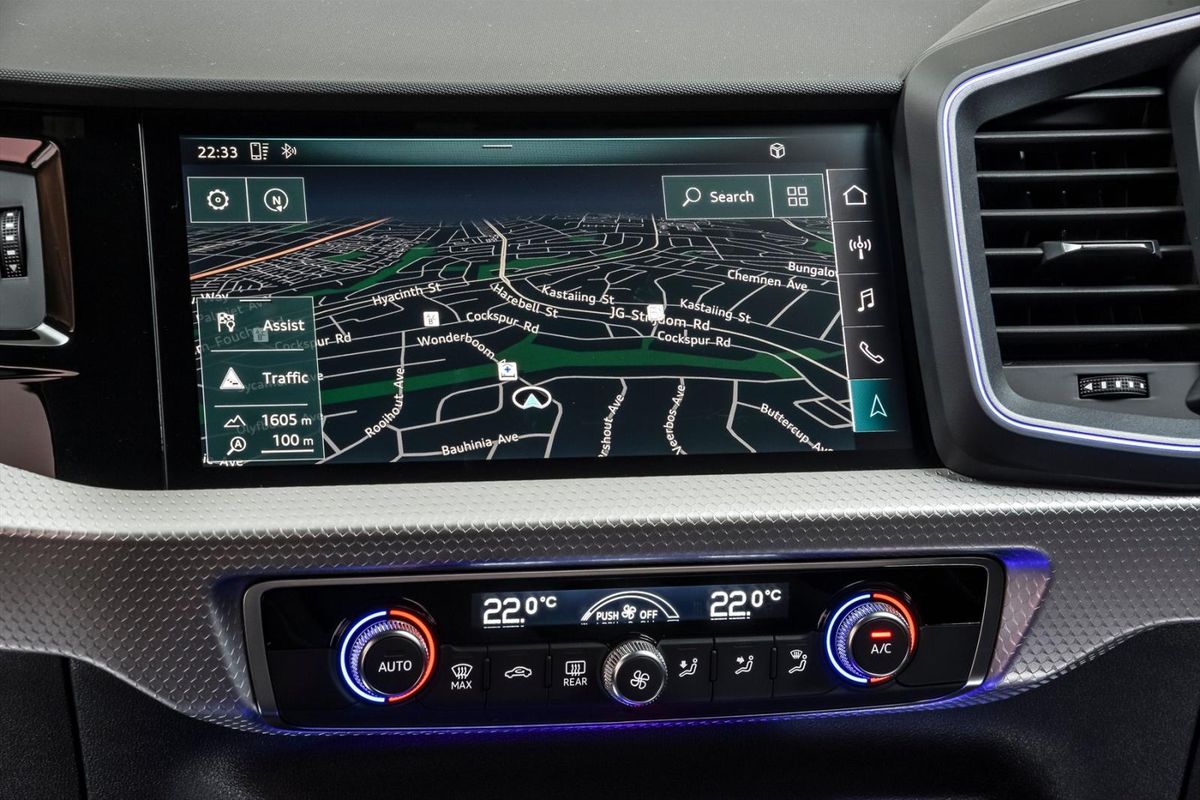
The 10.1-inch infotainment screen is tilted towards the driver.
The centre of the fascia is angled towards the driver, which makes interacting with the infotainment screen easier and the new software renders navigating through menus and options quick and simple. The A1 separates itself from its Polo cousin by soft touchpoints around the cabin, including the dashboard. Some of the trim around the door and grab handles are made of hard plastic, but feel solid and don't wobble or flex when prodded.
You can also spec some of the trim panels with different colour inserts to liven up the interior to your own personal taste.
The Virtual Cockpit shown here is optional but the standard choice is also digital.
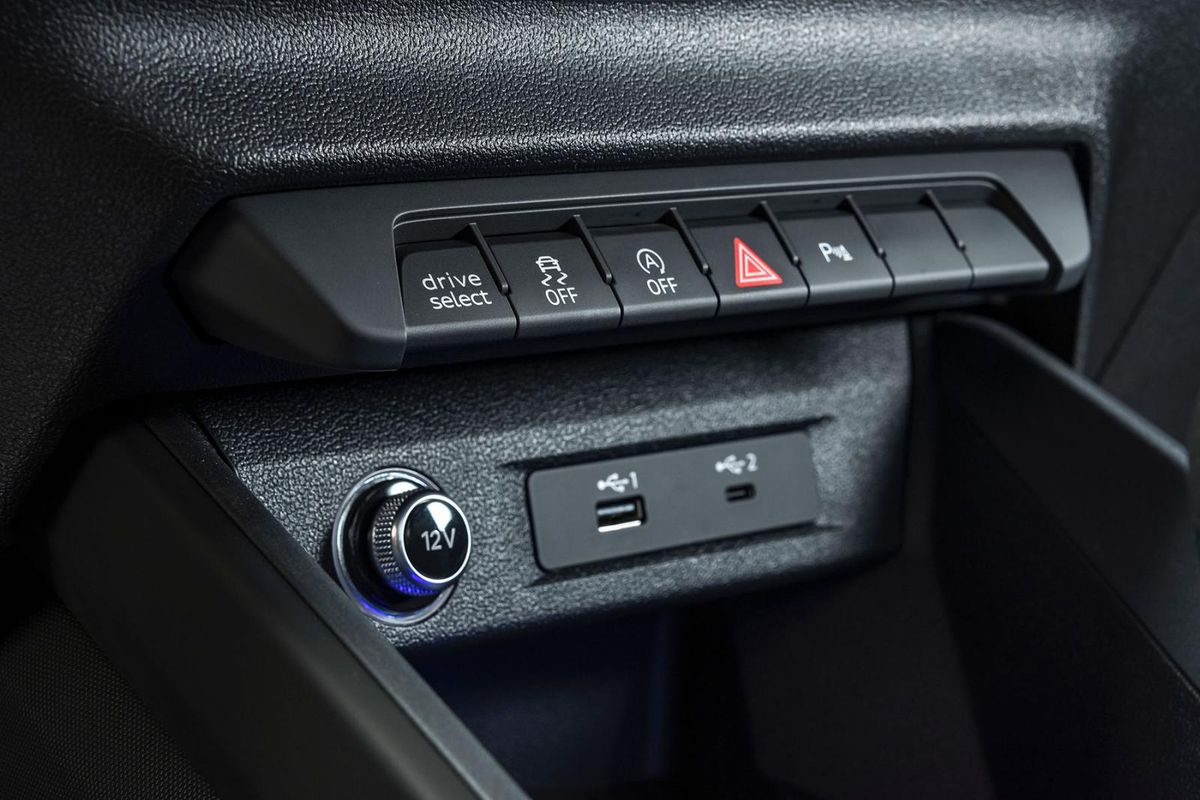
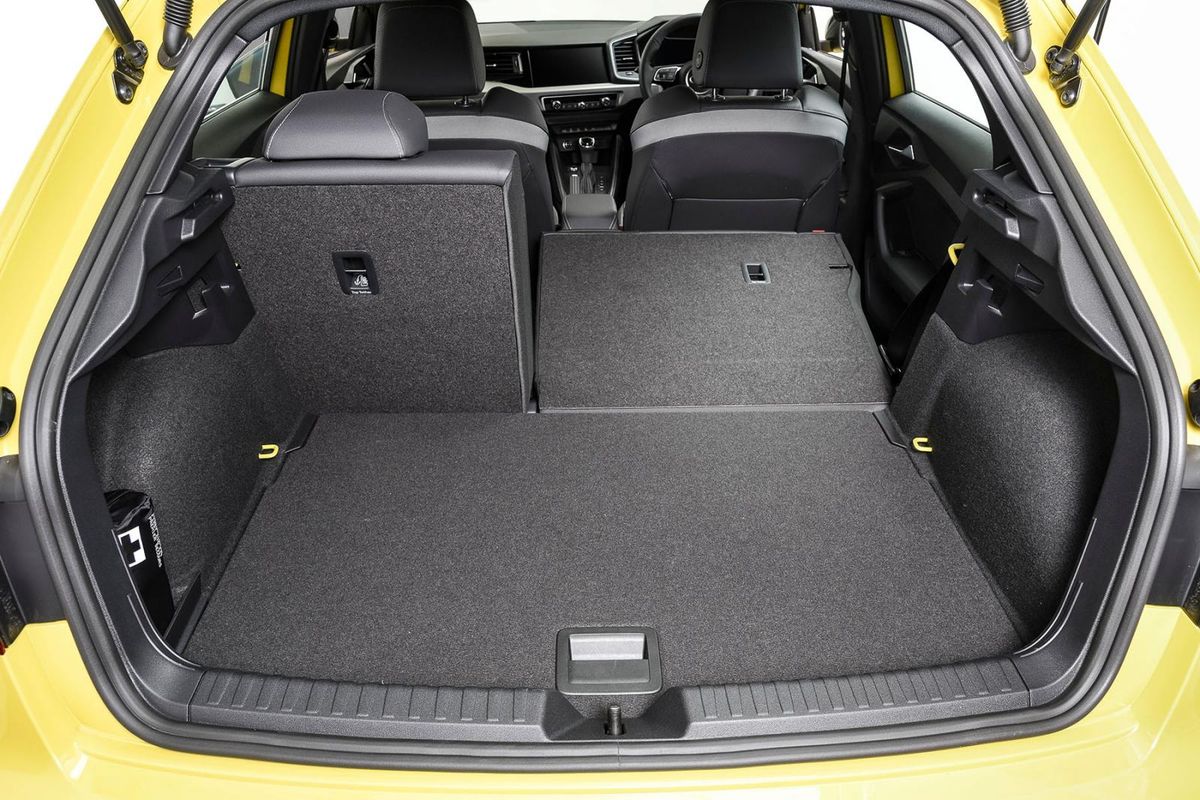
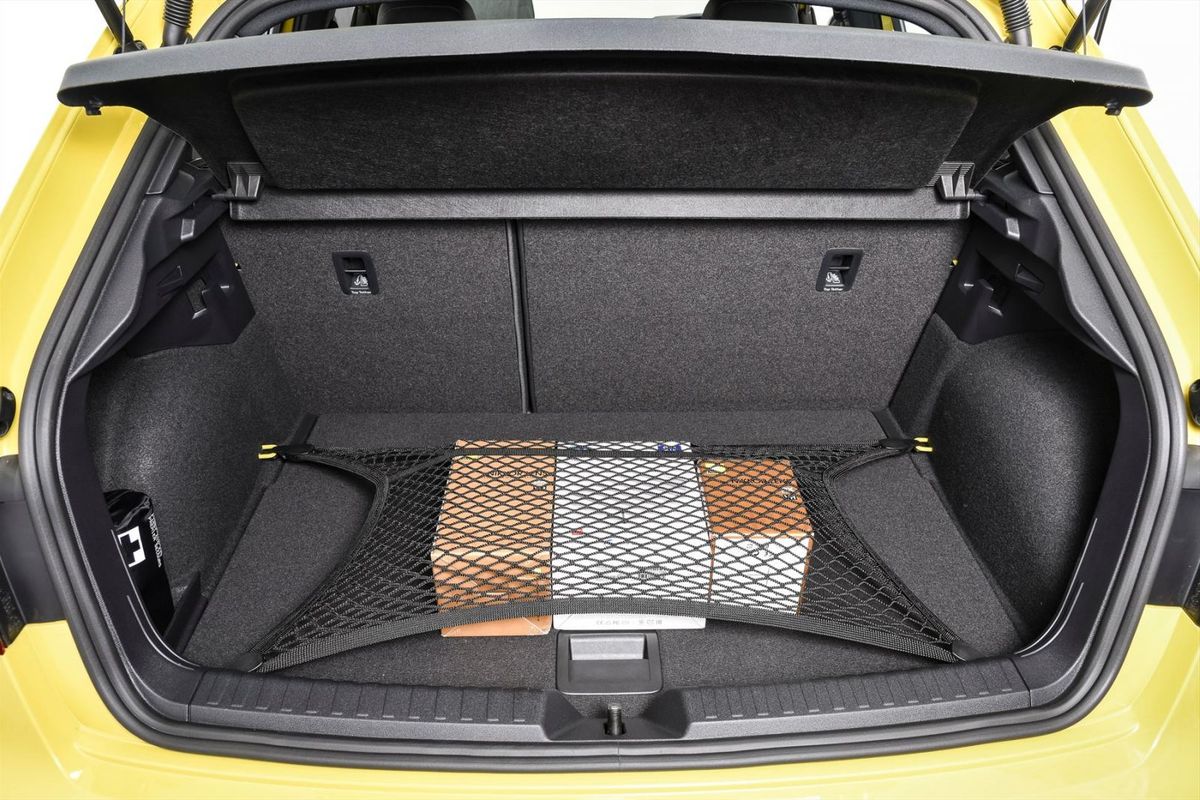
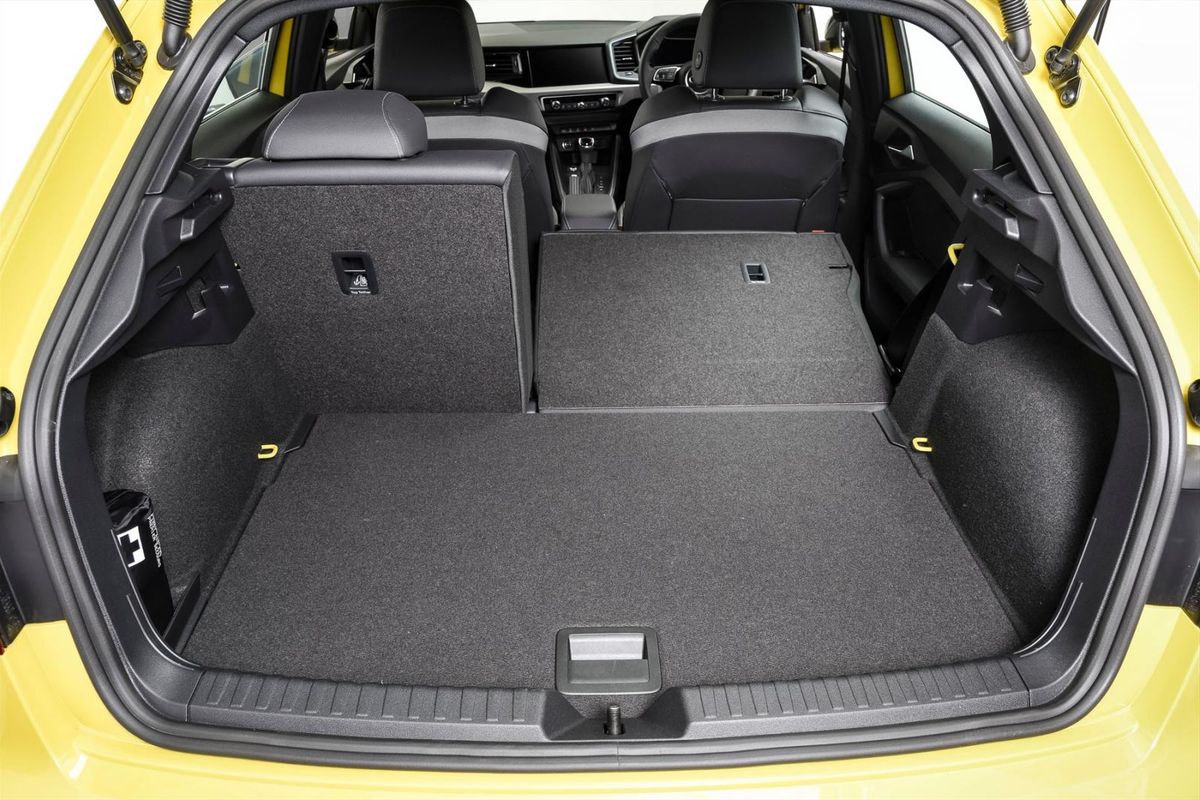
The centre console is a bit on the small side, but thankfully there are dual cup holders and decent storage for keys and phones ahead of the gear stick. Rear passenger space is decent, thanks to the much longer wheelbase, but 3 in the back might be a bit of a squash. The load bay has been increased by a massive 65 litres over the previous A1 to a load capacity of 335 litres, which lifts it to nearly that of the new 1 Series and A-Class.
Summary
The new A1 is a bigger car than before feeling more spacious inside and grown-up.
The new Audi A1 certainly garners attention on the road – during our launch drive, people were keen to point at it and invite others to ogle it.
It certainly feels like a grown-up car with a sporty ride quality, but not to the extent that it will inspire your inner hot-hatch child to wield the A1's 'wheel with reckless abandon. There's even enough space in the back to accommodate people in relative comfort and the load bay is decent too.
Young buyers will be pleased by the levels of tech on offer. The new infotainment screen is quick and easy to use and all the controls are placed within quick reach. Ergonomically, the interior has been well thought out while the materials are mostly soft-touch and seamlessly installed.
The newcomer's pricing is on the high side, however. But bear in mind that the A1 has grown into a car that could steal sales from the Mercedes-Benz A-Class and upcoming BMW 1 Series. With more city dwellers looking for something small and fashionable, the A1 ticks the right boxes.
Audi A1 (2019) Price in South Africa
30 TFSI R359 900
30 TFSI Advanced Line R373 900
30 TFSI S Line R388 900
35 TFSI R429 900
35 TFSI Advanced Line R443 900
35 TFSI S Line R458 900
40 TFSI S Line R488 000
Audi A1 (2019) Spec & Price [Video]
The new Audi A1 has arrived in South Africa! Take a look at specification and pricing details for the newcomer below…
The Audi A1 is Ingolstadt's entry point to the brand. Built on the MQB platform and adopting the latest Audi design language both inside and out, the stylish compact car has now arrived on local soil. We had the chance to drive the all-new Audi A1 at its international launch in Spain in 2018.
All Audi A1 units will feature the S tronic dual-clutch transmission and there's no manual gearbox option at all. The range starts at R359 900 and tops out at R488 000. Kicking off the range is the 30 TFSI, which is powered by a 1.0-litre turbocharged 3-cylinder turbocharged petrol engine. It produces 85 kW and 200 Nm, and is capable of 9.4 seconds to 100 kph. Efficiency is claimed at 4.8 L/100 km. This engine will be available in 3 levels of trim: 30 TFSI, Advanced Line and S Line.
The next engine up is the 35 TFSI, a 1.5-litre turbocharged 4-cylinder engine. It has 110 kW and 250 Nm on tap, and is slightly faster than its 30 sibling. Audi claims a 7.7 second sprint time to 100 kph, while it's said to consume 5.1 L/100 km on the combined cycle. Like the 30 TFSI, it's available in 3 levels of trim: 35 TFSI, Advanced Line and S Line.
Finally, at the top of the pile, is the 40 TFSI. Powered by a 2.0-litre turbocharged 4-cylinder, this model has a performance slant. Packing 147 kW and 320 Nm, Audi claims it'll hurtle to 100 kph in just 6.5 seconds. Despite its performance credentials, Audi claims 6.0 L/100 km. Petrolheads will notice the engine specs and similarities between the 40 TFSI and the Volkswagen Polo GTI, and yes, the two products share platform and engine.
Design and features
The sleek, driver-focused cabin can be customised to your tastes and needs.
The new Audi A1 is offered with a choice of 10 exterior colours and a contrasting roof can be had as an option. The A1 is also highly customisable to suit customer tastes and preferences. Equipment lines include Standard, Advanced and S line.
Audi offers customers a range of packages to simplify the buying process and these packages include:
Comfort
Technology
Sport
Lights (for 30 TFSI only)
S line interior
A Black Styling Package and Contrast Package is also on offer.
The interior design is modern and edgy in design with neat, high-quality finishes providing an upmarket look and feel. The A1 is fitted with an 8.8-inch digital instrument cluster as standard which can be upgraded to Audi's Virtual Cockpit if you so desire. In terms of infotainment, an MMI radio plus is fitted as standard but a larger 10.1-inch MMI touchscreen is on offer if you choose the optional MMI navigation plus. The Audi smartphone interface is also optional and it offers Apple CarPlay and Android Auto. Another option to consider is the Audi phone box which is able to charge your smartphone inductively via wireless charging according to Qi standard. For music lovers, a 560W Bang & Olufsen sound system with 11 speakers is an option.
In terms of practicality, the A1 is more spacious than before and the load bay has increased by 65 litres to now offer 335 litres, increasing to 1 090 litres with the rear seats folded down.
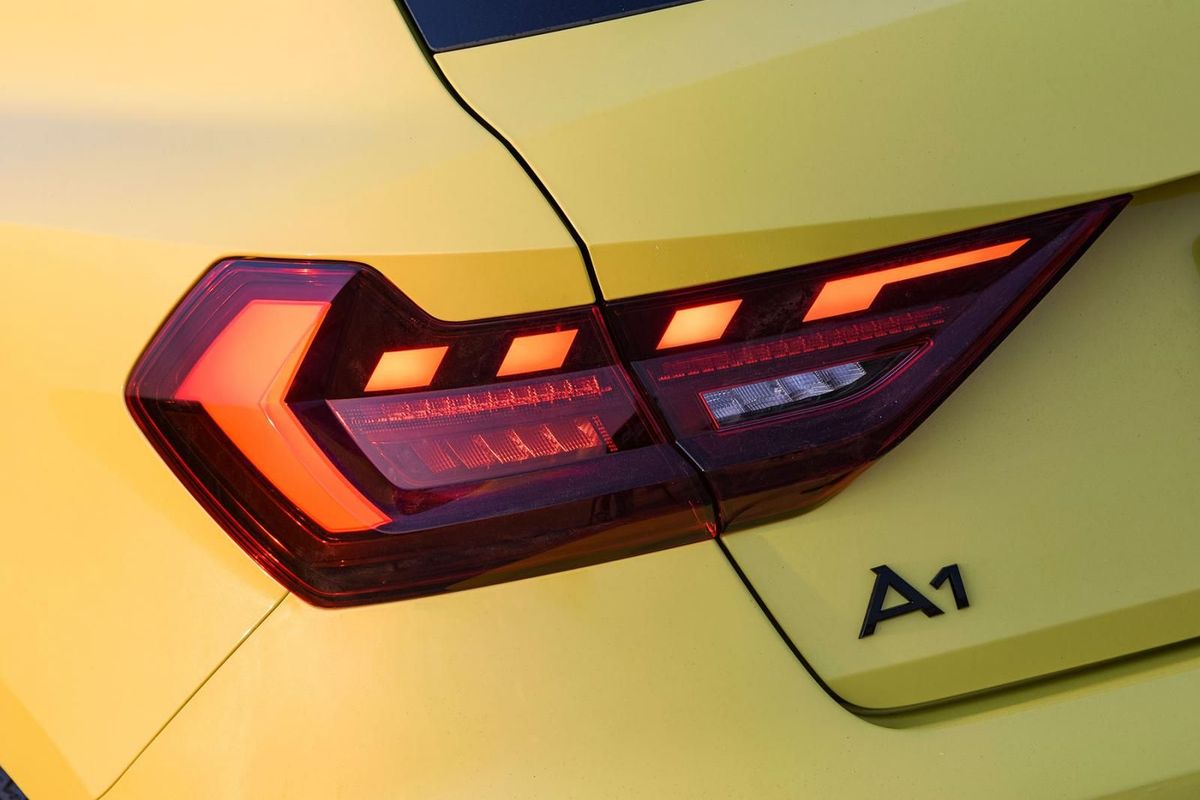
If you wish to make a sporty statement then perhaps the Edition 1 is for you as it's based on the S line equipment line and is finished in Python Yellow and rides on 18-inch Audi Sport alloy wheels. It also features a contrasting roof and exterior mirror housings and the LED lights (front and rear) are dark-tinted for added effect. The Audi rings on the front and back are finished in black for a trendy look.
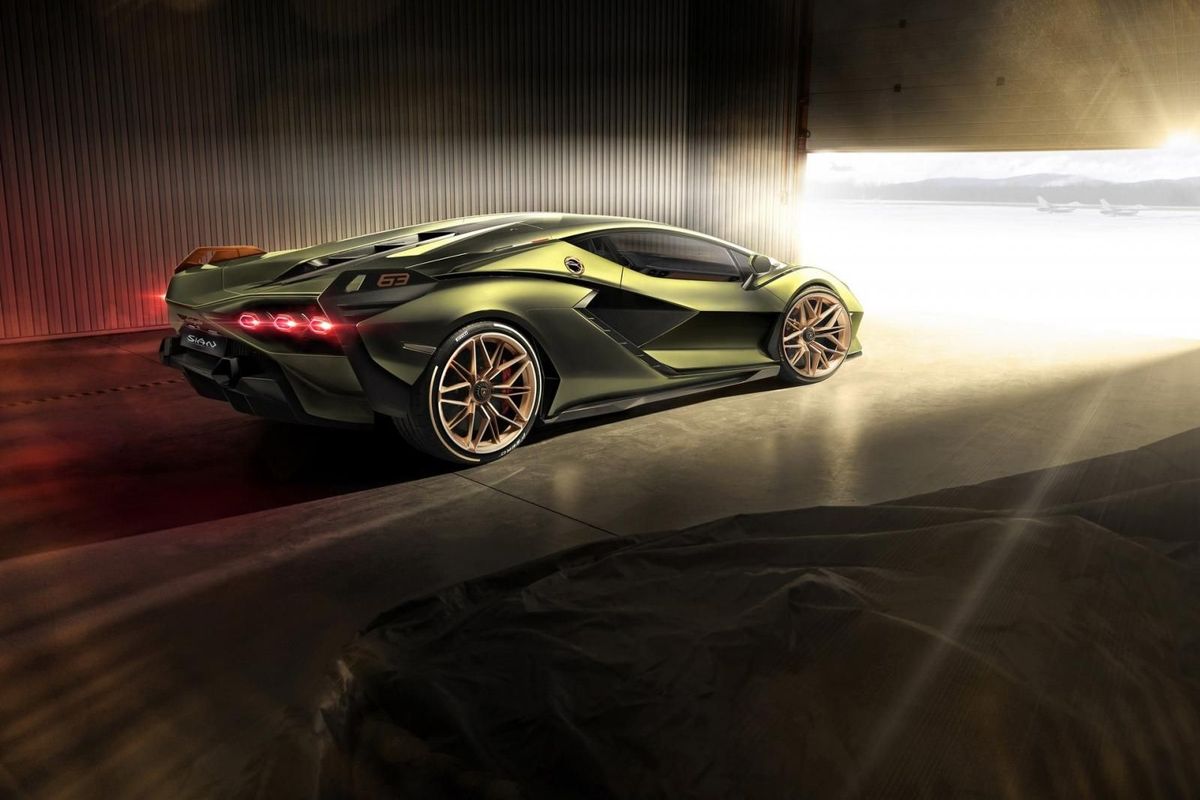
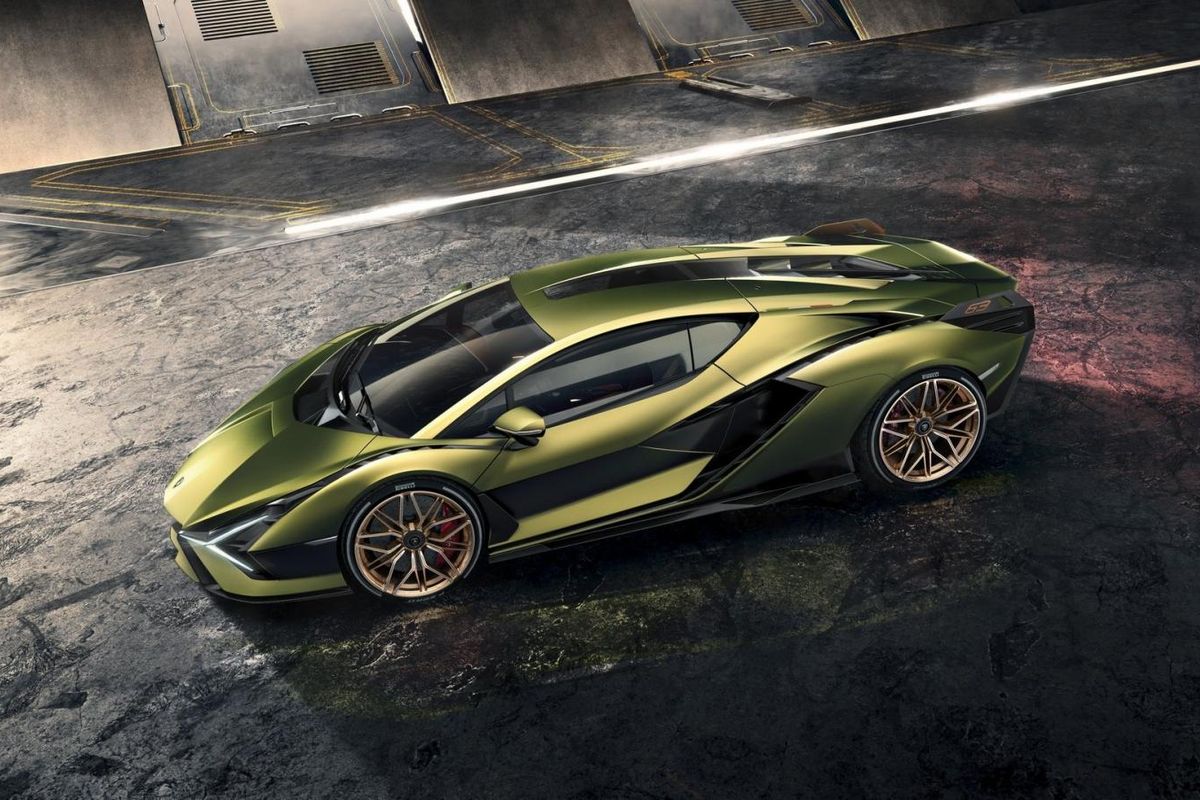
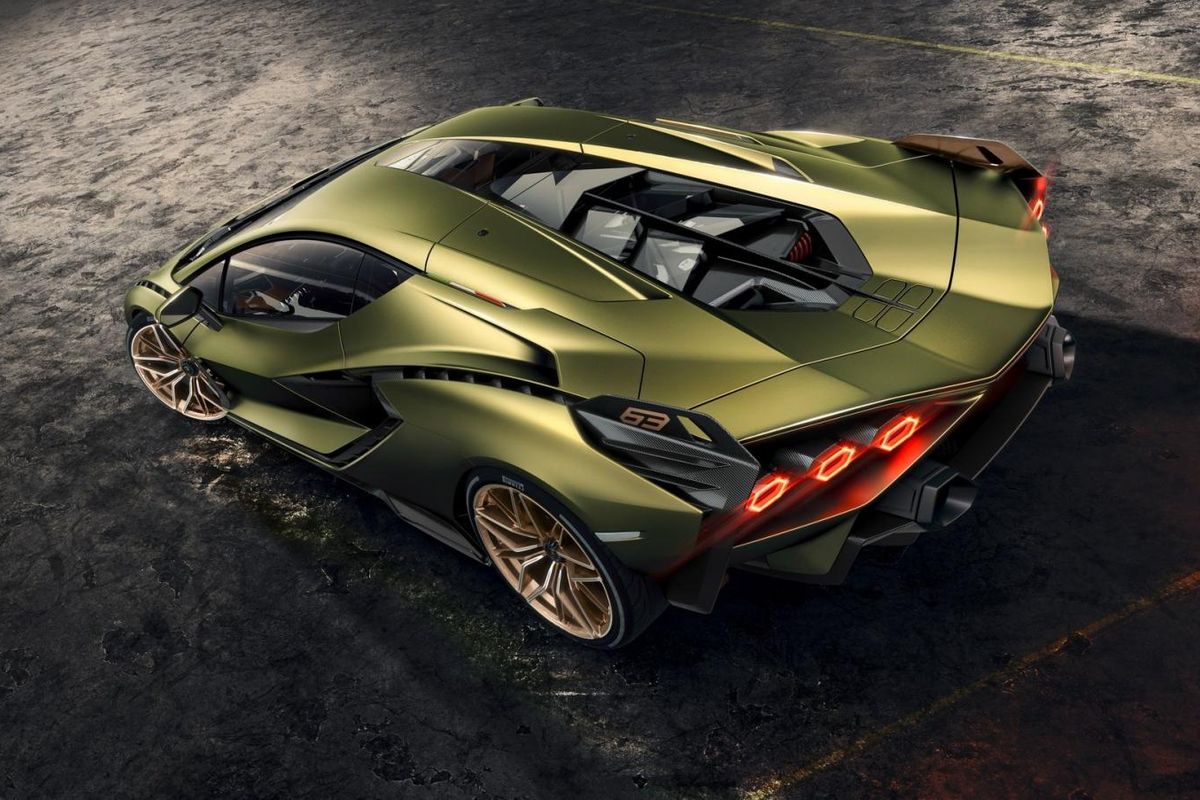
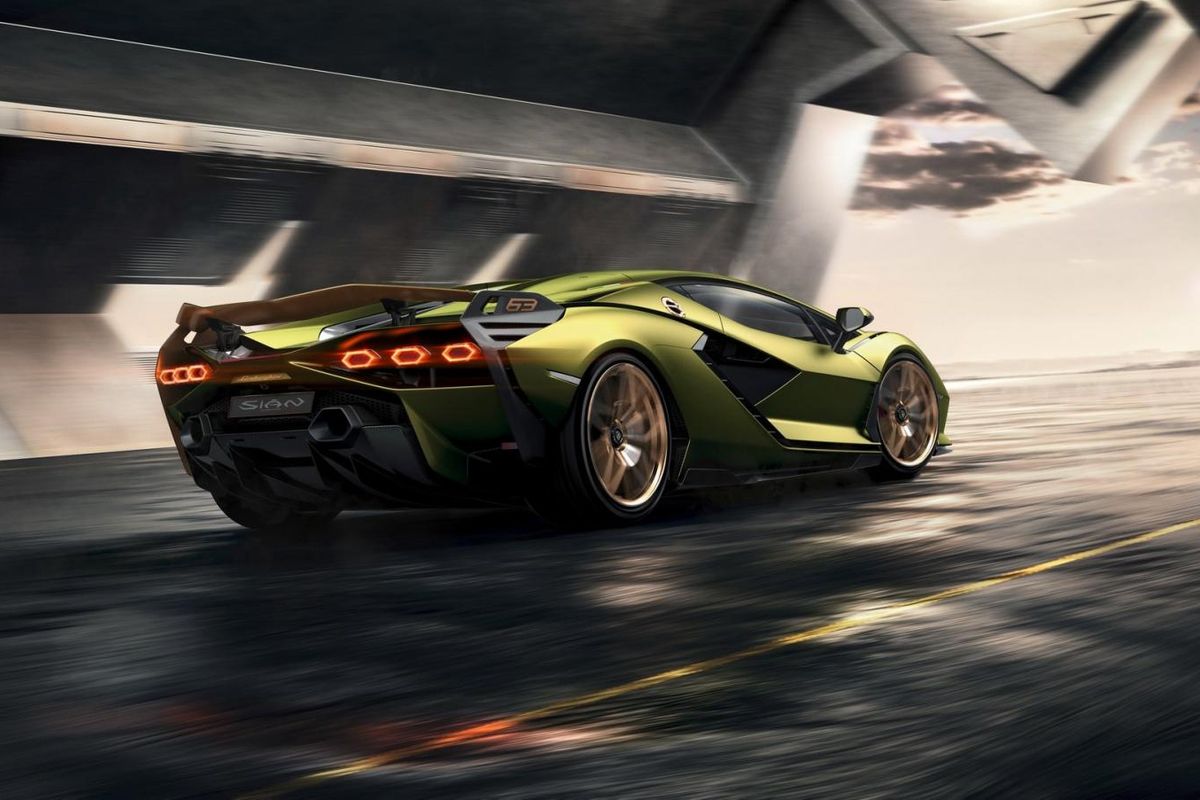
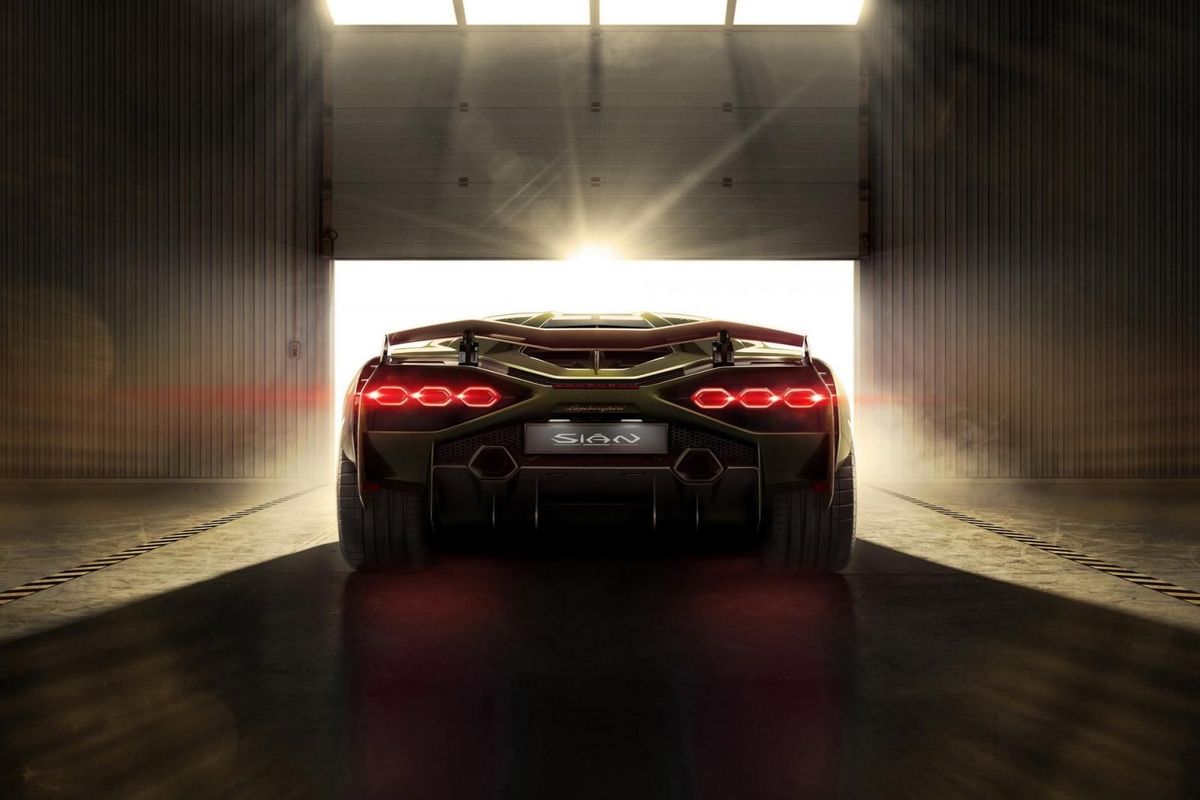
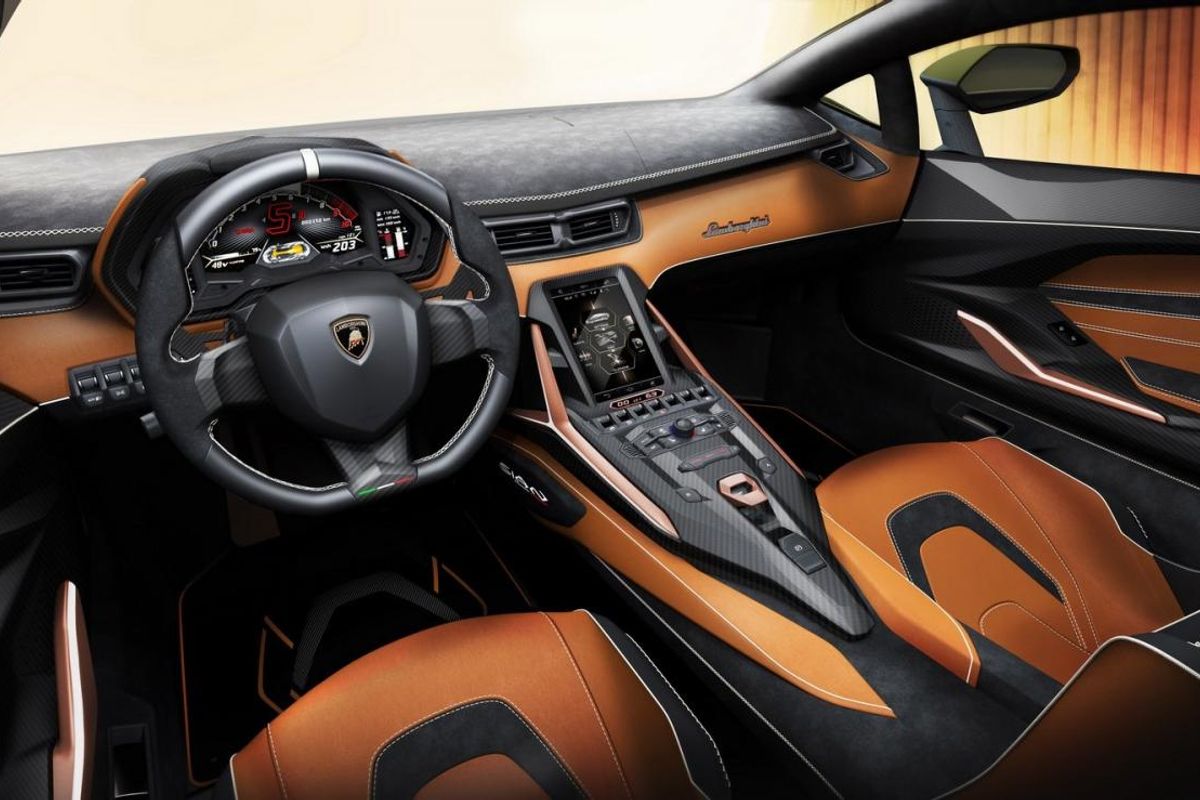
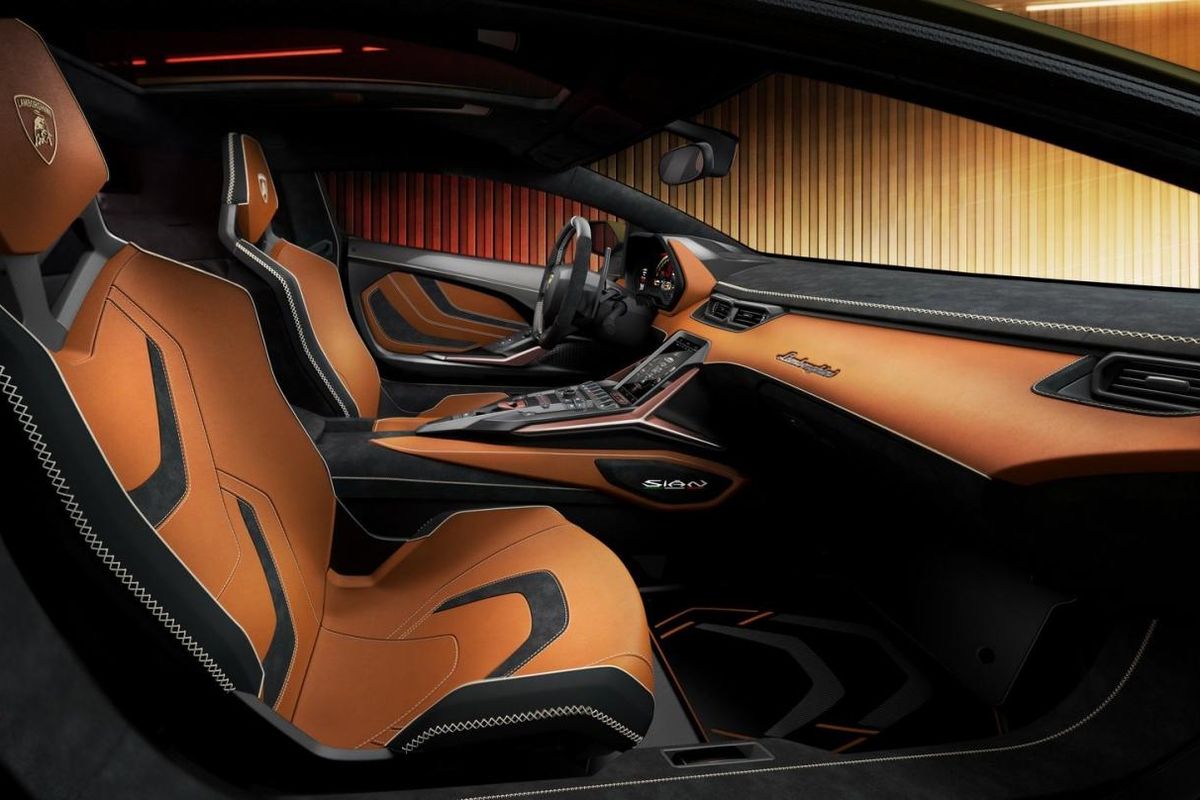
This is the most powerful and fastest Lamborghini ever, and it’s a hybrid…
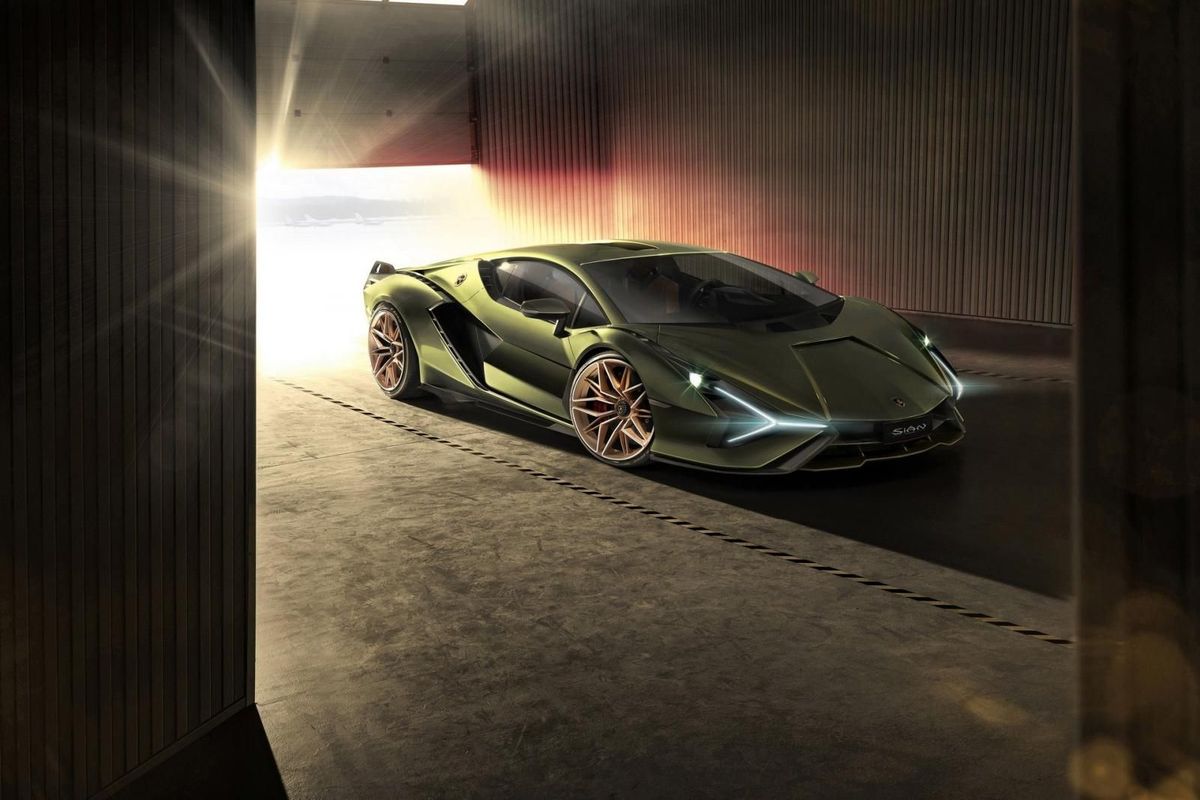
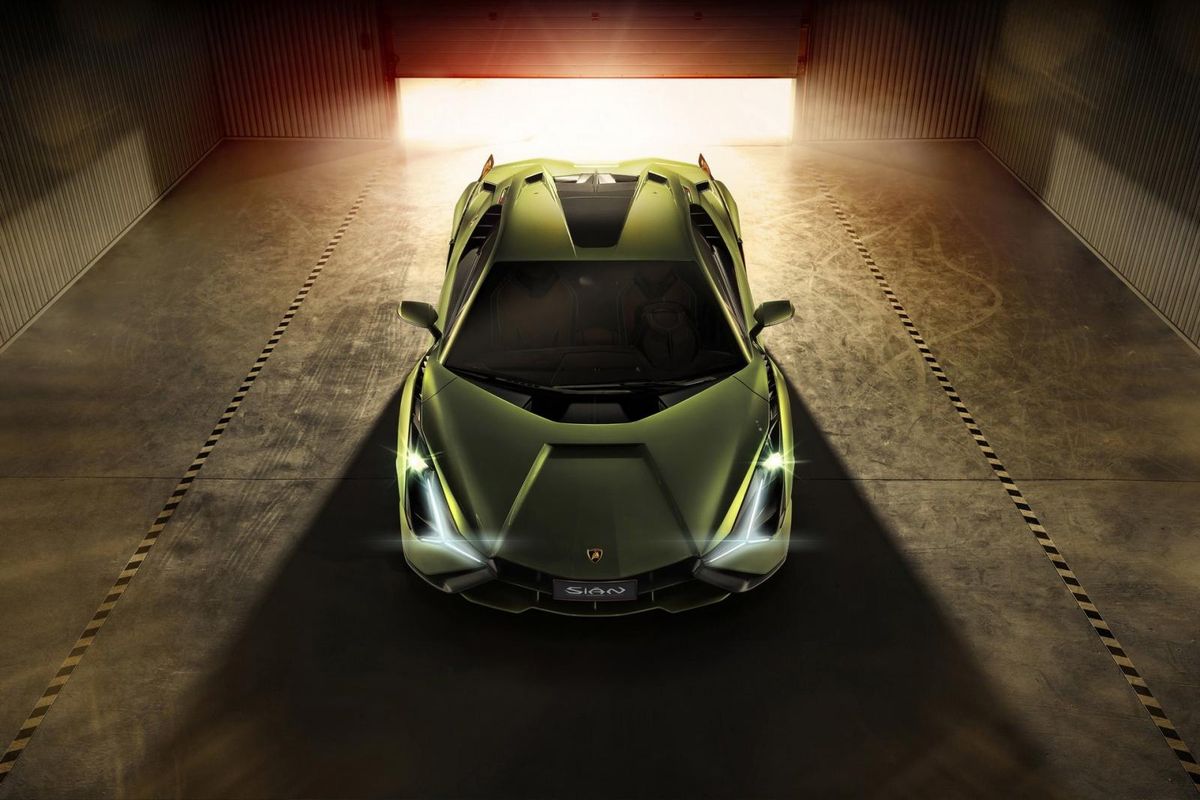
The new Sián is Lamborghini’s first-ever hybrid vehicle and it’s the brands most powerful and fastest model to date. The Sián name means ‘flash’ or ‘lightning in Bolognese dialect and represents the first step towards an electric future.
The Sián is built on the same platform as the Aventador and while it features a potent 6.5-litre V12 engine that’s been uprated to 577 kW, the gearbox also combines a mild-hybrid system with a 48V, 25 kW electric motor that delivers immediate response while enhancing performance. Low-speed driving such as parking or reversing is done on electric power supplied by the motor. Total system output is pegged at 602 kW and the Sián can reach a top speed of 350 kph.
In an effort to save weight, the Sián uses a supercapacitor instead of the more common lithium-ion battery which was first pioneered in the Aventador. Now though, the supercapacitor can store 10 times the power and is said to be 3 times more powerful than a battery of the same weight. An advanced regenerative braking system allows the system to be fully charged every time the vehicle brakes which means that the driver has access to additional torque at pull off which inevitably improves acceleration.
With a claimed zero to 100 kph sprint time of “less than 2.8 seconds”, the Sián is the fastest-accelerating Lamborghini on the planet.
The Lamborghini Sián will make its official debut at the upcoming Frankfurt Motor Show on 10-22 September 2019.
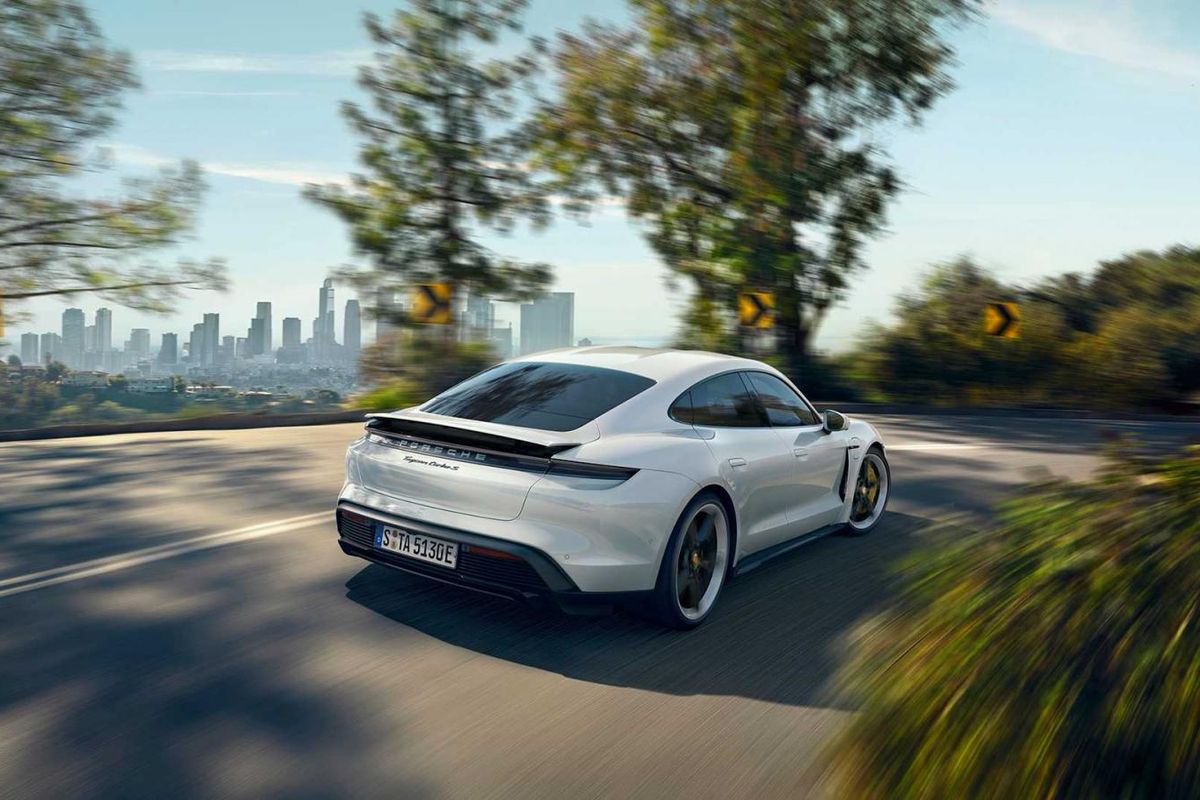
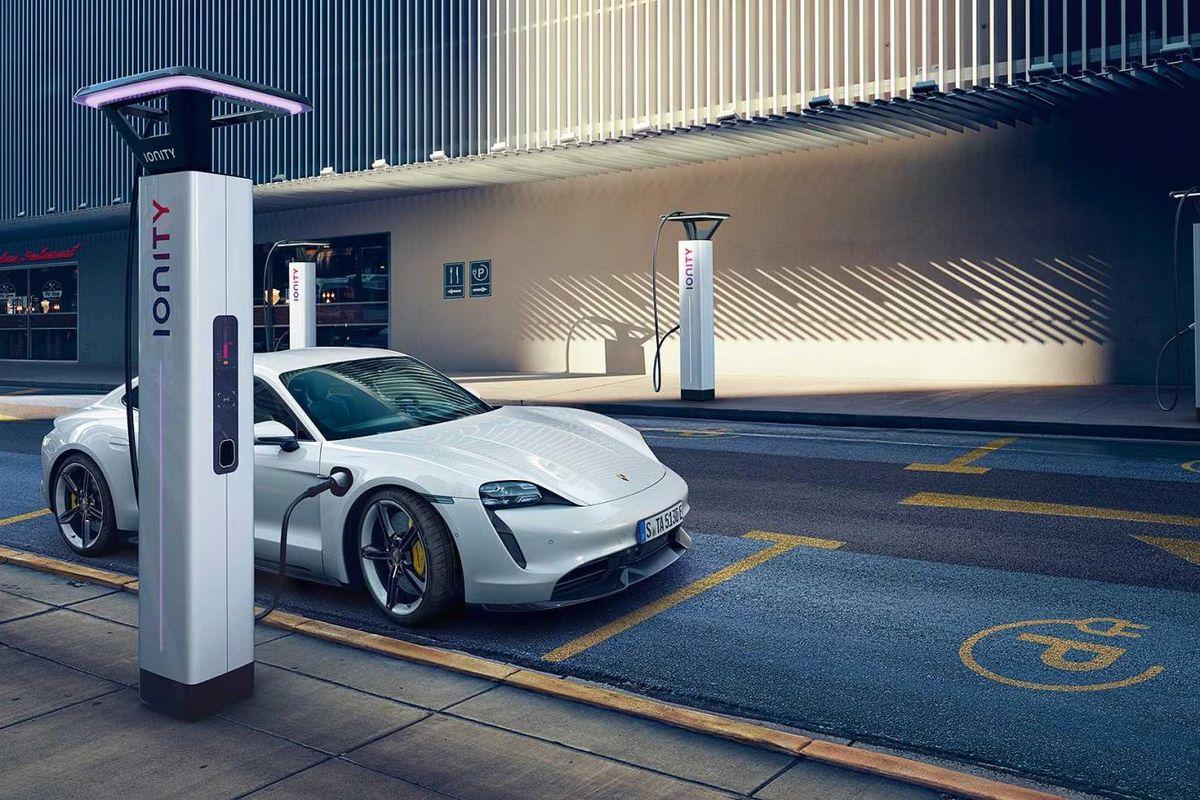
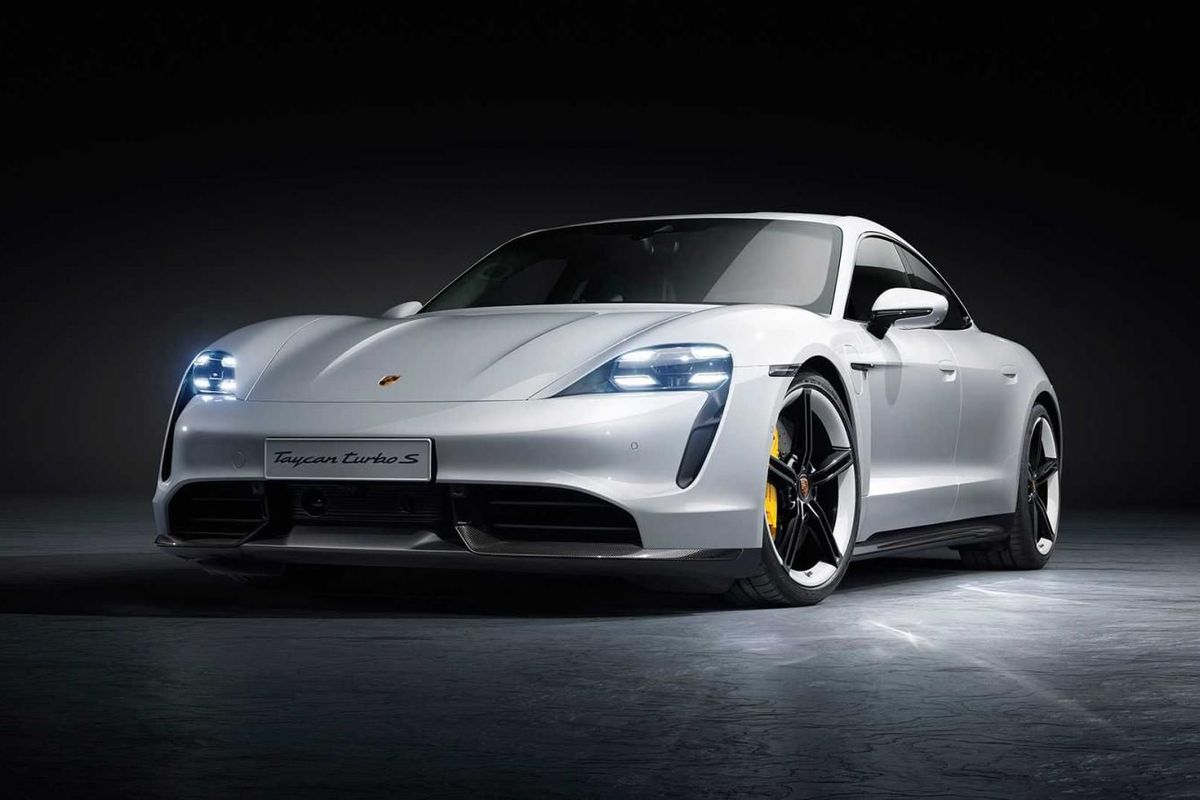
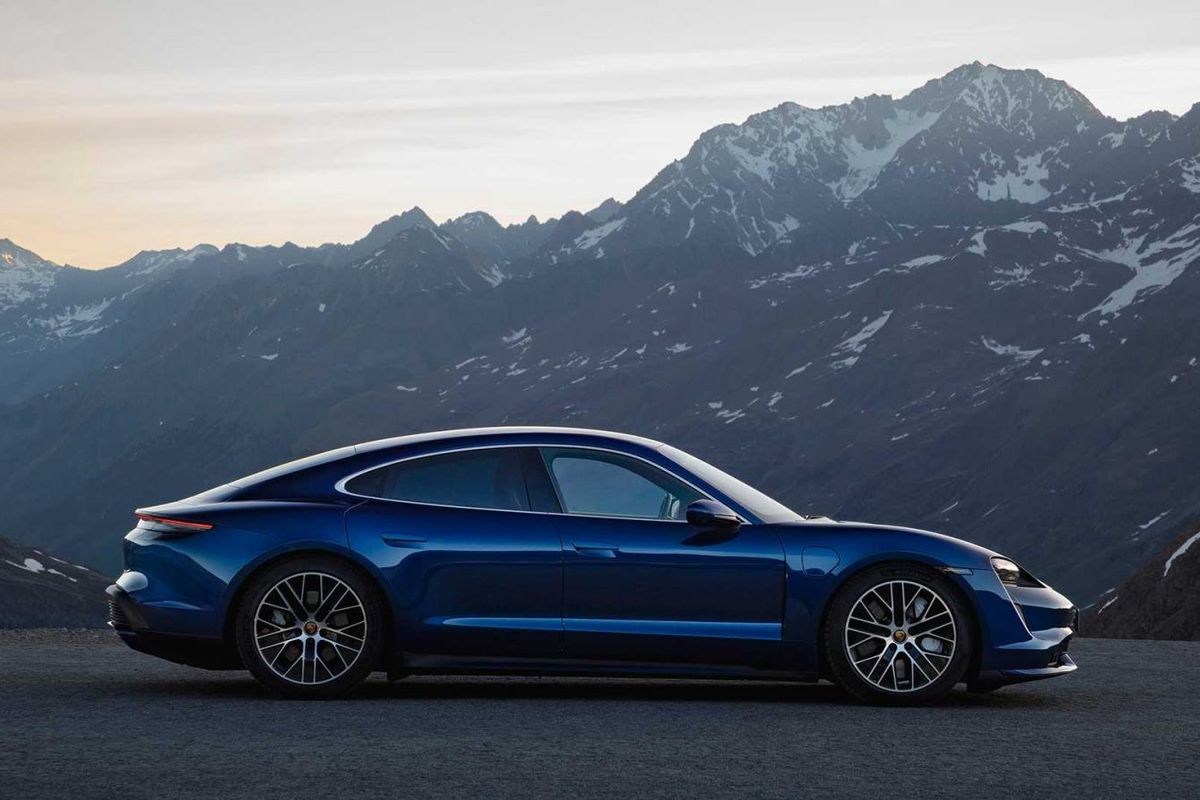
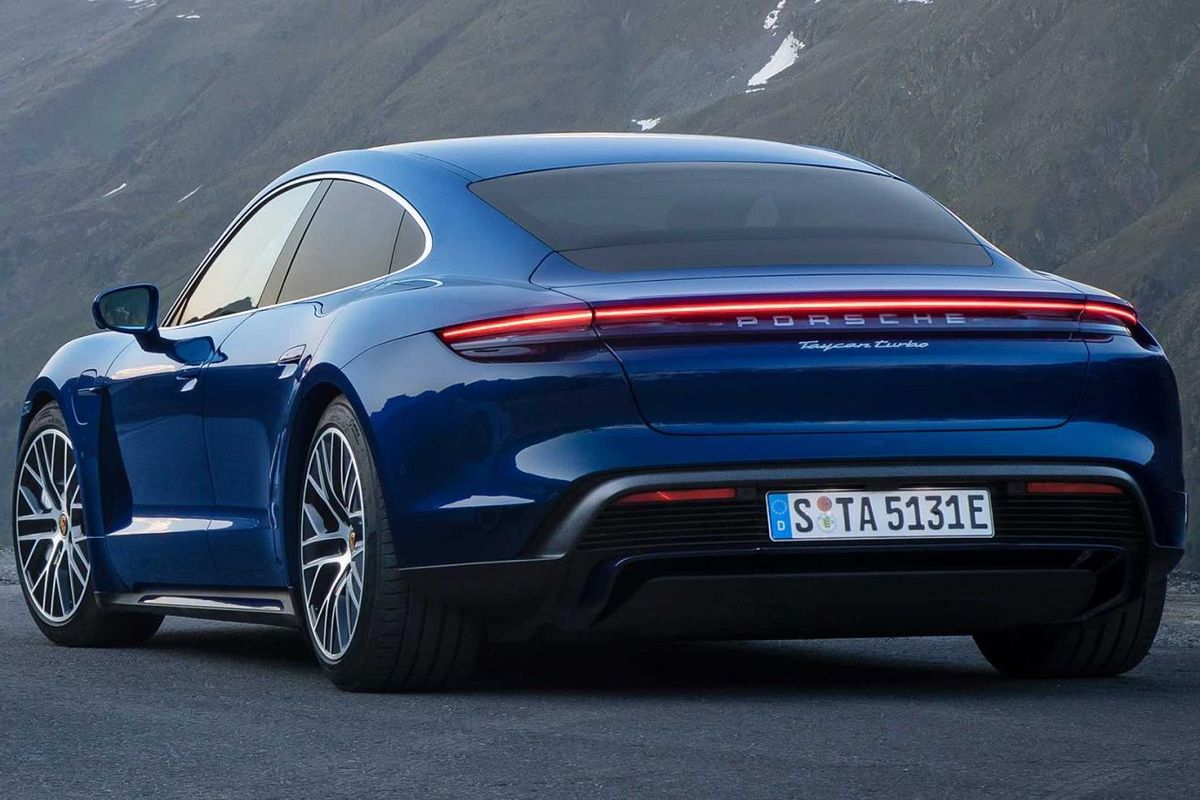
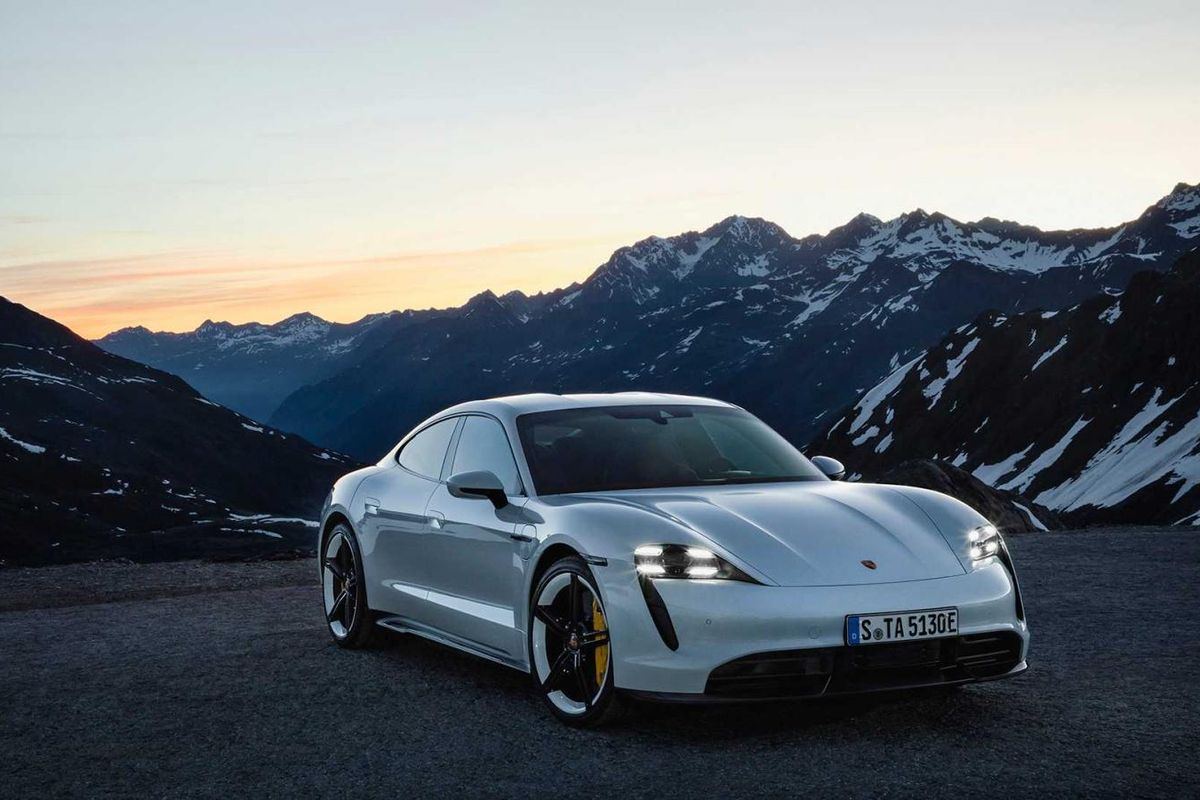
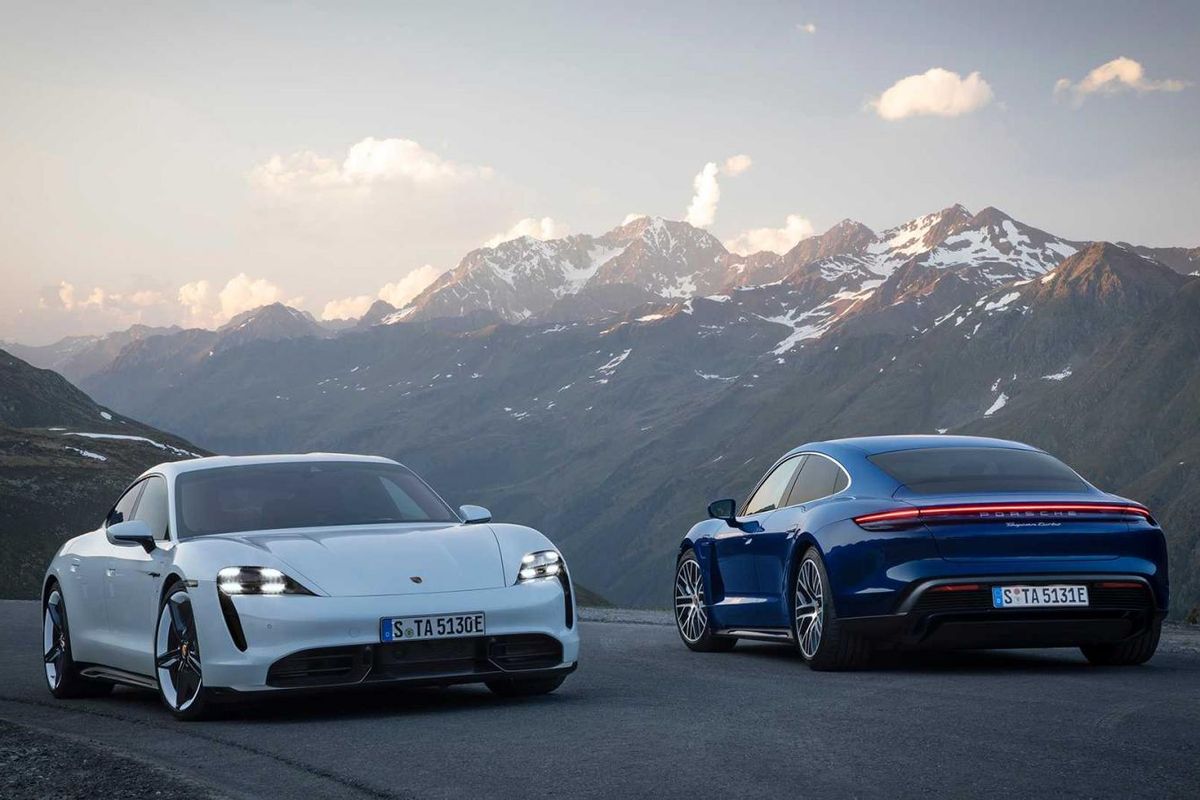
After a series of agonising teasers, Porsche has finally revealed the production version of its first electric vehicle, the Taycan.
Billed as perhaps the most important vehicle in Porsche’s esteemed history, the Taycan will be available in 2 derivatives: Turbo and Turbo S. Despite being powered by batteries and electric motors, Porsche has chosen to associate its Taycan with the company’s legendary Turbo naming heritage.
Both Taycan trims are powered by a similar dual-electric motor drivetrain, fed by a 93.4 kWh lithium-ion battery pack. To place its battery capacity in perspective, the latest iteration of Tesla’s Model S, is powered by a 100kWh battery.
The electric motor power outputs are deeply impressive. Although both the Turbo and Turbo S run in a default 460kW mode, additional power is available on demand. The Taycan Turbo can deliver up to 500kW when its launch mode function is enabled, and Turbo S amplifies that to 560kW.
As with all contemporary electric vehicles, the Taycan is a heavy vehicle, at 2 295kg. Despite this, acceleration is starling, with Porsche claiming 0-100kph in 2.8 seconds for the Turbo S and top speed is limited to 260kph.
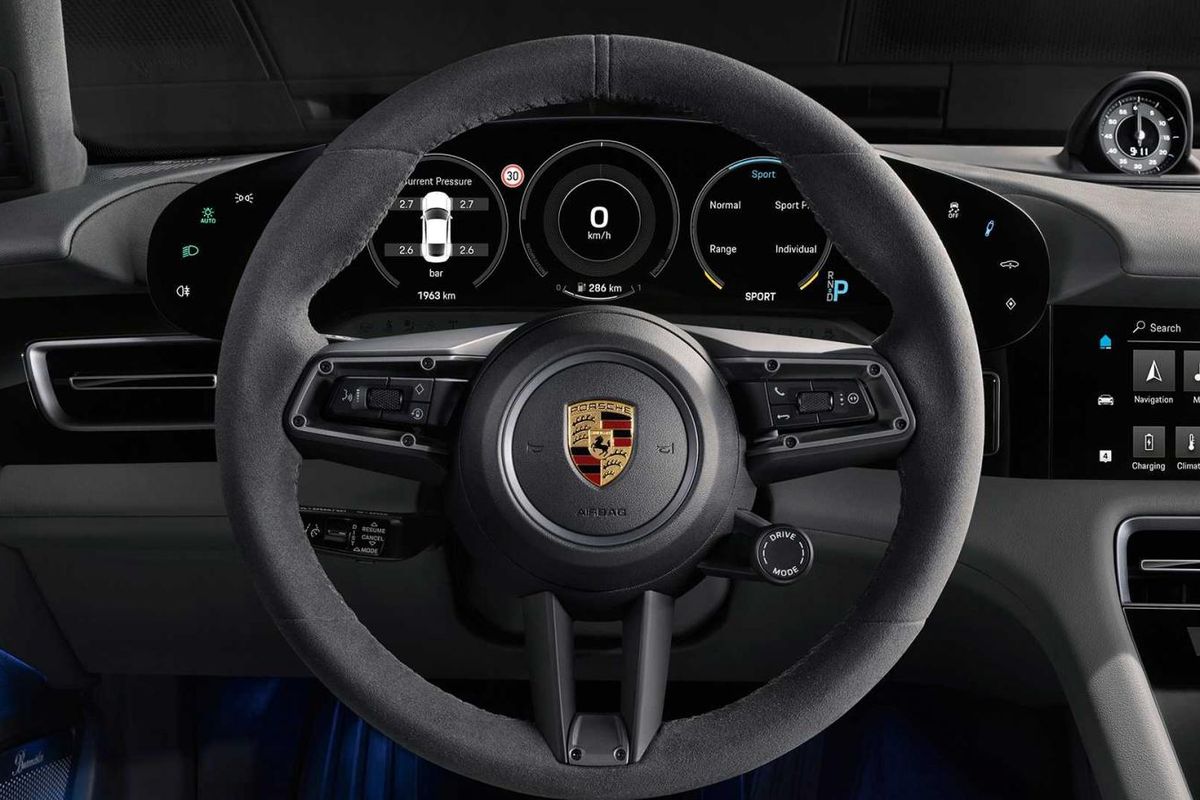
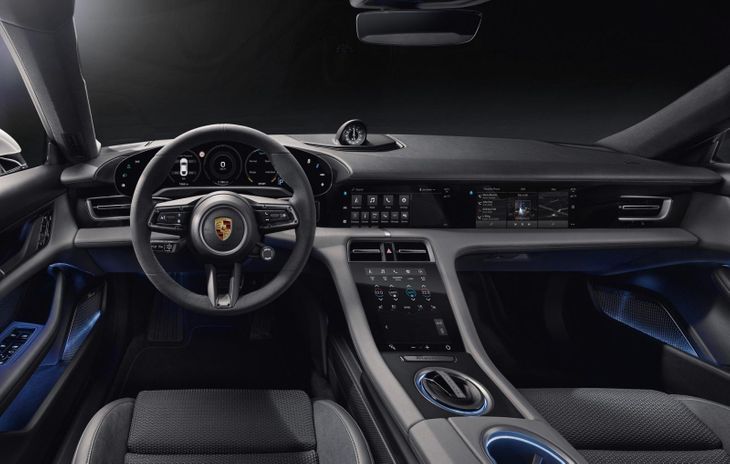
The Taycan's interior design is impressive with digital screens dominating the cabin.
In the realm of electric vehicle engineering, Tesla has been without rival but Taycan has emerged as a legitimate challenger. It features the calibre of engineering detail and commitment that Porsche is celebrated for.
The Taycan’s electric motors are permanent synchronous, instead of a cheaper asynchronous configuration, which means that Taycan is a lot less susceptible to heat-induced power loss. Porsche’s technical people have also managed to wind the electric motors in such a manner that copper content could be increased by 70% in the stator coils, compared to a conventional electric motor. More copper means a greater power yield.
There is a 2-speed transmission too, allowing for those stupendous acceleration runs – when required.
Both these technologies, the electric motors and 2-speed transmission, were incubated by Porsche’s engineers and not acquired from a supplier.
Porsche’s chassis engineers have also fitted Taycan with an upgraded version of the brand’s 3-chamber air-suspension system, which has been carefully recalibrated to account for the Taycan’s weight, lower centre of gravity and shorter suspension stroke. At the rear there is an electronically controlled limited-slip differential, biasing the all-wheel drive system.
Range and recharging? Porsche claims the Turbo S will run 412km and the slightly less potent Turbo, 450km. To recharge either of the Taycan derivatives to 80% power density, requires 22 minutes if you are plugged int a 270kW capacity fast-charging station.
Without the presence of a conventional petrol engine or driveshafts, Taycan has a split luggage capacity of 81-litres at the front and 366-litres in the boot.
It's a car of predictable technical excellence by Porsche. But it does not come cheap. Positioning for the Taycan starts at $150 900 (R2.2 million) and peaks at $241 500 (R3.5-million).
An unlikely match-up? Maybe. But when you consider that the Golf R has all-wheel drive, versus rear-wheel drive in the Supra, and the Golf R's legendary launch prowess, a quarter-mile drag race seems like, at the very least, an entertaining idea.
We secured the latest examples of these 2 cars and lined them up on the Killarney drag strip for a good old-fashioned quarter-mile drag race head-to-head shootout.