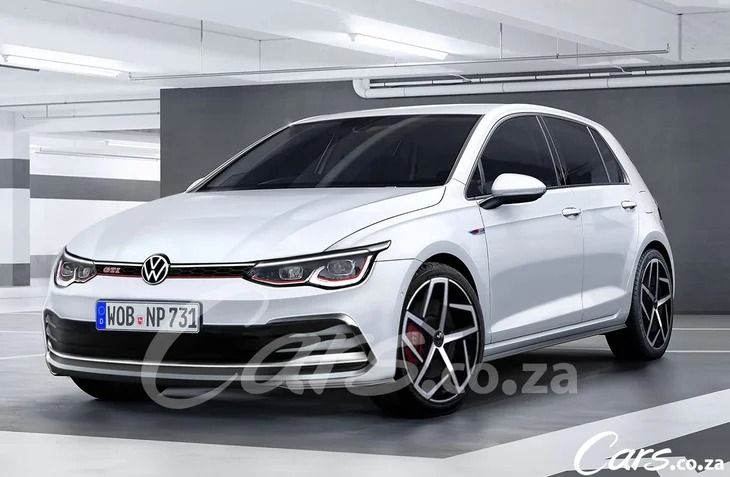
The outputs of the performance versions of the Volkswagen Golf 8 have been leaked. 245 kW Golf R? Yes please!
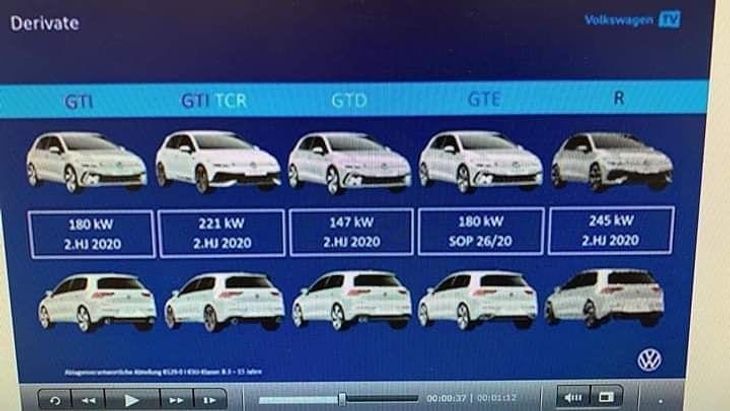
The leaks just keep on coming. We've just seen a leaked shot of the new Volkswagen Golf 8 GTI thanks to Instagram user Wilcoblock, now it appears that a screenshot of a product strategy document has been posted by Cochespias.
As for the outputs, the document below shows that there'll be substantial power upgrades across the board. The Volkswagen Golf 8 GTI will boast 180 kW from a 2.0-litre turbocharged 4-cylinder motor. Power goes to the front wheels via either the acclaimed DSG or a manual gearbox. Our love for the fast-shifting dual-clutch transmission means, it's highly unlikely we'll get the manual 'box.
Now here's where things get exciting. The document gave us the outputs of the Volkswagen Golf 8 TCR, which will come to market with 221 kW from a 2.0-litre turbocharged 4-cylinder engine. Finally, the mighty Volkswagen Golf 8 R will feature 245 kW from a 2.0-litre turbocharged 4-cylinder. Power will be sent to all 4 wheels and given this much power, it would not surprise us to see it hurtle to 100 kph in under 4.5 seconds.
These outputs bring the new Volkswagen Golf 8 GTI and R closer its rivals like the soon-to-be-launched Hyundai i30 N (202 kW) and venerable Renault Megane RS280 (205 kW), while the Golf R will be more than a match for the fresh duo of the Mercedes-AMG A35 and BMW M135i xDrive. Let the battle commence!
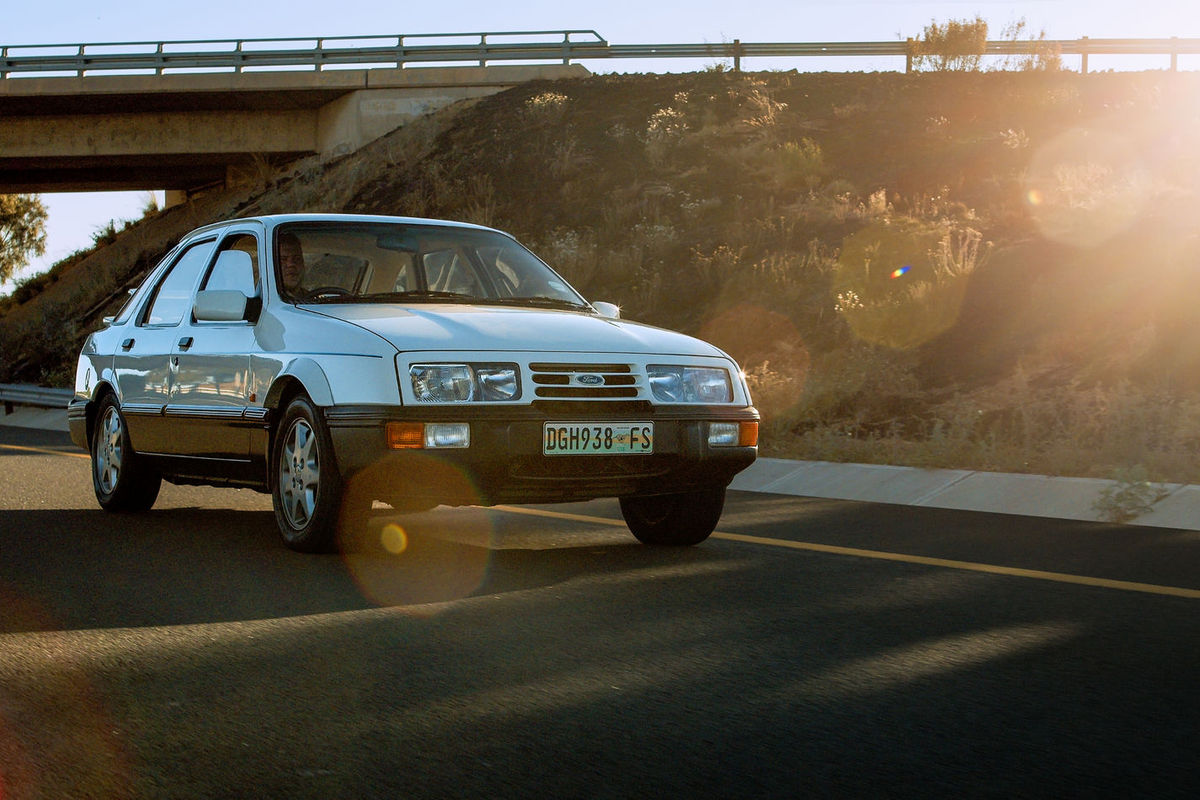
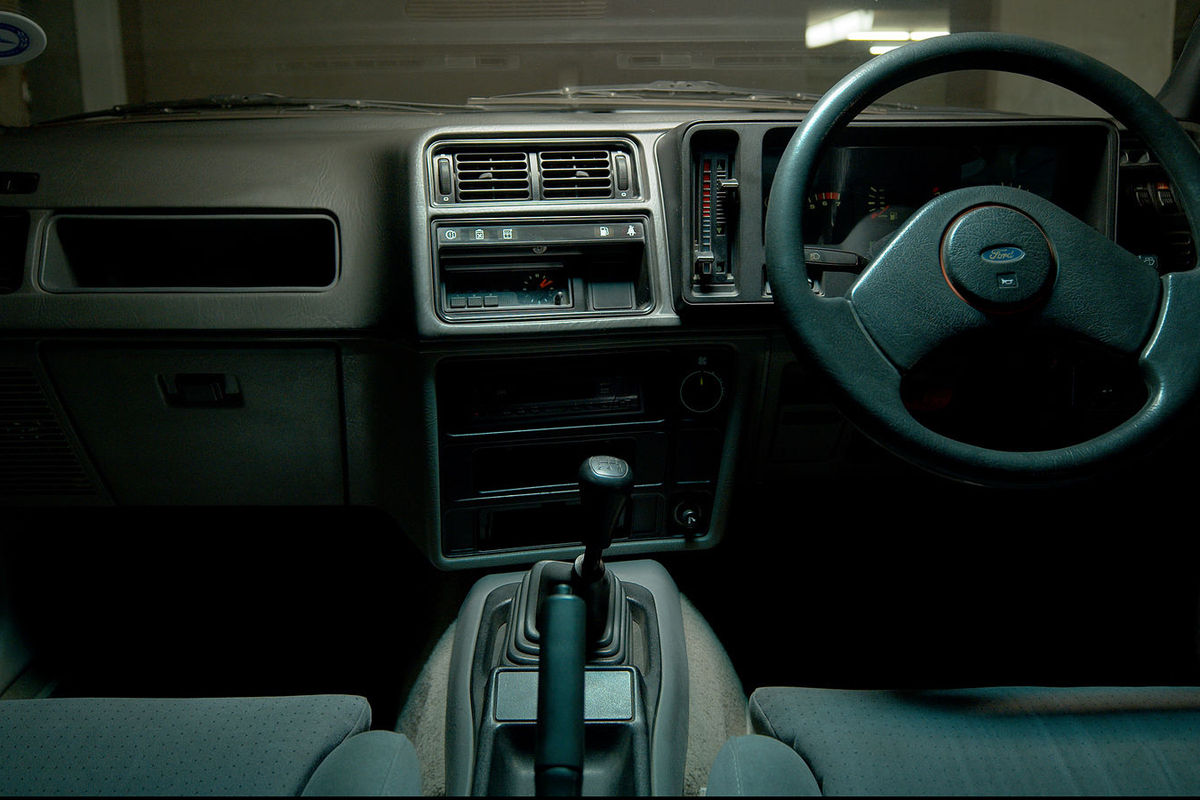
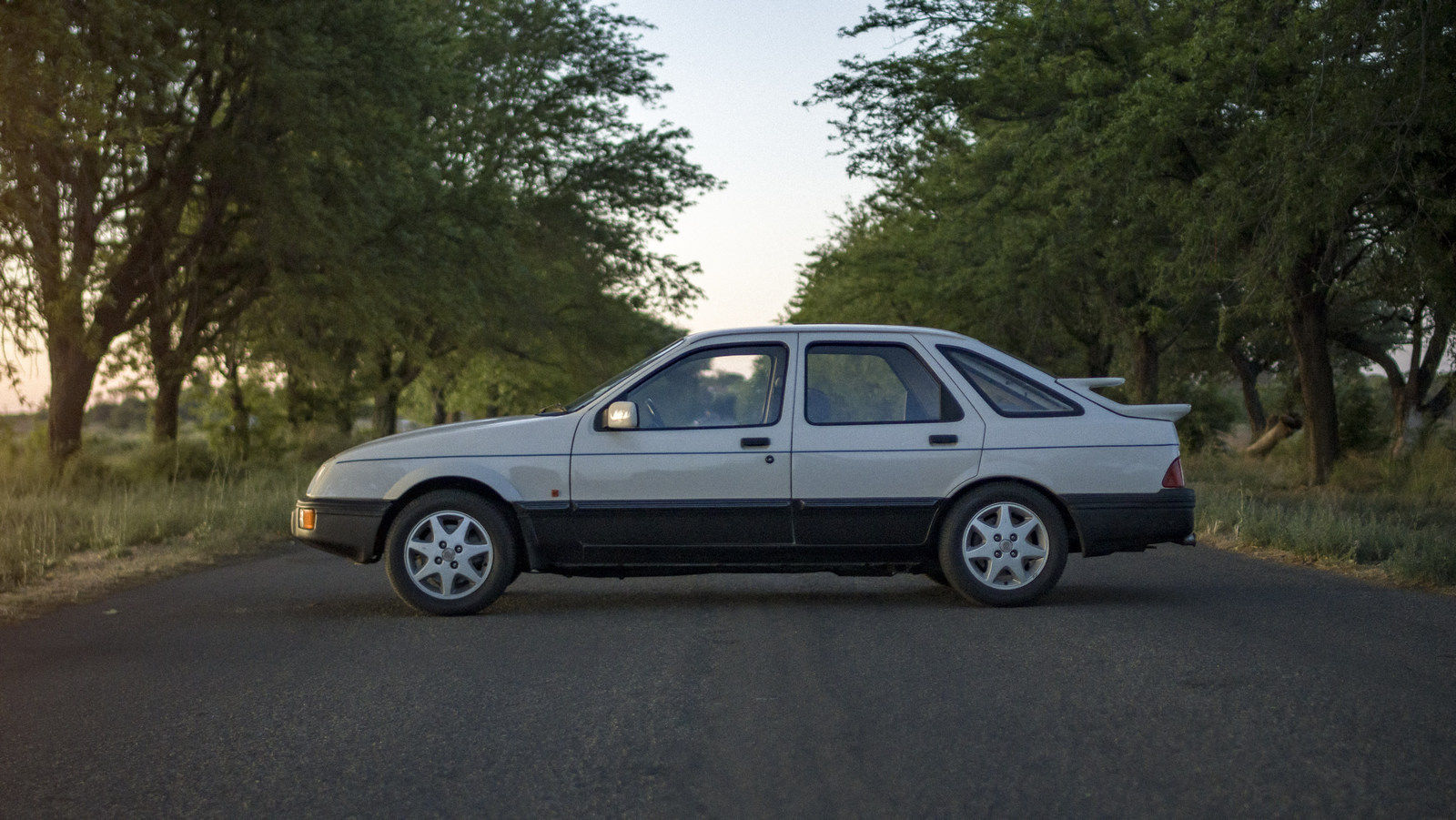
Ford Sierra XR-8: South African Muscle Car – SentiMETAL Ep14
For SentiMETAL Episode 14 we head back to the Freestate for another fast, locally-developed Ford, the XR-8.
There are few words that get us petrolheads as excited as a homologation special. We often forget how many of these cars were actually produced locally, some of which have already been covered on our SentiMETAL YouTube playlist while a few are coming in the near future. To be able to enter its Sierra XR-8 into Group One racing in the 80s, Ford had to build 200 of these V8-engined beasts.
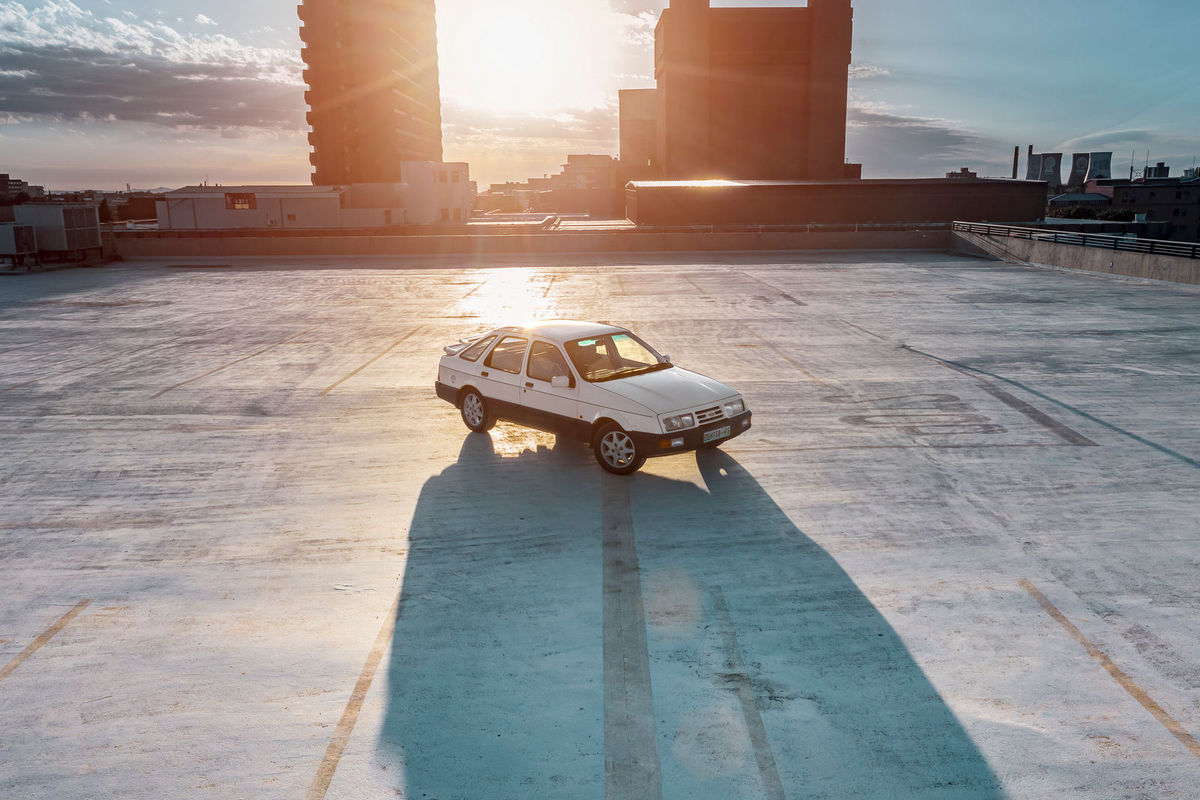
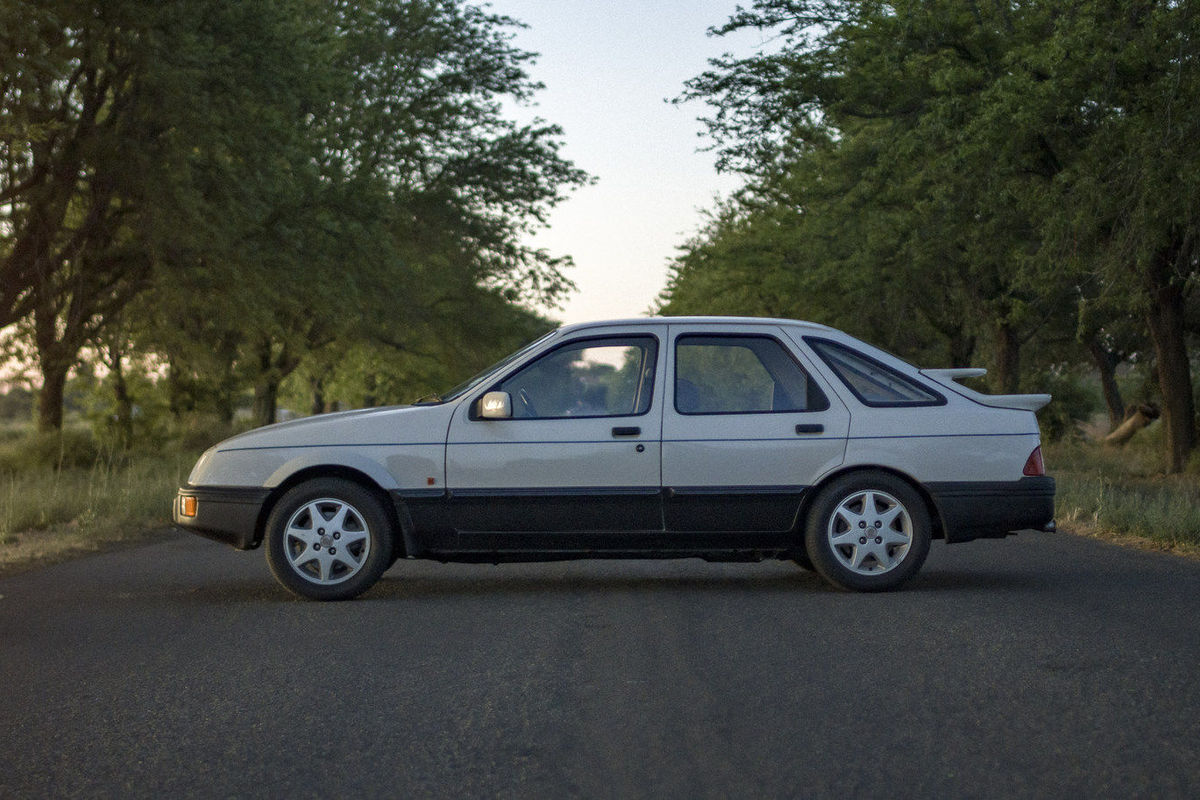
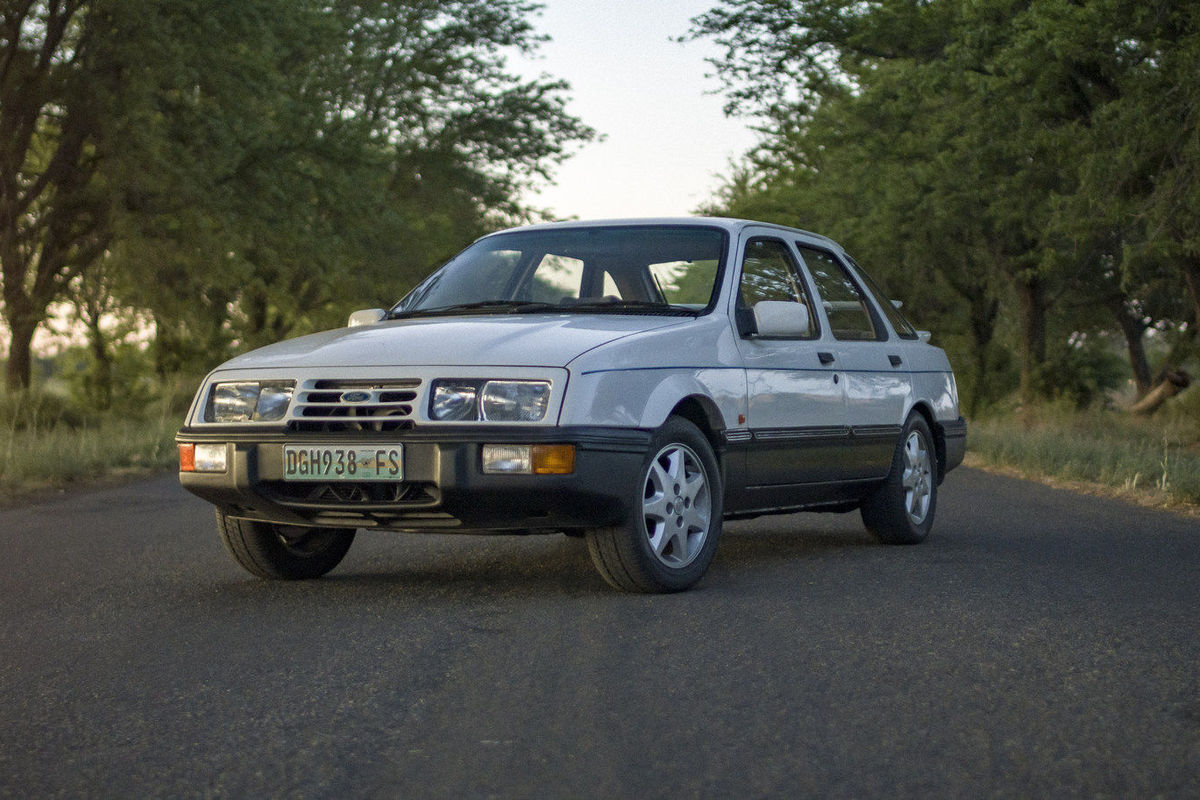
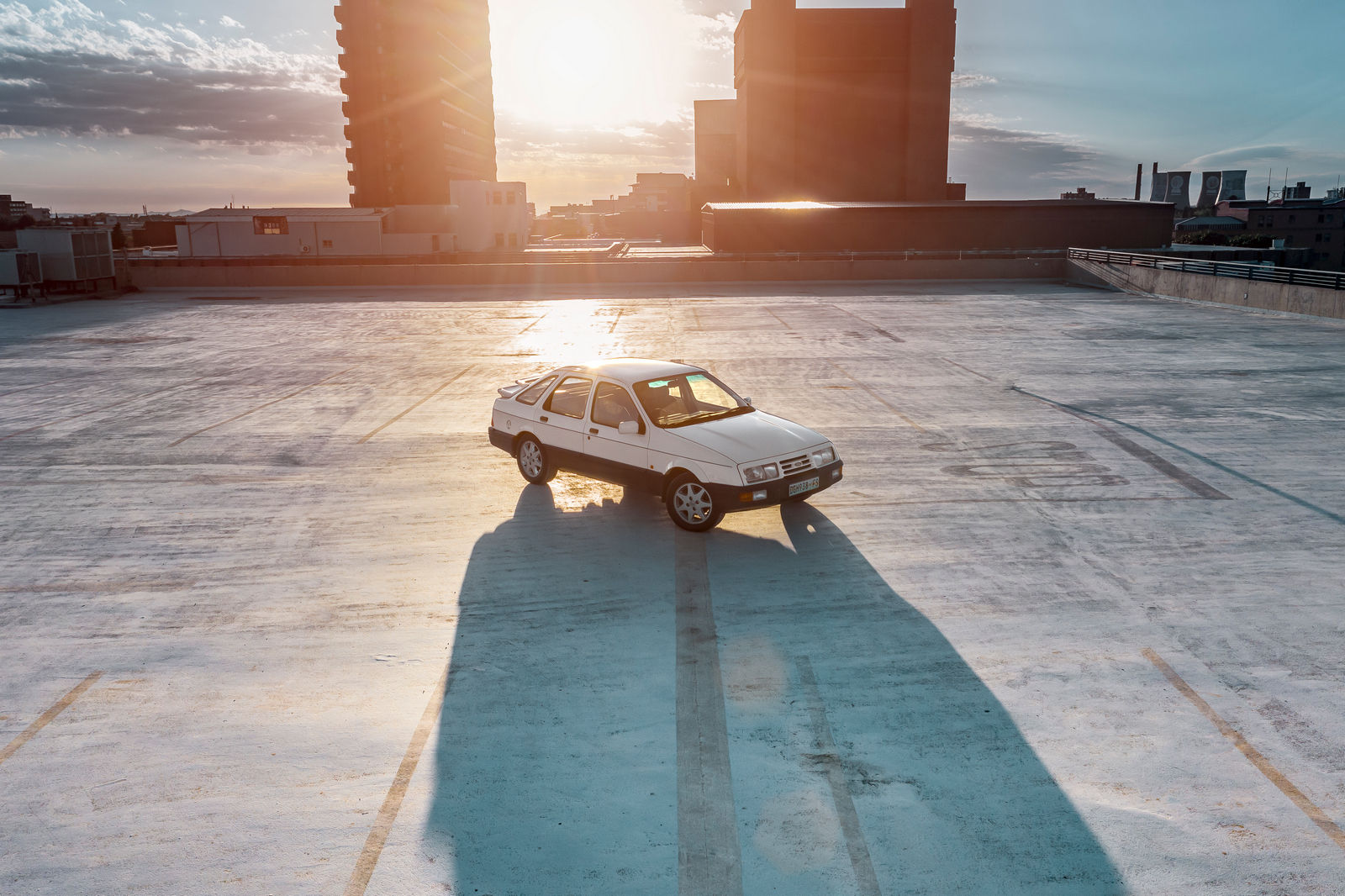
You could have your XR-8 in any colour, so long it was white…
Earlier, the company had actually planned to increase that number to 250. Appropriately, the initial local launch of this car was held on the Aldo Scribante race track in the capital of South Africa’s Eastern Cape province, Port Elizabeth. Following this event, selected press gained access to the car a few months later. One can only imagine how exceptional and important this car must have been for Ford and the industry in the mid-80s.
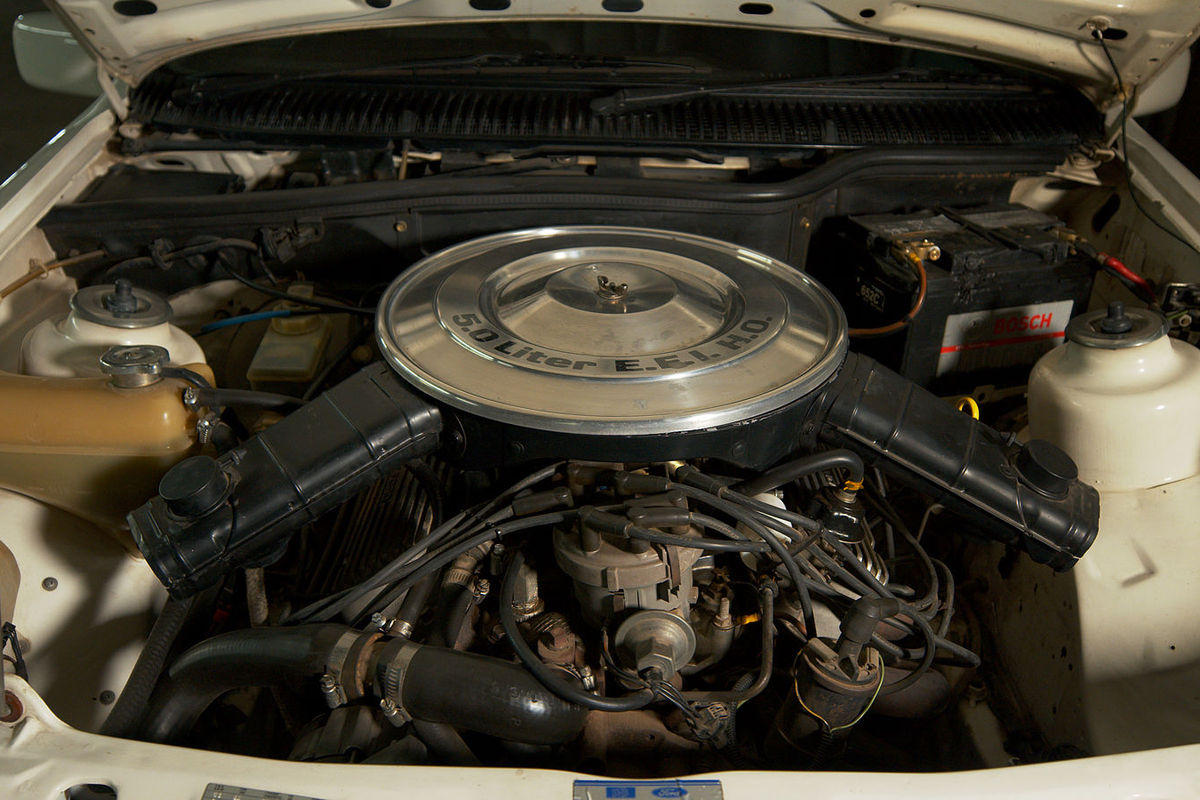
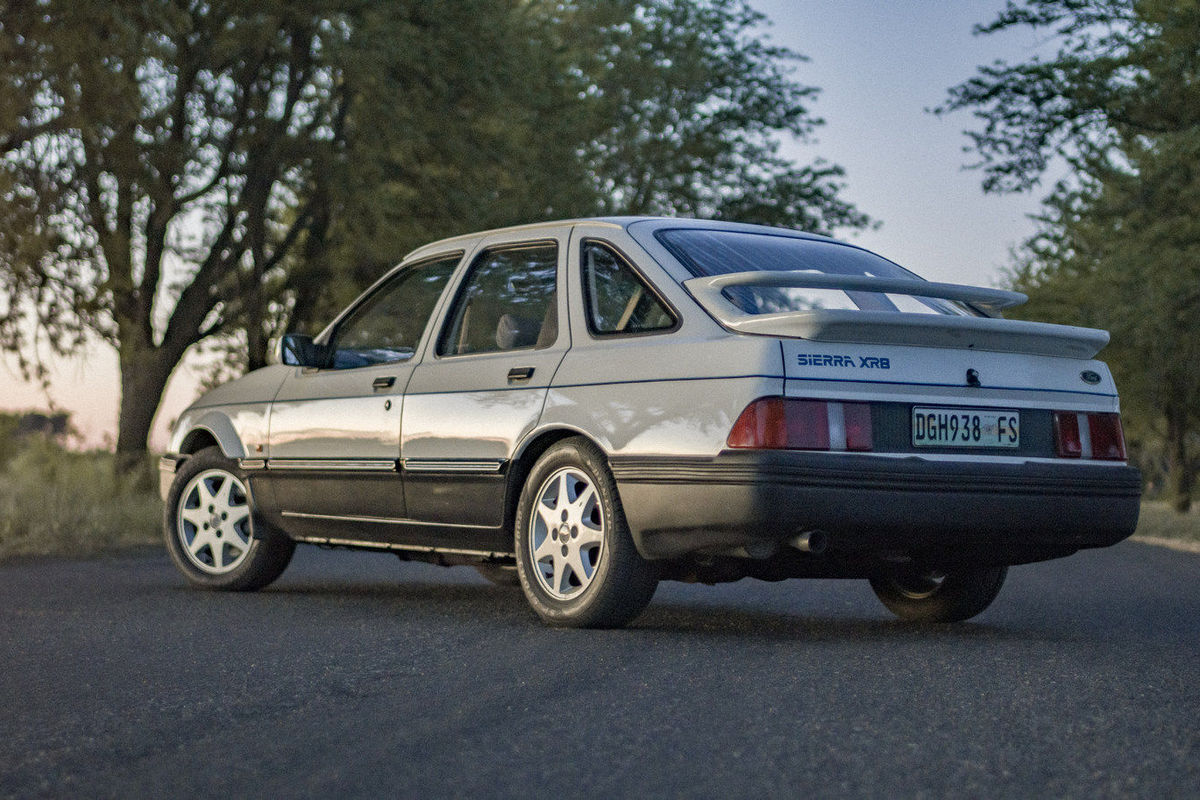
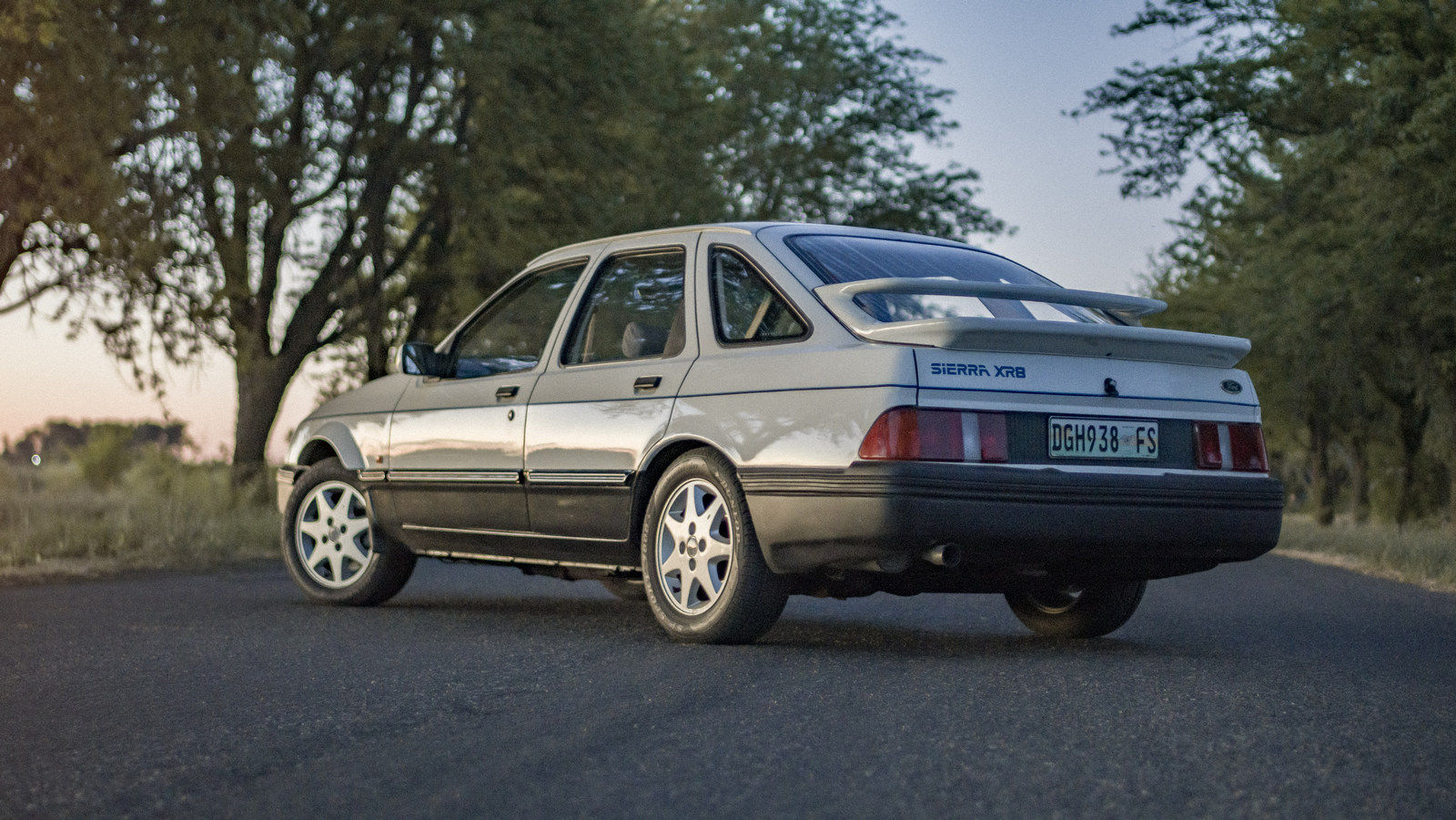
There is no mistaking the XR-8 for any other Sierra as it offers a big-bore exhaust, bi-plane rear wing and the car’s designation just below it. Open the bonnet and nestled in the front is a 4,9-litre, V8 engine taken at the time from Ford’s Mustang sports GT. It goes without saying that at the time this was the fastest factory Sierra in the world, developed right here in South Africa. During a road test conducted by CAR magazine, the XR-8 achieved a top speed of 231 km/h and a 0-100 km/h time of 6,95 seconds – impressive figures for 1984, especially since Ford conservatively claimed an acceleration time of "under 8 seconds"!
Massive bi-plane rear wing appears to give downforce even when the car is standing still.
Another interesting figure is the average consumption the car achieved – over 18 litres per 100 km! The engine produces 161 kW at 4 750 rpm and 374 N.m at 3 250 rpm and was imported from the USA, together with a light alloy Mustang gearbox with an overdrive fifth gear. The engine is fed through a four-barrel Holley carburettor. Local might be lekker, but the development of this car included more than 90 specialist components, so it wasn't easy…
These were parts such as a new front cross member, an extended grille, uprated propshaft and axles and, as expected, also a stronger differential. The engine is 33 kg heavier than the V6 engine of the XR-8’s volume-selling sibling. The suspension was modified with uprated coil springs, said to be 50% stiffer in the front and 40% at the rear. Ventilated disc brakes were fitted on all four corners while the fronts offered four-pot calipers. Developed in Germany, the Ronal alloy wheels were specifically manufactured for the XR-8. All of these performance sedans were painted white with Ford Motorsport-inspired blue stripes while the lower rocker panels were finished in grey-blue moulded PVC.
It's not the prettiest… but it's pretty special.
Both Fanie du Preez and his dad have an intense love and interest in cars. As their business is focused around trucks and transport, it doesn’t come as a surprise that their hands are always ready to work or maintain their car collection. These include even full restorations of certain cars in this collection. One would have thought that only being 28 years of age, Fanie would not appreciate or understand the importance of this car, but it couldn’t be further from the truth.
One article confirmed that when the news hit Europe that a V8-engined Sierra was being built in South Africa, there was an immediate level of interest followed by some envy – which is totally understandable. CAR magazine’s article ended by stating that “…the XR-8s could become much sought after…”. It might have taken a while, but 25 years later and this has indeed become the case.
VW’s British business is keen to retain a presence in the limousine market, with high-performance four-door models.
Although Bentley has been forced to recognise that the traditional limousine market is shrinking, it believes that the margins on offer are still attractive.
With its new Flying Spur, Bentley also believes that it offers a combination of performance and luxury which is unrivalled.
Mercedes-Benz has proven that customers can still be enticed to remain in limousines, instead of ultra-luxury SUVs, with its S-Class AMG models. Adding the dramatic performance potential of AMG’s engineering enhancements has made S-Class marketable to a much broader customer profile.
Bentley’s strategy with the Flying Spur is to offer tailored luxury trim and individualisation, comparable to a Maybach, but with much greater driveability and performance.
To that end its Flying Spur is powered by a 6-litre twin-turbo W12 engine, boosting 467 kW and 900 Nm, numbers which compare very closely with the Mercedes/AMG V12 engine. Bentley claims that its new Flying Spur limousine is good for 0-100 kph in 3.7 seconds and a top speed of 333 kph.
Considering the car’s top speed potential, it features a retractable hood ornament and also becomes the first Bentley with four-wheel steering. The presence of rear-wheel steering makes the Flying Spur less cumbersome to park, at crawl speeds, and much stable at high speed, if a sudden change of direction is required.
The new Flying Spur is also lighter than its predecessor, thanks to the expanded use of aluminium in its construction, instead of steel. Bentley claims a saving of 150 kg.
Comfort and trim levels are of the calibre one would expect from a Bentley, whilst infotainment is boosted by the option of a 2 200 W Naim sound system.
Bentley is under pressure to perform, as VW CEO, Herbert Diess, has stressed that profitability is now paramount for all parts of the VW Group.
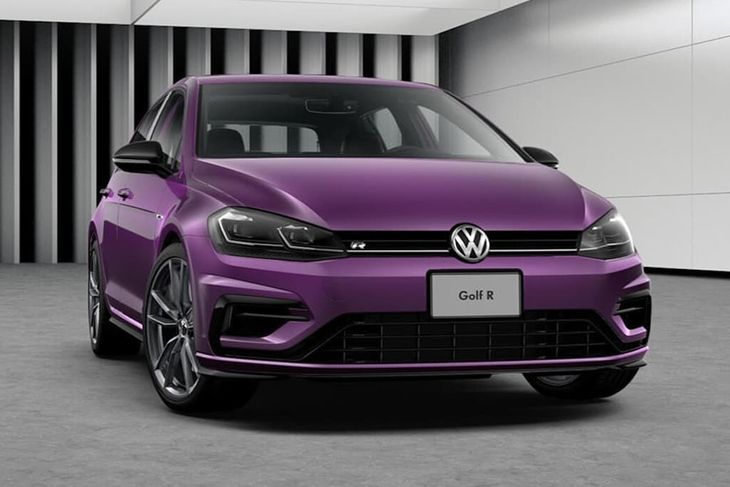
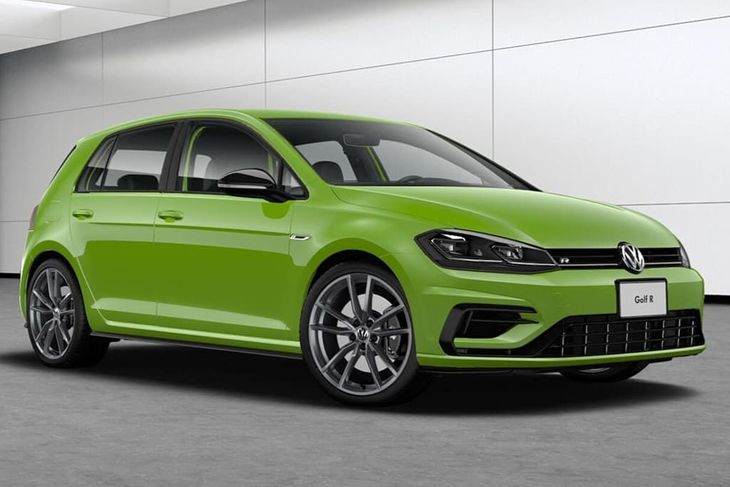
The 7.5-generation Volkswagen Golf R has not been put out to pasture yet… Volkswagen is releasing a Final Edition, of which a limited number will be available in a choice of three eye-catching (and, ostensibly, hand-painted) exterior finishes straight from the factory.
In August 2019, Cars.co.za quoted a report from Motor Authority that suggested the production run of the current-generation Golf R had come to an end. After all, the Golf 8 GTI is set to make its public debut at the upcoming Geneva Show before spearheading the range’s arrival in South Africa near the end of 2020. In the meantime, the Golf R remains very much alive on our price list and, in some markets, Volkswagen is readying to launch a Final Edition version of the flagship Golf derivative around mid-year.
Violet Touch Pearlescent.
The Golf R is renowned for its accessible performance and giant-slaying capability; it's been featured in many of our articles and videos. Packing a 2.0-litre turbocharged 4-pot with 228 kW and 400 Nm, allied with a quick-shifting transmission and all-wheel drive, the Golf R positively catapults off the line. Given its claimed a 0-100 kph time of 4.6 seconds, we can imagine many bigger, more prestigious vehicles have been embarrassed by the R's visceral performance.
However, the Golf 8-iteration of the R is not expected to be released until 2021 and, until then, Volkswagen is offering fans of the flagship Golf derivative this: the Golf R Final Edition, which is mechanically similar to the current derivative, but it does have a specification all of its own. Read on…
The evocatively-named ?Viper Green Metallic finish.
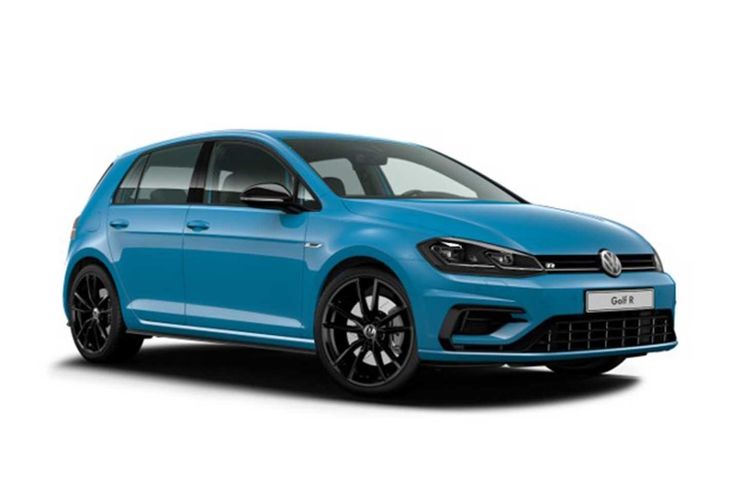
Available in Pure White, Lapiz Blue and Deep Black exterior finishes as standard, the Golf R Final Edition comes shod with 19-inch Pretoria black alloy wheels and adorned with gloss black door mirrors, dark-tinted rear side and rear screen glass and a unique R Final Edition badge. Inside, the desirable run-out derivative is trimmed in carbon-nappa leather and features a Dynaudio premium audio system. All of that comes on top of the car’s already extensive standard spec: only a panoramic sunroof is an extra-cost option.
But for those who want even more exclusivity, Volkswagen offers something quite special. As a volume manufacturer, the brand doesn’t usually offer bespoke exterior finishes as super-luxury brands do for their cars; BMW and Mercedes-Benz have only dipped their toes in that market with their respective optional Frozen and Magno matte finishes.
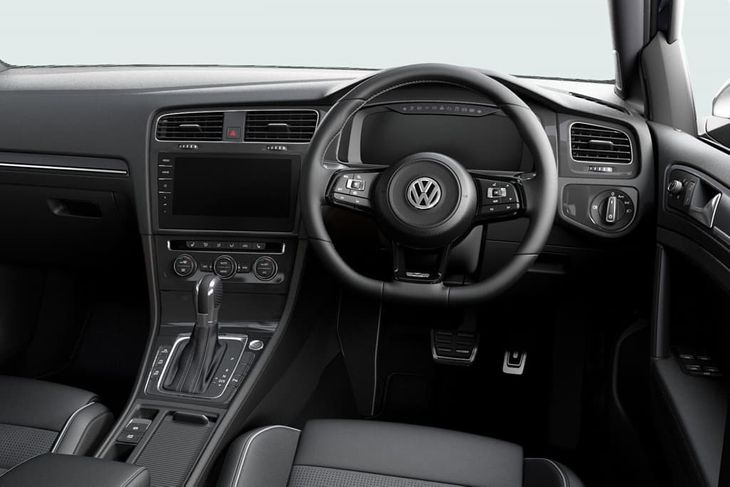
The interior of the Golf R Final Edition comes equipped with virtually everything a Golf 7.5 can offer.
However, some Golf R Final Edition customers will be able to order their cars in a choice of 3 limited colour options: Victory Blue, Viper Green Metallic (reminiscent of the almost luminescent hue offered on the discontinued Scirocco R) and Violet Touch Pearlescent. The finishes are said to be applied to the cars “by hand”, independent of the assembly line.
Volkswagen reportedly first made these finishes available as part of a Spektrum Program palette for 2019 model-year models in the States, but the cost of specifying the Golf R Final Edition in any of those 3 hues should be relatively nominal by comparison… Availability will be key, however. The special colours may only be offered on up to a third of a market’s consignment, as is the case with the Australian market (150 out of 450 units), for example.
If victory could be expressed in colour, it would be blue: Victory Blue.
Volkswagen SA has not indicated whether it will be allocated units of the Final Edition to offer through its dealer network. However, the Golf 7.5 will remain on sale for much of 2020 and it’s not inconceivable that special edition “run-out” versions of the GTI and R might appear on the market. Could the Golf R Final Edition find (even more) traction?
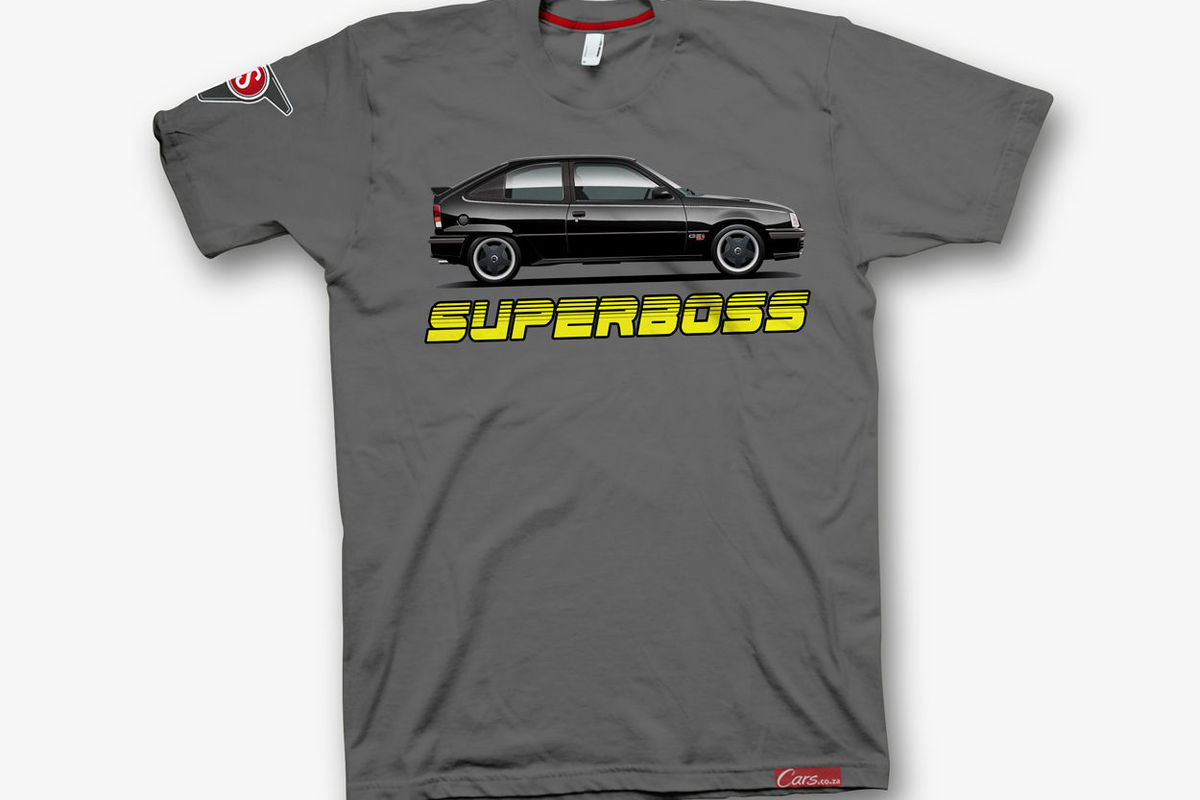
Celebrate 30 Years of the Superboss with our new T-Shirt
Opel's iconic Kadett 2.0 GSi Superboss turns 30 this year, and to celebrate, you can now pre-order a new SentiMETAL T-Shirt sporting this uniquely South African little rocket.
Born to beat the equally loved BMW 325iS "Gusheshe", the Superboss is a true South African icon. Featuring a trick limited slip differential, Schrick cams and loads of Irmscher suspension bits, the Superboss was a fearsome racing machine, particularly in the hands of Mike Briggs, who used it to clinch many a Group N victory and championship.
You can also buy an A2 or A3 Limited Edition print (only 50 in each size) featuring the Superboss,here
"We've been informed by local Superboss fans that a special birthday party is planned for this iconic machine, which is increasingly coveted by collectors. Keep a close eye on our social pages as more information becomes available," says Hannes Oosthuizen, SentiMETAL project leader.
"Our new T-Shirt is the result of many requests from the Superboss and bigger Opel fanbase," Oosthuizen explains, "and it is now available to pre-order here." Offered in Small, Medium, Large and Extra-Large, with an image of a black Superboss on a quality light charcoal shirt, it should be a real head-turner.
SentiMETAL, Cars.co.za's growing car-culture sub-brand, acquired a Superboss two years ago and restored it to Concours condition. View the video on this project, below;
BMW 318i Returning to SA
BMW adds a cylinder to its entry-level 3 Series.
The 318i badge is set to return to BMW’s local product line-up during the second half of 2020, powered by a new engine.
BMW’s new 318i will also appeal to those who are not ardent believers in the downsizing engine trend. Unlike BMW’s previous three-cylinder 318i, the 2020 model is powered by a four-cylinder engine totalling 2-litre of capacity.
Outputs rate at 115 kW and 250 Nm, which are an increase of 15 kW ad 30 Nm over its three-cylinder predecessor. Economy is claimed at 5.3L/100 km
An eight-speed ZF automatic transmission channels torque to the rear wheels and on a high-friction surface, the 2020 model year 318i should be good for 0-100 kph in 8.4 seconds, before running a true top speed of 223 kph.
Although BMW has not announced pricing for its new 318i, it could possibly dip below the critical R600 000 threshold, when listing occurs later this year.
Beyond the news of a new South African market 318i, BMW is also making some significant changes to its 3 Series powertrains globally.
The German brand is doing what has become industry standard over the last year, announcing that mild-hybridization will soon feature within the 3 Series range.
BMW is set to build its new production surge of 320d, X3 xDrive20d and X4 xDrive20d with integrated starter-generators as standard. These mild-hybrid powertrain upgrades will add 8 kW to initial throttle response from a standing start, whilst also reducing fuel consumption in stop-start traffic conditions.
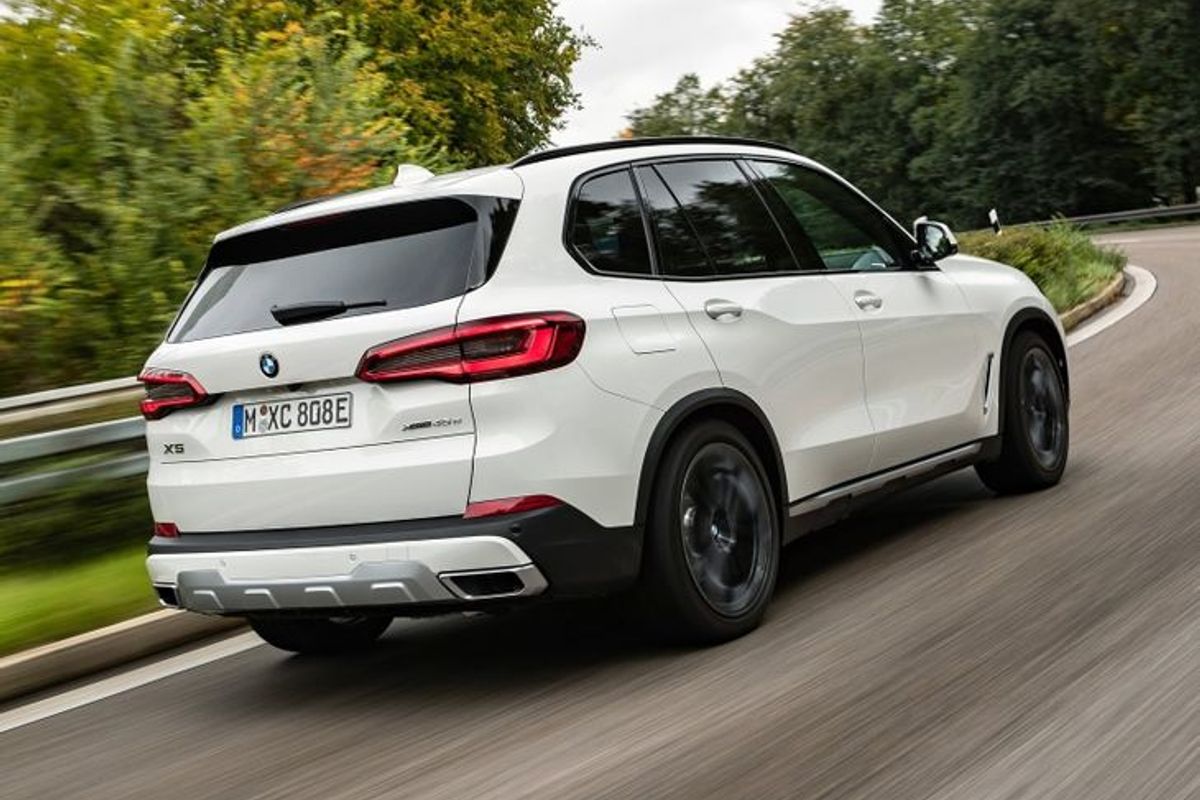
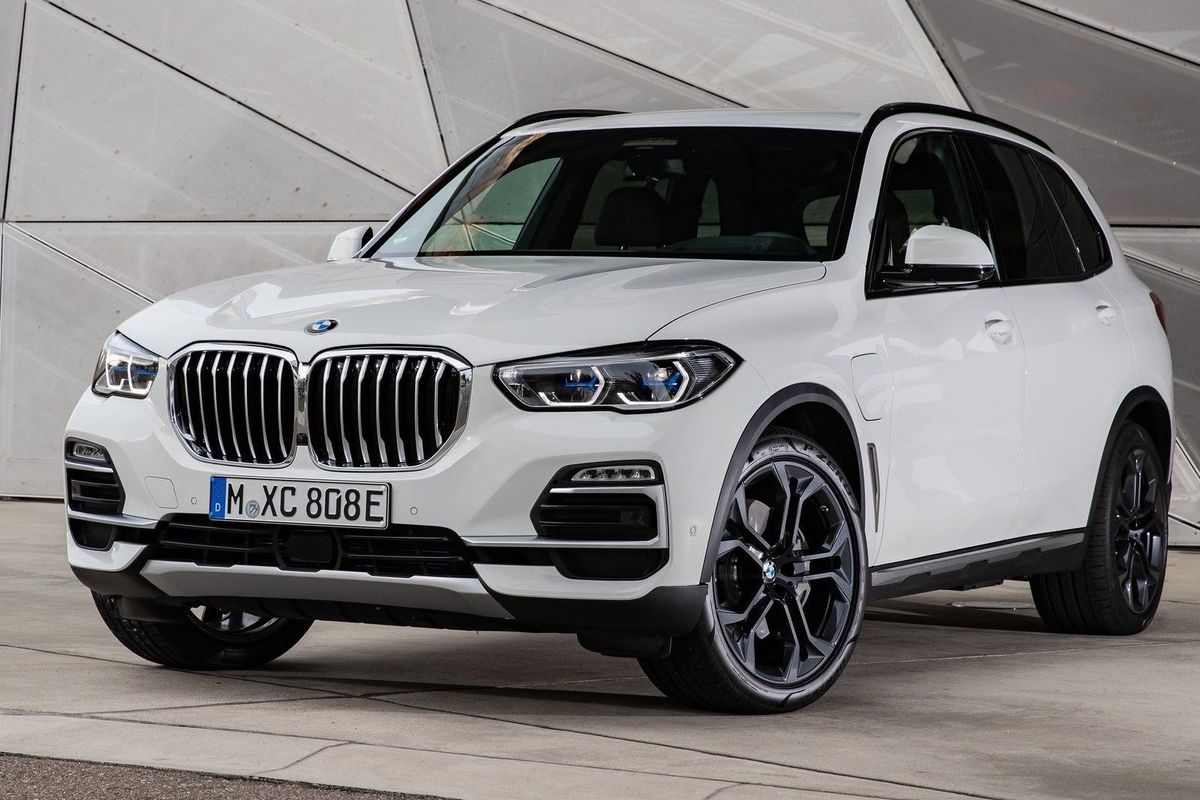
BMW has quietly loaded up pricing of its plug-in hybrid X5 luxury SUV. Here's how much it costs.
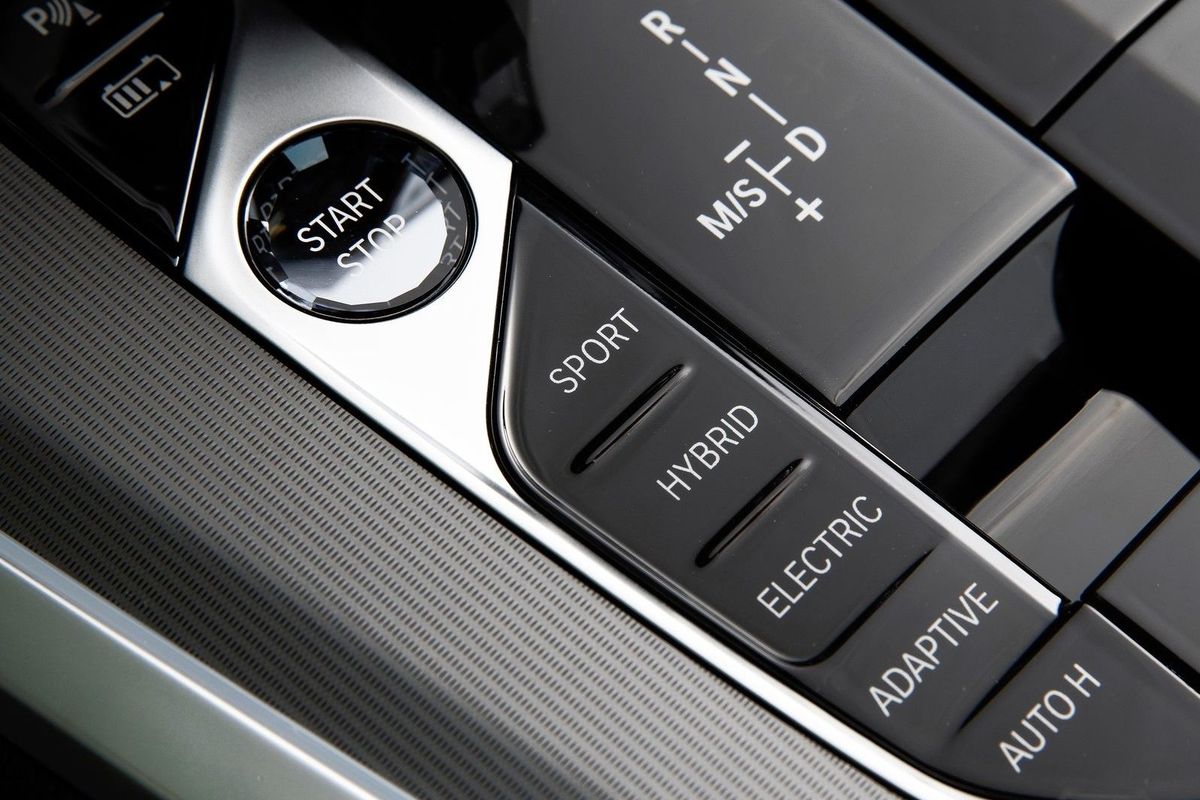
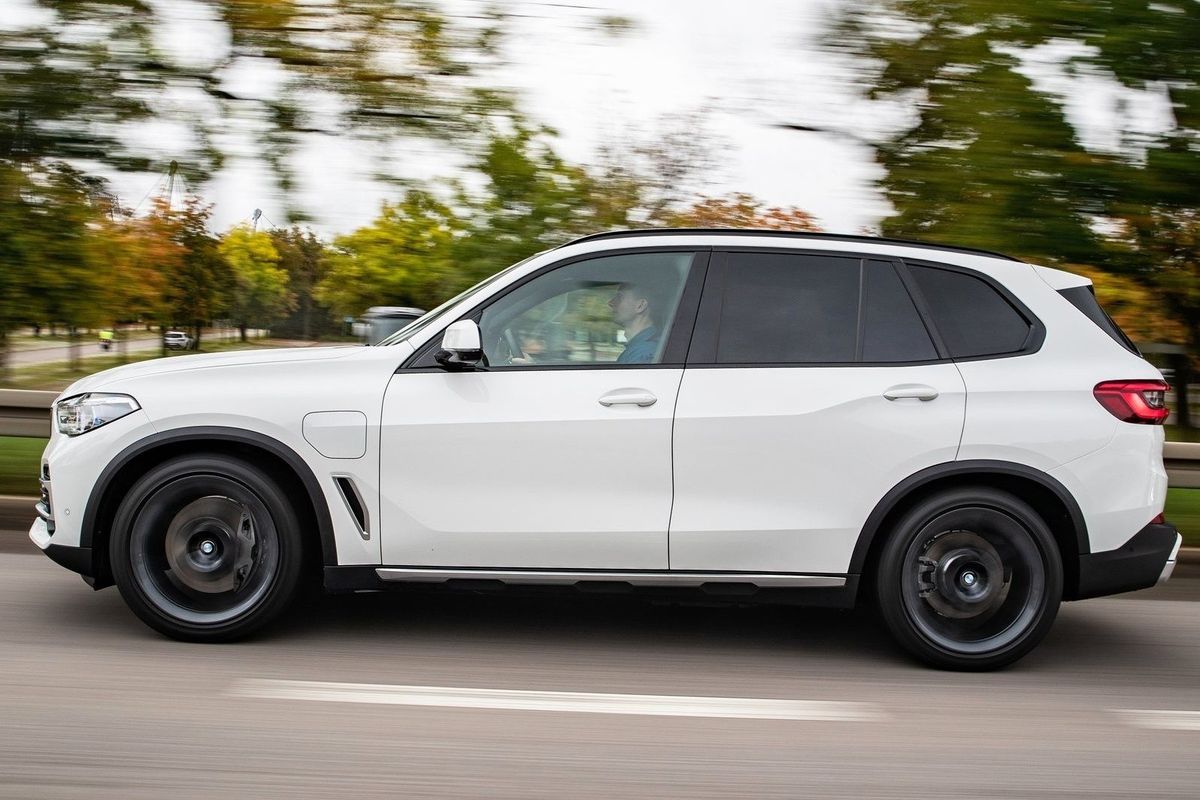
The takeup of plug-in hybrid vehicles in South Africa has been very slow as there's no incentive for customers to make the switch. Despite the challenges, many OEMs are offering these vehicles to the SA market. The principle behind a plug-in hybrid vehicle (PHEV) is simple. There's an internal combustion engine mated to an electric assist that can be charged from things like engine braking, coasting, and plugged into a wall socket.
In this BMW X5's case, power comes from a 3.0-litre turbocharged 6-cylinder engine with 210 kW and 450 Nm, mated to an 83 kW and 150 Nm electric motor. Total system output is claimed at 290 kW and 600 Nm. Performance is very impressive, with a claim of 5.6 seconds to 100 kph. Fuel economy sounds far too good to be true at 2.5 L/100 km and it's exempt from emissions tax. It can drive on pure electric power too, with a range of between 67-87 km on the WLTP cycle at a maximum speed of 135 kph.
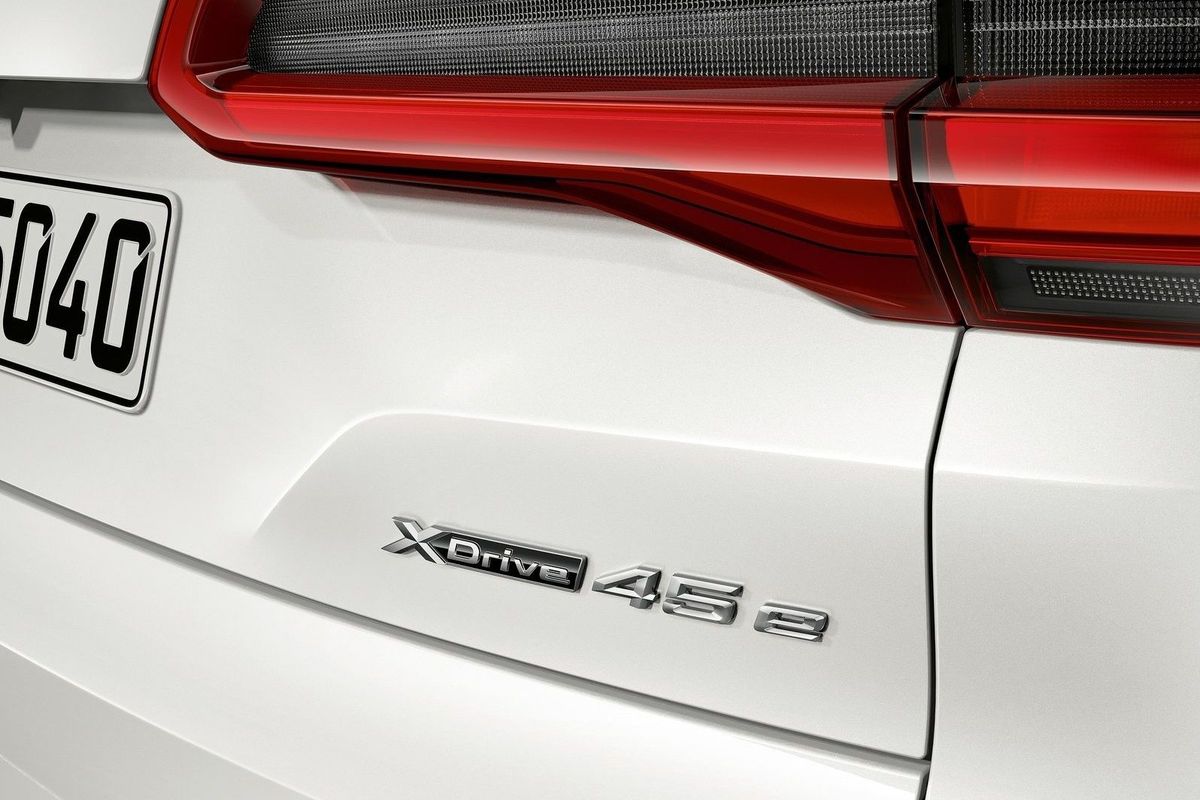
It's available in 2 lines of trim: xLine and M Sport. You can spot the newcomer with its 2 fuel filler caps. One on the front left for electricity and the conventional cap on the right rear for petrol. It also has 45 e badging on the rear.
BMW X5 xDrive45e Price in South Africa (January 2020)
The iconic Toyota Land Cruiser is due for replacement and some info has come to light.
According to Japanese car website BestCarWeb.jp, Toyota is readying its all-new next-generation Land Cruiser.
The big news is the Land Cruiser's big V8 is set to be replaced by a hybrid engine. The choice of powerplant will be a 3.5-litre V6 hybrid with outputs of 220 kW and 356 Nm, and the switch to hybrid falls in line with Toyota's strategy of offering a hybrid version of all its products.
Another big change suggests the all-new Land Cruiser will be underpinned by the new TNGA platform, which is to be found amongst the latest products from the Japanese carmaker. The Japanese publication went on to suggest the new Land Cruiser will retain its ladder-frame structure, but use of TNGA means a reduction in weight. The automatic gearbox is set to be replaced by a CVT and permanent 4-wheel drive.
BestCarWeb.jp concluded that we'll be seeing a reveal in August 2020, which we feel is quite soon considering we're yet to see any teaser or spy shots.
The all-new Golf 8 was revealed last year and it’s expected to arrive in South Africa towards the end of 2020. Here are 3 things to know about the new model!
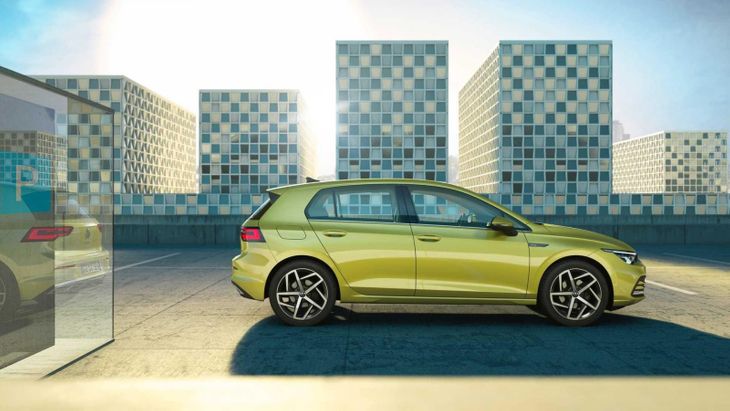
It's the year of the Volkswagen Golf 8 and as many people have pointed out, not terribly much has changed in terms of styling from the Golf 7. Also typically the styling has divided opinion but we think Volkswagen has nailed the brief and made sure the Golf remains a no-brainer for just about every motorist on the planet.
Here are 3 key things you need to know right now about the new Golf 8.
Tech for the People
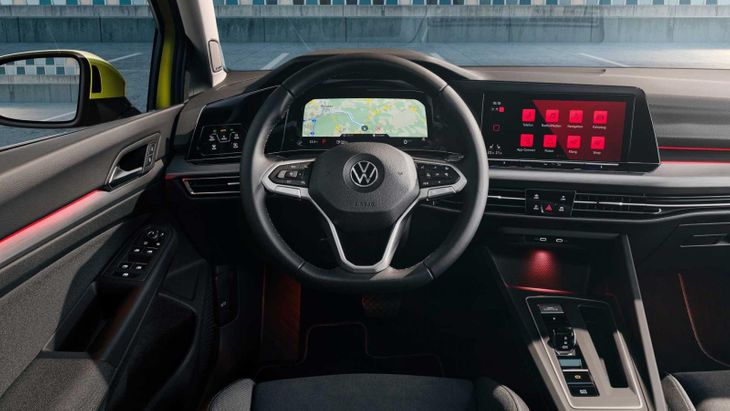
Most of the changes can be found inside the new Golf 8. Note the stylish dual-screen setup.
The aim with the Golf 8 is to bring the latest in tech to the people, and arguably the most significant changes have been made in the cabin. Now with fewer buttons than before, the Golf 8 cabin has a very slick appearance. A key feature is the Innovision dual-display setup which is similar to what we've seen in much more expensive Volkswagens such as the Touareg.
Among many smart technologies, the Golf 8 will feature Automatische Distanzregelung, which is like radar-guided cruise control but for slow traffic situations. You will also be able to warm up your feet and your hands.
Power Torque
Local engines options will be limited and no manual transmissions will be available in SA. DSG all the way!
The Golf 8 GTI is due to be revealed at the Geneva Motor Show in March 2019 while the Golf 8 R is expected to make an appearance at the Goodwood Festival of Speed in July 2019. The Golf GTI is rumoured to use an updated turbocharged 2.0-litre engine and may come in 2 variants with either 181 kW or 214 kW and will be offered with either a 6-speed manual or 7-speed DSG transmission. Outputs for the Golf R are expected at roughly 224 kW for the base model while a high-power version could have at least 294 kW.
Right now though, the most powerful model available in Europe is the GTE plug-in hybrid which boasts 180 kW, which is certainly not boring. There will be a whole host of petrol and diesel engines, with some models featuring 48V mild-hybrid setups and will wear eTSI badges. The Golf GTD will offer about 147 kW from a 2.0-litre turbodiesel engine, if reports are to be believed…
The non-electrified motors offer outputs of 66 kW, 81 kW, 96 kW and 110 kW. The first outputs are from the 1.0-litre 3-cylinder, while the 110 kW motor is the 1.5-litre turbo 4-cylinder engine. Volkswagen SA will only offer a DSG and no manual transmission will be offered.
Unlike the German market where cars will hit showroom floors before the end of the year, South Africa will have to wait until the end of 2020.
GTI First
This is what the new Golf 8 GTI could look like. Render credit: Duwyne Aspeling.
The GTI is the best-selling Golf locally and Volkswagen SA will, therefore, be introducing the GTI first, followed by a 1.4TSI model and eventually the coveted R variant.
Local specification and pricing details for the new Golf 8 have not yet been revealed but keep checking the Cars.co.za content portal and our social media for updates.
Audi’s big rival to the Mercedes-Benz CLS and (now-discontinued) BMW 6 Series Gran Coupe has finally arrived in South Africa. In a segment where appealing design and build quality counts almost as much as sheer brand appeal, how well does the all-new A7 Sportback stack up against its rival(s)? We conducted an extended test of the 55 TFSI over the holiday season…
We like: Still the Audi that offers the edgiest design, supreme ride- and occupant comfort, modern tech.
We don't like: Petrol only, which makes this derivative quite thirsty.
Fast Facts
Price: R1 250 000 (R1 574 220 as tested December 2019)
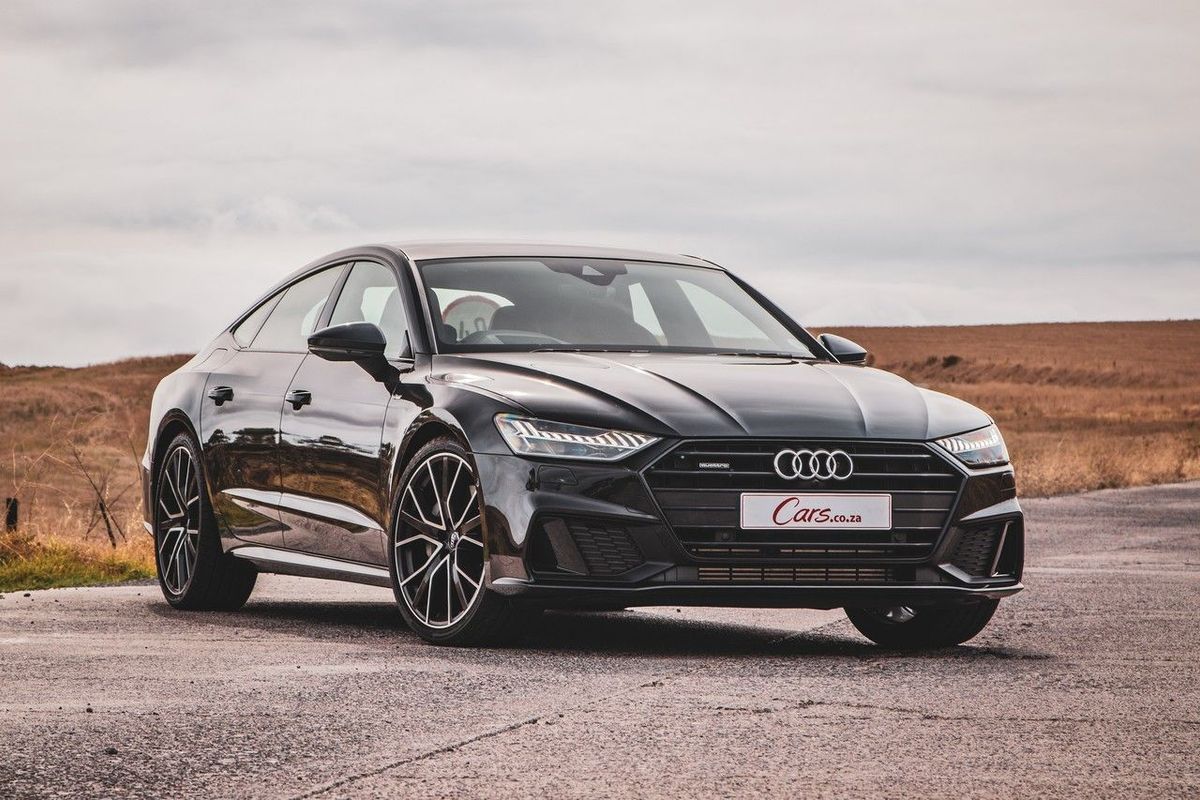
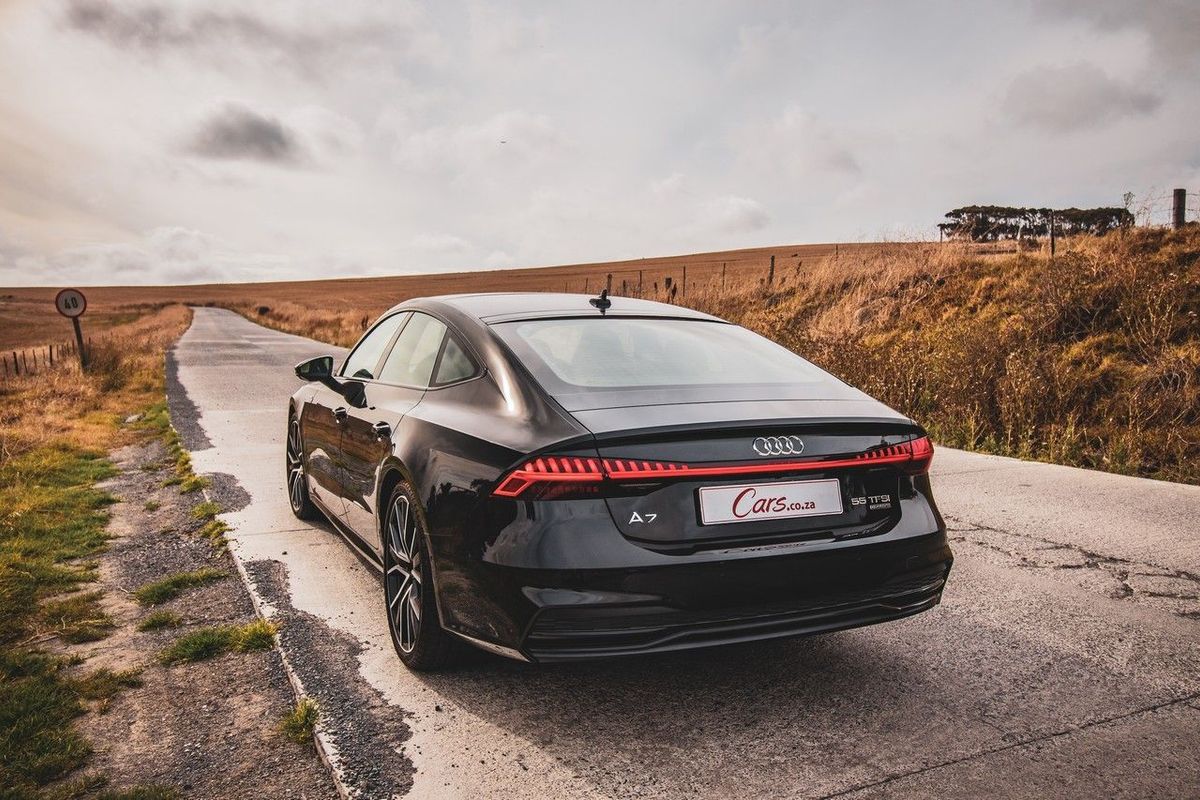
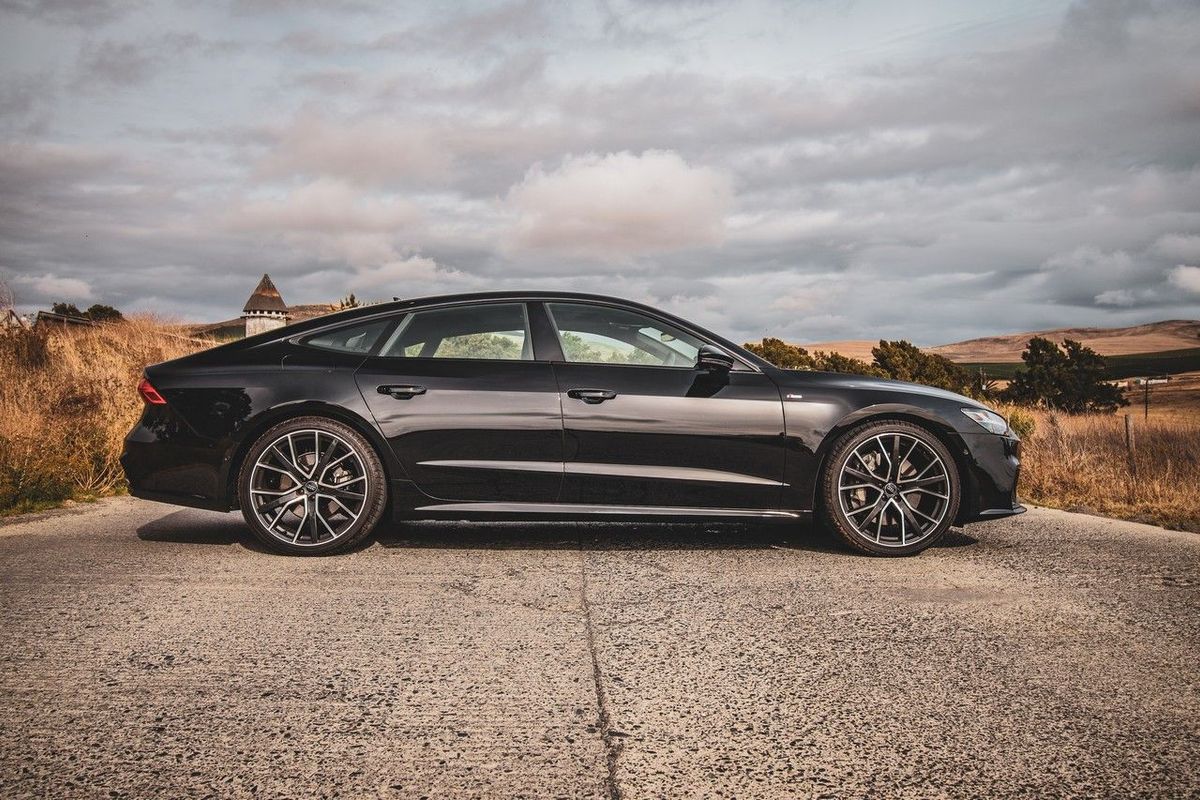
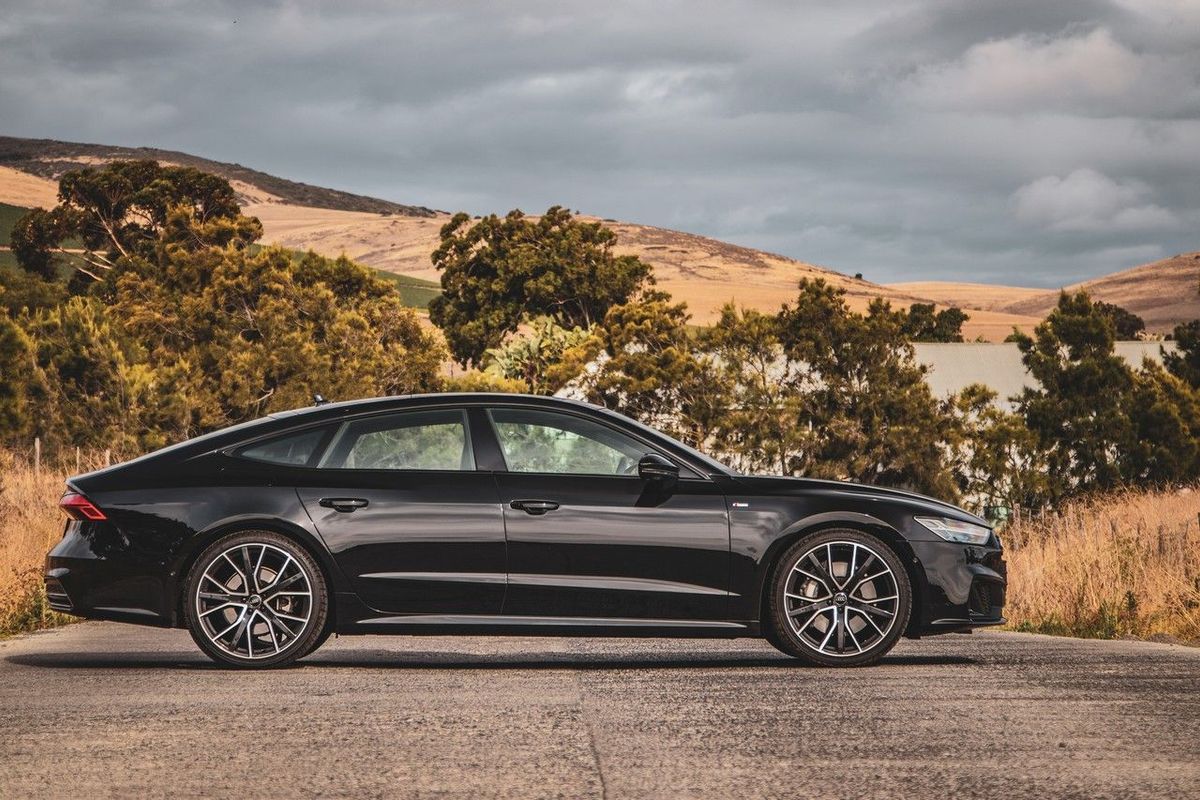
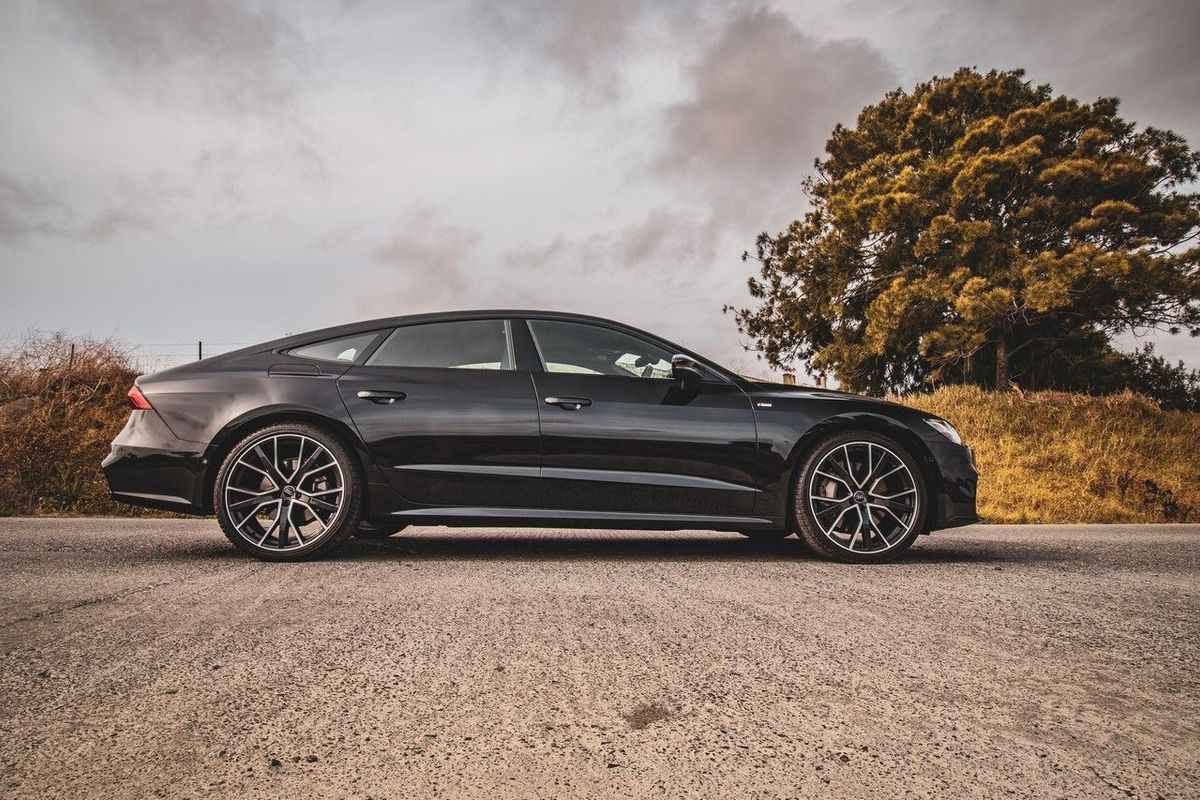
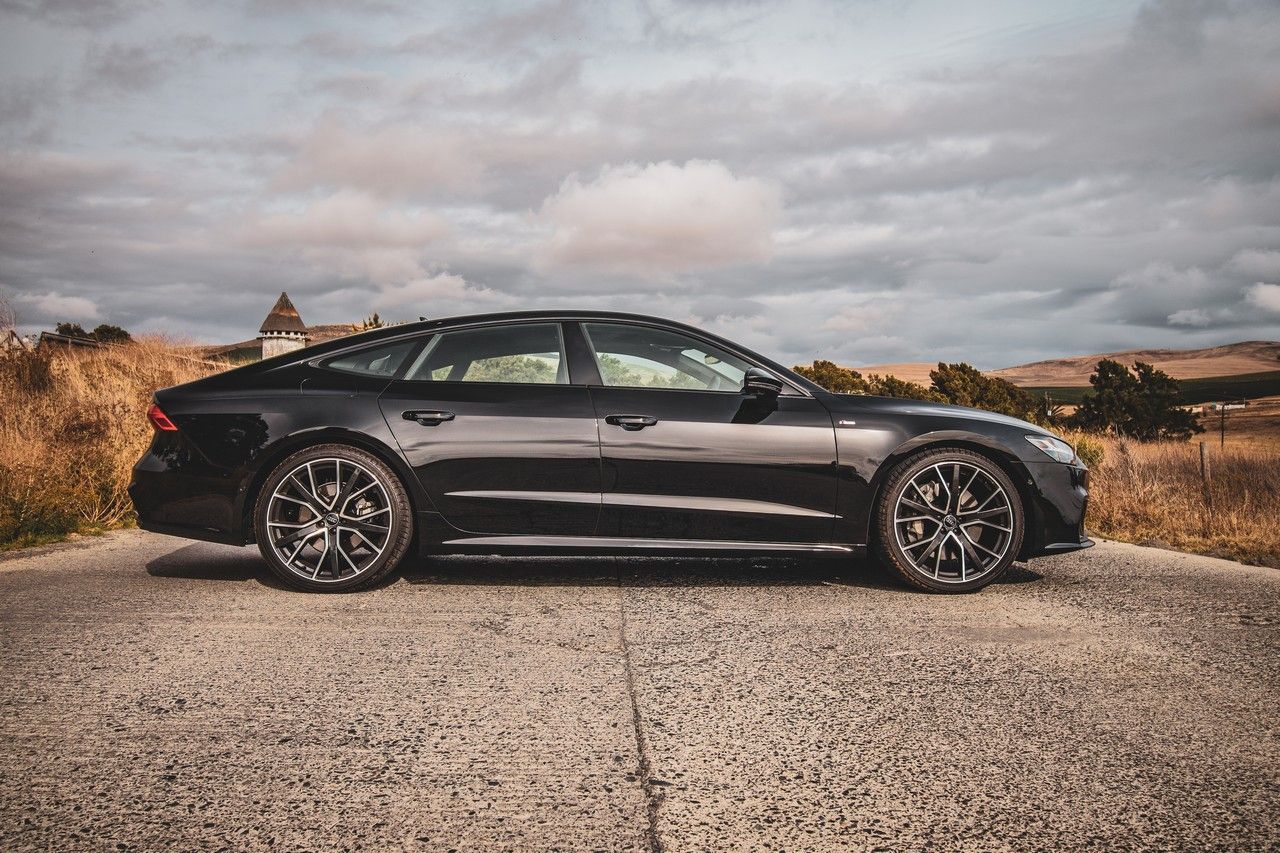
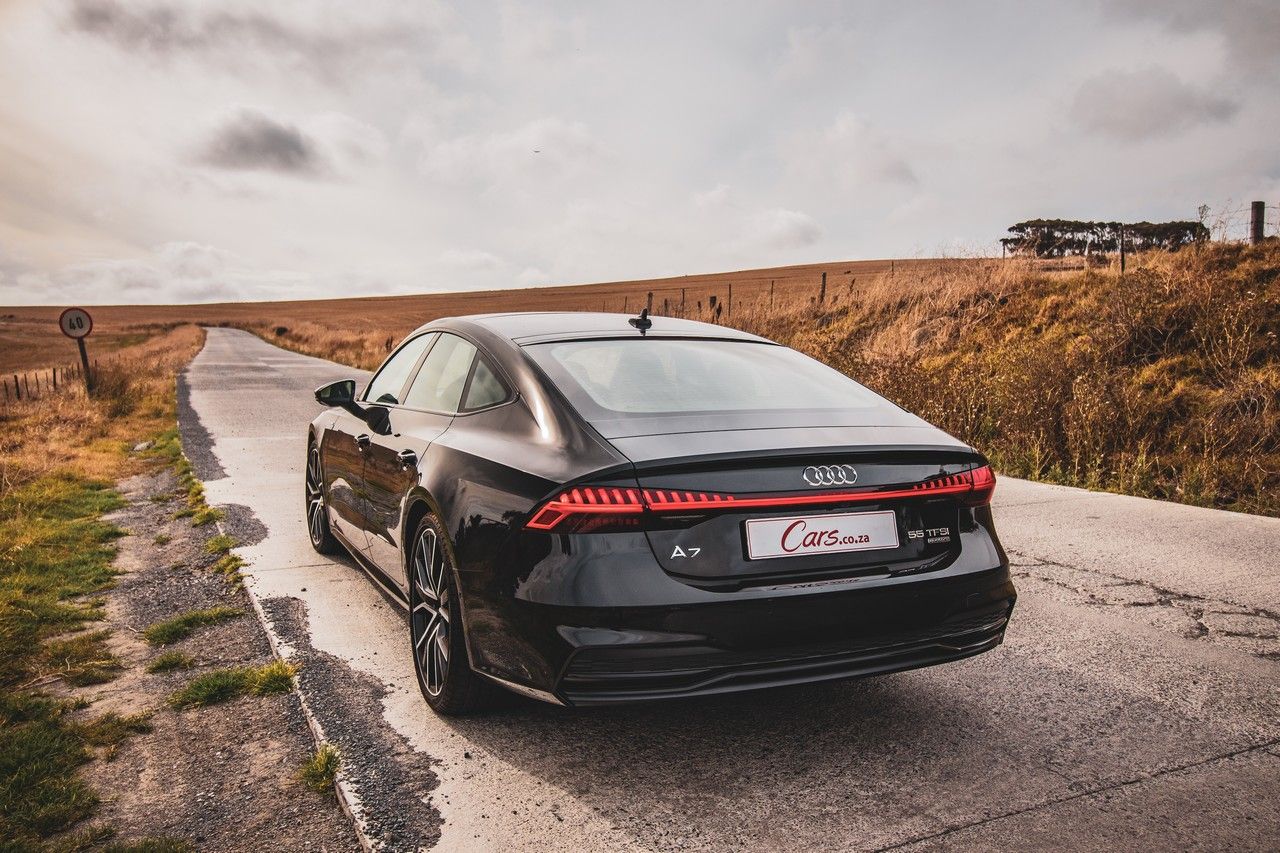
The rear half is what gives the A7 Sportback such an iconic silhouette.
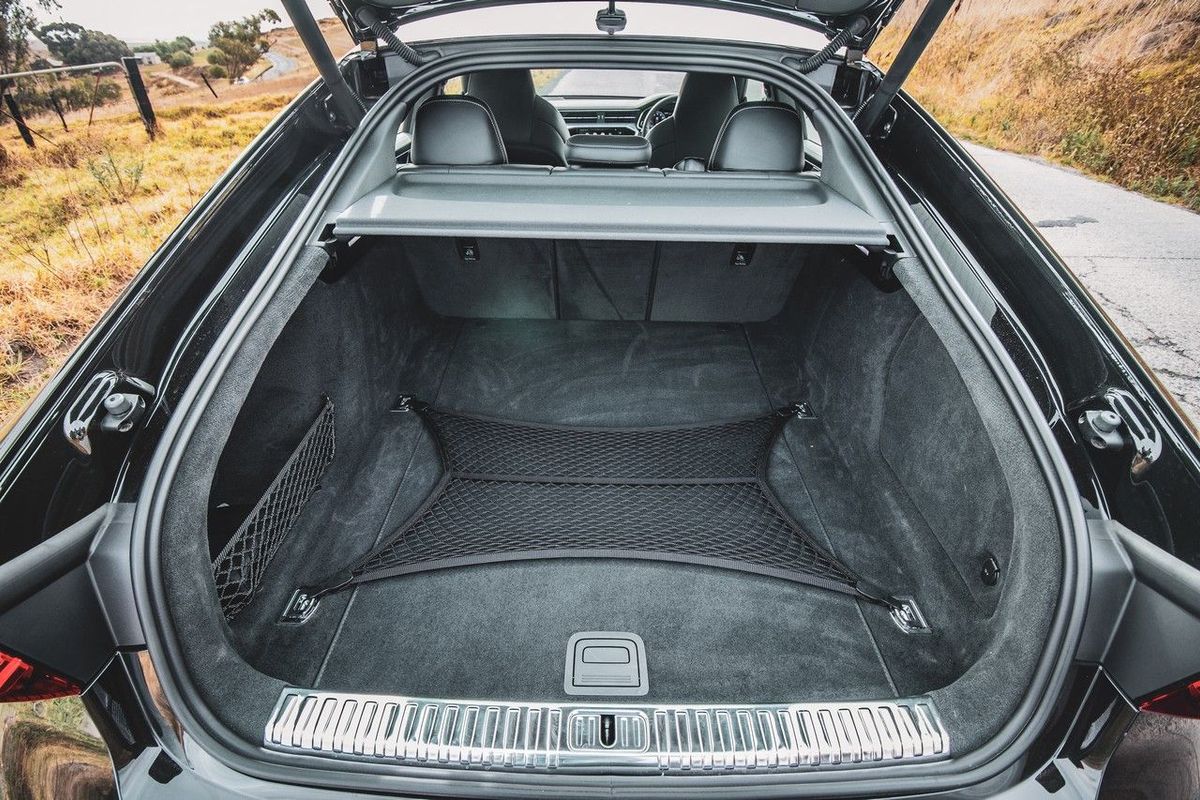
Executive-sedan-based 4-door "coupes" have been doing the rounds since the mid-2000s (the 1st-generation Mercedes-Benz CLS was launched in South Africa in 2005), so there’s nothing new about the concept of a sedan with a sloped roofline and fastback-style tailgate. You could even argue that it probably represents the best of all worlds when it comes to design and practicality.
The A7 Sportback is now in its 2nd generation and the latest model still targets the R1-million-plus buyer, who, in all likelihood is also considering the latest iteration of the Mercedes-Benz CLS (only available in CLS400d 4Maticguise). There isn’t a direct competitor from BMW as the 6 Series has made way for the larger 8 Series, which has moved further up the price ladder. The 8 Series Gran Coupe could still be recognised as a fringe rival though.
As it stands, the A7 Sportback represents the zenith of Audi's sedan range in Mzansi and, while South Africans tend to favour Premium SUVs at this end of the market, there’s something to be said for pitching up at the Met in something a little more stylish and distinctive than what everyone else has arrived in…
How it fares in terms of…
Kerb appeal
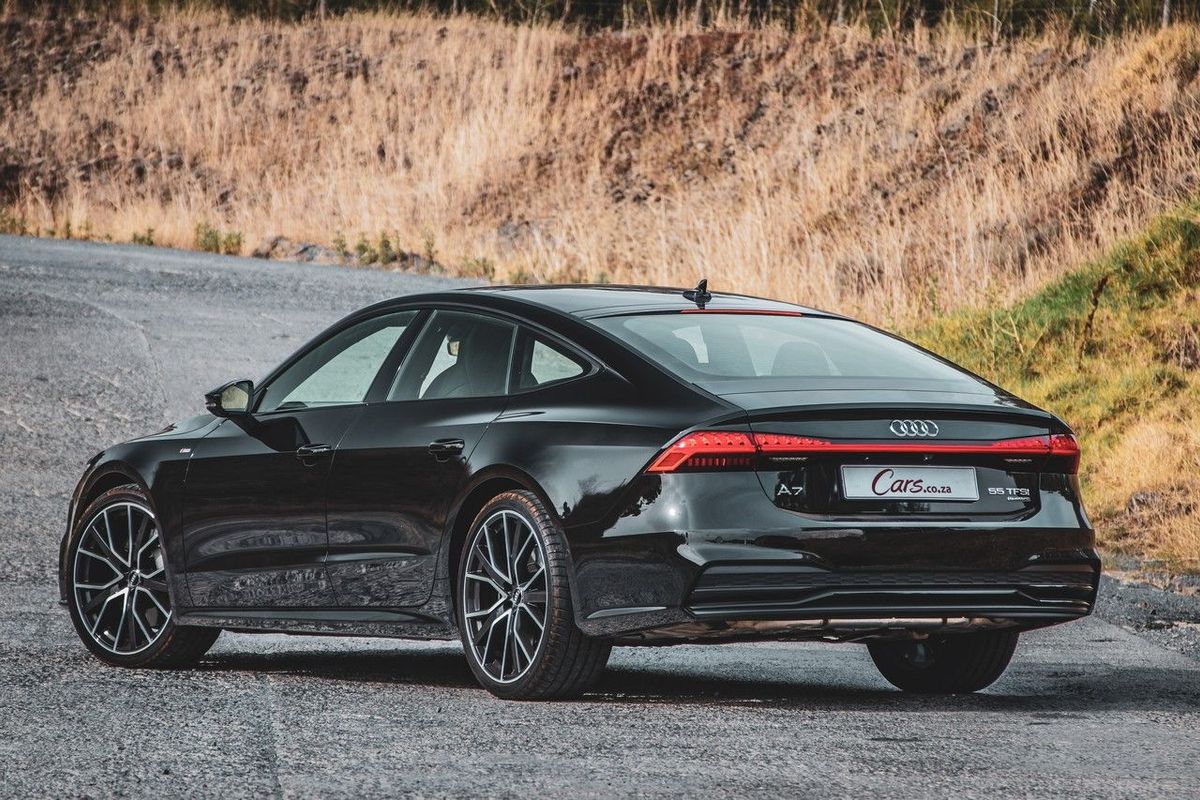
The rear light clusters offer up a LED light show when you lock/unlock the A7 Sportback.
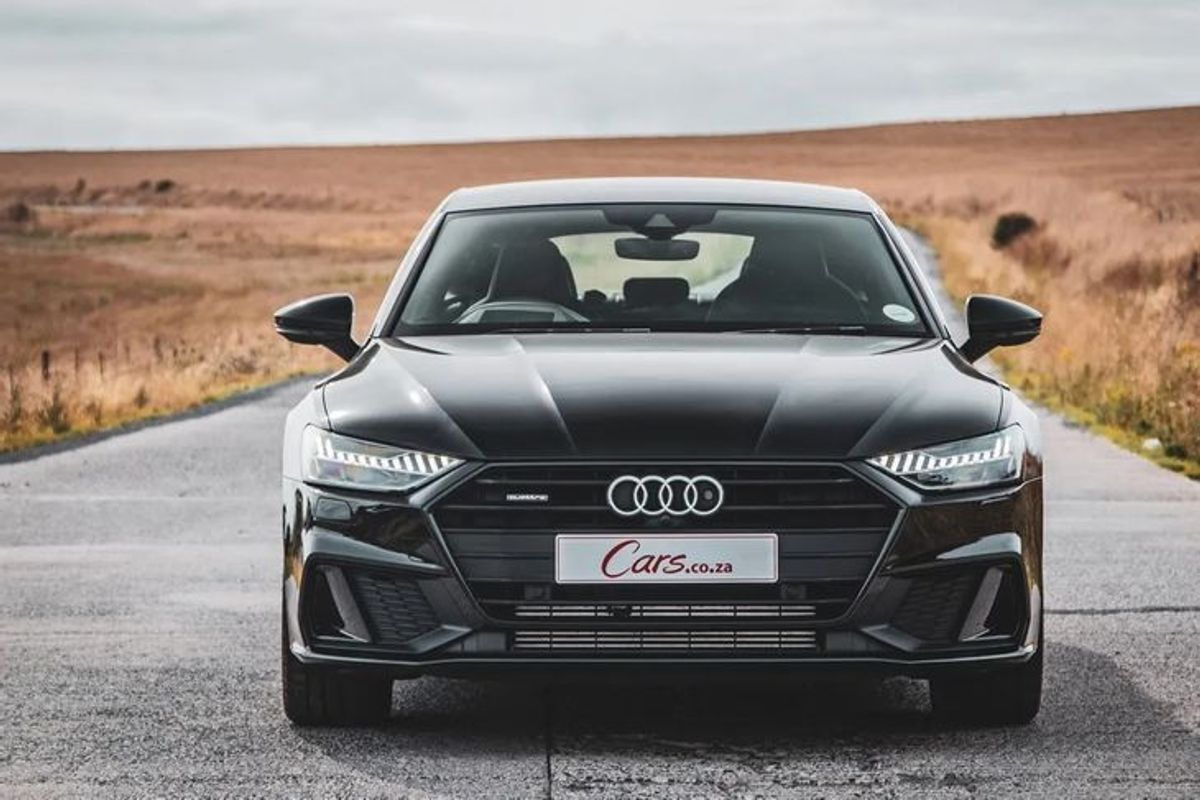
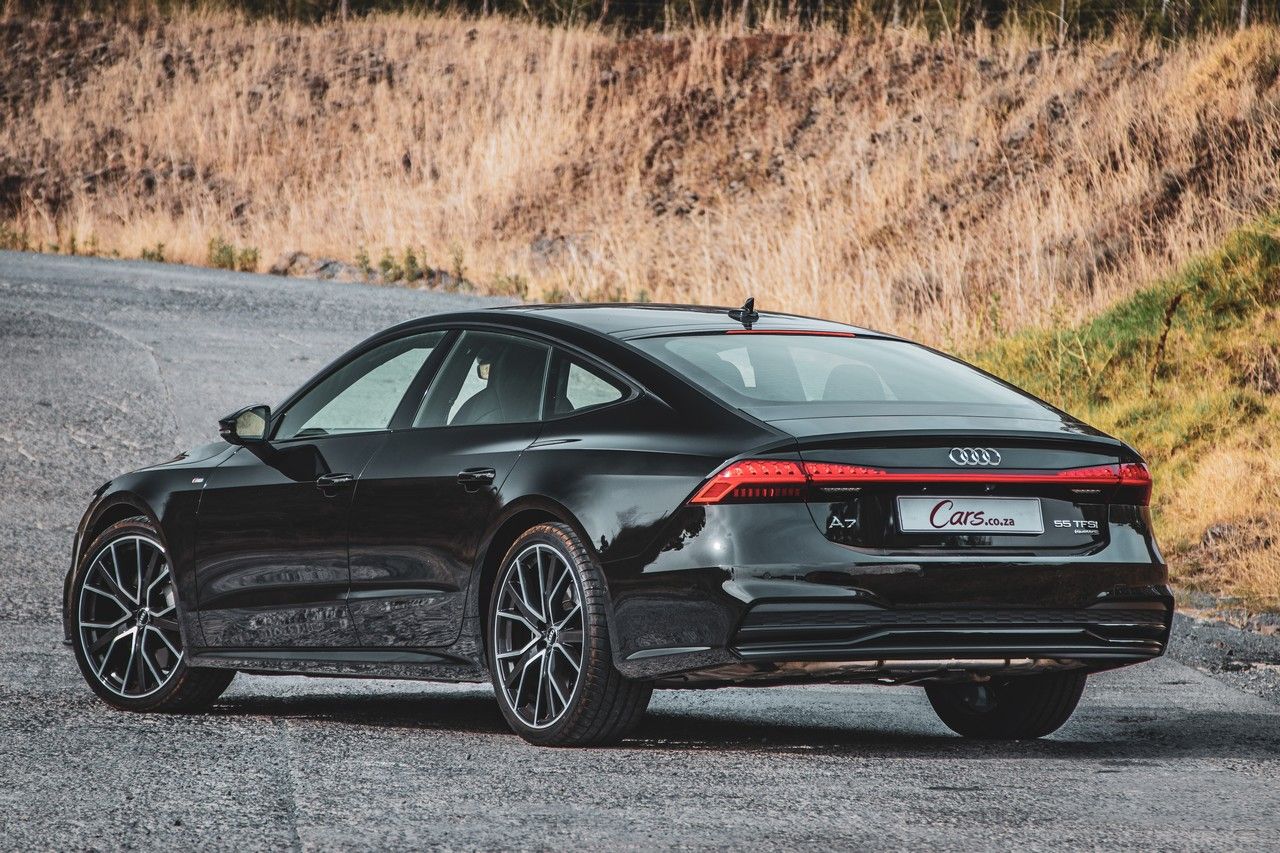
Several detractors have accused Audi of rolling out a slew of cookie-cutter designs, but the A7 Sportback has not been afraid to challenge the status quo stylistically. The design of the 1st-generation model could even have been described as polarising by virtue of its brave (some say droopy) rear end. For this generation, the design is less love/hate, but the A7 Sportback is still easily the most distinguishable model in Audi’s sedan (if not entire) lineup. Seen here in Mythos Black with the black styling package (R10 450), which adds styling accents to the front bumper and grille as well as similarly-coloured gloss trim around the windows. The addenda really give the big Audi a distinctive presence that would make for the perfect "baddie car" in any action movie. The black is a nightmare to keep clean, however, especially in the Cape summer where the wind constantly blows sand and dust onto the freshly washed paintwork.
Lighting is one of Audi’s trademarks and the greeting sequence when you unlock the car certainly "gets the crowds going". The LED strip at the rear lights up like the swooping red front-bumper illumination of KITT from Knight Rider (if you didn't grow up in the Eighties you won't get the reference – if so, do yourself a favour and google it) with the tail lights joining in the display in a final flamboyant light show. It's certainly a party trick that never wears thin…
This is a car that demands attention from onlookers, so be prepared to answer myriad questions, make small talk with petrol attendants and have your Audi appear on social media as people scamper to photograph it with their phones.
Powertrain refinement
As is the case with the Mercedes-Benz CLS, only 1 engine is offered in the local A7 Sportback line-up: in this case, the 55 TFSI: a 3.0-litre turbopetrol V6 with peak outputs of 250 kW and 500 Nm. For a large car like the A7 Sportback, the powerplant delivers more than enough oomph considering it's not a sportscar, but more of a cosseting cruiser. The engine provides perfect background assistance to the refined driving experience. It’s quiet, provides ample power and torque and, in combination with the 7-speed automatic transmission, provides near-seamless propulsion. It seems Audi has gone out of its way to make the drivetrain unobtrusive – one barely ever feels (or hears) its presence.
Quiet and soothing best describes the drivetrain of the A7.
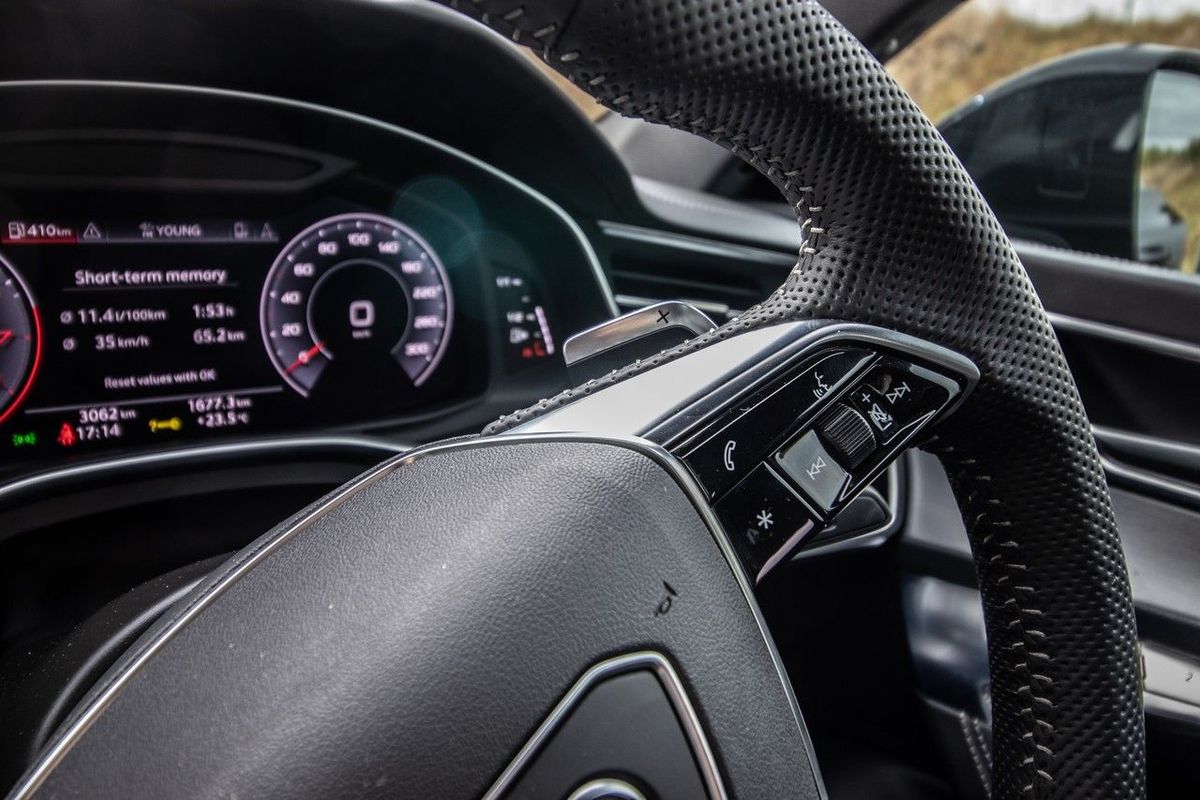
The fuel consumption is so-so, however. The claimed figure is 7.1 L/100 km, but after travelling about 2 000 km in the 55 TFSI, we saw an indicated 10.8 L/100 km. Admittedly there was a lot of city driving; our best effort was 6.9 L/100 km on a "downhill run" in efficiency mode, which makes use of transmission decoupling so that the A7 Sportback can effectively coast without the drag of the 'box slowing it down. It’s certainly an effective way of reducing consumption.
Even with the increased fuel tank, which has a 73-litre capacity, the Audi is likely to require fill-ups after 600-km stints. A turbodiesel would make a lot more sense, because, despite its name, the A7 Sportback doesn’t really have sporty pretensions. It would also solve the consumption problem, but Audi SA does not plan to introduce a turbodiesel derivative in South Africa.
Luxurious driving experience
This test unit was specced with the optional air suspension (R34 600) and, as it’s the only A7 Sportback derivative we have tested, we can’t compare it with a unit that's not equipped with adaptive air suspension. The system does contribute to an exceptionally forgiving and comfortable ride quality, however. Cars of this size tend to ride very well over big bumps and flatten out imperfections at higher speeds, but then jolt significantly at slow speeds as the long chassis flexes more than short-wheelbase cars. The Audi doesn’t suffer from small-bump jolting as much as its peers and, considering its lengthy (2 926-mm) wheelbase, it feels smaller and more wieldy than other large sedans.
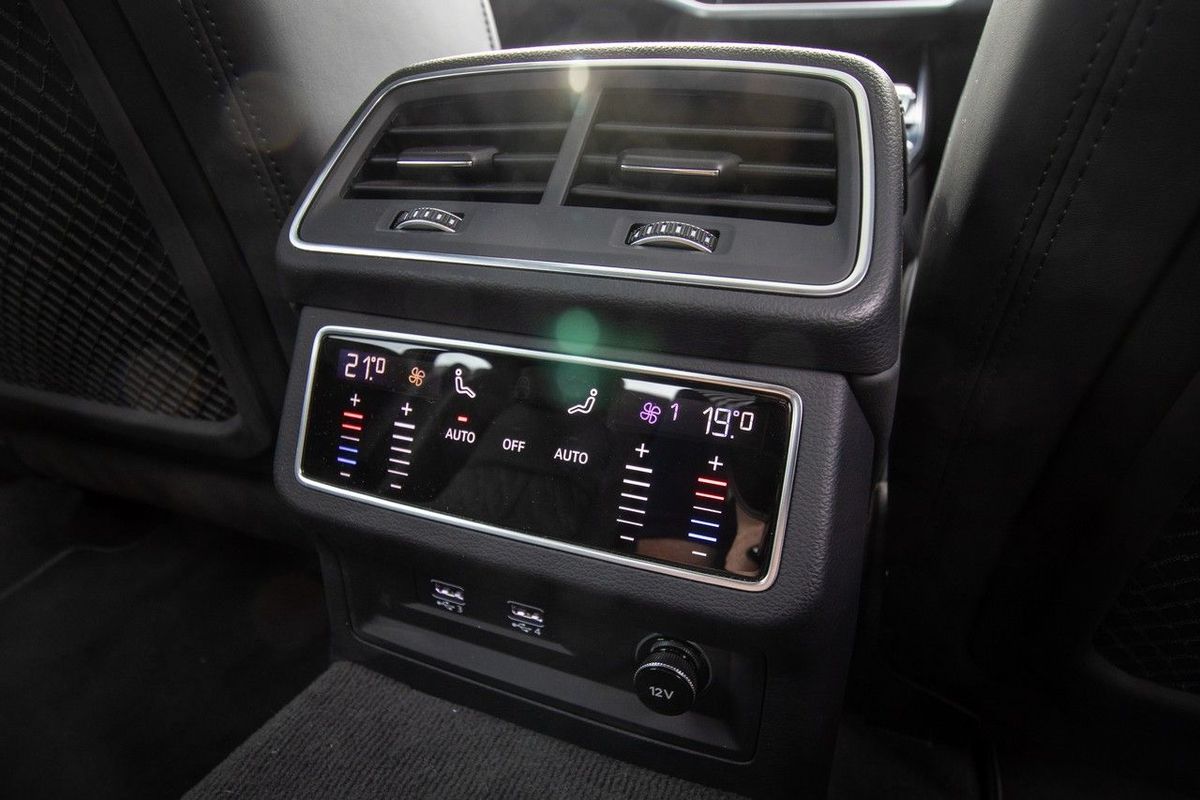
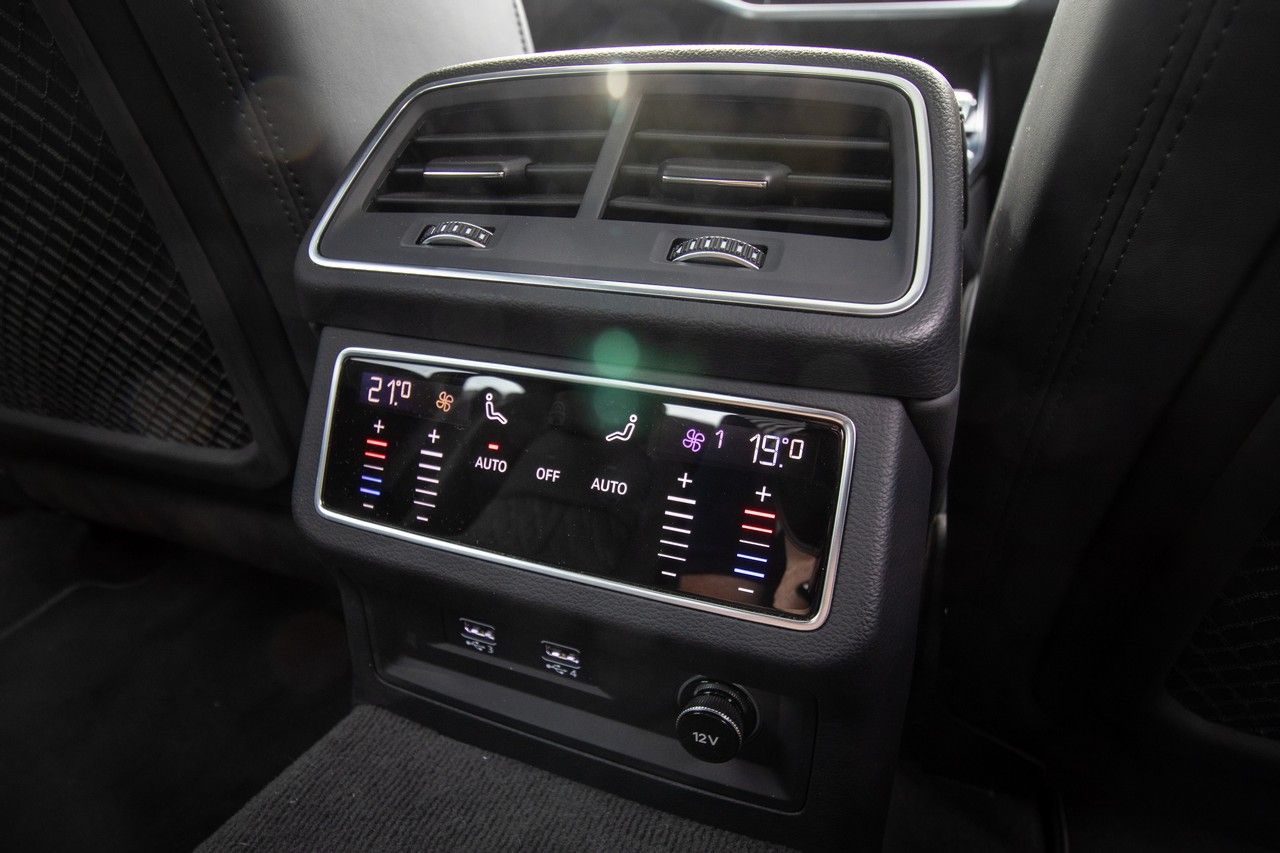
Rear passengers get dual-zone climate control and a further 2 USB ports.
The air suspension allows you to raise and lower the ride height, which is useful if you want to traverse a dirt road at low speed. The 25-mm raise isn’t huge, but gives you a little more confidence that the nose won't scrape on every bump.
As for the driving position, you sit quite low in the A7 Sportback, but its size doesn’t overwhelm you and it’s particularly easy to see out of the glasshouse and park the sedan thanks to the fitment of the 4-wheel steering option (R33 050). It’s a car that’s easy to get to terms with, simple and untaxing to drive and comfortable during long stints behind the 'wheel.
Quality interior
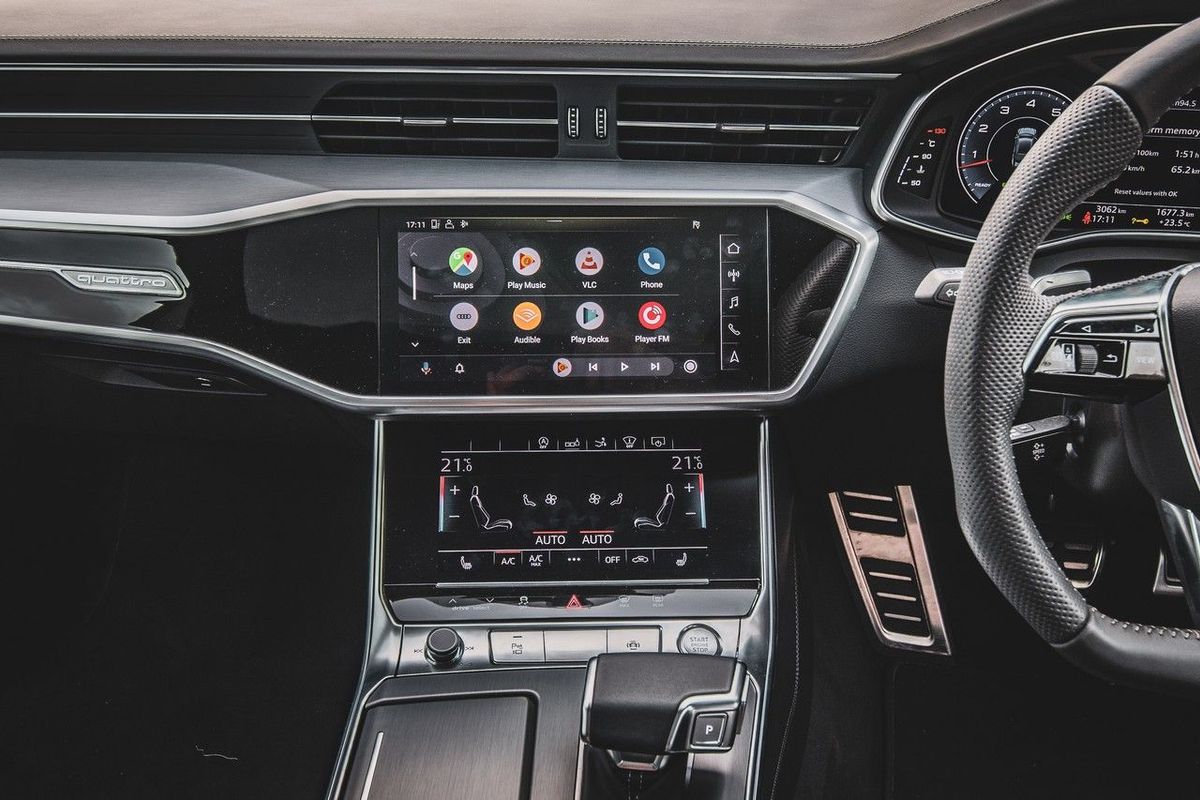
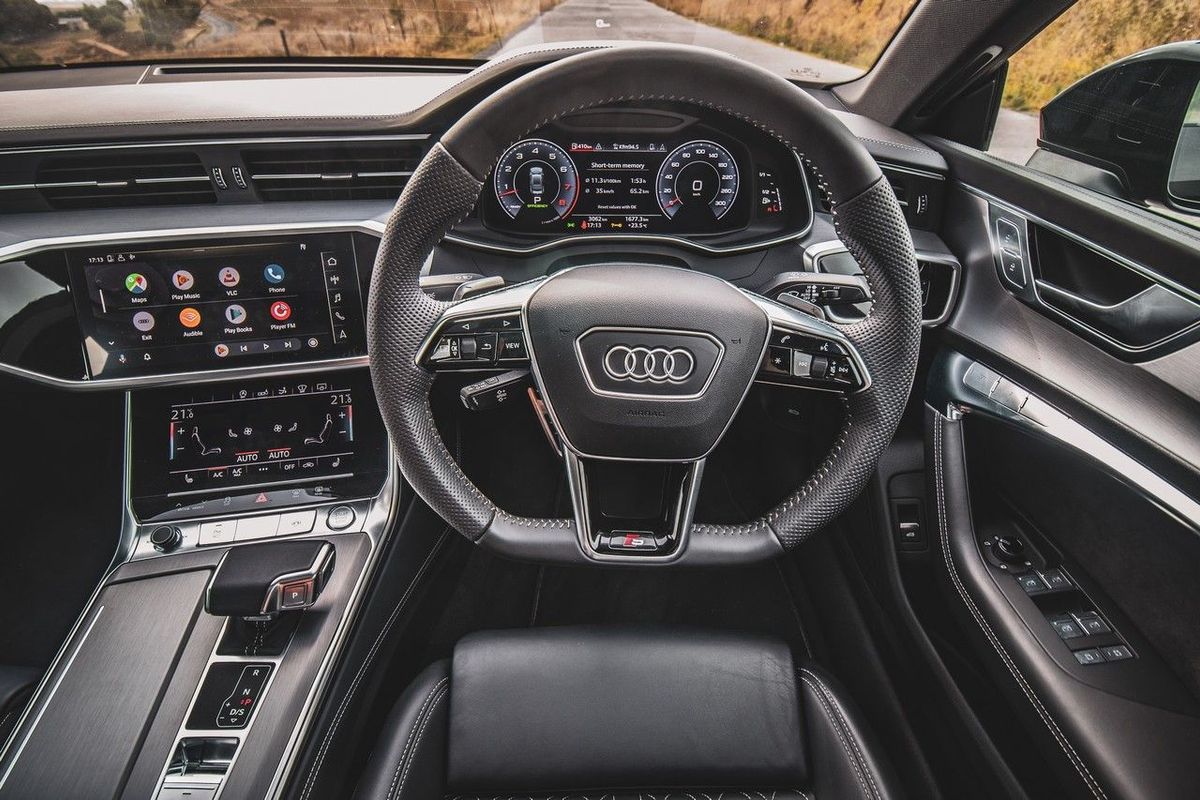
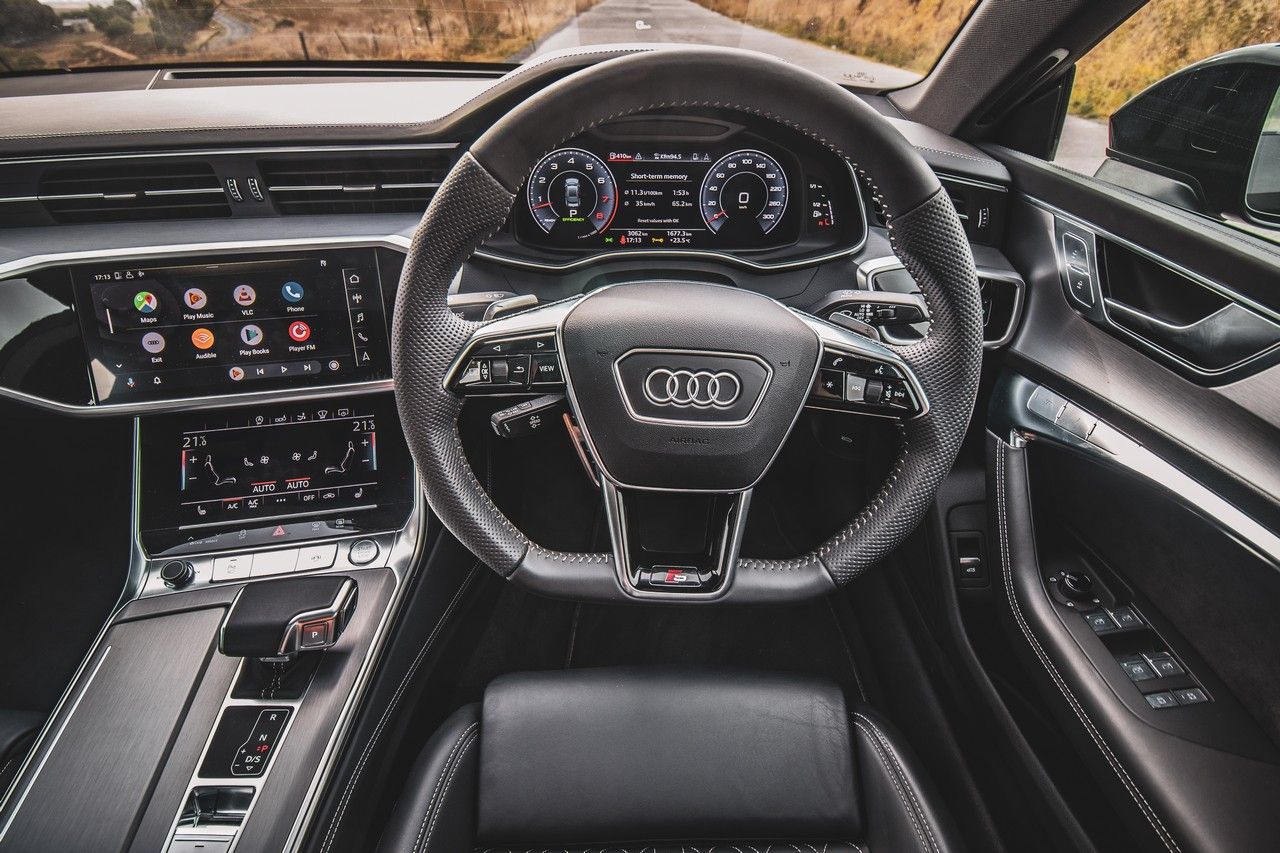
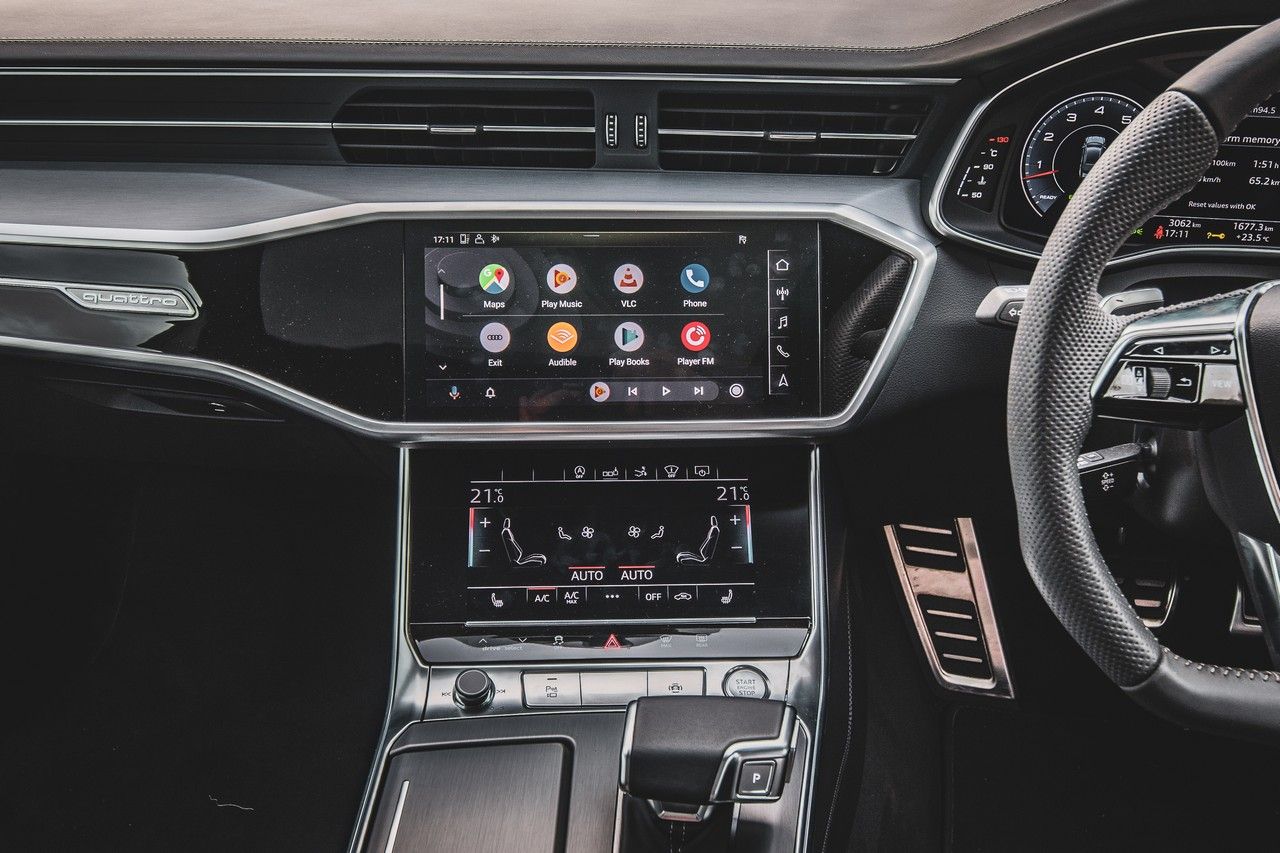
The A7 Sportback was the first car to feature Audi’s new MMI touchscreen system and also the dual-screen setup you see here. The bottom screen deals with climate controls, seat heating and becomes a sketchpad so that you can write destinations into the nav. The top screen deals with all other functions such as audio, vehicle settings, and apps. Android Auto and Apple Carplay work seamlessly with the system and there’s a wireless charging pad in the centre console.
Android Auto hooked up to the main infotainment screen, climate controls dealt with on the bottom screen.
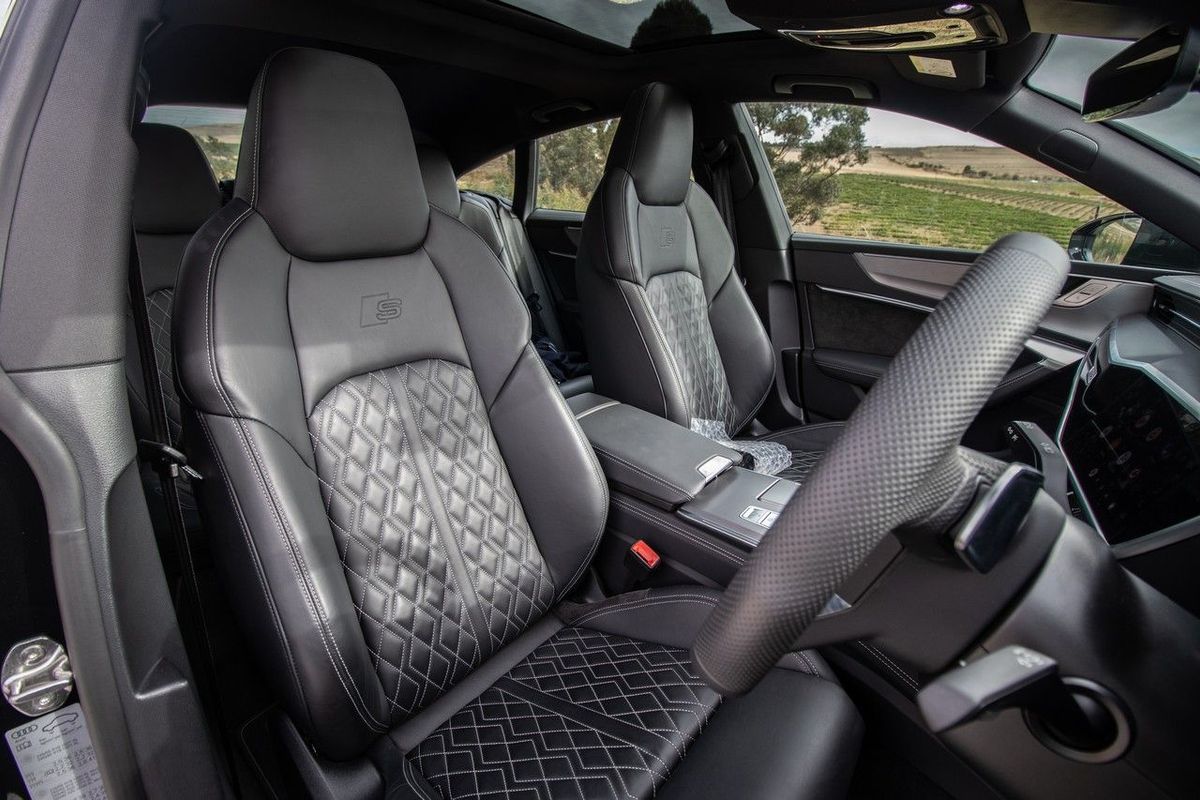
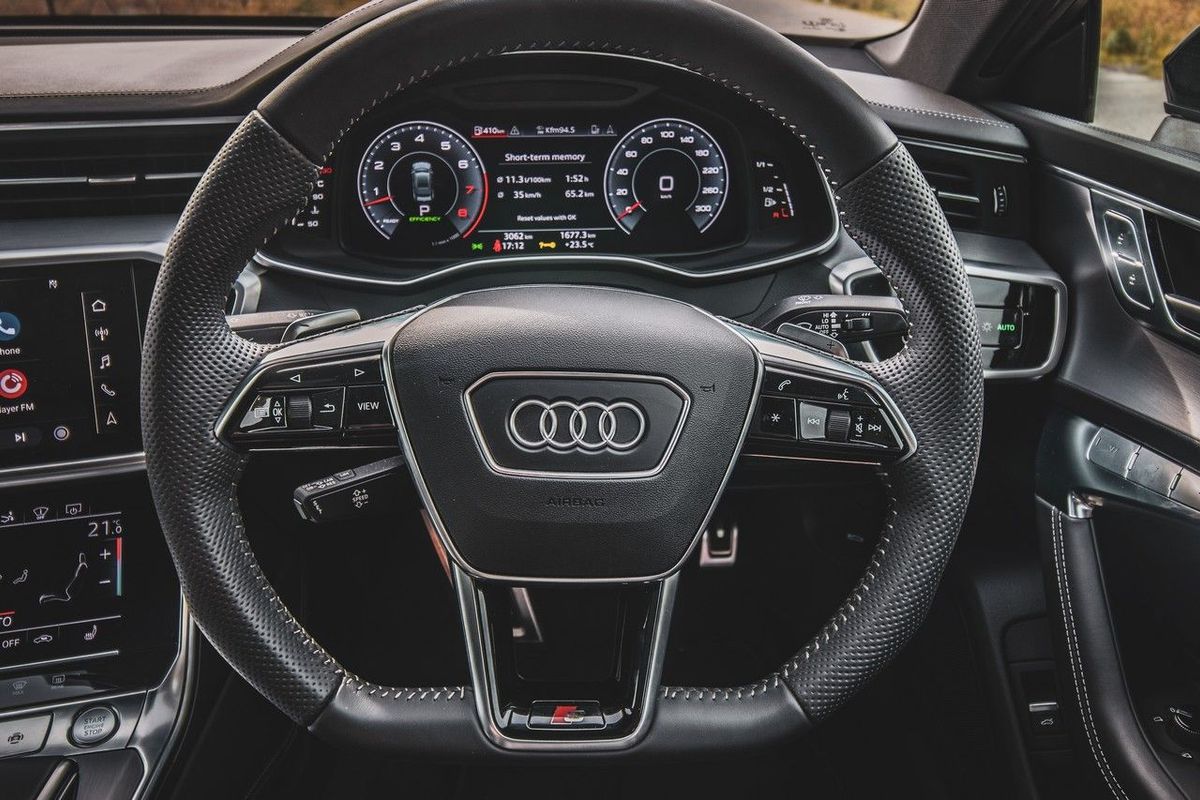
As for the quality of the cabin, the touchpoints are high-quality glass, brushed aluminium, suede and leather. The optional S sport seats (R28 350) are particularly comfortable and supportive. Beyond the touchpoints, there’s a fair amount of polished and gloss black plastic, particularly in front of the front passenger and while the plastic fits well, looks good and doesn’t rattle, it would be nice to see some upmarket materials like leather or soft-touch rubber in its place.
Compared with the aforementioned Benz CLS, the A7 Sportback feels more upmarket and classy and less of a shiny trinket. In typical Audi style, it exudes understated luxury.
Verdict
The A7 feels like Audi's most complete sedan.
The A7 Sportback is arguably the most resolved vehicle in Audi's current lineup, well, certainly as far as its sedans are concerned. The newcomer is the quintessential cruiser – it's sumptuously comfortable to drive – and has a drivetrain that delivers effortless performance without any fuss or effort. The latter is very much a background player to what is meant to be a quiet and soothing experience.
The petrol engine is a bit thirsty, but at this price point, a buyer is unlikely to see that as a deterrent unless they are particularly eco-conscious.
The cabin is spacious, luxurious and bang-up-to-date with modern tech and connectivity. It’s a pleasant space to spend long hours and appears to be well finished and designed. There may be a bit too much plastic for some, but it’s classy and easily the leader in an admittedly tiny segment.
The A7 Sportback’s design will appeal most to buyers; the newcomer remains the most eye-catching and easily-distinguishable model in the brand’s lineup. If I had to choose between this and a CLS? The Audi –all the way.