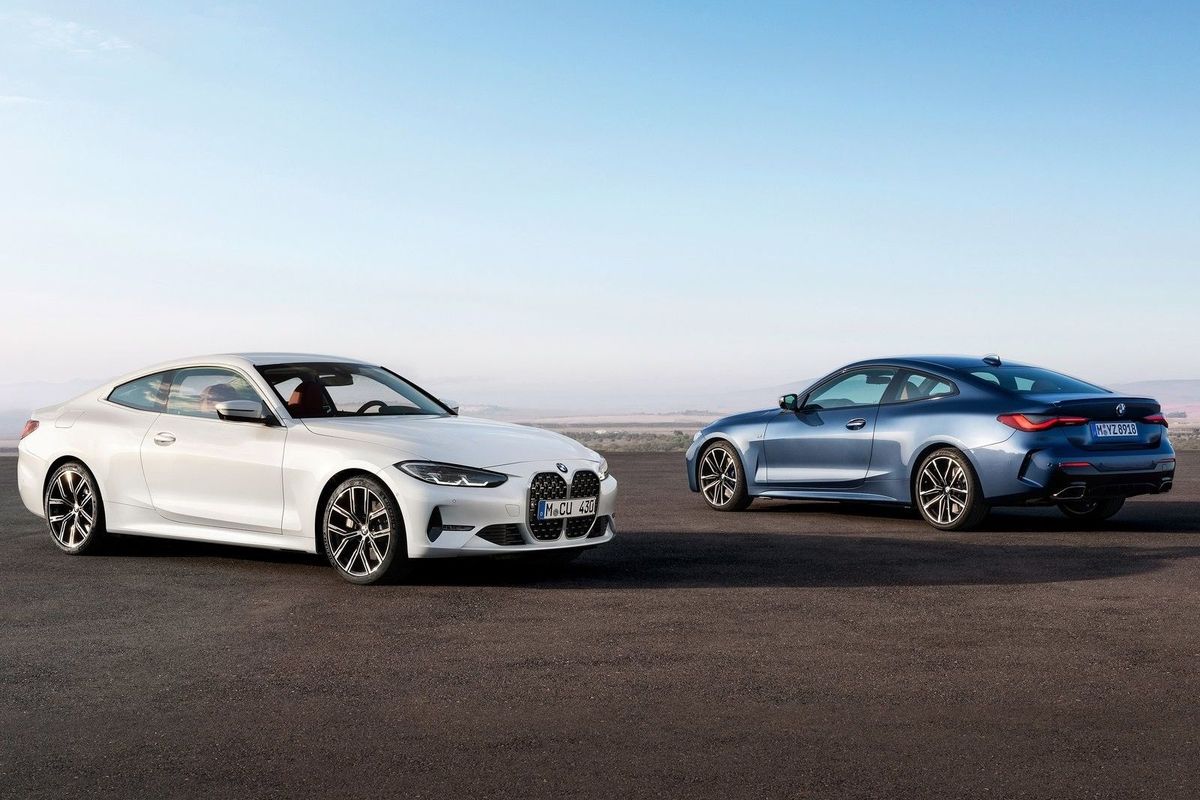
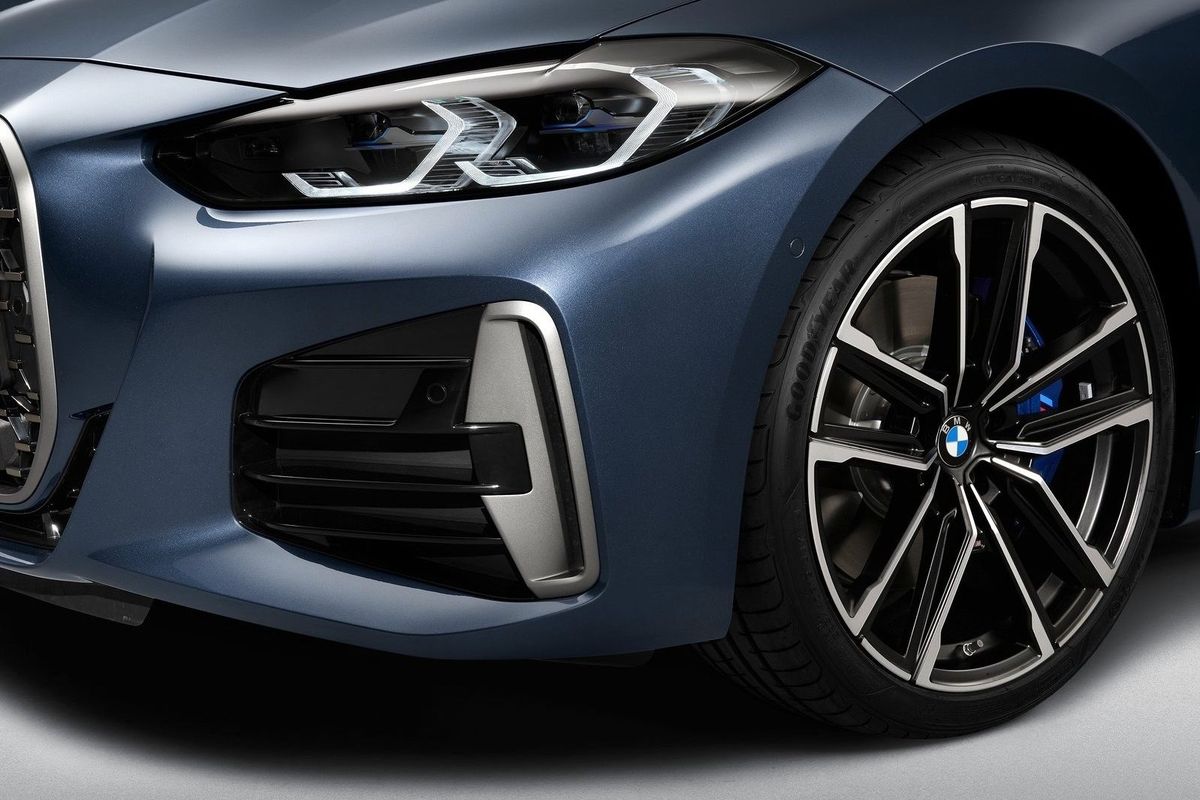
What you see here is the all-new BMW 4 Series coupe being tested on the Nurburgring. Here's what we know so far about the Bavarian newcomer.
Picture credit: S. Baldauf/SB-Medien
These 2 images show the 2020 BMW 4 Series coupe on the Nurburgring. Given the subtle hints of design, we suspect the 4 Series is going to adopt a more GT approach than just a 2-door version of the 3 Series sedan.
In terms of engines, it would be surprising to us to not have the entire 3 Series powertrain portfolio carried over. This would mean you'd have the choice of 420i, 430i, M440i xDrive as well as diesel options. We suspect the model you see here is the M440i xDrive as the rear exhaust style is identical to that of the soon-to-be-launched M340i xDrive. That model packs a 275 kW and 500 Nm punch from a 3.0-litre turbocharged 6-cylinder and with all-wheel drive, it's capable of blitzing to 100 kph in a claimed 4.4 seconds.
Inside, we think the new BMW 4 Series will receive a near-identical cabin to the 3 Series, but with a few more luxury and sporty touches. When it goes on sale, it'll rival the Mercedes-Benz C-Class coupe and Audi A5 coupe. Keep an eye out for the eventual BMW 4 Series Gran Coupe too.
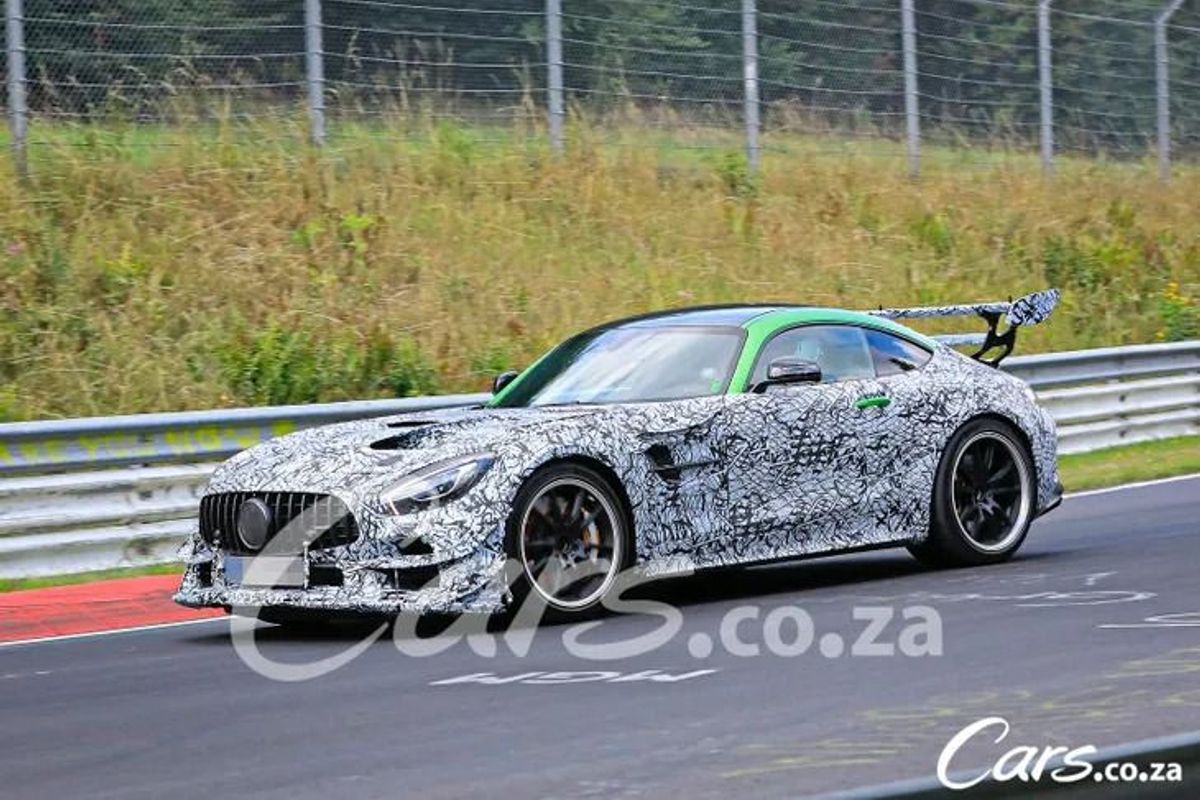
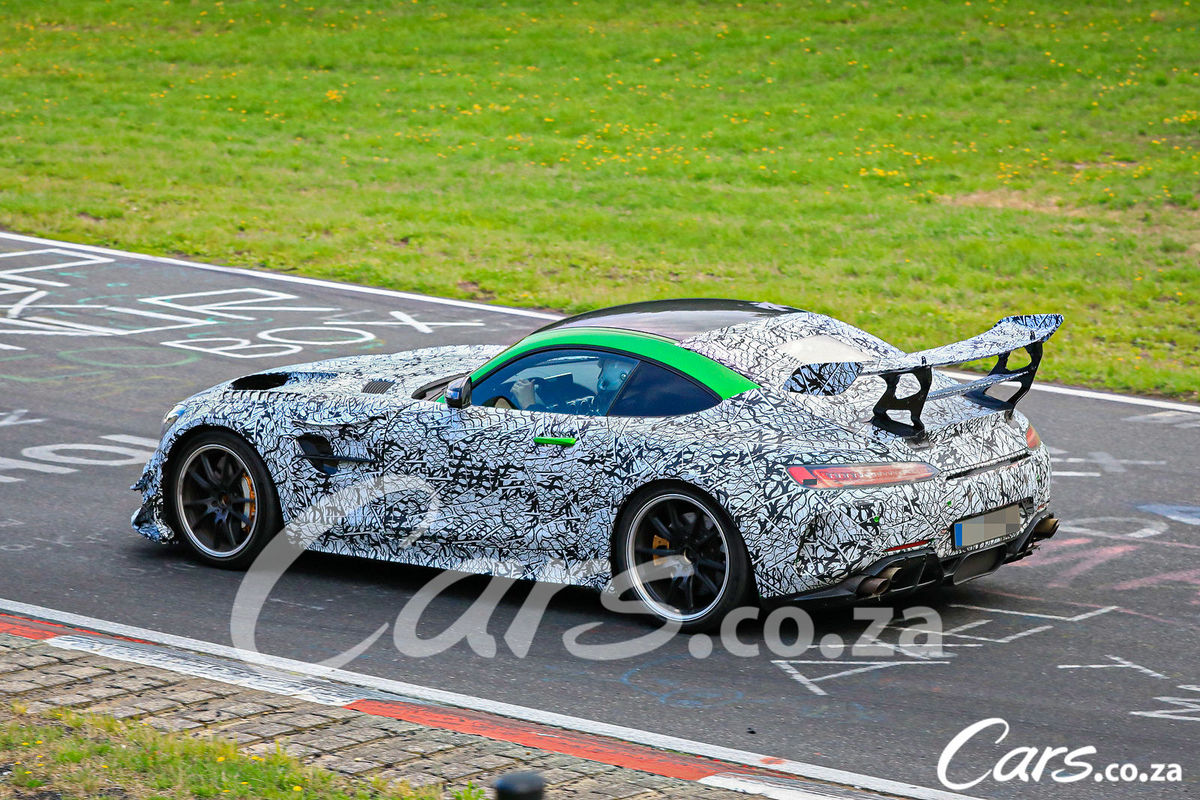
This wild-looking Mercedes-AMG GT R was seen undergoing testing, fuelling rumours that the Black Series name is going to make a comeback.
Picture credit: S. Baldauf/SB-Medien
If the Mercedes-AMG GT R and Pro were too tame for you, then perhaps this is more your thing? Our spy photographers snapped this winged monster on the Nurburgring and suggest that its a Black Series prototype.
What you're looking at here is something very extreme, with a hardcore aerodynamic package fitted. The massive rear spoiler looks reminiscent of a GT race car and there are plenty of intakes all over the bodywork, indicating that the motor will need all the cooling it can get. While official powertrain details are scarce, we can only assume that this road-legal weapon will pack an enhanced version of the twin-turbo V8 that currently does duty. When the GT R was revealed back in 2016, it produced a whopping 430 kW and 700 Nm with a 7-speed dual-clutch transmission sending all of it to the rear wheels. A 0-100 kph claim of 3.6 seconds and a top speed of 318 kph were the figures thrown about.
If this is indeed the Mercedes-AMG GT R Black Series, it's going to need a power boost to do justice to the illustrious name. We do know the 4.0-litre turbo V8 is capable of big number as the E63 S punches out 450 kW and 850 Nm, so there's no issue of sourcing a potent enough motor. We think the issue here will be drivability. The SL65 AMG Black Series was a wild child, preferring to light up its tyres instead of forward progress and many critics said it was a proper handful. The thing about car manufacturers is they rarely make the same mistake twice, so if this is indeed the GT R Black Series, it should retain some drivability as well as deliver fearsome performance. With such a prominent aerodynamics package fitted, the AMG GT R should be a bit more stable.
Watch this space, this could be the most hardcore road-legal AMG supercar in history!
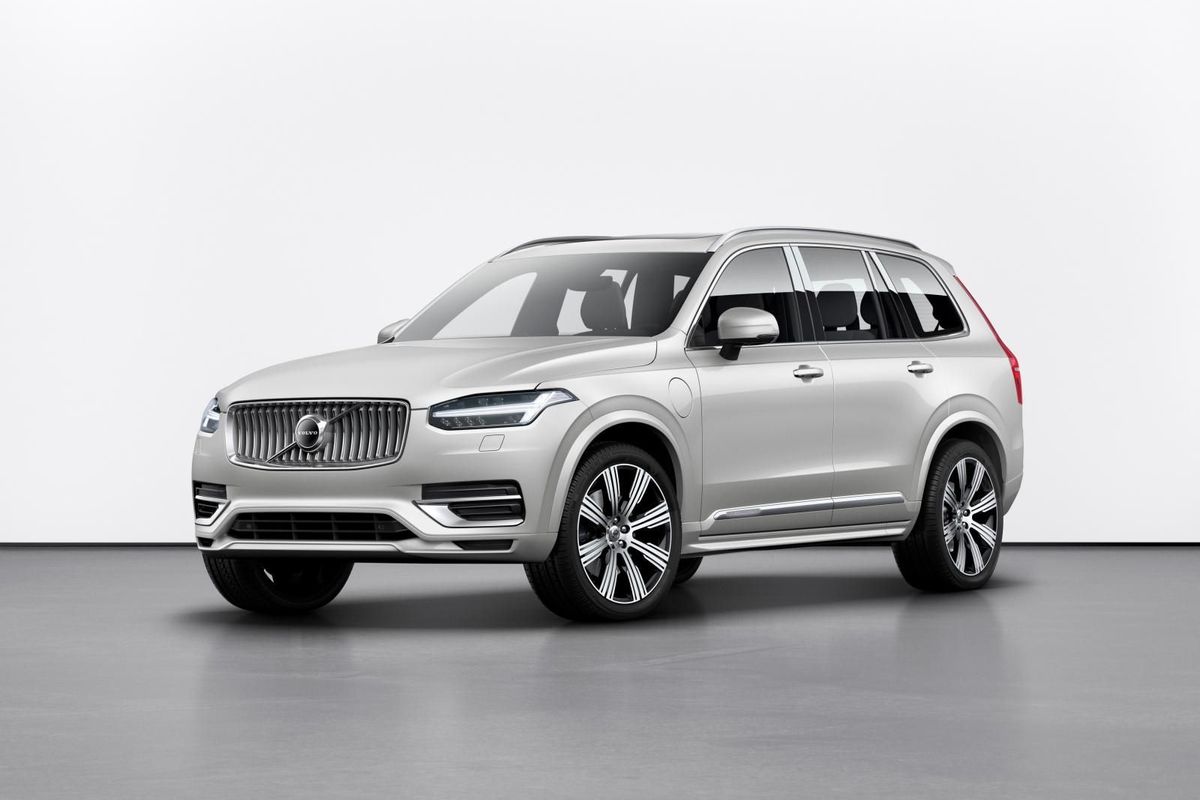
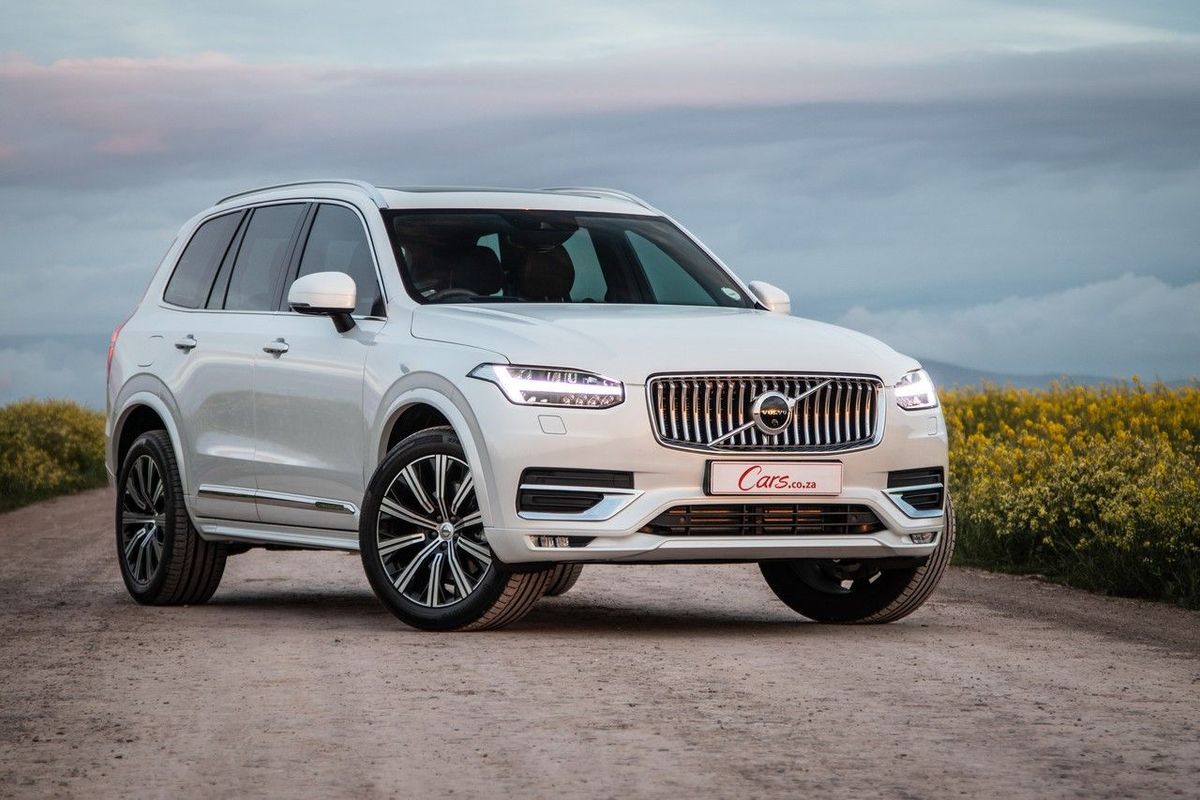
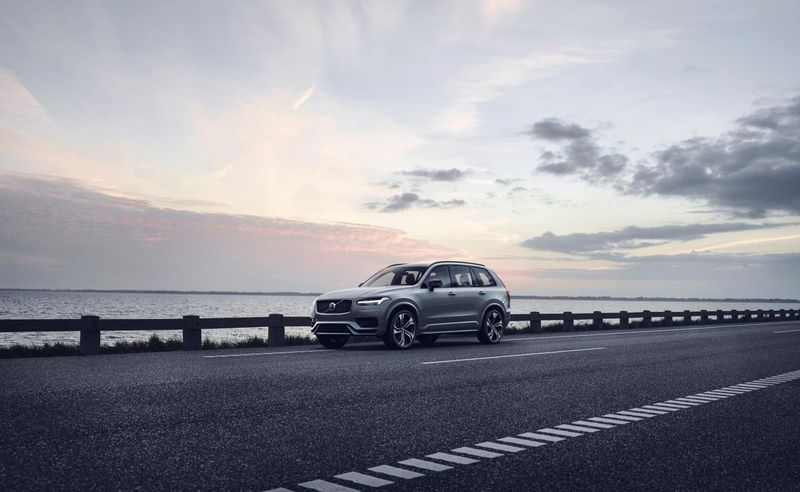
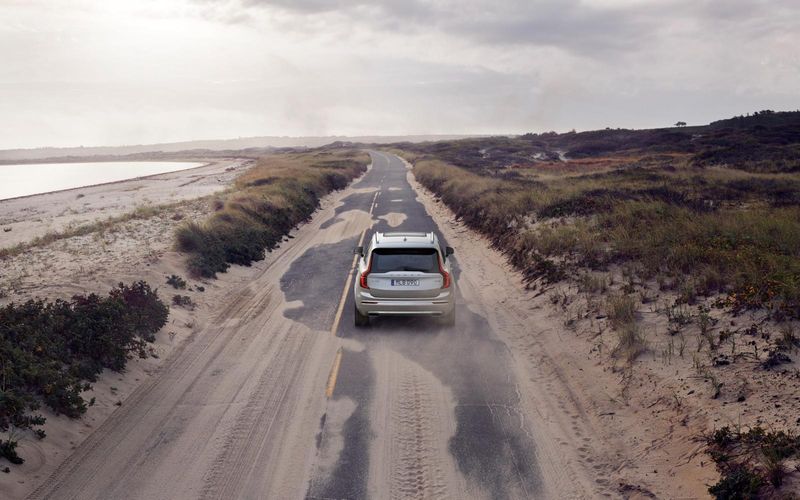
The premium SUV that started a product revolution for Gothenburg-based Volvo Cars has received a mid-model-life update. We spent some time getting to grips with the XC90's new bits in Cape Town.
What’s new?
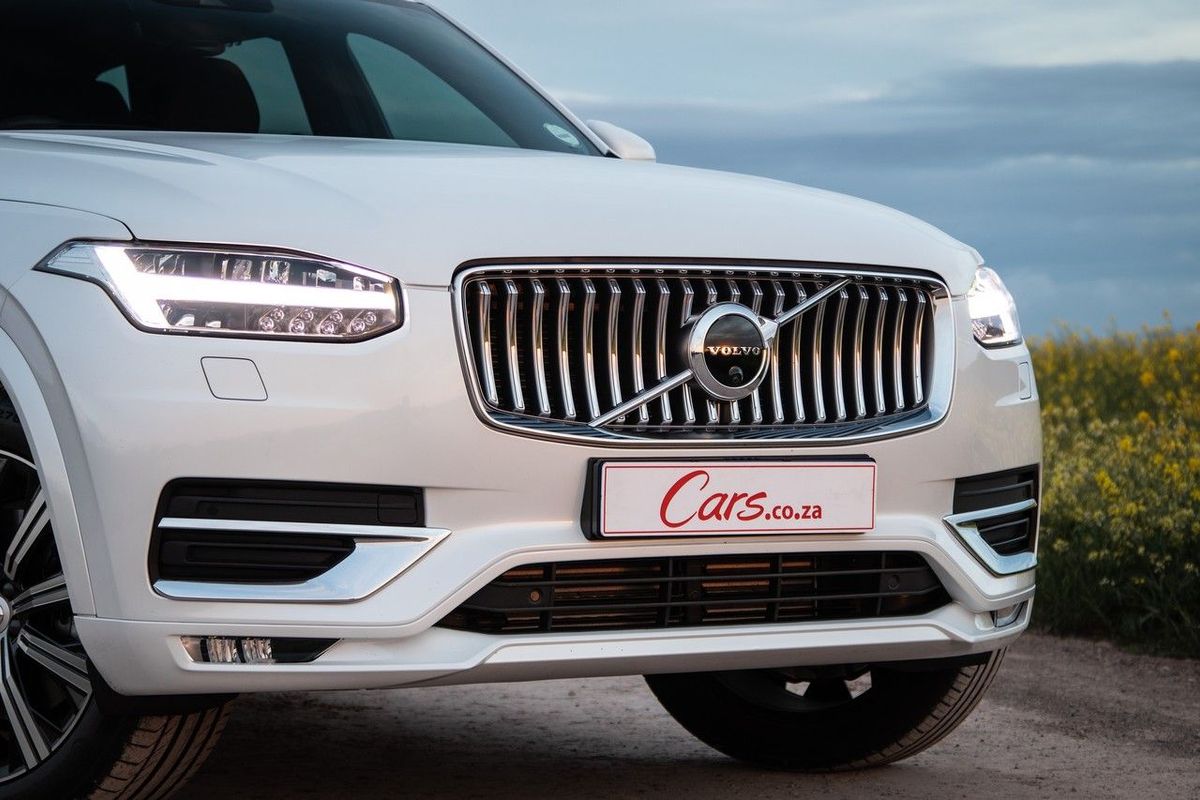
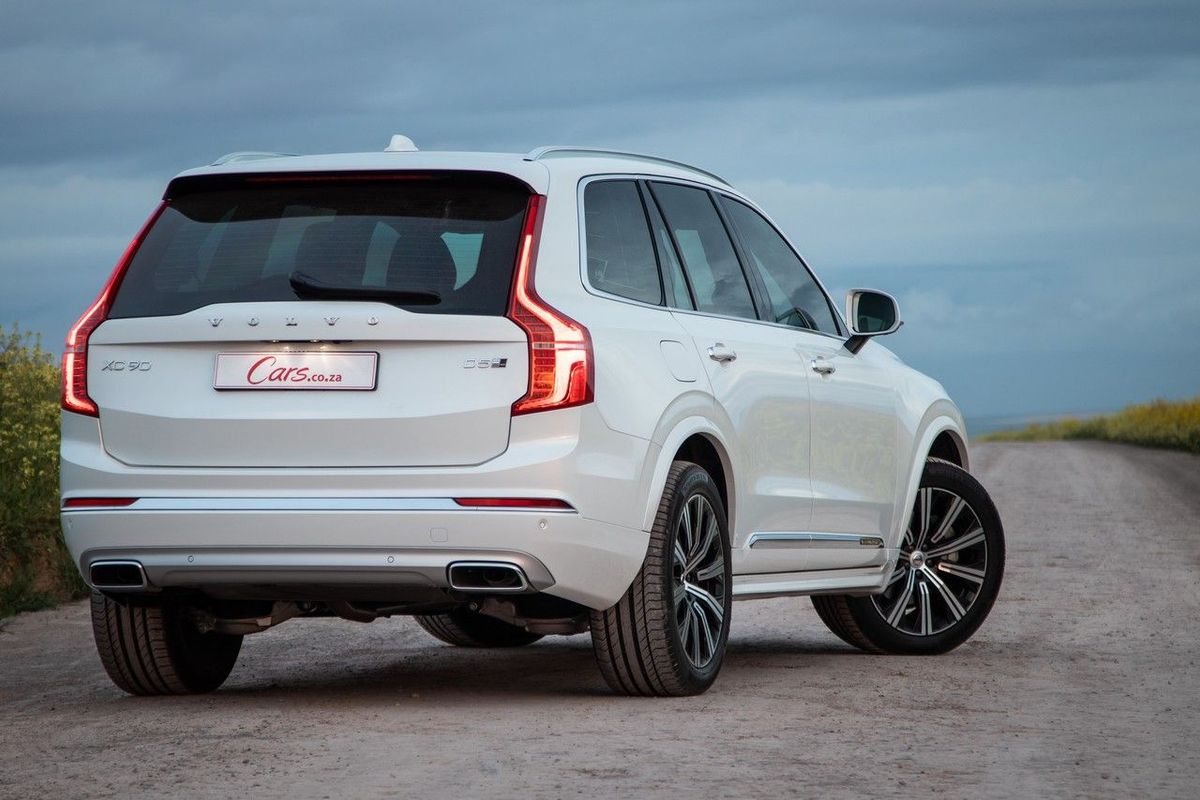
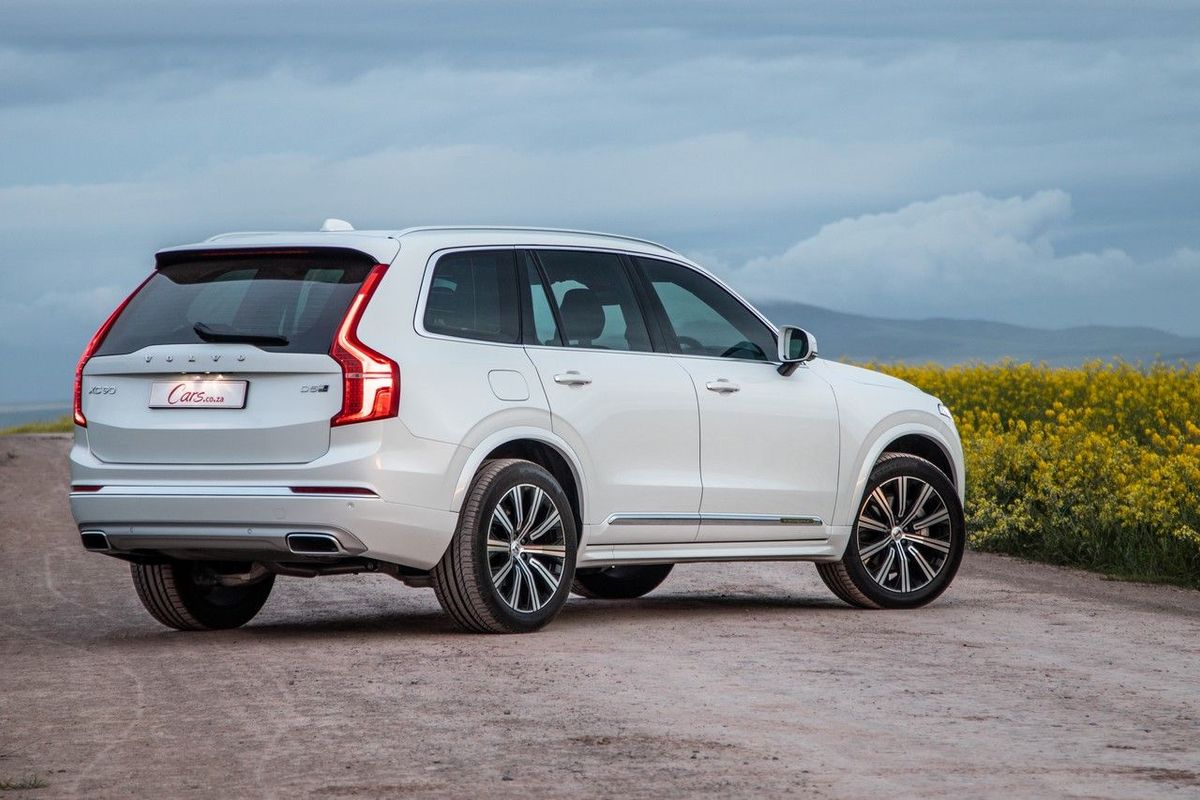
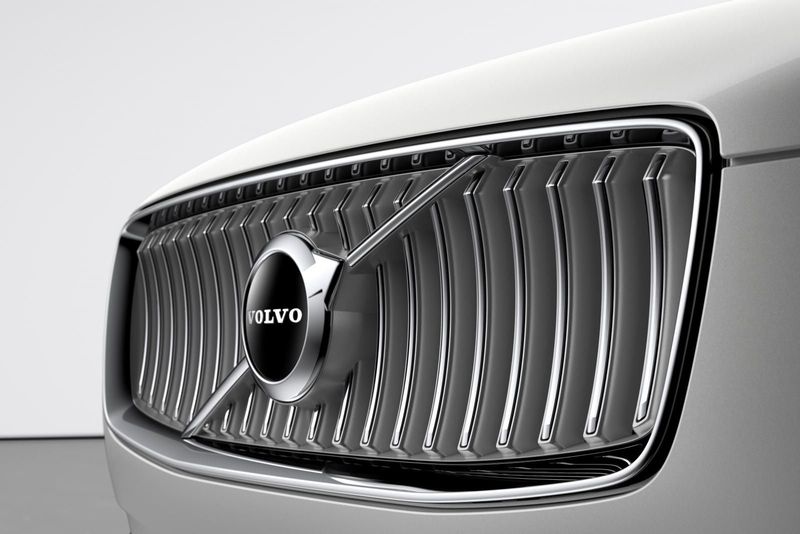
I’ve seen some light facelifts in my time, but the XC90 may just take the cake in terms of "a mild visual update". The new, concave grille is just about the only noticeable change and, if you spec an R-Design derivative, that changes to a flatter, blackened, honeycomb-style version.
The new concave style grille on the front of the XC90.
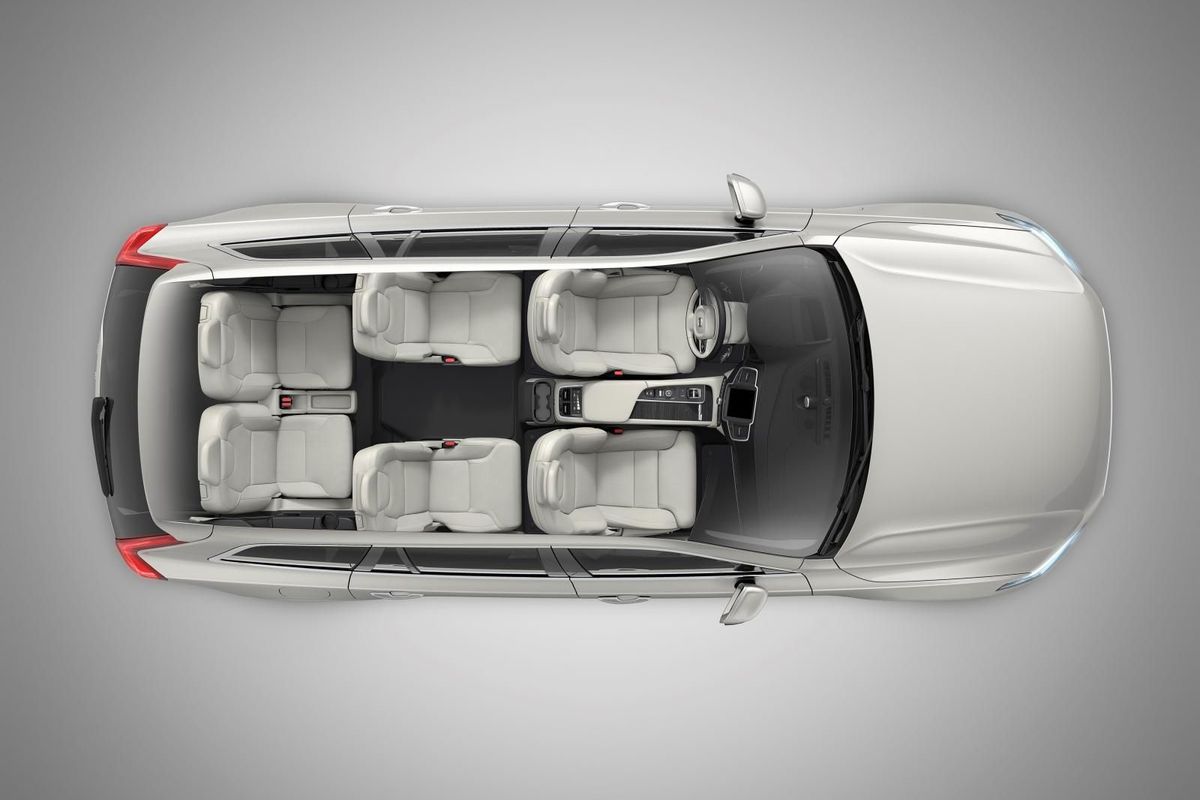
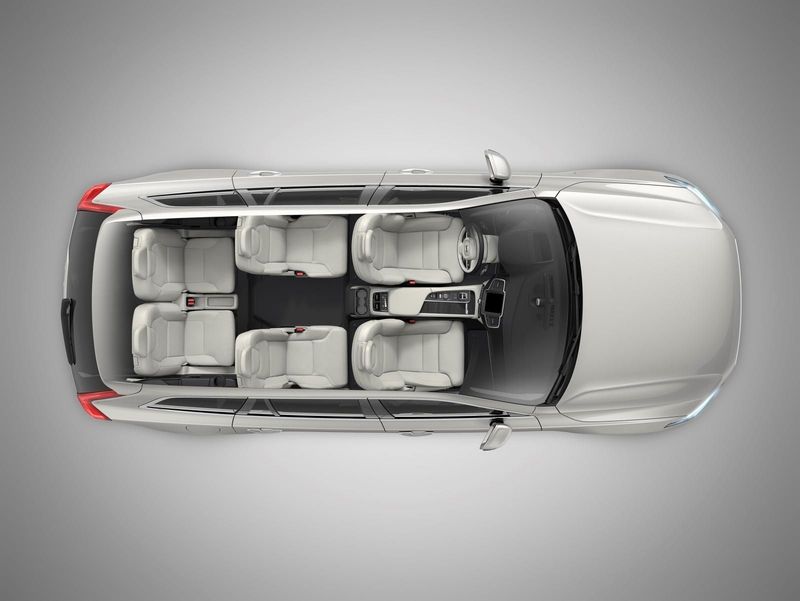
Inside, the XC90 can now be specced in 6-seater and 7-seater configurations and a few more items have been included in the specification list. A connectivity app and the Volvo On Call system are now included in South Africa, but more on that later.
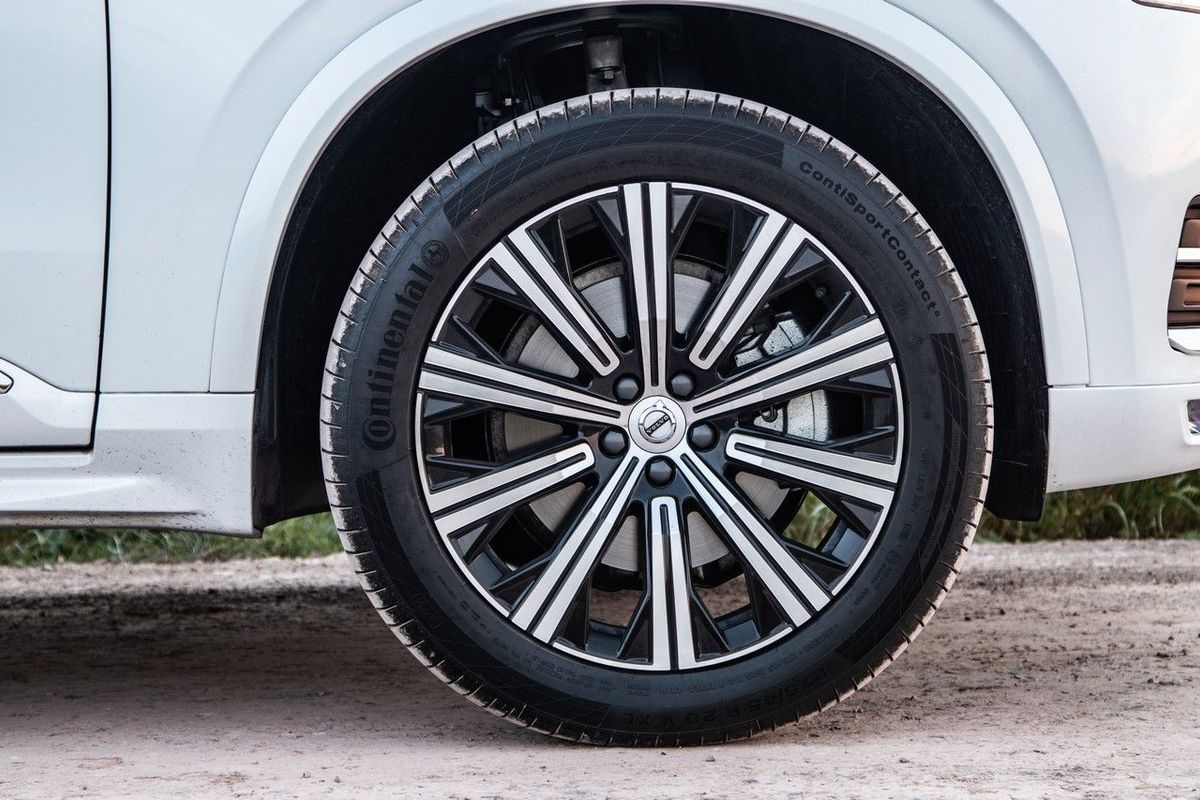
Aside from those changes, there are new wheel designs and colour options to choose from to top off the 2019 model year car.
Engine range?
Volvo continues with its 2.0-litre 4-cylinder line-up, which powers the Swedish marque's entire vehicle portfolio. In the XC90 range, there’s a choice of 3 petrol offerings and a single turbodiesel. The petrol range starts with the T5 (187 kW/350 Nm, with a claimed fuel consumption of 7.6L/100 km), followed by the T6 (235 kW/400 Nm and 8.0 L/100 km). The final petrol version takes the form of the T8 Twin Engine plug-in hybrid unit, which is turbocharged, supercharged and electrically charged to punch out a maximum of 300 kW (235 kW + 65 kWe) and 640 Nm (400 Nm + 240 Nm).
The XC90 still feels like one of the stand out premium models in the segment.
The updated single-turbo diesel unit is probably the pick of the range, delivering smooth low range torque and considerable surge thanks to 173 kW and 480 Nm of torque (up from 165 kW and 470 Nm). Fuel consumption is claimed at 5.7 L/100 km, making it a smart blend of power and efficiency.
Overall, the X90 delivers unfussy performance by virtue of its 8-speed automatic transmission. The derivatives never deliver rates of acceleration that could be classified performance-oriented, but every XC90 delivers comfortable and capable progress. Volvo clearly knows its market – the XC90 is not meant for people who want to be pushed into the backs of their seats when they have to use all of the throttle-pedal travel.
Interior quality?
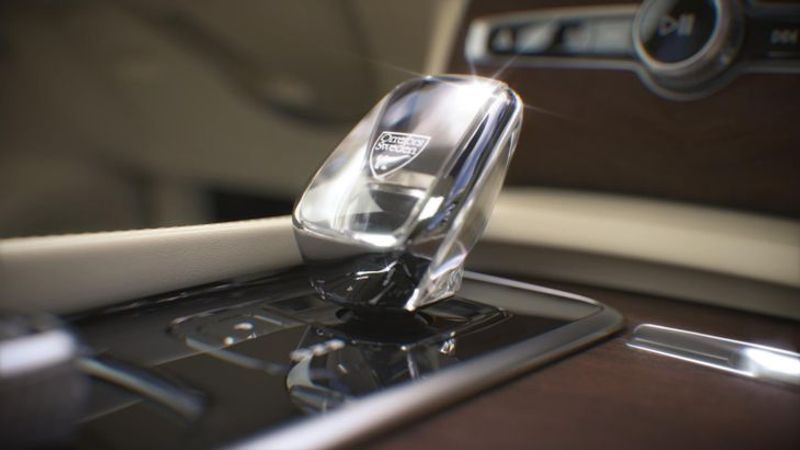
Virtually every Volvo model's interior is a tier above those of its rivals, the German ones in particular. The XC90's leather feels like real leather, the touchpoints are soft and the lack of plastic surfacing gives the cabin a vastly more premium ambience and sense of occasion. If you option it, you can have an Orrefors cut-crystal transmission lever (see below), which looks utterly classy compared to the BMW X5’s blingy Swarovski shifter.
The Orrefors crystal gear lever option.
In 6-seater guise, Volvo removes the middle seat to create more loading space for items such as a cooler box, but your kids can still bring their friends along thanks to the spacious 3rd-row seats. It will be interesting to see the take-up on the 6-seater as, aside from the BMW X7, it’s quite a rare option in the premium SUV segment.
Loading space is ample thanks to the square load bay and with, all the seats folded down, 1 856 litres of utility space is available. Even with all seats up, 312 litres of load space is availed, which is more than fair.
Tech updates?
As I mentioned earlier, Volvo On Call has now been installed: if you press the On Call button above the rear-view mirror, you can ask for anything from directions to emergency assistance. The call centre is based in South Africa and our test callout was quickly answered and directions plugged into the on-board navigation system. The system can also detect if you’ve been in an accident and automatically call emergency services for you.
The 6-seater setup now available in the XC90.
As with many premium models, there is a downloadable smartphone app that allows you to remotely connect to the car’s functions, such as remote start, flash the headlights and sound the hooter, so you can find your car in a parking lot and send navigation directly from your phone to the car.
Ride quality
All the units we drove were shod with 20-inch wheels and fitted with air suspension. When the XC90 was launched in SA back in 2015, we praised its smooth ride and pliant suspension. Since then, many newer competitors have entered the market and moved the game on (notably the Land Rover Discovery and BMW X5). That’s not to say the XC90's ride is lumpy, it just doesn’t match the others for composure over mixed surfaces.
Summary
The XC90 has won multiple awards globally but the competition has caught up now.
While the facelifted XC90 hasn’t had much in the way of significant updates, Volvo has focused on incremental improvements. The tech updates are welcome, the luxury finishes and materials in the cabin are top quality and the XC90 still feels refreshingly different from other premium SUVs.
While the Swedish range's engines are quite capable (in terms of performance) and on par when it comes to fuel efficiency, the Volvo cannot match the ride quality of some of its competitors anymore. Then again, the price of the XC90 hasn’t increased stratospherically. In the 7-seater segment, the Audi Q7 is set to be renewed quite soon and the equivalent Discovery is more expensive, but admittedly offers more off-road capability.
Volvo XC90 (2019) Price in South Africa
The facelifted Volvo XC90 is sold in South Africa with a 5 year / 100 000km warranty and maintenance plan (Volvo Plan), 5 years/ unlimited mileage Roadside Assistance, as well as DataDot application.
Our First Ever Youtube Meetup – Cape Town 03 August 2019
On Saturday 3 August Cars.co.za staged our first ever YouTube Meetup – an event designed to celebrate the modified car culture in Cape Town and meet and greet some of the followers and supporters of our Youtube channel. In this video Ciro De Siena meets the owners who have built and look after these special cars.
Cars.co.za supplied the coffee via two coffee trucks and Cape Town offered up some perfect weather. It was great to see that loads of families joined us at the event – we feel like we're helping inspire the next generation of petrolheads.
The event was a success and we thoroughly enjoyed chatting to the owners of these special cars. In attendance were some of the most special hand-built cars Cape Town has to offer, including the almost legendary Speedhunters Super Beetle and Smokem' Garage's Rocketbunny Nissan drift car, both of which are stars of our Launch Control series of videos, links below.
We're aiming to hold this event regularly and the next event will be in Johannesburg, potentially on Saturday 31 August. To register your interest please reach out to us on social media, or email us at [email protected]. The next Cape Town event will be announced thereafter
A huge thank you to everyone who attended and we hope to see you at the next one.
Joburg…We're coming for you soon! Stay tuned to our social media for details!
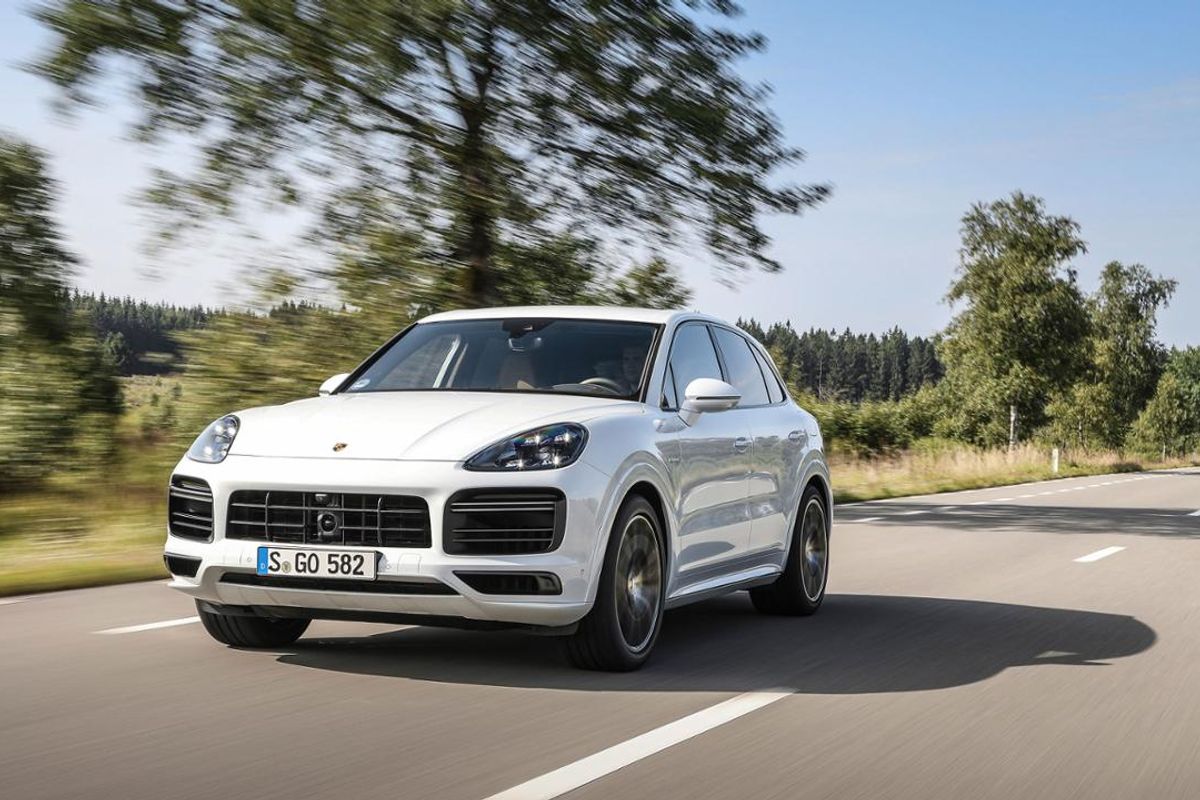
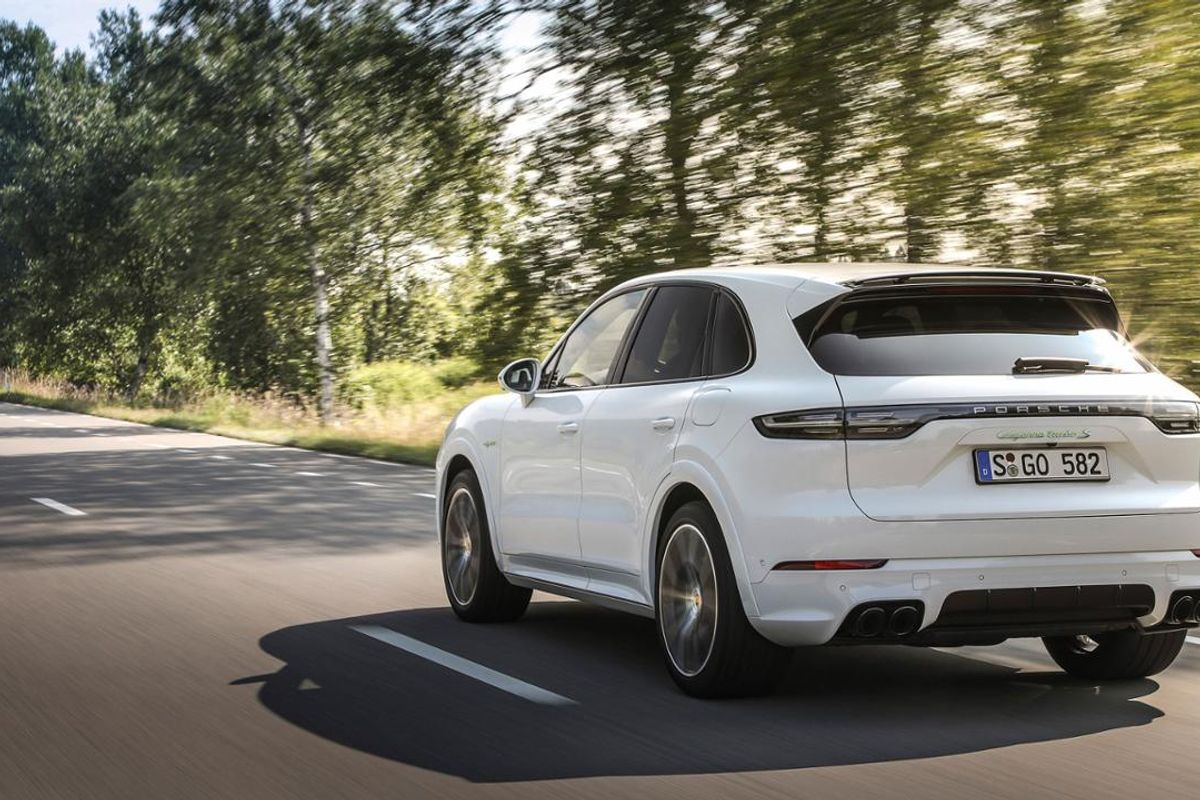
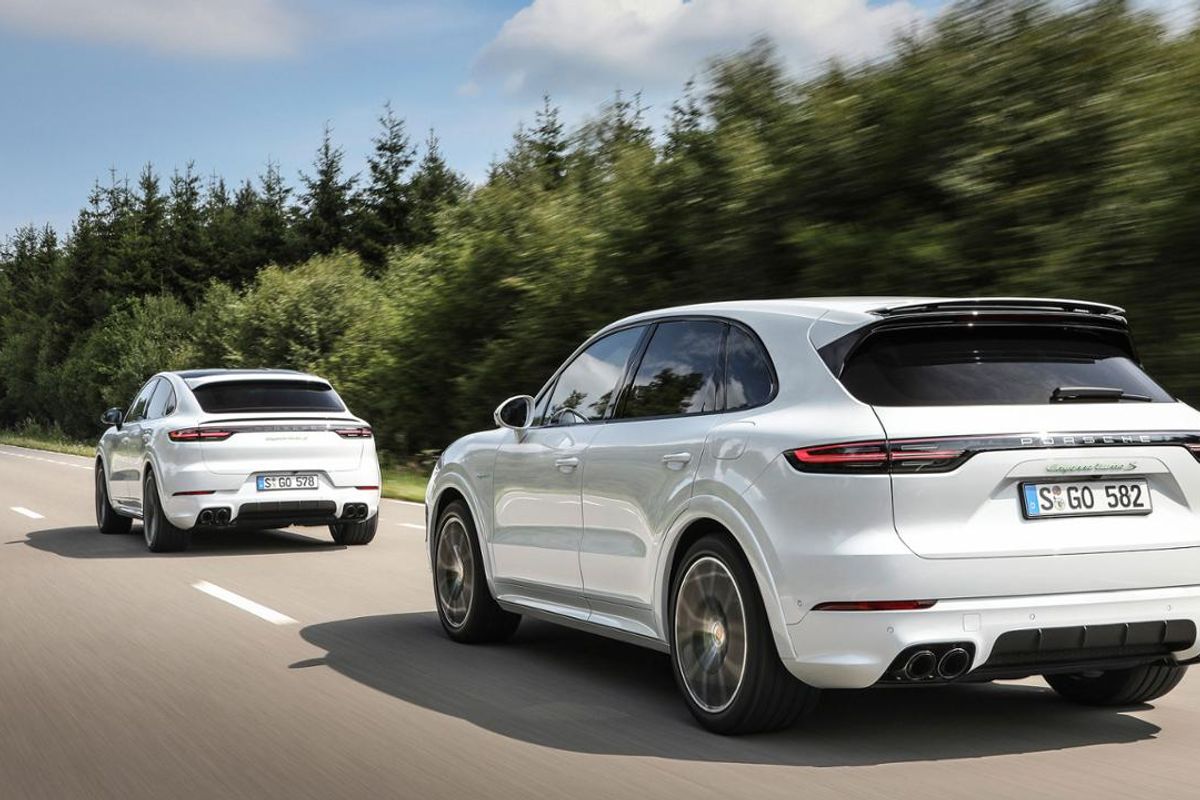
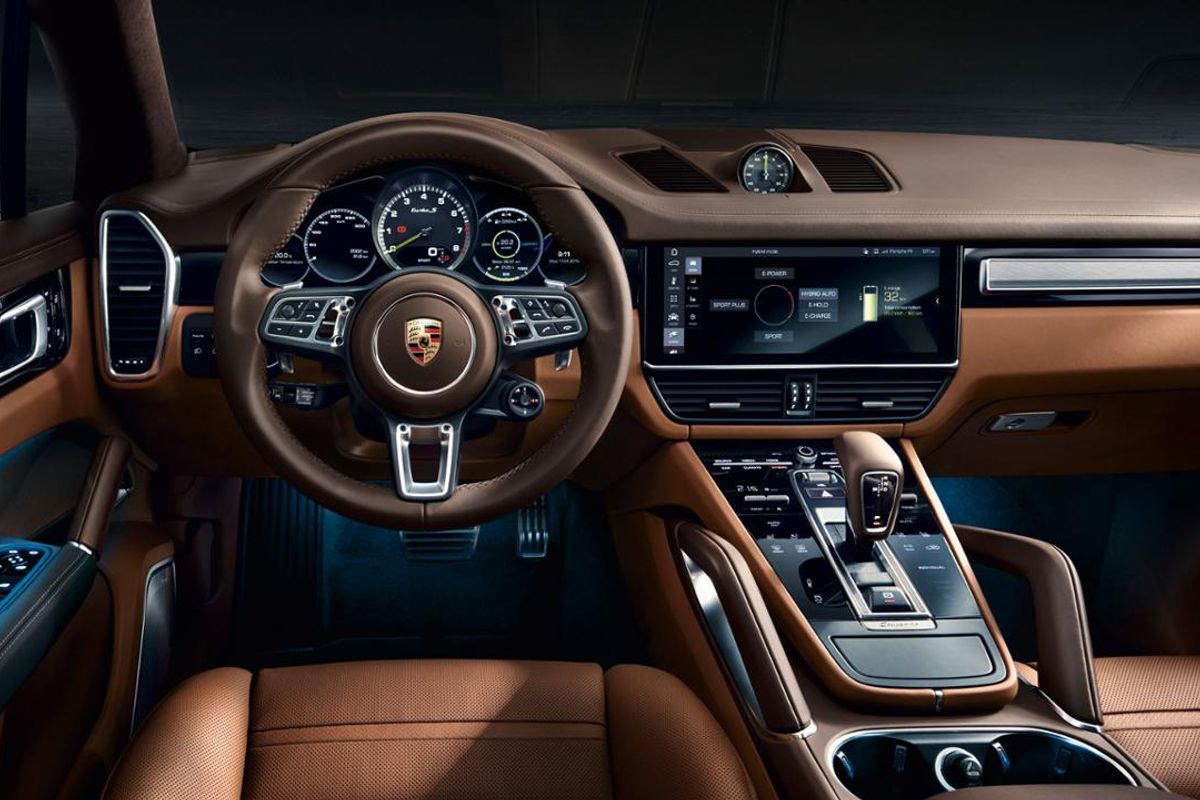
Porsche has revealed its most powerful SUV, which is now a plug-in hybrid.
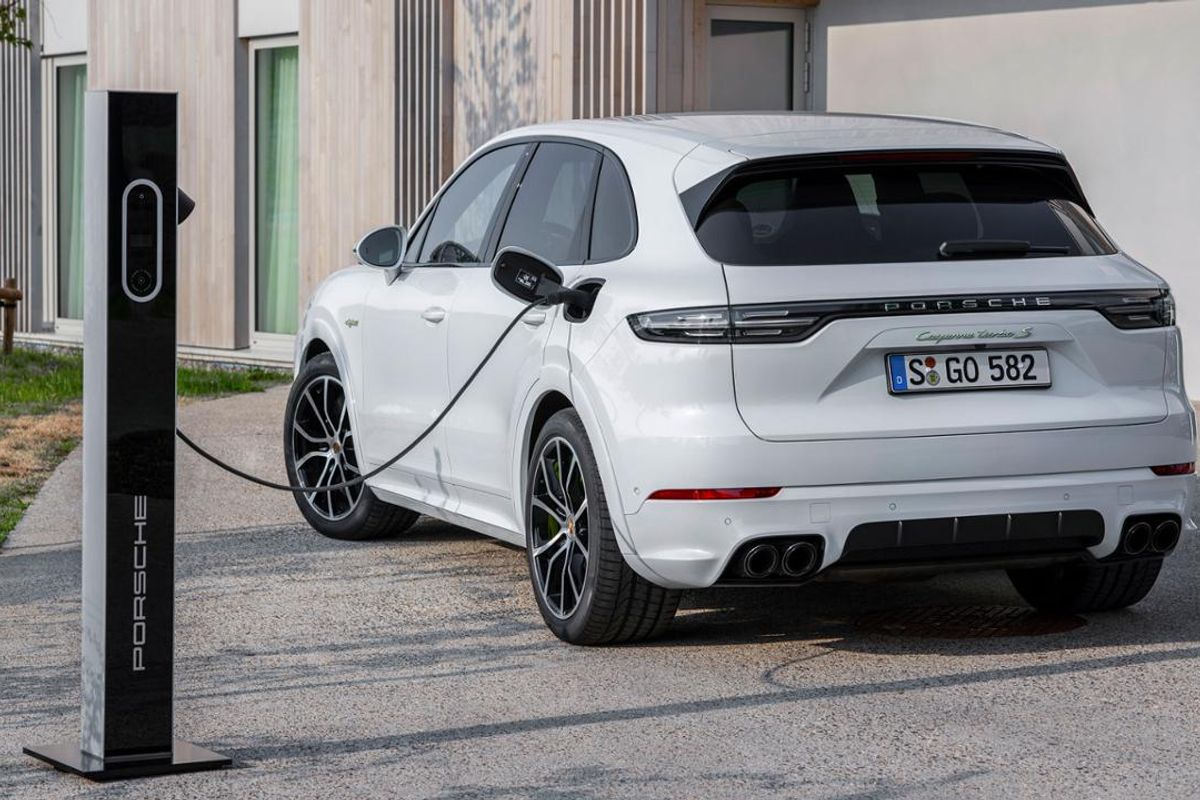
The official naming designation for these new vehicles is Cayenne Turbo S E-Hybrid and Cayenne Turbo S E-Hybrid Coupé. Both are visions of Porsche attempting to bridge the transition between its current range of powerful engines and a future which is going to be seemingly more battery-powered.
Porsche’s renowned 4-litre twin-turbocharged V8 engine runs the same 404 kW state of tune that most followers of the brand will be familiar with, but in the E-Hybrid SUVs, it gains additional impetus thanks to an electric motor.
Total system output is a deeply impressive 500 kW, supported by 900 Nm. Although the additional hybridization technologies have ballooned the Cayenne Turbo S E-Hybrid’s weight to 2490 kg, its performance is startling for a large SUV.
Porsche claims that its most potent plug-in SUV will run 0-100kph in 3.8 seconds and 0-200 kph in 13.2 seconds. Top speed in pure electric drive mode is 135 kph, whilst using the combined drivetrain will see these new turbocharged E-Hybrid Porsche SUVs power to 295 kph.
How does the hybrid system work? It's a mild application of the concept, with a small electric motor integrated into the ZF eight-speed automatic transmission. Feeding this electric motor is a 14.1 kWh lithium-ion battery pack and at peak discharge, the electric elements of Porsche’s new hybrid powertrain can provide an additional 100 kW and 400 Nm.
Performance might be these new hybrid Porsches reason for being, but they are credibly economical too – if driven in the appropriate configuration. Pure electric range totals 40 km of driving and ideal conditions will see combined consumption average to a very low 3.7l/100 km.
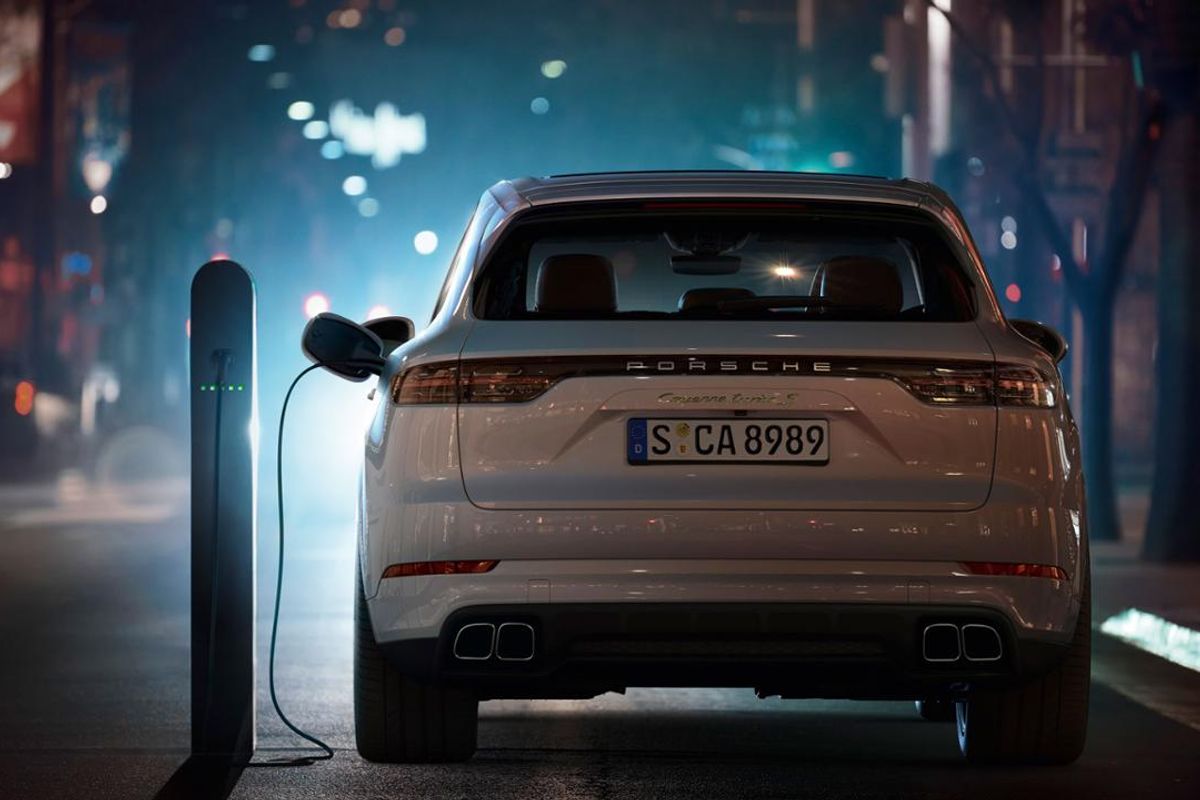
Recharging convenience? A domestic home socket will require six hours to fully recharge either the new Cayenne Turbo S E-Hybrid and Cayenne Turbo S E-Hybrid Coupé.
Faster than any Porsche SUV that has gone before – and with the promise of significantly reduced fuel consumption for those owners who are regularly burdened by a commute mired in traffic, going greener has just become a bit more appealing.
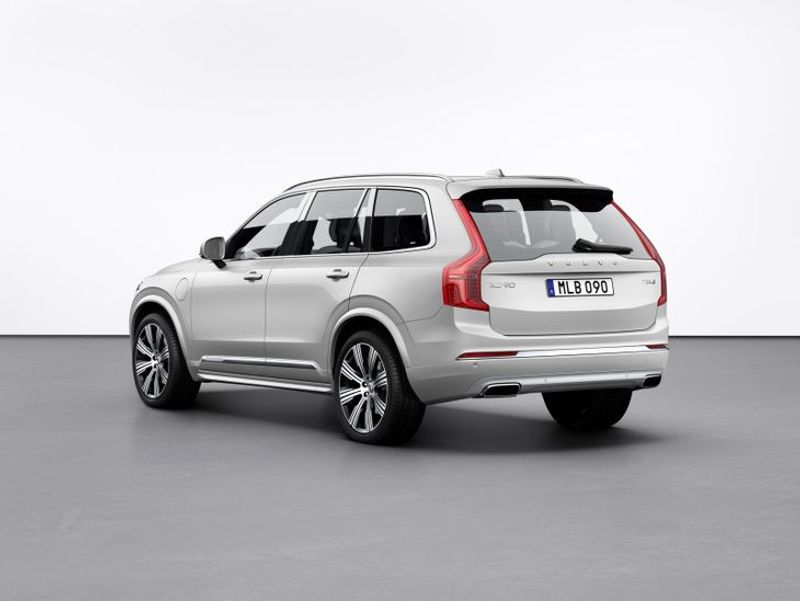
Volvo South Africa has launched its updated XC90 flagship SUV to our market. Here are the specifications and pricing.
The Volvo XC90 is the brand's flagship. It has won global acclaim and won its category in the #CarsAwards – Powered by WesBank. Now for 2019 there's been a minor update. The changes range from new alloy wheels, new exterior colours as well as some visual tweaks. Interestingly, it's now available in a 6-seat configuration.
“The overall impression, both exterior and interior, has a strong connection to the key elements of the Swedish lifestyle: the generous space, the celebration of light and the focus on well-being,” says Greg Maruszewski, Managing Director of Volvo Car South Africa.
The 7-seat Volvo XC90 (and 6-seater) should continue to find fans thanks to its incredible design and well thought out cabin. New for 2019 is the crystal glass gear lever made from Orrefors, a renowned Swedish glassmaker for the T8 as well as diamond-cut controls. The cabin now benefits from a second USB port as well as a P-SIM card slot. Boot space is rated at 1 856 litres of space. There are new materials for the cabin trim too.
Being a Volvo, safety is a massive priority and the XC90 has always been one of the safest cars in the world. The 2020 XC90 features Adaptive Cruise Control, Distance Alert, Lane Keeping Aid, Run-Off Road Mitigation/Protection, Driver Alert Control, Road Sign Information, Electronic Stability Control, Emergency Brake Light, Brakes with Hill Start Assist and Automatic Hold, Automatic braking after a collision, Roll-Over Protection System, Roll Stability Control, reinforced passenger compartment, SIPS side-impact protection system, collapsible steering column, side and dual-stage airbags (for the driver and front passenger), inflatable curtain, whiplash injury protection system and City Safety with Autobrake (which recognises pedestrians, cyclists and large animals).
Volvo XC90 Powertrains
All new Volvo XC90s sold in SA feature 8-speed automatic transmissions as well as all-wheel drive. Kicking off the range are the proven 2.0-litre turbocharged 4-cylinder motors, with the option of petrol and diesel. The D5 produces 173 kW and 480 Nm, with a claimed consumption figure of 5.7 L/100 km. The T5 petrol produces 187 kW and 350 Nm, and is a tad heavier in the consumption stakes, with a claim of 7.6 L/100 km.
The 2.0-litre turbocharged and supercharged T6 produces 235 kW and 400 Nm, with a claimed consumption figure of 8 L/100 km. Finally, at the top of the pile sits the T8 which has an electric motor assisting things. In total there's 300 kW (235 kW + 65 kW) and 640 Nm (400 Nm + 240 Nm). Fuel consumption is claimed at 2.1 L/100km.
At launch, there will be 3 levels of trim: Momentum, Inscription, and R-Design.
Volvo XC90 (2019) Price in South Africa
The facelifted Volvo XC90 is sold in South Africa with a 5 year / 100 000km warranty and maintenance plan (Volvo Plan), 5 years/ unlimited mileage Roadside Assistance, as well as DataDot application.
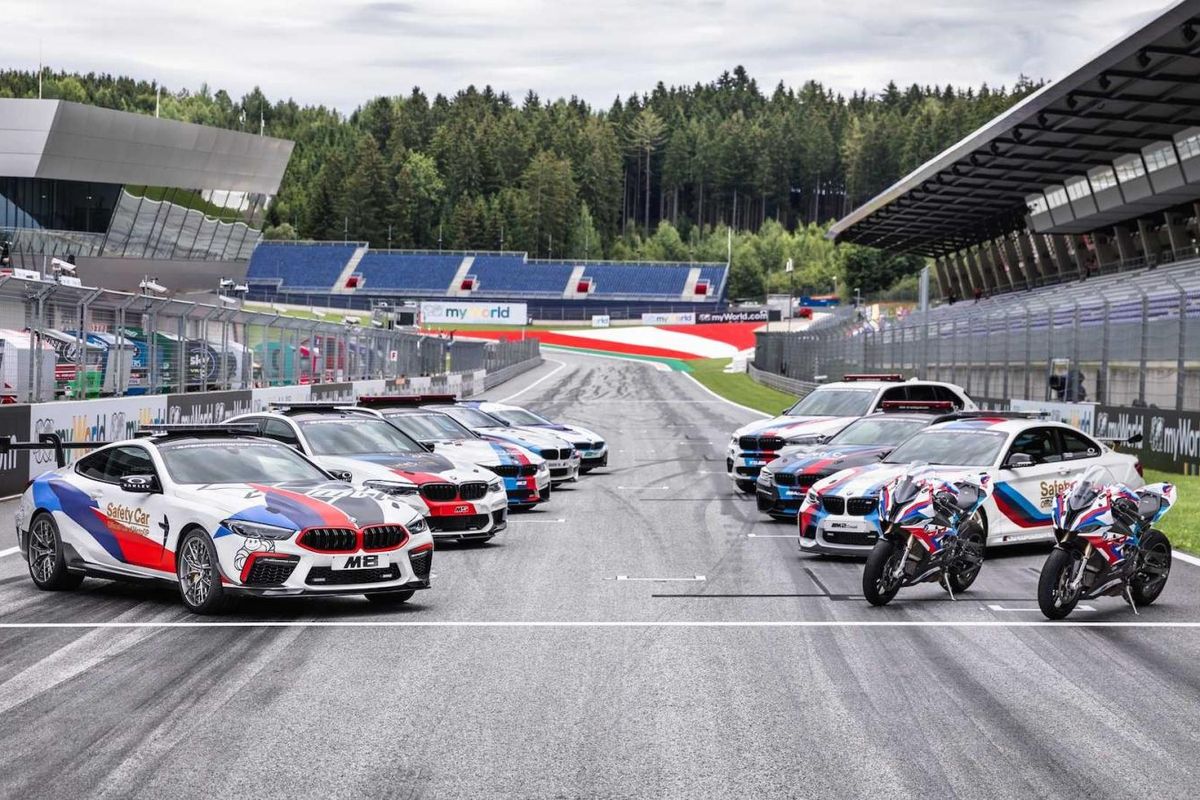
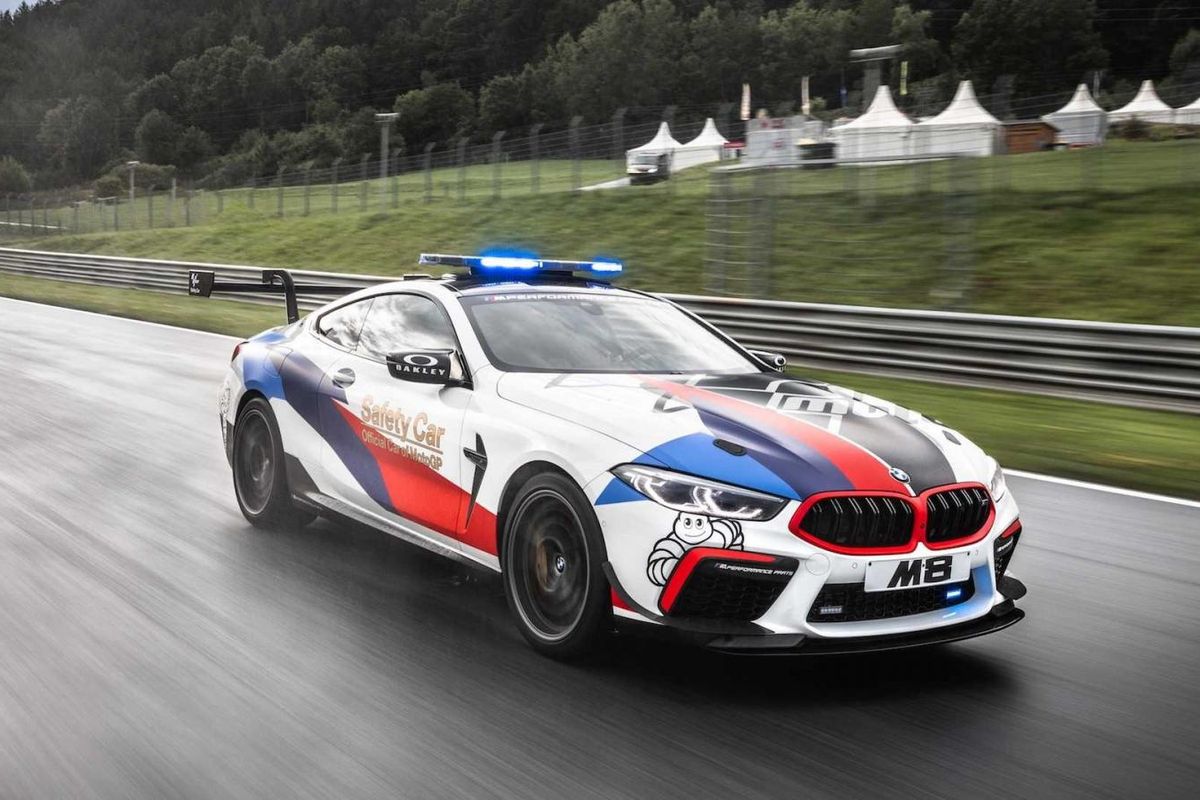
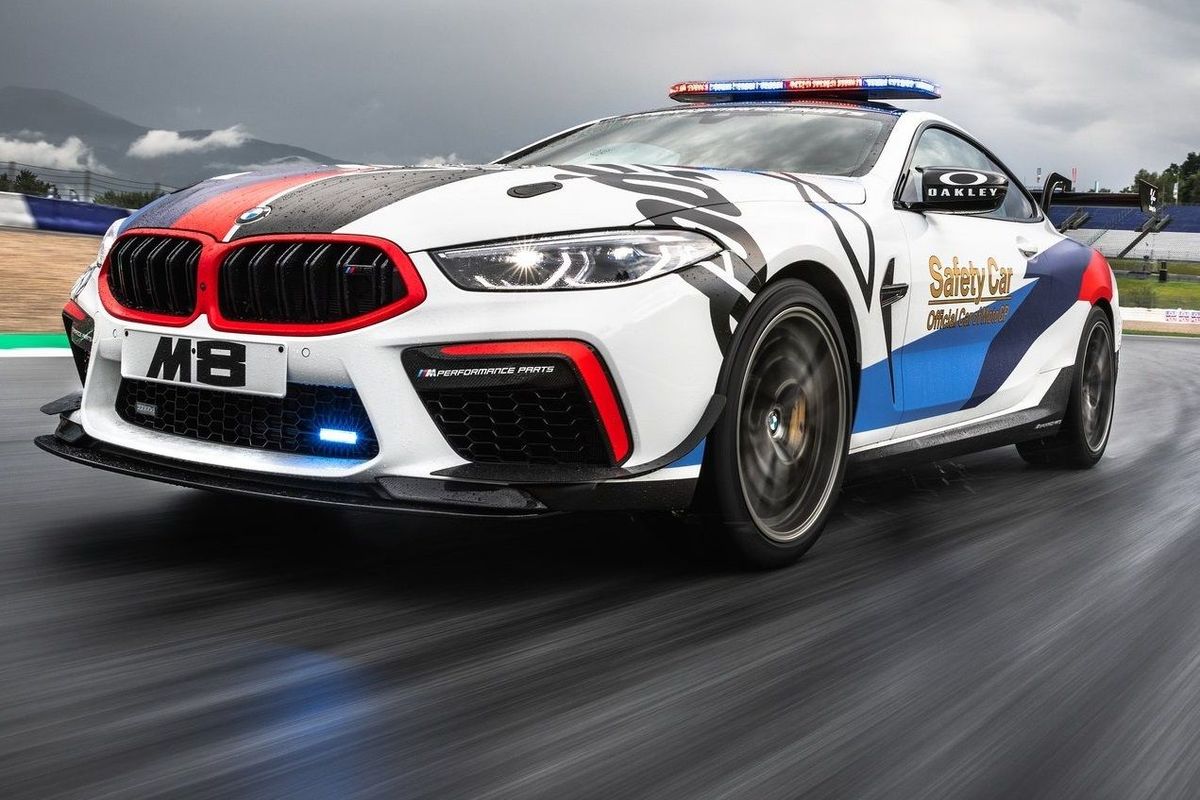
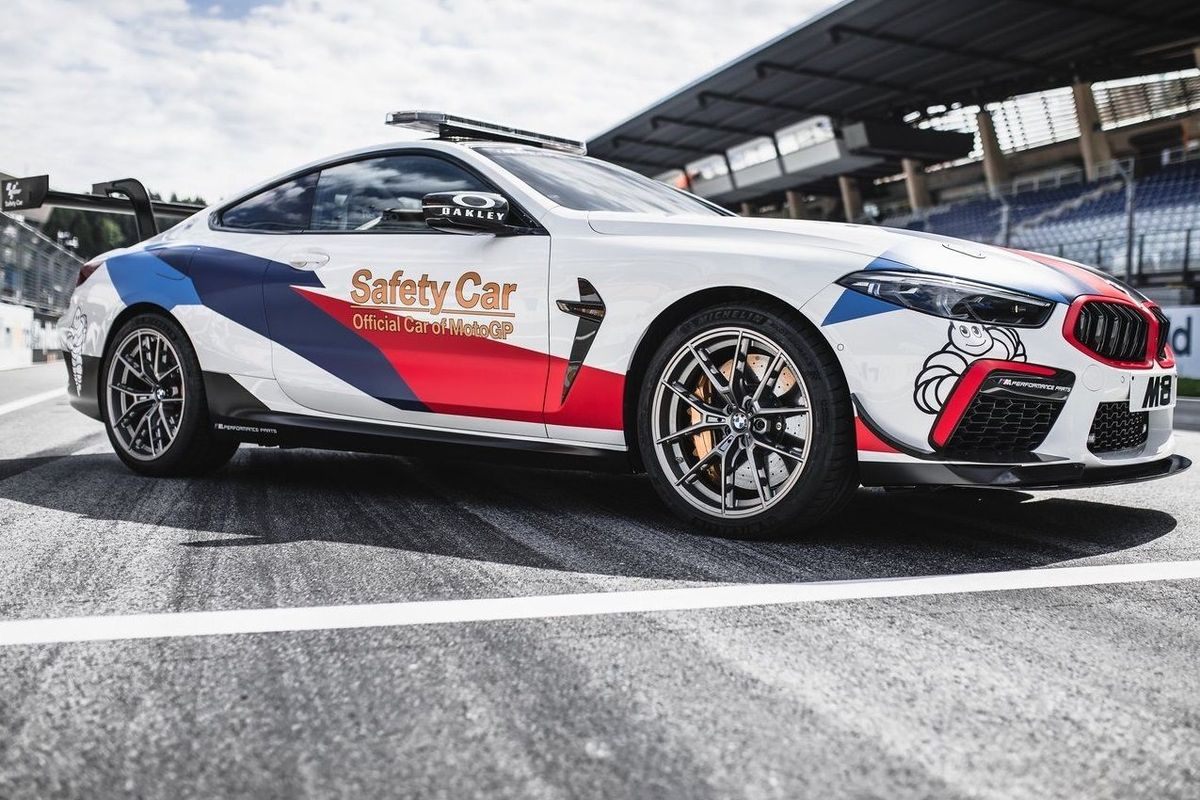
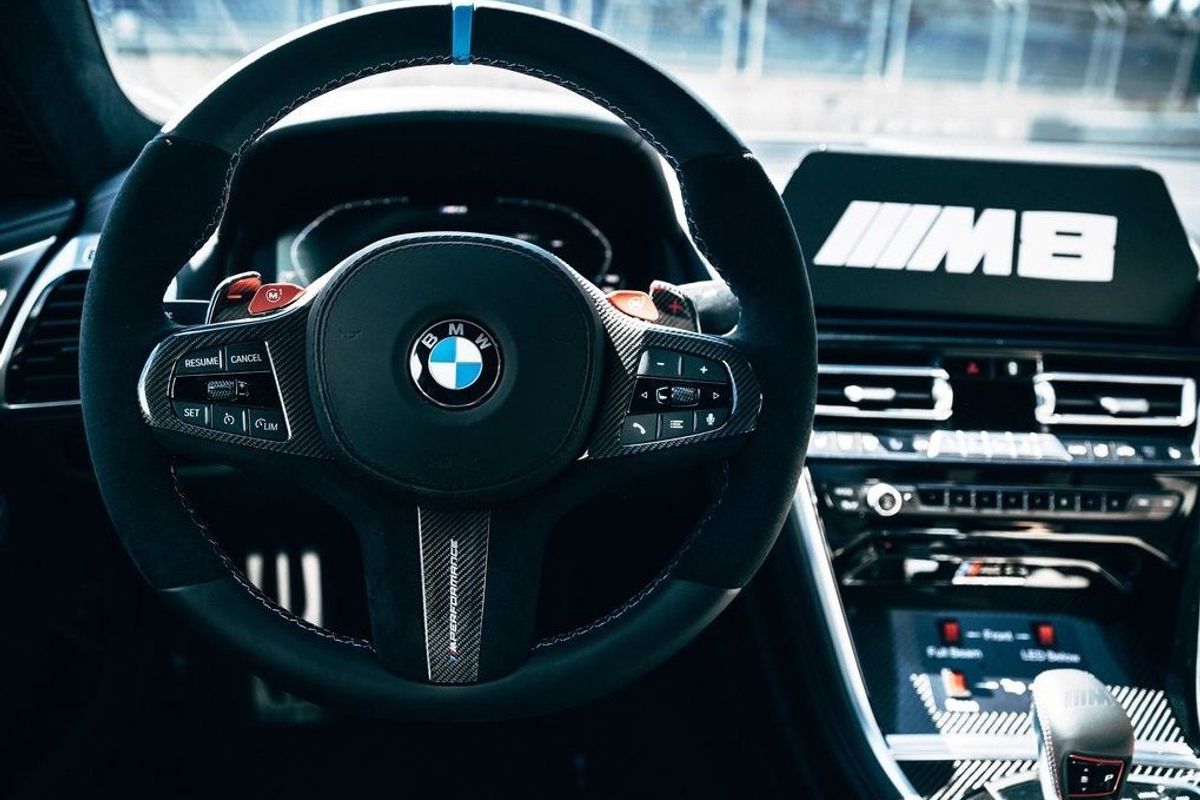
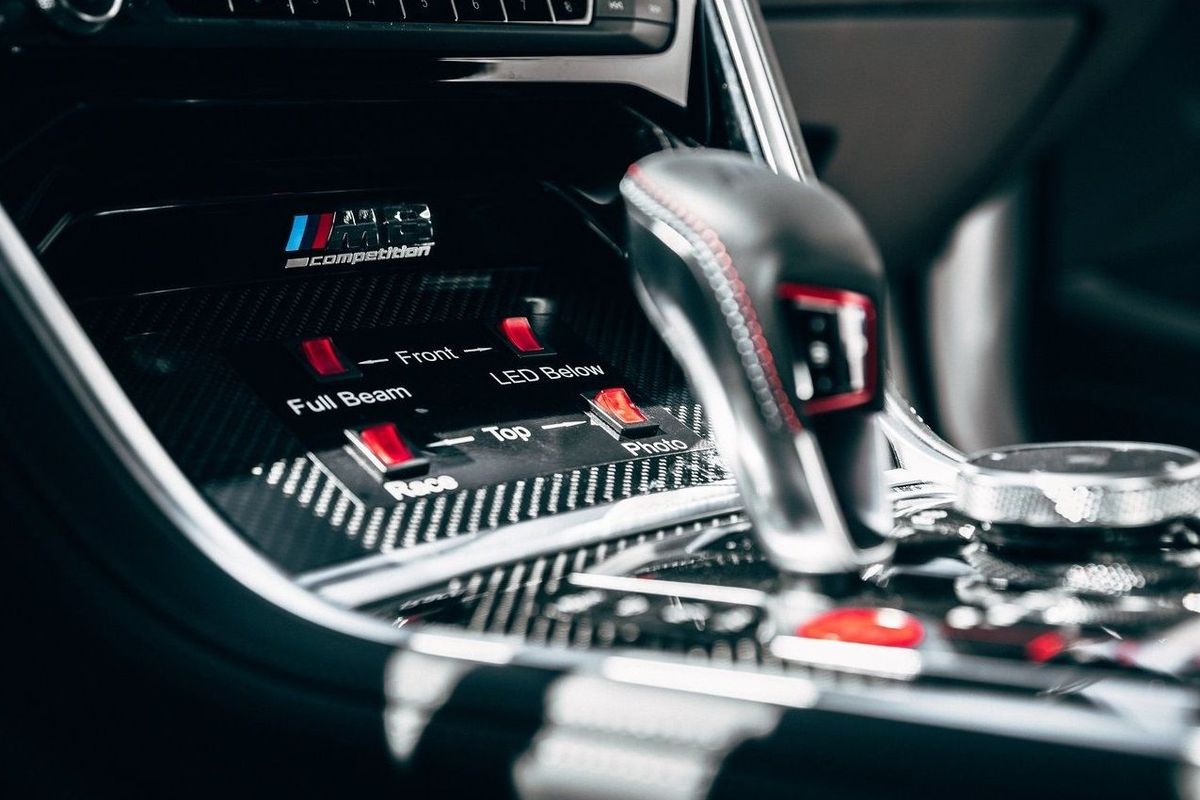
The new BMW M8 Competition is being put to work as the lead Safety Car for the MotoGP and it made its first appearance at the MotoGP Grand Prix at the Red Bull Ring in Austria this past weekend.
BMW has been supplying safety cars to the MotoGP since 1999 and the latest addition to the safety fleet is the M8 Competition which packs 460 kW and 750 Nm of torque from its 4.4-litre twin-turbocharged V8 engine. Power is directed to all 4 wheels using an 8-speed M Steptronic transmission and a zero to 100 kph sprint time of 3.2 seconds is achievable.
"The BMW M8 and the BMW M8 GTE were developed in parallel, and these racing genes distinguish the BMW M8 models in all areas," said Markus Flasch, President of BMW M GmbH. "That's why it was a logical step for us to choose the BMW M8 Competition as a basis for our new MotoGP safety car. Even in its production version, this high-performance automobile is suited to the racetrack. With its innovative technical features, it is yet another example of our quest to keep pushing the limit upwards. With the BMW M8 MotoGP Safety Car, we are really excited to present a new, powerful lead car for the top tier of motorcycle racing."
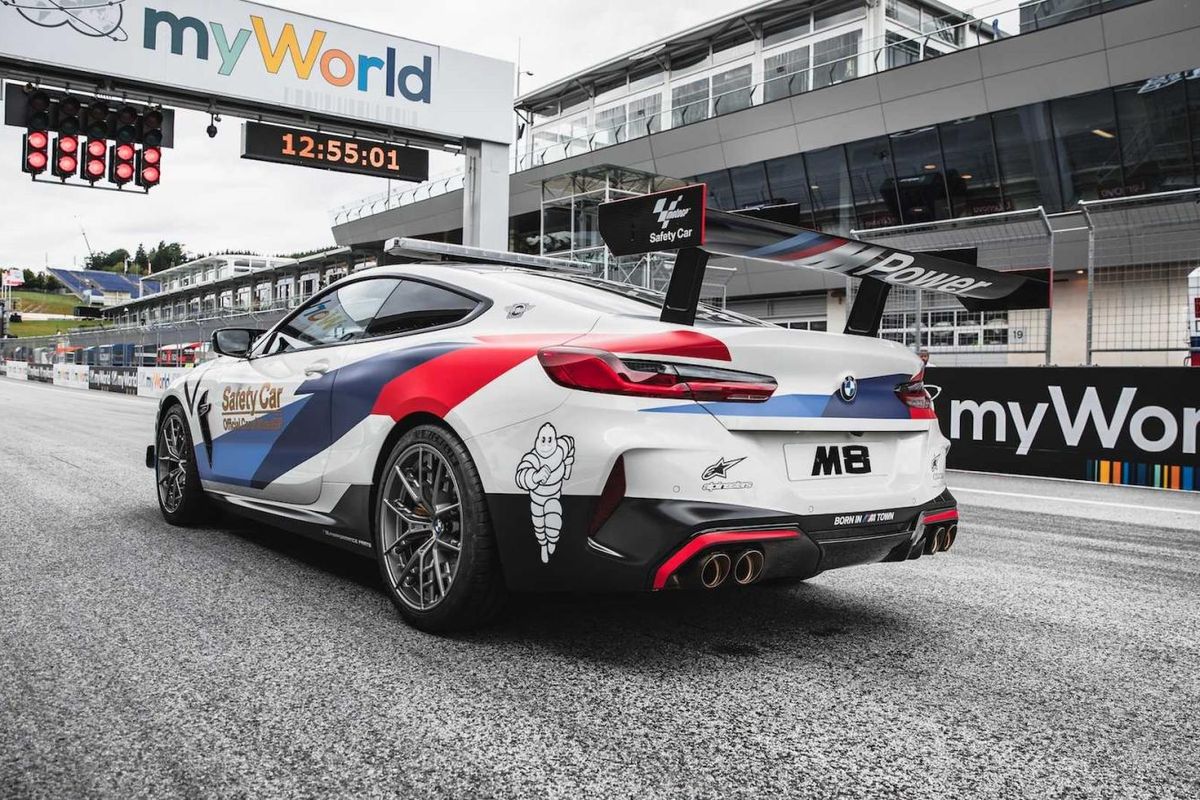
The M8 Competition Safety Car is fitted with a number of M Performance Parts, many of which are available to customers. Key M Performance features include a titanium sport exhaust system, carbon tailpipe finisher, carbon rear diffuser and M Performance steering wheel.
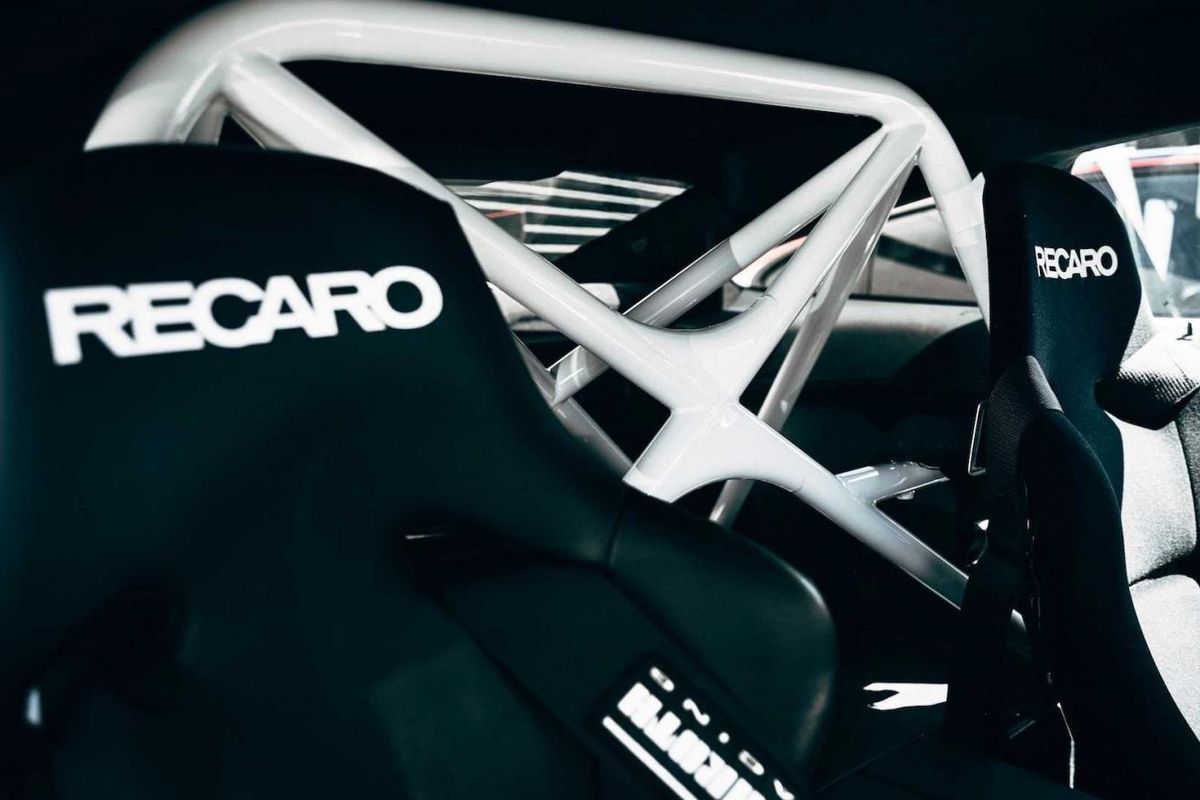
The M8 GTE rear wing is hard to miss and the MotoGP livery is particularly striking. The interior features Recaro racing seats with Schroth safety belts and a roll cage with a fire extinguisher.
Do you like the look of the BMW M8 Competition Safety Car?
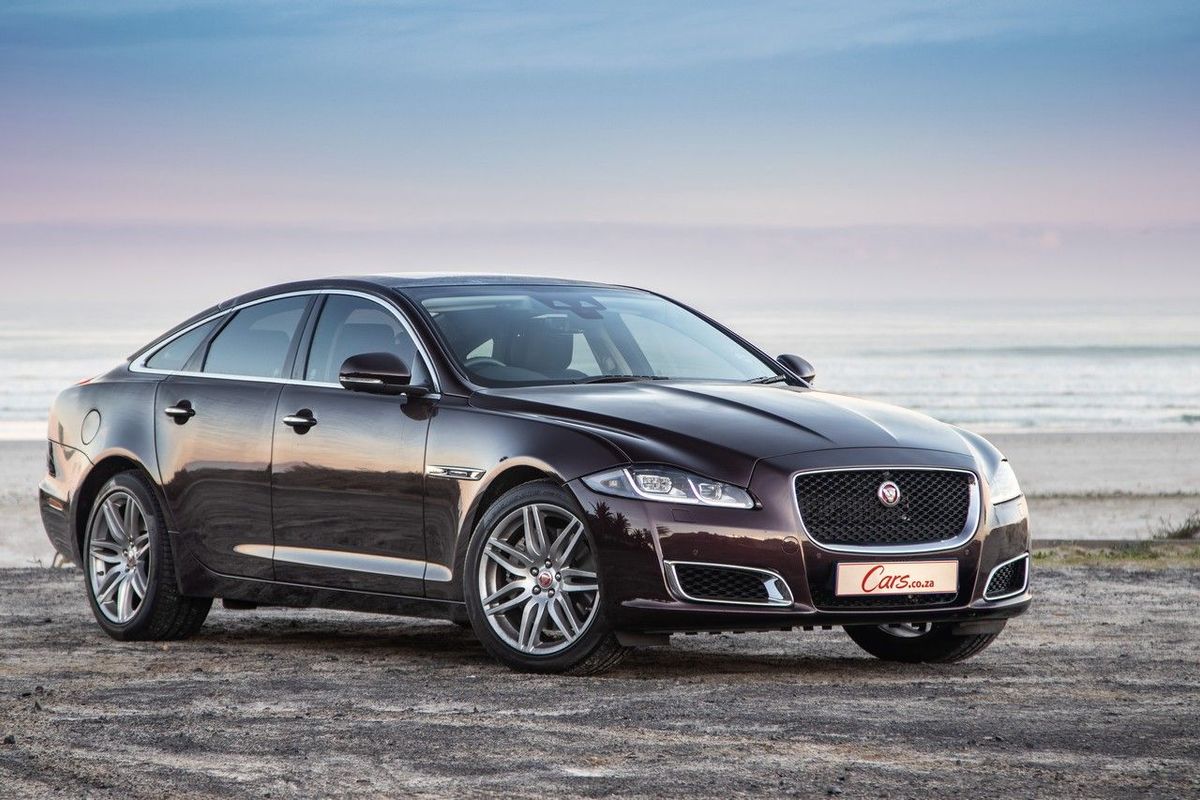
To celebrate its (current) flagship sedan's 50th anniversary, Jaguar has released a limited number of special-edition XJ50s, of which a handful are expected to reach South Africa. But with the XJ nearly a decade into its model life, can it still compete with its more modern Germans rivals?
We like: Very agile (for a big car), exclusivity
We don't like: limited rear legroom, lags the best in cabin design detail/quality/insulation
Some Jaguar dealers regularly offer specials: Have look here.
Where does it fit in?
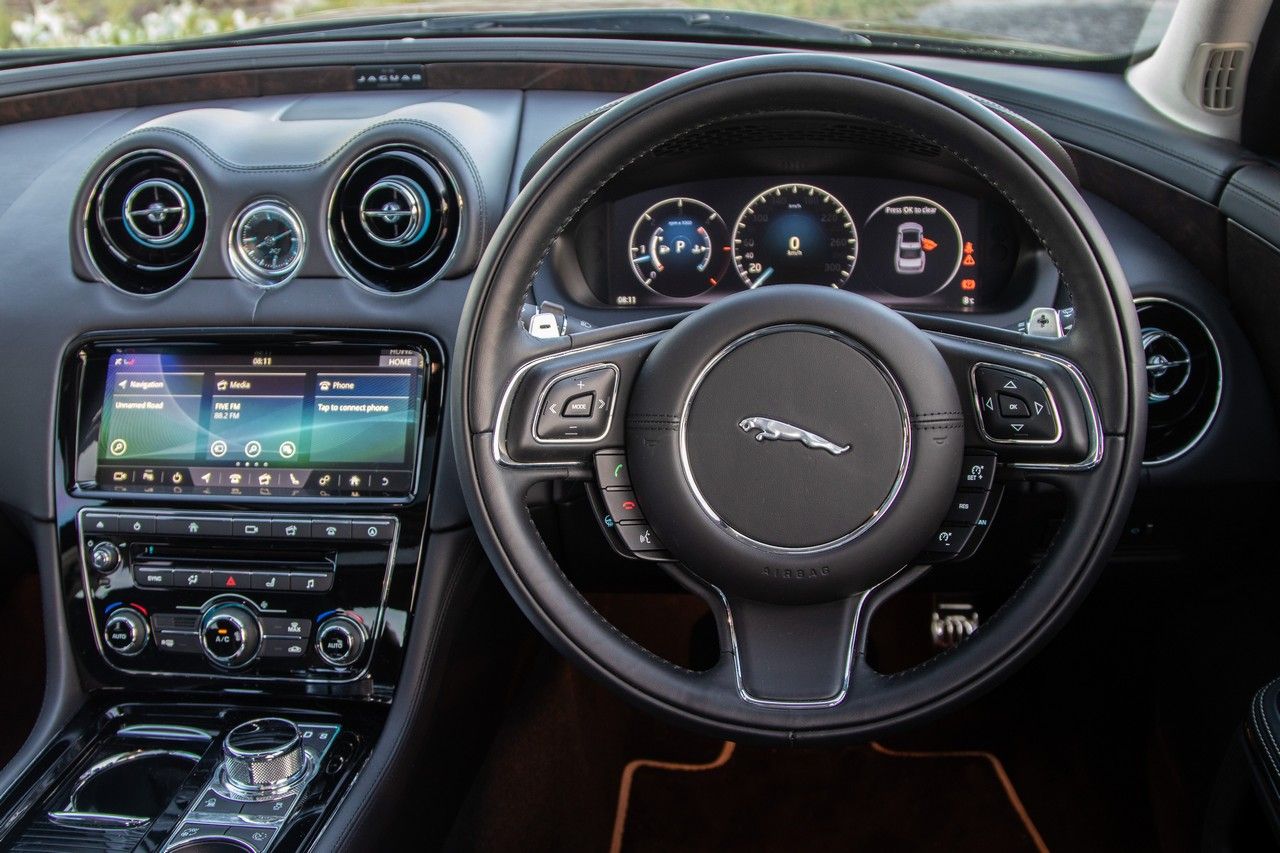
Although there are a few reminders dotted around the cabin that you're in a special XJ; the overall XJ50 treatment is quite subtle.
Jaguar's current-generation XJ made its sales debut as far back as 2010, which means that, in modern motoring terms, it's a pretty ancient product. Nevertheless, the car's opinion-splitting design has arguably aged better than most observers expected at the time of the Big Cat's international introduction almost a decade ago, and during the XJ50 3.0D's tenure in our test fleet, it still turned many heads. So, if you're looking for a large luxury sedan, the Jaguar's flagship still appears to have some merit. But what if you want something even more exclusive?
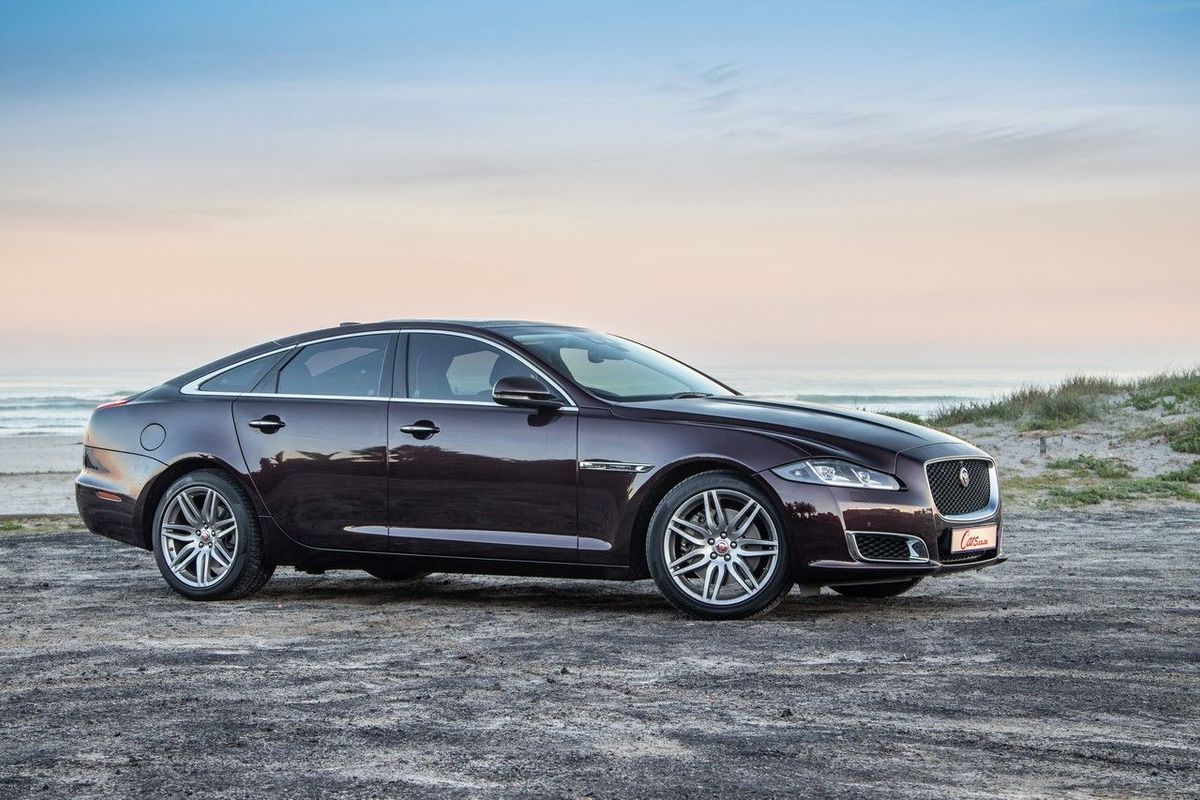
Well, to celebrate the birth of the XJ in 1968, Jaguar announced this special-edition XJ50 in 2018, of which only a few examples are destined to reach South Africa. You'll have to look carefully to spot the differences between this 3.0D version and its standard sibling, and closely examine the test unit's standard features list (with a calculator in hand) to work out whether it represents better value than a standard car (specified with some options), but hey, the very point of a limited-edition derivative is exclusivity, isn't it?
It still turns heads… the Jaguar XJ's controversial styling has arguably aged well.
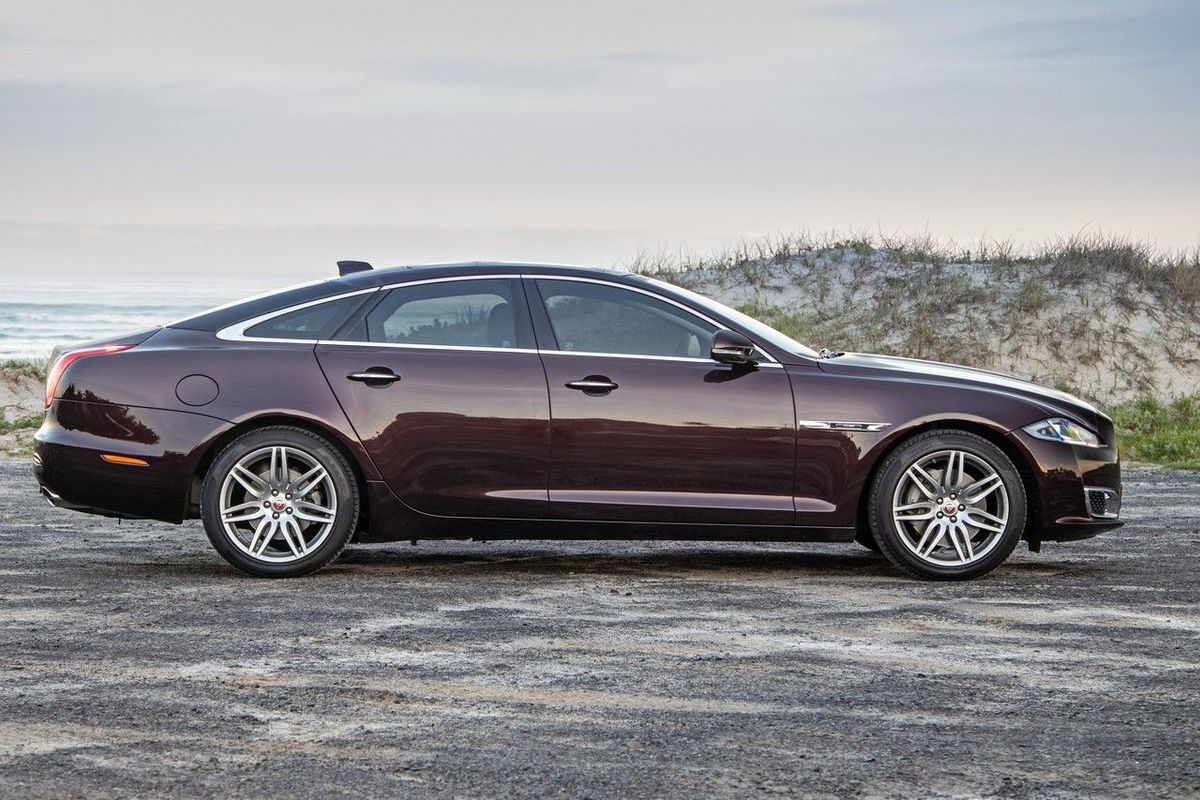
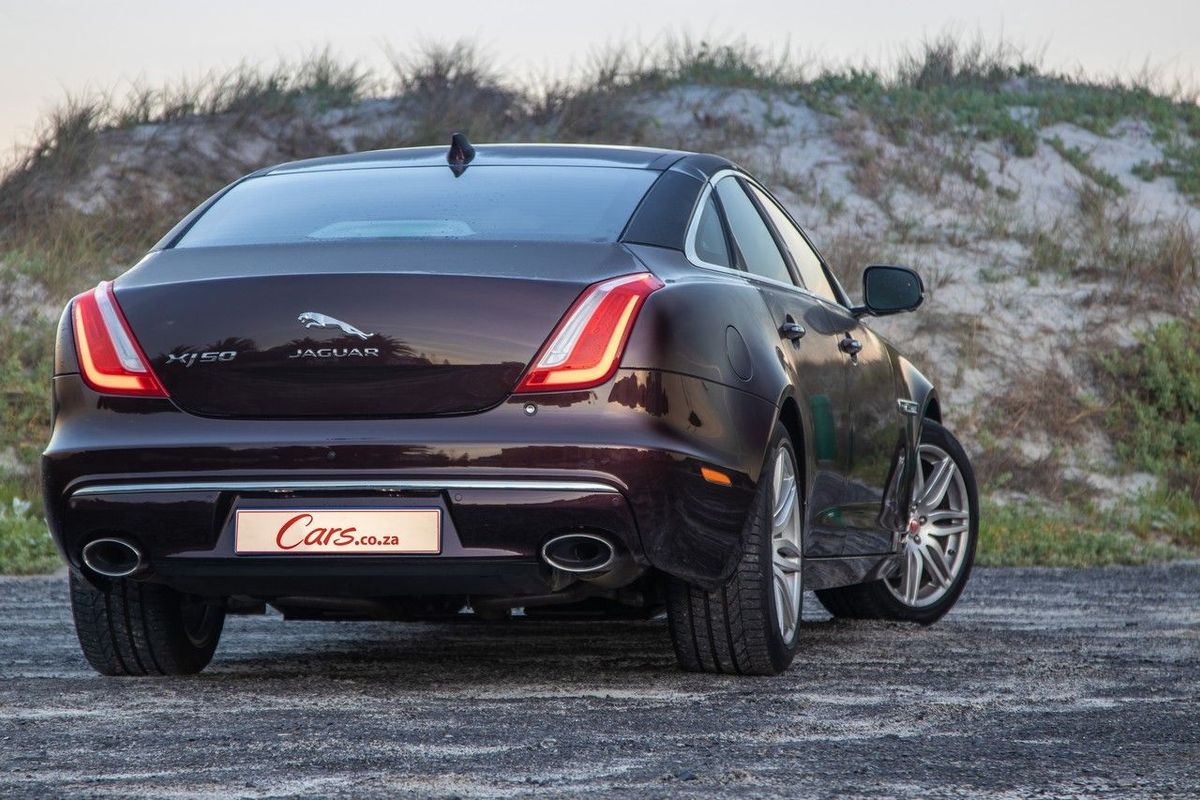
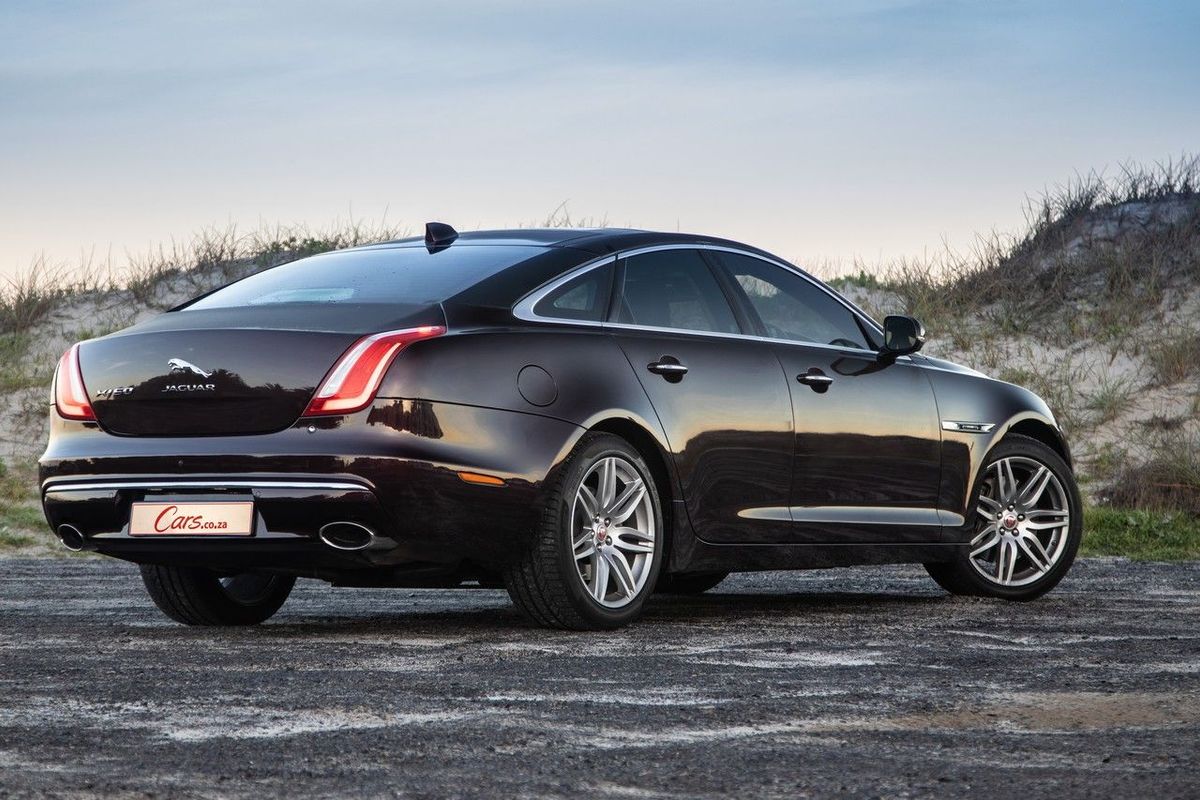
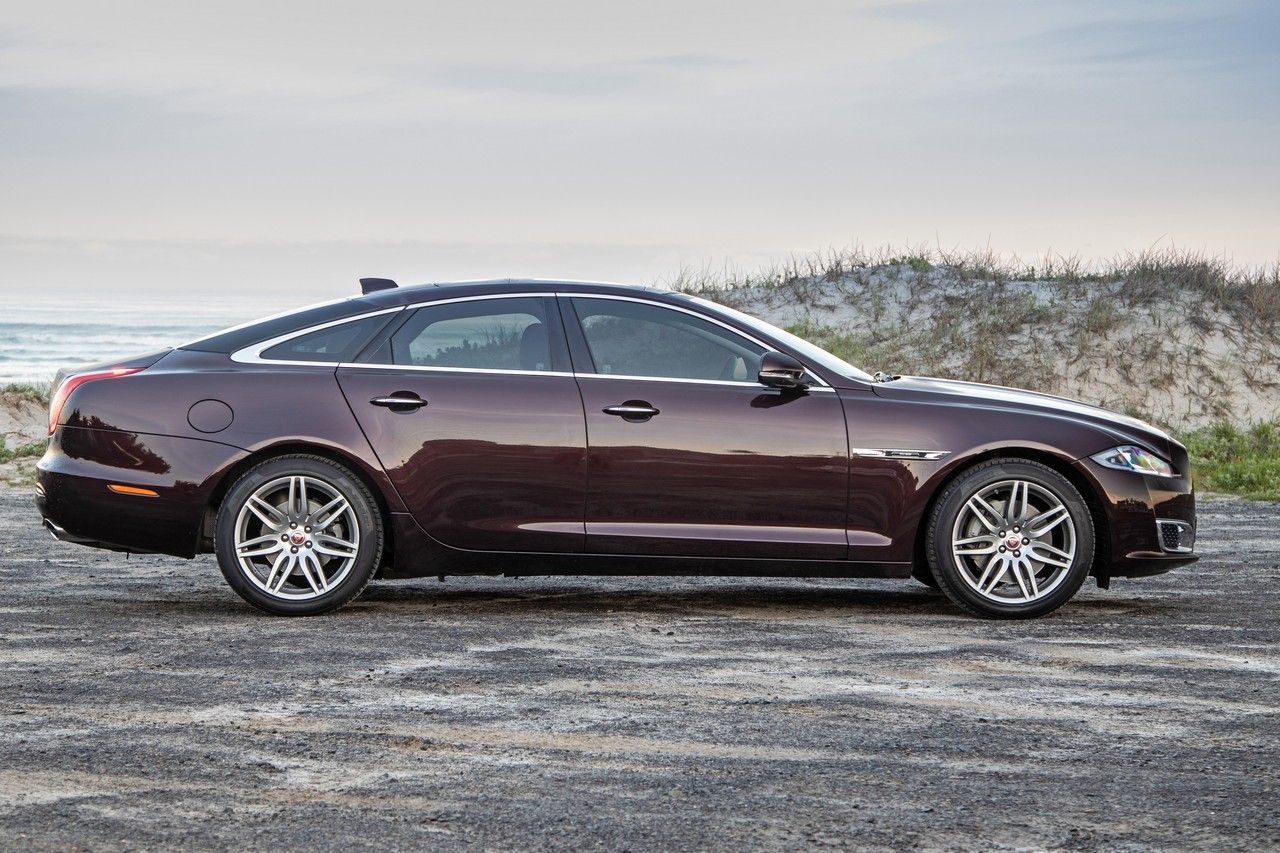
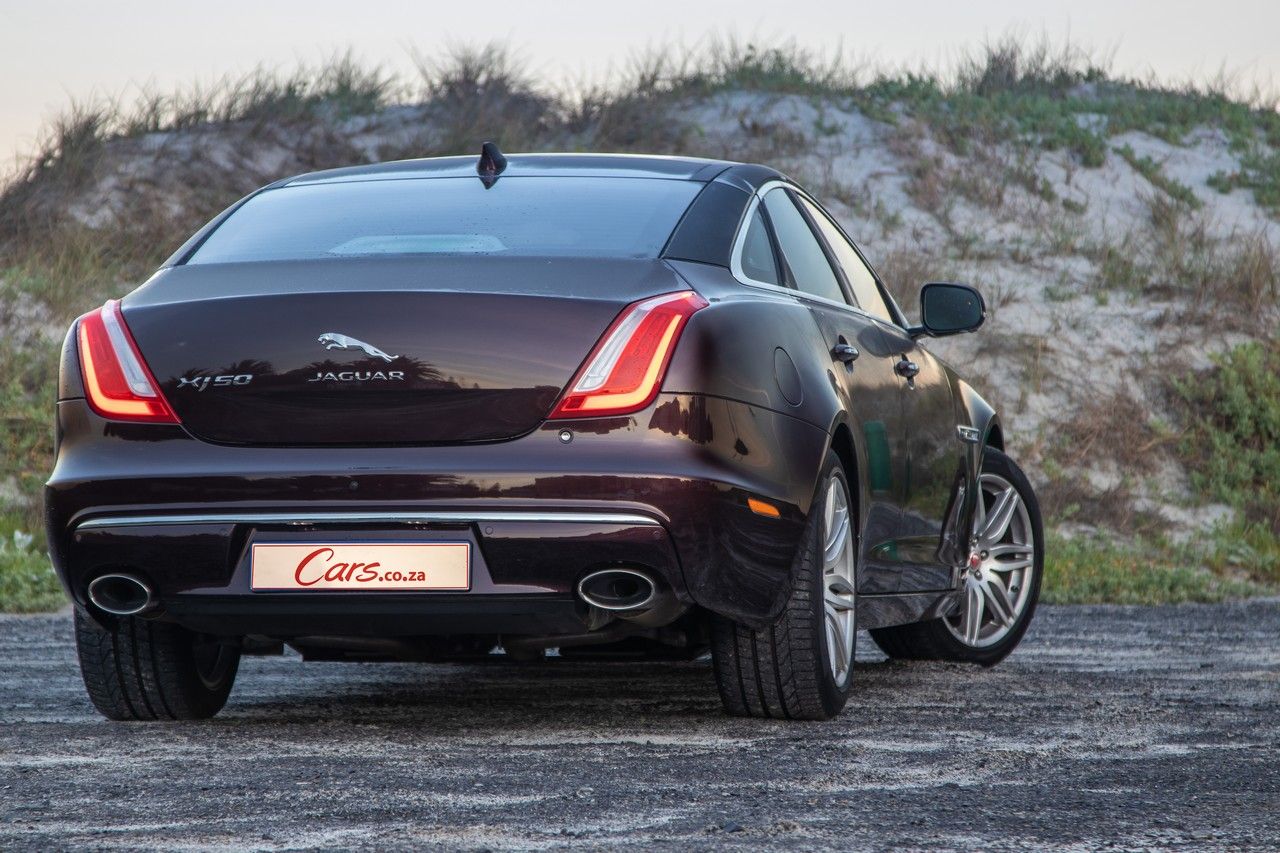
At the time of its launch in 2010, the XJ copped a lot of criticism for its quirky exterior execution. While the front-end styling was pretty much in line with most modern Jaguars, the designers were seemingly given licence to "knock themselves out" at the rear, where there's an elongated boot section, vertical taillamps that stretch up all the way to near the window line, and then, those blacked-out C-pillars… For some, it was just all too much, but time has been kind to the XJ. Many feel that it has aged well and, in this particular colour, the XJ50 received numerous admiring glances.
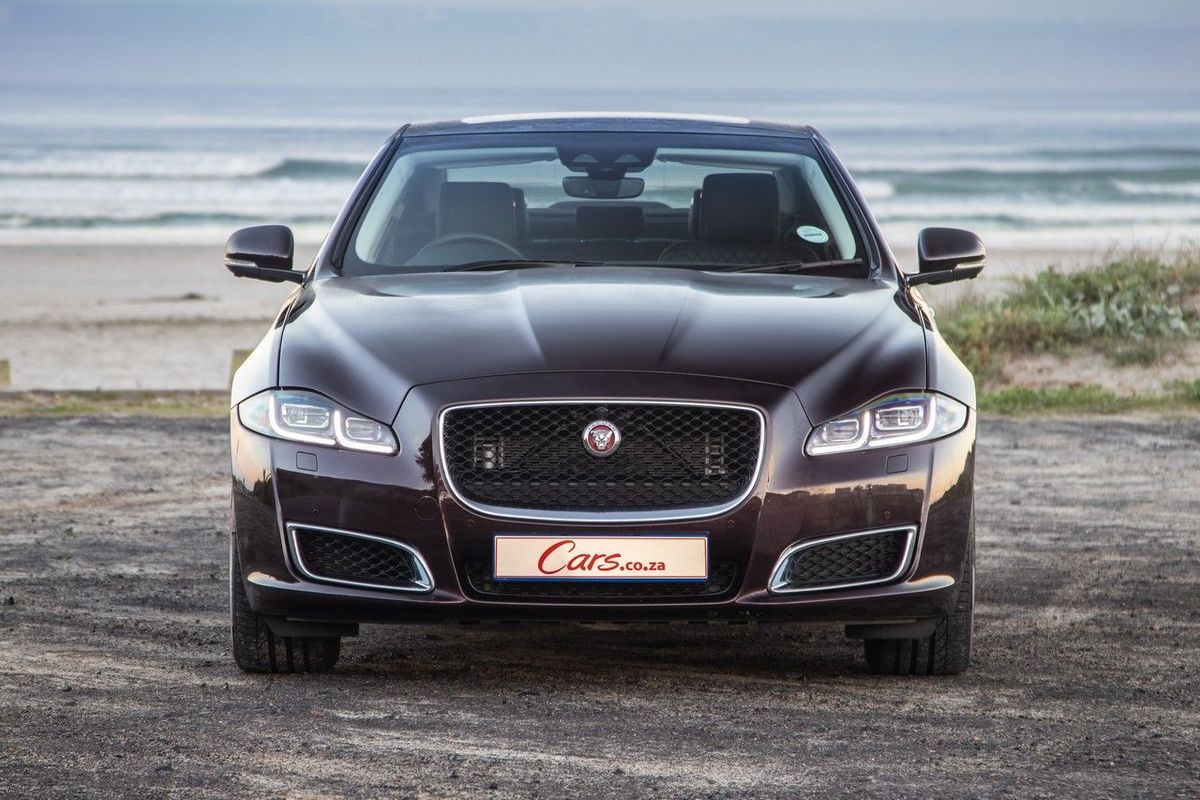
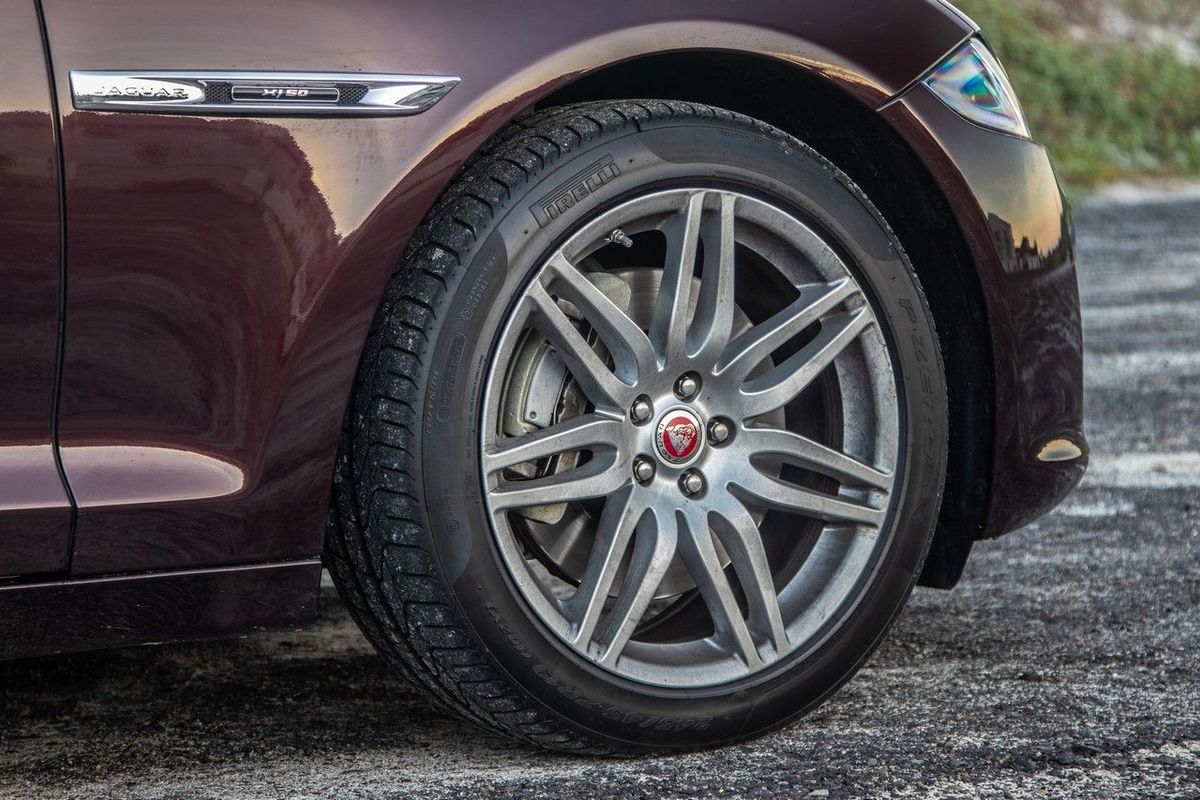
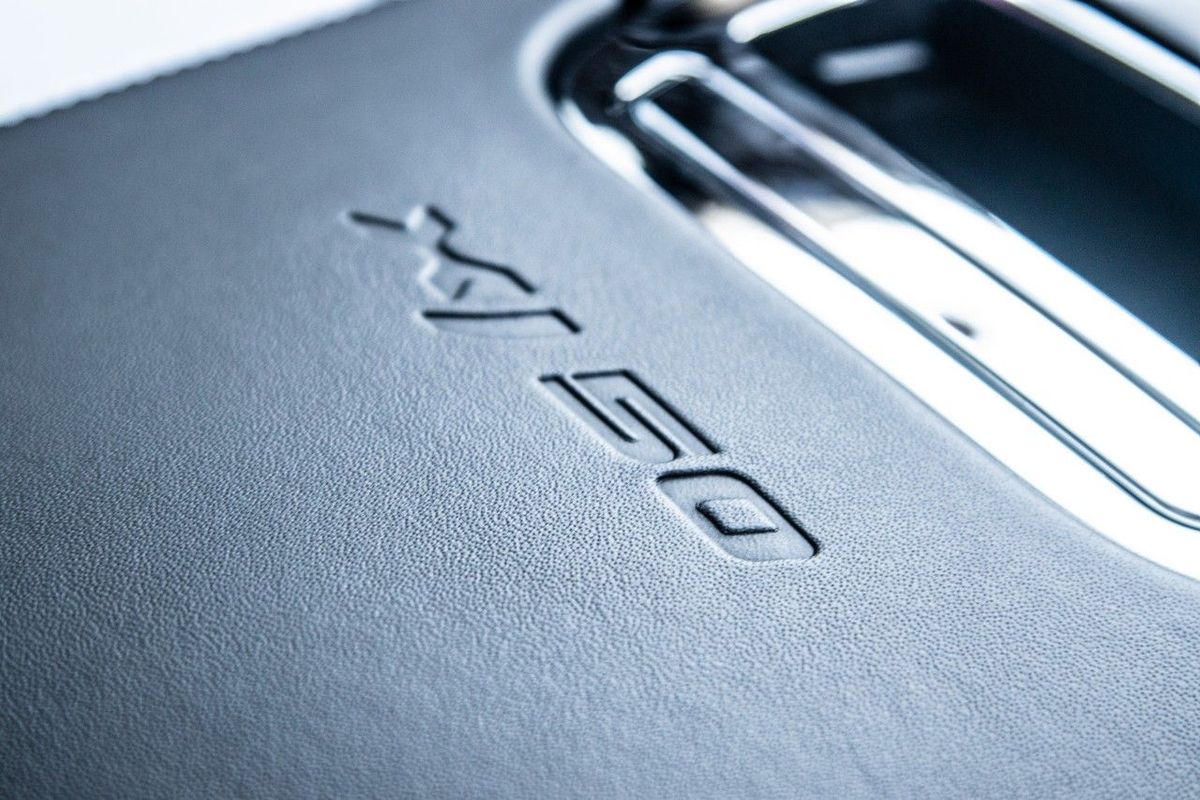
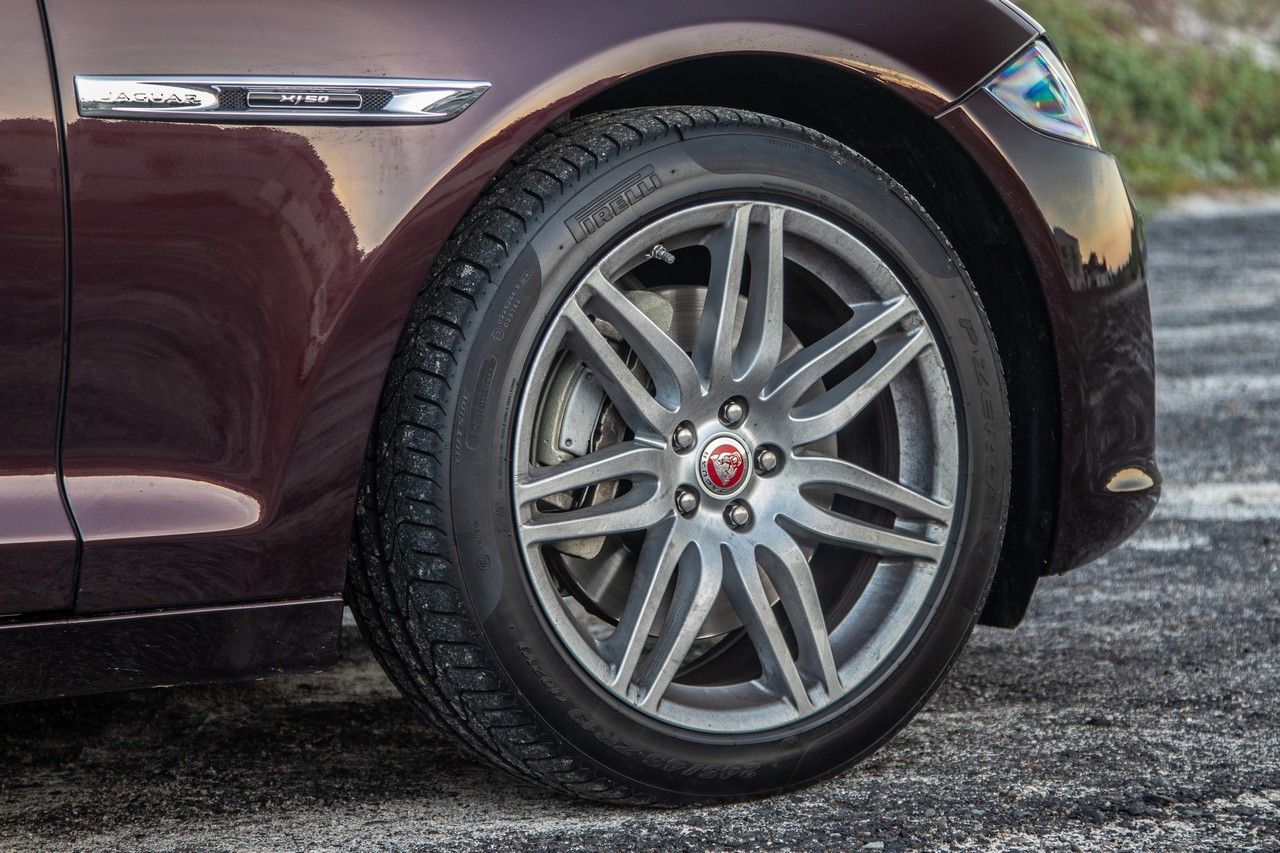
But how do you distinguish an XJ50 from "lesser" XJ derivatives? Firstly, the bumpers are usually reserved for the Autobiography derivatives, 19-inch split 7-spoke wheels are fitted, the grille gets the black-mesh treatment and XJ50 badges festoon the boot lid and front fenders. The limited-edition Jaguar is offered in only 4 colours, one of which is Rosello Red, pictured here.
Special wheels and unique XJ50 fender badging help this special edition Jaguar stand out.
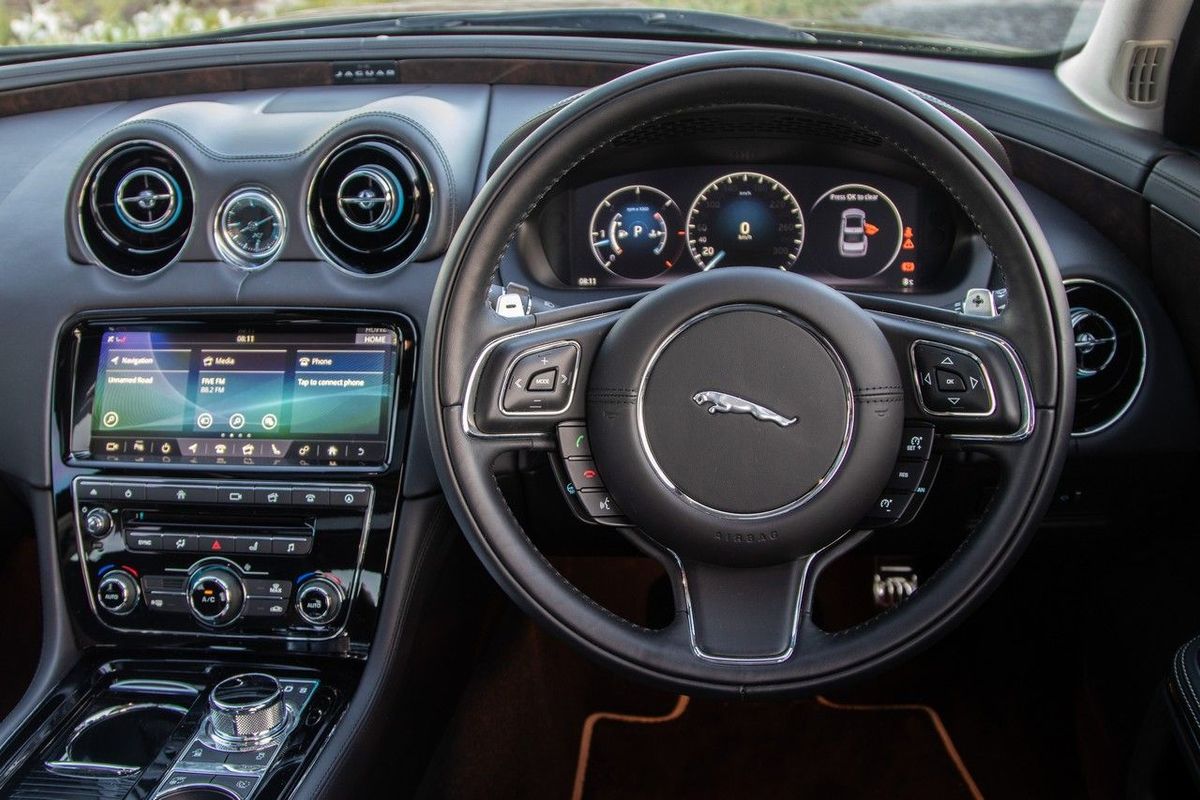
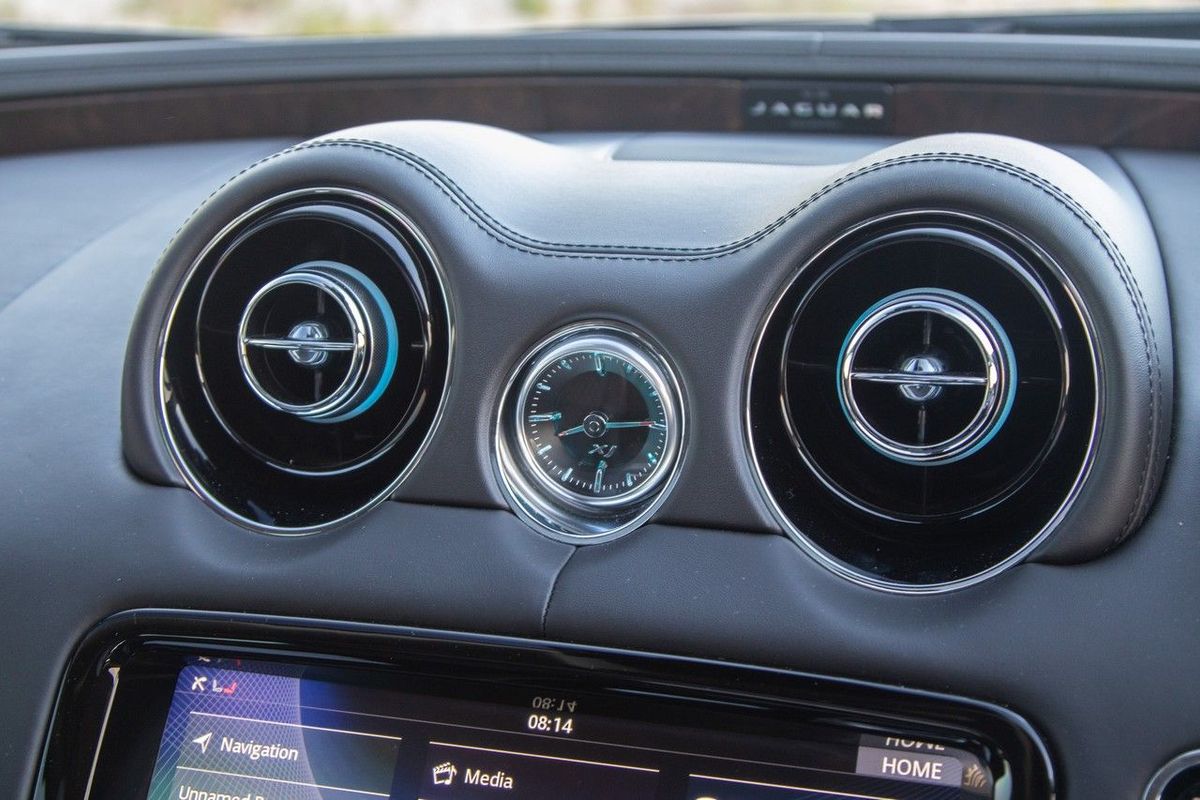
Inside, the XJ has probably aged a bit more obviously, because Jaguar's rivals in the first-class sedan segment (Audi A8, BMW 7 Series and Mercedes-Benz S-Class, to name only 3 examples) have really raised the game, tech-wise, in the past few years. Having said that, the Jaguar's interior treatment (characterised by wooden surfaces and leather) looks more traditional, which will appeal to conservative or tradition-bound buyers. We still like the way the walnut strip atop the dashboard joins at the base of the windscreen — it reminds of the bow of an exclusive Riva yacht.
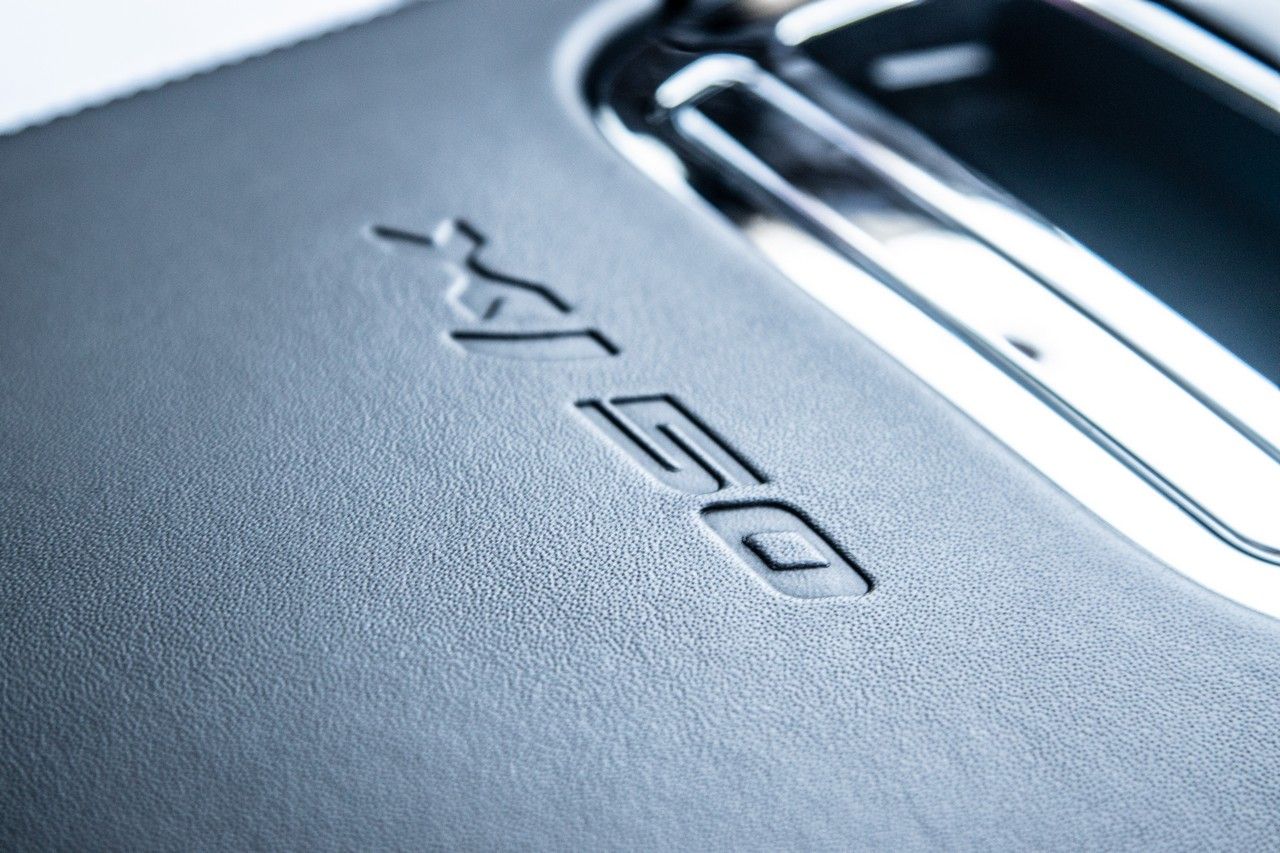
It's certainly plush and supremely comfortable inside the Big Cat; unique interior features include soft-grain diamond-quilted leather with embossed Jaguar Leapers in the headrests, an anniversary logo on the centre armrest, a commemorative plaque at the base of the windscreen, front doorsills illuminated by XJ50 logos and 18-way electrically adjustable front seats with 5 massage programmes.
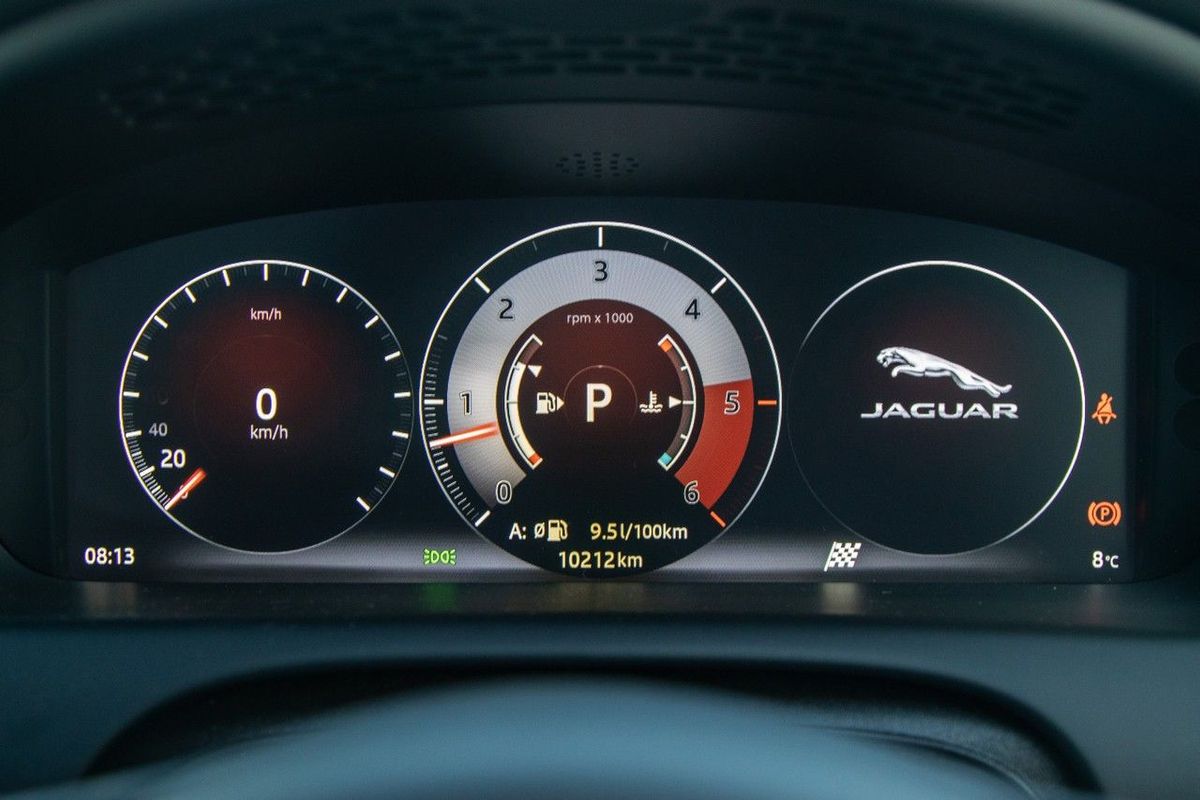
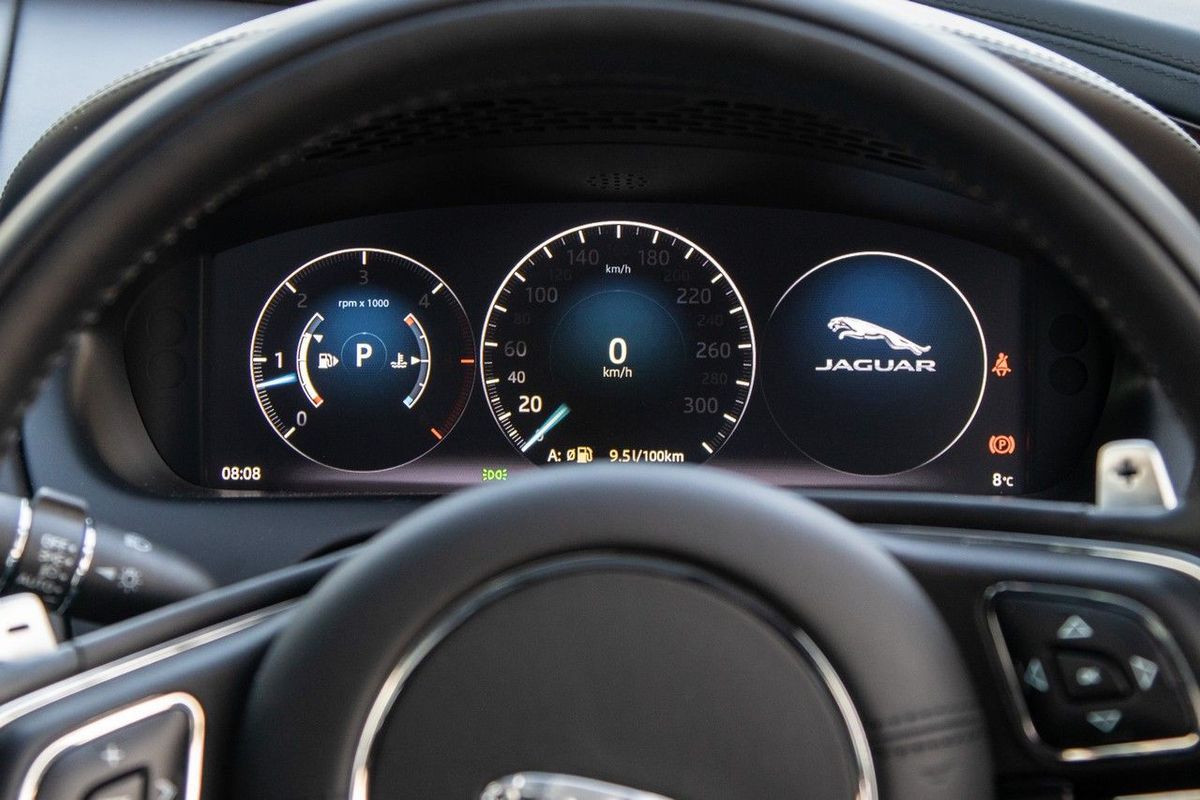
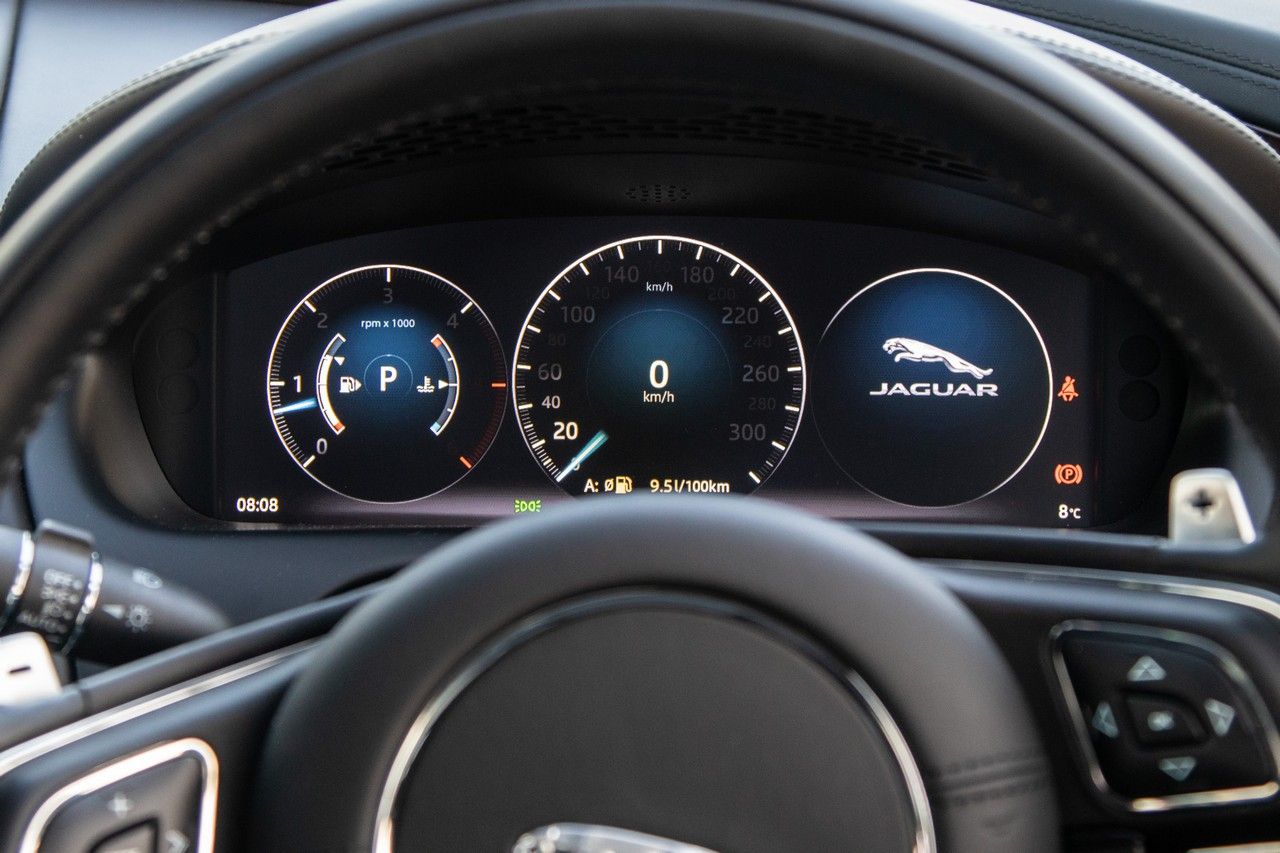
Although the instrumentation is digital, it lacks the kind of variability and crispness that German rivals offer these days.
Jaguar offers the XJ50 in short- and long-wheelbase forms in South Africa and this test unit is an example of the former. Despite the R100 000 difference in asking price (the longer sedan is more expensive), we would definitely suggest that buyers opt for the LWB version instead (provided they can afford it, of course) because rear legroom is comparatively tight in the SWB (which is, unfortunately, priced similarly to LWB versions of its aforementioned German rivals). The 520 litres of boot volume is, however, on par with the German products' respective capacities.
Comfort & Features
Leather, wood and chrome dominate the luxurious cabin, but in terms of design and quality of materials the XJ now lags the best
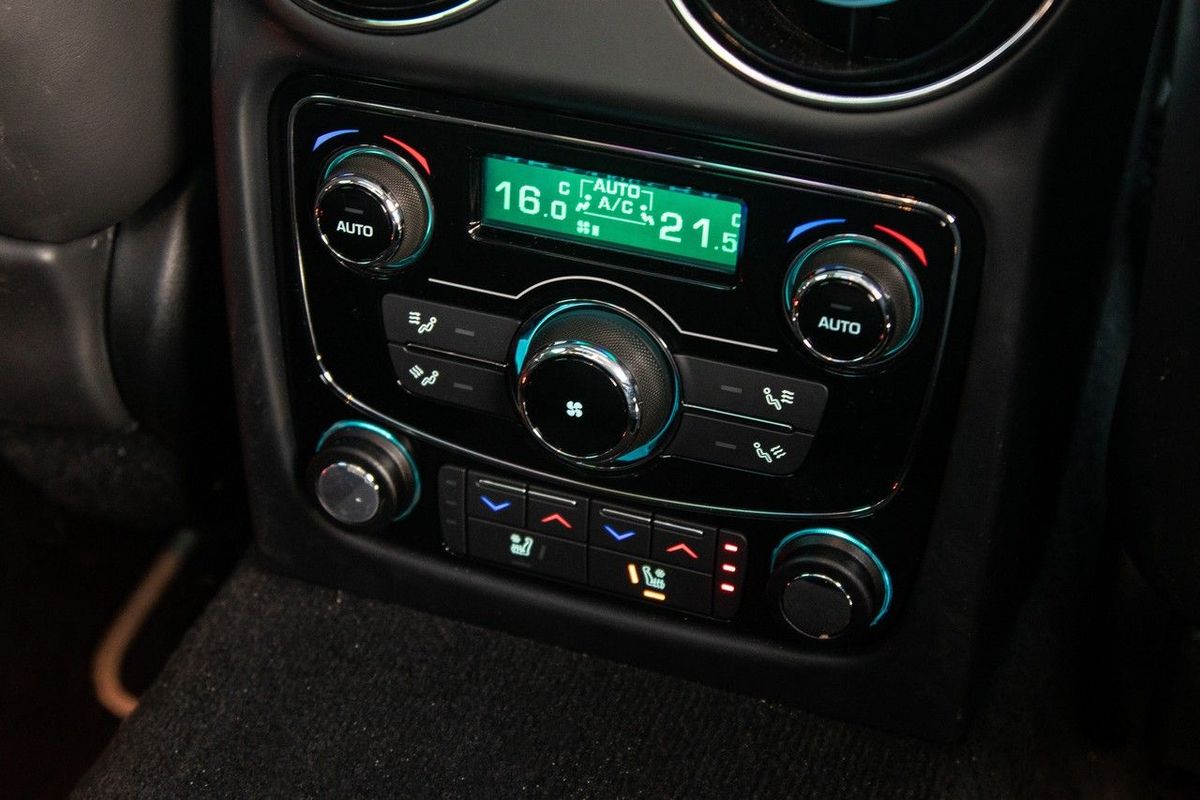
When this iteration of the XJ was launched, its interior was regarded as something of a revelation. It offered digital instrumentation when it was still a novelty, for example, and cool ambient lighting created a very special effect at night. The game has moved on, however, and Jaguar's flagship sedan is now bested on the "gadgetry" front, so in some ways, the XJ50 reverts to more traditional Jaguar strengths, such as luxurious leather, lots of wood inlays and plenty of chrome. The seats are superb, the heated/vented front chairs also offer massage functions. Even the rear seats feature heating and cooling. The steering wheel is also heated, which was particularly appreciated during the first cold snap of the Cape winter.
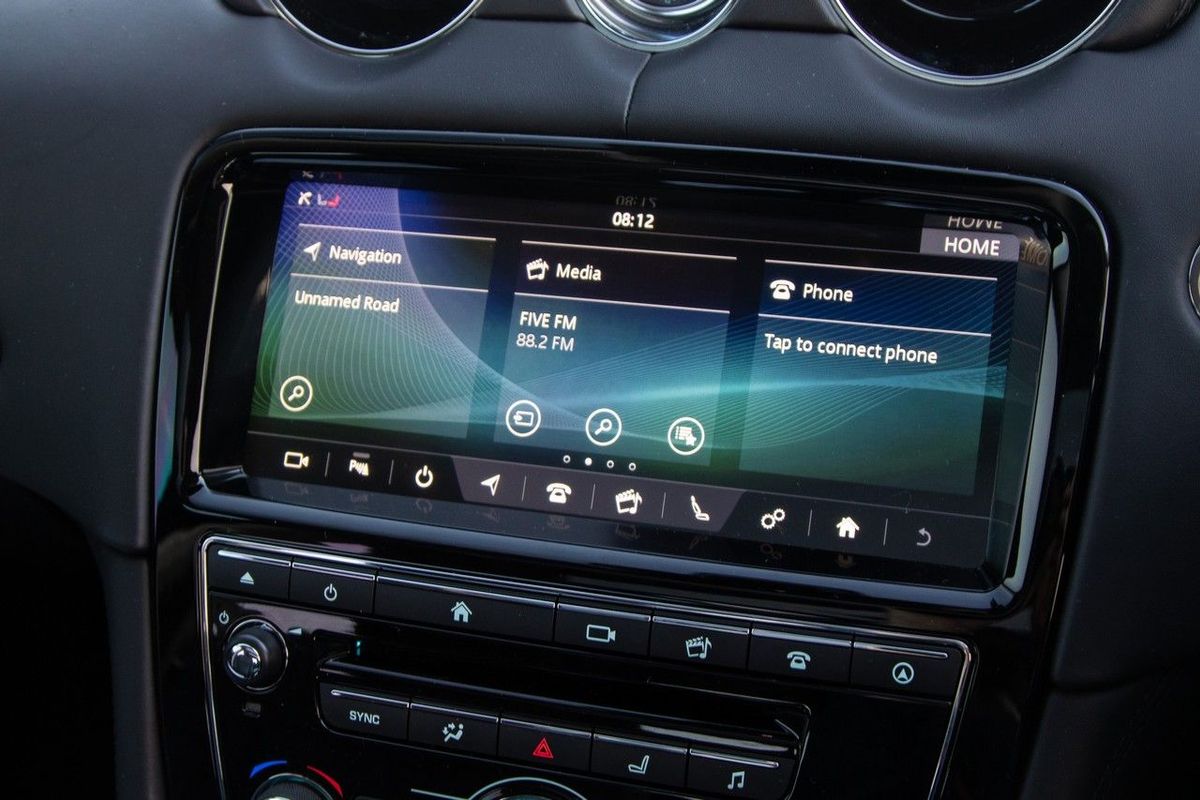
To be fair, the XJ50 offers most of the important advancements in modern infotainment and safety systems. The large touchscreen system is well-stocked with features, navigation is standard and, on the safety side, autonomous emergency braking is standard. Even if it includes traffic-sign recognition, the 12.3-inch digital instrument cluster lacks the layers of information and variability of more modern rivals. More high-tech features such as BMW's gesture control, or the Mercedes-Benz MBUX's digital assistant are missing. Apple CarPlay/Android Auto is available, however.
And while almost the entirety of the dashboard is covered in leather, and there are large walnut wood inlays on the doors, the build quality of the XJ50 3.0D's cabin is not quite up to scratch. The piano black trim feels insubstantial and "creaky", and the door panel on our test unit emitted an irritating intermittent rattle. On a car that costs nearly R2 million, such glitches are rather irksome, if not unforgivable.
Performance & Efficiency
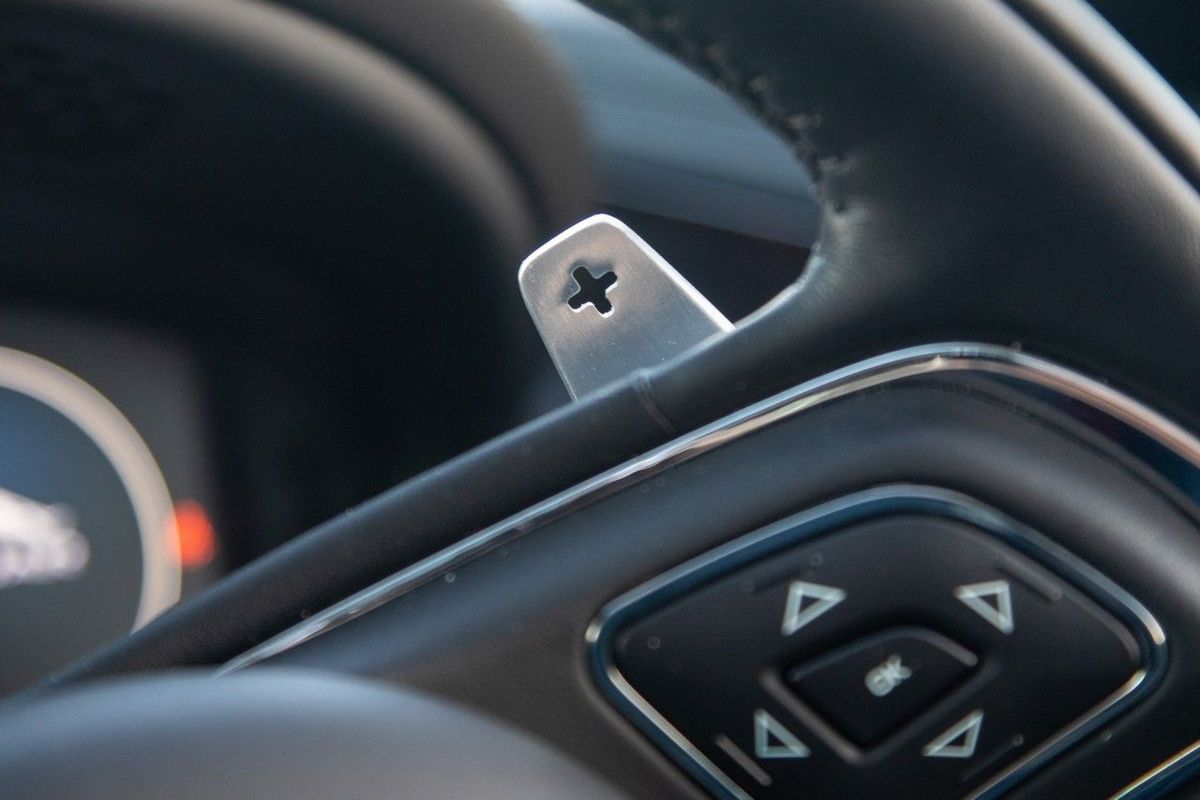
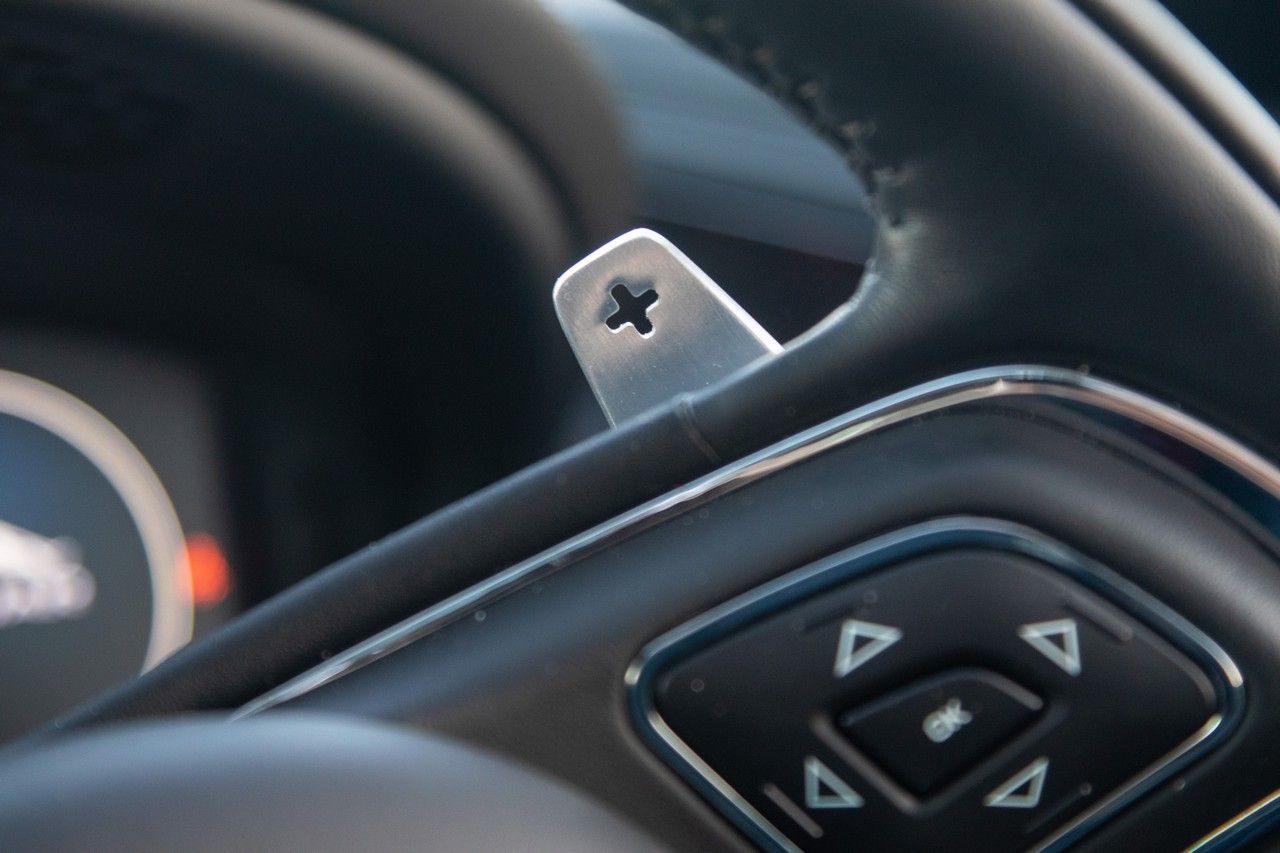
? There are shift paddles, but we doubt many owners would ever use them.
The XJ50 is offered exclusively with Jaguar's 3.0-litre V6 turbodiesel engine mated with an 8-speed automatic transmission driving the rear wheels. The engine delivers peak outputs of 221 kW at 4 000 rpm and 700 Nm of torque at 4 000 rpm – which are still very respectable, even by today's lofty standards. Jaguar claims a 0-100 kph time of 6.2 seconds and, of course, the top speed is limited to "a civilised" 250 kph. So, this Big Cat can get a move on. It's at its best, however, when cruising out on the open road, where its smooth, yet powerful performance is highly impressive.
Fuel efficiency is less impressive, however. Jaguar claims an average consumption figure of 7.0 L/100km, which is significantly higher than those of the 3.0D's rivals and we achieved a figure closer to 9.0 L/100 km. Another criticism is relayed engine sound – the motor emits a nice enough note (for a diesel), but for this level of car we expected the cabin to be quieter. This issue could, however, be related more to a lack of sufficient cabin insulation than engine noise per se.
Ride & Handling
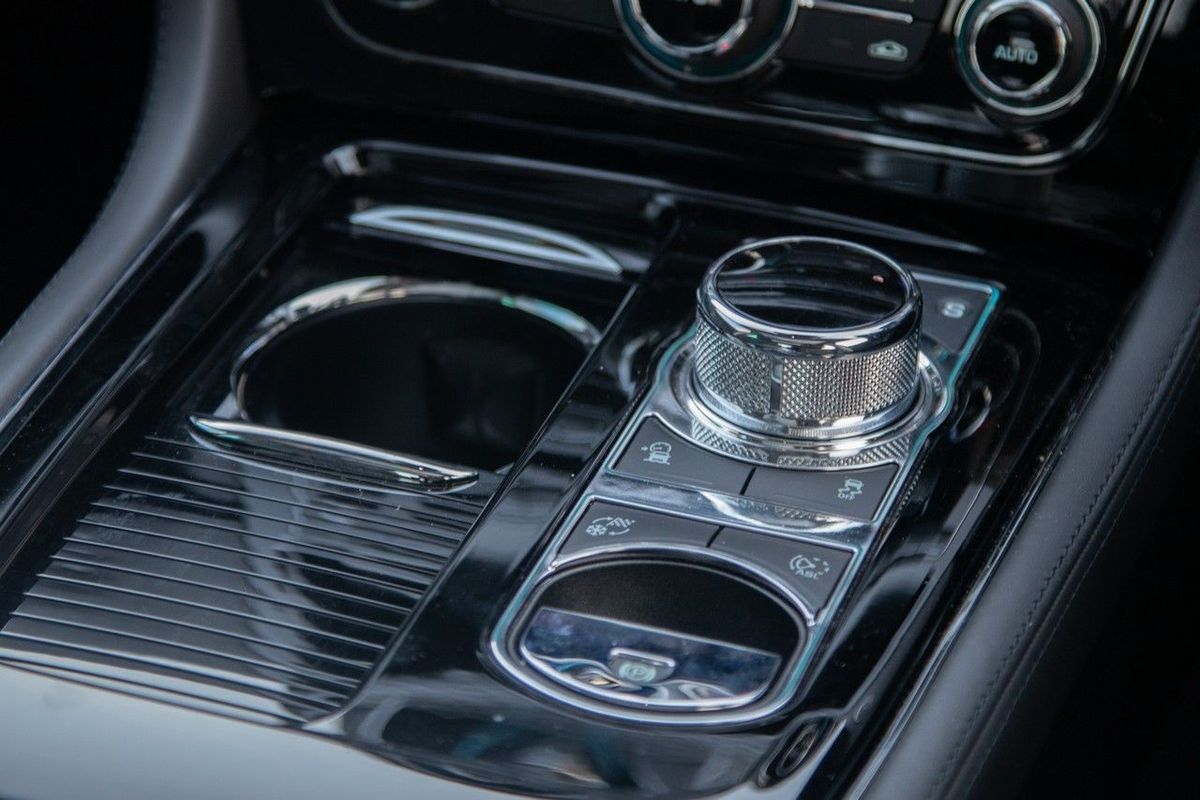
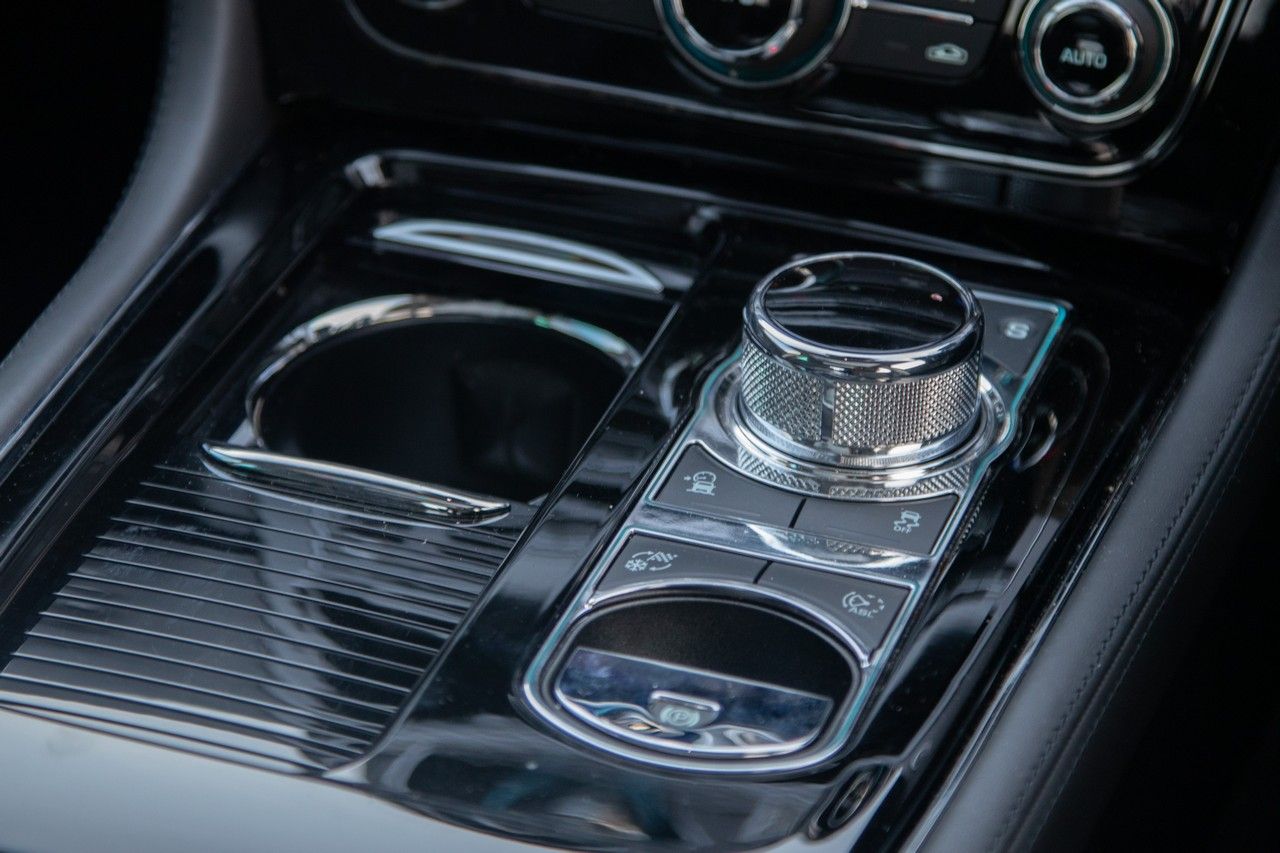
A novelty when it first came out, the rising rotary drive selector is now a Jaguar staple. Select "S" for faster responses.
I first drove the XJ back in 2010 during its launch in Paris. Back then, those knobbly roads highlighted a low-speed ride that was perhaps slightly too much on the firm side, and now, nearly 10 years later, it would appear that not much has changed. A self-levelling rear air suspension setup is standard, but when riding on these 19-inch wheels on the roads in and around Cape Town, the XJ50 3.0D's low-speed stiffness is perhaps still a little bit of an irritation, especially when contrasted with how supple and refined it feels at higher speeds when the Jaguar really hits its stride.
For enthusiastic drivers, there's more fun to be had than you'd expect from such a large turbodiesel-engined limousine. The car dates from a period when Jaguar used to get its control harmonization spot-on – there's beautiful balance and delicate precision in the way it responds to steering, throttle and braking inputs. If you select Sport mode (a simple turn of the transmission controller is all that's required), the XJ50's drivetrain will sharpen up even further to allow that superb 8-speed transmission to make optimal use of the 700 Nm at its disposal.
Price and warranty
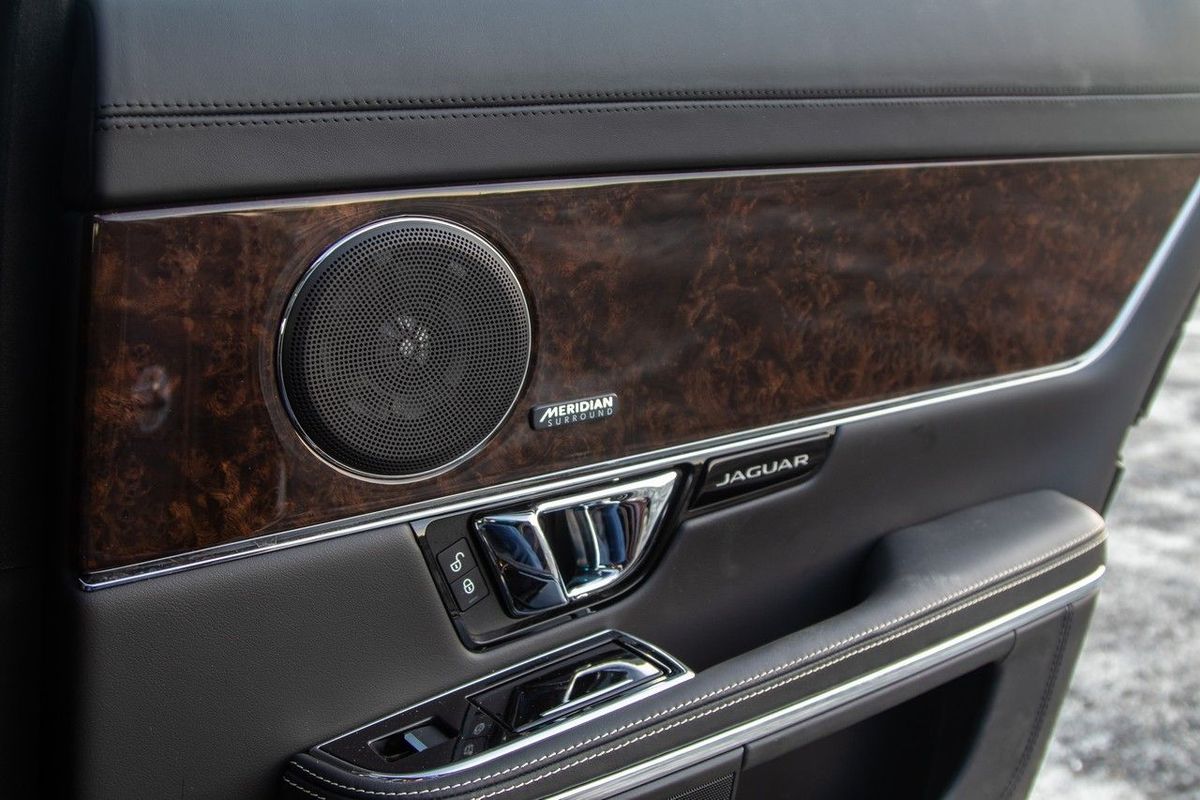
The Jaguar XJ50 3.0D SWB sells for R1 823 096 without options (August 2019). As previously explained, the XJ50 has loads of items as standard, but you can still find attractive items on the optional-extras list. Our test unit was specced with Meridian Surround Sound (R8 800) and a 360-degree camera system. Given the relatively small difference in pricing between SWB and LWB (as a percentage), we'd recommend the latter version.
The price includes a 3-year/100 000 km warranty and 5-year/100 000 km maintenance plan.
Verdict
Back in 2010 this rear-end drew a lot of negative comment but now…we think it's aged very well.
The XJ remains a different kind of luxury limo'. Whereas its contemporary rivals use a combination of brute force and advanced tech to win you over in those glitzy showrooms, the Jaguar's true beauty only really comes to the fore out on the road. It's steering is more delicate, its responses more precise and the way it manages to be a car that can be hustled, yet one that is also very supple when you stretch its, um, legs, remains impressive.
But… you can't deny the progress of time. By most luxury car standards (notably efficiency, cabin design/tech and insulation) the XJ lags the likes of the 7 Series and S-Class in particular. And, to be honest, we wish this XJ50 version was just a little bit more special, and not simply the result of a comprehensive specification tickbox exercise. That being said, for committed Jaguar and XJ fans, there isn't much here that's not to like.
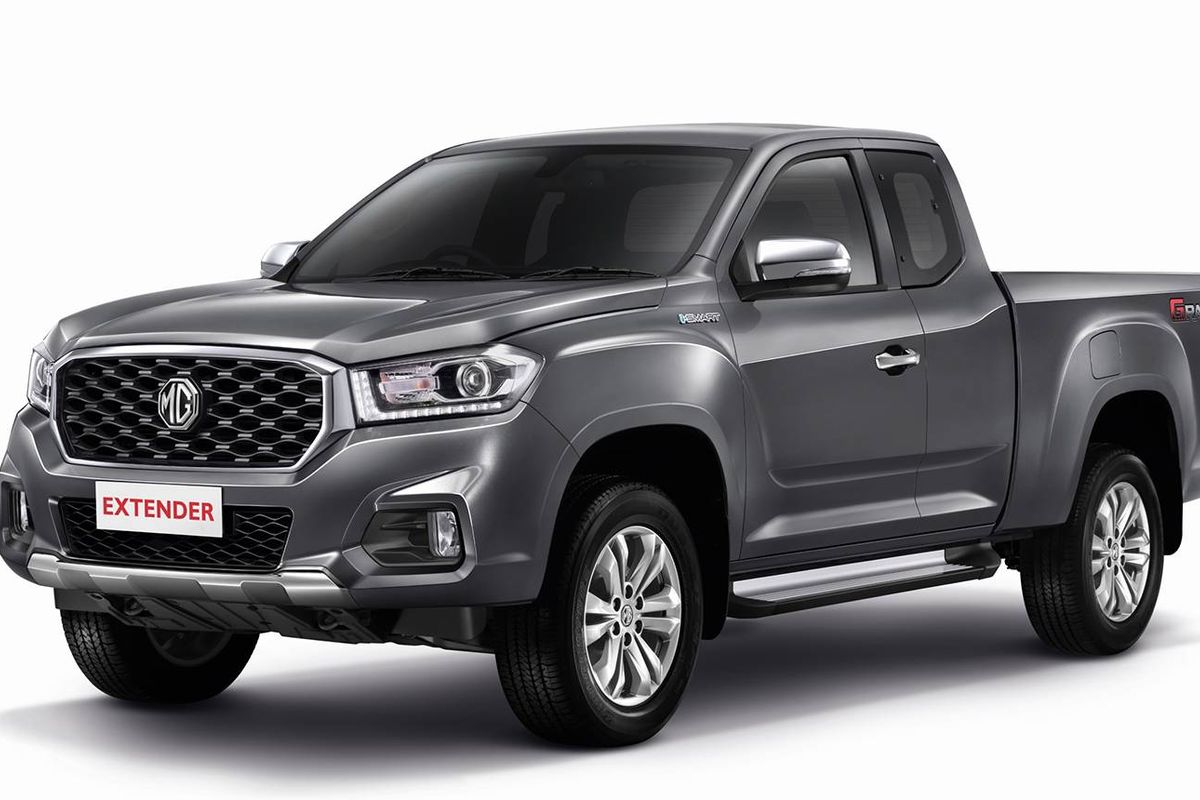
Iconic British nameplate enters the bakkie business.
British bakkie brands. With the Land Rover Defender out of production, you’d struggle to name a single British automotive nameplate with a bakkie in its portfolio, but that has changed.
Although MG is now under Chinese ownership, its history and brand equity remains strongly British – invoking images of compact roadsters, with unique styling.
Reflecting the growing demand and business opportunities for all brands to trade in the bakkie market, MG is the latest loadbox product entrant.
This new MG bakkie is called the Extender and marks the brand’s first rear-wheel-drive vehicle since its iconic TF roadster was discontinued, nearly ten years ago.
MG's chassis partner Maxus has done reasonably well in the Australian market. MG is set to launch this Extender in Thailand first.
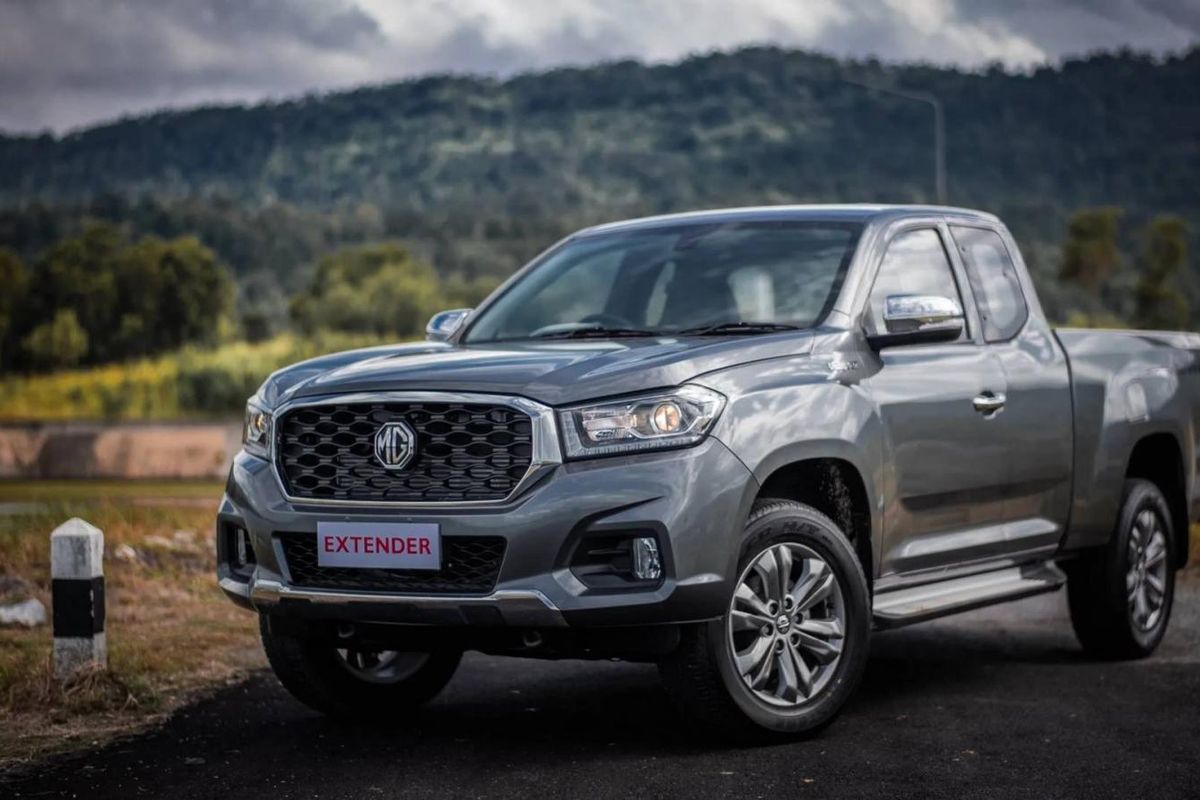
Chinese conglomerate SAIC owns both MG and the Maxus bakkie brand, so this synergy is not all too surprising. The MG Extender is in fact a badge-engineered Maxus T70, and these Chinese bakkies have given a good amount of themselves in the Australian market – even scoring positive crash safety ratings.
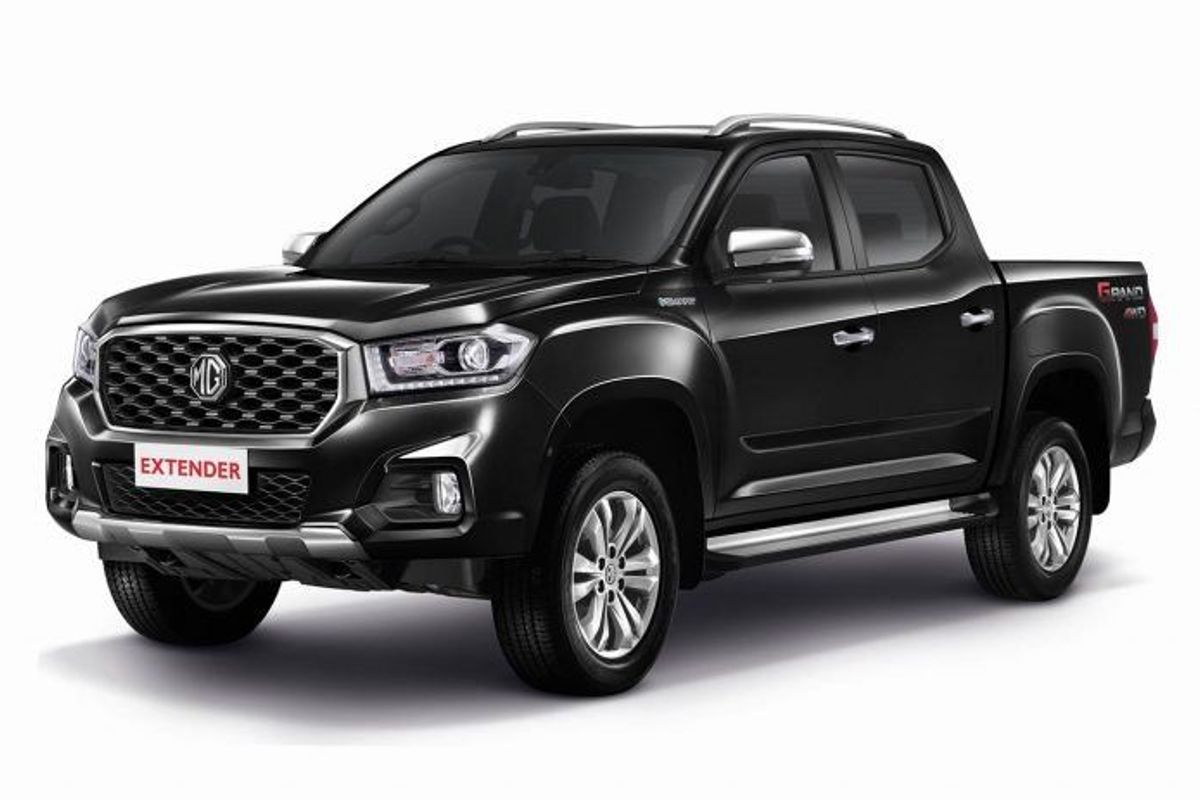
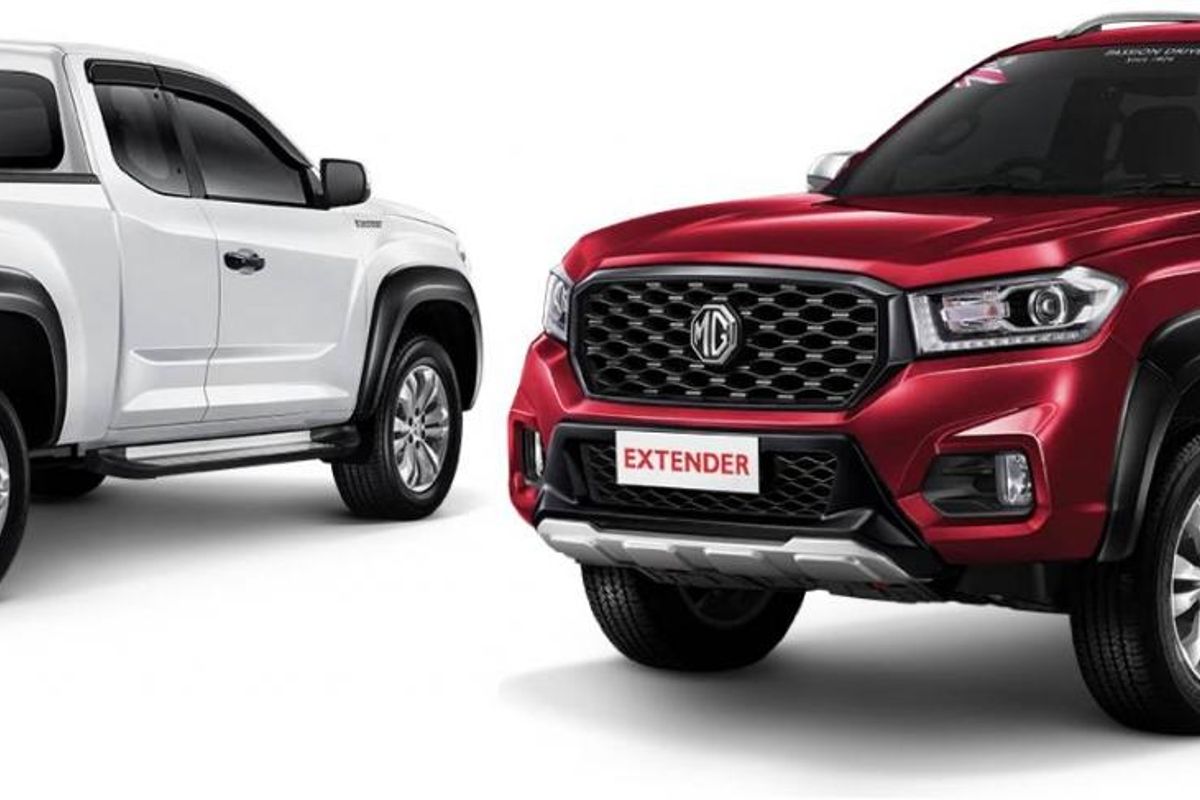
The new MG bakkie range features either extended or double-cab body styles. There are two powertrains options, both with the same basic 2-litre turbodiesel architecture. The single-turbo version is good for 120 kW and 375 Nm, whilst a more potent twin-turbo variant boosts a very impressive 160 kW and 480 Nm.
Four-wheel-drive is standard on the most powerful MG bakkie alternatives, with all models offering buyers the option of either six-speed manual or automatic transmissions.
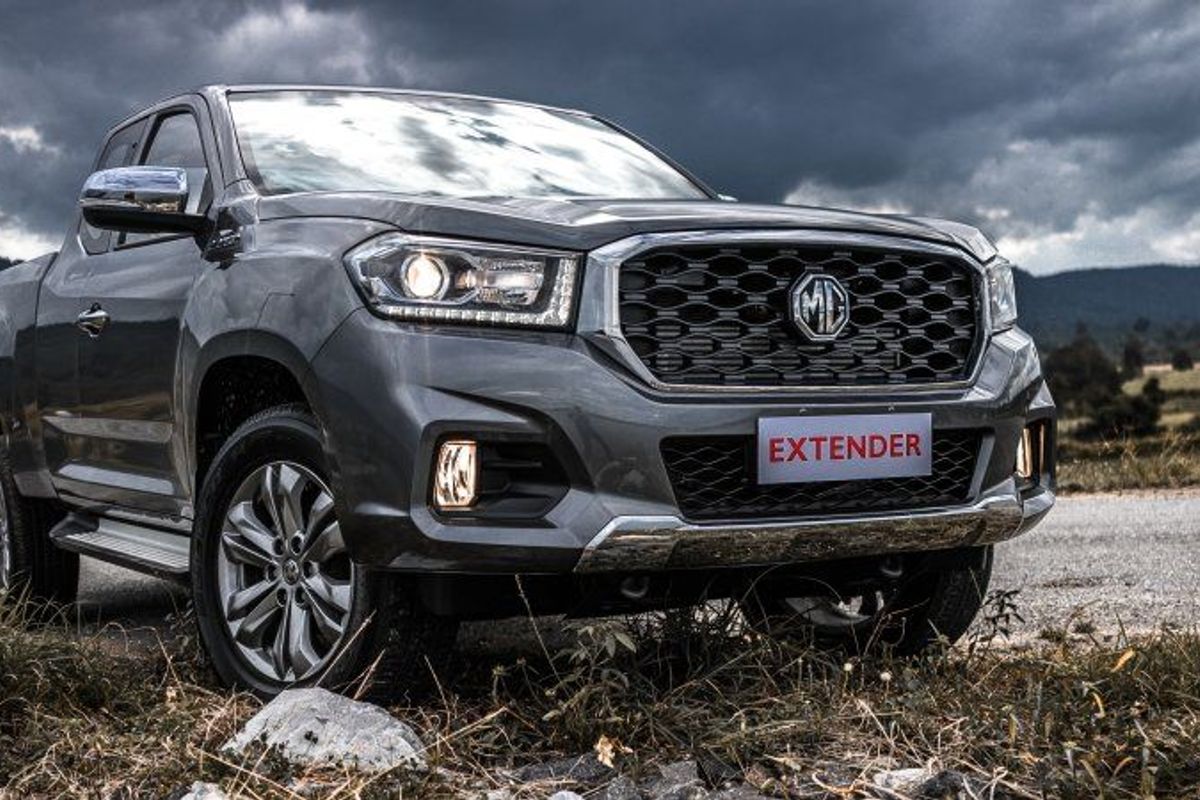
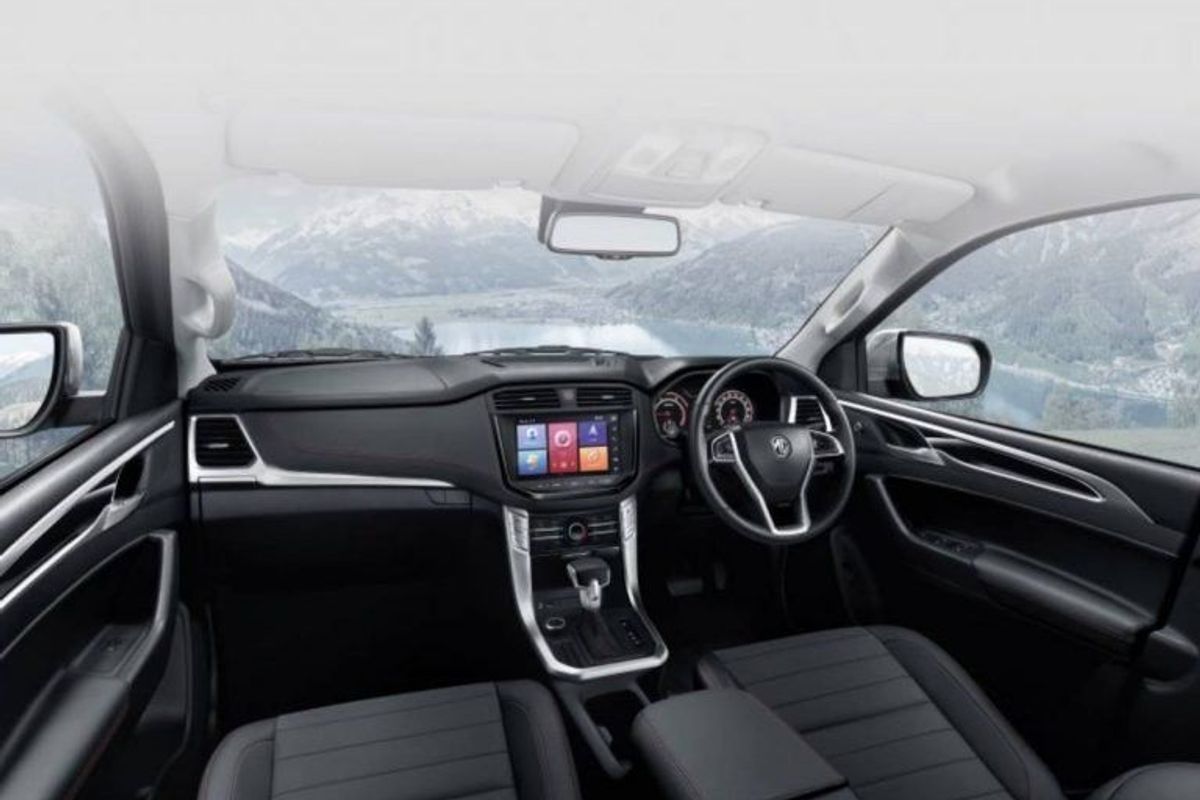
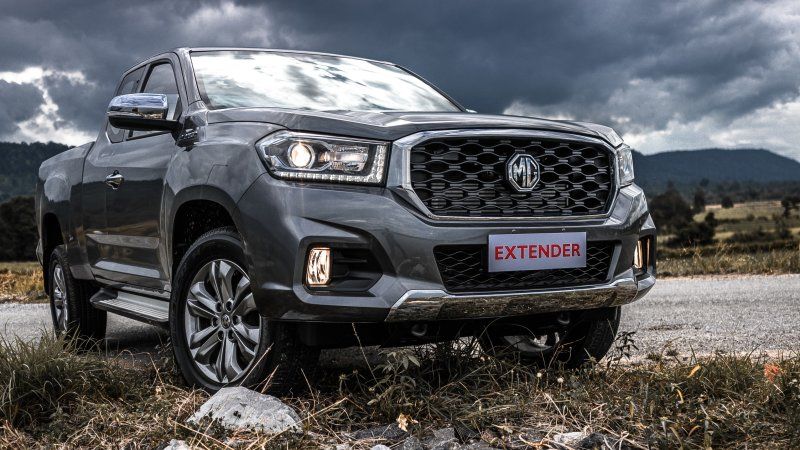
With its redesigned grille and MG badging, the Extender bakkie is one of China’s best loadbox vehicle designs. The Extender range is also not short of features, with LED headlights, leather seats, a reversing camera and 10-inch touchscreen infotainment system available.
MG has confirmed that its Extender will initially launch in Thailand, with no immediate details of a global rollout thereafter.
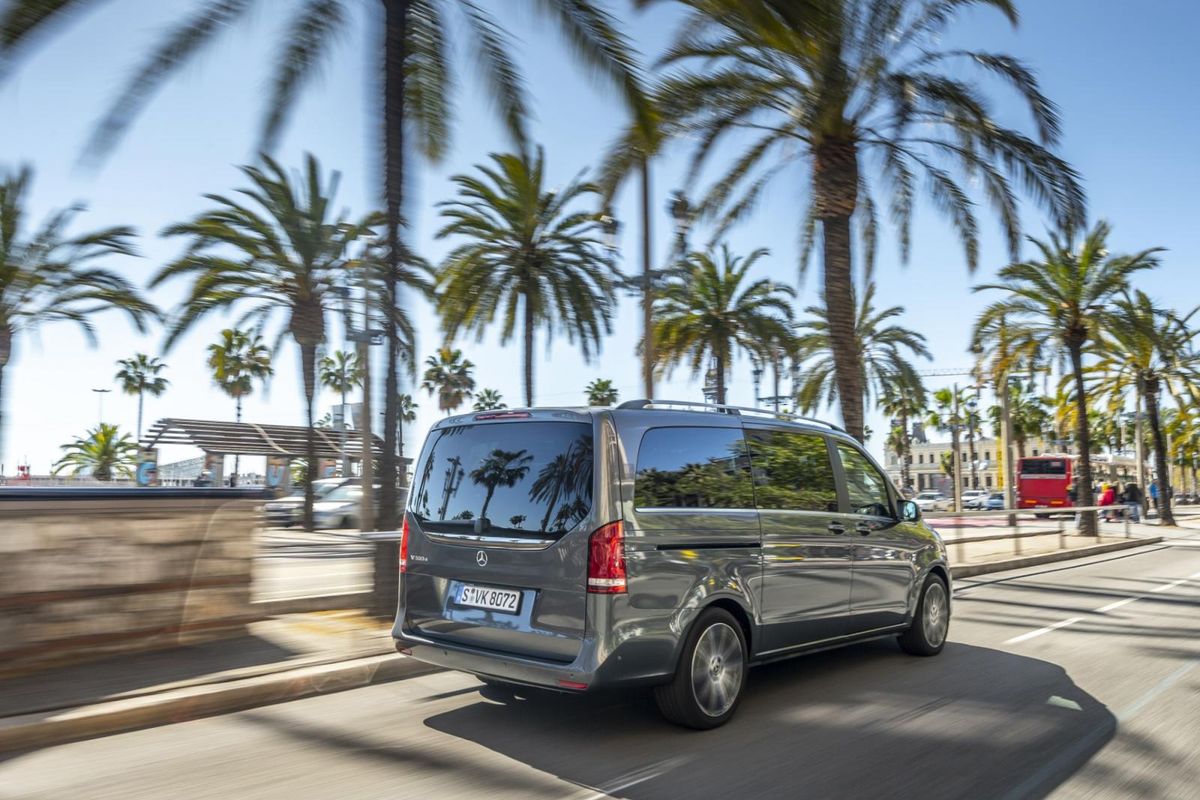
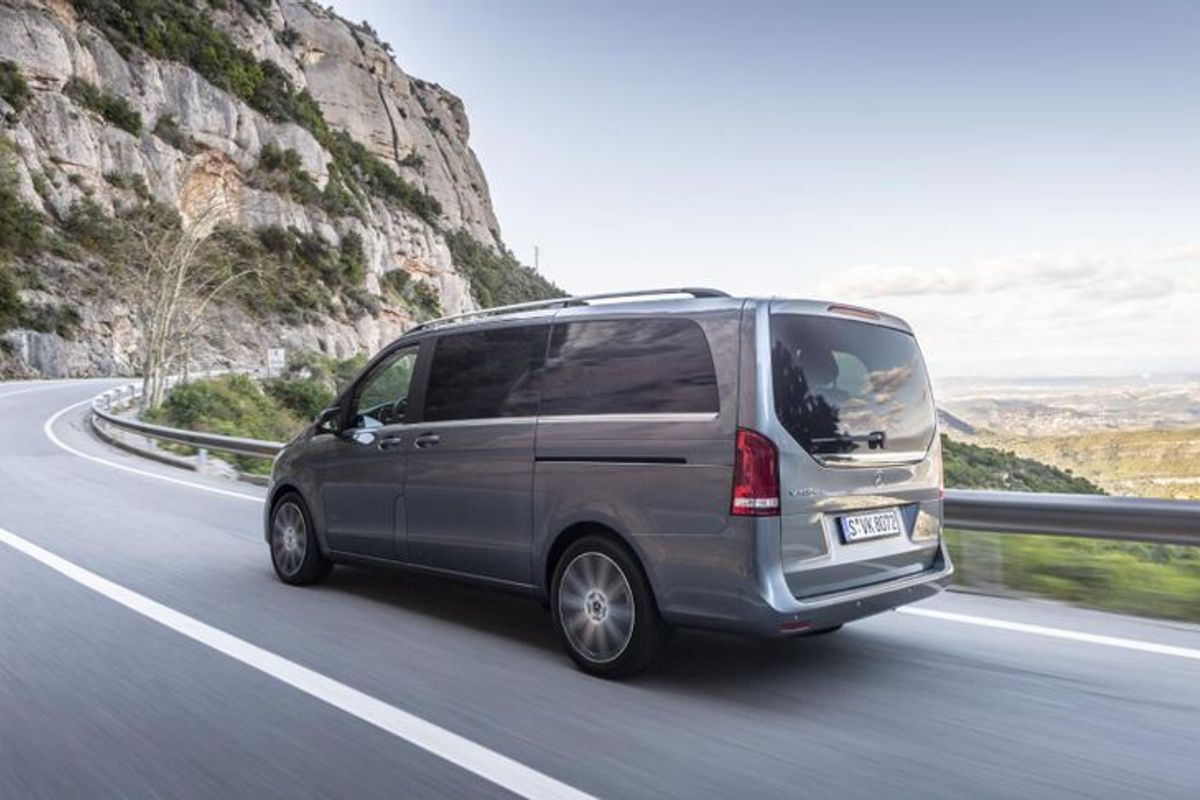
Mercedes-Benz V-Class (2019) Specs & Price
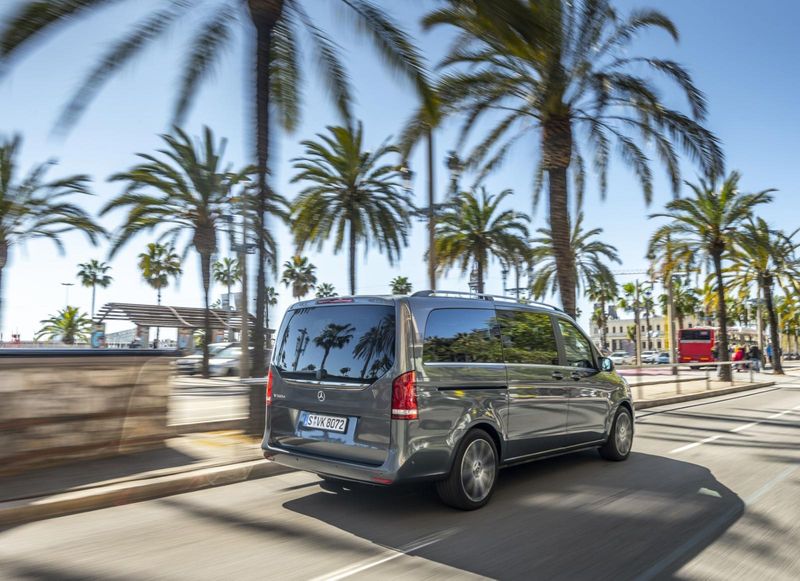
Four years since its introduction to the South African market, the W447-generation V-Class has undergone a mild facelift. Although its mechanicals remain the same, the luxury MPV sports aesthetic updates all-round, optional luxury rear seats and added safety features.
Given the refreshed range’s lofty starting price (of in excess of R900k) and the shrinking market for conventional MPVs (let alone full-sized luxury ones), the V-Class’s customer base appears small. However, Mercedes-Benz Vans SA vice-president Nadia Trimmel says the firm “remains convinced that families who place value on an active life, leisure time and a good work-life balance”, as well as “leisure-activity enthusiasts who have the need for a vehicle to transport the most varied types of equipment” are potential customers.
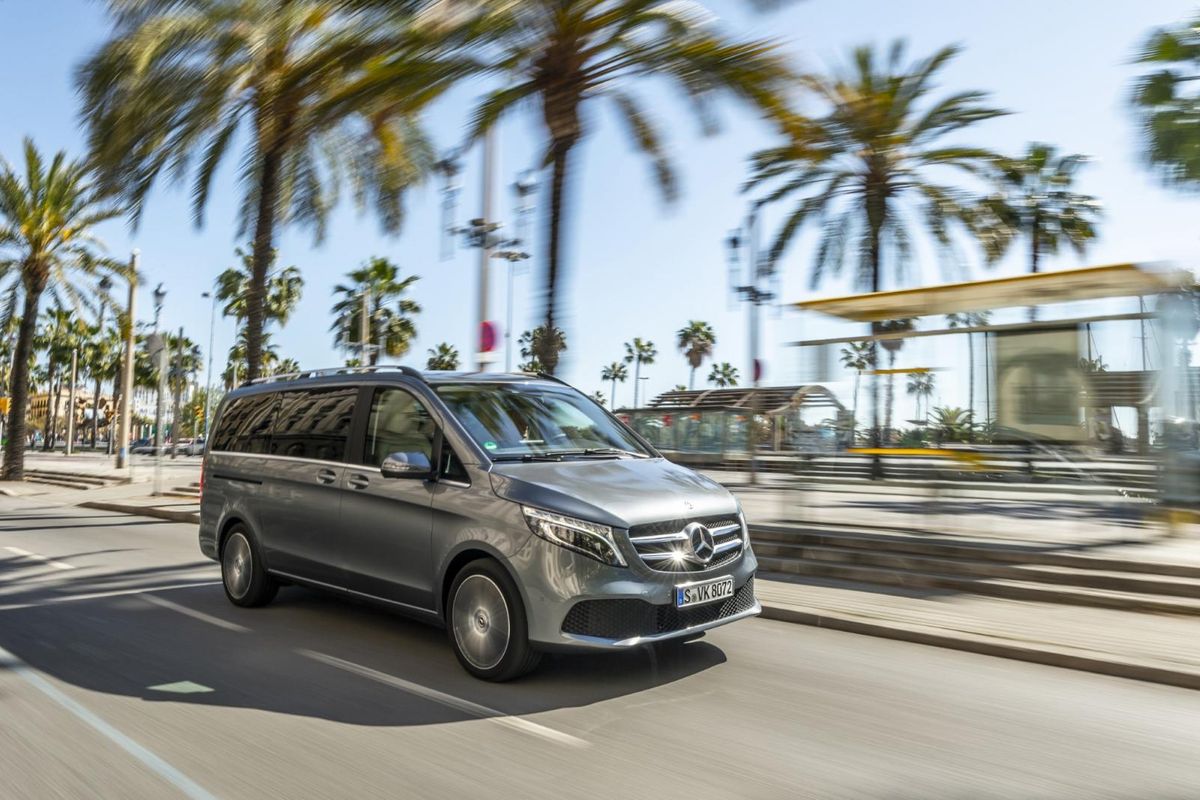
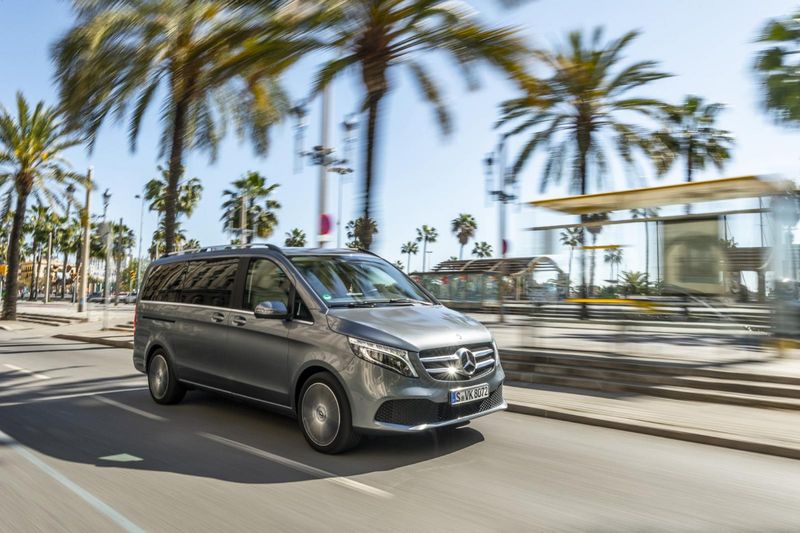
The V-Class boasts what is arguably the sportiest front bumper ever fitted to a people-mover (straight off the showroom floor).
Even if Mercedes-Benz Vans SA might be a bit ambitious in terms of its hopes for significant private-buyer sales of the updated V-Class, we anticipate the newcomer will definitely appeal to companies that provide VIP transport, luxury hotels (shuttle services), high-end tour operators and business owners who need their vehicles for work as well as private use.
In terms of its exterior treatment, the updated V-Class facelift sports a broader-looking front end by virtue of a new front bumper design with revised air inlets, while the grille sports a pair of silver slats and a revised black mesh. If you opt for the AMG-Line trim, the big Benz's grille gains diamond-pattern chrome pins that imbue the V-Class with a decidedly sportier, punchier look.
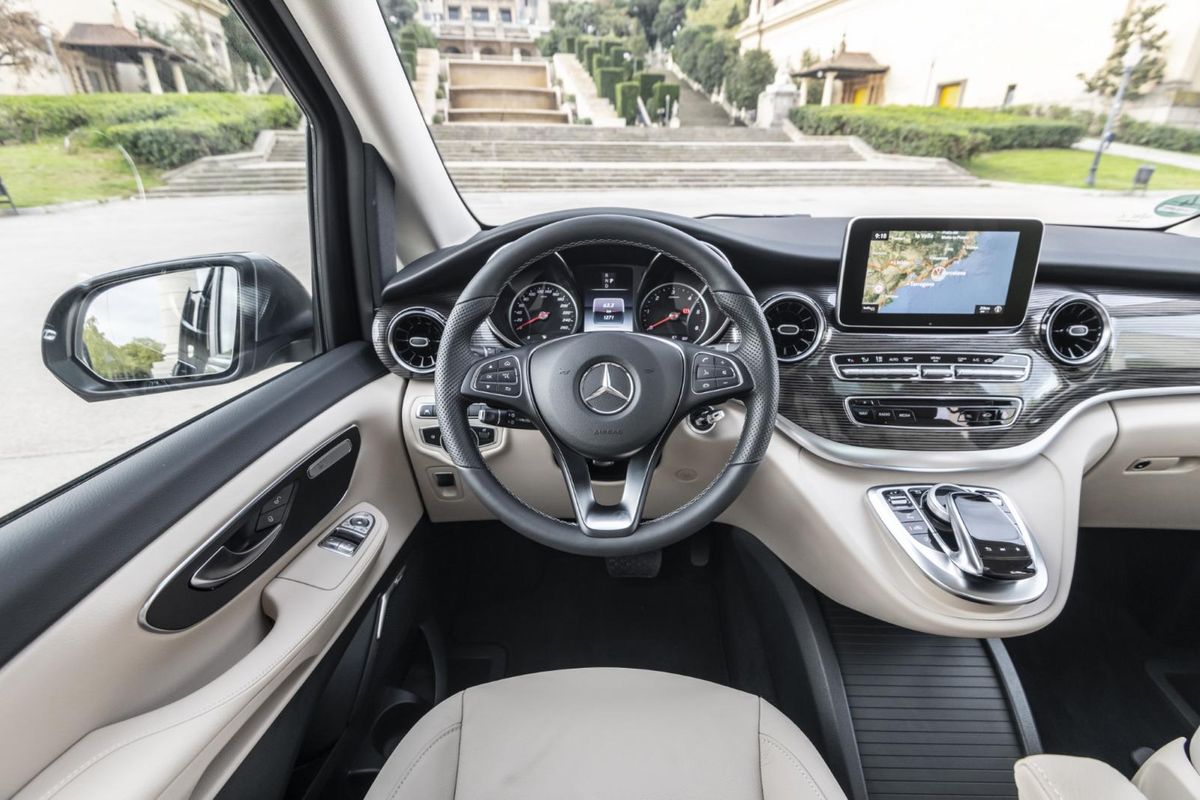
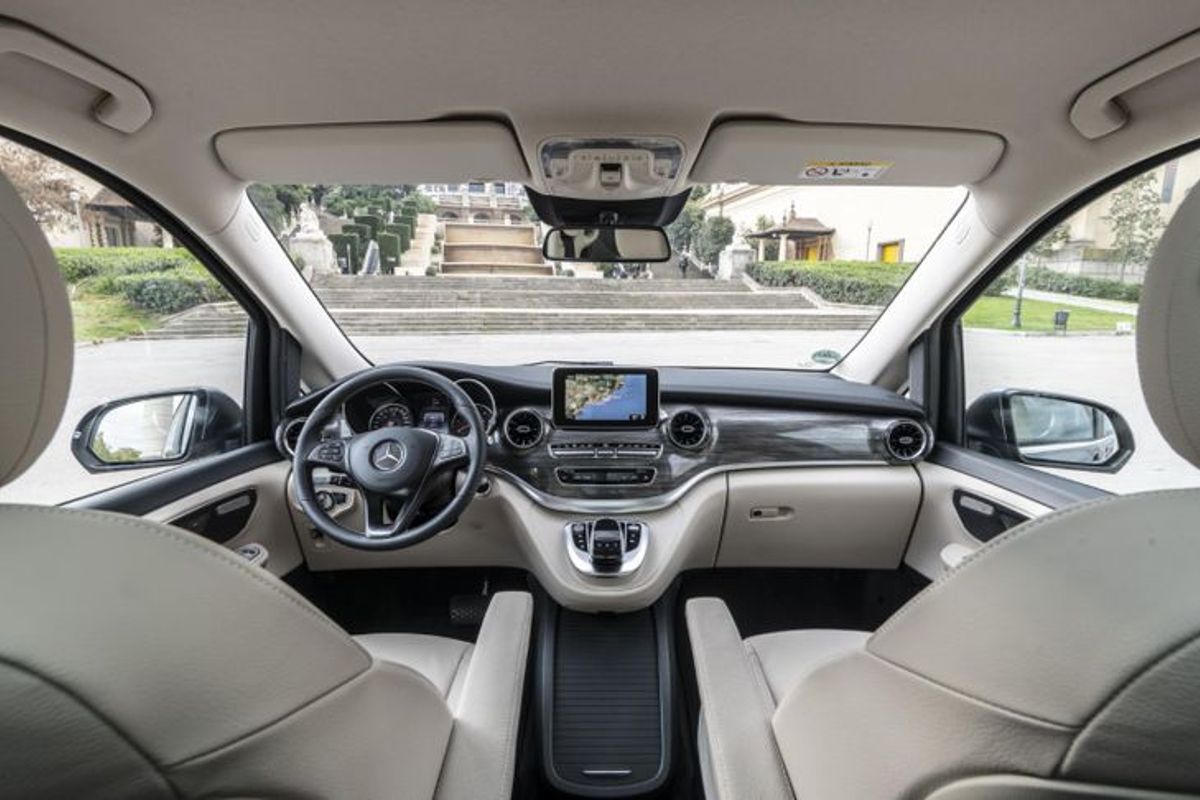
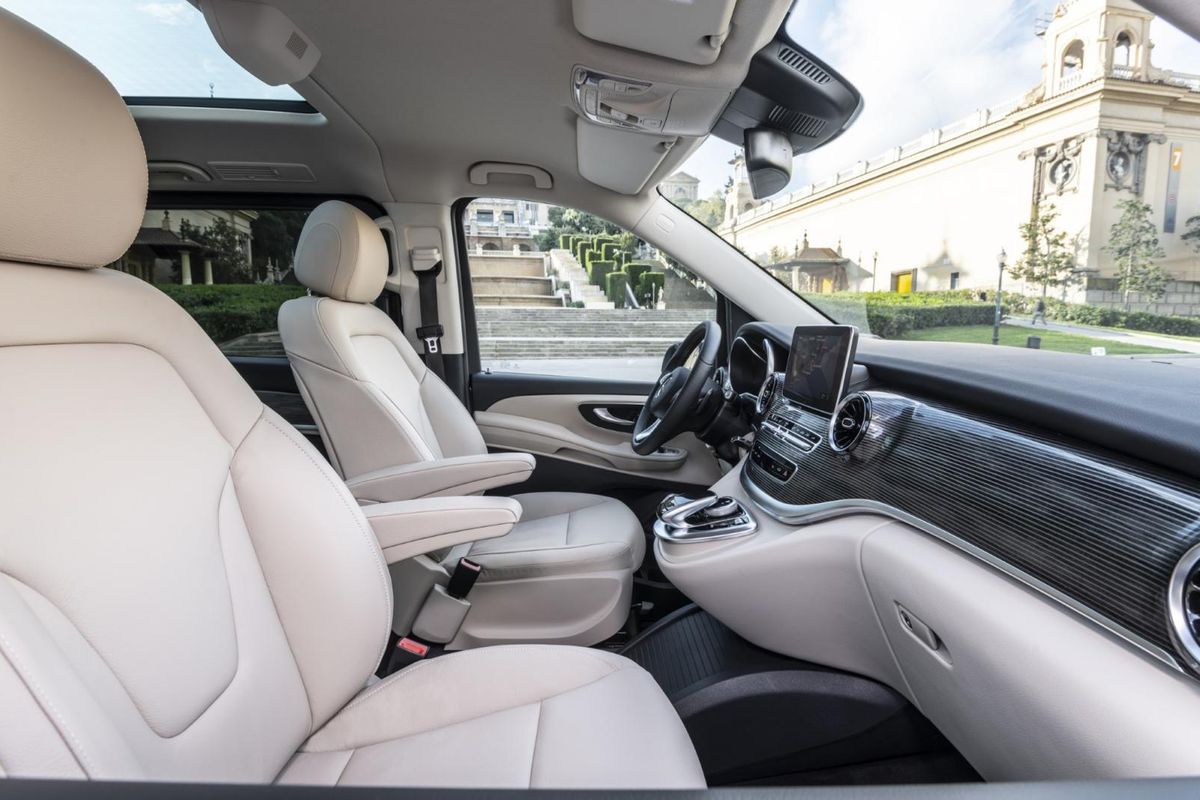
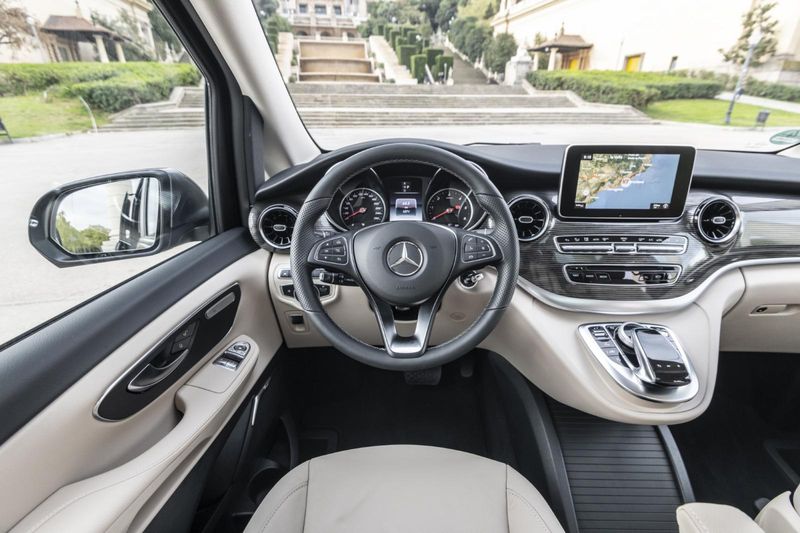
An updated instrument cluster and modernised trims further enhance the V-Class' luxury car feel from behind the 'wheel.
What’s more, a range of new exterior colours and revised wheel designs (ranging from 17- to 19-inches in size) has been availed to customers. The 17- and 18-inch light-alloy wheels in tremolite grey or black, come with a 5 twin-spoke design and, at the upper end of the new-wheels portfolio, are black-painted 19-inch 10-spoke light-alloy wheels with a high-sheen finish.
As for the bus' interior, the Benz's instrument dials have been refreshed, as have the air vents (they now sport a turbine-look, which will be instantly recognisable to owners of the new A-Class, for example) and the fascia panelling features a twin-stripe look. What's more, various upholstery (including Tartufo Nappa leather) and trim accent (such as piano lacquer, ebony wood, carbon-fibre and brushed aluminium) options are available.
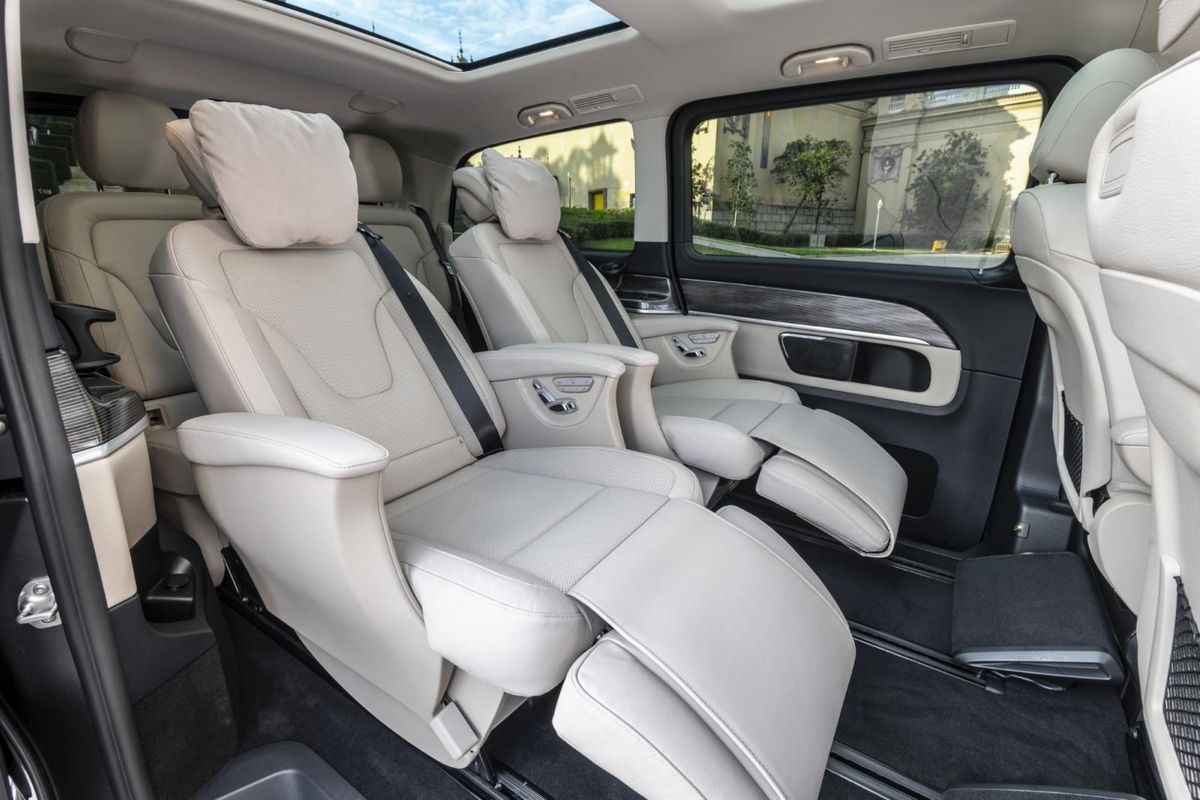
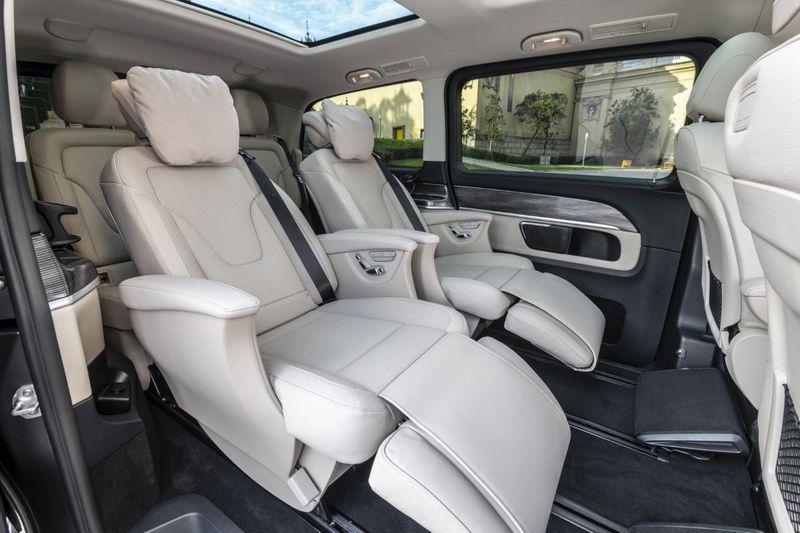
The contoured (optional) middle-row luxury seats offer a host of creature comfort functions…
For buyers looking to specify their V-Class to offer ultimate occupant comfort, middle-row luxury seats can now be specified (at extra cost, of course) in the local market… These seats can be fully reclined and offer a range of massage, as well as heating (and cooling) functions.
Furthermore, the Benz’s suite of safety features has been bolstered with the addition of Active Brake Assist, which detects impending collisions and, if necessary, will intervene by automatically applying the brakes if a driver fails to react to visual/acoustic warnings.
High-Beam Assist Plus, meanwhile, provides optimised illumination of the road. In the event of vehicles in front or oncoming traffic, the LEDs of the main-beam module are partially deactivated, creating a U-shaped cut-out in the cone of light. The remaining areas of the road continue to be illuminated with the main-beam headlamps (partial main beam).
As a limited introductory offer, Mercedes-Benz Vans SA is offering the facelifted V-Class with a 6-year/100 000 km maintenance plan.
Other notable safety features include Crosswind Assist, Attention Assist, as well as the fitment of 6 airbags, ABS with EBD and electronic stability- and traction control.
Unchanged powertrains
In the South African market, the V-Class continues to employ the 2.1-litre turbodiesel engine paired with a 7-speed automatic transmission. Buyers still have the choice between the V200d with 100 kW/300 Nm, the V220d with 120 kW/380 Nm and the V250d with 140 kW/440 Nm. The latter is claimed to accelerate from 0 to 100 kph in an unmatched 9.1 seconds.
Lastly, whereas the V-Class is usually covered by a 5-year/100 000 km maintenance plan, Mercedes-Benz Vans SA is offering all V-Class derivatives with a complimentary top-up to a 6-year/100 000 km plan as a limited special launch offer (August 2019).
Mercedes V-Class (2019) pricing in SA:
V200 d R913 951
V220 d R955 518
V250 d R 1 027 686
V220 d Avantgarde R1 247 819
V250 d Avantgarde R1 292 474