Audi Q8 55TFSI quattro (2019) Review [w/Video]
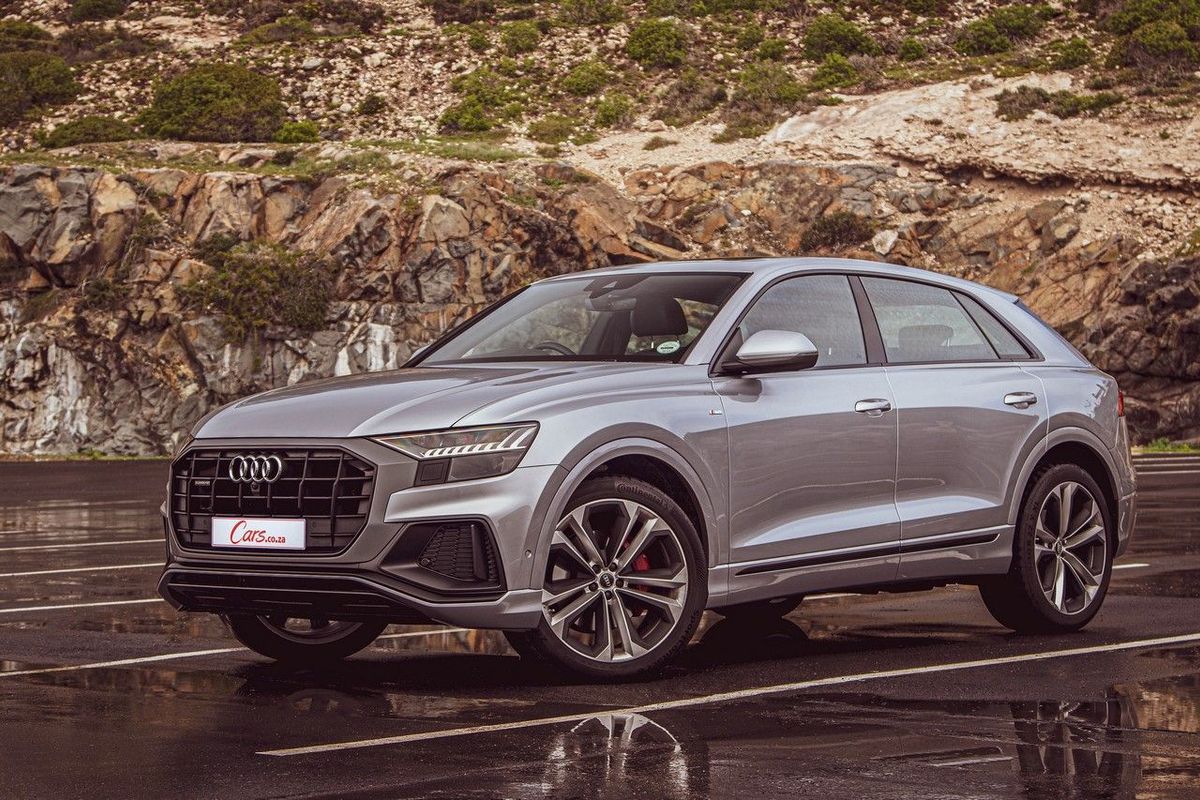
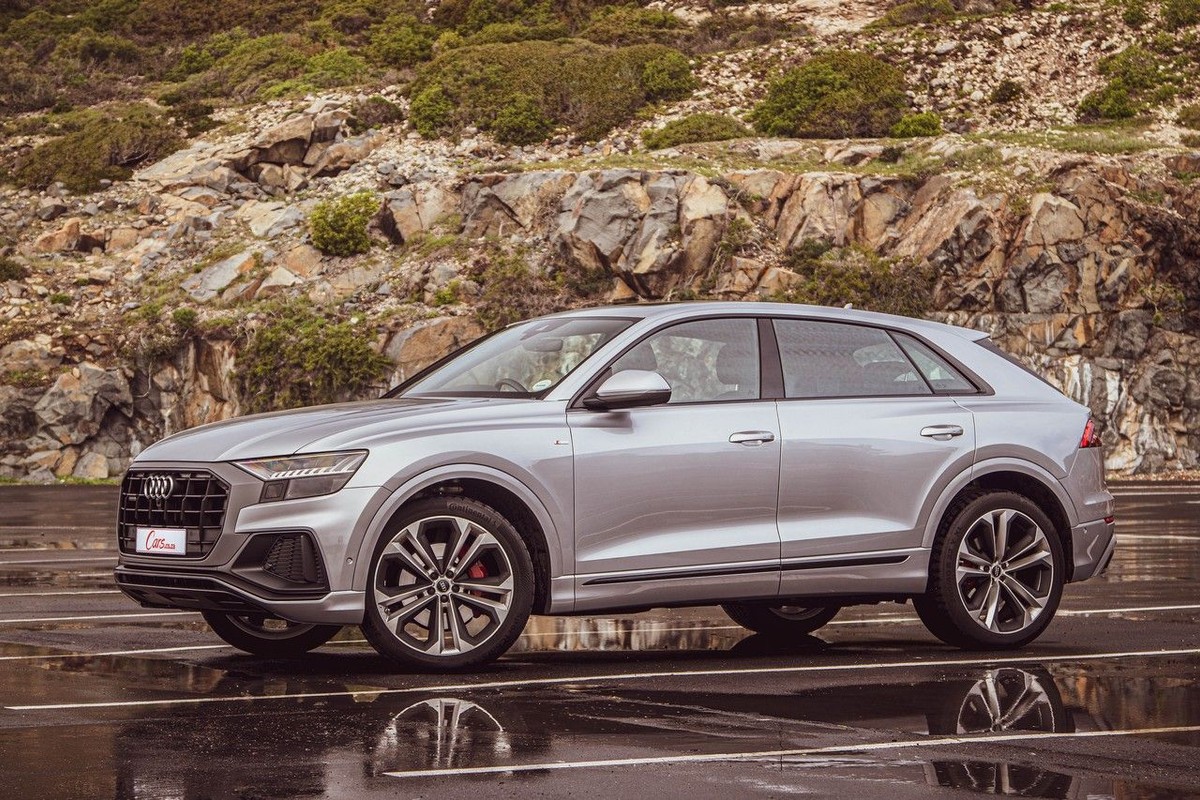
The Q8 Premium SUV Coupe is the 1st of an array of new Audi models that will reach our shores in 2019. We put it through its paces to find out whether this (very) stylish newcomer is more than just a smartly repackaged Q7… 

We like: Bold and futuristic styling, potent engine, impressive spec, spaciousness.

We don't like: Just 1 derivative (for now), thirsty engine, firm ride on the 22-inch wheels.

Fast Facts

  • Price: R1 388 00 (Price as tested: R1 613 227)
  • Engine: 3.0-litre turbocharged V6
  • Gearbox: 8-speed automatic
  • Fuel economy: 9.2 L/100 km (claimed)
  • Power/Torque: 250 kW/500 Nm

Own an Audi? Tell us about your experience here

SERIOUS ABOUT BUYING?

Where does it fit in?


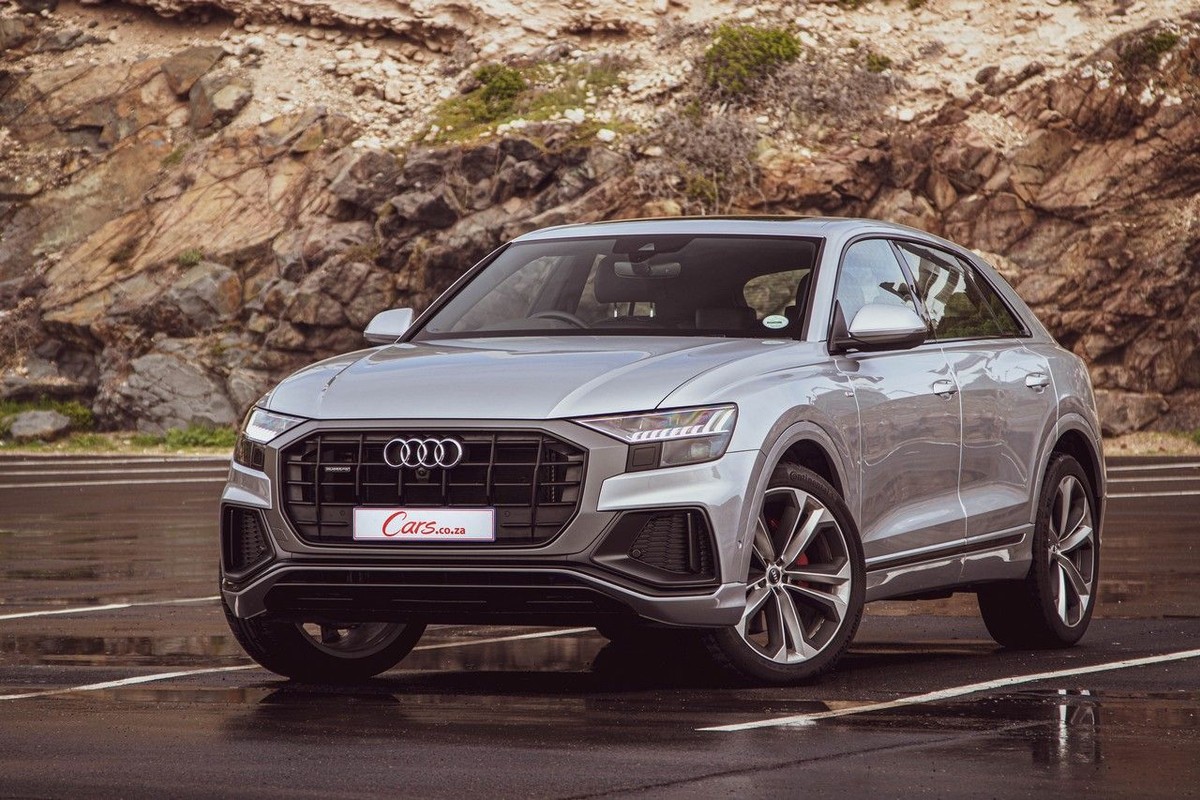
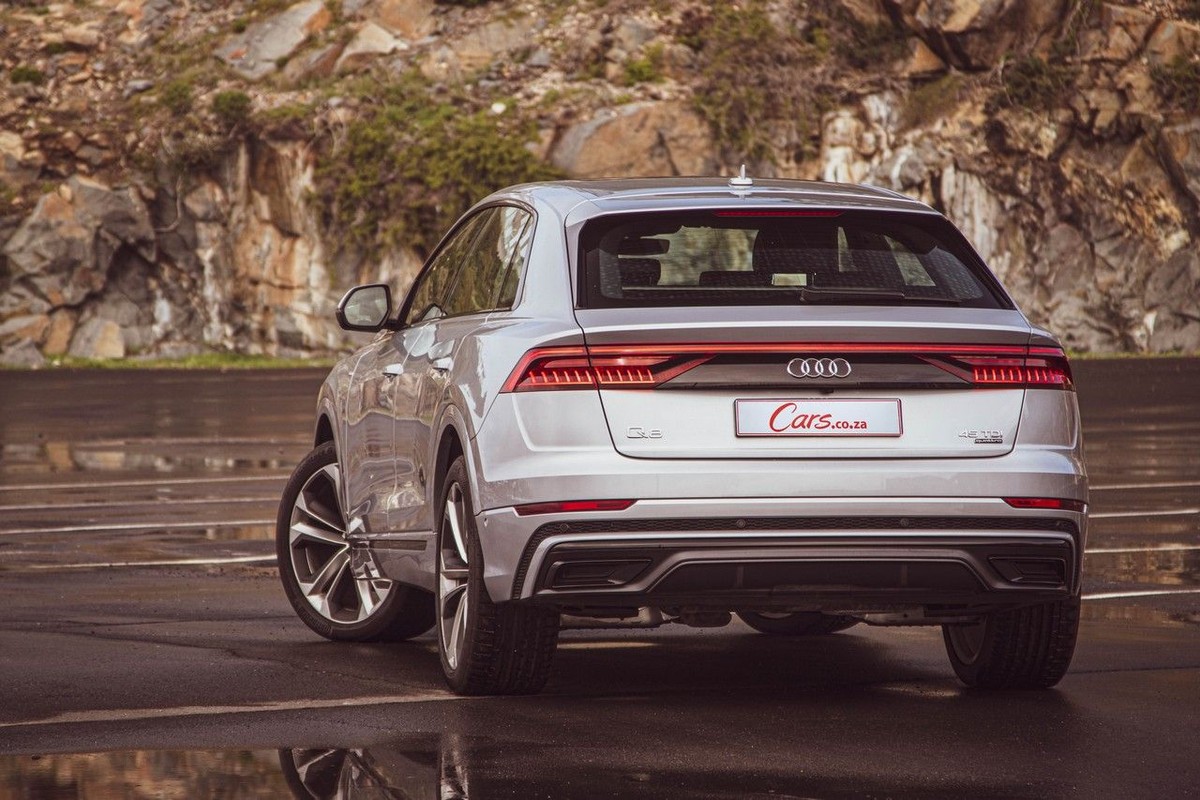
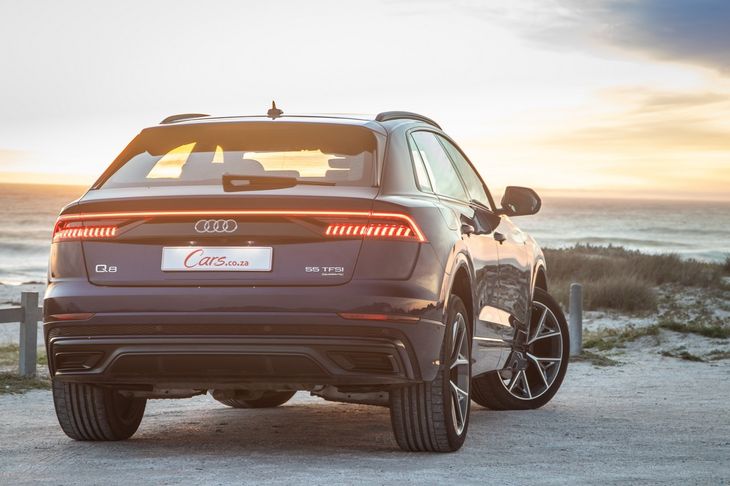
It's one of the most striking designs to come out of Ingolstadt. The Q8's rear lights perform an intricate starting sequence at night.

Audi is taking full advantage of car buyers' unquenchable thirst for all things SUV and when you look at the Ingolstadt-based firm's current product portfolio, you may notice that the products that start with the letter Q outnumber the rest. Sitting atop the SUV line-up is the all-new Audi Q8. With radical and dramatic styling that's unlike anything else in the Q family, the Q8 is all about creating (or sustaining) an image and exuding luxury. 

Right now (June 2019), there's just 1 powertrain available in the Q8 range, with a turbodiesel-powered derivative set to join the line-up later this year. By virtue of sharing the VW Group's MLBevo platform with its Q7 sibling, as well as the Bentley Bentaya, Lamborghini Urus, Porsche Cayenne and Volkswagen Touareg, the Q8 is purported to offer good space utilisation, excellent build quality and superb refinement (both in terms of NVH suppression and ride quality). After a 2-week test period, we can now share our findings. Should you consider buying a Q8 or not? Read on…  

How it fares in terms of…

Design & Packaging
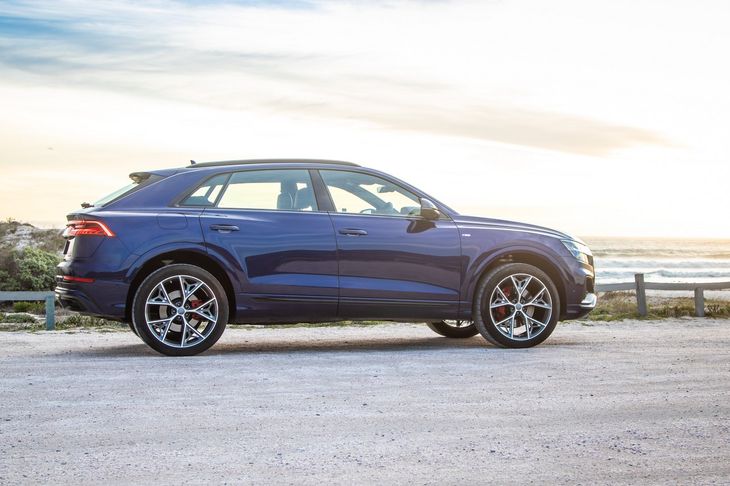

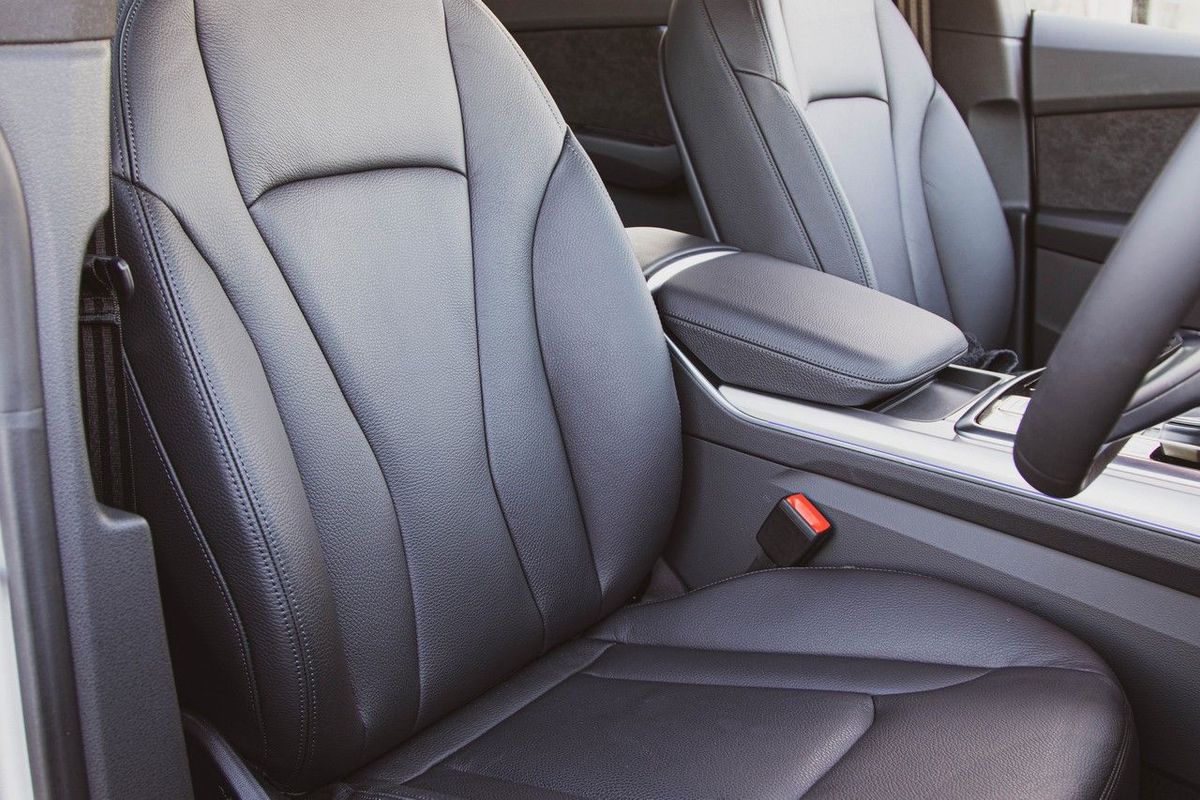
Despite the Q8's coupe-SUV exterior styling, rear headroom is not impacted and there's plenty of space for 4 adults.

Any critique of exterior styling is subjective, but few would disagree that the Q8 is distinctively styled. Its handsome, head-turning design gives us a tantalising preview of what Audi's next-generation SUVs may look like. Not only does the newcomer's frontal aspect look fresh and ultra-modern, but its sculpted nose is likely to clearly communicate: "let me past" when it looms large in motorists' rear-view mirrors. The rear is pert and interesting: the tail lamps light up in a beautiful and intricate fashion when you unlock the vehicle at night. It's little details like those that we appreciate most.

Officially, the Audi Q8 is classed as a coupe-SUV or Premium SUV Coupe (in #CarsAwars parlance). Whichever way a vehicle such as this ends up being described is a contradiction because it's essentially a luxury, road-biased passenger car (as opposed to an off-roader) and it has 4 doors (2 more than it needs to be considered a coupe). Here's the kicker: no-one actually cares if there's a contradiction in genres; vehicles such as the BMW X6, Mercedes-Benz GLE Coupe, Range Rover Sport and, more recently, the Porsche Cayenne Coupe, have achieved sales success. 

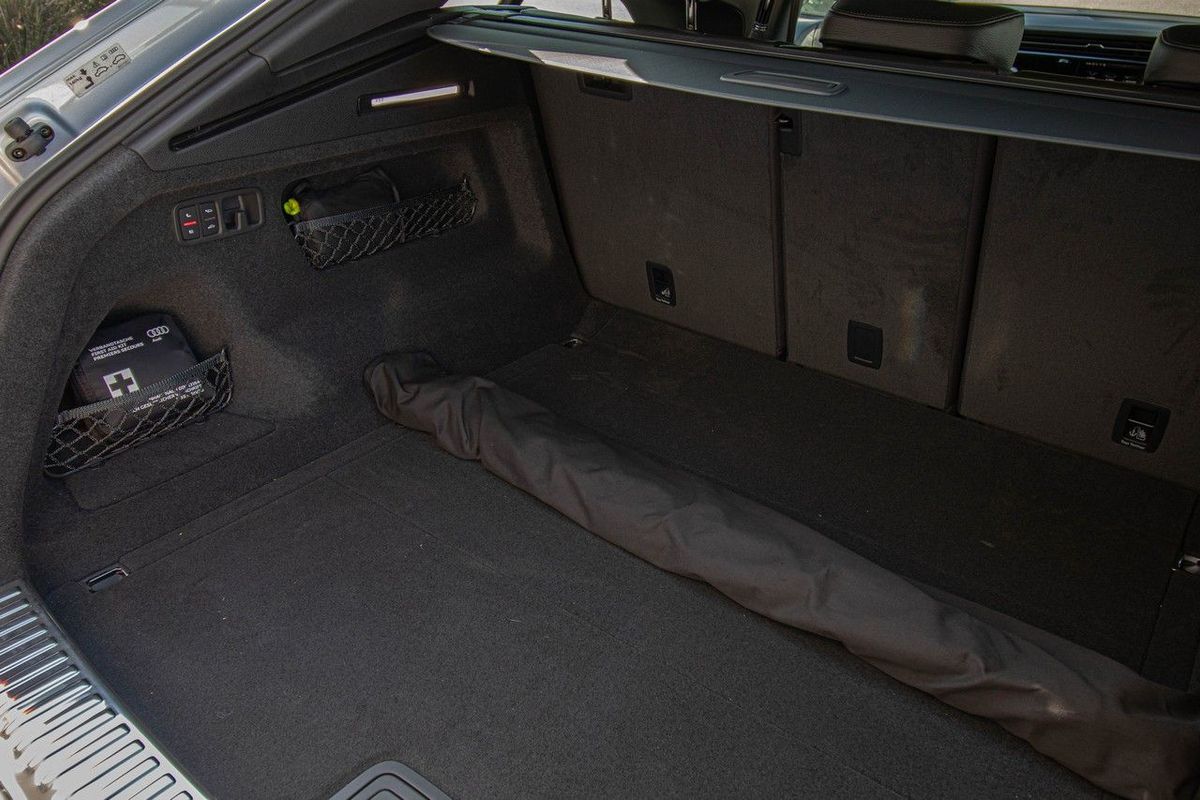
What we've disliked about vehicles with coupe-SUV packaging is that their rooflines, which taper towards the rear, usually restrict the headroom available to adult passengers seated at the back (and, ultimately, they limit overall utility space as well). Surprisingly, this is not the case with the Q8. Overall, it's not quite as spacious as the car (Q7) it's based upon, but unless you absolutely need a capacious load bay or the ability to seat up to 7 occupants, then this shouldn't be an issue. What's more, the driving position is pleasingly commanding, which is exactly what buyers demand.  
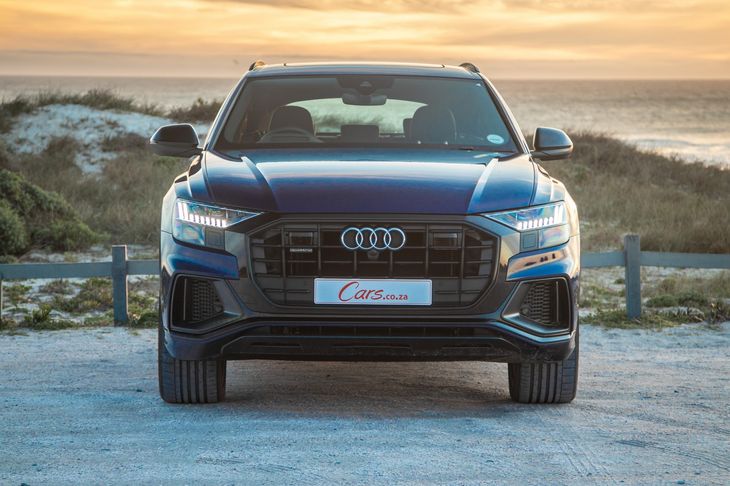

Audi has previously been accused of its models looking very similar, but the Q8 certainly doesn't resemble an "upsized Q5".

Comfort & Features

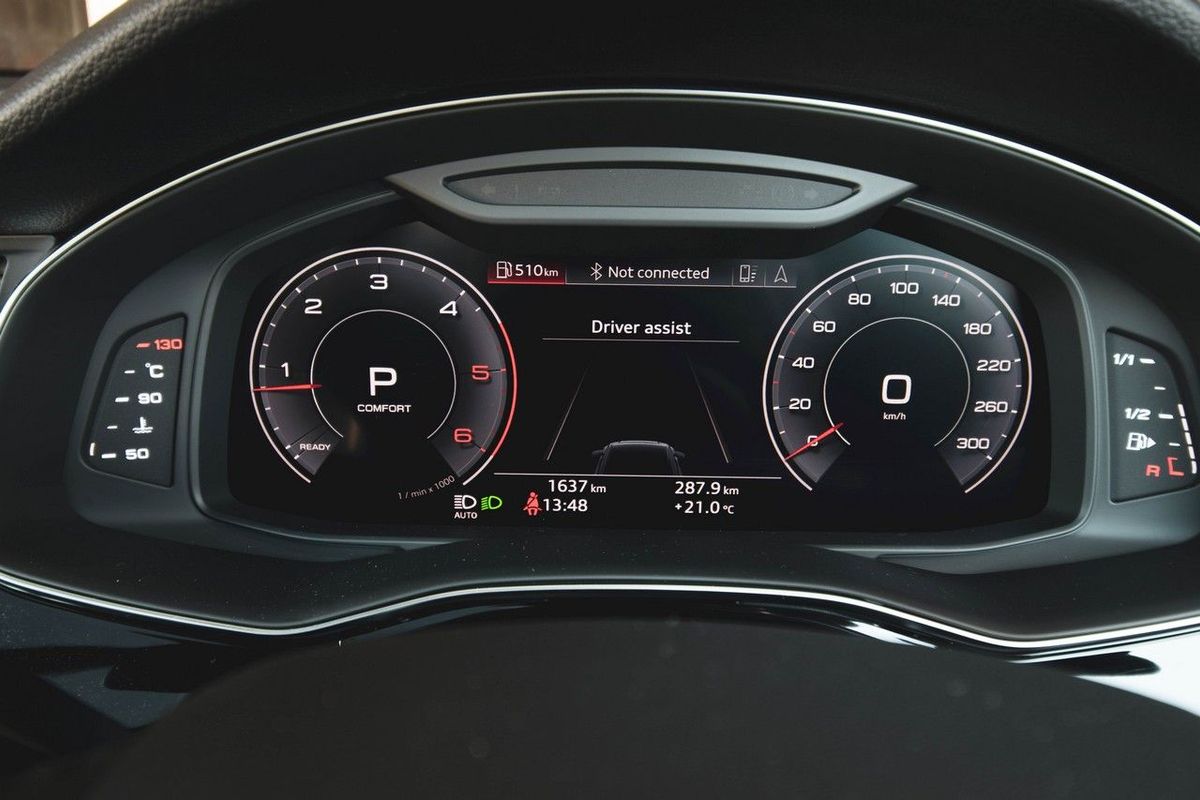
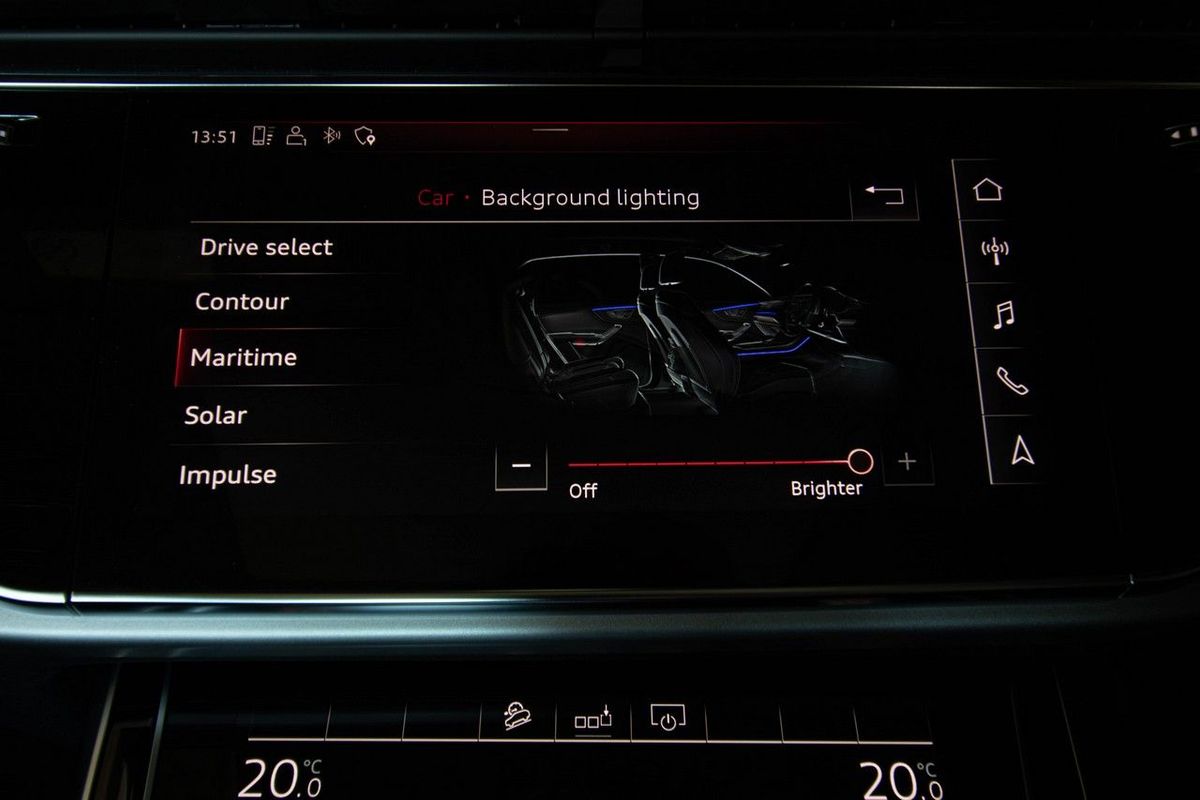
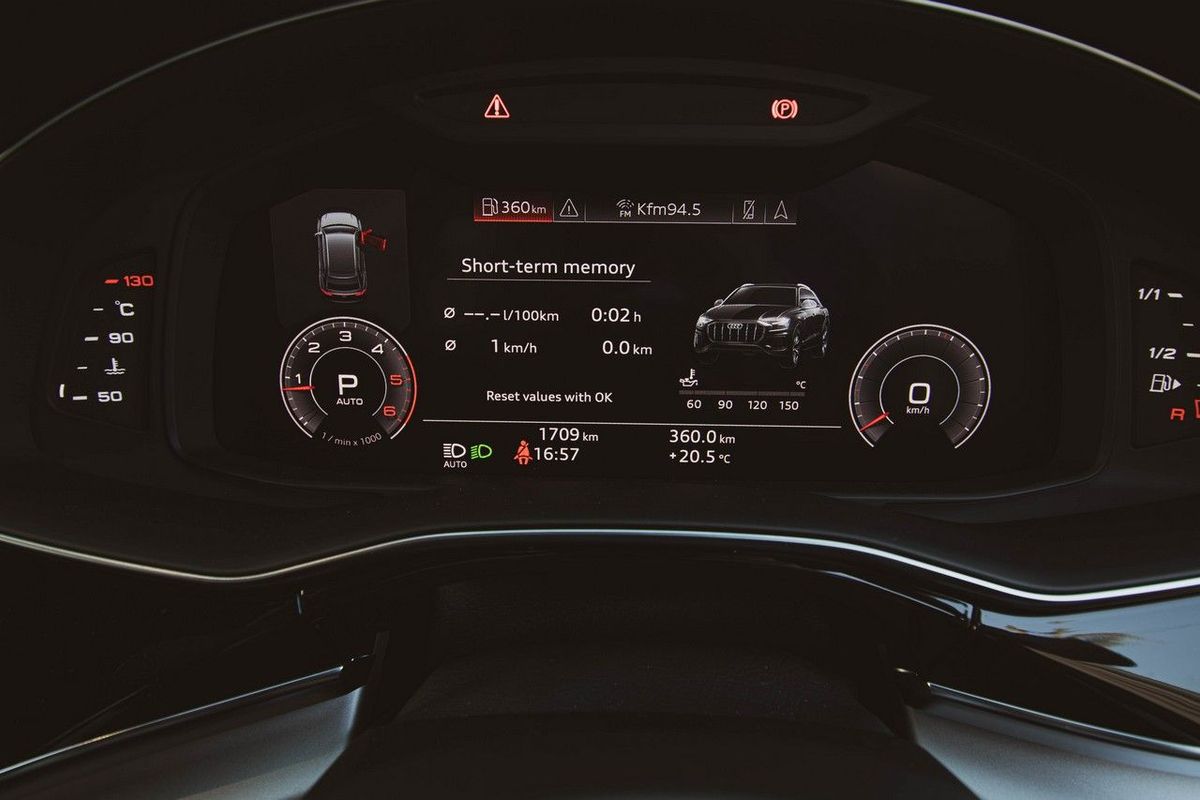
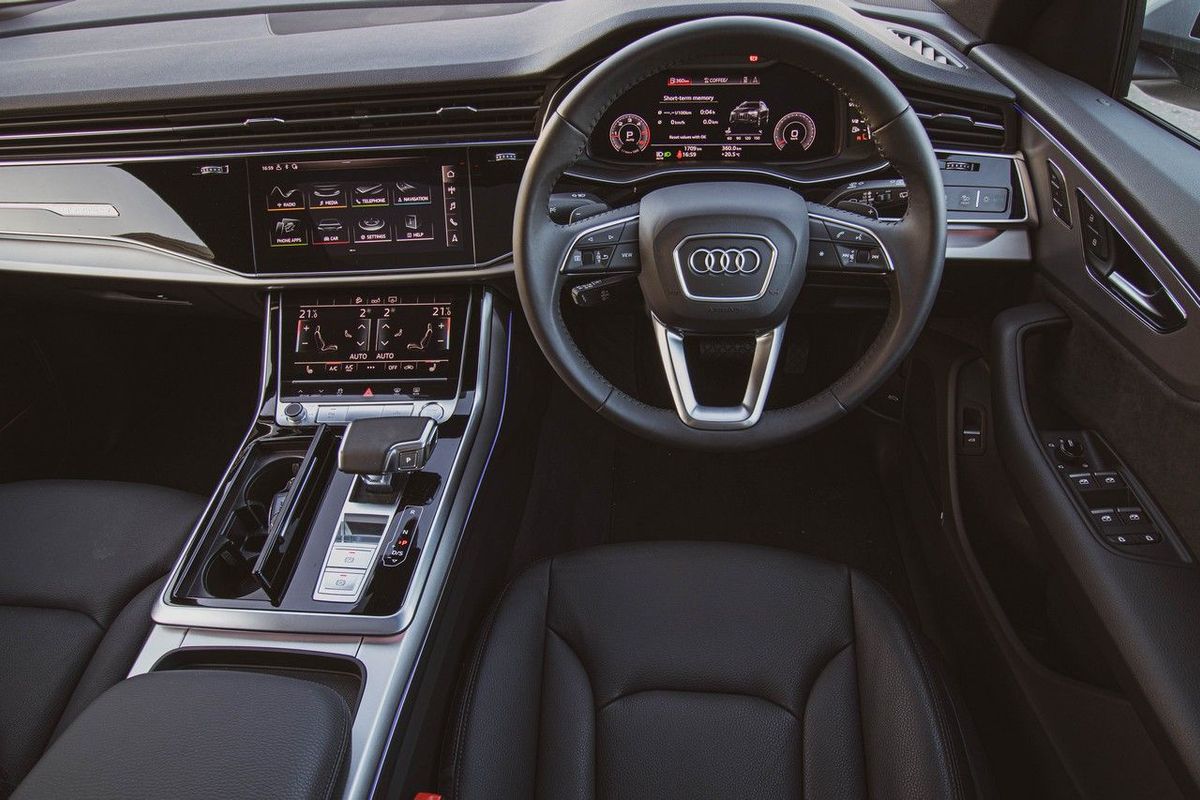
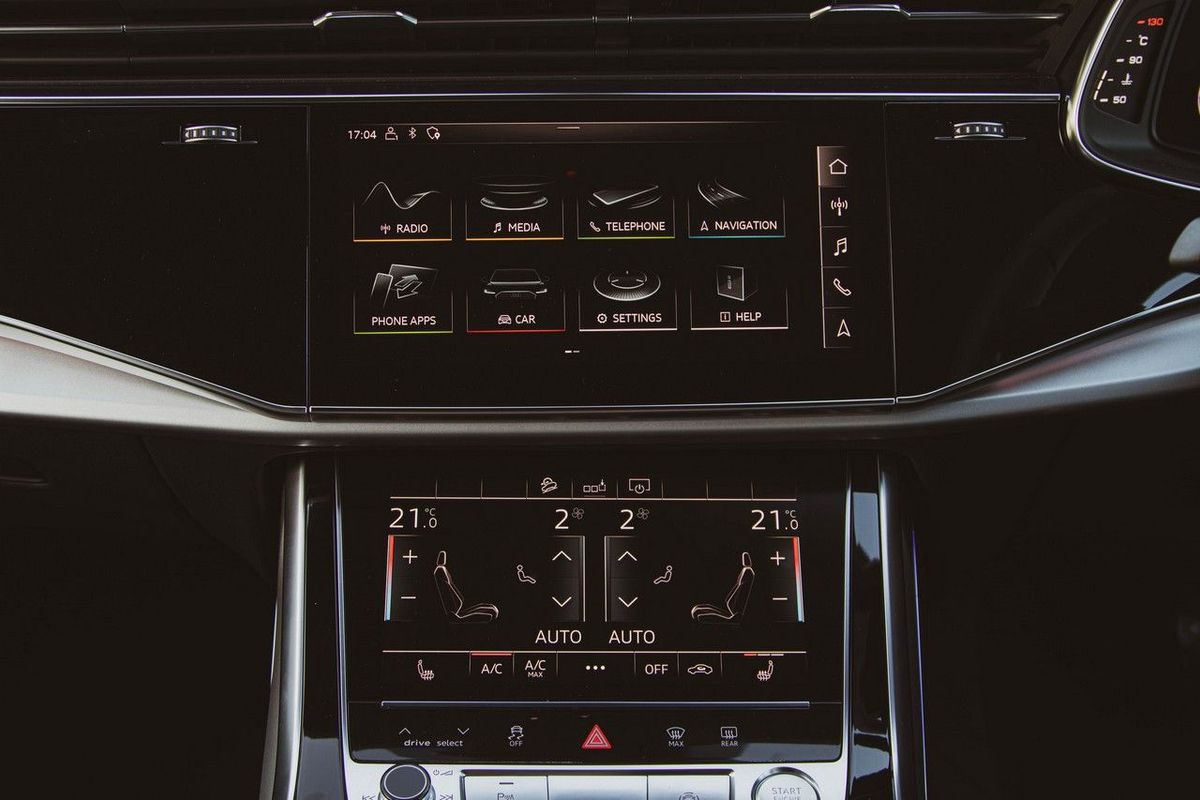
It's not just all about the "wow" exterior; the new Q8 heralds a new era for Audi interiors too. When you step inside, you're greeted with an all-new and unfamiliar fascia. Not only does it look futuristic, but it has a simple, pleasant interface that gets progressively easier to use with familiarisation. The new MMI setup features 2 touchscreens with feedback, which means there's a reassuring click every time you press the screen functions. The bottom screen doubles as the climate control console and acts as a writing pad if you wish to input a destination into the navigation system, for example. What's more, the all-digital instrument binnacle (Virtual Cockpit), which we've come to adore, is standard and completely customisable.  
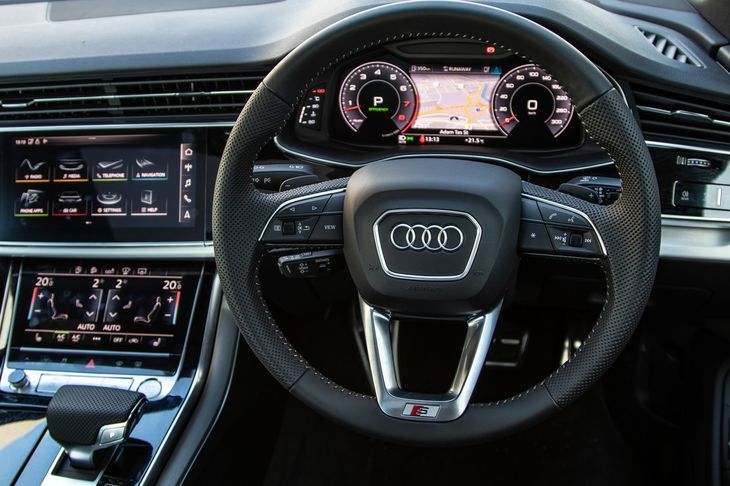

The new Audi Q8's cabin (replete with its intuitive user interface) is beautifully crafted.  

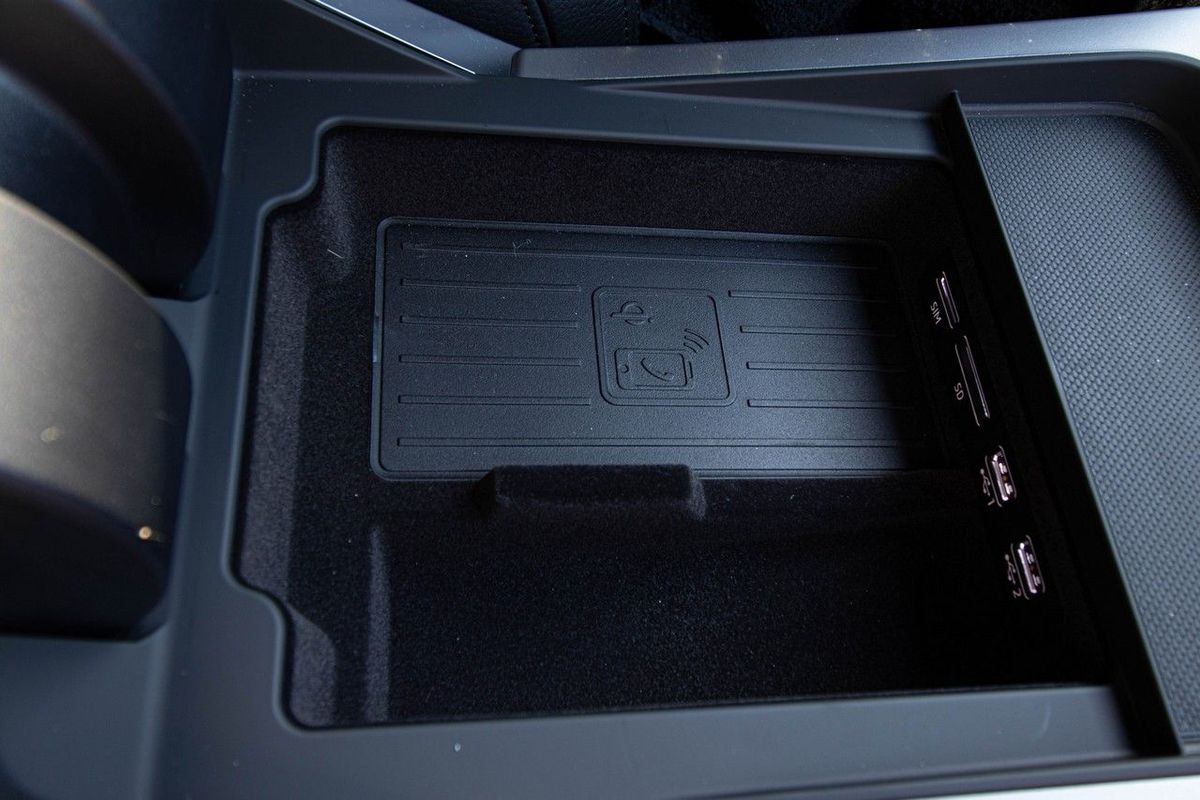
Previously, German cars have been criticised for offering a multitude of options, many of which overlap, but Audi has simplified things by offering them in packages. The standard fare for the flagship offering is impressive: the Matrix LED headlights are fitted as stock, as are features such as cruise control, navigation, a panoramic sunroof, parking assist, a Bang&Olufsen audio system and tyre pressure monitoring, to name but a few. Our test vehicle came with a few nice-to-haves, including a towbar, adaptive cruise control, a wireless charging pad and head-up display, among others. 
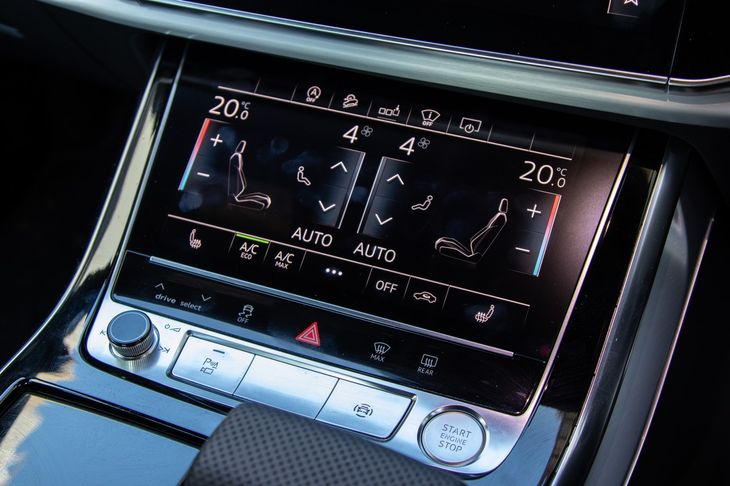

The 2nd touchscreen controls the climate and heated seats, but, as you can see, the icky fingerprints are an issue…

Performance & Efficiency

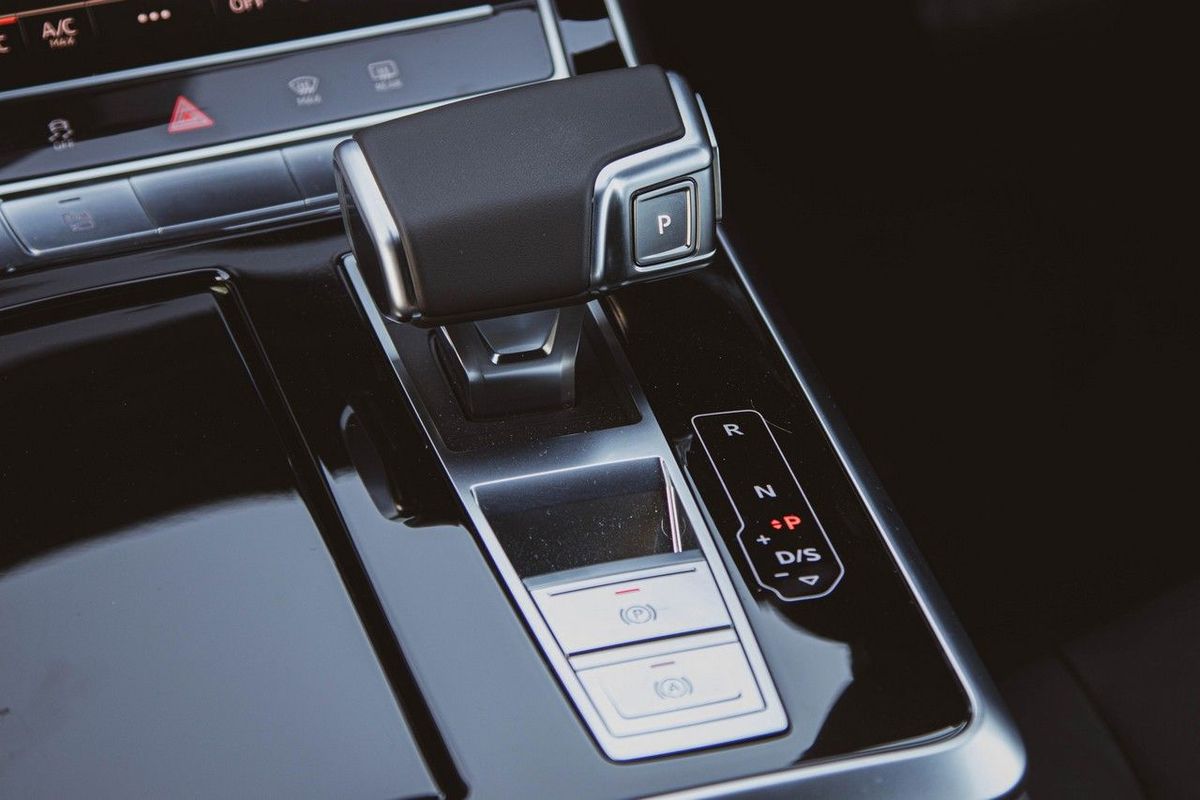
As we mentioned earlier, there's only 1 engine in the Audi Q8 line-up for the moment (June 2019). It's a 3.0-litre turbocharged V6 petrol engine and performance enthusiasts will be all too aware that this is the same powerplant that powers the S4 sedan. Its peak outputs are 250 kW and 500 Nm, which are channelled to all 4 wheels via an 8-speed automatic (Tiptronic) transmission. Audi's quattro system dynamically allocates propulsion to the respective fore and aft axles to ensure maximum traction and the power delivery is quiet and smooth. While this engine is used in performance-oriented Audis, the firm has cleverly dialled out its aggressive tone (in the quest for refinement) in the Q8. This also opens the door for a potential performance version (SQ8 or RSQ8, anyone?), which is likely to share the twin-turbocharged petrol V8 motor utilised by the Lamborghini Urus…
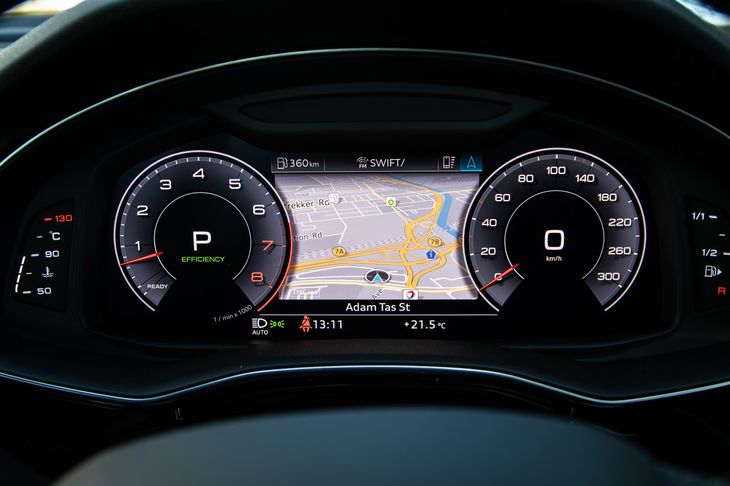

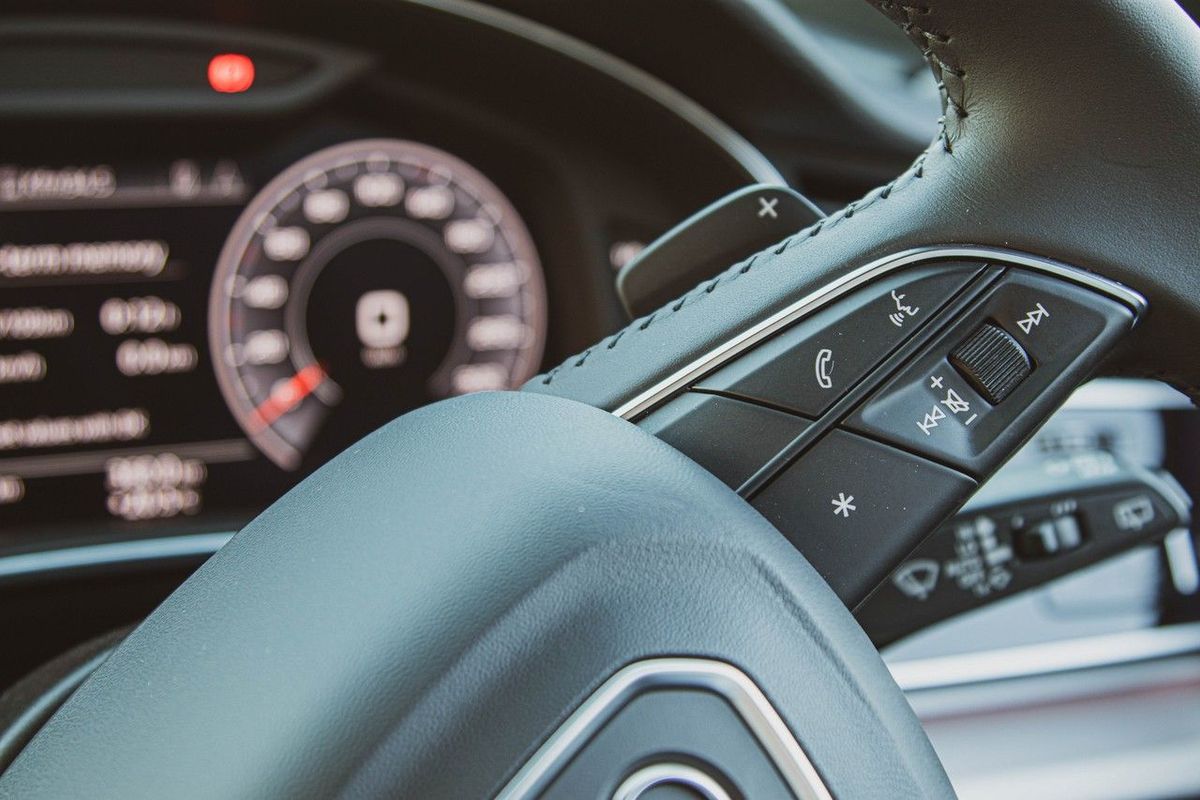
The digital dashboard of the Audi Q8. Revised and given a slight redesign, it's still the benchmark.

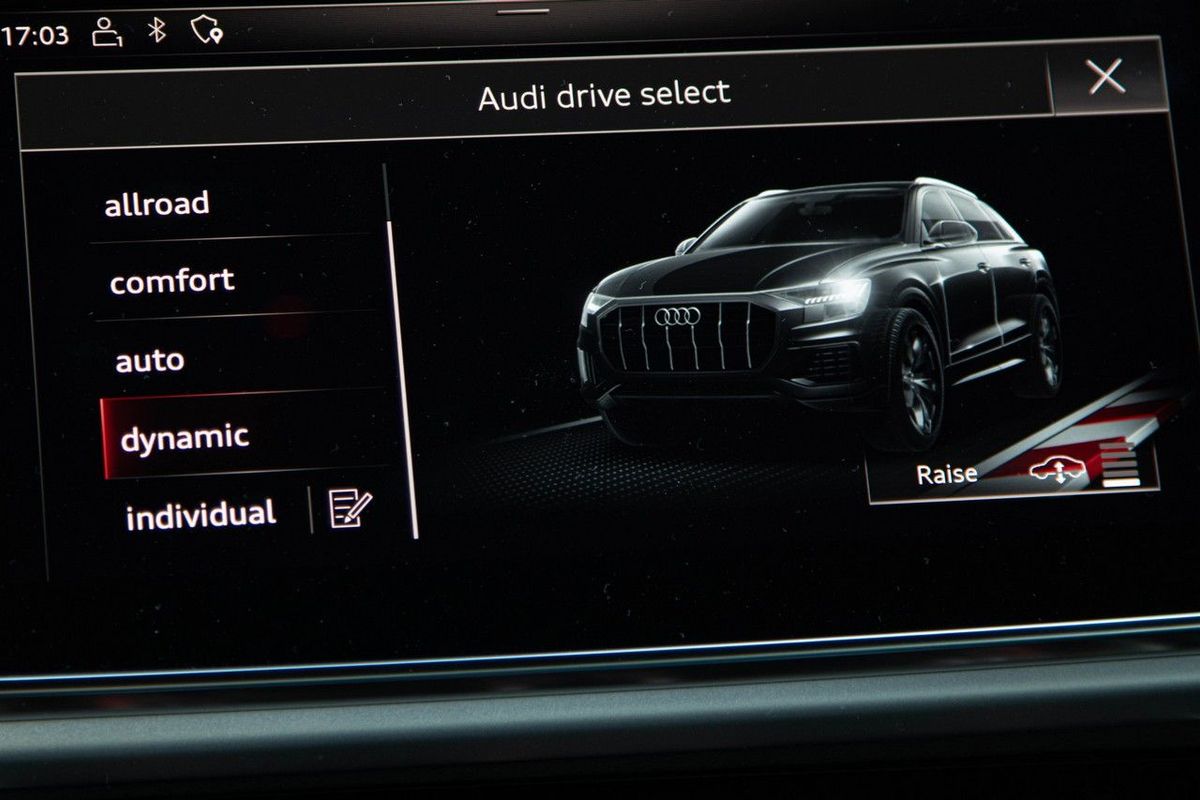
Acceleration is decent for a vehicle of this size, particularly when the 55TFSI quattro is in its sportiest setting. Audi SA claims a 5.9-second 0-to-100 kph sprint time, which feels about right. But there's a downside: mediocre fuel consumption. Unless you drive thriftily in an efficient setting, you're unlikely to get under 12 L/100 km. Fortunately, the Audi Q8 has an 85-litre fuel tank, which means you won't need to visit fuel stations that often. 

Granted, if you can afford to buy the beast, you should be able to feed it too, but this is where a more frugal engine would come in quite handy. Audi South Africa is seemingly well aware of this issue and has confirmed that a 3.0-litre V6 turbodiesel derivative of the Q8 will be arriving in our market in due course. With 183 kW and 600 Nm on tap, it'll definitely be the more efficient of the 2 engines; we think it would be better suited to the Q8.  
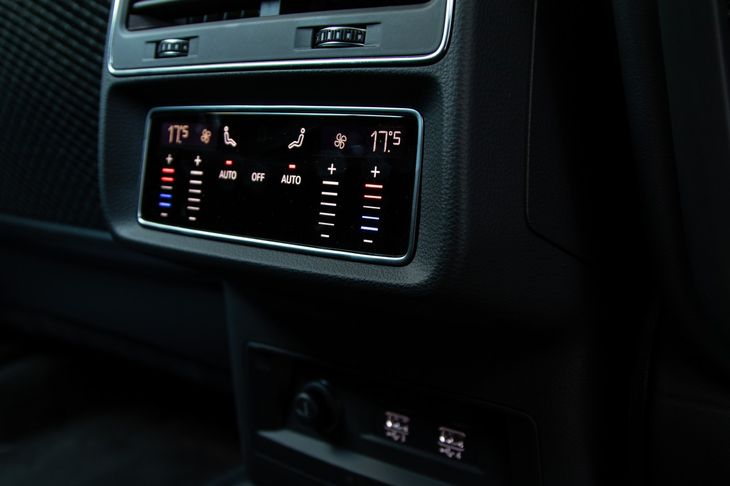

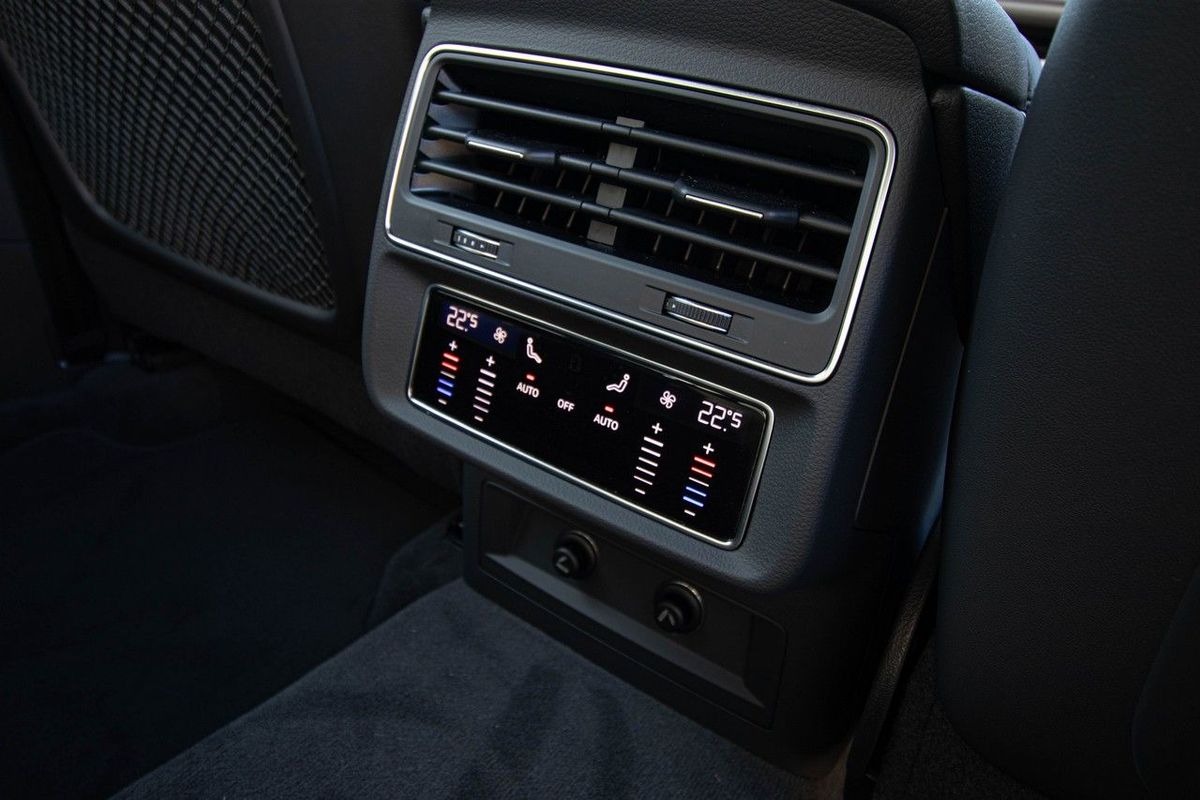
Rear passengers enjoyed their own ventilation controls as well as 2x USB ports for charging devices

We also noted that the auto start/stop is really intrusive, with the engine shutting down entirely when you're coasting towards an intersection. It's a little unnerving when the engine shuts off at approximately 20 kph, even if the re-startup process is near-instantaneous. Audi says the system forms part of its new 48V electric system and, to a degree, it works. In the vehicle's most efficiency-oriented modes, the engine powers down in coasting situations, but having sampled Mercedes' EQ tech in the AMG53 models, we wondering why Audi's electric system doesn't offer some kind of boost.

Ride & Handling
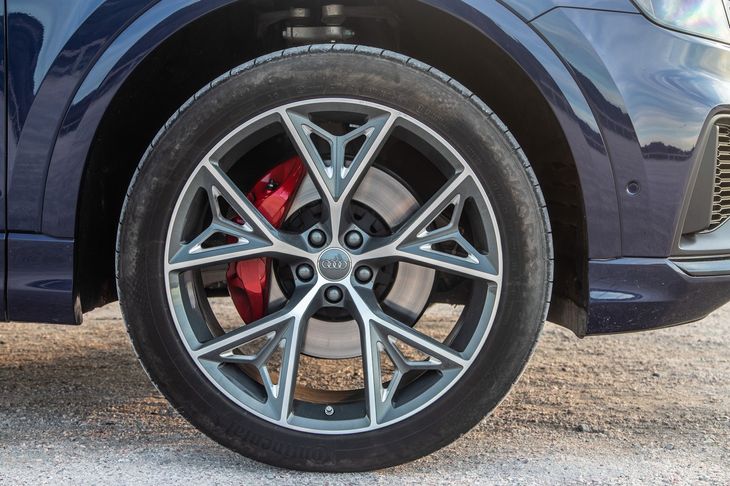

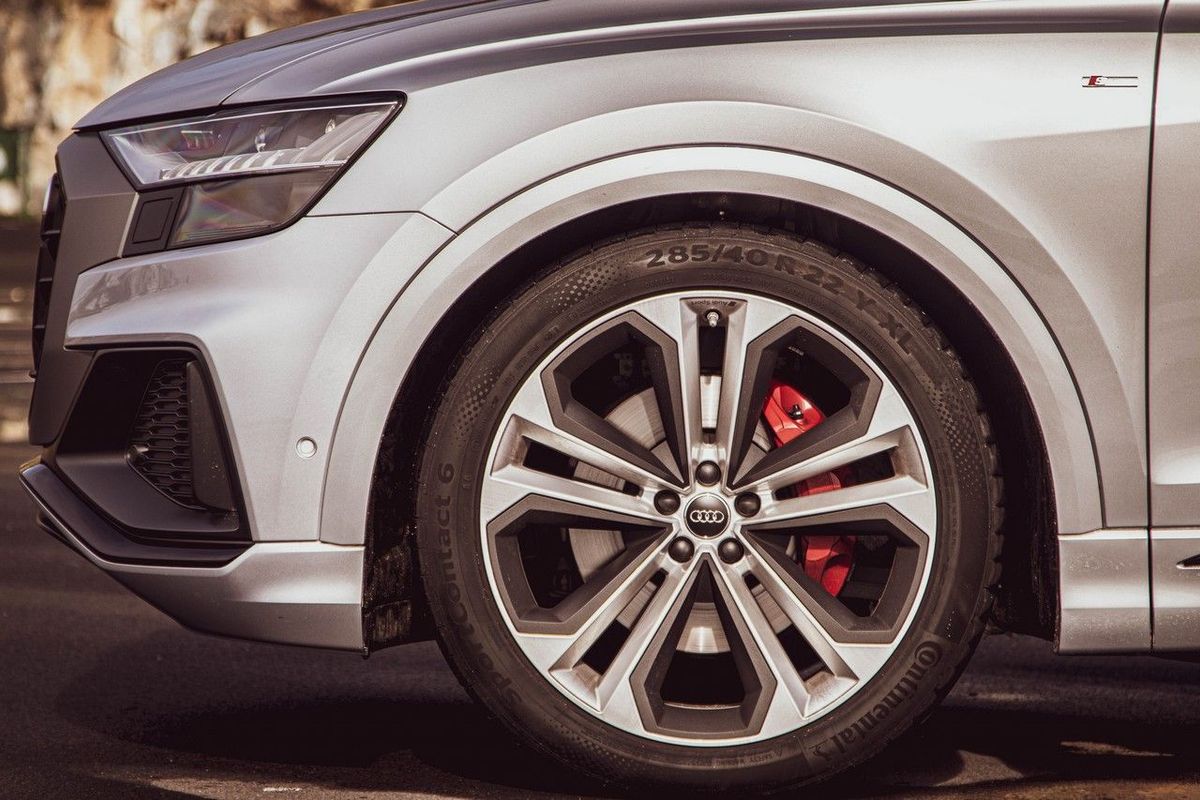
The massive 22-inch alloys fitted to our test unit.

Seeing that the Q8 is the flagship SUV (and lone coupe-SUV) in Audi's line-up, much is expected of the newcomer in terms of its ride and handling. Should you decide to make this sizeable vehicle thread its way along a winding road, the 55TFSI quattro's all-wheel-drive system avails plenty of grip. Encouragingly, the vehicle's body doesn't roll about when you're powering through those tight corners, which we suspect is mostly due to the optional air suspension (mentioned in detail below). The quattro configuration incorporates torque vectoring, which is said to be capable of sending up to 85% of propulsion to the rear wheels. The reassuring handling is just as well, because the Q8's steering wheel offers little in the way of driver involvement. It's not entirely numb and totally devoid of feedback, but we get the impression it was tuned for minimal effort – not texture or liveliness.

But forget sporty driving for a second. The Q8's target areas are comfort and refinement, and it delivers. It can cruise briskly and quietly, which is impressive considering the doors are frameless, which would usually make wind noise an issue at highway speeds. A pliant ride and great on-road refinement are what we've to appreciate from Audi. In this segment, buyers want surfeit quietness and comfort, and the Audi doesn't disappoint.
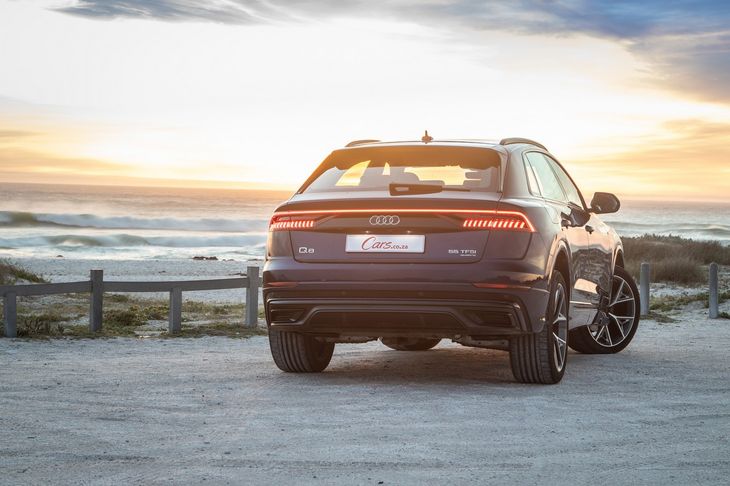

Spec your vehicles carefully. Sure, the 22-inch alloys look incredible, but SA roads are not the best

Our vehicle was specified with a few notable options: 22-inch alloy wheels and adaptive air suspension. Firstly, it's not the wisest choice to tick the box for 22-inch alloy wheels given the patchy standards of many South African roads – we'd suggest going for a smaller rim size with a thicker-walled tyre to help the Q8 absorb imperfections in the asphalt with greater regularity. But (sigh), you really like the look of the 22s, don't you?

Secondly, we wholeheartedly recommend the air suspension option. We noticed that when some of the Q8's off-road modes were engaged, the Audi increased its ground clearance. We did extensive gravel-road driving with this particular test unit and while we will admit we're not the biggest fans of fitting massive wheels, the 22-inch alloys coped okay. As we've said before, when it comes to big luxury SUVs, it's nice to know that a vehicle can deal with mild off-roading, not that we're convinced that many owners would be brave enough to do it unless they had no other choice.

Price and warranty

The Audi Q5 55TFSI starts at R1 388 000 (June 2019), with our test unit coming in at R1 613 227 as specified. All Audi Q8 derivatives come with a 5 -year/100 000 km Audi Freeway (maintenance) plan. 

Verdict
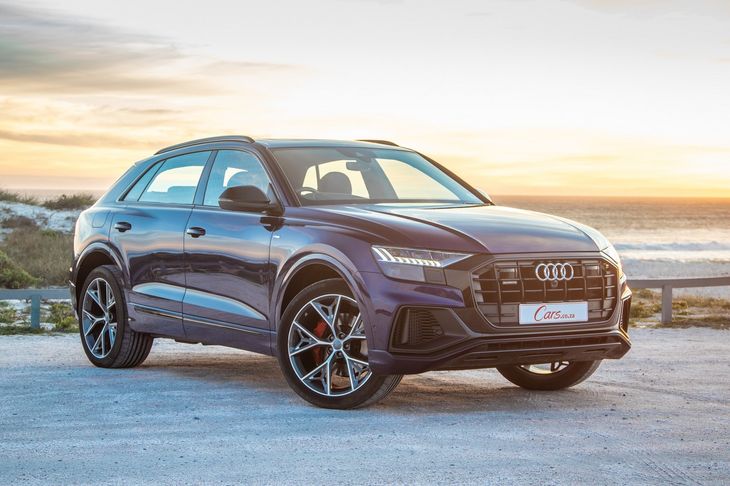

The Audi Q8 is all about image, but thankfully it's as good to drive is it looks.

Did we think the market needed the Q8? No, at first we believed the newcomer was an over-the-top novelty, which, to be fair, it kind of is. But this Audi is a heart-over-head proposition. Image-conscious high-rolling buyers are all too ready to fling their cash at the latest and greatest, and the Q8 is destined to find favour. The looks are ridiculously on-point, while the advanced and immaculate cabin comfortably outguns everything else this side of a Mercedes-AMG G-Class. Granted, there are cheaper offerings in this segment, but for sheer bragging rights, it's hard to ignore the Q8.

Should you buy one? If you want a stylish, distinctive and technologically advanced 5-seater SUV, which has a reasonable load bay and rear-seat comfort, then yes, you ought to consider it, but perhaps wait for the more sensible diesel-powered derivative. If you need more space, then look to the Q7, which is due for a refresh soon. And, if you want more performance, it's rumoured that an SQ8 will soon be unveiled. The Range Rover Sport was recently updated, but the X6 and GLE Coupe are on their last legs, in terms of sheer freshness and daring, Audi has stolen a march!

Looking to buy a new/used Audi Q8?

Find one on Cars.co.za by clicking here
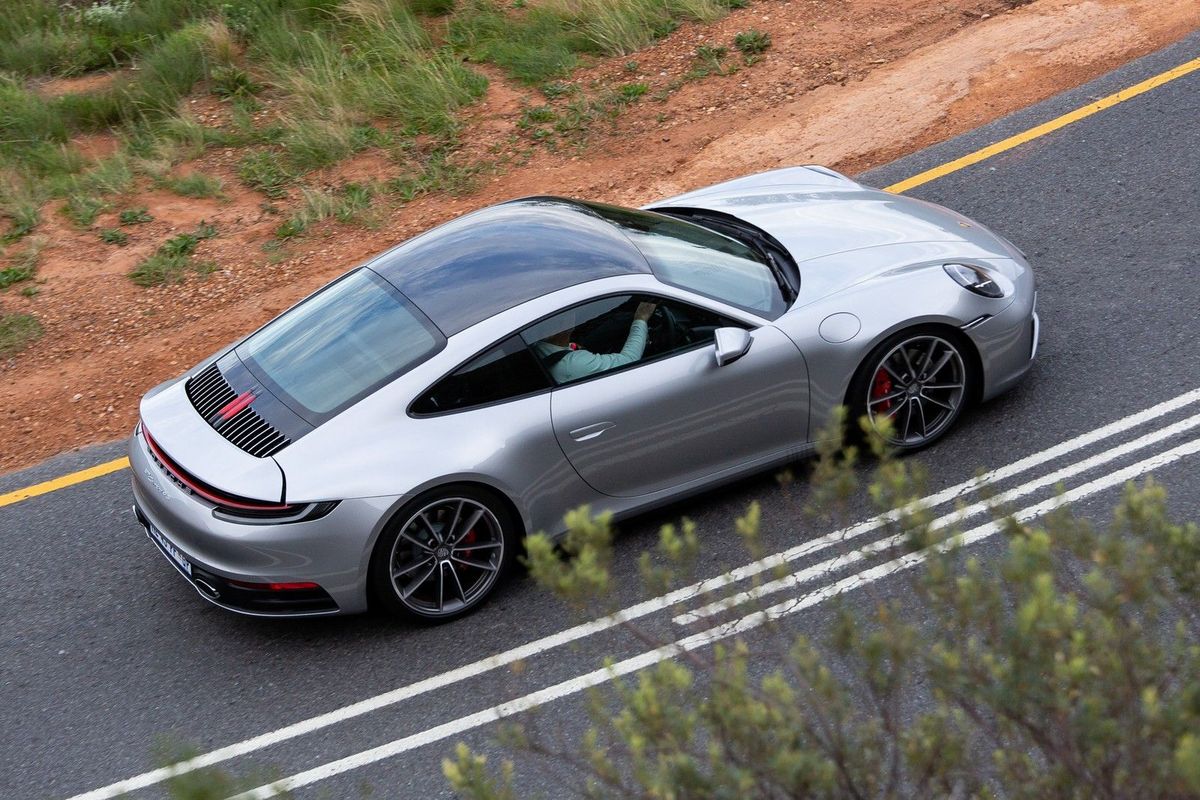
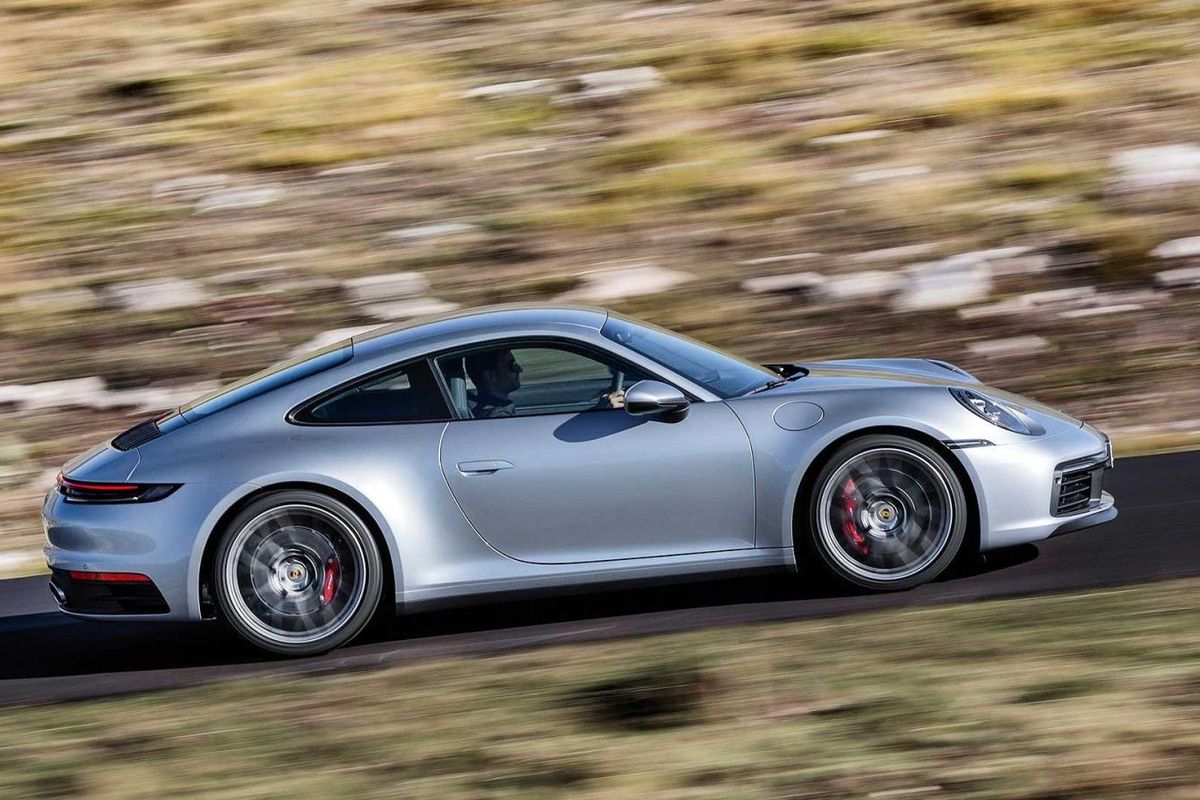
Porsche 911 Carrera S (2019) Launch Review

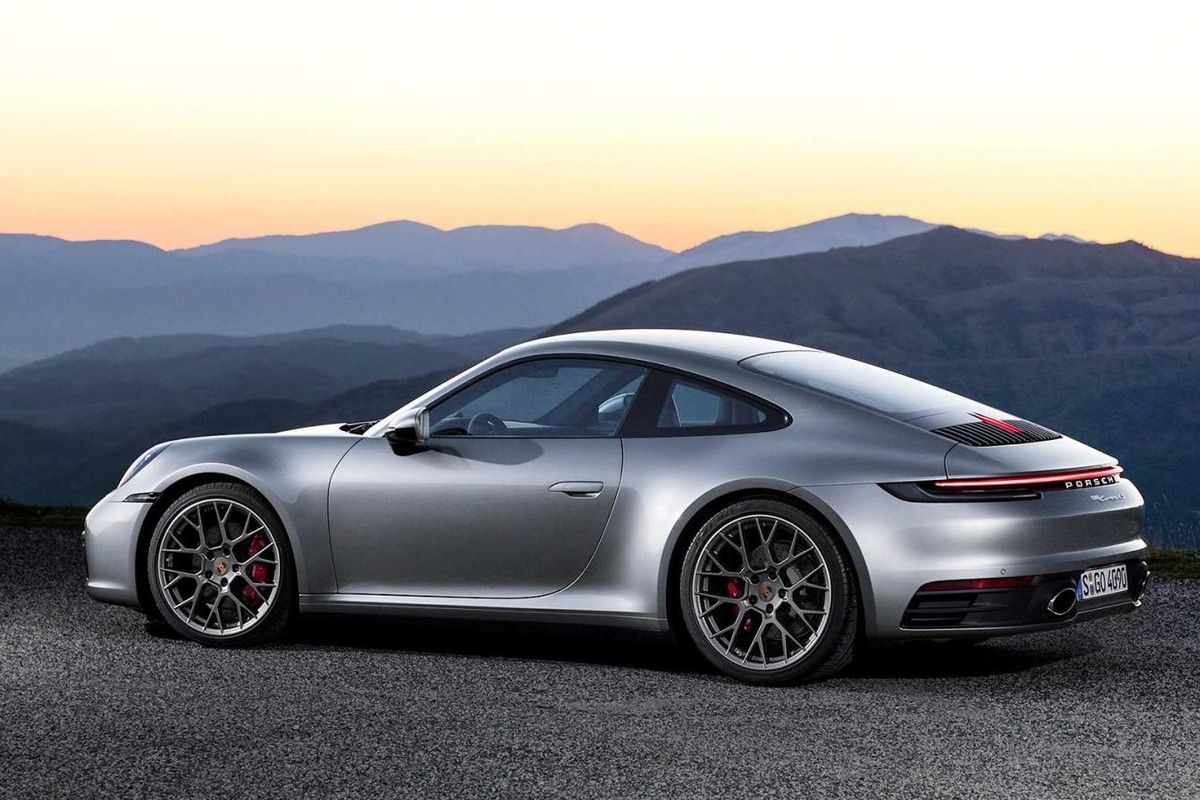
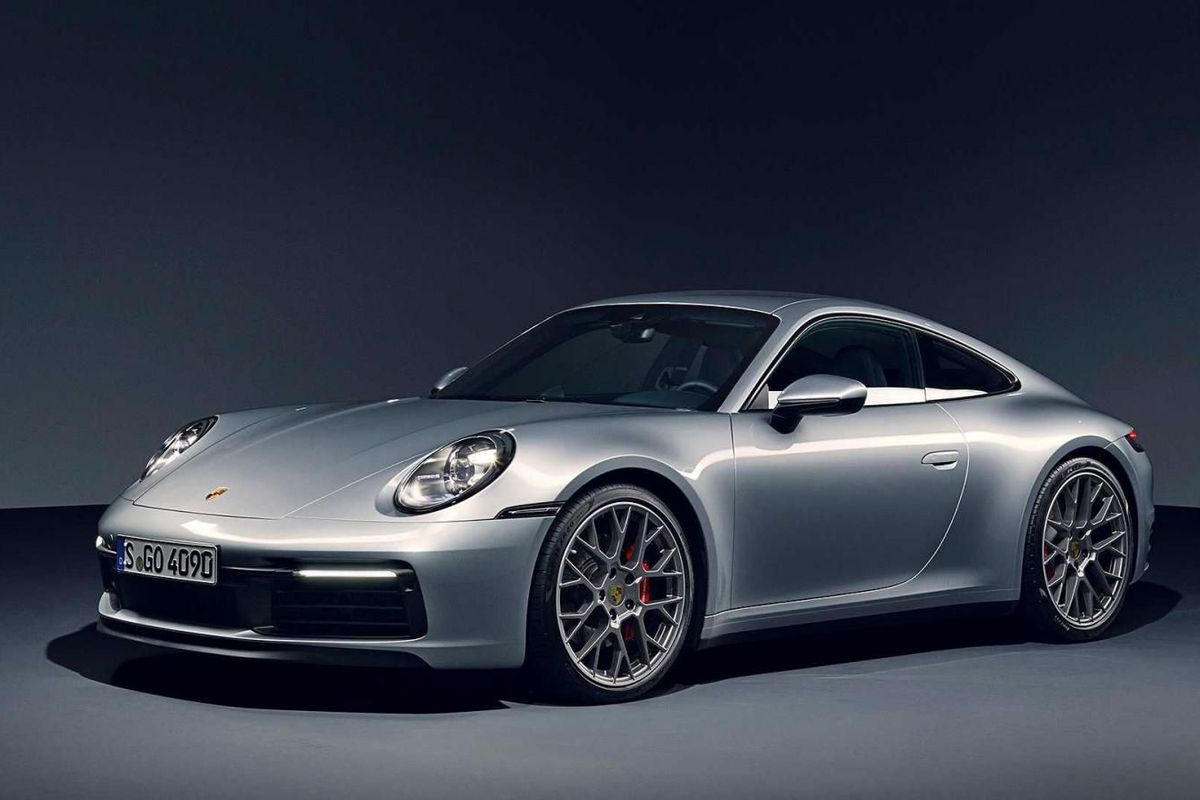
This is the 8th generation of the 911 and easily the most tech-laden version of the quintessential sportscar. Has Porsche been able to keep its iconic model relevant? We drove the newcomer in the Western Cape to find out.

What’s new?


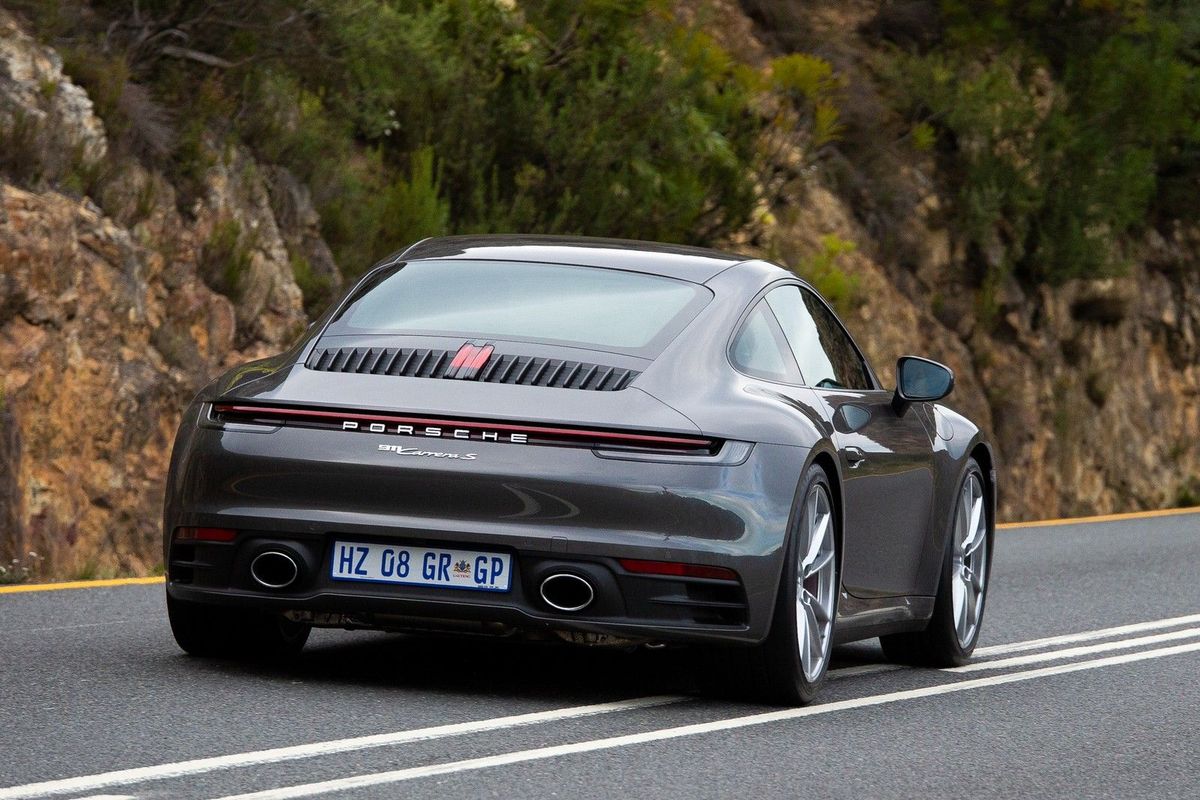
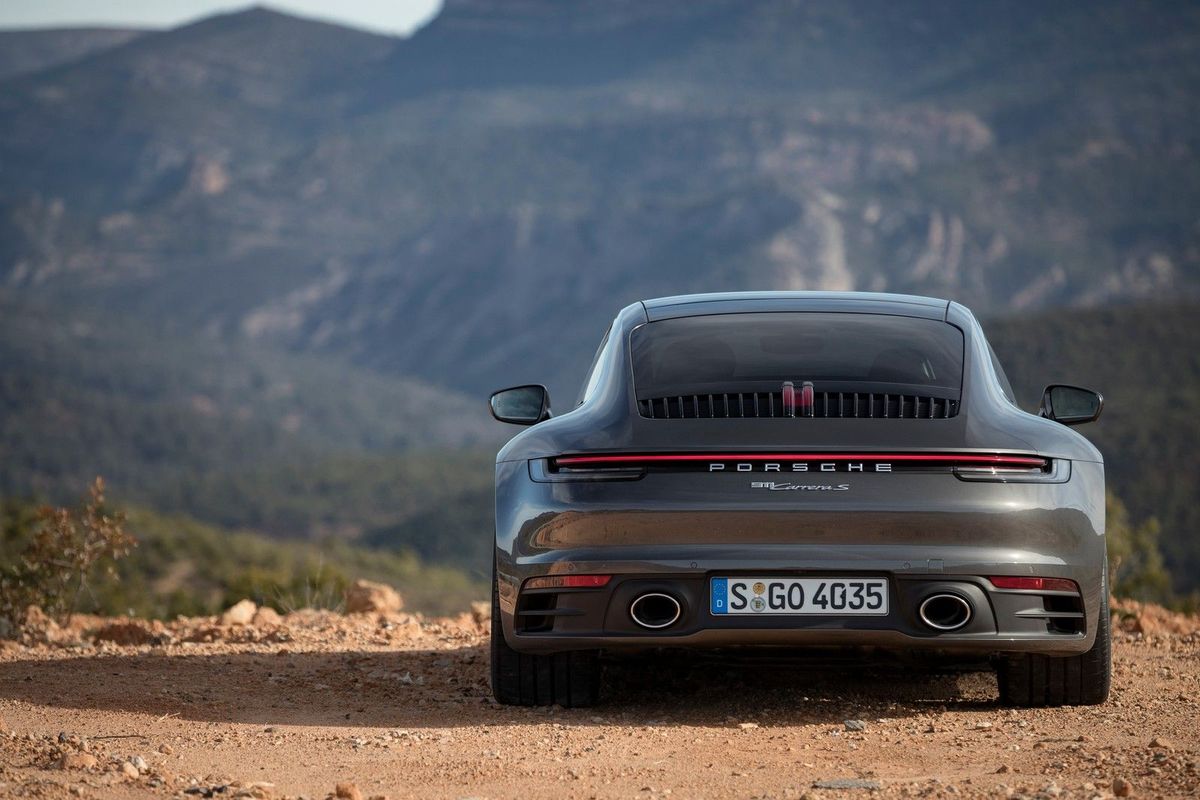
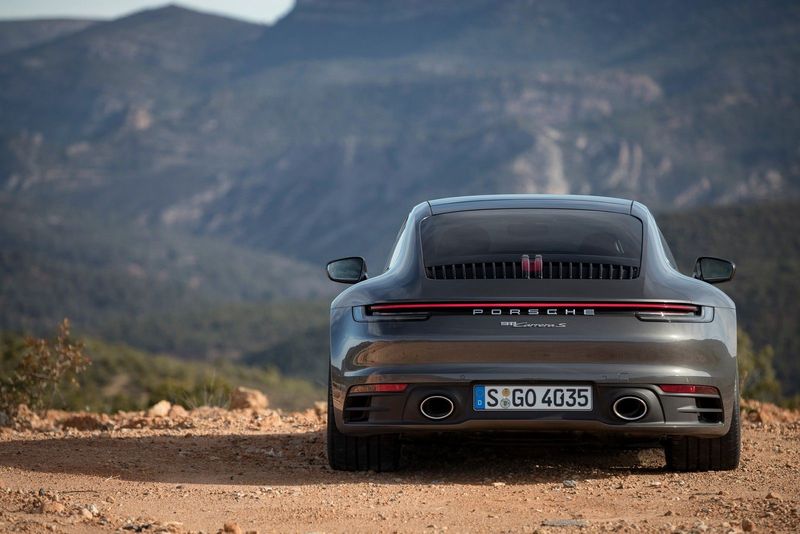
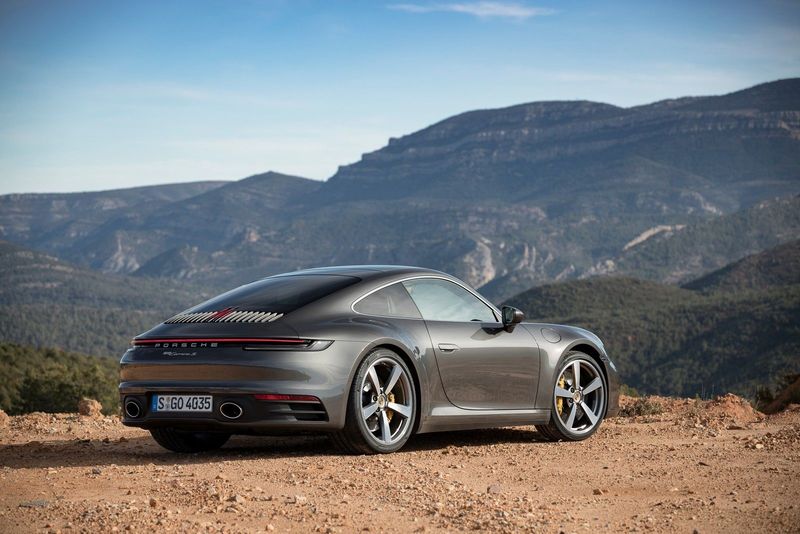
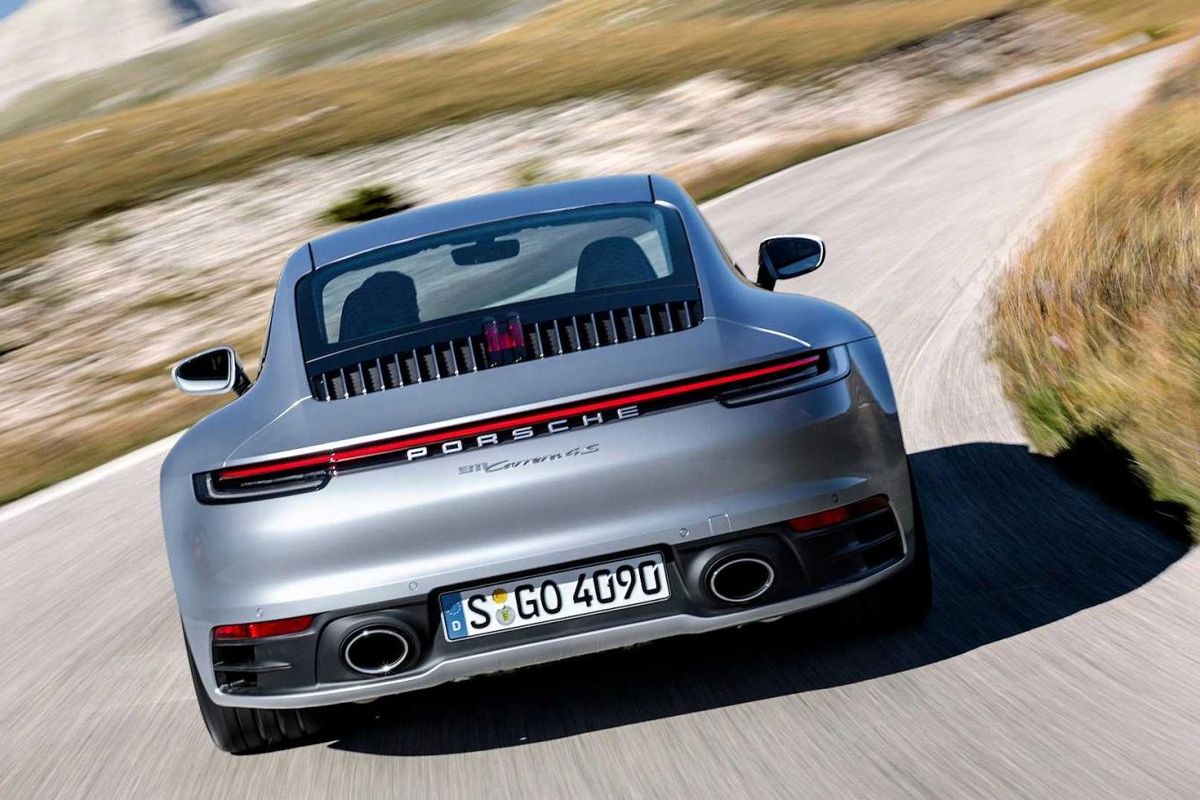
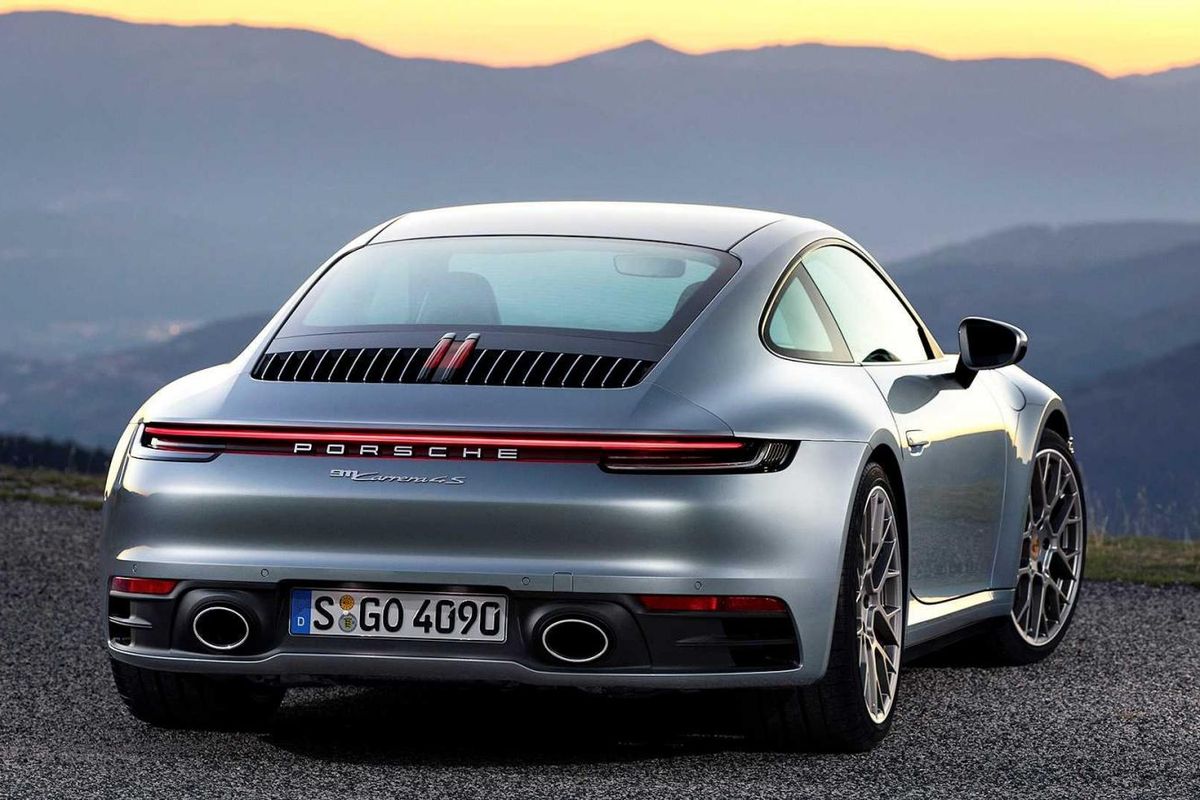
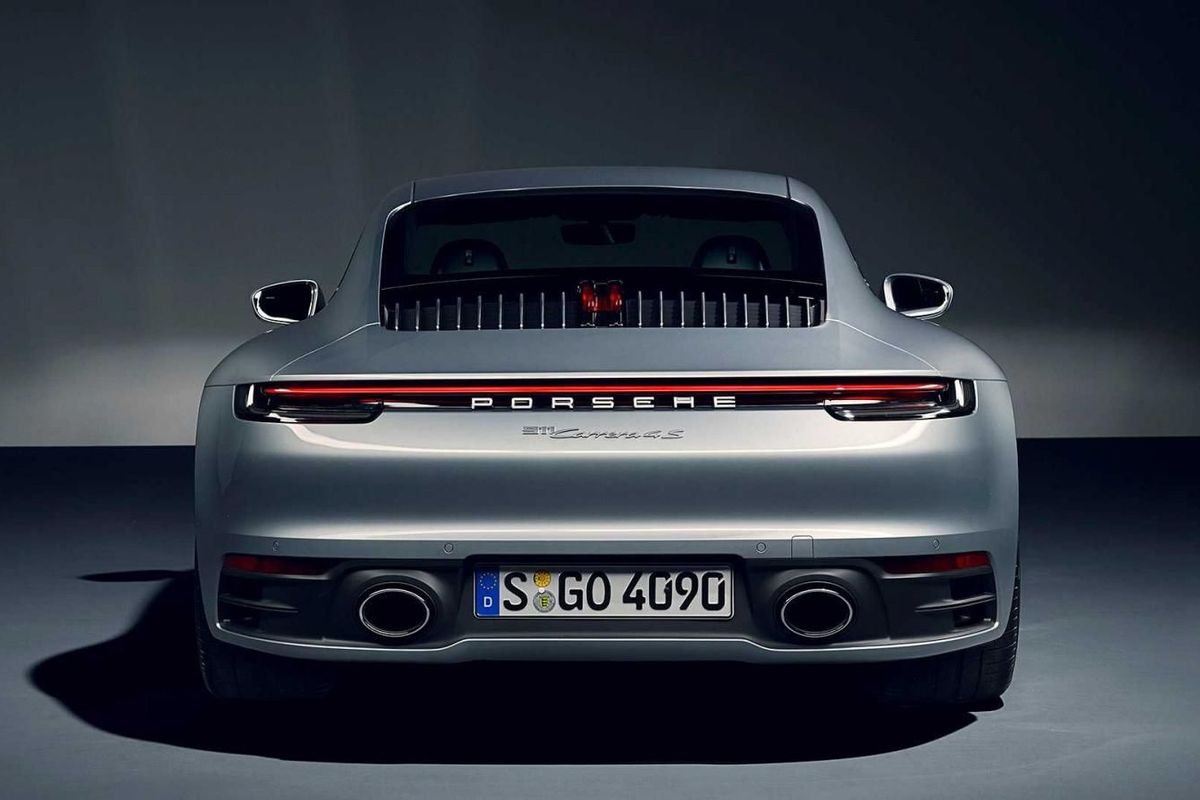
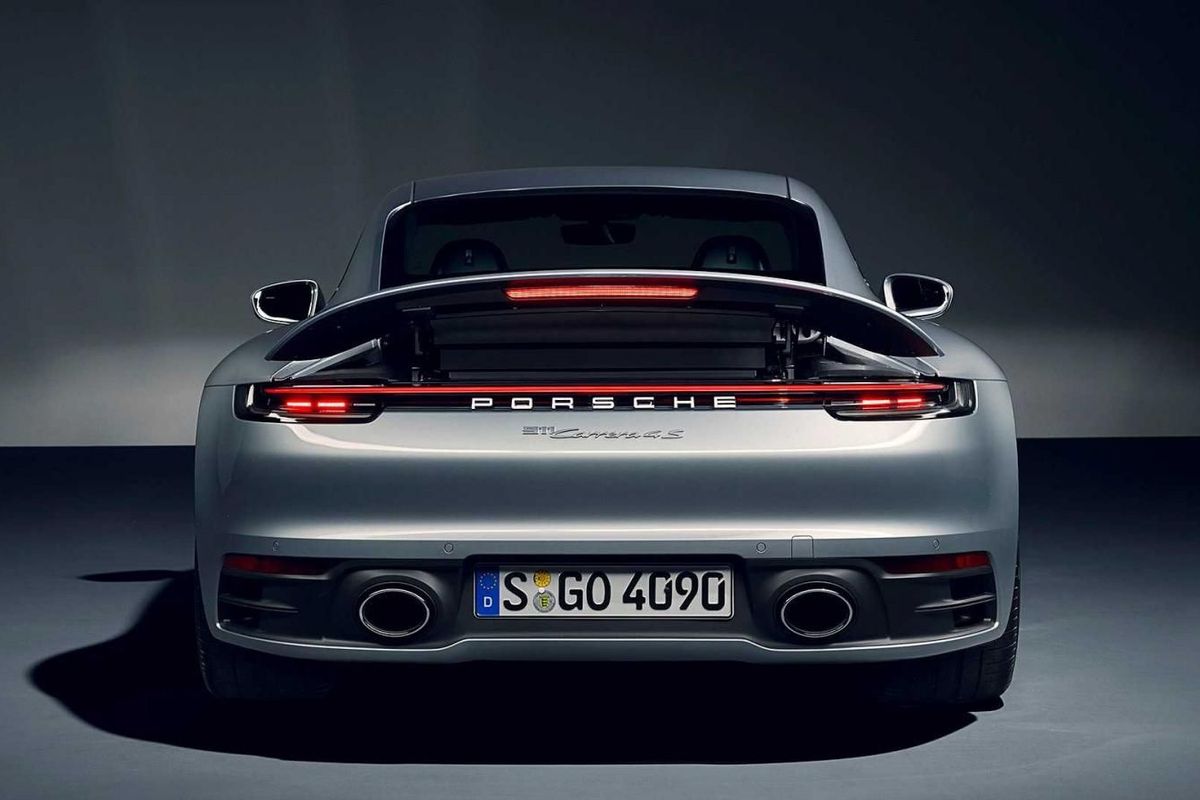
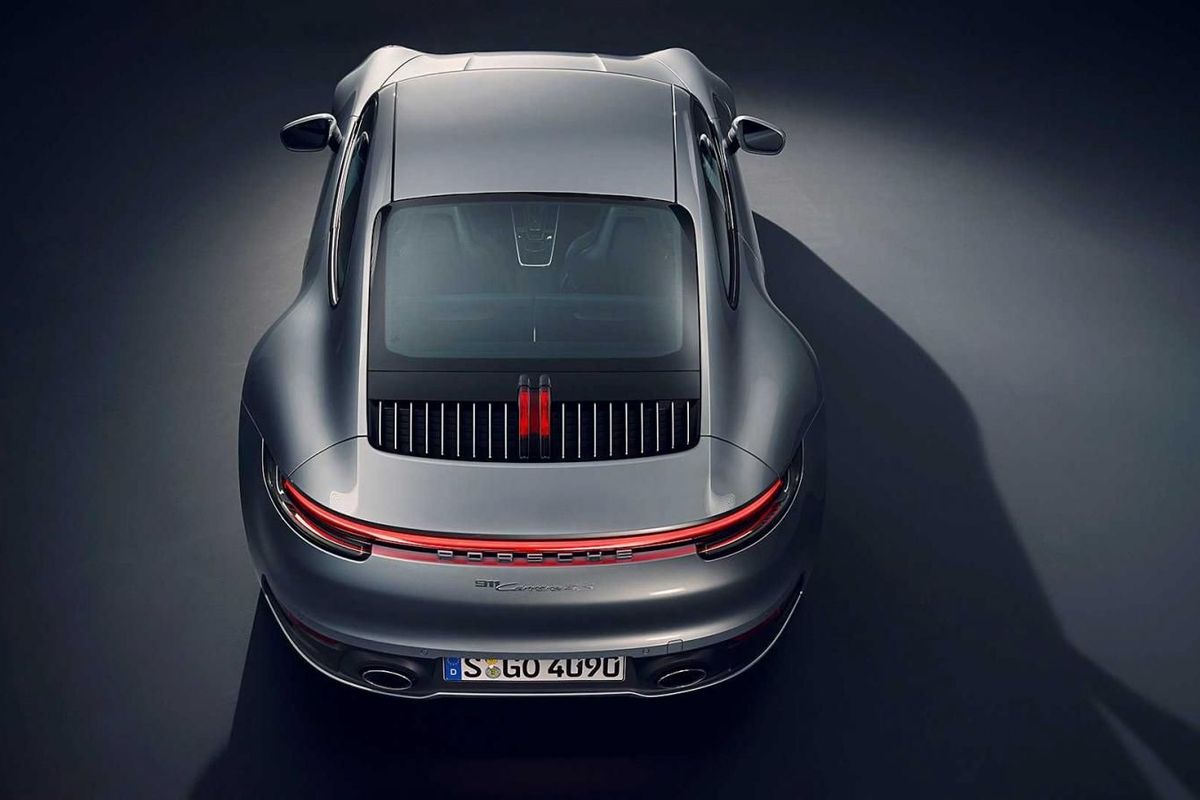
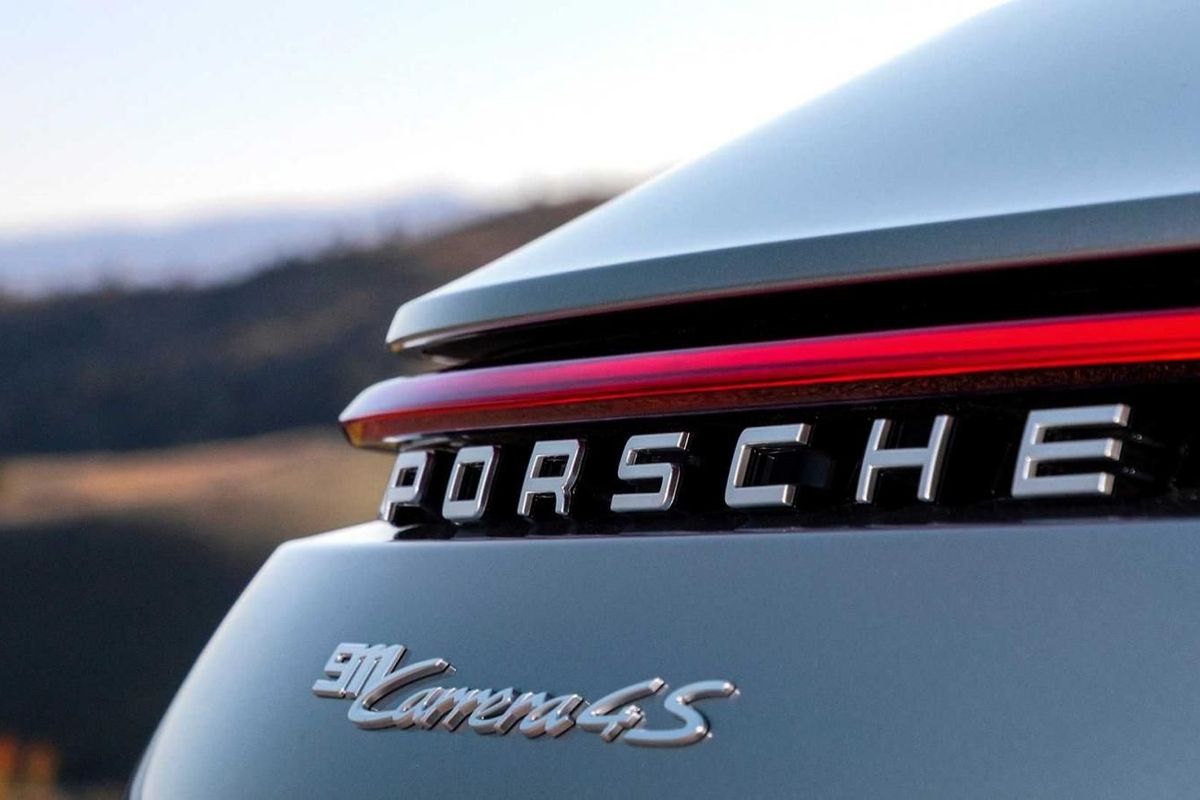
The rear LED blade is the easiest way to spot the 992-series Porsche 911.

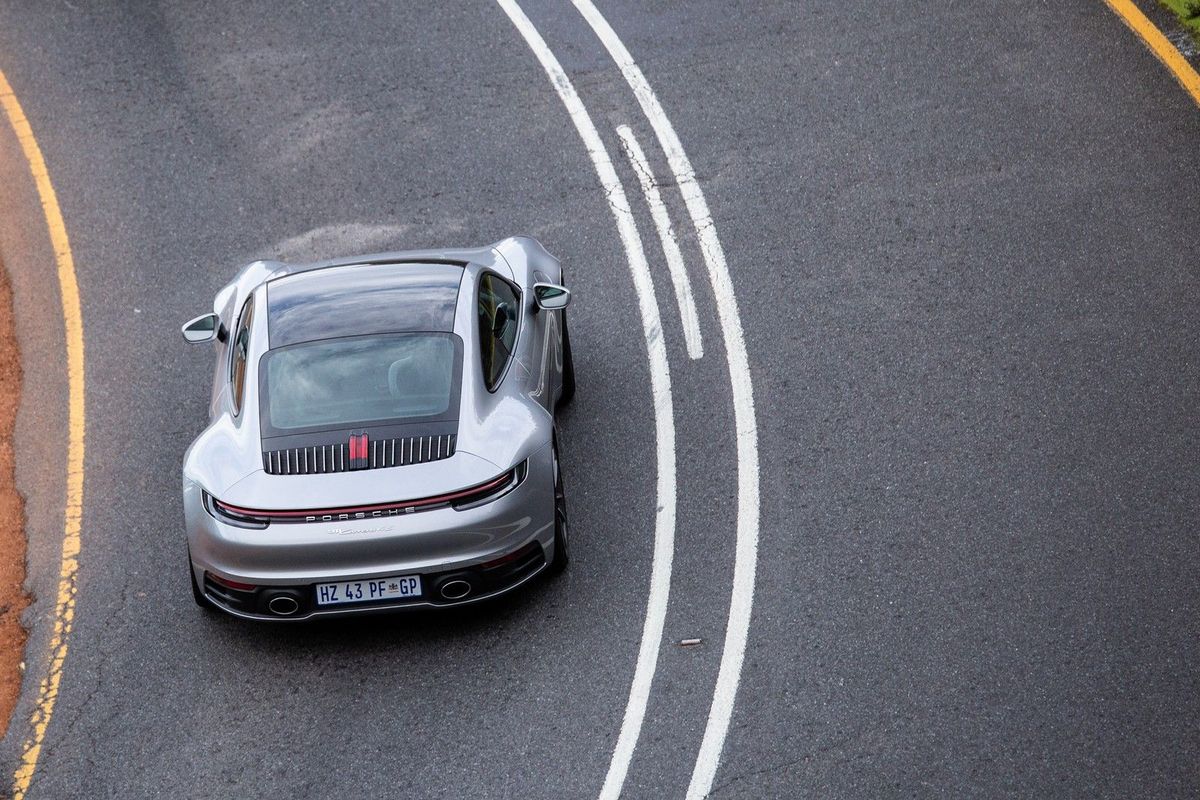
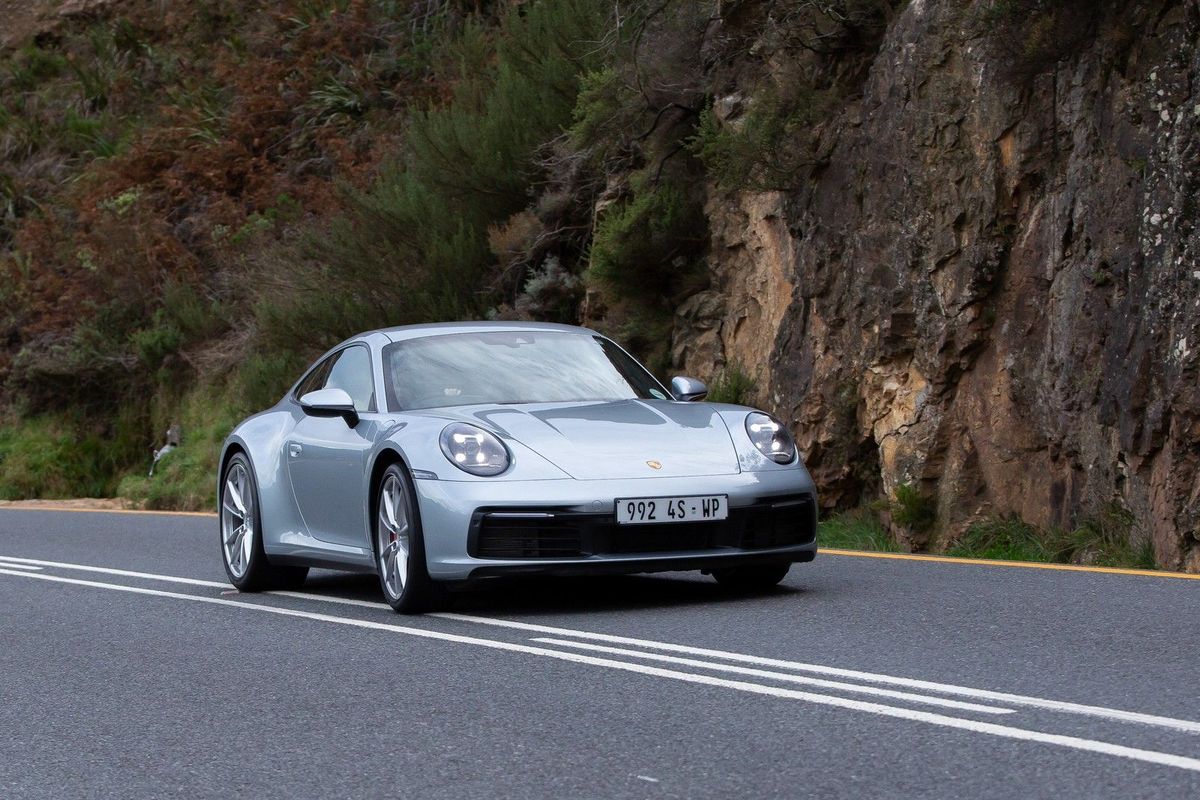
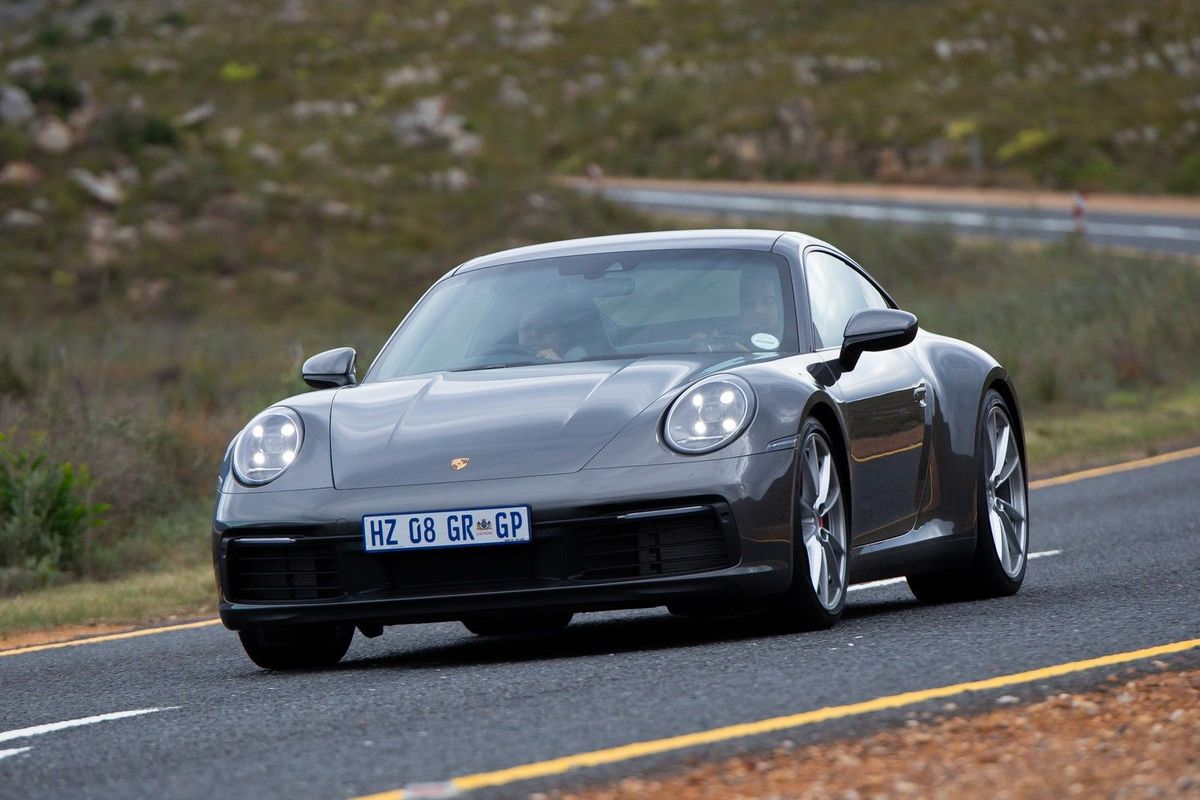
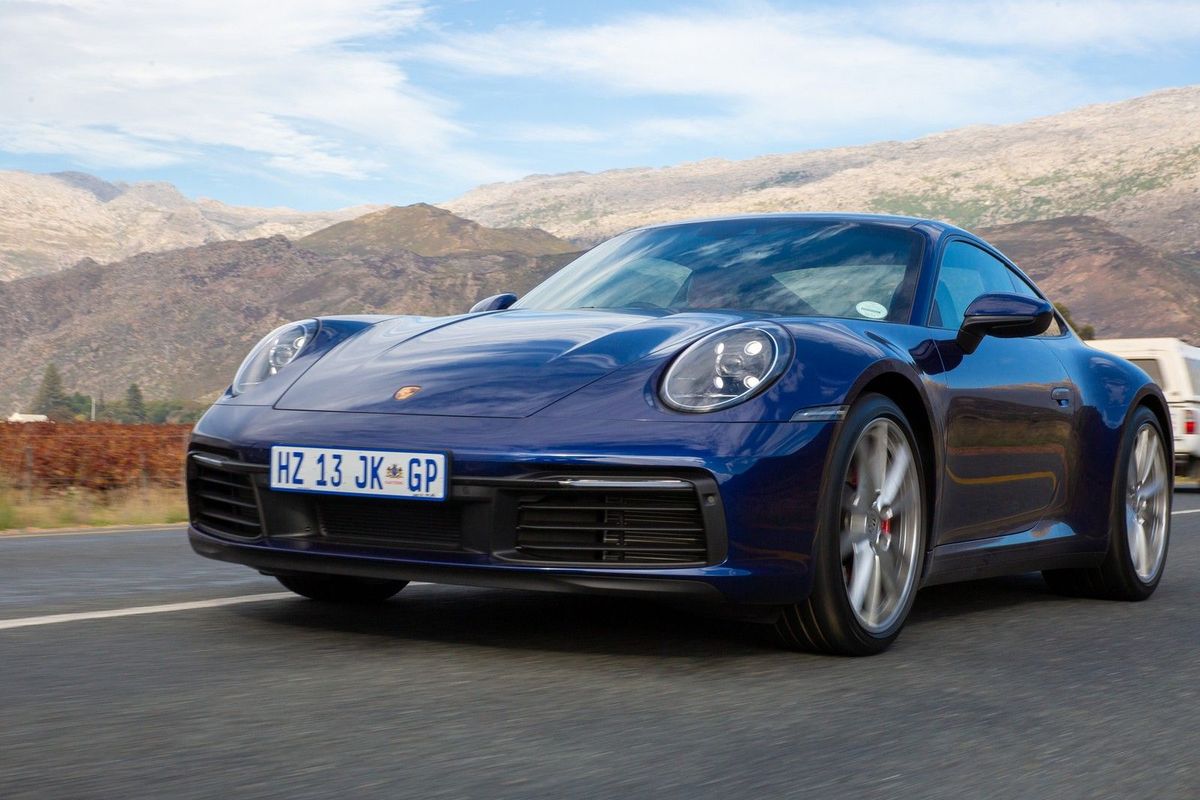
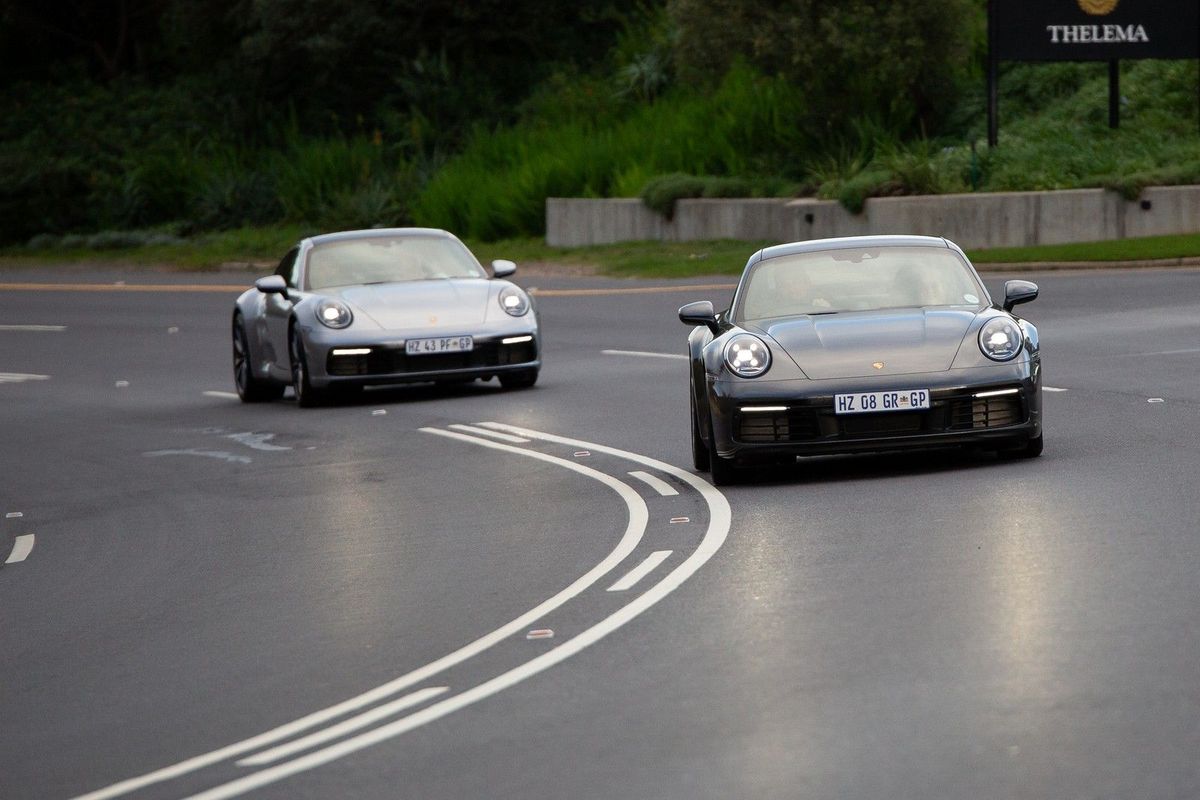
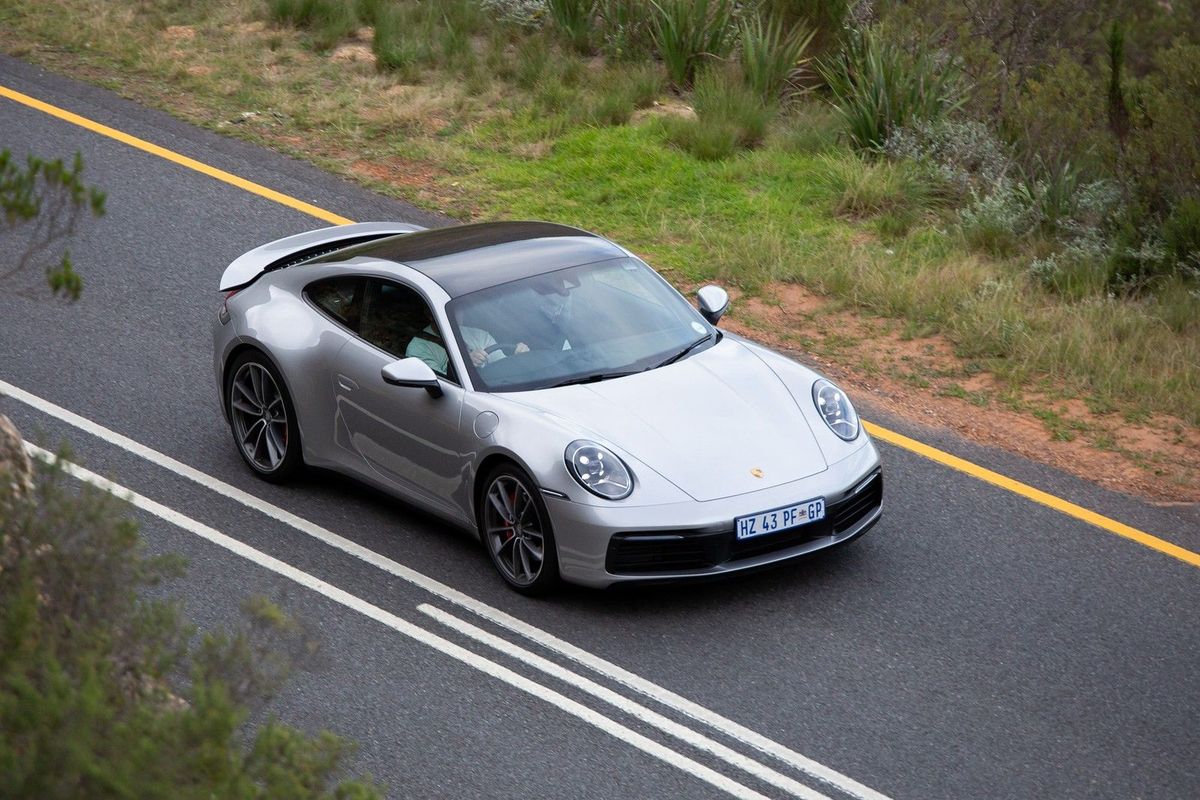
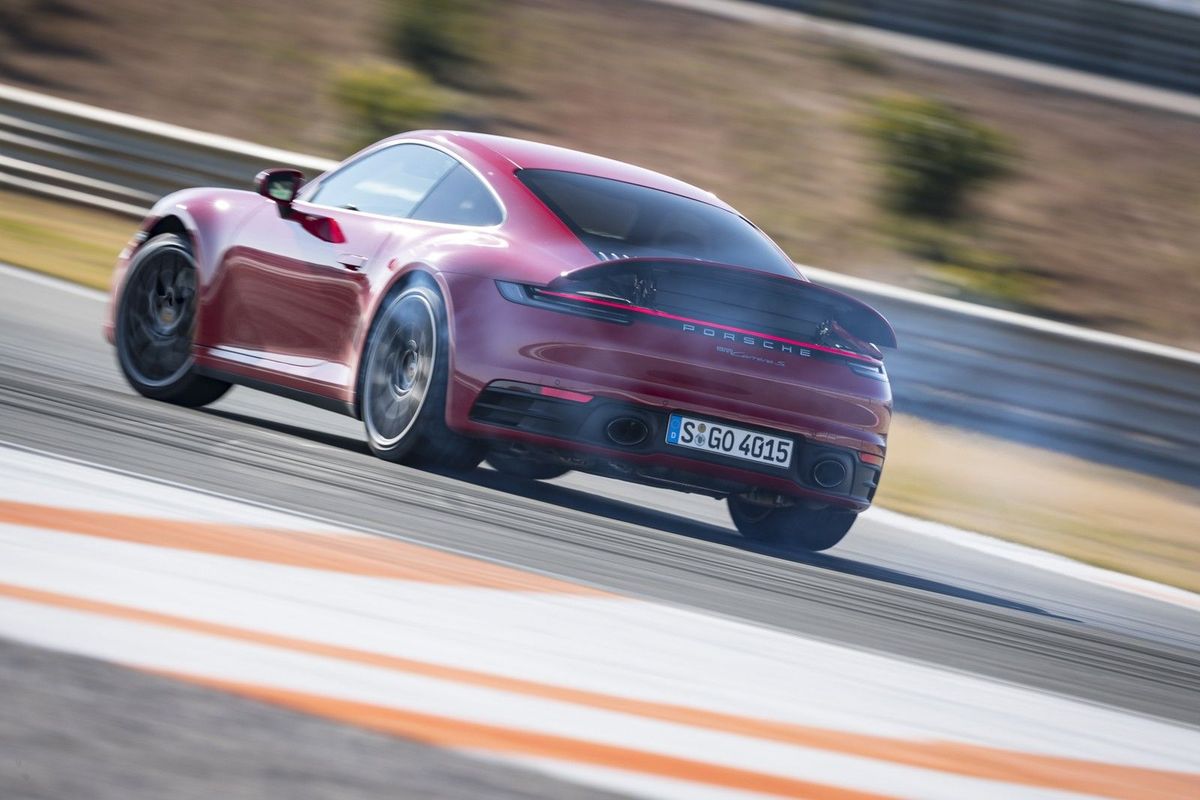
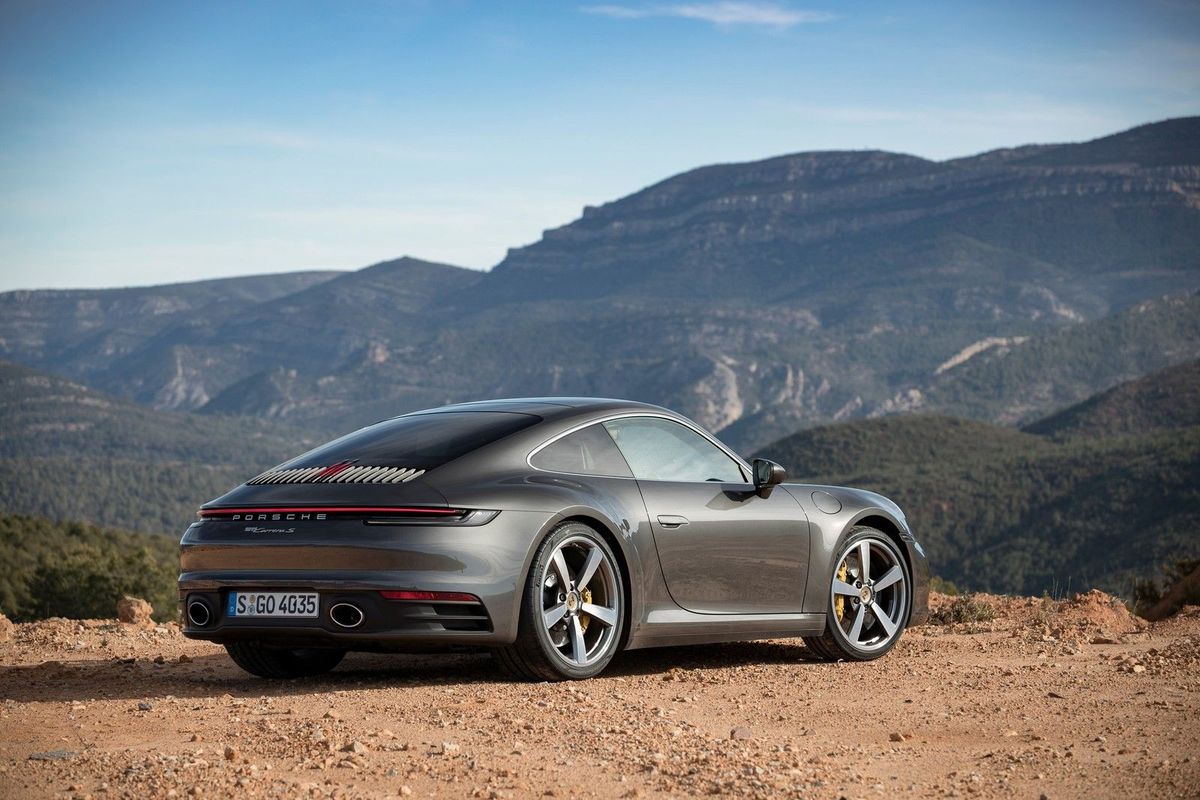
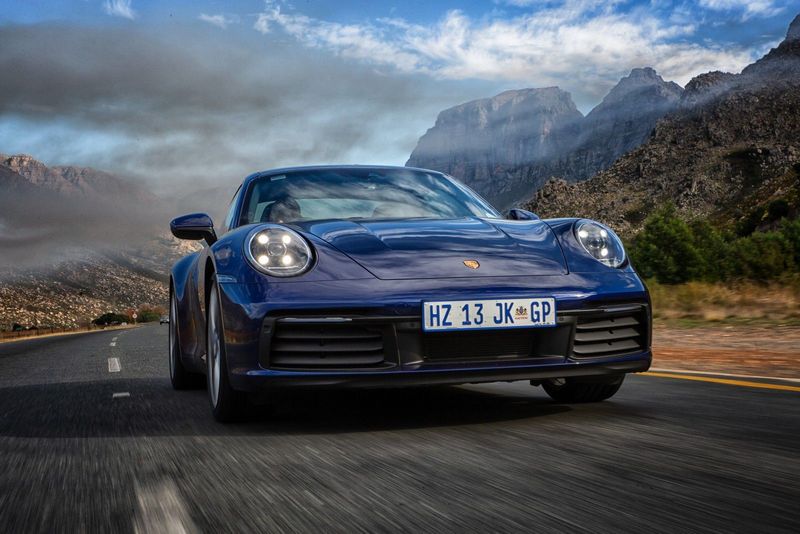
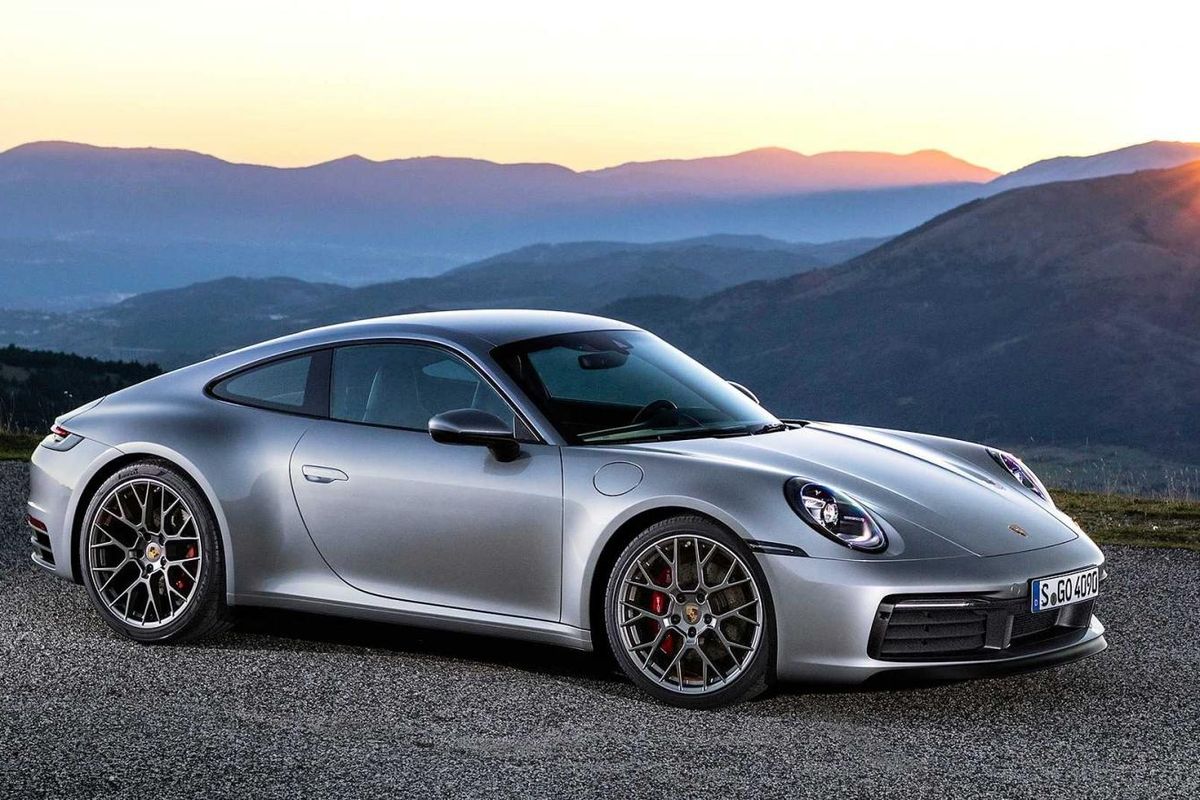
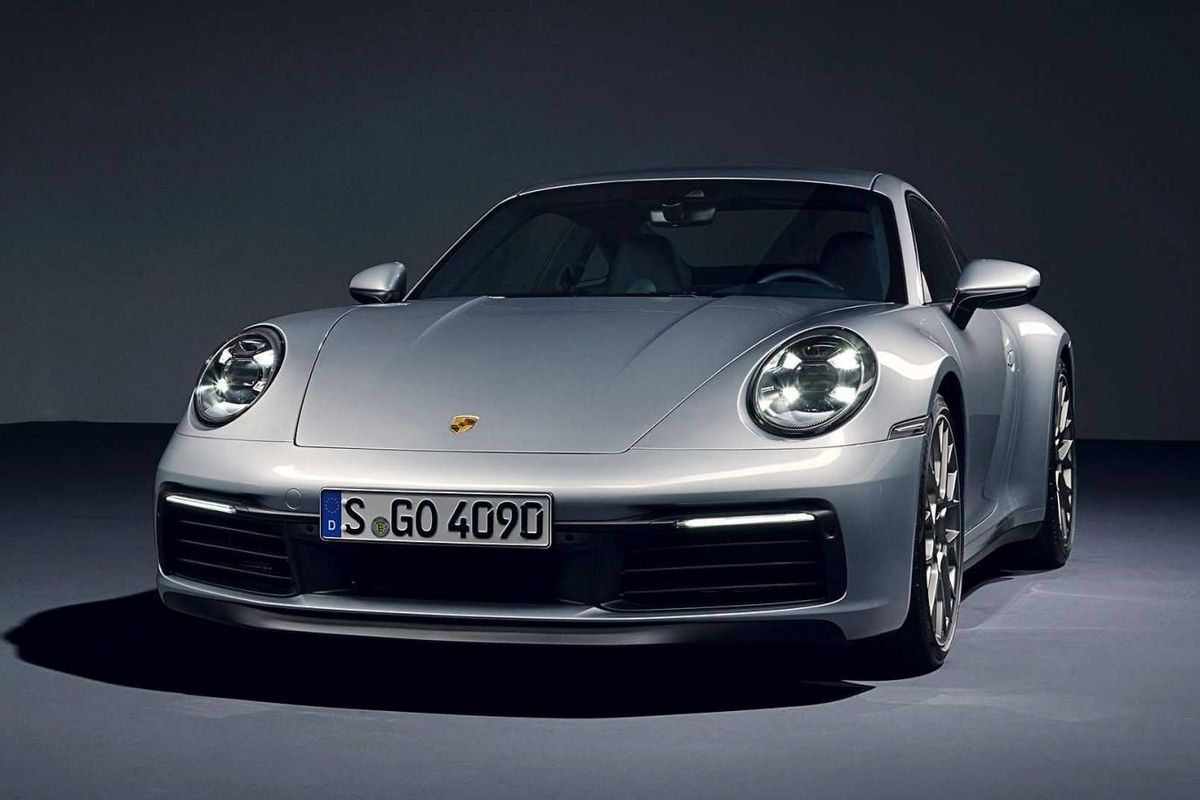
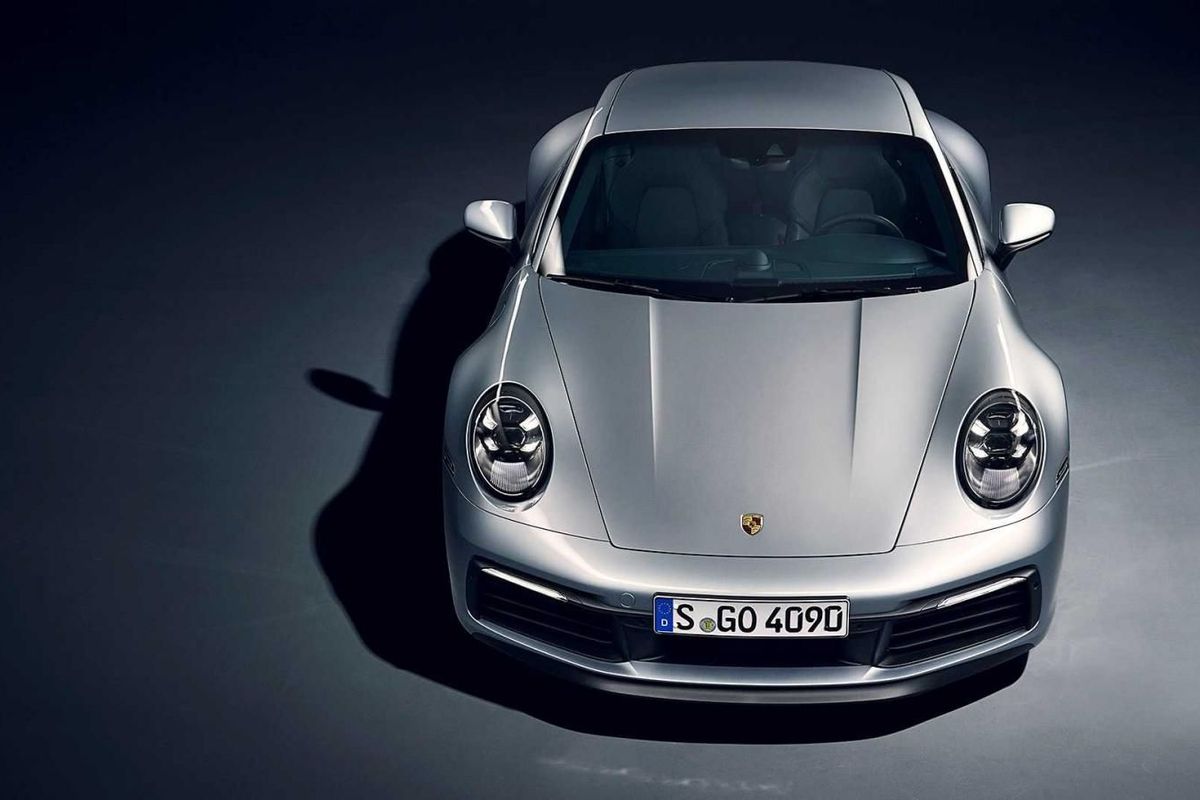
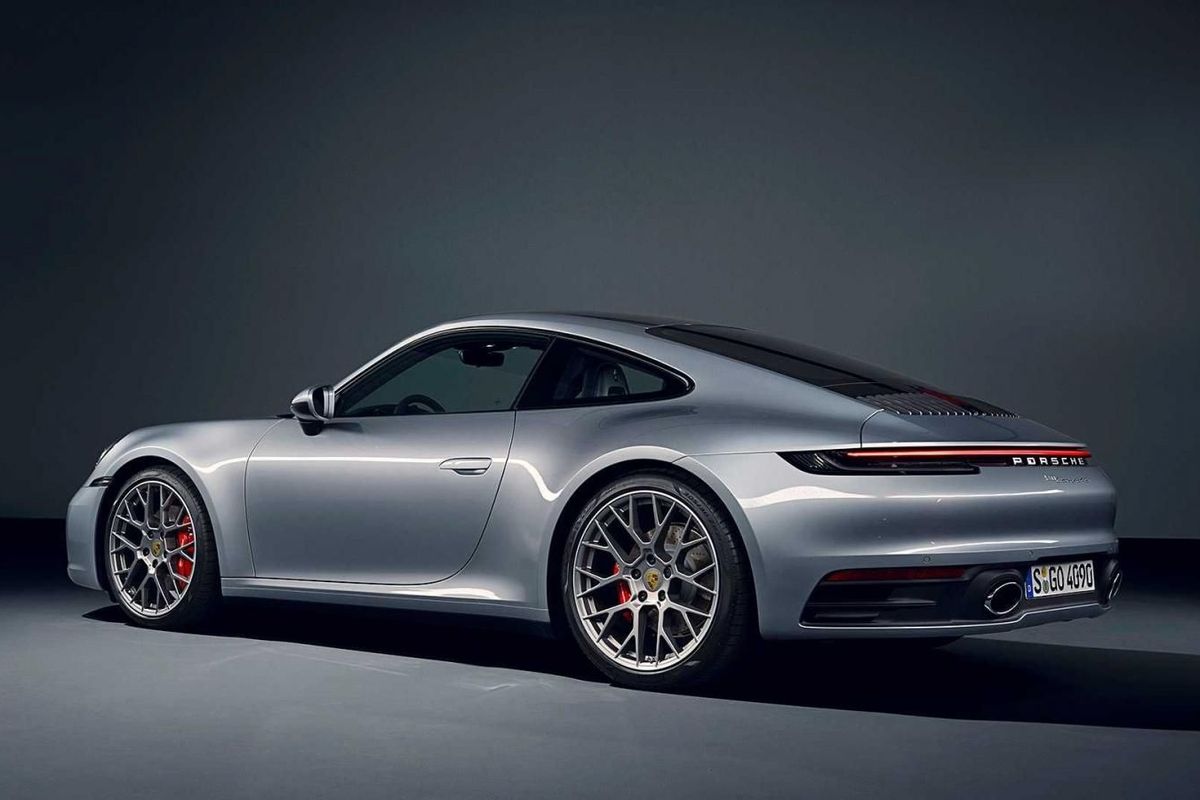
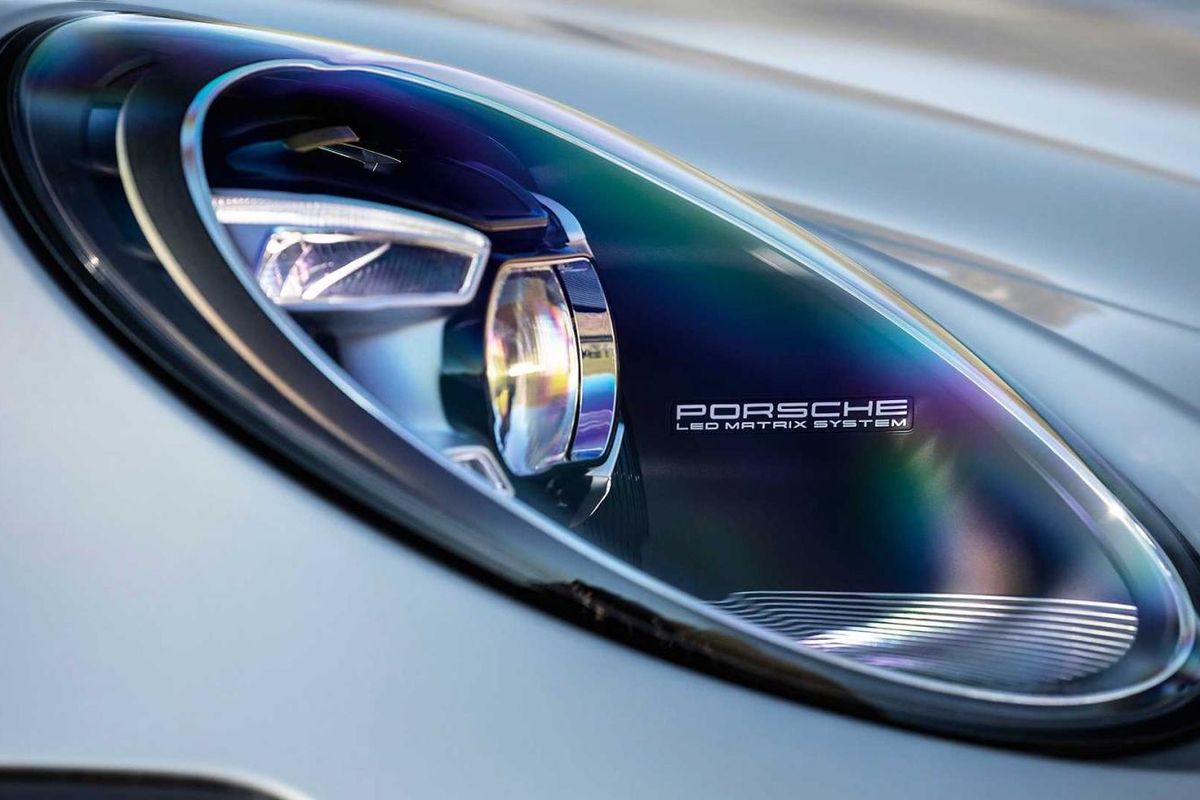
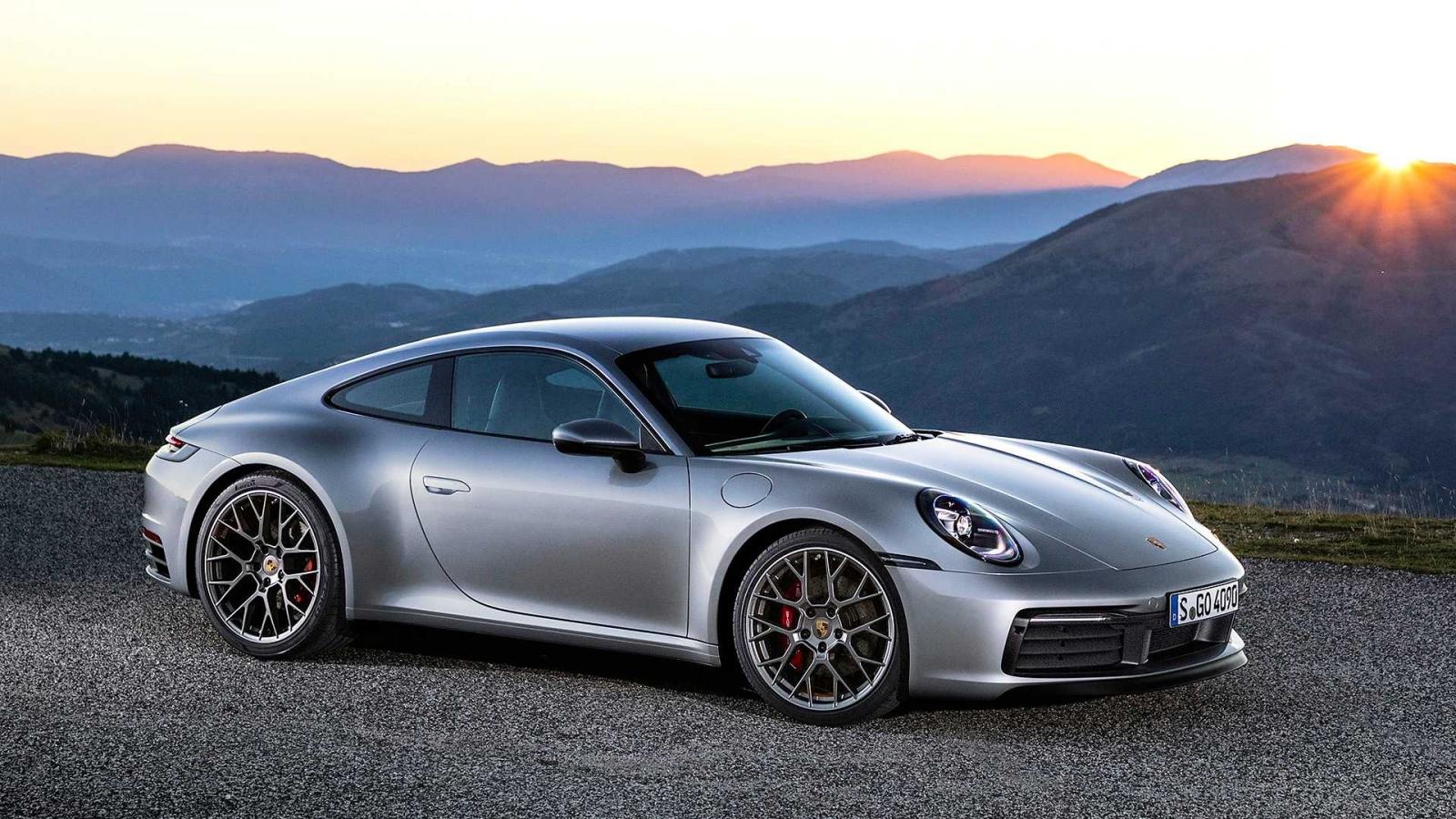
The numbers assigned to 911 models tend to be confusing. This one is the 992 911, which replaces the 991.2 911, but at least the exterior shape of the Zuffenhausen-based marque's champion has never been confusing – you know what you’re in for when Porsche makes a 911. This model does have a few defining traits that help it stick out, however. The rear blade light is the easiest to spot: the LED, with its piercing red light, runs the width of the rear. At the front, it’s again the lights that are most noticeable: their LEDs form a crosshair that’s terrifying to spot in your rear-view mirror.

As for the newcomer's mechanicals, there are higher peak power and torque outputs, a faster Nurburgring lap time and lighter bodywork materials – all of which we expected. Thus the benchmark numbers for the 911 are better than before and, yep, it’s still rear-engined. At launch, South Africa has a choice of the Carrera 2S (rear-wheel-drive) and 4S (all-wheel-drive), both of which are fitted with a new 8-speed PDK (auto) transmission.

Own a Porsche? Tell us about your experience here

More power


By virtue of more power and lighter materials, all the 911's benchmark performance numbers have been improved.

The 3.0-litre flat-6 turbo has been reworked to produce an extra 22 kW and 30 Nm. Top speed has improved by 2 kph to a v-max figure of 308 kph.

The acceleration numbers that the new 911 can achieve are exceptional, thanks mostly to immense rear traction and a rapid double-clutch gearbox. While many manufacturers are moving back to conventional auto ‘boxes, Porsche maintains that the advantages of its PDK ‘box suit its sportscar better. With the optional Sport Chrono pack specified to the 911, the Carrera 2S hits 100 kph from 0 in 3.5 seconds, with the 4S a 10th quicker.


Porsche still favours the double-clutch PDK for its sportscars.

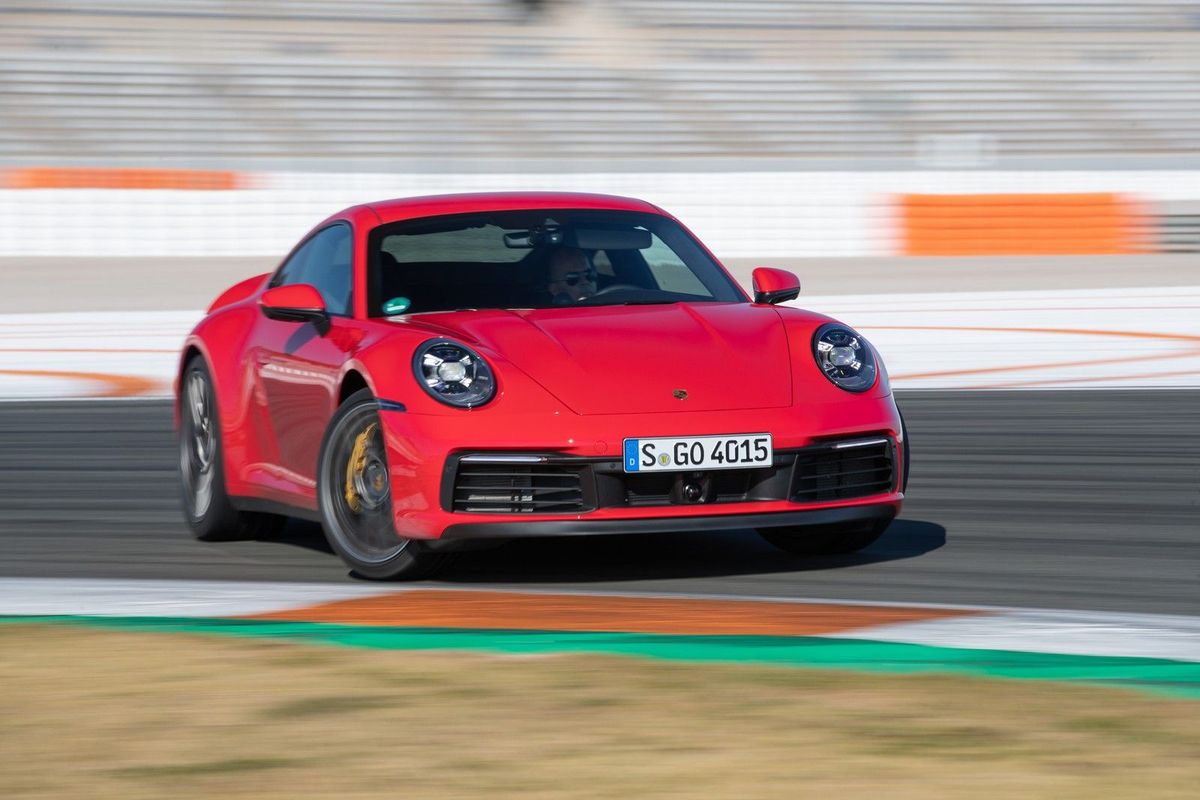
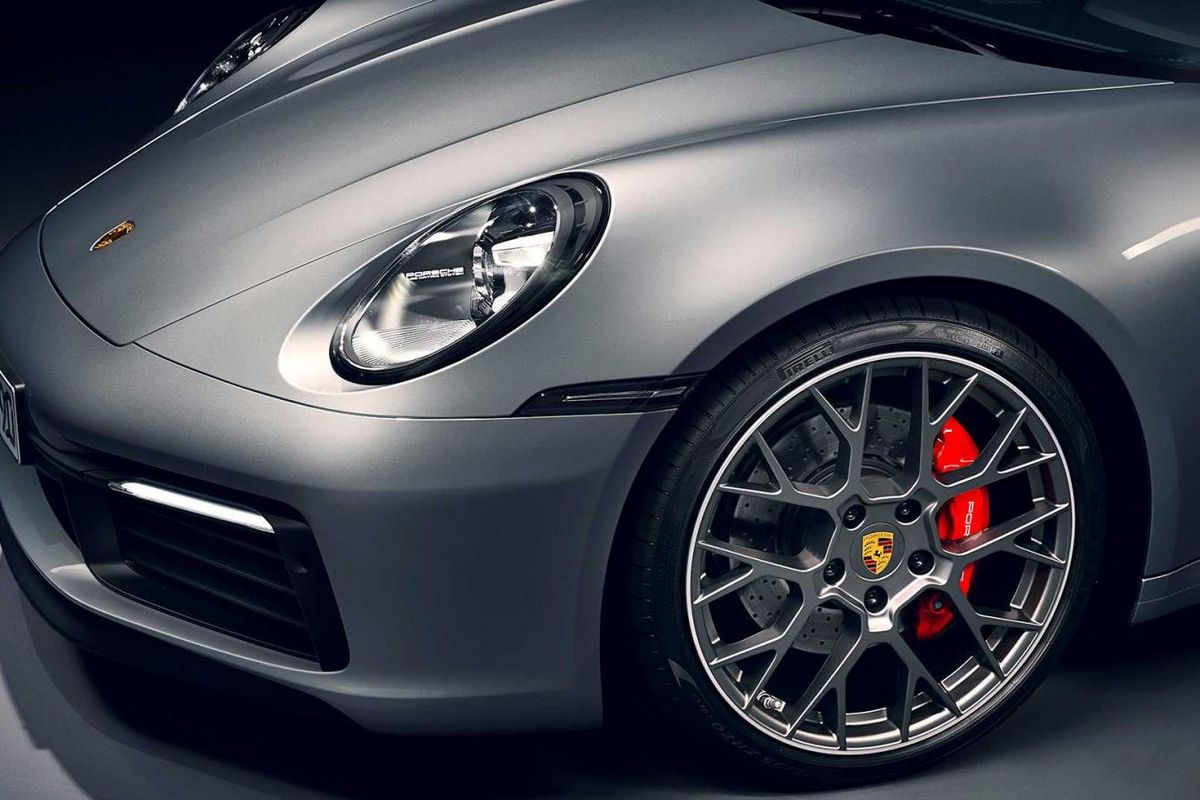
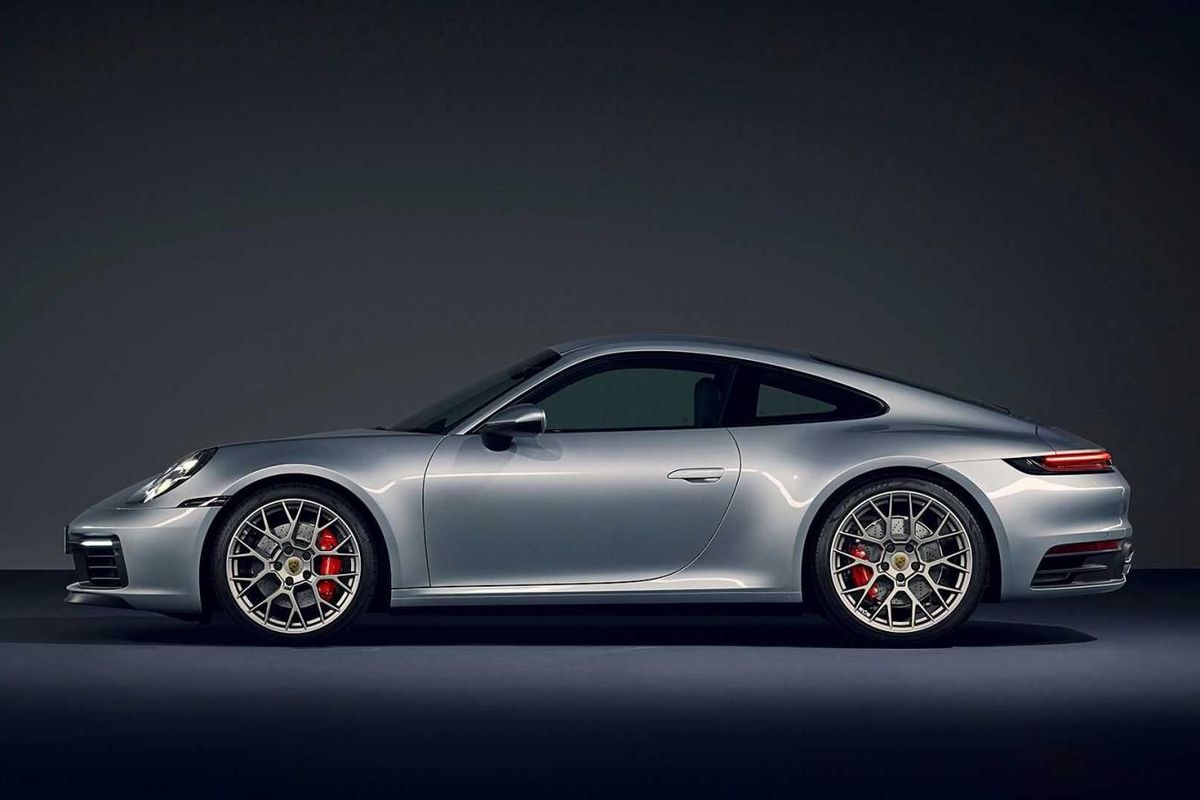
Substantial (21-inch) rims shod with soft Goodyear rubber help the 911's rear wheels grope the tarmac during a full-bore launch procedure – as a result, the 992 positively catapults off the line. The front end features 20-inch items and much-narrower tyres, in typical 911 tradition.

The PDK has 8 gears (up from 7 in the previous range) and has had its 1st ratio shortened (and 8th lengthened) in order to give the 911 rapid acceleration and a quiet cruise in top gear, which also benefits efficiency. It’s the most responsive version of the PDK yet with zero flaws, whether you're using the paddles or not. Shifts are prompt, smooth and, on the way down the ‘box, accompanied by throttle blips of the "heel-and-toe" kind.

Is it better to drive?

The 911 has been refined and crafted since 1963, so you would expect that Porsche knows all too well how to deliver a thoroughbred sportscar. That's not to say that there haven't been a few blips along the way… The electronic steering of the previous generation was not loved by all and purists argued that the non-hydraulic setup took something away from the near-telepathic connection that a 911 is supposed to have with the road.

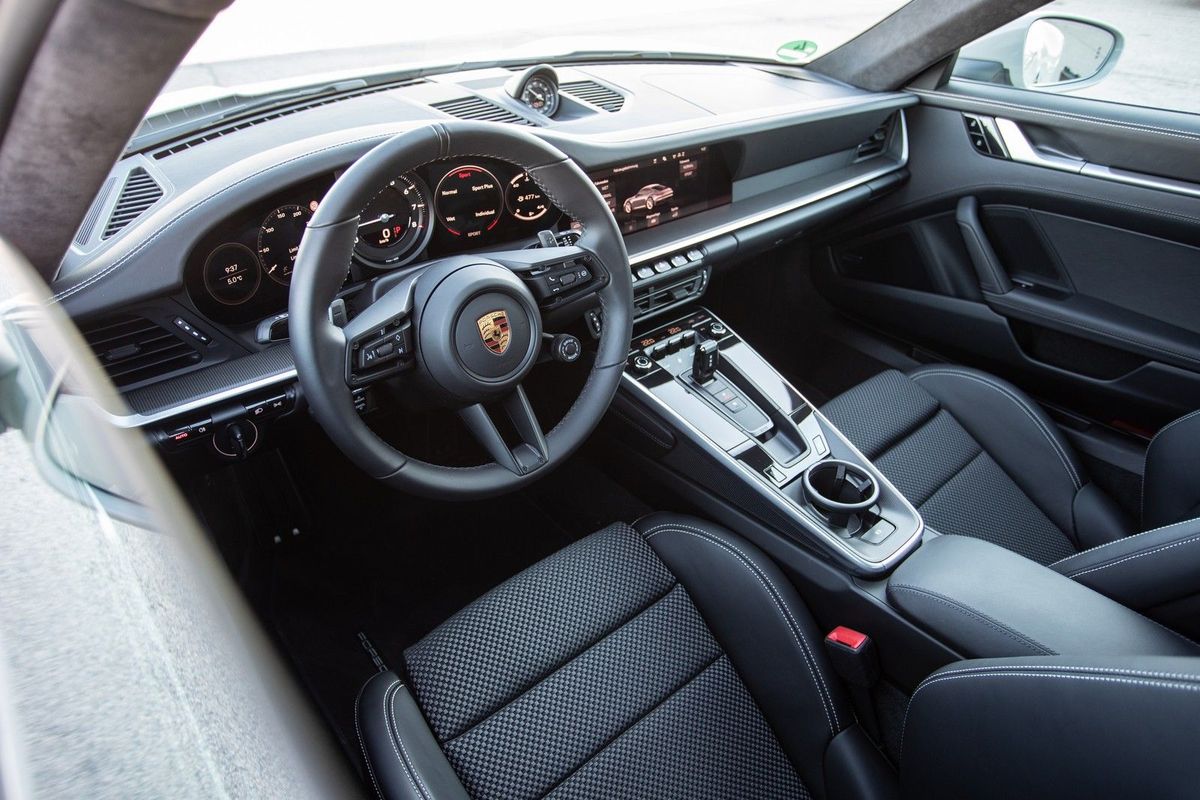
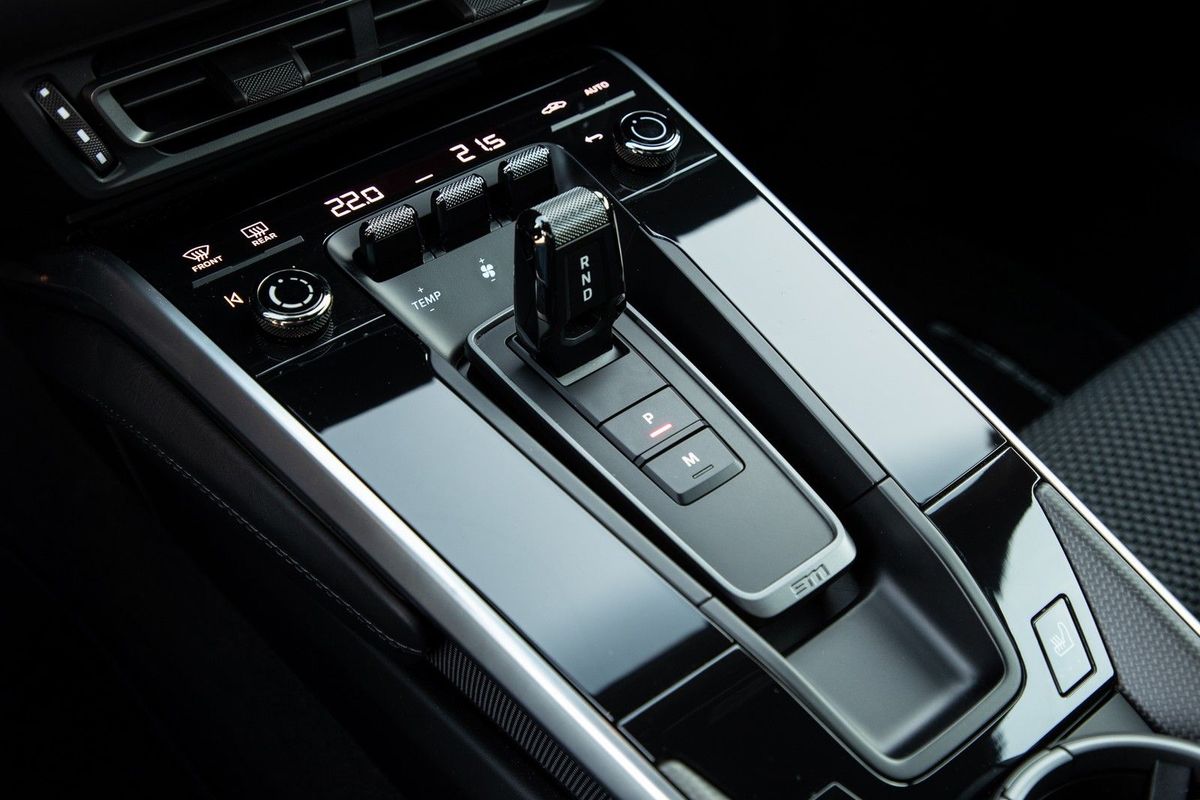
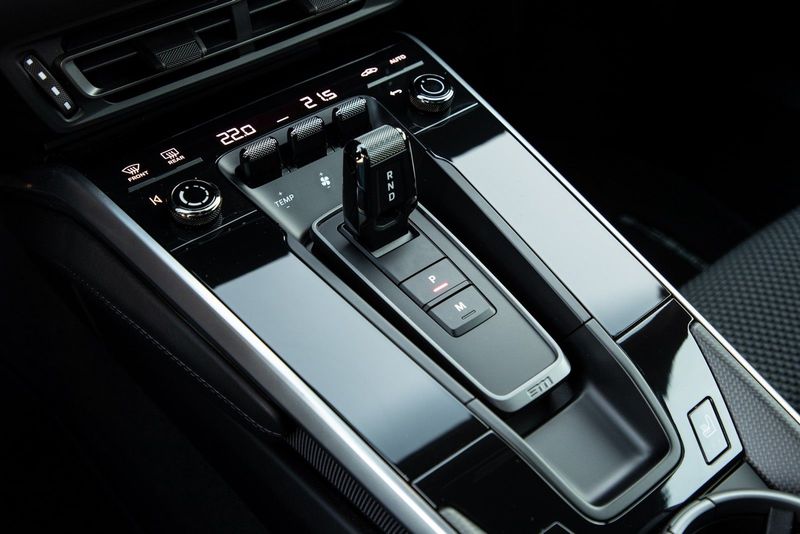
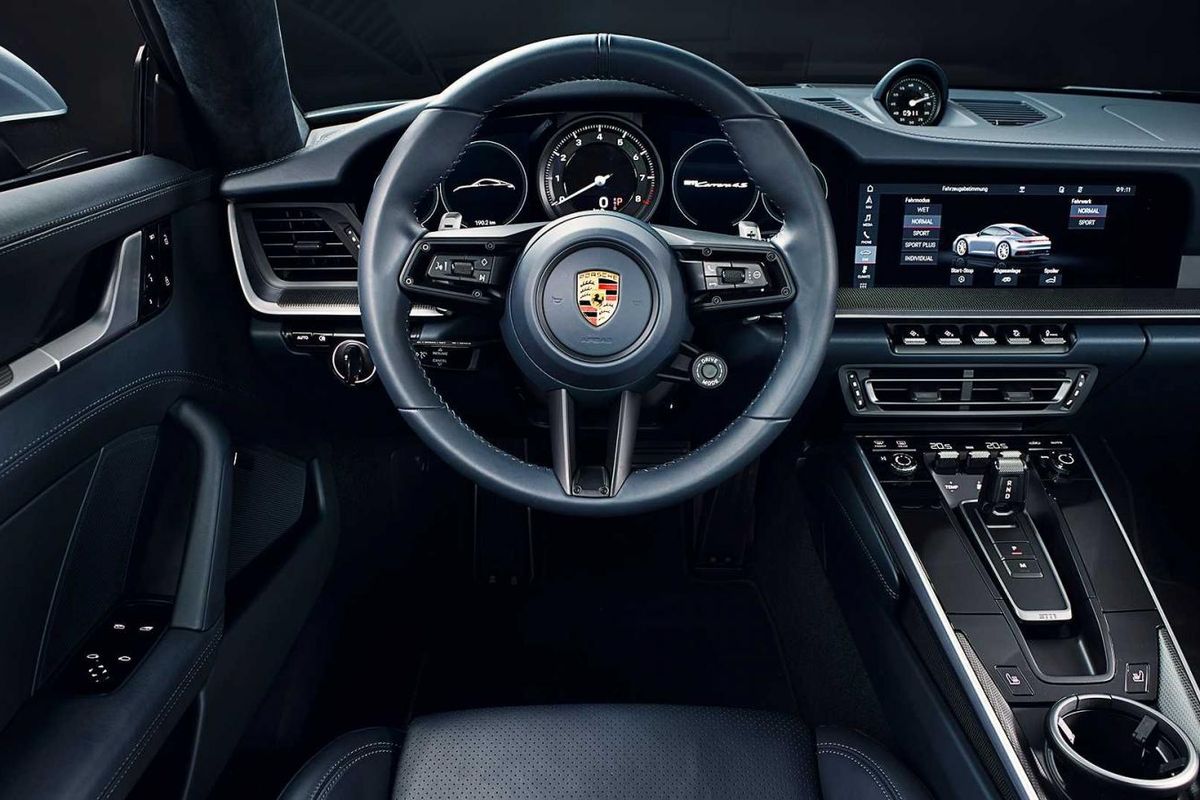
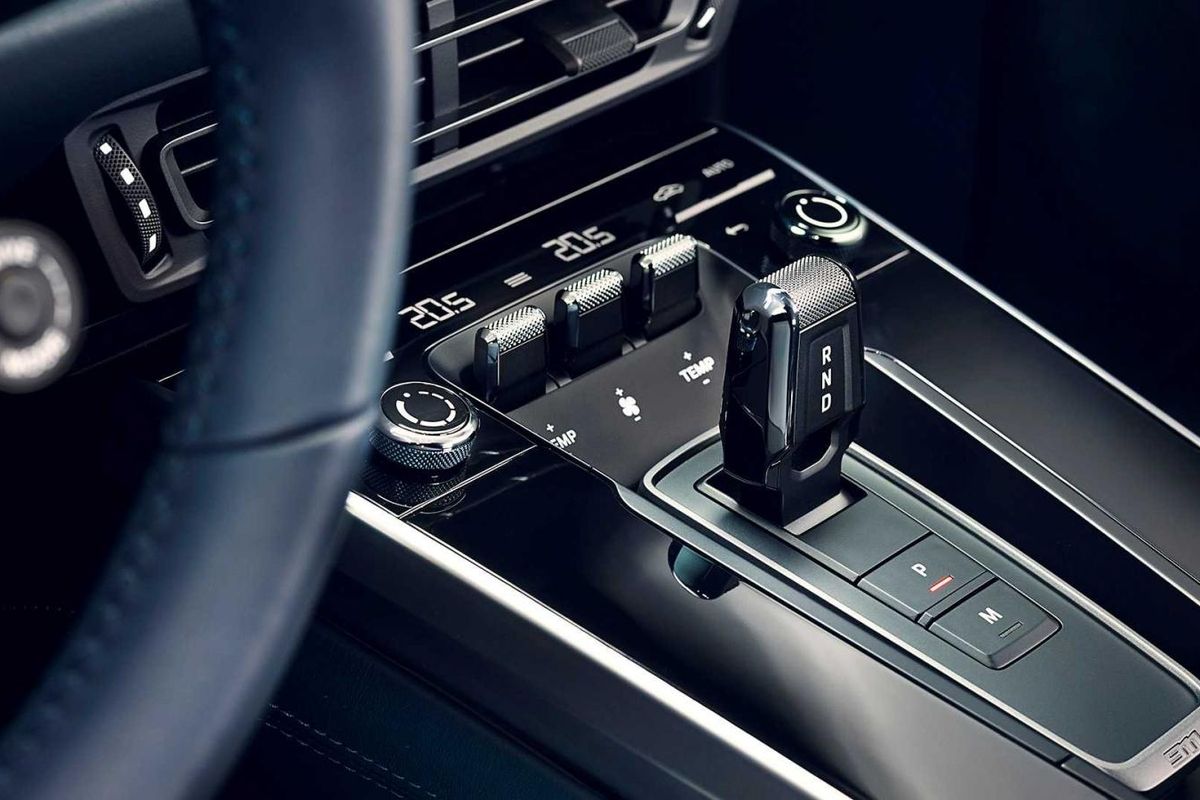
Less clutter around the centre console makes it easier to find what you're looking for.

Well, the steering has certainly improved in the 992 – it has better feel to it and is more naturally weighted. Our test units had the Power Steering Plus option, which increases the steering wheel's heft the more you turn it and then lightens at slow speeds (when you need to park, for example). The system doesn’t feel as artificial as other electrically-assisted setups, but it still isn’t perfectly granular in the way it conveys feedback.

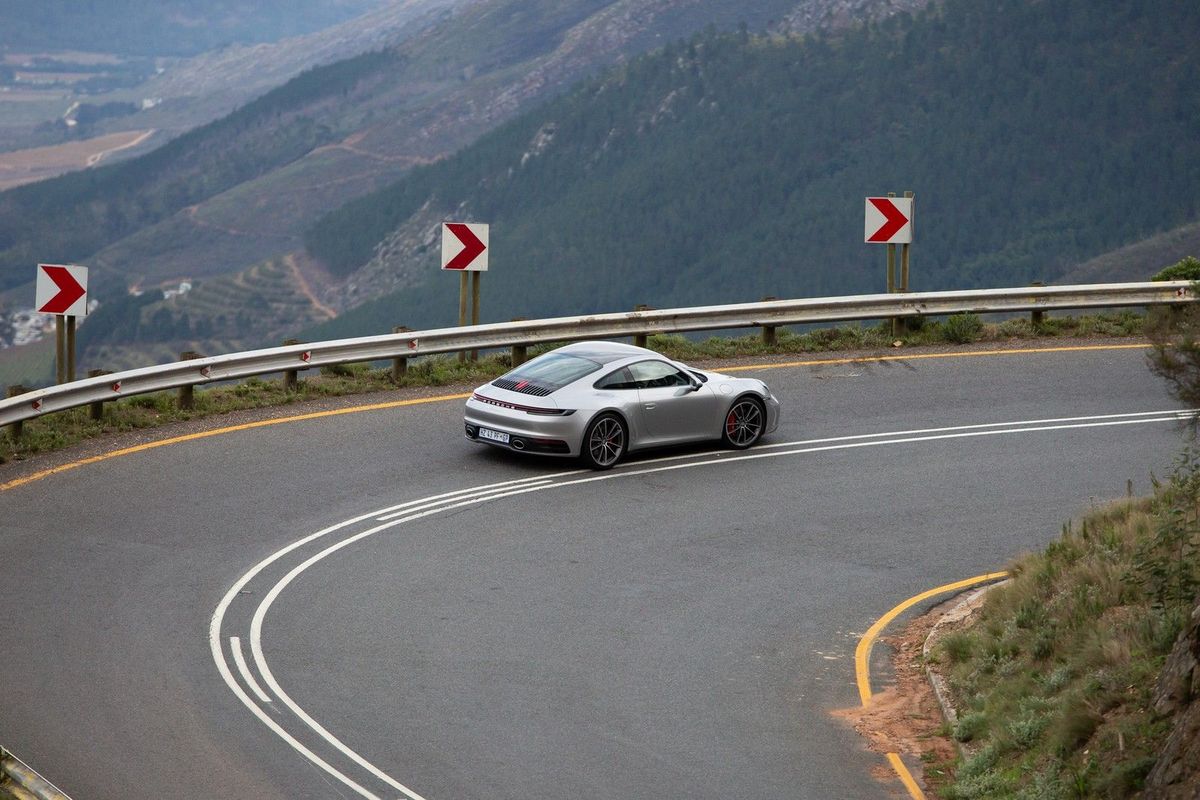
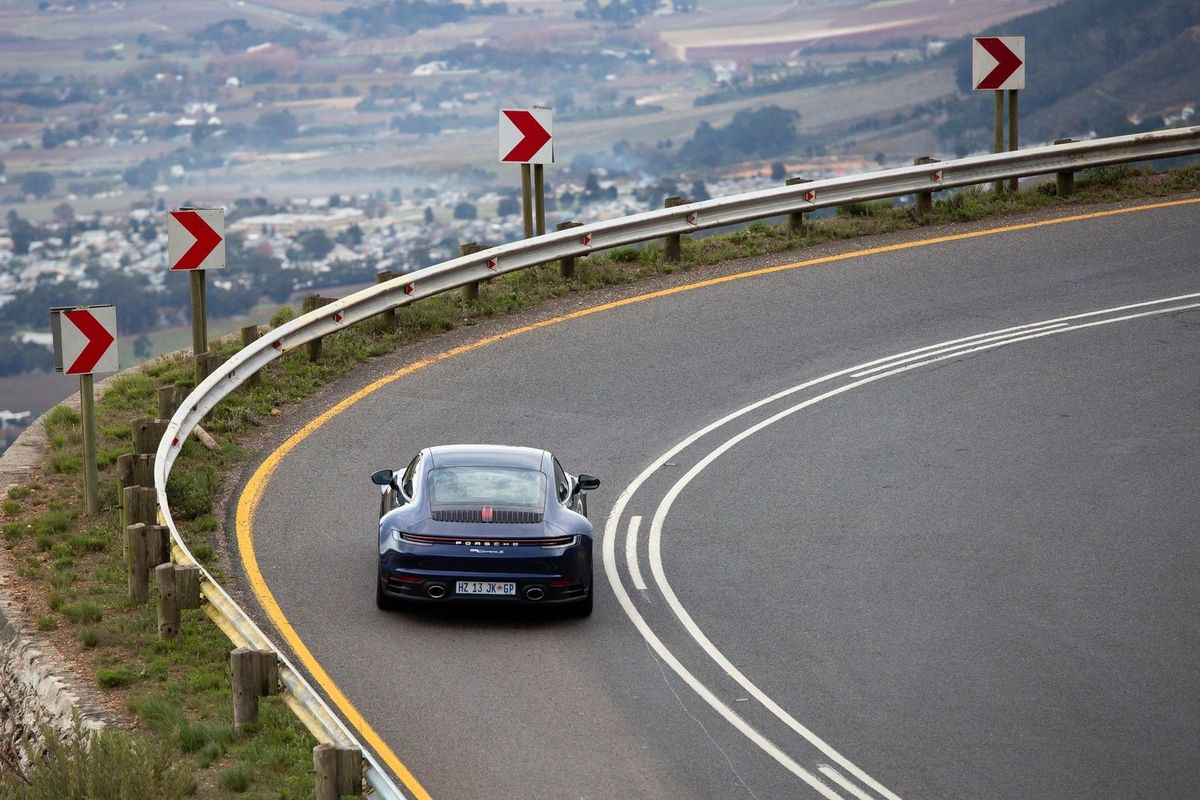
It is, however, perfectly balanced thanks to the newcomer's pointy front- and "unstickable" rear ends. You can carry heady entry speeds into corners and, in all likelihood, you’d still be able to successfully collect up the apex and bury the throttle much much sooner than you imagined. In fact, you’ll probably find yourself in a trance, because the 911 is palpably easy to manhandle and get into the rhythm of brake, turn, accelerate, repeat. This is the perfect car to take out on a Sunday morning mountain-pass assault… the only thing it’s missing is a howling soundtrack to serenade the speed.

How’s the inside?

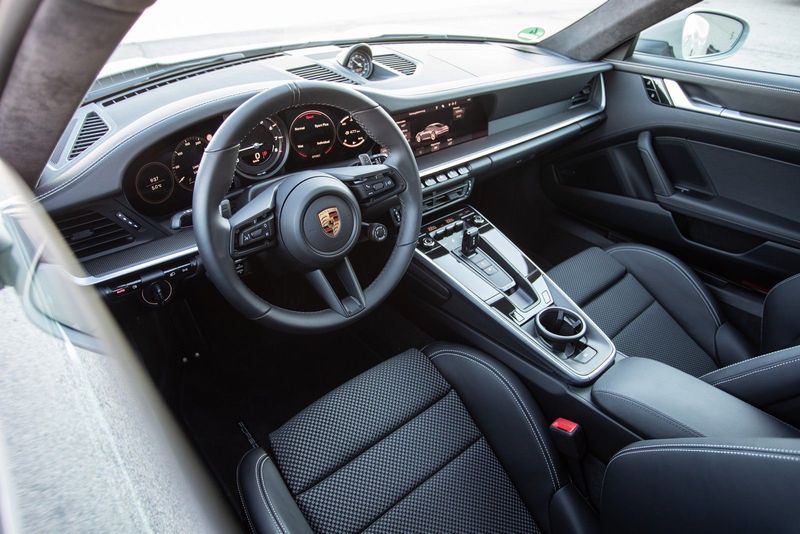
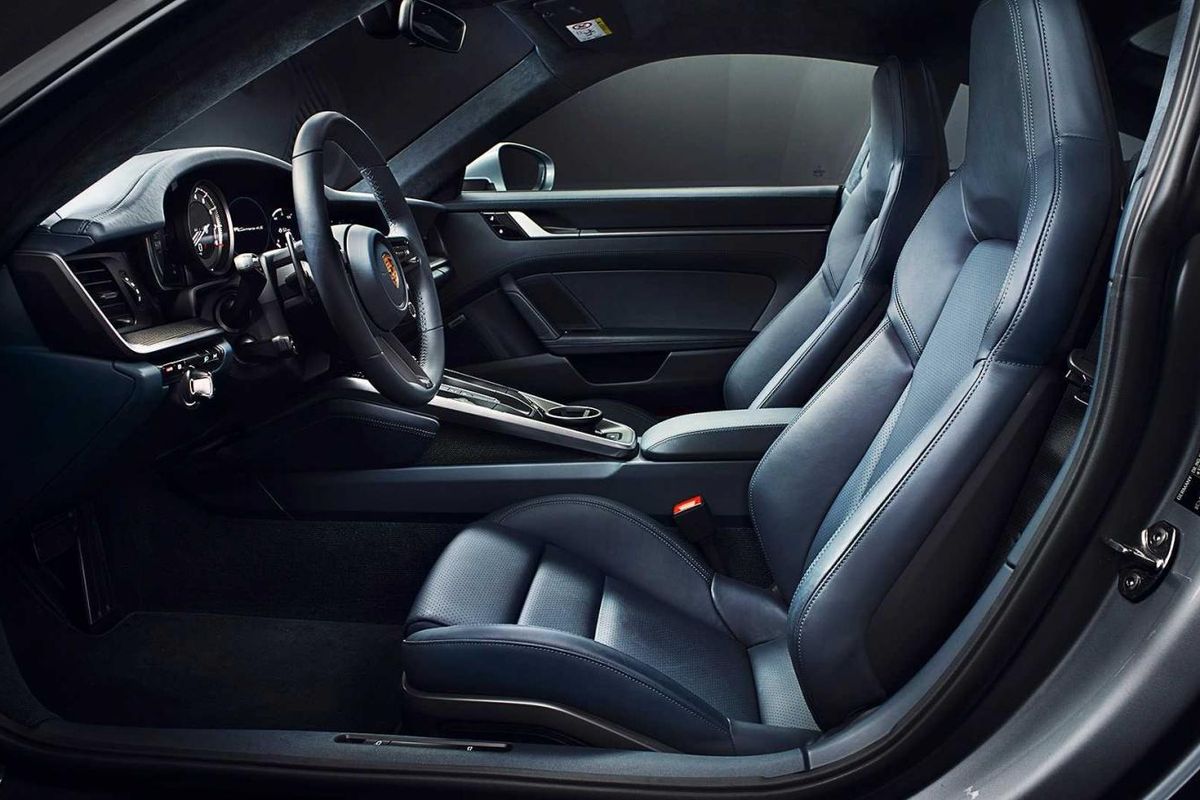
The array of buttons inside the cabin has been dramatically reduced for the 992 thanks to the fitment of a 10.9-inch touchscreen infotainment system. It’s a much simpler cabin to understand now and you can programme shortcut buttons to access favourite options or screens. The driving mode selector no longer has the modes inscribed on the dial, so you have to resort to the digital instrument binnacle to see what mode is selected.


All the digital screens are angled towards the driver.

It’s a very driver-focused instrument cluster with the 2 digital screens flanking the analogue RPM dial facing inwards, towards the driver.

Meanwhile, the seats have been designed to offer more lateral support, so they feel firmly positioned when lateral Gs load up. Rear passengers have never really been overly catered for in a 911, but there are 2 individual seats in the back (with a smidgeon of legroom) if you're interested.
Carrera 2S or 4S?

Ah, the toughest decision a Porsche buyer needs to make. In the previous (991) generation I had no doubt that the 2S was the better car; it was more alive, raw and had a better front end. This time around, the 4S is just as nimble as the 2S and its front end darts around with equal agility. The 2S is a little more lively in the corners and you can feel it isn't quite as planted when you power out of corners. It's more of a challenge, but aside from that, the excitement levels are similar between the 2 versions. I would be content with either, but if forced, I'd probably still pick the 2S… just.

Summary


Somehow the recipe gets slightly better with every generation of 911.

This is the best 911 to date, there's no doubt about that in my mind. By virtue of that extra power, it's more exciting to accelerate in the 992, but the chassis is more than capable of dealing with the extra urge. There is no better weapon to take on your favourite road, this side of R2 million.

The in-car tech systems are now bang up to date and the interior design is more function than flair. You’re cosseted in a supportive seat with the cabin designed to aid you in keeping your eyes on the road and having easy access to driving modes and relevant information.

It’s perhaps not as quiet, nor as comfortable as a GT, but it’s certainly usable as an everyday car that will thrill you on weekends. More models will join the fray over the next few years, including a manual version (remember those?), but suffice to say this is a pretty exceptional base to work from.

New Porsche 911 – Price in SA

Porsche 911 Carrera S – R1 708 000

Porsche 911 Carrera 4S – R1 797 000

A 3-year/100 000 km DrivePlan is standard. 

Related content:

BMW M850i xDrive Coupe (2019) Launch Review

Audi R8 (2019) International Launch Review

VW Reveals Ducati Diavel Edition Amarok

Amarok meets VW's superbike brand.

The VW Group has two crucial Italian assets. Lamborghini is the better known of these, but VW also owns Italian motorcycle brand, Ducati.

No surprise, then, that VW’s marketing people in motorcycle-obsessed France, have revealed a new special edition of the Amarok bakkie, with a Ducati twist.

It is called the Amarok Ducati Diavel Edition, and what you get is a comprehensively equipped high-output version of the Amarok 3.0 V6 TDi.

We've driven the 190 kW Amarok, read the review here.

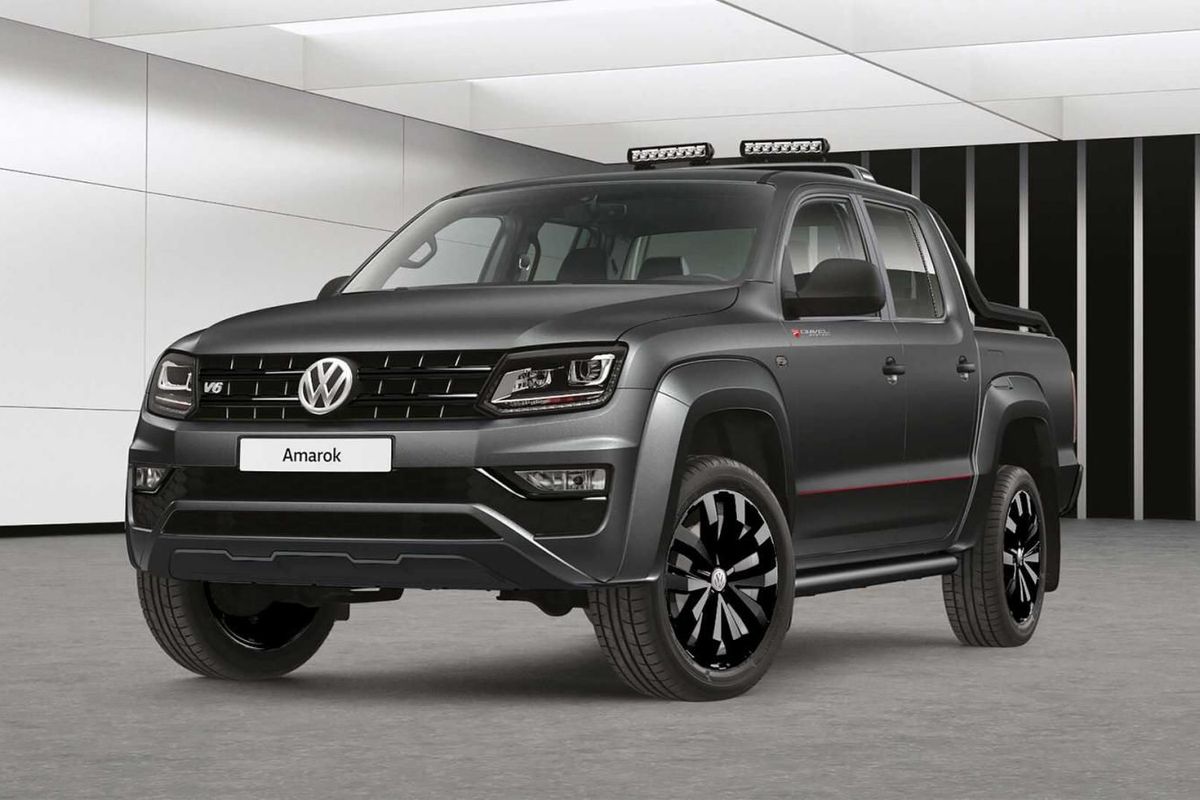
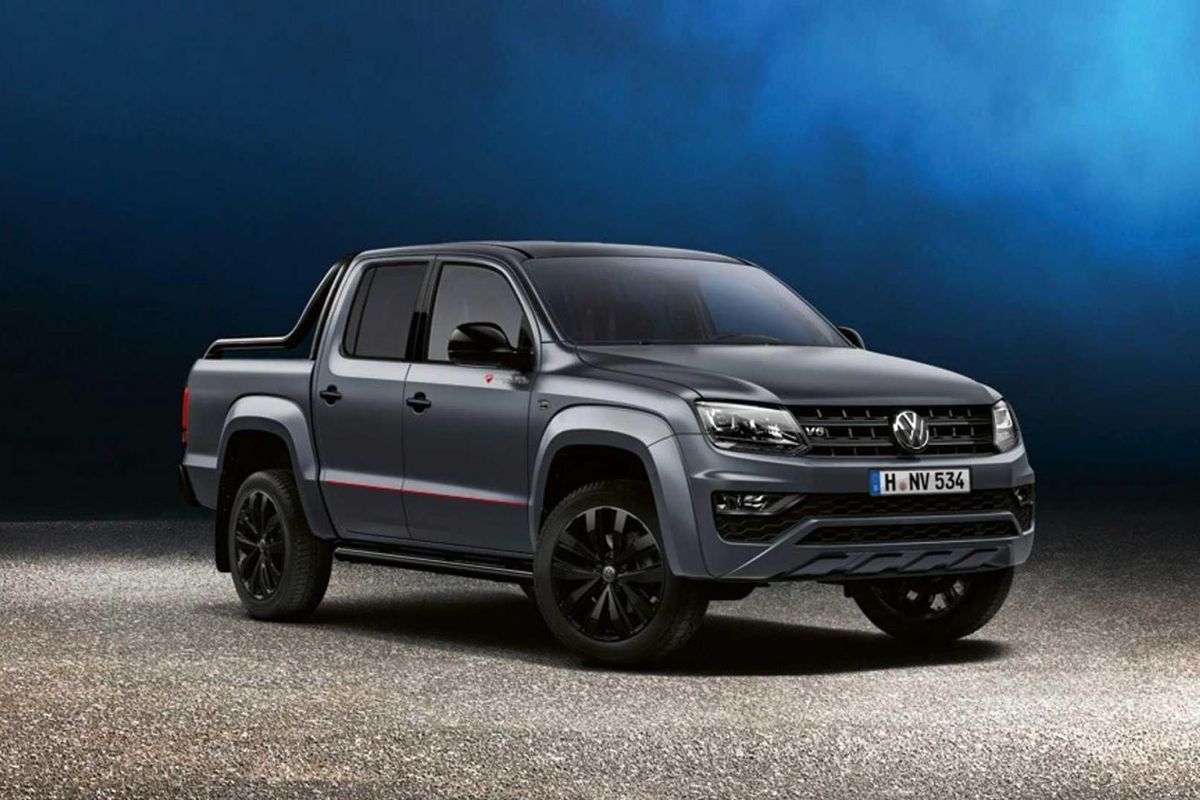
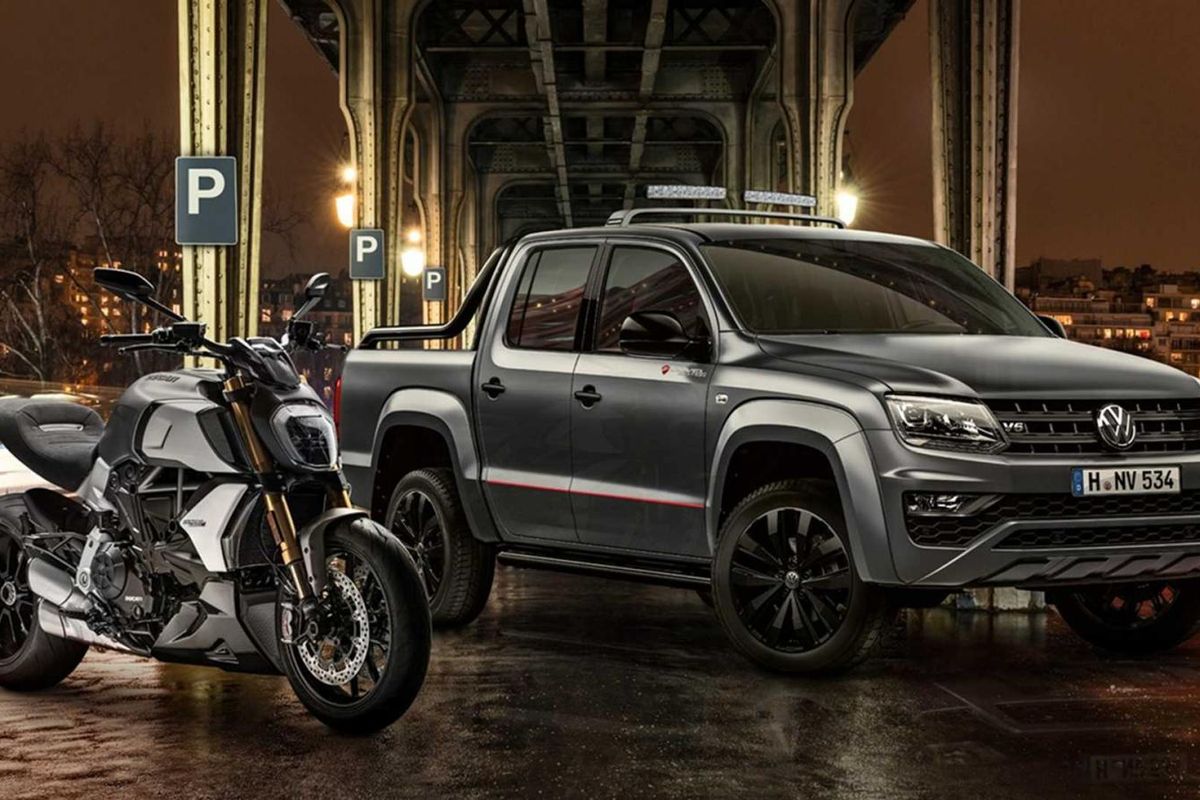
The Diavel Edition Amarok rolls 20-inch alloy wheels, finished in black, and the darkened exterior detailing extends to its radiator grille, wing mirrors and rear bumper.

Finished in a new hue for the Amarok range, called Indium gray, the Diavel Edition bakkie also features red contrast stripes running along the lower stamping cease of its doors. The scarlet detailing is repeated on the bakkie’s special edition badging, too.

For owners who wish to add some pseudo-adventure bakkie bits, there is a nudge-bar and LED roof lighting set-up, both of which are optional extras to the Diavel Edition package.

As mentioned, the Diavel Edition Amarok is a high-output version, peaking 190 kW from its 3-litre turbodiesel V6 engine. Only available in France, for now, the Diavel Edition prices at an estimated R760 000.

The VW/Ducati bakkie brand association is deeply ironic, considering that AMG collaborated with the Italian motorcycle manufacturer on its Diavel line, back in 2013…


New Car Sales in SA: May 2019

May 2019 proved to be a disappointing month for new vehicle sales in South Africa with declines across the spectrum. Take a look at the sales summary below…

New car sales continued to buckle under pressure as the second half of 2019 looms. In May, aggregate new car sales declined by some 5.7% and export sales recorded the first negative result of the year with a decline of 8.8%. The passenger segment declined by 1.4% and the Light Commercial Vehicle (LCV) segment also took a knock with a decline of 13%.

This is in contrast to April 2019 which saw a marginal increase of 0.7% and strong export results.

“We had warned against hopes of a major turn-around last month. May sales return to a picture more representative of the rest of the year,” says Ghana Msibi, WesBank Executive Head of Motor.

New Car Sales Summary – May 2019

  • Aggregate new car sales of 40 506 units down by 5.7% (-2 444 units) compared with May 2018

  • Passenger car sales of 26 170 units down by 1.4% (-378 units) compared with May 2018

  • LCV sales of 12 197 units down by 13% (-1 816 units) compared with May 2018

  • Export sales 29 850 units down by 8.8% (-2 866 units) compared with May 2018

Top car brands in SA

  1. Toyota – 9 722 units

  2. Volkswagen – 6 333 units

  3. Nissan – 4 037 units

  4. Ford – 3 548 units

  5. Hyundai – 2 755 units

Most popular cars in SA

  1. Toyota Hilux – 3 187 units

  2. VW Polo Vivo – 2 478 units

  3. Ford Ranger – 1 973 units

  4. VW Polo – 1 390 units

  5. Nissan NP200 – 1 363 units

  6. Toyota Fortuner – 1 319 units

  7. Toyota Quantum – 1 302 units

  8. Isuzu D-Max – 1 254 units

  9. Hyundai Grand i10 – 738 units

  10. Nissan NP300 – 712 units

Sales Outlook

New car sales are expected to remain under pressure for the remainder of 2019 but marginal improvements are expected in the second half of 2019. Factors contributing towards a stifled outlook include subdued economic growth, low consumer and business confidence and continued pressure on disposable household income pressure.

With the uncertainty of the election now in the past, the government is expected to instil confidence in the economy.  

“While government has already taken major strides in policy reform, the new cabinet has the responsibility to instil more stability in the economy and provide consumers renewed confidence to support their mobility,” says Msibi.

“Government needs to provide clarity on critical paths to improvement in the stability of State-Owned Enterprises, the mining charter, and land expropriation in an orderly and objective manner. This will contribute to a more stable interest rate cycle and boost the motor industry’s significant contributions to the manufacturing sector and GDP. In turn, this will provide renewed certainty for corporate South Africa and provide consumers with the wherewithal to make confident purchase decisions.”

In conclusion, Msibi stated that “Despite these really tough trading conditions, demand appears to be more positive according to increased applications for both new and used finance according to WesBank data. Hopefully more certain trading conditions for the remainder of the year can convert this demand into deals.

Related Content

Car Industry 2019: A Looming disaster?
Brexit: What Does it Mean for Car Industry and SA?
Most Fuel Efficient Budget Cars in SA

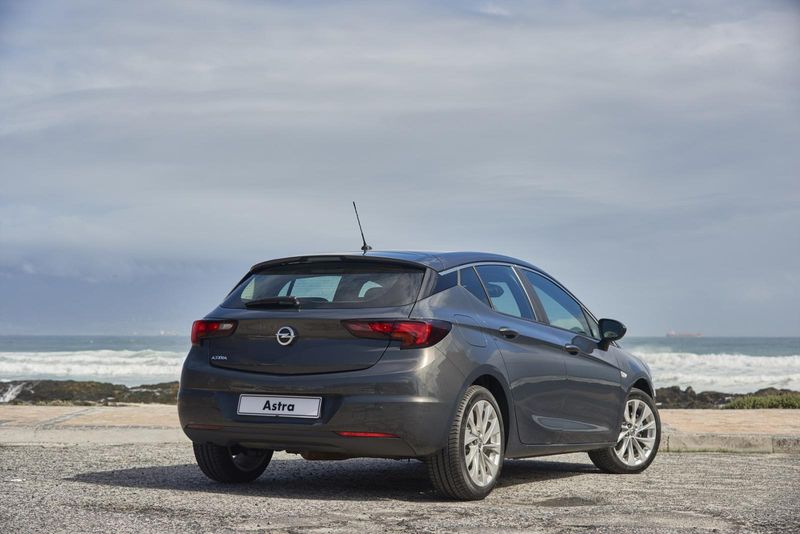
Opel Astra (2019) Specs & Price

Although the Opel Astra line-up has been rationalised since the German compact hatchback was introduced in South Africa in 2016, its local distributor has added a 1.6T Sport OPC-Line automatic derivative at the top of the range.

During the Astra's development, Opel prioritised a lightweight yet strong structure, more upmarket, tech-packed interior and more efficient engines for the award-winning compact hatchback, which competed with the Volkswagen Golf 7, facelifted Ford Focus, Kia Cerato, Mazda3, previous-gen Renault Megane and Toyota Auris when it was launched in South Africa by (the now departed) General Motors in 2016. Today, the Opel (now distributed by Unitrans in the local market) goes head to head with the outgoing Volkswagen Golf (7.5), new Renault Megane and Toyota Corolla Hatch, the reintroduced Peugeot 308, and there are new rivals, such as the next-generation Ford Focus and Mazda3, waiting in the wings.  

 
The Opel Astra competes in a segment that is feeling the pinch due to the growing popularity of compact family cars/crossovers.

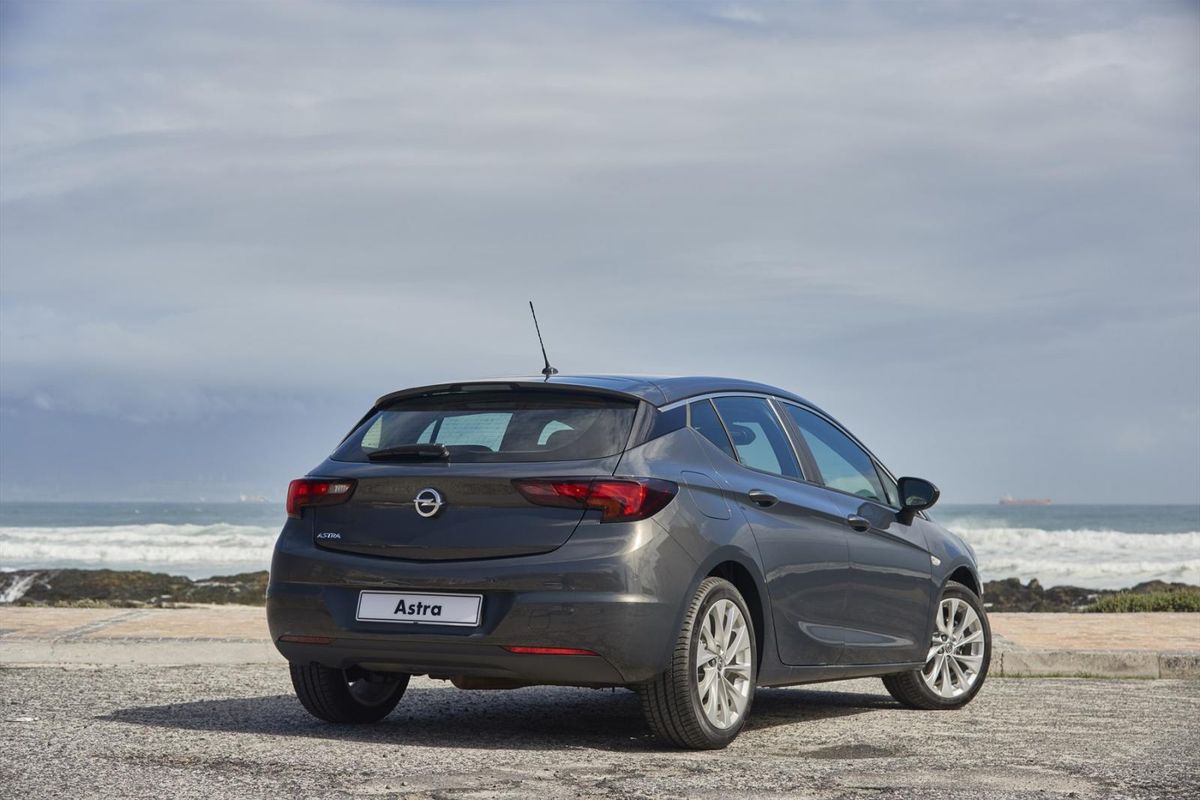
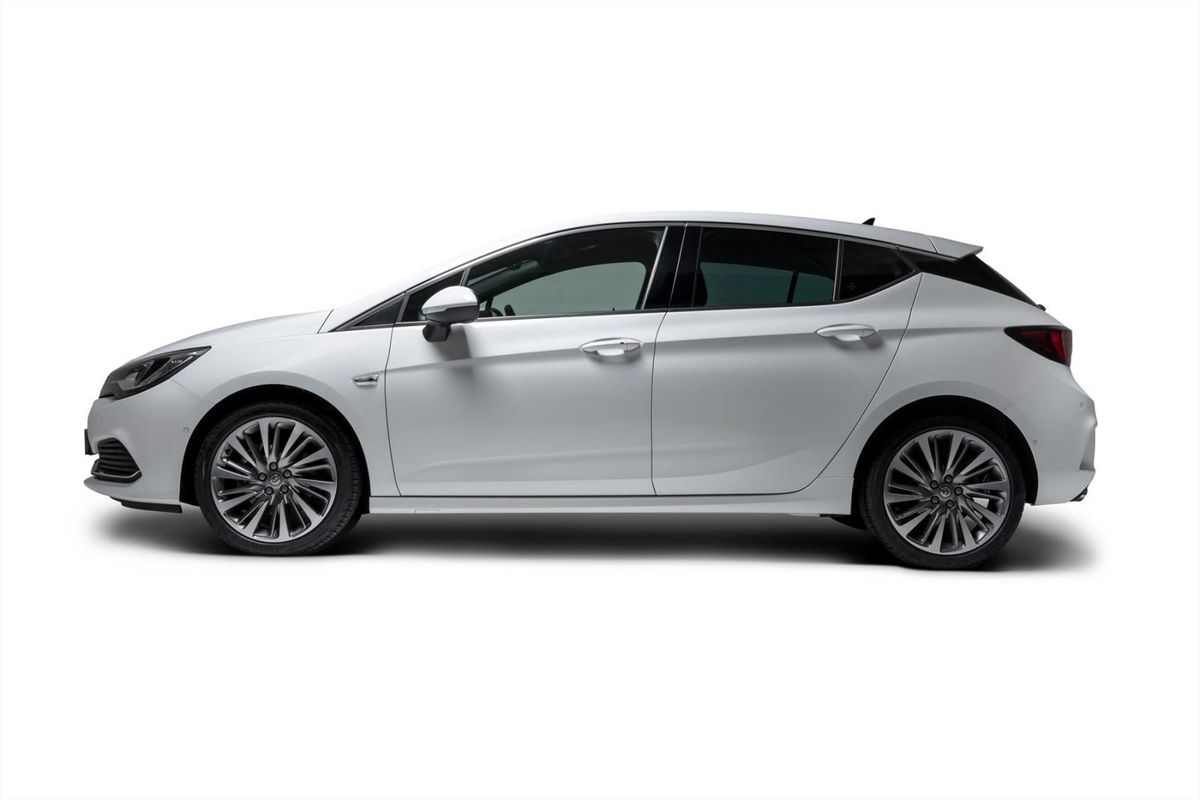
However, it remains an eye-catching vehicle with upmarket detailing, including chrome trims that run along the top edges of the side glass area. Note how the headlamps (equipped with the IntelliLux LED Matrix Lighting System with automatic headlamp levelling, dynamic control and adaptive forward lighting in the 1.6T Sport OPC-Line) make the Astra appear wider, while the stretched wheelbase lends the Opel a sleek, sporty profile.

The entry-level 1.0T is shod with 16-inch wheels, the 1.0T Enjoy manual and 1.4T Enjoy automatic ride on 17-inch alloys and the 1.6T Sport OPC-Line comes with an OPC-Line Sport Pack with tinted rear side and tailgate glass, a chrome exhaust tip and 18-inch rims (a sunroof is optional).  


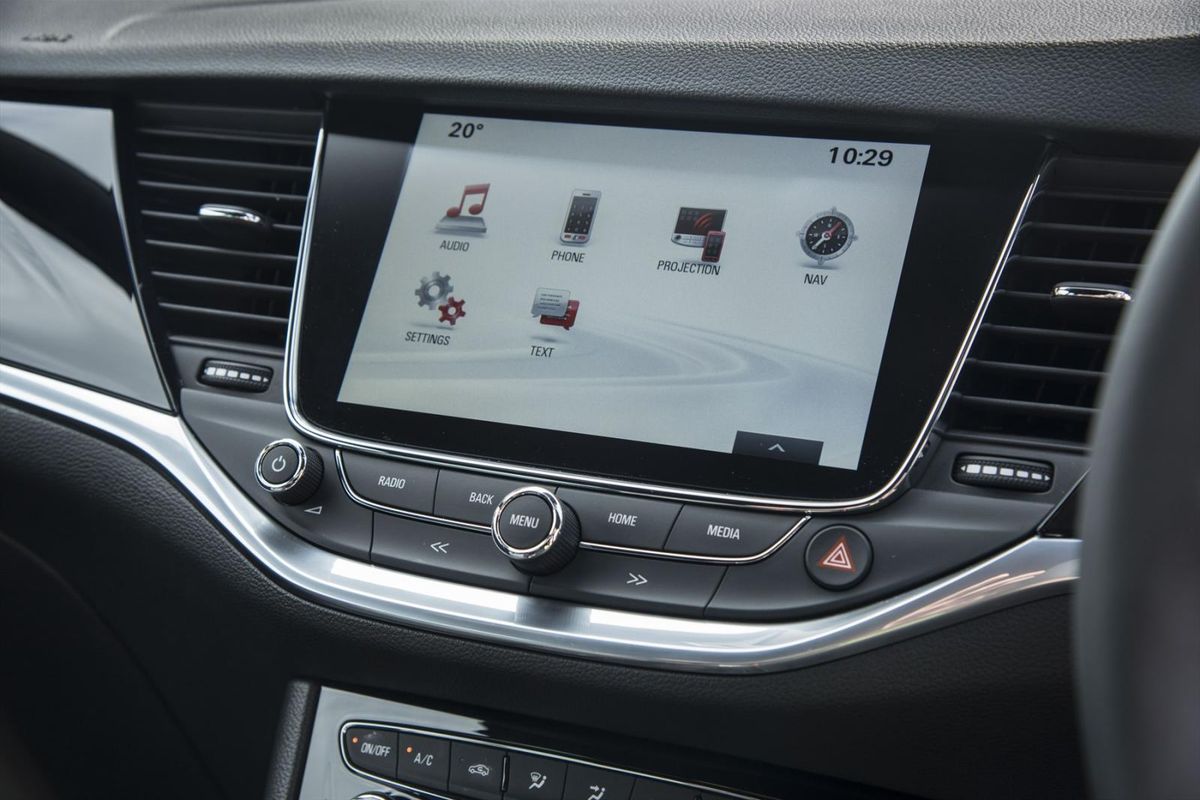
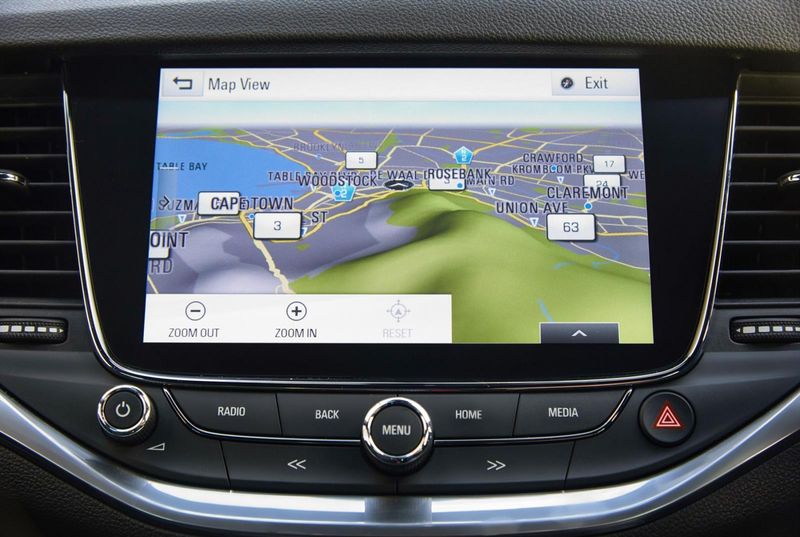
The 1.6T Sport OPC-Line features Navi 900 IntelliLink system with an 8-inch touchscreen and integrated dynamic navigation.

As we noted at the time the model was first introduced, the Astra is physically smaller than its predecessor. It is 49 mm shorter, 26 mm lower and, more importantly, also 200 kg lighter. The engine range consists of turbopetrols only, spanning from the 77 kW/170 N.m 1.0-litre 3 cylinder to the 110 kW/245 N.m 1.4-litre and 147 kW/280 N.m 1.6-litre 4-cylinder motors. The first two derivatives in the range (the 1.0T and 1.0T Enjoy) have a 6-speed manual gearbox as standard, while the following two, the 1.4T Enjoy and 1.6T Sport OPC-Line, have a 6-speed automatic transmission.

Upmarket interior

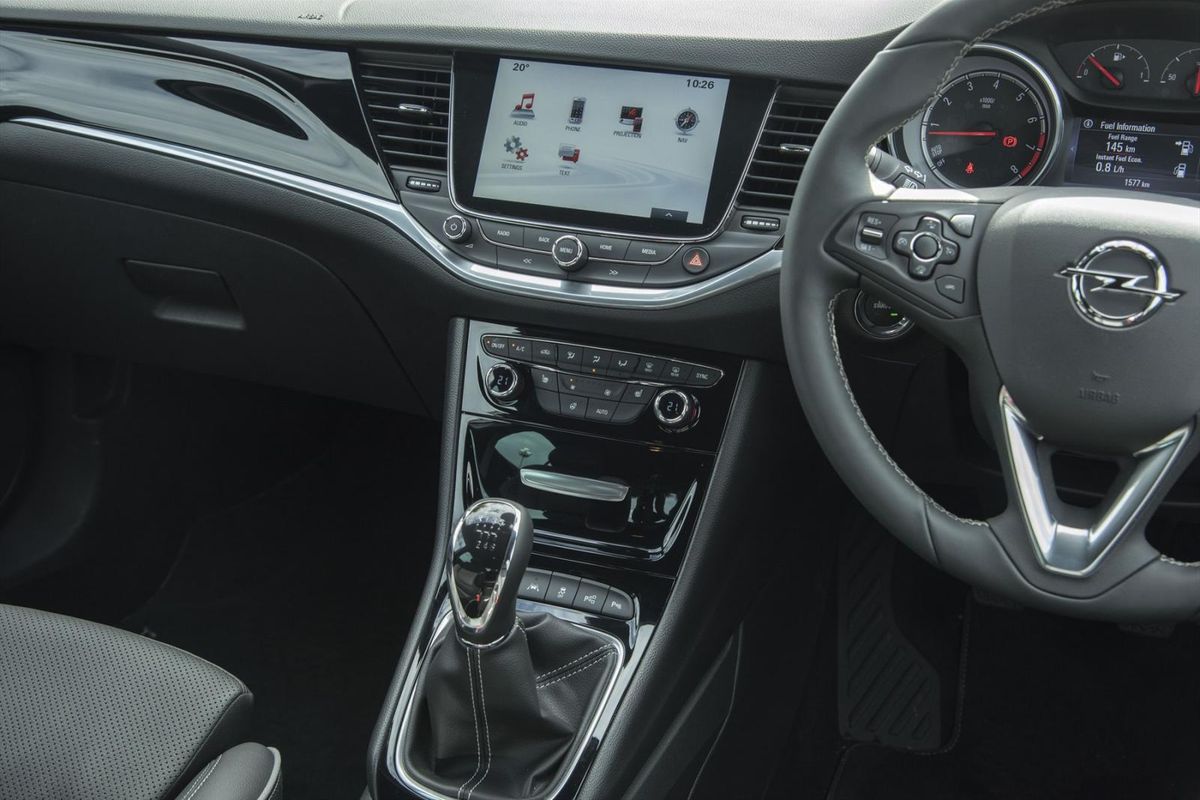
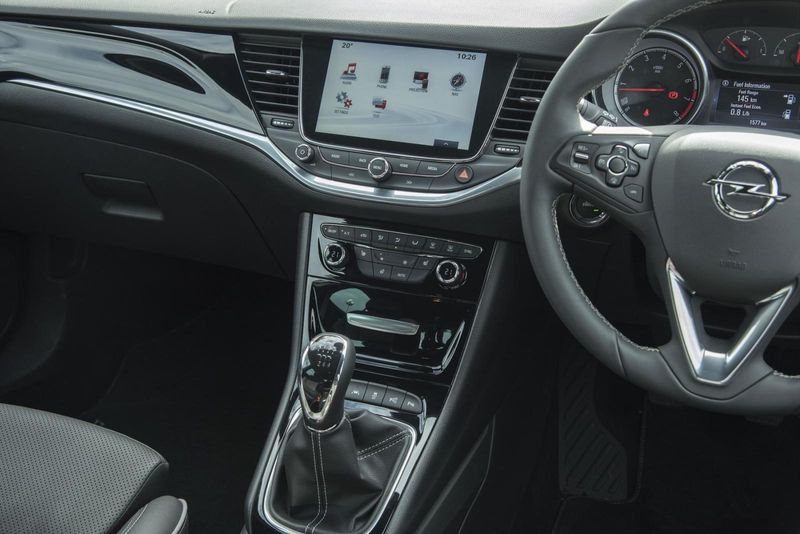
All Astra derivatives come equipped with an Apple Carplay and Andriod Auto-compatible IntelliLink 4.0 7-inch touchscreen (for the 6-speaker Bluetooth/USB/MP3/AUX audio system), with the exception of the 1.6T Sport, which has the upgraded Navi 900 IntelliLink system with an 8-inch touchscreen and integrated dynamic navigation. The entry-level 1.0T has aircon, a multifunction steering wheel, front electric windows, electric & heated side mirrors, interior ambient lighting and cruise control with speed-limiter control, whereas the 1.0T Enjoy additionally features rear power windows, rain-sensing wipers, an auto-dimming rear-view mirror, as well as front and rear park assist (Driver Assistance Pack 1 is optional).


The 1.6T Sport used to be exclusively available as a 6-speed manual, but the flagship derivative now features an auto transmission.

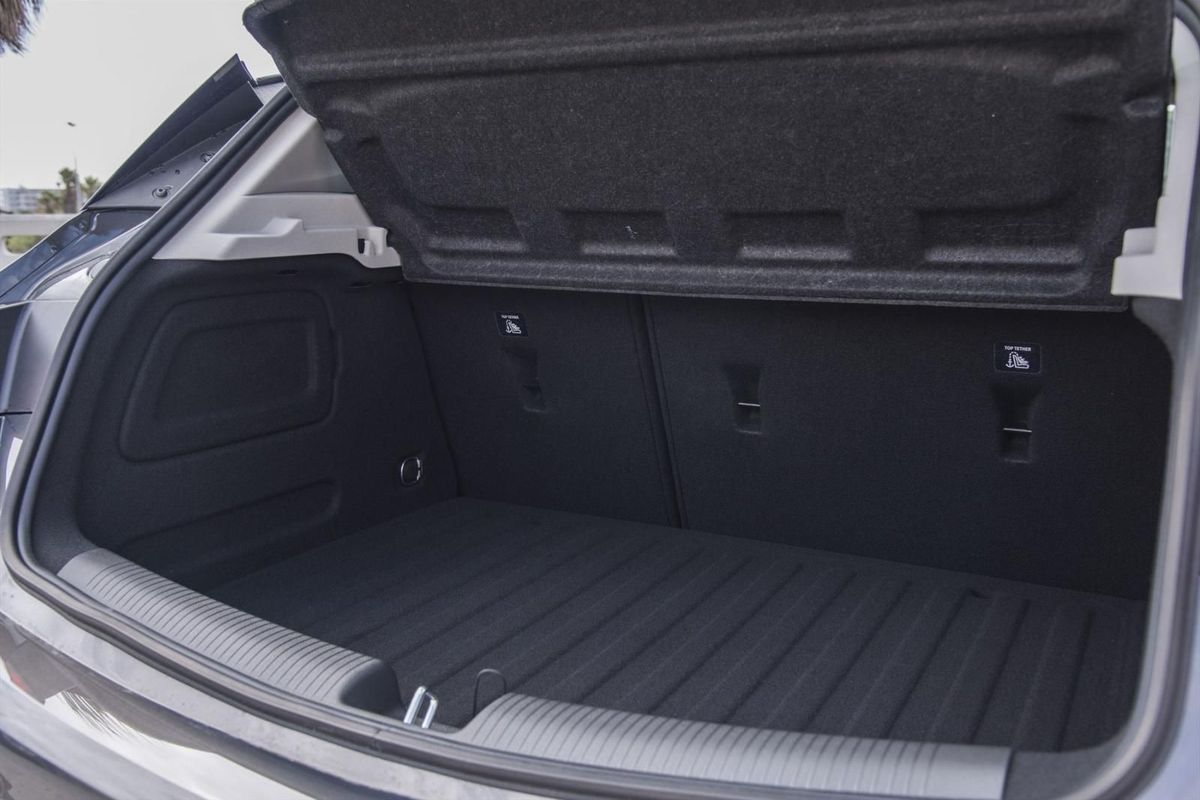
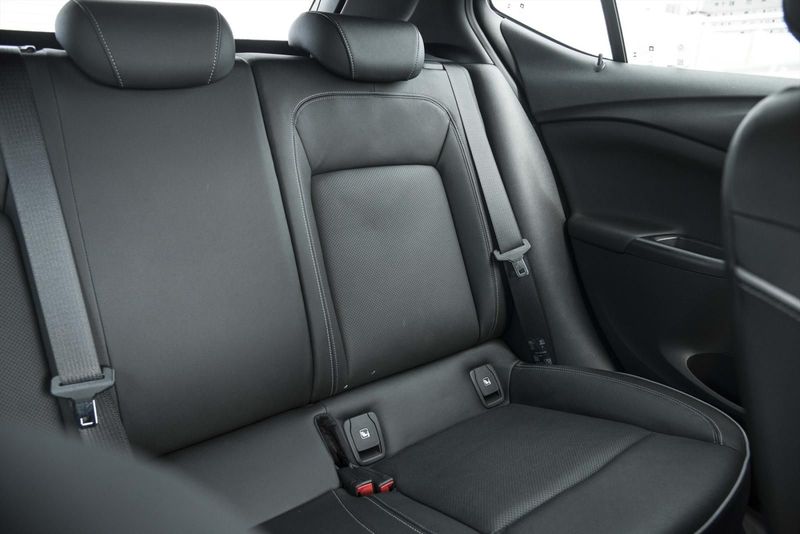
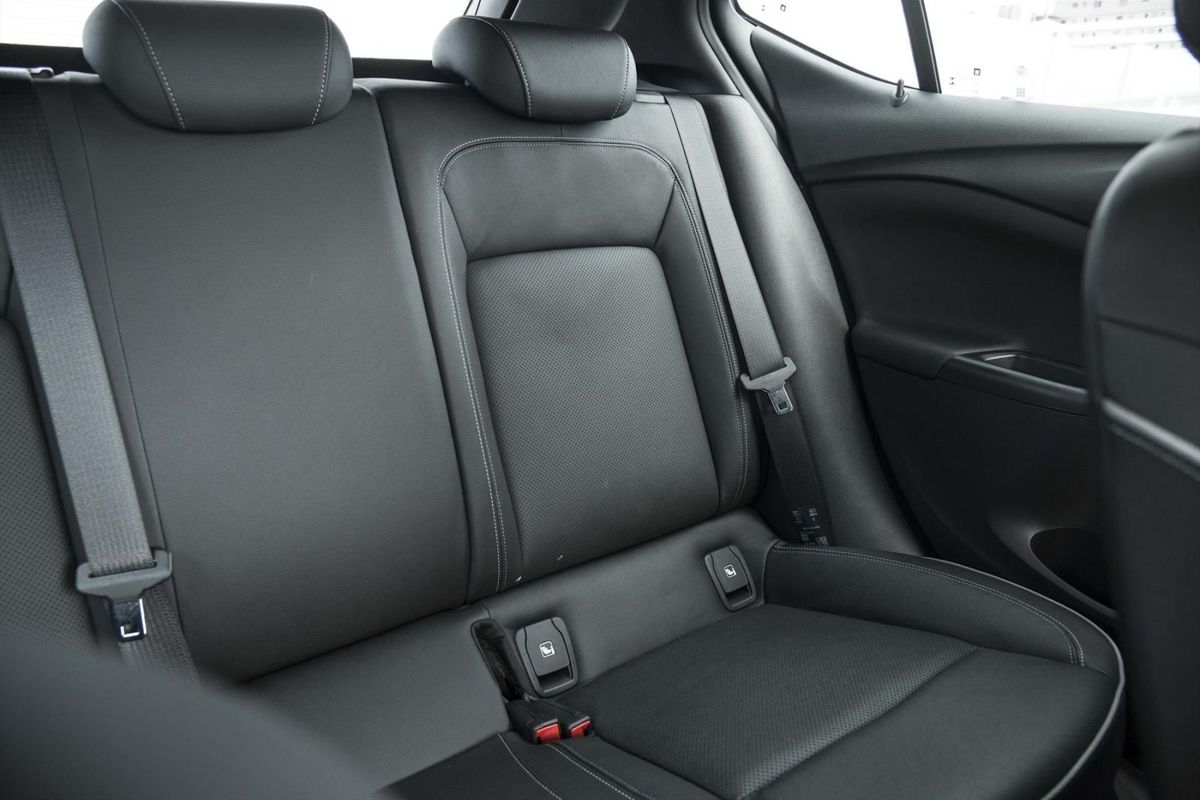
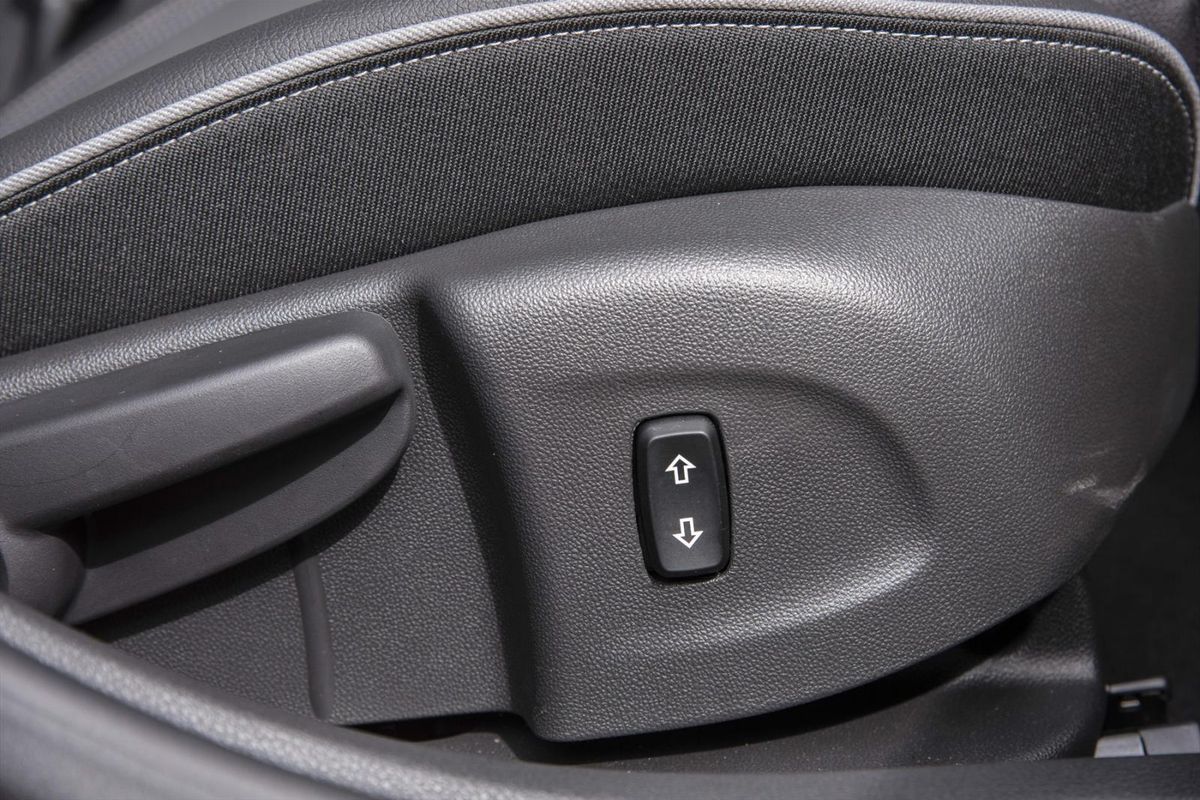
The 1.4T Enjoy automatic additionally features climate control, advanced park-assist, blindspot alert, a reverse-view camera, folding side mirrors and the Driver Assistance Pack 1 (forward collision alert, following distance indicator, lane keeping assist, speed collision mitigation and traffic sign recognition) as standard. The 1.6T Sport OPC-Line comes with Siena full-leather trim, alloy pedals, front sports seats with electrically adjustable lumbar support, a Sport-mode switch, plus a heating function for all seats and the multifunction steering wheel. Its rear seatback splits 40/20/40.


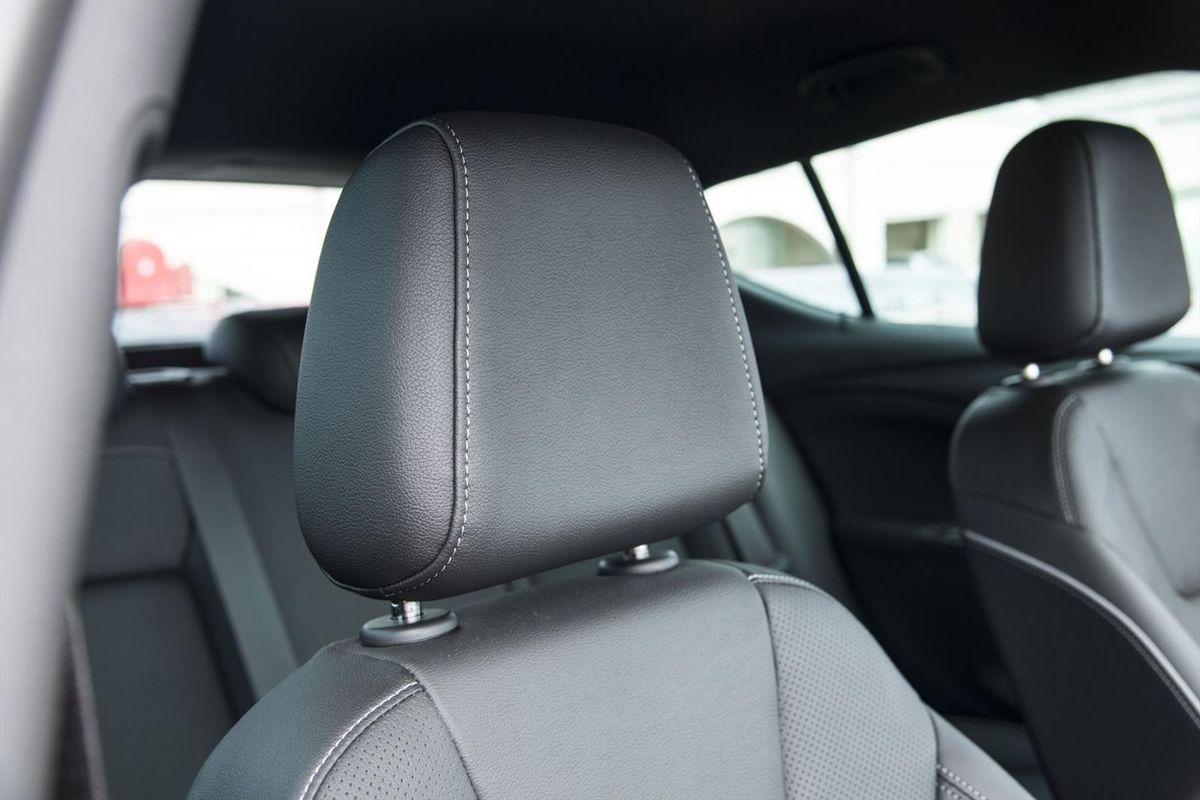
In the flagship version, interior occupants are not only treated to full-leather upholstery, but seat heating at the front and rear.

Meanwhile, the standard safety equipment list is extensive. It includes front-, side- and curtain airbags, ABS with EBD and brake assist, electronic stability program, hill start assist, a pedal release system, front passenger airbag deactivation switch and ISOfix child seat anchorage points. 

The range comes with a 3-year/120 000 km warranty and roadside assistance, as well as a 5-year/90 000 km plan included. 

Opel Astra pricing in South Africa (June 2019)

hatch 1.0T                             R301 049     
hatch 1.0T Enjoy                   R329 409     
hatch 1.4T Enjoy auto           R391 589     
hatch 1.6T Sport OPC-Line   R508 000

View the full range's specs and request a test drive here

Related content:

Comparative Review: Opel Astra 1.6T Sport vs Renault Megane GT Turbo

Opel Astra 1.4T Sport Automatic (2016) Review

Opel Astra 1.0T Essentia (2016) Review

Interested in buying a new/used Opel Astra?

Search for one on Cars.co.za

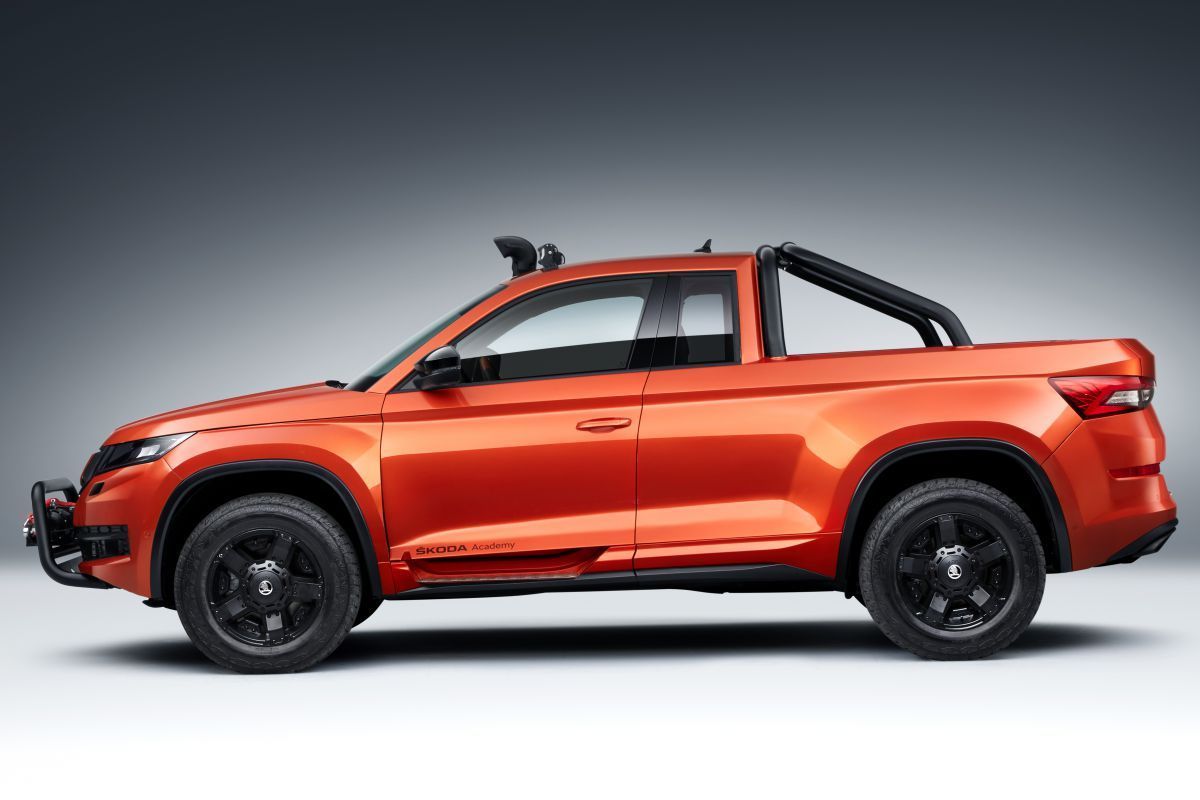
VW Platform Mountiaq Bakkie Revealed

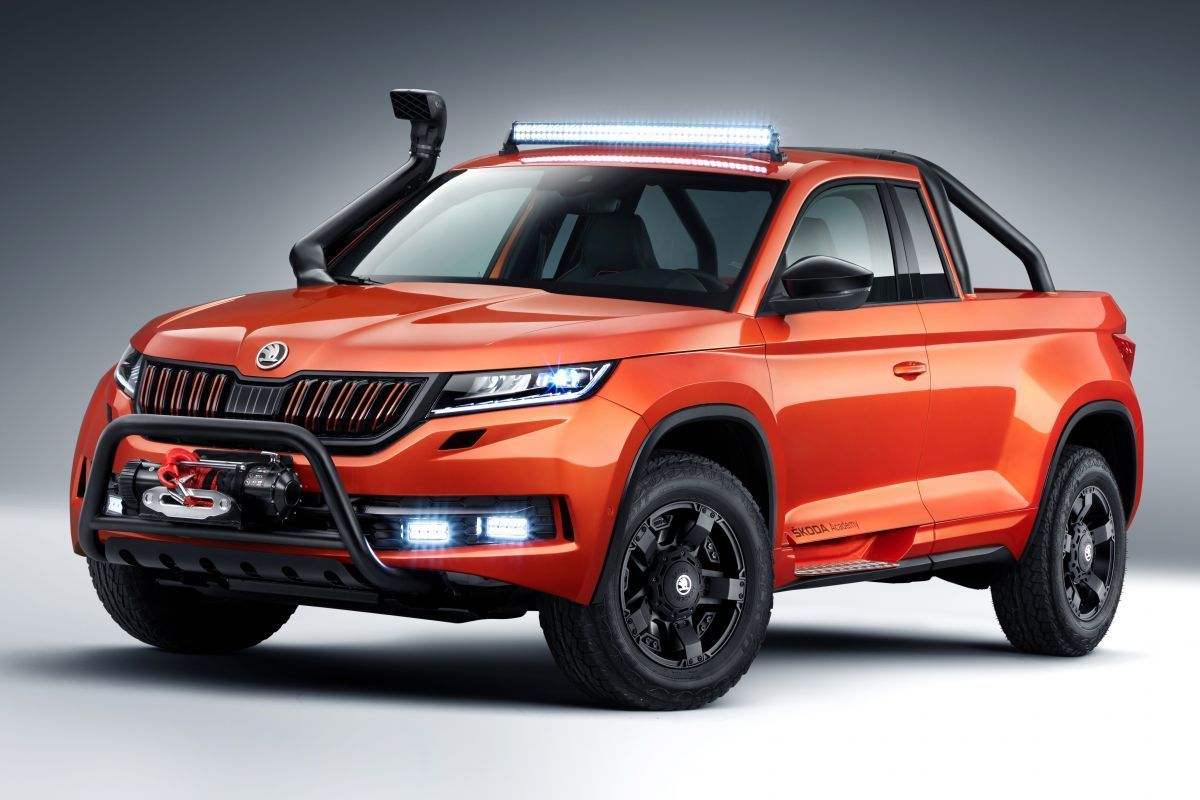
Does this Skoda Mountiaq provide any clues to Volkswagen's future leisure bakkie?

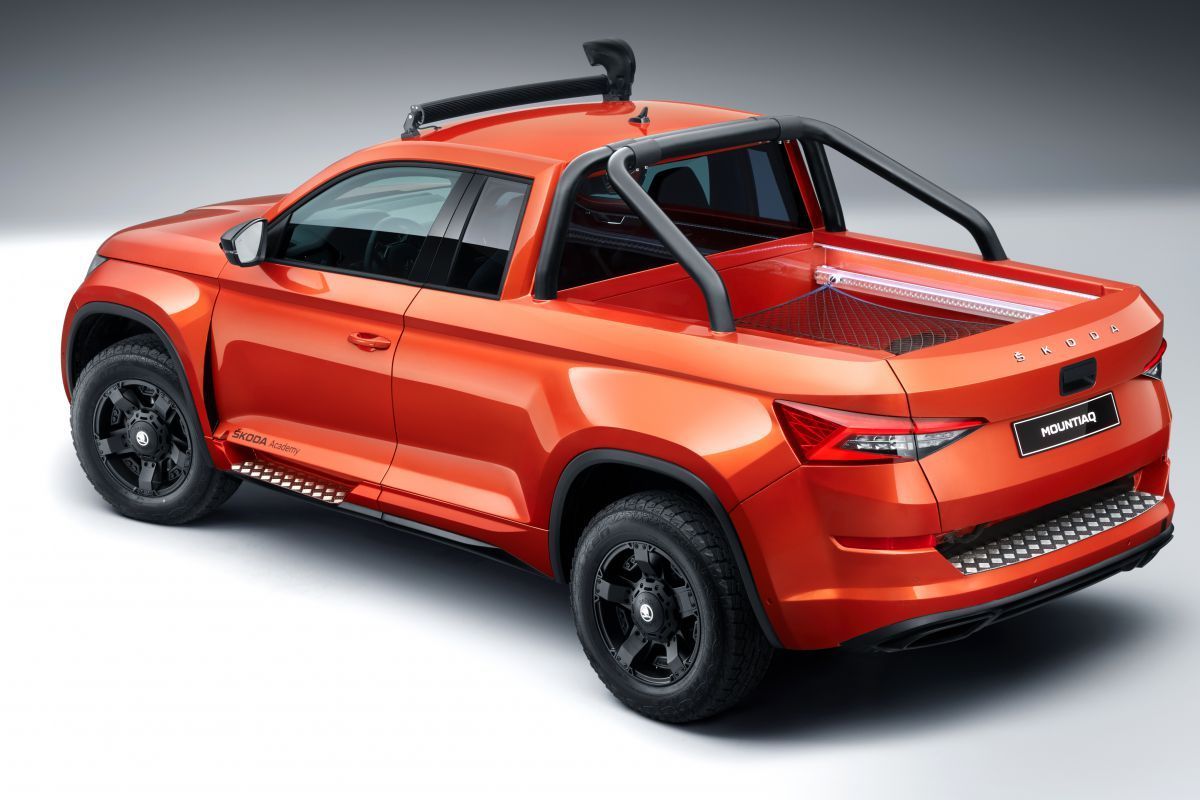
Students at Volkswagen's Czech subsidiary, Skoda, have given us a good idea of what a future compact German cab-and-half bakkie could look like.

A group of 35 Skoda apprentices spent 2 000 hours to build this Mountiaq bakkie, which is based on VW’s MQB platform. That means it is, in some way, similar to the VW Tiguan, which is also built on the German automotive giant’s MQB platform.

The Skoda Mountiaq measures 5 metres bumper-to-bumper, is a touch more the 2 metres wide and stands just over 1.7 metres tall. Those dimensions mean it's notably shorter than an Amarok, but wider. Despite its smaller overall size, the Mountiaq is not light, posting a kerb weight of 2 450kg – a lot heavier than any production Amarok double-cab.

Although the Mountiaq is configured as a cab-and-half bakkie, space behind its seats is taken up by a monumental sound system. The Mountiaq has 320-watt speakers and a 2 000-watt sub-woofer, boosted by a 2 000-watt amplifier unit. And there’s a fridge in the cabin, too.

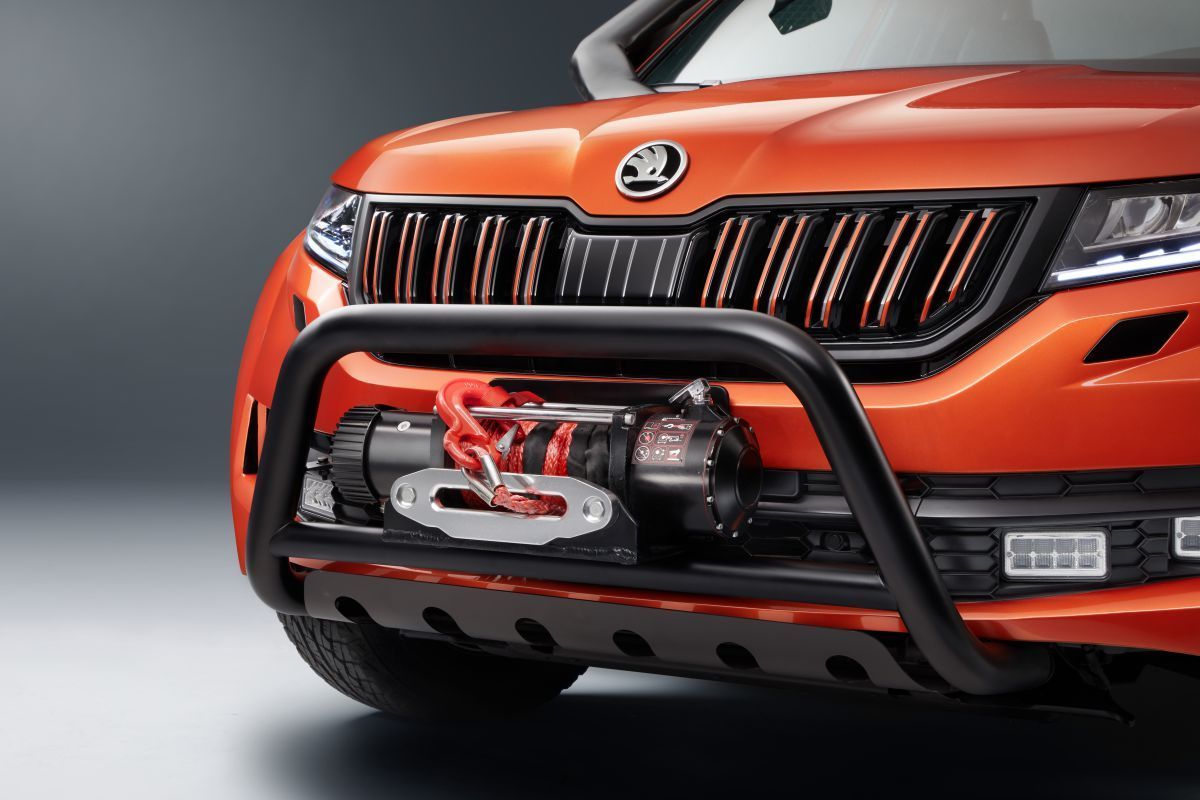
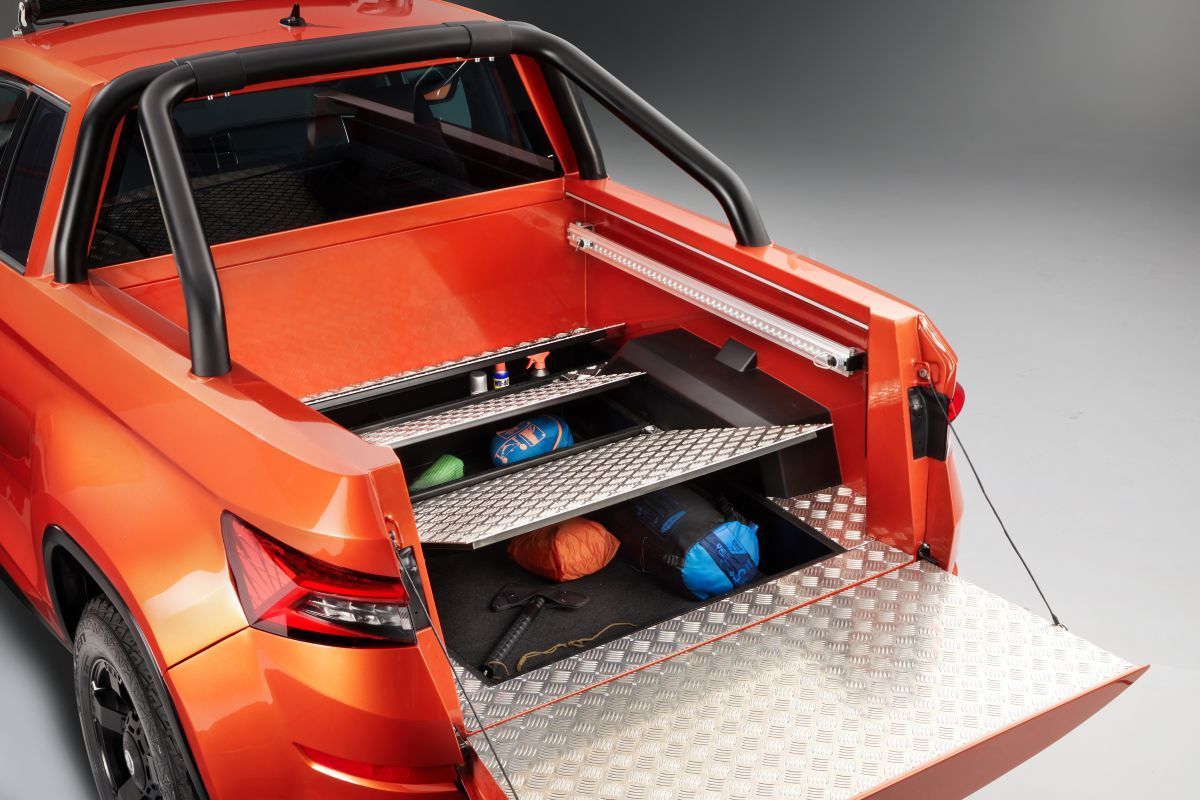
Skoda allowed the apprentices to add all manner of regulation off-road kit to the Mountiaq. As such it features a snorkel, roof-mounted LEDs, heavy-duty off-road bumper (which houses a recovery winch) and a very clever load bin.

One of the technical challenges presented to the Skoda apprentices was to fashion a functional tailgate. They succeeded in this and also fabricated 3 hidden stowage compartments into the load bin floor. This is something which would work a treat in a security-conscious bakkie market such as South Africa.

Powering the Mountiaq bakkie is VW’s renowned 2-litre TSI engine, good for 140kW. Rolling on 17-inch alloy rims, shod with high-volume off-road tyres, the Mountiaq should potentially be quite capable in testing terrain. It certainly has sufficient ground clearance to go most places any adventurous owner would desire, with a suspension lift that gifts it 290mm of ground clearance.

Some food for thought…

Buy a new or used Volkswagen Amarok on Cars.co.za

Related Content 

Volkswagen Amarok 3.0 V6 TDI (2017) Video Review

Volkswagen Amarok 3.0 V6 TDI Highline Plus (2017) Review [with Video]

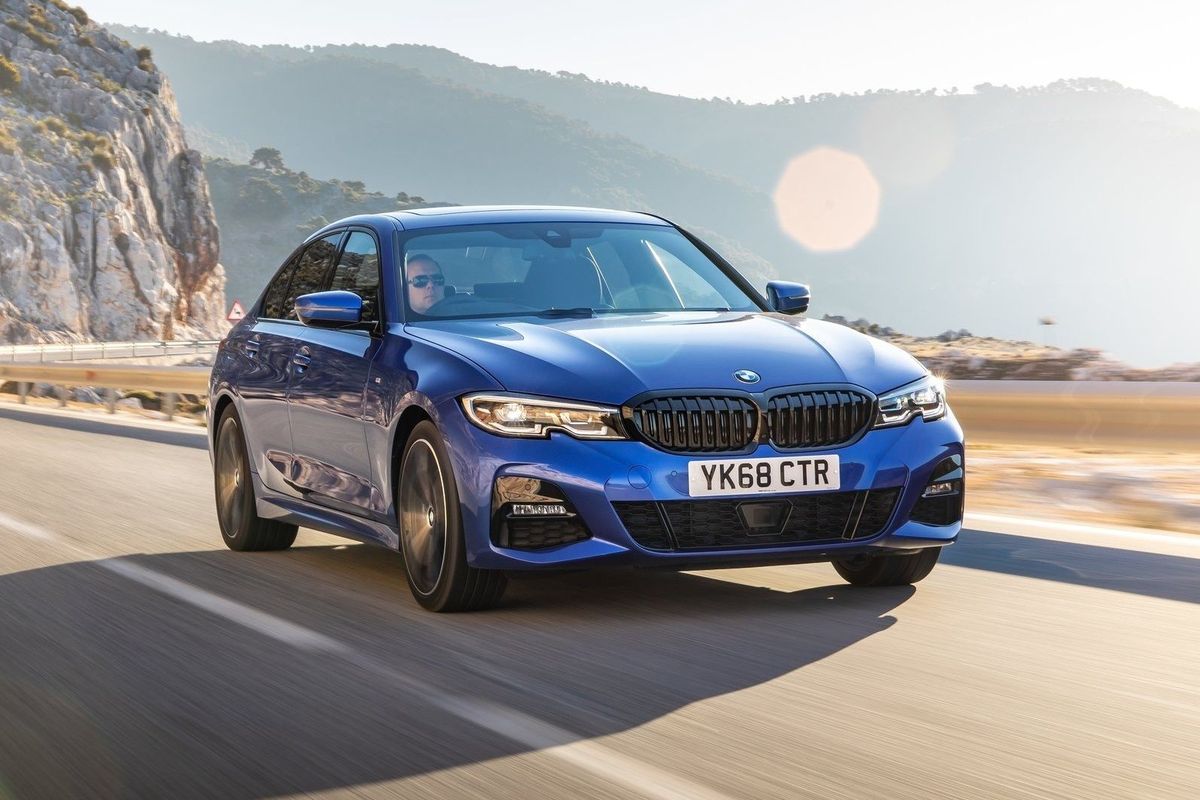
BMW 3 Series Range Expanded W/Pricing

When the BMW 3 Series landed in South Africa in early 2019, the entry-level 320i, flagship diesel 330d and hot performer M340i xDrive weren't available. With an expected arrival of September/October 2019, we're able to share pricing of these new models.

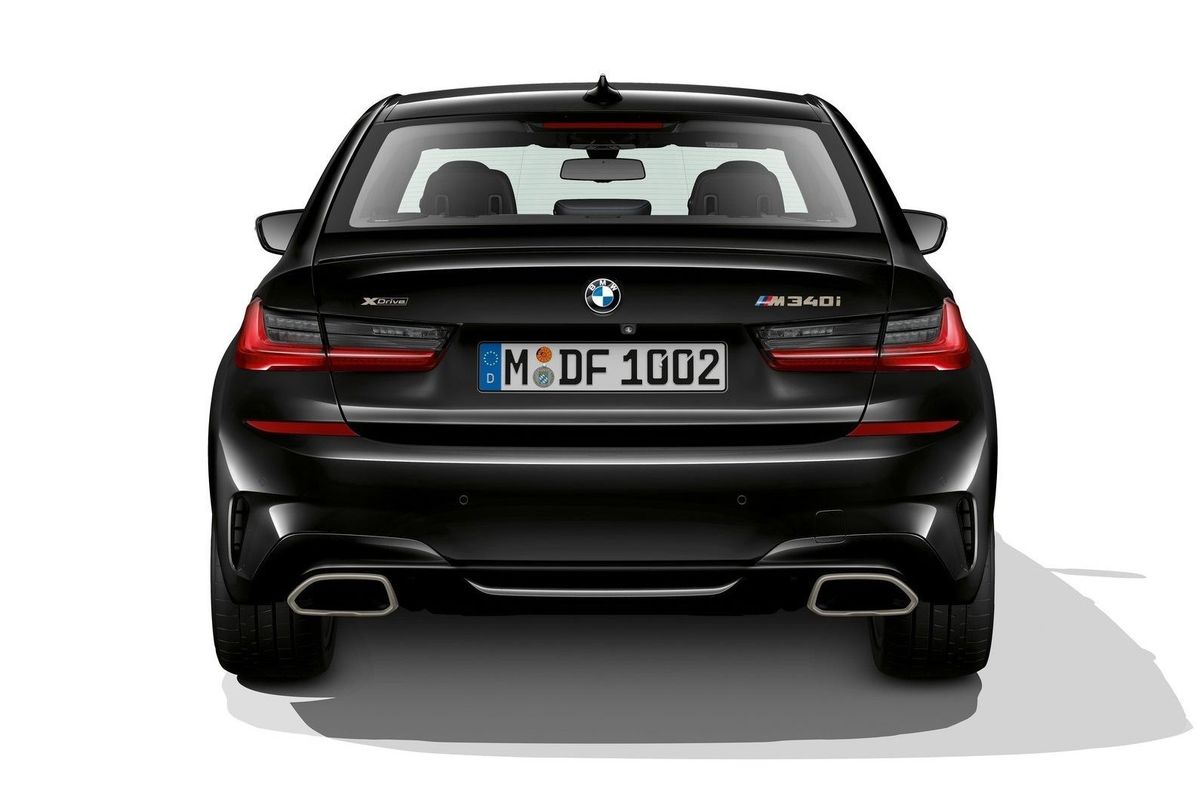
For those of you wanting the ultimate BMW 3 Series before the new M3/M4 are revealed, the BMW M340i xDrive is where you should be looking. Powered by a 3.0-litre turbocharged 6-cylinder engine churning out 275 kW and 500 Nm, the M340i can accelerate to 100 kph in a claimed 4.4 seconds thanks to all-wheel drive. An M Sport differential should make it entertaining to drive and it's going to be fascinating to see how it fares against the Mercedes-AMG C43 and Audi S4.

Kicking off the BMW 3 Series range wil be the 320i. which is powered by a 2.0-litre turbocharged 4-cylinder petrol engine with 135 kW and 300 Nm. It's claimed to consume 5.9 L/100 km. The flagship diesel offering is also coming to South Africa and that packs a 195 kW and 580 Nm punch. It will be the most powerful oil-burner in the portfolio and has a claimed fuel consumption of 5.2 L/100 km. All vehicles feature 8-speed automatic Steptronic transmissions, with the option of the 8-speed Sports Auto Transmission with paddle shifters. The performance-biased M340i features the latter gearbox as standard

There will no doubt be a Sport Line and M Sport package available for the 320i and 330d, and we'll have pricing for those closer to the time.

BMW 3 Series Price in South Africa (June 2019)

Every BMW 3 Series comes standard with a 5-year/100 000 km Motorplan. New models are in bold.

BMW 320i                                               R615 138.50  

BMW 320d                                               R649 253

BMW 320d Sport Line                              R672 853

BMW 320d Sport Line Launch Edition     R664 253

BMW 320d M Sport                                  R694 653

BMW 330i                                                R652 416

BMW 330i Sport Line                              R 676 016

BMW 330i Sport Line Launch Edition     R667 416

BMW 330i M Sport                                  R699 816

BMW 330d                                              R736 026.50

BMW M340i xDrive                                R977 915.50

Further Reading

BMW 3 Series (2019) Launch Review

2019 BMW 320d vs Mercedes-Benz C220d – Which one should you buy?

BMW 330i Sport Line (2019) Review

New BMW 3 Series Tackles SA's Best Roads

BMW 3 Series (2019) International Launch Review (w/video)

New Porsche 911: Price in SA

The new 8th-generation Porsche 911 has been revealed at the LA Motor Show. Take a look at details and pricing for the new 911 below…

A new version of the iconic Porsche 911 has arrived! The new 911, known internally as the 992, looks somewhat familiar but now sports a more refined appearance with a new headlight and taillight design, the latter of which now features a light bar that stretches the width of the rear.

As you would expect, this latest 911 has been developed to be faster and more dynamic than its predecessor. Its tracks have been widened and it stands some 45 mm wider. The front wheel arches house 20-inch wheels while 21-inch wheels are fitted to the rear. Flush, electric door handles now give the 911 a sleeker appearance.


The new Porsche 911 has more power and comes equipped with a new 8-speed PDK. 

The first 2 models in the new 911 family are the 911 Carrera S and 911 Carrera 4S. A rear-mounted flat-six 3.0-litre twin-turbo engine does service in the new 911 but now comes with a power output of 331 kW, some 22 kW more than before. Torque figures have yet to be revealed.  A newly-developed 8-speed dual clutch transmission now features in the new 911, but a manual transmission is expected at a later stage.

The Carrera S will sprint from zero to 100 kph in 3.5 seconds while the Carrera 4S will do the sprint in 3.4 seconds. An optional Sports Chrono Package will shave off 0.2 seconds off those numbers. Top speed is 308 kph for the Carrera S while the Carrera 4S tops out at 306 kph.

The new 911 boasts new driver assistance systems such as a Wet Mode and optional Night Vision Assist. The interior features a larger 10.9-inch touchscreen display and optional 18-way Sport Seats Plus will be offered as an option.

The 911 Cabriolet, Targa and high-performance GT derivatives are expected to come to market in coming months. 

The new Porsche 911 has been confirmed to arrive in South Africa mid-2019. 

New Porsche 911 – Price in SA

Porsche 911 Carrera S – R1 708 000

Porsche 911 Carrera 4S – R1 797 000

Orders for the new Porsche 911 can be placed now for deliveries in mid-2019 and a 3-year/100 000 km DrivePlan will be standard. 


Buy a new or used Porsche 911 on Cars.co.za

Related Content

Porsche 911 Range Explained

Porsche 911 Speedster Concept Confirms Production Model

Porsche 911 Carrera T (2018) Launch Review

Porsche at 70: Ten of its Greatest (gallery)

Porsche 911 GT3 RS Revealed [w/Video]

Best Performance Cars in SA: #CarsAwards Finalists

BMW X3 M/X4 M Performance Parts Shown

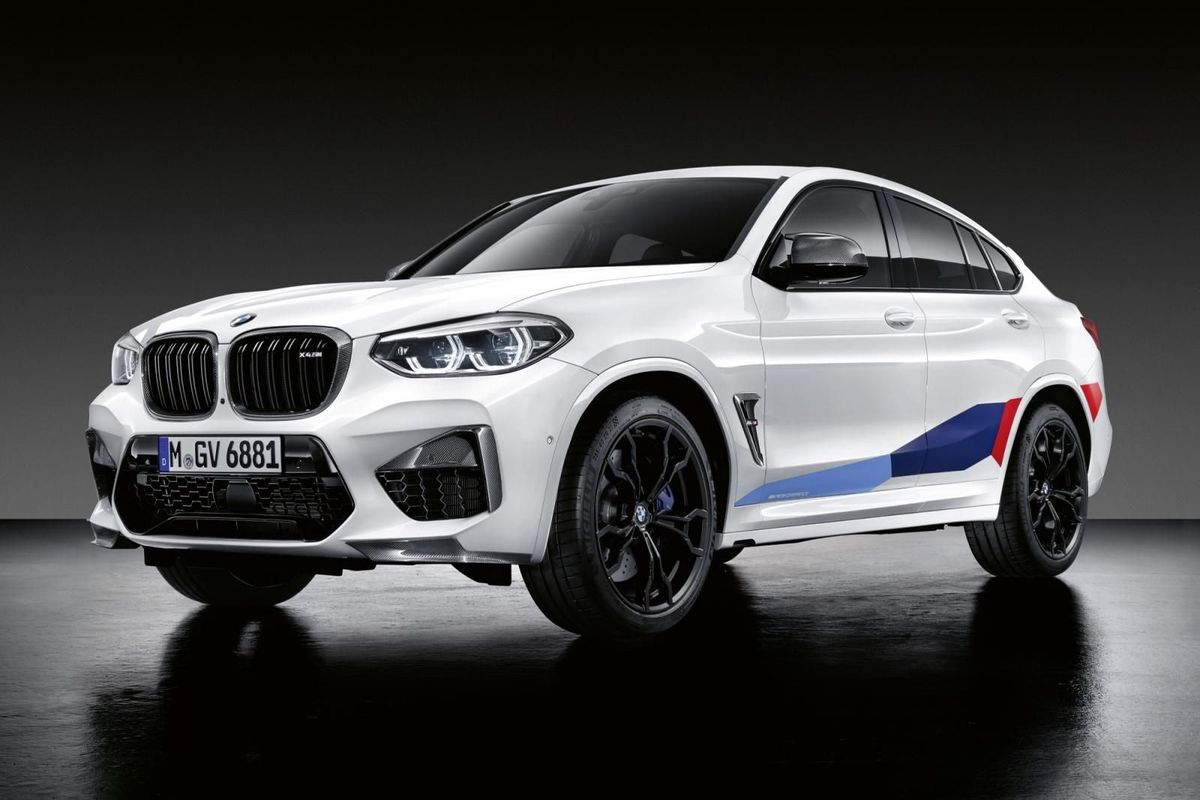
The performance-infused BMW X3 M and X4 M are expected to land in South Africa later this year and although we will be driving both in the United States this week, BMW has revealed the X3 M and X4 M with performance parts, take a look…

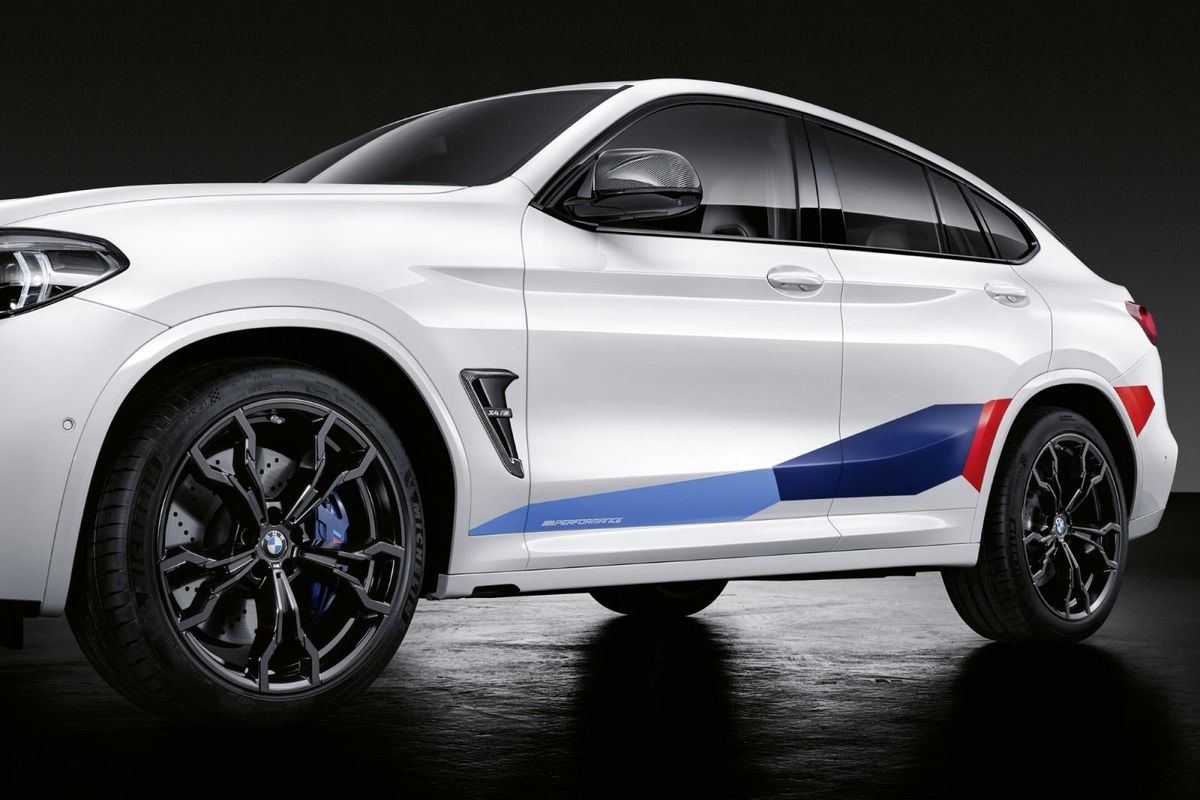
While we wait in anticipation for our very own Ciro De Siena to return from the US with a report on the X3 M and X4 M, this is what they will look like dressed-up in M Performance bits.

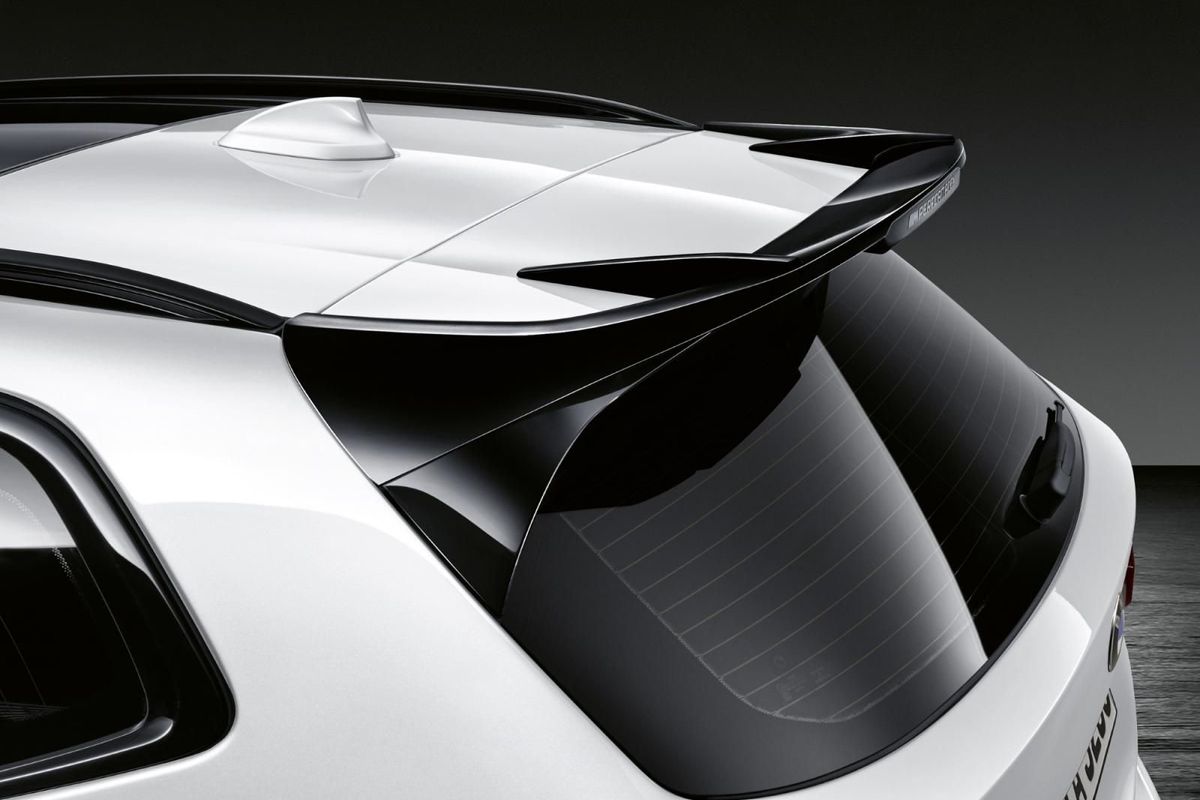
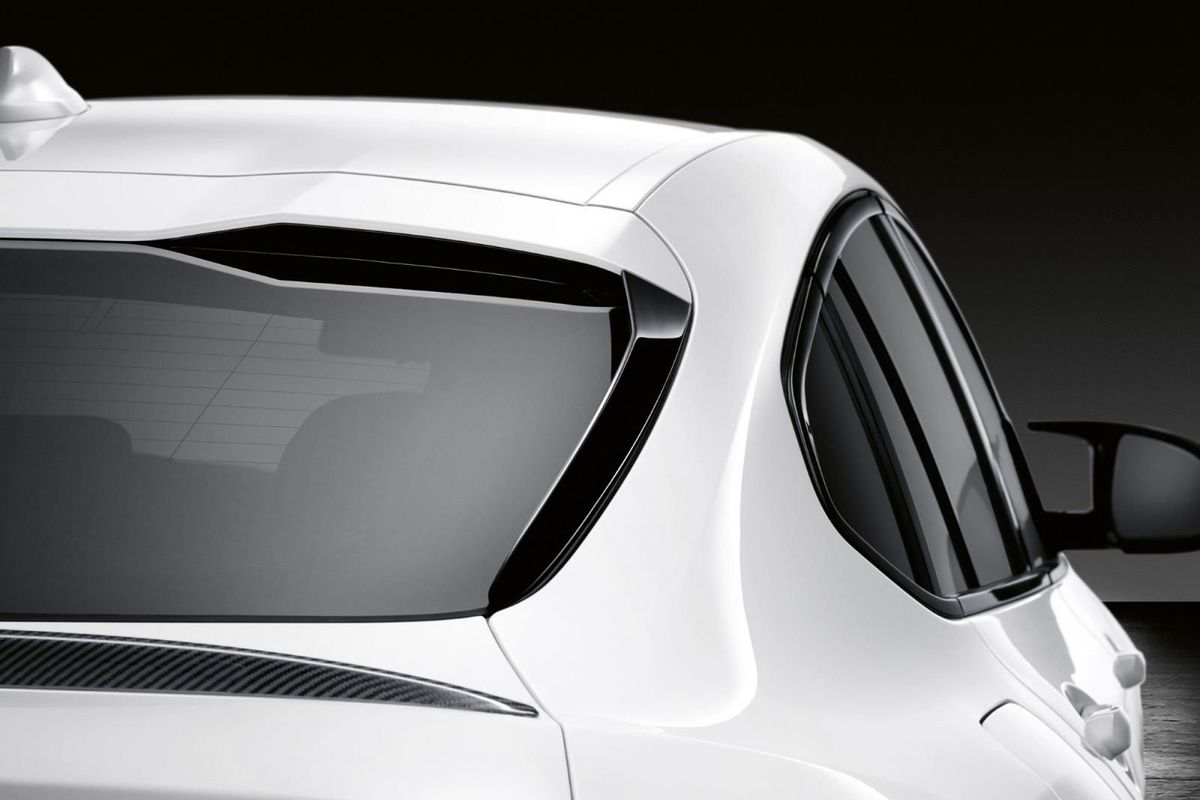
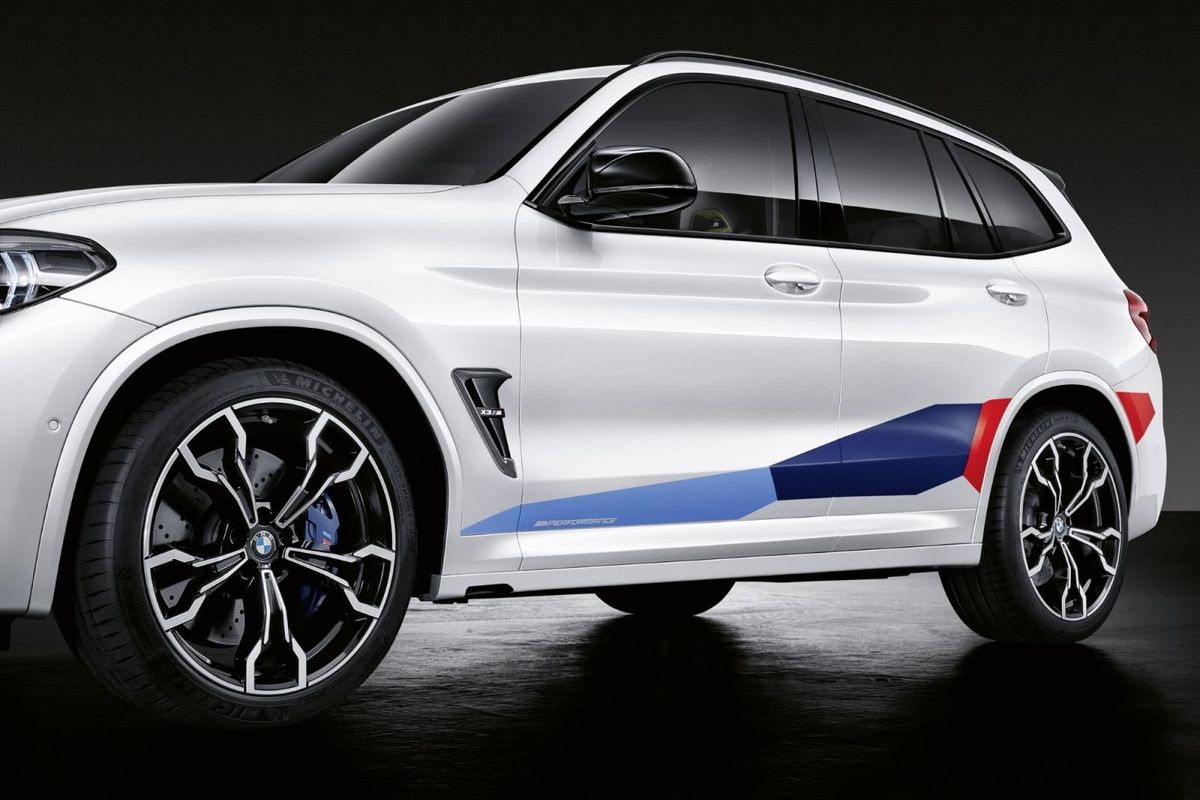
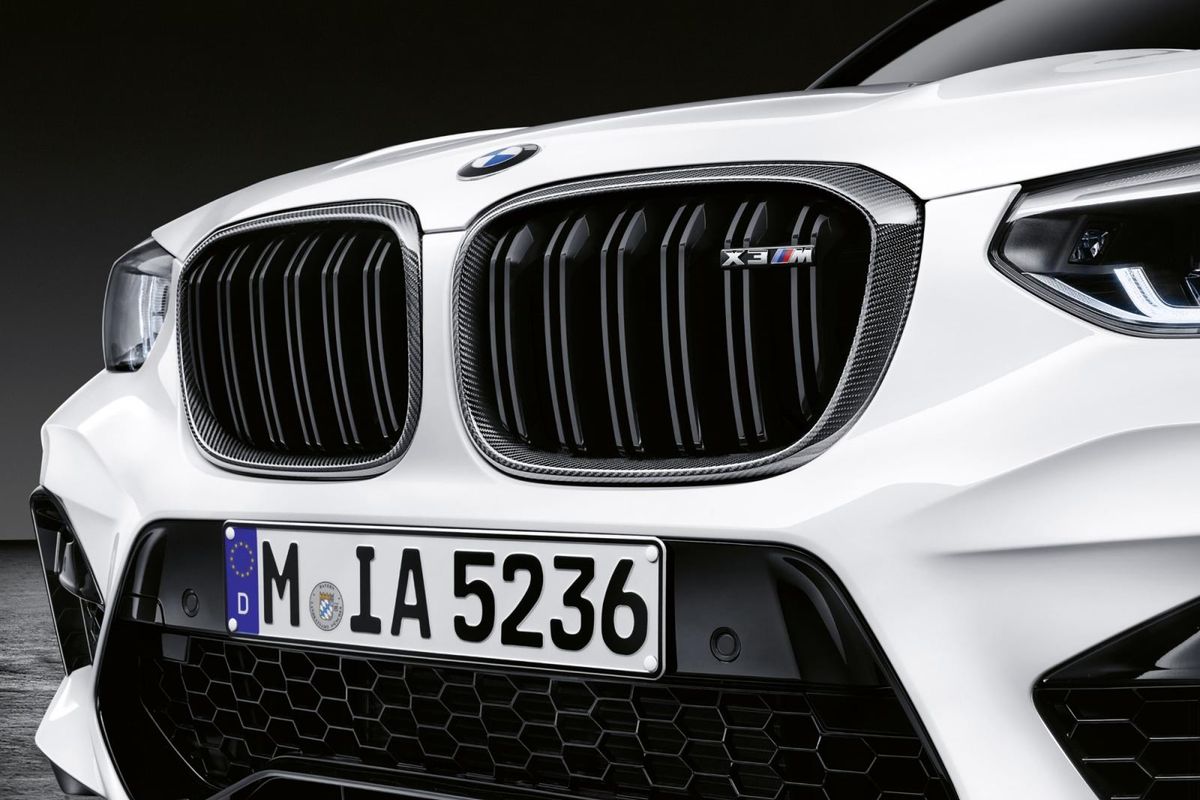
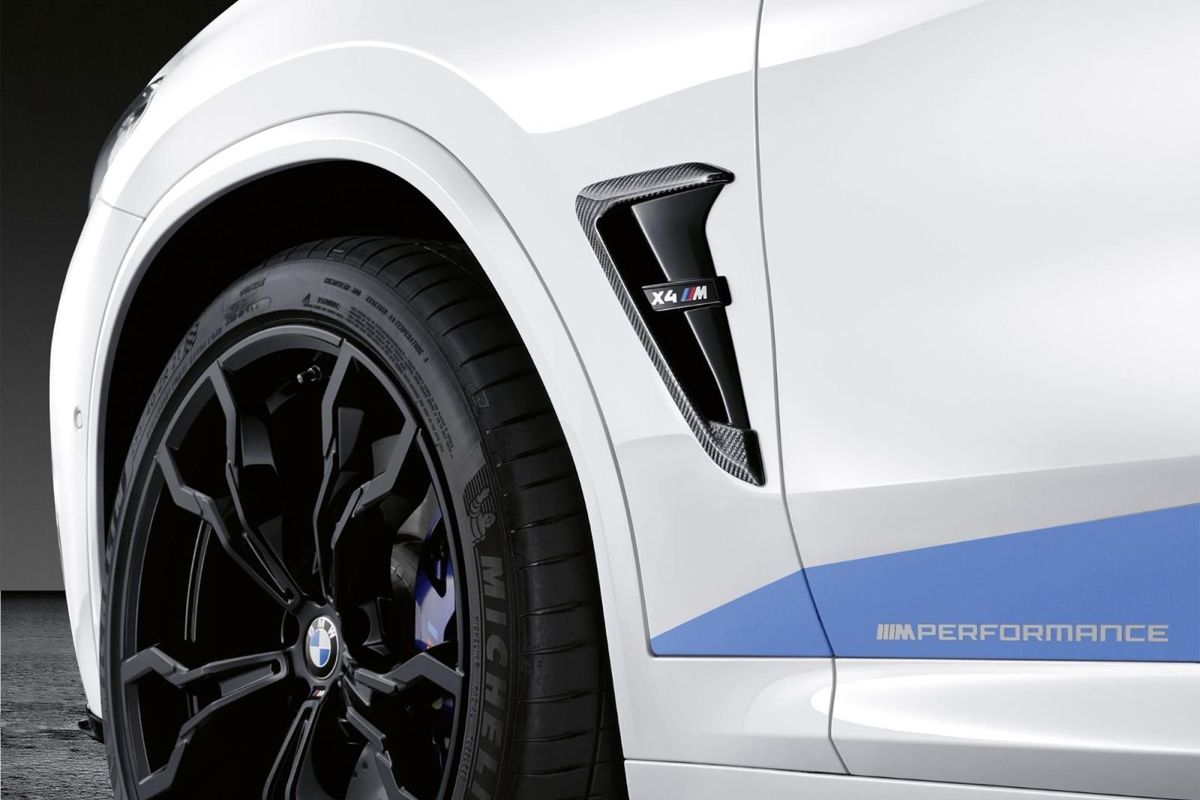
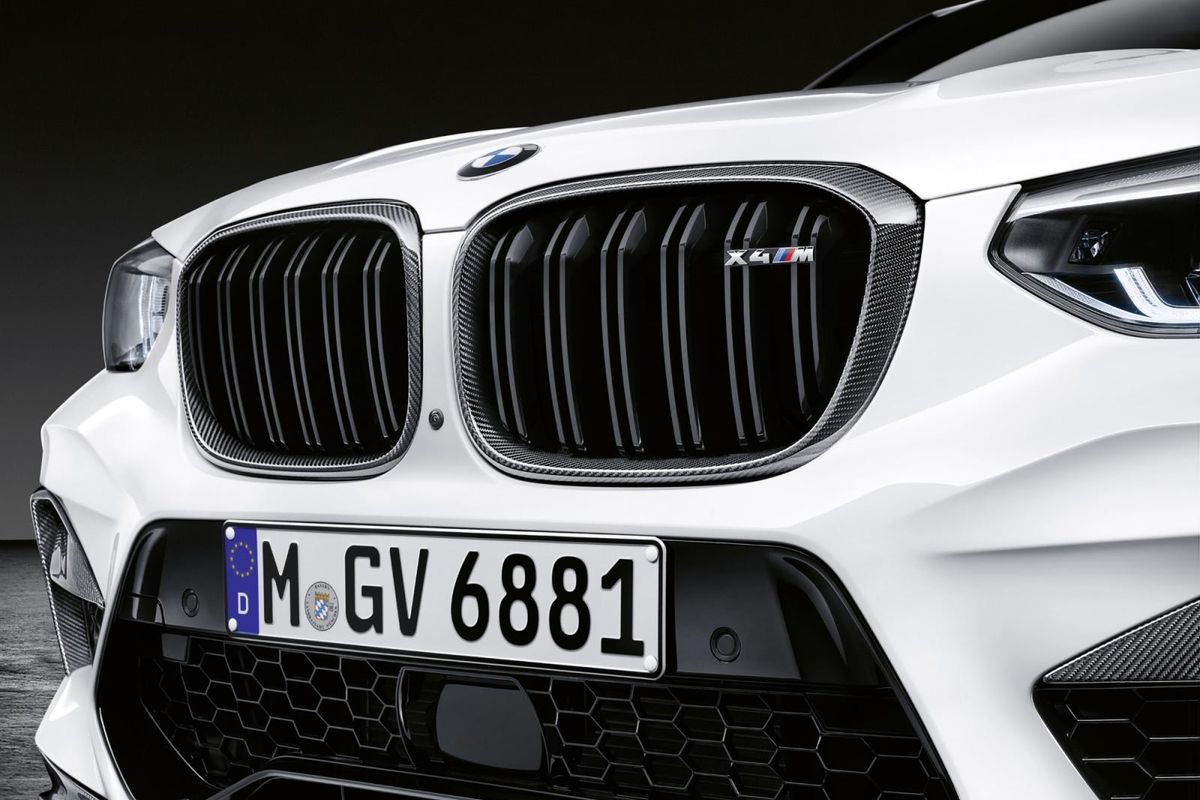
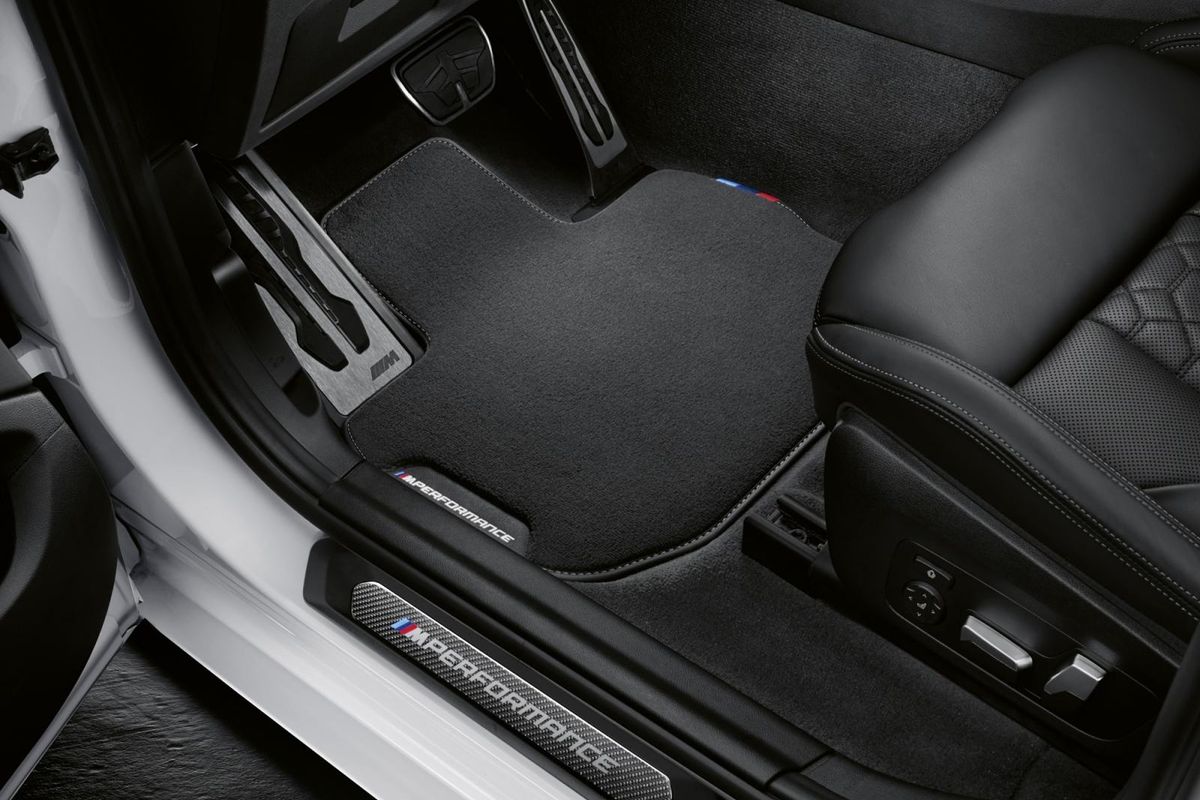
Carbon fibre is extensively used to complete the look with features such as a carbon fibre radiator grille, carbon fibre intakes and door sill finishers with carbon fibre inserts and an M Performance overprint. The roof edge spoiler is finished in gloss black, the same finish for the rear fins on the X4 M. The M Performance decals add colour and exclusivity to the overall package. LED door projectors with M Performance motifs add a special touch at night.

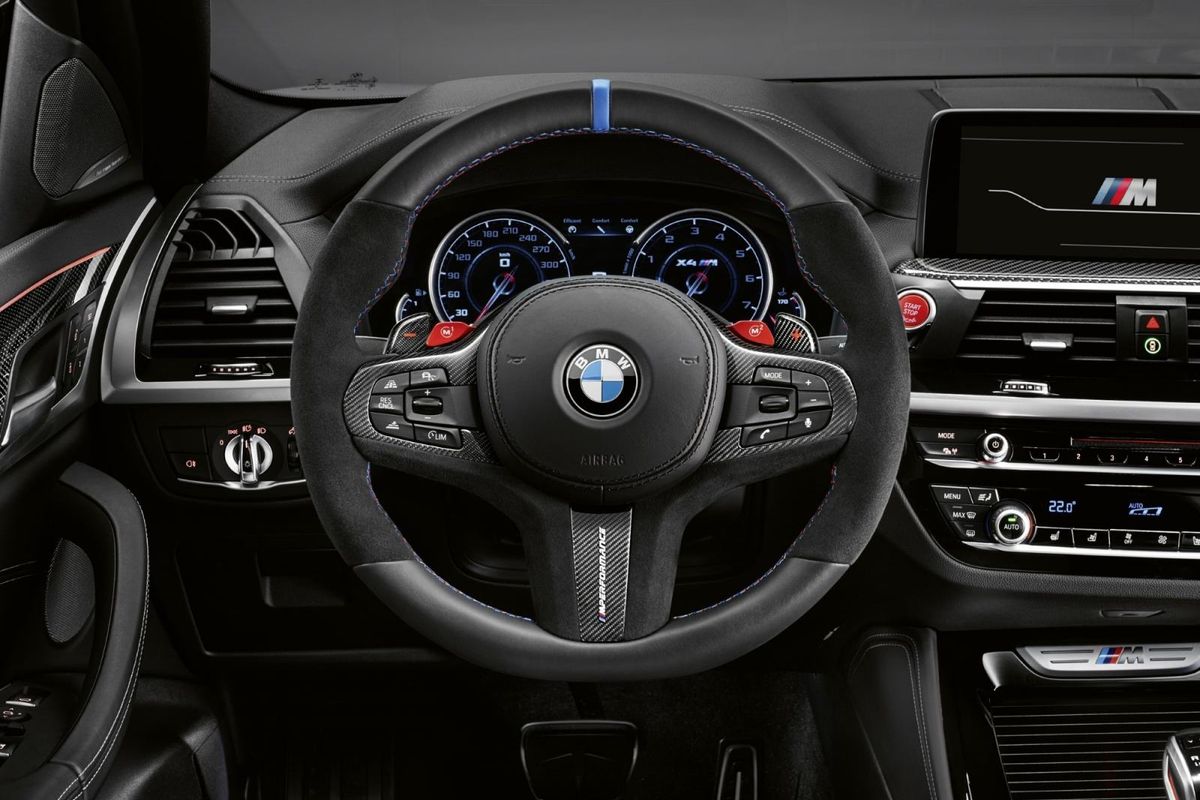
As for the interior, bespoke details include an M Performance Pro steering wheel finished in leather and Alcantara trim and equipped with carbon fibre shift paddles. A centre mark in blue and 3-colour M seam is particularly sporty. The gear knob also gets some carbon fibre elements and M Performance floor mats are a nice touch.

Finally, an M Performance key case in Alcantara and carbon fibre is also on offer as are M Performance wheel bags for transporting the light alloy wheels.

Look out for our impressions of the BMW X3 M and X4 M soon…

Buy a new or used BMW X3 on Cars.co.za

Buy  new or used BMW X4 on Cars.co.za

Related Content

5 Rivals the BMW X3 M Has To Beat

BMW X3/4 M-Cars: All the Details

BMW X3 M and X4 M Shown

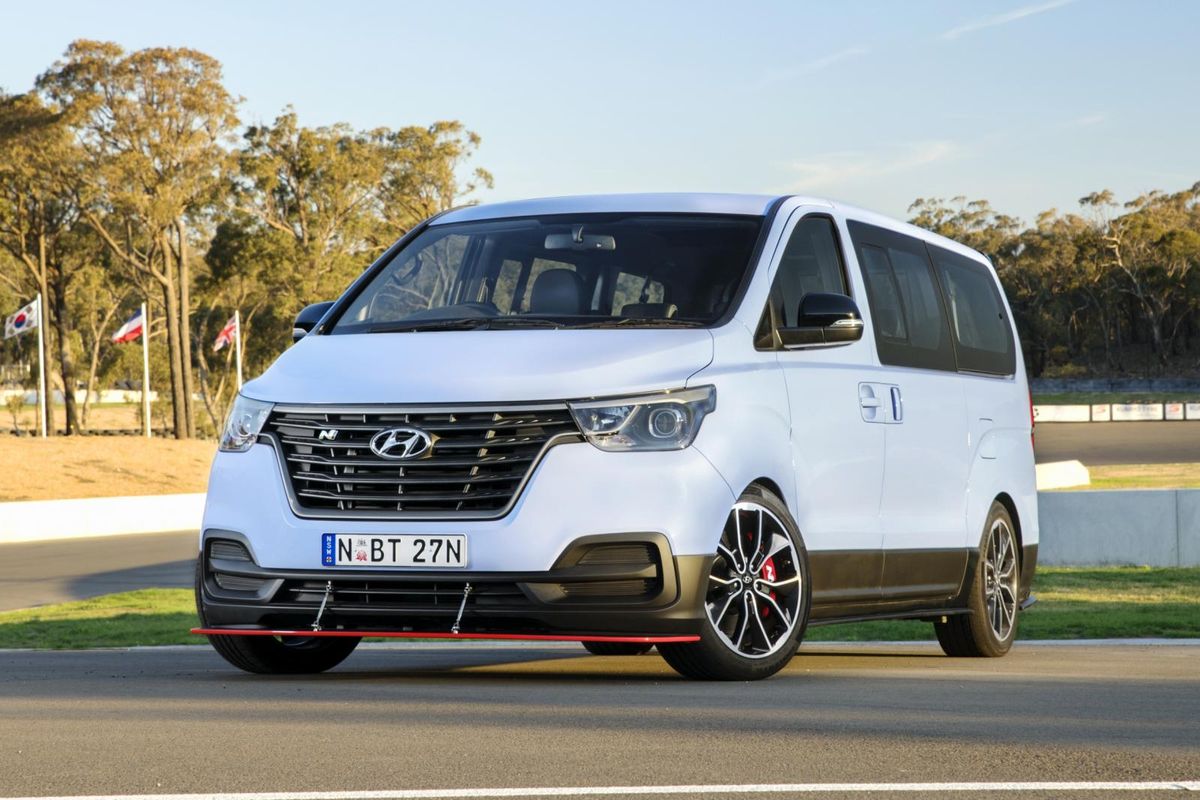
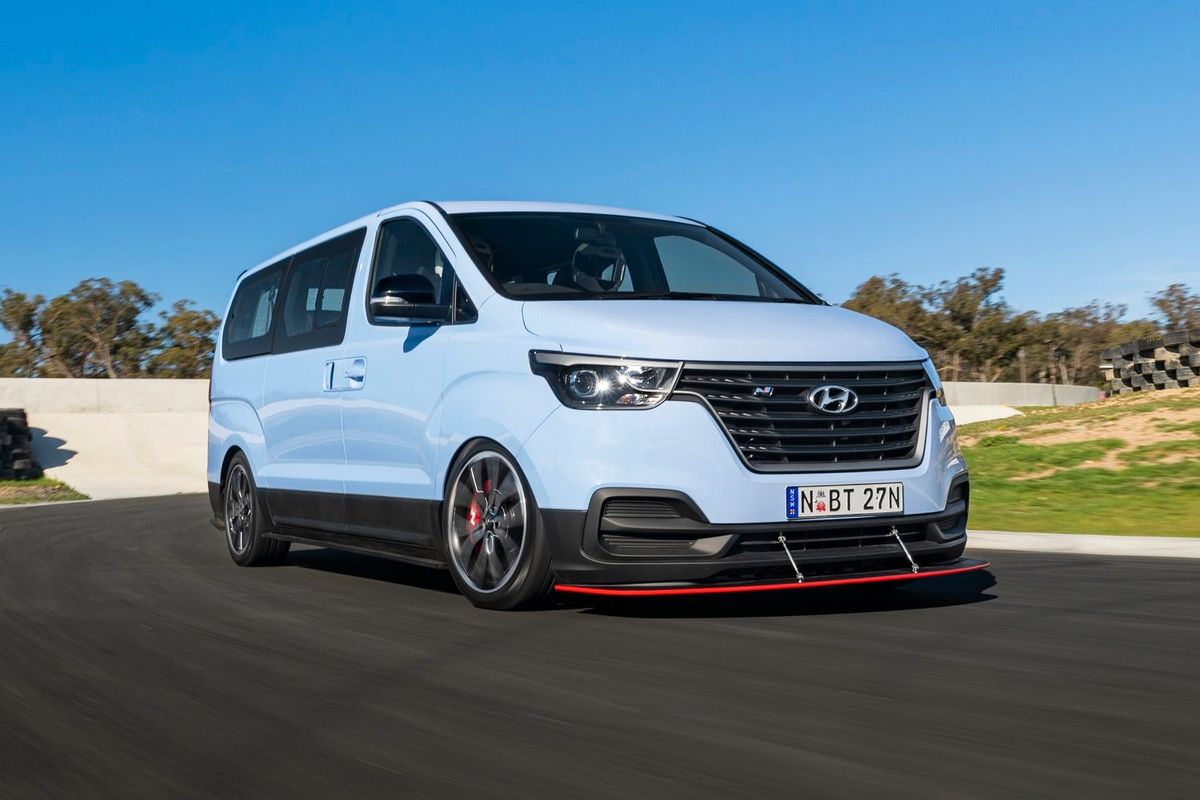
2019 Hyundai H1: Now with 12 Seats

The Hyundai H1 is one of the popular entries in the people-moving minivan segment and now the range has been bolstered with a 12-seater version. Here's how much it costs.

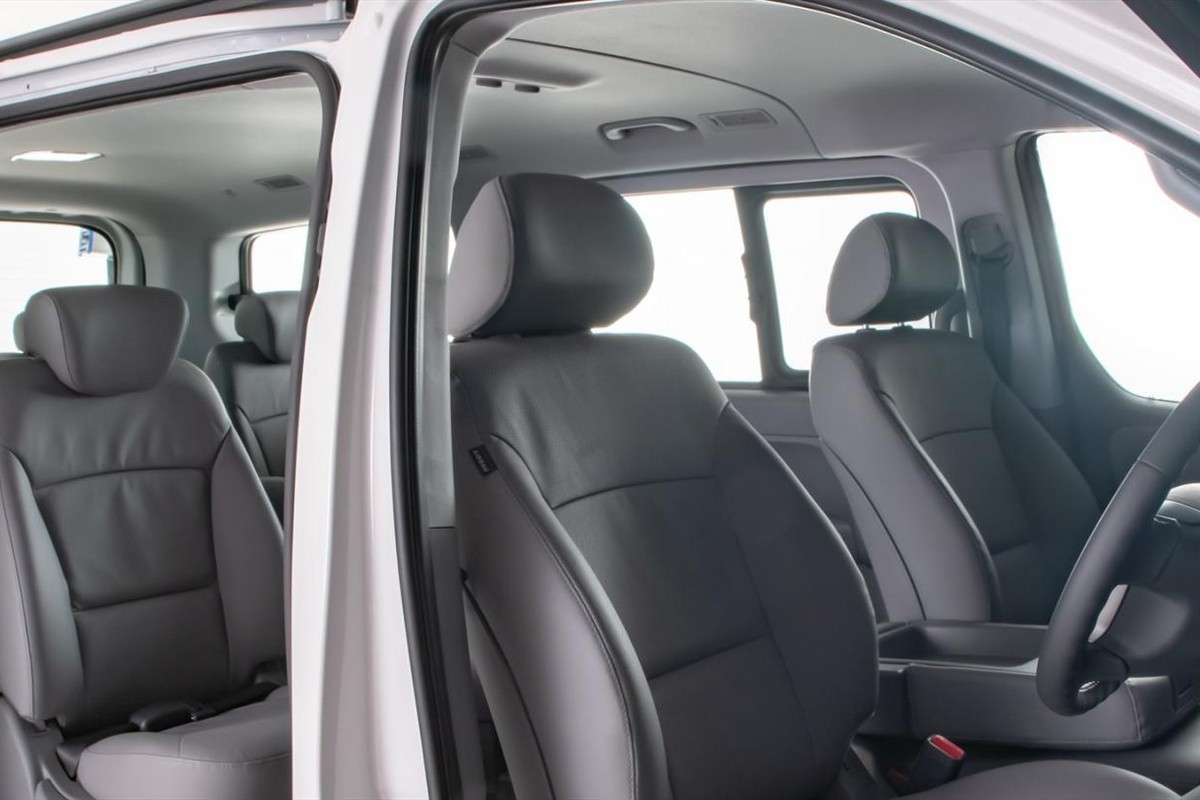
The Hyundai H1 recently received an update in 2018 and now for 2019, the range receives a 12-seater derivative. For those wanting to carry large numbers of people, the 3-3-3-3 setup is available, but customers can fold the final row of seats down to increase the luggage capacity. 

“The H-1 has been a top-seller since we launched it in 2009, and last year’s make-over combined with the addition of an extra row of seats have really added features that will attract many more buyers in this segment,” says Stanley Anderson, sales and operations director of Hyundai Automotive South Africa.

The Hyundai H1 features a 2.5-litre turbocharged diesel engine, which delivers 125 kW and 441 Nm which drives the rear wheels via a 5-speed automatic gearbox.

Hyundai H1 12-Seater Features

Convenience and safety features that make the H-1 12-Seater 2.5 turbodiesel a comfortable and ideal people-carrier include:

  • An infotainment centre with a large touch-screen;
  • Bluetooth connectivity for the infotainment sound system with multifunction controls on the steering wheel;
  • Cruise control with buttons on the steering wheel;
  • A steering wheel that can be adjusted for reach as well as height;
  • A rear camera for parking assistance, with a display in the rear-view mirror;
  • A fully automatic air conditioner with climate control;
  • Glove box cooling;
  • Front and side airbags for the driver and front passenger;
  • Electric folding mirrors;
  • Projection-style headlights that illuminate the road more effectively;
  • A 1 500 kg towing capacity; and
  • An Electronic Stability Programme (ESP)

Hyundai H1 Price in South Africa (June 2019)

Pricing includes Hyundai’s 7-year/200 000 km warranty, as well as a 5-year/150 000 km roadside assistance plan and 5-year/90 000 km service plan.

H-1 2. 5 Elite 12-Seater Bus (turbodiesel, auto)          R664 900

H-1 2.4 Executive 9-Seater Bus (petrol, manual)        R527 900

H-1 2.5 Elite 9-Seater Bus (turbodiesel, auto)            R654 900

H-1 2.5 Turbodiesel 3-seater Panel Van (turbodiesel, auto)   R476 900

H-1 2.5 Turbodiesel 6-seater Multicab (turbodiesel, auto)     R553 900

Further Reading

Hyundai H1 (2018) Specs and Price

Hyundai H1 (2016) First Drive

Hyundai H-1 2.5 VGTi 9-seater Bus (2016) Review