Ranked: 5 Best Golf GTIs… So Far

GTI is the most famous badge in the hot-hatch fraternity and although Volkswagen hasn't had exclusive use of those 3 letters – they're still most associated with evocative, visceral performance Golfs. From their humble beginnings to the turbocharged era, we look back at memorable GTIs, including what to expect from the forthcoming Golf 8 GTI.

Forty-three years. That’s how long the Golf GTI has been around. And, over those 4 decades, the Wolfsburg-based brand has refined and mastered its GTI recipe and spawned segment-defining hot hatchbacks that offer better all-round performance, driver involvement and refinement with each and every new iteration. Okay, so there have been a few lemons, but the iconic badge has lived up to its name for the most part; the GTI may not be the most potent hot hatch in the market, but it continues to outclass its rivals as a premium package. Here is how I rank the iconic hatch models:

5. A New Hope – Mk 4 GTI
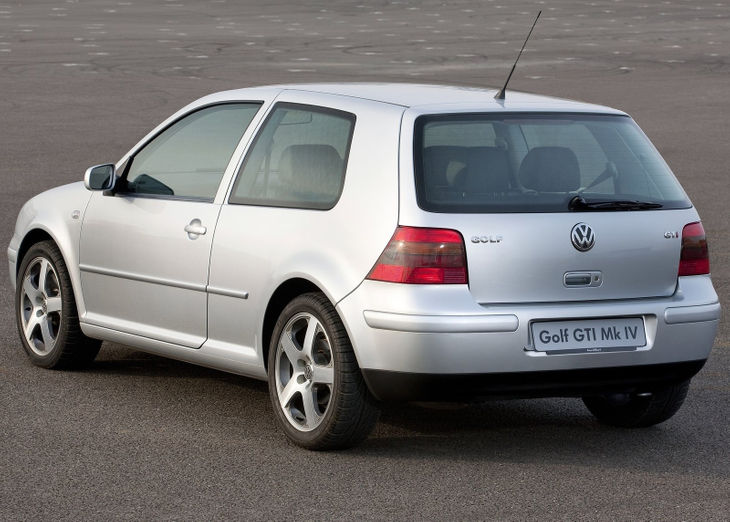
After underwhelming hot hatch aficionados with the tepid Mk 3 GTI, Volkswagen was forced to rethink the GTI formula. When the Wolfsburg-based brand launched the highly anticipated 4th instalment in 1997 (1999/2000 in South Africa), the Mk 4 GTI represented a new hope for the hallowed nameplate. And, while it took refinement and ergonomics to another level, it still failed to push the visual boundaries that made the first 2 editions of the GTI so successful. What it did bring to the party, however, was a brand-new engine configuration: a 1.8-litre 4-pot with 5 valves per cylinder.

Launched originally with a drive-by-cable throttle system (peak outputs of 110 kW and 210 Nm), it was later upgraded to electronic actuation that together with a marginally bigger turbocharger boosted maximum power and torque to 132 kW and 235 Nm respectively. It wasn’t blisteringly quick, but its 7.9-second 0 to 100 kph sprint time made it the quickest GTI at the time. Various additions were launched during its 5-year life cycle (including a 25-year celebratory GTI R edition), but still, it lacked the necessary visual and performance thrills to eclipse its rivals…

4. The Original Pocket Rocket – Mk 1 GTI
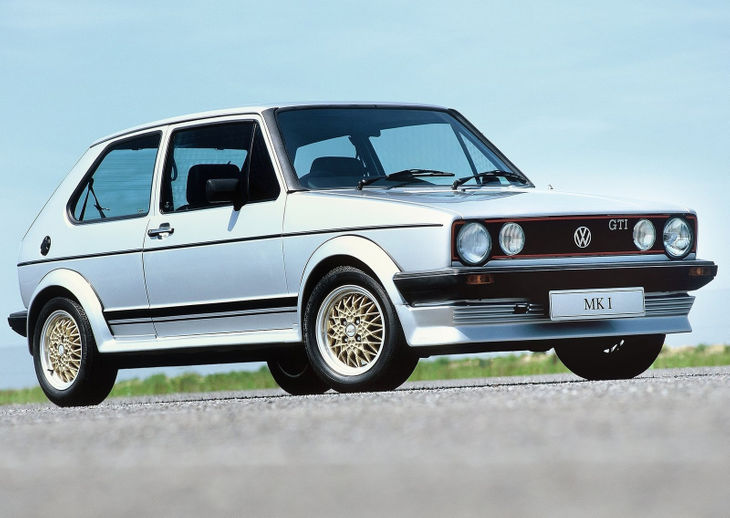
Launched in 1976, the Volkswagen Golf Mk1 GTI rewrote the rules for a pint-sized performance car with an affordable price tag. Its 80 kW/130 Nm 1.6-litre, K-Jetronic mechanical fuel-injected mill was later upgraded to a 1.8-litre engine (with a 5-speed gearbox) that produced 82 kW and 150 Nm of torque. It’s only when factoring in its incredibly lean kerb weight of 840 kg that those figures become even remotely appetising: 98 kW per tonne! 

This translated into a 0-100 kph sprint time of 8 seconds flat, a feat that was only bettered by the Mk 4 GTI 26 years later. The Mk 1's single biggest accomplishment was that it pioneered a segment that didn't quite exist at the time. After all, few of us remember that the first GTI was not designed to be an out-and-out performance car, but rather a small, fuel-efficient runabout for the people – especially in the wake of the mid-70s oil crisis.

3. Operation Jumbo Drop – Mk 2 GTI
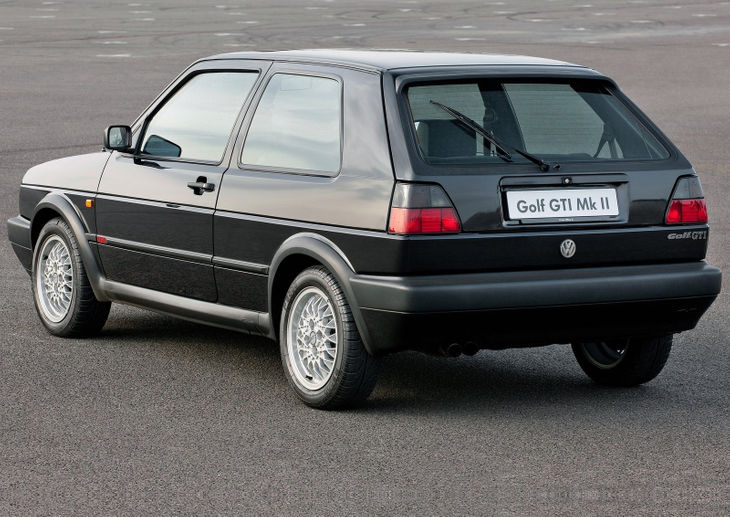
Often referred to as the Jumbo Golf owing to its bigger dimensions, the Mk 2 GTI was available in 2 variants, which included an 82 kW/150 Nm 1.8-litre 8-valve and a 102 kW/170 Nm 1.8-litre 16-valve. It comes as no surprise that the latter was the most popular with enthusiasts, a tasteful collection of (red) 16V badges differentiated it from the 8-valve model. The Mk 2 was an improvement over its predecessor in almost every way (except perhaps in terms of its design), but it did a sterling job incorporating style elements that had already come to represent the GTI sub-brand – the red-pinstriped grille, golf ball gearknob, and a subtle GTI badge on the back. It was wider, longer and heavier than the Mk 1, which compromised its performance potential to a certain extent, but it paved the way for future GTIs, particularly when it came to dynamics, refinement and safety.

2. 'Better than a 3 Series' – Mk 7 GTI
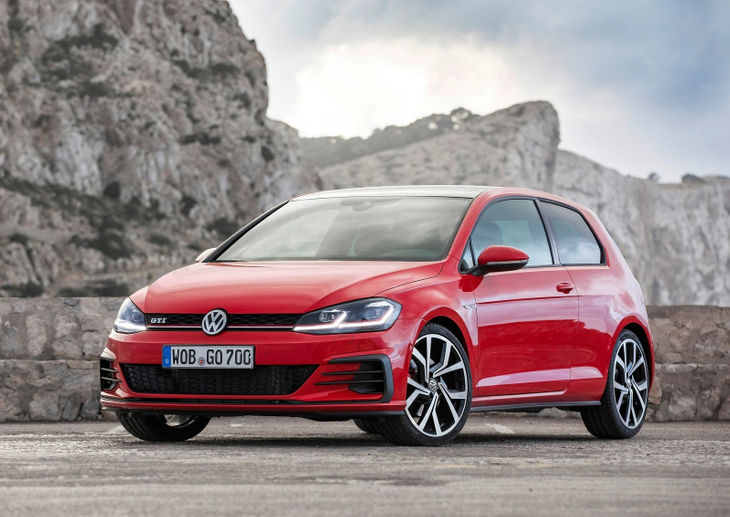
One of the keys to the GTI’s success has been its knack for making the most of its power band, especially considering it has often produced notably less power than its rivals. The Mk 7 GTI, however, blew its rivals away with luxury and refinement on par with (if not better) than some C-segment sedans. Some of its most alluring features are undoubtedly the collection of styling cues that pay homage to bygone models, such as the narrow grille and beading line of the Mk 1 and the C-pillar design of the Mk 2 and Mk 4 editions – nostalgic touches that found favour with many enthusiasts.

As far as performance was concerned, the Mk 7 delivered a good balance between power and torque (162 kW/350 Nm), which ensured impressive dynamics thanks in part to the XDS electronic differential and 2-stage ESC stability control. Adding options such as Adaptive Chassis Control (ACC) took handling finesse to another level completely. The Mk 7 GTI is a polished all-rounder and segment benchmark when it comes to refinement and executive appeal, proving the hot-hatch concept is not just about performance ability, but also overall polish. It’s undoubtedly the best GTI to date.

1. Dawn of a new era – Mk 5 GTI
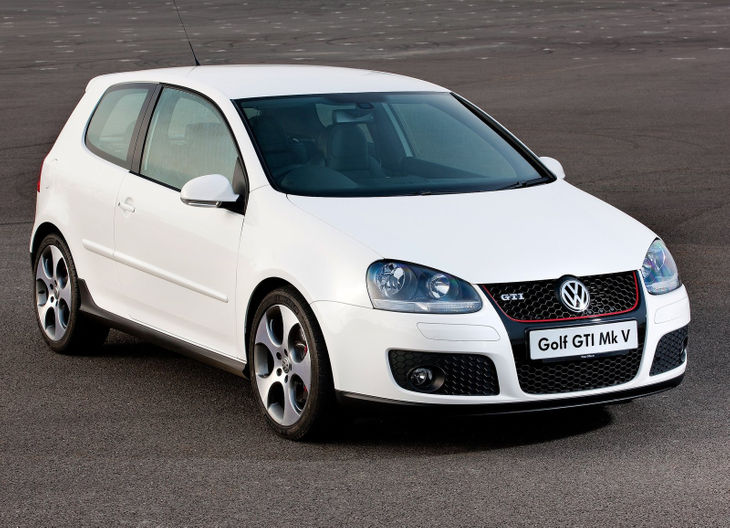
The Mk 5 GTI "knocked it out of the park" as far as visual clout was concerned. It changed up the somewhat bland visuals of the Mk 4 version with a meld of bold, progressive styling cues and its muscular proportions equipped it with a malevolent and purposeful presence. It also brought back the iconic red pinstripes and introduced the now-famous Detroit alloy wheels. In short, the Mk 5 rekindled everything that was awesome about the Mk 1 and repackaged it in a way that made up for the shortcomings of its immediate predecessors.

The biggest change came under the bonnet, in the form of a 2.0-litre turbocharged 16-valve mill. Offering peak engine outputs of 147 kW and 280 Nm harnassed by either a 6-speed manual 'box or a 6-speed DSG, the Mk 5 heralded a new era for GTI nameplate with a spirited 0-100 kph sprint time of 7.2 seconds, not to mention a significantly improved fuel efficiency figure (8 L/100 km) owing to the clever use of fuel stratified injection.

It was rapid – more so when it came to the mid-range shunt, where the Mk 5's huge shards of torque ensured tractability levels of the highest order. 

PREVIEW: Forging a Legacy – Mk 8 GTI
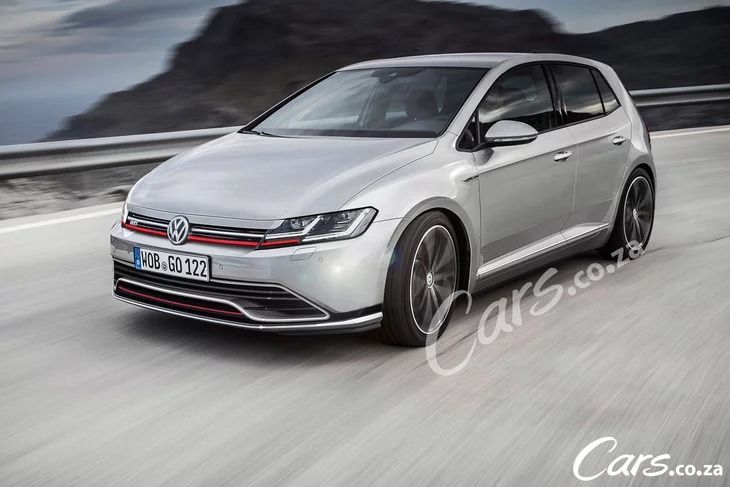

*Artist's impression. Credit: Wayne Batty.

While the technical specifications of the Mk 8 GTI have yet to be officially confirmed by Volkswagen AG, it’s no secret that the firm’s broadly employed MQB platform will undoubtedly underpin the newcomer (in 2020). For it to build on the success of the Mk 7 and 7.5 versions, "8.0" will have to feature sharper, more expressive styling, more pronounced crease lines, as well as incorporate nostalgic touches from the GTI lineage.

With the GTI's rivals becoming ever-sharper and agile, Volkswagen will, in all likelihood, offer a dedicated mechanical differential in the next GTI and incorporate further improvements to the progressive steering and handling dynamics that made the Mk 7 so impressive to thread through the bends.

In terms of firepower, the firm’s EA888 2.0-litre 16-valve turbocharged engine (with outputs of around 195 kW and 380 Nm) is likely to power the front wheels. The added grunt should have little to no bearing on fuel economy what with the addition of a 10-speed DSG transmission, but the cabin should yet again stymie its rivals with dropdown tech from the Touareg set to redefine the segment standard… We’re talking LCD screens, ultra-suave materials and a cockpit more akin to the Arteon than Golf. If all goes to plan we’re in for possibly the most exciting GTI of recent times.
Related content:

New Volkswagen Golf 8 – What to Expect

New VW Golf GTI TCR Unleashed

VW Gives an Extra 15 kW to Golf R

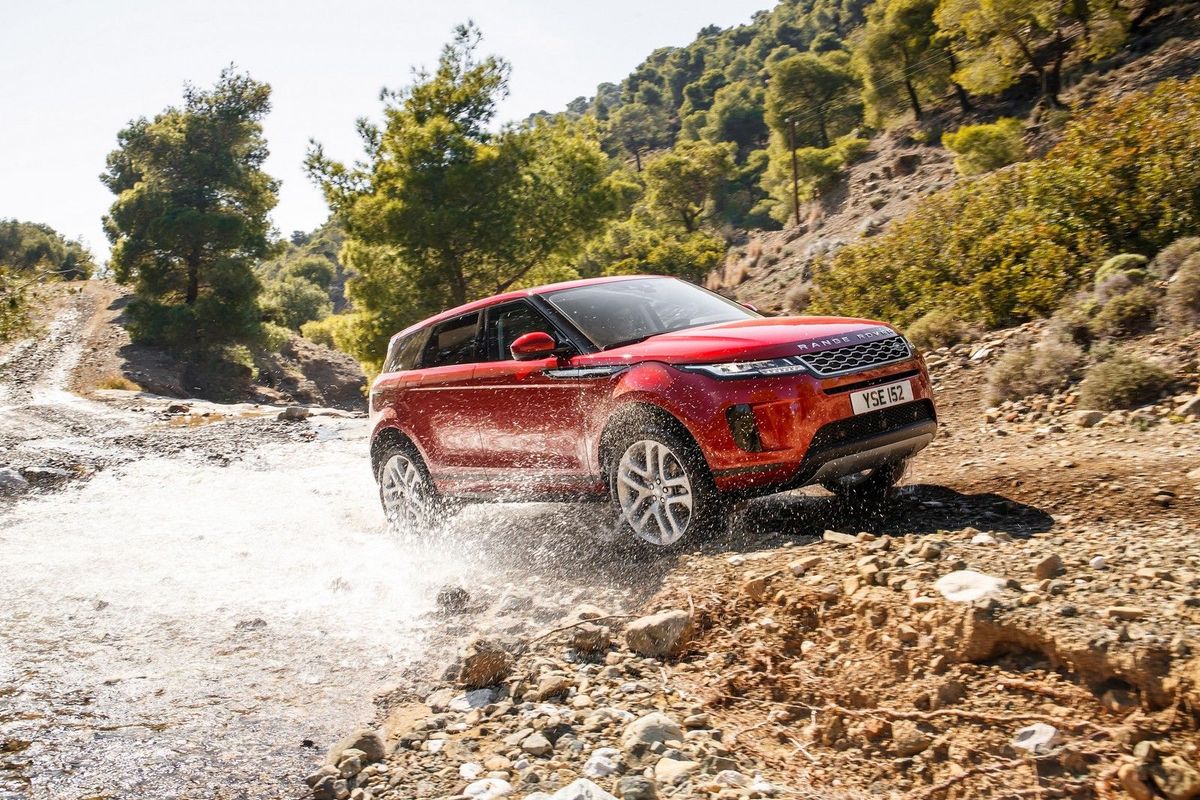
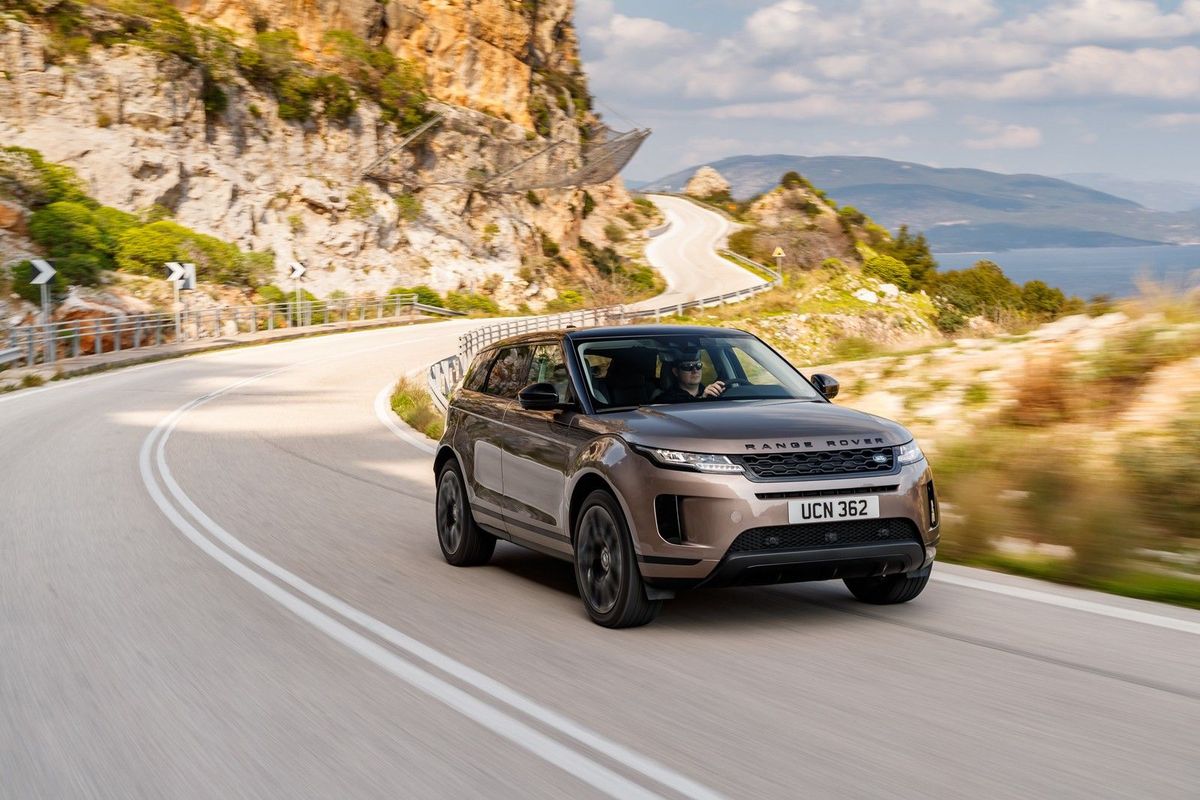
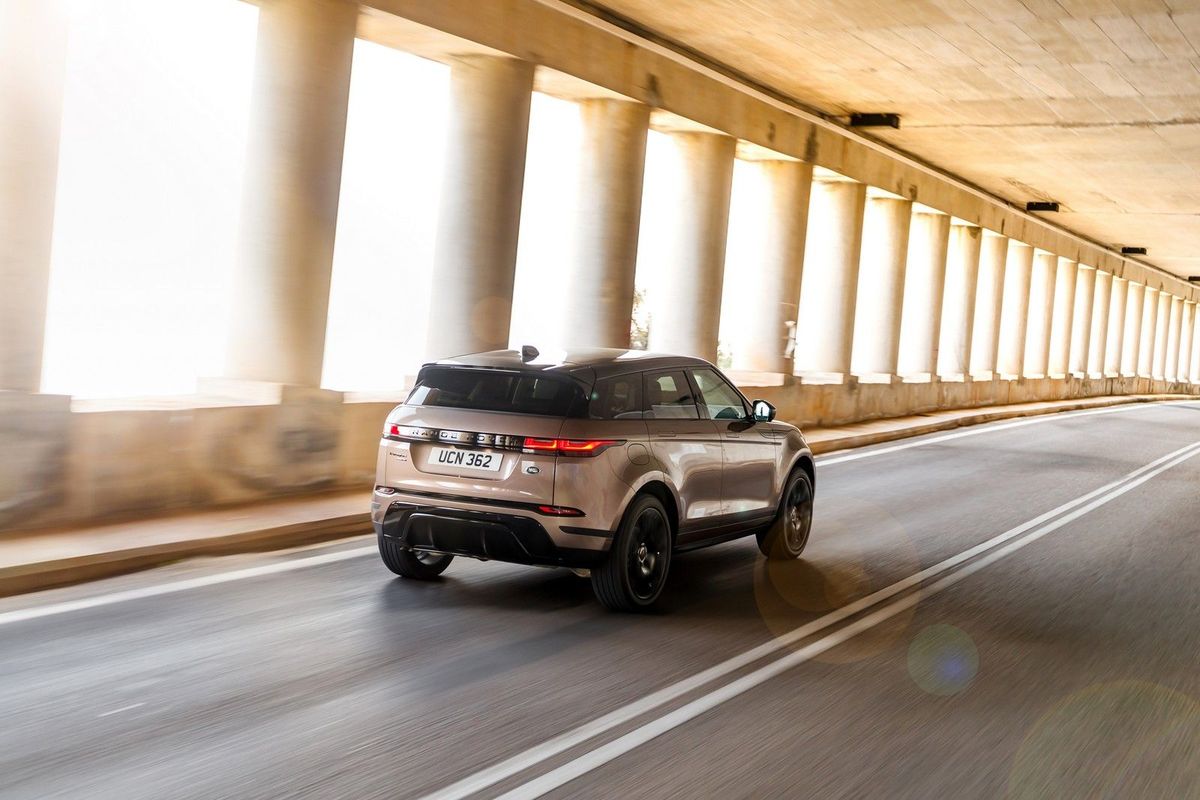
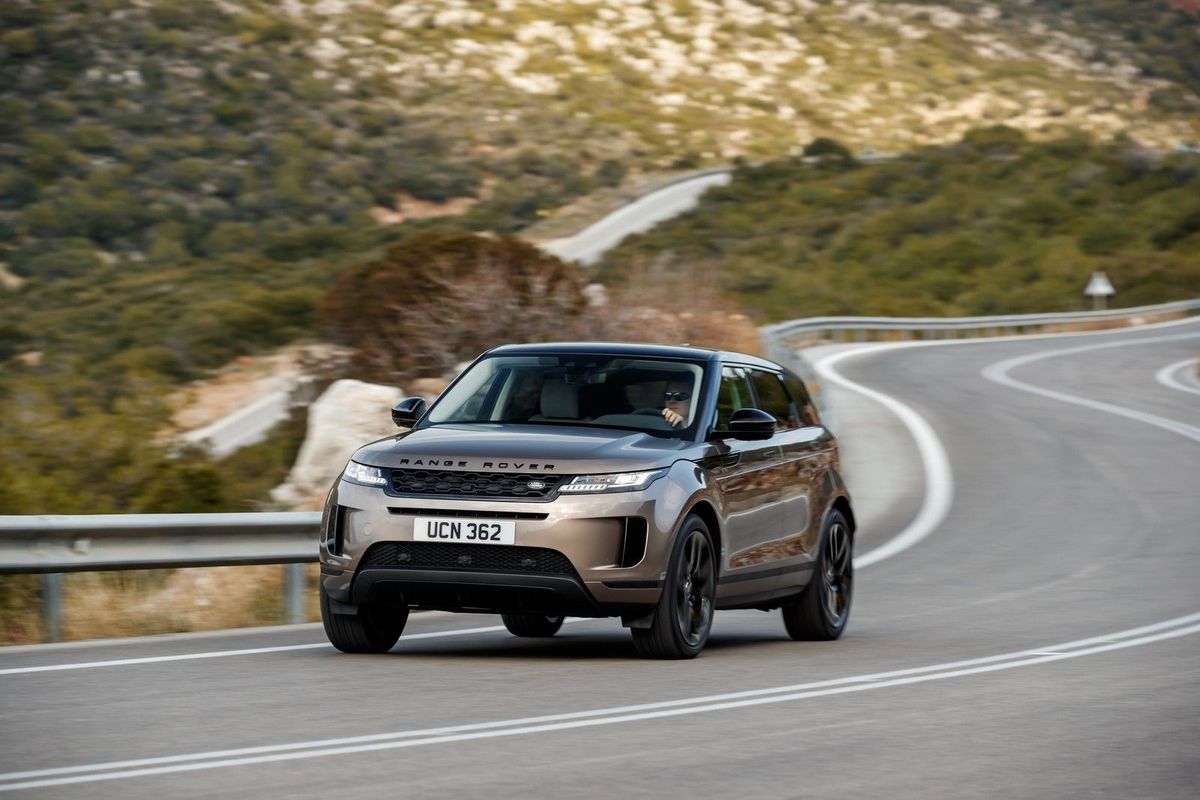
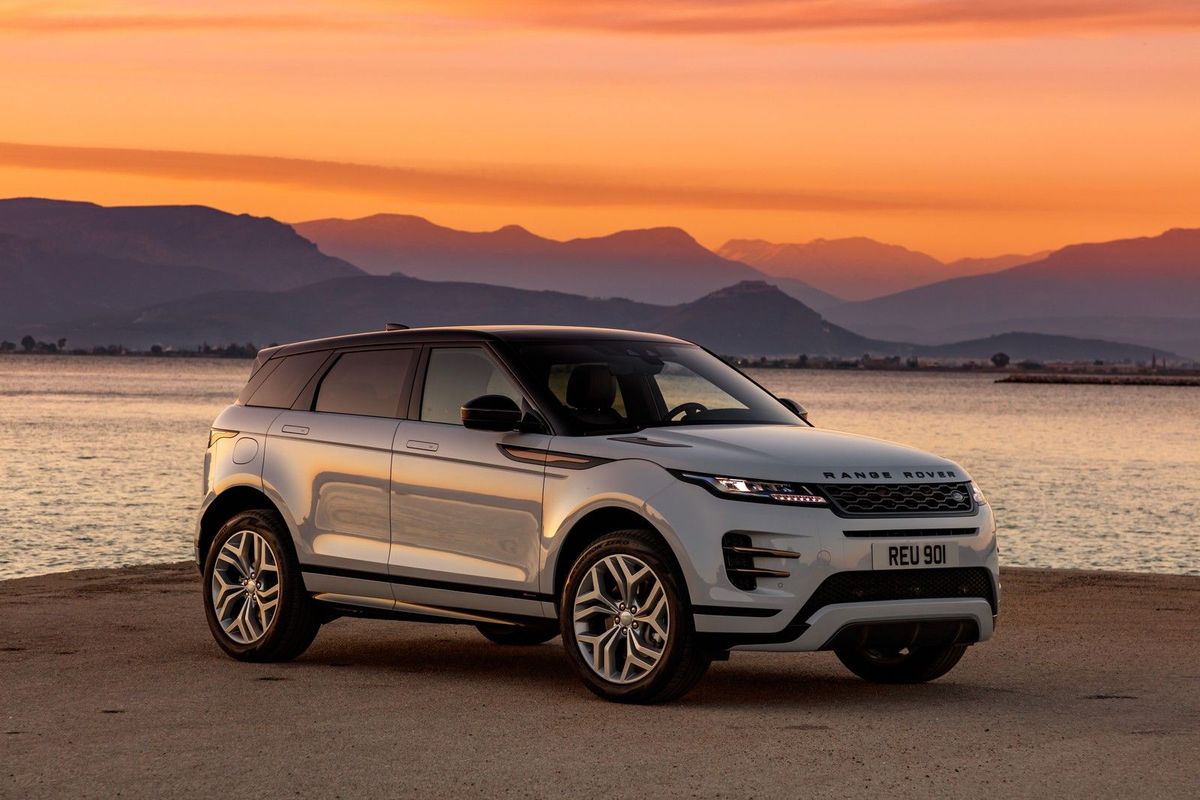
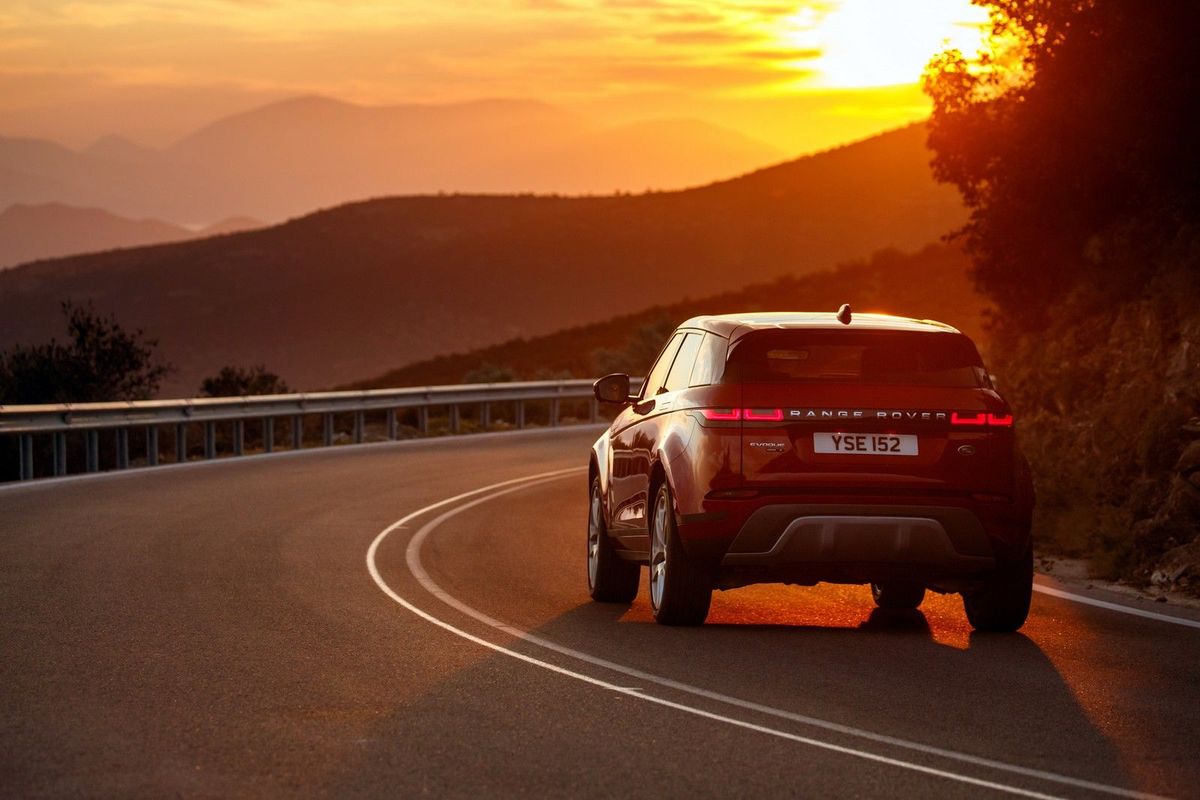
Range Rover Evoque (2019) International Launch Review

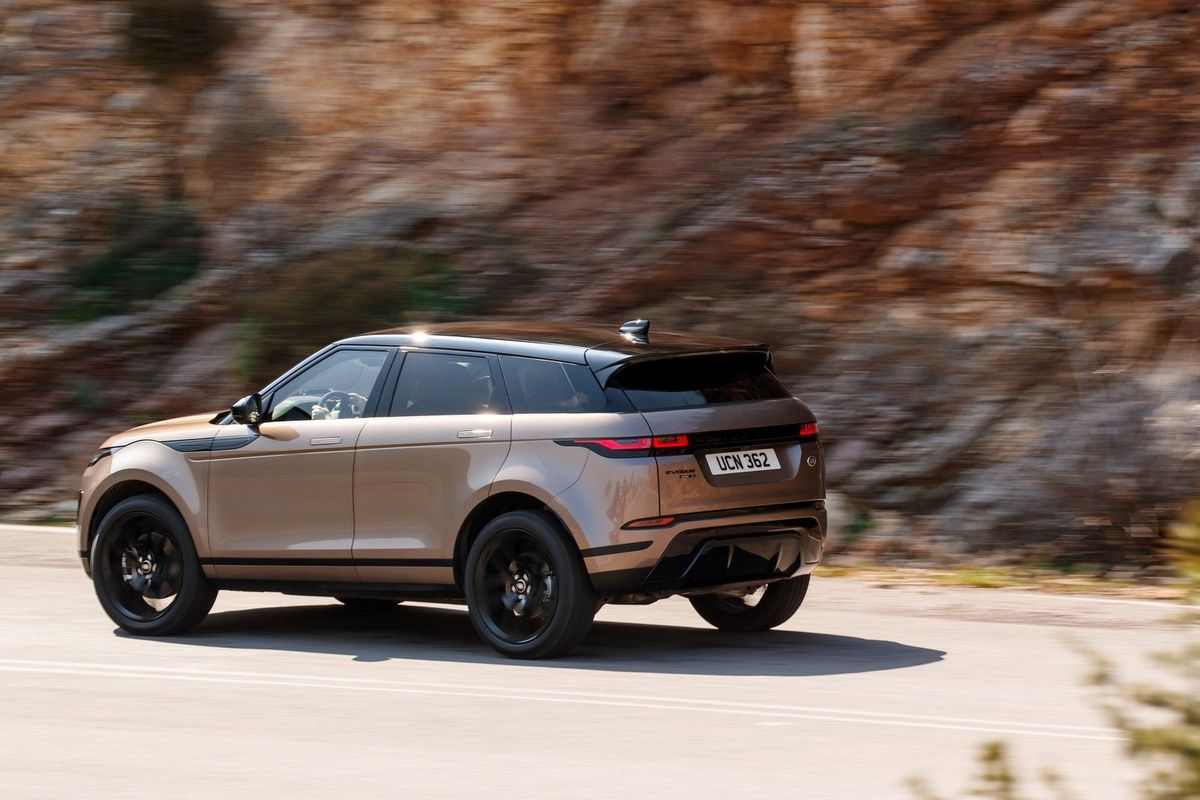
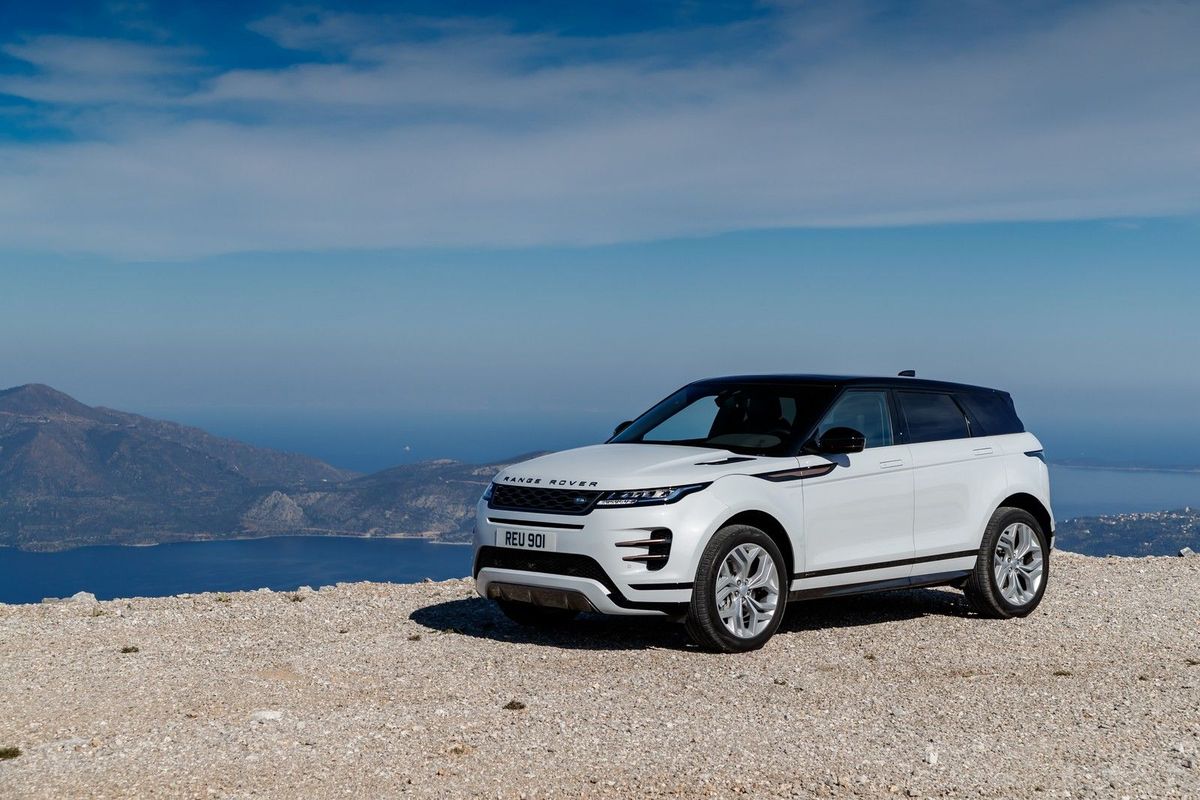
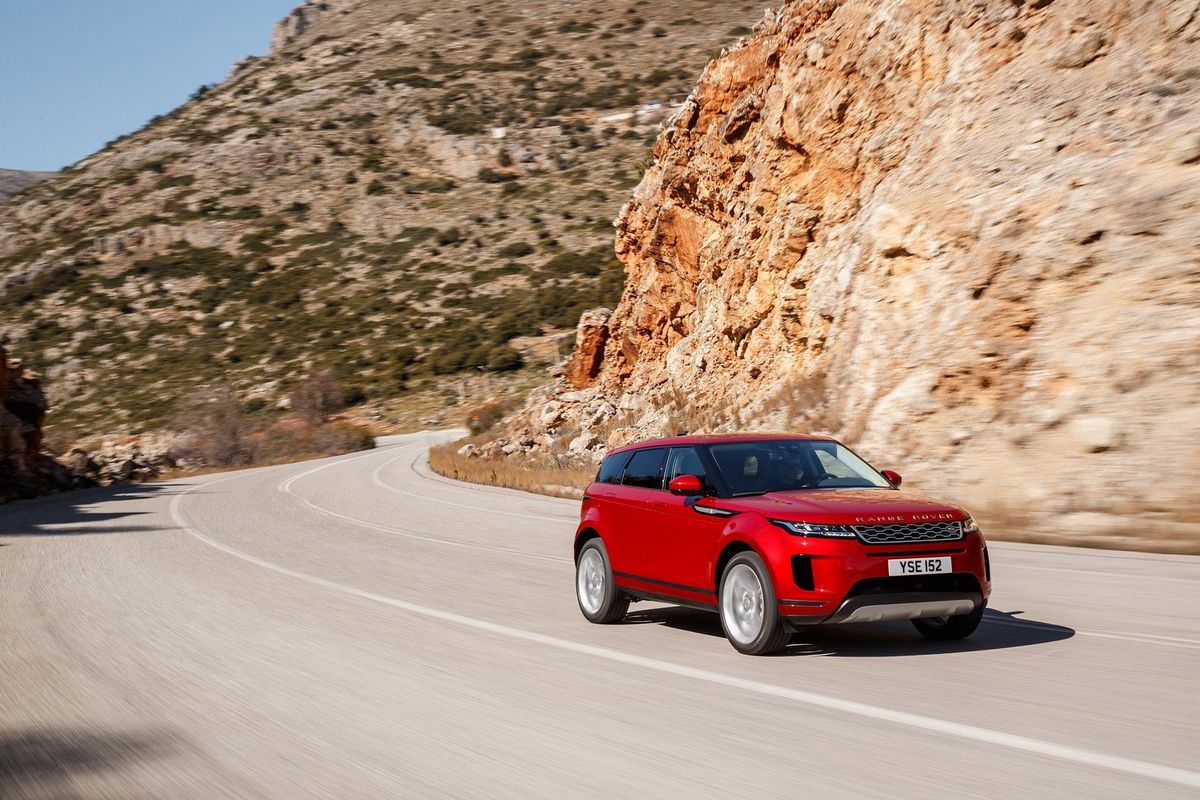
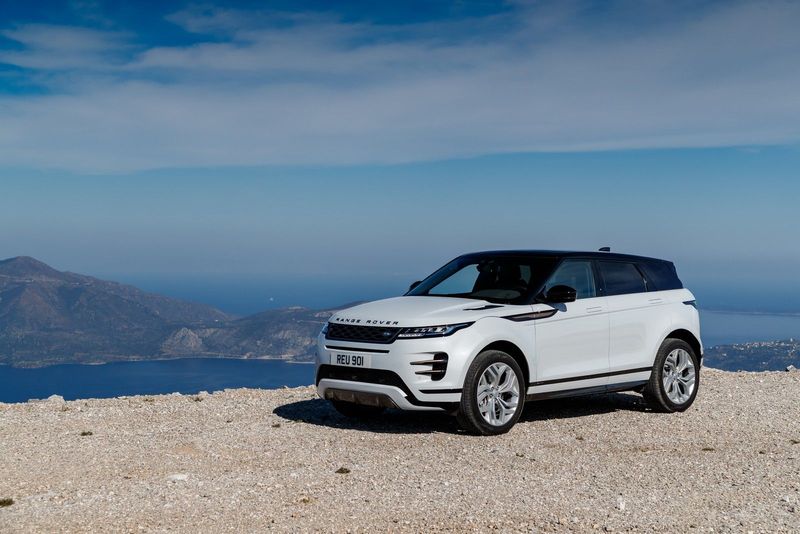
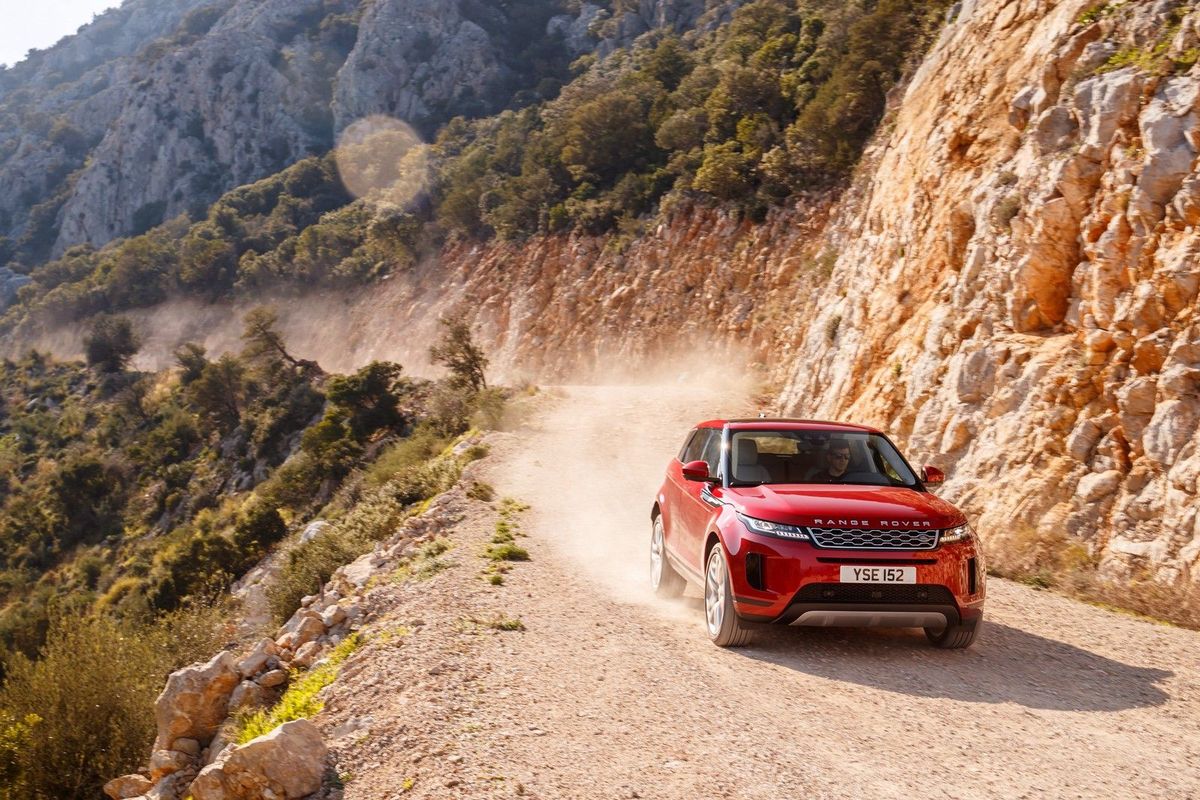
The second-generation Range Rover Evoque sets out to conquer the premium small SUV segment. With a sleeker design (though only a five-door), the Evoque oozes kerbside appeal, but its Land Rover DNA means that it’s one of the most capable cars in its class when it comes to the rough stuff off-road. International correspondent Dave Humphreys attended the global launch and reports back.  

What’s new?


The Evoque will now only come in a 5-door model.

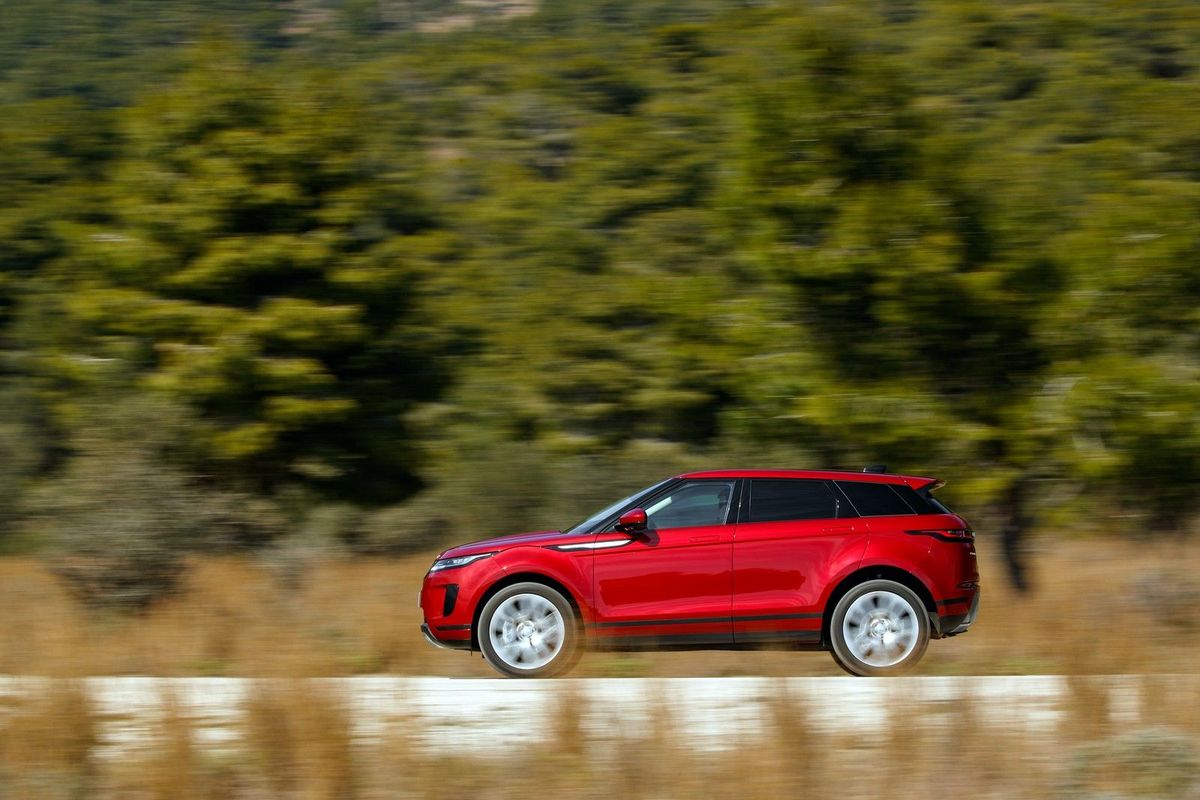
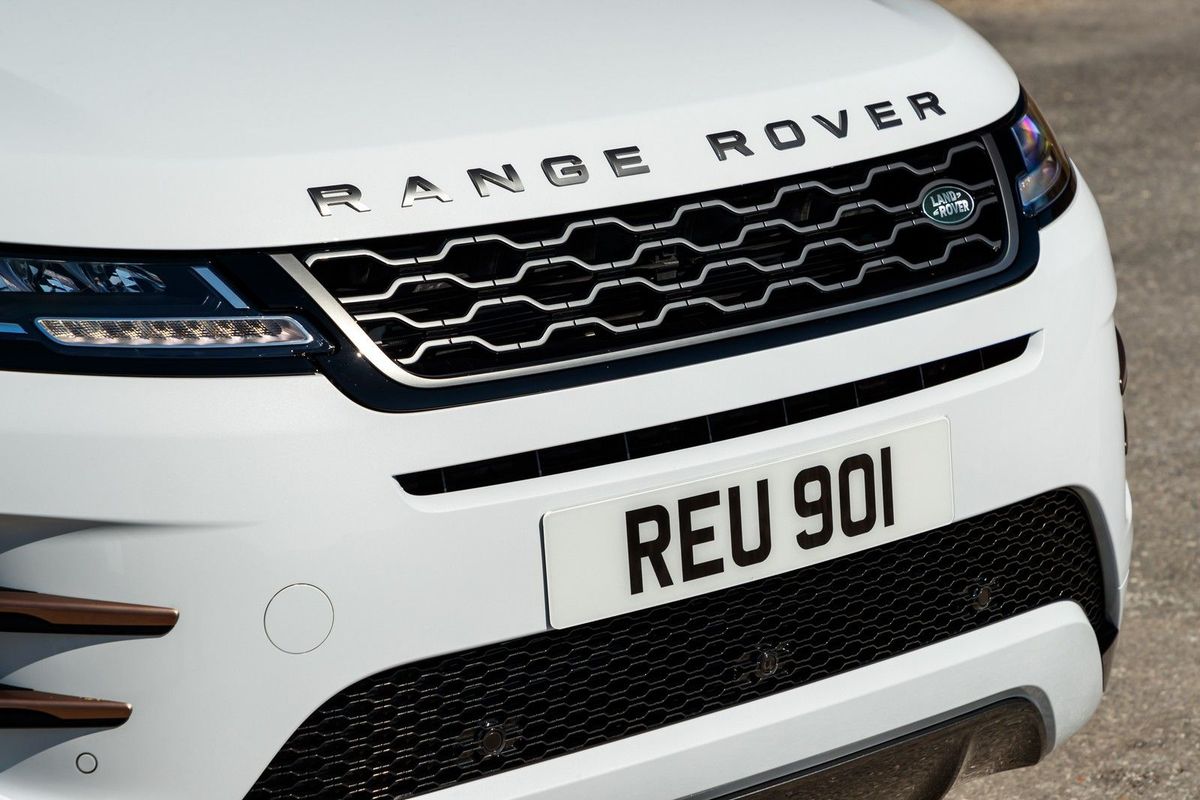
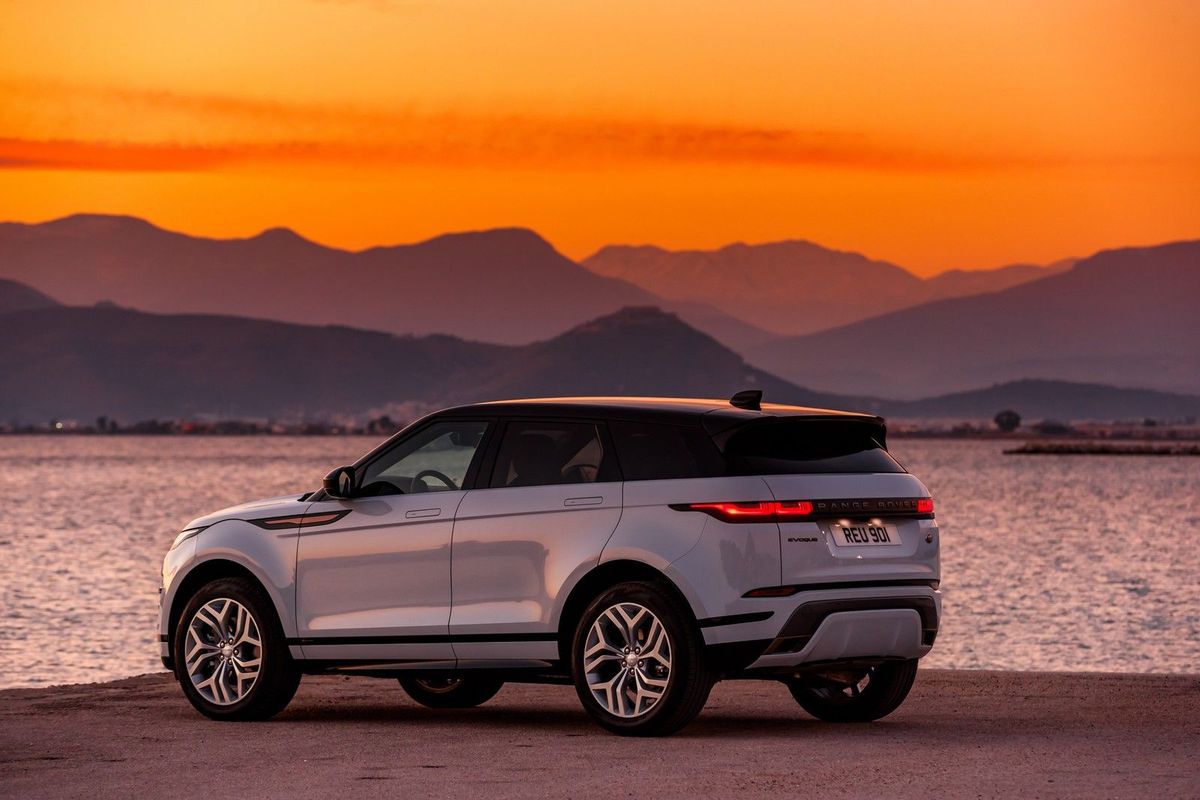
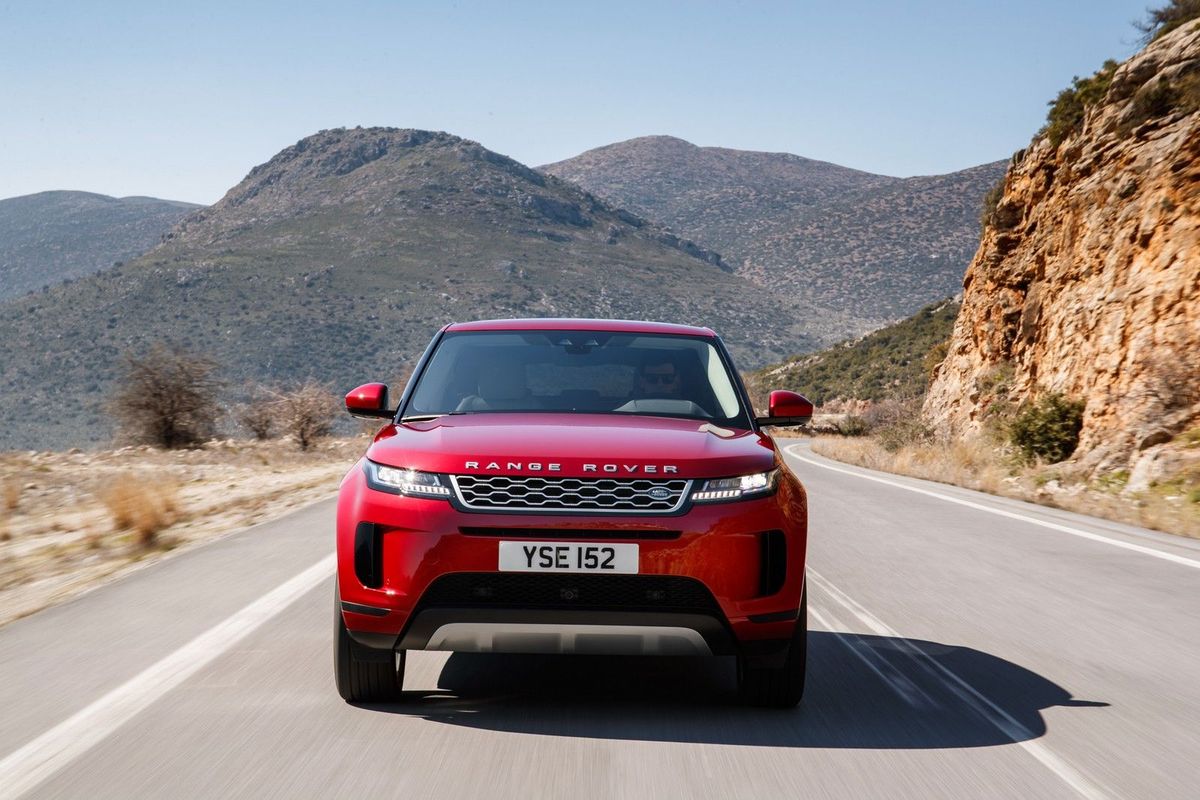
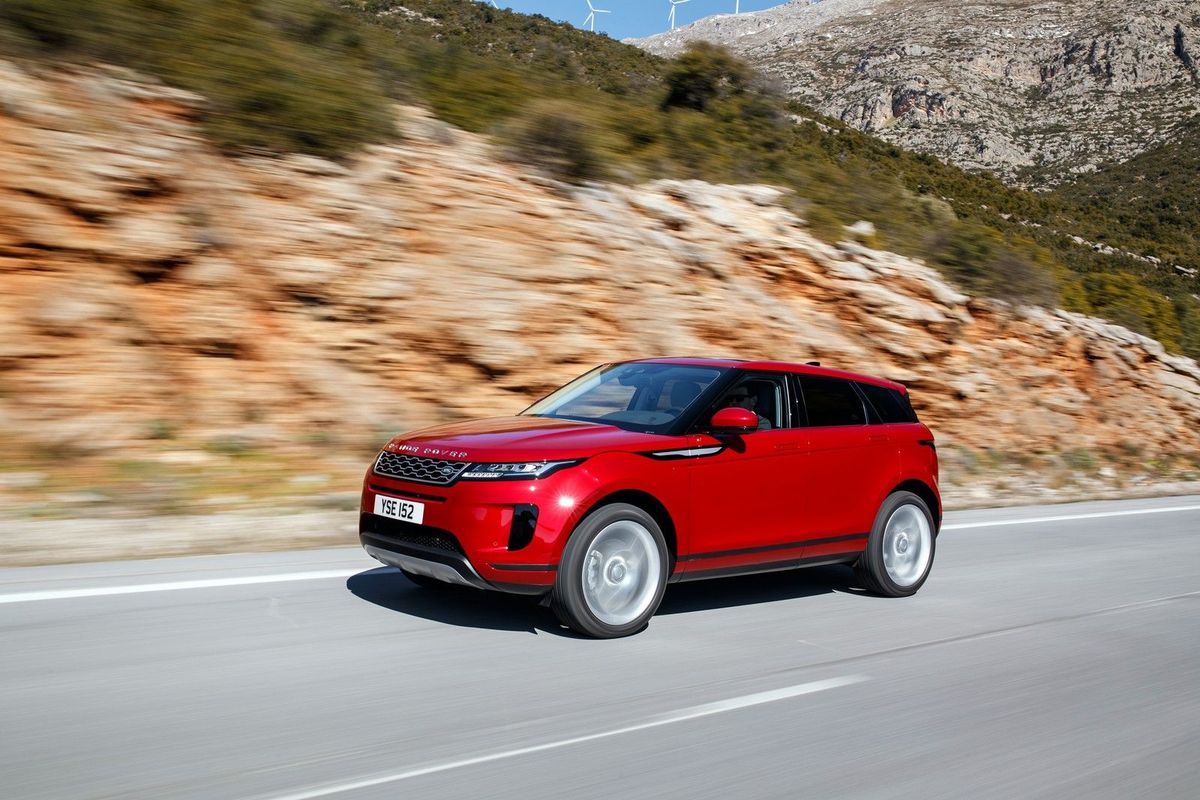
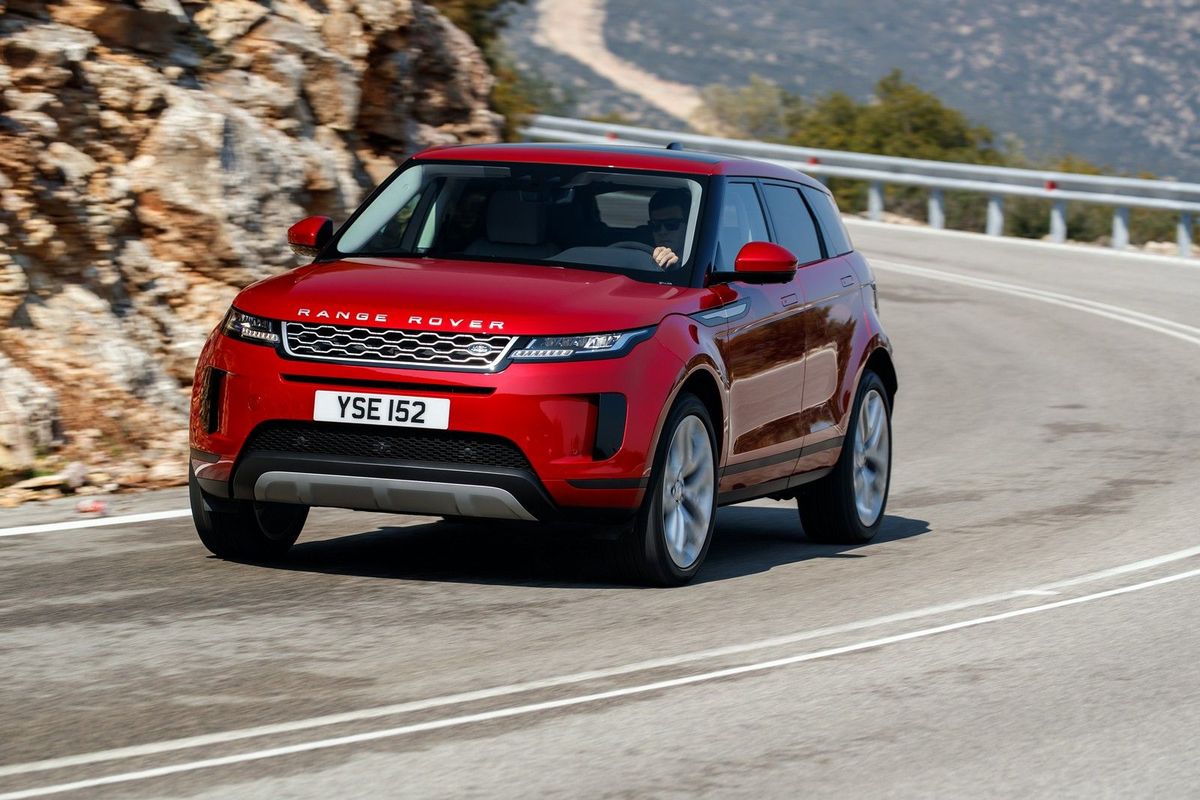
Since its first introduction in 2011, the Range Rover Evoque has been a massive hit with buyers, and now comes the difficult second album. At first glance, you might wonder what exactly is new, and more cynical readers would describe the exterior design as something more like a mid-life facelift. If it ain’t broke…

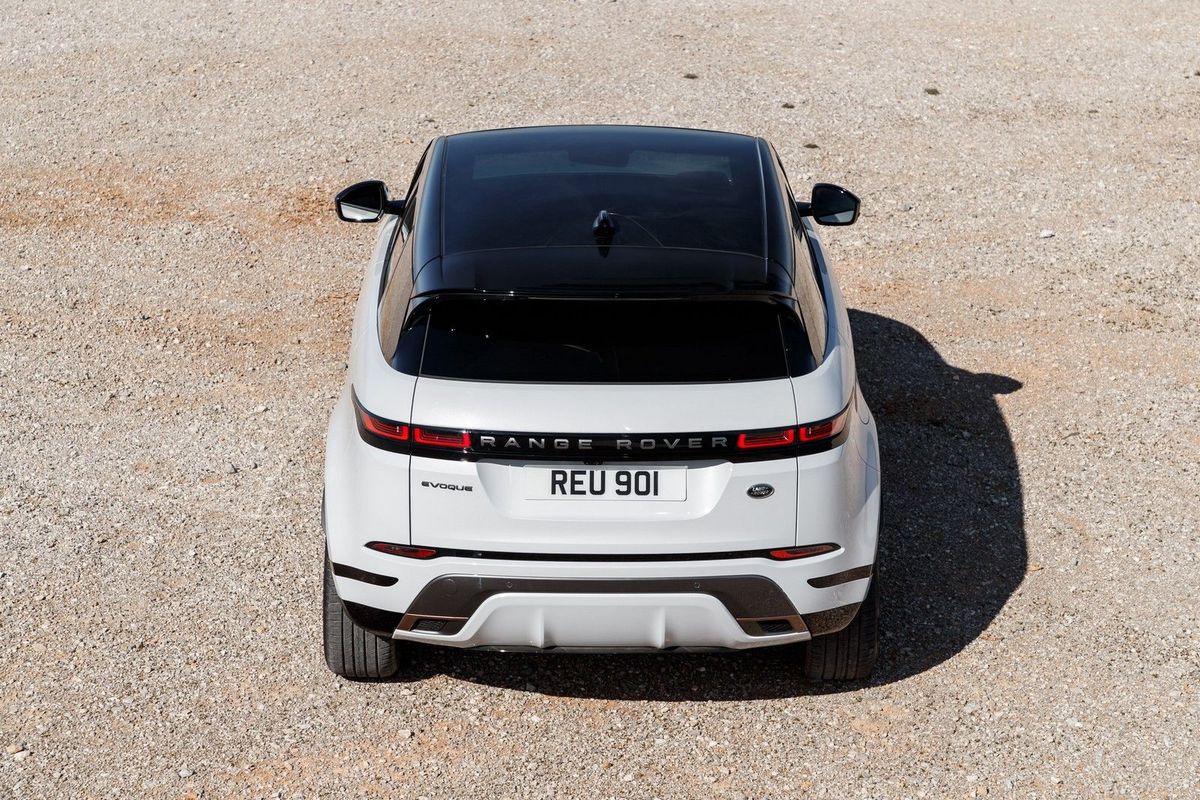
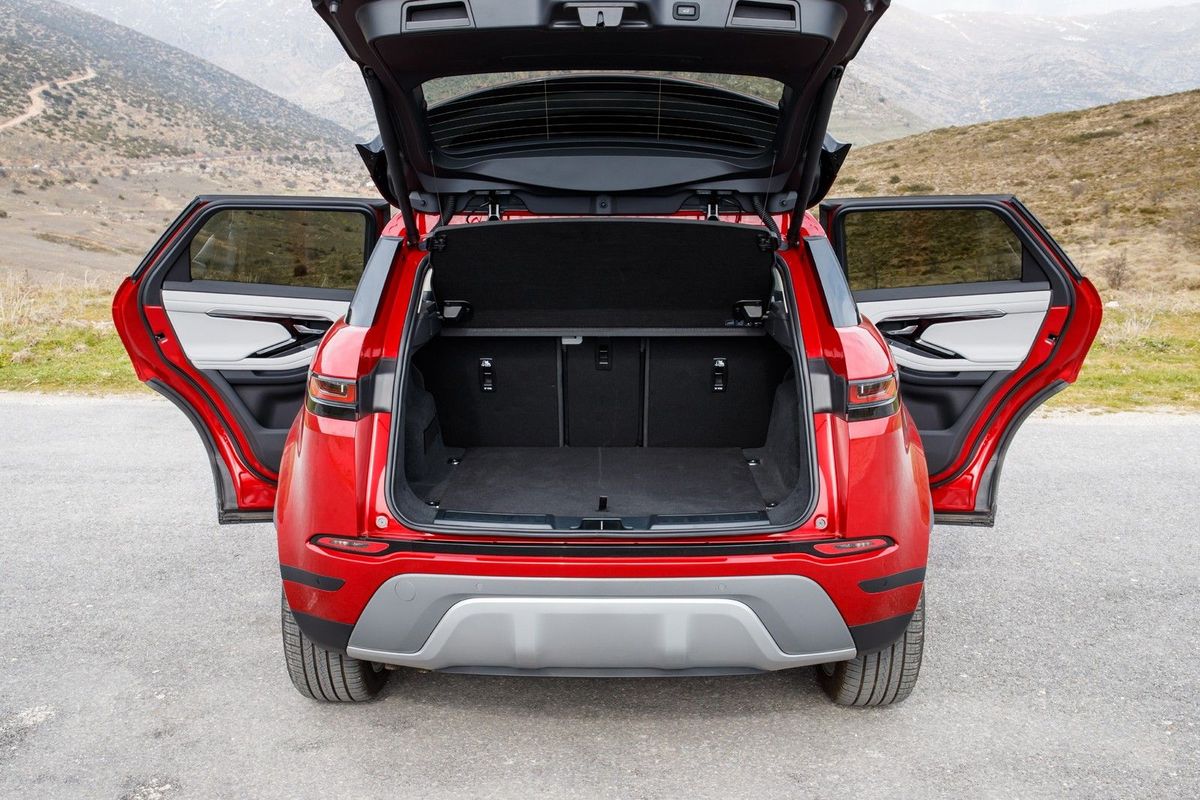
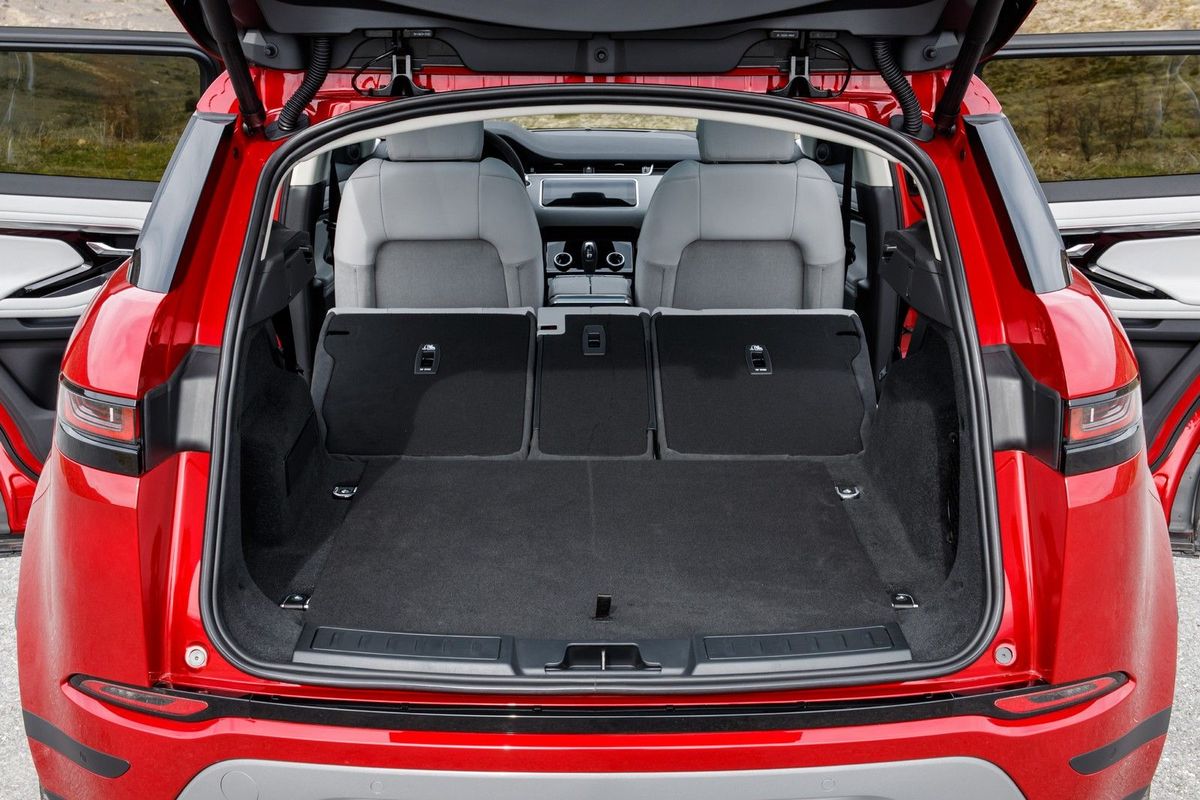
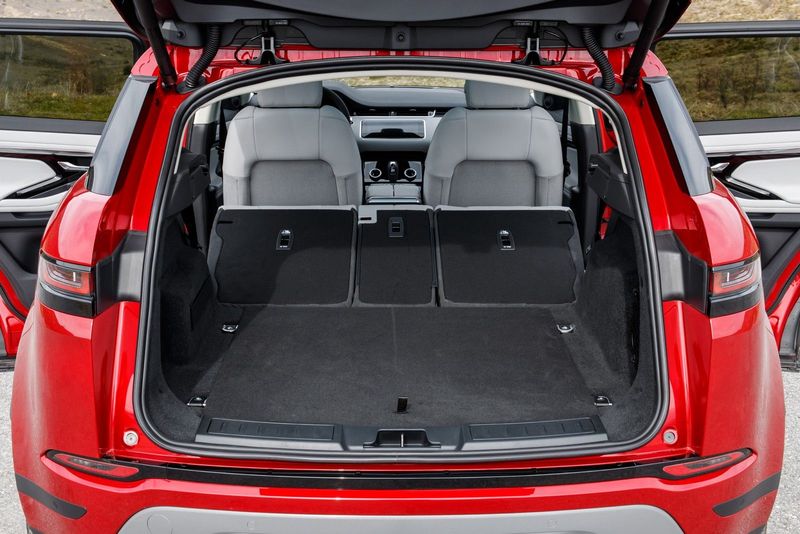
Those looks draw heavily on the larger Range Rover Velar, and once you look a little closer you’ll see that quite a lot has changed. Apparently, the door hinges are the only carry-over part from the first Evoque, and this time around, Land Rover plans to offer only a five-door version. It measures in just 1 millimetre longer than its predecessor but gains a longer wheelbase thanks to it being built on a new platform. That results in better space inside, where rear passengers will enjoy 20 millimetres more knee room. Cargo capacity is also slightly better, with 591 litres of boot space and the rear seats can fold in a 40:20:40 split.  


A big boot is now available with as much as 591 litres of space before you fold down the seats.

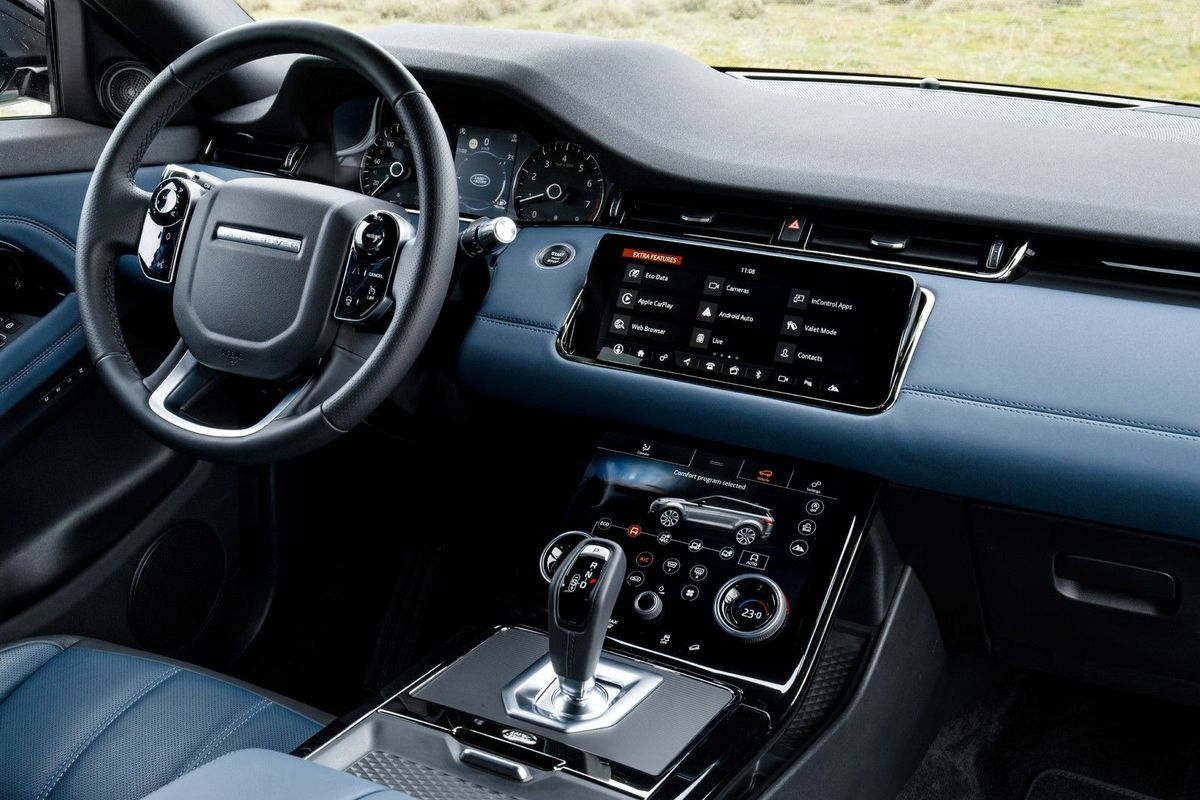
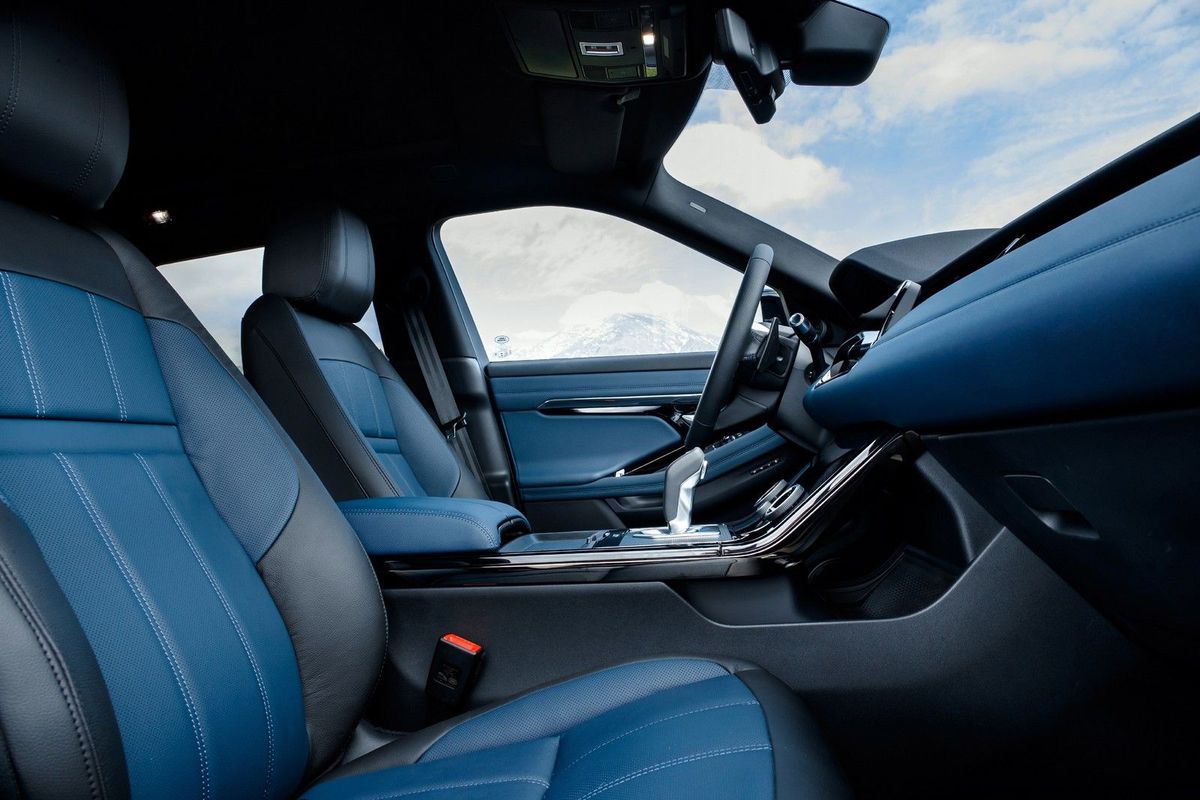
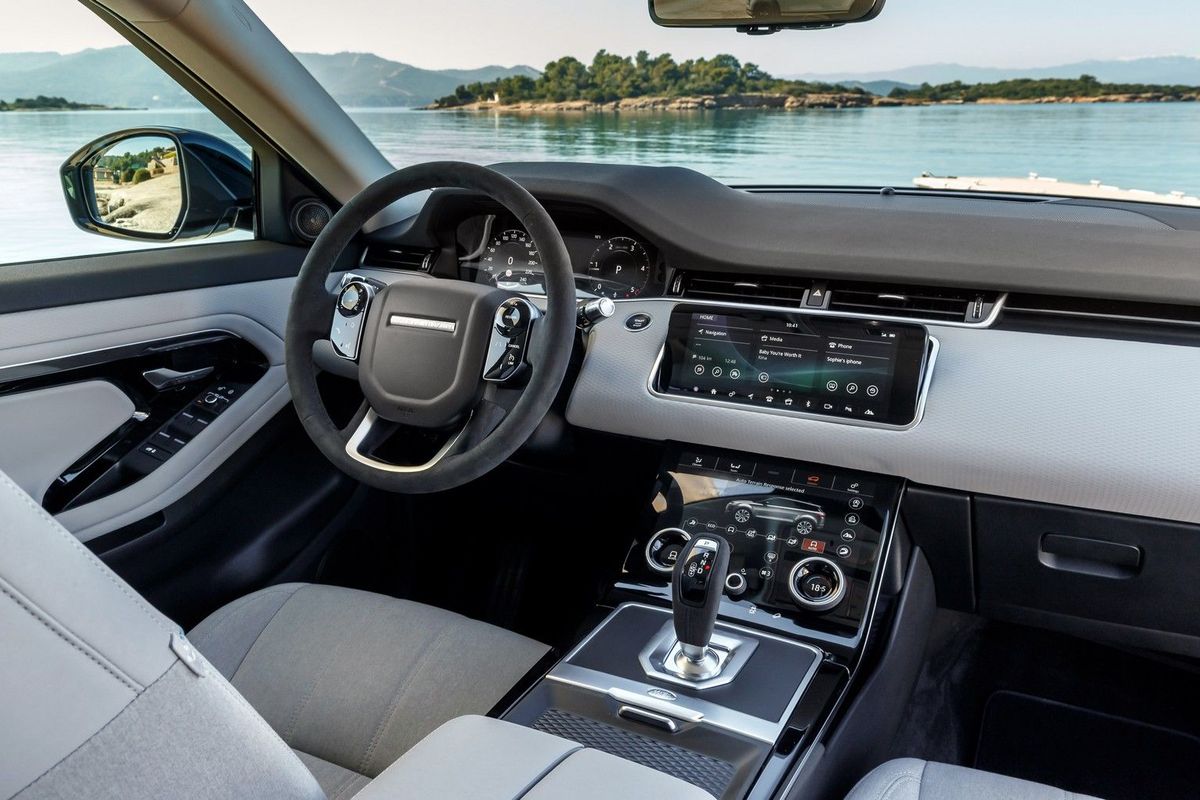
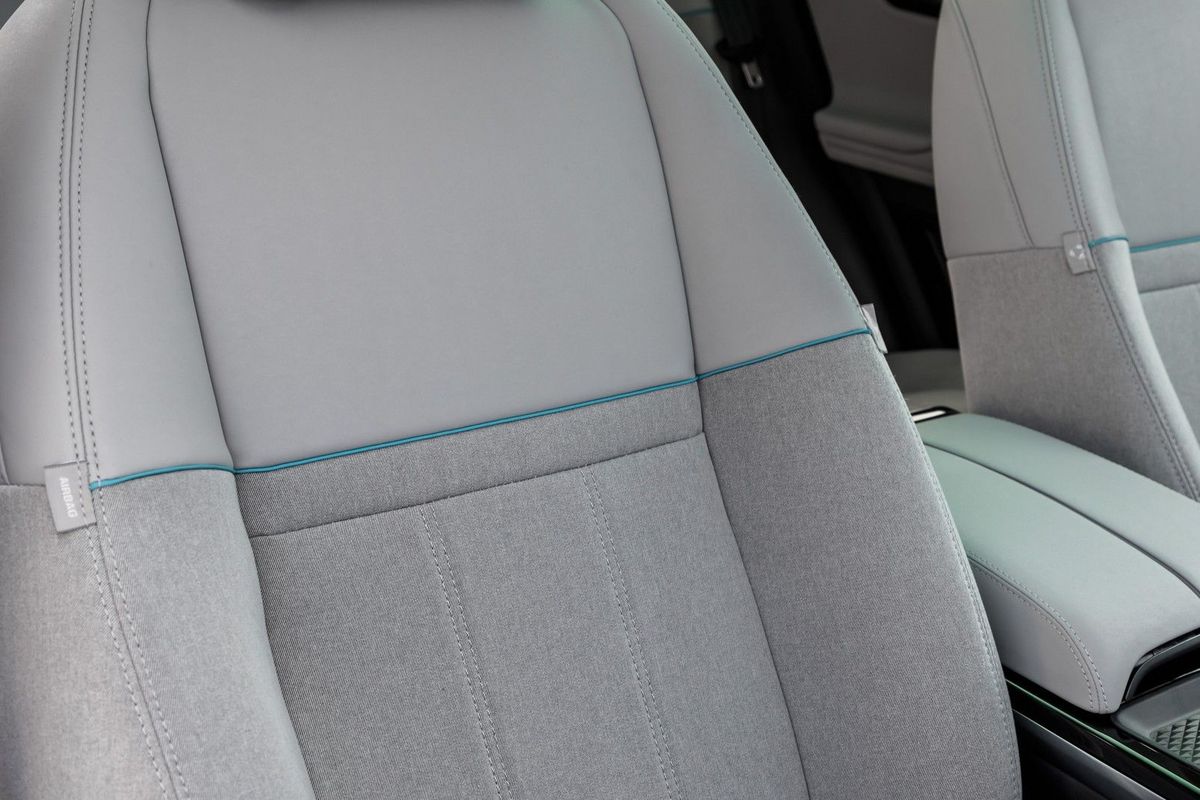
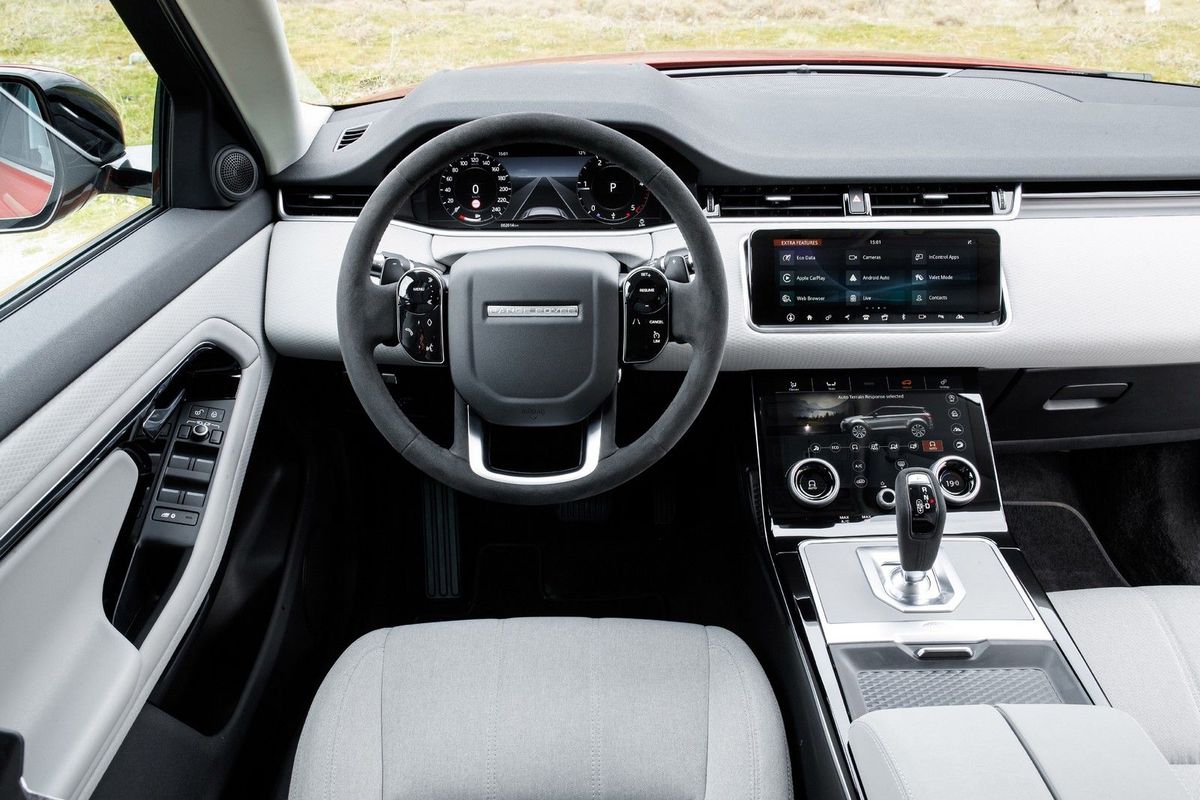
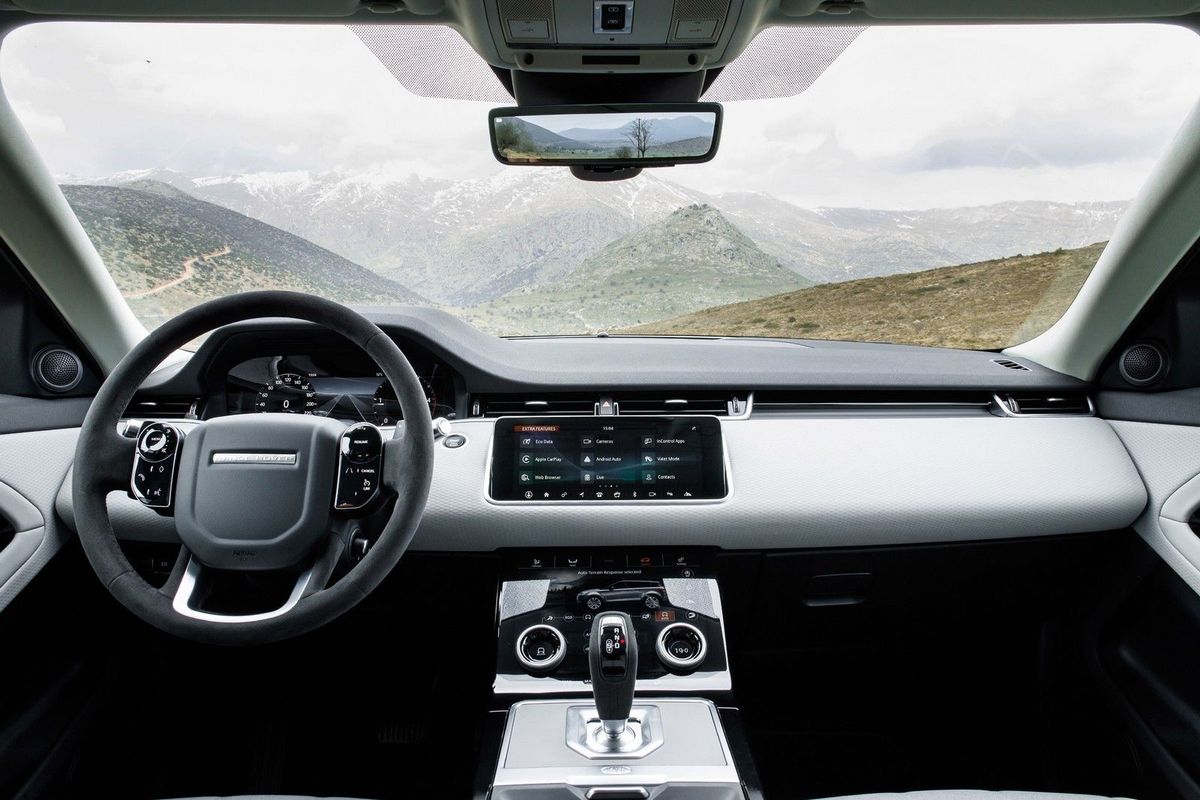
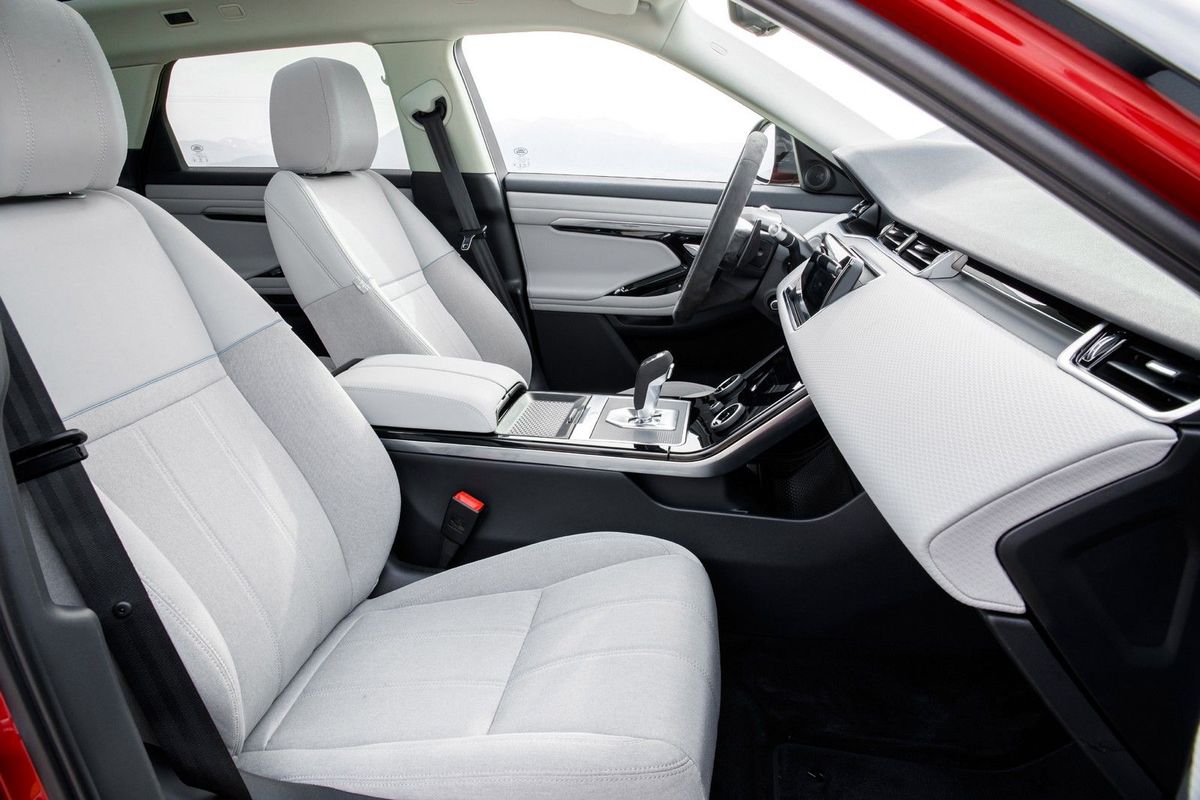
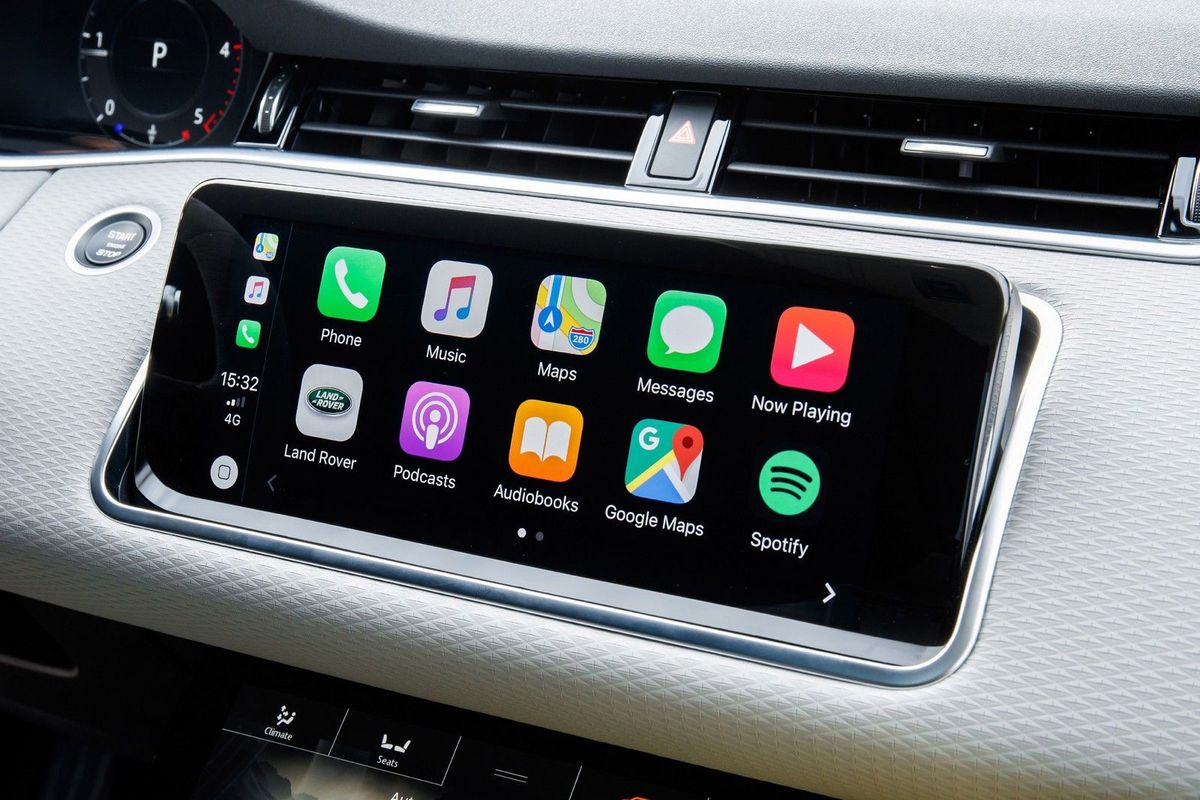
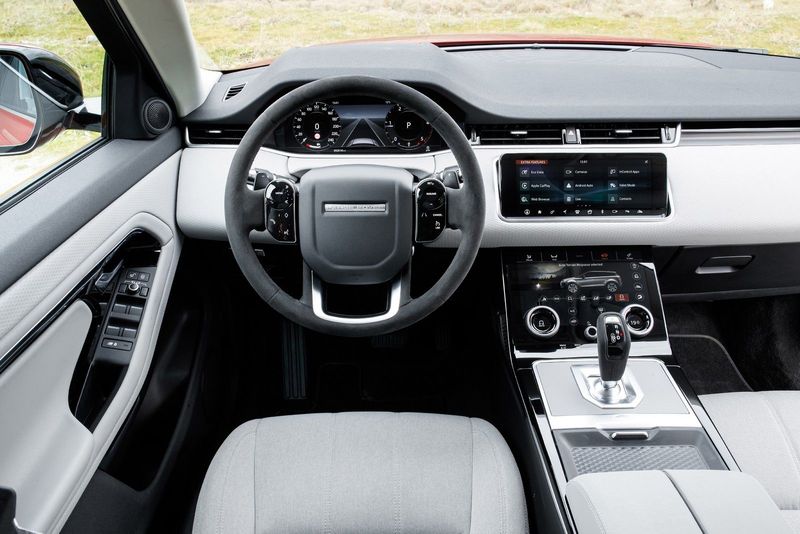
The plastic cladding on the sills and wheel arches is gone, and the Evoque’s sleeker image is helped by snazzy new door handles that retract to sit flush with the bodywork when the car is locked. More significant changes occur inside where the quality is high and, depending on specification grade, comes with an almost button-free design. Spending extra on the SE specification gets you the Touch Pro Duo setup for the centre console. It consists of two 10-inch touchscreen displays, the top one titling outwards from the dashboard upon start-up. Below that are the functions for climate control and drive settings. At this grade, buyers also get a 12.3-inch digital instrument display.

Own a Range Rover? Tell us about your experience here

The good


The cabin is well insulated and NVH levels have been improved.

We spent quite some time behind the wheel of the new Evoque and drove on a variety of different surfaces, revealing a cabin that is much quieter than its predecessor’s. Both engine and road noise are reduced and other than some wind noise picking up around the door mirrors at higher speeds the baby Range Rover seems as good as any of its premium German rivals.

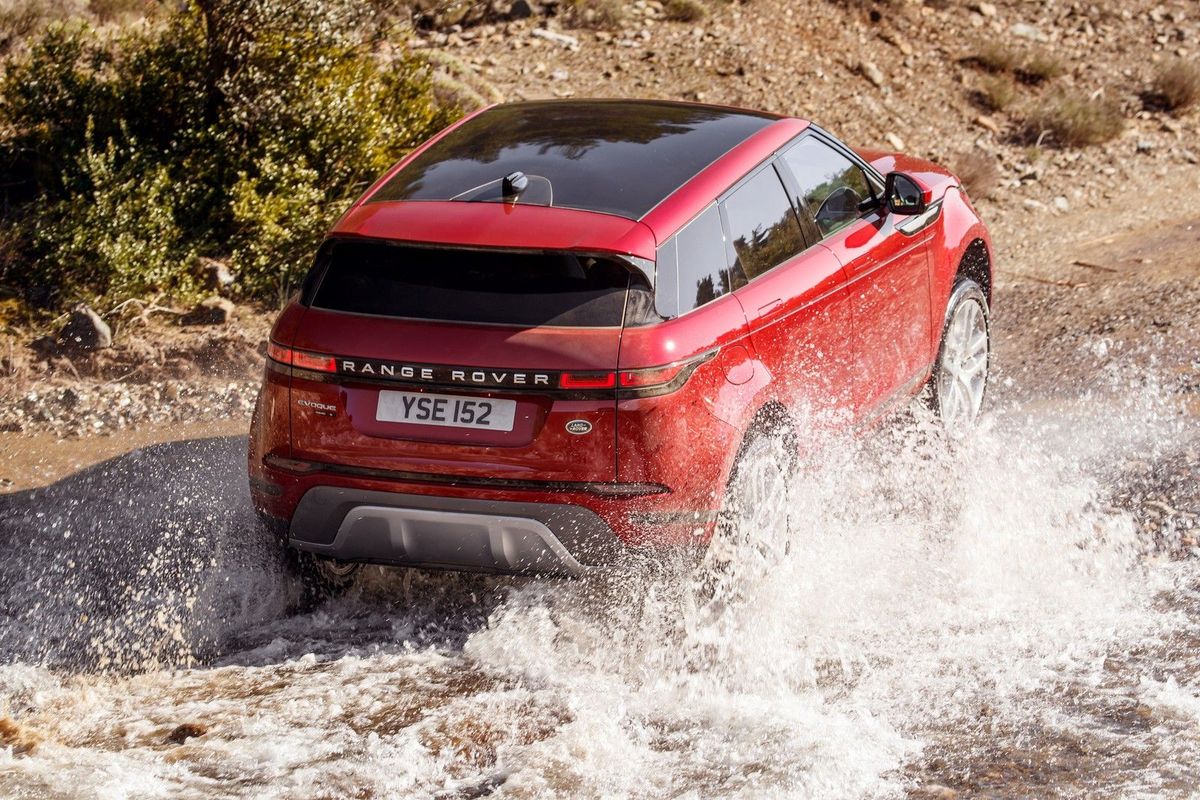
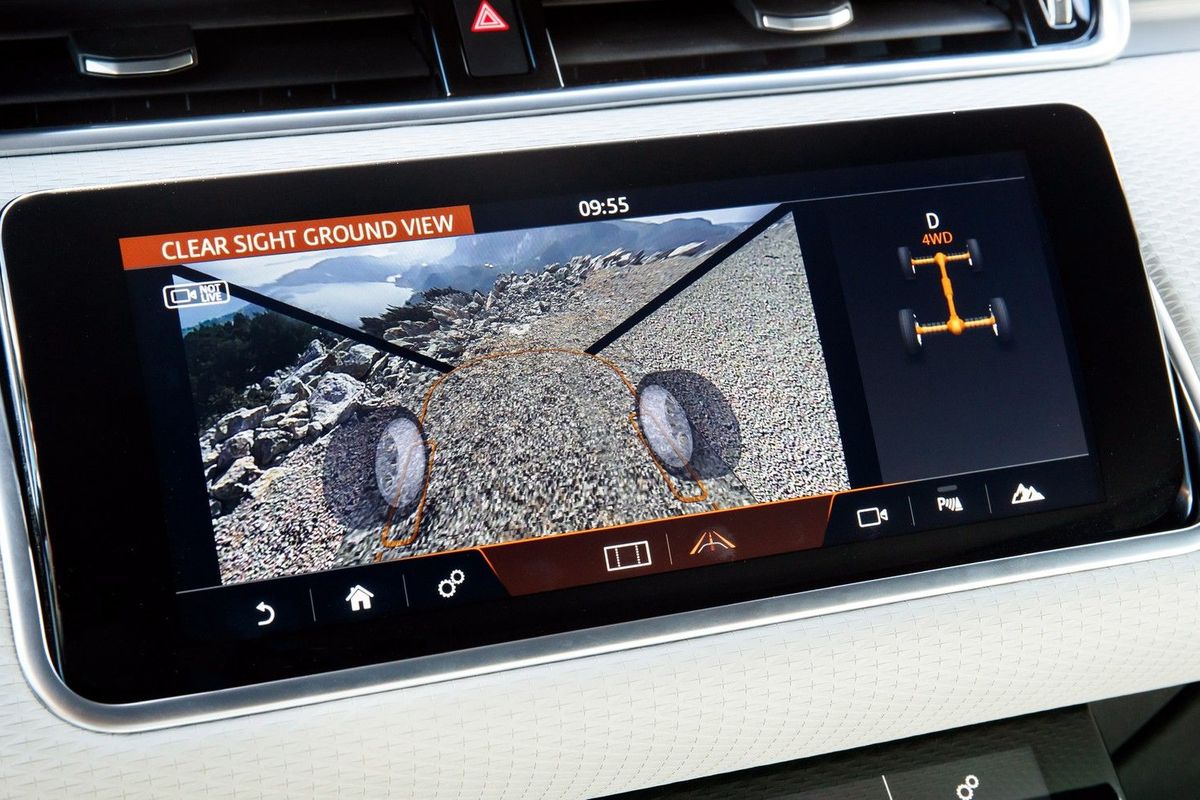
Along with the added refinement, the new Evoque offers there is a wide range of new in-car features and assistance systems to keep tech fans happy. One such item is the Clear Sight rear view mirror. Initially, it doesn’t look any different, but flicking the tab at the bottom switches to a wide camera view from a high-resolution camera mounted in the shark fin antenna on the car’s roof. Offering a full, unobstructed view, it works well at night and is particularly useful if you regularly have adults sitting in the back seats that would otherwise obstruct your view out. Another camera-based system is the Ground View feature. Ideal when you need to drive into a narrow car park with high kerbs, this takes the front-facing camera and tweaks the image to show you exactly where the front wheels are in relation to the surroundings, as if you’re looking through a transparent engine bay.

Ride and drive


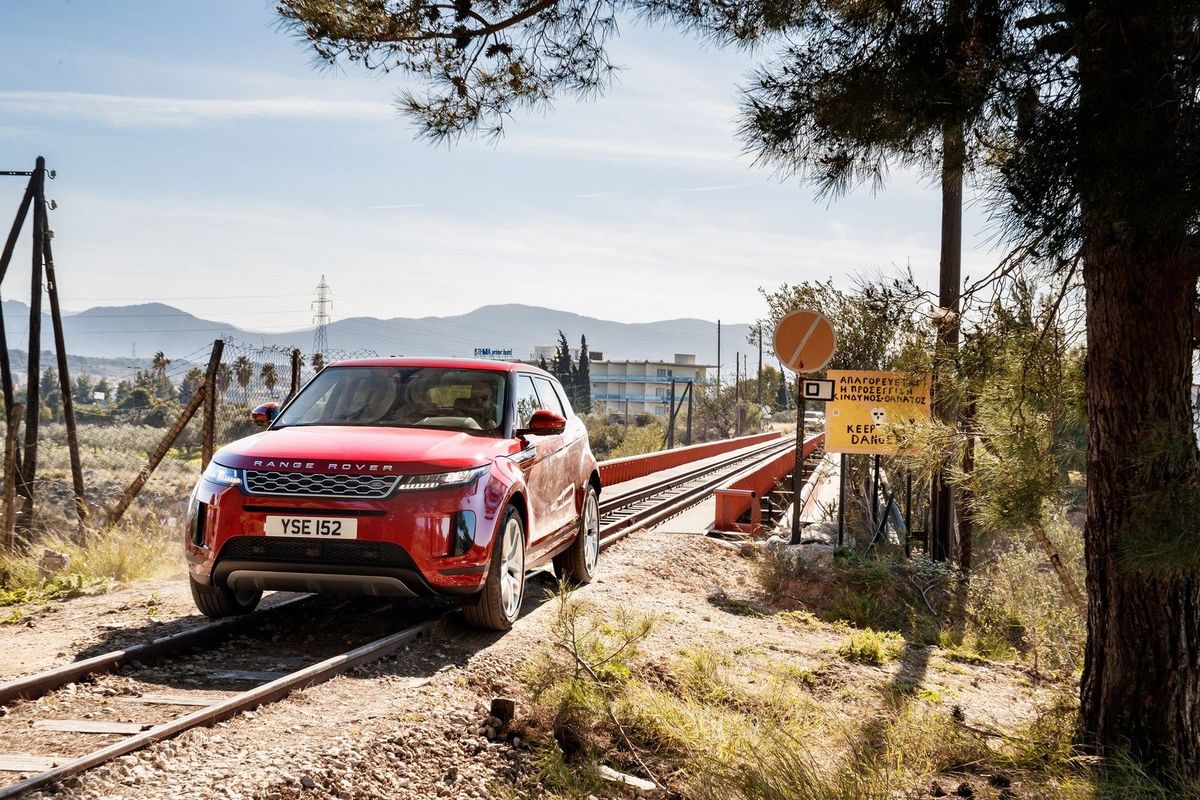
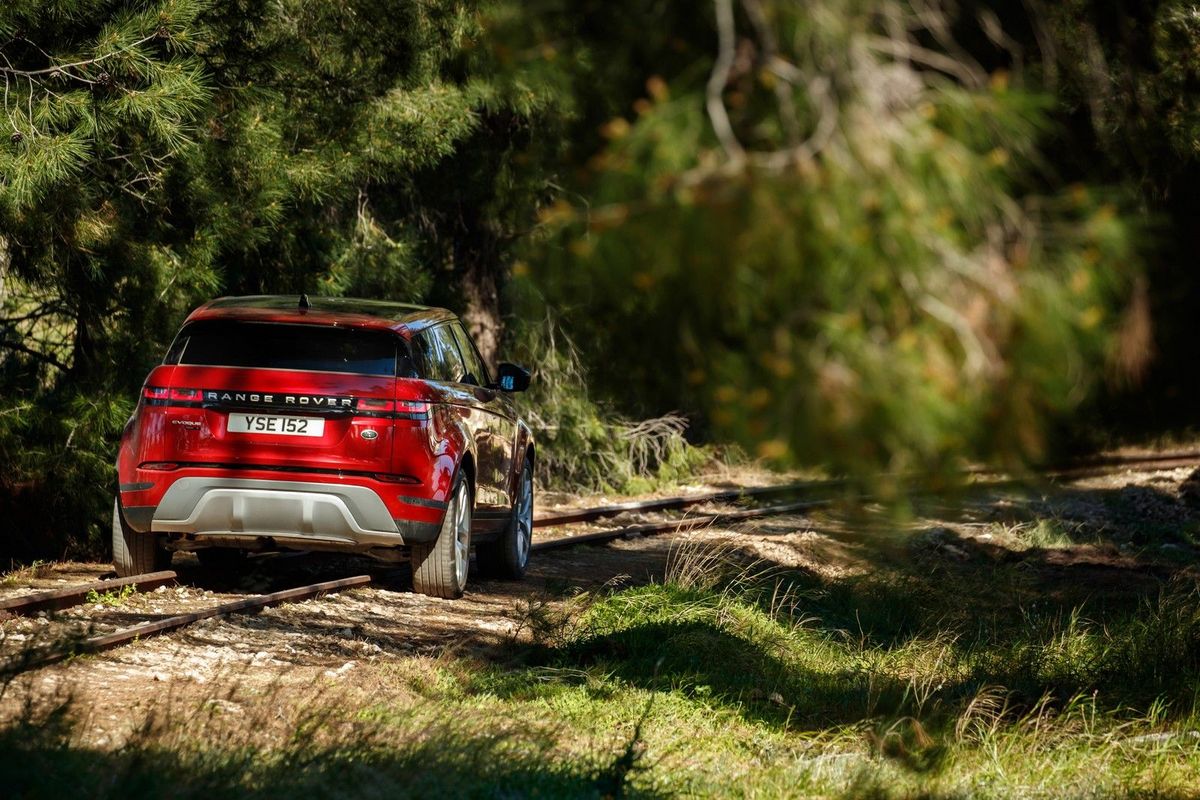
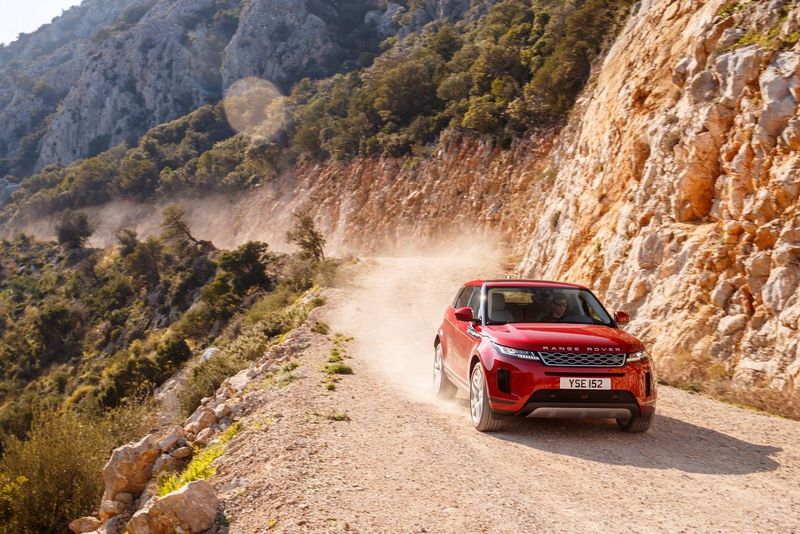
Even though most owners will never venture beyond a dirt panhandle, the Evoque has best in class off-road abilities.

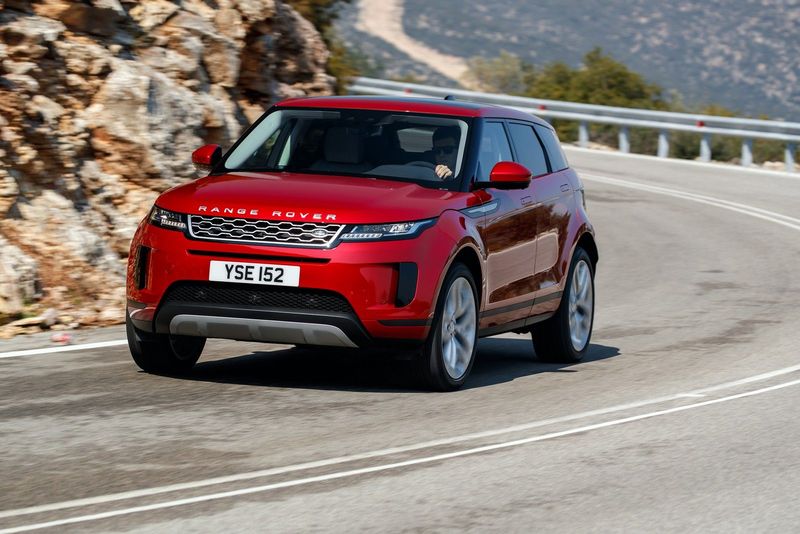
Most Evoques come with a passive suspension setup that delivers a high level of comfort even on 20-inch wheels. Should you opt for the 21-inch rims, then Land Rover’s adaptive suspension is included, but having driven both versions back to back, we don’t think you’re missing out by sticking with the standard suspension.

One of the reasons that the Evoque now drives better is due to a new chassis with an aluminium front subframe that is three times stiffer. To that, new suspension components are attached, which are between 11- and 16 per cent softer than before. The result is that rough surfaces aren’t transmitted through the cabin nearly as much and the suspension does a better job of absorbing the bigger bumps like potholes and speed humps. If you’re keen on a sportier drive then a BMW X2 may serve you better, but the Evoque is happy to be hustled along by any measure.


At launch, the new Evoque will be available with the choice of 1 petrol and 1 diesel engine.

The mild hybrid system uses a belt-integrated starter generator that recovers energy when you lift off the throttle and replenishes the lithium-ion battery – mounted beneath the front passenger seat. Where you notice the benefit of such a setup is as you roll up to a stop, as the engine can shut off from 17 kph. The restart is also smoother than more conventional start-stop systems. Driving the Evoque in a city is mostly hassle-free thanks to the nine-speed automatic transmission. It shifts up and down gears smoothly, keeping the engine within its optimum operating window. However, out on more open stretches, there are times when the automatic transmission can seem a little hesitant, namely when going for a quick overtake.

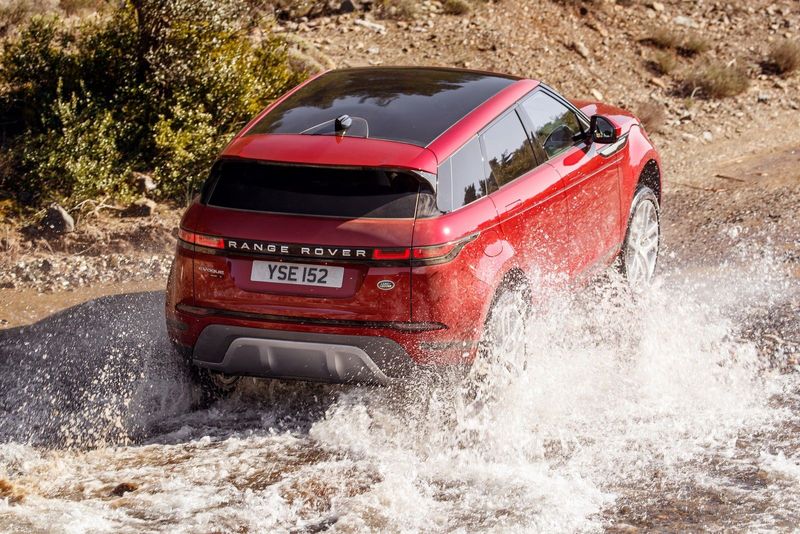
While the Evoque is equipped with all-wheel drive, for the most part, it only sends power to the front wheels until it detects any loss of grip, in which case it seamlessly switches to all-wheel-drive mode. With Land Rover’s Terrain Response 2 system the Evoque can take on more severe off-road conditions, helped by its 212 mm of ground clearance. Decent approach and departure angles mean that you’re unlikely to leave a bumper behind along the way.

The not-so-good


There's a lot of Velar in the interior, which is probably a good thing.

Even with the introduction of a mild hybrid system to help alleviate the load on the engine, fuel consumption during our time with the car was quite a way wide of Land Rover’s official figures. We experienced a similar result when driving the higher-powered diesel variant (though the South African market will only get the 132 kW D 180 diesel at launch).

Verdict


The new Evoque ticks all the boxes for a modern premium SUV buyer.

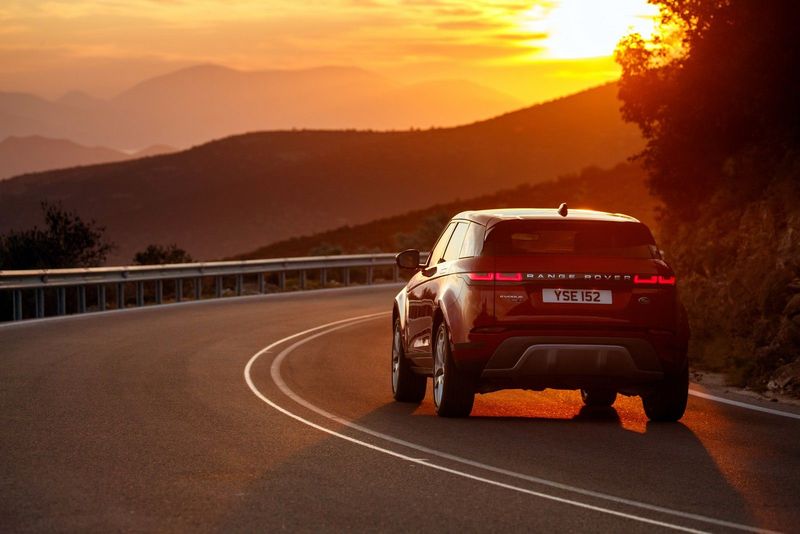
With head-turning looks and an interior that is befitting of the Range Rover name, the new Evoque has all the right ingredients to make it another hit. Even those who aren’t concerned about its off-road abilities might be interested in its new in-car tech options. Either way, this is now one of the more refined small SUVs on the market today.

Pricing & Warranty

The Evoque range starts at R734 300. Land Rover offers a 3-year/100 000 km warranty alongside a 5-year/100 000 km service plan. Land Rover plans to introduce the new Evoque into SA during the second week of May 2019.

Range Rover Evoque                     R734 300

Range Rover Evoque R-Dynamic    R813 000

Range Rover Evoque First Edition    R945 900

For a full pricing rundown of the new Evoque click here

Related content

Range Rover Evoque Convertible (2017) Quick Review

Audi Q3 (2018) International Launch Review

BMW X2 (2018) Launch Review [w/Video]

Opel Combo Cargo Now Available in SA [w/Video]

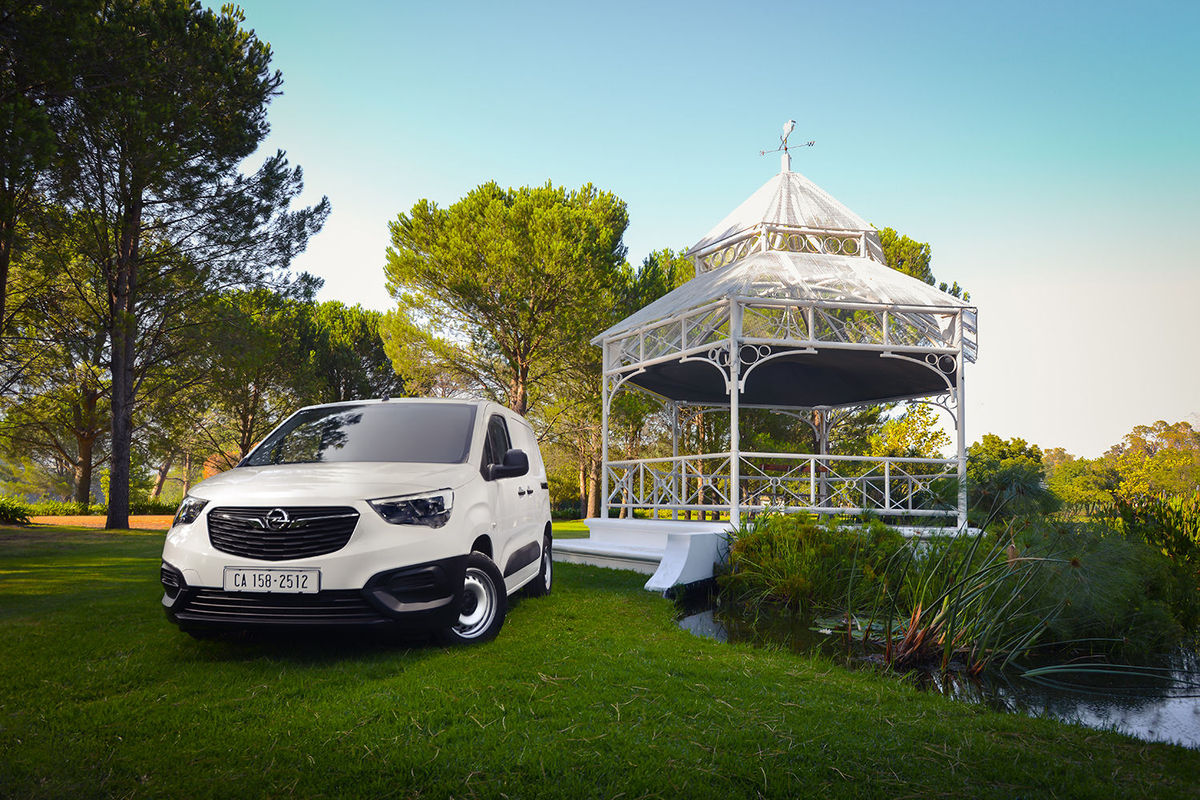
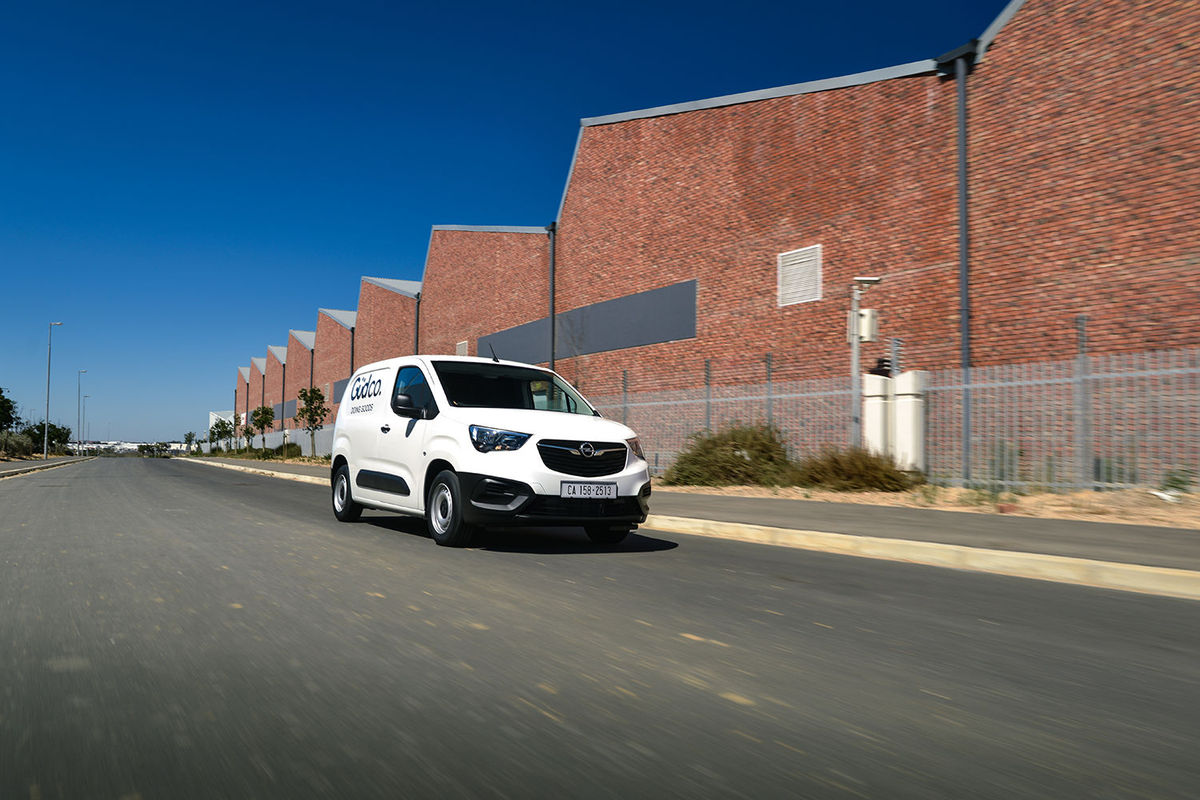
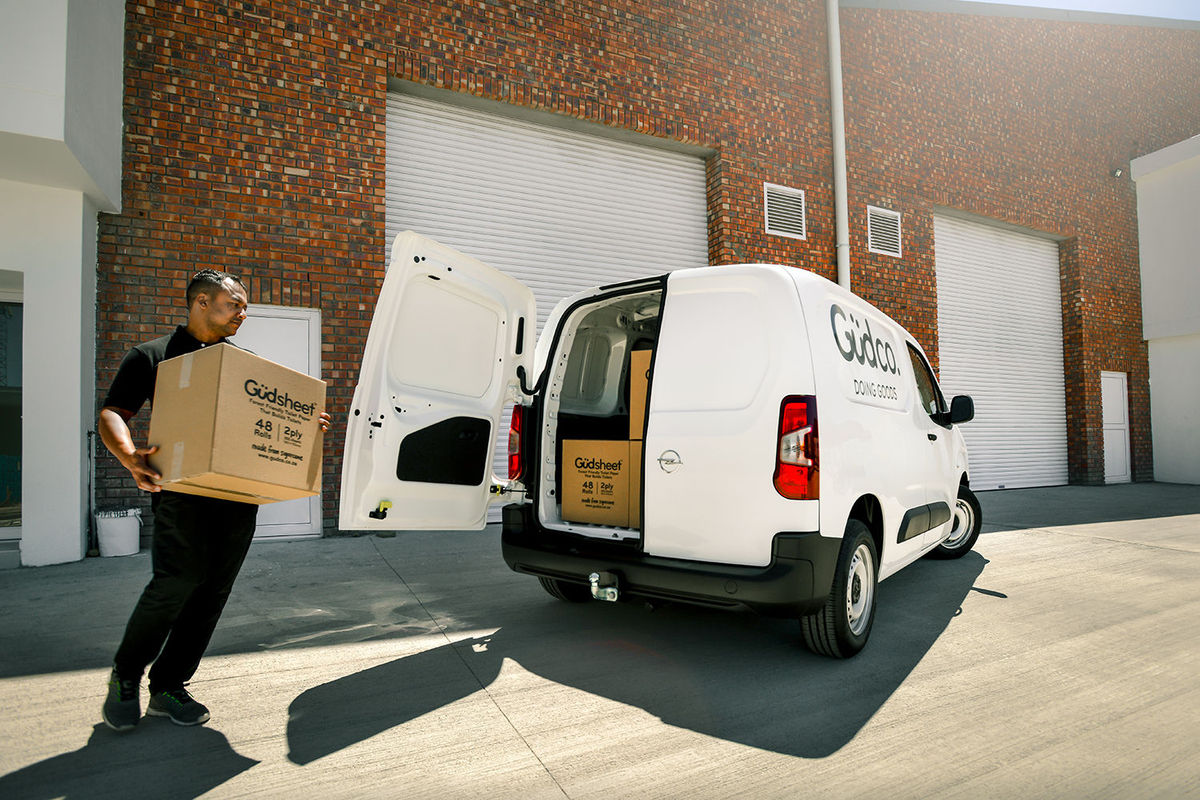
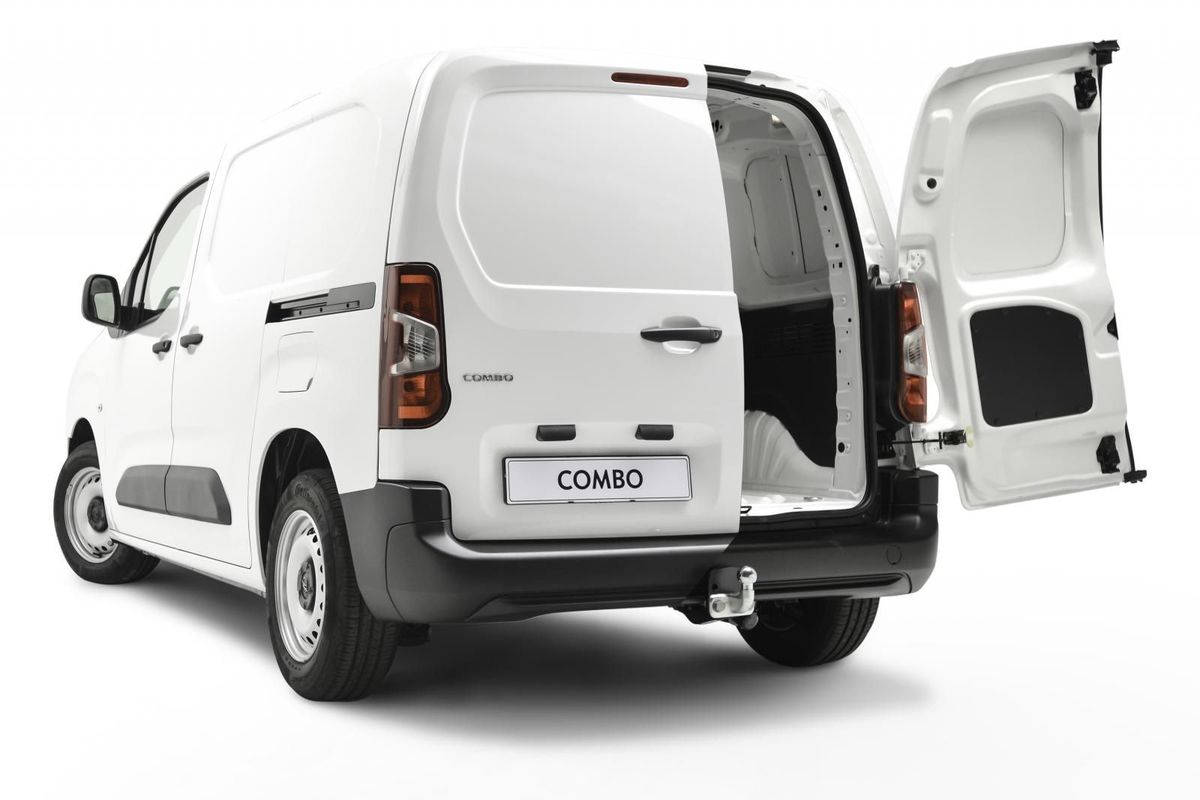
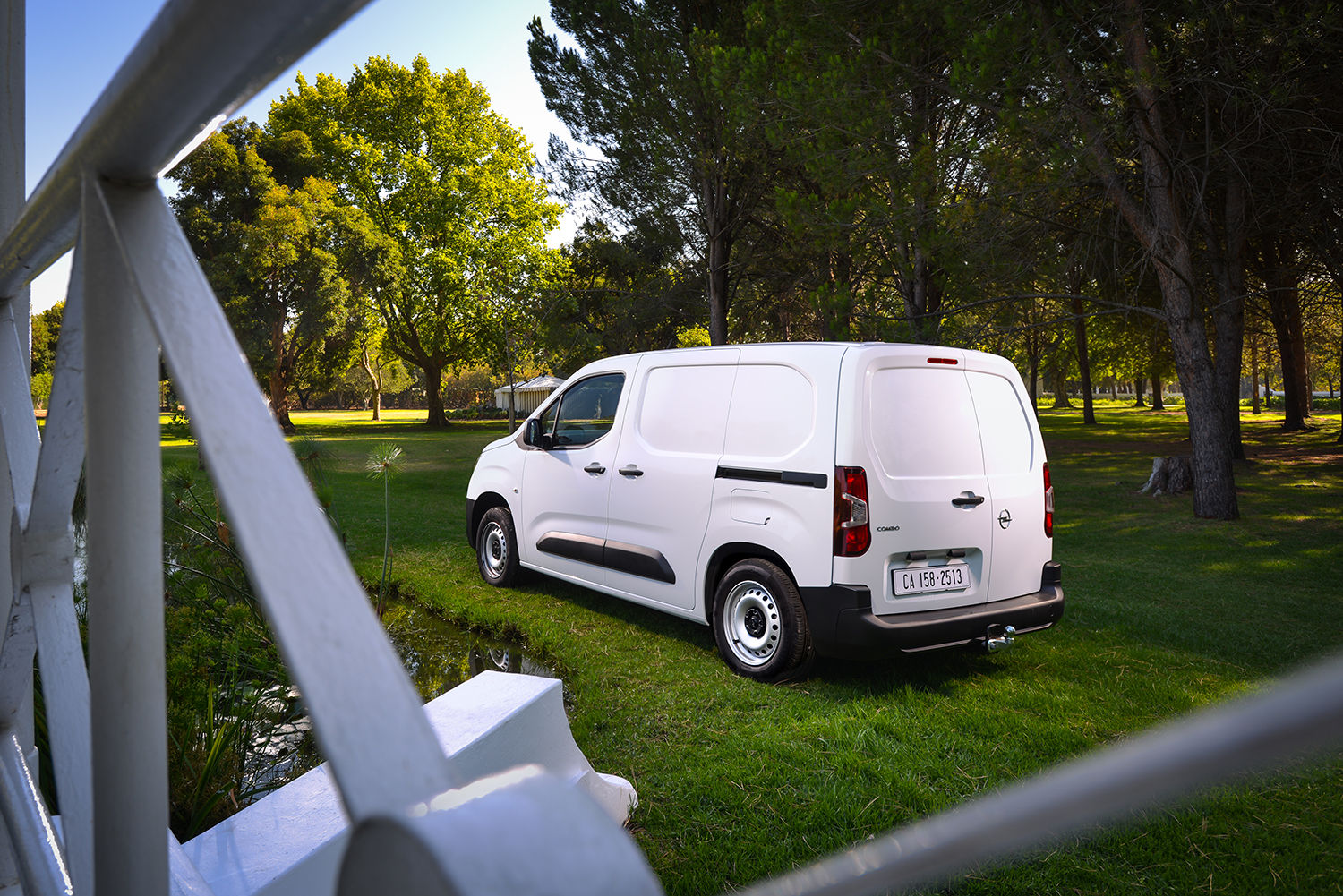
The Opel Combo Cargo, which was named the International Van of the Year 2019 at the IAA commercial-vehicles trade show in Hannover, Germany last year, is now available on pre-order in South Africa. What's more, the 1.6DT derivative of this ultra-safe, customisable and multi-purpose panel van is available from only R305 600*.

ADVERTORIAL

The new Combo Cargo is powered by a 1.6-litre turbodiesel engine. The motor's peak outputs (230 Nm of torque and 68 kW of power) give it the "go" that ambitious business owners require – but the 1.6DT remains economical, with a claimed combined fuel consumption of 5.0 L/100 km.

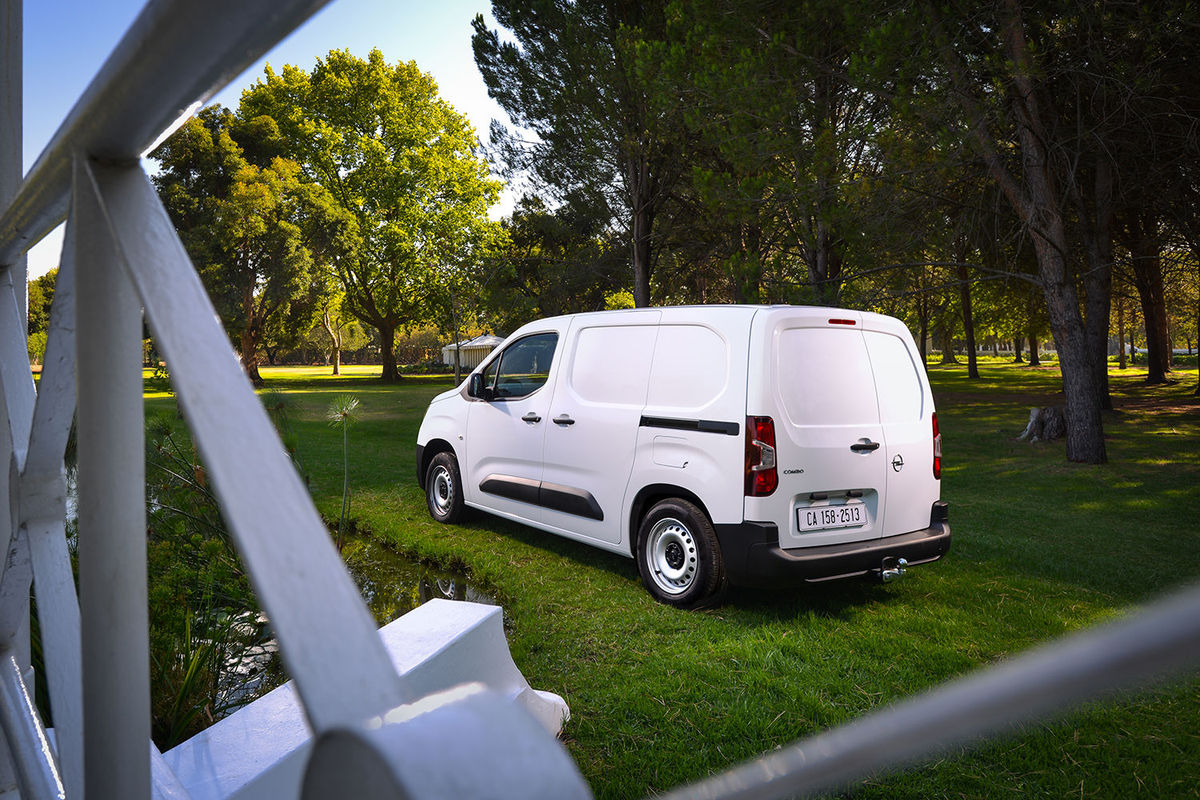
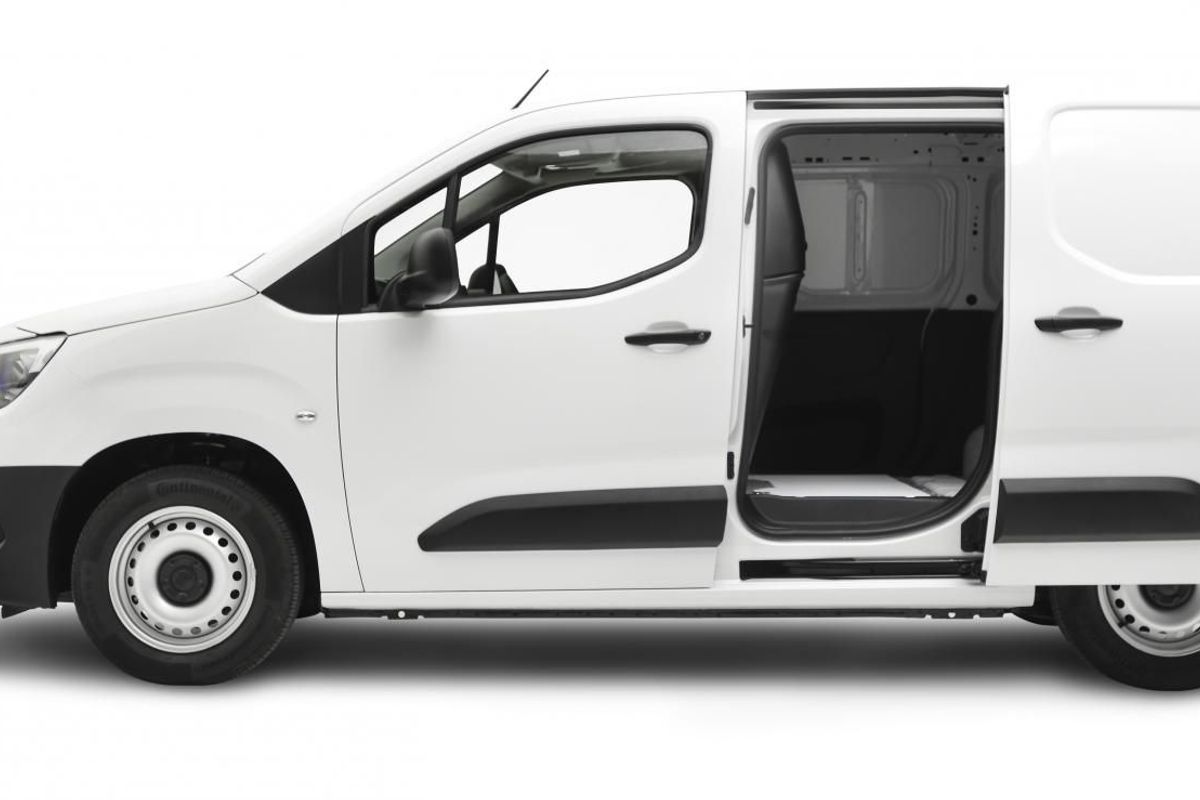
Opel's award-winner fits perfectly into the South African market – it's available in standard and LWB configurations that measure 4 403 mm and 4 753 mm in length respectively. This versatile van has a 1-tonne payload, as well as a towing capacity of up to 1 250 kg (with a braked trailer).


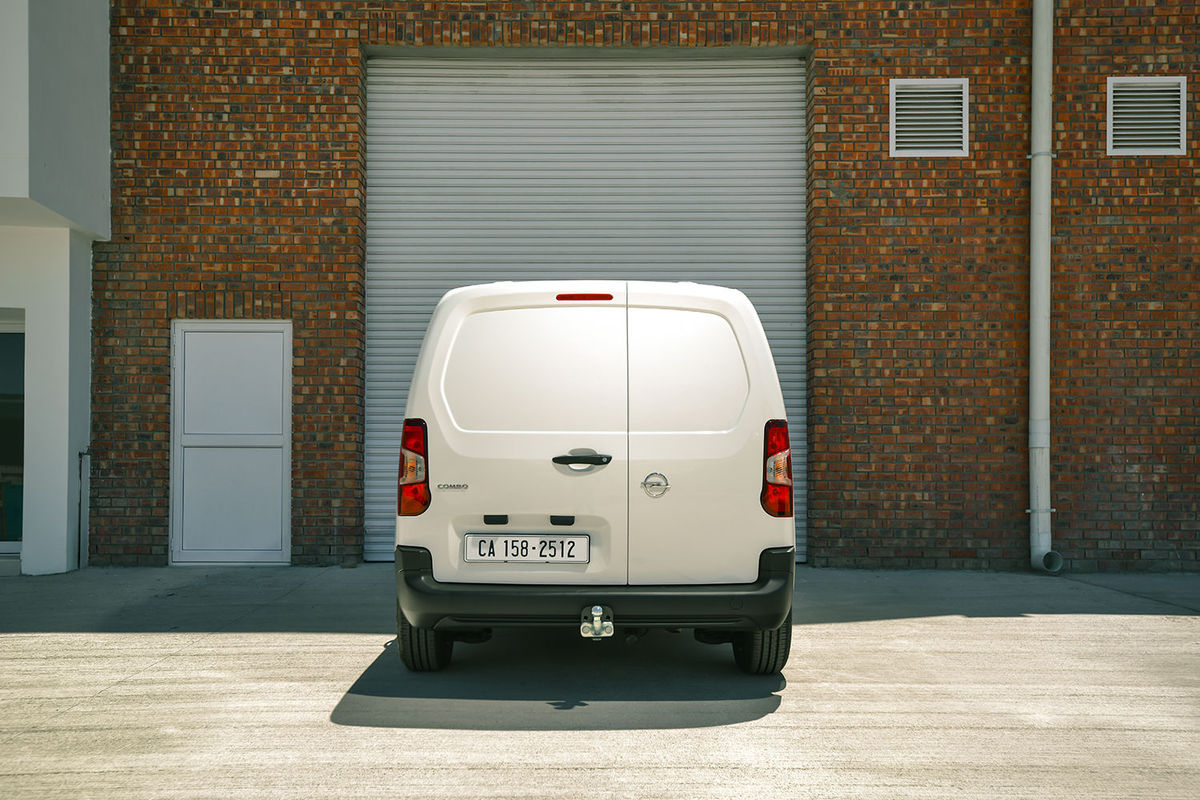
 The Opel Combo Cargo is available in both short- and long-wheelbase guises.

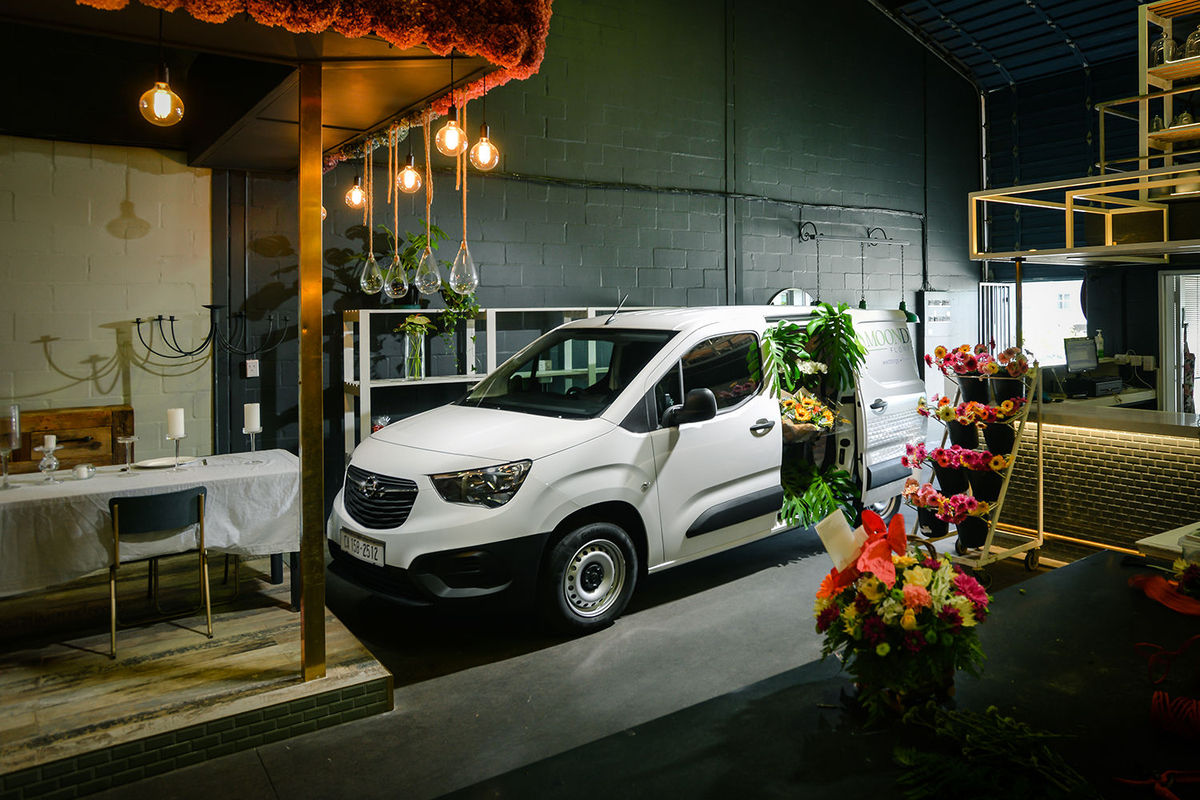
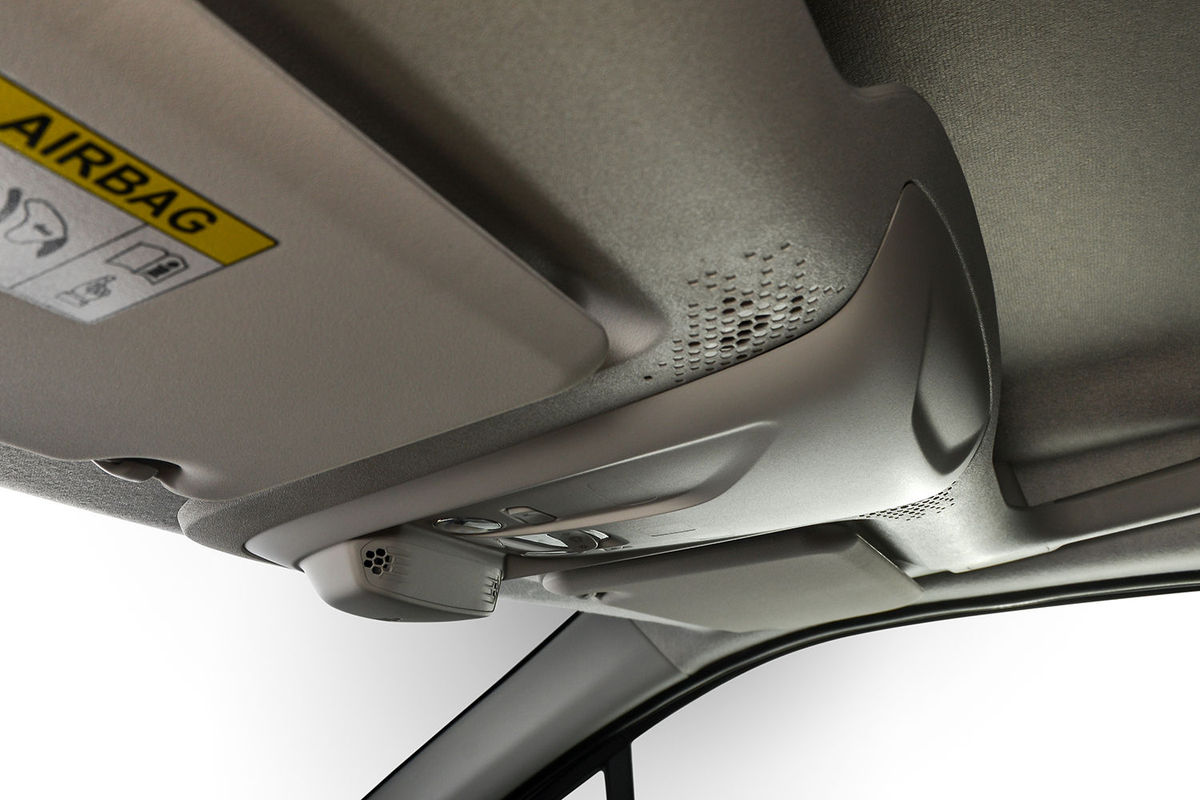
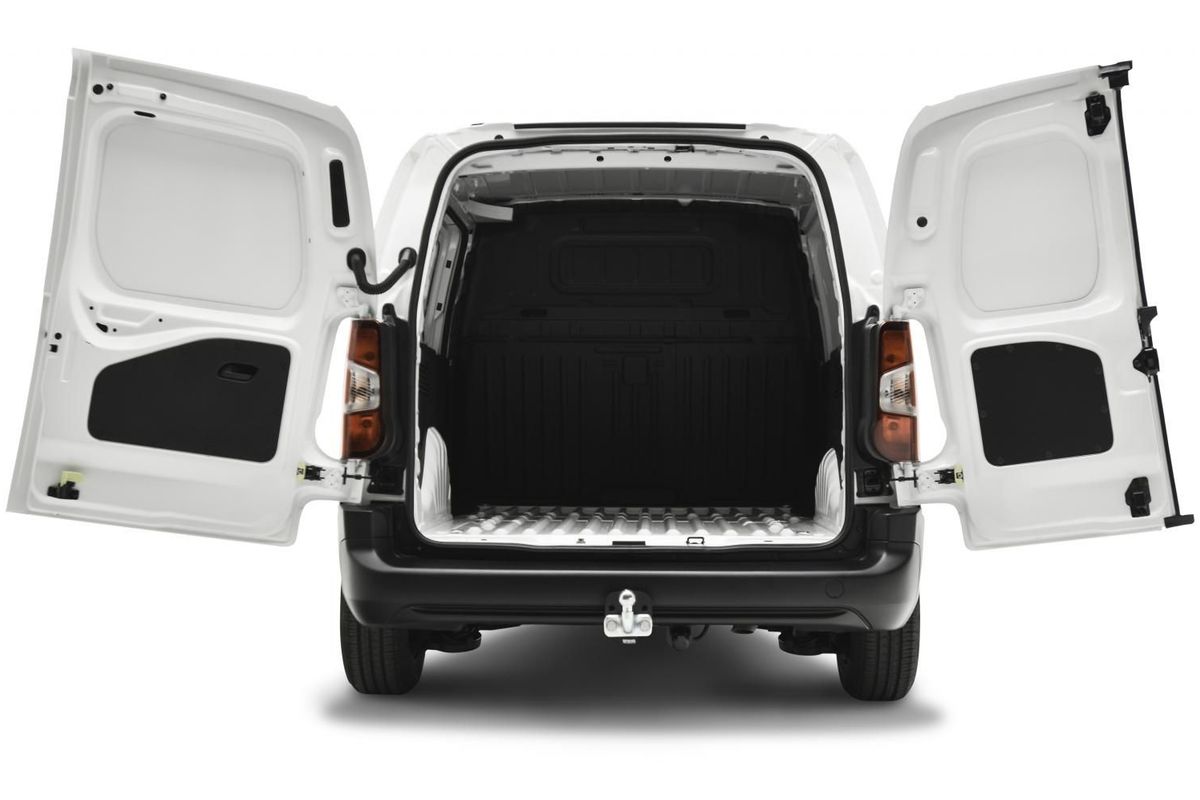
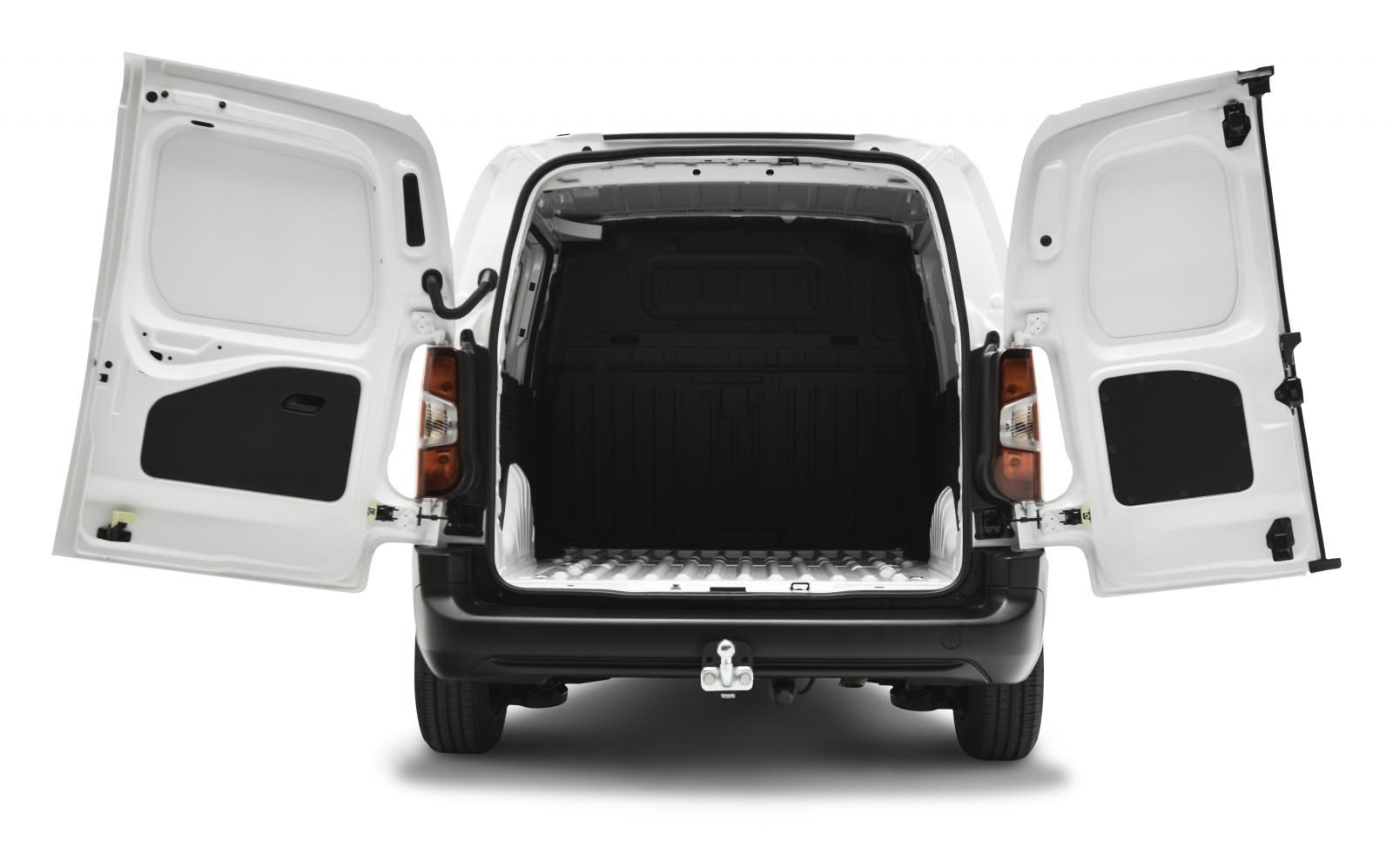
Furthermore, the newcomer is capacious: it offers up to 4.4 m2 of load space with a flat floor and no intrusion from the rear wheel arches. That means it's as simple to load as unload, plus the task is a lot less taxing on your back by virtue of the low load-floor height. And the list of fitment opportunities for the Combo Cargo is almost endless (consider building in shelving, storage bins, toolboxes, refrigeration, compressor etc). 

Top-quality security measures are in place to protect your valuable goods. All of your equipment is kept out of sight in an enclosed and alarmed secure shell, with blacked-out windows, remote central locking, a rear interior-door lock and an anti-theft immobiliser.


By eliminating the intrusion of the wheel arches, Opel has flattened the Combo Cargo's load floor.

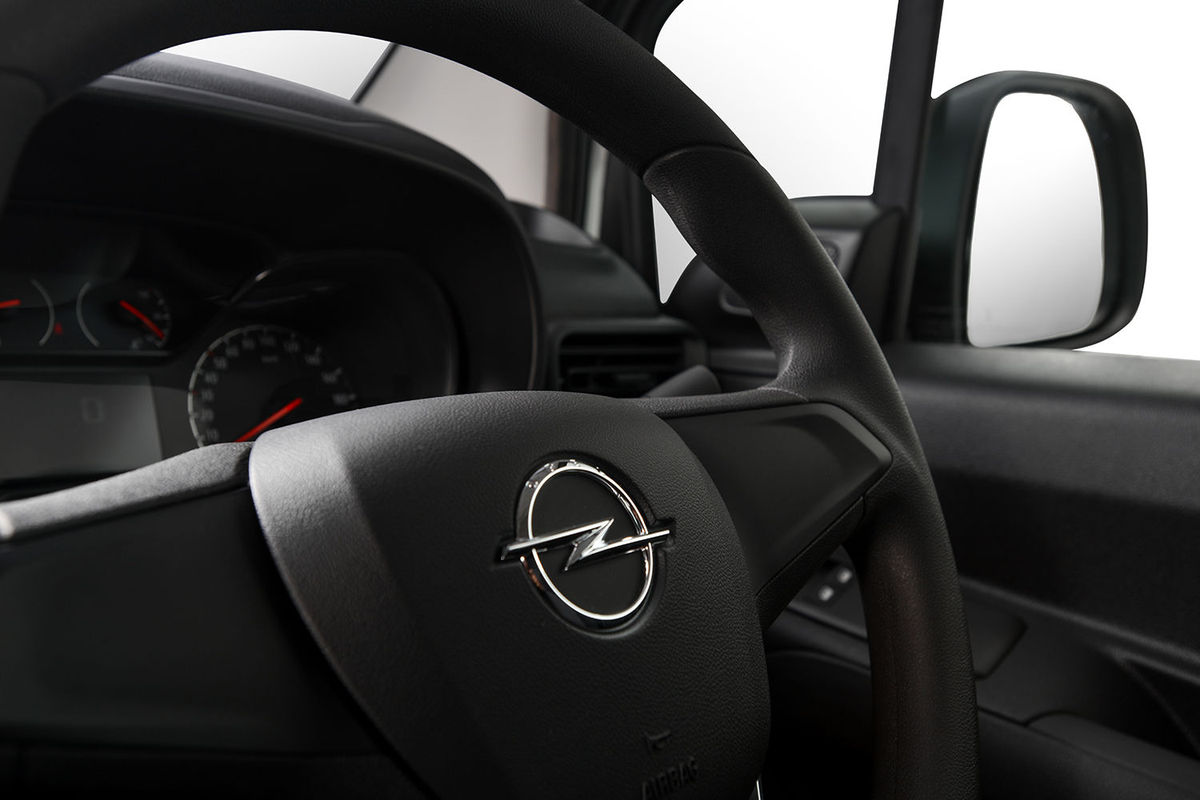
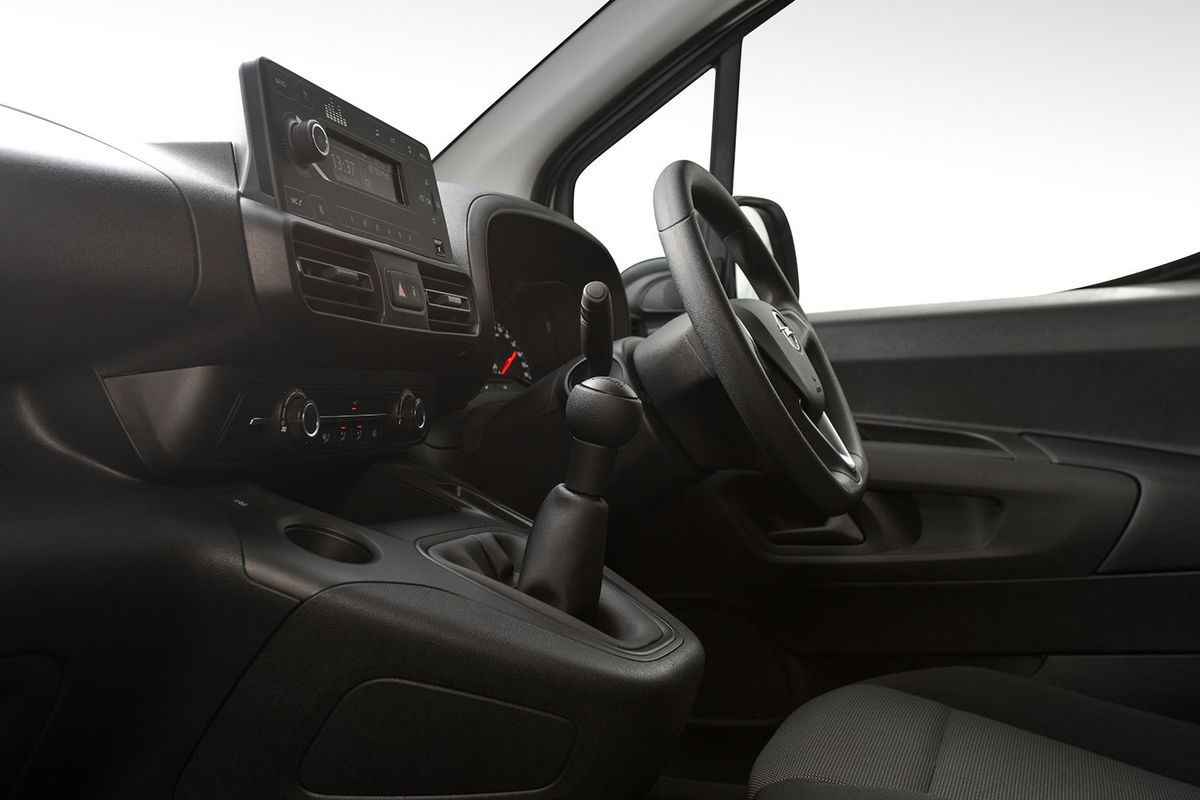
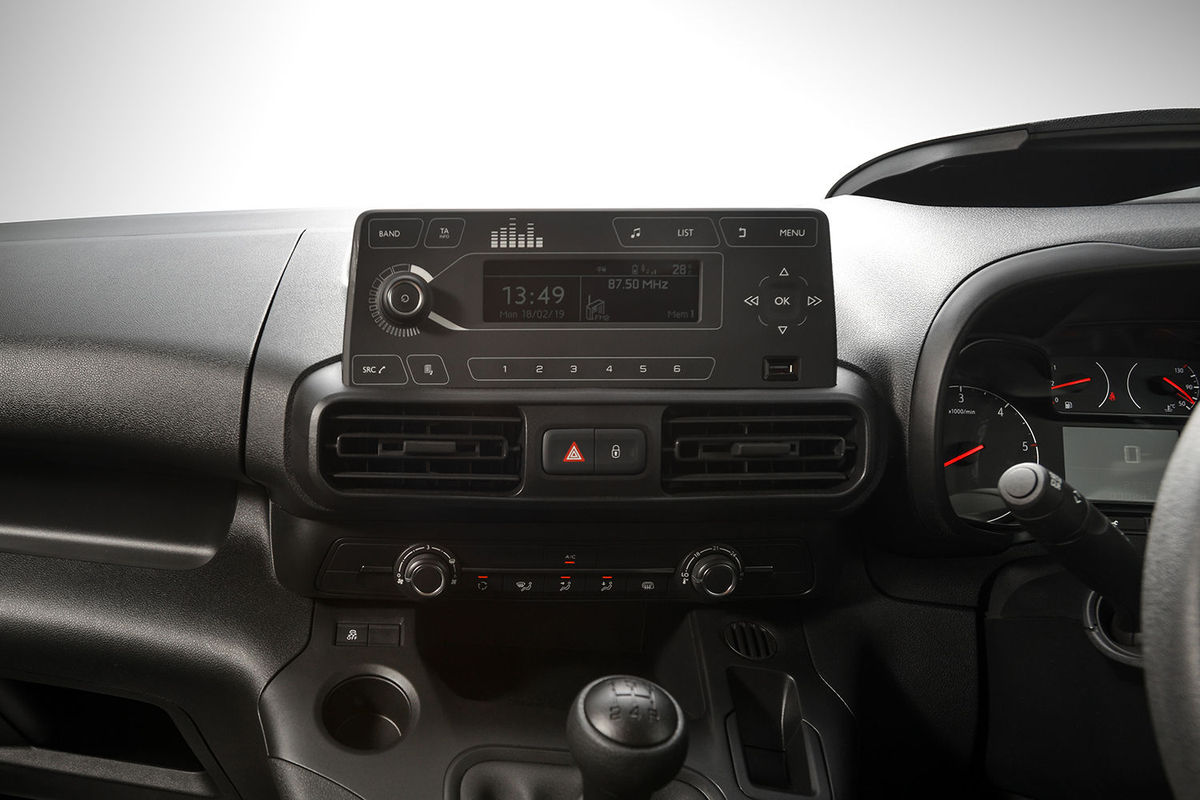
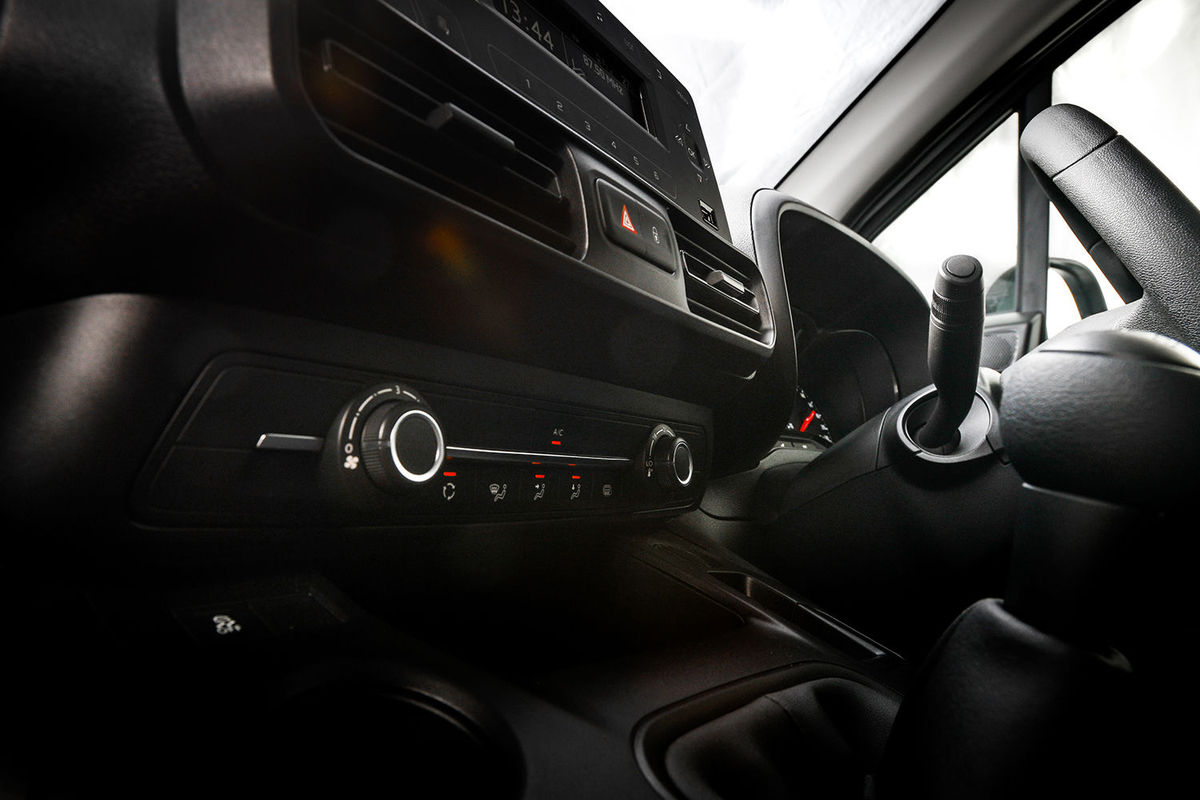
Unlike older-generation cargo vehicles, the Combo comes with a handful of bells and whistles. Its audio system is Bluetooth- and MP3-enabled and has a USB input. Other features include speed-sensitive power steering, foldable side-mirrors, intermittent wipers and front power windows.

Safety-wise, driver and front passenger airbags and a full-height steel bulkhead (to separate the cargo and passenger areas) are fitted. In addition, ABS, electronic stability- and traction control, hill-start assist and emergency brake-assist systems offer the driver complete peace of mind.

* Offer valid until 31 March 2019. On-the-road costs & registration fees excluded. Model/s shown may differ. Terms and Conditions apply. 

Click here to enquire about the Opel Combo Cargo 1.6DT deal.

Related content:

Check out new Opel specs & prices in South Africa

Opel Introduces Limited-Edition Corsa 120 Years

Opel Corsa GSi Announced

Opel Corsa 1.4 Turbo Sport (2018) Quick Review

Interested in buying a used Opel?

Search for one on Cars.co.za

Nissan Restarts R32 Skyline Engine Production

Godzilla returns with official 2019 parts catalogue. 

In an announcement which is sure to carry great favour with Japanese performance car enthusiasts, Nissan has confirmed reproduction plans for one of its most legendary engines.

Since last year the company has been providing official support to owners of R33 and R34 Skyline GT-Rs, and that programme has now been extended to include the original R32 model too.

The catalogue of parts Nissan has committed to supplying include bodywork and engine components. Nissan has restarted production of original RB26 specification engine blocks, heads, wiring harnesses and fuel pump assemblies – all crucial bits to ensure that an original GT-R keeps running in appropriate order.

Pricing for an official reproduction R32 engine block is set at R22 400 and for the matching cylinder head, it’s R25 000. For Japanese sportscar devotees who become anxious at the thought of replacing crucial engine components, the news of an official Nissan parts supply chain being restarted for the R32 is splendid news.

Nissan’s commitment to supporting owners of all three its previous-generations of Skyline GT-R follows on from a recent global trend of vehicle manufacturers supporting individuals who run vehicles which are symbolic to the history and achievement of said automotive brand. With tooling for these continuation parts fully amortized in cost and paid for, it’s also a tidy little profit stream, involving minimal risk or complexity.

Nissan’s production of original R32 parts totals 15 components, ranging from wiper motors to bumpers. For R33 its supplies a basket of eight reproduction parts and R34’s reproduction catalogue is seven components strong.

Related content

Nissan Reveals Hardcore GT-R Track Edition

2017 Jaguar Simola Hillclimb Highlights Video


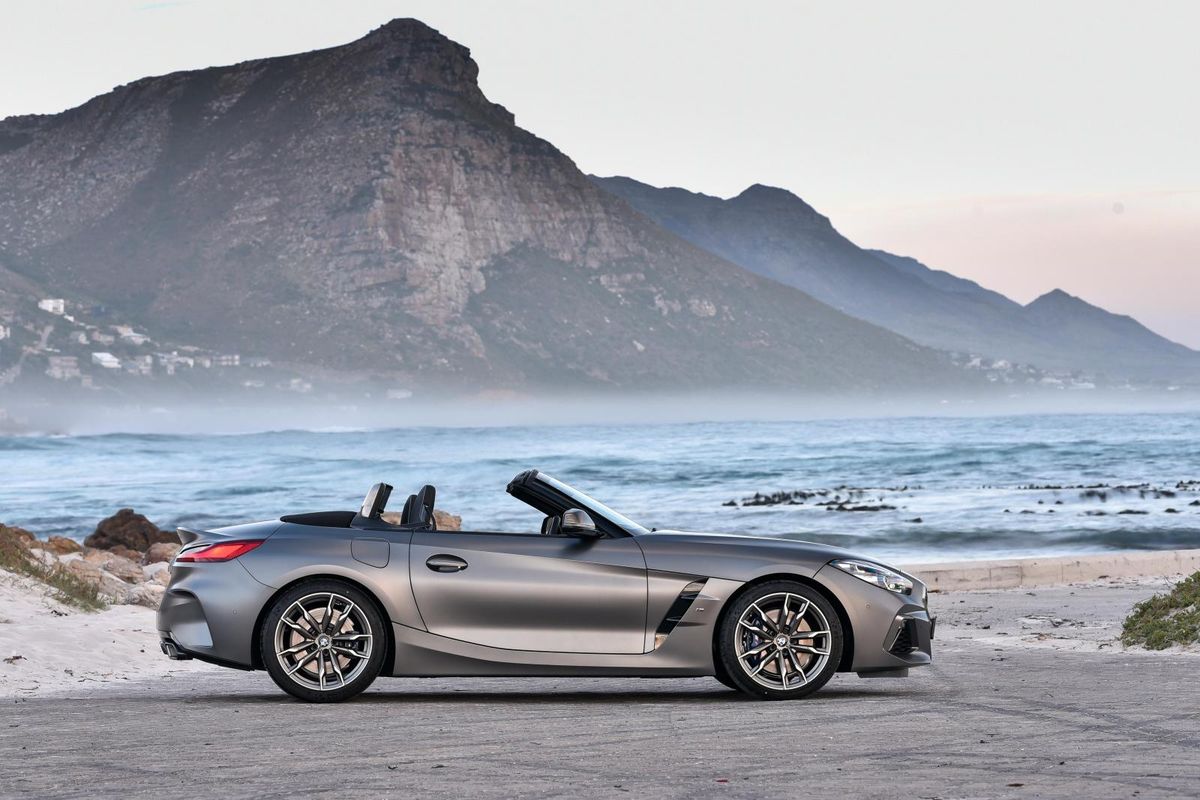
BMW Z4 (2019) Launch Review

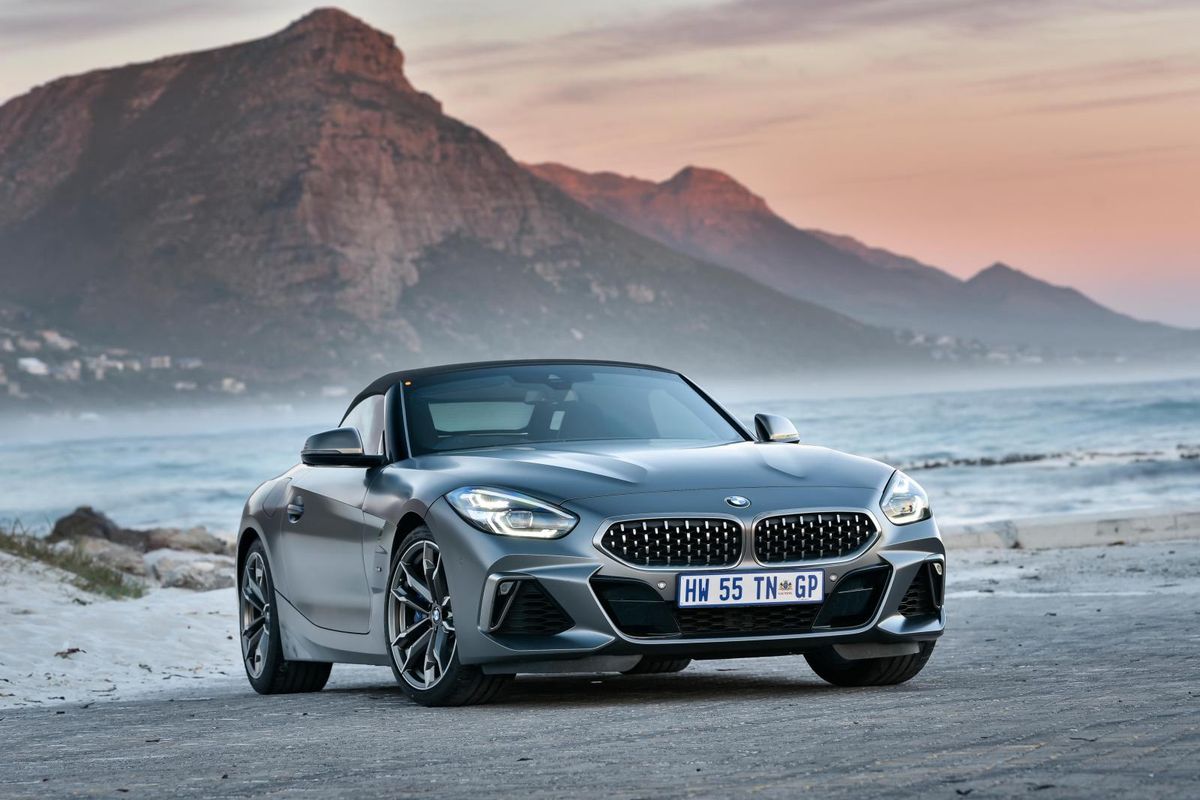
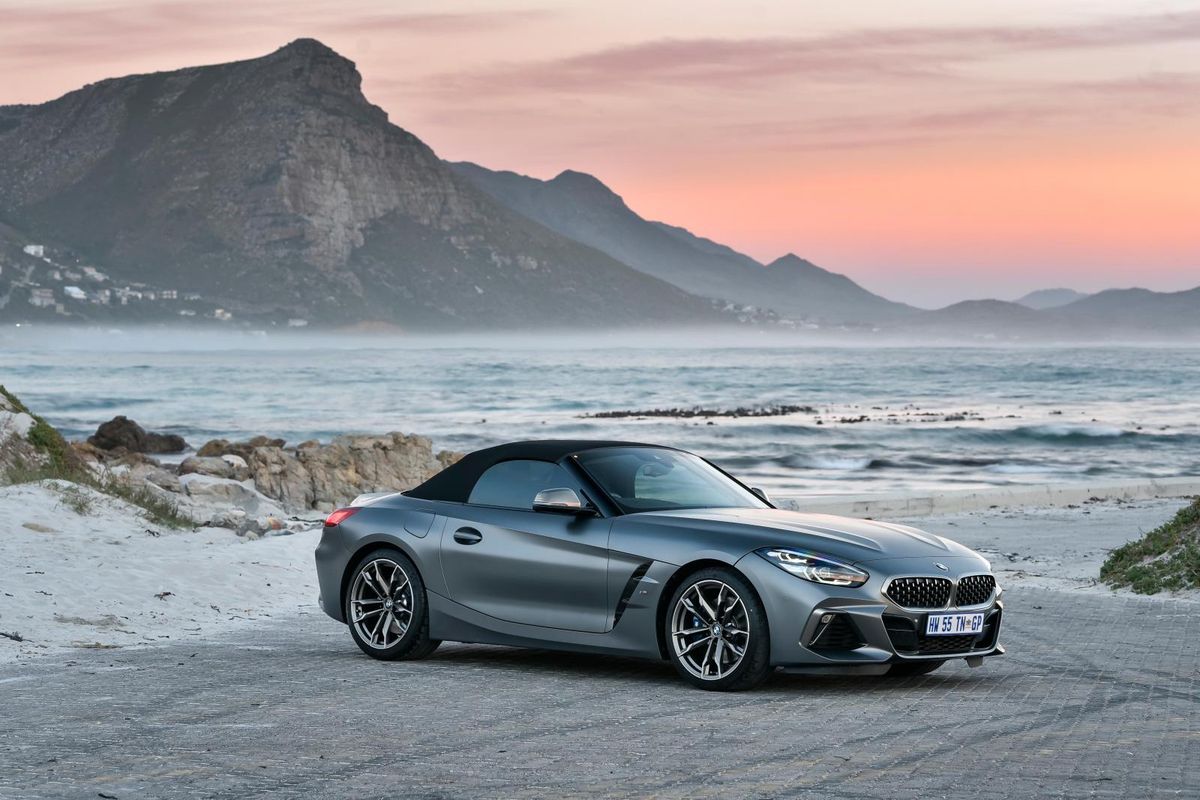
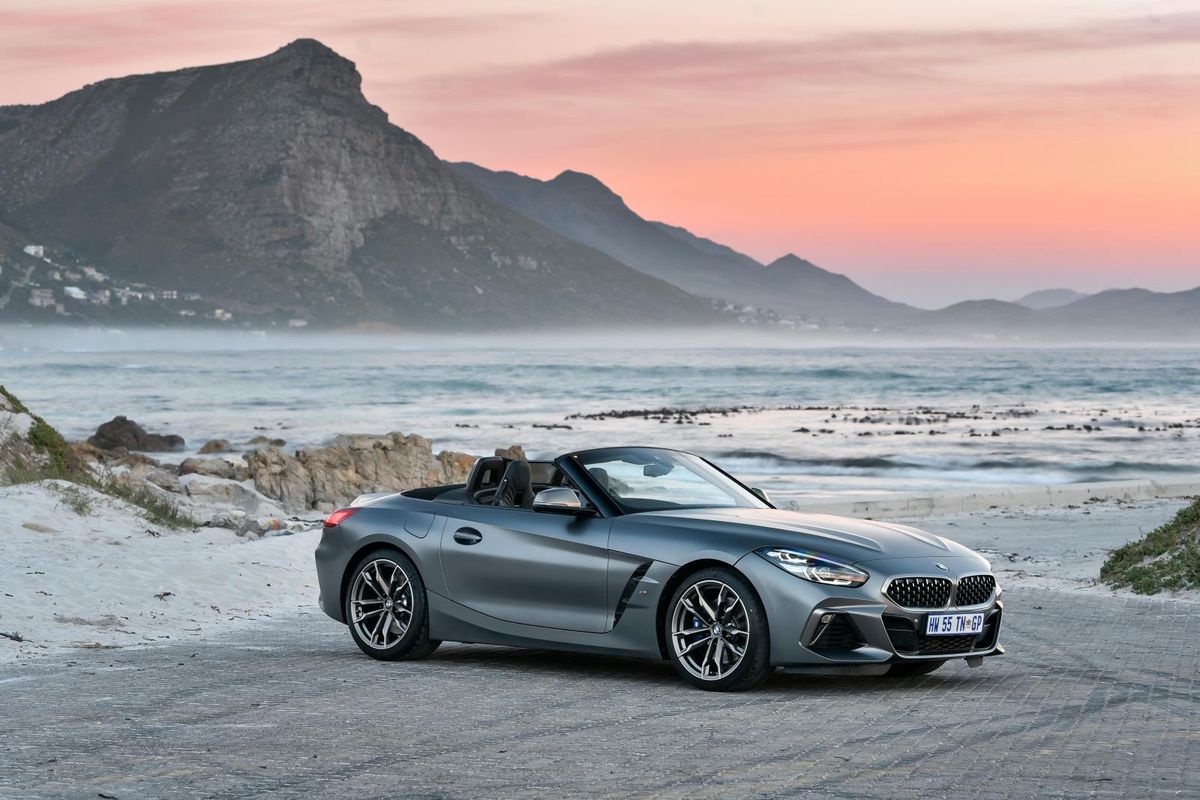
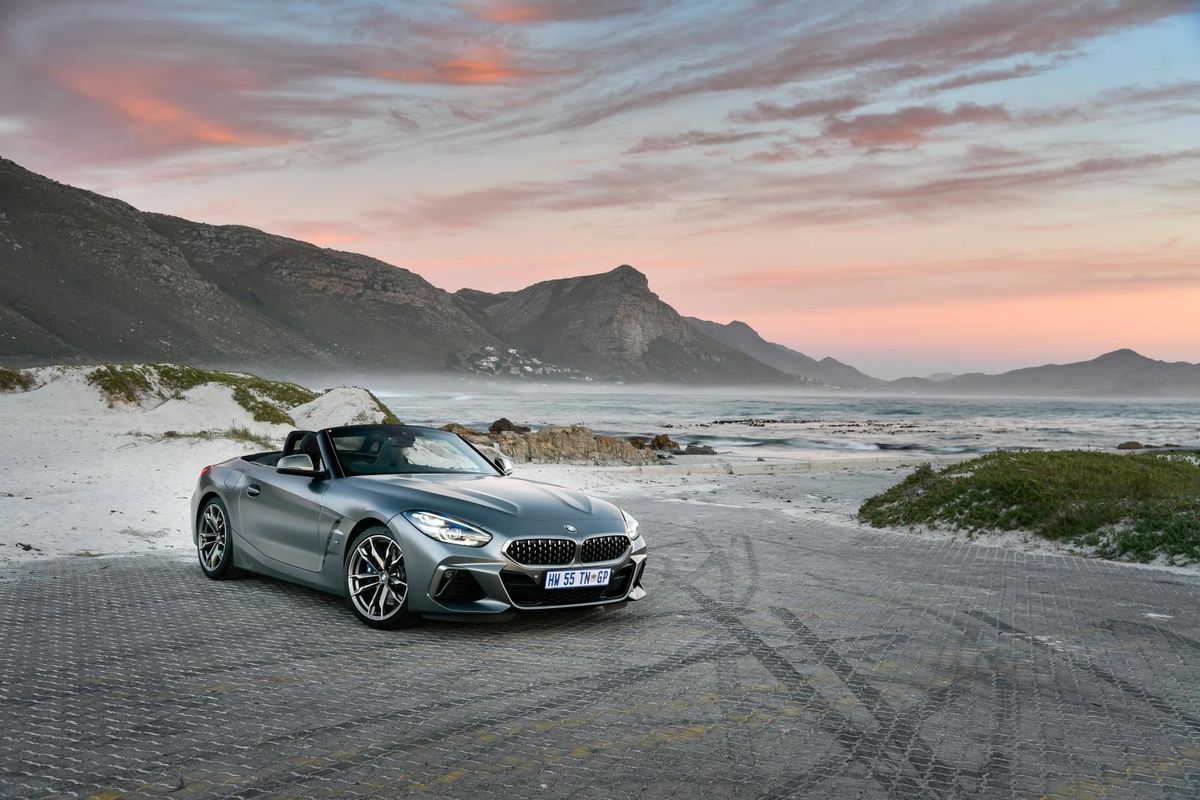
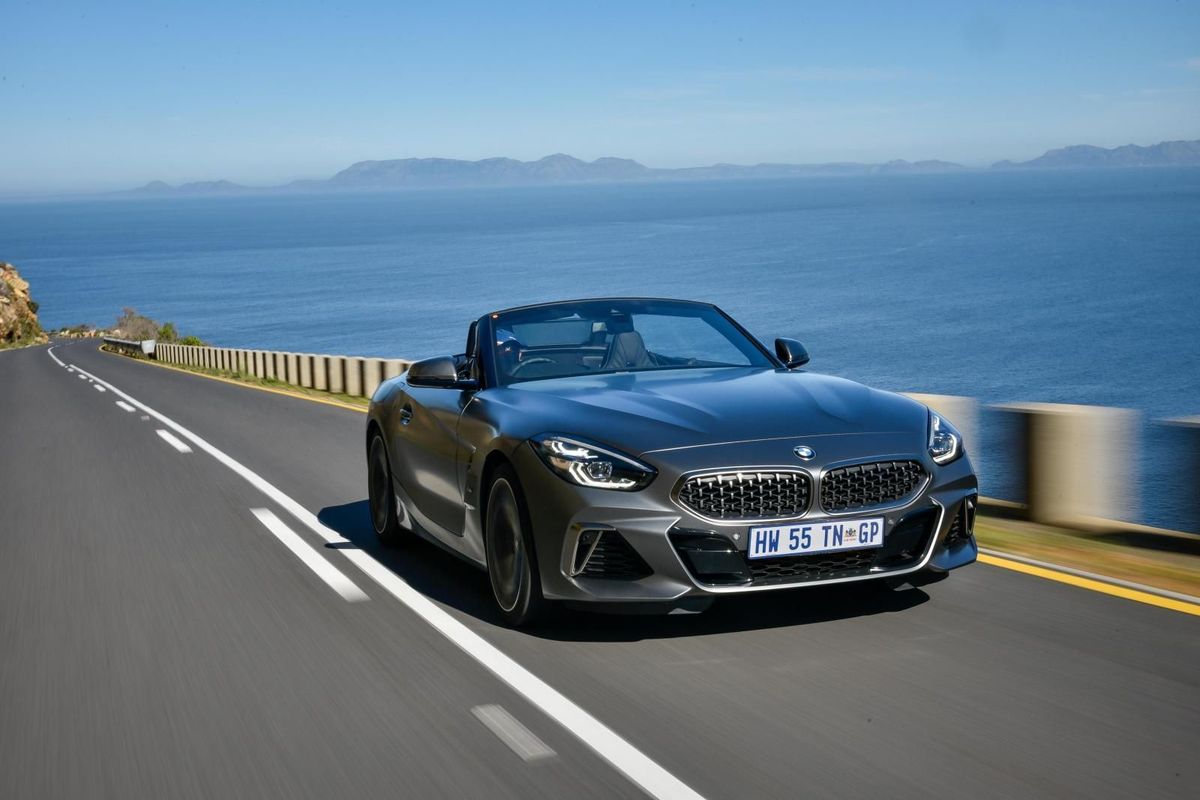
BMW’s small sportscar is back with a vengeance. The new Z4 raises hopes that BMW can once again make a light, agile and fun-to-drive roadster that can go toe-to-toe with the Audi TT, Jaguar F-Type and of course, Porsche Boxster.

The market for soft-top 2-seater sportscars is a niche if ever I saw one. Roasters are impractical, difficult to get in and out of and promote hedonistic behaviour. They're perfect, then, at least in my eyes. The previous Z4, with its folding hardtop, steep price and iffy dynamics, has been swept under the carpet – it was a piecemeal, humdrum poseur-mobile. Plus there was also no M version, much to the chagrin of performance aficionados.

The new model is being introduced to the South African market in just 2 derivatives (to start with). A 2.0-litre 4-pot turbopetrol (140 kW and 320 Nm) and the M40i, which is powered by a 3.0-litre straight-6 turbopetrol with peak outputs of 250 kW and 500 Nm of torque. These 2 versions of the G29-generation Z4 cover the entry-level buyer, who just wants enjoy the ownership of a soft-top sportscar without feeling the need to have to prove that they're a driving god, as well as the enthusiast, who craves serious performance kicks when they drive out into the mountains (or onto racetracks).

Own a BMW? Tell us about your experience here

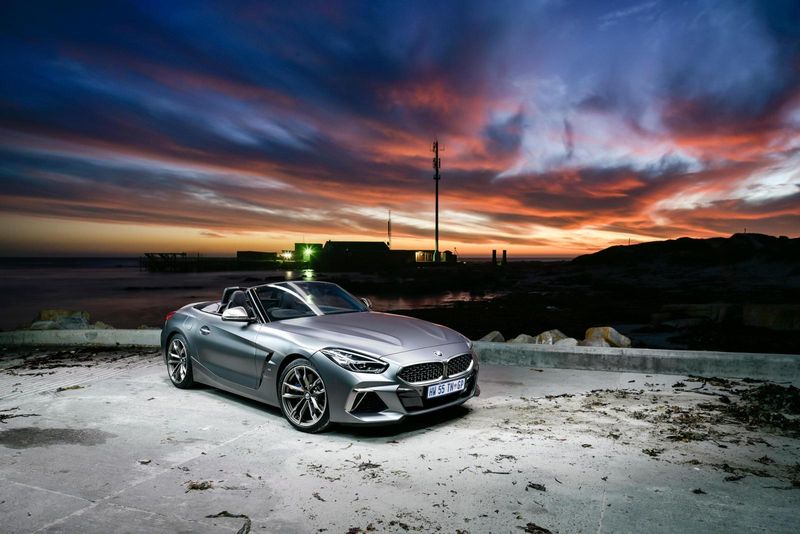
Sportscar looks


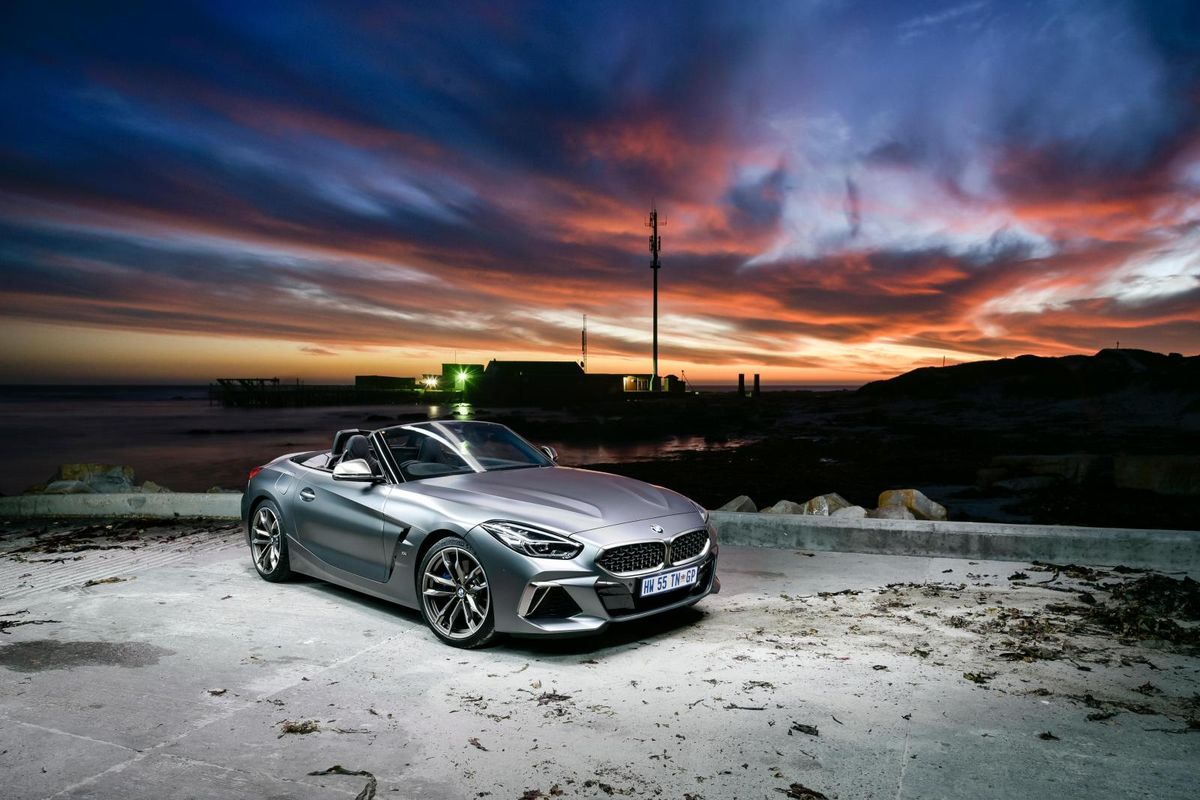
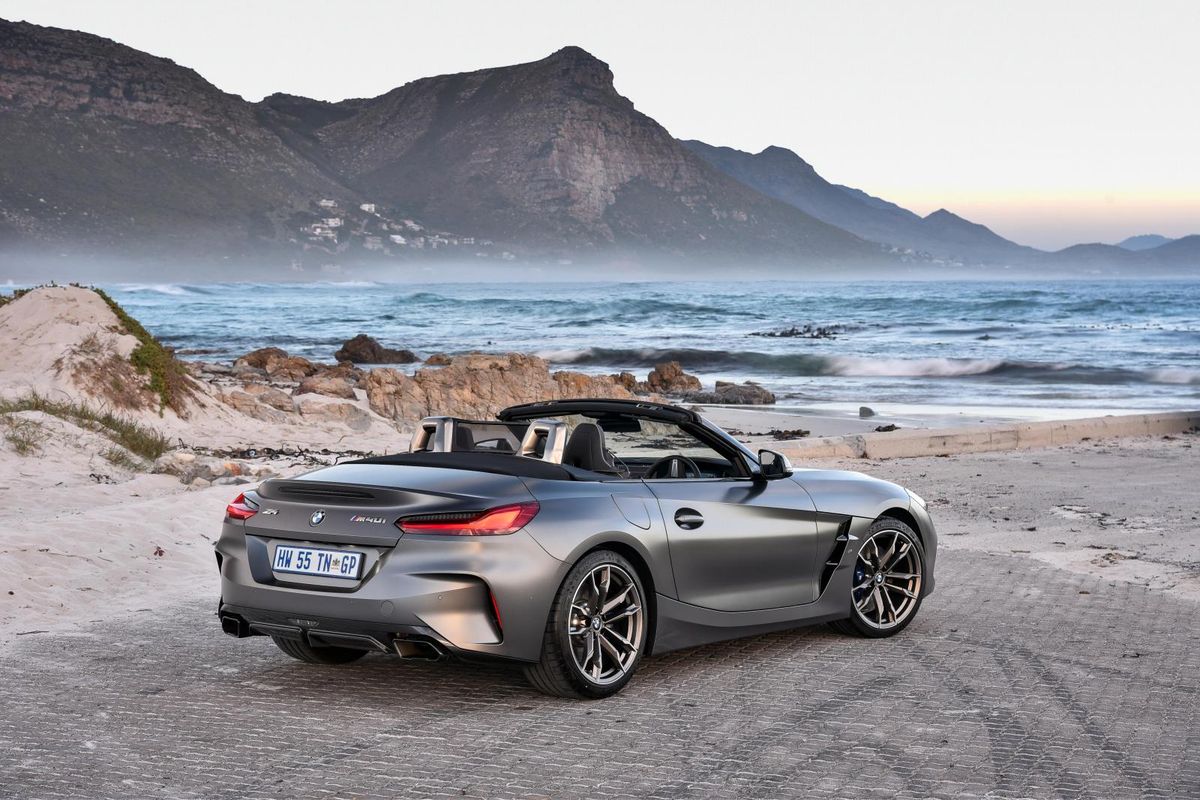
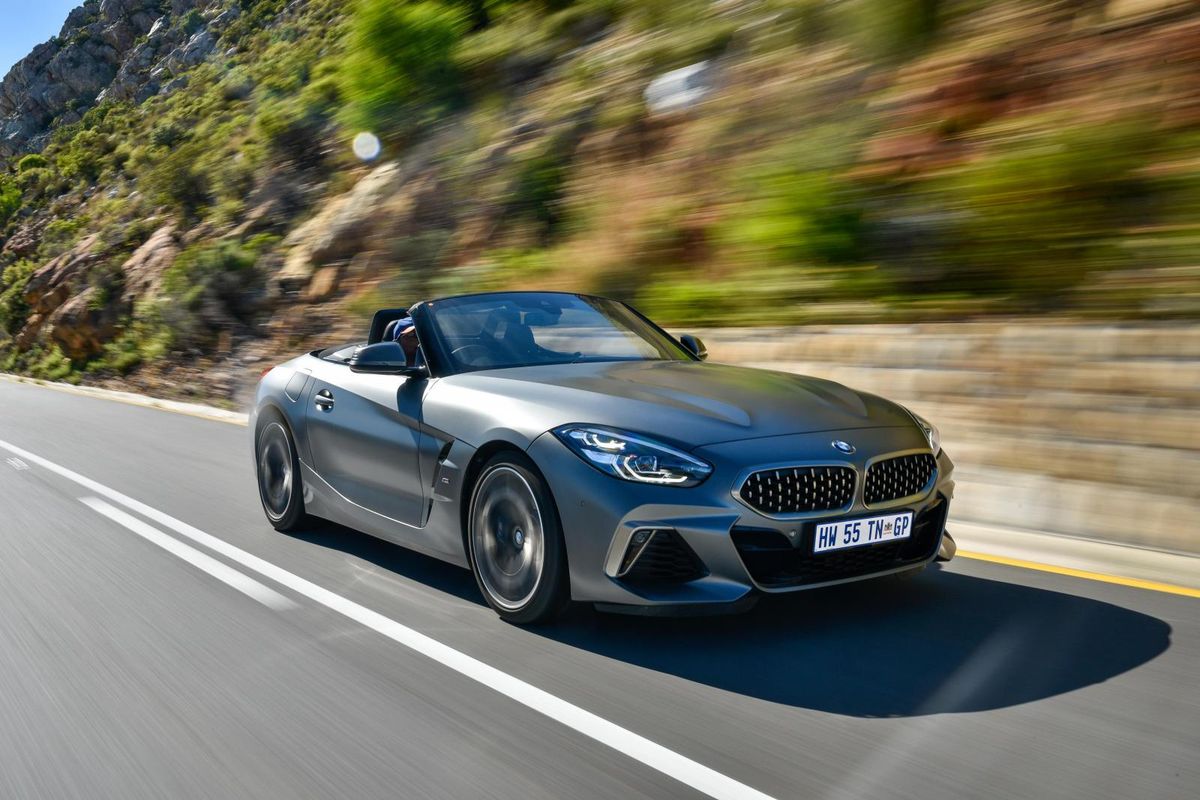
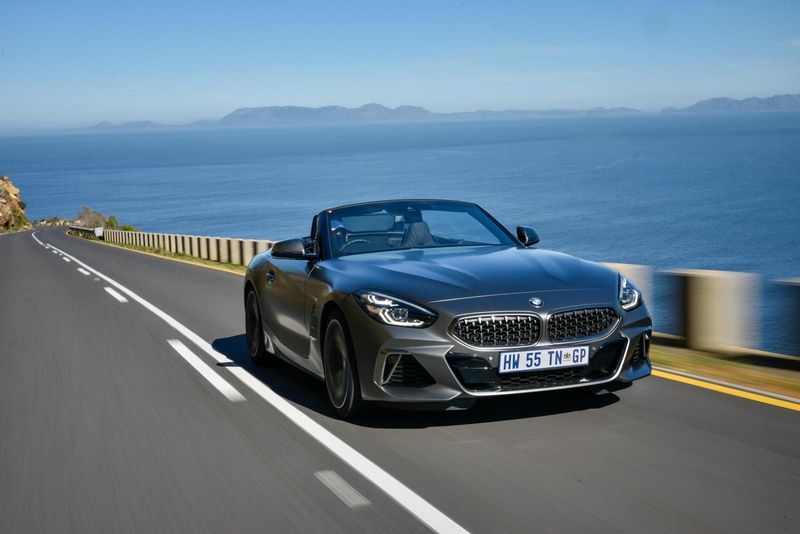
The new Z4 design invloves lots of creases and a studded front grille.

Looks are subjective, but public reaction to the new Z4 seems generally positive. I like the fact that the kidney grille hasn’t been overly enlarged like on some of the latest BMW models (X7!), although its studded-jewel "mesh" does resemble the previous-generation Mercedes A-Class, not so?

The stubby tail from a few generations ago has been tossed aside in favour of a more sweeping, elongated rear-end. Some will like it as it's on-trend right now, plus it allows for a bit more boot space once the roof is folded away. Personally, I miss the older design and would have liked to have seen BMW take a modern look at a retro design that’s proving extremely popular at motor shows. Think of the Nissan IDx and that Peugeot eLegend

Ugh, just tell me what it's like to drive…


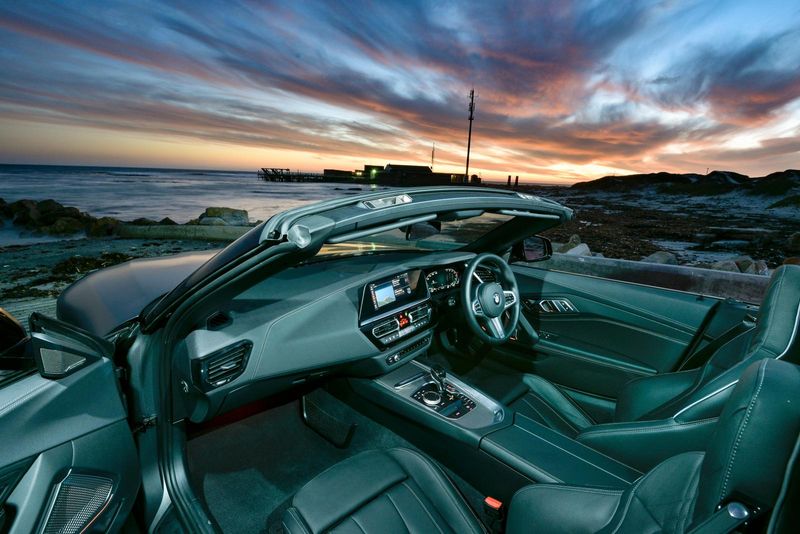
With a shortened wheelbase, the Z4 is palpably agile; it can be whipped from one bend to another with laughable ease.

BMW wanted this Z4 to be a real sportscar, something that would live up to its time-honoured "Sheer Driving Pleasure" ethos. The M40i laps the fabled Nordschleife in under 8 minutes, which is seriously quick for a non-M model (this is badged as M Performance, a tier below standalone M).

The newcomer's rear track has been widened more than the front (98 mm wider at the rear, 57 mm wider at the front) to reduce the oversteer effect. To counter this, the wheelbase has been shortened by 27 mm, which gives the Z4 noticeably faster reactions to steering inputs.

In action on the tightest of passes connecting Wellington to Slanghoek, the Z4 M40i remained poised, well-balanced and eminently reactive to driver inputs and, what's more, the Bavarian roadster resisted the urge to get twitchy. You can confidently (and rapidly) swing the steering wheel 1 way and then the other without unsettling the car. There is mechanical grip for days, which allows you to stomp on the power quite early when exiting bends.


The roof comes down in just 10 seconds.

Unlike BMW’s M engines, the 40i motor delivers its torque in less of a hit; it’s more progressive as you introduce power to the rear wheels. I’ve always felt that M engines (especially those of larger displacement) have the propensity to produce too many heart-in-mouth "moments", whereas with the 40i, the engine produces more progressive torque delivery and therefore facilitates a more confidence-inspiring drive.

And if I don’t want to be a racing driver?

By virtue of modern suspension technology, replete with all its electronic adaptability, the Z4 calms down within city limits and turns into a subtle, relatively pliantly-sprung, sunset cruiser. For something so squat (and shod with low-profile rubber) it’s surprising how well the BMW soaks up the irregularities of inner-city roads with their manhole covers, holes and bumpy surfaces.

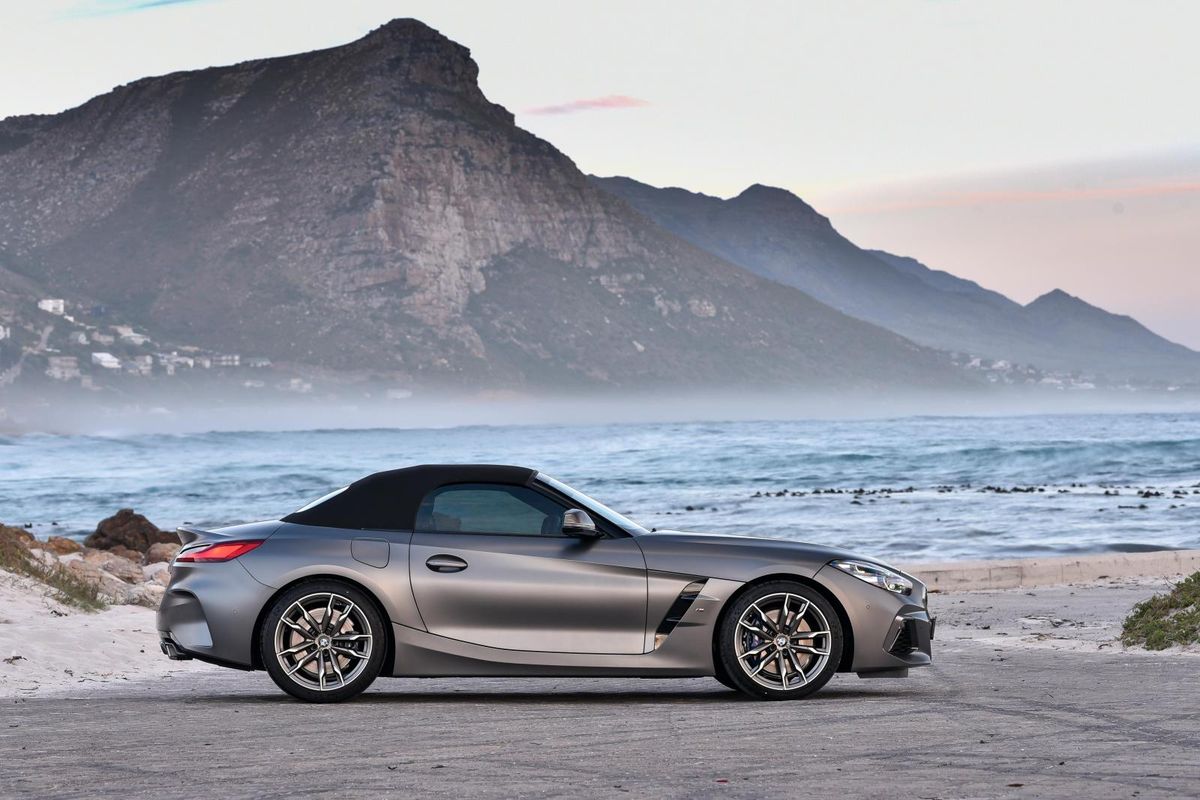
The soft-top roof is a blitz to open or close. The "ragtop" takes a mere 10 seconds to fully close or open and can be done up to 50 kph. Just take care as the roof button is adjacent to the handbrake and both buttons are shaped identically. It’s easier than you think to confuse them.


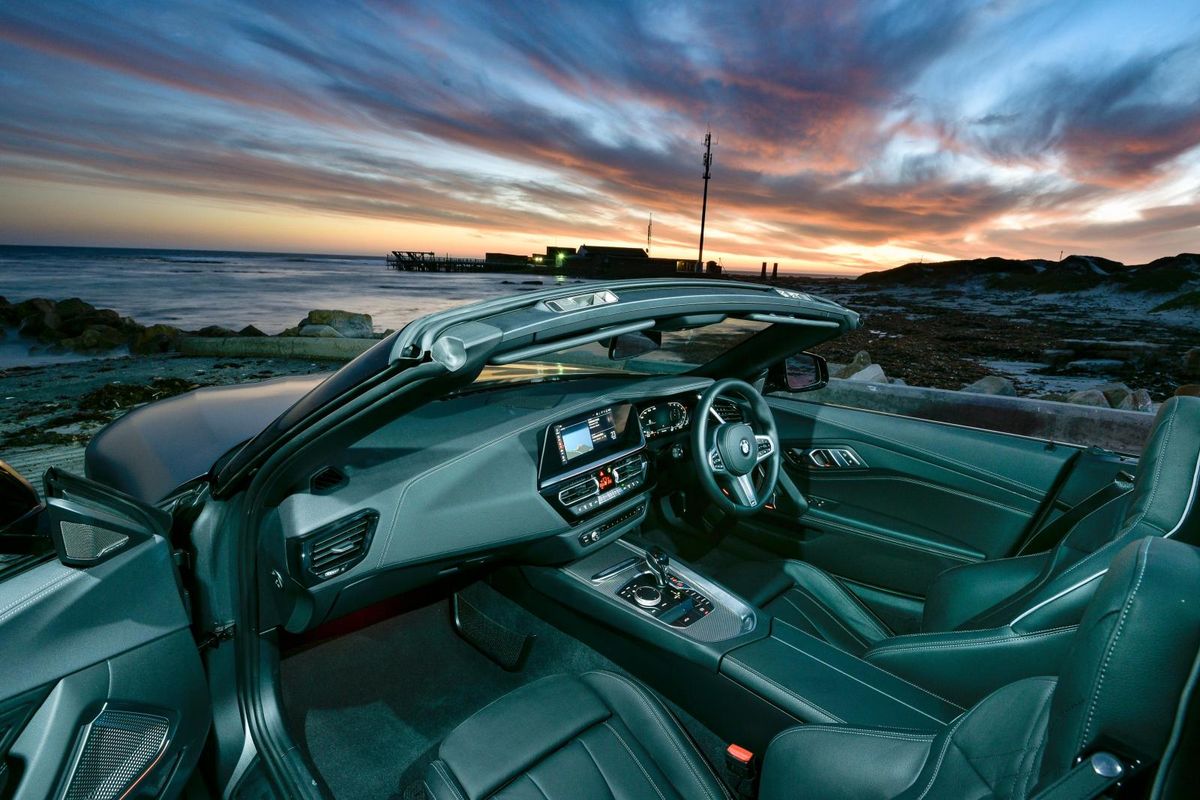
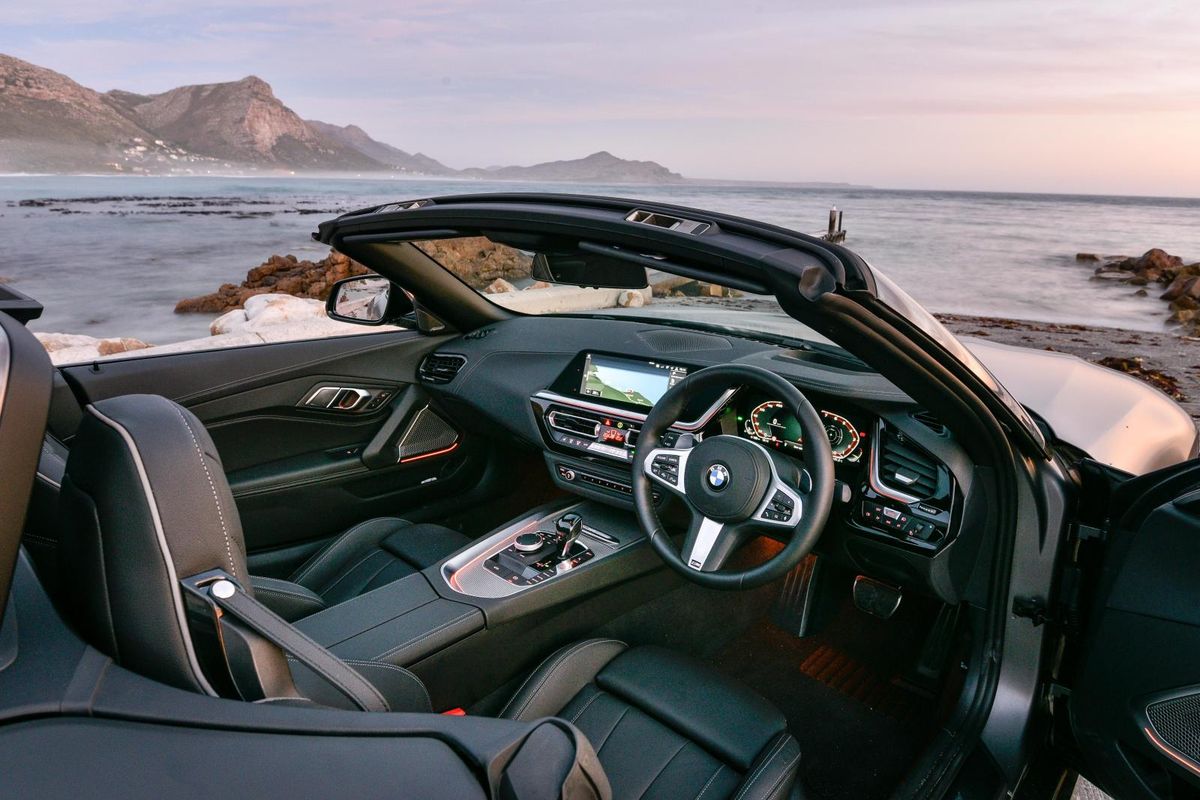
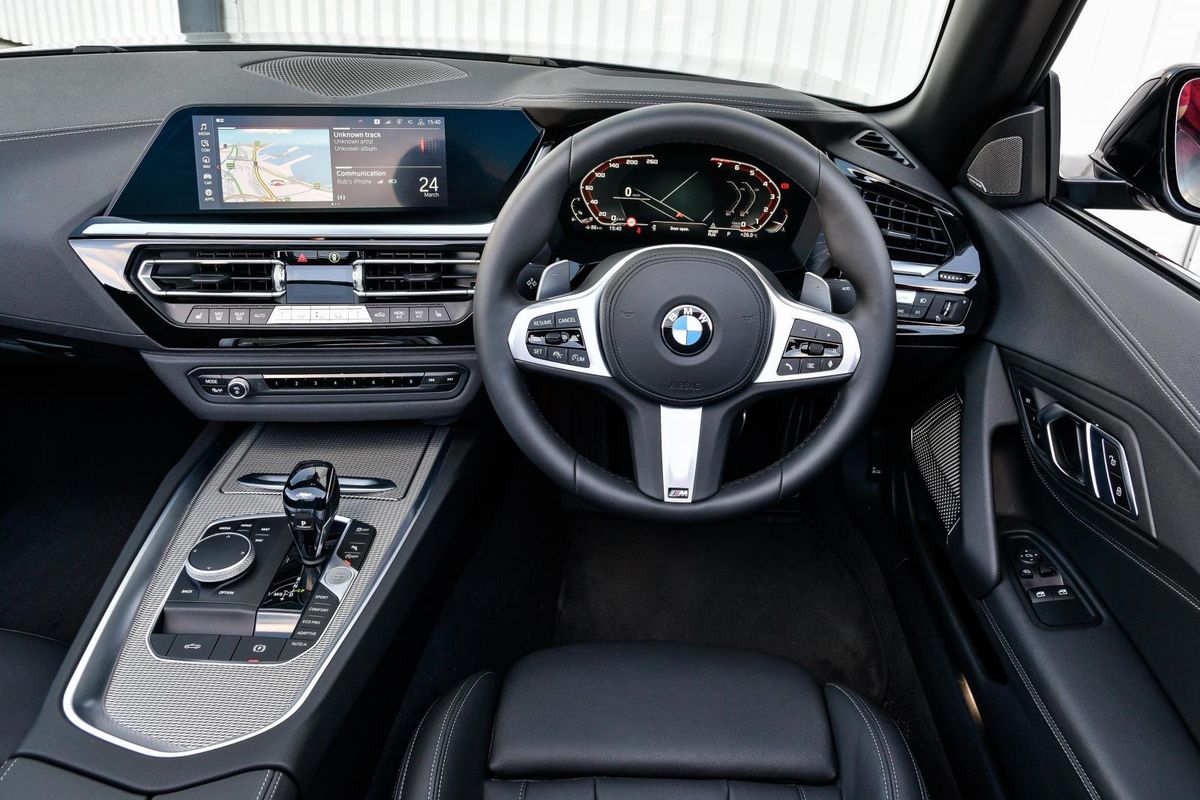
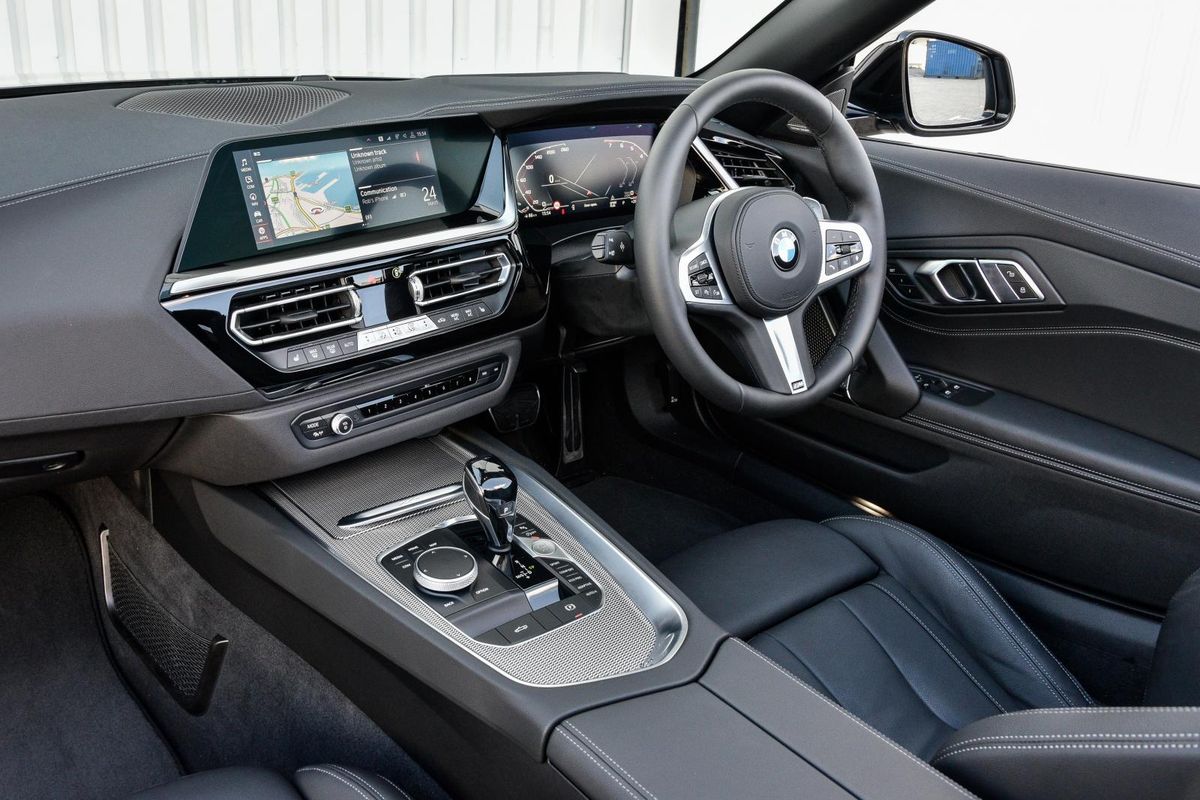
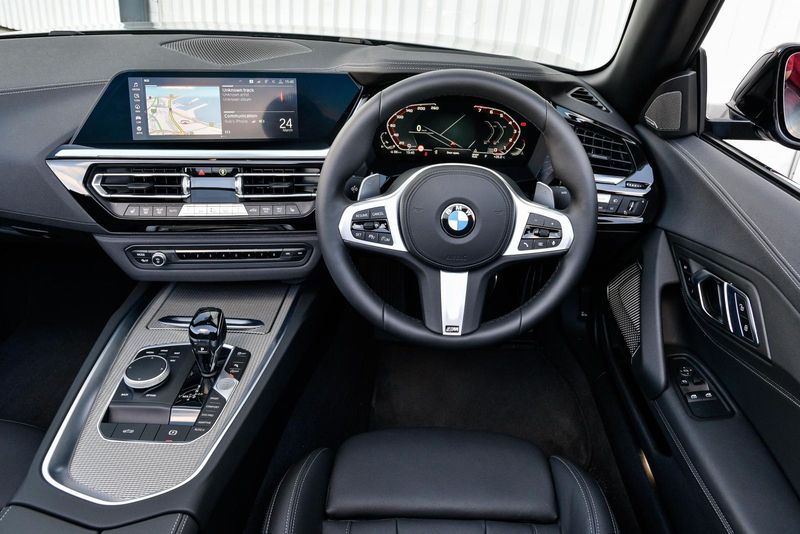
Infotainment screen can be controlled by touch and with the iDrive controller.

The dashboard is tilted towards the driver making it easier to reach buttons and get to the very corner of the touchscreen. As for the infotainment system, its 10.25-inch screen is crisp, clear and hi-res. If you don’t want to dirty it with grubby fingerprints, you can use the standard i Drive rotary dial in the centre console, but using Android Auto and Apple Carplay can be awkward without resorting to touch inputs.

As for space in the boot, with the top up or down, the capacity is 281 litres. That’s reasonable for a sportscar and matches most modern hatchbacks.


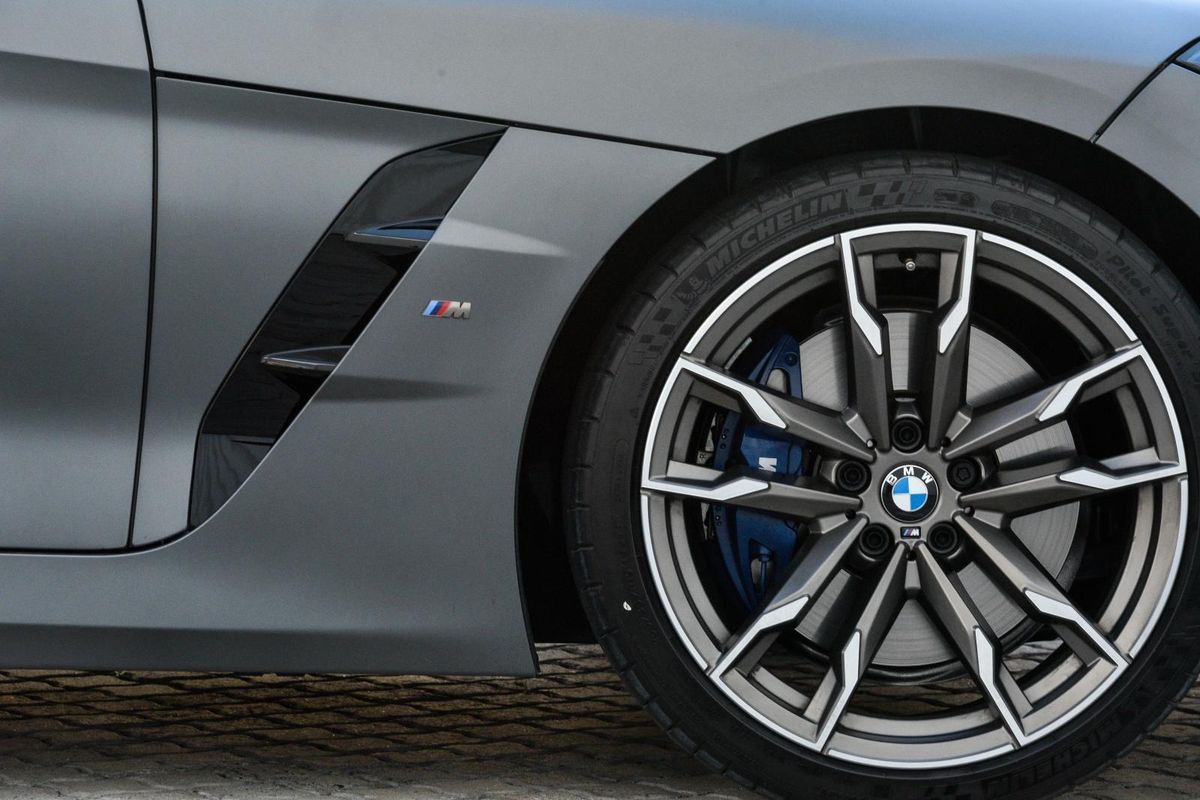
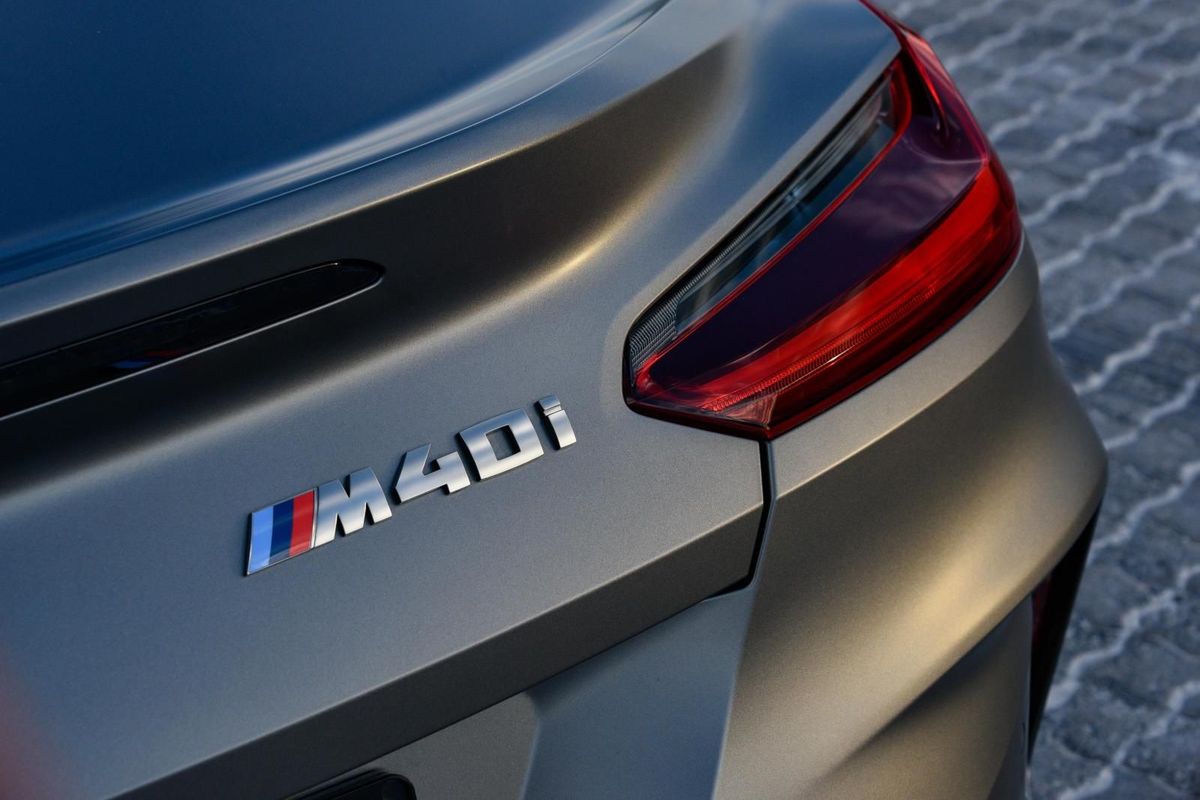
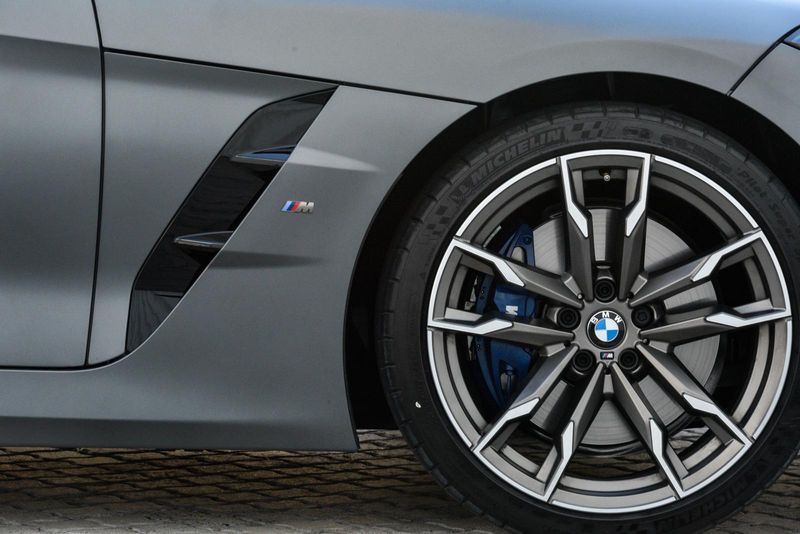
M Performance models get subtle M badges as well as blue M calipers.

Summary

Having only sampled the M40i during the media launch of the new Z4 range, I am happy to report that the range-topper's definitely got a chassis that’s capable of handling more power. This obviously bodes well for higher-output versions in future, although they have not been confirmed yet.

The third-generation Z4 has plenty of mechanical grip and feels neutral on the limit. It’s not a scary car to drive fast, which makes a welcome change for performance BMWs of late. It’s also comfortable and compliant when you want to take it slow and enjoy open-top driving.

It’s difficult to pin down what exactly BMW was trying to achieve with the Z4, as it’s a consummate all-rounder. It hasn’t gone as far towards the sportscar ethos as a Porsche Boxster and it’s not as good looking as an F-Type, but it does have an excellent 6-cylinder engine, a fantastic transmission and well-sorted dynamics. On balance, it probably blends the best of both worlds. What more could Z4 loyalists have asked for?

BMW Z4 Price in South Africa

sDrive 2.0i 145 kW / 320 Nm        R759 442

M40i          250 kW / 500 Nm        R1 036 698

Related content

Porsche 718 Cayman & Boxster GTS (2018) Launch Review

Does the new Jaguar F-Type 2.0 work as a sportscar?

Audi TT RS (2018) Review

Mohave Masterpiece is Kia’s Prado

Kia has revealed a possible rival to Toyota’s Land Cruiser.

The Seoul auto show always sees Korean domestic auto brands reveal something special to impress attendees. At the 2019 Seoul show, Kia revealed something unusual.

Named the Mohave Masterpiece, it’s a large ladder-frame platform SUV. Encountering a new ladder-frame platform vehicle from a leading manufacturer at an international auto show is an increasingly rare experience, with most opting to produce unibody SUVs instead of the traditional body-on-frame design.

Toyota is one of the few brands which actively markets and achieves notable sales success with luxury SUVs which run on a ladder-frame chassis. Both its Land Cruiser models, the Prado and larger 200 GX-R, are built in this way.

Kia’s Mohave Masterpiece is sized more towards Prado than 200 GX-R dimensions and uses a chassis first seen on the new Telluride SUV, which specifically targets the U.S. market and will go on sale there soon, in both front- and all-wheel-drive configurations.

What distinguishes the Mohave Masterpiece design is its radical headlights, which feature a row of exposed LED probes, without any conventional headlamp shielding. The grille is notable too, showcasing a different interpretation of Kia’s recent design language, with a series of horizontal and vertical chrome details.

There is some context to consider regarding this new Korean adder-frame concept SUV. Kia has produced the first-generation Mohave since 2008, delivering the large SUV to select global markets. For many years it has been the only Kia with low-range gearing for dedicated off-road exploration work. After more than a decade in production, the time is due for a new model and this Masterpiece show car could possibly become the second-generation Mohave.

For those who like Korean reliability and Kia’s intuitive digital interfaces, a new Mohave Masterpiece could offer some pseudo-Prado off-road ability with a more pleasing appearance.

Related content

Kia Telluride Concept shows upmarket SUV

Toyota Land Cruiser Prado 3.0D VX-L (2018) Quick Review


The Journey Zambia: The Last Wave of the Zambezi

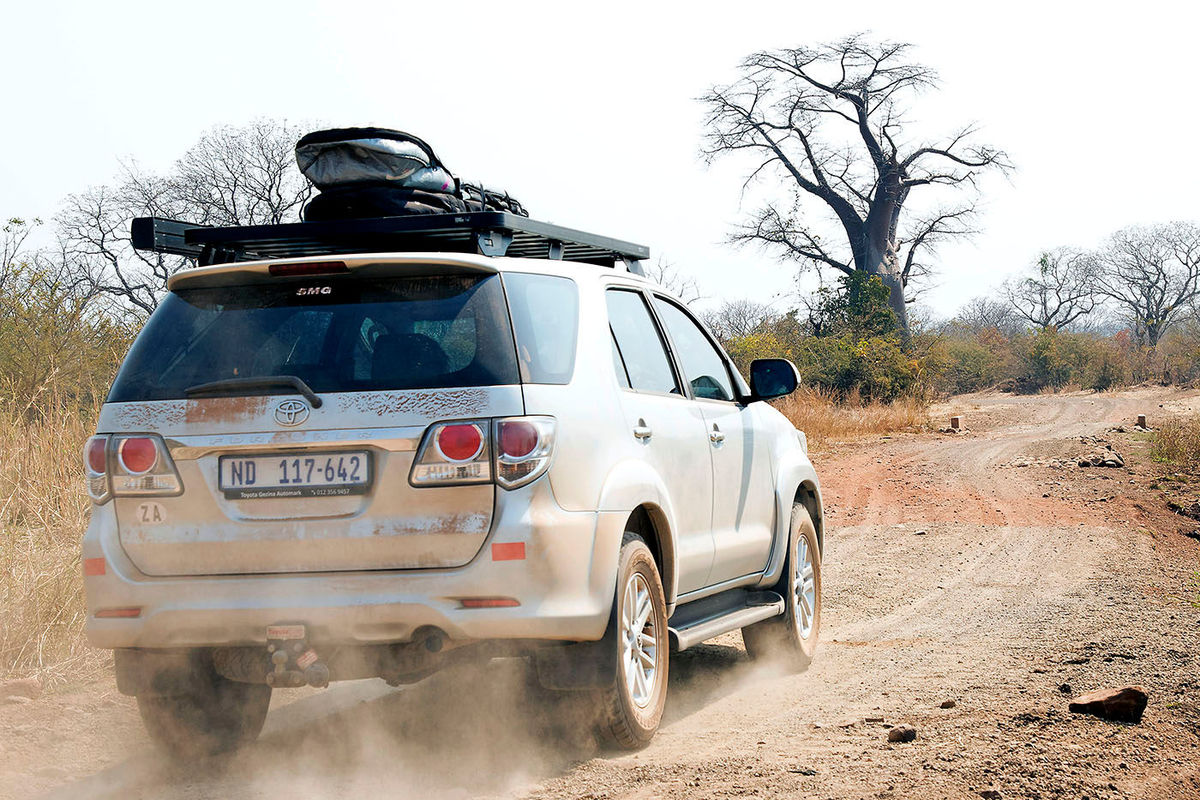
In this latest episode of The Journey, in partnership with Zigzag (South Africa’s core surfing magazine), a team of intrepid South African surfers go on an epic overland adventure to Zambia, a landlocked country thousands of kilometres away from the nearest ocean, to surf a rare and powerful standing wave on the mighty Zambezi River. This is a tale of extreme adventure…

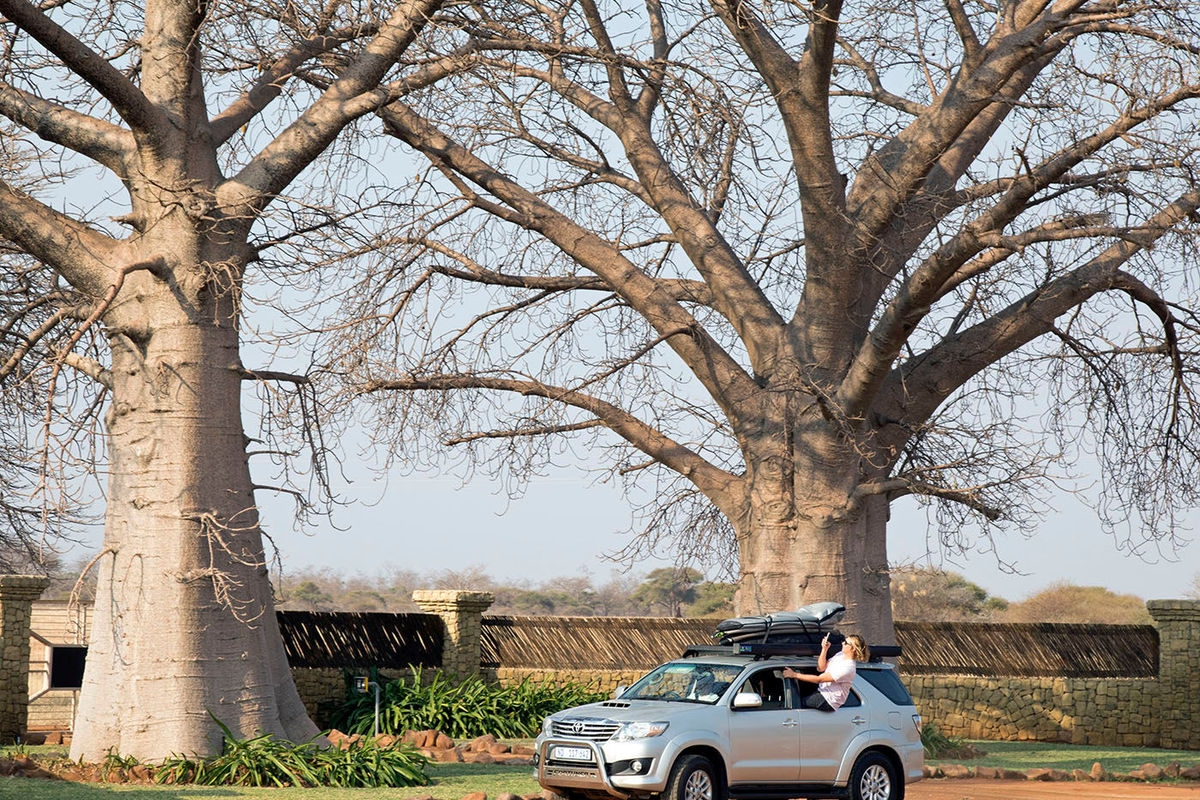
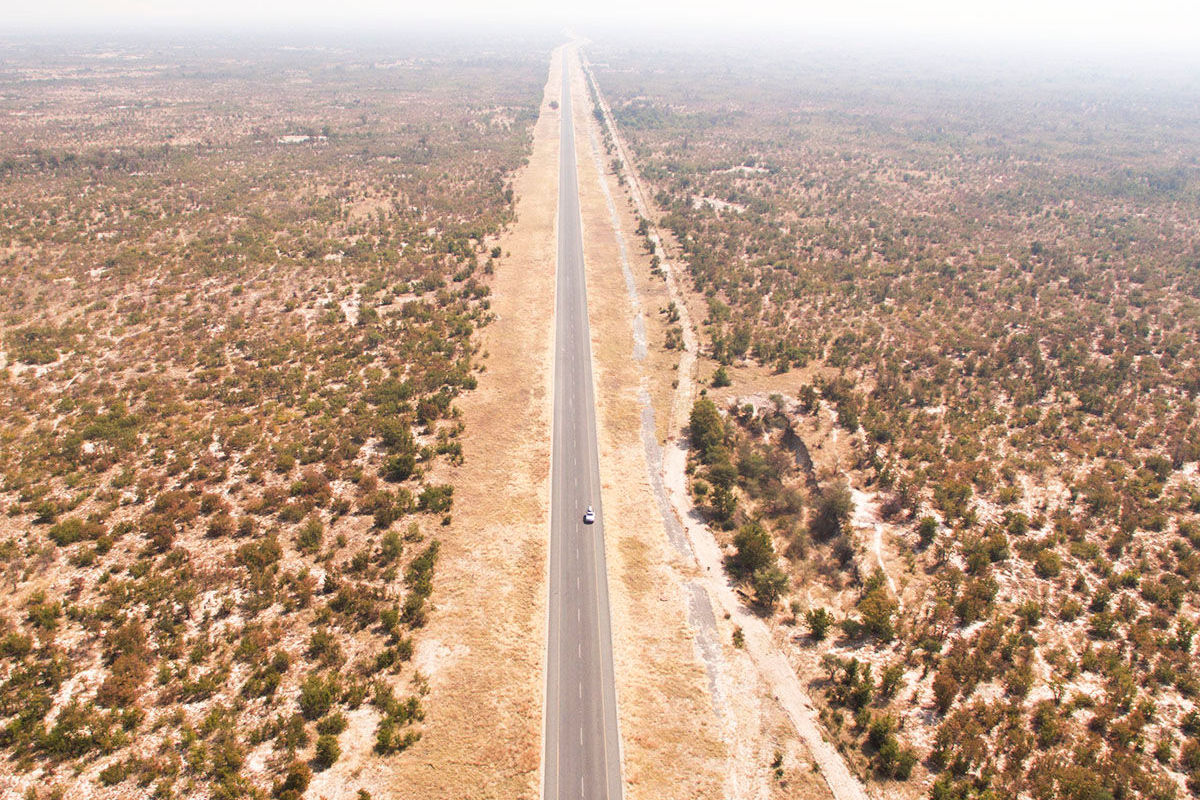
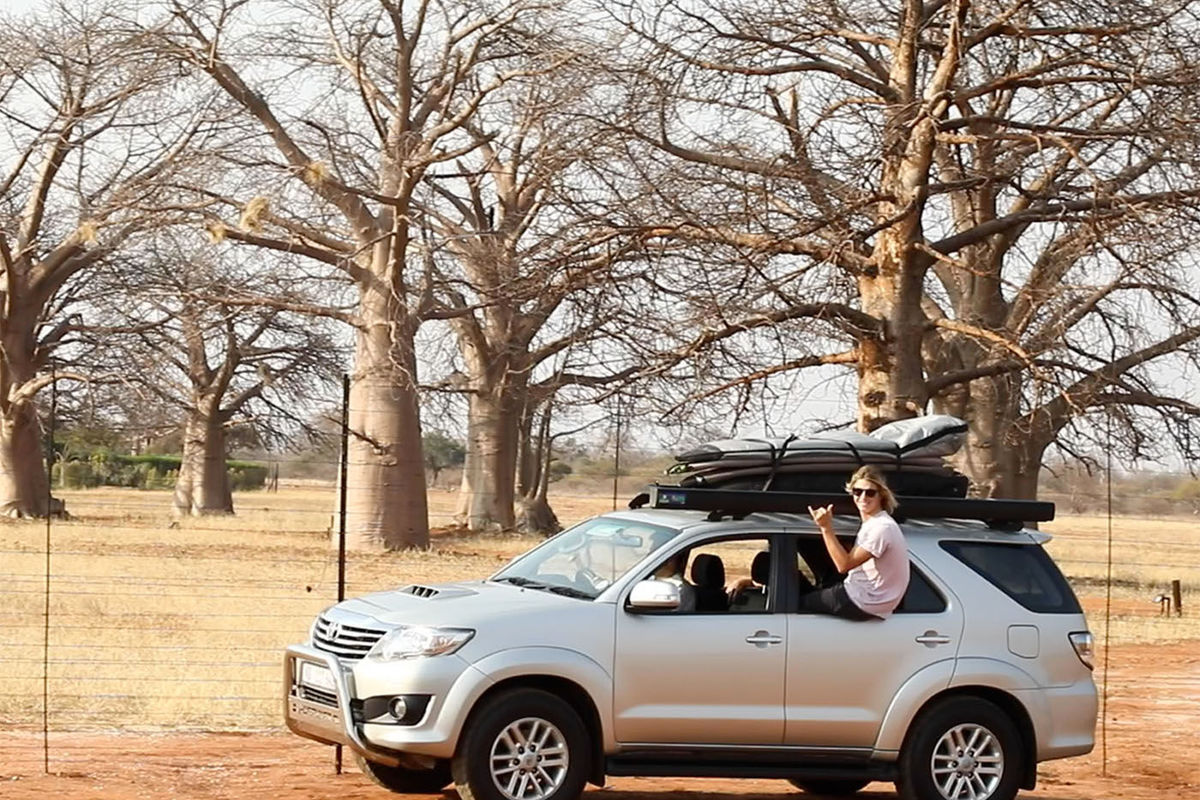
With surfboards strapped to the roof of a first-generation Toyota Fortuner, the crew including talented surfers, Koby Oberholzer and ex-World Championship Tour (WCT) campaigner, Royden Bryson, set off from Durban on an unorthodox surf trip that would take them across South Africa, Botswana and finally, Zambia, covering well over 6 000 km’s on this journey…

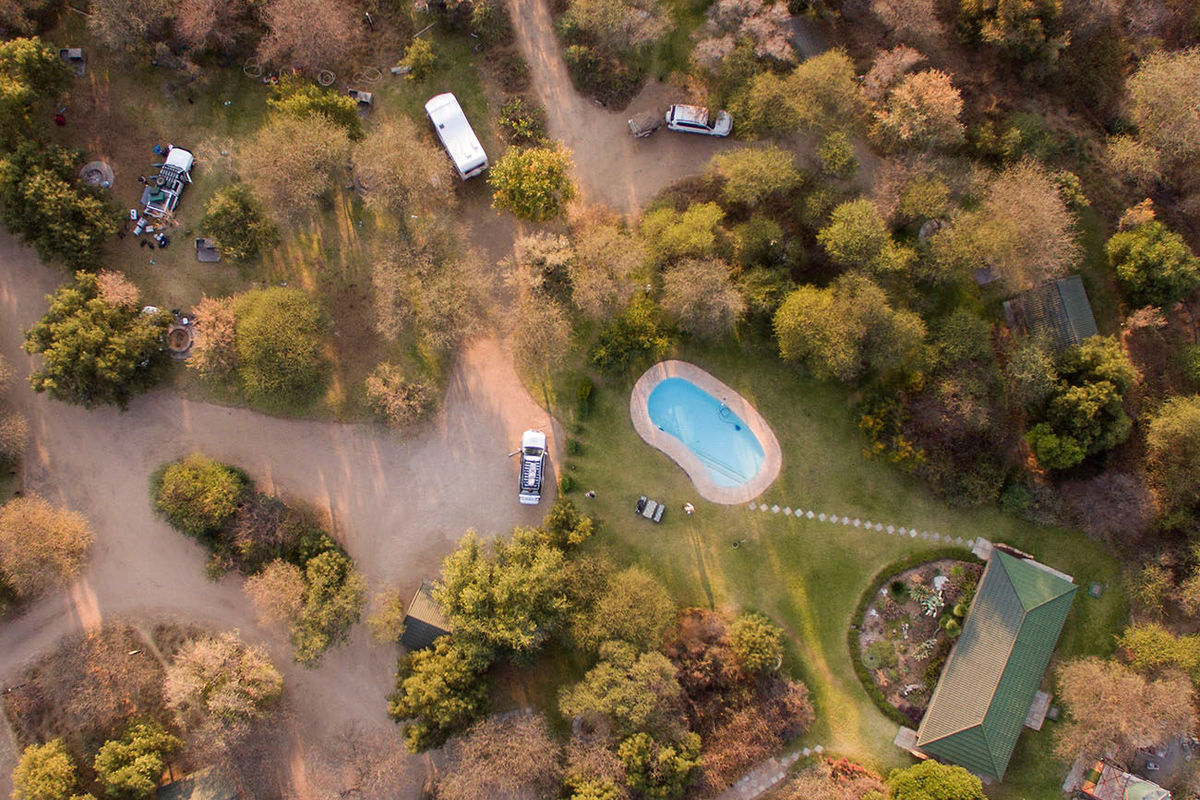
After 2 days of driving, the crew finally reached the Zambezi River, which was crossed on an industrial barge ferry and made their way to Livingstone where the team stood in awe of the magnificent Victoria Falls.

The Zambezi River is wild and home to large crocodiles and hippos, not a place for surfers to be dipping their toes… The elusive standing wave on the Zambezi River is a rare phenomenon that hardly ever breaks, but when it does, it’s raw, powerful and laced with danger.

Armed with life vests, helmets and Nyami-Nyamis for protection in the gorge and on the river, Koby and Royden took a leap of faith and scored the wave of a lifetime. 

However, this rare wave and the rafting industry is under threat from a hydro-electric power scheme being planned downstream from the Victoria Falls. 

Special thanks to Zigzag, Safari Par Excellence and SMG for making this Journey possible.

Credits:

Videography & Edit: Luke Patterson 

Final Mix: The Workroom

Photography: Greg Ewing and Luke Patterson

Surfers: Royden Bryson and Koby Oberholzer

Music: BCUC "Yindi" from the album "Our Truth"

Buy a new or used Toyota Fortuner on Cars.co.za

Related Content

The Journey Mozambique: The Search for Sunken Land Rovers [Video]

The Journey: 4×4 & Surfing in Transkei

The Journey Ep 1: Namibia


Long Wheelbase X-Class Revealed

This is a more utility orientated version of Mercedes-Benz’s X-Class double-cab.

The German brand’s first bakkie might be aimed primarily at leisure users, but Mercedes is now realising that there is a substantial utility market to be serviced too.

In certain markets, bakkie owners use commercial vehicle specific tax exemption regulations to their advantage when purchasing a double-cab. To potential X-Class customers who desire a Mercedes-Benz double-cab with greater loadability and the potential to gain tax advantages, there is a new extended wheelbase version in the works.

The extended wheelbase X-Class was developed as a joint venture between Mercedes-Benz and Veth Automotive, a Dutch automotive coachbuilder with a history dating back to 1840. Test mules were spotted during cold weather testing last month and now more official details have been released.

Cooperating with the Mercedes-Benz van and light commercial vehicle R&D centre in Stuttgart, Veth has adhered to strict authorisation and certification for their extended X-Class project. The accompanying image shows the bodywork insert, which can be seen between the back of the cab and fuel filler cap.

Veth has reshaped the X-Class bodywork to extend its wheelbase by 90 mm, lengthened the axle spacing to 3.24 m – which should offer slight benefits in terms of ride quality and high-speed stability.

The extended wheelbase’s primary purpose, though, is enabling greater loadability and the Veth developed X-Class features a loadbin which is 2.06 m long, instead of the current X-Class double cab’s 1.72 m.

The Netherlands will serve as an initial test market for these extended wheelbase X-Class double-cabs, with the price of that additional load space calculating to R115 000. Veth will open orders by May. This larger version of Mercedes-Benz’s double-cab would have specific appeal in the world’s largest bakkie market, America, a geography where X-Class is not being sold – yet…

Related content

Maybach-inspired Mercedes-Benz X-Class Anyone?

Mercedes-Benz X350d Price Announced for SA

Mercedes Benz X-Class (2018) Video Review

Toyota Corolla Hatch (2019) Video Review

The new Toyota Corolla hatchback is now on sale in South Africa and our resident Ciro De Siena took it for a drive. Here's what he makes of this newcomer.

There's a new hatchback on the market and for the first time in decades, it carries the Corolla nameplate. It's all a bit confusing but just before the launch of the new Auris, Toyota (globally) did a 180 and changed the car's name to the Corolla Hatch.

Toyota hatchbacks have quite a following in South Africa. Those wearing the RSi badge were much loved and even the RunX, which predated the Auris, found many homes.
This new hatch, however, is a thoroughly different product and we were first to get our hands on one in SA. Join Ciro De Siena as he takes a thorough look at the car, and discusses the upcoming sportier versions which will no doubt hit showroom floors in due course.

Further Reading

Toyota Corolla Hatch (2019) Launch Review

Toyota Corolla Hatch (2019) Specs & Price

Toyota Unveils Lukewarm Corolla GR Sport

Toyota Corolla Hatch GRMN: Will It Look Like This?

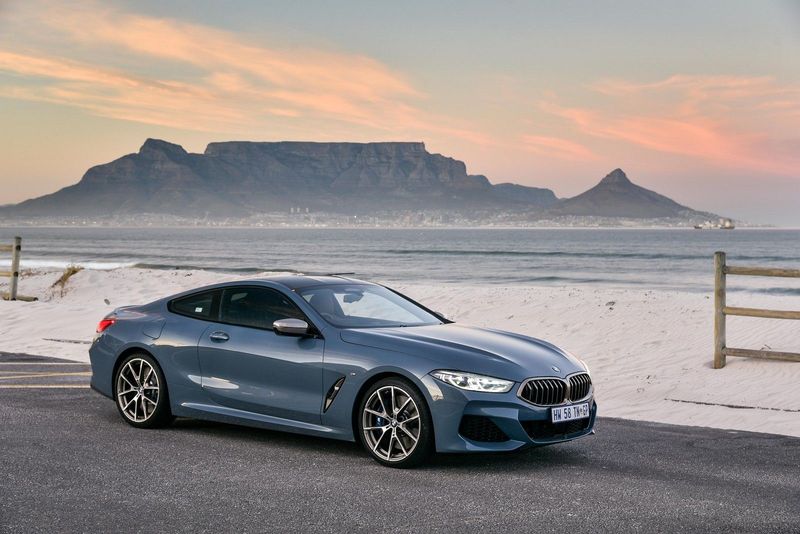
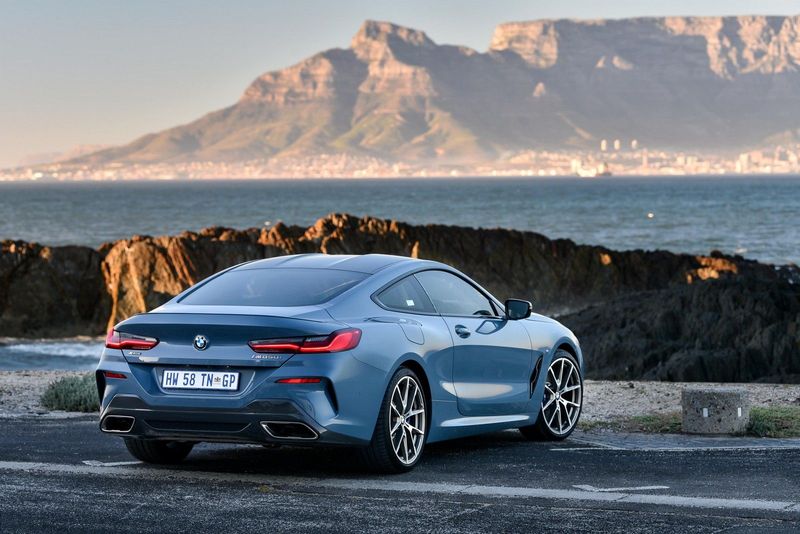
BMW M850i xDrive Coupe (2019) Launch Review

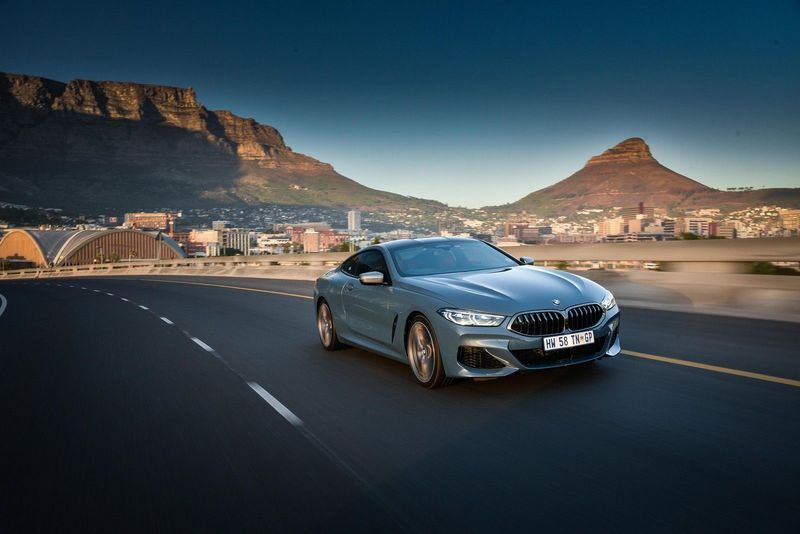
It’s been a while since an 8 Series has been around, let alone in this part of the world. Has BMW pulled off a satisfactory revival of an iconic nameplate with the introduction of its G15-generation grand tourer? Ashley Oldfield drove the Bavarian first-class coupe around the Western Cape’s best roads to find out.

What is it?

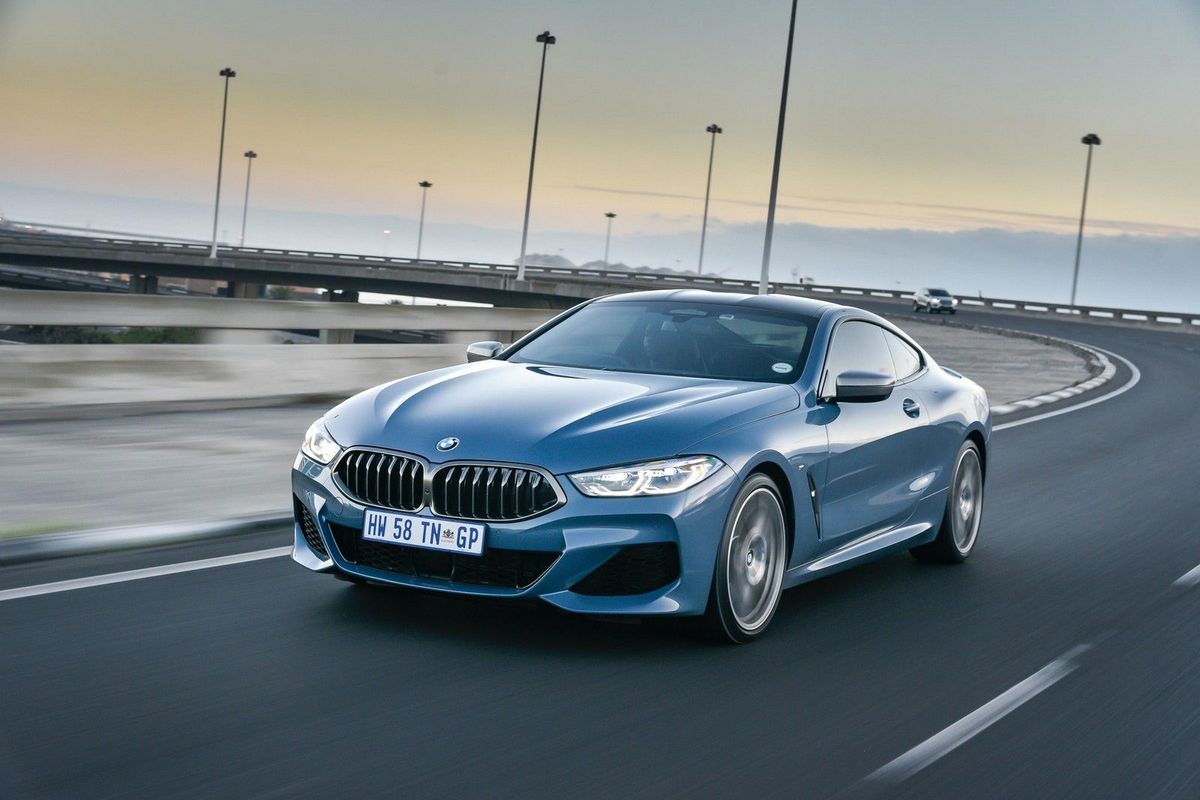
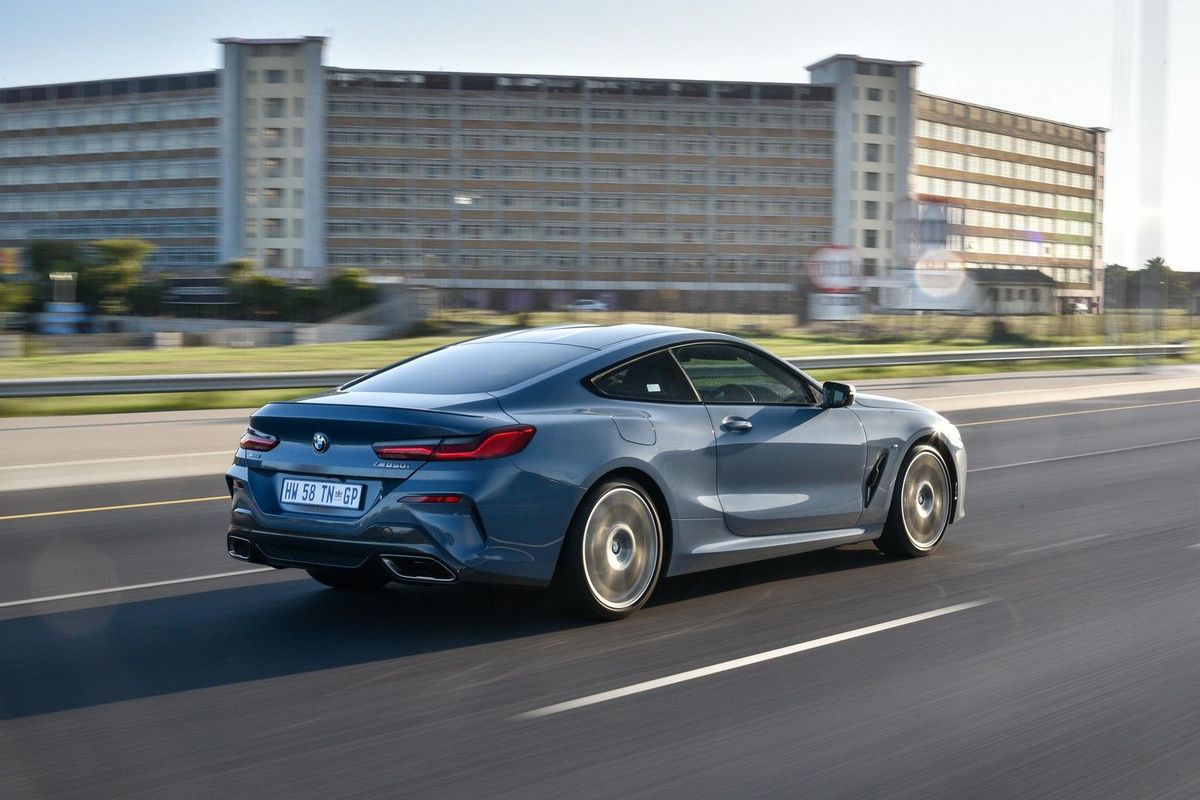
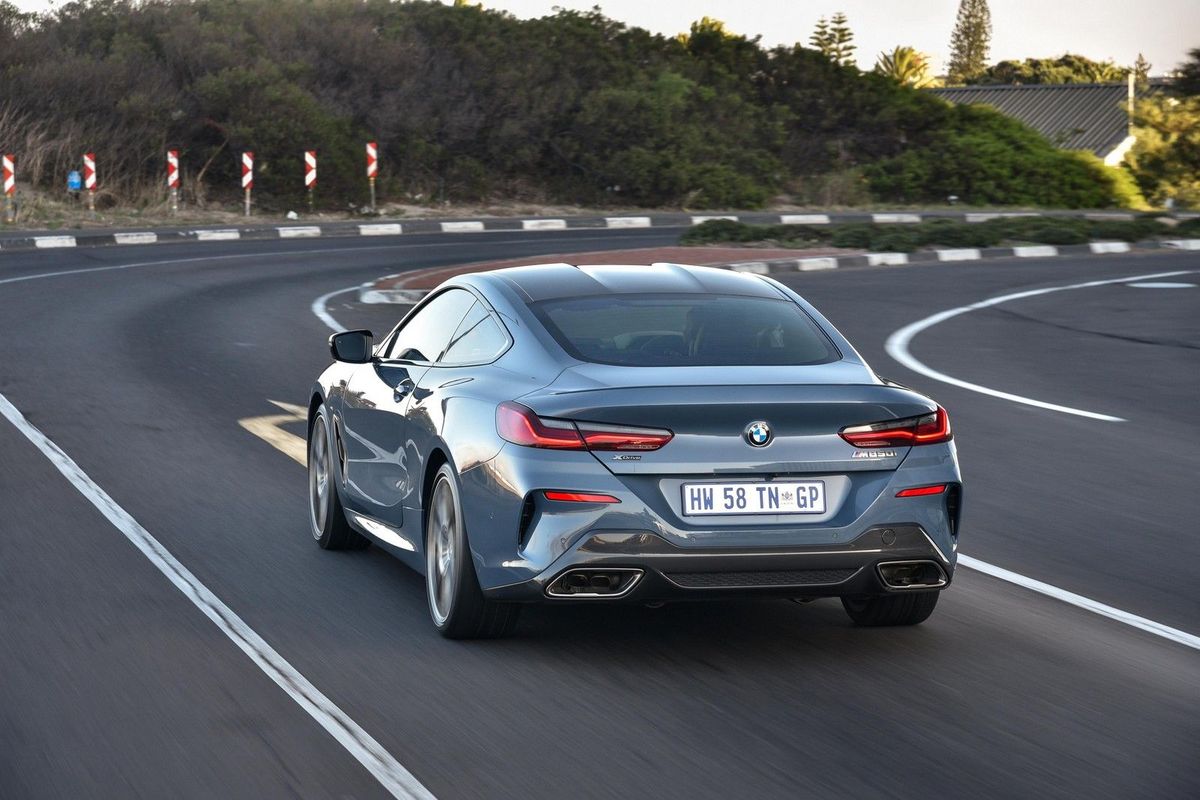
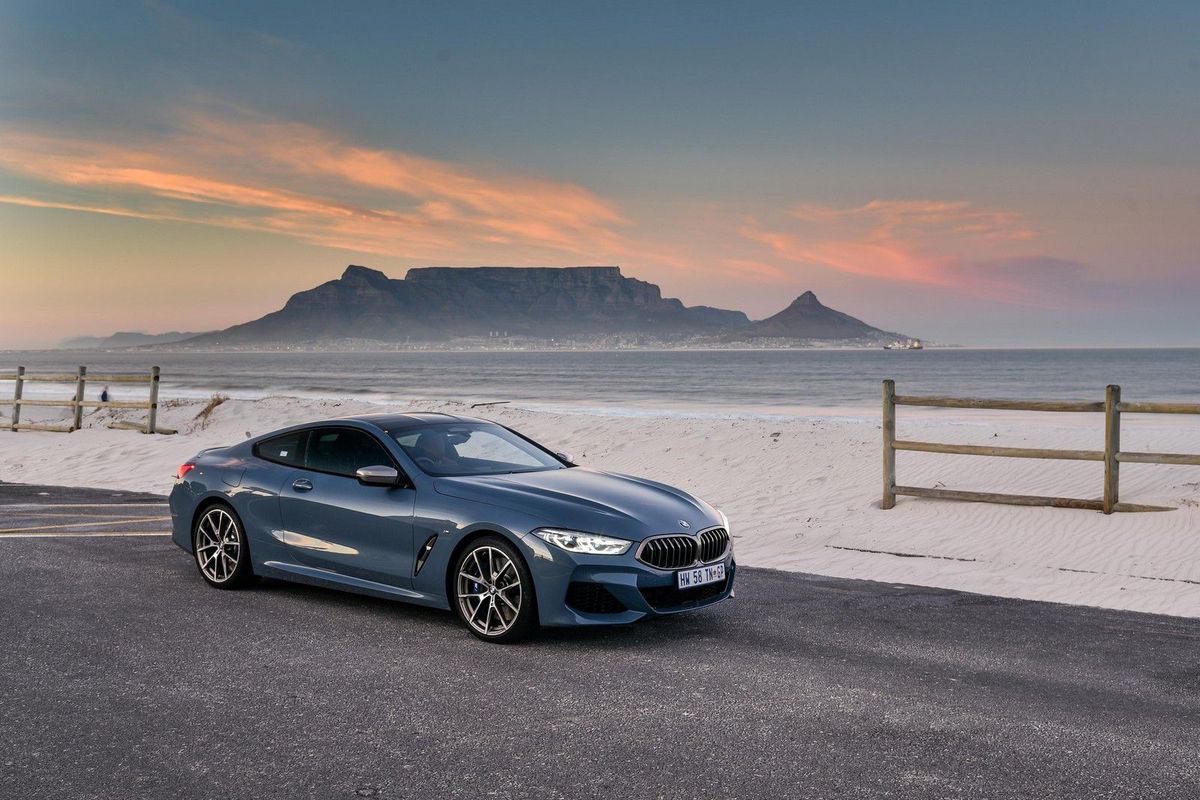
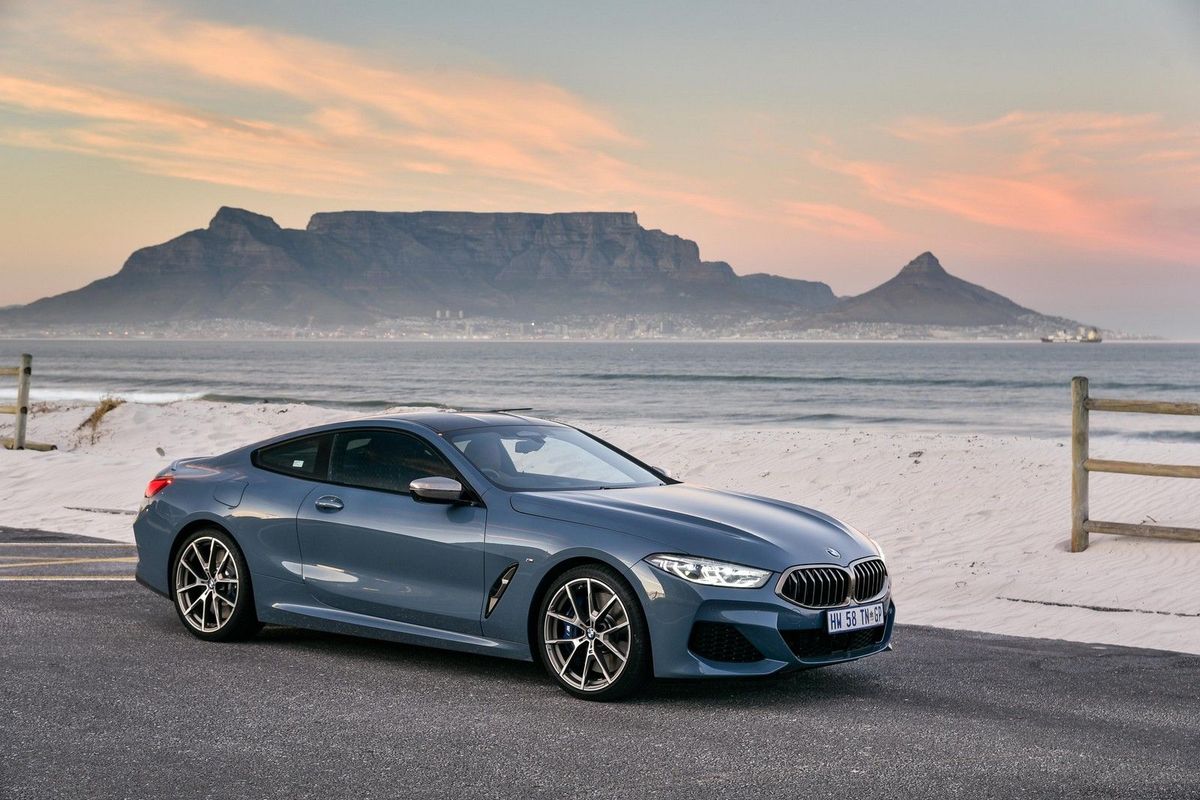
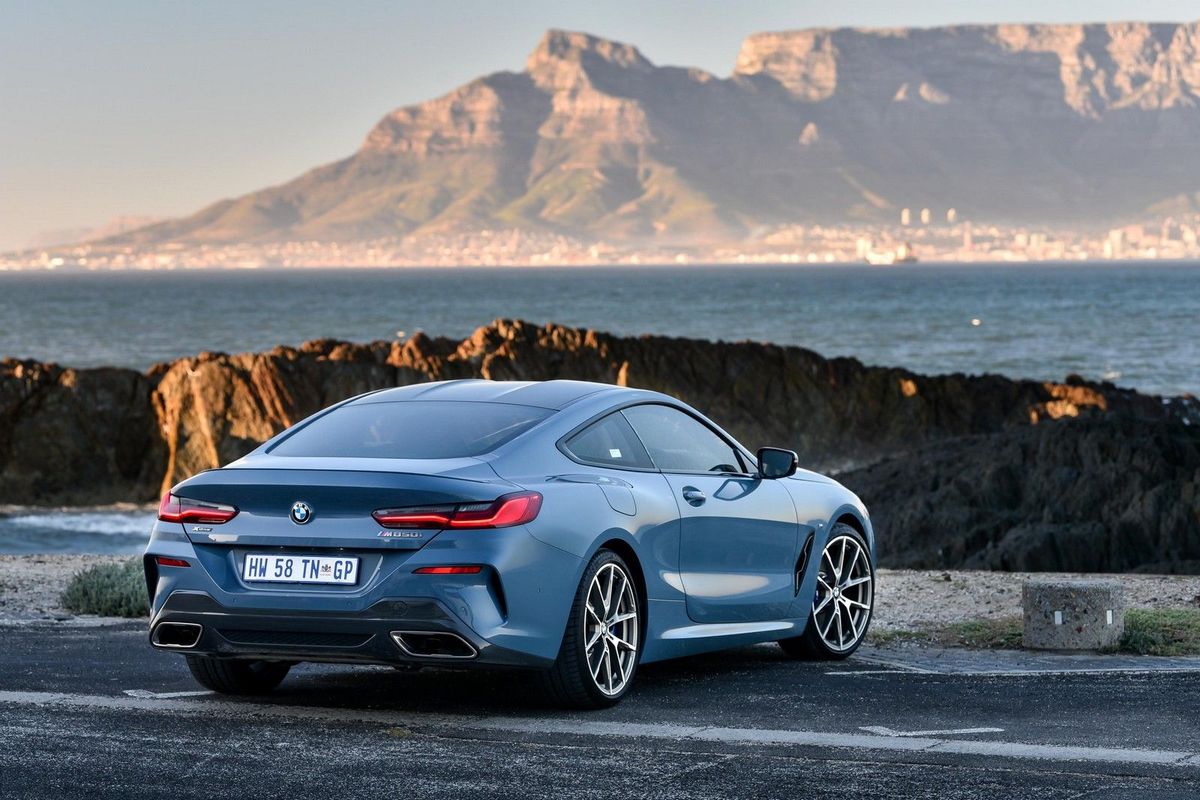
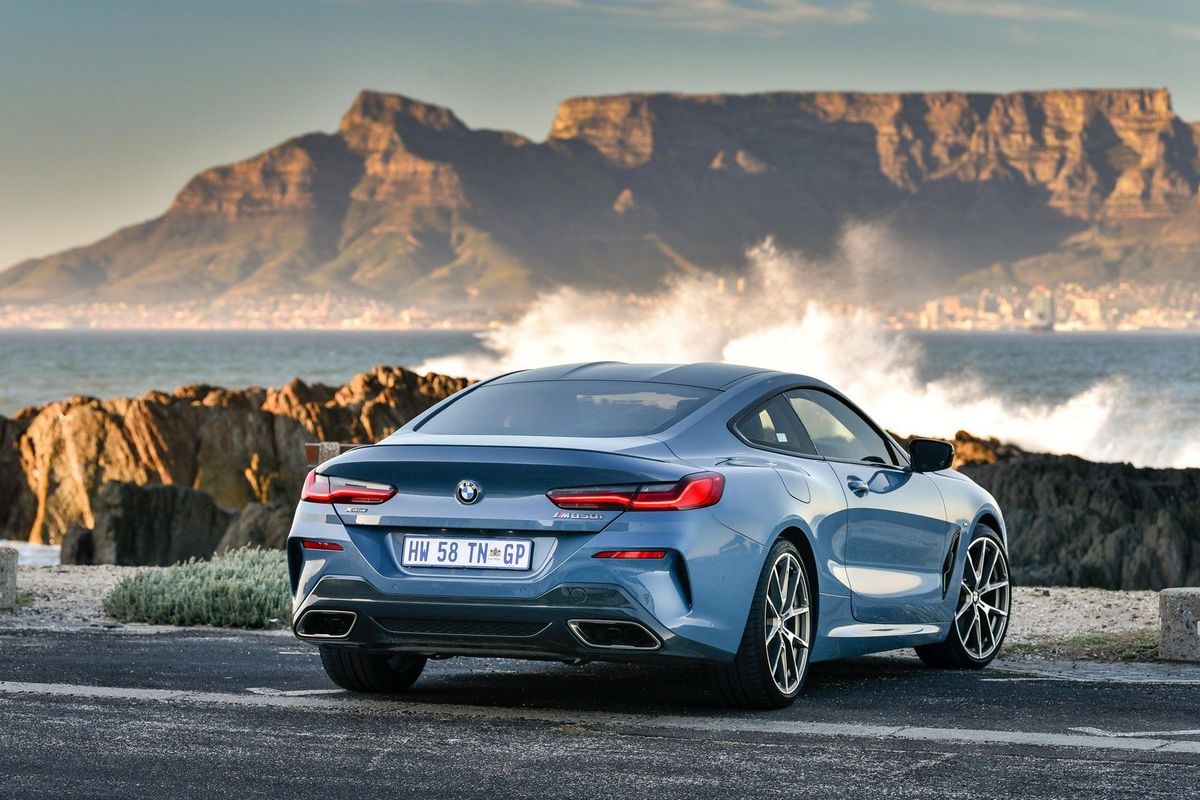
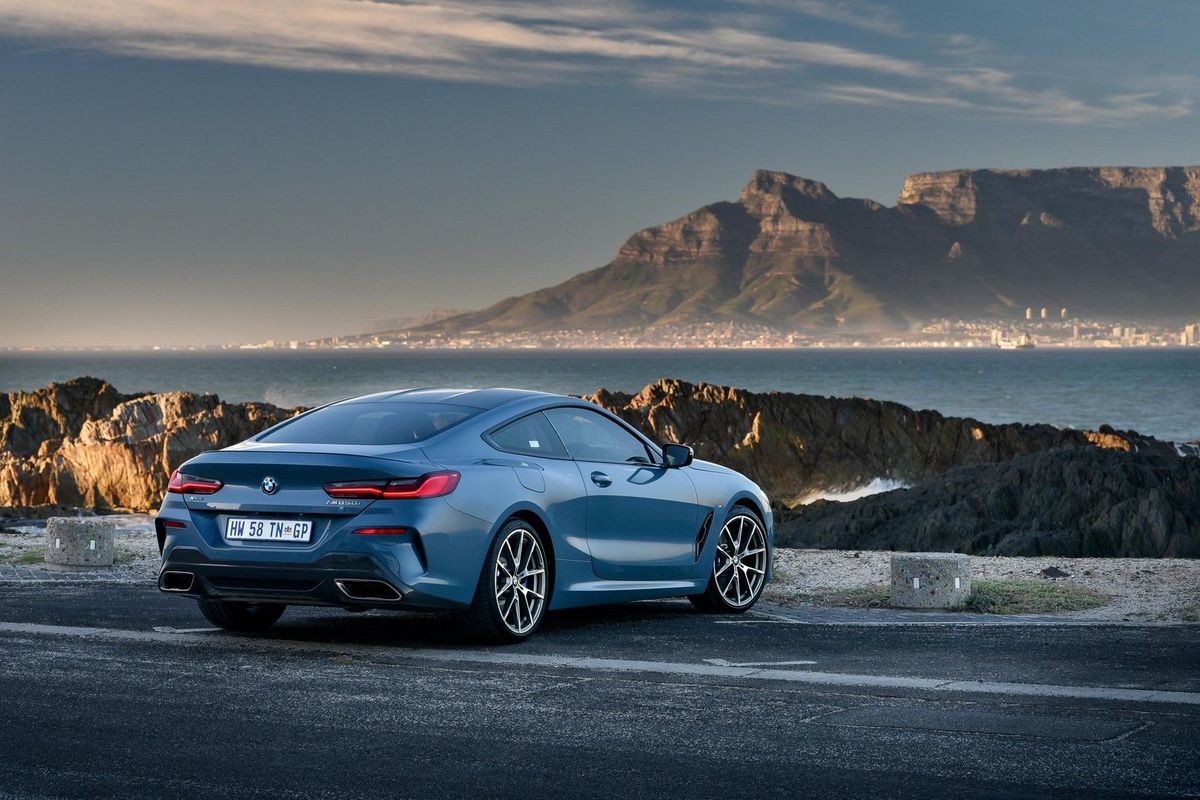
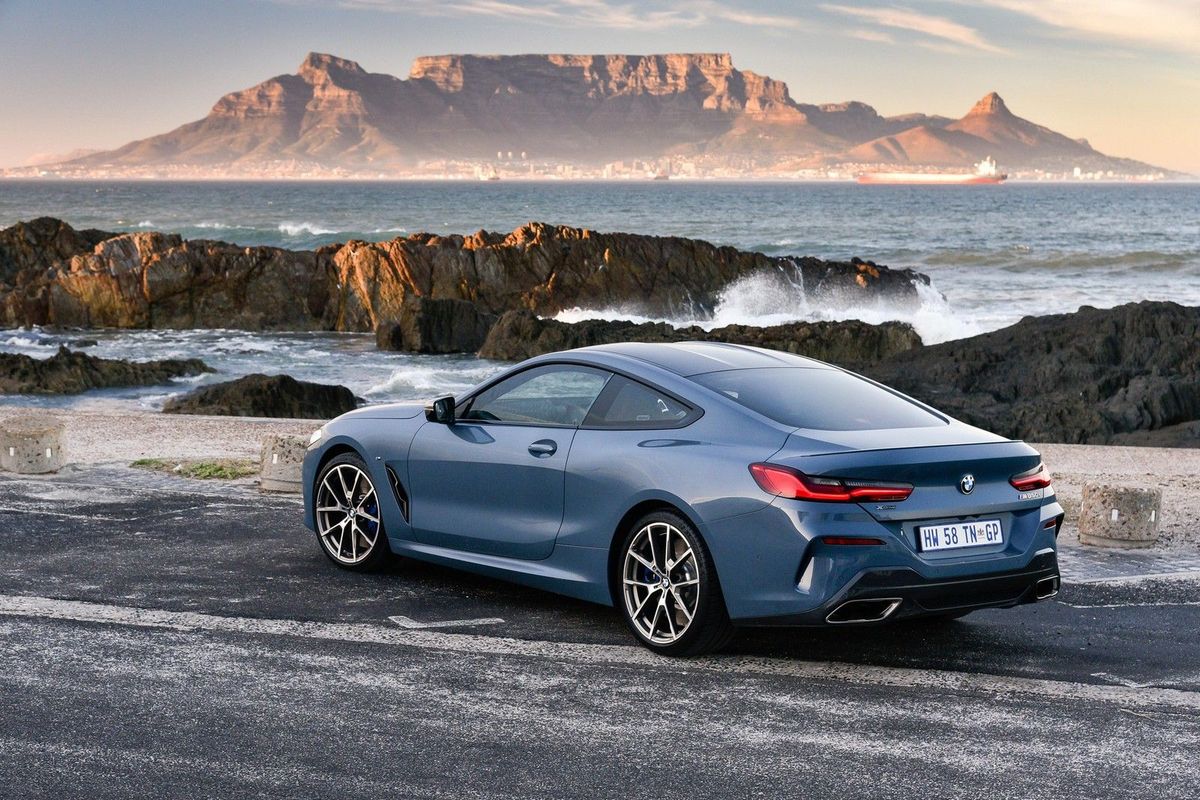
The number 8 might sound greater than 7 (>7) to you and I, but in BMW-speak, 8 is not more than 7. To summarise: "Nothing is more than 7." Therefore, the new 8 Series is not BMW’s halo car, that remains the domain of the 7 Series first-class sedan. The 8 Series effectively replaces the 6 Series coupe/convertible/gran coupe – it’s the Munich-based brand's GT cruiser with a strong performance bent and a keen focus on design.


The 8 Series badge is back. Long bonnet upfront? Check!

It’s a 2+2 seater, but in such a way that the rear seats are really just there to reduce boot space and fill the owner's head with sordid slasher-flick fantasies of sawing off aft passenger’s legs in anticipation of squeezing their mangled bodies onto the 8's rear cushions.
South Africa, for the moment, will receive just one model – the M850i xDrive – before the convertible 850i and 850i Gran Coupe join the fray, followed by the launch of a monstrous M8 flagship later in 2019.
Own a BMW? Tell us about your experience here

What’s under the bonnet?

A brand-new V8, that’s what! The 4.4-litre V8 makes its first appearance in the 8 Series accompanied by 2 turbochargers nestled between the deep vee (yes, I just wrote that). The unit pumps out hefty peak outputs of 390 kW and 750 Nm of torque, the latter of which is available from just 1 800 rpm and accessible all the way to 4 600 rpm before the twist starts to taper.

It feels immense when you plant your foot flat. The grunt is relentless as the M850i surges forward with the poise and balance of a low-slung sportscar. An enhanced 8-speed automatic ‘transmission takes care of the shifting and it’s an excellent match for the new V8. At low speed, it’s smooth and imperceptible and when pushing on in sportier modes (or in manual-shift mode) it’s very responsive, especially coming down the 'box.


The 850i gets a brand new twin-turbo V8 and all-wheel drive to keep it steady.

Zero to 100 kph is brushed aside in just 3.7 seconds and that only begs the question: how much faster could the M8 be than this M850i?

Thumb the drive mode into Sport and the flap-controlled exhausts open up to an ensemble of pops and bangs every time you lift off the throttle. For something as dignified and stylish as an 8 Series, the pops and bangs don’t really suit its character and feel a little contrived, even childish. It makes such a great sound at full chat I don’t think there was a need for the off-throttle boy-racer theatrics…

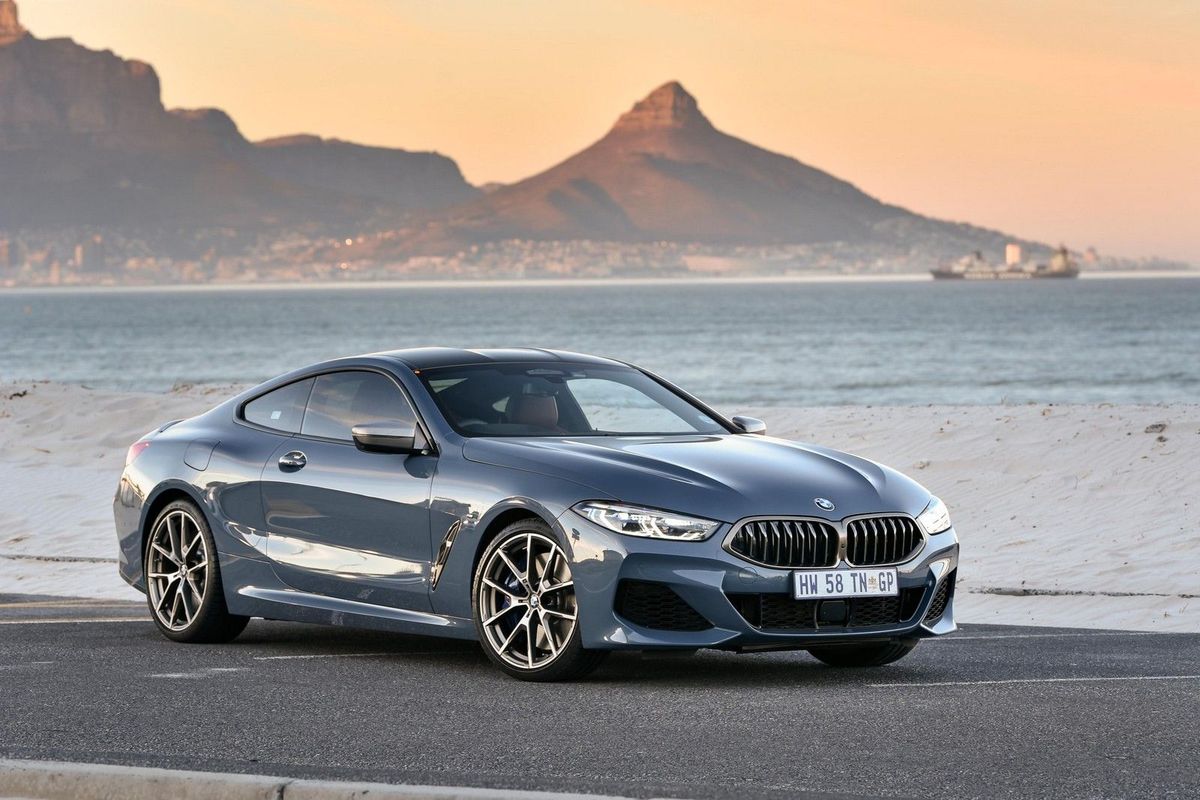
It looks big for a sportscar

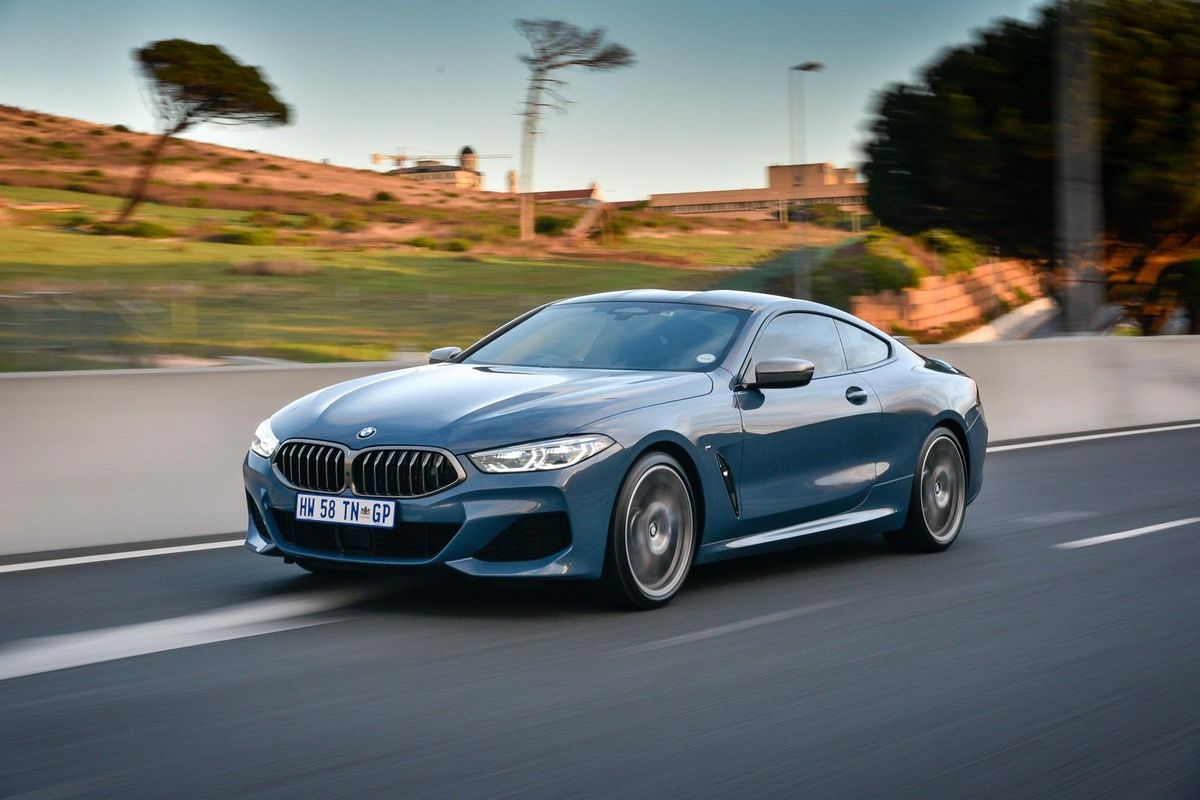
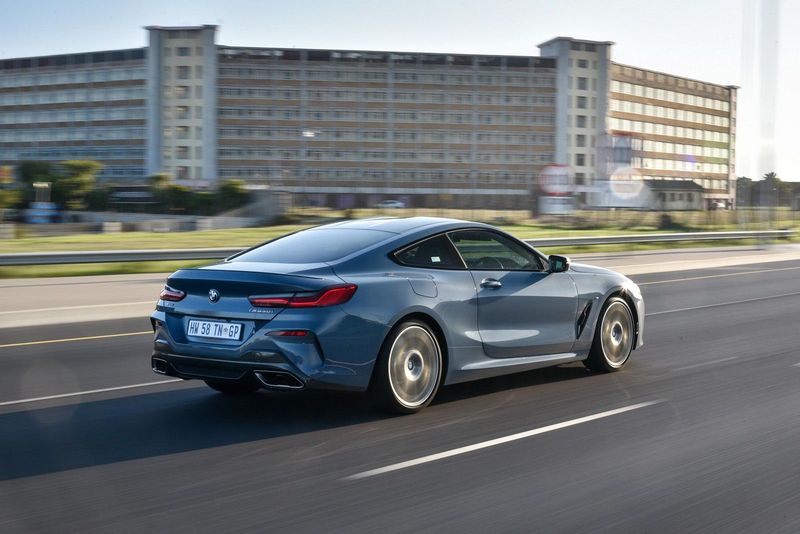
It looks big –and is big – but BMW has imbued the 8 with chassis and electronic trickery to make it nimble and quick-footed. It’s sort of got the build of rugby flanker, but the sidestep of a winger. It can do this thanks to a combination of adaptive M dampers that react quickly to feedback from the road, a limited-slip M differential at the rear, which allows torque to be sent to the wheel(s) that need(s) it the most, and the active steering system.

The active steering system really makes its presence felt. Simply put, it’s a rear wheel steering system that makes the 8 more agile at low speeds and more stable at high speeds. On a tight and twisty pass, you can feel the rear rotate the car for sharper turn in and more mid-corner grip.
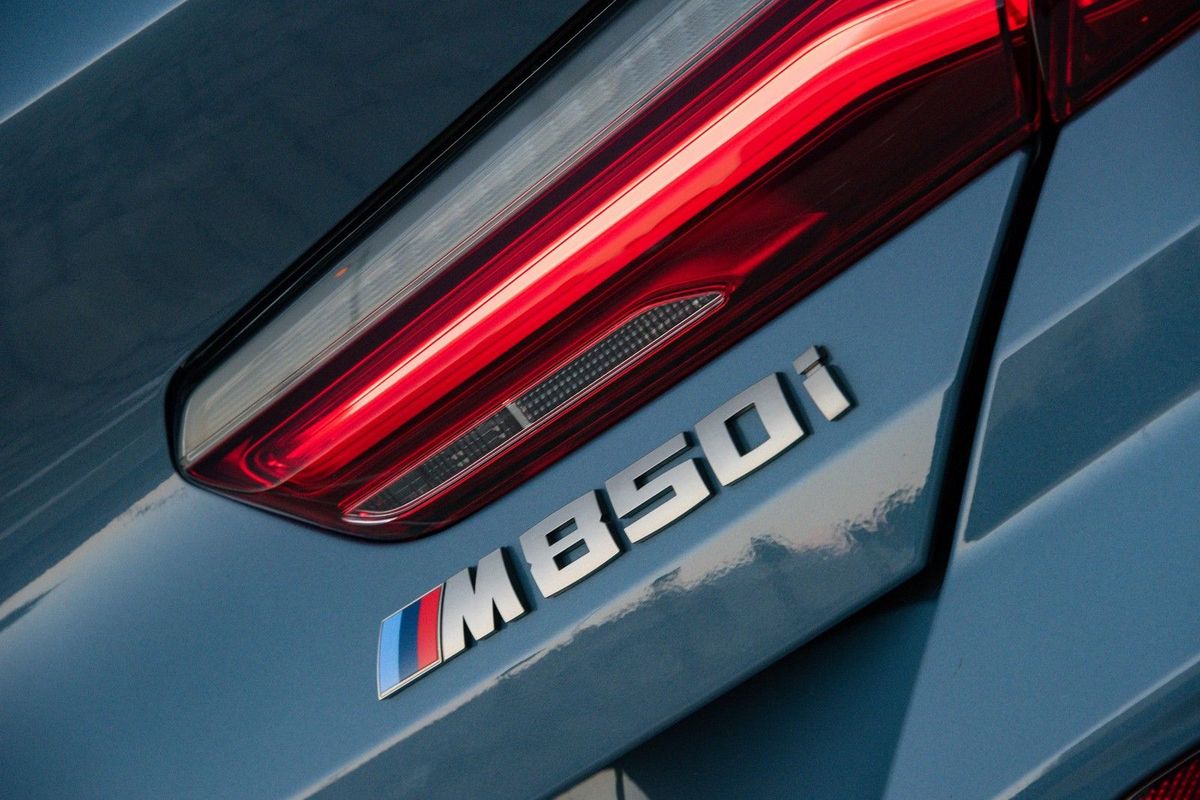
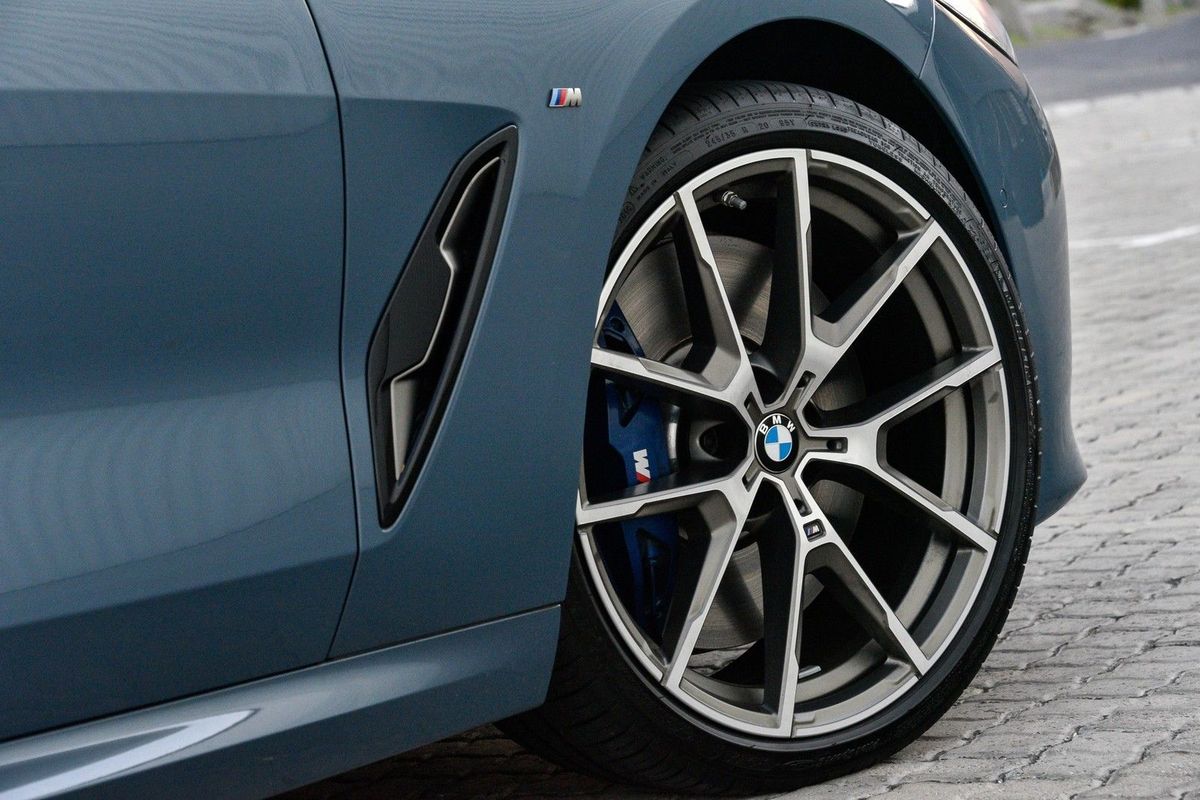

Built to eat up freeways but still agile enough to confidently tackle a tight Alpine mountain pass.

The active steering then combines with xDrive (all-wheel-drive) to give you that surety that when you stab at the throttle the 8 isn’t going to come unstuck easily. The M850i has been configured as a rear-biased all-wheel-drive car, but bolstered by the near unyielding grip of a 50/50 split system.

Is it impressive on the inside?

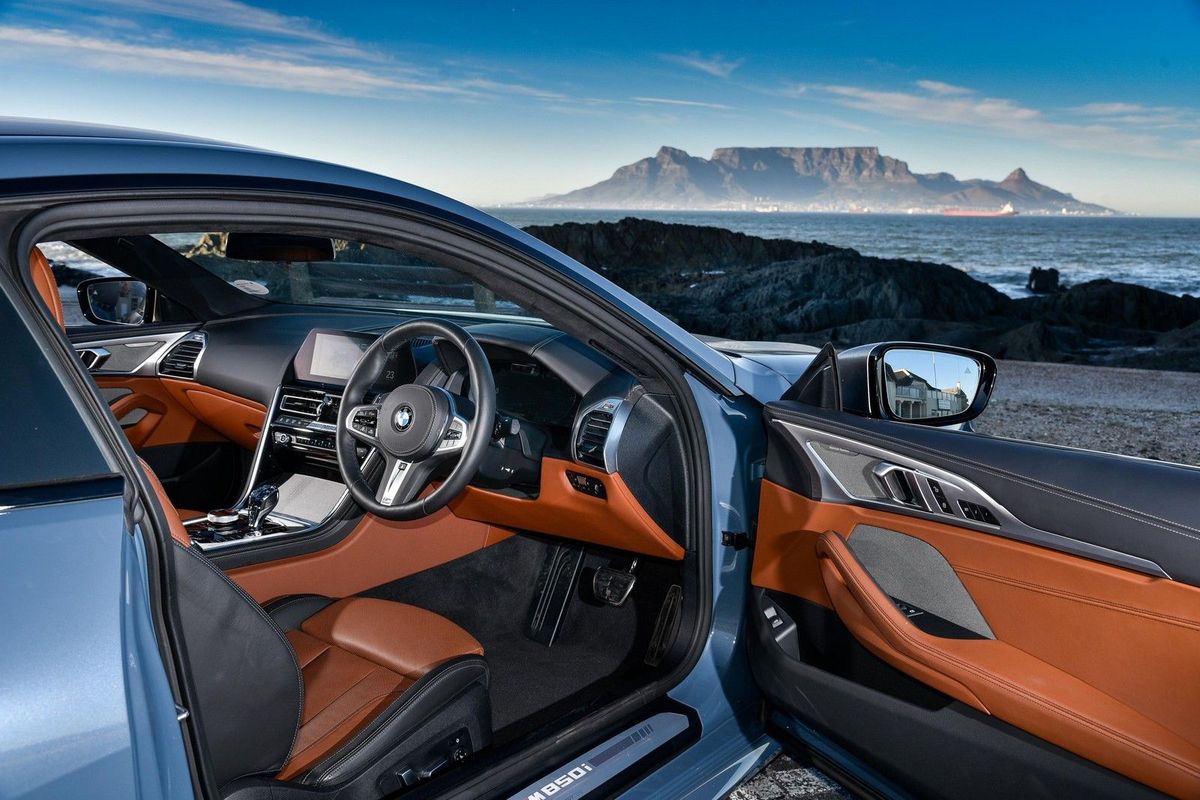
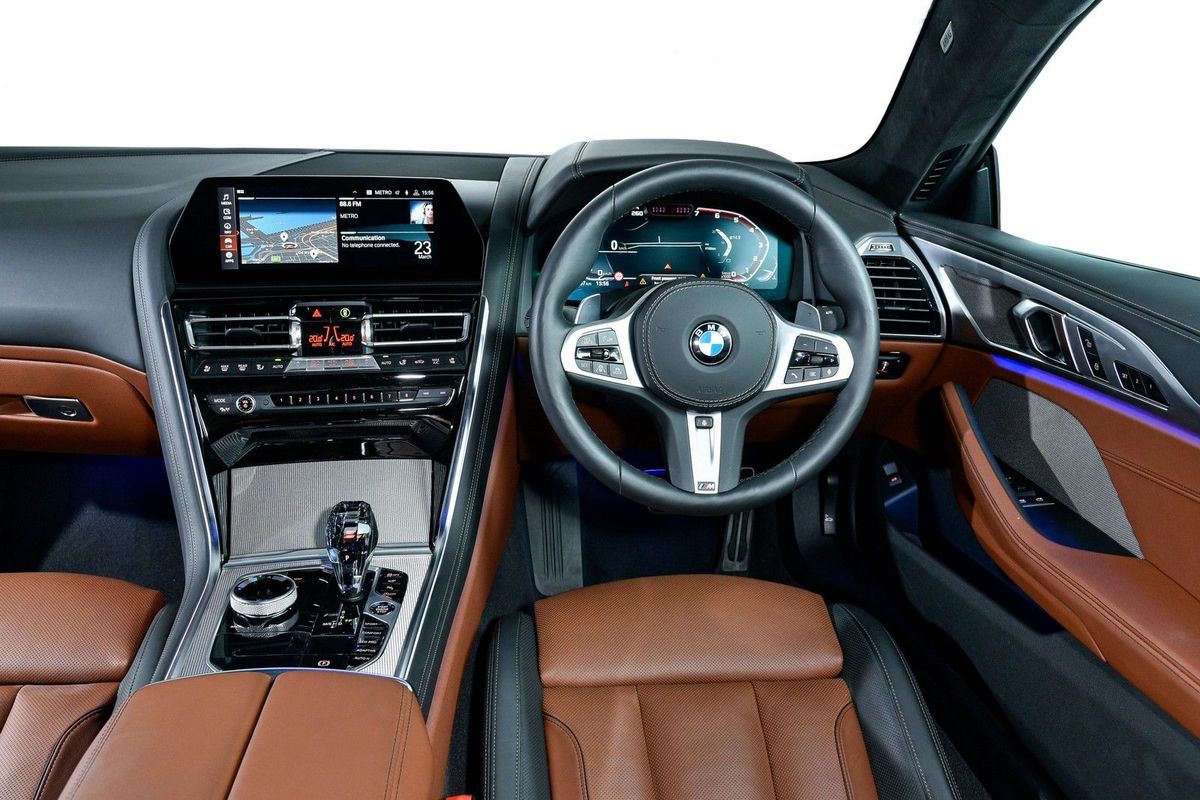
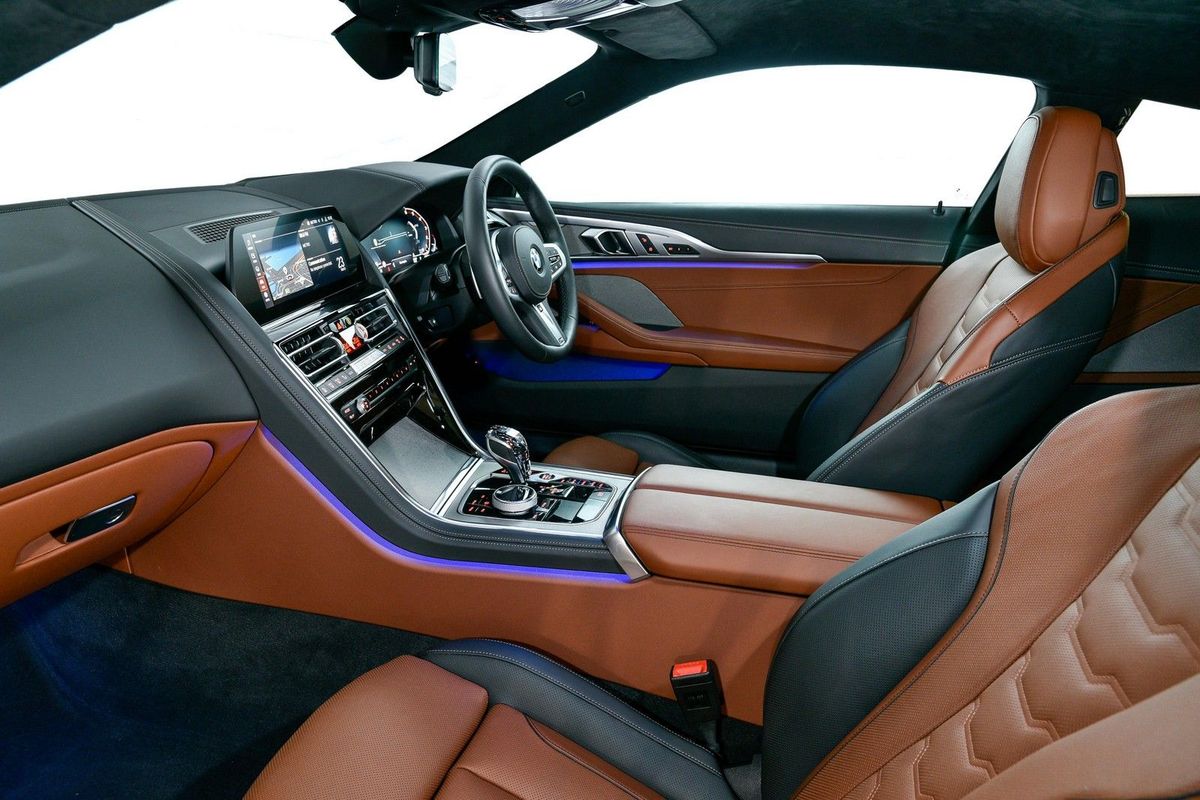
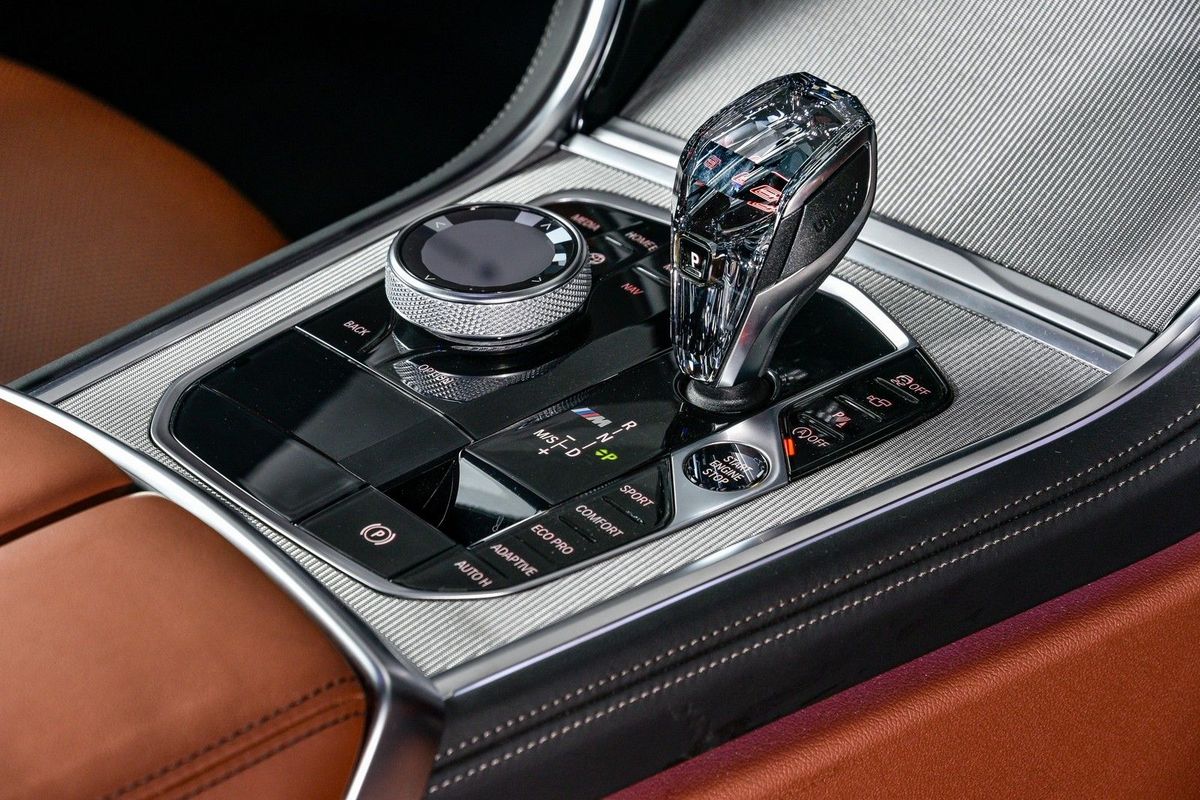
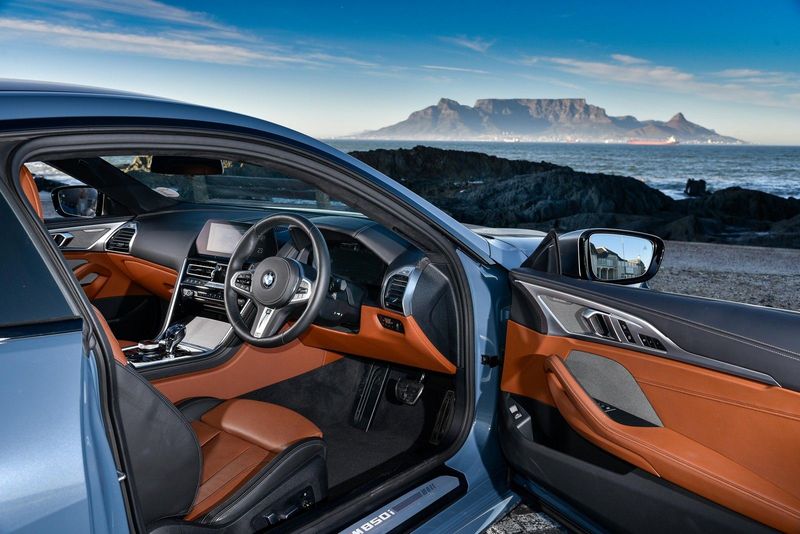
If this is your first experience with a new BMW, the new 8 Series' cabin is more than likely to wow you with its crisp digital instrument cluster and incredibly hi-res infotainment buttons. The handle of the tranmission lever has a Swarovski-crystal look to it and it encases an 8 logo. In fact, it looks a bit like that mosquito that was ensconced in amber in the original Jurassic Park film…


Lots of tech and plush materials on the inside.

The seats are supportive and cross-stitched on the backrest to exude that premium look and feel that is part and parcel of the time-honoured grand-tourer passenger experience. There’s a wireless charging dock up front and a few hidey holes to store keys and smaller items. The centre console houses all your control buttons for the drive modes, where you can select from numerous settings that adjust the M850i's drivetrain, suspension and exhaust sound. The iDrive rotary controller is also stationed here, but you have the option of using the touchscreen infotainment or iDrive wheel.

It’s a high-tech interior in which all the individual bits are well-placed and ergonomically friendly, but the cabin execution stops short of eliciting exclamations of "Wow!" when you climb inside. It’s not as design-oriented as the 8’s bodywork… and it’s an area that can definitely be improved.

Summing it up


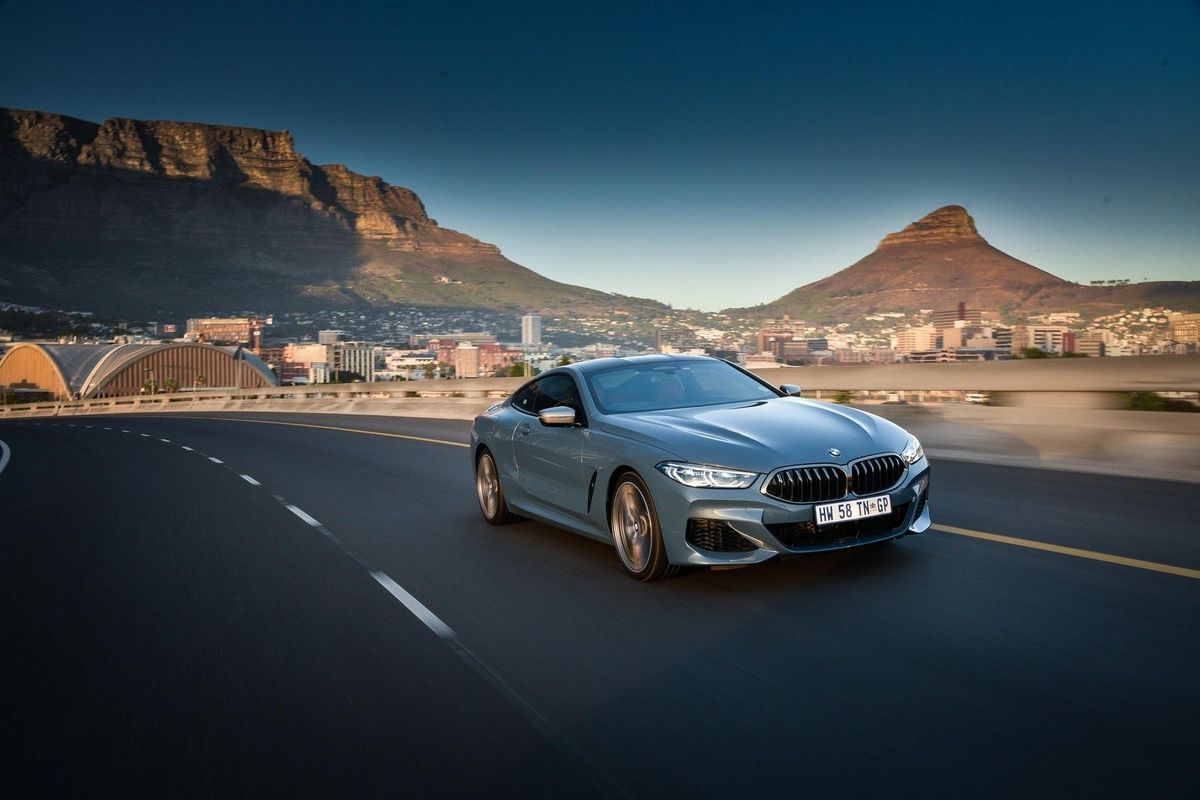
The new 8 is both exciting to look at and to drive.

It was a tough task to complete, but the new 850i xDrive successfully hits the sweet spot between grand tourer and sportscar. It munches miles easily, comfortably and in classy style. If you send it through a set of tight bends, the big 8 belies its size; it snakes its way around bends like it believes it's a track-day Lotus. It’s light on its feet and backed by a prodigious V8, which is an absolute beast in a straight line.

It doesn’t really have any rivals either. The S-Class Coupe is the closest match, but it leans more towards consummate cruiser than the dual personality of the 8. The interior, while arguably the absolute best that BMW currently has to offer, could do with a bit more of a wow-factor in its design and appeal, but you’re not going to be left wanting for any tech or connectivity options.

The 850i xDrive is not cheap. At the best part of R2 million you start to get close to prestigious marques in terms of asking price, but right now, this is the best and most stylish BMW money can buy.

Related content:

BMW 8 Series Convertible (2019) Specs & Price

Aston Martin DB11 (2016) Video Review

Mercedes-AMG GT S (2015) Review