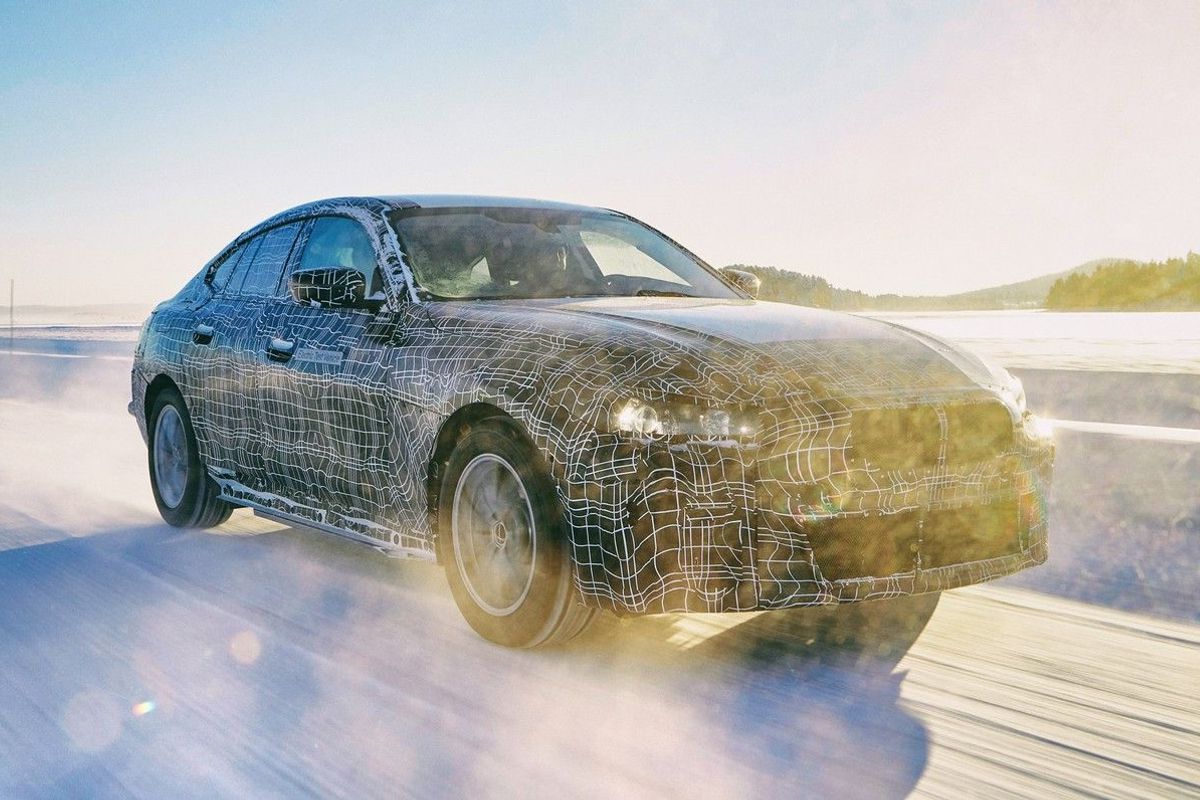
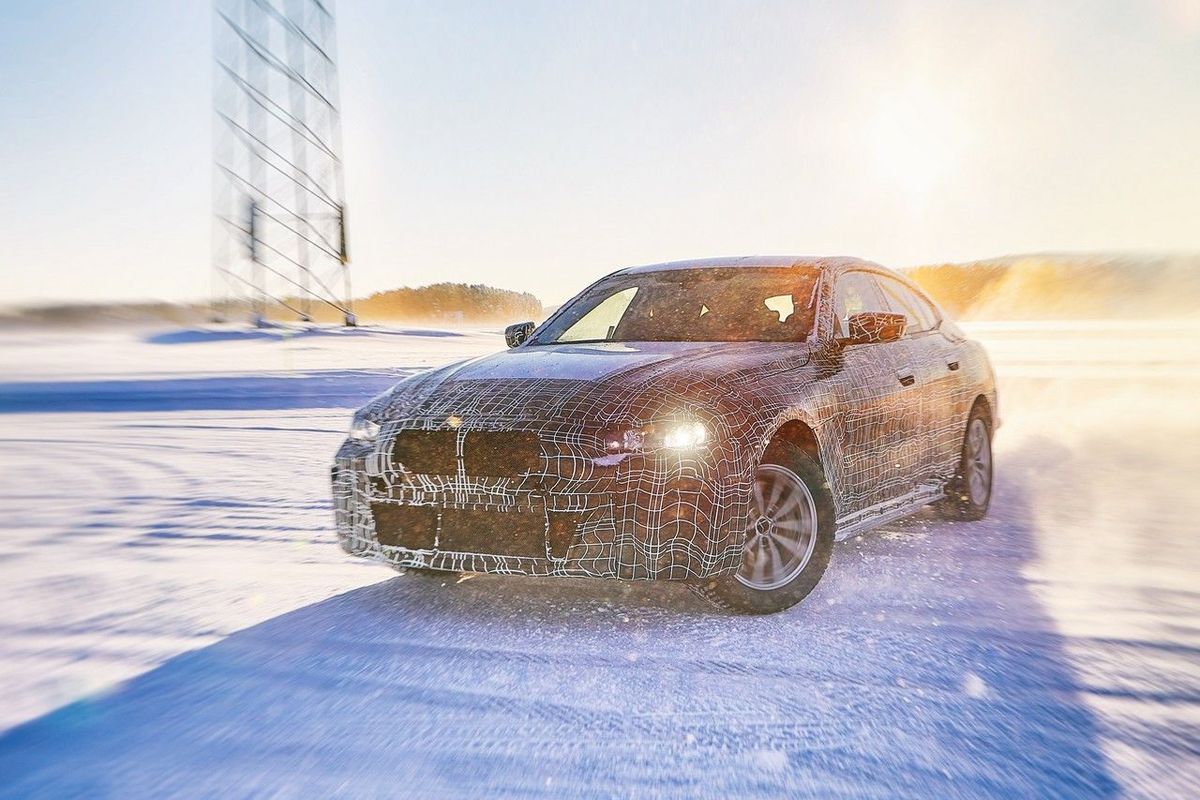
While the majority of the car makers have plans for electrification, one brand has lagged behind. BMW looked promising after i3 and i8 made production, but the brand has been rather quiet, until now.
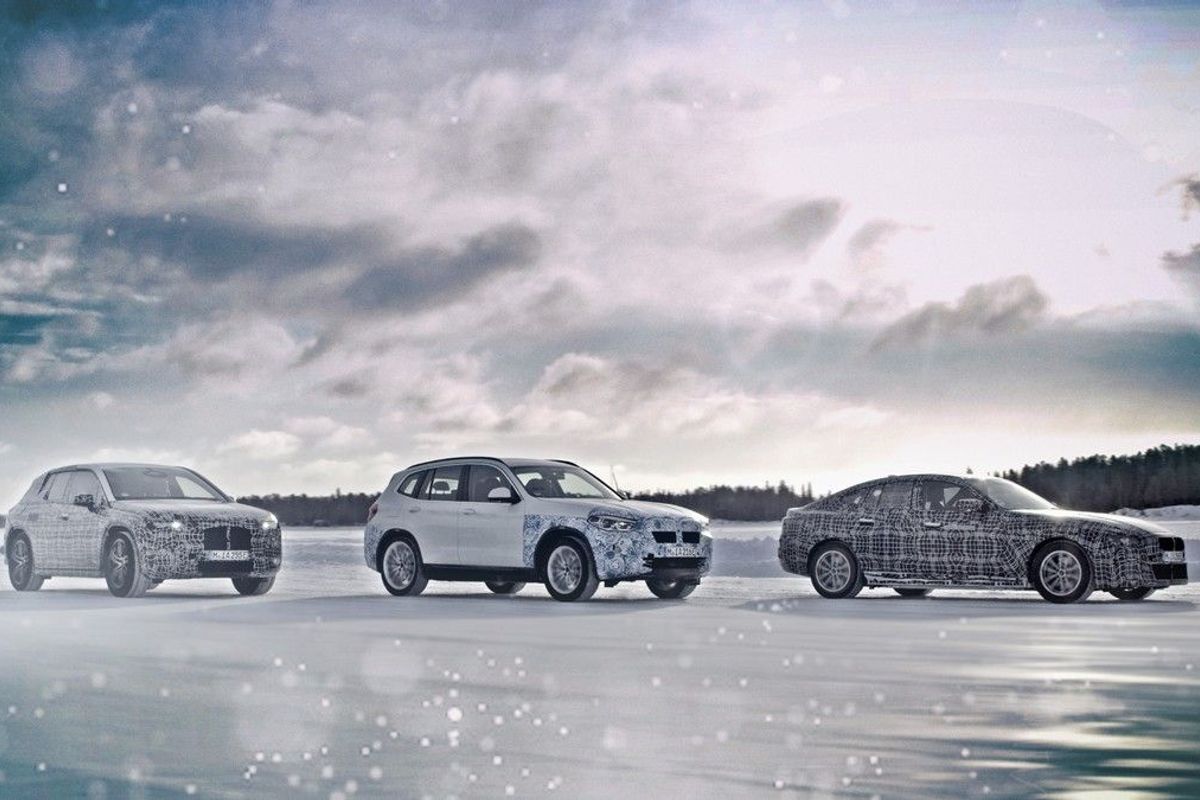
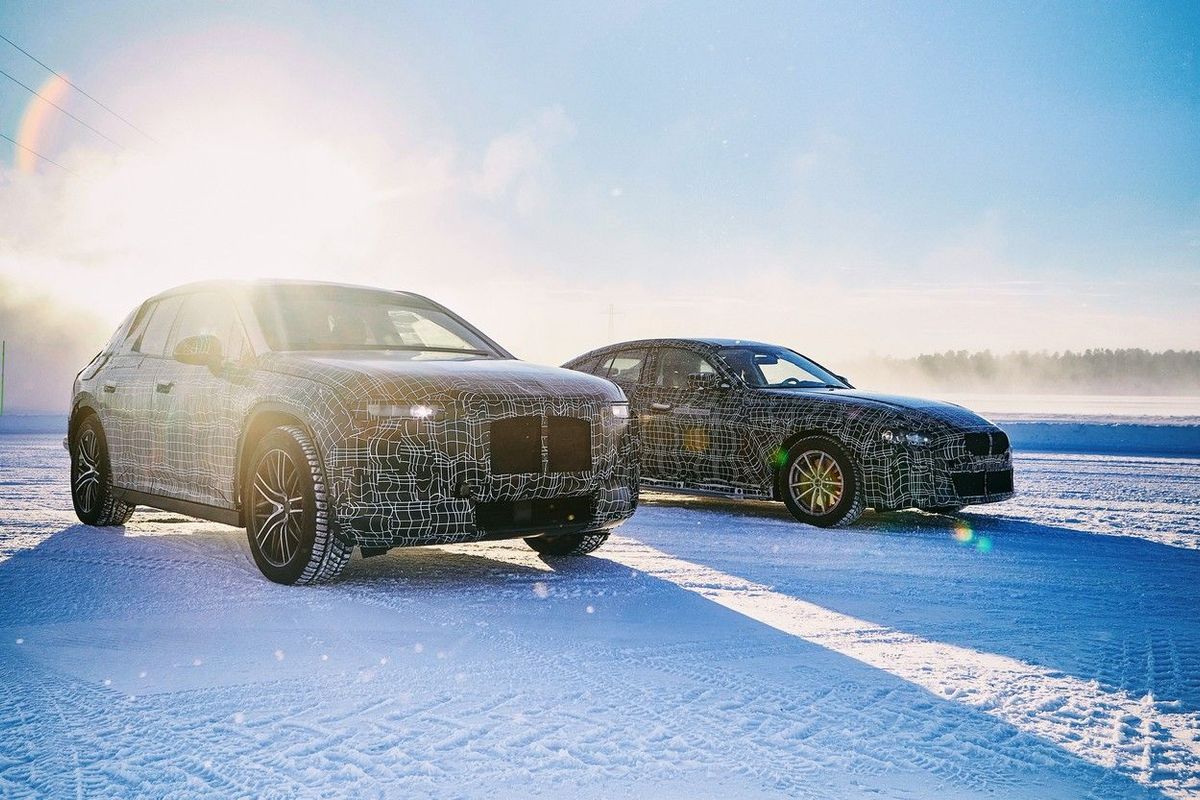
After the BMW i3 and i8 came to life and proved that electrification was a plausible lifestyle, the brand went a bit quiet. However, BMW is still backing the electrical horse and released photos and information regarding its new electrically-powered vehicles. At the time of writing, there were 3 electric BMWs undergoing testing in Sweden.
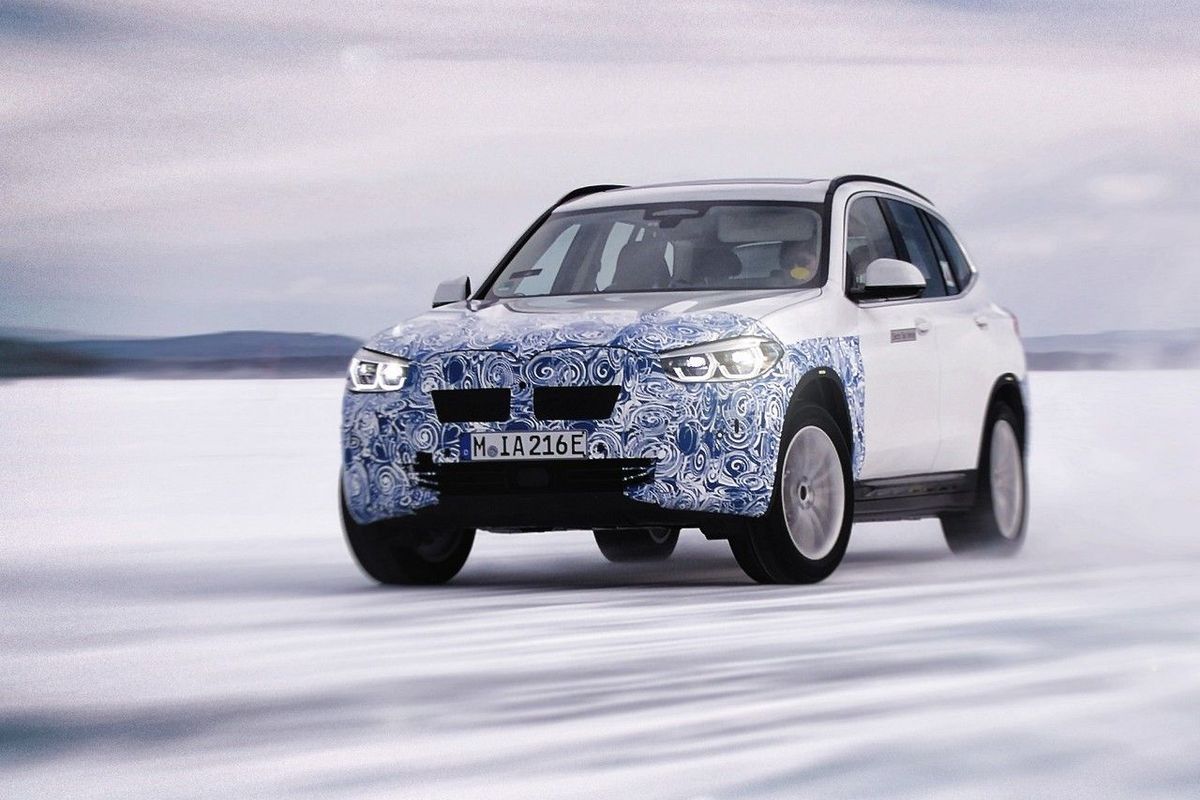
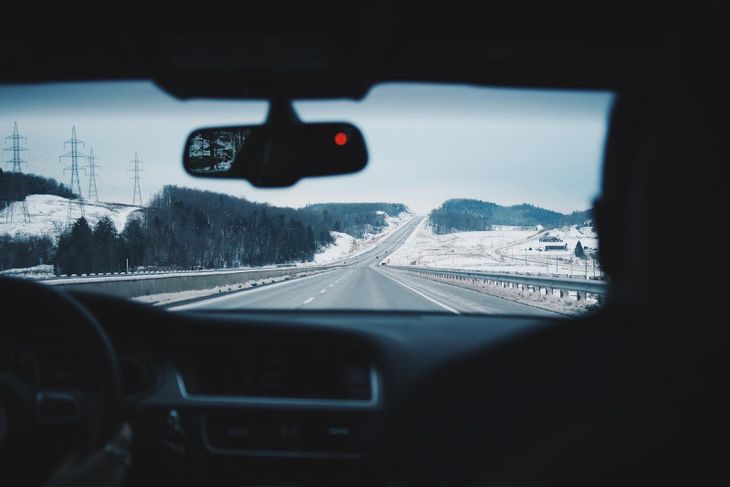
What you see here are the BMW iX3, i4 and iNext being put through their paces in the cold. The freezing weather is a great test for batteries, electric motors, suspension setups and traction control, and much more. First up, we have the BMW iX3 which boasts the 5th generation of BMW electrification tech. With a claimed range of over 400 km, the iX3 takes the fight to the Audi e-tron and Mercedes-Benz EQC. The iX3 will be assembled by the BMW Brilliance Automotive Joint Venture at the Chinese production location in Shenyang.
Next up we have the BMW i4. This 4-door coupe is positioned in the premium midrange segment and has a claimed range of over 600 km. BMW is claiming a 0-100 kph time of 4 seconds and a top speed of over 200 kph. It will be assembled at BMW's factory in Munich in 2021.
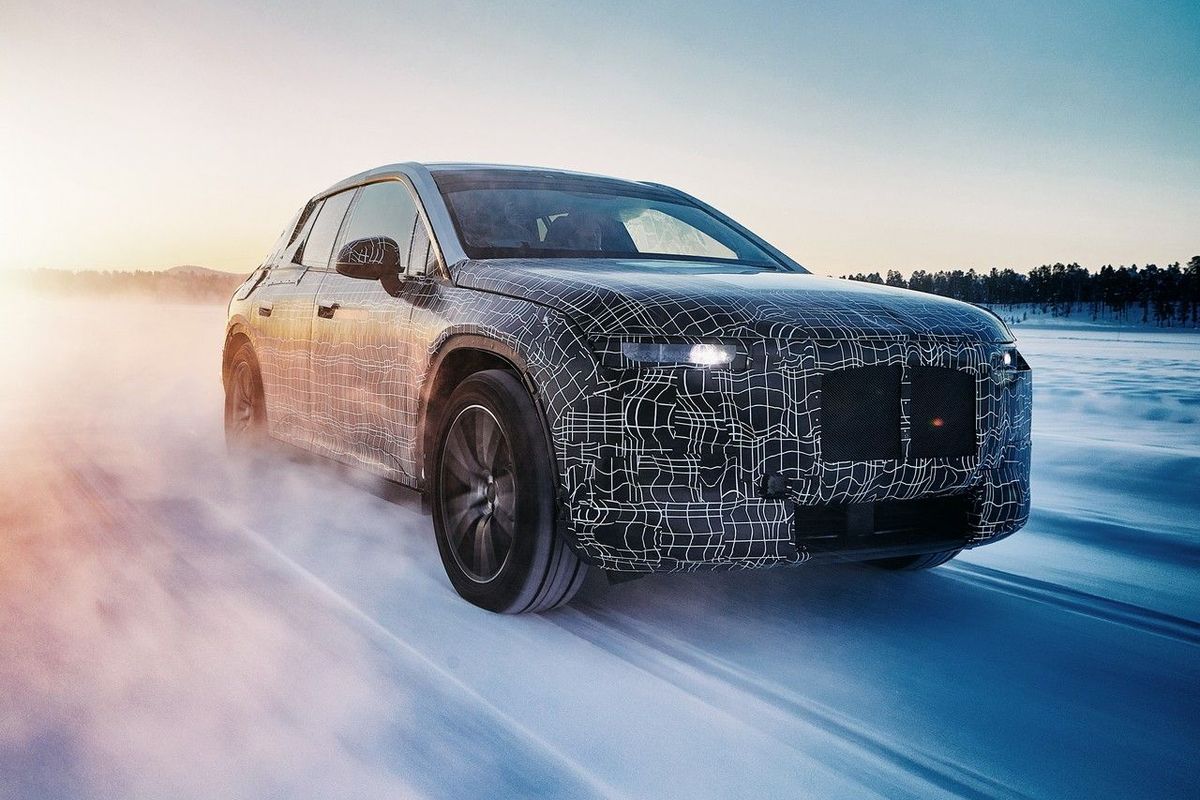
Finally, the BMW iNext. It's a luxury Sports Activity Vehicle and BMW claims it has the technology for highly automated driving (Level 3). Based on the BMW Group's future modular construction system, it's going to form the basis and face of BMW's future strategy. A range of 600 km is the claim and this flagship electric vehicle will be assembled at BMW's Dingolfing factory in 2021.
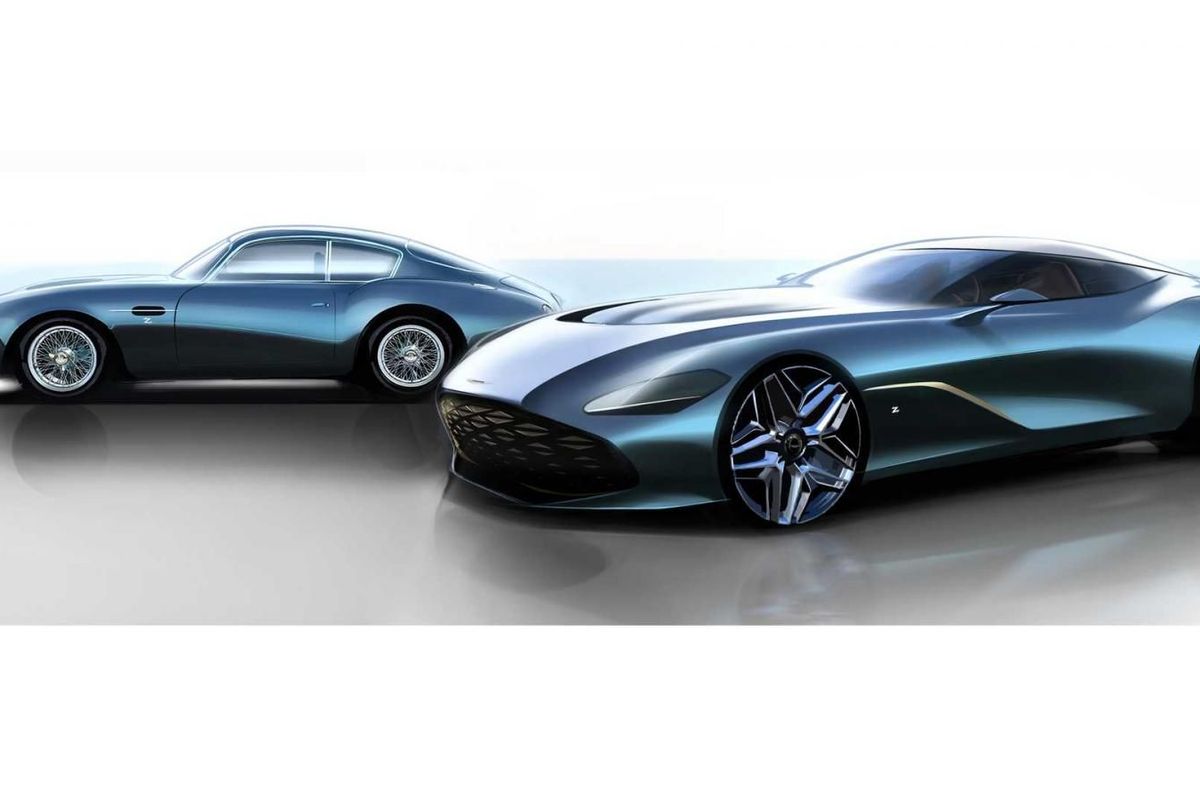
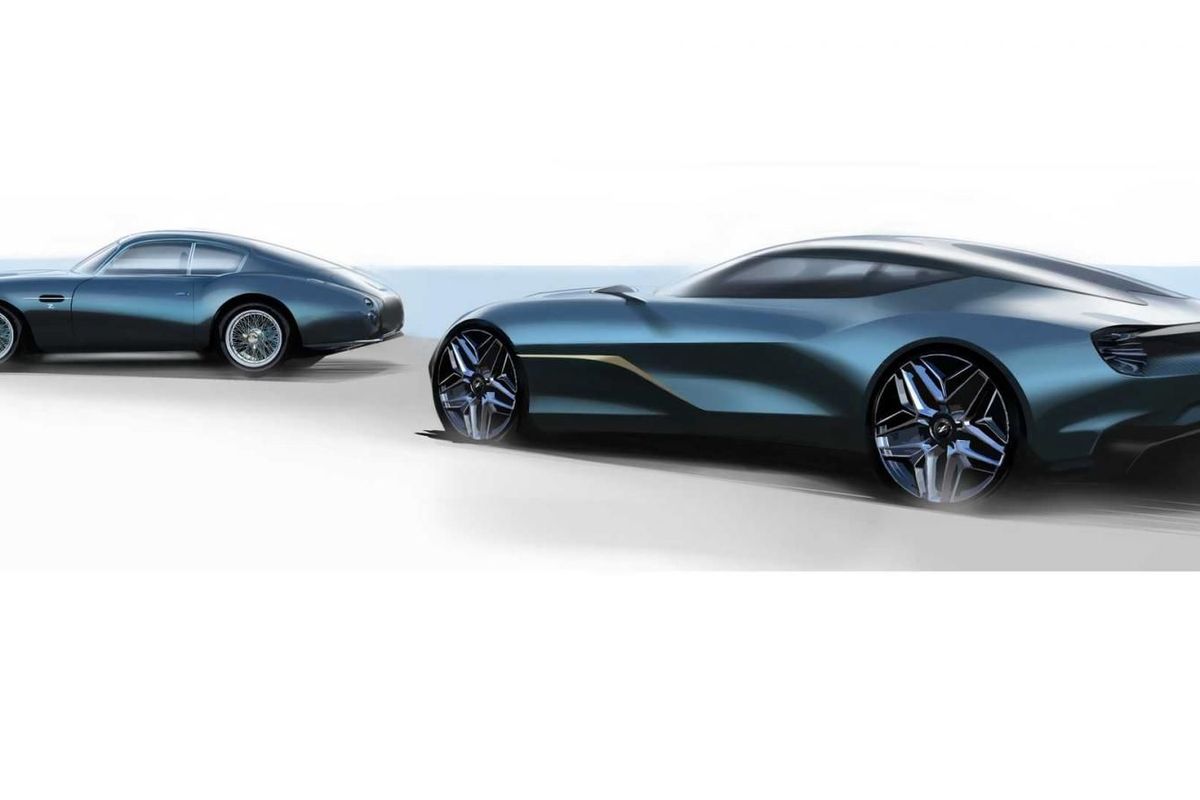
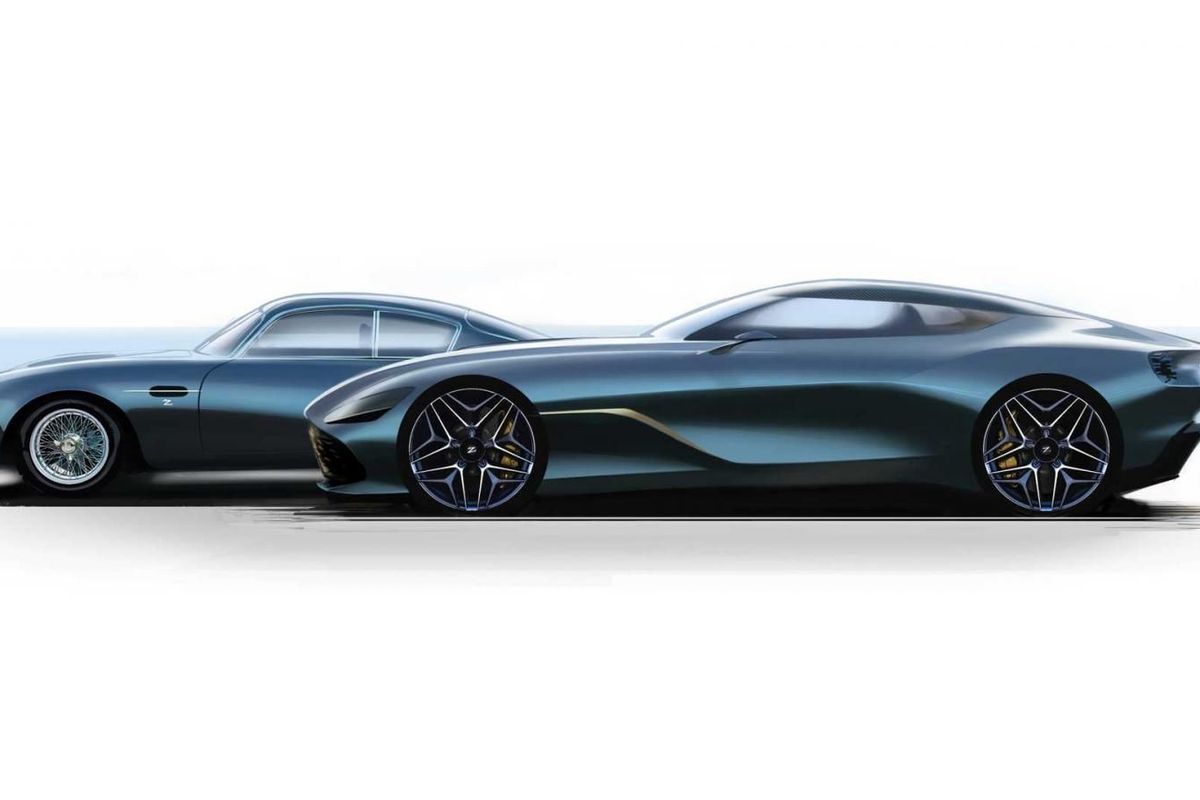
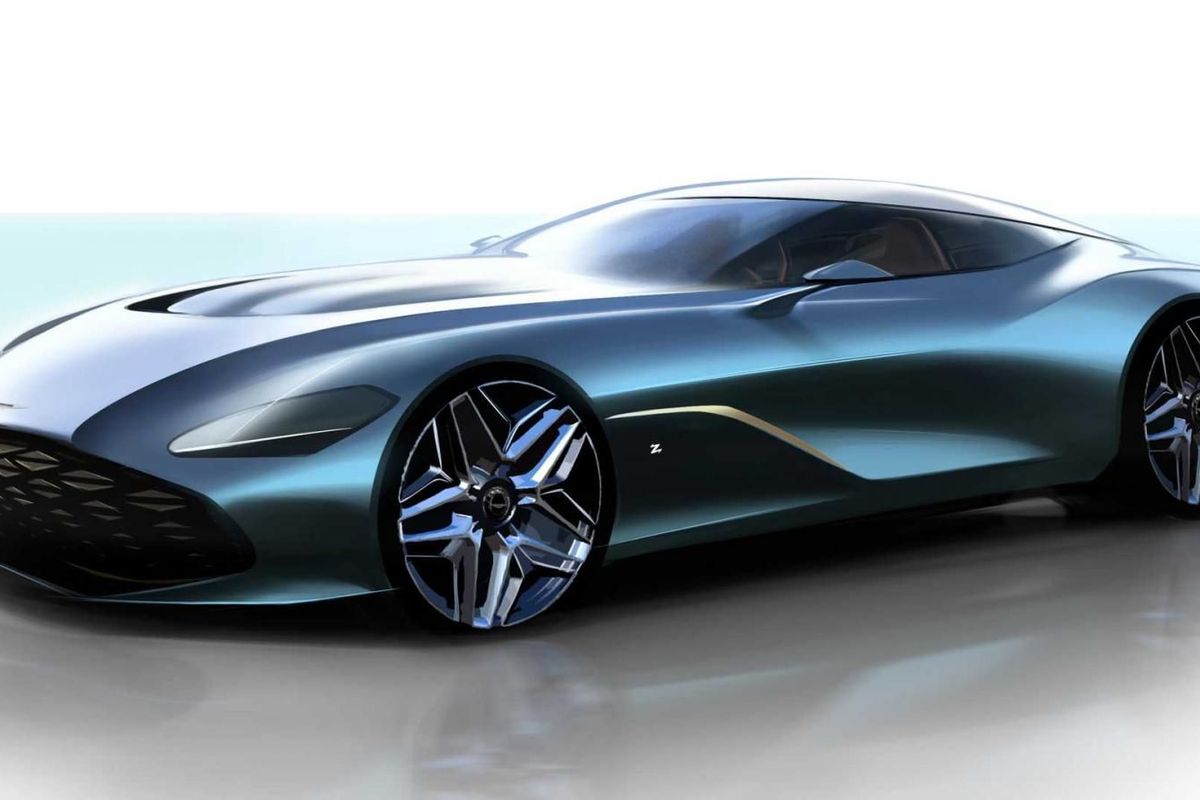
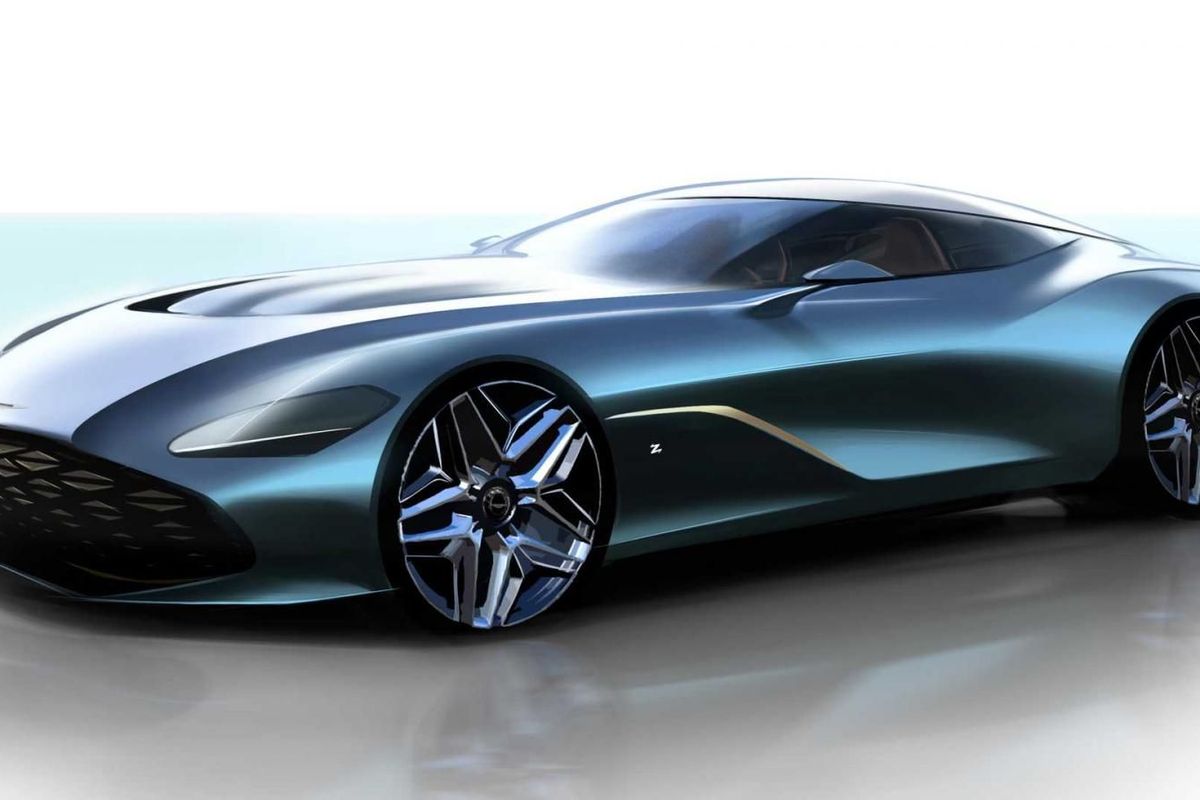
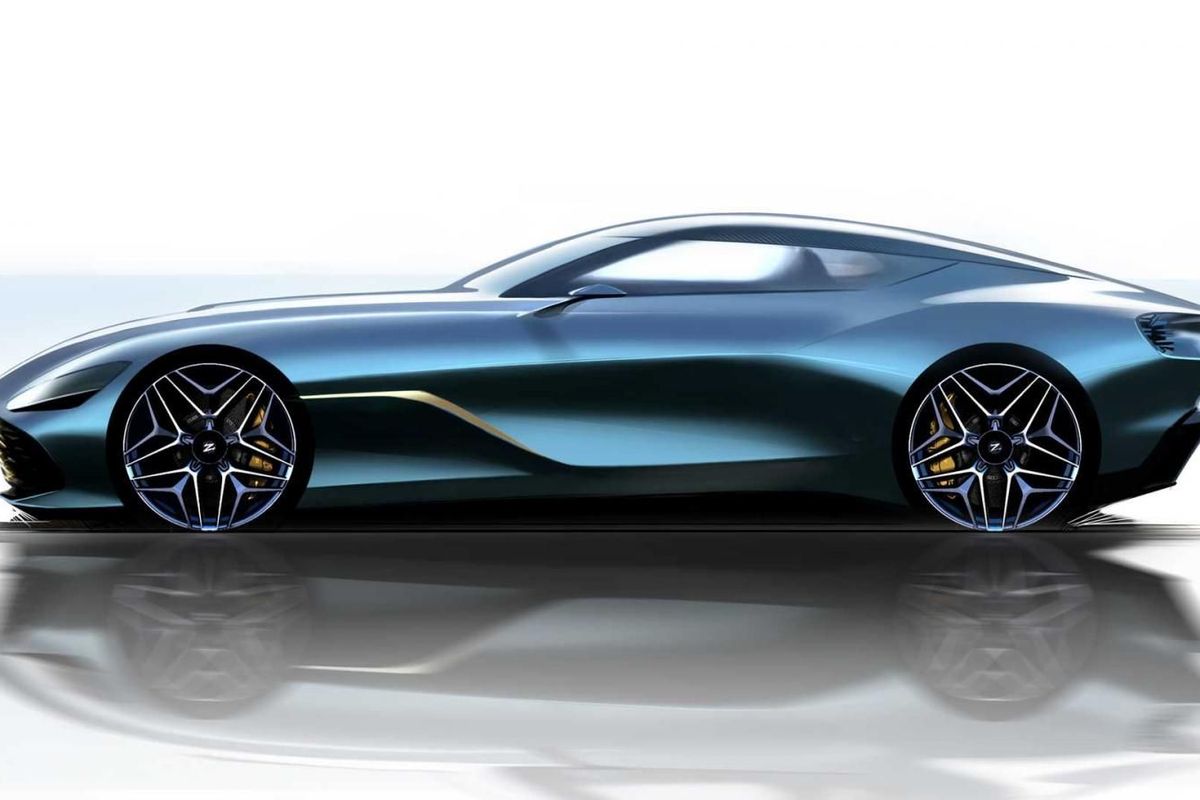
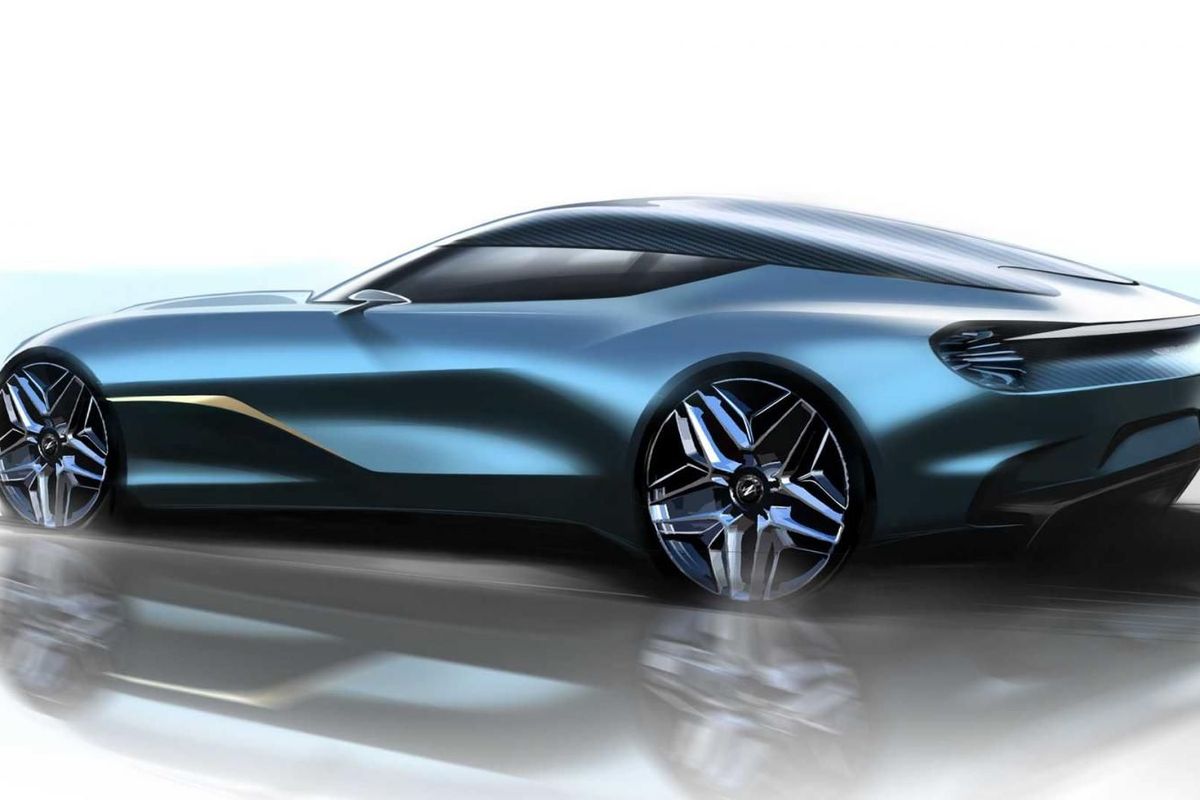
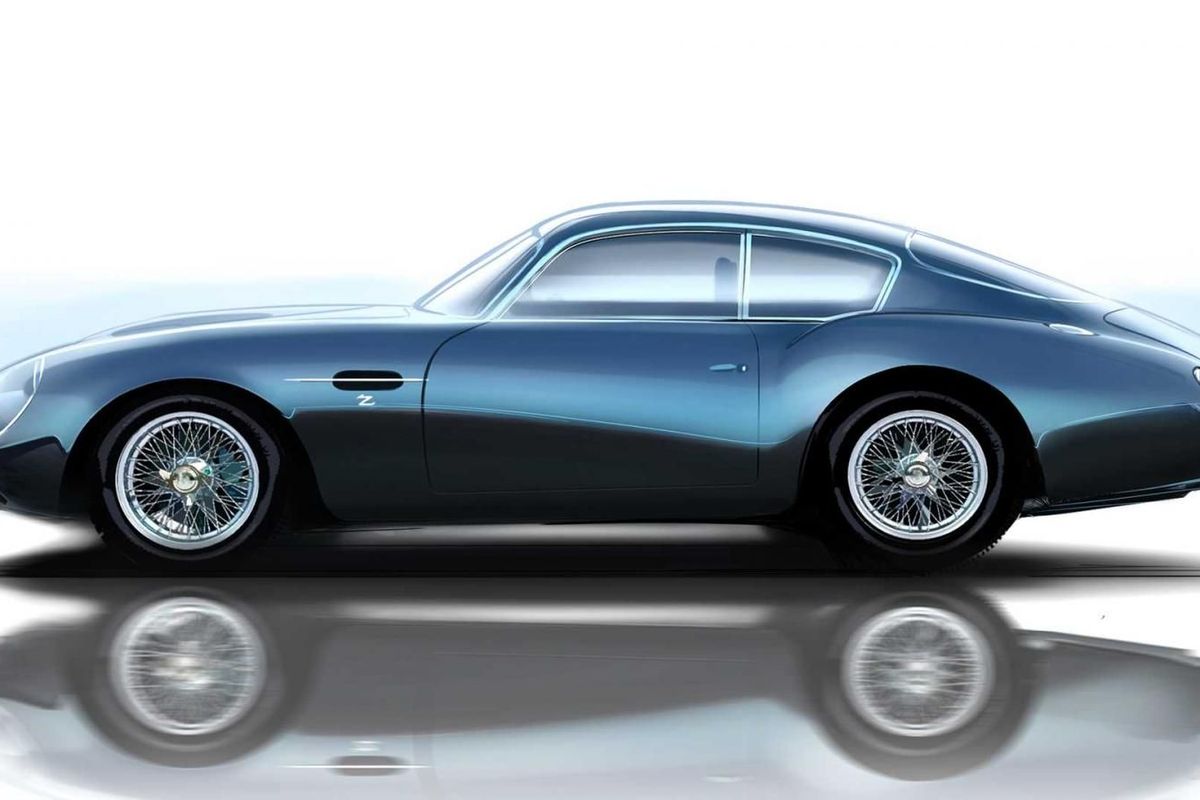
Aston Martin has revealed renderings of its gorgeous GT Zagato pairing. Details below…
James Bond’s favourite car company has revealed the latest in its collaboration with Italian master coachbuilder, Zagato. Following from the DB4 GT Zagato Continuation model, due for delivery toward the end of this year, 2020 will see a limited run of DBS GT Zagato cars too.
This latest limited-edition Aston Martin pays homage to the 1960s era DB4 Zagato, and as such it features the distinctive double-bubble roof and overall bodywork unfamiliar to any current DBS. Unlike the DB4 GT Zagato, it is a thoroughly more advanced and engineering execution – using Aston Martin's latest engine and vehicle platform technology.
Aston Martin has confirmed that the DBS GT Zagato will be an evolution of its Superleggera platform, which means a 5.2-litre twin-turbocharged V12 with at least 533kW. The overall configuration will be rear-wheel drive, with an aft-mounted ZF 8-speed automatic transmission converting the surge of torque from that twin-turbocharged V12 into rolling momentum.
The business strategy with these Zagato cars is to offer customers an official Aston Martin resto-mod DB4, the opportunity to buy two stunning designs – one classic, the other very contemporary – in one paired transaction.
As part of the DBZ Centenary Collection, the DB4 GT Zagato and Aston’s vastly more modern DBS GT Zagato, will be sold as a pair, for the price or R110-million. To guarantee exclusivity, Aston Martin will be producing only 19 examples of each.
The recently-announced Porsche Cayenne Coupe has a special link to SA. The campaign comprising videos and still images was shot right here in South Africa and we have pricing for this model.
The new Porsche Cayenne Coupe is based on the existing Cayenne, but features a slightly different look. According to Oliver Blume, Chairman of the Executive Board of Porsche AG, the new Cayenne Coupe, "includes all the technical highlights of the current Cayenne, and its more dynamic design and new technical details position it as more progressive, athletic, and emotional."
There'll be just 2 engines offered. Kicking off the range is the 3.0-litre V6 turbo with 250 kW and 450 Nm, enabling it to hit 100 kph in 6 seconds. The second engine can be found in the Cayenne Turbo Coupe and is a 4.0-litre turbocharged V8 boasting outputs of 404 kW and 770 Nm. It's capable of a brisk 3.9 second claimed run to 100 kph.
Porsche Cayenne Coupe Price in South Africa
The Porsche Cayenne Coupe is expected to arrive in South Africa around the last quarter of this year.
Cayenne Coupe R1 303 000
Cayenne Turbo Coupe R2 277 000
Porsche Cayenne Coupe Campaign – Filmed in Cape Town, South Africa
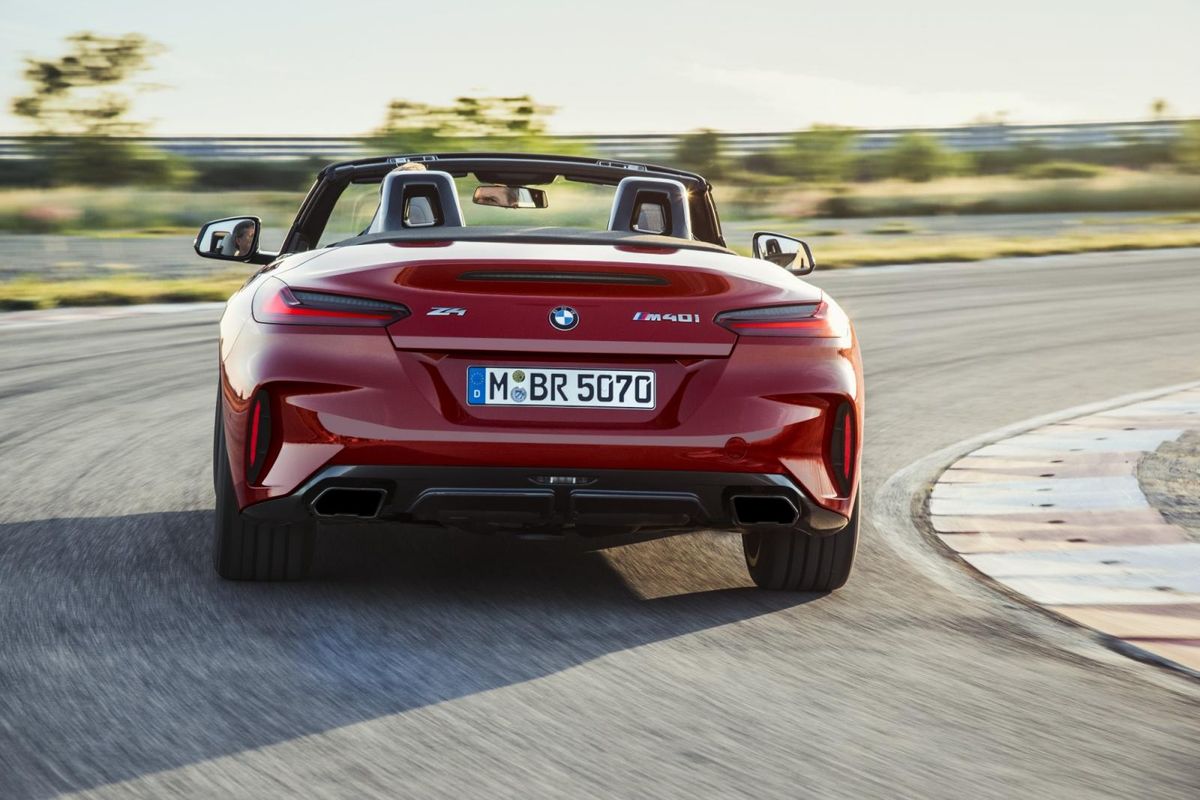
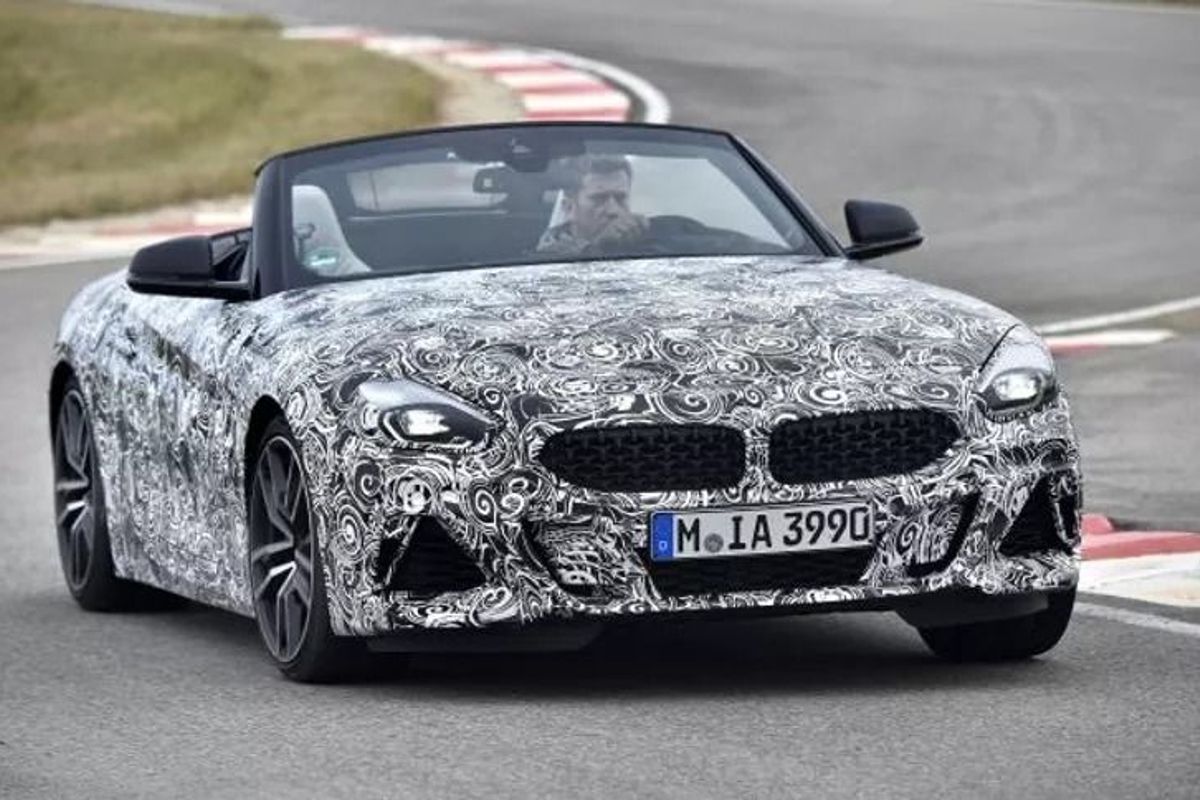
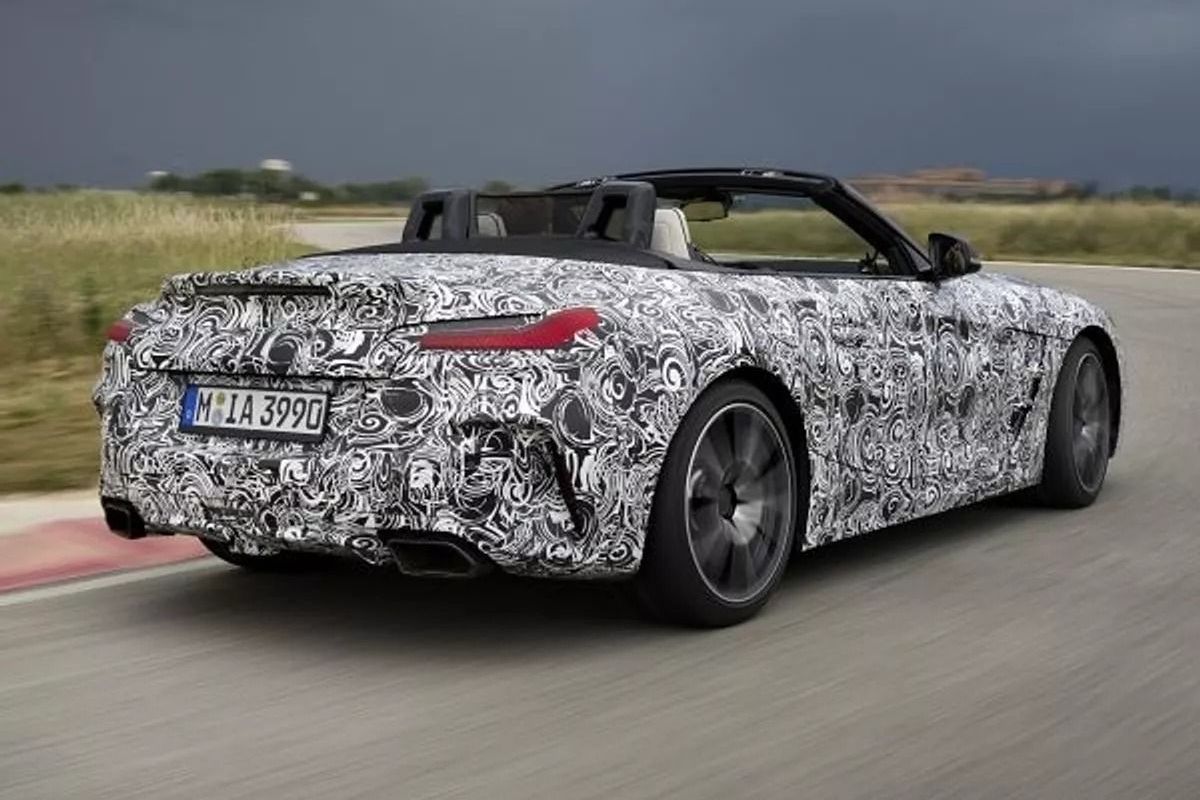
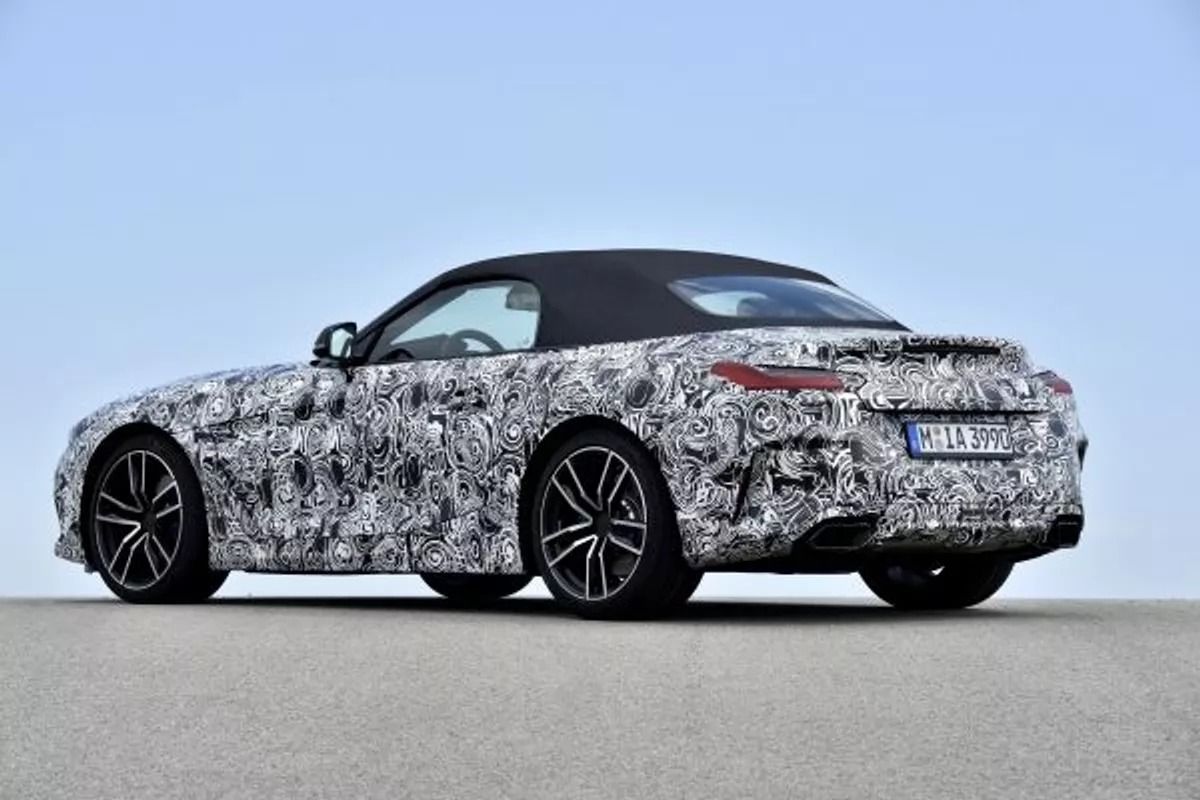
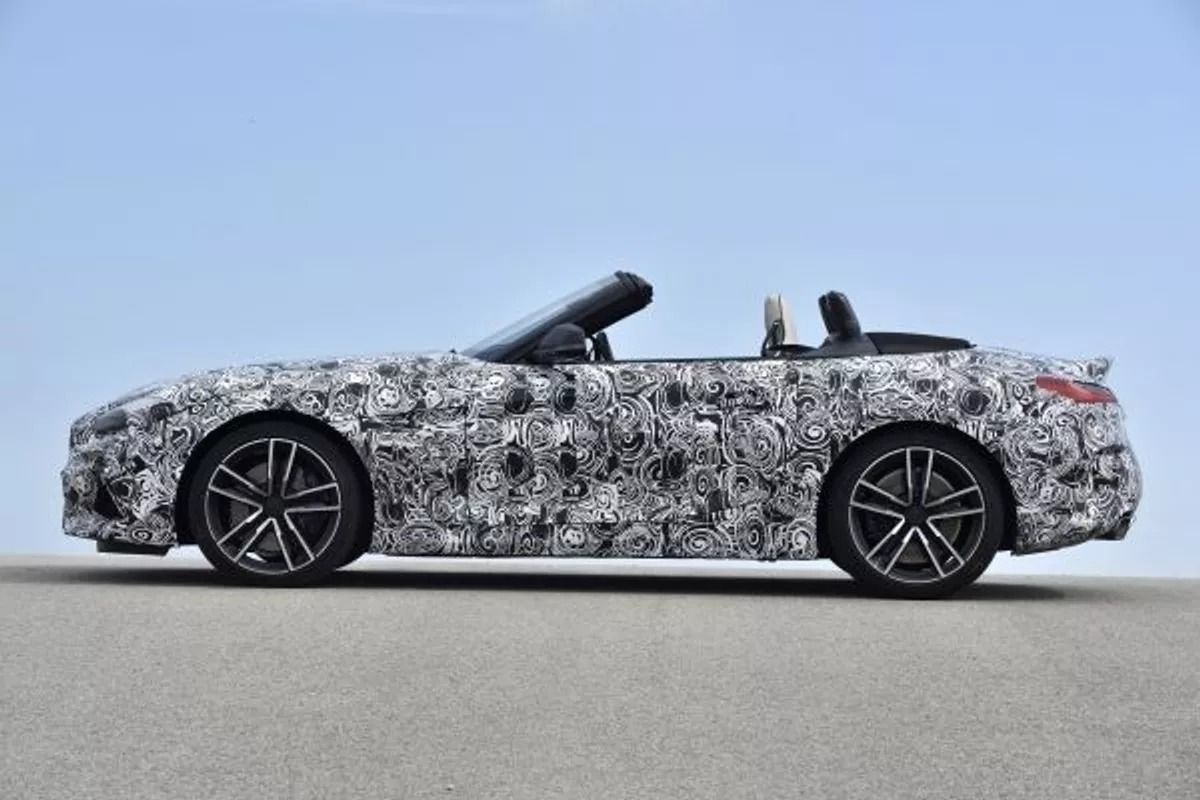
New BMW Z4 Price for SA
After months of speculation about BMW's forthcoming Z4, the new model has now been revealed and will be arriving in SA in March 2019. Here's pricing!
The new BMW Z4 will be a driver's car! That's the claim being made by BMW and given what's gone into the new Z4, we can believe it. A local BMW representative has confirmed that the new Z4 will reach South Africa in March 2019.
"The vehicle concept of the new BMW Z4 is geared consistently towards agility and driving dynamics," explains Jos van As, Head of Application Suspension. "The high level of body stiffness and the very rigid suspension attachment provide the perfect basis for a set-up that guarantees the performance qualities of a genuine sports car in terms of steering precision as well as longitudinal and transverse acceleration."
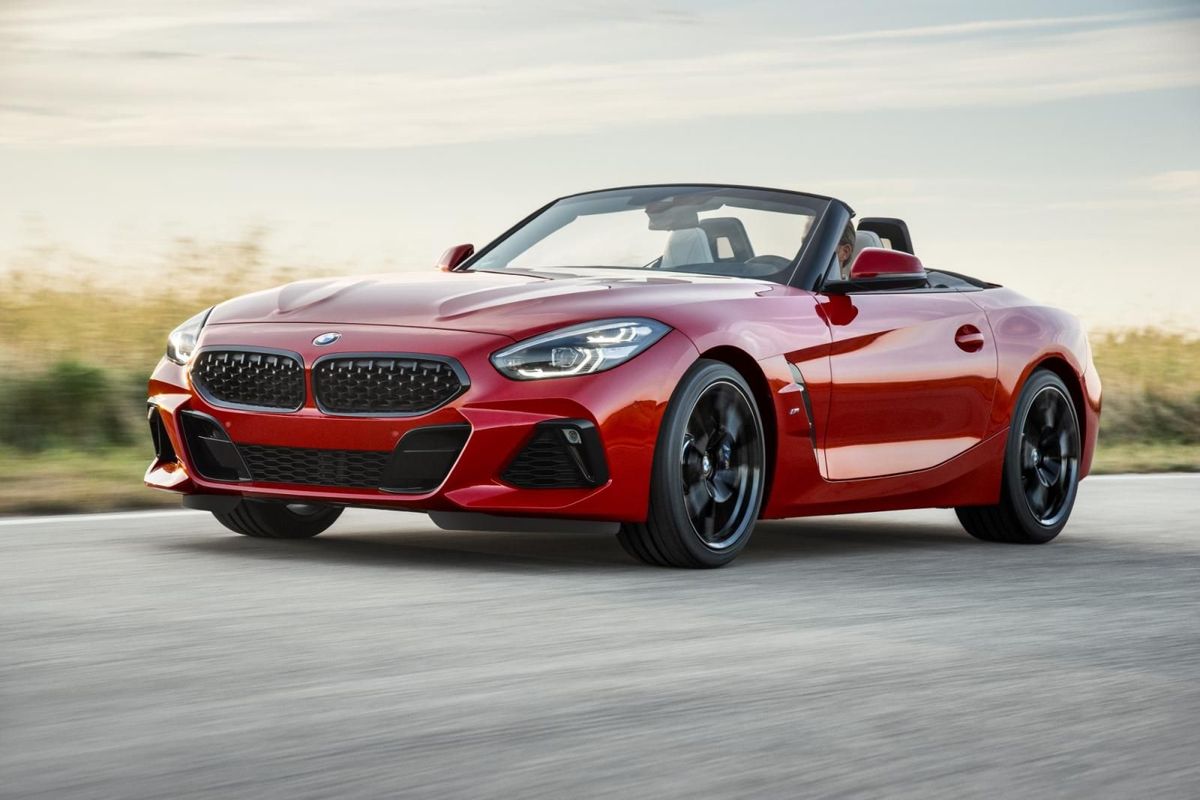
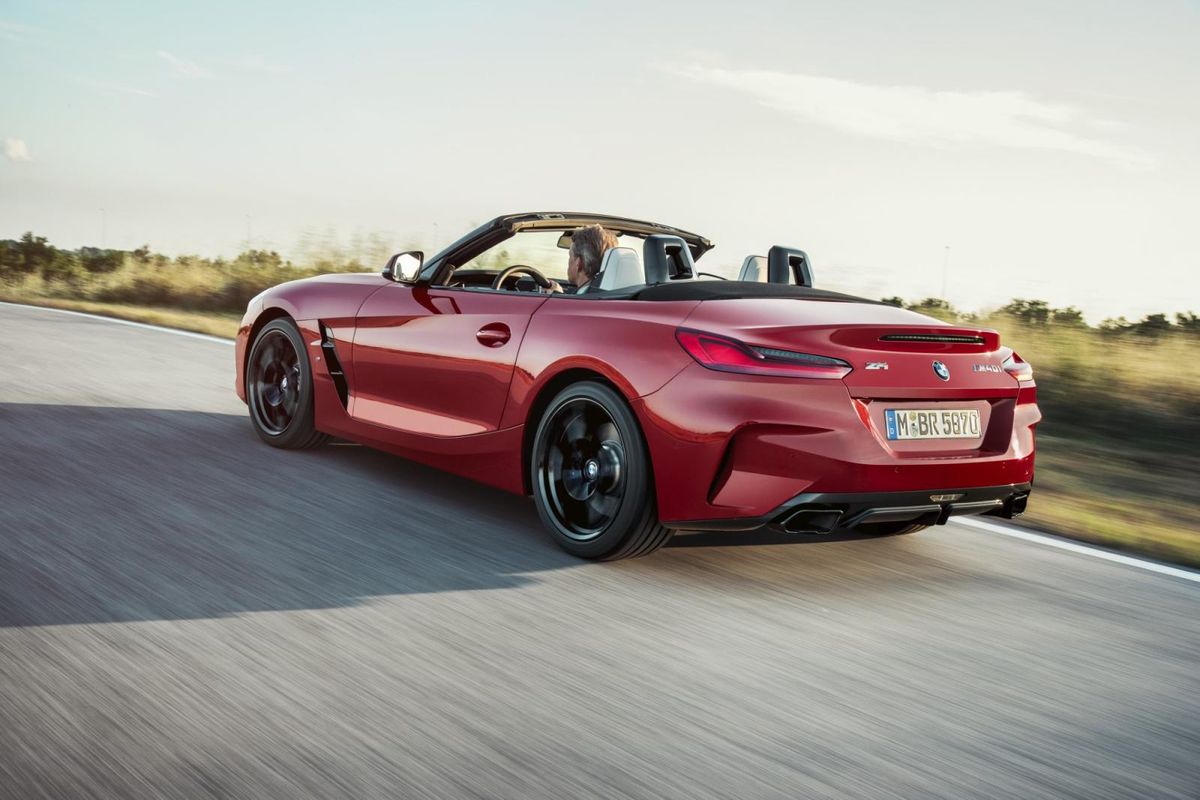
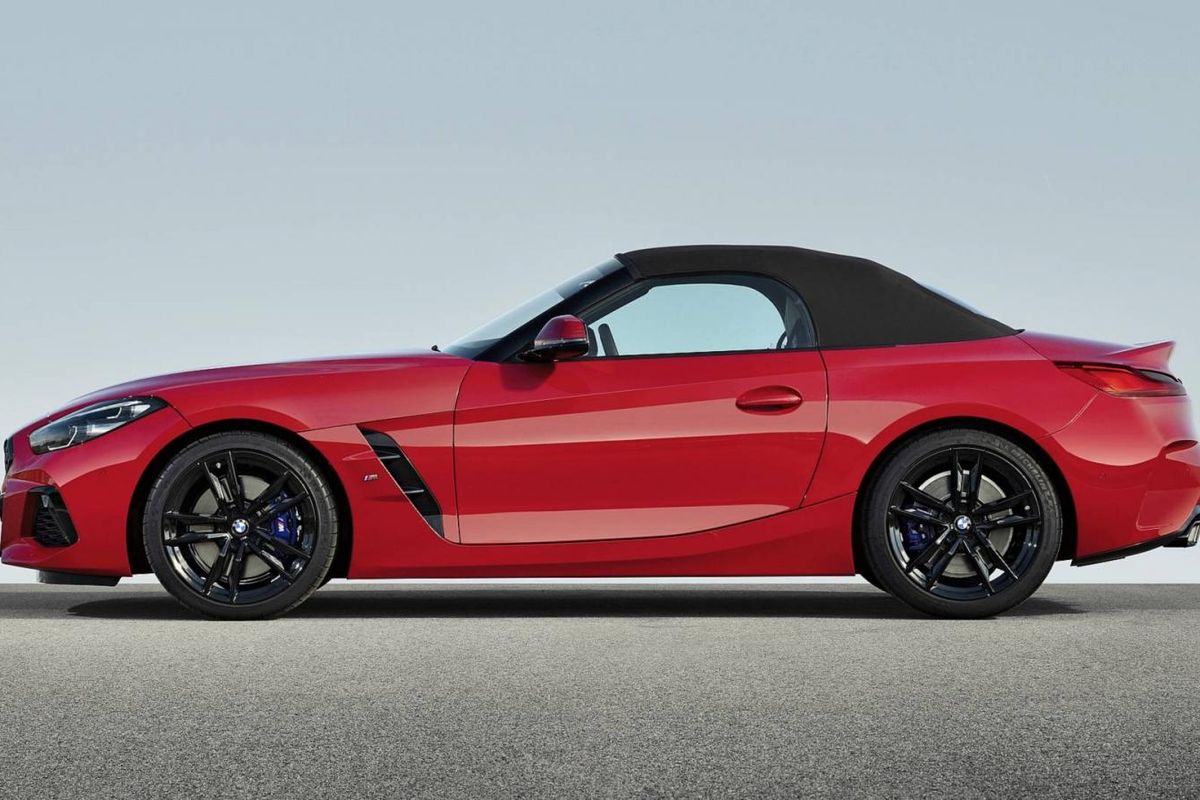
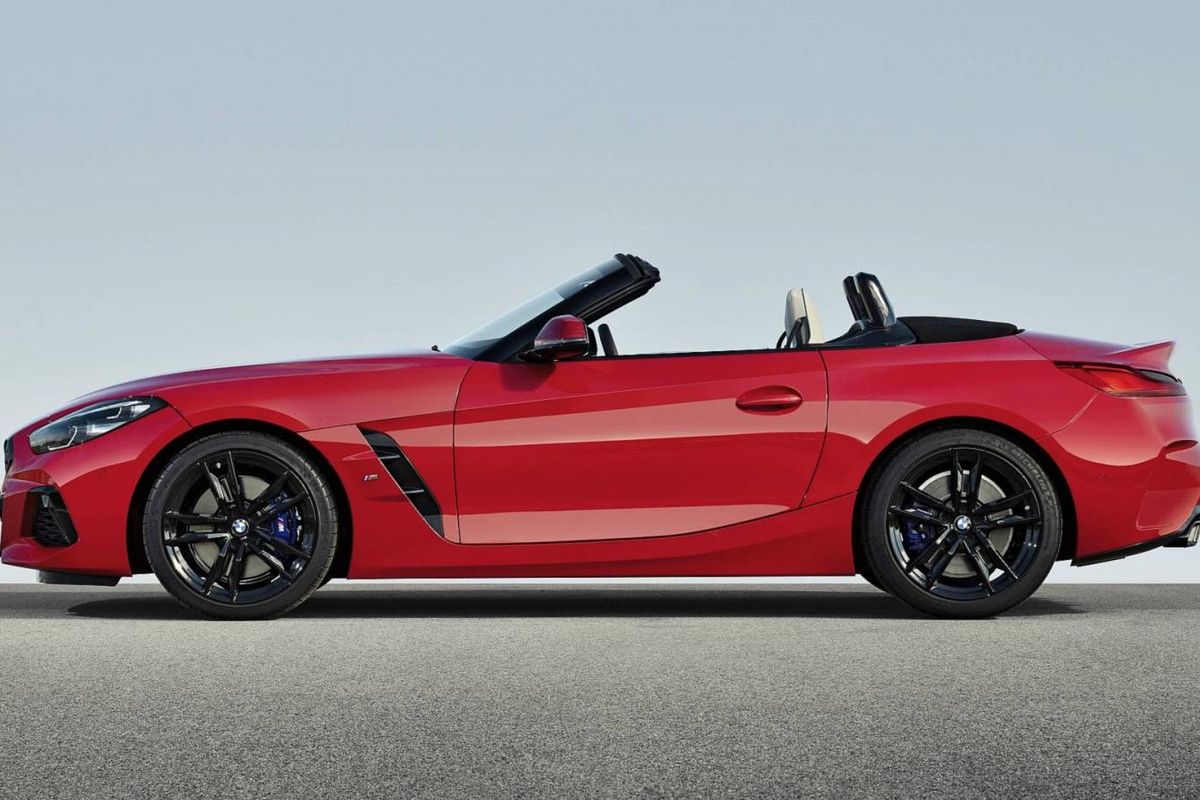
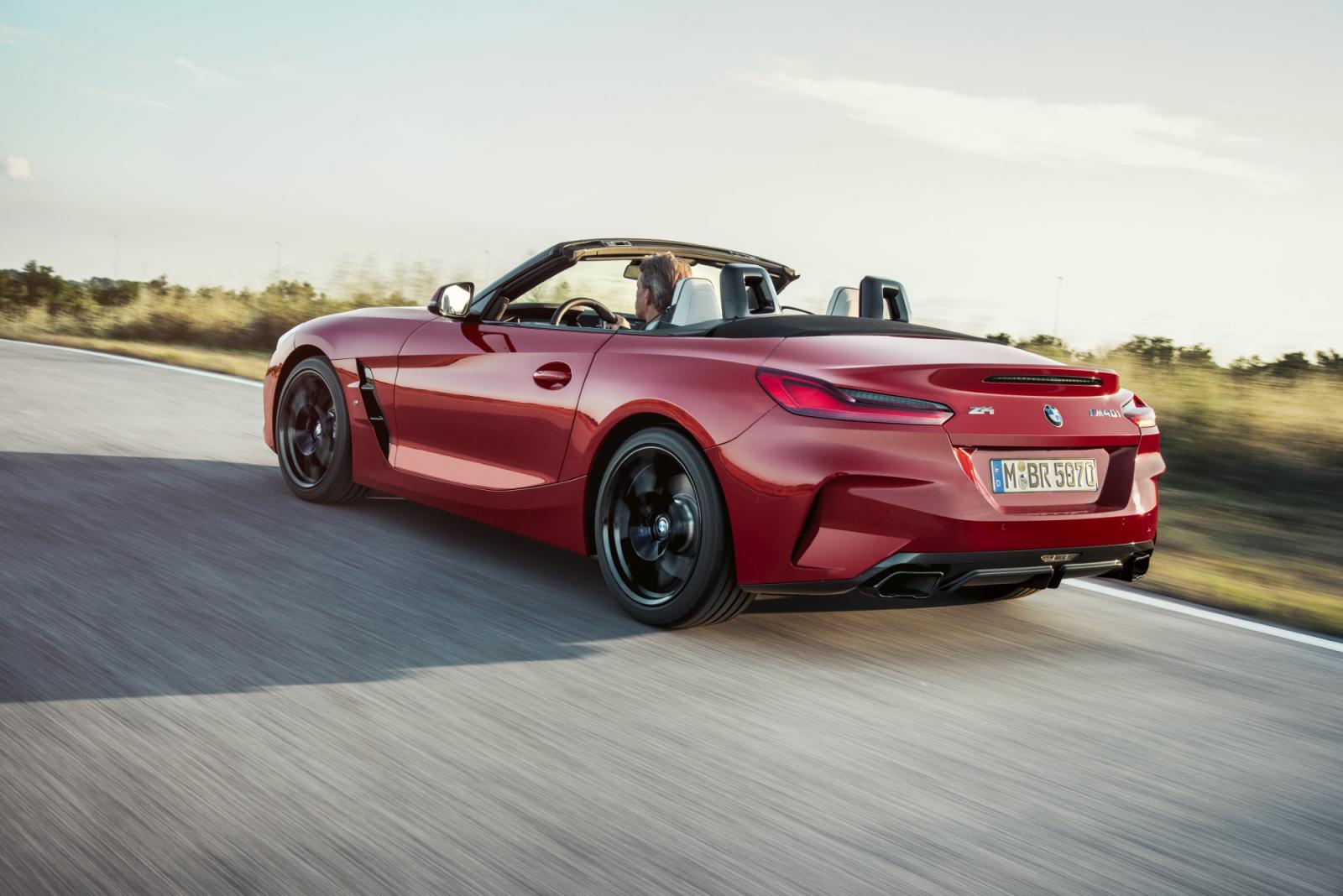
The First Edition of the new Z4 Roadster has now been revealed and will be shown in M40i form with a Frozen Orange metallic paint finish. The 2-seat Roadster features a low centre of gravity, 50:50 axle load distribution, wide tracks and a compact wheelbase.
The new BMW Z4 is due in 2019 and will offer 250 kW in M40i guise.
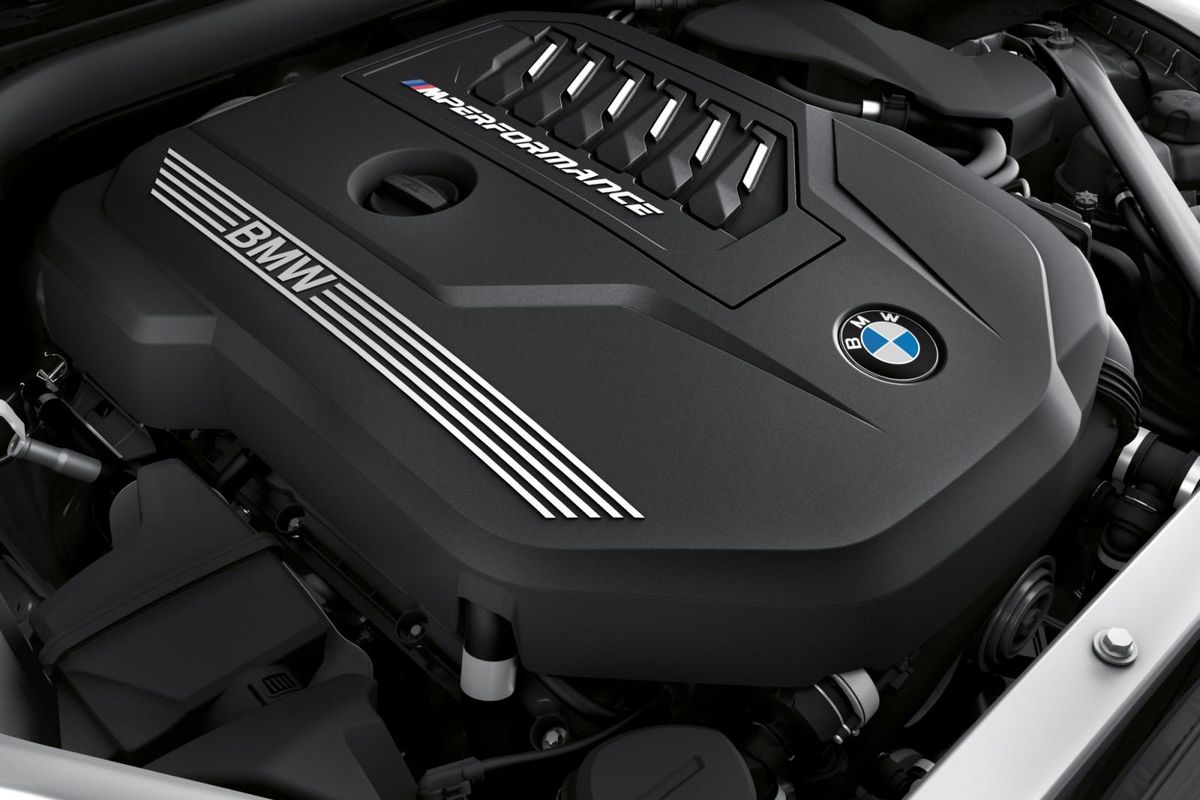
The big news is the debut of the M40i's 250 kW 3.0-litre, 6-cylinder turbopetrol engine in the Z4, which will give it some serious driving credentials. The new Z4 M40i will also feature a lowered sports suspension with electronically controlled dampers, M light alloy wheels, M Sports brakes and an electronically controlled lockable rear axle differential. Zero to 100 kph will take just 4.6 seconds.
In terms of styling, the Z4 wears a kidney grille in mesh design with large air intakes at the wheel arches as well as an integrated spoiler on the rear lid.The Z4 M40i First Edition features black mirror caps, a fabric soft-top roof in anthracite with a silver effect and rides on 19-inch light alloy wheels with a bi-colour double-spoke design. Adaptive LED headlights with matrix function complement the front-end design.
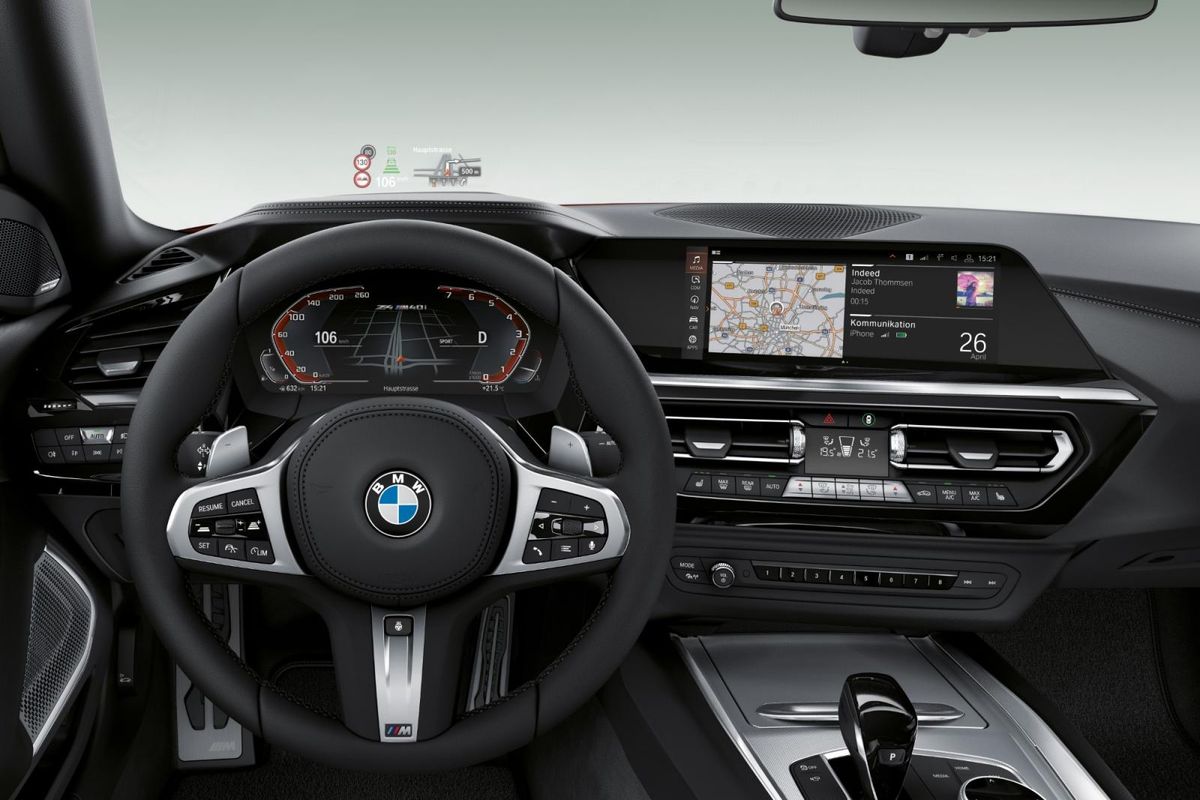
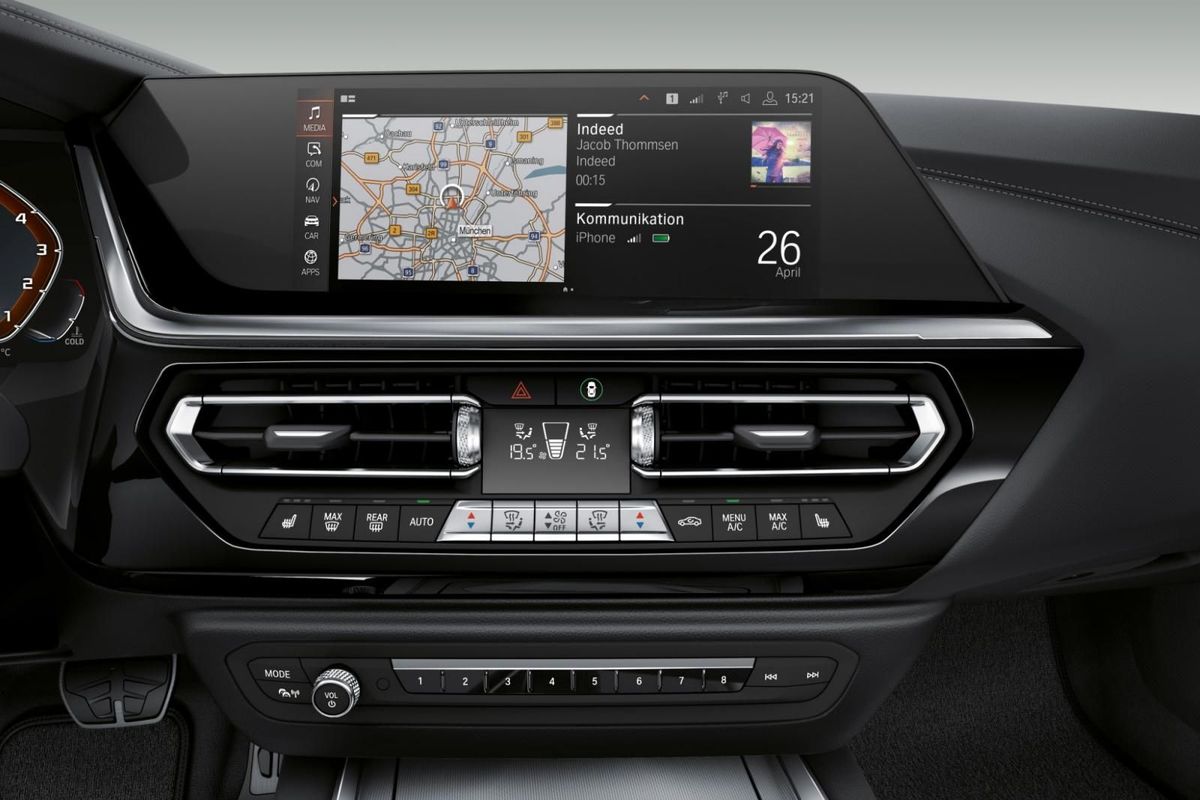
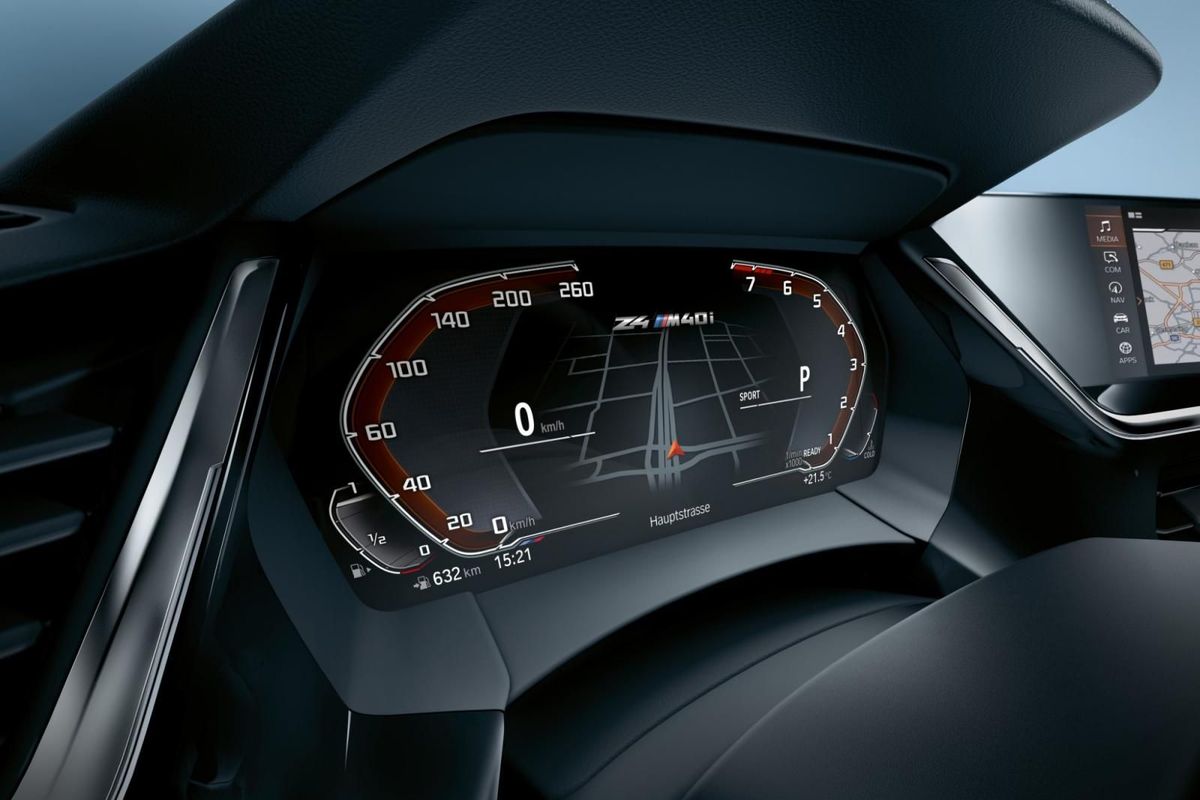
Inside, the Z4 is adorned in Vernasca black leather trim with decorative stitching, electrically adjustable seats with memory function and a Harmon Kardon Surround Sound System. BMW Live Cockpit Professional is fitted to offer the latest in infotainment technology.
We have the price for the all-new BMW 8 Series, which is due to make landfall in South Africa around March 2019. Check how much this gorgeous coupe will cost.
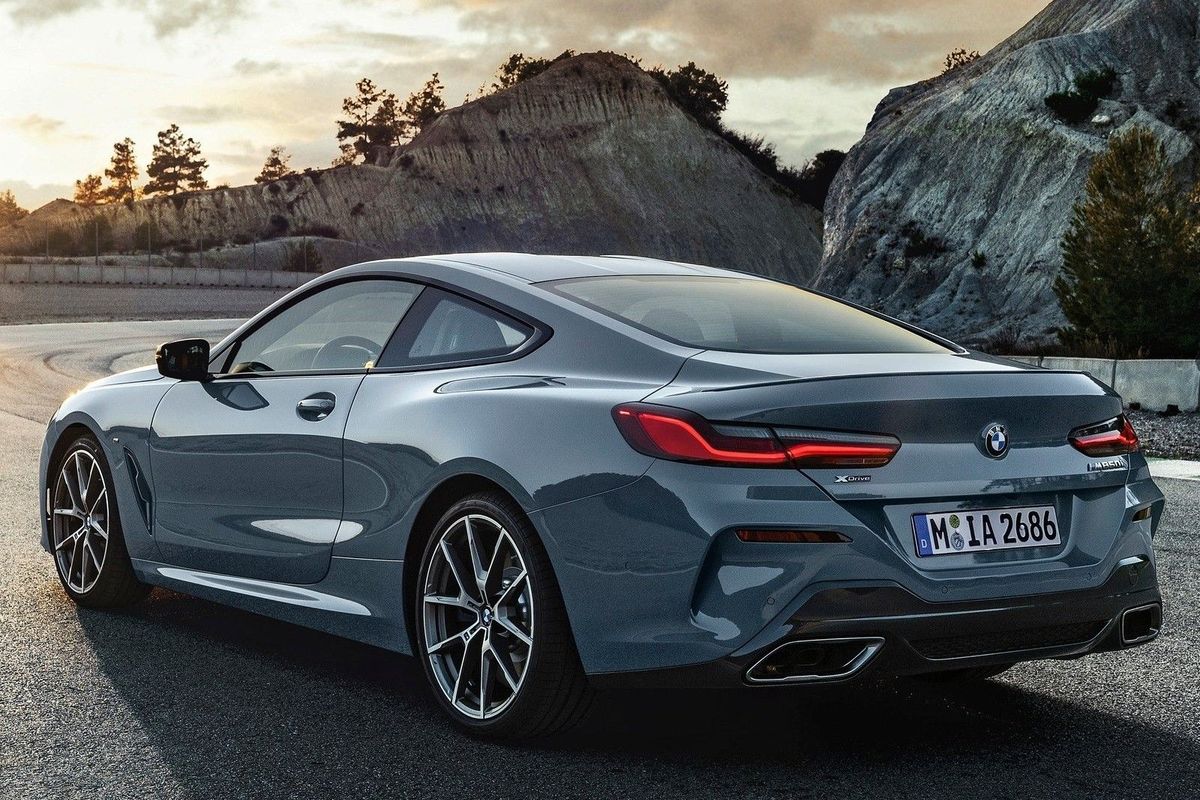
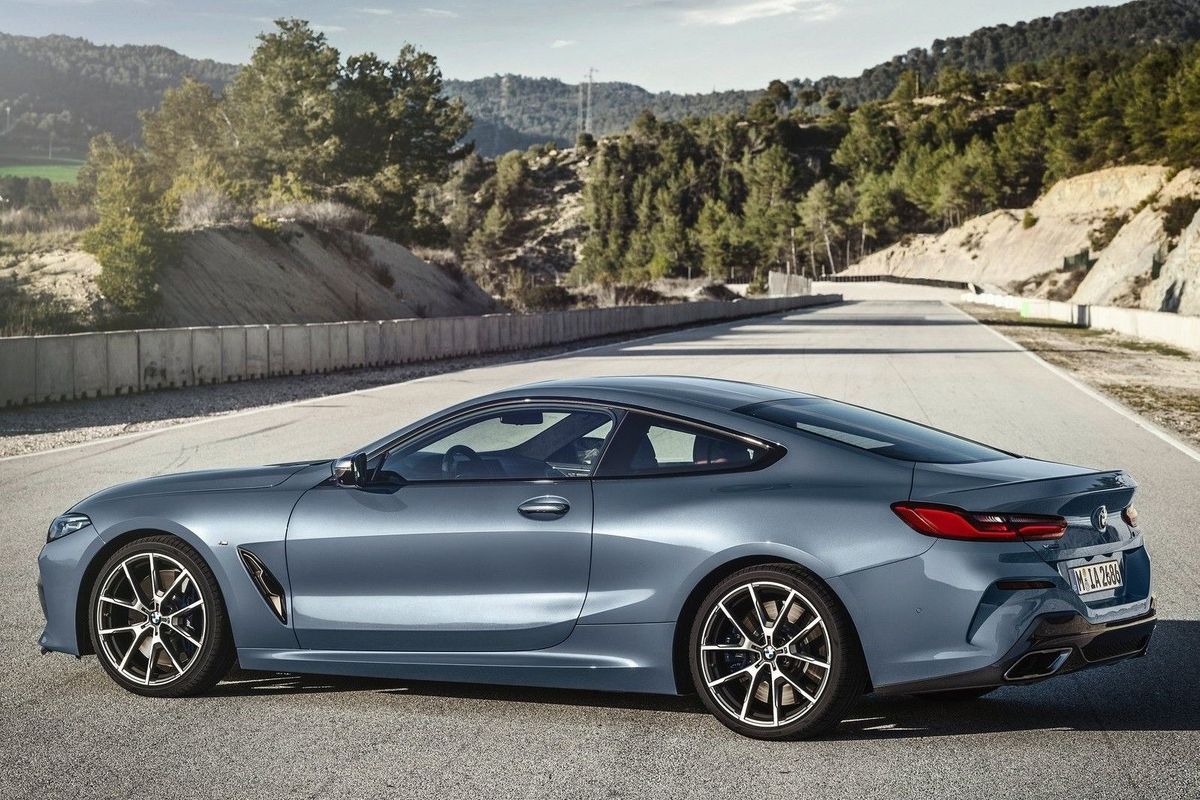
BMW has officially taken the covers off its new 8 Series; after an all-too-brief appearance in the South African market in 1991, BMW's first class coupe will return to the local market in March 2019. As ever, its looks are head-turning – it's overtly sportier than the Mercedes-Benz S-Class Coupe.
The BMW 8 Series has finally been revealed in production form. Focused on performance, luxury and state-of-the-art technology, The G15-generation 8 Series will be manufactured at BMW's Dingolfing factory, which also assembles the 7 Series. BMW SA has confirmed that we'll be getting the new 8 Series in 850i xDrive specification.
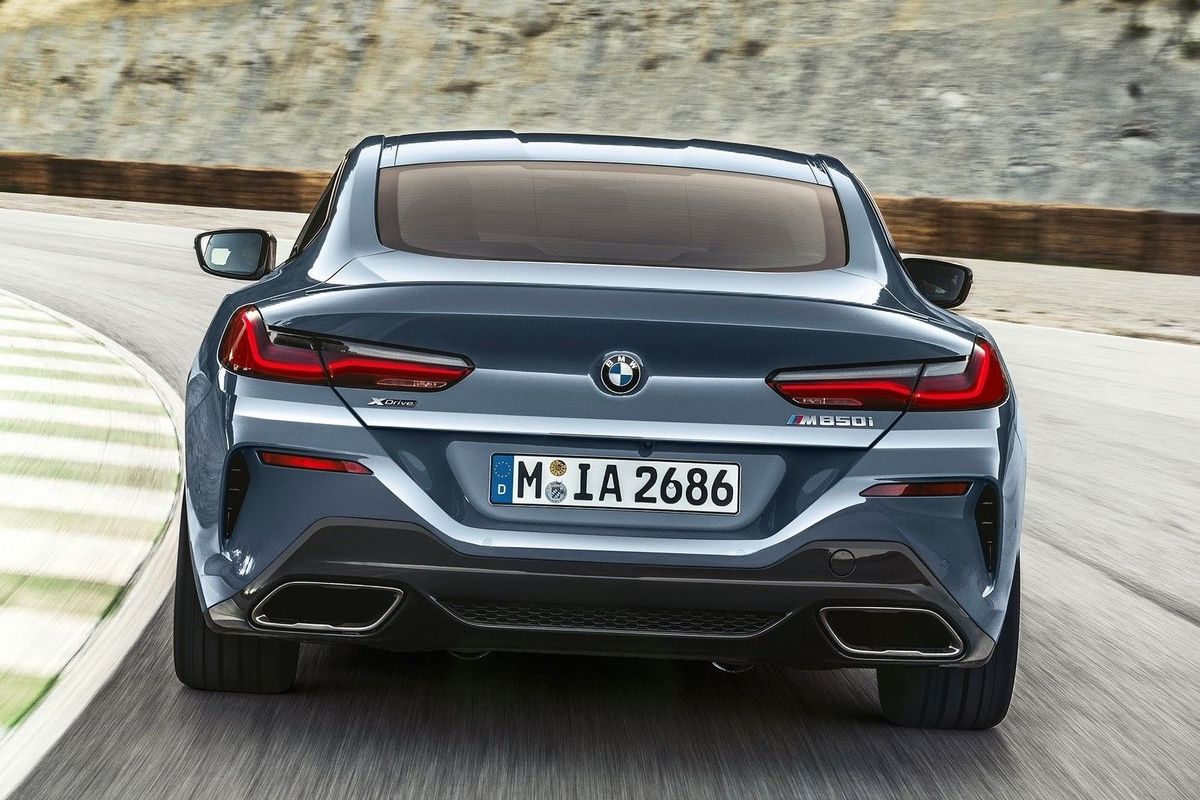
As these images demonstrate, the new 8 Series is low-slung and looks both exotic and muscular, yet the newcomer has an elongated sinuousness to it. It's not a small car either, with measuring 4 843 mm in length, 1 902 mm in width, 1 341 mm in height and a wheelbase of 2 822 mm.
Because its '80s precursor was heavily criticised for being grand but not particularly entertaining to drive, this BMW would be judged a failure if it didn't offer engaging driving dynamics. Overseas, there's a diesel 840d xDrive, which is a 3.0-litre 6-cylinder turbodiesel pushing out 235 kW and 680 Nm. It'll do 0-100 kph in a claimed 4.9 seconds, but despite its performance ambitions, it'll consume around 6.0 L/100 km.
However, the headline engine features in the M850i xDrive, which is destined for our market. It is a new 4.4-litre twin-turbocharged V8 motor that produces 390 kW and 750 Nm, which is said to propel the big coupe from standstill to 100 kph in a claimed 3.7 seconds. It is claimed to consumed an average of 10.0 L of petrol per 100 km.
In both derivatives, power goes to all four wheels via BMW's xDrive all-wheel-drive system. The transmission is a new version of the 8-speed Steptronic and features shift paddles on the steering wheel. In the SA-bound 850i xDrive, the 8 Series features a rear-wheel drive bias, a performance-tuned rear differential lock and a launch control system.
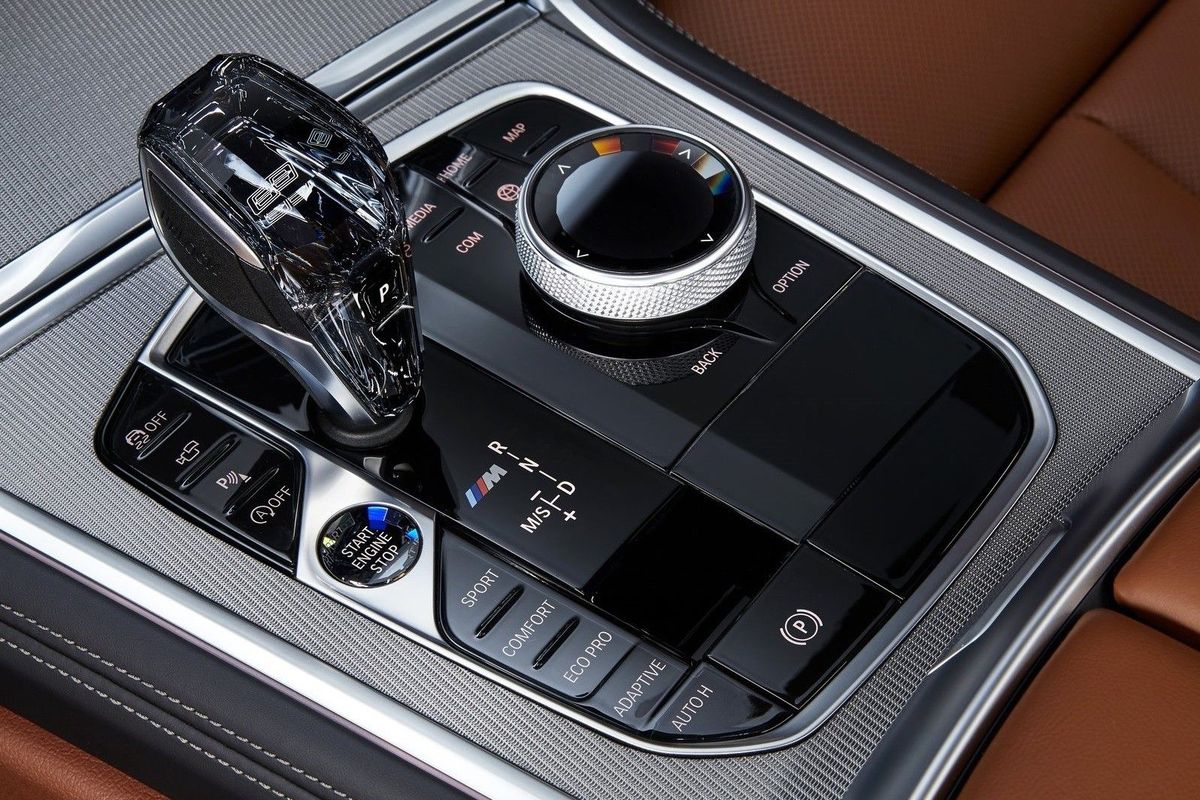
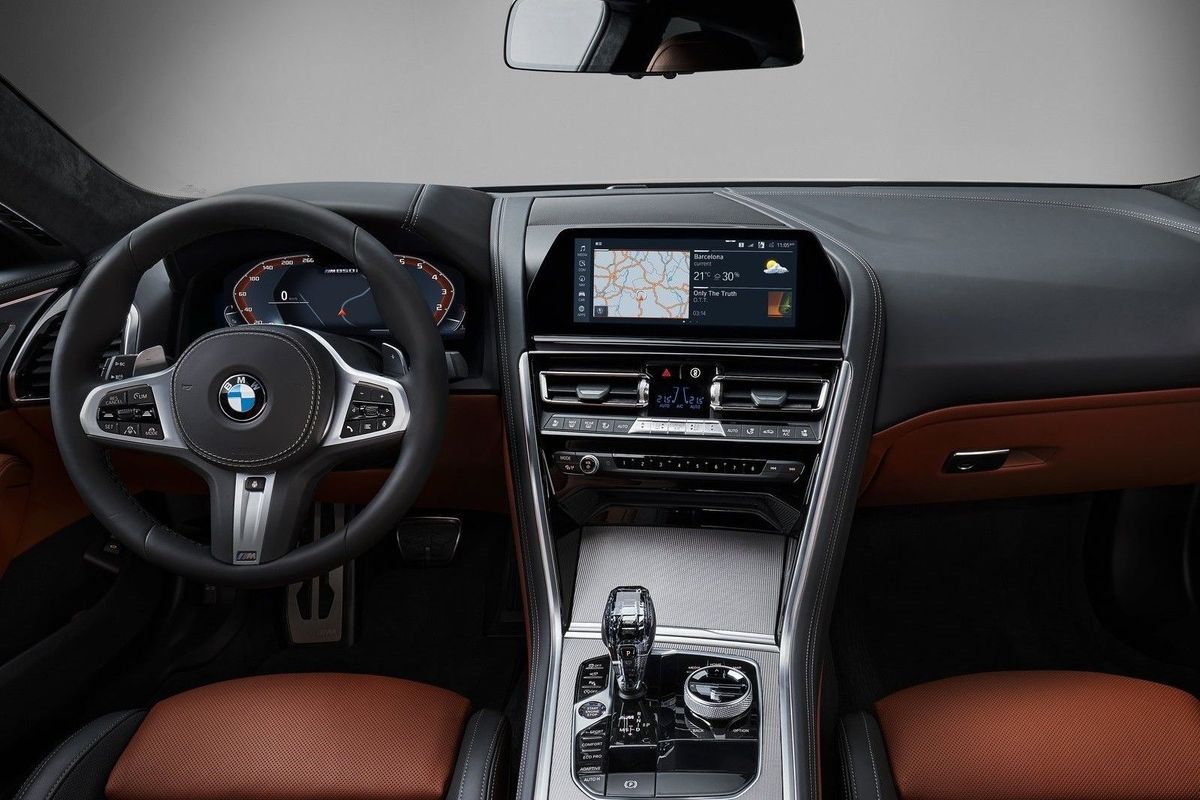
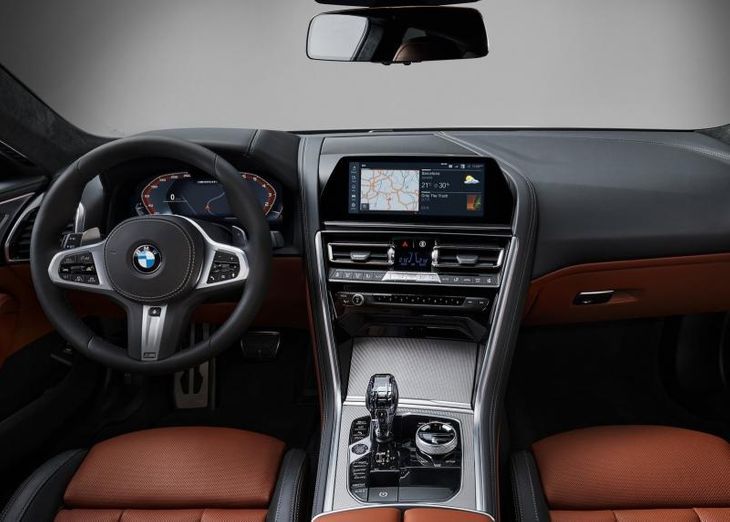
The 8 Series cabin does not look dramatically different to those of contemporary large BMWs, but the luxury details are exquisite.
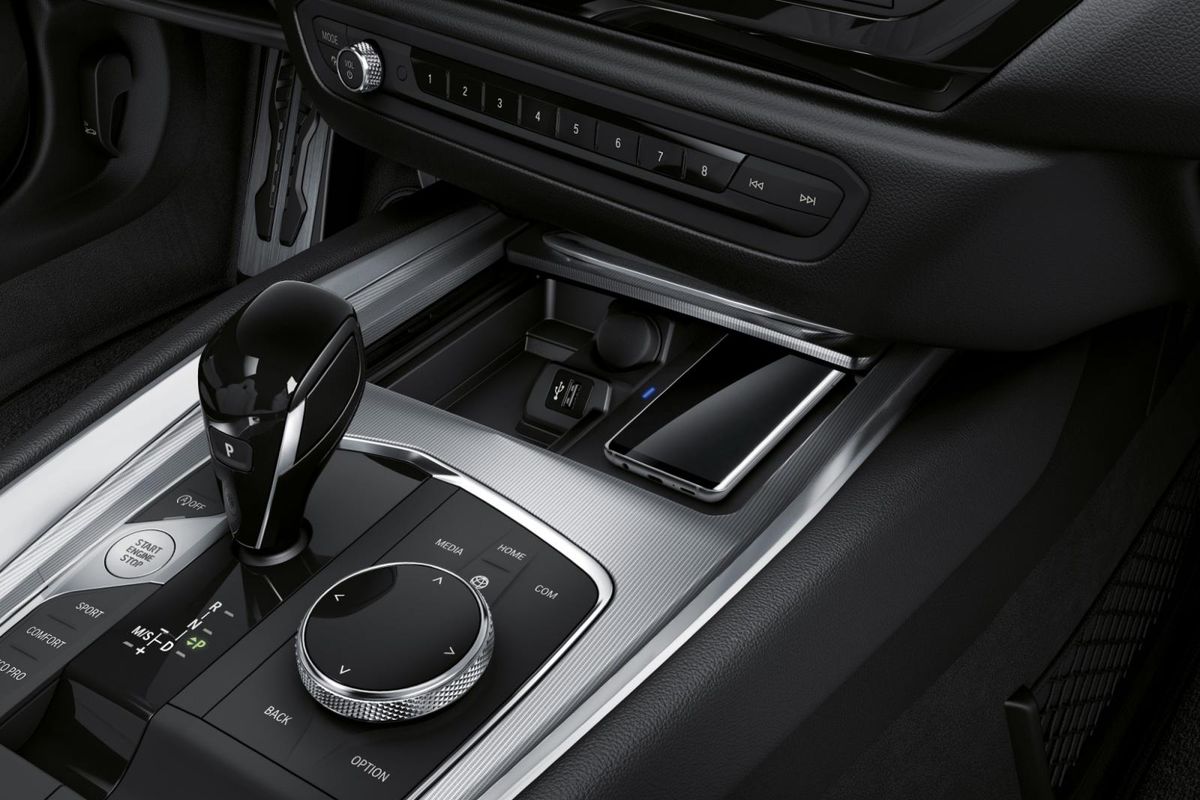
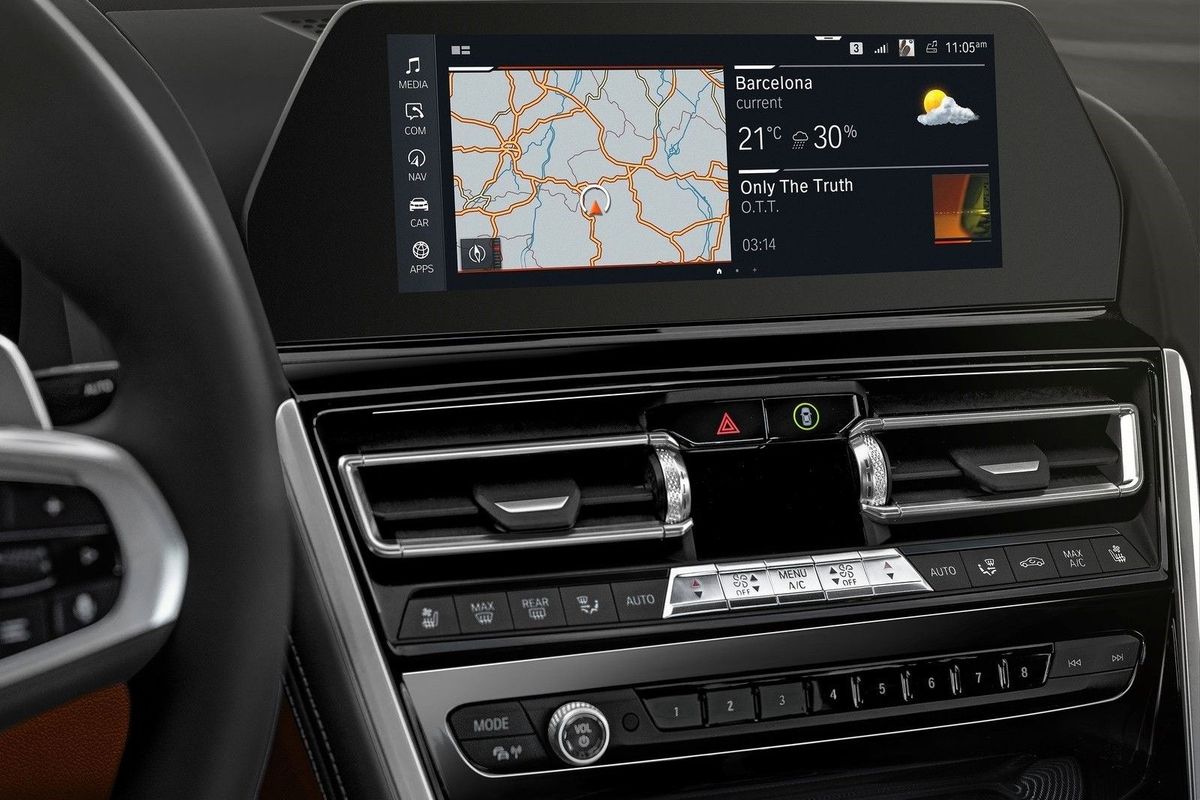
In terms of technology, BMW's Laserlight headlights are available as an option, there's a new iDrive system and some of the new noteworthy features range from wireless charging, smart key like the one we've experienced in the 7-Series, heads-up display and an 11-speaker sound system (upgradeable to 16 speakers). Being a flagship offering, the BMW 8 Series has an opulent cabin execution: slick new-look instrumentation has debuted. The front sports seats are all-new and feature, inter alia, heating and cooling functions.
What's more, BMW has fitted the 8 Series with an array of driver assistance systems, including Personal Co-Pilot, which BMW claims, "relieves the strain on the driver in monotonous situations, such as traffic jams or slow-moving traffic. They additionally enhance comfort and safety both in urban traffic and on longer trips by providing targeted assistance in complex traffic situations." Essentially, the car will be watching for hazards when a driver's concentration is not at its highest. The new 850i xDrive features cruise control with braking functionality, as well as collision and pedestrian warning with city braking. Active Cruise Control with Stop&Go and Lane Keeping Assist and more safety features can be optionally specified.
We'll have more details about SA specification closer to the launch in March 2019. As it stands, it looks likely there will be an M8 and a convertible version of the 8 Series following on too.
Europe has voted to make speed limiters mandatory in new cars. Does this mean our free-driving days are coming to an end?
If you are a regular visitor to Cars.co.za, it stands to reason that you like driving, and would (most probably) regard government agencies tasked with monitoring your right to own and operate a private vehicle as bothersome.
President Cyril Ramaphosa is expected to sign the licence points demerit system into law soon. In principle, it’s a punitive system that has proven effective in countries such as Germany and the UK. There's no fault with attempting to emulate the road safety standards in European countries…
The EU is targeting safer roads by mandatory speed limit enforcement from your car.
What has not been atop our google newsfeeds, however, is a far more radical, and potentially disruptive, political intervention that will directly target the cars we drive, or, more to the point, the cars we will drive in the very near future. In late February, the European Parliament voted unanimously to enforce a law that will require vehicles operated in its legislature to be factory-fitted with speed limiters.
The technology is called Intelligent Speed Assistance (ISA) and it doesn’t use any brake-intervention technology to trim a vehicle's speed. What ISA does, after harvesting GPS data about the road you are on, is to limit the power output of a car's engine. It also uses onboard cameras to reinforce its intuition about speed limits, through the utilisation of road-sign recognition technology. Unlike systems that merely annoy the driver by buzzing a warning about exceeding the speed limit, ISA provides an active nannying intervention – and that’s potentially a huge issue.
Hypothetically lethal ISA interventions
If the EU parliamentarians who voted for mandatory ISA fitment within the next 3 years get their way, there could be unintended consequences for drivers and road users. The ISA systems will have to feature an override function, and it is understood that this will merely require sustained throttle pedal pressure to supersede. It'd be mildly annoying in most driving conditions, but for overtaking, ISA could, theoretically, cause lethal delays.
Overtaking with a speed limiter could be tricky, to say the least.
Imagine this scenario: while you're undertaking a journey in your car, you encounter a line of trucks that are rolling along under load, at a few kph under the speed limit. You wish to overtake and realise that a sustained burst of acceleration will be required. This action is very likely to momentarily push you past the speed limit before you can settle back into your lane and ease off the throttle.
With an aggressively engineered ISA system, there could be a few seconds of delay before your throttle pedal action is rewarded with a burst of full engine power as your intent overrides the system. This is a potentially fatal scenario, given the traditional timeframe most drivers use to calculate a safe margin of overtaking. An ISA system that limits engine power could make overtaking an irrational gamble in future.
Traffic enforcement won't applaud this, but when overtaking slower traffic it's unavoidable to exceed the speed limit, even if only for a few seconds.
Does Volvo know something we don’t?
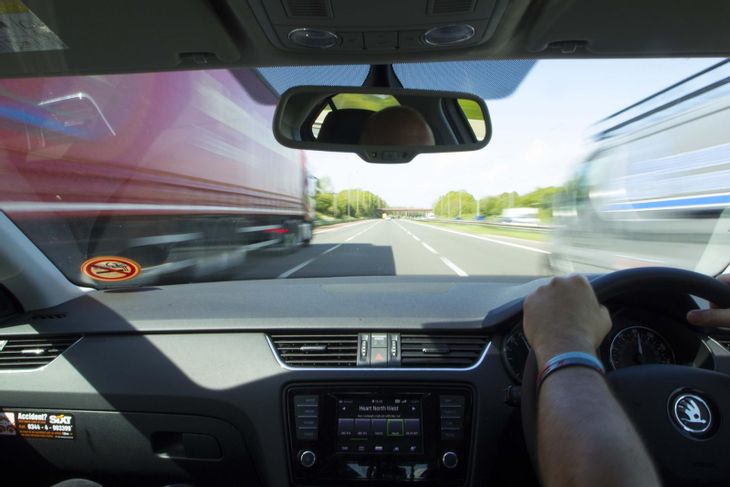
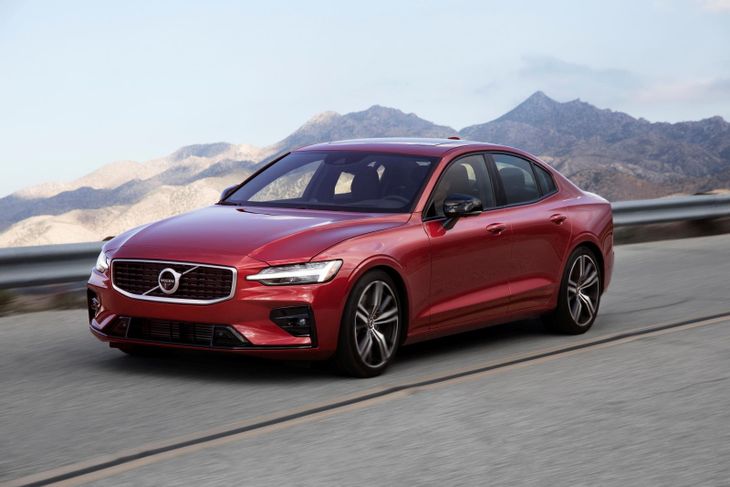
The car company most closely associated with safety innovation as its marketing anchor, Gothenburg-based firm Volvo, has responded to the EU parliament’s political direction by announcing that from 2020, all cars produced by the Swedish manufacturer will be limited to a 180-kph top speed.
For Volvo, there is no potential revenue risk in this decision. Its products are favoured for their Scandinavian design, comfort and inoffensive social image. Speed is not a Volvo selling point. Safety is. But a 180-kph speed limit could be argued as generous.
“We want to start a conversation about whether car makers have the right or maybe even an obligation to install technology in cars that changes their driver’s behaviour, to tackle things like speeding, intoxication or distraction,” says Håkan Samuelsson, Volvo’s CEO.
From 2020, all Volvos will be limited to 180 kph.
The conflict is, of course, that all luxury automotive brands have increased the issue of in-cabin distraction to a nearly unmanageable level with enormous touchscreen infotainment interfaces. Drivers are given every possible opportunity to be distracted by interaction with digital media. That said, Volvo’s 180-kph limit is probably a fair compromise, allowing a sufficient margin of speed for drivers to manage emergency acceleration.
Volvo is perhaps being slightly disingenuous about its position on the restriction of vehicles' top speeds. Polestar has been rerolled from Volvo’s erstwhile performance car subdivision to its standalone electric car sub-brand. What's more, Volvo has confirmed that the 180 kph limit will not apply to any Polestar products, which are being marketed as performance-orientated electric vehicles.
The unintended consequences: South Africa’s reality
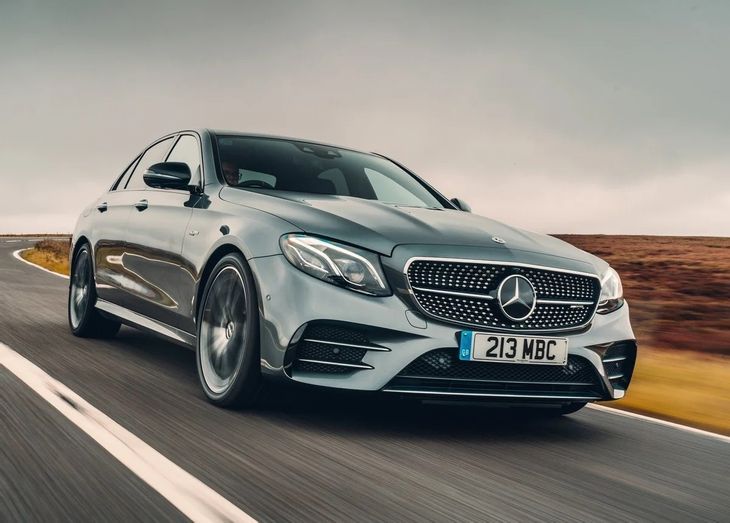
What happens in Europe is important to South Africa, as all our most popular luxury and performance vehicles are German. If those brands are forced to adhere to increasingly draconian factory-fitted speed restriction technology, your road trip might take a lot longer than anticipated in future.
There are crucial differences between South Africa and Europe in terms of geography and population density. In Western Europe, villages are separated by just a few kilometres in most cases. The idea of madly speeding along on narrow roads with ancient brick walls only a few centimetres from your wing mirrors makes little sense. It’s a world away from the open expanses and sparseness of the Northern Cape, for example.
South Africa, unlike Europe has vast distances between towns, meaning your journey could take a lot longer than anticipated.
In South Africa, the distances between towns can be vast. And those roads are (mostly) uncrowded, so perhaps road traffic authorities could be convinced to tolerate higher-than-average speeds (within reason) on rural asphalt routes (road conditions permitting, of course)? However, bear in mind that driving on those roads at dusk or dawn is dangerous, because wild animals are more likely to cross roads in dim light.
Here's a thought… From 1995 to 1998, road users in Montana were only beholden to a "reasonable-and-prudent" speed restriction on highways. The relatively unpopulated US state wanted its citizens to get home before sunset, to avoid vehicle collisions with wildlife. The law was deemed too vague, creating confusion between drivers and highway patrolman alike, and was repealed in 1998. It did prove that difference in animal and pedestrian behaviour, average driving distances and daylight hours were all factors worth considering when legislating how people should drive.
There is another element to arguing against mandatory speed limiters on South African cars. Local emergency response services are overwhelmed (both law enforcement and medical) and swiftly-driven private vehicles are often the only lifelines for patients that have to be transported to care facilities within the golden hour. A similar thread of logic can be woven into the issue of responding to crime incidents – especially rural lawbreaking.
What does Germany teach us?
The country that potentially has the most to lose if mandated speed limiters are universally introduced, is Germany.
Virtually all German passenger-vehicle brands (not only the premium-badged ones) turn a tidy profit by marketing vehicles that are renowned for their ability to effortlessly run to their 250-kph factory fitted limiters. And most Teutonic car companies offer customers the option of lifting those electronic governors to 280 kph or beyond, at extra cost. Speed has been a quintessential leverage for the German car industry since the late 1970s, around the same time Germany introduced the demerit driving licence system, which now looms large for South African motorists.
The Germans have the most to lose with an enforced speed limit.
The Bundesrepublik is one of the world’s most densely populated countries, but even with huge traffic volumes and terrifying wet driving weather for most of the year, road traffic fatalities are remarkably low. This issue becomes even more perplexing when you factor in the presence of unrestricted portions of the German national highway system: those legendary bits of autobahn where you can go as fast as you’d like. In truth, the unrestricted zones make up a little more than half the total autobahn network – but you never see reckless behaviour on them or hear of catastrophic accidents.
In my time as a motoring journalist, which has involved the curiosity of high-speed autobahn driving, I know of only 2 fatal high-speed testing incidents. The first was in 2009, when a midnight headlight test session went awry in a Porsche 911 cabriolet prototype, resulting in the death of the driver. The following year, a camouflaged Mercedes ML rolled after impacting a stationary Mazda, resulting in the death of the smaller car’s driver.
The evidence provided by Germany’s autobahn is irrefutable: speed restriction is not an overriding solution in reducing road use fatalities. Those unrestricted bits of autobahn are less lethal than restricted highways in most other parts of the world and the lesson from Germany is that diligent and disciplined drivers, in excellently maintained vehicles, can use high-speed public roads without increased risk to themselves or others.
How does this all link to South Africa’s demerit system? Much like the EU legislation concerning factory fitment of ISA to new cars, which will have to be negotiated between individual EU member states, it completely discounts the issue of digital distraction. As infotainment touchscreens become bigger and entice drivers to use more of their Smartphone functionality on the move, there appears no demerit point penalties for digital distraction.
Politicians are excessively keen to legislate vehicle speed, but there is no political awareness concerning driver distraction. For ISA technology to ever become an applied issue for South African drivers, it will have to pass muster in the European Union first. One suspects that Germany, as Europe’s most populous and powerful nations, will not allow speed limiting legislation to pass all that easily. At least not yet.
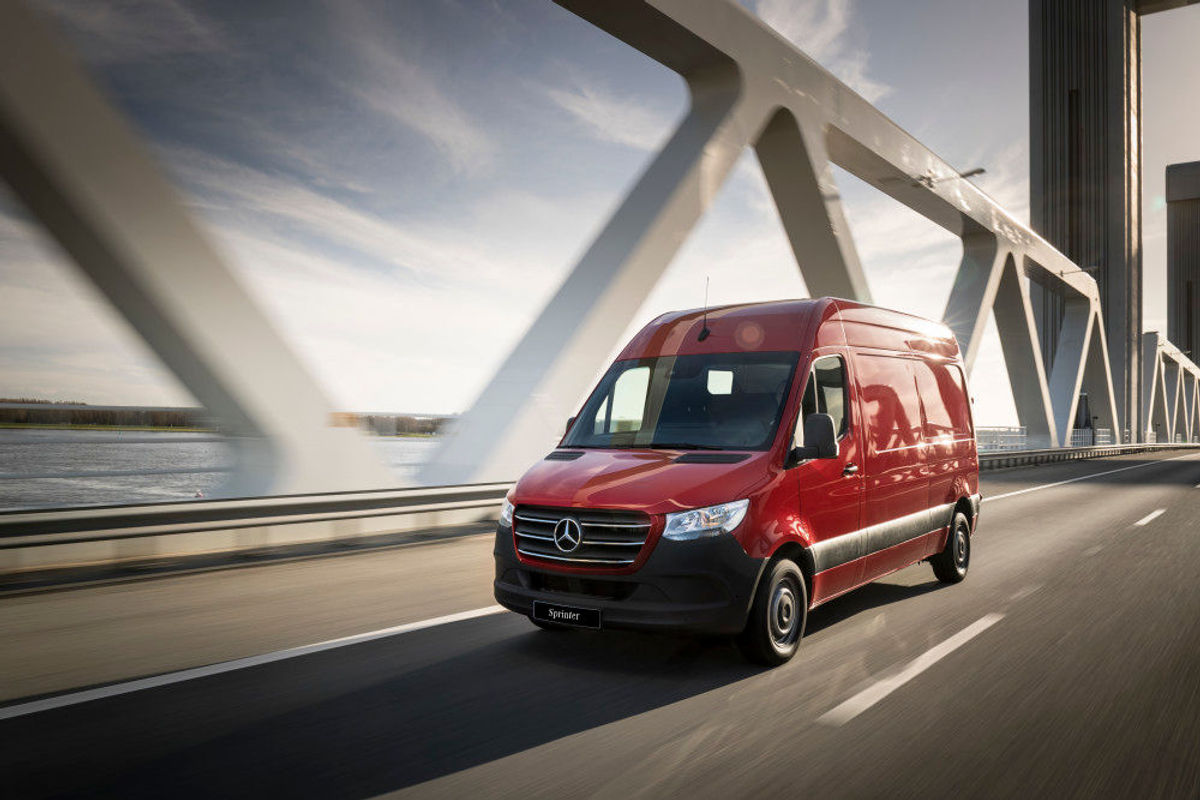
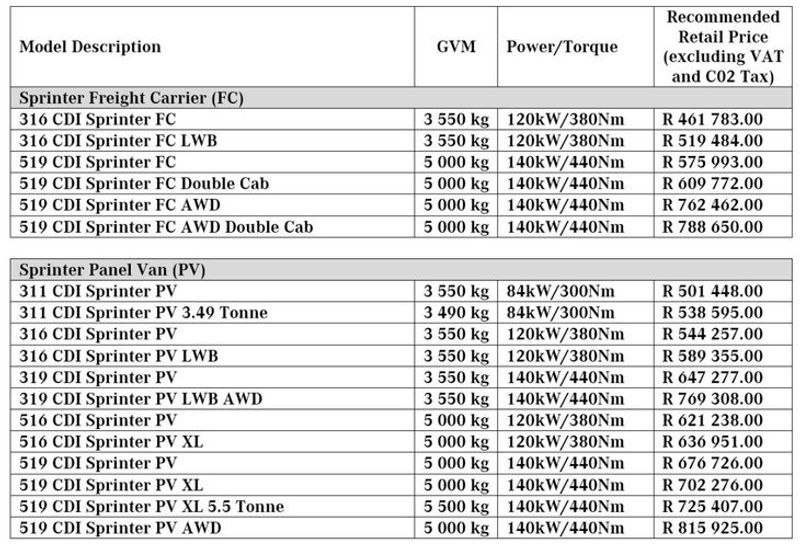
New Mercedes-Benz Sprinter in SA (2019) Specs & Price
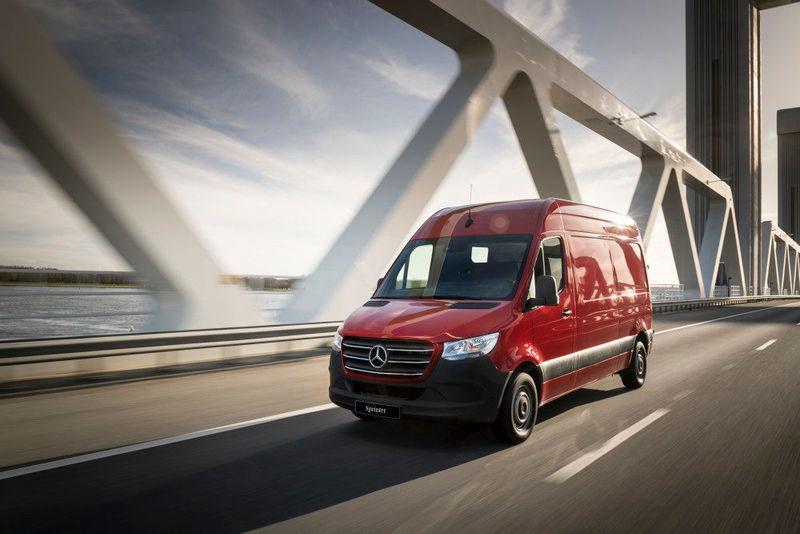
Mercedes-Benz Vans South Africa has introduced the new third-generation Sprinter to market. See specification and pricing details below…
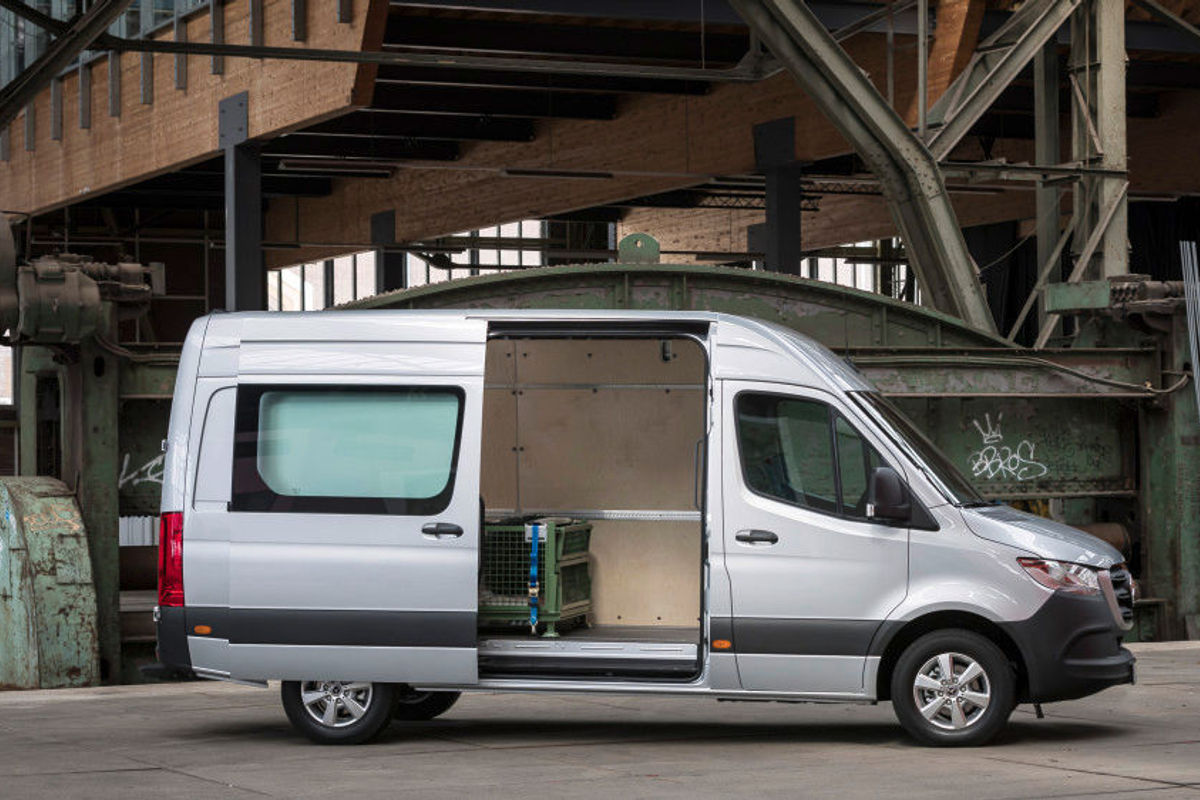
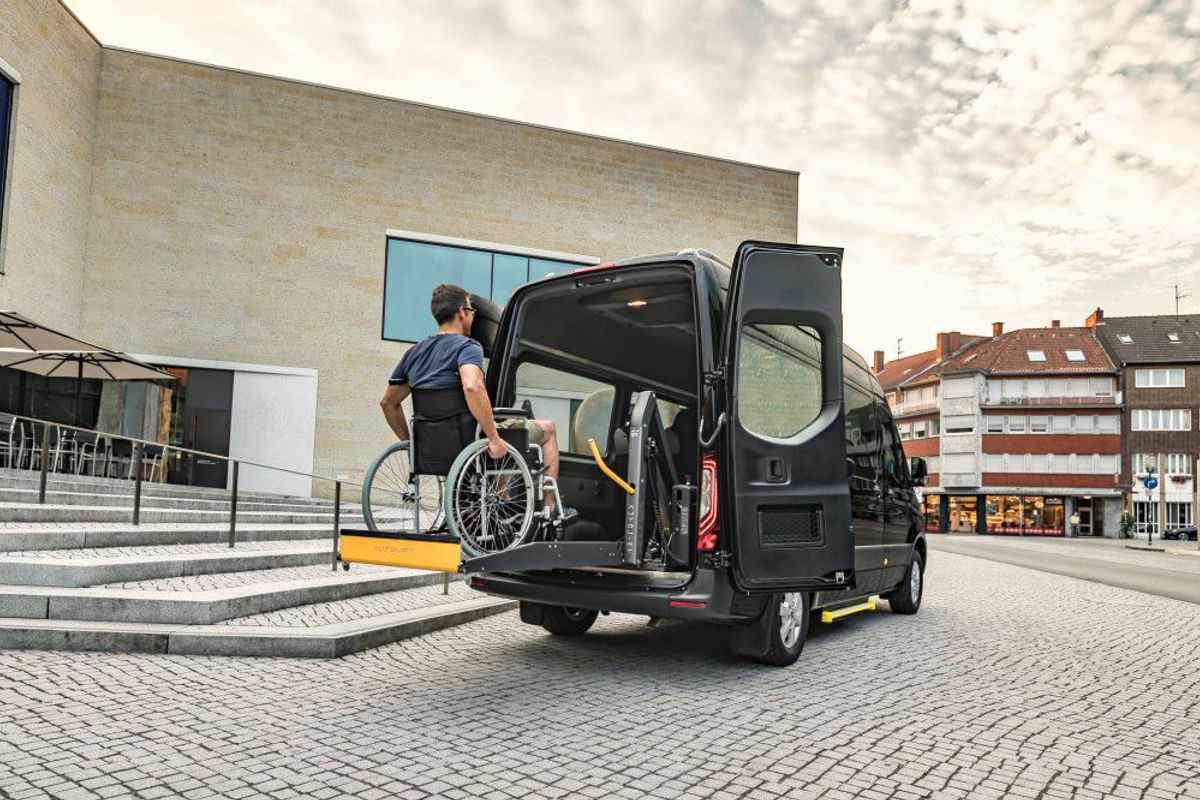
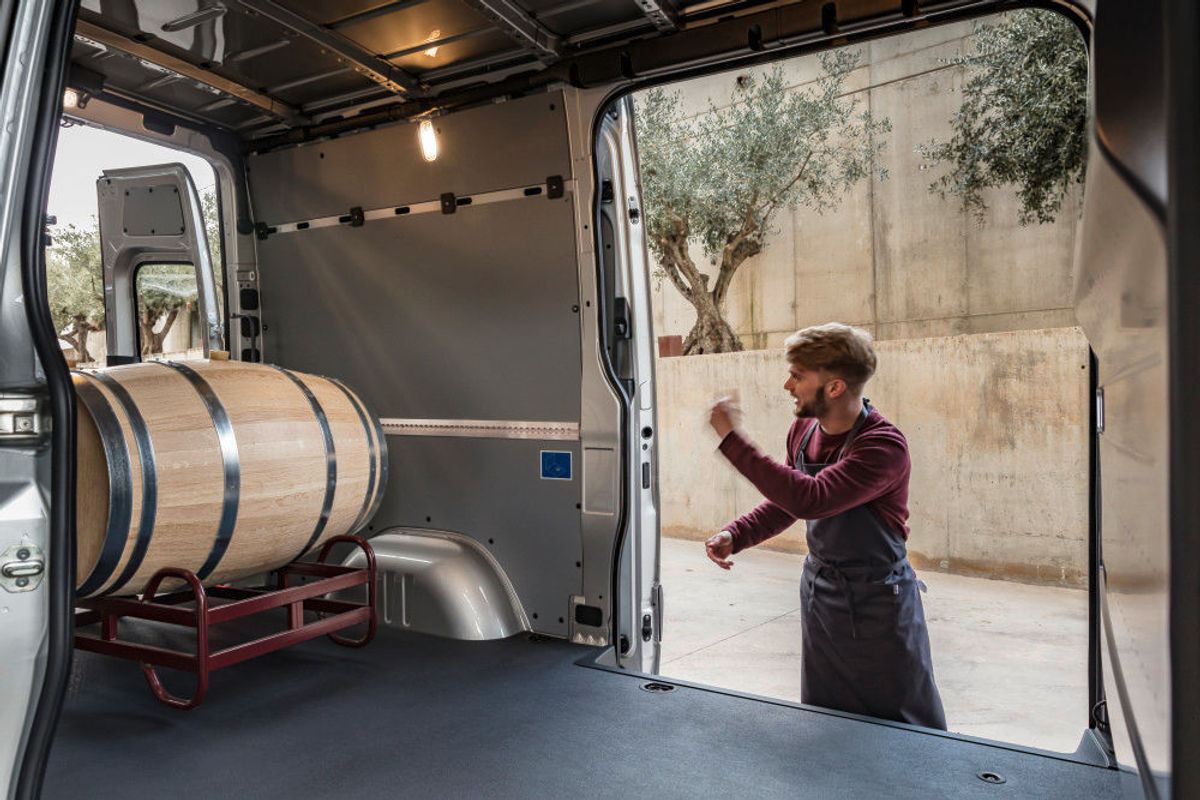
A new Sprinter has been launched in South Africa boasting a wide range of solutions in the form of a panel van, people mover or freight carrier. The Sprinter is ideal for a wide variety of industries including taxi, trade, service and logistics, mobile home or even speciality conversions and is available in various configurations to suit your needs. A new 3.49 tonne GVM sprinter now also joins the range.
“The South African operating environment is one of the toughest, and despite this, the Sprinter has been a leader in various applications and a class-leader in the industry. The new Sprinter will continue where its predecessor left off by embodying attributes that have made it so successful: flexibility, robustness and being economical,” said Nadia Trimmel, Vice-President of Mercedes-Benz Vans South Africa.
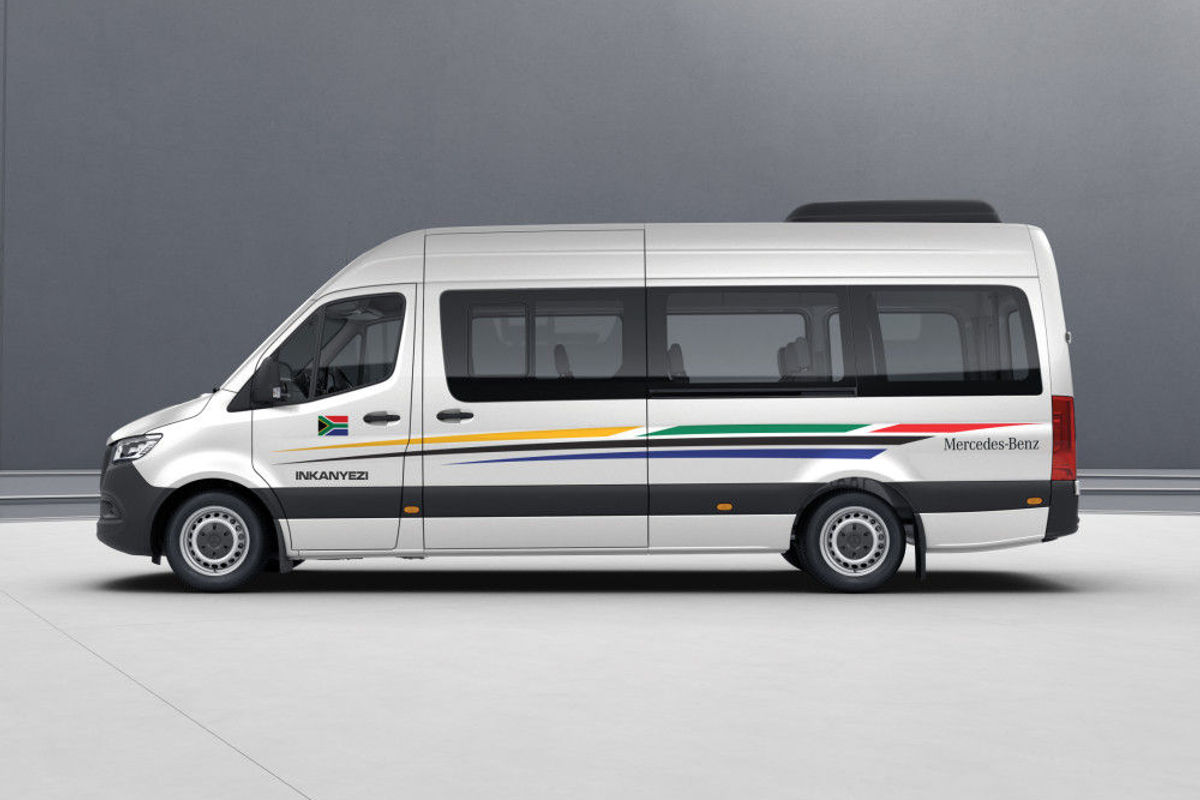
Long distance taxi operators will be interested in the Sprinter Inkanyezi which is offered in 3 different grades with a variety of optional features on offer including 3-point safety belts, rear USB ports, free flow air conditioning and rear speakers to name a few.
Engine Choice
Buyers have lots of choice in the new Sprinter range to suit a wide variety of needs and requirements.
The Sprinter is powered by a 2.2-litre turbodiesel engine with either 84 kW and 300 Nm or 120 kW and 380 Nm of torque.
For more demanding applications, a 6-cylinder, 3.0-litre turbodiesel engine with 140 kW and 440 Nm of torque. Manual and automatic transmissions are offered.
Key features
The new Sprinter is fitted with features typically found on luxury vehicles with MBUX being a major highlight.
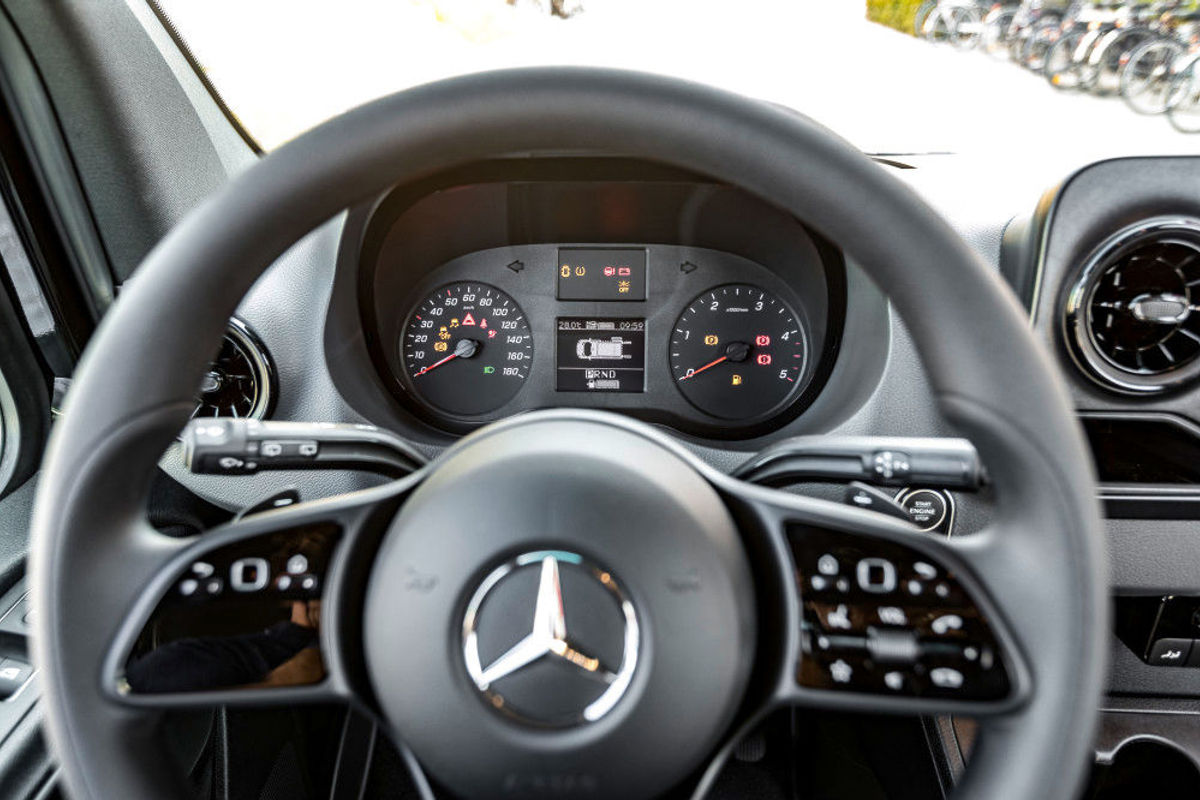
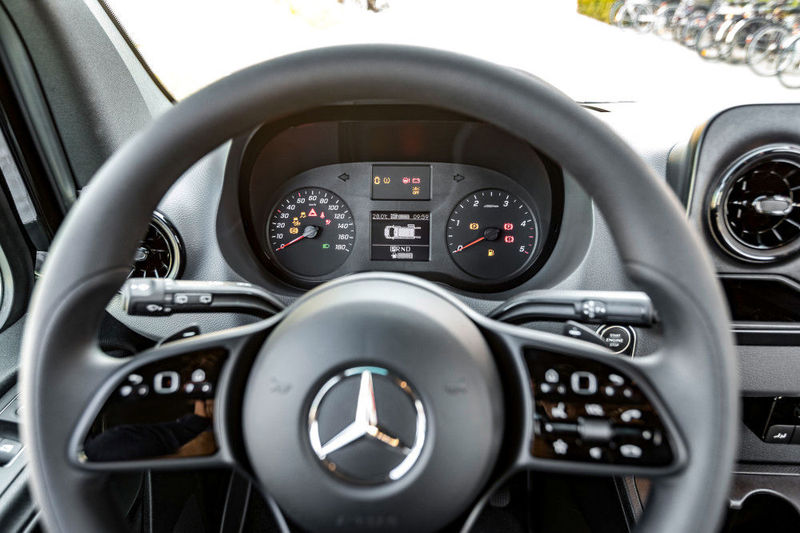
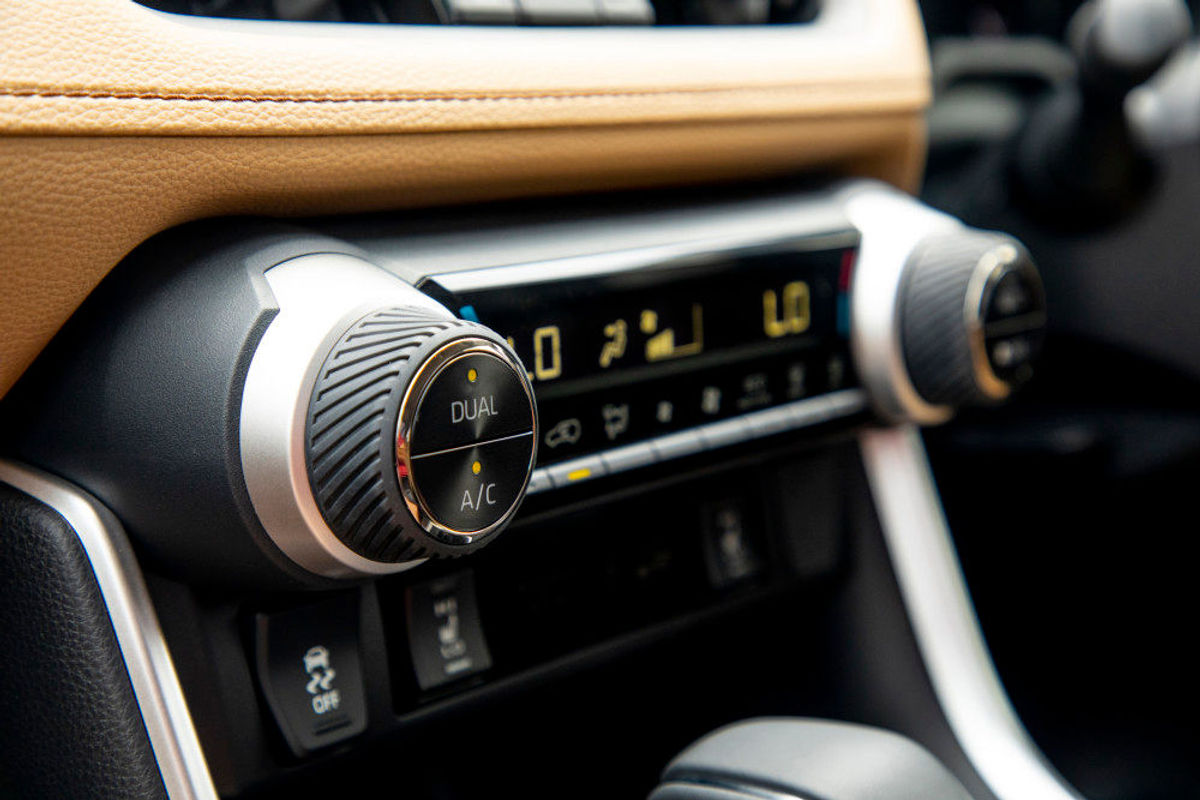
The new Sprinter features the new Mercedes-Benz MBUX multimedia system comprising 2 options including a 7-inch or 10.25-inch display which is controlled using either the steering mounted controls or via voice control. The interior has been overhauled and now includes ergonomically shaped seats, keyless start and an improved air conditioning system. Other nice features include wireless charging and USB ports for charging devices.
In terms of safety, the new Sprinter is well-equipped with features such as Cross Wind Assist and Hill Start Assist. Optional features include Distronic, Lane Keeping Assist and a reverse camera projecting an image onto the rear-view mirror as well as a Parking Package which includes a 360-degree camera for easy parking. Active Distance Distronic is also optionally available. Rain-sensing wipers and Active Brake Assist is also offered.
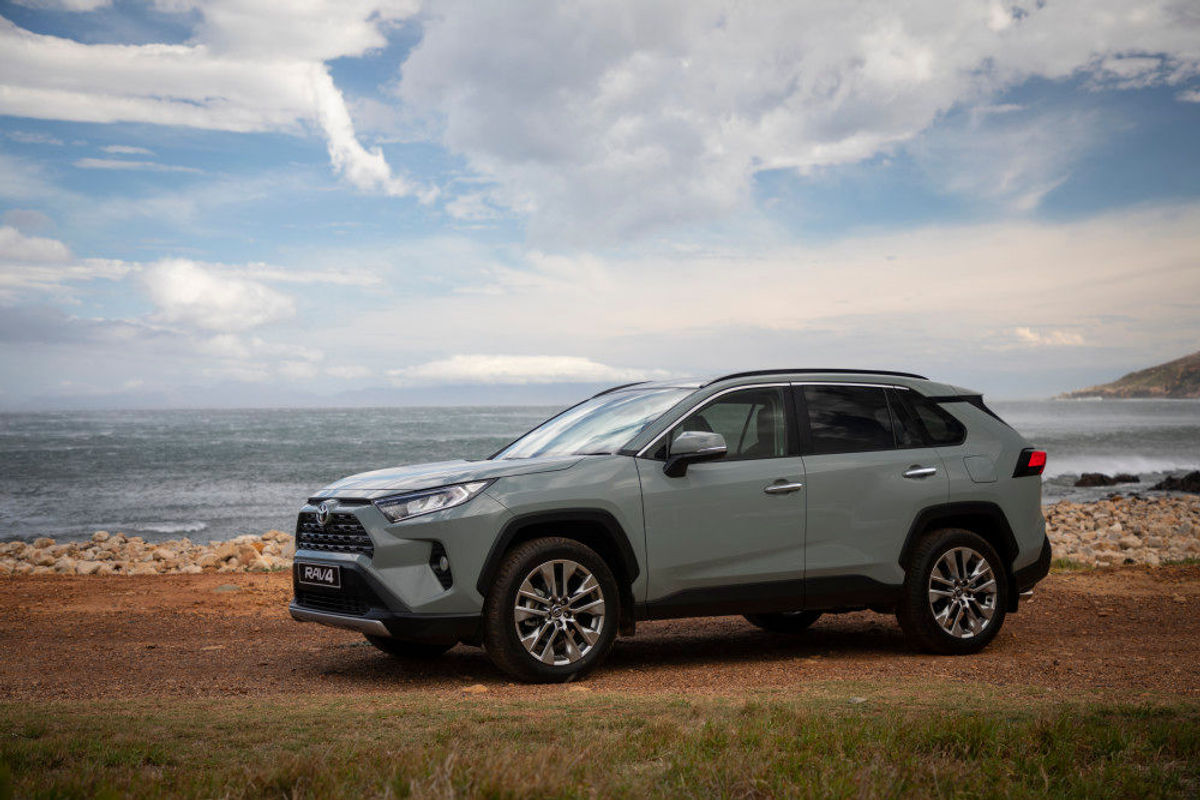
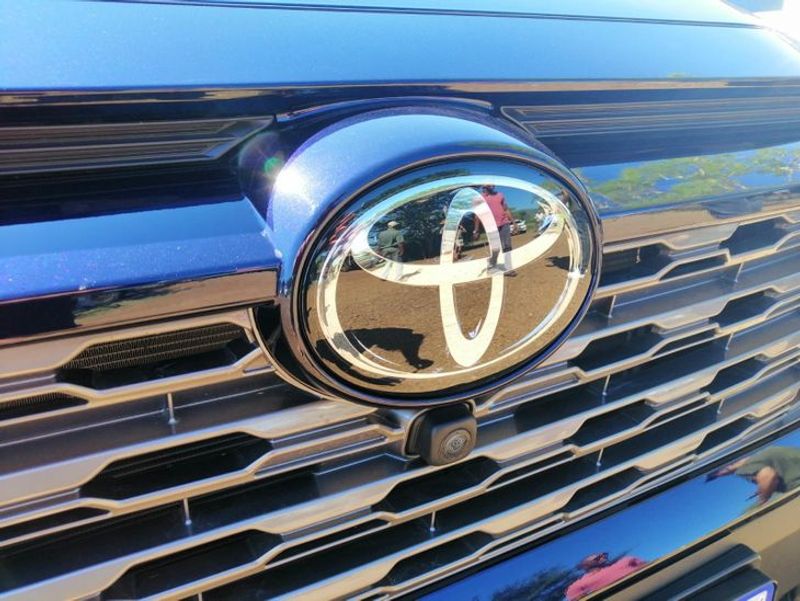
Competition in the family car segment just got a whole lot hotter with the arrival of the new 5th-generation Toyota RAV4 in South Africa. The local launch took place in Richards Bay earlier this week and Gero Lilleike was in attendance to ‘Rev the RAV’, herewith his feedback…
This new RAV4 is not new to me. I experienced the newcomer for the first time on Spanish soil earlier this year and came away impressed, but a European driving experience is not quite the same as a South African one and I was keen to see how the RAV4 would fare on our roads.
We have covered specification and pricing for the new RAV4 extensively, so be sure to take a look at the details. For this particular launch review, however, I will answer some questions that you, the consumer, might have regarding this new RAV4. Let’s get cracking…
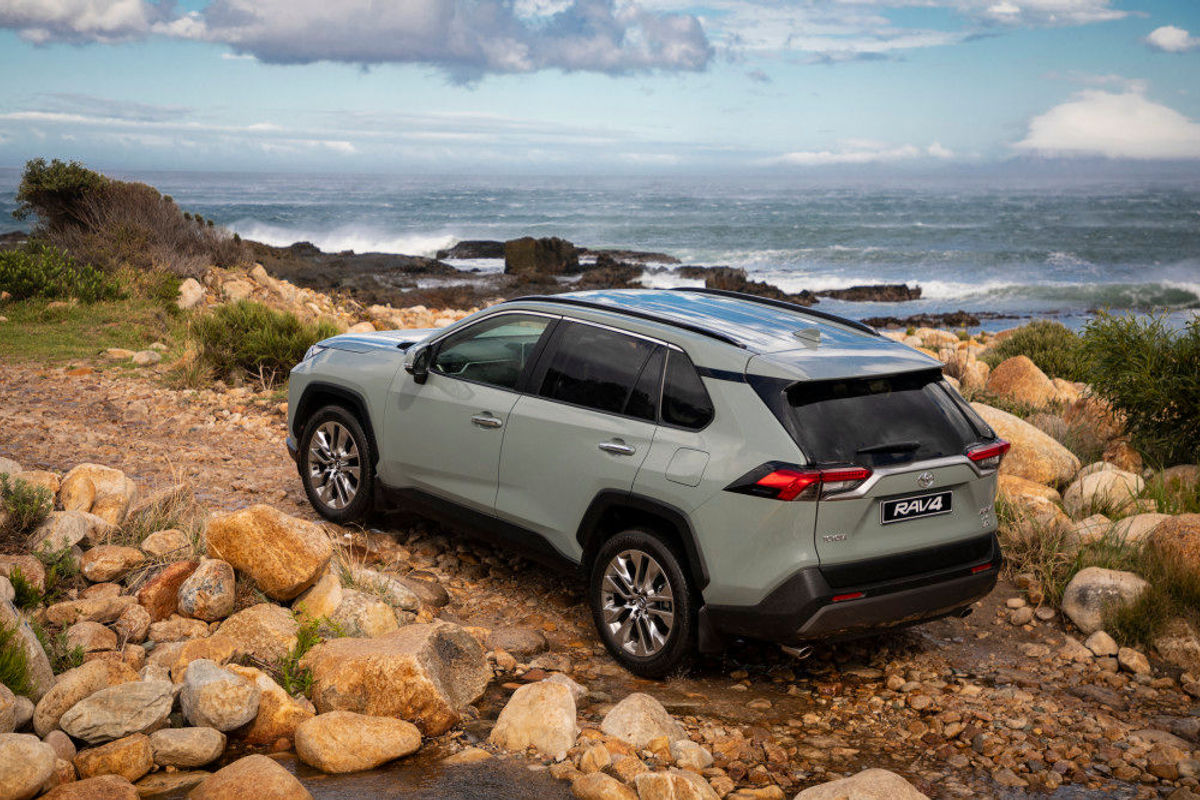
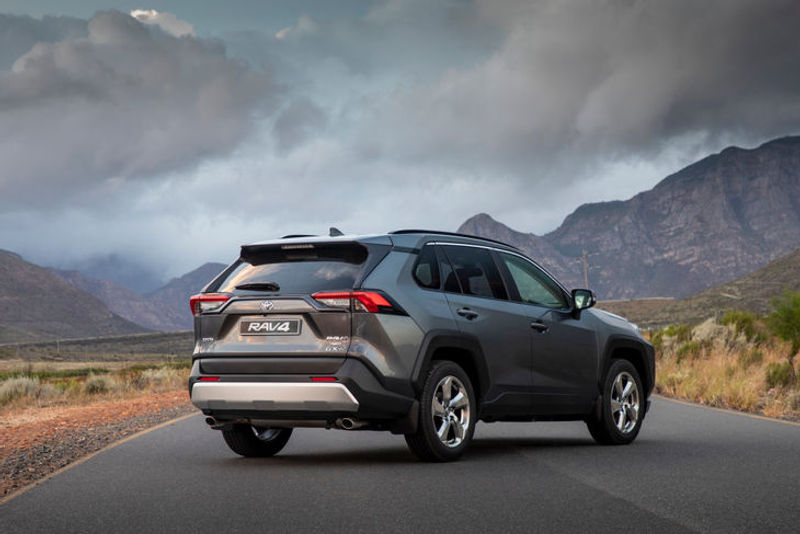
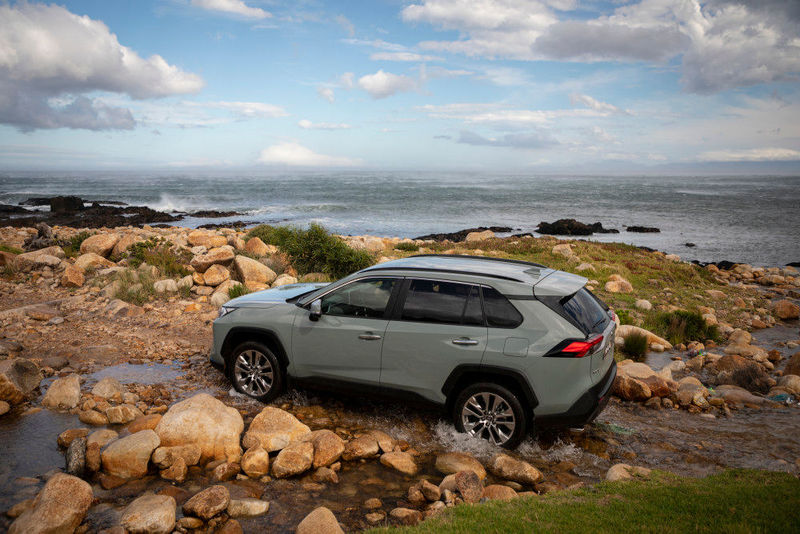
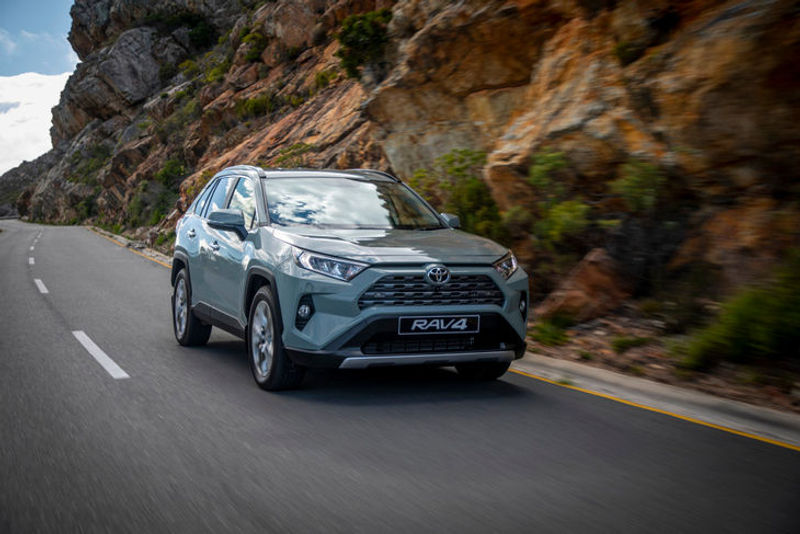
The new RAV4 features a bolder, sharper look with the GX-R being particularly striking in the metal.
There are 5 RAV4 derivatives on offer, catering for different needs and budget, so if you are considering buying the new RAV4 you will have to consider what your needs are and how much you are willing to pay.
The range starts with the entry-level RAV4 GX in front-wheel drive guise and offered with either a manual transmission or CVT. A naturally-aspirated 2.0-litre petrol engine with 127 kW and 203 Nm of torque does service under bonnet and fuel consumption is claimed at 6.8 L/100km for the manual and 6.5 L/100km for the CVT derivative. There’s also a high-spec VX derivative on offer which is only offered with a CVT.
The RAV4 2.0 GX-R caters for customers looking for a beefier, mucho look with all-wheel driveability. Fuel consumption is claimed at 6.7 L/100km.
Topping the range is the RAV4 VX with all-wheel-drive which employs a 2.5-litre petrol engine with 152 kW and 243 Nm of torque. It comes mated to an 8-speed automatic transmission and carries a claimed fuel consumption figure of 7.3 L/100km. No diesel engines are offered for the new RAV4.
Can it off-road?
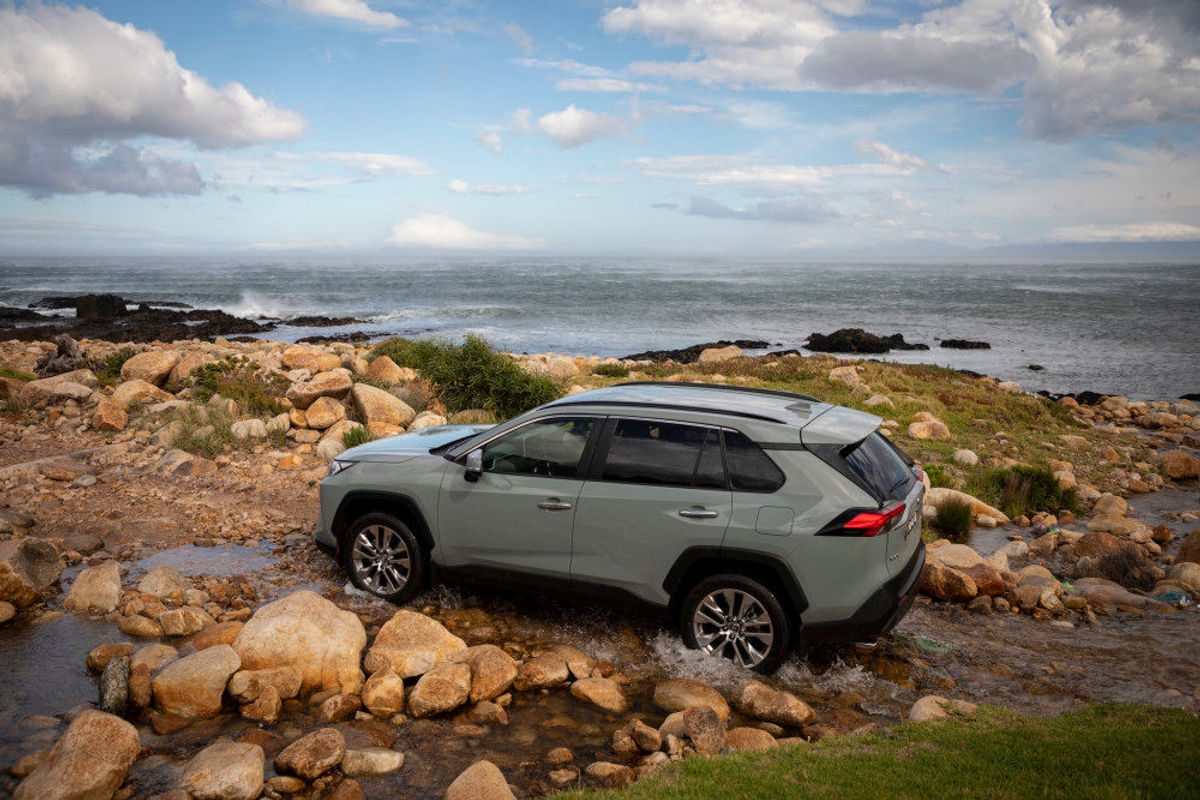
The RAV4 copes well in moderate terrain and rides exceptionally well on gravel roads.
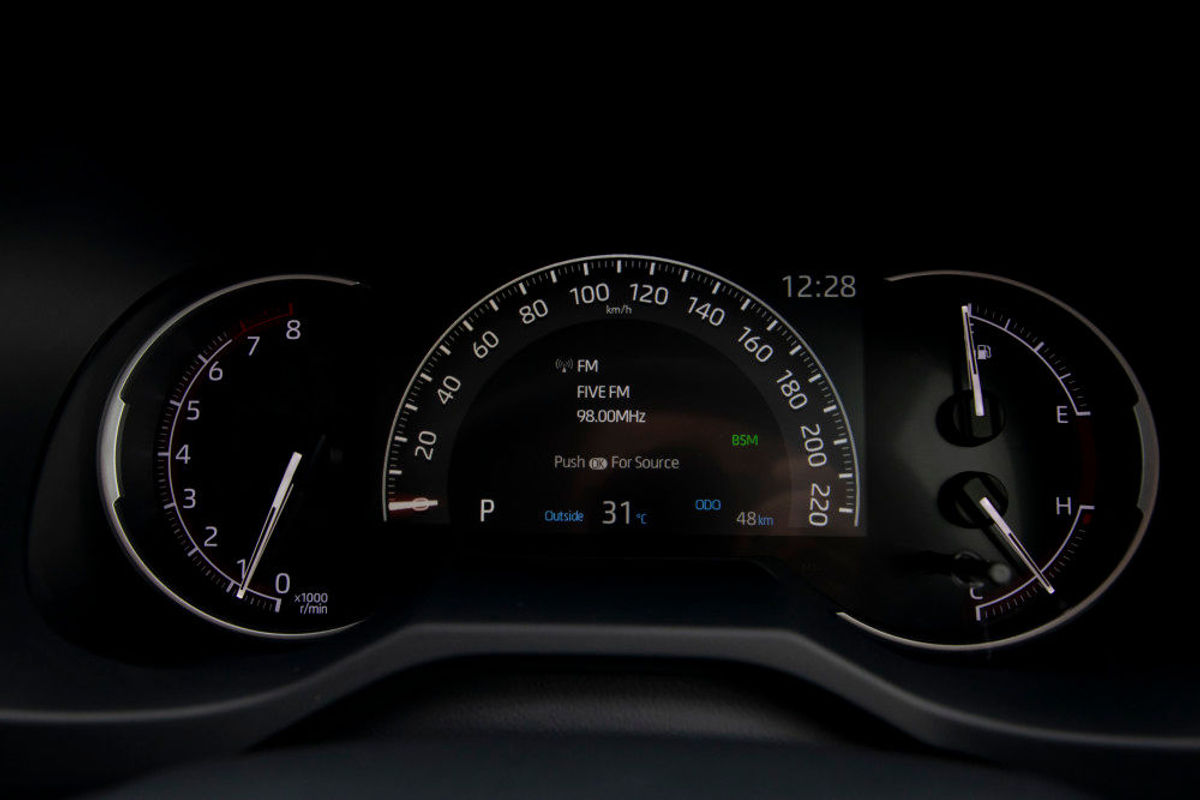
While the RAV4 is not considered to be a 4×4 (it's more of a softroader), it does cope well on your average dirt road. With a new mechanical all-wheel-drive system, which now features a dynamic torque vectoring system with Rear Driveline Disconnect for the first time, the RAV4 can tackle moderate terrain with relative ease. The twin couplings on the rear axle allow for torque distribution between the left and right rear wheels, which enhances traction performance in a variety of conditions. A graphic display in the instrument cluster also shows you exactly where and how much torque is being apportioned to each of the wheels, which is useful when you are tackling more challenging terrain.
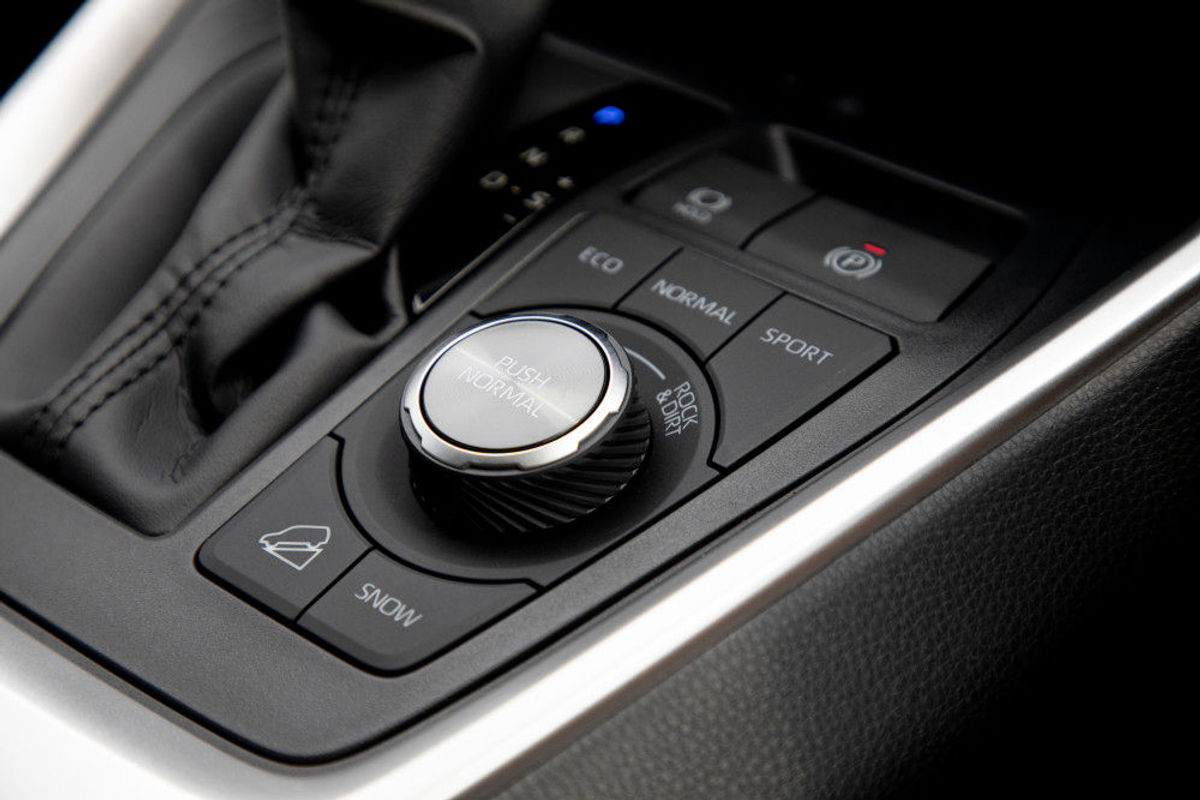
All-wheel drive derivatives are equipped with a mode dial which allows the driver to easily select modes such as Rock & Dirt and Mud & Sand, depending on the terrain.
What’s the interior like?
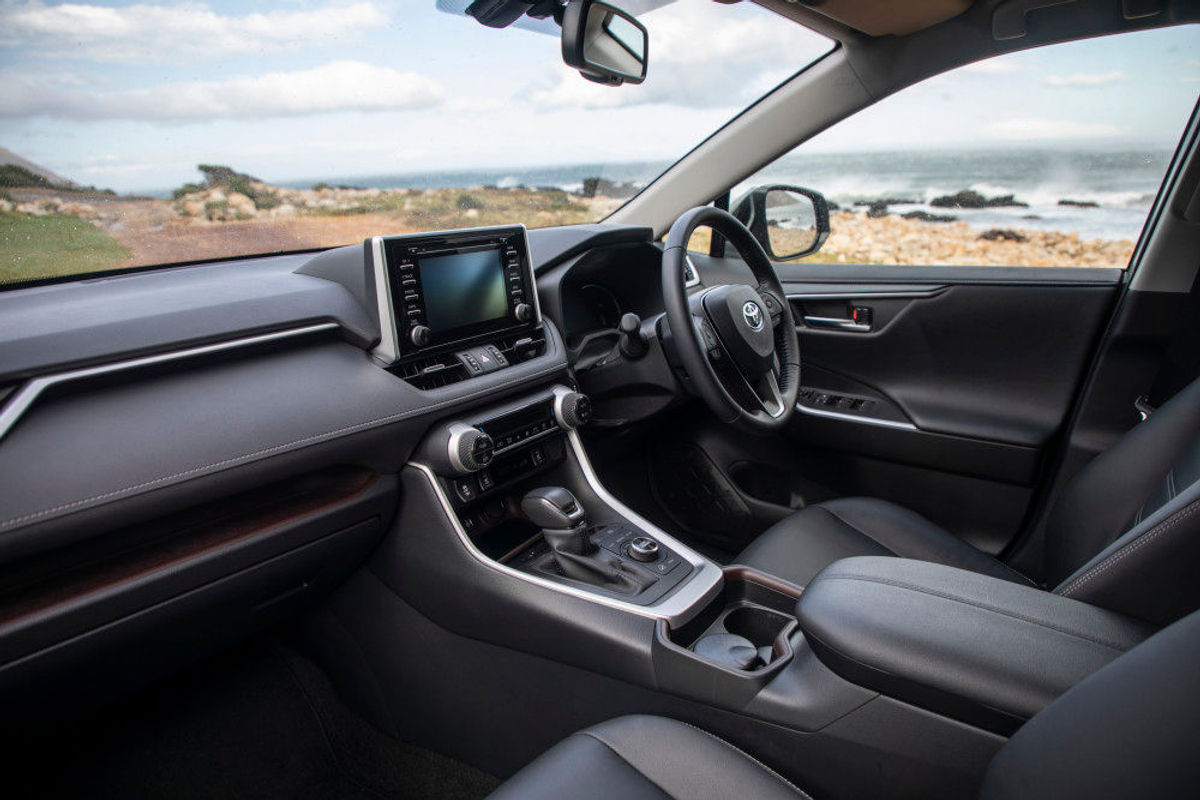
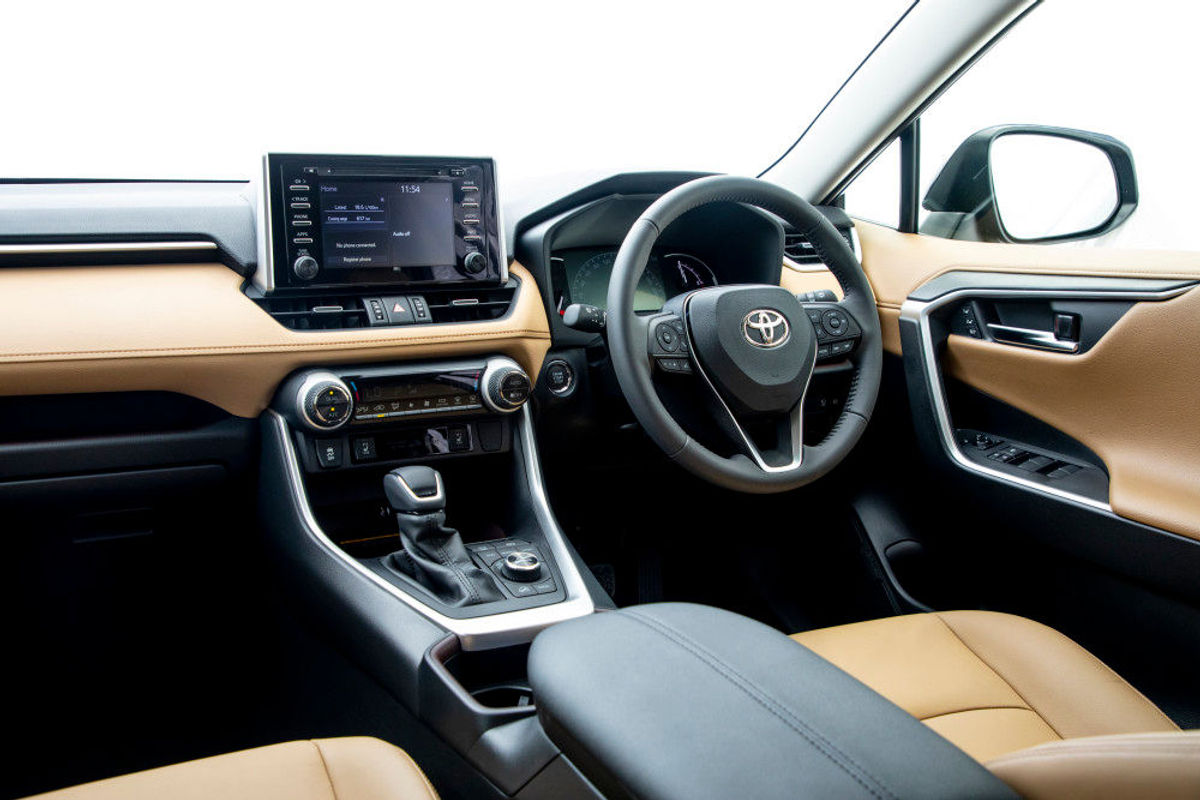
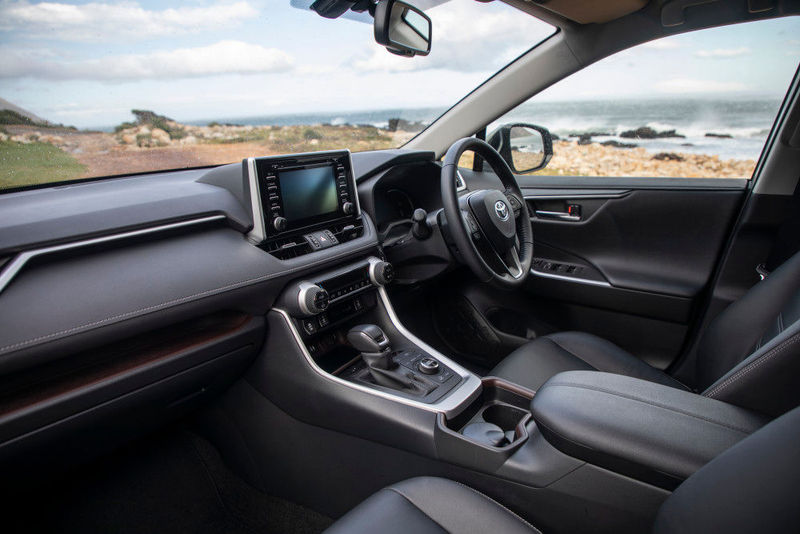
The RAV4's interior is solidly built and features an aesthetically pleasing design with good standard specification.
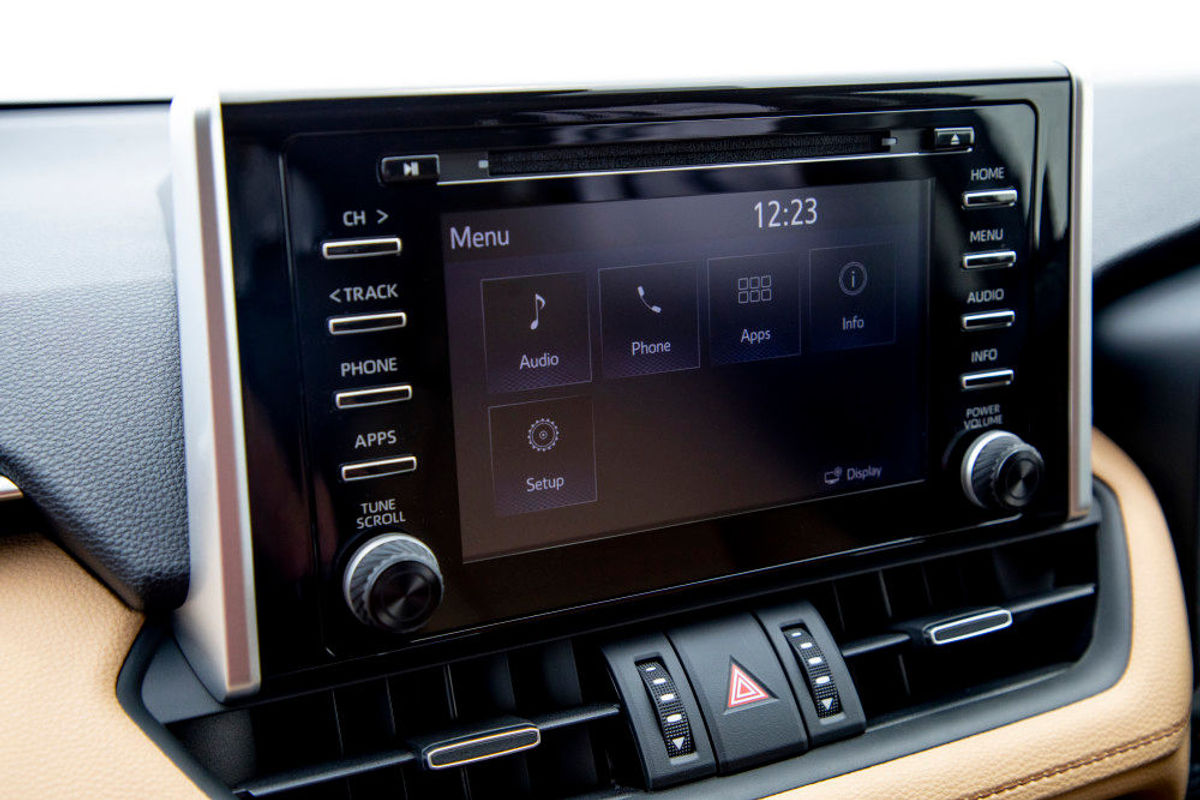
The interior of the new RAV4 is spacious and comfortable for both front and rear passengers. Perceived interior build quality is good and the interior has a solid, well-built feel to it. A central 7-inch infotainment system takes pride of place and while it’s easy to use it does lack Android Auto and Apple CarPlay which may disappoint some potential buyers. Toyota, however, is currently working on updating the system and buyers can expect an update at some stage in the future.
There are some nice features such as electric seats with heating function (top-spec VX) and a rear camera is standard on all derivatives. The top-spec RAV4 2.5 VX benefits from a surround view camera as well.
In terms of safety, the RAV4 GX is equipped with no fewer than 7 airbags, ABS with EBD, Brake Assist, Vehicle Stability Control, Hill Ascent Control and Trailer Sway Control.
Toyota Safety Sense is now offered for the first time on the top-spec VX derivative and it includes features such as Adaptive Cruise Control (ACC), Lane Departure Alert (LDA) with Steering Control, Blind-Spot Monitor (BSM) and Pre-Crash System (PCS).
Is the RAV4 practical?
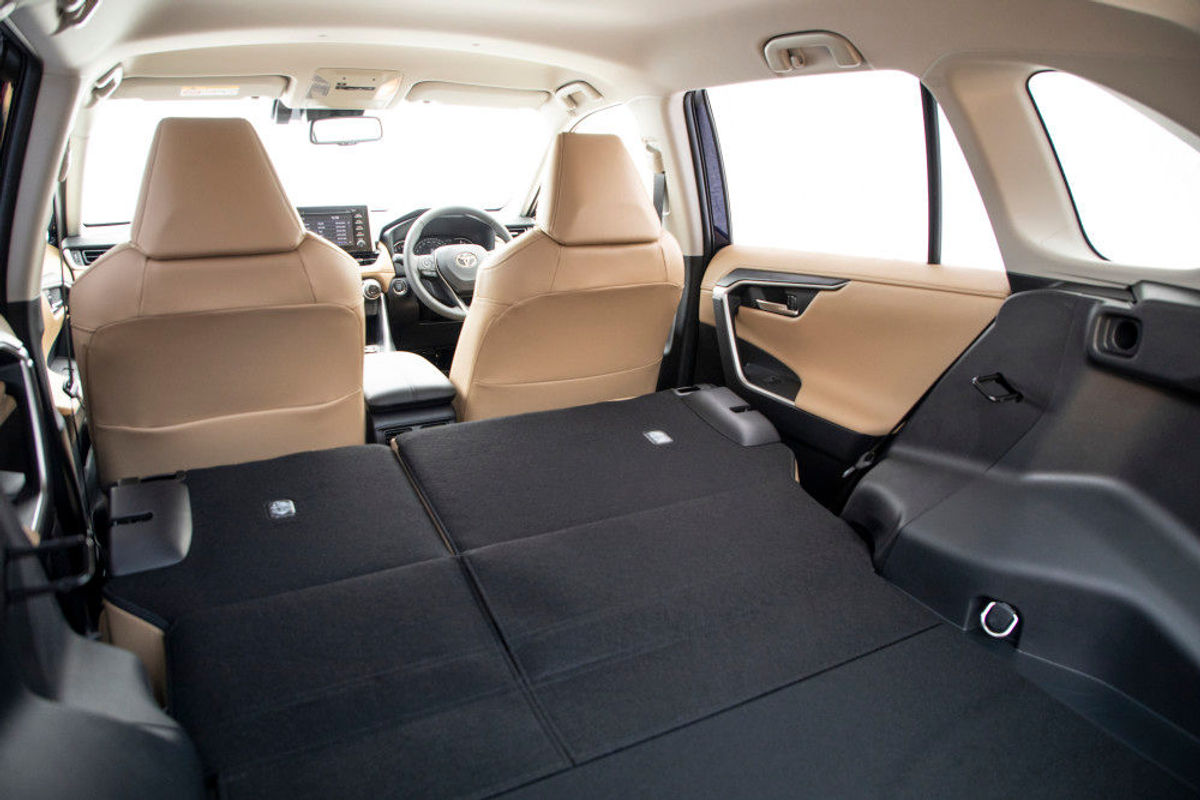
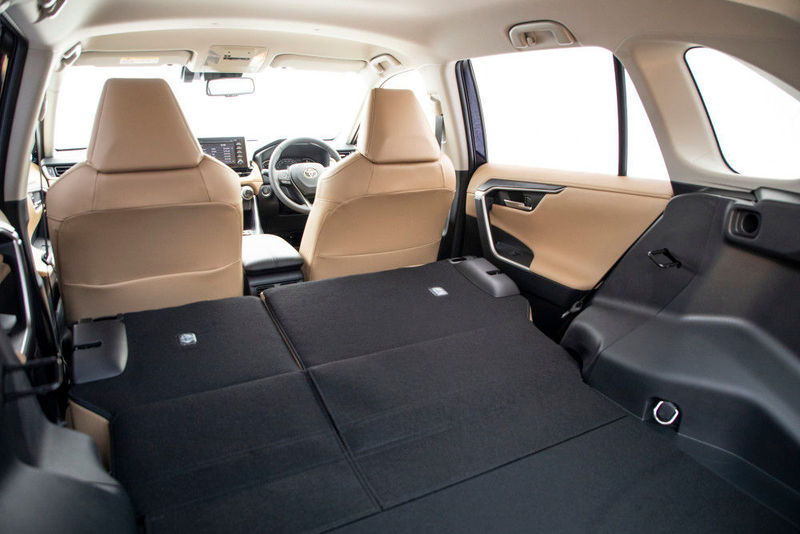
The 60:40 split rear seats allow for maximum storage space and rear passengers are well catered for.
Yes. There’s lots of space for passengers and luggage. The load bay offers 492 litres of space while the VX derivatives offer 572 litres. The rear seats can be folded flat to access more space for larger items if required. Rear space for passengers is good with ample legroom, headroom and should room. It’s rather comfortable back there, so long journeys should be a breeze. There’s also enough storage spaces dotted around the cabin.
How does it drive?
The RAV4's ride quality is a major highlight and it performs well overall.
We sampled the RAV4 2.0 GX-R AWD and top spec RAV4 2.5 VX AWD at launch, covering roughly 280 km on both road and gravel. The ride quality of this new RAV4 is mightily impressive and it delivers high levels of driving comfort. We were particularly impressed by its solid and direct feel, especially on gravel.
At sea level, both engines performed well with good acceleration and transmission response. The CVT is good too but we were smitten with the 8-speed automatic which delivers smooth and near-imperceptible shifts. With a wider footprint, the new RAV4 feels planted on the road, giving the driver more confidence behind the wheel. Overall, we think the new RAV4 delivers an excellent drive.
We achieved reasonable consumption figures on our drive too, with the RAV4 GX-R returning 7.6 L/100km and the RAV4 VX AWD returning 8.4 L/100km.
Should you consider the new RAV4?
The RAV4 makes a very compelling case for itself in the family car segment and is well-worth considering.
If you are in the market for a practical and comfortable family car, then we think the RAV4 should definitely feature on your hit list. The price range for the new RAV4 is broad, starting at R416 400 for the RAV4 2.0 GX manual and going up to R577 900 for the top-spec RAV4 2.5 VX AT AWD, so there is a RAV4 to suit not only your budget but your needs too.
The front-wheel-drive derivatives are perfect for use in the city while the all-wheel-drive derivatives will appeal to those looking for improved ability to tackle gravel and more challenging terrains.
With its bolder styling, the RAV4 is expected to sell very well in South Africa and will certainly tempt many buyers away from the major players in this segment such as the Hyundai Tucson, Volkswagen Tiguan and Mazda CX-5. This new RAV4 has a lot going for it and we look forward to testing it thoroughly in the near future.
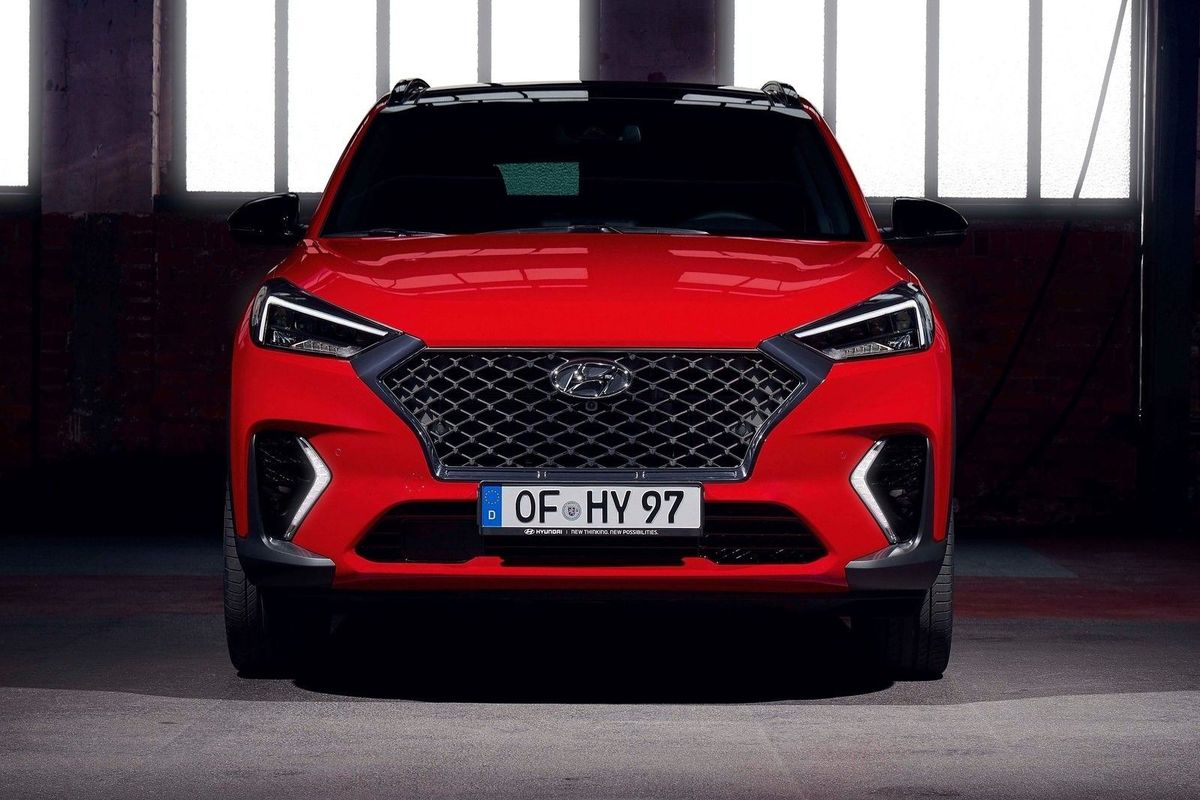
Hyundai is expanding its offering of N-Line performance vehicles.
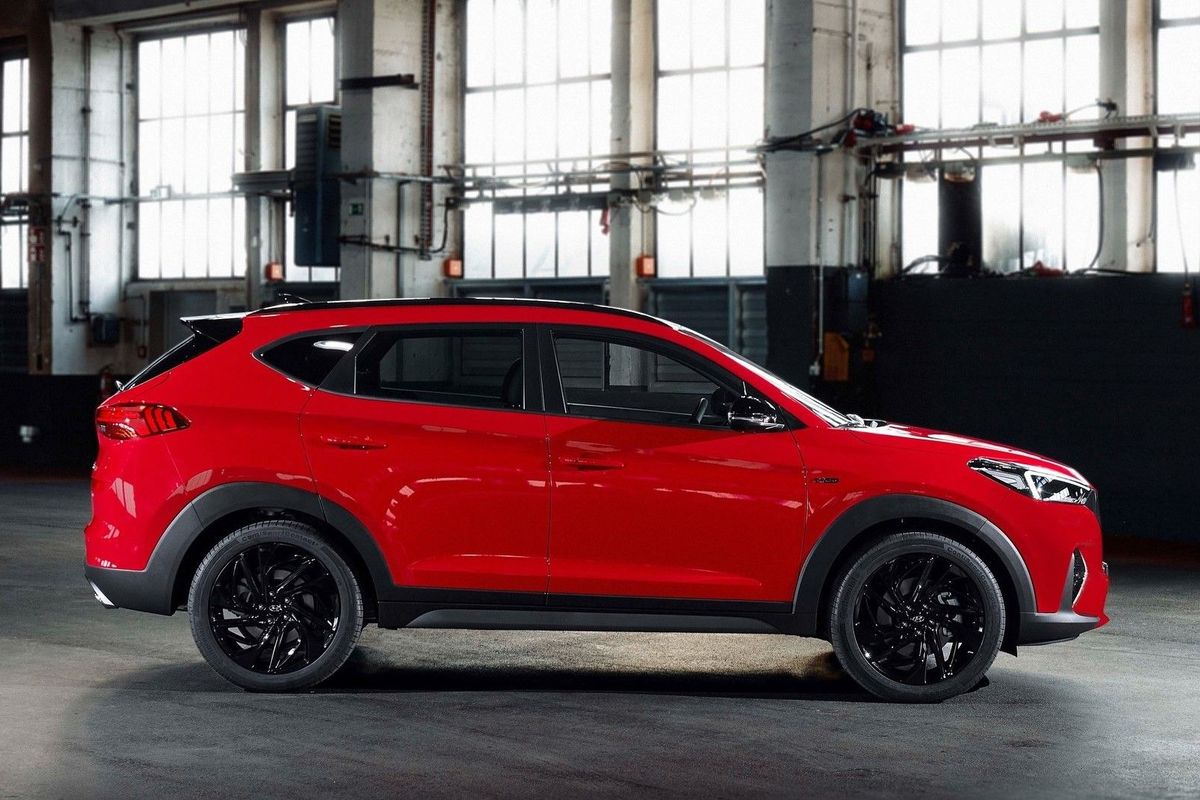
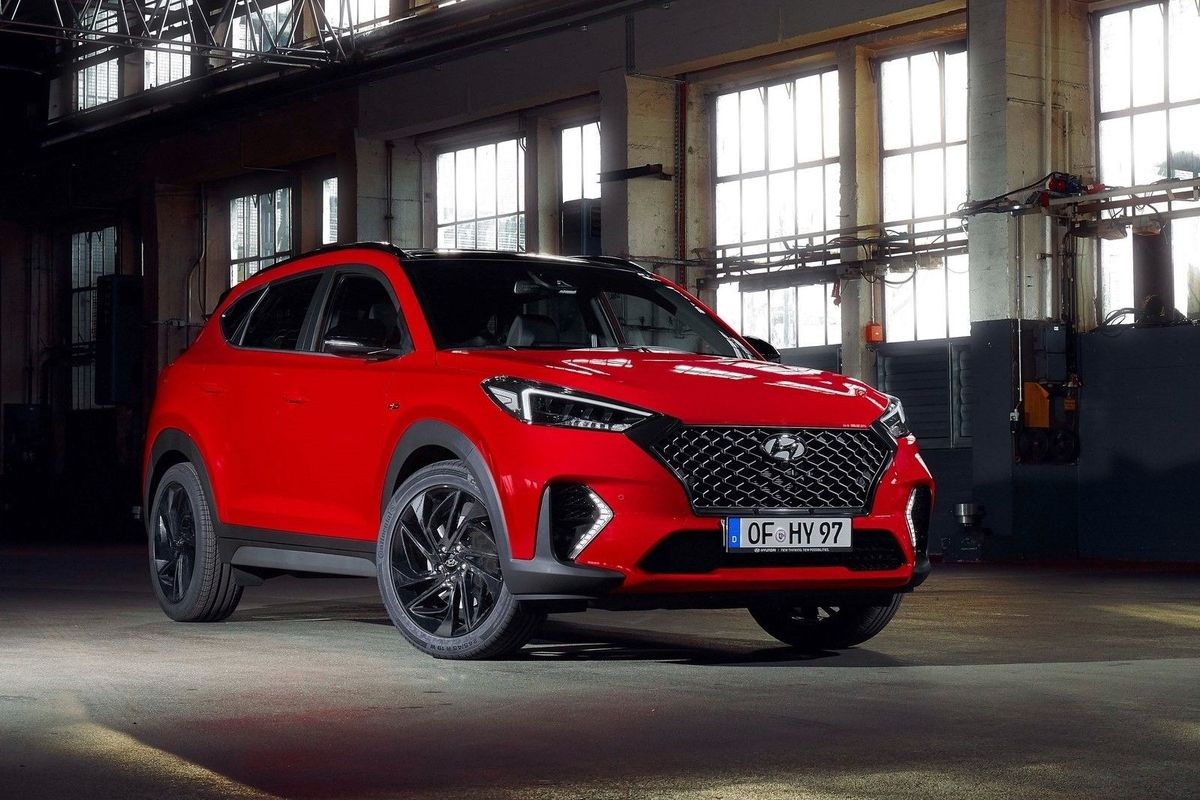
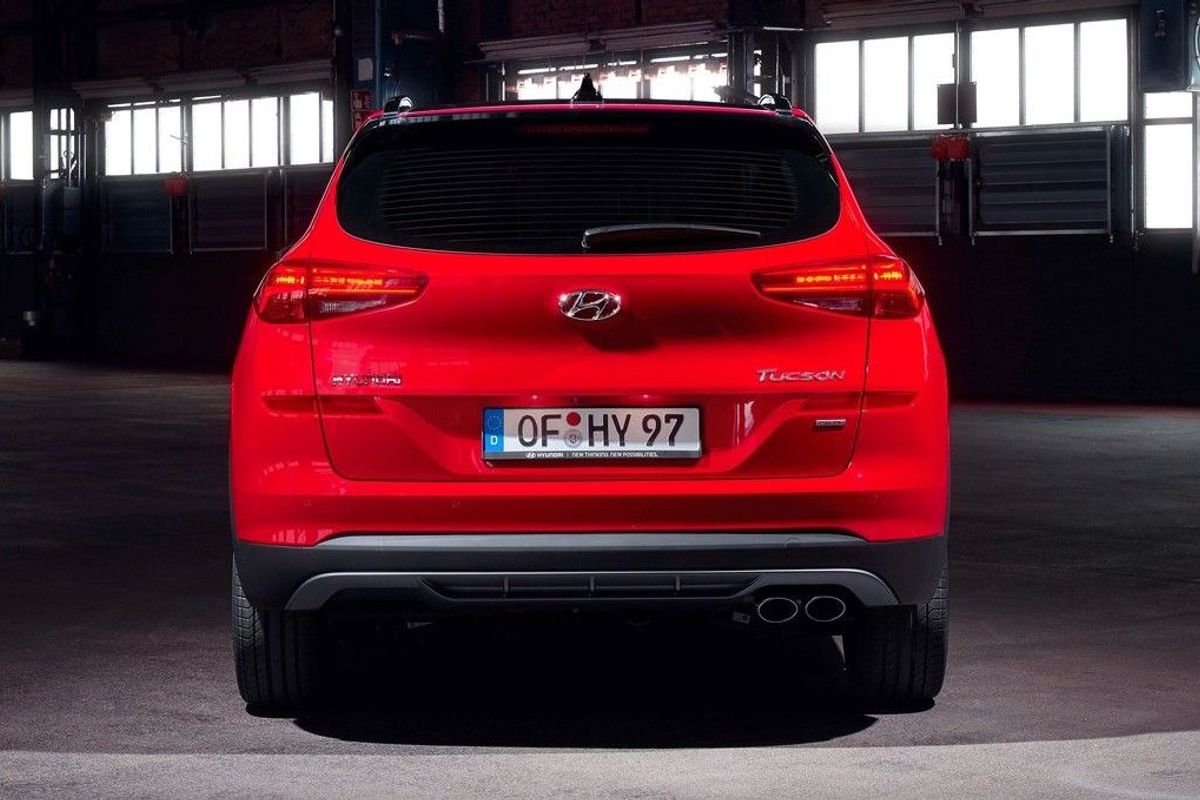
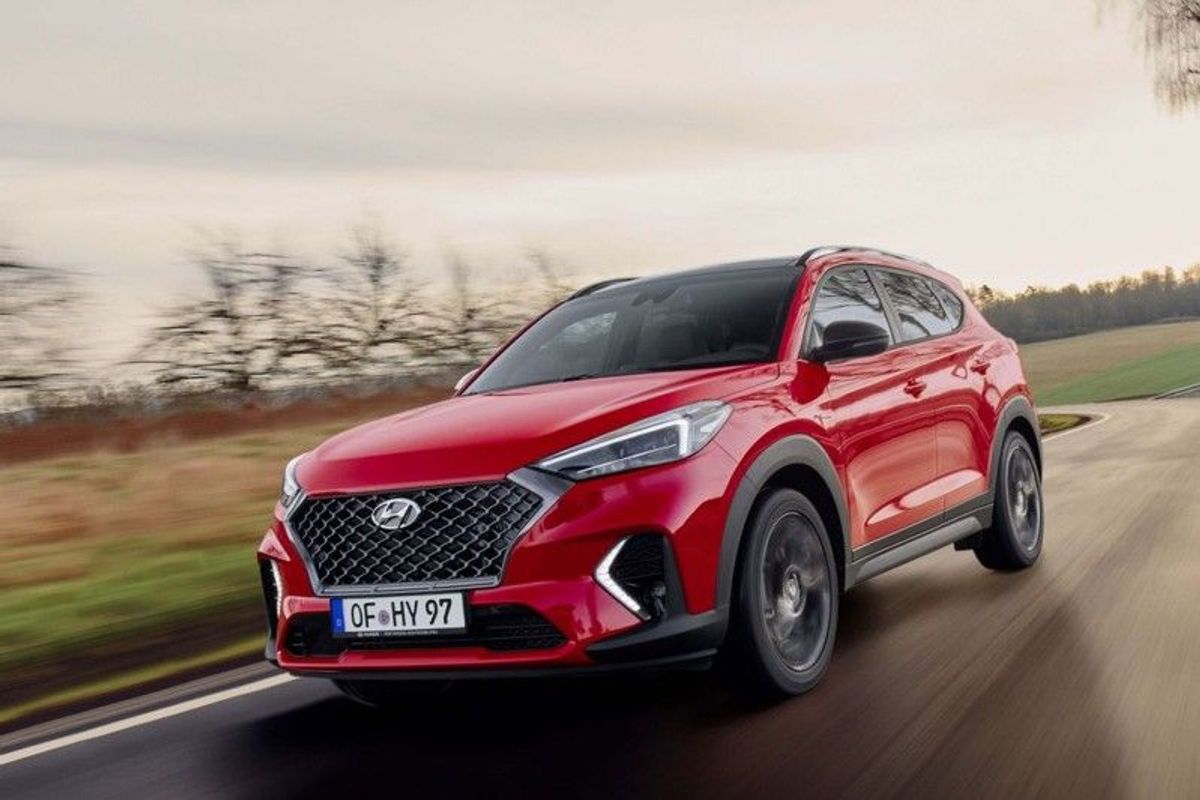
After successfully evolving its i30 hatchback to a true Golf R rival in the form of i30N, Hyundai’s second N-Line vehicle has been revealed to be an SUV.
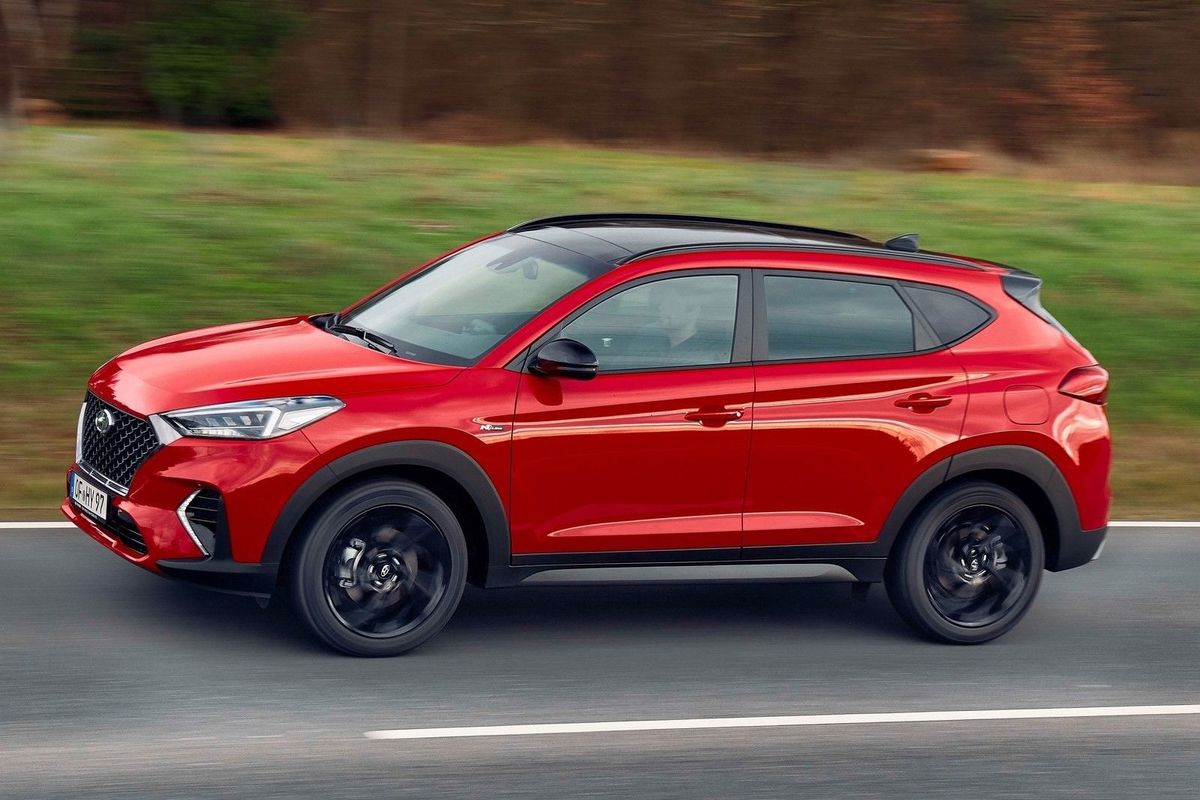
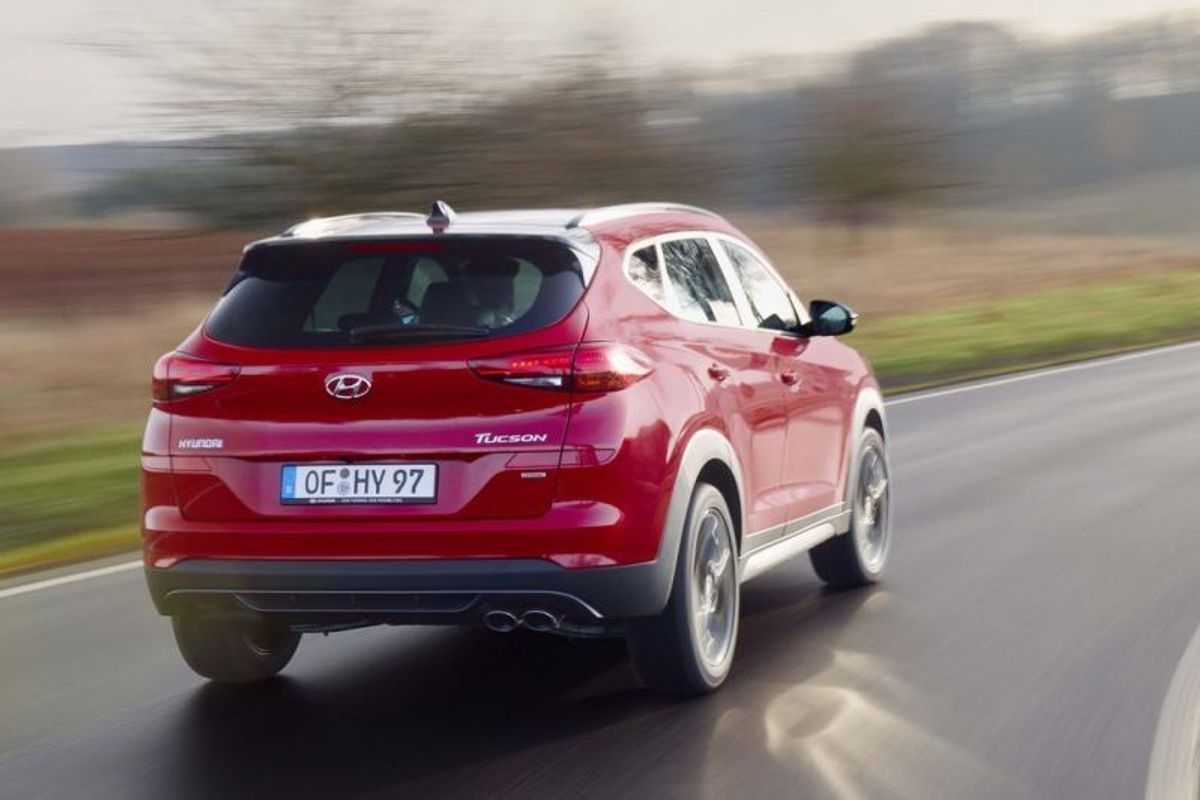
The hotter Tucson features re-sculptured bumpers front and rear, a dark mesh front grille contrasted by chrome surrounds, gloss finish wing mirrors and rear spoiler, darkened side window frame surrounds and an N-Line specific LED illumination pattern for its head- and taillights. Further differentiating the N-Line version from other Tucsons are 19-inch wheels.
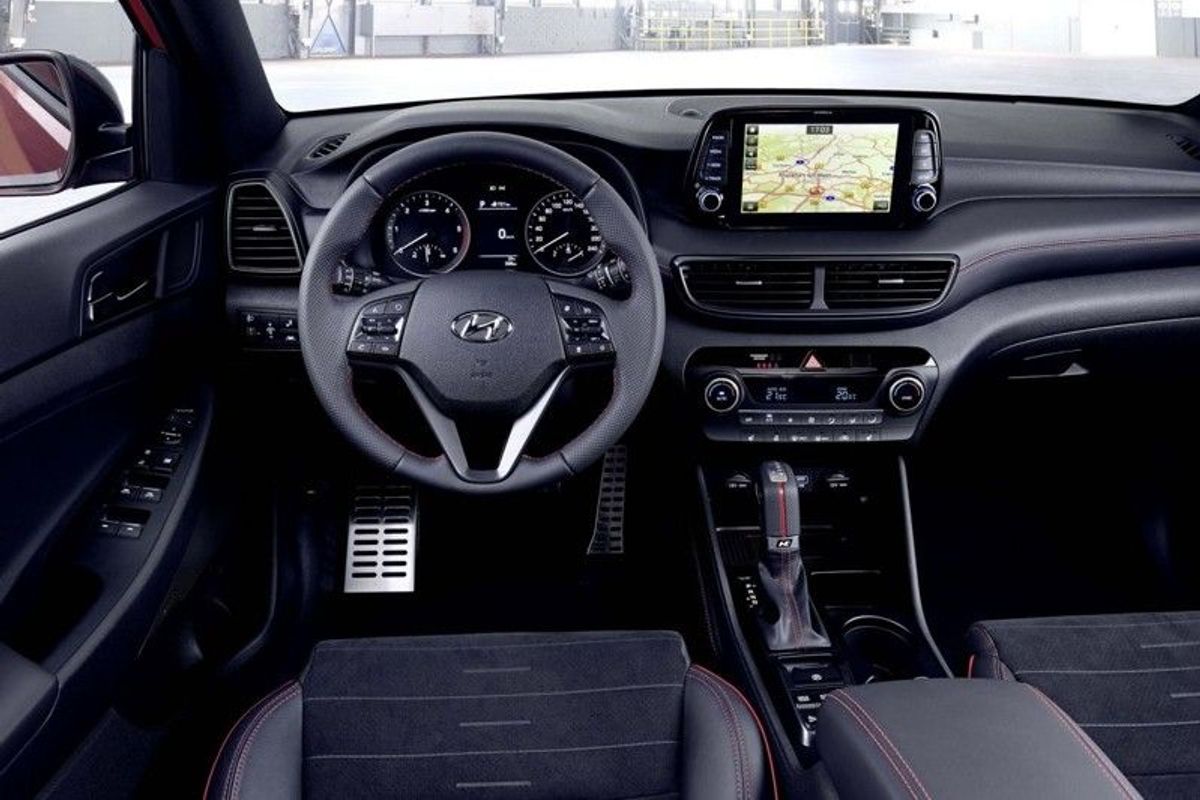
Inside the Tucson N-Line there is red contrast stitching holding the combination suede/leather seats together. The scarlet stitch work is also present on its steering wheel and shifter handle, whilst in the footwell you’ll find aluminium pedals.
Mechanically the N-Line Tucson isn’t quite as wild as Hyundai’s i30N. Three engine options have been confirmed, one petrol and two diesels – all turbocharged. The sole petrol engine is a 1.6-litre GDi boasting 136 kW.
Hyundai’s Tucson N-line diesels are a touch more interesting, all featuring mild hybridisation technology, which is quickly becoming a standard feature on new generation vehicles featuring 48-volt onboard electric architecture. A relatively small 0.44 kWh battery feeds off an integrated starter motor/generator unit, with the aim being improved consumption instead of additional performance.
The 2 mild hybrid assistance engines are Tucson’s 136 kW 2.0-litre diesel, and its smaller compression ignition sibling, the 100 kW 1.6-litre. Hyundai claims that the mild hybrid technology assisting these diesels will reduce fuel consumption by 11%.
If you are seeking the technical justification for these N-Line Tucsons, those details are to be found in the suspension and steering specification. Hyundai has reprogrammed the electrically assisted power steering to provide a more linear feel, instead of the over-assisted feedback which afflicts many Korean vehicles.
Beyond the more tactile steering, N-Line engineers have also increased the lateral anti-roll properties of these ostensibly sportier Tucsons. This is achieved by fitting 5% more rebound loaded springs to the front axle, and 8% stiffer springs to the rear wheel corners.
Europe will be the launch market for Tucson N-Line, with all engines to be available in a variety of configurations: front and rear-wheel drive, with a six-speed manual or seven-speed dual-clutch transmission options.
In a time of dreadful turmoil for the British automotive industry, a glimmer of good news has been confirmed.
The wealthiest man in Britain, Jim Ratcliffe, founder of the Ineos chemical group, has announced that his ambitious project to continue producing a vehicle similar in silhouette and ability to the Land Rover Defender, now has a confirmed engine supplier.
Ratcliffe has convinced BMW to supply his Projekt Grenadier vehicles with its TwinPower turbocharged engines. Having a German engine supplier will be of huge benefit to the Ineos automotive venture, guaranteeing a consistent supply of the best possible technology and consistent production standards.
Ineos has projected that it needs to build 25 000 of its revived Defenders a year to make the Projekt Grenadier venture work and profiting from the misfortunate of others, it might now be in the position to acquire a functioning assembly facility on the cheap.
Honda’s Swindon production facility, which the Japanese are abandoning as part of its Brexit containment strategy, would be excellently suited to building the Projekt Grenadier Defenders.
For fans of the Land Rover Defender, Projekt Grenadier is a hopeful revival and the fact that it will be BMW powered is also of special significance. Especially to South African Land Rover followers. During the brief period when BMW took ownership of Land Rover, in the mid-1990s, the South African subsidiaries of both companies worked together to produce BMW-powered Defenders.
Those Defender 2.8i Land Rovers remain hugely collectable and showed that a sophisticated petrol engine could find application in an extreme off-roader. For BMW, there is no business or product conflict supplying Ineos automotive with its engines.
The Munich brand does not produce a rock-crawling, utilitarian 4×4 – which is what Projeckt Grenadier will evolve into when it becomes a production vehicle, in 2020.