Renault SA Confirms Duster Oroch and Alaskan for 2021
Renault South Africa has finally won the right to enter the bakkie market in SA, but only in 2021.
It’s been on the cards but unconfirmed for a few years that Renault South Africa is trying to get its hands on the 1-tonne Duster Oroch double cab and Alaskan leisure bakkie. The issue has always been that Renault global could not make a case for so few right-hand drive models. Renault does not have much of a presence in Australia and the UK (the only other RHD markets) is not all that big on bakkies, so it was deemed not viable by the heads at the French manufacturer.
Renault South Africa main marketing man Jesus Boveda has been chomping at the bit to enter the LCV market which counts for a fair chunk of sales in the local market. It seems after dragging certain Renault global bigwigs out to SA, he was able to convince them to begin selling both the Duster Oroch and Renault Alaskan in 2021 locally.
Both models will arrive as facelifted versions of what’s currently on sale globally. A quick recap of the models:
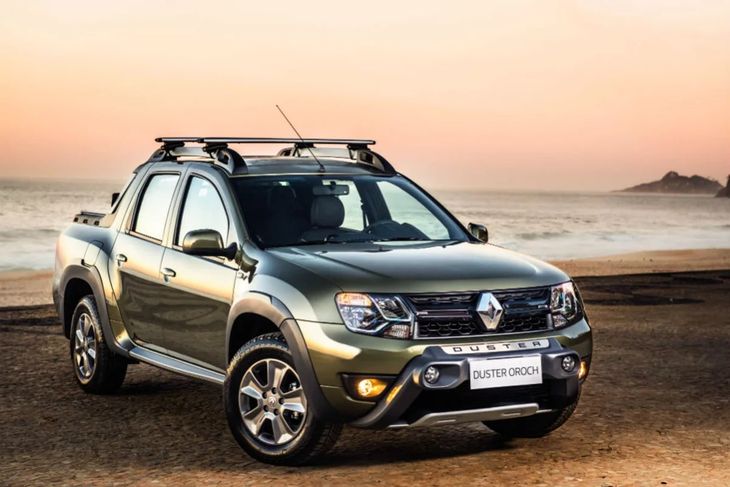
The Duster Oroch would be the only double cab bakkie in its segment
Duster Oroch is a 1-tonne double cab powered by two naturally-aspirated engines and a 1.5-litre turbodiesel. Currently, there is no double cab available in this segment of the market where the only real challenger is the Nissan NP200 and that’s a single cab workhorse. It will certainly be interesting to see how South Africans take to the idea of a baby double cab.
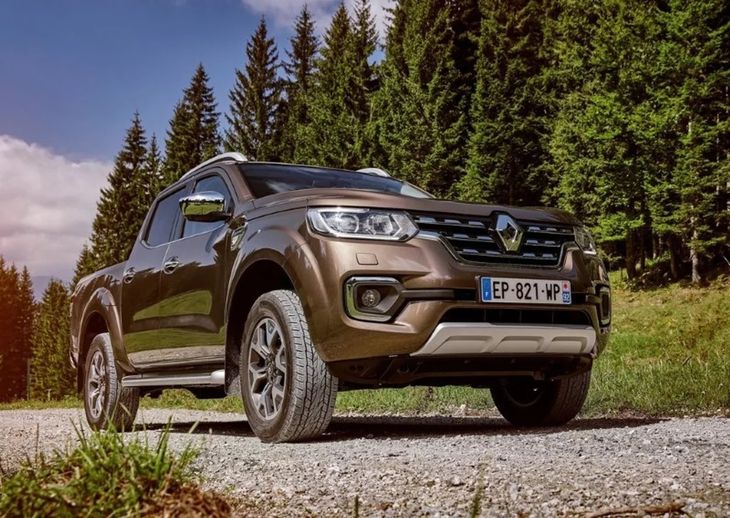
The Alaskan is based on Nissan's Navara chassis.
The Alaskan, on the other hand, is a leisure double cab on the same platform as the Nissan Navara and Mercedes-Benz X-Class. It certainly has presence with its design and makes use of a 4-cylinder 2.3-litre twin-turbodiesel engine, which offers peak outputs of 140 kW and 450 Nm of torque. A 120 kW version with a single turbocharger is also available overseas. Renault would probably want to offer the Alaskan locally as a value for money product, so it could undercut the pricing of even the locally-built Navara.
We’ll update this story as more details become available.
An Italian supercar icon is helping to revive another.
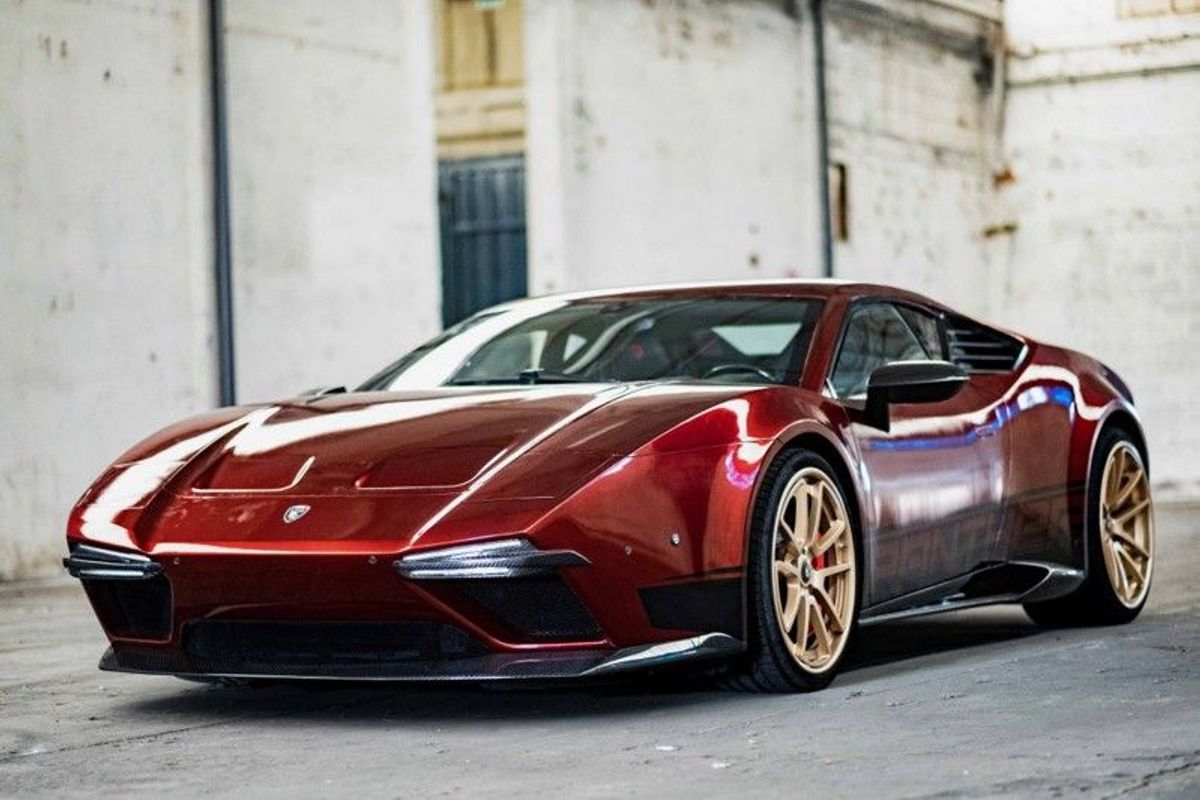
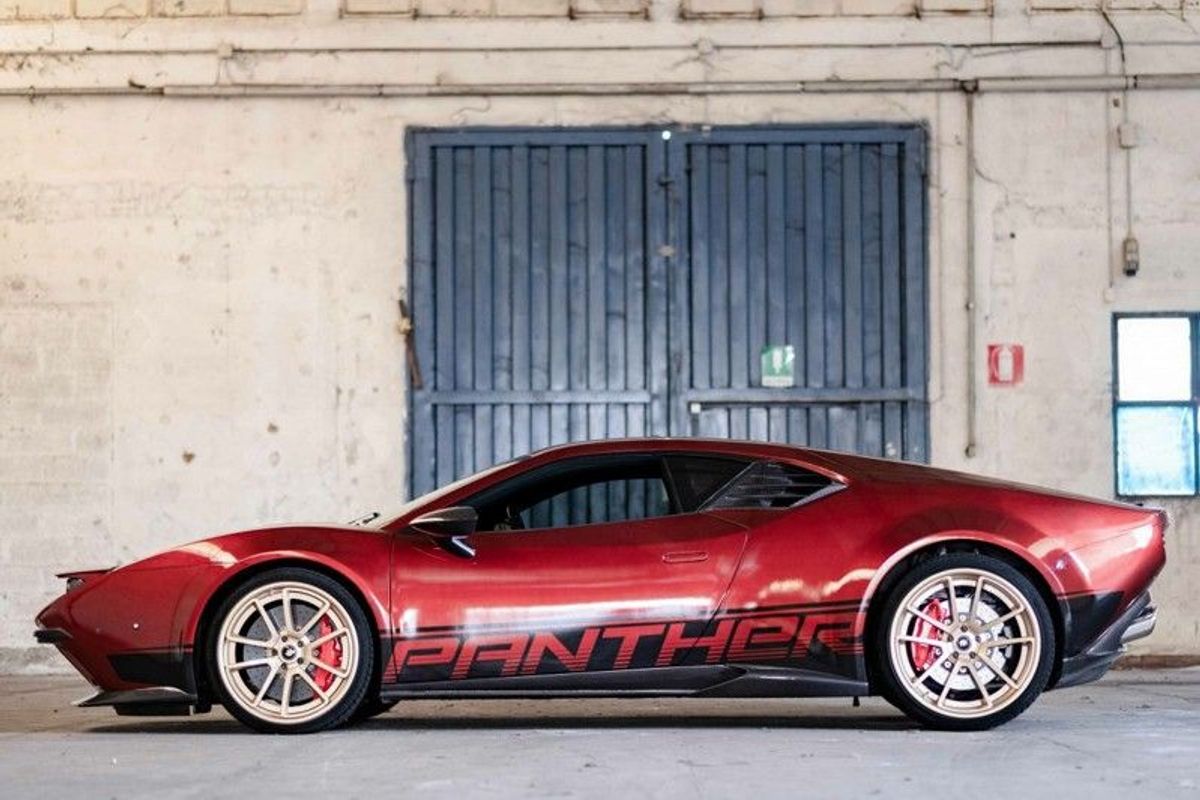
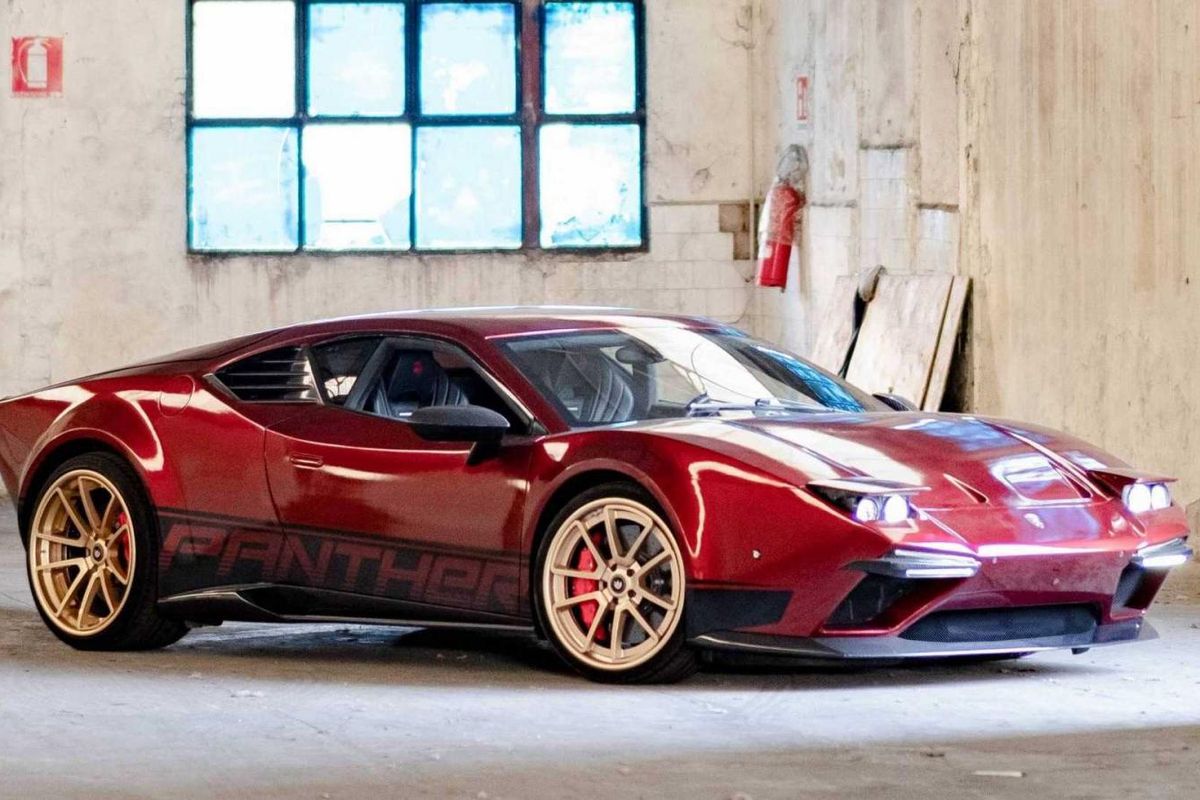
One of the truly great names of Italian automotive performance is being revived. The Detomaso Pantera is being reborn as a Panther by Italian design consultancy, Ares.
Detomaso once rivalled Lamborghini, in the period of its existence between 1971-1992, building dramatically styled supercars which were rather controversially powered by larger American sourced V8 engines.
Now Lamborghini is helping to revive the spirit of those wild Detomaso supercars of old. The new car is built on a Huracan chassis and powered by the Italian-German 5.2-litre V10, primarily developed by Audi.
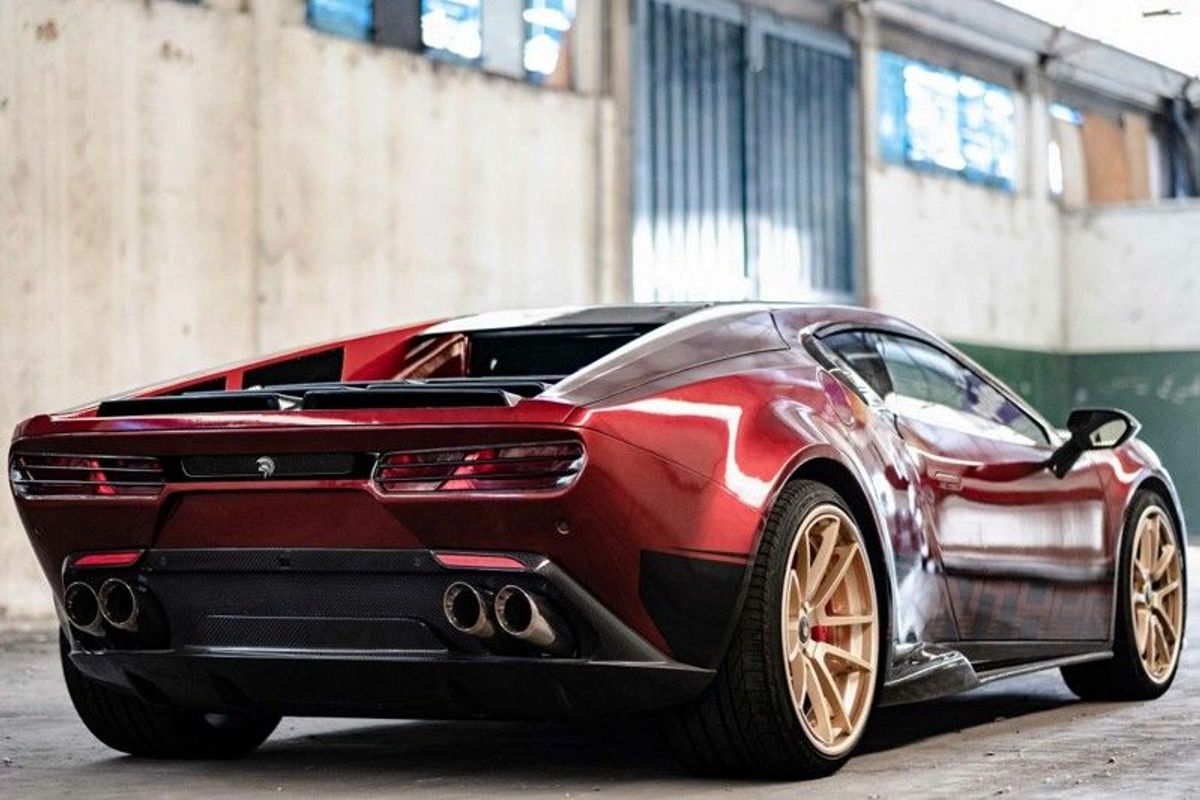
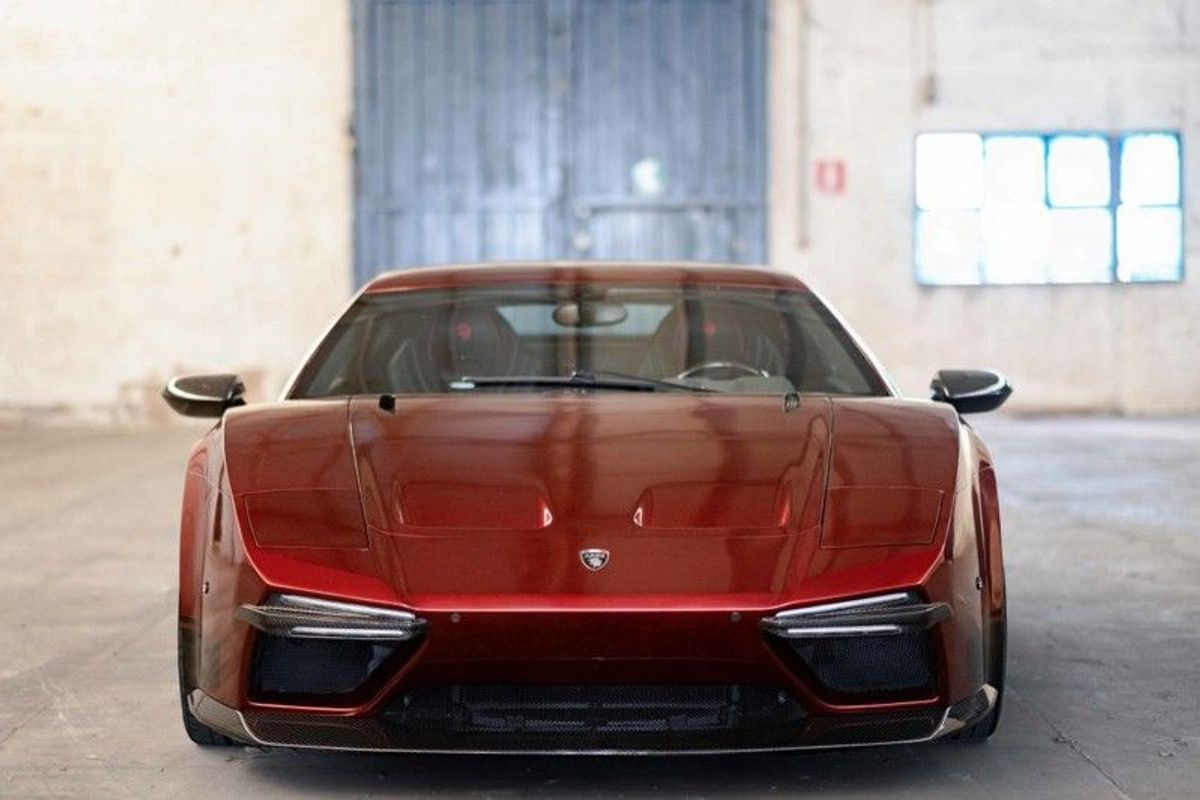
Ares design has done a remarkable job of recreating the feel of Detomaso’s Pantera with its new Panther, a car shaped in the classic 1970s wedge aesthetic. Most of the Panther’s exterior surfacing is carbon-fibre and most amazing, are its lights. There are LED strips at each corner of the nose, but also pop-up further back on the bonnet, something which has been outlawed in the name of safety for more than two decades.
As a low-volume manufacturer, Ares is allowed certain latitudes in terms of regulation, and as such, the Panther is a modern mid-engined supercar with pop-up headlights augmenting its LEDs. Only an Italian design firm would be so bold.
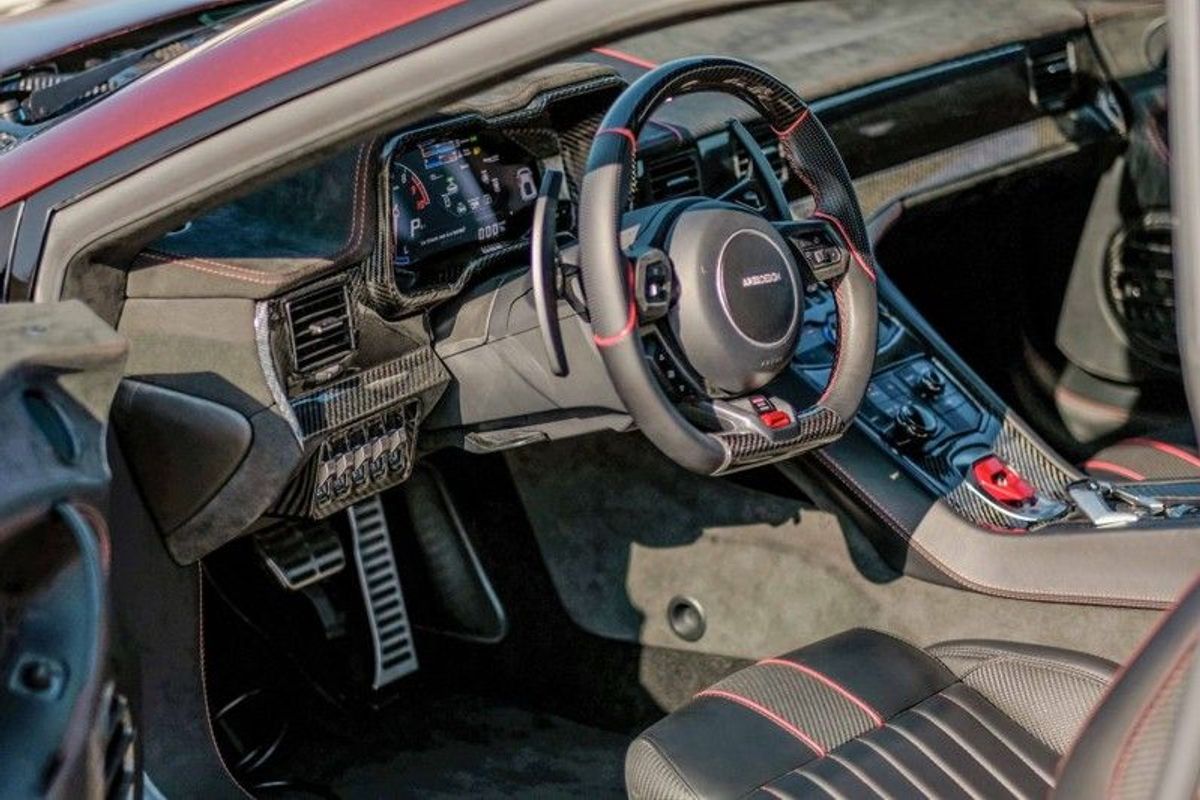
You get a fantastically retro cabin too, with all the modern comfort and convenience features, whilst the exterior is charmingly late 1970s, even featuring door-mounted side graphics.
With a kerb weight of only 1 420 kg and the Huracan V10 tuned to produce 485 kW, the Ares designed Detomaso Panther won’t lack for performance. Official claims are for 0-100 kph in 3.1 seconds and a top speed of 325 kph.
Ares will deliver a Panther within 12 weeks of receiving the R10m (estimated) purchase price.
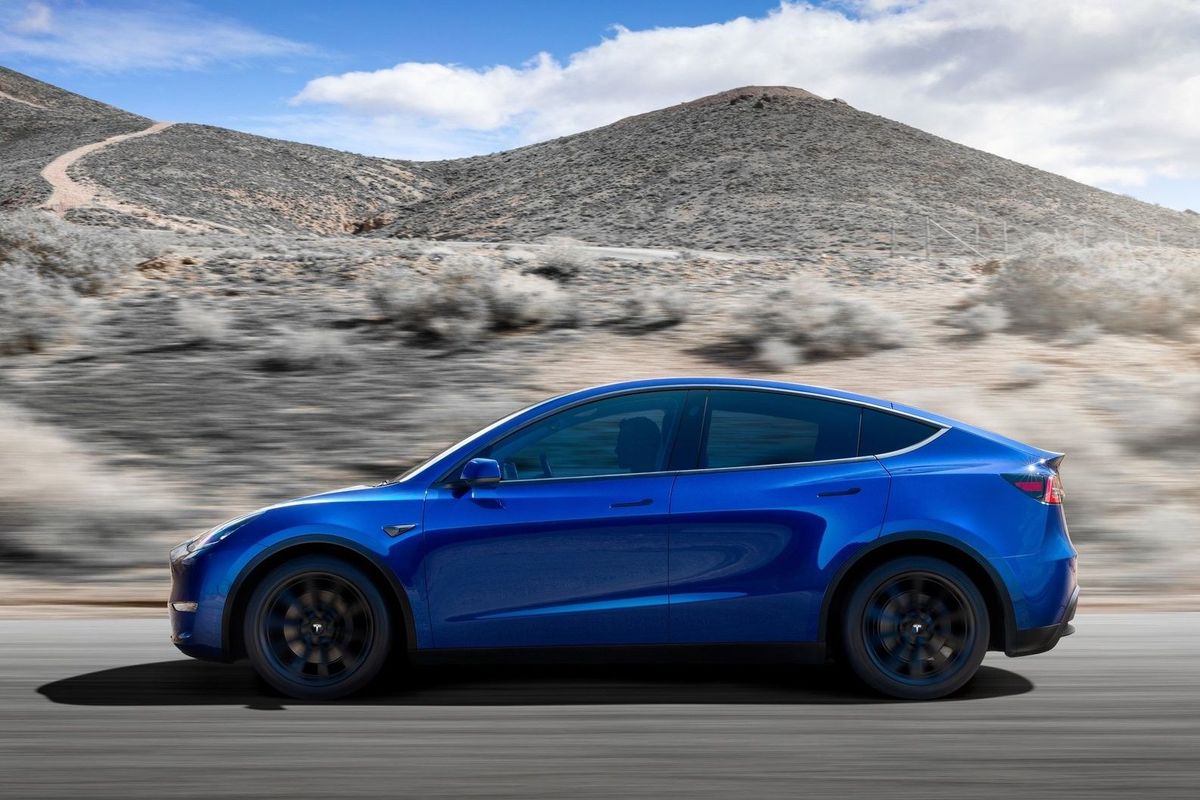
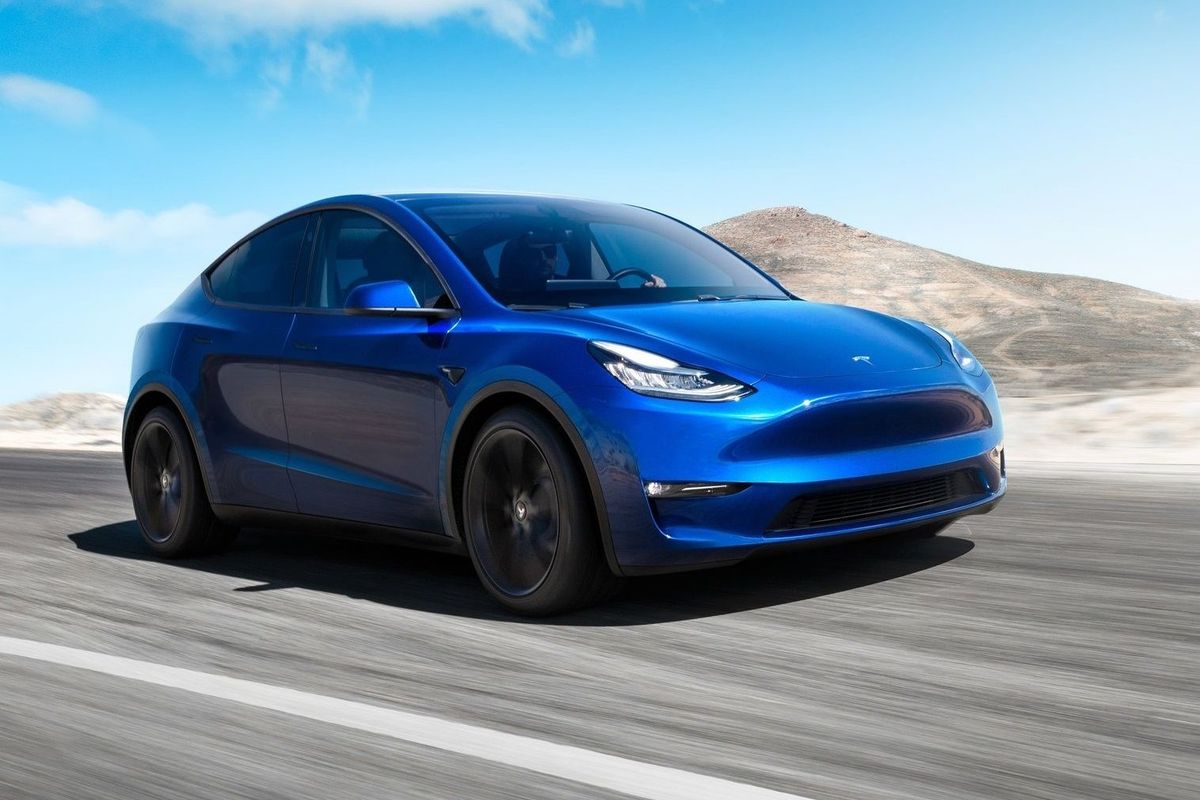
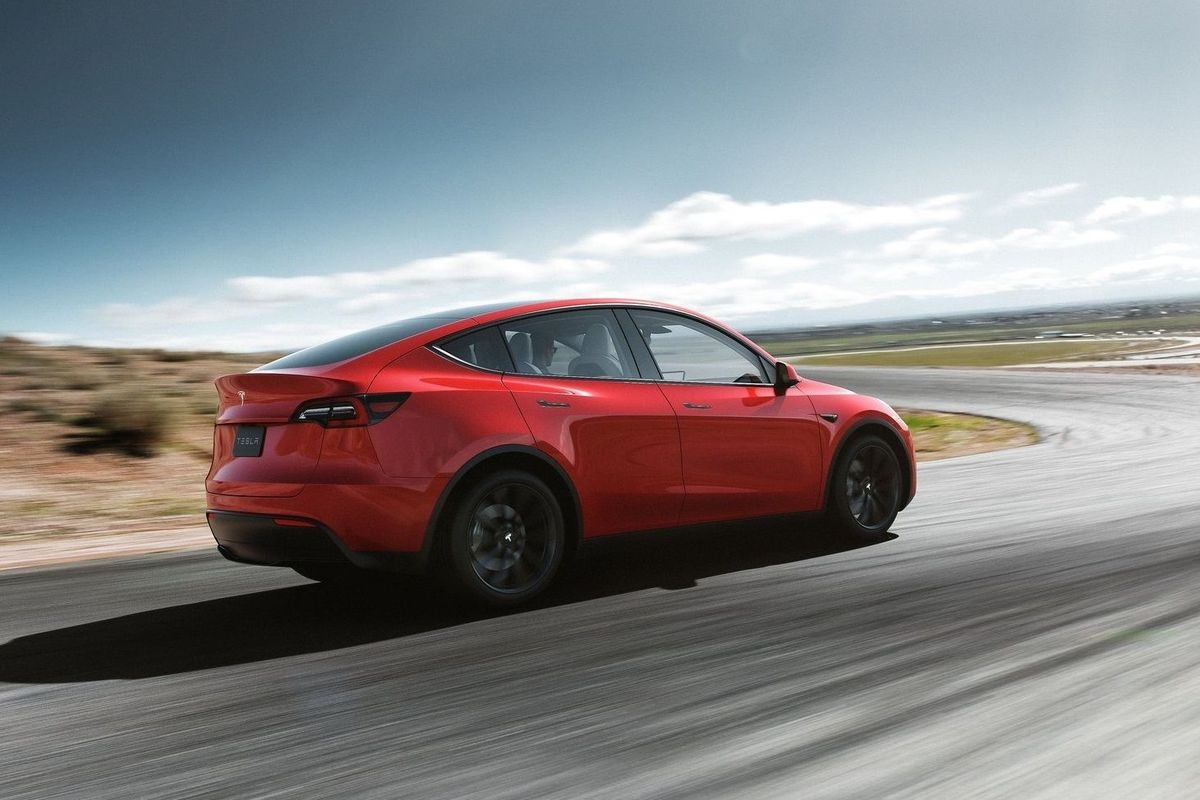
Electric carmaker Tesla has released a 4th model. Dubbed Model Y, the newcomer is an all-electric, mid-sized SUV with a focus on practicality and safety.
Available in 4 variants, the Tesla Model Y is claimed to have carrying capacity for 7 adults plus cargo. The different versions make for interesting reading. There'll be a Standard Range version, with a Long Range, Dual Motor All-Wheel Drive and for those craving speed, a Performance derivative.
Tesla claims performance figures of 0-100 kph in 3.5 seconds, with a top speed of 240 kph. Battery range sits at 368 km for the Standard Range, with the Long Range model offering 480 km.
Inside, the Tesla Model Y features a panoramic glass roof as well as cleverly designed seats to give an illusion of space. The vehicle features no key, instead using your smartphone to gain access.
Tesla Model Y deliveries are expected to start towards the end of 2020.
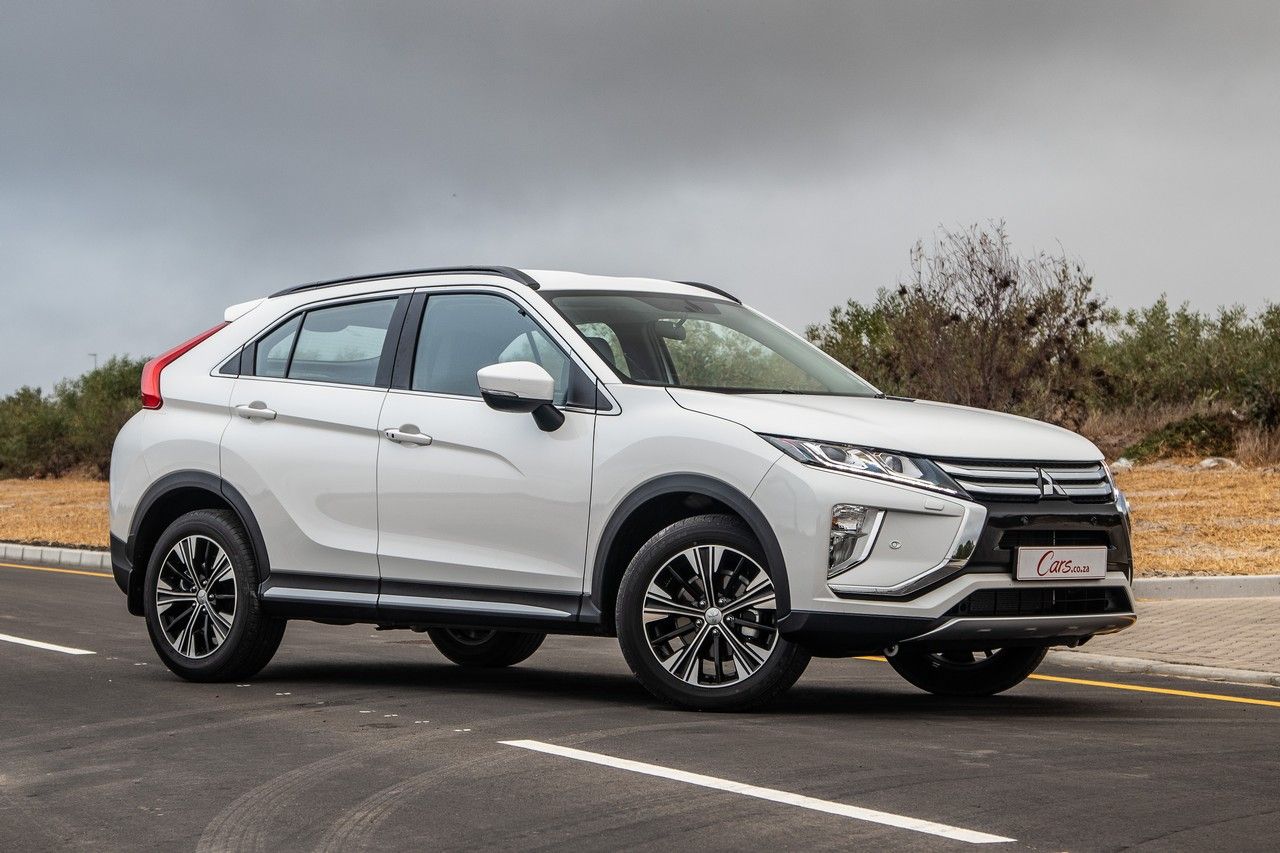
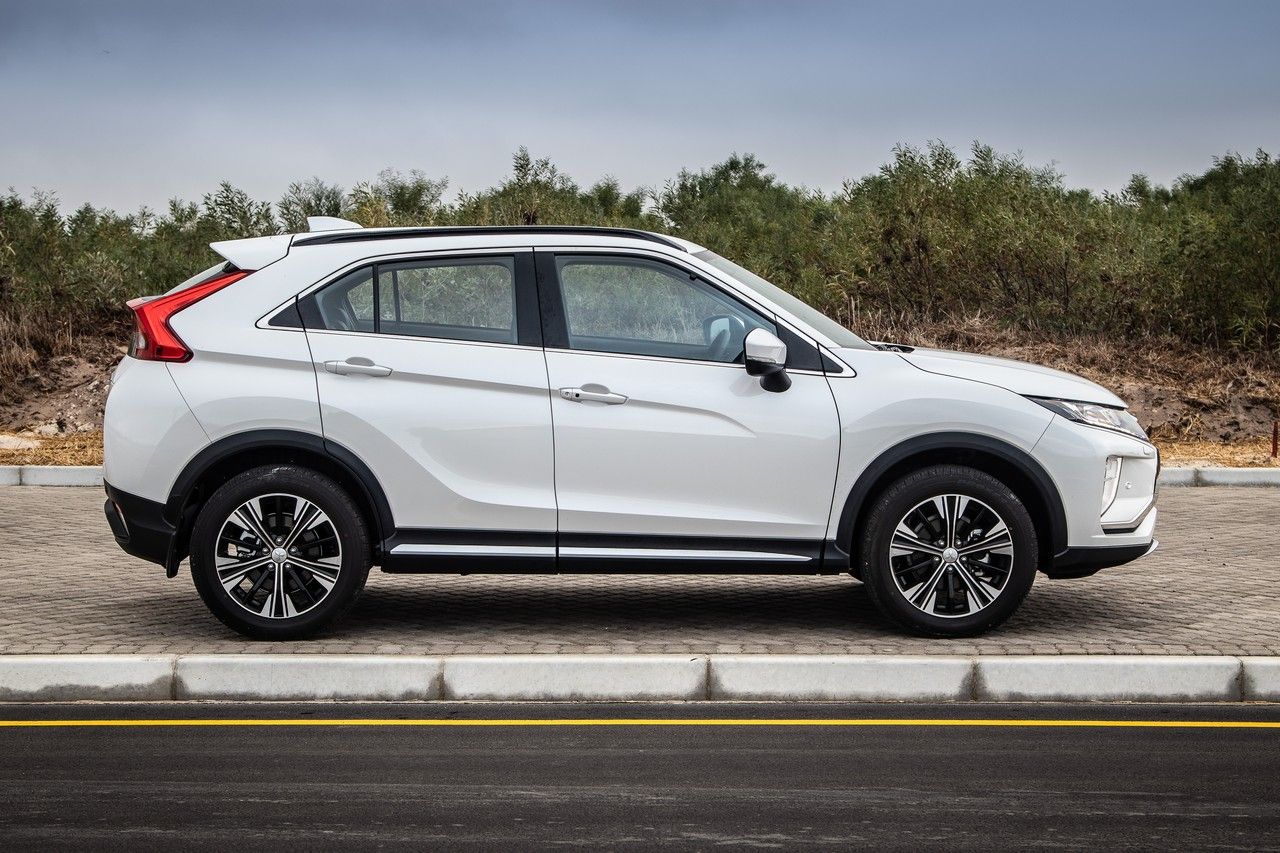
The Mitsubishi Eclipse Cross has finally arrived in South Africa. With the market well and truly saturated by compact crossovers, it's going to take something special for this Japanese newcomer to garner your attention. Truth be told, after a week's evaluation, the new Mitsubishi proved a pleasant surprise. Here's why you should give it a 2nd look.
We like: Relative affordability, build quality, ride refinement, standard features
We don't like: Shallow load bay, only 1 powertrain choice (for now)
Fast Facts
Price: R399 995 (March 2019)
Engine: 2.0-litre 4-cylinder naturally-aspirated petrol
Some Mitsubishi dealers regularly offer specials: Have look here.
Where does it fit in?
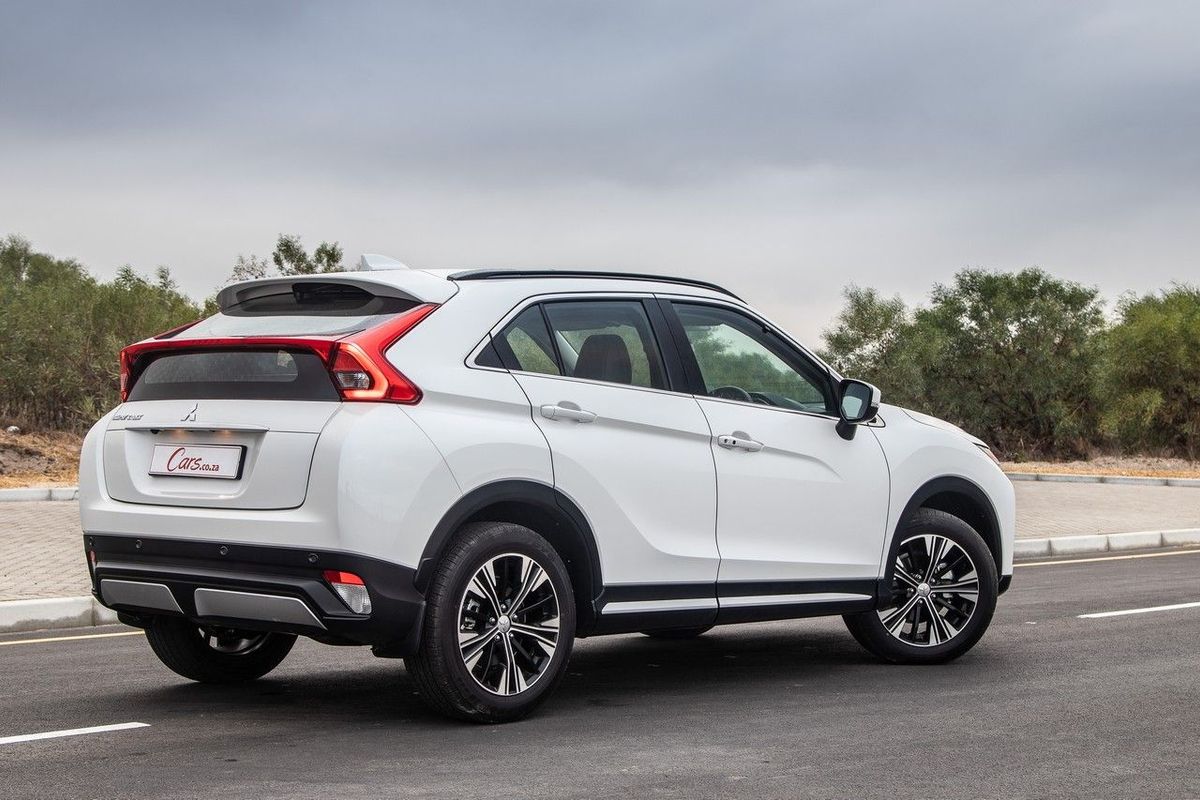
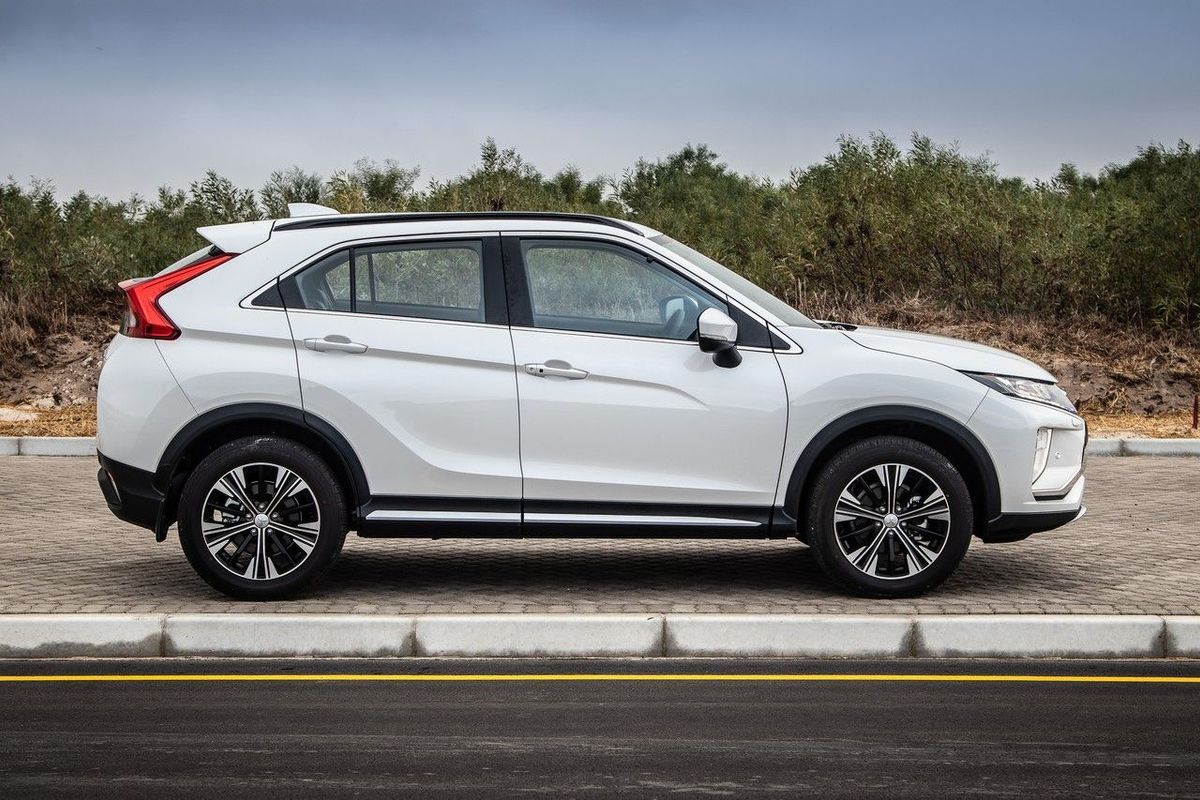
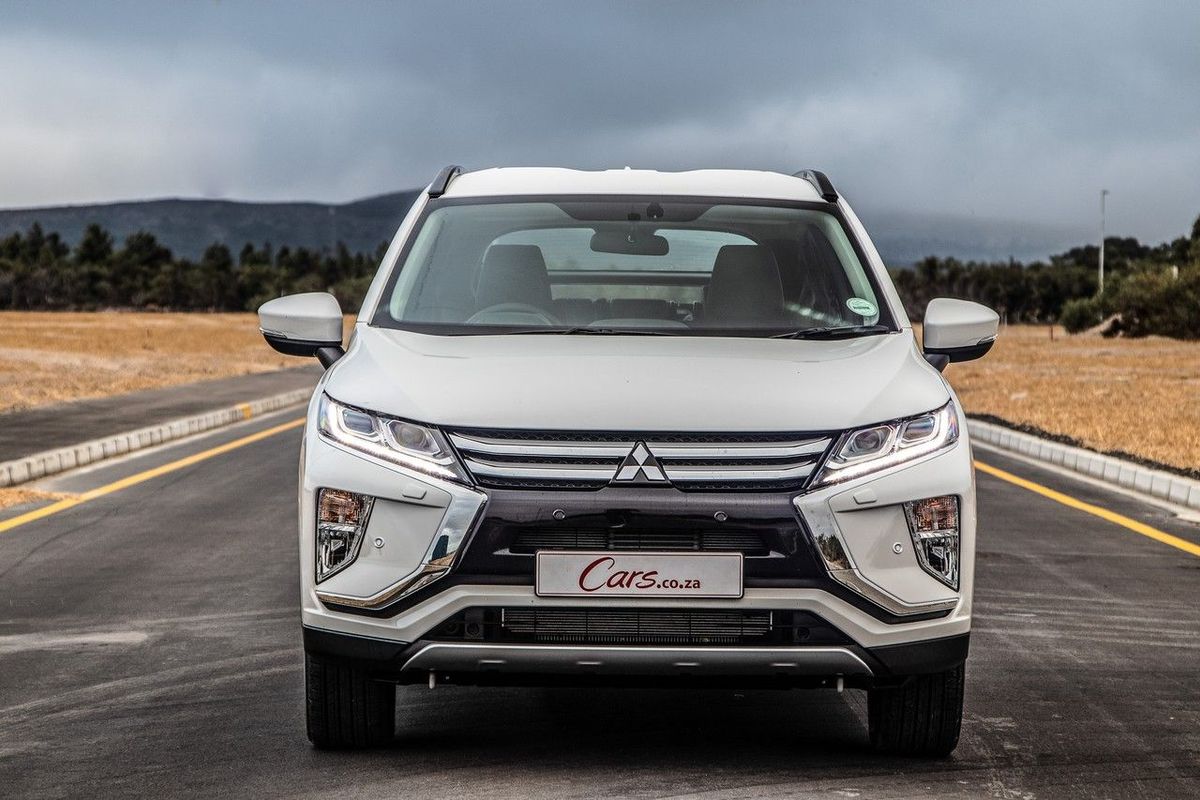
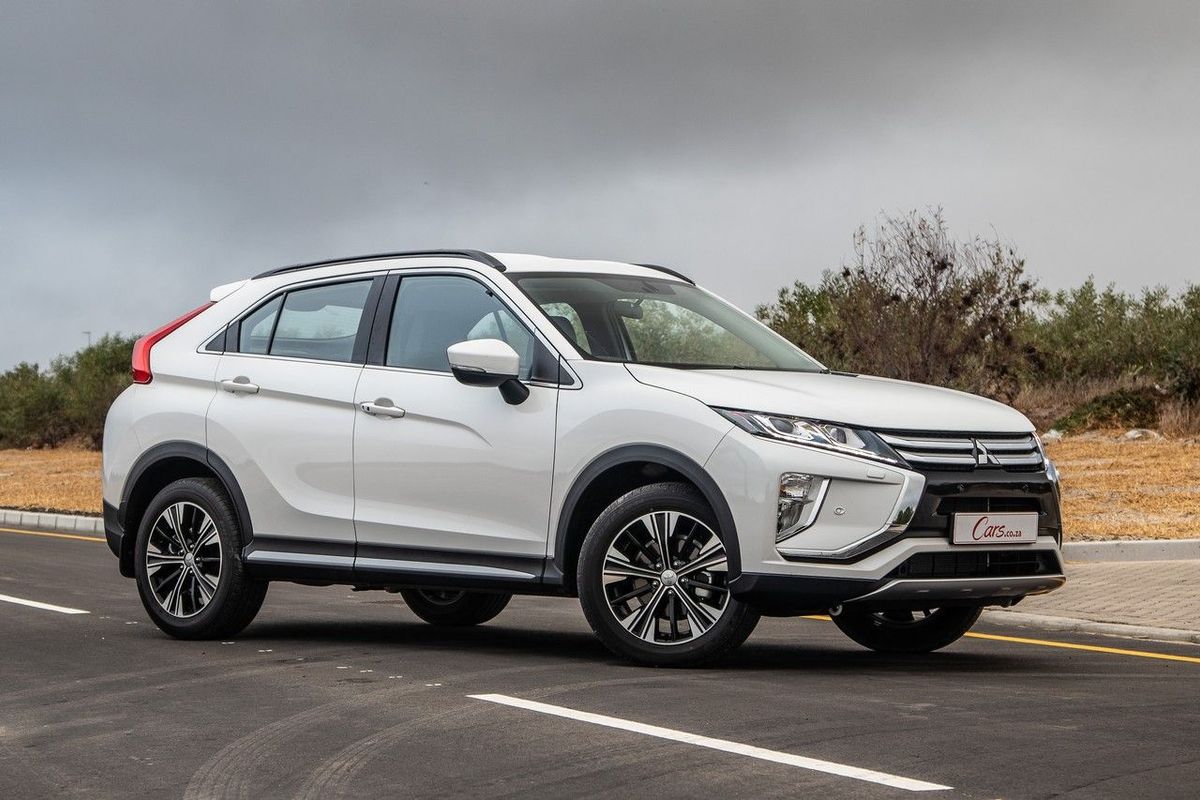
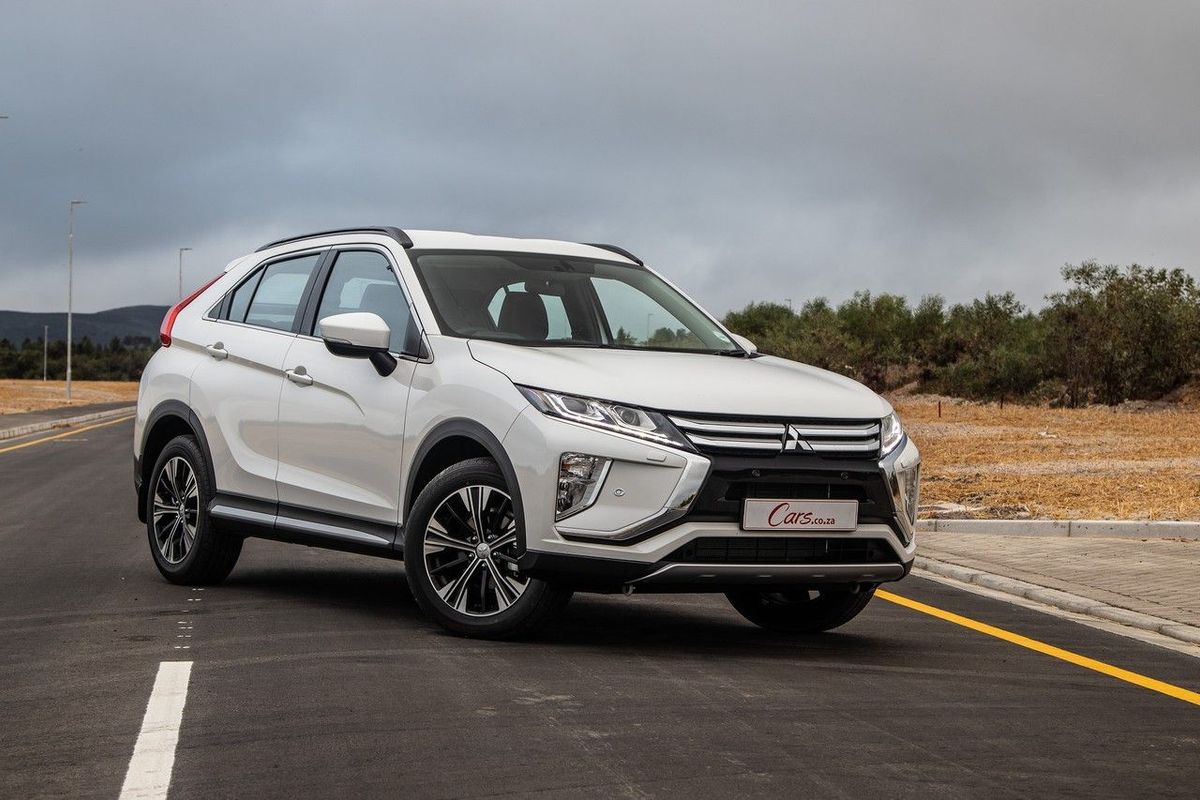
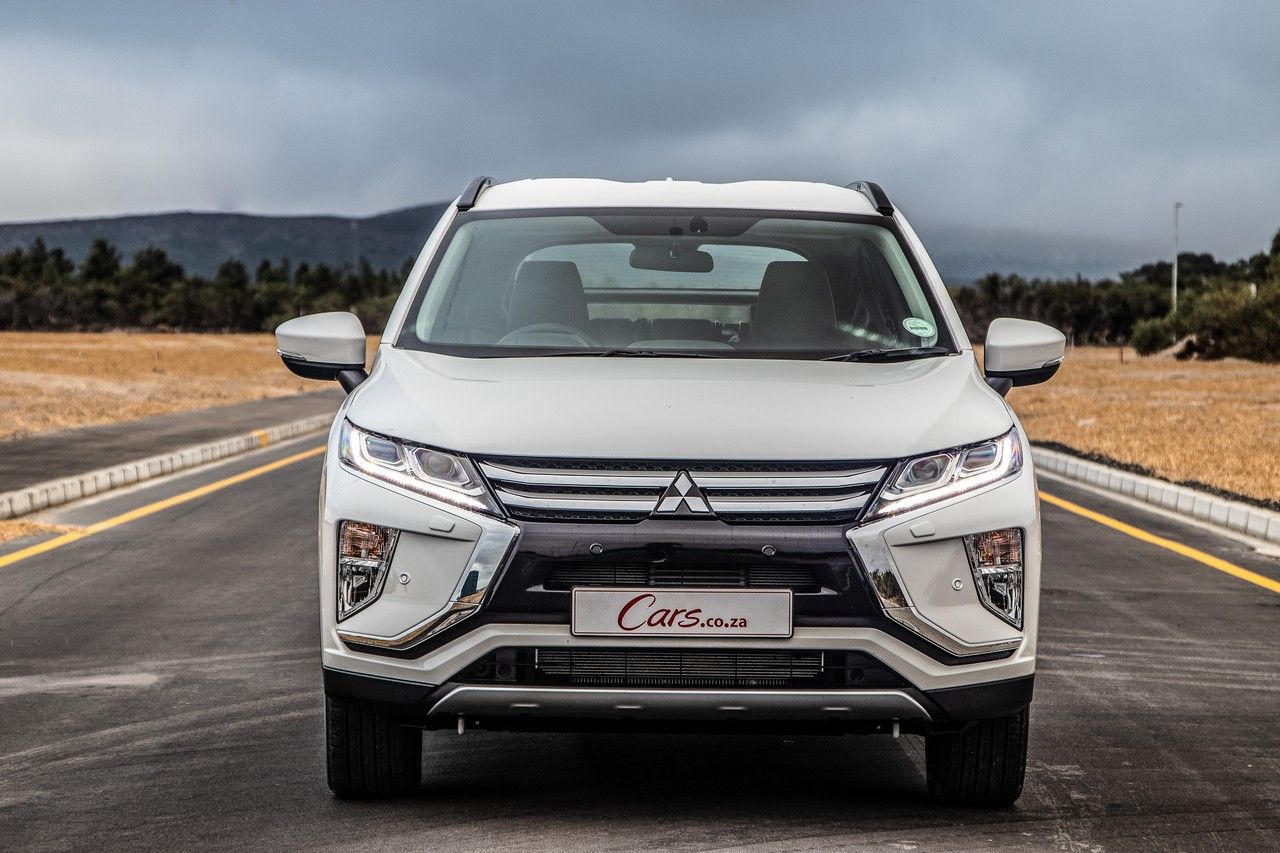
The Mitsubishi Eclipse Cross adopts the latest face from the Japanese manufacturer
Remember the iconic green coupe in the first instalment of the Fast and the Furious movie franchise? It was a Mitsubishi Eclipse, but the corresponding name and brand are the only 2 elements shared between that car and the vehicle you see here. Mitsubishi is yet another brand to change its product strategy in line with global demands and, with SUVs/crossovers being high in demand, its just sound business practice –irrespective of heritage or product lineage. So, instead of a fancy new sports car, what you're getting is a sensible, spacious and practical SUV.
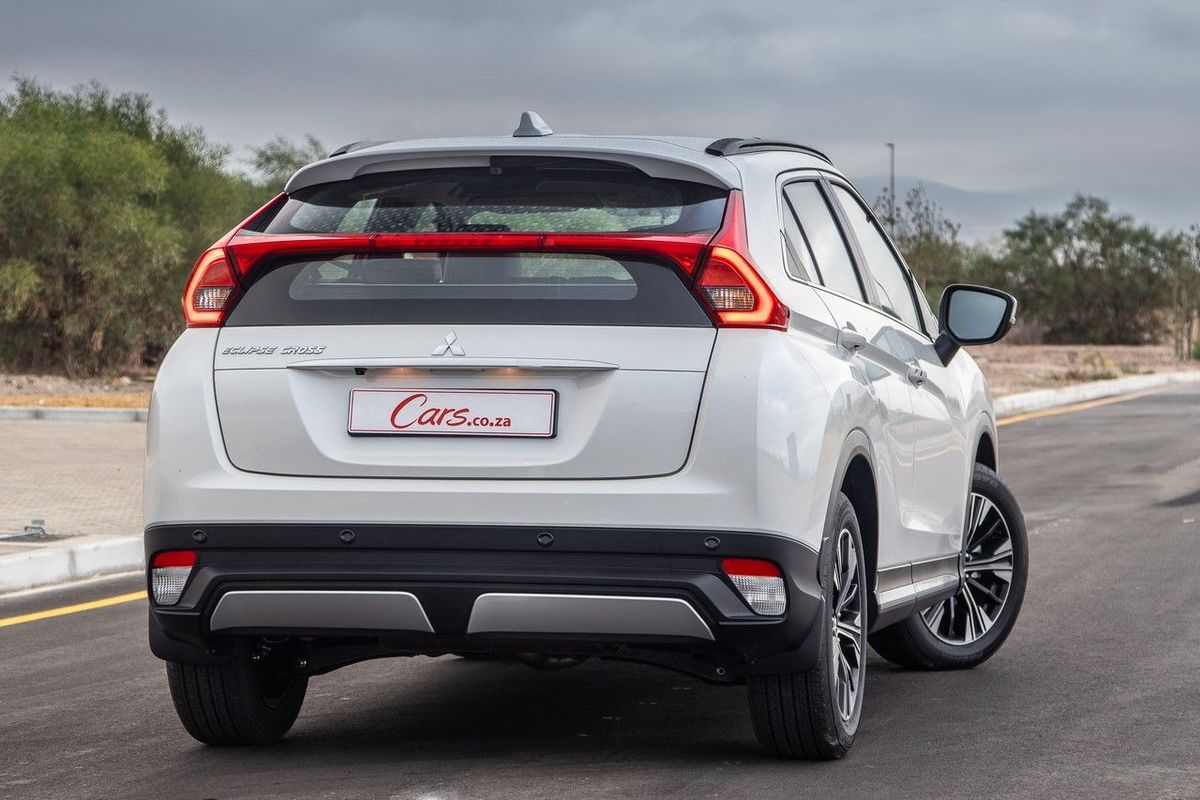
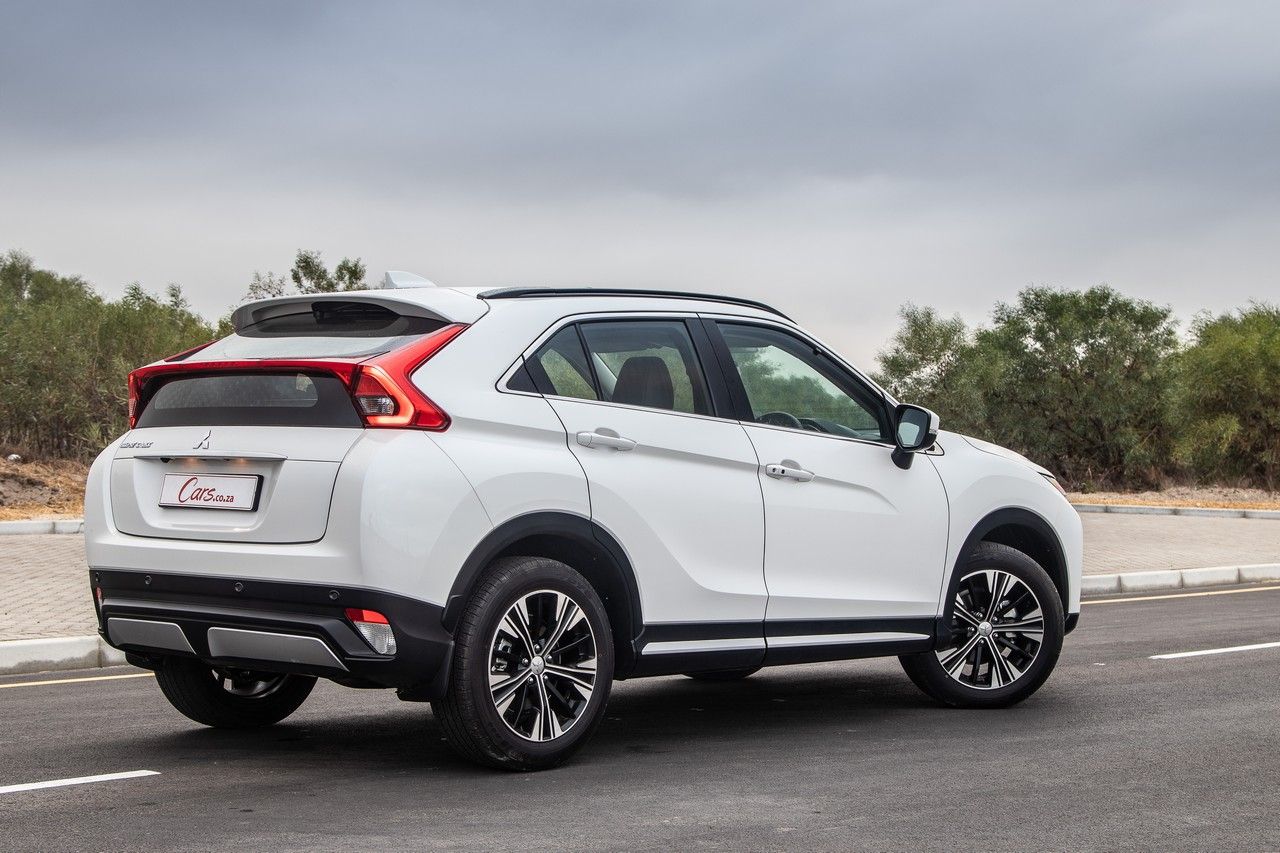
We like the look of it. Mitsubishi has done the basics right and at least made its new offering interesting to look at. It's unmistakably Mitsubishi at the front (with the latest interpretation of brand's design language), while the rear sports some sharp angles. In terms of size, it's a touch larger than the still-going-strong ASX and a smidgeon smaller than the Outlander. Interestingly, Mitsubishi claims its rivals (size-wise) are the Hyundai Tucson and Mazda CX-5. The dimensions don't lie and we find the Eclipse Cross fractionally smaller, but you'd be hard-pressed to spot the difference.
There's just 1 engine/gearbox combination for now, with a choice between front-wheel-drive and all-wheel-drive configurations. On test here is the front-wheel-drive Mitsubishi Eclipse Cross.
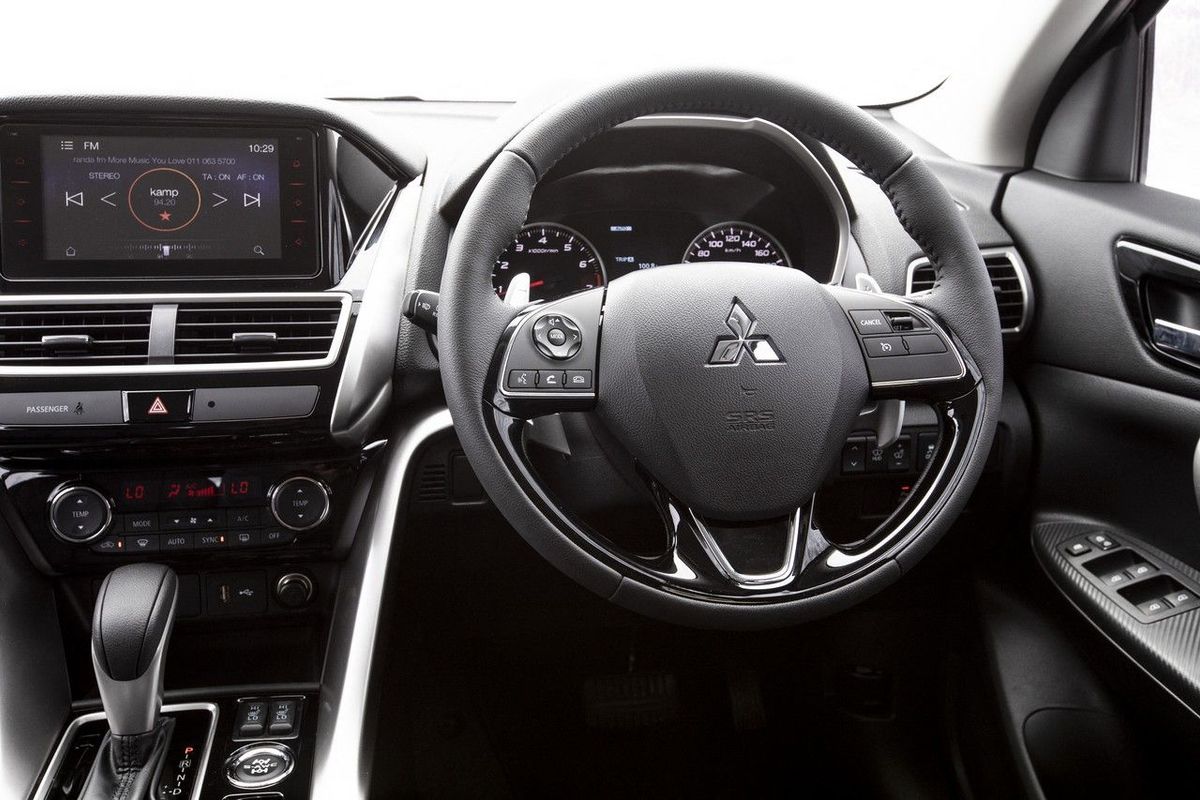
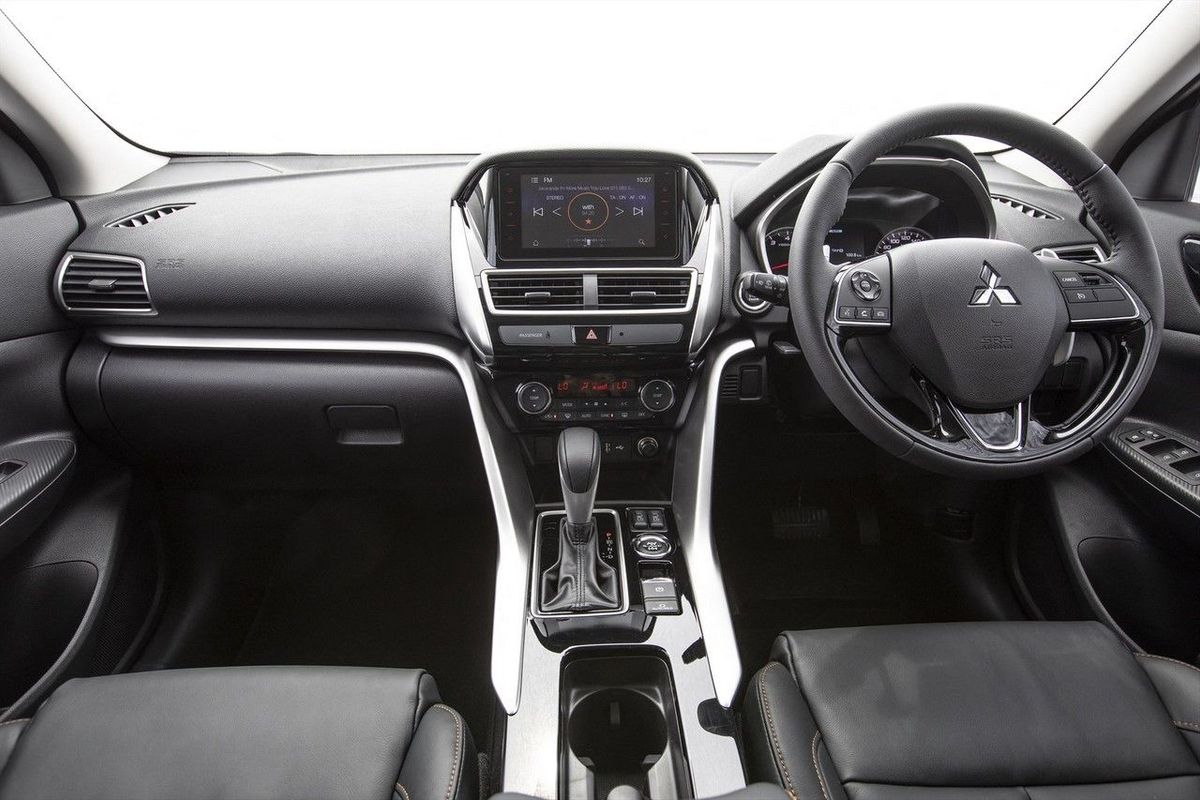
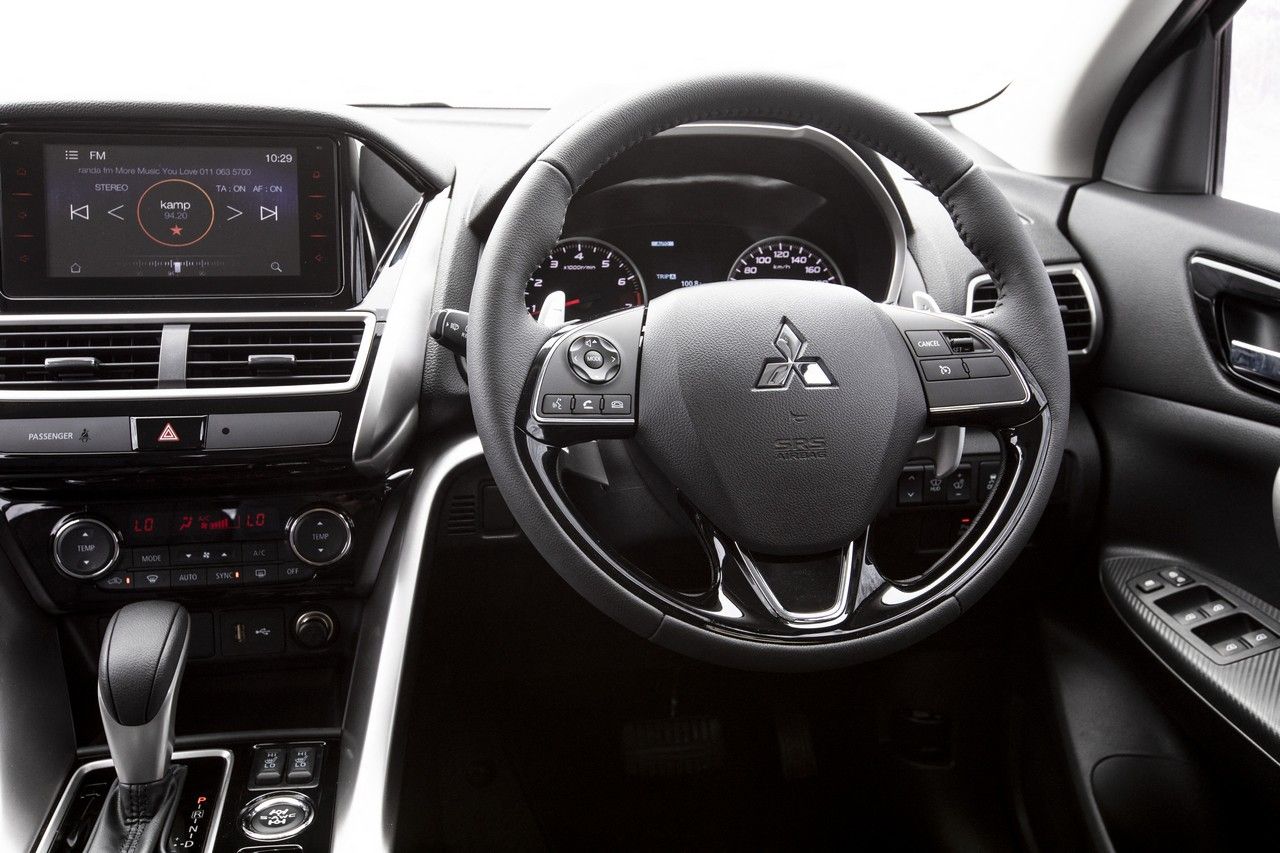
The cabin of the Eclipse Cross is modern and well finished.
The standard spec of the Eclipse Cross is very impressive at this price point. For a few rands under R400 000, standard spec includes nice-to-haves such as heated seats, climate control, head-up display, leather trim, automatic headlights and -wipers, a reverse-view camera, as well as front/rear park distance control. Plus, as a family car, a comprehensive suite of safety features is a must-have… To that end, the Mitsubishi comes with 7 airbags, ISOfix child seat anchors, ABS with EBD and brake assist, active stability-, traction and yaw control, plus a hill-start assist system.
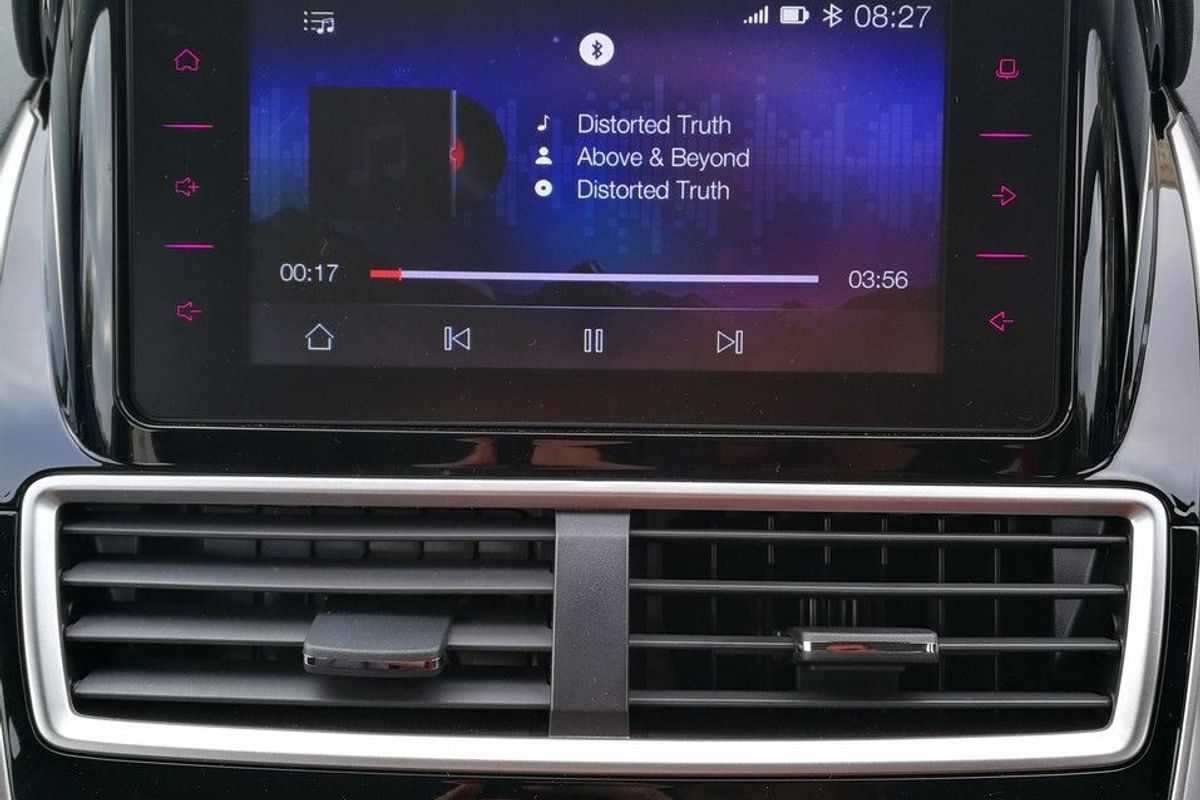
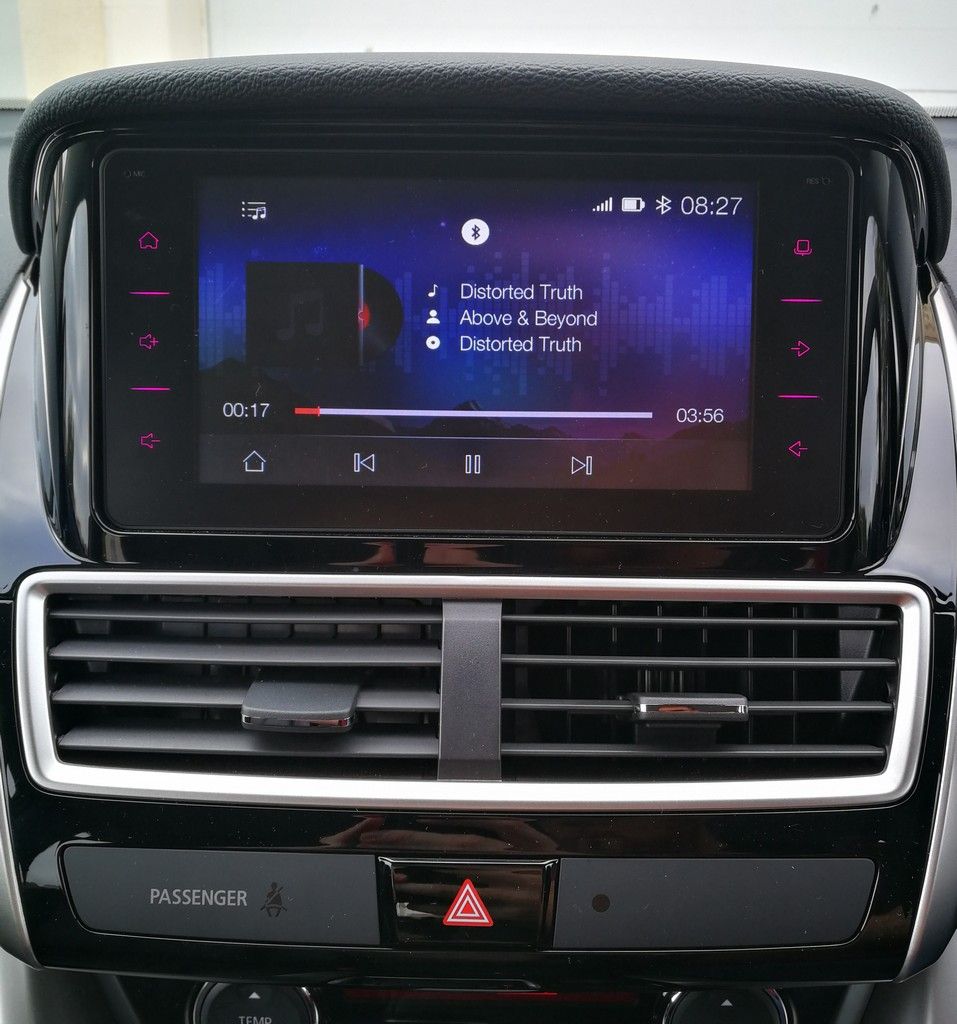
We had a distinct feeling of deja vu when we tested the slick interface of the Eclipse Cross' infotainment system. Now that Mitsubishi is fully part of (what used to be known as) the Renault Nissan Alliance, it makes sense that its new products would sport systems sourced from the group, in this case, the infotainment setup of the Datsun Go. But that's not to say that the tech carryover is a bad thing: the system offers a clean user experience and is refreshingly simple to use. Satellite navigation is included, but we found it was better to make use of the built-in Apple CarPlay/Android Auto compatibility, which allows Google Maps/Waze, as well as music-streaming services such as Spotify.
The infotainment setup may be from a Datsun Go, but it works beautifully. Here are Android Auto and Spotify in action
Ride and drive
Usually, the term CVT (an abbreviation for the gearless continuously variable automatic transmission) elicits moans and groans from the petrolhead community. While we understand the tech and the need for such a transmission, the issue arises that a CVT is not very engaging or responsive when pressing on. However, given the fact that the Mitsubishi Eclipse Cross has morphed from a silky coupe to a sensible SUV, this hardly matters. Yes, it will make some noise when you're standing on the accelerator, but for the overwhelming majority of the time, you'll be trundling along with light inputs to the accelerator only. This is where the CVT shines and it'll deliver commendable fuel economy as well. Mitsubishi's claim of 7.9 L/100 km was a little ambitious, but we're happy to report that the trip computer's readout sat at 9.1 L/100 km, which is about par for the segment.
With the market being flooded by SUVs and crossovers, it's nice to see a brand coming in with a radical design. Kudos Mitsubishi.
The engine is a 2.0-litre naturally aspirated 4-cylinder petrol motor. With peak outputs of 110 kW and 198 Nm, the 2.0 litre offers just about enough shove to get the (almost 1 500-kg) Eclipse Cross moving briskly. In-gear acceleration is not its strong point, however, and with 4 adults in the car, you might pine for a powerplant that offers a touch more torque, such as a turbopetrol or -diesel engine. It's not the fastest off the line when it comes to outright acceleration, but once you're at cruising speed, the Mitsubishi has no problem with keeping up with traffic or maintaining momentum.
Our reservations about the powertrain aside, the overall ride quality and on-road refinement of the Eclipse Cross are commendable. It feels well assembled: wind noise is all but dialled out at freeway speeds and the pliant suspension makes for a relaxed driving experience. The steering is direct, lively and light, which is a boon in a cramped urban environment. In terms of a compact family car driving experience, it does not disappoint.
The not-so-good
Only one powertrain option
While we don't mind the 2.0-litre MIVEC naturally-aspirated 4-cylinder engine mated with a CVT, some customers might want a punchier powertrain. Hyundai, for example, offers a 1.6-litre turbopetrol motor, which, in our experience, has a more flexible power delivery by comparison. Mitsubishi does have a turbocharged motor (a 1.5 litre) that delivers 124 kW and 250 Nm, but it's unlikely to reach the South African market before the end of 2019. There's also talk of the Eclipse Cross being offered with Mitsubishi's latest 2.2-litre turbodiesel motor, but that version might be too expensive.
The lack of a turbocharged engine is obvious and while you won't be disappointed with the current powertrain, the vehicle needs a bit more shove
Shallow load bay
One of the big downsides of offering a full-sized spare wheel is that your model's luggage space usually takes a knock. The Mitsubishi Eclipse Cross suffers in this regard and while the load bay is not prohibitively small, it doesn't offer as much carrying capacity as its rivals. According to our site's compare tool, the Eclipse Cross boasts 378 litres of carrying capacity, while its rivals offer 442 litres (Mazda CX-5) and 488 litres (Hyundai Tucson).
Pricing & Warranty
The range starts at R399 995 for the front-wheel-drive derivative tested here, while the all-wheel-drive version commands a R50 000 premium. The vehicle comes standard with a 3-year/100 000 km warranty and a 5-year/90 000 km service plan.
Mitsubishi Eclipse Cross 2.0 R399 995
Mitsubishi Eclipse Cross 2.5 AWD R449 995
Verdict
With 180 mm of ground clearance, the Mitsubishi Eclipse Cross can easily mount the kerb or tackle some light gravel roads
The Mitsubishi Eclipse Cross took a while to reach our market, but it has proved a pleasant surprise. It gets the basics right and represents a compelling value proposition. Coming in under the R400 000 barrier has meant that newcomer from Mitsubishi substantially undercuts its competition by some margin, with the equivalent Mazda CX-5 retailing for R410 500 and the Hyundai Tucson for R433 900.
It's a refreshingly honest vehicle that has great on-road manners and, with 180 mm of ground clearance, is suitable for traversing gravel routes. Want the reassurance of all-wheel drive? Well, the next derivative in the Eclipse Cross portfolio will have you covered. The Eclipse Cross is also the first vehicle from the Japanese brand to boast a digitally-connected interface that offers Android Auto and Apple CarPlay connectivity.
If we had any gripes other than the lack of engine diversity in the model range and the shallow load bay, it would be the rear headroom, which isn't the best for taller adults (by virtue of that fashionable sloping roofline). Other than that, the newcomer from Mitsubishi is a good middle-of-the-road compact crossover that's unlikely to disappoint, thanks mostly to its good levels of comfort and refinement.
Interested in buying a new/used Mitsubishi Eclipse Cross?
Volkswagen's Tiguan is a stylish and well-finished family car. It's also the only model here featuring a turbocharged engine, although Trendline specification lags behind that of the Eclipse Cross. It's also significantly more expensive.
Hyundai's Tucson is a popular model. Not only does it offer a relaxed and refined driving experience, but by virtue of its extensive 7-year warranty, the Tucson is a good prospect for long-term ownership.
The Mazda CX-5 is a massive success story for the Japanese brand. It delivers excellent on-road manners, has a capacious load bay and, in early 2019, received a handful of connectivity updates.
5 Cheapest People Movers in SA
Do you need a new 7-seater vehicle to transport passengers for as little money as possible? We take a closer look at 5 of South Africa’s cheapest people movers!
If you are in the business shuttling people across town on a regular basis and have a limited budget to get the job done, then you should consider these 5 budget-busting people movers. All the vehicles on this list are capable of carrying at least 7 passengers and most of them are attractively priced below the R300k mark.
Let’s get moving…
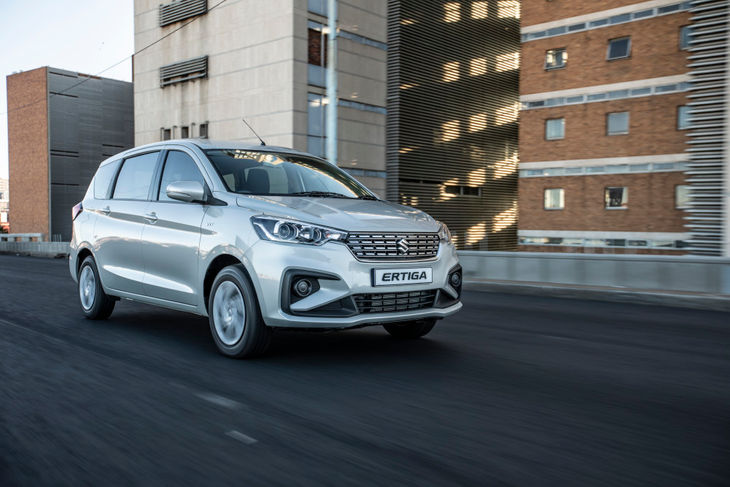
Suzuki Ertiga
A new-generation Ertiga arrived in South Africa recently and it represents a big improvement over the outgoing model. The third row of seats offers generous space and the interior is now available in black, featuring a new touch panel radio system.
The Ertiga is powered by a new 1.5-litre naturally aspirated engine that offers 77 kW and 138 Nm of torque. The Ertiga can be had with a 5-speed manual or 4-speed automatic transmission. Passengers in the Ertiga will appreciate its good ride quality too.
The Ertiga is equipped with 2 front airbags and ABS with EBD.
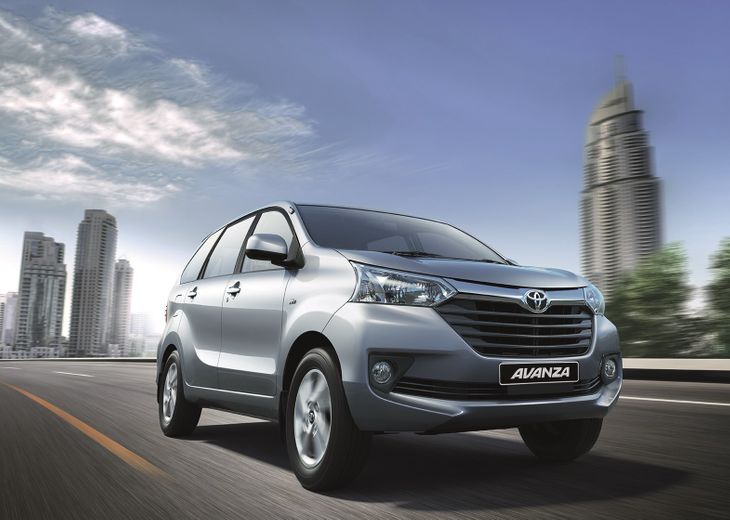
The Toyota Avanza remains a popular people moving choice and it lives up to its name as ‘A Van for ZA’. The base-model Avanza derivative is powered by a naturally aspirated 1.3-litre engine with 70 kW and 121 Nm of torque, driving the front wheels through a 5-speed manual gearbox. There’s also a more powerful 1.5-litre engine on offer with 77 kW and 137 Nm of torque. This engine can be mated to a 5-speed manual or a 4-speed automatic transmission.
Vehicle Stability Control is offered across the entire Avanza range. Safety features for the Avanza include dual front airbags, ABS with EBD, Vehicle Stability Control, Brake Assist and Traction Control.
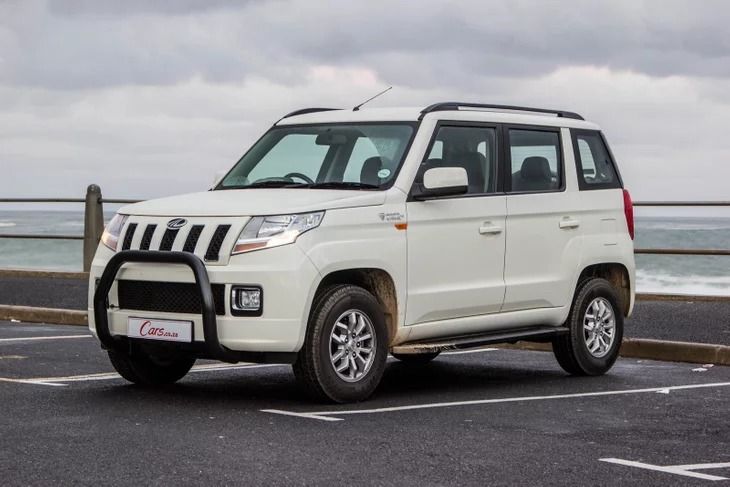
The Mahindra TUV300 is a rear-wheel drive 7-seater but the fold-down, military-style (face each other) rear seats are not fitted with seatbelts. For obvious safety reasons, we advise that you don't use them to transport passengers. The TUV300 is powered by a 1.5-litre turbodiesel engine offering 74 kW and 240 Nm of torque. Power is sent to the rear wheels via a 5-speed manual transmission.
Safety features for the TUV300 include 2 front airbags and ABS with EBD.
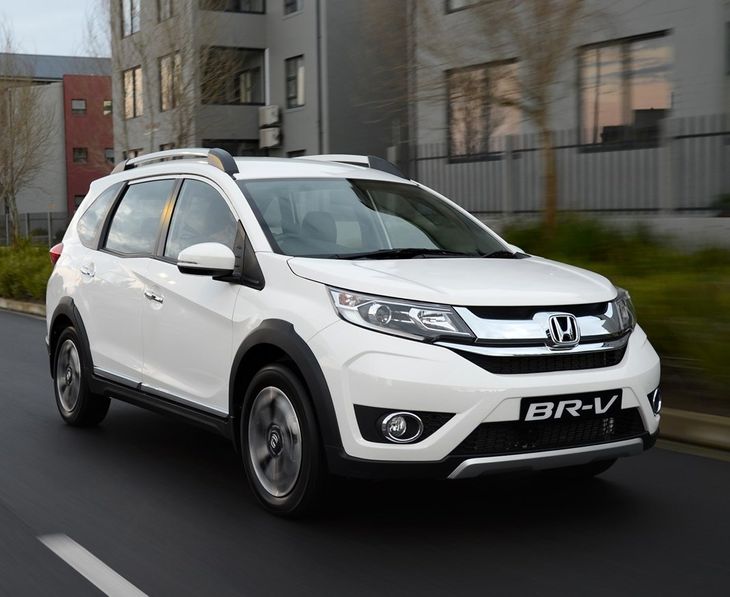
Honda launched its 7-seater BR-V family car in October 2016. The seats in the BR-V tumble with ease and the third row of seats are surprisingly spacious, even for adults.
The BR-V range is powered by a naturally aspirated 1.5-litre engine with 88 kW and 145 Nm of torque on offer. Buyers can also choose between a 6-speed manual or CVT transmission.
The BR-V is fitted with 2 airbags, ABS with EBD and Brake Assist.
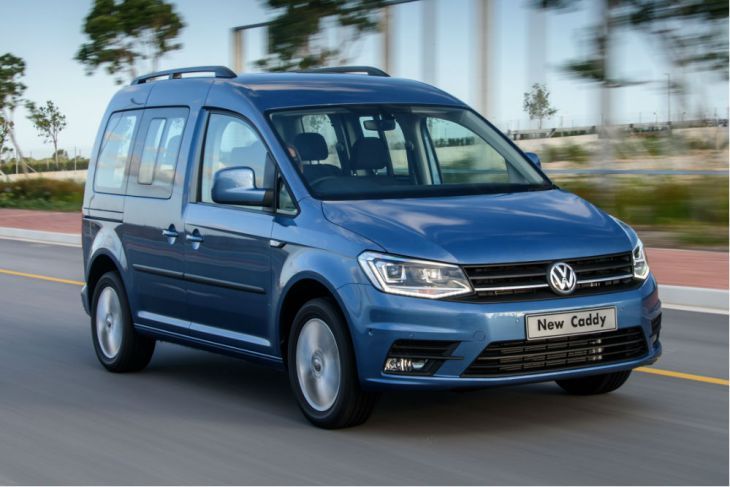
The Volkswagen Caddy 1.6 Crew Bus can be had in 5 or 7-seat configuration. A 1.6-litre engine produces 81 kW and 155 Nm of torque and a 5-speed manual gearbox is offered as standard.
Safety features include 2 airbags as standard as well as ABS and traction control.
Pricing for the Volkswagen Caddy 1.6 Crew Bus 7-seater is as follows:
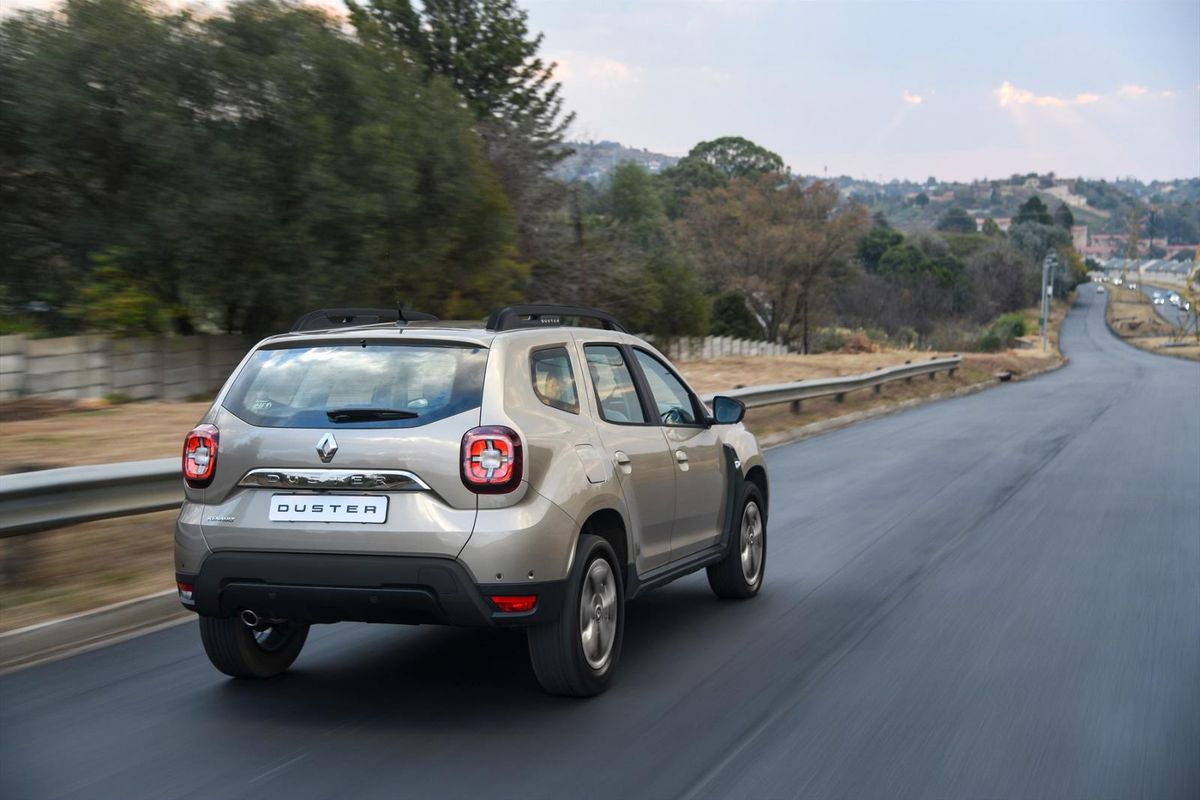
Renault has introduced a 4×4 version of its all-new Duster compact SUV which came to market last year. See specification and pricing details for the newcomer below…
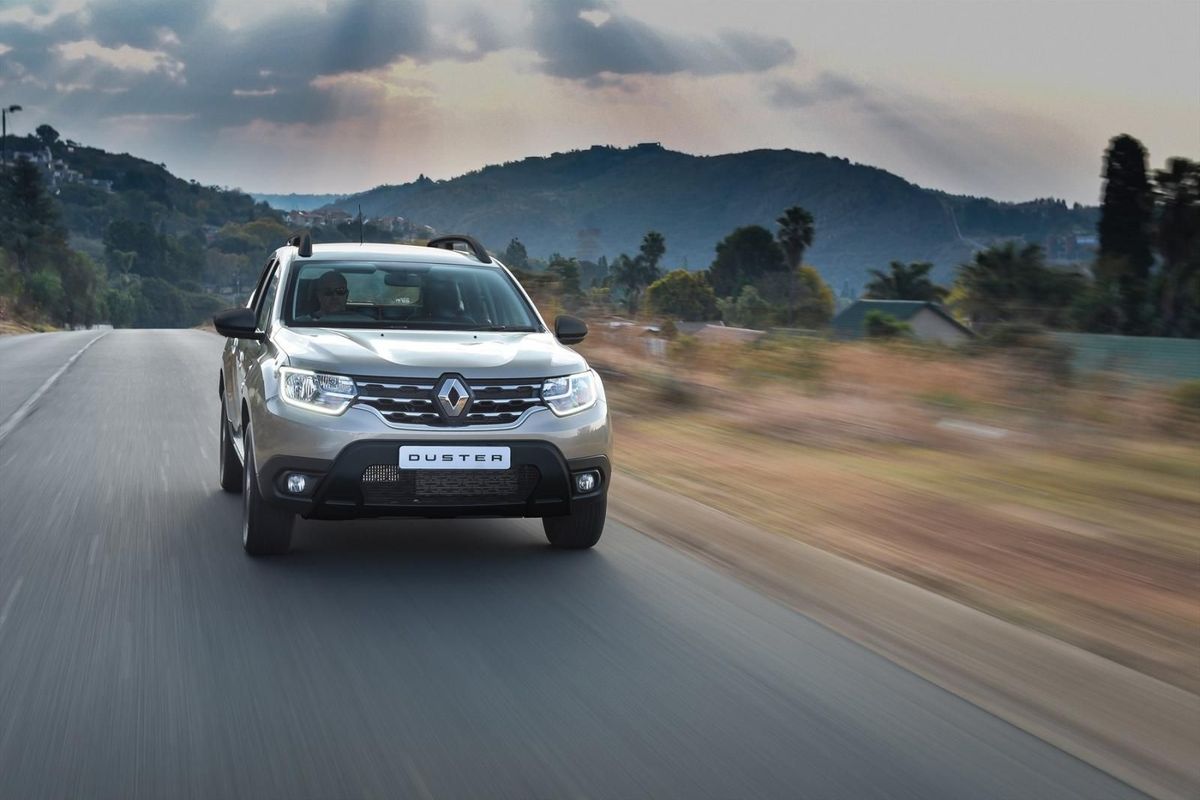
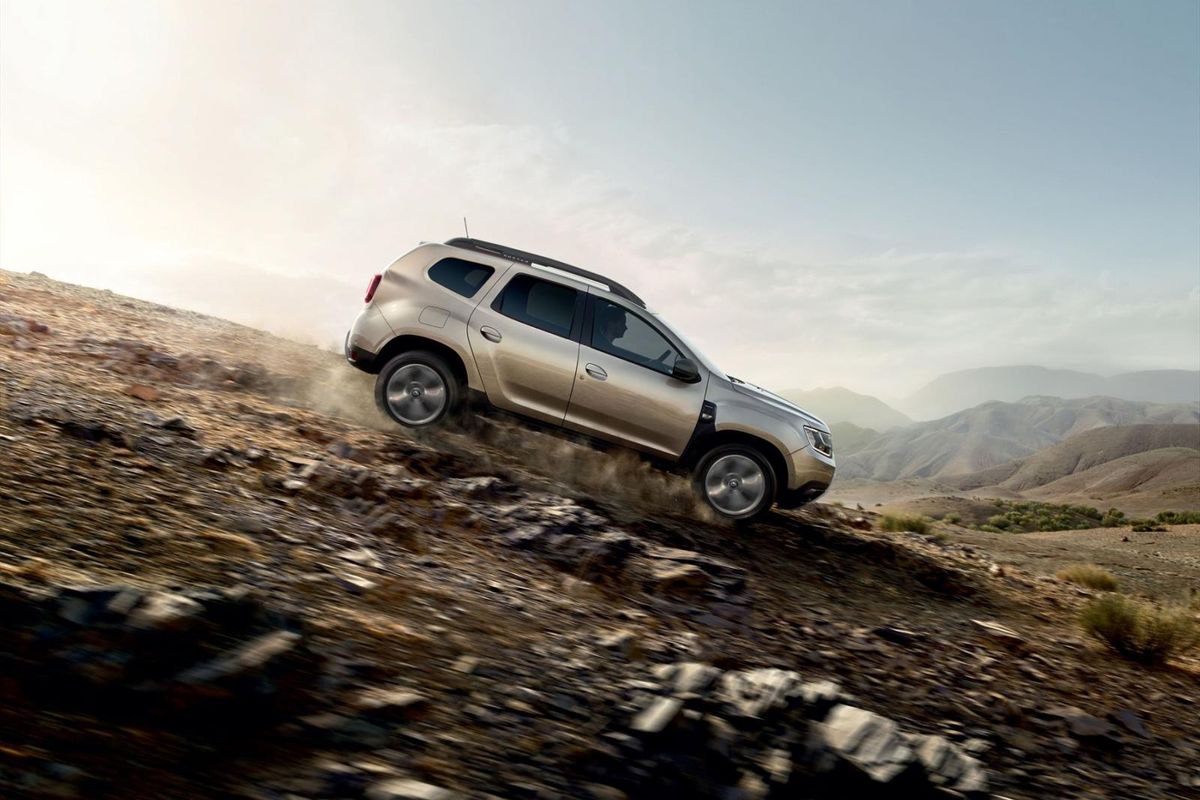
The Renault Duster is a popular choice in the compact family SUV segment and offers a degree of ruggedness that its rivals lack. Now, Renault South Africa welcomes the Duster 4×4 to market which features a new 16-inch alloy wheels, aluminium roof bars, front and rear skid plates, a chrome-trim grille and a C-shaped lighting signature.
The look is matched with a 210mm ground clearance, 30-degree approach angle and 34-degree departure angle to tackle more challenging terrains.
Engine Power
The Duster 4×4 is powered by a 1.5-litre turbodiesel engine with 80 kW and 260 Nm of torque and is mated to a 6-speed dual-clutch manual automatic transmission. Fuel consumption is claimed at 5.2 L/100km.
WIth a Transmission Mode Selector, the driver is able to switch between 3 driving modes including 2WD Mode (front-wheel drive/normal driving conditions), Automatic Mode (torque distributed over 4 wheels) and Lock Mode (torque distributed to all 4 wheels), depending on the requirement.
Key Features
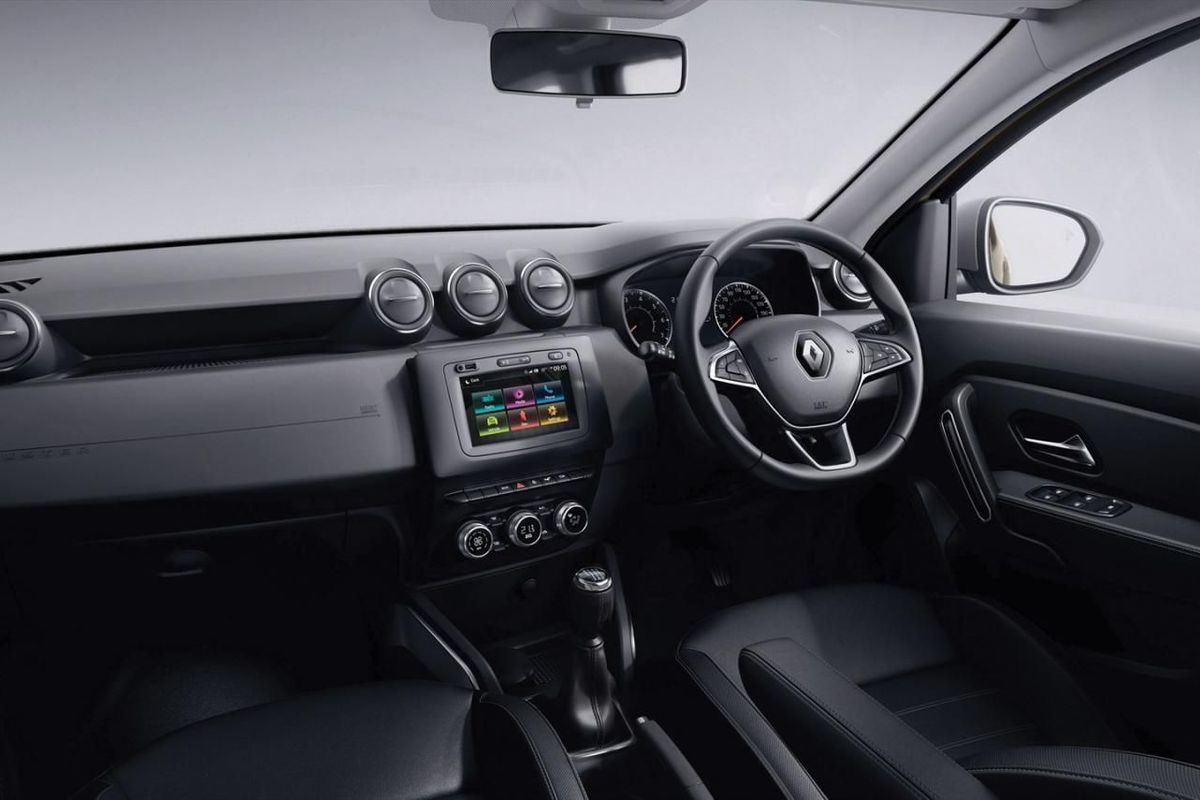
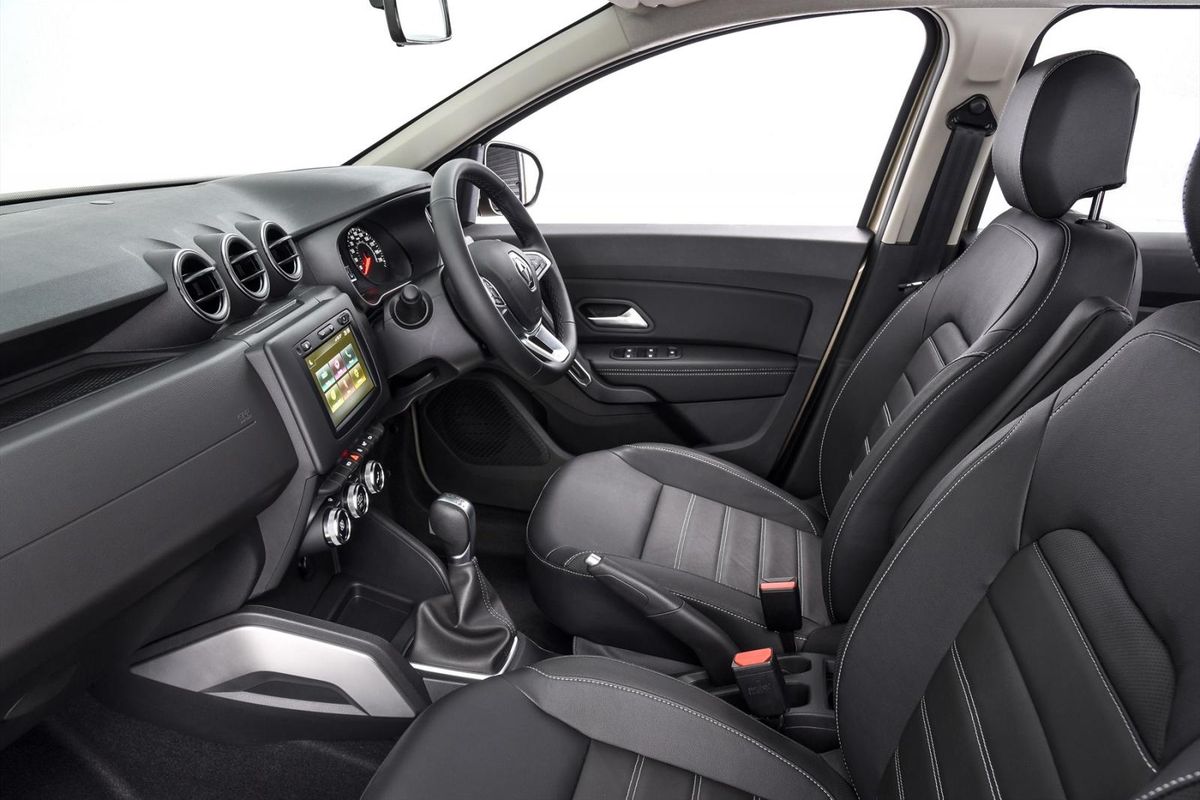
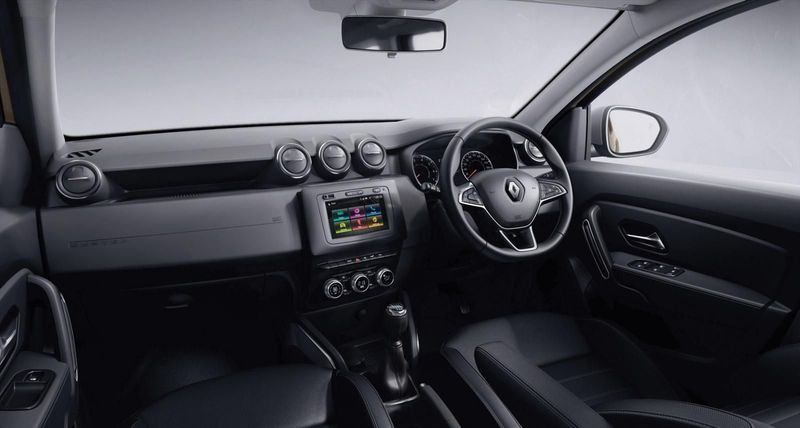
The Duster 4×4 features a new and improved interior with a host of useful features.
The Renault Duster 4×4 is offered in Dynamique trim only and comes equipped with features such as onboard navigation, Apple CarPlay/Android Auto, Multiview Camera for improved visibility while offroading, 4×4 monitor, blind spot warning, hill descent control, rear park distance control and cruise control. Climate control air conditioning is also standard.
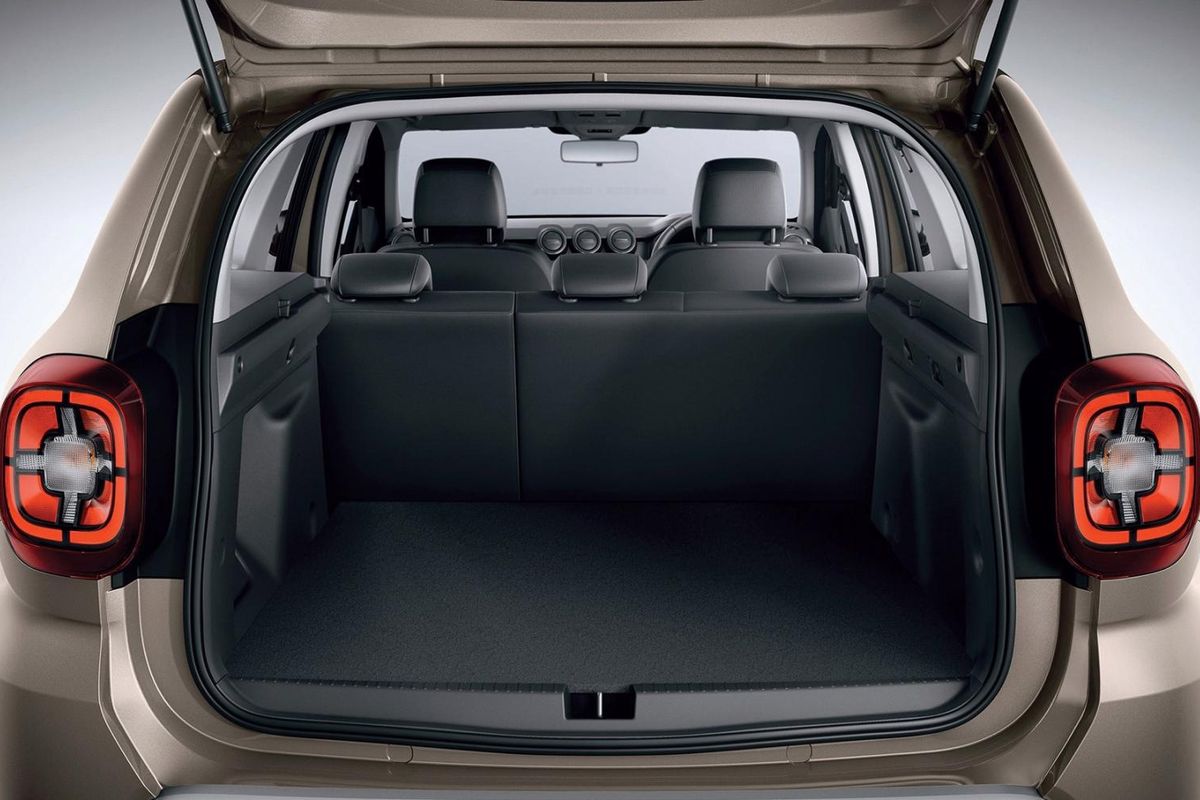
In terms of practicality, the Duster offers 478-litre load bay with 40:20:40 split rear seats.
The Duster 4×4 is equipped with 2 airbags, ABS with EBD, brake assist and traction control.
Renault Duster – Price in South Africa
Duster 1.6 Expression 4X2 – R255 900
Duster 1.5 dCi Dynamique 4×2 – R288 900
Duster 1.5 dCi Dynamique EDC 4×2 – R322 900
Duster 1.5 dCi Dynamique 4×4 – R327 900
Duster 1.5dCi Prestige EDC 4×2 – R340 900
Options include:
Metallic paint – R2 522
Leather seats – R10 088
The Renault Duster is sold with a 5-year/150 000 kkm warranty, 3-year/45 000 km service plan and a 6-year anti-corrosion warranty. Service intervals are at 15 000 km.
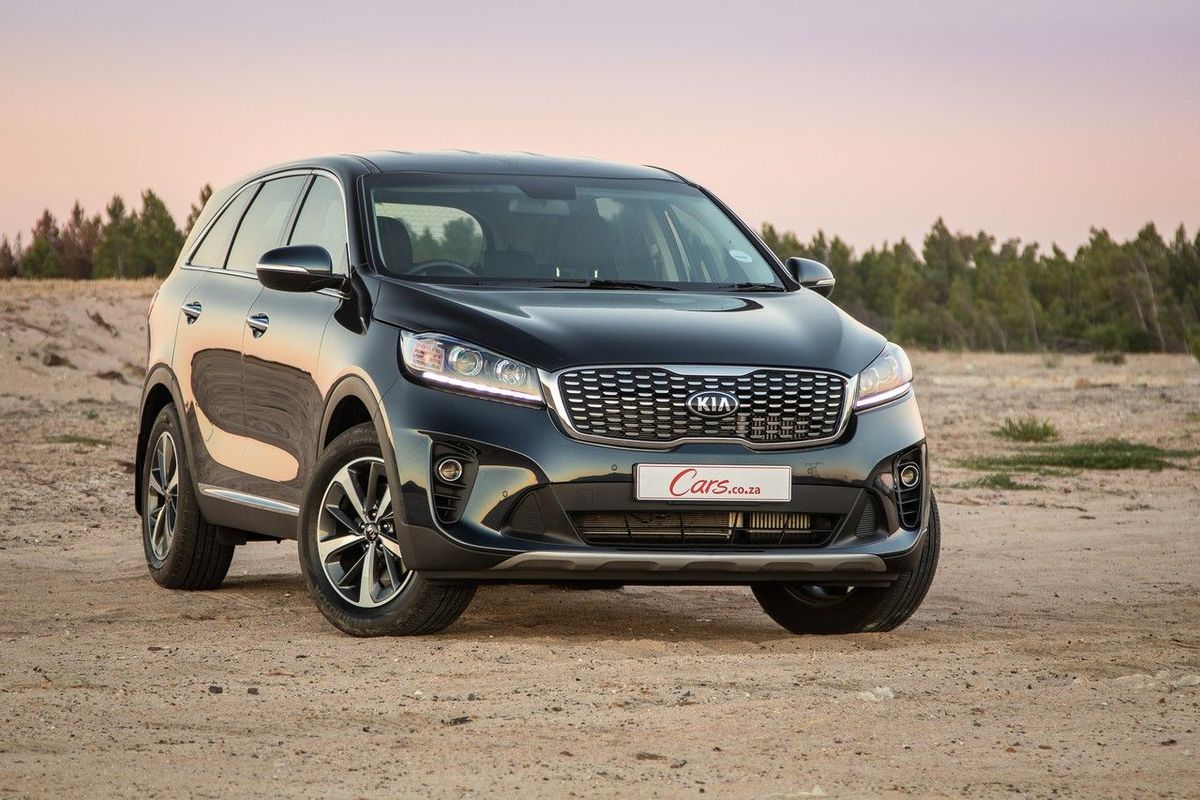
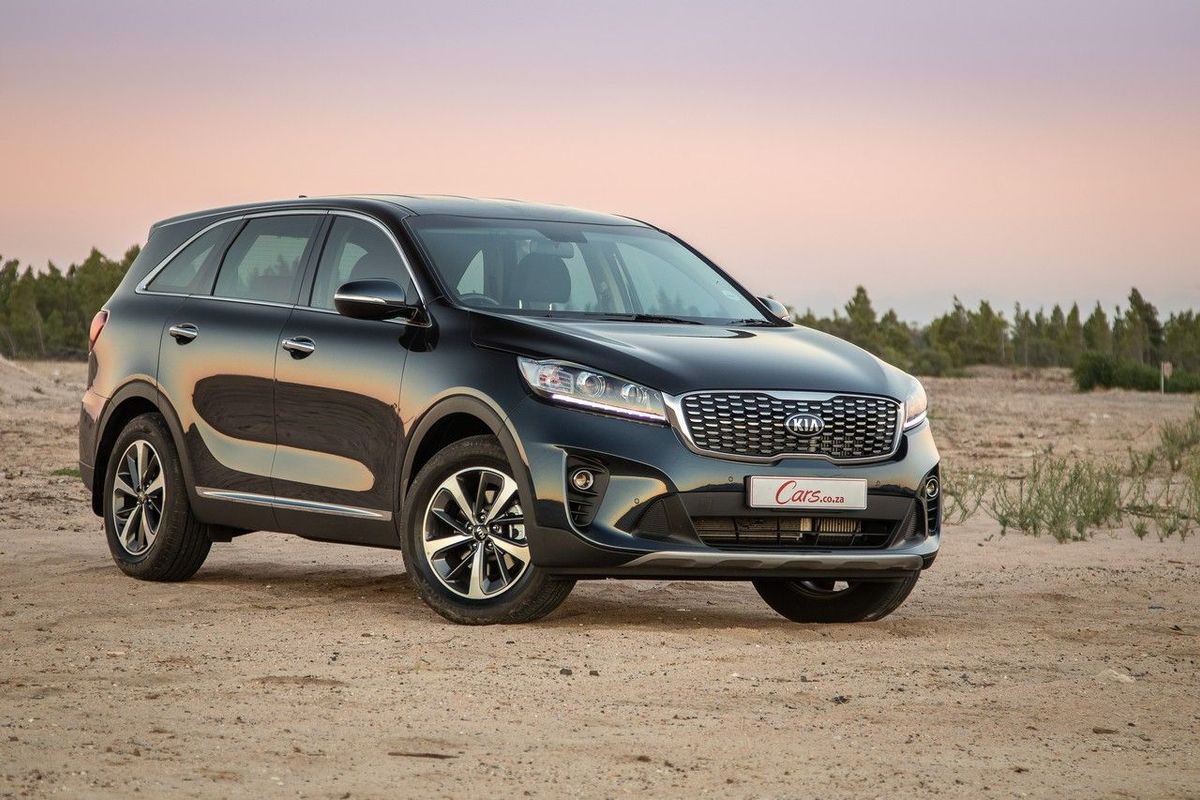
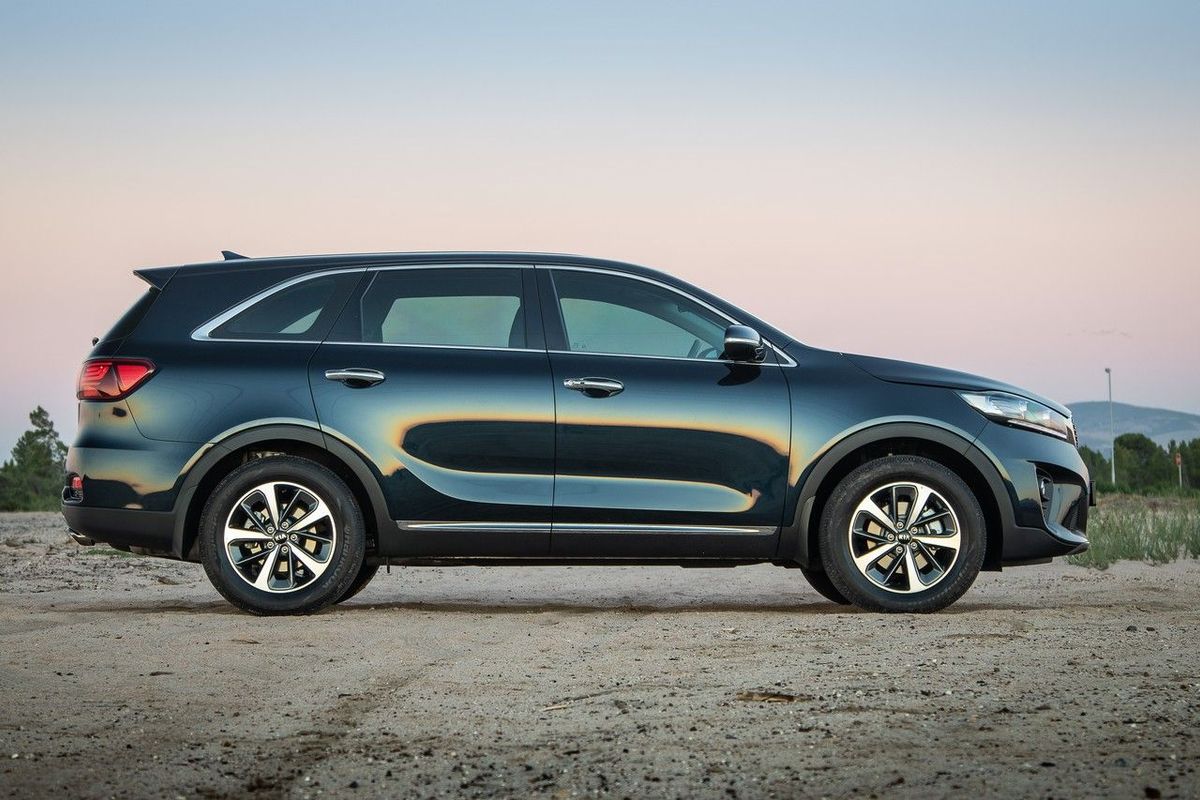
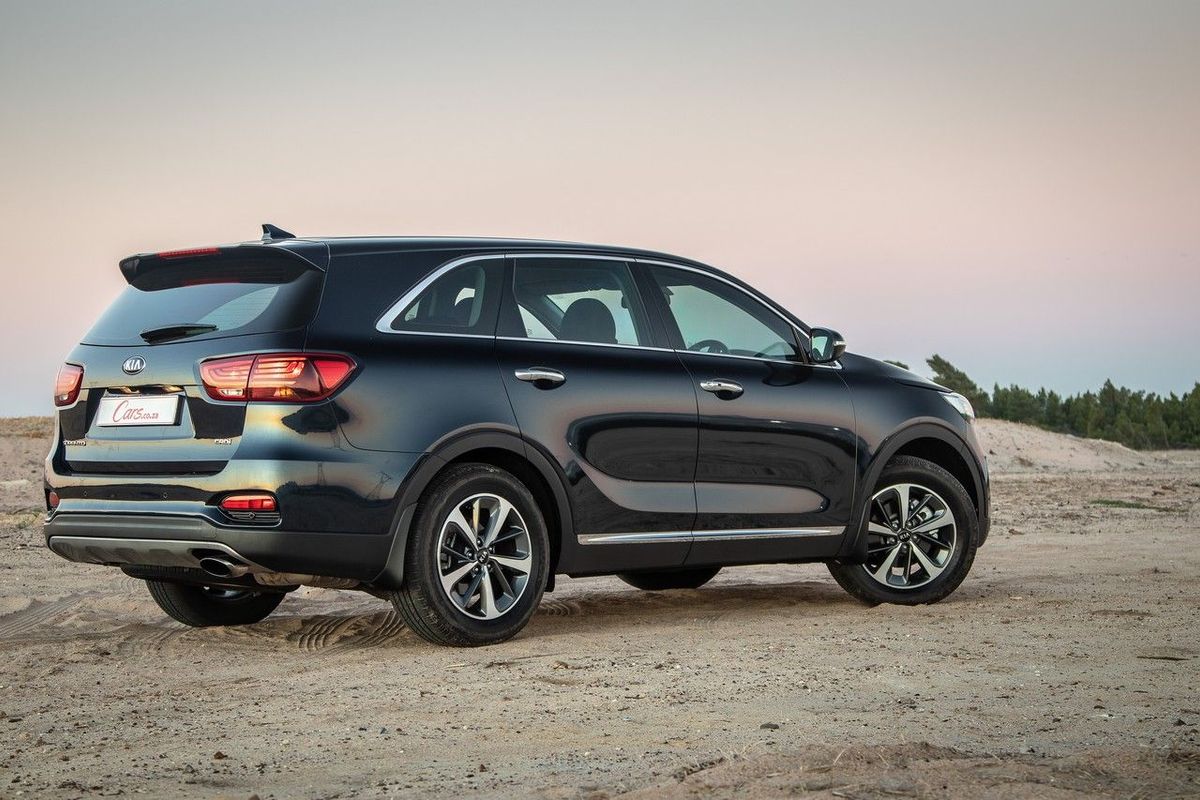
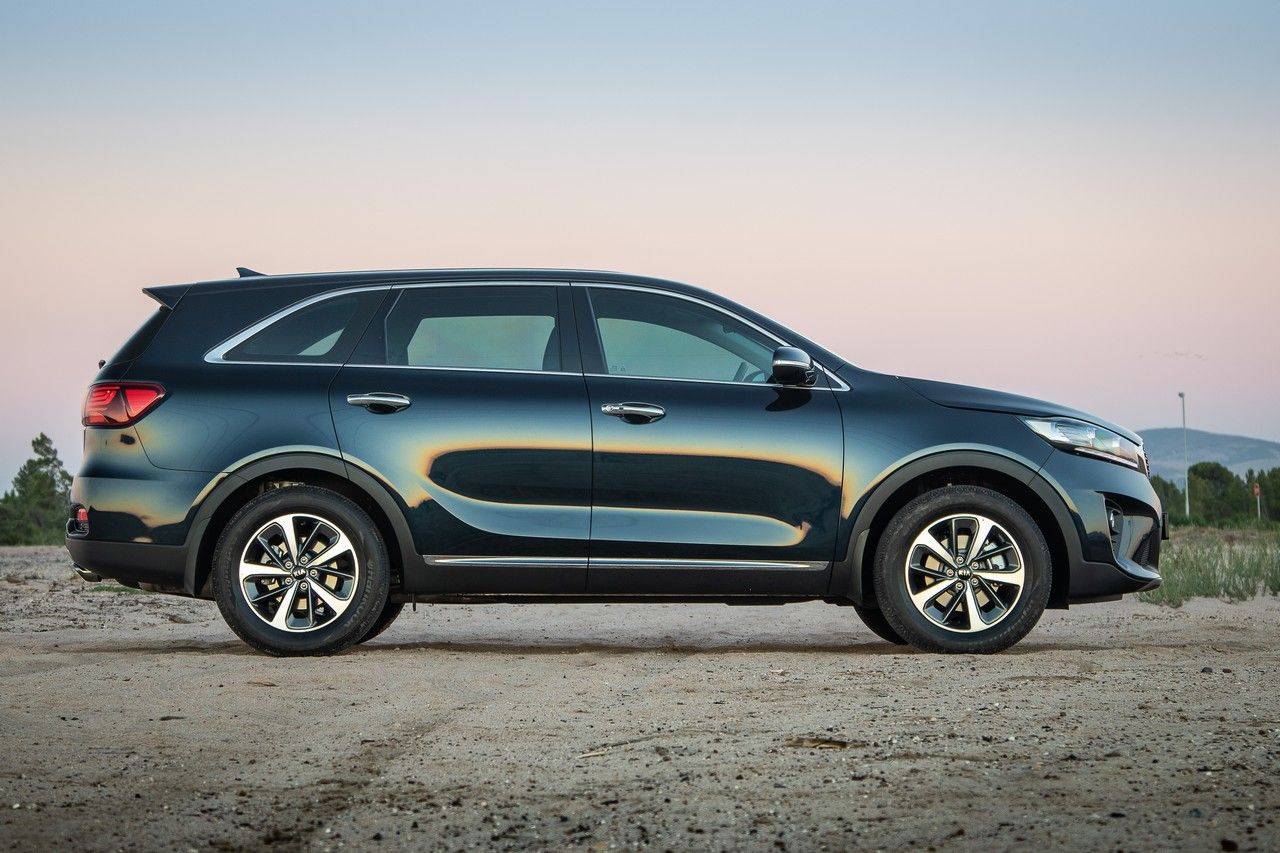
Compared with the majority of Adventure SUVs, the Kia Sorento presents a more comfortable and premium-packaged way to transport your family. However, it's not as affordable as its bakkie-based rivals… Can it truly justify its higher asking price? We tested the facelifted entry-level derivative thoroughly.
We like: Comfortable and practicals. Good build quality. Balance of performance/economy.
We don’t like: Lacks killer punch to make it a sure-fire hit.
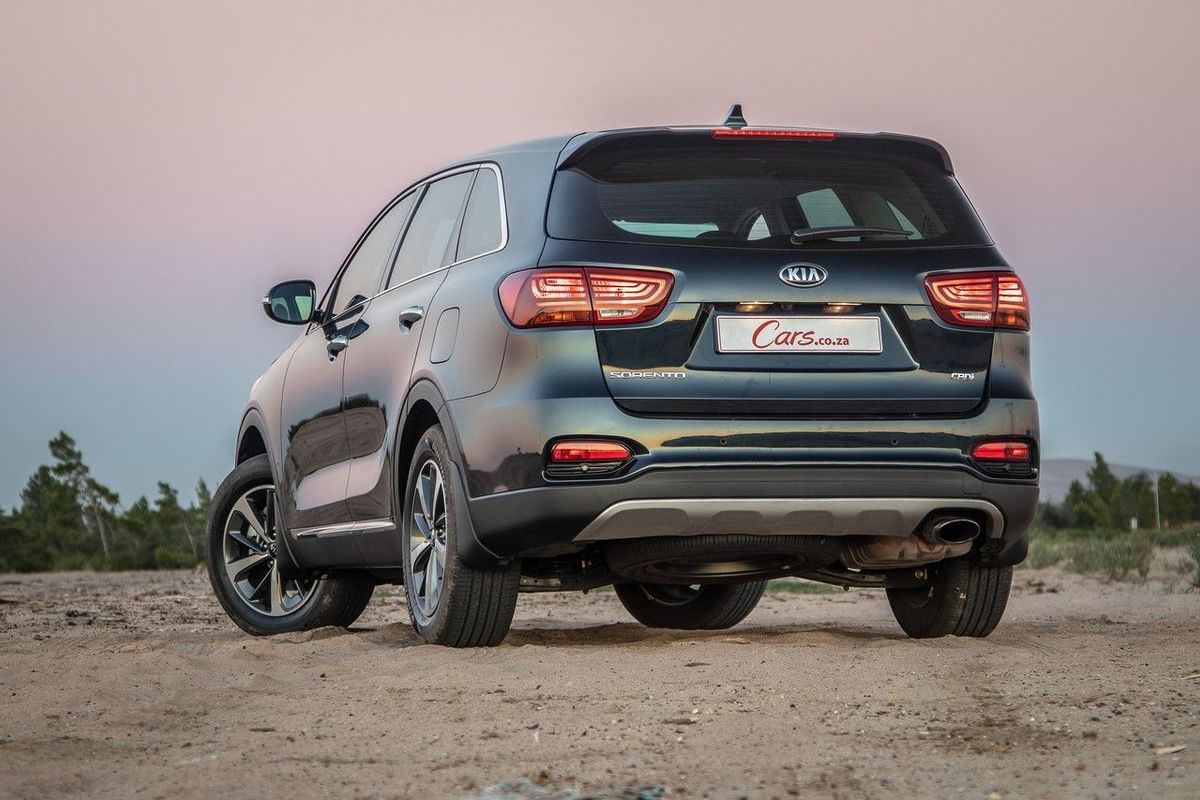
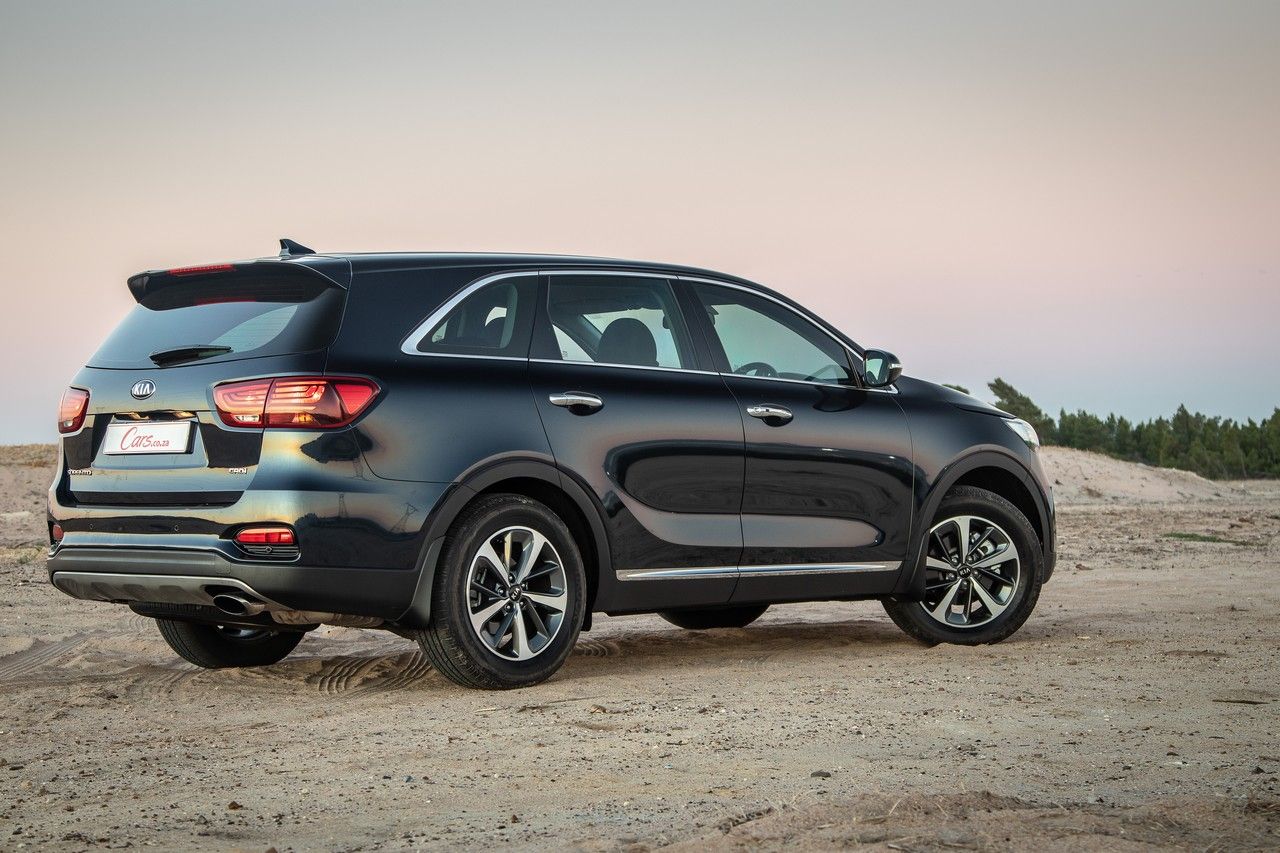
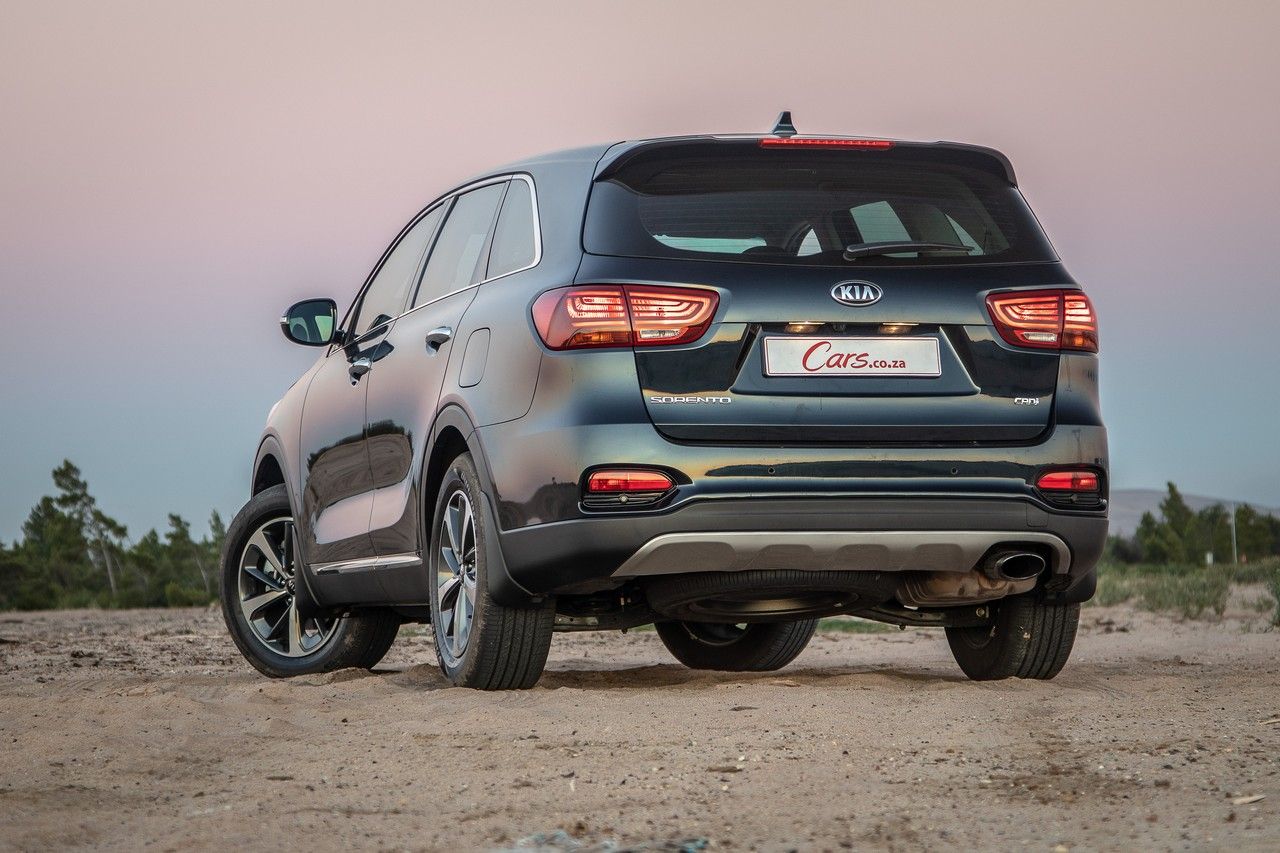
The Sorento started its model life as a people mover, but styling-wise, it now bears a closer resemblance to an SUV.
This generation of the Kia Sorento was launched in South Africa during 2015. With this facelifted model, however, Kia has refined the range and improved its value-for-money proposition. The Sorento is now offered exclusively in 7-seater configuration and sits atop Kia’s local product offering. The market for 7-seaters is dominated by bakkie-based models (primarily in the forms of the Toyota Fortuner and Ford Everest). The Sorento differs from these cab-on-chassis products insofar that it offers car-like road manners and an upmarket interior; it shuttles its human cargo around in luxury.
The good
Spacious and practical
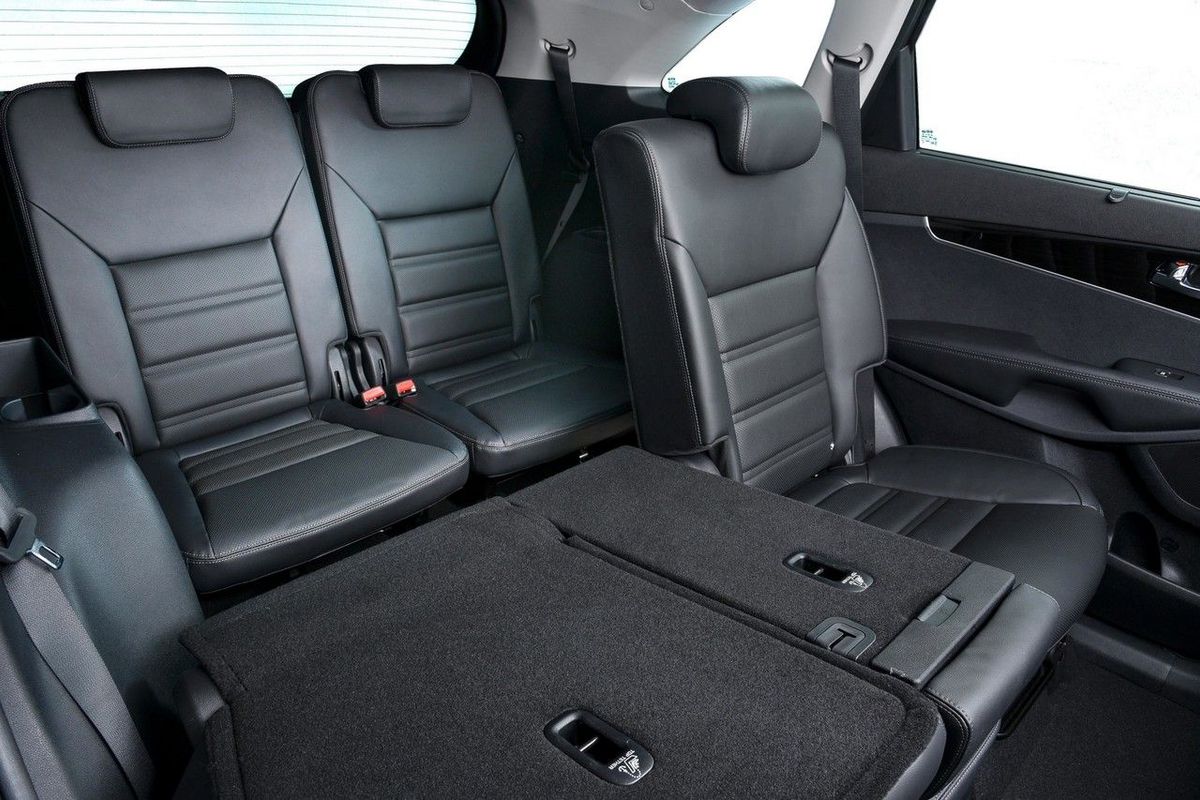
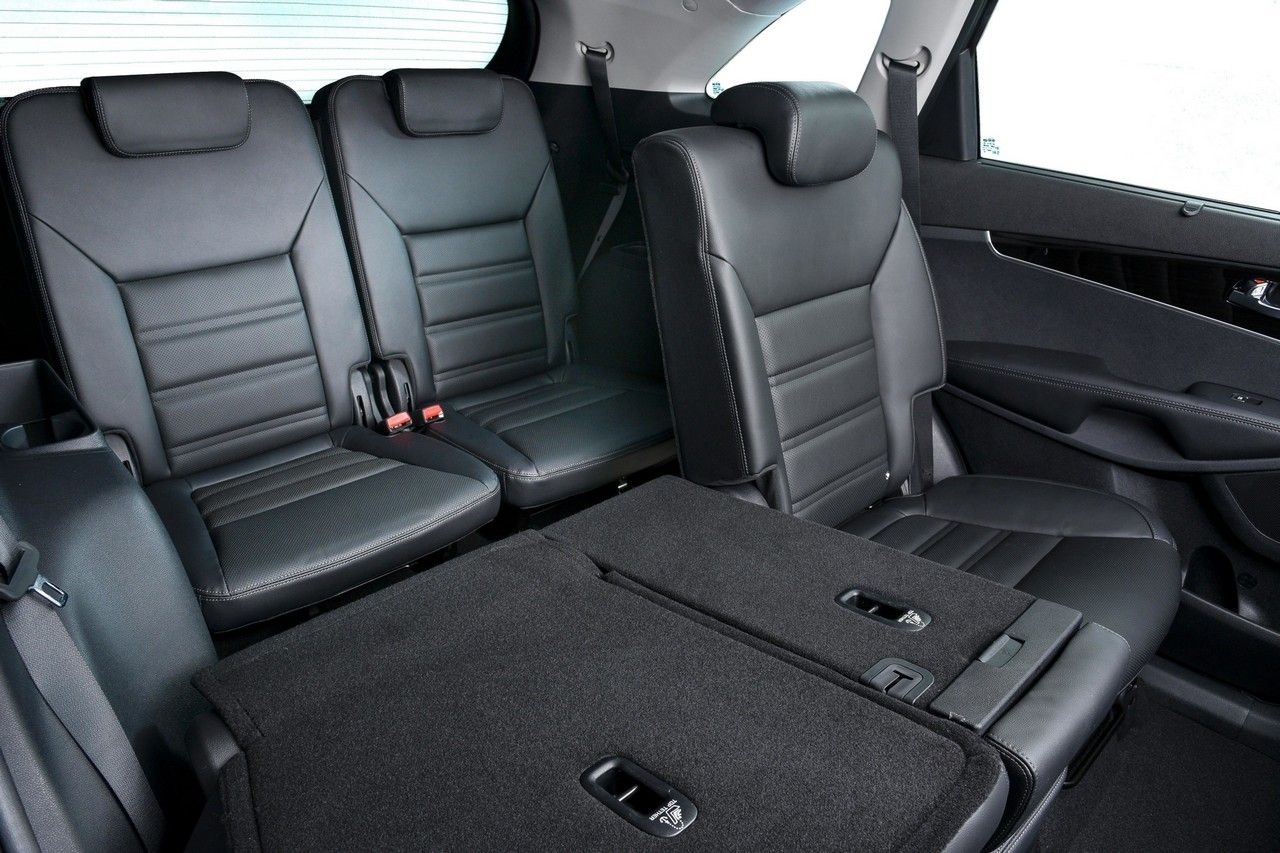
Modern 7-seaters are expected to have capacious cabins and facilitate a variety of people carrying/loading combinations. And, the Sorento is no exception. At 5 metres in length, the Kia seats 7 in comfort – there's enough room so that occupants don't need to rub shoulders or awkwardly rest their thighs against one another. We found the back row could accommodate a pair of small adults on a 2-hour long drag up the West Coast. The passenger side middle row could perhaps slide forward slightly more in order to allow easier access to the back, but agile children will be just fine.
Spacious and comfortable in all rows.
In 5-seater mode, the luggage space balloons from 142 litres to 605 litres, which is more than enough space to fit the detritus associated with a weekend family getaway. If more room is required, the 2nd row folds down (in a 60/40 split) to create a flat area capable of holding 1 662 litres!
Furthermore, there are cupholders and storage bins right at the back and the seats can be folded flat via a lever in the load bay or releases located on the seat themselves. This LX derivative does not come equipped with an electric tailgate, but the higher-spec EX does.
Blend of fuel thriftiness and performance
The Sorento’s 2.2-litre turbodiesel and new 8-speed automatic transmission provide smooth and well-rounded power delivery. It’s not a gruff, lumpy or "grumpy-sounding" powerplant as you're likely to get in a bakkie-based Adventure SUV and it doesn’t feel like the powertrain is hampering the power/torque delivery by virtue of its agricultural oily bits. This powertrain could easily do duty in a German/British sedan without any complaint.
Its 2.2-litre unit is good for 147 kW and 440 Nm of torque. Only when the Kia's fully loaded (with 7 adults, or 5 occupants and their luggage, on board), do you notice that the engine needs to rev higher than usual to maintain the Sorento's momentum. For the most, there’s ample torque in reserve for executing overtaking manoeuvres at freeway speeds; sitting steady at 120 kph on the long road is a doddle for the 2.2 CRDI LX.
The new 8-speed automatic transmission offers improved shift quality and keeps the fuel usage in check.
The derivatives average fuel economy is claimed at 6.3 L/100 km, which we found a little ambitious, to be honest. Throughout our 2-week test period with mixed driving conditions and a fair amount of heavily-loaded commuting, the Kia consumed 8.5L/100 km. It’s safe to say an owner could easily get that number into the mid to high 7s, which is good for a people-mover. Most of its bakkie SUV competitors struggle to get under 10 L/100 km.
Refined interior
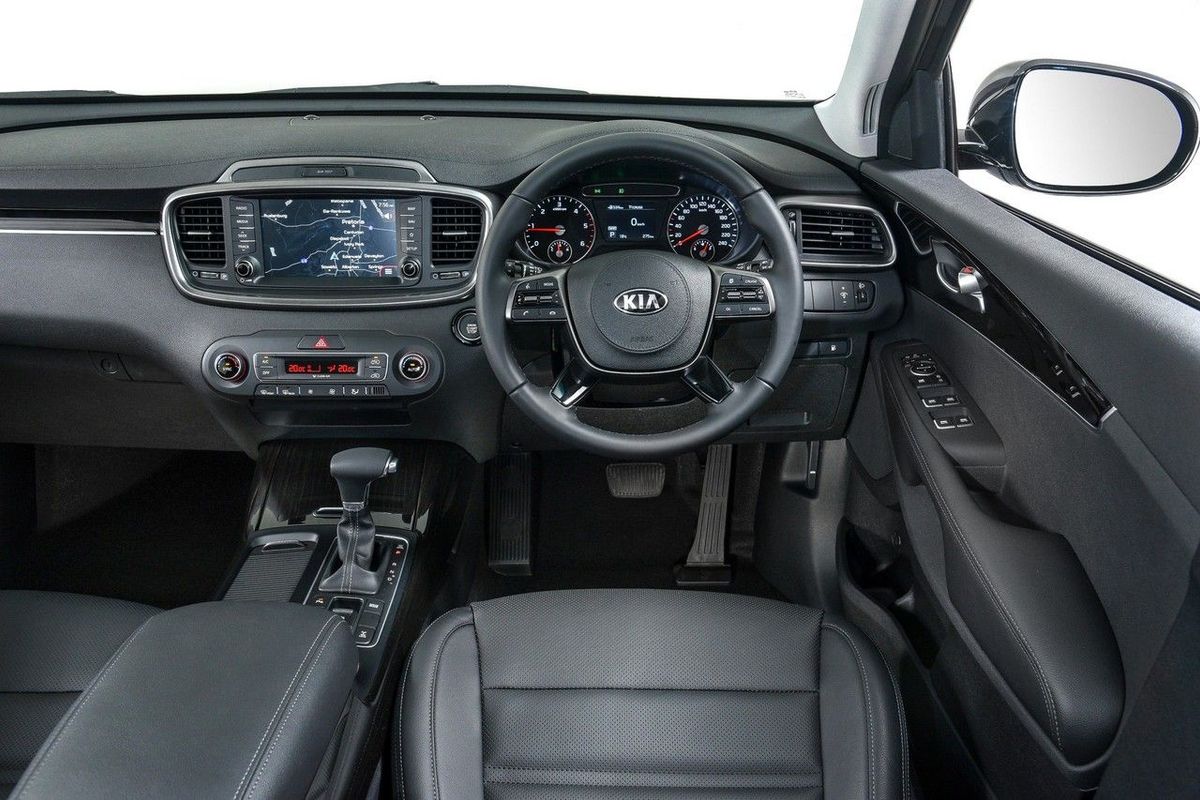
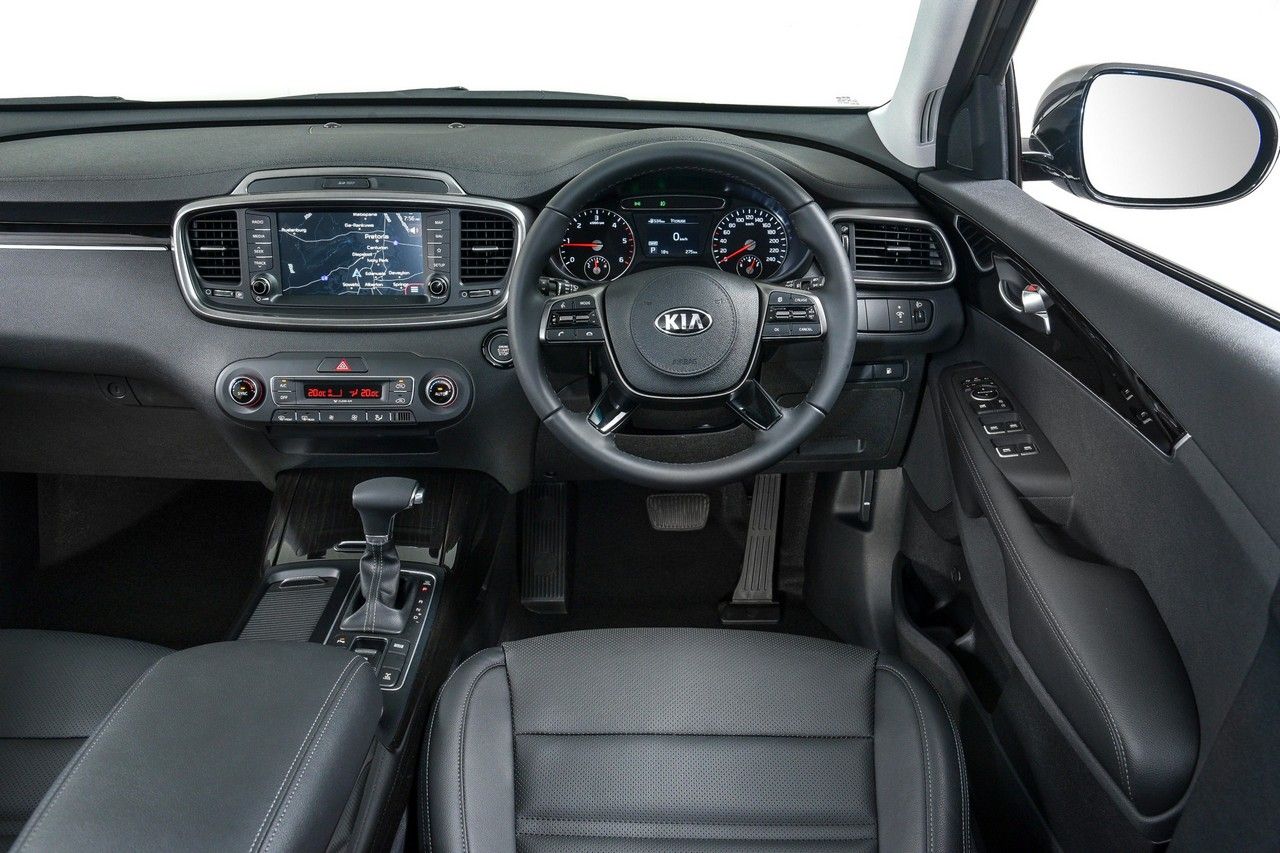
Kia has developed a reputation for exceptional build quality by improving the fit and finish of its products' cabins. And, we're happy to report that the updated Sorento is a good example of the brand's continuous improvement. The seats are trimmed in high-quality leather (standard across the range), plus the dashboard and critical touch points around the cabin are of the soft-touch variety and sturdily secured. There’s stitching across the dashboard to add a bit of texture to the design, while the steering-wheel rim has been thickened to provide a bit more gravitas to its feel.
On the downside, there is a lot of monotone black in the Sorento’s interior and it could do with a few more inlay options (wood, aluminium or piano black inserts, for instance), but the inside of the Kia remains an upmarket place to occupy.
Classy interior that's exceptionally well put together.
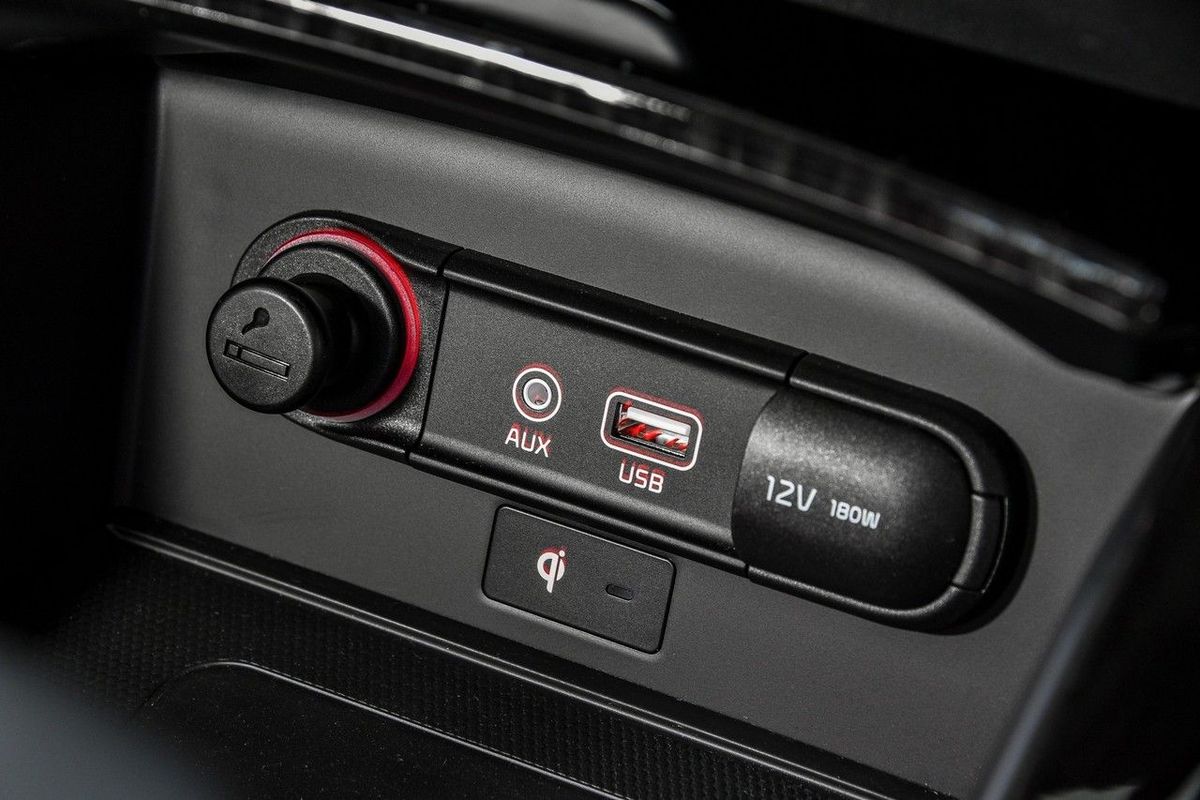
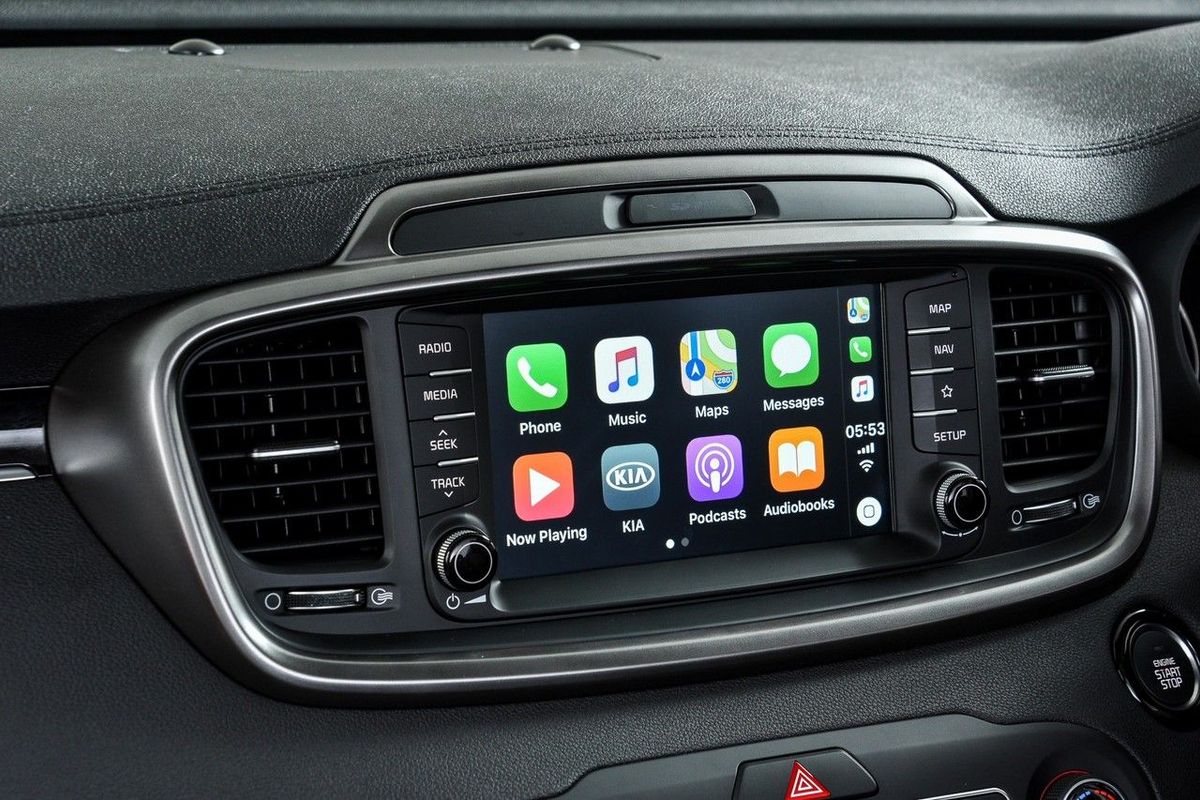
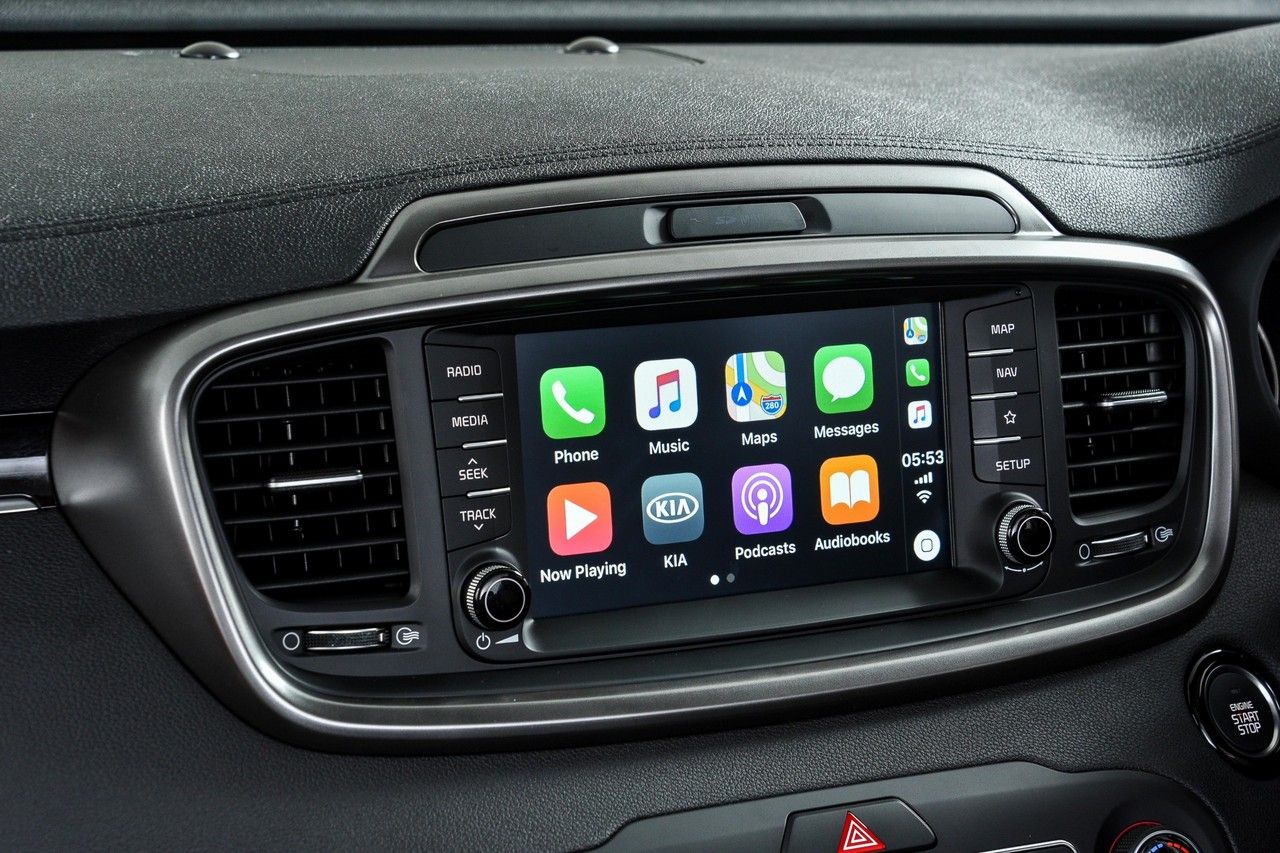
The newly developed touchscreen is Apple Carplay- and Android Auto compatible and it works seamlessly with contemporary smartphones. The top-spec EX gets a wireless charging pad but even so, this LX model still has a 2.1-amp fast charging port located in the front storage bin.
On-road refinement
One of the major selling points of the Sorento (over its bakkie-based SUV challengers) is its pliant ride quality. What's more, it doesn’t exhibit as much body roll in the corners and settles over bumps quicker. You also don’t get that slightly wafty feel through the steering – a characteristic that that Fortuner and Everest owners will know well. It’s very settled on the road and provides a secure, comfortable drive on winding or bumpy tarmac.
The not-so-good
Dirt-road prowess
Apple Carplay and Android Auto are standard and the USB port is a fast-charging 2.1A port.
The entry-level LX is a front-wheel-drive derivative (although it's also available in all-wheel-drive guise, for an additional R40 000), but there is no getting away from the fact that it's (asphalt) road-biased… It just doesn’t feel quite at home on the rough stuff. As well as the Sorento feels well set up for the road, it doesn’t ride as smoothly on gravel and it's prone vibrating harshly over washboard sections of dirt.
If you only ever plan on taking short stints on gravel when venturing on holiday, then the Sorento should cope without a problem, but, if you have a penchant for exploring the road less travelled, you may want to stick with the proven dirt-trackers.
Verdict
A great holiday companion for the annual coast run.
For most large families, the Sorento ticks all the boxes. It’s fairly well-equipped in terms of standard specification and safety equipment (ESP, ABS, EBD and 6 airbags are standard), as well as creature comforts. Having comfortable seating for 7 makes the Sorento 2.2 CRDI LX a great holiday companion in combination with its excellent ride quality, which should mean you can survive long stints without having to stop to stretch out.
In terms of performance, the turbodiesel motor feels a notch above those that power the Kia's bakkie-based Adventure SUV rivals and the updated Sorento certainly feels more car-like and stable on tarmac surfaces. It doesn’t, however, feel at home when tasked with a dirt road.
At R579 995 (March 2019) it’s priced at a similar level to the Fortuner and Everest, but without the 4×4 credibility, which makes it less versatile than those rivals. The Sorento is near-ideal for family holiday excursions: you’ll travel in comfort and arrive in a less-fatigued state. However, for many South Africans, the temptation of the great outdoors (with its myriad dirt roads) is more enticing than a comfortable Eurocentric family SUV. Pity.
Alternatives (click on the names for specification details)
The Fortuner is the segment leader, often racking up 1 000 units a month. At 561 260 it’s more expensive than the Sorento and lacks the road refinement, ride comfort and seamless connectivity options.
The Ford Everest is probably the most comfortable of the bakkie-based SUVs but is still a long way off that of the Sorento. At R607 900 it’s a bit more expensive but with its Sync3 infotainment system has the tech and infotainment system to match the Sorento, but not the cabin quality.
The Santa Fe is effectively the same car as the Sorento, it’s just a little bit more expensive and not quite as well specced. It does look more like an SUV than the people moving Sorento. It’s priced at R599 900
7 Rivals the VW T-Cross Has to Beat
The hotly-contested compact family car segment will be well and truly shaken up later this year with the arrival of the new Volkswagen T-Cross on local soil. Will the T-Cross have its rivals licked in this segment?
South Africans always love a good Volkswagen and based on our recent experience with the T-Cross in Spain, it’s a winner! Don’t believe us? Read Ciro De Siena’s International Launch Review and watch the video above to see what the T-Cross is all about.
SUVs are big business and Volkswagen aims to make the most of the trend by launching a massive SUV assault. To give you some idea, by 2025, the firm reckons that every second Volkswagen sold will be an SUV, with over 30 SUV models on offer around the world.
A part of that strategy involves the T-Cross, a Polo-based compact family car that is expected to land at under R300 000 (for the base model) when it arrives in South Africa in the second half of 2019. In 2020, it will be followed by the introduction of the larger T-Roc, both of which will slot in beneath the already successful Tiguan in Volkswagen’s SUV lineup while the Touareg will remain as the brand’s pinnacle SUV offering.
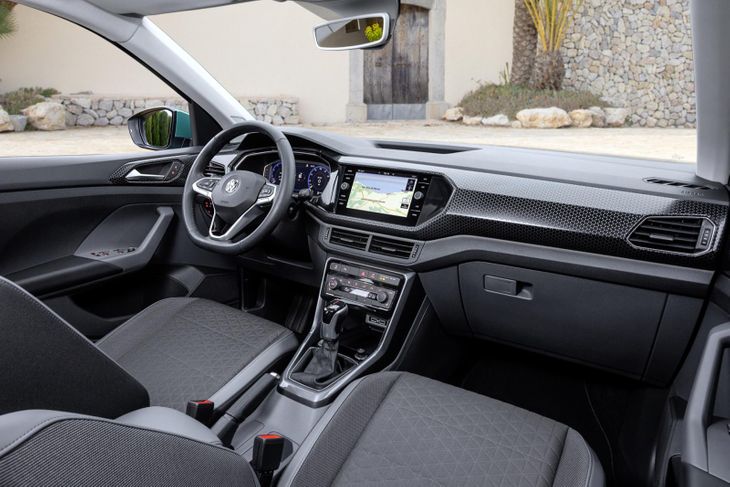
The T-Cross will feature a stylish and upmarket cabin with many nice-to-have features often seen on bigger cars.
The T-Cross will be offered with a similarly styled cabin as the Polo with coloured dash pads and a digital cockpit (optionally). Despite its compact dimensions load space is claimed at 385-litres (455 litres by sliding the second row forward) and expanding to 1 281-litres with the seats folded down.
In terms of engines, a total of 4 turbocharged engines will power the T-Cross. There are two 1.0-litre turbopetrol, 3-cylinder engines on offer with either 70 kW or 85 kW as well as a range-topping 1.5-litre turbopetrol engine with 110 kW. On the diesel front, a 1.6-litre turbodiesel engine with 70 kW will round off the T-Cross range. All T-Cross variants will be front-wheel-drive with both manual and dual clutch transmissions on offer.
Here are 7 rivals that the new Volkswagen T-Cross will have to beat in the sales race in the compact family car segment…
Ford EcoSport
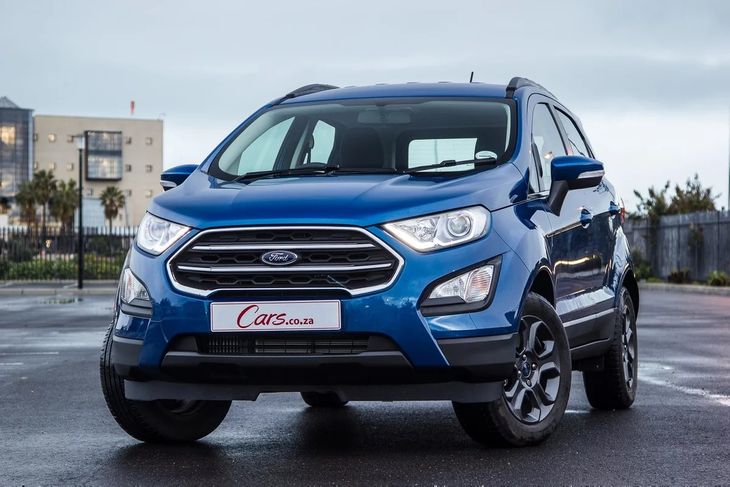
An all-new Ford EcoSport came to market in 2018 and it’s proving to be a popular choice in this segment with February 2019 sales amounting to 456 units sold locally (it’s the top seller in the segment). Not bad… The EcoSport is powered by a naturally-aspirated 1.5-litre petrol engine with 91 kW and 150 Nm of torque as well as a turbocharged 1.0-litre petrol engine with 92 kW and 170 Nm of torque. The only diesel option in the range is a 1.5-litre turbodiesel with 74 kW and 205 Nm. A 5-speed manual and 6-speed automatic transmission is available to buyers.
In terms of practicality, the EcoSport’s load bay offers 333-litres, expanding to 705-litres. The EcoSport is priced between R254 950 and R346 900.
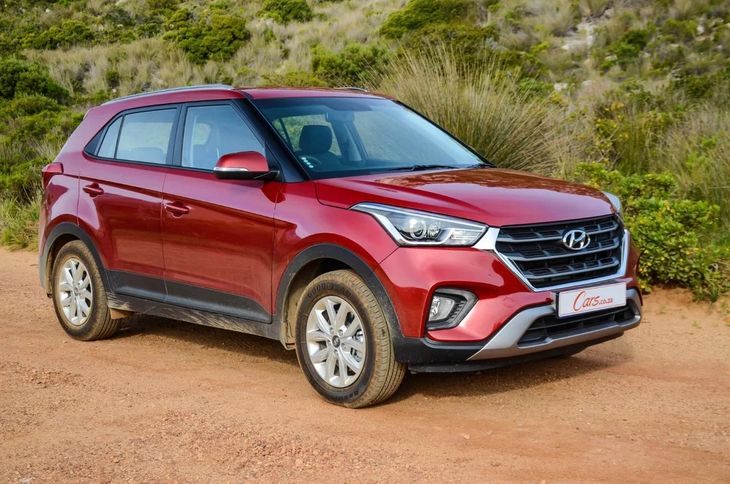
The Creta is hugely successful in South Africa and in February 2019, it sold 275 units locally. The Creta is powered by a naturally-aspirated 1.6-litre petrol engine with 90 kW and 150 Nm of torque as well as a 1.6-litre turbodiesel engine with 94 kW and 260 Nm of torque. A 6-speed manual and 6-speed automatic transmission is offered. In terms of load space, the Creta pips the T-Cross with a loadbay measuring at 402-litres.
The Hyundai Creta, however, is priced between R349 900 and R414 900.
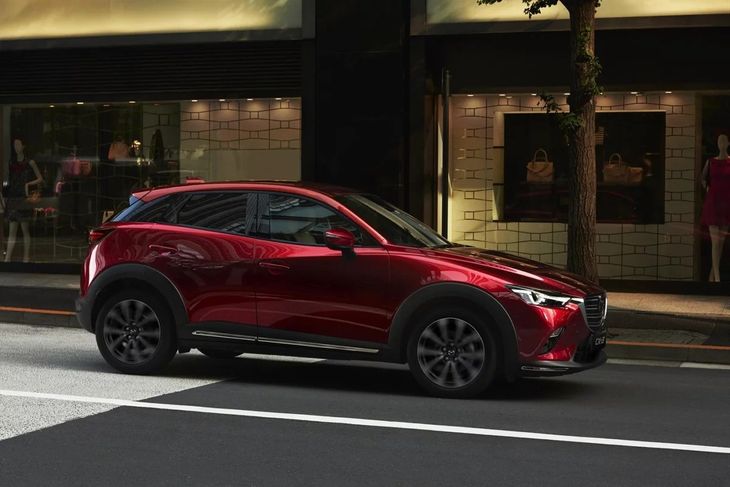
An updated CX-3 came to market mid-2018 and the stylish compact family car is selling well locally with February 2019 sales coming in at 309 units sold. The CX-3 employs a naturally aspirated 2.0-litre petrol engine with 115 kW and 206 Nm of torque and is offered with either a 6-speed manual or 6-speed automatic transmission. It’s not the most spacious compact family car in the market as its load bay is claimed to offer 264-litres, expanding to 1 260-litres with the rear seats folded down.
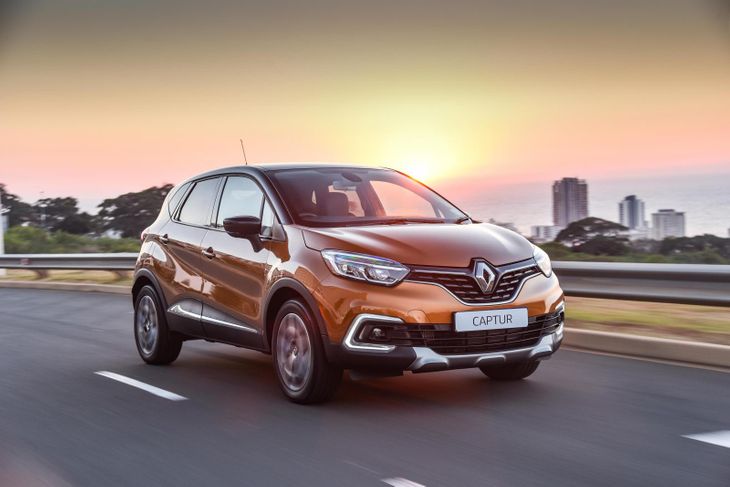
The Captur remains a popular and stylish choice in this segment and the arrival of the facelifted model in 2018 will ensure that this French rival remains relevant in our market. Engine options include a turbocharged 3-cylinder, 1.0-litre turbopetrol engine with 66 kW and 135 Nm of torque as well as a 1.2-litre turbopetrol engine with 88 kW and 190 Nm of torque. A 1.5-litre turbodiesel engine is also offered with 66 kW and 220 Nm of torque. A 5-speed manual and 6-speed automatic transmission is offered. In terms of space, the Captur’s load bay is claimed at 377-litres, expanding to 1 235-litres with the rear seats folded down.
The Captur is priced between R246 900 and R336 900.
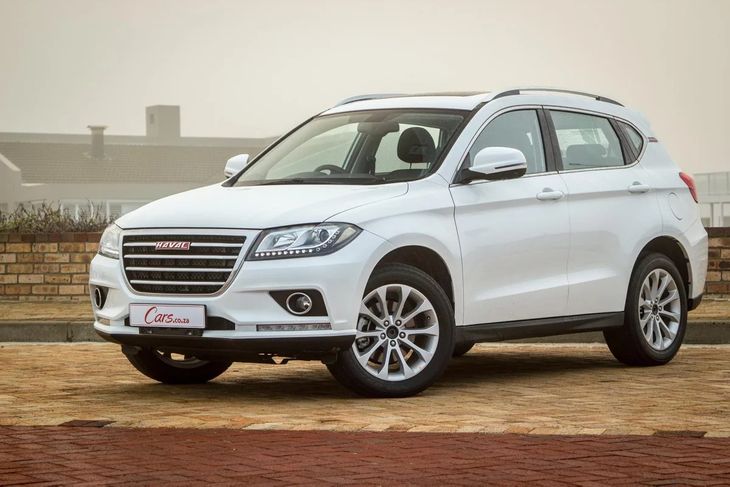
Chinese SUV manufacturer, Haval, has been doing steady business in South Africa since its arrival in 2017 and the H2 compact crossover is considered to be a high-value offering in this segment. It’s powered by a turbocharged 1.5-litre petrol engine with 105 kW and 202 Nm, coupled with a 6-speed manual or 6-speed automatic transmission. While Haval hasn’t disclosed load space capacity, the H2’s space offering is on par with rivals in this segment.
The H2 is attractively priced between R259 900 and R319 900.
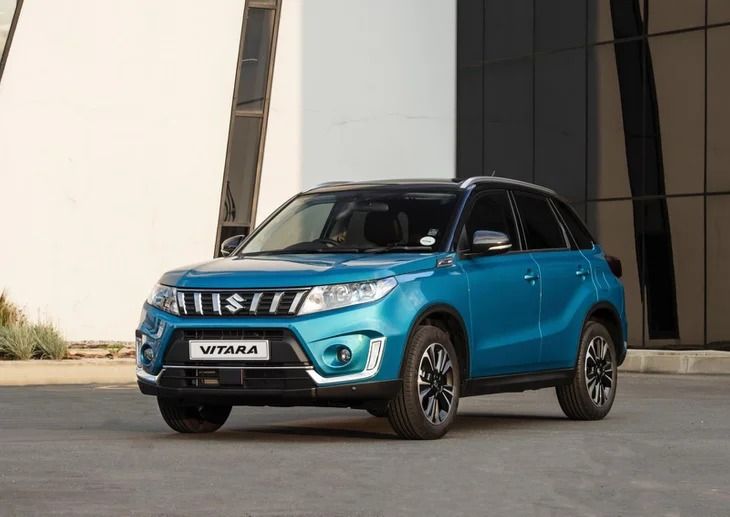
For the practically-minded buyer, the Suzuki Vitara is a sensible choice in this segment but it’s styling, particularly on the inside, is not as premium as most of the rivals on this list. Nonetheless, the Vitara has much to offer and it’s powered by a naturally-aspirated 1.6-litre petrol engine with 86 kW and 151 Nm of torque and comes mated to either a 5-speed manual or 6-speed automatic transmission. The Vitara is reasonably spacious too with the loadbay claimed at 375-litres and expanding to 1 120-litres with all the seats folded down.
It’s also nicely priced between R281 900 and R374 900.
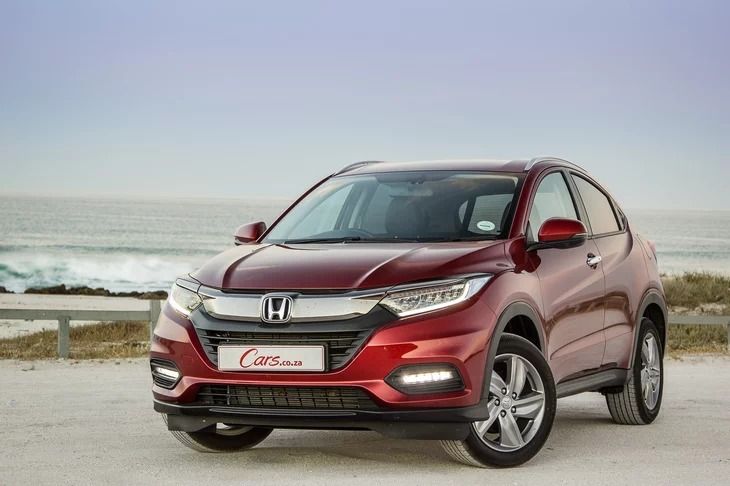
The Honda HR-V was also updated in 2018 and it’s one of the more pricier options in this segment, which partly explains why its sales numbers are middling (only 79 were sold in February 2019). It is a solid car, however, and buyers have 2 engines to choose from including a 1.5-litre petrol engine with 88 kW and 145 Nm of torque (mated with a CVT) or a 1.8-litre petrol engine with 105 kW and 172 Nm of torque, also mated with a CVT. Both engines are naturally aspirated.
Load space is reasonable at 393-litres, expanding to 1 002-litres although with Honda’s Magic seating system, it’s certainly one of the more practical models in the segment.
Pricing for the HR-V starts at R354 900 and goes up to R419 900.
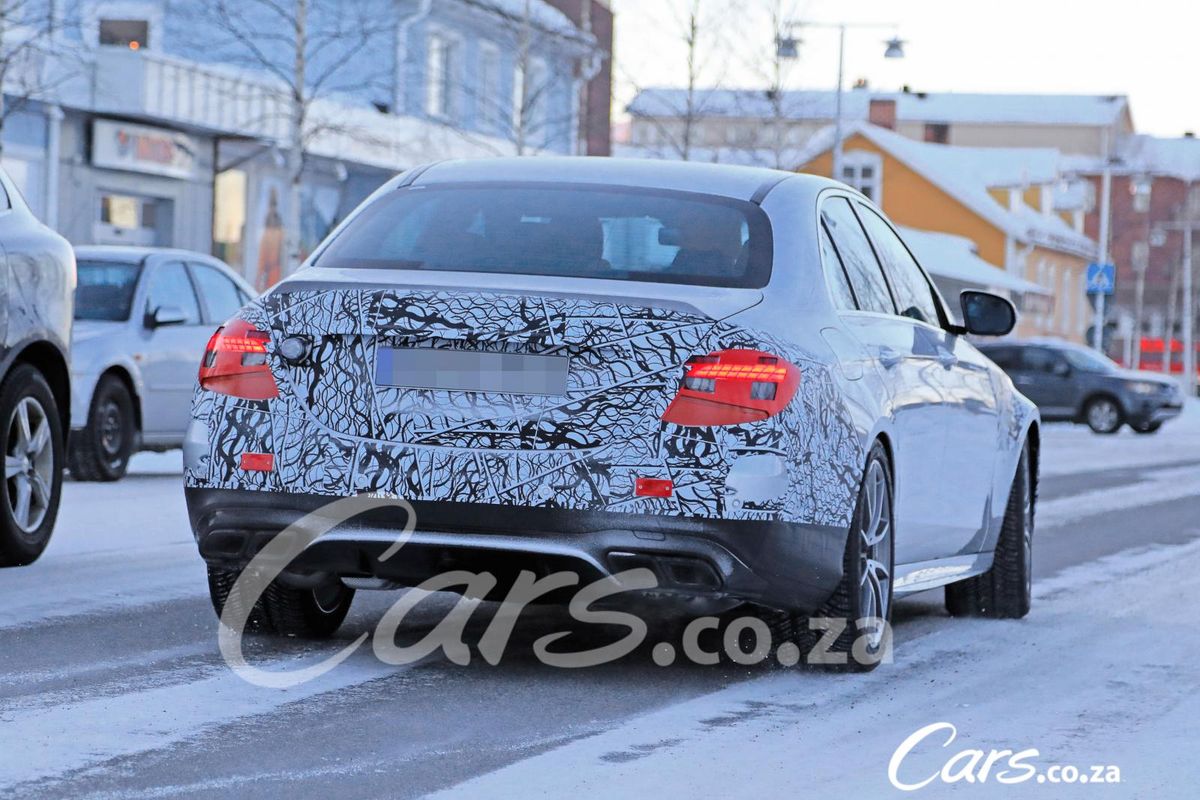
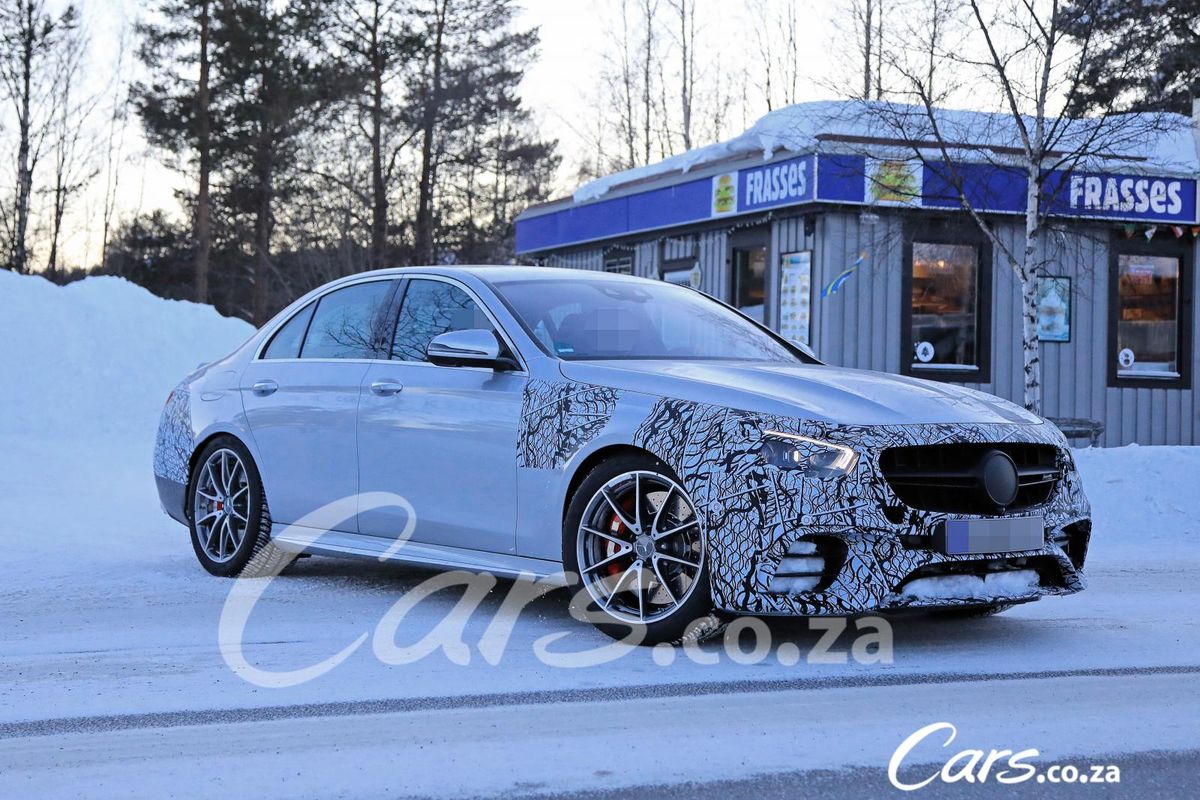
The next-generation Mercedes-AMG E63 has been spotted undergoing winter testing. Here's what we know so far.
The Mercedes-AMG E63 had a cushy and comfortable life, that is until the latest iteration of BMW M5 arrived. Not only was the M5 faster than both the E63 and E63 S where it counted, but the follow-up BMW M5 Competition drove the final nail into the coffin. Granted, some would say the Mercedes-AMG E63 sounded much better. However, the numbers do not lie, and the AMG engineers have gone back to the drawing bad.
From what we understand, the new Mercedes-AMG E63 will form part of a revitalised E-Class range from Mercedes-Benz. The entire front end has been restyled and if these headlights are anything to go by, we expect it to adopt a similar fascia similar to that of the CLS 4-door coupe. We don't think the E-Class engine range will be dramatically overhauled, rather some refinement tweaks here and there. Inside, we expect the infotainment system to be replaced by an MBUX setup and adopt the giant widescreen.
For the AMG model, we think the E63 will receive a slight power boost to its 4.0-litre biturbo V8 engine. Currently, it produces 450 kW and 850 Nm, giving it a claimed 0-100 kph time of just 3.4 seconds. There could be some changes to the 4Matic all-wheel-drive setup for some dynamic improvements and 9G-Tronic transmission for faster shifts.
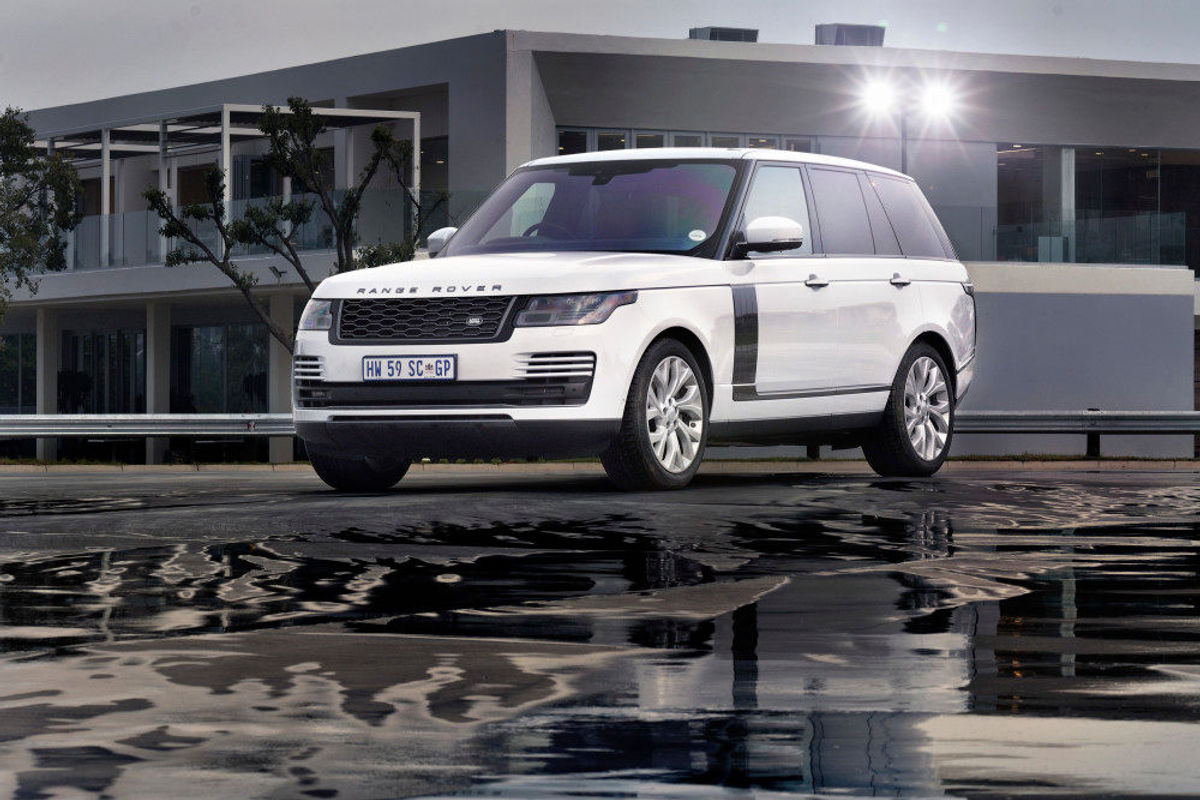
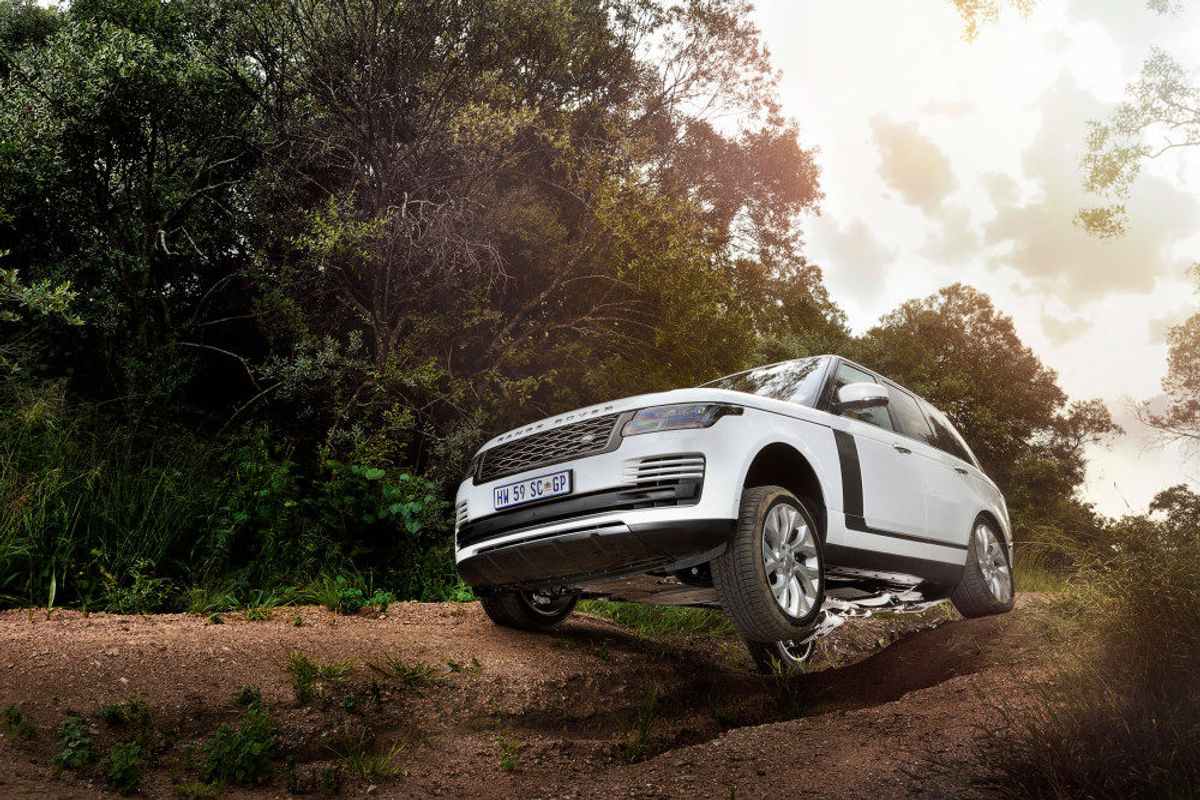
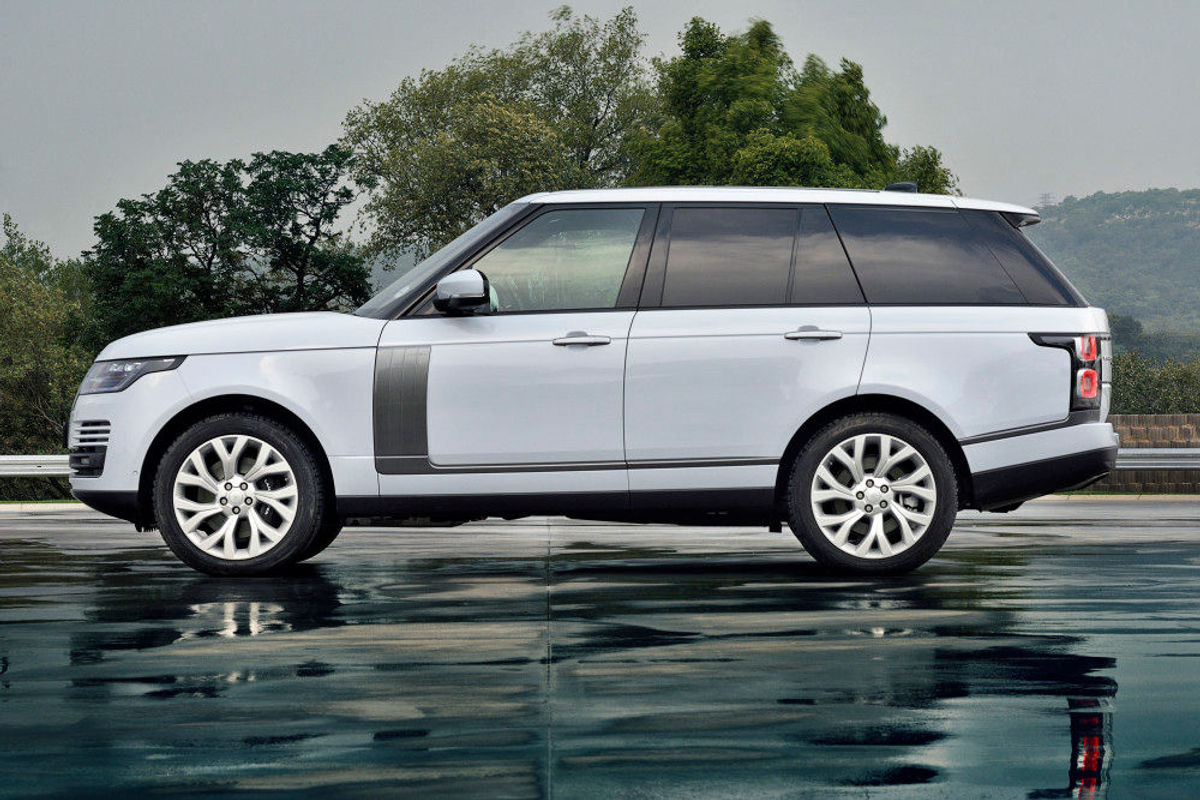
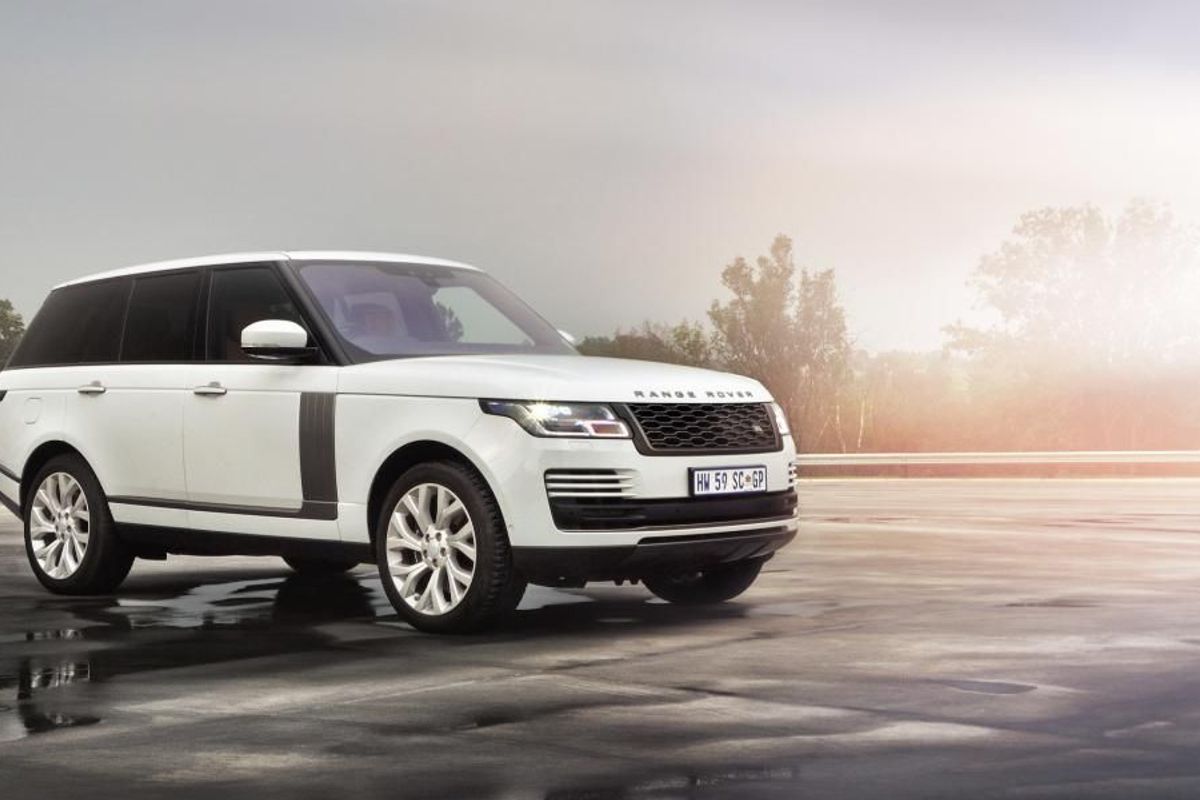
The Range Rover and Range Rover Sport are now offered with plug-in hybrid (PHEV) derivatives. See details below…
The new plug-in hybrid Range Rover and Range Rover Sport derivatives are badged as the P400e and both offer total outputs of 297 kW and 640 Nm developed by a 221 kW 2.0-litre petrol engine and 85 kW electric motor. Both derivatives are paired with an 8-speed ZF automatic transmission and 7 kW on-board charger.
The charging point is found behind the badge on the grille with the 13.1 kWh lithium-ion batteries mounted in the floor of the rear load bay. Both vehicles are equipped with Land Rover’s Terrain Response 2 system to tackle difficult terrain. The system has been calibrated to distribute torque from the electric motor to all four wheels from zero rpm which affords the driver greater control in low-speed off-road scenarios.
Two drive modes, including Parallel Hybrid (combines petrol and electric drive) mode and EV (pure electric drive) mode are offered. In EV mode, both derivatives offer 51 km range on electric power alone and a full charge can be achieved in 2 hours and 45 minutes using the optional 32 A wall box. Alternatively, you can also use a standard 10 A home charging cable which takes 7.5 hours to complete a full charge. Both derivatives are offered in standard and long wheelbase body styles.
Key Features
The Range Rover plug-in hybrid derivative is equipped with a host of comfort and convenience features such as a Touch Pro Duo infotainment system, up to 17 connection points, WiFi hotspot for up to 8 devices, 20/24-way front seats with 25 massage programmes, gesture sunblind, air cabin ionisation and an activity key to name a few.
The Range Rover Sport adds an Advanced Tow Assist function, using the Terrain Response 2 rotary controller, which helps the driver with counter-steering for greater accuracy when reversing with a trailer.
Range Rover/Range Rover Sport PHEV – Price in SA
Range Rover P400e – R2 207 300
Range Rover Sport – R1 639 300
A 3-year/100 000km warranty and 5-year/100 000 km maintenance plan is standard as well as an 8-year/160 000km 70% state of health warranty.