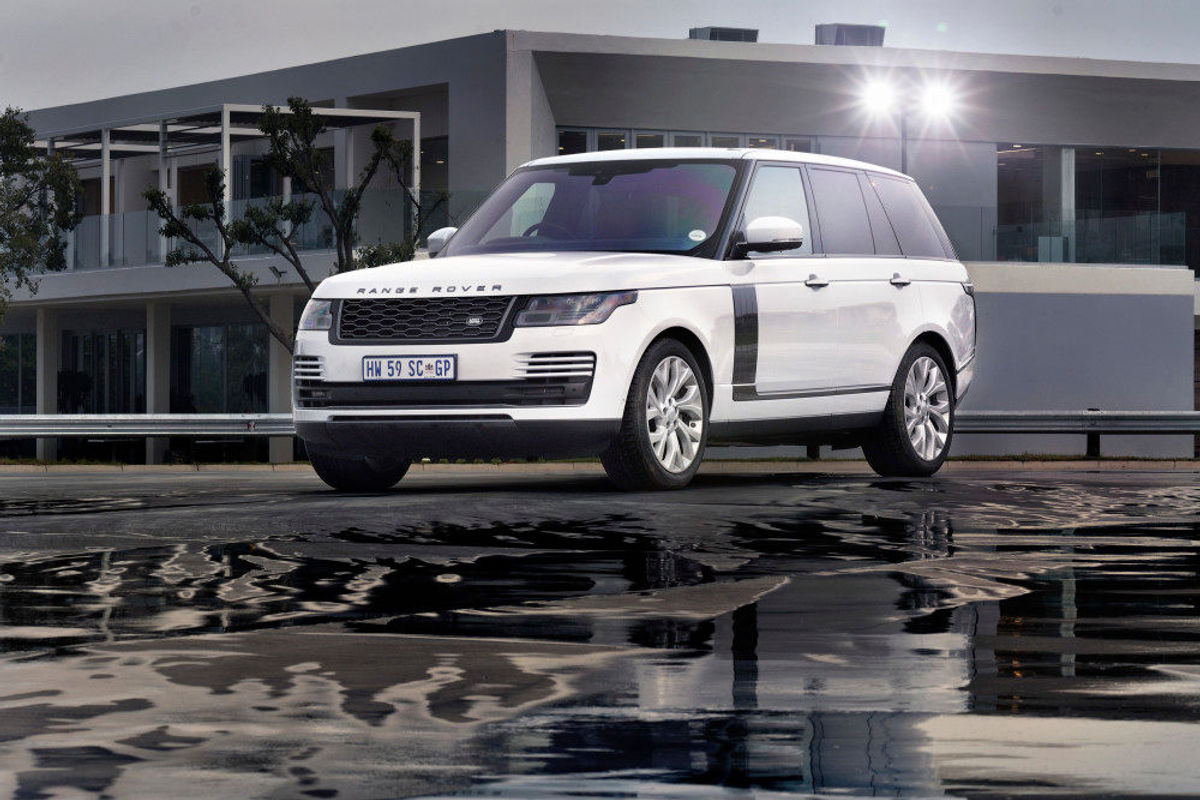
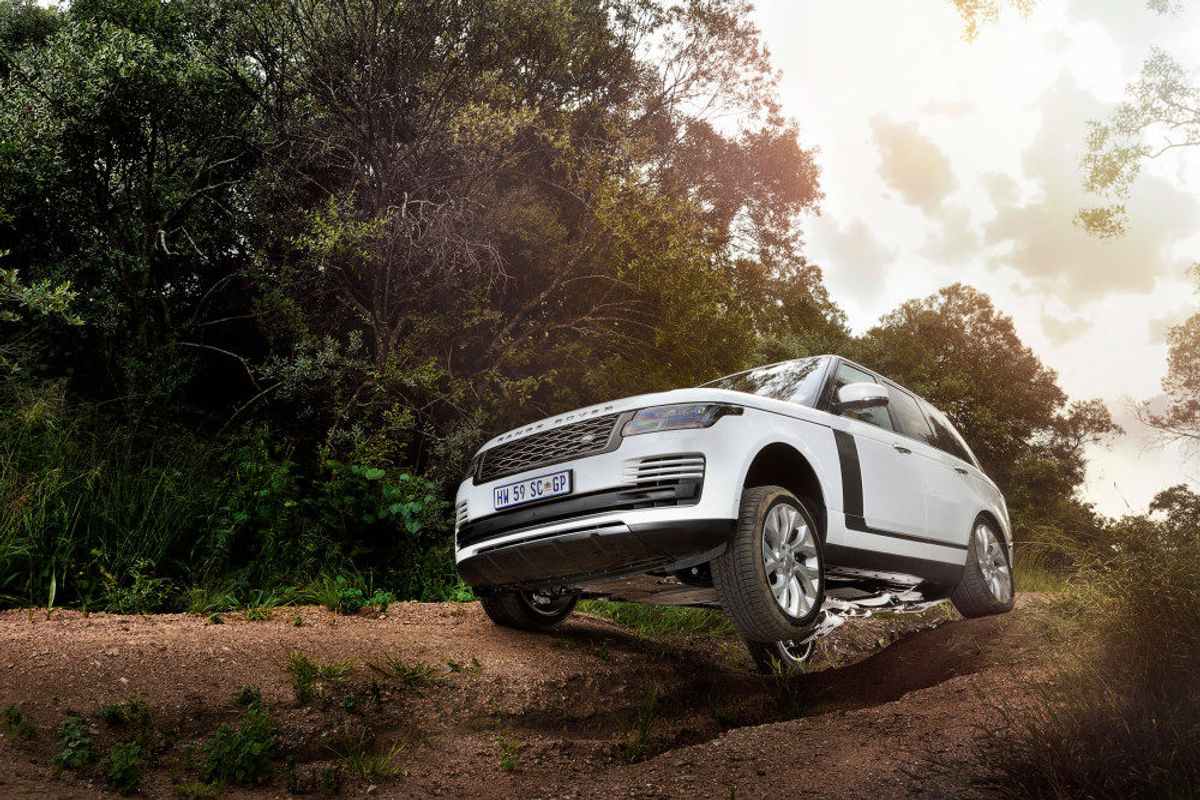
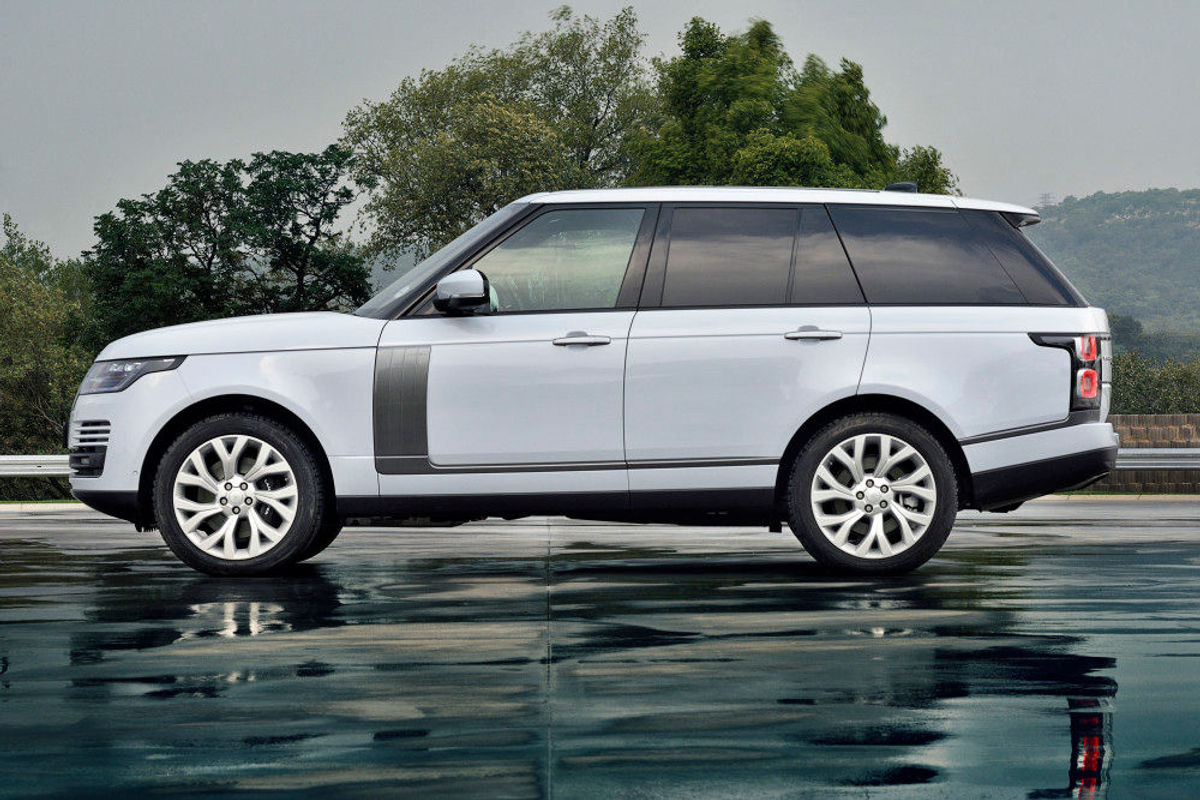
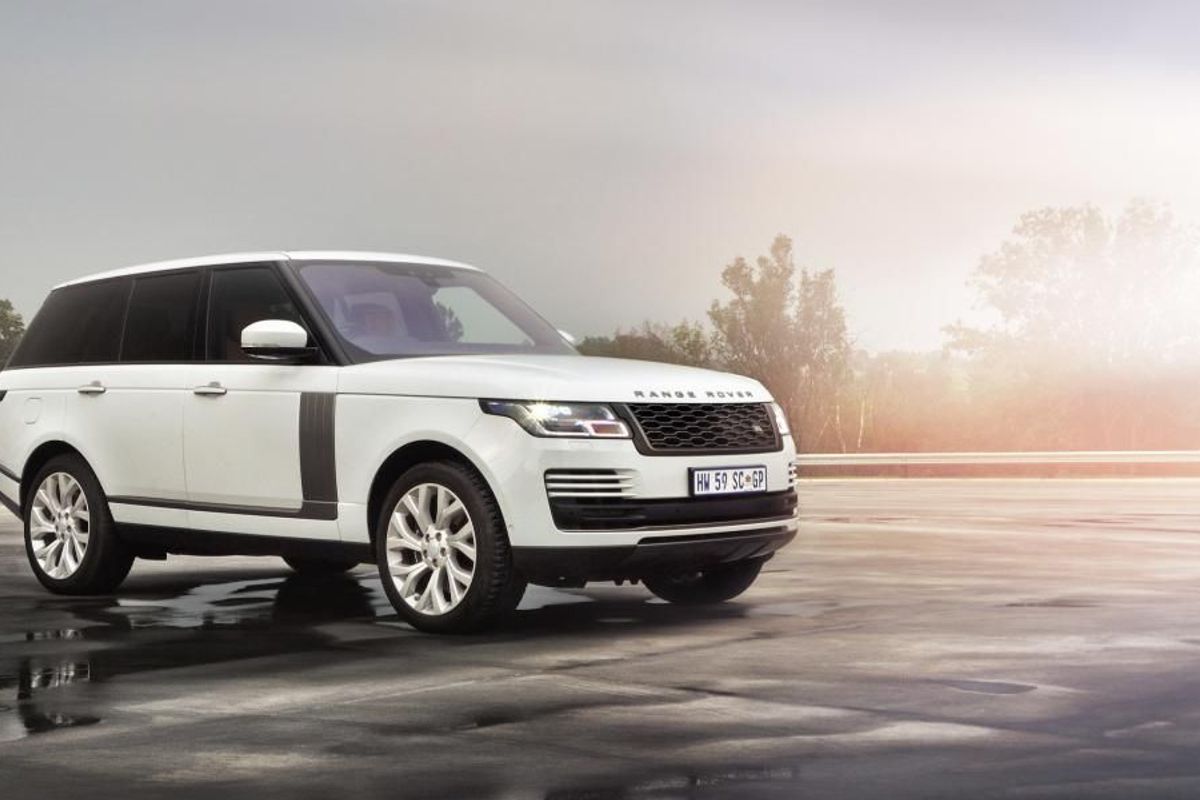
The Range Rover and Range Rover Sport are now offered with plug-in hybrid (PHEV) derivatives. See details below…
The new plug-in hybrid Range Rover and Range Rover Sport derivatives are badged as the P400e and both offer total outputs of 297 kW and 640 Nm developed by a 221 kW 2.0-litre petrol engine and 85 kW electric motor. Both derivatives are paired with an 8-speed ZF automatic transmission and 7 kW on-board charger.
The charging point is found behind the badge on the grille with the 13.1 kWh lithium-ion batteries mounted in the floor of the rear load bay. Both vehicles are equipped with Land Rover’s Terrain Response 2 system to tackle difficult terrain. The system has been calibrated to distribute torque from the electric motor to all four wheels from zero rpm which affords the driver greater control in low-speed off-road scenarios.
Two drive modes, including Parallel Hybrid (combines petrol and electric drive) mode and EV (pure electric drive) mode are offered. In EV mode, both derivatives offer 51 km range on electric power alone and a full charge can be achieved in 2 hours and 45 minutes using the optional 32 A wall box. Alternatively, you can also use a standard 10 A home charging cable which takes 7.5 hours to complete a full charge. Both derivatives are offered in standard and long wheelbase body styles.
Key Features
The Range Rover plug-in hybrid derivative is equipped with a host of comfort and convenience features such as a Touch Pro Duo infotainment system, up to 17 connection points, WiFi hotspot for up to 8 devices, 20/24-way front seats with 25 massage programmes, gesture sunblind, air cabin ionisation and an activity key to name a few.
The Range Rover Sport adds an Advanced Tow Assist function, using the Terrain Response 2 rotary controller, which helps the driver with counter-steering for greater accuracy when reversing with a trailer.
Range Rover/Range Rover Sport PHEV – Price in SA
Range Rover P400e – R2 207 300
Range Rover Sport – R1 639 300
A 3-year/100 000km warranty and 5-year/100 000 km maintenance plan is standard as well as an 8-year/160 000km 70% state of health warranty.
Volkswagen T-Cross (2019) International Launch Review [w/Video]
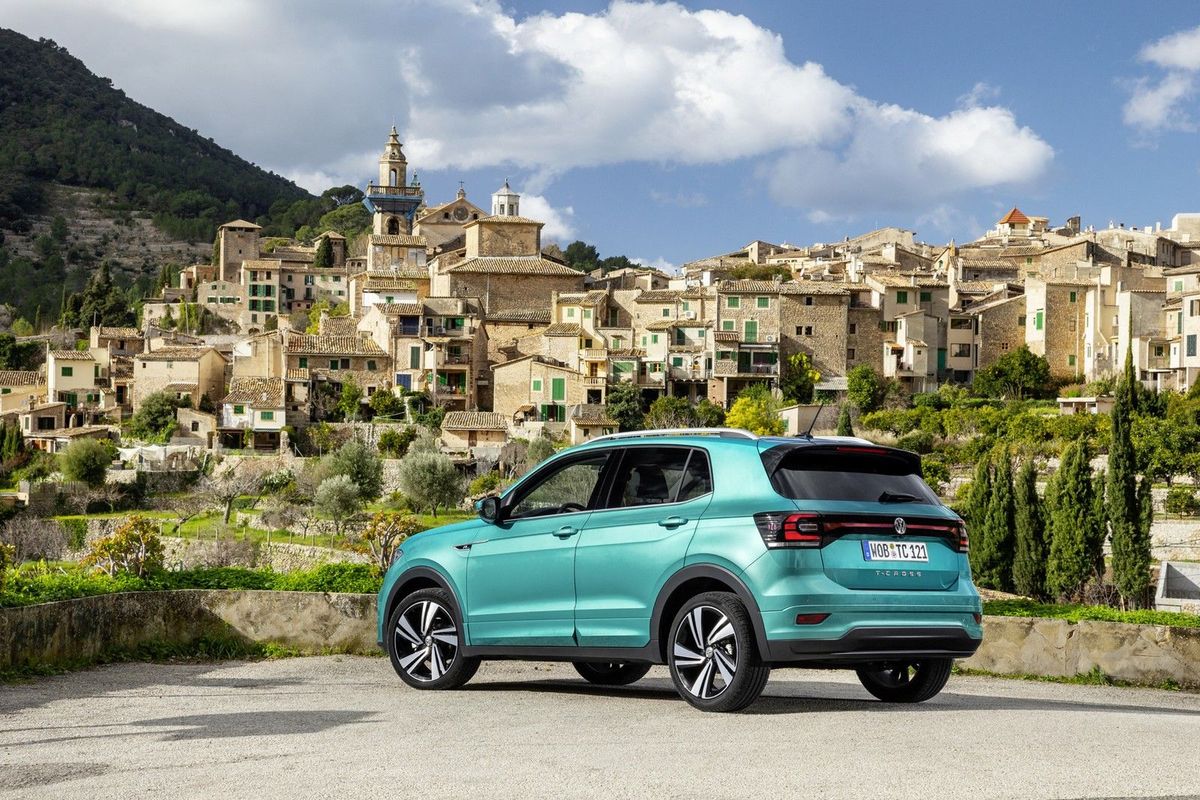
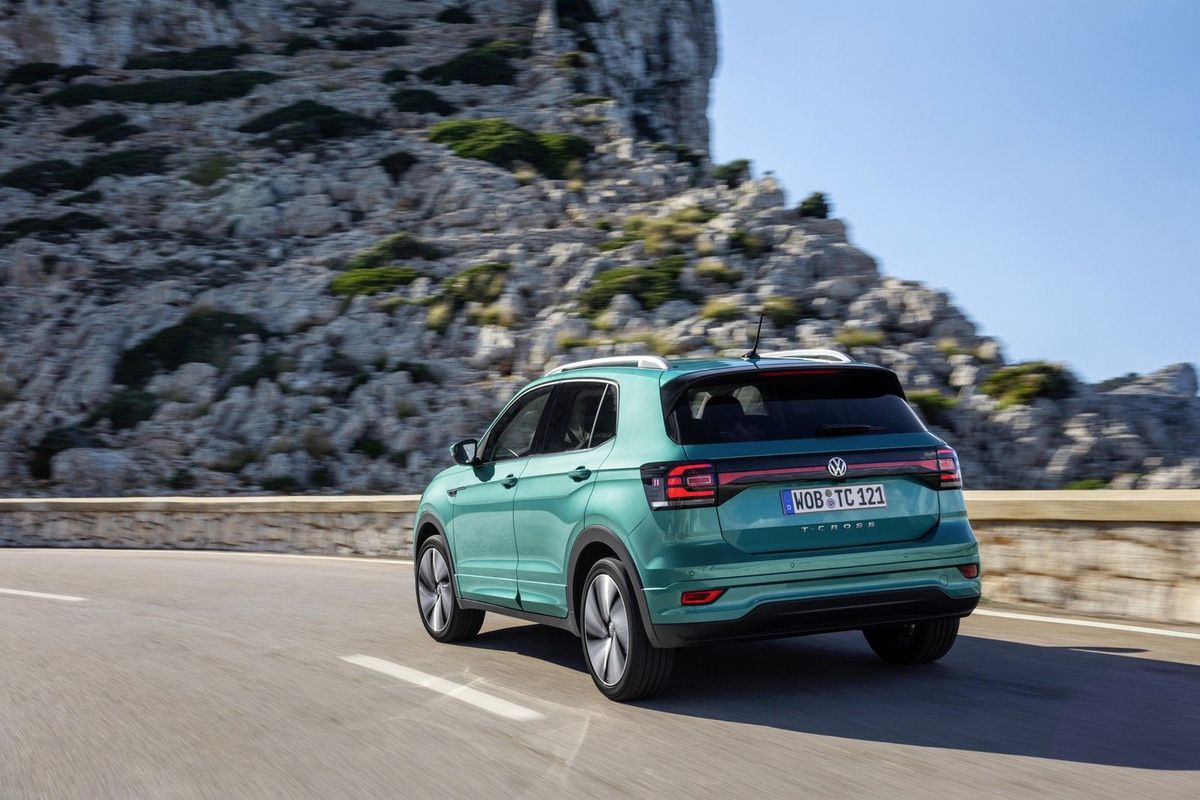
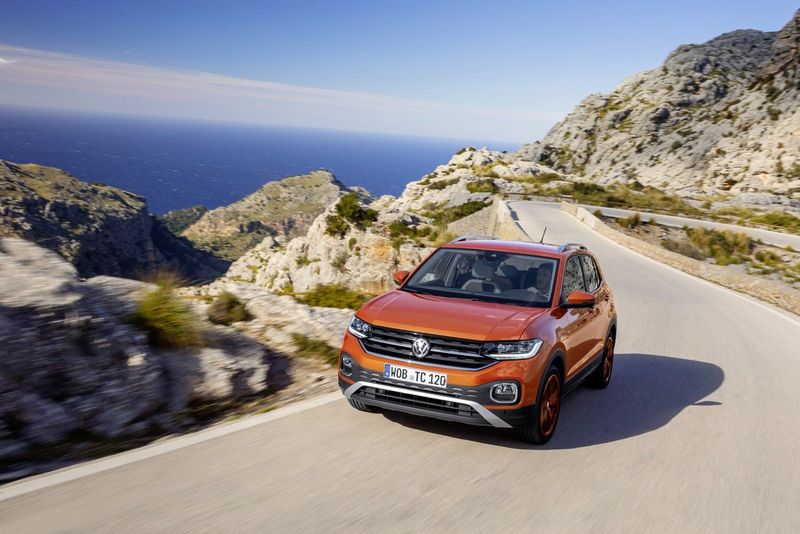
South Africans are certifiably SUV-crazy and seem to have an insatiable appetite for anything with a raised ride height and chunky off-roader styling. While brands such as Ford and Renault have been contesting the compact family car segment for a while, with the EcoSport and Duster (as well as Captur) respectively, Volkswagen is oddly late to the party. However, the German brand is about to introduce a mighty challenger in the form of the all-new T-Cross.
A late entry to the compact SUV category, does the T-Cross have what it takes?
What is it?
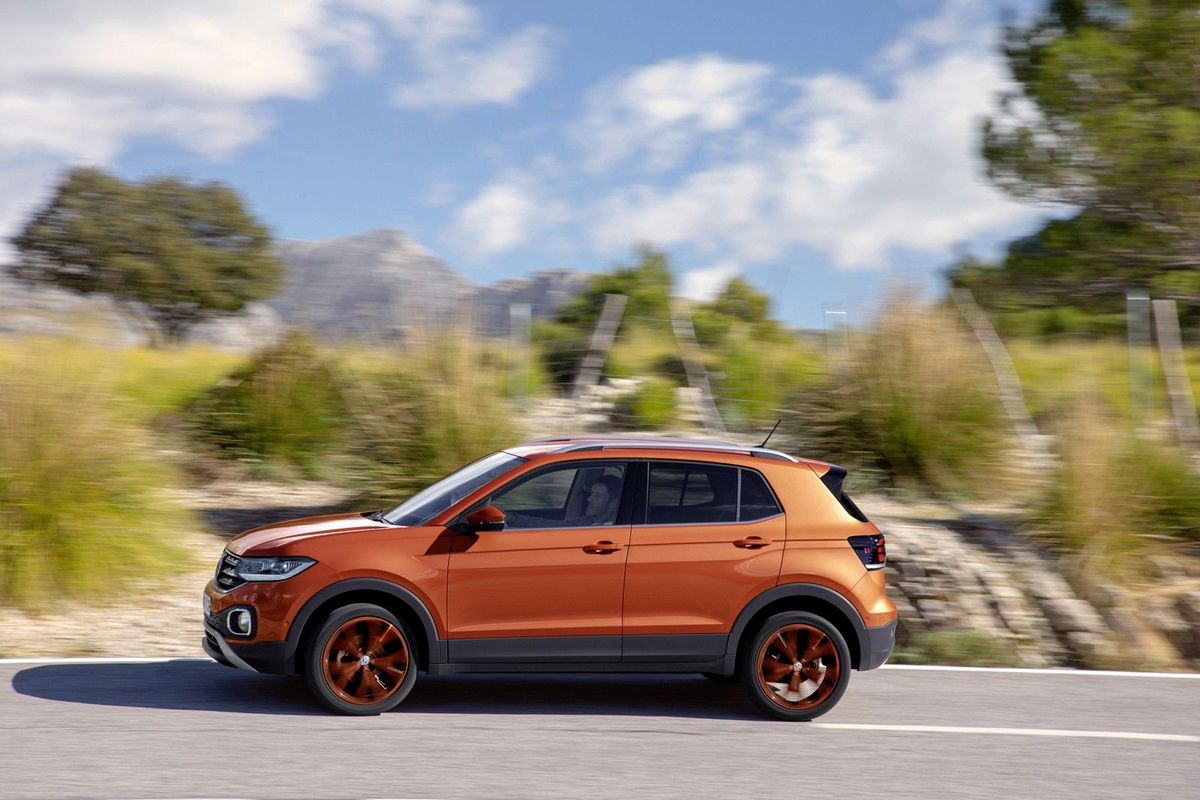
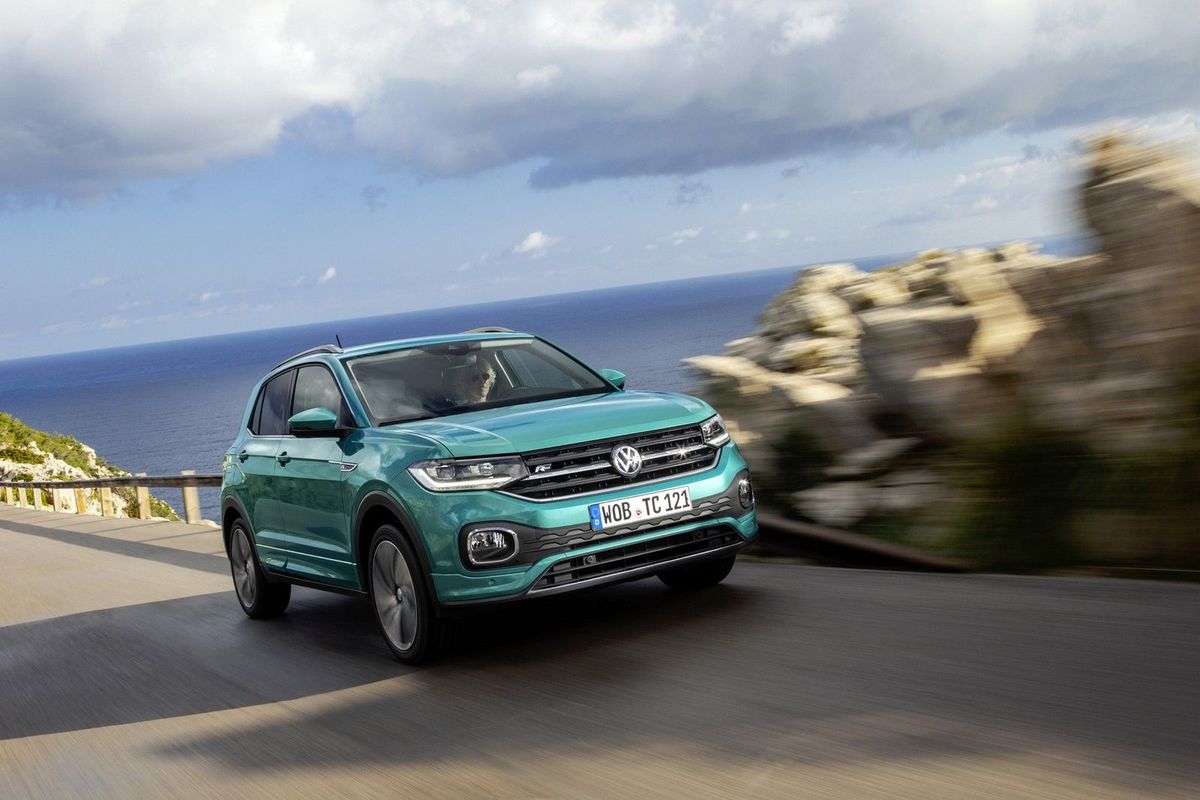
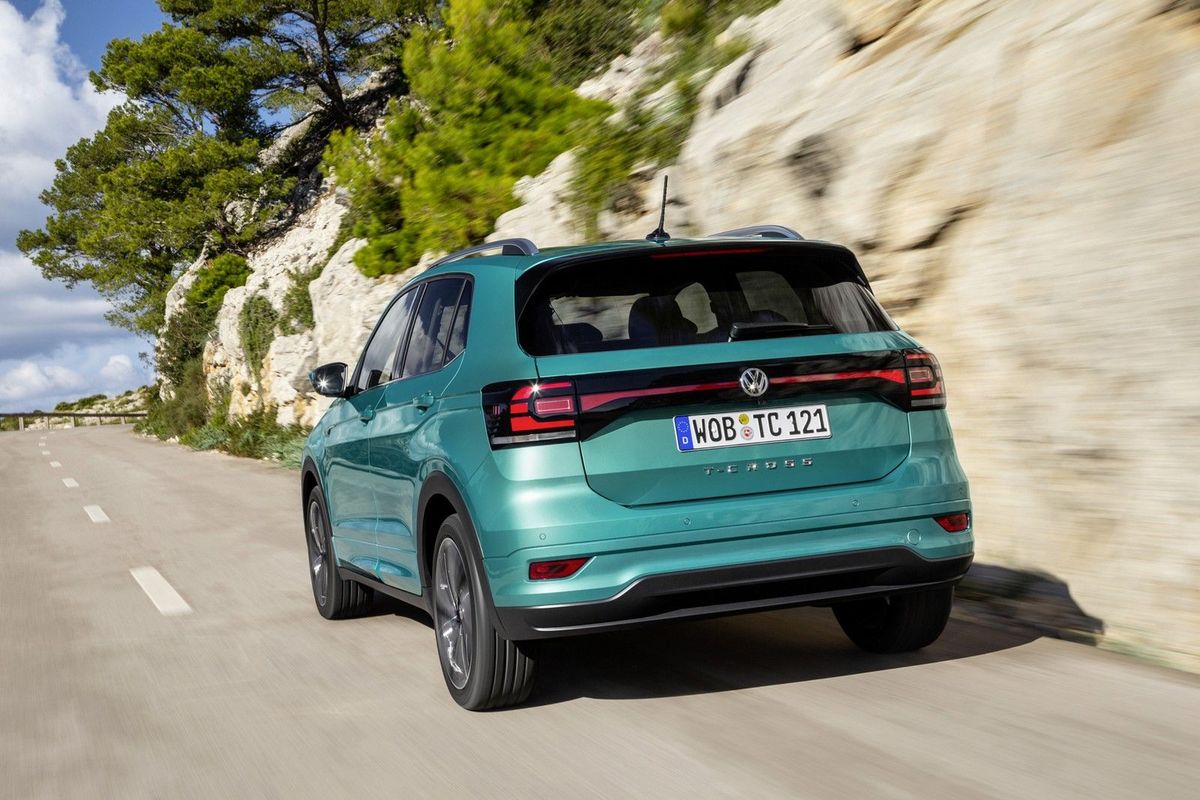
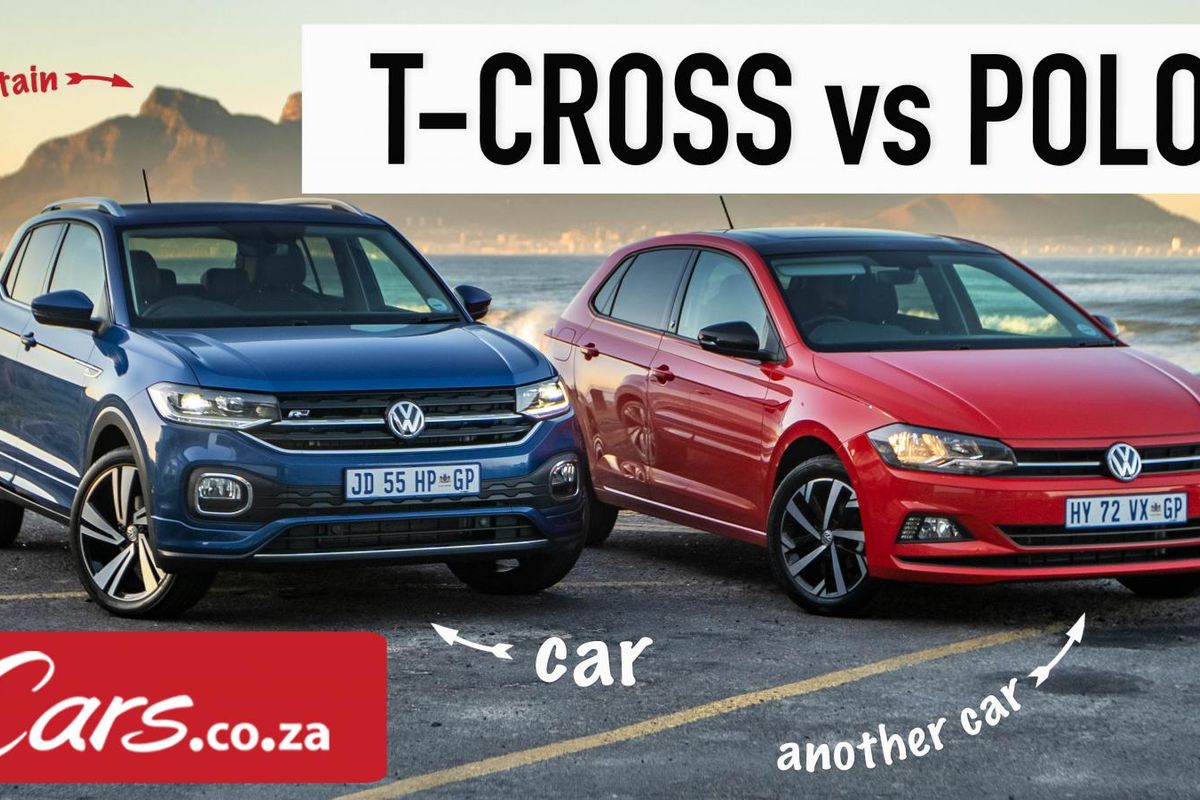
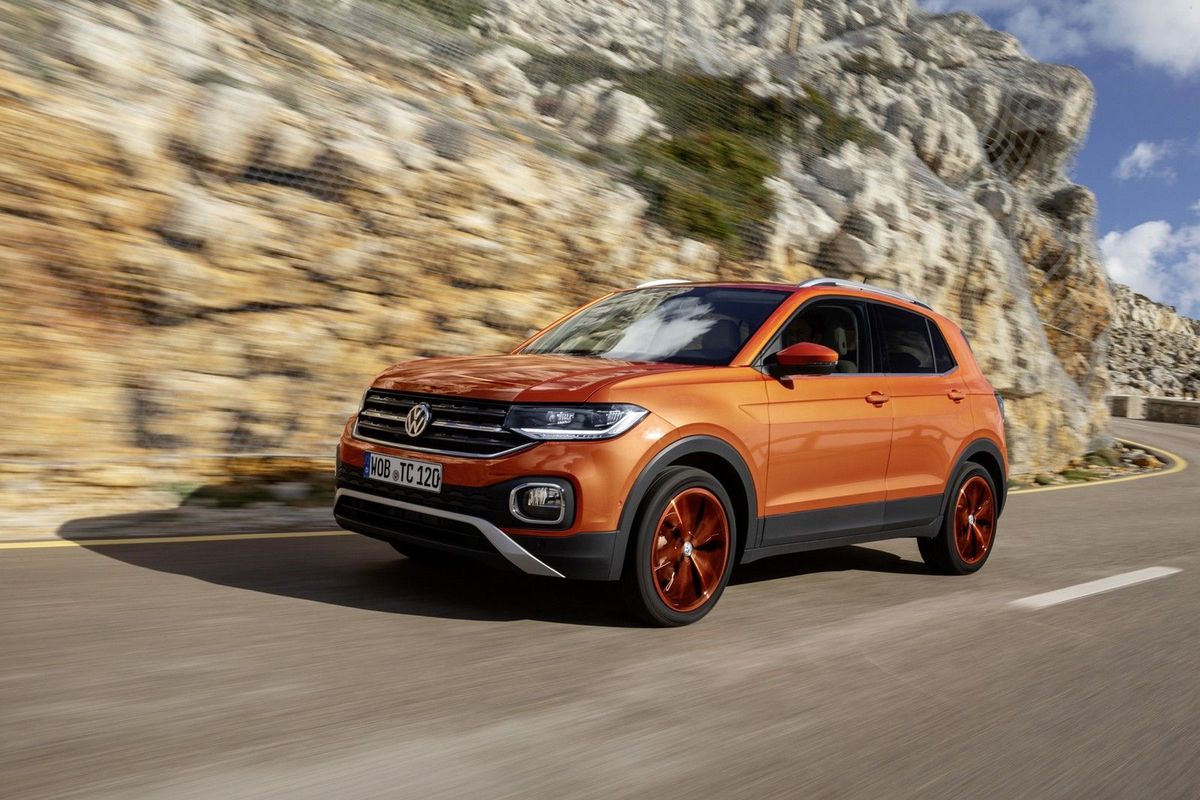
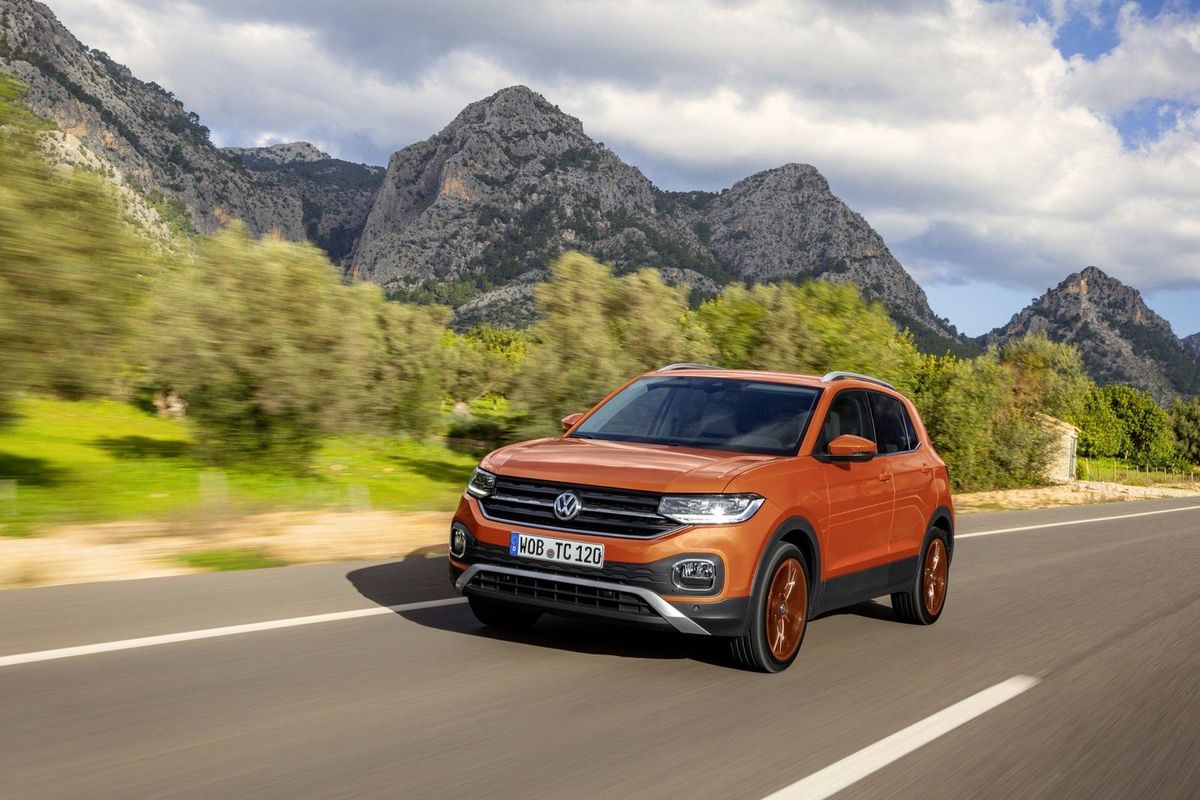
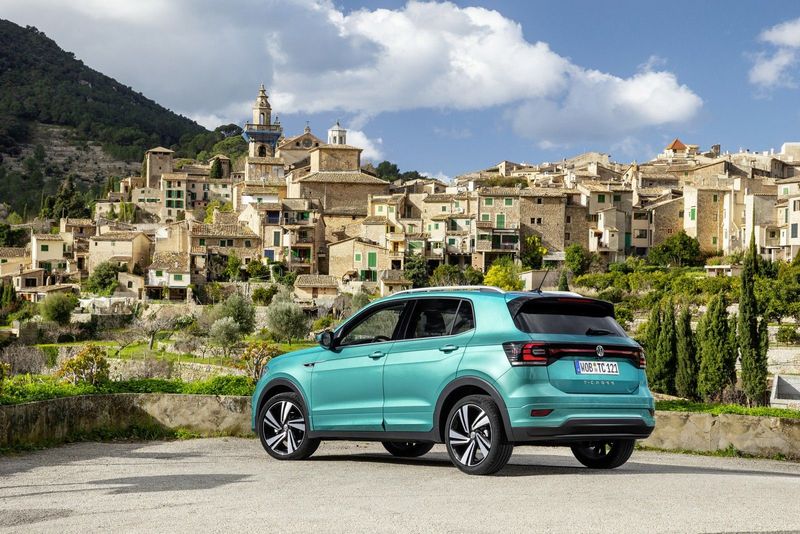
Based on the modified MQB architecture that underpins the Polo and sporting the same engines and transmissions as the top-selling compact hatchback, the T-Cross is not much larger than its sibling. It’s roughly the same width and just 55 mm longer and 140 mm taller, than a Polo.
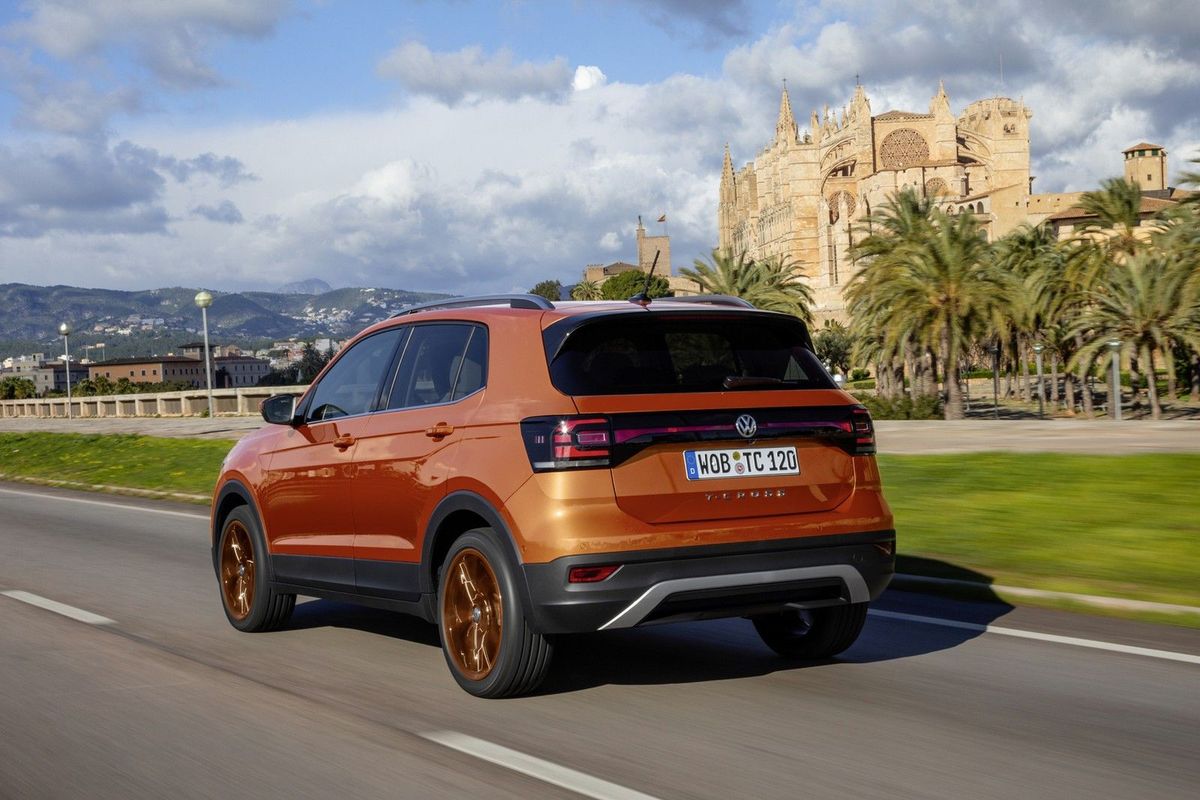
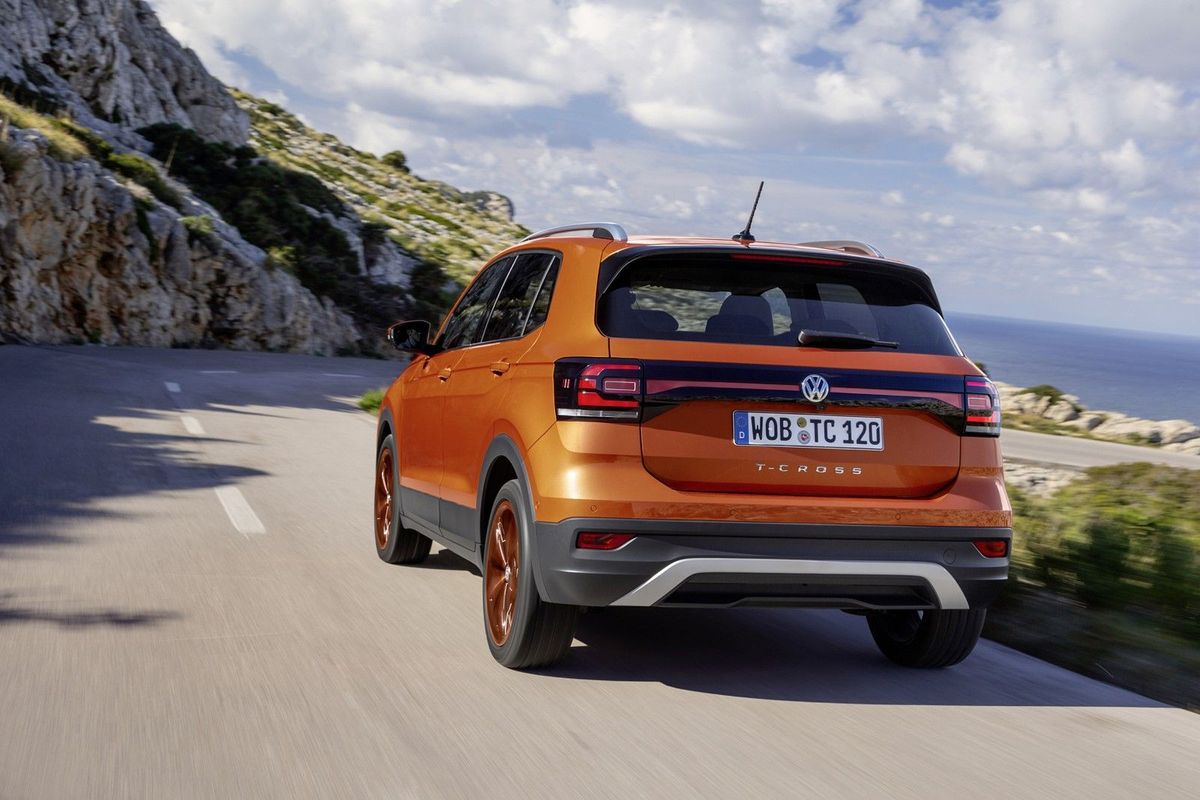
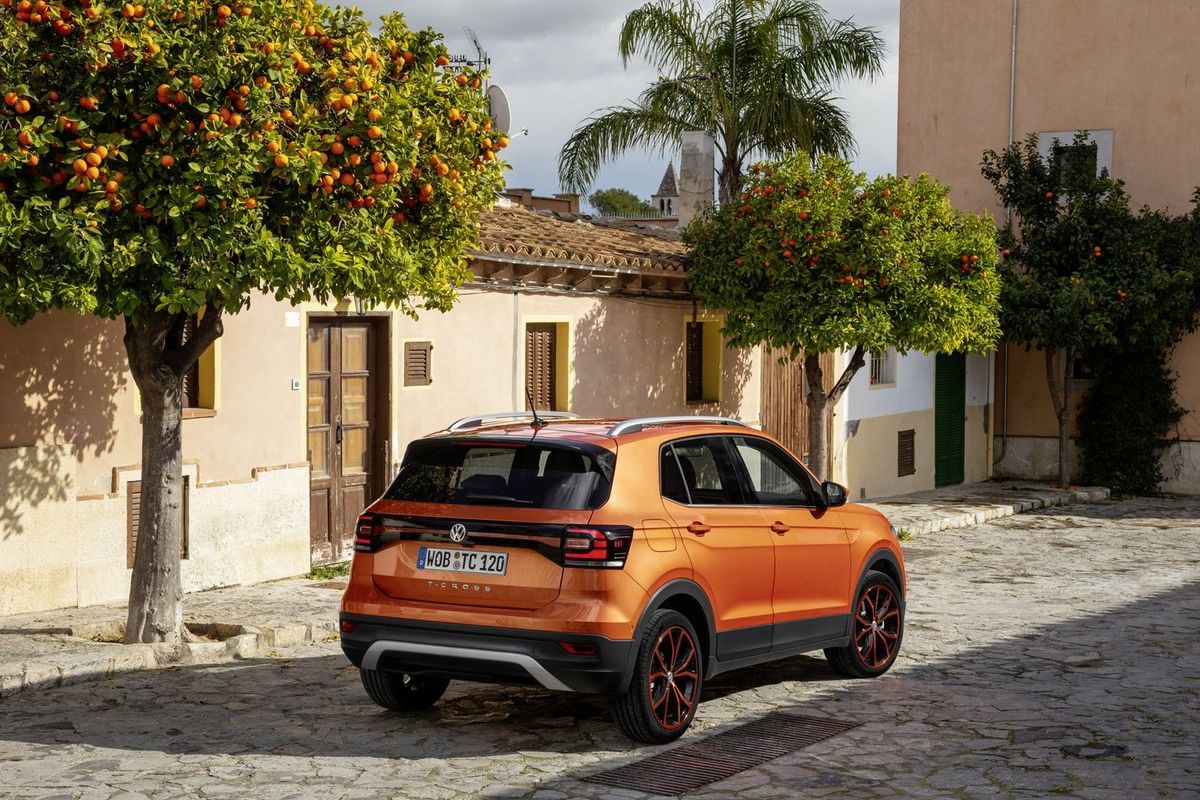
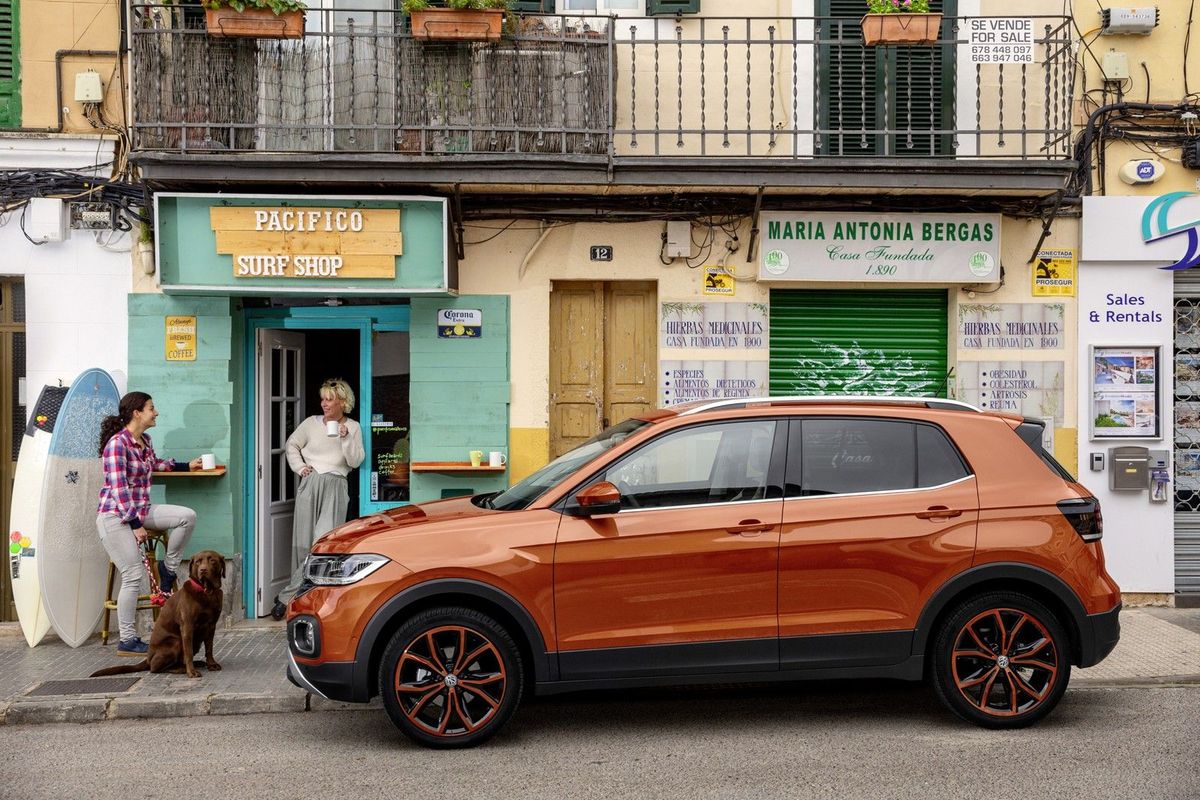
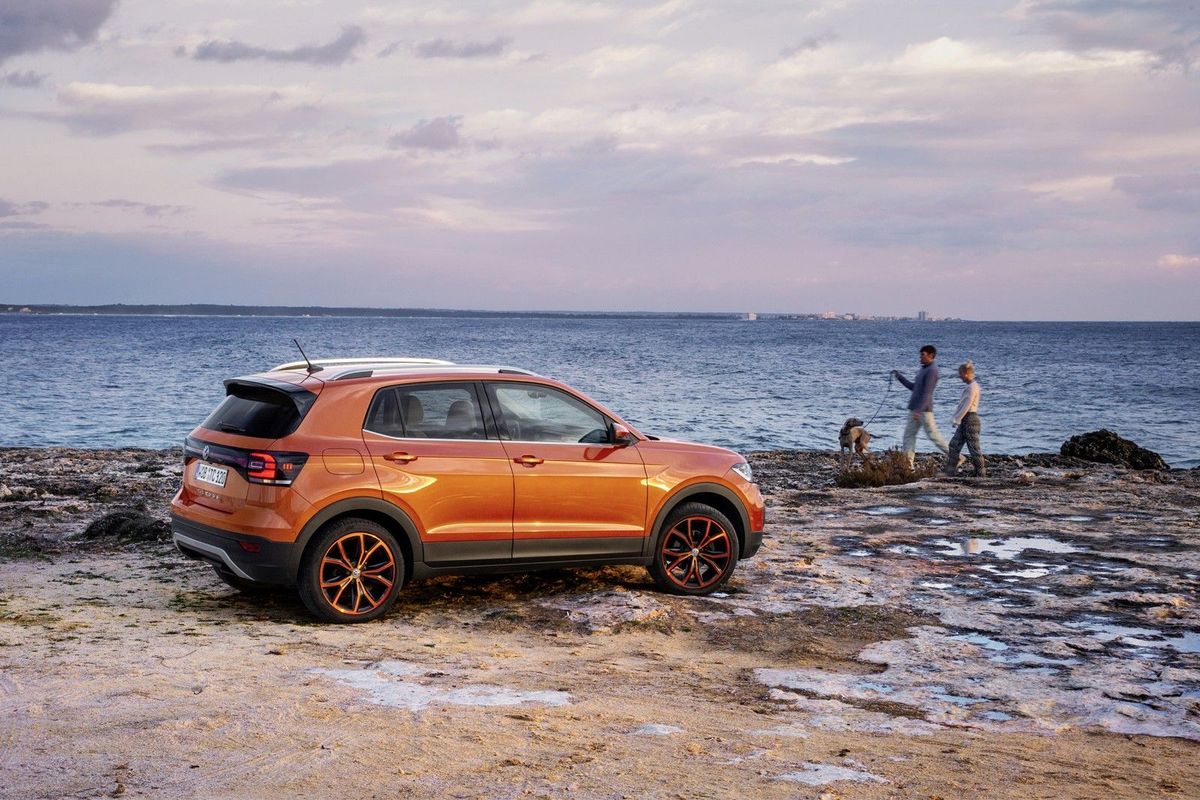
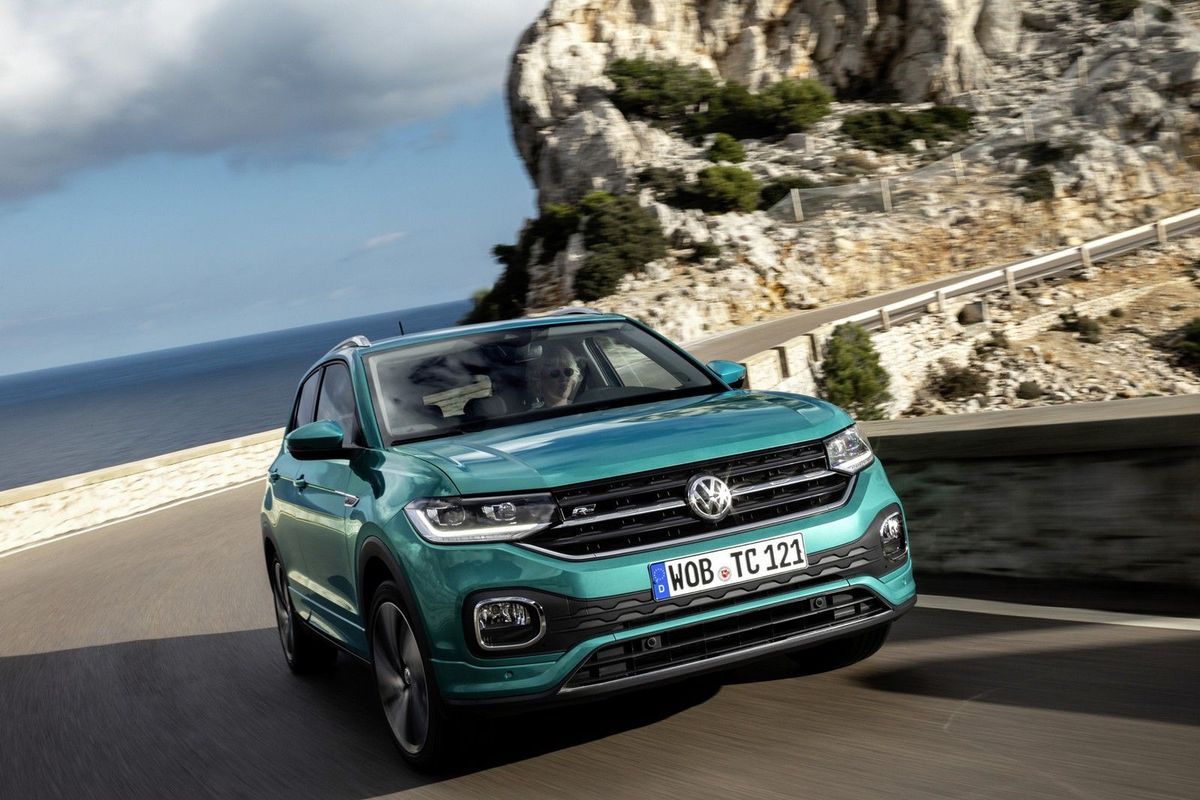
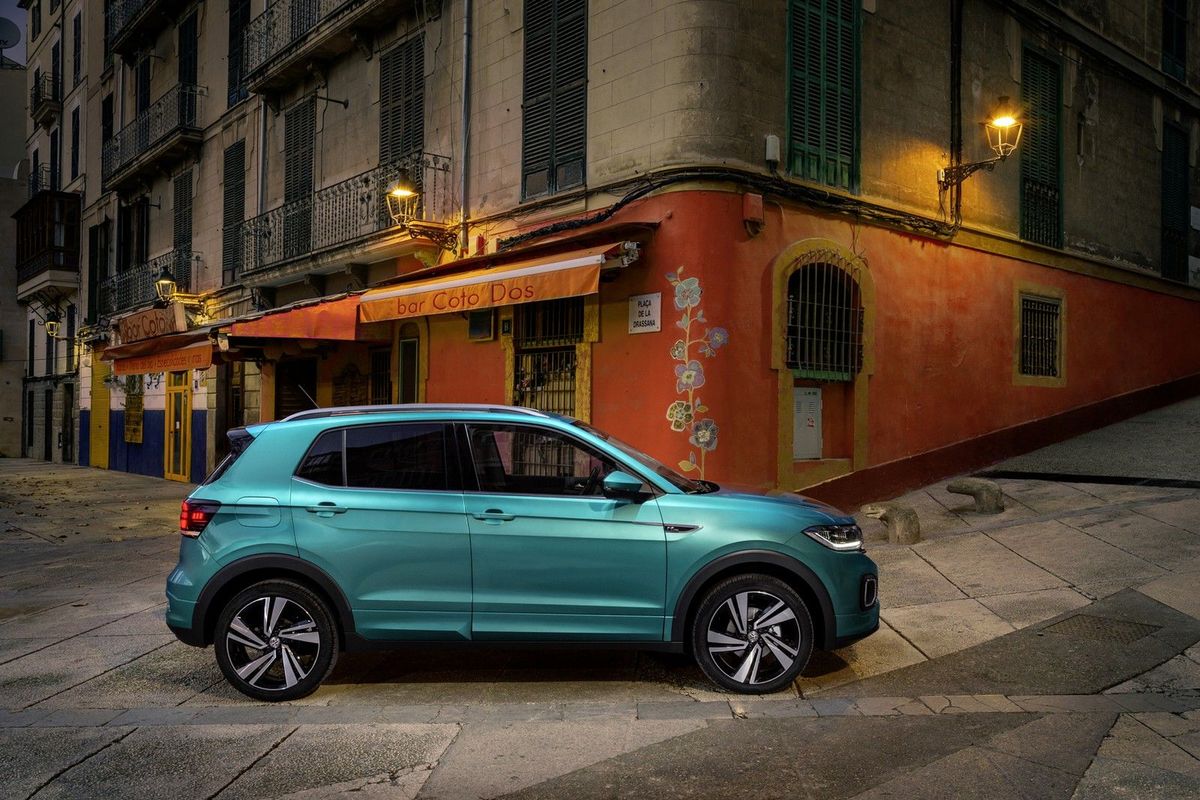
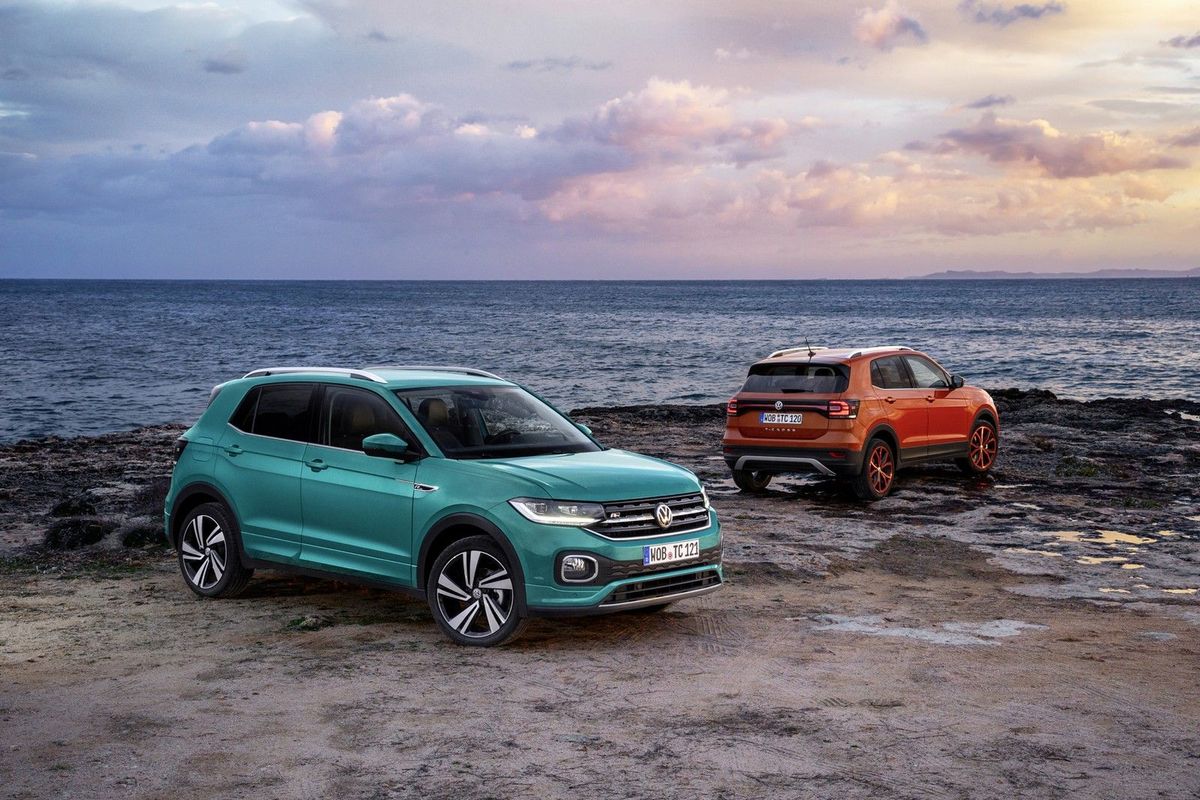
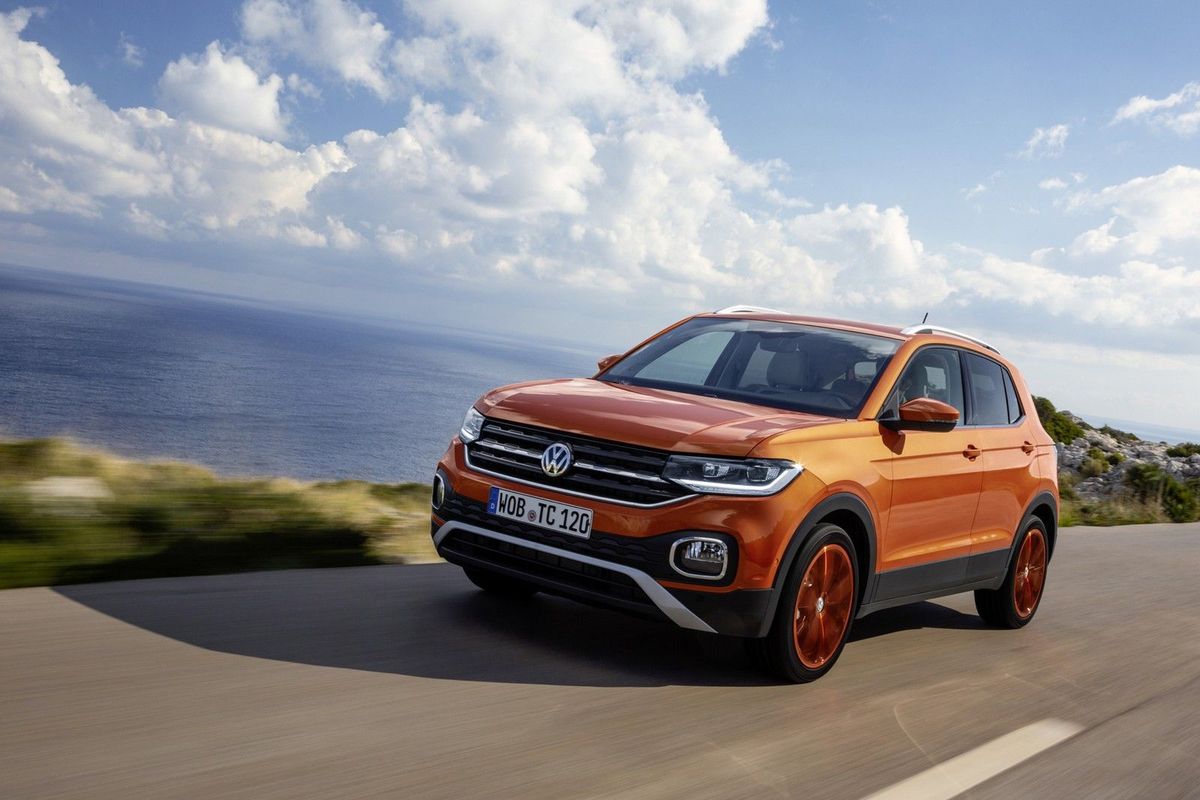
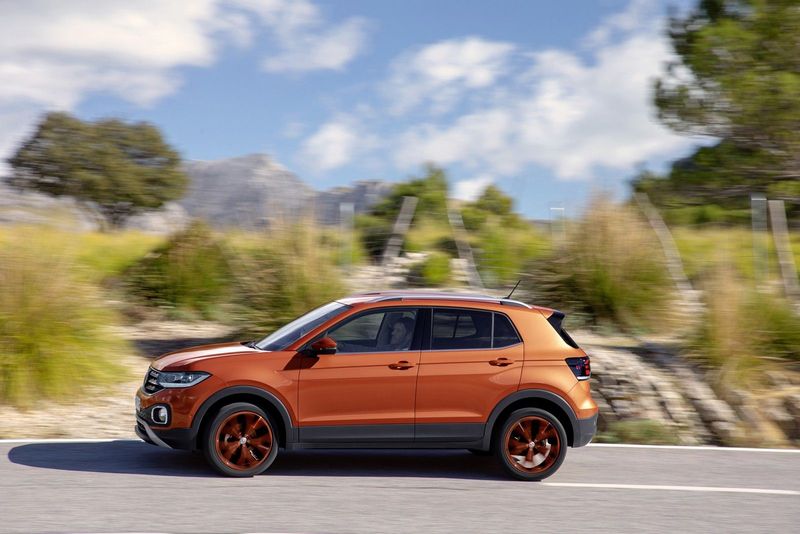
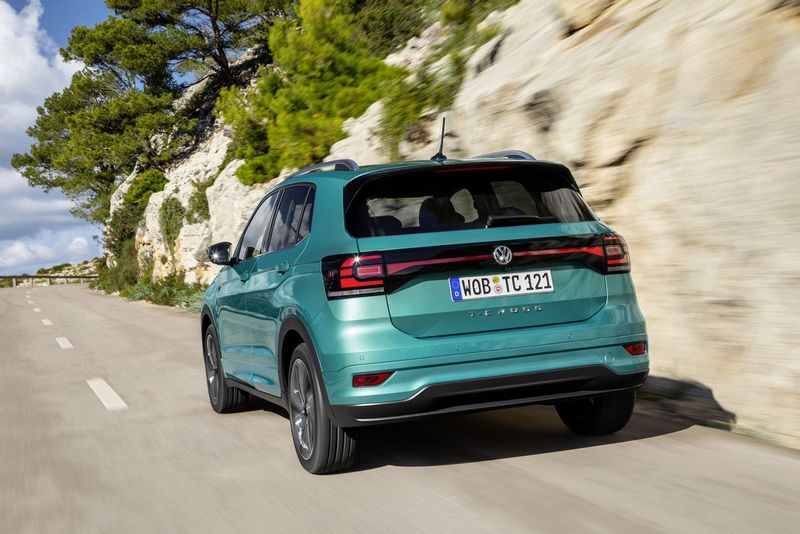
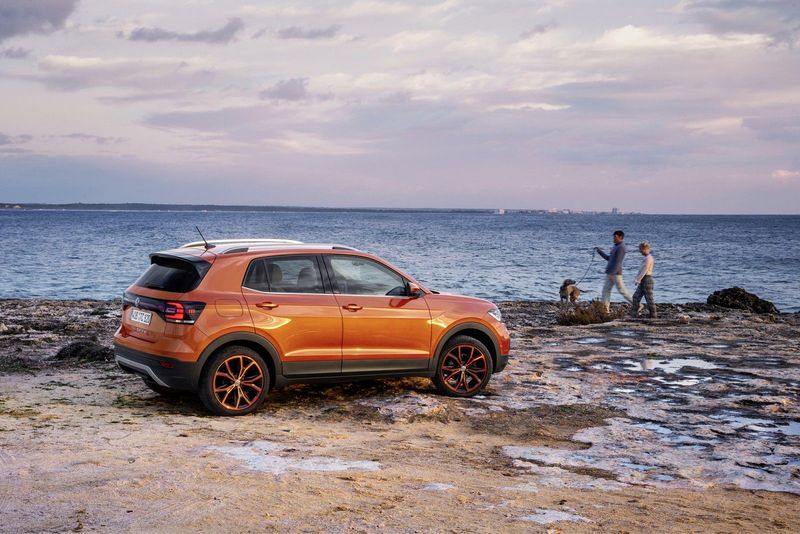
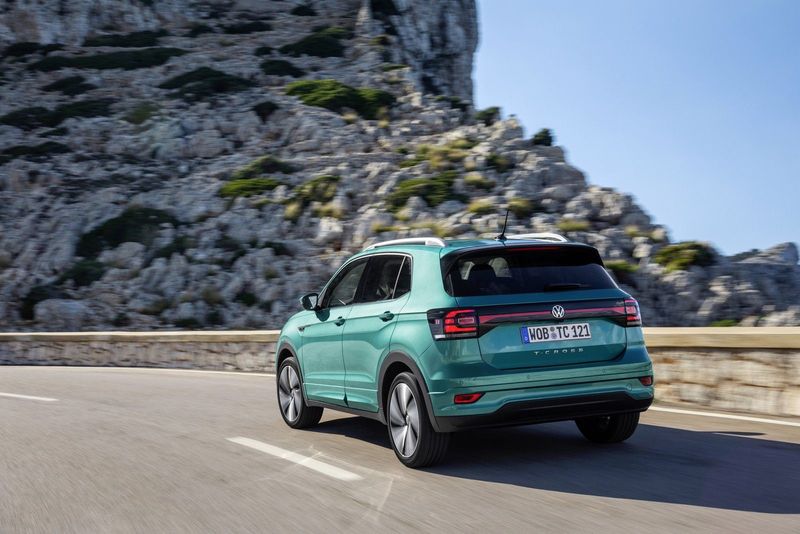
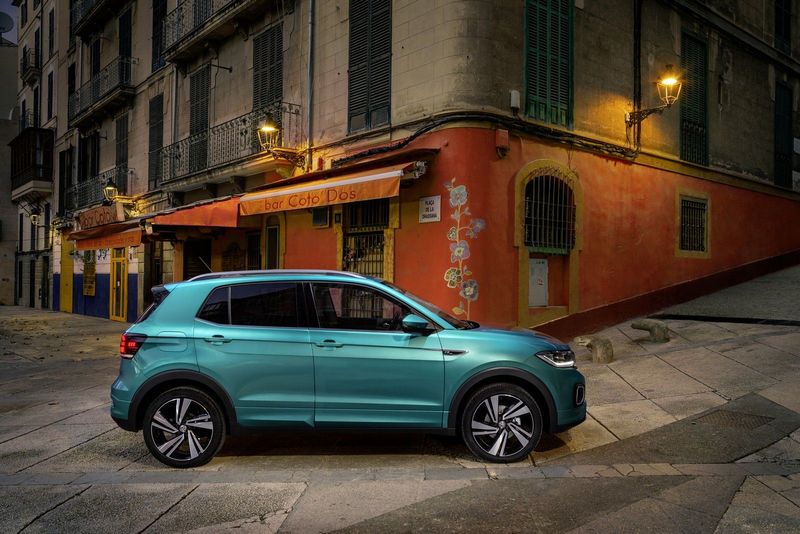
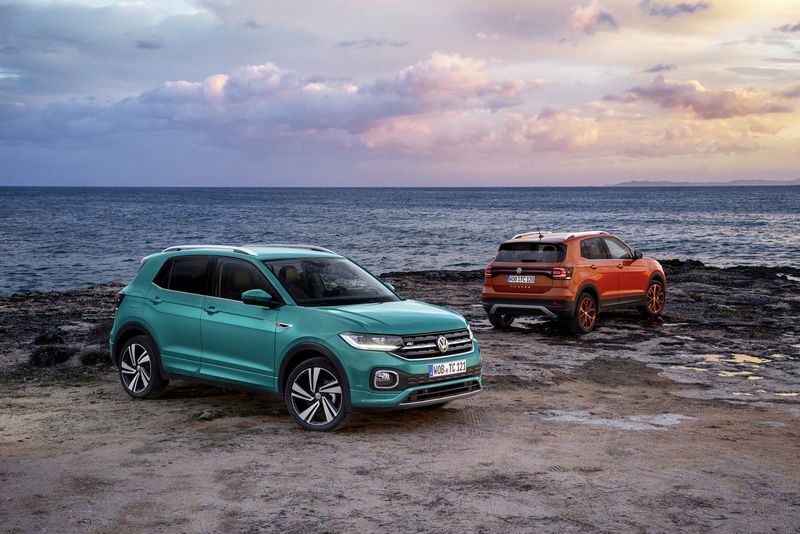
However, those figures belie the impressive design and kerb presence of the T-Cross – the newcomer is likely to draw a steady stream of showroom traffic when it arrives. There is no question as to whether this car fits the description of an SUV. The squared-off C-pillars, inspired by those of the Tiguan, give the newcomer broad shoulders. In profile, the car apes its family car sibling and, especially when shod with larger wheels, it looks solid.
It may be hard for an SUV mad country like SA to say no to a T-Cross at its indicative pricing.
I couldn’t quite put my finger on how Volkswagen achieved it, but the newcomer looks much larger in pictures than it is. Viewed in isolation, the T-Cross looks larger than its bigger sibling, the T-Roc, but when parked next to the T-Roc, the truth of its more compact dimensions is revealed.
But, make no mistake, this is a punchy, pocket-sized package.
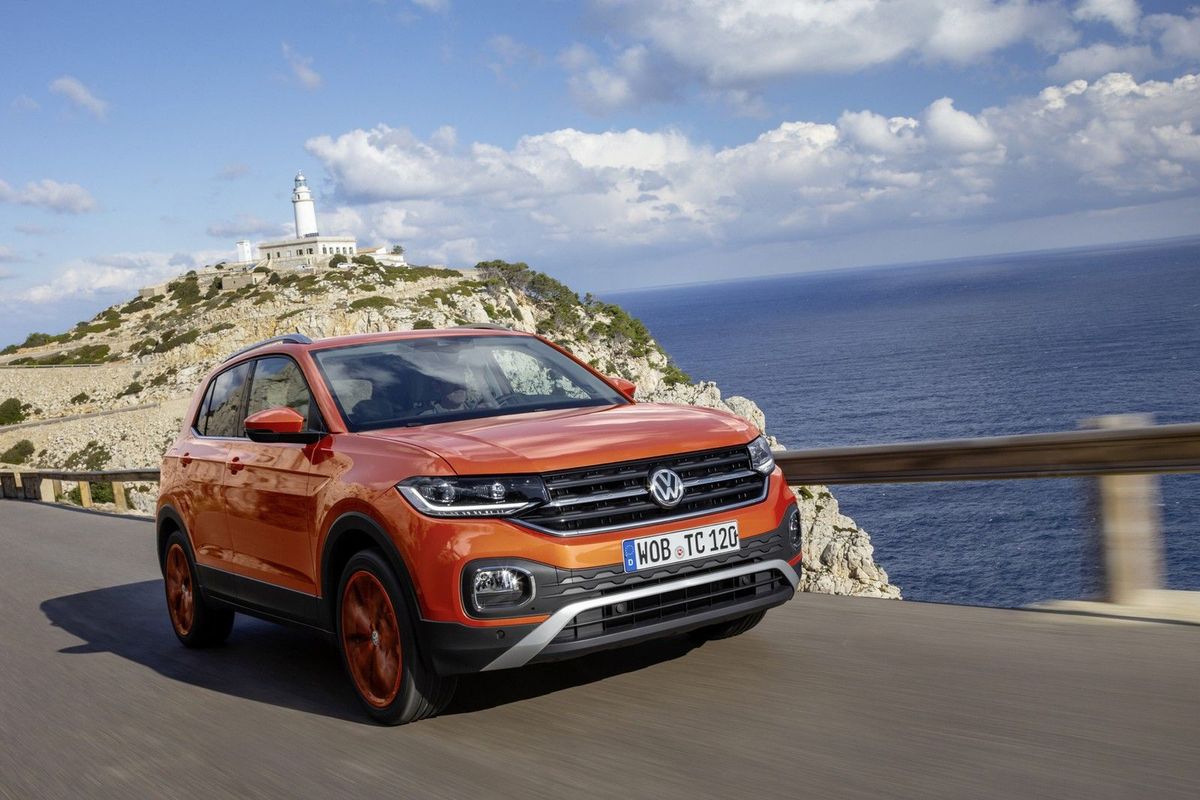
The roads of the beautiful island of Mallorca, VW’s chosen location for the international launch of the T-Cross, are as perfectly-surfaced as they are narrow. Lined with ancient stone farm walls, local drivers barrel along without so much as a hint of caution, requiring you to squeeze up against the long-standing masonry. In those hair-raising moments, I was mighty glad the T-Cross is only as wide as a Polo…
However, the downside to that scenario is that I cannot accurately report on what the car is like to drive on poor roads, or how it might handle those most loathed adornments of South African asphalt routes: potholes. Ultimately though, it's a Volkswagen and doesn’t ooze bucket loads of charm or character, but it is undoubtedly a car that you could be happy to drive every single day. The ride is firmer than you might hope for in an SUV, but not wooden; it strikes an impressive compromise between comfort and not falling over when you negotiate corners at higher-than-usual speeds.
Underpinned by the Polo platform, the T-Cross has excellent road manners. Albeit we only drove on the smoothest of roads.
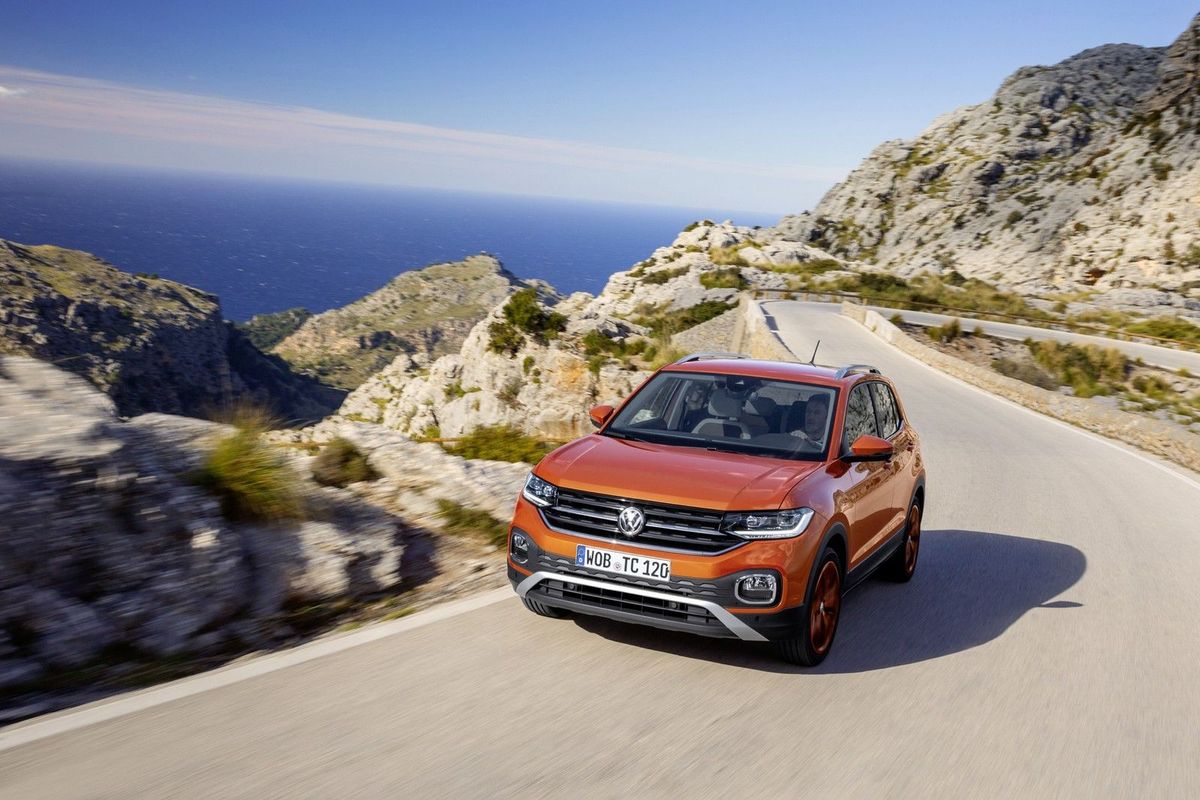
In fact, I would say the T-Cross is playful in its setup, and quite good fun to chuck into corners. You can’t get terribly lost on Mallorca and so we headed for the hills, hoping to find some good twisties to test the Volkswagen's dynamism. We were rewarded with a stunning mountain pass and the T-Cross, which has a front-wheel-drive configuration, was composed – even mature – in the way it handled the undulations.
On the highway, the larger low-profile tyres generated a bit of road noise and I did discern a bit of wind noise emanating from around the top of the A-pillars (the upper corners of the windscreen), but there was nothing out of the ordinary (or to be concerned about) in terms on on-road refinement.
The engines
Volkswagen SA has not confirmed which engines SA buyers will be able to choose from, but we suspect all 3 powerplants scheduled for introduction in Europe will be made available here. These include the 1.0-litre TSI 3-cylinder turbopetrol engine, which is currently servicing the Golf, a new 1.5-litre TSI 4-cylinder turbopetrol motor, which will likely make its debut in South Africa in the T-Cross, and lastly, a 1.6-litre TDI 4-cylinder turbodiesel.
SA engines have not been confirmed yet, but it is likely we will get 2 turbopetrols and, perhaps, a turbodiesel option.
The 1.0-litre turbopetrol motor can be paired (internationally at least) with either a 5-speed manual, 6-speed manual or 7-speed dual-clutch DSG ‘box, while the 1.5-litre turbopetrol and 1.6-litre turbodiesel engine are only available with a 6-speed manual or 7-speed DSG.
What did we drive?
We had a quick spin in the turbodiesel fitted with the DSG, as well as the 1.0TSI DSG. What was most impressive, however, was the indicated fuel consumption in the 1.0-litre turbo petrol. We averaged 5.8 L/100 km across the trip (which, admittedly, did not include much stop-and-go city driving) but even so, that is a quite an impressive figure, and almost negates the need to "go diesel" if fuel efficiency and running costs are major concerns.
The 1.0-litre turbopetrol proved extremely frugal on our test route.
While the turbodiesel is torquier, the petrol motor is slightly smoother and quieter in operation, and I suspect you’d be happier to drive the latter every day. The 1.0-litre TSI is available in 2 states of tune, with peak power and torque figures quoted at either 70 or 85 kW, with 175 Nm, and while those numbers may seem low, the T-Cross never felt underpowered or sluggish during the evaluation drive.
Interior and creature comforts
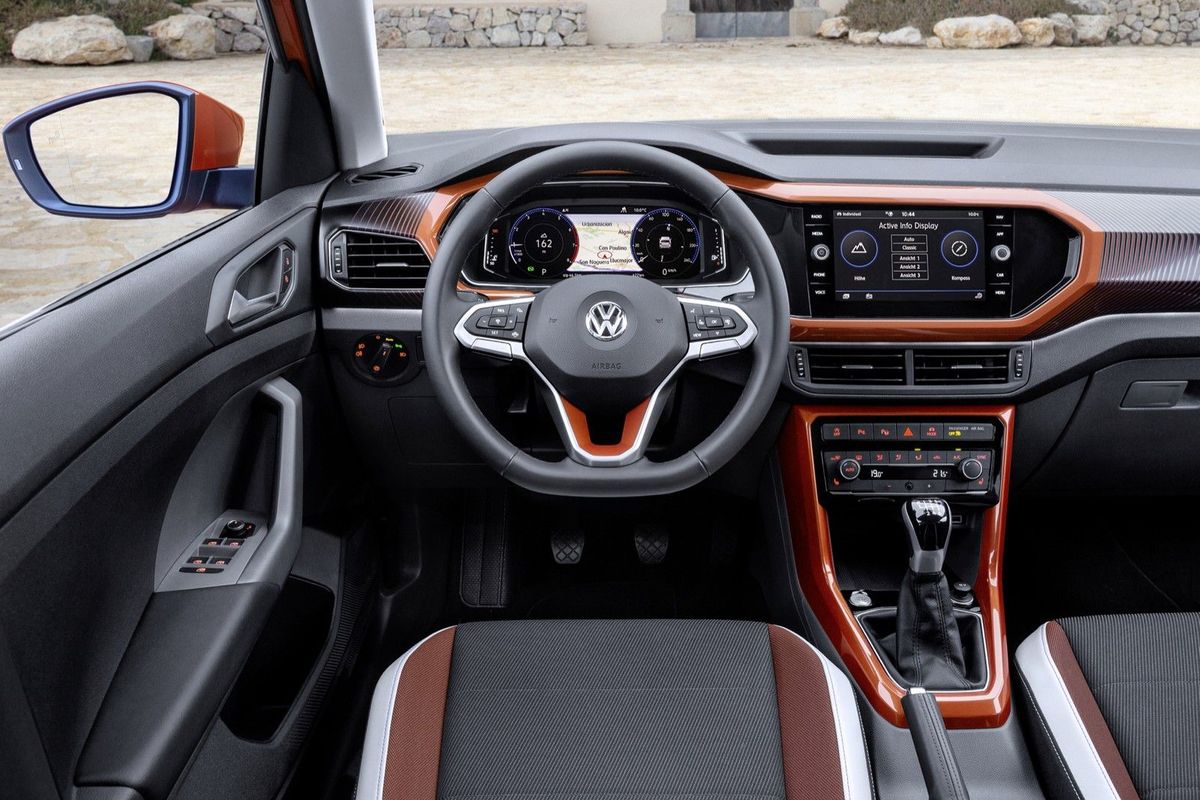
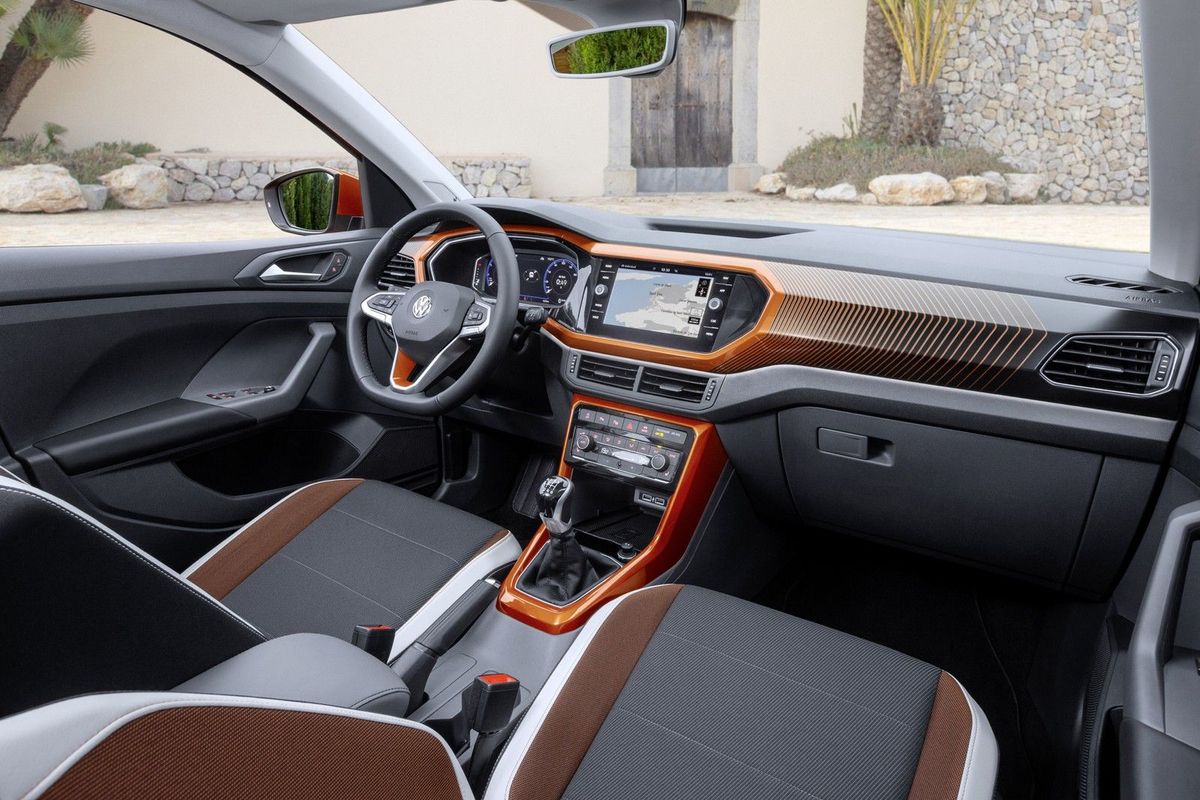
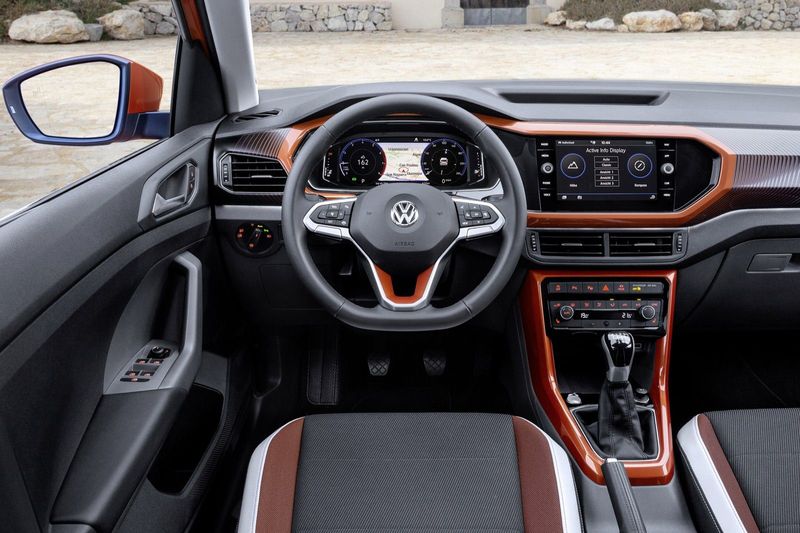
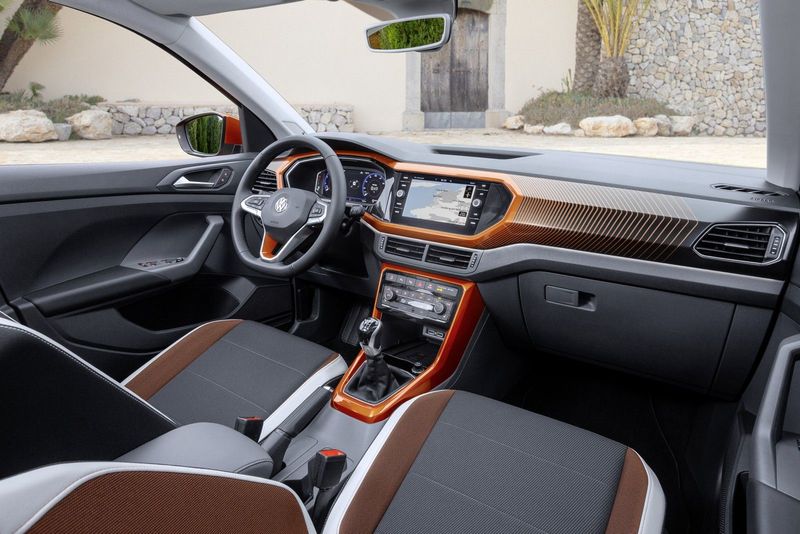
The interior has largely been lifted from the Polo, and that’s not a bad thing. When we first drove the Polo last year we rated its interior as the best in class. A large touchscreen dominates the centre console and, if you opt for the Active Info Display, the instrument cluster will be fully digital too.
High-quality plastics abound and, in line with the youthful nature of the car, the dashboard, steering wheel and seats can be customised with a plethora of colours and patterns to ensure that your specified car will be just as funky as you want.
Not much inside the T-Cross to differentiate it from the Polo. Still quite upmarket, however.
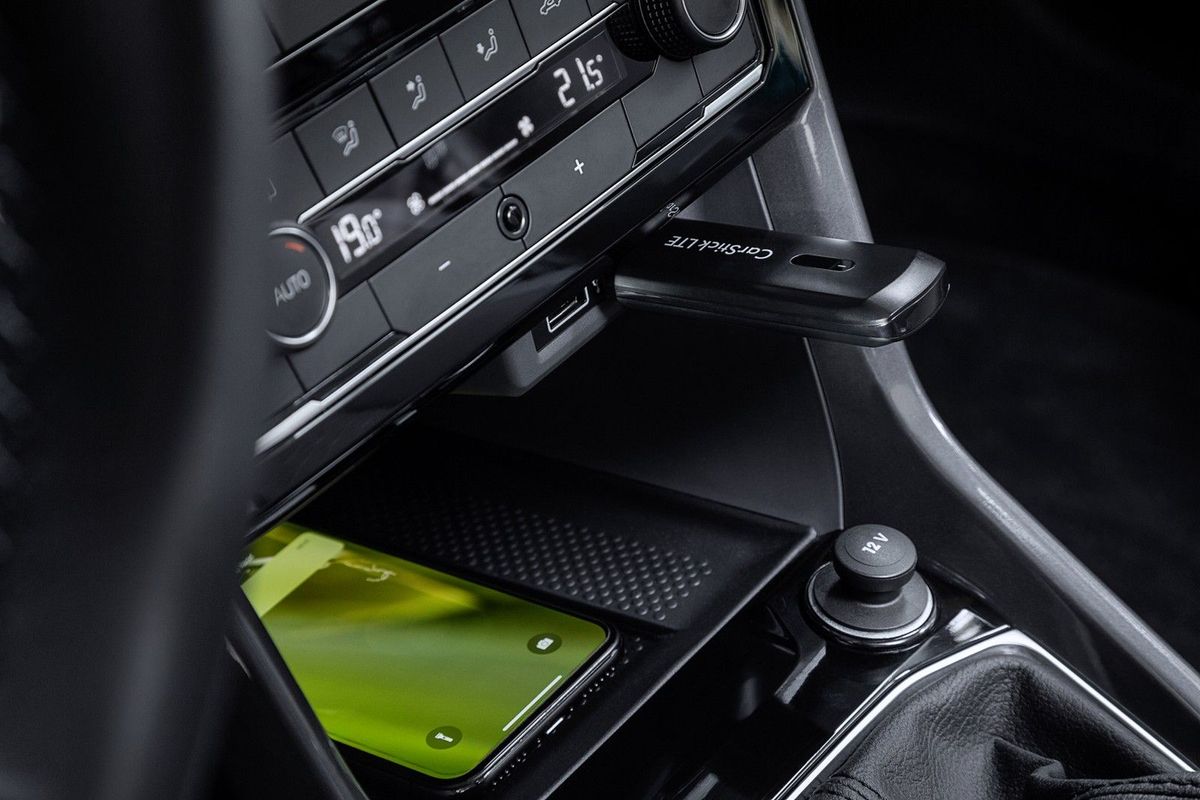
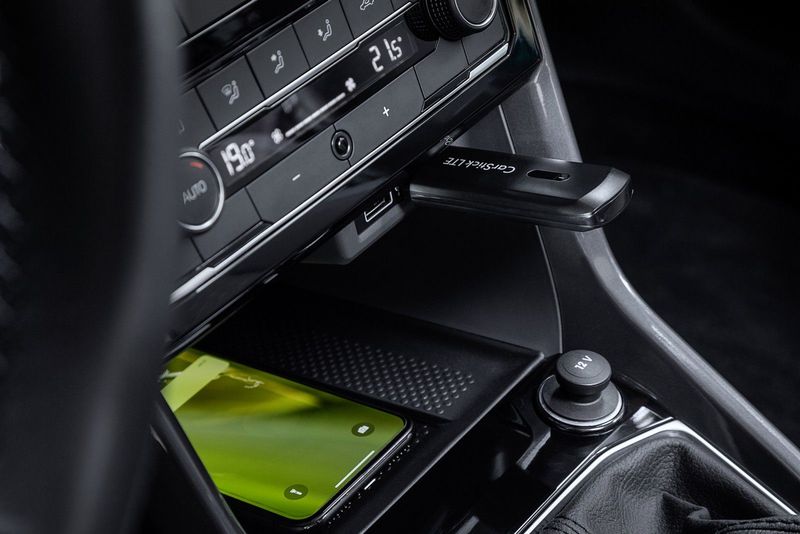
As standard, the car is fitted with a touchscreen infotainment system, but the standard fitment of satellite navigation is not confirmed for our market as yet. However, Android Auto and Apple Carplay are standard features, while the lowest cavity of the centre stack features a wireless charging pad. Two USB ports are fitted nearby, with another pair afforded to rear occupants (to ensure kids' electronic devices stay well-charged during long trips).
The T-Cross further features VW’s Dataplug as standard, which automatically connects to a free Volkswagen Connect app on your smartphone (if installed) and disseminates some very useful information about your car, such as whether it’s locked or not, how much range you have left on the tank and when your next service is due. The app can automatically store the location of the T-Cross when you lock it, so that you can use your smartphone to locate your car when you return from one of your marathon shopping adventures… and find you've forgotten where you parked.
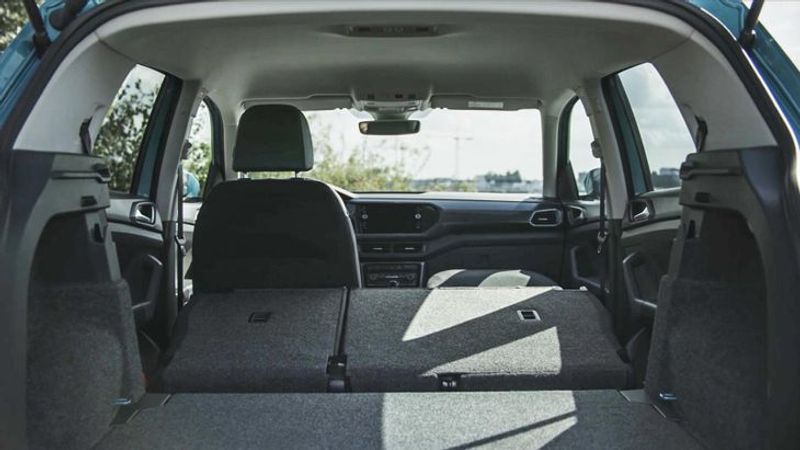
The T-Cross rear seatback folds in a 60/40 split and the load bay offers approximately 100 more litres than the Polo hatchback.
Practicality
A neat trick added to T-Cross is the sliding rear bench, which can be moved by as much as 140 mm to either increase legroom for rear passengers (aft) or dramatically increase space in the load bay (forward).
One of the T-Cross’ key rivals, the Renault Captur, has offered this feature for some time and in the Renault, you can conveniently grab the release handle from inside the bay, whereas in the Volkswagen you have to open a rear door and lean in to find it.
A wireless charging bay would be a great addition to the segment if it makes the specification list for local models.
However, the effect is the same and with the rear seats in the most forward position, luggage space increases to 455 litres, which exceeds the Polo’s capacity by just over 105 litres. Sliding the seat all the way forward should make enough space available for a pram, but with the rear bench in its most rearward position, you will struggle to fit a pram in there. That being said, the load floor has 2 positions and in its lowest position the bay offers good depth and it should easily swallow a pair of large suitcases or a month’s groceries.
The rear seats fold flat in a 60/40 split and, as an optional extra (for some reason), the front passenger seat backrest can be made to fold completely flat too, opening up enough space to slide in a medium-sized kayak. Which is handy, I suppose.
Safety
Volkswagen has gone to town with the safety features and, depending on how much extra you’re willing to spend on your purchase, your T-Cross can be fitted with some seriously impressive “big car” tech, such as radar-guided cruise control.
A full range of safety equipment is available on the T-Cross. Even base models are well equipped.
But as standard, the car features Front Assist with Pedestrian Monitoring and City Emergency Brake, which will automatically bring the car to a stop at low speeds. Lane assist (lane departure warning system), hill start assist, and a proactive occupant protection system (a system that closes the windows, tightens seatbelts and applies additional brake pleasure in a potential accident situation), as well as blind-spot detection and lane change assist, are all standard. The full park assist system, which enables the T-Cross to park itself, relying on you only for applications of the brake and accelerator pedals, is available as an optional extra.
Local line-up
While Volkswagen SA has not confirmed the local T-Cross line-up just yet, we did glean some information about the derivatives that will be on offer. The basic spec will feature a height adjustable driver’s seat, as well as all of the above safety features, which is an impressive array of features as standard. The Life trim line, meanwhile, adds a multi-function steering wheel, PDC (front and rear) and 16-inch alloys.
R-Line models and Beats variants will be available after launch.
The Style trim line adds LED headlights, a multifunction leather steering wheel, sport/comfort front seats, ambient lighting, Climatronic climate control and 17-inch alloy wheels. There will also be an R-Line exterior styling pack (aesthetic upgrades only) available.
A sound system designed by Beats, which features a 300 W, 8-channel amplifier and separate subwoofer in the load bay, will also be offered.
Pricing
VW SA has only released indicative pricing and the good news is the T-Cross will be available from under R300 000. Currently, the top-spec (excluding the GTI derivative) VW Polo costs R332 550.
This bodes very well for the new compact SUV, and while we suspect that almost no one will drive out of a new vehicle dealership having spent under R300 000 on a T-Cross, it does mean that, for the price of a top end Polo, you can get yourself a very nicely specced T-Cross.
Entry-level pricing is enticing on the new T-Cross
In the metal, the base-spec T-Cross does look a bit dull. You’re likely to want to add larger wheels, and while you’re at it, you might as well go up to the Life trim level, with all the added interior and safety features that come with it.
Summary
Hot cakes! Get your hot cakes!
It’s very difficult to poke holes in the T-Cross offering. At the moment, the Ecosport rules this segment and with prices starting at R254 000 for a base version of Ford's compact family car, it will remain the more affordable option by quite some margin.
However, it’s hard to argue with the build quality, standard features, engine line-up (and frugality thereof), plus the aesthetic appeal of the T-Cross. VW is arriving very late to this segment, but what the firm has put together is a very complete package, using the best bits of the popular Polo.
While the Ecosport is much-improved post-facelift, the Captur is ageing now. The T-Cross feels like a substantial car, both in terms of exterior styling, the upmarket interior execution, and the composed, solid ride quality it offers out on the (admittedly near-perfect) roads we tested it.
Ford and Renault will continue to offer longer warranties and service plans than Volkswagen, which is pretty much two of the very few bugbears we have with the brand and its products. However, anecdotally at least, the VW will likely hold its value a bit better. Regardless, the words “hot cakes” and “sell” come to mind when driving the T-Cross, and I suspect it will be catnip to local buyers when it arrives late in 2019.
Mercedes-Benz A-Class Sedan vs Mercedes-Benz CLA: What’s The Difference
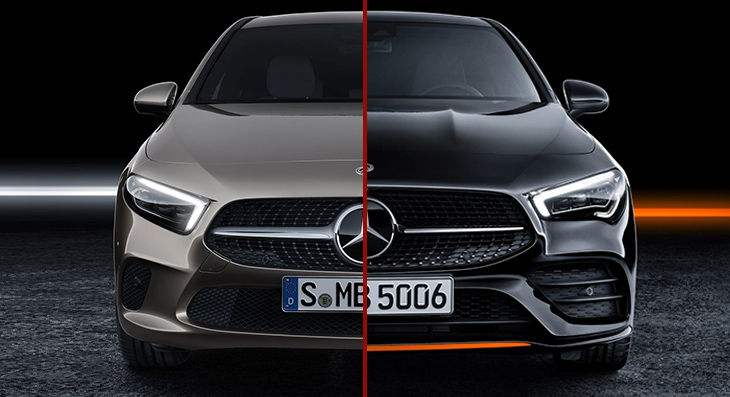
With Mercedes-Benz offering both the A-Class Sedan and the CLA, is there actually any real difference between them? We compare the new models visually.
When Mercedes-Benz launched its new A-Class in hatchback guise, it was joined by the CLA, which was essentially the sedan version. The 2 cars share powertrains, cabin styles and features. Now for 2019, Merc has added the A-Class Sedan. The A-Class hatchback has been on the market for 12 months in SA and we do know that the A-Class Sedan is on its way, with pricing already secured. However, and this is where things get confusing, there's also the new Mercedes-Benz CLA coming to SA in 2019.
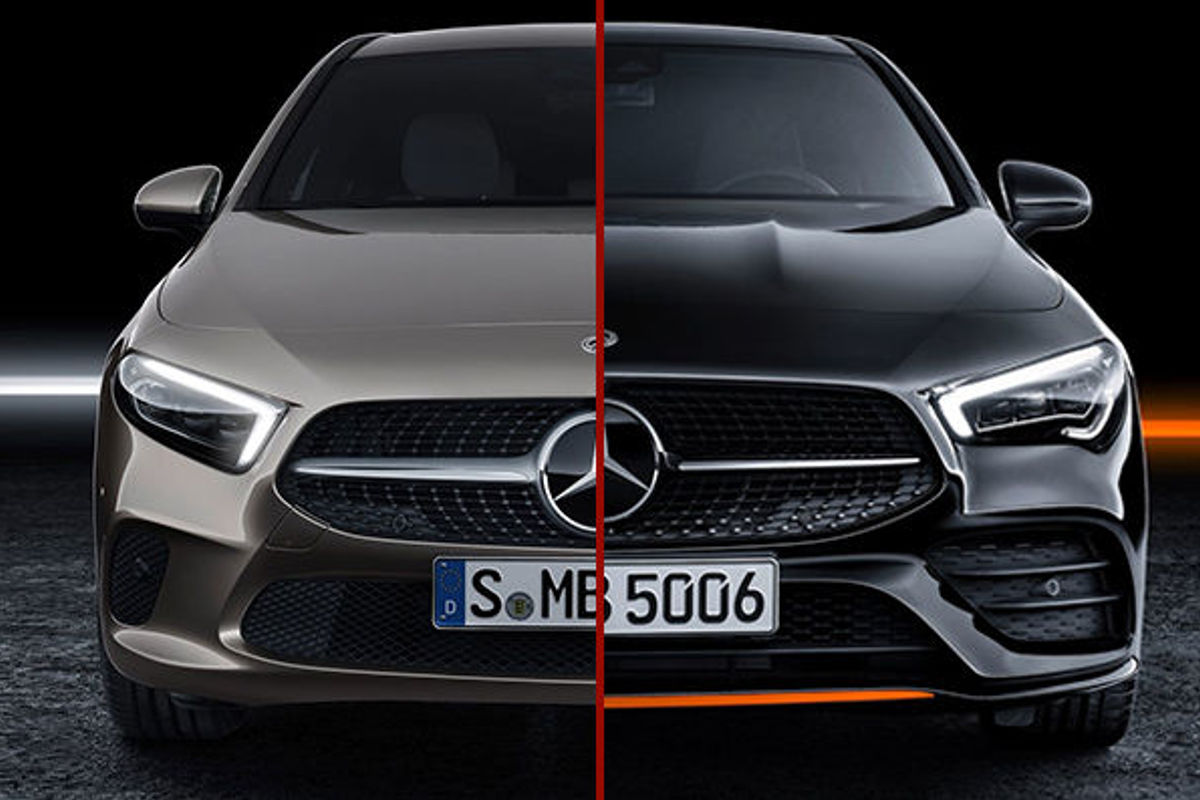
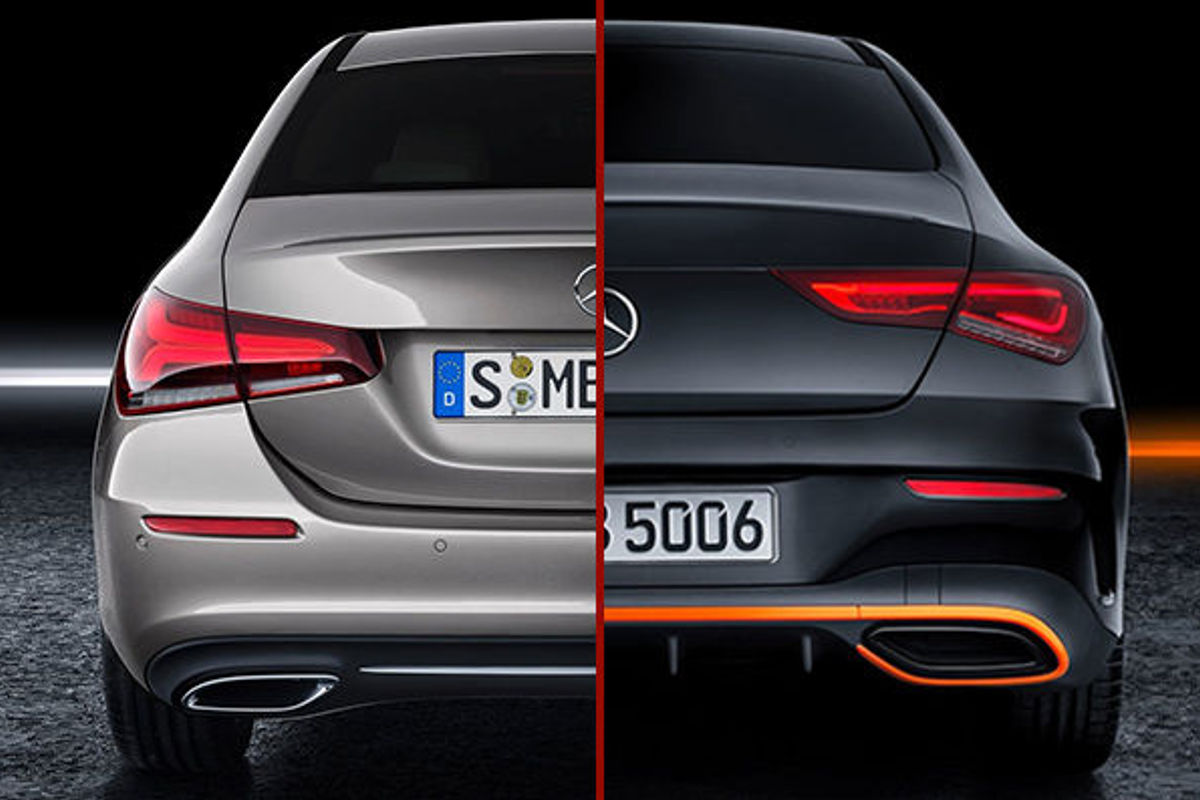
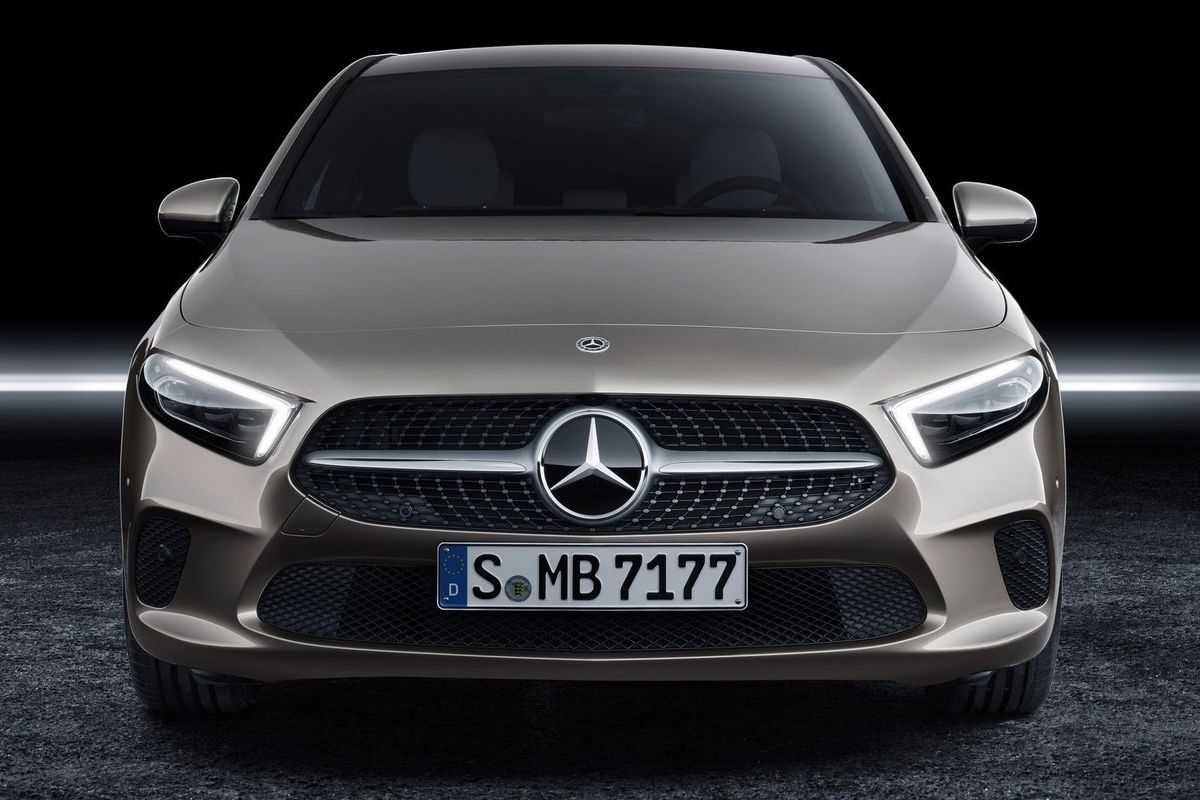
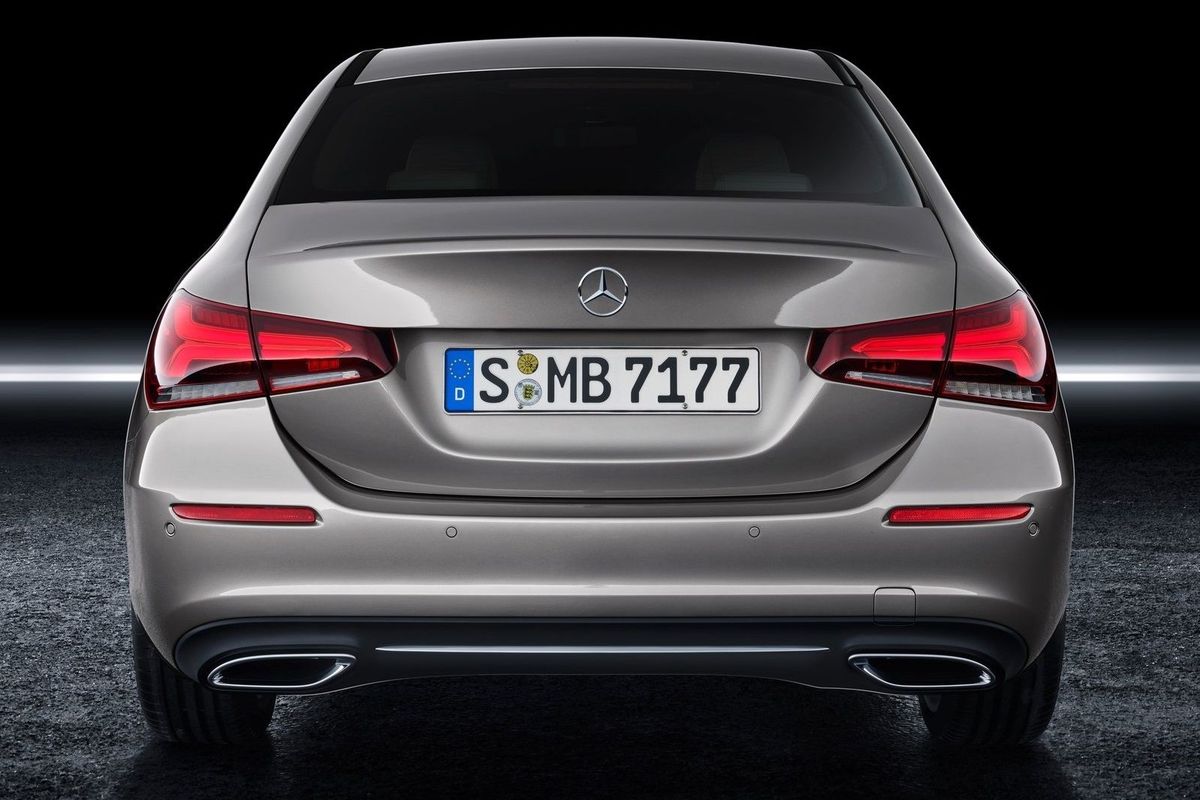
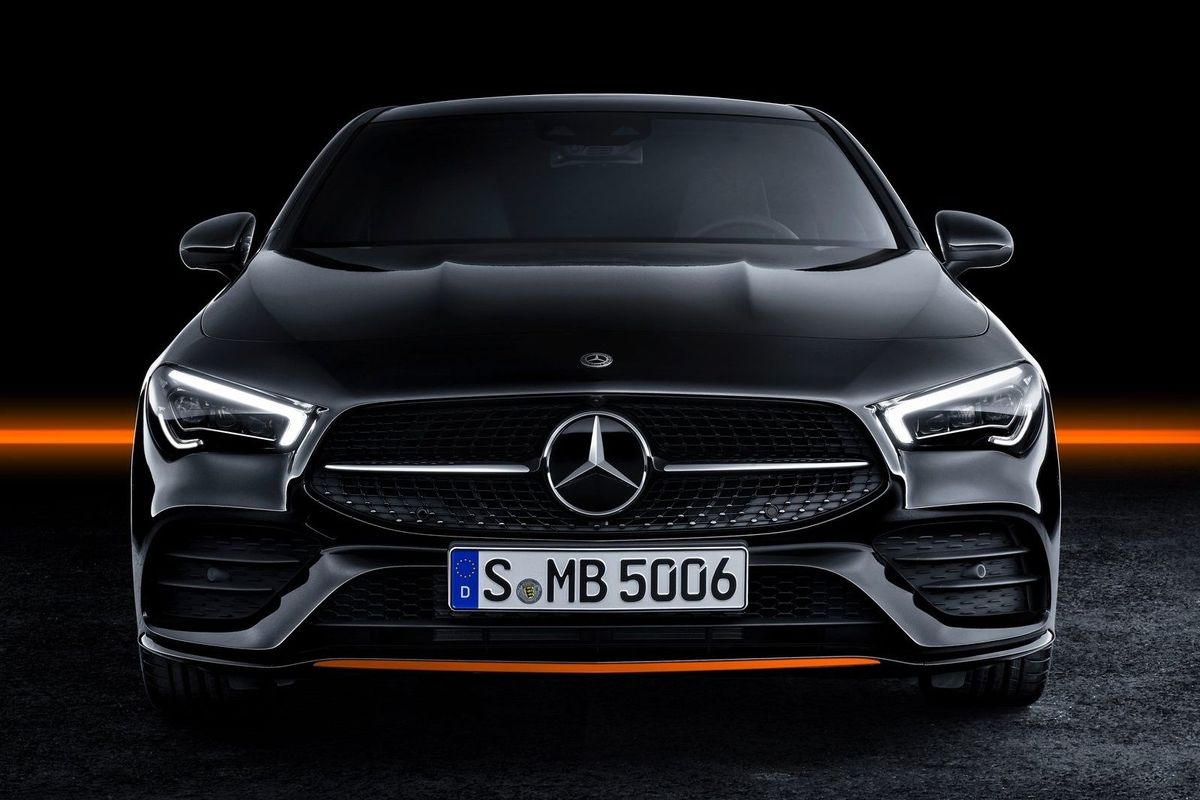
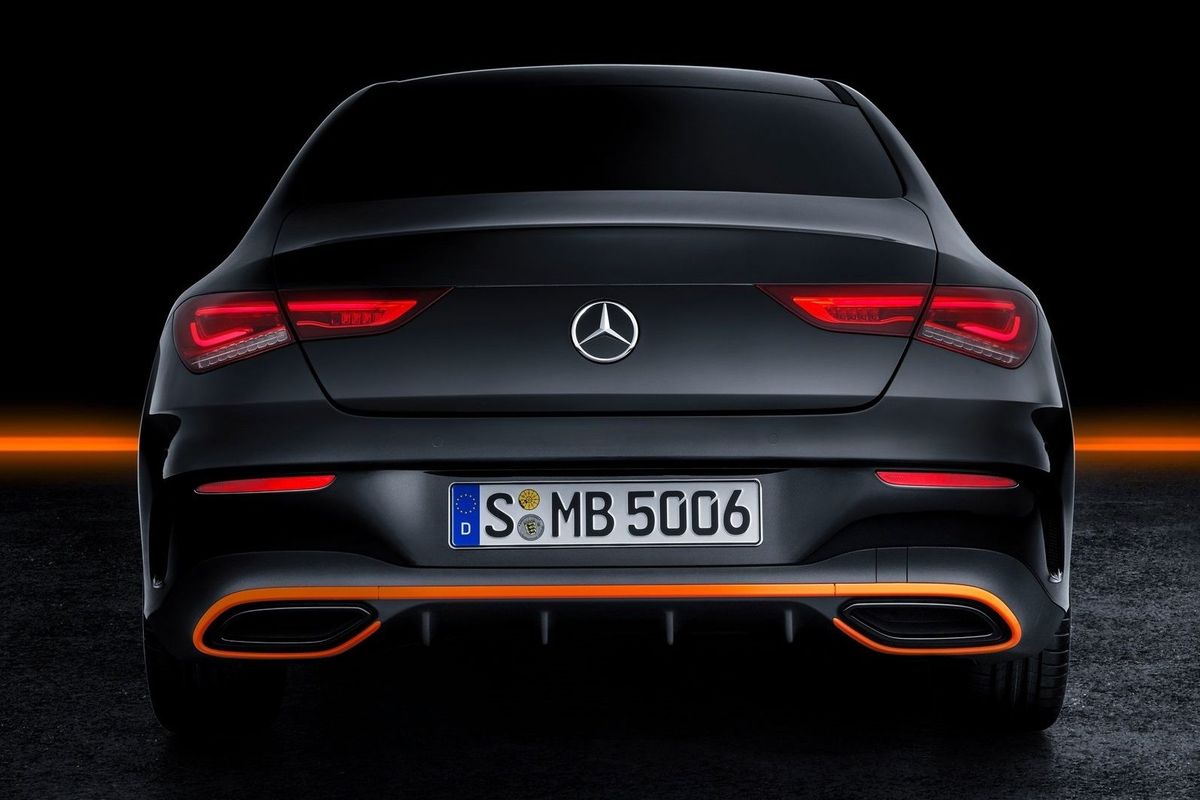
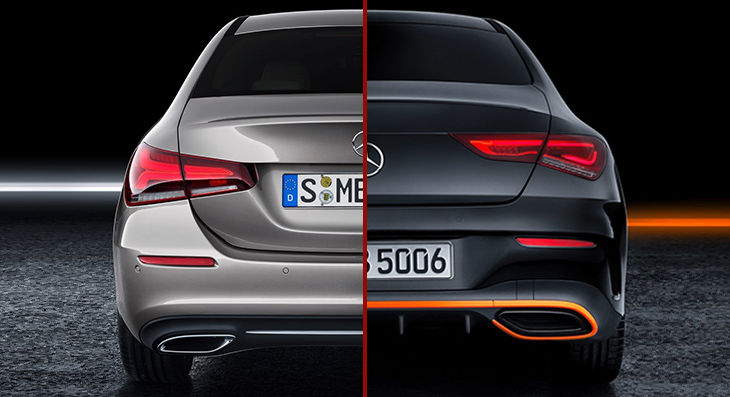
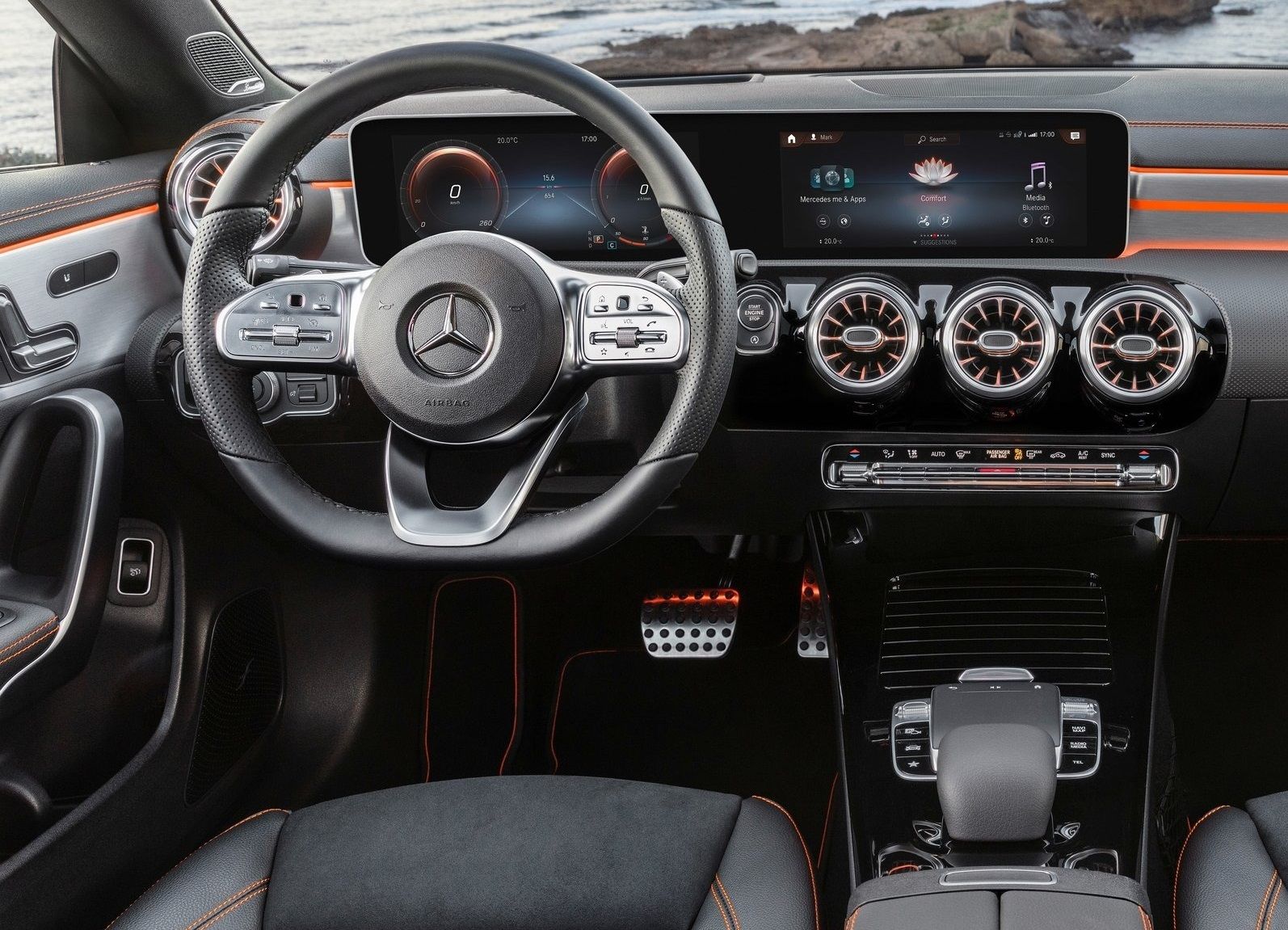
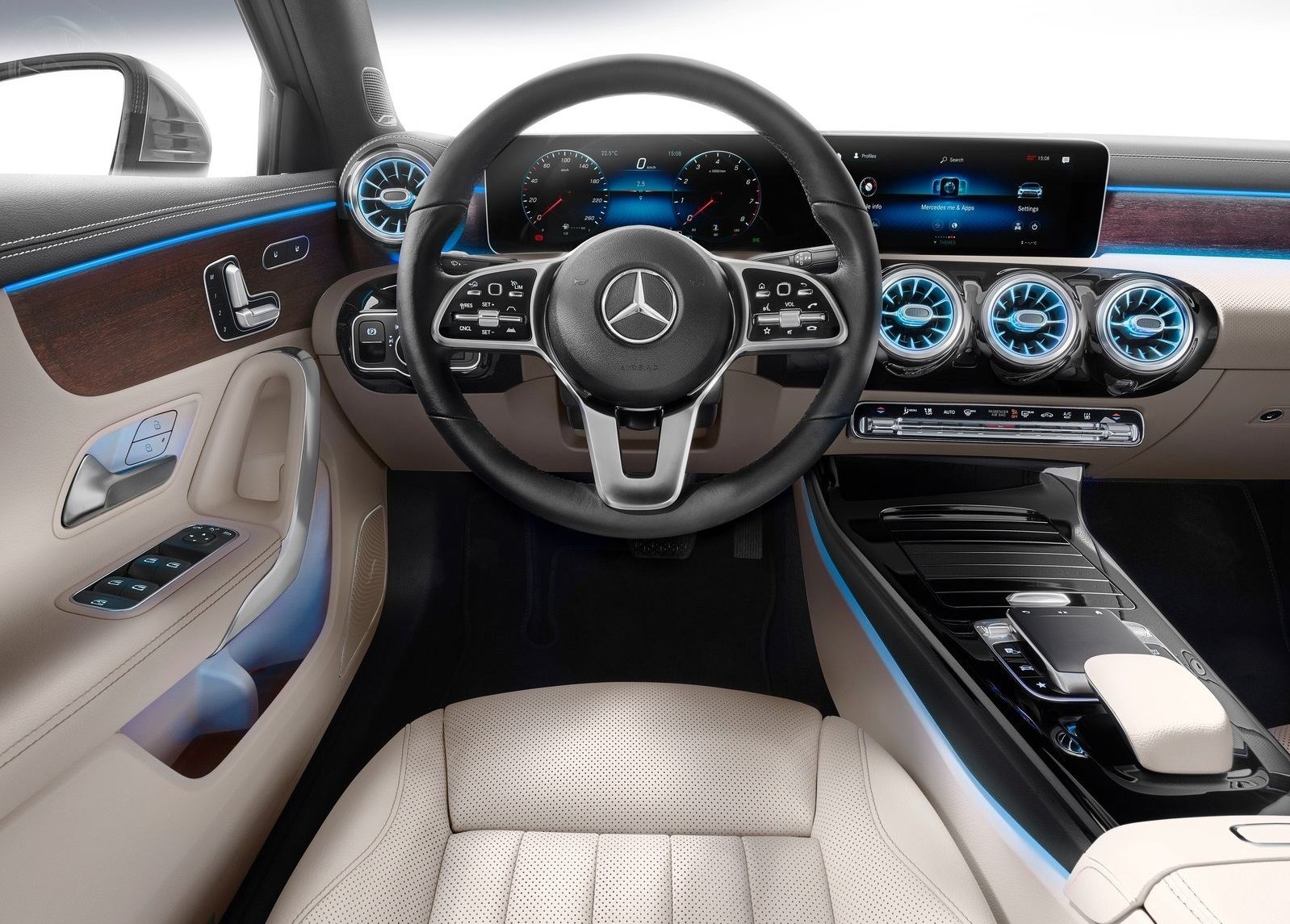
Mercedes-Benz claims the one is a compact sedan, while the Mercedes-Benz CLA is marketed as a 4-door coupe. While we have yet to drive either car, we do know that the new A-Class sedan and CLA 4-door coupe will be sharing engines and interiors. We have put them side by side, so you can see the visual differences.
Visual Comparison: Mercedes-Benz A-Class sedan vs Mercedes-Benz CLA
While we will admit that the CLA (right) is clad in Edition1 trim, there's no denying the CLA is the sportier of the two vehicles.
Given its 4-door coupe designation, the styling needs to be a little over the top and the CLA features a more pronounced rear.
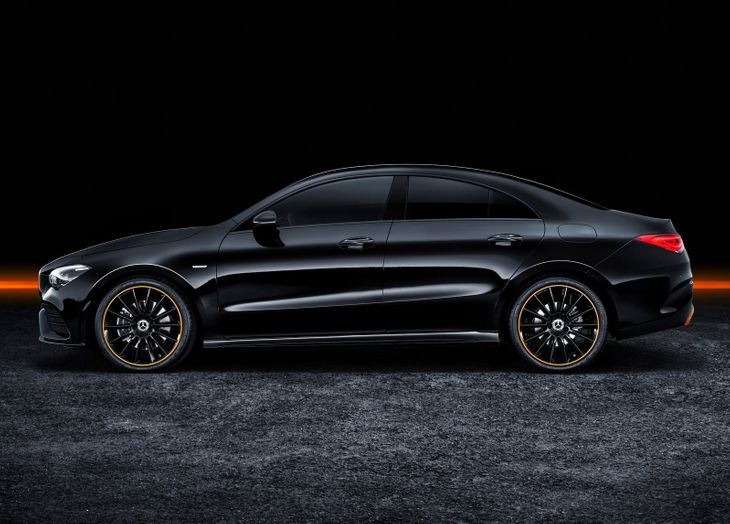
The side profile highlights the Mercedes-Benz CLA's 4-door designation best. With that sloping rear, expect rear headroom to be a little tight for taller folk.
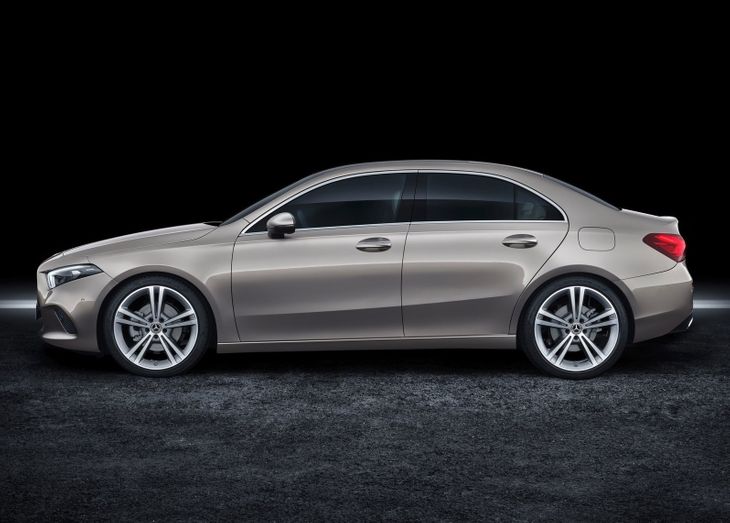
The Mercedes-Benz A-Class sedan has a more generic sedan design. It looks stubbier at the rear than the CLA
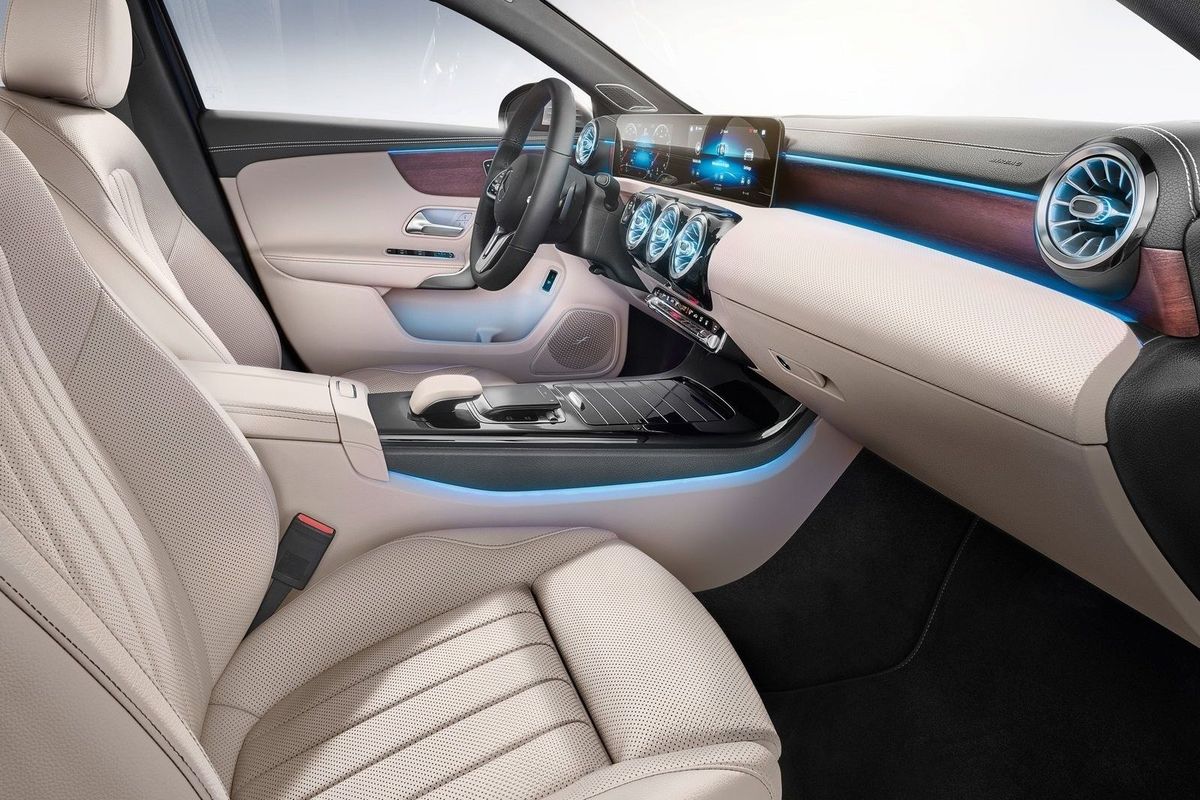
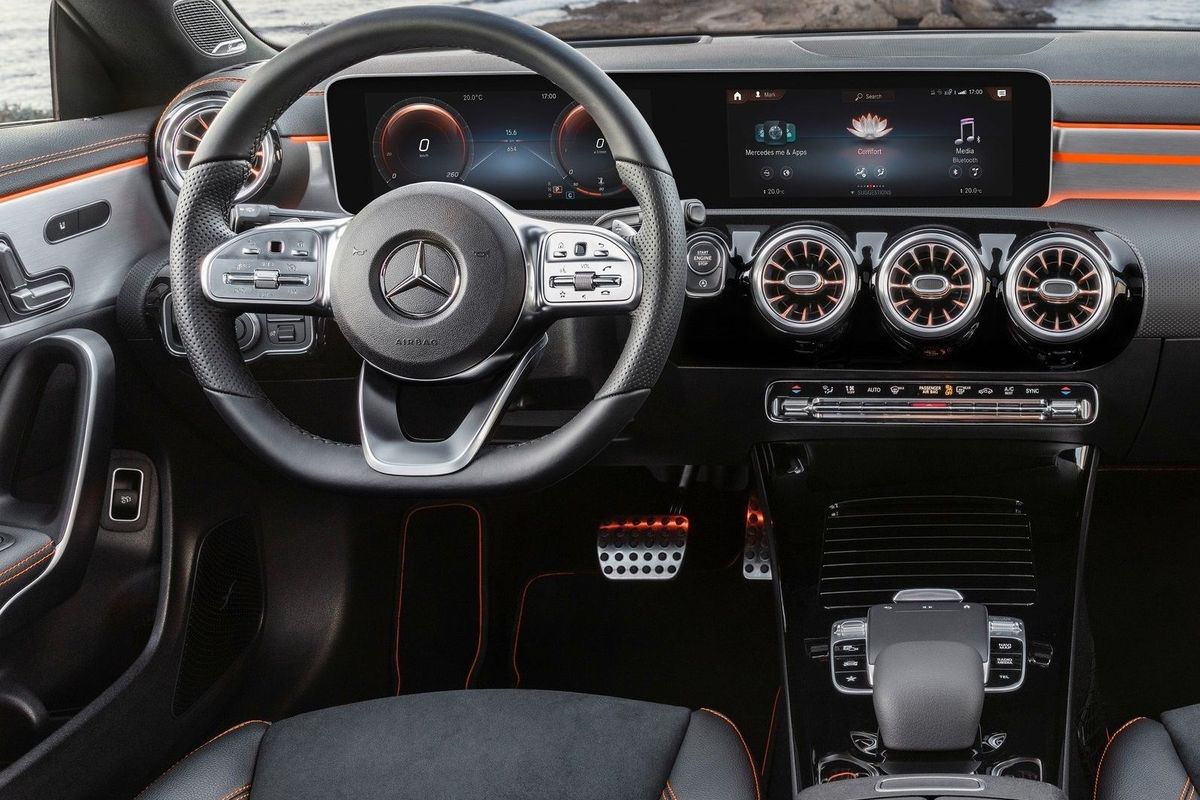
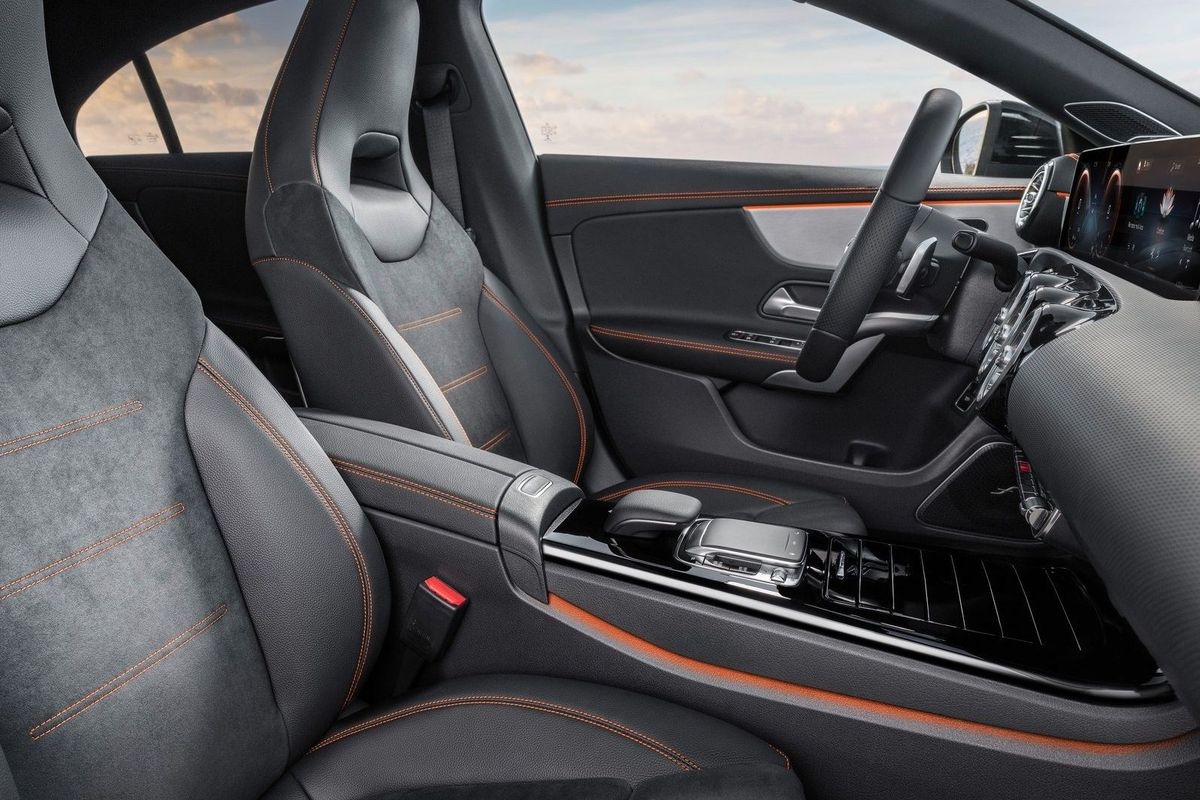
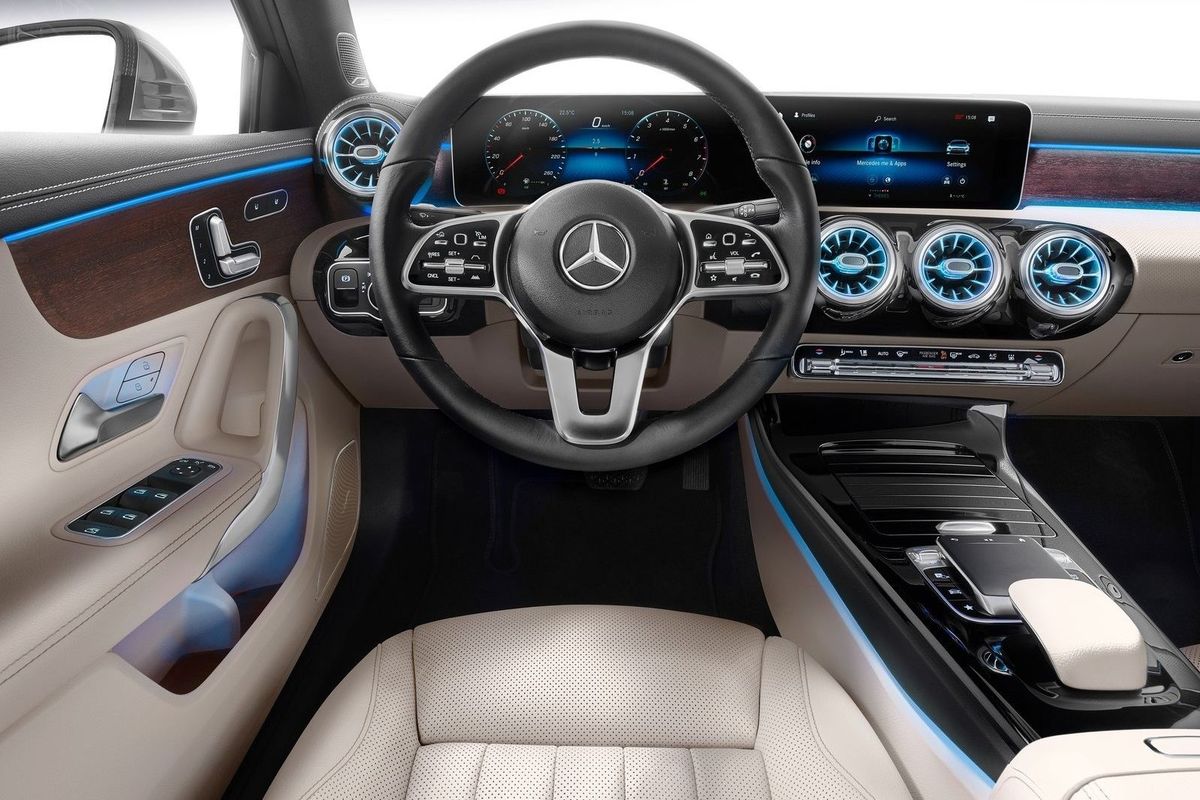
The CLA (above) and A-Class Sedan cabins are remarkably identical and it'll take some tiny changes in the form of trim and materials used to differentiate the two.
We think the A-Class Sedan will use more classic materials such as wood and leather, as opposed to the sportier aluminium and gloss plastics.
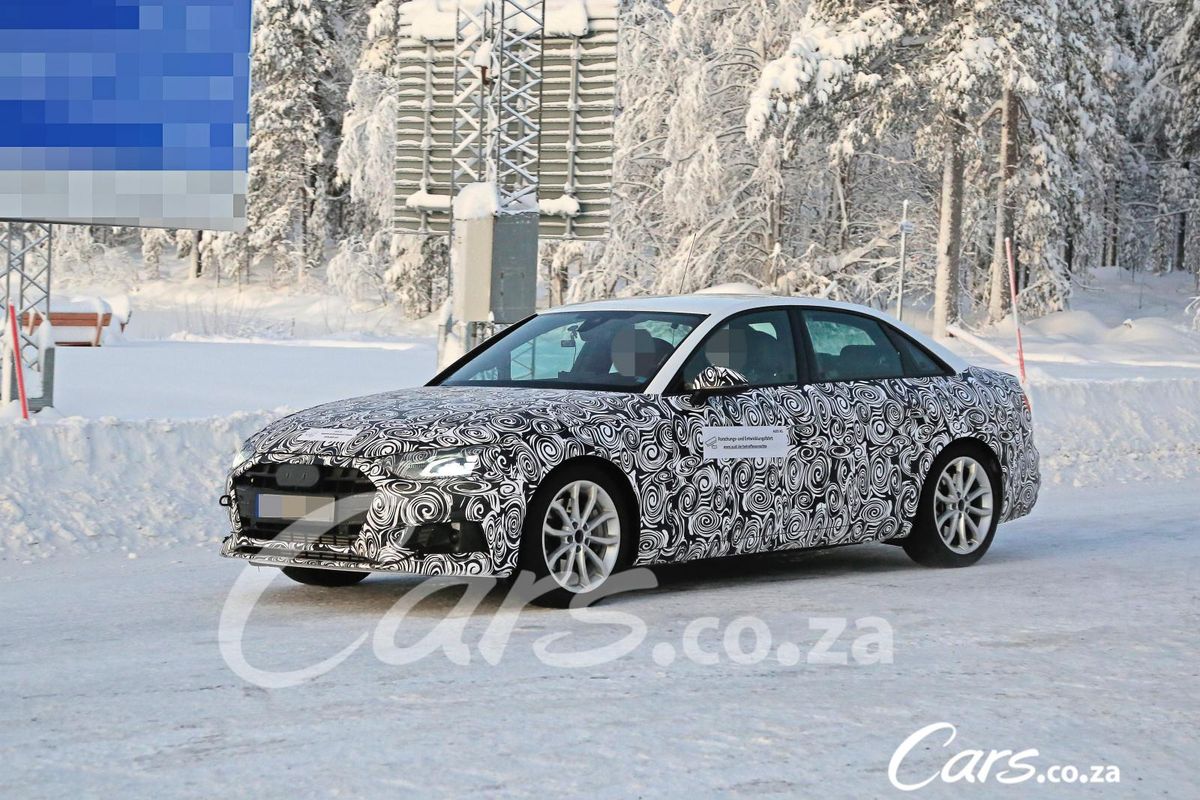
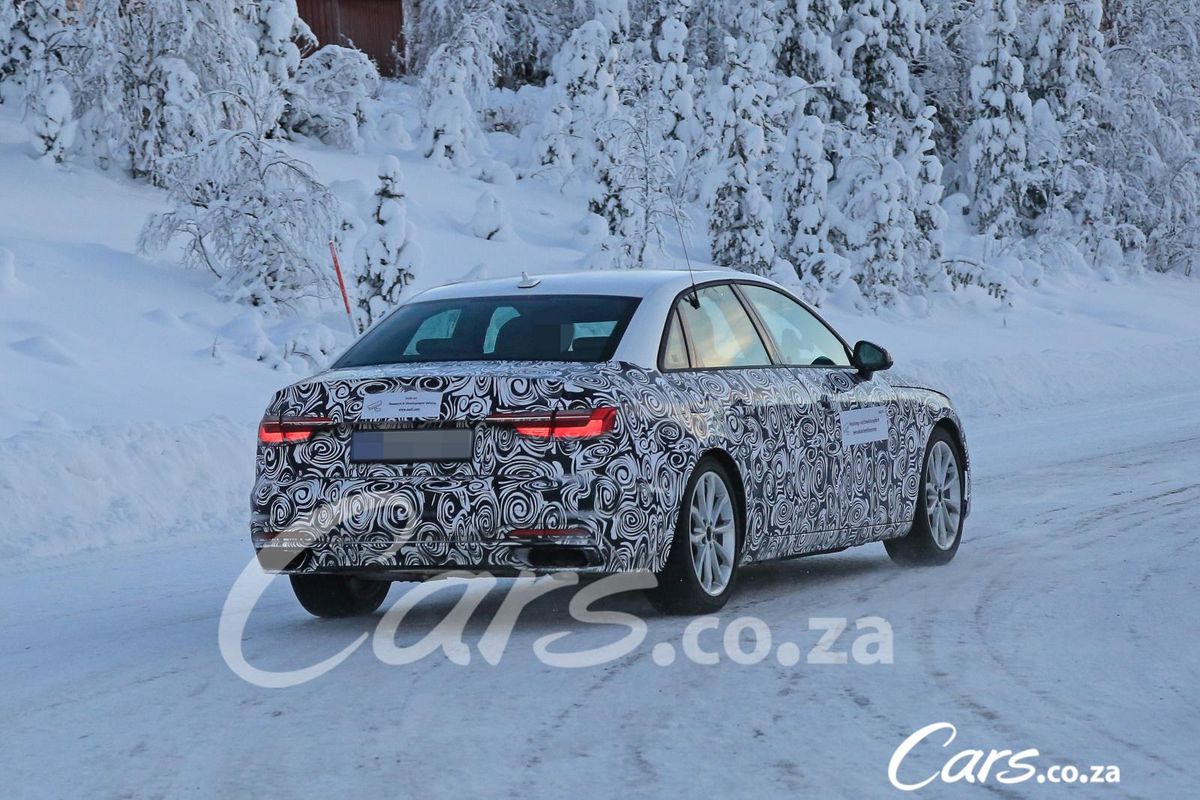
Audi is working on a comprehensive update for its A4 sedan which is expected to be revealed early in 2020.
In 2018, Audi quietly introduced a mild model year update to its A4 sedan and while the changes were mostly cosmetic, a full-blown facelift is currently underway to bring the A4 up to speed so that it can effectively compete against the all-new BMW 3 Series and Mercedes-Benz C-Class.
Our spy photographers have captured images of camouflaged A4 test mules winter testing in Europe and can be seen wearing a thoroughly revised grilled and a new headlight and daytime running light design. The rear bumper has also been reworked, now sporting rectangular tailpipes.
With the arrival of the new 3 Series, Audi will have to up its interior game and the facelifted A4 is expected to bring a host of changes in terms of design and technology, which will likely follow direction from the A6. Changes to engine options are also expected but details will emerge as development progresses. We will keep you updated as soon as more details become available.
Mahindra has introduced the Thar Adventure Series in South Africa which is aimed squarely at off-road enthusiasts. See specs and pricing below…
The Mahindra Thar has been beefed up with a range of off-road accessories and comes to market as the Thar Adventure Series.
The model is based on the Thar 2.2 CRDe 4×4 SE and comes equipped with Bundu Gear off-road bumpers, a steel canopy, off-road alloy wheels and a snorkel.
"The Thar is a firm favourite among Mahindra and off-road enthusiasts alike for its 70-year pedigree and no-frills focus on off-roading. With the Adventure Series, we have added the most popular Thar accessories at a discounted price to create a model that is sure to find favour with this group of fans," says Rajesh Gupta, CEO of Mahindra South Africa.
The front bumper is fitted with coloured recovery points, a top bar for added grille protection, high-lift jack mounting points and built-in LED lights. A front tow bar or removable winch can also be accommodated on the front bumper. Buyers can also fit special Bundu Gear rock sliders.
The Getec steel canopy and roof section over the front seats can be removed for open-top driving while a rear canvas canopy is supplied as standard.
Standard A-line alloy wheels are fitted with standard tyres but buyers can opt for optional off-road Hankook Dynapro AT tyres suited for off-road driving.
The Thar Adventure Series is powered by a 2.5-litre turbodiesel engine with 78 kW and 247 Nm of torque. A 5-speed manual transmission is fitted along with a Borg Warner 4×4 system and low-range transfer case.
A total of 3 colours are available including Rocky Beige, Rede Rage and DSAT Silver.
Mahindra Thar Adventure Series – Price in SA
Mahindra Thar 2.5 CRDe Adventure Series – R293 999.
A 2-year/50 000 km warranty is standard while a 3-year/80 000 km service plan is offered as an option.
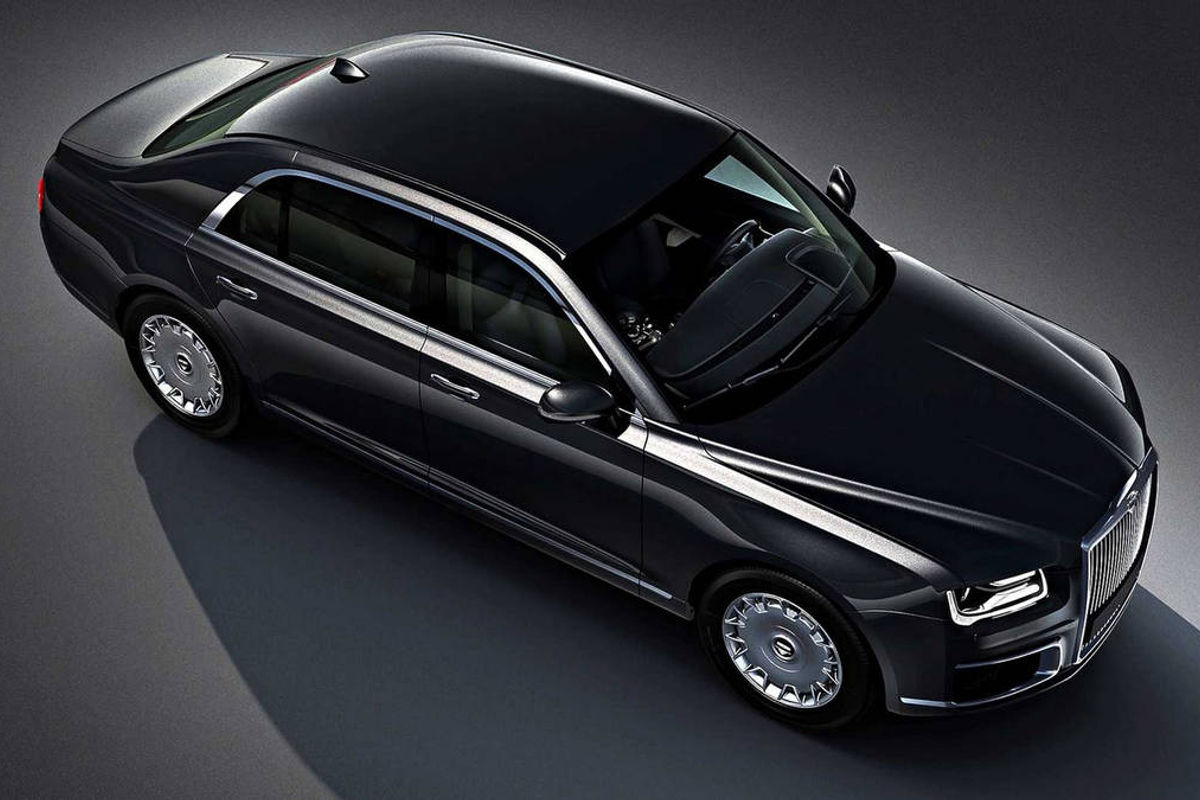
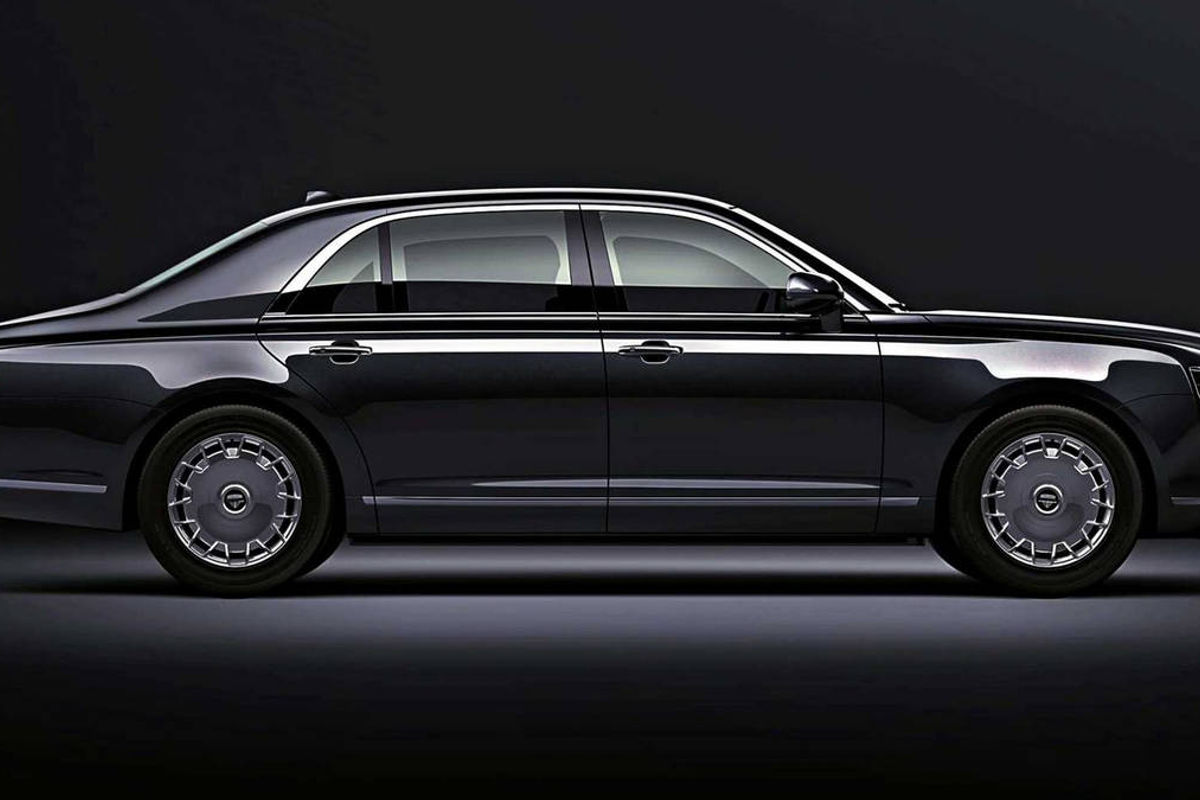
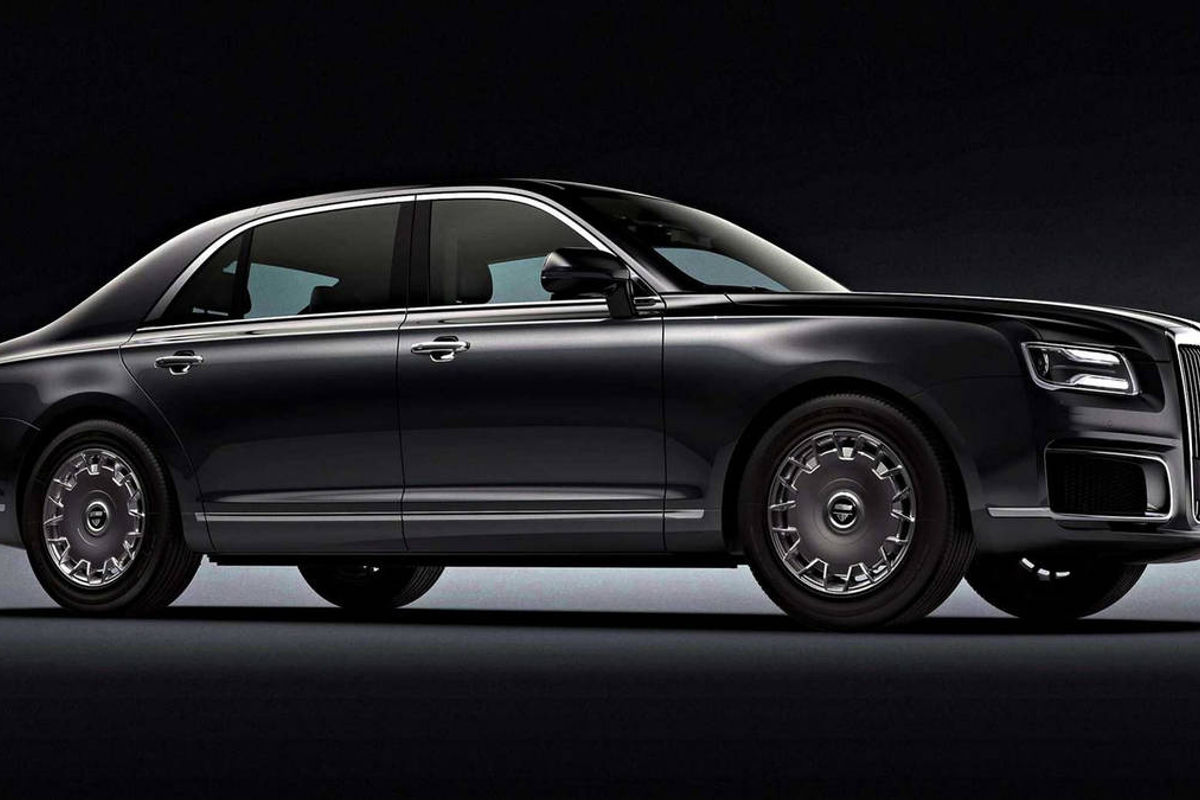
Luxury automobiles built in the world’s largest country have for decades been an automotive novelty and the latest limousine to rise from Russian origins, looks quite convincingly like a Rolls-Royce – literally.
A national pride project operating with the blessing of Vladimir Putin, the brand is called Aurus (no relation to the Toyota Auris) and it has recently shown its first production car to potential European customers.
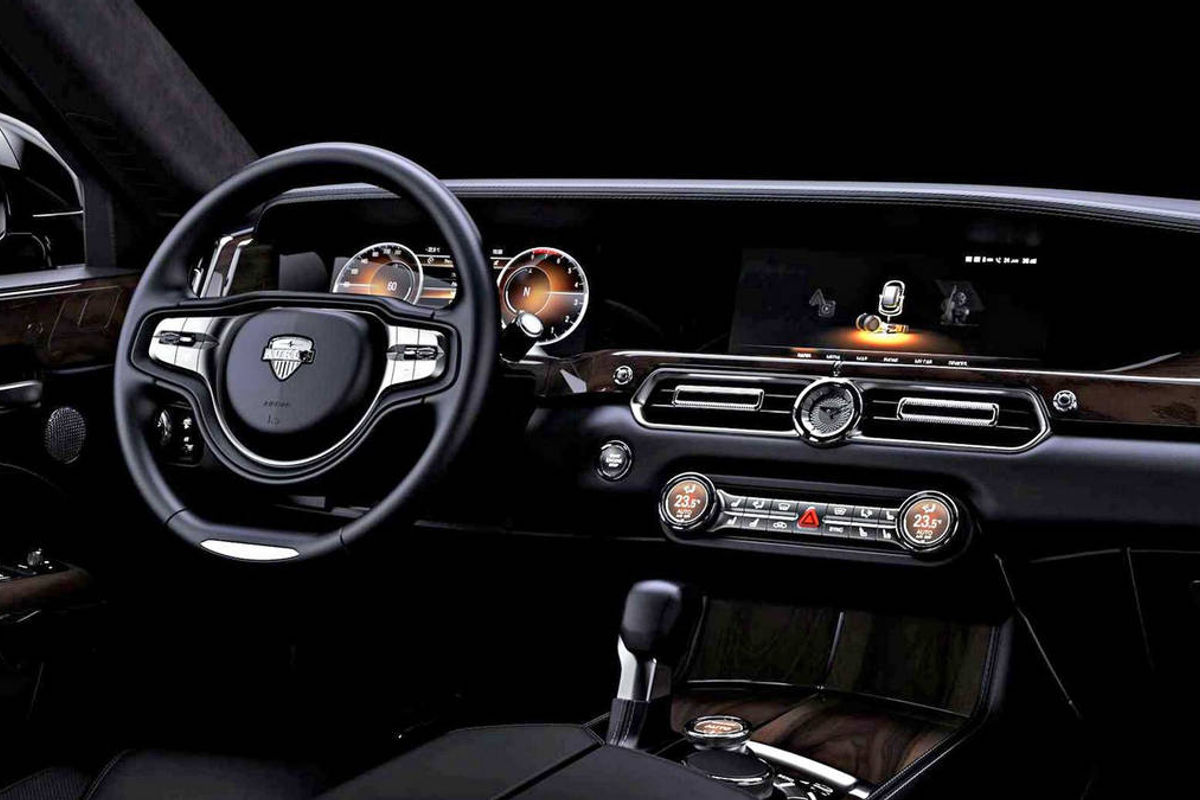
The car in question is called a Senat and it looks awfully familiar to Rolls-Royce’s Phantom, clearly indicating where Aurus would like to position itself. Unlike some other Russian limousines of the past – such as the ZiL – this Senat features design input from German engineers and the inside appears to be quite contemporary, with TFT instrumentation and an iDrive type infotainment controller dial. It also features rear seats able to recline 45-degrees, to offer supreme comfort to those not tasked with driving.
Powering the Senat is a 4.4-litre bi-turbo V8, which has been jointly developed by Porsche and Bosch. Considering the size and mass of the Senat, which has a rather sizeable 2 700 kg kerb weight, there is also a battery pack beneath the boot, which adds some mild-hybridization. Peak power output for the V8 and its onboard battery drive is 434 kW, which should see the Senat run 0-100 kph in a whisper less than six seconds.
A nine-speed automatic gearbox drives all four wheels, which is not surprising considering the Senat’s Russian origins, where most of the driving year is on treacherously snowed or iced roads. Aurus has committed to delivering the Senat by 2020, with pricing which should shadow Mercedes-Benz’s S-Class. Volume ambitions are high, too, with projected sales of 5 000 Senats per year.
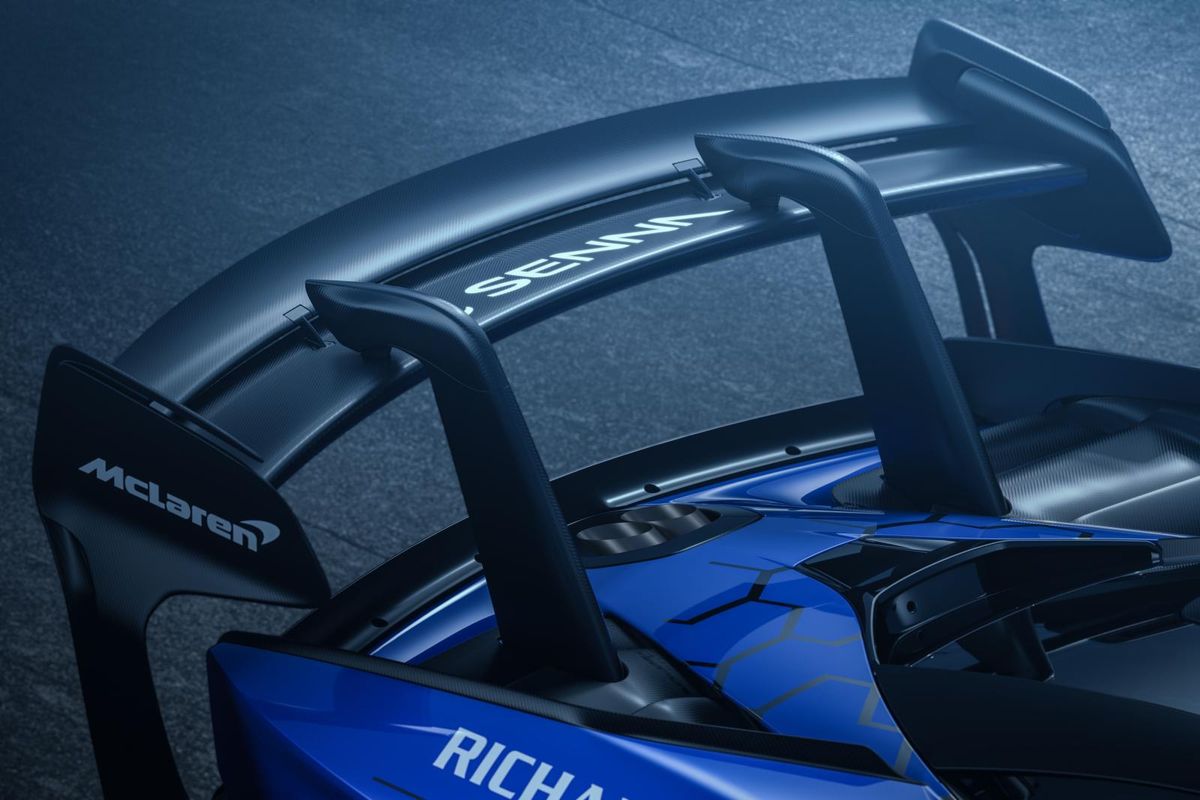
In a contest for the biggest rear wing of 2019, McLaren might have already won.
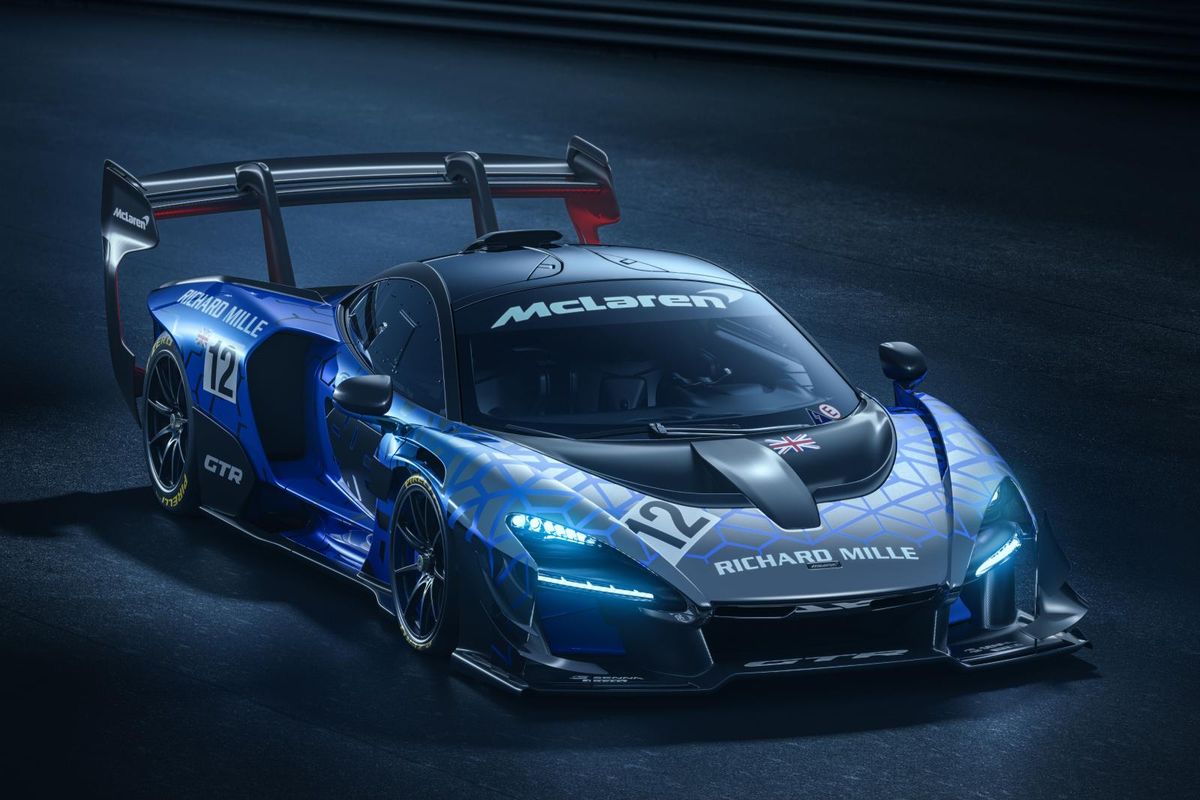
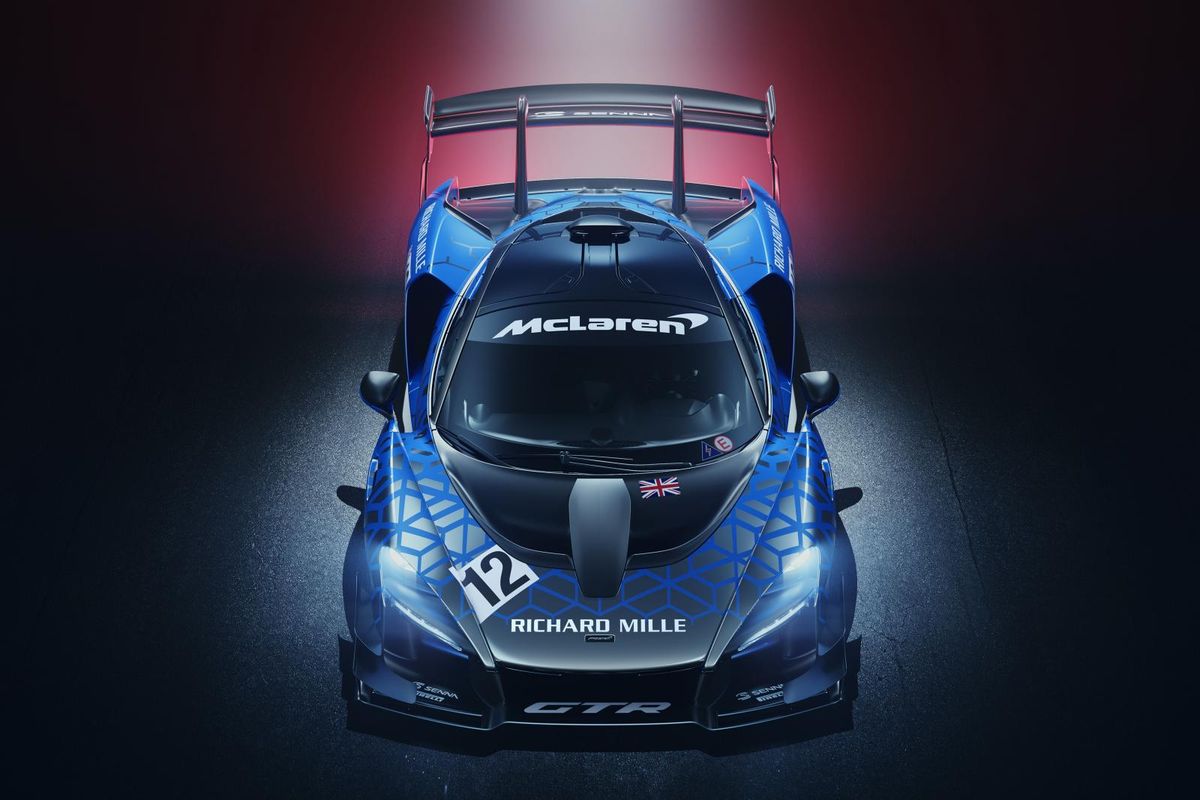
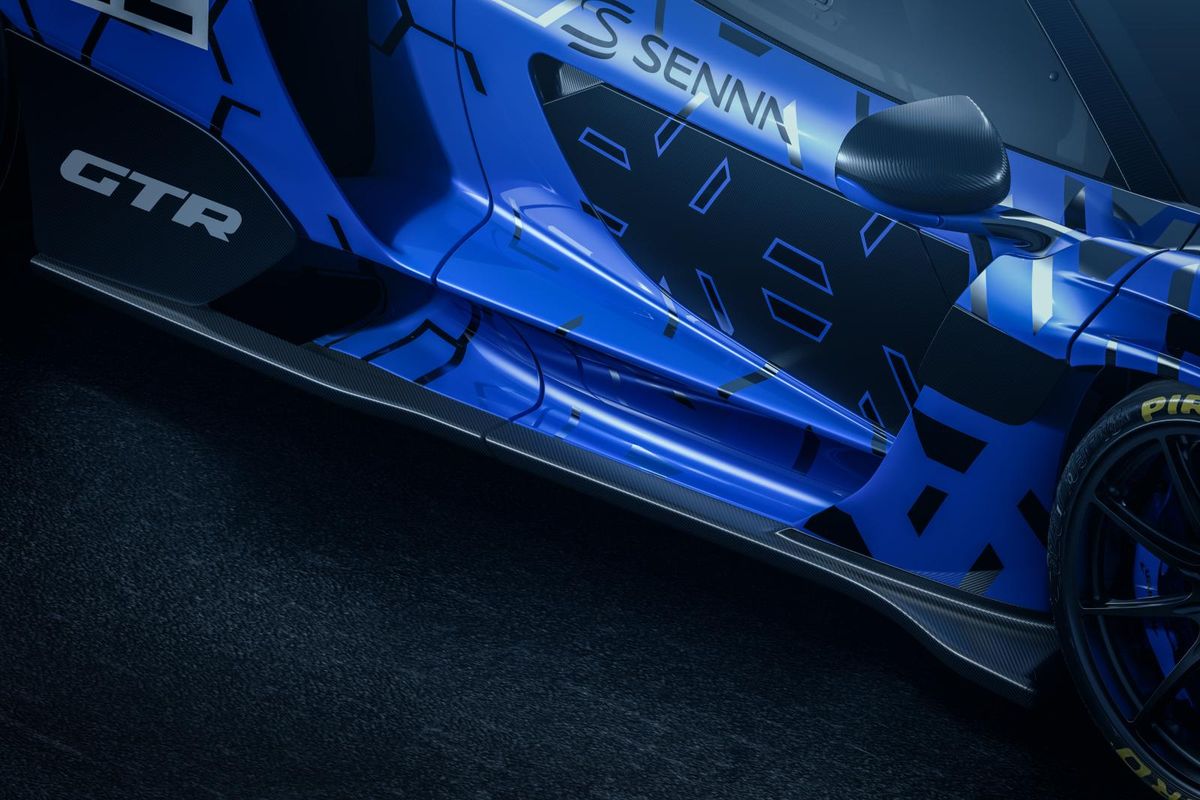
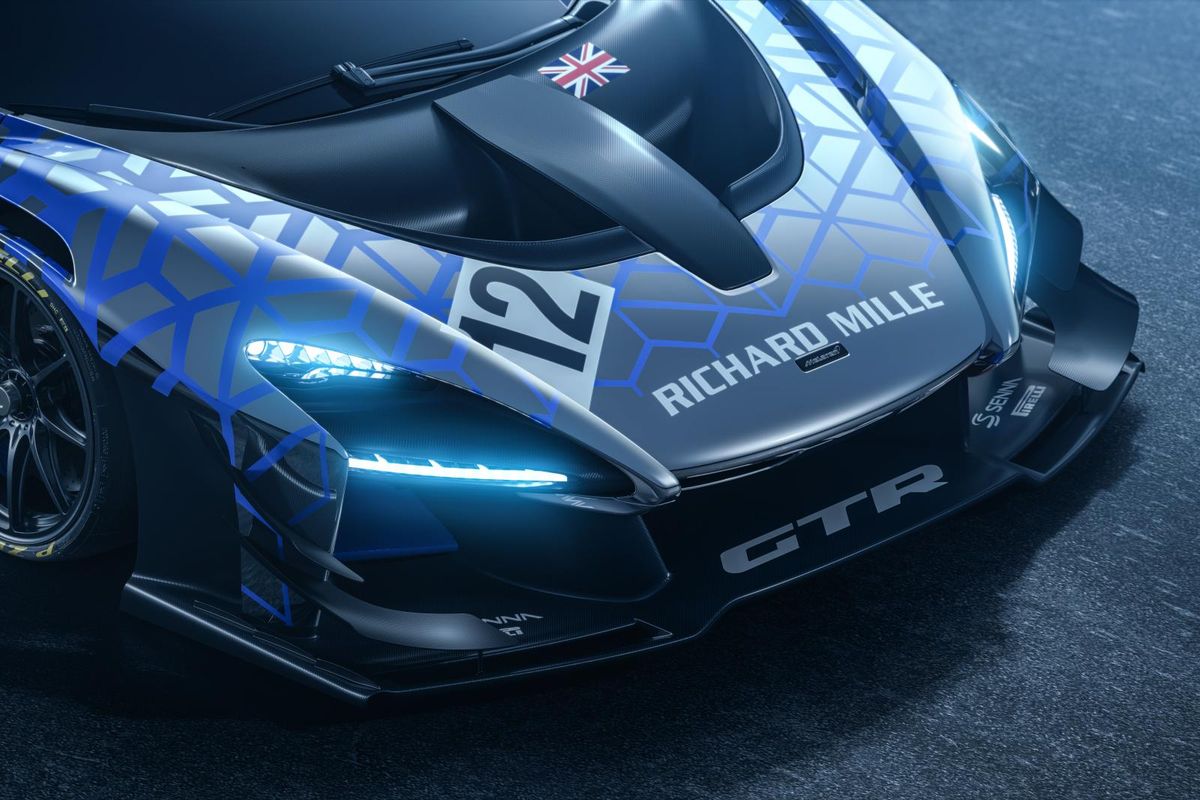
A year after its Geneva auto show debut, McLaren has finally revealed the production version of its Senna GTR.
McLaren claims that the Senna GTR is the company’s fastest ever vehicle, aside from its Formula One team racing cars. Despite not being road legal, the Senna GTR will have substantial appeal to gentleman racers who have the time and budget to attend select track days at their leisure.
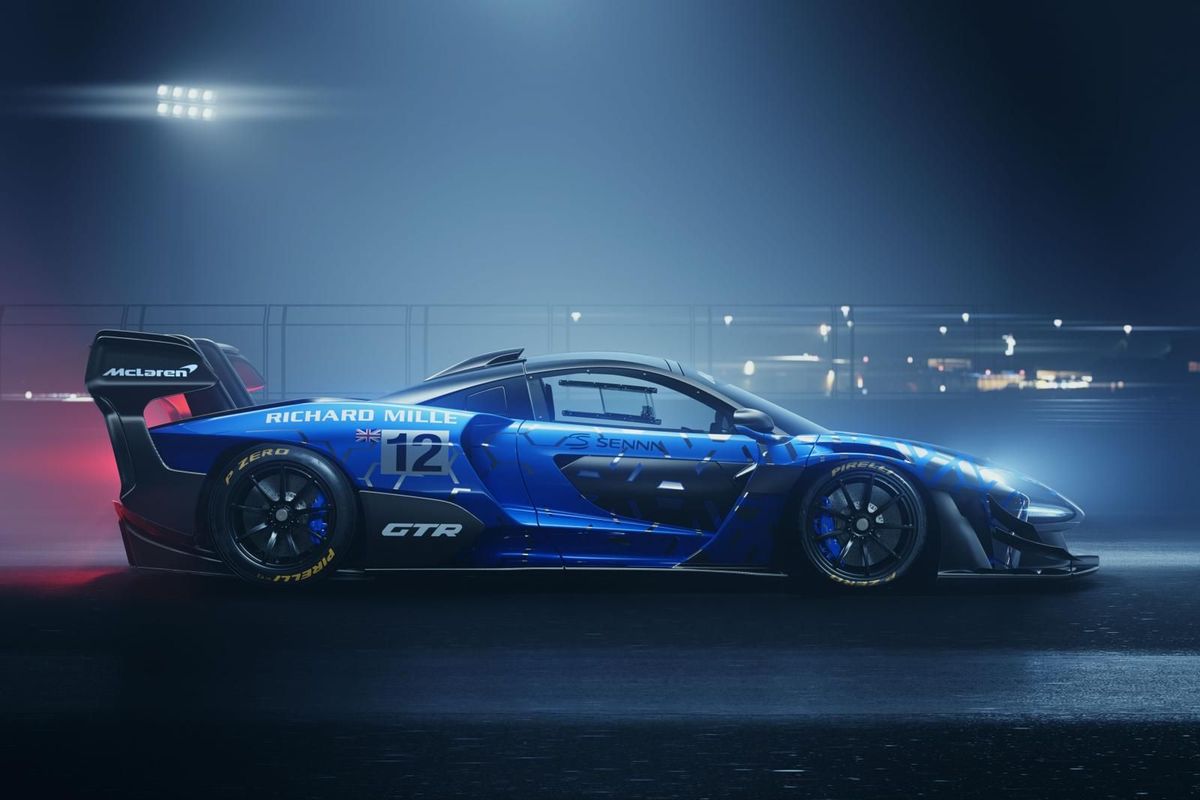
The GTR car has a 34 mm lower roofline than its road-going Senna sibling and features a substantially wider track, 77 mm broader on the front axle and the rear wheels are spaced 68 mm further apart.
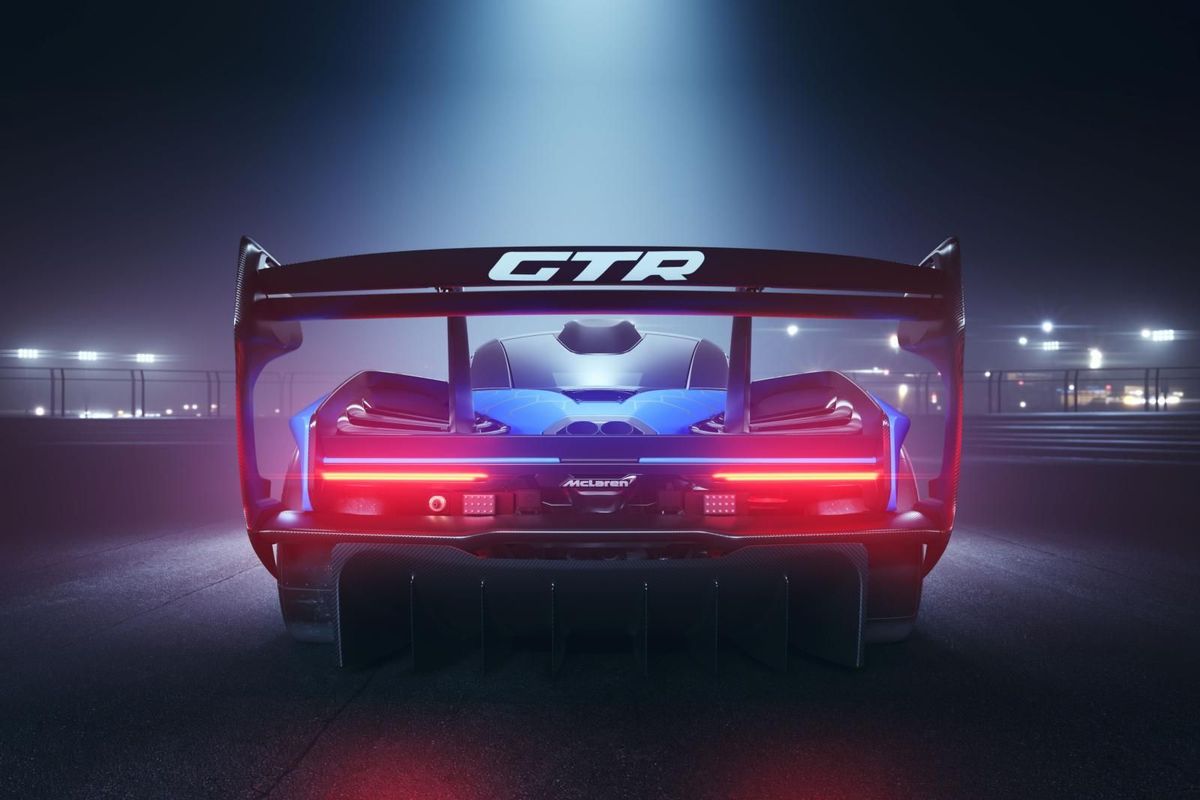
That lower and wider chassis also gains a bodyshell which has phenomenal aerodynamic properties, the most noticeable being an enormous rear wing. McLaren claims the Senna GTR’s rear aerofoil is good for more than 1 000 kg of downforce at 250 kph.
Engineers have managed to boost a bit more power from the 4-litre twin-turbocharged V8. Peak power increases by 18 kW over a ‘normal’ Senna, with the GTR car producing 606 kW and 800 Nm. One of the few exterior styling changes made from the original Senna GTR concept to this production version has been the rerouting of its exhaust – which now exits rearward, instead of through side ports, just ahead of the rear wheels.
McLaren has committed to building only 75 Senna GTRs, priced at an estimated R20m a piece. Each one promises to be the ultimate track day tool, featuring intuitive stability control and driver aids, which should help owners go faster, instead of anaesthetising the experience.
SA Motorists are in for further punishment as there's yet another increase on the cards. This time, the increase comes from the national licensing transaction fee. Here's what you need to know.
According to a recently published government gazette, Minister of Transport, Blade Nzimande, there will be a 14% increase in the transaction fee, which is paid to the RTMC (Road Traffic Management Corporation).
While there is no official date of implementation, the official claim is that this increase is a transaction fee and will be passed onto motorists. The current amount sits at R72 and will be increased by R10, to R82. This is another increase from the RTMC as this time last year, there was an increase too, and this latest price hike means that motorists are essentially paying double for the same service.
This latest increase is yet more money that motorists will have to cough up for. At the end of February 2019, it was announced that tolls and the petrol/diesel price were going up too. The AA of SA commented, “The increasing costs associated with road travel in South Africa will make everything more expensive, and will certainly have a direct and indirect impact on consumers. It also makes it harder for job seekers to find work as few of them have the resources to pay current transport costs, let alone increased fees. This, in particular, is worrying given the country’s high unemployment rate."
Some of these cars are old, others are more contemporary, but they have 1 thing in common: they're embodiments of mid-mounted, rear-wheel-drive perfection.
The mid-engine formula is a peculiar term because the engines are located more in the rear-mid position than anything else but in terms of weight distribution, no other engine layout compares. A flawed concept in many ways (most of which pertain to cabin shortcomings, functionality and user experience) the mid-engined car benefits from a near-perfect weight distribution ratio – a notion that helps keep such dynamic attributes as handling and road-holding in equilibrium. Here are just a few of the best examples of mid-engine masterpieces.
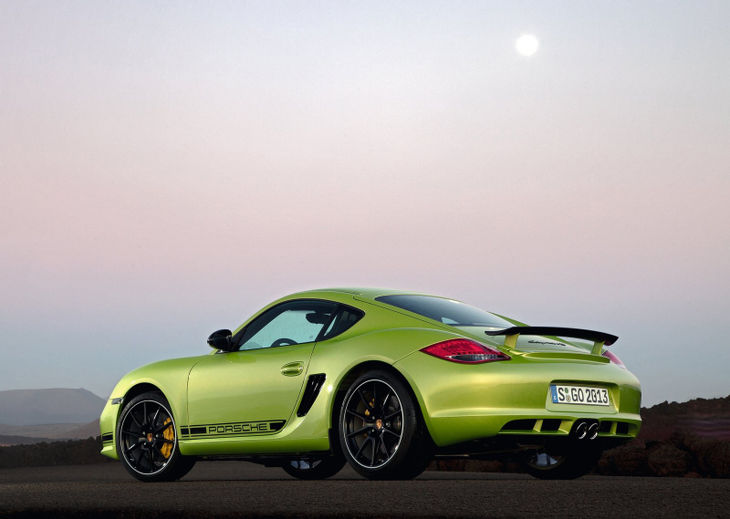
Porsche Cayman R
The Porsche Cayman R will forever be considered one of the best driver’s cars of all time – it was after all the first Cayman to trump a 911 in the power-to-weight ratio stakes. To achieve this Porsche added a slew of lighter parts such as slimline 19-inch wheels, aluminium doors from the 911 Turbo, door straps and a lighter fuel tank, not to mention binning the sound system and air-con all in an effort to free up a total of 55 kg (local variants were specced with aircon and a sound system, however). To help it live up to its R moniker, the 3.4-litre flat-six power plant received a small makeover too – an extra 8 kW was liberated from the flat-six by way of revised software and a custom-made, less restrictive exhaust system. Power and torque came in at 243 kW and 370 Nm respectively. The Cayman R recipe however, is more about cornering prowess than straight-line shunt – an environment that brings every detail of its composition alive. The steering is communicative and sharp, with the chassis following every input with precision and balance. As far as sports cars go, there aren’t many that come across as pure and connected as the Cayman R, a vehicle many consider as the firm’s most balanced ever.
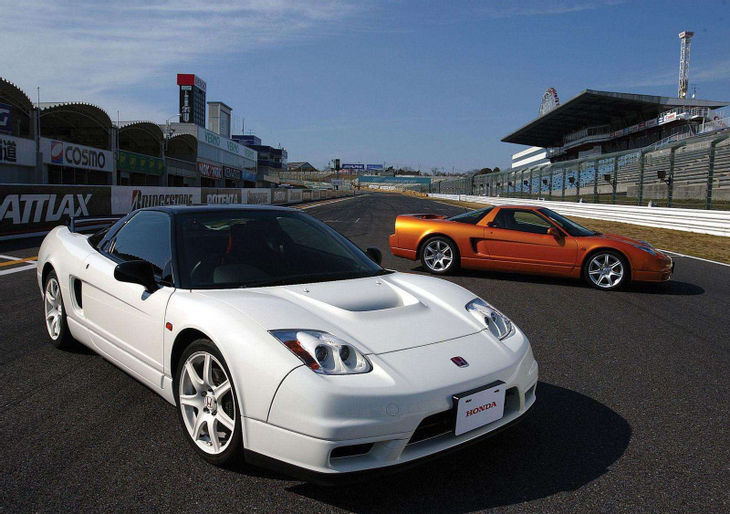
Honda NSX
We’re talking about the original eighties version here. You know – the analogue masterpiece that was developed with input from Formula 1 legend Ayrton Senna. In reality, Senna’s involvement was little more than a couple of shakedown test drives but his link will forever be etched in the car’s legacy. It was designed to challenge not only the Porsche 911 of the time but some of the supercars from Maranello, too. Lightweight and compact in design it gave the Japanese firm – who at the time was known more for making family vehicles – some gravitas what with its involvement in Formula 1. For its time the NSX came laden with technology – the cabin took inspiration from the F16 Falcon fighter jet and the mid-mounted V6 engine was only the second ever to use the VTEC variable-valve system. Thanks to its mid-mounted 3.0-litre the NSX had the agility of a cheetah. In fact, the twistier the topography the better it behaved with its ultra-responsive and precise steering instilling in the driver an unrivalled sense of telepathy.
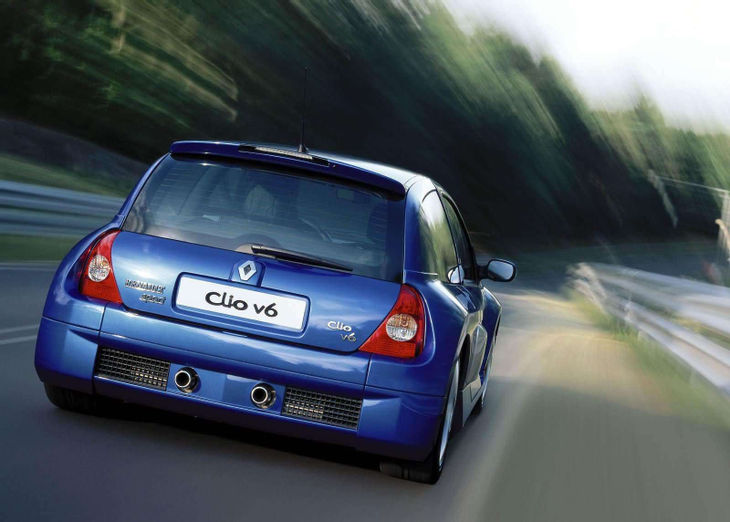
Renault Clio V6
Stocky, squat and full of attitude, the Renault Clio V6 was an intimidating thing to look at, let alone drive (read tame). Two variations were available during the five years it was available – the Tom Walkinshaw Racing-fettled original and the Renault Sport Phase 2, the latter of which was the wilder version of the two generations. Visually the Clio V6 adopted the basic form of Renault’s best-selling supermini but ditched the rear seats for a mid-mounted V6 with rear-wheel drive. These attributes gave rise to a wider front and rear track (110 mm and138 mm) and a 66 mm lower ride height which added to its aggressive-looking facade. Armed with 188 kW and 300 Nm, the Laguna-sourced naturally aspirated 3.0-litre V6 lump made no bones about what it was designed to do – warp the horizon and ensconce its driver in a performance-infused driving cocoon. The Clio V6 however was not without fault; the ever-looming presence of snap oversteer on earlier versions (something that was later sorted out) were known for keeping drivers on their toes.
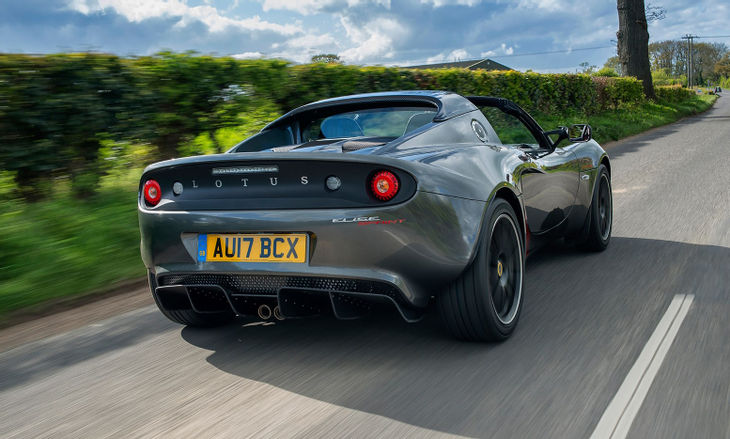
Lotus Elise Sprint 220
While the Lotus Elise has been around since 1996, not much has changed over the years, which is a good thing. See, like every car listed here, the Elise’s ethos hinges around a mid-mounted rear-drive layout, something that makes for a pure and uncorrupted driving experience – especially in a serpentine environment like a race track. The Elise Sprint is one of the Hethel-based firm’s most lethal models and pays homage to the 1973 Lotus Elan Sprint with an unbelievably slender kerb weight of just 851 kg. Much of which comes compliments of the prodigious use of carbon fibre and other lightweight doohickies. Considering a 162 kW/250 Nm supercharged 1.8-litre Toyota four-pot powers the rear wheels, it’s little wonder it made quick work of obliterating the 0-100 kph sprint benchmark in just 4.2 seconds. Its trump card? Well, the Sprint 220 is ridiculously sharp in cornering manoeuvres, with ample grip and traction on offer thanks to its progressive braking set-up, near-perfect balance in the corners and sublimely weighted steering arrangement.
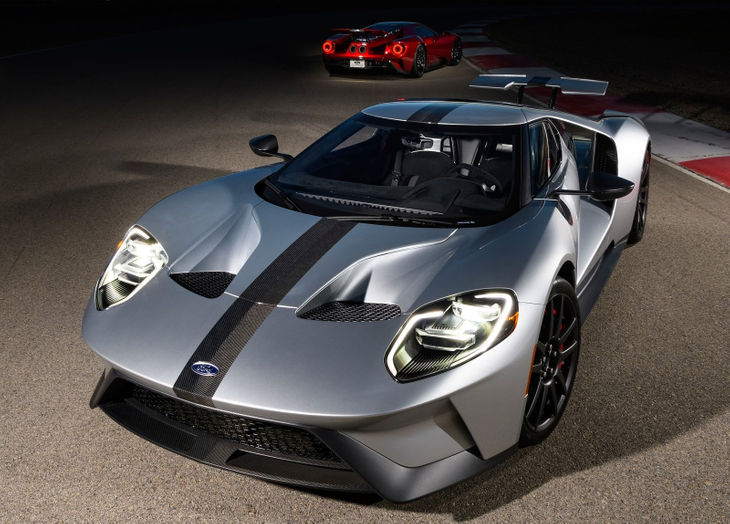
Ford GT
The Ford GT has always been about clever packaging and extremely slippery aerodynamic properties – something that was bound to materialise since it was developed in parallel with the GT race car. Like it’s predecessor the Ford GT has a traditional mid-engined, two-seater layout, but in this case, the rear wheels are powered by a twin-turbocharged 3.5-litre V6 good for 482 kW and 746 Nm of thrust and not a big-block V8 like before. These figures mean that the GT is able to mince the 0-100 kph threshold in just 2.8 seconds and reach a top speed of 348 kph. But to focus solely on its spec sheet would result in missing the intrinsic fundamentals of the GT recipe altogether – dynamic prowess. As far as handling goes it boasts active aerodynamics, race-inspired pushrod suspension and adjustable track-honed settings. It’s properly sticky in the bends and the entire experience is organic, the GT seems to pivot around you and directional changes feel natural. There aren’t many drivers’ cars that deliver a combination of face-warping acceleration and dynamical finesse. It’s bloody brilliant.
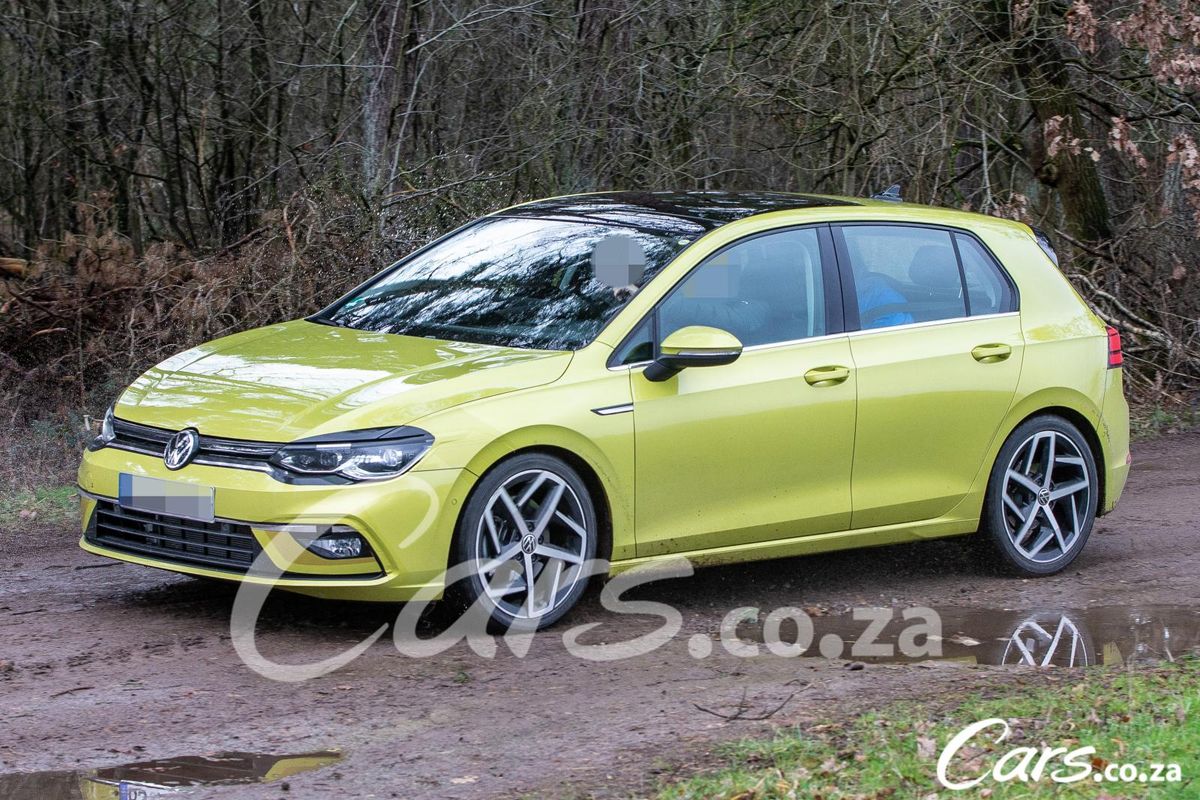
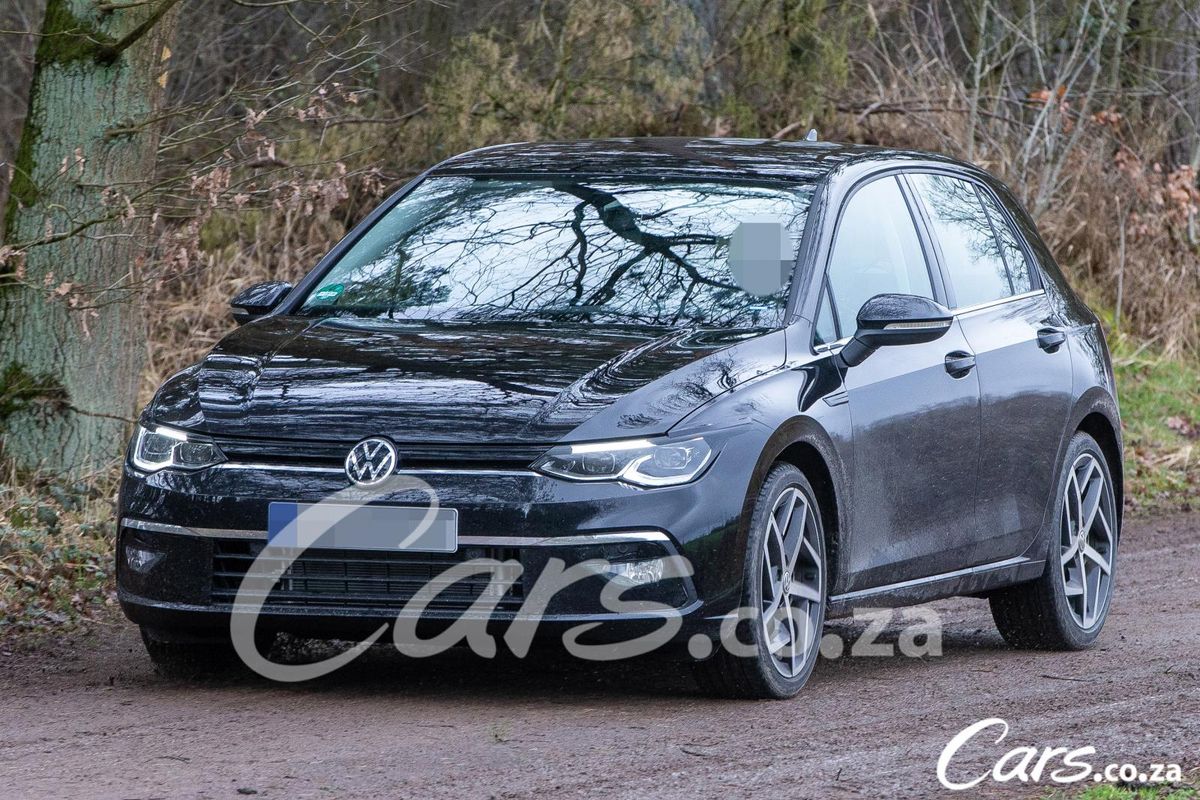
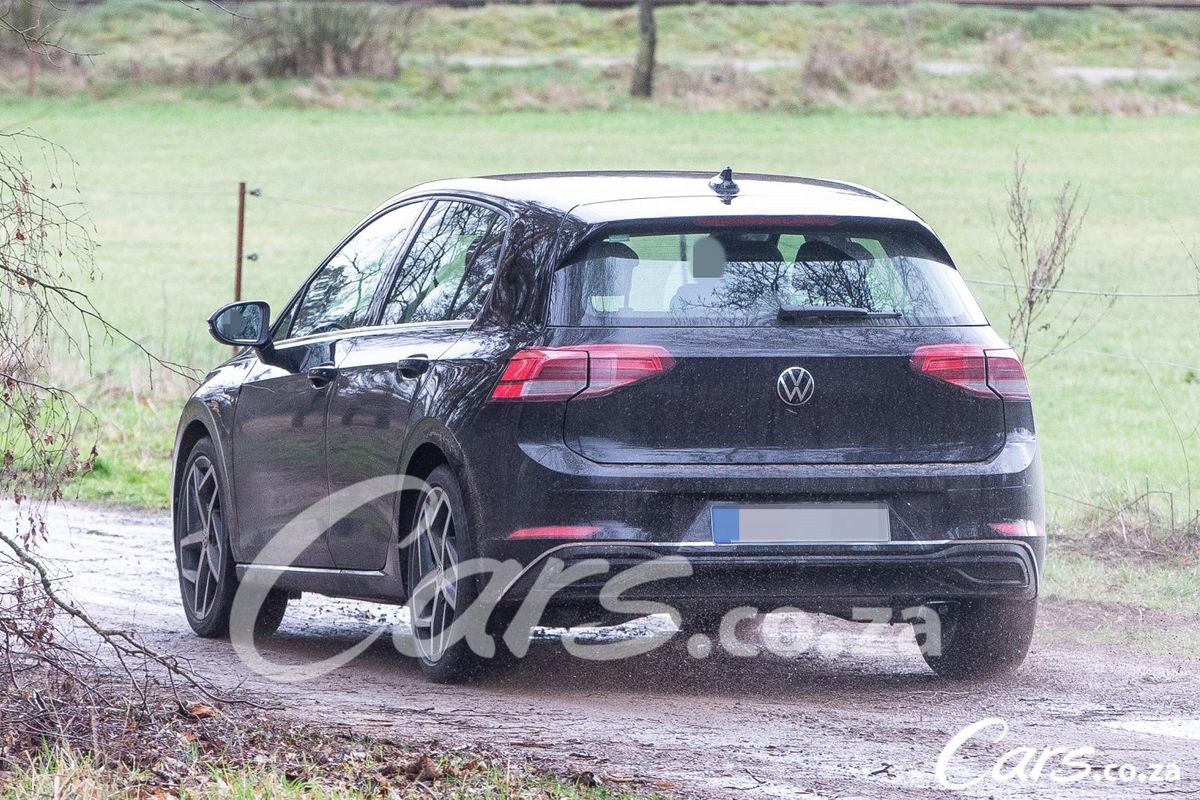
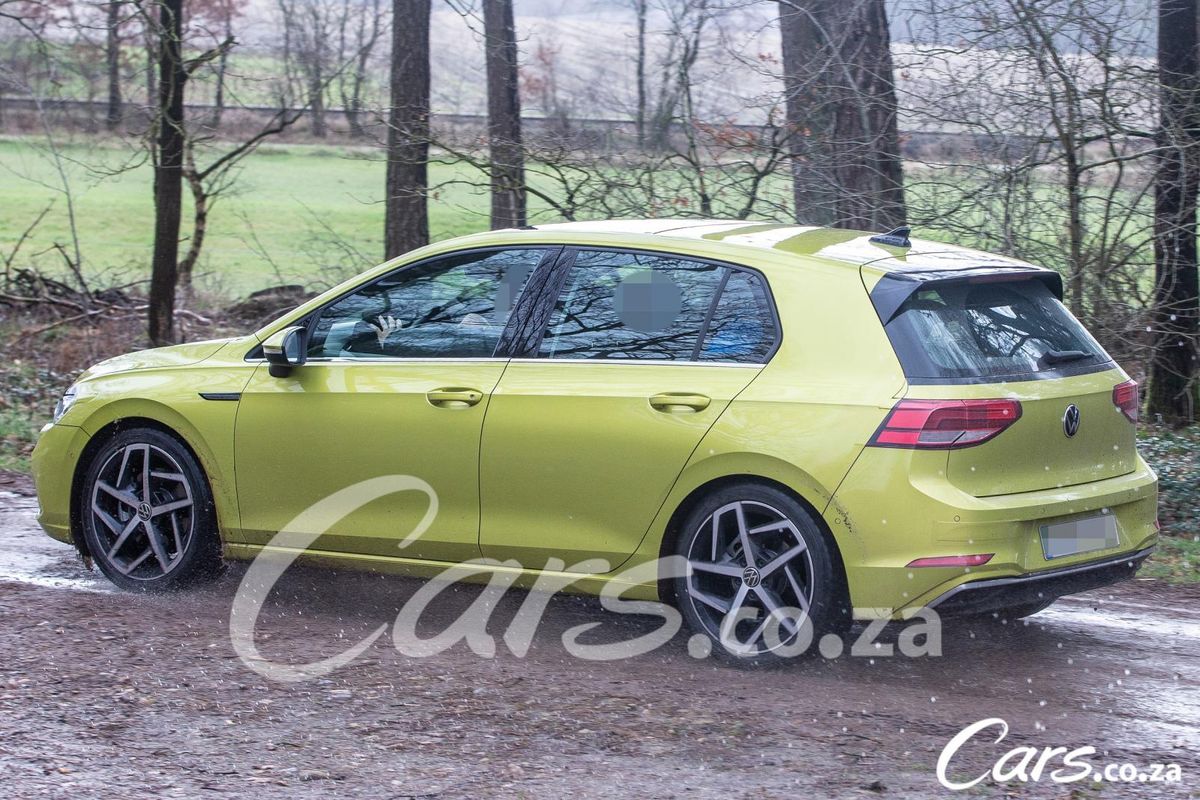
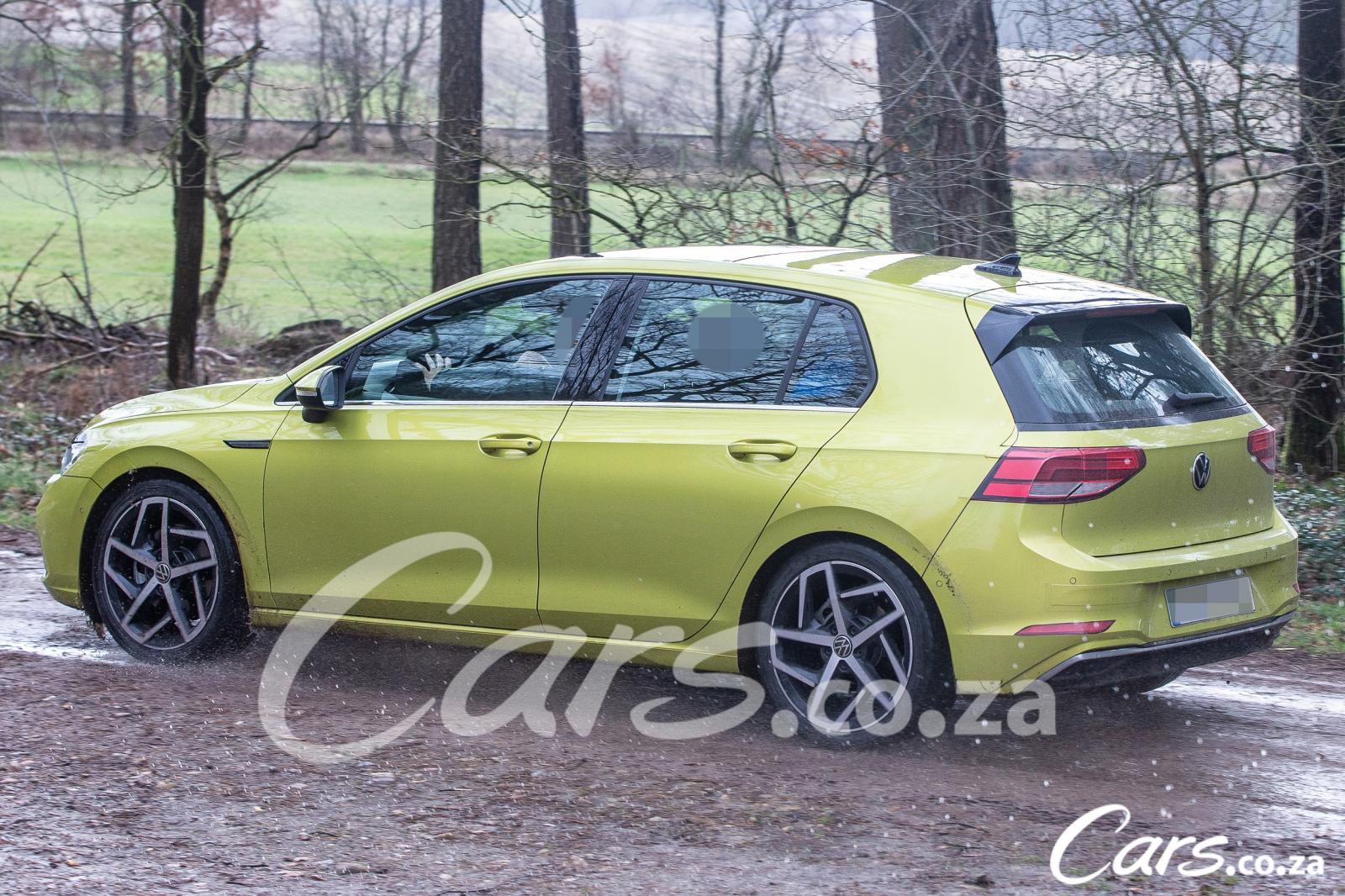
Our spy photographers have spotted the new Volkswagen Golf 8 almost uncamouflaged. Here's what we know so far.
Picture credit: S. Baldauf/SB-Medien
The Golf is an important model for Volkswagen and since its inception in 1974, it has won the hearts of more than 35 million customers across its 7 (and a half!) generations in as many as 155 countries worldwide. Volkswagen has invested close to R50-billion to develop the new Golf 8 and to upgrade the Golf's production capital, Wolfsburg, which will churn out roughly 1 million units per annum when the Golf 8 hits the production line in June 2019.
Our spy photographers have been hard at work and spotted these Volkswagen Golf prototypes undergoing final testing. We can't be that far away from the final reveal, which is expected to be sometime in 2019. While we expect the design to remain typically conservative, the technology and engineering from the reworked MQB platform should be impressive. It has to offer some cutting edge tech, refinement, and performance if its to retain its segment leader status. We think the models pictured here are some base-spec derivatives, think Trendline or Comfortline.
As always, we'll keep you updated as soon as we hear more info, or get more photos sent to us.