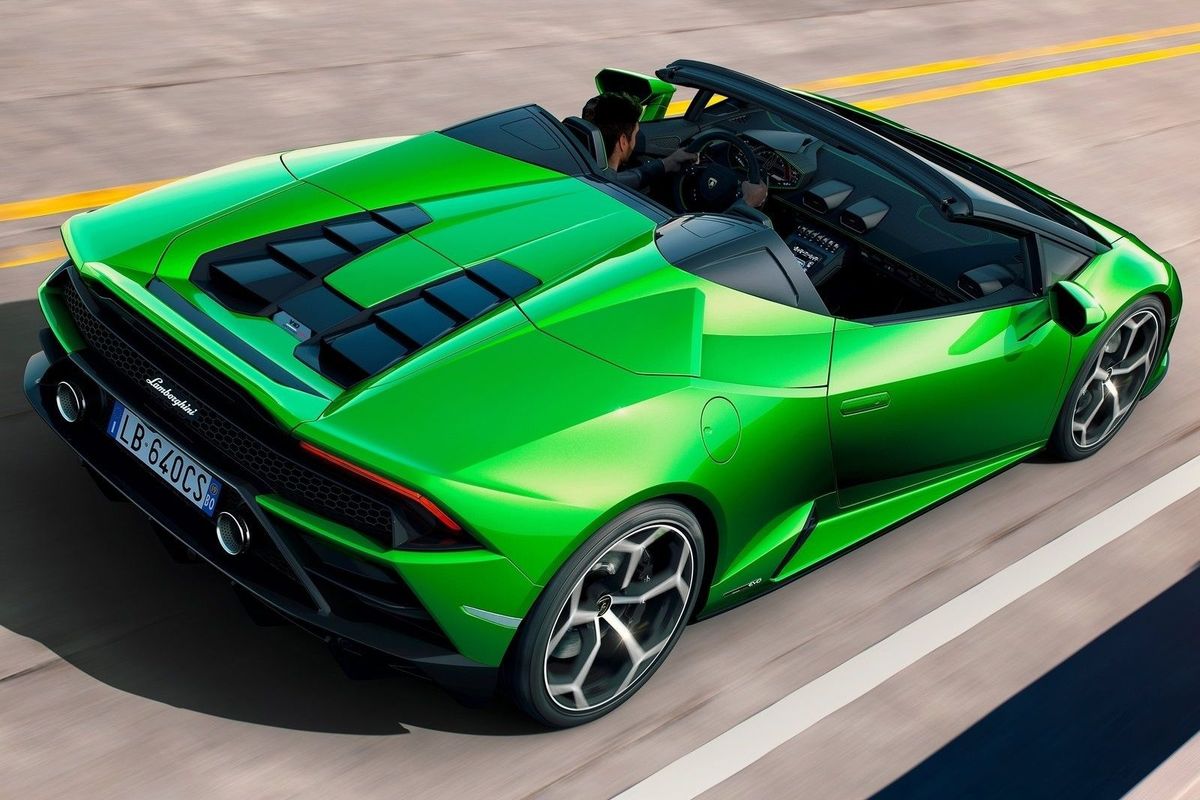
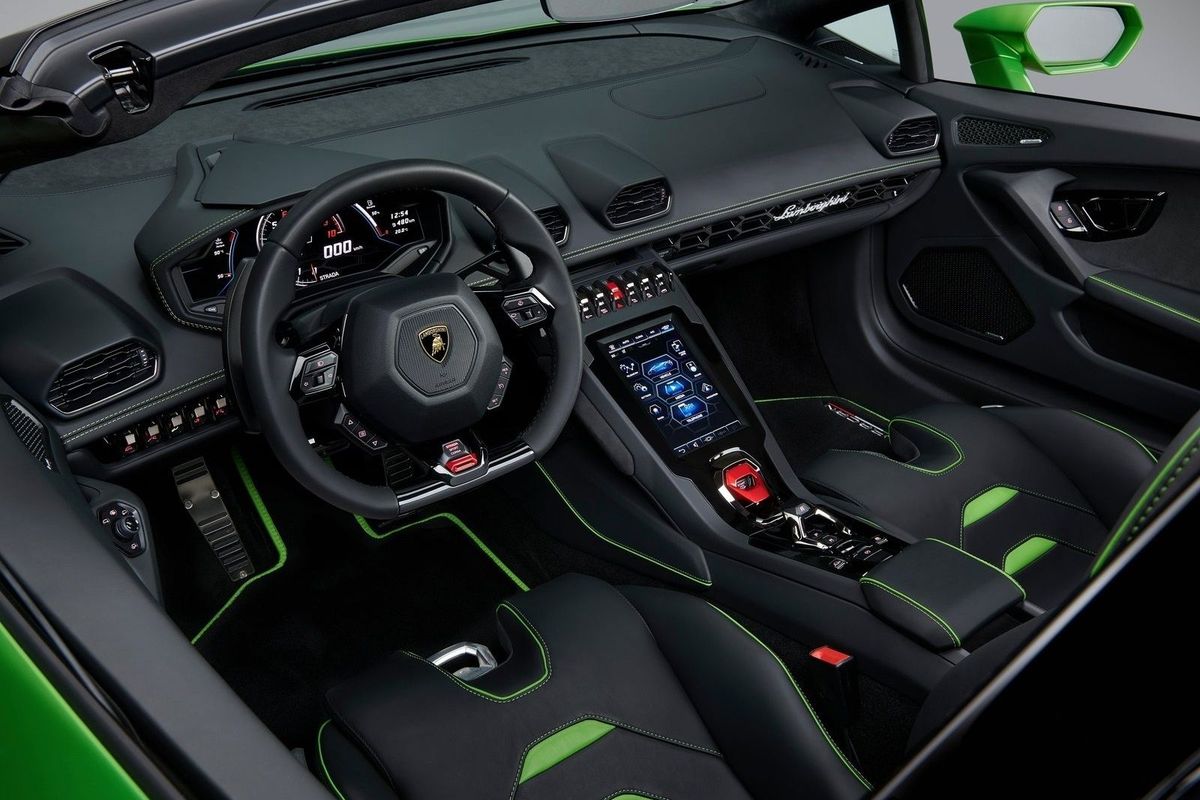
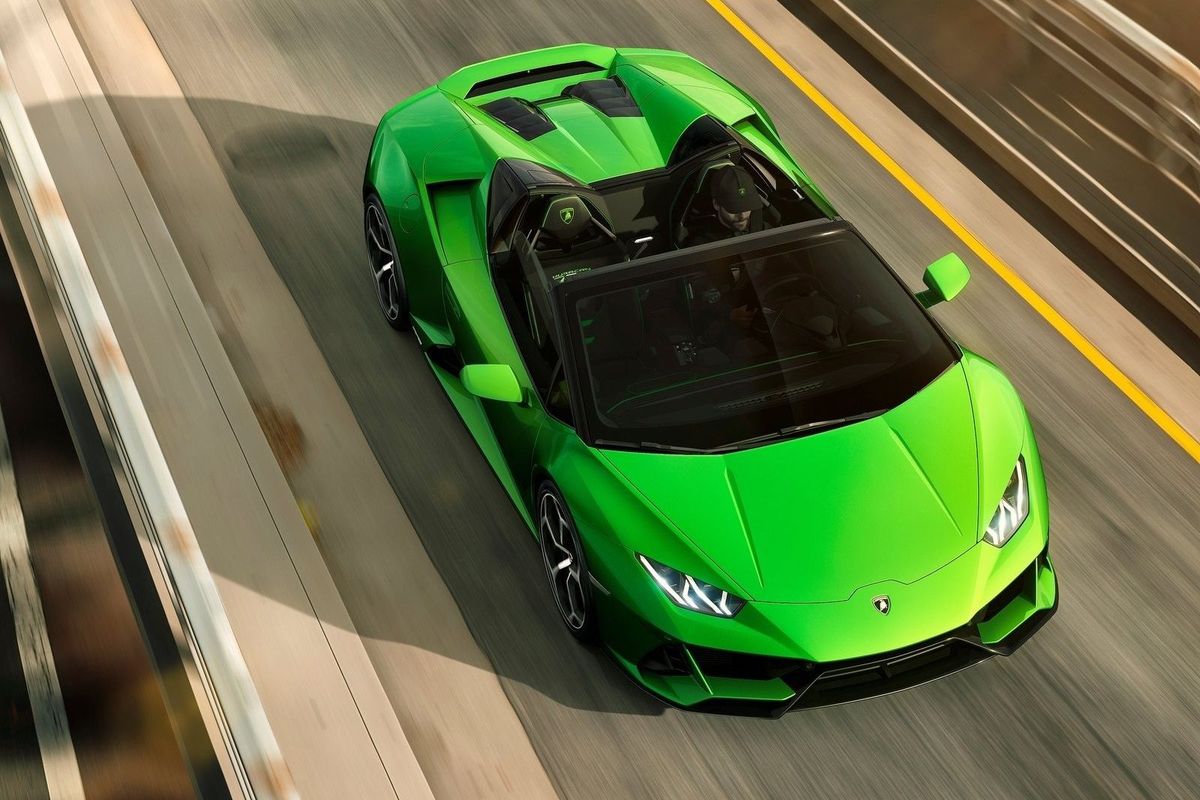
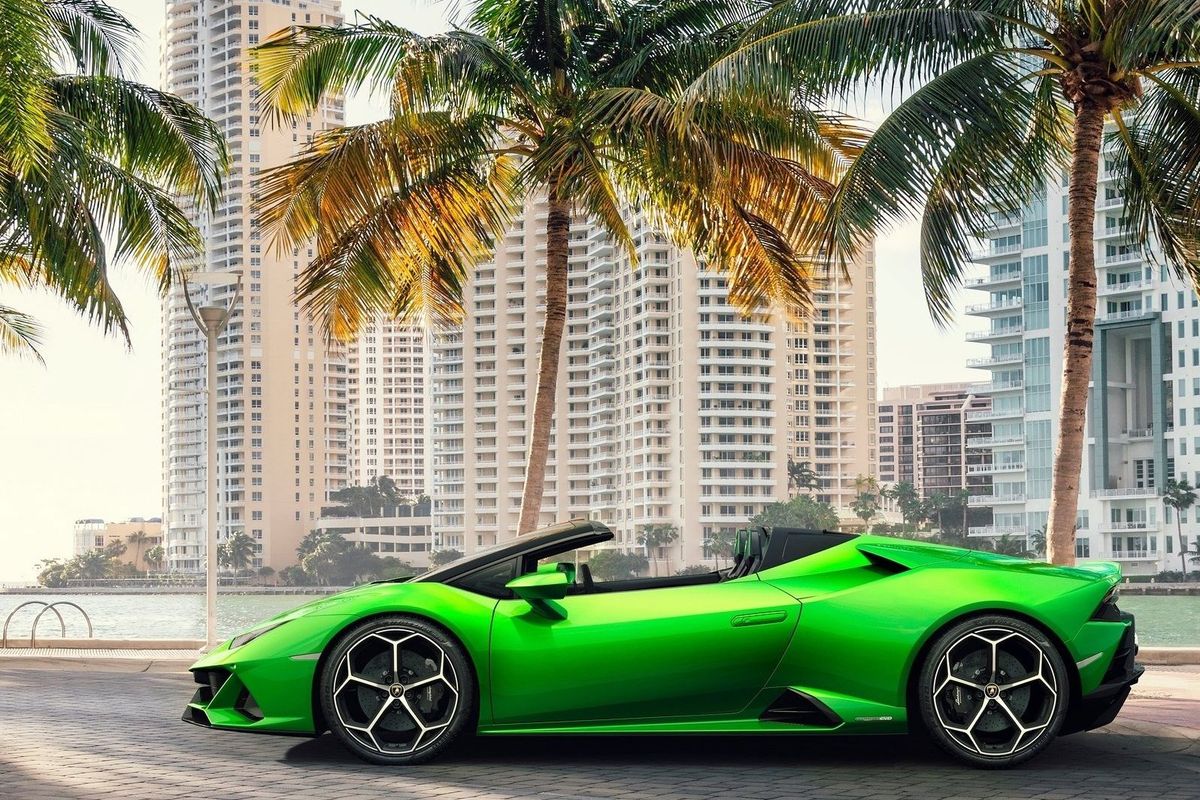
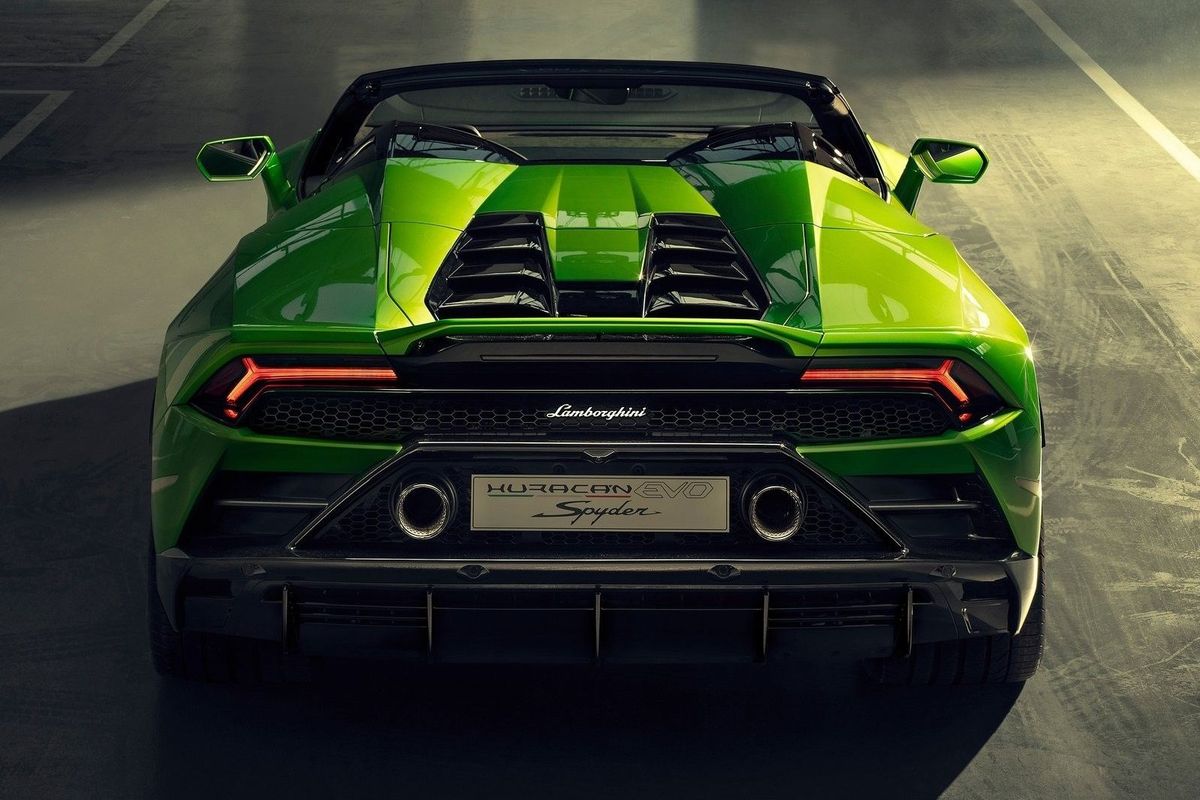
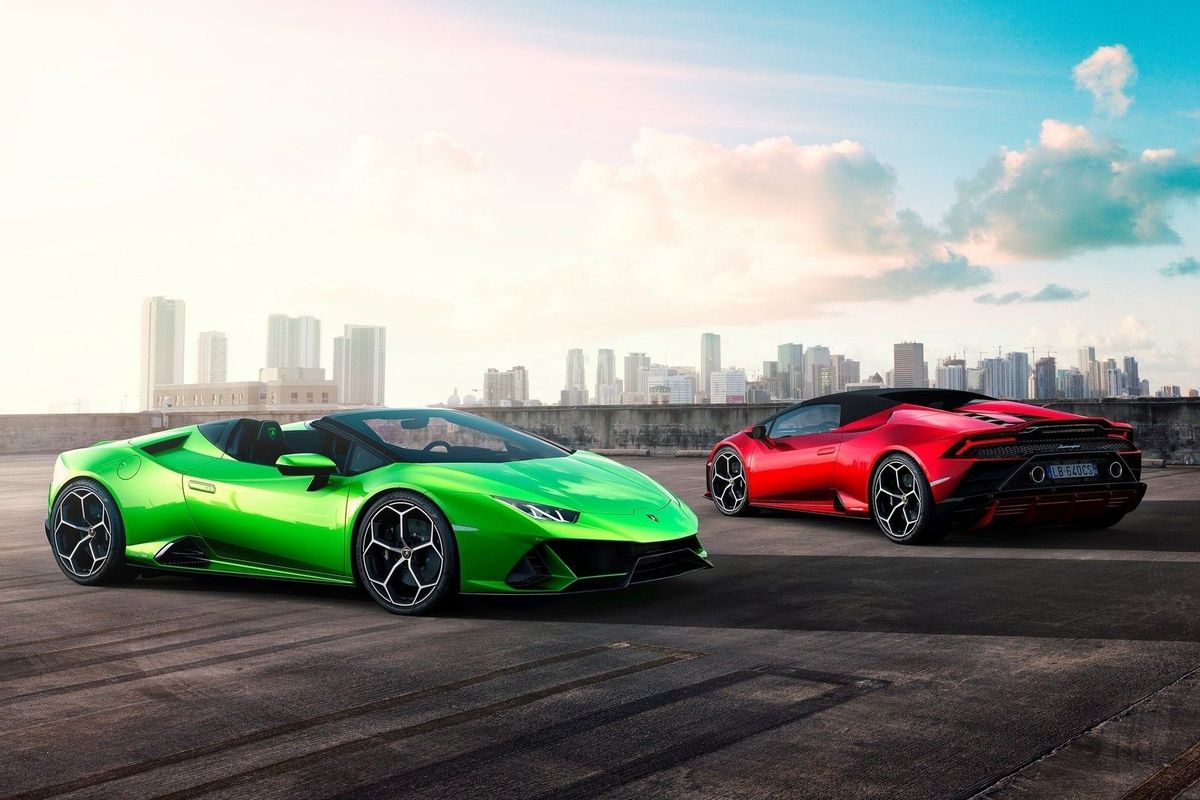
Lamborghini has dropped the top of its Huracan Evo supercar. Meet the Lamborghini Huracan Evo Spyder!
The new Lamborghini Huracan Spyder boasts the same next-generation vehicle dynamic control and aerodynamic wizardry as its coupe sibling, which we drove at the beginning of 2019. It also receives the magnificent 5.2-litre naturally aspirated V10 engine and it makes 470 kW and 600 Nm Combined with a fairly low weight of around 1500 kg, the performance is sensational.
Lamborghini claims its new Huracan Evo Spyder can blitz to 100 kph in just 3.1 seconds, reach 200 kph from standstill in 9.3 seconds and reach a top speed of 325 kph. The party piece is, of course, the roof. Opening in just 17 seconds, the lightweight soft top can be closed at speed of up to 50 kph, meaning no frantic emergency stops when the weather turns for the worst.
The first Lamborghini Huracan Evo Spyder customers will receive their cars in the next few months and while South African pricing is yet to be confirmed, Lamborghini Global has supplied the following prices:
Jaguar has improved upon its XE business class sedan formula by enhancing its exterior design while also fitting an all-new interior. The updated XE will arrive on showroom floors in the second half of 2019. Herewith the details…
The stylish Jaguar XE has been thoroughly updated to take the fight to the Mercedes-Benz C-class and BMW 3-Series. While the XE might lag behind in terms of sales, the changes are expected to lure more buyers into Jaguar’s corner.
Ian Callum, Jaguar Design Director, said: “XE’s uniqueness is its totality. Customers get a complete package of progressive design, innovative technology and extraordinary driving dynamics. We don’t do ordinary and new XE personifies this. My team and I get huge satisfaction out of improving a car we’re all so familiar with; we’ve lived with it, we understand its character and it’s a wonderful opportunity to make a great car even better. With new XE, we’ve done just that in every way imaginable.”
What’s changed?
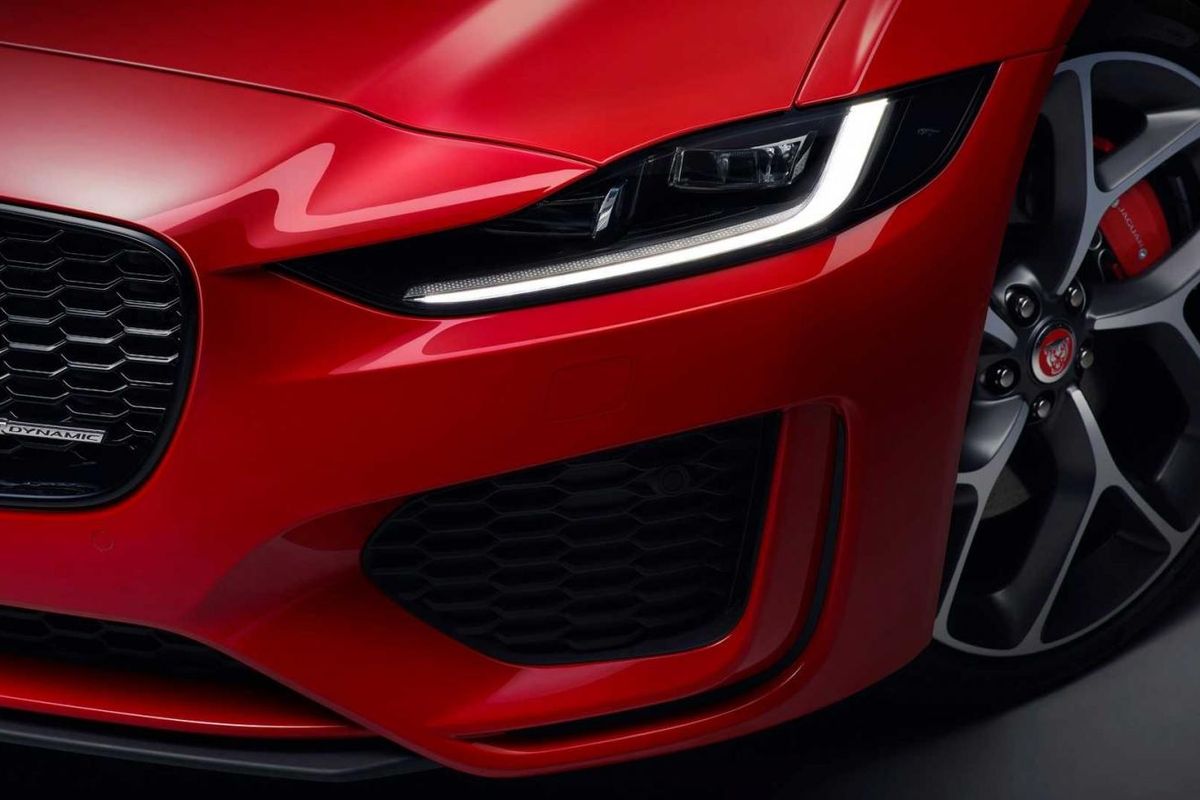
On the outside, Jaguar has refined the sporty look of the XE which now appears to be more muscular in stance. The XE is now fitted with new all-LED headlights with a J-blade daytime running light signature that gives the car a distinct appearance. A new bumper design is seen at the rear complemented by LED tail lights with a new light signature that emphasises the width of the vehicle.
In R-Dynamic guise, the XE is equipped with sporty features such as dark mesh detailing on the rear valance, bespoke wheel designs and aircraft winglet-inspired surfaces that allude to its performance intent. R-Dynamic derivatives are also fitted with sports-type seats with contrasting stitching, a satin chrome shift paddles and R-Dynamic treadplates.
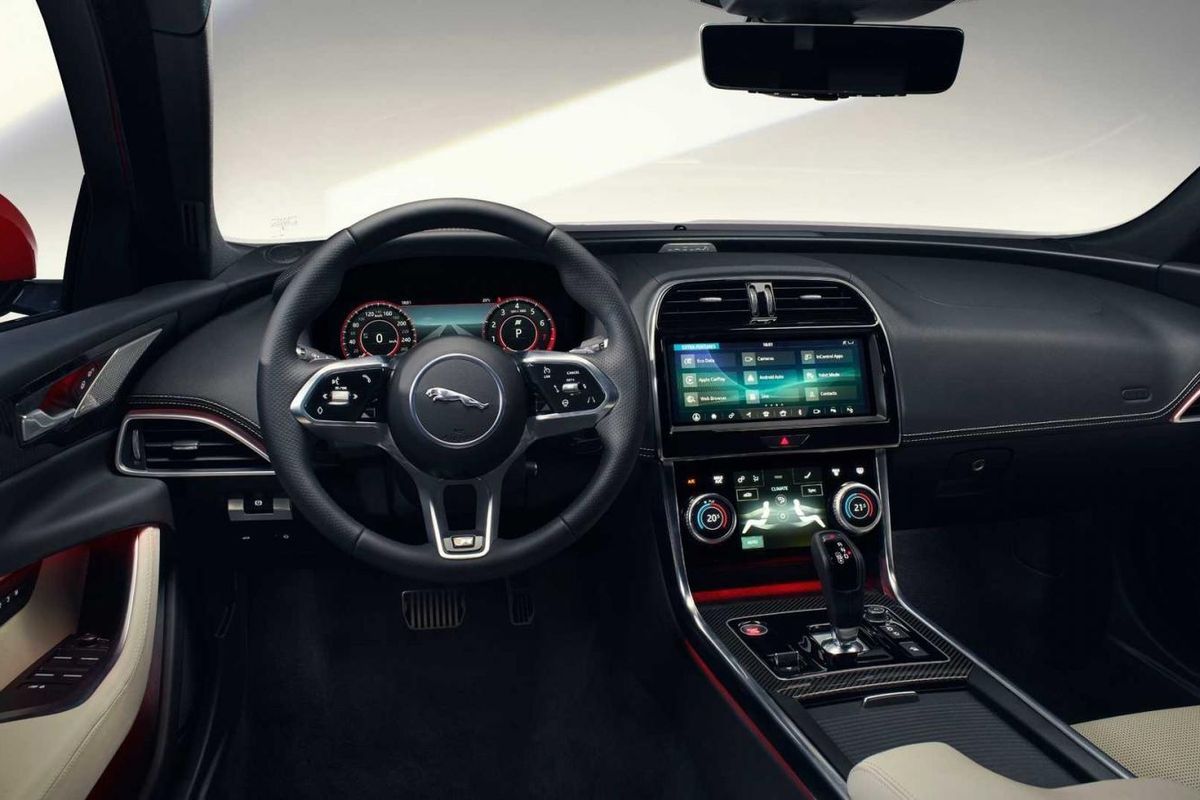
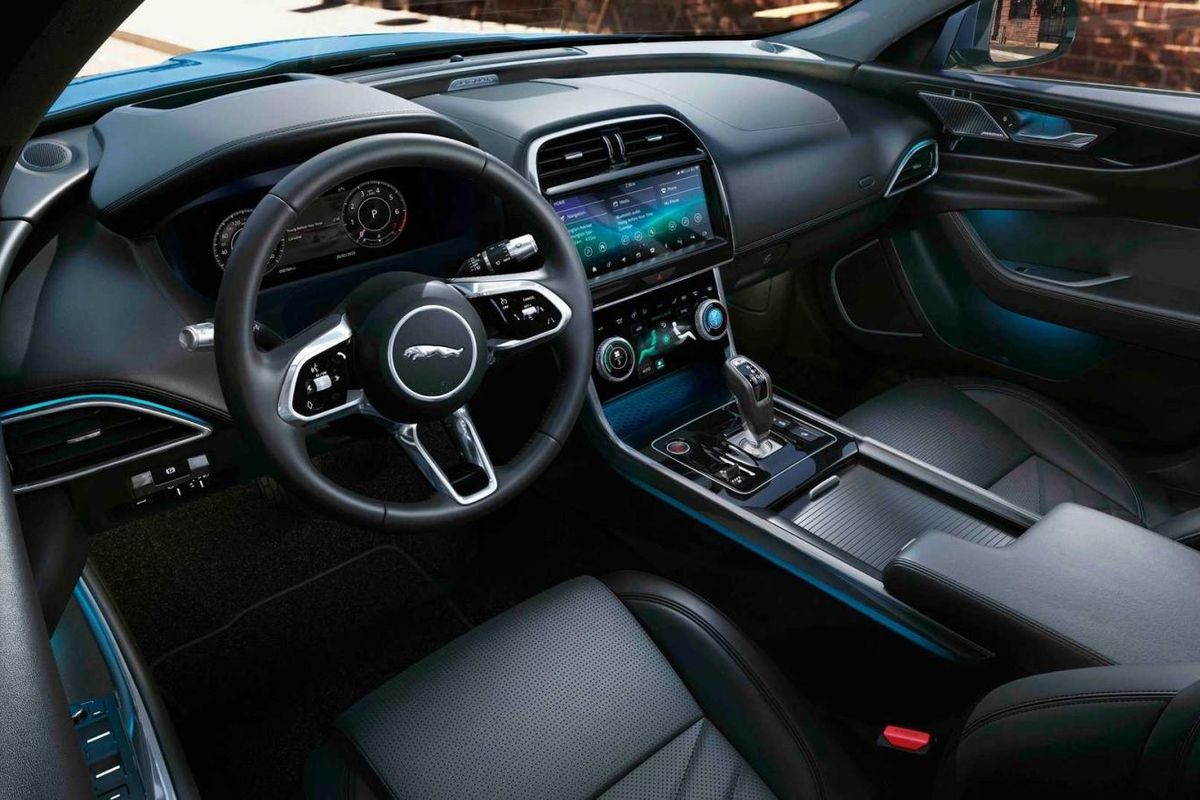
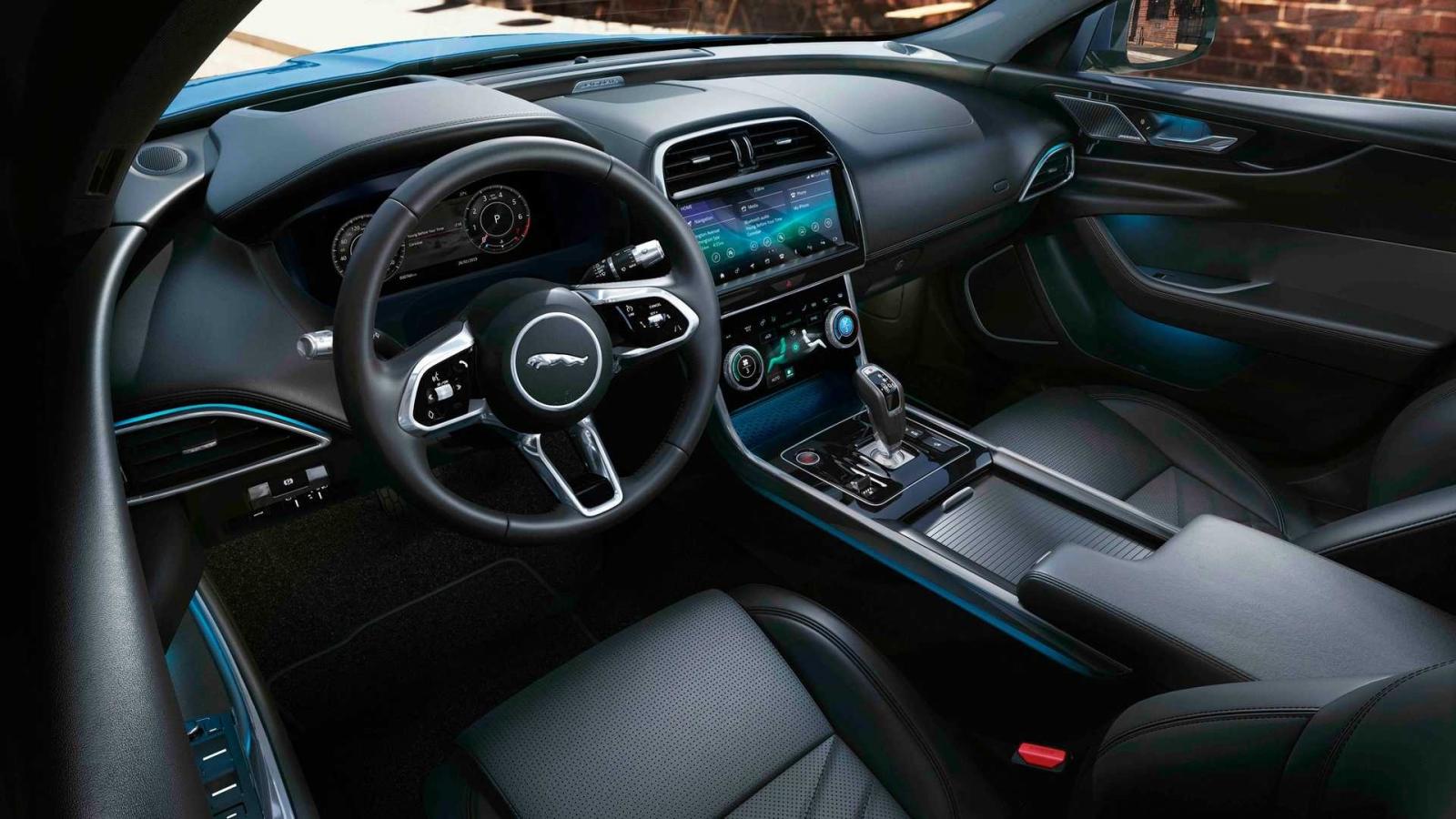
The XE’s interior is said to be all-new, now extensively featuring soft-touch materials and premium finishes, including all-new trim seen on the doors, all of which aims to improve convenience and comfort for passengers.
An all-new interior brings Jaguar's impressive Touch Pro Duo infotainment system into the XE for the first time.
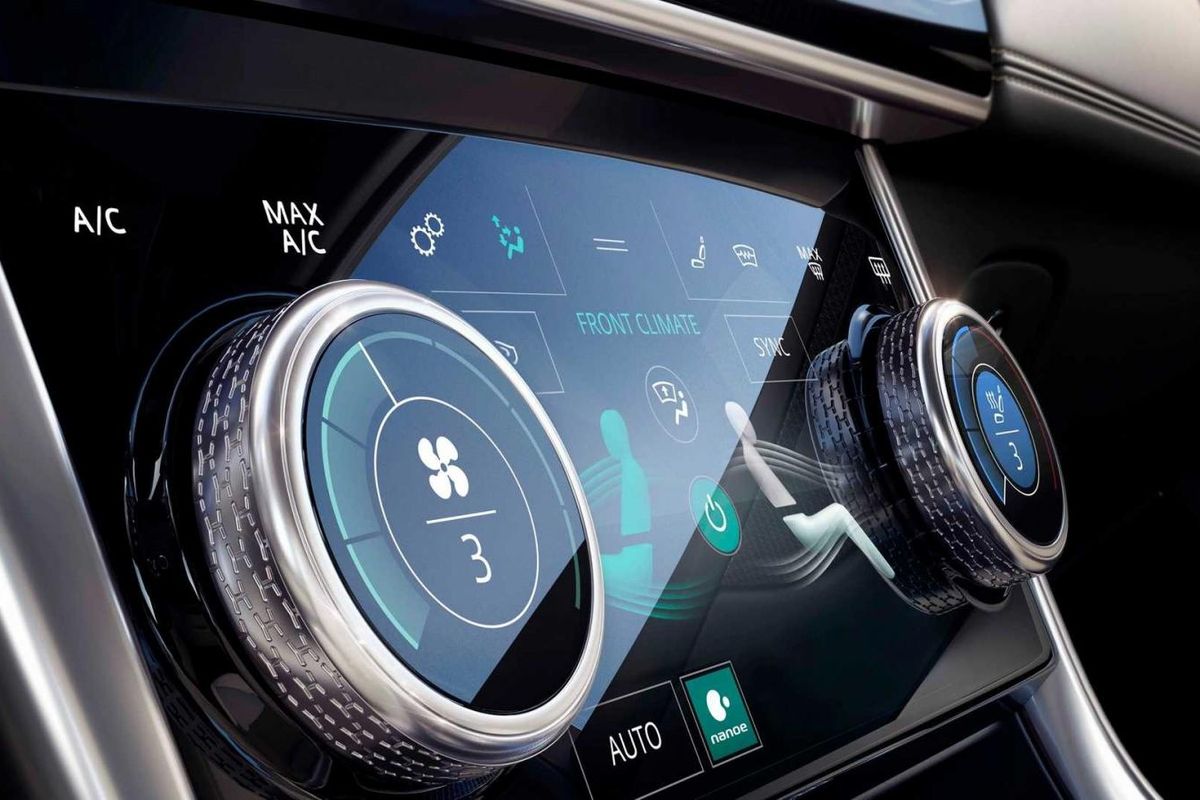
Perhaps the biggest highlight is the fitment of Jaguar’s Touch Pro Duo infotainment system which includes 2 high-resolution touch screens that take care of infotainment and most in-car functions. A 12.3-inch interactive driver display is also on offer. Other highlights include wireless charging, smart settings and a ClearSight rear-view mirror that uses a wide-angle rear view mirror to project images to a high-definition screen to give the driver unobstructed rearward vision. Like in the F-Type, the gear selector and JaguarDrive Control switch are now found on the revised centre console.
Engine Choice
The Jaguar XE is offered with 2 Ingenium engine choices including a turbocharged 2.0-litre petrol engine (P250) with 184 kW and 365 Nm of torque or the more powerful version (P300) with 221 kW and 400 Nm of torque. An 8-speed automatic transmission is offered on both engine derivatives. A total of 3 trim levels will be available including S, SE and HSE with each also being available in R-Dynamic guise. A range of optional packages will also be offered.
Pricing for the updated Jaguar XE will be revealed closer to launch and we will certainly keep you updated as soon as these details are released.
Global automotive sales might have finished last year 0.2% up on the year before, but that percentage doesn’t tell the true story of a looming crisis.
When all the vehicle sales data for 2018 was extracted from various corporate presentations and bundled into a single spreadsheet, the total number of vehicles sold edged ever nearer to the magical 100-million mark.
For last year the total was 95.6 million and you’d imagine that would project a hint of optimism into the automotive industry for 2019. But it doesn’t. This year is looming large as one of crisis for most brands as they grapple with activist pressure to produce battery-powered vehicles (for which there is hardly any demand, in the greater scheme of things) and navigate political risk from 2 unnecessarily fabricated trade wars.
Despite huge production numbers, there are instances where economies of sclae fail.
It has been decades, perhaps not since the 1970s oil crisis, that the automotive industry has faced quite the calibre of risk and uncertainty that it does in 2019. Budgets are under tremendous strain to develop electric vehicle architectures, radically escalating projected R&D costs, and on the revenue side, both Brexit and the Trump-instigated trade war could collapse sales for certain brands – in key markets.
Worst of all is the silent deflation of the world’s largest automotive market. With attention focused on US trade barriers and what Brexit could potentially do to the UK's automotive industry, nobody has been paying attention to China.
Although economic data from China has always operated in a vague bandwidth of probability, there appears to very little scepticism concerning the 8th consecutive month of market contraction experienced by automotive sales in the People’s Republic during January.
Seeing that China is generally regarded as the engine of global automotive demand, any prolonged reduction in Chinese vehicle demand is telling – and potentially fatal for those car brands that expected car sales to trend upwards in the world’s most populated country.
Who is struggling?
Big sales numbers don’t necessarily equate to a successful automotive business. What makes vehicle manufacturers and sales networks profitable are healthy margins, supply chain stability and manufacturing cost control.
You can sell a load of expensive cars and still lose money. And the world’s most experienced and technically astute automotive manufacturer, Mercedes-Benz, is currently a rather alarming example of this. Last year was the best ever period of sales for Stuttgart’s most famous brand. It sold a total of 2 742 249 passenger vehicles, more than ever before in a rolling 12-month period.
Mercedes-Benz attempted to cover every niche hasn't returned profits it would have liked.
The diversity of Mercedes-Benz’s current product portfolio is astounding. There is no segment or niche in which it isn't represented. But hedging its product offering across all possible sectors and geographies hasn’t helped. Although revenue was up by 2%, profits dropped by 28%.
Explaining the issues at Mercedes-Benz, a technology leader, is simple. The Sindelfingen-based marque is being expected to offer battery powertrains and autonomous driving ability, and the development of those technologies are eating away radically at its products.
Mercedes-Benz might be selling a lot more cars and making less money, but for Jaguar Land Rover (JLR) 2019 could be terminal. Despite incubating technologies and defending its share of the premium market with daring designs, JLR been exposed to the worst automotive trade disruptions since World War 2.
In the last 2 years, it has had to contend with risks that not even the most clairvoyant – or bearish – analysts could have predicted.
Brexit threatens the stability of JLR's parts supply chain, and the firm has been forced to scamper for new powertrain alternatives as an increasing number of customers shy away from passenger cars powered by turbodiesel engines. What has hurt JLR most (and tipped it into a near catastrophic R62-billion loss last year), was the collapse of sales in China, which is the British firm's largest demand market.
JLR has had to make a shift from a diesel-strong lineup to electric and hybrid-petrol models.
The Chinese market contraction has been ignored by most observers, but JLR’s loss of 110 000 sales there cannot be mistaken for a mere anomaly or cyclical contraction. Without parent company Tata willing to invest massive amounts of cash in JLR, it might not survive 2019 in its current form.
Illustrating the dire situation at JLR is the company’s recent announcement that 2 of its special-edition SUVs, which are usually profit ponies for any premium brand, have been cancelled. Discovery SVX and the ambitiously elegant Range Rover SV coupe, despite being production ready, have fallen victim to the rapidly changing fortunes at Solihull.
JLR’s former owner, Ford, has also experienced how crippling politics can be to business ambitions… The Blue Oval saw its Chinese sales collapse by 40% in 2018, a scenario directly attributable to the escalating trade war between the United States and China.
Who isn’t struggling?
European luxury brands are either facing termination – JLR – or a year of dwindling profits and escalating costs. But as the business momentum for 2019 accelerates towards the end of the first quarter and beyond, are there any legacy automotive companies that are not imperilled?
If we look to the Far East, there is stability. Toyota, with its Prius well entrenched in the market, remains unmoved by the trend towards electrification – thereby avoiding tremendously costly R&D to develop its own battery vehicle architecture and propulsion systems.
Toyota hasn't committed vast cash reserves into EV models, it's hybrid tech has steadily improved since the original Prius.
Toyota’s investment in hybridisation is older than most other brands, who are now attempting to rapidly create hybrid and full electric powertrains. The Japanese company has cleverly kept developing its Prius and Lexus hybrid drive technology for the last couple of decades, without ever dedicating a crucial portion of the R&D budget to it.
This slow and steady approach to alternative powertrains has gifted Toyota relevance with regards to battery technology, without being held hostage to it – which appears to be the case with a great many other large automotive brands. Toyota also had the advantage of fielding a range of profitable bakkies in North America, which could offset its exposure to the Chinese contraction.
By trading simply, without relying solely on large SUVs for profit, Toyota is protected from most of the disruption that seems to lie in wait for some American- and German-based car companies this year. In 2018, Toyota sold 10 520 655 passenger vehicles and bakkies and very few of those customers were luxury vehicle buyers or those (oh, let's just call them…) early adopters who clamour for battery-driven personal transport solutions. For Toyota to maintain its business, without the need to make massive investments to retain customers, 2019 should prove decidedly easy.
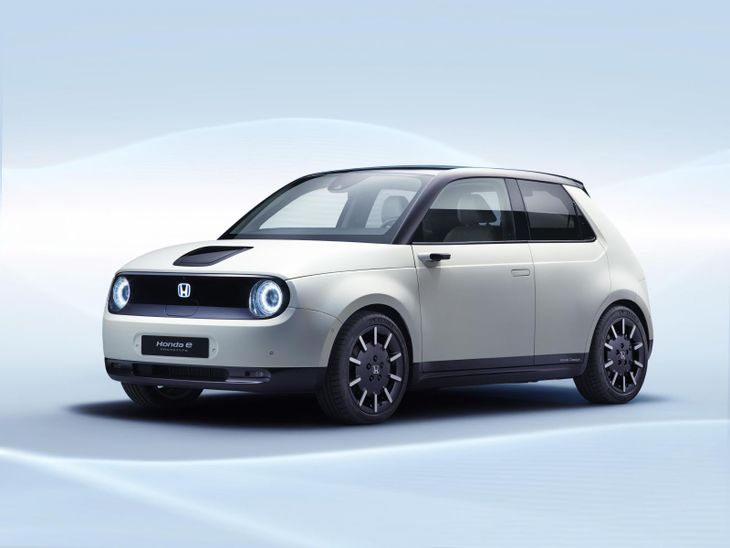
Honda was one of the least troubled manufacturers when the VW diesel saga hit. Now it's developing small electric city cars.
Despite its waning fortunes in the local market, Honda remains a stellar automotive brand; last year, it finished 7th overall with global sales of 5 265 125 units. For the Tokyo-based company, it’s a similar scenario to Toyota: its overall sales have less exposure to China than European brands with their luxury vehicle portfolios. It might lack Toyota’s bakkie product portfolio, but Honda doesn’t have to potentially re-engineer a line of diesel engines for increasingly stringent market regulations either.
Although China is an important demand destination for Japanese vehicles, the North American markets still rank much stronger. Quite the opposite is true for many European premium brands, those for who China has now become the all-consuming source of most of their products.
Sun rising over the Japanese industry, once again?
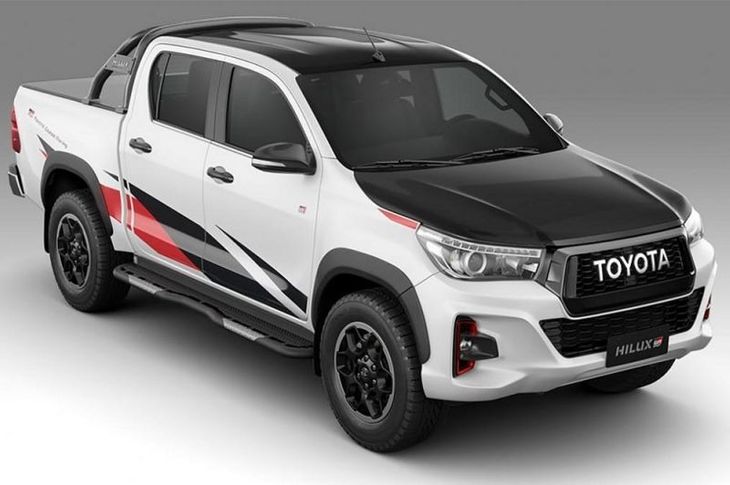
Toyota continues to prosper from top-selling LCVs like the Hilux in middle-eastern markets, SA and Thailand.
For Japanese brands, 2019 doesn’t appear too dire. Most have healthy bakkie businesses, gifting them a quality profit source in North America and many smaller global markets – such as South Africa.
The Japanese have never leveraged their fortunes on selling volumes of high-margin luxury vehicles in any market except North America either. As the Chinese automotive demand slowdown continues, they face less risk than most of the European premium vehicle brand manufacturers. They also have excellent cost control and a range of simple cars, which appeal to less sophisticated global markets with lower-income buyers.
The biggest worry this year, will be to car companies headquartered in those countries which are threatening to disrupt the global trade balance. Through no direct fault of its own, JLR’s decade=long resurgence has been hastily undone by Brexit. And for Ford, GM and Chrysler – the reality is dawning that "made in America", despite what the US president and his spin-doctors say, doesn’t mean that much to most Americans (who don’t buy bakkies). More troubling is that in the world’s biggest economy, "made in America" is now effectively a toxic marketing symbol…
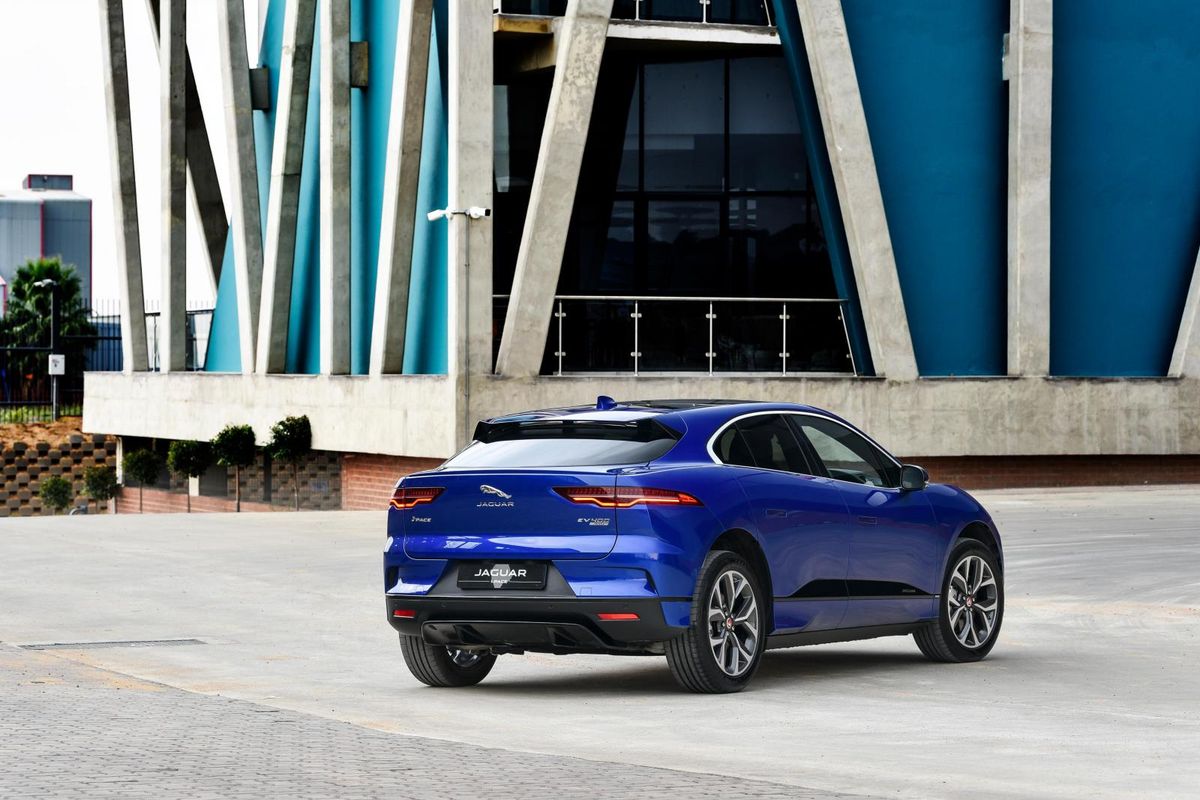
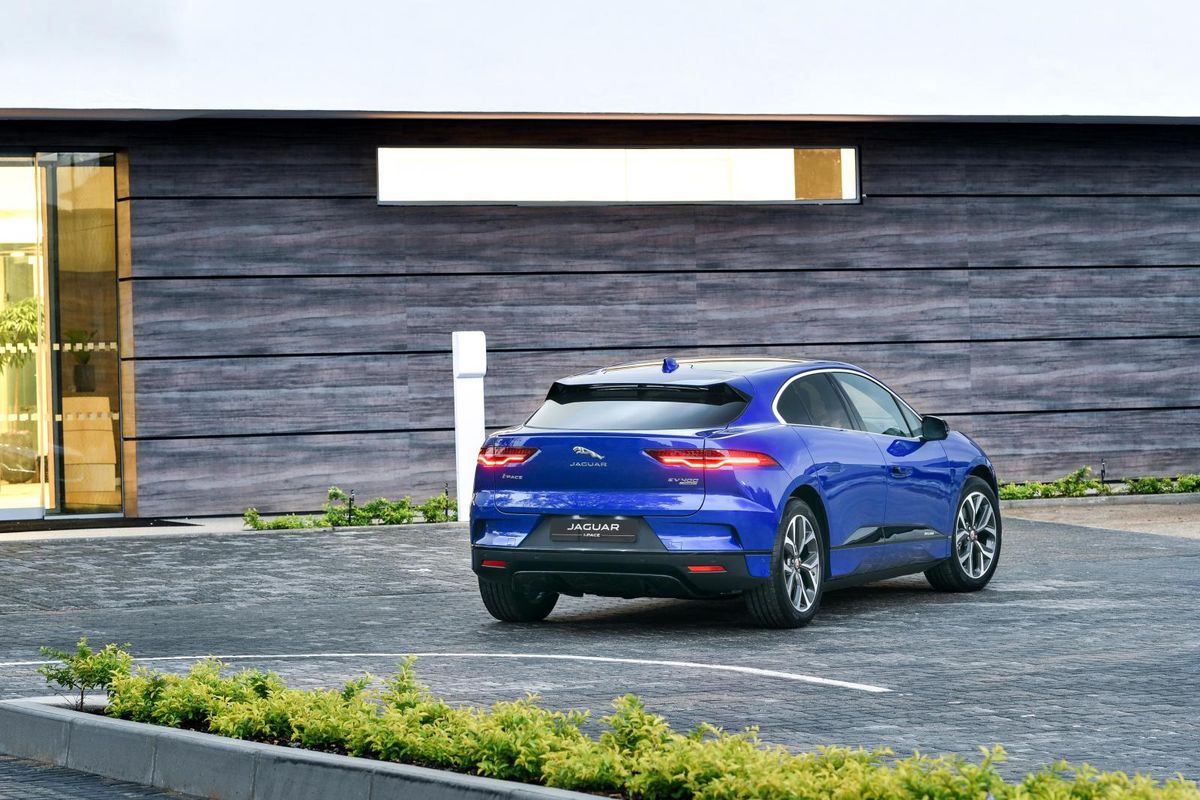
South Africa is set to have 3 major electric-car introductions in 2019 and Jaguar flicked the proverbial switch by rolling out its I-Pace, which is now on sale in Mzansi. We sent Ciro De Siena to Jo'burg to put it through its (i)paces.
Right up to February 2019, South African motorists had a very limited choice in terms of fully electric vehicles. You could either buy a BMW i3, or you could opt for a BMW i3. That was it; since Nissan SA discontinued sales of its 1st-generation Leaf (and has hesitated to introduce the vastly improved second-generation Leaf, which made its global debut as long ago as 2017), the EV market has been rather quiet.
Jaguar is set to change this current malaise in 2 important ways: firstly, by putting a thoroughly up-to-date product on showroom floors, and secondly, by investing heavily in charging infrastructure that will enable owners of EVs (from any brand) to charge their cars.
Unfortunately, and largely thanks to a ridiculous tax structure, motorists are going to have to dig deep into their pockets to get involved.
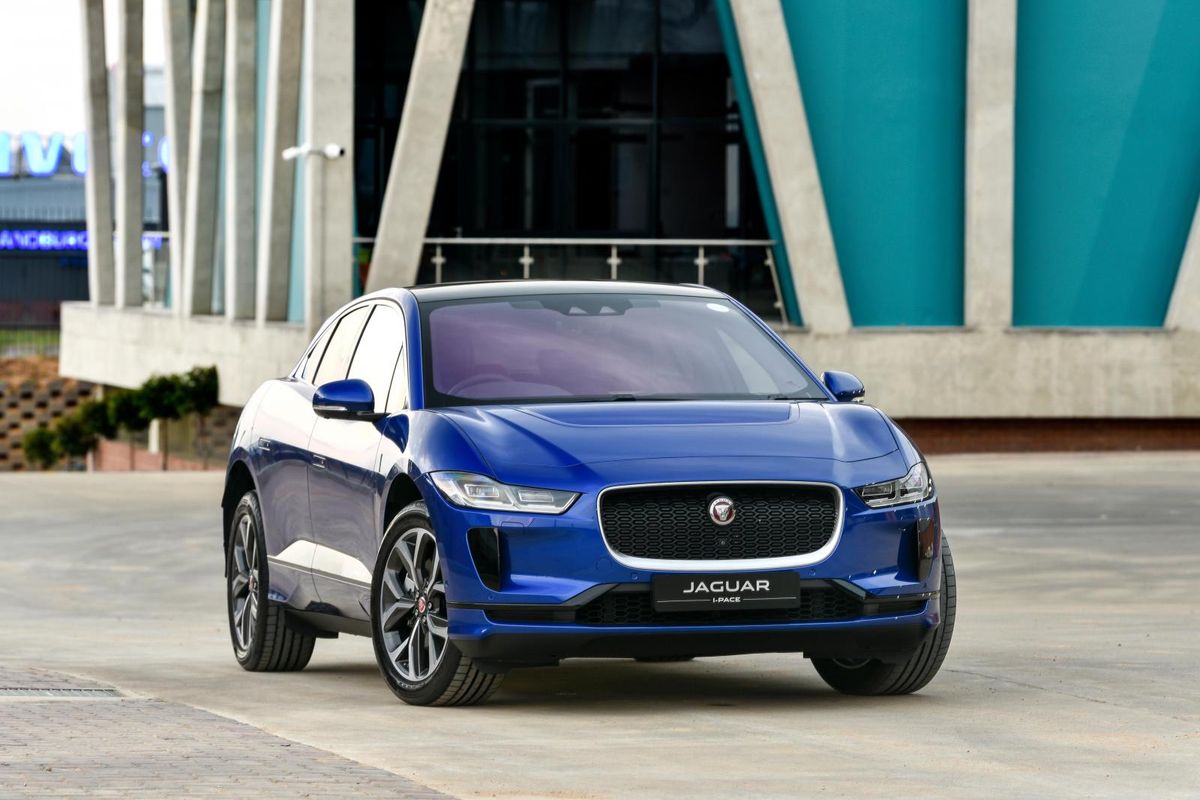
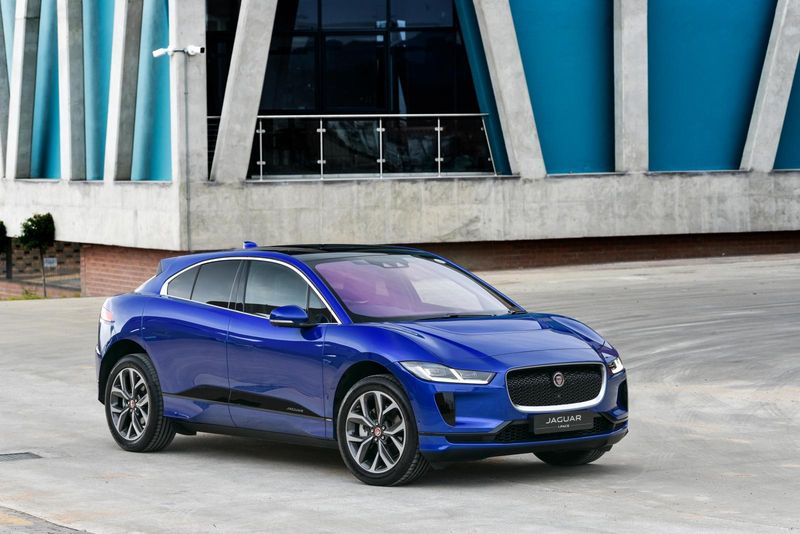
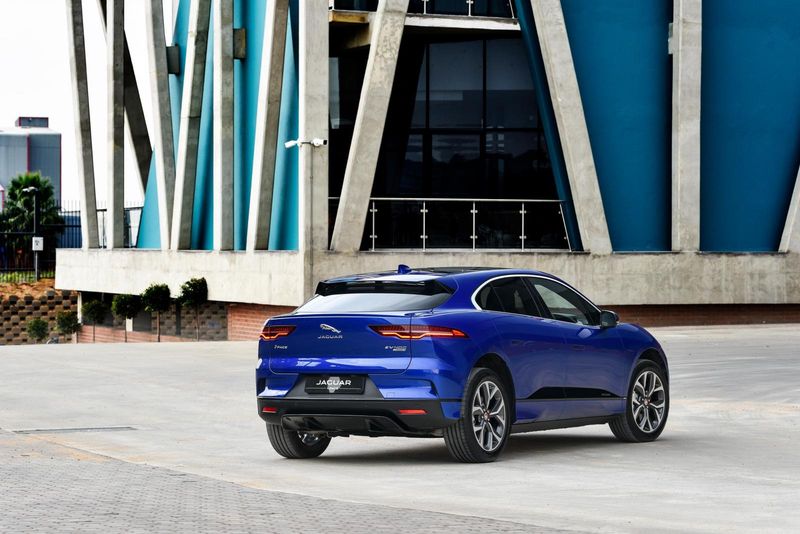
The new I-Pace blends SUV/Coupe and some Shooting Brake
Different, that’s for sure. The new all-electric I-Pace is the halo car in the Jaguar stable. From 2020, every model in the Jaguar stable will have an electrified derivative (mild hybrid, plug-in hybrid or full EV), but right now, the i-Pace is leading the charge.
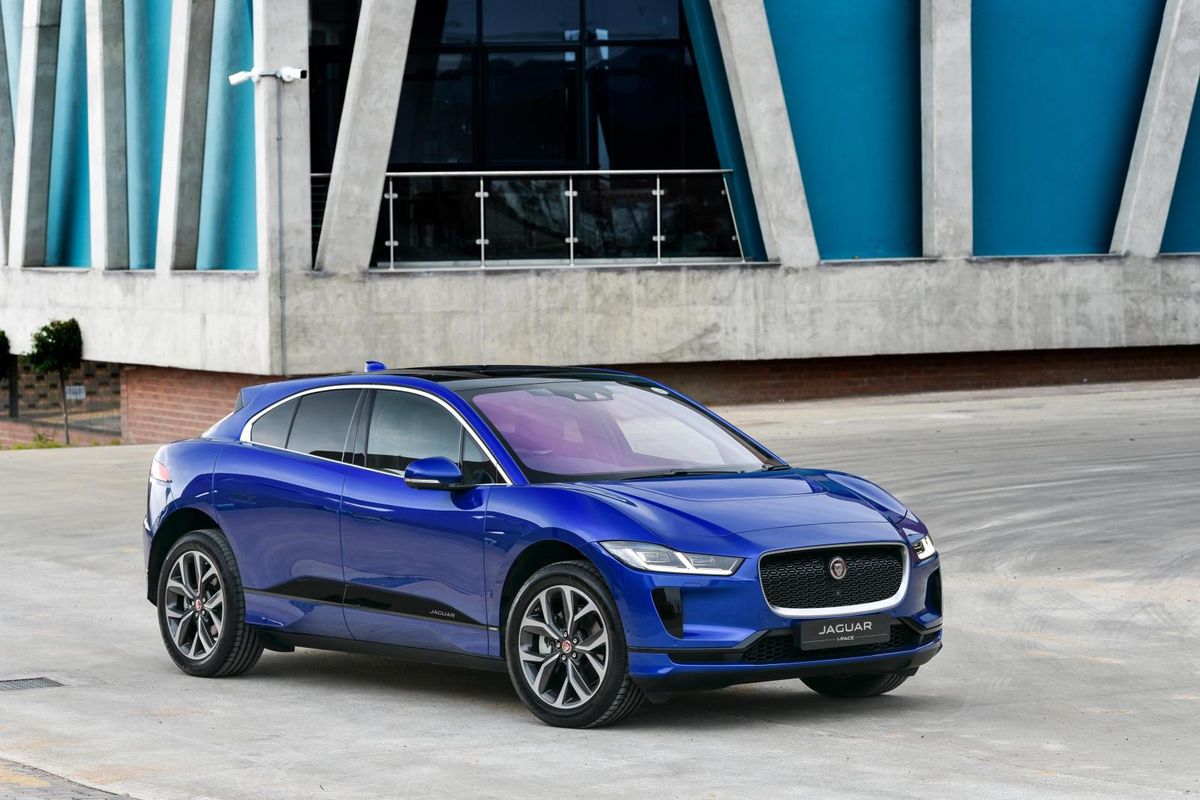
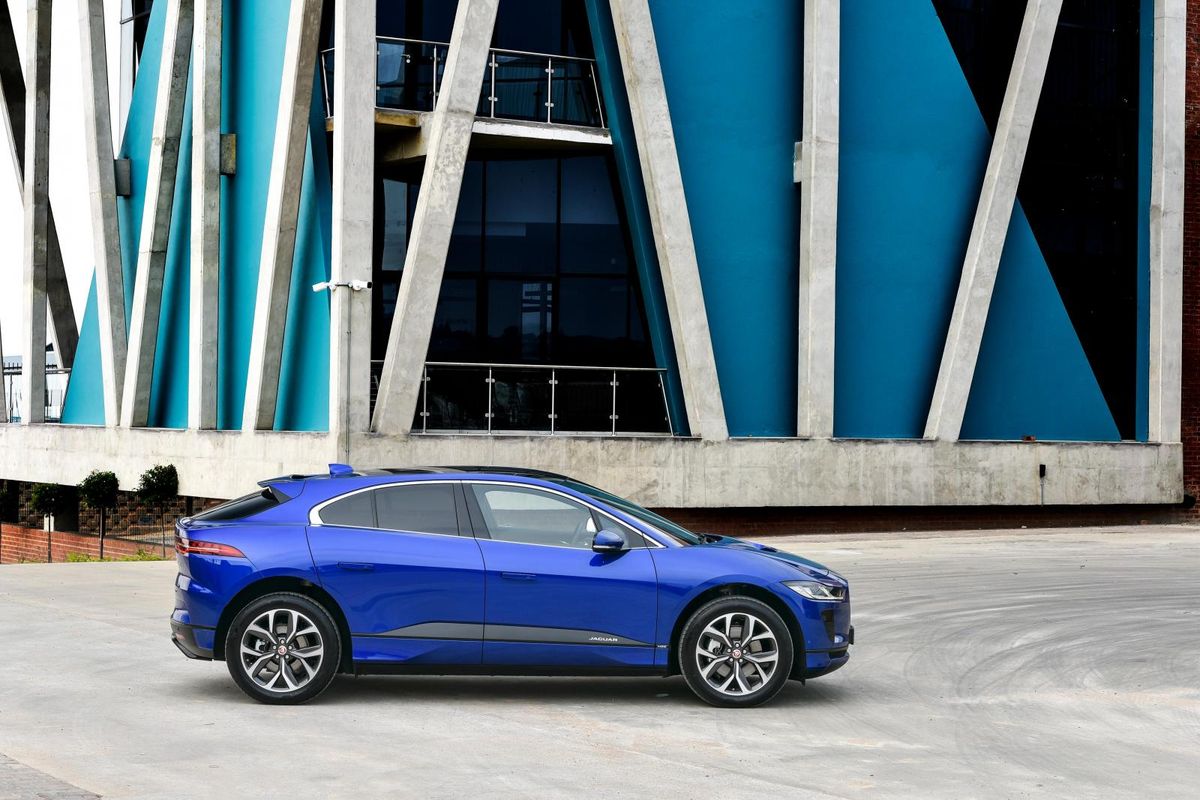
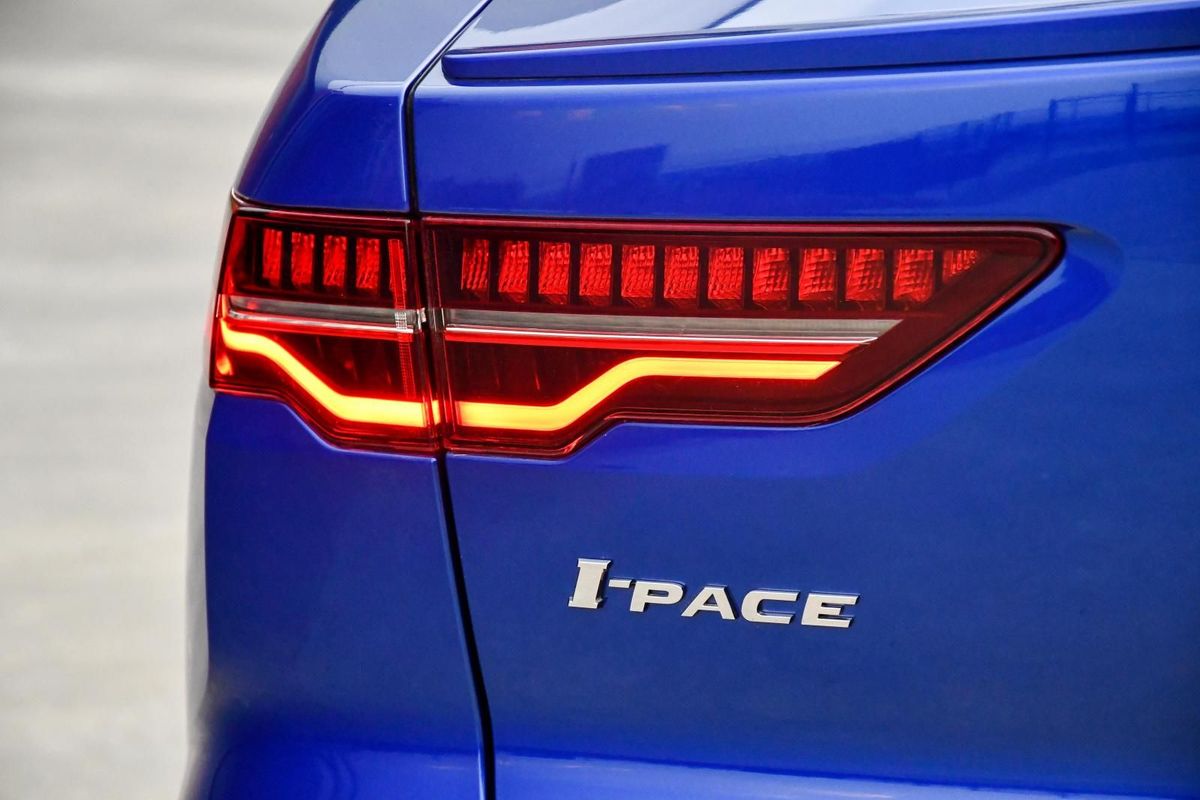
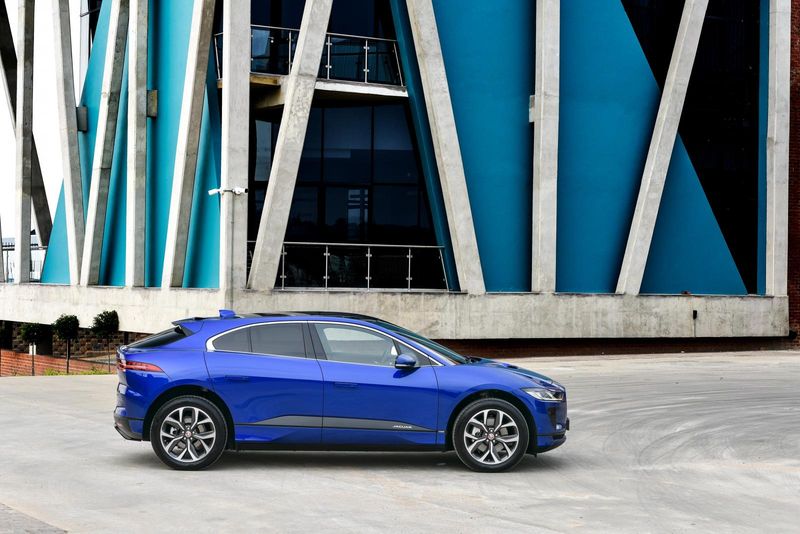
It’s a properly luxurious car, which Jaguar insists is an SUV. If it is, it looks like no other SUV in existence. Its profile is properly dynamic and while it has a fairly high ride-height as standard, which the optional air suspension can increase at the touch of the button, the I-Pace seems to incorporate design cues from a shooting brake, a coupe, a 5-door hatchback and an SUV. While this sounds like a sure-fire recipe for an absolute eye-sore, it really, really works. This is a trailblazing car and it needed a strikingly unique design to signal its intent, and I think the designers have nailed it.
Interior comfort, features and space
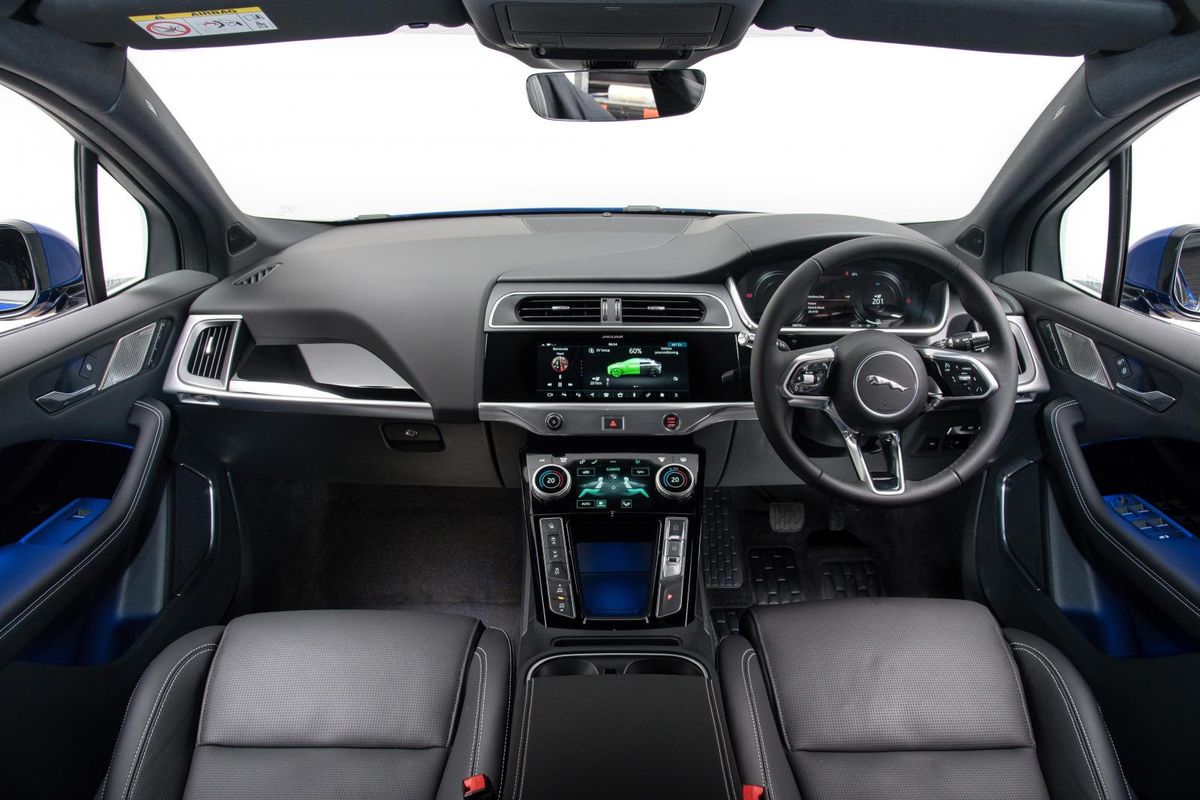
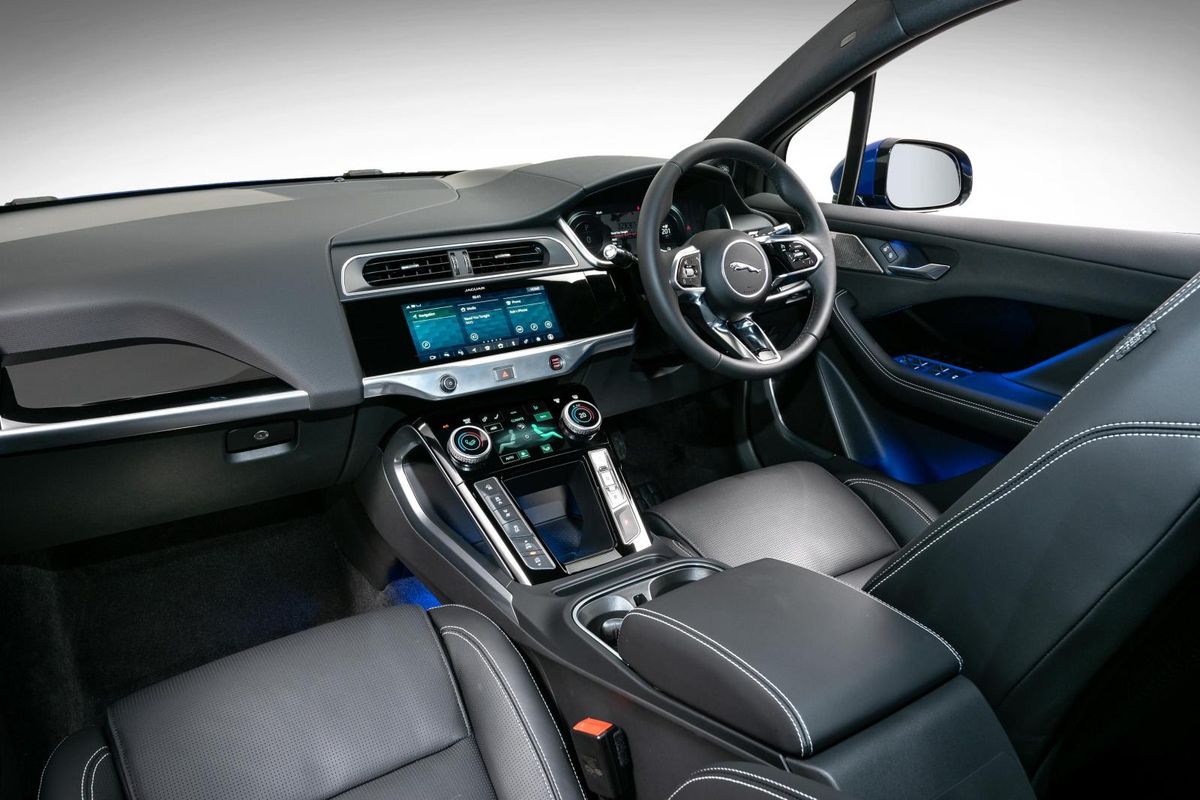
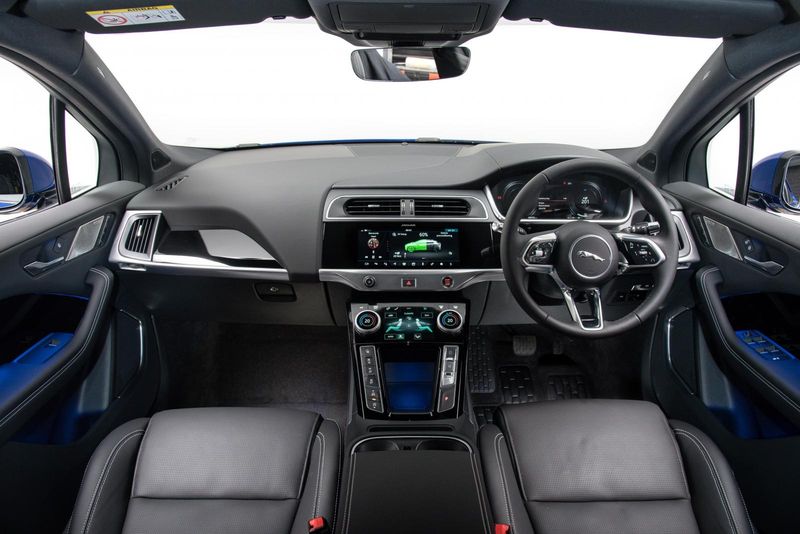
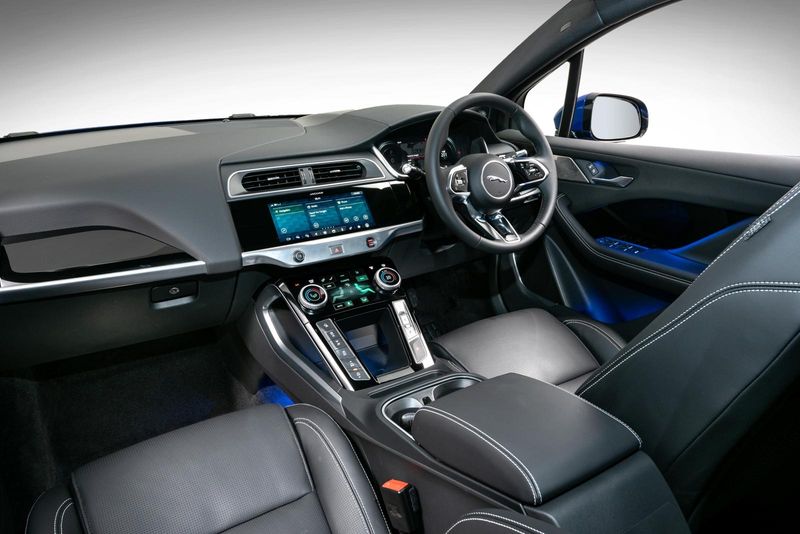
The interior is very upmarket with a choice of 3 digital screens to focus on.
The interior fit and finish are remarkable – I'd say on par with the very best in the Jaguar/Land Rover line-up. High-quality materials and acres of leather fill the cabin and, of course, everything is digital, with a digital instrument binnacle, large centre display and a 3rd, lower-set screen for such functions as climate control, dominating the fascia. Allround visibility is good and, with the high shoulder line, you do feel cocooned in every seat.
With the wheels pushed to the corners of the car, interior space is generous with comfortable seating for 4 adults, while a 5th passenger could squeeze into the rear seat. Due to a 2nd motor sitting on the rear axle, the load bay is fairly compact (shallow, in terms of height, but decently deep, in terms of length. Because SA-spec cars will be fitted with spare wheels, the space-saver will sit on top of the floor (in a custom cover), further eating into your luggage space. It should be sufficient for the daily commute or school run, but it will be a tight squeeze for 4 people’s luggage.
Dynamic on-road handling
Despite its mass (the batteries alone weigh 600 kg), it has a low centre of gravity, cornering with agility.
The i-Pace is quick, really quick, especially off the line. With nearly 700 Nm of torque available from a standstill (that's right, zero rpm) and 294 kW on tap, the Jaguar's party trick is certainly off-the-mark acceleration. Part of the launch was an opportunity to drag race the I-Pace against the fastest Jaguar available in South Africa, the F-Type SVR. With similar torque, but significantly more power, and vastly less weight, the SVR was repeatedly neck and neck or just outpaced by the I-Pace. It’s a phenomenal thing to witness and you can watch it happen in the video below.
With the 600 kg battery pack situated in the floor of the car, the centre of gravity is incredibly low, and even at high speed, the I-Pace is capable of changing direction sharply and with remarkably little drama, only understeering slightly when you’re really driving like a buffoon. Out on some of the twisty roads towards Hartebeesport Dam, it proved thrilling to drive, with mountains of traction from the all-wheel-drive system (with torque vectoring), and piles of torque from the Jaguar's pair of electric motors. The car will hit 100 kph from standstill in 4.8 seconds and, remember, the torque delivery is instantaneous – be careful when changing lanes; don’t accelerate too early or you might find yourself in someone’s boot.
Of course, there is no fossil fuel being burnt here, and so the experience is almost unsettlingly quiet at first. There is the option to pump some artificial engine noise through the sound system if you wish, but after a brief spell in the car, you become accustomed to the sheer tranquillity of it and the lack of mechanical noise actually becomes calming. The ride quality and ride comfort are simply incredible, there’s little-to-no wind noise and overall, progress is made in as smooth a manner as you could wish from any high-end, luxury car.
And of course, all of this is happening without a single gram of CO2 being left behind.
Driving an electric vs internal-combustion powered car
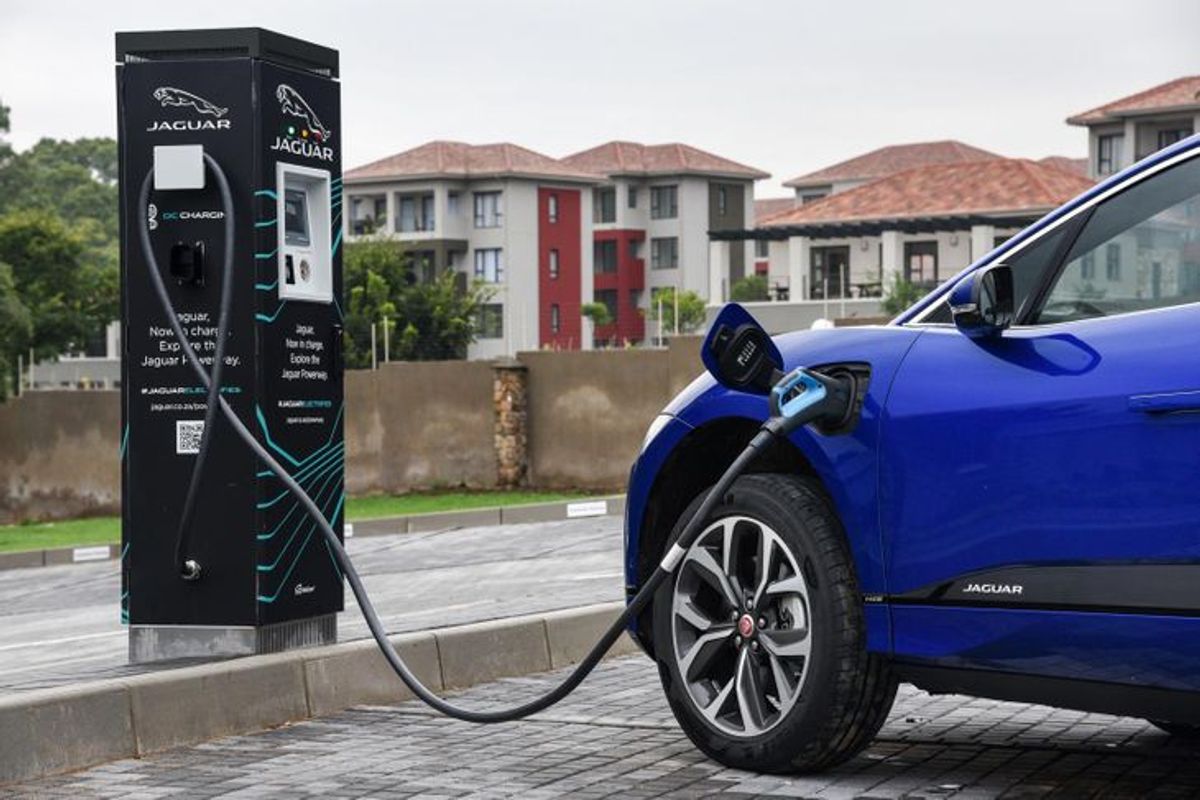
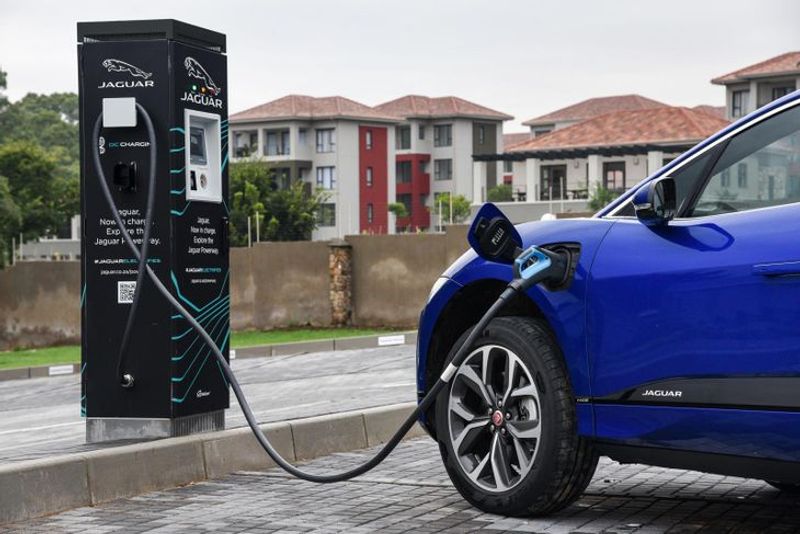
Charging points are available along many routes but most owners will charge at home or at work.
The most significant difference that drivers will need to adapt to is the way they interact with the I-Pace's accelerator pedal. I’ve read before that some owners of Teslas only replace their front brake pads after 8 years, and after driving an electric car with powerful regeneration, I understand why. In normal city driving, you barely touch the brake pedal at all.
Under deceleration, the motors exert a drag on the drivetrain, which creates a braking effect. The “brake” force is so strong that the car activates the brake lights automatically as soon as you lift off the accelerator pedal, and the regeneration effect has the bonus result of charging the battery.
What it means in practice is that you effectively drive the car with one pedal, accelerating as one needs to and backing off when you approach a corner or want the car to come to a stop. It takes far less time to adapt to than you might think, and once you’re used to it, it becomes an enjoyable and relaxing aspect of the EV driving experience.
Off-road capability
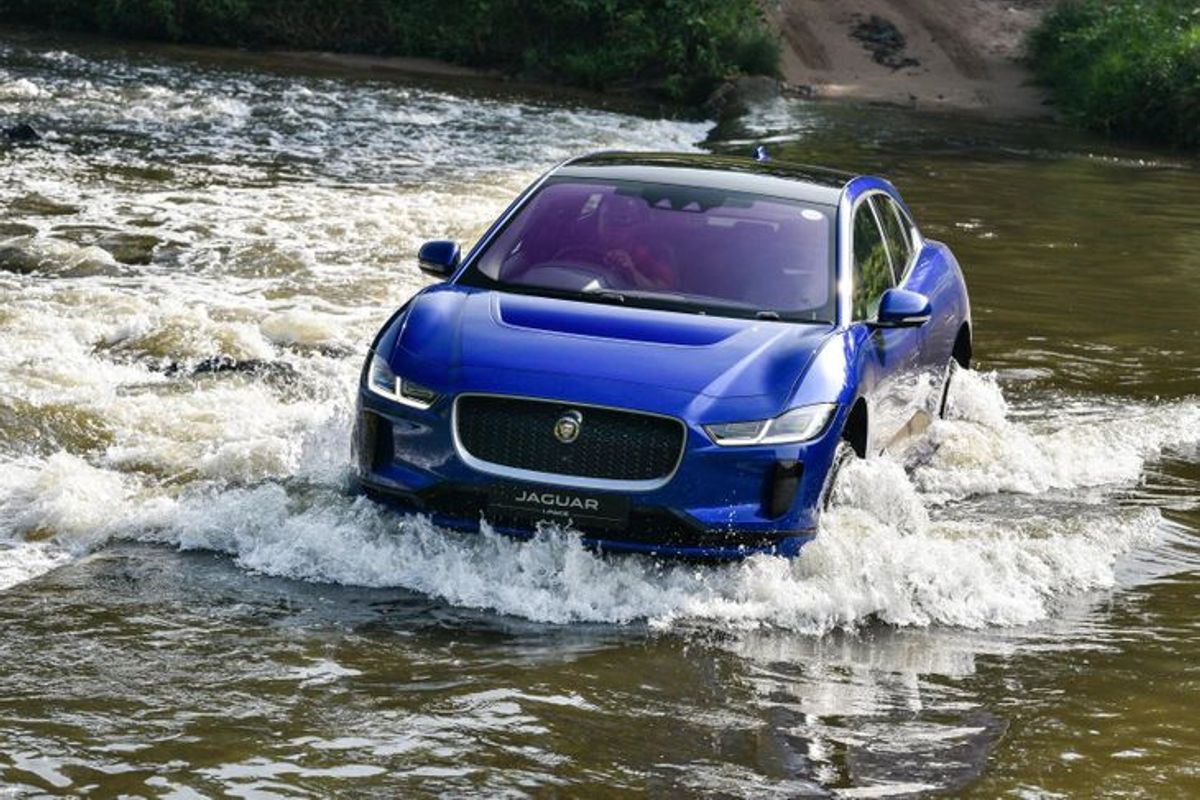
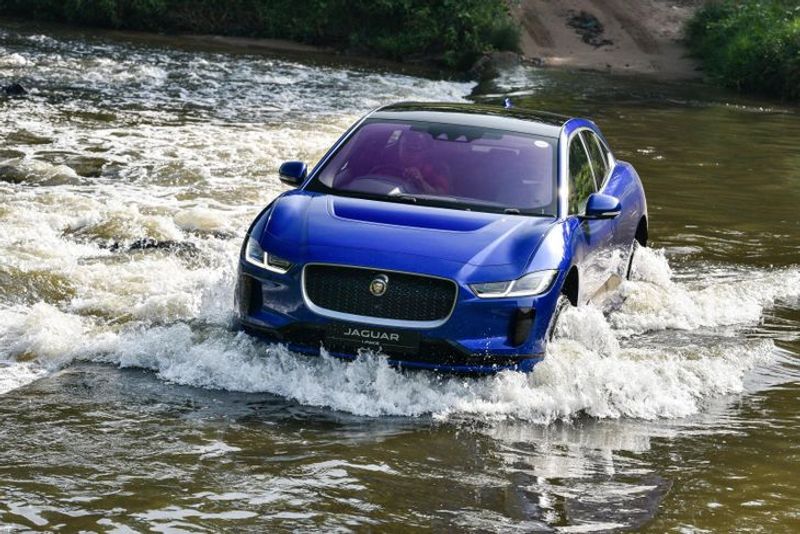
A surprising aspect of the launch was taking the I-Pace on the off-road course at the new Jaguar Experience Centre in Lonehill, Gauteng, followed by the drive route taking us, quite literally, through the Jukskei River, as you’ll see in the video below.
When approaching a water obstacle in the I-Pace, your survival instincts certainly kick in and I even asked the instructors over the walkie-talkie if they were sure about this. But the I-Pace actually has a wading depth of 500 mm, which is the same as a Jeep Cherokee!
The I-Pace has a crawling feature known as All Surface Progress Control. By activating the feature, the driver can set the crawl speed via the cruise control toggle (from 3.6 kph to 30 kph) on the steering wheel, allowing for “feet-off” control of the vehicle as it accelerates, brakes and uses torque vectoring (brake-enabled and by bypassing either engine) to negotiate tough terrain. This is particularly useful in snowy and icy conditions, but down here, in the Republic, we used it to crawl over some particularly nasty-looking rocks.
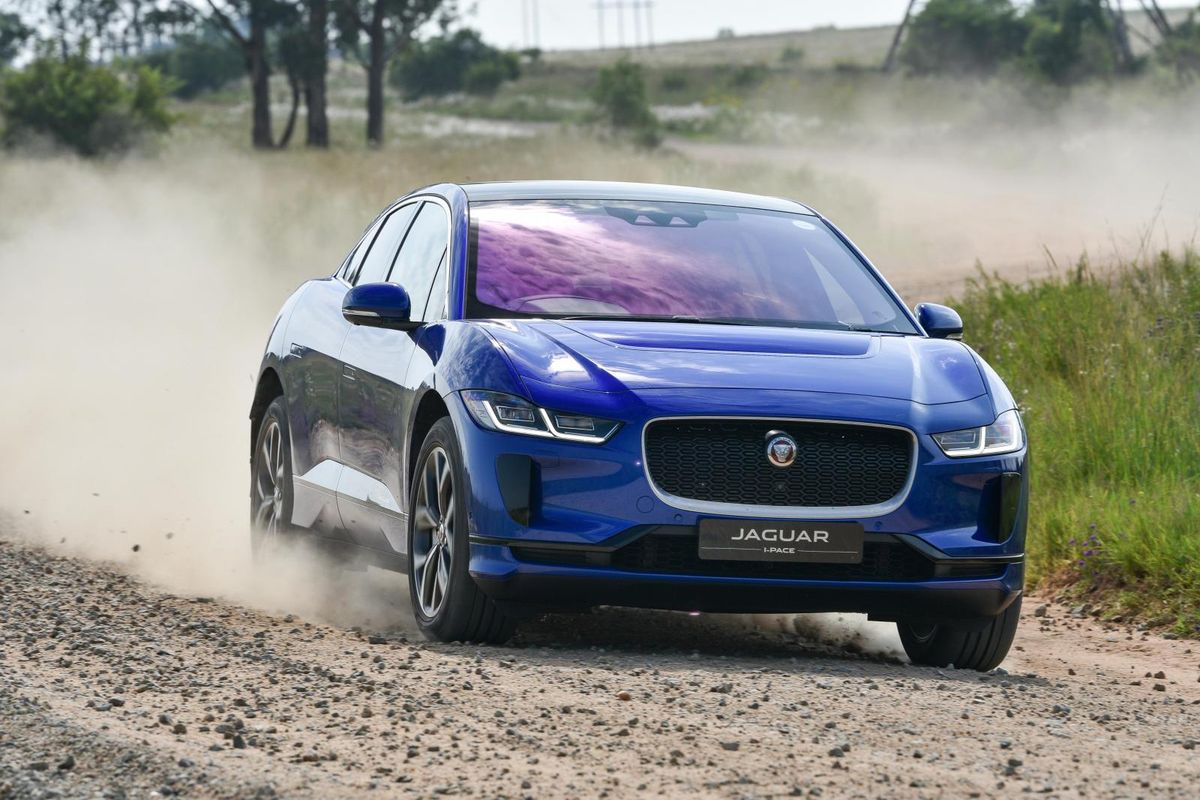
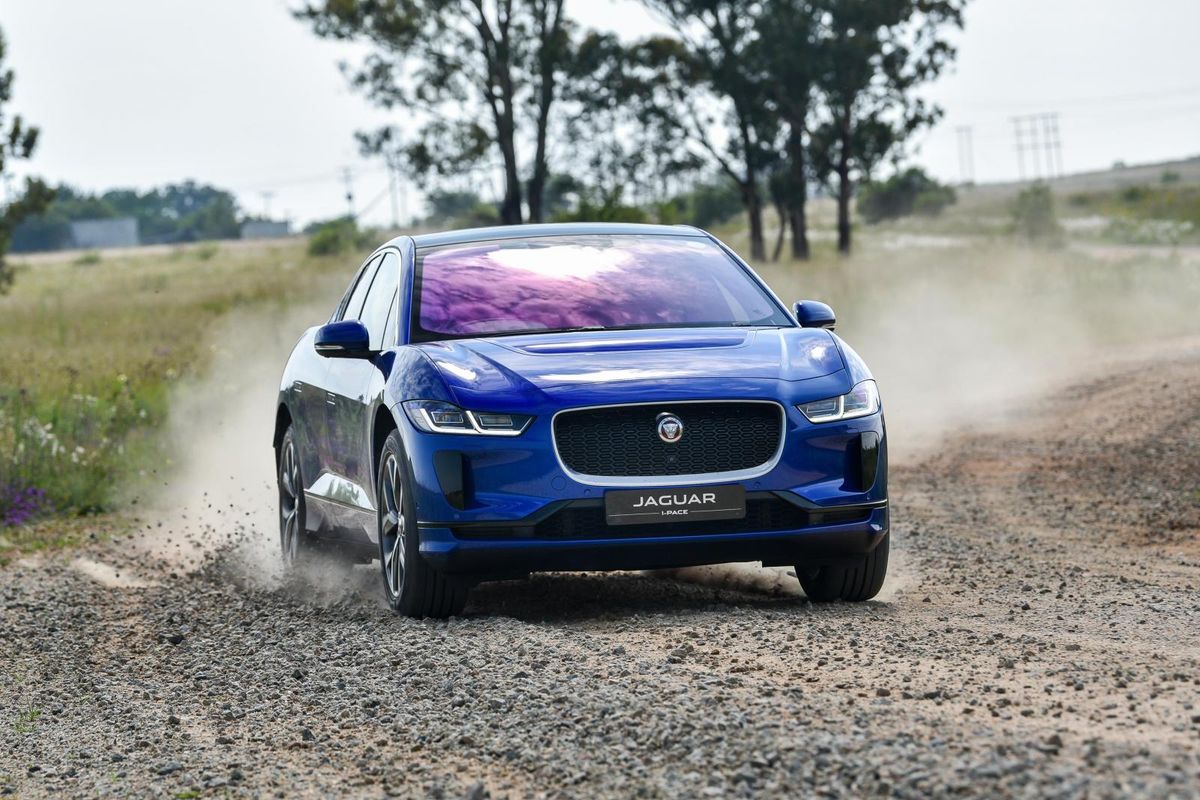
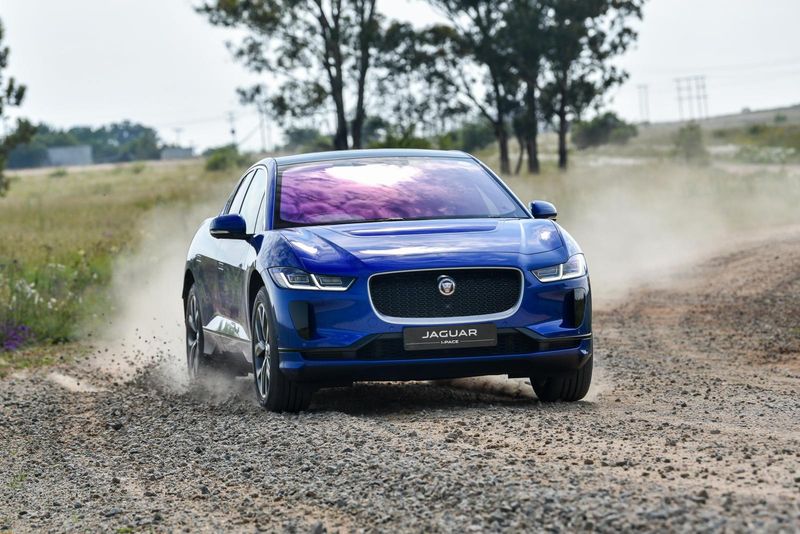
Dirt is not really teamed with electrically powered cars, but in the I-Pace's case, it handles it well.
Additionally, part of the launch route featured about 50 km on gravel roads, which was also an unexpected part of the launch programme. With Goodyear SUV tyres, and particularly in the unit I was driving (which featured air suspension), the I-Pace traversed the gravel roads with ease.
I can’t imagine many I-Pace owners would ever drive their cars through a river, over a rock garden or perhaps even on gravel roads, but the reality is that Jaguar's newcomer has been built for it. And, given that local motorists really do use their cars for road trips to far-flung corners of the country, Jaguar is very keen for the public to know that their fully-electric car is not a city-bound princess.
Charging method, charging cost and range
Wading depth on the I-Pace is 500 mm, only 400 mm of a Land Rover Discovery…
And the issue of road trips brings us neatly to the prickly subject of actually charging the car in this country, made worse by the current climate of load-shedding and the dramatic issues affecting Eskom. I often talk about electric cars on talk radio stations and without fail, a listener will call in and tell me that, “if we can’t keep the lights on in this country, how on earth are we going to charge all of these electric cars!”
Let’s start with the range. While official figures would suggest a range of 470 km, in the real world you can expect a range of around 400 km. This is a genuinely usable distance, given that the average motorist in South Africa drives around 60 km per day. But in my personal use case, I live 10 km from the office. If all I ever did was drive to the office and back, I would only have to charge my car every 20 days.
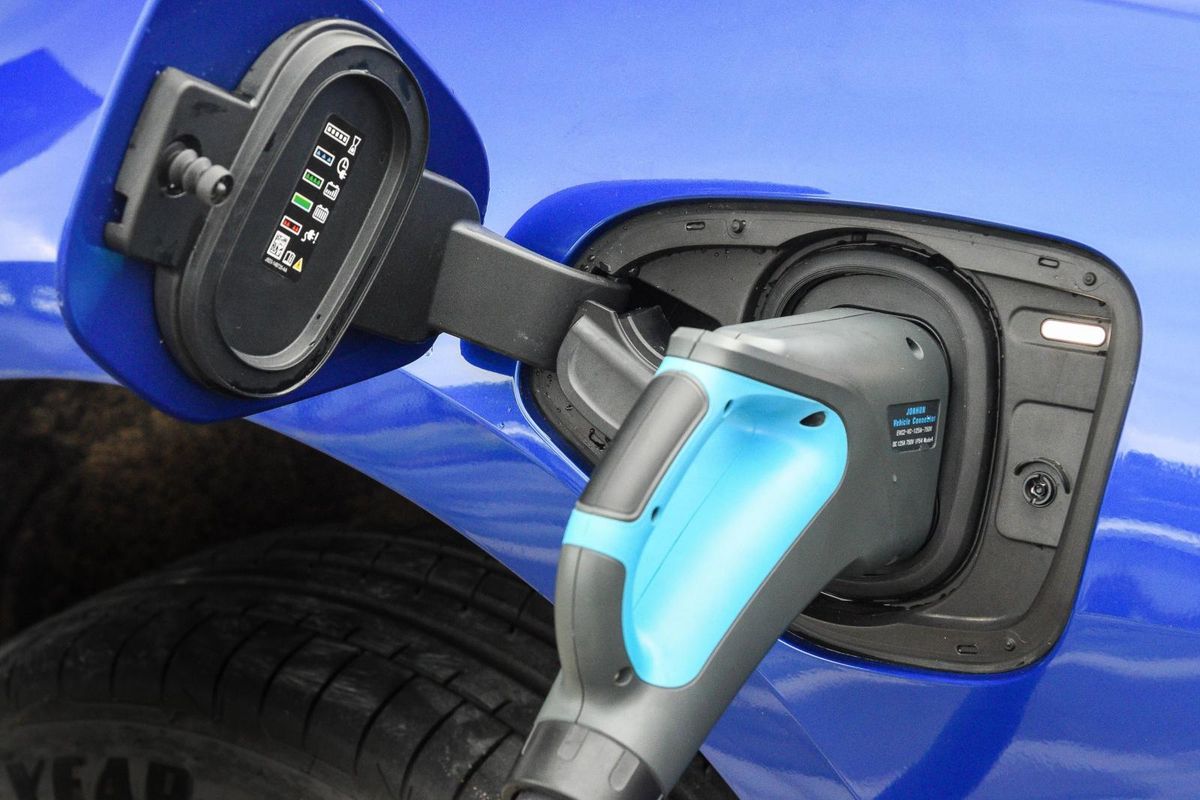
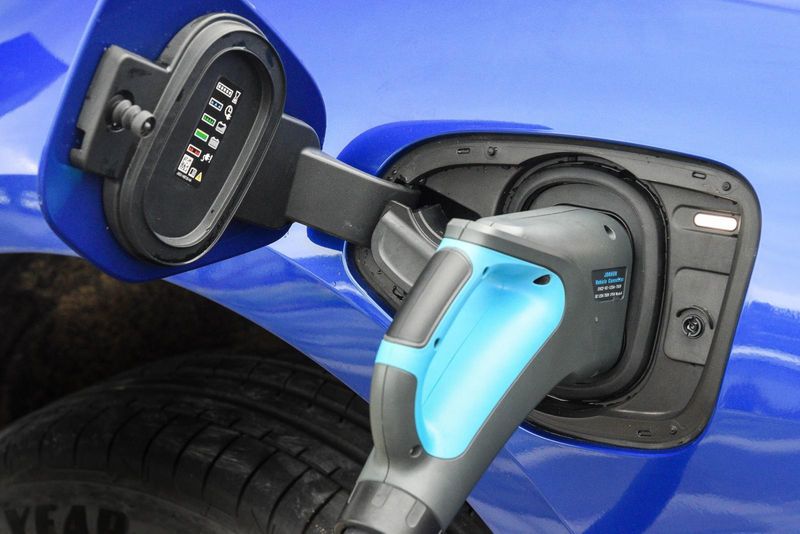
The reality is that electric cars are, by and large, charged by their owners at home. The wall box for your I-Pace will be supplied and installed in your home for around R30 000, but that price can fluctuate depending on the unique layout of your home (for instance, if your garage is far from the main house). Interestingly, as car makers have adopted a standard connection, even if you decide to eventually buy an EV from another brand, you can still use that wall box. It is a 7.4 kW charger, which means that if your car battery was absolutely flat, it would take around 12 hours to fully charge.
Thankfully most electric car manufacturers have made their plugs interchangeable, so you can charge at any station.
However, the idea is to get into the habit of not waiting until the battery is dead, but rather topping it up, in the same way as you plug your smartphone in at night, regardless of its battery level.
The benefit of charging at night is two-fold and is important in the South African context. Firstly, the owner can make use of off-peak tariffs, which means a “full tank” will cost you even less. In Gauteng, the price per unit of electricity scales up depending on total power consumed in the month, with the highest price per kWh set at R1.94. With a 90 kWh battery, the iPace will therefore cost R174.60 for a full charge, resulting in a price per kilometre travelled of 43c (assuming an actual range of 400 km). This compares extremely favourably with the running costs of petrol or diesel powered cars. Do note, however, that the price of a kWh at public charging fluctuates, depending on the deal agreed with the property’s owners.
The benefit to the country is that, as most of our power comes from coal stations, those stations can’t be turned off at night; they continue to generate the same amount of power as during the day, which means that while we’re all sleeping there is vast extra capacity in the grid, which sounds about perfect for electric cars to tap into. The reality is we do have the capacity to run a massive fleet of electric cars on our roads.
As far as performance SUVs go, it's priced around the competition, but it's not quite the same size as the likes of a Range Rover.
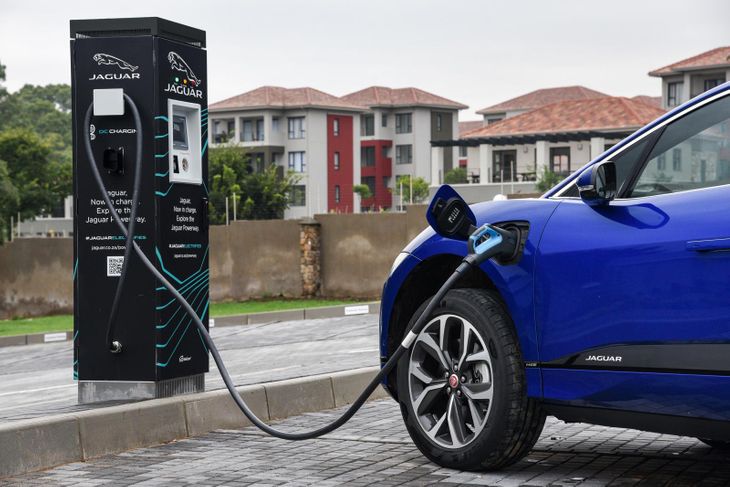
Additionally, Jaguar has invested more than R30 million into a charging network known as the Jaguar Powerway, which will allow I-Pace owners, and importantly owners of EVs (irrespective of the automotive brand that produced them), to charge their cars across the country, and enable those motorists to travel between the major hubs such as Joburg to Durban, or Joburg to Cape Town. The network of 82 superchargers will be positioned in convenient locations such as malls and petrol stations. The powerful 60 kW superchargers can charge an I-Pace from 0% battery to full in about an hour and a half, but can provide the car with enough charge for 100 km of range in around 20 minutes.
On the launch, we drove out of town and back on a three-and-a-half-hour round trip, and arrived at the hotel with 196 km left "in the tank". In my opinion, range anxiety really should now be a thing of the past.
Price
All this does come at a price, and the situation is not helped at all by government taxing electric vehicles 7% more than standard cars. In some countries, electric vehicles are zero-rated or in some cases incentivised with tax rebates, and one can only hope that that becomes a reality for local motorists in the very near future. The price of the iPace ev400 (to give it its full name) is as follows:
S R1 687 230
SE R1 745 540
HSE R1 829 880
First Edition R1 920 700
Jaguar provides back-up in the form of an 8-year/160 000 km battery warranty and thanks to the low maintenance nature of electric vehicles, service intervals are at 2-year or 34 000-km intervals.
Summary
While government applies extra duties on electric cars, we will have to pay more than necessary for the privilege of driving one.
If the only place you ever charged your EV was at home, given a range of 400 km, the I-Pace truly becomes a viable form of motoring. Without mentioning the green credentials of zero-emission vehicles, the savings on running costs and maintenance will be staggering.
Of course, with a purchase price of nearly R1.7 million, you’d have to drive to the moon and back to recoup your initial investment. But what the I-Pace represents is the tantalizing prospect of a new era of motoring, and with the company’s investment in the infrastructure, they have paved the way for wider adoption of the technology.
The I-Pace is a phenomenally impressive product. I haven’t driven the upcoming Audi eTron or Mercedes Benz EQC, but in my experience, the breadth of the I-Pace’s abilities is virtually unrivalled in the automotive world, especially by traditionally powered vehicles, and I remain very jealous of those who can afford one. This is a car I would happily drive every day of my life.
The torque train Touareg is back. With big V8 TDI power, the Volkswagen Touareg gets a healthy performance boost.
If you pine for the V10 Touaregs of old and find the current V6-powered version a touch underwhelming, VW has a perfect compromise in the making.
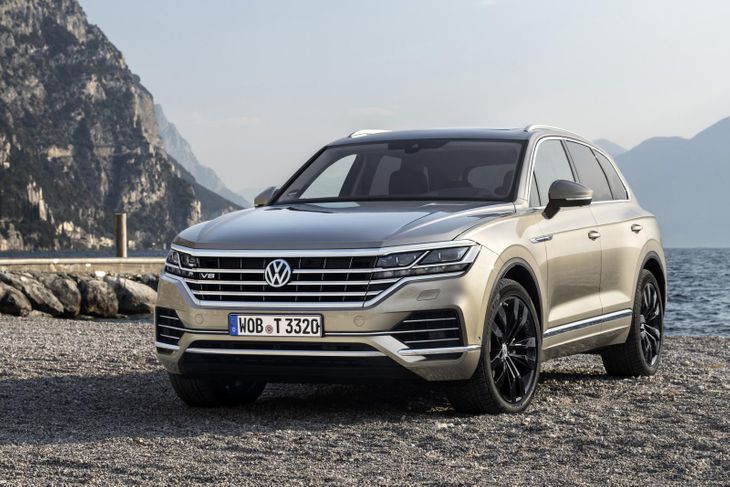
Due for its public debut at the Geneva Motor Show in early March, is a V8-powered Touareg. For fans of VW’s large luxury SUV, which blends stealth style with an immense ability and engineering refinement, the news of a V8-powered Touareg will certainly please fans.
The engine specification for this V8 TDI Touareg will be vaguely familiar to those who follow the VAG brands closely. It is in effect a rerolled Audi SQ7’s 4-litre V8 diesel, with two sequential turbochargers and a lag-mitigating electrically charged compressor. Peak power is rated at 309kW and with 900Nm of torque surging to all four wheels, it is plenty quick.
VW is understandably careful to ensure some separation of purpose between the similarly engined Touareg V8 and Audi SQ7, hence a small power advantage ceding to the Ingolstadt performance SUV, which is also a tenth quicker from 0-100kph. That said, this latest Touareg V8 diesel is hardly slow, capable of running the 0-100kph performance benchmark in 4.9 seconds.
To ensure that its large and very powerful luxury SUV remains an enjoyable vehicle to pilot, VW’s V8 Touareg will feature factory fitted air-suspension with the option of active anti-roll bars. The latter would be an adaption of technology seen on the Bentley Bentayga, which share a similar platform and 48v electrical structure.
The new Volkswagen Touareg V8 has 309 kW and 900 Nm from a 4-litre V8 turbodiesel
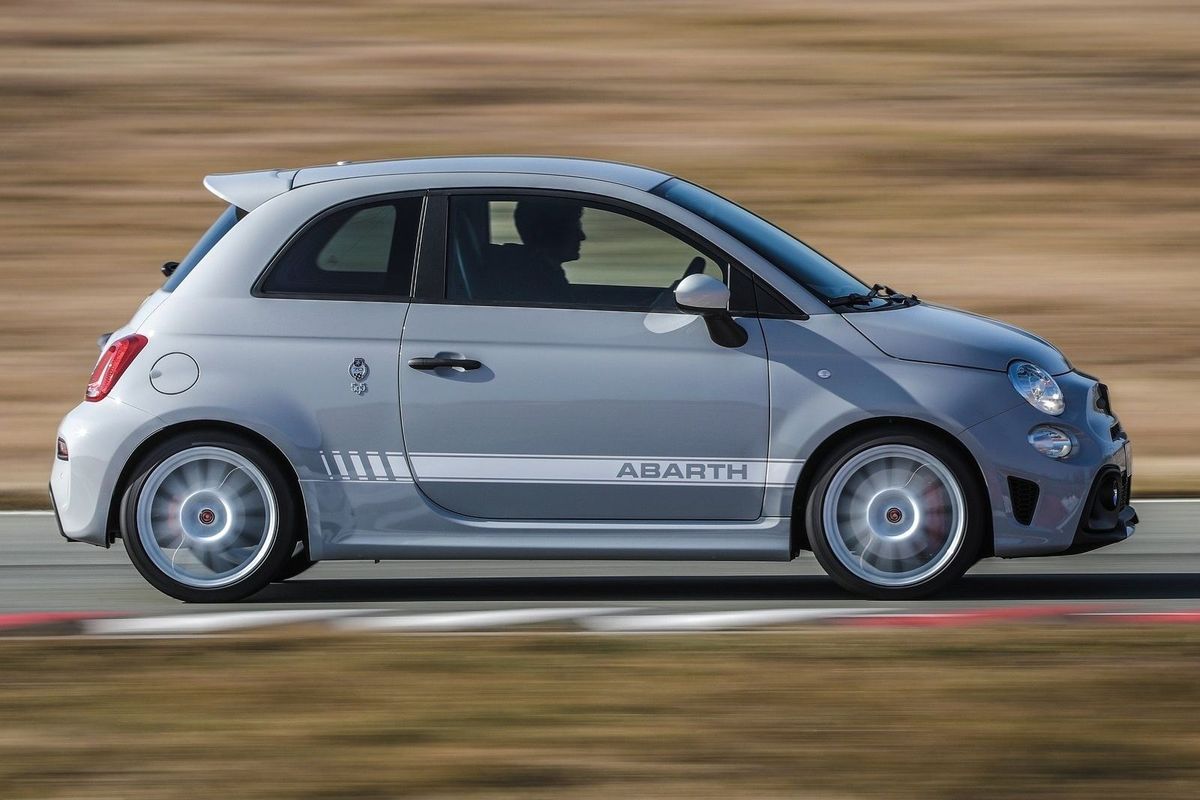
Latest version of hyperactive Italian hot hatch celebrates Abarth’s passion for performance.
Fiat is celebrating seven decades of its Abarth performance car legacy with a new version of the 595 esseesse – which is pronounced ‘SS’, if you were wondering.
This latest go-faster version of Fiat's venerable 500 city car comes a decade after the first modern 500 esseesse and it promises to be a bundle of ultra-compact Italian front-wheel driving entertainment.
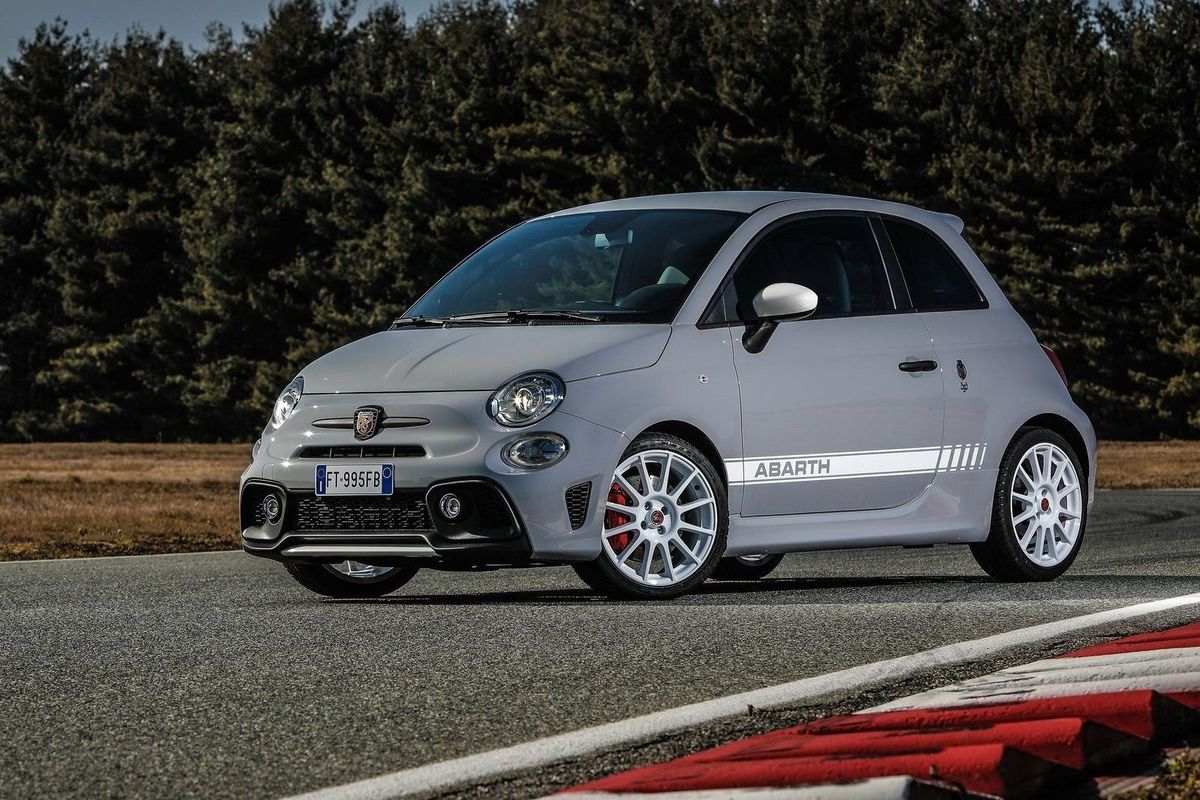
Distinguishing the 595 esseesse from other 500s are its white 17-inch wheels, braked by massive Brembo callipers and rotors. Although this latest celebratory edition 595 esseesse isn’t the heaviest of cars, Abarth’s engineers have specified the most impressive braking system available for it: boasting perforated and vented discs with obligatory performance hatchback red callipers.
The Brembo brakes also feature a self-alignment function, which re-orientates the pads and rotors, to aid heat dissipation during heavy use – preventing brake fade. Balancing 595 esseesse’s ability to change direction with its decelerative capabilities, are Koni shock absorbers.
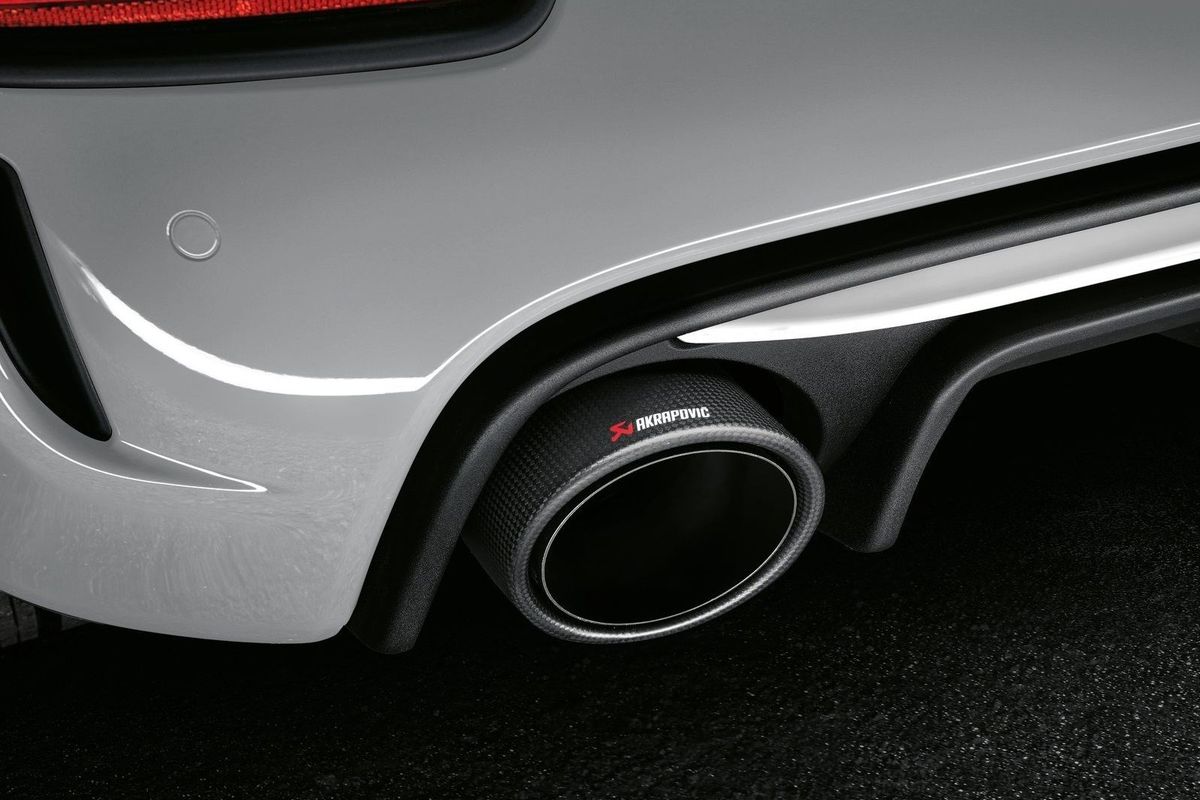
Powering the 2019 595 esseesse is a 134kW version of the turbocharged 1.4-litre petrol engine, which breathes through a custom BMC air filter. To ensure it sounds impressive in the manner one would expect from an Abarth, the 595 esseesse is equipped with an exhaust system from Slovenian high-performance exhaust specialist, Akrapovic.
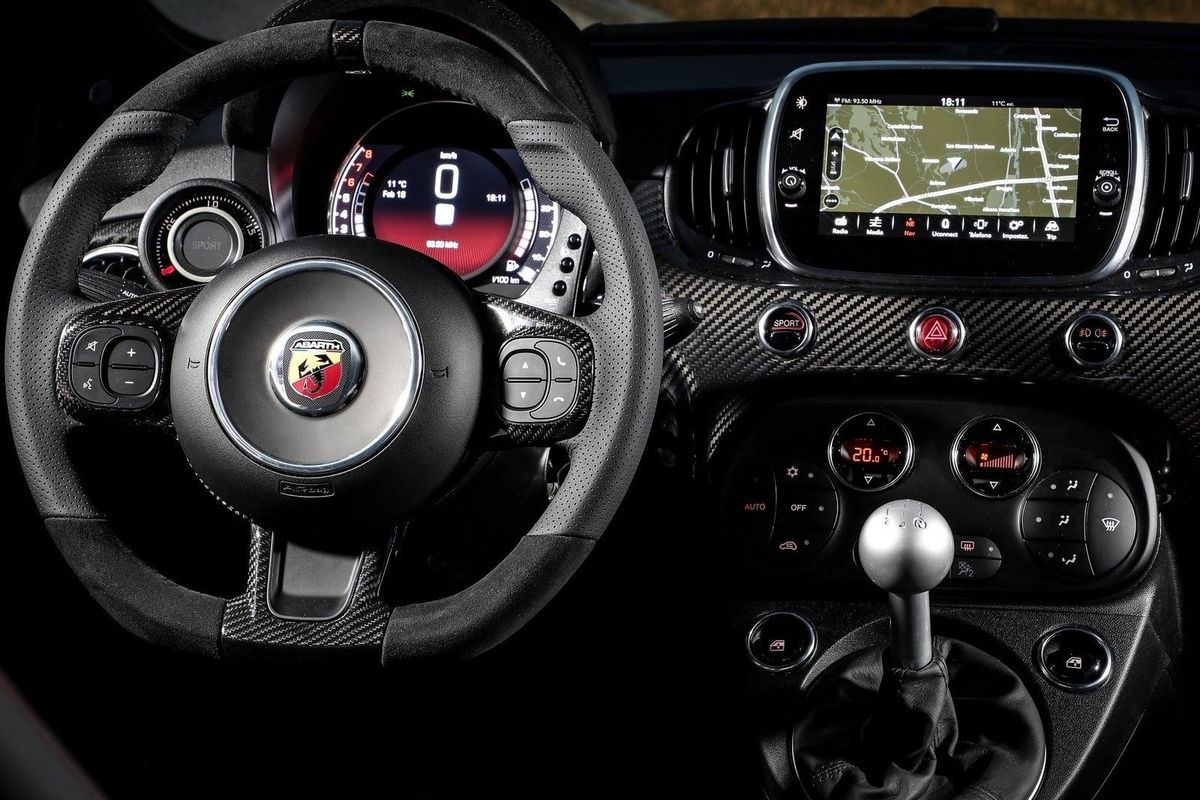
Adorned with Abarth special edition surface badging and white stripes, the 595 esseesse’s uniquely Italian hot hatch theme continues inside too: highlighted by a cabin featuring carbon-shelled racing seats and matching composite pedals.
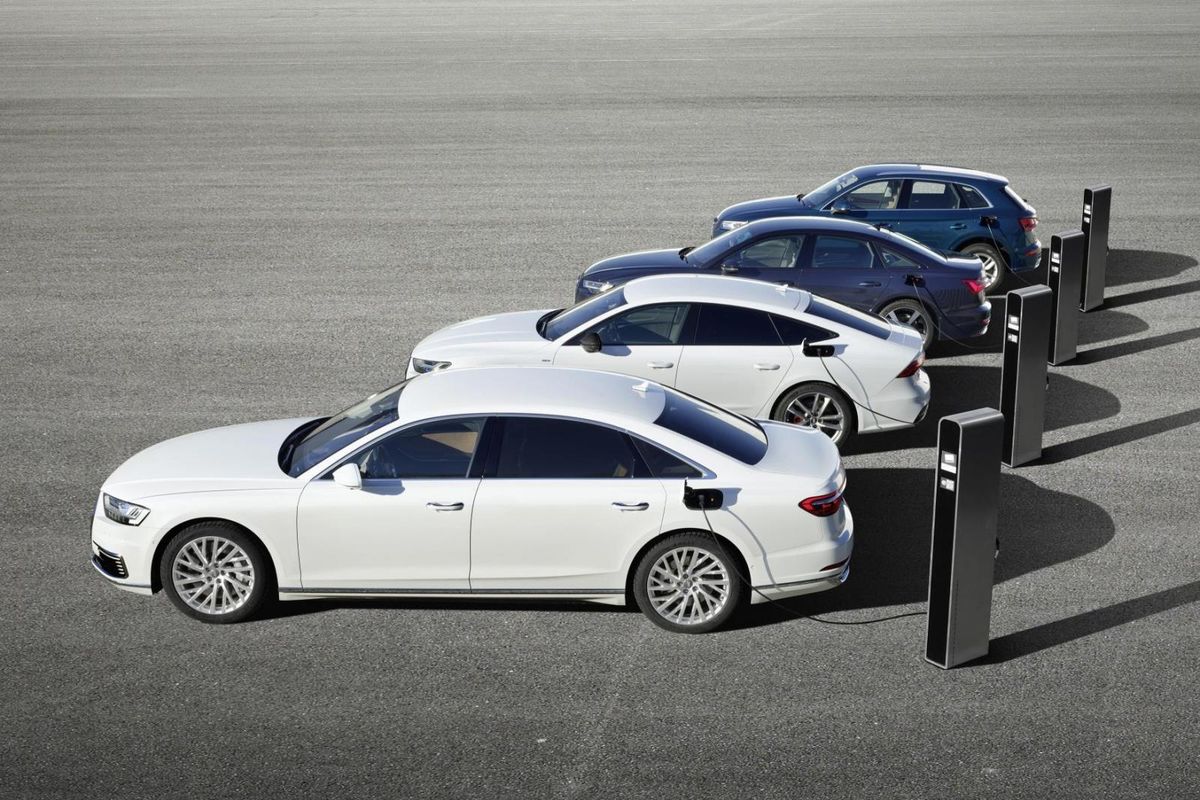
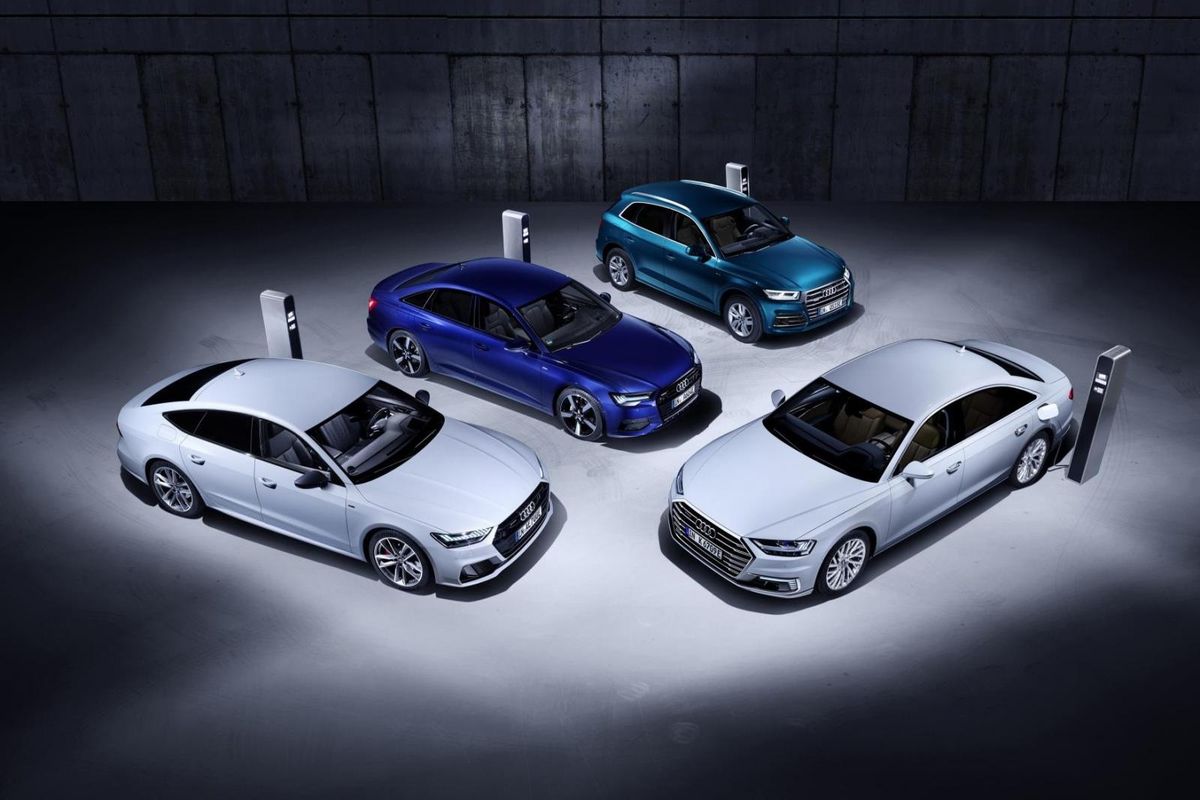
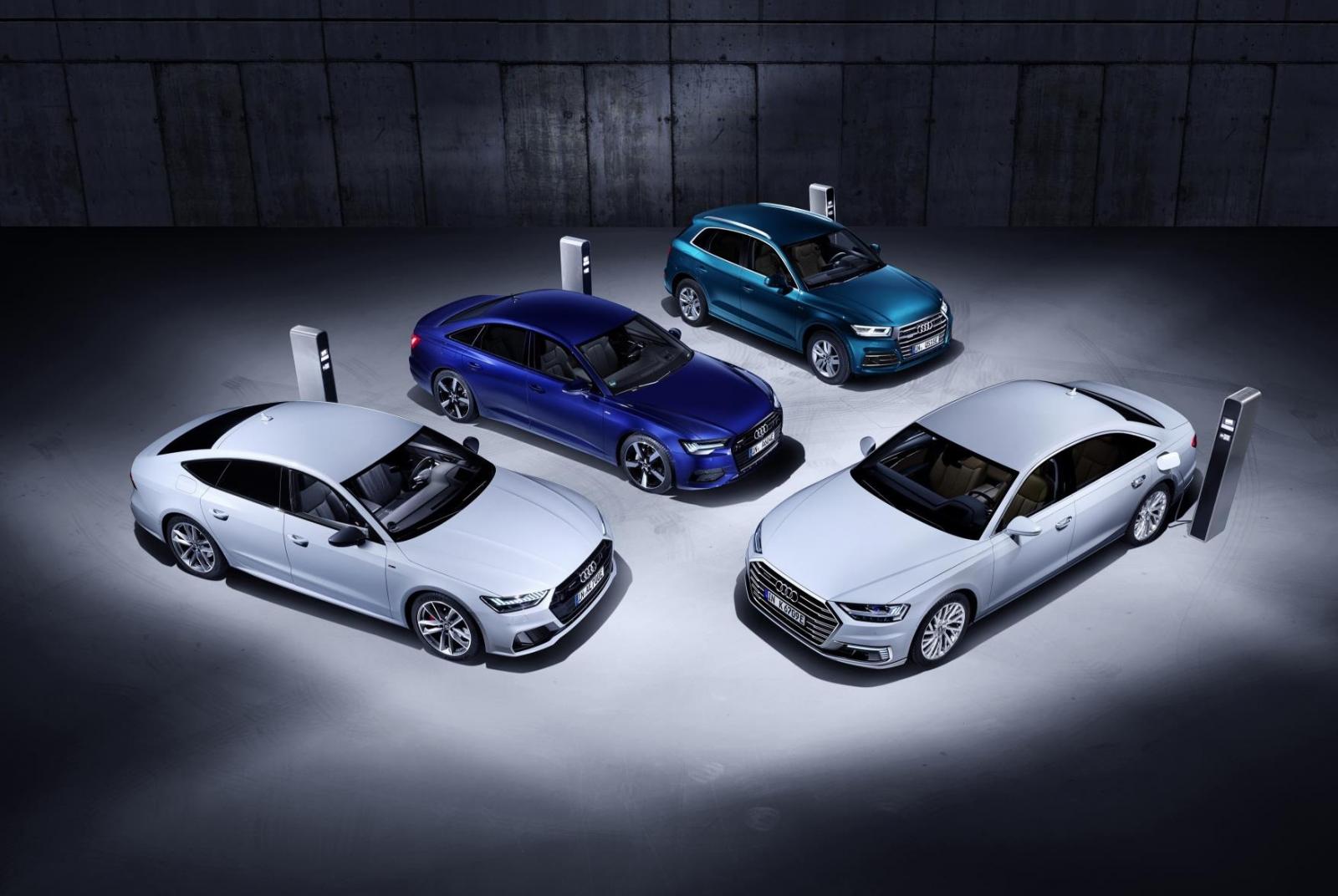
Next week's 2019 Geneva Motor Show will see German carmaker Audi unleash an array of plug-in hybrids. Check them out.
The new plug-in hybrids complement the existing Audi portfolio and while e-tron is the badge used for exclusive electric products, these will gain an "TFSI e" badging to denote electric assistance. We'll get to see new hybrid variants of the A6, A7 Sportback, A8 and Q5.
The tech looks good. There's the zero-emissions urban driving in electric-only mode and the freedom to travel long distances with the refined internal combustion engines. Based on WLTP data, Audi claims an electric-only range of more than 40 km is possible for each model. Audi reckons customers can travel around a third of their usual route under electric power. In terms of battery tech, the lithium-ion battery for the A6, A7 and A8 is made up of 104 pouch cells, which are combined in eight modules. It stores 14.1 kWh of energy at a voltage of 385 V. The lithium-ion battery in the Q5 comprises prismatic cells and has the same capacity.
The A8 L 60 TFSI e quattro uses a 3.0-litre, 6-cylinder TFSI combustion engine with a permanently excited synchronous electric motor mated to a quattro all-wheel drive setup via an 8-speed tiptronic transmission. Combined power is rated at 330 kW and 700 Nm.
The Audi A6 and A7 Sportback models with plug-in hybrid drive use the same powertrain, with a battery capacity that is identical to that of the Audi A8 PHEV, but the 3.0 is swapped out for a four-cylinder 2.0 TFSI petrol engine linked to a seven-speed S Tronic transmission. Both models are available in two output levels with different boost performance. For the 50 TFSI e, the system output is 220 kW, for the 55 TFSI e, 270 kW is on offer. Peak system torque is 450 and 500 Nm respectively.
Finally, the Q5 PHEV uses the same 2.0-litre turbocharged 4-cylinder setup and is also available in 2 states of tunes. The 50 TFSI e quattro with 220 kW / 450 Nm system output, and the 55 TFSI e quattro with 270 kW / 500 Nm.
In terms of charging, you have the option of charging at home and at public charging stations. Audi claims a charging point with an output of 7.2 kW will charge one of the above products in about 2 hours.
Toyota Corolla Hatch GRMN: Will It Look Like This?
Toyota South Africa will be launching its new Corolla Hatch in the next few weeks, but this got us thinking… What if Toyota was to apply the full-fat GRMN treatment onto the newcomer?
Render credit: Duwyne Aspeling
Up until recently, Toyota could easily be accused of being a boring and predictable manufacturer. Then, seemingly out of the blue came the Toyota Yaris GRMN, which took what we knew and understood of the compact hot hatchback segment and promptly turned it onto its head. Firstly, the name, GRMN, what's that all about? GRMN stands for Gazoo Racing Masters of Nurburgring. Toyota is slowly returning to the performance sector of the market and has introduced its GR division. It's broken down into 4 pillars. GR Parts (cosmetic package), GR Sport (suspension package), GR (power package) and GRMN (high power package). Of course, let's not forget the Supra returning too.
GRMN is the new badge reserved for the most potent of Toyota products and while we are some time away from a fully-fledged and weaponised Corolla GRMN, we can start the speculation. With the South African Corolla Hatchback market introduction just weeks away, we're likely to see the lesser GR Parts / GR Sport badged Corollas being revealed before the hardcore version rolls in to take the fight to the Volkswagen Golf GTI. We should see a cosmetically sportier Corolla Hatch at the Geneva Motor Show in the coming days.
How do we even know that Toyota will make a Corolla GRMN? Well, Toyota's deputy chief designer, Toshio Kanei was being interviewed by Dutch publication AutoRAI.nl recently and had this to say. "We are currently investigating what would be most effective for the European market, but a Corolla GRMN is certainly realistic. We are already working on that. The development takes place under the supervision of Toyota GAZOO Racing. This department has included the Corolla GRMN in the future plan, but for now, the project is still in the planning stage. " In terms of powertrain, he added "The Toyota Corolla GRMN does not get a hybrid powertrain. We want more power, an even sportier engine and lower CO2 emissions," says Kanei. "A 4-cylinder turbo engine with an engine capacity of about 1.6 litres can be interesting." So, we have confirmation from Toyota that it's in the pipeline!
While the Toyota Yaris GRMN was powered by a supercharged 1.8-litre engine with 156 kW, we think that Toyota will be aiming for around 185 kW with its turbocharged setup, putting it squarely amongst the more established players. Thing is, Toyota currently doesn't have that engine in its arsenal and we're wondering whether it would develop its own powertrain or source one from elsewhere.
GRMN isn't just about straight-line prowess either and you can bet that the suspension and braking will be top notch too, meaning it should be quite potent when it comes to cornering.
Watch this space because if the Yaris GRMN was anything to go by, the Corolla GRMN will also be one incredibly special performance machine.
Drag Race Video: Toyota Yaris GRMN vs Volkswagen Polo GTI
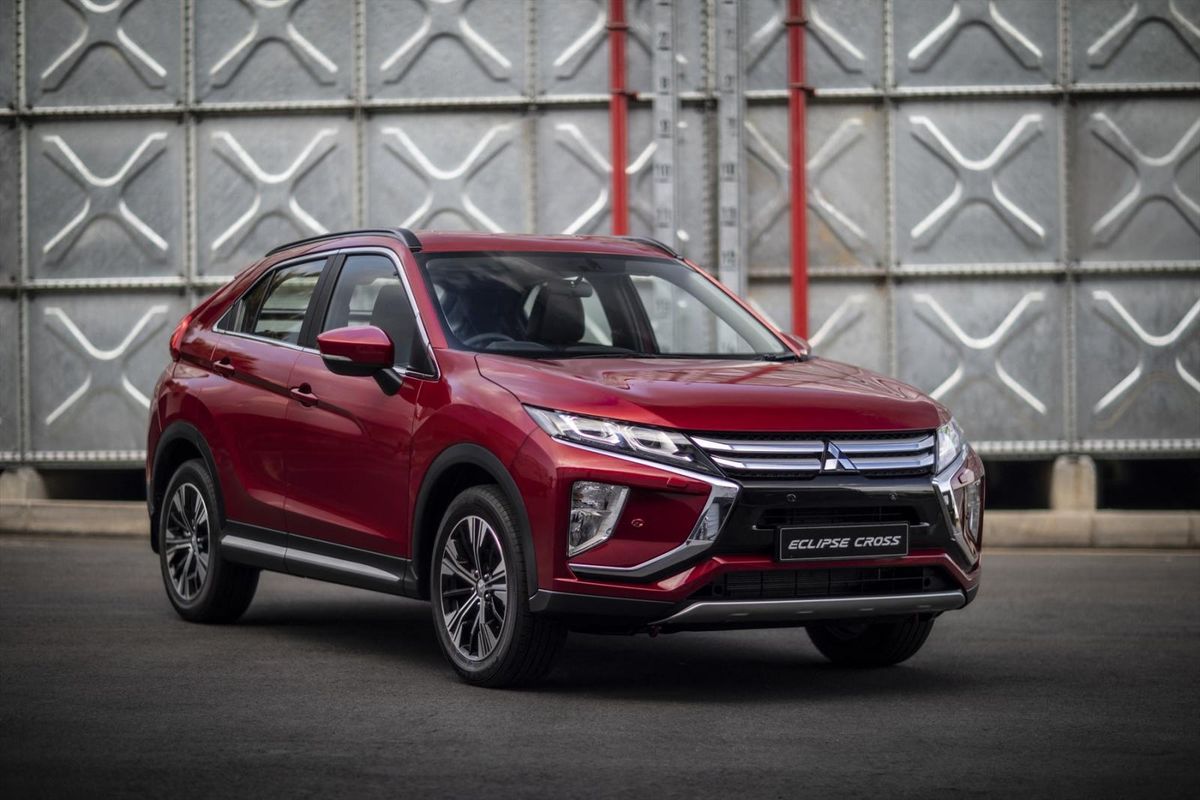
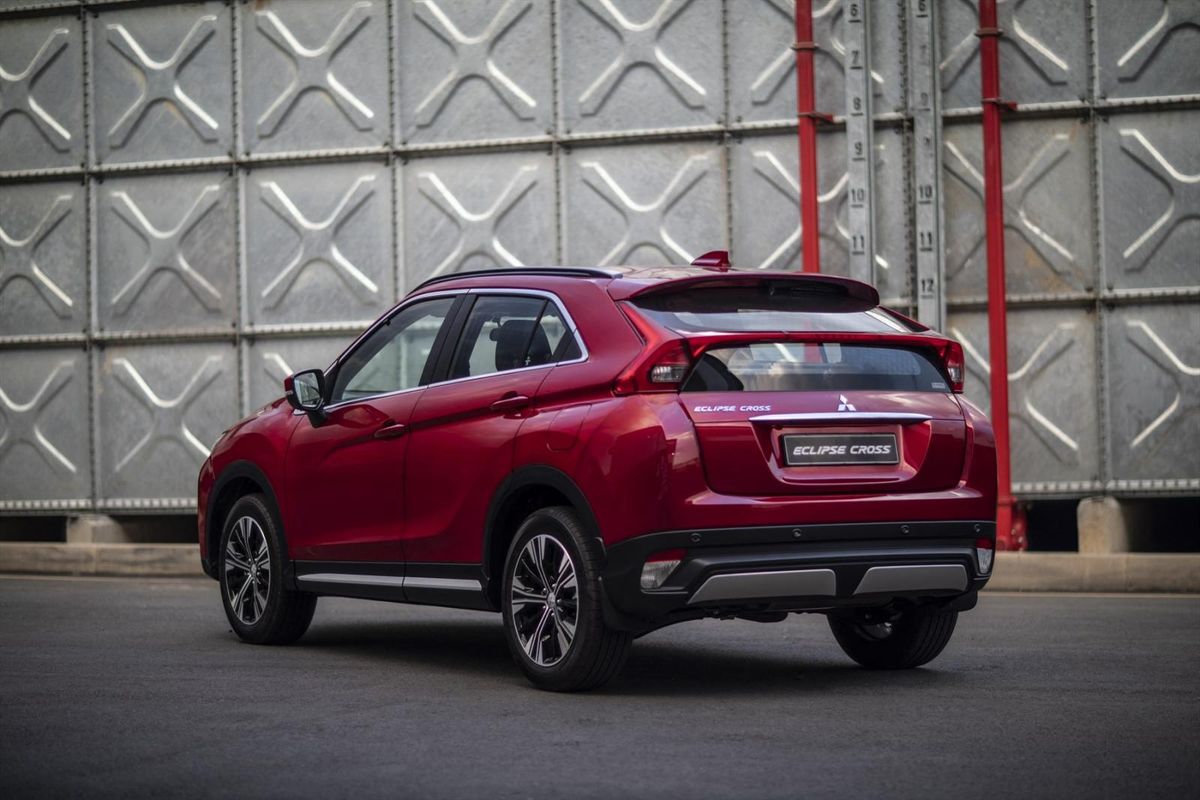
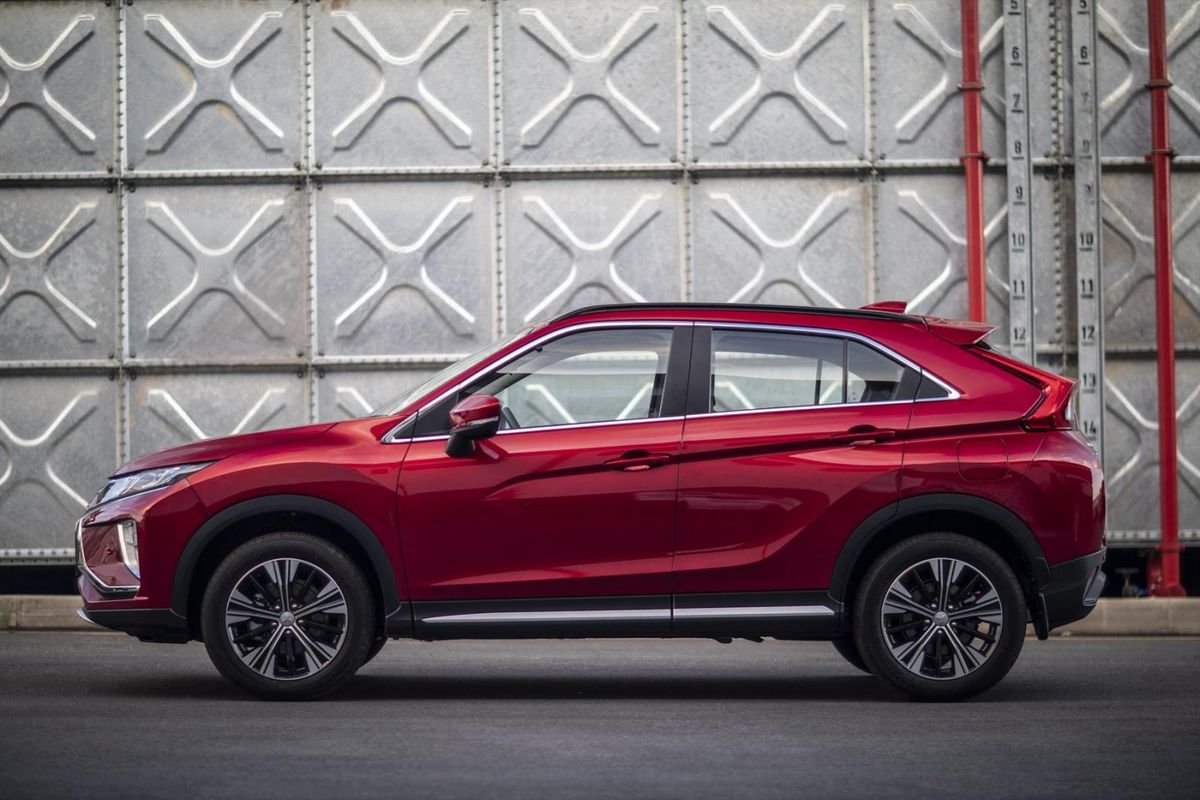
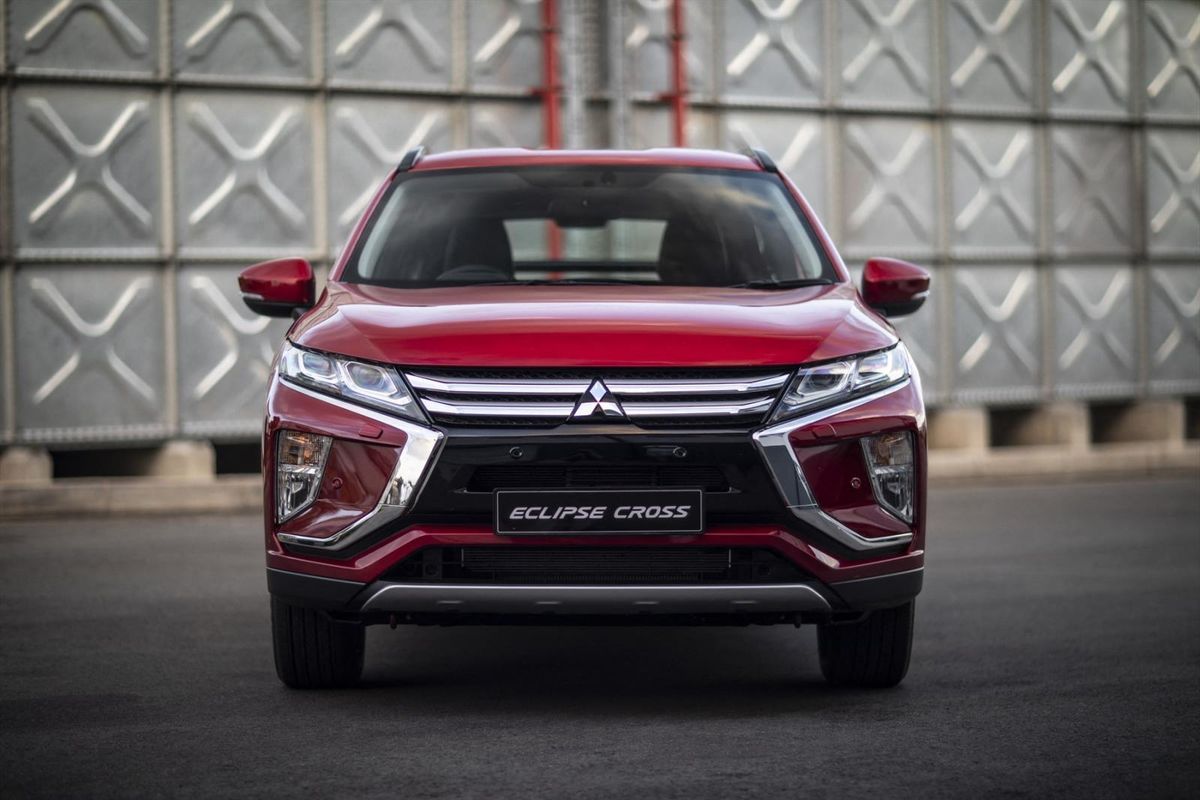
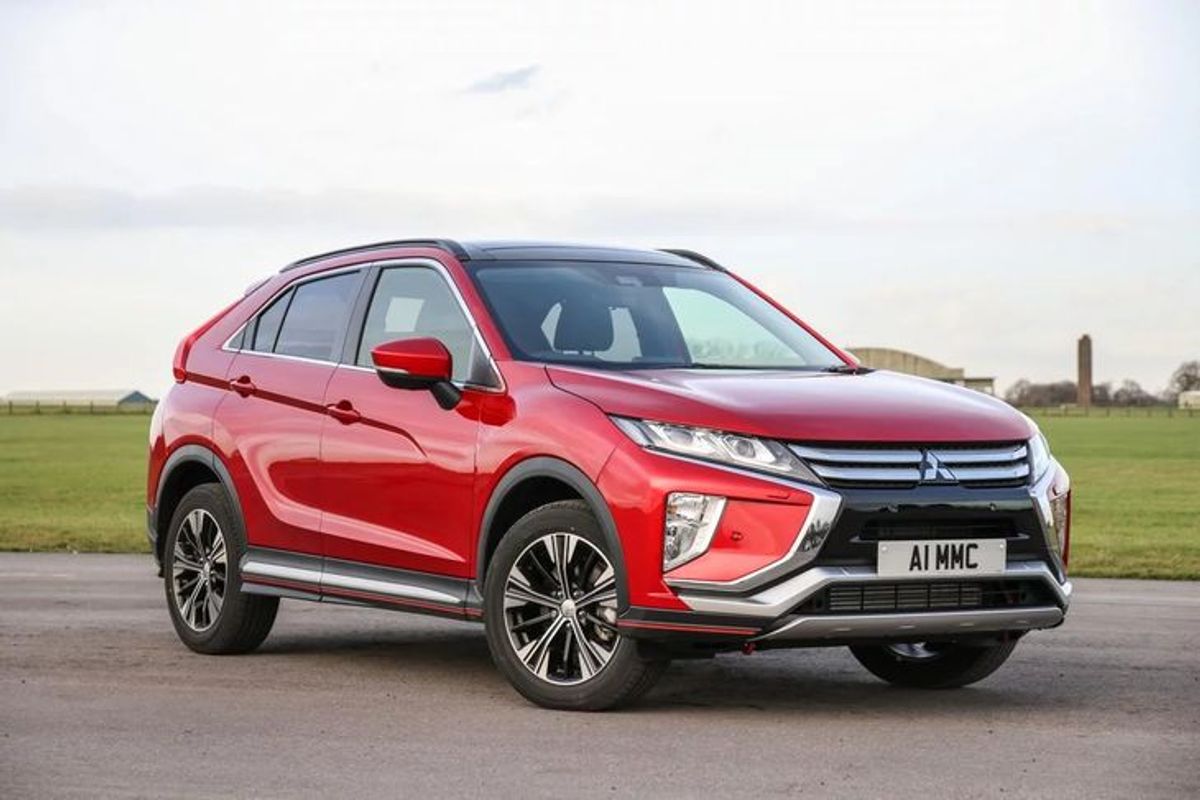
Mitsubishi South Africa has introduced the Eclipse Cross to the local market. Here's how much the newcomer retails for.
"Eclipse Cross, which surpassed the global sales milestone of 80 000 units since its international launch 12 months ago, boasts a coupé-like exterior and is perceived more modern, distinctive, dynamic, advanced and sportier than most of its competitors," says Nic Campbell, General Manager of Mitsubishi Motors South Africa.
The range comprises just 2 models for now and the new Eclipse Cross CVT will be available in 4×2 and all-wheel drive application. Both models feature a 6-speed CVT gearbox with Sports Mode coupled to Mitsubishi's 2.0-litre MIVEC petrol engine. The engine is the proven 2.0-litre naturally-aspirated motor with 110 kW and 198 Nm. Fuel consumption is rated at 7.9 L/100 km and 8.1 L/100 km.
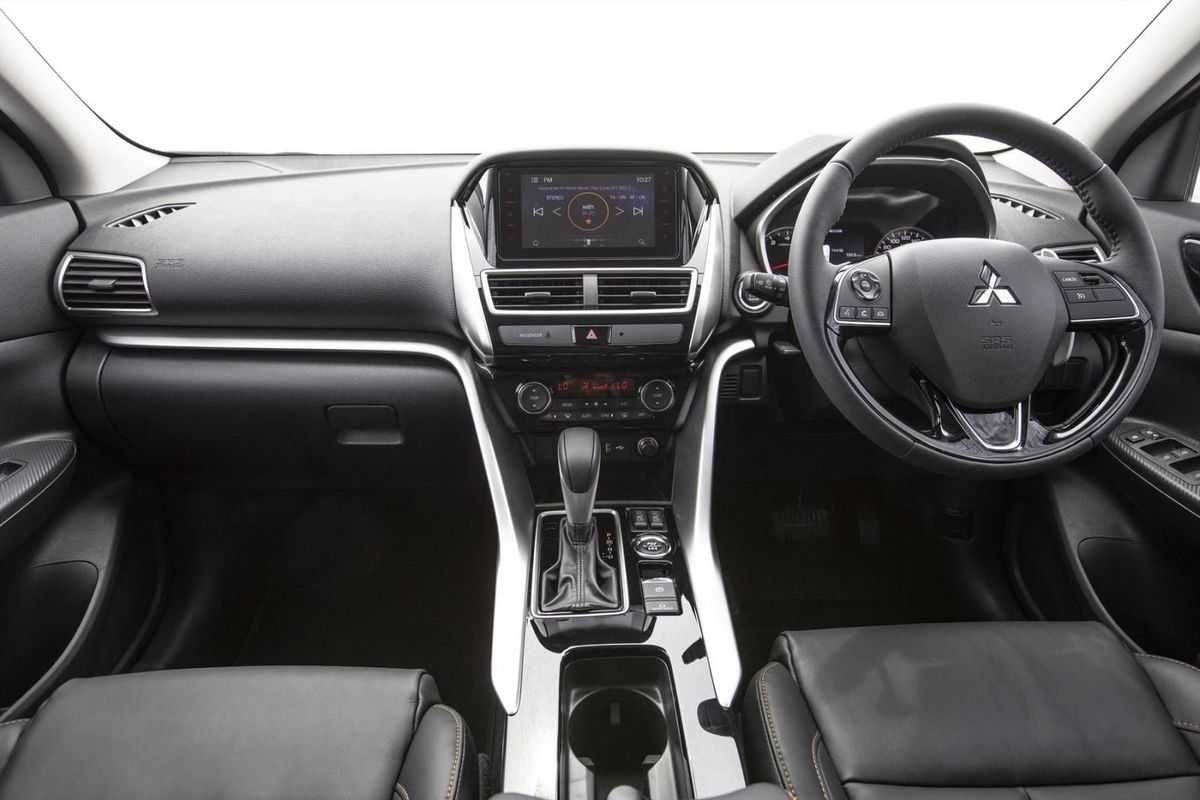
Cabin Features
Head-up display
Tilt and Telescopic Steering Wheel
Multi-function Leather Steering Wheel with Audio and Cruise Control
Bluetooth with Hands-free Voice Control
Paddle Shifts
Electric Windows (front and rear)
Driver Window Auto up/down function
Automatic Air-conditioning with Rear Passenger Vent Duct
Leather Seats
Slide and tilt-adjustable rear seats with 60/40 split
Electric Adjustable Driver Seat and Heated Front Seats
Accessory Sockets and USB Ports
Exterior Features
Electric Adjustable Fold-away Mirrors with Indicator Light
Projector Halogen Headlights with Manual Levelling Device
DRL (Daytime Running Lights)
Dusk Sensing Headlamps
Front Fog Lamps
Headlamp Washer
Rain Sensing Windscreen Wipers
Front and Rear Park Distance Control
Rear Spoiler with High-mounted Stop Lamp
Front Bumper Skid Plate (Silver)
Tailgate Garnish (Chrome)
18" Alloy Wheels
Full-size spare wheel
Roof Rails
Safety Features
The all-new Mitsubishi Eclipse Cross has 7 airbags, including driver and front passenger, side and curtain airbags and a driver knee airbag. There is also ISOFIX Child Seat Anchors, ABS (Anti-lock Braking System), AYC (Active Yaw Control), EBD (Electronic Brake-force Distribution), BAS (Brake Assist System), HAS (Hill Start Assist System), ASTC (Active Stability and Traction Control), EPB (Electric Parking Brake), EPS (Electronic Power Steering), Central Door Locking with Motion Lock, Anti-theft Protection Device, Keyless Operating System and a Rear-View Camera.
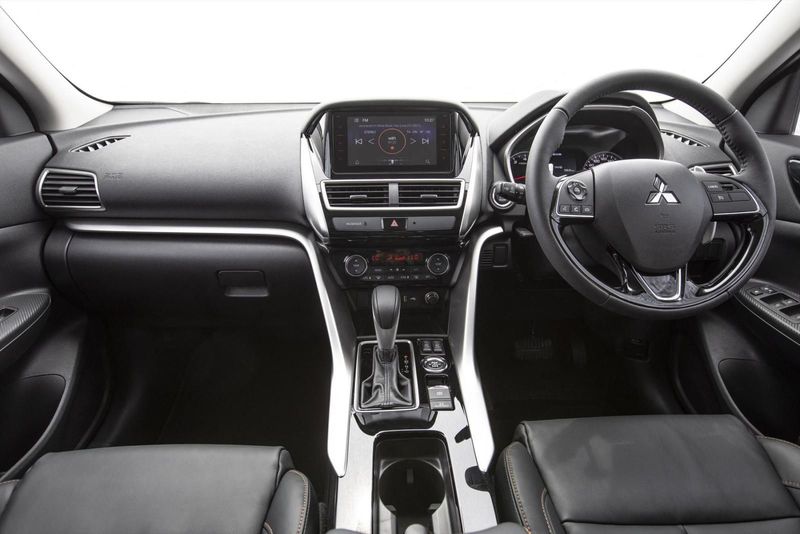
The Mitsubishi Eclipse Cross cabin looks spacious and well appointed
Mitsubishi Eclipse (2019) Price in South Africa
Eclipse Cross 2.0L CVT 4×2 R399 995
Eclipse Cross 2.0L CVT AWD R449 995
Both models are covered by Mitsubishi's Manufacturer's Warranty of 3 years or 100 000km, a 5-year / 90 000 km Service Plan and a 5-year / unlimited mileage Roadside Assistance. Service intervals are every 15 000 km.
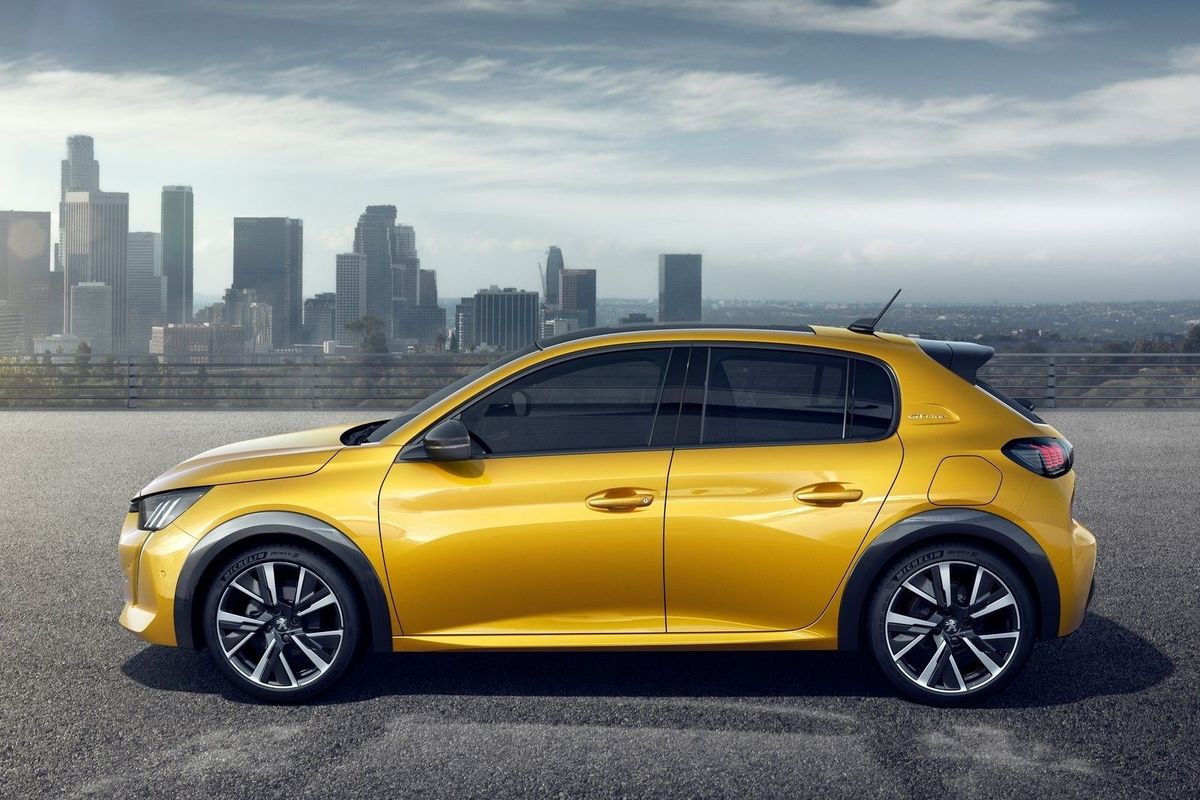
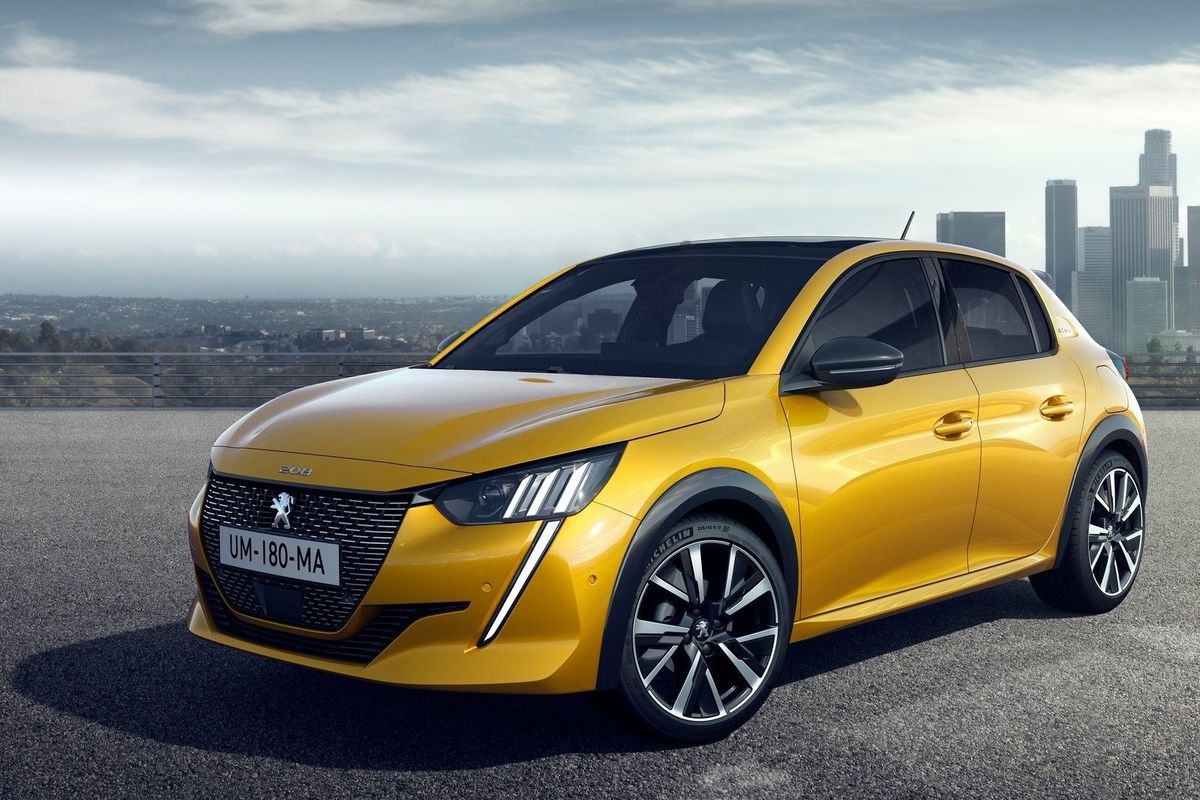
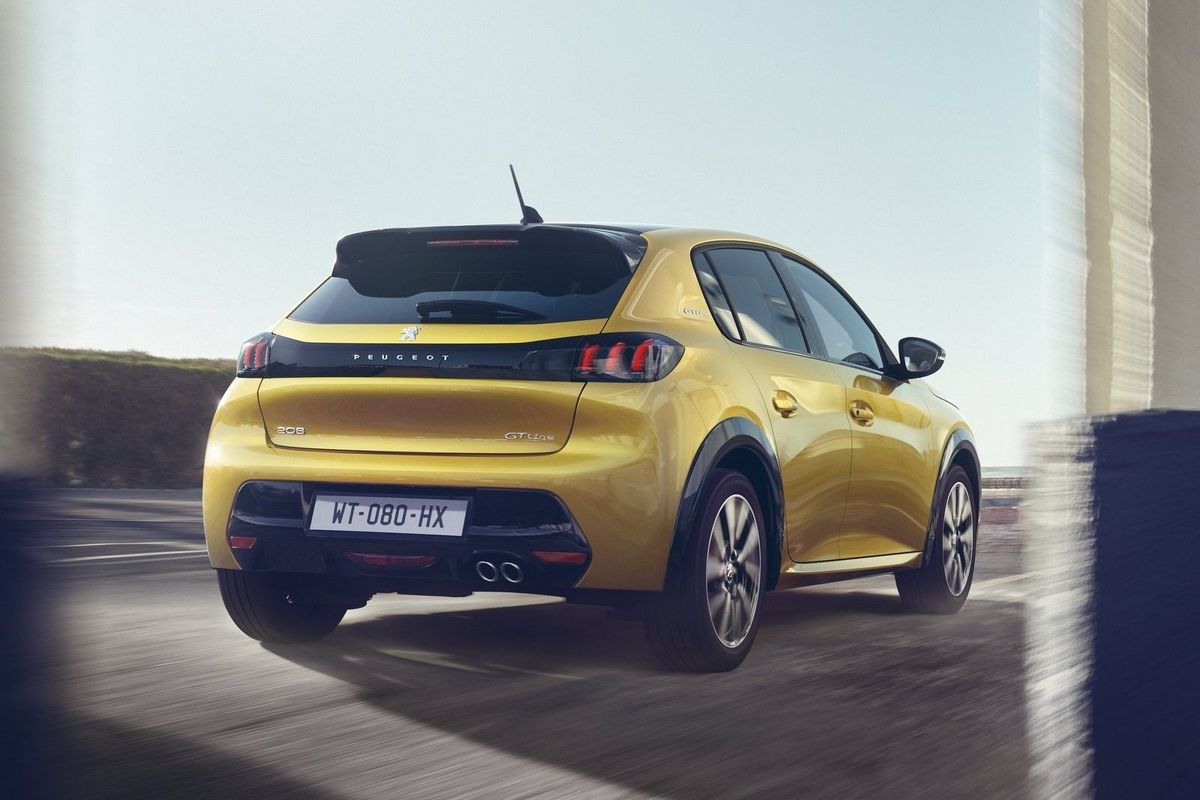
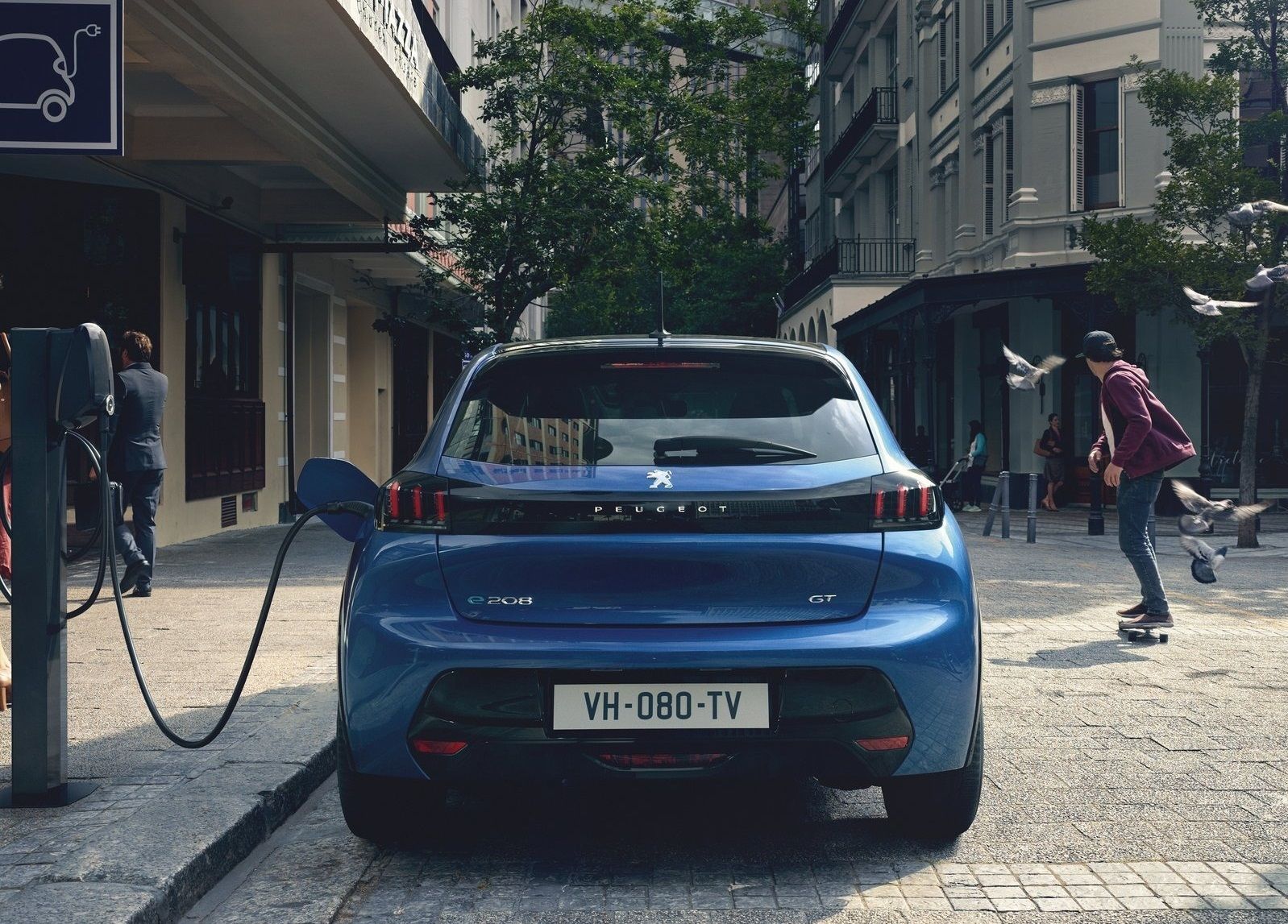
2020 Peugeot 208 Revealed: Now With Electric Power
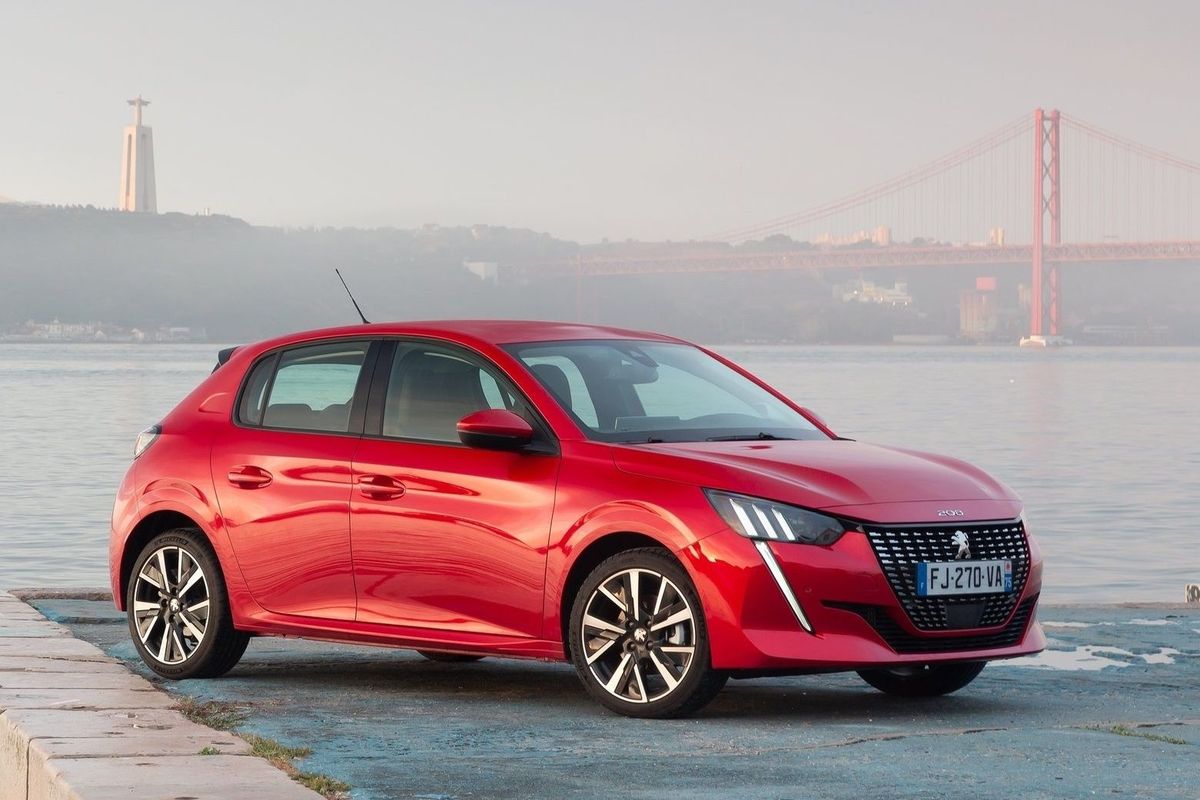
Peugeot has revealed a second-generation Polo rival head of its Geneva auto show debut.
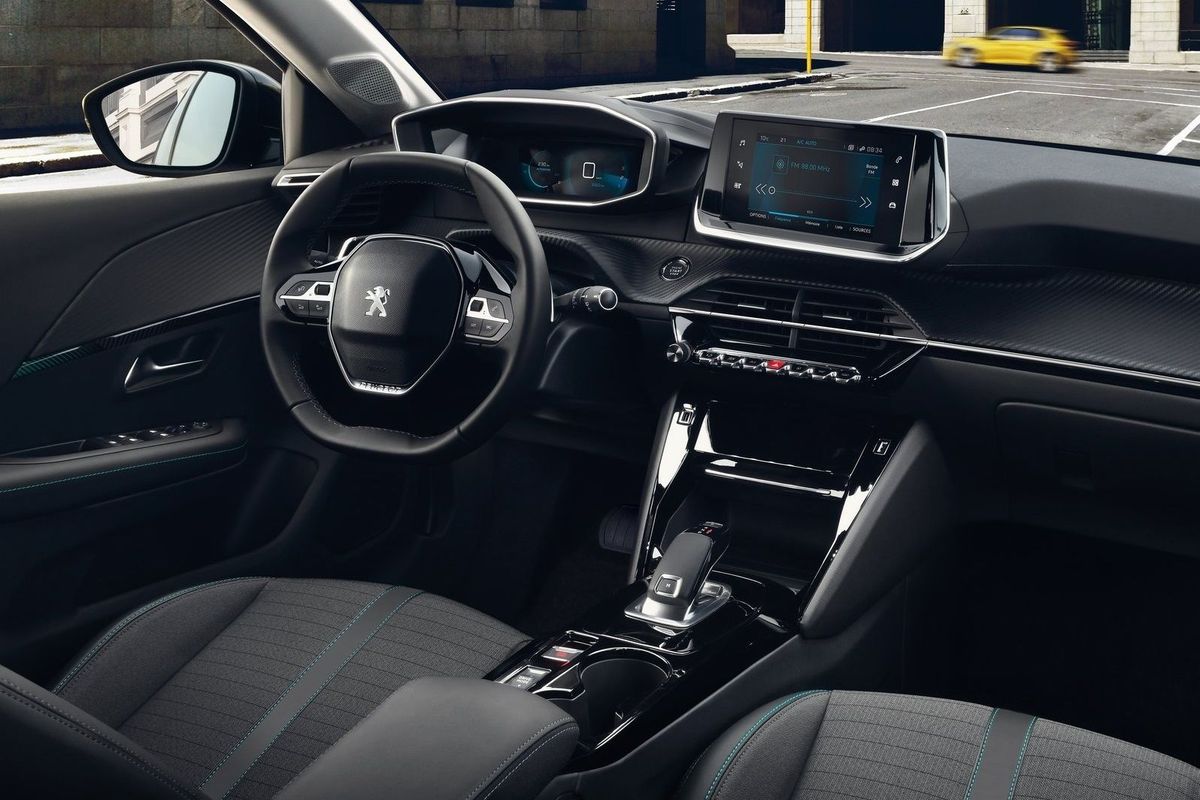
Riding on a new platform, which lighter than the previous car’s structure and also provides better rigidity and superior acoustics, the new 208 supermini features a striking design. Stylists have been particularly daring with 208’s redesign and the nose shows-off an intricate grille design and LED ‘dagger’ which runs from the headlights deep into the front bumper. Inside the 208 there is Peugeot’s stacked dashboard configuration, with a standard 7-inch touchscreen – upgradeable to 10-inches.
Beyond the 208’s bold appearance, Peugeot have committed to engineering a compact hatchback which should prove rewarding to drive. The new platform is 30kg lighter and powered by a range of four engine options. Three output grades of Peugeot’s 1.2-litre three-cylinder petrol engine will be on offer (56-, 75- and 97kW), with the most powerful turbocharged engine driving the front wheels through an eight-speed automatic transmission.
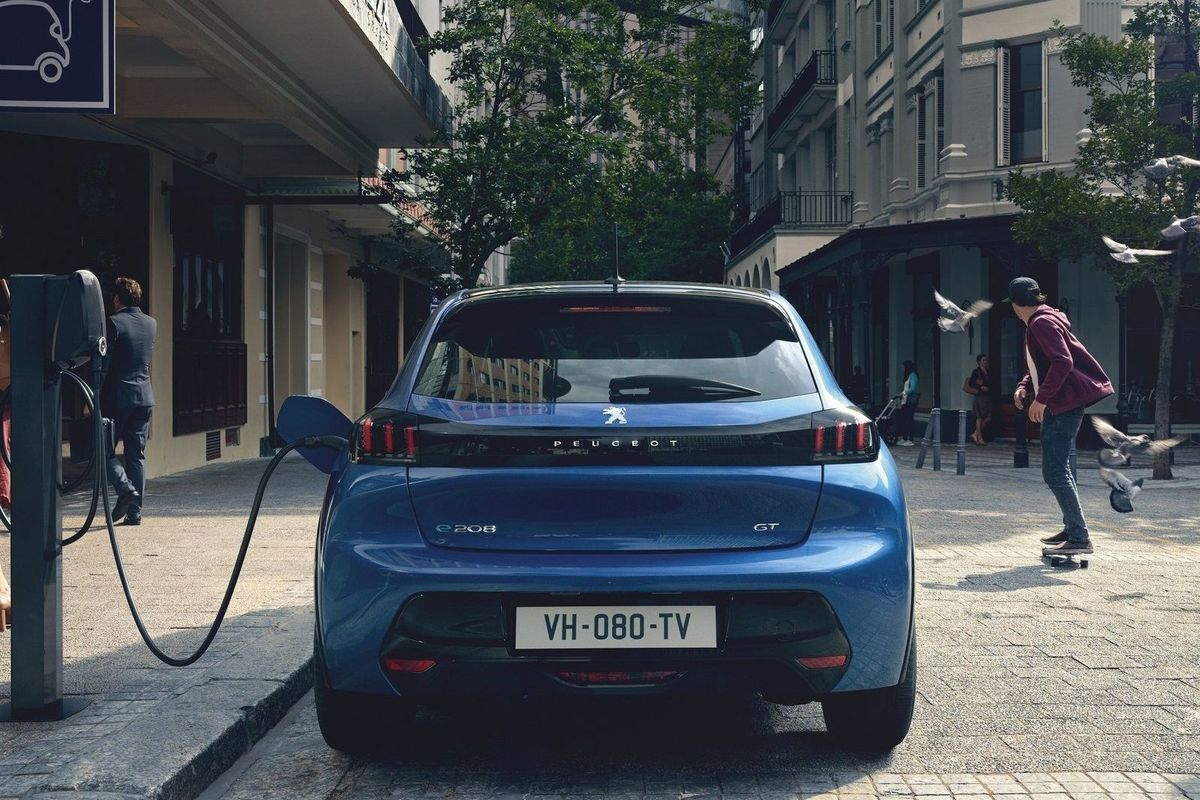
The entry-level 56kW engine is unboosted and shifts gear via a five-speed manual, whilst the mid-grade 75kW option offers both six-speed manual or eight-speed automatic shifting. A sole alternative fuel engine will be available too, a 75kW 1.5-litre turbodiesel. Peugeot is marketing electrification strongly in its new supermini product strategy, with the range debuting an e-208. Powered by a 100kW electric motor, sourcing its energy flow from a 50kWh battery pack, Peugeot claims the e-208 will be good for 340km of range. With 260Nm of torque, it should be effortlessly quick at lower speeds, too.
Wired for 100kWh recharging capacity, it should regenerate 80% battery capacity within only 30 minutes from a rapid recharger. Peugeot is also guaranteeing that its e-208’s battery pack will retain a recharging capacity of 70% energy density after eight years of 160 000km of use, assuaging doubts about battery life for potential electric car owners.
Peugeot has unveiled an electric-only derivative of its all-new 208 hatchback