Renault Clio 5 (2019) International Launch Review
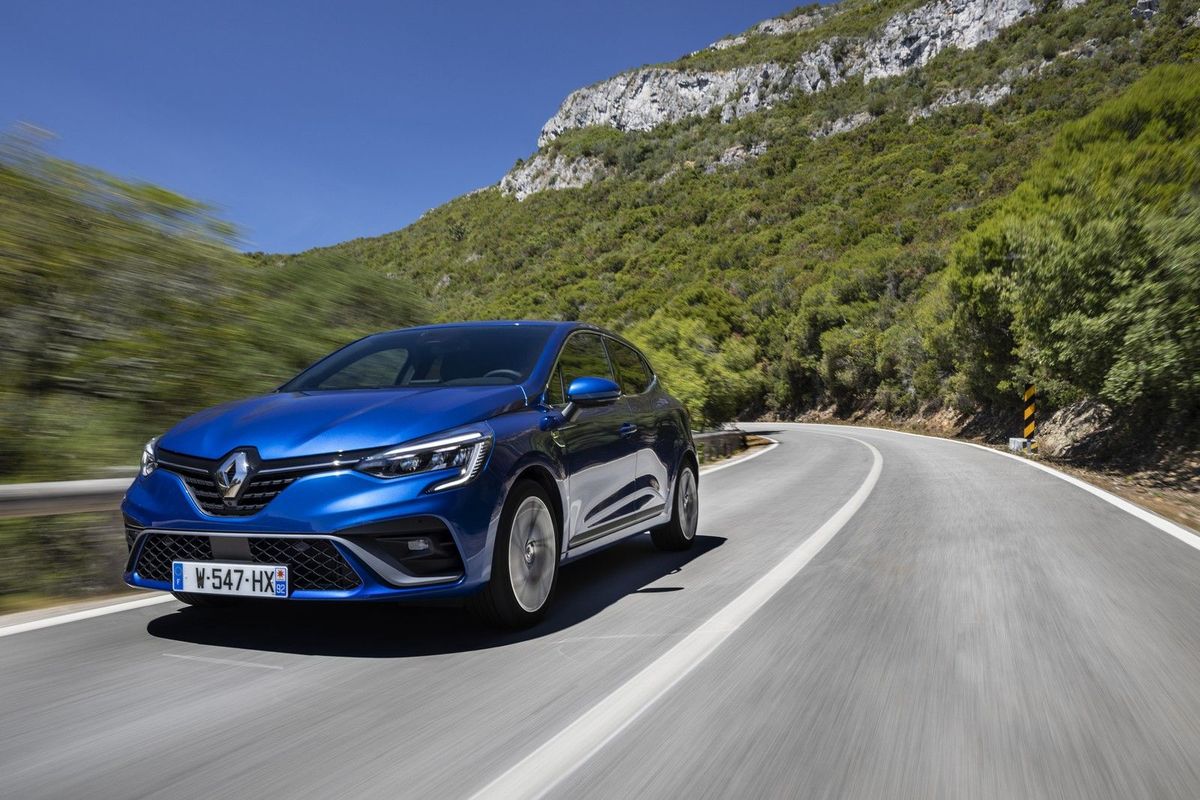
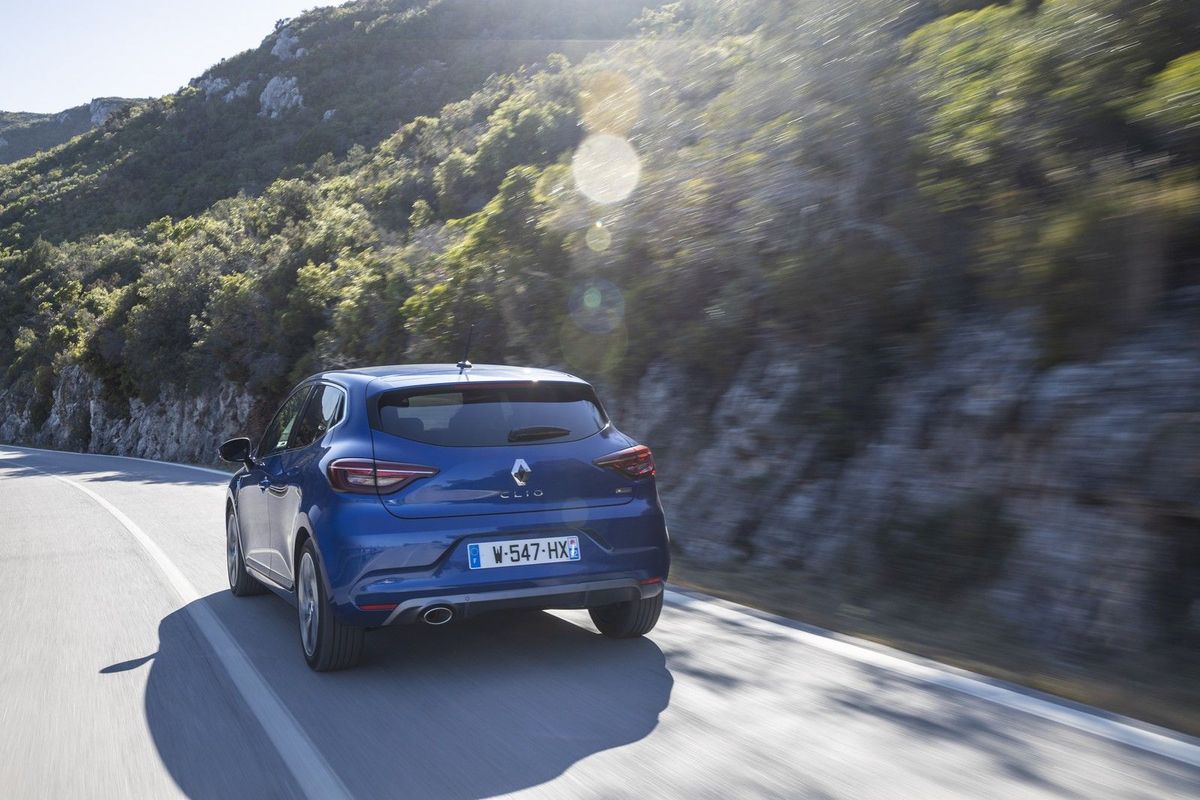
Renault will introduce the all-new Clio in South Africa early in 2020 and yes, despite appearances to the contrary, it really is an all-new compact hatchback. While its styling remains pleasing on the eye, the little Renault has new-found substance underneath. Is it any actual fun to drive, though? Neil Briscoe attended the international launch to investigate.

Hang on, are we sure this isn’t the old Clio?

 
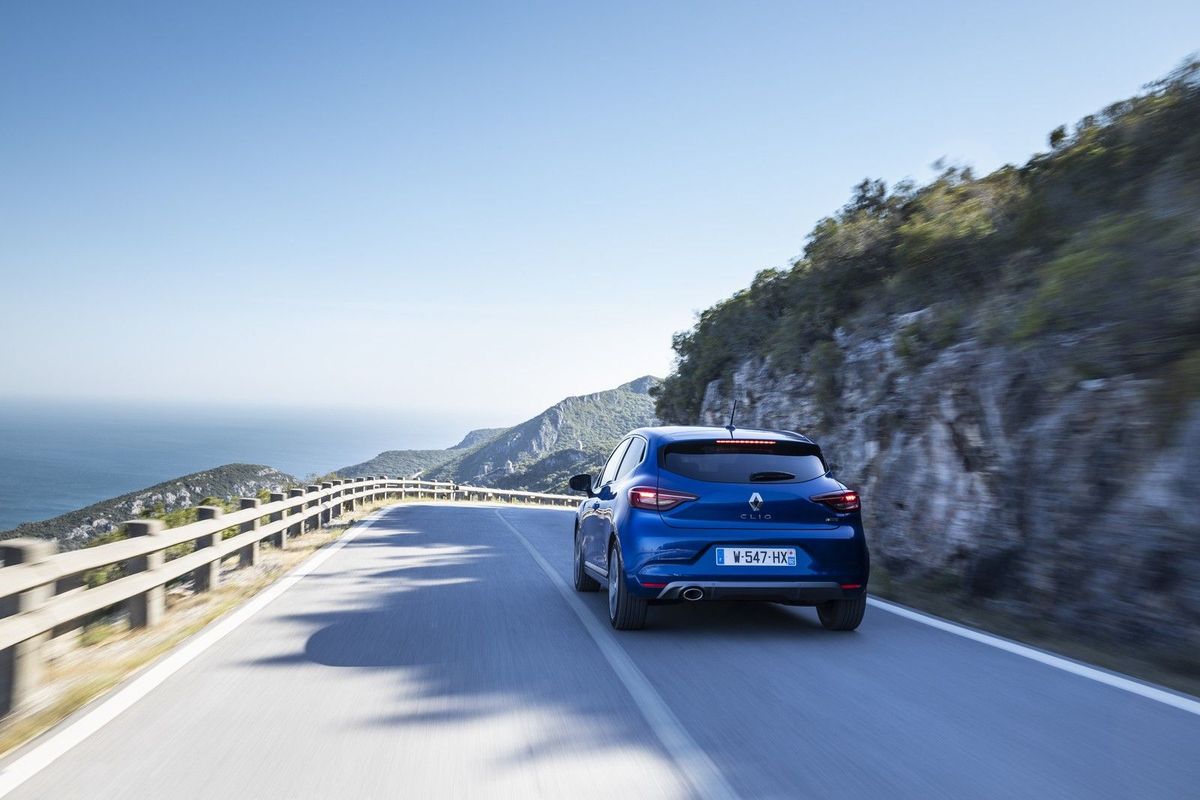
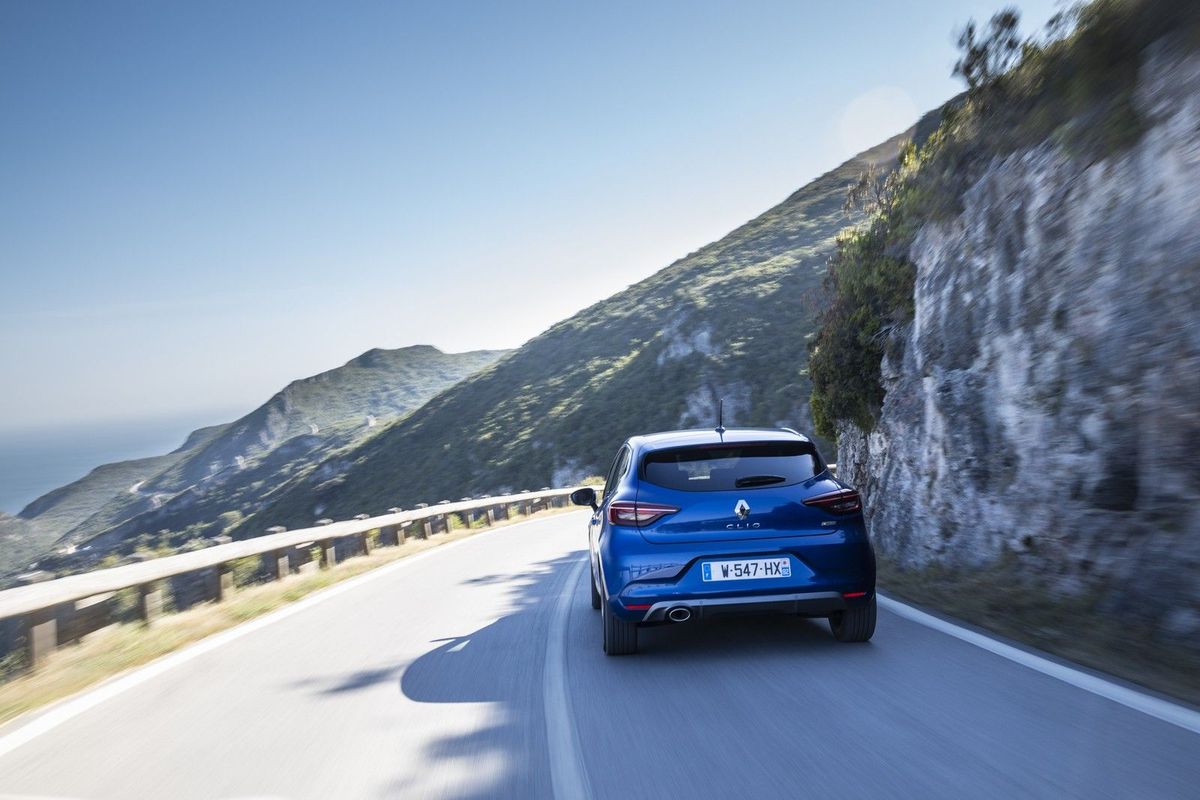
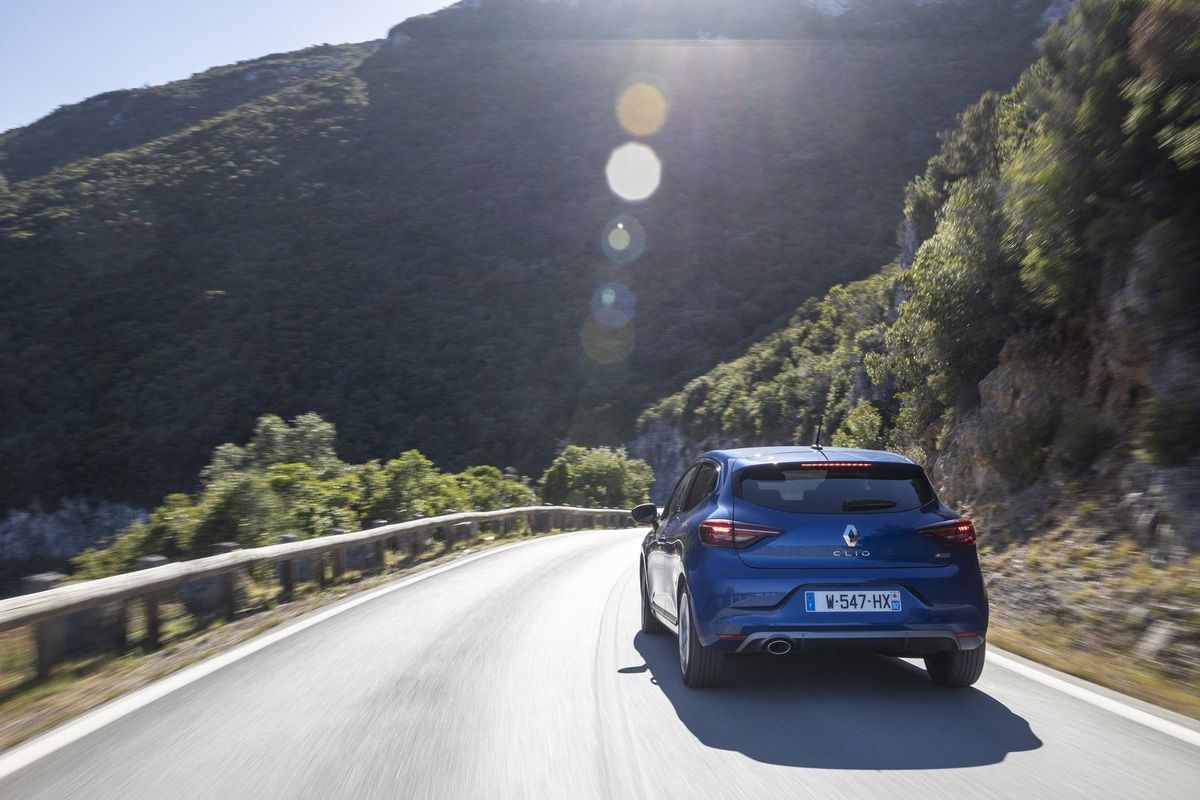
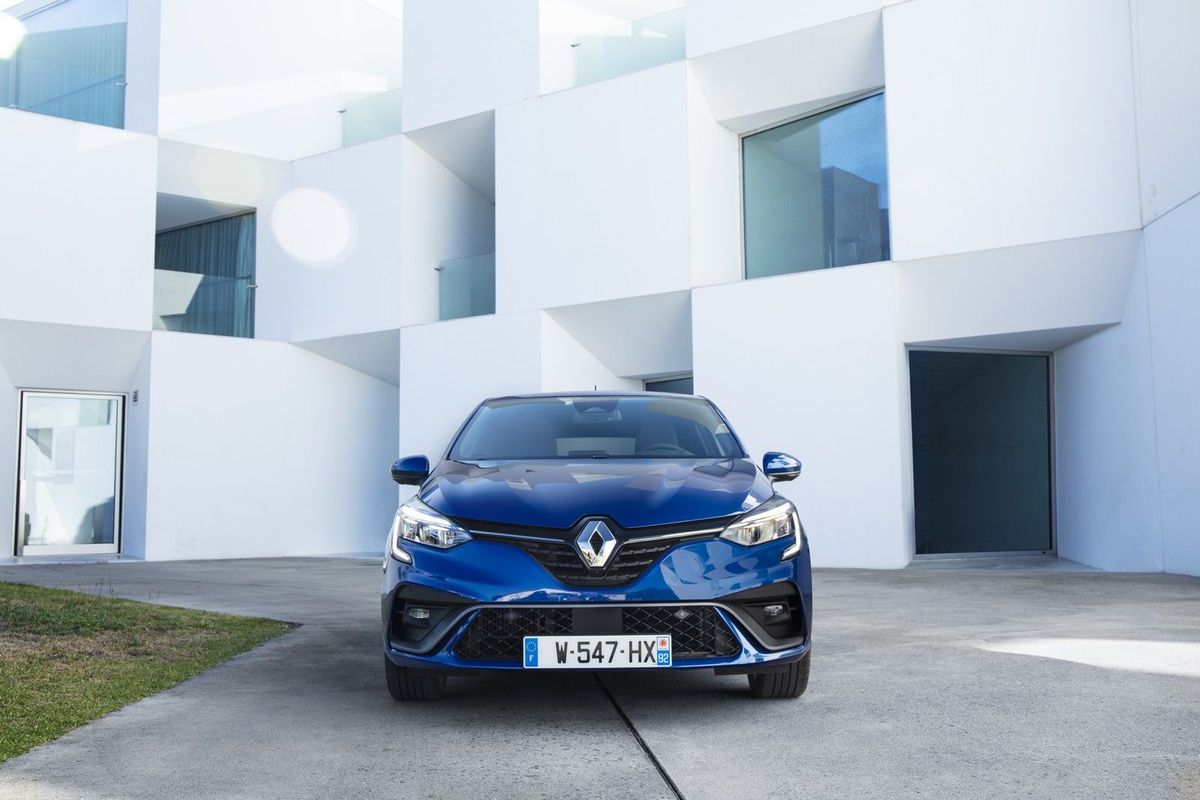
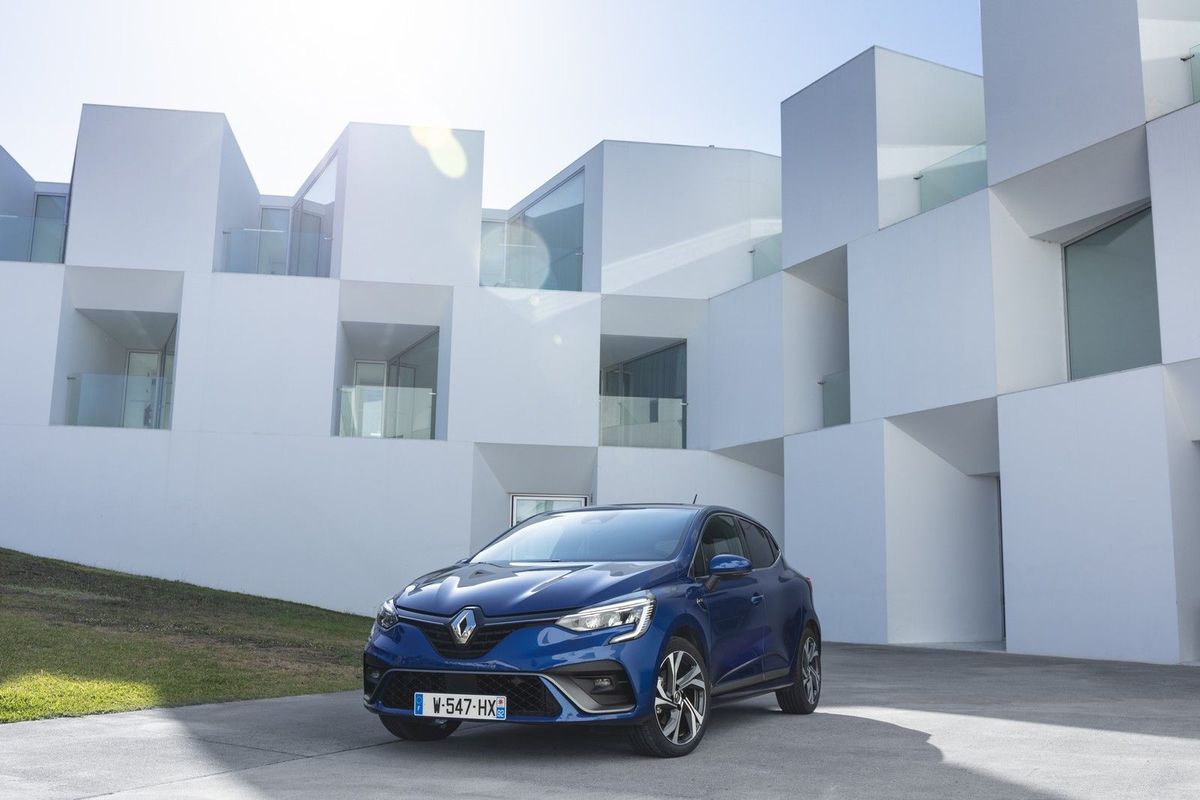
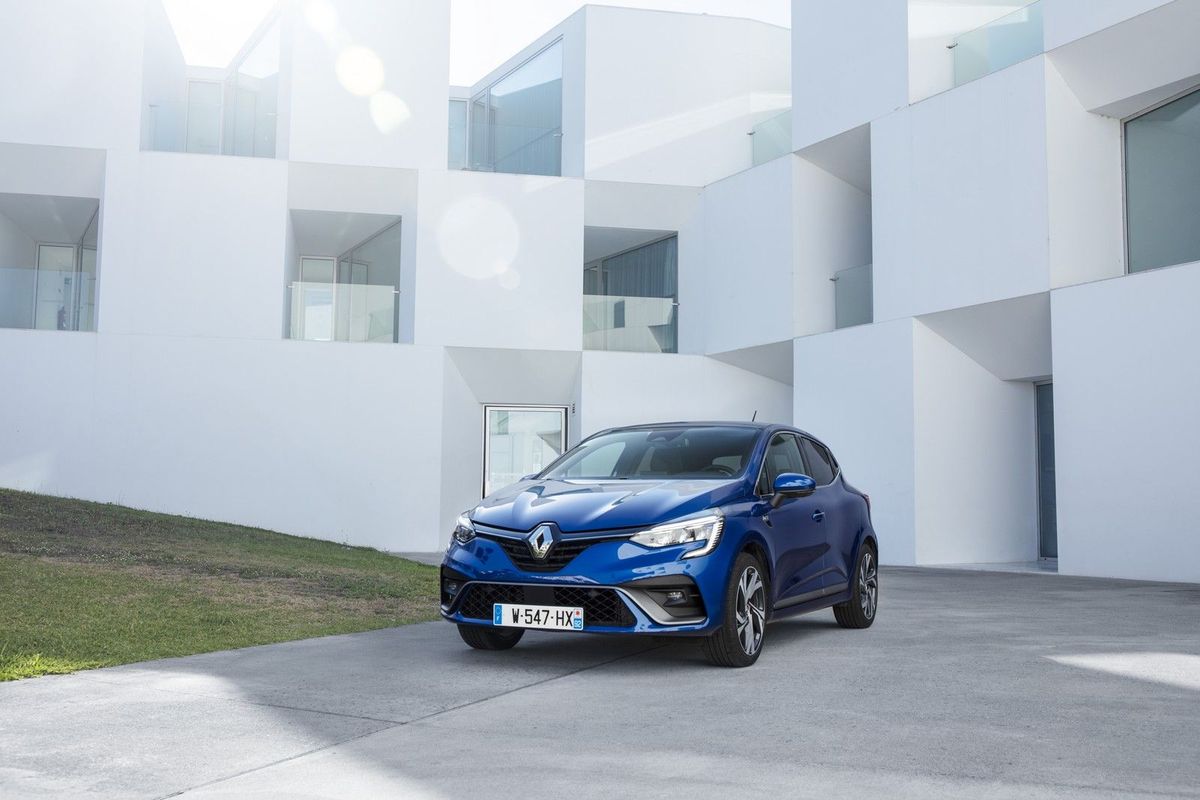
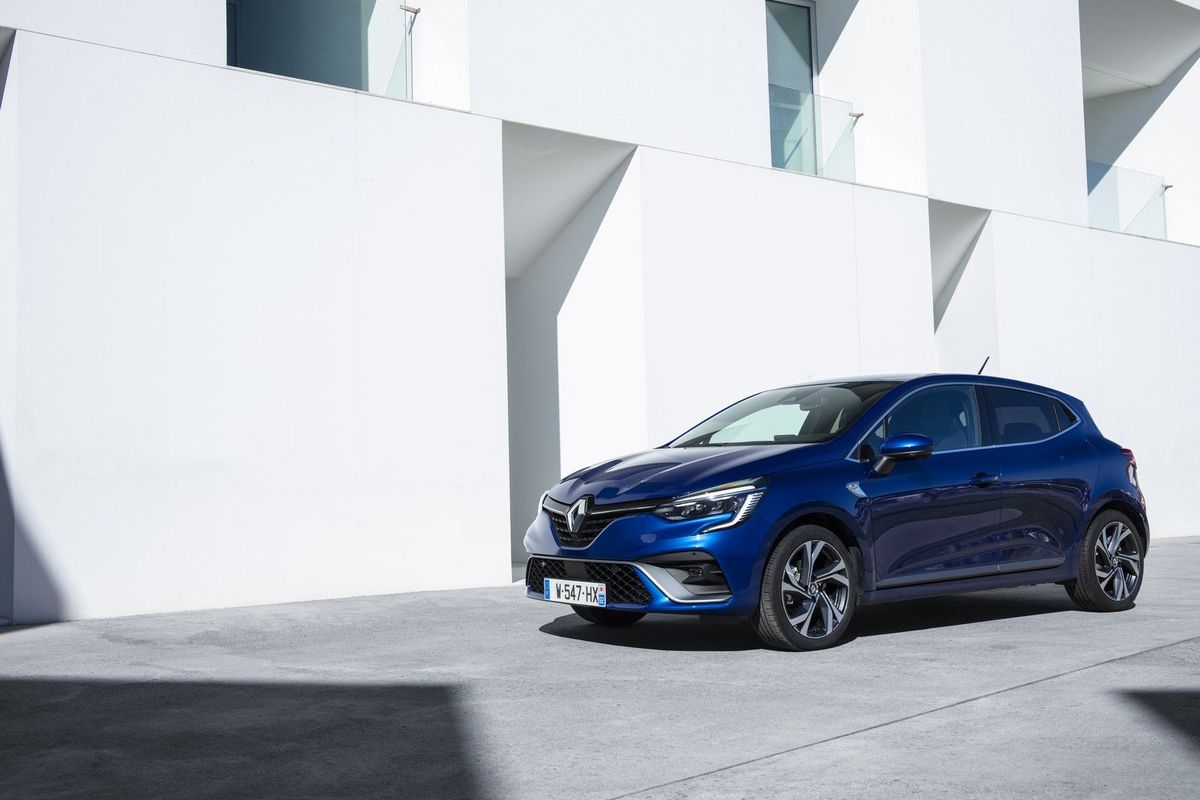
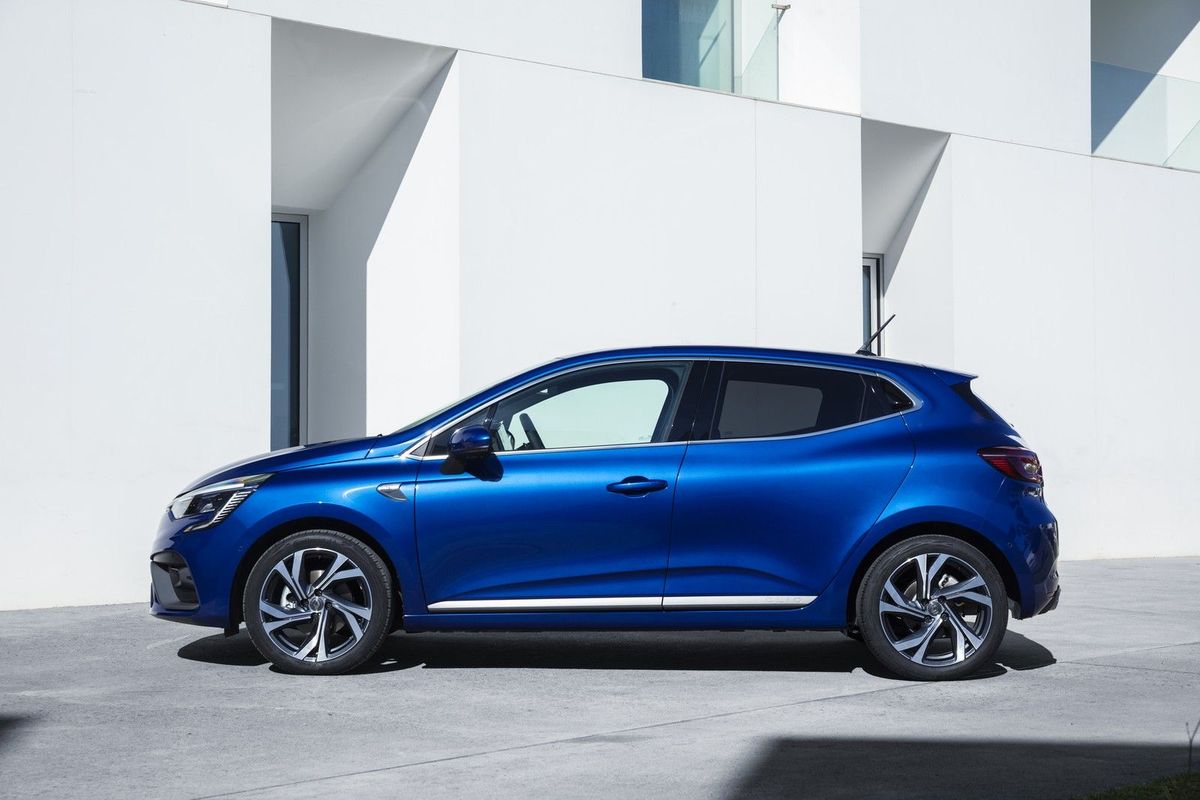
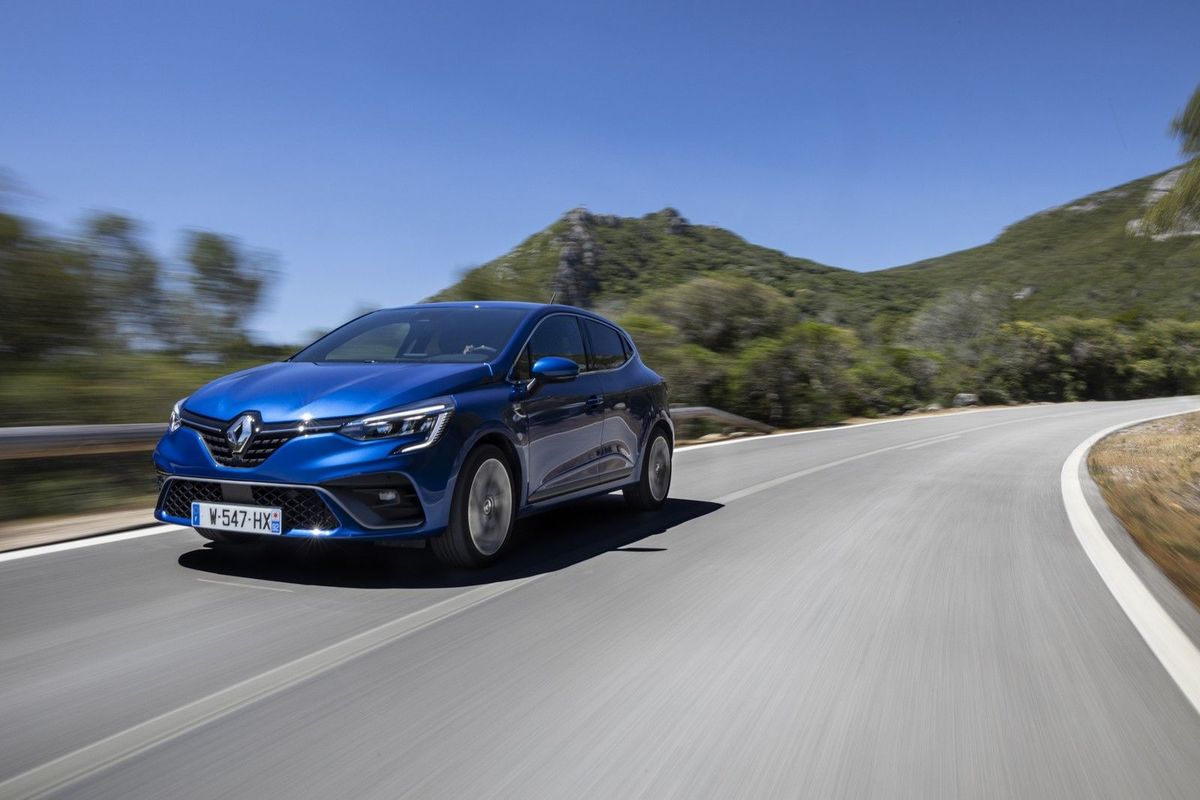
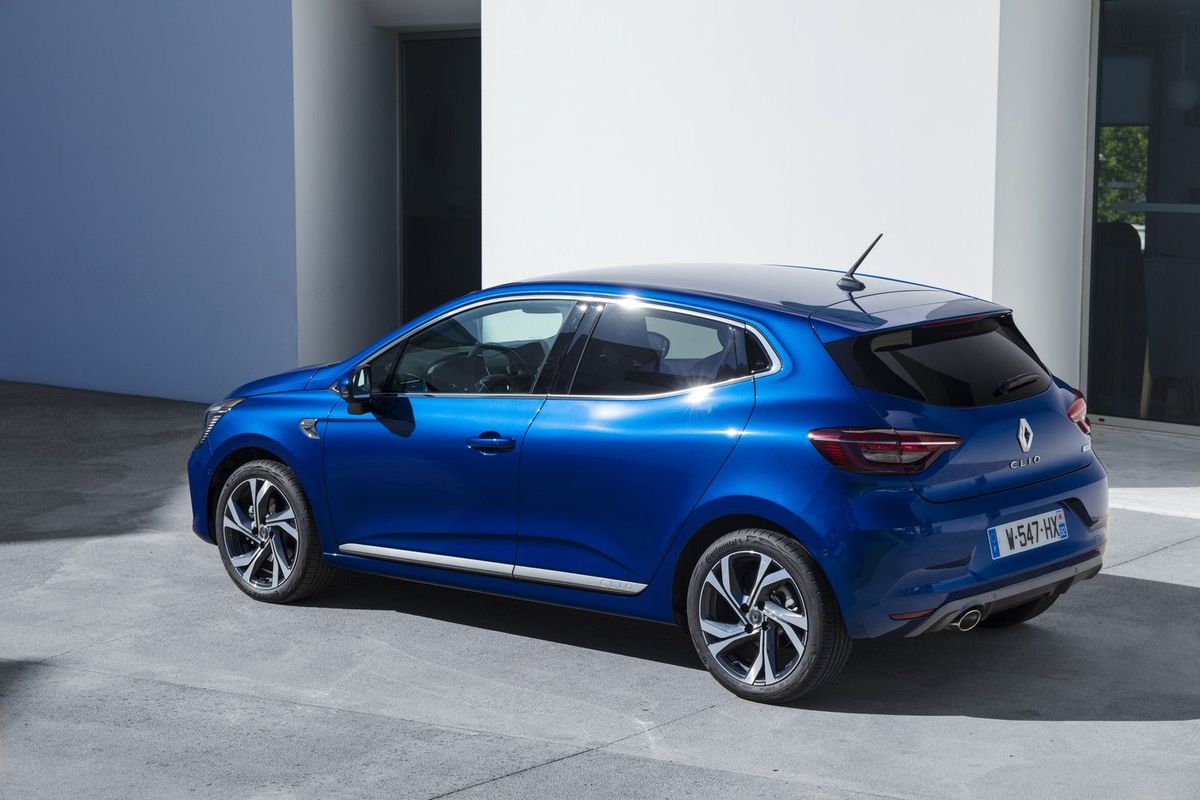
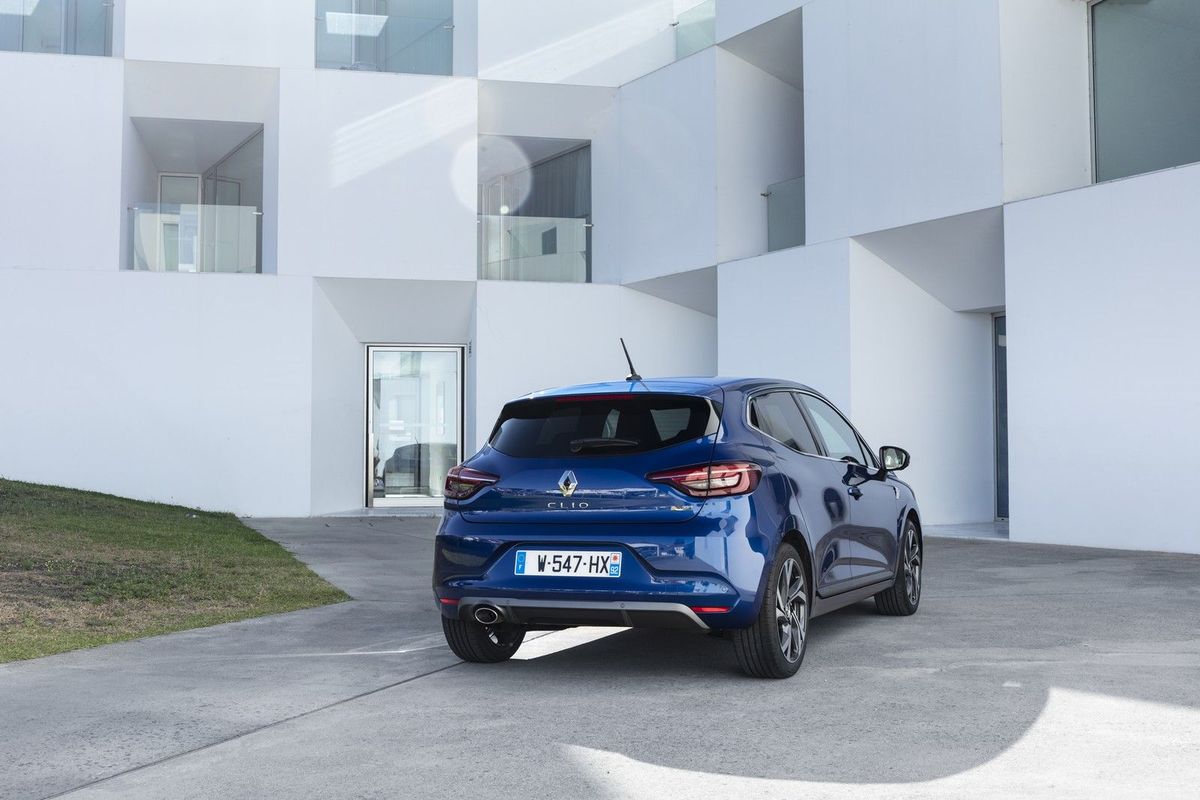
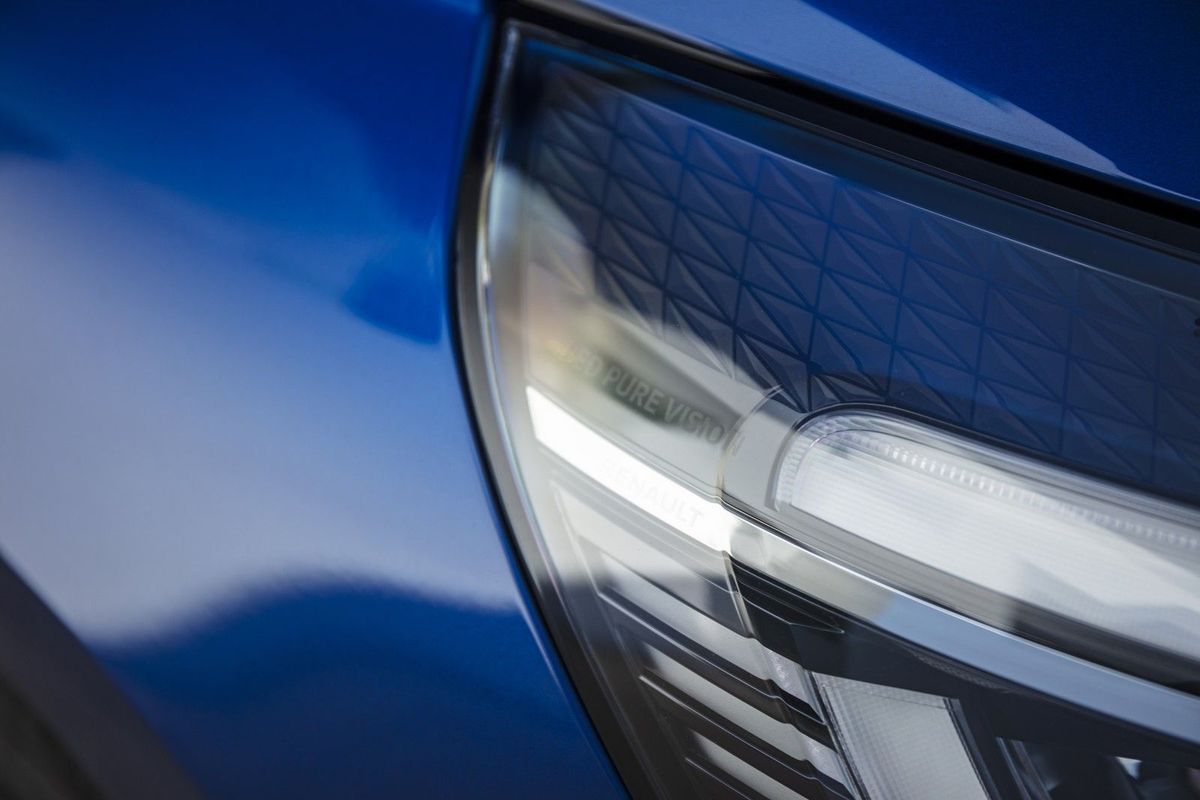
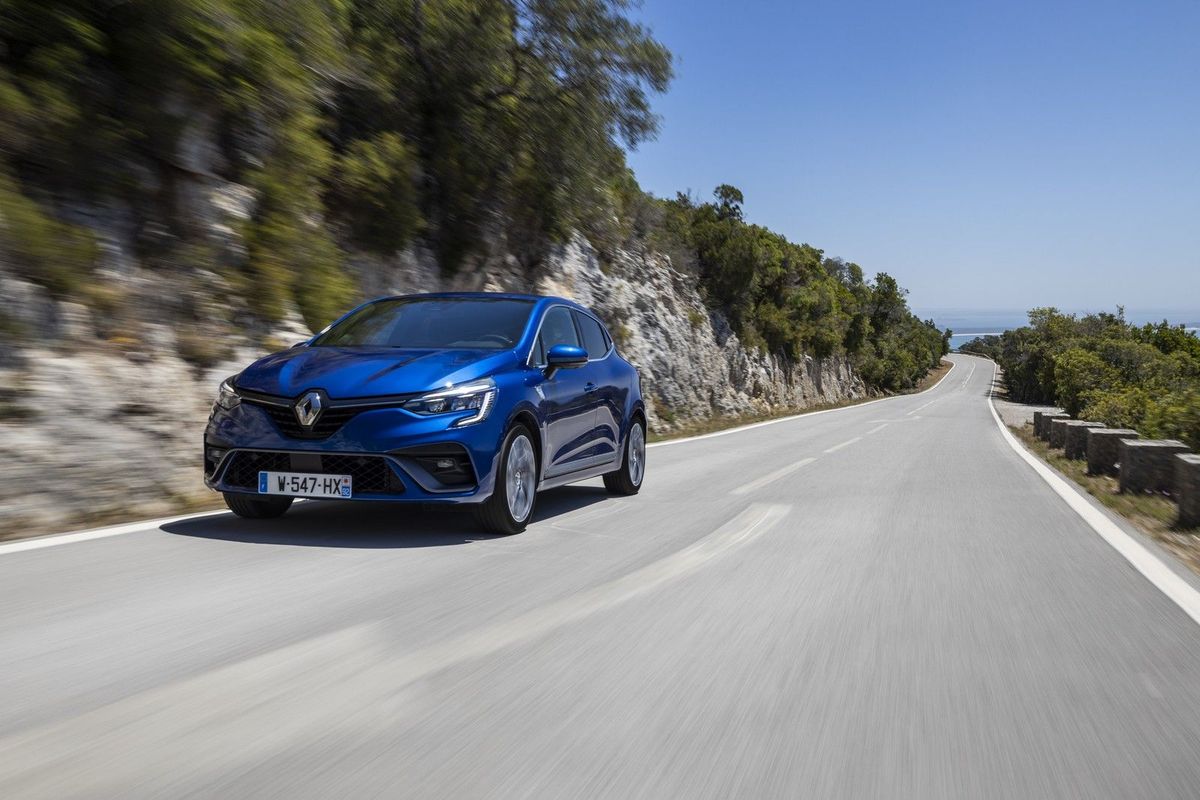
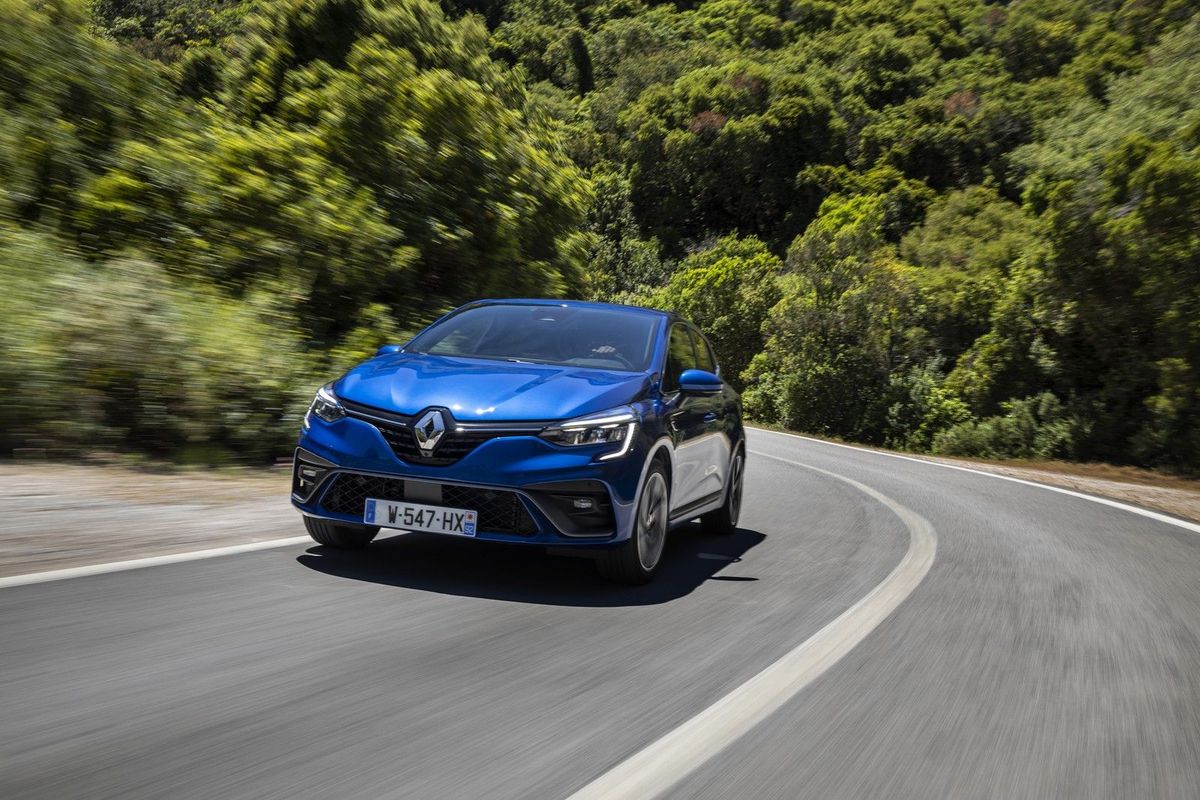
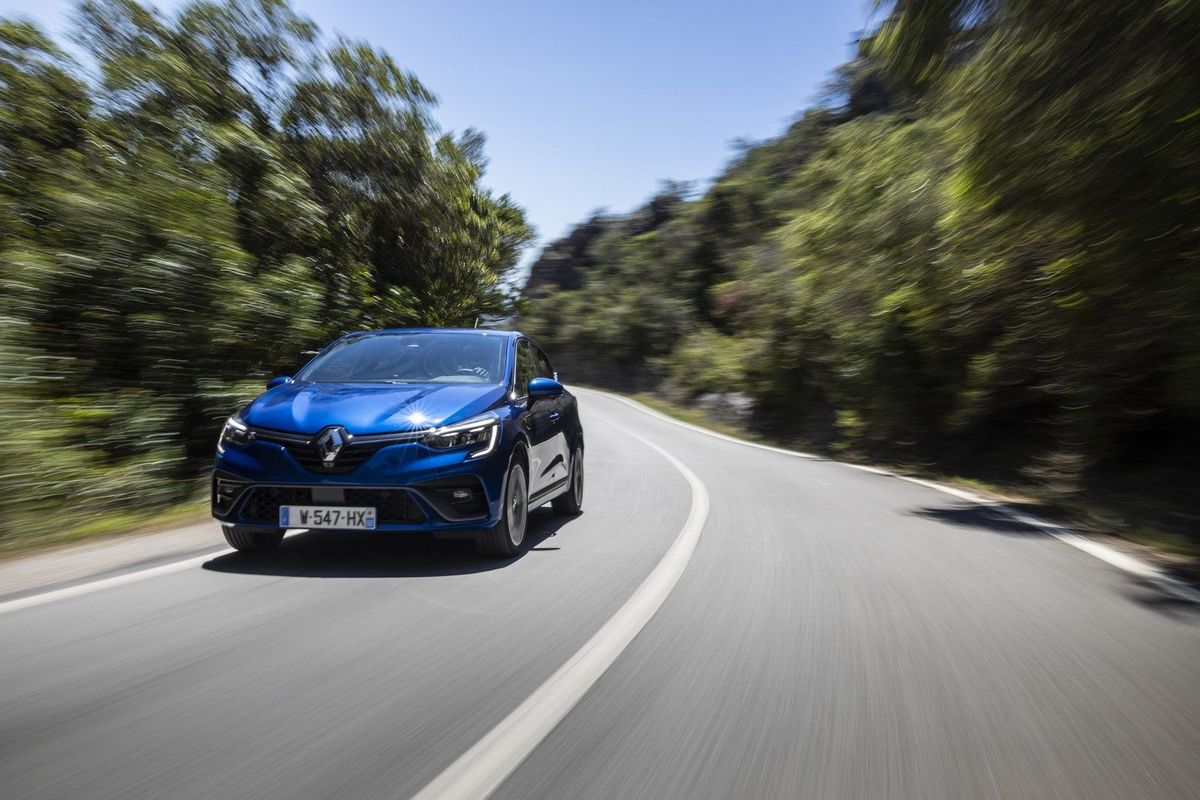
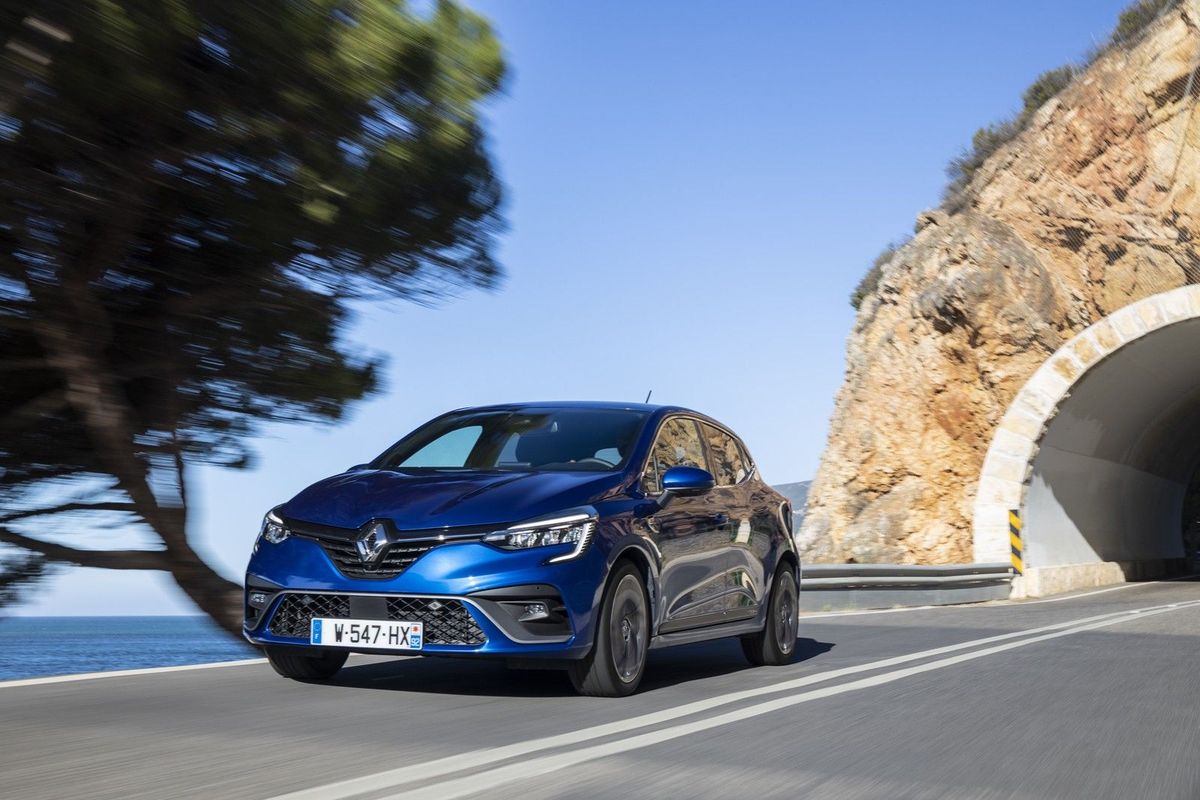
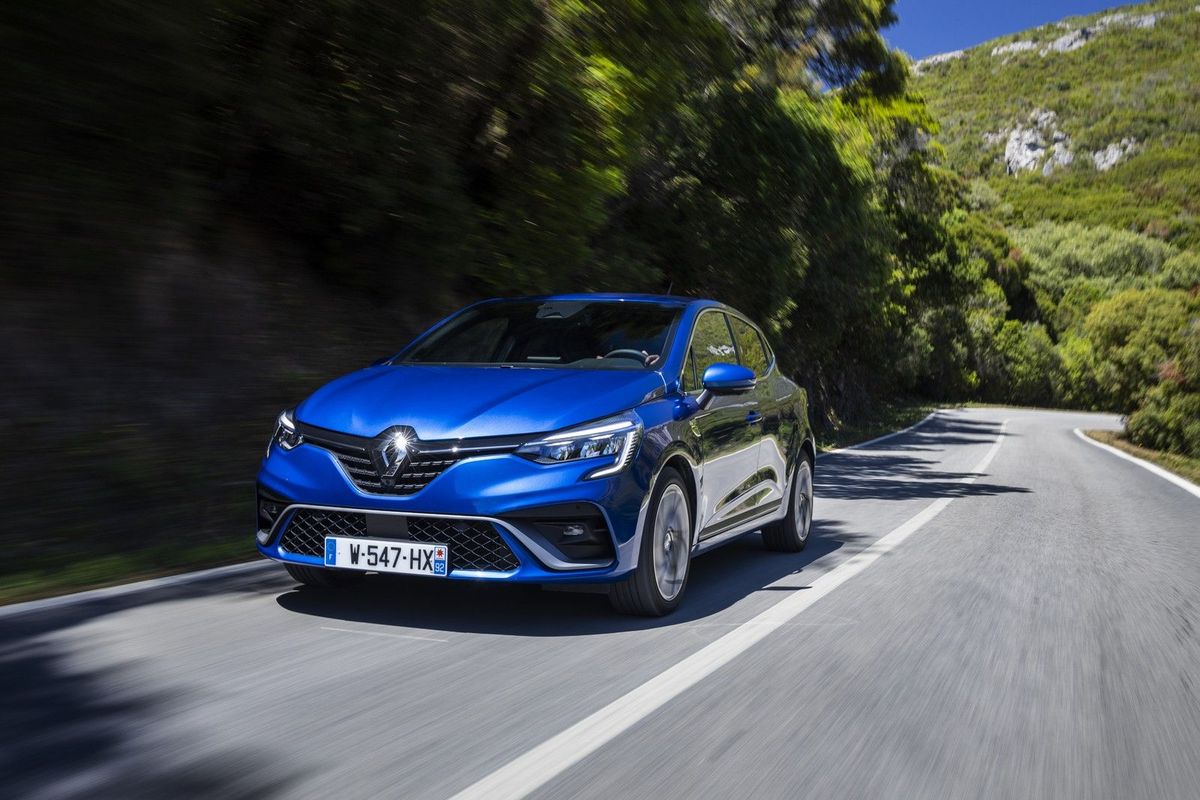
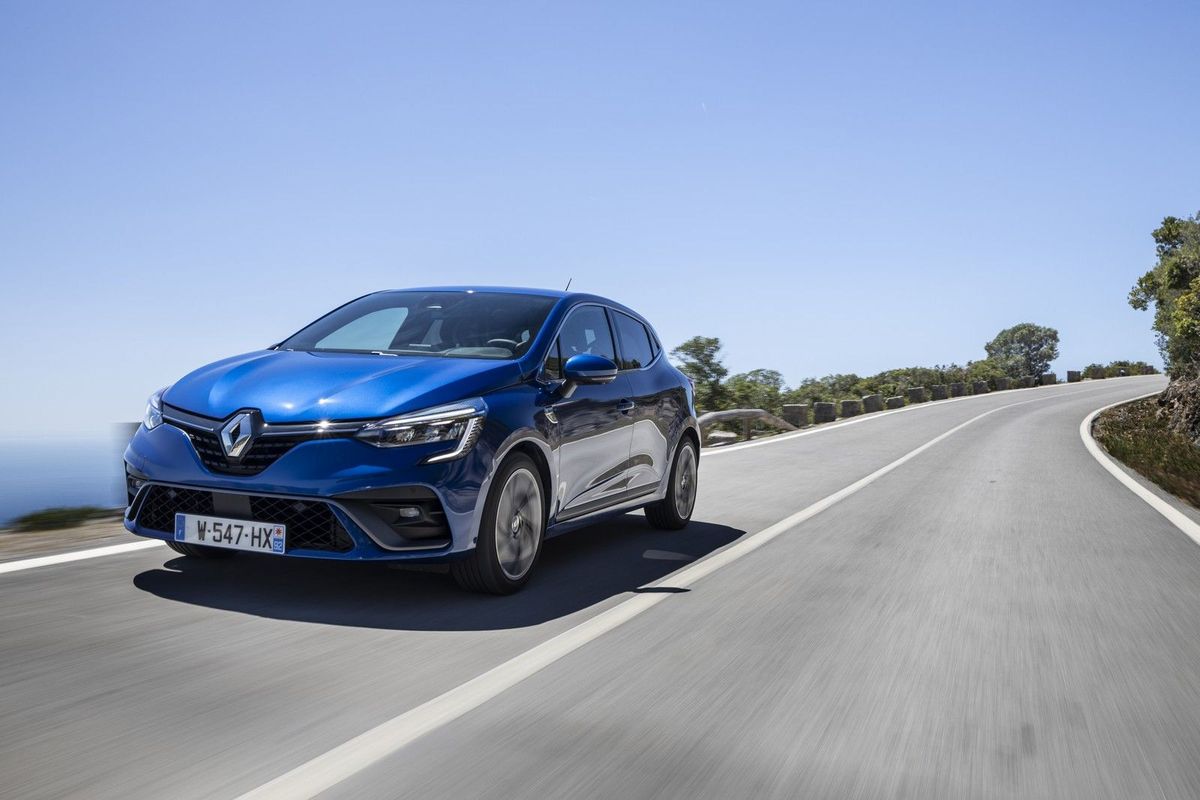
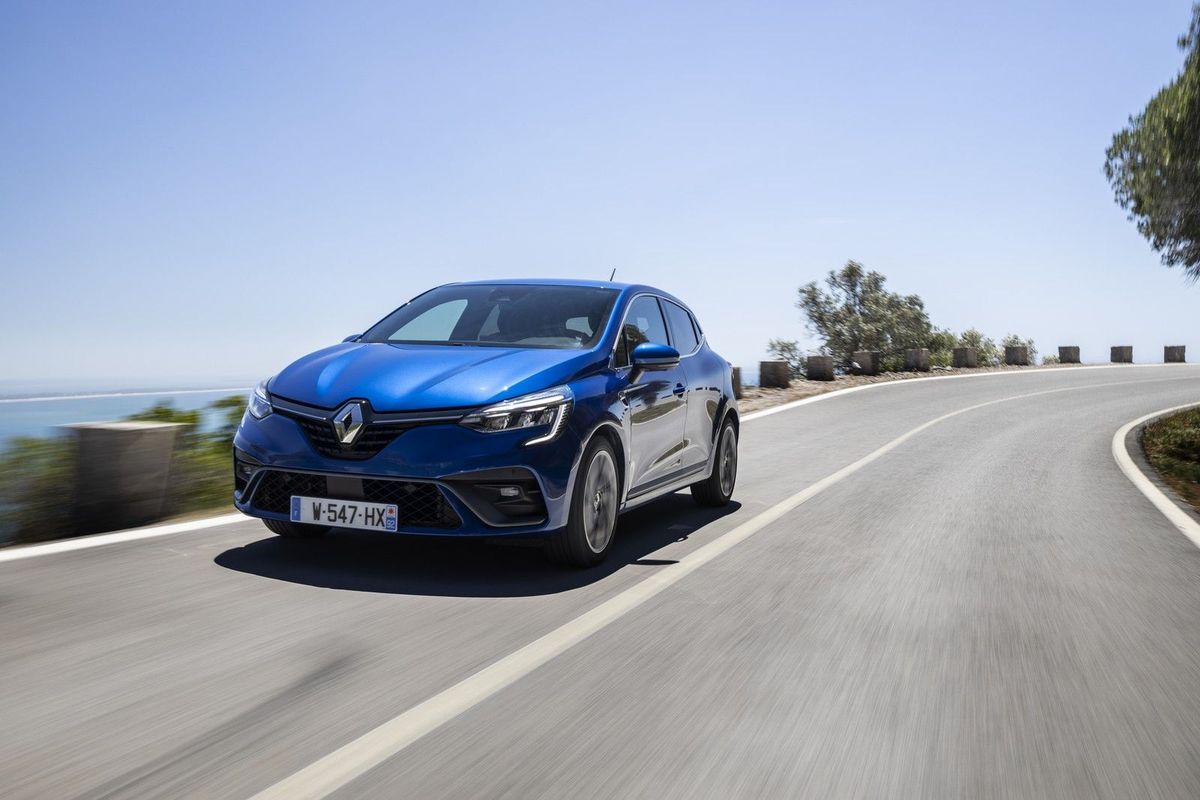
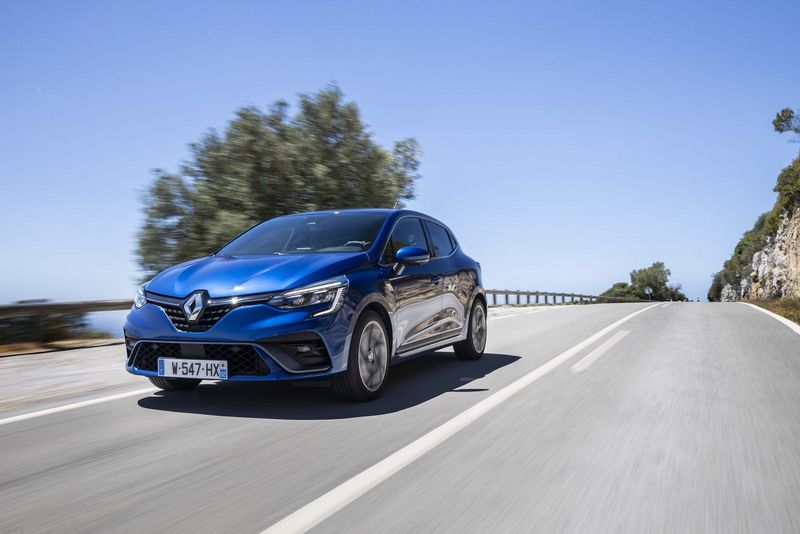
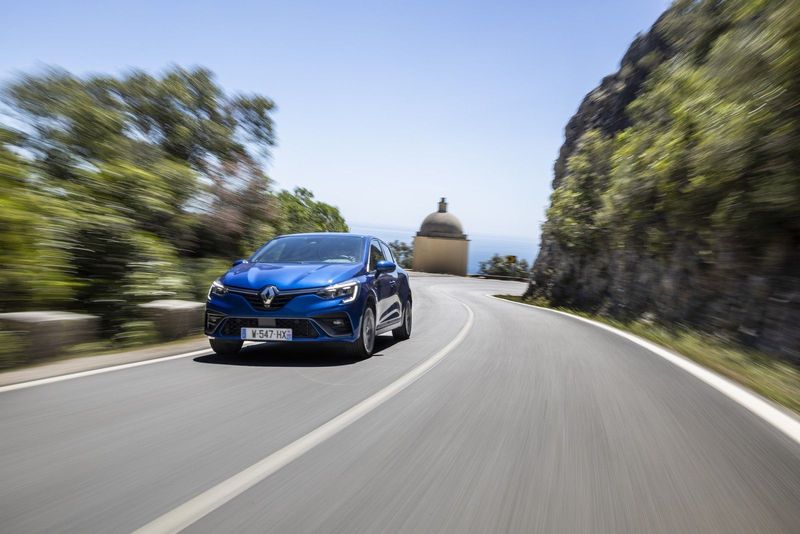
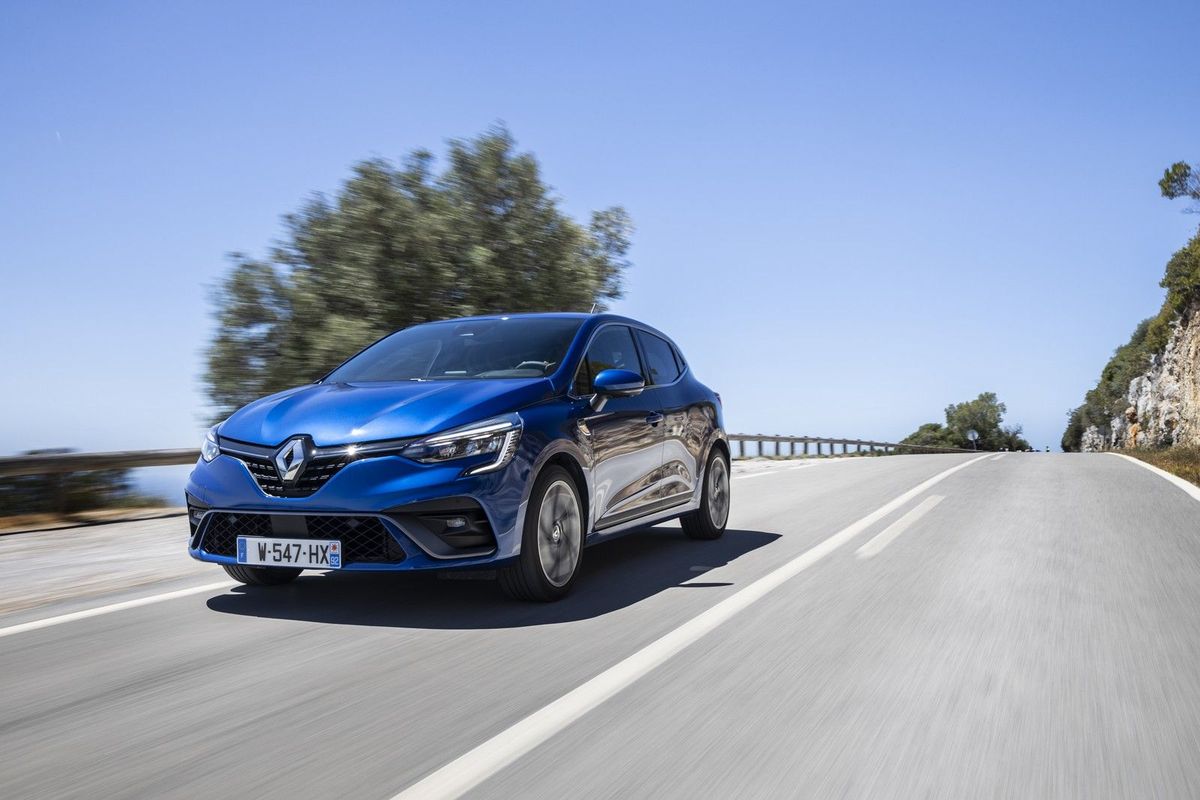
Aside from the new headlights, the Clio V looks very similar to the outgoing model.

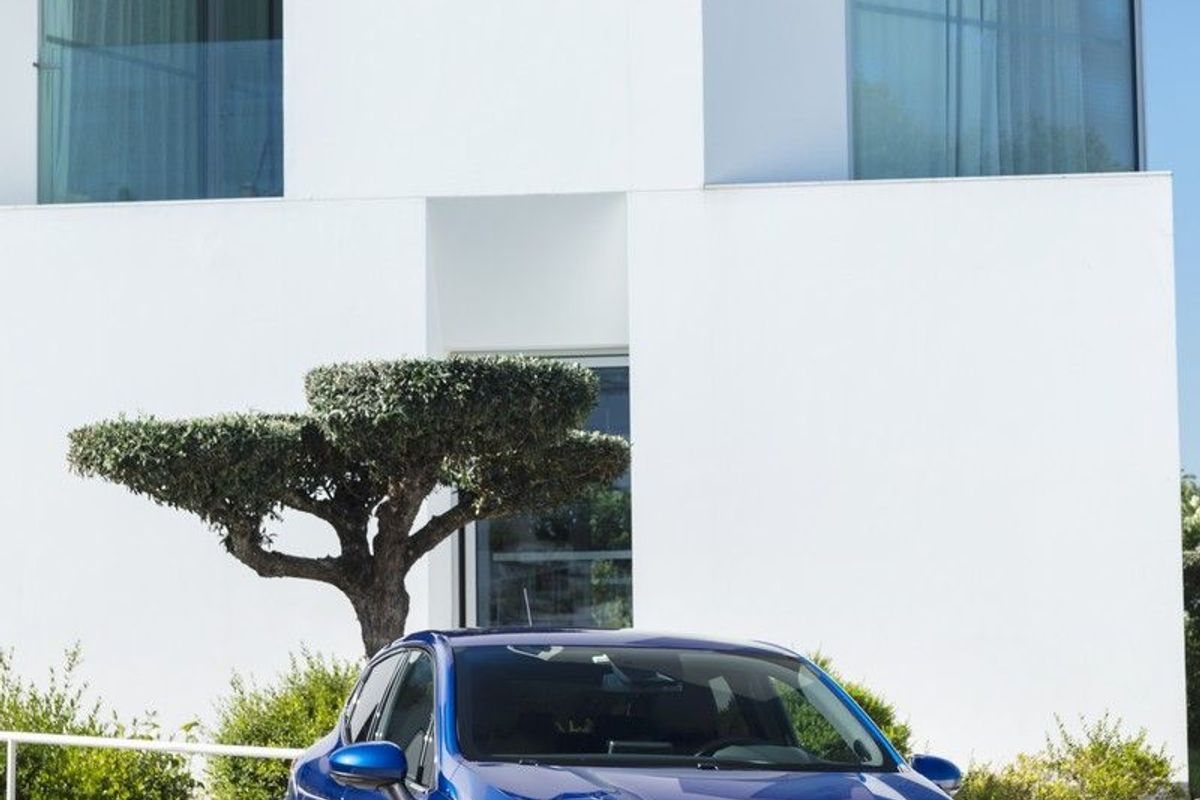
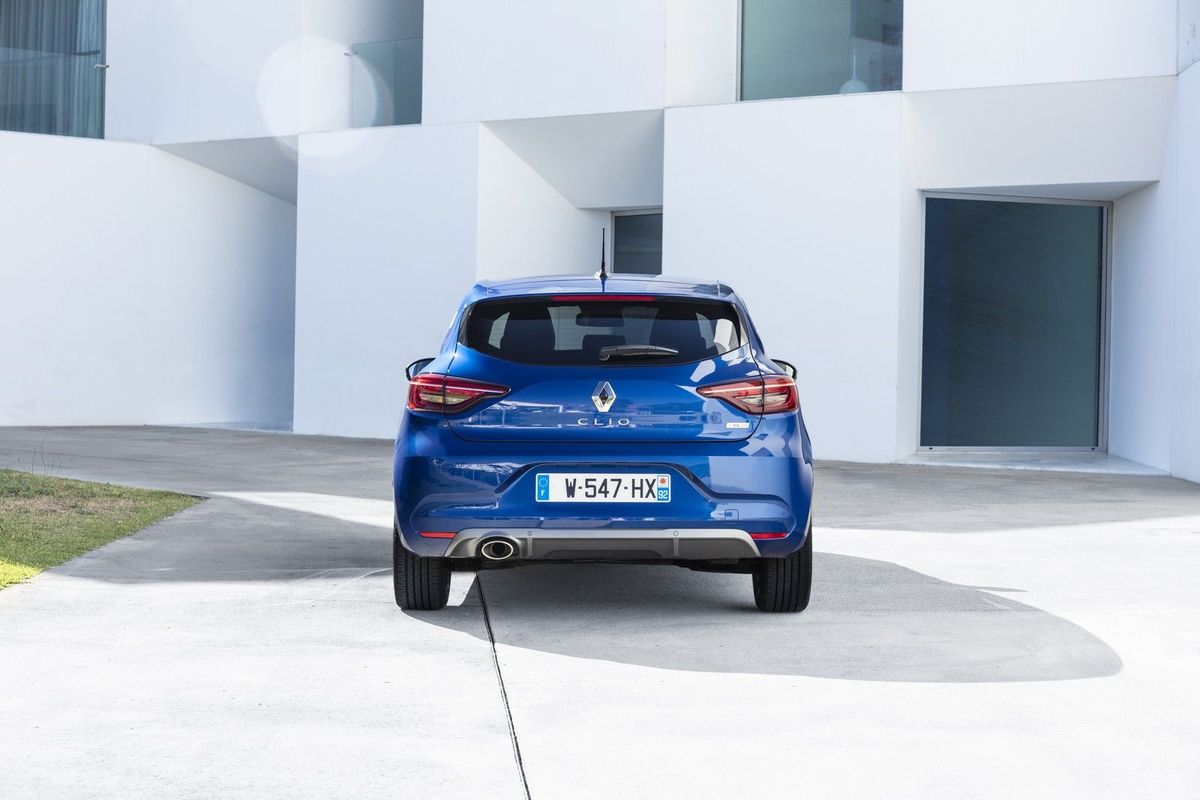
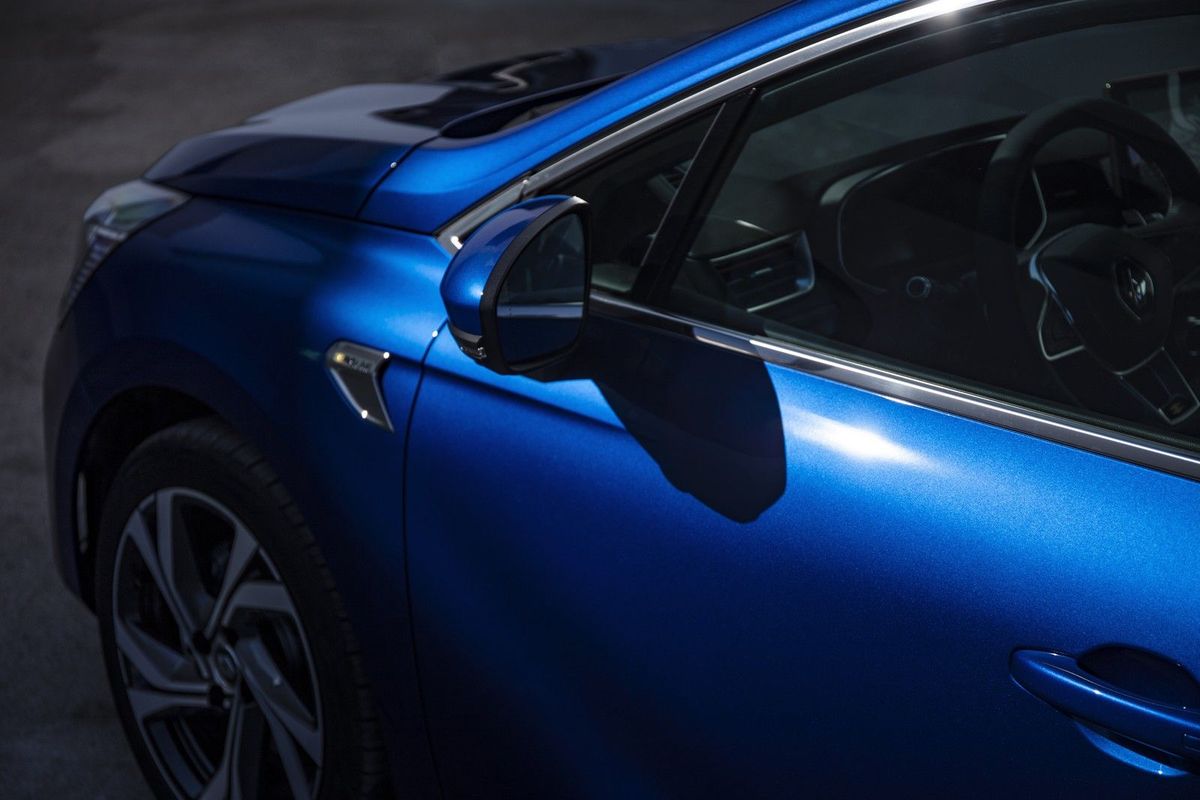
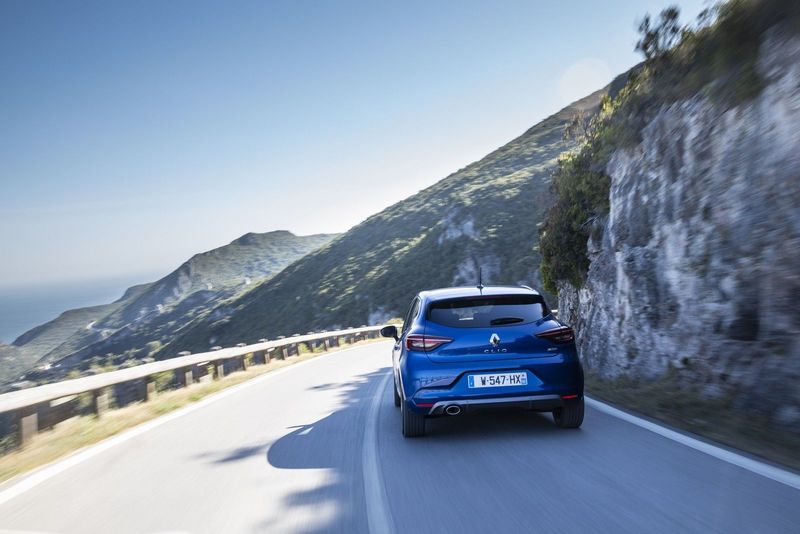
That is a very fair question. Even when the newcomer's parked side-by-side with its predecessor, you’d have to be in possession of a wardrobe’s worth of Renault rally jackets to be able to tell them apart. The tell-tales are the new headlights — they’re all LED across the range now, and have Megane-style C-shaped daytime running lights — and the more sculpted tailgate. This is not, however, a mere facelift. In fact, Renault has done the reverse of what most car companies do and kept the styling basically the same (well, the outgoing Clio 4 was hardly bad-looking, now was it?), but changed everything underneath. The platform is the latest version of Renault’s CMF-B chassis, much-modified for this car. In fact, the new Clio is 12 mm shorter than the old one — Renault’s engineers say that they wanted to put a stop to the bloating of small cars, and instead find extra space inside through better packaging.

Own a Renault? Tell us about your experience here. 

Read: Comparative review – Fiesta vs Polo

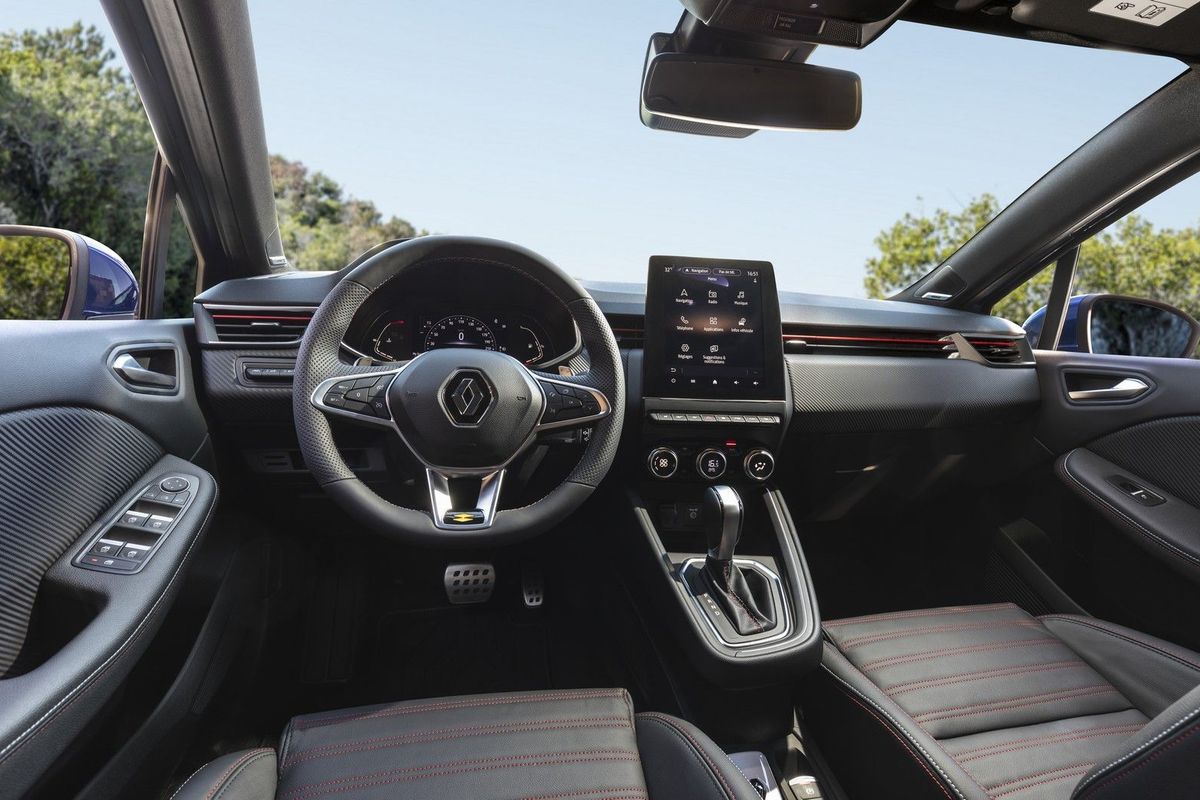
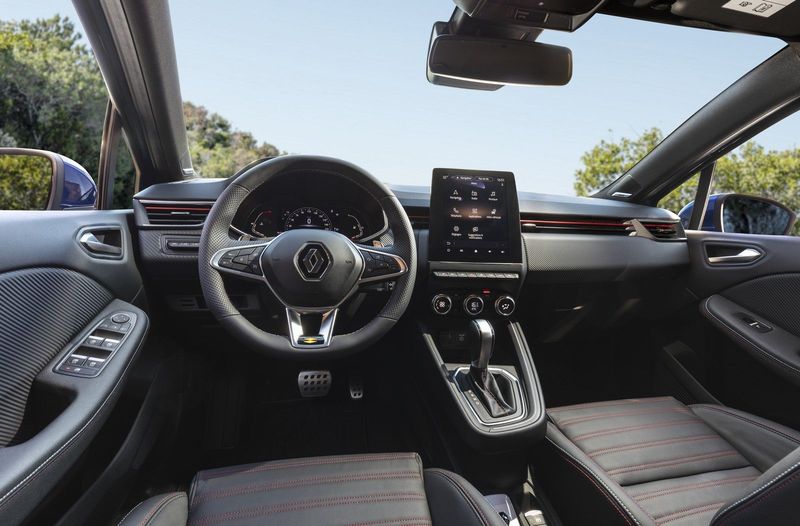
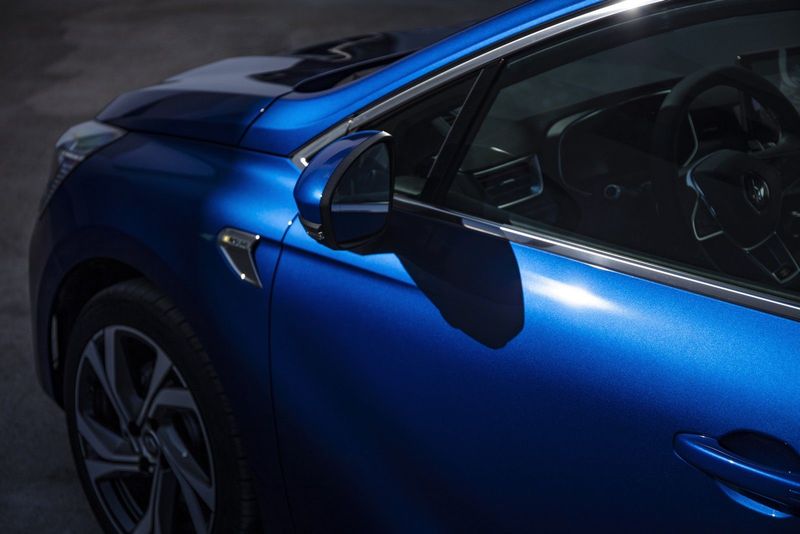
It’s actually the French car's interior that has received the most attention. Stung by criticism that the outgoing Clio’s cabin felt too cheap and cheerful relative to the more premium vibes of the Volkswagen Polo, Renault has really gone to town on this new one. There’s more soft-touch material in this cabin than in many premium models, or so claim the French, and it’s not difficult to believe. Where the old Clio had too many hard plastics and cheap, nasty-looking instruments, the new one is an exercise in understated good taste. There are VW-style air vents that seem to span the entire dash on the passenger’s side, a neat centre console, with expensive-looking and feeling HVAC controls, and most distinctively a big 9.3-inch portrait-style touchscreen in the centre, which looks as if you’ve accidentally left your iPad in the car. Well, up to a point — the graphics and menu layout are an improvement over the old Renault R-Link system, but still not as slick as those of some rivals (VW especially) and we’re testing, of course, the top-spec version. More affordable Clios get a smaller 7-inch screen.


The biggest improvement has been made to the interior, which borders on premium car quality.

Still, they do now get digital instruments too, which are a big improvement on the old Clio’s instrument panel, but, regrettably, still not up there with the best. Then again, Renault will shortly release a new 10-inch digital instrument pack as an option, and that looks genuinely impressive. It's a shame that it wasn’t ready for these launch cars.

On a practical basis, the load bay is much bigger (391 litres, which is more than you get in a Golf, for instance, and there’s a handy adjustable boot floor), but the loading lip is also higher. Renault says that this is to cut down on insurance costs, as it means the smaller tailgate is less likely to be damaged in a rear-end collision. Rear legroom is only adequate, though, and it doesn’t feel as roomy back there as, say, in a Ford Fiesta or Volkswagen Polo.

Clios have almost always been fun to drive. Is this one?

No, not really, and how you react to that news will depend entirely on your personal outlook when it comes to motoring. If you’re a petrolhead, it will be a real shame — previous Clios, even non-RS models, have always had that little spark of fun about them, but in the search for greater refinement, Renault seems to have lost the fun factor.


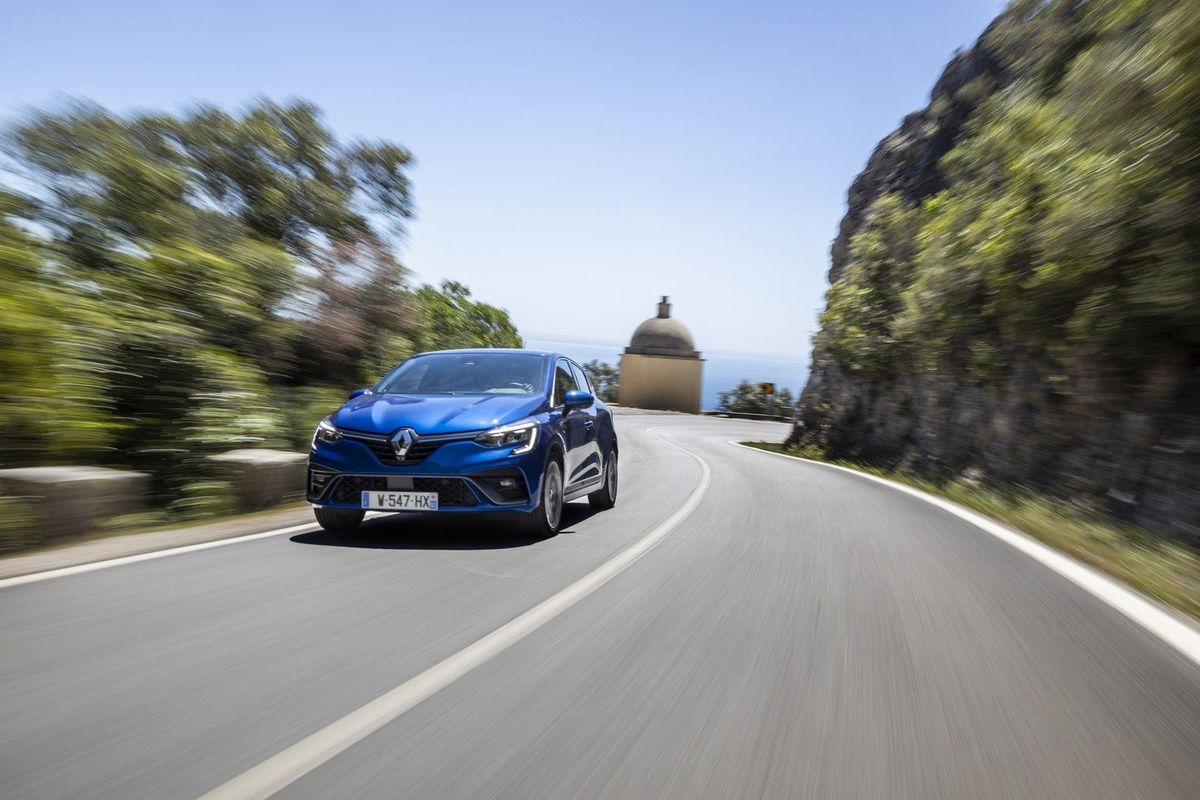
This gen Clio feels refined and the behest of fun-factor.

Okay, let’s take stock of this. For most people, this will simply not be an issue. What most are concerned about will be that impressive new interior – and the fact that the Clio now feels more like a more affordable alternative to the larger Megane. If you don’t need the ultimate space of the bigger car, this might well be a better option.

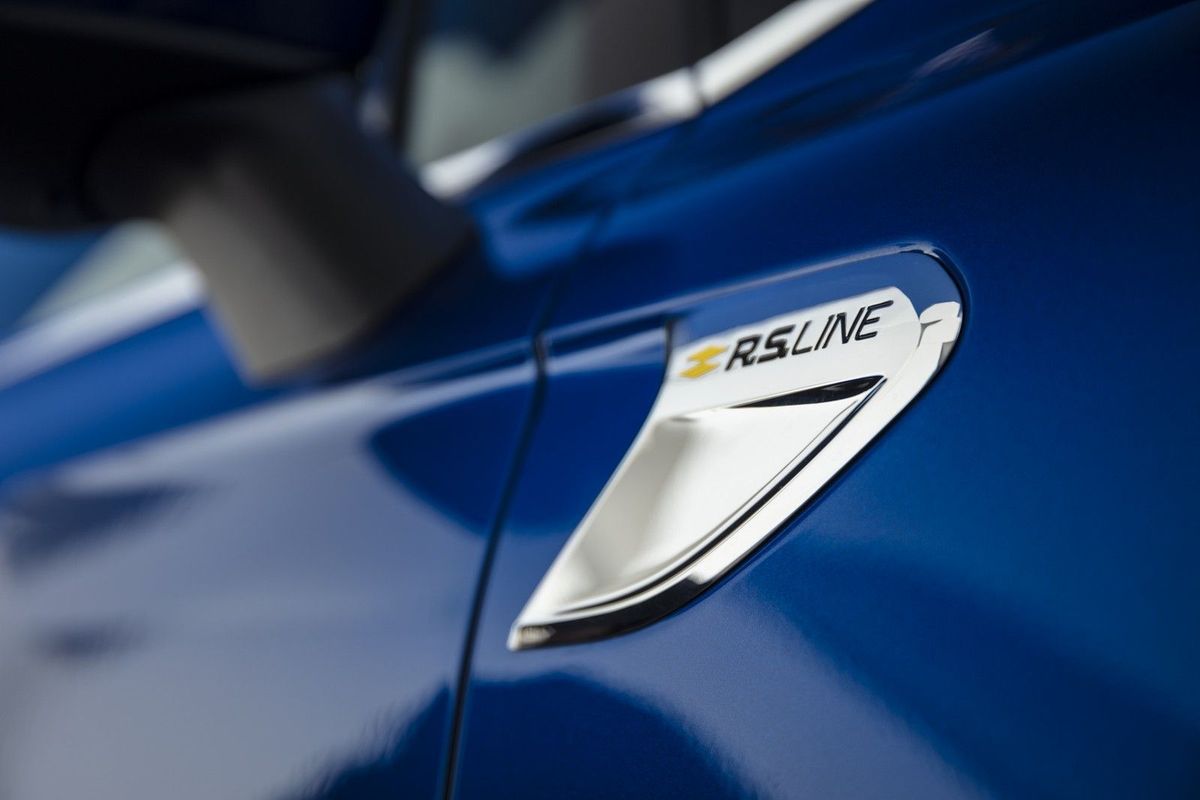
There is a distinct divide in how various versions of the Clio drive, though, so there is a little bit of claw-back for the enthusiast. The RS-Line derivative — which seeks to mix normal engines with styling inspired by the forthcoming Clio hot-hatch version — is actually the worst. That’s because its ride quality has become so unyielding and unsettled that it’s impossible to get into an enjoyable rhythm on a twisty road.

You spend too much time gritting your teeth and fighting through the fidget. Our test car was made worse by trying to combine the 96 kW 1.3-litre 4-cylinder petrol engine with the 7-speed DCT dual-clutch automatic transmission. That 'box is just too slow-witted to be anything like fun, and the way it makes the 1.3 rev reveals an uncouth edge to its aural performance.

There's also a very good-looking Corsa coming soon too

Much, much better is the "Intens" version. This is roughly equivalent to the Dynamique derivative of old (Renault South Africa has yet to set specs and price details of the new car) so it’s well-equipped, but less aggressively sporty, than the RS-Line. Plus, it comes with the 1.0-litre TCe 100 engine. That’s a development of the old 899 cc engine (TCe 90) with, guess what, 10 hp (7.4 kW) more and Renault claims that it’s around 10 to 15% more efficient too. Granted, 74 kW isn’t much, perhaps, and neither is 160 Nm of torque, so you won't be travelling particularly quickly, plus the 5-speed manual gearbox seems a bit old-hat in an age of dual-clutch automatics.


The 899 cc engine has been given an extra 7.4 kW of power and 20 Nm of torque.

Nevertheless, this is the best of the new Clios thus far. The fact that the suspension is far gentler in this form (it still fidgets a bit, but much less) means you can press on a bit more on give-and-take roads, and while the engine’s moderate outputs mean that you won’t be going all that fast (it’s a full second slower to 100 kph than a VW Polo 1.0 TSI 70 kW, for example), it’s a much more willing and enjoyable engine than the 1.3, with a sweeter note when revved. The Clio lacks the steering precision and feedback to be properly entertaining to drive, but at least in this 1.0 model, you can actually enjoy yourself a little…

Anything else of interest?

Hang on for a while – Renault’s going to introduce a hybrid version of the Clio 5. It will use a new 1.6-litre naturally aspirated engine, combined with two electric motors (one small one for engine restarts, a larger one for actually moving the car) and will be capable of running on pure electric for around 80% of the time. There won’t be an all-electric Clio though — Renault plans to keep the Clio and Zoe ranges separate for some time yet, saying that it’s too tricky to combine a combustion engine and an electric car on the same platform. Renault South Africa doesn’t have an electrification strategy for the local market, so it’s unlikely we’ll see any of these future models make it to our shores.

Summary


More refined and better built, but a few holes in the finished product.

While you might be forgiven for thinking that Renault is trying to sell you an old Clio with a new exterior execution, the fact is that a great deal has changed. That cabin is a massive step forward for the Clio, making it look and feel much more expensive – verging on premium – than was ever the case before. It’s a shame that some of the fun factor of old has been excised, but at least the 1.0-litre TCe 100 engine retains a modicum of enjoyment. Just avoid the RS-Line, unless you plan to keep your local osteopath’s business well in the black.

Related content:

2020 Peugeot 208 Revealed: Now With Electric Power

Ford Fiesta 1.0T Titanium Automatic (2018) Review

Next-gen Opel Corsa leaked

 Volkswagen Polo Vivo 1.4 Comfortline (2018) Review

Interested in buying a new/used Clio?

Search for one on Cars.co.za

Lego Leaks New Land Rover Defender?

Has Lego leaked the new Defender or is this just a toy? 

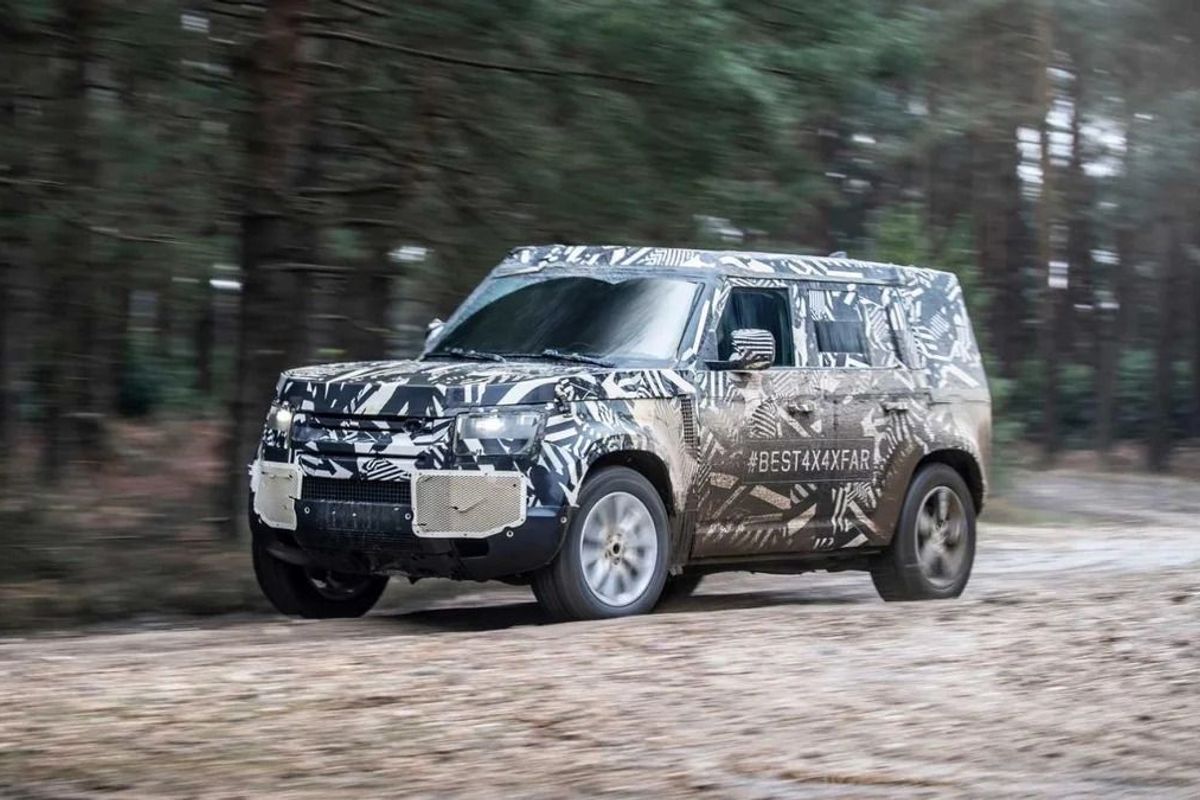
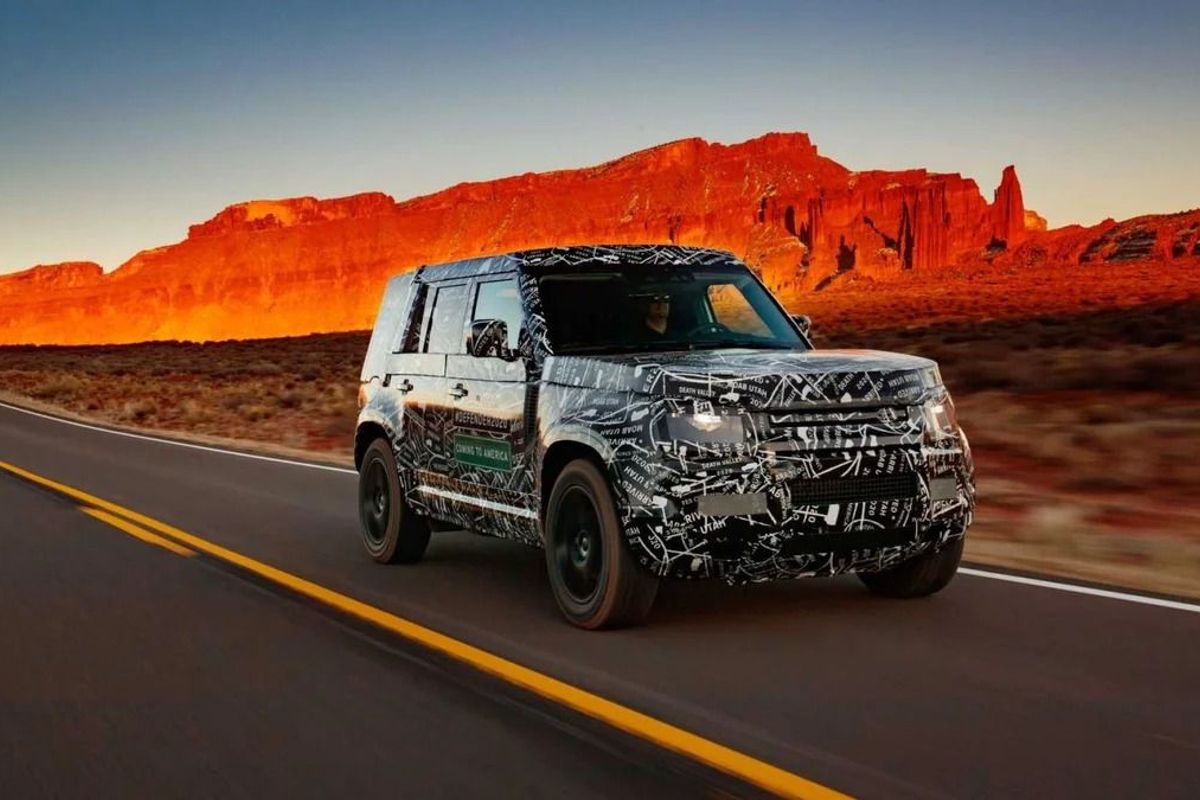
Land Rover has desperately attempted to manage expectations around its new Defender. It has teased camouflaged prototypes touring around the world but been careful not to reveal too much.

Now the world’s favourite Danish toy brand has apparently done the unthinkable and leaked the new Defender – ahead of its global reveal.

Lego has a unique relationship with most automotive manufacturers. Its designers are given privileged access to pre-production and prototype vehicles, in order to harvest details which allow them to scale their own Lego brick versions. This co-branding relationship has never been an issue before, until now.

Read: New Defender testing in Kenya

A new Land Rover Defender build-set was shown on a Lego news site over the weekend and the similarities are too obvious to ignore. This Lego Technic Defender rolls the same wheel design as all those camouflaged Defender prototypes and the off-set badging is similar too.

The Lego Defender features massive over-fenders and a bold bonnet power dome, which might be accentuated styling elements. Round headlights are also more akin to the old Defender than Land Rover’s new utilitarian off-roader. But these design elements are typical of Lego’s signature finishes, which are close, but never an exact resemblance of any production vehicle.

Technically, the Land Rover Defender Lego set consists of 2 573 pieces. It features a functional steering mechanism, four-speed sequential transmission, three differentials and independent suspension at both axles.

Measures from the winch to tailgate, it is 42 cm long, stands 22 cm tall and spaces 20 cm across. Market distribution for the new Lego Defender is scheduled for October, which is a month after Land Rover is due to launch its life-size version.

It will be telling to see how closely the two resemble each other. But if this Lego Technic set is anything to go by, Land Rover traditionalists might not be disappointed – at all.

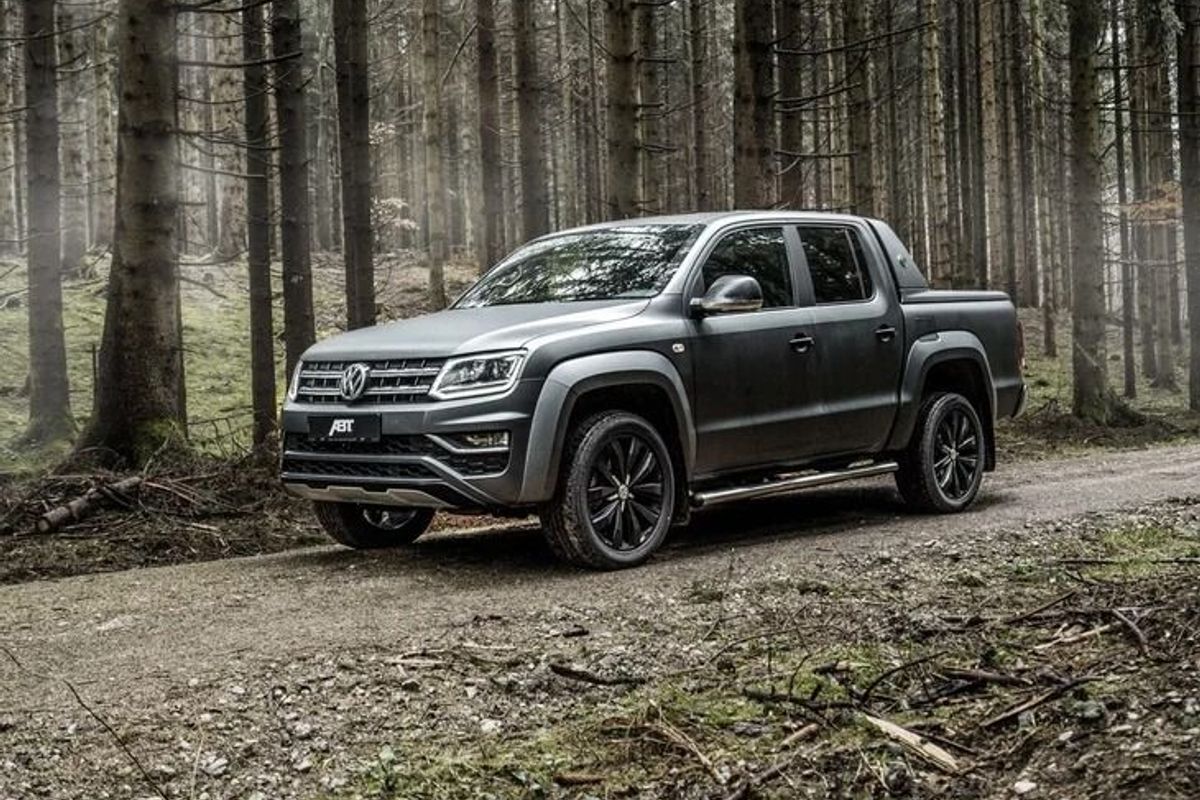
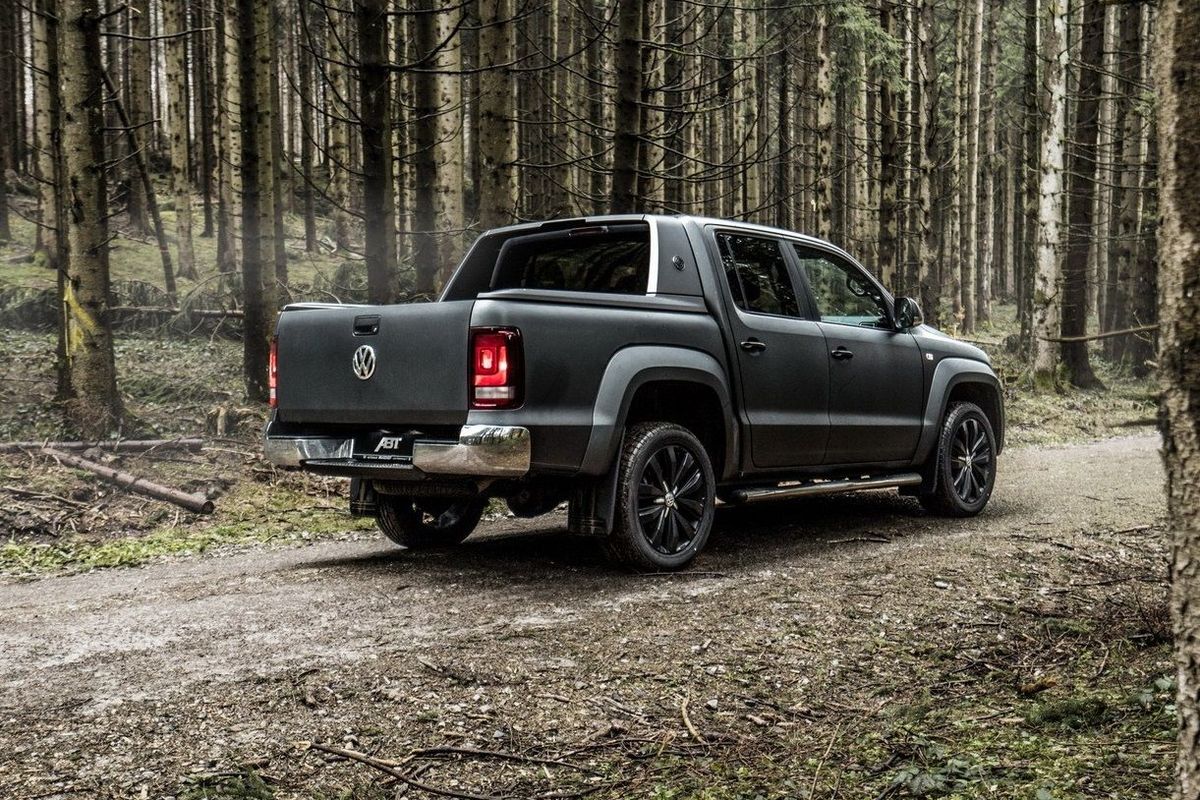
Volkswagen Amarok Boosted By ABT

What's better than a potent bakkie? A tuned bakkie, of course! ABT got its hands on the 3.0-litre V6 Volkswagen Amarok and the results are impressive.

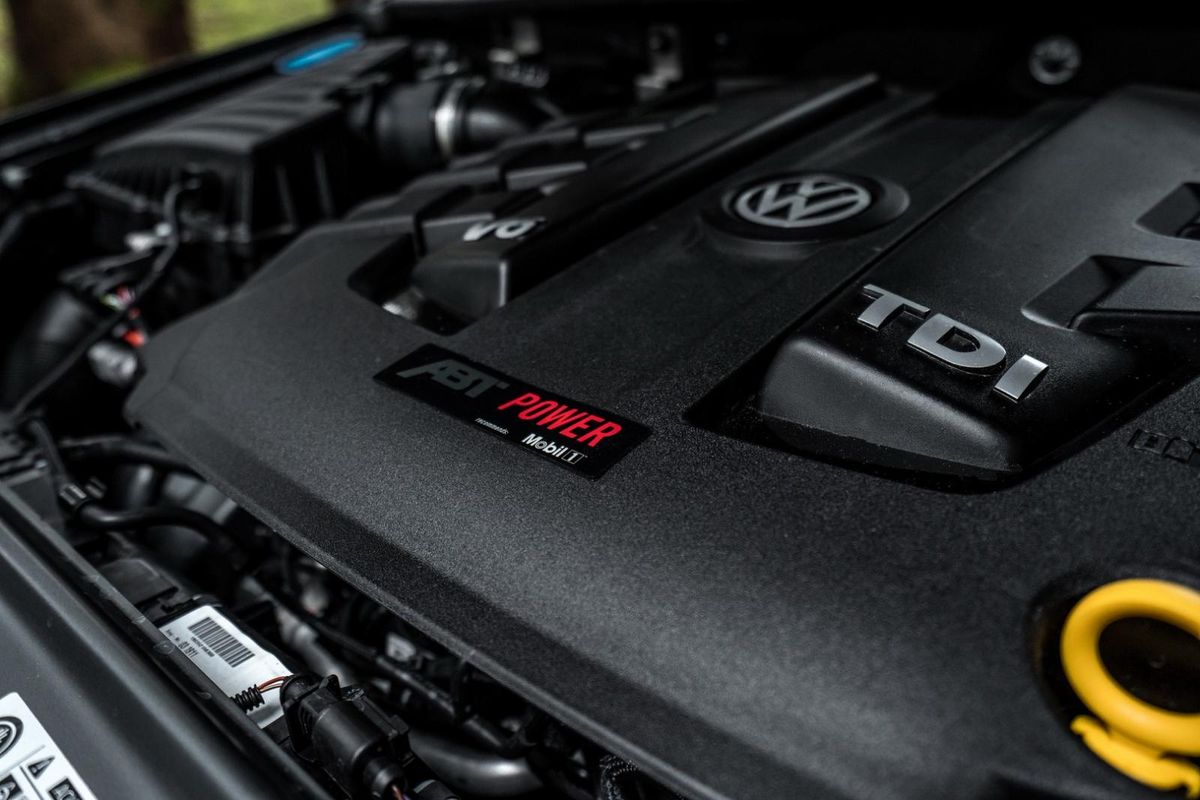
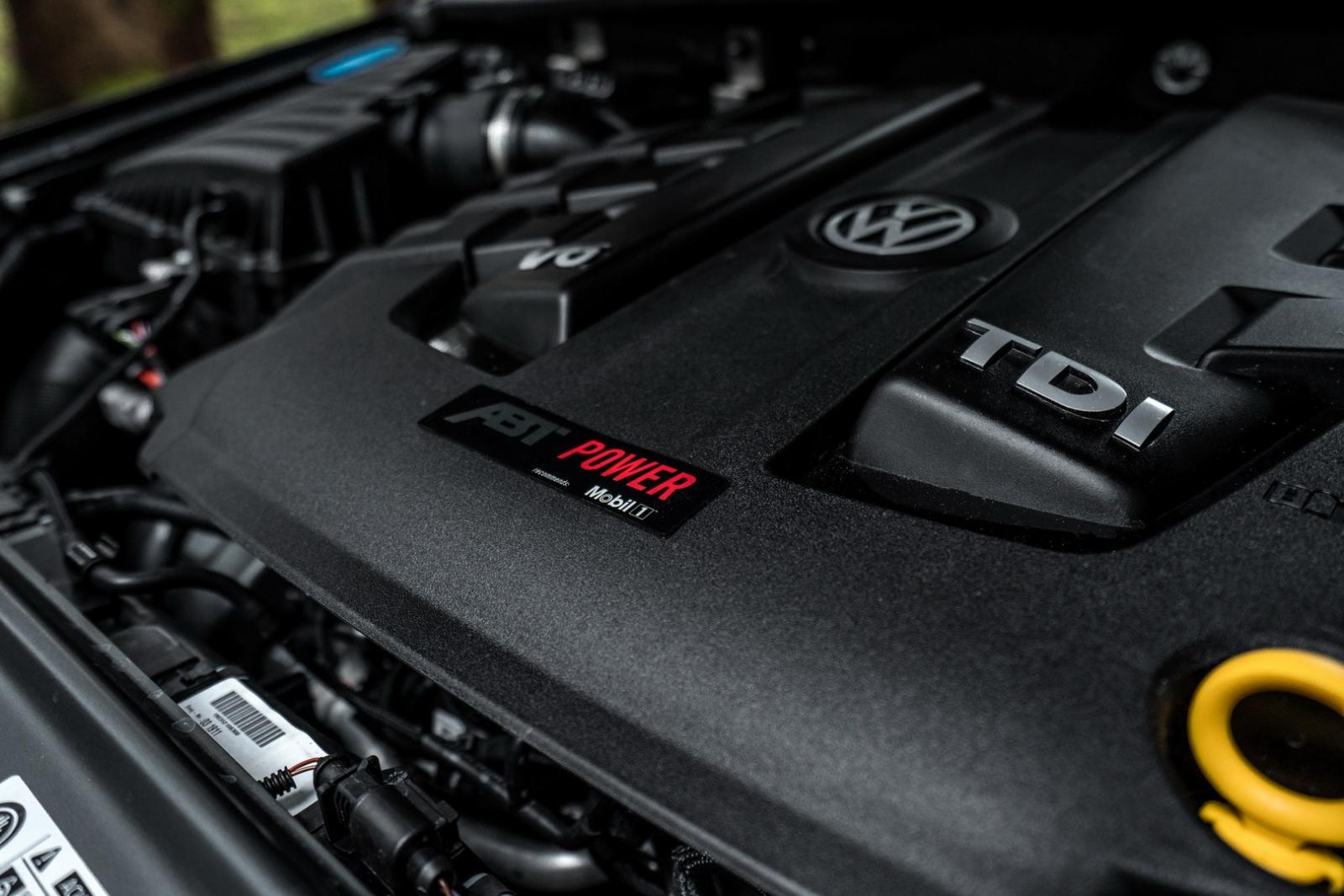
The Volkswagen Amarok with its 3.0-litre V6 engine could hardly be accused of being underpowered, but tuners ABT Sportsline have added some more meat. Note that this is the European-spec 3.0-litre V6 which produces 190 kW and 580 Nm, mind, but still, thanks to an engine control unit upgrade, the ABT Amarok now features 225 kW and 630 Nm. 

All that shove goes through an 8-speed automatic transmission and reaches the road via Volkswagen's 4Motion all-wheel drive system. In terms of performance, ABT Sportsline claims an improvement in the acceleration department, with a 7.7 second run. Top speed is rated at 211 kph. It's not just the top-of-the-line V6 which can be upgraded. ABT Sportsline also offers a conversion to the less-powerful V6 (the SA-spec motor) which sees power increase from 165 kW to 195 kW. 


225 kW and 630 Nm from a 3.0-litre V6 are solid outputs, giving the Amarok a distinct performance edge.

Want to purchase a Volkswagen Amarok? Check what's on sale now.

Further Reading

Preview: Volkswagen Amarok V6 vs Mercedes-Benz X-Class V6

Volkswagen Amarok 3.0 V6 TDI (190 kW) Launch Review
VW Platform Mountiaq Bakkie Revealed

Mini JCW GP Smashes the ‘Ring

The forthcoming Mini John Cooper Works GP has been flexing its muscles at the Nürburgring and has broken the record set by its predecessor.

A hot-hatch war is underway and Mini has dropped a bomb called the John Cooper Works GP.

In 2012, the Mini JCW GP lapped the ‘ring in 8:23.04. Now, the forthcoming JCW GP, which is seen here in disguised prototype form, has shaved off the fat with Mini saying that its most powerful and fastest Mini to date has shattered the 8-minute barrier at the 24 Hours Nürburgring pre-race program this past weekend. What’s more, further tests have yet to be completed, so this result is indeed promising. BMW Blog reported that the newcomer completed a lap in 7:56, which is mighty impressive.

See spy shots of the Mini JCW GP

Powered by a turbocharged, 4-cylinder mill that will churn out no less than 220 kW, the JCW GP is expected to bring all the driving thrills to the road with a model-specific suspension and weight-optimised construction. The JCW GP rides on large alloy wheels and features sizable air intakes giving it a purposeful stance. Only 3 000 units will be built and sales are expected to commence in 2020. A full reveal is expected in coming months. 

Buy a new or used Mini on Cars.co.za

Further Reading

New JCW Clubman most powerful Mini yet

New Mini Clubman Revealed

The Classic Car Show Gears Up for 7 July

Expect to see a staggering variety of classic cars to show up for the mid-winter rendition of The Classic Car Show at Nasrec Expo Centre on July 7th.

Several brands and models celebrate important milestones this year, including Mini, which turns 60. First launched in August 1959, the little car quickly became a global icon. It was launched in South Africa late in 1959, and Minis were actually built in South Africa (in Cape Town) until the early '80s. Expect to see a large contingent of first-generation Minis at Nasrec on the 7th of July.

Joining the party will be a number Ford Capris, with the stylish "mini-Mustang" from the blue-oval celebrating its 50th anniversary this year. How many Peranas will be at Nasrec? We can't wait to see…


The Ford Capri celebrates its 50th anniversary this year. Expect to see a number of these cars at Nasrec for the show.

And who can forget the Datsun SSS, also celebrating its 50th birthday this year. Expect to see a big number of these cracking little sedans at Nasrec, some stock… and some not at all!

As per usual, there will be a large number of American muscle cars and some British beauties, too.

The event details

  • The owners of classic cars will be admitted free of charge to the Classic Car Show on July 7, 2019. Admission will be free for the driver and one passenger, while extra passengers will have to pay a full admission fee.
  • The Show runs from 8 am to 4 pm. Classic car owners can gain access to the display area from 7 am.
  • Admission prices are R60 for adults if the ticket is booked through Computicket, or R80 at the gate. Entrance for children under12 will be R20.
  • As usual there will be a full complement of entertainment, food and drink laid on by the organisers, with live rock music being a traditional feature of the show. There will be entertainment for children such as kiddies go-karts and jumping castles, and helicopter rides will also be on offer.

For more information, visit www.classiccarshowco.za, send an e-mail to [email protected] or call organiser Paulo Calisto on 060 524 3767.

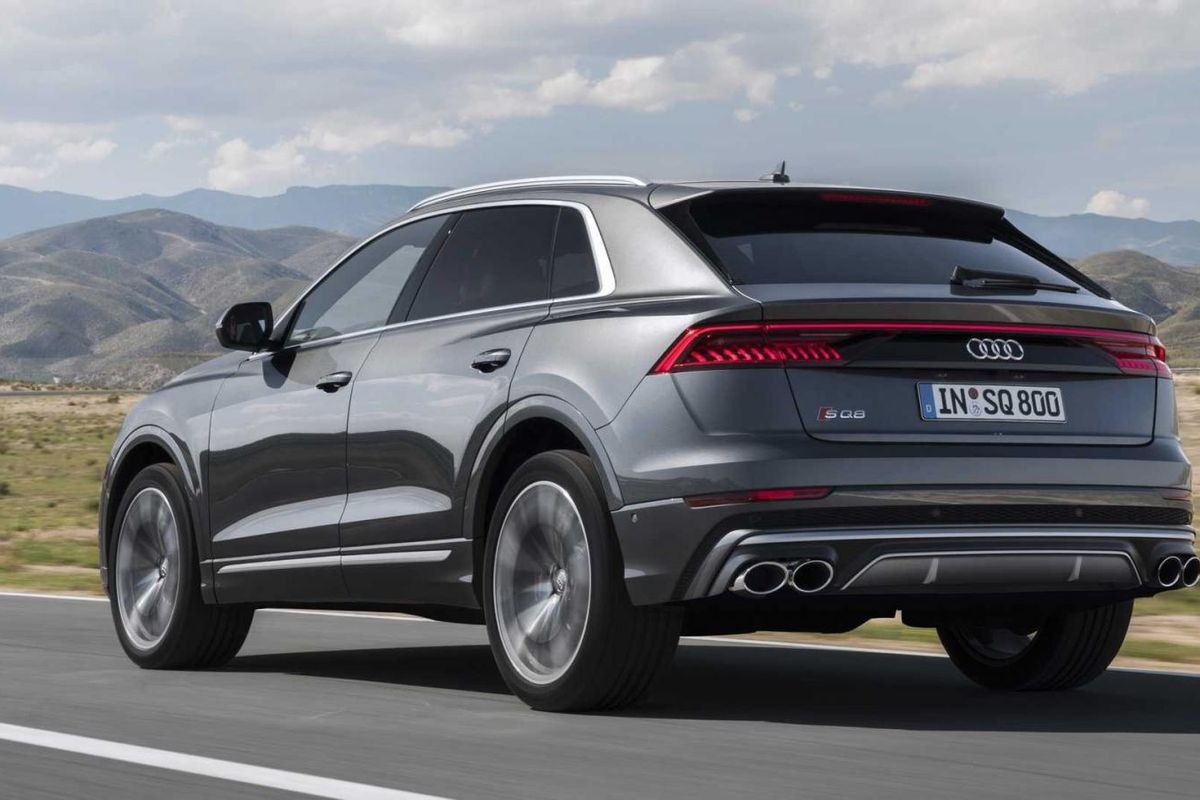
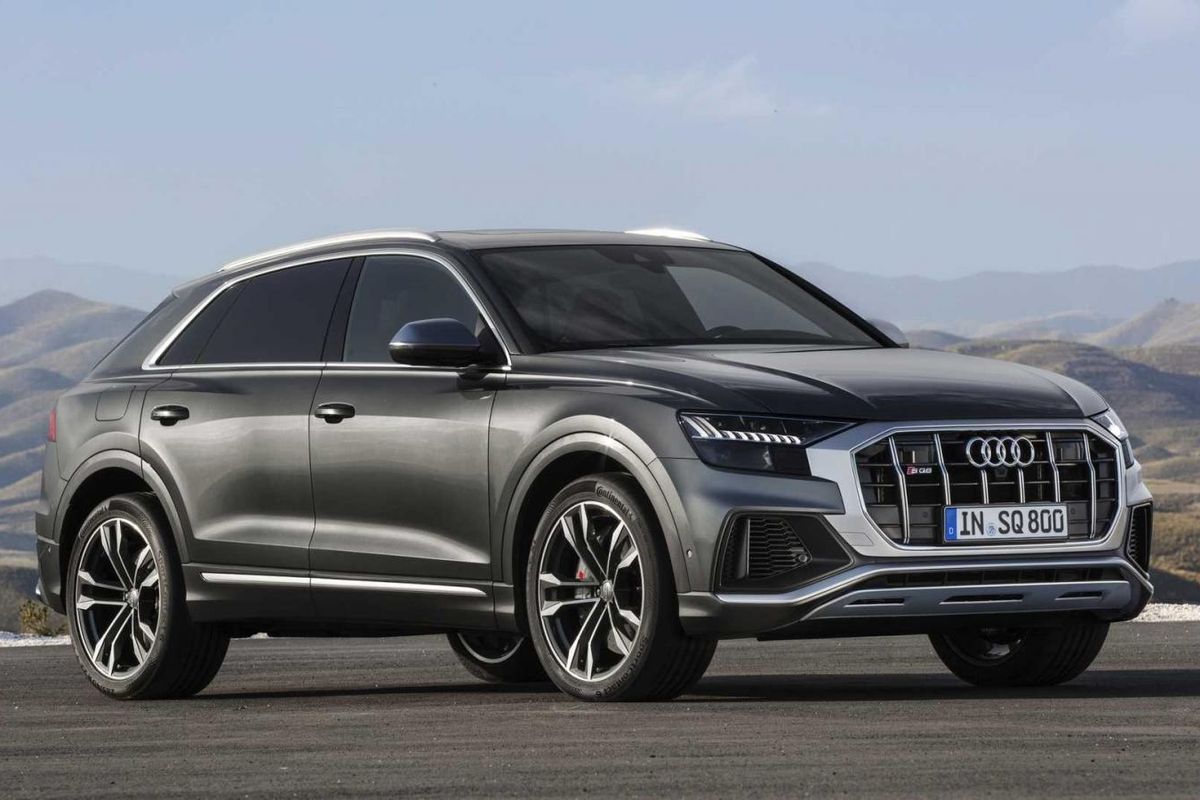
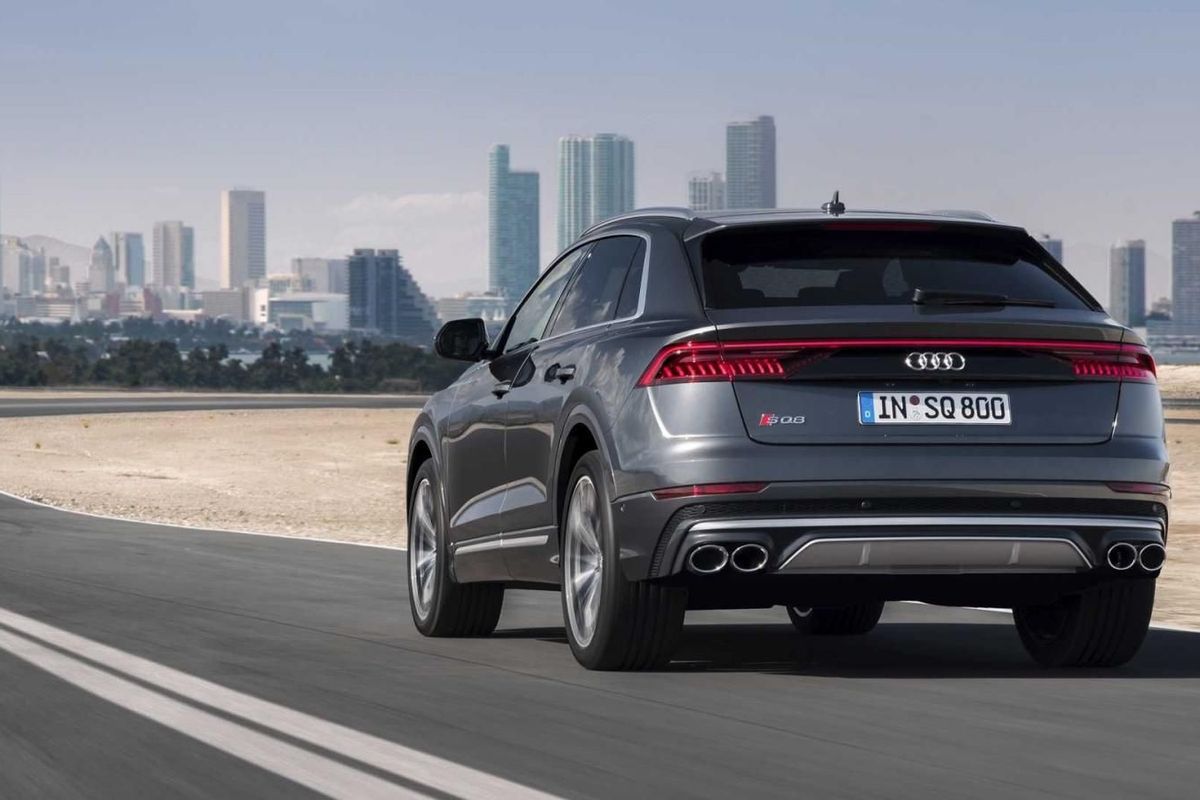
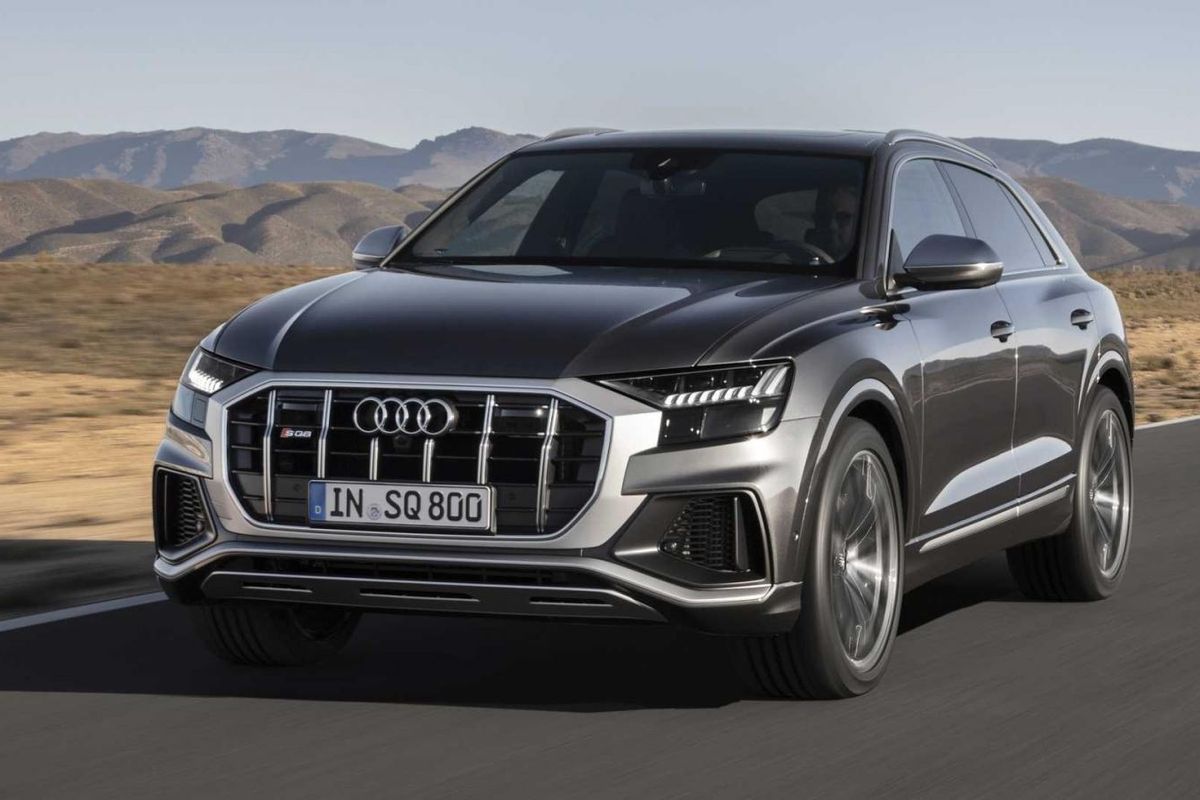
Audi SQ8 Is a 900 Nm Monster

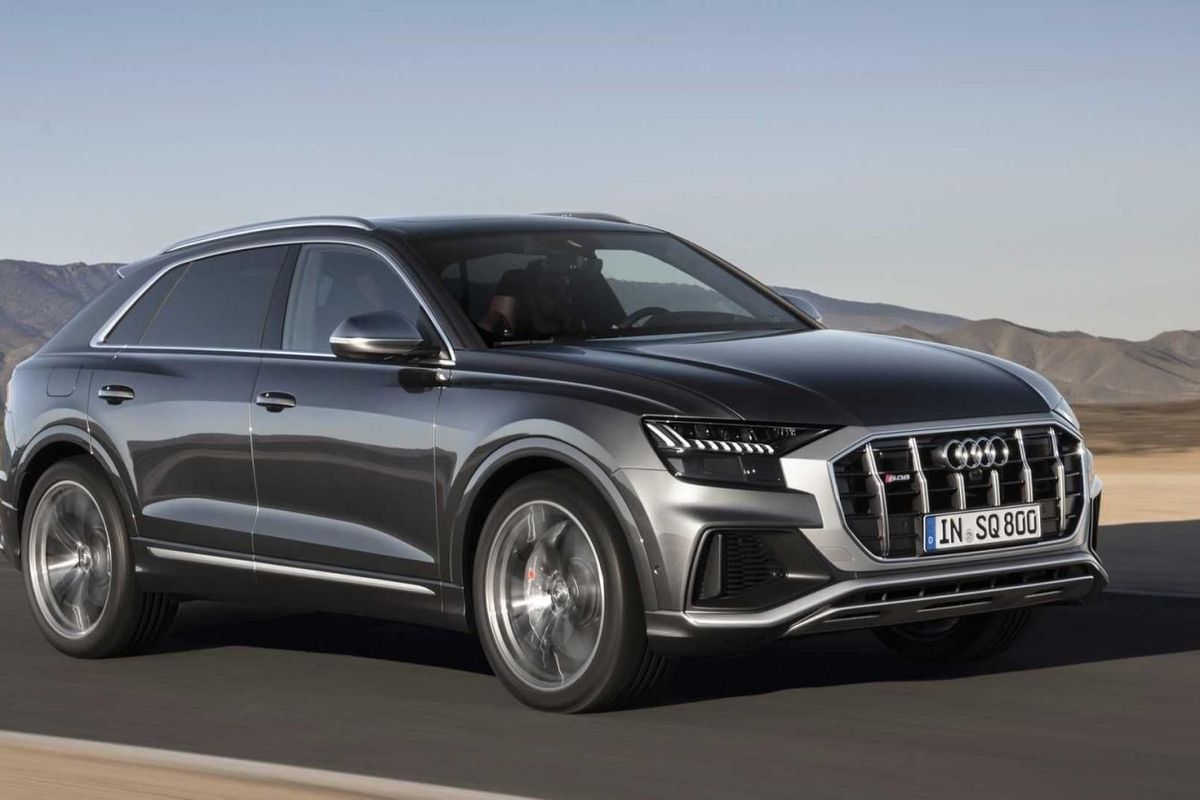
The long-awaited Audi SQ8 has finally been revealed and it comes to market packing a massive diesel punch. Here's what you need to know about Ingolstadt's luxury performance SUV.

Right now, there's just a turbocharged V6 petrol engine available for the Audi Q8 in South Africa. It produces 250 kW and 500 Nm, giving it credible performance figures. There'll be a diesel V6 joining the lineup later in 2019 too and with 183 kW and 600 Nm. It'll be the more frugal of the 2 derivatives, but what if you wanted more?

Introducing the new Audi SQ8 which should be coming to SA in 2020. Powered by the same 4.0-litre turbocharged diesel V8 engine as the SQ7 and Bentley Bentayga, the SQ8 pushes out a cracking 320 kW and 900 Nm. What's impressive is Audi claims all that torque is available from 1 000 rpm. The secret here is the e-turbochargers and sequential charging which is claimed to eliminate lag. 

This is the SQ8, now check out the Audi RSQ8

Performance? Audi claims the SQ8 can hit 100 kph in a claimed 4.8 seconds and it'll hit an electronic limiter at 250 kph. The Audi SQ8 also features a mild hybrid system, where the 48-volt lithium-ion battery pack helps with the turbochargers at low revs. 

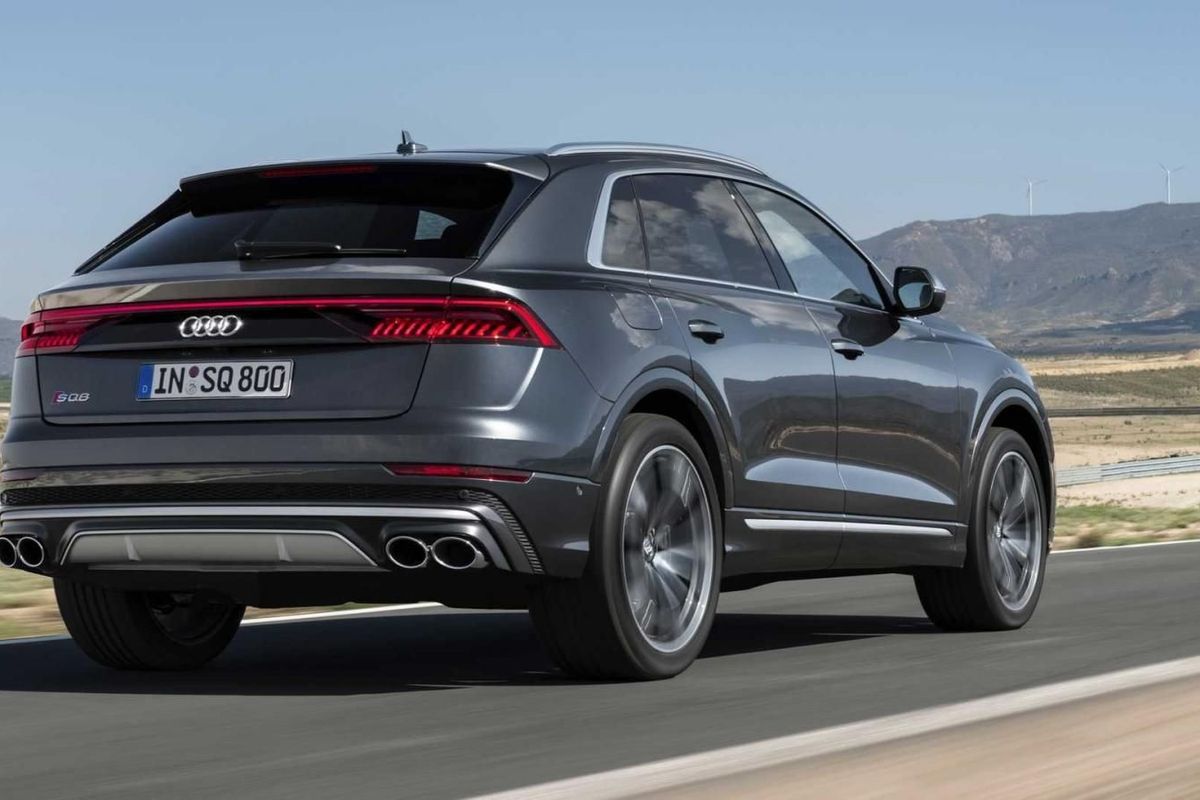
While final specification for South Africa is not yet confirmed, the international Audi SQ8 comes with 21-inch alloy wheels, sportier exterior, new rear diffuser, oval exhaust tips and naturally, there will plenty of options to choose from. We suspect carbon ceramic brakes might be worth looking at, given the proportions of the SQ8 and what's required to bring it to a stop.


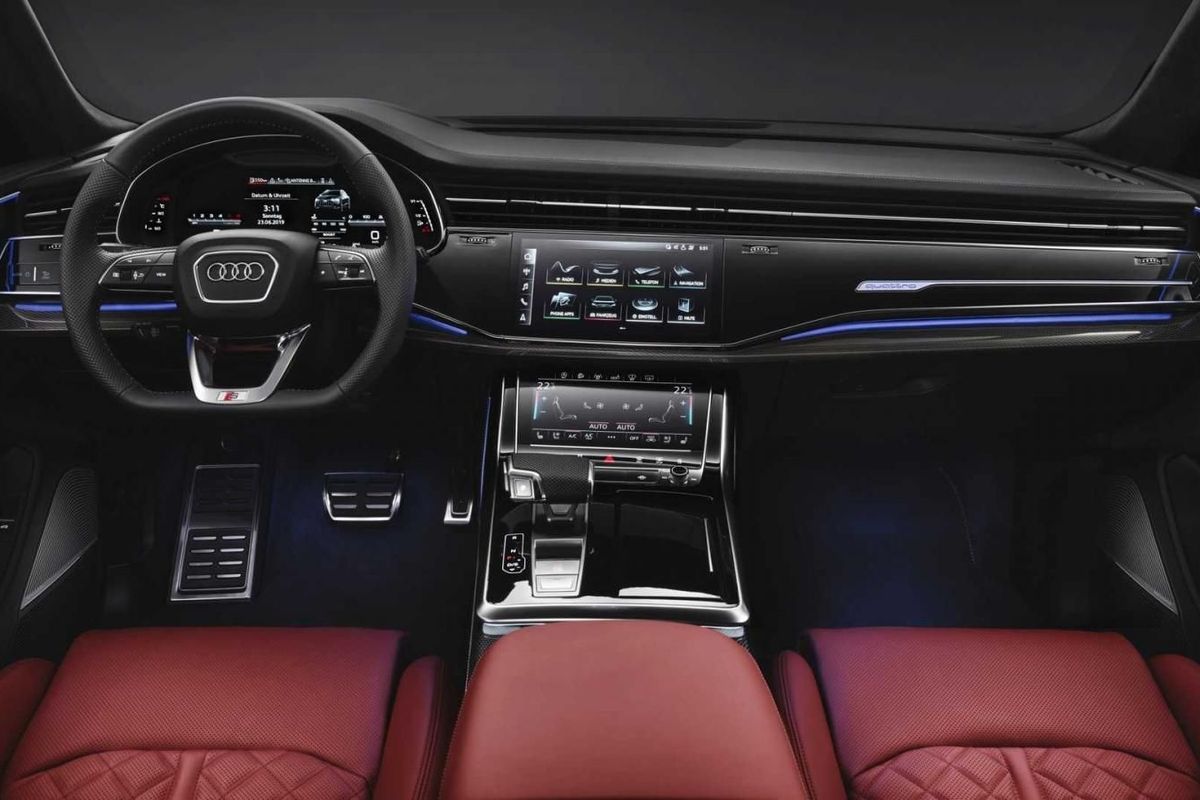
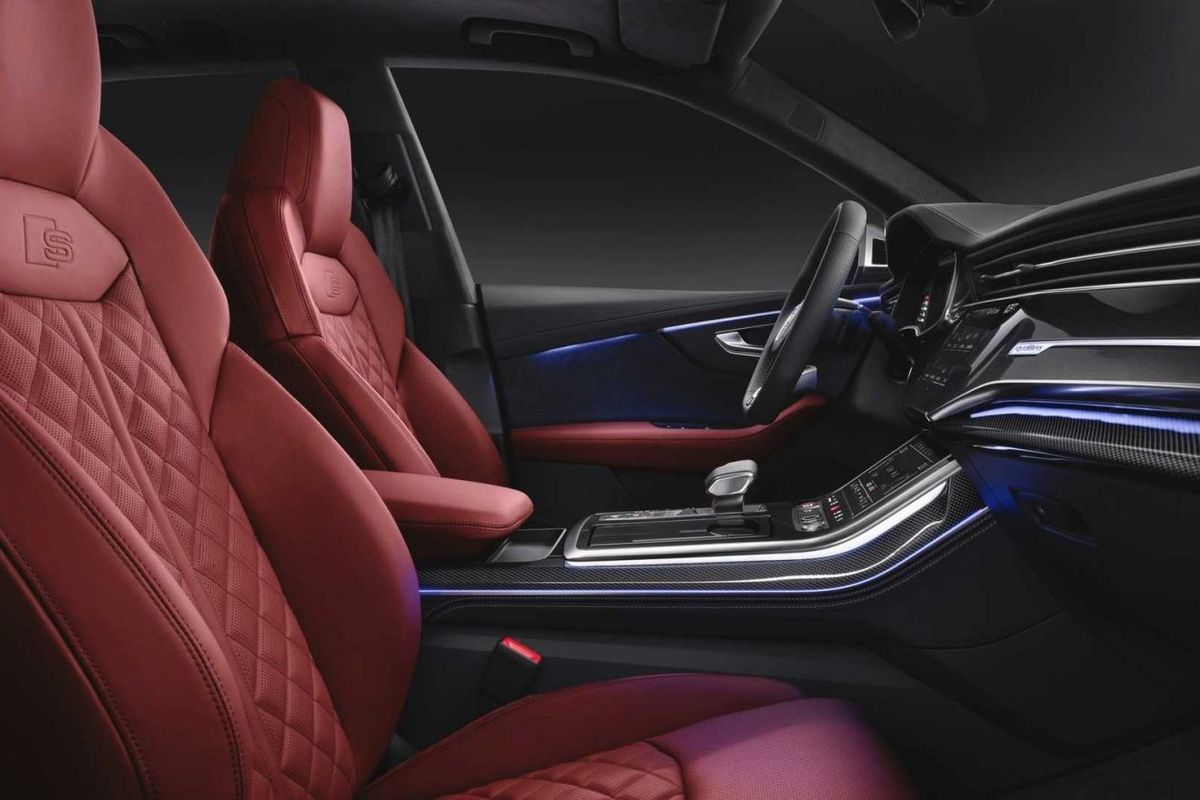
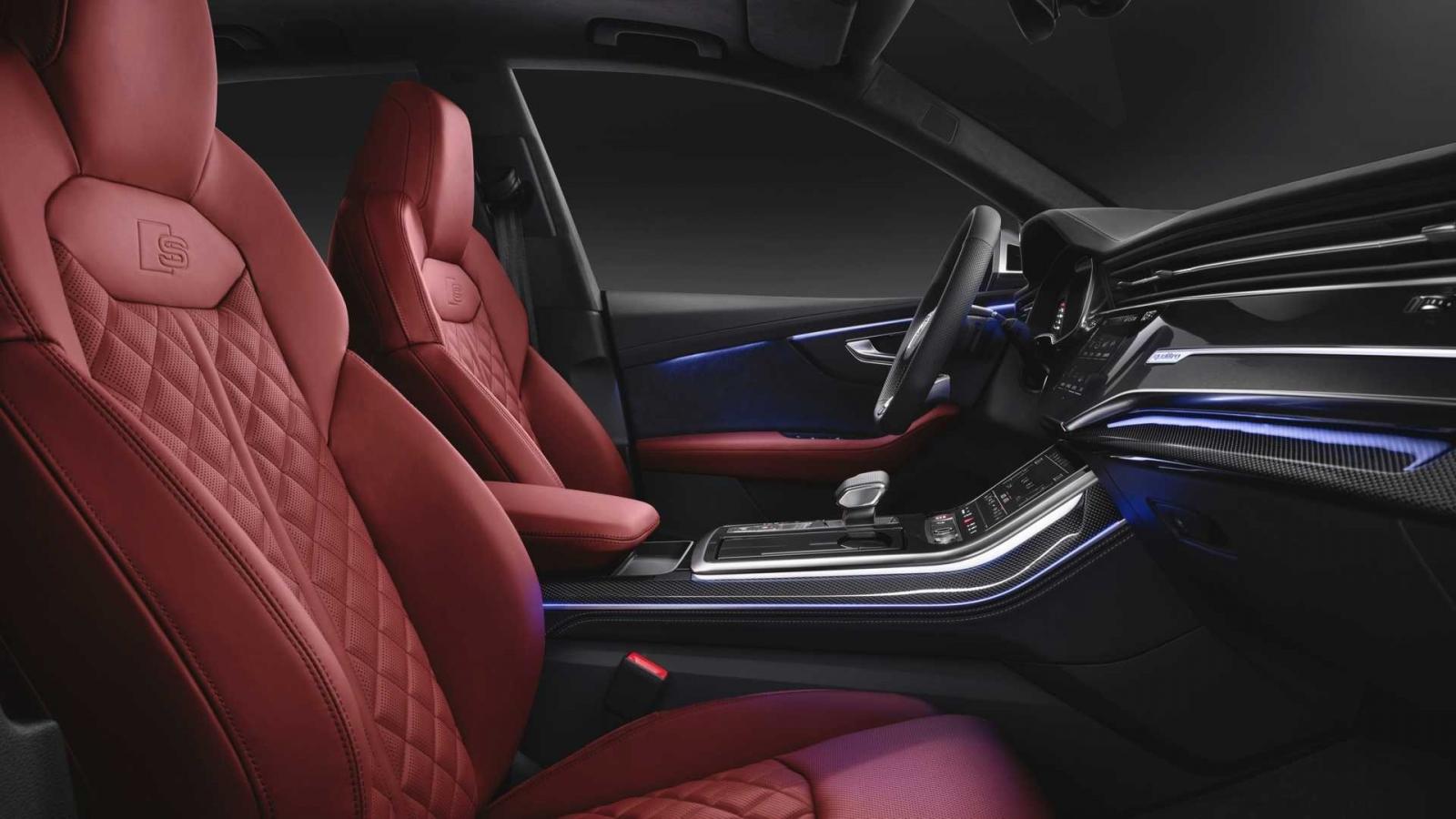
Being the performance version, the Audi SQ8 cabin needed to be quite special and it certainly looks it.

Want to buy an Audi Q8? The first units have been listed, check them out

Further Reading

Audi Q8 55TFSI quattro (2019) Review [w/Video]
All-New Audi Q8 Review – Big, Bold, Worth it?
Audi Q8 (2019) Specs & Price

Opel Astra 1.6T Sport OPC-Line (2019) Review
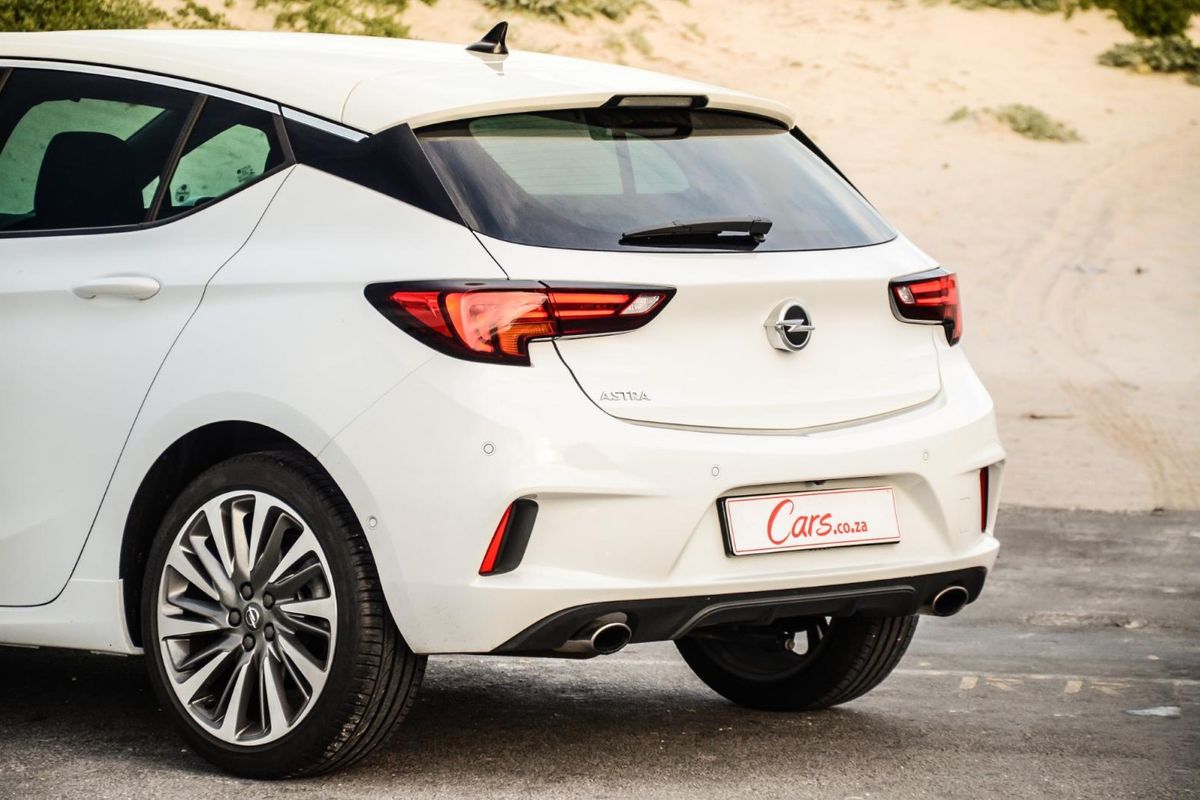
A sportier-clad version of the flagship Opel Astra, replete with a 6-speed auto transmission mated with a 1.6-litre turbopetrol engine, was recently launched in South Africa. Can generous spec and a purposeful body kit, which distinguishes the newcomer from the rest of the range, justify the 1.6T Sport OPC-line's premium price tag?  

We Like: Punchy engine, good ride/handling balance, many standard features, practicality

We Don’t Like: OPC-Line kit could be more striking, pricey – given its moderate performance.

Fast Facts

  • Price: R508 000
  • Engine: 1.6-litre turbopetrol
  • Power: 147 kW  
  • Torque: 280 Nm
  • Transmission: 6-speed automatic
  • Fuel Consumption: 6.1 L/100 km

Own an Opel? Tell us about your experience here. 

SERIOUS ABOUT BUYING?

Check out full specification details and finance estimates here

Some Opel dealers regularly offer specials. Have a look here.

What is it?


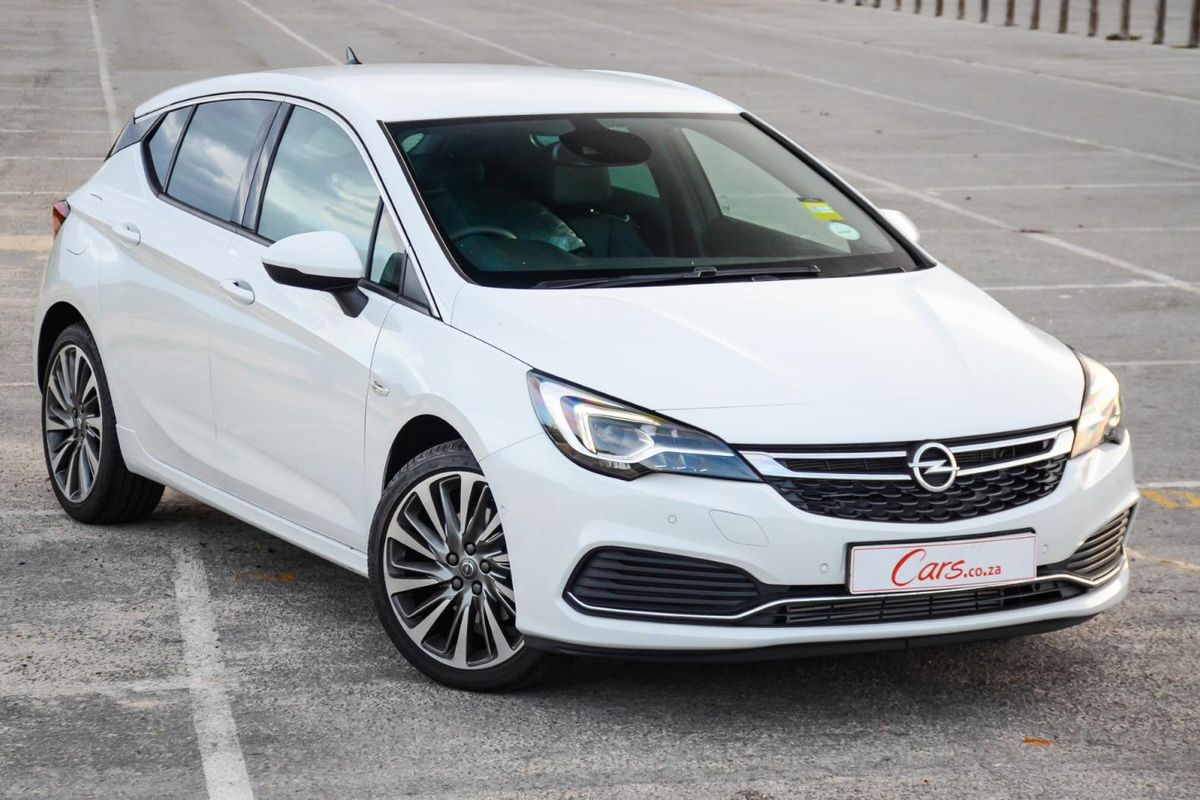
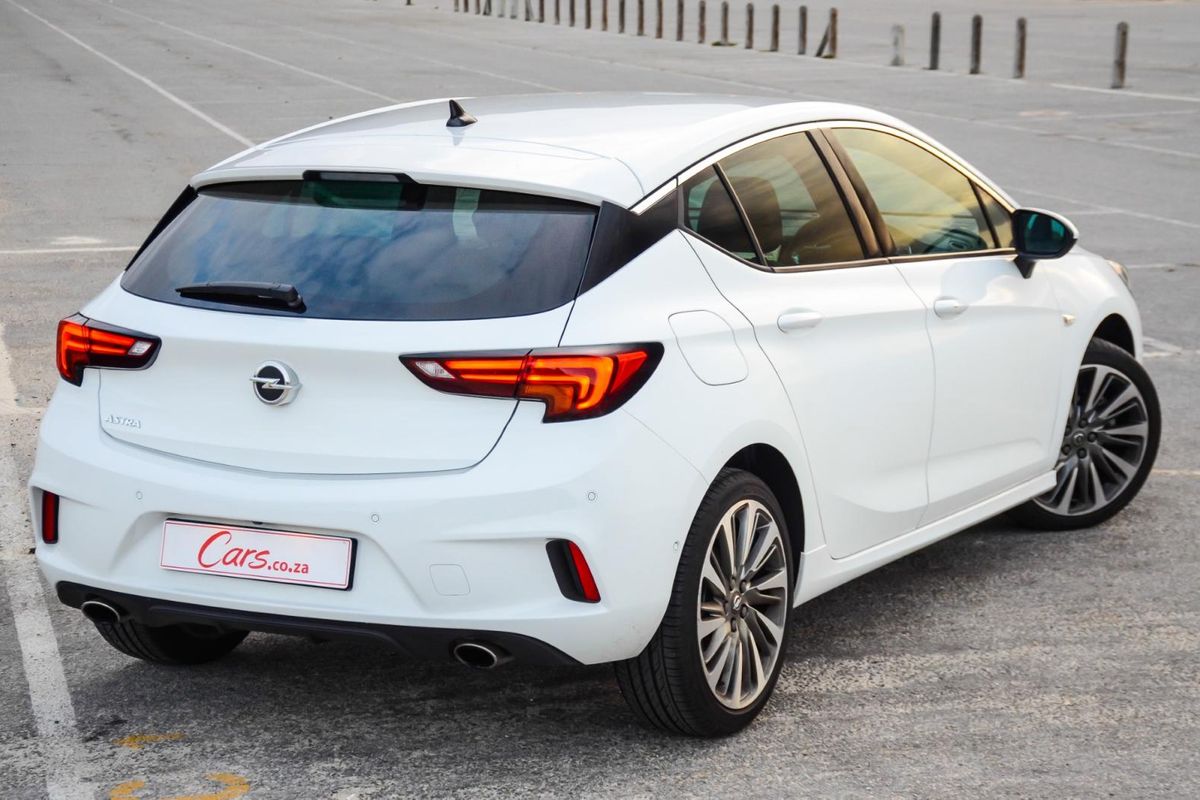
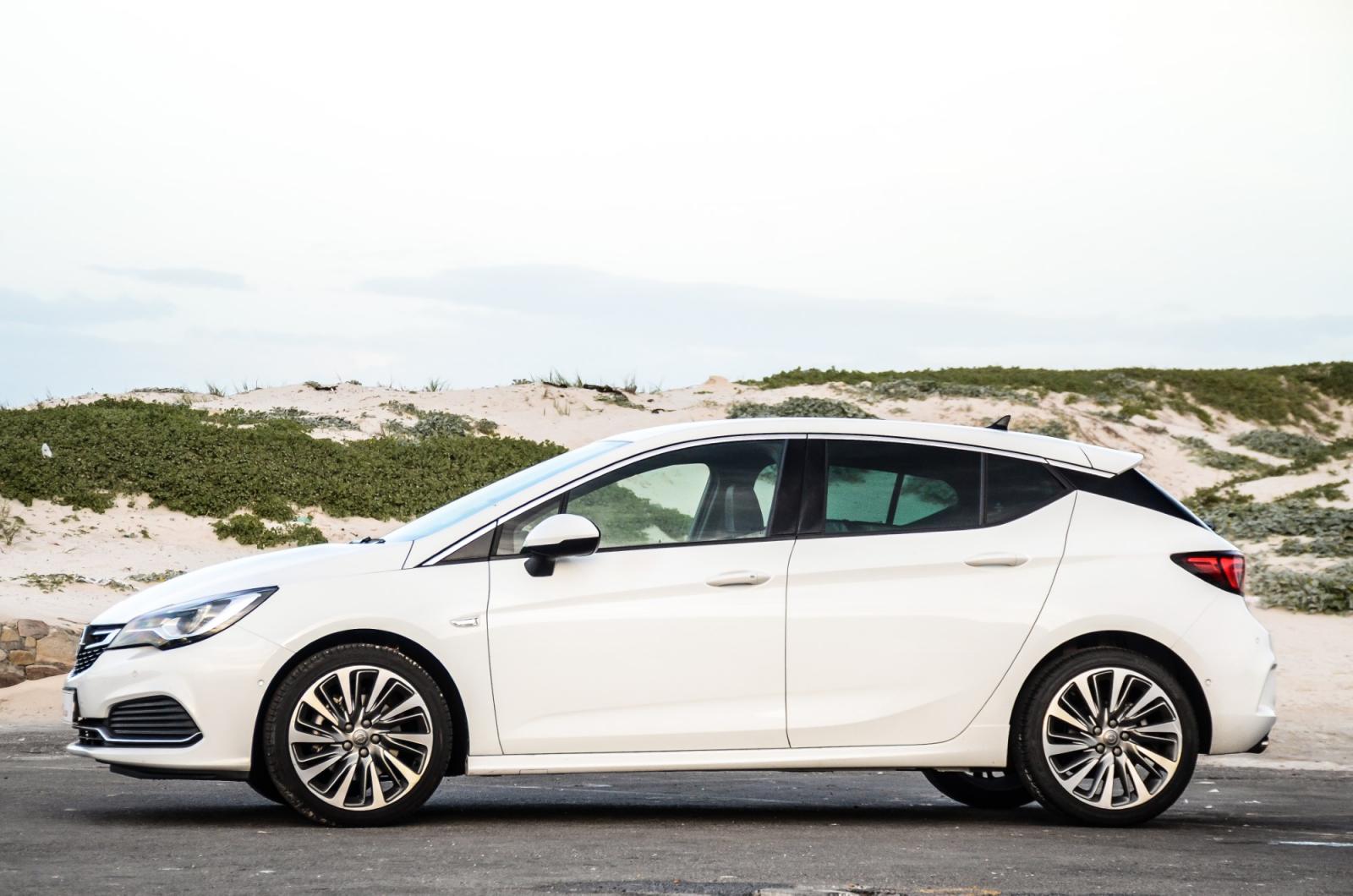
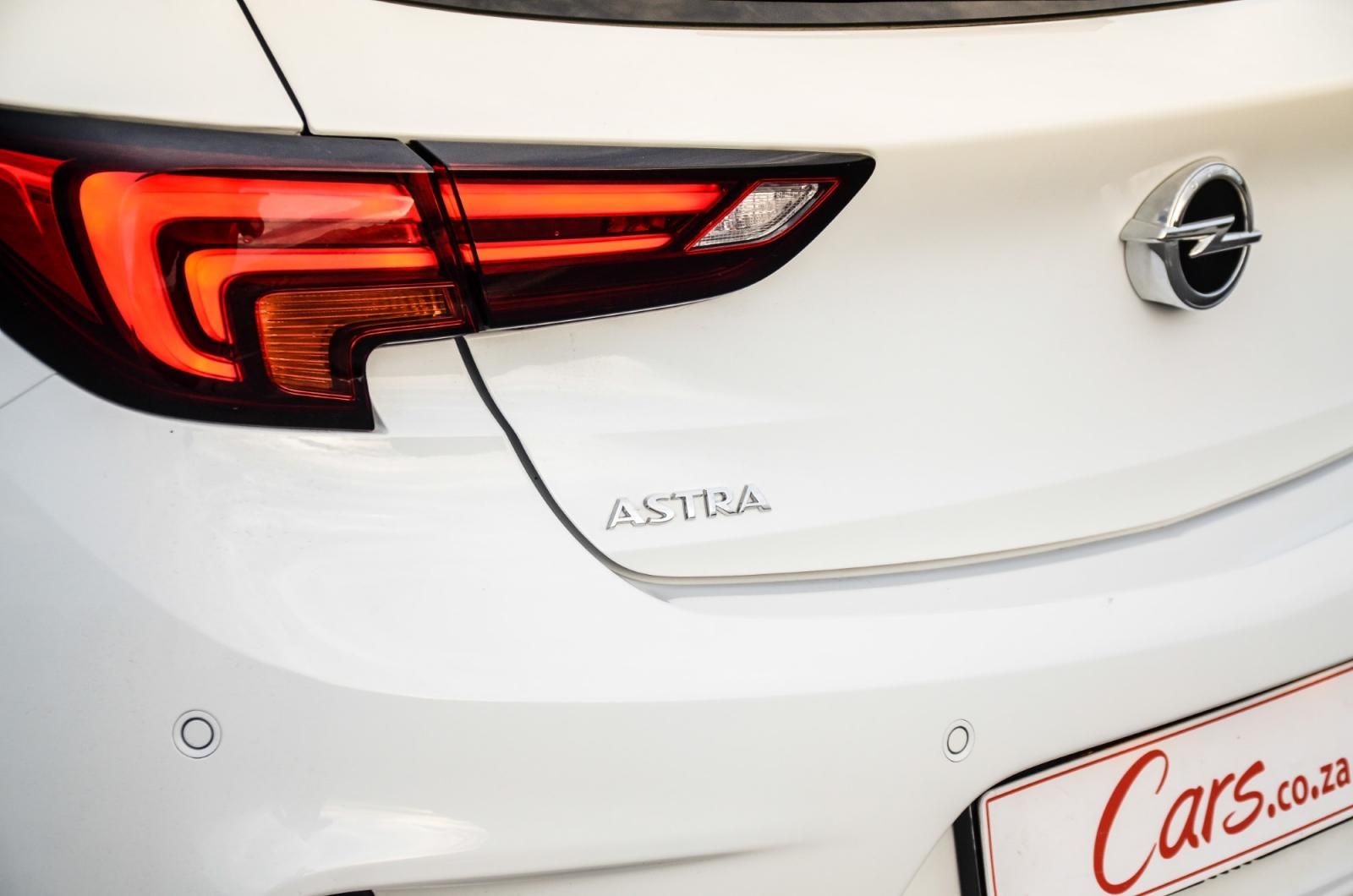
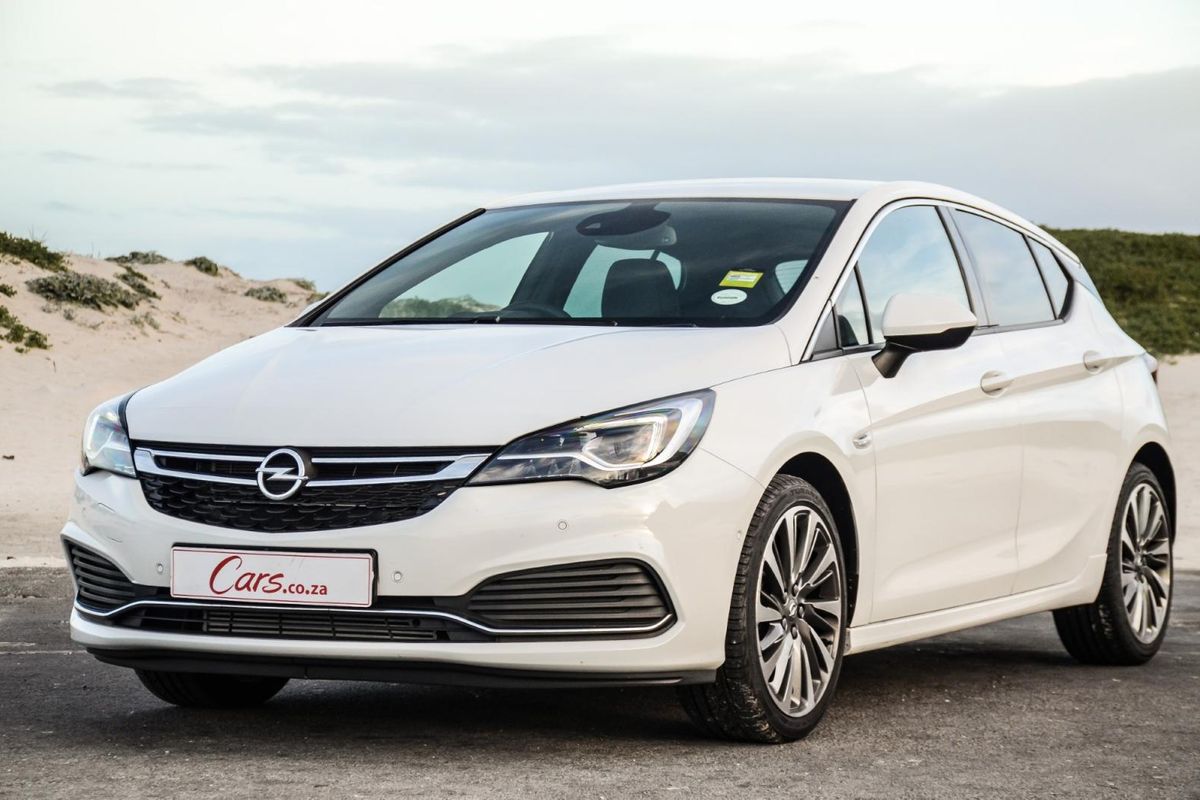
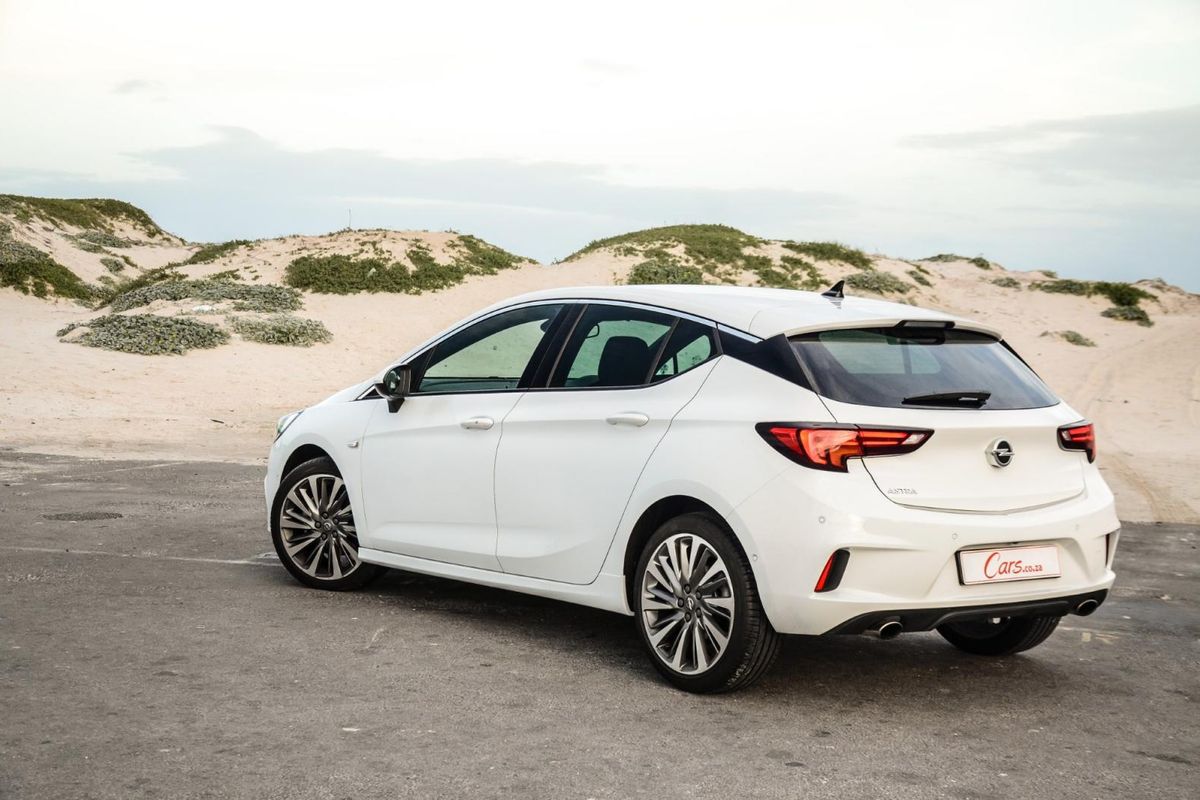
Can you spot the differences between this Astra Sport OPC-Line and the standard Astra?  

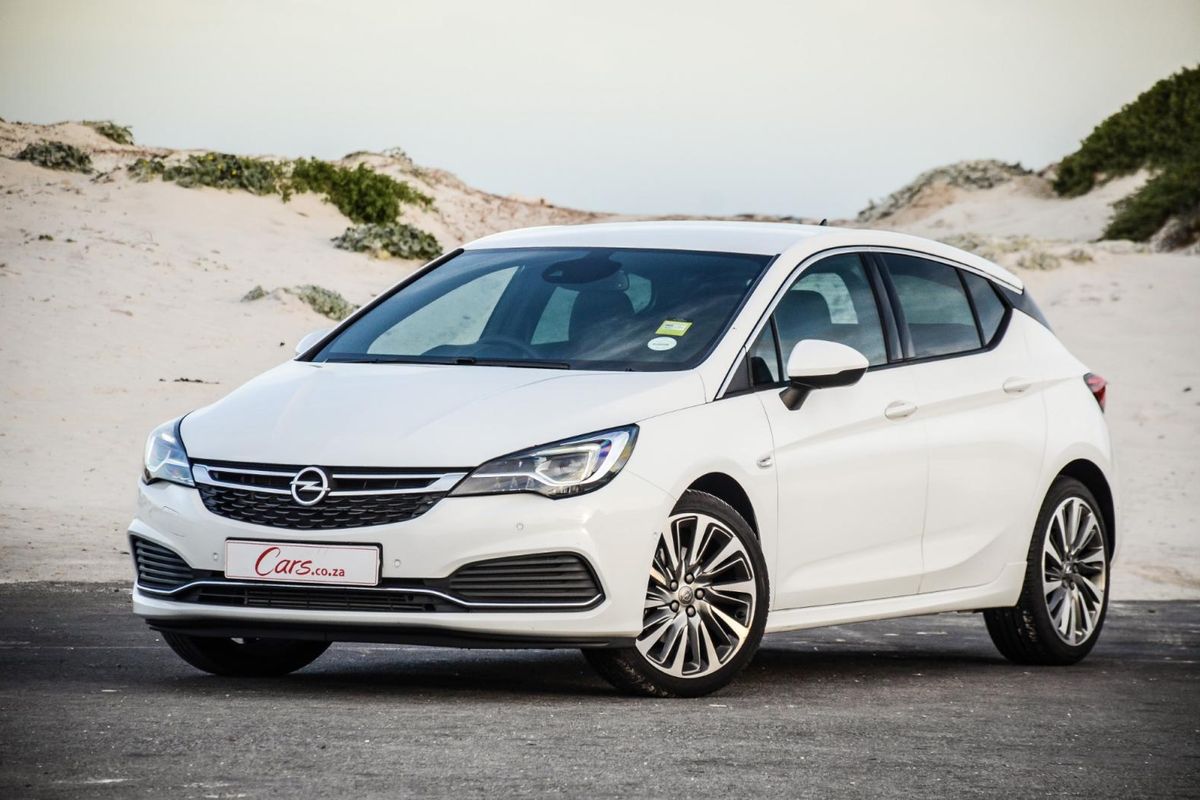
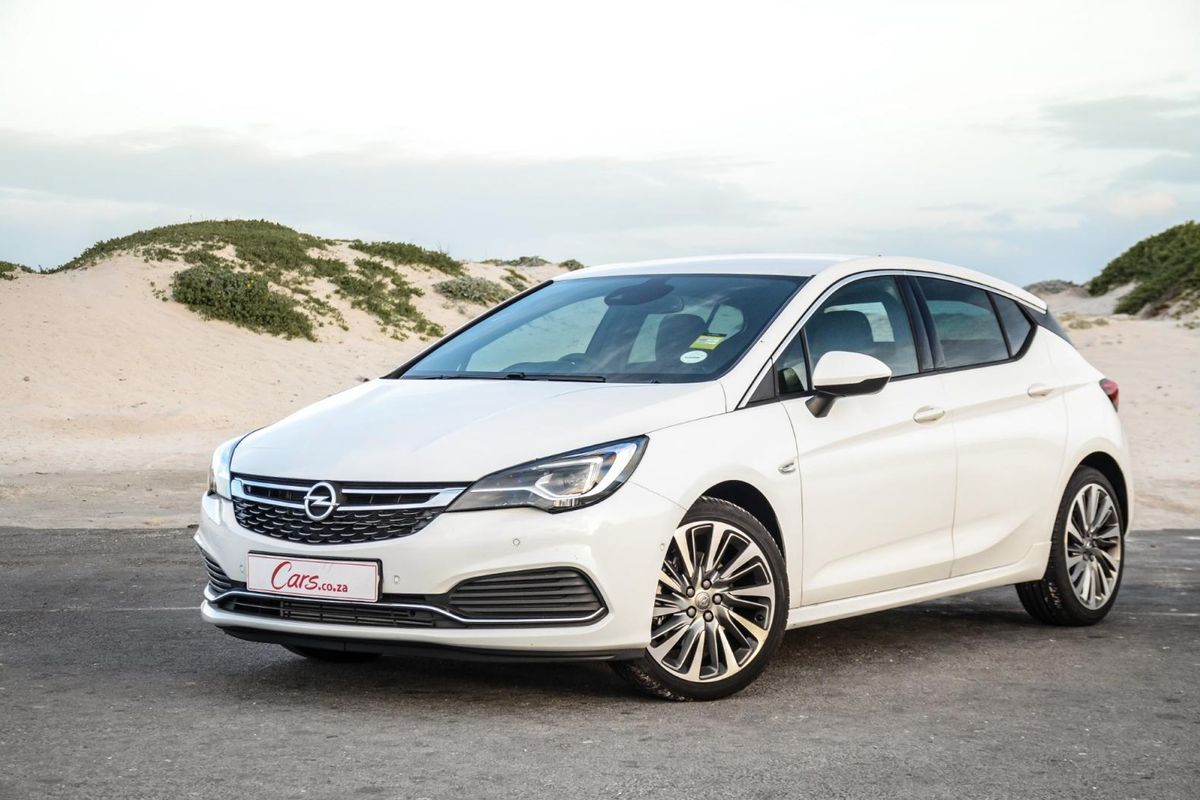
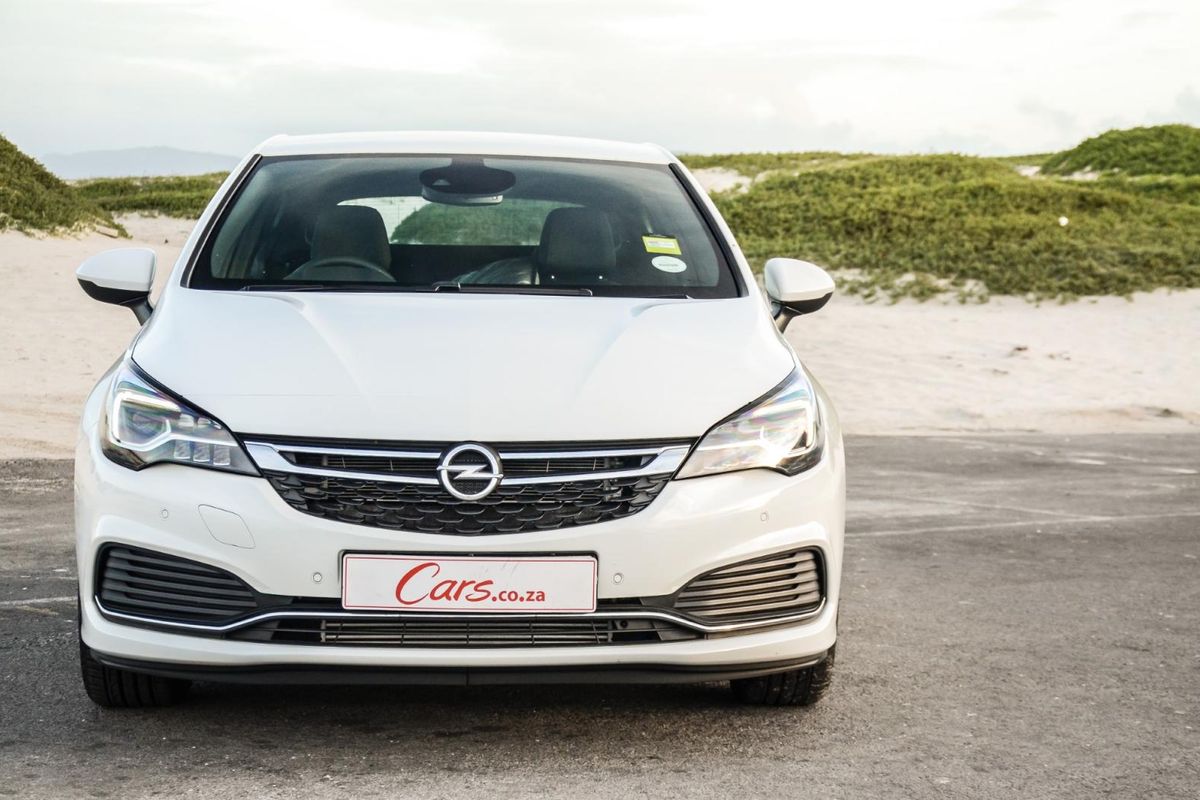
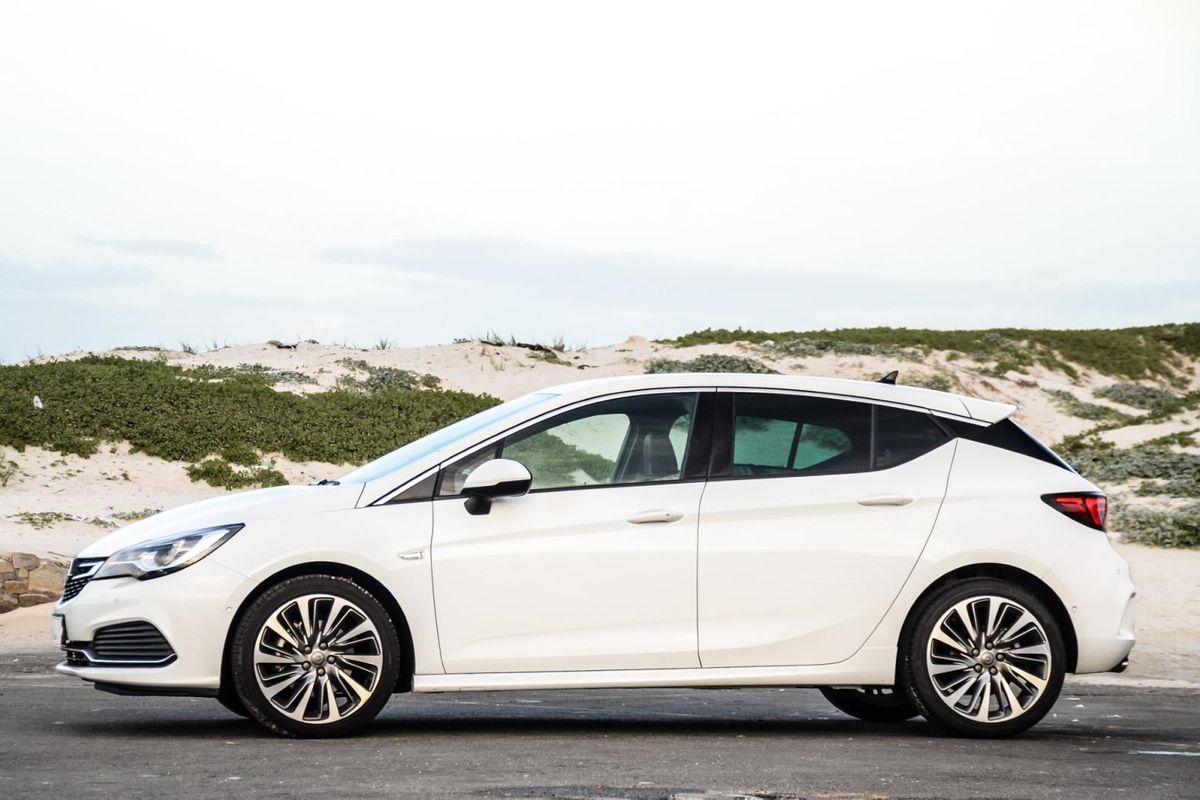
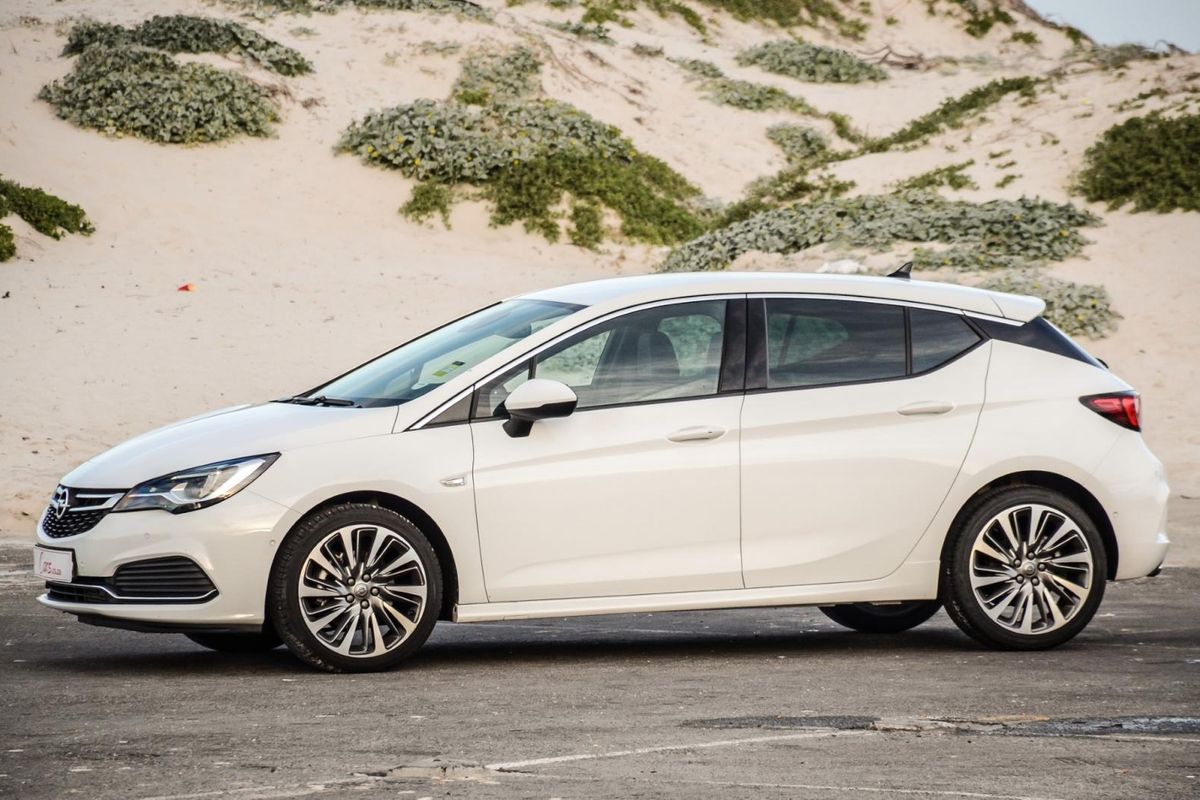
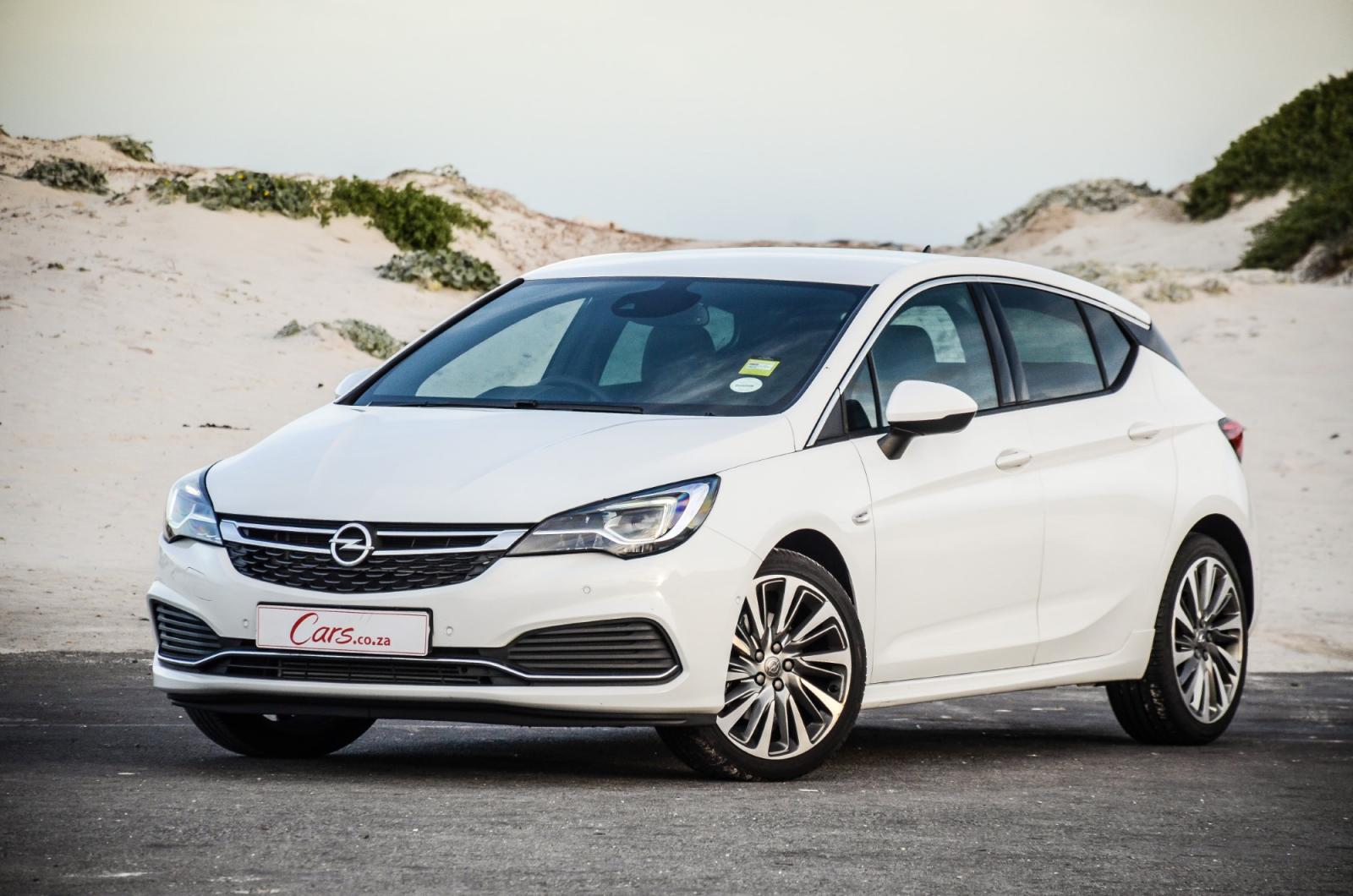
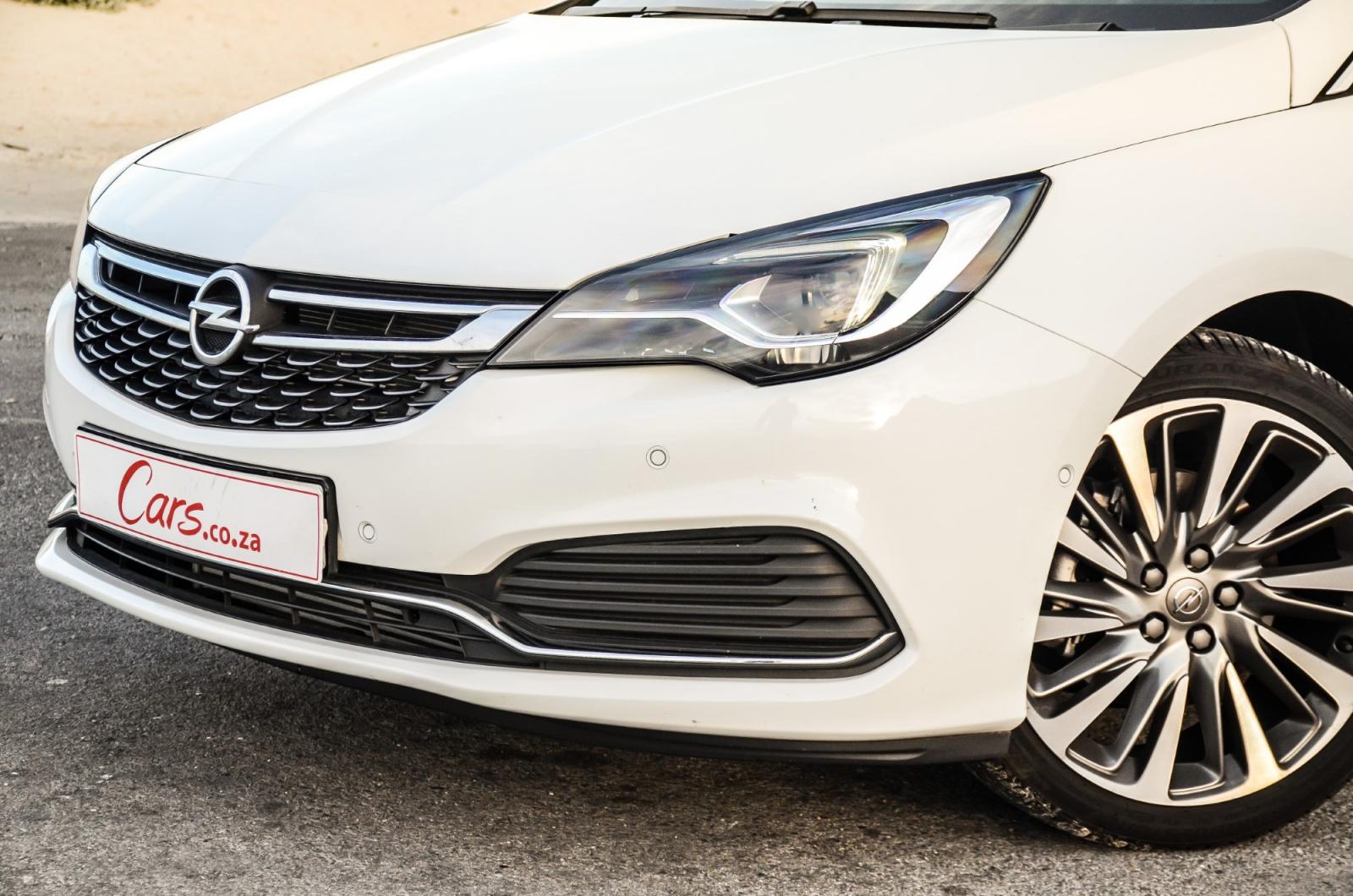
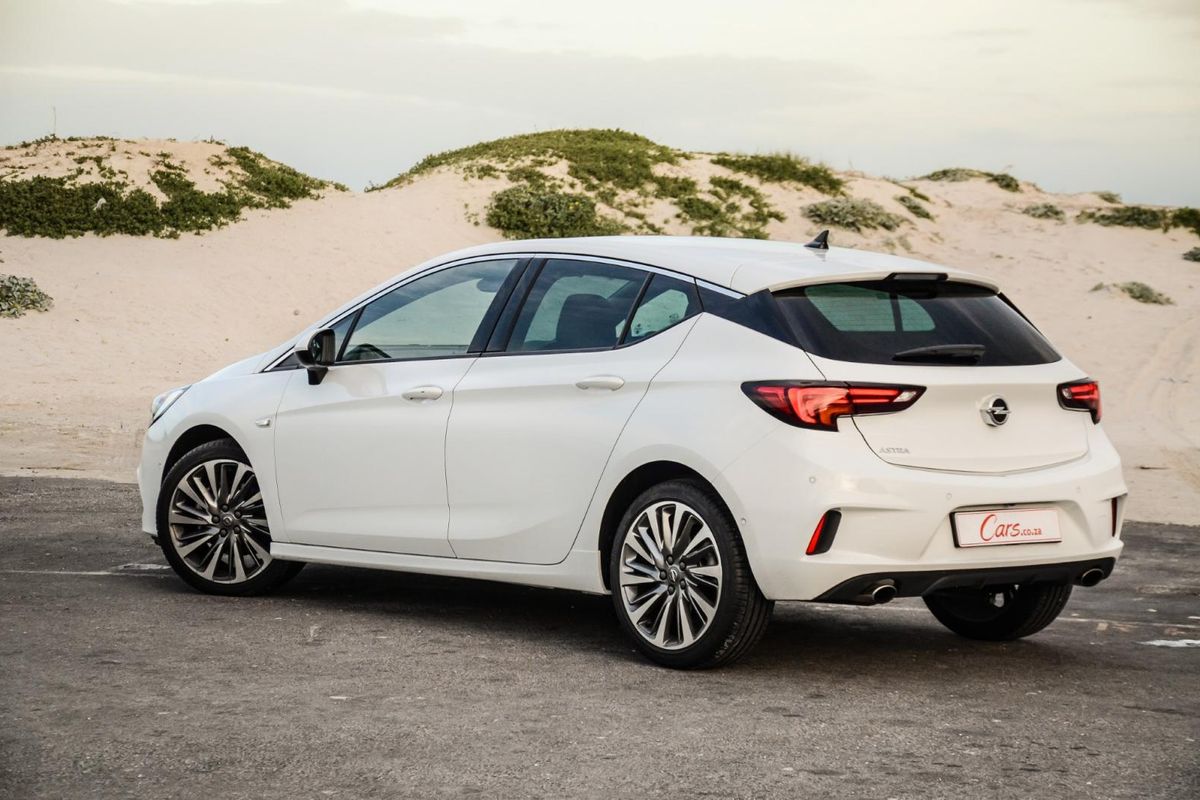
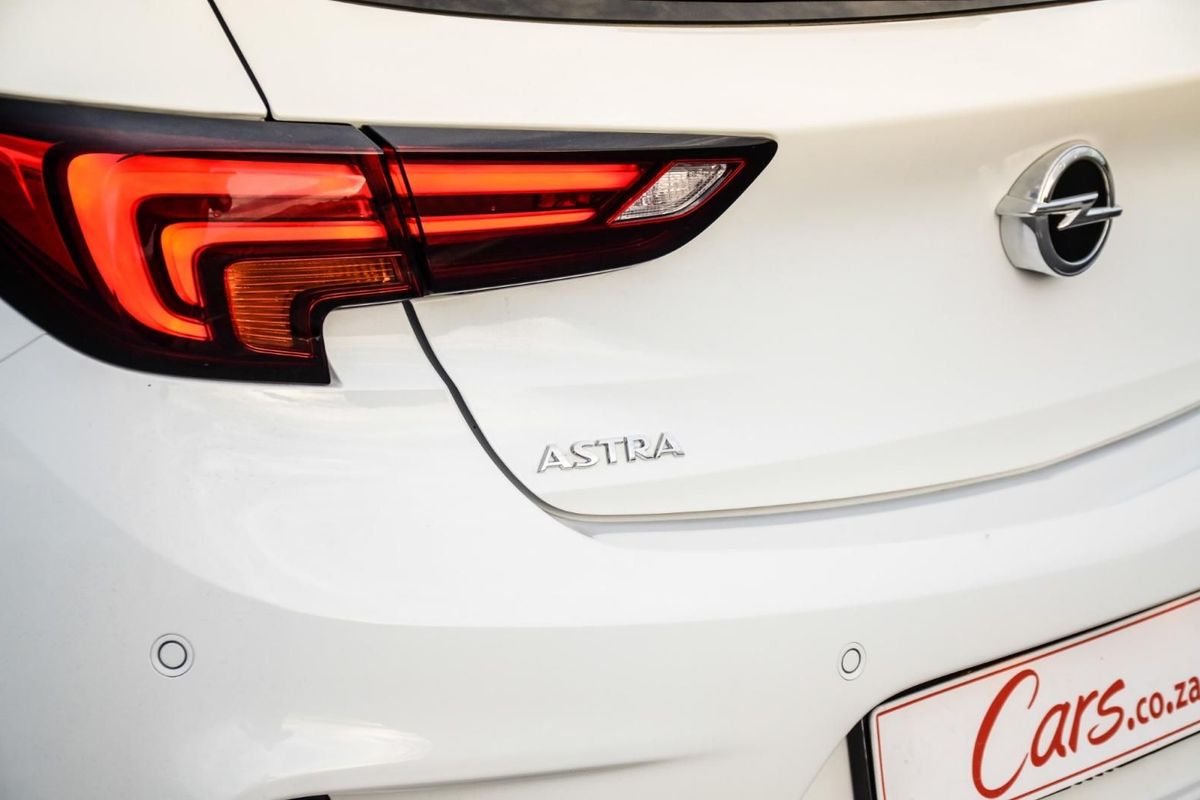
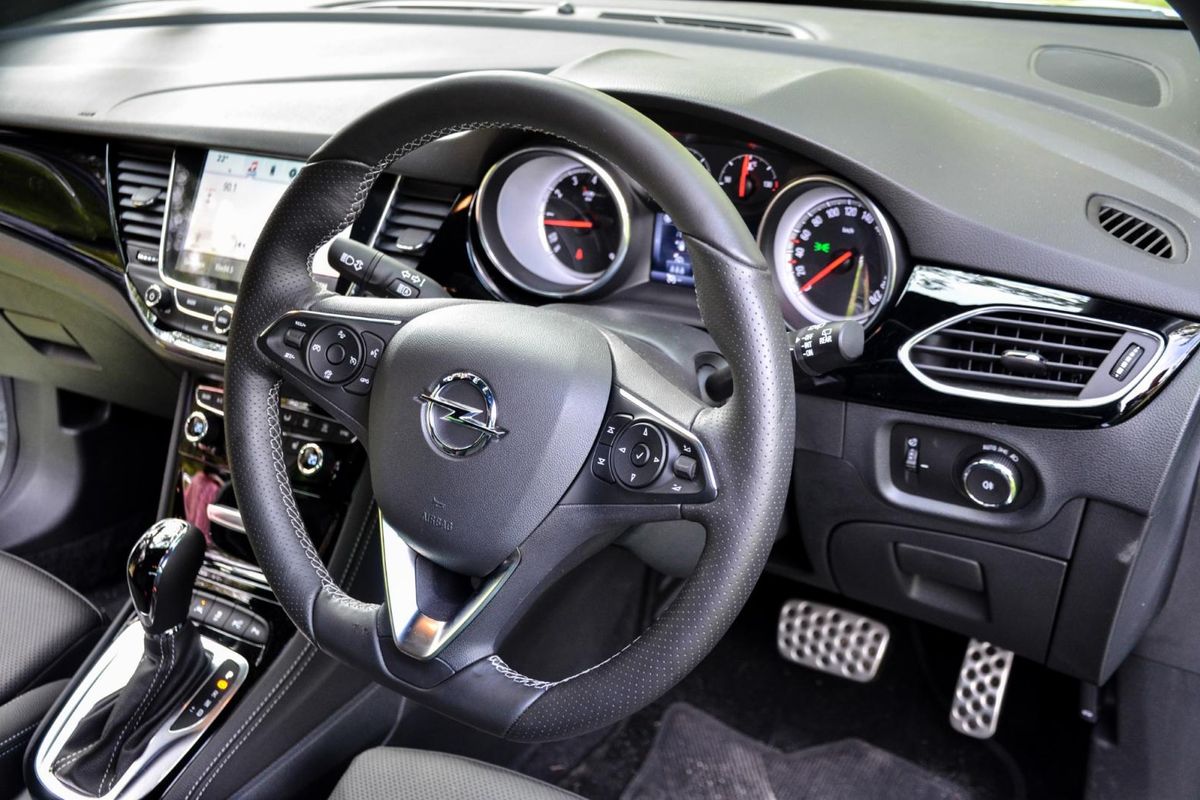
The Opel Astra is, in our opinion, a good looking car, but if we are honest, this particular 1.6T Sport OPC-Line looks less than imposing (we blame the appliance-white exterior finish) – you could be forgiven for thinking that it looks just like a run-of-mill Astra. The devil, however, is in the detail and, upon closer inspection, you are more likely to notice the newcomer's new-look OPC bumper treatment with chrome detailing, colour-coded door handles, a chrome beltline and -exhaust tips, plus the 18-inch alloy wheels. As for special sporty details on the inside, the cabin is adorned with alloy sport pedals, a sports steering wheel, dark-tinted rear and side glass and lastly, a South African favourite, an (optional) tilt and slide sunroof.

How it fares in terms of…

Engine performance and efficiency


Delivering more punch and reasonable fuel consumption, the Astra is a solid all-around performer.  

While the letters OPC (the abbreviation for Opel Performance Centre) will undoubtedly remind you of the previous-generation Astra OPC, which had an unruly 206 kW/400 Nm 2.0-litre turbocharged motor wedged in its engine bay, this is not an Astra OPC by any stretch of the imagination.

In fact, apart from the few cosmetic details mentioned above, this is just another Astra 1.6T Sport, albeit with a 6-speed automatic transmission, as opposed to the manual 'box, with which it was launched in 2016. The OPC-Line is, however, far from being impotent – with peak outputs of 147 kW and 280 Nm developed by its 1.6-litre turbocharged engine, the test unit delivered strong pace off the line with good mid-range acceleration too. Opel claims a zero-to-100 kph time of 7.8 seconds, but it’s not nearly hot enough to run something like a Volkswagen Golf GTI close, for example.

It does have enough shove to execute brisk overtaking manoeuvres on the highway and, while we found the auto transmission offered reasonably good shifting performance, it’s not as sharp, snappy or even as smooth as the DSG employed in the GTI. With the Sport button engaged, you will notice a marginal improvement in throttle response, but there’s nothing really to get very excited about. Engine refinement is admirable, however.

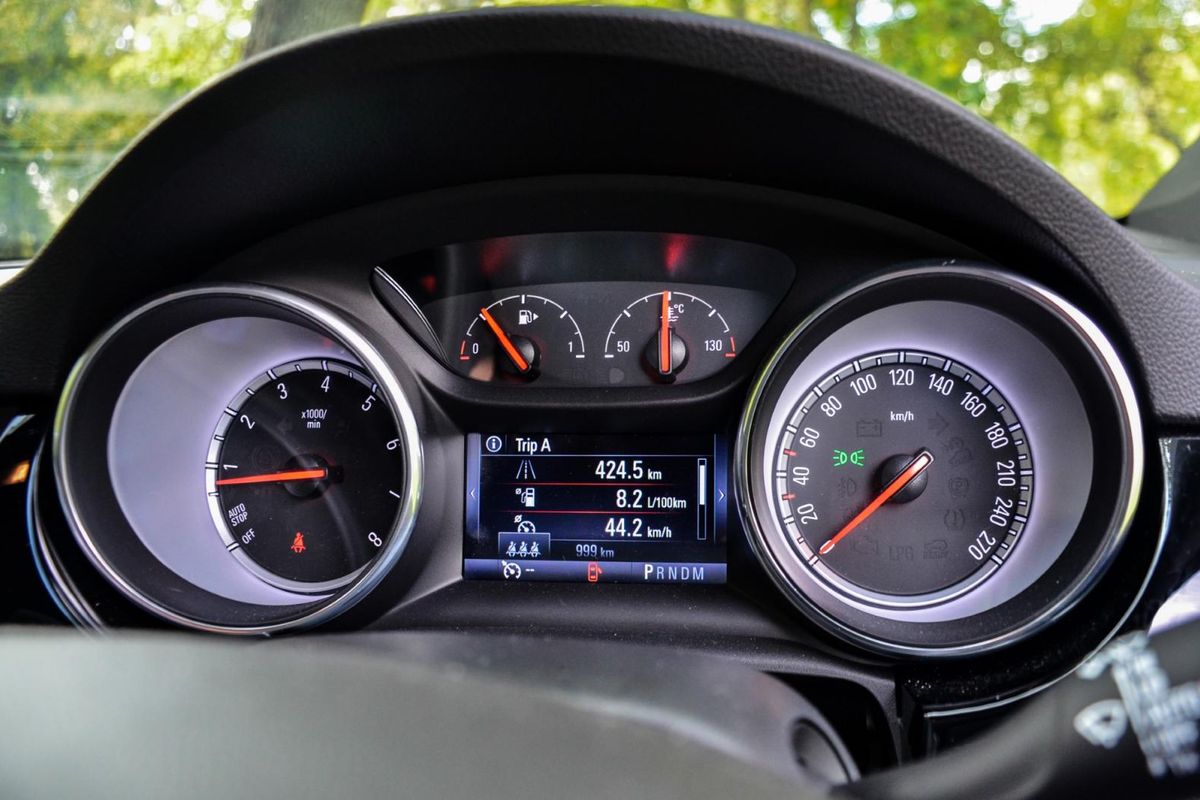
Opel claims a fuel consumption figure of 6.1 L/100 km for this derivative and we saw returns of around 8.0 L/100 km, which were satisfactory.

So, although the 1.6T Sport OPC-Line's powertrain refinement and efficiency are commendable, its performance is spirited – as opposed to eager. Although the Astra flagship derivative is no slouch, it doesn't offer enough grunt to be particularly thrilling to drive.

Ride and handling


Ride and handling is one of the Astra's strongest attributes.

For what it lacks in outright pace (or a sonorous engine note), the 1.6T Sport OPC-Line excels in the ride and handling department. Its ride quality straddles the line between firm/sporty and pliant/comfort-oriented. The steering is on the lighter side and nicely-weighted with sufficient feedback and, to its further credit, the Astra feels particularly adept at cornering; it takes changes of direction in its stride without exhibiting excessive body roll. It’s composed and surefooted when you need it to be and it’s more than comfortable enough to drive daily and undertake longer out-of-town trips.

Interior execution and features


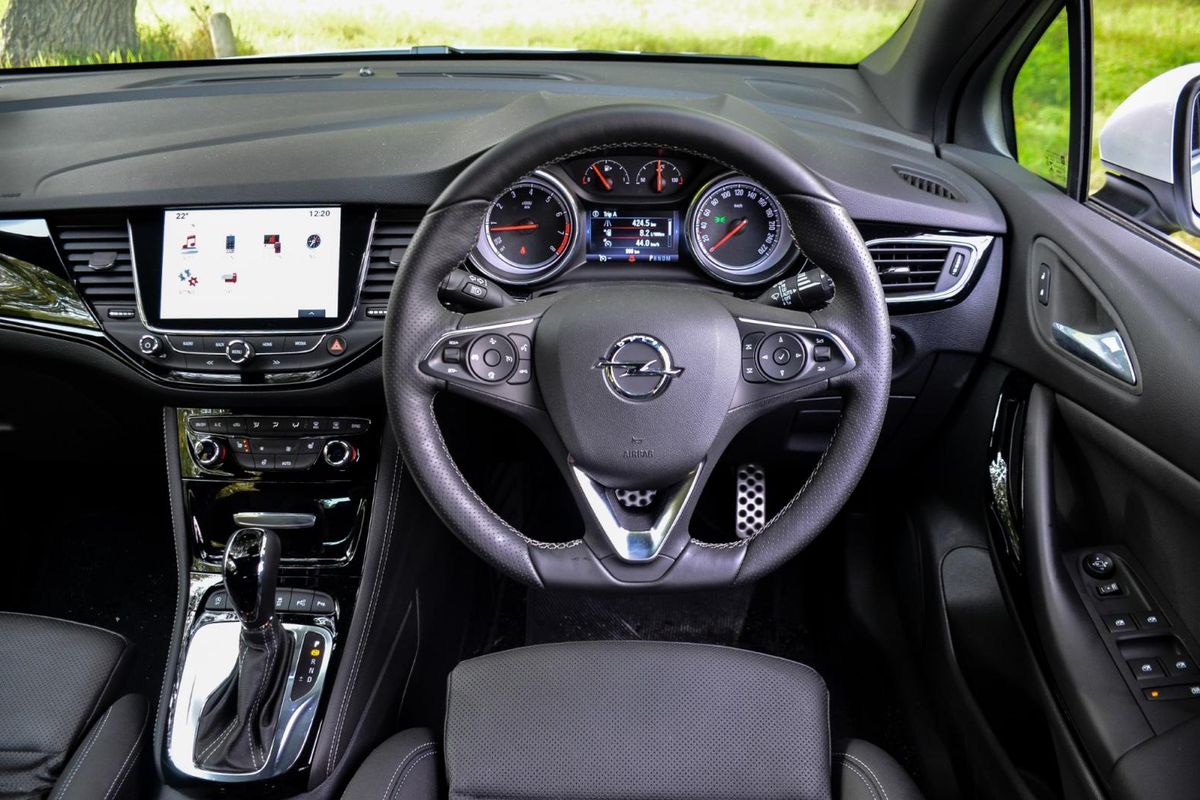
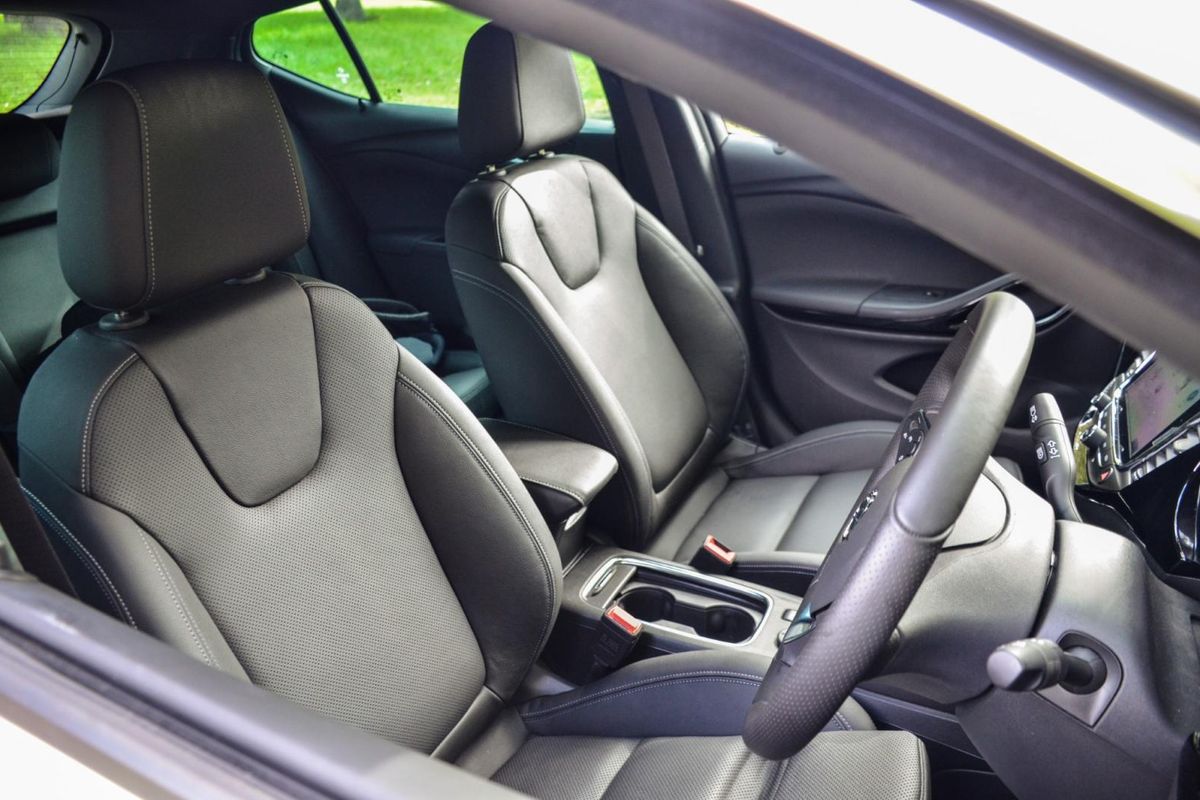
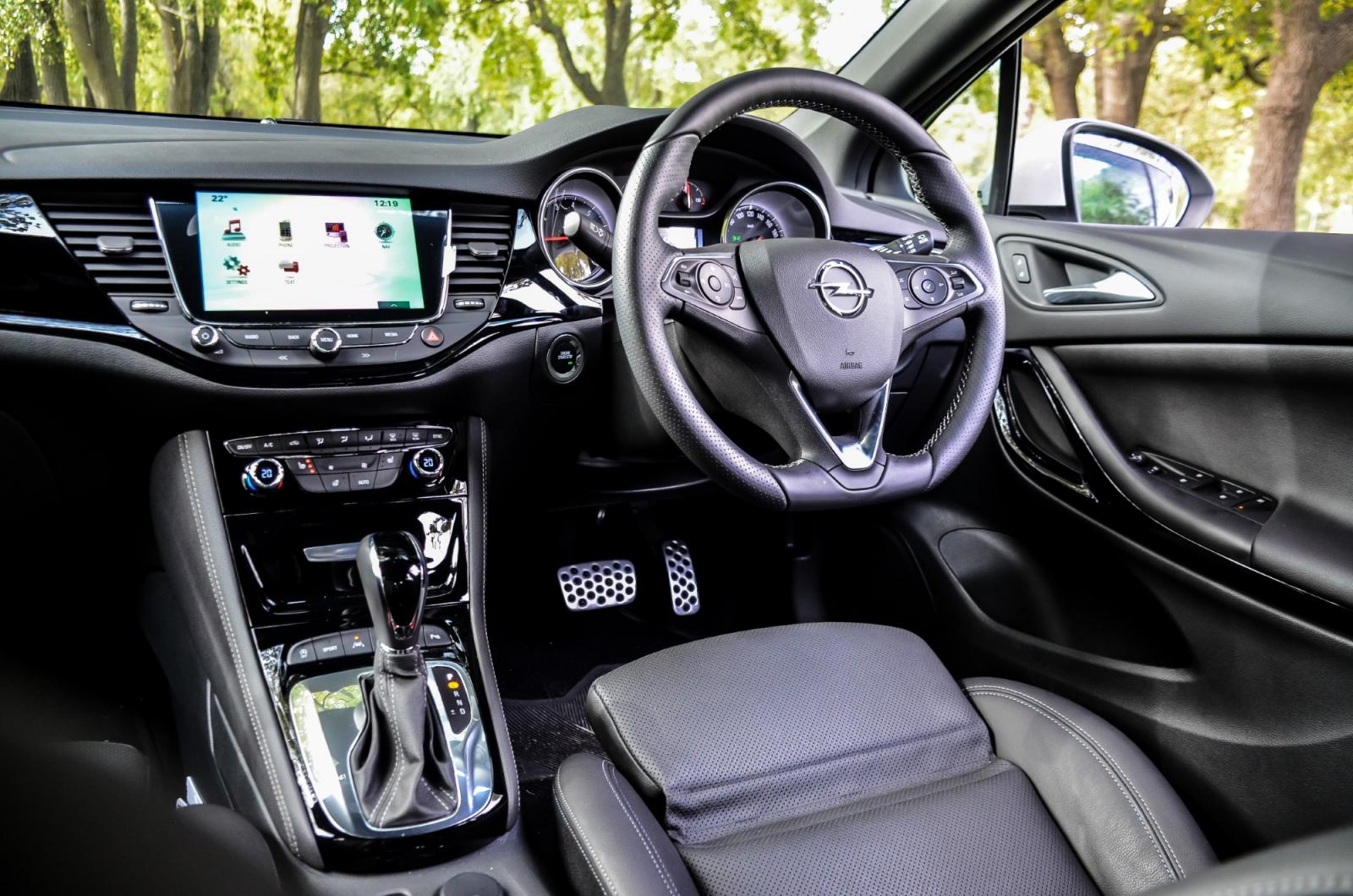
A smattering of standard kit makes adds significant value to the overall package. Those leather sports seats are very comfortable too…

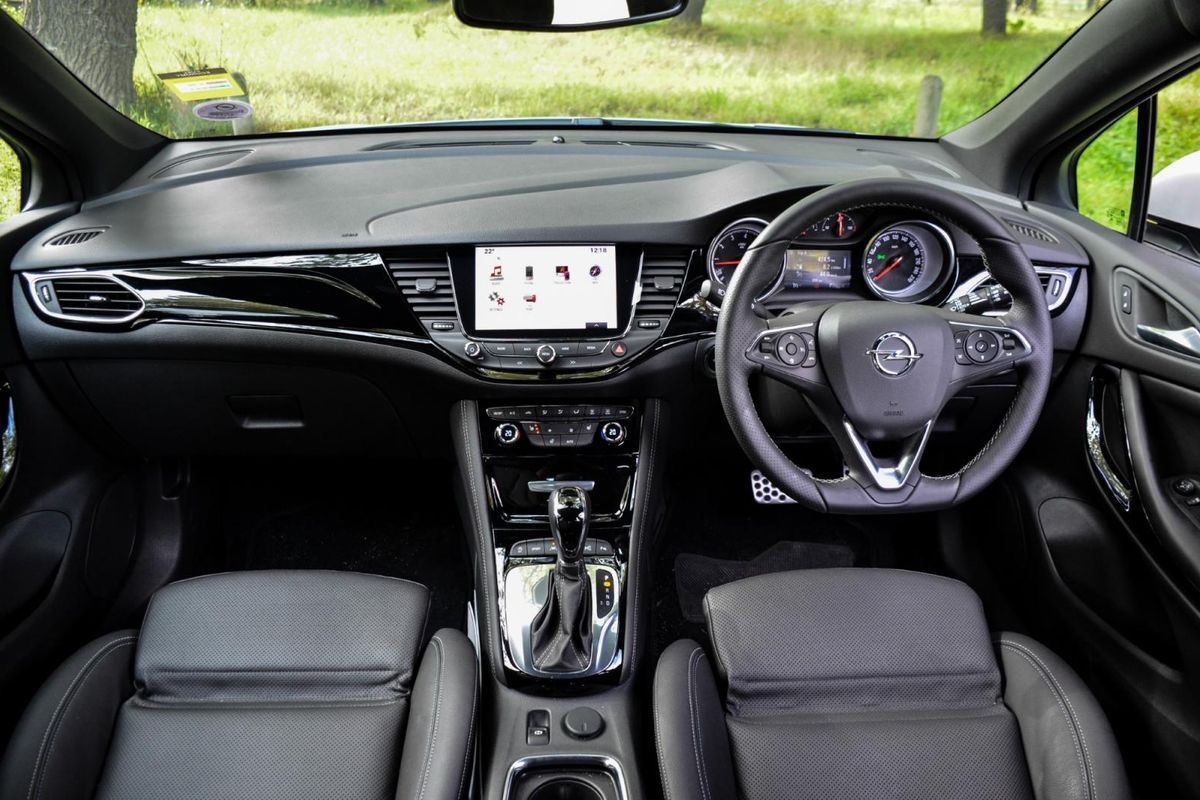
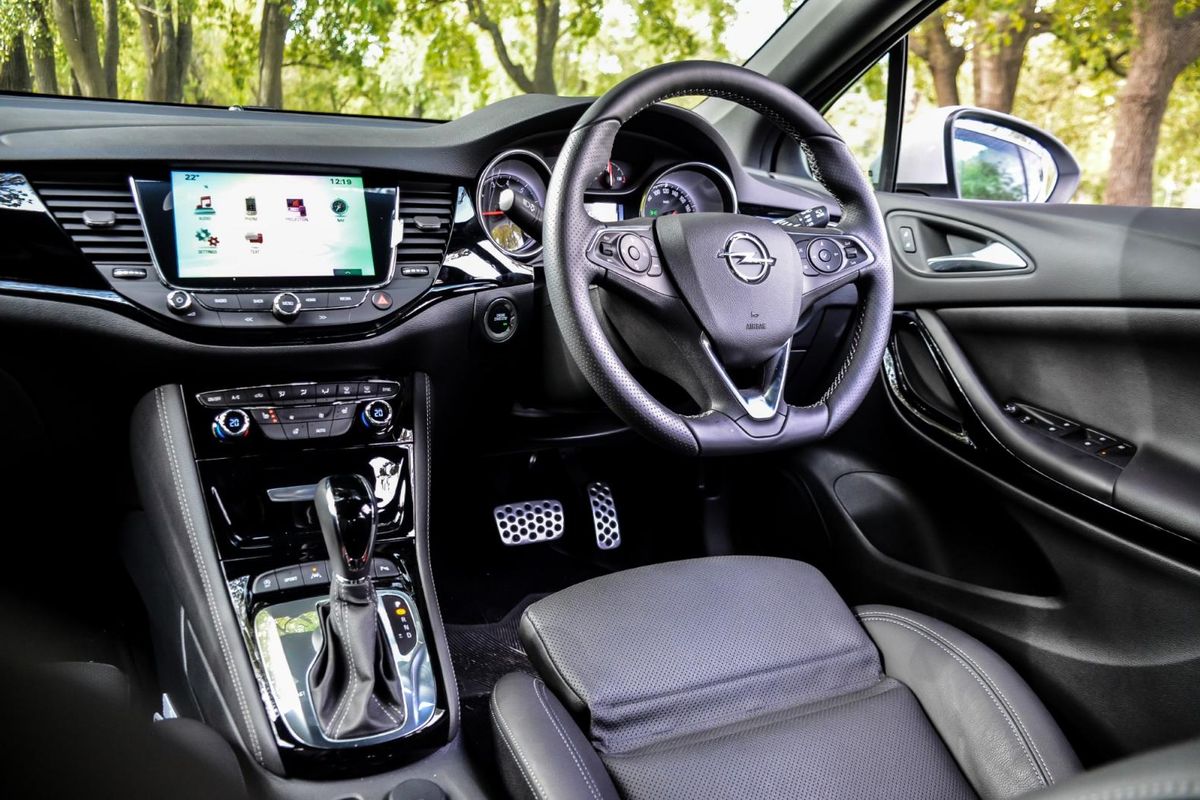
We’ve always praised the Astra for its above-average interior build quality and the cabin's quality look and feel. We do have a gripe with the black piano trim, which attracts dust and fingerprints, but apart from that, the interior is smart and comes generously equipped with standard features.   

The sports seats are trimmed in Siena leather and offer high levels of comfort and support with good bolstering and height adjustment for both the driver and front passenger. All the seats are heated, as is the multifunction steering wheel, which is always welcome on a cold winter morning. 

A comprehensive Navi 900 IntelliLink 8.0-inch touchscreen infotainment system with integrated navigation is fitted and, despite the Astra's relatively advanced age (4 years), the setup incorporates Apple CarPlay and Android Auto compatibility. USB and auxiliary ports are also provided.

Other notable standard features include Intellilux LED Matrix headlights (with automatic headlamp levelling, dynamic control and adaptive forward lighting), dual-zone climate control, electric windows all round and electric folding side mirrors, rain-sensing wipers, front and rear park distance control (including Advanced Park-Assist, if you'd like the Opel to neatly park itself) and a reverse-view camera.

In terms of safety features, no fewer than 6 airbags are fitted as standard as well as ABS with EBD, brake assist, hill start assist, blind spot alert, stability control with traction control and ISOFIX child-seat mounts. The standard Driver Assistance Pack 1 adds forward-collision alert, following distance- and lane-keep assist indicators, low-speed collision mitigation braking, as well as a traffic-sign recognition system.

Practicality


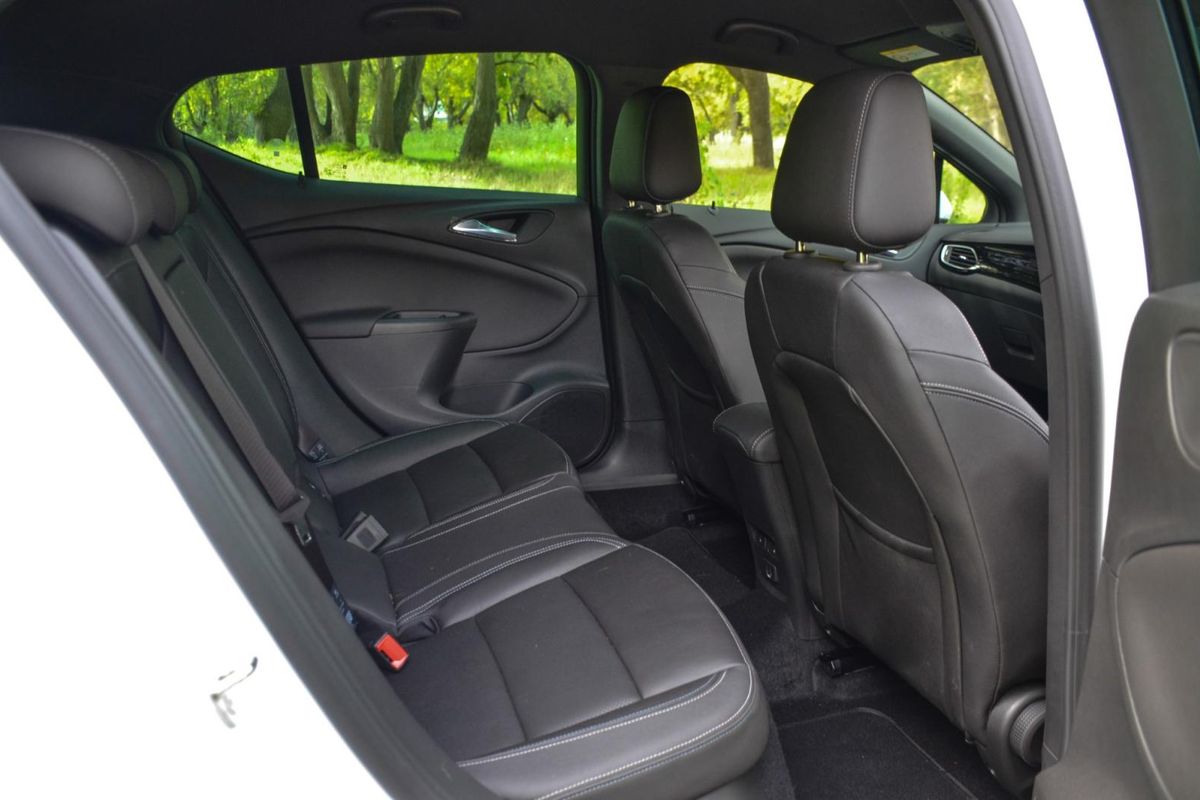
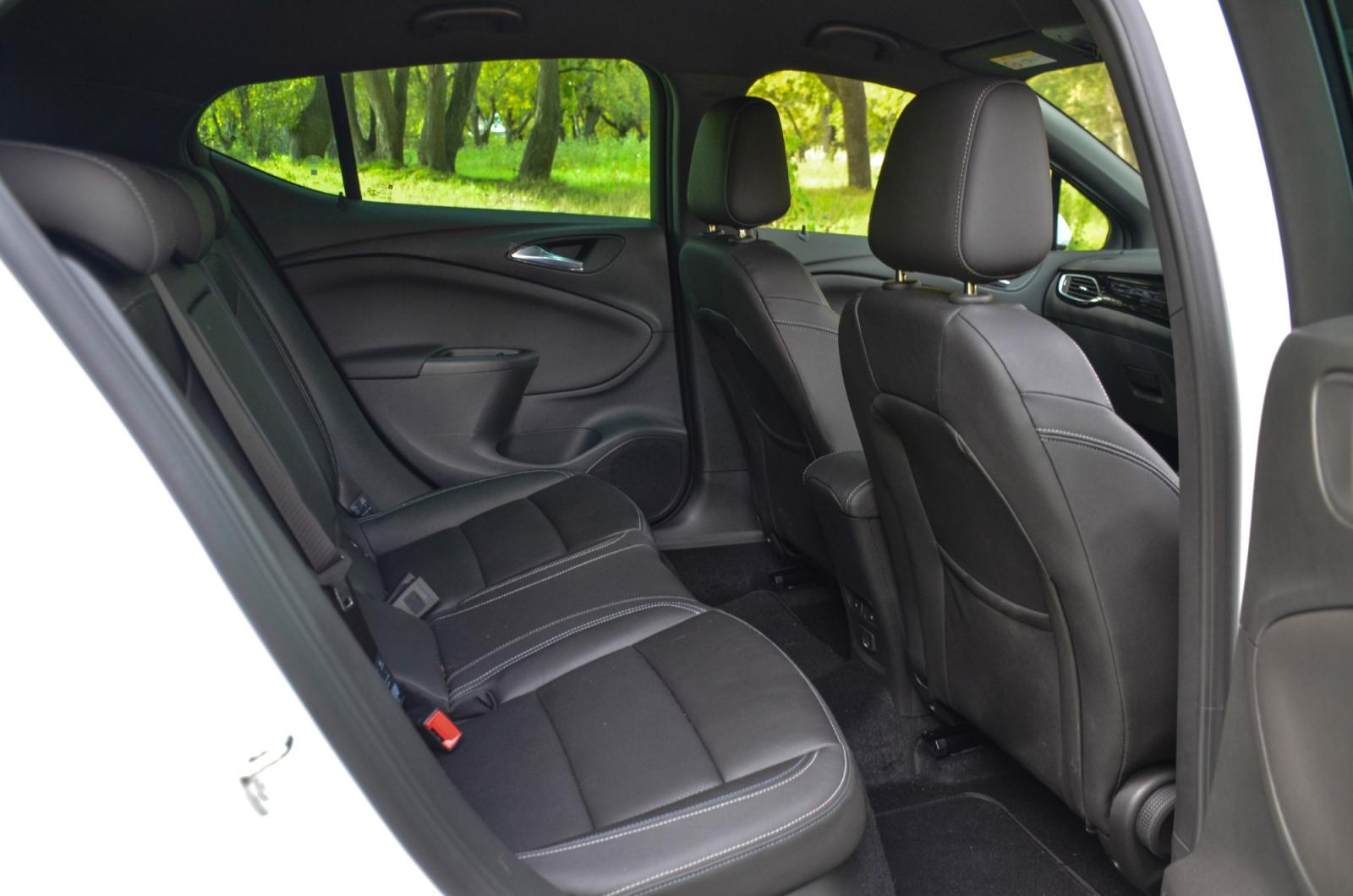
The Astra is a practical daily runner and rear passengers will enjoy generous legroom. 

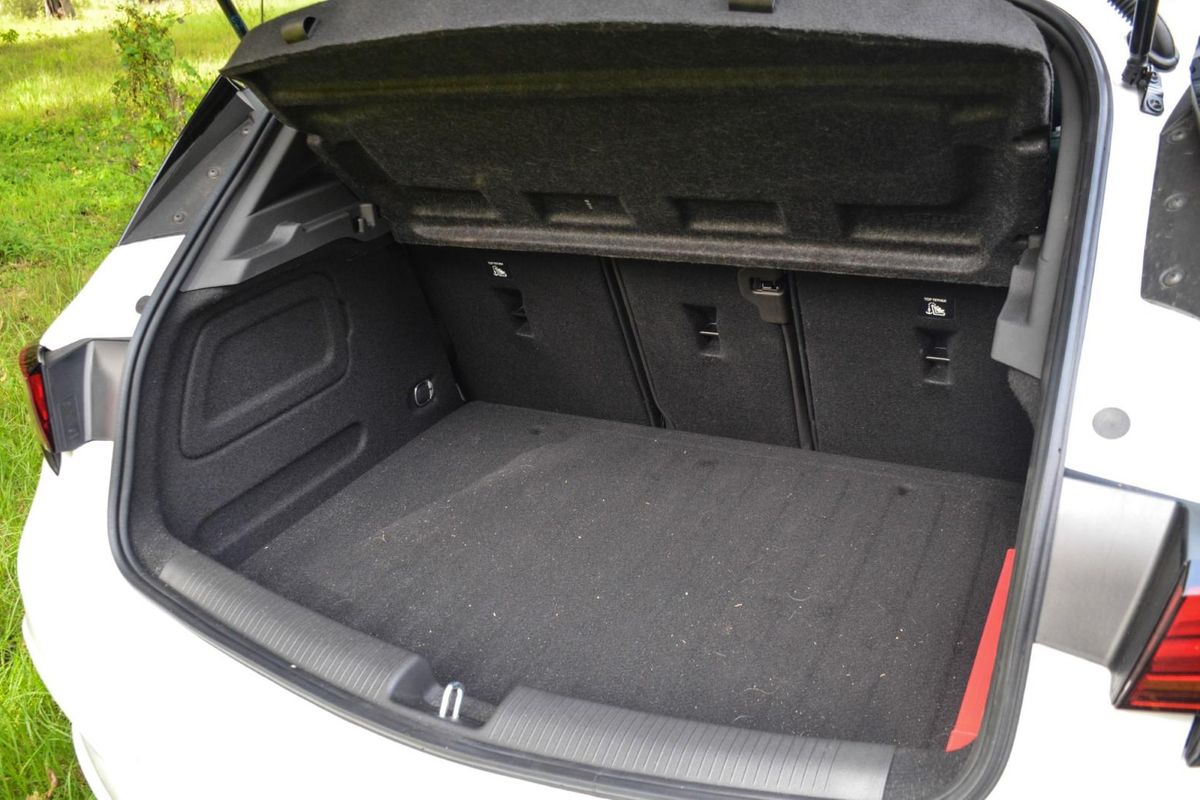
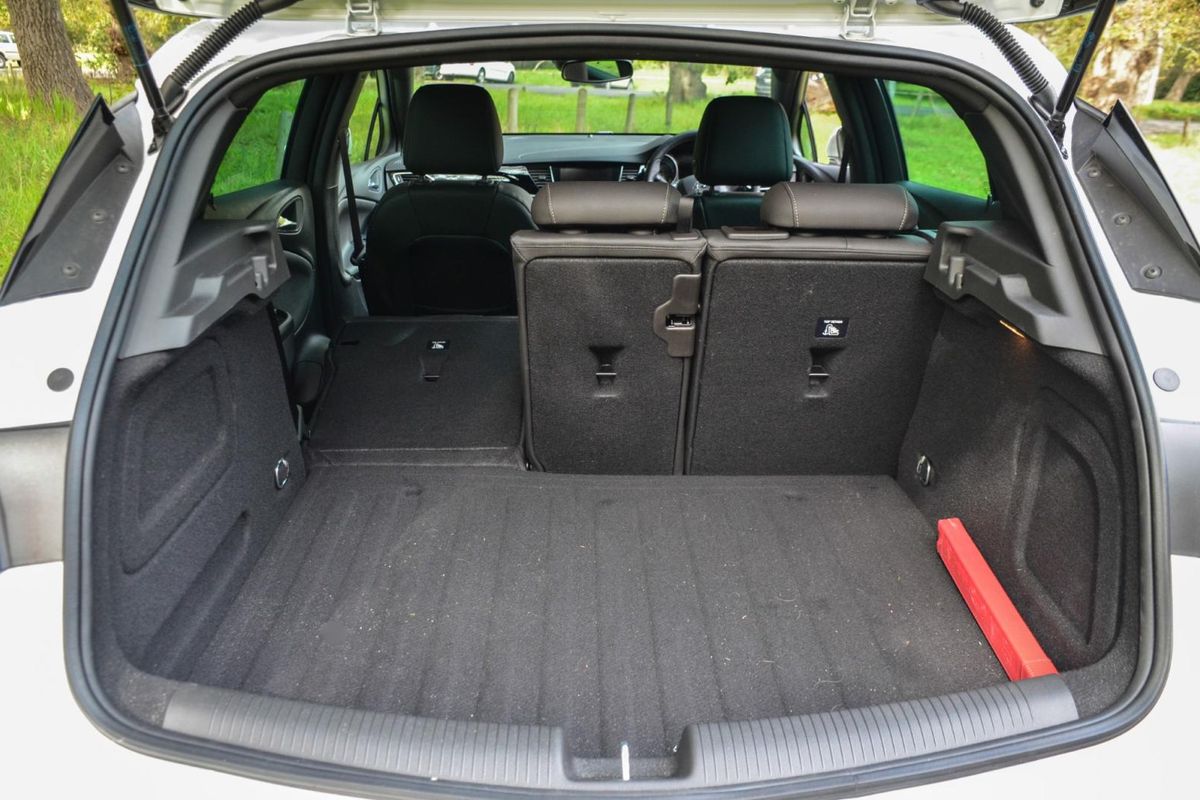
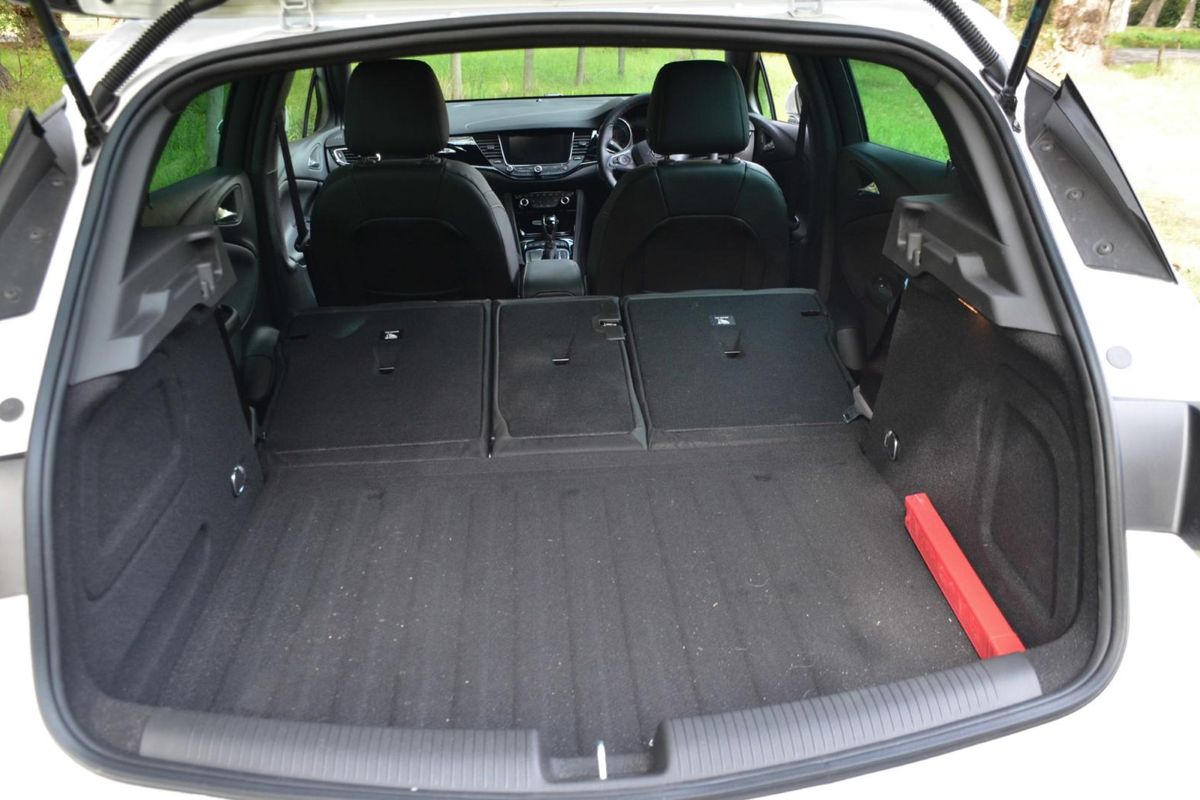
The Astra feels spacious inside and rear passengers will find legroom to be generous, which improves comfort significantly for adults of average height, especially on those longer journeys. The load bay measures (a claimed) 370 litres, which compares favourably with other offerings in this segment. The rear seats are split in a 40:20:40 configuration and fold completely flat for easy loading of bulkier items.  

There are 2 cup holders up front and sufficient space to store bottles in all the doors, as well as a central bin to keep valuable items out of sight.

Price and warranty

The Opel Astra 1.6T Sport OPC-Line is priced at R508 000 (June 2019) and is sold with a 3-year/120 000 km warranty, 5-year/90 000 km service plan, 3-year/120 000 km roadside assistance and a 12-year/unlimited km anti-corrosion warranty.


The Astra 1.6T Sport OPC-Line offers very good value, but, at the price, lacks performance and badge appeal.  

Verdict

As an all-rounder, this Astra 1.6T Sport OPC-Line is difficult to fault in terms of its general performance, an extensive list of standard features and overall practicality. Despite the fact that the market for a C-segment hatchback is treacherous unless you're selling a GTI (or a rival to the GTI), Opel believes the market needs a well-specced, warm compact hatchback. To its credit, few, if any, rival offerings can match the Astra's standard features and, objectively, it offers great value compared with entry-level premium-badged hatchbacks, even if it can't match those cars' brand appeal. 

As for the OPC-Line accoutrements, consider it an exercise in snappy packaging, because, from a performance perspective, we don’t think the 1.6T Sport Auto offers quite enough to justify its R508 000 price tag. If it’s driving thrills you are after then it might be worth the additional R60k to step into a GTI or Megane RS 280, or better still, trawl the used car market where you can get better performance bang-for-buck for less.  

What's more, if practicality trumps performance in your list of motoring priorities, then perhaps it’d be wiser to opt for the Astra 1.4T Enjoy automatic. It still offers a good spread of features, including Driver Assistance Pack 1, and 110 kW and 245 Nm of torque from its smaller turbocharged 1.4-litre engine, which is roughly 75 to 80% of the outputs offered by the OPC-Line derivative, for a much more affordable price of R389 589.

Ultimately, the 1.6T Sport OPC-Line is a rarity in our market: a German-made car that wants for little, if anything, in the way of standard features. But, given how the Astra nameplate is now a left-field choice, where it once was a market staple (which is not a positive indicator for solid future resale values), perhaps the purchase of the top-spec derivative, from brand new, warrants extra careful consideration. That is not to say that the Opel is a disappointment, quite the contrary; perhaps there are more buyers who want a practical family hatchback (with a modicum of sporty styling and a plethora of interior and safety features), who don't mind if their pricey purchase doesn't perform like a hot hatch, than we think… 

Don’t agree with our verdict? Share your thoughts with us in the comments section below…

Related Content 

Next-gen Opel Corsa leaked

New Diesel Opel Crossland X for SA

New Opel Corsa GSi Review – The GSi Is Back
Opel Corsa 120Y Special Edition (2019) Review
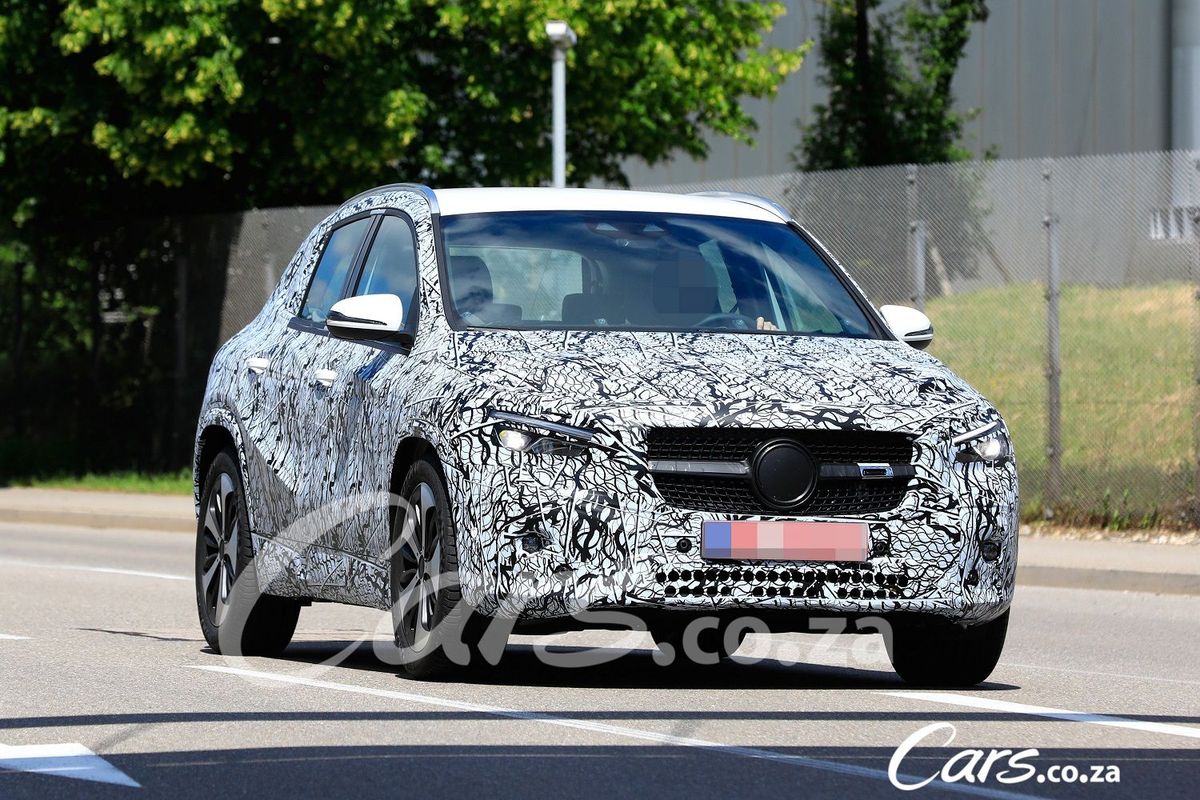
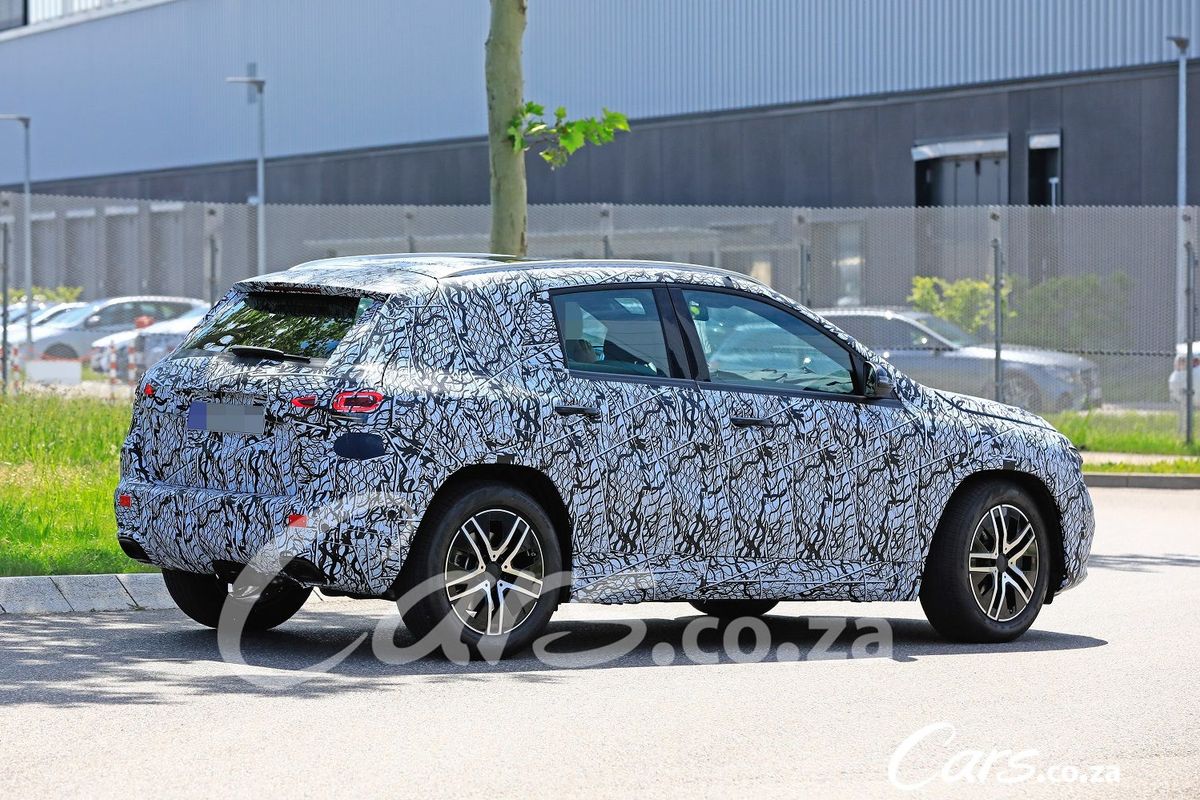
Spy Shots: 2021 Mercedes-Benz GLA

The new Mercedes-Benz GLA has been spotted testing on public roads in Europe. Here's what we know so far. 

Picture credit: S. Baldauf/SB-Medien

Curiously, the Mercedes-Benz GLA is taking its time to reach production. The hatchback A-Class has been on sale globally since 2018, the A-Class sedan is about to launch in South Africa and the new CLA sedan is due for imminent global release. You'd think the GLA baby SUV would be further along in its development, but from what we're told, it's only going to be sold in 2020 as a 2021 model. 

Sharing the same platform as the A-Class hatchback, the new GLA will bring similar levels of sharp looks and digitally connected cabin with MBUX. The GLA will sit higher than the A-Class with a tad more ground clearance, giving it some offroad prowess and we expect some models to feature 4Matic all-wheel drive. In terms of engines, you're looking at compact petrol, diesel and potentially plug-in hybrid models. We'll be surprised if there isn't an AMG option following on later. It will be interesting to see its positioning and price in relation to the recently announced GLB 7-seater. 

Further Reading:

Facelifted Mercedes-Benz GLA Shown

Mercedes-Benz GLA Facelift (2017) First Drive

Mercedes-Benz GLA 200 CDI Review
Mercedes-Benz GLB 7-Seater Revealed

GLB is Benz's new 7-seater SUV
South Africa’s Top Selling Cars & Bakkies: Q1 2019

Which brands and, more specifically, which models are currently the most in-demand in the South African new-vehicle market? Look beyond the big numbers on the surface and a fascinating picture emerges.

The sales figures quotes in this article are sourced from Lightstone Auto and are for the first 3 months of the year. Note that certain brands' numbers (notably Hyundai and Kia) are estimates calculated from the aggregated volumes reported and financial data.

Biggest brands in the passenger vehicle market

The top 10 list in this category doesn't really yield any major surprises at the top, but what is interesting is just how tightly contested the bottom half of the table is, with all those brands selling between 3 000 and 4 000 units. The brand in 11th place, Suzuki, only just missed out on reaching the list with sales of 3 043.
Note these sales exclude double-cab bakkies.

Ranking Brand Sales
1. Volkswagen 17 562
2. Toyota 16 868
3. Hyundai 7 593
4. Ford 6 596
5. Renault 5 706
6. Mazda 3 545
7. Mercedes-Benz 3 428
8. Kia 3 289
9. Nissan 3 251
10. BMW 3 067

Most popular passenger cars


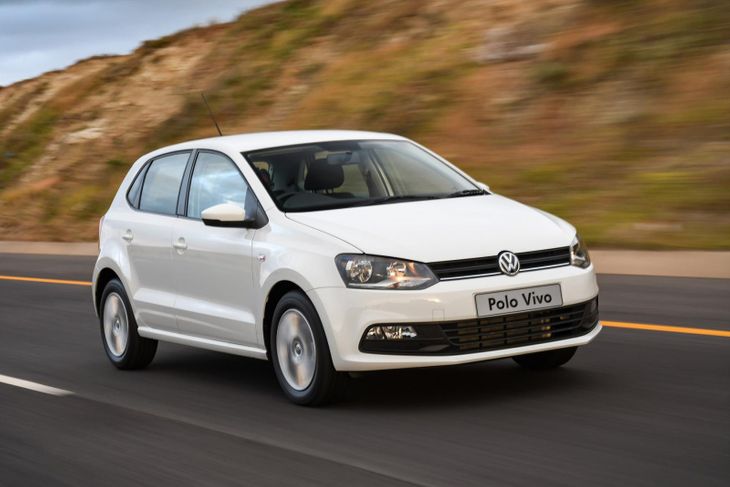
Dominant once again, the Volkswagen Polo Vivo has a significant lead in the passenger car market.

Again, there are few surprises at the top of this list, though the enduring appeal of the Toyota Corolla Quest will raise eyebrows. Another Toyota, the Fortuner, is the country's top-selling SUV and one of the pricier cars to maintain a high position in the rankings. Cars that only just missed out on a top 20 spot include the Mazda CX-5 (1 216), Mercedes-Benz C-Class (1 131) and VW Polo Sedan (1 241).

Ranking Make & Model Sales
1. Volkswagen Polo Vivo 7 651
2. Volkswagen Polo 5 043
3. Toyota Corolla Quest 3 005
4. Toyota Fortuner 2 904
5. Hyundai Grand i10 2 798
6. Renault Kwid 2 669
7. Toyota Etios 2 113
8. Ford EcoSport 2 003
9. Toyota Corolla 1 986
10. Ford Figo 1 883
11. Hyundai i20 1 733
12. Kia Picanto 1 725
13. Datsun Go! 1 692
14. Toyota RAV4 1 523
15. Suzuki Swift 1 412
16. Volkswagen Tiguan 1 411
17. Toyota Yaris 1 302
18. Ford Everest 1 289
19. Toyota Avanza 1 261
20. Renault Sandero 1 252

Best-selling Double-Cab bakkies


During Q1 of this year, it was the Toyota Hilux that emerged as the best-selling Double-Cab, but can it hang on?

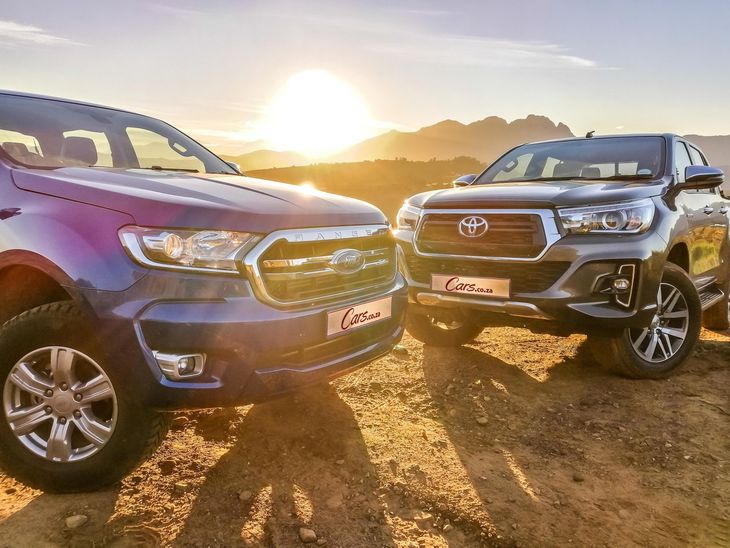
The tussle between the Toyota Hilux and Ford Ranger continues at the top and it will be interesting to see whether the recently updated Ranger will overtake the Hilux during the second quarter. These sales include Rental and Government sales. Isuzu's D-Max soldiers on reasonably well in third place, but Nissan won't be very happy with Navara sales (381). The Mercedes-Benz X-Class found 231 new homes in South Africa during this period. And near the bottom of the rankings, Mitsubishi will be hoping that its updated Triton will put in a much stronger showing going forward (102).

> ALSO WATCH: Ford Ranger vs Toyota Hilux (video review)

Ranking Make & Model Sales
1. Toyota Hilux 4 971
2. Ford Ranger 4 751
3. Isuzu D-Max/KB 1 539
4. Nissan NP300 1 249
5. Volkswagen Amarok 914

Most Popular SUVs


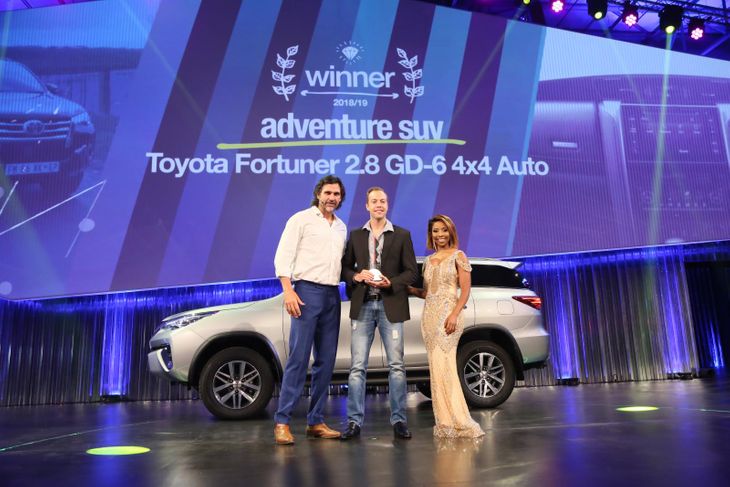
The Toyota Fortuner is our Adventure SUV of the year, crowned a second year running in the Cars.co.za Consumer Awards – Powered by WesBank.

Toyota's Fortuner continues to dominate the SUV segment in South Africa and is one of the country's favourite cars of any type. Ford will be pleased with continued sales support for its recently refreshed EcoSport, while Toyota's brand new RAV4 has gained immediate traction. Lower down the list, but still in the top 10, the presence of a Chinese vehicle, the Haval H2, is sure to raise eyebrows.

ALSO WATCH > Ford EcoSport Video Review

Ranking Make & Model Sales
1. Toyota Fortuner 2 904
2. Ford EcoSport 2 003
3. Toyota RAV4 1 523
4. Volkswagen Tiguan 1 411
5. Ford Everest 1 289
6. Mazda CX-5 1 216
7. Mazda CX-3 967
8. Toyota Rush 899
9. Haval H2 885
10 Hyundai Creta 821

Premium German brands under pressure


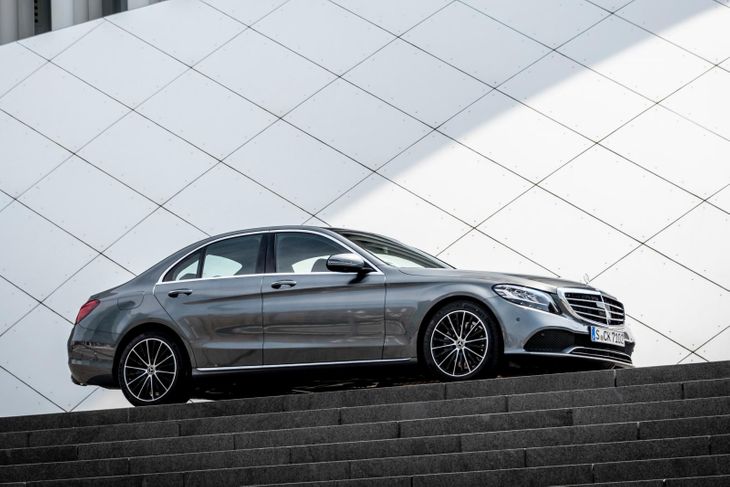
The Mercedes-Benz C-Class remains South Africa's favourite premium-badge car.

Traditionally the German premium brands (Mercedes-Benz, BMW and Audi) have been pretty resilient in tough market conditions, but in recent times they appear to be slipping down the lists in bigger steps. In this table, we list the top 20 products on offer from these 3 premium brands – notice how SUVs and crossovers are performing, as well as the absence on the list of the traditional big sedans where these brands originally built their premium status. But it's not all rosy for the smaller crossover offerings. Audi's Q2 failed to make this list (110 sales), and the BMW X2 only just scraped in.

> ALSO WATCH: New BMW 3 Series vs Mercedes-Benz C-Class (video review)

Ranking Make & Model Sales
1. Mercedes-Benz C-Class (incl AMG derivatives) 1 211
2. Audi A3 (all derivatives) 913
3. BMW 3 Series 808
4. Audi Q5, Mercedes-Benz A-Class (including AMG derivatives) 566
5. BMW X3 505
6. Mercedes-Benz GLC (including AMG derivatives) 382
7. Audi A4 321
8. Mercedes-Benz CLA (incl. AMG derivatives) 308
9. Mercedes-Benz GLA (incl. AMG derivatives) 297
10. BMW X5 290
11. BMW X1 273
12. BMW X4 227
13. Mercedes-Benz V-Class 208
14 BMW 4 Series 192
15. Audi A5 171
16. BMW 5 Series 169
17. BMW 2 Series 149
18. BMW 1 Series 142
19. BMW X2 135
20. Mercedes-Benz GLE (incl. AMG derivatives) 133

You may also be interested in;

New vehicles sales South Africa 2019

Best selling cars in the world for 2018

Ford SA Lays Out Its Future Plans

While countless local bakkie enthusiasts are still celebrating the arrival of the Ranger Raptor, Ford South Africa invited members of the media to a sort of “State of the Nation” address by FMCSA general manager Neale Hill, which culminated in a tour of the Struandale engine plant. Ernest Page reports on his trip to Port Elizabeth…

Local engine production for export continues

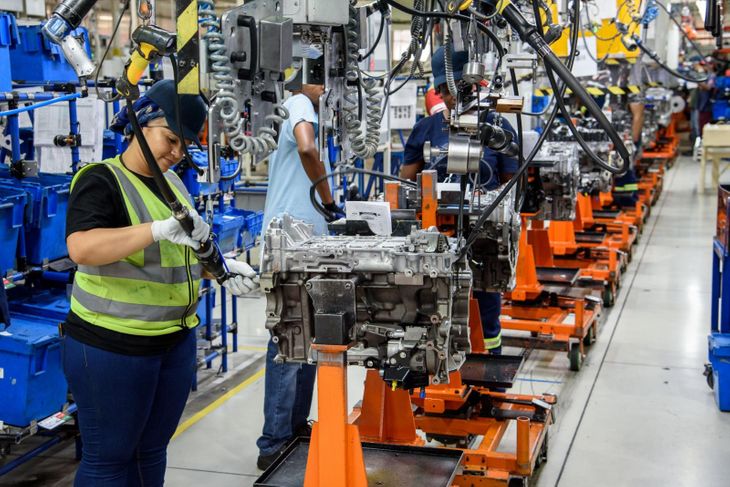
The local motor industry is experiencing a bit of a downturn; partly due to the sluggish world economy, but also apprehension about South Africa's political climate. Ford Motor Company of Southern Africa general manager Neale Hill acknowledged that in 2019, sales have expectedly been lower than in previous years, but the company was confident it could ride out this wave of uncertainty and continue to expand its operations over the coming months. The R3-billion investment (announced in 2017) has led to sustained growth in FMCSA's capacity, including the establishment of its 24-hour/3-shift engine plant; Hill acknowledged that having a strong export component was critical to Ford's local subsidiary's globally relevance.


Ford SA exports both engines and fully-assembled Rangers and Everests.

The plant is now able to produce up to 250 000 engines per year as well as hundreds of thousands of components for export to 148 markets worldwide. In fact, the Silverton factory (in Pretoria) now has the capacity to produce up to 168 000 Rangers and Everests (combined) per year – an increase of 44 000 before the investment.

Ford employs approximately 4 300 people in South Africa. Additionally, it supports around 50 000 jobs within its value chain (people employed by its direct suppliers). Hill said: "As one of the country’s leading automotive manufacturers and exporters, Ford plays an important role in the prosperity and sustainability of the sector and the many thousands of people that it supports. Employees have the option to go for anything from marriage counselling to debt counselling and various other support systems to make sure that not only Ford Clients and shareholders are left satisfied.

New models for 2019


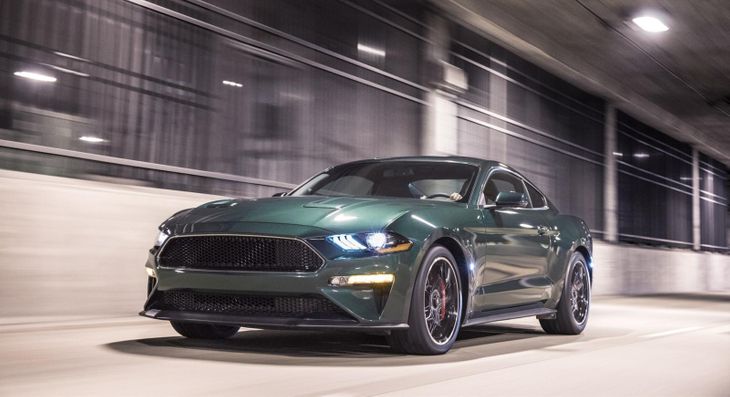
The Ford Mustang Bullit will be coming in very limited numbers.

As for Ford's product plans for the next few months, the most exciting new model will be the updated Mustang, which will arrive later this year. With it, comes 55 units of the limited-edition Mustang Bullit. The 2019 Bullit is a homage to Steve Mcqueen's epic 1968 Ford Mustang GT. The new one features a similar green paint job, but with much more power than its inspiration, boasting 338 kW and 529 Nm of torque from its 5.0-litre V8 engine.

To see Ciro thrash the new Mustang Bullit somewhere in the US of A, click here:

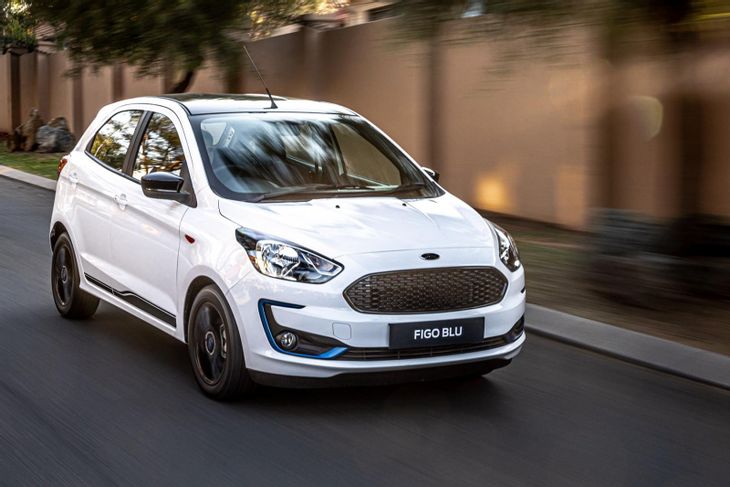
Ford will also be releasing a not as exciting – but definitely more accessible – limited-edition Figo Blue, which features the same 1.5 litre 3-cylinder engine as its standard sibling, but with noticeable visual enhancements. The Figo Blue's roof is painted black to provide a contrast to the three available body colour choices: silver, white or grey, the sides of the car feature racy black striping and there are blue insets in the front bumper. All of this is complemented by a leather steering wheel, blue stitching for the gearshift gaiter, and the Figo Blu logo embroidered on the front floor mats.


Ford is hoping this special edition Figo Blu will bolster sales locally.

Notably, there was no mention of the 2019 Ford Fiesta ST. The previous version was loved by many and is still popular among younger hot hatch aficionados. However, it has been confirmed that the new model will not make it to our shores due to its incompatibility with SA-quality fuel.

Ford and World Vision South Africa

World Vision South Africa was a winner of the 2018 Bill Ford Better World Challenge and, for its efforts, it received a grant of $200 000 (approximately R2.8-million) for its pioneering concept to address the devastating drought affecting the Eastern Cape. Additional funding to the value of $130 000 (around R1.9-million) has since been awarded by the Ford Research and Advanced Engineering division.


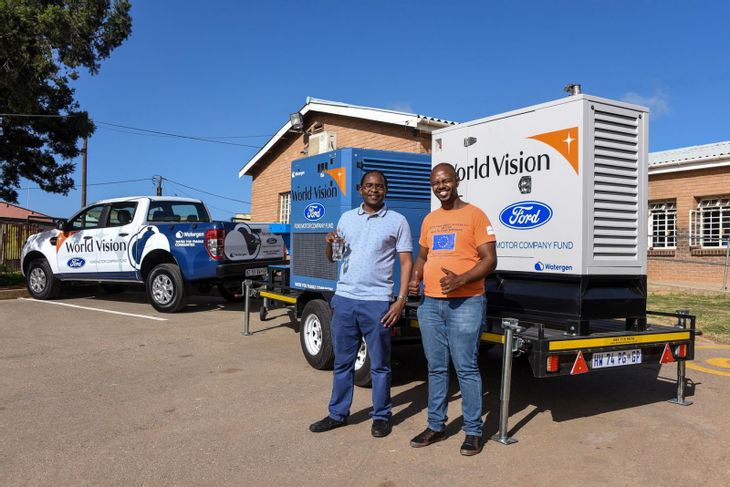
Ford's World Vision brings water to hard-to-reach areas in the Eastern Cape.

The practical implementation of this grant was showcased in the form of the WaterGen device, which produces water from air. The device can produce up to 900 litres and is 100% mobile, which means it can be transported to remote locations. The system consists of a Generator, water purifier, trailer and a Ford Ranger (to tow it all) and it supports Early Childhood Development Centres in Uitenhage and KwaNobuhle.

“The Eastern Cape has been severely impacted by drought in recent years, and the poorest communities are the hardest hit. Accordingly, the project will primarily focus on assisting schools, clinics and Early Childhood Development Centres (ECDs), as well as households where the need is greatest,” said Chikondi Phiri, Officer in Charge, World Vision South Africa.

Related content:

First Ford Ranger Raptor Built in SA

Ford expands its Struandale engine plant

The BMW X3 is proudly South African, but driven by the world