Suzuki Ciaz 1.5 GLX (2019) Review
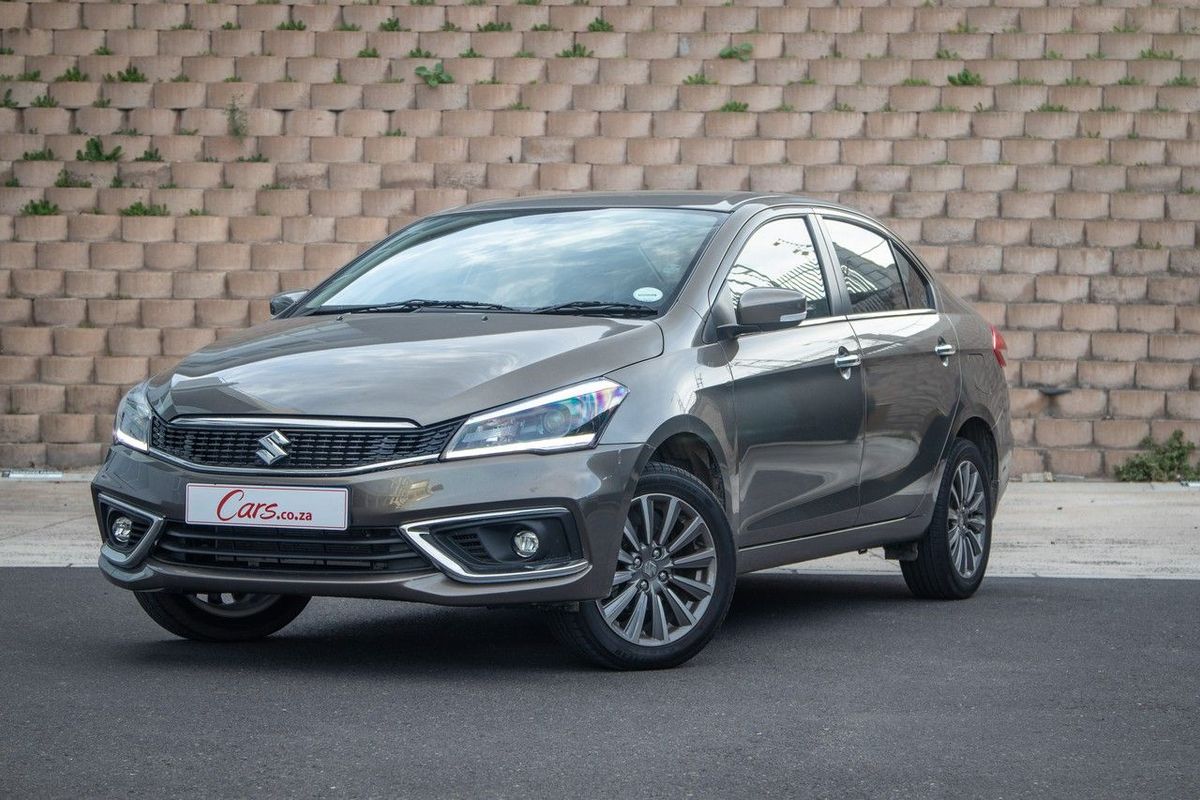
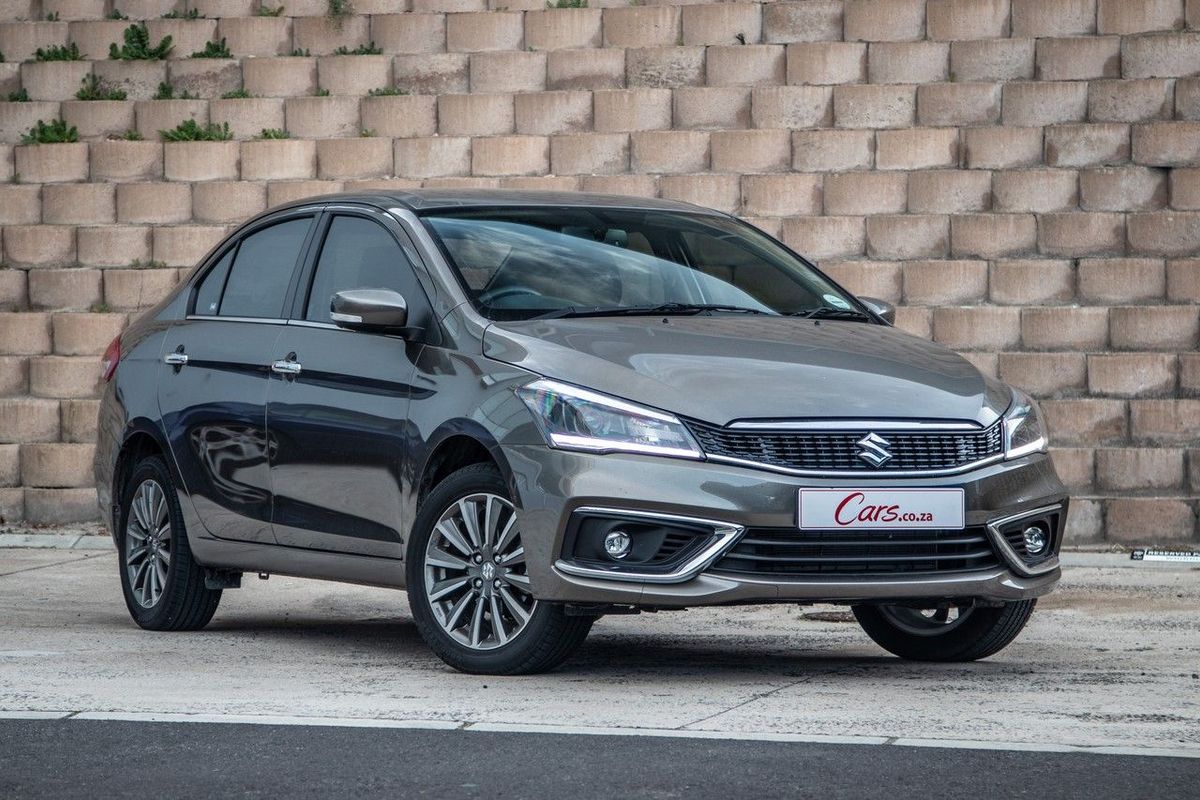
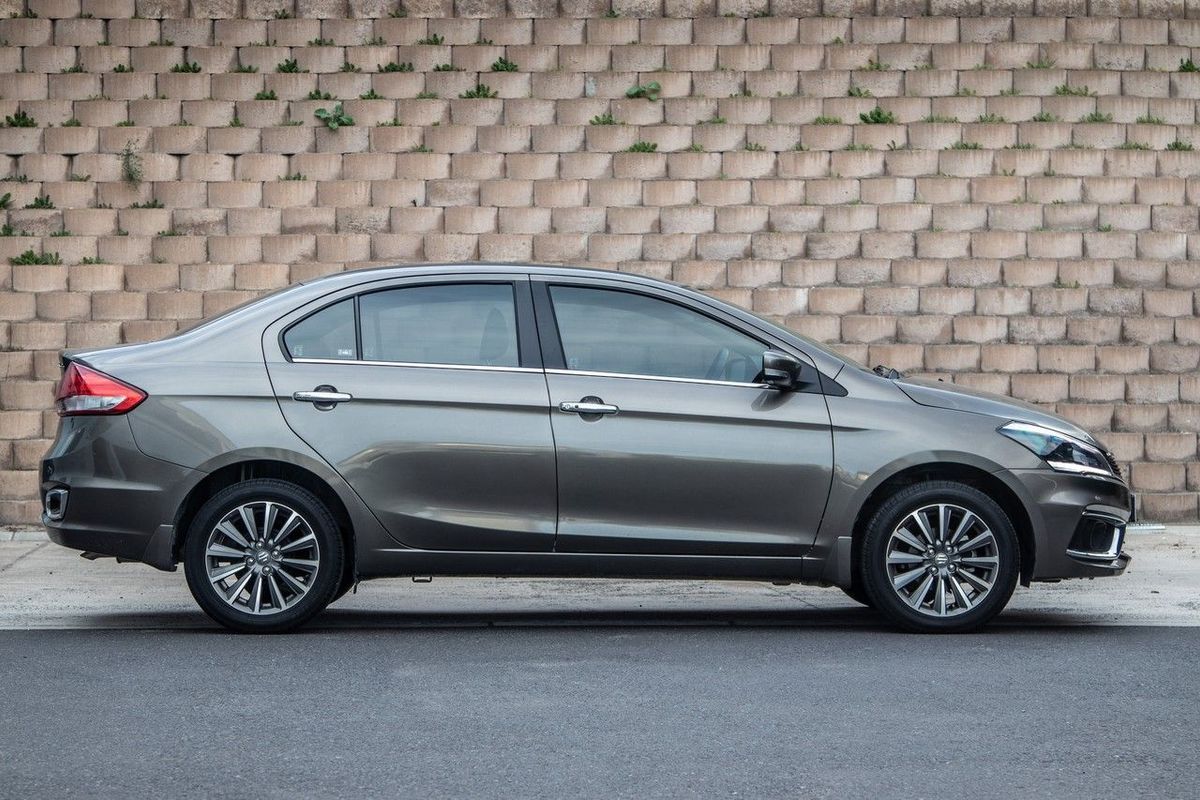
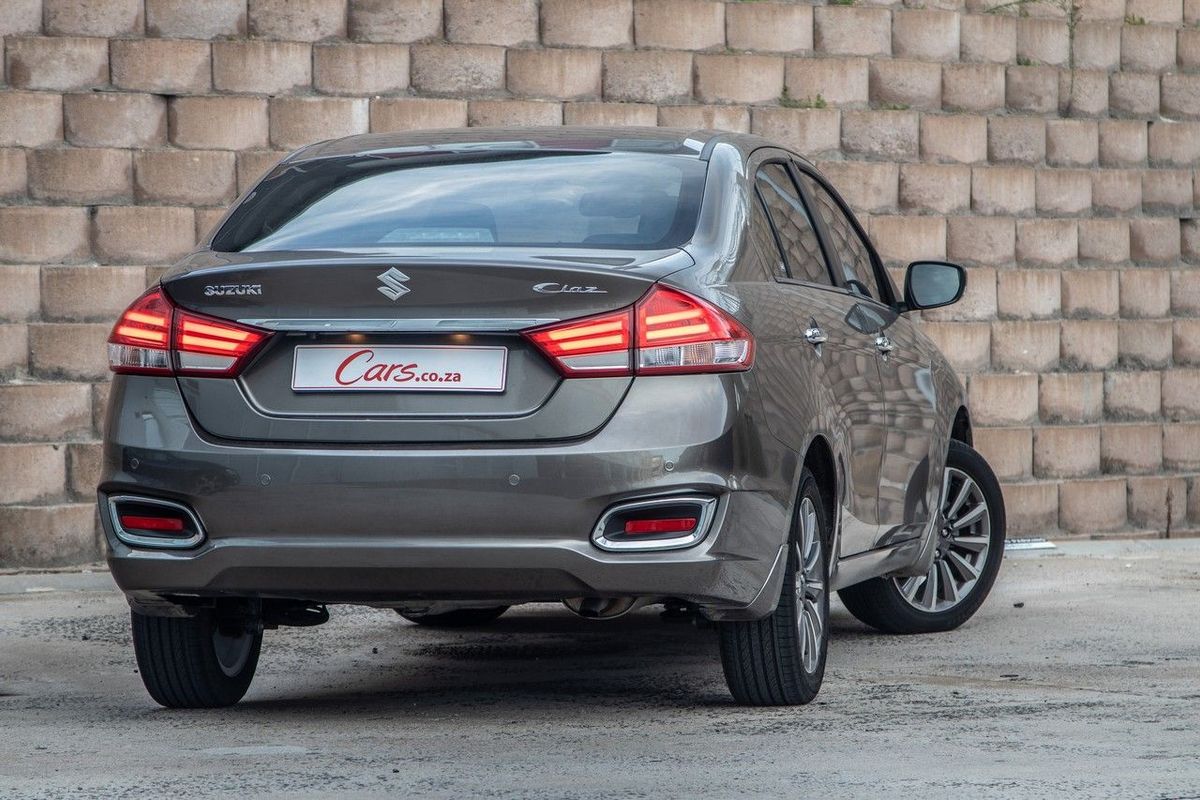
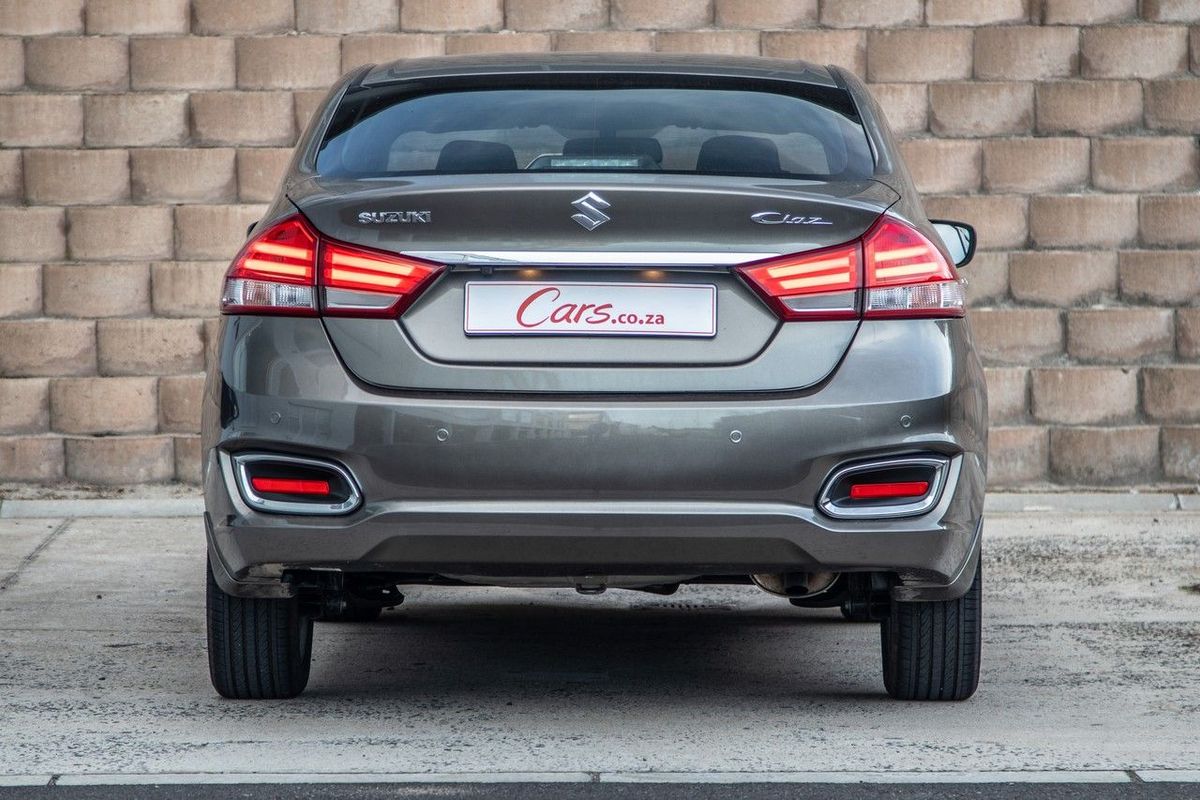
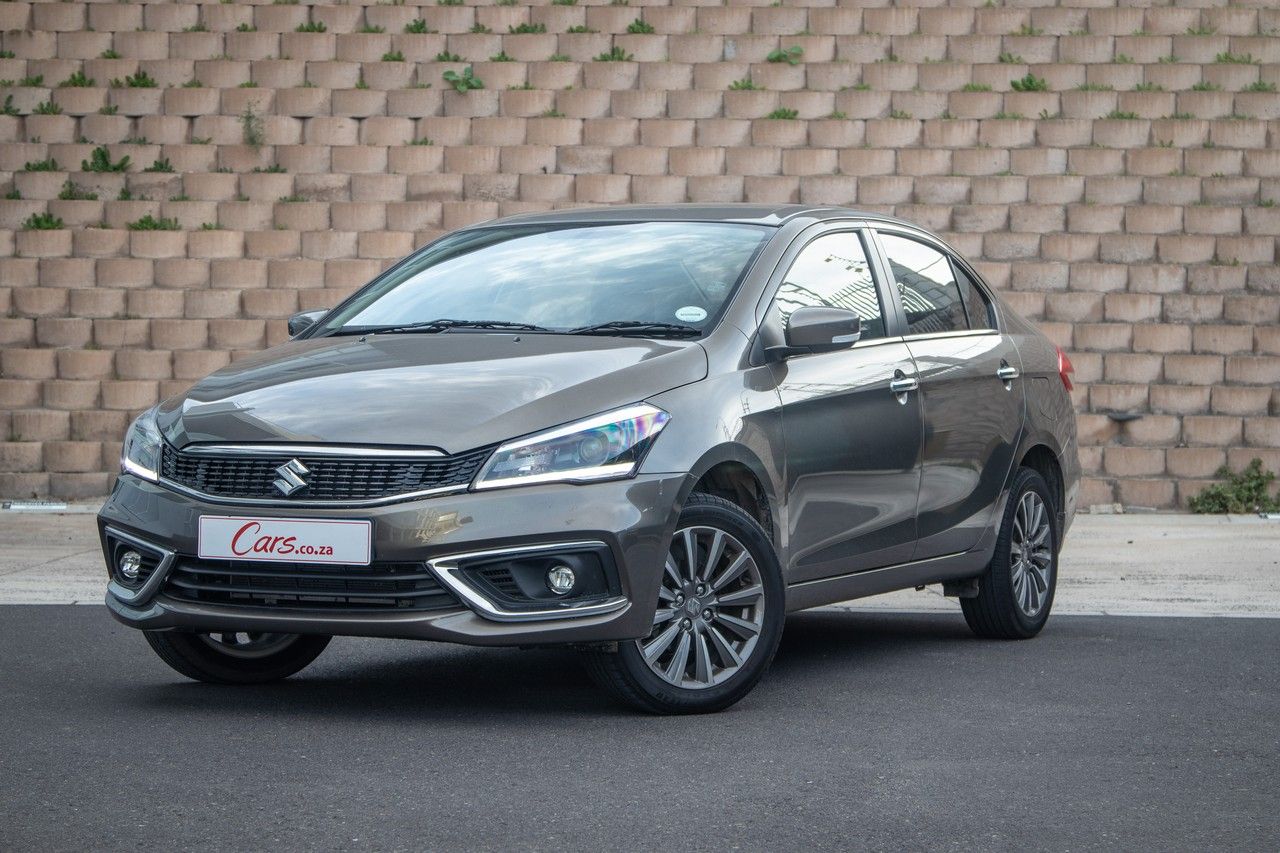
The budget sedan market or Uber-car segment (as the pocket of the market is colloquially known), has an unsung hero. The Suzuki Ciaz has been facelifted for 2019 and we’ve tested the GLX derivative extensively over 2 000 km.

We like: Leather trim, spaciousness, build quality, fuel-efficient engine.

We don't like: Rear seats don’t fold, high driving position, no stability control.

Fast Facts

  • Price: R244 900 (June 2019)
  • ?Engine: 1.5-litre 4-cylinder petrol
  • Gearbox: 5-speed manual
  • Fuel economy: 5.5 L/100 km (claimed)
  • Power/Torque: 77 kW/138 Nm

Own a Suzuki? Tell us about your experience here. 

SERIOUS ABOUT BUYING?

Where does it fit in?


It's an UberX, but with the spec of an Uber Black… 

Fleet cars, Uber cars or budget sedans. Whatever you call them, there are plenty of these sensibly priced compact 4-doors around, but most of them are Toyotas or Volkswagens. The Corolla Quest and Polo Sedan dominate the sales here, but the Suzuki Ciaz is a little gem that gets overlooked in this segment, despite offering good value and fuel efficiency, which are surely top of mind to someone running a fleet or Uber car?

The Corolla Quest went through an update in 2016 – read about it here

For this latest version, Suzuki has added some more in-car tech to modernise the Ciaz's infotainment system, transplanted a more powerful petrol motor into its engine bay and topped off the exterior look with LED lights.

How it fares in terms of…

Performance and efficiency

The new engine under the Suzuki's bonnet delivers 7 more kilowatts than before. The 1.5-litre naturally-aspirated (non-turbo) 4-cylinder petrol motor produces outputs of 77 kW and 138 Nm of torque, which are slightly under par compared with those of its rivals, yet the Ciaz doesn’t feel gutless. Aided by a light body and revvy engine, the 1.5 GLX has more than enough zip to scurry along, whether in the confines of the city or on the freeway.
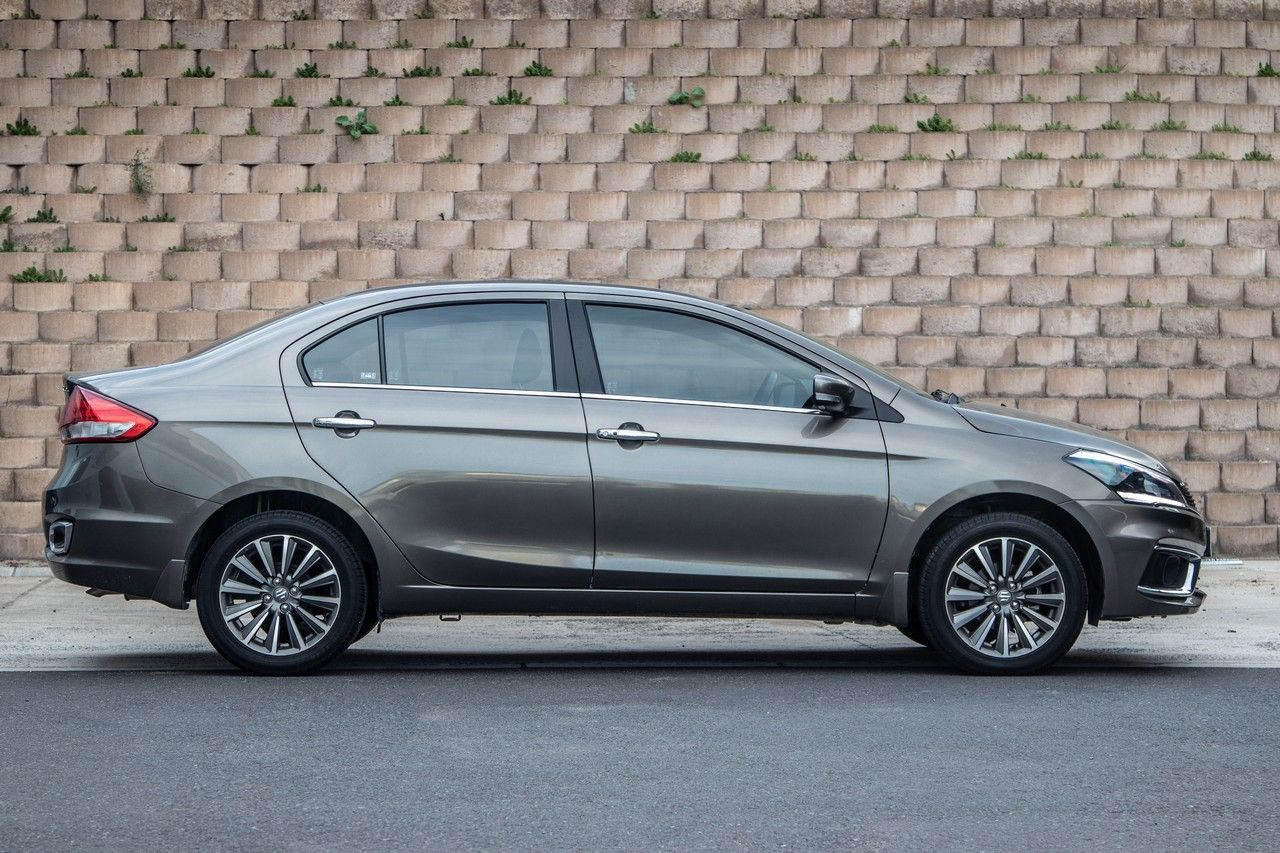

The new engine is typically efficient, but not averse to being revved into its upper reaches.

Suzuki engines are typically fun to rev eagerly and the 1.5 GLX is no exception. By utilising a lively right foot and the fast-shifting 5-speed manual 'box you may find yourself venturing towards the motor's rev limit often – not that it would be of major concern to budget-oriented sedan buyers. The Ciaz may be a gear short of the Corolla Quest, but at freeway speeds the revs are low enough that it doesn’t feel like the 'box needs a 6th gear.

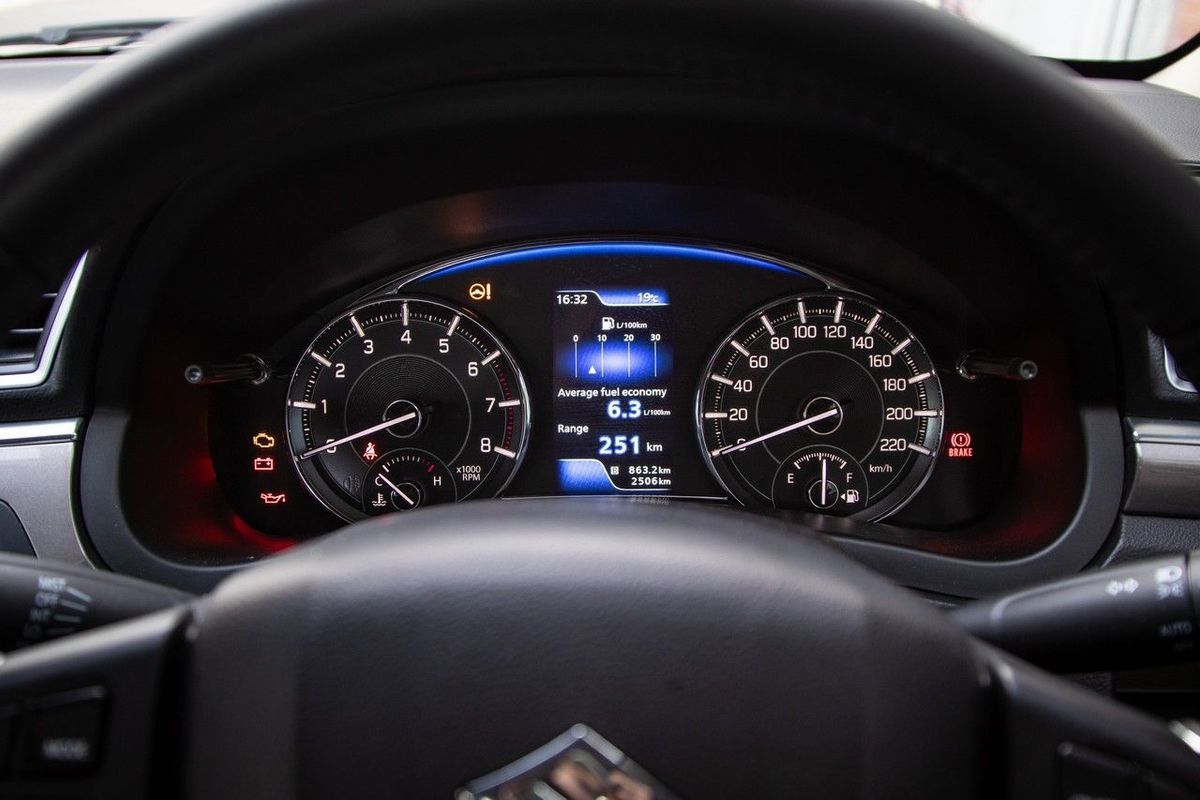
The claimed fuel efficiency is 5.5 L/100 km, and we can vouch that if you drive the 1.5 GLX conservatively, you can easily achieve that figure. Throughout our 2 000-km test, we averaged a frugal 6.2 L/100 km, much of which was with a car loaded with baggage and filming equipment.

Practicality and refinement

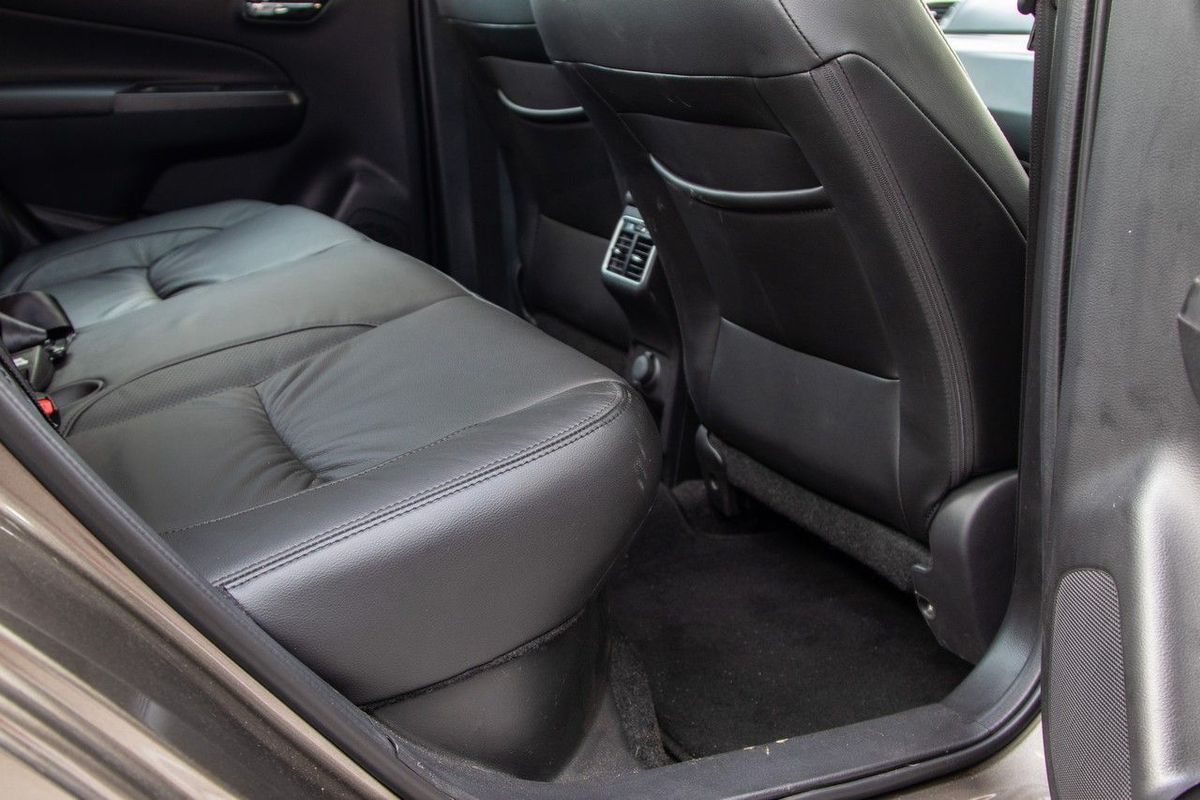
Starting with passenger space, rear legroom is generous – the bench easily seats 3 passengers. Rear head- and shoulder room are satisfactory and the boot measures 480 litres, which is a bit bigger than those of its rivals. The rear seats don’t fold down, which seems like a bit of an oversight, especially because it limits the Ciaz as a family car. You can bet that at some stage you will need to carry something longer than the length of the boot and because the seats don’t fold down, you’d be stuck. As a fleet buyer, it’s not likely to be an issue, but it may be a deal breaker for families.
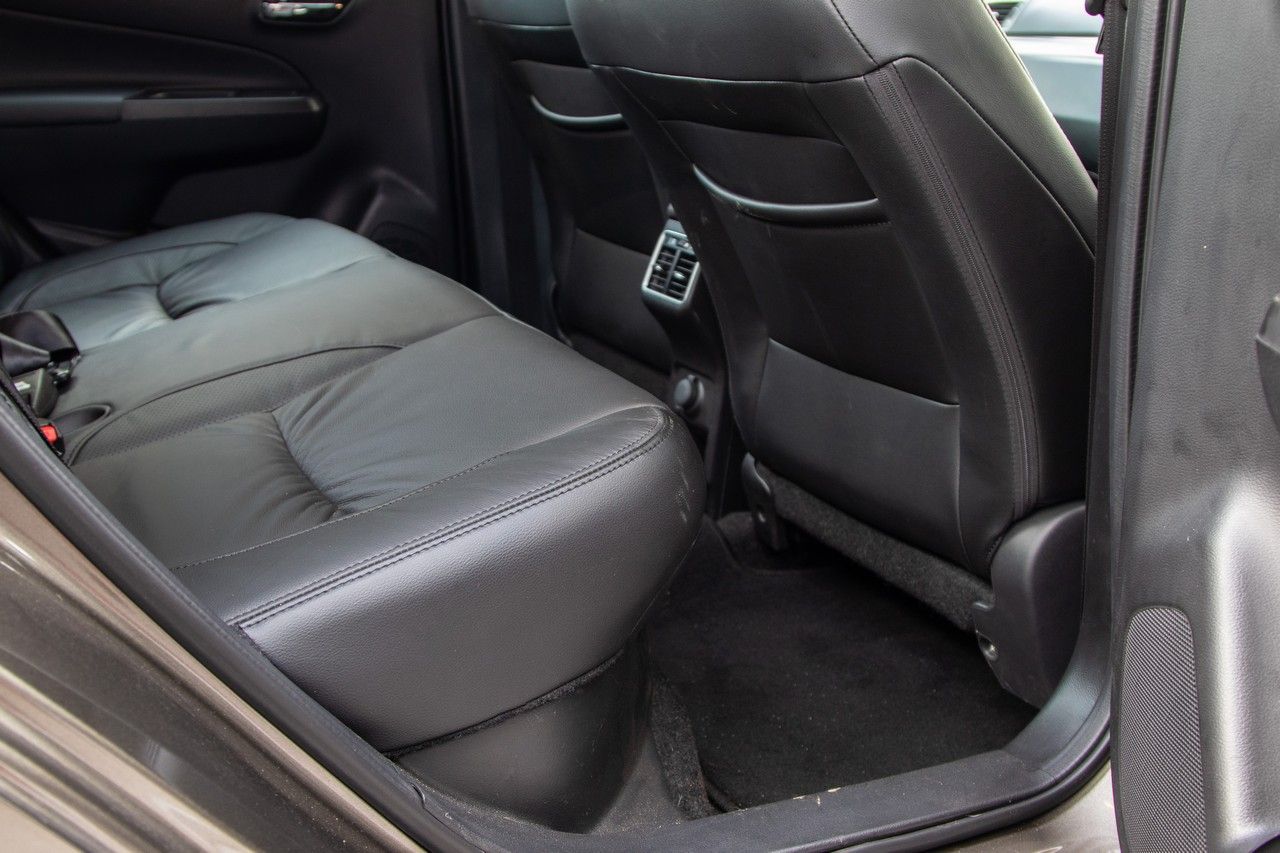

Enough legroom, rear aircon vents and leather. It's the best-equipped rear in the segment.

On the road, the Ciaz is quiet and well insulated from the wind and tyre roar in ways that budget car offerings usually aren't. It’s pleasant and comfortable with an easy clutch/shift action that won’t be arduous in congested traffic. The ride is geared towards comfort, so the suspension softens out bumps and ruts smoothly. Because it’s light, it still feels nimble in the bends and promotes confident driving. It’s a very easy car to acclimatise to.

Interior tech and comfort

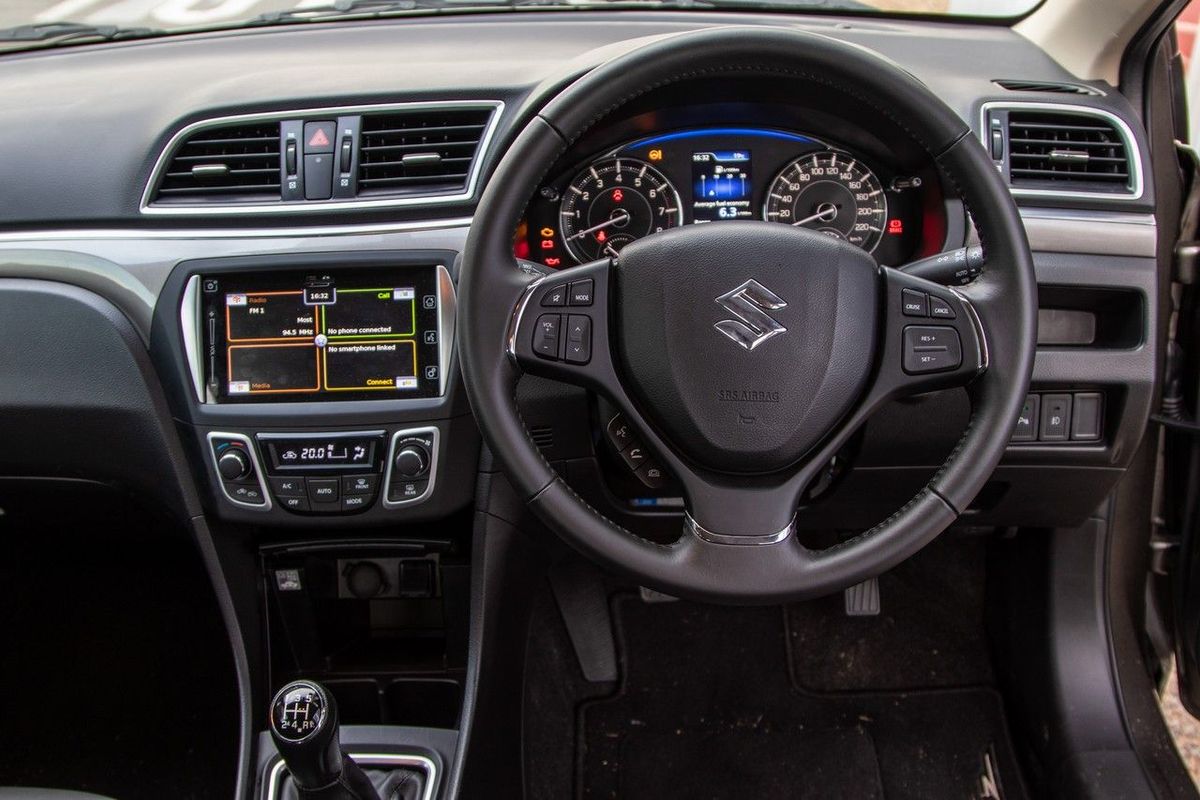
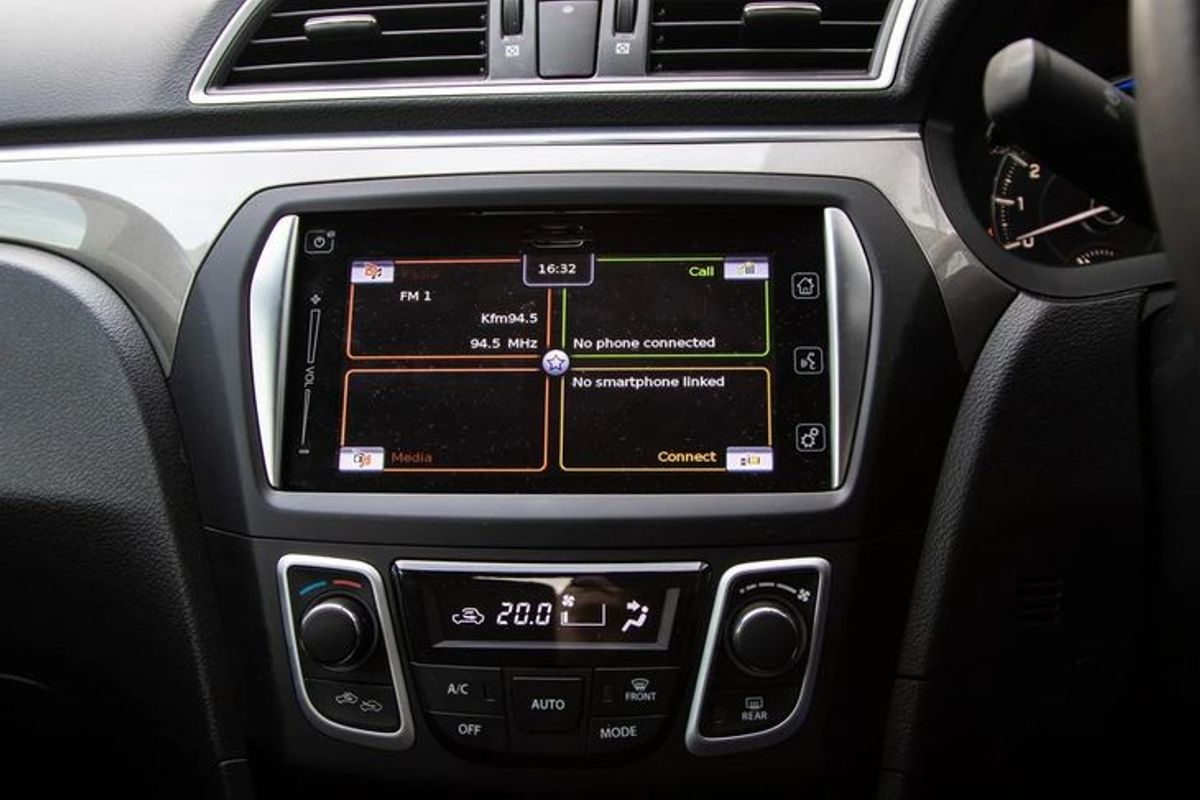
Suzuki has updated the Ciaz's interior by modernising its infotainment system, which brings some welcome digitisation to the Ciaz's cabin. The infotainment system now features a 7-inch touchscreen that incorporates a feed from a reverse-view camera, the latter of which is a rarity in this segment. The setup is Apple Carplay and Android Auto compatible, but it would be best to check whether your smartphone's fully compatible with the system during the test drive… we had issues with a few Android smartphones (Suzuki does have a few troubleshooting options if you struggle).
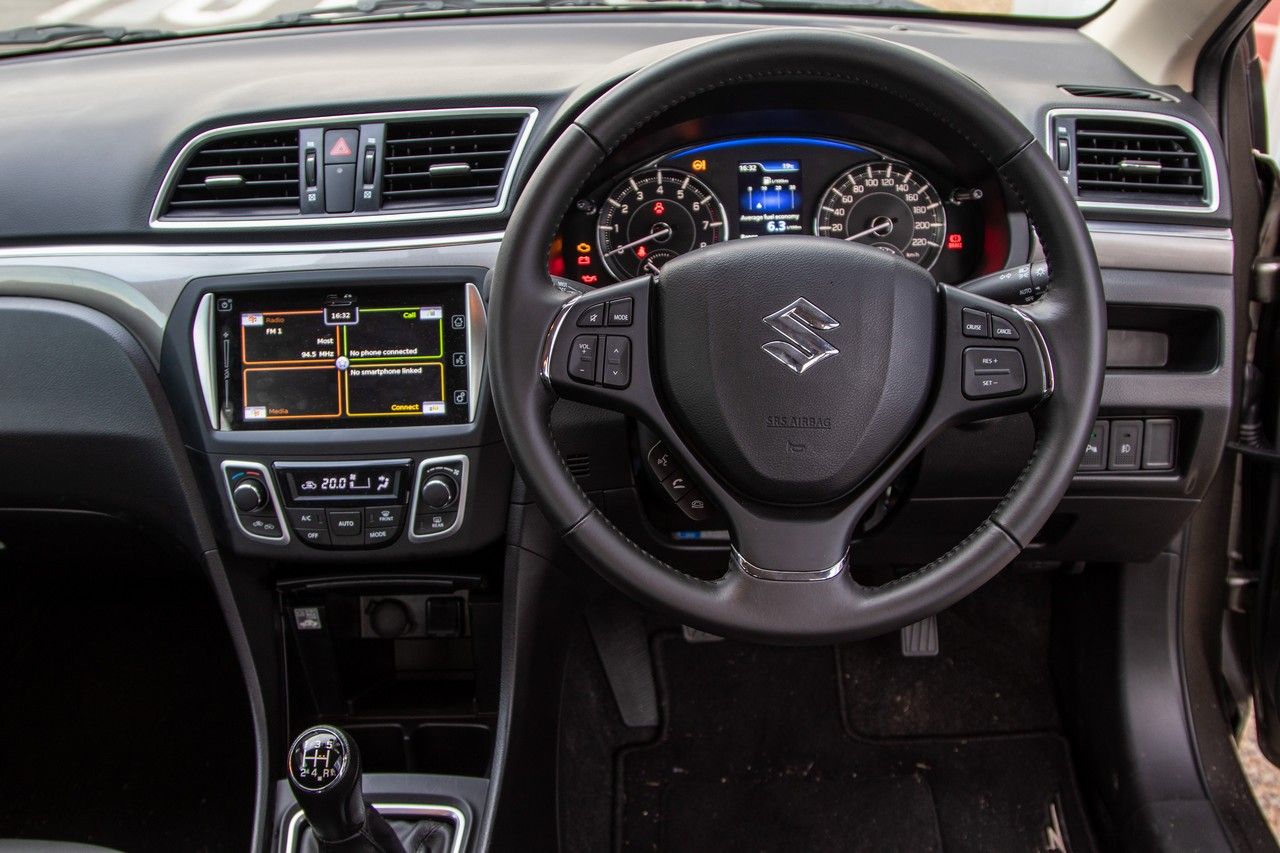

The interior has a modern infotainment system now and cruise control.

The instrument cluster has gained a central digital screen that displays the trip computer; it’s a simple, but effective, way to improve the ambience of the cluster. Automatic climate control is a nice-to-have, as are the steering wheel-mounted controls for the radio and newly added cruise control.

Suzuki’s major advantage in this segment is the leather upholstery, which is standard on the 1.5 GLX derivative. Having sat on many a dirty cloth-trimmed seat in Uber cars, leather is most welcome on a car in the "UberX segment".

The driver’s seat, despite being height adjustable doesn’t go low enough for taller drivers (181 cm and above). You have to deal with a very raised driving position and be ever mindful not to knock your head on the door frame every time you exit the vehicle.

Safety

It’s a bit disappointing to note the absence of stability control in the Ciaz, although only the Polo offers it (of the competitors we mentioned). The Ciaz has 2 front airbags, ABS, EBD with brake assist and keyless entry (GLX only). The safety spec, therefore, is par for the course for this segment.

Verdict
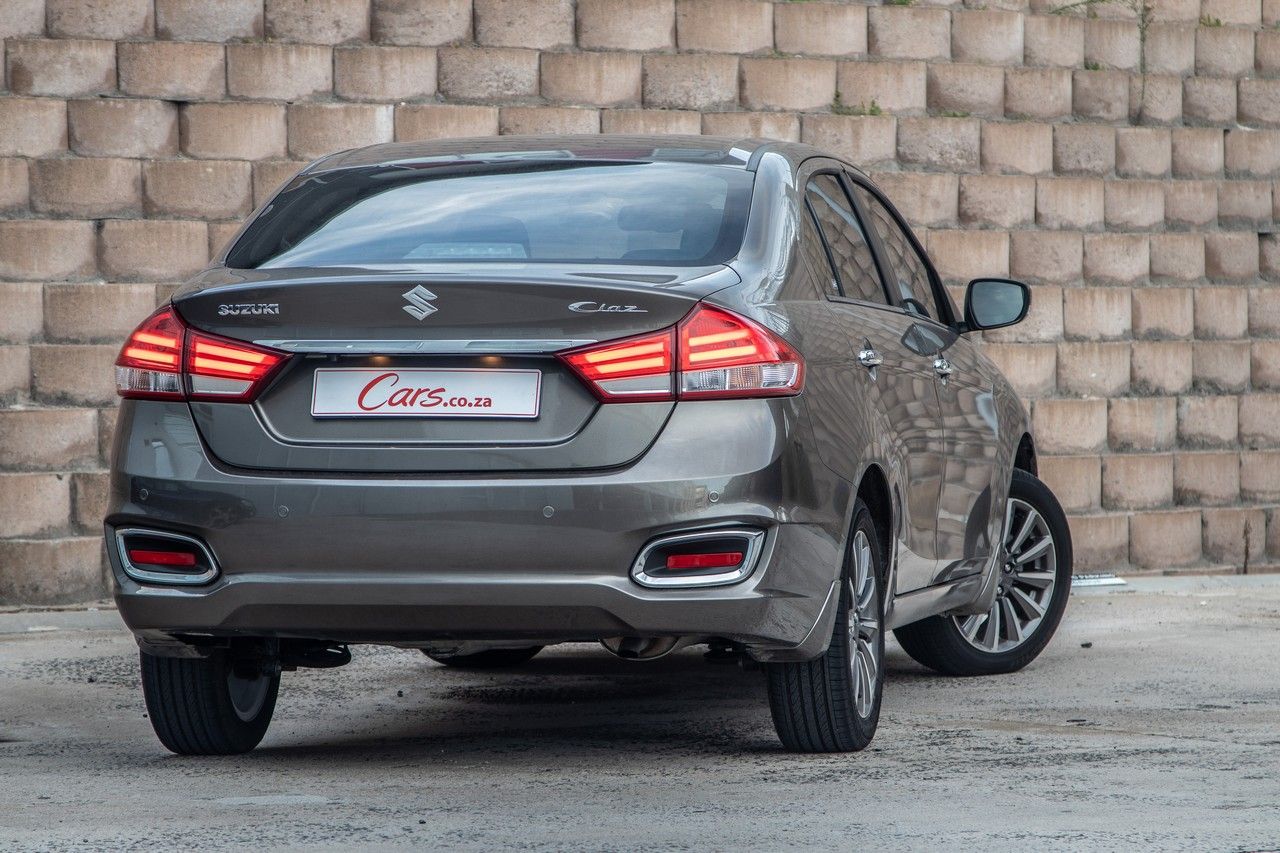

Suzuki Ciaz should pose a real threat to the segment's top-sellers.

The Suzuki Ciaz underperforms on the sales charts, especially considering the equipment levels and value for money it offers. The 1.5 GLX's price point is competitive and the running costs are likely to be pleasantly low. Suzuki has won multiple #CarsAwards Brand of the Year titles for delivering excellent levels of customer service and support, so prospective owners can look forward to peace-of-mind ownership. The warranty has been extended to 5 years/200 000 km while the service plan (3-year/60 000 km) offers more mileage than those of the Corolla Quest and Polo.

Read about what Brand of the Year entails here

It comes with ample passenger space and leather seats, something its competitors can’t match. The new engine performs admirably despite its lower power and torque outputs. It also proves to be more economical on fuel, due to its low weight and 1.5-litre capacity.

It does however, appear to be firmly targeted at the fleet buyer rather than the family buyer with the exclusion of stability control and rear folding seats. If a Suzuki Ciaz every pops up when you hail an UberX, you’ll be pleasantly surprised at just how more luxurious it is than the usual suspects.

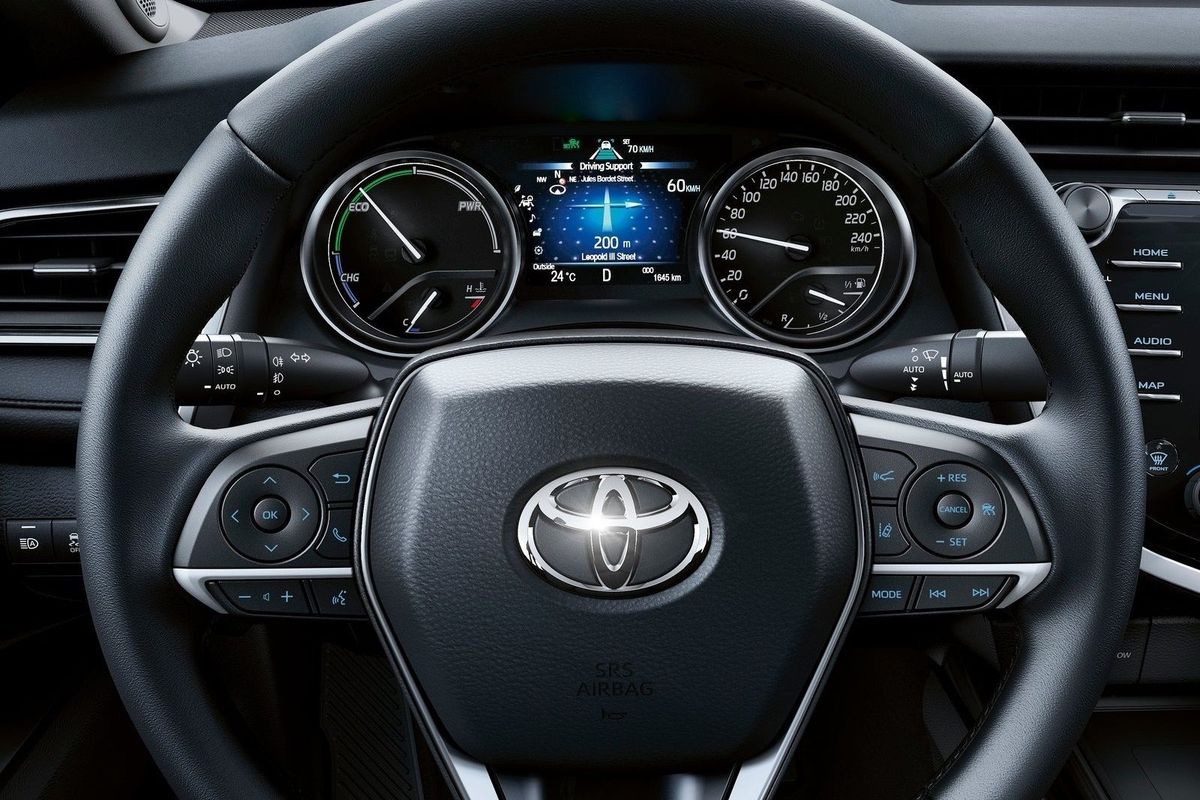
Should Toyota SA Bring Back the Camry?

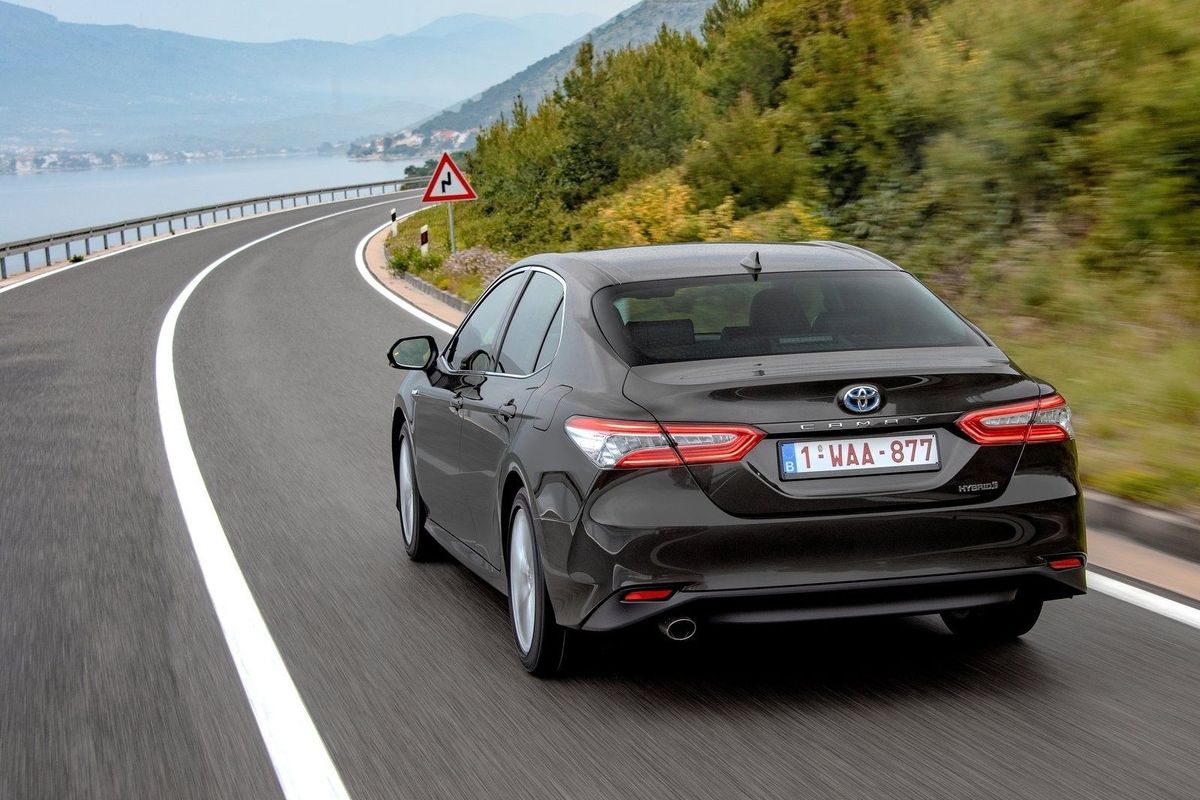
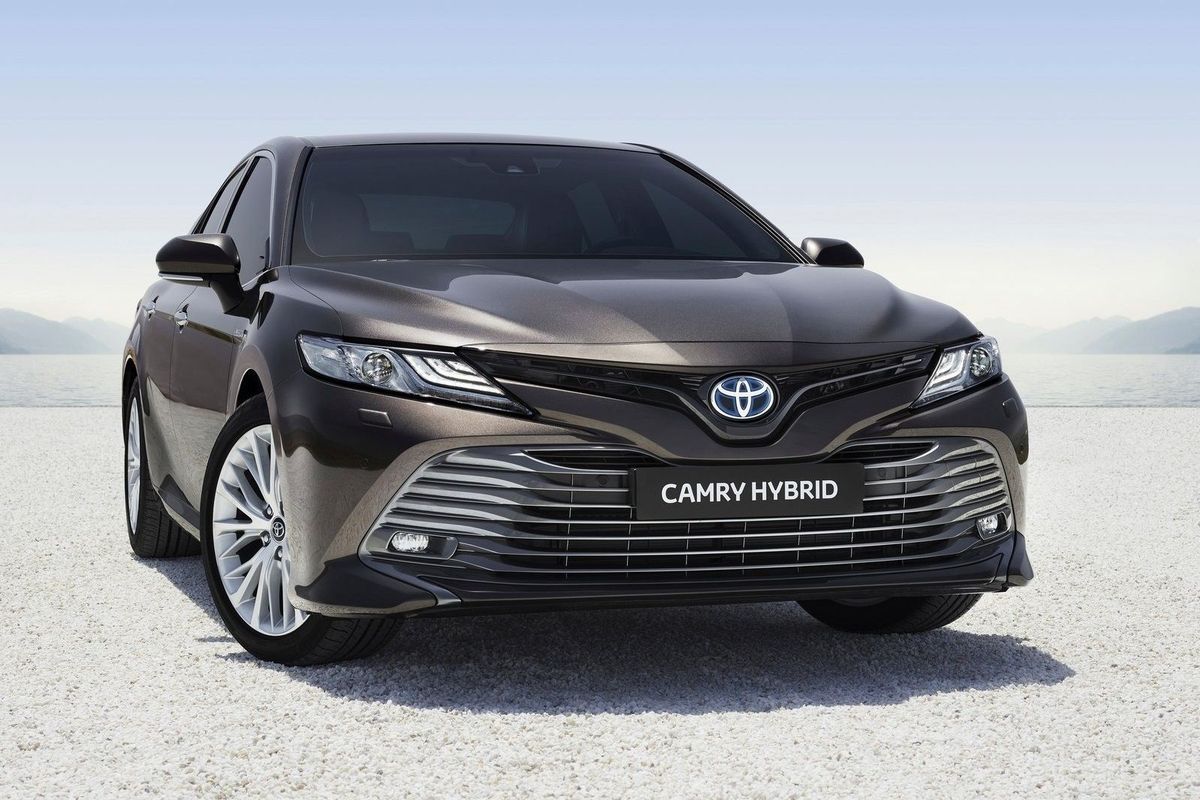
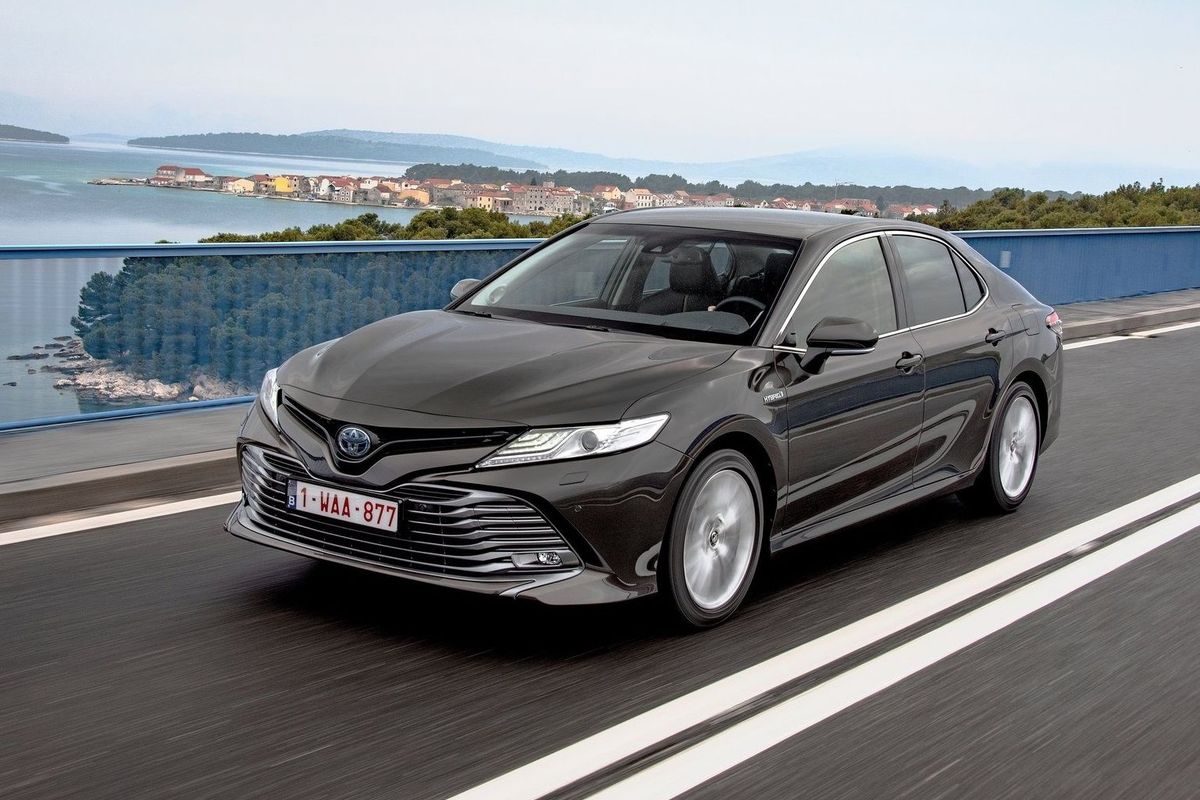
The Toyota Camry has quite the reputation amongst the South African population. Now that there's a new one out in Europe, should it come to SA?

Toyota's Camry sedan has quite the history behind it. First launched back in 1982, the Camry has proven popular as families clamoured for big and spacious sedans. To date, more than 19 million units have found homes in more than 100 countries and according to Toyota, the Camry remains the best-selling D/E segment sedan in the world.

There's a South African connection too, as the XV10-generation Camry was assembled right here in Durban, South Africa. From 1992 to 2001, Toyota's Prospecton plant pumped out 2.2-litre and 3.0-litre Camrys for the SA market. To this day, you'll still see Camrys on the road and in good nick, testimony to their impressive long-term reliability. The car has even inspired an Internet meme about reliability.

You can sort of get the new Toyota Camry in SA already – Lexus ES 300h SE (2019) Review

Now in its 8th generation, the Toyota Camry has just gone on sale in Europe. Underpinned by the same TNGA platform which underpins the RAV4/Corolla/C-HR/Prius, the new Camry is available with a 2.5-litre petrol hybrid engine which delivers 160 kW and 221 Nm. Being a hybrid, it's claimed to consume just 4.3 L/100 km. 

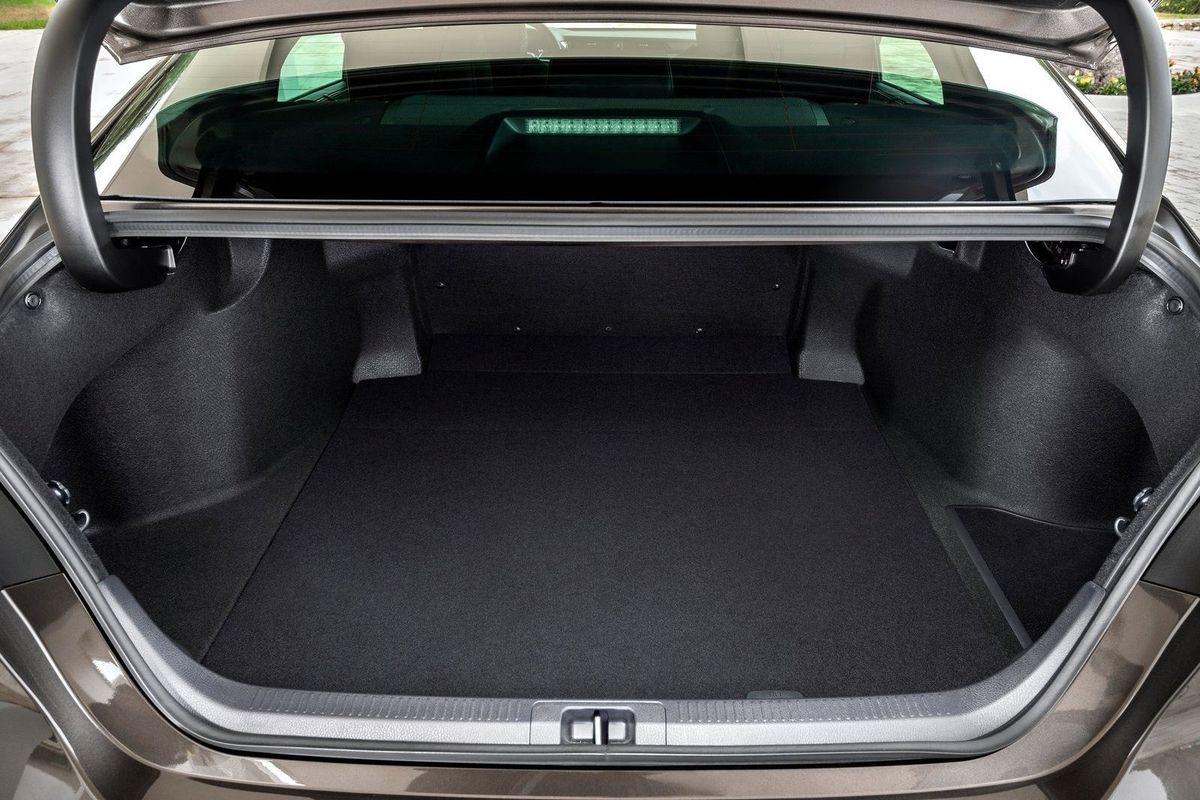
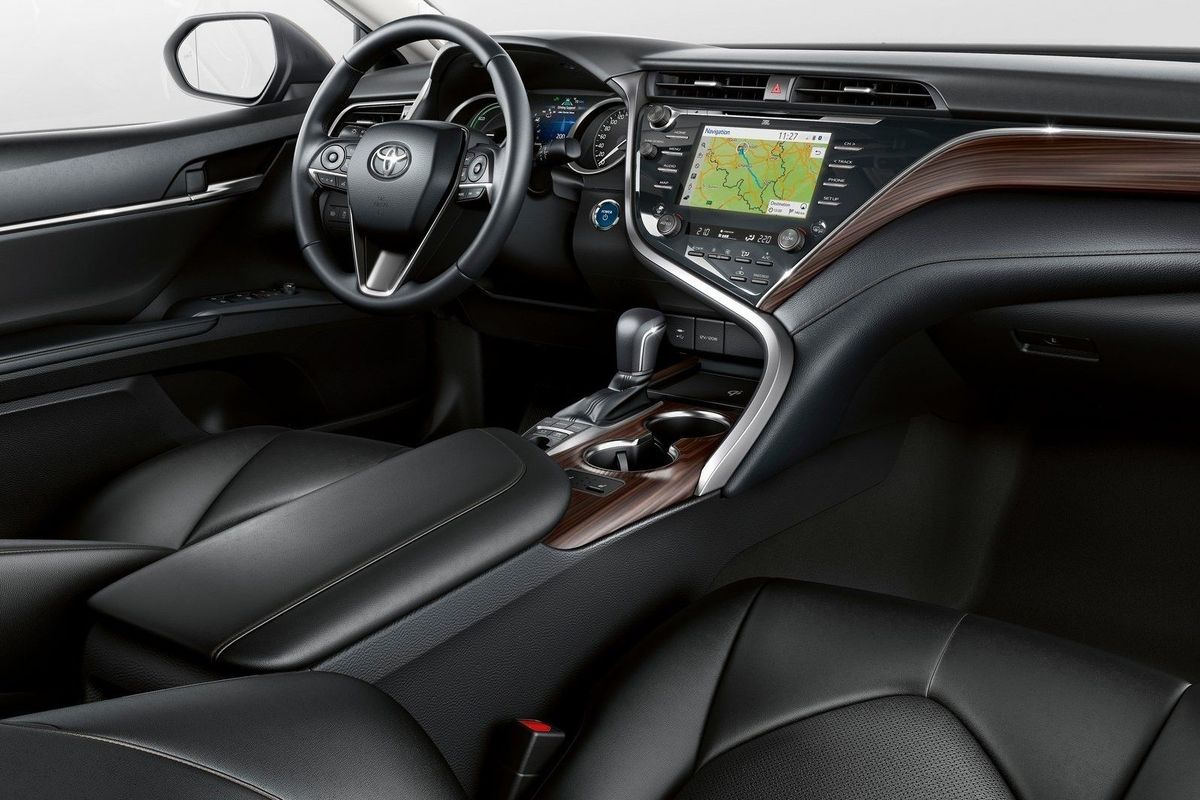
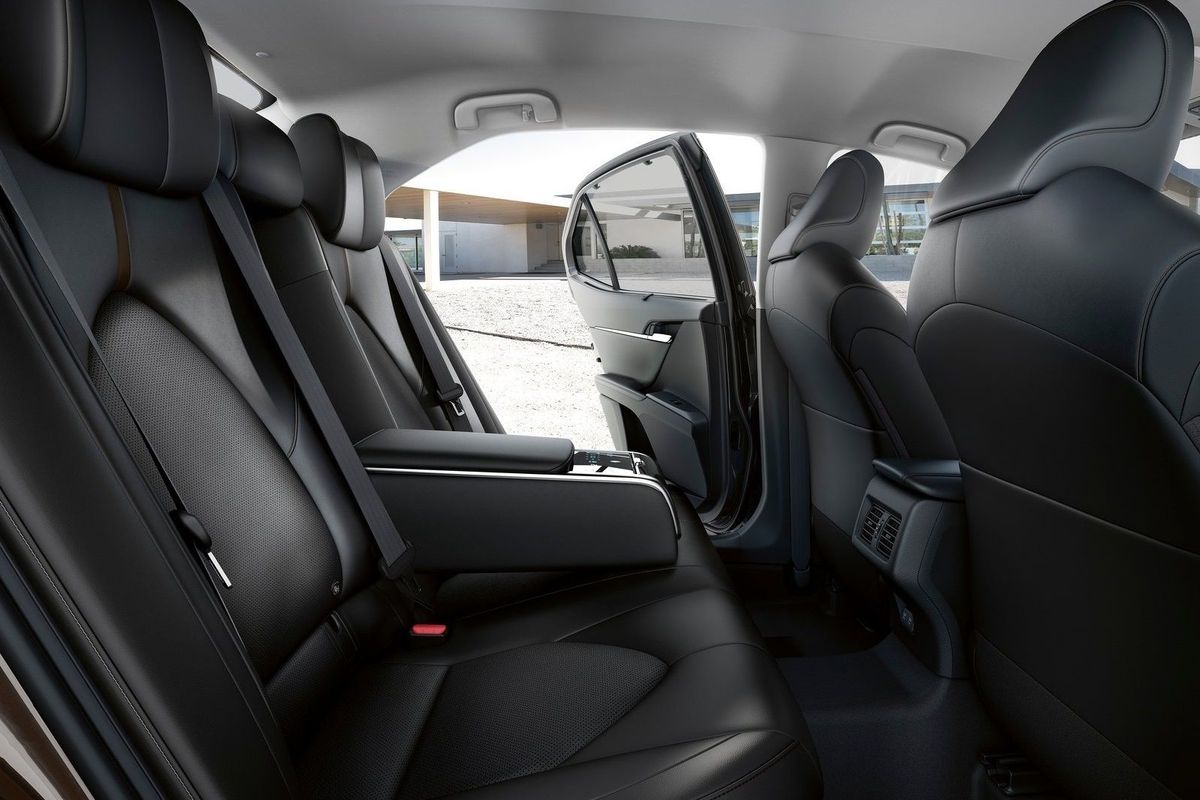
Inside, the new Camry looks spacious and modern. There's a trio of easy-to-read, information-coordinating displays consisting of a 10-inch Head-up Display (HUD); a 7-inch Multi-information Display; and an 8-inch centre console display incorporating Toyota's Touch®2 with Go multimedia system. Boot space was an area where the Camry shone and this 8th generation model is no exception. With a claimed 500 litres for vehicles equipped with power-reclining rear seats, and 524 litres for those with 60:40 split seating, there's plenty of carrying capacity. 

Despite the SUV becoming the popular genre of car, Toyota still feels as if there's some money to be made off a big sedan and given the Camry's illustrious reputation, why not? Do you think it would be a success if it were to come to South Africa? Should Toyota SA bring it here? Let us know. 

Want to buy a Toyota? Browse new and used stock.

Further Reading

Toyota Prius (2019) Review

Toyota Corolla Hatch Heritage Part 1

Toyota RAV4 (2013-2019) Buyer's Guide

Toyota GR Supra (2019) International Launch Review

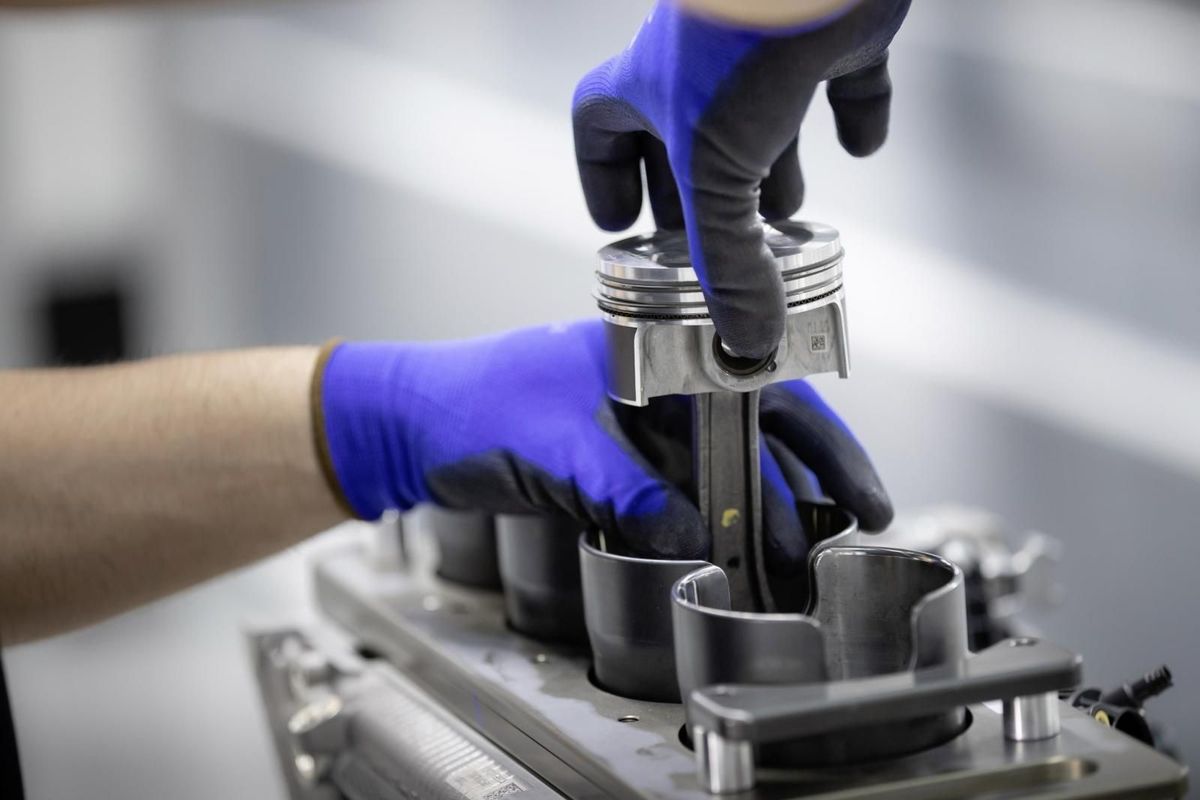
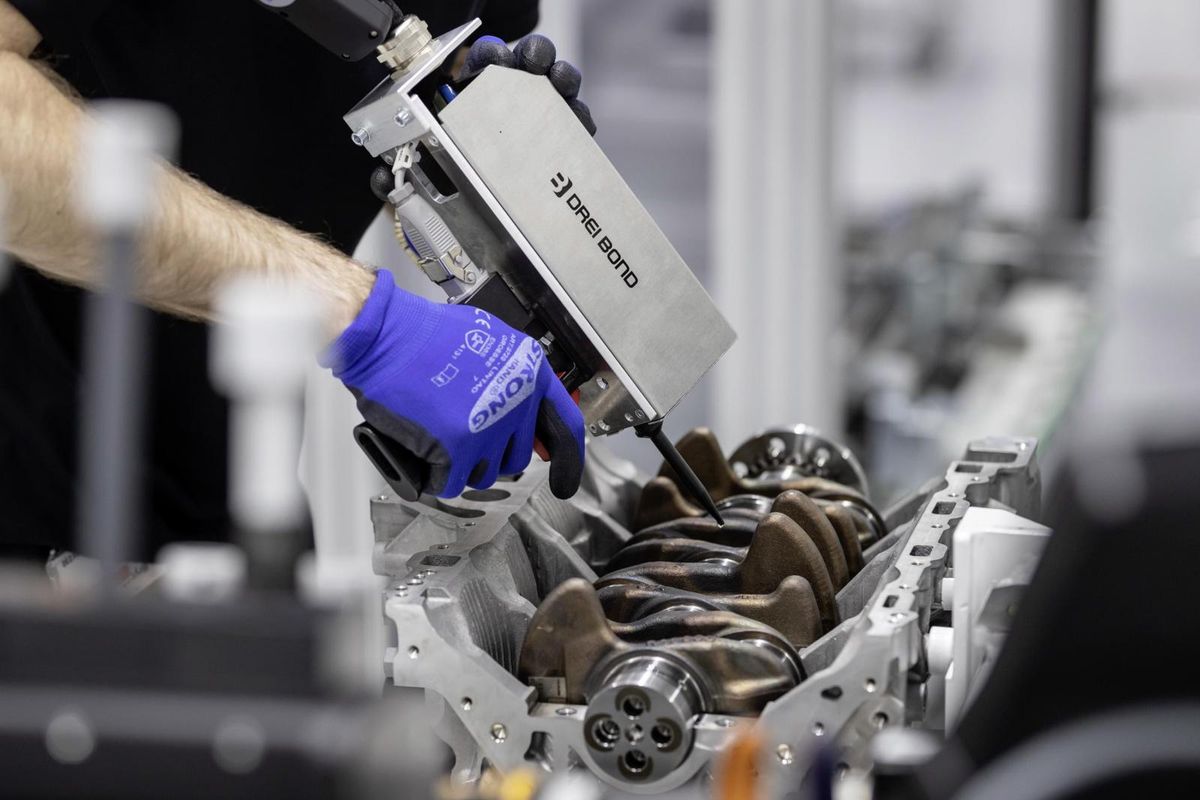
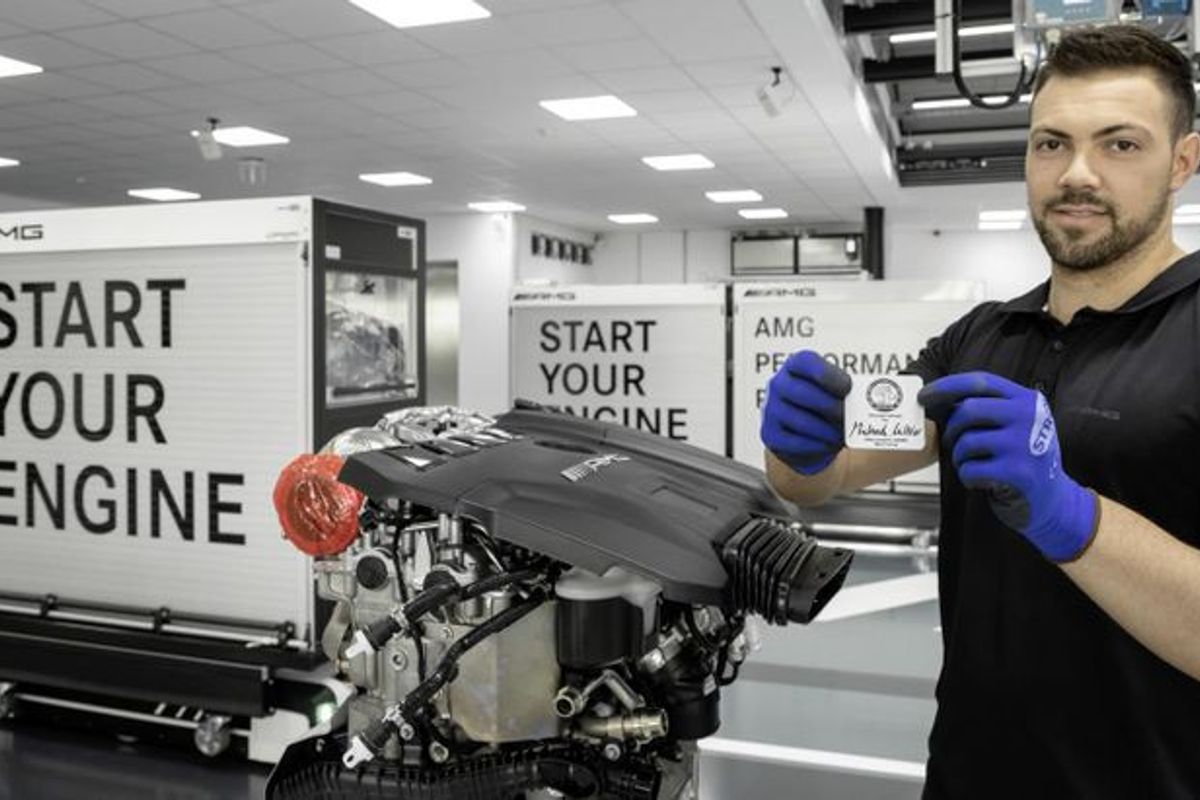
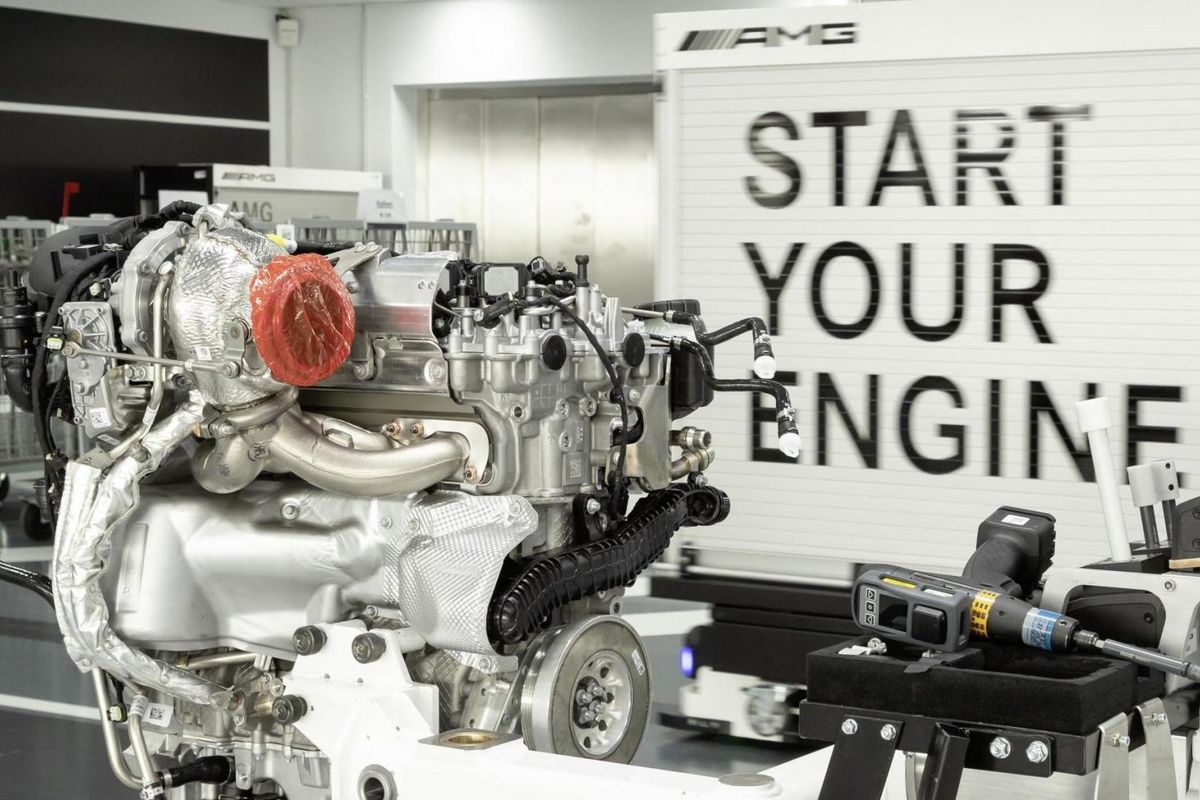
Merc’s New AMG 2-litre boosts beyond 300 kW

AMG breaks the 300kW ceiling for 2.0-litre production engines.

Since its first turbocharged 2.0-litre four-cylinder, the M133, AMG has set new power output standards for this specific size and configuration of production engine.

When it debuted in 2013, the A45’s 2.0-litre turbocharged ‘four was good for 265 kW – notably more powerful than any other similarly sized production engine. AMG has just revealed its latest evolution of the boosted 2-litre four-cylinder engine architecture, and the numbers are astonishing.

Under the AMG engine codename of M139, this new 2.0-litre engine produces 310 kW and 500 Nm. The number which truly contextualises its potency is that this new AMG engine delivers 155 kW per litre, more than most production superbikes.

Overall displacement is 1991 cc and the internal architecture is radically undersquare, featuring an 83 mm bore versus 92 mm of stroke.

A single twin-scroll turbocharger runs on a roller-bearing compressor and turbine wheels, to eliminate inertia, and boost pressure is 2.1 bar. The M139 engine’s turbo can spin to an amazing 169 000 rpm.

Reduction friction comes courtesy of nanoslide cylinder coatings, a technology developed by the Mercedes F1 team, whilst 2 mm larger exhaust valves help better feed the turbo and clear the combustion chamber. As a result, this engine can run a 7 200 rpm maximum crank speed – which is credibly high for a long-stroke turbocharged engine.

AMG’s third-generation fuelling system produces 200-bar of direct injection pressure and the entire M139 engine only weighs 160 kg, thanks in part to a new aluminium crankcase.

This amazing 2.0-litre engine will become available in AMG’s next wave of 45-Series models, due later this year, and customers will have the option of two states of tune: either the full-power ‘S’ version detailed above, or a 285 kW/480 Nm application. South Africa is a notable 'S' only country though, so expect maximum power derivatives to be available.

Watch the new 2.0-litre turbocharged AMG engine being built


New Diesel Opel Crossland X for SA

Opel will welcome a new diesel-powered derivative to its Crossland X range in mid-June 2019. Take a look at what you can expect in terms of specification and pricing below…

Up until now, the Opel Crossland X range offered 4 front-wheel drive derivatives with two 3-cylinder petrol engines on offer and the choice of manual and automatic transmissions.

The range starts with the entry-level Crossland X 1.2 Essentia and mid-spec Enjoy derivatives which are, powered by a naturally-aspirated, 1.2-litre engine with 60 kW and 118 Nm of torque and mated with a 5-speed manual transmission. Fuel consumption is claimed at 5.2 L/100km.

The remaining Crossland X 1.2 Turbo Enjoy automatic and Crossland X 1.2 Cosmo automatic derivatives are powered by a turbocharged 1.2-litre engine with 81 kW and 205 Nm of torque, both mated with a 6-speed automatic transmission. Opel claims a fuel consumption figure of 5.4 L/100km for the turbocharged derivatives.

Opel Crossland X 1.2T Enjoy (2018) Review

Explore the Crossland X range here


Diesel joins the range

A new diesel-powered Crossland X will soon join the range. The Crossland X 1.6TD Enjoy is based on the mid-spec Enjoy manual derivative but is powered by a turbocharged 1.6-litre diesel engine offering 68 kW and 230 Nm and carries a fuel consumption figure of 5.4 L/100km.  

Key standard features for this new derivative include an Intellilink infotainment system with 6 speakers, front and rear park assist, electric windows, cruise control, electric folding side mirrors and a front 12V socket. The load bay offers 410 litres of space.

In terms of safety, 6 airbags are standard as is Electronic Stability Programme (ESP), Hill Start Assist (HSA), Lane Departure Warning and ISOFIX child seat mounts. Optional features include a reverse camera, twisted roof and mirror caps.
Opel Crossland X – Price in South Africa

Crossland X 1.2 Essentia – R274 900

Crossland X 1.2 Enjoy – R295 900

Crossland X 1.2 Turbo Enjoy Auto – R348 450

Crossland X 1.6TD Enjoy – R348 450

Crossland X 1.2 Turbo Cosmo Auto – R400 537


Ford Figo Blu Limited Edition in SA

Ford is offering a limited edition Figo Blu in South Africa, take a look at what’s on offer…

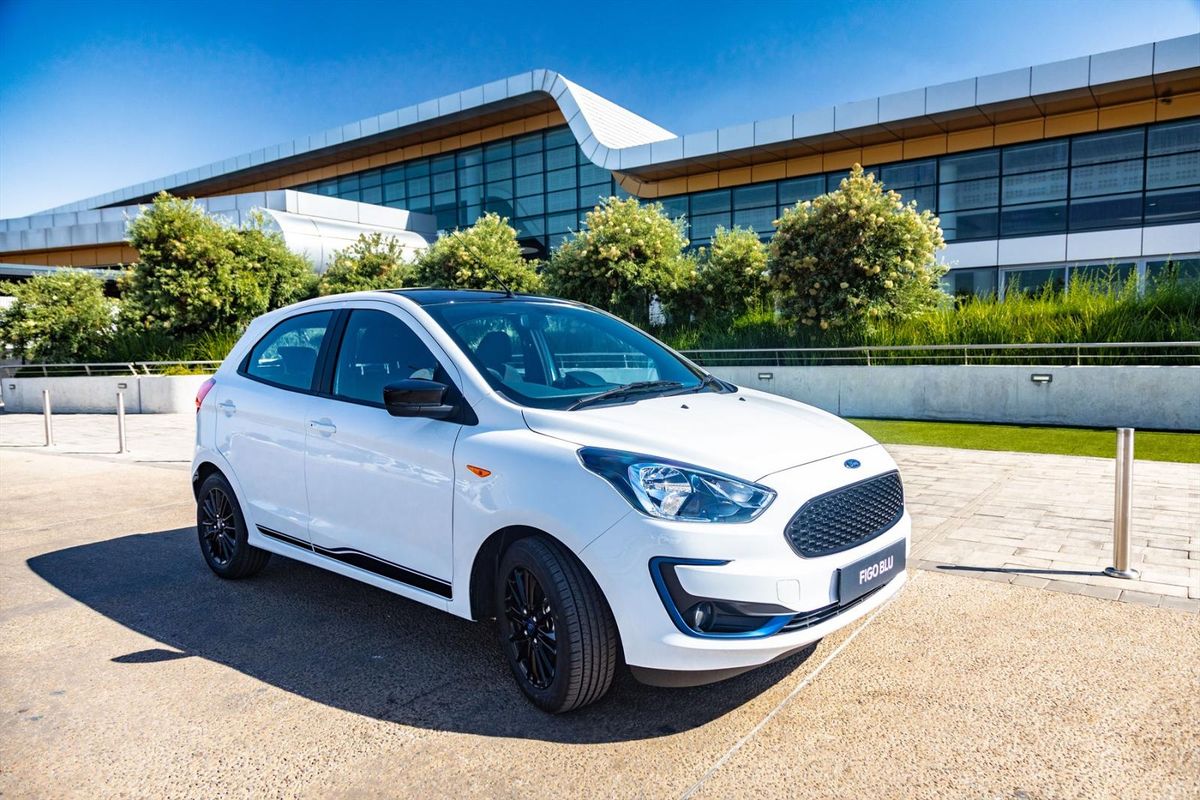
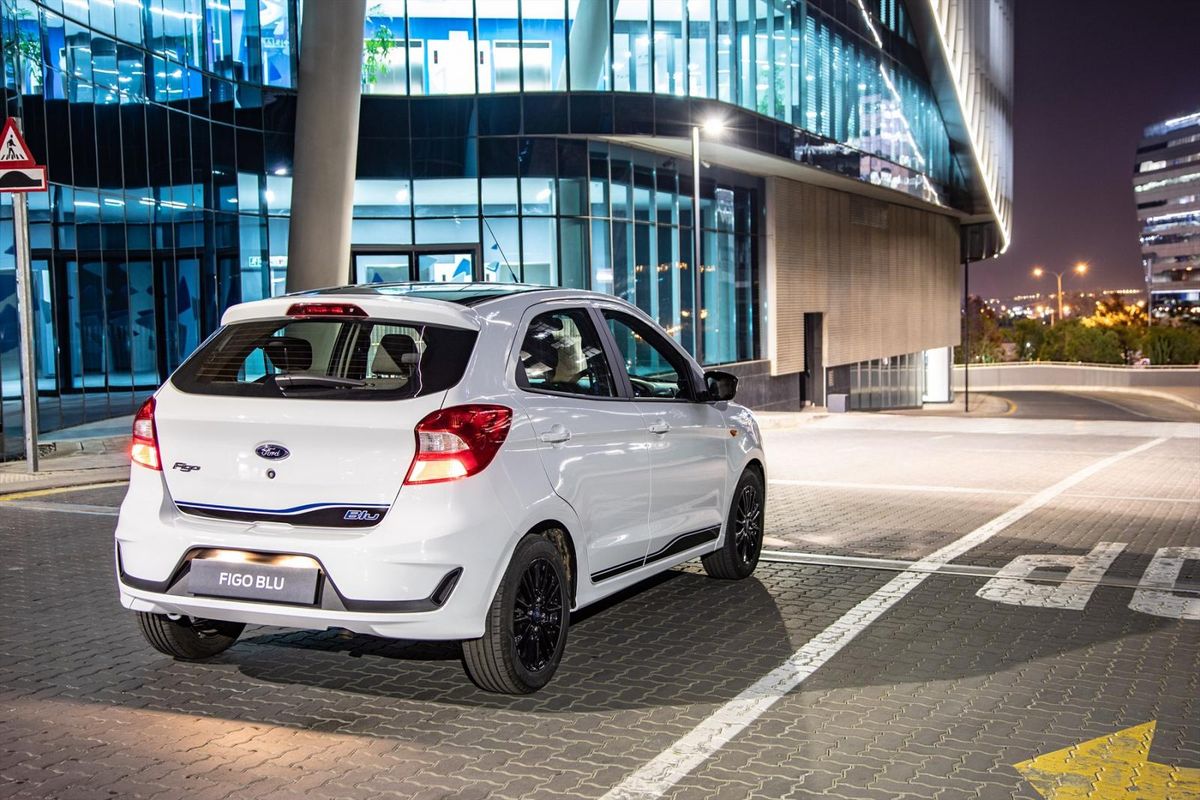
The Figo is a popular model in Ford’s local lineup and now customers can buy a limited edition Figo Blu, but you’ll have to hurry, there are only 360 units on offer in South Africa.

"We developed Figo Blu for our customers who are bold, seek uniqueness and push beyond the boundaries," says Doreen Mashinini, General Manager Marketing at Ford Motor Company of Southern Africa. "The standard Figo hatchback is already a very competitive offering in the compact segment, but this special edition model allows customers to really stand out from the crowd."

Ford Figo 1.5 Trend auto (2018) Quick Review

What’s unique about it?


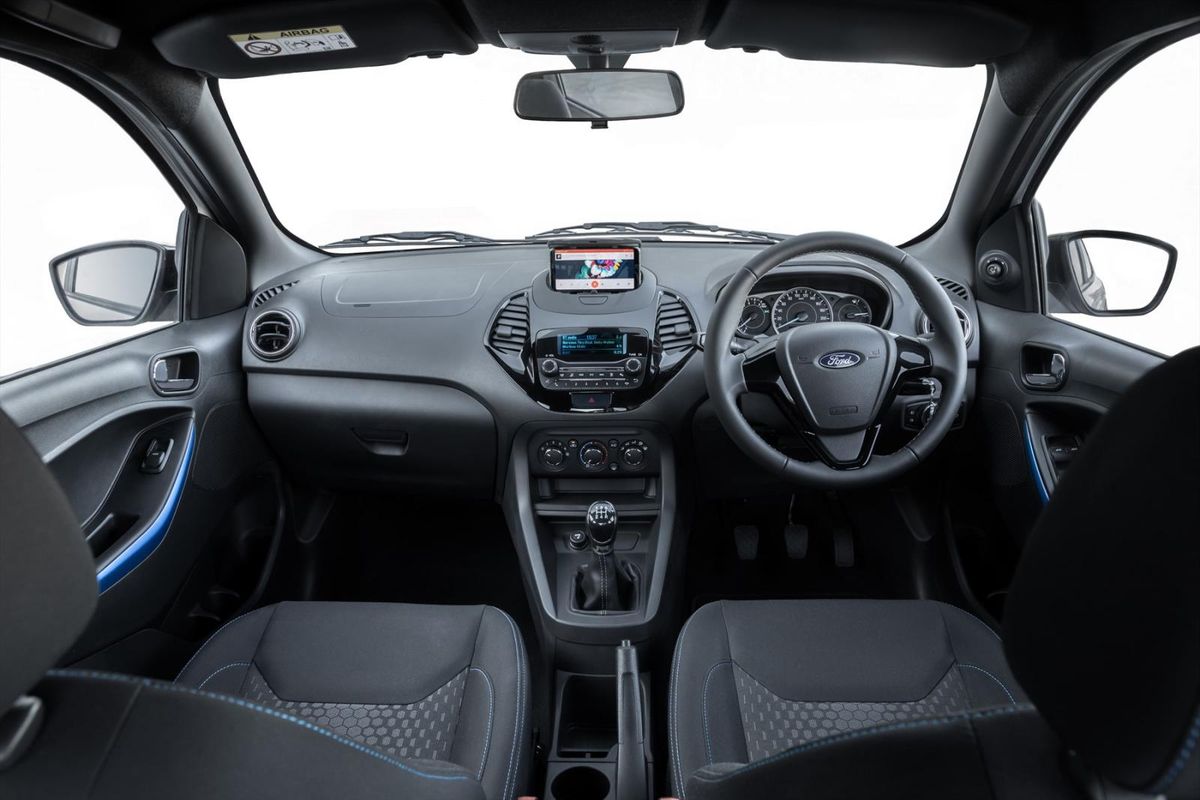
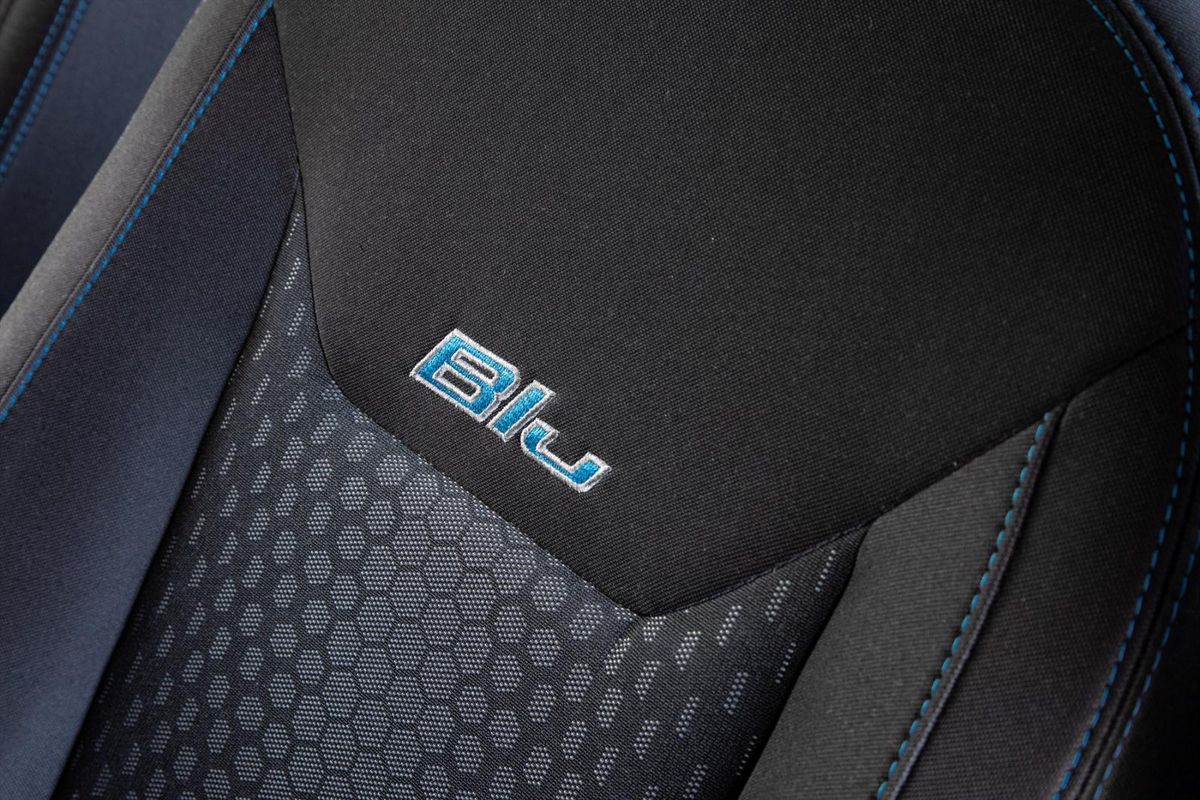
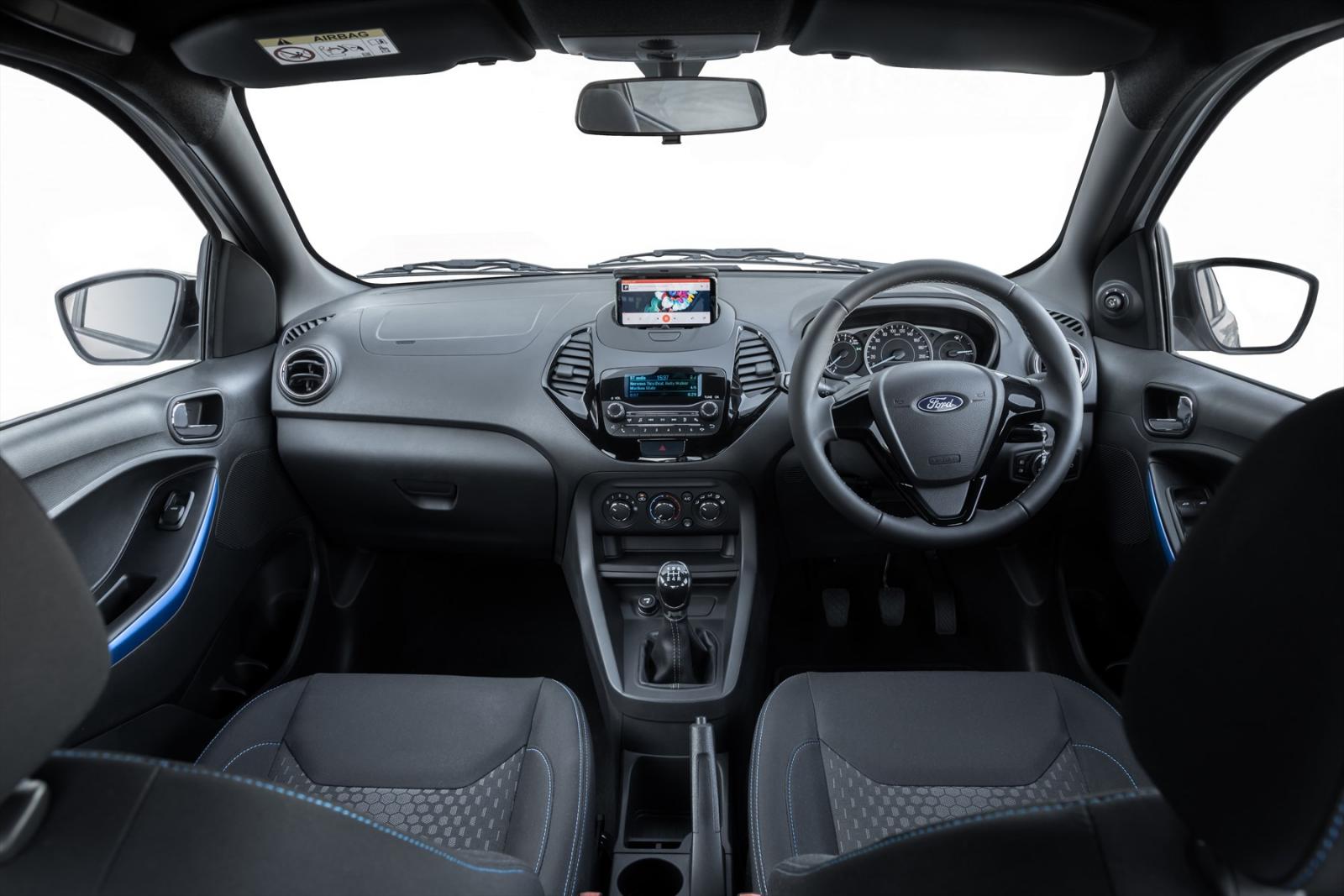
Numerous blue interior details differentiate the Figo Blu from the rest of the range. 

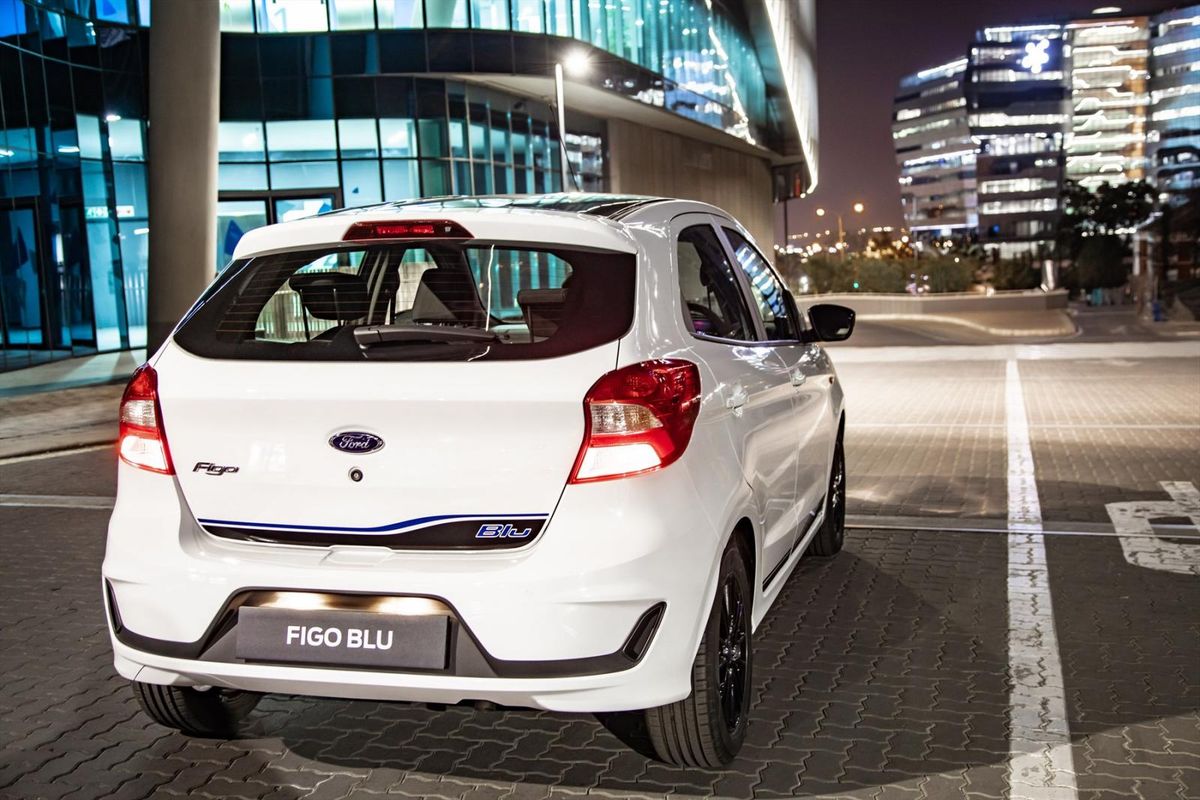
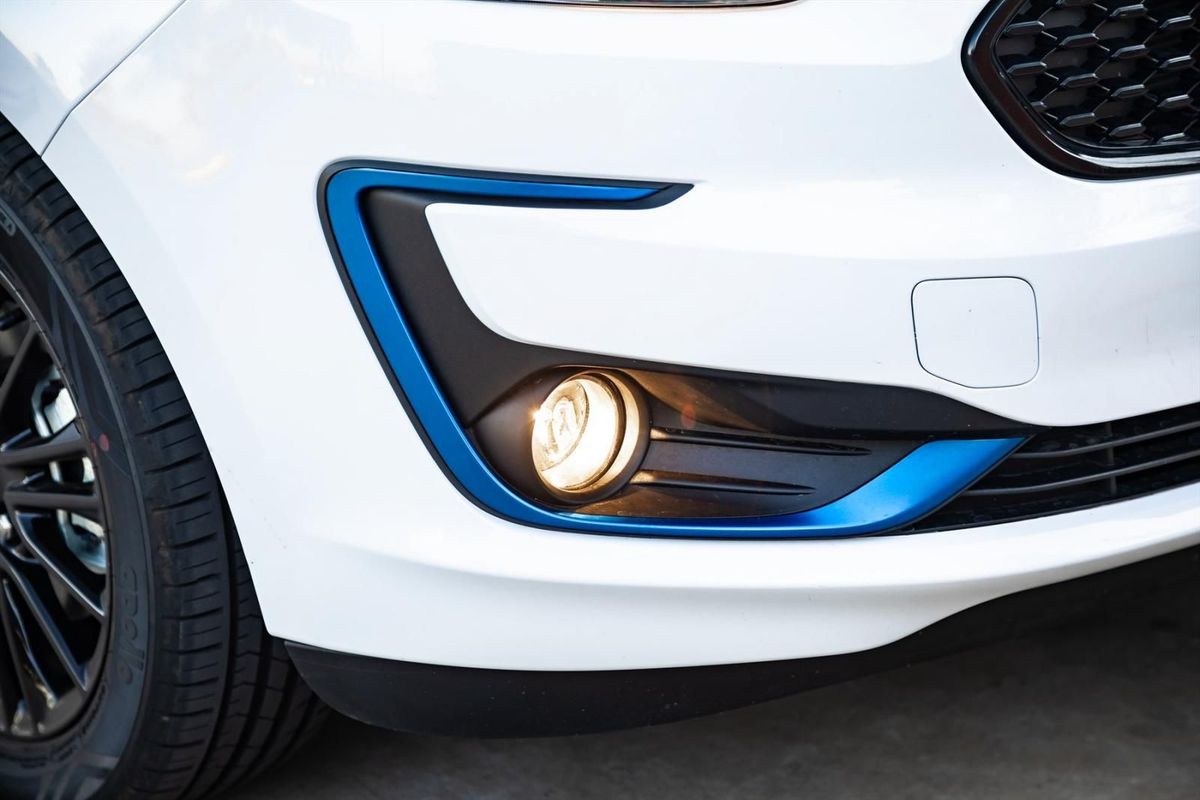
The Figo Blu is based on the Figo 1.5 Trend derivative and is distinguished by a black mesh grille, blue fog lamp bezels, black mirror housings, a black roof and rides on black 15-inch multi-spoke alloy wheels. Decals seen on the lower section of the doors round off the look and the Figo Blu can be had in 3 colours including Moondust Silver, Oxford White and Smoke Grey.

As for the interior, all 4 door panels are fitted with blue gloss trim inserts. A leather steering wheel is fitted and the blue theme continues with blue stitching on the gear gaiter and ‘Figo Blu’ embroidery on the front floor mats.

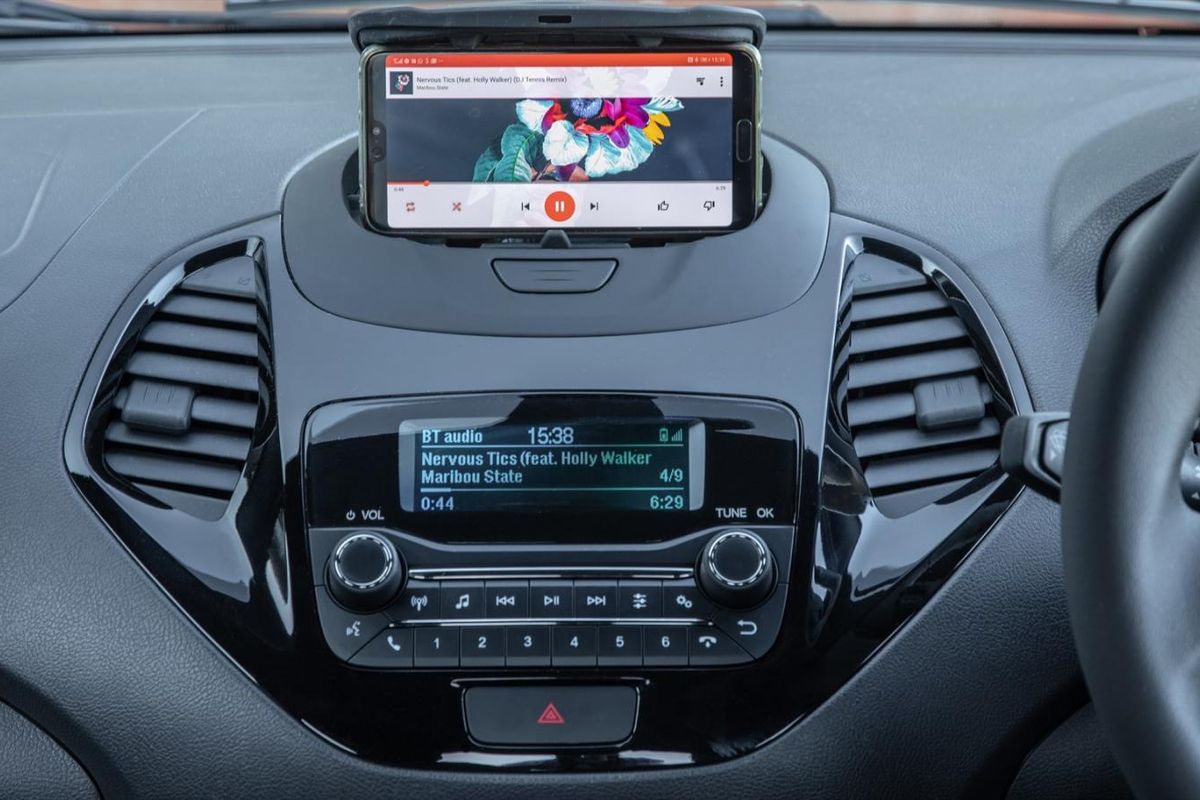
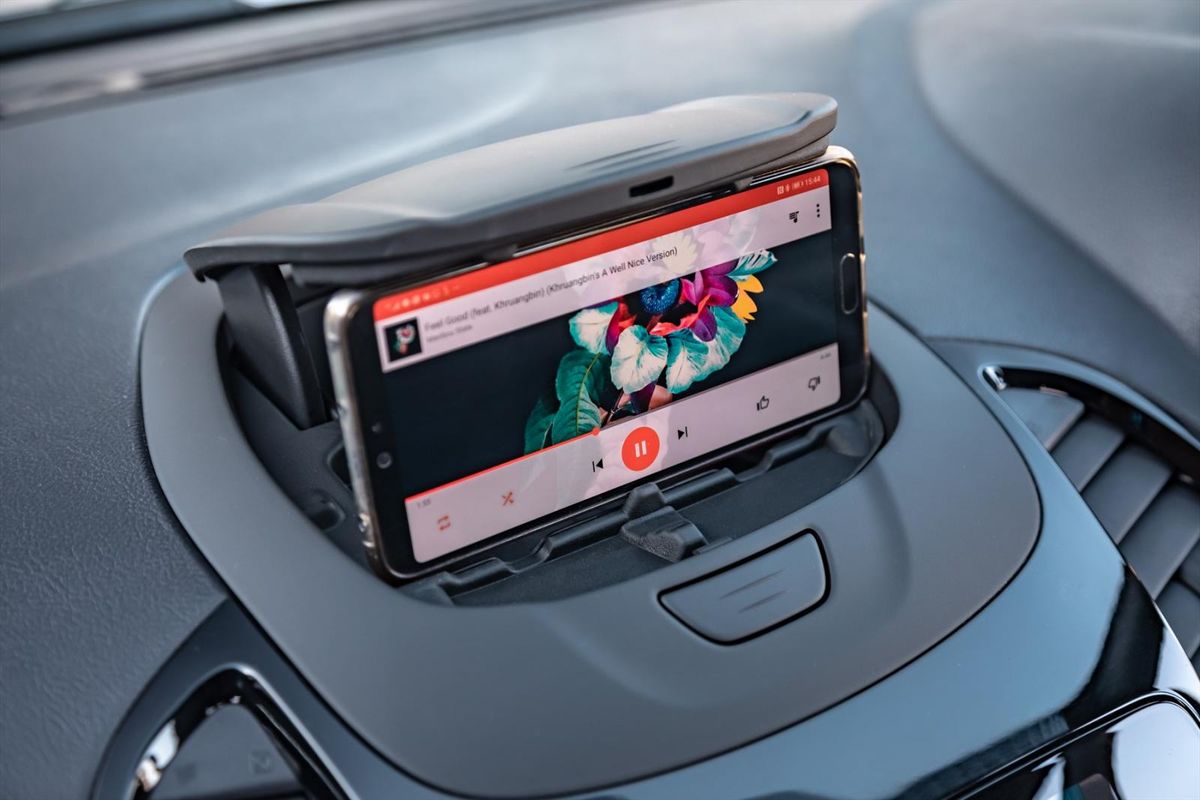
Key interior features include a basic radio with 4 speakers offering Bluetooth, A USB port and Ford’s device dock to connect and hold your smartphone while driving. Electric windows, central locking, alarm and immobiliser are included and dual front airbags and ABS are standard.

Under the bonnet, Ford’s familiar 1.5-litre, 3-cylinder petrol engine which offers 88 kW and 150 Nm of torque. A 5-speed manual transmission channels power to the front wheels.

Ford Figo – Price in South Africa

Figo 1.5 TiVCT Ambiente Hatch 5MT – R185 600

Figo 1.5 TiVCT Trend Hatch 5MT – R195 800

Figo Blu 1.5 TiVCT Hatch 5MT – R203 800

Figo 1.5 TiVCT Trend Hatch 6AT  – R213 800

Figo 1.5 TiVCT Titanium Hatch 5MT – R219 900

Figo 1.5 TiVCT Ambiente Sedan 5MT – R191 700

Figo 1.5 TiVCT Trend Sedan 5MT – R200 900

A 4-year/120 000 km warranty, 4-year/60 000 km service plan, 3-year/unlimited km roadside assistance and a 5-year/unlimited km corrosion warranty is standard.

Buy a new or used Ford Figo on Cars.co.za

Volkswagen Kombi Range Bolstered  

Volkswagen has bolstered its local Kombi range with a more powerful 132 kW Trendline Plus derivative. See specification and pricing below…

The Volkswagen Kombi does steady business in South Africa with almost 5 000 units sold since the sixth-generation Kombi came to market in 2015.

The range-topping 132 kW / 400 Nm 2.0-litre bi-turbocharged diesel engine was previously only offered in Comfortline guise but it can now be had in Trendline Plus guise, at a more affordable price. This engine is mated to a 7-speed DSG transmission.

5 Reason Why We Love The Volkswagen Kombi

Standard features

This powerful Trendline Plus derivative rides on 17-inch ‘Devonport’ alloy wheels, LED headlights/taillights, front and rear park distance control with a rear reverse camera and a tow bar.

The interior is equipped with a multifunction steering wheel and multifunction display, Composition Media radio with AppConnect and cruise control. Other noteworthy features include an adjustable driver armrest, leatherette upholstery and carpeted floor covering.

Optional features include folding side mirrors, side airbags, a comfort package or a light and sight package.

Additional safety features include post-collision braking, driver alert and fog lights (optional cornering lights).

Volkswagen Kombi – Price in South Africa

Kombi 2.0 TDI 75kW Trendline (standard wheelbase) – R570 000

Kombi 2.0 TDI 103kW DSG Trendline – R603 900

Kombi 2.0 BiTDi 132kW DSG Trendline Plus – R659 700

Kombi 2.0 BiTDI 132kW DSG Comfortline – R735 700

The Volkswagen Kombi is sold with a 3-year/120 000 km warranty and a 5-year/60 000 km maintenance plan. A 12-month anti-corrosion warranty is also standard.

Buy a new or used Volkswagen Kombi on Cars.co.za


Mazda Announces BT-50 Boss Edition

Mazda applies direct bakkie marketing logic, Down Under.

A special edition version of the Ford Ranger’s twin has been revealed for right-hand drive bakkie customers.

Mazda has announced a new range-topping version of its BT-50 double-cab, called rather unambiguously: the Boss.

Only available in four-wheel drive, and powered by Ford’s large 3.2-litre five-cylinder turbodiesel engine, the BT-50 Boss is exclusively finished in white pearl mica paint.

Contrasting its snowflake surface colour are a range of black styling details, including darkened 17-inch wheels, grille, door handles, running boards, roll-hoop and wing mirrors.

Inside the BT-50 Boss, Mazda’s most significant upgrade to its double-cab bakkie is an Alpine sound system comprising eight carbon fibre reinforced speakers, which include tweeters mounted inside the cabin’s A-pillars. With an infotainment system that includes Apple CarPlay and Android Auto, your Smartphone playlist will now come to its all its glory, inside a BT-50 Boss.

Why has Mazda started marketing the BT-50 in Australia? Well, the bakkie is getting on in age and Mazda is wary of allowing sales momentum to stall. The current Mazda BT-50 has been on sale since 2011, and although it debuted as a Ford Ranger T6-series twin, it has not similarly benefitted from recent upgrades to the American brand’s mid-sized bakkie.

The last facelift it had was back in 2017 – read about that here

Mazda’s double-cab future is no longer in partnership with Ford, but instead with fellow Japanese brand, Isuzu. The two manufacturers will cooperate on a next-generation BT-50, with Mazda’s bakkie effectively becoming a twin (again) of the D-Max, by 2021. 

Jaguar XE SV Project 8 Gains Touring Spec

Jaguar has announced a collector's edition of the hardcore XE SV Project 8. Check out the Touring spec.

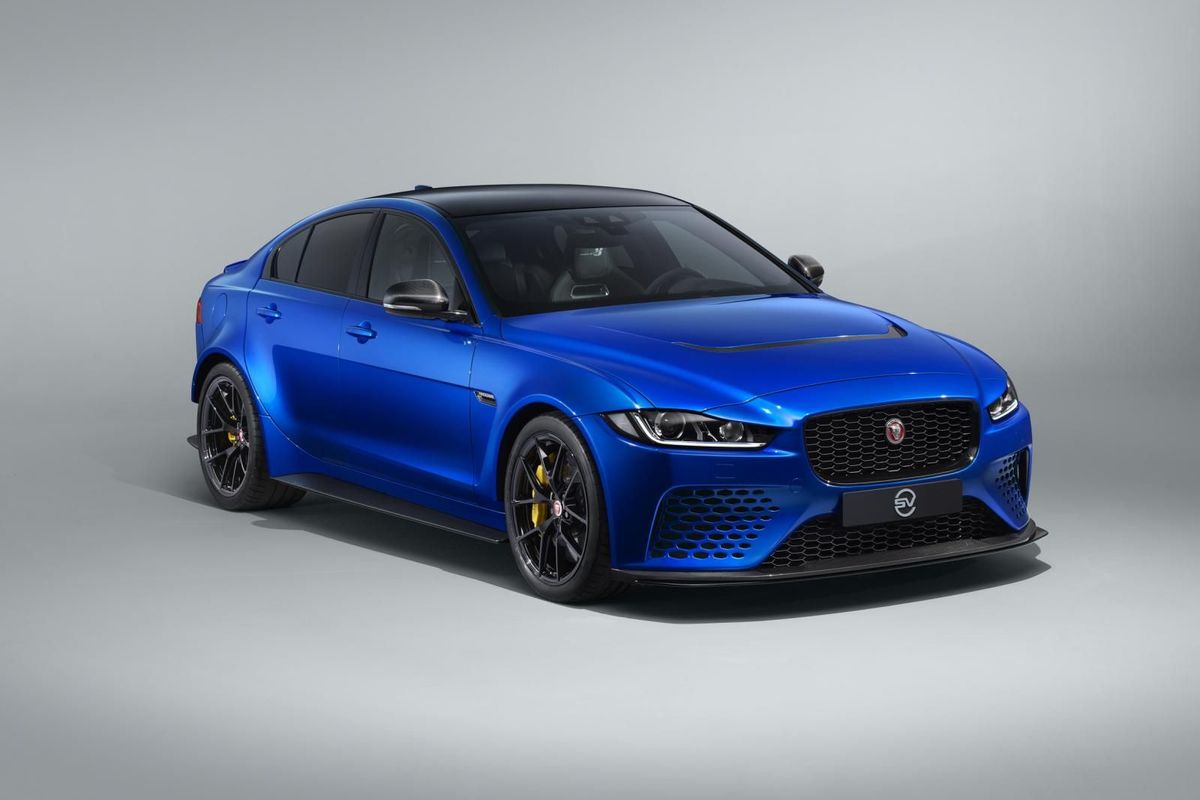
When Jaguar revealed its hardcore XE SV Project 8, petrolheads were amazed. With 441 kW from a supercharged 5.0-litre V8 motor, trick aerodynamics with a monster wing and some high-performance suspension, the XE SV proved ballistic. Records tumbled at the Nürburgring Nordschleife, Dubai Autodrome and Laguna Seca. 

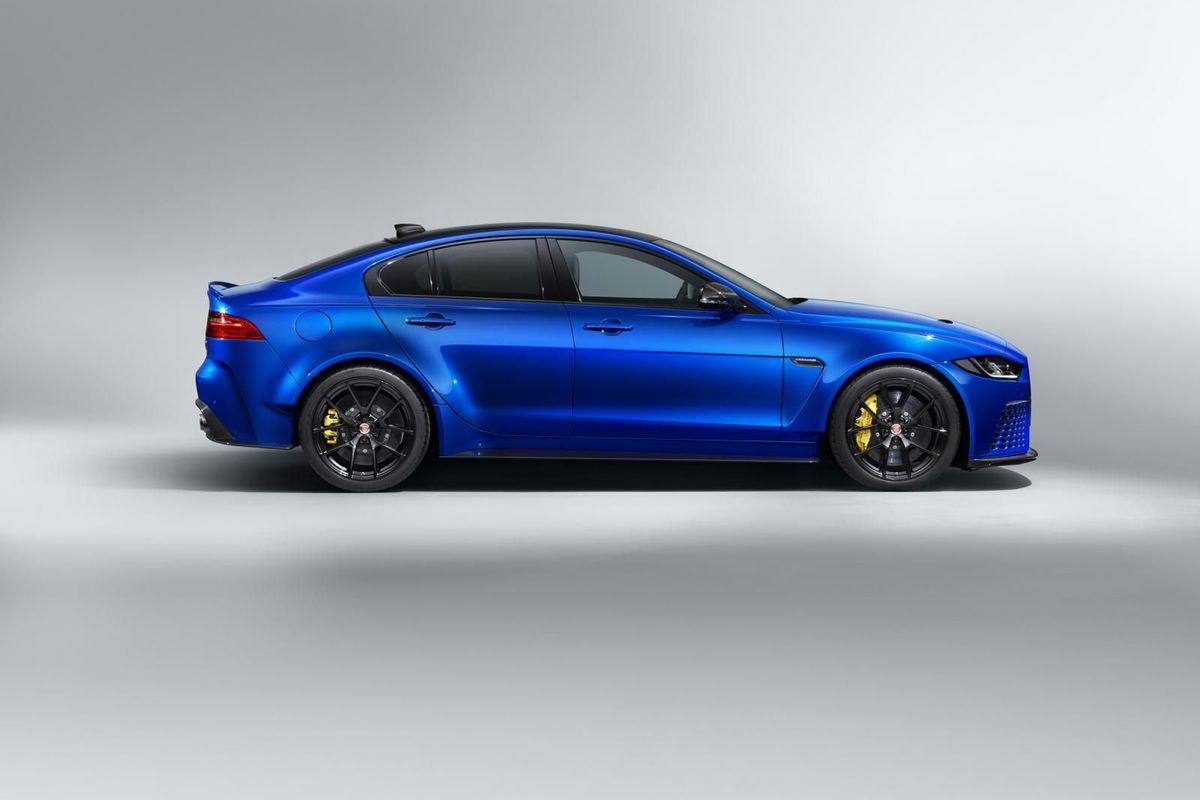
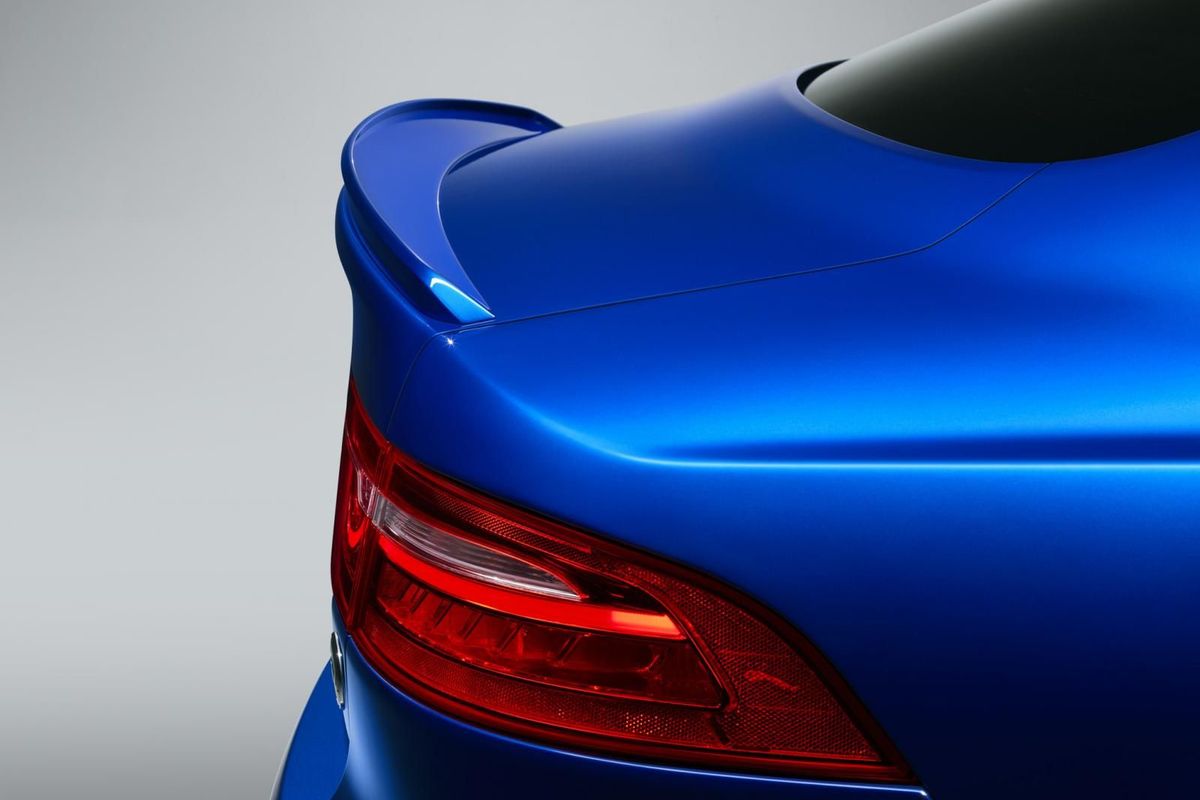
Now Jaguar has shown off a slightly more restrained version, called the Touring, which does away with the ostentatious rear wing. Jamal Hameedi, Engineering Director, Jaguar Special Vehicle Operations, said: “Project 8 has received outstanding critical acclaim since its launch, demonstrating the Special Vehicle Operations team’s ability to create a compact Jaguar sedan with supercar-rivalling performance. Touring specification extends the appeal of Project 8 to performance car enthusiasts and collectors who prefer a more discreet appearance, without compromising its driver-focused on-road dynamics.”

It's going to be an extremely limited edition with just 15 units being built. Sadly, it's not coming to South Africa as it's left-hand drive only, but we can dream right?

Watch the Jaguar XE SV Project 8 in action


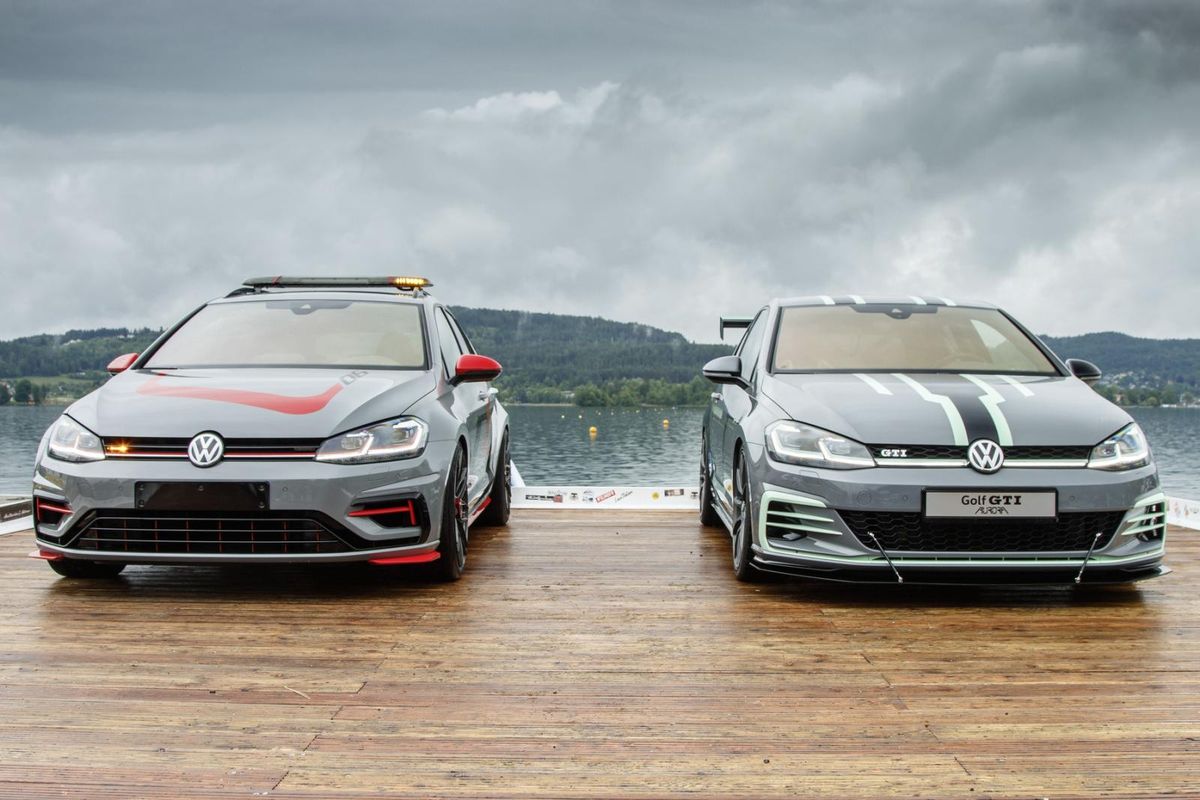
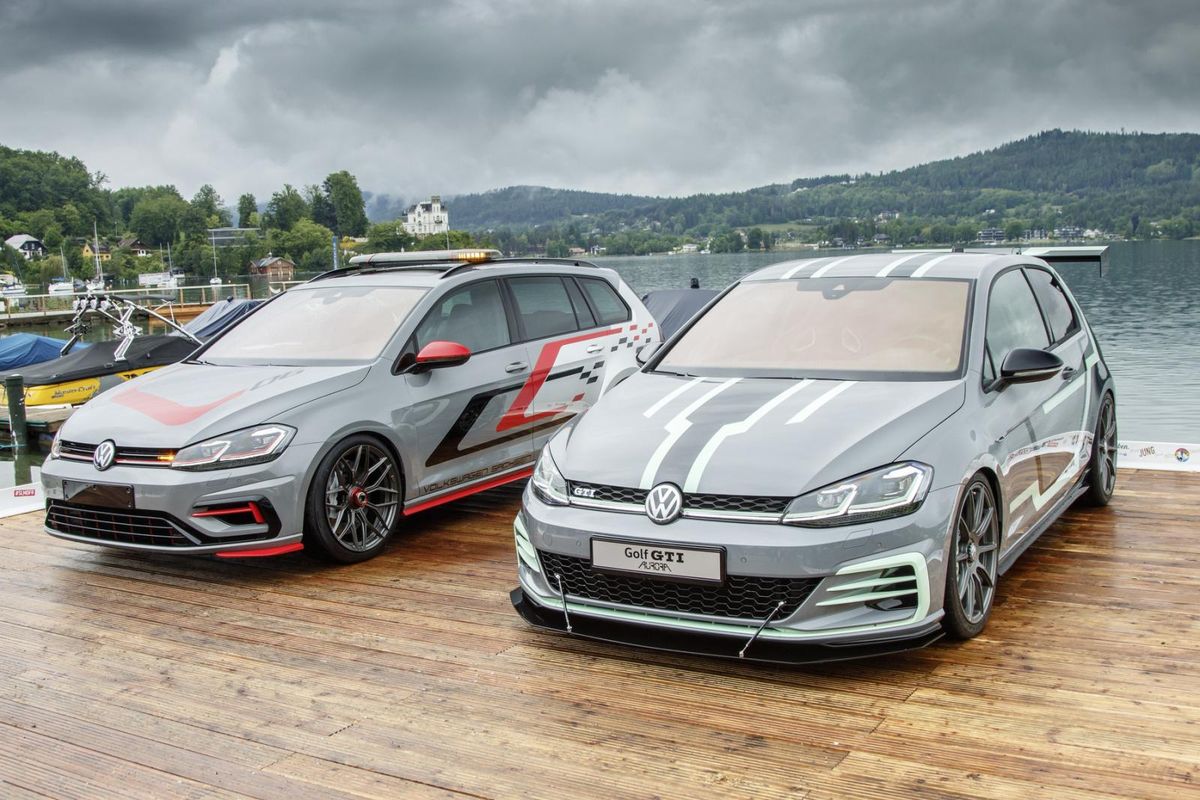
Hot Golfs Dominate Worthersee 2019

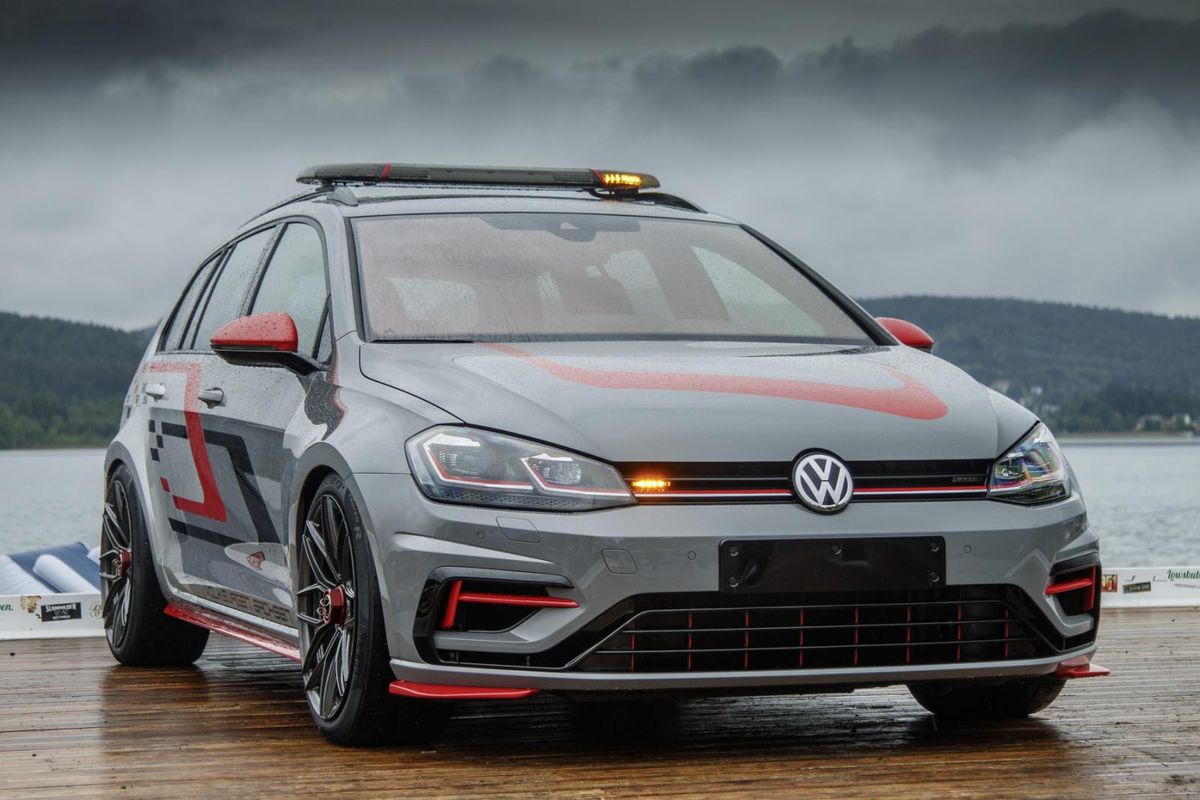
The annual Worthersee festival is a showcase of all things Volkswagen. Held at the end of May 2019, this year's event was no different. Check out these 2 Golf GTIs which were built by apprentice teams from Volkswagen.

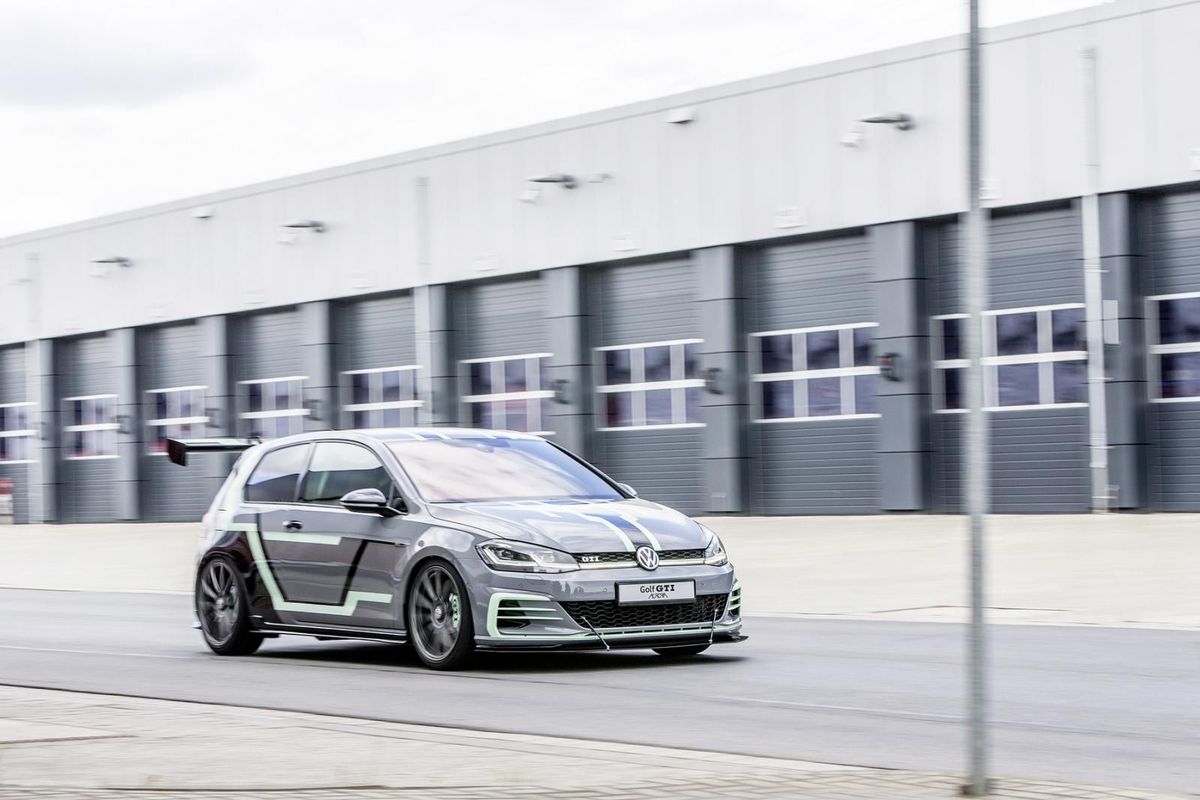
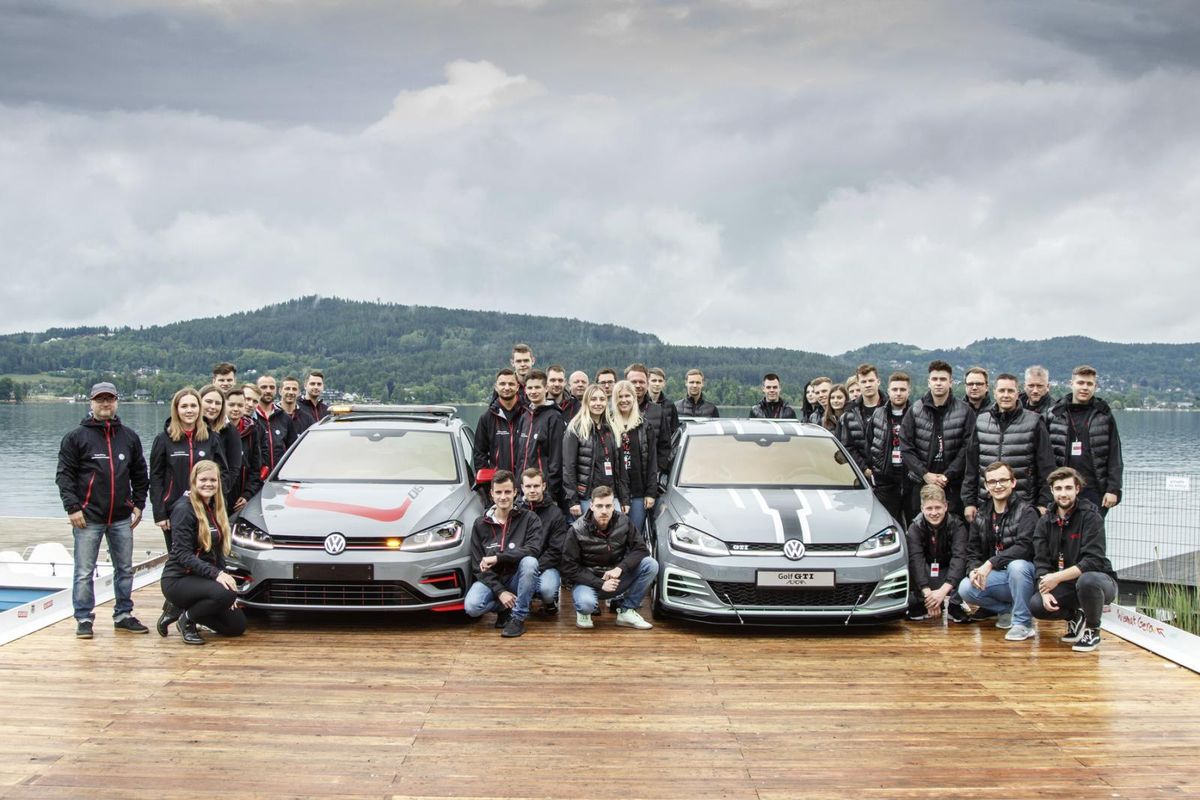
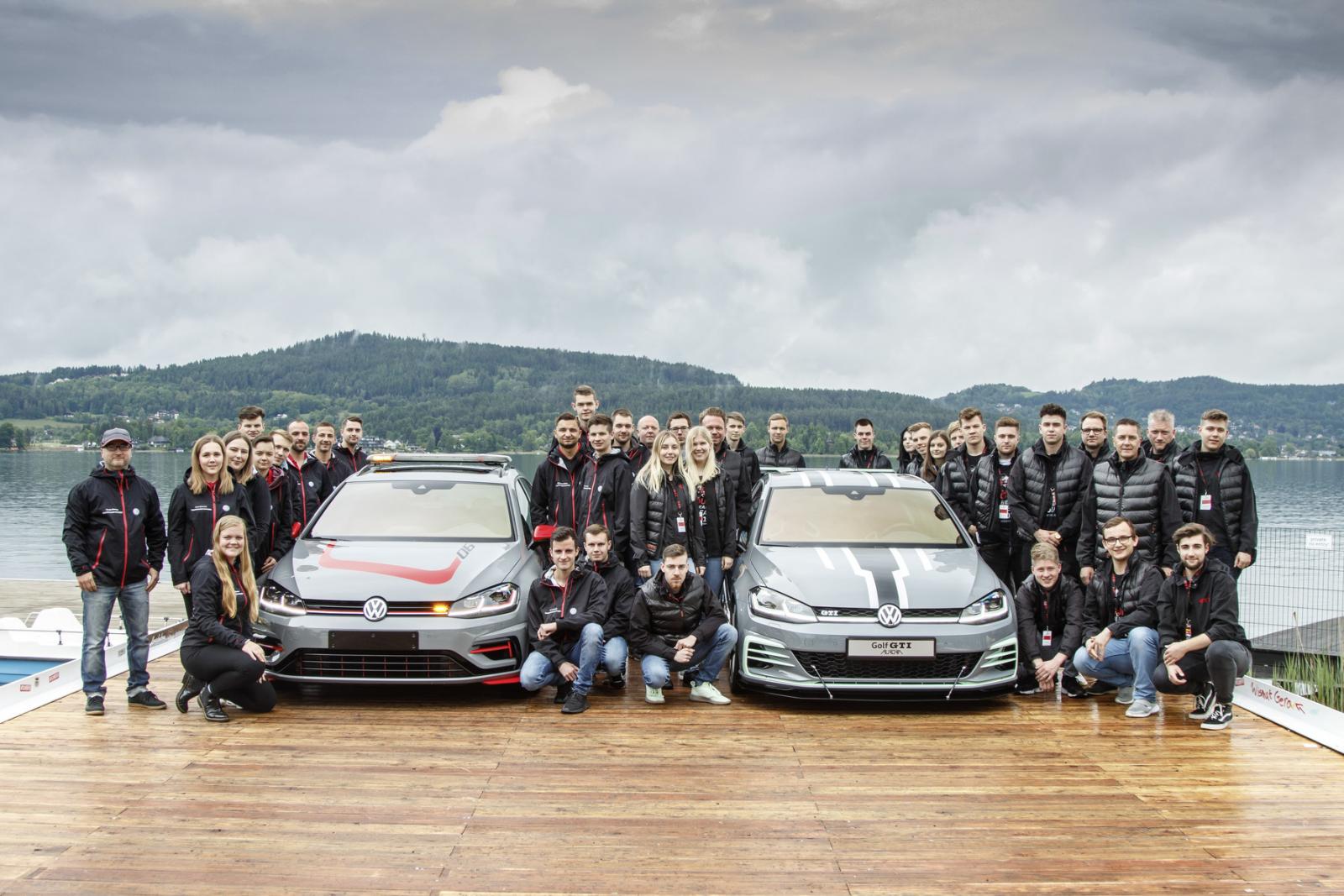
The Volkswagen Golf GTI Aurora from Wolfsburg and the Volkswagen Golf Estate FighteR from Zwickau are 2 crazy-looking cars. Built by Volkswagen apprentice engineers and mechanics, the 2 Golfs showcase build quality, performance and design. 

“The Wörthersee 2019 apprentice team equipped the Golf GTI Aurora with state-of-the-art technology,” says Christoph Görtz, Director of Vocational Training at the Wolfsburg location. “By taking part in the Worthersee project, our apprentices gain wide-ranging and indeed interdisciplinary technical experience for their later careers,” says Christoph Görtz. “The integration of complex digital applications in the vehicle is of utmost importance, as are keeping to a schedule and maintaining quality standards, coordinating with the specialists involved, presenting their results and finding creative solutions to technical challenges.” 

Ranked: 5 Best Golf GTIs… So Far

The Volkswagen Golf GTI Aurora is powered by a 2.0-liter gasoline engine with an output of 279 kW and is painted in the colors Nardo Gray (LY7C) and Deep Black Pearl Effect (in the rear) (LC9X), as well as the one-off accent color Mint Green. The bodykit with rear diffuser and all the decorative elements were painted by hand.

The second car is the Volkswagen Golf Estate R FighteR, which was built by a second team of apprentices from Zwickau. This monster is all-wheel driven and powered by a 295-kW and fitted with a wide-body kit. The one-off vehicle has a glossy paint job in the base colors Crystal Silver and Nardo Gray; design colors are Misano Red and Piano Black. The vehicle features a 360-degree camera which was used to record hot laps around a track, which can be viewed with integrated VR goggles. 

While both vehicles are far from the standard production Golfs that enter showroom floors, it's impressive to know what the vehicles are capable of and secondly, the next-generation talent that'll be working for Volkswagen.


The apprentices and their Volkswagen Golf creations

Further Reading

Official Volkswagen Golf 8 Sketches Released

New Volkswagen Golf 8 Boosted with Mild Hybrid Tech

Volkswagen Golf 6 (2009-2013) Buyer's Guide

New Volkswagen Golf 8 – What to Expect

BMW M8 Gets M Performance Parts Treatment

The BMW M8 has only just been revealed and already M Performance is keen to show off cosmetic and aerodynamic upgrades for the model.

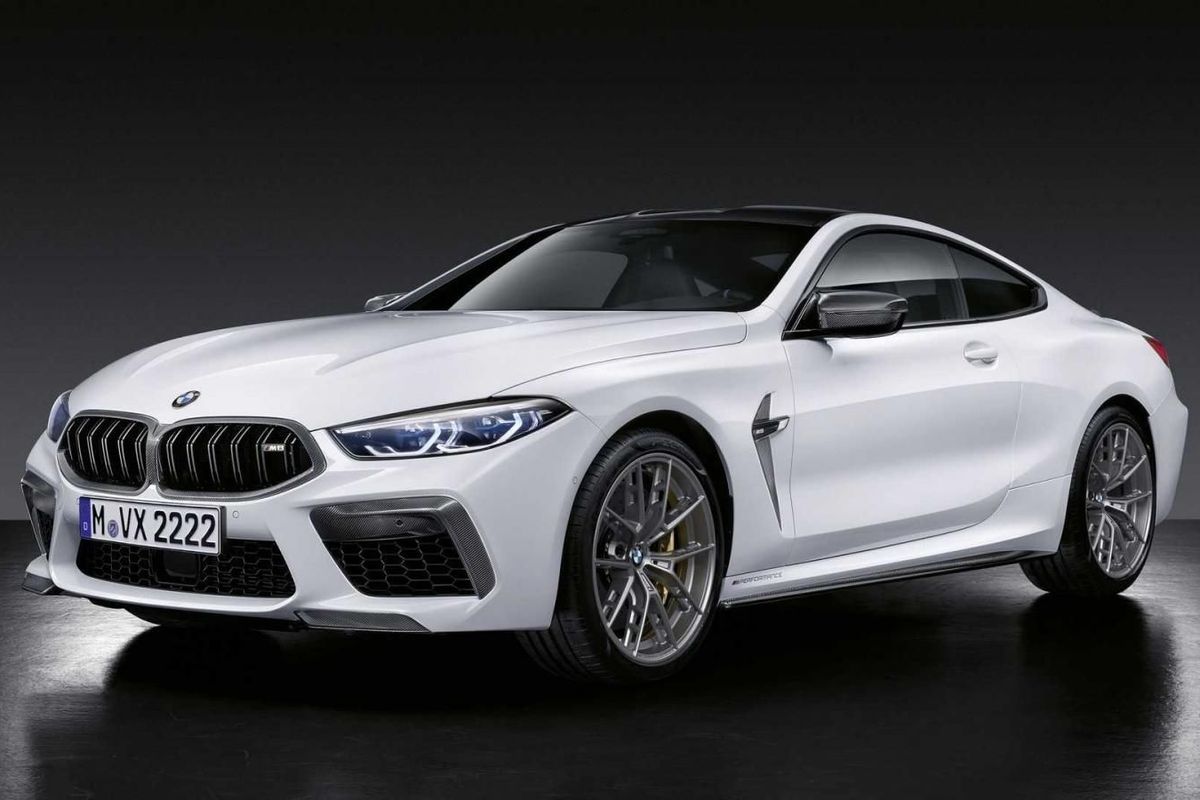
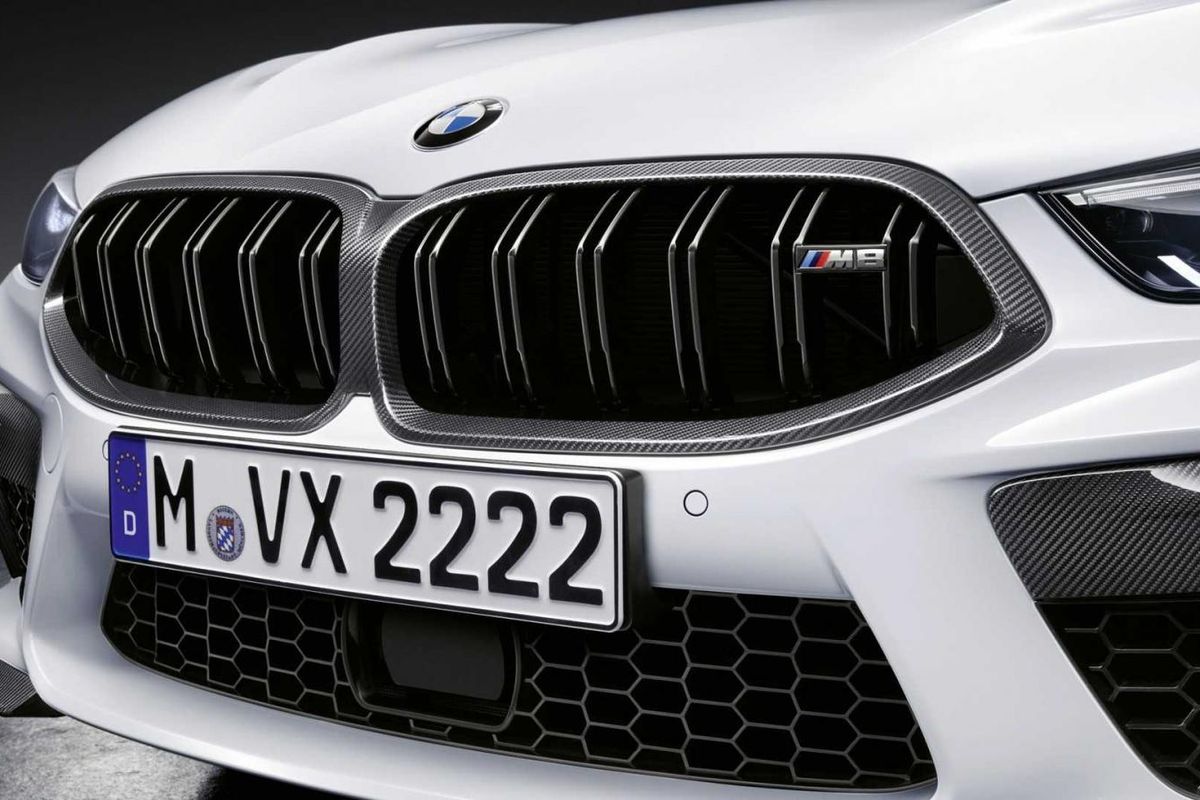
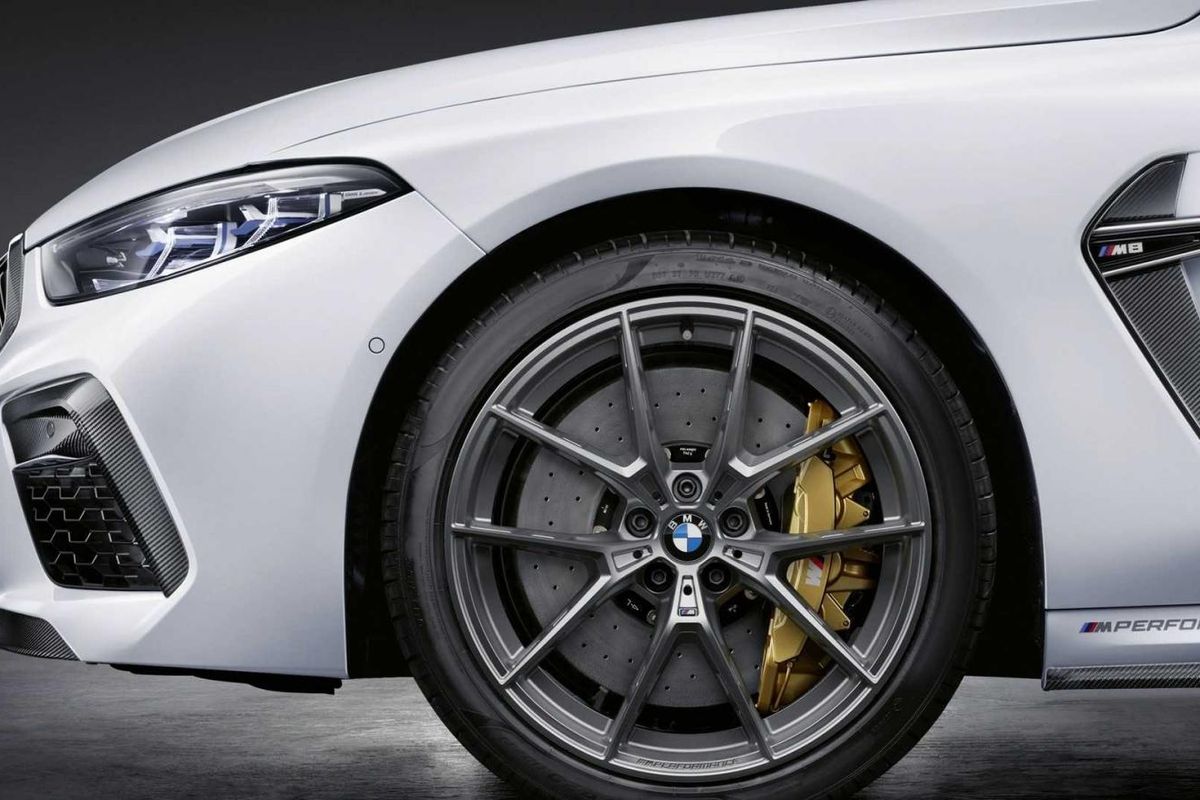
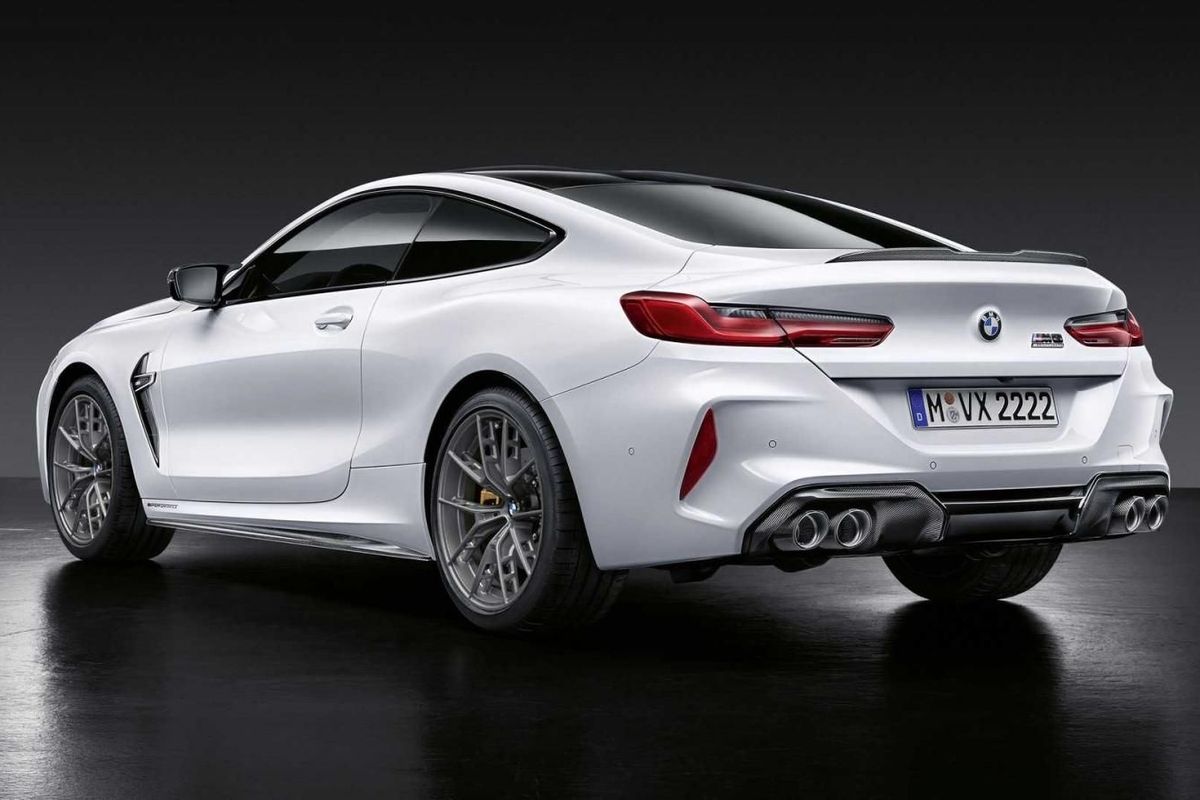
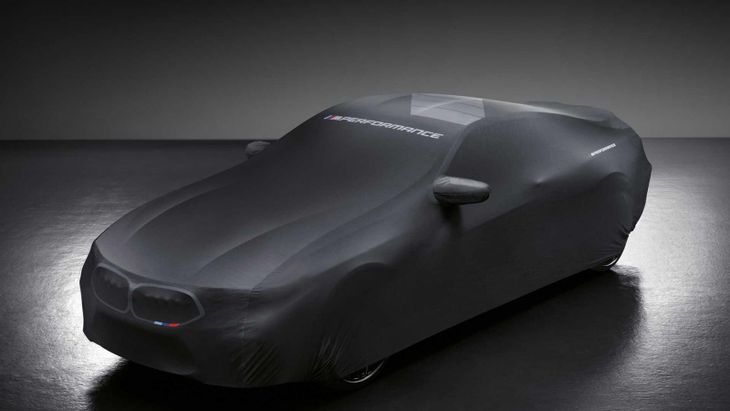
We've grown accustomed to BMW announcing an M Performance parts catalogue almost immediately after a new model release and the recent unveiling of the M8 is no different. What you see here is the M Performance parts applied to the new BMW M8 coupe. BMW claims the parts are inspired by the BMW M8 GTE racecar and gives customers a chance to customise their cars. The parts are not only cosmetic and some are said to improve aerodynamics and save weight. All parts are available for both the coupe and the convertible.

There's liberal use of carbon fibre detailing which goes beyond what BMW already offers with the optional Carbon Package. There's carbon fibre detailing for the radiator grille. side skirts, engine cover as well as uprated brakes. 

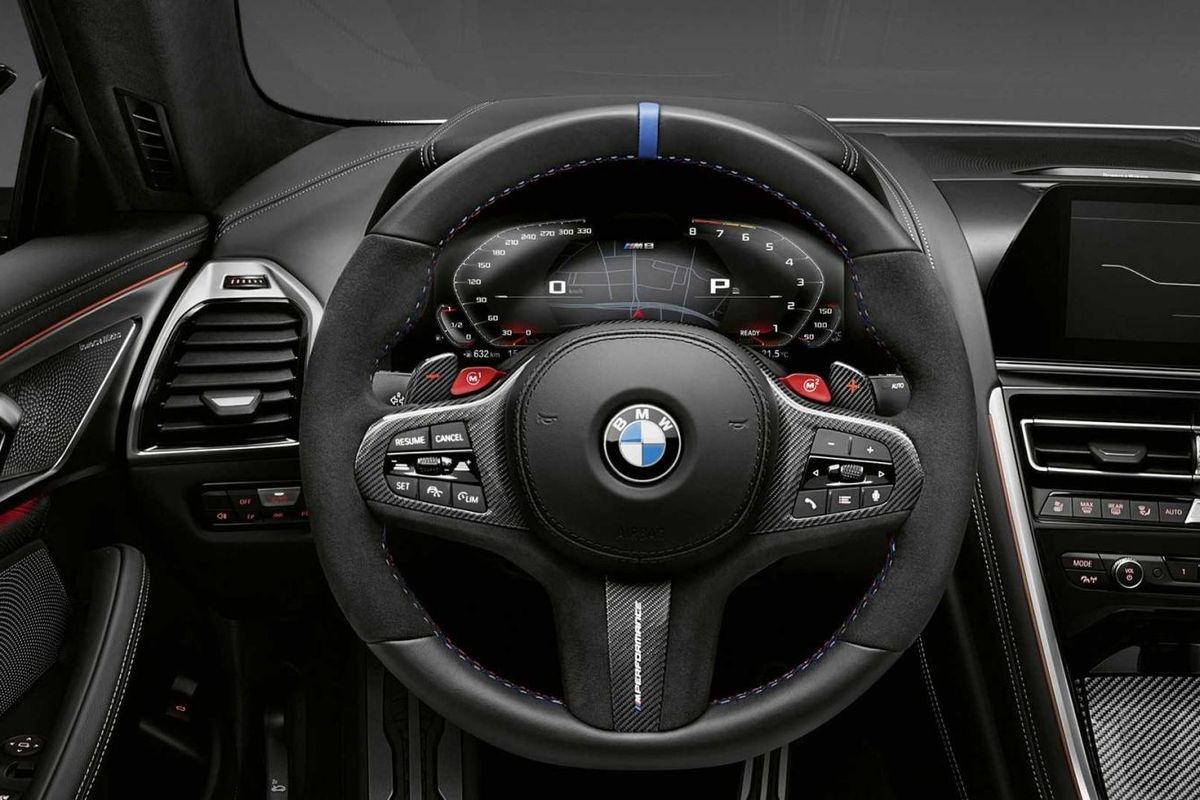
Inside, you can opt for the BMW M Performance steering wheel which features carbon fibre shift paddles as well as Alcantara/carbon fibre trim. There are also BMW M Performance floor mats and for those wanting to protect their cars from dirt, there's a BMW M Performance car cover. 

For the record, the BMW M8 coupe and convertible is powered by a 4.4-litre twin-turbocharged V8 engine which produces 441 kW and 750 Nm. There's also a Competition version which pushes out 460 kW. Equipped with a rear-biased x-Drive all-wheel-drive system and an Active M Differential, acceleration is scintillating and the M8 Coupe and Convertible achieving zero to 100 kph in 3.3 and 3.4 seconds respectively. The M8 Competition Coupe and Convertible are slightly faster with claimed figures of 3.2 and 3.3 seconds respectively. The BMW M8 will be arriving in South Africa before the end of 2019.

Further Reading

BMW M850i xDrive Coupe (2019) Launch Review

BMW 8 Series Convertible (2019) Specs & Price

BMW M8 Revealed in 4 Flavours